window.__IS_SSR__=true
window.__INITIAL_STATE__={
"attachmentsReducer": {
"audio_0": {
"type": "attachments",
"id": "audio_0",
"imgSizes": {
"kqedFullSize": {
"file": "https://ww2.kqed.org/news/wp-content/themes/KQED-unified/img/audio_bgs/background0.jpg"
}
}
},
"audio_1": {
"type": "attachments",
"id": "audio_1",
"imgSizes": {
"kqedFullSize": {
"file": "https://ww2.kqed.org/news/wp-content/themes/KQED-unified/img/audio_bgs/background1.jpg"
}
}
},
"audio_2": {
"type": "attachments",
"id": "audio_2",
"imgSizes": {
"kqedFullSize": {
"file": "https://ww2.kqed.org/news/wp-content/themes/KQED-unified/img/audio_bgs/background2.jpg"
}
}
},
"audio_3": {
"type": "attachments",
"id": "audio_3",
"imgSizes": {
"kqedFullSize": {
"file": "https://ww2.kqed.org/news/wp-content/themes/KQED-unified/img/audio_bgs/background3.jpg"
}
}
},
"audio_4": {
"type": "attachments",
"id": "audio_4",
"imgSizes": {
"kqedFullSize": {
"file": "https://ww2.kqed.org/news/wp-content/themes/KQED-unified/img/audio_bgs/background4.jpg"
}
}
},
"placeholder": {
"type": "attachments",
"id": "placeholder",
"imgSizes": {
"thumbnail": {
"file": "https://cdn.kqed.org/wp-content/uploads/2024/12/KQED-Default-Image-816638274-2000x1333-1-160x107.jpg",
"width": 160,
"height": 107,
"mimeType": "image/jpeg"
},
"medium": {
"file": "https://cdn.kqed.org/wp-content/uploads/2024/12/KQED-Default-Image-816638274-2000x1333-1-800x533.jpg",
"width": 800,
"height": 533,
"mimeType": "image/jpeg"
},
"medium_large": {
"file": "https://cdn.kqed.org/wp-content/uploads/2024/12/KQED-Default-Image-816638274-2000x1333-1-768x512.jpg",
"width": 768,
"height": 512,
"mimeType": "image/jpeg"
},
"large": {
"file": "https://cdn.kqed.org/wp-content/uploads/2024/12/KQED-Default-Image-816638274-2000x1333-1-1020x680.jpg",
"width": 1020,
"height": 680,
"mimeType": "image/jpeg"
},
"1536x1536": {
"file": "https://cdn.kqed.org/wp-content/uploads/2024/12/KQED-Default-Image-816638274-2000x1333-1-1536x1024.jpg",
"width": 1536,
"height": 1024,
"mimeType": "image/jpeg"
},
"fd-lrg": {
"file": "https://cdn.kqed.org/wp-content/uploads/2024/12/KQED-Default-Image-816638274-2000x1333-1-1536x1024.jpg",
"width": 1536,
"height": 1024,
"mimeType": "image/jpeg"
},
"fd-med": {
"file": "https://cdn.kqed.org/wp-content/uploads/2024/12/KQED-Default-Image-816638274-2000x1333-1-1020x680.jpg",
"width": 1020,
"height": 680,
"mimeType": "image/jpeg"
},
"fd-sm": {
"file": "https://cdn.kqed.org/wp-content/uploads/2024/12/KQED-Default-Image-816638274-2000x1333-1-800x533.jpg",
"width": 800,
"height": 533,
"mimeType": "image/jpeg"
},
"post-thumbnail": {
"file": "https://cdn.kqed.org/wp-content/uploads/2024/12/KQED-Default-Image-816638274-2000x1333-1-672x372.jpg",
"width": 672,
"height": 372,
"mimeType": "image/jpeg"
},
"twentyfourteen-full-width": {
"file": "https://cdn.kqed.org/wp-content/uploads/2024/12/KQED-Default-Image-816638274-2000x1333-1-1038x576.jpg",
"width": 1038,
"height": 576,
"mimeType": "image/jpeg"
},
"xxsmall": {
"file": "https://cdn.kqed.org/wp-content/uploads/2024/12/KQED-Default-Image-816638274-2000x1333-1-160x107.jpg",
"width": 160,
"height": 107,
"mimeType": "image/jpeg"
},
"xsmall": {
"file": "https://cdn.kqed.org/wp-content/uploads/2024/12/KQED-Default-Image-816638274-2000x1333-1-672x372.jpg",
"width": 672,
"height": 372,
"mimeType": "image/jpeg"
},
"small": {
"file": "https://cdn.kqed.org/wp-content/uploads/2024/12/KQED-Default-Image-816638274-2000x1333-1-672x372.jpg",
"width": 672,
"height": 372,
"mimeType": "image/jpeg"
},
"xlarge": {
"file": "https://cdn.kqed.org/wp-content/uploads/2024/12/KQED-Default-Image-816638274-2000x1333-1-1020x680.jpg",
"width": 1020,
"height": 680,
"mimeType": "image/jpeg"
},
"full-width": {
"file": "https://cdn.kqed.org/wp-content/uploads/2024/12/KQED-Default-Image-816638274-2000x1333-1-1920x1280.jpg",
"width": 1920,
"height": 1280,
"mimeType": "image/jpeg"
},
"guest-author-32": {
"file": "https://cdn.kqed.org/wp-content/uploads/2025/01/KQED-Default-Image-816638274-1333x1333-1-160x160.jpg",
"width": 32,
"height": 32,
"mimeType": "image/jpeg"
},
"guest-author-50": {
"file": "https://cdn.kqed.org/wp-content/uploads/2025/01/KQED-Default-Image-816638274-1333x1333-1-160x160.jpg",
"width": 50,
"height": 50,
"mimeType": "image/jpeg"
},
"guest-author-64": {
"file": "https://cdn.kqed.org/wp-content/uploads/2025/01/KQED-Default-Image-816638274-1333x1333-1-160x160.jpg",
"width": 64,
"height": 64,
"mimeType": "image/jpeg"
},
"guest-author-96": {
"file": "https://cdn.kqed.org/wp-content/uploads/2025/01/KQED-Default-Image-816638274-1333x1333-1-160x160.jpg",
"width": 96,
"height": 96,
"mimeType": "image/jpeg"
},
"guest-author-128": {
"file": "https://cdn.kqed.org/wp-content/uploads/2025/01/KQED-Default-Image-816638274-1333x1333-1-160x160.jpg",
"width": 128,
"height": 128,
"mimeType": "image/jpeg"
},
"detail": {
"file": "https://cdn.kqed.org/wp-content/uploads/2025/01/KQED-Default-Image-816638274-1333x1333-1-160x160.jpg",
"width": 160,
"height": 160,
"mimeType": "image/jpeg"
},
"kqedFullSize": {
"file": "https://cdn.kqed.org/wp-content/uploads/2024/12/KQED-Default-Image-816638274-2000x1333-1.jpg",
"width": 2000,
"height": 1333
}
}
},
"news_11954099": {
"type": "attachments",
"id": "news_11954099",
"meta": {
"index": "attachments_1716263798",
"site": "news",
"id": "11954099",
"found": true
},
"parent": 11954066,
"imgSizes": {
"twentyfourteen-full-width": {
"file": "https://ww2.kqed.org/app/uploads/sites/10/2023/06/RS59094_Richmond_Orchestra_007-1038x576.jpg",
"width": 1038,
"mimeType": "image/jpeg",
"height": 576
},
"thumbnail": {
"file": "https://ww2.kqed.org/app/uploads/sites/10/2023/06/RS59094_Richmond_Orchestra_007-160x107.jpg",
"width": 160,
"mimeType": "image/jpeg",
"height": 107
},
"post-thumbnail": {
"file": "https://ww2.kqed.org/app/uploads/sites/10/2023/06/RS59094_Richmond_Orchestra_007-672x372.jpg",
"width": 672,
"mimeType": "image/jpeg",
"height": 372
},
"kqedFullSize": {
"file": "https://ww2.kqed.org/app/uploads/sites/10/2023/06/RS59094_Richmond_Orchestra_007-scaled.jpg",
"width": 2560,
"height": 1709
},
"2048x2048": {
"file": "https://ww2.kqed.org/app/uploads/sites/10/2023/06/RS59094_Richmond_Orchestra_007-2048x1367.jpg",
"width": 2048,
"mimeType": "image/jpeg",
"height": 1367
},
"large": {
"file": "https://ww2.kqed.org/app/uploads/sites/10/2023/06/RS59094_Richmond_Orchestra_007-1020x681.jpg",
"width": 1020,
"mimeType": "image/jpeg",
"height": 681
},
"1536x1536": {
"file": "https://ww2.kqed.org/app/uploads/sites/10/2023/06/RS59094_Richmond_Orchestra_007-1536x1026.jpg",
"width": 1536,
"mimeType": "image/jpeg",
"height": 1026
},
"full-width": {
"file": "https://ww2.kqed.org/app/uploads/sites/10/2023/06/RS59094_Richmond_Orchestra_007-1920x1282.jpg",
"width": 1920,
"mimeType": "image/jpeg",
"height": 1282
},
"medium": {
"file": "https://ww2.kqed.org/app/uploads/sites/10/2023/06/RS59094_Richmond_Orchestra_007-800x534.jpg",
"width": 800,
"mimeType": "image/jpeg",
"height": 534
}
},
"publishDate": 1687807563,
"modified": 1687807741,
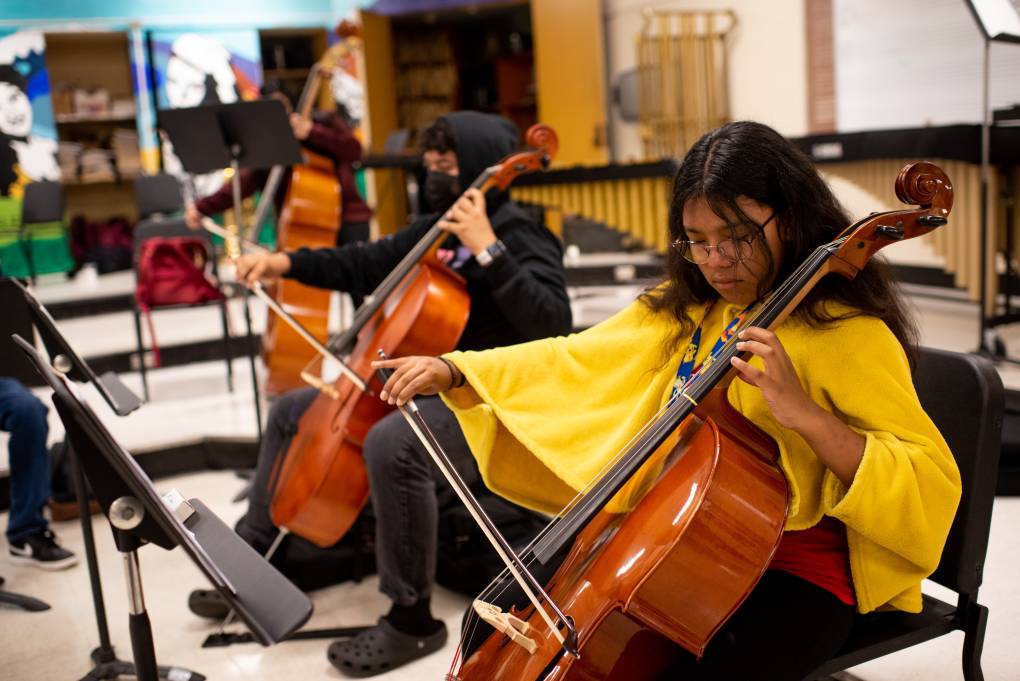
"caption": "Bella Mariscal, 9th grade, plays the cello during orchestra class at Richmond High School. The school's arts programming would benefit from Prop 28.",
"description": null,
"title": "KQED_Richmond_Orchestra",
"credit": "Marlena Sloss/KQED",
"status": "inherit",
"altTag": "A young teenage girl, with dark hair and glasses, plays a cello in a music classroom, with other students in the background.",
"isLoading": false,
"fetchFailed": false
},
"news_11953771": {
"type": "attachments",
"id": "news_11953771",
"meta": {
"index": "attachments_1716263798",
"site": "news",
"id": "11953771",
"found": true
},
"parent": 0,
"imgSizes": {
"twentyfourteen-full-width": {
"file": "https://ww2.kqed.org/app/uploads/sites/10/2023/06/RS55638_011_KQED_GrassValleyElementarySchoolOakland_04282022-KQED-1038x576.jpg",
"width": 1038,
"mimeType": "image/jpeg",
"height": 576
},
"thumbnail": {
"file": "https://ww2.kqed.org/app/uploads/sites/10/2023/06/RS55638_011_KQED_GrassValleyElementarySchoolOakland_04282022-KQED-160x107.jpg",
"width": 160,
"mimeType": "image/jpeg",
"height": 107
},
"post-thumbnail": {
"file": "https://ww2.kqed.org/app/uploads/sites/10/2023/06/RS55638_011_KQED_GrassValleyElementarySchoolOakland_04282022-KQED-672x372.jpg",
"width": 672,
"mimeType": "image/jpeg",
"height": 372
},
"kqedFullSize": {
"file": "https://ww2.kqed.org/app/uploads/sites/10/2023/06/RS55638_011_KQED_GrassValleyElementarySchoolOakland_04282022-KQED.jpg",
"width": 2000,
"height": 1333
},
"large": {
"file": "https://ww2.kqed.org/app/uploads/sites/10/2023/06/RS55638_011_KQED_GrassValleyElementarySchoolOakland_04282022-KQED-1020x680.jpg",
"width": 1020,
"mimeType": "image/jpeg",
"height": 680
},
"1536x1536": {
"file": "https://ww2.kqed.org/app/uploads/sites/10/2023/06/RS55638_011_KQED_GrassValleyElementarySchoolOakland_04282022-KQED-1536x1024.jpg",
"width": 1536,
"mimeType": "image/jpeg",
"height": 1024
},
"full-width": {
"file": "https://ww2.kqed.org/app/uploads/sites/10/2023/06/RS55638_011_KQED_GrassValleyElementarySchoolOakland_04282022-KQED-1920x1280.jpg",
"width": 1920,
"mimeType": "image/jpeg",
"height": 1280
},
"medium": {
"file": "https://ww2.kqed.org/app/uploads/sites/10/2023/06/RS55638_011_KQED_GrassValleyElementarySchoolOakland_04282022-KQED-800x533.jpg",
"width": 800,
"mimeType": "image/jpeg",
"height": 533
}
},
"publishDate": 1687460529,
"modified": 1687460628,
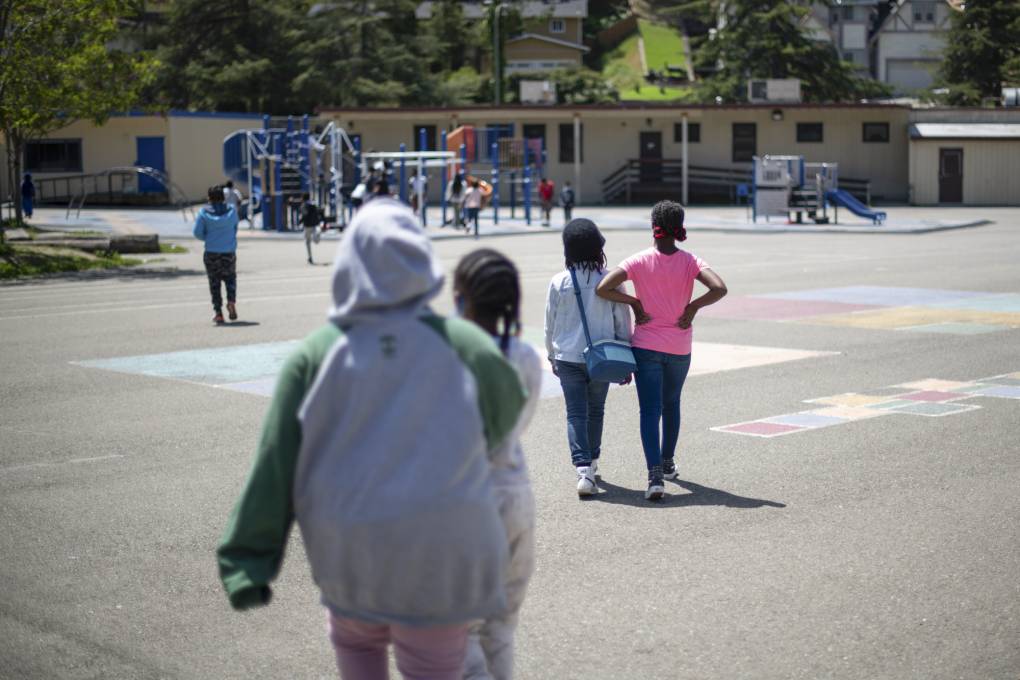
"caption": "Students leave lunch for recess at Grass Valley Elementary School in Oakland on April 28, 2022.",
"description": null,
"title": "RS55638_011_KQED_GrassValleyElementarySchoolOakland_04282022-KQED",
"credit": "Beth LaBerge/KQED",
"status": "inherit",
"altTag": "A number of young people walk and run across a tarmac in the direction of a playground.",
"isLoading": false,
"fetchFailed": false
},
"news_11953684": {
"type": "attachments",
"id": "news_11953684",
"meta": {
"index": "attachments_1716263798",
"site": "news",
"id": "11953684",
"found": true
},
"parent": 0,
"imgSizes": {
"twentyfourteen-full-width": {
"file": "https://ww2.kqed.org/app/uploads/sites/10/2023/06/RS48915_016_SanFrancisco_CCSFRally_05062021-qut-1038x576.jpeg",
"width": 1038,
"mimeType": "image/jpeg",
"height": 576
},
"thumbnail": {
"file": "https://ww2.kqed.org/app/uploads/sites/10/2023/06/RS48915_016_SanFrancisco_CCSFRally_05062021-qut-160x107.jpeg",
"width": 160,
"mimeType": "image/jpeg",
"height": 107
},
"post-thumbnail": {
"file": "https://ww2.kqed.org/app/uploads/sites/10/2023/06/RS48915_016_SanFrancisco_CCSFRally_05062021-qut-672x372.jpeg",
"width": 672,
"mimeType": "image/jpeg",
"height": 372
},
"kqedFullSize": {
"file": "https://ww2.kqed.org/app/uploads/sites/10/2023/06/RS48915_016_SanFrancisco_CCSFRally_05062021-qut.jpeg",
"width": 1920,
"height": 1278
},
"large": {
"file": "https://ww2.kqed.org/app/uploads/sites/10/2023/06/RS48915_016_SanFrancisco_CCSFRally_05062021-qut-1020x679.jpeg",
"width": 1020,
"mimeType": "image/jpeg",
"height": 679
},
"1536x1536": {
"file": "https://ww2.kqed.org/app/uploads/sites/10/2023/06/RS48915_016_SanFrancisco_CCSFRally_05062021-qut-1536x1022.jpeg",
"width": 1536,
"mimeType": "image/jpeg",
"height": 1022
},
"medium": {
"file": "https://ww2.kqed.org/app/uploads/sites/10/2023/06/RS48915_016_SanFrancisco_CCSFRally_05062021-qut-800x533.jpeg",
"width": 800,
"mimeType": "image/jpeg",
"height": 533
}
},
"publishDate": 1687387043,
"modified": 1687387866,
"caption": "A demonstrator holds a sign that says 'Save Cantonese at CCSF' during a rally outside Mission High School in San Francisco on May 6, 2021.",
"description": null,
"title": "RS48915_016_SanFrancisco_CCSFRally_05062021-qut",
"credit": "Beth LaBerge/KQED",
"status": "inherit",
"altTag": "A person in red clothing and a face mask holds a sign that reads, \"Save Cantonese at CCSF,\" among a crowd of others.",
"isLoading": false,
"fetchFailed": false
},
"news_11953568": {
"type": "attachments",
"id": "news_11953568",
"meta": {
"index": "attachments_1716263798",
"site": "news",
"id": "11953568",
"found": true
},
"parent": 11953532,
"imgSizes": {
"twentyfourteen-full-width": {
"file": "https://ww2.kqed.org/app/uploads/sites/10/2023/06/Oak_Tech_154-1200x750-1-1038x576.jpg",
"width": 1038,
"mimeType": "image/jpeg",
"height": 576
},
"thumbnail": {
"file": "https://ww2.kqed.org/app/uploads/sites/10/2023/06/Oak_Tech_154-1200x750-1-160x100.jpg",
"width": 160,
"mimeType": "image/jpeg",
"height": 100
},
"post-thumbnail": {
"file": "https://ww2.kqed.org/app/uploads/sites/10/2023/06/Oak_Tech_154-1200x750-1-672x372.jpg",
"width": 672,
"mimeType": "image/jpeg",
"height": 372
},
"kqedFullSize": {
"file": "https://ww2.kqed.org/app/uploads/sites/10/2023/06/Oak_Tech_154-1200x750-1.jpg",
"width": 1200,
"height": 750
},
"large": {
"file": "https://ww2.kqed.org/app/uploads/sites/10/2023/06/Oak_Tech_154-1200x750-1-1020x638.jpg",
"width": 1020,
"mimeType": "image/jpeg",
"height": 638
},
"medium": {
"file": "https://ww2.kqed.org/app/uploads/sites/10/2023/06/Oak_Tech_154-1200x750-1-800x500.jpg",
"width": 800,
"mimeType": "image/jpeg",
"height": 500
}
},
"publishDate": 1687370842,
"modified": 1687380097,
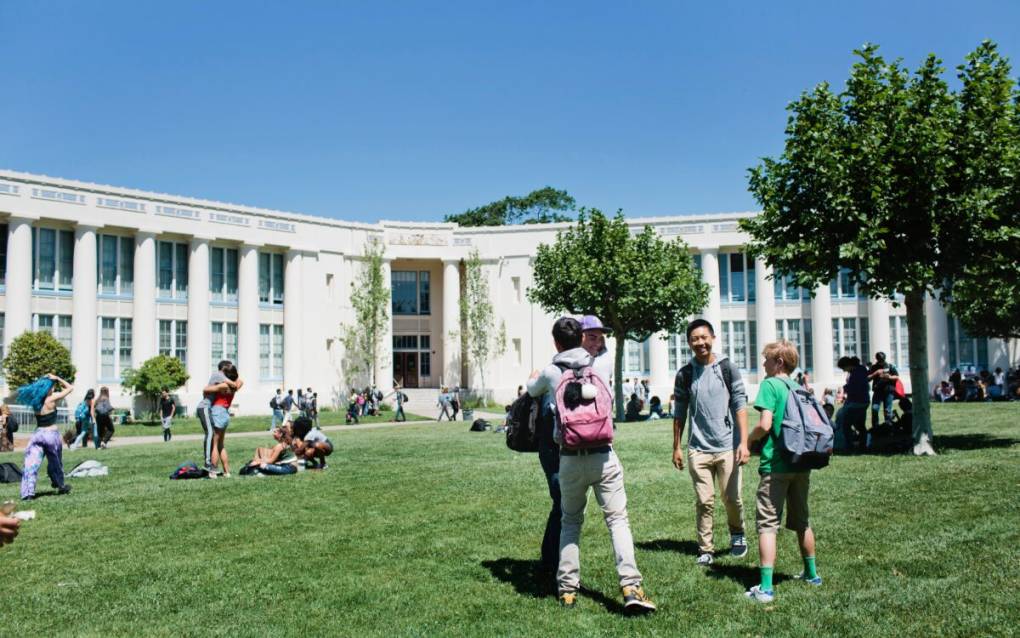
"caption": "High school students during lunch at Oakland Technical High School in Oakland, on Monday, May 1, 2017.",
"description": null,
"title": "Oakland Tech",
"credit": "Alison Yin/EdSource",
"status": "inherit",
"altTag": "Students stand in front of a school building.",
"isLoading": false,
"fetchFailed": false
},
"news_11953430": {
"type": "attachments",
"id": "news_11953430",
"meta": {
"index": "attachments_1716263798",
"site": "news",
"id": "11953430",
"found": true
},
"parent": 11953408,
"imgSizes": {
"twentyfourteen-full-width": {
"file": "https://ww2.kqed.org/app/uploads/sites/10/2023/06/Rocketship-1920x1200-1-1038x576.jpg",
"width": 1038,
"mimeType": "image/jpeg",
"height": 576
},
"thumbnail": {
"file": "https://ww2.kqed.org/app/uploads/sites/10/2023/06/Rocketship-1920x1200-1-160x100.jpg",
"width": 160,
"mimeType": "image/jpeg",
"height": 100
},
"post-thumbnail": {
"file": "https://ww2.kqed.org/app/uploads/sites/10/2023/06/Rocketship-1920x1200-1-672x372.jpg",
"width": 672,
"mimeType": "image/jpeg",
"height": 372
},
"kqedFullSize": {
"file": "https://ww2.kqed.org/app/uploads/sites/10/2023/06/Rocketship-1920x1200-1.jpg",
"width": 1920,
"height": 1200
},
"large": {
"file": "https://ww2.kqed.org/app/uploads/sites/10/2023/06/Rocketship-1920x1200-1-1020x638.jpg",
"width": 1020,
"mimeType": "image/jpeg",
"height": 638
},
"1536x1536": {
"file": "https://ww2.kqed.org/app/uploads/sites/10/2023/06/Rocketship-1920x1200-1-1536x960.jpg",
"width": 1536,
"mimeType": "image/jpeg",
"height": 960
},
"medium": {
"file": "https://ww2.kqed.org/app/uploads/sites/10/2023/06/Rocketship-1920x1200-1-800x500.jpg",
"width": 800,
"mimeType": "image/jpeg",
"height": 500
}
},
"publishDate": 1687286317,
"modified": 1687296884,
"caption": "A student at Rocketship Public Schools in San José works on a math problem.",
"description": null,
"title": "Rocketship-1920x1200",
"credit": "Andrew Reed/EdSource",
"status": "inherit",
"altTag": "A girl with glasses holding a yellow pen marking up a paper.",
"isLoading": false,
"fetchFailed": false
},
"news_11953163": {
"type": "attachments",
"id": "news_11953163",
"meta": {
"index": "attachments_1716263798",
"site": "news",
"id": "11953163",
"found": true
},
"parent": 0,
"imgSizes": {
"twentyfourteen-full-width": {
"file": "https://ww2.kqed.org/app/uploads/sites/10/2023/06/GettyImages-1385201995-KQED-1038x576.jpg",
"width": 1038,
"mimeType": "image/jpeg",
"height": 576
},
"thumbnail": {
"file": "https://ww2.kqed.org/app/uploads/sites/10/2023/06/GettyImages-1385201995-KQED-160x110.jpg",
"width": 160,
"mimeType": "image/jpeg",
"height": 110
},
"post-thumbnail": {
"file": "https://ww2.kqed.org/app/uploads/sites/10/2023/06/GettyImages-1385201995-KQED-672x372.jpg",
"width": 672,
"mimeType": "image/jpeg",
"height": 372
},
"kqedFullSize": {
"file": "https://ww2.kqed.org/app/uploads/sites/10/2023/06/GettyImages-1385201995-KQED.jpg",
"width": 2000,
"height": 1376
},
"large": {
"file": "https://ww2.kqed.org/app/uploads/sites/10/2023/06/GettyImages-1385201995-KQED-1020x702.jpg",
"width": 1020,
"mimeType": "image/jpeg",
"height": 702
},
"1536x1536": {
"file": "https://ww2.kqed.org/app/uploads/sites/10/2023/06/GettyImages-1385201995-KQED-1536x1057.jpg",
"width": 1536,
"mimeType": "image/jpeg",
"height": 1057
},
"full-width": {
"file": "https://ww2.kqed.org/app/uploads/sites/10/2023/06/GettyImages-1385201995-KQED-1920x1321.jpg",
"width": 1920,
"mimeType": "image/jpeg",
"height": 1321
},
"medium": {
"file": "https://ww2.kqed.org/app/uploads/sites/10/2023/06/GettyImages-1385201995-KQED-800x550.jpg",
"width": 800,
"mimeType": "image/jpeg",
"height": 550
}
},
"publishDate": 1686935725,
"modified": 1697143920,
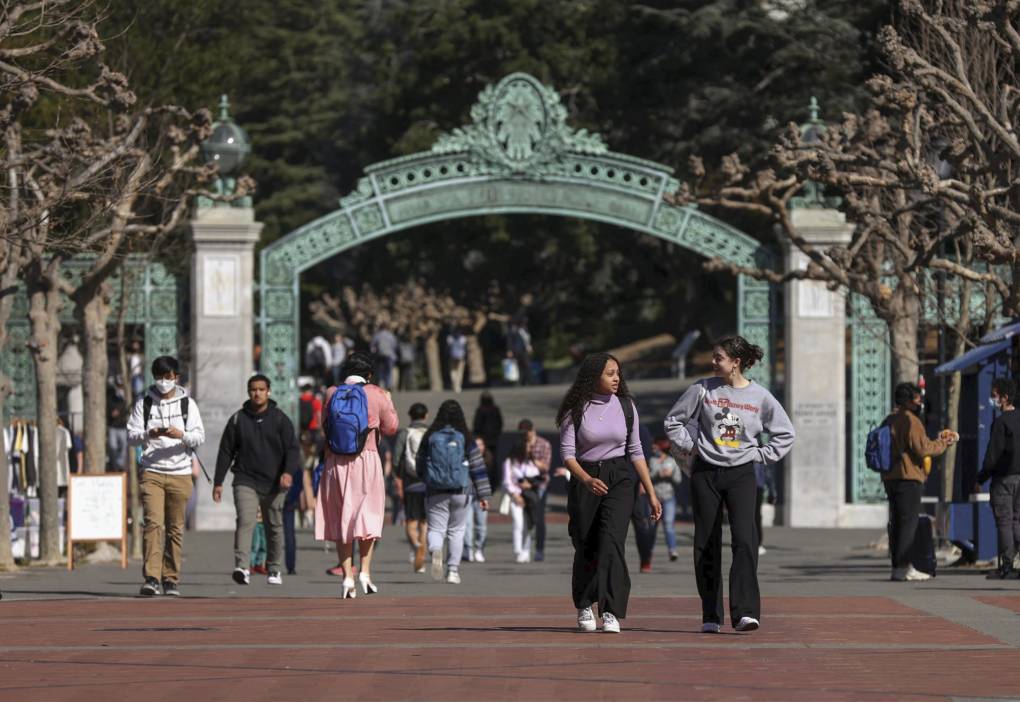
"caption": "Students walk through Sproul Plaza on the UC Berkeley campus. ",
"description": null,
"title": "GettyImages-1385201995-KQED",
"credit": "Justin Sullivan/Getty Images",
"status": "inherit",
"altTag": "Young people wearing backpacks walk through a brick courtyard and under an ornate iron archway.",
"isLoading": false,
"fetchFailed": false
},
"news_11952549": {
"type": "attachments",
"id": "news_11952549",
"meta": {
"index": "attachments_1716263798",
"site": "news",
"id": "11952549",
"found": true
},
"title": "RS66175_20230608_ksuzuki_adelanteschool 111-KQED",
"publishDate": 1686253412,
"status": "inherit",
"parent": 0,
"modified": 1718482099,
"caption": "Students run past a sign outside Adelante I Dual Language Academy in San José on June 8, 2023. ",
"credit": "Kori Suzuki/KQED",
"altTag": "Children play on grass behind a chainlink- fence beside a sign reading \"Adelante I: Dual Language Academy.\"",
"description": null,
"imgSizes": {
"medium": {
"file": "https://cdn.kqed.org/wp-content/uploads/sites/10/2023/06/RS66175_20230608_ksuzuki_adelanteschool-111-KQED-800x532.jpg",
"width": 800,
"height": 532,
"mimeType": "image/jpeg"
},
"large": {
"file": "https://cdn.kqed.org/wp-content/uploads/sites/10/2023/06/RS66175_20230608_ksuzuki_adelanteschool-111-KQED-1020x678.jpg",
"width": 1020,
"height": 678,
"mimeType": "image/jpeg"
},
"thumbnail": {
"file": "https://cdn.kqed.org/wp-content/uploads/sites/10/2023/06/RS66175_20230608_ksuzuki_adelanteschool-111-KQED-160x106.jpg",
"width": 160,
"height": 106,
"mimeType": "image/jpeg"
},
"1536x1536": {
"file": "https://cdn.kqed.org/wp-content/uploads/sites/10/2023/06/RS66175_20230608_ksuzuki_adelanteschool-111-KQED-1536x1022.jpg",
"width": 1536,
"height": 1022,
"mimeType": "image/jpeg"
},
"post-thumbnail": {
"file": "https://cdn.kqed.org/wp-content/uploads/sites/10/2023/06/RS66175_20230608_ksuzuki_adelanteschool-111-KQED-672x372.jpg",
"width": 672,
"height": 372,
"mimeType": "image/jpeg"
},
"twentyfourteen-full-width": {
"file": "https://cdn.kqed.org/wp-content/uploads/sites/10/2023/06/RS66175_20230608_ksuzuki_adelanteschool-111-KQED-1038x576.jpg",
"width": 1038,
"height": 576,
"mimeType": "image/jpeg"
},
"kqedFullSize": {
"file": "https://cdn.kqed.org/wp-content/uploads/sites/10/2023/06/RS66175_20230608_ksuzuki_adelanteschool-111-KQED.jpg",
"width": 1920,
"height": 1277
}
},
"isLoading": false,
"fetchFailed": false
},
"news_11952119": {
"type": "attachments",
"id": "news_11952119",
"meta": {
"index": "attachments_1716263798",
"site": "news",
"id": "11952119",
"found": true
},
"parent": 11952106,
"imgSizes": {
"twentyfourteen-full-width": {
"file": "https://ww2.kqed.org/app/uploads/sites/10/2023/06/RS65708_032_KQED_Kindergarten2College_05162023-qut-1038x576.jpg",
"width": 1038,
"mimeType": "image/jpeg",
"height": 576
},
"thumbnail": {
"file": "https://ww2.kqed.org/app/uploads/sites/10/2023/06/RS65708_032_KQED_Kindergarten2College_05162023-qut-160x107.jpg",
"width": 160,
"mimeType": "image/jpeg",
"height": 107
},
"post-thumbnail": {
"file": "https://ww2.kqed.org/app/uploads/sites/10/2023/06/RS65708_032_KQED_Kindergarten2College_05162023-qut-672x372.jpg",
"width": 672,
"mimeType": "image/jpeg",
"height": 372
},
"kqedFullSize": {
"file": "https://ww2.kqed.org/app/uploads/sites/10/2023/06/RS65708_032_KQED_Kindergarten2College_05162023-qut.jpg",
"width": 1920,
"height": 1280
},
"large": {
"file": "https://ww2.kqed.org/app/uploads/sites/10/2023/06/RS65708_032_KQED_Kindergarten2College_05162023-qut-1020x680.jpg",
"width": 1020,
"mimeType": "image/jpeg",
"height": 680
},
"1536x1536": {
"file": "https://ww2.kqed.org/app/uploads/sites/10/2023/06/RS65708_032_KQED_Kindergarten2College_05162023-qut-1536x1024.jpg",
"width": 1536,
"mimeType": "image/jpeg",
"height": 1024
},
"medium": {
"file": "https://ww2.kqed.org/app/uploads/sites/10/2023/06/RS65708_032_KQED_Kindergarten2College_05162023-qut-800x533.jpg",
"width": 800,
"mimeType": "image/jpeg",
"height": 533
}
},
"publishDate": 1685819650,
"modified": 1685994781,
"caption": "Class of 2023 student Saw Yunn Nwe poses for a portrait during a ceremony celebrating the first class of graduates from San Francisco high schools using the Kindergarten to College (K2C) savings account as they head off to college, at the San Francisco Unified School District headquarters in San Francisco on May 16, 2023.",
"description": null,
"title": "RS65708_032_KQED_Kindergarten2College_05162023-qut",
"credit": "Beth LaBerge/KQED",
"status": "inherit",
"altTag": "An Asian youth looks away from the camera with a school wall behind her.",
"isLoading": false,
"fetchFailed": false
},
"news_11952100": {
"type": "attachments",
"id": "news_11952100",
"meta": {
"index": "attachments_1716263798",
"site": "news",
"id": "11952100",
"found": true
},
"parent": 11952095,
"imgSizes": {
"twentyfourteen-full-width": {
"file": "https://ww2.kqed.org/app/uploads/sites/10/2023/06/Thurmond-1038x576.png",
"width": 1038,
"mimeType": "image/png",
"height": 576
},
"thumbnail": {
"file": "https://ww2.kqed.org/app/uploads/sites/10/2023/06/Thurmond-160x90.png",
"width": 160,
"mimeType": "image/png",
"height": 90
},
"post-thumbnail": {
"file": "https://ww2.kqed.org/app/uploads/sites/10/2023/06/Thurmond-672x372.png",
"width": 672,
"mimeType": "image/png",
"height": 372
},
"kqedFullSize": {
"file": "https://ww2.kqed.org/app/uploads/sites/10/2023/06/Thurmond.png",
"width": 1920,
"height": 1080
},
"large": {
"file": "https://ww2.kqed.org/app/uploads/sites/10/2023/06/Thurmond-1020x574.png",
"width": 1020,
"mimeType": "image/png",
"height": 574
},
"1536x1536": {
"file": "https://ww2.kqed.org/app/uploads/sites/10/2023/06/Thurmond-1536x864.png",
"width": 1536,
"mimeType": "image/png",
"height": 864
},
"medium": {
"file": "https://ww2.kqed.org/app/uploads/sites/10/2023/06/Thurmond-800x450.png",
"width": 800,
"mimeType": "image/png",
"height": 450
}
},
"publishDate": 1685748260,
"modified": 1685748260,
"caption": null,
"description": null,
"title": "Thurmond",
"credit": null,
"status": "inherit",
"altTag": null,
"isLoading": false,
"fetchFailed": false
},
"news_11952019": {
"type": "attachments",
"id": "news_11952019",
"meta": {
"index": "attachments_1716263798",
"site": "news",
"id": "11952019",
"found": true
},
"parent": 11952012,
"imgSizes": {
"twentyfourteen-full-width": {
"file": "https://ww2.kqed.org/app/uploads/sites/10/2023/06/RS62458_006_KQED_LagunaHondaHospital_01312023-qut-1038x576.jpg",
"width": 1038,
"mimeType": "image/jpeg",
"height": 576
},
"thumbnail": {
"file": "https://ww2.kqed.org/app/uploads/sites/10/2023/06/RS62458_006_KQED_LagunaHondaHospital_01312023-qut-160x107.jpg",
"width": 160,
"mimeType": "image/jpeg",
"height": 107
},
"post-thumbnail": {
"file": "https://ww2.kqed.org/app/uploads/sites/10/2023/06/RS62458_006_KQED_LagunaHondaHospital_01312023-qut-672x372.jpg",
"width": 672,
"mimeType": "image/jpeg",
"height": 372
},
"kqedFullSize": {
"file": "https://ww2.kqed.org/app/uploads/sites/10/2023/06/RS62458_006_KQED_LagunaHondaHospital_01312023-qut.jpg",
"width": 1920,
"height": 1280
},
"large": {
"file": "https://ww2.kqed.org/app/uploads/sites/10/2023/06/RS62458_006_KQED_LagunaHondaHospital_01312023-qut-1020x680.jpg",
"width": 1020,
"mimeType": "image/jpeg",
"height": 680
},
"1536x1536": {
"file": "https://ww2.kqed.org/app/uploads/sites/10/2023/06/RS62458_006_KQED_LagunaHondaHospital_01312023-qut-1536x1024.jpg",
"width": 1536,
"mimeType": "image/jpeg",
"height": 1024
},
"medium": {
"file": "https://ww2.kqed.org/app/uploads/sites/10/2023/06/RS62458_006_KQED_LagunaHondaHospital_01312023-qut-800x533.jpg",
"width": 800,
"mimeType": "image/jpeg",
"height": 533
}
},
"publishDate": 1685665842,
"modified": 1685665877,
"caption": "A campus map for Laguna Honda Hospital and Rehabilitation Center in San Francisco on Jan. 31, 2023.",
"description": null,
"title": "RS62458_006_KQED_LagunaHondaHospital_01312023-qut",
"credit": "Beth LaBerge/KQED",
"status": "inherit",
"altTag": "A campus map of Laguna Honda Hospital.",
"isLoading": false,
"fetchFailed": false
},
"news_11950995": {
"type": "attachments",
"id": "news_11950995",
"meta": {
"index": "attachments_1716263798",
"site": "news",
"id": "11950995",
"found": true
},
"parent": 11950806,
"imgSizes": {
"twentyfourteen-full-width": {
"file": "https://ww2.kqed.org/app/uploads/sites/10/2023/05/GettyImages-1077097578-1038x576.jpg",
"width": 1038,
"mimeType": "image/jpeg",
"height": 576
},
"thumbnail": {
"file": "https://ww2.kqed.org/app/uploads/sites/10/2023/05/GettyImages-1077097578-160x112.jpg",
"width": 160,
"mimeType": "image/jpeg",
"height": 112
},
"post-thumbnail": {
"file": "https://ww2.kqed.org/app/uploads/sites/10/2023/05/GettyImages-1077097578-672x372.jpg",
"width": 672,
"mimeType": "image/jpeg",
"height": 372
},
"kqedFullSize": {
"file": "https://ww2.kqed.org/app/uploads/sites/10/2023/05/GettyImages-1077097578.jpg",
"width": 2065,
"height": 1451
},
"2048x2048": {
"file": "https://ww2.kqed.org/app/uploads/sites/10/2023/05/GettyImages-1077097578-2048x1439.jpg",
"width": 2048,
"mimeType": "image/jpeg",
"height": 1439
},
"large": {
"file": "https://ww2.kqed.org/app/uploads/sites/10/2023/05/GettyImages-1077097578-1020x717.jpg",
"width": 1020,
"mimeType": "image/jpeg",
"height": 717
},
"1536x1536": {
"file": "https://ww2.kqed.org/app/uploads/sites/10/2023/05/GettyImages-1077097578-1536x1079.jpg",
"width": 1536,
"mimeType": "image/jpeg",
"height": 1079
},
"full-width": {
"file": "https://ww2.kqed.org/app/uploads/sites/10/2023/05/GettyImages-1077097578-1920x1349.jpg",
"width": 1920,
"mimeType": "image/jpeg",
"height": 1349
},
"medium": {
"file": "https://ww2.kqed.org/app/uploads/sites/10/2023/05/GettyImages-1077097578-800x562.jpg",
"width": 800,
"mimeType": "image/jpeg",
"height": 562
}
},
"publishDate": 1685143630,
"modified": 1685143757,
"caption": null,
"description": null,
"title": "Cleaning up before dinner",
"credit": "LaylaBird/Getty Images",
"status": "inherit",
"altTag": "Cropped shot of an unrecognizable little girl washing her hands at home",
"isLoading": false,
"fetchFailed": false
},
"news_11950578": {
"type": "attachments",
"id": "news_11950578",
"meta": {
"index": "attachments_1716263798",
"site": "news",
"id": "11950578",
"found": true
},
"parent": 11950566,
"imgSizes": {
"twentyfourteen-full-width": {
"file": "https://ww2.kqed.org/app/uploads/sites/10/2023/05/RS65770_062_KQED_JFKHighSchoolRichmond_05182023-qut-1038x576.jpg",
"width": 1038,
"mimeType": "image/jpeg",
"height": 576
},
"thumbnail": {
"file": "https://ww2.kqed.org/app/uploads/sites/10/2023/05/RS65770_062_KQED_JFKHighSchoolRichmond_05182023-qut-160x107.jpg",
"width": 160,
"mimeType": "image/jpeg",
"height": 107
},
"post-thumbnail": {
"file": "https://ww2.kqed.org/app/uploads/sites/10/2023/05/RS65770_062_KQED_JFKHighSchoolRichmond_05182023-qut-672x372.jpg",
"width": 672,
"mimeType": "image/jpeg",
"height": 372
},
"kqedFullSize": {
"file": "https://ww2.kqed.org/app/uploads/sites/10/2023/05/RS65770_062_KQED_JFKHighSchoolRichmond_05182023-qut.jpg",
"width": 1920,
"height": 1280
},
"large": {
"file": "https://ww2.kqed.org/app/uploads/sites/10/2023/05/RS65770_062_KQED_JFKHighSchoolRichmond_05182023-qut-1020x680.jpg",
"width": 1020,
"mimeType": "image/jpeg",
"height": 680
},
"1536x1536": {
"file": "https://ww2.kqed.org/app/uploads/sites/10/2023/05/RS65770_062_KQED_JFKHighSchoolRichmond_05182023-qut-1536x1024.jpg",
"width": 1536,
"mimeType": "image/jpeg",
"height": 1024
},
"medium": {
"file": "https://ww2.kqed.org/app/uploads/sites/10/2023/05/RS65770_062_KQED_JFKHighSchoolRichmond_05182023-qut-800x533.jpg",
"width": 800,
"mimeType": "image/jpeg",
"height": 533
}
},
"publishDate": 1684964417,
"modified": 1684975467,
"caption": "Retired teacher Mike Peritz stands in Steve Mainini's art classroom at John F. Kennedy High School in Richmond on May 18, 2023.",
"description": null,
"title": "RS65770_062_KQED_JFKHighSchoolRichmond_05182023-qut",
"credit": "Beth LaBerge/KQED",
"status": "inherit",
"altTag": "A white man with glasses in a black hoodie stands in a classroom with students seated at desk writing on pieces of paper.",
"isLoading": false,
"fetchFailed": false
}
},
"audioPlayerReducer": {
"postId": "stream_live",
"isPaused": true,
"isPlaying": false,
"pfsActive": false,
"pledgeModalIsOpen": true,
"playerDrawerIsOpen": false,
"liveAudioPlayStartedAt": 0,
"liveAudioPlayContext": ""
},
"authorsReducer": {
"byline_news_11954066": {
"type": "authors",
"id": "byline_news_11954066",
"meta": {
"override": true
},
"slug": "byline_news_11954066",
"name": "\u003ca href=\"https://edsource.org/author/kdsouza\">Karen D'Souza\u003c/a>",
"isLoading": false
},
"byline_news_11953735": {
"type": "authors",
"id": "byline_news_11953735",
"meta": {
"override": true
},
"slug": "byline_news_11953735",
"name": "\u003ca href=\"https://edsource.org/author/jfensterwald\">John Fensterwald\u003c/a>",
"isLoading": false
},
"byline_news_11953532": {
"type": "authors",
"id": "byline_news_11953532",
"meta": {
"override": true
},
"slug": "byline_news_11953532",
"name": "Carolyn Jones and Ali Tadayon",
"isLoading": false
},
"byline_news_11953408": {
"type": "authors",
"id": "byline_news_11953408",
"meta": {
"override": true
},
"slug": "byline_news_11953408",
"name": "\u003ca href=\"https://edsource.org/author/jfensterwald\">John Fensterwald\u003c/a>",
"isLoading": false
},
"byline_news_11953033": {
"type": "authors",
"id": "byline_news_11953033",
"meta": {
"override": true
},
"slug": "byline_news_11953033",
"name": "\u003ca href=\"https://apnews.com/\">Cora Lewis and Adriana Morga\u003c/a>\u003cbr> The Associated Press",
"isLoading": false
},
"byline_news_11950566": {
"type": "authors",
"id": "byline_news_11950566",
"meta": {
"override": true
},
"slug": "byline_news_11950566",
"name": "Richard Gonzales",
"isLoading": false
},
"hmcdede": {
"type": "authors",
"id": "11635",
"meta": {
"index": "authors_1716337520",
"id": "11635",
"found": true
},
"name": "Holly McDede",
"firstName": "Holly",
"lastName": "McDede",
"slug": "hmcdede",
"email": "hmcdede@KQED.org",
"display_author_email": false,
"staff_mastheads": [],
"title": "KQED Contributor",
"bio": null,
"avatar": "https://secure.gravatar.com/avatar/35d1a1f5422c9d266f7ace9348d170f2136671a65fffc90a592e4d7fbf8dc3f6?s=600&d=blank&r=g",
"twitter": null,
"bluesky": null,
"facebook": null,
"instagram": null,
"linkedin": null,
"sites": [
{
"site": "arts",
"roles": [
"editor"
]
},
{
"site": "news",
"roles": [
"edit_others_posts",
"editor"
]
},
{
"site": "science",
"roles": [
"editor"
]
},
{
"site": "forum",
"roles": [
"editor"
]
},
{
"site": "perspectives",
"roles": [
"administrator"
]
}
],
"headData": {
"title": "Holly McDede | KQED",
"description": "KQED Contributor",
"ogImgSrc": "https://secure.gravatar.com/avatar/35d1a1f5422c9d266f7ace9348d170f2136671a65fffc90a592e4d7fbf8dc3f6?s=600&d=blank&r=g",
"twImgSrc": "https://secure.gravatar.com/avatar/35d1a1f5422c9d266f7ace9348d170f2136671a65fffc90a592e4d7fbf8dc3f6?s=600&d=blank&r=g"
},
"isLoading": false,
"link": "/author/hmcdede"
},
"ccabreralomeli": {
"type": "authors",
"id": "11708",
"meta": {
"index": "authors_1716337520",
"id": "11708",
"found": true
},
"name": "Carlos Cabrera-Lomelí",
"firstName": "Carlos",
"lastName": "Cabrera-Lomelí",
"slug": "ccabreralomeli",
"email": "ccabreralomeli@KQED.org",
"display_author_email": true,
"staff_mastheads": [
"news"
],
"title": "Community Reporter",
"bio": "Carlos Cabrera-Lomelí is a community reporter with KQED's digital engagement team. He also reports and co-produces for KQED's bilingual news hub KQED en Español. He grew up in San Francisco's Mission District and has previously worked with Univision, 48 Hills and REFORMA in Mexico City.",
"avatar": "https://secure.gravatar.com/avatar/c309be9665e484f887b818c89e273ecc673004f426f36b24d00a4d813a2e0518?s=600&d=blank&r=g",
"twitter": "@LomeliCabrera",
"bluesky": null,
"facebook": null,
"instagram": null,
"linkedin": null,
"sites": [
{
"site": "arts",
"roles": [
"editor"
]
},
{
"site": "news",
"roles": [
"editor"
]
},
{
"site": "about",
"roles": [
"editor"
]
},
{
"site": "science",
"roles": [
"editor"
]
},
{
"site": "perspectives",
"roles": [
"editor"
]
},
{
"site": "elections",
"roles": [
"editor"
]
},
{
"site": "liveblog",
"roles": [
"contributor"
]
}
],
"headData": {
"title": "Carlos Cabrera-Lomelí | KQED",
"description": "Community Reporter",
"ogImgSrc": "https://secure.gravatar.com/avatar/c309be9665e484f887b818c89e273ecc673004f426f36b24d00a4d813a2e0518?s=600&d=blank&r=g",
"twImgSrc": "https://secure.gravatar.com/avatar/c309be9665e484f887b818c89e273ecc673004f426f36b24d00a4d813a2e0518?s=600&d=blank&r=g"
},
"isLoading": false,
"link": "/author/ccabreralomeli"
},
"daisynguyen": {
"type": "authors",
"id": "11829",
"meta": {
"index": "authors_1716337520",
"id": "11829",
"found": true
},
"name": "Daisy Nguyen",
"firstName": "Daisy",
"lastName": "Nguyen",
"slug": "daisynguyen",
"email": "daisynguyen@kqed.org",
"display_author_email": true,
"staff_mastheads": [
"news"
],
"title": "KQED Contributor",
"bio": "I have covered early childhood education and child care for KQED since 2022. I focus on policies aimed at increasing access to early care and education and how they shape individual lives. I've been a journalist for more than two decades, with most of that time devoted to covering breaking news throughout California for The Associated Press. I grew up in San Francisco and studied at UC Davis and Columbia University's Graduate School of Journalism. I live in Oakland with my husband and two kids.",
"avatar": "https://secure.gravatar.com/avatar/2da2127c27f7143b53ebd419800fd55f?s=600&d=blank&r=g",
"twitter": null,
"facebook": null,
"instagram": null,
"linkedin": "https://www.linkedin.com/in/daisynguyen/",
"sites": [
{
"site": "news",
"roles": [
"author"
]
},
{
"site": "liveblog",
"roles": [
"author"
]
}
],
"headData": {
"title": "Daisy Nguyen | KQED",
"description": "KQED Contributor",
"ogImgSrc": "https://secure.gravatar.com/avatar/2da2127c27f7143b53ebd419800fd55f?s=600&d=blank&r=g",
"twImgSrc": "https://secure.gravatar.com/avatar/2da2127c27f7143b53ebd419800fd55f?s=600&d=blank&r=g"
},
"isLoading": false,
"link": "/author/daisynguyen"
},
"sjohnson": {
"type": "authors",
"id": "11840",
"meta": {
"index": "authors_1716337520",
"id": "11840",
"found": true
},
"name": "Sydney Johnson",
"firstName": "Sydney",
"lastName": "Johnson",
"slug": "sjohnson",
"email": "sjohnson@kqed.org",
"display_author_email": false,
"staff_mastheads": [
"news"
],
"title": "KQED Reporter",
"bio": "Sydney Johnson is a general assignment reporter at KQED. She previously reported on public health and city government at the San Francisco Examiner, and before that, she covered statewide education policy for EdSource. Her reporting has won multiple local, state and national awards. Sydney is a graduate of the University of California, Berkeley and lives in San Francisco.",
"avatar": "https://secure.gravatar.com/avatar/97855f2719b72ad6190b7c535fe642c8?s=600&d=blank&r=g",
"twitter": "sydneyfjohnson",
"facebook": null,
"instagram": null,
"linkedin": null,
"sites": [
{
"site": "news",
"roles": [
"editor"
]
}
],
"headData": {
"title": "Sydney Johnson | KQED",
"description": "KQED Reporter",
"ogImgSrc": "https://secure.gravatar.com/avatar/97855f2719b72ad6190b7c535fe642c8?s=600&d=blank&r=g",
"twImgSrc": "https://secure.gravatar.com/avatar/97855f2719b72ad6190b7c535fe642c8?s=600&d=blank&r=g"
},
"isLoading": false,
"link": "/author/sjohnson"
},
"gsalomone": {
"type": "authors",
"id": "11843",
"meta": {
"index": "authors_1716337520",
"id": "11843",
"found": true
},
"name": "Giuliana Salomone",
"firstName": "Giuliana",
"lastName": "Salomone",
"slug": "gsalomone",
"email": "gsalomone@kqed.org",
"display_author_email": false,
"staff_mastheads": [],
"title": "Giuliana Salomone",
"bio": null,
"avatar": "https://secure.gravatar.com/avatar/e6b25c1a2333c2bf9593da460906986f?s=600&d=blank&r=g",
"twitter": null,
"facebook": null,
"instagram": null,
"linkedin": null,
"sites": [
{
"site": "news",
"roles": [
"author"
]
}
],
"headData": {
"title": "Giuliana Salomone | KQED",
"description": "Giuliana Salomone",
"ogImgSrc": "https://secure.gravatar.com/avatar/e6b25c1a2333c2bf9593da460906986f?s=600&d=blank&r=g",
"twImgSrc": "https://secure.gravatar.com/avatar/e6b25c1a2333c2bf9593da460906986f?s=600&d=blank&r=g"
},
"isLoading": false,
"link": "/author/gsalomone"
}
},
"pagesReducer": {
"news_category_education": {
"type": "terms",
"id": "news_18540",
"meta": {
"index": "terms_1716263798",
"site": "news",
"id": "18540",
"score": 10.973179
},
"featImg": null,
"name": "Education",
"description": null,
"taxonomy": "category",
"headData": {
"twImgId": null,
"twTitle": null,
"ogTitle": null,
"ogImgId": null,
"twDescription": null,
"description": null,
"title": "Education Archives | KQED News",
"ogDescription": null
},
"ttid": 2595,
"slug": "education",
"isLoading": false,
"title": "Education",
"pageMeta": {
"site": "news",
"WpPageTemplate": "page-topic-editorial",
"currentPage": 61
},
"blocks": [
{
"blockName": "kqed/post-list",
"attrs": {
"layout": "cardArticle2",
"query": "posts/news?category=education",
"seeMore": false,
"paginated": true,
"page": 61
}
},
{
"blockName": "kqed/ad"
}
]
}
},
"pfsSessionReducer": {},
"postsReducer": {
"stream_live": {
"type": "live",
"id": "stream_live",
"audioUrl": "https://streams.kqed.org/kqedradio",
"title": "Live Stream",
"excerpt": "Live Stream information currently unavailable.",
"link": "/radio",
"featImg": "",
"label": {
"name": "KQED Live",
"link": "/"
}
},
"stream_kqedNewscast": {
"type": "posts",
"id": "stream_kqedNewscast",
"audioUrl": "https://www.kqed.org/.stream/anon/radio/RDnews/newscast.mp3?_=1",
"title": "KQED Newscast",
"featImg": "",
"label": {
"name": "88.5 FM",
"link": "/"
}
},
"news_11954066": {
"type": "posts",
"id": "news_11954066",
"meta": {
"index": "posts_1716263798",
"site": "news",
"id": "11954066",
"score": null,
"sort": [
1687814736000
]
},
"guestAuthors": [],
"slug": "voters-passed-prop-28-to-fund-arts-education-but-schools-face-challenges-in-rollout",
"title": "Voters Passed Prop. 28 to Fund Arts Education, but Schools Face Challenges in Rollout",
"publishDate": 1687814736,
"format": "standard",
"headTitle": "Voters Passed Prop. 28 to Fund Arts Education, but Schools Face Challenges in Rollout | KQED",
"labelTerm": {},
"content": "\u003cp>Arts education has long been hailed for its transformative power, a way to boost everything from \u003ca href=\"https://journals.sagepub.com/doi/abs/10.1177/1029864915623613?journalCode=msxa\">test scores\u003c/a> to \u003ca href=\"https://consortium.uchicago.edu/publications/arts-education-and-social-emotional-learning-outcomes\">social-emotional learning\u003c/a>. Unfortunately, budget woes have cut arts education so close to the bone that only 11% of California schools offer a comprehensive arts education, \u003ca href=\"https://createca.org/CreativityChallenge/\">research suggests\u003c/a>. That’s a stark inequity that arts education advocates have long labored to rectify.\u003c/p>\n\u003cp>“Creativity is a muscle, not a gene, and if it’s a muscle then you can make it stronger,” said Jessica Mele, a program officer specializing in arts education at the Hewlett Foundation. “The problem is that arts education in this country has historically been ruled by assumptions about who can and should be allowed to participate in the arts and a lot of that has to do with race and class and geography.”\u003c/p>\n\u003cp>While that grim state of affairs is set to change, in the wake of \u003ca href=\"https://www.cde.ca.gov/eo/in/prop28artsandmusicedfunding.asp\">Proposition 28\u003c/a> — the groundbreaking Arts and Music in Schools initiative that will provide arts funding to schools — experts say many challenges lie ahead, from uncertainties about how the program will roll out to the ongoing teacher shortage. Such growing pains are to be expected, some say, as the roughly $1 billion program ramps up this fall.\u003c/p>\n\u003cp>“What we are doing in California with Prop. 28 is truly seismic,” said Austin Beutner, author of \u003ca href=\"https://www.kqed.org/voterguide/proposition-28-arts-education\">Proposition 28\u003c/a>. “It’s the largest investment in arts and music in our nation’s history. It’s never been done before.”[aside postID=news_11928837,news_11934191 label='Funding for Arts Education']The vast scale of the program may also explain why there’s a niggling fear among arts insiders that this huge boost of funding, which is expected to land sometime this fall, must be too good to be true.\u003c/p>\n\u003cp>“A lot of folks in the arts education feel like they’ve been marginalized for so long that it’s hard for them to conceive of something that centers them,” said Mele. “There are a lot of people in the field who still say, ‘I’ll believe it when the money gets to my school.’”\u003c/p>\n\u003cp>One key challenge is the lack of clarity regarding the details of exactly how the game-changing program will work. Many remain unsure about the rules, from waivers to audits.\u003c/p>\n\u003cp>The thrust is clear. All the money must go to arts and music education, but that is broadly defined. The disciplines include (but are not limited to) dance, media arts, music, theater and visual arts including folk art, painting, sculpture, photography, craft arts and creative expression including graphic arts and design, computer coding, animation, music composition, ensembles, script writing, costume design, film and video. Each school community is invited to tailor the program to the needs of its students.\u003c/p>\n\u003cp>“Take inventory, talk to your families,” said Allison Gamlen, visual and performing arts coordinator for the San Mateo County Office of Education. “Is it important to you that your child does dance? Or has access to music or visual art? Do you want your kids to learn media arts skills so that they can get careers in Silicon Valley? Survey your students.”\u003c/p>\n\u003cp>However, some arts education advocates worry a lack of specificity may undermine the program. \u003ca href=\"https://public.tableau.com/app/profile/dave.heckler7741/viz/Prop28ArtsEducationFunding/Sheet1\">Estimates of how much funding each district will receive\u003c/a> are available, but some say \u003ca href=\"https://createca.org/prop-28-what-we-know-so-far/\">the rules on how to spend it\u003c/a> remain unclear.\u003c/p>\n\u003cp>“This lack of guidance is hampering local planning for the funds,” said Abe Flores, deputy director of policy and programs at \u003ca href=\"https://createca.org/\">Create CA\u003c/a>, an arts advocacy group. “Without staff or timely guidance, we fear the prop is being set up for failure.”\u003c/p>\n\u003cp>Some say that the CDE, which is administering the program, has not as yet been responsive enough about how to navigate the complexities of the process.\u003c/p>\n\u003cp>“I want to reiterate the lack of guidance from CDE around calculating the baseline, critical to ensure the ‘supplement, not supplant’ requirement, and outlining the waiver process,” Flores said.\u003c/p>\n\u003cfigure id=\"attachment_11954101\" class=\"wp-caption aligncenter\" style=\"max-width: 1920px\">\u003ca href=\"https://ww2.kqed.org/news/2023/06/26/voters-passed-prop-28-to-fund-arts-education-but-schools-face-challenges-in-rollout/kqed_richmond_orchestra-5/\" rel=\"attachment wp-att-11954101\">\u003cimg loading=\"lazy\" decoding=\"async\" class=\"size-full wp-image-11954101\" src=\"https://ww2.kqed.org/app/uploads/sites/10/2023/06/RS59099_Richmond_Orchestra_013-qut.jpg\" alt=\"A music classroom with a piano in the front and a group of students sitting in chairs, playing instruments with sheet music, as a white man conducts them.\" width=\"1920\" height=\"1282\" srcset=\"https://cdn.kqed.org/wp-content/uploads/sites/10/2023/06/RS59099_Richmond_Orchestra_013-qut.jpg 1920w, https://cdn.kqed.org/wp-content/uploads/sites/10/2023/06/RS59099_Richmond_Orchestra_013-qut-800x534.jpg 800w, https://cdn.kqed.org/wp-content/uploads/sites/10/2023/06/RS59099_Richmond_Orchestra_013-qut-1020x681.jpg 1020w, https://cdn.kqed.org/wp-content/uploads/sites/10/2023/06/RS59099_Richmond_Orchestra_013-qut-160x107.jpg 160w, https://cdn.kqed.org/wp-content/uploads/sites/10/2023/06/RS59099_Richmond_Orchestra_013-qut-1536x1026.jpg 1536w\" sizes=\"(max-width: 1920px) 100vw, 1920px\">\u003c/a>\u003cfigcaption class=\"wp-caption-text\">Music director Andrew Wilke conducts orchestra class at Richmond High School on Oct. 5, 2022. \u003ccite>(Marlena Sloss/KQED)\u003c/cite>\u003c/figcaption>\u003c/figure>\n\u003cp>Schools with more than 500 students must use 80% of the funds on staff. Also, this money must be used to supplement existing funds, not supplant them. If a school spends $100 this year, they are expected to spend $100 plus their new allocation next year.\u003c/p>\n\u003cp>\u003ca href=\"https://drive.google.com/file/d/191WGiI79mbU4s5jumZ_qFzCiLidegSOy/view\">Some school administrators (PDF)\u003c/a> argue that this existing funding, the baseline that Proposition funds can not replace, should not include one-time donations.\u003c/p>\n\u003cp>Deputy Superintendent Malia Vella clarified that the baseline is defined as all existing funding, and that “it doesn’t provide exemptions currently.” However, she is also awaiting cleanup language in upcoming trailer bills to the state budget before issuing technical guidance. She also notes the California Department of Education is updating its website with \u003ca href=\"https://www.cde.ca.gov/eo/in/prop28artsandmusicedfundingfaq.asp\">frequently asked questions\u003c/a> and advises arts administrators to subscribe to the Proposition 28 listserv at join-prop28@mlist.cde.ca.gov.\u003c/p>\n\u003cp>“We do hope to get clarity and provide audit guidelines,” Villa said. “It’s hard to issue guidance and then say the appropriation has changed, that’s the technical side of things. “I don’t think it serves our LEAs to issue guidance that then gets changed immediately.”\u003c/p>\n\u003cp>That’s one reason why, at this point, many arts educators are taking \u003ca href=\"https://www.creativesonoma.org/wp-content/uploads/sites/www.creativesonoma.org/images/2023/04/Proposition-28_-A-Case-for-Slowing-Down-_-SSC.pdf\">a wait-and-see approach (PDF)\u003c/a>. It should be noted that schools have three years to use the funds.\u003c/p>\n\u003cp>“We’ve tossed around some ideas, but honestly, I don’t want principals in schools to start making a lot of plans until we’re pretty sure what they can do with it,” said Phil Rydeen, coordinator of visual and performing arts at Oakland Unified School District. “There’s still some general fuzziness.”\u003c/p>\n\u003cp>Another challenge will be staffing. An estimated 15,000 arts teachers will be needed statewide, but experts say there are only about 5,000 credentialed arts teachers in the field right now.\u003c/p>\n\u003cp>Against the backdrop of the existing teacher shortage, some fear a hiring frenzy may ensue.\u003c/p>\n\u003cp>“There are more jobs than there are people,” said Eric Engdahl, professor emeritus at CSU East Bay and past president of the \u003ca href=\"https://www.ccte.org/\">California Council on Teacher Education\u003c/a>. “We’ve been starving for so long, and suddenly we’re being presented with a banquet, and we don’t know what to do with it.”\u003c/p>\n\u003cp>[ad fullwidth]\u003c/p>\n\u003cp>Part of the problem is that \u003ca href=\"http://www.ctc.ca.gov/commission/reports/data/approved-institutions-and-programs\">the arts credential pipeline\u003c/a> has shrunk after decades of cutbacks. While there are 64 programs in the state that offer a music credential and 57 that offer a visual arts credential, there are only four programs that focus on theater and two that specialize in dance.\u003c/p>\n\u003cp>However, experts suggest the talent pool is wider than it looks because there are numerous \u003ca href=\"https://cacountyarts.org/wp-content/uploads/California-County-Superintendents-Teacher-Brief.pdf\">workarounds (PDF)\u003c/a>. For instance, physical education teachers who were credentialed before 2022 already have dance embedded in their credential, experts say. The same goes for some English teachers automatically having a theater credential.\u003c/p>\n\u003cp>Plus, you don’t technically need a credential to teach the arts. Proposition 28 requires that at least 80% of the funding be used to hire staff, but they may be “certificated or classified” staff. That means working artists can, and some say should, be part of the mix.\u003c/p>\n\u003cp>“We are blessed with a diversity of talent in California. We have a tremendous diversity of practicing artists, some of whom can become great arts educators,” said Beutner, former LAUSD superintendent. “Right now, the talent and the school don’t meet. So we’re trying to make that initial connection as seamless as possible.”\u003c/p>\n\u003cp>Beutner hopes to connect working artists with the schools in their midst. The schools get access to professional artists and the artists get a measure of financial stability that’s rare in the arts. Plus, if they discover a passion for teaching, they may decide to pursue a credential, which ensures higher pay.[pullquote size=\"medium\" align=\"right\" citation=\"Jessica Mele, Hewlett Foundation\"]‘There is this tension that has always existed in the field between the value of teaching artists and the value of credentialed teachers.’[/pullquote]“There’s something really incredible about a professional artist who comes into the classroom,” said Mele. “They represent what it’s like to be an artist. They show kids that this is a possible career path. They are also not part of the school community, so kids can often open up to teaching artists.”\u003c/p>\n\u003cp>Connecting the two worlds is critical, as Beutner sees it. One of the ideas is a twist on JammCard, an app that would work like LinkedIn for the arts, \u003ca href=\"https://schoolgig.us/\">Schoolgig\u003c/a>.\u003c/p>\n\u003cp>However, some believe that arts teachers ought to be credentialed because education requires specific expertise. Artists may not be ready for the rigors of the classroom, some warn, particularly in the post-pandemic era with its rampant learning loss and misbehavior.\u003c/p>\n\u003cp>“Being a great artist or musician doesn’t necessarily mean you are a great teacher,” said Tom DeCaigny, executive director of Create CA, an arts advocacy group. “Model programs typically require significant training on things like classroom management, child development theory, curriculum frameworks, modalities of learning, pedagogy … In other words, good teaching is not a ‘gig.’”\u003c/p>\n\u003cp>The best-case scenario, many suggest, is finding ways to tap into the talents of both kinds of art teachers.\u003c/p>\n\u003cp>“There is this tension that has always existed in the field between the value of teaching artists and the value of credentialed teachers,” Mele said, “but they are both valuable.”\u003c/p>\n\u003cp>Apart from staffing costs, the rest of the funding can be used for other needs including training, supplies and partnerships with arts education organizations. No more than 1% can go to administration.\u003c/p>\n\u003cp>Some arts administrators wish there was more wiggle room in how the funds are spent.\u003c/p>\n\u003cp>“If I had my way, if I could wave a magic wand,” said Rydeen, “I would want that flexibility.”\u003c/p>\n\u003cp>Beutner argues that investing heavily in arts teachers will pay off in the vitality of the school community at large, bolstering its social-emotional culture.\u003c/p>\n\u003cp>“One would hope a school builds a program around a dedicated teacher who becomes a part of the community,” he said. “Continuity of people and programs both matter.”[aside label='Understanding Prop. 28' link1='https://www.kqed.org/voterguide/proposition-28-arts-education,KQED Election Guide: Arts Education Funding']You can apply for a waiver from the 80/20 rule if you need to invest in musical instruments or a kiln, for instance, to launch a new program, but you must show “good cause.”\u003c/p>\n\u003cp>“An example of a good cause would be a school which is starting a music program. First year, they might need to buy instruments and thereafter just replace or repair a small portion of them,” Beutner said. “So they could ask for a waiver to spend 40% of the funds for the first year for instruments and in subsequent years they would be spending 90% on teaching staff.”\u003c/p>\n\u003cp>To clarify the process and share ideas, Beutner is currently cooking up a YouTube channel with how-to videos and best practices from arts educators across the state.\u003c/p>\n\u003cp>“This cross-fertilization of great ideas is not going to happen overnight, but that’s what we’re trying to foster and facilitate,” said Beutner. “We’ve got to build capacity and empower people to make good decisions.”\u003c/p>\n\u003cp>In arts education, as in the arts, collaboration is often the key. A small school in a rural district might join forces with another school to share a dance teacher, for example.\u003c/p>\n\u003cp>“The way that this is going to work best is as a coalition, a collaboration between everybody who has skin in the game. It’s teachers, it’s parents, it’s students, it’s arts organizations, it’s teaching artists, it’s school districts, it’s teacher education programs,” said Engdahl. “It’s a big tent, but we all have a part to play, and we all need to be working together.”\u003c/p>\n\u003cp>\u003cem>\u003ca href=\"https://edsource.org/2023/prop-28-a-windfall-for-arts-education-but-implementation-poses-challenges/692858\">This story originally appeared in EdSource.\u003c/a>\u003c/em>\u003c/p>\n\u003cp>[ad floatright]\u003c/p>\n",
"blocks": [],
"excerpt": "In November, California voters approved Proposition 28 — funding arts in schools. It should be a first-of-its-kind windfall, but implementation has been tough. ",
"status": "publish",
"parent": 0,
"modified": 1721134965,
"stats": {
"hasAudio": false,
"hasVideo": false,
"hasChartOrMap": false,
"iframeSrcs": [],
"hasGoogleForm": false,
"hasGallery": false,
"hasHearkenModule": false,
"hasPolis": false,
"paragraphCount": 44,
"wordCount": 2118
},
"headData": {
"title": "Voters Passed Prop. 28 to Fund Arts Education, but Schools Face Challenges in Rollout | KQED",
"description": "In November, California voters approved Proposition 28 — funding arts in schools. It should be a first-of-its-kind windfall, but implementation has been tough. ",
"ogTitle": "",
"ogDescription": "",
"ogImgId": "",
"twTitle": "",
"twDescription": "",
"twImgId": "",
"schema": {
"@context": "https://schema.org",
"@type": "NewsArticle",
"headline": "Voters Passed Prop. 28 to Fund Arts Education, but Schools Face Challenges in Rollout",
"datePublished": "2023-06-26T14:25:36-07:00",
"dateModified": "2024-07-16T06:02:45-07:00",
"image": "https://cdn.kqed.org/wp-content/uploads/2020/02/KQED-OG-Image@1x.png",
"isAccessibleForFree": "True",
"publisher": {
"@type": "NewsMediaOrganization",
"@id": "https://www.kqed.org/#organization",
"name": "KQED",
"logo": "https://cdn.kqed.org/wp-content/uploads/2020/02/KQED-OG-Image@1x.png",
"url": "https://www.kqed.org",
"sameAs": [
"https://www.facebook.com/KQED",
"https://twitter.com/KQED",
"https://www.instagram.com/kqed/",
"https://www.tiktok.com/@kqedofficial",
"https://www.linkedin.com/company/kqed",
"https://www.youtube.com/channel/UCeC0IOo7i1P_61zVUWbJ4nw"
]
}
}
},
"source": "EdSource",
"sourceUrl": "https://edsource.org/2023/prop-28-a-windfall-for-arts-education-but-implementation-poses-challenges/692858",
"sticky": false,
"nprByline": "\u003ca href=\"https://edsource.org/author/kdsouza\">Karen D'Souza\u003c/a>",
"excludeFromSiteSearch": "Include",
"showOnAuthorArchivePages": "No",
"articleAge": "0",
"path": "/news/11954066/voters-passed-prop-28-to-fund-arts-education-but-schools-face-challenges-in-rollout",
"audioTrackLength": null,
"parsedContent": [
{
"type": "contentString",
"content": "\u003cdiv class=\"post-body\">\u003cp>\u003cp>Arts education has long been hailed for its transformative power, a way to boost everything from \u003ca href=\"https://journals.sagepub.com/doi/abs/10.1177/1029864915623613?journalCode=msxa\">test scores\u003c/a> to \u003ca href=\"https://consortium.uchicago.edu/publications/arts-education-and-social-emotional-learning-outcomes\">social-emotional learning\u003c/a>. Unfortunately, budget woes have cut arts education so close to the bone that only 11% of California schools offer a comprehensive arts education, \u003ca href=\"https://createca.org/CreativityChallenge/\">research suggests\u003c/a>. That’s a stark inequity that arts education advocates have long labored to rectify.\u003c/p>\n\u003cp>“Creativity is a muscle, not a gene, and if it’s a muscle then you can make it stronger,” said Jessica Mele, a program officer specializing in arts education at the Hewlett Foundation. “The problem is that arts education in this country has historically been ruled by assumptions about who can and should be allowed to participate in the arts and a lot of that has to do with race and class and geography.”\u003c/p>\n\u003cp>While that grim state of affairs is set to change, in the wake of \u003ca href=\"https://www.cde.ca.gov/eo/in/prop28artsandmusicedfunding.asp\">Proposition 28\u003c/a> — the groundbreaking Arts and Music in Schools initiative that will provide arts funding to schools — experts say many challenges lie ahead, from uncertainties about how the program will roll out to the ongoing teacher shortage. Such growing pains are to be expected, some say, as the roughly $1 billion program ramps up this fall.\u003c/p>\n\u003cp>“What we are doing in California with Prop. 28 is truly seismic,” said Austin Beutner, author of \u003ca href=\"https://www.kqed.org/voterguide/proposition-28-arts-education\">Proposition 28\u003c/a>. “It’s the largest investment in arts and music in our nation’s history. It’s never been done before.”\u003c/p>\u003c/div>",
"attributes": {
"named": {},
"numeric": []
}
},
{
"type": "component",
"content": "",
"name": "aside",
"attributes": {
"named": {
"postid": "news_11928837,news_11934191",
"label": "Funding for Arts Education "
},
"numeric": []
}
},
{
"type": "contentString",
"content": "\u003cdiv class=\"post-body\">\u003cp>The vast scale of the program may also explain why there’s a niggling fear among arts insiders that this huge boost of funding, which is expected to land sometime this fall, must be too good to be true.\u003c/p>\n\u003cp>“A lot of folks in the arts education feel like they’ve been marginalized for so long that it’s hard for them to conceive of something that centers them,” said Mele. “There are a lot of people in the field who still say, ‘I’ll believe it when the money gets to my school.’”\u003c/p>\n\u003cp>One key challenge is the lack of clarity regarding the details of exactly how the game-changing program will work. Many remain unsure about the rules, from waivers to audits.\u003c/p>\n\u003cp>The thrust is clear. All the money must go to arts and music education, but that is broadly defined. The disciplines include (but are not limited to) dance, media arts, music, theater and visual arts including folk art, painting, sculpture, photography, craft arts and creative expression including graphic arts and design, computer coding, animation, music composition, ensembles, script writing, costume design, film and video. Each school community is invited to tailor the program to the needs of its students.\u003c/p>\n\u003cp>“Take inventory, talk to your families,” said Allison Gamlen, visual and performing arts coordinator for the San Mateo County Office of Education. “Is it important to you that your child does dance? Or has access to music or visual art? Do you want your kids to learn media arts skills so that they can get careers in Silicon Valley? Survey your students.”\u003c/p>\n\u003cp>However, some arts education advocates worry a lack of specificity may undermine the program. \u003ca href=\"https://public.tableau.com/app/profile/dave.heckler7741/viz/Prop28ArtsEducationFunding/Sheet1\">Estimates of how much funding each district will receive\u003c/a> are available, but some say \u003ca href=\"https://createca.org/prop-28-what-we-know-so-far/\">the rules on how to spend it\u003c/a> remain unclear.\u003c/p>\n\u003cp>“This lack of guidance is hampering local planning for the funds,” said Abe Flores, deputy director of policy and programs at \u003ca href=\"https://createca.org/\">Create CA\u003c/a>, an arts advocacy group. “Without staff or timely guidance, we fear the prop is being set up for failure.”\u003c/p>\n\u003cp>Some say that the CDE, which is administering the program, has not as yet been responsive enough about how to navigate the complexities of the process.\u003c/p>\n\u003cp>“I want to reiterate the lack of guidance from CDE around calculating the baseline, critical to ensure the ‘supplement, not supplant’ requirement, and outlining the waiver process,” Flores said.\u003c/p>\n\u003cfigure id=\"attachment_11954101\" class=\"wp-caption aligncenter\" style=\"max-width: 1920px\">\u003ca href=\"https://ww2.kqed.org/news/2023/06/26/voters-passed-prop-28-to-fund-arts-education-but-schools-face-challenges-in-rollout/kqed_richmond_orchestra-5/\" rel=\"attachment wp-att-11954101\">\u003cimg loading=\"lazy\" decoding=\"async\" class=\"size-full wp-image-11954101\" src=\"https://ww2.kqed.org/app/uploads/sites/10/2023/06/RS59099_Richmond_Orchestra_013-qut.jpg\" alt=\"A music classroom with a piano in the front and a group of students sitting in chairs, playing instruments with sheet music, as a white man conducts them.\" width=\"1920\" height=\"1282\" srcset=\"https://cdn.kqed.org/wp-content/uploads/sites/10/2023/06/RS59099_Richmond_Orchestra_013-qut.jpg 1920w, https://cdn.kqed.org/wp-content/uploads/sites/10/2023/06/RS59099_Richmond_Orchestra_013-qut-800x534.jpg 800w, https://cdn.kqed.org/wp-content/uploads/sites/10/2023/06/RS59099_Richmond_Orchestra_013-qut-1020x681.jpg 1020w, https://cdn.kqed.org/wp-content/uploads/sites/10/2023/06/RS59099_Richmond_Orchestra_013-qut-160x107.jpg 160w, https://cdn.kqed.org/wp-content/uploads/sites/10/2023/06/RS59099_Richmond_Orchestra_013-qut-1536x1026.jpg 1536w\" sizes=\"(max-width: 1920px) 100vw, 1920px\">\u003c/a>\u003cfigcaption class=\"wp-caption-text\">Music director Andrew Wilke conducts orchestra class at Richmond High School on Oct. 5, 2022. \u003ccite>(Marlena Sloss/KQED)\u003c/cite>\u003c/figcaption>\u003c/figure>\n\u003cp>Schools with more than 500 students must use 80% of the funds on staff. Also, this money must be used to supplement existing funds, not supplant them. If a school spends $100 this year, they are expected to spend $100 plus their new allocation next year.\u003c/p>\n\u003cp>\u003ca href=\"https://drive.google.com/file/d/191WGiI79mbU4s5jumZ_qFzCiLidegSOy/view\">Some school administrators (PDF)\u003c/a> argue that this existing funding, the baseline that Proposition funds can not replace, should not include one-time donations.\u003c/p>\n\u003cp>Deputy Superintendent Malia Vella clarified that the baseline is defined as all existing funding, and that “it doesn’t provide exemptions currently.” However, she is also awaiting cleanup language in upcoming trailer bills to the state budget before issuing technical guidance. She also notes the California Department of Education is updating its website with \u003ca href=\"https://www.cde.ca.gov/eo/in/prop28artsandmusicedfundingfaq.asp\">frequently asked questions\u003c/a> and advises arts administrators to subscribe to the Proposition 28 listserv at join-prop28@mlist.cde.ca.gov.\u003c/p>\n\u003cp>“We do hope to get clarity and provide audit guidelines,” Villa said. “It’s hard to issue guidance and then say the appropriation has changed, that’s the technical side of things. “I don’t think it serves our LEAs to issue guidance that then gets changed immediately.”\u003c/p>\n\u003cp>That’s one reason why, at this point, many arts educators are taking \u003ca href=\"https://www.creativesonoma.org/wp-content/uploads/sites/www.creativesonoma.org/images/2023/04/Proposition-28_-A-Case-for-Slowing-Down-_-SSC.pdf\">a wait-and-see approach (PDF)\u003c/a>. It should be noted that schools have three years to use the funds.\u003c/p>\n\u003cp>“We’ve tossed around some ideas, but honestly, I don’t want principals in schools to start making a lot of plans until we’re pretty sure what they can do with it,” said Phil Rydeen, coordinator of visual and performing arts at Oakland Unified School District. “There’s still some general fuzziness.”\u003c/p>\n\u003cp>Another challenge will be staffing. An estimated 15,000 arts teachers will be needed statewide, but experts say there are only about 5,000 credentialed arts teachers in the field right now.\u003c/p>\n\u003cp>Against the backdrop of the existing teacher shortage, some fear a hiring frenzy may ensue.\u003c/p>\n\u003cp>“There are more jobs than there are people,” said Eric Engdahl, professor emeritus at CSU East Bay and past president of the \u003ca href=\"https://www.ccte.org/\">California Council on Teacher Education\u003c/a>. “We’ve been starving for so long, and suddenly we’re being presented with a banquet, and we don’t know what to do with it.”\u003c/p>\n\u003cp>\u003c/p>\u003c/div>",
"attributes": {
"named": {},
"numeric": []
}
},
{
"type": "component",
"content": "",
"name": "ad",
"attributes": {
"named": {
"label": "fullwidth"
},
"numeric": [
"fullwidth"
]
}
},
{
"type": "contentString",
"content": "\u003cdiv class=\"post-body\">\u003cp>\u003c/p>\n\u003cp>Part of the problem is that \u003ca href=\"http://www.ctc.ca.gov/commission/reports/data/approved-institutions-and-programs\">the arts credential pipeline\u003c/a> has shrunk after decades of cutbacks. While there are 64 programs in the state that offer a music credential and 57 that offer a visual arts credential, there are only four programs that focus on theater and two that specialize in dance.\u003c/p>\n\u003cp>However, experts suggest the talent pool is wider than it looks because there are numerous \u003ca href=\"https://cacountyarts.org/wp-content/uploads/California-County-Superintendents-Teacher-Brief.pdf\">workarounds (PDF)\u003c/a>. For instance, physical education teachers who were credentialed before 2022 already have dance embedded in their credential, experts say. The same goes for some English teachers automatically having a theater credential.\u003c/p>\n\u003cp>Plus, you don’t technically need a credential to teach the arts. Proposition 28 requires that at least 80% of the funding be used to hire staff, but they may be “certificated or classified” staff. That means working artists can, and some say should, be part of the mix.\u003c/p>\n\u003cp>“We are blessed with a diversity of talent in California. We have a tremendous diversity of practicing artists, some of whom can become great arts educators,” said Beutner, former LAUSD superintendent. “Right now, the talent and the school don’t meet. So we’re trying to make that initial connection as seamless as possible.”\u003c/p>\n\u003cp>Beutner hopes to connect working artists with the schools in their midst. The schools get access to professional artists and the artists get a measure of financial stability that’s rare in the arts. Plus, if they discover a passion for teaching, they may decide to pursue a credential, which ensures higher pay.\u003c/p>\u003c/div>",
"attributes": {
"named": {},
"numeric": []
}
},
{
"type": "component",
"content": "‘There is this tension that has always existed in the field between the value of teaching artists and the value of credentialed teachers.’",
"name": "pullquote",
"attributes": {
"named": {
"size": "medium",
"align": "right",
"citation": "Jessica Mele, Hewlett Foundation",
"label": ""
},
"numeric": []
}
},
{
"type": "contentString",
"content": "\u003cdiv class=\"post-body\">\u003cp>“There’s something really incredible about a professional artist who comes into the classroom,” said Mele. “They represent what it’s like to be an artist. They show kids that this is a possible career path. They are also not part of the school community, so kids can often open up to teaching artists.”\u003c/p>\n\u003cp>Connecting the two worlds is critical, as Beutner sees it. One of the ideas is a twist on JammCard, an app that would work like LinkedIn for the arts, \u003ca href=\"https://schoolgig.us/\">Schoolgig\u003c/a>.\u003c/p>\n\u003cp>However, some believe that arts teachers ought to be credentialed because education requires specific expertise. Artists may not be ready for the rigors of the classroom, some warn, particularly in the post-pandemic era with its rampant learning loss and misbehavior.\u003c/p>\n\u003cp>“Being a great artist or musician doesn’t necessarily mean you are a great teacher,” said Tom DeCaigny, executive director of Create CA, an arts advocacy group. “Model programs typically require significant training on things like classroom management, child development theory, curriculum frameworks, modalities of learning, pedagogy … In other words, good teaching is not a ‘gig.’”\u003c/p>\n\u003cp>The best-case scenario, many suggest, is finding ways to tap into the talents of both kinds of art teachers.\u003c/p>\n\u003cp>“There is this tension that has always existed in the field between the value of teaching artists and the value of credentialed teachers,” Mele said, “but they are both valuable.”\u003c/p>\n\u003cp>Apart from staffing costs, the rest of the funding can be used for other needs including training, supplies and partnerships with arts education organizations. No more than 1% can go to administration.\u003c/p>\n\u003cp>Some arts administrators wish there was more wiggle room in how the funds are spent.\u003c/p>\n\u003cp>“If I had my way, if I could wave a magic wand,” said Rydeen, “I would want that flexibility.”\u003c/p>\n\u003cp>Beutner argues that investing heavily in arts teachers will pay off in the vitality of the school community at large, bolstering its social-emotional culture.\u003c/p>\n\u003cp>“One would hope a school builds a program around a dedicated teacher who becomes a part of the community,” he said. “Continuity of people and programs both matter.”\u003c/p>\u003c/div>",
"attributes": {
"named": {},
"numeric": []
}
},
{
"type": "component",
"content": "",
"name": "aside",
"attributes": {
"named": {
"label": "Understanding Prop. 28 ",
"link1": "https://www.kqed.org/voterguide/proposition-28-arts-education,KQED Election Guide: Arts Education Funding"
},
"numeric": []
}
},
{
"type": "contentString",
"content": "\u003cdiv class=\"post-body\">\u003cp>You can apply for a waiver from the 80/20 rule if you need to invest in musical instruments or a kiln, for instance, to launch a new program, but you must show “good cause.”\u003c/p>\n\u003cp>“An example of a good cause would be a school which is starting a music program. First year, they might need to buy instruments and thereafter just replace or repair a small portion of them,” Beutner said. “So they could ask for a waiver to spend 40% of the funds for the first year for instruments and in subsequent years they would be spending 90% on teaching staff.”\u003c/p>\n\u003cp>To clarify the process and share ideas, Beutner is currently cooking up a YouTube channel with how-to videos and best practices from arts educators across the state.\u003c/p>\n\u003cp>“This cross-fertilization of great ideas is not going to happen overnight, but that’s what we’re trying to foster and facilitate,” said Beutner. “We’ve got to build capacity and empower people to make good decisions.”\u003c/p>\n\u003cp>In arts education, as in the arts, collaboration is often the key. A small school in a rural district might join forces with another school to share a dance teacher, for example.\u003c/p>\n\u003cp>“The way that this is going to work best is as a coalition, a collaboration between everybody who has skin in the game. It’s teachers, it’s parents, it’s students, it’s arts organizations, it’s teaching artists, it’s school districts, it’s teacher education programs,” said Engdahl. “It’s a big tent, but we all have a part to play, and we all need to be working together.”\u003c/p>\n\u003cp>\u003cem>\u003ca href=\"https://edsource.org/2023/prop-28-a-windfall-for-arts-education-but-implementation-poses-challenges/692858\">This story originally appeared in EdSource.\u003c/a>\u003c/em>\u003c/p>\n\u003cp>\u003c/p>\u003c/div>",
"attributes": {
"named": {},
"numeric": []
}
},
{
"type": "component",
"content": "",
"name": "ad",
"attributes": {
"named": {
"label": "floatright"
},
"numeric": [
"floatright"
]
}
},
{
"type": "contentString",
"content": "\u003cdiv class=\"post-body\">\u003cp>\u003c/p>\n\u003c/div>\u003c/p>",
"attributes": {
"named": {},
"numeric": []
}
}
],
"link": "/news/11954066/voters-passed-prop-28-to-fund-arts-education-but-schools-face-challenges-in-rollout",
"authors": [
"byline_news_11954066"
],
"categories": [
"news_29992",
"news_18540",
"news_8"
],
"tags": [
"news_20013",
"news_32100",
"news_4961"
],
"featImg": "news_11954099",
"label": "source_news_11954066"
},
"news_11953735": {
"type": "posts",
"id": "news_11953735",
"meta": {
"index": "posts_1716263798",
"site": "news",
"id": "11953735",
"score": null,
"sort": [
1687464742000
]
},
"parent": 0,
"labelTerm": {},
"blocks": [],
"publishDate": 1687464742,
"format": "standard",
"title": "Task Force Says California Textbooks Should Reflect State's Diversity",
"headTitle": "Task Force Says California Textbooks Should Reflect State’s Diversity | KQED",
"content": "\u003cp>State Superintendent of Public Instruction Tony Thurmond and legislators on a new \u003ca href=\"https://www.kqed.org/news/11953121/reparations-task-force-can-greater-educational-investment-close-californias-racial-achievement-gap\">task force\u003c/a> on inclusive education extracted commitments Wednesday from publishers and vowed more oversight with potential penalties on school boards that resist state policies on inclusive materials.\u003c/p>\n\u003cp>The task force’s news conference and legislative hearing served as a warning to textbook companies not to retreat under pressure from giving students access to frank and positive portrayals of California’s diverse population — or risk hundreds of millions of dollars in contracts.\u003c/p>\n\u003cp>“Many of our textbooks haven’t kept up with that diversity. This is a chance to diversify those narratives,” Thurmond said. “This is all happening against the backdrop of where you have governors in other states literally trying to strip out any representation about race, about the experience of LGBTQ+ students, students with disabilities. California’s going in the other direction.”\u003c/p>\n\u003cp>[ad fullwidth]\u003c/p>\n\u003cp>The session also coincided with heated confrontations this month in some California districts — \u003ca href=\"https://www.dailynews.com/2023/06/20/protests-over-lgbtq-issues-bring-drama-to-glendale-school-board-meeting/?utm_email=549A44C674A504FEC5E3F564EF&lctg=549A44C674A504FEC5E3F564EF&active=yesD&utm_source=listrak&utm_medium=email&utm_term=Story+Button&utm_campaign=scng-ladn-breaking-news&utm_content=alert\">arguments in Glendale Unified\u003c/a> over support of \u003ca href=\"https://www.kqed.org/news/tag/pride\">Pride month\u003c/a>, and an investigation by the California Department of Education and Attorney General Rob Bonta into the \u003ca href=\"https://edsource.org/%202023/temecula-valley-school-board-fires-superintendent-jodi-mcclay-as-protests-erupt-outside/692340\">Temecula Valley Unified board’s rejection\u003c/a> of a curriculum recommended by a committee of teachers and parents because it mentioned gay activist and leader Harvey Milk.\u003c/p>\n\u003cp>This week, \u003ca href=\"https://leginfo.legislature.ca.gov/faces/billNavClient.xhtml?bill_id=202320240AB1352\">Assemblymember Mia Bonta, D-Oakland, introduced a bill\u003c/a> that would add teeth to the \u003ca href=\"https://www.cde.ca.gov/ci/cr/cf/senatebill48faq.asp\">FAIR Education Act\u003c/a>, a 2011 law that requires textbooks to include the contributions of racial and ethnic groups and LGBTQ+ people while prohibiting their negative portrayals. Along with expressly prohibiting a school board from contradicting state laws requiring “inclusive policies, practices, and curriculum,” it would authorize a school board to censure and, by a two-thirds vote, oust a member who tried to do so. Bonta’s spouse is the state attorney general.\u003c/p>\n\u003cp>Thurmond announced the membership of the 10-member task force, co-chaired with Sen. Monique Limon, D-Santa Barbara, with all Democratic legislators, this week. Although the first session focused on school textbooks, Thurmond said the task force would be a source of ideas for developing and advocating for legislation on inclusive practices.\u003c/p>\n\u003cp>They include \u003ca href=\"https://leginfo.legislature.ca.gov/faces/billNavClient.xhtml?bill_id=202320240AB5\">AB 5\u003c/a>, by task force member Rick Chavez Zbur, an Assemblymember from Santa Monica, and \u003ca href=\"https://leginfo.legislature.ca.gov/faces/billNavClient.xhtml?bill_id=202320240AB1078\">AB 1078\u003c/a>, by task force member Corey Jackson, an assemblymember from Perris.\u003c/p>\n\u003cp>AB 5, backed by the California Teachers Association, would develop training in LGBTQ cultural competency for teachers and administrators.\u003c/p>\n\u003cp>[pullquote size=\"medium\" align=\"right\" citation=\"Assemblymember Rick Chavez Zbur (D-Santa Monica)\"]‘Representation is crucial for youth who may feel that they are all alone.’[/pullquote]\u003c/p>\n\u003cp>AB 1078 originally called for school districts to seek state board approval before banning a book from schools or school libraries or seeking to not teach a required curriculum. As currently amended, it would only require the California Department of Education to guide districts and charter schools on how to conduct conversations about race and gender, and how to review instructional materials to ensure they are culturally relevant.\u003c/p>\n\u003cp>Thurmond, task force members and speakers Wednesday said they’d favor more oversight state of school districts to prevent actions like that of the Temecula Valley Unified board.\u003c/p>\n\u003cp>“Our students have been asking for the right to not be bullied because they’re LGBTQ+ students. They have been bullied by adults simply for raising their voices for what they believe. There is legislation that will address the actions of these school boards,” said Thurmond. One would impose a fee for any district that bans a book, he said.\u003c/p>\n\u003cfigure id=\"attachment_11953770\" class=\"wp-caption aligncenter\" style=\"max-width: 1280px\">\u003cimg decoding=\"async\" loading=\"lazy\" class=\"wp-image-11953770 size-full\" src=\"https://ww2.kqed.org/app/uploads/sites/10/2023/06/Thurmond.jpg\" alt=\"A Black man in a navy business suit, gray tie and white shirt is sitting at a table with a notepad and pen in front of him speaking with his hands extending out. He has a serious face.\" width=\"1280\" height=\"851\" srcset=\"https://ww2.kqed.org/app/uploads/sites/10/2023/06/Thurmond.jpg 1280w, https://ww2.kqed.org/app/uploads/sites/10/2023/06/Thurmond-800x532.jpg 800w, https://ww2.kqed.org/app/uploads/sites/10/2023/06/Thurmond-1020x678.jpg 1020w, https://ww2.kqed.org/app/uploads/sites/10/2023/06/Thurmond-160x106.jpg 160w\" sizes=\"(max-width: 1280px) 100vw, 1280px\">\u003cfigcaption class=\"wp-caption-text\">State Superintendent of Public Instruction Tony Thurmond, along with the support of a newly formed task force meant to monitor textbooks for inclusivity and diversity, said students should have access to frank and positive portrayals of California’s diverse population. He warned of potential penalties on school boards that resist state policies on such materials. \u003ccite>(Liz Hafalia/The San Francisco Chronicle via Getty Images)\u003c/cite>\u003c/figcaption>\u003c/figure>\n\u003cp>“Oversight of curriculum implementation is critical to ensure that all students are seen, respected and valued,” Zbur said. “Representation is crucial for youth who may feel that they are all alone.”\u003c/p>\n\u003cp>“When districts try to censor history, hold them accountable,” said Don Romesburg, a professor of gender studies and history at Sonoma State. “I know this is a local-control state, and that is wonderful, but that shouldn’t allow ideologues to run roughshod over law, policy and processes based in careful deliberation, public input and scholarship-based evidence.”\u003c/p>\n\u003cp>Thurmond used the session both to explain why diverse students benefit when they see themselves in instructional materials and to wheedle pledges for inclusivity from the four textbook companies that attended.[pullquote size=\"medium\" align=\"right\" citation=\"Don Romesburg, professor of gender studies and history, Sonoma State\"]‘When districts try to censor history, hold them accountable.’[/pullquote]“Inclusive education is more than ‘woke education,’ as some have called it. Inclusive education helps our students to have academic success, social success, and to be able to contribute to their communities,” Thurmond said.\u003c/p>\n\u003cp>A former school board member, Limon said she learned about the Chumash Indians only as an adult.\u003cstrong> “\u003c/strong>Never once did I have access to material, to literature, to content that was reflective of the Native people of the place that I was born and grew up in,” she said.\u003c/p>\n\u003cp>For more than two decades, California history and social studies standards have required attention to the stories, cultures and accurate histories of California’s diverse racial and ethnic groups. The curriculum frameworks that the state board adopted fleshed out the standards grade by grade with samples of lessons.\u003c/p>\n\u003cp>They provided guidance for publishers to write textbooks, which were then reviewed in a state adoption process. The state’s voluntary model ethnic studies curriculum, the basis for a mandatory course in high school, starting in 2025–26, concentrates on four groups of people: African Americans, Asian Americans, Hispanic Americans and Native Americans.[pullquote size=\"medium\" align=\"right\" citation=\"Chris Nellum, executive director, Education Trust-West\"]‘As Californians, often we’re too quick to sing our praises. The truth is, the evidence tells us inclusivity in our curriculum is already lacking.’[/pullquote]But those who testified said there are inadequate instructional materials that open windows into the lives of diverse populations and mirror most students’ experiences.\u003c/p>\n\u003cp>“As Californians, often we’re too quick to sing our praises,” said Chris Nellum, executive director of the nonprofit Education Trust-West, which advocates for racially diverse groups of students. “The truth is, the evidence tells us inclusivity in our curriculum is already lacking.”\u003c/p>\n\u003cp>Thurmond said: “We have a wonderfully diverse student body in California, and many of our textbooks haven’t kept up with that diversity. This is a chance to diversify those narratives.”\u003c/p>\n\u003ch2>Pressures and risks for publishers\u003c/h2>\n\u003cp>Thurmond asked those at the hearing to applaud representatives from the four textbook publishers that attended the hearing — and indicated that many others declined the invitation.\u003c/p>\n\u003cp>The companies were only given a minute for statements, and then to respond to Thurmond’s and others’ often leading questions to recognize that they have a financial stake in creating content that honors the state’s diverse student population, where students of color make up two-thirds of enrollment.\u003c/p>\n\u003cp>“The question is,” said Thurmond, “do you believe it is in your financial best interest? These efforts that you’re talking about, do they contribute to a financial benefit to your company — and if they haven’t, do you think that they could?”\u003c/p>\n\u003cp>And then, he asked, “Are you willing to continue working with this task force? Are you willing to come up with some thoughts on what we might do for those publishers who aren’t here? Yes, no, maybe? OK, I got a thumbs up.”\u003c/p>\n\u003cp>All the representatives affirmed that they include a diversity of voices and perspectives in their textbooks and take inclusivity seriously. While demurring on Thurmond’s question on how much revenue comes from California, they said they would not bend to pressure from other states and districts to change their focus on equity.[aside postID=news_11953666 hero='https://ww2.kqed.org/app/uploads/sites/10/2023/06/RS48915_016_SanFrancisco_CCSFRally_05062021-qut-1020x679.jpeg']Jackson implied that the state should use the leverage of state funding to see that districts comply with the state’s recommendations. “If we can’t get commitments from publishers, I can almost guarantee you that there will be a bill to ensure that California doesn’t spend a dime when it comes to purchasing those textbooks.”\u003c/p>\n\u003cp>John McCurdy, CEO of Studies Weekly, which produces social studies, science and health materials, said, “It doesn’t happen often but on occasion, we have lost business across the country because people know we support the FAIR Act in California. As I said, we are committed to it.”\u003c/p>\n\u003cp>Gregory Walker, senior vice president of The College Board, which administers AP courses and produces course content through its subsidiary SpringBoard, alluded to \u003ca href=\"https://www.edweek.org/teaching-learning/college-board-says-it-wont-edit-ap-courses-despite-pressure-from-states/2023/06?utm_source=nl&utm_medium=eml&utm_campaign=cm&M=7065869&UUID=eb9063a251a19af76d00b3069f4a4723&T=9436603\">its response this week to attacks by the state of Florida\u003c/a> for the inclusion of gender identity in its AP Psychology course. “Students who want to become a psychologist need to study that content,” he said.\u003c/p>\n\u003cp>“We have made hard decisions at The College Board to do what is right for content, curriculum, and for students for their futures,” he said. “And if that means a reduction in market share or revenue, we are OK with that decision because that is the right decision for students.”\u003c/p>\n\u003cp>“I’m going to tweet that,” Thurmond said. “That’s a perfect statement.”\u003c/p>\n\u003cp>\u003ci>\u003cspan style=\"font-weight: 400\">This story originally appeared in \u003ca href=\"https://edsource.org/2023/state-supt-tony-thurmond-elicits-publishers-pledges-for-more-inclusive-textbooks/692818\">EdSource\u003c/a>.\u003c/span>\u003c/i>\u003c/p>\n\u003cp>[ad floatright]\u003c/p>\n",
"stats": {
"hasVideo": false,
"hasChartOrMap": false,
"hasAudio": false,
"hasPolis": false,
"wordCount": 1685,
"hasGoogleForm": false,
"hasGallery": false,
"hasHearkenModule": false,
"iframeSrcs": [],
"paragraphCount": 32
},
"modified": 1687538942,
"excerpt": "State Superintendent Tony Thurmond is pushing legislation to rein in defiant districts — and oversee the adoption of textbooks reflecting diverse narratives.",
"headData": {
"twImgId": "",
"twTitle": "",
"ogTitle": "",
"ogImgId": "",
"twDescription": "",
"description": "State Superintendent Tony Thurmond is pushing legislation to rein in defiant districts — and oversee the adoption of textbooks reflecting diverse narratives.",
"title": "Task Force Says California Textbooks Should Reflect State's Diversity | KQED",
"ogDescription": "",
"schema": {
"@context": "https://schema.org",
"@type": "NewsArticle",
"headline": "Task Force Says California Textbooks Should Reflect State's Diversity",
"datePublished": "2023-06-22T13:12:22-07:00",
"dateModified": "2023-06-23T09:49:02-07:00",
"image": "https://cdn.kqed.org/wp-content/uploads/2020/02/KQED-OG-Image@1x.png",
"isAccessibleForFree": "True",
"publisher": {
"@type": "NewsMediaOrganization",
"@id": "https://www.kqed.org/#organization",
"name": "KQED",
"logo": "https://cdn.kqed.org/wp-content/uploads/2020/02/KQED-OG-Image@1x.png",
"url": "https://www.kqed.org",
"sameAs": [
"https://www.facebook.com/KQED",
"https://twitter.com/KQED",
"https://www.instagram.com/kqed/",
"https://www.tiktok.com/@kqedofficial",
"https://www.linkedin.com/company/kqed",
"https://www.youtube.com/channel/UCeC0IOo7i1P_61zVUWbJ4nw"
]
}
}
},
"guestAuthors": [],
"slug": "task-force-says-california-textbooks-should-reflect-states-diversity",
"status": "publish",
"nprByline": "\u003ca href=\"https://edsource.org/author/jfensterwald\">John Fensterwald\u003c/a>",
"excludeFromSiteSearch": "Include",
"source": "EDSOURCE",
"showOnAuthorArchivePages": "No",
"articleAge": "0",
"path": "/news/11953735/task-force-says-california-textbooks-should-reflect-states-diversity",
"audioTrackLength": null,
"parsedContent": [
{
"type": "contentString",
"content": "\u003cdiv class=\"post-body\">\u003cp>\u003cp>State Superintendent of Public Instruction Tony Thurmond and legislators on a new \u003ca href=\"https://www.kqed.org/news/11953121/reparations-task-force-can-greater-educational-investment-close-californias-racial-achievement-gap\">task force\u003c/a> on inclusive education extracted commitments Wednesday from publishers and vowed more oversight with potential penalties on school boards that resist state policies on inclusive materials.\u003c/p>\n\u003cp>The task force’s news conference and legislative hearing served as a warning to textbook companies not to retreat under pressure from giving students access to frank and positive portrayals of California’s diverse population — or risk hundreds of millions of dollars in contracts.\u003c/p>\n\u003cp>“Many of our textbooks haven’t kept up with that diversity. This is a chance to diversify those narratives,” Thurmond said. “This is all happening against the backdrop of where you have governors in other states literally trying to strip out any representation about race, about the experience of LGBTQ+ students, students with disabilities. California’s going in the other direction.”\u003c/p>\n\u003cp>\u003c/p>\u003c/div>",
"attributes": {
"named": {},
"numeric": []
}
},
{
"type": "component",
"content": "",
"name": "ad",
"attributes": {
"named": {
"label": "fullwidth"
},
"numeric": [
"fullwidth"
]
}
},
{
"type": "contentString",
"content": "\u003cdiv class=\"post-body\">\u003cp>\u003c/p>\n\u003cp>The session also coincided with heated confrontations this month in some California districts — \u003ca href=\"https://www.dailynews.com/2023/06/20/protests-over-lgbtq-issues-bring-drama-to-glendale-school-board-meeting/?utm_email=549A44C674A504FEC5E3F564EF&lctg=549A44C674A504FEC5E3F564EF&active=yesD&utm_source=listrak&utm_medium=email&utm_term=Story+Button&utm_campaign=scng-ladn-breaking-news&utm_content=alert\">arguments in Glendale Unified\u003c/a> over support of \u003ca href=\"https://www.kqed.org/news/tag/pride\">Pride month\u003c/a>, and an investigation by the California Department of Education and Attorney General Rob Bonta into the \u003ca href=\"https://edsource.org/%202023/temecula-valley-school-board-fires-superintendent-jodi-mcclay-as-protests-erupt-outside/692340\">Temecula Valley Unified board’s rejection\u003c/a> of a curriculum recommended by a committee of teachers and parents because it mentioned gay activist and leader Harvey Milk.\u003c/p>\n\u003cp>This week, \u003ca href=\"https://leginfo.legislature.ca.gov/faces/billNavClient.xhtml?bill_id=202320240AB1352\">Assemblymember Mia Bonta, D-Oakland, introduced a bill\u003c/a> that would add teeth to the \u003ca href=\"https://www.cde.ca.gov/ci/cr/cf/senatebill48faq.asp\">FAIR Education Act\u003c/a>, a 2011 law that requires textbooks to include the contributions of racial and ethnic groups and LGBTQ+ people while prohibiting their negative portrayals. Along with expressly prohibiting a school board from contradicting state laws requiring “inclusive policies, practices, and curriculum,” it would authorize a school board to censure and, by a two-thirds vote, oust a member who tried to do so. Bonta’s spouse is the state attorney general.\u003c/p>\n\u003cp>Thurmond announced the membership of the 10-member task force, co-chaired with Sen. Monique Limon, D-Santa Barbara, with all Democratic legislators, this week. Although the first session focused on school textbooks, Thurmond said the task force would be a source of ideas for developing and advocating for legislation on inclusive practices.\u003c/p>\n\u003cp>They include \u003ca href=\"https://leginfo.legislature.ca.gov/faces/billNavClient.xhtml?bill_id=202320240AB5\">AB 5\u003c/a>, by task force member Rick Chavez Zbur, an Assemblymember from Santa Monica, and \u003ca href=\"https://leginfo.legislature.ca.gov/faces/billNavClient.xhtml?bill_id=202320240AB1078\">AB 1078\u003c/a>, by task force member Corey Jackson, an assemblymember from Perris.\u003c/p>\n\u003cp>AB 5, backed by the California Teachers Association, would develop training in LGBTQ cultural competency for teachers and administrators.\u003c/p>\n\u003cp>\u003c/p>\u003c/div>",
"attributes": {
"named": {},
"numeric": []
}
},
{
"type": "component",
"content": "‘Representation is crucial for youth who may feel that they are all alone.’",
"name": "pullquote",
"attributes": {
"named": {
"size": "medium",
"align": "right",
"citation": "Assemblymember Rick Chavez Zbur (D-Santa Monica)",
"label": ""
},
"numeric": []
}
},
{
"type": "contentString",
"content": "\u003cdiv class=\"post-body\">\u003cp>\u003c/p>\n\u003cp>AB 1078 originally called for school districts to seek state board approval before banning a book from schools or school libraries or seeking to not teach a required curriculum. As currently amended, it would only require the California Department of Education to guide districts and charter schools on how to conduct conversations about race and gender, and how to review instructional materials to ensure they are culturally relevant.\u003c/p>\n\u003cp>Thurmond, task force members and speakers Wednesday said they’d favor more oversight state of school districts to prevent actions like that of the Temecula Valley Unified board.\u003c/p>\n\u003cp>“Our students have been asking for the right to not be bullied because they’re LGBTQ+ students. They have been bullied by adults simply for raising their voices for what they believe. There is legislation that will address the actions of these school boards,” said Thurmond. One would impose a fee for any district that bans a book, he said.\u003c/p>\n\u003cfigure id=\"attachment_11953770\" class=\"wp-caption aligncenter\" style=\"max-width: 1280px\">\u003cimg decoding=\"async\" loading=\"lazy\" class=\"wp-image-11953770 size-full\" src=\"https://ww2.kqed.org/app/uploads/sites/10/2023/06/Thurmond.jpg\" alt=\"A Black man in a navy business suit, gray tie and white shirt is sitting at a table with a notepad and pen in front of him speaking with his hands extending out. He has a serious face.\" width=\"1280\" height=\"851\" srcset=\"https://ww2.kqed.org/app/uploads/sites/10/2023/06/Thurmond.jpg 1280w, https://ww2.kqed.org/app/uploads/sites/10/2023/06/Thurmond-800x532.jpg 800w, https://ww2.kqed.org/app/uploads/sites/10/2023/06/Thurmond-1020x678.jpg 1020w, https://ww2.kqed.org/app/uploads/sites/10/2023/06/Thurmond-160x106.jpg 160w\" sizes=\"(max-width: 1280px) 100vw, 1280px\">\u003cfigcaption class=\"wp-caption-text\">State Superintendent of Public Instruction Tony Thurmond, along with the support of a newly formed task force meant to monitor textbooks for inclusivity and diversity, said students should have access to frank and positive portrayals of California’s diverse population. He warned of potential penalties on school boards that resist state policies on such materials. \u003ccite>(Liz Hafalia/The San Francisco Chronicle via Getty Images)\u003c/cite>\u003c/figcaption>\u003c/figure>\n\u003cp>“Oversight of curriculum implementation is critical to ensure that all students are seen, respected and valued,” Zbur said. “Representation is crucial for youth who may feel that they are all alone.”\u003c/p>\n\u003cp>“When districts try to censor history, hold them accountable,” said Don Romesburg, a professor of gender studies and history at Sonoma State. “I know this is a local-control state, and that is wonderful, but that shouldn’t allow ideologues to run roughshod over law, policy and processes based in careful deliberation, public input and scholarship-based evidence.”\u003c/p>\n\u003cp>Thurmond used the session both to explain why diverse students benefit when they see themselves in instructional materials and to wheedle pledges for inclusivity from the four textbook companies that attended.\u003c/p>\u003c/div>",
"attributes": {
"named": {},
"numeric": []
}
},
{
"type": "component",
"content": "‘When districts try to censor history, hold them accountable.’",
"name": "pullquote",
"attributes": {
"named": {
"size": "medium",
"align": "right",
"citation": "Don Romesburg, professor of gender studies and history, Sonoma State",
"label": ""
},
"numeric": []
}
},
{
"type": "contentString",
"content": "\u003cdiv class=\"post-body\">\u003cp>“Inclusive education is more than ‘woke education,’ as some have called it. Inclusive education helps our students to have academic success, social success, and to be able to contribute to their communities,” Thurmond said.\u003c/p>\n\u003cp>A former school board member, Limon said she learned about the Chumash Indians only as an adult.\u003cstrong> “\u003c/strong>Never once did I have access to material, to literature, to content that was reflective of the Native people of the place that I was born and grew up in,” she said.\u003c/p>\n\u003cp>For more than two decades, California history and social studies standards have required attention to the stories, cultures and accurate histories of California’s diverse racial and ethnic groups. The curriculum frameworks that the state board adopted fleshed out the standards grade by grade with samples of lessons.\u003c/p>\n\u003cp>They provided guidance for publishers to write textbooks, which were then reviewed in a state adoption process. The state’s voluntary model ethnic studies curriculum, the basis for a mandatory course in high school, starting in 2025–26, concentrates on four groups of people: African Americans, Asian Americans, Hispanic Americans and Native Americans.\u003c/p>\u003c/div>",
"attributes": {
"named": {},
"numeric": []
}
},
{
"type": "component",
"content": "‘As Californians, often we’re too quick to sing our praises. The truth is, the evidence tells us inclusivity in our curriculum is already lacking.’",
"name": "pullquote",
"attributes": {
"named": {
"size": "medium",
"align": "right",
"citation": "Chris Nellum, executive director, Education Trust-West",
"label": ""
},
"numeric": []
}
},
{
"type": "contentString",
"content": "\u003cdiv class=\"post-body\">\u003cp>But those who testified said there are inadequate instructional materials that open windows into the lives of diverse populations and mirror most students’ experiences.\u003c/p>\n\u003cp>“As Californians, often we’re too quick to sing our praises,” said Chris Nellum, executive director of the nonprofit Education Trust-West, which advocates for racially diverse groups of students. “The truth is, the evidence tells us inclusivity in our curriculum is already lacking.”\u003c/p>\n\u003cp>Thurmond said: “We have a wonderfully diverse student body in California, and many of our textbooks haven’t kept up with that diversity. This is a chance to diversify those narratives.”\u003c/p>\n\u003ch2>Pressures and risks for publishers\u003c/h2>\n\u003cp>Thurmond asked those at the hearing to applaud representatives from the four textbook publishers that attended the hearing — and indicated that many others declined the invitation.\u003c/p>\n\u003cp>The companies were only given a minute for statements, and then to respond to Thurmond’s and others’ often leading questions to recognize that they have a financial stake in creating content that honors the state’s diverse student population, where students of color make up two-thirds of enrollment.\u003c/p>\n\u003cp>“The question is,” said Thurmond, “do you believe it is in your financial best interest? These efforts that you’re talking about, do they contribute to a financial benefit to your company — and if they haven’t, do you think that they could?”\u003c/p>\n\u003cp>And then, he asked, “Are you willing to continue working with this task force? Are you willing to come up with some thoughts on what we might do for those publishers who aren’t here? Yes, no, maybe? OK, I got a thumbs up.”\u003c/p>\n\u003cp>All the representatives affirmed that they include a diversity of voices and perspectives in their textbooks and take inclusivity seriously. While demurring on Thurmond’s question on how much revenue comes from California, they said they would not bend to pressure from other states and districts to change their focus on equity.\u003c/p>\u003c/div>",
"attributes": {
"named": {},
"numeric": []
}
},
{
"type": "component",
"content": "",
"name": "aside",
"attributes": {
"named": {
"postid": "news_11953666",
"hero": "https://ww2.kqed.org/app/uploads/sites/10/2023/06/RS48915_016_SanFrancisco_CCSFRally_05062021-qut-1020x679.jpeg",
"label": ""
},
"numeric": []
}
},
{
"type": "contentString",
"content": "\u003cdiv class=\"post-body\">\u003cp>Jackson implied that the state should use the leverage of state funding to see that districts comply with the state’s recommendations. “If we can’t get commitments from publishers, I can almost guarantee you that there will be a bill to ensure that California doesn’t spend a dime when it comes to purchasing those textbooks.”\u003c/p>\n\u003cp>John McCurdy, CEO of Studies Weekly, which produces social studies, science and health materials, said, “It doesn’t happen often but on occasion, we have lost business across the country because people know we support the FAIR Act in California. As I said, we are committed to it.”\u003c/p>\n\u003cp>Gregory Walker, senior vice president of The College Board, which administers AP courses and produces course content through its subsidiary SpringBoard, alluded to \u003ca href=\"https://www.edweek.org/teaching-learning/college-board-says-it-wont-edit-ap-courses-despite-pressure-from-states/2023/06?utm_source=nl&utm_medium=eml&utm_campaign=cm&M=7065869&UUID=eb9063a251a19af76d00b3069f4a4723&T=9436603\">its response this week to attacks by the state of Florida\u003c/a> for the inclusion of gender identity in its AP Psychology course. “Students who want to become a psychologist need to study that content,” he said.\u003c/p>\n\u003cp>“We have made hard decisions at The College Board to do what is right for content, curriculum, and for students for their futures,” he said. “And if that means a reduction in market share or revenue, we are OK with that decision because that is the right decision for students.”\u003c/p>\n\u003cp>“I’m going to tweet that,” Thurmond said. “That’s a perfect statement.”\u003c/p>\n\u003cp>\u003ci>\u003cspan style=\"font-weight: 400\">This story originally appeared in \u003ca href=\"https://edsource.org/2023/state-supt-tony-thurmond-elicits-publishers-pledges-for-more-inclusive-textbooks/692818\">EdSource\u003c/a>.\u003c/span>\u003c/i>\u003c/p>\n\u003cp>\u003c/p>\u003c/div>",
"attributes": {
"named": {},
"numeric": []
}
},
{
"type": "component",
"content": "",
"name": "ad",
"attributes": {
"named": {
"label": "floatright"
},
"numeric": [
"floatright"
]
}
},
{
"type": "contentString",
"content": "\u003cdiv class=\"post-body\">\u003cp>\u003c/p>\n\u003c/div>\u003c/p>",
"attributes": {
"named": {},
"numeric": []
}
}
],
"link": "/news/11953735/task-force-says-california-textbooks-should-reflect-states-diversity",
"authors": [
"byline_news_11953735"
],
"categories": [
"news_18540",
"news_8"
],
"tags": [
"news_23778",
"news_25612",
"news_31933",
"news_17687",
"news_20013",
"news_30211",
"news_21405",
"news_1664",
"news_3674"
],
"featImg": "news_11953771",
"label": "source_news_11953735"
},
"news_11953666": {
"type": "posts",
"id": "news_11953666",
"meta": {
"index": "posts_1716263798",
"site": "news",
"id": "11953666",
"score": null,
"sort": [
1687388113000
]
},
"guestAuthors": [],
"slug": "city-college-of-san-francisco-withdraws-previously-approved-cantonese-program",
"title": "Cantonese Program at City College of San Francisco Hits Delay, but Will Move Forward",
"publishDate": 1687388113,
"format": "standard",
"headTitle": "Cantonese Program at City College of San Francisco Hits Delay, but Will Move Forward | KQED",
"labelTerm": {
"site": "news"
},
"content": "\u003cp>\u003cstrong>Update, 6 p.m. June 26:\u003c/strong> City College of San Francisco plans to offer its new 16-unit Cantonese Certificate of Achievement program in the 2024-25 academic year, the president of the board of trustees announced Tuesday.\u003c/p>\n\u003cp>“We need this certificate so that we can train the next generation of public safety, health care, and social workers that can serve and build trust with the Chinese community,” said President Alan Wong, an advocate for Cantonese-language courses at the school, in a press statement.\u003c/p>\n\u003cp>Advocates pushed for the 16-unit certificate because it will meet requirements for state funding, which the program needs to stay afloat. Cantonese courses at CCSF were previously on the chopping block due to limited funding, even though Cantonese is the most commonly spoken Chinese language throughout the Bay Area.\u003c/p>\n\u003cp>CCSF only currently offers four conversational courses in the Cantonese curriculum and employs just one part-time Cantonese instructor.\u003c/p>\n\u003cp>The new 16-unit program was initially slated to begin in the coming academic year. But to the dismay of advocates, some school officials successfully pushed to delay the launch of the expanded program, arguing that necessary resources wouldn’t be available in time.\u003c/p>\n\u003cp>“The community celebrated the Cantonese certificate after the Board of Trustees voted to move it forward and were all shocked to see it get pulled,” Wong said. “It was unfair and unjust and we need to rebuild the trust with our Chinese community.”\u003c/p>\n\u003cp>\u003cstrong>Original story, 4 p.m., June 21:\u003c/strong> City College of San Francisco is pulling a \u003ca href=\"https://www.kqed.org/news/11943615/a-life-and-death-difference-essential-workers-push-for-cantonese-language-access-in-san-francisco\">Cantonese certificate program\u003c/a> after the school’s Board of Trustees approved the 16-unit course sequence last November.\u003c/p>\n\u003cp>The reversal follows a long battle to preserve CCSF courses on the language spoken by many Chinese immigrants in the Bay Area. A nine-unit Cantonese certificate program is still on track for approval, but the larger 16-unit course series has been reverted to draft status.\u003c/p>\n\u003cp>“Having Cantonese education in San Francisco is not just about preserving a language or culture or history,” City College Board President Alan Wong told KQED. “We need to be able to ensure that we have the next generation of public contact workers that are able to speak Cantonese and be able to support the seniors and elders and in the immigrant community that speak Cantonese.”\u003c/p>\n\u003cp>[ad fullwidth]\u003c/p>\n\u003cp>Cantonese is the most-spoken Chinese language in the Bay Area, and about one-tenth of San Francisco’s population speaks the language.\u003c/p>\n\u003cp>But in 2021, Cantonese classes were on the chopping block at CCSF largely due to a lack of funding. Enrollment was not the problem — every Cantonese class at the school has been full since the fall of 2019, according to Wong. But the courses were not eligible for state funding because they couldn’t be transferred to a four-year college and because there was no formal certification program for them.\u003c/p>\n\u003cp>[pullquote size=\"medium\" align=\"right\" citation=\"City College Board President Alan Wong\"]‘Having Cantonese education in San Francisco is not just about preserving a language or culture or history.’[/pullquote]\u003c/p>\n\u003cp>As the school considered cutting the courses, advocates quickly pushed back and organized \u003ca href=\"https://www.savecantonese.org/ccsf\">a campaign to keep Cantonese education\u003c/a> by creating a formalized program.\u003c/p>\n\u003cp>Their efforts were successful, and in January 2022, the City College Board of Trustees approved a policy Wong authored that would create two new Cantonese certificates that would enable state funding for the courses while promoting the program to students.\u003c/p>\n\u003cp>The Board of Trustees ratified the courses and both a nine-unit and a 16-unit Cantonese certificate on Nov. 10, 2022.\u003c/p>\n\u003cp>But about two weeks later, the City College Curriculum Committee retracted its support for the 16-unit certificate. The 16-unit program was then moved back to draft status while the department worked to develop more resources and offerings.\u003c/p>\n\u003cp>“It’s not right that the certificate was taken away from the community because suddenly it is decided that the program needs another class. It was ready to go,” Wong said.[aside label='More Stories on Education' tag='education']At the Board of Trustees meeting on June 22, there will be an action item considering a vote on whether to acknowledge that the college will work to make the 16-unit certificate a reality in the future, Wong said.\u003c/p>\n\u003cp>Advocates for the Cantonese programs say they are essential to connecting the Chinese-speaking community with essential services and support. For example, many first responders such as medical workers, police officers and social service providers take courses at CCSF to be able to communicate with that community. The classes are also often filled with people looking to learn about their heritage and talk with relatives.\u003c/p>\n\u003cp>“It’s absolutely unfair that the Cantonese certificate program was yanked off after it had gone through all the proper processes because there is a change of heart for the program by some,” Wong said. “We need to follow through on our commitments and our process.”\u003c/p>\n\u003cp>\u003cem>KQED reporter Matthew Cardoza contributed to this report. \u003c/em>\u003c/p>\n\u003cp>\u003c/p>\n",
"blocks": [],
"excerpt": "A 16-unit CCSF Cantonese program that was previously retracted will be offered for the 2024-25 academic year.",
"status": "publish",
"parent": 0,
"modified": 1721146340,
"stats": {
"hasAudio": false,
"hasVideo": false,
"hasChartOrMap": false,
"iframeSrcs": [],
"hasGoogleForm": false,
"hasGallery": false,
"hasHearkenModule": false,
"hasPolis": false,
"paragraphCount": 22,
"wordCount": 861
},
"headData": {
"title": "Cantonese Program at City College of San Francisco Hits Delay, but Will Move Forward | KQED",
"description": "A 16-unit CCSF Cantonese program that was previously retracted will be offered for the 2024-25 academic year.",
"ogTitle": "",
"ogDescription": "",
"ogImgId": "",
"twTitle": "",
"twDescription": "",
"twImgId": "",
"schema": {
"@context": "https://schema.org",
"@type": "NewsArticle",
"headline": "Cantonese Program at City College of San Francisco Hits Delay, but Will Move Forward",
"datePublished": "2023-06-21T15:55:13-07:00",
"dateModified": "2024-07-16T09:12:20-07:00",
"image": "https://cdn.kqed.org/wp-content/uploads/2020/02/KQED-OG-Image@1x.png",
"isAccessibleForFree": "True",
"publisher": {
"@type": "NewsMediaOrganization",
"@id": "https://www.kqed.org/#organization",
"name": "KQED",
"logo": "https://cdn.kqed.org/wp-content/uploads/2020/02/KQED-OG-Image@1x.png",
"url": "https://www.kqed.org",
"sameAs": [
"https://www.facebook.com/KQED",
"https://twitter.com/KQED",
"https://www.instagram.com/kqed/",
"https://www.tiktok.com/@kqedofficial",
"https://www.linkedin.com/company/kqed",
"https://www.youtube.com/channel/UCeC0IOo7i1P_61zVUWbJ4nw"
]
}
}
},
"sticky": false,
"excludeFromSiteSearch": "Include",
"articleAge": "0",
"path": "/news/11953666/city-college-of-san-francisco-withdraws-previously-approved-cantonese-program",
"audioTrackLength": null,
"parsedContent": [
{
"type": "contentString",
"content": "\u003cdiv class=\"post-body\">\u003cp>\u003cp>\u003cstrong>Update, 6 p.m. June 26:\u003c/strong> City College of San Francisco plans to offer its new 16-unit Cantonese Certificate of Achievement program in the 2024-25 academic year, the president of the board of trustees announced Tuesday.\u003c/p>\n\u003cp>“We need this certificate so that we can train the next generation of public safety, health care, and social workers that can serve and build trust with the Chinese community,” said President Alan Wong, an advocate for Cantonese-language courses at the school, in a press statement.\u003c/p>\n\u003cp>Advocates pushed for the 16-unit certificate because it will meet requirements for state funding, which the program needs to stay afloat. Cantonese courses at CCSF were previously on the chopping block due to limited funding, even though Cantonese is the most commonly spoken Chinese language throughout the Bay Area.\u003c/p>\n\u003cp>CCSF only currently offers four conversational courses in the Cantonese curriculum and employs just one part-time Cantonese instructor.\u003c/p>\n\u003cp>The new 16-unit program was initially slated to begin in the coming academic year. But to the dismay of advocates, some school officials successfully pushed to delay the launch of the expanded program, arguing that necessary resources wouldn’t be available in time.\u003c/p>\n\u003cp>“The community celebrated the Cantonese certificate after the Board of Trustees voted to move it forward and were all shocked to see it get pulled,” Wong said. “It was unfair and unjust and we need to rebuild the trust with our Chinese community.”\u003c/p>\n\u003cp>\u003cstrong>Original story, 4 p.m., June 21:\u003c/strong> City College of San Francisco is pulling a \u003ca href=\"https://www.kqed.org/news/11943615/a-life-and-death-difference-essential-workers-push-for-cantonese-language-access-in-san-francisco\">Cantonese certificate program\u003c/a> after the school’s Board of Trustees approved the 16-unit course sequence last November.\u003c/p>\n\u003cp>The reversal follows a long battle to preserve CCSF courses on the language spoken by many Chinese immigrants in the Bay Area. A nine-unit Cantonese certificate program is still on track for approval, but the larger 16-unit course series has been reverted to draft status.\u003c/p>\n\u003cp>“Having Cantonese education in San Francisco is not just about preserving a language or culture or history,” City College Board President Alan Wong told KQED. “We need to be able to ensure that we have the next generation of public contact workers that are able to speak Cantonese and be able to support the seniors and elders and in the immigrant community that speak Cantonese.”\u003c/p>\n\u003cp>\u003c/p>\u003c/div>",
"attributes": {
"named": {},
"numeric": []
}
},
{
"type": "component",
"content": "",
"name": "ad",
"attributes": {
"named": {
"label": "fullwidth"
},
"numeric": [
"fullwidth"
]
}
},
{
"type": "contentString",
"content": "\u003cdiv class=\"post-body\">\u003cp>\u003c/p>\n\u003cp>Cantonese is the most-spoken Chinese language in the Bay Area, and about one-tenth of San Francisco’s population speaks the language.\u003c/p>\n\u003cp>But in 2021, Cantonese classes were on the chopping block at CCSF largely due to a lack of funding. Enrollment was not the problem — every Cantonese class at the school has been full since the fall of 2019, according to Wong. But the courses were not eligible for state funding because they couldn’t be transferred to a four-year college and because there was no formal certification program for them.\u003c/p>\n\u003cp>\u003c/p>\u003c/div>",
"attributes": {
"named": {},
"numeric": []
}
},
{
"type": "component",
"content": "‘Having Cantonese education in San Francisco is not just about preserving a language or culture or history.’",
"name": "pullquote",
"attributes": {
"named": {
"size": "medium",
"align": "right",
"citation": "City College Board President Alan Wong",
"label": ""
},
"numeric": []
}
},
{
"type": "contentString",
"content": "\u003cdiv class=\"post-body\">\u003cp>\u003c/p>\n\u003cp>As the school considered cutting the courses, advocates quickly pushed back and organized \u003ca href=\"https://www.savecantonese.org/ccsf\">a campaign to keep Cantonese education\u003c/a> by creating a formalized program.\u003c/p>\n\u003cp>Their efforts were successful, and in January 2022, the City College Board of Trustees approved a policy Wong authored that would create two new Cantonese certificates that would enable state funding for the courses while promoting the program to students.\u003c/p>\n\u003cp>The Board of Trustees ratified the courses and both a nine-unit and a 16-unit Cantonese certificate on Nov. 10, 2022.\u003c/p>\n\u003cp>But about two weeks later, the City College Curriculum Committee retracted its support for the 16-unit certificate. The 16-unit program was then moved back to draft status while the department worked to develop more resources and offerings.\u003c/p>\n\u003cp>“It’s not right that the certificate was taken away from the community because suddenly it is decided that the program needs another class. It was ready to go,” Wong said.\u003c/p>\u003c/div>",
"attributes": {
"named": {},
"numeric": []
}
},
{
"type": "component",
"content": "",
"name": "aside",
"attributes": {
"named": {
"label": "More Stories on Education ",
"tag": "education"
},
"numeric": []
}
},
{
"type": "contentString",
"content": "\u003cdiv class=\"post-body\">\u003cp>At the Board of Trustees meeting on June 22, there will be an action item considering a vote on whether to acknowledge that the college will work to make the 16-unit certificate a reality in the future, Wong said.\u003c/p>\n\u003cp>Advocates for the Cantonese programs say they are essential to connecting the Chinese-speaking community with essential services and support. For example, many first responders such as medical workers, police officers and social service providers take courses at CCSF to be able to communicate with that community. The classes are also often filled with people looking to learn about their heritage and talk with relatives.\u003c/p>\n\u003cp>“It’s absolutely unfair that the Cantonese certificate program was yanked off after it had gone through all the proper processes because there is a change of heart for the program by some,” Wong said. “We need to follow through on our commitments and our process.”\u003c/p>\n\u003cp>\u003cem>KQED reporter Matthew Cardoza contributed to this report. \u003c/em>\u003c/p>\n\u003cp>\u003c/p>\n\u003c/div>\u003c/p>",
"attributes": {
"named": {},
"numeric": []
}
}
],
"link": "/news/11953666/city-college-of-san-francisco-withdraws-previously-approved-cantonese-program",
"authors": [
"11840"
],
"categories": [
"news_18540",
"news_8"
],
"tags": [
"news_23152",
"news_18085",
"news_20013",
"news_27626",
"news_23393",
"news_38"
],
"featImg": "news_11953684",
"label": "news"
},
"news_11953532": {
"type": "posts",
"id": "news_11953532",
"meta": {
"index": "posts_1716263798",
"site": "news",
"id": "11953532",
"score": null,
"sort": [
1687380181000
]
},
"guestAuthors": [],
"slug": "california-schools-brace-for-fiscal-cliff-as-costs-soar-and-enrollment-drops",
"title": "California Schools Brace for 'Fiscal Cliff' as Costs Soar and Enrollment Drops",
"publishDate": 1687380181,
"format": "standard",
"headTitle": "California Schools Brace for ‘Fiscal Cliff’ as Costs Soar and Enrollment Drops | KQED",
"labelTerm": {},
"content": "\u003cp>For many school districts in California, the flush years of budget windfalls are decidedly over.\u003c/p>\n\u003cp>Declining enrollment, expiring COVID funds, inflation and ballooning staff costs have combined to lead some districts — particularly those in urban areas — to make painful budget cuts.\u003c/p>\n\u003cp>“This is the impending fiscal cliff we’ve known was coming. It’s a perfect storm,” said Carrie Hahnel, senior policy and research fellow at Policy Analysis for California Education and senior associate partner at Bellwether, a nonprofit education consultant. “Some school districts will have to make difficult choices.”[pullquote size='medium' align='right' citation=\"Carrie Hahnel, senior policy and research fellow, Policy Analysis for California Education\"]‘It’s a perfect storm. Some school districts will have to make difficult choices.’[/pullquote]Even as state lawmakers are hammering out the final details of the 2023–24 budget, revenue shortages appear inevitable for some districts. Oakland Unified, Stockton Unified, San Francisco Unified and West Contra Costa Unified are among those facing steep cuts to staffing and programs. Overall, state lawmakers are working to close a $4 billion funding gap in the TK–12 and community college budgets, although so far the state still plans to give schools an 8.3% cost-of-living-adjustment.\u003c/p>\n\u003cp>Layoffs are likely as districts grapple with these uncertainties. Already, some districts are laying off teachers, aides and other staff hired with one-time federal COVID relief funds. Overall, California schools received more than $32 billion in state and federal COVID relief funding during the pandemic, intended to help students catch up academically after remote learning. But the money must be spent by specific deadlines; the deadline for the second round of the Elementary and Secondary School Emergency Relief grants is Sept. 30, and the final deadline for staffing-related spending from all ESSER funds is a year later.\u003c/p>\n\u003cp>Districts used their COVID funds for everything from field trips to new reading curricula to after-school programs. But they spent a lot of the money on staffing. Marguerite Roza, director of the Edunomics Lab at Georgetown University, said the hiring spree was unprecedented.\u003c/p>\n\u003cp>[ad fullwidth]\u003c/p>\n\u003cp>“Never have we seen such a rapid expansion in staffing,” she said.\u003c/p>\n\u003cp>In some districts, the staffing boom came even as enrollment declined. In Los Angeles and Orange counties, for example, enrollment fell by 18% over the past decade while staffing rose 19%, according to Edunomics. In San Bernardino County, staffing rose by about 10% since 2016–17 while enrollment dropped almost 6%.\u003c/p>\n\u003cp>Teacher shortages still exist in certain parts of the state and in certain subjects, including math, science and special education, but overall, schools have more staff than ever before.\u003c/p>\n\u003cp>Teacher raises have also played a role. Los Angeles Unified recently agreed to give its teachers a 21% raise over three years, a move that inspired teacher unions to press for hefty raises in other districts across the state. And while some districts planned for the expense, others are dipping into their reserves or cutting programs to afford it.\u003c/p>\n\u003cp>Teachers unions dispute the assertion that they’re to blame for district budget cuts. With the extra funding schools have received the past few years, districts should have planned for the dip in revenues, said Claudia Briggs, a spokesperson for the California Teachers Association.[pullquote size='medium' align='left' citation=\"Claudia Briggs, spokesperson, California Teachers Association\"]‘Districts have received record funding for the last four years in a row and are getting another record cost-of-living-adjustment this year. These record investments are intended to help attract and retain quality educators that our students need and deserve as we grapple with the shortage crisis.’[/pullquote]“It’s not at all a fair attribution,” she said. “Districts have received record funding for the last four years in a row and are getting another record cost-of-living-adjustment this year. These record investments are intended to help attract and retain quality educators that our students need and deserve as we grapple with the shortage crisis.”\u003c/p>\n\u003cp>In Oakland Unified, the board voted to cut special education programs at six schools, in part to afford teacher raises, said board President Mike Hutchinson. Although the cuts were originally proposed in March, two months before the board agreed to a 10% raise for teachers following a strike, the board anticipated boosting its teacher pay and was planning ahead, Hutchinson said.\u003c/p>\n\u003cp>“We took some money from several places to offer our teachers these raises, which was historic,” Hutchinson said. “We didn’t have that money sitting around someplace. We had to find it. … These budget adjustments free up resources for us.”[aside label=\"More Education Stories\" tag=\"california-schools\"]The district hopes to save $2.4 million by consolidating a handful of self-contained special education classrooms at five elementary schools and one middle school, and not filling open positions for eight teachers, 12 specialists and 29 paraeducators. The classes were under-enrolled, according to the district, leaving only 31 students affected.\u003c/p>\n\u003cp>But that’s little consolation for the parents of children affected by the cuts, who say the changes will harm some of the most vulnerable students in the district. Children with special needs often develop close relationships with their teachers, and a disruption — new schools, new classmates, new routines — can lead to severe setbacks and possible violations of their individualized educational programs, some parents said.\u003c/p>\n\u003cp>“Regardless of how many students are impacted, this kind of displacement can be traumatic,” said Anna Realini, a mother of two children with autism in Oakland Unified. “And there’s the inequity of removing only students who are disabled.”[pullquote size='medium' align='left' citation=\"Anna Realini, mother of two children with autism in Oakland Unified\"]‘Regardless of how many students are impacted, this kind of displacement can be traumatic. And there’s the inequity of removing only students who are disabled.’[/pullquote]West Contra Costa Unified is expecting to make major cuts over the next few years, after years of declining enrollment and the approval of raises for teachers in order to avoid a strike.\u003c/p>\n\u003cp>Robert McEntire, associate superintendent of business services in West Contra Costa Unified, at a June 7 school board meeting, laid out a grim picture of the district’s future financial position over the next few years if it doesn’t follow a “fiscal solvency plan” approved by Contra Costa County’s Office of Education. If the school board doesn’t follow the plan, McEntire said, it will exhaust district reserves and go into state receivership.\u003c/p>\n\u003cp>The fiscal solvency plan calls for the reduction of 145 full-time employees, including 54 teachers, through attrition or layoffs before the 2024–25 school year, and more the following year.\u003c/p>\n\u003cp>School board President Demetrio Gonzalez-Hoy said losing this many employees will unquestionably have a major impact on schools, where leaders regularly tell him that they currently don’t have enough staff. But by not making the cuts, the district may be forced to close schools.\u003c/p>\n\u003cp>“We have to keep the state out of our business, because they’re going to come in and close our schools, because we have some smaller schools, because that’s our choice and a priority we have,” Gonzalez-Hoy said. “The reality is, we have no money anywhere. So we’re going to have to make some tough choices, and everybody needs to be involved.”\u003c/p>\n\u003cp>[ad floatright]\u003c/p>\n\u003cp>\u003cem>\u003ca href=\"https://edsource.org/2023/fiscal-cliff-approaching-for-some-districts-in-california-as-costs-soar-and-enrollment-falls/692718\">This story was originally published by EdSource.\u003c/a>\u003c/em>\u003c/p>\n\n",
"blocks": [],
"excerpt": "Expiring COVID funds and other factors combine to portend painful cuts, especially in some of the Golden State's urban areas.",
"status": "publish",
"parent": 0,
"modified": 1721101880,
"stats": {
"hasAudio": false,
"hasVideo": false,
"hasChartOrMap": false,
"iframeSrcs": [],
"hasGoogleForm": false,
"hasGallery": false,
"hasHearkenModule": false,
"hasPolis": false,
"paragraphCount": 21,
"wordCount": 1290
},
"headData": {
"title": "California Schools Brace for 'Fiscal Cliff' as Costs Soar and Enrollment Drops | KQED",
"description": "Expiring COVID funds and other factors combine to portend painful cuts, especially in some of the Golden State's urban areas.",
"ogTitle": "",
"ogDescription": "",
"ogImgId": "",
"twTitle": "",
"twDescription": "",
"twImgId": "",
"schema": {
"@context": "https://schema.org",
"@type": "NewsArticle",
"headline": "California Schools Brace for 'Fiscal Cliff' as Costs Soar and Enrollment Drops",
"datePublished": "2023-06-21T13:43:01-07:00",
"dateModified": "2024-07-15T20:51:20-07:00",
"image": "https://cdn.kqed.org/wp-content/uploads/2020/02/KQED-OG-Image@1x.png",
"isAccessibleForFree": "True",
"publisher": {
"@type": "NewsMediaOrganization",
"@id": "https://www.kqed.org/#organization",
"name": "KQED",
"logo": "https://cdn.kqed.org/wp-content/uploads/2020/02/KQED-OG-Image@1x.png",
"url": "https://www.kqed.org",
"sameAs": [
"https://www.facebook.com/KQED",
"https://twitter.com/KQED",
"https://www.instagram.com/kqed/",
"https://www.tiktok.com/@kqedofficial",
"https://www.linkedin.com/company/kqed",
"https://www.youtube.com/channel/UCeC0IOo7i1P_61zVUWbJ4nw"
]
}
}
},
"source": "EdSource",
"sourceUrl": "https://edsource.org/",
"sticky": false,
"nprByline": "Carolyn Jones and Ali Tadayon",
"excludeFromSiteSearch": "Include",
"showOnAuthorArchivePages": "No",
"articleAge": "0",
"path": "/news/11953532/california-schools-brace-for-fiscal-cliff-as-costs-soar-and-enrollment-drops",
"audioTrackLength": null,
"parsedContent": [
{
"type": "contentString",
"content": "\u003cdiv class=\"post-body\">\u003cp>\u003cp>For many school districts in California, the flush years of budget windfalls are decidedly over.\u003c/p>\n\u003cp>Declining enrollment, expiring COVID funds, inflation and ballooning staff costs have combined to lead some districts — particularly those in urban areas — to make painful budget cuts.\u003c/p>\n\u003cp>“This is the impending fiscal cliff we’ve known was coming. It’s a perfect storm,” said Carrie Hahnel, senior policy and research fellow at Policy Analysis for California Education and senior associate partner at Bellwether, a nonprofit education consultant. “Some school districts will have to make difficult choices.”\u003c/p>\u003c/div>",
"attributes": {
"named": {},
"numeric": []
}
},
{
"type": "component",
"content": "‘It’s a perfect storm. Some school districts will have to make difficult choices.’",
"name": "pullquote",
"attributes": {
"named": {
"size": "medium",
"align": "right",
"citation": "Carrie Hahnel, senior policy and research fellow, Policy Analysis for California Education",
"label": ""
},
"numeric": []
}
},
{
"type": "contentString",
"content": "\u003cdiv class=\"post-body\">\u003cp>Even as state lawmakers are hammering out the final details of the 2023–24 budget, revenue shortages appear inevitable for some districts. Oakland Unified, Stockton Unified, San Francisco Unified and West Contra Costa Unified are among those facing steep cuts to staffing and programs. Overall, state lawmakers are working to close a $4 billion funding gap in the TK–12 and community college budgets, although so far the state still plans to give schools an 8.3% cost-of-living-adjustment.\u003c/p>\n\u003cp>Layoffs are likely as districts grapple with these uncertainties. Already, some districts are laying off teachers, aides and other staff hired with one-time federal COVID relief funds. Overall, California schools received more than $32 billion in state and federal COVID relief funding during the pandemic, intended to help students catch up academically after remote learning. But the money must be spent by specific deadlines; the deadline for the second round of the Elementary and Secondary School Emergency Relief grants is Sept. 30, and the final deadline for staffing-related spending from all ESSER funds is a year later.\u003c/p>\n\u003cp>Districts used their COVID funds for everything from field trips to new reading curricula to after-school programs. But they spent a lot of the money on staffing. Marguerite Roza, director of the Edunomics Lab at Georgetown University, said the hiring spree was unprecedented.\u003c/p>\n\u003cp>\u003c/p>\u003c/div>",
"attributes": {
"named": {},
"numeric": []
}
},
{
"type": "component",
"content": "",
"name": "ad",
"attributes": {
"named": {
"label": "fullwidth"
},
"numeric": [
"fullwidth"
]
}
},
{
"type": "contentString",
"content": "\u003cdiv class=\"post-body\">\u003cp>\u003c/p>\n\u003cp>“Never have we seen such a rapid expansion in staffing,” she said.\u003c/p>\n\u003cp>In some districts, the staffing boom came even as enrollment declined. In Los Angeles and Orange counties, for example, enrollment fell by 18% over the past decade while staffing rose 19%, according to Edunomics. In San Bernardino County, staffing rose by about 10% since 2016–17 while enrollment dropped almost 6%.\u003c/p>\n\u003cp>Teacher shortages still exist in certain parts of the state and in certain subjects, including math, science and special education, but overall, schools have more staff than ever before.\u003c/p>\n\u003cp>Teacher raises have also played a role. Los Angeles Unified recently agreed to give its teachers a 21% raise over three years, a move that inspired teacher unions to press for hefty raises in other districts across the state. And while some districts planned for the expense, others are dipping into their reserves or cutting programs to afford it.\u003c/p>\n\u003cp>Teachers unions dispute the assertion that they’re to blame for district budget cuts. With the extra funding schools have received the past few years, districts should have planned for the dip in revenues, said Claudia Briggs, a spokesperson for the California Teachers Association.\u003c/p>\u003c/div>",
"attributes": {
"named": {},
"numeric": []
}
},
{
"type": "component",
"content": "‘Districts have received record funding for the last four years in a row and are getting another record cost-of-living-adjustment this year. These record investments are intended to help attract and retain quality educators that our students need and deserve as we grapple with the shortage crisis.’",
"name": "pullquote",
"attributes": {
"named": {
"size": "medium",
"align": "left",
"citation": "Claudia Briggs, spokesperson, California Teachers Association",
"label": ""
},
"numeric": []
}
},
{
"type": "contentString",
"content": "\u003cdiv class=\"post-body\">\u003cp>“It’s not at all a fair attribution,” she said. “Districts have received record funding for the last four years in a row and are getting another record cost-of-living-adjustment this year. These record investments are intended to help attract and retain quality educators that our students need and deserve as we grapple with the shortage crisis.”\u003c/p>\n\u003cp>In Oakland Unified, the board voted to cut special education programs at six schools, in part to afford teacher raises, said board President Mike Hutchinson. Although the cuts were originally proposed in March, two months before the board agreed to a 10% raise for teachers following a strike, the board anticipated boosting its teacher pay and was planning ahead, Hutchinson said.\u003c/p>\n\u003cp>“We took some money from several places to offer our teachers these raises, which was historic,” Hutchinson said. “We didn’t have that money sitting around someplace. We had to find it. … These budget adjustments free up resources for us.”\u003c/p>\u003c/div>",
"attributes": {
"named": {},
"numeric": []
}
},
{
"type": "component",
"content": "",
"name": "aside",
"attributes": {
"named": {
"label": "More Education Stories ",
"tag": "california-schools"
},
"numeric": []
}
},
{
"type": "contentString",
"content": "\u003cdiv class=\"post-body\">\u003cp>The district hopes to save $2.4 million by consolidating a handful of self-contained special education classrooms at five elementary schools and one middle school, and not filling open positions for eight teachers, 12 specialists and 29 paraeducators. The classes were under-enrolled, according to the district, leaving only 31 students affected.\u003c/p>\n\u003cp>But that’s little consolation for the parents of children affected by the cuts, who say the changes will harm some of the most vulnerable students in the district. Children with special needs often develop close relationships with their teachers, and a disruption — new schools, new classmates, new routines — can lead to severe setbacks and possible violations of their individualized educational programs, some parents said.\u003c/p>\n\u003cp>“Regardless of how many students are impacted, this kind of displacement can be traumatic,” said Anna Realini, a mother of two children with autism in Oakland Unified. “And there’s the inequity of removing only students who are disabled.”\u003c/p>\u003c/div>",
"attributes": {
"named": {},
"numeric": []
}
},
{
"type": "component",
"content": "‘Regardless of how many students are impacted, this kind of displacement can be traumatic. And there’s the inequity of removing only students who are disabled.’",
"name": "pullquote",
"attributes": {
"named": {
"size": "medium",
"align": "left",
"citation": "Anna Realini, mother of two children with autism in Oakland Unified",
"label": ""
},
"numeric": []
}
},
{
"type": "contentString",
"content": "\u003cdiv class=\"post-body\">\u003cp>West Contra Costa Unified is expecting to make major cuts over the next few years, after years of declining enrollment and the approval of raises for teachers in order to avoid a strike.\u003c/p>\n\u003cp>Robert McEntire, associate superintendent of business services in West Contra Costa Unified, at a June 7 school board meeting, laid out a grim picture of the district’s future financial position over the next few years if it doesn’t follow a “fiscal solvency plan” approved by Contra Costa County’s Office of Education. If the school board doesn’t follow the plan, McEntire said, it will exhaust district reserves and go into state receivership.\u003c/p>\n\u003cp>The fiscal solvency plan calls for the reduction of 145 full-time employees, including 54 teachers, through attrition or layoffs before the 2024–25 school year, and more the following year.\u003c/p>\n\u003cp>School board President Demetrio Gonzalez-Hoy said losing this many employees will unquestionably have a major impact on schools, where leaders regularly tell him that they currently don’t have enough staff. But by not making the cuts, the district may be forced to close schools.\u003c/p>\n\u003cp>“We have to keep the state out of our business, because they’re going to come in and close our schools, because we have some smaller schools, because that’s our choice and a priority we have,” Gonzalez-Hoy said. “The reality is, we have no money anywhere. So we’re going to have to make some tough choices, and everybody needs to be involved.”\u003c/p>\n\u003cp>\u003c/p>\u003c/div>",
"attributes": {
"named": {},
"numeric": []
}
},
{
"type": "component",
"content": "",
"name": "ad",
"attributes": {
"named": {
"label": "floatright"
},
"numeric": [
"floatright"
]
}
},
{
"type": "contentString",
"content": "\u003cdiv class=\"post-body\">\u003cp>\u003c/p>\n\u003cp>\u003cem>\u003ca href=\"https://edsource.org/2023/fiscal-cliff-approaching-for-some-districts-in-california-as-costs-soar-and-enrollment-falls/692718\">This story was originally published by EdSource.\u003c/a>\u003c/em>\u003c/p>\n\n\u003c/div>\u003c/p>",
"attributes": {
"named": {},
"numeric": []
}
}
],
"link": "/news/11953532/california-schools-brace-for-fiscal-cliff-as-costs-soar-and-enrollment-drops",
"authors": [
"byline_news_11953532"
],
"categories": [
"news_18540",
"news_8"
],
"tags": [
"news_30911",
"news_20013",
"news_18434"
],
"featImg": "news_11953568",
"label": "source_news_11953532"
},
"news_11953408": {
"type": "posts",
"id": "news_11953408",
"meta": {
"index": "posts_1716263798",
"site": "news",
"id": "11953408",
"score": null,
"sort": [
1687297436000
]
},
"guestAuthors": [],
"slug": "charter-schools-show-gains-in-reading-math-for-black-hispanic-students",
"title": "Charter Schools Show Gains in Reading, Math for Black, Hispanic Students",
"publishDate": 1687297436,
"format": "standard",
"headTitle": "Charter Schools Show Gains in Reading, Math for Black, Hispanic Students | KQED",
"labelTerm": {},
"content": "\u003cp>Charter school students in California significantly outperformed similar students in nearby traditional public schools in reading and scored about the same in math, according to a comprehensive study of pre-pandemic test results of charter schools nationwide, released earlier this month.\u003c/p>\n\u003cp>The gap between California charter and district schools in reading achievement has widened since the first report 14 years ago by the Center for Research on Education Outcomes at Stanford University. There has been steady progress in math as well; charter schools’ scores were significantly behind in the first study in 2009.\u003cbr>\n\u003c!-- iframe plugin v.4.3 wordpress.org/plugins/iframe/ -->\u003cbr>\n\u003ciframe loading=\"lazy\" src=\"https://datawrapper.dwcdn.net/5z9Z1/\" width=\"1000\" height=\"250\" scrolling=\"yes\" class=\"iframe-class\" frameborder=\"0\">\u003c/iframe>\u003cbr>\nThis was particularly true when the difference in test scores was translated into learning gains or losses for multisite charter management organizations operating in California. For example, when compared with similar students in district schools, students in Los Angeles-based \u003ca class=\"external\" href=\"https://www.laalliance.org/\">Alliance College-Ready Public Schools\u003c/a> gained the equivalent of 107 days in additional learning, about 40% of a year. Students in Bay Area-based \u003ca class=\"external\" href=\"https://www.rocketshipschools.org/\">Rocketship Public Schools\u003c/a> gained three-quarters of a year in additional learning days in math, based on CREDO’s methodology.\u003cbr>\n\u003c!-- iframe plugin v.4.3 wordpress.org/plugins/iframe/ -->\u003cbr>\n\u003ciframe loading=\"lazy\" src=\"https://datawrapper.dwcdn.net/PP0UM/\" width=\"1000\" height=\"250\" scrolling=\"yes\" class=\"iframe-class\" frameborder=\"0\">\u003c/iframe>\u003cbr>\nCREDO designated 32 California charter management organizations as “gap-busters,” whose average achievement exceeded the state average, and whose historically marginalized students showed growth that was strong or stronger than their non-marginalized peers in the same schools; 22 CMOs excelled in both math and reading, including\u003ca class=\"external\" href=\"https://www.acecharter.org/\"> ACE Charter Schools\u003c/a> in San José, \u003ca class=\"external\" href=\"https://paralosninos.org/education-community/\">Para Los Niños\u003c/a> in Los Angeles and \u003ca class=\"external\" href=\"https://kingchavez.org/\">King-Chavez Neighborhood of Schools\u003c/a> in San Diego.\u003c/p>\n\u003cp>Charter schools are independently run public schools. Managed by nonprofit boards of trustees, they are not bound by some requirements of the state education code while being held to many of the same accountability, teacher credentialing and testing mandates.\u003c/p>\n\u003cp>About 1 in 9 California public school students — 685,000 out of 5.85 million students — attended one of about 1,300 charter schools in 2022-23. Although California has the largest number of charter schools and students in the nation, CREDO found their performance gains, relative to similar district school students, were smaller than charter students in a dozen of the 29 states covered by the study, plus Washington, D.C., and New York City. Charter school students in a dozen states also outperformed their peers in math; in California, the difference was not significant. The differential was biggest in Massachusetts, Illinois, Rhode Island and New York state charter schools.\u003c/p>\n\u003cp>Charter school and similar district students in all other states performed about the same, except for one state where charter school students performed worse in reading (Oregon) and three states where they performed worse in math (Oregon, South Carolina and Ohio).\u003c/p>\n\u003ch2>Progress over time\u003c/h2>\n\u003cp>CREDO’s report, released earlier this month, is its third tracking charter school students since 2009. The latest covered 2014–2019 and included four years of test results.\u003c/p>\n\u003cp>“Between the 2009 and 2023 studies, against a backdrop of flat performance for the nation, the trend of learning gains for students enrolled in charter schools is both large and positive,” the report said.\u003cbr>\n\u003c!-- iframe plugin v.4.3 wordpress.org/plugins/iframe/ -->\u003cbr>\n\u003ciframe loading=\"lazy\" src=\"https://datawrapper.dwcdn.net/2EyOp/\" width=\"1000\" height=\"250\" scrolling=\"yes\" class=\"iframe-class\" frameborder=\"0\">\u003c/iframe>\u003cbr>\nAs in its past studies, CREDO’s analysis found wide differences in which students benefited from attending a charter school in California.\u003c/p>\n\u003cp>Black and Hispanic students and students from lower-income families excelled relative to similar students in typical district schools in reading and math, while white students and especially students with disabilities did significantly worse in both math and reading than their peers. English language learners in California charter schools did slightly better than district school peers in reading but significantly better in math.\u003c/p>\n\u003cp>“We are pleased to see that California’s charter schools are performing particularly well with historically underserved students and improving over time,” said Elizabeth Robitaille, chief schools officer for the California Charter Schools Association.[ad fullwidth]\u003c/p>\n\u003cp>Compared with charter management organizations, students attending homegrown, standalone charter schools showed more modest results, doing significantly better, though to a smaller degree, than similar students in traditional public schools in reading and about the same in math. Granada Hills Charter High School, a popular charter school in Los Angeles, is also the nation’s largest charter school, with 4,600 students.\u003c/p>\n\u003cp>As centrally run organizations, CMOs usually have uniform curriculums and instructional practices, and share a common educational philosophy as well as administrative costs. CMOs like \u003ca class=\"external\" href=\"https://aspirepublicschools.org/\">Aspire Public Schools\u003c/a>, \u003ca class=\"external\" href=\"https://www.kipp.org/\">KIPP\u003c/a>, and \u003ca class=\"external\" href=\"https://greendot.org/\">Green Dot Public Schools\u003c/a> have located mainly in urban areas and targeted underachieving students of color from lower-income families. In California, CMOs comprise 38% of charter school students — about the same proportion of students as the nation. (California Charter Schools Association’s data put the number of students closer to 50%.)\u003c/p>\n\u003cp>Nationally, CMOs “are producing much of the learning gains we observed,” the report said. The ability of CMOs to scale up their success “puts dozens of CMOs at the forefront of efforts to provide education that is both equitable and effective in moving student achievement.”\u003c/p>\n\u003cp>In California, however, some charter management organizationss have \u003ca class=\"external\" href=\"https://sanjosespotlight.com/parents-want-to-stop-santa-clara-county-sunnyvale-charter-school-closure-summit-denali/\">scaled back their operations\u003c/a> or shifted their growth to the Inland Empire and other states because of declining student enrollment in urban areas, a difficulty hiring teachers and stiff resistance from authorizing school districts to further charter school expansions.\u003c/p>\n\u003cp>Eric Premack, founder and CEO of the Charter Schools Development Center in Sacramento, which advises primarily standalone charter schools, said he disagrees with CREDO’s “unstated assumption that test scores are everything.”[pullquote size='medium' align='right' citation=\"Eric Premack, founder and CEO, Charter Schools Development Center\"]‘Many (other) charter schools, however, are formed by folks who hate standardized testing and aren’t particularly concerned about their scores. Thus, the generally high relative scores are all the more remarkable.’[/pullquote]“Many charter schools, especially CMO-managed ones, care a lot about test scores and focus on instructional methods designed to boost them,” he said. “Many (other) charter schools, however, are formed by folks who hate standardized testing and aren’t particularly concerned about their scores. Thus, the generally high relative scores are all the more remarkable.”\u003c/p>\n\u003cp>Robitaille had a different take, saying, “We’ve done reports looking at ways charter schools support students’ socioemotional needs and redefine college and career readiness. Test scores are not the only determining factor of effectiveness, but certainly are important.”\u003c/p>\n\u003cp>Other studies of academic performance have compared test scores of charter schools and neighboring schools or compared charter school students with those students who were denied admission through a lottery. For its comparison, CREDO paired more than 1.8 million charter school students with “virtual twins” — students with similar racial, ethnic, income, grade and other student characteristics at district schools that charter school students would have attended. CREDO said that more than 80% of tested public school students were included in its data set.\u003c/p>\n\u003cp>“As a former researcher/methodologist,” Premack said, “I appreciate their novel approach. The ‘virtual twin’ methodology is creative and presumably helps to significantly reduce the potential for selection bias and other comparability issues.”\u003c/p>\n\u003cp>Critics in California and other states have discounted comparisons, charging that charter schools weed out poor-performing students or discourage low-performing students from enrolling. CREDO said if there were cherry-picking, then charter school students would show higher academic performance when they enroll. By following students’ growth over time, CREDO’s analysis “found the opposite is true: charter schools enroll students who are disproportionately lower achieving than the students in their former traditional public school,” it said.\u003c/p>\n\u003cp>Then, by measuring individual students’ growth over time — a method of accountability that California has not yet adopted, unlike most states — CREDO is providing “critical information to help us understand the relative effectiveness of schools in helping students grow,” Robitaille said.\u003c/p>\n\u003ch2>Losses and gains in days of learning\u003c/h2>\n\u003cp>CREDO converted the differences in scores on standardized test scores between charter and district school students in each state into gained or lost days of learning, based on a 180-day school year.\u003c/p>\n\u003cp>Nationally, charter school students outpaced their peers in district schools by 16 additional learning days in reading and six days in math in this year’s report.\u003c/p>\n\u003cp>California charter schools outpaced their peers in district schools by 11 days in reading and four days in math; the latter gain was not statistically significant, CREDO said.\u003c/p>\n\u003cp>Hispanic students in California charter schools showed the largest growth, relative to district school peers. Special education students showed the most learning loss.\u003c/p>\n\u003cp>California CMOs showed 19 days of additional learning in reading; standalone charter schools achieved seven extra learning days. CMOs’ 10 days of growth in math were not statistically significant, CREDO said; nor was the one day of extra learning by standalone charter schools.\u003c/p>\n\u003cp>\u003cimg loading=\"lazy\" decoding=\"async\" class=\"aligncenter size-full wp-image-11953429\" src=\"https://ww2.kqed.org/app/uploads/sites/10/2023/06/academic-growth-by-ethnicity-v4.jpg\" alt=\"Showing the growth and decline in learning days of charter schools students in California by race. \" width=\"1020\" height=\"748\" srcset=\"https://cdn.kqed.org/wp-content/uploads/sites/10/2023/06/academic-growth-by-ethnicity-v4.jpg 1020w, https://cdn.kqed.org/wp-content/uploads/sites/10/2023/06/academic-growth-by-ethnicity-v4-800x587.jpg 800w, https://cdn.kqed.org/wp-content/uploads/sites/10/2023/06/academic-growth-by-ethnicity-v4-160x117.jpg 160w\" sizes=\"(max-width: 1020px) 100vw, 1020px\">\u003c/p>\n\u003cp>Macke Raymond, CREDO’s founder and director, suggested that how charter schools are authorized in states could be one factor in variations of performance. In California, school districts are charged with approving charter schools and overseeing their performance. Until \u003ca href=\"https://edsource.org/2019/new-era-for-charter-schools-newsom-signs-bill-with-compromises-he-negotiated/618099\">Gov. Gavin Newsom revised the approval and renewal process through legislation in 2019\u003c/a>, the State Board of Education heard all appeals of denials. In other states, like Massachusetts, the state or other entities besides districts, such as universities, play a more active role in working with and holding charters accountable.\u003c/p>\n\u003cp>“I was surprised when I looked at California’s results. There is still a proportion that is doing worse than the local district school option,” Raymond said. “That says to me that authorizers are not doing their job or are cognizant of low-performing schools and choose not to act.” [aside label=\"More On Charter Schools\" tag=\"charter-schools\"]In its initial 2009 study, CREDO found that charter school students nationally did significantly worse than their virtual twins in district schools in both reading (six fewer days of learning) and math (17 days behind). The only bright spots in California then were significant growth in reading for Black students and positive gains in both reading and math for English learners.\u003c/p>\n\u003cp>By the second study, in 2013, charter school students nationwide were doing nearly as well in math and exceeded their district school peers in reading. The positive trend continued in the latest study.\u003c/p>\n\u003cp>The one area of severe poor performance was in online charter schools, which constituted 6% of charter schools nationally before Covid and a tiny proportion in California; seventy-three percent of the 214 online schools in the study did worse in reading and 90% did worse in math. Students in those schools had the equivalent of 58 fewer days of learning in reading and 124 fewer days in math — enough to lower the overall growth of charter school students nationwide by six learning days in math and reading.\u003c/p>\n\u003cp>CREDO did not break out the data for California online charter schools. But previous EdSource articles \u003ca href=\"https://edsource.org/2015/online-charter-school-students-learning-less-than-peers-study-finds/89662\">pointed to poor performance during the years of the study\u003c/a> by students at the two largest online operations — K12, which is operated by California Virtual Academies, and California Connections Academy.\u003c/p>\n\u003cp>\u003cem>\u003ca href=\"https://edsource.org/2023/california-charter-school-students-outperform-district-school-twins-in-national-study/692573\">This story was originally published by EdSource.\u003c/a>\u003c/em>\u003c/p>\n\u003cp>[ad floatright]\u003c/p>\n",
"blocks": [],
"excerpt": "A national study that first looked at charter school students 14 years ago now finds they are now outperforming similar students at traditional public schools in reading and math.",
"status": "publish",
"parent": 0,
"modified": 1721122709,
"stats": {
"hasAudio": false,
"hasVideo": false,
"hasChartOrMap": true,
"iframeSrcs": [
"https://datawrapper.dwcdn.net/5z9Z1/",
"https://datawrapper.dwcdn.net/PP0UM/",
"https://datawrapper.dwcdn.net/2EyOp/"
],
"hasGoogleForm": false,
"hasGallery": false,
"hasHearkenModule": false,
"hasPolis": false,
"paragraphCount": 32,
"wordCount": 1902
},
"headData": {
"title": "Charter Schools Show Gains in Reading, Math for Black, Hispanic Students | KQED",
"description": "A national study that first looked at charter school students 14 years ago now finds they are now outperforming similar students at traditional public schools in reading and math.",
"ogTitle": "",
"ogDescription": "",
"ogImgId": "",
"twTitle": "",
"twDescription": "",
"twImgId": "",
"schema": {
"@context": "https://schema.org",
"@type": "NewsArticle",
"headline": "Charter Schools Show Gains in Reading, Math for Black, Hispanic Students",
"datePublished": "2023-06-20T14:43:56-07:00",
"dateModified": "2024-07-16T02:38:29-07:00",
"image": "https://cdn.kqed.org/wp-content/uploads/2020/02/KQED-OG-Image@1x.png",
"isAccessibleForFree": "True",
"publisher": {
"@type": "NewsMediaOrganization",
"@id": "https://www.kqed.org/#organization",
"name": "KQED",
"logo": "https://cdn.kqed.org/wp-content/uploads/2020/02/KQED-OG-Image@1x.png",
"url": "https://www.kqed.org",
"sameAs": [
"https://www.facebook.com/KQED",
"https://twitter.com/KQED",
"https://www.instagram.com/kqed/",
"https://www.tiktok.com/@kqedofficial",
"https://www.linkedin.com/company/kqed",
"https://www.youtube.com/channel/UCeC0IOo7i1P_61zVUWbJ4nw"
]
}
}
},
"source": "EdSource",
"sourceUrl": "https://edsource.org/",
"sticky": false,
"nprByline": "\u003ca href=\"https://edsource.org/author/jfensterwald\">John Fensterwald\u003c/a>",
"excludeFromSiteSearch": "Include",
"showOnAuthorArchivePages": "No",
"articleAge": "0",
"path": "/news/11953408/charter-schools-show-gains-in-reading-math-for-black-hispanic-students",
"audioTrackLength": null,
"parsedContent": [
{
"type": "contentString",
"content": "\u003cdiv class=\"post-body\">\u003cp>\u003cp>Charter school students in California significantly outperformed similar students in nearby traditional public schools in reading and scored about the same in math, according to a comprehensive study of pre-pandemic test results of charter schools nationwide, released earlier this month.\u003c/p>\n\u003cp>The gap between California charter and district schools in reading achievement has widened since the first report 14 years ago by the Center for Research on Education Outcomes at Stanford University. There has been steady progress in math as well; charter schools’ scores were significantly behind in the first study in 2009.\u003cbr>\n\u003c!-- iframe plugin v.4.3 wordpress.org/plugins/iframe/ -->\u003cbr>\n\u003ciframe loading=\"lazy\" src=\"https://datawrapper.dwcdn.net/5z9Z1/\" width=\"1000\" height=\"250\" scrolling=\"yes\" class=\"iframe-class\" frameborder=\"0\">\u003c/iframe>\u003cbr>\nThis was particularly true when the difference in test scores was translated into learning gains or losses for multisite charter management organizations operating in California. For example, when compared with similar students in district schools, students in Los Angeles-based \u003ca class=\"external\" href=\"https://www.laalliance.org/\">Alliance College-Ready Public Schools\u003c/a> gained the equivalent of 107 days in additional learning, about 40% of a year. Students in Bay Area-based \u003ca class=\"external\" href=\"https://www.rocketshipschools.org/\">Rocketship Public Schools\u003c/a> gained three-quarters of a year in additional learning days in math, based on CREDO’s methodology.\u003cbr>\n\u003c!-- iframe plugin v.4.3 wordpress.org/plugins/iframe/ -->\u003cbr>\n\u003ciframe loading=\"lazy\" src=\"https://datawrapper.dwcdn.net/PP0UM/\" width=\"1000\" height=\"250\" scrolling=\"yes\" class=\"iframe-class\" frameborder=\"0\">\u003c/iframe>\u003cbr>\nCREDO designated 32 California charter management organizations as “gap-busters,” whose average achievement exceeded the state average, and whose historically marginalized students showed growth that was strong or stronger than their non-marginalized peers in the same schools; 22 CMOs excelled in both math and reading, including\u003ca class=\"external\" href=\"https://www.acecharter.org/\"> ACE Charter Schools\u003c/a> in San José, \u003ca class=\"external\" href=\"https://paralosninos.org/education-community/\">Para Los Niños\u003c/a> in Los Angeles and \u003ca class=\"external\" href=\"https://kingchavez.org/\">King-Chavez Neighborhood of Schools\u003c/a> in San Diego.\u003c/p>\n\u003cp>Charter schools are independently run public schools. Managed by nonprofit boards of trustees, they are not bound by some requirements of the state education code while being held to many of the same accountability, teacher credentialing and testing mandates.\u003c/p>\n\u003cp>About 1 in 9 California public school students — 685,000 out of 5.85 million students — attended one of about 1,300 charter schools in 2022-23. Although California has the largest number of charter schools and students in the nation, CREDO found their performance gains, relative to similar district school students, were smaller than charter students in a dozen of the 29 states covered by the study, plus Washington, D.C., and New York City. Charter school students in a dozen states also outperformed their peers in math; in California, the difference was not significant. The differential was biggest in Massachusetts, Illinois, Rhode Island and New York state charter schools.\u003c/p>\n\u003cp>Charter school and similar district students in all other states performed about the same, except for one state where charter school students performed worse in reading (Oregon) and three states where they performed worse in math (Oregon, South Carolina and Ohio).\u003c/p>\n\u003ch2>Progress over time\u003c/h2>\n\u003cp>CREDO’s report, released earlier this month, is its third tracking charter school students since 2009. The latest covered 2014–2019 and included four years of test results.\u003c/p>\n\u003cp>“Between the 2009 and 2023 studies, against a backdrop of flat performance for the nation, the trend of learning gains for students enrolled in charter schools is both large and positive,” the report said.\u003cbr>\n\u003c!-- iframe plugin v.4.3 wordpress.org/plugins/iframe/ -->\u003cbr>\n\u003ciframe loading=\"lazy\" src=\"https://datawrapper.dwcdn.net/2EyOp/\" width=\"1000\" height=\"250\" scrolling=\"yes\" class=\"iframe-class\" frameborder=\"0\">\u003c/iframe>\u003cbr>\nAs in its past studies, CREDO’s analysis found wide differences in which students benefited from attending a charter school in California.\u003c/p>\n\u003cp>Black and Hispanic students and students from lower-income families excelled relative to similar students in typical district schools in reading and math, while white students and especially students with disabilities did significantly worse in both math and reading than their peers. English language learners in California charter schools did slightly better than district school peers in reading but significantly better in math.\u003c/p>\n\u003cp>“We are pleased to see that California’s charter schools are performing particularly well with historically underserved students and improving over time,” said Elizabeth Robitaille, chief schools officer for the California Charter Schools Association.\u003c/p>\u003c/div>",
"attributes": {
"named": {},
"numeric": []
}
},
{
"type": "component",
"content": "",
"name": "ad",
"attributes": {
"named": {
"label": "fullwidth"
},
"numeric": [
"fullwidth"
]
}
},
{
"type": "contentString",
"content": "\u003cdiv class=\"post-body\">\u003cp>\u003c/p>\n\u003cp>Compared with charter management organizations, students attending homegrown, standalone charter schools showed more modest results, doing significantly better, though to a smaller degree, than similar students in traditional public schools in reading and about the same in math. Granada Hills Charter High School, a popular charter school in Los Angeles, is also the nation’s largest charter school, with 4,600 students.\u003c/p>\n\u003cp>As centrally run organizations, CMOs usually have uniform curriculums and instructional practices, and share a common educational philosophy as well as administrative costs. CMOs like \u003ca class=\"external\" href=\"https://aspirepublicschools.org/\">Aspire Public Schools\u003c/a>, \u003ca class=\"external\" href=\"https://www.kipp.org/\">KIPP\u003c/a>, and \u003ca class=\"external\" href=\"https://greendot.org/\">Green Dot Public Schools\u003c/a> have located mainly in urban areas and targeted underachieving students of color from lower-income families. In California, CMOs comprise 38% of charter school students — about the same proportion of students as the nation. (California Charter Schools Association’s data put the number of students closer to 50%.)\u003c/p>\n\u003cp>Nationally, CMOs “are producing much of the learning gains we observed,” the report said. The ability of CMOs to scale up their success “puts dozens of CMOs at the forefront of efforts to provide education that is both equitable and effective in moving student achievement.”\u003c/p>\n\u003cp>In California, however, some charter management organizationss have \u003ca class=\"external\" href=\"https://sanjosespotlight.com/parents-want-to-stop-santa-clara-county-sunnyvale-charter-school-closure-summit-denali/\">scaled back their operations\u003c/a> or shifted their growth to the Inland Empire and other states because of declining student enrollment in urban areas, a difficulty hiring teachers and stiff resistance from authorizing school districts to further charter school expansions.\u003c/p>\n\u003cp>Eric Premack, founder and CEO of the Charter Schools Development Center in Sacramento, which advises primarily standalone charter schools, said he disagrees with CREDO’s “unstated assumption that test scores are everything.”\u003c/p>\u003c/div>",
"attributes": {
"named": {},
"numeric": []
}
},
{
"type": "component",
"content": "‘Many (other) charter schools, however, are formed by folks who hate standardized testing and aren’t particularly concerned about their scores. Thus, the generally high relative scores are all the more remarkable.’",
"name": "pullquote",
"attributes": {
"named": {
"size": "medium",
"align": "right",
"citation": "Eric Premack, founder and CEO, Charter Schools Development Center",
"label": ""
},
"numeric": []
}
},
{
"type": "contentString",
"content": "\u003cdiv class=\"post-body\">\u003cp>“Many charter schools, especially CMO-managed ones, care a lot about test scores and focus on instructional methods designed to boost them,” he said. “Many (other) charter schools, however, are formed by folks who hate standardized testing and aren’t particularly concerned about their scores. Thus, the generally high relative scores are all the more remarkable.”\u003c/p>\n\u003cp>Robitaille had a different take, saying, “We’ve done reports looking at ways charter schools support students’ socioemotional needs and redefine college and career readiness. Test scores are not the only determining factor of effectiveness, but certainly are important.”\u003c/p>\n\u003cp>Other studies of academic performance have compared test scores of charter schools and neighboring schools or compared charter school students with those students who were denied admission through a lottery. For its comparison, CREDO paired more than 1.8 million charter school students with “virtual twins” — students with similar racial, ethnic, income, grade and other student characteristics at district schools that charter school students would have attended. CREDO said that more than 80% of tested public school students were included in its data set.\u003c/p>\n\u003cp>“As a former researcher/methodologist,” Premack said, “I appreciate their novel approach. The ‘virtual twin’ methodology is creative and presumably helps to significantly reduce the potential for selection bias and other comparability issues.”\u003c/p>\n\u003cp>Critics in California and other states have discounted comparisons, charging that charter schools weed out poor-performing students or discourage low-performing students from enrolling. CREDO said if there were cherry-picking, then charter school students would show higher academic performance when they enroll. By following students’ growth over time, CREDO’s analysis “found the opposite is true: charter schools enroll students who are disproportionately lower achieving than the students in their former traditional public school,” it said.\u003c/p>\n\u003cp>Then, by measuring individual students’ growth over time — a method of accountability that California has not yet adopted, unlike most states — CREDO is providing “critical information to help us understand the relative effectiveness of schools in helping students grow,” Robitaille said.\u003c/p>\n\u003ch2>Losses and gains in days of learning\u003c/h2>\n\u003cp>CREDO converted the differences in scores on standardized test scores between charter and district school students in each state into gained or lost days of learning, based on a 180-day school year.\u003c/p>\n\u003cp>Nationally, charter school students outpaced their peers in district schools by 16 additional learning days in reading and six days in math in this year’s report.\u003c/p>\n\u003cp>California charter schools outpaced their peers in district schools by 11 days in reading and four days in math; the latter gain was not statistically significant, CREDO said.\u003c/p>\n\u003cp>Hispanic students in California charter schools showed the largest growth, relative to district school peers. Special education students showed the most learning loss.\u003c/p>\n\u003cp>California CMOs showed 19 days of additional learning in reading; standalone charter schools achieved seven extra learning days. CMOs’ 10 days of growth in math were not statistically significant, CREDO said; nor was the one day of extra learning by standalone charter schools.\u003c/p>\n\u003cp>\u003cimg loading=\"lazy\" decoding=\"async\" class=\"aligncenter size-full wp-image-11953429\" src=\"https://ww2.kqed.org/app/uploads/sites/10/2023/06/academic-growth-by-ethnicity-v4.jpg\" alt=\"Showing the growth and decline in learning days of charter schools students in California by race. \" width=\"1020\" height=\"748\" srcset=\"https://cdn.kqed.org/wp-content/uploads/sites/10/2023/06/academic-growth-by-ethnicity-v4.jpg 1020w, https://cdn.kqed.org/wp-content/uploads/sites/10/2023/06/academic-growth-by-ethnicity-v4-800x587.jpg 800w, https://cdn.kqed.org/wp-content/uploads/sites/10/2023/06/academic-growth-by-ethnicity-v4-160x117.jpg 160w\" sizes=\"(max-width: 1020px) 100vw, 1020px\">\u003c/p>\n\u003cp>Macke Raymond, CREDO’s founder and director, suggested that how charter schools are authorized in states could be one factor in variations of performance. In California, school districts are charged with approving charter schools and overseeing their performance. Until \u003ca href=\"https://edsource.org/2019/new-era-for-charter-schools-newsom-signs-bill-with-compromises-he-negotiated/618099\">Gov. Gavin Newsom revised the approval and renewal process through legislation in 2019\u003c/a>, the State Board of Education heard all appeals of denials. In other states, like Massachusetts, the state or other entities besides districts, such as universities, play a more active role in working with and holding charters accountable.\u003c/p>\n\u003cp>“I was surprised when I looked at California’s results. There is still a proportion that is doing worse than the local district school option,” Raymond said. “That says to me that authorizers are not doing their job or are cognizant of low-performing schools and choose not to act.” \u003c/p>\u003c/div>",
"attributes": {
"named": {},
"numeric": []
}
},
{
"type": "component",
"content": "",
"name": "aside",
"attributes": {
"named": {
"label": "More On Charter Schools ",
"tag": "charter-schools"
},
"numeric": []
}
},
{
"type": "contentString",
"content": "\u003cdiv class=\"post-body\">\u003cp>In its initial 2009 study, CREDO found that charter school students nationally did significantly worse than their virtual twins in district schools in both reading (six fewer days of learning) and math (17 days behind). The only bright spots in California then were significant growth in reading for Black students and positive gains in both reading and math for English learners.\u003c/p>\n\u003cp>By the second study, in 2013, charter school students nationwide were doing nearly as well in math and exceeded their district school peers in reading. The positive trend continued in the latest study.\u003c/p>\n\u003cp>The one area of severe poor performance was in online charter schools, which constituted 6% of charter schools nationally before Covid and a tiny proportion in California; seventy-three percent of the 214 online schools in the study did worse in reading and 90% did worse in math. Students in those schools had the equivalent of 58 fewer days of learning in reading and 124 fewer days in math — enough to lower the overall growth of charter school students nationwide by six learning days in math and reading.\u003c/p>\n\u003cp>CREDO did not break out the data for California online charter schools. But previous EdSource articles \u003ca href=\"https://edsource.org/2015/online-charter-school-students-learning-less-than-peers-study-finds/89662\">pointed to poor performance during the years of the study\u003c/a> by students at the two largest online operations — K12, which is operated by California Virtual Academies, and California Connections Academy.\u003c/p>\n\u003cp>\u003cem>\u003ca href=\"https://edsource.org/2023/california-charter-school-students-outperform-district-school-twins-in-national-study/692573\">This story was originally published by EdSource.\u003c/a>\u003c/em>\u003c/p>\n\u003cp>\u003c/p>\u003c/div>",
"attributes": {
"named": {},
"numeric": []
}
},
{
"type": "component",
"content": "",
"name": "ad",
"attributes": {
"named": {
"label": "floatright"
},
"numeric": [
"floatright"
]
}
},
{
"type": "contentString",
"content": "\u003cdiv class=\"post-body\">\u003cp>\u003c/p>\n\u003c/div>\u003c/p>",
"attributes": {
"named": {},
"numeric": []
}
}
],
"link": "/news/11953408/charter-schools-show-gains-in-reading-math-for-black-hispanic-students",
"authors": [
"byline_news_11953408"
],
"categories": [
"news_18540",
"news_8"
],
"tags": [
"news_30911",
"news_19655",
"news_20013"
],
"featImg": "news_11953430",
"label": "source_news_11953408"
},
"news_11953033": {
"type": "posts",
"id": "news_11953033",
"meta": {
"index": "posts_1716263798",
"site": "news",
"id": "11953033",
"score": null,
"sort": [
1686943304000
]
},
"guestAuthors": [],
"slug": "student-loan-payments-resume-in-august-heres-what-it-could-cost-you",
"title": "Student Loan Payments Resume in August. Here's What It Could Cost You",
"publishDate": 1686943304,
"format": "standard",
"headTitle": "Student Loan Payments Resume in August. Here’s What It Could Cost You | KQED",
"labelTerm": {
"site": "news"
},
"content": "\u003cp>After three years, the pandemic-era \u003ca href=\"https://apnews.com/article/student-loans-repayment-a6560bab75419007049cba34a30d6657\">freeze on student loan payments\u003c/a> will end soon. Student loan interest will start accruing on September 1 and payments are starting in October.\u003c/p>\n\u003cp>It might seem tempting to just keep not making payments, but the consequences can be severe, including a hit to your credit score and exclusion from future aid and benefits.\u003c/p>\n\u003cp>More than 40 million Americans will have to start making \u003ca href=\"https://apnews.com/article/student-loan-payment-pause-end-642276f724b30890669a60ea2c0bbfd5\">federal student loan payments\u003c/a> again at the end of the summer under the terms of a debt ceiling deal approved by Congress.\u003c/p>\n\u003cp>Millions are also waiting to find out \u003ca href=\"https://apnews.com/article/student-loan-forgiveness-supreme-court-hearing-2128da75fc27ff3bcc0c3804ebd98aa7\">whether the Supreme Court will allow President Joe Biden’s student loan forgiveness plan\u003c/a> to go ahead. But payments will resume regardless of what justices decide.\u003c/p>\n\u003cp>That means tough decisions for many borrowers, especially those in already-difficult financial situations.\u003c/p>\n\u003cp>\u003cspan style=\"font-weight: 400\">[ad fullwidth]\u003c/span>\u003c/p>\n\u003cp>Experts say that delinquency and bankruptcy should be options of last resort and that deferment and forbearance — which pause payments, though interest may continue to accrue — are often better in the short term.\u003c/p>\n\u003ch2>What happens if I don’t make student loan payments?\u003c/h2>\n\u003cp>Once the moratorium ends, borrowers who can’t or don’t pay risk delinquency and eventually default. That can badly \u003ca href=\"https://apnews.com/article/business-0a536993ce494fc8d6fe2c5d637da5b5\">hurt your credit rating\u003c/a> and make you ineligible for additional aid and government benefits.\u003c/p>\n\u003cp>If you’re struggling to pay, advisers first encourage you to check whether you qualify for an income-driven repayment plan, which determines your payments by looking at your expenses. You can determine this by \u003ca href=\"https://studentaid.gov/manage-loans/repayment/plans/income-driven\">visiting the Federal Student Aid website\u003c/a>. If you’ve worked for a government agency or a nonprofit organization, you could also be eligible for the \u003ca href=\"https://apnews.com/article/pslf-public-service-loan-forgiveness-program-student-loans-e840af29f8879512199ed6fce226c722\">Public Service Loan Forgiveness program\u003c/a>, which forgives student debt after 10 years.\u003c/p>\n\u003cp>Carolina Rodriguez, director of the Education Debt Consumer Assistance Program at the Community Service Society of New York, emphasizes that anyone temporarily unemployed should be able to qualify for a $0 payment plan. And many others qualify based on income and family size.\u003c/p>\n\u003cp>“The repercussions of falling into delinquency can be pretty severe,” Rodriguez said. “The federal government can administratively intercept tax refunds and garnish wages. And it can affect Social Security, retirement and disability benefits. Does it make financial sense at that point? Probably not.”\u003c/p>\n\u003cp>\u003cspan style=\"font-weight: 400\">[pullquote size=\"medium\" align=\"right\" citation=\"Carolina Rodriguez, director, Education Debt Consumer Assistance Program\"]‘The federal government can administratively intercept tax refunds and garnish wages. And it can affect Social Security, retirement and disability benefits.’[/pullquote]\u003c/span>\u003c/p>\n\u003cp>Rodriguez says her organization always advises against deferment or forbearance except once a borrower has exhausted all other options. In the long term, those financial choices offer little benefit, as some loans will continue to accrue interest while deferred.\u003c/p>\n\u003cp>Abby Shafroth, senior attorney and director of the Student Loan Borrowers Assistance Project at the National Consumer Law Center, said that, of the two, deferment is generally a better option.\u003c/p>\n\u003cp>That’s because interest generally does not accrue on direct subsidized loans, the subsidized portion of direct consolidation loans, subsidized federal Stafford loans, the subsidized portion of federal family education (FFEL) consolidation loans, and federal Perkins loans. All other federal student loans that are deferred will continue to accrue interest.\u003c/p>\n\u003cp>“Forbearance allows you to postpone payments without it being held against you, but interest does accrue. So you’re going to see your balance increase every month.”\u003c/p>\n\u003ch2>What about declaring bankruptcy?\u003c/h2>\n\u003cp>For most student loan borrowers, it’s still very difficult to have loans discharged, or canceled, through bankruptcy. Borrowers must prove a very hard standard of financial circumstances, called “undue hardship.”\u003c/p>\n\u003cp>“That doesn’t mean people shouldn’t look into it,” Rodriguez said. “But they may not be successful at discharging their loans.”\u003c/p>\n\u003cp>For borrowers who show that level of financial strain, chances are they have other options, Rodriguez said.\u003c/p>\n\u003cp>\u003cspan style=\"font-weight: 400\">[aside postID=news_11946600 hero='https://ww2.kqed.org/app/uploads/sites/10/2023/04/RS34524_GettyImages-494862297-qut-1020x680.jpg']\u003c/span>\u003c/p>\n\u003cp>She advises that borrowers make sure they are speaking to a bankruptcy attorney who understands student loan bankruptcy, which requires a different proceeding from other types of bankruptcy.\u003c/p>\n\u003cp>Shafroth, of the NCLC, says that new guidance on student loan bankruptcy has been coming out in recent years.\u003c/p>\n\u003cp>“Though it is difficult to get your loans discharged through the bankruptcy process, an increasing number of borrowers are eligible to get their loans discharged that way,” she said. “A lot of people write that off as, ‘There’s no way, it’s impossible.’ But it’s increasingly possible.”\u003c/p>\n\u003ch2>What happens when a loan goes into default?\u003c/h2>\n\u003cp>When you fall behind on a loan by 270 days — roughly nine months — the loan appears on your credit report as being in default.\u003c/p>\n\u003cp>“At that point, it’s not just behind, it’s in collections,” Shafroth said. “That’s when you become ineligible to take out new federal student aid. A lot of people go into default because they weren’t able to complete their degree the first time. This prevents them from going back to school.”\u003c/p>\n\u003cp>Once a loan is in default, it’s subject to the collections processes mentioned above. That means the government can garnish wages (without a court order) to go toward paying back the loan, intercept tax refunds and seize portions of Social Security checks and other benefit payments.\u003c/p>\n\u003ch2>What are other options if I can’t make payments?\u003c/h2>\n\u003cp>Shafroth said that many borrowers may still be eligible to have loans canceled via a patchwork of programs outside the Biden administration’s proposed debt relief program.\u003c/p>\n\u003cp>“If your school closed before you could complete your program, you’re eligible for relief. If your school lied to you or misrepresented the outcome of what your enrolling would be, you can file a borrower defense application and request your loan be canceled on that basis,” she said. “If you have a disability, you can sometimes have your loans canceled on that basis.”\u003c/p>\n\u003cp>Shafroth encourages borrowers to look at the\u003ca href=\"https://studentaid.gov/\"> Federal Student Aid website\u003c/a> to see what their options might be before missing payments.\u003c/p>\n\u003ch2>What if my loans were in default before March 2020?\u003c/h2>\n\u003cp>Under the Biden administration’s \u003ca href=\"https://studentaid.gov/announcements-events/default-fresh-start\">Fresh Start program\u003c/a>, borrowers with federal student loans who were in default before the pause have a chance to become current.\u003cspan style=\"font-weight: 400\">[aside label='More Stories on Education' tag='college-students']\u003c/span>Borrowers who were in default will not be subject to collections processes or have wages garnished through about August 2024, or roughly one year after the payment freeze ends. These borrowers have also been granted permission to apply for federal student loans again, to complete degrees. Lastly, these defaulted loans are now being reported to credit bureaus as current.\u003c/p>\n\u003cp>That said, borrowers must take action if they want to stay out of default after this year-long leniency period ends.\u003c/p>\n\u003cp>To eliminate your record of default, you should contact the Education Department’s Default Resolution Group online, by phone or by mail, and ask the group to take the loans out of default via the Fresh Start policy. In four to six weeks, any record of default will be removed from your credit report, and the loans will be placed with a loan servicer. This will also give you access to income-driven repayment plans and Public Service Loan Forgiveness, if applicable.\u003c/p>\n\u003ch2>What if I was behind on payments or delinquent before March 2020?\u003c/h2>\n\u003cp>The Fresh Start program also applies to borrowers who were delinquent prior to the payment pause. Those accounts will be considered current, and borrowers will have the option to enroll in income-driven repayment plans that can lower bills to as little as $0 or to apply for deferment, forbearance or bankruptcy.\u003c/p>\n\u003cp>[ad floatright]\u003c/p>\n",
"blocks": [],
"excerpt": "After three years, the pandemic-era freeze on student loan payments ends in August. It may seem tempting to keep missing payments, but consequences can be severe.",
"status": "publish",
"parent": 0,
"modified": 1740612467,
"stats": {
"hasAudio": false,
"hasVideo": false,
"hasChartOrMap": false,
"iframeSrcs": [],
"hasGoogleForm": false,
"hasGallery": false,
"hasHearkenModule": false,
"hasPolis": false,
"paragraphCount": 34,
"wordCount": 1328
},
"headData": {
"title": "Student Loan Payments Resume in August. Here's What It Could Cost You | KQED",
"description": "After three years, the pandemic-era freeze on student loan payments ends in August. It may seem tempting to keep missing payments, but consequences can be severe.",
"ogTitle": "",
"ogDescription": "",
"ogImgId": "",
"twTitle": "",
"twDescription": "",
"twImgId": "",
"schema": {
"@context": "https://schema.org",
"@type": "NewsArticle",
"headline": "Student Loan Payments Resume in August. Here's What It Could Cost You",
"datePublished": "2023-06-16T12:21:44-07:00",
"dateModified": "2025-02-26T15:27:47-08:00",
"image": "https://cdn.kqed.org/wp-content/uploads/2020/02/KQED-OG-Image@1x.png",
"isAccessibleForFree": "True",
"publisher": {
"@type": "NewsMediaOrganization",
"@id": "https://www.kqed.org/#organization",
"name": "KQED",
"logo": "https://cdn.kqed.org/wp-content/uploads/2020/02/KQED-OG-Image@1x.png",
"url": "https://www.kqed.org",
"sameAs": [
"https://www.facebook.com/KQED",
"https://twitter.com/KQED",
"https://www.instagram.com/kqed/",
"https://www.tiktok.com/@kqedofficial",
"https://www.linkedin.com/company/kqed",
"https://www.youtube.com/channel/UCeC0IOo7i1P_61zVUWbJ4nw"
]
}
}
},
"sticky": false,
"nprByline": "\u003ca href=\"https://apnews.com/\">Cora Lewis and Adriana Morga\u003c/a>\u003cbr> The Associated Press",
"excludeFromSiteSearch": "Include",
"showOnAuthorArchivePages": "No",
"articleAge": "0",
"path": "/news/11953033/student-loan-payments-resume-in-august-heres-what-it-could-cost-you",
"audioTrackLength": null,
"parsedContent": [
{
"type": "contentString",
"content": "\u003cdiv class=\"post-body\">\u003cp>\u003cp>After three years, the pandemic-era \u003ca href=\"https://apnews.com/article/student-loans-repayment-a6560bab75419007049cba34a30d6657\">freeze on student loan payments\u003c/a> will end soon. Student loan interest will start accruing on September 1 and payments are starting in October.\u003c/p>\n\u003cp>It might seem tempting to just keep not making payments, but the consequences can be severe, including a hit to your credit score and exclusion from future aid and benefits.\u003c/p>\n\u003cp>More than 40 million Americans will have to start making \u003ca href=\"https://apnews.com/article/student-loan-payment-pause-end-642276f724b30890669a60ea2c0bbfd5\">federal student loan payments\u003c/a> again at the end of the summer under the terms of a debt ceiling deal approved by Congress.\u003c/p>\n\u003cp>Millions are also waiting to find out \u003ca href=\"https://apnews.com/article/student-loan-forgiveness-supreme-court-hearing-2128da75fc27ff3bcc0c3804ebd98aa7\">whether the Supreme Court will allow President Joe Biden’s student loan forgiveness plan\u003c/a> to go ahead. But payments will resume regardless of what justices decide.\u003c/p>\n\u003cp>That means tough decisions for many borrowers, especially those in already-difficult financial situations.\u003c/p>\n\u003cp>\u003cspan style=\"font-weight: 400\">\u003c/p>\u003c/div>",
"attributes": {
"named": {},
"numeric": []
}
},
{
"type": "component",
"content": "",
"name": "ad",
"attributes": {
"named": {
"label": "fullwidth"
},
"numeric": [
"fullwidth"
]
}
},
{
"type": "contentString",
"content": "\u003cdiv class=\"post-body\">\u003cp>\u003c/span>\u003c/p>\n\u003cp>Experts say that delinquency and bankruptcy should be options of last resort and that deferment and forbearance — which pause payments, though interest may continue to accrue — are often better in the short term.\u003c/p>\n\u003ch2>What happens if I don’t make student loan payments?\u003c/h2>\n\u003cp>Once the moratorium ends, borrowers who can’t or don’t pay risk delinquency and eventually default. That can badly \u003ca href=\"https://apnews.com/article/business-0a536993ce494fc8d6fe2c5d637da5b5\">hurt your credit rating\u003c/a> and make you ineligible for additional aid and government benefits.\u003c/p>\n\u003cp>If you’re struggling to pay, advisers first encourage you to check whether you qualify for an income-driven repayment plan, which determines your payments by looking at your expenses. You can determine this by \u003ca href=\"https://studentaid.gov/manage-loans/repayment/plans/income-driven\">visiting the Federal Student Aid website\u003c/a>. If you’ve worked for a government agency or a nonprofit organization, you could also be eligible for the \u003ca href=\"https://apnews.com/article/pslf-public-service-loan-forgiveness-program-student-loans-e840af29f8879512199ed6fce226c722\">Public Service Loan Forgiveness program\u003c/a>, which forgives student debt after 10 years.\u003c/p>\n\u003cp>Carolina Rodriguez, director of the Education Debt Consumer Assistance Program at the Community Service Society of New York, emphasizes that anyone temporarily unemployed should be able to qualify for a $0 payment plan. And many others qualify based on income and family size.\u003c/p>\n\u003cp>“The repercussions of falling into delinquency can be pretty severe,” Rodriguez said. “The federal government can administratively intercept tax refunds and garnish wages. And it can affect Social Security, retirement and disability benefits. Does it make financial sense at that point? Probably not.”\u003c/p>\n\u003cp>\u003cspan style=\"font-weight: 400\">\u003c/p>\u003c/div>",
"attributes": {
"named": {},
"numeric": []
}
},
{
"type": "component",
"content": "‘The federal government can administratively intercept tax refunds and garnish wages. And it can affect Social Security, retirement and disability benefits.’",
"name": "pullquote",
"attributes": {
"named": {
"size": "medium",
"align": "right",
"citation": "Carolina Rodriguez, director, Education Debt Consumer Assistance Program",
"label": ""
},
"numeric": []
}
},
{
"type": "contentString",
"content": "\u003cdiv class=\"post-body\">\u003cp>\u003c/span>\u003c/p>\n\u003cp>Rodriguez says her organization always advises against deferment or forbearance except once a borrower has exhausted all other options. In the long term, those financial choices offer little benefit, as some loans will continue to accrue interest while deferred.\u003c/p>\n\u003cp>Abby Shafroth, senior attorney and director of the Student Loan Borrowers Assistance Project at the National Consumer Law Center, said that, of the two, deferment is generally a better option.\u003c/p>\n\u003cp>That’s because interest generally does not accrue on direct subsidized loans, the subsidized portion of direct consolidation loans, subsidized federal Stafford loans, the subsidized portion of federal family education (FFEL) consolidation loans, and federal Perkins loans. All other federal student loans that are deferred will continue to accrue interest.\u003c/p>\n\u003cp>“Forbearance allows you to postpone payments without it being held against you, but interest does accrue. So you’re going to see your balance increase every month.”\u003c/p>\n\u003ch2>What about declaring bankruptcy?\u003c/h2>\n\u003cp>For most student loan borrowers, it’s still very difficult to have loans discharged, or canceled, through bankruptcy. Borrowers must prove a very hard standard of financial circumstances, called “undue hardship.”\u003c/p>\n\u003cp>“That doesn’t mean people shouldn’t look into it,” Rodriguez said. “But they may not be successful at discharging their loans.”\u003c/p>\n\u003cp>For borrowers who show that level of financial strain, chances are they have other options, Rodriguez said.\u003c/p>\n\u003cp>\u003cspan style=\"font-weight: 400\">\u003c/p>\u003c/div>",
"attributes": {
"named": {},
"numeric": []
}
},
{
"type": "component",
"content": "",
"name": "aside",
"attributes": {
"named": {
"postid": "news_11946600",
"hero": "https://ww2.kqed.org/app/uploads/sites/10/2023/04/RS34524_GettyImages-494862297-qut-1020x680.jpg",
"label": ""
},
"numeric": []
}
},
{
"type": "contentString",
"content": "\u003cdiv class=\"post-body\">\u003cp>\u003c/span>\u003c/p>\n\u003cp>She advises that borrowers make sure they are speaking to a bankruptcy attorney who understands student loan bankruptcy, which requires a different proceeding from other types of bankruptcy.\u003c/p>\n\u003cp>Shafroth, of the NCLC, says that new guidance on student loan bankruptcy has been coming out in recent years.\u003c/p>\n\u003cp>“Though it is difficult to get your loans discharged through the bankruptcy process, an increasing number of borrowers are eligible to get their loans discharged that way,” she said. “A lot of people write that off as, ‘There’s no way, it’s impossible.’ But it’s increasingly possible.”\u003c/p>\n\u003ch2>What happens when a loan goes into default?\u003c/h2>\n\u003cp>When you fall behind on a loan by 270 days — roughly nine months — the loan appears on your credit report as being in default.\u003c/p>\n\u003cp>“At that point, it’s not just behind, it’s in collections,” Shafroth said. “That’s when you become ineligible to take out new federal student aid. A lot of people go into default because they weren’t able to complete their degree the first time. This prevents them from going back to school.”\u003c/p>\n\u003cp>Once a loan is in default, it’s subject to the collections processes mentioned above. That means the government can garnish wages (without a court order) to go toward paying back the loan, intercept tax refunds and seize portions of Social Security checks and other benefit payments.\u003c/p>\n\u003ch2>What are other options if I can’t make payments?\u003c/h2>\n\u003cp>Shafroth said that many borrowers may still be eligible to have loans canceled via a patchwork of programs outside the Biden administration’s proposed debt relief program.\u003c/p>\n\u003cp>“If your school closed before you could complete your program, you’re eligible for relief. If your school lied to you or misrepresented the outcome of what your enrolling would be, you can file a borrower defense application and request your loan be canceled on that basis,” she said. “If you have a disability, you can sometimes have your loans canceled on that basis.”\u003c/p>\n\u003cp>Shafroth encourages borrowers to look at the\u003ca href=\"https://studentaid.gov/\"> Federal Student Aid website\u003c/a> to see what their options might be before missing payments.\u003c/p>\n\u003ch2>What if my loans were in default before March 2020?\u003c/h2>\n\u003cp>Under the Biden administration’s \u003ca href=\"https://studentaid.gov/announcements-events/default-fresh-start\">Fresh Start program\u003c/a>, borrowers with federal student loans who were in default before the pause have a chance to become current.\u003cspan style=\"font-weight: 400\">\u003c/p>\u003c/div>",
"attributes": {
"named": {},
"numeric": []
}
},
{
"type": "component",
"content": "",
"name": "aside",
"attributes": {
"named": {
"label": "More Stories on Education ",
"tag": "college-students"
},
"numeric": []
}
},
{
"type": "contentString",
"content": "\u003cdiv class=\"post-body\">\u003cp>\u003c/span>Borrowers who were in default will not be subject to collections processes or have wages garnished through about August 2024, or roughly one year after the payment freeze ends. These borrowers have also been granted permission to apply for federal student loans again, to complete degrees. Lastly, these defaulted loans are now being reported to credit bureaus as current.\u003c/p>\n\u003cp>That said, borrowers must take action if they want to stay out of default after this year-long leniency period ends.\u003c/p>\n\u003cp>To eliminate your record of default, you should contact the Education Department’s Default Resolution Group online, by phone or by mail, and ask the group to take the loans out of default via the Fresh Start policy. In four to six weeks, any record of default will be removed from your credit report, and the loans will be placed with a loan servicer. This will also give you access to income-driven repayment plans and Public Service Loan Forgiveness, if applicable.\u003c/p>\n\u003ch2>What if I was behind on payments or delinquent before March 2020?\u003c/h2>\n\u003cp>The Fresh Start program also applies to borrowers who were delinquent prior to the payment pause. Those accounts will be considered current, and borrowers will have the option to enroll in income-driven repayment plans that can lower bills to as little as $0 or to apply for deferment, forbearance or bankruptcy.\u003c/p>\n\u003cp>\u003c/p>\u003c/div>",
"attributes": {
"named": {},
"numeric": []
}
},
{
"type": "component",
"content": "",
"name": "ad",
"attributes": {
"named": {
"label": "floatright"
},
"numeric": [
"floatright"
]
}
},
{
"type": "contentString",
"content": "\u003cdiv class=\"post-body\">\u003cp>\u003c/p>\n\u003c/div>\u003c/p>",
"attributes": {
"named": {},
"numeric": []
}
}
],
"link": "/news/11953033/student-loan-payments-resume-in-august-heres-what-it-could-cost-you",
"authors": [
"byline_news_11953033"
],
"categories": [
"news_18540",
"news_8",
"news_13"
],
"tags": [
"news_20013",
"news_717",
"news_25523",
"news_932"
],
"featImg": "news_11953163",
"label": "news"
},
"news_11952597": {
"type": "posts",
"id": "news_11952597",
"meta": {
"index": "posts_1716263798",
"site": "news",
"id": "11952597",
"score": null,
"sort": [
1686571203000
]
},
"parent": 0,
"labelTerm": {
"site": "news"
},
"blocks": [],
"publishDate": 1686571203,
"format": "standard",
"title": "A San José Teacher Is Charged With Sexual Abuse. His School District Knew of Alleged Misconduct a Decade Ago",
"headTitle": "A San José Teacher Is Charged With Sexual Abuse. His School District Knew of Alleged Misconduct a Decade Ago | KQED",
"content": "\u003cp>A music teacher at a TK–8 school in San José had a history of complaints roughly a decade before he was criminally charged with sexually abusing students last year, records obtained by KQED show.\u003c/p>\n\u003cp>Israel Santiago, 43, was arrested in November under suspicion of sexually abusing 10 students beginning in 2021 at Adelante Dual Language Academy. He faces 12 charges, including multiple counts of molestation and lewd acts on a child by force.\u003c/p>\n\u003cp>Last year was not the first time a student reported being inappropriately touched by Santiago, according to the records provided by the Alum Rock Union Elementary School District \u003ca href=\"https://s3.documentcloud.org/documents/24512265/response-to-pra-request-w-documents-05-17-2023-1-3.pdf\">in response to a Public Records Act request\u003c/a>.\u003c/p>\n\u003cp>Students at two other schools in the district, Sheppard Middle School and Painter Elementary, had reported concerns about Santiago’s behavior to school staff from 2012 through 2014, records show. The district did not provide records of any complaints made to the school in the years that followed.\u003c/p>\n\u003cp>One student said Santiago put his hand on her back and rubbed her back while he praised her. Another said Santiago repeatedly hugged her, asked her for hugs and “picked her up, putting his arms under her legs and carrying her.”\u003c/p>\n\u003cp>“Mr. Santiago has failed to practice good judgment regarding physical contact with students, in particular, females, and I find that conduct to be inappropriate and unprofessional,” former Sheppard Middle School Principal Imee Almazan wrote at the conclusion of a personnel investigation in 2014.\u003c/p>\n\u003cp>Alum Rock Union Elementary School District didn’t fire Santiago in 2014, despite the investigation documenting multiple complaints of Santiago inappropriately touching students after repeated warnings.\u003c/p>\n\u003cp>Instead, the district issued a letter of reprimand, and determined he should be transferred to another school in the district.[pullquote align=\"right\" size=\"medium\" citation=\"Lauren Cerri, attorney, Corsiglia McMahon and Allard\"]‘These complaints are being made, and he’s moved to another school. What are those administrators told? Are they even told about the prior complaints?’[/pullquote]Santiago started teaching at Adelante in 2015, according to Cesar Torrico, assistant superintendent of human resources at Alum Rock.\u003c/p>\n\u003cp>The district superintendent, Hilaria Bauer, declined to answer any questions about past complaints against Santiago and how they were handled.\u003c/p>\n\u003cp>But Bauer wrote that the district has since adopted “a clearer and stronger process to prevent these incidents from happening and to encourage any other victims to come forward.”\u003c/p>\n\u003cp>“We provided extra training during our monthly safety meeting on Dec. 7 and directed all site administrators to retake the mandated reporter training from the beginning of the year. This also included all staff,” Bauer wrote.\u003c/p>\n\u003cp>Almazan, who is currently director of social and emotional learning at Alum Rock Union School District, declined to comment.\u003c/p>\n\u003ch2>‘We don’t feel safe’\u003c/h2>\n\u003cp>Records from the school district’s 2014 investigation include some documentation of prior complaints against Santiago from students at Painter Elementary and Sheppard Middle School in 2012 and 2013.\u003c/p>\n\u003cp>Natalie Hernandez, 22, said she was in Santiago’s band class at Sheppard Middle School in 2012 and had reported his behavior to the principal.\u003c/p>\n\u003cp>She and her friends had been passionate about band and loved playing instruments together, forming a whole community inside the small band room. She mainly played flute, but would dabble in the clarinet and the saxophone.\u003c/p>\n\u003cp>But over time, she said, she became increasingly alarmed by her band teacher.\u003c/p>\n\u003cp>She said Santiago asked her to stay in the band room during a break between classes to practice a piece she could already play with her eyes closed.[pullquote align=\"right\" size=\"medium\" citation=\"Natalie Hernandez, former student, Sheppard Middle School\"]‘I just remember being so angry, and even to this day, I’m so angry. It’s almost as if they forgot that we were kids.’[/pullquote]“He kept adjusting his chair and my chair so our knees could be touching and we’d be really close to each other,” Hernandez said. “I remember I just felt a really big rush of anxiety. I just did not feel comfortable at all.”\u003c/p>\n\u003cp>Hernandez said she told the principal, Almazan, how Santiago would only ask female students to stay after class.\u003c/p>\n\u003cp>“I strictly remember telling her we don’t feel safe,” Hernandez said.\u003c/p>\n\u003cp>Santiago remained at the school until 2014. When Hernandez learned he had been transferred to another school in the district, she was furious.\u003c/p>\n\u003cp>“I just remember being so angry, and even to this day, I’m so angry,” Hernandez said. “It’s almost as if they forgot that we were kids.”\u003c/p>\n\u003ch2>A father’s written sexual harassment complaint prompts investigation\u003c/h2>\n\u003cp>The records show that Santiago had been instructed in 2012 not to touch students, particularly female students. But he allegedly continued, and a father filed a written complaint that Santiago sexually harassed his daughter in 2014.\u003c/p>\n\u003cp>The school’s investigation prompted by that complaint included interviews with 15 students, and found “an overall discomfort and/or feeling of insecurity in Mr. Santiago’s band class among female students that were interviewed.”\u003c/p>\n\u003cp>Out of nine female students interviewed, seven said they were not comfortable in the classroom with Santiago, and one female student said she had been touched inappropriately by him on multiple occasions. Two students said Santiago walked in on them during a dress fitting.\u003c/p>\n\u003cp>The male students interviewed did not report similar discomfort.\u003c/p>\n\u003ch2>‘Not sufficiently severe and pervasive’\u003c/h2>\n\u003cp>Almazan also wrote in the report that she had called Child Protective Services to report Santiago in 2014, but was told the allegations against a teacher were “not a reportable CPS case.” CPS offered to take a “courtesy report” that would be forwarded to law enforcement, according to the records.\u003c/p>\n\u003cp>Frank Motta, chief of staff at the Santa Clara County Social Services Agency, declined to comment on any specific cases, but said the agency reports information to law enforcement to pursue criminal investigations when allegations do not involve caregivers.\u003c/p>\n\u003cp>[ad fullwidth]\u003c/p>\n\u003cp>The San José Police Department declined to immediately comment on the past complaints. A police spokesperson previously told \u003ca href=\"https://www.nbcbayarea.com/news/local/south-bay/san-jose-music-teacher-sexual-assault/3085337/\">NBC Bay Area\u003c/a> that an allegation of inappropriate touching was made against Santiago in 2014, but that no charges were filed.\u003c/p>\n\u003cp>Ultimately Almazan and the school district found that the conduct was not “sufficiently severe and pervasive” to amount to sexual harassment. In the letter of reprimand, the district instructed Santiago again not to touch students and to take a minimum of two hours of training related to sexual harassment.\u003c/p>\n\u003cp>“Based on Principal Almazan’s recommendation to Human Resources and to the Superintendent we have decided to transfer you out of Sheppard Middle School,” the March 10, 2014, letter of reprimand from the district’s chief human resources officer says.\u003c/p>\n\u003cp>Santiago worked at Adelante until he was placed on leave last November soon before his arrest.\u003c/p>\n\u003ch2>Prosecutors investigate recent allegations\u003c/h2>\n\u003cp>\u003ca href=\"https://countyda.sccgov.org/news/news-release/sj-music-teacher-charged-touching-students\">According to Santa Clara County prosecutors, at the beginning of the 2021–2022 school year\u003c/a>, Santiago would take children into his office, hold girls on his lap and hug them tightly to his body. Prosecutors say he cupped female students’ buttocks while hugging them on his lap, and stroked the bare skin of a fourth grader’s back.[aside label=\"Related Stories\" postID=\"news_11911375,news_11935859,news_11928350\"]Santiago, who has not yet entered a plea, remains in custody in Santa Clara County. His next court hearing is scheduled for July 14. Santiago’s defense attorney, Steven Clark, declined to comment on the criminal case or records showing past complaints.\u003c/p>\n\u003cp>The school’s decision to transfer Santiago may have emboldened his behavior, said Lauren Cerri, an attorney with Corsiglia McMahon and Allard who specializes in childhood sexual abuse cases, and who reviewed the records provided by the school district.\u003c/p>\n\u003cp>“These complaints are being made, and he’s moved to another school,” Cerri said. “What are those administrators told? Are they even told about the prior complaints? Are they told to keep an extra eye on him and supervise him more closely?”\u003c/p>\n\u003cp>Cerri is currently representing three women suing the Alum Rock Union Elementary School District for allegedly failing to report abuse by a first grade teacher in the 1970s to authorities.\u003c/p>\n\u003cp>“And it appears that this is still happening today in the same district,” Cerri said.\u003c/p>\n\u003cp>The district disputes the allegations in their court filing.\u003c/p>\n\u003ch2>The community seeks answers\u003c/h2>\n\u003cp>After Santiago was arrested, the Alum Rock school board passed a resolution “reaffirming the critical role of school personnel as mandated reporters.”\u003c/p>\n\u003cp>The resolution outlines that the district must “provide a hard copy of the mandated reporter training presentation to all staff and the school board” and encourage all district staff to attend annual mandated reporter training in person.\u003c/p>\n\u003cfigure id=\"attachment_11952548\" class=\"wp-caption alignnone\" style=\"max-width: 1920px\">\u003cimg loading=\"lazy\" decoding=\"async\" class=\"size-full wp-image-11952548\" src=\"https://ww2.kqed.org/app/uploads/sites/10/2023/06/RS66174_20230608_ksuzuki_adelanteschool-007-KQED.jpg\" alt=\"A children and adults circulate beside a playground behind a chainlink fence.\" width=\"1920\" height=\"1277\" srcset=\"https://cdn.kqed.org/wp-content/uploads/sites/10/2023/06/RS66174_20230608_ksuzuki_adelanteschool-007-KQED.jpg 1920w, https://cdn.kqed.org/wp-content/uploads/sites/10/2023/06/RS66174_20230608_ksuzuki_adelanteschool-007-KQED-800x532.jpg 800w, https://cdn.kqed.org/wp-content/uploads/sites/10/2023/06/RS66174_20230608_ksuzuki_adelanteschool-007-KQED-1020x678.jpg 1020w, https://cdn.kqed.org/wp-content/uploads/sites/10/2023/06/RS66174_20230608_ksuzuki_adelanteschool-007-KQED-160x106.jpg 160w, https://cdn.kqed.org/wp-content/uploads/sites/10/2023/06/RS66174_20230608_ksuzuki_adelanteschool-007-KQED-1536x1022.jpg 1536w\" sizes=\"(max-width: 1920px) 100vw, 1920px\">\u003cfigcaption class=\"wp-caption-text\">Students and staff walk through the playground at Adelante Dual Language Academy in San José on June 8, 2023. \u003ccite>(Kori Suzuki/KQED)\u003c/cite>\u003c/figcaption>\u003c/figure>\n\u003cp>Still, some in the Alum Rock community have voiced frustration during recent school board meetings about a lack of transparency and poor communication by district leadership.\u003c/p>\n\u003cp>Three substitute principals are currently working at Adelante, according to \u003ca href=\"https://adelante.arusd.org/about-us/new-page\">the district’s website\u003c/a>.[pullquote align=\"right\" size=\"medium\" citation=\"Rosalinda Marquez, former employee, Alum Rock Union Elementary School District\"]‘It just seems par for the course for Alum Rock. They aren’t listening. They don’t know how to listen.’[/pullquote]The principal who reported Santiago, Maria Gutierrez, has been on paid leave since December for an unrelated issue, according to her attorney, \u003ca href=\"https://www.hbblaw.com/dvelez/\">Donald A. Velez\u003c/a>.\u003c/p>\n\u003cp>“The one person doing the right thing is being targeted,” Velez said. “You have all these complaints over all this time. It comes to a head. And the person who has only been there a year is the one who is taking the brunt of this.”\u003c/p>\n\u003cp>Velez declined to describe the specifics of why the principal is on leave but said it stems from an incident between two students, including a school board member’s family member.\u003c/p>\n\u003cp>District superintendent Bauer declined to comment.\u003c/p>\n\u003cp>Rosalinda Marquez, who worked for the district until this year, said Alum Rock must begin to take concerns from parents seriously. She said she was not surprised to learn how the district had responded to past complaints against Santiago.\u003c/p>\n\u003cp>“It hurts my heart that I wasn’t surprised,” Marquez said. “It just seems par for the course for Alum Rock. They aren’t listening. They don’t know how to listen. It just seems like any issue that arises either gets Band-Aid solutions or no solutions at all.”\u003c/p>\n\u003cp>[ad floatright]\u003c/p>\n",
"stats": {
"hasVideo": false,
"hasChartOrMap": false,
"hasAudio": false,
"hasPolis": false,
"wordCount": 1826,
"hasGoogleForm": false,
"hasGallery": false,
"hasHearkenModule": false,
"iframeSrcs": [],
"paragraphCount": 48
},
"modified": 1711474431,
"excerpt": "Music teacher Israel Santiago was criminally charged with sexually abusing 10 students at a San José elementary school since 2021, but records obtained by KQED through the Public Records Act have found that Santiago had a history of sexual misconduct complaints in the same school district.",
"headData": {
"twImgId": "",
"twTitle": "",
"ogTitle": "",
"ogImgId": "",
"twDescription": "",
"description": "Music teacher Israel Santiago was criminally charged with sexually abusing 10 students at a San José elementary school since 2021, but records obtained by KQED through the Public Records Act have found that Santiago had a history of sexual misconduct complaints in the same school district.",
"title": "A San José Teacher Is Charged With Sexual Abuse. His School District Knew of Alleged Misconduct a Decade Ago | KQED",
"ogDescription": "",
"schema": {
"@context": "https://schema.org",
"@type": "NewsArticle",
"headline": "A San José Teacher Is Charged With Sexual Abuse. His School District Knew of Alleged Misconduct a Decade Ago",
"datePublished": "2023-06-12T05:00:03-07:00",
"dateModified": "2024-03-26T10:33:51-07:00",
"image": "https://cdn.kqed.org/wp-content/uploads/2020/02/KQED-OG-Image@1x.png",
"isAccessibleForFree": "True",
"publisher": {
"@type": "NewsMediaOrganization",
"@id": "https://www.kqed.org/#organization",
"name": "KQED",
"logo": "https://cdn.kqed.org/wp-content/uploads/2020/02/KQED-OG-Image@1x.png",
"url": "https://www.kqed.org",
"sameAs": [
"https://www.facebook.com/KQED",
"https://twitter.com/KQED",
"https://www.instagram.com/kqed/",
"https://www.tiktok.com/@kqedofficial",
"https://www.linkedin.com/company/kqed",
"https://www.youtube.com/channel/UCeC0IOo7i1P_61zVUWbJ4nw"
]
}
}
},
"guestAuthors": [],
"slug": "a-san-jose-teacher-is-charged-with-sexual-abuse-his-school-district-knew-of-alleged-misconduct-a-decade-ago",
"status": "publish",
"excludeFromSiteSearch": "Include",
"sticky": false,
"articleAge": "0",
"path": "/news/11952597/a-san-jose-teacher-is-charged-with-sexual-abuse-his-school-district-knew-of-alleged-misconduct-a-decade-ago",
"audioTrackLength": null,
"parsedContent": [
{
"type": "contentString",
"content": "\u003cdiv class=\"post-body\">\u003cp>\u003cp>A music teacher at a TK–8 school in San José had a history of complaints roughly a decade before he was criminally charged with sexually abusing students last year, records obtained by KQED show.\u003c/p>\n\u003cp>Israel Santiago, 43, was arrested in November under suspicion of sexually abusing 10 students beginning in 2021 at Adelante Dual Language Academy. He faces 12 charges, including multiple counts of molestation and lewd acts on a child by force.\u003c/p>\n\u003cp>Last year was not the first time a student reported being inappropriately touched by Santiago, according to the records provided by the Alum Rock Union Elementary School District \u003ca href=\"https://s3.documentcloud.org/documents/24512265/response-to-pra-request-w-documents-05-17-2023-1-3.pdf\">in response to a Public Records Act request\u003c/a>.\u003c/p>\n\u003cp>Students at two other schools in the district, Sheppard Middle School and Painter Elementary, had reported concerns about Santiago’s behavior to school staff from 2012 through 2014, records show. The district did not provide records of any complaints made to the school in the years that followed.\u003c/p>\n\u003cp>One student said Santiago put his hand on her back and rubbed her back while he praised her. Another said Santiago repeatedly hugged her, asked her for hugs and “picked her up, putting his arms under her legs and carrying her.”\u003c/p>\n\u003cp>“Mr. Santiago has failed to practice good judgment regarding physical contact with students, in particular, females, and I find that conduct to be inappropriate and unprofessional,” former Sheppard Middle School Principal Imee Almazan wrote at the conclusion of a personnel investigation in 2014.\u003c/p>\n\u003cp>Alum Rock Union Elementary School District didn’t fire Santiago in 2014, despite the investigation documenting multiple complaints of Santiago inappropriately touching students after repeated warnings.\u003c/p>\n\u003cp>Instead, the district issued a letter of reprimand, and determined he should be transferred to another school in the district.\u003c/p>\u003c/div>",
"attributes": {
"named": {},
"numeric": []
}
},
{
"type": "component",
"content": "‘These complaints are being made, and he’s moved to another school. What are those administrators told? Are they even told about the prior complaints?’",
"name": "pullquote",
"attributes": {
"named": {
"align": "right",
"size": "medium",
"citation": "Lauren Cerri, attorney, Corsiglia McMahon and Allard",
"label": ""
},
"numeric": []
}
},
{
"type": "contentString",
"content": "\u003cdiv class=\"post-body\">\u003cp>Santiago started teaching at Adelante in 2015, according to Cesar Torrico, assistant superintendent of human resources at Alum Rock.\u003c/p>\n\u003cp>The district superintendent, Hilaria Bauer, declined to answer any questions about past complaints against Santiago and how they were handled.\u003c/p>\n\u003cp>But Bauer wrote that the district has since adopted “a clearer and stronger process to prevent these incidents from happening and to encourage any other victims to come forward.”\u003c/p>\n\u003cp>“We provided extra training during our monthly safety meeting on Dec. 7 and directed all site administrators to retake the mandated reporter training from the beginning of the year. This also included all staff,” Bauer wrote.\u003c/p>\n\u003cp>Almazan, who is currently director of social and emotional learning at Alum Rock Union School District, declined to comment.\u003c/p>\n\u003ch2>‘We don’t feel safe’\u003c/h2>\n\u003cp>Records from the school district’s 2014 investigation include some documentation of prior complaints against Santiago from students at Painter Elementary and Sheppard Middle School in 2012 and 2013.\u003c/p>\n\u003cp>Natalie Hernandez, 22, said she was in Santiago’s band class at Sheppard Middle School in 2012 and had reported his behavior to the principal.\u003c/p>\n\u003cp>She and her friends had been passionate about band and loved playing instruments together, forming a whole community inside the small band room. She mainly played flute, but would dabble in the clarinet and the saxophone.\u003c/p>\n\u003cp>But over time, she said, she became increasingly alarmed by her band teacher.\u003c/p>\n\u003cp>She said Santiago asked her to stay in the band room during a break between classes to practice a piece she could already play with her eyes closed.\u003c/p>\u003c/div>",
"attributes": {
"named": {},
"numeric": []
}
},
{
"type": "component",
"content": "‘I just remember being so angry, and even to this day, I’m so angry. It’s almost as if they forgot that we were kids.’",
"name": "pullquote",
"attributes": {
"named": {
"align": "right",
"size": "medium",
"citation": "Natalie Hernandez, former student, Sheppard Middle School",
"label": ""
},
"numeric": []
}
},
{
"type": "contentString",
"content": "\u003cdiv class=\"post-body\">\u003cp>“He kept adjusting his chair and my chair so our knees could be touching and we’d be really close to each other,” Hernandez said. “I remember I just felt a really big rush of anxiety. I just did not feel comfortable at all.”\u003c/p>\n\u003cp>Hernandez said she told the principal, Almazan, how Santiago would only ask female students to stay after class.\u003c/p>\n\u003cp>“I strictly remember telling her we don’t feel safe,” Hernandez said.\u003c/p>\n\u003cp>Santiago remained at the school until 2014. When Hernandez learned he had been transferred to another school in the district, she was furious.\u003c/p>\n\u003cp>“I just remember being so angry, and even to this day, I’m so angry,” Hernandez said. “It’s almost as if they forgot that we were kids.”\u003c/p>\n\u003ch2>A father’s written sexual harassment complaint prompts investigation\u003c/h2>\n\u003cp>The records show that Santiago had been instructed in 2012 not to touch students, particularly female students. But he allegedly continued, and a father filed a written complaint that Santiago sexually harassed his daughter in 2014.\u003c/p>\n\u003cp>The school’s investigation prompted by that complaint included interviews with 15 students, and found “an overall discomfort and/or feeling of insecurity in Mr. Santiago’s band class among female students that were interviewed.”\u003c/p>\n\u003cp>Out of nine female students interviewed, seven said they were not comfortable in the classroom with Santiago, and one female student said she had been touched inappropriately by him on multiple occasions. Two students said Santiago walked in on them during a dress fitting.\u003c/p>\n\u003cp>The male students interviewed did not report similar discomfort.\u003c/p>\n\u003ch2>‘Not sufficiently severe and pervasive’\u003c/h2>\n\u003cp>Almazan also wrote in the report that she had called Child Protective Services to report Santiago in 2014, but was told the allegations against a teacher were “not a reportable CPS case.” CPS offered to take a “courtesy report” that would be forwarded to law enforcement, according to the records.\u003c/p>\n\u003cp>Frank Motta, chief of staff at the Santa Clara County Social Services Agency, declined to comment on any specific cases, but said the agency reports information to law enforcement to pursue criminal investigations when allegations do not involve caregivers.\u003c/p>\n\u003cp>\u003c/p>\u003c/div>",
"attributes": {
"named": {},
"numeric": []
}
},
{
"type": "component",
"content": "",
"name": "ad",
"attributes": {
"named": {
"label": "fullwidth"
},
"numeric": [
"fullwidth"
]
}
},
{
"type": "contentString",
"content": "\u003cdiv class=\"post-body\">\u003cp>\u003c/p>\n\u003cp>The San José Police Department declined to immediately comment on the past complaints. A police spokesperson previously told \u003ca href=\"https://www.nbcbayarea.com/news/local/south-bay/san-jose-music-teacher-sexual-assault/3085337/\">NBC Bay Area\u003c/a> that an allegation of inappropriate touching was made against Santiago in 2014, but that no charges were filed.\u003c/p>\n\u003cp>Ultimately Almazan and the school district found that the conduct was not “sufficiently severe and pervasive” to amount to sexual harassment. In the letter of reprimand, the district instructed Santiago again not to touch students and to take a minimum of two hours of training related to sexual harassment.\u003c/p>\n\u003cp>“Based on Principal Almazan’s recommendation to Human Resources and to the Superintendent we have decided to transfer you out of Sheppard Middle School,” the March 10, 2014, letter of reprimand from the district’s chief human resources officer says.\u003c/p>\n\u003cp>Santiago worked at Adelante until he was placed on leave last November soon before his arrest.\u003c/p>\n\u003ch2>Prosecutors investigate recent allegations\u003c/h2>\n\u003cp>\u003ca href=\"https://countyda.sccgov.org/news/news-release/sj-music-teacher-charged-touching-students\">According to Santa Clara County prosecutors, at the beginning of the 2021–2022 school year\u003c/a>, Santiago would take children into his office, hold girls on his lap and hug them tightly to his body. Prosecutors say he cupped female students’ buttocks while hugging them on his lap, and stroked the bare skin of a fourth grader’s back.\u003c/p>\u003c/div>",
"attributes": {
"named": {},
"numeric": []
}
},
{
"type": "component",
"content": "",
"name": "aside",
"attributes": {
"named": {
"label": "Related Stories ",
"postid": "news_11911375,news_11935859,news_11928350"
},
"numeric": []
}
},
{
"type": "contentString",
"content": "\u003cdiv class=\"post-body\">\u003cp>Santiago, who has not yet entered a plea, remains in custody in Santa Clara County. His next court hearing is scheduled for July 14. Santiago’s defense attorney, Steven Clark, declined to comment on the criminal case or records showing past complaints.\u003c/p>\n\u003cp>The school’s decision to transfer Santiago may have emboldened his behavior, said Lauren Cerri, an attorney with Corsiglia McMahon and Allard who specializes in childhood sexual abuse cases, and who reviewed the records provided by the school district.\u003c/p>\n\u003cp>“These complaints are being made, and he’s moved to another school,” Cerri said. “What are those administrators told? Are they even told about the prior complaints? Are they told to keep an extra eye on him and supervise him more closely?”\u003c/p>\n\u003cp>Cerri is currently representing three women suing the Alum Rock Union Elementary School District for allegedly failing to report abuse by a first grade teacher in the 1970s to authorities.\u003c/p>\n\u003cp>“And it appears that this is still happening today in the same district,” Cerri said.\u003c/p>\n\u003cp>The district disputes the allegations in their court filing.\u003c/p>\n\u003ch2>The community seeks answers\u003c/h2>\n\u003cp>After Santiago was arrested, the Alum Rock school board passed a resolution “reaffirming the critical role of school personnel as mandated reporters.”\u003c/p>\n\u003cp>The resolution outlines that the district must “provide a hard copy of the mandated reporter training presentation to all staff and the school board” and encourage all district staff to attend annual mandated reporter training in person.\u003c/p>\n\u003cfigure id=\"attachment_11952548\" class=\"wp-caption alignnone\" style=\"max-width: 1920px\">\u003cimg loading=\"lazy\" decoding=\"async\" class=\"size-full wp-image-11952548\" src=\"https://ww2.kqed.org/app/uploads/sites/10/2023/06/RS66174_20230608_ksuzuki_adelanteschool-007-KQED.jpg\" alt=\"A children and adults circulate beside a playground behind a chainlink fence.\" width=\"1920\" height=\"1277\" srcset=\"https://cdn.kqed.org/wp-content/uploads/sites/10/2023/06/RS66174_20230608_ksuzuki_adelanteschool-007-KQED.jpg 1920w, https://cdn.kqed.org/wp-content/uploads/sites/10/2023/06/RS66174_20230608_ksuzuki_adelanteschool-007-KQED-800x532.jpg 800w, https://cdn.kqed.org/wp-content/uploads/sites/10/2023/06/RS66174_20230608_ksuzuki_adelanteschool-007-KQED-1020x678.jpg 1020w, https://cdn.kqed.org/wp-content/uploads/sites/10/2023/06/RS66174_20230608_ksuzuki_adelanteschool-007-KQED-160x106.jpg 160w, https://cdn.kqed.org/wp-content/uploads/sites/10/2023/06/RS66174_20230608_ksuzuki_adelanteschool-007-KQED-1536x1022.jpg 1536w\" sizes=\"(max-width: 1920px) 100vw, 1920px\">\u003cfigcaption class=\"wp-caption-text\">Students and staff walk through the playground at Adelante Dual Language Academy in San José on June 8, 2023. \u003ccite>(Kori Suzuki/KQED)\u003c/cite>\u003c/figcaption>\u003c/figure>\n\u003cp>Still, some in the Alum Rock community have voiced frustration during recent school board meetings about a lack of transparency and poor communication by district leadership.\u003c/p>\n\u003cp>Three substitute principals are currently working at Adelante, according to \u003ca href=\"https://adelante.arusd.org/about-us/new-page\">the district’s website\u003c/a>.\u003c/p>\u003c/div>",
"attributes": {
"named": {},
"numeric": []
}
},
{
"type": "component",
"content": "‘It just seems par for the course for Alum Rock. They aren’t listening. They don’t know how to listen.’",
"name": "pullquote",
"attributes": {
"named": {
"align": "right",
"size": "medium",
"citation": "Rosalinda Marquez, former employee, Alum Rock Union Elementary School District",
"label": ""
},
"numeric": []
}
},
{
"type": "contentString",
"content": "\u003cdiv class=\"post-body\">\u003cp>The principal who reported Santiago, Maria Gutierrez, has been on paid leave since December for an unrelated issue, according to her attorney, \u003ca href=\"https://www.hbblaw.com/dvelez/\">Donald A. Velez\u003c/a>.\u003c/p>\n\u003cp>“The one person doing the right thing is being targeted,” Velez said. “You have all these complaints over all this time. It comes to a head. And the person who has only been there a year is the one who is taking the brunt of this.”\u003c/p>\n\u003cp>Velez declined to describe the specifics of why the principal is on leave but said it stems from an incident between two students, including a school board member’s family member.\u003c/p>\n\u003cp>District superintendent Bauer declined to comment.\u003c/p>\n\u003cp>Rosalinda Marquez, who worked for the district until this year, said Alum Rock must begin to take concerns from parents seriously. She said she was not surprised to learn how the district had responded to past complaints against Santiago.\u003c/p>\n\u003cp>“It hurts my heart that I wasn’t surprised,” Marquez said. “It just seems par for the course for Alum Rock. They aren’t listening. They don’t know how to listen. It just seems like any issue that arises either gets Band-Aid solutions or no solutions at all.”\u003c/p>\n\u003cp>\u003c/p>\u003c/div>",
"attributes": {
"named": {},
"numeric": []
}
},
{
"type": "component",
"content": "",
"name": "ad",
"attributes": {
"named": {
"label": "floatright"
},
"numeric": [
"floatright"
]
}
},
{
"type": "contentString",
"content": "\u003cdiv class=\"post-body\">\u003cp>\u003c/p>\n\u003c/div>\u003c/p>",
"attributes": {
"named": {},
"numeric": []
}
}
],
"link": "/news/11952597/a-san-jose-teacher-is-charged-with-sexual-abuse-his-school-district-knew-of-alleged-misconduct-a-decade-ago",
"authors": [
"11635"
],
"categories": [
"news_18540",
"news_6188",
"news_8"
],
"tags": [
"news_32807",
"news_32803",
"news_20013",
"news_27626",
"news_5568",
"news_32804",
"news_32806",
"news_18541",
"news_2700",
"news_32808",
"news_32805"
],
"featImg": "news_11952549",
"label": "news"
},
"news_11952106": {
"type": "posts",
"id": "news_11952106",
"meta": {
"index": "posts_1716263798",
"site": "news",
"id": "11952106",
"score": null,
"sort": [
1685996424000
]
},
"guestAuthors": [],
"slug": "kindergarten-to-college-2023",
"title": "Kindergarten to College: How to Save for Your Child’s Future",
"publishDate": 1685996424,
"format": "standard",
"headTitle": "Kindergarten to College: How to Save for Your Child’s Future | KQED",
"labelTerm": {
"site": "news"
},
"content": "\u003cp>When Saw Yunn Nwe, 18, attends the University of Pennsylvania as a freshman this fall, she will be the first person in her family to go to \u003ca href=\"https://www.kqed.org/educationnews\">college in the United States\u003c/a>.\u003c/p>\n\u003cp>She’s also part of San Francisco’s graduating senior class of 2023 — the first group of students to complete the city’s \u003ca href=\"https://sfgov.org/k2c/\">Kindergarten to College program\u003c/a> (K2C), which, back in 2011, was the first universal college savings program in the country. It started with a limited number of kindergartners before expanding to include every student from that generation. Twelve years later, at the time of their high school graduation, the class of 2023 have been able to save $755,281 overall, which will go to cover college tuition and other education expenses.\u003c/p>\n\u003cp>Back when Nwe was in eighth grade, her homeroom teacher passed out envelopes to all the kids in her class. Nwe and her family had just settled in San Francisco after migrating from Myanmar, and she was just getting adjusted to her new classes at James Denman Middle School.\u003c/p>\n\u003cfigure id=\"attachment_11952122\" class=\"wp-caption alignnone\" style=\"max-width: 1920px\">\u003cimg loading=\"lazy\" decoding=\"async\" class=\"size-full wp-image-11952122\" src=\"https://ww2.kqed.org/app/uploads/sites/10/2023/06/RS65682_005_KQED_Kindergarten2College_05162023-qut.jpg\" alt=\"People sit and watch a video in a conference hall.\" width=\"1920\" height=\"1280\" srcset=\"https://cdn.kqed.org/wp-content/uploads/sites/10/2023/06/RS65682_005_KQED_Kindergarten2College_05162023-qut.jpg 1920w, https://cdn.kqed.org/wp-content/uploads/sites/10/2023/06/RS65682_005_KQED_Kindergarten2College_05162023-qut-800x533.jpg 800w, https://cdn.kqed.org/wp-content/uploads/sites/10/2023/06/RS65682_005_KQED_Kindergarten2College_05162023-qut-1020x680.jpg 1020w, https://cdn.kqed.org/wp-content/uploads/sites/10/2023/06/RS65682_005_KQED_Kindergarten2College_05162023-qut-160x107.jpg 160w, https://cdn.kqed.org/wp-content/uploads/sites/10/2023/06/RS65682_005_KQED_Kindergarten2College_05162023-qut-1536x1024.jpg 1536w\" sizes=\"auto, (max-width: 1920px) 100vw, 1920px\">\u003cfigcaption class=\"wp-caption-text\">Attendees watch a video during the ceremony. \u003ccite>(Beth LaBerge/KQED)\u003c/cite>\u003c/figcaption>\u003c/figure>\n\u003cp>The envelopes carried a message from the school district, reminding them about their accounts and letting them know the city had already deposited $50 in each. As she saw her classmates read their letters, Nwe assumed she didn’t qualify for the program — she had arrived in San Francisco only a few months prior and hadn’t gone to kindergarten in here.[aside label='Guides from KQED' tag='audience-news']But a few weeks later, her teacher gave her an envelope from K2C. “It was kind of shocking … I don’t think this would have been possible back in my country,” she said. “I was really encouraged to save for college.”\u003c/p>\n\u003cp>Since 2011, K2C has continued to grow and now opens accounts for every student currently enrolled in an SFUSD school, regardless of when they entered the district. If you add up every account, the total savings amounts to roughly $15 million.\u003c/p>\n\u003cp>Nwe says that one of her dreams, ever since she emigrated to the U.S., has been to attend an American university. However, when she learned how expensive it is in this country, she became nervous because her parents were already working multiple jobs to support her and her siblings.\u003c/p>\n\u003cfigure id=\"attachment_11952123\" class=\"wp-caption alignnone\" style=\"max-width: 1920px\">\u003cimg loading=\"lazy\" decoding=\"async\" class=\"wp-image-11952123 size-full\" src=\"https://ww2.kqed.org/app/uploads/sites/10/2023/06/RS65686_010_KQED_Kindergarten2College_05162023-qut.jpg\" alt=\"An Asian youth and a white youth smile with dyed orange hair sit behind a podium and smile at an unseen audience.\" width=\"1920\" height=\"1280\" srcset=\"https://cdn.kqed.org/wp-content/uploads/sites/10/2023/06/RS65686_010_KQED_Kindergarten2College_05162023-qut.jpg 1920w, https://cdn.kqed.org/wp-content/uploads/sites/10/2023/06/RS65686_010_KQED_Kindergarten2College_05162023-qut-800x533.jpg 800w, https://cdn.kqed.org/wp-content/uploads/sites/10/2023/06/RS65686_010_KQED_Kindergarten2College_05162023-qut-1020x680.jpg 1020w, https://cdn.kqed.org/wp-content/uploads/sites/10/2023/06/RS65686_010_KQED_Kindergarten2College_05162023-qut-160x107.jpg 160w, https://cdn.kqed.org/wp-content/uploads/sites/10/2023/06/RS65686_010_KQED_Kindergarten2College_05162023-qut-1536x1024.jpg 1536w\" sizes=\"auto, (max-width: 1920px) 100vw, 1920px\">\u003cfigcaption class=\"wp-caption-text\">Nwe (left) speaks alongside fellow student Yadira Vazquez. \u003ccite>(Beth LaBerge/KQED)\u003c/cite>\u003c/figcaption>\u003c/figure>\n\u003cp>“Whenever my parents tried to set money aside for me to go to college, I would feel bad because they couldn’t use it for themselves — like I was putting a burden on them,” she explained, and said that there were times it felt like going to college was not going to be financially possible. “But then my parents reassured me that it was going to be worth it.”\u003c/p>\n\u003cp>Nwe and her parents decided they were going to make the most of the K2C account. Her parents would deposit small amounts whenever they had the chance, and Nwe found out that the program also offered cash incentives: Whenever students take time to explore their account or learn more about savings and personal finances, K2C rewards them by adding small amounts into their accounts.\u003c/p>\n\u003cp>[ad fullwidth]\u003c/p>\n\u003cp>“Most of my K2C comes from scholarships I earned and from summer jobs,” Nwe explained. “Instead of giving me a check, they put it in [my account].” By the end of her senior year, Nwe was able to save a little over $1,400, which she says isn’t enough to cover tuition at UPenn, but it can cover other necessary expenses, like fees and books for class.\u003c/p>\n\u003cp>Having young people learn how savings accounts work and talking about personal finances with their families are some of the goals of the K2C program, says San Francisco City Treasurer José Cisneros, who helped design the program with then-Mayor Gavin Newsom in 2011. “It’s not about saving thousands of dollars necessarily,” Cisneros said. “If we give [students] 12 or 13 years to save money, they’re going to have something real there when they graduate high school.”\u003c/p>\n\u003cfigure id=\"attachment_11952120\" class=\"wp-caption alignnone\" style=\"max-width: 1920px\">\u003cimg loading=\"lazy\" decoding=\"async\" class=\"size-full wp-image-11952120\" src=\"https://ww2.kqed.org/app/uploads/sites/10/2023/06/RS65681_004_KQED_Kindergarten2College_05162023-qut.jpg\" alt=\"A middle-aged Latino man with a suit and tie speaks from behind a dais with a university emblem behind him.\" width=\"1920\" height=\"1280\" srcset=\"https://cdn.kqed.org/wp-content/uploads/sites/10/2023/06/RS65681_004_KQED_Kindergarten2College_05162023-qut.jpg 1920w, https://cdn.kqed.org/wp-content/uploads/sites/10/2023/06/RS65681_004_KQED_Kindergarten2College_05162023-qut-800x533.jpg 800w, https://cdn.kqed.org/wp-content/uploads/sites/10/2023/06/RS65681_004_KQED_Kindergarten2College_05162023-qut-1020x680.jpg 1020w, https://cdn.kqed.org/wp-content/uploads/sites/10/2023/06/RS65681_004_KQED_Kindergarten2College_05162023-qut-160x107.jpg 160w, https://cdn.kqed.org/wp-content/uploads/sites/10/2023/06/RS65681_004_KQED_Kindergarten2College_05162023-qut-1536x1024.jpg 1536w\" sizes=\"auto, (max-width: 1920px) 100vw, 1920px\">\u003cfigcaption class=\"wp-caption-text\">San Francisco Treasurer José Cisneros speaks about the first class of graduates from San Francisco high schools using the K2C savings. \u003ccite>(Beth LaBerge/KQED)\u003c/cite>\u003c/figcaption>\u003c/figure>\n\u003cp>If you’re currently an SFUSD student — or a parent or guardian of one — and are heading into summer thinking about college, here’s a quick breakdown of how Kindergarten to College works and how to make the most of your account.\u003c/p>\n\u003cp>\u003cstrong>How can I access my Kindergarten to College account?\u003c/strong>\u003c/p>\n\u003cp>K2C opens an account for a student automatically, as soon as they enroll in an SFUSD school and regardless of what grade they enroll in or whether they transfer in partway through the year.\u003c/p>\n\u003cp>Parents or guardians do not need to do anything; however, they do need to \u003ca href=\"https://sfgov.org/k2c/my-account/register-view-balance-online\">visit the K2C portal\u003c/a> and register their student’s information so they can see their account balance and start depositing. To register an account, you will need your student’s K2C account number. SFUSD mails families a letter with their student’s account number several times during elementary and middle school.\u003c/p>\n\u003cp>\u003cstrong>What if I can’t find my K2C account number?\u003c/strong>\u003c/p>\n\u003cp>No worries — K2C has \u003ca href=\"https://newbusiness.sfgov.org/k2cAccountLookup/\">a tool that can help track down your account number\u003c/a>. All you need is your student’s full name, birth date and ZIP code. Once you have the number handy, go back to the K2C portal to register, create a password and check out your account. You should already have $50 dollars in there — that starting amount comes from the city and is allocated from the city’s general fund.\u003c/p>\n\u003cp>Once you have your account set up, \u003ca href=\"https://sfgov.org/k2c/my-account/how-make-deposit\">there are several ways you can make a deposit\u003c/a>, including through direct deposit, making a deposit in person or mailing a check.\u003c/p>\n\u003cp>\u003cstrong>How much is my family expected to save?\u003c/strong>\u003c/p>\n\u003cp>Each family can engage with their K2C account as much or as little as they see fit. There is no obligation from the city to use the account. Each account already comes with $50, and if you log in to your account at least once a year, the city will add another $20. There are many different types of cash incentives available: Some you can receive by learning more about your account; others are available through special student contests where students can submit original art pieces they created at school; and some are automatically available to students at select elementary schools. \u003ca href=\"https://sfgov.org/k2c/my-account/earn-incentives\">You can review a more detailed list of incentives on the K2C website.\u003c/a>\u003c/p>\n\u003cfigure id=\"attachment_11952205\" class=\"wp-caption aligncenter\" style=\"max-width: 1920px\">\u003cimg loading=\"lazy\" decoding=\"async\" class=\"size-full wp-image-11952205\" src=\"https://ww2.kqed.org/app/uploads/sites/10/2024/06/RS65689_014_KQED_Kindergarten2College_05162023-qut.jpg\" alt='A crowd of people sit inside a large conference room and look away from the camera. Behind them, a large monitor reads out, \"Congratulations graduates!\"' width=\"1920\" height=\"1280\" srcset=\"https://cdn.kqed.org/wp-content/uploads/sites/10/2024/06/RS65689_014_KQED_Kindergarten2College_05162023-qut.jpg 1920w, https://cdn.kqed.org/wp-content/uploads/sites/10/2024/06/RS65689_014_KQED_Kindergarten2College_05162023-qut-800x533.jpg 800w, https://cdn.kqed.org/wp-content/uploads/sites/10/2024/06/RS65689_014_KQED_Kindergarten2College_05162023-qut-1020x680.jpg 1020w, https://cdn.kqed.org/wp-content/uploads/sites/10/2024/06/RS65689_014_KQED_Kindergarten2College_05162023-qut-160x107.jpg 160w, https://cdn.kqed.org/wp-content/uploads/sites/10/2024/06/RS65689_014_KQED_Kindergarten2College_05162023-qut-1536x1024.jpg 1536w\" sizes=\"auto, (max-width: 1920px) 100vw, 1920px\">\u003cfigcaption class=\"wp-caption-text\">Attendees watch a video during the ceremony. Every kindergartner who attends public school in San Francisco receives a college savings account automatically with a $50 incentive. \u003ccite>(Beth LaBerge/KQED)\u003c/cite>\u003c/figcaption>\u003c/figure>\n\u003cp>\u003cstrong>I’m a high school senior right now. How can I withdraw what I have in my account?\u003c/strong>\u003c/p>\n\u003cp>Closing out your account is pretty straightforward. If you have an automatic direct deposit set up, first make sure you stop these transfers. Then, complete a \u003ca href=\"https://etaxstatement.sfgov.org/K2COnlineForm/\">K2C Account Withdrawal Request Form\u003c/a>, where you will be asked to confirm your personal information, whether you are graduating high school and what you will be using the money for. You have several ways to receive it, including through a Zelle account transfer, a check or a transfer to a ScholarShare 529 account.\u003c/p>\n\u003cp>If you have not yet graduated high school, but are transferring out of an SFUSD school (for example, you are transferring to a private school in the city or to another school district), you can also request to withdraw your funds. And if you never deposited your own money into your account, you can still request to withdraw the money the city deposited.\u003c/p>\n\u003cp>\u003cstrong>Are students enrolled in charter schools included in the K2C program? What about students in private or parochial schools?\u003c/strong>\u003c/p>\n\u003cp>Most charter schools in San Francisco are included in K2C. Students at any of these schools qualify for the program:\u003c/p>\n\u003cul>\n\u003cli>Creative Arts Charter School\u003c/li>\n\u003cli>Thomas Edison Charter Academy\u003c/li>\n\u003cli>Gateway Middle School\u003c/li>\n\u003cli>KIPP Bayview Academy (middle school)\u003c/li>\n\u003cli>KIPP San Francisco Bay Academy\u003c/li>\n\u003cli>KIPP San Francisco College Preparatory\u003c/li>\n\u003cli>Gateway High School\u003c/li>\n\u003cli>Leadership High School\u003c/li>\n\u003cli>City Arts and Tech High School\u003c/li>\n\u003c/ul>\n\u003cp>Something important to keep in mind: According to city officials, students at KIPP Bayview Elementary (separate from KIPP Bayview Academy, the middle school) and the New School of San Francisco, a K–8 school, are not included in the program.\u003c/p>\n\u003cp>K2C does not open accounts for students enrolled in private or parochial schools. Additionally, those currently enrolled in learning institutions affiliated with the San Francisco County Office of Education also are not eligible.\u003c/p>\n\u003cp>\u003cstrong>What about students who are not enrolled in a San Francisco public school? Are there programs similar to K2C in other parts of California?\u003c/strong>\u003c/p>\n\u003cp>Since the creation of K2C, other cities in California have worked with school districts and nonprofit organizations to create their own versions of a universal college savings program. In Oakland, the nonprofit Oakland Promise manages two similar programs, \u003ca href=\"https://oaklandpromise.org/kindergarten-to-college/\">Oakland Promise Kindergarten to College\u003c/a>, which helps open savings accounts for families in Oakland public schools and offers scholarships for students who graduate high school, and the \u003ca href=\"https://oaklandpromise.org/brilliant-baby/\">Brilliant Baby program\u003c/a>, which opens college savings accounts with $500 already added, for families who recently had a baby and who qualify for Medi-Cal or food stamps.\u003c/p>\n\u003cp>In Los Angeles, \u003ca href=\"https://communityinvestmentforfamilies.org/opportunity-la-0\">Opportunity L.A.\u003c/a> opens savings accounts for eligible LAUSD students, with a $50 seed deposit. And in 2022, California launched a statewide college savings initiative, \u003ca href=\"https://calkids.org/the-basics/what-is-calkids/\">CalKIDS\u003c/a>. Two groups of young Californians are eligible for CalKIDS: children born on or after the creation of the program on July 1, 2022; and current K–12 students enrolled in any California public school who are either unhoused, enrolled in a foster youth program or are considered by the state to come from lower-income households.\u003c/p>\n\u003cp>Families who open an account for their newborn can receive a seed deposit from the state of up to $100, and eligible K–12 students qualify for a $500 deposit. \u003ca href=\"https://calkids.org/the-basics/who-is-eligible/\">You can check whether your newborn or student qualifies on the CalKIDS website.\u003c/a>\u003c/p>\n\u003ch2>\u003ca id=\"tellus\">\u003c/a>Tell us: What else do you need information about?\u003c/h2>\n\u003cp>At KQED News, we know that it can sometimes be hard to track down the answers to navigate life in the Bay Area in 2023. We’ve published \u003ca href=\"https://www.kqed.org/news/tag/coronavirus-resources-and-explainers\">clear, helpful explainers and guides about issues like COVID\u003c/a>, \u003ca href=\"https://www.kqed.org/news/11936674/how-to-prepare-for-this-weeks-atmospheric-river-storm-sandbags-emergency-kits-and-more\">how to cope with intense winter weather\u003c/a> and \u003ca href=\"https://www.kqed.org/news/11821950/how-to-safely-attend-a-protest-in-the-bay-area\">how to exercise your right to protest safely\u003c/a>.\u003c/p>\n\u003cp>So tell us: What do you need to know more about? Tell us, and you could see your question answered online or on social media. What you submit will make our reporting stronger, and help us decide what to cover here on our site, and on KQED Public Radio, too.\u003c/p>\n\u003cp>[hearken id=\"10483\" src=\"https://modules.wearehearken.com/kqed/embed/10483.js\"]\u003c/p>\n\u003cp>[ad fullwidth]\u003c/p>\n\u003cp>[ad floatright]\u003c/p>\n",
"blocks": [],
"excerpt": "Thinking about saving for college? San Francisco's graduating high school seniors saved up thousands of dollars for college through the city's Kindergarten to College program.",
"status": "publish",
"parent": 0,
"modified": 1746548539,
"stats": {
"hasAudio": false,
"hasVideo": false,
"hasChartOrMap": false,
"iframeSrcs": [],
"hasGoogleForm": false,
"hasGallery": false,
"hasHearkenModule": true,
"hasPolis": false,
"paragraphCount": 36,
"wordCount": 1849
},
"headData": {
"title": "SF Kindergartners' College Savings: Seniors Cash In | KQED",
"description": "Learn how the Kindergarten to College program helps families save for higher education. Explore benefits, eligibility, and how to get started today.",
"ogTitle": "",
"ogDescription": "",
"ogImgId": "",
"twTitle": "",
"twDescription": "",
"twImgId": "",
"socialTitle": "SF Kindergartners' College Savings: Seniors Cash In | KQED",
"socialDescription": "Learn how the Kindergarten to College program helps families save for higher education. Explore benefits, eligibility, and how to get started today.",
"schema": {
"@context": "https://schema.org",
"@type": "NewsArticle",
"headline": "Kindergarten to College: How to Save for Your Child’s Future",
"datePublished": "2023-06-05T13:20:24-07:00",
"dateModified": "2025-05-06T09:22:19-07:00",
"image": "https://cdn.kqed.org/wp-content/uploads/2020/02/KQED-OG-Image@1x.png",
"isAccessibleForFree": "True",
"publisher": {
"@type": "NewsMediaOrganization",
"@id": "https://www.kqed.org/#organization",
"name": "KQED",
"logo": "https://cdn.kqed.org/wp-content/uploads/2020/02/KQED-OG-Image@1x.png",
"url": "https://www.kqed.org",
"sameAs": [
"https://www.facebook.com/KQED",
"https://twitter.com/KQED",
"https://www.instagram.com/kqed/",
"https://www.tiktok.com/@kqedofficial",
"https://www.linkedin.com/company/kqed",
"https://www.youtube.com/channel/UCeC0IOo7i1P_61zVUWbJ4nw"
]
}
}
},
"audioUrl": "https://traffic.omny.fm/d/clips/0af137ef-751e-4b19-a055-aaef00d2d578/ffca7e9f-6831-4[%E2%80%A6]f-aaef00f5a073/c71b3457-65cd-42ac-8e46-b013010395ac/audio.mp3",
"sticky": false,
"templateType": "standard",
"featuredImageType": "standard",
"excludeFromSiteSearch": "Include",
"articleAge": "0",
"path": "/news/11952106/kindergarten-to-college-2023",
"audioTrackLength": null,
"parsedContent": [
{
"type": "contentString",
"content": "\u003cdiv class=\"post-body\">\u003cp>\u003cp>When Saw Yunn Nwe, 18, attends the University of Pennsylvania as a freshman this fall, she will be the first person in her family to go to \u003ca href=\"https://www.kqed.org/educationnews\">college in the United States\u003c/a>.\u003c/p>\n\u003cp>She’s also part of San Francisco’s graduating senior class of 2023 — the first group of students to complete the city’s \u003ca href=\"https://sfgov.org/k2c/\">Kindergarten to College program\u003c/a> (K2C), which, back in 2011, was the first universal college savings program in the country. It started with a limited number of kindergartners before expanding to include every student from that generation. Twelve years later, at the time of their high school graduation, the class of 2023 have been able to save $755,281 overall, which will go to cover college tuition and other education expenses.\u003c/p>\n\u003cp>Back when Nwe was in eighth grade, her homeroom teacher passed out envelopes to all the kids in her class. Nwe and her family had just settled in San Francisco after migrating from Myanmar, and she was just getting adjusted to her new classes at James Denman Middle School.\u003c/p>\n\u003cfigure id=\"attachment_11952122\" class=\"wp-caption alignnone\" style=\"max-width: 1920px\">\u003cimg loading=\"lazy\" decoding=\"async\" class=\"size-full wp-image-11952122\" src=\"https://ww2.kqed.org/app/uploads/sites/10/2023/06/RS65682_005_KQED_Kindergarten2College_05162023-qut.jpg\" alt=\"People sit and watch a video in a conference hall.\" width=\"1920\" height=\"1280\" srcset=\"https://cdn.kqed.org/wp-content/uploads/sites/10/2023/06/RS65682_005_KQED_Kindergarten2College_05162023-qut.jpg 1920w, https://cdn.kqed.org/wp-content/uploads/sites/10/2023/06/RS65682_005_KQED_Kindergarten2College_05162023-qut-800x533.jpg 800w, https://cdn.kqed.org/wp-content/uploads/sites/10/2023/06/RS65682_005_KQED_Kindergarten2College_05162023-qut-1020x680.jpg 1020w, https://cdn.kqed.org/wp-content/uploads/sites/10/2023/06/RS65682_005_KQED_Kindergarten2College_05162023-qut-160x107.jpg 160w, https://cdn.kqed.org/wp-content/uploads/sites/10/2023/06/RS65682_005_KQED_Kindergarten2College_05162023-qut-1536x1024.jpg 1536w\" sizes=\"auto, (max-width: 1920px) 100vw, 1920px\">\u003cfigcaption class=\"wp-caption-text\">Attendees watch a video during the ceremony. \u003ccite>(Beth LaBerge/KQED)\u003c/cite>\u003c/figcaption>\u003c/figure>\n\u003cp>The envelopes carried a message from the school district, reminding them about their accounts and letting them know the city had already deposited $50 in each. As she saw her classmates read their letters, Nwe assumed she didn’t qualify for the program — she had arrived in San Francisco only a few months prior and hadn’t gone to kindergarten in here.\u003c/p>\u003c/div>",
"attributes": {
"named": {},
"numeric": []
}
},
{
"type": "component",
"content": "",
"name": "aside",
"attributes": {
"named": {
"label": "Guides from KQED ",
"tag": "audience-news"
},
"numeric": []
}
},
{
"type": "contentString",
"content": "\u003cdiv class=\"post-body\">\u003cp>But a few weeks later, her teacher gave her an envelope from K2C. “It was kind of shocking … I don’t think this would have been possible back in my country,” she said. “I was really encouraged to save for college.”\u003c/p>\n\u003cp>Since 2011, K2C has continued to grow and now opens accounts for every student currently enrolled in an SFUSD school, regardless of when they entered the district. If you add up every account, the total savings amounts to roughly $15 million.\u003c/p>\n\u003cp>Nwe says that one of her dreams, ever since she emigrated to the U.S., has been to attend an American university. However, when she learned how expensive it is in this country, she became nervous because her parents were already working multiple jobs to support her and her siblings.\u003c/p>\n\u003cfigure id=\"attachment_11952123\" class=\"wp-caption alignnone\" style=\"max-width: 1920px\">\u003cimg loading=\"lazy\" decoding=\"async\" class=\"wp-image-11952123 size-full\" src=\"https://ww2.kqed.org/app/uploads/sites/10/2023/06/RS65686_010_KQED_Kindergarten2College_05162023-qut.jpg\" alt=\"An Asian youth and a white youth smile with dyed orange hair sit behind a podium and smile at an unseen audience.\" width=\"1920\" height=\"1280\" srcset=\"https://cdn.kqed.org/wp-content/uploads/sites/10/2023/06/RS65686_010_KQED_Kindergarten2College_05162023-qut.jpg 1920w, https://cdn.kqed.org/wp-content/uploads/sites/10/2023/06/RS65686_010_KQED_Kindergarten2College_05162023-qut-800x533.jpg 800w, https://cdn.kqed.org/wp-content/uploads/sites/10/2023/06/RS65686_010_KQED_Kindergarten2College_05162023-qut-1020x680.jpg 1020w, https://cdn.kqed.org/wp-content/uploads/sites/10/2023/06/RS65686_010_KQED_Kindergarten2College_05162023-qut-160x107.jpg 160w, https://cdn.kqed.org/wp-content/uploads/sites/10/2023/06/RS65686_010_KQED_Kindergarten2College_05162023-qut-1536x1024.jpg 1536w\" sizes=\"auto, (max-width: 1920px) 100vw, 1920px\">\u003cfigcaption class=\"wp-caption-text\">Nwe (left) speaks alongside fellow student Yadira Vazquez. \u003ccite>(Beth LaBerge/KQED)\u003c/cite>\u003c/figcaption>\u003c/figure>\n\u003cp>“Whenever my parents tried to set money aside for me to go to college, I would feel bad because they couldn’t use it for themselves — like I was putting a burden on them,” she explained, and said that there were times it felt like going to college was not going to be financially possible. “But then my parents reassured me that it was going to be worth it.”\u003c/p>\n\u003cp>Nwe and her parents decided they were going to make the most of the K2C account. Her parents would deposit small amounts whenever they had the chance, and Nwe found out that the program also offered cash incentives: Whenever students take time to explore their account or learn more about savings and personal finances, K2C rewards them by adding small amounts into their accounts.\u003c/p>\n\u003cp>\u003c/p>\u003c/div>",
"attributes": {
"named": {},
"numeric": []
}
},
{
"type": "component",
"content": "",
"name": "ad",
"attributes": {
"named": {
"label": "fullwidth"
},
"numeric": [
"fullwidth"
]
}
},
{
"type": "contentString",
"content": "\u003cdiv class=\"post-body\">\u003cp>\u003c/p>\n\u003cp>“Most of my K2C comes from scholarships I earned and from summer jobs,” Nwe explained. “Instead of giving me a check, they put it in [my account].” By the end of her senior year, Nwe was able to save a little over $1,400, which she says isn’t enough to cover tuition at UPenn, but it can cover other necessary expenses, like fees and books for class.\u003c/p>\n\u003cp>Having young people learn how savings accounts work and talking about personal finances with their families are some of the goals of the K2C program, says San Francisco City Treasurer José Cisneros, who helped design the program with then-Mayor Gavin Newsom in 2011. “It’s not about saving thousands of dollars necessarily,” Cisneros said. “If we give [students] 12 or 13 years to save money, they’re going to have something real there when they graduate high school.”\u003c/p>\n\u003cfigure id=\"attachment_11952120\" class=\"wp-caption alignnone\" style=\"max-width: 1920px\">\u003cimg loading=\"lazy\" decoding=\"async\" class=\"size-full wp-image-11952120\" src=\"https://ww2.kqed.org/app/uploads/sites/10/2023/06/RS65681_004_KQED_Kindergarten2College_05162023-qut.jpg\" alt=\"A middle-aged Latino man with a suit and tie speaks from behind a dais with a university emblem behind him.\" width=\"1920\" height=\"1280\" srcset=\"https://cdn.kqed.org/wp-content/uploads/sites/10/2023/06/RS65681_004_KQED_Kindergarten2College_05162023-qut.jpg 1920w, https://cdn.kqed.org/wp-content/uploads/sites/10/2023/06/RS65681_004_KQED_Kindergarten2College_05162023-qut-800x533.jpg 800w, https://cdn.kqed.org/wp-content/uploads/sites/10/2023/06/RS65681_004_KQED_Kindergarten2College_05162023-qut-1020x680.jpg 1020w, https://cdn.kqed.org/wp-content/uploads/sites/10/2023/06/RS65681_004_KQED_Kindergarten2College_05162023-qut-160x107.jpg 160w, https://cdn.kqed.org/wp-content/uploads/sites/10/2023/06/RS65681_004_KQED_Kindergarten2College_05162023-qut-1536x1024.jpg 1536w\" sizes=\"auto, (max-width: 1920px) 100vw, 1920px\">\u003cfigcaption class=\"wp-caption-text\">San Francisco Treasurer José Cisneros speaks about the first class of graduates from San Francisco high schools using the K2C savings. \u003ccite>(Beth LaBerge/KQED)\u003c/cite>\u003c/figcaption>\u003c/figure>\n\u003cp>If you’re currently an SFUSD student — or a parent or guardian of one — and are heading into summer thinking about college, here’s a quick breakdown of how Kindergarten to College works and how to make the most of your account.\u003c/p>\n\u003cp>\u003cstrong>How can I access my Kindergarten to College account?\u003c/strong>\u003c/p>\n\u003cp>K2C opens an account for a student automatically, as soon as they enroll in an SFUSD school and regardless of what grade they enroll in or whether they transfer in partway through the year.\u003c/p>\n\u003cp>Parents or guardians do not need to do anything; however, they do need to \u003ca href=\"https://sfgov.org/k2c/my-account/register-view-balance-online\">visit the K2C portal\u003c/a> and register their student’s information so they can see their account balance and start depositing. To register an account, you will need your student’s K2C account number. SFUSD mails families a letter with their student’s account number several times during elementary and middle school.\u003c/p>\n\u003cp>\u003cstrong>What if I can’t find my K2C account number?\u003c/strong>\u003c/p>\n\u003cp>No worries — K2C has \u003ca href=\"https://newbusiness.sfgov.org/k2cAccountLookup/\">a tool that can help track down your account number\u003c/a>. All you need is your student’s full name, birth date and ZIP code. Once you have the number handy, go back to the K2C portal to register, create a password and check out your account. You should already have $50 dollars in there — that starting amount comes from the city and is allocated from the city’s general fund.\u003c/p>\n\u003cp>Once you have your account set up, \u003ca href=\"https://sfgov.org/k2c/my-account/how-make-deposit\">there are several ways you can make a deposit\u003c/a>, including through direct deposit, making a deposit in person or mailing a check.\u003c/p>\n\u003cp>\u003cstrong>How much is my family expected to save?\u003c/strong>\u003c/p>\n\u003cp>Each family can engage with their K2C account as much or as little as they see fit. There is no obligation from the city to use the account. Each account already comes with $50, and if you log in to your account at least once a year, the city will add another $20. There are many different types of cash incentives available: Some you can receive by learning more about your account; others are available through special student contests where students can submit original art pieces they created at school; and some are automatically available to students at select elementary schools. \u003ca href=\"https://sfgov.org/k2c/my-account/earn-incentives\">You can review a more detailed list of incentives on the K2C website.\u003c/a>\u003c/p>\n\u003cfigure id=\"attachment_11952205\" class=\"wp-caption aligncenter\" style=\"max-width: 1920px\">\u003cimg loading=\"lazy\" decoding=\"async\" class=\"size-full wp-image-11952205\" src=\"https://ww2.kqed.org/app/uploads/sites/10/2024/06/RS65689_014_KQED_Kindergarten2College_05162023-qut.jpg\" alt='A crowd of people sit inside a large conference room and look away from the camera. Behind them, a large monitor reads out, \"Congratulations graduates!\"' width=\"1920\" height=\"1280\" srcset=\"https://cdn.kqed.org/wp-content/uploads/sites/10/2024/06/RS65689_014_KQED_Kindergarten2College_05162023-qut.jpg 1920w, https://cdn.kqed.org/wp-content/uploads/sites/10/2024/06/RS65689_014_KQED_Kindergarten2College_05162023-qut-800x533.jpg 800w, https://cdn.kqed.org/wp-content/uploads/sites/10/2024/06/RS65689_014_KQED_Kindergarten2College_05162023-qut-1020x680.jpg 1020w, https://cdn.kqed.org/wp-content/uploads/sites/10/2024/06/RS65689_014_KQED_Kindergarten2College_05162023-qut-160x107.jpg 160w, https://cdn.kqed.org/wp-content/uploads/sites/10/2024/06/RS65689_014_KQED_Kindergarten2College_05162023-qut-1536x1024.jpg 1536w\" sizes=\"auto, (max-width: 1920px) 100vw, 1920px\">\u003cfigcaption class=\"wp-caption-text\">Attendees watch a video during the ceremony. Every kindergartner who attends public school in San Francisco receives a college savings account automatically with a $50 incentive. \u003ccite>(Beth LaBerge/KQED)\u003c/cite>\u003c/figcaption>\u003c/figure>\n\u003cp>\u003cstrong>I’m a high school senior right now. How can I withdraw what I have in my account?\u003c/strong>\u003c/p>\n\u003cp>Closing out your account is pretty straightforward. If you have an automatic direct deposit set up, first make sure you stop these transfers. Then, complete a \u003ca href=\"https://etaxstatement.sfgov.org/K2COnlineForm/\">K2C Account Withdrawal Request Form\u003c/a>, where you will be asked to confirm your personal information, whether you are graduating high school and what you will be using the money for. You have several ways to receive it, including through a Zelle account transfer, a check or a transfer to a ScholarShare 529 account.\u003c/p>\n\u003cp>If you have not yet graduated high school, but are transferring out of an SFUSD school (for example, you are transferring to a private school in the city or to another school district), you can also request to withdraw your funds. And if you never deposited your own money into your account, you can still request to withdraw the money the city deposited.\u003c/p>\n\u003cp>\u003cstrong>Are students enrolled in charter schools included in the K2C program? What about students in private or parochial schools?\u003c/strong>\u003c/p>\n\u003cp>Most charter schools in San Francisco are included in K2C. Students at any of these schools qualify for the program:\u003c/p>\n\u003cul>\n\u003cli>Creative Arts Charter School\u003c/li>\n\u003cli>Thomas Edison Charter Academy\u003c/li>\n\u003cli>Gateway Middle School\u003c/li>\n\u003cli>KIPP Bayview Academy (middle school)\u003c/li>\n\u003cli>KIPP San Francisco Bay Academy\u003c/li>\n\u003cli>KIPP San Francisco College Preparatory\u003c/li>\n\u003cli>Gateway High School\u003c/li>\n\u003cli>Leadership High School\u003c/li>\n\u003cli>City Arts and Tech High School\u003c/li>\n\u003c/ul>\n\u003cp>Something important to keep in mind: According to city officials, students at KIPP Bayview Elementary (separate from KIPP Bayview Academy, the middle school) and the New School of San Francisco, a K–8 school, are not included in the program.\u003c/p>\n\u003cp>K2C does not open accounts for students enrolled in private or parochial schools. Additionally, those currently enrolled in learning institutions affiliated with the San Francisco County Office of Education also are not eligible.\u003c/p>\n\u003cp>\u003cstrong>What about students who are not enrolled in a San Francisco public school? Are there programs similar to K2C in other parts of California?\u003c/strong>\u003c/p>\n\u003cp>Since the creation of K2C, other cities in California have worked with school districts and nonprofit organizations to create their own versions of a universal college savings program. In Oakland, the nonprofit Oakland Promise manages two similar programs, \u003ca href=\"https://oaklandpromise.org/kindergarten-to-college/\">Oakland Promise Kindergarten to College\u003c/a>, which helps open savings accounts for families in Oakland public schools and offers scholarships for students who graduate high school, and the \u003ca href=\"https://oaklandpromise.org/brilliant-baby/\">Brilliant Baby program\u003c/a>, which opens college savings accounts with $500 already added, for families who recently had a baby and who qualify for Medi-Cal or food stamps.\u003c/p>\n\u003cp>In Los Angeles, \u003ca href=\"https://communityinvestmentforfamilies.org/opportunity-la-0\">Opportunity L.A.\u003c/a> opens savings accounts for eligible LAUSD students, with a $50 seed deposit. And in 2022, California launched a statewide college savings initiative, \u003ca href=\"https://calkids.org/the-basics/what-is-calkids/\">CalKIDS\u003c/a>. Two groups of young Californians are eligible for CalKIDS: children born on or after the creation of the program on July 1, 2022; and current K–12 students enrolled in any California public school who are either unhoused, enrolled in a foster youth program or are considered by the state to come from lower-income households.\u003c/p>\n\u003cp>Families who open an account for their newborn can receive a seed deposit from the state of up to $100, and eligible K–12 students qualify for a $500 deposit. \u003ca href=\"https://calkids.org/the-basics/who-is-eligible/\">You can check whether your newborn or student qualifies on the CalKIDS website.\u003c/a>\u003c/p>\n\u003ch2>\u003ca id=\"tellus\">\u003c/a>Tell us: What else do you need information about?\u003c/h2>\n\u003cp>At KQED News, we know that it can sometimes be hard to track down the answers to navigate life in the Bay Area in 2023. We’ve published \u003ca href=\"https://www.kqed.org/news/tag/coronavirus-resources-and-explainers\">clear, helpful explainers and guides about issues like COVID\u003c/a>, \u003ca href=\"https://www.kqed.org/news/11936674/how-to-prepare-for-this-weeks-atmospheric-river-storm-sandbags-emergency-kits-and-more\">how to cope with intense winter weather\u003c/a> and \u003ca href=\"https://www.kqed.org/news/11821950/how-to-safely-attend-a-protest-in-the-bay-area\">how to exercise your right to protest safely\u003c/a>.\u003c/p>\n\u003cp>So tell us: What do you need to know more about? Tell us, and you could see your question answered online or on social media. What you submit will make our reporting stronger, and help us decide what to cover here on our site, and on KQED Public Radio, too.\u003c/p>\n\u003cp>\u003c/p>\u003c/div>",
"attributes": {
"named": {},
"numeric": []
}
},
{
"type": "component",
"content": "",
"name": "hearken",
"attributes": {
"named": {
"id": "10483",
"src": "https://modules.wearehearken.com/kqed/embed/10483.js",
"label": ""
},
"numeric": []
}
},
{
"type": "contentString",
"content": "\u003cdiv class=\"post-body\">\u003cp>\u003c/p>\n\u003cp>\u003c/p>\u003c/div>",
"attributes": {
"named": {},
"numeric": []
}
},
{
"type": "component",
"content": "",
"name": "ad",
"attributes": {
"named": {
"label": "fullwidth"
},
"numeric": [
"fullwidth"
]
}
},
{
"type": "contentString",
"content": "\u003cdiv class=\"post-body\">\u003cp>\u003c/p>\n\u003cp>\u003c/p>\u003c/div>",
"attributes": {
"named": {},
"numeric": []
}
},
{
"type": "component",
"content": "",
"name": "ad",
"attributes": {
"named": {
"label": "floatright"
},
"numeric": [
"floatright"
]
}
},
{
"type": "contentString",
"content": "\u003cdiv class=\"post-body\">\u003cp>\u003c/p>\n\u003c/div>\u003c/p>",
"attributes": {
"named": {},
"numeric": []
}
}
],
"link": "/news/11952106/kindergarten-to-college-2023",
"authors": [
"11708"
],
"categories": [
"news_18540",
"news_28250",
"news_8"
],
"tags": [
"news_32707",
"news_18085",
"news_20013",
"news_38",
"news_3946",
"news_1290",
"news_6699"
],
"featImg": "news_11952119",
"label": "news"
},
"news_11952095": {
"type": "posts",
"id": "news_11952095",
"meta": {
"index": "posts_1716263798",
"site": "news",
"id": "11952095",
"score": null,
"sort": [
1685748310000
]
},
"guestAuthors": [],
"slug": "tony-thurmond-autonomous-vehicles-generative-ai",
"title": "Tony Thurmond | Autonomous Vehicles | Generative AI",
"publishDate": 1685748310,
"format": "video",
"headTitle": "Tony Thurmond | Autonomous Vehicles | Generative AI | KQED",
"labelTerm": {
"term": 7052,
"site": "news"
},
"content": "\u003cp>\u003cb>CA State Superintendent Tony Thurmond\u003c/b>\u003c/p>\n\u003cp>\u003cspan style=\"font-weight: 400\">California’s public schools are dealing with unprecedented issues exacerbated by the pandemic: staffing shortages, low literacy, absenteeism and a mental health crisis among students. Tony Thurmond, the state superintendent of instruction, joins us to discuss the future of education in California. \u003c/span>\u003c/p>\n\u003cp> \u003c/p>\n\u003cp>\u003cb>The Future of Autonomous Vehicles\u003c/b>\u003c/p>\n\u003cp>\u003cspan style=\"font-weight: 400\">Driverless cars are already moving along densely packed San Francisco streets. What does it mean for human drivers and street safety? We look at what’s happening. \u003c/span>\u003c/p>\n\u003cp>[ad fullwidth]\u003c/p>\n\u003cp>\u003cspan style=\"font-weight: 400\">Guests:\u003c/span>\u003c/p>\n\u003cul>\n\u003cli style=\"font-weight: 400\">\u003cspan style=\"font-weight: 400\">Ellie Casson, Waymo head of city policy and government affairs\u003c/span>\u003c/li>\n\u003cli style=\"font-weight: 400\">\u003cspan style=\"font-weight: 400\">Prof. William Riggs, director of USF’s Autonomous Vehicles and the City Initiative\u003c/span>\u003c/li>\n\u003c/ul>\n\u003cp> \u003c/p>\n\u003cp>\u003cb>Generative AI\u003c/b>\u003c/p>\n\u003cp>\u003cspan style=\"font-weight: 400\">Generative artificial intelligence is being called a paradigm shift for humanity — a change that will affect our work, our relationships and our knowledge. So what to make of it? Emily Chang, host and executive producer at Bloomberg Originals and author of \u003c/span>\u003ci>\u003cspan style=\"font-weight: 400\">Brotopia\u003c/span>\u003c/i>\u003cspan style=\"font-weight: 400\">, tries to help us make sense of it all. \u003c/span>\u003c/p>\n\u003cp> \u003c/p>\n\u003cp>\u003cb>Something Beautiful\u003c/b>\u003c/p>\n\u003cp>\u003c/p>\n\u003cp>\u003cspan style=\"font-weight: 400\">Since 1985, Point Isabel Dog Park has been a haven for Bay Area dog owners who want to let their dogs enjoy nature off-leash. The park, which sits on Richmond’s shoreline, encompasses roughly 50 acres and is this week’s look at Something Beautiful. \u003c/span>\u003c/p>\n\n",
"blocks": [],
"excerpt": null,
"status": "publish",
"parent": 0,
"modified": 1740178492,
"stats": {
"hasAudio": false,
"hasVideo": false,
"hasChartOrMap": false,
"iframeSrcs": [],
"hasGoogleForm": false,
"hasGallery": false,
"hasHearkenModule": false,
"hasPolis": false,
"paragraphCount": 11,
"wordCount": 219
},
"headData": {
"title": "Tony Thurmond | Autonomous Vehicles | Generative AI | KQED",
"description": "CA State Superintendent Tony Thurmond California's public schools are dealing with unprecedented issues exacerbated by the pandemic: staffing shortages, low literacy, absenteeism and a mental health crisis among students. Tony Thurmond, the state superintendent of instruction, joins us to discuss the future of education in California. The Future of Autonomous Vehicles Driverless cars are already moving along densely packed San Francisco streets. What does it mean for human drivers and street safety? We look at what's happening. Guests: Ellie Casson, Waymo head of city policy and government affairs Prof. William Riggs, director of USF's Autonomous Vehicles and the City",
"ogTitle": "",
"ogDescription": "",
"ogImgId": "",
"twTitle": "",
"twDescription": "",
"twImgId": "",
"schema": {
"@context": "https://schema.org",
"@type": "NewsArticle",
"headline": "Tony Thurmond | Autonomous Vehicles | Generative AI",
"datePublished": "2023-06-02T16:25:10-07:00",
"dateModified": "2025-02-21T14:54:52-08:00",
"image": "https://cdn.kqed.org/wp-content/uploads/2020/02/KQED-OG-Image@1x.png",
"isAccessibleForFree": "True",
"publisher": {
"@type": "NewsMediaOrganization",
"@id": "https://www.kqed.org/#organization",
"name": "KQED",
"logo": "https://cdn.kqed.org/wp-content/uploads/2020/02/KQED-OG-Image@1x.png",
"url": "https://www.kqed.org",
"sameAs": [
"https://www.facebook.com/KQED",
"https://twitter.com/KQED",
"https://www.instagram.com/kqed/",
"https://www.tiktok.com/@kqedofficial",
"https://www.linkedin.com/company/kqed",
"https://www.youtube.com/channel/UCeC0IOo7i1P_61zVUWbJ4nw"
]
}
}
},
"videoEmbed": "https://youtu.be/vKxcp-qdj6g",
"sticky": false,
"excludeFromSiteSearch": "Include",
"articleAge": "0",
"path": "/news/11952095/tony-thurmond-autonomous-vehicles-generative-ai",
"audioTrackLength": null,
"parsedContent": [
{
"type": "contentString",
"content": "\u003cdiv class=\"post-body\">\u003cp>\u003cp>\u003cb>CA State Superintendent Tony Thurmond\u003c/b>\u003c/p>\n\u003cp>\u003cspan style=\"font-weight: 400\">California’s public schools are dealing with unprecedented issues exacerbated by the pandemic: staffing shortages, low literacy, absenteeism and a mental health crisis among students. Tony Thurmond, the state superintendent of instruction, joins us to discuss the future of education in California. \u003c/span>\u003c/p>\n\u003cp> \u003c/p>\n\u003cp>\u003cb>The Future of Autonomous Vehicles\u003c/b>\u003c/p>\n\u003cp>\u003cspan style=\"font-weight: 400\">Driverless cars are already moving along densely packed San Francisco streets. What does it mean for human drivers and street safety? We look at what’s happening. \u003c/span>\u003c/p>\n\u003cp>\u003c/p>\u003c/div>",
"attributes": {
"named": {},
"numeric": []
}
},
{
"type": "component",
"content": "",
"name": "ad",
"attributes": {
"named": {
"label": "fullwidth"
},
"numeric": [
"fullwidth"
]
}
},
{
"type": "contentString",
"content": "\u003cdiv class=\"post-body\">\u003cp>\u003c/p>\n\u003cp>\u003cspan style=\"font-weight: 400\">Guests:\u003c/span>\u003c/p>\n\u003cul>\n\u003cli style=\"font-weight: 400\">\u003cspan style=\"font-weight: 400\">Ellie Casson, Waymo head of city policy and government affairs\u003c/span>\u003c/li>\n\u003cli style=\"font-weight: 400\">\u003cspan style=\"font-weight: 400\">Prof. William Riggs, director of USF’s Autonomous Vehicles and the City Initiative\u003c/span>\u003c/li>\n\u003c/ul>\n\u003cp> \u003c/p>\n\u003cp>\u003cb>Generative AI\u003c/b>\u003c/p>\n\u003cp>\u003cspan style=\"font-weight: 400\">Generative artificial intelligence is being called a paradigm shift for humanity — a change that will affect our work, our relationships and our knowledge. So what to make of it? Emily Chang, host and executive producer at Bloomberg Originals and author of \u003c/span>\u003ci>\u003cspan style=\"font-weight: 400\">Brotopia\u003c/span>\u003c/i>\u003cspan style=\"font-weight: 400\">, tries to help us make sense of it all. \u003c/span>\u003c/p>\n\u003cp> \u003c/p>\n\u003cp>\u003cb>Something Beautiful\u003c/b>\u003c/p>\n\u003cp>\u003c/p>\n\u003cp>\u003cspan style=\"font-weight: 400\">Since 1985, Point Isabel Dog Park has been a haven for Bay Area dog owners who want to let their dogs enjoy nature off-leash. The park, which sits on Richmond’s shoreline, encompasses roughly 50 acres and is this week’s look at Something Beautiful. \u003c/span>\u003c/p>\n\n\u003c/div>\u003c/p>",
"attributes": {
"named": {},
"numeric": []
}
}
],
"link": "/news/11952095/tony-thurmond-autonomous-vehicles-generative-ai",
"authors": [
"11843"
],
"programs": [
"news_7052"
],
"categories": [
"news_18540",
"news_8",
"news_248",
"news_1397"
],
"tags": [
"news_25184",
"news_31933",
"news_1631",
"news_20576"
],
"featImg": "news_11952100",
"label": "news_7052"
},
"news_11952012": {
"type": "posts",
"id": "news_11952012",
"meta": {
"index": "posts_1716263798",
"site": "news",
"id": "11952012",
"score": null,
"sort": [
1685667049000
]
},
"guestAuthors": [],
"slug": "san-francisco-to-pay-2-2-million-settlement-to-victims-in-laguna-honda-patient-abuse-scandal",
"title": "San Francisco to Pay $2.2 Million Settlement to Victims in Laguna Honda Patient Abuse Scandal",
"publishDate": 1685667049,
"format": "standard",
"headTitle": "San Francisco to Pay $2.2 Million Settlement to Victims in Laguna Honda Patient Abuse Scandal | KQED",
"labelTerm": {
"site": "news"
},
"content": "\u003cp>San Francisco is poised to pay $2.2 million to settle a lawsuit over a \u003ca href=\"https://www.kqed.org/news/11782161/newly-uncovered-cases-of-patient-abuse-at-laguna-honda-bring-incident-count-to-130\">patient abuse scandal at Laguna Honda Hospital and Rehabilitation Center\u003c/a>, where a group of nurses were found to have taken nude photos of some patients and drugged and abused others between 2016 and 2019.\u003c/p>\n\u003cp>The lawsuit involved 11 older residents at the city-run hospital who were under conservatorship, in which a court-appointed family member or other individual was charged with overseeing their finances and medical care. Each of the victims will be compensated based on the extent of abuses they suffered.\u003c/p>\n\u003cp>The settlement amount was agreed to Thursday by the Board of Supervisors’ Government Audit and Oversight Committee and now heads to the full board and mayor for final approval.\u003c/p>\n\u003cp>“We believe this is an appropriate resolution given all of the circumstances,” said Jen Kwart, spokesperson for the City Attorney’s Office. “Laguna Honda Hospital is committed to providing excellent care and treating all residents with dignity.”\u003c/p>\n\u003cp>The lawsuit stems from a \u003ca href=\"https://www.documentcloud.org/documents/23831881-laguna-honda-2567-1\">2019 California Department of Public Health investigation (PDF)\u003c/a> that confirmed multiple claims of patient abuse by six former nurses at the hospital.\u003c/p>\n\u003cp>[aside label=\"related coverage\" tag=\"laguna-honda\"]“This first settlement is really a step in the direction to try to get justice for those people who have been experiencing neglect and, in my own opinion, still experiencing neglect up at Laguna Honda,” said Kathryn Stebner, an attorney who represented the plaintiffs and is pursuing two other pending cases against the city related to abuses at the hospital.\u003c/p>\n\u003cp>“One of the women had a gag over her mouth and part of her breasts were showing,” she added. “Other people were given medications without their consent.”\u003c/p>\n\u003cp>The 2021 lawsuit was filed just months before the hospital — one of the country’s oldest and largest skilled nursing and rehabilitation centers — reported two nonfatal patient overdoses involving smuggled methamphetamine and fentanyl. That disclosure triggered a series of on-site inspections from state and federal officials, which eventually resulted in regulators decertifying the 157-year-old hospital.\u003c/p>\n\u003cp>Last year, Laguna Honda was found to still be out of compliance on a number of safety issues, \u003ca href=\"https://www.kqed.org/news/11950092/san-francisco-laguna-honda-hospital-granted-extension\">prompting federal regulators to cut Medicare and Medi-Cal funding\u003c/a>, which covers the majority of its mostly lower-income patients. The hospital was also required to draft a closure plan and begin discharging or relocating patients by September 2022.\u003c/p>\n\u003cp>But of the 57 patients who were initially transferred or discharged, 12 died shortly after being relocated. San Francisco subsequently sued the federal government, temporarily halting the transfer process.\u003c/p>\n\u003cp>Last month, \u003ca href=\"https://www.kqed.org/news/11950092/san-francisco-laguna-honda-hospital-granted-extension\">regulators again postponed the transfer deadline\u003c/a>, to Sept. 19, 2023, and have allowed subsidized Medicare and Medi-Cal payments for remaining patients at the hospital to continue through March 2024.\u003c/p>\n\u003cp>Stebner’s firm is also representing families of patients — as part of a class-action suit against the city — who died after being discharged in 2022.\u003c/p>\n\u003cp>“This is a good start,” Stebner said of the most recent settlement. But, she added, “we still have a lot of work to do.”\u003cbr>\n[ad fullwidth]\u003c/p>\n\u003cp>\u003c/p>\n",
"blocks": [],
"excerpt": "The lawsuit stems from a 2019 state report that found six former nurses at the hospital took nude photos of some elderly patients, and drugged and physically assaulted others. It is the first of at least three pending cases against the city related to abuses at the facility.",
"status": "publish",
"parent": 0,
"modified": 1738186360,
"stats": {
"hasAudio": false,
"hasVideo": false,
"hasChartOrMap": false,
"iframeSrcs": [],
"hasGoogleForm": false,
"hasGallery": false,
"hasHearkenModule": false,
"hasPolis": false,
"paragraphCount": 14,
"wordCount": 535
},
"headData": {
"title": "San Francisco to Pay $2.2 Million Settlement to Victims in Laguna Honda Patient Abuse Scandal | KQED",
"description": "The lawsuit stems from a 2019 state report that found six former nurses at the hospital took nude photos of some elderly patients, and drugged and physically assaulted others. It is the first of at least three pending cases against the city related to abuses at the facility.",
"ogTitle": "",
"ogDescription": "",
"ogImgId": "",
"twTitle": "",
"twDescription": "",
"twImgId": "",
"schema": {
"@context": "https://schema.org",
"@type": "NewsArticle",
"headline": "San Francisco to Pay $2.2 Million Settlement to Victims in Laguna Honda Patient Abuse Scandal",
"datePublished": "2023-06-01T17:50:49-07:00",
"dateModified": "2025-01-29T13:32:40-08:00",
"image": "https://cdn.kqed.org/wp-content/uploads/2020/02/KQED-OG-Image@1x.png",
"isAccessibleForFree": "True",
"publisher": {
"@type": "NewsMediaOrganization",
"@id": "https://www.kqed.org/#organization",
"name": "KQED",
"logo": "https://cdn.kqed.org/wp-content/uploads/2020/02/KQED-OG-Image@1x.png",
"url": "https://www.kqed.org",
"sameAs": [
"https://www.facebook.com/KQED",
"https://twitter.com/KQED",
"https://www.instagram.com/kqed/",
"https://www.tiktok.com/@kqedofficial",
"https://www.linkedin.com/company/kqed",
"https://www.youtube.com/channel/UCeC0IOo7i1P_61zVUWbJ4nw"
]
}
}
},
"sticky": false,
"excludeFromSiteSearch": "Include",
"articleAge": "0",
"path": "/news/11952012/san-francisco-to-pay-2-2-million-settlement-to-victims-in-laguna-honda-patient-abuse-scandal",
"audioTrackLength": null,
"parsedContent": [
{
"type": "contentString",
"content": "\u003cdiv class=\"post-body\">\u003cp>\u003cp>San Francisco is poised to pay $2.2 million to settle a lawsuit over a \u003ca href=\"https://www.kqed.org/news/11782161/newly-uncovered-cases-of-patient-abuse-at-laguna-honda-bring-incident-count-to-130\">patient abuse scandal at Laguna Honda Hospital and Rehabilitation Center\u003c/a>, where a group of nurses were found to have taken nude photos of some patients and drugged and abused others between 2016 and 2019.\u003c/p>\n\u003cp>The lawsuit involved 11 older residents at the city-run hospital who were under conservatorship, in which a court-appointed family member or other individual was charged with overseeing their finances and medical care. Each of the victims will be compensated based on the extent of abuses they suffered.\u003c/p>\n\u003cp>The settlement amount was agreed to Thursday by the Board of Supervisors’ Government Audit and Oversight Committee and now heads to the full board and mayor for final approval.\u003c/p>\n\u003cp>“We believe this is an appropriate resolution given all of the circumstances,” said Jen Kwart, spokesperson for the City Attorney’s Office. “Laguna Honda Hospital is committed to providing excellent care and treating all residents with dignity.”\u003c/p>\n\u003cp>The lawsuit stems from a \u003ca href=\"https://www.documentcloud.org/documents/23831881-laguna-honda-2567-1\">2019 California Department of Public Health investigation (PDF)\u003c/a> that confirmed multiple claims of patient abuse by six former nurses at the hospital.\u003c/p>\n\u003cp>\u003c/p>\u003c/div>",
"attributes": {
"named": {},
"numeric": []
}
},
{
"type": "component",
"content": "",
"name": "aside",
"attributes": {
"named": {
"label": "related coverage ",
"tag": "laguna-honda"
},
"numeric": []
}
},
{
"type": "contentString",
"content": "\u003cdiv class=\"post-body\">\u003cp>“This first settlement is really a step in the direction to try to get justice for those people who have been experiencing neglect and, in my own opinion, still experiencing neglect up at Laguna Honda,” said Kathryn Stebner, an attorney who represented the plaintiffs and is pursuing two other pending cases against the city related to abuses at the hospital.\u003c/p>\n\u003cp>“One of the women had a gag over her mouth and part of her breasts were showing,” she added. “Other people were given medications without their consent.”\u003c/p>\n\u003cp>The 2021 lawsuit was filed just months before the hospital — one of the country’s oldest and largest skilled nursing and rehabilitation centers — reported two nonfatal patient overdoses involving smuggled methamphetamine and fentanyl. That disclosure triggered a series of on-site inspections from state and federal officials, which eventually resulted in regulators decertifying the 157-year-old hospital.\u003c/p>\n\u003cp>Last year, Laguna Honda was found to still be out of compliance on a number of safety issues, \u003ca href=\"https://www.kqed.org/news/11950092/san-francisco-laguna-honda-hospital-granted-extension\">prompting federal regulators to cut Medicare and Medi-Cal funding\u003c/a>, which covers the majority of its mostly lower-income patients. The hospital was also required to draft a closure plan and begin discharging or relocating patients by September 2022.\u003c/p>\n\u003cp>But of the 57 patients who were initially transferred or discharged, 12 died shortly after being relocated. San Francisco subsequently sued the federal government, temporarily halting the transfer process.\u003c/p>\n\u003cp>Last month, \u003ca href=\"https://www.kqed.org/news/11950092/san-francisco-laguna-honda-hospital-granted-extension\">regulators again postponed the transfer deadline\u003c/a>, to Sept. 19, 2023, and have allowed subsidized Medicare and Medi-Cal payments for remaining patients at the hospital to continue through March 2024.\u003c/p>\n\u003cp>Stebner’s firm is also representing families of patients — as part of a class-action suit against the city — who died after being discharged in 2022.\u003c/p>\n\u003cp>“This is a good start,” Stebner said of the most recent settlement. But, she added, “we still have a lot of work to do.”\u003cbr>\n\u003c/p>\u003c/div>",
"attributes": {
"named": {},
"numeric": []
}
},
{
"type": "component",
"content": "",
"name": "ad",
"attributes": {
"named": {
"label": "fullwidth"
},
"numeric": [
"fullwidth"
]
}
},
{
"type": "contentString",
"content": "\u003cdiv class=\"post-body\">\u003cp>\u003c/p>\n\u003cp>\u003c/p>\n\u003c/div>\u003c/p>",
"attributes": {
"named": {},
"numeric": []
}
}
],
"link": "/news/11952012/san-francisco-to-pay-2-2-million-settlement-to-victims-in-laguna-honda-patient-abuse-scandal",
"authors": [
"11840"
],
"categories": [
"news_18540",
"news_457",
"news_8"
],
"tags": [
"news_18543",
"news_26092",
"news_2605",
"news_26763"
],
"featImg": "news_11952019",
"label": "news"
},
"news_11950806": {
"type": "posts",
"id": "news_11950806",
"meta": {
"index": "posts_1716263798",
"site": "news",
"id": "11950806",
"score": null,
"sort": [
1685139379000
]
},
"guestAuthors": [],
"slug": "1-in-4-california-child-care-centers-has-unsafe-levels-of-lead-in-drinking-water-first-mandatory-testing-finds",
"title": "1 in 4 California Child Care Centers That Responded to First State Testing Requirement Had Unsafe Lead Levels in Drinking Water",
"publishDate": 1685139379,
"format": "standard",
"headTitle": "1 in 4 California Child Care Centers That Responded to First State Testing Requirement Had Unsafe Lead Levels in Drinking Water | KQED",
"labelTerm": {},
"content": "\u003cp>For the first time in state history, child care centers in California had to test their drinking water for possible lead contamination, and preliminary results show about a quarter of those that reported results contained unsafe levels of lead, according to data recently reported by state regulators.\u003c/p>\n\u003cp>Of the nearly 6,900 centers whose results have been disclosed, almost 1,700 had lead levels that exceeded 5 parts per billion (ppb) — the state’s allowable limit for child care centers. Of those, \u003ca href=\"https://www.ewg.org/news-insights/news-release/2023/05/1-4-california-child-care-centers-found-have-alarming-levels\">13 had lead levels above 500 ppb\u003c/a>, including four in the Bay Area.\u003c/p>\n\u003cp>La Petite Academy in San Diego reported the highest levels of lead — 11,300 ppb — of any child care center in the state. That’s more than 2,200 times higher than what California allows, and comes close to some of the highest levels detected \u003ca href=\"https://www.ncbi.nlm.nih.gov/pmc/articles/PMC5353852/#:~:text=In%20the%20wake%20of%20the,23%2C%20100%20%CE%BCg%2FL.\">during the catastrophic water crisis in Flint, Michigan\u003c/a>, nearly a decade ago.\u003c/p>\n\u003cp>The facility has since gotten rid of two drinking fountains with the highest lead samples and found its remaining water sources safe after retesting them, said Joanna Cline, spokesperson for the center.[pullquote align=\"right\" size=\"medium\" citation=\"Susan Little, senior advocate, Environmental Working Group\"]‘What’s so tragic about this is that this testing is not only an indicator of existing problems, but it also is an indicator of what could have been going on for decades in the drinking water in these centers throughout the state.’[/pullquote]The results indicate that the young children at those centers have been drinking lead-contaminated water for years, which is particularly worrisome because their bodies can absorb significantly more lead —\u003ca href=\"https://www.who.int/news-room/fact-sheets/detail/lead-poisoning-and-health#:~:text=Young%20children%20are%20particularly%20vulnerable%20to%20lead%20poisoning%20because%20they,adults%20from%20a%20given%20source.\"> up to five times as much\u003c/a> — than those of adults, said Susan Little, a senior advocate with the \u003ca href=\"https://www.ewg.org/news-insights/news-release/2023/05/1-4-california-child-care-centers-found-have-alarming-levels\">Environmental Working Group\u003c/a>, the nonprofit that analyzed the test results.\u003c/p>\n\u003cp>“What’s so tragic about this is that this testing is not only an indicator of existing problems, but it also is an indicator of what could have been going on for decades in the drinking water in these centers throughout the state,” Little told KQED.\u003c/p>\n\u003cp>Lead is a toxic metal found throughout the environment that can enter drinking water from corroded pipes, and has been found to \u003ca href=\"https://www.cdc.gov/nceh/lead/prevention/children.htm\">harm children’s nervous systems and brain development\u003c/a> if ingested in highly concentrated amounts. Exposure to lead — even at low levels — has been linked to developmental delays and cognition and behavioral problems.\u003c/p>\n\u003cp>For those reasons, the \u003ca href=\"https://publications.aap.org/pediatrics/article/138/1/e20161493/52600/Prevention-of-Childhood-Lead-Toxicity?_ga=2.241873154.1051551116.1684909652-1546072125.1684909652\">American Academy of Pediatrics in 2016 recommended\u003c/a> that lead concentrations in drinking water at schools not exceed 1 ppb.\u003c/p>\n\u003cp>EWG’s study stems from a state law passed in 2018, \u003ca href=\"https://leginfo.legislature.ca.gov/faces/billTextClient.xhtml?bill_id=201720180AB2370\">AB 2370\u003c/a>, that required all licensed child care centers located in buildings constructed before 2010 to test every faucet for lead contamination by January of this year, and then retest the water every five years.\u003c/p>\n\u003cp>[ad fullwidth]\u003c/p>\n\u003cp>Under the law, the state would order any facilities with water exceeding the limit of 5 ppb to reduce lead levels to as close to zero as possible.\u003c/p>\n\u003cp>The standards for child care centers are higher than those at elementary, middle and high schools, which don’t have to test every tap and are not required to replace fixtures or notify parents unless lead levels exceed 15 ppb.\u003c/p>\n\u003cp>Assemblymember Chris Holden, who authored AB 2370, introduced a bill this year that would require schools to meet the same standards as child care centers.\u003c/p>\n\u003cp>“By aligning childcare and school lead testing standards we can protect children from the toxic effects of lead,” Holden said in a statement.\u003c/p>\n\u003cp>Child care centers had a two-year window to have their drinking water tested for lead contamination. But so far, months past the deadline, hundreds have still not reported results, according to EWG’s analysis.\u003c/p>\n\u003cp>\u003ca href=\"https://ww2.kqed.org/app/uploads/sites/10/2023/05/8UZvG-california-child-care-centers-that-reported-lead-levels-above-500-ppb-5.png\">\u003cimg loading=\"lazy\" decoding=\"async\" class=\"alignnone size-full wp-image-11950822\" src=\"https://ww2.kqed.org/app/uploads/sites/10/2023/05/8UZvG-california-child-care-centers-that-reported-lead-levels-above-500-ppb-5.png\" alt=\"A bar chart showing 13 child care centers in California with the highest lead levels.\" width=\"1640\" height=\"1032\" srcset=\"https://cdn.kqed.org/wp-content/uploads/sites/10/2023/05/8UZvG-california-child-care-centers-that-reported-lead-levels-above-500-ppb-5.png 1640w, https://cdn.kqed.org/wp-content/uploads/sites/10/2023/05/8UZvG-california-child-care-centers-that-reported-lead-levels-above-500-ppb-5-800x503.png 800w, https://cdn.kqed.org/wp-content/uploads/sites/10/2023/05/8UZvG-california-child-care-centers-that-reported-lead-levels-above-500-ppb-5-1020x642.png 1020w, https://cdn.kqed.org/wp-content/uploads/sites/10/2023/05/8UZvG-california-child-care-centers-that-reported-lead-levels-above-500-ppb-5-160x101.png 160w, https://cdn.kqed.org/wp-content/uploads/sites/10/2023/05/8UZvG-california-child-care-centers-that-reported-lead-levels-above-500-ppb-5-1536x967.png 1536w\" sizes=\"(max-width: 1640px) 100vw, 1640px\">\u003c/a>\u003c/p>\n\u003cp>Little said she expects the number of facilities with unhealthy lead exposure to grow as more test results come in.\u003c/p>\n\u003cp>“It appears this is the tip of the iceberg,” she said, noting that licensed family child care homes in California, which outnumber child care centers, are not even required to test their water for lead.\u003c/p>\n\u003cp>Little advises parents who send their children to family child care homes to encourage their providers to install newer faucets and lead-removing filters.\u003c/p>\n\u003cp>Parents who send their children to a center \u003ca href=\"https://static.ewg.org/upload/pdf/California_statewide_childcare_testing_results_as_of_April_23_2023_-_Statewide_results_as_of_4.27.23.pdf?_gl=1*1wkx0xy*_gcl_au*MTQyNzQ2MDgzNy4xNjg0OTA2Mzk4*_ga*MTEwNTE3ODc1OS4xNjg0OTA2Mzk4*_ga_CS21GC49KT*MTY4NDkwOTY0OS4yLjEuMTY4NDkxMTY2MS4wLjAuMA..&_ga=2.69131411.367003707.1684906398-1105178759.1684906398\">can look up lead-level results (PDF)\u003c/a> in EWG’s database and, if the results from that facility are missing, press them to test their water.\u003c/p>\n\u003cp>If the center has been found to have an unsafe level of lead in its water, Little encourages parents to ask providers for details on what they have done to lower those levels.\u003c/p>\n\u003cp>Kumiko Inui, director of ABC Preschool in San Francisco, whose lead levels ranked fourth highest in the study, said that result was due to an outdoor sink that hadn’t been used in years and has since been shut off. But she said other fixtures at the Japanese-English bilingual preschool were below 5 ppb, and that the school uses a filter in its kitchen sink and supplies bottled water to students.[aside postID=news_11926006 hero='https://ww2.kqed.org/app/uploads/sites/10/2022/09/Screen-Shot-2022-09-15-at-8.16.23-PM-1200x750-1-1020x638.png']“I’m disappointed to get this kind of attention,” she said.\u003c/p>\n\u003cp>Jessica Griswold, principal of St. Catherine of Siena in Martinez, which ranked fifth in the statewide study, said high levels of lead were found in water from a sink in the director’s office that similarly hadn’t been used for several years. As a precaution, she said, students now get their drinking water from dispensers instead of fountains.\u003c/p>\n\u003cp>A spokesperson for Kidango Linda Vista in San José, which had the 11th highest lead levels, said the center replaced problematic fixtures and supply lines and retested the water.\u003c/p>\n\u003cp>“We are pleased to report that each classroom at Linda Vista now has alternate fixtures that dispense water containing zero lead particles,” the spokesperson, Mario Fierro-Hernandez, said in a statement.\u003c/p>\n\u003cp>Tiffany Teele, the director of the Bunker Hill Parents Participation Nursery School in San Mateo, which ranked 13th in lead levels, said an outdoor faucet that was only used for washing hands was the problematic fixture. The school has since replaced the faucet, retested the water and has been cleared, she said.\u003c/p>\n\u003cp>[ad floatright]\u003c/p>\n",
"blocks": [],
"excerpt": "The findings stem from a 2018 law requiring all licensed child care centers located in buildings constructed before 2010 to test every faucet for lead contamination by January of this year.",
"status": "publish",
"parent": 0,
"modified": 1726598184,
"stats": {
"hasAudio": false,
"hasVideo": false,
"hasChartOrMap": false,
"iframeSrcs": [],
"hasGoogleForm": false,
"hasGallery": false,
"hasHearkenModule": false,
"hasPolis": false,
"paragraphCount": 26,
"wordCount": 1084
},
"headData": {
"title": "1 in 4 California Child Care Centers That Responded to First State Testing Requirement Had Unsafe Lead Levels in Drinking Water | KQED",
"description": "The findings stem from a 2018 law requiring all licensed child care centers located in buildings constructed before 2010 to test every faucet for lead contamination by January of this year.",
"ogTitle": "",
"ogDescription": "",
"ogImgId": "",
"twTitle": "",
"twDescription": "",
"twImgId": "",
"schema": {
"@context": "https://schema.org",
"@type": "NewsArticle",
"headline": "1 in 4 California Child Care Centers That Responded to First State Testing Requirement Had Unsafe Lead Levels in Drinking Water",
"datePublished": "2023-05-26T15:16:19-07:00",
"dateModified": "2024-09-17T11:36:24-07:00",
"image": "https://cdn.kqed.org/wp-content/uploads/2020/02/KQED-OG-Image@1x.png",
"isAccessibleForFree": "True",
"publisher": {
"@type": "NewsMediaOrganization",
"@id": "https://www.kqed.org/#organization",
"name": "KQED",
"logo": "https://cdn.kqed.org/wp-content/uploads/2020/02/KQED-OG-Image@1x.png",
"url": "https://www.kqed.org",
"sameAs": [
"https://www.facebook.com/KQED",
"https://twitter.com/KQED",
"https://www.instagram.com/kqed/",
"https://www.tiktok.com/@kqedofficial",
"https://www.linkedin.com/company/kqed",
"https://www.youtube.com/channel/UCeC0IOo7i1P_61zVUWbJ4nw"
]
}
}
},
"source": "Early Childhood Education and Care",
"sourceUrl": "https://www.kqed.org/early-childhood-education-and-care",
"sticky": false,
"excludeFromSiteSearch": "Include",
"articleAge": "0",
"path": "/news/11950806/1-in-4-california-child-care-centers-has-unsafe-levels-of-lead-in-drinking-water-first-mandatory-testing-finds",
"audioTrackLength": null,
"parsedContent": [
{
"type": "contentString",
"content": "\u003cdiv class=\"post-body\">\u003cp>\u003cp>For the first time in state history, child care centers in California had to test their drinking water for possible lead contamination, and preliminary results show about a quarter of those that reported results contained unsafe levels of lead, according to data recently reported by state regulators.\u003c/p>\n\u003cp>Of the nearly 6,900 centers whose results have been disclosed, almost 1,700 had lead levels that exceeded 5 parts per billion (ppb) — the state’s allowable limit for child care centers. Of those, \u003ca href=\"https://www.ewg.org/news-insights/news-release/2023/05/1-4-california-child-care-centers-found-have-alarming-levels\">13 had lead levels above 500 ppb\u003c/a>, including four in the Bay Area.\u003c/p>\n\u003cp>La Petite Academy in San Diego reported the highest levels of lead — 11,300 ppb — of any child care center in the state. That’s more than 2,200 times higher than what California allows, and comes close to some of the highest levels detected \u003ca href=\"https://www.ncbi.nlm.nih.gov/pmc/articles/PMC5353852/#:~:text=In%20the%20wake%20of%20the,23%2C%20100%20%CE%BCg%2FL.\">during the catastrophic water crisis in Flint, Michigan\u003c/a>, nearly a decade ago.\u003c/p>\n\u003cp>The facility has since gotten rid of two drinking fountains with the highest lead samples and found its remaining water sources safe after retesting them, said Joanna Cline, spokesperson for the center.\u003c/p>\u003c/div>",
"attributes": {
"named": {},
"numeric": []
}
},
{
"type": "component",
"content": "‘What’s so tragic about this is that this testing is not only an indicator of existing problems, but it also is an indicator of what could have been going on for decades in the drinking water in these centers throughout the state.’",
"name": "pullquote",
"attributes": {
"named": {
"align": "right",
"size": "medium",
"citation": "Susan Little, senior advocate, Environmental Working Group",
"label": ""
},
"numeric": []
}
},
{
"type": "contentString",
"content": "\u003cdiv class=\"post-body\">\u003cp>The results indicate that the young children at those centers have been drinking lead-contaminated water for years, which is particularly worrisome because their bodies can absorb significantly more lead —\u003ca href=\"https://www.who.int/news-room/fact-sheets/detail/lead-poisoning-and-health#:~:text=Young%20children%20are%20particularly%20vulnerable%20to%20lead%20poisoning%20because%20they,adults%20from%20a%20given%20source.\"> up to five times as much\u003c/a> — than those of adults, said Susan Little, a senior advocate with the \u003ca href=\"https://www.ewg.org/news-insights/news-release/2023/05/1-4-california-child-care-centers-found-have-alarming-levels\">Environmental Working Group\u003c/a>, the nonprofit that analyzed the test results.\u003c/p>\n\u003cp>“What’s so tragic about this is that this testing is not only an indicator of existing problems, but it also is an indicator of what could have been going on for decades in the drinking water in these centers throughout the state,” Little told KQED.\u003c/p>\n\u003cp>Lead is a toxic metal found throughout the environment that can enter drinking water from corroded pipes, and has been found to \u003ca href=\"https://www.cdc.gov/nceh/lead/prevention/children.htm\">harm children’s nervous systems and brain development\u003c/a> if ingested in highly concentrated amounts. Exposure to lead — even at low levels — has been linked to developmental delays and cognition and behavioral problems.\u003c/p>\n\u003cp>For those reasons, the \u003ca href=\"https://publications.aap.org/pediatrics/article/138/1/e20161493/52600/Prevention-of-Childhood-Lead-Toxicity?_ga=2.241873154.1051551116.1684909652-1546072125.1684909652\">American Academy of Pediatrics in 2016 recommended\u003c/a> that lead concentrations in drinking water at schools not exceed 1 ppb.\u003c/p>\n\u003cp>EWG’s study stems from a state law passed in 2018, \u003ca href=\"https://leginfo.legislature.ca.gov/faces/billTextClient.xhtml?bill_id=201720180AB2370\">AB 2370\u003c/a>, that required all licensed child care centers located in buildings constructed before 2010 to test every faucet for lead contamination by January of this year, and then retest the water every five years.\u003c/p>\n\u003cp>\u003c/p>\u003c/div>",
"attributes": {
"named": {},
"numeric": []
}
},
{
"type": "component",
"content": "",
"name": "ad",
"attributes": {
"named": {
"label": "fullwidth"
},
"numeric": [
"fullwidth"
]
}
},
{
"type": "contentString",
"content": "\u003cdiv class=\"post-body\">\u003cp>\u003c/p>\n\u003cp>Under the law, the state would order any facilities with water exceeding the limit of 5 ppb to reduce lead levels to as close to zero as possible.\u003c/p>\n\u003cp>The standards for child care centers are higher than those at elementary, middle and high schools, which don’t have to test every tap and are not required to replace fixtures or notify parents unless lead levels exceed 15 ppb.\u003c/p>\n\u003cp>Assemblymember Chris Holden, who authored AB 2370, introduced a bill this year that would require schools to meet the same standards as child care centers.\u003c/p>\n\u003cp>“By aligning childcare and school lead testing standards we can protect children from the toxic effects of lead,” Holden said in a statement.\u003c/p>\n\u003cp>Child care centers had a two-year window to have their drinking water tested for lead contamination. But so far, months past the deadline, hundreds have still not reported results, according to EWG’s analysis.\u003c/p>\n\u003cp>\u003ca href=\"https://ww2.kqed.org/app/uploads/sites/10/2023/05/8UZvG-california-child-care-centers-that-reported-lead-levels-above-500-ppb-5.png\">\u003cimg loading=\"lazy\" decoding=\"async\" class=\"alignnone size-full wp-image-11950822\" src=\"https://ww2.kqed.org/app/uploads/sites/10/2023/05/8UZvG-california-child-care-centers-that-reported-lead-levels-above-500-ppb-5.png\" alt=\"A bar chart showing 13 child care centers in California with the highest lead levels.\" width=\"1640\" height=\"1032\" srcset=\"https://cdn.kqed.org/wp-content/uploads/sites/10/2023/05/8UZvG-california-child-care-centers-that-reported-lead-levels-above-500-ppb-5.png 1640w, https://cdn.kqed.org/wp-content/uploads/sites/10/2023/05/8UZvG-california-child-care-centers-that-reported-lead-levels-above-500-ppb-5-800x503.png 800w, https://cdn.kqed.org/wp-content/uploads/sites/10/2023/05/8UZvG-california-child-care-centers-that-reported-lead-levels-above-500-ppb-5-1020x642.png 1020w, https://cdn.kqed.org/wp-content/uploads/sites/10/2023/05/8UZvG-california-child-care-centers-that-reported-lead-levels-above-500-ppb-5-160x101.png 160w, https://cdn.kqed.org/wp-content/uploads/sites/10/2023/05/8UZvG-california-child-care-centers-that-reported-lead-levels-above-500-ppb-5-1536x967.png 1536w\" sizes=\"(max-width: 1640px) 100vw, 1640px\">\u003c/a>\u003c/p>\n\u003cp>Little said she expects the number of facilities with unhealthy lead exposure to grow as more test results come in.\u003c/p>\n\u003cp>“It appears this is the tip of the iceberg,” she said, noting that licensed family child care homes in California, which outnumber child care centers, are not even required to test their water for lead.\u003c/p>\n\u003cp>Little advises parents who send their children to family child care homes to encourage their providers to install newer faucets and lead-removing filters.\u003c/p>\n\u003cp>Parents who send their children to a center \u003ca href=\"https://static.ewg.org/upload/pdf/California_statewide_childcare_testing_results_as_of_April_23_2023_-_Statewide_results_as_of_4.27.23.pdf?_gl=1*1wkx0xy*_gcl_au*MTQyNzQ2MDgzNy4xNjg0OTA2Mzk4*_ga*MTEwNTE3ODc1OS4xNjg0OTA2Mzk4*_ga_CS21GC49KT*MTY4NDkwOTY0OS4yLjEuMTY4NDkxMTY2MS4wLjAuMA..&_ga=2.69131411.367003707.1684906398-1105178759.1684906398\">can look up lead-level results (PDF)\u003c/a> in EWG’s database and, if the results from that facility are missing, press them to test their water.\u003c/p>\n\u003cp>If the center has been found to have an unsafe level of lead in its water, Little encourages parents to ask providers for details on what they have done to lower those levels.\u003c/p>\n\u003cp>Kumiko Inui, director of ABC Preschool in San Francisco, whose lead levels ranked fourth highest in the study, said that result was due to an outdoor sink that hadn’t been used in years and has since been shut off. But she said other fixtures at the Japanese-English bilingual preschool were below 5 ppb, and that the school uses a filter in its kitchen sink and supplies bottled water to students.\u003c/p>\u003c/div>",
"attributes": {
"named": {},
"numeric": []
}
},
{
"type": "component",
"content": "",
"name": "aside",
"attributes": {
"named": {
"postid": "news_11926006",
"hero": "https://ww2.kqed.org/app/uploads/sites/10/2022/09/Screen-Shot-2022-09-15-at-8.16.23-PM-1200x750-1-1020x638.png",
"label": ""
},
"numeric": []
}
},
{
"type": "contentString",
"content": "\u003cdiv class=\"post-body\">\u003cp>“I’m disappointed to get this kind of attention,” she said.\u003c/p>\n\u003cp>Jessica Griswold, principal of St. Catherine of Siena in Martinez, which ranked fifth in the statewide study, said high levels of lead were found in water from a sink in the director’s office that similarly hadn’t been used for several years. As a precaution, she said, students now get their drinking water from dispensers instead of fountains.\u003c/p>\n\u003cp>A spokesperson for Kidango Linda Vista in San José, which had the 11th highest lead levels, said the center replaced problematic fixtures and supply lines and retested the water.\u003c/p>\n\u003cp>“We are pleased to report that each classroom at Linda Vista now has alternate fixtures that dispense water containing zero lead particles,” the spokesperson, Mario Fierro-Hernandez, said in a statement.\u003c/p>\n\u003cp>Tiffany Teele, the director of the Bunker Hill Parents Participation Nursery School in San Mateo, which ranked 13th in lead levels, said an outdoor faucet that was only used for washing hands was the problematic fixture. The school has since replaced the faucet, retested the water and has been cleared, she said.\u003c/p>\n\u003cp>\u003c/p>\u003c/div>",
"attributes": {
"named": {},
"numeric": []
}
},
{
"type": "component",
"content": "",
"name": "ad",
"attributes": {
"named": {
"label": "floatright"
},
"numeric": [
"floatright"
]
}
},
{
"type": "contentString",
"content": "\u003cdiv class=\"post-body\">\u003cp>\u003c/p>\n\u003c/div>\u003c/p>",
"attributes": {
"named": {},
"numeric": []
}
}
],
"link": "/news/11950806/1-in-4-california-child-care-centers-has-unsafe-levels-of-lead-in-drinking-water-first-mandatory-testing-finds",
"authors": [
"11829"
],
"categories": [
"news_18540",
"news_19906",
"news_457",
"news_8"
],
"tags": [
"news_32768",
"news_32102",
"news_20013",
"news_27626",
"news_18543",
"news_3025",
"news_5356",
"news_17763"
],
"featImg": "news_11950995",
"label": "source_news_11950806"
},
"news_11950566": {
"type": "posts",
"id": "news_11950566",
"meta": {
"index": "posts_1716263798",
"site": "news",
"id": "11950566",
"score": null,
"sort": [
1685019619000
]
},
"parent": 0,
"labelTerm": {
"site": "news",
"term": 26731
},
"blocks": [],
"publishDate": 1685019619,
"format": "standard",
"title": "'We Had a Mission': Longtime Richmond Teacher Reflects on Once-Stellar High School",
"headTitle": "‘We Had a Mission’: Longtime Richmond Teacher Reflects on Once-Stellar High School | KQED",
"content": "\u003cp>[dropcap]O[/dropcap]n any given day of the week, you can find retired teacher Mike Peritz on the campus of John F. Kennedy High School in Richmond. Peritz is 79 years old now, and he still speaks with the enthusiasm and optimism he had when he was a 24-year-old rookie on the founding faculty of the school back in 1967.\u003c/p>\n\u003cp>“I have to say that in my 35 years of teaching, I don’t think I ever had a bad day,” said Peritz. “I always had a good time and I tried to make sure everyone else had a good time. I still believe that enhances learning.”\u003c/p>\n\u003cp>[pullquote size=\"medium\" align=\"right\" citation=\"Mike Peritz, retired teacher, John F. Kennedy High School\"]‘Everything that was there had a certain creativity, a certain flexibility, a certain intention.’[/pullquote]More than two decades after he officially retired, Peritz is still on a mission to lift the sagging fortunes of a once stellar inner city high school where he taught English, social sciences and a pioneering food services training program. He isn’t paid anymore, but Peritz is still at Kennedy High as a volunteer, mentor, advocate, educational guru and fundraiser.\u003c/p>\n\u003cfigure id=\"attachment_11950576\" class=\"wp-caption aligncenter\" style=\"max-width: 800px\">\u003ca href=\"https://ww2.kqed.org/app/uploads/sites/10/2023/05/079_KQED_JFKHighSchoolRichmond_05182023.jpg\">\u003cimg decoding=\"async\" loading=\"lazy\" class=\"size-medium wp-image-11950576\" src=\"https://ww2.kqed.org/app/uploads/sites/10/2023/05/079_KQED_JFKHighSchoolRichmond_05182023-800x533.jpg\" alt=\"A white man with glasses in a black hoodie talks to a teenager wearing a gray hoodie with wired ear buds in his ear in a classroom.\" width=\"800\" height=\"533\" srcset=\"https://ww2.kqed.org/app/uploads/sites/10/2023/05/079_KQED_JFKHighSchoolRichmond_05182023-800x533.jpg 800w, https://ww2.kqed.org/app/uploads/sites/10/2023/05/079_KQED_JFKHighSchoolRichmond_05182023-1020x680.jpg 1020w, https://ww2.kqed.org/app/uploads/sites/10/2023/05/079_KQED_JFKHighSchoolRichmond_05182023-160x107.jpg 160w, https://ww2.kqed.org/app/uploads/sites/10/2023/05/079_KQED_JFKHighSchoolRichmond_05182023-1536x1024.jpg 1536w, https://ww2.kqed.org/app/uploads/sites/10/2023/05/079_KQED_JFKHighSchoolRichmond_05182023.jpg 1920w\" sizes=\"(max-width: 800px) 100vw, 800px\">\u003c/a>\u003cfigcaption class=\"wp-caption-text\">Retired teacher Mike Peritz speaks with Jeffrey Lopez, one of the student shop assistants, in Benjamin Carpenter’s welding class at John F. Kennedy High School in Richmond on May 18, 2023. \u003ccite>(Beth LaBerge/KQED)\u003c/cite>\u003c/figcaption>\u003c/figure>\n\u003cp>“Mike Peritz is Mr. Kennedy,” said Kibby Kleiman, the principal at Pinole Valley High School, who spent nearly 20 years of his own career previously at Kennedy High. “If anyone deserves credit for keeping the heartbeat and legacy of Kennedy High alive, then it’s him.”\u003c/p>\n\u003cp>So, what is that legacy?\u003c/p>\n\u003ch2>A legacy of innovation and integration\u003c/h2>\n\u003cp>Back in 1967, what was then called the Richmond Unified School District opened a brand-new campus designed as a model of innovation. They called it John F. Kennedy High to honor the young president who was assassinated four years earlier.\u003c/p>\n\u003cp>[ad fullwidth]\u003c/p>\n\u003cp>Kennedy High was built like a college campus — each department had its own building and opened out to the fresh air. The school was designed for flexible scheduling, team-teaching and big chunks of unstructured time that students could use to work on projects. It was a model that encouraged students to use their non-classroom time wisely and to take responsibility for their own learning.\u003c/p>\n\u003cfigure id=\"attachment_11950572\" class=\"wp-caption aligncenter\" style=\"max-width: 800px\">\u003ca href=\"https://ww2.kqed.org/app/uploads/sites/10/2023/05/039_KQED_JFKHighSchoolRichmond_05182023.jpg\">\u003cimg decoding=\"async\" loading=\"lazy\" class=\"size-medium wp-image-11950572\" src=\"https://ww2.kqed.org/app/uploads/sites/10/2023/05/039_KQED_JFKHighSchoolRichmond_05182023-800x533.jpg\" alt=\"A look down a hallway with person accessing a locker in the distance.\" width=\"800\" height=\"533\" srcset=\"https://ww2.kqed.org/app/uploads/sites/10/2023/05/039_KQED_JFKHighSchoolRichmond_05182023-800x533.jpg 800w, https://ww2.kqed.org/app/uploads/sites/10/2023/05/039_KQED_JFKHighSchoolRichmond_05182023-1020x680.jpg 1020w, https://ww2.kqed.org/app/uploads/sites/10/2023/05/039_KQED_JFKHighSchoolRichmond_05182023-160x107.jpg 160w, https://ww2.kqed.org/app/uploads/sites/10/2023/05/039_KQED_JFKHighSchoolRichmond_05182023-1536x1024.jpg 1536w, https://ww2.kqed.org/app/uploads/sites/10/2023/05/039_KQED_JFKHighSchoolRichmond_05182023.jpg 1920w\" sizes=\"(max-width: 800px) 100vw, 800px\">\u003c/a>\u003cfigcaption class=\"wp-caption-text\">Letters covering windows in a hallway spell out ‘Respect’ at John F. Kennedy High School in Richmond, on May 18, 2023. On the other side of the hall, a school employee removes graffiti. \u003ccite>(Beth LaBerge/KQED)\u003c/cite>\u003c/figcaption>\u003c/figure>\n\u003cp>“Everything that was there had a certain creativity, a certain flexibility, a certain intention,” recalls Peritz.\u003c/p>\n\u003cp>Something else was happening too. In what might be considered a special moment in history, \u003ca href=\"https://publishing.cdlib.org/ucpressebooks/view?docId=ft9h4nb6db&chunk.id=d0e132&toc.depth=1&toc.id=d0e132&brand=ucpress\">Kennedy High was fully integrated by race and class\u003c/a> after a vote by the RUSD school board in 1968. A voluntary bussing program brought kids from all over the district to attend Kennedy. The children of professors went to school with the kids of pipefitters.\u003c/p>\n\u003cp>“We might have been the only school in the country where affluent white parents schemed of ways to get their kids into a school that had lots of minorities because we had some great programs and very good teachers,” said another retired teacher, \u003ca href=\"http://www.chssa.org/wp-content/uploads/2016/02/David-Dansk.pdf\">David Dansky (PDF)\u003c/a>.\u003c/p>\n\u003cp>Dansky led Kennedy High’s \u003ca href=\"https://www.speechanddebate.org/hall-of-fame/\">nationally ranked speech and debate program\u003c/a>. His graduating seniors were routinely admitted to some of the top colleges and universities in the country, including Harvard, Stanford, MIT and the UC campuses.\u003c/p>\n\u003cfigure id=\"attachment_11950690\" class=\"wp-caption aligncenter\" style=\"max-width: 800px\">\u003ca href=\"https://ww2.kqed.org/app/uploads/sites/10/2023/05/002_KQED_JFKHSYearbook_05242023.jpg\">\u003cimg decoding=\"async\" loading=\"lazy\" class=\"size-medium wp-image-11950690\" src=\"https://ww2.kqed.org/app/uploads/sites/10/2023/05/002_KQED_JFKHSYearbook_05242023-800x533.jpg\" alt=\"A vintage photo from a page in a yearbook of a white man with glasses wearing a tie, white shirt and vest. \" width=\"800\" height=\"533\" srcset=\"https://ww2.kqed.org/app/uploads/sites/10/2023/05/002_KQED_JFKHSYearbook_05242023-800x533.jpg 800w, https://ww2.kqed.org/app/uploads/sites/10/2023/05/002_KQED_JFKHSYearbook_05242023-1020x680.jpg 1020w, https://ww2.kqed.org/app/uploads/sites/10/2023/05/002_KQED_JFKHSYearbook_05242023-160x107.jpg 160w, https://ww2.kqed.org/app/uploads/sites/10/2023/05/002_KQED_JFKHSYearbook_05242023-1536x1024.jpg 1536w, https://ww2.kqed.org/app/uploads/sites/10/2023/05/002_KQED_JFKHSYearbook_05242023.jpg 1920w\" sizes=\"(max-width: 800px) 100vw, 800px\">\u003c/a>\u003cfigcaption class=\"wp-caption-text\">A photo of teacher Mike Peritz in a John F. Kennedy High School yearbook from the 1970s. \u003ccite>(Beth LaBerge/KQED)\u003c/cite>\u003c/figcaption>\u003c/figure>\n\u003cp>Meanwhile, Peritz, a champion of \u003ca href=\"https://nces.ed.gov/pubs/web/95024-2.asp\">vocational education\u003c/a>, led the school’s Food Education and Service Training program known as FEAST. It was supported by federal and local grants, as well as the \u003ca href=\"https://ggra.org/our-mission/\">Golden Gate Restaurant Association\u003c/a>.\u003c/p>\n\u003cp>To support the FEAST program, the school building’s architect designed Kennedy with a 24-seat restaurant laid out in a classroom with a specially designed kitchen. The FEAST program taught students the details of planning, cooking and serving meals, preparing and writing menus, shopping, shipping, sanitation, business English as well as accounting.\u003c/p>\n\u003cp>“We were so successful with our training program that by 1975, 100% of my senior students had some kind of job before they went out into the world,” said Peritz.\u003c/p>\n\u003cp>Kennedy High’s FEAST program became a national model, attracting visitors from around the country seeking to replicate its success.\u003c/p>\n\u003cfigure id=\"attachment_11950573\" class=\"wp-caption aligncenter\" style=\"max-width: 800px\">\u003ca href=\"https://ww2.kqed.org/app/uploads/sites/10/2023/05/045_KQED_JFKHighSchoolRichmond_05182023.jpg\">\u003cimg decoding=\"async\" loading=\"lazy\" class=\"size-medium wp-image-11950573\" src=\"https://ww2.kqed.org/app/uploads/sites/10/2023/05/045_KQED_JFKHighSchoolRichmond_05182023-800x533.jpg\" alt='A display of awards and trophies. One award in particular reads \"Scholastic Journalist Award.\"' width=\"800\" height=\"533\" srcset=\"https://ww2.kqed.org/app/uploads/sites/10/2023/05/045_KQED_JFKHighSchoolRichmond_05182023-800x533.jpg 800w, https://ww2.kqed.org/app/uploads/sites/10/2023/05/045_KQED_JFKHighSchoolRichmond_05182023-1020x680.jpg 1020w, https://ww2.kqed.org/app/uploads/sites/10/2023/05/045_KQED_JFKHighSchoolRichmond_05182023-160x107.jpg 160w, https://ww2.kqed.org/app/uploads/sites/10/2023/05/045_KQED_JFKHighSchoolRichmond_05182023-1536x1024.jpg 1536w, https://ww2.kqed.org/app/uploads/sites/10/2023/05/045_KQED_JFKHighSchoolRichmond_05182023.jpg 1920w\" sizes=\"(max-width: 800px) 100vw, 800px\">\u003c/a>\u003cfigcaption class=\"wp-caption-text\">School trophies sit in a glass case in the office at John F. Kennedy High School. \u003ccite>(Beth LaBerge/KQED)\u003c/cite>\u003c/figcaption>\u003c/figure>\n\u003cp>Overall, Kennedy High proved that a racially integrated inner city high school with superb academics, athletics and vocational education could succeed. The school had sufficient funding and plenty of support from parents in the community.\u003c/p>\n\u003cp>There is a word that Peritz and his teaching peers at Kennedy High use to describe that period when everything seemed possible at the school. They invoke the myth surrounding President John F. Kennedy: \u003ca href=\"https://politicaldictionary.com/words/camelot/\">Camelot\u003c/a>. It refers to the mythical court of King Arthur as compared to the young President Kennedy’s administration, both periods of optimism and opportunity.\u003c/p>\n\u003cp>“Camelot is really a metaphor for perfection or idealism,” said Peritz. “The students who came together and weren’t supposed to get along, well, everybody was uplifted by each other. So that was our Camelot.”\u003c/p>\n\u003cp>But anyone familiar with the history of public education in California knows that that period of optimism and innovation would not last.\u003c/p>\n\u003ch2>A challenging decade\u003c/h2>\n\u003cp>Starting in the late 1970s, a series of cascading events over a decade slowly changed Kennedy High and not for the better.\u003c/p>\n\u003cp>In 1978, California voters approved Proposition 13, which cut property taxes thereby \u003ca href=\"https://projects.scpr.org/prop-13/stories/education/\">decimating a main funding source for public schools\u003c/a>. As local property tax revenues dried up, a long series of teacher and staff cutbacks began. The school district also eliminated the voluntary bussing program that brought students in from affluent neighborhoods.\u003c/p>\n\u003cp>Another economic earthquake occurred between 1980 and 1983: \u003ca href=\"https://www.forbes.com/sites/michaelbernick/2018/08/28/after-plant-closings-a-labor-day-story/?sh=25b7a34725b3\">a loss of manufacturing jobs\u003c/a> that sustained working class African American and Latino families. In conjunction, the \u003ca href=\"https://www.governor.nh.gov/sites/g/files/ehbemt336/files/documents/20200819-gilles-bissonnette-new-jim-crow-exerpt.pdf\">crack epidemic swept through neighborhoods (PDF)\u003c/a> like South Richmond. President Ronald Reagan called it “an uncontrolled fire.”\u003c/p>\n\u003cp>By the late 1980s, student enrollment in Richmond public schools declined as the baby boom kids graduated. And many more affluent parents, often white, stopped sending their kids to Kennedy High, instead using their privilege and knowledge of the system to transfer their children to El Cerrito High. Waking up to the fact that everything they had built was in jeopardy, Peritz and other teachers wrote an open letter to parents residing within Kennedy High’s boundaries in hopes of staunching the exodus. The letter, written in 1987, told parents:\u003c/p>\n\u003cblockquote>\u003cp>This year we are delighted that five students have been accepted to Stanford, three to Harvard, three to M.I.T., many to Cal and others to Princeton, Cornell, Yale, UCLA, et al…If positive learning were not taking place at JFK right now, these successes in educating our college bound would not have happened. Stanford and Harvard demand performance, not myth.\u003c/p>\u003c/blockquote>\n\u003cp>But their plea didn’t work. A few years later, the district, now known as West Contra Costa County Unified School District, \u003ca href=\"https://www.washingtonpost.com/archive/politics/1991/04/20/california-school-district-files-bankruptcy/3bca06c5-998c-4d6a-b0e3-7d993973412b/\">fell into bankruptcy\u003c/a>. The state stepped in to manage the district. Kennedy High never really recovered. By the end of the 1990s, budget cutbacks, bureaucratic meddling and a demoralized faculty led to the end of the speech and debate and FEAST programs.\u003c/p>\n\u003ch2>Peritz refuses to give up on Kennedy High\u003c/h2>\n\u003cp>After his retirement in 2001, Mike Peritz shifted into another gear as a champion for Kennedy High and its feeder schools, many of which serve a population that often could use more support than the district provides. Many students are English-language learners, many families are struggling to make ends meet and test scores are often some of the lowest in the district.\u003c/p>\n\u003cp>Peritz co-founded the \u003ca href=\"https://eastbayexpress.com/champion-of-richmond-education-1/\">Eagle Foundation\u003c/a> to raise money for Kennedy High. The foundation later folded into a college scholarship program for needy students all over Richmond.\u003c/p>\n\u003cp>In 2010, when \u003ca href=\"https://www.eastbaytimes.com/2010/09/08/city-pays-to-keep-three-richmond-schools-open/\">the district threatened to close Kennedy High\u003c/a> due to declining enrollment, Peritz led a community campaign to keep the school open, arguing that it was still a vital institution in South Richmond. (The school remained open after the city of Richmond agreed to give the district approximately $7 million over five years.)\u003c/p>\n\u003cp>It is sometimes difficult to keep up with all of Peritz’s projects. In 2013, he \u003ca href=\"https://richmondconfidential.org/2013/11/22/music-is-back-at-kennedy-high-school/\">co-created “the Music at Kennedy Committee”\u003c/a> to revive musical instruction at the school. He conducts semi-regular tours of the school, especially for city leaders, to make sure the community understands what is happening on campus. He also arranges tours for elementary school students to familiarize them with the high school they hopefully will attend. Peritz is also a fierce opponent of charter schools, which he says are expanding within the district at the expense of students in schools like Kennedy High.\u003c/p>\n\u003cp>“We love Mike around here,” said Principal Jarod Scott. “Sometimes you have to be concerned about somebody’s agenda [working inside the school], but with Mike he’s always transparent. He comes to me and says, ‘Here’s what I’d like to do; let me know if it conflicts with what you want.’”\u003c/p>\n\u003cfigure id=\"attachment_11950574\" class=\"wp-caption aligncenter\" style=\"max-width: 800px\">\u003ca href=\"https://ww2.kqed.org/app/uploads/sites/10/2023/05/054_KQED_JFKHighSchoolRichmond_05182023.jpg\">\u003cimg decoding=\"async\" loading=\"lazy\" class=\"size-medium wp-image-11950574\" src=\"https://ww2.kqed.org/app/uploads/sites/10/2023/05/054_KQED_JFKHighSchoolRichmond_05182023-800x533.jpg\" alt=\"A white man with glasses in a black hoodie talks with a Black man in a collared shirt at a desk with trophies behind them.\" width=\"800\" height=\"533\" srcset=\"https://ww2.kqed.org/app/uploads/sites/10/2023/05/054_KQED_JFKHighSchoolRichmond_05182023-800x533.jpg 800w, https://ww2.kqed.org/app/uploads/sites/10/2023/05/054_KQED_JFKHighSchoolRichmond_05182023-1020x680.jpg 1020w, https://ww2.kqed.org/app/uploads/sites/10/2023/05/054_KQED_JFKHighSchoolRichmond_05182023-160x107.jpg 160w, https://ww2.kqed.org/app/uploads/sites/10/2023/05/054_KQED_JFKHighSchoolRichmond_05182023-1536x1024.jpg 1536w, https://ww2.kqed.org/app/uploads/sites/10/2023/05/054_KQED_JFKHighSchoolRichmond_05182023.jpg 1920w\" sizes=\"(max-width: 800px) 100vw, 800px\">\u003c/a>\u003cfigcaption class=\"wp-caption-text\">Retired teacher Mike Peritz speaks with Principal Jarod Scott in the office at John F. Kennedy High School in Richmond on May 18, 2023. \u003ccite>(Beth LaBerge/KQED)\u003c/cite>\u003c/figcaption>\u003c/figure>\n\u003cp>For the past four years, Peritz has devoted much of his attention to Kennedy High’s welding classes, a key component of \u003ca href=\"https://www.wccusd.net/domain/3066\">the school’s Career Technical Education program\u003c/a>. When a former welding instructor passed away, Peritz led an effort to recruit his replacement. The new teacher, Ben Carpenter, had never taught in public schools before. He said of Peritz, “This guy comes up to me and says, ‘Hey, I’m taking this math class so that I can help your students with the math.’ And I kind of looked at him and was tilting my head like a dog, like what?! What?!”\u003c/p>\n\u003cp>Carpenter says Peritz has been a mentor and huge source of support as he’s learned the ropes of teaching at Kennedy.\u003c/p>\n\u003cfigure id=\"attachment_11950575\" class=\"wp-caption aligncenter\" style=\"max-width: 800px\">\u003ca href=\"https://ww2.kqed.org/app/uploads/sites/10/2023/05/065_KQED_JFKHighSchoolRichmond_05182023.jpg\">\u003cimg decoding=\"async\" loading=\"lazy\" class=\"size-medium wp-image-11950575\" src=\"https://ww2.kqed.org/app/uploads/sites/10/2023/05/065_KQED_JFKHighSchoolRichmond_05182023-800x533.jpg\" alt=\"A white man with glasses in a black hoodie talks to another white man in a black beanie hat and black hoodie in a welding classroom.\" width=\"800\" height=\"533\" srcset=\"https://ww2.kqed.org/app/uploads/sites/10/2023/05/065_KQED_JFKHighSchoolRichmond_05182023-800x533.jpg 800w, https://ww2.kqed.org/app/uploads/sites/10/2023/05/065_KQED_JFKHighSchoolRichmond_05182023-1020x680.jpg 1020w, https://ww2.kqed.org/app/uploads/sites/10/2023/05/065_KQED_JFKHighSchoolRichmond_05182023-160x107.jpg 160w, https://ww2.kqed.org/app/uploads/sites/10/2023/05/065_KQED_JFKHighSchoolRichmond_05182023-1536x1024.jpg 1536w, https://ww2.kqed.org/app/uploads/sites/10/2023/05/065_KQED_JFKHighSchoolRichmond_05182023.jpg 1920w\" sizes=\"(max-width: 800px) 100vw, 800px\">\u003c/a>\u003cfigcaption class=\"wp-caption-text\">Welding teacher Benjamin Carpenter talks with retired teacher Mike Peritz in the welding classroom at John F. Kennedy High School. \u003ccite>(Beth LaBerge/KQED)\u003c/cite>\u003c/figcaption>\u003c/figure>\n\u003cp>“He said, basically, ‘I’m working for you. You tell me what you need,’” said Carpenter, shaking his head at the memory. “Mike is a character. I don’t think I’ve ever seen anyone as dedicated to anything as this guy is to this school in this community and these students. It’s incredible.”\u003c/p>\n\u003cp>As for what keeps him going long after all of his peers have settled into retirement, Peritz slaps his forearms.\u003c/p>\n\u003cp>“I have a thicker skin than most people,” he said. “You know, same house, same woman, same kids, same car. I try to maintain things and hang with it.”\u003c/p>\n\u003cp>He pauses, then adds: “No, seriously speaking. I hang with it because we had a mission when I came here and I’m still flying that mission.”\u003c/p>\n\u003cp>[ad floatright]\u003c/p>\n\u003cp>\u003cem>Richard Gonzales is a member of the JFK High Class of 1972 and a retired NPR correspondent.\u003c/em>\u003c/p>\n\n",
"stats": {
"hasVideo": false,
"hasChartOrMap": false,
"hasAudio": false,
"hasPolis": false,
"wordCount": 1968,
"hasGoogleForm": false,
"hasGallery": false,
"hasHearkenModule": false,
"iframeSrcs": [],
"paragraphCount": 39
},
"modified": 1685474345,
"excerpt": "Retired teacher Mike Peritz reflects on the legacy of John F. Kennedy High School in Richmond. Peritz is 79 years old now and still speaks with the enthusiasm and optimism he had when he was a 24-year-old rookie on the founding faculty of the school back in 1967.",
"headData": {
"twImgId": "",
"twTitle": "",
"ogTitle": "",
"ogImgId": "",
"twDescription": "",
"description": "Retired teacher Mike Peritz reflects on the legacy of John F. Kennedy High School in Richmond. Peritz is 79 years old now and still speaks with the enthusiasm and optimism he had when he was a 24-year-old rookie on the founding faculty of the school back in 1967.",
"title": "'We Had a Mission': Longtime Richmond Teacher Reflects on Once-Stellar High School | KQED",
"ogDescription": "",
"schema": {
"@context": "https://schema.org",
"@type": "NewsArticle",
"headline": "'We Had a Mission': Longtime Richmond Teacher Reflects on Once-Stellar High School",
"datePublished": "2023-05-25T06:00:19-07:00",
"dateModified": "2023-05-30T12:19:05-07:00",
"image": "https://cdn.kqed.org/wp-content/uploads/2020/02/KQED-OG-Image@1x.png",
"isAccessibleForFree": "True",
"publisher": {
"@type": "NewsMediaOrganization",
"@id": "https://www.kqed.org/#organization",
"name": "KQED",
"logo": "https://cdn.kqed.org/wp-content/uploads/2020/02/KQED-OG-Image@1x.png",
"url": "https://www.kqed.org",
"sameAs": [
"https://www.facebook.com/KQED",
"https://twitter.com/KQED",
"https://www.instagram.com/kqed/",
"https://www.tiktok.com/@kqedofficial",
"https://www.linkedin.com/company/kqed",
"https://www.youtube.com/channel/UCeC0IOo7i1P_61zVUWbJ4nw"
]
}
}
},
"guestAuthors": [],
"slug": "we-had-a-mission-longtime-richmond-teacher-reflects-on-once-stellar-high-school",
"status": "publish",
"audioUrl": "https://traffic.omny.fm/d/clips/0af137ef-751e-4b19-a055-aaef00d2d578/ffca7e9f-6831-41c5-bcaf-aaef00f5a073/dfc20132-f103-4347-862b-b00c0146b159/audio.mp3",
"nprByline": "Richard Gonzales",
"excludeFromSiteSearch": "Include",
"showOnAuthorArchivePages": "No",
"articleAge": "0",
"path": "/news/11950566/we-had-a-mission-longtime-richmond-teacher-reflects-on-once-stellar-high-school",
"audioTrackLength": null,
"parsedContent": [
{
"type": "contentString",
"content": "\u003cdiv class=\"post-body\">\u003cp>\u003cp>\u003c/p>\u003cp>\u003cspan class=\"utils-parseShortcode-shortcodes-__dropcapShortcode__dropcap\">O\u003c/span>\u003c/p>\u003cp>n any given day of the week, you can find retired teacher Mike Peritz on the campus of John F. Kennedy High School in Richmond. Peritz is 79 years old now, and he still speaks with the enthusiasm and optimism he had when he was a 24-year-old rookie on the founding faculty of the school back in 1967.\u003c/p>\n\u003cp>“I have to say that in my 35 years of teaching, I don’t think I ever had a bad day,” said Peritz. “I always had a good time and I tried to make sure everyone else had a good time. I still believe that enhances learning.”\u003c/p>\n\u003cp>\u003c/p>\u003c/div>",
"attributes": {
"named": {},
"numeric": []
}
},
{
"type": "component",
"content": "‘Everything that was there had a certain creativity, a certain flexibility, a certain intention.’",
"name": "pullquote",
"attributes": {
"named": {
"size": "medium",
"align": "right",
"citation": "Mike Peritz, retired teacher, John F. Kennedy High School",
"label": ""
},
"numeric": []
}
},
{
"type": "contentString",
"content": "\u003cdiv class=\"post-body\">\u003cp>More than two decades after he officially retired, Peritz is still on a mission to lift the sagging fortunes of a once stellar inner city high school where he taught English, social sciences and a pioneering food services training program. He isn’t paid anymore, but Peritz is still at Kennedy High as a volunteer, mentor, advocate, educational guru and fundraiser.\u003c/p>\n\u003cfigure id=\"attachment_11950576\" class=\"wp-caption aligncenter\" style=\"max-width: 800px\">\u003ca href=\"https://ww2.kqed.org/app/uploads/sites/10/2023/05/079_KQED_JFKHighSchoolRichmond_05182023.jpg\">\u003cimg decoding=\"async\" loading=\"lazy\" class=\"size-medium wp-image-11950576\" src=\"https://ww2.kqed.org/app/uploads/sites/10/2023/05/079_KQED_JFKHighSchoolRichmond_05182023-800x533.jpg\" alt=\"A white man with glasses in a black hoodie talks to a teenager wearing a gray hoodie with wired ear buds in his ear in a classroom.\" width=\"800\" height=\"533\" srcset=\"https://ww2.kqed.org/app/uploads/sites/10/2023/05/079_KQED_JFKHighSchoolRichmond_05182023-800x533.jpg 800w, https://ww2.kqed.org/app/uploads/sites/10/2023/05/079_KQED_JFKHighSchoolRichmond_05182023-1020x680.jpg 1020w, https://ww2.kqed.org/app/uploads/sites/10/2023/05/079_KQED_JFKHighSchoolRichmond_05182023-160x107.jpg 160w, https://ww2.kqed.org/app/uploads/sites/10/2023/05/079_KQED_JFKHighSchoolRichmond_05182023-1536x1024.jpg 1536w, https://ww2.kqed.org/app/uploads/sites/10/2023/05/079_KQED_JFKHighSchoolRichmond_05182023.jpg 1920w\" sizes=\"(max-width: 800px) 100vw, 800px\">\u003c/a>\u003cfigcaption class=\"wp-caption-text\">Retired teacher Mike Peritz speaks with Jeffrey Lopez, one of the student shop assistants, in Benjamin Carpenter’s welding class at John F. Kennedy High School in Richmond on May 18, 2023. \u003ccite>(Beth LaBerge/KQED)\u003c/cite>\u003c/figcaption>\u003c/figure>\n\u003cp>“Mike Peritz is Mr. Kennedy,” said Kibby Kleiman, the principal at Pinole Valley High School, who spent nearly 20 years of his own career previously at Kennedy High. “If anyone deserves credit for keeping the heartbeat and legacy of Kennedy High alive, then it’s him.”\u003c/p>\n\u003cp>So, what is that legacy?\u003c/p>\n\u003ch2>A legacy of innovation and integration\u003c/h2>\n\u003cp>Back in 1967, what was then called the Richmond Unified School District opened a brand-new campus designed as a model of innovation. They called it John F. Kennedy High to honor the young president who was assassinated four years earlier.\u003c/p>\n\u003cp>\u003c/p>\u003c/div>",
"attributes": {
"named": {},
"numeric": []
}
},
{
"type": "component",
"content": "",
"name": "ad",
"attributes": {
"named": {
"label": "fullwidth"
},
"numeric": [
"fullwidth"
]
}
},
{
"type": "contentString",
"content": "\u003cdiv class=\"post-body\">\u003cp>\u003c/p>\n\u003cp>Kennedy High was built like a college campus — each department had its own building and opened out to the fresh air. The school was designed for flexible scheduling, team-teaching and big chunks of unstructured time that students could use to work on projects. It was a model that encouraged students to use their non-classroom time wisely and to take responsibility for their own learning.\u003c/p>\n\u003cfigure id=\"attachment_11950572\" class=\"wp-caption aligncenter\" style=\"max-width: 800px\">\u003ca href=\"https://ww2.kqed.org/app/uploads/sites/10/2023/05/039_KQED_JFKHighSchoolRichmond_05182023.jpg\">\u003cimg decoding=\"async\" loading=\"lazy\" class=\"size-medium wp-image-11950572\" src=\"https://ww2.kqed.org/app/uploads/sites/10/2023/05/039_KQED_JFKHighSchoolRichmond_05182023-800x533.jpg\" alt=\"A look down a hallway with person accessing a locker in the distance.\" width=\"800\" height=\"533\" srcset=\"https://ww2.kqed.org/app/uploads/sites/10/2023/05/039_KQED_JFKHighSchoolRichmond_05182023-800x533.jpg 800w, https://ww2.kqed.org/app/uploads/sites/10/2023/05/039_KQED_JFKHighSchoolRichmond_05182023-1020x680.jpg 1020w, https://ww2.kqed.org/app/uploads/sites/10/2023/05/039_KQED_JFKHighSchoolRichmond_05182023-160x107.jpg 160w, https://ww2.kqed.org/app/uploads/sites/10/2023/05/039_KQED_JFKHighSchoolRichmond_05182023-1536x1024.jpg 1536w, https://ww2.kqed.org/app/uploads/sites/10/2023/05/039_KQED_JFKHighSchoolRichmond_05182023.jpg 1920w\" sizes=\"(max-width: 800px) 100vw, 800px\">\u003c/a>\u003cfigcaption class=\"wp-caption-text\">Letters covering windows in a hallway spell out ‘Respect’ at John F. Kennedy High School in Richmond, on May 18, 2023. On the other side of the hall, a school employee removes graffiti. \u003ccite>(Beth LaBerge/KQED)\u003c/cite>\u003c/figcaption>\u003c/figure>\n\u003cp>“Everything that was there had a certain creativity, a certain flexibility, a certain intention,” recalls Peritz.\u003c/p>\n\u003cp>Something else was happening too. In what might be considered a special moment in history, \u003ca href=\"https://publishing.cdlib.org/ucpressebooks/view?docId=ft9h4nb6db&chunk.id=d0e132&toc.depth=1&toc.id=d0e132&brand=ucpress\">Kennedy High was fully integrated by race and class\u003c/a> after a vote by the RUSD school board in 1968. A voluntary bussing program brought kids from all over the district to attend Kennedy. The children of professors went to school with the kids of pipefitters.\u003c/p>\n\u003cp>“We might have been the only school in the country where affluent white parents schemed of ways to get their kids into a school that had lots of minorities because we had some great programs and very good teachers,” said another retired teacher, \u003ca href=\"http://www.chssa.org/wp-content/uploads/2016/02/David-Dansk.pdf\">David Dansky (PDF)\u003c/a>.\u003c/p>\n\u003cp>Dansky led Kennedy High’s \u003ca href=\"https://www.speechanddebate.org/hall-of-fame/\">nationally ranked speech and debate program\u003c/a>. His graduating seniors were routinely admitted to some of the top colleges and universities in the country, including Harvard, Stanford, MIT and the UC campuses.\u003c/p>\n\u003cfigure id=\"attachment_11950690\" class=\"wp-caption aligncenter\" style=\"max-width: 800px\">\u003ca href=\"https://ww2.kqed.org/app/uploads/sites/10/2023/05/002_KQED_JFKHSYearbook_05242023.jpg\">\u003cimg decoding=\"async\" loading=\"lazy\" class=\"size-medium wp-image-11950690\" src=\"https://ww2.kqed.org/app/uploads/sites/10/2023/05/002_KQED_JFKHSYearbook_05242023-800x533.jpg\" alt=\"A vintage photo from a page in a yearbook of a white man with glasses wearing a tie, white shirt and vest. \" width=\"800\" height=\"533\" srcset=\"https://ww2.kqed.org/app/uploads/sites/10/2023/05/002_KQED_JFKHSYearbook_05242023-800x533.jpg 800w, https://ww2.kqed.org/app/uploads/sites/10/2023/05/002_KQED_JFKHSYearbook_05242023-1020x680.jpg 1020w, https://ww2.kqed.org/app/uploads/sites/10/2023/05/002_KQED_JFKHSYearbook_05242023-160x107.jpg 160w, https://ww2.kqed.org/app/uploads/sites/10/2023/05/002_KQED_JFKHSYearbook_05242023-1536x1024.jpg 1536w, https://ww2.kqed.org/app/uploads/sites/10/2023/05/002_KQED_JFKHSYearbook_05242023.jpg 1920w\" sizes=\"(max-width: 800px) 100vw, 800px\">\u003c/a>\u003cfigcaption class=\"wp-caption-text\">A photo of teacher Mike Peritz in a John F. Kennedy High School yearbook from the 1970s. \u003ccite>(Beth LaBerge/KQED)\u003c/cite>\u003c/figcaption>\u003c/figure>\n\u003cp>Meanwhile, Peritz, a champion of \u003ca href=\"https://nces.ed.gov/pubs/web/95024-2.asp\">vocational education\u003c/a>, led the school’s Food Education and Service Training program known as FEAST. It was supported by federal and local grants, as well as the \u003ca href=\"https://ggra.org/our-mission/\">Golden Gate Restaurant Association\u003c/a>.\u003c/p>\n\u003cp>To support the FEAST program, the school building’s architect designed Kennedy with a 24-seat restaurant laid out in a classroom with a specially designed kitchen. The FEAST program taught students the details of planning, cooking and serving meals, preparing and writing menus, shopping, shipping, sanitation, business English as well as accounting.\u003c/p>\n\u003cp>“We were so successful with our training program that by 1975, 100% of my senior students had some kind of job before they went out into the world,” said Peritz.\u003c/p>\n\u003cp>Kennedy High’s FEAST program became a national model, attracting visitors from around the country seeking to replicate its success.\u003c/p>\n\u003cfigure id=\"attachment_11950573\" class=\"wp-caption aligncenter\" style=\"max-width: 800px\">\u003ca href=\"https://ww2.kqed.org/app/uploads/sites/10/2023/05/045_KQED_JFKHighSchoolRichmond_05182023.jpg\">\u003cimg decoding=\"async\" loading=\"lazy\" class=\"size-medium wp-image-11950573\" src=\"https://ww2.kqed.org/app/uploads/sites/10/2023/05/045_KQED_JFKHighSchoolRichmond_05182023-800x533.jpg\" alt='A display of awards and trophies. One award in particular reads \"Scholastic Journalist Award.\"' width=\"800\" height=\"533\" srcset=\"https://ww2.kqed.org/app/uploads/sites/10/2023/05/045_KQED_JFKHighSchoolRichmond_05182023-800x533.jpg 800w, https://ww2.kqed.org/app/uploads/sites/10/2023/05/045_KQED_JFKHighSchoolRichmond_05182023-1020x680.jpg 1020w, https://ww2.kqed.org/app/uploads/sites/10/2023/05/045_KQED_JFKHighSchoolRichmond_05182023-160x107.jpg 160w, https://ww2.kqed.org/app/uploads/sites/10/2023/05/045_KQED_JFKHighSchoolRichmond_05182023-1536x1024.jpg 1536w, https://ww2.kqed.org/app/uploads/sites/10/2023/05/045_KQED_JFKHighSchoolRichmond_05182023.jpg 1920w\" sizes=\"(max-width: 800px) 100vw, 800px\">\u003c/a>\u003cfigcaption class=\"wp-caption-text\">School trophies sit in a glass case in the office at John F. Kennedy High School. \u003ccite>(Beth LaBerge/KQED)\u003c/cite>\u003c/figcaption>\u003c/figure>\n\u003cp>Overall, Kennedy High proved that a racially integrated inner city high school with superb academics, athletics and vocational education could succeed. The school had sufficient funding and plenty of support from parents in the community.\u003c/p>\n\u003cp>There is a word that Peritz and his teaching peers at Kennedy High use to describe that period when everything seemed possible at the school. They invoke the myth surrounding President John F. Kennedy: \u003ca href=\"https://politicaldictionary.com/words/camelot/\">Camelot\u003c/a>. It refers to the mythical court of King Arthur as compared to the young President Kennedy’s administration, both periods of optimism and opportunity.\u003c/p>\n\u003cp>“Camelot is really a metaphor for perfection or idealism,” said Peritz. “The students who came together and weren’t supposed to get along, well, everybody was uplifted by each other. So that was our Camelot.”\u003c/p>\n\u003cp>But anyone familiar with the history of public education in California knows that that period of optimism and innovation would not last.\u003c/p>\n\u003ch2>A challenging decade\u003c/h2>\n\u003cp>Starting in the late 1970s, a series of cascading events over a decade slowly changed Kennedy High and not for the better.\u003c/p>\n\u003cp>In 1978, California voters approved Proposition 13, which cut property taxes thereby \u003ca href=\"https://projects.scpr.org/prop-13/stories/education/\">decimating a main funding source for public schools\u003c/a>. As local property tax revenues dried up, a long series of teacher and staff cutbacks began. The school district also eliminated the voluntary bussing program that brought students in from affluent neighborhoods.\u003c/p>\n\u003cp>Another economic earthquake occurred between 1980 and 1983: \u003ca href=\"https://www.forbes.com/sites/michaelbernick/2018/08/28/after-plant-closings-a-labor-day-story/?sh=25b7a34725b3\">a loss of manufacturing jobs\u003c/a> that sustained working class African American and Latino families. In conjunction, the \u003ca href=\"https://www.governor.nh.gov/sites/g/files/ehbemt336/files/documents/20200819-gilles-bissonnette-new-jim-crow-exerpt.pdf\">crack epidemic swept through neighborhoods (PDF)\u003c/a> like South Richmond. President Ronald Reagan called it “an uncontrolled fire.”\u003c/p>\n\u003cp>By the late 1980s, student enrollment in Richmond public schools declined as the baby boom kids graduated. And many more affluent parents, often white, stopped sending their kids to Kennedy High, instead using their privilege and knowledge of the system to transfer their children to El Cerrito High. Waking up to the fact that everything they had built was in jeopardy, Peritz and other teachers wrote an open letter to parents residing within Kennedy High’s boundaries in hopes of staunching the exodus. The letter, written in 1987, told parents:\u003c/p>\n\u003cblockquote>\u003cp>This year we are delighted that five students have been accepted to Stanford, three to Harvard, three to M.I.T., many to Cal and others to Princeton, Cornell, Yale, UCLA, et al…If positive learning were not taking place at JFK right now, these successes in educating our college bound would not have happened. Stanford and Harvard demand performance, not myth.\u003c/p>\u003c/blockquote>\n\u003cp>But their plea didn’t work. A few years later, the district, now known as West Contra Costa County Unified School District, \u003ca href=\"https://www.washingtonpost.com/archive/politics/1991/04/20/california-school-district-files-bankruptcy/3bca06c5-998c-4d6a-b0e3-7d993973412b/\">fell into bankruptcy\u003c/a>. The state stepped in to manage the district. Kennedy High never really recovered. By the end of the 1990s, budget cutbacks, bureaucratic meddling and a demoralized faculty led to the end of the speech and debate and FEAST programs.\u003c/p>\n\u003ch2>Peritz refuses to give up on Kennedy High\u003c/h2>\n\u003cp>After his retirement in 2001, Mike Peritz shifted into another gear as a champion for Kennedy High and its feeder schools, many of which serve a population that often could use more support than the district provides. Many students are English-language learners, many families are struggling to make ends meet and test scores are often some of the lowest in the district.\u003c/p>\n\u003cp>Peritz co-founded the \u003ca href=\"https://eastbayexpress.com/champion-of-richmond-education-1/\">Eagle Foundation\u003c/a> to raise money for Kennedy High. The foundation later folded into a college scholarship program for needy students all over Richmond.\u003c/p>\n\u003cp>In 2010, when \u003ca href=\"https://www.eastbaytimes.com/2010/09/08/city-pays-to-keep-three-richmond-schools-open/\">the district threatened to close Kennedy High\u003c/a> due to declining enrollment, Peritz led a community campaign to keep the school open, arguing that it was still a vital institution in South Richmond. (The school remained open after the city of Richmond agreed to give the district approximately $7 million over five years.)\u003c/p>\n\u003cp>It is sometimes difficult to keep up with all of Peritz’s projects. In 2013, he \u003ca href=\"https://richmondconfidential.org/2013/11/22/music-is-back-at-kennedy-high-school/\">co-created “the Music at Kennedy Committee”\u003c/a> to revive musical instruction at the school. He conducts semi-regular tours of the school, especially for city leaders, to make sure the community understands what is happening on campus. He also arranges tours for elementary school students to familiarize them with the high school they hopefully will attend. Peritz is also a fierce opponent of charter schools, which he says are expanding within the district at the expense of students in schools like Kennedy High.\u003c/p>\n\u003cp>“We love Mike around here,” said Principal Jarod Scott. “Sometimes you have to be concerned about somebody’s agenda [working inside the school], but with Mike he’s always transparent. He comes to me and says, ‘Here’s what I’d like to do; let me know if it conflicts with what you want.’”\u003c/p>\n\u003cfigure id=\"attachment_11950574\" class=\"wp-caption aligncenter\" style=\"max-width: 800px\">\u003ca href=\"https://ww2.kqed.org/app/uploads/sites/10/2023/05/054_KQED_JFKHighSchoolRichmond_05182023.jpg\">\u003cimg decoding=\"async\" loading=\"lazy\" class=\"size-medium wp-image-11950574\" src=\"https://ww2.kqed.org/app/uploads/sites/10/2023/05/054_KQED_JFKHighSchoolRichmond_05182023-800x533.jpg\" alt=\"A white man with glasses in a black hoodie talks with a Black man in a collared shirt at a desk with trophies behind them.\" width=\"800\" height=\"533\" srcset=\"https://ww2.kqed.org/app/uploads/sites/10/2023/05/054_KQED_JFKHighSchoolRichmond_05182023-800x533.jpg 800w, https://ww2.kqed.org/app/uploads/sites/10/2023/05/054_KQED_JFKHighSchoolRichmond_05182023-1020x680.jpg 1020w, https://ww2.kqed.org/app/uploads/sites/10/2023/05/054_KQED_JFKHighSchoolRichmond_05182023-160x107.jpg 160w, https://ww2.kqed.org/app/uploads/sites/10/2023/05/054_KQED_JFKHighSchoolRichmond_05182023-1536x1024.jpg 1536w, https://ww2.kqed.org/app/uploads/sites/10/2023/05/054_KQED_JFKHighSchoolRichmond_05182023.jpg 1920w\" sizes=\"(max-width: 800px) 100vw, 800px\">\u003c/a>\u003cfigcaption class=\"wp-caption-text\">Retired teacher Mike Peritz speaks with Principal Jarod Scott in the office at John F. Kennedy High School in Richmond on May 18, 2023. \u003ccite>(Beth LaBerge/KQED)\u003c/cite>\u003c/figcaption>\u003c/figure>\n\u003cp>For the past four years, Peritz has devoted much of his attention to Kennedy High’s welding classes, a key component of \u003ca href=\"https://www.wccusd.net/domain/3066\">the school’s Career Technical Education program\u003c/a>. When a former welding instructor passed away, Peritz led an effort to recruit his replacement. The new teacher, Ben Carpenter, had never taught in public schools before. He said of Peritz, “This guy comes up to me and says, ‘Hey, I’m taking this math class so that I can help your students with the math.’ And I kind of looked at him and was tilting my head like a dog, like what?! What?!”\u003c/p>\n\u003cp>Carpenter says Peritz has been a mentor and huge source of support as he’s learned the ropes of teaching at Kennedy.\u003c/p>\n\u003cfigure id=\"attachment_11950575\" class=\"wp-caption aligncenter\" style=\"max-width: 800px\">\u003ca href=\"https://ww2.kqed.org/app/uploads/sites/10/2023/05/065_KQED_JFKHighSchoolRichmond_05182023.jpg\">\u003cimg decoding=\"async\" loading=\"lazy\" class=\"size-medium wp-image-11950575\" src=\"https://ww2.kqed.org/app/uploads/sites/10/2023/05/065_KQED_JFKHighSchoolRichmond_05182023-800x533.jpg\" alt=\"A white man with glasses in a black hoodie talks to another white man in a black beanie hat and black hoodie in a welding classroom.\" width=\"800\" height=\"533\" srcset=\"https://ww2.kqed.org/app/uploads/sites/10/2023/05/065_KQED_JFKHighSchoolRichmond_05182023-800x533.jpg 800w, https://ww2.kqed.org/app/uploads/sites/10/2023/05/065_KQED_JFKHighSchoolRichmond_05182023-1020x680.jpg 1020w, https://ww2.kqed.org/app/uploads/sites/10/2023/05/065_KQED_JFKHighSchoolRichmond_05182023-160x107.jpg 160w, https://ww2.kqed.org/app/uploads/sites/10/2023/05/065_KQED_JFKHighSchoolRichmond_05182023-1536x1024.jpg 1536w, https://ww2.kqed.org/app/uploads/sites/10/2023/05/065_KQED_JFKHighSchoolRichmond_05182023.jpg 1920w\" sizes=\"(max-width: 800px) 100vw, 800px\">\u003c/a>\u003cfigcaption class=\"wp-caption-text\">Welding teacher Benjamin Carpenter talks with retired teacher Mike Peritz in the welding classroom at John F. Kennedy High School. \u003ccite>(Beth LaBerge/KQED)\u003c/cite>\u003c/figcaption>\u003c/figure>\n\u003cp>“He said, basically, ‘I’m working for you. You tell me what you need,’” said Carpenter, shaking his head at the memory. “Mike is a character. I don’t think I’ve ever seen anyone as dedicated to anything as this guy is to this school in this community and these students. It’s incredible.”\u003c/p>\n\u003cp>As for what keeps him going long after all of his peers have settled into retirement, Peritz slaps his forearms.\u003c/p>\n\u003cp>“I have a thicker skin than most people,” he said. “You know, same house, same woman, same kids, same car. I try to maintain things and hang with it.”\u003c/p>\n\u003cp>He pauses, then adds: “No, seriously speaking. I hang with it because we had a mission when I came here and I’m still flying that mission.”\u003c/p>\n\u003cp>\u003c/p>\u003c/div>",
"attributes": {
"named": {},
"numeric": []
}
},
{
"type": "component",
"content": "",
"name": "ad",
"attributes": {
"named": {
"label": "floatright"
},
"numeric": [
"floatright"
]
}
},
{
"type": "contentString",
"content": "\u003cdiv class=\"post-body\">\u003cp>\u003c/p>\n\u003cp>\u003cem>Richard Gonzales is a member of the JFK High Class of 1972 and a retired NPR correspondent.\u003c/em>\u003c/p>\n\n\u003c/div>\u003c/p>",
"attributes": {
"named": {},
"numeric": []
}
}
],
"link": "/news/11950566/we-had-a-mission-longtime-richmond-teacher-reflects-on-once-stellar-high-school",
"authors": [
"byline_news_11950566"
],
"programs": [
"news_72",
"news_26731"
],
"categories": [
"news_18540",
"news_8"
],
"tags": [
"news_20013",
"news_27626",
"news_32763",
"news_32761",
"news_579",
"news_30162",
"news_32764",
"news_32762"
],
"featImg": "news_11950578",
"label": "news_26731"
}
},
"podcastsReducer": {
"isFetching": false,
"fetchFailed": false,
"hasFetched": false,
"podcasts": {}
},
"radioProgramsReducer": {
"isFetching": false,
"fetchFailed": false,
"hasFetched": false,
"radioPrograms": {}
},
"radioSearchSegmentsReducer": {},
"programsReducer": {
"all-things-considered": {
"id": "all-things-considered",
"title": "All Things Considered",
"info": "Every weekday, \u003cem>All Things Considered\u003c/em> hosts Robert Siegel, Audie Cornish, Ari Shapiro, and Kelly McEvers present the program's trademark mix of news, interviews, commentaries, reviews, and offbeat features. Michel Martin hosts on the weekends.",
"airtime": "MON-FRI 1pm-2pm, 4:30pm-6:30pm\u003cbr />SAT-SUN 5pm-6pm",
"imageSrc": "https://cdn.kqed.org/wp-content/uploads/2024/04/All-Things-Considered-Podcast-Tile-360x360-1.jpg",
"officialWebsiteLink": "https://www.npr.org/programs/all-things-considered/",
"meta": {
"site": "news",
"source": "npr"
},
"link": "/radio/program/all-things-considered"
},
"american-suburb-podcast": {
"id": "american-suburb-podcast",
"title": "American Suburb: The Podcast",
"tagline": "The flip side of gentrification, told through one town",
"info": "Gentrification is changing cities across America, forcing people from neighborhoods they have long called home. Call them the displaced. Now those priced out of the Bay Area are looking for a better life in an unlikely place. American Suburb follows this migration to one California town along the Delta, 45 miles from San Francisco. But is this once sleepy suburb ready for them?",
"imageSrc": "https://cdn.kqed.org/wp-content/uploads/2024/04/American-Suburb-Podcast-Tile-703x703-1.jpg",
"officialWebsiteLink": "/news/series/american-suburb-podcast",
"meta": {
"site": "news",
"source": "kqed",
"order": 19
},
"link": "/news/series/american-suburb-podcast/",
"subscribe": {
"npr": "https://rpb3r.app.goo.gl/RBrW",
"apple": "https://itunes.apple.com/WebObjects/MZStore.woa/wa/viewPodcast?mt=2&id=1287748328",
"tuneIn": "https://tunein.com/radio/American-Suburb-p1086805/",
"rss": "https://ww2.kqed.org/news/series/american-suburb-podcast/feed/podcast",
"google": "https://podcasts.google.com/feed/aHR0cHM6Ly9mZWVkcy5tZWdhcGhvbmUuZm0vS1FJTkMzMDExODgxNjA5"
}
},
"baycurious": {
"id": "baycurious",
"title": "Bay Curious",
"tagline": "Exploring the Bay Area, one question at a time",
"info": "KQED’s new podcast, Bay Curious, gets to the bottom of the mysteries — both profound and peculiar — that give the Bay Area its unique identity. And we’ll do it with your help! You ask the questions. You decide what Bay Curious investigates. And you join us on the journey to find the answers.",
"imageSrc": "https://cdn.kqed.org/wp-content/uploads/2024/04/Bay-Curious-Podcast-Tile-703x703-1.jpg",
"imageAlt": "KQED Bay Curious",
"officialWebsiteLink": "/news/series/baycurious",
"meta": {
"site": "news",
"source": "kqed",
"order": 3
},
"link": "/podcasts/baycurious",
"subscribe": {
"apple": "https://podcasts.apple.com/us/podcast/bay-curious/id1172473406",
"npr": "https://www.npr.org/podcasts/500557090/bay-curious",
"rss": "https://ww2.kqed.org/news/category/bay-curious-podcast/feed/podcast",
"amazon": "https://music.amazon.com/podcasts/9a90d476-aa04-455d-9a4c-0871ed6216d4/bay-curious",
"stitcher": "https://www.stitcher.com/podcast/kqed/bay-curious",
"spotify": "https://open.spotify.com/show/6O76IdmhixfijmhTZLIJ8k"
}
},
"bbc-world-service": {
"id": "bbc-world-service",
"title": "BBC World Service",
"info": "The day's top stories from BBC News compiled twice daily in the week, once at weekends.",
"airtime": "MON-FRI 9pm-10pm, TUE-FRI 1am-2am",
"imageSrc": "https://cdn.kqed.org/wp-content/uploads/2024/04/BBC-World-Service-Podcast-Tile-360x360-1.jpg",
"officialWebsiteLink": "https://www.bbc.co.uk/sounds/play/live:bbc_world_service",
"meta": {
"site": "news",
"source": "BBC World Service"
},
"link": "/radio/program/bbc-world-service",
"subscribe": {
"apple": "https://itunes.apple.com/us/podcast/global-news-podcast/id135067274?mt=2",
"tuneIn": "https://tunein.com/radio/BBC-World-Service-p455581/",
"rss": "https://podcasts.files.bbci.co.uk/p02nq0gn.rss"
}
},
"californiareport": {
"id": "californiareport",
"title": "The California Report",
"tagline": "California, day by day",
"info": "KQED’s statewide radio news program providing daily coverage of issues, trends and public policy decisions.",
"imageSrc": "https://cdn.kqed.org/wp-content/uploads/2024/04/The-California-Report-Podcast-Tile-703x703-1.jpg",
"imageAlt": "KQED The California Report",
"officialWebsiteLink": "/californiareport",
"meta": {
"site": "news",
"source": "kqed",
"order": 8
},
"link": "/californiareport",
"subscribe": {
"apple": "https://podcasts.apple.com/us/podcast/kqeds-the-california-report/id79681292",
"amazon": "https://music.amazon.com/podcasts/26099305-72af-4542-9dde-ac1807fe36d5/kqed-s-the-california-report",
"npr": "https://www.npr.org/podcasts/432285393/the-california-report",
"stitcher": "https://www.stitcher.com/podcast/kqedfm-kqeds-the-california-report-podcast-8838",
"rss": "https://ww2.kqed.org/news/tag/tcram/feed/podcast"
}
},
"californiareportmagazine": {
"id": "californiareportmagazine",
"title": "The California Report Magazine",
"tagline": "Your state, your stories",
"info": "Every week, The California Report Magazine takes you on a road trip for the ears: to visit the places and meet the people who make California unique. The in-depth storytelling podcast from the California Report.",
"airtime": "FRI 4:30pm-5pm, 6:30pm-7pm, 11pm-11:30pm",
"imageSrc": "https://cdn.kqed.org/wp-content/uploads/2024/04/The-California-Report-Magazine-Podcast-Tile-703x703-1.jpg",
"imageAlt": "KQED The California Report Magazine",
"officialWebsiteLink": "/californiareportmagazine",
"meta": {
"site": "news",
"source": "kqed",
"order": 10
},
"link": "/californiareportmagazine",
"subscribe": {
"apple": "https://podcasts.apple.com/us/podcast/the-california-report-magazine/id1314750545",
"google": "https://podcasts.google.com/feed/aHR0cHM6Ly9mZWVkcy5tZWdhcGhvbmUuZm0vS1FJTkM3NjkwNjk1OTAz",
"npr": "https://www.npr.org/podcasts/564733126/the-california-report-magazine",
"stitcher": "https://www.stitcher.com/podcast/kqed/the-california-report-magazine",
"rss": "https://ww2.kqed.org/news/tag/tcrmag/feed/podcast"
}
},
"city-arts": {
"id": "city-arts",
"title": "City Arts & Lectures",
"info": "A one-hour radio program to hear celebrated writers, artists and thinkers address contemporary ideas and values, often discussing the creative process. Please note: tapes or transcripts are not available",
"imageSrc": "https://ww2.kqed.org/radio/wp-content/uploads/sites/50/2018/05/cityartsandlecture-300x300.jpg",
"officialWebsiteLink": "https://www.cityarts.net/",
"airtime": "SUN 1pm-2pm, TUE 10pm, WED 1am",
"meta": {
"site": "news",
"source": "City Arts & Lectures"
},
"link": "https://www.cityarts.net",
"subscribe": {
"tuneIn": "https://tunein.com/radio/City-Arts-and-Lectures-p692/",
"rss": "https://www.cityarts.net/feed/"
}
},
"closealltabs": {
"id": "closealltabs",
"title": "Close All Tabs",
"tagline": "Your irreverent guide to the trends redefining our world",
"info": "Close All Tabs breaks down how digital culture shapes our world through thoughtful insights and irreverent humor.",
"imageSrc": "https://cdn.kqed.org/wp-content/uploads/2025/02/CAT_2_Tile-scaled.jpg",
"imageAlt": "KQED Close All Tabs",
"officialWebsiteLink": "/podcasts/closealltabs",
"meta": {
"site": "news",
"source": "kqed",
"order": 1
},
"link": "/podcasts/closealltabs",
"subscribe": {
"apple": "https://podcasts.apple.com/us/podcast/close-all-tabs/id214663465",
"rss": "https://feeds.megaphone.fm/KQINC6993880386",
"amazon": "https://music.amazon.com/podcasts/92d9d4ac-67a3-4eed-b10a-fb45d45b1ef2/close-all-tabs",
"spotify": "https://open.spotify.com/show/6LAJFHnGK1pYXYzv6SIol6?si=deb0cae19813417c"
}
},
"code-switch-life-kit": {
"id": "code-switch-life-kit",
"title": "Code Switch / Life Kit",
"info": "\u003cem>Code Switch\u003c/em>, which listeners will hear in the first part of the hour, has fearless and much-needed conversations about race. Hosted by journalists of color, the show tackles the subject of race head-on, exploring how it impacts every part of society — from politics and pop culture to history, sports and more.\u003cbr />\u003cbr />\u003cem>Life Kit\u003c/em>, which will be in the second part of the hour, guides you through spaces and feelings no one prepares you for — from finances to mental health, from workplace microaggressions to imposter syndrome, from relationships to parenting. The show features experts with real world experience and shares their knowledge. Because everyone needs a little help being human.\u003cbr />\u003cbr />\u003ca href=\"https://www.npr.org/podcasts/510312/codeswitch\">\u003cem>Code Switch\u003c/em> offical site and podcast\u003c/a>\u003cbr />\u003ca href=\"https://www.npr.org/lifekit\">\u003cem>Life Kit\u003c/em> offical site and podcast\u003c/a>\u003cbr />",
"airtime": "SUN 9pm-10pm",
"imageSrc": "https://cdn.kqed.org/wp-content/uploads/2024/04/Code-Switch-Life-Kit-Podcast-Tile-360x360-1.jpg",
"meta": {
"site": "radio",
"source": "npr"
},
"link": "/radio/program/code-switch-life-kit",
"subscribe": {
"apple": "https://podcasts.apple.com/podcast/1112190608?mt=2&at=11l79Y&ct=nprdirectory",
"google": "https://podcasts.google.com/feed/aHR0cHM6Ly93d3cubnByLm9yZy9yc3MvcG9kY2FzdC5waHA_aWQ9NTEwMzEy",
"spotify": "https://open.spotify.com/show/3bExJ9JQpkwNhoHvaIIuyV",
"rss": "https://feeds.npr.org/510312/podcast.xml"
}
},
"commonwealth-club": {
"id": "commonwealth-club",
"title": "Commonwealth Club of California Podcast",
"info": "The Commonwealth Club of California is the nation's oldest and largest public affairs forum. As a non-partisan forum, The Club brings to the public airwaves diverse viewpoints on important topics. The Club's weekly radio broadcast - the oldest in the U.S., dating back to 1924 - is carried across the nation on public radio stations and is now podcasting. Our website archive features audio of our recent programs, as well as selected speeches from our long and distinguished history. This podcast feed is usually updated twice a week and is always un-edited.",
"airtime": "THU 10pm, FRI 1am",
"imageSrc": "https://cdn.kqed.org/wp-content/uploads/2024/04/Commonwealth-Club-Podcast-Tile-360x360-1.jpg",
"officialWebsiteLink": "https://www.commonwealthclub.org/podcasts",
"meta": {
"site": "news",
"source": "Commonwealth Club of California"
},
"link": "/radio/program/commonwealth-club",
"subscribe": {
"apple": "https://itunes.apple.com/us/podcast/commonwealth-club-of-california-podcast/id976334034?mt=2",
"google": "https://podcasts.google.com/feed/aHR0cDovL3d3dy5jb21tb253ZWFsdGhjbHViLm9yZy9hdWRpby9wb2RjYXN0L3dlZWtseS54bWw",
"tuneIn": "https://tunein.com/radio/Commonwealth-Club-of-California-p1060/"
}
},
"forum": {
"id": "forum",
"title": "Forum",
"tagline": "The conversation starts here",
"info": "KQED’s live call-in program discussing local, state, national and international issues, as well as in-depth interviews.",
"airtime": "MON-FRI 9am-11am, 10pm-11pm",
"imageSrc": "https://cdn.kqed.org/wp-content/uploads/2024/04/Forum-Podcast-Tile-703x703-1.jpg",
"imageAlt": "KQED Forum with Mina Kim and Alexis Madrigal",
"officialWebsiteLink": "/forum",
"meta": {
"site": "news",
"source": "kqed",
"order": 9
},
"link": "/forum",
"subscribe": {
"apple": "https://podcasts.apple.com/us/podcast/kqeds-forum/id73329719",
"google": "https://podcasts.google.com/feed/aHR0cHM6Ly9mZWVkcy5tZWdhcGhvbmUuZm0vS1FJTkM5NTU3MzgxNjMz",
"npr": "https://www.npr.org/podcasts/432307980/forum",
"stitcher": "https://www.stitcher.com/podcast/kqedfm-kqeds-forum-podcast",
"rss": "https://feeds.megaphone.fm/KQINC9557381633"
}
},
"freakonomics-radio": {
"id": "freakonomics-radio",
"title": "Freakonomics Radio",
"info": "Freakonomics Radio is a one-hour award-winning podcast and public-radio project hosted by Stephen Dubner, with co-author Steve Levitt as a regular guest. It is produced in partnership with WNYC.",
"imageSrc": "https://ww2.kqed.org/news/wp-content/uploads/sites/10/2018/05/freakonomicsRadio.png",
"officialWebsiteLink": "http://freakonomics.com/",
"airtime": "SUN 1am-2am, SAT 3pm-4pm",
"meta": {
"site": "radio",
"source": "WNYC"
},
"link": "/radio/program/freakonomics-radio",
"subscribe": {
"npr": "https://rpb3r.app.goo.gl/4s8b",
"apple": "https://itunes.apple.com/us/podcast/freakonomics-radio/id354668519",
"tuneIn": "https://tunein.com/podcasts/WNYC-Podcasts/Freakonomics-Radio-p272293/",
"rss": "https://feeds.feedburner.com/freakonomicsradio"
}
},
"fresh-air": {
"id": "fresh-air",
"title": "Fresh Air",
"info": "Hosted by Terry Gross, \u003cem>Fresh Air from WHYY\u003c/em> is the Peabody Award-winning weekday magazine of contemporary arts and issues. One of public radio's most popular programs, Fresh Air features intimate conversations with today's biggest luminaries.",
"airtime": "MON-FRI 7pm-8pm",
"imageSrc": "https://cdn.kqed.org/wp-content/uploads/2024/04/Fresh-Air-Podcast-Tile-360x360-1.jpg",
"officialWebsiteLink": "https://www.npr.org/programs/fresh-air/",
"meta": {
"site": "radio",
"source": "npr"
},
"link": "/radio/program/fresh-air",
"subscribe": {
"npr": "https://rpb3r.app.goo.gl/4s8b",
"apple": "https://itunes.apple.com/WebObjects/MZStore.woa/wa/viewPodcast?s=143441&mt=2&id=214089682&at=11l79Y&ct=nprdirectory",
"tuneIn": "https://tunein.com/radio/Fresh-Air-p17/",
"rss": "https://feeds.npr.org/381444908/podcast.xml"
}
},
"here-and-now": {
"id": "here-and-now",
"title": "Here & Now",
"info": "A live production of NPR and WBUR Boston, in collaboration with stations across the country, Here & Now reflects the fluid world of news as it's happening in the middle of the day, with timely, in-depth news, interviews and conversation. Hosted by Robin Young, Jeremy Hobson and Tonya Mosley.",
"airtime": "MON-THU 11am-12pm",
"imageSrc": "https://cdn.kqed.org/wp-content/uploads/2024/04/Here-And-Now-Podcast-Tile-360x360-1.jpg",
"officialWebsiteLink": "http://www.wbur.org/hereandnow",
"meta": {
"site": "news",
"source": "npr"
},
"link": "/radio/program/here-and-now",
"subsdcribe": {
"apple": "https://itunes.apple.com/WebObjects/MZStore.woa/wa/viewPodcast?mt=2&id=426698661",
"tuneIn": "https://tunein.com/radio/Here--Now-p211/",
"rss": "https://feeds.npr.org/510051/podcast.xml"
}
},
"hidden-brain": {
"id": "hidden-brain",
"title": "Hidden Brain",
"info": "Shankar Vedantam uses science and storytelling to reveal the unconscious patterns that drive human behavior, shape our choices and direct our relationships.",
"imageSrc": "https://ww2.kqed.org/radio/wp-content/uploads/sites/50/2018/05/hiddenbrain.jpg",
"officialWebsiteLink": "https://www.npr.org/series/423302056/hidden-brain",
"airtime": "SUN 7pm-8pm",
"meta": {
"site": "news",
"source": "NPR"
},
"link": "/radio/program/hidden-brain",
"subscribe": {
"apple": "https://itunes.apple.com/us/podcast/hidden-brain/id1028908750?mt=2",
"tuneIn": "https://tunein.com/podcasts/Science-Podcasts/Hidden-Brain-p787503/",
"rss": "https://feeds.npr.org/510308/podcast.xml"
}
},
"how-i-built-this": {
"id": "how-i-built-this",
"title": "How I Built This with Guy Raz",
"info": "Guy Raz dives into the stories behind some of the world's best known companies. How I Built This weaves a narrative journey about innovators, entrepreneurs and idealists—and the movements they built.",
"imageSrc": "https://ww2.kqed.org/news/wp-content/uploads/sites/10/2018/05/howIBuiltThis.png",
"officialWebsiteLink": "https://www.npr.org/podcasts/510313/how-i-built-this",
"airtime": "SUN 7:30pm-8pm",
"meta": {
"site": "news",
"source": "npr"
},
"link": "/radio/program/how-i-built-this",
"subscribe": {
"npr": "https://rpb3r.app.goo.gl/3zxy",
"apple": "https://itunes.apple.com/us/podcast/how-i-built-this-with-guy-raz/id1150510297?mt=2",
"tuneIn": "https://tunein.com/podcasts/Arts--Culture-Podcasts/How-I-Built-This-p910896/",
"rss": "https://feeds.npr.org/510313/podcast.xml"
}
},
"hyphenacion": {
"id": "hyphenacion",
"title": "Hyphenación",
"tagline": "Where conversation and cultura meet",
"info": "What kind of no sabo word is Hyphenación? For us, it’s about living within a hyphenation. Like being a third-gen Mexican-American from the Texas border now living that Bay Area Chicano life. Like Xorje! Each week we bring together a couple of hyphenated Latinos to talk all about personal life choices: family, careers, relationships, belonging … everything is on the table. ",
"imageSrc": "https://cdn.kqed.org/wp-content/uploads/2025/03/Hyphenacion_FinalAssets_PodcastTile.png",
"imageAlt": "KQED Hyphenación",
"officialWebsiteLink": "/podcasts/hyphenacion",
"meta": {
"site": "news",
"source": "kqed",
"order": 15
},
"link": "/podcasts/hyphenacion",
"subscribe": {
"apple": "https://podcasts.apple.com/us/podcast/hyphenaci%C3%B3n/id1191591838",
"spotify": "https://open.spotify.com/show/2p3Fifq96nw9BPcmFdIq0o?si=39209f7b25774f38",
"youtube": "https://www.youtube.com/c/kqedarts",
"amazon": "https://music.amazon.com/podcasts/6c3dd23c-93fb-4aab-97ba-1725fa6315f1/hyphenaci%C3%B3n",
"rss": "https://feeds.megaphone.fm/KQINC2275451163"
}
},
"jerrybrown": {
"id": "jerrybrown",
"title": "The Political Mind of Jerry Brown",
"tagline": "Lessons from a lifetime in politics",
"info": "The Political Mind of Jerry Brown brings listeners the wisdom of the former Governor, Mayor, and presidential candidate. Scott Shafer interviewed Brown for more than 40 hours, covering the former governor's life and half-century in the political game – and Brown has some lessons he'd like to share. ",
"imageSrc": "https://cdn.kqed.org/wp-content/uploads/2024/04/The-Political-Mind-of-Jerry-Brown-Podcast-Tile-703x703-1.jpg",
"imageAlt": "KQED The Political Mind of Jerry Brown",
"officialWebsiteLink": "/podcasts/jerrybrown",
"meta": {
"site": "news",
"source": "kqed",
"order": 18
},
"link": "/podcasts/jerrybrown",
"subscribe": {
"npr": "https://www.npr.org/podcasts/790253322/the-political-mind-of-jerry-brown",
"apple": "https://itunes.apple.com/us/podcast/id1492194549",
"rss": "https://ww2.kqed.org/news/series/jerrybrown/feed/podcast/",
"tuneIn": "http://tun.in/pjGcK",
"stitcher": "https://www.stitcher.com/podcast/kqed/the-political-mind-of-jerry-brown",
"spotify": "https://open.spotify.com/show/54C1dmuyFyKMFttY6X2j6r?si=K8SgRCoISNK6ZbjpXrX5-w",
"amazon": "https://music.amazon.com/podcasts/44420f75-3b0e-4301-ab3b-16da6b09e543/the-political-mind-of-jerry-brown"
}
},
"latino-usa": {
"id": "latino-usa",
"title": "Latino USA",
"airtime": "MON 1am-2am, SUN 6pm-7pm",
"info": "Latino USA, the radio journal of news and culture, is the only national, English-language radio program produced from a Latino perspective.",
"imageSrc": "https://ww2.kqed.org/radio/wp-content/uploads/sites/50/2018/04/latinoUsa.jpg",
"officialWebsiteLink": "http://latinousa.org/",
"meta": {
"site": "news",
"source": "npr"
},
"link": "/radio/program/latino-usa",
"subscribe": {
"npr": "https://rpb3r.app.goo.gl/xtTd",
"apple": "https://itunes.apple.com/WebObjects/MZStore.woa/wa/viewPodcast?s=143441&mt=2&id=79681317&at=11l79Y&ct=nprdirectory",
"tuneIn": "https://tunein.com/radio/Latino-USA-p621/",
"rss": "https://feeds.npr.org/510016/podcast.xml"
}
},
"marketplace": {
"id": "marketplace",
"title": "Marketplace",
"info": "Our flagship program, helmed by Kai Ryssdal, examines what the day in money delivered, through stories, conversations, newsworthy numbers and more. Updated Monday through Friday at about 3:30 p.m. PT.",
"airtime": "MON-FRI 4pm-4:30pm, MON-WED 6:30pm-7pm",
"imageSrc": "https://cdn.kqed.org/wp-content/uploads/2024/04/Marketplace-Podcast-Tile-360x360-1.jpg",
"officialWebsiteLink": "https://www.marketplace.org/",
"meta": {
"site": "news",
"source": "American Public Media"
},
"link": "/radio/program/marketplace",
"subscribe": {
"apple": "https://itunes.apple.com/WebObjects/MZStore.woa/wa/viewPodcast?s=143441&mt=2&id=201853034&at=11l79Y&ct=nprdirectory",
"tuneIn": "https://tunein.com/radio/APM-Marketplace-p88/",
"rss": "https://feeds.publicradio.org/public_feeds/marketplace-pm/rss/rss"
}
},
"masters-of-scale": {
"id": "masters-of-scale",
"title": "Masters of Scale",
"info": "Masters of Scale is an original podcast in which LinkedIn co-founder and Greylock Partner Reid Hoffman sets out to describe and prove theories that explain how great entrepreneurs take their companies from zero to a gazillion in ingenious fashion.",
"airtime": "Every other Wednesday June 12 through October 16 at 8pm (repeats Thursdays at 2am)",
"imageSrc": "https://cdn.kqed.org/wp-content/uploads/2024/04/Masters-of-Scale-Podcast-Tile-360x360-1.jpg",
"officialWebsiteLink": "https://mastersofscale.com/",
"meta": {
"site": "radio",
"source": "WaitWhat"
},
"link": "/radio/program/masters-of-scale",
"subscribe": {
"apple": "http://mastersofscale.app.link/",
"rss": "https://rss.art19.com/masters-of-scale"
}
},
"mindshift": {
"id": "mindshift",
"title": "MindShift",
"tagline": "A podcast about the future of learning and how we raise our kids",
"info": "The MindShift podcast explores the innovations in education that are shaping how kids learn. Hosts Ki Sung and Katrina Schwartz introduce listeners to educators, researchers, parents and students who are developing effective ways to improve how kids learn. We cover topics like how fed-up administrators are developing surprising tactics to deal with classroom disruptions; how listening to podcasts are helping kids develop reading skills; the consequences of overparenting; and why interdisciplinary learning can engage students on all ends of the traditional achievement spectrum. This podcast is part of the MindShift education site, a division of KQED News. KQED is an NPR/PBS member station based in San Francisco. You can also visit the MindShift website for episodes and supplemental blog posts or tweet us \u003ca href=\"https://twitter.com/MindShiftKQED\">@MindShiftKQED\u003c/a> or visit us at \u003ca href=\"/mindshift\">MindShift.KQED.org\u003c/a>",
"imageSrc": "https://cdn.kqed.org/wp-content/uploads/2024/04/Mindshift-Podcast-Tile-703x703-1.jpg",
"imageAlt": "KQED MindShift: How We Will Learn",
"officialWebsiteLink": "/mindshift/",
"meta": {
"site": "news",
"source": "kqed",
"order": 12
},
"link": "/podcasts/mindshift",
"subscribe": {
"apple": "https://podcasts.apple.com/us/podcast/mindshift-podcast/id1078765985",
"google": "https://podcasts.google.com/feed/aHR0cHM6Ly9mZWVkcy5tZWdhcGhvbmUuZm0vS1FJTkM1NzY0NjAwNDI5",
"npr": "https://www.npr.org/podcasts/464615685/mind-shift-podcast",
"stitcher": "https://www.stitcher.com/podcast/kqed/stories-teachers-share",
"spotify": "https://open.spotify.com/show/0MxSpNYZKNprFLCl7eEtyx"
}
},
"morning-edition": {
"id": "morning-edition",
"title": "Morning Edition",
"info": "\u003cem>Morning Edition\u003c/em> takes listeners around the country and the world with multi-faceted stories and commentaries every weekday. Hosts Steve Inskeep, David Greene and Rachel Martin bring you the latest breaking news and features to prepare you for the day.",
"airtime": "MON-FRI 3am-9am",
"imageSrc": "https://cdn.kqed.org/wp-content/uploads/2024/04/Morning-Edition-Podcast-Tile-360x360-1.jpg",
"officialWebsiteLink": "https://www.npr.org/programs/morning-edition/",
"meta": {
"site": "news",
"source": "npr"
},
"link": "/radio/program/morning-edition"
},
"onourwatch": {
"id": "onourwatch",
"title": "On Our Watch",
"tagline": "Deeply-reported investigative journalism",
"info": "For decades, the process for how police police themselves has been inconsistent – if not opaque. In some states, like California, these proceedings were completely hidden. After a new police transparency law unsealed scores of internal affairs files, our reporters set out to examine these cases and the shadow world of police discipline. On Our Watch brings listeners into the rooms where officers are questioned and witnesses are interrogated to find out who this system is really protecting. Is it the officers, or the public they've sworn to serve?",
"imageSrc": "https://cdn.kqed.org/wp-content/uploads/2024/04/On-Our-Watch-Podcast-Tile-703x703-1.jpg",
"imageAlt": "On Our Watch from NPR and KQED",
"officialWebsiteLink": "/podcasts/onourwatch",
"meta": {
"site": "news",
"source": "kqed",
"order": 11
},
"link": "/podcasts/onourwatch",
"subscribe": {
"apple": "https://podcasts.apple.com/podcast/id1567098962",
"google": "https://podcasts.google.com/feed/aHR0cHM6Ly9mZWVkcy5ucHIub3JnLzUxMDM2MC9wb2RjYXN0LnhtbD9zYz1nb29nbGVwb2RjYXN0cw",
"npr": "https://rpb3r.app.goo.gl/onourwatch",
"spotify": "https://open.spotify.com/show/0OLWoyizopu6tY1XiuX70x",
"tuneIn": "https://tunein.com/radio/On-Our-Watch-p1436229/",
"stitcher": "https://www.stitcher.com/show/on-our-watch",
"rss": "https://feeds.npr.org/510360/podcast.xml"
}
},
"on-the-media": {
"id": "on-the-media",
"title": "On The Media",
"info": "Our weekly podcast explores how the media 'sausage' is made, casts an incisive eye on fluctuations in the marketplace of ideas, and examines threats to the freedom of information and expression in America and abroad. For one hour a week, the show tries to lift the veil from the process of \"making media,\" especially news media, because it's through that lens that we see the world and the world sees us",
"airtime": "SUN 2pm-3pm, MON 12am-1am",
"imageSrc": "https://ww2.kqed.org/radio/wp-content/uploads/sites/50/2018/04/onTheMedia.png",
"officialWebsiteLink": "https://www.wnycstudios.org/shows/otm",
"meta": {
"site": "news",
"source": "wnyc"
},
"link": "/radio/program/on-the-media",
"subscribe": {
"apple": "https://itunes.apple.com/us/podcast/on-the-media/id73330715?mt=2",
"tuneIn": "https://tunein.com/radio/On-the-Media-p69/",
"rss": "http://feeds.wnyc.org/onthemedia"
}
},
"pbs-newshour": {
"id": "pbs-newshour",
"title": "PBS NewsHour",
"info": "Analysis, background reports and updates from the PBS NewsHour putting today's news in context.",
"airtime": "MON-FRI 3pm-4pm",
"imageSrc": "https://cdn.kqed.org/wp-content/uploads/2024/04/PBS-News-Hour-Podcast-Tile-360x360-1.jpg",
"officialWebsiteLink": "https://www.pbs.org/newshour/",
"meta": {
"site": "news",
"source": "pbs"
},
"link": "/radio/program/pbs-newshour",
"subscribe": {
"apple": "https://itunes.apple.com/us/podcast/pbs-newshour-full-show/id394432287?mt=2",
"tuneIn": "https://tunein.com/radio/PBS-NewsHour---Full-Show-p425698/",
"rss": "https://www.pbs.org/newshour/feeds/rss/podcasts/show"
}
},
"perspectives": {
"id": "perspectives",
"title": "Perspectives",
"tagline": "KQED's series of daily listener commentaries since 1991",
"info": "KQED's series of daily listener commentaries since 1991.",
"imageSrc": "https://cdn.kqed.org/wp-content/uploads/2025/01/Perspectives_Tile_Final.jpg",
"imageAlt": "KQED Perspectives",
"officialWebsiteLink": "/perspectives/",
"meta": {
"site": "radio",
"source": "kqed",
"order": 14
},
"link": "/perspectives",
"subscribe": {
"apple": "https://podcasts.apple.com/us/podcast/id73801135",
"npr": "https://www.npr.org/podcasts/432309616/perspectives",
"rss": "https://ww2.kqed.org/perspectives/category/perspectives/feed/",
"google": "https://podcasts.google.com/feed/aHR0cHM6Ly93dzIua3FlZC5vcmcvcGVyc3BlY3RpdmVzL2NhdGVnb3J5L3BlcnNwZWN0aXZlcy9mZWVkLw"
}
},
"planet-money": {
"id": "planet-money",
"title": "Planet Money",
"info": "The economy explained. Imagine you could call up a friend and say, Meet me at the bar and tell me what's going on with the economy. Now imagine that's actually a fun evening.",
"airtime": "SUN 3pm-4pm",
"imageSrc": "https://ww2.kqed.org/radio/wp-content/uploads/sites/50/2018/04/planetmoney.jpg",
"officialWebsiteLink": "https://www.npr.org/sections/money/",
"meta": {
"site": "news",
"source": "npr"
},
"link": "/radio/program/planet-money",
"subscribe": {
"npr": "https://rpb3r.app.goo.gl/M4f5",
"apple": "https://itunes.apple.com/us/podcast/planet-money/id290783428?mt=2",
"tuneIn": "https://tunein.com/podcasts/Business--Economics-Podcasts/Planet-Money-p164680/",
"rss": "https://feeds.npr.org/510289/podcast.xml"
}
},
"politicalbreakdown": {
"id": "politicalbreakdown",
"title": "Political Breakdown",
"tagline": "Politics from a personal perspective",
"info": "Political Breakdown is a new series that explores the political intersection of California and the nation. Each week hosts Scott Shafer and Marisa Lagos are joined with a new special guest to unpack politics -- with personality — and offer an insider’s glimpse at how politics happens.",
"airtime": "THU 6:30pm-7pm",
"imageSrc": "https://cdn.kqed.org/wp-content/uploads/2024/04/Political-Breakdown-2024-Podcast-Tile-703x703-1.jpg",
"imageAlt": "KQED Political Breakdown",
"officialWebsiteLink": "/podcasts/politicalbreakdown",
"meta": {
"site": "radio",
"source": "kqed",
"order": 5
},
"link": "/podcasts/politicalbreakdown",
"subscribe": {
"apple": "https://podcasts.apple.com/us/podcast/political-breakdown/id1327641087",
"amazon": "https://music.amazon.com/podcasts/e0c2d153-ad36-4c8d-901d-f1da6a724824/political-breakdown",
"npr": "https://www.npr.org/podcasts/572155894/political-breakdown",
"stitcher": "https://www.stitcher.com/podcast/kqed/political-breakdown",
"spotify": "https://open.spotify.com/show/07RVyIjIdk2WDuVehvBMoN",
"rss": "https://ww2.kqed.org/news/tag/political-breakdown/feed/podcast"
}
},
"possible": {
"id": "possible",
"title": "Possible",
"info": "Possible is hosted by entrepreneur Reid Hoffman and writer Aria Finger. Together in Possible, Hoffman and Finger lead enlightening discussions about building a brighter collective future. The show features interviews with visionary guests like Trevor Noah, Sam Altman and Janette Sadik-Khan. Possible paints an optimistic portrait of the world we can create through science, policy, business, art and our shared humanity. It asks: What if everything goes right for once? How can we get there? Each episode also includes a short fiction story generated by advanced AI GPT-4, serving as a thought-provoking springboard to speculate how humanity could leverage technology for good.",
"airtime": "SUN 2pm",
"imageSrc": "https://cdn.kqed.org/wp-content/uploads/2024/04/Possible-Podcast-Tile-360x360-1.jpg",
"officialWebsiteLink": "https://www.possible.fm/",
"meta": {
"site": "news",
"source": "Possible"
},
"link": "/radio/program/possible",
"subscribe": {
"apple": "https://podcasts.apple.com/us/podcast/possible/id1677184070",
"spotify": "https://open.spotify.com/show/730YpdUSNlMyPQwNnyjp4k"
}
},
"pri-the-world": {
"id": "pri-the-world",
"title": "PRI's The World: Latest Edition",
"info": "Each weekday, host Marco Werman and his team of producers bring you the world's most interesting stories in an hour of radio that reminds us just how small our planet really is.",
"airtime": "MON-FRI 2pm-3pm",
"imageSrc": "https://cdn.kqed.org/wp-content/uploads/2024/04/The-World-Podcast-Tile-360x360-1.jpg",
"officialWebsiteLink": "https://www.pri.org/programs/the-world",
"meta": {
"site": "news",
"source": "PRI"
},
"link": "/radio/program/pri-the-world",
"subscribe": {
"apple": "https://itunes.apple.com/us/podcast/pris-the-world-latest-edition/id278196007?mt=2",
"tuneIn": "https://tunein.com/podcasts/News--Politics-Podcasts/PRIs-The-World-p24/",
"rss": "http://feeds.feedburner.com/pri/theworld"
}
},
"radiolab": {
"id": "radiolab",
"title": "Radiolab",
"info": "A two-time Peabody Award-winner, Radiolab is an investigation told through sounds and stories, and centered around one big idea. In the Radiolab world, information sounds like music and science and culture collide. Hosted by Jad Abumrad and Robert Krulwich, the show is designed for listeners who demand skepticism, but appreciate wonder. WNYC Studios is the producer of other leading podcasts including Freakonomics Radio, Death, Sex & Money, On the Media and many more.",
"airtime": "SUN 12am-1am, SAT 2pm-3pm",
"imageSrc": "https://ww2.kqed.org/radio/wp-content/uploads/sites/50/2018/04/radiolab1400.png",
"officialWebsiteLink": "https://www.wnycstudios.org/shows/radiolab/",
"meta": {
"site": "science",
"source": "WNYC"
},
"link": "/radio/program/radiolab",
"subscribe": {
"apple": "https://itunes.apple.com/us/podcast/radiolab/id152249110?mt=2",
"tuneIn": "https://tunein.com/radio/RadioLab-p68032/",
"rss": "https://feeds.wnyc.org/radiolab"
}
},
"reveal": {
"id": "reveal",
"title": "Reveal",
"info": "Created by The Center for Investigative Reporting and PRX, Reveal is public radios first one-hour weekly radio show and podcast dedicated to investigative reporting. Credible, fact based and without a partisan agenda, Reveal combines the power and artistry of driveway moment storytelling with data-rich reporting on critically important issues. The result is stories that inform and inspire, arming our listeners with information to right injustices, hold the powerful accountable and improve lives.Reveal is hosted by Al Letson and showcases the award-winning work of CIR and newsrooms large and small across the nation. In a radio and podcast market crowded with choices, Reveal focuses on important and often surprising stories that illuminate the world for our listeners.",
"airtime": "SAT 4pm-5pm",
"imageSrc": "https://ww2.kqed.org/radio/wp-content/uploads/sites/50/2018/04/reveal300px.png",
"officialWebsiteLink": "https://www.revealnews.org/episodes/",
"meta": {
"site": "news",
"source": "npr"
},
"link": "/radio/program/reveal",
"subscribe": {
"apple": "https://itunes.apple.com/us/podcast/reveal/id886009669",
"tuneIn": "https://tunein.com/radio/Reveal-p679597/",
"rss": "http://feeds.revealradio.org/revealpodcast"
}
},
"rightnowish": {
"id": "rightnowish",
"title": "Rightnowish",
"tagline": "Art is where you find it",
"info": "Rightnowish digs into life in the Bay Area right now… ish. Journalist Pendarvis Harshaw takes us to galleries painted on the sides of liquor stores in West Oakland. We'll dance in warehouses in the Bayview, make smoothies with kids in South Berkeley, and listen to classical music in a 1984 Cutlass Supreme in Richmond. Every week, Pen talks to movers and shakers about how the Bay Area shapes what they create, and how they shape the place we call home.",
"imageSrc": "https://cdn.kqed.org/wp-content/uploads/2024/04/Rightnowish-Podcast-Tile-500x500-1.jpg",
"imageAlt": "KQED Rightnowish with Pendarvis Harshaw",
"officialWebsiteLink": "/podcasts/rightnowish",
"meta": {
"site": "arts",
"source": "kqed",
"order": 16
},
"link": "/podcasts/rightnowish",
"subscribe": {
"npr": "https://www.npr.org/podcasts/721590300/rightnowish",
"rss": "https://ww2.kqed.org/arts/programs/rightnowish/feed/podcast",
"apple": "https://podcasts.apple.com/us/podcast/rightnowish/id1482187648",
"stitcher": "https://www.stitcher.com/podcast/kqed/rightnowish",
"google": "https://podcasts.google.com/feed/aHR0cHM6Ly9mZWVkcy5tZWdhcGhvbmUuZm0vS1FJTkMxMjU5MTY3NDc4",
"spotify": "https://open.spotify.com/show/7kEJuafTzTVan7B78ttz1I"
}
},
"science-friday": {
"id": "science-friday",
"title": "Science Friday",
"info": "Science Friday is a weekly science talk show, broadcast live over public radio stations nationwide. Each week, the show focuses on science topics that are in the news and tries to bring an educated, balanced discussion to bear on the scientific issues at hand. Panels of expert guests join host Ira Flatow, a veteran science journalist, to discuss science and to take questions from listeners during the call-in portion of the program.",
"airtime": "FRI 11am-1pm",
"imageSrc": "https://cdn.kqed.org/wp-content/uploads/2024/04/Science-Friday-Podcast-Tile-360x360-1.jpg",
"officialWebsiteLink": "https://www.wnycstudios.org/shows/science-friday",
"meta": {
"site": "news",
"source": "npr"
},
"link": "/radio/program/science-friday",
"subscribe": {
"apple": "https://itunes.apple.com/WebObjects/MZStore.woa/wa/viewPodcast?s=143441&mt=2&id=73329284&at=11l79Y&ct=nprdirectory",
"tuneIn": "https://tunein.com/radio/Science-Friday-p394/",
"rss": "http://feeds.wnyc.org/science-friday"
}
},
"snap-judgment": {
"id": "snap-judgment",
"title": "Snap Judgment",
"tagline": "Real stories with killer beats",
"info": "The Snap Judgment radio show and podcast mixes real stories with killer beats to produce cinematic, dramatic radio. Snap's musical brand of storytelling dares listeners to see the world through the eyes of another. This is storytelling... with a BEAT!! Snap first aired on public radio stations nationwide in July 2010. Today, Snap Judgment airs on over 450 public radio stations and is brought to the airwaves by KQED & PRX.",
"airtime": "SAT 1pm-2pm, 9pm-10pm",
"imageSrc": "https://cdn.kqed.org/wp-content/uploads/2024/05/Snap-Judgment-Podcast-Tile-703x703-1.jpg",
"imageAlt": "KQED Snap Judgment",
"officialWebsiteLink": "https://snapjudgment.org",
"meta": {
"site": "arts",
"source": "kqed",
"order": 4
},
"link": "https://snapjudgment.org",
"subscribe": {
"apple": "https://podcasts.apple.com/us/podcast/snap-judgment/id283657561",
"npr": "https://www.npr.org/podcasts/449018144/snap-judgment",
"stitcher": "https://www.pandora.com/podcast/snap-judgment/PC:241?source=stitcher-sunset",
"spotify": "https://open.spotify.com/show/3Cct7ZWmxHNAtLgBTqjC5v",
"rss": "https://snap.feed.snapjudgment.org/"
}
},
"soldout": {
"id": "soldout",
"title": "SOLD OUT: Rethinking Housing in America",
"tagline": "A new future for housing",
"info": "Sold Out: Rethinking Housing in America",
"imageSrc": "https://cdn.kqed.org/wp-content/uploads/2024/04/Sold-Out-Podcast-Tile-703x703-1.jpg",
"imageAlt": "KQED Sold Out: Rethinking Housing in America",
"officialWebsiteLink": "/podcasts/soldout",
"meta": {
"site": "news",
"source": "kqed",
"order": 13
},
"link": "/podcasts/soldout",
"subscribe": {
"npr": "https://www.npr.org/podcasts/911586047/s-o-l-d-o-u-t-a-new-future-for-housing",
"apple": "https://podcasts.apple.com/us/podcast/introducing-sold-out-rethinking-housing-in-america/id1531354937",
"rss": "https://feeds.megaphone.fm/soldout",
"spotify": "https://open.spotify.com/show/38dTBSk2ISFoPiyYNoKn1X",
"stitcher": "https://www.stitcher.com/podcast/kqed/sold-out-rethinking-housing-in-america",
"tunein": "https://tunein.com/radio/SOLD-OUT-Rethinking-Housing-in-America-p1365871/"
}
},
"spooked": {
"id": "spooked",
"title": "Spooked",
"tagline": "True-life supernatural stories",
"info": "",
"imageSrc": "https://cdn.kqed.org/wp-content/uploads/2024/10/Spooked-Podcast-Tile-703x703-1.jpg",
"imageAlt": "KQED Spooked",
"officialWebsiteLink": "https://spookedpodcast.org/",
"meta": {
"site": "news",
"source": "kqed",
"order": 7
},
"link": "https://spookedpodcast.org/",
"subscribe": {
"apple": "https://podcasts.apple.com/us/podcast/spooked/id1279361017",
"npr": "https://www.npr.org/podcasts/549547848/snap-judgment-presents-spooked",
"spotify": "https://open.spotify.com/show/76571Rfl3m7PLJQZKQIGCT",
"rss": "https://feeds.simplecast.com/TBotaapn"
}
},
"tech-nation": {
"id": "tech-nation",
"title": "Tech Nation Radio Podcast",
"info": "Tech Nation is a weekly public radio program, hosted by Dr. Moira Gunn. Founded in 1993, it has grown from a simple interview show to a multi-faceted production, featuring conversations with noted technology and science leaders, and a weekly science and technology-related commentary.",
"airtime": "FRI 10pm",
"imageSrc": "https://cdn.kqed.org/wp-content/uploads/2024/04/Tech-Nation-Radio-Podcast-Tile-360x360-1.jpg",
"officialWebsiteLink": "http://technation.podomatic.com/",
"meta": {
"site": "science",
"source": "Tech Nation Media"
},
"link": "/radio/program/tech-nation",
"subscribe": {
"rss": "https://technation.podomatic.com/rss2.xml"
}
},
"ted-radio-hour": {
"id": "ted-radio-hour",
"title": "TED Radio Hour",
"info": "The TED Radio Hour is a journey through fascinating ideas, astonishing inventions, fresh approaches to old problems, and new ways to think and create.",
"airtime": "SUN 3pm-4pm, SAT 10pm-11pm",
"imageSrc": "https://ww2.kqed.org/radio/wp-content/uploads/sites/50/2018/04/tedRadioHour.jpg",
"officialWebsiteLink": "https://www.npr.org/programs/ted-radio-hour/?showDate=2018-06-22",
"meta": {
"site": "news",
"source": "npr"
},
"link": "/radio/program/ted-radio-hour",
"subscribe": {
"npr": "https://rpb3r.app.goo.gl/8vsS",
"apple": "https://itunes.apple.com/WebObjects/MZStore.woa/wa/viewPodcast?s=143441&mt=2&id=523121474&at=11l79Y&ct=nprdirectory",
"tuneIn": "https://tunein.com/radio/TED-Radio-Hour-p418021/",
"rss": "https://feeds.npr.org/510298/podcast.xml"
}
},
"thebay": {
"id": "thebay",
"title": "The Bay",
"tagline": "Local news to keep you rooted",
"info": "Host Devin Katayama walks you through the biggest story of the day with reporters and newsmakers.",
"imageSrc": "https://cdn.kqed.org/wp-content/uploads/2024/04/The-Bay-Podcast-Tile-703x703-1.jpg",
"imageAlt": "KQED The Bay",
"officialWebsiteLink": "/podcasts/thebay",
"meta": {
"site": "radio",
"source": "kqed",
"order": 2
},
"link": "/podcasts/thebay",
"subscribe": {
"apple": "https://podcasts.apple.com/us/podcast/the-bay/id1350043452",
"amazon": "https://music.amazon.com/podcasts/d800ea4c-7a2c-42f2-b861-edaf78a5db0b/the-bay",
"npr": "https://www.npr.org/podcasts/586725995/the-bay",
"stitcher": "https://www.stitcher.com/podcast/kqed/the-bay",
"spotify": "https://open.spotify.com/show/4BIKBKIujizLHlIlBNaAqQ",
"rss": "https://feeds.megaphone.fm/KQINC8259786327"
}
},
"thelatest": {
"id": "thelatest",
"title": "The Latest",
"tagline": "Trusted local news in real time",
"info": "",
"imageSrc": "https://cdn.kqed.org/wp-content/uploads/2025/05/The-Latest-2025-Podcast-Tile-703x703-1.jpg",
"imageAlt": "KQED The Latest",
"officialWebsiteLink": "/thelatest",
"meta": {
"site": "news",
"source": "kqed",
"order": 6
},
"link": "/thelatest",
"subscribe": {
"apple": "https://podcasts.apple.com/us/podcast/the-latest-from-kqed/id1197721799",
"npr": "https://www.npr.org/podcasts/1257949365/the-latest-from-k-q-e-d",
"spotify": "https://open.spotify.com/show/5KIIXMgM9GTi5AepwOYvIZ?si=bd3053fec7244dba",
"rss": "https://feeds.megaphone.fm/KQINC9137121918"
}
},
"theleap": {
"id": "theleap",
"title": "The Leap",
"tagline": "What if you closed your eyes, and jumped?",
"info": "Stories about people making dramatic, risky changes, told by award-winning public radio reporter Judy Campbell.",
"imageSrc": "https://cdn.kqed.org/wp-content/uploads/2024/04/The-Leap-Podcast-Tile-703x703-1.jpg",
"imageAlt": "KQED The Leap",
"officialWebsiteLink": "/podcasts/theleap",
"meta": {
"site": "news",
"source": "kqed",
"order": 17
},
"link": "/podcasts/theleap",
"subscribe": {
"apple": "https://podcasts.apple.com/us/podcast/the-leap/id1046668171",
"npr": "https://www.npr.org/podcasts/447248267/the-leap",
"stitcher": "https://www.stitcher.com/podcast/kqed/the-leap",
"spotify": "https://open.spotify.com/show/3sSlVHHzU0ytLwuGs1SD1U",
"rss": "https://ww2.kqed.org/news/programs/the-leap/feed/podcast"
}
},
"the-moth-radio-hour": {
"id": "the-moth-radio-hour",
"title": "The Moth Radio Hour",
"info": "Since its launch in 1997, The Moth has presented thousands of true stories, told live and without notes, to standing-room-only crowds worldwide. Moth storytellers stand alone, under a spotlight, with only a microphone and a roomful of strangers. The storyteller and the audience embark on a high-wire act of shared experience which is both terrifying and exhilarating. Since 2008, The Moth podcast has featured many of our favorite stories told live on Moth stages around the country. For information on all of our programs and live events, visit themoth.org.",
"airtime": "SAT 8pm-9pm and SUN 11am-12pm",
"imageSrc": "https://ww2.kqed.org/radio/wp-content/uploads/sites/50/2018/04/theMoth.jpg",
"officialWebsiteLink": "https://themoth.org/",
"meta": {
"site": "arts",
"source": "prx"
},
"link": "/radio/program/the-moth-radio-hour",
"subscribe": {
"apple": "https://itunes.apple.com/us/podcast/the-moth-podcast/id275699983?mt=2",
"tuneIn": "https://tunein.com/radio/The-Moth-p273888/",
"rss": "http://feeds.themoth.org/themothpodcast"
}
},
"the-new-yorker-radio-hour": {
"id": "the-new-yorker-radio-hour",
"title": "The New Yorker Radio Hour",
"info": "The New Yorker Radio Hour is a weekly program presented by the magazine's editor, David Remnick, and produced by WNYC Studios and The New Yorker. Each episode features a diverse mix of interviews, profiles, storytelling, and an occasional burst of humor inspired by the magazine, and shaped by its writers, artists, and editors. This isn't a radio version of a magazine, but something all its own, reflecting the rich possibilities of audio storytelling and conversation. Theme music for the show was composed and performed by Merrill Garbus of tUnE-YArDs.",
"airtime": "SAT 10am-11am",
"imageSrc": "https://cdn.kqed.org/wp-content/uploads/2024/04/The-New-Yorker-Podcast-Tile-360x360-1.jpg",
"officialWebsiteLink": "https://www.wnycstudios.org/shows/tnyradiohour",
"meta": {
"site": "arts",
"source": "WNYC"
},
"link": "/radio/program/the-new-yorker-radio-hour",
"subscribe": {
"apple": "https://itunes.apple.com/us/podcast/id1050430296",
"tuneIn": "https://tunein.com/podcasts/WNYC-Podcasts/New-Yorker-Radio-Hour-p803804/",
"rss": "https://feeds.feedburner.com/newyorkerradiohour"
}
},
"the-sam-sanders-show": {
"id": "the-sam-sanders-show",
"title": "The Sam Sanders Show",
"info": "One of public radio's most dynamic voices, Sam Sanders helped launch The NPR Politics Podcast and hosted NPR's hit show It's Been A Minute. Now, the award-winning host returns with something brand new, The Sam Sanders Show. Every week, Sam Sanders and friends dig into the culture that shapes our lives: what's driving the biggest trends, how artists really think, and even the memes you can't stop scrolling past. Sam is beloved for his way of unpacking the world and bringing you up close to fresh currents and engaging conversations. The Sam Sanders Show is smart, funny and always a good time.",
"airtime": "FRI 12-1pm AND SAT 11am-12pm",
"imageSrc": "https://cdn.kqed.org/wp-content/uploads/2025/11/The-Sam-Sanders-Show-Podcast-Tile-400x400-1.jpg",
"officialWebsiteLink": "https://www.kcrw.com/shows/the-sam-sanders-show/latest",
"meta": {
"site": "arts",
"source": "KCRW"
},
"link": "https://www.kcrw.com/shows/the-sam-sanders-show/latest",
"subscribe": {
"rss": "https://feed.cdnstream1.com/zjb/feed/download/ac/28/59/ac28594c-e1d0-4231-8728-61865cdc80e8.xml"
}
},
"the-splendid-table": {
"id": "the-splendid-table",
"title": "The Splendid Table",
"info": "\u003cem>The Splendid Table\u003c/em> hosts our nation's conversations about cooking, sustainability and food culture.",
"imageSrc": "https://cdn.kqed.org/wp-content/uploads/2024/04/The-Splendid-Table-Podcast-Tile-360x360-1.jpg",
"officialWebsiteLink": "https://www.splendidtable.org/",
"airtime": "SUN 10-11 pm",
"meta": {
"site": "radio",
"source": "npr"
},
"link": "/radio/program/the-splendid-table"
},
"this-american-life": {
"id": "this-american-life",
"title": "This American Life",
"info": "This American Life is a weekly public radio show, heard by 2.2 million people on more than 500 stations. Another 2.5 million people download the weekly podcast. It is hosted by Ira Glass, produced in collaboration with Chicago Public Media, delivered to stations by PRX The Public Radio Exchange, and has won all of the major broadcasting awards.",
"airtime": "SAT 12pm-1pm, 7pm-8pm",
"imageSrc": "https://ww2.kqed.org/radio/wp-content/uploads/sites/50/2018/04/thisAmericanLife.png",
"officialWebsiteLink": "https://www.thisamericanlife.org/",
"meta": {
"site": "news",
"source": "wbez"
},
"link": "/radio/program/this-american-life",
"subscribe": {
"apple": "https://itunes.apple.com/WebObjects/MZStore.woa/wa/viewPodcast?s=143441&mt=2&id=201671138&at=11l79Y&ct=nprdirectory",
"rss": "https://www.thisamericanlife.org/podcast/rss.xml"
}
},
"tinydeskradio": {
"id": "tinydeskradio",
"title": "Tiny Desk Radio",
"info": "We're bringing the best of Tiny Desk to the airwaves, only on public radio.",
"airtime": "SUN 8pm and SAT 9pm",
"imageSrc": "https://cdn.kqed.org/wp-content/uploads/2025/04/300x300-For-Member-Station-Logo-Tiny-Desk-Radio-@2x.png",
"officialWebsiteLink": "https://www.npr.org/series/g-s1-52030/tiny-desk-radio",
"meta": {
"site": "news",
"source": "npr"
},
"link": "/radio/program/tinydeskradio",
"subscribe": {
"rss": "https://feeds.npr.org/g-s1-52030/rss.xml"
}
},
"wait-wait-dont-tell-me": {
"id": "wait-wait-dont-tell-me",
"title": "Wait Wait... Don't Tell Me!",
"info": "Peter Sagal and Bill Kurtis host the weekly NPR News quiz show alongside some of the best and brightest news and entertainment personalities.",
"airtime": "SUN 10am-11am, SAT 11am-12pm, SAT 6pm-7pm",
"imageSrc": "https://cdn.kqed.org/wp-content/uploads/2024/04/Wait-Wait-Podcast-Tile-300x300-1.jpg",
"officialWebsiteLink": "https://www.npr.org/programs/wait-wait-dont-tell-me/",
"meta": {
"site": "news",
"source": "npr"
},
"link": "/radio/program/wait-wait-dont-tell-me",
"subscribe": {
"npr": "https://rpb3r.app.goo.gl/Xogv",
"apple": "https://itunes.apple.com/WebObjects/MZStore.woa/wa/viewPodcast?s=143441&mt=2&id=121493804&at=11l79Y&ct=nprdirectory",
"tuneIn": "https://tunein.com/radio/Wait-Wait-Dont-Tell-Me-p46/",
"rss": "https://feeds.npr.org/344098539/podcast.xml"
}
},
"weekend-edition-saturday": {
"id": "weekend-edition-saturday",
"title": "Weekend Edition Saturday",
"info": "Weekend Edition Saturday wraps up the week's news and offers a mix of analysis and features on a wide range of topics, including arts, sports, entertainment, and human interest stories. The two-hour program is hosted by NPR's Peabody Award-winning Scott Simon.",
"airtime": "SAT 5am-10am",
"imageSrc": "https://cdn.kqed.org/wp-content/uploads/2024/04/Weekend-Edition-Podcast-Tile-360x360-1.jpg",
"officialWebsiteLink": "https://www.npr.org/programs/weekend-edition-saturday/",
"meta": {
"site": "news",
"source": "npr"
},
"link": "/radio/program/weekend-edition-saturday"
},
"weekend-edition-sunday": {
"id": "weekend-edition-sunday",
"title": "Weekend Edition Sunday",
"info": "Weekend Edition Sunday features interviews with newsmakers, artists, scientists, politicians, musicians, writers, theologians and historians. The program has covered news events from Nelson Mandela's 1990 release from a South African prison to the capture of Saddam Hussein.",
"airtime": "SUN 5am-10am",
"imageSrc": "https://cdn.kqed.org/wp-content/uploads/2024/04/Weekend-Edition-Podcast-Tile-360x360-1.jpg",
"officialWebsiteLink": "https://www.npr.org/programs/weekend-edition-sunday/",
"meta": {
"site": "news",
"source": "npr"
},
"link": "/radio/program/weekend-edition-sunday"
}
},
"racesReducer": {},
"racesGenElectionReducer": {},
"racesGenElection2026Reducer": {},
"racesGenElection2026PresidentialReducer": {},
"radioSchedulesReducer": {},
"listsReducer": {
"posts/news?category=education": {
"isFetching": false,
"latestQuery": {
"from": 720,
"size": 12
},
"vitalsOnly": false,
"totalRequested": 12,
"isLoading": false,
"isLoadingMore": true,
"total": {
"value": 2621,
"relation": "eq"
},
"items": [
"news_11954066",
"news_11953735",
"news_11953666",
"news_11953532",
"news_11953408",
"news_11953033",
"news_11952597",
"news_11952106",
"news_11952095",
"news_11952012",
"news_11950806",
"news_11950566"
],
"complete": true
}
},
"recallGuideReducer": {
"intros": {},
"policy": {},
"candidates": {}
},
"savedArticleReducer": {
"articles": [],
"status": {}
},
"newslettersReducer": {
"isFetching": false,
"fetchFailed": false,
"hasFetched": false,
"newsletters": {},
"isSubscribing": false,
"isUnsubscribing": false,
"subscribedNewsletters": {}
},
"termsReducer": {
"about": {
"name": "About",
"type": "terms",
"id": "about",
"slug": "about",
"link": "/about",
"taxonomy": "site"
},
"arts": {
"name": "Arts & Culture",
"grouping": [
"arts",
"pop",
"trulyca"
],
"description": "KQED Arts provides daily in-depth coverage of the Bay Area's music, art, film, performing arts, literature and arts news, as well as cultural commentary and criticism.",
"type": "terms",
"id": "arts",
"slug": "arts",
"link": "/arts",
"taxonomy": "site"
},
"artschool": {
"name": "Art School",
"parent": "arts",
"type": "terms",
"id": "artschool",
"slug": "artschool",
"link": "/artschool",
"taxonomy": "site"
},
"bayareabites": {
"name": "KQED food",
"grouping": [
"food",
"bayareabites",
"checkplease"
],
"parent": "food",
"type": "terms",
"id": "bayareabites",
"slug": "bayareabites",
"link": "/food",
"taxonomy": "site"
},
"bayareahiphop": {
"name": "Bay Area Hiphop",
"type": "terms",
"id": "bayareahiphop",
"slug": "bayareahiphop",
"link": "/bayareahiphop",
"taxonomy": "site"
},
"campaign21": {
"name": "Campaign 21",
"type": "terms",
"id": "campaign21",
"slug": "campaign21",
"link": "/campaign21",
"taxonomy": "site"
},
"careers": {
"name": "Careers",
"type": "terms",
"id": "careers",
"slug": "careers",
"link": "/careers",
"taxonomy": "site"
},
"checkplease": {
"name": "KQED food",
"grouping": [
"food",
"bayareabites",
"checkplease"
],
"parent": "food",
"type": "terms",
"id": "checkplease",
"slug": "checkplease",
"link": "/food",
"taxonomy": "site"
},
"education": {
"name": "Education",
"grouping": [
"education"
],
"type": "terms",
"id": "education",
"slug": "education",
"link": "/education",
"taxonomy": "site"
},
"elections": {
"name": "Elections",
"type": "terms",
"id": "elections",
"slug": "elections",
"link": "/elections",
"taxonomy": "site"
},
"events": {
"name": "Events",
"type": "terms",
"id": "events",
"slug": "events",
"link": "/events",
"taxonomy": "site"
},
"event": {
"name": "Event",
"alias": "events",
"type": "terms",
"id": "event",
"slug": "event",
"link": "/event",
"taxonomy": "site"
},
"filmschoolshorts": {
"name": "Film School Shorts",
"type": "terms",
"id": "filmschoolshorts",
"slug": "filmschoolshorts",
"link": "/filmschoolshorts",
"taxonomy": "site"
},
"food": {
"name": "KQED food",
"grouping": [
"food",
"bayareabites",
"checkplease"
],
"type": "terms",
"id": "food",
"slug": "food",
"link": "/food",
"taxonomy": "site"
},
"forum": {
"name": "Forum",
"relatedContentQuery": "posts/forum?",
"parent": "news",
"type": "terms",
"id": "forum",
"slug": "forum",
"link": "/forum",
"taxonomy": "site"
},
"futureofyou": {
"name": "Future of You",
"grouping": [
"science",
"futureofyou"
],
"parent": "science",
"type": "terms",
"id": "futureofyou",
"slug": "futureofyou",
"link": "/futureofyou",
"taxonomy": "site"
},
"jpepinheart": {
"name": "KQED food",
"relatedContentQuery": "posts/food,bayareabites,checkplease",
"parent": "food",
"type": "terms",
"id": "jpepinheart",
"slug": "jpepinheart",
"link": "/food",
"taxonomy": "site"
},
"liveblog": {
"name": "Live Blog",
"type": "terms",
"id": "liveblog",
"slug": "liveblog",
"link": "/liveblog",
"taxonomy": "site"
},
"livetv": {
"name": "Live TV",
"parent": "tv",
"type": "terms",
"id": "livetv",
"slug": "livetv",
"link": "/livetv",
"taxonomy": "site"
},
"lowdown": {
"name": "The Lowdown",
"relatedContentQuery": "posts/lowdown?",
"parent": "news",
"type": "terms",
"id": "lowdown",
"slug": "lowdown",
"link": "/lowdown",
"taxonomy": "site"
},
"mindshift": {
"name": "Mindshift",
"parent": "news",
"description": "MindShift explores the future of education by highlighting the innovative – and sometimes counterintuitive – ways educators and parents are helping all children succeed.",
"type": "terms",
"id": "mindshift",
"slug": "mindshift",
"link": "/mindshift",
"taxonomy": "site"
},
"news": {
"name": "News",
"grouping": [
"news",
"forum"
],
"type": "terms",
"id": "news",
"slug": "news",
"link": "/news",
"taxonomy": "site"
},
"newsletters": {
"name": "newsletters",
"type": "terms",
"id": "newsletters",
"slug": "newsletters",
"link": "/newsletters",
"taxonomy": "site"
},
"perspectives": {
"name": "Perspectives",
"parent": "radio",
"type": "terms",
"id": "perspectives",
"slug": "perspectives",
"link": "/perspectives",
"taxonomy": "site"
},
"podcasts": {
"name": "Podcasts",
"type": "terms",
"id": "podcasts",
"slug": "podcasts",
"link": "/podcasts",
"taxonomy": "site"
},
"pop": {
"name": "Pop",
"parent": "arts",
"type": "terms",
"id": "pop",
"slug": "pop",
"link": "/pop",
"taxonomy": "site"
},
"pressroom": {
"name": "Pressroom",
"type": "terms",
"id": "pressroom",
"slug": "pressroom",
"link": "/pressroom",
"taxonomy": "site"
},
"quest": {
"name": "Quest",
"parent": "science",
"type": "terms",
"id": "quest",
"slug": "quest",
"link": "/quest",
"taxonomy": "site"
},
"radio": {
"name": "Radio",
"grouping": [
"forum",
"perspectives"
],
"description": "Listen to KQED Public Radio – home of Forum and The California Report – on 88.5 FM in San Francisco, 89.3 FM in Sacramento, 88.3 FM in Santa Rosa and 88.1 FM in Martinez.",
"type": "terms",
"id": "radio",
"slug": "radio",
"link": "/radio",
"taxonomy": "site"
},
"root": {
"name": "KQED",
"image": "https://ww2.kqed.org/app/uploads/2020/02/KQED-OG-Image@1x.png",
"imageWidth": 1200,
"imageHeight": 630,
"headData": {
"title": "KQED | News, Radio, Podcasts, TV | Public Media for Northern California",
"description": "KQED provides public radio, television, and independent reporting on issues that matter to the Bay Area. We’re the NPR and PBS member station for Northern California."
},
"type": "terms",
"id": "root",
"slug": "root",
"link": "/root",
"taxonomy": "site"
},
"science": {
"name": "Science",
"grouping": [
"science",
"futureofyou"
],
"description": "KQED Science brings you award-winning science and environment coverage from the Bay Area and beyond.",
"type": "terms",
"id": "science",
"slug": "science",
"link": "/science",
"taxonomy": "site"
},
"stateofhealth": {
"name": "State of Health",
"parent": "science",
"type": "terms",
"id": "stateofhealth",
"slug": "stateofhealth",
"link": "/stateofhealth",
"taxonomy": "site"
},
"support": {
"name": "Support",
"type": "terms",
"id": "support",
"slug": "support",
"link": "/support",
"taxonomy": "site"
},
"thedolist": {
"name": "The Do List",
"parent": "arts",
"type": "terms",
"id": "thedolist",
"slug": "thedolist",
"link": "/thedolist",
"taxonomy": "site"
},
"trulyca": {
"name": "Truly CA",
"grouping": [
"arts",
"pop",
"trulyca"
],
"parent": "arts",
"type": "terms",
"id": "trulyca",
"slug": "trulyca",
"link": "/trulyca",
"taxonomy": "site"
},
"tv": {
"name": "TV",
"type": "terms",
"id": "tv",
"slug": "tv",
"link": "/tv",
"taxonomy": "site"
},
"voterguide": {
"name": "Voter Guide",
"parent": "elections",
"alias": "elections",
"type": "terms",
"id": "voterguide",
"slug": "voterguide",
"link": "/voterguide",
"taxonomy": "site"
},
"guiaelectoral": {
"name": "Guia Electoral",
"parent": "elections",
"alias": "elections",
"type": "terms",
"id": "guiaelectoral",
"slug": "guiaelectoral",
"link": "/guiaelectoral",
"taxonomy": "site"
},
"news_category_education": {
"isLoading": true
},
"news_18540": {
"type": "terms",
"id": "news_18540",
"meta": {
"index": "terms_1716263798",
"site": "news",
"id": "18540",
"found": true
},
"relationships": {},
"featImg": null,
"name": "Education",
"description": null,
"taxonomy": "category",
"headData": {
"twImgId": null,
"twTitle": null,
"ogTitle": null,
"ogImgId": null,
"twDescription": null,
"description": null,
"title": "Education Archives | KQED News",
"ogDescription": null
},
"ttid": 2595,
"slug": "education",
"isLoading": false,
"link": "/news/category/education"
},
"source_news_11954066": {
"type": "terms",
"id": "source_news_11954066",
"meta": {
"override": true
},
"name": "EdSource",
"link": "https://edsource.org/2023/prop-28-a-windfall-for-arts-education-but-implementation-poses-challenges/692858",
"isLoading": false
},
"source_news_11953735": {
"type": "terms",
"id": "source_news_11953735",
"meta": {
"override": true
},
"name": "EDSOURCE",
"isLoading": false
},
"source_news_11953532": {
"type": "terms",
"id": "source_news_11953532",
"meta": {
"override": true
},
"name": "EdSource",
"link": "https://edsource.org/",
"isLoading": false
},
"source_news_11953408": {
"type": "terms",
"id": "source_news_11953408",
"meta": {
"override": true
},
"name": "EdSource",
"link": "https://edsource.org/",
"isLoading": false
},
"source_news_11950806": {
"type": "terms",
"id": "source_news_11950806",
"meta": {
"override": true
},
"name": "Early Childhood Education and Care",
"link": "https://www.kqed.org/early-childhood-education-and-care",
"isLoading": false
},
"news_29992": {
"type": "terms",
"id": "news_29992",
"meta": {
"index": "terms_1716263798",
"site": "news",
"id": "29992",
"found": true
},
"relationships": {},
"featImg": null,
"name": "Arts",
"description": null,
"taxonomy": "category",
"headData": {
"twImgId": null,
"twTitle": null,
"ogTitle": null,
"ogImgId": null,
"twDescription": null,
"description": null,
"title": "Arts Archives | KQED News",
"ogDescription": null
},
"ttid": 30009,
"slug": "arts",
"isLoading": false,
"link": "/news/category/arts"
},
"news_8": {
"type": "terms",
"id": "news_8",
"meta": {
"index": "terms_1716263798",
"site": "news",
"id": "8",
"found": true
},
"relationships": {},
"featImg": null,
"name": "News",
"description": null,
"taxonomy": "category",
"headData": {
"twImgId": null,
"twTitle": null,
"ogTitle": null,
"ogImgId": null,
"twDescription": null,
"description": null,
"title": "News Archives | KQED News",
"ogDescription": null
},
"ttid": 8,
"slug": "news",
"isLoading": false,
"link": "/news/category/news"
},
"news_20013": {
"type": "terms",
"id": "news_20013",
"meta": {
"index": "terms_1716263798",
"site": "news",
"id": "20013",
"found": true
},
"relationships": {},
"featImg": null,
"name": "education",
"description": null,
"taxonomy": "tag",
"headData": {
"twImgId": null,
"twTitle": null,
"ogTitle": null,
"ogImgId": null,
"twDescription": null,
"description": null,
"title": "education Archives | KQED News",
"ogDescription": null
},
"ttid": 20030,
"slug": "education",
"isLoading": false,
"link": "/news/tag/education"
},
"news_32100": {
"type": "terms",
"id": "news_32100",
"meta": {
"index": "terms_1716263798",
"site": "news",
"id": "32100",
"found": true
},
"relationships": {},
"name": "proposition 28",
"slug": "proposition-28",
"taxonomy": "tag",
"description": null,
"featImg": null,
"headData": {
"title": "proposition 28 | KQED News",
"description": null,
"ogTitle": null,
"ogDescription": null,
"ogImgId": null,
"twTitle": null,
"twDescription": null,
"twImgId": null,
"metaRobotsNoIndex": "noindex"
},
"ttid": 32117,
"isLoading": false,
"link": "/news/tag/proposition-28"
},
"news_4961": {
"type": "terms",
"id": "news_4961",
"meta": {
"index": "terms_1716263798",
"site": "news",
"id": "4961",
"found": true
},
"relationships": {},
"featImg": null,
"name": "school funding",
"description": null,
"taxonomy": "tag",
"headData": {
"twImgId": null,
"twTitle": null,
"ogTitle": null,
"ogImgId": null,
"twDescription": null,
"description": null,
"title": "school funding Archives | KQED News",
"ogDescription": null
},
"ttid": 4980,
"slug": "school-funding",
"isLoading": false,
"link": "/news/tag/school-funding"
},
"news_23778": {
"type": "terms",
"id": "news_23778",
"meta": {
"index": "terms_1716263798",
"site": "news",
"id": "23778",
"found": true
},
"relationships": {},
"featImg": null,
"name": "California Board of Education",
"description": null,
"taxonomy": "tag",
"headData": {
"twImgId": null,
"twTitle": null,
"ogTitle": null,
"ogImgId": null,
"twDescription": null,
"description": null,
"title": "California Board of Education Archives | KQED News",
"ogDescription": null
},
"ttid": 23795,
"slug": "california-board-of-education",
"isLoading": false,
"link": "/news/tag/california-board-of-education"
},
"news_25612": {
"type": "terms",
"id": "news_25612",
"meta": {
"index": "terms_1716263798",
"site": "news",
"id": "25612",
"found": true
},
"relationships": {},
"featImg": null,
"name": "California Department of Education",
"description": null,
"taxonomy": "tag",
"headData": {
"twImgId": null,
"twTitle": null,
"ogTitle": null,
"ogImgId": null,
"twDescription": null,
"description": null,
"title": "California Department of Education Archives | KQED News",
"ogDescription": null
},
"ttid": 25629,
"slug": "california-department-of-education",
"isLoading": false,
"link": "/news/tag/california-department-of-education"
},
"news_31933": {
"type": "terms",
"id": "news_31933",
"meta": {
"index": "terms_1716263798",
"site": "news",
"id": "31933",
"found": true
},
"relationships": {},
"featImg": null,
"name": "California education",
"description": null,
"taxonomy": "tag",
"headData": {
"twImgId": null,
"twTitle": null,
"ogTitle": null,
"ogImgId": null,
"twDescription": null,
"description": null,
"title": "California education Archives | KQED News",
"ogDescription": null
},
"ttid": 31950,
"slug": "california-education",
"isLoading": false,
"link": "/news/tag/california-education"
},
"news_17687": {
"type": "terms",
"id": "news_17687",
"meta": {
"index": "terms_1716263798",
"site": "news",
"id": "17687",
"found": true
},
"relationships": {},
"featImg": null,
"name": "diversity",
"description": null,
"taxonomy": "tag",
"headData": {
"twImgId": null,
"twTitle": null,
"ogTitle": null,
"ogImgId": null,
"twDescription": null,
"description": null,
"title": "diversity Archives | KQED News",
"ogDescription": null
},
"ttid": 17721,
"slug": "diversity",
"isLoading": false,
"link": "/news/tag/diversity"
},
"news_30211": {
"type": "terms",
"id": "news_30211",
"meta": {
"index": "terms_1716263798",
"site": "news",
"id": "30211",
"found": true
},
"relationships": {},
"featImg": null,
"name": "education equity",
"description": null,
"taxonomy": "tag",
"headData": {
"twImgId": null,
"twTitle": null,
"ogTitle": null,
"ogImgId": null,
"twDescription": null,
"description": null,
"title": "education equity Archives | KQED News",
"ogDescription": null
},
"ttid": 30228,
"slug": "education-equity",
"isLoading": false,
"link": "/news/tag/education-equity"
},
"news_21405": {
"type": "terms",
"id": "news_21405",
"meta": {
"index": "terms_1716263798",
"site": "news",
"id": "21405",
"found": true
},
"relationships": {},
"featImg": null,
"name": "equity",
"description": null,
"taxonomy": "tag",
"headData": {
"twImgId": null,
"twTitle": null,
"ogTitle": null,
"ogImgId": null,
"twDescription": null,
"description": null,
"title": "equity Archives | KQED News",
"ogDescription": null
},
"ttid": 21422,
"slug": "equity",
"isLoading": false,
"link": "/news/tag/equity"
},
"news_1664": {
"type": "terms",
"id": "news_1664",
"meta": {
"index": "terms_1716263798",
"site": "news",
"id": "1664",
"found": true
},
"relationships": {},
"featImg": null,
"name": "FAIR Education Act",
"description": null,
"taxonomy": "tag",
"headData": {
"twImgId": null,
"twTitle": null,
"ogTitle": null,
"ogImgId": null,
"twDescription": null,
"description": null,
"title": "FAIR Education Act Archives | KQED News",
"ogDescription": null
},
"ttid": 1676,
"slug": "fair-education-act",
"isLoading": false,
"link": "/news/tag/fair-education-act"
},
"news_3674": {
"type": "terms",
"id": "news_3674",
"meta": {
"index": "terms_1716263798",
"site": "news",
"id": "3674",
"found": true
},
"relationships": {},
"featImg": null,
"name": "Rob Bonta",
"description": null,
"taxonomy": "tag",
"headData": {
"twImgId": null,
"twTitle": null,
"ogTitle": null,
"ogImgId": null,
"twDescription": null,
"description": null,
"title": "Rob Bonta Archives | KQED News",
"ogDescription": null
},
"ttid": 3692,
"slug": "rob-bonta",
"isLoading": false,
"link": "/news/tag/rob-bonta"
},
"news_23152": {
"type": "terms",
"id": "news_23152",
"meta": {
"index": "terms_1716263798",
"site": "news",
"id": "23152",
"found": true
},
"relationships": {},
"featImg": null,
"name": "Chinese immigrants",
"description": null,
"taxonomy": "tag",
"headData": {
"twImgId": null,
"twTitle": null,
"ogTitle": null,
"ogImgId": null,
"twDescription": null,
"description": null,
"title": "Chinese immigrants Archives | KQED News",
"ogDescription": null
},
"ttid": 23169,
"slug": "chinese-immigrants",
"isLoading": false,
"link": "/news/tag/chinese-immigrants"
},
"news_18085": {
"type": "terms",
"id": "news_18085",
"meta": {
"index": "terms_1716263798",
"site": "news",
"id": "18085",
"found": true
},
"relationships": {},
"name": "College",
"slug": "college",
"taxonomy": "tag",
"description": null,
"featImg": null,
"headData": {
"title": "College | KQED News",
"description": null,
"ogTitle": null,
"ogDescription": null,
"ogImgId": null,
"twTitle": null,
"twDescription": null,
"twImgId": null
},
"ttid": 18119,
"isLoading": false,
"link": "/news/tag/college"
},
"news_27626": {
"type": "terms",
"id": "news_27626",
"meta": {
"index": "terms_1716263798",
"site": "news",
"id": "27626",
"found": true
},
"relationships": {},
"featImg": null,
"name": "featured-news",
"description": null,
"taxonomy": "tag",
"headData": {
"twImgId": null,
"twTitle": null,
"ogTitle": null,
"ogImgId": null,
"twDescription": null,
"description": null,
"title": "featured-news Archives | KQED News",
"ogDescription": null
},
"ttid": 27643,
"slug": "featured-news",
"isLoading": false,
"link": "/news/tag/featured-news"
},
"news_23393": {
"type": "terms",
"id": "news_23393",
"meta": {
"index": "terms_1716263798",
"site": "news",
"id": "23393",
"found": true
},
"relationships": {},
"name": "language",
"slug": "language",
"taxonomy": "tag",
"description": null,
"featImg": null,
"headData": {
"title": "language | KQED News",
"description": null,
"ogTitle": null,
"ogDescription": null,
"ogImgId": null,
"twTitle": null,
"twDescription": null,
"twImgId": null,
"metaRobotsNoIndex": "noindex"
},
"ttid": 23410,
"isLoading": false,
"link": "/news/tag/language"
},
"news_38": {
"type": "terms",
"id": "news_38",
"meta": {
"index": "terms_1716263798",
"site": "news",
"id": "38",
"found": true
},
"relationships": {},
"featImg": null,
"name": "San Francisco",
"description": null,
"taxonomy": "tag",
"headData": {
"twImgId": null,
"twTitle": null,
"ogTitle": null,
"ogImgId": null,
"twDescription": null,
"description": null,
"title": "San Francisco Archives | KQED News",
"ogDescription": null
},
"ttid": 58,
"slug": "san-francisco",
"isLoading": false,
"link": "/news/tag/san-francisco"
},
"news_30911": {
"type": "terms",
"id": "news_30911",
"meta": {
"index": "terms_1716263798",
"site": "news",
"id": "30911",
"found": true
},
"relationships": {},
"featImg": null,
"name": "california schools",
"description": null,
"taxonomy": "tag",
"headData": {
"twImgId": null,
"twTitle": null,
"ogTitle": null,
"ogImgId": null,
"twDescription": null,
"description": null,
"title": "california schools Archives | KQED News",
"ogDescription": null
},
"ttid": 30928,
"slug": "california-schools",
"isLoading": false,
"link": "/news/tag/california-schools"
},
"news_18434": {
"type": "terms",
"id": "news_18434",
"meta": {
"index": "terms_1716263798",
"site": "news",
"id": "18434",
"found": true
},
"relationships": {},
"featImg": null,
"name": "teacher shortage",
"description": null,
"taxonomy": "tag",
"headData": {
"twImgId": null,
"twTitle": null,
"ogTitle": null,
"ogImgId": null,
"twDescription": null,
"description": null,
"title": "teacher shortage Archives | KQED News",
"ogDescription": null
},
"ttid": 18468,
"slug": "teacher-shortage",
"isLoading": false,
"link": "/news/tag/teacher-shortage"
},
"news_19655": {
"type": "terms",
"id": "news_19655",
"meta": {
"index": "terms_1716263798",
"site": "news",
"id": "19655",
"found": true
},
"relationships": {},
"featImg": null,
"name": "charter schools",
"description": null,
"taxonomy": "tag",
"headData": {
"twImgId": null,
"twTitle": null,
"ogTitle": null,
"ogImgId": null,
"twDescription": null,
"description": null,
"title": "charter schools Archives | KQED News",
"ogDescription": null
},
"ttid": 19672,
"slug": "charter-schools",
"isLoading": false,
"link": "/news/tag/charter-schools"
},
"news_13": {
"type": "terms",
"id": "news_13",
"meta": {
"index": "terms_1716263798",
"site": "news",
"id": "13",
"found": true
},
"relationships": {},
"name": "Politics",
"slug": "politics",
"taxonomy": "category",
"description": null,
"featImg": null,
"headData": {
"title": "Politics | KQED News",
"description": null,
"ogTitle": null,
"ogDescription": null,
"ogImgId": null,
"twTitle": null,
"twDescription": null,
"twImgId": null
},
"ttid": 13,
"isLoading": false,
"link": "/news/category/politics"
},
"news_717": {
"type": "terms",
"id": "news_717",
"meta": {
"index": "terms_1716263798",
"site": "news",
"id": "717",
"found": true
},
"relationships": {},
"featImg": null,
"name": "Joe Biden",
"description": null,
"taxonomy": "tag",
"headData": {
"twImgId": null,
"twTitle": null,
"ogTitle": null,
"ogImgId": null,
"twDescription": null,
"description": null,
"title": "Joe Biden Archives | KQED News",
"ogDescription": null
},
"ttid": 726,
"slug": "joe-biden",
"isLoading": false,
"link": "/news/tag/joe-biden"
},
"news_25523": {
"type": "terms",
"id": "news_25523",
"meta": {
"index": "terms_1716263798",
"site": "news",
"id": "25523",
"found": true
},
"relationships": {},
"featImg": null,
"name": "student loans",
"description": null,
"taxonomy": "tag",
"headData": {
"twImgId": null,
"twTitle": null,
"ogTitle": null,
"ogImgId": null,
"twDescription": null,
"description": null,
"title": "student loans Archives | KQED News",
"ogDescription": null
},
"ttid": 25540,
"slug": "student-loans",
"isLoading": false,
"link": "/news/tag/student-loans"
},
"news_932": {
"type": "terms",
"id": "news_932",
"meta": {
"index": "terms_1716263798",
"site": "news",
"id": "932",
"found": true
},
"relationships": {},
"featImg": null,
"name": "supreme court",
"description": null,
"taxonomy": "tag",
"headData": {
"twImgId": null,
"twTitle": null,
"ogTitle": null,
"ogImgId": null,
"twDescription": null,
"description": null,
"title": "supreme court Archives | KQED News",
"ogDescription": null
},
"ttid": 942,
"slug": "supreme-court",
"isLoading": false,
"link": "/news/tag/supreme-court"
},
"news_6188": {
"type": "terms",
"id": "news_6188",
"meta": {
"index": "terms_1716263798",
"site": "news",
"id": "6188",
"found": true
},
"relationships": {},
"featImg": null,
"name": "Law and Justice",
"description": null,
"taxonomy": "category",
"headData": {
"twImgId": null,
"twTitle": null,
"ogTitle": null,
"ogImgId": null,
"twDescription": null,
"description": null,
"title": "Law and Justice Archives | KQED News",
"ogDescription": null
},
"ttid": 6212,
"slug": "law-and-justice",
"isLoading": false,
"link": "/news/category/law-and-justice"
},
"news_5568": {
"type": "terms",
"id": "news_5568",
"meta": {
"index": "terms_1716263798",
"site": "news",
"id": "5568",
"found": true
},
"relationships": {},
"featImg": null,
"name": "isanyoneup",
"description": null,
"taxonomy": "tag",
"headData": {
"twImgId": null,
"twTitle": null,
"ogTitle": null,
"ogImgId": null,
"twDescription": null,
"description": null,
"title": "isanyoneup Archives | KQED News",
"ogDescription": null
},
"ttid": 5592,
"slug": "isanyoneup",
"isLoading": false,
"link": "/news/tag/isanyoneup"
},
"news_18541": {
"type": "terms",
"id": "news_18541",
"meta": {
"index": "terms_1716263798",
"site": "news",
"id": "18541",
"found": true
},
"relationships": {},
"featImg": null,
"name": "San Jose",
"description": null,
"taxonomy": "tag",
"headData": {
"twImgId": null,
"twTitle": null,
"ogTitle": null,
"ogImgId": null,
"twDescription": null,
"description": null,
"title": "San Jose Archives | KQED News",
"ogDescription": null
},
"ttid": 91,
"slug": "san-jose",
"isLoading": false,
"link": "/news/tag/san-jose"
},
"news_2700": {
"type": "terms",
"id": "news_2700",
"meta": {
"index": "terms_1716263798",
"site": "news",
"id": "2700",
"found": true
},
"relationships": {},
"featImg": null,
"name": "sexual abuse",
"description": null,
"taxonomy": "tag",
"headData": {
"twImgId": null,
"twTitle": null,
"ogTitle": null,
"ogImgId": null,
"twDescription": null,
"description": null,
"title": "sexual abuse Archives | KQED News",
"ogDescription": null
},
"ttid": 2718,
"slug": "sexual-abuse",
"isLoading": false,
"link": "/news/tag/sexual-abuse"
},
"news_28250": {
"type": "terms",
"id": "news_28250",
"meta": {
"index": "terms_1716263798",
"site": "news",
"id": "28250",
"found": true
},
"relationships": {},
"featImg": null,
"name": "Local",
"description": null,
"taxonomy": "category",
"headData": {
"twImgId": null,
"twTitle": null,
"ogTitle": null,
"ogImgId": null,
"twDescription": null,
"description": null,
"title": "Local Archives | KQED News",
"ogDescription": null
},
"ttid": 28267,
"slug": "local",
"isLoading": false,
"link": "/news/category/local"
},
"news_32707": {
"type": "terms",
"id": "news_32707",
"meta": {
"index": "terms_1716263798",
"site": "news",
"id": "32707",
"found": true
},
"relationships": {},
"featImg": null,
"name": "audience-news",
"description": null,
"taxonomy": "tag",
"headData": {
"twImgId": null,
"twTitle": null,
"ogTitle": null,
"ogImgId": null,
"twDescription": null,
"description": null,
"title": "audience-news Archives | KQED News",
"ogDescription": null
},
"ttid": 32724,
"slug": "audience-news",
"isLoading": false,
"link": "/news/tag/audience-news"
},
"news_3946": {
"type": "terms",
"id": "news_3946",
"meta": {
"index": "terms_1716263798",
"site": "news",
"id": "3946",
"found": true
},
"relationships": {},
"featImg": null,
"name": "San Francisco Unified School District",
"description": null,
"taxonomy": "tag",
"headData": {
"twImgId": null,
"twTitle": null,
"ogTitle": null,
"ogImgId": null,
"twDescription": null,
"description": null,
"title": "San Francisco Unified School District Archives | KQED News",
"ogDescription": null
},
"ttid": 3965,
"slug": "san-francisco-unified-school-district",
"isLoading": false,
"link": "/news/tag/san-francisco-unified-school-district"
},
"news_1290": {
"type": "terms",
"id": "news_1290",
"meta": {
"index": "terms_1716263798",
"site": "news",
"id": "1290",
"found": true
},
"relationships": {},
"featImg": null,
"name": "SFUSD",
"description": null,
"taxonomy": "tag",
"headData": {
"twImgId": null,
"twTitle": null,
"ogTitle": null,
"ogImgId": null,
"twDescription": null,
"description": null,
"title": "SFUSD Archives | KQED News",
"ogDescription": null
},
"ttid": 1302,
"slug": "sfusd",
"isLoading": false,
"link": "/news/tag/sfusd"
},
"news_6699": {
"type": "terms",
"id": "news_6699",
"meta": {
"index": "terms_1716263798",
"site": "news",
"id": "6699",
"found": true
},
"relationships": {},
"featImg": null,
"name": "University",
"description": null,
"taxonomy": "tag",
"headData": {
"twImgId": null,
"twTitle": null,
"ogTitle": null,
"ogImgId": null,
"twDescription": null,
"description": null,
"title": "University Archives | KQED News",
"ogDescription": null
},
"ttid": 6723,
"slug": "university",
"isLoading": false,
"link": "/news/tag/university"
},
"news_7052": {
"type": "terms",
"id": "news_7052",
"meta": {
"index": "terms_1716263798",
"site": "news",
"id": "7052",
"found": true
},
"relationships": {
"ogImgId": {
"data": {
"type": "attachments",
"id": "news_117396"
}
}
},
"featImg": "https://ww2.kqed.org/app/uploads/sites/10/2014/10/KQED-Newsroom-Logo-Web-Banners-051.png",
"name": "KQED Newsroom",
"description": null,
"taxonomy": "program",
"headData": {
"twImgId": null,
"twTitle": null,
"ogTitle": "KQED Newsroom",
"ogImgId": "news_117396",
"twDescription": null,
"description": "KQED Newsroom airs every Friday on KQED-9",
"title": "KQED Newsroom | KQED Arts",
"ogDescription": "KQED Newsroom is our weekly show highlighting the issues that matter most to the people of Northern California."
},
"ttid": 7078,
"slug": "kqed-newsroom",
"isLoading": false,
"link": "/news/program/kqed-newsroom"
},
"news_248": {
"type": "terms",
"id": "news_248",
"meta": {
"index": "terms_1716263798",
"site": "news",
"id": "248",
"found": true
},
"relationships": {},
"featImg": null,
"name": "Technology",
"description": null,
"taxonomy": "category",
"headData": {
"twImgId": null,
"twTitle": null,
"ogTitle": null,
"ogImgId": null,
"twDescription": null,
"description": null,
"title": "Technology Archives | KQED News",
"ogDescription": null
},
"ttid": 256,
"slug": "technology",
"isLoading": false,
"link": "/news/category/technology"
},
"news_1397": {
"type": "terms",
"id": "news_1397",
"meta": {
"index": "terms_1716263798",
"site": "news",
"id": "1397",
"found": true
},
"relationships": {},
"featImg": null,
"name": "Transportation",
"description": null,
"taxonomy": "category",
"headData": {
"twImgId": null,
"twTitle": null,
"ogTitle": null,
"ogImgId": null,
"twDescription": null,
"description": null,
"title": "Transportation Archives | KQED News",
"ogDescription": null
},
"ttid": 1409,
"slug": "transportation",
"isLoading": false,
"link": "/news/category/transportation"
},
"news_25184": {
"type": "terms",
"id": "news_25184",
"meta": {
"index": "terms_1716263798",
"site": "news",
"id": "25184",
"found": true
},
"relationships": {},
"featImg": null,
"name": "AI",
"description": null,
"taxonomy": "tag",
"headData": {
"twImgId": null,
"twTitle": null,
"ogTitle": null,
"ogImgId": null,
"twDescription": null,
"description": null,
"title": "AI Archives | KQED News",
"ogDescription": null
},
"ttid": 25201,
"slug": "ai",
"isLoading": false,
"link": "/news/tag/ai"
},
"news_1631": {
"type": "terms",
"id": "news_1631",
"meta": {
"index": "terms_1716263798",
"site": "news",
"id": "1631",
"found": true
},
"relationships": {},
"name": "Technology",
"slug": "technology",
"taxonomy": "tag",
"description": null,
"featImg": null,
"headData": {
"title": "Technology | KQED News",
"description": null,
"ogTitle": null,
"ogDescription": null,
"ogImgId": null,
"twTitle": null,
"twDescription": null,
"twImgId": null
},
"ttid": 1643,
"isLoading": false,
"link": "/news/tag/technology"
},
"news_20576": {
"type": "terms",
"id": "news_20576",
"meta": {
"index": "terms_1716263798",
"site": "news",
"id": "20576",
"found": true
},
"relationships": {},
"featImg": null,
"name": "Waymo",
"description": null,
"taxonomy": "tag",
"headData": {
"twImgId": null,
"twTitle": null,
"ogTitle": null,
"ogImgId": null,
"twDescription": null,
"description": null,
"title": "Waymo Archives | KQED News",
"ogDescription": null
},
"ttid": 20593,
"slug": "waymo",
"isLoading": false,
"link": "/news/tag/waymo"
},
"news_457": {
"type": "terms",
"id": "news_457",
"meta": {
"index": "terms_1716263798",
"site": "news",
"id": "457",
"found": true
},
"relationships": {},
"featImg": null,
"name": "Health",
"description": null,
"taxonomy": "category",
"headData": {
"twImgId": null,
"twTitle": null,
"ogTitle": null,
"ogImgId": null,
"twDescription": null,
"description": null,
"title": "Health Archives | KQED News",
"ogDescription": null
},
"ttid": 16998,
"slug": "health",
"isLoading": false,
"link": "/news/category/health"
},
"news_18543": {
"type": "terms",
"id": "news_18543",
"meta": {
"index": "terms_1716263798",
"site": "news",
"id": "18543",
"found": true
},
"relationships": {},
"featImg": null,
"name": "Health",
"description": null,
"taxonomy": "tag",
"headData": {
"twImgId": null,
"twTitle": null,
"ogTitle": null,
"ogImgId": null,
"twDescription": null,
"description": null,
"title": "Health Archives | KQED News",
"ogDescription": null
},
"ttid": 466,
"slug": "health",
"isLoading": false,
"link": "/news/tag/health"
},
"news_26092": {
"type": "terms",
"id": "news_26092",
"meta": {
"index": "terms_1716263798",
"site": "news",
"id": "26092",
"found": true
},
"relationships": {},
"featImg": null,
"name": "laguna honda hospital",
"description": null,
"taxonomy": "tag",
"headData": {
"twImgId": null,
"twTitle": null,
"ogTitle": null,
"ogImgId": null,
"twDescription": null,
"description": null,
"title": "laguna honda hospital Archives | KQED News",
"ogDescription": null
},
"ttid": 26109,
"slug": "laguna-honda-hospital",
"isLoading": false,
"link": "/news/tag/laguna-honda-hospital"
},
"news_2605": {
"type": "terms",
"id": "news_2605",
"meta": {
"index": "terms_1716263798",
"site": "news",
"id": "2605",
"found": true
},
"relationships": {},
"featImg": null,
"name": "Medi-Cal",
"description": null,
"taxonomy": "tag",
"headData": {
"twImgId": null,
"twTitle": null,
"ogTitle": null,
"ogImgId": null,
"twDescription": null,
"description": null,
"title": "Medi-Cal Archives | KQED News",
"ogDescription": null
},
"ttid": 2621,
"slug": "medi-cal",
"isLoading": false,
"link": "/news/tag/medi-cal"
},
"news_26763": {
"type": "terms",
"id": "news_26763",
"meta": {
"index": "terms_1716263798",
"site": "news",
"id": "26763",
"found": true
},
"relationships": {},
"featImg": null,
"name": "Medicare",
"description": null,
"taxonomy": "tag",
"headData": {
"twImgId": null,
"twTitle": null,
"ogTitle": null,
"ogImgId": null,
"twDescription": null,
"description": null,
"title": "Medicare Archives | KQED News",
"ogDescription": null
},
"ttid": 26780,
"slug": "medicare",
"isLoading": false,
"link": "/news/tag/medicare"
},
"news_19906": {
"type": "terms",
"id": "news_19906",
"meta": {
"index": "terms_1716263798",
"site": "news",
"id": "19906",
"found": true
},
"relationships": {},
"featImg": null,
"name": "Environment",
"description": null,
"taxonomy": "category",
"headData": {
"twImgId": null,
"twTitle": null,
"ogTitle": null,
"ogImgId": null,
"twDescription": null,
"description": null,
"title": "Environment Archives | KQED News",
"ogDescription": null
},
"ttid": 19923,
"slug": "environment",
"isLoading": false,
"link": "/news/category/environment"
},
"news_32768": {
"type": "terms",
"id": "news_32768",
"meta": {
"index": "terms_1716263798",
"site": "news",
"id": "32768",
"found": true
},
"relationships": {},
"featImg": null,
"name": "child care centers",
"description": null,
"taxonomy": "tag",
"headData": {
"twImgId": null,
"twTitle": null,
"ogTitle": null,
"ogImgId": null,
"twDescription": null,
"description": null,
"title": "child care centers Archives | KQED News",
"ogDescription": null
},
"ttid": 32785,
"slug": "child-care-centers",
"isLoading": false,
"link": "/news/tag/child-care-centers"
},
"news_32102": {
"type": "terms",
"id": "news_32102",
"meta": {
"index": "terms_1716263798",
"site": "news",
"id": "32102",
"found": true
},
"relationships": {},
"featImg": null,
"name": "early childhood education and care",
"description": null,
"taxonomy": "tag",
"headData": {
"twImgId": null,
"twTitle": null,
"ogTitle": null,
"ogImgId": null,
"twDescription": null,
"description": null,
"title": "early childhood education and care Archives | KQED News",
"ogDescription": null
},
"ttid": 32119,
"slug": "early-childhood-education-and-care",
"isLoading": false,
"link": "/news/tag/early-childhood-education-and-care"
},
"news_3025": {
"type": "terms",
"id": "news_3025",
"meta": {
"index": "terms_1716263798",
"site": "news",
"id": "3025",
"found": true
},
"relationships": {},
"featImg": null,
"name": "lead",
"description": null,
"taxonomy": "tag",
"headData": {
"twImgId": null,
"twTitle": null,
"ogTitle": null,
"ogImgId": null,
"twDescription": null,
"description": null,
"title": "lead Archives | KQED News",
"ogDescription": null
},
"ttid": 3043,
"slug": "lead",
"isLoading": false,
"link": "/news/tag/lead"
},
"news_5356": {
"type": "terms",
"id": "news_5356",
"meta": {
"index": "terms_1716263798",
"site": "news",
"id": "5356",
"found": true
},
"relationships": {},
"featImg": null,
"name": "lead poisoning",
"description": null,
"taxonomy": "tag",
"headData": {
"twImgId": null,
"twTitle": null,
"ogTitle": null,
"ogImgId": null,
"twDescription": null,
"description": null,
"title": "lead poisoning Archives | KQED News",
"ogDescription": null
},
"ttid": 5378,
"slug": "lead-poisoning",
"isLoading": false,
"link": "/news/tag/lead-poisoning"
},
"news_17763": {
"type": "terms",
"id": "news_17763",
"meta": {
"index": "terms_1716263798",
"site": "news",
"id": "17763",
"found": true
},
"relationships": {},
"featImg": null,
"name": "preschool",
"description": null,
"taxonomy": "tag",
"headData": {
"twImgId": null,
"twTitle": null,
"ogTitle": null,
"ogImgId": null,
"twDescription": null,
"description": null,
"title": "preschool Archives | KQED News",
"ogDescription": null
},
"ttid": 17797,
"slug": "preschool",
"isLoading": false,
"link": "/news/tag/preschool"
},
"news_72": {
"type": "terms",
"id": "news_72",
"meta": {
"index": "terms_1716263798",
"site": "news",
"id": "72",
"found": true
},
"relationships": {},
"featImg": "https://ww2.kqed.org/app/uploads/sites/10/2014/10/TCR-2-Logo-Web-Banners-03.png",
"name": "The California Report",
"description": null,
"taxonomy": "program",
"headData": {
"twImgId": null,
"twTitle": null,
"ogTitle": null,
"ogImgId": null,
"twDescription": null,
"description": null,
"title": "The California Report Archives | KQED News",
"ogDescription": null
},
"ttid": 6969,
"slug": "the-california-report",
"isLoading": false,
"link": "/news/program/the-california-report"
},
"news_26731": {
"type": "terms",
"id": "news_26731",
"meta": {
"index": "terms_1716263798",
"site": "news",
"id": "26731",
"found": true
},
"relationships": {},
"featImg": null,
"name": "The California Report Magazine",
"description": null,
"taxonomy": "program",
"headData": {
"twImgId": null,
"twTitle": null,
"ogTitle": null,
"ogImgId": null,
"twDescription": null,
"description": null,
"title": "The California Report Magazine Archives | KQED News",
"ogDescription": null
},
"ttid": 26748,
"slug": "the-california-report-magazine",
"isLoading": false,
"link": "/news/program/the-california-report-magazine"
},
"news_579": {
"type": "terms",
"id": "news_579",
"meta": {
"index": "terms_1716263798",
"site": "news",
"id": "579",
"found": true
},
"relationships": {},
"featImg": null,
"name": "Richmond",
"description": null,
"taxonomy": "tag",
"headData": {
"twImgId": null,
"twTitle": null,
"ogTitle": null,
"ogImgId": null,
"twDescription": null,
"description": null,
"title": "Richmond Archives | KQED News",
"ogDescription": null
},
"ttid": 2717,
"slug": "richmond",
"isLoading": false,
"link": "/news/tag/richmond"
},
"news_30162": {
"type": "terms",
"id": "news_30162",
"meta": {
"index": "terms_1716263798",
"site": "news",
"id": "30162",
"found": true
},
"relationships": {},
"featImg": null,
"name": "The California Report Magazine",
"description": null,
"taxonomy": "tag",
"headData": {
"twImgId": null,
"twTitle": null,
"ogTitle": null,
"ogImgId": null,
"twDescription": null,
"description": null,
"title": "The California Report Magazine Archives | KQED News",
"ogDescription": null
},
"ttid": 30179,
"slug": "the-california-report-magazine",
"isLoading": false,
"link": "/news/tag/the-california-report-magazine"
}
},
"userPermissionsReducer": {
"wpLoggedIn": false
},
"eventsReducer": {},
"fssReducer": {},
"tvDailyScheduleReducer": {},
"tvWeeklyScheduleReducer": {},
"tvPrimetimeScheduleReducer": {},
"tvMonthlyScheduleReducer": {},
"userAccountReducer": {
"user": {
"email": null,
"emailStatus": "EMAIL_UNVALIDATED",
"loggedStatus": "LOGGED_OUT",
"loggingChecked": false,
"articles": [],
"firstName": null,
"lastName": null,
"phoneNumber": null,
"fetchingMembership": false,
"membershipError": false,
"memberships": [
{
"id": null,
"startDate": null,
"firstName": null,
"lastName": null,
"familyNumber": null,
"memberNumber": null,
"memberSince": null,
"expirationDate": null,
"pfsEligible": false,
"isSustaining": false,
"membershipLevel": "Prospect",
"membershipStatus": "Non Member",
"lastGiftDate": null,
"renewalDate": null,
"lastDonationAmount": null
}
]
},
"authModal": {
"isOpen": false,
"view": "LANDING_VIEW"
},
"error": null
},
"youthMediaReducer": {},
"checkPleaseReducer": {
"filterData": {
"region": {
"key": "Restaurant Region",
"filters": [
"Any Region"
]
},
"cuisine": {
"key": "Restaurant Cuisine",
"filters": [
"Any Cuisine"
]
}
},
"restaurantDataById": {},
"restaurantIdsSorted": [],
"error": null
},
"userAgentReducer": {
"userAgent": "Mozilla/5.0 AppleWebKit/537.36 (KHTML, like Gecko; compatible; ClaudeBot/1.0; +claudebot@anthropic.com)",
"isBot": true
},
"requestOutcomesReducer": {
"notFound": []
}
}