window.__IS_SSR__=true
window.__INITIAL_STATE__={
"attachmentsReducer": {
"audio_0": {
"type": "attachments",
"id": "audio_0",
"imgSizes": {
"kqedFullSize": {
"file": "https://ww2.kqed.org/news/wp-content/themes/KQED-unified/img/audio_bgs/background0.jpg"
}
}
},
"audio_1": {
"type": "attachments",
"id": "audio_1",
"imgSizes": {
"kqedFullSize": {
"file": "https://ww2.kqed.org/news/wp-content/themes/KQED-unified/img/audio_bgs/background1.jpg"
}
}
},
"audio_2": {
"type": "attachments",
"id": "audio_2",
"imgSizes": {
"kqedFullSize": {
"file": "https://ww2.kqed.org/news/wp-content/themes/KQED-unified/img/audio_bgs/background2.jpg"
}
}
},
"audio_3": {
"type": "attachments",
"id": "audio_3",
"imgSizes": {
"kqedFullSize": {
"file": "https://ww2.kqed.org/news/wp-content/themes/KQED-unified/img/audio_bgs/background3.jpg"
}
}
},
"audio_4": {
"type": "attachments",
"id": "audio_4",
"imgSizes": {
"kqedFullSize": {
"file": "https://ww2.kqed.org/news/wp-content/themes/KQED-unified/img/audio_bgs/background4.jpg"
}
}
},
"placeholder": {
"type": "attachments",
"id": "placeholder",
"imgSizes": {
"thumbnail": {
"file": "https://cdn.kqed.org/wp-content/uploads/2024/12/KQED-Default-Image-816638274-2000x1333-1-160x107.jpg",
"width": 160,
"height": 107,
"mimeType": "image/jpeg"
},
"medium": {
"file": "https://cdn.kqed.org/wp-content/uploads/2024/12/KQED-Default-Image-816638274-2000x1333-1-800x533.jpg",
"width": 800,
"height": 533,
"mimeType": "image/jpeg"
},
"medium_large": {
"file": "https://cdn.kqed.org/wp-content/uploads/2024/12/KQED-Default-Image-816638274-2000x1333-1-768x512.jpg",
"width": 768,
"height": 512,
"mimeType": "image/jpeg"
},
"large": {
"file": "https://cdn.kqed.org/wp-content/uploads/2024/12/KQED-Default-Image-816638274-2000x1333-1-1020x680.jpg",
"width": 1020,
"height": 680,
"mimeType": "image/jpeg"
},
"1536x1536": {
"file": "https://cdn.kqed.org/wp-content/uploads/2024/12/KQED-Default-Image-816638274-2000x1333-1-1536x1024.jpg",
"width": 1536,
"height": 1024,
"mimeType": "image/jpeg"
},
"fd-lrg": {
"file": "https://cdn.kqed.org/wp-content/uploads/2024/12/KQED-Default-Image-816638274-2000x1333-1-1536x1024.jpg",
"width": 1536,
"height": 1024,
"mimeType": "image/jpeg"
},
"fd-med": {
"file": "https://cdn.kqed.org/wp-content/uploads/2024/12/KQED-Default-Image-816638274-2000x1333-1-1020x680.jpg",
"width": 1020,
"height": 680,
"mimeType": "image/jpeg"
},
"fd-sm": {
"file": "https://cdn.kqed.org/wp-content/uploads/2024/12/KQED-Default-Image-816638274-2000x1333-1-800x533.jpg",
"width": 800,
"height": 533,
"mimeType": "image/jpeg"
},
"post-thumbnail": {
"file": "https://cdn.kqed.org/wp-content/uploads/2024/12/KQED-Default-Image-816638274-2000x1333-1-672x372.jpg",
"width": 672,
"height": 372,
"mimeType": "image/jpeg"
},
"twentyfourteen-full-width": {
"file": "https://cdn.kqed.org/wp-content/uploads/2024/12/KQED-Default-Image-816638274-2000x1333-1-1038x576.jpg",
"width": 1038,
"height": 576,
"mimeType": "image/jpeg"
},
"xxsmall": {
"file": "https://cdn.kqed.org/wp-content/uploads/2024/12/KQED-Default-Image-816638274-2000x1333-1-160x107.jpg",
"width": 160,
"height": 107,
"mimeType": "image/jpeg"
},
"xsmall": {
"file": "https://cdn.kqed.org/wp-content/uploads/2024/12/KQED-Default-Image-816638274-2000x1333-1-672x372.jpg",
"width": 672,
"height": 372,
"mimeType": "image/jpeg"
},
"small": {
"file": "https://cdn.kqed.org/wp-content/uploads/2024/12/KQED-Default-Image-816638274-2000x1333-1-672x372.jpg",
"width": 672,
"height": 372,
"mimeType": "image/jpeg"
},
"xlarge": {
"file": "https://cdn.kqed.org/wp-content/uploads/2024/12/KQED-Default-Image-816638274-2000x1333-1-1020x680.jpg",
"width": 1020,
"height": 680,
"mimeType": "image/jpeg"
},
"full-width": {
"file": "https://cdn.kqed.org/wp-content/uploads/2024/12/KQED-Default-Image-816638274-2000x1333-1-1920x1280.jpg",
"width": 1920,
"height": 1280,
"mimeType": "image/jpeg"
},
"guest-author-32": {
"file": "https://cdn.kqed.org/wp-content/uploads/2025/01/KQED-Default-Image-816638274-1333x1333-1-160x160.jpg",
"width": 32,
"height": 32,
"mimeType": "image/jpeg"
},
"guest-author-50": {
"file": "https://cdn.kqed.org/wp-content/uploads/2025/01/KQED-Default-Image-816638274-1333x1333-1-160x160.jpg",
"width": 50,
"height": 50,
"mimeType": "image/jpeg"
},
"guest-author-64": {
"file": "https://cdn.kqed.org/wp-content/uploads/2025/01/KQED-Default-Image-816638274-1333x1333-1-160x160.jpg",
"width": 64,
"height": 64,
"mimeType": "image/jpeg"
},
"guest-author-96": {
"file": "https://cdn.kqed.org/wp-content/uploads/2025/01/KQED-Default-Image-816638274-1333x1333-1-160x160.jpg",
"width": 96,
"height": 96,
"mimeType": "image/jpeg"
},
"guest-author-128": {
"file": "https://cdn.kqed.org/wp-content/uploads/2025/01/KQED-Default-Image-816638274-1333x1333-1-160x160.jpg",
"width": 128,
"height": 128,
"mimeType": "image/jpeg"
},
"detail": {
"file": "https://cdn.kqed.org/wp-content/uploads/2025/01/KQED-Default-Image-816638274-1333x1333-1-160x160.jpg",
"width": 160,
"height": 160,
"mimeType": "image/jpeg"
},
"kqedFullSize": {
"file": "https://cdn.kqed.org/wp-content/uploads/2024/12/KQED-Default-Image-816638274-2000x1333-1.jpg",
"width": 2000,
"height": 1333
}
}
},
"news_11774274": {
"type": "attachments",
"id": "news_11774274",
"meta": {
"index": "attachments_1716263798",
"site": "news",
"id": "11774274",
"found": true
},
"parent": 11774256,
"imgSizes": {
"apple_news_ca_portrait_9_7": {
"file": "https://ww2.kqed.org/app/uploads/sites/10/2019/09/student-study-together-840x506.jpg",
"width": 840,
"mimeType": "image/jpeg",
"height": 506
},
"apple_news_ca_square_4_0": {
"file": "https://ww2.kqed.org/app/uploads/sites/10/2019/09/student-study-together-470x470.jpg",
"width": 470,
"mimeType": "image/jpeg",
"height": 470
},
"thumbnail": {
"file": "https://ww2.kqed.org/app/uploads/sites/10/2019/09/student-study-together-160x90.jpg",
"width": 160,
"mimeType": "image/jpeg",
"height": 90
},
"post-thumbnail": {
"file": "https://ww2.kqed.org/app/uploads/sites/10/2019/09/student-study-together-672x372.jpg",
"width": 672,
"mimeType": "image/jpeg",
"height": 372
},
"kqedFullSize": {
"file": "https://ww2.kqed.org/app/uploads/sites/10/2019/09/student-study-together.jpg",
"width": 900,
"height": 506
},
"apple_news_ca_landscape_4_7": {
"file": "https://ww2.kqed.org/app/uploads/sites/10/2019/09/student-study-together-632x474.jpg",
"width": 632,
"mimeType": "image/jpeg",
"height": 474
},
"apple_news_ca_portrait_4_7": {
"file": "https://ww2.kqed.org/app/uploads/sites/10/2019/09/student-study-together-414x506.jpg",
"width": 414,
"mimeType": "image/jpeg",
"height": 506
},
"apple_news_ca_portrait_5_5": {
"file": "https://ww2.kqed.org/app/uploads/sites/10/2019/09/student-study-together-687x506.jpg",
"width": 687,
"mimeType": "image/jpeg",
"height": 506
},
"apple_news_ca_square_4_7": {
"file": "https://ww2.kqed.org/app/uploads/sites/10/2019/09/student-study-together-550x506.jpg",
"width": 550,
"mimeType": "image/jpeg",
"height": 506
},
"apple_news_ca_landscape_4_0": {
"file": "https://ww2.kqed.org/app/uploads/sites/10/2019/09/student-study-together-536x402.jpg",
"width": 536,
"mimeType": "image/jpeg",
"height": 402
},
"medium": {
"file": "https://ww2.kqed.org/app/uploads/sites/10/2019/09/student-study-together-800x450.jpg",
"width": 800,
"mimeType": "image/jpeg",
"height": 450
},
"apple_news_ca_portrait_4_0": {
"file": "https://ww2.kqed.org/app/uploads/sites/10/2019/09/student-study-together-354x472.jpg",
"width": 354,
"mimeType": "image/jpeg",
"height": 472
}
},
"publishDate": 1568414598,
"modified": 1568653995,
"caption": null,
"description": "Community college students who quickly find a sense of belonging, enroll in required math and English classes, and get involved in activities are more likely to stay in school.",
"title": "student-study-together",
"credit": "jacoblund/iStock",
"status": "inherit",
"isLoading": false,
"fetchFailed": false
},
"news_11774145": {
"type": "attachments",
"id": "news_11774145",
"meta": {
"index": "attachments_1716263798",
"site": "news",
"id": "11774145",
"found": true
},
"parent": 11773855,
"imgSizes": {
"apple_news_ca_landscape_5_5": {
"file": "https://ww2.kqed.org/app/uploads/sites/10/2019/09/IMG_1716-1044x783.jpg",
"width": 1044,
"mimeType": "image/jpeg",
"height": 783
},
"apple_news_ca_square_4_0": {
"file": "https://ww2.kqed.org/app/uploads/sites/10/2019/09/IMG_1716-470x470.jpg",
"width": 470,
"mimeType": "image/jpeg",
"height": 470
},
"twentyfourteen-full-width": {
"file": "https://ww2.kqed.org/app/uploads/sites/10/2019/09/IMG_1716-1038x576.jpg",
"width": 1038,
"mimeType": "image/jpeg",
"height": 576
},
"thumbnail": {
"file": "https://ww2.kqed.org/app/uploads/sites/10/2019/09/IMG_1716-160x120.jpg",
"width": 160,
"mimeType": "image/jpeg",
"height": 120
},
"post-thumbnail": {
"file": "https://ww2.kqed.org/app/uploads/sites/10/2019/09/IMG_1716-672x372.jpg",
"width": 672,
"mimeType": "image/jpeg",
"height": 372
},
"kqedFullSize": {
"file": "https://ww2.kqed.org/app/uploads/sites/10/2019/09/IMG_1716-e1568400871712.jpg",
"width": 1920,
"height": 1440
},
"apple_news_ca_landscape_4_7": {
"file": "https://ww2.kqed.org/app/uploads/sites/10/2019/09/IMG_1716-632x474.jpg",
"width": 632,
"mimeType": "image/jpeg",
"height": 474
},
"large": {
"file": "https://ww2.kqed.org/app/uploads/sites/10/2019/09/IMG_1716-1020x765.jpg",
"width": 1020,
"mimeType": "image/jpeg",
"height": 765
},
"complete_open_graph": {
"file": "https://ww2.kqed.org/app/uploads/sites/10/2019/09/IMG_1716-1200x900.jpg",
"width": 1200,
"mimeType": "image/jpeg",
"height": 900
},
"apple_news_ca_landscape_4_0": {
"file": "https://ww2.kqed.org/app/uploads/sites/10/2019/09/IMG_1716-536x402.jpg",
"width": 536,
"mimeType": "image/jpeg",
"height": 402
},
"apple_news_ca_portrait_12_9": {
"file": "https://ww2.kqed.org/app/uploads/sites/10/2019/09/IMG_1716-1122x1496.jpg",
"width": 1122,
"mimeType": "image/jpeg",
"height": 1496
},
"medium": {
"file": "https://ww2.kqed.org/app/uploads/sites/10/2019/09/IMG_1716-800x600.jpg",
"width": 800,
"mimeType": "image/jpeg",
"height": 600
},
"apple_news_ca_portrait_4_0": {
"file": "https://ww2.kqed.org/app/uploads/sites/10/2019/09/IMG_1716-354x472.jpg",
"width": 354,
"mimeType": "image/jpeg",
"height": 472
},
"apple_news_ca_portrait_9_7": {
"file": "https://ww2.kqed.org/app/uploads/sites/10/2019/09/IMG_1716-840x1120.jpg",
"width": 840,
"mimeType": "image/jpeg",
"height": 1120
},
"apple_news_ca_landscape_12_9": {
"file": "https://ww2.kqed.org/app/uploads/sites/10/2019/09/IMG_1716-1832x1374.jpg",
"width": 1832,
"mimeType": "image/jpeg",
"height": 1374
},
"apple_news_ca_square_9_7": {
"file": "https://ww2.kqed.org/app/uploads/sites/10/2019/09/IMG_1716-1104x1104.jpg",
"width": 1104,
"mimeType": "image/jpeg",
"height": 1104
},
"apple_news_ca_portrait_4_7": {
"file": "https://ww2.kqed.org/app/uploads/sites/10/2019/09/IMG_1716-414x552.jpg",
"width": 414,
"mimeType": "image/jpeg",
"height": 552
},
"apple_news_ca_square_12_9": {
"file": "https://ww2.kqed.org/app/uploads/sites/10/2019/09/IMG_1716-1472x1472.jpg",
"width": 1472,
"mimeType": "image/jpeg",
"height": 1472
},
"apple_news_ca_portrait_5_5": {
"file": "https://ww2.kqed.org/app/uploads/sites/10/2019/09/IMG_1716-687x916.jpg",
"width": 687,
"mimeType": "image/jpeg",
"height": 916
},
"full-width": {
"file": "https://ww2.kqed.org/app/uploads/sites/10/2019/09/IMG_1716-1920x1440.jpg",
"width": 1920,
"mimeType": "image/jpeg",
"height": 1440
},
"apple_news_ca_square_4_7": {
"file": "https://ww2.kqed.org/app/uploads/sites/10/2019/09/IMG_1716-550x550.jpg",
"width": 550,
"mimeType": "image/jpeg",
"height": 550
},
"apple_news_ca_landscape_9_7": {
"file": "https://ww2.kqed.org/app/uploads/sites/10/2019/09/IMG_1716-1376x1032.jpg",
"width": 1376,
"mimeType": "image/jpeg",
"height": 1032
},
"apple_news_ca_square_5_5": {
"file": "https://ww2.kqed.org/app/uploads/sites/10/2019/09/IMG_1716-912x912.jpg",
"width": 912,
"mimeType": "image/jpeg",
"height": 912
}
},
"publishDate": 1568400846,
"modified": 1568400934,
"caption": "Parents, students and teachers from OUSD schools slated for closure shouted \"Shame on you!\" during an OUSD board meeting on Wednesday, Sept. 11, as the board voted on merger plans. ",
"description": null,
"title": "IMG_1716",
"credit": "Julia McEvoy/KQED",
"status": "inherit",
"isLoading": false,
"fetchFailed": false
},
"news_11773407": {
"type": "attachments",
"id": "news_11773407",
"meta": {
"index": "attachments_1716263798",
"site": "news",
"id": "11773407",
"found": true
},
"parent": 11773395,
"imgSizes": {
"apple_news_ca_square_4_0": {
"file": "https://ww2.kqed.org/app/uploads/sites/10/2019/09/3705987140_7047afdd2a_b-470x470.jpg",
"width": 470,
"mimeType": "image/jpeg",
"height": 470
},
"twentyfourteen-full-width": {
"file": "https://ww2.kqed.org/app/uploads/sites/10/2019/09/3705987140_7047afdd2a_b-1024x576.jpg",
"width": 1024,
"mimeType": "image/jpeg",
"height": 576
},
"thumbnail": {
"file": "https://ww2.kqed.org/app/uploads/sites/10/2019/09/3705987140_7047afdd2a_b-160x106.jpg",
"width": 160,
"mimeType": "image/jpeg",
"height": 106
},
"post-thumbnail": {
"file": "https://ww2.kqed.org/app/uploads/sites/10/2019/09/3705987140_7047afdd2a_b-672x372.jpg",
"width": 672,
"mimeType": "image/jpeg",
"height": 372
},
"kqedFullSize": {
"file": "https://ww2.kqed.org/app/uploads/sites/10/2019/09/3705987140_7047afdd2a_b.jpg",
"width": 1024,
"height": 680
},
"apple_news_ca_landscape_4_7": {
"file": "https://ww2.kqed.org/app/uploads/sites/10/2019/09/3705987140_7047afdd2a_b-632x474.jpg",
"width": 632,
"mimeType": "image/jpeg",
"height": 474
},
"large": {
"file": "https://ww2.kqed.org/app/uploads/sites/10/2019/09/3705987140_7047afdd2a_b-1020x677.jpg",
"width": 1020,
"mimeType": "image/jpeg",
"height": 677
},
"apple_news_ca_landscape_4_0": {
"file": "https://ww2.kqed.org/app/uploads/sites/10/2019/09/3705987140_7047afdd2a_b-536x402.jpg",
"width": 536,
"mimeType": "image/jpeg",
"height": 402
},
"medium": {
"file": "https://ww2.kqed.org/app/uploads/sites/10/2019/09/3705987140_7047afdd2a_b-800x531.jpg",
"width": 800,
"mimeType": "image/jpeg",
"height": 531
},
"apple_news_ca_portrait_4_0": {
"file": "https://ww2.kqed.org/app/uploads/sites/10/2019/09/3705987140_7047afdd2a_b-354x472.jpg",
"width": 354,
"mimeType": "image/jpeg",
"height": 472
},
"apple_news_ca_portrait_9_7": {
"file": "https://ww2.kqed.org/app/uploads/sites/10/2019/09/3705987140_7047afdd2a_b-840x680.jpg",
"width": 840,
"mimeType": "image/jpeg",
"height": 680
},
"apple_news_ca_portrait_4_7": {
"file": "https://ww2.kqed.org/app/uploads/sites/10/2019/09/3705987140_7047afdd2a_b-414x552.jpg",
"width": 414,
"mimeType": "image/jpeg",
"height": 552
},
"apple_news_ca_portrait_5_5": {
"file": "https://ww2.kqed.org/app/uploads/sites/10/2019/09/3705987140_7047afdd2a_b-687x680.jpg",
"width": 687,
"mimeType": "image/jpeg",
"height": 680
},
"apple_news_ca_square_4_7": {
"file": "https://ww2.kqed.org/app/uploads/sites/10/2019/09/3705987140_7047afdd2a_b-550x550.jpg",
"width": 550,
"mimeType": "image/jpeg",
"height": 550
},
"apple_news_ca_square_5_5": {
"file": "https://ww2.kqed.org/app/uploads/sites/10/2019/09/3705987140_7047afdd2a_b-912x680.jpg",
"width": 912,
"mimeType": "image/jpeg",
"height": 680
}
},
"publishDate": 1568141768,
"modified": 1568141989,
"caption": "U.S. troops at an army base in South Korea learn about educational opportunities available to veterans through the GI Bill. ",
"description": null,
"title": "New GI Bill to revolutionize education benefits",
"credit": "\u003ca href=\"https://www.flickr.com/photos/usag-yongsan/3705987140/\" target=\"_blank\">U.S. Army Garrison Yongsan/Flickr\u003c/a>",
"status": "inherit",
"isLoading": false,
"fetchFailed": false
},
"news_11773054": {
"type": "attachments",
"id": "news_11773054",
"meta": {
"index": "attachments_1716263798",
"site": "news",
"id": "11773054",
"found": true
},
"parent": 11773028,
"imgSizes": {
"apple_news_ca_landscape_5_5": {
"file": "https://ww2.kqed.org/app/uploads/sites/10/2019/09/FOR-PROFIT-COLLEGE-photo-1044x783.jpg",
"width": 1044,
"mimeType": "image/jpeg",
"height": 783
},
"apple_news_ca_square_4_0": {
"file": "https://ww2.kqed.org/app/uploads/sites/10/2019/09/FOR-PROFIT-COLLEGE-photo-470x470.jpg",
"width": 470,
"mimeType": "image/jpeg",
"height": 470
},
"twentyfourteen-full-width": {
"file": "https://ww2.kqed.org/app/uploads/sites/10/2019/09/FOR-PROFIT-COLLEGE-photo-1038x576.jpg",
"width": 1038,
"mimeType": "image/jpeg",
"height": 576
},
"thumbnail": {
"file": "https://ww2.kqed.org/app/uploads/sites/10/2019/09/FOR-PROFIT-COLLEGE-photo-160x107.jpg",
"width": 160,
"mimeType": "image/jpeg",
"height": 107
},
"post-thumbnail": {
"file": "https://ww2.kqed.org/app/uploads/sites/10/2019/09/FOR-PROFIT-COLLEGE-photo-672x372.jpg",
"width": 672,
"mimeType": "image/jpeg",
"height": 372
},
"kqedFullSize": {
"file": "https://ww2.kqed.org/app/uploads/sites/10/2019/09/FOR-PROFIT-COLLEGE-photo.jpg",
"width": 1280,
"height": 853
},
"apple_news_ca_landscape_4_7": {
"file": "https://ww2.kqed.org/app/uploads/sites/10/2019/09/FOR-PROFIT-COLLEGE-photo-632x474.jpg",
"width": 632,
"mimeType": "image/jpeg",
"height": 474
},
"large": {
"file": "https://ww2.kqed.org/app/uploads/sites/10/2019/09/FOR-PROFIT-COLLEGE-photo-1020x680.jpg",
"width": 1020,
"mimeType": "image/jpeg",
"height": 680
},
"complete_open_graph": {
"file": "https://ww2.kqed.org/app/uploads/sites/10/2019/09/FOR-PROFIT-COLLEGE-photo-1200x800.jpg",
"width": 1200,
"mimeType": "image/jpeg",
"height": 800
},
"apple_news_ca_landscape_4_0": {
"file": "https://ww2.kqed.org/app/uploads/sites/10/2019/09/FOR-PROFIT-COLLEGE-photo-536x402.jpg",
"width": 536,
"mimeType": "image/jpeg",
"height": 402
},
"apple_news_ca_portrait_12_9": {
"file": "https://ww2.kqed.org/app/uploads/sites/10/2019/09/FOR-PROFIT-COLLEGE-photo-1122x853.jpg",
"width": 1122,
"mimeType": "image/jpeg",
"height": 853
},
"medium": {
"file": "https://ww2.kqed.org/app/uploads/sites/10/2019/09/FOR-PROFIT-COLLEGE-photo-800x533.jpg",
"width": 800,
"mimeType": "image/jpeg",
"height": 533
},
"apple_news_ca_portrait_4_0": {
"file": "https://ww2.kqed.org/app/uploads/sites/10/2019/09/FOR-PROFIT-COLLEGE-photo-354x472.jpg",
"width": 354,
"mimeType": "image/jpeg",
"height": 472
},
"apple_news_ca_portrait_9_7": {
"file": "https://ww2.kqed.org/app/uploads/sites/10/2019/09/FOR-PROFIT-COLLEGE-photo-840x853.jpg",
"width": 840,
"mimeType": "image/jpeg",
"height": 853
},
"apple_news_ca_square_9_7": {
"file": "https://ww2.kqed.org/app/uploads/sites/10/2019/09/FOR-PROFIT-COLLEGE-photo-1104x853.jpg",
"width": 1104,
"mimeType": "image/jpeg",
"height": 853
},
"apple_news_ca_portrait_4_7": {
"file": "https://ww2.kqed.org/app/uploads/sites/10/2019/09/FOR-PROFIT-COLLEGE-photo-414x552.jpg",
"width": 414,
"mimeType": "image/jpeg",
"height": 552
},
"apple_news_ca_portrait_5_5": {
"file": "https://ww2.kqed.org/app/uploads/sites/10/2019/09/FOR-PROFIT-COLLEGE-photo-687x853.jpg",
"width": 687,
"mimeType": "image/jpeg",
"height": 853
},
"apple_news_ca_square_4_7": {
"file": "https://ww2.kqed.org/app/uploads/sites/10/2019/09/FOR-PROFIT-COLLEGE-photo-550x550.jpg",
"width": 550,
"mimeType": "image/jpeg",
"height": 550
},
"apple_news_ca_square_5_5": {
"file": "https://ww2.kqed.org/app/uploads/sites/10/2019/09/FOR-PROFIT-COLLEGE-photo-912x853.jpg",
"width": 912,
"mimeType": "image/jpeg",
"height": 853
}
},
"publishDate": 1567974701,
"modified": 1567977060,
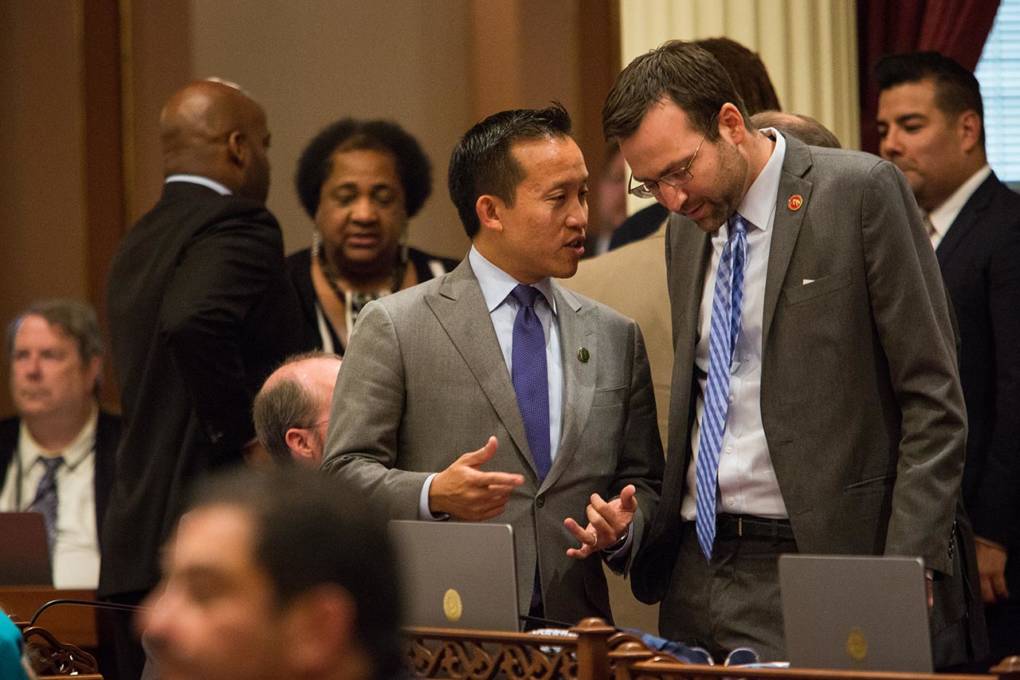
"caption": "Assemblymember David Chiu (D-San Francisco), left, and Senator Benjamin Allen (D-Redondo Beach) in the Senate chambers, September 10, 2015 at the State Capitol in Sacramento, California.",
"description": "Assemblymember David Chiu (D-San Francisco), left, and Senator Benjamin Allen (D-Redondo Beach) in the Senate chambers, September 10, 2015 at the State Capitol in Sacramento, California.",
"title": "FOR-PROFIT COLLEGE photo",
"credit": "Photo by Max Whittaker for CALmatters",
"status": "inherit",
"isLoading": false,
"fetchFailed": false
},
"news_11772955": {
"type": "attachments",
"id": "news_11772955",
"meta": {
"index": "attachments_1716263798",
"site": "news",
"id": "11772955",
"found": true
},
"parent": 11772952,
"imgSizes": {
"apple_news_ca_square_4_0": {
"file": "https://ww2.kqed.org/app/uploads/sites/10/2019/09/Parking-lot-bill-press-conference-e1567744937608-470x470.jpg",
"width": 470,
"mimeType": "image/jpeg",
"height": 470
},
"thumbnail": {
"file": "https://ww2.kqed.org/app/uploads/sites/10/2019/09/Parking-lot-bill-press-conference-e1567744937608-160x120.jpg",
"width": 160,
"mimeType": "image/jpeg",
"height": 120
},
"post-thumbnail": {
"file": "https://ww2.kqed.org/app/uploads/sites/10/2019/09/Parking-lot-bill-press-conference-e1567744937608-672x372.jpg",
"width": 672,
"mimeType": "image/jpeg",
"height": 372
},
"kqedFullSize": {
"file": "https://ww2.kqed.org/app/uploads/sites/10/2019/09/Parking-lot-bill-press-conference-e1567744937608.jpg",
"width": 705,
"height": 529
},
"apple_news_ca_landscape_4_7": {
"file": "https://ww2.kqed.org/app/uploads/sites/10/2019/09/Parking-lot-bill-press-conference-e1567744937608-632x474.jpg",
"width": 632,
"mimeType": "image/jpeg",
"height": 474
},
"apple_news_ca_portrait_4_7": {
"file": "https://ww2.kqed.org/app/uploads/sites/10/2019/09/Parking-lot-bill-press-conference-e1567744937608-414x529.jpg",
"width": 414,
"mimeType": "image/jpeg",
"height": 529
},
"apple_news_ca_portrait_5_5": {
"file": "https://ww2.kqed.org/app/uploads/sites/10/2019/09/Parking-lot-bill-press-conference-e1567744937608-687x529.jpg",
"width": 687,
"mimeType": "image/jpeg",
"height": 529
},
"apple_news_ca_square_4_7": {
"file": "https://ww2.kqed.org/app/uploads/sites/10/2019/09/Parking-lot-bill-press-conference-e1567744937608-550x529.jpg",
"width": 550,
"mimeType": "image/jpeg",
"height": 529
},
"apple_news_ca_landscape_4_0": {
"file": "https://ww2.kqed.org/app/uploads/sites/10/2019/09/Parking-lot-bill-press-conference-e1567744937608-536x402.jpg",
"width": 536,
"mimeType": "image/jpeg",
"height": 402
},
"apple_news_ca_portrait_4_0": {
"file": "https://ww2.kqed.org/app/uploads/sites/10/2019/09/Parking-lot-bill-press-conference-e1567744937608-354x472.jpg",
"width": 354,
"mimeType": "image/jpeg",
"height": 472
}
},
"publishDate": 1567881387,
"modified": 1567881462,
"caption": "Palomar College student Anthony White talks about his experience with homelessness at a press conference in the state Capitol.",
"description": "Palomar College student Anthony White talks about his experience with homelessness at a press conference in the state Capitol.",
"title": "Parking-lot-bill-press-conference-e1567744937608",
"credit": "Photo by Felicia Mello for CalMatters",
"status": "inherit",
"isLoading": false,
"fetchFailed": false
},
"news_11771822": {
"type": "attachments",
"id": "news_11771822",
"meta": {
"index": "attachments_1716263798",
"site": "news",
"id": "11771822",
"found": true
},
"parent": 0,
"imgSizes": {
"apple_news_ca_landscape_5_5": {
"file": "https://ww2.kqed.org/app/uploads/sites/10/2019/09/Kaiser_edited-1044x783.jpg",
"width": 1044,
"mimeType": "image/jpeg",
"height": 783
},
"apple_news_ca_square_4_0": {
"file": "https://ww2.kqed.org/app/uploads/sites/10/2019/09/Kaiser_edited-470x470.jpg",
"width": 470,
"mimeType": "image/jpeg",
"height": 470
},
"twentyfourteen-full-width": {
"file": "https://ww2.kqed.org/app/uploads/sites/10/2019/09/Kaiser_edited-1038x576.jpg",
"width": 1038,
"mimeType": "image/jpeg",
"height": 576
},
"thumbnail": {
"file": "https://ww2.kqed.org/app/uploads/sites/10/2019/09/Kaiser_edited-160x120.jpg",
"width": 160,
"mimeType": "image/jpeg",
"height": 120
},
"post-thumbnail": {
"file": "https://ww2.kqed.org/app/uploads/sites/10/2019/09/Kaiser_edited-672x372.jpg",
"width": 672,
"mimeType": "image/jpeg",
"height": 372
},
"kqedFullSize": {
"file": "https://ww2.kqed.org/app/uploads/sites/10/2019/09/Kaiser_edited.jpg",
"width": 1920,
"height": 1440
},
"apple_news_ca_landscape_4_7": {
"file": "https://ww2.kqed.org/app/uploads/sites/10/2019/09/Kaiser_edited-632x474.jpg",
"width": 632,
"mimeType": "image/jpeg",
"height": 474
},
"large": {
"file": "https://ww2.kqed.org/app/uploads/sites/10/2019/09/Kaiser_edited-1020x765.jpg",
"width": 1020,
"mimeType": "image/jpeg",
"height": 765
},
"complete_open_graph": {
"file": "https://ww2.kqed.org/app/uploads/sites/10/2019/09/Kaiser_edited-1200x900.jpg",
"width": 1200,
"mimeType": "image/jpeg",
"height": 900
},
"apple_news_ca_landscape_4_0": {
"file": "https://ww2.kqed.org/app/uploads/sites/10/2019/09/Kaiser_edited-536x402.jpg",
"width": 536,
"mimeType": "image/jpeg",
"height": 402
},
"apple_news_ca_portrait_12_9": {
"file": "https://ww2.kqed.org/app/uploads/sites/10/2019/09/Kaiser_edited-1122x1440.jpg",
"width": 1122,
"mimeType": "image/jpeg",
"height": 1440
},
"medium": {
"file": "https://ww2.kqed.org/app/uploads/sites/10/2019/09/Kaiser_edited-800x600.jpg",
"width": 800,
"mimeType": "image/jpeg",
"height": 600
},
"apple_news_ca_portrait_4_0": {
"file": "https://ww2.kqed.org/app/uploads/sites/10/2019/09/Kaiser_edited-354x472.jpg",
"width": 354,
"mimeType": "image/jpeg",
"height": 472
},
"apple_news_ca_portrait_9_7": {
"file": "https://ww2.kqed.org/app/uploads/sites/10/2019/09/Kaiser_edited-840x1120.jpg",
"width": 840,
"mimeType": "image/jpeg",
"height": 1120
},
"apple_news_ca_landscape_12_9": {
"file": "https://ww2.kqed.org/app/uploads/sites/10/2019/09/Kaiser_edited-1832x1374.jpg",
"width": 1832,
"mimeType": "image/jpeg",
"height": 1374
},
"apple_news_ca_square_9_7": {
"file": "https://ww2.kqed.org/app/uploads/sites/10/2019/09/Kaiser_edited-1104x1104.jpg",
"width": 1104,
"mimeType": "image/jpeg",
"height": 1104
},
"apple_news_ca_portrait_4_7": {
"file": "https://ww2.kqed.org/app/uploads/sites/10/2019/09/Kaiser_edited-414x552.jpg",
"width": 414,
"mimeType": "image/jpeg",
"height": 552
},
"apple_news_ca_square_12_9": {
"file": "https://ww2.kqed.org/app/uploads/sites/10/2019/09/Kaiser_edited-1472x1440.jpg",
"width": 1472,
"mimeType": "image/jpeg",
"height": 1440
},
"apple_news_ca_portrait_5_5": {
"file": "https://ww2.kqed.org/app/uploads/sites/10/2019/09/Kaiser_edited-687x916.jpg",
"width": 687,
"mimeType": "image/jpeg",
"height": 916
},
"full-width": {
"file": "https://ww2.kqed.org/app/uploads/sites/10/2019/09/Kaiser_edited-1920x1440.jpg",
"width": 1920,
"mimeType": "image/jpeg",
"height": 1440
},
"apple_news_ca_square_4_7": {
"file": "https://ww2.kqed.org/app/uploads/sites/10/2019/09/Kaiser_edited-550x550.jpg",
"width": 550,
"mimeType": "image/jpeg",
"height": 550
},
"apple_news_ca_landscape_9_7": {
"file": "https://ww2.kqed.org/app/uploads/sites/10/2019/09/Kaiser_edited-1376x1032.jpg",
"width": 1376,
"mimeType": "image/jpeg",
"height": 1032
},
"apple_news_ca_square_5_5": {
"file": "https://ww2.kqed.org/app/uploads/sites/10/2019/09/Kaiser_edited-912x912.jpg",
"width": 912,
"mimeType": "image/jpeg",
"height": 912
}
},
"publishDate": 1567528012,
"modified": 1567528260,
"caption": "Health care workers from Kaiser Permanente held a protest in Oakland on Sept. 2, 2019. Negotiations for a new contract stalled and there's a potential strike in October.",
"description": "Protesters hold hands in front of a Kaiser Permanente building in Oakland on Sept. 2, 2019. ",
"title": "Kaiser_edited",
"credit": "Laura Klivans/KQED",
"status": "inherit",
"isLoading": false,
"fetchFailed": false
},
"news_11771111": {
"type": "attachments",
"id": "news_11771111",
"meta": {
"index": "attachments_1716263798",
"site": "news",
"id": "11771111",
"found": true
},
"parent": 11770999,
"imgSizes": {
"apple_news_ca_landscape_5_5": {
"file": "https://ww2.kqed.org/app/uploads/sites/10/2019/08/08292019_oakland-teachers-strike-qut-1044x783.jpg",
"width": 1044,
"mimeType": "image/jpeg",
"height": 783
},
"apple_news_ca_square_4_0": {
"file": "https://ww2.kqed.org/app/uploads/sites/10/2019/08/08292019_oakland-teachers-strike-qut-470x470.jpg",
"width": 470,
"mimeType": "image/jpeg",
"height": 470
},
"twentyfourteen-full-width": {
"file": "https://ww2.kqed.org/app/uploads/sites/10/2019/08/08292019_oakland-teachers-strike-qut-1038x576.jpg",
"width": 1038,
"mimeType": "image/jpeg",
"height": 576
},
"thumbnail": {
"file": "https://ww2.kqed.org/app/uploads/sites/10/2019/08/08292019_oakland-teachers-strike-qut-160x107.jpg",
"width": 160,
"mimeType": "image/jpeg",
"height": 107
},
"post-thumbnail": {
"file": "https://ww2.kqed.org/app/uploads/sites/10/2019/08/08292019_oakland-teachers-strike-qut-672x372.jpg",
"width": 672,
"mimeType": "image/jpeg",
"height": 372
},
"kqedFullSize": {
"file": "https://ww2.kqed.org/app/uploads/sites/10/2019/08/08292019_oakland-teachers-strike-qut.jpg",
"width": 1920,
"height": 1280
},
"apple_news_ca_landscape_4_7": {
"file": "https://ww2.kqed.org/app/uploads/sites/10/2019/08/08292019_oakland-teachers-strike-qut-632x474.jpg",
"width": 632,
"mimeType": "image/jpeg",
"height": 474
},
"large": {
"file": "https://ww2.kqed.org/app/uploads/sites/10/2019/08/08292019_oakland-teachers-strike-qut-1020x680.jpg",
"width": 1020,
"mimeType": "image/jpeg",
"height": 680
},
"complete_open_graph": {
"file": "https://ww2.kqed.org/app/uploads/sites/10/2019/08/08292019_oakland-teachers-strike-qut-1200x800.jpg",
"width": 1200,
"mimeType": "image/jpeg",
"height": 800
},
"apple_news_ca_landscape_4_0": {
"file": "https://ww2.kqed.org/app/uploads/sites/10/2019/08/08292019_oakland-teachers-strike-qut-536x402.jpg",
"width": 536,
"mimeType": "image/jpeg",
"height": 402
},
"apple_news_ca_portrait_12_9": {
"file": "https://ww2.kqed.org/app/uploads/sites/10/2019/08/08292019_oakland-teachers-strike-qut-1122x1280.jpg",
"width": 1122,
"mimeType": "image/jpeg",
"height": 1280
},
"medium": {
"file": "https://ww2.kqed.org/app/uploads/sites/10/2019/08/08292019_oakland-teachers-strike-qut-800x533.jpg",
"width": 800,
"mimeType": "image/jpeg",
"height": 533
},
"apple_news_ca_portrait_4_0": {
"file": "https://ww2.kqed.org/app/uploads/sites/10/2019/08/08292019_oakland-teachers-strike-qut-354x472.jpg",
"width": 354,
"mimeType": "image/jpeg",
"height": 472
},
"apple_news_ca_portrait_9_7": {
"file": "https://ww2.kqed.org/app/uploads/sites/10/2019/08/08292019_oakland-teachers-strike-qut-840x1120.jpg",
"width": 840,
"mimeType": "image/jpeg",
"height": 1120
},
"apple_news_ca_landscape_12_9": {
"file": "https://ww2.kqed.org/app/uploads/sites/10/2019/08/08292019_oakland-teachers-strike-qut-1832x1280.jpg",
"width": 1832,
"mimeType": "image/jpeg",
"height": 1280
},
"apple_news_ca_square_9_7": {
"file": "https://ww2.kqed.org/app/uploads/sites/10/2019/08/08292019_oakland-teachers-strike-qut-1104x1104.jpg",
"width": 1104,
"mimeType": "image/jpeg",
"height": 1104
},
"apple_news_ca_portrait_4_7": {
"file": "https://ww2.kqed.org/app/uploads/sites/10/2019/08/08292019_oakland-teachers-strike-qut-414x552.jpg",
"width": 414,
"mimeType": "image/jpeg",
"height": 552
},
"apple_news_ca_square_12_9": {
"file": "https://ww2.kqed.org/app/uploads/sites/10/2019/08/08292019_oakland-teachers-strike-qut-1472x1280.jpg",
"width": 1472,
"mimeType": "image/jpeg",
"height": 1280
},
"apple_news_ca_portrait_5_5": {
"file": "https://ww2.kqed.org/app/uploads/sites/10/2019/08/08292019_oakland-teachers-strike-qut-687x916.jpg",
"width": 687,
"mimeType": "image/jpeg",
"height": 916
},
"full-width": {
"file": "https://ww2.kqed.org/app/uploads/sites/10/2019/08/08292019_oakland-teachers-strike-qut-1920x1280.jpg",
"width": 1920,
"mimeType": "image/jpeg",
"height": 1280
},
"apple_news_ca_square_4_7": {
"file": "https://ww2.kqed.org/app/uploads/sites/10/2019/08/08292019_oakland-teachers-strike-qut-550x550.jpg",
"width": 550,
"mimeType": "image/jpeg",
"height": 550
},
"apple_news_ca_landscape_9_7": {
"file": "https://ww2.kqed.org/app/uploads/sites/10/2019/08/08292019_oakland-teachers-strike-qut-1376x1032.jpg",
"width": 1376,
"mimeType": "image/jpeg",
"height": 1032
},
"apple_news_ca_square_5_5": {
"file": "https://ww2.kqed.org/app/uploads/sites/10/2019/08/08292019_oakland-teachers-strike-qut-912x912.jpg",
"width": 912,
"mimeType": "image/jpeg",
"height": 912
}
},
"publishDate": 1567115932,
"modified": 1567116806,
"caption": "Oakland Unified School District students, teachers and parent carry signs as they march to the Oakland Unified School District headquarters during a strike on Feb. 21, 2019, in Oakland. ",
"description": "Oakland Unified School District students, teachers and parent carry signs as they march to the Oakland Unified School District headquarters on Feb. 21, 2019, in Oakland. ",
"title": "Oakland Teachers Go On Strike",
"credit": "Justin Sullivan/Getty Images",
"status": "inherit",
"isLoading": false,
"fetchFailed": false
},
"news_11770914": {
"type": "attachments",
"id": "news_11770914",
"meta": {
"index": "attachments_1716263798",
"site": "news",
"id": "11770914",
"found": true
},
"parent": 11770902,
"imgSizes": {
"apple_news_ca_landscape_5_5": {
"file": "https://ww2.kqed.org/app/uploads/sites/10/2019/08/RS38841_OUSD_005-qut-1044x783.jpg",
"width": 1044,
"mimeType": "image/jpeg",
"height": 783
},
"apple_news_ca_square_4_0": {
"file": "https://ww2.kqed.org/app/uploads/sites/10/2019/08/RS38841_OUSD_005-qut-470x470.jpg",
"width": 470,
"mimeType": "image/jpeg",
"height": 470
},
"twentyfourteen-full-width": {
"file": "https://ww2.kqed.org/app/uploads/sites/10/2019/08/RS38841_OUSD_005-qut-1038x576.jpg",
"width": 1038,
"mimeType": "image/jpeg",
"height": 576
},
"thumbnail": {
"file": "https://ww2.kqed.org/app/uploads/sites/10/2019/08/RS38841_OUSD_005-qut-160x107.jpg",
"width": 160,
"mimeType": "image/jpeg",
"height": 107
},
"post-thumbnail": {
"file": "https://ww2.kqed.org/app/uploads/sites/10/2019/08/RS38841_OUSD_005-qut-672x372.jpg",
"width": 672,
"mimeType": "image/jpeg",
"height": 372
},
"kqedFullSize": {
"file": "https://ww2.kqed.org/app/uploads/sites/10/2019/08/RS38841_OUSD_005-qut.jpg",
"width": 1920,
"height": 1280
},
"apple_news_ca_landscape_4_7": {
"file": "https://ww2.kqed.org/app/uploads/sites/10/2019/08/RS38841_OUSD_005-qut-632x474.jpg",
"width": 632,
"mimeType": "image/jpeg",
"height": 474
},
"large": {
"file": "https://ww2.kqed.org/app/uploads/sites/10/2019/08/RS38841_OUSD_005-qut-1020x680.jpg",
"width": 1020,
"mimeType": "image/jpeg",
"height": 680
},
"complete_open_graph": {
"file": "https://ww2.kqed.org/app/uploads/sites/10/2019/08/RS38841_OUSD_005-qut-1200x800.jpg",
"width": 1200,
"mimeType": "image/jpeg",
"height": 800
},
"apple_news_ca_landscape_4_0": {
"file": "https://ww2.kqed.org/app/uploads/sites/10/2019/08/RS38841_OUSD_005-qut-536x402.jpg",
"width": 536,
"mimeType": "image/jpeg",
"height": 402
},
"apple_news_ca_portrait_12_9": {
"file": "https://ww2.kqed.org/app/uploads/sites/10/2019/08/RS38841_OUSD_005-qut-1122x1280.jpg",
"width": 1122,
"mimeType": "image/jpeg",
"height": 1280
},
"medium": {
"file": "https://ww2.kqed.org/app/uploads/sites/10/2019/08/RS38841_OUSD_005-qut-800x533.jpg",
"width": 800,
"mimeType": "image/jpeg",
"height": 533
},
"apple_news_ca_portrait_4_0": {
"file": "https://ww2.kqed.org/app/uploads/sites/10/2019/08/RS38841_OUSD_005-qut-354x472.jpg",
"width": 354,
"mimeType": "image/jpeg",
"height": 472
},
"apple_news_ca_portrait_9_7": {
"file": "https://ww2.kqed.org/app/uploads/sites/10/2019/08/RS38841_OUSD_005-qut-840x1120.jpg",
"width": 840,
"mimeType": "image/jpeg",
"height": 1120
},
"apple_news_ca_landscape_12_9": {
"file": "https://ww2.kqed.org/app/uploads/sites/10/2019/08/RS38841_OUSD_005-qut-1832x1280.jpg",
"width": 1832,
"mimeType": "image/jpeg",
"height": 1280
},
"apple_news_ca_square_9_7": {
"file": "https://ww2.kqed.org/app/uploads/sites/10/2019/08/RS38841_OUSD_005-qut-1104x1104.jpg",
"width": 1104,
"mimeType": "image/jpeg",
"height": 1104
},
"apple_news_ca_portrait_4_7": {
"file": "https://ww2.kqed.org/app/uploads/sites/10/2019/08/RS38841_OUSD_005-qut-414x552.jpg",
"width": 414,
"mimeType": "image/jpeg",
"height": 552
},
"apple_news_ca_square_12_9": {
"file": "https://ww2.kqed.org/app/uploads/sites/10/2019/08/RS38841_OUSD_005-qut-1472x1280.jpg",
"width": 1472,
"mimeType": "image/jpeg",
"height": 1280
},
"apple_news_ca_portrait_5_5": {
"file": "https://ww2.kqed.org/app/uploads/sites/10/2019/08/RS38841_OUSD_005-qut-687x916.jpg",
"width": 687,
"mimeType": "image/jpeg",
"height": 916
},
"full-width": {
"file": "https://ww2.kqed.org/app/uploads/sites/10/2019/08/RS38841_OUSD_005-qut-1920x1280.jpg",
"width": 1920,
"mimeType": "image/jpeg",
"height": 1280
},
"apple_news_ca_square_4_7": {
"file": "https://ww2.kqed.org/app/uploads/sites/10/2019/08/RS38841_OUSD_005-qut-550x550.jpg",
"width": 550,
"mimeType": "image/jpeg",
"height": 550
},
"apple_news_ca_landscape_9_7": {
"file": "https://ww2.kqed.org/app/uploads/sites/10/2019/08/RS38841_OUSD_005-qut-1376x1032.jpg",
"width": 1376,
"mimeType": "image/jpeg",
"height": 1032
},
"apple_news_ca_square_5_5": {
"file": "https://ww2.kqed.org/app/uploads/sites/10/2019/08/RS38841_OUSD_005-qut-912x912.jpg",
"width": 912,
"mimeType": "image/jpeg",
"height": 912
}
},
"publishDate": 1567090122,
"modified": 1567189105,
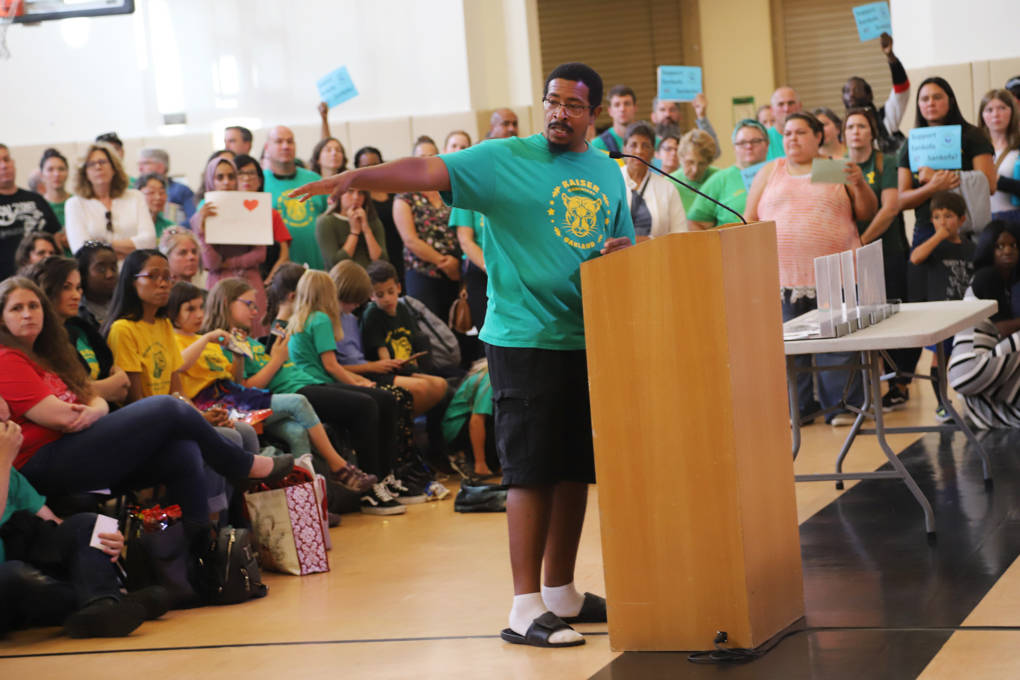
"caption": "Kaiser parent Daryl Guidry spoke in opposition to the Oakland Unified School District's closures plan at a meeting on Aug. 28, 2019.",
"description": "Kaiser parent Daryl Guidry spoke in opposition to the Oakland Unified School District's closures plan at a meeting on Aug. 28, 2019.",
"title": "RS38841_OUSD_005-qut",
"credit": "Lindsey Moore/KQED",
"status": "inherit",
"isLoading": false,
"fetchFailed": false
},
"news_11693046": {
"type": "attachments",
"id": "news_11693046",
"meta": {
"index": "attachments_1716263798",
"site": "news",
"id": "11693046",
"found": true
},
"parent": 0,
"imgSizes": {
"small": {
"file": "https://ww2.kqed.org/app/uploads/sites/10/2018/09/Mindshift_iTunes_3000x3000_01-520x520.jpg",
"width": 520,
"mimeType": "image/jpeg",
"height": 520
},
"twentyfourteen-full-width": {
"file": "https://ww2.kqed.org/app/uploads/sites/10/2018/09/Mindshift_iTunes_3000x3000_01-1038x576.jpg",
"width": 1038,
"mimeType": "image/jpeg",
"height": 576
},
"thumbnail": {
"file": "https://ww2.kqed.org/app/uploads/sites/10/2018/09/Mindshift_iTunes_3000x3000_01-160x160.jpg",
"width": 160,
"mimeType": "image/jpeg",
"height": 160
},
"fd-sm": {
"file": "https://ww2.kqed.org/app/uploads/sites/10/2018/09/Mindshift_iTunes_3000x3000_01-960x960.jpg",
"width": 960,
"mimeType": "image/jpeg",
"height": 960
},
"post-thumbnail": {
"file": "https://ww2.kqed.org/app/uploads/sites/10/2018/09/Mindshift_iTunes_3000x3000_01-672x372.jpg",
"width": 672,
"mimeType": "image/jpeg",
"height": 372
},
"xsmall": {
"file": "https://ww2.kqed.org/app/uploads/sites/10/2018/09/Mindshift_iTunes_3000x3000_01-375x375.jpg",
"width": 375,
"mimeType": "image/jpeg",
"height": 375
},
"kqedFullSize": {
"file": "https://ww2.kqed.org/app/uploads/sites/10/2018/09/Mindshift_iTunes_3000x3000_01.jpg",
"width": 3000,
"height": 3000
},
"large": {
"file": "https://ww2.kqed.org/app/uploads/sites/10/2018/09/Mindshift_iTunes_3000x3000_01-1020x1020.jpg",
"width": 1020,
"mimeType": "image/jpeg",
"height": 1020
},
"xlarge": {
"file": "https://ww2.kqed.org/app/uploads/sites/10/2018/09/Mindshift_iTunes_3000x3000_01-1180x1180.jpg",
"width": 1180,
"mimeType": "image/jpeg",
"height": 1180
},
"complete_open_graph": {
"file": "https://ww2.kqed.org/app/uploads/sites/10/2018/09/Mindshift_iTunes_3000x3000_01-1200x1200.jpg",
"width": 1200,
"mimeType": "image/jpeg",
"height": 1200
},
"guest-author-50": {
"file": "https://ww2.kqed.org/app/uploads/sites/10/2018/09/Mindshift_iTunes_3000x3000_01-50x50.jpg",
"width": 50,
"mimeType": "image/jpeg",
"height": 50
},
"guest-author-96": {
"file": "https://ww2.kqed.org/app/uploads/sites/10/2018/09/Mindshift_iTunes_3000x3000_01-96x96.jpg",
"width": 96,
"mimeType": "image/jpeg",
"height": 96
},
"medium": {
"file": "https://ww2.kqed.org/app/uploads/sites/10/2018/09/Mindshift_iTunes_3000x3000_01-800x800.jpg",
"width": 800,
"mimeType": "image/jpeg",
"height": 800
},
"guest-author-64": {
"file": "https://ww2.kqed.org/app/uploads/sites/10/2018/09/Mindshift_iTunes_3000x3000_01-64x64.jpg",
"width": 64,
"mimeType": "image/jpeg",
"height": 64
},
"guest-author-32": {
"file": "https://ww2.kqed.org/app/uploads/sites/10/2018/09/Mindshift_iTunes_3000x3000_01-32x32.jpg",
"width": 32,
"mimeType": "image/jpeg",
"height": 32
},
"fd-lrg": {
"file": "https://ww2.kqed.org/app/uploads/sites/10/2018/09/Mindshift_iTunes_3000x3000_01-1920x1920.jpg",
"width": 1920,
"mimeType": "image/jpeg",
"height": 1920
},
"fd-med": {
"file": "https://ww2.kqed.org/app/uploads/sites/10/2018/09/Mindshift_iTunes_3000x3000_01-1180x1180.jpg",
"width": 1180,
"mimeType": "image/jpeg",
"height": 1180
},
"full-width": {
"file": "https://ww2.kqed.org/app/uploads/sites/10/2018/09/Mindshift_iTunes_3000x3000_01-1920x1920.jpg",
"width": 1920,
"mimeType": "image/jpeg",
"height": 1920
},
"detail": {
"file": "https://ww2.kqed.org/app/uploads/sites/10/2018/09/Mindshift_iTunes_3000x3000_01-150x150.jpg",
"width": 150,
"mimeType": "image/jpeg",
"height": 150
},
"guest-author-128": {
"file": "https://ww2.kqed.org/app/uploads/sites/10/2018/09/Mindshift_iTunes_3000x3000_01-128x128.jpg",
"width": 128,
"mimeType": "image/jpeg",
"height": 128
},
"xxsmall": {
"file": "https://ww2.kqed.org/app/uploads/sites/10/2018/09/Mindshift_iTunes_3000x3000_01-240x240.jpg",
"width": 240,
"mimeType": "image/jpeg",
"height": 240
}
},
"publishDate": 1537218810,
"modified": 1537218810,
"caption": null,
"description": null,
"title": "Mindshift_iTunes_3000x3000_01",
"credit": null,
"status": "inherit",
"isLoading": false,
"fetchFailed": false
},
"news_11770511": {
"type": "attachments",
"id": "news_11770511",
"meta": {
"index": "attachments_1716263798",
"site": "news",
"id": "11770511",
"found": true
},
"parent": 11769087,
"imgSizes": {
"apple_news_ca_landscape_5_5": {
"file": "https://ww2.kqed.org/app/uploads/sites/10/2019/08/Sankofa-Academy-1044x783.jpg",
"width": 1044,
"mimeType": "image/jpeg",
"height": 783
},
"apple_news_ca_square_4_0": {
"file": "https://ww2.kqed.org/app/uploads/sites/10/2019/08/Sankofa-Academy-470x470.jpg",
"width": 470,
"mimeType": "image/jpeg",
"height": 470
},
"twentyfourteen-full-width": {
"file": "https://ww2.kqed.org/app/uploads/sites/10/2019/08/Sankofa-Academy-1038x576.jpg",
"width": 1038,
"mimeType": "image/jpeg",
"height": 576
},
"thumbnail": {
"file": "https://ww2.kqed.org/app/uploads/sites/10/2019/08/Sankofa-Academy-160x116.jpg",
"width": 160,
"mimeType": "image/jpeg",
"height": 116
},
"post-thumbnail": {
"file": "https://ww2.kqed.org/app/uploads/sites/10/2019/08/Sankofa-Academy-672x372.jpg",
"width": 672,
"mimeType": "image/jpeg",
"height": 372
},
"kqedFullSize": {
"file": "https://ww2.kqed.org/app/uploads/sites/10/2019/08/Sankofa-Academy.jpg",
"width": 1920,
"height": 1389
},
"apple_news_ca_landscape_4_7": {
"file": "https://ww2.kqed.org/app/uploads/sites/10/2019/08/Sankofa-Academy-632x474.jpg",
"width": 632,
"mimeType": "image/jpeg",
"height": 474
},
"large": {
"file": "https://ww2.kqed.org/app/uploads/sites/10/2019/08/Sankofa-Academy-1020x738.jpg",
"width": 1020,
"mimeType": "image/jpeg",
"height": 738
},
"complete_open_graph": {
"file": "https://ww2.kqed.org/app/uploads/sites/10/2019/08/Sankofa-Academy-1200x868.jpg",
"width": 1200,
"mimeType": "image/jpeg",
"height": 868
},
"apple_news_ca_landscape_4_0": {
"file": "https://ww2.kqed.org/app/uploads/sites/10/2019/08/Sankofa-Academy-536x402.jpg",
"width": 536,
"mimeType": "image/jpeg",
"height": 402
},
"apple_news_ca_portrait_12_9": {
"file": "https://ww2.kqed.org/app/uploads/sites/10/2019/08/Sankofa-Academy-1122x1389.jpg",
"width": 1122,
"mimeType": "image/jpeg",
"height": 1389
},
"medium": {
"file": "https://ww2.kqed.org/app/uploads/sites/10/2019/08/Sankofa-Academy-800x579.jpg",
"width": 800,
"mimeType": "image/jpeg",
"height": 579
},
"apple_news_ca_portrait_4_0": {
"file": "https://ww2.kqed.org/app/uploads/sites/10/2019/08/Sankofa-Academy-354x472.jpg",
"width": 354,
"mimeType": "image/jpeg",
"height": 472
},
"apple_news_ca_portrait_9_7": {
"file": "https://ww2.kqed.org/app/uploads/sites/10/2019/08/Sankofa-Academy-840x1120.jpg",
"width": 840,
"mimeType": "image/jpeg",
"height": 1120
},
"apple_news_ca_landscape_12_9": {
"file": "https://ww2.kqed.org/app/uploads/sites/10/2019/08/Sankofa-Academy-1832x1374.jpg",
"width": 1832,
"mimeType": "image/jpeg",
"height": 1374
},
"apple_news_ca_square_9_7": {
"file": "https://ww2.kqed.org/app/uploads/sites/10/2019/08/Sankofa-Academy-1104x1104.jpg",
"width": 1104,
"mimeType": "image/jpeg",
"height": 1104
},
"apple_news_ca_portrait_4_7": {
"file": "https://ww2.kqed.org/app/uploads/sites/10/2019/08/Sankofa-Academy-414x552.jpg",
"width": 414,
"mimeType": "image/jpeg",
"height": 552
},
"apple_news_ca_square_12_9": {
"file": "https://ww2.kqed.org/app/uploads/sites/10/2019/08/Sankofa-Academy-1472x1389.jpg",
"width": 1472,
"mimeType": "image/jpeg",
"height": 1389
},
"apple_news_ca_portrait_5_5": {
"file": "https://ww2.kqed.org/app/uploads/sites/10/2019/08/Sankofa-Academy-687x916.jpg",
"width": 687,
"mimeType": "image/jpeg",
"height": 916
},
"full-width": {
"file": "https://ww2.kqed.org/app/uploads/sites/10/2019/08/Sankofa-Academy-1920x1389.jpg",
"width": 1920,
"mimeType": "image/jpeg",
"height": 1389
},
"apple_news_ca_square_4_7": {
"file": "https://ww2.kqed.org/app/uploads/sites/10/2019/08/Sankofa-Academy-550x550.jpg",
"width": 550,
"mimeType": "image/jpeg",
"height": 550
},
"apple_news_ca_landscape_9_7": {
"file": "https://ww2.kqed.org/app/uploads/sites/10/2019/08/Sankofa-Academy-1376x1032.jpg",
"width": 1376,
"mimeType": "image/jpeg",
"height": 1032
},
"apple_news_ca_square_5_5": {
"file": "https://ww2.kqed.org/app/uploads/sites/10/2019/08/Sankofa-Academy-912x912.jpg",
"width": 912,
"mimeType": "image/jpeg",
"height": 912
}
},
"publishDate": 1566948520,
"modified": 1566948558,
"caption": "The entrance to Sankofa Academy in Oakland, pictured on Feb. 18, 2019.",
"description": "The entrance to Sankofa Academy in Oakland, pictured on Feb. 18, 2019.",
"title": "Sankofa-Academy",
"credit": "Lindsey Moore/KQED",
"status": "inherit",
"isLoading": false,
"fetchFailed": false
},
"news_11721505": {
"type": "attachments",
"id": "news_11721505",
"meta": {
"index": "attachments_1716263798",
"site": "news",
"id": "11721505",
"found": true
},
"parent": 11721070,
"imgSizes": {
"twentyfourteen-full-width": {
"file": "https://ww2.kqed.org/app/uploads/sites/10/2019/01/IMG_1011-1038x576.jpg",
"width": 1038,
"mimeType": "image/jpeg",
"height": 576
},
"thumbnail": {
"file": "https://ww2.kqed.org/app/uploads/sites/10/2019/01/IMG_1011-160x120.jpg",
"width": 160,
"mimeType": "image/jpeg",
"height": 120
},
"post-thumbnail": {
"file": "https://ww2.kqed.org/app/uploads/sites/10/2019/01/IMG_1011-672x372.jpg",
"width": 672,
"mimeType": "image/jpeg",
"height": 372
},
"kqedFullSize": {
"file": "https://ww2.kqed.org/app/uploads/sites/10/2019/01/IMG_1011-e1548726420928.jpg",
"width": 1920,
"height": 1440
},
"large": {
"file": "https://ww2.kqed.org/app/uploads/sites/10/2019/01/IMG_1011-1020x765.jpg",
"width": 1020,
"mimeType": "image/jpeg",
"height": 765
},
"complete_open_graph": {
"file": "https://ww2.kqed.org/app/uploads/sites/10/2019/01/IMG_1011-1200x900.jpg",
"width": 1200,
"mimeType": "image/jpeg",
"height": 900
},
"guest-author-50": {
"file": "https://ww2.kqed.org/app/uploads/sites/10/2019/01/IMG_1011-50x50.jpg",
"width": 50,
"mimeType": "image/jpeg",
"height": 50
},
"guest-author-96": {
"file": "https://ww2.kqed.org/app/uploads/sites/10/2019/01/IMG_1011-96x96.jpg",
"width": 96,
"mimeType": "image/jpeg",
"height": 96
},
"medium": {
"file": "https://ww2.kqed.org/app/uploads/sites/10/2019/01/IMG_1011-800x600.jpg",
"width": 800,
"mimeType": "image/jpeg",
"height": 600
},
"guest-author-64": {
"file": "https://ww2.kqed.org/app/uploads/sites/10/2019/01/IMG_1011-64x64.jpg",
"width": 64,
"mimeType": "image/jpeg",
"height": 64
},
"guest-author-32": {
"file": "https://ww2.kqed.org/app/uploads/sites/10/2019/01/IMG_1011-32x32.jpg",
"width": 32,
"mimeType": "image/jpeg",
"height": 32
},
"full-width": {
"file": "https://ww2.kqed.org/app/uploads/sites/10/2019/01/IMG_1011-1920x1440.jpg",
"width": 1920,
"mimeType": "image/jpeg",
"height": 1440
},
"detail": {
"file": "https://ww2.kqed.org/app/uploads/sites/10/2019/01/IMG_1011-150x150.jpg",
"width": 150,
"mimeType": "image/jpeg",
"height": 150
},
"guest-author-128": {
"file": "https://ww2.kqed.org/app/uploads/sites/10/2019/01/IMG_1011-128x128.jpg",
"width": 128,
"mimeType": "image/jpeg",
"height": 128
}
},
"publishDate": 1548644599,
"modified": 1548729194,
"caption": "OUSD recently proposed closing Kaiser Elementary School in the Claremont Hills and merging it with Sankofa Academy in Oakland’s Bushrod neighborhood.",
"description": "OUSD recently proposed closing Kaiser Elementary School in the Claremont Hills and merging it with Sankofa Academy in Oakland’s Bushrod neighborhood.",
"title": "IMG_1011",
"credit": "Vanessa Rancaño/KQED",
"status": "inherit",
"isLoading": false,
"fetchFailed": false
}
},
"audioPlayerReducer": {
"postId": "stream_live",
"isPaused": true,
"isPlaying": false,
"pfsActive": false,
"pledgeModalIsOpen": true,
"playerDrawerIsOpen": false,
"liveAudioPlayStartedAt": 0,
"liveAudioPlayContext": ""
},
"authorsReducer": {
"byline_news_11773855": {
"type": "authors",
"id": "byline_news_11773855",
"meta": {
"override": true
},
"slug": "byline_news_11773855",
"name": "Theresa Harrington (EdSource) and Julia McEvoy (KQED)",
"isLoading": false
},
"byline_news_11773395": {
"type": "authors",
"id": "byline_news_11773395",
"meta": {
"override": true
},
"slug": "byline_news_11773395",
"name": "\u003ca href=\"https://calmatters.org/author/feliciacalmatters-org/\">Felicia Mello\u003c/a>\u003cbr>CalMatters",
"isLoading": false
},
"byline_news_11773028": {
"type": "authors",
"id": "byline_news_11773028",
"meta": {
"override": true
},
"slug": "byline_news_11773028",
"name": "\u003ca href=\"https://calmatters.org/author/feliciacalmatters-org/\">Felicia Mello\u003c/a>",
"isLoading": false
},
"byline_news_11772952": {
"type": "authors",
"id": "byline_news_11772952",
"meta": {
"override": true
},
"slug": "byline_news_11772952",
"name": "\u003ca href=\"https://calmatters.org/author/feliciacalmatters-org/\"> Felicia Mello \u003ca />",
"isLoading": false
},
"byline_news_11770999": {
"type": "authors",
"id": "byline_news_11770999",
"meta": {
"override": true
},
"slug": "byline_news_11770999",
"name": "\u003cstrong>Ricardo Cano\u003c/strong>",
"isLoading": false
},
"jmcevoy": {
"type": "authors",
"id": "231",
"meta": {
"index": "authors_1716337520",
"id": "231",
"found": true
},
"name": "Julia McEvoy",
"firstName": "Julia",
"lastName": "McEvoy",
"slug": "jmcevoy",
"email": "jmcevoy@KQED.org",
"display_author_email": true,
"staff_mastheads": [
"news"
],
"title": "KQED Senior Editor",
"bio": "Julia McEvoy is KQED's Senior Editor, Education Equity.\r\n\r\nJulia heads KQED’s education coverage examining inequities students face in Bay Area and California schools, and reports on what it will take to educate the next generation.\r\n\r\nJulia's editorial work has received a Peabody Award, a Casey Medal for Coverage of Children and Families, several Edward R. Murrow awards, as well as awards from the Public Radio News Directors Inc. and the Society for Professional Journalists.",
"avatar": "https://secure.gravatar.com/avatar/aec3ce21abe02b302fd33638abd56a22?s=600&d=blank&r=g",
"twitter": "juliamcevoy1",
"facebook": null,
"instagram": null,
"linkedin": null,
"sites": [
{
"site": "news",
"roles": []
},
{
"site": "stateofhealth",
"roles": [
"author"
]
}
],
"headData": {
"title": "Julia McEvoy | KQED",
"description": "KQED Senior Editor",
"ogImgSrc": "https://secure.gravatar.com/avatar/aec3ce21abe02b302fd33638abd56a22?s=600&d=blank&r=g",
"twImgSrc": "https://secure.gravatar.com/avatar/aec3ce21abe02b302fd33638abd56a22?s=600&d=blank&r=g"
},
"isLoading": false,
"link": "/author/jmcevoy"
},
"katrinaschwartz": {
"type": "authors",
"id": "234",
"meta": {
"index": "authors_1716337520",
"id": "234",
"found": true
},
"name": "Katrina Schwartz",
"firstName": "Katrina",
"lastName": "Schwartz",
"slug": "katrinaschwartz",
"email": "kschwartz@kqed.org",
"display_author_email": false,
"staff_mastheads": [
"news"
],
"title": "Producer",
"bio": "Katrina Schwartz is a journalist based in San Francisco. She's worked at KPCC public radio in LA and has reported on air and online for KQED since 2010. She covered how teaching and learning is changing for MindShift between 2012 and 2020. She is the co-host of the MindShift podcast and now produces KQED's Bay Curious podcast.",
"avatar": "https://secure.gravatar.com/avatar/edb4ee79070447a018538c9aae6eeecf28786515b8a0c30e43b6b7dce5aa44c8?s=600&d=blank&r=g",
"twitter": "kschwart",
"bluesky": null,
"facebook": null,
"instagram": null,
"linkedin": null,
"sites": [
{
"site": "",
"roles": [
"editor"
]
},
{
"site": "news",
"roles": [
"editor"
]
},
{
"site": "mindshift",
"roles": [
"administrator"
]
},
{
"site": "stateofhealth",
"roles": [
"author"
]
},
{
"site": "science",
"roles": [
"editor"
]
}
],
"headData": {
"title": "Katrina Schwartz | KQED",
"description": "Producer",
"ogImgSrc": "https://secure.gravatar.com/avatar/edb4ee79070447a018538c9aae6eeecf28786515b8a0c30e43b6b7dce5aa44c8?s=600&d=blank&r=g",
"twImgSrc": "https://secure.gravatar.com/avatar/edb4ee79070447a018538c9aae6eeecf28786515b8a0c30e43b6b7dce5aa44c8?s=600&d=blank&r=g"
},
"isLoading": false,
"link": "/author/katrinaschwartz"
},
"dkatayama": {
"type": "authors",
"id": "7240",
"meta": {
"index": "authors_1716337520",
"id": "7240",
"found": true
},
"name": "Devin Katayama",
"firstName": "Devin",
"lastName": "Katayama",
"slug": "dkatayama",
"email": "dkatayama@kqed.org",
"display_author_email": true,
"staff_mastheads": [
"news"
],
"title": "Editor of Talent and Development",
"bio": "Devin Katayama is former Editor of Talent and Development for KQED. He supported our internship program and on-call staff by looking for equitable opportunities to improve the newsroom.\r\n\r\nHe previously hosted The Bay and American Suburb podcasts from KQED News. Prior to returning to the Bay Area in 2015, Devin was the education reporter for WFPL in Louisville and worked as a producer with radio stations in Chicago and Portland, OR. His work has appeared on NPR’s \u003cem>Morning Edition, All Things Considered, The Takeaway\u003c/em> and \u003cem>Here and Now.\u003c/em>\r\n\r\nDevin earned his MA in Journalism from Columbia College Chicago, where he was a Follett Fellow and the recipient of the 2011 Studs Terkel Community Media Workshop Scholarship for his story on Chicago's homeless youth. He won WBUR's 2014 Daniel Schorr award and a regional RTNDA Edward R. Murrow Award for his documentary \"At Risk\" that looked at issues facing some of Louisville's students. Devin has also received numerous local awards from the Associated Press and the Society of Professional Journalists.",
"avatar": "https://secure.gravatar.com/avatar/d0d2978a31002fb2de107921a8e18405?s=600&d=blank&r=g",
"twitter": "RadioDevin",
"facebook": null,
"instagram": null,
"linkedin": null,
"sites": [
{
"site": "arts",
"roles": []
},
{
"site": "news",
"roles": [
"author"
]
},
{
"site": "stateofhealth",
"roles": [
"author"
]
},
{
"site": "forum",
"roles": [
"editor"
]
},
{
"site": "perspectives",
"roles": [
"editor"
]
}
],
"headData": {
"title": "Devin Katayama | KQED",
"description": "Editor of Talent and Development",
"ogImgSrc": "https://secure.gravatar.com/avatar/d0d2978a31002fb2de107921a8e18405?s=600&d=blank&r=g",
"twImgSrc": "https://secure.gravatar.com/avatar/d0d2978a31002fb2de107921a8e18405?s=600&d=blank&r=g"
},
"isLoading": false,
"link": "/author/dkatayama"
},
"lklivans": {
"type": "authors",
"id": "8648",
"meta": {
"index": "authors_1716337520",
"id": "8648",
"found": true
},
"name": "Laura Klivans",
"firstName": "Laura",
"lastName": "Klivans",
"slug": "lklivans",
"email": "lklivans@kqed.org",
"display_author_email": true,
"staff_mastheads": [
"news",
"science"
],
"title": "Reporter",
"bio": "Laura Klivans is an award-winning science reporter for KQED News, where she covers climate change with an eye on both groundbreaking progress and gaps in action. She is the former host of KQED's blockbuster video series about tiny, amazing animals, \u003cem>Deep Look\u003c/em>. Her work reaches national audiences through NPR, \u003cem>Here & Now, \u003c/em>PRI, and other major outlets. \r\n\r\nLaura’s won five Northern California Area Emmy Awards for Deep Look and First Place in the Greater Bay Area Journalism Awards for a podcast exploring how one Oakland neighborhood teamed up to reduce planet-heating pollution.\r\n\r\nBeyond her reporting, she hosts and moderates events. In the past, she taught audio storytelling at the UC Berkeley Graduate School of Journalism, led international education programs, worked with immigrants and refugees along the Thai-Burmese border, taught high schoolers sex ed, and was an actress. \r\n\r\nShe's a former UC Berkeley Human Rights Fellow, USC Center for Health Journalism's California Fellow and Coro Fellow in Public Affairs. Laura has a master’s in journalism from UC Berkeley, a master’s in education from Harvard, and an undergraduate degree from Northwestern University.\r\n\r\nShe loves trying to riddle the meaning out of vanity license plates.",
"avatar": "https://secure.gravatar.com/avatar/2d2ecd1550a494cc10ad4a503406965585902124739e775a9b3817eebf1d88be?s=600&d=blank&r=g",
"twitter": "lauraklivans",
"bluesky": null,
"facebook": null,
"instagram": null,
"linkedin": null,
"sites": [
{
"site": "news",
"roles": [
"editor"
]
},
{
"site": "stateofhealth",
"roles": [
"contributor",
"editor"
]
},
{
"site": "science",
"roles": [
"editor"
]
},
{
"site": "forum",
"roles": [
"editor"
]
}
],
"headData": {
"title": "Laura Klivans | KQED",
"description": "Reporter",
"ogImgSrc": "https://secure.gravatar.com/avatar/2d2ecd1550a494cc10ad4a503406965585902124739e775a9b3817eebf1d88be?s=600&d=blank&r=g",
"twImgSrc": "https://secure.gravatar.com/avatar/2d2ecd1550a494cc10ad4a503406965585902124739e775a9b3817eebf1d88be?s=600&d=blank&r=g"
},
"isLoading": false,
"link": "/author/lklivans"
}
},
"pagesReducer": {
"news_category_education": {
"type": "terms",
"id": "news_18540",
"meta": {
"index": "terms_1716263798",
"site": "news",
"id": "18540",
"score": 10.973179
},
"featImg": null,
"name": "Education",
"description": null,
"taxonomy": "category",
"headData": {
"twImgId": null,
"twTitle": null,
"ogTitle": null,
"ogImgId": null,
"twDescription": null,
"description": null,
"title": "Education Archives | KQED News",
"ogDescription": null
},
"ttid": 2595,
"slug": "education",
"isLoading": false,
"title": "Education",
"pageMeta": {
"site": "news",
"WpPageTemplate": "page-topic-editorial",
"currentPage": 106
},
"blocks": [
{
"blockName": "kqed/post-list",
"attrs": {
"layout": "cardArticle2",
"query": "posts/news?category=education",
"seeMore": false,
"paginated": true,
"page": 106
}
},
{
"blockName": "kqed/ad"
}
]
}
},
"pfsSessionReducer": {},
"postsReducer": {
"stream_live": {
"type": "live",
"id": "stream_live",
"audioUrl": "https://streams.kqed.org/kqedradio",
"title": "Live Stream",
"excerpt": "Live Stream information currently unavailable.",
"link": "/radio",
"featImg": "",
"label": {
"name": "KQED Live",
"link": "/"
}
},
"stream_kqedNewscast": {
"type": "posts",
"id": "stream_kqedNewscast",
"audioUrl": "https://www.kqed.org/.stream/anon/radio/RDnews/newscast.mp3?_=1",
"title": "KQED Newscast",
"featImg": "",
"label": {
"name": "88.5 FM",
"link": "/"
}
},
"news_11774256": {
"type": "posts",
"id": "news_11774256",
"meta": {
"index": "posts_1716263798",
"site": "news",
"id": "11774256",
"score": null,
"sort": [
1568644203000
]
},
"parent": 0,
"labelTerm": {
"site": "news"
},
"blocks": [],
"publishDate": 1568644203,
"format": "standard",
"disqusTitle": "Chabot College Hopes Connection and Support Will Keep Students in School",
"title": "Chabot College Hopes Connection and Support Will Keep Students in School",
"headTitle": "KQED News",
"content": "\u003cp>About 100 first-year community college students sit around tables with labels reading “Health and Wellness,” “STEM” or “Art and Digital Media,” nervously talking to new friends. It’s only the second week of school and this is a “Meet and Greet” for students who are part of a program called \u003ca href=\"http://www.chabotcollege.edu/academics/fye/\">First Year Experience (FYE)\u003c/a>. They play some icebreaker games and meet the faculty, counselors and peer advisers that will support them through their transition to college.\u003c/p>\n\u003cp>“I want to share a little story with you before we get today going,” said Gabriel Chaparro, the STEM Center equity director and administrator for the FYE program, as he kicks off the event. “I started school at UC Berkeley and I was there for two years before I was asked to leave because of my GPA.”\u003c/p>\n\u003cp>[pullquote size='medium' align='right' citation='Shanya Prasad, First Year Experience participant']'It just made it so much easier for me, being first generation. It was a big help.'[/pullquote]\u003c/p>\n\u003cp>Chaparro explained that he earned good grades in high school, which landed him at Cal, but he didn’t know what it meant to be a college student. He didn’t take advantage of networking opportunities and fell behind in his studies. Eventually he transferred to Chabot College, where he finished his general education credits, before transferring to Cal State East Bay to finish his bachelor's degree.\u003c/p>\n\u003cp>\"I wish I had a faculty member who was close to me. I wish I had someone who had been through school already. I wish, I wish, I wish. You have. That’s what this program is going to help you with.”\u003c/p>\n\u003cp>[ad fullwidth]\u003c/p>\n\u003cp>The First Year Experience is a cohort-based program. Students enter broad pathways like “health and wellness” or “science, technology, engineering, and math,” based on their interests entering college. They take two core classes with other students in their cohort. The classes are designed to meet general education requirements, but they’re also meant to provide community, support and career discovery. Students in FYE also have a faculty member they can go to with academic questions, a counselor to help them with other issues, and a peer adviser who can help them navigate issues that come up in college.\u003c/p>\n\u003cp>All this extra support is an attempt to help students connect with peers and support at Chabot right away. College leaders know that when students immediately \u003ca href=\"https://mindsetscholarsnetwork.org/learning-mindsets/belonging/\">feel they belong\u003c/a> -- that they have friends and can access help when they need it -- they are more likely to stick with college. That’s important because \u003ca href=\"https://scorecard.cccco.edu/scorecardrates.aspx?CollegeID=000#home\">less than half of community college students in California graduate\u003c/a> with a degree, certificate or transfer credits in six years. That’s \u003ca href=\"https://edsource.org/2017/californias-community-colleges-seek-to-improve-their-graduation-and-transfer-rates/584844\">not fast enough\u003c/a>, according to the chancellor’s office.\u003c/p>\n\u003cp>Students often get \u003ca href=\"https://www.kqed.org/news/11740476/is-a-big-ticket-plan-to-help-californias-community-college-students-worth-the-cost\">lost in a complex system\u003c/a>, taking classes that don’t count towards their majors, and spending precious scholarship dollars along the way. A \u003ca href=\"https://docs.google.com/viewer?url=https%3A%2F%2Fticas.org%2Fsites%2Fdefault%2Ffiles%2Fpub_files%2Fwhat_college_costs_for_low-income_californians_0.pdf\">recent study\u003c/a> even found that despite the relatively low cost of tuition, community college students often end up paying more for their education than students at four-year universities. California’s Community College Chancellor Eloy Ortiz Oakley has said he wants to see \u003ca href=\"https://foundationccc.org/Portals/0/Documents/Vision/VisionForSuccess_web.pdf\">significant improvements in completion and transfer rates by 2022\u003c/a>, and the state Legislature also recently passed a bill that would \u003ca href=\"https://www.insidehighered.com/news/2018/06/12/calif-finalizes-performance-funding-formula-its-community-colleges\">tie community college funding to student outcomes\u003c/a>.\u003c/p>\n\u003cp>[aside tag='college-try' label='More From the College Try Series']\u003c/p>\n\u003cp>Chabot’s answer to these challenges is to learn from programs it pioneered -- the \u003ca href=\"https://www.chabotcollege.edu/specialprograms/puente/\">Puente\u003c/a> and \u003ca href=\"https://www.chabotcollege.edu/specialprograms/umoja/\">Umoja\u003c/a> programs. These cohort-based initiatives for underrepresented students have a 30-year track record and have been emulated across the state. Now Chabot leaders are building on that success with the First Year Experience program, which doesn’t focus on any specific group but has been a big help for first-generation college students like Shanya Prasad.\u003c/p>\n\u003cp>\"I wasn’t confused. It was just so straightforward,” Prasad said. She recently transferred from Chabot to Cal State East Bay to study psychology. “It was, what do you want to do, these are the classes you have to take. It just made it so much easier for me, being first generation. It was a big help.”\u003c/p>\n\u003cp>Prasad said without FYE she would have felt lost, not sure of the classes to take or which counselor to go to. She’s heard stories of students getting one set of advice from one counselor and a different set from another. She said the program helped her to “grow into who I want to be and find what my interest was in.”\u003c/p>\n\u003cp>She entered community college thinking she wanted to be a nurse, mostly because she knew it was a good career and hadn’t heard of many other jobs. But her core classes in the Health and Wellness cohort exposed her to other aspects of medicine. She fell in love with psychology.\u003c/p>\n\u003cp>Data on the First Year Experience program at Chabot also points to some success. Seventy-four percent of all first-year Chabot students who entered in the fall of 2017 returned for the spring semester, while 92 percent of FYE students did. And even more telling, while 57 percent of all students returned for a second year from 2017-2018, 80 percent of FYE students did. But the program serves only a small portion of the college’s 20,000-student body -- around 250 students.\u003c/p>\n\u003cp>“We definitely don’t have sufficient funds to scale it up,” said Amy Mattern, dean of academic pathways and student success at Chabot. “If we want to go beyond the 250, to thousands of students, I wouldn’t be able to pay the faculty. I can’t hardly pay the faculty members now.”\u003c/p>\n\u003cp>Mattern cobbles together funding to pay for the FYE program from a variety of sources. All the participating faculty members and counselors have full course loads, but they are paid an hourly rate for the extra work they do with FYE students. That amounts to somewhere between 1,500-2,500 extra paid hours per year. Additionally, Mattern pays peer advisers for a dozen or so hours per week and has to budget for events, field trips and administrative time. This type of “high touch” program costs money, which makes it hard to scale up.\u003c/p>\n\u003cp>Still, Chabot leaders are looking for aspects of the program they might be able to expand. Mattern is leading the college's \u003ca href=\"https://static1.squarespace.com/static/5834c1702e69cfabd9617089/t/584088d15016e1380c9b0837/1480624337586/CAPathways+Model+Description.pdf\">Guided Pathways work\u003c/a>, a multiyear planning process meant to reorganize how the college works to make it easier for students to navigate. The chancellor’s office has compiled \u003ca href=\"https://www.aacc.nche.edu/programs/aacc-pathways-project/pathways-institutes-resources/\">best practices from around the country\u003c/a> and is charging each community college with implementing those practices in ways that make sense for their communities.\u003c/p>\n\u003cp>“We've been talking a lot about being a student-ready college, not that the students need to be ready for us, but that we, as a college, need to be student-ready,” Mattern said.\u003c/p>\n\u003cp>This term, “student-ready college,” is getting a lot of play at community colleges right now. The idea is that colleges need to recognize the barriers to success students have and help remove them. Rather than blaming students for not succeeding, the thinking goes, the college needs to change to fit student needs.\u003c/p>\n\u003cp>Chabot students have to work, take care of siblings, and often only attend school part time. They’re older adults, immigrants learning English for the first time, and low-income students trying to save some money while they get their general education credits.\u003c/p>\n\u003cp>“That means it's very difficult to be student-ready because everybody is a potential student and it is really hard to tailor,” Mattern said. “So it's a big reach. It is being aspirational. But we also have to do it. These are the students who are coming, and so we have to figure out how to serve them.”\u003c/p>\n\u003cp>Jennifer Lange, a faculty lead in the STEM pathway for the First Year Experience program, thinks of being student-ready this way:\u003c/p>\n\u003cp>“It's not just the mind and the class. It's the whole person. And we need to be able to see their whole life and be able to help them figure out how we fit into that life, not how they have to fit into ours.”\u003c/p>\n\u003cp>A stark example of that is a student she thinks about a lot.\u003c/p>\n\u003cp>“I had a student who was missing class a lot. But when he was there he was the crackerjack in the class. He was the one who would always ask questions of the guest speaker, he was always the one volunteering to lead something or have the answer. So it was very strange to us. He’s so good, why is he not always here?” Lange wondered.\u003c/p>\n\u003cp>Partway through the semester, the student came to her office and apologized for missing so much class. He admitted he was addicted to pain pills and was having difficulty navigating the medical system to get help. Lange jumped into action, connecting him to mental health counselors and other support staff she knew.\u003c/p>\n\u003cp>“I’m trying to take the stress off of them by carrying some of it myself,” Lange said.\u003c/p>\n\u003cp>She knows it’s not feasible to offer that level of support to all 20,000 Chabot students, but not all students need that level of handholding either. She hopes that through the Guided Pathways work, the college will figure out how to reorient itself into “success teams.” She imagines a team made up of a faculty, counselors, student support personnel, peer advisers and financial aid officers, all of whom are focused on the success of a specific group of students.\u003c/p>\n\u003cp>It won’t look exactly like FYE -- with its extra social events, cohorted classes and field trips -- but it could offer a basic level of support and structure. After all, they’ve seen that work.\u003c/p>\n\u003cp>[ad floatright]\u003c/p>\n\u003cp>\u003cem>This story is part of our series The College Try, about what it takes for students who don't come from means to get a higher ed degree in California today.\u003c/em>\u003c/p>\n\n",
"disqusIdentifier": "11774256 https://ww2.kqed.org/news/?p=11774256",
"disqusUrl": "https://ww2.kqed.org/news/2019/09/16/chabot-college-hopes-connection-and-support-will-keep-students-in-school/",
"stats": {
"hasVideo": false,
"hasChartOrMap": false,
"hasAudio": false,
"hasPolis": false,
"wordCount": 1747,
"hasGoogleForm": false,
"hasGallery": false,
"hasHearkenModule": false,
"iframeSrcs": [],
"paragraphCount": 32
},
"modified": 1568847252,
"excerpt": "Chabot College has successfully run cohort-based support programs for Latinx and African American-identified students for decades. Now they're trying to broaden those best practices to more students.",
"headData": {
"twImgId": "",
"twTitle": "",
"ogTitle": "",
"ogImgId": "",
"twDescription": "",
"description": "Chabot College has successfully run cohort-based support programs for Latinx and African American-identified students for decades. Now they're trying to broaden those best practices to more students.",
"title": "Chabot College Hopes Connection and Support Will Keep Students in School | KQED",
"ogDescription": "",
"schema": {
"@context": "https://schema.org",
"@type": "NewsArticle",
"headline": "Chabot College Hopes Connection and Support Will Keep Students in School",
"datePublished": "2019-09-16T07:30:03-07:00",
"dateModified": "2019-09-18T15:54:12-07:00",
"image": "https://cdn.kqed.org/wp-content/uploads/2020/02/KQED-OG-Image@1x.png",
"isAccessibleForFree": "True",
"publisher": {
"@type": "NewsMediaOrganization",
"@id": "https://www.kqed.org/#organization",
"name": "KQED",
"logo": "https://cdn.kqed.org/wp-content/uploads/2020/02/KQED-OG-Image@1x.png",
"url": "https://www.kqed.org",
"sameAs": [
"https://www.facebook.com/KQED",
"https://twitter.com/KQED",
"https://www.instagram.com/kqed/",
"https://www.tiktok.com/@kqedofficial",
"https://www.linkedin.com/company/kqed",
"https://www.youtube.com/channel/UCeC0IOo7i1P_61zVUWbJ4nw"
]
}
}
},
"guestAuthors": [],
"slug": "chabot-college-hopes-connection-and-support-will-keep-students-in-school",
"status": "publish",
"audioUrl": "https://www.kqed.org/.stream/anon/radio/RDnews/2019/09/304269CollegeTryFirstYearB.mp3",
"audioTrackLength": 233,
"path": "/news/11774256/chabot-college-hopes-connection-and-support-will-keep-students-in-school",
"parsedContent": [
{
"type": "contentString",
"content": "\u003cdiv class=\"post-body\">\u003cp>\u003cp>About 100 first-year community college students sit around tables with labels reading “Health and Wellness,” “STEM” or “Art and Digital Media,” nervously talking to new friends. It’s only the second week of school and this is a “Meet and Greet” for students who are part of a program called \u003ca href=\"http://www.chabotcollege.edu/academics/fye/\">First Year Experience (FYE)\u003c/a>. They play some icebreaker games and meet the faculty, counselors and peer advisers that will support them through their transition to college.\u003c/p>\n\u003cp>“I want to share a little story with you before we get today going,” said Gabriel Chaparro, the STEM Center equity director and administrator for the FYE program, as he kicks off the event. “I started school at UC Berkeley and I was there for two years before I was asked to leave because of my GPA.”\u003c/p>\n\u003cp>\u003c/p>\u003c/div>",
"attributes": {
"named": {},
"numeric": []
}
},
{
"type": "component",
"content": "'It just made it so much easier for me, being first generation. It was a big help.'",
"name": "pullquote",
"attributes": {
"named": {
"size": "medium",
"align": "right",
"citation": "Shanya Prasad, First Year Experience participant",
"label": ""
},
"numeric": []
}
},
{
"type": "contentString",
"content": "\u003cdiv class=\"post-body\">\u003cp>\u003c/p>\n\u003cp>Chaparro explained that he earned good grades in high school, which landed him at Cal, but he didn’t know what it meant to be a college student. He didn’t take advantage of networking opportunities and fell behind in his studies. Eventually he transferred to Chabot College, where he finished his general education credits, before transferring to Cal State East Bay to finish his bachelor's degree.\u003c/p>\n\u003cp>\"I wish I had a faculty member who was close to me. I wish I had someone who had been through school already. I wish, I wish, I wish. You have. That’s what this program is going to help you with.”\u003c/p>\n\u003cp>\u003c/p>\u003c/div>",
"attributes": {
"named": {},
"numeric": []
}
},
{
"type": "component",
"content": "",
"name": "ad",
"attributes": {
"named": {
"label": "fullwidth"
},
"numeric": [
"fullwidth"
]
}
},
{
"type": "contentString",
"content": "\u003cdiv class=\"post-body\">\u003cp>\u003c/p>\n\u003cp>The First Year Experience is a cohort-based program. Students enter broad pathways like “health and wellness” or “science, technology, engineering, and math,” based on their interests entering college. They take two core classes with other students in their cohort. The classes are designed to meet general education requirements, but they’re also meant to provide community, support and career discovery. Students in FYE also have a faculty member they can go to with academic questions, a counselor to help them with other issues, and a peer adviser who can help them navigate issues that come up in college.\u003c/p>\n\u003cp>All this extra support is an attempt to help students connect with peers and support at Chabot right away. College leaders know that when students immediately \u003ca href=\"https://mindsetscholarsnetwork.org/learning-mindsets/belonging/\">feel they belong\u003c/a> -- that they have friends and can access help when they need it -- they are more likely to stick with college. That’s important because \u003ca href=\"https://scorecard.cccco.edu/scorecardrates.aspx?CollegeID=000#home\">less than half of community college students in California graduate\u003c/a> with a degree, certificate or transfer credits in six years. That’s \u003ca href=\"https://edsource.org/2017/californias-community-colleges-seek-to-improve-their-graduation-and-transfer-rates/584844\">not fast enough\u003c/a>, according to the chancellor’s office.\u003c/p>\n\u003cp>Students often get \u003ca href=\"https://www.kqed.org/news/11740476/is-a-big-ticket-plan-to-help-californias-community-college-students-worth-the-cost\">lost in a complex system\u003c/a>, taking classes that don’t count towards their majors, and spending precious scholarship dollars along the way. A \u003ca href=\"https://docs.google.com/viewer?url=https%3A%2F%2Fticas.org%2Fsites%2Fdefault%2Ffiles%2Fpub_files%2Fwhat_college_costs_for_low-income_californians_0.pdf\">recent study\u003c/a> even found that despite the relatively low cost of tuition, community college students often end up paying more for their education than students at four-year universities. California’s Community College Chancellor Eloy Ortiz Oakley has said he wants to see \u003ca href=\"https://foundationccc.org/Portals/0/Documents/Vision/VisionForSuccess_web.pdf\">significant improvements in completion and transfer rates by 2022\u003c/a>, and the state Legislature also recently passed a bill that would \u003ca href=\"https://www.insidehighered.com/news/2018/06/12/calif-finalizes-performance-funding-formula-its-community-colleges\">tie community college funding to student outcomes\u003c/a>.\u003c/p>\n\u003cp>\u003c/p>\u003c/div>",
"attributes": {
"named": {},
"numeric": []
}
},
{
"type": "component",
"content": "",
"name": "aside",
"attributes": {
"named": {
"tag": "college-try",
"label": "More From the College Try Series "
},
"numeric": []
}
},
{
"type": "contentString",
"content": "\u003cdiv class=\"post-body\">\u003cp>\u003c/p>\n\u003cp>Chabot’s answer to these challenges is to learn from programs it pioneered -- the \u003ca href=\"https://www.chabotcollege.edu/specialprograms/puente/\">Puente\u003c/a> and \u003ca href=\"https://www.chabotcollege.edu/specialprograms/umoja/\">Umoja\u003c/a> programs. These cohort-based initiatives for underrepresented students have a 30-year track record and have been emulated across the state. Now Chabot leaders are building on that success with the First Year Experience program, which doesn’t focus on any specific group but has been a big help for first-generation college students like Shanya Prasad.\u003c/p>\n\u003cp>\"I wasn’t confused. It was just so straightforward,” Prasad said. She recently transferred from Chabot to Cal State East Bay to study psychology. “It was, what do you want to do, these are the classes you have to take. It just made it so much easier for me, being first generation. It was a big help.”\u003c/p>\n\u003cp>Prasad said without FYE she would have felt lost, not sure of the classes to take or which counselor to go to. She’s heard stories of students getting one set of advice from one counselor and a different set from another. She said the program helped her to “grow into who I want to be and find what my interest was in.”\u003c/p>\n\u003cp>She entered community college thinking she wanted to be a nurse, mostly because she knew it was a good career and hadn’t heard of many other jobs. But her core classes in the Health and Wellness cohort exposed her to other aspects of medicine. She fell in love with psychology.\u003c/p>\n\u003cp>Data on the First Year Experience program at Chabot also points to some success. Seventy-four percent of all first-year Chabot students who entered in the fall of 2017 returned for the spring semester, while 92 percent of FYE students did. And even more telling, while 57 percent of all students returned for a second year from 2017-2018, 80 percent of FYE students did. But the program serves only a small portion of the college’s 20,000-student body -- around 250 students.\u003c/p>\n\u003cp>“We definitely don’t have sufficient funds to scale it up,” said Amy Mattern, dean of academic pathways and student success at Chabot. “If we want to go beyond the 250, to thousands of students, I wouldn’t be able to pay the faculty. I can’t hardly pay the faculty members now.”\u003c/p>\n\u003cp>Mattern cobbles together funding to pay for the FYE program from a variety of sources. All the participating faculty members and counselors have full course loads, but they are paid an hourly rate for the extra work they do with FYE students. That amounts to somewhere between 1,500-2,500 extra paid hours per year. Additionally, Mattern pays peer advisers for a dozen or so hours per week and has to budget for events, field trips and administrative time. This type of “high touch” program costs money, which makes it hard to scale up.\u003c/p>\n\u003cp>Still, Chabot leaders are looking for aspects of the program they might be able to expand. Mattern is leading the college's \u003ca href=\"https://static1.squarespace.com/static/5834c1702e69cfabd9617089/t/584088d15016e1380c9b0837/1480624337586/CAPathways+Model+Description.pdf\">Guided Pathways work\u003c/a>, a multiyear planning process meant to reorganize how the college works to make it easier for students to navigate. The chancellor’s office has compiled \u003ca href=\"https://www.aacc.nche.edu/programs/aacc-pathways-project/pathways-institutes-resources/\">best practices from around the country\u003c/a> and is charging each community college with implementing those practices in ways that make sense for their communities.\u003c/p>\n\u003cp>“We've been talking a lot about being a student-ready college, not that the students need to be ready for us, but that we, as a college, need to be student-ready,” Mattern said.\u003c/p>\n\u003cp>This term, “student-ready college,” is getting a lot of play at community colleges right now. The idea is that colleges need to recognize the barriers to success students have and help remove them. Rather than blaming students for not succeeding, the thinking goes, the college needs to change to fit student needs.\u003c/p>\n\u003cp>Chabot students have to work, take care of siblings, and often only attend school part time. They’re older adults, immigrants learning English for the first time, and low-income students trying to save some money while they get their general education credits.\u003c/p>\n\u003cp>“That means it's very difficult to be student-ready because everybody is a potential student and it is really hard to tailor,” Mattern said. “So it's a big reach. It is being aspirational. But we also have to do it. These are the students who are coming, and so we have to figure out how to serve them.”\u003c/p>\n\u003cp>Jennifer Lange, a faculty lead in the STEM pathway for the First Year Experience program, thinks of being student-ready this way:\u003c/p>\n\u003cp>“It's not just the mind and the class. It's the whole person. And we need to be able to see their whole life and be able to help them figure out how we fit into that life, not how they have to fit into ours.”\u003c/p>\n\u003cp>A stark example of that is a student she thinks about a lot.\u003c/p>\n\u003cp>“I had a student who was missing class a lot. But when he was there he was the crackerjack in the class. He was the one who would always ask questions of the guest speaker, he was always the one volunteering to lead something or have the answer. So it was very strange to us. He’s so good, why is he not always here?” Lange wondered.\u003c/p>\n\u003cp>Partway through the semester, the student came to her office and apologized for missing so much class. He admitted he was addicted to pain pills and was having difficulty navigating the medical system to get help. Lange jumped into action, connecting him to mental health counselors and other support staff she knew.\u003c/p>\n\u003cp>“I’m trying to take the stress off of them by carrying some of it myself,” Lange said.\u003c/p>\n\u003cp>She knows it’s not feasible to offer that level of support to all 20,000 Chabot students, but not all students need that level of handholding either. She hopes that through the Guided Pathways work, the college will figure out how to reorient itself into “success teams.” She imagines a team made up of a faculty, counselors, student support personnel, peer advisers and financial aid officers, all of whom are focused on the success of a specific group of students.\u003c/p>\n\u003cp>It won’t look exactly like FYE -- with its extra social events, cohorted classes and field trips -- but it could offer a basic level of support and structure. After all, they’ve seen that work.\u003c/p>\n\u003cp>\u003c/p>\u003c/div>",
"attributes": {
"named": {},
"numeric": []
}
},
{
"type": "component",
"content": "",
"name": "ad",
"attributes": {
"named": {
"label": "floatright"
},
"numeric": [
"floatright"
]
}
},
{
"type": "contentString",
"content": "\u003cdiv class=\"post-body\">\u003cp>\u003c/p>\n\u003cp>\u003cem>This story is part of our series The College Try, about what it takes for students who don't come from means to get a higher ed degree in California today.\u003c/em>\u003c/p>\n\n\u003c/div>\u003c/p>",
"attributes": {
"named": {},
"numeric": []
}
}
],
"link": "/news/11774256/chabot-college-hopes-connection-and-support-will-keep-students-in-school",
"authors": [
"234"
],
"categories": [
"news_18540",
"news_8"
],
"tags": [
"news_25519",
"news_19542",
"news_4843"
],
"featImg": "news_11774274",
"label": "news"
},
"news_11773855": {
"type": "posts",
"id": "news_11773855",
"meta": {
"index": "posts_1716263798",
"site": "news",
"id": "11773855",
"score": null,
"sort": [
1568328281000
]
},
"guestAuthors": [],
"slug": "oakland-school-board-approves-closure-of-two-schools-despite-fierce-opposition-from-many-parents-and-teachers",
"title": "Oakland School Board Approves Closure of Two Schools, Despite Fierce Parent, Teacher Opposition",
"publishDate": 1568328281,
"format": "standard",
"headTitle": "Oakland School Board Approves Closure of Two Schools, Despite Fierce Parent, Teacher Opposition | KQED",
"labelTerm": {},
"content": "\u003cp>Oakland’s school board voted late Wednesday night to close two schools and merge them with two others, following nearly five hours of fierce emotional testimony from parents, students and teachers who packed the meeting to voice their opposition.\u003c/p>\n\u003cp>The plan calls for closing Kaiser Elementary School in the Oakland hills and relocating its students and staff to Sankofa Academy in the Bushrod neighborhood, roughly 3 miles away. It also entails the closure of Oakland SOL, a middle school in East Oakland, and combining it with the nearby Frick Impact Academy.\u003c/p>\n\u003cp>With opponents shouting “Shame on you,” the board approved the proposal 5-2, with board members Roseann Torres and Shanthi Gonzales dissenting. The board also agreed to consider reopening the closed Santa Fe Elementary campus as part of the next round of school closures, consolidations and expansions.\u003c/p>\n\u003cp>[pullquote size='medium' align='right' citation=\"Alicia Johnson, Kaiser parent\"]‘A lot of damage was done intentionally to both communities, and the way forward is unclear.’[/pullquote]\u003c/p>\n\u003cp>In an effort to appease the many angry attendees at the meeting, Superintendent Kyla Johnson-Trammell said that each of the merged and expanded schools in this round of closures would get priority funding in the district’s 2020-21 budget to ensure they have the support they need to succeed.\u003c/p>\n\u003cp>“We will talk about what our priorities are,” she said. “We will need to think about the investments we need to make for the next school year.”\u003c/p>\n\u003cp>Johnson-Trammell, who backs the mergers, noted the weight of the decision, acknowledging that the district is expecting to lose students who may not want to stay after their schools have closed. But she also said this created an opportunity to build stronger merged schools that may actually attract new students moving into those neighborhoods.\u003c/p>\n\u003cp>The move follows the board’s recent approval of its \u003ca href=\"https://www.ousd.org/Page/18311\" target=\"_blank\" rel=\"noopener\">Blueprint for Quality Schools\u003c/a> plan to restructure the district and close up to 24 of its roughly 80 schools, many of which are under-enrolled and struggling academically.\u003c/p>\n\u003cp>In the first round of closures and mergers last year, which included the \u003ca href=\"https://www.kqed.org/news/11721969/school-board-votes-decisively-to-close-east-oaklands-roots-middle-school-by-end-of-year\" target=\"_blank\" rel=\"noopener\">controversial shuttering\u003c/a> of Roots International Academy, the district admitted it did not provide enough support to staff during the process. This time around, the district said, it has allotted $300,000 to help those school communities with the transition.\u003c/p>\n\u003cp>“Closing schools is not the answer to addressing those inequities,” Keith Brown, president of the Oakland Education Association, told the board. “It’s fully funding our schools.”\u003c/p>\n\u003cp>The proposal to close Kaiser and merge it with Sankofa has proved particularly controversial and racially fraught.\u003c/p>\n\u003cp>Kaiser is a diverse school in the more affluent hills with a sizable white population and strong parent involvement. Its excellent academic reputation draws students from largely middle-class families throughout North Oakland. Sankofa, on the other hand, has long struggled academically, with declining enrollment and a largely low-income, African American student body.\u003c/p>\n\u003cp>The months-long debate over their merger has involved heated exchanges about race and equity in Oakland, with some opponents accusing the district of pitting the two communities against each other.\u003c/p>\n\u003cp>Multiple parents and teachers from Kaiser gave emotional appeals before the board, pointing to the school as a shining model of success in a district with a less-than-stellar record. They implored the board to instead consider expanding the campus and bringing other schools into it.\u003c/p>\n\u003cp>“I think there’s a way to do this so we could be successful, but we don’t have buy-in to do this,” said Gonzales, who voted against the merger. “Without buy-in from teachers, and very little buy-in from parents, I don’t think it’s going to work and I think it’s a little irresponsible.”\u003c/p>\n\u003cp>[aside label=\"related coverage\" tag=\"oakland-schools\"]\u003c/p>\n\u003cp>Some Kaiser parents have threatened to file lawsuits or initiate recall campaigns against board members. And a group of Kaiser teachers said they would refuse to participate in the redesign process, vowing to continue the fight after the vote.\u003c/p>\n\u003cp>“We will take a day to process and decide how to move forward as a community,” said Alicia Johnson, a Kaiser parent. “A lot of damage was done intentionally to both communities, and the way forward is unclear. The board is corrupt and does not care about best outcomes for children and communities.”\u003c/p>\n\u003cp>Sankofa parents and teachers, however, have said they would be happy to merge with anyone, as long as they could stay on their campuses and receive adequate resources to improve their school.\u003c/p>\n\u003cp>According to Johnson-Trammell, the schools will plan their “redesigns” this year and merge in 2020-21 with a goal of first getting the school communities to work together to support the new school and then moving toward improving academic achievement.\u003c/p>\n\u003cp>The board voted separately to close Oakland School of Language dual-language immersion middle school and merge it with Frick Academy, following Johnson-Trammell’s promise that the two schools could spend more than a year planning their redesigns if necessary after merging onto one campus.\u003c/p>\n\u003cp>That move, too, while not as contentious, has also drawn ire from community members.\u003c/p>\n\u003cp>“The children wear uniforms now. It’s a better situation. And all of a sudden you’re going to take the children in my district and move some other kids in there,” one Frick parent told the board. “It’s not fair. You need to stop, man. Seriously. You need to let our children have their school.”\u003c/p>\n\u003cp>[ad fullwidth]\u003c/p>\n\u003cp>Additionally, the board approved expanding the popular Melrose Leadership Academy onto two campuses. It also voted to invest more money in Fruitvale Elementary in East Oakland in the hope that more families in that neighborhood in will choose to send their children there.\u003c/p>\n\u003cp>Fruitvale “posted significant double-digit growth” in its Smarter Balanced statewide test scores in English and math for students in grades 3 through 5 in 2018-19, according to the staff report to the board.\u003c/p>\n\u003cp>\u003cem>Editor’s Note: As a special project, EdSource is tracking developments this year in the Oakland Unified and West Contra Costa Unified school districts as a way to illustrate some of the most urgent challenges facing many urban districts in California.\u003c/em>\u003c/p>\n\u003cp>[ad floatright]\u003c/p>\n",
"blocks": [],
"excerpt": "Plan calls for closing Kaiser Elementary in Oakland hills and relocating to Sankofa Academy, roughly 3 miles away. It also entails closure of Oakland SOL, a middle school in East Oakland, and combining it with the nearby Frick Impact Academy.\r\n",
"status": "publish",
"parent": 0,
"modified": 1721119487,
"stats": {
"hasAudio": false,
"hasVideo": false,
"hasChartOrMap": false,
"iframeSrcs": [],
"hasGoogleForm": false,
"hasGallery": false,
"hasHearkenModule": false,
"hasPolis": false,
"paragraphCount": 28,
"wordCount": 1081
},
"headData": {
"title": "Oakland School Board Approves Closure of Two Schools, Despite Fierce Parent, Teacher Opposition | KQED",
"description": "Plan calls for closing Kaiser Elementary in Oakland hills and relocating to Sankofa Academy, roughly 3 miles away. It also entails closure of Oakland SOL, a middle school in East Oakland, and combining it with the nearby Frick Impact Academy.\r\n",
"ogTitle": "",
"ogDescription": "",
"ogImgId": "",
"twTitle": "",
"twDescription": "",
"twImgId": "",
"schema": {
"@context": "https://schema.org",
"@type": "NewsArticle",
"headline": "Oakland School Board Approves Closure of Two Schools, Despite Fierce Parent, Teacher Opposition",
"datePublished": "2019-09-12T15:44:41-07:00",
"dateModified": "2024-07-16T01:44:47-07:00",
"image": "https://cdn.kqed.org/wp-content/uploads/2020/02/KQED-OG-Image@1x.png",
"isAccessibleForFree": "True",
"publisher": {
"@type": "NewsMediaOrganization",
"@id": "https://www.kqed.org/#organization",
"name": "KQED",
"logo": "https://cdn.kqed.org/wp-content/uploads/2020/02/KQED-OG-Image@1x.png",
"url": "https://www.kqed.org",
"sameAs": [
"https://www.facebook.com/KQED",
"https://twitter.com/KQED",
"https://www.instagram.com/kqed/",
"https://www.tiktok.com/@kqedofficial",
"https://www.linkedin.com/company/kqed",
"https://www.youtube.com/channel/UCeC0IOo7i1P_61zVUWbJ4nw"
]
}
}
},
"source": "EdSource",
"sourceUrl": "https://edsource.org/",
"audioUrl": "https://www.kqed.org/.stream/anon/radio/RDnews/2019/09/McEvoyOakSchoolBoard.mp3",
"sticky": false,
"nprByline": "Theresa Harrington (EdSource) and Julia McEvoy (KQED)",
"audioTrackLength": 219,
"path": "/news/11773855/oakland-school-board-approves-closure-of-two-schools-despite-fierce-opposition-from-many-parents-and-teachers",
"audioDuration": 219000,
"parsedContent": [
{
"type": "contentString",
"content": "\u003cdiv class=\"post-body\">\u003cp>\u003cp>Oakland’s school board voted late Wednesday night to close two schools and merge them with two others, following nearly five hours of fierce emotional testimony from parents, students and teachers who packed the meeting to voice their opposition.\u003c/p>\n\u003cp>The plan calls for closing Kaiser Elementary School in the Oakland hills and relocating its students and staff to Sankofa Academy in the Bushrod neighborhood, roughly 3 miles away. It also entails the closure of Oakland SOL, a middle school in East Oakland, and combining it with the nearby Frick Impact Academy.\u003c/p>\n\u003cp>With opponents shouting “Shame on you,” the board approved the proposal 5-2, with board members Roseann Torres and Shanthi Gonzales dissenting. The board also agreed to consider reopening the closed Santa Fe Elementary campus as part of the next round of school closures, consolidations and expansions.\u003c/p>\n\u003cp>\u003c/p>\u003c/div>",
"attributes": {
"named": {},
"numeric": []
}
},
{
"type": "component",
"content": "‘A lot of damage was done intentionally to both communities, and the way forward is unclear.’",
"name": "pullquote",
"attributes": {
"named": {
"size": "medium",
"align": "right",
"citation": "Alicia Johnson, Kaiser parent",
"label": ""
},
"numeric": []
}
},
{
"type": "contentString",
"content": "\u003cdiv class=\"post-body\">\u003cp>\u003c/p>\n\u003cp>In an effort to appease the many angry attendees at the meeting, Superintendent Kyla Johnson-Trammell said that each of the merged and expanded schools in this round of closures would get priority funding in the district’s 2020-21 budget to ensure they have the support they need to succeed.\u003c/p>\n\u003cp>“We will talk about what our priorities are,” she said. “We will need to think about the investments we need to make for the next school year.”\u003c/p>\n\u003cp>Johnson-Trammell, who backs the mergers, noted the weight of the decision, acknowledging that the district is expecting to lose students who may not want to stay after their schools have closed. But she also said this created an opportunity to build stronger merged schools that may actually attract new students moving into those neighborhoods.\u003c/p>\n\u003cp>The move follows the board’s recent approval of its \u003ca href=\"https://www.ousd.org/Page/18311\" target=\"_blank\" rel=\"noopener\">Blueprint for Quality Schools\u003c/a> plan to restructure the district and close up to 24 of its roughly 80 schools, many of which are under-enrolled and struggling academically.\u003c/p>\n\u003cp>In the first round of closures and mergers last year, which included the \u003ca href=\"https://www.kqed.org/news/11721969/school-board-votes-decisively-to-close-east-oaklands-roots-middle-school-by-end-of-year\" target=\"_blank\" rel=\"noopener\">controversial shuttering\u003c/a> of Roots International Academy, the district admitted it did not provide enough support to staff during the process. This time around, the district said, it has allotted $300,000 to help those school communities with the transition.\u003c/p>\n\u003cp>“Closing schools is not the answer to addressing those inequities,” Keith Brown, president of the Oakland Education Association, told the board. “It’s fully funding our schools.”\u003c/p>\n\u003cp>The proposal to close Kaiser and merge it with Sankofa has proved particularly controversial and racially fraught.\u003c/p>\n\u003cp>Kaiser is a diverse school in the more affluent hills with a sizable white population and strong parent involvement. Its excellent academic reputation draws students from largely middle-class families throughout North Oakland. Sankofa, on the other hand, has long struggled academically, with declining enrollment and a largely low-income, African American student body.\u003c/p>\n\u003cp>The months-long debate over their merger has involved heated exchanges about race and equity in Oakland, with some opponents accusing the district of pitting the two communities against each other.\u003c/p>\n\u003cp>Multiple parents and teachers from Kaiser gave emotional appeals before the board, pointing to the school as a shining model of success in a district with a less-than-stellar record. They implored the board to instead consider expanding the campus and bringing other schools into it.\u003c/p>\n\u003cp>“I think there’s a way to do this so we could be successful, but we don’t have buy-in to do this,” said Gonzales, who voted against the merger. “Without buy-in from teachers, and very little buy-in from parents, I don’t think it’s going to work and I think it’s a little irresponsible.”\u003c/p>\n\u003cp>\u003c/p>\u003c/div>",
"attributes": {
"named": {},
"numeric": []
}
},
{
"type": "component",
"content": "",
"name": "aside",
"attributes": {
"named": {
"label": "related coverage ",
"tag": "oakland-schools"
},
"numeric": []
}
},
{
"type": "contentString",
"content": "\u003cdiv class=\"post-body\">\u003cp>\u003c/p>\n\u003cp>Some Kaiser parents have threatened to file lawsuits or initiate recall campaigns against board members. And a group of Kaiser teachers said they would refuse to participate in the redesign process, vowing to continue the fight after the vote.\u003c/p>\n\u003cp>“We will take a day to process and decide how to move forward as a community,” said Alicia Johnson, a Kaiser parent. “A lot of damage was done intentionally to both communities, and the way forward is unclear. The board is corrupt and does not care about best outcomes for children and communities.”\u003c/p>\n\u003cp>Sankofa parents and teachers, however, have said they would be happy to merge with anyone, as long as they could stay on their campuses and receive adequate resources to improve their school.\u003c/p>\n\u003cp>According to Johnson-Trammell, the schools will plan their “redesigns” this year and merge in 2020-21 with a goal of first getting the school communities to work together to support the new school and then moving toward improving academic achievement.\u003c/p>\n\u003cp>The board voted separately to close Oakland School of Language dual-language immersion middle school and merge it with Frick Academy, following Johnson-Trammell’s promise that the two schools could spend more than a year planning their redesigns if necessary after merging onto one campus.\u003c/p>\n\u003cp>That move, too, while not as contentious, has also drawn ire from community members.\u003c/p>\n\u003cp>“The children wear uniforms now. It’s a better situation. And all of a sudden you’re going to take the children in my district and move some other kids in there,” one Frick parent told the board. “It’s not fair. You need to stop, man. Seriously. You need to let our children have their school.”\u003c/p>\n\u003cp>\u003c/p>\u003c/div>",
"attributes": {
"named": {},
"numeric": []
}
},
{
"type": "component",
"content": "",
"name": "ad",
"attributes": {
"named": {
"label": "fullwidth"
},
"numeric": [
"fullwidth"
]
}
},
{
"type": "contentString",
"content": "\u003cdiv class=\"post-body\">\u003cp>\u003c/p>\n\u003cp>Additionally, the board approved expanding the popular Melrose Leadership Academy onto two campuses. It also voted to invest more money in Fruitvale Elementary in East Oakland in the hope that more families in that neighborhood in will choose to send their children there.\u003c/p>\n\u003cp>Fruitvale “posted significant double-digit growth” in its Smarter Balanced statewide test scores in English and math for students in grades 3 through 5 in 2018-19, according to the staff report to the board.\u003c/p>\n\u003cp>\u003cem>Editor’s Note: As a special project, EdSource is tracking developments this year in the Oakland Unified and West Contra Costa Unified school districts as a way to illustrate some of the most urgent challenges facing many urban districts in California.\u003c/em>\u003c/p>\n\u003cp>\u003c/p>\u003c/div>",
"attributes": {
"named": {},
"numeric": []
}
},
{
"type": "component",
"content": "",
"name": "ad",
"attributes": {
"named": {
"label": "floatright"
},
"numeric": [
"floatright"
]
}
},
{
"type": "contentString",
"content": "\u003cdiv class=\"post-body\">\u003cp>\u003c/p>\n\u003c/div>\u003c/p>",
"attributes": {
"named": {},
"numeric": []
}
}
],
"link": "/news/11773855/oakland-school-board-approves-closure-of-two-schools-despite-fierce-opposition-from-many-parents-and-teachers",
"authors": [
"byline_news_11773855"
],
"categories": [
"news_18540",
"news_8"
],
"tags": [
"news_20013",
"news_3202",
"news_3366",
"news_24524"
],
"featImg": "news_11774145",
"label": "source_news_11773855"
},
"news_11773395": {
"type": "posts",
"id": "news_11773395",
"meta": {
"index": "posts_1716263798",
"site": "news",
"id": "11773395",
"score": null,
"sort": [
1568142108000
]
},
"guestAuthors": [],
"slug": "va-yanks-authority-from-california-agency-overseeing-veterans-education",
"title": "VA Yanks Authority From California Agency Overseeing Veterans' Education",
"publishDate": 1568142108,
"format": "standard",
"headTitle": "VA Yanks Authority From California Agency Overseeing Veterans’ Education | KQED",
"labelTerm": {},
"content": "\u003cp>The U.S. Department of Veteran Affairs has canceled its contract with a California state agency that approves colleges to receive GI Bill funds, a move following a \u003ca href=\"https://www.insidehighered.com/news/2018/09/07/california-agency-stands-suspension-colleges-state-based-gi-eligibility\" target=\"_blank\" rel=\"noopener\">lengthy dispute\u003c/a> over how to regulate for-profit and out-of-state schools.\u003c/p>\n\u003cp>The VA said Friday it will take over responsibility for deciding which California schools qualify to receive military education benefits, a role it has traditionally delegated to states.\u003c/p>\n\u003cp>[aside label=\"Related stories\" tag=\"gi-bill\"]\u003c/p>\n\u003cp>But state officials insist that California law authorizes them to carry out those responsibilities and vowed to continue to do so, setting the stage for yet another potential showdown between the state and the Trump administration.\u003c/p>\n\u003cp>The dispute comes after the VA pushed the California State Approving Agency for Veterans Education to approve the payment of GI Bill benefits to Ashford University, an online for-profit college. But state Attorney General Xavier Becerra is \u003ca href=\"https://oag.ca.gov/news/press-releases/attorney-general-xavier-becerra-sues-profit-ashford-university-defrauding-and\" target=\"_blank\" rel=\"noopener\">suing Ashford\u003c/a>, alleging the school lied to prospective students about financial aid and job outcomes, and engaged in illegal debt collection practices. State regulators said they would not act on the university’s application while the lawsuit is pending.\u003c/p>\n\u003cp>[ad fullwidth]\u003c/p>\n\u003cp>In a letter to the state agency, the VA said its performance had “significantly declined to an unacceptable level” over the past three years. It said the agency had failed to complete required surveys of schools and approve educational programs on military bases.\u003c/p>\n\u003cp>The letter also cited the agency’s decision not to approve Ashford.\u003c/p>\n\u003cp>The state agency’s “continued refusal to adhere to the requirements of the cooperative agreement has negatively impacted the ability of veterans and qualifying dependents to maximize their utilization of VA educational assistance benefits,” wrote Charmain Bogue, executive director of the VA’s education service.\u003c/p>\n\u003cp>The California Department of Veterans Affairs, \u003ca href=\"https://www.calvet.ca.gov/\" target=\"_blank\" rel=\"noopener\">known as CalVet\u003c/a>, oversees the quality of 1,600 colleges and training facilities that serve military veterans, inspecting the schools and verifying information about their financial stability, job placements and accreditation.\u003c/p>\n\u003cp>“CalVet takes very seriously our responsibility to protect taxpayers and veterans from waste, fraud and abuse while ensuring veterans in California receive the education and training they are paying for with their earned GI Bill benefits,” said department spokeswoman Lindsey Sin. She added that the federal VA “has taken exception with many of our actions over the years and continues to disagree with our efforts to protect veterans’ educational benefits in California.”\u003c/p>\n\u003cp>Sin said the VA’s letter was “riddled with inaccuracies.”\u003c/p>\n\u003cp>The letter does keep open the possibility that the VA would sign a new contract with the California agency if it worked to “resolve all outstanding issues.”\u003c/p>\n\u003cp>In the meantime, VA spokeswoman Christina Mandreucci said the department would work closely with the state agency to ensure California veterans can use their education benefits at approved schools. The decision will take effect Oct. 1, she said.\u003c/p>\n\u003cp>\u003c/p>\n\u003cp>\u003ca href=\"http://calmatters.org/\" target=\"_blank\" rel=\"noopener\">\u003cem>CalMatters.org\u003c/em>\u003c/a>\u003cem> is a nonprofit, nonpartisan media venture explaining California policies and politics. This story and other higher education coverage are supported by the College Futures Foundation.\u003c/em>\u003c/p>\n\n",
"blocks": [],
"excerpt": "The U.S. Veteran Affairs Department pulled its contract from the state agency that approves colleges to receive GI Bill funds, setting up another showdown between California and the Trump administration.",
"status": "publish",
"parent": 0,
"modified": 1721107475,
"stats": {
"hasAudio": false,
"hasVideo": false,
"hasChartOrMap": false,
"iframeSrcs": [],
"hasGoogleForm": false,
"hasGallery": false,
"hasHearkenModule": false,
"hasPolis": false,
"paragraphCount": 16,
"wordCount": 520
},
"headData": {
"title": "VA Yanks Authority From California Agency Overseeing Veterans' Education | KQED",
"description": "The U.S. Veteran Affairs Department pulled its contract from the state agency that approves colleges to receive GI Bill funds, setting up another showdown between California and the Trump administration.",
"ogTitle": "",
"ogDescription": "",
"ogImgId": "",
"twTitle": "",
"twDescription": "",
"twImgId": "",
"schema": {
"@context": "https://schema.org",
"@type": "NewsArticle",
"headline": "VA Yanks Authority From California Agency Overseeing Veterans' Education",
"datePublished": "2019-09-10T12:01:48-07:00",
"dateModified": "2024-07-15T22:24:35-07:00",
"image": "https://cdn.kqed.org/wp-content/uploads/2020/02/KQED-OG-Image@1x.png",
"isAccessibleForFree": "True",
"publisher": {
"@type": "NewsMediaOrganization",
"@id": "https://www.kqed.org/#organization",
"name": "KQED",
"logo": "https://cdn.kqed.org/wp-content/uploads/2020/02/KQED-OG-Image@1x.png",
"url": "https://www.kqed.org",
"sameAs": [
"https://www.facebook.com/KQED",
"https://twitter.com/KQED",
"https://www.instagram.com/kqed/",
"https://www.tiktok.com/@kqedofficial",
"https://www.linkedin.com/company/kqed",
"https://www.youtube.com/channel/UCeC0IOo7i1P_61zVUWbJ4nw"
]
}
}
},
"source": "CalMatters",
"sourceUrl": "https://calmatters.org/",
"sticky": false,
"nprByline": "\u003ca href=\"https://calmatters.org/author/feliciacalmatters-org/\">Felicia Mello\u003c/a>\u003cbr>CalMatters",
"path": "/news/11773395/va-yanks-authority-from-california-agency-overseeing-veterans-education",
"audioTrackLength": null,
"parsedContent": [
{
"type": "contentString",
"content": "\u003cdiv class=\"post-body\">\u003cp>\u003cp>The U.S. Department of Veteran Affairs has canceled its contract with a California state agency that approves colleges to receive GI Bill funds, a move following a \u003ca href=\"https://www.insidehighered.com/news/2018/09/07/california-agency-stands-suspension-colleges-state-based-gi-eligibility\" target=\"_blank\" rel=\"noopener\">lengthy dispute\u003c/a> over how to regulate for-profit and out-of-state schools.\u003c/p>\n\u003cp>The VA said Friday it will take over responsibility for deciding which California schools qualify to receive military education benefits, a role it has traditionally delegated to states.\u003c/p>\n\u003cp>\u003c/p>\u003c/div>",
"attributes": {
"named": {},
"numeric": []
}
},
{
"type": "component",
"content": "",
"name": "aside",
"attributes": {
"named": {
"label": "Related stories ",
"tag": "gi-bill"
},
"numeric": []
}
},
{
"type": "contentString",
"content": "\u003cdiv class=\"post-body\">\u003cp>\u003c/p>\n\u003cp>But state officials insist that California law authorizes them to carry out those responsibilities and vowed to continue to do so, setting the stage for yet another potential showdown between the state and the Trump administration.\u003c/p>\n\u003cp>The dispute comes after the VA pushed the California State Approving Agency for Veterans Education to approve the payment of GI Bill benefits to Ashford University, an online for-profit college. But state Attorney General Xavier Becerra is \u003ca href=\"https://oag.ca.gov/news/press-releases/attorney-general-xavier-becerra-sues-profit-ashford-university-defrauding-and\" target=\"_blank\" rel=\"noopener\">suing Ashford\u003c/a>, alleging the school lied to prospective students about financial aid and job outcomes, and engaged in illegal debt collection practices. State regulators said they would not act on the university’s application while the lawsuit is pending.\u003c/p>\n\u003cp>\u003c/p>\u003c/div>",
"attributes": {
"named": {},
"numeric": []
}
},
{
"type": "component",
"content": "",
"name": "ad",
"attributes": {
"named": {
"label": "fullwidth"
},
"numeric": [
"fullwidth"
]
}
},
{
"type": "contentString",
"content": "\u003cdiv class=\"post-body\">\u003cp>\u003c/p>\n\u003cp>In a letter to the state agency, the VA said its performance had “significantly declined to an unacceptable level” over the past three years. It said the agency had failed to complete required surveys of schools and approve educational programs on military bases.\u003c/p>\n\u003cp>The letter also cited the agency’s decision not to approve Ashford.\u003c/p>\n\u003cp>The state agency’s “continued refusal to adhere to the requirements of the cooperative agreement has negatively impacted the ability of veterans and qualifying dependents to maximize their utilization of VA educational assistance benefits,” wrote Charmain Bogue, executive director of the VA’s education service.\u003c/p>\n\u003cp>The California Department of Veterans Affairs, \u003ca href=\"https://www.calvet.ca.gov/\" target=\"_blank\" rel=\"noopener\">known as CalVet\u003c/a>, oversees the quality of 1,600 colleges and training facilities that serve military veterans, inspecting the schools and verifying information about their financial stability, job placements and accreditation.\u003c/p>\n\u003cp>“CalVet takes very seriously our responsibility to protect taxpayers and veterans from waste, fraud and abuse while ensuring veterans in California receive the education and training they are paying for with their earned GI Bill benefits,” said department spokeswoman Lindsey Sin. She added that the federal VA “has taken exception with many of our actions over the years and continues to disagree with our efforts to protect veterans’ educational benefits in California.”\u003c/p>\n\u003cp>Sin said the VA’s letter was “riddled with inaccuracies.”\u003c/p>\n\u003cp>The letter does keep open the possibility that the VA would sign a new contract with the California agency if it worked to “resolve all outstanding issues.”\u003c/p>\n\u003cp>In the meantime, VA spokeswoman Christina Mandreucci said the department would work closely with the state agency to ensure California veterans can use their education benefits at approved schools. The decision will take effect Oct. 1, she said.\u003c/p>\n\u003cp>\u003c/p>\n\u003cp>\u003ca href=\"http://calmatters.org/\" target=\"_blank\" rel=\"noopener\">\u003cem>CalMatters.org\u003c/em>\u003c/a>\u003cem> is a nonprofit, nonpartisan media venture explaining California policies and politics. This story and other higher education coverage are supported by the College Futures Foundation.\u003c/em>\u003c/p>\n\n\u003c/div>\u003c/p>",
"attributes": {
"named": {},
"numeric": []
}
}
],
"link": "/news/11773395/va-yanks-authority-from-california-agency-overseeing-veterans-education",
"authors": [
"byline_news_11773395"
],
"programs": [
"news_72"
],
"categories": [
"news_18540",
"news_8",
"news_13"
],
"tags": [
"news_1416"
],
"featImg": "news_11773407",
"label": "source_news_11773395"
},
"news_11773028": {
"type": "posts",
"id": "news_11773028",
"meta": {
"index": "posts_1716263798",
"site": "news",
"id": "11773028",
"score": null,
"sort": [
1567979140000
]
},
"guestAuthors": [],
"slug": "what-happened-to-californias-crackdown-on-for-profit-colleges",
"title": "What Happened to California’s Crackdown On For-Profit Colleges?",
"publishDate": 1567979140,
"format": "standard",
"headTitle": "What Happened to California’s Crackdown On For-Profit Colleges? | KQED",
"labelTerm": {},
"content": "\u003cp>Just a few months ago, California’s Democratic-controlled legislature seemed poised to pass the nation’s toughest restrictions on for-profit colleges. School owners publicly fretted that they’d have to shut down.\u003c/p>\n\u003cp>Supporters of the seven-bill package, which sailed through the Assembly, hoped California could help close a gap in oversight as the Trump administration has backed away from policing quality in a sector that relies heavily on public money but has been plagued by fraud and poor outcomes. But as the legislative session draws to a close, nearly all of the bills have died or been significantly weakened, felled by a costly lobbying blitz and the complexity of crafting a state-based solution to a nationwide challenge.\u003c/p>\n\u003cp>Their demise marks a victory for an industry that has been plagued by scandals and school closures in recent years — and a setback for consumer and veterans groups that supported the legislation.\u003c/p>\n\u003cp>“The experience we’ve had moving this package forward highlights the role of money and what that buys as far as influence in the Capitol and in state capitols around the country,” said Assemblyman David Chiu, a San Francisco Democrat.\u003c/p>\n\u003cp>Chiu’s bill would have conditioned the right of career education programs to enroll Californians on proof that their graduates earn enough to pay back their student loans. It’s a version of the so-called “\u003ca href=\"https://calmatters.org/blogs/2019/04/california-gainful-employment-for-profit-colleges-veterans/\" target=\"_blank\" rel=\"noopener\">gainful employment\u003c/a>” rule created under President Barack Obama and repealed by the Trump administration.\u003c/p>\n\u003cp>\u003cimg loading=\"lazy\" decoding=\"async\" class=\"size-full wp-image-11773053 aligncenter\" src=\"https://ww2.kqed.org/news/wp-content/uploads/sites/10/2019/09/FOR-PROFIT-COLLEGE-graphic.jpg\" alt=\"\" width=\"700\" height=\"1831\" srcset=\"https://cdn.kqed.org/wp-content/uploads/sites/10/2019/09/FOR-PROFIT-COLLEGE-graphic.jpg 700w, https://cdn.kqed.org/wp-content/uploads/sites/10/2019/09/FOR-PROFIT-COLLEGE-graphic-160x419.jpg 160w, https://cdn.kqed.org/wp-content/uploads/sites/10/2019/09/FOR-PROFIT-COLLEGE-graphic-459x1200.jpg 459w\" sizes=\"(max-width: 700px) 100vw, 700px\">\u003c/p>\n\u003cp>Other bills would have limited how much for-profit schools can rely on federal and state financial aid, prevented admissions staff from earning bonuses based on how many students they recruit and cracked down on colleges that officially convert to non-profit status but turn most of their earnings over to a profit-driven management company. The bills’ authors said they were meant to root out fraud and abuse in the industry, while allowing good schools to thrive.\u003c/p>\n\u003cp>But many schools saw the legislation as an existential threat and spent heavily to defeat it. For-profit colleges, vocational schools and online education companies poured more than $800,000 into lobbying California legislators in the first six months of 2019.\u003c/p>\n\u003cp>That’s nearly the same amount of lobbying cash that Pacific Gas & Electric spent defending its role in the \u003ca href=\"https://www.kqed.org/news/tag/pge\" target=\"_blank\" rel=\"noopener\">state’s wildfire crisis\u003c/a> over the same period — and more than four times the money spent by the consumer and veterans groups backing the for-profit college bills.\u003c/p>\n\u003cp>[aside postID=mindshift_54347,news_11767050 label=\"Higher Education in California\"]\u003c/p>\n\u003cp>“The sector is under a sustained assault by certain individuals and we don’t expect them to stop,” the \u003ca href=\"https://www.cappsonline.org/\" target=\"_blank\" rel=\"noopener\">California Association of Private Postsecondary Schools\u003c/a>, an industry association, wrote in an email to members about the bills, which it dubbed “The Terrible 7.”\u003c/p>\n\u003cp>The association’s lobbying muscle was on display during the bills’ first hearing in April. While former students and recruiters at for-profit colleges testified about the schools’ aggressive recruiting tactics, dozens of current students opposed to the bills flooded the halls outside the hearing room, some wearing scrubs and nametags that read simply, ‘Student.’\u003c/p>\n\u003cp>A few spoke passionately about receiving a quality education at a for-profit college. Patricia Stanley, a Navy veteran, said that she chose the occupational therapy program at Stanbridge University for its small class size and “family feel.”\u003c/p>\n\u003cp>“We aren’t forced or persuaded or preyed upon,” Stanley said. “We definitely made the choice and sought out these schools.”\u003c/p>\n\u003cp>Other students, however, said they attended the hearing because school officials asked them to, and had told them that they would lose their financial aid if the bills passed. CAPPS president Robert Johnson did not respond to messages requesting comment about the association’s lobbying efforts.\u003c/p>\n\u003cp>Tens of thousands of dollars in campaign contributions also flowed from for-profit colleges to the Democratic Party and lawmakers that would make decisions on the bills. ICEPAC, the association’s political action committee, invited donors to a $1,000-a-head April fundraiser at the sleek Sawyer Hotel for the reelection campaign of Senate Education Committee chair Connie Leyva.\u003c/p>\n\u003cp>[pullquote size='medium' align='right' citation='Patricia Stanley, a Navy veteran']‘We aren’t forced or persuaded or preyed upon,’ Stanley said. ‘We definitely made the choice and sought out these schools.’[/pullquote]\u003c/p>\n\u003cp>Just days before the Senate Education and Business, Professions and Economic Development committees were set to vote on the bills, one vocational college chain donated to the campaigns of Leyva, Business and Professions chair Steve Glazer, and five other senators who sat on the committees, in five cases contributing the maximum allowable under state law.\u003c/p>\n\u003cp>Glazer’s committee went on to convey concerns to two of the bills’ authors. One withdrew her bill and the other made significant changes. Leyva’s committee approved that bill.\u003c/p>\n\u003cp>Glazer’s chief of staff, Dan Weintraub, said the senator’s decisions “were driven by the facts and his concerns for the students who are enrolling or considering enrolling in this kind of a program, and nothing else.” A Leyva spokesperson said that “no contribution influences Senator Leyva’s decisions,” adding that Leyva “also strictly follows all fundraising reporting requirements.”\u003c/p>\n\u003cp>But Ramond Curtis, the state policy manager for the advocacy group \u003ca href=\"https://vetsedsuccess.org/\" target=\"_blank\" rel=\"noopener\">Veterans Education Success\u003c/a>, said he felt outgunned. His group supported \u003ca href=\"https://leginfo.legislature.ca.gov/faces/billNavClient.xhtml?bill_id=201920200AB1343\" target=\"_blank\" rel=\"noopener\">Assembly Bill 1343\u003c/a> by Asm. Susan Eggman, aimed at closing a loophole in federal law that lets for-profit colleges subsist almost entirely on public financial aid dollars if the money includes military education benefits. Lowering the ceiling on financial aid to 85% of revenue and including GI Bill funds, many veterans groups believed, would remove an incentive for schools to target service members with predatory recruiting.\u003c/p>\n\u003cp>But like other groups supporting the bill, Veterans Education Success is tax-exempt, does not make political contributions and spends little on lobbying. “We’re dealing with an issue of resources,” Curtis said. “We don’t have the money to oppose them.”\u003c/p>\n\u003cp>Schools had argued that to comply with the financial aid cap in Eggman’s bill, they’d either have to raise tuition or shut down. Committee chair Sen. Glazer shared that fear, said Weintraub.\u003c/p>\n\u003cp>“He believes that there were unintended consequences in AB 1343 which actually could have hurt the veterans that the bill was trying to help,” Weintraub said.\u003c/p>\n\u003cp>Chiu’s gainful employment bill was also amended: Schools would have to report information on their graduates’ earnings and debt levels, but those with high debt-to-income ratios wouldn’t be barred from operating. Three more of the for-profit college oversight bills later quietly perished in the Senate Appropriations committee.\u003c/p>\n\u003cp>The bills were hamstrung in part by a legacy of problems at the state agency charged with overseeing for-profit colleges. CalMatters \u003ca href=\"https://calmatters.org/education/2018/10/california-for-profit-colleges-investigation/\" target=\"_blank\" rel=\"noopener\">reported last year\u003c/a> that the Bureau for Private Postsecondary Education was sitting on a backlog of nearly 1,200 unresolved student complaints, and inspecting schools less than half as often as it was required to by law.\u003c/p>\n\u003cp>Since then, the bureau says that it has hired more investigators to handle the complaints, shrinking the average caseload from 77 cases to about 20. But its outdated computer system — scheduled to be replaced in 2021 — still cannot perform basic functions such as tracking the status of complaints. A bill analysis found that putting the bureau in charge of enforcing the gainful employment standard would cost $12 million, an increase of more than 50% to the agency’s budget.\u003c/p>\n\u003cp>Glazer doubted the bureau’s capacity to “gather all that data and compare it with wage data, and to do that in a high stakes environment,” Weintraub said.\u003c/p>\n\u003cp>The bills’ fate points to a dilemma faced by consumer advocates who want to tighten state-level oversight of for-profit colleges in response to U.S. Education Secretary Betsy DeVos’s laissez-faire approach. State officials in Washington, Oregon, Massachusetts and New York are considering such measures. But states lack the budget of the federal government, and most haven’t developed an infrastructure to effectively monitor schools.\u003c/p>\n\u003cp>“This is a moment where state attorney generals and legislatures are saying, ‘What can we do for consumer protection within our own state?’” said Howard Lurie, a higher education analyst with the research firm Eduventures.\u003c/p>\n\u003cp>California legislators could take up that question again when the bureau undergoes a review of its performance next year.\u003c/p>\n\u003cp>In the meantime, Chiu hopes that gathering information on which for-profit vocational programs effectively prepare graduates for careers will help students make better decisions, and regulators identify red flags. His bill is scheduled for a vote on the Senate floor sometime next week.\u003c/p>\n\u003cp>“Our hope is the data will give us a road map to address bad apples in the for-profit world in the near future,” Chiu said. “We’ll have a pretty good sense of how many schools are failing our students and who they are.”\u003c/p>\n\u003cp>\u003ci>This story and other higher education coverage are supported by the College Futures Foundation.\u003c/i>\u003c/p>\n\u003cp>\u003cem>\u003ca href=\"https://calmatters.org/\" target=\"_blank\" rel=\"noopener\">CalMatters.org\u003c/a> is a nonprofit, nonpartisan media venture explaining California policies and politics.\u003c/em>\u003c/p>\n\u003cp>[ad fullwidth]\u003c/p>\n\u003cp>[ad floatright]\u003c/p>\n",
"blocks": [],
"excerpt": "For-profit colleges, vocational schools and online education companies poured more than $800,000 into lobbying California legislators in the first six months of 2019.",
"status": "publish",
"parent": 0,
"modified": 1721120695,
"stats": {
"hasAudio": false,
"hasVideo": false,
"hasChartOrMap": false,
"iframeSrcs": [],
"hasGoogleForm": false,
"hasGallery": false,
"hasHearkenModule": false,
"hasPolis": false,
"paragraphCount": 37,
"wordCount": 1593
},
"headData": {
"title": "What Happened to California’s Crackdown On For-Profit Colleges? | KQED",
"description": "For-profit colleges, vocational schools and online education companies poured more than $800,000 into lobbying California legislators in the first six months of 2019.",
"ogTitle": "",
"ogDescription": "",
"ogImgId": "",
"twTitle": "",
"twDescription": "",
"twImgId": "",
"schema": {
"@context": "https://schema.org",
"@type": "NewsArticle",
"headline": "What Happened to California’s Crackdown On For-Profit Colleges?",
"datePublished": "2019-09-08T14:45:40-07:00",
"dateModified": "2024-07-16T02:04:55-07:00",
"image": "https://cdn.kqed.org/wp-content/uploads/2020/02/KQED-OG-Image@1x.png",
"isAccessibleForFree": "True",
"publisher": {
"@type": "NewsMediaOrganization",
"@id": "https://www.kqed.org/#organization",
"name": "KQED",
"logo": "https://cdn.kqed.org/wp-content/uploads/2020/02/KQED-OG-Image@1x.png",
"url": "https://www.kqed.org",
"sameAs": [
"https://www.facebook.com/KQED",
"https://twitter.com/KQED",
"https://www.instagram.com/kqed/",
"https://www.tiktok.com/@kqedofficial",
"https://www.linkedin.com/company/kqed",
"https://www.youtube.com/channel/UCeC0IOo7i1P_61zVUWbJ4nw"
]
}
}
},
"source": "CalMatters",
"sourceUrl": "https://calmatters.org/",
"sticky": false,
"nprByline": "\u003ca href=\"https://calmatters.org/author/feliciacalmatters-org/\">Felicia Mello\u003c/a>",
"path": "/news/11773028/what-happened-to-californias-crackdown-on-for-profit-colleges",
"audioTrackLength": null,
"parsedContent": [
{
"type": "contentString",
"content": "\u003cdiv class=\"post-body\">\u003cp>\u003cp>Just a few months ago, California’s Democratic-controlled legislature seemed poised to pass the nation’s toughest restrictions on for-profit colleges. School owners publicly fretted that they’d have to shut down.\u003c/p>\n\u003cp>Supporters of the seven-bill package, which sailed through the Assembly, hoped California could help close a gap in oversight as the Trump administration has backed away from policing quality in a sector that relies heavily on public money but has been plagued by fraud and poor outcomes. But as the legislative session draws to a close, nearly all of the bills have died or been significantly weakened, felled by a costly lobbying blitz and the complexity of crafting a state-based solution to a nationwide challenge.\u003c/p>\n\u003cp>Their demise marks a victory for an industry that has been plagued by scandals and school closures in recent years — and a setback for consumer and veterans groups that supported the legislation.\u003c/p>\n\u003cp>“The experience we’ve had moving this package forward highlights the role of money and what that buys as far as influence in the Capitol and in state capitols around the country,” said Assemblyman David Chiu, a San Francisco Democrat.\u003c/p>\n\u003cp>Chiu’s bill would have conditioned the right of career education programs to enroll Californians on proof that their graduates earn enough to pay back their student loans. It’s a version of the so-called “\u003ca href=\"https://calmatters.org/blogs/2019/04/california-gainful-employment-for-profit-colleges-veterans/\" target=\"_blank\" rel=\"noopener\">gainful employment\u003c/a>” rule created under President Barack Obama and repealed by the Trump administration.\u003c/p>\n\u003cp>\u003cimg loading=\"lazy\" decoding=\"async\" class=\"size-full wp-image-11773053 aligncenter\" src=\"https://ww2.kqed.org/news/wp-content/uploads/sites/10/2019/09/FOR-PROFIT-COLLEGE-graphic.jpg\" alt=\"\" width=\"700\" height=\"1831\" srcset=\"https://cdn.kqed.org/wp-content/uploads/sites/10/2019/09/FOR-PROFIT-COLLEGE-graphic.jpg 700w, https://cdn.kqed.org/wp-content/uploads/sites/10/2019/09/FOR-PROFIT-COLLEGE-graphic-160x419.jpg 160w, https://cdn.kqed.org/wp-content/uploads/sites/10/2019/09/FOR-PROFIT-COLLEGE-graphic-459x1200.jpg 459w\" sizes=\"(max-width: 700px) 100vw, 700px\">\u003c/p>\n\u003cp>Other bills would have limited how much for-profit schools can rely on federal and state financial aid, prevented admissions staff from earning bonuses based on how many students they recruit and cracked down on colleges that officially convert to non-profit status but turn most of their earnings over to a profit-driven management company. The bills’ authors said they were meant to root out fraud and abuse in the industry, while allowing good schools to thrive.\u003c/p>\n\u003cp>But many schools saw the legislation as an existential threat and spent heavily to defeat it. For-profit colleges, vocational schools and online education companies poured more than $800,000 into lobbying California legislators in the first six months of 2019.\u003c/p>\n\u003cp>That’s nearly the same amount of lobbying cash that Pacific Gas & Electric spent defending its role in the \u003ca href=\"https://www.kqed.org/news/tag/pge\" target=\"_blank\" rel=\"noopener\">state’s wildfire crisis\u003c/a> over the same period — and more than four times the money spent by the consumer and veterans groups backing the for-profit college bills.\u003c/p>\n\u003cp>\u003c/p>\u003c/div>",
"attributes": {
"named": {},
"numeric": []
}
},
{
"type": "component",
"content": "",
"name": "aside",
"attributes": {
"named": {
"postid": "mindshift_54347,news_11767050",
"label": "Higher Education in California "
},
"numeric": []
}
},
{
"type": "contentString",
"content": "\u003cdiv class=\"post-body\">\u003cp>\u003c/p>\n\u003cp>“The sector is under a sustained assault by certain individuals and we don’t expect them to stop,” the \u003ca href=\"https://www.cappsonline.org/\" target=\"_blank\" rel=\"noopener\">California Association of Private Postsecondary Schools\u003c/a>, an industry association, wrote in an email to members about the bills, which it dubbed “The Terrible 7.”\u003c/p>\n\u003cp>The association’s lobbying muscle was on display during the bills’ first hearing in April. While former students and recruiters at for-profit colleges testified about the schools’ aggressive recruiting tactics, dozens of current students opposed to the bills flooded the halls outside the hearing room, some wearing scrubs and nametags that read simply, ‘Student.’\u003c/p>\n\u003cp>A few spoke passionately about receiving a quality education at a for-profit college. Patricia Stanley, a Navy veteran, said that she chose the occupational therapy program at Stanbridge University for its small class size and “family feel.”\u003c/p>\n\u003cp>“We aren’t forced or persuaded or preyed upon,” Stanley said. “We definitely made the choice and sought out these schools.”\u003c/p>\n\u003cp>Other students, however, said they attended the hearing because school officials asked them to, and had told them that they would lose their financial aid if the bills passed. CAPPS president Robert Johnson did not respond to messages requesting comment about the association’s lobbying efforts.\u003c/p>\n\u003cp>Tens of thousands of dollars in campaign contributions also flowed from for-profit colleges to the Democratic Party and lawmakers that would make decisions on the bills. ICEPAC, the association’s political action committee, invited donors to a $1,000-a-head April fundraiser at the sleek Sawyer Hotel for the reelection campaign of Senate Education Committee chair Connie Leyva.\u003c/p>\n\u003cp>\u003c/p>\u003c/div>",
"attributes": {
"named": {},
"numeric": []
}
},
{
"type": "component",
"content": "‘We aren’t forced or persuaded or preyed upon,’ Stanley said. ‘We definitely made the choice and sought out these schools.’",
"name": "pullquote",
"attributes": {
"named": {
"size": "medium",
"align": "right",
"citation": "Patricia Stanley, a Navy veteran",
"label": ""
},
"numeric": []
}
},
{
"type": "contentString",
"content": "\u003cdiv class=\"post-body\">\u003cp>\u003c/p>\n\u003cp>Just days before the Senate Education and Business, Professions and Economic Development committees were set to vote on the bills, one vocational college chain donated to the campaigns of Leyva, Business and Professions chair Steve Glazer, and five other senators who sat on the committees, in five cases contributing the maximum allowable under state law.\u003c/p>\n\u003cp>Glazer’s committee went on to convey concerns to two of the bills’ authors. One withdrew her bill and the other made significant changes. Leyva’s committee approved that bill.\u003c/p>\n\u003cp>Glazer’s chief of staff, Dan Weintraub, said the senator’s decisions “were driven by the facts and his concerns for the students who are enrolling or considering enrolling in this kind of a program, and nothing else.” A Leyva spokesperson said that “no contribution influences Senator Leyva’s decisions,” adding that Leyva “also strictly follows all fundraising reporting requirements.”\u003c/p>\n\u003cp>But Ramond Curtis, the state policy manager for the advocacy group \u003ca href=\"https://vetsedsuccess.org/\" target=\"_blank\" rel=\"noopener\">Veterans Education Success\u003c/a>, said he felt outgunned. His group supported \u003ca href=\"https://leginfo.legislature.ca.gov/faces/billNavClient.xhtml?bill_id=201920200AB1343\" target=\"_blank\" rel=\"noopener\">Assembly Bill 1343\u003c/a> by Asm. Susan Eggman, aimed at closing a loophole in federal law that lets for-profit colleges subsist almost entirely on public financial aid dollars if the money includes military education benefits. Lowering the ceiling on financial aid to 85% of revenue and including GI Bill funds, many veterans groups believed, would remove an incentive for schools to target service members with predatory recruiting.\u003c/p>\n\u003cp>But like other groups supporting the bill, Veterans Education Success is tax-exempt, does not make political contributions and spends little on lobbying. “We’re dealing with an issue of resources,” Curtis said. “We don’t have the money to oppose them.”\u003c/p>\n\u003cp>Schools had argued that to comply with the financial aid cap in Eggman’s bill, they’d either have to raise tuition or shut down. Committee chair Sen. Glazer shared that fear, said Weintraub.\u003c/p>\n\u003cp>“He believes that there were unintended consequences in AB 1343 which actually could have hurt the veterans that the bill was trying to help,” Weintraub said.\u003c/p>\n\u003cp>Chiu’s gainful employment bill was also amended: Schools would have to report information on their graduates’ earnings and debt levels, but those with high debt-to-income ratios wouldn’t be barred from operating. Three more of the for-profit college oversight bills later quietly perished in the Senate Appropriations committee.\u003c/p>\n\u003cp>The bills were hamstrung in part by a legacy of problems at the state agency charged with overseeing for-profit colleges. CalMatters \u003ca href=\"https://calmatters.org/education/2018/10/california-for-profit-colleges-investigation/\" target=\"_blank\" rel=\"noopener\">reported last year\u003c/a> that the Bureau for Private Postsecondary Education was sitting on a backlog of nearly 1,200 unresolved student complaints, and inspecting schools less than half as often as it was required to by law.\u003c/p>\n\u003cp>Since then, the bureau says that it has hired more investigators to handle the complaints, shrinking the average caseload from 77 cases to about 20. But its outdated computer system — scheduled to be replaced in 2021 — still cannot perform basic functions such as tracking the status of complaints. A bill analysis found that putting the bureau in charge of enforcing the gainful employment standard would cost $12 million, an increase of more than 50% to the agency’s budget.\u003c/p>\n\u003cp>Glazer doubted the bureau’s capacity to “gather all that data and compare it with wage data, and to do that in a high stakes environment,” Weintraub said.\u003c/p>\n\u003cp>The bills’ fate points to a dilemma faced by consumer advocates who want to tighten state-level oversight of for-profit colleges in response to U.S. Education Secretary Betsy DeVos’s laissez-faire approach. State officials in Washington, Oregon, Massachusetts and New York are considering such measures. But states lack the budget of the federal government, and most haven’t developed an infrastructure to effectively monitor schools.\u003c/p>\n\u003cp>“This is a moment where state attorney generals and legislatures are saying, ‘What can we do for consumer protection within our own state?’” said Howard Lurie, a higher education analyst with the research firm Eduventures.\u003c/p>\n\u003cp>California legislators could take up that question again when the bureau undergoes a review of its performance next year.\u003c/p>\n\u003cp>In the meantime, Chiu hopes that gathering information on which for-profit vocational programs effectively prepare graduates for careers will help students make better decisions, and regulators identify red flags. His bill is scheduled for a vote on the Senate floor sometime next week.\u003c/p>\n\u003cp>“Our hope is the data will give us a road map to address bad apples in the for-profit world in the near future,” Chiu said. “We’ll have a pretty good sense of how many schools are failing our students and who they are.”\u003c/p>\n\u003cp>\u003ci>This story and other higher education coverage are supported by the College Futures Foundation.\u003c/i>\u003c/p>\n\u003cp>\u003cem>\u003ca href=\"https://calmatters.org/\" target=\"_blank\" rel=\"noopener\">CalMatters.org\u003c/a> is a nonprofit, nonpartisan media venture explaining California policies and politics.\u003c/em>\u003c/p>\n\u003cp>\u003c/p>\u003c/div>",
"attributes": {
"named": {},
"numeric": []
}
},
{
"type": "component",
"content": "",
"name": "ad",
"attributes": {
"named": {
"label": "fullwidth"
},
"numeric": [
"fullwidth"
]
}
},
{
"type": "contentString",
"content": "\u003cdiv class=\"post-body\">\u003cp>\u003c/p>\n\u003cp>\u003c/p>\u003c/div>",
"attributes": {
"named": {},
"numeric": []
}
},
{
"type": "component",
"content": "",
"name": "ad",
"attributes": {
"named": {
"label": "floatright"
},
"numeric": [
"floatright"
]
}
},
{
"type": "contentString",
"content": "\u003cdiv class=\"post-body\">\u003cp>\u003c/p>\n\u003c/div>\u003c/p>",
"attributes": {
"named": {},
"numeric": []
}
}
],
"link": "/news/11773028/what-happened-to-californias-crackdown-on-for-profit-colleges",
"authors": [
"byline_news_11773028"
],
"categories": [
"news_18540",
"news_8"
],
"tags": [
"news_18085",
"news_20013",
"news_2924",
"news_6699"
],
"featImg": "news_11773054",
"label": "source_news_11773028"
},
"news_11772952": {
"type": "posts",
"id": "news_11772952",
"meta": {
"index": "posts_1716263798",
"site": "news",
"id": "11772952",
"score": null,
"sort": [
1567883665000
]
},
"guestAuthors": [],
"slug": "parking-lots-stay-off-limits-overnight-for-homeless-community-college-students",
"title": "Parking Lots Stay Off-Limits Overnight for Homeless Community College Students",
"publishDate": 1567883665,
"format": "standard",
"headTitle": "Parking Lots Stay Off-Limits Overnight for Homeless Community College Students | KQED",
"labelTerm": {},
"content": "\u003cp>The demise of a high-profile proposal to let homeless students sleep overnight in community college parking lots illustrates just how much California has struggled to solve the student housing crisis.\u003c/p>\n\u003cp>When Assemblyman Marc Berman introduced the \u003ca href=\"https://leginfo.legislature.ca.gov/faces/billTextClient.xhtml?bill_id=201920200AB302\" target=\"_blank\" rel=\"noopener\">bill\u003c/a> in the Legislature earlier this year, it was met with equal parts applause and ridicule. Homeless students said they desperately needed safe places to park the cars that double as their bedrooms. Community colleges worried about security. And everyday Californians wondered, “How did things get this bad?”\u003c/p>\n\u003cp>Now Berman, a Democrat from Palo Alto, has decided not to move the bill forward after the Senate Appropriations Committee added amendments that delayed it until 2021, made it easier for colleges to opt out and exempted colleges within 250 feet of an elementary school.\u003c/p>\n\u003cp>“That last caveat would only serve to stigmatize students,” Berman said in a statement in response to the amendments, which were made without public debate. “Homeless students are not pedophiles that need to be kept away from children,” he said. “They are men and women — many of them barely adults themselves — who are trying to improve their lives by obtaining a better education.”\u003c/p>\n\u003cp>Berman said he’ll work with the governor’s office to produce a stronger version of the bill next year.\u003c/p>\n\u003cp>One in five California community college students report experiencing homelessness at some point in the past year — including sleeping on a friend’s couch or in a motel because they didn’t have a place to stay, according to a \u003ca href=\"https://hope4college.com/wp-content/uploads/2019/03/RealCollege-CCCCO-Report.pdf\" target=\"_blank\" rel=\"noopener\">survey\u003c/a> by the Hope Center for College, Community and Justice at Temple University. Skyrocketing housing costs and a financial aid system that mostly focuses on the cost of tuition have created a \u003ca href=\"https://calmatters.org/explainers/california-cost-of-college-explained/\" target=\"_blank\" rel=\"noopener\">perfect storm of unaffordability\u003c/a> for many of the state’s 2.1 million community college students.\u003c/p>\n\u003cp>\u003cimg loading=\"lazy\" decoding=\"async\" class=\"alignright size-medium wp-image-11772960\" src=\"https://ww2.kqed.org/news/wp-content/uploads/sites/10/2019/09/Screen-Shot-2019-09-07-at-11.54.37-AM-800x874.png\" alt=\"\" width=\"800\" height=\"874\">\u003c/p>\n\u003cp>Some critics called the parking lot idea a Band-Aid on a gaping wound. Others envisioned unintended consequences if colleges began maintaining parking lots as makeshift vehicle camp sites.\u003c/p>\n\u003cp>More than a dozen community college districts opposed the bill, citing concerns about the cost of securing and cleaning the lots, and the effect on colleges’ relationships with neighboring residents and businesses. A Senate Appropriations analysis said costs could run into the tens of millions.\u003c/p>\n\u003cp>\u003ca href=\"https://www.ccleague.org\" target=\"_blank\" rel=\"noopener\">The Community College League of California\u003c/a> argued lawmakers should focus on longer-term solutions such as expanding financial aid, and that the bill would institutionalize disparities between community colleges and better-funded four-year universities. “By only including community colleges, AB 302 sends the message that parking lots are good enough for community college students,” the League wrote in a message to legislators.\u003c/p>\n\u003cp>State law already mandates that community colleges allow homeless students to shower on campus. A few are \u003ca href=\"https://calmatters.org/education/2019/06/should-community-colleges-build-housing/\" target=\"_blank\" rel=\"noopener\">building dorms\u003c/a> to house students, and next year’s state budget sets aside $14 million to address housing and food insecurity in the system.\u003c/p>\n\u003cp>But those efforts will take time to pay off. Advocates of the parking lot bill saw it as a modest short-term step.\u003c/p>\n\u003cp>“Justice would look like adequate housing for every student in their college career,” Shahera Hyatt, director of the \u003ca href=\"https://cahomelessyouth.library.ca.gov/about.html\" target=\"_blank\" rel=\"noopener\">California Homeless Youth Project\u003c/a>, told reporters at a press conference on the bill this spring. But a safe, legal place to park could reduce harm to students now, she added. “These are not mutually exclusive goals.”\u003c/p>\n\u003cp>[ad fullwidth]\u003c/p>\n\u003cp>Palomar College student Althea Green said she’d been living in her car for six months while studying to become a substance abuse counselor.\u003c/p>\n\u003cp>“I found a safe place to park, but I have to go all the way to a rest area and it burns a lot of gas,” she said. “If you end up getting a ticket for sleeping in your car, it adds so much strain.”\u003c/p>\n\u003cp>While California campuses have made progress in combating student hunger over the past few years, opening food pantries and signing students up for CalFresh, housing has proven a more \u003ca href=\"https://calmatters.org/education/2018/04/homeless-college-students-california/\" target=\"_blank\" rel=\"noopener\">stubborn challenge\u003c/a>, in part because of the costs involved. Bills that would have expanded state scholarships to cover students’ full cost of attendance \u003ca href=\"https://projects.calmatters.org/2019/college-affordability-bill-tracker-2019/\" target=\"_blank\" rel=\"noopener\">stalled\u003c/a> in the Legislature this year.\u003c/p>\n\u003cp>\u003cem>Follow the fate of California legislation with the CalMatters \u003ca href=\"https://projects.calmatters.org/2019/college-affordability-bill-tracker-2019/\" target=\"_blank\" rel=\"noopener\">college affordability bill tracker\u003c/a>, and go deeper with our \u003ca href=\"https://calmatters.org/explainers/california-cost-of-college-explained/\" target=\"_blank\" rel=\"noopener\">explainer on the soul-crushing cost of college\u003c/a>.\u003c/em>\u003c/p>\n\u003cp>\u003cem>This story and other higher education coverage are supported by the College Futures Foundation.\u003c/em>\u003c/p>\n\u003cp>\u003cem>CalMatters.org is a nonprofit, nonpartisan media venture explaining California policies and politics.\u003c/em>\u003c/p>\n\u003cp>\u003c/p>\n",
"blocks": [],
"excerpt": "According to a recent survey, one in five California community college students reported experiencing homelessness at some point in the past year — including sleeping on a friend’s couch or in a motel because they didn’t have a place to stay.",
"status": "publish",
"parent": 0,
"modified": 1767830009,
"stats": {
"hasAudio": false,
"hasVideo": false,
"hasChartOrMap": false,
"iframeSrcs": [],
"hasGoogleForm": false,
"hasGallery": false,
"hasHearkenModule": false,
"hasPolis": false,
"paragraphCount": 21,
"wordCount": 769
},
"headData": {
"title": "Parking Lots Stay Off-Limits Overnight for Homeless Community College Students | KQED",
"description": "According to a recent survey, one in five California community college students reported experiencing homelessness at some point in the past year — including sleeping on a friend’s couch or in a motel because they didn’t have a place to stay.",
"ogTitle": "",
"ogDescription": "",
"ogImgId": "",
"twTitle": "",
"twDescription": "",
"twImgId": "",
"schema": {
"@context": "https://schema.org",
"@type": "NewsArticle",
"headline": "Parking Lots Stay Off-Limits Overnight for Homeless Community College Students",
"datePublished": "2019-09-07T12:14:25-07:00",
"dateModified": "2026-01-07T15:53:29-08:00",
"image": "https://cdn.kqed.org/wp-content/uploads/2020/02/KQED-OG-Image@1x.png",
"isAccessibleForFree": "True",
"publisher": {
"@type": "NewsMediaOrganization",
"@id": "https://www.kqed.org/#organization",
"name": "KQED",
"logo": "https://cdn.kqed.org/wp-content/uploads/2020/02/KQED-OG-Image@1x.png",
"url": "https://www.kqed.org",
"sameAs": [
"https://www.facebook.com/KQED",
"https://twitter.com/KQED",
"https://www.instagram.com/kqed/",
"https://www.tiktok.com/@kqedofficial",
"https://www.linkedin.com/company/kqed",
"https://www.youtube.com/channel/UCeC0IOo7i1P_61zVUWbJ4nw"
]
}
}
},
"primaryCategory": {
"termId": 18540,
"slug": "education",
"name": "Education"
},
"source": "CalMatters",
"sourceUrl": "https://calmatters.org",
"sticky": false,
"nprByline": "\u003ca href=\"https://calmatters.org/author/feliciacalmatters-org/\"> Felicia Mello \u003ca />",
"templateType": "standard",
"featuredImageType": "standard",
"excludeFromSiteSearch": "Include",
"showOnAuthorArchivePages": "No",
"articleAge": "0",
"path": "/news/11772952/parking-lots-stay-off-limits-overnight-for-homeless-community-college-students",
"audioTrackLength": null,
"parsedContent": [
{
"type": "contentString",
"content": "\u003cdiv class=\"post-body\">\u003cp>\u003cp>The demise of a high-profile proposal to let homeless students sleep overnight in community college parking lots illustrates just how much California has struggled to solve the student housing crisis.\u003c/p>\n\u003cp>When Assemblyman Marc Berman introduced the \u003ca href=\"https://leginfo.legislature.ca.gov/faces/billTextClient.xhtml?bill_id=201920200AB302\" target=\"_blank\" rel=\"noopener\">bill\u003c/a> in the Legislature earlier this year, it was met with equal parts applause and ridicule. Homeless students said they desperately needed safe places to park the cars that double as their bedrooms. Community colleges worried about security. And everyday Californians wondered, “How did things get this bad?”\u003c/p>\n\u003cp>Now Berman, a Democrat from Palo Alto, has decided not to move the bill forward after the Senate Appropriations Committee added amendments that delayed it until 2021, made it easier for colleges to opt out and exempted colleges within 250 feet of an elementary school.\u003c/p>\n\u003cp>“That last caveat would only serve to stigmatize students,” Berman said in a statement in response to the amendments, which were made without public debate. “Homeless students are not pedophiles that need to be kept away from children,” he said. “They are men and women — many of them barely adults themselves — who are trying to improve their lives by obtaining a better education.”\u003c/p>\n\u003cp>Berman said he’ll work with the governor’s office to produce a stronger version of the bill next year.\u003c/p>\n\u003cp>One in five California community college students report experiencing homelessness at some point in the past year — including sleeping on a friend’s couch or in a motel because they didn’t have a place to stay, according to a \u003ca href=\"https://hope4college.com/wp-content/uploads/2019/03/RealCollege-CCCCO-Report.pdf\" target=\"_blank\" rel=\"noopener\">survey\u003c/a> by the Hope Center for College, Community and Justice at Temple University. Skyrocketing housing costs and a financial aid system that mostly focuses on the cost of tuition have created a \u003ca href=\"https://calmatters.org/explainers/california-cost-of-college-explained/\" target=\"_blank\" rel=\"noopener\">perfect storm of unaffordability\u003c/a> for many of the state’s 2.1 million community college students.\u003c/p>\n\u003cp>\u003cimg loading=\"lazy\" decoding=\"async\" class=\"alignright size-medium wp-image-11772960\" src=\"https://ww2.kqed.org/news/wp-content/uploads/sites/10/2019/09/Screen-Shot-2019-09-07-at-11.54.37-AM-800x874.png\" alt=\"\" width=\"800\" height=\"874\">\u003c/p>\n\u003cp>Some critics called the parking lot idea a Band-Aid on a gaping wound. Others envisioned unintended consequences if colleges began maintaining parking lots as makeshift vehicle camp sites.\u003c/p>\n\u003cp>More than a dozen community college districts opposed the bill, citing concerns about the cost of securing and cleaning the lots, and the effect on colleges’ relationships with neighboring residents and businesses. A Senate Appropriations analysis said costs could run into the tens of millions.\u003c/p>\n\u003cp>\u003ca href=\"https://www.ccleague.org\" target=\"_blank\" rel=\"noopener\">The Community College League of California\u003c/a> argued lawmakers should focus on longer-term solutions such as expanding financial aid, and that the bill would institutionalize disparities between community colleges and better-funded four-year universities. “By only including community colleges, AB 302 sends the message that parking lots are good enough for community college students,” the League wrote in a message to legislators.\u003c/p>\n\u003cp>State law already mandates that community colleges allow homeless students to shower on campus. A few are \u003ca href=\"https://calmatters.org/education/2019/06/should-community-colleges-build-housing/\" target=\"_blank\" rel=\"noopener\">building dorms\u003c/a> to house students, and next year’s state budget sets aside $14 million to address housing and food insecurity in the system.\u003c/p>\n\u003cp>But those efforts will take time to pay off. Advocates of the parking lot bill saw it as a modest short-term step.\u003c/p>\n\u003cp>“Justice would look like adequate housing for every student in their college career,” Shahera Hyatt, director of the \u003ca href=\"https://cahomelessyouth.library.ca.gov/about.html\" target=\"_blank\" rel=\"noopener\">California Homeless Youth Project\u003c/a>, told reporters at a press conference on the bill this spring. But a safe, legal place to park could reduce harm to students now, she added. “These are not mutually exclusive goals.”\u003c/p>\n\u003cp>\u003c/p>\u003c/div>",
"attributes": {
"named": {},
"numeric": []
}
},
{
"type": "component",
"content": "",
"name": "ad",
"attributes": {
"named": {
"label": "fullwidth"
},
"numeric": [
"fullwidth"
]
}
},
{
"type": "contentString",
"content": "\u003cdiv class=\"post-body\">\u003cp>\u003c/p>\n\u003cp>Palomar College student Althea Green said she’d been living in her car for six months while studying to become a substance abuse counselor.\u003c/p>\n\u003cp>“I found a safe place to park, but I have to go all the way to a rest area and it burns a lot of gas,” she said. “If you end up getting a ticket for sleeping in your car, it adds so much strain.”\u003c/p>\n\u003cp>While California campuses have made progress in combating student hunger over the past few years, opening food pantries and signing students up for CalFresh, housing has proven a more \u003ca href=\"https://calmatters.org/education/2018/04/homeless-college-students-california/\" target=\"_blank\" rel=\"noopener\">stubborn challenge\u003c/a>, in part because of the costs involved. Bills that would have expanded state scholarships to cover students’ full cost of attendance \u003ca href=\"https://projects.calmatters.org/2019/college-affordability-bill-tracker-2019/\" target=\"_blank\" rel=\"noopener\">stalled\u003c/a> in the Legislature this year.\u003c/p>\n\u003cp>\u003cem>Follow the fate of California legislation with the CalMatters \u003ca href=\"https://projects.calmatters.org/2019/college-affordability-bill-tracker-2019/\" target=\"_blank\" rel=\"noopener\">college affordability bill tracker\u003c/a>, and go deeper with our \u003ca href=\"https://calmatters.org/explainers/california-cost-of-college-explained/\" target=\"_blank\" rel=\"noopener\">explainer on the soul-crushing cost of college\u003c/a>.\u003c/em>\u003c/p>\n\u003cp>\u003cem>This story and other higher education coverage are supported by the College Futures Foundation.\u003c/em>\u003c/p>\n\u003cp>\u003cem>CalMatters.org is a nonprofit, nonpartisan media venture explaining California policies and politics.\u003c/em>\u003c/p>\n\u003cp>\u003c/p>\n\u003c/div>\u003c/p>",
"attributes": {
"named": {},
"numeric": []
}
}
],
"link": "/news/11772952/parking-lots-stay-off-limits-overnight-for-homeless-community-college-students",
"authors": [
"byline_news_11772952"
],
"categories": [
"news_18540",
"news_6266",
"news_8"
],
"tags": [
"news_18085",
"news_20652",
"news_20013",
"news_4020"
],
"featImg": "news_11772955",
"label": "source_news_11772952"
},
"news_11771753": {
"type": "posts",
"id": "news_11771753",
"meta": {
"index": "posts_1716263798",
"site": "news",
"id": "11771753",
"score": null,
"sort": [
1567540063000
]
},
"guestAuthors": [],
"slug": "kaiser-permanente-health-care-workers-protest-as-contract-negotiations-stall",
"title": "Kaiser Permanente Health Care Workers Protest as Contract Negotiations Stall",
"publishDate": 1567540063,
"format": "standard",
"headTitle": "Kaiser Permanente Health Care Workers Protest as Contract Negotiations Stall | KQED",
"labelTerm": {
"term": 72,
"site": "news"
},
"content": "\u003cp>About 1,000 health care workers protested in Oakland Monday to show Kaiser Permanente they’re serious about a potential strike in October, after negotiations for a new contract stalled.\u003c/p>\n\u003cp>Kaiser Permanente employees and their families rallied at Mosswood Park in Oakland and then marched to Kaiser’s Oakland Medical Center. The streets surrounding the hospital, at West MacArthur Boulevard and Broadway, shut down as protesters peacefully blocked traffic.\u003c/p>\n\u003cp>Employees represented by the Coalition of Kaiser Permanente Unions have been without a contract since September of last year. They said Kaiser is not bargaining fairly with them and is outsourcing jobs that would otherwise go to union members.\u003c/p>\n\u003cp>This impacts patient care, union members said. Sonya Allen-Smith is a radiology technician at the hospital. She has worked for Kaiser for 10 years and says things have changed recently.\u003c/p>\n\u003cp>“We see the change in higher patient wait times in the hospital, less time that we can give to patients at times,” she said.\u003c/p>\n\u003cp>https://twitter.com/lauraklivans/status/1168575047180541957\u003c/p>\n\u003cp>Wearing a SEIU-United Healthcare Workers West T-shirt, Union President Dave Regan told the crowd during the rally that the workers’ fight is simple.\u003c/p>\n\u003cp>“Are you with the workers? Are you with the people? Are you with the community? Are you with the caregivers? Or are you with the millionaires?” Regan said.\u003c/p>\n\u003cp>https://twitter.com/lauraklivans/status/1168574674369859585\u003c/p>\n\u003cp>Edmund Chan, Kaiser Permanente’s senior vice president, said the health care organization is also committed to patient care and working with unions.\u003c/p>\n\u003cp>“Our latest proposal is creating competitive wages and we are maintaining strong benefits for our employees,” said Chan. “We’ve put across-the-table guaranteed wage increases over the life of the next contract through 2022.”\u003c/p>\n\u003cp>https://twitter.com/lauraklivans/status/1168585228983492609\u003c/p>\n\u003cp>The unions and representatives from Kaiser Permanente will sit down again to bargain on Sept. 16. If no agreement is reached, the Coalition of Kaiser Permanente Unions said they will strike at the start of October.\u003c/p>\n\u003cp>Employees say Kaiser has been increasing its use of outsourcing. Allen-Smith, the radiology technician, said that impacts local communities.\u003c/p>\n\u003cp>“Right now people can’t even afford to live in the Bay Area,” said Allen-Smith. “So now we talking outsourcing jobs — where are these people gonna come from? Are they gonna work two or three jobs? Are they commuting from a larger distance to take care of our members? It’s not right.”\u003c/p>\n\u003cp>The unions said Kaiser made more than $5 billion in profits in the last two quarters. Among the workers, there’s a feeling that Kaiser Permanente, which is a nonprofit, has gone astray and is too focused on profit.\u003c/p>\n\u003cp>Chan called Monday’s protest a “publicity stunt.”\u003c/p>\n\u003cp>“It’s unfortunate that today’s being used by some of our unions to stage a planned civil disobedience, and quite frankly a publicity stunt, that’s taking away city and police resources,” he said. “We remain committed to meeting and being at the bargaining table to create a contract for our employees that makes sense for all parties.”\u003c/p>\n\u003cp>[ad fullwidth]\u003c/p>\n\u003cp>\u003c/p>\n",
"blocks": [],
"excerpt": "On Labor Day, Kaiser Permanente workers rallied at Mosswood Park in Oakland and then marched to Kaiser’s Oakland Medical Center.",
"status": "publish",
"parent": 0,
"modified": 1738185471,
"stats": {
"hasAudio": false,
"hasVideo": false,
"hasChartOrMap": false,
"iframeSrcs": [],
"hasGoogleForm": false,
"hasGallery": false,
"hasHearkenModule": false,
"hasPolis": false,
"paragraphCount": 17,
"wordCount": 542
},
"headData": {
"title": "Kaiser Permanente Health Care Workers Protest as Contract Negotiations Stall | KQED",
"description": "On Labor Day, Kaiser Permanente workers rallied at Mosswood Park in Oakland and then marched to Kaiser’s Oakland Medical Center.",
"ogTitle": "",
"ogDescription": "",
"ogImgId": "",
"twTitle": "",
"twDescription": "",
"twImgId": "",
"schema": {
"@context": "https://schema.org",
"@type": "NewsArticle",
"headline": "Kaiser Permanente Health Care Workers Protest as Contract Negotiations Stall",
"datePublished": "2019-09-03T12:47:43-07:00",
"dateModified": "2025-01-29T13:17:51-08:00",
"image": "https://cdn.kqed.org/wp-content/uploads/2020/02/KQED-OG-Image@1x.png",
"isAccessibleForFree": "True",
"publisher": {
"@type": "NewsMediaOrganization",
"@id": "https://www.kqed.org/#organization",
"name": "KQED",
"logo": "https://cdn.kqed.org/wp-content/uploads/2020/02/KQED-OG-Image@1x.png",
"url": "https://www.kqed.org",
"sameAs": [
"https://www.facebook.com/KQED",
"https://twitter.com/KQED",
"https://www.instagram.com/kqed/",
"https://www.tiktok.com/@kqedofficial",
"https://www.linkedin.com/company/kqed",
"https://www.youtube.com/channel/UCeC0IOo7i1P_61zVUWbJ4nw"
]
}
}
},
"sticky": false,
"path": "/news/11771753/kaiser-permanente-health-care-workers-protest-as-contract-negotiations-stall",
"audioTrackLength": null,
"parsedContent": [
{
"type": "contentString",
"content": "\u003cdiv class=\"post-body\">\u003cp>\u003cp>About 1,000 health care workers protested in Oakland Monday to show Kaiser Permanente they’re serious about a potential strike in October, after negotiations for a new contract stalled.\u003c/p>\n\u003cp>Kaiser Permanente employees and their families rallied at Mosswood Park in Oakland and then marched to Kaiser’s Oakland Medical Center. The streets surrounding the hospital, at West MacArthur Boulevard and Broadway, shut down as protesters peacefully blocked traffic.\u003c/p>\n\u003cp>Employees represented by the Coalition of Kaiser Permanente Unions have been without a contract since September of last year. They said Kaiser is not bargaining fairly with them and is outsourcing jobs that would otherwise go to union members.\u003c/p>\n\u003cp>This impacts patient care, union members said. Sonya Allen-Smith is a radiology technician at the hospital. She has worked for Kaiser for 10 years and says things have changed recently.\u003c/p>\n\u003cp>“We see the change in higher patient wait times in the hospital, less time that we can give to patients at times,” she said.\u003c/p>\u003c/p>\u003c/div>",
"attributes": {
"named": {},
"numeric": []
}
},
{
"type": "component",
"content": "",
"name": "singleTwitterStatus",
"attributes": {
"named": {
"id": "1168575047180541957"
},
"numeric": []
}
},
{
"type": "contentString",
"content": "\u003cdiv class=\"post-body\">\u003cp>\n\u003cp>Wearing a SEIU-United Healthcare Workers West T-shirt, Union President Dave Regan told the crowd during the rally that the workers’ fight is simple.\u003c/p>\n\u003cp>“Are you with the workers? Are you with the people? Are you with the community? Are you with the caregivers? Or are you with the millionaires?” Regan said.\u003c/p>\u003c/p>\u003c/div>",
"attributes": {
"named": {},
"numeric": []
}
},
{
"type": "component",
"content": "",
"name": "singleTwitterStatus",
"attributes": {
"named": {
"id": "1168574674369859585"
},
"numeric": []
}
},
{
"type": "contentString",
"content": "\u003cdiv class=\"post-body\">\u003cp>\n\u003cp>Edmund Chan, Kaiser Permanente’s senior vice president, said the health care organization is also committed to patient care and working with unions.\u003c/p>\n\u003cp>“Our latest proposal is creating competitive wages and we are maintaining strong benefits for our employees,” said Chan. “We’ve put across-the-table guaranteed wage increases over the life of the next contract through 2022.”\u003c/p>\u003c/p>\u003c/div>",
"attributes": {
"named": {},
"numeric": []
}
},
{
"type": "component",
"content": "",
"name": "singleTwitterStatus",
"attributes": {
"named": {
"id": "1168585228983492609"
},
"numeric": []
}
},
{
"type": "contentString",
"content": "\u003cdiv class=\"post-body\">\u003cp>\n\u003cp>The unions and representatives from Kaiser Permanente will sit down again to bargain on Sept. 16. If no agreement is reached, the Coalition of Kaiser Permanente Unions said they will strike at the start of October.\u003c/p>\n\u003cp>Employees say Kaiser has been increasing its use of outsourcing. Allen-Smith, the radiology technician, said that impacts local communities.\u003c/p>\n\u003cp>“Right now people can’t even afford to live in the Bay Area,” said Allen-Smith. “So now we talking outsourcing jobs — where are these people gonna come from? Are they gonna work two or three jobs? Are they commuting from a larger distance to take care of our members? It’s not right.”\u003c/p>\n\u003cp>The unions said Kaiser made more than $5 billion in profits in the last two quarters. Among the workers, there’s a feeling that Kaiser Permanente, which is a nonprofit, has gone astray and is too focused on profit.\u003c/p>\n\u003cp>Chan called Monday’s protest a “publicity stunt.”\u003c/p>\n\u003cp>“It’s unfortunate that today’s being used by some of our unions to stage a planned civil disobedience, and quite frankly a publicity stunt, that’s taking away city and police resources,” he said. “We remain committed to meeting and being at the bargaining table to create a contract for our employees that makes sense for all parties.”\u003c/p>\n\u003cp>\u003c/p>\u003c/div>",
"attributes": {
"named": {},
"numeric": []
}
},
{
"type": "component",
"content": "",
"name": "ad",
"attributes": {
"named": {
"label": "fullwidth"
},
"numeric": [
"fullwidth"
]
}
},
{
"type": "contentString",
"content": "\u003cdiv class=\"post-body\">\u003cp>\u003c/p>\n\u003cp>\u003c/p>\n\u003c/div>\u003c/p>",
"attributes": {
"named": {},
"numeric": []
}
}
],
"link": "/news/11771753/kaiser-permanente-health-care-workers-protest-as-contract-negotiations-stall",
"authors": [
"8648"
],
"programs": [
"news_72"
],
"categories": [
"news_18540",
"news_457",
"news_8",
"news_33520"
],
"tags": [
"news_20013",
"news_18543",
"news_21790",
"news_421"
],
"featImg": "news_11771822",
"label": "news_72"
},
"news_11770697": {
"type": "posts",
"id": "news_11770697",
"meta": {
"index": "posts_1716263798",
"site": "news",
"id": "11770697",
"score": null,
"sort": [
1567205981000
]
},
"guestAuthors": [],
"slug": "after-their-school-closed-heres-where-roots-students-ended-up",
"title": "After OUSD Closed Their School, Here's Where Roots Students Ended Up",
"publishDate": 1567205981,
"format": "standard",
"headTitle": "After OUSD Closed Their School, Here’s Where Roots Students Ended Up | KQED",
"labelTerm": {
"term": 72,
"site": "news"
},
"content": "\u003cp>Last year, Octavio Mendoza attended Roots International Academy, a small school in his East Oakland neighborhood with just over 300 students. This year, the eighth-grader is trying to find his way among 715 students at a new middle school, Elmhurst United.\u003c/p>\n\u003cp>[pullquote size=\"medium\" align=\"right\" citation=\"Ady Rios, parent of Octavio Mendoza, a student at Elmhurst United\"]I picked him up on his second day and he came home and didn’t want to eat, didn’t want to do anything.[/pullquote]\u003c/p>\n\u003cp>This transition wasn’t the 13-year-old’s idea. The Oakland Unified School District closed Octavio’s previous school as part of a wave of school restructuring, with the intention of creating a sustainable budget model. But Octavio said the emotional toll of attending a new school has been high.\u003c/p>\n\u003cp>“I don’t know anyone there yet, unlike Roots where I knew a lot of my friends.” he said. “I could be who I wanted at Roots, but at Elmhurst I feel like people could judge who you are because you don’t know the people.”\u003c/p>\n\u003cp>His mom, Ady Rios, began to cry as she recalled her son’s distress during the first week at the new school.\u003c/p>\n\u003cp>“I picked him up on his second day and he came home and didn’t want to eat, didn’t want to do anything,” Rios said. “Straight two days it was nothing but crying. My husband and myself had to go lay down with him and tell him it was going to be OK.”\u003c/p>\n\u003cfigure id=\"attachment_11771508\" class=\"wp-caption alignnone\" style=\"max-width: 800px\">\u003cimg loading=\"lazy\" decoding=\"async\" class=\"size-medium wp-image-11771508\" src=\"https://ww2.kqed.org/news/wp-content/uploads/sites/10/2019/08/AdyRios2-800x698.jpg\" alt=\"Ady Rios said her son found switching schools stressful. "I picked him up on his second day and he came home and didn't want to eat, didn't want to do anything," Rios said.\" width=\"800\" height=\"698\" srcset=\"https://cdn.kqed.org/wp-content/uploads/sites/10/2019/08/AdyRios2-800x698.jpg 800w, https://cdn.kqed.org/wp-content/uploads/sites/10/2019/08/AdyRios2-160x140.jpg 160w, https://cdn.kqed.org/wp-content/uploads/sites/10/2019/08/AdyRios2-1020x890.jpg 1020w, https://cdn.kqed.org/wp-content/uploads/sites/10/2019/08/AdyRios2-1200x1048.jpg 1200w, https://cdn.kqed.org/wp-content/uploads/sites/10/2019/08/AdyRios2.jpg 1920w\" sizes=\"(max-width: 800px) 100vw, 800px\">\u003cfigcaption class=\"wp-caption-text\">Ady Rios said her son found switching schools stressful. “I picked him up on his second day and he came home and didn’t want to eat, didn’t want to do anything,” Rios said. \u003ccite>(Julia McEvoy/KQED)\u003c/cite>\u003c/figcaption>\u003c/figure>\n\u003cp>Middle school is often a tumultuous time for teens, and starting over at a new school only added to Octavio’s stress. “It was hard to get used to the entire school,” he said. “Knowing I was in eighth grade made me feel kind of minimal there. I know I’m supposed to be like a leader of it, but it was just really weird to be there, in general.”\u003c/p>\n\u003cp>The district closed Roots this year as part of its Citywide Blueprint for Quality Schools, a plan to reduce the total number of schools in the district by 24 over the course of several years. The district says that restructuring will help create higher-quality schools throughout the district.\u003c/p>\n\u003cp>Roots was \u003ca href=\"https://www.kqed.org/news/11721015/the-big-fight-over-a-small-school-in-oakland-what-you-need-to-know\">one of the first schools\u003c/a> to be closed under the plan. It had declining enrollment and poor academic outcomes, which the district said put it on the list for closure.\u003c/p>\n\u003cfigure id=\"attachment_11771090\" class=\"wp-caption alignright\" style=\"max-width: 399px\">\u003ca href=\"https://ww2.kqed.org/news/wp-content/uploads/sites/10/2019/08/pasted-image-0.png\">\u003cimg loading=\"lazy\" decoding=\"async\" class=\"wp-image-11771090 size-full\" src=\"https://ww2.kqed.org/news/wp-content/uploads/sites/10/2019/08/pasted-image-0.png\" alt=\"Students from the now-shuttered Roots Academy were enrolled at other district schools. OUSD was not able to track all former Roots students.\" width=\"399\" height=\"444\" srcset=\"https://cdn.kqed.org/wp-content/uploads/sites/10/2019/08/pasted-image-0.png 399w, https://cdn.kqed.org/wp-content/uploads/sites/10/2019/08/pasted-image-0-160x178.png 160w\" sizes=\"(max-width: 399px) 100vw, 399px\">\u003c/a>\u003cfigcaption class=\"wp-caption-text\">Students from the now-shuttered Roots Academy were enrolled at other district schools. OUSD was not able to track all former Roots students.\u003c/figcaption>\u003c/figure>\n\u003cp>Roots Academy’s closure meant that 162 rising sixth and seventh-graders needed to be enrolled in new schools before the start of eighth grade, according to the district. District officials said they intended to work with those families to find the most appropriate placement for their children, and highlighted the opportunity to transfer to better-performing schools.\u003c/p>\n\u003cp>According to district data, 40 of those students are now at Elmhurst United, an East Oakland school newly formed by merging Elmhurst Community Prep and Alliance Academy, all part of the first phase of school restructuring. The district estimates 10 students left OUSD-run schools altogether, but can’t confirm whether they went to charter or private schools, elected home-schooling or simply moved out of the area.\u003c/p>\n\u003cp>But for some Roots families, the upheaval may not be over. Twenty-three Roots students now attend Oakland SOL (School of Language) and another 23 attend Frick Impact Academy — both schools are slated for a merger within the next year. The stress and uncertainty of the looming closure is one more hurdle teachers and students have to overcome this year.\u003c/p>\n\u003cp>Many parents in the district now say they are wary of picking a school that could end up on a closure list, as plans continue to change.\u003c/p>\n\u003cp>[ad fullwidth]\u003c/p>\n\u003cp>Charles Wilson, the district’s former head of enrollment, stands by the decision to close Roots but regrets the compressed timeline. “I wish the decision had been made before the start of the 2018-19 school year so this [relocation of students] could have been carried out more fully,” Wilson wrote in a statement. “I just didn’t have the staff to devote to this.”\u003c/p>\n\u003cp>[aside tag=\"oakland-schools\" label=\"A changing district\"]\u003c/p>\n\u003cp>At Elmhurst United, principal Kilian Betlach said he and staff strategized on how to make Roots students feel welcome, even as they were trying to figure out the merger of Alliance and Elmhurst Community Prep.\u003c/p>\n\u003cp>“We put Roots students together when we could. We hired a Roots teacher also,” said Betlach. He also worked with the district to get bus passes for Roots students.\u003c/p>\n\u003cp>Octavio said seeing fellow Roots students at Elmhurst has helped. “I try and socialize with them,” he said. “We just stick together.”\u003c/p>\n\u003cp>It also helped when former Roots principal Geoff Vu stopped by Elmhurst to check in on the first day of school, said Octavio. “He was wearing a Roots jacket and it just made me so happy,” he said. “He gave me a fist bump.”\u003c/p>\n\u003cp>Octavio worries about performing academically with new teachers and more structure than he had at Roots, but he thinks he’ll get used to Elmhurst. “It’s an all right school but I miss Roots, the campus and the feeling of being there.”\u003c/p>\n\u003cp>\u003cem>Editor’s Note: This story originally reported Roots International Academy had 266 rising seventh graders. The school had 162 rising sixth and seventh graders, according to the district. We regret the error.\u003c/em>\u003c/p>\n\u003cp>\u003c/p>\n",
"blocks": [],
"excerpt": "OUSD closed Roots International Academy as part of its first wave of school restructuring with the intention of getting students into better academic schools, but the move has taken an emotional toll on its middle schoolers.",
"status": "publish",
"parent": 0,
"modified": 1721119464,
"stats": {
"hasAudio": false,
"hasVideo": false,
"hasChartOrMap": false,
"iframeSrcs": [],
"hasGoogleForm": false,
"hasGallery": false,
"hasHearkenModule": false,
"hasPolis": false,
"paragraphCount": 23,
"wordCount": 1014
},
"headData": {
"title": "After OUSD Closed Their School, Here's Where Roots Students Ended Up | KQED",
"description": "OUSD closed Roots International Academy as part of its first wave of school restructuring with the intention of getting students into better academic schools, but the move has taken an emotional toll on its middle schoolers.",
"ogTitle": "",
"ogDescription": "",
"ogImgId": "",
"twTitle": "",
"twDescription": "",
"twImgId": "",
"schema": {
"@context": "https://schema.org",
"@type": "NewsArticle",
"headline": "After OUSD Closed Their School, Here's Where Roots Students Ended Up",
"datePublished": "2019-08-30T15:59:41-07:00",
"dateModified": "2024-07-16T01:44:24-07:00",
"image": "https://cdn.kqed.org/wp-content/uploads/2020/02/KQED-OG-Image@1x.png",
"isAccessibleForFree": "True",
"publisher": {
"@type": "NewsMediaOrganization",
"@id": "https://www.kqed.org/#organization",
"name": "KQED",
"logo": "https://cdn.kqed.org/wp-content/uploads/2020/02/KQED-OG-Image@1x.png",
"url": "https://www.kqed.org",
"sameAs": [
"https://www.facebook.com/KQED",
"https://twitter.com/KQED",
"https://www.instagram.com/kqed/",
"https://www.tiktok.com/@kqedofficial",
"https://www.linkedin.com/company/kqed",
"https://www.youtube.com/channel/UCeC0IOo7i1P_61zVUWbJ4nw"
]
}
}
},
"sticky": false,
"audioTrackLength": 199,
"path": "/news/11770697/after-their-school-closed-heres-where-roots-students-ended-up",
"parsedContent": [
{
"type": "contentString",
"content": "\u003cdiv class=\"post-body\">\u003cp>\u003cp>Last year, Octavio Mendoza attended Roots International Academy, a small school in his East Oakland neighborhood with just over 300 students. This year, the eighth-grader is trying to find his way among 715 students at a new middle school, Elmhurst United.\u003c/p>\n\u003cp>\u003c/p>\u003c/div>",
"attributes": {
"named": {},
"numeric": []
}
},
{
"type": "component",
"content": "I picked him up on his second day and he came home and didn’t want to eat, didn’t want to do anything.",
"name": "pullquote",
"attributes": {
"named": {
"size": "medium",
"align": "right",
"citation": "Ady Rios, parent of Octavio Mendoza, a student at Elmhurst United",
"label": ""
},
"numeric": []
}
},
{
"type": "contentString",
"content": "\u003cdiv class=\"post-body\">\u003cp>\u003c/p>\n\u003cp>This transition wasn’t the 13-year-old’s idea. The Oakland Unified School District closed Octavio’s previous school as part of a wave of school restructuring, with the intention of creating a sustainable budget model. But Octavio said the emotional toll of attending a new school has been high.\u003c/p>\n\u003cp>“I don’t know anyone there yet, unlike Roots where I knew a lot of my friends.” he said. “I could be who I wanted at Roots, but at Elmhurst I feel like people could judge who you are because you don’t know the people.”\u003c/p>\n\u003cp>His mom, Ady Rios, began to cry as she recalled her son’s distress during the first week at the new school.\u003c/p>\n\u003cp>“I picked him up on his second day and he came home and didn’t want to eat, didn’t want to do anything,” Rios said. “Straight two days it was nothing but crying. My husband and myself had to go lay down with him and tell him it was going to be OK.”\u003c/p>\n\u003cfigure id=\"attachment_11771508\" class=\"wp-caption alignnone\" style=\"max-width: 800px\">\u003cimg loading=\"lazy\" decoding=\"async\" class=\"size-medium wp-image-11771508\" src=\"https://ww2.kqed.org/news/wp-content/uploads/sites/10/2019/08/AdyRios2-800x698.jpg\" alt=\"Ady Rios said her son found switching schools stressful. "I picked him up on his second day and he came home and didn't want to eat, didn't want to do anything," Rios said.\" width=\"800\" height=\"698\" srcset=\"https://cdn.kqed.org/wp-content/uploads/sites/10/2019/08/AdyRios2-800x698.jpg 800w, https://cdn.kqed.org/wp-content/uploads/sites/10/2019/08/AdyRios2-160x140.jpg 160w, https://cdn.kqed.org/wp-content/uploads/sites/10/2019/08/AdyRios2-1020x890.jpg 1020w, https://cdn.kqed.org/wp-content/uploads/sites/10/2019/08/AdyRios2-1200x1048.jpg 1200w, https://cdn.kqed.org/wp-content/uploads/sites/10/2019/08/AdyRios2.jpg 1920w\" sizes=\"(max-width: 800px) 100vw, 800px\">\u003cfigcaption class=\"wp-caption-text\">Ady Rios said her son found switching schools stressful. “I picked him up on his second day and he came home and didn’t want to eat, didn’t want to do anything,” Rios said. \u003ccite>(Julia McEvoy/KQED)\u003c/cite>\u003c/figcaption>\u003c/figure>\n\u003cp>Middle school is often a tumultuous time for teens, and starting over at a new school only added to Octavio’s stress. “It was hard to get used to the entire school,” he said. “Knowing I was in eighth grade made me feel kind of minimal there. I know I’m supposed to be like a leader of it, but it was just really weird to be there, in general.”\u003c/p>\n\u003cp>The district closed Roots this year as part of its Citywide Blueprint for Quality Schools, a plan to reduce the total number of schools in the district by 24 over the course of several years. The district says that restructuring will help create higher-quality schools throughout the district.\u003c/p>\n\u003cp>Roots was \u003ca href=\"https://www.kqed.org/news/11721015/the-big-fight-over-a-small-school-in-oakland-what-you-need-to-know\">one of the first schools\u003c/a> to be closed under the plan. It had declining enrollment and poor academic outcomes, which the district said put it on the list for closure.\u003c/p>\n\u003cfigure id=\"attachment_11771090\" class=\"wp-caption alignright\" style=\"max-width: 399px\">\u003ca href=\"https://ww2.kqed.org/news/wp-content/uploads/sites/10/2019/08/pasted-image-0.png\">\u003cimg loading=\"lazy\" decoding=\"async\" class=\"wp-image-11771090 size-full\" src=\"https://ww2.kqed.org/news/wp-content/uploads/sites/10/2019/08/pasted-image-0.png\" alt=\"Students from the now-shuttered Roots Academy were enrolled at other district schools. OUSD was not able to track all former Roots students.\" width=\"399\" height=\"444\" srcset=\"https://cdn.kqed.org/wp-content/uploads/sites/10/2019/08/pasted-image-0.png 399w, https://cdn.kqed.org/wp-content/uploads/sites/10/2019/08/pasted-image-0-160x178.png 160w\" sizes=\"(max-width: 399px) 100vw, 399px\">\u003c/a>\u003cfigcaption class=\"wp-caption-text\">Students from the now-shuttered Roots Academy were enrolled at other district schools. OUSD was not able to track all former Roots students.\u003c/figcaption>\u003c/figure>\n\u003cp>Roots Academy’s closure meant that 162 rising sixth and seventh-graders needed to be enrolled in new schools before the start of eighth grade, according to the district. District officials said they intended to work with those families to find the most appropriate placement for their children, and highlighted the opportunity to transfer to better-performing schools.\u003c/p>\n\u003cp>According to district data, 40 of those students are now at Elmhurst United, an East Oakland school newly formed by merging Elmhurst Community Prep and Alliance Academy, all part of the first phase of school restructuring. The district estimates 10 students left OUSD-run schools altogether, but can’t confirm whether they went to charter or private schools, elected home-schooling or simply moved out of the area.\u003c/p>\n\u003cp>But for some Roots families, the upheaval may not be over. Twenty-three Roots students now attend Oakland SOL (School of Language) and another 23 attend Frick Impact Academy — both schools are slated for a merger within the next year. The stress and uncertainty of the looming closure is one more hurdle teachers and students have to overcome this year.\u003c/p>\n\u003cp>Many parents in the district now say they are wary of picking a school that could end up on a closure list, as plans continue to change.\u003c/p>\n\u003cp>\u003c/p>\u003c/div>",
"attributes": {
"named": {},
"numeric": []
}
},
{
"type": "component",
"content": "",
"name": "ad",
"attributes": {
"named": {
"label": "fullwidth"
},
"numeric": [
"fullwidth"
]
}
},
{
"type": "contentString",
"content": "\u003cdiv class=\"post-body\">\u003cp>\u003c/p>\n\u003cp>Charles Wilson, the district’s former head of enrollment, stands by the decision to close Roots but regrets the compressed timeline. “I wish the decision had been made before the start of the 2018-19 school year so this [relocation of students] could have been carried out more fully,” Wilson wrote in a statement. “I just didn’t have the staff to devote to this.”\u003c/p>\n\u003cp>\u003c/p>\u003c/div>",
"attributes": {
"named": {},
"numeric": []
}
},
{
"type": "component",
"content": "",
"name": "aside",
"attributes": {
"named": {
"tag": "oakland-schools",
"label": "A changing district "
},
"numeric": []
}
},
{
"type": "contentString",
"content": "\u003cdiv class=\"post-body\">\u003cp>\u003c/p>\n\u003cp>At Elmhurst United, principal Kilian Betlach said he and staff strategized on how to make Roots students feel welcome, even as they were trying to figure out the merger of Alliance and Elmhurst Community Prep.\u003c/p>\n\u003cp>“We put Roots students together when we could. We hired a Roots teacher also,” said Betlach. He also worked with the district to get bus passes for Roots students.\u003c/p>\n\u003cp>Octavio said seeing fellow Roots students at Elmhurst has helped. “I try and socialize with them,” he said. “We just stick together.”\u003c/p>\n\u003cp>It also helped when former Roots principal Geoff Vu stopped by Elmhurst to check in on the first day of school, said Octavio. “He was wearing a Roots jacket and it just made me so happy,” he said. “He gave me a fist bump.”\u003c/p>\n\u003cp>Octavio worries about performing academically with new teachers and more structure than he had at Roots, but he thinks he’ll get used to Elmhurst. “It’s an all right school but I miss Roots, the campus and the feeling of being there.”\u003c/p>\n\u003cp>\u003cem>Editor’s Note: This story originally reported Roots International Academy had 266 rising seventh graders. The school had 162 rising sixth and seventh graders, according to the district. We regret the error.\u003c/em>\u003c/p>\n\u003cp>\u003c/p>\n\u003c/div>\u003c/p>",
"attributes": {
"named": {},
"numeric": []
}
}
],
"link": "/news/11770697/after-their-school-closed-heres-where-roots-students-ended-up",
"authors": [
"231"
],
"programs": [
"news_72"
],
"categories": [
"news_18540",
"news_8"
],
"tags": [
"news_20013",
"news_3202",
"news_3366",
"news_24880"
],
"label": "news_72"
},
"news_11770999": {
"type": "posts",
"id": "news_11770999",
"meta": {
"index": "posts_1716263798",
"site": "news",
"id": "11770999",
"score": null,
"sort": [
1567120362000
]
},
"guestAuthors": [],
"slug": "charter-schools-unions-call-a-truce-as-newsom-brokers-deal-on-contentious-bill",
"title": "Charter Schools, Unions Call a Truce as Newsom Brokers Deal on Contentious Bill",
"publishDate": 1567120362,
"format": "audio",
"headTitle": "Charter Schools, Unions Call a Truce as Newsom Brokers Deal on Contentious Bill | KQED",
"labelTerm": {},
"content": "\u003cp>Gov. Gavin Newsom brokered an agreement Wednesday on a high-profile charter-school regulation proposal at the center of this year’s contentious battle between teachers unions and charter advocates, removing a key hurdle for its passage this session.\u003c/p>\n\u003cp>The compromise on \u003ca href=\"https://leginfo.legislature.ca.gov/faces/billNavClient.xhtml?bill_id=201920200AB1505\" target=\"_blank\" rel=\"noopener\">Assembly Bill 1505\u003c/a> comes after months of lobbying by the state’s two most influential education interest groups and several impassioned hearings over sweeping proposed changes to how the publicly funded, independently managed schools operate in California.\u003c/p>\n\u003cp>Initiated in the early 1990s as a way to bring innovation into California’s K-12 school system, charter schools have sharply grown over the years, \u003ca href=\"https://calmatters.org/education/2019/02/california-charter-school-data-enrollment-cost-teachers-unions/\" target=\"_blank\" rel=\"noopener\">primarily\u003c/a> in the state’s urban school systems, and have become a flashpoint for unions, which contend they draw enrollment away from traditional public schools — depriving them of critical funding and resources.\u003c/p>\n\u003cp>[pullquote size='medium' align='right' citation='Democratic Assemblyman Patrick O’Donnell']‘This bill is good for kids and for California taxpayers but there is more work to be done to ensure bad actors are held accountable.’[/pullquote]In a joint statement, Newsom and Senate and Assembly leaders characterized the deal on AB 1505 as one that “significantly reforms the Charter Schools Act to address long-standing challenges for both school districts and charter schools.”\u003c/p>\n\u003cp>“This agreement focuses on the needs of our students,” the statement from the Governor’s Office read. “It increases accountability for all charter schools, allows high-quality charter schools to thrive, and ensures that the fiscal and community impacts of charter schools on school districts are carefully considered.”\u003c/p>\n\u003cp>[ad fullwidth]\u003c/p>\n\u003cp>Under the latest iteration of AB 1505, which lawmakers are expected to vote on in the two weeks remaining before the end of the legislative session, local school boards would have more discretion over approving new charter schools, including the ability to factor in a new charter’s impact on a district’s finances — a criterion that districts were not allowed to consider for prior charters.\u003c/p>\n\u003cp>All charter school teachers also would be required to hold some sort of state credential along with a background check, though uncredentialed charter teachers leading “non-core” classes would have five years to meet that requirement.\u003c/p>\n\u003cp>The state would also impose a two-year moratorium on non-classroom based and online charter schools under the proposal. But a pathway toward appeals to county and state boards for charters denied by local school boards would remain in place.\u003c/p>\n\u003cp>Unions representing teachers and classified school employees celebrated the agreement, touting it as “significant progress on behalf of our students.” The California Teachers Association, which backed Newsom during the election, spent $4.3 million this year lobbying for more restrictions on charter schools.\u003c/p>\n\u003cp>“All along, our goals have included ensuring locally elected school board members have the discretion to make decisions to meet the needs of local students … and holding all taxpayer-funded public schools to the same high standards,” the CTA and a coalition of unions said in a joint statement.\u003c/p>\n\u003cp>[aside tag='public-schools' label='Coverage of Public Schools']The California Charter Schools Association removed its opposition — formally shifting to a “neutral” position — to AB 1505 after the group said it secured “significant protections” for charter schools, including some preservation of appeals to counties and the state, as well as granting high-performing charters a fast track toward renewal.\u003c/p>\n\u003cp>“For 25 years, California’s charter public school movement has relentlessly run towards the greatest challenges in public education,” Myrna Castrejón, president and CEO of the state’s charter association, said in a statement.\u003c/p>\n\u003cp>“Far too many of our most vulnerable students have been underserved by our current public school system, which is exactly why we’ve engaged in thoughtful conversations and shown a willingness to compromise on this important legislation.”\u003c/p>\n\u003cp>News of the agreement marked a striking departure from previous sessions in which teachers unions and charter advocates bitterly fought the opposing sides’ proposals to a legislative stalemate.\u003c/p>\n\u003cp>[pullquote size='medium' align='right' citation='Myrna Castrejón, of the California Charter Schools Association']‘Far too many of our most vulnerable students have been underserved by our current public school system …’[/pullquote]But Newsom, who won office amid heavy opposition from deep-pocketed charter supporters, signified soon after he took office in January that he planned to play an active role in mediating California’s charter school debate.\u003c/p>\n\u003cp>One of the first bills Newsom signed this year, Senate Bill 126, requires charters to adhere to the same public-records and open-meeting laws as traditional district schools — a proposal that had previously passed but was vetoed by Gov. Jerry Brown. Legislators fast-tracked the bill partly in response to the large Los Angeles teachers’ strike in January that amplified the debate over charter school restrictions.\u003c/p>\n\u003cp>“The goal over the next few months is to work to address a number of these vexing issues that frankly need to be addressed. It’s long overdue to have these conversations,” Newsom said in March after signing SB 126.\u003c/p>\n\u003cp>[aside tag='charter-schools' label='Coverage of Charter Schools']The original version of AB 1505 called for granting local school districts sole power over authorizing charter schools in California, granting wide latitude to school boards over charter approvals and removing appeals to the county and state boards altogether.\u003c/p>\n\u003cp>The bill was introduced as the centerpiece of a package of charter restriction bills by Democratic legislators, and immediately set off an intense public debate. Charter advocates, including the state charter association, decried the original proposal as “poisonous” and an existential threat to charters in California. Teachers unions and supporters of the legislation said the accountability proposals were “commonsense” reforms that were long overdue.\u003c/p>\n\u003cp>AB 1505 gradually has been amended as it has cleared each successive legislative hurdle, but it became clear it would become the vehicle for a consensus revision after it cleared the Assembly in a narrow and dramatic floor vote. Another charter regulation bill, AB 1507, which would prohibit school districts from authorizing charters outside of their geographic boundaries, also remains active.\u003c/p>\n\u003cp>Democratic Assemblyman Patrick O’Donnell, chair of the Assembly’s education panel and author of AB 1505, said the agreement “represents a step in the right direction to reform our state’s outdated charter school laws that have been in place since 1992.”\u003c/p>\n\u003cp>[ad floatright]\u003c/p>\n\u003cp>“This bill is good for kids and for California taxpayers but there is more work to be done to ensure bad actors are held accountable,” he said Wednesday evening in a statement.\u003c/p>\n\n",
"blocks": [],
"excerpt": "The compromise comes after several impassioned hearings over sweeping proposed changes to how the publicly funded, independently managed schools operate in California.",
"status": "publish",
"parent": 0,
"modified": 1721122728,
"stats": {
"hasAudio": false,
"hasVideo": false,
"hasChartOrMap": false,
"iframeSrcs": [],
"hasGoogleForm": false,
"hasGallery": false,
"hasHearkenModule": false,
"hasPolis": false,
"paragraphCount": 24,
"wordCount": 1143
},
"headData": {
"title": "Charter Schools, Unions Call a Truce as Newsom Brokers Deal on Contentious Bill | KQED",
"description": "The compromise comes after several impassioned hearings over sweeping proposed changes to how the publicly funded, independently managed schools operate in California.",
"ogTitle": "",
"ogDescription": "",
"ogImgId": "",
"twTitle": "",
"twDescription": "",
"twImgId": "",
"schema": {
"@context": "https://schema.org",
"@type": "NewsArticle",
"headline": "Charter Schools, Unions Call a Truce as Newsom Brokers Deal on Contentious Bill",
"datePublished": "2019-08-29T16:12:42-07:00",
"dateModified": "2024-07-16T02:38:48-07:00",
"image": "https://cdn.kqed.org/wp-content/uploads/2020/02/KQED-OG-Image@1x.png",
"isAccessibleForFree": "True",
"publisher": {
"@type": "NewsMediaOrganization",
"@id": "https://www.kqed.org/#organization",
"name": "KQED",
"logo": "https://cdn.kqed.org/wp-content/uploads/2020/02/KQED-OG-Image@1x.png",
"url": "https://www.kqed.org",
"sameAs": [
"https://www.facebook.com/KQED",
"https://twitter.com/KQED",
"https://www.instagram.com/kqed/",
"https://www.tiktok.com/@kqedofficial",
"https://www.linkedin.com/company/kqed",
"https://www.youtube.com/channel/UCeC0IOo7i1P_61zVUWbJ4nw"
]
}
}
},
"source": "CalMatters",
"sourceUrl": "https://calmatters.org/",
"audioUrl": "https://www.kqed.org/.stream/anon/radio/tcr/2019/08/2wayCharterSchoolDeal.mp3",
"sticky": false,
"nprByline": "\u003cstrong>Ricardo Cano\u003c/strong>",
"audioTrackLength": 166,
"path": "/news/11770999/charter-schools-unions-call-a-truce-as-newsom-brokers-deal-on-contentious-bill",
"parsedContent": [
{
"type": "contentString",
"content": "\u003cdiv class=\"post-body\">\u003cp>\u003cp>Gov. Gavin Newsom brokered an agreement Wednesday on a high-profile charter-school regulation proposal at the center of this year’s contentious battle between teachers unions and charter advocates, removing a key hurdle for its passage this session.\u003c/p>\n\u003cp>The compromise on \u003ca href=\"https://leginfo.legislature.ca.gov/faces/billNavClient.xhtml?bill_id=201920200AB1505\" target=\"_blank\" rel=\"noopener\">Assembly Bill 1505\u003c/a> comes after months of lobbying by the state’s two most influential education interest groups and several impassioned hearings over sweeping proposed changes to how the publicly funded, independently managed schools operate in California.\u003c/p>\n\u003cp>Initiated in the early 1990s as a way to bring innovation into California’s K-12 school system, charter schools have sharply grown over the years, \u003ca href=\"https://calmatters.org/education/2019/02/california-charter-school-data-enrollment-cost-teachers-unions/\" target=\"_blank\" rel=\"noopener\">primarily\u003c/a> in the state’s urban school systems, and have become a flashpoint for unions, which contend they draw enrollment away from traditional public schools — depriving them of critical funding and resources.\u003c/p>\n\u003cp>\u003c/p>\u003c/div>",
"attributes": {
"named": {},
"numeric": []
}
},
{
"type": "component",
"content": "‘This bill is good for kids and for California taxpayers but there is more work to be done to ensure bad actors are held accountable.’",
"name": "pullquote",
"attributes": {
"named": {
"size": "medium",
"align": "right",
"citation": "Democratic Assemblyman Patrick O’Donnell",
"label": ""
},
"numeric": []
}
},
{
"type": "contentString",
"content": "\u003cdiv class=\"post-body\">\u003cp>In a joint statement, Newsom and Senate and Assembly leaders characterized the deal on AB 1505 as one that “significantly reforms the Charter Schools Act to address long-standing challenges for both school districts and charter schools.”\u003c/p>\n\u003cp>“This agreement focuses on the needs of our students,” the statement from the Governor’s Office read. “It increases accountability for all charter schools, allows high-quality charter schools to thrive, and ensures that the fiscal and community impacts of charter schools on school districts are carefully considered.”\u003c/p>\n\u003cp>\u003c/p>\u003c/div>",
"attributes": {
"named": {},
"numeric": []
}
},
{
"type": "component",
"content": "",
"name": "ad",
"attributes": {
"named": {
"label": "fullwidth"
},
"numeric": [
"fullwidth"
]
}
},
{
"type": "contentString",
"content": "\u003cdiv class=\"post-body\">\u003cp>\u003c/p>\n\u003cp>Under the latest iteration of AB 1505, which lawmakers are expected to vote on in the two weeks remaining before the end of the legislative session, local school boards would have more discretion over approving new charter schools, including the ability to factor in a new charter’s impact on a district’s finances — a criterion that districts were not allowed to consider for prior charters.\u003c/p>\n\u003cp>All charter school teachers also would be required to hold some sort of state credential along with a background check, though uncredentialed charter teachers leading “non-core” classes would have five years to meet that requirement.\u003c/p>\n\u003cp>The state would also impose a two-year moratorium on non-classroom based and online charter schools under the proposal. But a pathway toward appeals to county and state boards for charters denied by local school boards would remain in place.\u003c/p>\n\u003cp>Unions representing teachers and classified school employees celebrated the agreement, touting it as “significant progress on behalf of our students.” The California Teachers Association, which backed Newsom during the election, spent $4.3 million this year lobbying for more restrictions on charter schools.\u003c/p>\n\u003cp>“All along, our goals have included ensuring locally elected school board members have the discretion to make decisions to meet the needs of local students … and holding all taxpayer-funded public schools to the same high standards,” the CTA and a coalition of unions said in a joint statement.\u003c/p>\n\u003cp>\u003c/p>\u003c/div>",
"attributes": {
"named": {},
"numeric": []
}
},
{
"type": "component",
"content": "",
"name": "aside",
"attributes": {
"named": {
"tag": "public-schools",
"label": "Coverage of Public Schools "
},
"numeric": []
}
},
{
"type": "contentString",
"content": "\u003cdiv class=\"post-body\">\u003cp>The California Charter Schools Association removed its opposition — formally shifting to a “neutral” position — to AB 1505 after the group said it secured “significant protections” for charter schools, including some preservation of appeals to counties and the state, as well as granting high-performing charters a fast track toward renewal.\u003c/p>\n\u003cp>“For 25 years, California’s charter public school movement has relentlessly run towards the greatest challenges in public education,” Myrna Castrejón, president and CEO of the state’s charter association, said in a statement.\u003c/p>\n\u003cp>“Far too many of our most vulnerable students have been underserved by our current public school system, which is exactly why we’ve engaged in thoughtful conversations and shown a willingness to compromise on this important legislation.”\u003c/p>\n\u003cp>News of the agreement marked a striking departure from previous sessions in which teachers unions and charter advocates bitterly fought the opposing sides’ proposals to a legislative stalemate.\u003c/p>\n\u003cp>\u003c/p>\u003c/div>",
"attributes": {
"named": {},
"numeric": []
}
},
{
"type": "component",
"content": "‘Far too many of our most vulnerable students have been underserved by our current public school system …’",
"name": "pullquote",
"attributes": {
"named": {
"size": "medium",
"align": "right",
"citation": "Myrna Castrejón, of the California Charter Schools Association",
"label": ""
},
"numeric": []
}
},
{
"type": "contentString",
"content": "\u003cdiv class=\"post-body\">\u003cp>But Newsom, who won office amid heavy opposition from deep-pocketed charter supporters, signified soon after he took office in January that he planned to play an active role in mediating California’s charter school debate.\u003c/p>\n\u003cp>One of the first bills Newsom signed this year, Senate Bill 126, requires charters to adhere to the same public-records and open-meeting laws as traditional district schools — a proposal that had previously passed but was vetoed by Gov. Jerry Brown. Legislators fast-tracked the bill partly in response to the large Los Angeles teachers’ strike in January that amplified the debate over charter school restrictions.\u003c/p>\n\u003cp>“The goal over the next few months is to work to address a number of these vexing issues that frankly need to be addressed. It’s long overdue to have these conversations,” Newsom said in March after signing SB 126.\u003c/p>\n\u003cp>\u003c/p>\u003c/div>",
"attributes": {
"named": {},
"numeric": []
}
},
{
"type": "component",
"content": "",
"name": "aside",
"attributes": {
"named": {
"tag": "charter-schools",
"label": "Coverage of Charter Schools "
},
"numeric": []
}
},
{
"type": "contentString",
"content": "\u003cdiv class=\"post-body\">\u003cp>The original version of AB 1505 called for granting local school districts sole power over authorizing charter schools in California, granting wide latitude to school boards over charter approvals and removing appeals to the county and state boards altogether.\u003c/p>\n\u003cp>The bill was introduced as the centerpiece of a package of charter restriction bills by Democratic legislators, and immediately set off an intense public debate. Charter advocates, including the state charter association, decried the original proposal as “poisonous” and an existential threat to charters in California. Teachers unions and supporters of the legislation said the accountability proposals were “commonsense” reforms that were long overdue.\u003c/p>\n\u003cp>AB 1505 gradually has been amended as it has cleared each successive legislative hurdle, but it became clear it would become the vehicle for a consensus revision after it cleared the Assembly in a narrow and dramatic floor vote. Another charter regulation bill, AB 1507, which would prohibit school districts from authorizing charters outside of their geographic boundaries, also remains active.\u003c/p>\n\u003cp>Democratic Assemblyman Patrick O’Donnell, chair of the Assembly’s education panel and author of AB 1505, said the agreement “represents a step in the right direction to reform our state’s outdated charter school laws that have been in place since 1992.”\u003c/p>\n\u003cp>\u003c/p>\u003c/div>",
"attributes": {
"named": {},
"numeric": []
}
},
{
"type": "component",
"content": "",
"name": "ad",
"attributes": {
"named": {
"label": "floatright"
},
"numeric": [
"floatright"
]
}
},
{
"type": "contentString",
"content": "\u003cdiv class=\"post-body\">\u003cp>\u003c/p>\n\u003cp>“This bill is good for kids and for California taxpayers but there is more work to be done to ensure bad actors are held accountable,” he said Wednesday evening in a statement.\u003c/p>\n\n\u003c/div>\u003c/p>",
"attributes": {
"named": {},
"numeric": []
}
}
],
"link": "/news/11770999/charter-schools-unions-call-a-truce-as-newsom-brokers-deal-on-contentious-bill",
"authors": [
"byline_news_11770999"
],
"programs": [
"news_72"
],
"categories": [
"news_18540",
"news_8"
],
"tags": [
"news_18286",
"news_19655",
"news_20013",
"news_16",
"news_17968",
"news_20516"
],
"featImg": "news_11771111",
"label": "source_news_11770999"
},
"news_11770902": {
"type": "posts",
"id": "news_11770902",
"meta": {
"index": "posts_1716263798",
"site": "news",
"id": "11770902",
"score": null,
"sort": [
1567108798000
]
},
"guestAuthors": [],
"slug": "oakland-parents-plead-with-district-for-more-time-to-plan-school-mergers",
"title": "Oakland Parents Plead With District for More Time to Plan School Mergers",
"publishDate": 1567108798,
"format": "audio",
"headTitle": "Oakland Parents Plead With District for More Time to Plan School Mergers | KQED",
"labelTerm": {
"site": "news"
},
"content": "\u003cp>\u003cem>Updated 11:15 a.m. Friday\u003c/em>\u003c/p>\n\u003cp>At an emotional Oakland school board meeting Wednesday night, parents, students and staff from four schools slated for closure and consolidation made their case for more time to help shape the plans that will radically alter their schools.\u003c/p>\n\u003cp>\u003ca href=\"http://fcmat.org/wp-content/uploads/sites/4/2017/08/Oakland-USD-final-report.pdf\">Under pressure from a state oversight body\u003c/a> to balance its budget, the Oakland Unified School District is crafting plans to reduce its total number of schools by up to 24 and to invest any cost savings in strengthening existing schools. Four schools — Henry J. Kaiser Jr. Elementary, Sankofa Academy, Oakland SOL (School of Language) and Frick Impact Academy — are \u003ca href=\"https://www.kqed.org/news/11769908/second-phase-of-ousd-school-closure-plans-will-affect-1324-students\">targeted to be merged\u003c/a> in the coming year.\u003c/p>\n\u003cp>But overwhelmingly the board was scorned by parents who showed up from across the district to express their profound mistrust of the institution that serves their children. Parent after parent asked for evidence that the closures would save the district money and, more importantly, help improve educational outcomes for students. Many cited the district’s own \u003ca href=\"http://grandjury.acgov.org/grandjury-assets/docs/2018-2019/OUSD%20Broken%20Culture.FR-2.pdf\">history of fiscal mismanagement.\u003c/a>\u003c/p>\n\u003cfigure id=\"attachment_11770916\" class=\"wp-caption alignnone\" style=\"max-width: 800px\">\u003cimg loading=\"lazy\" decoding=\"async\" class=\"size-medium wp-image-11770916\" src=\"https://ww2.kqed.org/news/wp-content/uploads/sites/10/2019/08/RS38847_OUSD_011-qut-800x566.jpg\" alt=\"Attendees line up to speak at an Oakland school board meeting on Aug. 28, 2019.\" width=\"800\" height=\"566\" srcset=\"https://cdn.kqed.org/wp-content/uploads/sites/10/2019/08/RS38847_OUSD_011-qut-800x566.jpg 800w, https://cdn.kqed.org/wp-content/uploads/sites/10/2019/08/RS38847_OUSD_011-qut-160x113.jpg 160w, https://cdn.kqed.org/wp-content/uploads/sites/10/2019/08/RS38847_OUSD_011-qut-1020x721.jpg 1020w, https://cdn.kqed.org/wp-content/uploads/sites/10/2019/08/RS38847_OUSD_011-qut-1200x849.jpg 1200w, https://cdn.kqed.org/wp-content/uploads/sites/10/2019/08/RS38847_OUSD_011-qut.jpg 1920w\" sizes=\"(max-width: 800px) 100vw, 800px\">\u003cfigcaption class=\"wp-caption-text\">Attendees line up to speak at an Oakland school board meeting on Aug. 28, 2019. \u003ccite>(Lindsey Moore/KQED)\u003c/cite>\u003c/figcaption>\u003c/figure>\n\u003cp>[aside tag=\"oakland-schools\" label=\"Related coverage\"]\u003c/p>\n\u003cp>“We have been starving for resources for years now. My son attended Sankofa back in the second grade. He is currently in 10th grade at McClymonds,” said Valerie Manchester, who has a fourth-grader at Sankofa. “You guys have lied to us and deceived us since then. It does not make any sense, I don’t see how you guys can sit on this board and sit here with straight faces and not consider these children.”\u003c/p>\n\u003cp>One of the largest groups in attendance Wednesday night was representing Kaiser Elementary, sporting green T-shirts and carrying signs saying “Do No Harm” to express opposition to the proposed merger of their school with Sankofa.\u003c/p>\n\u003cp>Kaiser parents who addressed the board argued that they chose their school because it is small and their children do better in that environment. They also pointed to data showing that their school closes the achievement gap for its black students.\u003c/p>\n\u003cp>Daryl Guidry, a parent at Kaiser, said that families of color are being underserved in Oakland but not at Kaiser. “When you are closing schools that are taking care of families of color and most importantly children of color, that’s just lack of resources,” Guidry said.\u003c/p>\n\u003cp>But school board member James Harris challenged the Kaiser parents — a school that is about one-third white, largely affluent and located in the Claremont Hills — to reconsider their opposition to merging with Sankofa Academy in North Oakland’s Bushrod neighborhood, where the majority of youth qualify for free or reduced-price lunches and are students of color.\u003c/p>\n\u003cp>[ad fullwidth]\u003c/p>\n\u003cp>“You’re coming from a special place. I would ask you to think about what would it mean to share that experience with people that have not had that special experience,” Harris said. “What would it mean for the community at Kaiser to say: You know what? Oakland needs us to do something differently now. Oakland needs us to show up in a different way.”\u003c/p>\n\u003cp>His statement was met with scornful jeers from some in the audience, but Harris rebutted, “I’m presenting this to you to think about as a community. You can take it or leave it. I’m not here to argue with you.”\u003c/p>\n\u003cfigure id=\"attachment_11770915\" class=\"wp-caption alignnone\" style=\"max-width: 1920px\">\u003cimg loading=\"lazy\" decoding=\"async\" class=\"wp-image-11770915 size-full\" src=\"https://ww2.kqed.org/news/wp-content/uploads/sites/10/2019/08/RS38860_OUSD_024-qut.jpg\" alt=\"An attendee at an Aug. 28, 2019 OUSD board meeting holds a sign reading "Do Not Harm" in opposition to the district's plan to merge Henry J. Kaiser Jr. Elementary with another school.\" width=\"1920\" height=\"1321\" srcset=\"https://cdn.kqed.org/wp-content/uploads/sites/10/2019/08/RS38860_OUSD_024-qut.jpg 1920w, https://cdn.kqed.org/wp-content/uploads/sites/10/2019/08/RS38860_OUSD_024-qut-160x110.jpg 160w, https://cdn.kqed.org/wp-content/uploads/sites/10/2019/08/RS38860_OUSD_024-qut-800x550.jpg 800w, https://cdn.kqed.org/wp-content/uploads/sites/10/2019/08/RS38860_OUSD_024-qut-1020x702.jpg 1020w, https://cdn.kqed.org/wp-content/uploads/sites/10/2019/08/RS38860_OUSD_024-qut-1200x826.jpg 1200w\" sizes=\"(max-width: 1920px) 100vw, 1920px\">\u003cfigcaption class=\"wp-caption-text\">An attendee at an Aug. 28, 2019, OUSD board meeting holds a sign reading “Do Not Harm” in opposition to the district’s plan to merge Henry J. Kaiser Jr. Elementary with another school.\u003c/figcaption>\u003c/figure>\n\u003cp>The board seemed united on one thing: forcing change on Kaiser. One option they’re considering is relocating Kaiser to the larger Santa Fe Elementary campus where there is space to expand the model. Reopening Santa Fe is a move strongly supported by parents in that neighborhood, who also turned up in force at the meeting.\u003c/p>\n\u003cp>\u003cspan style=\"font-weight: 400\">In response to the resistance that many Kaiser parents were showing towards any changes, board member Shanthi Gonzales went so far as to suggest the school be eventually phased out, by halting kindergarten enrollment after this year. \u003c/span>\u003c/p>\n\u003cp>Several board members also questioned why district staff had abandoned an earlier idea of merging a different elementary —Peralta — with Sankofa. A Peralta parent gave the board \u003ca href=\"https://docs.google.com/document/d/1EDYw9DJ8ff0fF0NojT8PsayEM2KGDfZD5hqBWPUSiFU/edit?ts=5d4d167c\">a letter\u003c/a> signed by 50 parents who support merging their school with Sankofa.\u003c/p>\n\u003cfigure id=\"attachment_11770918\" class=\"wp-caption alignright\" style=\"max-width: 1920px\">\u003ca href=\"https://ww2.kqed.org/news/wp-content/uploads/sites/10/2019/08/RS38855_OUSD_019-qut.jpg\">\u003cimg loading=\"lazy\" decoding=\"async\" class=\"wp-image-11770918 size-full\" src=\"https://ww2.kqed.org/news/wp-content/uploads/sites/10/2019/08/RS38855_OUSD_019-qut.jpg\" alt=\"Oakland Unified School District Vice President Jody London, President Aimee Eng, and Superintendent Kyla Johnson-Trammell (left to right) listen to speakers at a school board meeting on Aug. 28, 2019.\" width=\"1920\" height=\"1421\" srcset=\"https://cdn.kqed.org/wp-content/uploads/sites/10/2019/08/RS38855_OUSD_019-qut.jpg 1920w, https://cdn.kqed.org/wp-content/uploads/sites/10/2019/08/RS38855_OUSD_019-qut-160x118.jpg 160w, https://cdn.kqed.org/wp-content/uploads/sites/10/2019/08/RS38855_OUSD_019-qut-800x592.jpg 800w, https://cdn.kqed.org/wp-content/uploads/sites/10/2019/08/RS38855_OUSD_019-qut-1020x755.jpg 1020w, https://cdn.kqed.org/wp-content/uploads/sites/10/2019/08/RS38855_OUSD_019-qut-1200x888.jpg 1200w\" sizes=\"(max-width: 1920px) 100vw, 1920px\">\u003c/a>\u003cfigcaption class=\"wp-caption-text\">Oakland Unified School District Vice President Jody London, President Aimee Eng and Superintendent Kyla Johnson-Trammell (left to right) listen to speakers at a school board meeting on Aug. 28, 2019. \u003ccite>(Lindsey Moore/KQED )\u003c/cite>\u003c/figcaption>\u003c/figure>\n\u003cp> \u003c/p>\n\u003cp>“I think there are Peralta folks who are interested in a merger with Sankofa, and I think that’s going to lead us to be much more successful,” Gonzales said. “I’m interested in them being at a bigger campus where we can draw more students into OUSD and into a quality program.”\u003c/p>\n\u003cp>The fate of two other schools slated for a merger were also discussed at Wednesday’s meeting. Oakland SOL and Frick Impact Academy, both in East Oakland neighborhoods that Gonzales represents, are slated to consolidate onto the Frick campus.\u003c/p>\n\u003cp>Gonzales seemed to agree with the cries of parents from both schools who say they’re in favor of merging, but insist more time is needed to plan for the changes.\u003c/p>\n\u003cp>“You heard SOL and Frick ask for more time tonight. Is that possible?” Gonzales asked, directing her comments to OUSD Deputy Innovation Officer Yvette Renteria. “You have two brand-new principals at Frick and SOL. What do you anticipate them needing and how are they going to get it?”\u003c/p>\n\u003cp>Gonzales pointed to the fact that the schools are 1.4 miles apart and that Oakland SOL has a dual-language immersion program while Frick does not.\u003c/p>\n\u003cfigure id=\"attachment_11770917\" class=\"wp-caption alignnone\" style=\"max-width: 1920px\">\u003ca style=\"font-weight: bold;background-color: transparent\" href=\"https://ww2.kqed.org/news/wp-content/uploads/sites/10/2019/08/RS38854_OUSD_018-qut.jpg\">\u003cimg loading=\"lazy\" decoding=\"async\" class=\"wp-image-11770917 size-full\" src=\"https://ww2.kqed.org/news/wp-content/uploads/sites/10/2019/08/RS38854_OUSD_018-qut.jpg\" alt=\"Parents in attendance at the OUSD board meeting on Aug. 28, 2019.\" width=\"1920\" height=\"1388\" srcset=\"https://cdn.kqed.org/wp-content/uploads/sites/10/2019/08/RS38854_OUSD_018-qut.jpg 1920w, https://cdn.kqed.org/wp-content/uploads/sites/10/2019/08/RS38854_OUSD_018-qut-160x116.jpg 160w, https://cdn.kqed.org/wp-content/uploads/sites/10/2019/08/RS38854_OUSD_018-qut-800x578.jpg 800w, https://cdn.kqed.org/wp-content/uploads/sites/10/2019/08/RS38854_OUSD_018-qut-1020x737.jpg 1020w, https://cdn.kqed.org/wp-content/uploads/sites/10/2019/08/RS38854_OUSD_018-qut-1200x868.jpg 1200w\" sizes=\"(max-width: 1920px) 100vw, 1920px\">\u003c/a>\u003cfigcaption class=\"wp-caption-text\">Parents in attendance at the OUSD board meeting on Aug. 28, 2019. \u003ccite>(Lindsey Moore/KQED)\u003c/cite>\u003c/figcaption>\u003c/figure>\n\u003cp>At stake for some parents is the changing racial makeup of their neighborhoods and schools. Frick Academy’s students are about 41% African American and 53% Latinx, while Oakland SOL has a 71% Latinx student body. Some parents have expressed concern about how merging the two schools will tip the balance toward a much heavier Latinx student ratio.\u003c/p>\n\u003cp>One Sankofa parent concerned about gentrification in a historically black neighborhood said, “I know what I felt like when I went outside and my whole neighborhood changed. I been in that neighborhood for years and years, 40-plus. It’s important that you think of the people before you make moves.”\u003c/p>\n\u003cp>At Wednesday’s meeting, Renteria and some board members acknowledged earlier mistakes made during the first phase of mergers and closures last year. In merging Alliance Academy and Elmhurst Community Prep\u003cstrong>, \u003c/strong>district officials admitted that they did not provide enough support for the budgeting or planning process.\u003c/p>\n\u003cp>The district also failed to relocate all 266 seventh graders displaced by the closure of Roots International Academy into better schools, which had been the intention. In fact, 46 Roots students are now at Oakland SOL and Frick, potentially facing upheaval once again in the coming year.\u003c/p>\n\u003cp>Renteria said that to support the current phase of closures, a philanthropic foundation donated $200,000 over the coming two years to help fund the work of reconfiguring smaller schools into larger ones.\u003c/p>\n\u003cp>During the first phase of closures, Oakland-based nonprofit \u003ca href=\"https://www.educate78.org/who-we-are/\">Educate78\u003c/a> paid for a consultant to help Alliance and Elmhurst middle schools combine into Elmhurst United this past school year.\u003c/p>\n\u003cp>The push to dismantle the district’s smaller schools is an ironic twist in the history of school reform efforts in Oakland. In 2000 the Gates Foundation spent millions to help launch the small schools movement across the country, with an initial focus on the Bay Area. The first 10 of those smaller schools opened in Oakland, beginning with a difficult process of breaking apart older, larger schools and their communities.\u003c/p>\n\u003cp>The district is scheduled to make a decision Sept. 11 on the current round of closures and mergers, which is part of \u003ca href=\"https://www.ousd.org/blueprintforquality\">OUSD’s Citywide Blueprint for Quality Schools.\u003c/a>\u003c/p>\n\u003cp>[ad floatright]\u003c/p>\n",
"blocks": [],
"excerpt": "Hundreds lobbied the Oakland school board for more time and input into controversial plans to merge schools with strikingly different programs and student bodies.",
"status": "publish",
"parent": 0,
"modified": 1721119496,
"stats": {
"hasAudio": false,
"hasVideo": false,
"hasChartOrMap": false,
"iframeSrcs": [],
"hasGoogleForm": false,
"hasGallery": false,
"hasHearkenModule": false,
"hasPolis": false,
"paragraphCount": 30,
"wordCount": 1417
},
"headData": {
"title": "Oakland Parents Plead With District for More Time to Plan School Mergers | KQED",
"description": "Hundreds lobbied the Oakland school board for more time and input into controversial plans to merge schools with strikingly different programs and student bodies.",
"ogTitle": "",
"ogDescription": "",
"ogImgId": "",
"twTitle": "",
"twDescription": "",
"twImgId": "",
"schema": {
"@context": "https://schema.org",
"@type": "NewsArticle",
"headline": "Oakland Parents Plead With District for More Time to Plan School Mergers",
"datePublished": "2019-08-29T12:59:58-07:00",
"dateModified": "2024-07-16T01:44:56-07:00",
"image": "https://cdn.kqed.org/wp-content/uploads/2020/02/KQED-OG-Image@1x.png",
"isAccessibleForFree": "True",
"publisher": {
"@type": "NewsMediaOrganization",
"@id": "https://www.kqed.org/#organization",
"name": "KQED",
"logo": "https://cdn.kqed.org/wp-content/uploads/2020/02/KQED-OG-Image@1x.png",
"url": "https://www.kqed.org",
"sameAs": [
"https://www.facebook.com/KQED",
"https://twitter.com/KQED",
"https://www.instagram.com/kqed/",
"https://www.tiktok.com/@kqedofficial",
"https://www.linkedin.com/company/kqed",
"https://www.youtube.com/channel/UCeC0IOo7i1P_61zVUWbJ4nw"
]
}
}
},
"audioUrl": "https://www.kqed.org/.stream/anon/radio/RDnews/2019/08/McEvoy2wayOUSDMeeting.mp3",
"sticky": false,
"audioTrackLength": 249,
"path": "/news/11770902/oakland-parents-plead-with-district-for-more-time-to-plan-school-mergers",
"parsedContent": [
{
"type": "contentString",
"content": "\u003cdiv class=\"post-body\">\u003cp>\u003cp>\u003cem>Updated 11:15 a.m. Friday\u003c/em>\u003c/p>\n\u003cp>At an emotional Oakland school board meeting Wednesday night, parents, students and staff from four schools slated for closure and consolidation made their case for more time to help shape the plans that will radically alter their schools.\u003c/p>\n\u003cp>\u003ca href=\"http://fcmat.org/wp-content/uploads/sites/4/2017/08/Oakland-USD-final-report.pdf\">Under pressure from a state oversight body\u003c/a> to balance its budget, the Oakland Unified School District is crafting plans to reduce its total number of schools by up to 24 and to invest any cost savings in strengthening existing schools. Four schools — Henry J. Kaiser Jr. Elementary, Sankofa Academy, Oakland SOL (School of Language) and Frick Impact Academy — are \u003ca href=\"https://www.kqed.org/news/11769908/second-phase-of-ousd-school-closure-plans-will-affect-1324-students\">targeted to be merged\u003c/a> in the coming year.\u003c/p>\n\u003cp>But overwhelmingly the board was scorned by parents who showed up from across the district to express their profound mistrust of the institution that serves their children. Parent after parent asked for evidence that the closures would save the district money and, more importantly, help improve educational outcomes for students. Many cited the district’s own \u003ca href=\"http://grandjury.acgov.org/grandjury-assets/docs/2018-2019/OUSD%20Broken%20Culture.FR-2.pdf\">history of fiscal mismanagement.\u003c/a>\u003c/p>\n\u003cfigure id=\"attachment_11770916\" class=\"wp-caption alignnone\" style=\"max-width: 800px\">\u003cimg loading=\"lazy\" decoding=\"async\" class=\"size-medium wp-image-11770916\" src=\"https://ww2.kqed.org/news/wp-content/uploads/sites/10/2019/08/RS38847_OUSD_011-qut-800x566.jpg\" alt=\"Attendees line up to speak at an Oakland school board meeting on Aug. 28, 2019.\" width=\"800\" height=\"566\" srcset=\"https://cdn.kqed.org/wp-content/uploads/sites/10/2019/08/RS38847_OUSD_011-qut-800x566.jpg 800w, https://cdn.kqed.org/wp-content/uploads/sites/10/2019/08/RS38847_OUSD_011-qut-160x113.jpg 160w, https://cdn.kqed.org/wp-content/uploads/sites/10/2019/08/RS38847_OUSD_011-qut-1020x721.jpg 1020w, https://cdn.kqed.org/wp-content/uploads/sites/10/2019/08/RS38847_OUSD_011-qut-1200x849.jpg 1200w, https://cdn.kqed.org/wp-content/uploads/sites/10/2019/08/RS38847_OUSD_011-qut.jpg 1920w\" sizes=\"(max-width: 800px) 100vw, 800px\">\u003cfigcaption class=\"wp-caption-text\">Attendees line up to speak at an Oakland school board meeting on Aug. 28, 2019. \u003ccite>(Lindsey Moore/KQED)\u003c/cite>\u003c/figcaption>\u003c/figure>\n\u003cp>\u003c/p>\u003c/div>",
"attributes": {
"named": {},
"numeric": []
}
},
{
"type": "component",
"content": "",
"name": "aside",
"attributes": {
"named": {
"tag": "oakland-schools",
"label": "Related coverage "
},
"numeric": []
}
},
{
"type": "contentString",
"content": "\u003cdiv class=\"post-body\">\u003cp>\u003c/p>\n\u003cp>“We have been starving for resources for years now. My son attended Sankofa back in the second grade. He is currently in 10th grade at McClymonds,” said Valerie Manchester, who has a fourth-grader at Sankofa. “You guys have lied to us and deceived us since then. It does not make any sense, I don’t see how you guys can sit on this board and sit here with straight faces and not consider these children.”\u003c/p>\n\u003cp>One of the largest groups in attendance Wednesday night was representing Kaiser Elementary, sporting green T-shirts and carrying signs saying “Do No Harm” to express opposition to the proposed merger of their school with Sankofa.\u003c/p>\n\u003cp>Kaiser parents who addressed the board argued that they chose their school because it is small and their children do better in that environment. They also pointed to data showing that their school closes the achievement gap for its black students.\u003c/p>\n\u003cp>Daryl Guidry, a parent at Kaiser, said that families of color are being underserved in Oakland but not at Kaiser. “When you are closing schools that are taking care of families of color and most importantly children of color, that’s just lack of resources,” Guidry said.\u003c/p>\n\u003cp>But school board member James Harris challenged the Kaiser parents — a school that is about one-third white, largely affluent and located in the Claremont Hills — to reconsider their opposition to merging with Sankofa Academy in North Oakland’s Bushrod neighborhood, where the majority of youth qualify for free or reduced-price lunches and are students of color.\u003c/p>\n\u003cp>\u003c/p>\u003c/div>",
"attributes": {
"named": {},
"numeric": []
}
},
{
"type": "component",
"content": "",
"name": "ad",
"attributes": {
"named": {
"label": "fullwidth"
},
"numeric": [
"fullwidth"
]
}
},
{
"type": "contentString",
"content": "\u003cdiv class=\"post-body\">\u003cp>\u003c/p>\n\u003cp>“You’re coming from a special place. I would ask you to think about what would it mean to share that experience with people that have not had that special experience,” Harris said. “What would it mean for the community at Kaiser to say: You know what? Oakland needs us to do something differently now. Oakland needs us to show up in a different way.”\u003c/p>\n\u003cp>His statement was met with scornful jeers from some in the audience, but Harris rebutted, “I’m presenting this to you to think about as a community. You can take it or leave it. I’m not here to argue with you.”\u003c/p>\n\u003cfigure id=\"attachment_11770915\" class=\"wp-caption alignnone\" style=\"max-width: 1920px\">\u003cimg loading=\"lazy\" decoding=\"async\" class=\"wp-image-11770915 size-full\" src=\"https://ww2.kqed.org/news/wp-content/uploads/sites/10/2019/08/RS38860_OUSD_024-qut.jpg\" alt=\"An attendee at an Aug. 28, 2019 OUSD board meeting holds a sign reading "Do Not Harm" in opposition to the district's plan to merge Henry J. Kaiser Jr. Elementary with another school.\" width=\"1920\" height=\"1321\" srcset=\"https://cdn.kqed.org/wp-content/uploads/sites/10/2019/08/RS38860_OUSD_024-qut.jpg 1920w, https://cdn.kqed.org/wp-content/uploads/sites/10/2019/08/RS38860_OUSD_024-qut-160x110.jpg 160w, https://cdn.kqed.org/wp-content/uploads/sites/10/2019/08/RS38860_OUSD_024-qut-800x550.jpg 800w, https://cdn.kqed.org/wp-content/uploads/sites/10/2019/08/RS38860_OUSD_024-qut-1020x702.jpg 1020w, https://cdn.kqed.org/wp-content/uploads/sites/10/2019/08/RS38860_OUSD_024-qut-1200x826.jpg 1200w\" sizes=\"(max-width: 1920px) 100vw, 1920px\">\u003cfigcaption class=\"wp-caption-text\">An attendee at an Aug. 28, 2019, OUSD board meeting holds a sign reading “Do Not Harm” in opposition to the district’s plan to merge Henry J. Kaiser Jr. Elementary with another school.\u003c/figcaption>\u003c/figure>\n\u003cp>The board seemed united on one thing: forcing change on Kaiser. One option they’re considering is relocating Kaiser to the larger Santa Fe Elementary campus where there is space to expand the model. Reopening Santa Fe is a move strongly supported by parents in that neighborhood, who also turned up in force at the meeting.\u003c/p>\n\u003cp>\u003cspan style=\"font-weight: 400\">In response to the resistance that many Kaiser parents were showing towards any changes, board member Shanthi Gonzales went so far as to suggest the school be eventually phased out, by halting kindergarten enrollment after this year. \u003c/span>\u003c/p>\n\u003cp>Several board members also questioned why district staff had abandoned an earlier idea of merging a different elementary —Peralta — with Sankofa. A Peralta parent gave the board \u003ca href=\"https://docs.google.com/document/d/1EDYw9DJ8ff0fF0NojT8PsayEM2KGDfZD5hqBWPUSiFU/edit?ts=5d4d167c\">a letter\u003c/a> signed by 50 parents who support merging their school with Sankofa.\u003c/p>\n\u003cfigure id=\"attachment_11770918\" class=\"wp-caption alignright\" style=\"max-width: 1920px\">\u003ca href=\"https://ww2.kqed.org/news/wp-content/uploads/sites/10/2019/08/RS38855_OUSD_019-qut.jpg\">\u003cimg loading=\"lazy\" decoding=\"async\" class=\"wp-image-11770918 size-full\" src=\"https://ww2.kqed.org/news/wp-content/uploads/sites/10/2019/08/RS38855_OUSD_019-qut.jpg\" alt=\"Oakland Unified School District Vice President Jody London, President Aimee Eng, and Superintendent Kyla Johnson-Trammell (left to right) listen to speakers at a school board meeting on Aug. 28, 2019.\" width=\"1920\" height=\"1421\" srcset=\"https://cdn.kqed.org/wp-content/uploads/sites/10/2019/08/RS38855_OUSD_019-qut.jpg 1920w, https://cdn.kqed.org/wp-content/uploads/sites/10/2019/08/RS38855_OUSD_019-qut-160x118.jpg 160w, https://cdn.kqed.org/wp-content/uploads/sites/10/2019/08/RS38855_OUSD_019-qut-800x592.jpg 800w, https://cdn.kqed.org/wp-content/uploads/sites/10/2019/08/RS38855_OUSD_019-qut-1020x755.jpg 1020w, https://cdn.kqed.org/wp-content/uploads/sites/10/2019/08/RS38855_OUSD_019-qut-1200x888.jpg 1200w\" sizes=\"(max-width: 1920px) 100vw, 1920px\">\u003c/a>\u003cfigcaption class=\"wp-caption-text\">Oakland Unified School District Vice President Jody London, President Aimee Eng and Superintendent Kyla Johnson-Trammell (left to right) listen to speakers at a school board meeting on Aug. 28, 2019. \u003ccite>(Lindsey Moore/KQED )\u003c/cite>\u003c/figcaption>\u003c/figure>\n\u003cp> \u003c/p>\n\u003cp>“I think there are Peralta folks who are interested in a merger with Sankofa, and I think that’s going to lead us to be much more successful,” Gonzales said. “I’m interested in them being at a bigger campus where we can draw more students into OUSD and into a quality program.”\u003c/p>\n\u003cp>The fate of two other schools slated for a merger were also discussed at Wednesday’s meeting. Oakland SOL and Frick Impact Academy, both in East Oakland neighborhoods that Gonzales represents, are slated to consolidate onto the Frick campus.\u003c/p>\n\u003cp>Gonzales seemed to agree with the cries of parents from both schools who say they’re in favor of merging, but insist more time is needed to plan for the changes.\u003c/p>\n\u003cp>“You heard SOL and Frick ask for more time tonight. Is that possible?” Gonzales asked, directing her comments to OUSD Deputy Innovation Officer Yvette Renteria. “You have two brand-new principals at Frick and SOL. What do you anticipate them needing and how are they going to get it?”\u003c/p>\n\u003cp>Gonzales pointed to the fact that the schools are 1.4 miles apart and that Oakland SOL has a dual-language immersion program while Frick does not.\u003c/p>\n\u003cfigure id=\"attachment_11770917\" class=\"wp-caption alignnone\" style=\"max-width: 1920px\">\u003ca style=\"font-weight: bold;background-color: transparent\" href=\"https://ww2.kqed.org/news/wp-content/uploads/sites/10/2019/08/RS38854_OUSD_018-qut.jpg\">\u003cimg loading=\"lazy\" decoding=\"async\" class=\"wp-image-11770917 size-full\" src=\"https://ww2.kqed.org/news/wp-content/uploads/sites/10/2019/08/RS38854_OUSD_018-qut.jpg\" alt=\"Parents in attendance at the OUSD board meeting on Aug. 28, 2019.\" width=\"1920\" height=\"1388\" srcset=\"https://cdn.kqed.org/wp-content/uploads/sites/10/2019/08/RS38854_OUSD_018-qut.jpg 1920w, https://cdn.kqed.org/wp-content/uploads/sites/10/2019/08/RS38854_OUSD_018-qut-160x116.jpg 160w, https://cdn.kqed.org/wp-content/uploads/sites/10/2019/08/RS38854_OUSD_018-qut-800x578.jpg 800w, https://cdn.kqed.org/wp-content/uploads/sites/10/2019/08/RS38854_OUSD_018-qut-1020x737.jpg 1020w, https://cdn.kqed.org/wp-content/uploads/sites/10/2019/08/RS38854_OUSD_018-qut-1200x868.jpg 1200w\" sizes=\"(max-width: 1920px) 100vw, 1920px\">\u003c/a>\u003cfigcaption class=\"wp-caption-text\">Parents in attendance at the OUSD board meeting on Aug. 28, 2019. \u003ccite>(Lindsey Moore/KQED)\u003c/cite>\u003c/figcaption>\u003c/figure>\n\u003cp>At stake for some parents is the changing racial makeup of their neighborhoods and schools. Frick Academy’s students are about 41% African American and 53% Latinx, while Oakland SOL has a 71% Latinx student body. Some parents have expressed concern about how merging the two schools will tip the balance toward a much heavier Latinx student ratio.\u003c/p>\n\u003cp>One Sankofa parent concerned about gentrification in a historically black neighborhood said, “I know what I felt like when I went outside and my whole neighborhood changed. I been in that neighborhood for years and years, 40-plus. It’s important that you think of the people before you make moves.”\u003c/p>\n\u003cp>At Wednesday’s meeting, Renteria and some board members acknowledged earlier mistakes made during the first phase of mergers and closures last year. In merging Alliance Academy and Elmhurst Community Prep\u003cstrong>, \u003c/strong>district officials admitted that they did not provide enough support for the budgeting or planning process.\u003c/p>\n\u003cp>The district also failed to relocate all 266 seventh graders displaced by the closure of Roots International Academy into better schools, which had been the intention. In fact, 46 Roots students are now at Oakland SOL and Frick, potentially facing upheaval once again in the coming year.\u003c/p>\n\u003cp>Renteria said that to support the current phase of closures, a philanthropic foundation donated $200,000 over the coming two years to help fund the work of reconfiguring smaller schools into larger ones.\u003c/p>\n\u003cp>During the first phase of closures, Oakland-based nonprofit \u003ca href=\"https://www.educate78.org/who-we-are/\">Educate78\u003c/a> paid for a consultant to help Alliance and Elmhurst middle schools combine into Elmhurst United this past school year.\u003c/p>\n\u003cp>The push to dismantle the district’s smaller schools is an ironic twist in the history of school reform efforts in Oakland. In 2000 the Gates Foundation spent millions to help launch the small schools movement across the country, with an initial focus on the Bay Area. The first 10 of those smaller schools opened in Oakland, beginning with a difficult process of breaking apart older, larger schools and their communities.\u003c/p>\n\u003cp>The district is scheduled to make a decision Sept. 11 on the current round of closures and mergers, which is part of \u003ca href=\"https://www.ousd.org/blueprintforquality\">OUSD’s Citywide Blueprint for Quality Schools.\u003c/a>\u003c/p>\n\u003cp>\u003c/p>\u003c/div>",
"attributes": {
"named": {},
"numeric": []
}
},
{
"type": "component",
"content": "",
"name": "ad",
"attributes": {
"named": {
"label": "floatright"
},
"numeric": [
"floatright"
]
}
},
{
"type": "contentString",
"content": "\u003cdiv class=\"post-body\">\u003cp>\u003c/p>\n\u003c/div>\u003c/p>",
"attributes": {
"named": {},
"numeric": []
}
}
],
"link": "/news/11770902/oakland-parents-plead-with-district-for-more-time-to-plan-school-mergers",
"authors": [
"231"
],
"categories": [
"news_18540",
"news_8",
"news_13"
],
"tags": [
"news_20013",
"news_19542",
"news_4281",
"news_3202",
"news_1826",
"news_3366",
"news_24880"
],
"featImg": "news_11770914",
"label": "news"
},
"news_11770335": {
"type": "posts",
"id": "news_11770335",
"meta": {
"index": "posts_1716263798",
"site": "news",
"id": "11770335",
"score": null,
"sort": [
1566986402000
]
},
"parent": 0,
"labelTerm": {},
"blocks": [],
"publishDate": 1566986402,
"format": "audio",
"title": "My Kid Has Anxiety. Can Their Schools Help?",
"headTitle": "My Kid Has Anxiety. Can Their Schools Help? | KQED",
"content": "\u003cp>Brianna Sedillo is a student at El Cerrito High School in the East Bay. After her grandfather passed away, the pressures of high school intensified for her. Her depression and anxiety kicked into high gear leaving her with few coping mechanisms to succeed in class. It’s a feeling that many teenagers in school experience, and\u003ca href=\"https://www.kqed.org/mindshift/54144/how-can-schools-help-kids-with-anxiety\"> a topic\u003c/a> that KQED’s education podcast MindShift is taking on as part of it’s fourth season.\u003c/p>\n\u003cp>MindShift explores the future of learning in all its dimensions. The hosts report on the shifts in how educators teach as they apply innovative ideas to help students learn, while meeting the rigorous demands of their standards.\u003c/p>\n\u003cp>\u003cstrong>Guest: \u003ca href=\"https://www.kqed.org/author/katrinaschwartz\">Katrina Schwartz,\u003c/a> co-host of the MindShift podcast\u003c/strong>\u003c/p>\n\u003cp>\u003cem>Listen and subscribe to the MindShift podcast from your mobile device:\u003c/em>\u003cbr>\n\u003cem>\u003ca href=\"https://podcasts.apple.com/us/podcast/mindshift-podcast/id1078765985?mt=2\">via Apple Podcasts \u003c/a>| \u003ca href=\"https://www.stitcher.com/podcast/kqed/stories-teachers-share\">via Stitcher\u003c/a> | \u003ca href=\"https://one.npr.org/?sharedMediaId=752668336:752668338\">via NPROne\u003c/a> | \u003ca href=\"https://open.spotify.com/show/0MxSpNYZKNprFLCl7eEtyx\">via Spotify\u003c/a>\u003c/em>\u003c/p>\n\u003cp>[ad fullwidth]\u003c/p>\u003cp>\u003c/p>\n",
"stats": {
"hasVideo": false,
"hasChartOrMap": false,
"hasAudio": false,
"hasPolis": false,
"wordCount": 151,
"hasGoogleForm": false,
"hasGallery": false,
"hasHearkenModule": false,
"iframeSrcs": [],
"paragraphCount": 6
},
"modified": 1700694934,
"excerpt": null,
"headData": {
"twImgId": "",
"twTitle": "",
"ogTitle": "",
"ogImgId": "",
"twDescription": "",
"description": "Brianna Sedillo is a student at El Cerrito High School in the East Bay. After her grandfather passed away, the pressures of high school intensified for her. Her depression and anxiety kicked into high gear leaving her with few coping mechanisms to succeed in class. It's a feeling that many teenagers in school experience, and",
"title": "My Kid Has Anxiety. Can Their Schools Help? | KQED",
"ogDescription": "",
"schema": {
"@context": "https://schema.org",
"@type": "NewsArticle",
"headline": "My Kid Has Anxiety. Can Their Schools Help?",
"datePublished": "2019-08-28T03:00:02-07:00",
"dateModified": "2023-11-22T15:15:34-08:00",
"image": "https://cdn.kqed.org/wp-content/uploads/2020/02/KQED-OG-Image@1x.png",
"isAccessibleForFree": "True",
"publisher": {
"@type": "NewsMediaOrganization",
"@id": "https://www.kqed.org/#organization",
"name": "KQED",
"logo": "https://cdn.kqed.org/wp-content/uploads/2020/02/KQED-OG-Image@1x.png",
"url": "https://www.kqed.org",
"sameAs": [
"https://www.facebook.com/KQED",
"https://twitter.com/KQED",
"https://www.instagram.com/kqed/",
"https://www.tiktok.com/@kqedofficial",
"https://www.linkedin.com/company/kqed",
"https://www.youtube.com/channel/UCeC0IOo7i1P_61zVUWbJ4nw"
]
}
}
},
"guestAuthors": [],
"slug": "my-kid-has-anxiety-can-their-schools-help",
"status": "publish",
"sourceUrl": "kqed.org/thebay",
"audioUrl": "https://www.kqed.org/.stream/anon/radio/thebay/2019/08/Anxiety4FINAL.mp3",
"audioTrackLength": 825,
"source": "The Bay",
"path": "/news/11770335/my-kid-has-anxiety-can-their-schools-help",
"audioDuration": 826000,
"parsedContent": [
{
"type": "contentString",
"content": "\u003cdiv class=\"post-body\">\u003cp>\u003cp>Brianna Sedillo is a student at El Cerrito High School in the East Bay. After her grandfather passed away, the pressures of high school intensified for her. Her depression and anxiety kicked into high gear leaving her with few coping mechanisms to succeed in class. It’s a feeling that many teenagers in school experience, and\u003ca href=\"https://www.kqed.org/mindshift/54144/how-can-schools-help-kids-with-anxiety\"> a topic\u003c/a> that KQED’s education podcast MindShift is taking on as part of it’s fourth season.\u003c/p>\n\u003cp>MindShift explores the future of learning in all its dimensions. The hosts report on the shifts in how educators teach as they apply innovative ideas to help students learn, while meeting the rigorous demands of their standards.\u003c/p>\n\u003cp>\u003cstrong>Guest: \u003ca href=\"https://www.kqed.org/author/katrinaschwartz\">Katrina Schwartz,\u003c/a> co-host of the MindShift podcast\u003c/strong>\u003c/p>\n\u003cp>\u003cem>Listen and subscribe to the MindShift podcast from your mobile device:\u003c/em>\u003cbr>\n\u003cem>\u003ca href=\"https://podcasts.apple.com/us/podcast/mindshift-podcast/id1078765985?mt=2\">via Apple Podcasts \u003c/a>| \u003ca href=\"https://www.stitcher.com/podcast/kqed/stories-teachers-share\">via Stitcher\u003c/a> | \u003ca href=\"https://one.npr.org/?sharedMediaId=752668336:752668338\">via NPROne\u003c/a> | \u003ca href=\"https://open.spotify.com/show/0MxSpNYZKNprFLCl7eEtyx\">via Spotify\u003c/a>\u003c/em>\u003c/p>\n\u003cp>\u003c/p>\u003c/div>",
"attributes": {
"named": {},
"numeric": []
}
},
{
"type": "component",
"content": "",
"name": "ad",
"attributes": {
"named": {
"label": "fullwidth"
},
"numeric": [
"fullwidth"
]
}
},
{
"type": "contentString",
"content": "\u003cdiv class=\"post-body\">\u003cp>\u003c/p>\u003cp>\u003c/p>\n\u003c/div>\u003c/p>",
"attributes": {
"named": {},
"numeric": []
}
}
],
"link": "/news/11770335/my-kid-has-anxiety-can-their-schools-help",
"authors": [
"7240"
],
"programs": [
"news_28779"
],
"categories": [
"news_18540",
"news_8",
"news_33520"
],
"tags": [
"news_22598"
],
"featImg": "news_11693046",
"label": "source_news_11770335"
},
"news_11769087": {
"type": "posts",
"id": "news_11769087",
"meta": {
"index": "posts_1716263798",
"site": "news",
"id": "11769087",
"score": null,
"sort": [
1566949265000
]
},
"parent": 0,
"labelTerm": {
"site": "news"
},
"blocks": [],
"publishDate": 1566949265,
"format": "audio",
"disqusTitle": "Who Should Get Priority Enrollment in Oakland Schools? OUSD Weighs Details of Policy Shift",
"title": "Who Should Get Priority Enrollment in Oakland Schools? OUSD Weighs Details of Policy Shift",
"headTitle": "KQED News",
"content": "\u003cp>The Oakland Unified School District's radical plan to downsize by closing and merging schools includes a key component to making sure displaced students end up in better schools. It's a policy change that could result in diversifying some of the city's most in-demand schools. But details of the so-called opportunity ticket have yet to be hammered out.\u003c/p>\n\u003cp>The opportunity ticket is the brainchild of \u003ca href=\"https://oaklandreach.org/\" target=\"_blank\" rel=\"noopener\">The Oakland REACH\u003c/a>, a parent group committed to getting underserved communities into high-quality schools, and was approved by the OUSD Board of Education last March.\u003c/p>\n\u003cp>[pullquote size='medium' align='right' citation=\"Lakisha Young, co-founder and executive director of The Oakland REACH\"]'The intent behind the policy has always been clear. It’s to provide a new chance for folks who have been disadvantaged in the system.'[/pullquote]\u003c/p>\n\u003cp>District enrollment currently gives priority to siblings entering a school and then to children of families that live in the school's neighborhood. The opportunity ticket would change that, allowing displaced students from schools that are geographically relocated to get priority enrollment.\u003c/p>\n\u003cp>An advisory group, including parents, met with OUSD Superintendent Kyla Johnson-Trammell last week to recommend a fair way to implement the policy.\u003c/p>\n\u003cp>\"The data’s very clear. Kids do better after a closure only if they go to a better school,\" said Katherine Lee, parent of a first-grader at Henry J. Kaiser Jr. Elementary School and a parent in the advisory group.\u003c/p>\n\u003cp>\"We’ve heard the district say a lot, ‘We need to start doing things differently.’ Well closures and mergers aren’t different, but this opportunity ticket is different. It’s the one different thing that they are doing when it comes to how they are implementing these.\"\u003c/p>\n\u003cp>[ad fullwidth]\u003c/p>\n\u003cp>Historically, school closures have hit schools harder that have a majority of black and brown students. That's why The Oakland REACH came up with the opportunity ticket idea, along with Dirk Tillotson of the \u003ca href=\"https://greatschoolvoices.org/author/dirk/\">State of Black Education Oakland\u003c/a>, said group co-founder and executive director Lakisha Young.\u003c/p>\n\u003cp>\"The intent behind the policy has always been clear,\" Young said. \"It’s to provide a new chance for folks who have been disadvantaged in the system.\"\u003c/p>\n\u003cp>The new enrollment policy has the potential to integrate some of the city's top schools by race and class. Currently, white students make up just 11.4% of the district-run public schools \u003ca href=\"https://greatschoolvoices.org/2019/02/buying-way-oakland-public-school-ally-equity-addresses-privilege-opportunity-race-need-opportunity-ticket/\">but are concentrated in a handful of top-performing schools\u003c/a>.\u003c/p>\n\u003cp>After reviewing the policy over the summer, the advisory group told Johnson-Trammell they are sticking with the original recommendations of no more than 10% of any grade level, nor more than 51% of open seats in any given school during an enrollment period, going to students with opportunity tickets.\u003c/p>\n\u003cp>Lee said she was told the district convened the working group to take another look at how many opportunity ticket students would get priority over neighborhood students.\u003c/p>\n\u003cp>[aside postID=\"news_11769908,news_11735304,news_11766985,news_11721015,news_11716967,news_11711497\" label=\"Restructuring at the Oakland Unified School District\"]\u003c/p>\n\u003cp>\"They wanted specifically for us to revisit those percentages because some of them had gotten some calls from parents at high-demand schools specifically,\" Lee said.\u003c/p>\n\u003cp>Here's how it might play out: If there are 100 open seats in a school, and 20 siblings enroll, then of the 80 remaining seats, at most 41 of them would go to children from outside that attendance area, using the opportunity ticket. As some critics see it, that's 41 neighborhood kids who would be displaced. Elmhurst United Middle School Principal Kilian Betlach, who was on the district's advisory committee, disagrees.\u003c/p>\n\u003cp>\"Neighborhood preference is not a guarantee. It’s preference,\" Betlach said. \"I wouldn't choose the word displacement. That’s the way it’s being framed.\"\u003c/p>\n\u003cp>If the district moves ahead with \u003ca href=\"https://www.kqed.org/news/11769908/second-phase-of-ousd-school-closure-plans-will-affect-1324-students\">its plans\u003c/a> to merge Kaiser Elementary School with Sankofa Academy at the Sankofa site, and Oakland SOL with Frick Impact Academy at the Frick site, just the 280 students from Kaiser and 136 from SOL would get opportunity tickets to move to any of the city's top schools. Students from Sankofa and Frick would not have that option.\u003c/p>\n\u003cp>The idea that Kaiser parents at a school that is 31% white and already high-achieving would see their students get an opportunity ticket to another high-performing school is an irony not lost on Young.\u003c/p>\n\u003cp>\"If a bunch of privileged families take a loophole in the policy to take this ticket to get a further leg up for their families, then I think folks need to take a long look in the mirror and revisit the signs in the window,\" Young said, of Kaiser parents who are resisting the merge with Sankofa.\u003c/p>\n\u003cp>The advisory group considered limiting the ticket to affected students who fall into \"disadvantaged student\" categories defined by the Local Control Funding Formula, but backed off, said Lee. Betlach agreed with that move.\u003c/p>\n\u003cp>\"It's hard to be policy leader in place like OUSD, where it’s incredibly segregated and a huge part of your community is not well served, and at same time the kids going to school in the hills and those young people ... we are also accountable to them,\" Betlach said. \"We can’t be hostile to them or to their privilege. They are part of community. It's a line to walk.\"\u003c/p>\n\u003cp>Several on the advisory board spoke of the opportunity ticket as a mechanism to soften the blow of the hardship of changing schools.\u003c/p>\n\u003cp>\"School closure kids go through negative experiences, and these structural changes are understood to be for the greater good. It makes sense to offer something for the sacrifice,\" Betlach said.\u003c/p>\n\u003cp>Kaiser Elementary parent Katherine Lee said it was still unclear how her fellow parents were thinking about the choice between moving to Sankofa and creating a newly merged school or taking an opportunity ticket.\u003c/p>\n\u003cp>\"You know, it's [Kaiser] an academically well-performing school. And so there might be a desire to go to another school that is as well performing or better,\" Lee said. \"And unfortunately, in Oakland, that tends to mean whiter schools. Ultimately, I don't know what each family's going to do.\"\u003c/p>\n\u003cp>Some Kaiser Elementary parents are already threatening to sue or leave the district altogether, should their school be merged, opportunity ticket or not.\u003c/p>\n\u003cp>The district is expected to weigh the recommendations before a final vote in October.\u003c/p>\n\u003cp>[ad floatright]\u003c/p>\n",
"disqusIdentifier": "11769087 https://ww2.kqed.org/news/?p=11769087",
"disqusUrl": "https://ww2.kqed.org/news/2019/08/27/who-should-get-priority-enrollment-in-oakland-schools-ousd-weighs-details-of-policy-shift/",
"stats": {
"hasVideo": false,
"hasChartOrMap": false,
"hasAudio": false,
"hasPolis": false,
"wordCount": 1092,
"hasGoogleForm": false,
"hasGallery": false,
"hasHearkenModule": false,
"iframeSrcs": [],
"paragraphCount": 29
},
"modified": 1566953562,
"excerpt": "Oakland Unified’s new 'opportunity ticket' enrollment policy has the potential to integrate some of the city's top schools by race and class.",
"headData": {
"twImgId": "",
"twTitle": "",
"ogTitle": "",
"ogImgId": "",
"twDescription": "",
"description": "Oakland Unified’s new 'opportunity ticket' enrollment policy has the potential to integrate some of the city's top schools by race and class.",
"title": "Who Should Get Priority Enrollment in Oakland Schools? OUSD Weighs Details of Policy Shift | KQED",
"ogDescription": "",
"schema": {
"@context": "https://schema.org",
"@type": "NewsArticle",
"headline": "Who Should Get Priority Enrollment in Oakland Schools? OUSD Weighs Details of Policy Shift",
"datePublished": "2019-08-27T16:41:05-07:00",
"dateModified": "2019-08-27T17:52:42-07:00",
"image": "https://cdn.kqed.org/wp-content/uploads/2020/02/KQED-OG-Image@1x.png",
"isAccessibleForFree": "True",
"publisher": {
"@type": "NewsMediaOrganization",
"@id": "https://www.kqed.org/#organization",
"name": "KQED",
"logo": "https://cdn.kqed.org/wp-content/uploads/2020/02/KQED-OG-Image@1x.png",
"url": "https://www.kqed.org",
"sameAs": [
"https://www.facebook.com/KQED",
"https://twitter.com/KQED",
"https://www.instagram.com/kqed/",
"https://www.tiktok.com/@kqedofficial",
"https://www.linkedin.com/company/kqed",
"https://www.youtube.com/channel/UCeC0IOo7i1P_61zVUWbJ4nw"
]
}
}
},
"guestAuthors": [],
"slug": "who-should-get-priority-enrollment-in-oakland-schools-ousd-weighs-details-of-policy-shift",
"status": "publish",
"audioUrl": "https://www.kqed.org/.stream/anon/radio/RDnews/2019/08/McEvoyOPPTicketUpdate.mp3",
"audioTrackLength": 109,
"path": "/news/11769087/who-should-get-priority-enrollment-in-oakland-schools-ousd-weighs-details-of-policy-shift",
"audioDuration": 109000,
"parsedContent": [
{
"type": "contentString",
"content": "\u003cdiv class=\"post-body\">\u003cp>\u003cp>The Oakland Unified School District's radical plan to downsize by closing and merging schools includes a key component to making sure displaced students end up in better schools. It's a policy change that could result in diversifying some of the city's most in-demand schools. But details of the so-called opportunity ticket have yet to be hammered out.\u003c/p>\n\u003cp>The opportunity ticket is the brainchild of \u003ca href=\"https://oaklandreach.org/\" target=\"_blank\" rel=\"noopener\">The Oakland REACH\u003c/a>, a parent group committed to getting underserved communities into high-quality schools, and was approved by the OUSD Board of Education last March.\u003c/p>\n\u003cp>\u003c/p>\u003c/div>",
"attributes": {
"named": {},
"numeric": []
}
},
{
"type": "component",
"content": "'The intent behind the policy has always been clear. It’s to provide a new chance for folks who have been disadvantaged in the system.'",
"name": "pullquote",
"attributes": {
"named": {
"size": "medium",
"align": "right",
"citation": "Lakisha Young, co-founder and executive director of The Oakland REACH",
"label": ""
},
"numeric": []
}
},
{
"type": "contentString",
"content": "\u003cdiv class=\"post-body\">\u003cp>\u003c/p>\n\u003cp>District enrollment currently gives priority to siblings entering a school and then to children of families that live in the school's neighborhood. The opportunity ticket would change that, allowing displaced students from schools that are geographically relocated to get priority enrollment.\u003c/p>\n\u003cp>An advisory group, including parents, met with OUSD Superintendent Kyla Johnson-Trammell last week to recommend a fair way to implement the policy.\u003c/p>\n\u003cp>\"The data’s very clear. Kids do better after a closure only if they go to a better school,\" said Katherine Lee, parent of a first-grader at Henry J. Kaiser Jr. Elementary School and a parent in the advisory group.\u003c/p>\n\u003cp>\"We’ve heard the district say a lot, ‘We need to start doing things differently.’ Well closures and mergers aren’t different, but this opportunity ticket is different. It’s the one different thing that they are doing when it comes to how they are implementing these.\"\u003c/p>\n\u003cp>\u003c/p>\u003c/div>",
"attributes": {
"named": {},
"numeric": []
}
},
{
"type": "component",
"content": "",
"name": "ad",
"attributes": {
"named": {
"label": "fullwidth"
},
"numeric": [
"fullwidth"
]
}
},
{
"type": "contentString",
"content": "\u003cdiv class=\"post-body\">\u003cp>\u003c/p>\n\u003cp>Historically, school closures have hit schools harder that have a majority of black and brown students. That's why The Oakland REACH came up with the opportunity ticket idea, along with Dirk Tillotson of the \u003ca href=\"https://greatschoolvoices.org/author/dirk/\">State of Black Education Oakland\u003c/a>, said group co-founder and executive director Lakisha Young.\u003c/p>\n\u003cp>\"The intent behind the policy has always been clear,\" Young said. \"It’s to provide a new chance for folks who have been disadvantaged in the system.\"\u003c/p>\n\u003cp>The new enrollment policy has the potential to integrate some of the city's top schools by race and class. Currently, white students make up just 11.4% of the district-run public schools \u003ca href=\"https://greatschoolvoices.org/2019/02/buying-way-oakland-public-school-ally-equity-addresses-privilege-opportunity-race-need-opportunity-ticket/\">but are concentrated in a handful of top-performing schools\u003c/a>.\u003c/p>\n\u003cp>After reviewing the policy over the summer, the advisory group told Johnson-Trammell they are sticking with the original recommendations of no more than 10% of any grade level, nor more than 51% of open seats in any given school during an enrollment period, going to students with opportunity tickets.\u003c/p>\n\u003cp>Lee said she was told the district convened the working group to take another look at how many opportunity ticket students would get priority over neighborhood students.\u003c/p>\n\u003cp>\u003c/p>\u003c/div>",
"attributes": {
"named": {},
"numeric": []
}
},
{
"type": "component",
"content": "",
"name": "aside",
"attributes": {
"named": {
"postid": "news_11769908,news_11735304,news_11766985,news_11721015,news_11716967,news_11711497",
"label": "Restructuring at the Oakland Unified School District "
},
"numeric": []
}
},
{
"type": "contentString",
"content": "\u003cdiv class=\"post-body\">\u003cp>\u003c/p>\n\u003cp>\"They wanted specifically for us to revisit those percentages because some of them had gotten some calls from parents at high-demand schools specifically,\" Lee said.\u003c/p>\n\u003cp>Here's how it might play out: If there are 100 open seats in a school, and 20 siblings enroll, then of the 80 remaining seats, at most 41 of them would go to children from outside that attendance area, using the opportunity ticket. As some critics see it, that's 41 neighborhood kids who would be displaced. Elmhurst United Middle School Principal Kilian Betlach, who was on the district's advisory committee, disagrees.\u003c/p>\n\u003cp>\"Neighborhood preference is not a guarantee. It’s preference,\" Betlach said. \"I wouldn't choose the word displacement. That’s the way it’s being framed.\"\u003c/p>\n\u003cp>If the district moves ahead with \u003ca href=\"https://www.kqed.org/news/11769908/second-phase-of-ousd-school-closure-plans-will-affect-1324-students\">its plans\u003c/a> to merge Kaiser Elementary School with Sankofa Academy at the Sankofa site, and Oakland SOL with Frick Impact Academy at the Frick site, just the 280 students from Kaiser and 136 from SOL would get opportunity tickets to move to any of the city's top schools. Students from Sankofa and Frick would not have that option.\u003c/p>\n\u003cp>The idea that Kaiser parents at a school that is 31% white and already high-achieving would see their students get an opportunity ticket to another high-performing school is an irony not lost on Young.\u003c/p>\n\u003cp>\"If a bunch of privileged families take a loophole in the policy to take this ticket to get a further leg up for their families, then I think folks need to take a long look in the mirror and revisit the signs in the window,\" Young said, of Kaiser parents who are resisting the merge with Sankofa.\u003c/p>\n\u003cp>The advisory group considered limiting the ticket to affected students who fall into \"disadvantaged student\" categories defined by the Local Control Funding Formula, but backed off, said Lee. Betlach agreed with that move.\u003c/p>\n\u003cp>\"It's hard to be policy leader in place like OUSD, where it’s incredibly segregated and a huge part of your community is not well served, and at same time the kids going to school in the hills and those young people ... we are also accountable to them,\" Betlach said. \"We can’t be hostile to them or to their privilege. They are part of community. It's a line to walk.\"\u003c/p>\n\u003cp>Several on the advisory board spoke of the opportunity ticket as a mechanism to soften the blow of the hardship of changing schools.\u003c/p>\n\u003cp>\"School closure kids go through negative experiences, and these structural changes are understood to be for the greater good. It makes sense to offer something for the sacrifice,\" Betlach said.\u003c/p>\n\u003cp>Kaiser Elementary parent Katherine Lee said it was still unclear how her fellow parents were thinking about the choice between moving to Sankofa and creating a newly merged school or taking an opportunity ticket.\u003c/p>\n\u003cp>\"You know, it's [Kaiser] an academically well-performing school. And so there might be a desire to go to another school that is as well performing or better,\" Lee said. \"And unfortunately, in Oakland, that tends to mean whiter schools. Ultimately, I don't know what each family's going to do.\"\u003c/p>\n\u003cp>Some Kaiser Elementary parents are already threatening to sue or leave the district altogether, should their school be merged, opportunity ticket or not.\u003c/p>\n\u003cp>The district is expected to weigh the recommendations before a final vote in October.\u003c/p>\n\u003cp>\u003c/p>\u003c/div>",
"attributes": {
"named": {},
"numeric": []
}
},
{
"type": "component",
"content": "",
"name": "ad",
"attributes": {
"named": {
"label": "floatright"
},
"numeric": [
"floatright"
]
}
},
{
"type": "contentString",
"content": "\u003cdiv class=\"post-body\">\u003cp>\u003c/p>\n\u003c/div>\u003c/p>",
"attributes": {
"named": {},
"numeric": []
}
}
],
"link": "/news/11769087/who-should-get-priority-enrollment-in-oakland-schools-ousd-weighs-details-of-policy-shift",
"authors": [
"231"
],
"categories": [
"news_18540",
"news_8"
],
"tags": [
"news_19542",
"news_1826",
"news_3366",
"news_24880"
],
"featImg": "news_11770511",
"label": "news"
},
"news_11769908": {
"type": "posts",
"id": "news_11769908",
"meta": {
"index": "posts_1716263798",
"site": "news",
"id": "11769908",
"score": null,
"sort": [
1566860897000
]
},
"parent": 0,
"labelTerm": {
"site": "news"
},
"blocks": [],
"publishDate": 1566860897,
"format": "standard",
"disqusTitle": "1,300 More Students to Be Affected by OUSD School Closure Plans",
"title": "1,300 More Students to Be Affected by OUSD School Closure Plans",
"headTitle": "KQED News",
"content": "\u003cp>The Oakland Unified School District has unveiled plans for its second round of school restructuring, and it is already hearing from incensed parents who don't want to see their schools altered.\u003c/p>\n\u003cp>Last year the district \u003ca href=\"https://www.kqed.org/news/11721015/the-big-fight-over-a-small-school-in-oakland-what-you-need-to-know\" target=\"_blank\" rel=\"noopener\">shuttered Roots International Academy Middle School\u003c/a>, which became a rallying point for teachers and families at school board meetings during \u003ca href=\"https://www.kqed.org/news/11717451/teachers-join-parents-to-fight-closure-of-oaklands-roots-academy\" target=\"_blank\" rel=\"noopener\">the teachers' strike\u003c/a>. This Wednesday's board meeting is now the first opportunity for district staff, parents and students to weigh in on the latest recommendations in front of the full board.\u003c/p>\n\u003cp>[aside postID=\"news_11735304,news_11766985,news_11721015,news_11716967,news_11711497\" label=\"Restructuring at the Oakland School District\"]The district has been rolling ahead on a controversial plan to pare down its number of schools by as many as 24. In the first phase of the citywide plan, \u003ca href=\"https://www.ousd.org/Page/18243\">six schools were targeted for change\u003c/a> with roughly 1,500 students affected. Beyond closing Roots, two other schools in East Oakland were merged, another two are still in the planning stages and a third, Met West, has expanded.\u003c/p>\n\u003cp>This second round of closures and mergers, expected to affect another 1,324 students, took some by surprise when it tagged a small, successful and diverse school in the Oakland hills, Henry J. Kaiser Jr. Elementary, to \u003ca href=\"https://www.kqed.org/news/11721070/oakland-unified-announces-plans-to-merge-kaiser-and-sankofa-elementary-schools-as-part-of-major-downsizing-effort\" target=\"_blank\" rel=\"noopener\">merge with Sankofa Elementary\u003c/a> on the Sankofa campus in North Oakland. In addition, Oakland SOL in East Oakland, which offers a dual-language immersion program, will merge with Frick Impact Academy on the Frick campus, also in East Oakland. And Melrose Leadership Academy (MLA), another dual-language program, would expand to upper and lower campuses across Maxwell Park and Sherman facilities.\u003c/p>\n\u003cp>The district used a variety of factors to determine which schools would be affected, including the potential for cost savings, how well a school was performing academically, teacher retention, enrollment trends and demand for certain programs. The district is under pressure to reduce the number of schools it has in order to save money, but officials and school board members have maintained the restructuring is also an opportunity to create more equitable schools across the district.\u003c/p>\n\u003cp>Not all parents see it that way. Kaiser Elementary parent Alicia Johnson said parents at both Kaiser and Sankofa would be sending a letter to the board opposing their merger.\u003c/p>\n\u003cp>\"OUSD staff continues to use misinformation, unscientific 'data' and conflicting rhetoric to justify their closing of Kaiser Elementary and starving Sankofa of much needed resources,\" Johnson wrote in an email. \"The school board has the opportunity to do the right thing and demand that OUSD stop this flawed and deceptive process and truly engage their community to tackle the problems OUSD is facing.\"\u003c/p>\n\u003cp>Kaiser parents are scheduled to meet again with OUSD officials Monday evening.\u003c/p>\n\u003cp>The district held a series of meetings over the summer with parents from all of the schools involved, in order to discuss the possible changes. The final recommendations were made public just a few days ahead of the Aug. 28 board meeting, when the board will take public comment. The board is then scheduled to vote on the recommendations on Sept. 11.\u003c/p>\n\u003cp>Parents from Kaiser and Sankofa \u003ca href=\"https://www.kqed.org/news/11766985/its-all-about-race-parents-want-say-in-how-oakland-schools-integrate\">have expressed skepticism\u003c/a> that the district can successfully pull off a consolidation of two school cultures. The district reported some MLA families shared that concern and that some SOL parents are worried about the lack of safe routes to Frick for students who live near SOL.\u003c/p>\n\u003cfigure id=\"attachment_11769976\" class=\"wp-caption aligncenter\" style=\"max-width: 1920px\">\u003ca href=\"https://ww2.kqed.org/news/2019/08/26/second-phase-of-ousd-school-closure-plans-will-affect-1324-students/oobineme_kqedousd_killian-9-3/\" rel=\"attachment wp-att-11769976\">\u003cimg class=\"size-full wp-image-11769976\" src=\"https://ww2.kqed.org/news/wp-content/uploads/sites/10/2019/08/oobineme_kqedousd_killian-9-2.jpg\" alt=\"\" width=\"1920\" height=\"1280\" srcset=\"https://ww2.kqed.org/app/uploads/sites/10/2019/08/oobineme_kqedousd_killian-9-2.jpg 1920w, https://ww2.kqed.org/app/uploads/sites/10/2019/08/oobineme_kqedousd_killian-9-2-160x107.jpg 160w, https://ww2.kqed.org/app/uploads/sites/10/2019/08/oobineme_kqedousd_killian-9-2-800x533.jpg 800w, https://ww2.kqed.org/app/uploads/sites/10/2019/08/oobineme_kqedousd_killian-9-2-1020x680.jpg 1020w, https://ww2.kqed.org/app/uploads/sites/10/2019/08/oobineme_kqedousd_killian-9-2-1200x800.jpg 1200w\" sizes=\"(max-width: 1920px) 100vw, 1920px\">\u003c/a>\u003cfigcaption class=\"wp-caption-text\">Principal Kilian Betlach is already overseeing the merger of two schools into Elmhurst United. \u003ccite>(Olivia Obeneme/KQED News)\u003c/cite>\u003c/figcaption>\u003c/figure>\n\u003cp>Principal Kilian Betlach has overseen the merger of Elmhurst and Alliance middle schools in the first phase of the district's plan. The two newly merged schools, renamed Elmhurst United, opened three weeks ago.\u003c/p>\n\u003cp>Betlach said that after his schools' merger was announced, the district seemed to take a \"do-it-yourself\" approach when it came to supporting the two schools through the planning process. Betlach said he hopes this time around the district is more intentional in the planning.\u003c/p>\n\u003cp>\"Some of what would be interesting to me would be to see what level of detail staff goes into, what support they will offer. With us it was incredibly vague, it was pretty much nothing, in terms of support, and with a really small amount of money,\" he said.\u003c/p>\n\u003cp>Betlach, though, considers the outcome of the merger to be positive so far. Elmhurst United has increased enrollment to 715 students this year, beyond district expectations, he said. And the school was able to bring in new resources to hire an assistant principal, two science teachers, and add music, dance and Spanish.\u003c/p>\n\u003cp>[ad fullwidth]\u003c/p>\n\u003cp>Some parents are supportive of the potential mergers as well. Lakisha Young, who runs Oakland Reach, a parent group representing many families in East Oakland, said she supports the efforts to remake schools if it leads to more quality schools for all students.\u003c/p>\n\u003cp>\"The district has been trying to get Kaiser down off that hill for years,\" said Young, referring to earlier attempts to close Kaiser, which the school fended off. \"This sends a big message. The will and the courage to do what’s right for all students, that is the leadership that is needed. I think it’s important that all communities, not just all flatland communities, are impacted by this shift.”\u003c/p>\n\u003cp>The district is estimating the second round of mergers will save $1,147,117 over five years. This would be slightly offset by an expected $100,000 increase in spending with expanding MLA over the five-year time frame. The district has also stated it hopes to find ways to increase revenue from the vacated Kaiser and SOL buildings.\u003c/p>\n\u003cp>You can read through the district's proposed recommendations below:\u003c/p>\n\u003cp>[documentcloud url=\"https://www.documentcloud.org/documents/6346884-19-1654-Blueprint-for-Quality-Schools-Cohort-2.html\" responsive=true]\u003c/p>\n\u003cp>\u003c/p>\n",
"disqusIdentifier": "11769908 https://ww2.kqed.org/news/?p=11769908",
"disqusUrl": "https://ww2.kqed.org/news/2019/08/26/second-phase-of-ousd-school-closure-plans-will-affect-1324-students/",
"stats": {
"hasVideo": false,
"hasChartOrMap": false,
"hasAudio": false,
"hasPolis": false,
"wordCount": 975,
"hasGoogleForm": false,
"hasGallery": false,
"hasHearkenModule": false,
"iframeSrcs": [],
"paragraphCount": 21
},
"modified": 1566946337,
"excerpt": "The recommended closures and mergers will be open for public comment later this week and voted on in September.",
"headData": {
"twImgId": "",
"twTitle": "",
"ogTitle": "",
"ogImgId": "",
"twDescription": "",
"description": "The recommended closures and mergers will be open for public comment later this week and voted on in September.",
"title": "1,300 More Students to Be Affected by OUSD School Closure Plans | KQED",
"ogDescription": "",
"schema": {
"@context": "https://schema.org",
"@type": "NewsArticle",
"headline": "1,300 More Students to Be Affected by OUSD School Closure Plans",
"datePublished": "2019-08-26T16:08:17-07:00",
"dateModified": "2019-08-27T15:52:17-07:00",
"image": "https://cdn.kqed.org/wp-content/uploads/2020/02/KQED-OG-Image@1x.png",
"isAccessibleForFree": "True",
"publisher": {
"@type": "NewsMediaOrganization",
"@id": "https://www.kqed.org/#organization",
"name": "KQED",
"logo": "https://cdn.kqed.org/wp-content/uploads/2020/02/KQED-OG-Image@1x.png",
"url": "https://www.kqed.org",
"sameAs": [
"https://www.facebook.com/KQED",
"https://twitter.com/KQED",
"https://www.instagram.com/kqed/",
"https://www.tiktok.com/@kqedofficial",
"https://www.linkedin.com/company/kqed",
"https://www.youtube.com/channel/UCeC0IOo7i1P_61zVUWbJ4nw"
]
}
}
},
"guestAuthors": [],
"slug": "second-phase-of-ousd-school-closure-plans-will-affect-1324-students",
"status": "publish",
"path": "/news/11769908/second-phase-of-ousd-school-closure-plans-will-affect-1324-students",
"audioTrackLength": null,
"parsedContent": [
{
"type": "contentString",
"content": "\u003cdiv class=\"post-body\">\u003cp>\u003cp>The Oakland Unified School District has unveiled plans for its second round of school restructuring, and it is already hearing from incensed parents who don't want to see their schools altered.\u003c/p>\n\u003cp>Last year the district \u003ca href=\"https://www.kqed.org/news/11721015/the-big-fight-over-a-small-school-in-oakland-what-you-need-to-know\" target=\"_blank\" rel=\"noopener\">shuttered Roots International Academy Middle School\u003c/a>, which became a rallying point for teachers and families at school board meetings during \u003ca href=\"https://www.kqed.org/news/11717451/teachers-join-parents-to-fight-closure-of-oaklands-roots-academy\" target=\"_blank\" rel=\"noopener\">the teachers' strike\u003c/a>. This Wednesday's board meeting is now the first opportunity for district staff, parents and students to weigh in on the latest recommendations in front of the full board.\u003c/p>\n\u003cp>\u003c/p>\u003c/div>",
"attributes": {
"named": {},
"numeric": []
}
},
{
"type": "component",
"content": "",
"name": "aside",
"attributes": {
"named": {
"postid": "news_11735304,news_11766985,news_11721015,news_11716967,news_11711497",
"label": "Restructuring at the Oakland School District "
},
"numeric": []
}
},
{
"type": "contentString",
"content": "\u003cdiv class=\"post-body\">\u003cp>The district has been rolling ahead on a controversial plan to pare down its number of schools by as many as 24. In the first phase of the citywide plan, \u003ca href=\"https://www.ousd.org/Page/18243\">six schools were targeted for change\u003c/a> with roughly 1,500 students affected. Beyond closing Roots, two other schools in East Oakland were merged, another two are still in the planning stages and a third, Met West, has expanded.\u003c/p>\n\u003cp>This second round of closures and mergers, expected to affect another 1,324 students, took some by surprise when it tagged a small, successful and diverse school in the Oakland hills, Henry J. Kaiser Jr. Elementary, to \u003ca href=\"https://www.kqed.org/news/11721070/oakland-unified-announces-plans-to-merge-kaiser-and-sankofa-elementary-schools-as-part-of-major-downsizing-effort\" target=\"_blank\" rel=\"noopener\">merge with Sankofa Elementary\u003c/a> on the Sankofa campus in North Oakland. In addition, Oakland SOL in East Oakland, which offers a dual-language immersion program, will merge with Frick Impact Academy on the Frick campus, also in East Oakland. And Melrose Leadership Academy (MLA), another dual-language program, would expand to upper and lower campuses across Maxwell Park and Sherman facilities.\u003c/p>\n\u003cp>The district used a variety of factors to determine which schools would be affected, including the potential for cost savings, how well a school was performing academically, teacher retention, enrollment trends and demand for certain programs. The district is under pressure to reduce the number of schools it has in order to save money, but officials and school board members have maintained the restructuring is also an opportunity to create more equitable schools across the district.\u003c/p>\n\u003cp>Not all parents see it that way. Kaiser Elementary parent Alicia Johnson said parents at both Kaiser and Sankofa would be sending a letter to the board opposing their merger.\u003c/p>\n\u003cp>\"OUSD staff continues to use misinformation, unscientific 'data' and conflicting rhetoric to justify their closing of Kaiser Elementary and starving Sankofa of much needed resources,\" Johnson wrote in an email. \"The school board has the opportunity to do the right thing and demand that OUSD stop this flawed and deceptive process and truly engage their community to tackle the problems OUSD is facing.\"\u003c/p>\n\u003cp>Kaiser parents are scheduled to meet again with OUSD officials Monday evening.\u003c/p>\n\u003cp>The district held a series of meetings over the summer with parents from all of the schools involved, in order to discuss the possible changes. The final recommendations were made public just a few days ahead of the Aug. 28 board meeting, when the board will take public comment. The board is then scheduled to vote on the recommendations on Sept. 11.\u003c/p>\n\u003cp>Parents from Kaiser and Sankofa \u003ca href=\"https://www.kqed.org/news/11766985/its-all-about-race-parents-want-say-in-how-oakland-schools-integrate\">have expressed skepticism\u003c/a> that the district can successfully pull off a consolidation of two school cultures. The district reported some MLA families shared that concern and that some SOL parents are worried about the lack of safe routes to Frick for students who live near SOL.\u003c/p>\n\u003cfigure id=\"attachment_11769976\" class=\"wp-caption aligncenter\" style=\"max-width: 1920px\">\u003ca href=\"https://ww2.kqed.org/news/2019/08/26/second-phase-of-ousd-school-closure-plans-will-affect-1324-students/oobineme_kqedousd_killian-9-3/\" rel=\"attachment wp-att-11769976\">\u003cimg class=\"size-full wp-image-11769976\" src=\"https://ww2.kqed.org/news/wp-content/uploads/sites/10/2019/08/oobineme_kqedousd_killian-9-2.jpg\" alt=\"\" width=\"1920\" height=\"1280\" srcset=\"https://ww2.kqed.org/app/uploads/sites/10/2019/08/oobineme_kqedousd_killian-9-2.jpg 1920w, https://ww2.kqed.org/app/uploads/sites/10/2019/08/oobineme_kqedousd_killian-9-2-160x107.jpg 160w, https://ww2.kqed.org/app/uploads/sites/10/2019/08/oobineme_kqedousd_killian-9-2-800x533.jpg 800w, https://ww2.kqed.org/app/uploads/sites/10/2019/08/oobineme_kqedousd_killian-9-2-1020x680.jpg 1020w, https://ww2.kqed.org/app/uploads/sites/10/2019/08/oobineme_kqedousd_killian-9-2-1200x800.jpg 1200w\" sizes=\"(max-width: 1920px) 100vw, 1920px\">\u003c/a>\u003cfigcaption class=\"wp-caption-text\">Principal Kilian Betlach is already overseeing the merger of two schools into Elmhurst United. \u003ccite>(Olivia Obeneme/KQED News)\u003c/cite>\u003c/figcaption>\u003c/figure>\n\u003cp>Principal Kilian Betlach has overseen the merger of Elmhurst and Alliance middle schools in the first phase of the district's plan. The two newly merged schools, renamed Elmhurst United, opened three weeks ago.\u003c/p>\n\u003cp>Betlach said that after his schools' merger was announced, the district seemed to take a \"do-it-yourself\" approach when it came to supporting the two schools through the planning process. Betlach said he hopes this time around the district is more intentional in the planning.\u003c/p>\n\u003cp>\"Some of what would be interesting to me would be to see what level of detail staff goes into, what support they will offer. With us it was incredibly vague, it was pretty much nothing, in terms of support, and with a really small amount of money,\" he said.\u003c/p>\n\u003cp>Betlach, though, considers the outcome of the merger to be positive so far. Elmhurst United has increased enrollment to 715 students this year, beyond district expectations, he said. And the school was able to bring in new resources to hire an assistant principal, two science teachers, and add music, dance and Spanish.\u003c/p>\n\u003cp>\u003c/p>\u003c/div>",
"attributes": {
"named": {},
"numeric": []
}
},
{
"type": "component",
"content": "",
"name": "ad",
"attributes": {
"named": {
"label": "fullwidth"
},
"numeric": [
"fullwidth"
]
}
},
{
"type": "contentString",
"content": "\u003cdiv class=\"post-body\">\u003cp>\u003c/p>\n\u003cp>Some parents are supportive of the potential mergers as well. Lakisha Young, who runs Oakland Reach, a parent group representing many families in East Oakland, said she supports the efforts to remake schools if it leads to more quality schools for all students.\u003c/p>\n\u003cp>\"The district has been trying to get Kaiser down off that hill for years,\" said Young, referring to earlier attempts to close Kaiser, which the school fended off. \"This sends a big message. The will and the courage to do what’s right for all students, that is the leadership that is needed. I think it’s important that all communities, not just all flatland communities, are impacted by this shift.”\u003c/p>\n\u003cp>The district is estimating the second round of mergers will save $1,147,117 over five years. This would be slightly offset by an expected $100,000 increase in spending with expanding MLA over the five-year time frame. The district has also stated it hopes to find ways to increase revenue from the vacated Kaiser and SOL buildings.\u003c/p>\n\u003cp>You can read through the district's proposed recommendations below:\u003c/p>\n\u003cp>\u003c/p>\u003c/div>",
"attributes": {
"named": {},
"numeric": []
}
},
{
"type": "component",
"content": "",
"name": "documentcloud",
"attributes": {
"named": {
"url": "https://www.documentcloud.org/documents/6346884-19-1654-Blueprint-for-Quality-Schools-Cohort-2.html",
"responsive": "true",
"label": ""
},
"numeric": []
}
},
{
"type": "contentString",
"content": "\u003cdiv class=\"post-body\">\u003cp>\u003c/p>\n\u003cp>\u003c/p>\n\u003c/div>\u003c/p>",
"attributes": {
"named": {},
"numeric": []
}
}
],
"link": "/news/11769908/second-phase-of-ousd-school-closure-plans-will-affect-1324-students",
"authors": [
"231"
],
"categories": [
"news_18540",
"news_8",
"news_13"
],
"tags": [
"news_19542",
"news_3202",
"news_1826",
"news_3366"
],
"featImg": "news_11721505",
"label": "news"
}
},
"podcastsReducer": {
"isFetching": false,
"fetchFailed": false,
"hasFetched": false,
"podcasts": {}
},
"radioProgramsReducer": {
"isFetching": false,
"fetchFailed": false,
"hasFetched": false,
"radioPrograms": {}
},
"radioSearchSegmentsReducer": {},
"programsReducer": {
"all-things-considered": {
"id": "all-things-considered",
"title": "All Things Considered",
"info": "Every weekday, \u003cem>All Things Considered\u003c/em> hosts Robert Siegel, Audie Cornish, Ari Shapiro, and Kelly McEvers present the program's trademark mix of news, interviews, commentaries, reviews, and offbeat features. Michel Martin hosts on the weekends.",
"airtime": "MON-FRI 1pm-2pm, 4:30pm-6:30pm\u003cbr />SAT-SUN 5pm-6pm",
"imageSrc": "https://cdn.kqed.org/wp-content/uploads/2024/04/All-Things-Considered-Podcast-Tile-360x360-1.jpg",
"officialWebsiteLink": "https://www.npr.org/programs/all-things-considered/",
"meta": {
"site": "news",
"source": "npr"
},
"link": "/radio/program/all-things-considered"
},
"american-suburb-podcast": {
"id": "american-suburb-podcast",
"title": "American Suburb: The Podcast",
"tagline": "The flip side of gentrification, told through one town",
"info": "Gentrification is changing cities across America, forcing people from neighborhoods they have long called home. Call them the displaced. Now those priced out of the Bay Area are looking for a better life in an unlikely place. American Suburb follows this migration to one California town along the Delta, 45 miles from San Francisco. But is this once sleepy suburb ready for them?",
"imageSrc": "https://cdn.kqed.org/wp-content/uploads/2024/04/American-Suburb-Podcast-Tile-703x703-1.jpg",
"officialWebsiteLink": "/news/series/american-suburb-podcast",
"meta": {
"site": "news",
"source": "kqed",
"order": 19
},
"link": "/news/series/american-suburb-podcast/",
"subscribe": {
"npr": "https://rpb3r.app.goo.gl/RBrW",
"apple": "https://itunes.apple.com/WebObjects/MZStore.woa/wa/viewPodcast?mt=2&id=1287748328",
"tuneIn": "https://tunein.com/radio/American-Suburb-p1086805/",
"rss": "https://ww2.kqed.org/news/series/american-suburb-podcast/feed/podcast",
"google": "https://podcasts.google.com/feed/aHR0cHM6Ly9mZWVkcy5tZWdhcGhvbmUuZm0vS1FJTkMzMDExODgxNjA5"
}
},
"baycurious": {
"id": "baycurious",
"title": "Bay Curious",
"tagline": "Exploring the Bay Area, one question at a time",
"info": "KQED’s new podcast, Bay Curious, gets to the bottom of the mysteries — both profound and peculiar — that give the Bay Area its unique identity. And we’ll do it with your help! You ask the questions. You decide what Bay Curious investigates. And you join us on the journey to find the answers.",
"imageSrc": "https://cdn.kqed.org/wp-content/uploads/2024/04/Bay-Curious-Podcast-Tile-703x703-1.jpg",
"imageAlt": "KQED Bay Curious",
"officialWebsiteLink": "/news/series/baycurious",
"meta": {
"site": "news",
"source": "kqed",
"order": 3
},
"link": "/podcasts/baycurious",
"subscribe": {
"apple": "https://podcasts.apple.com/us/podcast/bay-curious/id1172473406",
"npr": "https://www.npr.org/podcasts/500557090/bay-curious",
"rss": "https://ww2.kqed.org/news/category/bay-curious-podcast/feed/podcast",
"amazon": "https://music.amazon.com/podcasts/9a90d476-aa04-455d-9a4c-0871ed6216d4/bay-curious",
"stitcher": "https://www.stitcher.com/podcast/kqed/bay-curious",
"spotify": "https://open.spotify.com/show/6O76IdmhixfijmhTZLIJ8k"
}
},
"bbc-world-service": {
"id": "bbc-world-service",
"title": "BBC World Service",
"info": "The day's top stories from BBC News compiled twice daily in the week, once at weekends.",
"airtime": "MON-FRI 9pm-10pm, TUE-FRI 1am-2am",
"imageSrc": "https://cdn.kqed.org/wp-content/uploads/2024/04/BBC-World-Service-Podcast-Tile-360x360-1.jpg",
"officialWebsiteLink": "https://www.bbc.co.uk/sounds/play/live:bbc_world_service",
"meta": {
"site": "news",
"source": "BBC World Service"
},
"link": "/radio/program/bbc-world-service",
"subscribe": {
"apple": "https://itunes.apple.com/us/podcast/global-news-podcast/id135067274?mt=2",
"tuneIn": "https://tunein.com/radio/BBC-World-Service-p455581/",
"rss": "https://podcasts.files.bbci.co.uk/p02nq0gn.rss"
}
},
"californiareport": {
"id": "californiareport",
"title": "The California Report",
"tagline": "California, day by day",
"info": "KQED’s statewide radio news program providing daily coverage of issues, trends and public policy decisions.",
"imageSrc": "https://cdn.kqed.org/wp-content/uploads/2024/04/The-California-Report-Podcast-Tile-703x703-1.jpg",
"imageAlt": "KQED The California Report",
"officialWebsiteLink": "/californiareport",
"meta": {
"site": "news",
"source": "kqed",
"order": 8
},
"link": "/californiareport",
"subscribe": {
"apple": "https://podcasts.apple.com/us/podcast/kqeds-the-california-report/id79681292",
"amazon": "https://music.amazon.com/podcasts/26099305-72af-4542-9dde-ac1807fe36d5/kqed-s-the-california-report",
"npr": "https://www.npr.org/podcasts/432285393/the-california-report",
"stitcher": "https://www.stitcher.com/podcast/kqedfm-kqeds-the-california-report-podcast-8838",
"rss": "https://ww2.kqed.org/news/tag/tcram/feed/podcast"
}
},
"californiareportmagazine": {
"id": "californiareportmagazine",
"title": "The California Report Magazine",
"tagline": "Your state, your stories",
"info": "Every week, The California Report Magazine takes you on a road trip for the ears: to visit the places and meet the people who make California unique. The in-depth storytelling podcast from the California Report.",
"airtime": "FRI 4:30pm-5pm, 6:30pm-7pm, 11pm-11:30pm",
"imageSrc": "https://cdn.kqed.org/wp-content/uploads/2024/04/The-California-Report-Magazine-Podcast-Tile-703x703-1.jpg",
"imageAlt": "KQED The California Report Magazine",
"officialWebsiteLink": "/californiareportmagazine",
"meta": {
"site": "news",
"source": "kqed",
"order": 10
},
"link": "/californiareportmagazine",
"subscribe": {
"apple": "https://podcasts.apple.com/us/podcast/the-california-report-magazine/id1314750545",
"google": "https://podcasts.google.com/feed/aHR0cHM6Ly9mZWVkcy5tZWdhcGhvbmUuZm0vS1FJTkM3NjkwNjk1OTAz",
"npr": "https://www.npr.org/podcasts/564733126/the-california-report-magazine",
"stitcher": "https://www.stitcher.com/podcast/kqed/the-california-report-magazine",
"rss": "https://ww2.kqed.org/news/tag/tcrmag/feed/podcast"
}
},
"city-arts": {
"id": "city-arts",
"title": "City Arts & Lectures",
"info": "A one-hour radio program to hear celebrated writers, artists and thinkers address contemporary ideas and values, often discussing the creative process. Please note: tapes or transcripts are not available",
"imageSrc": "https://ww2.kqed.org/radio/wp-content/uploads/sites/50/2018/05/cityartsandlecture-300x300.jpg",
"officialWebsiteLink": "https://www.cityarts.net/",
"airtime": "SUN 1pm-2pm, TUE 10pm, WED 1am",
"meta": {
"site": "news",
"source": "City Arts & Lectures"
},
"link": "https://www.cityarts.net",
"subscribe": {
"tuneIn": "https://tunein.com/radio/City-Arts-and-Lectures-p692/",
"rss": "https://www.cityarts.net/feed/"
}
},
"closealltabs": {
"id": "closealltabs",
"title": "Close All Tabs",
"tagline": "Your irreverent guide to the trends redefining our world",
"info": "Close All Tabs breaks down how digital culture shapes our world through thoughtful insights and irreverent humor.",
"imageSrc": "https://cdn.kqed.org/wp-content/uploads/2025/02/CAT_2_Tile-scaled.jpg",
"imageAlt": "KQED Close All Tabs",
"officialWebsiteLink": "/podcasts/closealltabs",
"meta": {
"site": "news",
"source": "kqed",
"order": 1
},
"link": "/podcasts/closealltabs",
"subscribe": {
"apple": "https://podcasts.apple.com/us/podcast/close-all-tabs/id214663465",
"rss": "https://feeds.megaphone.fm/KQINC6993880386",
"amazon": "https://music.amazon.com/podcasts/92d9d4ac-67a3-4eed-b10a-fb45d45b1ef2/close-all-tabs",
"spotify": "https://open.spotify.com/show/6LAJFHnGK1pYXYzv6SIol6?si=deb0cae19813417c"
}
},
"code-switch-life-kit": {
"id": "code-switch-life-kit",
"title": "Code Switch / Life Kit",
"info": "\u003cem>Code Switch\u003c/em>, which listeners will hear in the first part of the hour, has fearless and much-needed conversations about race. Hosted by journalists of color, the show tackles the subject of race head-on, exploring how it impacts every part of society — from politics and pop culture to history, sports and more.\u003cbr />\u003cbr />\u003cem>Life Kit\u003c/em>, which will be in the second part of the hour, guides you through spaces and feelings no one prepares you for — from finances to mental health, from workplace microaggressions to imposter syndrome, from relationships to parenting. The show features experts with real world experience and shares their knowledge. Because everyone needs a little help being human.\u003cbr />\u003cbr />\u003ca href=\"https://www.npr.org/podcasts/510312/codeswitch\">\u003cem>Code Switch\u003c/em> offical site and podcast\u003c/a>\u003cbr />\u003ca href=\"https://www.npr.org/lifekit\">\u003cem>Life Kit\u003c/em> offical site and podcast\u003c/a>\u003cbr />",
"airtime": "SUN 9pm-10pm",
"imageSrc": "https://cdn.kqed.org/wp-content/uploads/2024/04/Code-Switch-Life-Kit-Podcast-Tile-360x360-1.jpg",
"meta": {
"site": "radio",
"source": "npr"
},
"link": "/radio/program/code-switch-life-kit",
"subscribe": {
"apple": "https://podcasts.apple.com/podcast/1112190608?mt=2&at=11l79Y&ct=nprdirectory",
"google": "https://podcasts.google.com/feed/aHR0cHM6Ly93d3cubnByLm9yZy9yc3MvcG9kY2FzdC5waHA_aWQ9NTEwMzEy",
"spotify": "https://open.spotify.com/show/3bExJ9JQpkwNhoHvaIIuyV",
"rss": "https://feeds.npr.org/510312/podcast.xml"
}
},
"commonwealth-club": {
"id": "commonwealth-club",
"title": "Commonwealth Club of California Podcast",
"info": "The Commonwealth Club of California is the nation's oldest and largest public affairs forum. As a non-partisan forum, The Club brings to the public airwaves diverse viewpoints on important topics. The Club's weekly radio broadcast - the oldest in the U.S., dating back to 1924 - is carried across the nation on public radio stations and is now podcasting. Our website archive features audio of our recent programs, as well as selected speeches from our long and distinguished history. This podcast feed is usually updated twice a week and is always un-edited.",
"airtime": "THU 10pm, FRI 1am",
"imageSrc": "https://cdn.kqed.org/wp-content/uploads/2024/04/Commonwealth-Club-Podcast-Tile-360x360-1.jpg",
"officialWebsiteLink": "https://www.commonwealthclub.org/podcasts",
"meta": {
"site": "news",
"source": "Commonwealth Club of California"
},
"link": "/radio/program/commonwealth-club",
"subscribe": {
"apple": "https://itunes.apple.com/us/podcast/commonwealth-club-of-california-podcast/id976334034?mt=2",
"google": "https://podcasts.google.com/feed/aHR0cDovL3d3dy5jb21tb253ZWFsdGhjbHViLm9yZy9hdWRpby9wb2RjYXN0L3dlZWtseS54bWw",
"tuneIn": "https://tunein.com/radio/Commonwealth-Club-of-California-p1060/"
}
},
"forum": {
"id": "forum",
"title": "Forum",
"tagline": "The conversation starts here",
"info": "KQED’s live call-in program discussing local, state, national and international issues, as well as in-depth interviews.",
"airtime": "MON-FRI 9am-11am, 10pm-11pm",
"imageSrc": "https://cdn.kqed.org/wp-content/uploads/2024/04/Forum-Podcast-Tile-703x703-1.jpg",
"imageAlt": "KQED Forum with Mina Kim and Alexis Madrigal",
"officialWebsiteLink": "/forum",
"meta": {
"site": "news",
"source": "kqed",
"order": 9
},
"link": "/forum",
"subscribe": {
"apple": "https://podcasts.apple.com/us/podcast/kqeds-forum/id73329719",
"google": "https://podcasts.google.com/feed/aHR0cHM6Ly9mZWVkcy5tZWdhcGhvbmUuZm0vS1FJTkM5NTU3MzgxNjMz",
"npr": "https://www.npr.org/podcasts/432307980/forum",
"stitcher": "https://www.stitcher.com/podcast/kqedfm-kqeds-forum-podcast",
"rss": "https://feeds.megaphone.fm/KQINC9557381633"
}
},
"freakonomics-radio": {
"id": "freakonomics-radio",
"title": "Freakonomics Radio",
"info": "Freakonomics Radio is a one-hour award-winning podcast and public-radio project hosted by Stephen Dubner, with co-author Steve Levitt as a regular guest. It is produced in partnership with WNYC.",
"imageSrc": "https://ww2.kqed.org/news/wp-content/uploads/sites/10/2018/05/freakonomicsRadio.png",
"officialWebsiteLink": "http://freakonomics.com/",
"airtime": "SUN 1am-2am, SAT 3pm-4pm",
"meta": {
"site": "radio",
"source": "WNYC"
},
"link": "/radio/program/freakonomics-radio",
"subscribe": {
"npr": "https://rpb3r.app.goo.gl/4s8b",
"apple": "https://itunes.apple.com/us/podcast/freakonomics-radio/id354668519",
"tuneIn": "https://tunein.com/podcasts/WNYC-Podcasts/Freakonomics-Radio-p272293/",
"rss": "https://feeds.feedburner.com/freakonomicsradio"
}
},
"fresh-air": {
"id": "fresh-air",
"title": "Fresh Air",
"info": "Hosted by Terry Gross, \u003cem>Fresh Air from WHYY\u003c/em> is the Peabody Award-winning weekday magazine of contemporary arts and issues. One of public radio's most popular programs, Fresh Air features intimate conversations with today's biggest luminaries.",
"airtime": "MON-FRI 7pm-8pm",
"imageSrc": "https://cdn.kqed.org/wp-content/uploads/2024/04/Fresh-Air-Podcast-Tile-360x360-1.jpg",
"officialWebsiteLink": "https://www.npr.org/programs/fresh-air/",
"meta": {
"site": "radio",
"source": "npr"
},
"link": "/radio/program/fresh-air",
"subscribe": {
"npr": "https://rpb3r.app.goo.gl/4s8b",
"apple": "https://itunes.apple.com/WebObjects/MZStore.woa/wa/viewPodcast?s=143441&mt=2&id=214089682&at=11l79Y&ct=nprdirectory",
"tuneIn": "https://tunein.com/radio/Fresh-Air-p17/",
"rss": "https://feeds.npr.org/381444908/podcast.xml"
}
},
"here-and-now": {
"id": "here-and-now",
"title": "Here & Now",
"info": "A live production of NPR and WBUR Boston, in collaboration with stations across the country, Here & Now reflects the fluid world of news as it's happening in the middle of the day, with timely, in-depth news, interviews and conversation. Hosted by Robin Young, Jeremy Hobson and Tonya Mosley.",
"airtime": "MON-THU 11am-12pm",
"imageSrc": "https://cdn.kqed.org/wp-content/uploads/2024/04/Here-And-Now-Podcast-Tile-360x360-1.jpg",
"officialWebsiteLink": "http://www.wbur.org/hereandnow",
"meta": {
"site": "news",
"source": "npr"
},
"link": "/radio/program/here-and-now",
"subsdcribe": {
"apple": "https://itunes.apple.com/WebObjects/MZStore.woa/wa/viewPodcast?mt=2&id=426698661",
"tuneIn": "https://tunein.com/radio/Here--Now-p211/",
"rss": "https://feeds.npr.org/510051/podcast.xml"
}
},
"hidden-brain": {
"id": "hidden-brain",
"title": "Hidden Brain",
"info": "Shankar Vedantam uses science and storytelling to reveal the unconscious patterns that drive human behavior, shape our choices and direct our relationships.",
"imageSrc": "https://ww2.kqed.org/radio/wp-content/uploads/sites/50/2018/05/hiddenbrain.jpg",
"officialWebsiteLink": "https://www.npr.org/series/423302056/hidden-brain",
"airtime": "SUN 7pm-8pm",
"meta": {
"site": "news",
"source": "NPR"
},
"link": "/radio/program/hidden-brain",
"subscribe": {
"apple": "https://itunes.apple.com/us/podcast/hidden-brain/id1028908750?mt=2",
"tuneIn": "https://tunein.com/podcasts/Science-Podcasts/Hidden-Brain-p787503/",
"rss": "https://feeds.npr.org/510308/podcast.xml"
}
},
"how-i-built-this": {
"id": "how-i-built-this",
"title": "How I Built This with Guy Raz",
"info": "Guy Raz dives into the stories behind some of the world's best known companies. How I Built This weaves a narrative journey about innovators, entrepreneurs and idealists—and the movements they built.",
"imageSrc": "https://ww2.kqed.org/news/wp-content/uploads/sites/10/2018/05/howIBuiltThis.png",
"officialWebsiteLink": "https://www.npr.org/podcasts/510313/how-i-built-this",
"airtime": "SUN 7:30pm-8pm",
"meta": {
"site": "news",
"source": "npr"
},
"link": "/radio/program/how-i-built-this",
"subscribe": {
"npr": "https://rpb3r.app.goo.gl/3zxy",
"apple": "https://itunes.apple.com/us/podcast/how-i-built-this-with-guy-raz/id1150510297?mt=2",
"tuneIn": "https://tunein.com/podcasts/Arts--Culture-Podcasts/How-I-Built-This-p910896/",
"rss": "https://feeds.npr.org/510313/podcast.xml"
}
},
"hyphenacion": {
"id": "hyphenacion",
"title": "Hyphenación",
"tagline": "Where conversation and cultura meet",
"info": "What kind of no sabo word is Hyphenación? For us, it’s about living within a hyphenation. Like being a third-gen Mexican-American from the Texas border now living that Bay Area Chicano life. Like Xorje! Each week we bring together a couple of hyphenated Latinos to talk all about personal life choices: family, careers, relationships, belonging … everything is on the table. ",
"imageSrc": "https://cdn.kqed.org/wp-content/uploads/2025/03/Hyphenacion_FinalAssets_PodcastTile.png",
"imageAlt": "KQED Hyphenación",
"officialWebsiteLink": "/podcasts/hyphenacion",
"meta": {
"site": "news",
"source": "kqed",
"order": 15
},
"link": "/podcasts/hyphenacion",
"subscribe": {
"apple": "https://podcasts.apple.com/us/podcast/hyphenaci%C3%B3n/id1191591838",
"spotify": "https://open.spotify.com/show/2p3Fifq96nw9BPcmFdIq0o?si=39209f7b25774f38",
"youtube": "https://www.youtube.com/c/kqedarts",
"amazon": "https://music.amazon.com/podcasts/6c3dd23c-93fb-4aab-97ba-1725fa6315f1/hyphenaci%C3%B3n",
"rss": "https://feeds.megaphone.fm/KQINC2275451163"
}
},
"jerrybrown": {
"id": "jerrybrown",
"title": "The Political Mind of Jerry Brown",
"tagline": "Lessons from a lifetime in politics",
"info": "The Political Mind of Jerry Brown brings listeners the wisdom of the former Governor, Mayor, and presidential candidate. Scott Shafer interviewed Brown for more than 40 hours, covering the former governor's life and half-century in the political game – and Brown has some lessons he'd like to share. ",
"imageSrc": "https://cdn.kqed.org/wp-content/uploads/2024/04/The-Political-Mind-of-Jerry-Brown-Podcast-Tile-703x703-1.jpg",
"imageAlt": "KQED The Political Mind of Jerry Brown",
"officialWebsiteLink": "/podcasts/jerrybrown",
"meta": {
"site": "news",
"source": "kqed",
"order": 18
},
"link": "/podcasts/jerrybrown",
"subscribe": {
"npr": "https://www.npr.org/podcasts/790253322/the-political-mind-of-jerry-brown",
"apple": "https://itunes.apple.com/us/podcast/id1492194549",
"rss": "https://ww2.kqed.org/news/series/jerrybrown/feed/podcast/",
"tuneIn": "http://tun.in/pjGcK",
"stitcher": "https://www.stitcher.com/podcast/kqed/the-political-mind-of-jerry-brown",
"spotify": "https://open.spotify.com/show/54C1dmuyFyKMFttY6X2j6r?si=K8SgRCoISNK6ZbjpXrX5-w",
"amazon": "https://music.amazon.com/podcasts/44420f75-3b0e-4301-ab3b-16da6b09e543/the-political-mind-of-jerry-brown"
}
},
"latino-usa": {
"id": "latino-usa",
"title": "Latino USA",
"airtime": "MON 1am-2am, SUN 6pm-7pm",
"info": "Latino USA, the radio journal of news and culture, is the only national, English-language radio program produced from a Latino perspective.",
"imageSrc": "https://ww2.kqed.org/radio/wp-content/uploads/sites/50/2018/04/latinoUsa.jpg",
"officialWebsiteLink": "http://latinousa.org/",
"meta": {
"site": "news",
"source": "npr"
},
"link": "/radio/program/latino-usa",
"subscribe": {
"npr": "https://rpb3r.app.goo.gl/xtTd",
"apple": "https://itunes.apple.com/WebObjects/MZStore.woa/wa/viewPodcast?s=143441&mt=2&id=79681317&at=11l79Y&ct=nprdirectory",
"tuneIn": "https://tunein.com/radio/Latino-USA-p621/",
"rss": "https://feeds.npr.org/510016/podcast.xml"
}
},
"marketplace": {
"id": "marketplace",
"title": "Marketplace",
"info": "Our flagship program, helmed by Kai Ryssdal, examines what the day in money delivered, through stories, conversations, newsworthy numbers and more. Updated Monday through Friday at about 3:30 p.m. PT.",
"airtime": "MON-FRI 4pm-4:30pm, MON-WED 6:30pm-7pm",
"imageSrc": "https://cdn.kqed.org/wp-content/uploads/2024/04/Marketplace-Podcast-Tile-360x360-1.jpg",
"officialWebsiteLink": "https://www.marketplace.org/",
"meta": {
"site": "news",
"source": "American Public Media"
},
"link": "/radio/program/marketplace",
"subscribe": {
"apple": "https://itunes.apple.com/WebObjects/MZStore.woa/wa/viewPodcast?s=143441&mt=2&id=201853034&at=11l79Y&ct=nprdirectory",
"tuneIn": "https://tunein.com/radio/APM-Marketplace-p88/",
"rss": "https://feeds.publicradio.org/public_feeds/marketplace-pm/rss/rss"
}
},
"masters-of-scale": {
"id": "masters-of-scale",
"title": "Masters of Scale",
"info": "Masters of Scale is an original podcast in which LinkedIn co-founder and Greylock Partner Reid Hoffman sets out to describe and prove theories that explain how great entrepreneurs take their companies from zero to a gazillion in ingenious fashion.",
"airtime": "Every other Wednesday June 12 through October 16 at 8pm (repeats Thursdays at 2am)",
"imageSrc": "https://cdn.kqed.org/wp-content/uploads/2024/04/Masters-of-Scale-Podcast-Tile-360x360-1.jpg",
"officialWebsiteLink": "https://mastersofscale.com/",
"meta": {
"site": "radio",
"source": "WaitWhat"
},
"link": "/radio/program/masters-of-scale",
"subscribe": {
"apple": "http://mastersofscale.app.link/",
"rss": "https://rss.art19.com/masters-of-scale"
}
},
"mindshift": {
"id": "mindshift",
"title": "MindShift",
"tagline": "A podcast about the future of learning and how we raise our kids",
"info": "The MindShift podcast explores the innovations in education that are shaping how kids learn. Hosts Ki Sung and Katrina Schwartz introduce listeners to educators, researchers, parents and students who are developing effective ways to improve how kids learn. We cover topics like how fed-up administrators are developing surprising tactics to deal with classroom disruptions; how listening to podcasts are helping kids develop reading skills; the consequences of overparenting; and why interdisciplinary learning can engage students on all ends of the traditional achievement spectrum. This podcast is part of the MindShift education site, a division of KQED News. KQED is an NPR/PBS member station based in San Francisco. You can also visit the MindShift website for episodes and supplemental blog posts or tweet us \u003ca href=\"https://twitter.com/MindShiftKQED\">@MindShiftKQED\u003c/a> or visit us at \u003ca href=\"/mindshift\">MindShift.KQED.org\u003c/a>",
"imageSrc": "https://cdn.kqed.org/wp-content/uploads/2024/04/Mindshift-Podcast-Tile-703x703-1.jpg",
"imageAlt": "KQED MindShift: How We Will Learn",
"officialWebsiteLink": "/mindshift/",
"meta": {
"site": "news",
"source": "kqed",
"order": 12
},
"link": "/podcasts/mindshift",
"subscribe": {
"apple": "https://podcasts.apple.com/us/podcast/mindshift-podcast/id1078765985",
"google": "https://podcasts.google.com/feed/aHR0cHM6Ly9mZWVkcy5tZWdhcGhvbmUuZm0vS1FJTkM1NzY0NjAwNDI5",
"npr": "https://www.npr.org/podcasts/464615685/mind-shift-podcast",
"stitcher": "https://www.stitcher.com/podcast/kqed/stories-teachers-share",
"spotify": "https://open.spotify.com/show/0MxSpNYZKNprFLCl7eEtyx"
}
},
"morning-edition": {
"id": "morning-edition",
"title": "Morning Edition",
"info": "\u003cem>Morning Edition\u003c/em> takes listeners around the country and the world with multi-faceted stories and commentaries every weekday. Hosts Steve Inskeep, David Greene and Rachel Martin bring you the latest breaking news and features to prepare you for the day.",
"airtime": "MON-FRI 3am-9am",
"imageSrc": "https://cdn.kqed.org/wp-content/uploads/2024/04/Morning-Edition-Podcast-Tile-360x360-1.jpg",
"officialWebsiteLink": "https://www.npr.org/programs/morning-edition/",
"meta": {
"site": "news",
"source": "npr"
},
"link": "/radio/program/morning-edition"
},
"onourwatch": {
"id": "onourwatch",
"title": "On Our Watch",
"tagline": "Deeply-reported investigative journalism",
"info": "For decades, the process for how police police themselves has been inconsistent – if not opaque. In some states, like California, these proceedings were completely hidden. After a new police transparency law unsealed scores of internal affairs files, our reporters set out to examine these cases and the shadow world of police discipline. On Our Watch brings listeners into the rooms where officers are questioned and witnesses are interrogated to find out who this system is really protecting. Is it the officers, or the public they've sworn to serve?",
"imageSrc": "https://cdn.kqed.org/wp-content/uploads/2024/04/On-Our-Watch-Podcast-Tile-703x703-1.jpg",
"imageAlt": "On Our Watch from NPR and KQED",
"officialWebsiteLink": "/podcasts/onourwatch",
"meta": {
"site": "news",
"source": "kqed",
"order": 11
},
"link": "/podcasts/onourwatch",
"subscribe": {
"apple": "https://podcasts.apple.com/podcast/id1567098962",
"google": "https://podcasts.google.com/feed/aHR0cHM6Ly9mZWVkcy5ucHIub3JnLzUxMDM2MC9wb2RjYXN0LnhtbD9zYz1nb29nbGVwb2RjYXN0cw",
"npr": "https://rpb3r.app.goo.gl/onourwatch",
"spotify": "https://open.spotify.com/show/0OLWoyizopu6tY1XiuX70x",
"tuneIn": "https://tunein.com/radio/On-Our-Watch-p1436229/",
"stitcher": "https://www.stitcher.com/show/on-our-watch",
"rss": "https://feeds.npr.org/510360/podcast.xml"
}
},
"on-the-media": {
"id": "on-the-media",
"title": "On The Media",
"info": "Our weekly podcast explores how the media 'sausage' is made, casts an incisive eye on fluctuations in the marketplace of ideas, and examines threats to the freedom of information and expression in America and abroad. For one hour a week, the show tries to lift the veil from the process of \"making media,\" especially news media, because it's through that lens that we see the world and the world sees us",
"airtime": "SUN 2pm-3pm, MON 12am-1am",
"imageSrc": "https://ww2.kqed.org/radio/wp-content/uploads/sites/50/2018/04/onTheMedia.png",
"officialWebsiteLink": "https://www.wnycstudios.org/shows/otm",
"meta": {
"site": "news",
"source": "wnyc"
},
"link": "/radio/program/on-the-media",
"subscribe": {
"apple": "https://itunes.apple.com/us/podcast/on-the-media/id73330715?mt=2",
"tuneIn": "https://tunein.com/radio/On-the-Media-p69/",
"rss": "http://feeds.wnyc.org/onthemedia"
}
},
"pbs-newshour": {
"id": "pbs-newshour",
"title": "PBS NewsHour",
"info": "Analysis, background reports and updates from the PBS NewsHour putting today's news in context.",
"airtime": "MON-FRI 3pm-4pm",
"imageSrc": "https://cdn.kqed.org/wp-content/uploads/2024/04/PBS-News-Hour-Podcast-Tile-360x360-1.jpg",
"officialWebsiteLink": "https://www.pbs.org/newshour/",
"meta": {
"site": "news",
"source": "pbs"
},
"link": "/radio/program/pbs-newshour",
"subscribe": {
"apple": "https://itunes.apple.com/us/podcast/pbs-newshour-full-show/id394432287?mt=2",
"tuneIn": "https://tunein.com/radio/PBS-NewsHour---Full-Show-p425698/",
"rss": "https://www.pbs.org/newshour/feeds/rss/podcasts/show"
}
},
"perspectives": {
"id": "perspectives",
"title": "Perspectives",
"tagline": "KQED's series of daily listener commentaries since 1991",
"info": "KQED's series of daily listener commentaries since 1991.",
"imageSrc": "https://cdn.kqed.org/wp-content/uploads/2025/01/Perspectives_Tile_Final.jpg",
"imageAlt": "KQED Perspectives",
"officialWebsiteLink": "/perspectives/",
"meta": {
"site": "radio",
"source": "kqed",
"order": 14
},
"link": "/perspectives",
"subscribe": {
"apple": "https://podcasts.apple.com/us/podcast/id73801135",
"npr": "https://www.npr.org/podcasts/432309616/perspectives",
"rss": "https://ww2.kqed.org/perspectives/category/perspectives/feed/",
"google": "https://podcasts.google.com/feed/aHR0cHM6Ly93dzIua3FlZC5vcmcvcGVyc3BlY3RpdmVzL2NhdGVnb3J5L3BlcnNwZWN0aXZlcy9mZWVkLw"
}
},
"planet-money": {
"id": "planet-money",
"title": "Planet Money",
"info": "The economy explained. Imagine you could call up a friend and say, Meet me at the bar and tell me what's going on with the economy. Now imagine that's actually a fun evening.",
"airtime": "SUN 3pm-4pm",
"imageSrc": "https://ww2.kqed.org/radio/wp-content/uploads/sites/50/2018/04/planetmoney.jpg",
"officialWebsiteLink": "https://www.npr.org/sections/money/",
"meta": {
"site": "news",
"source": "npr"
},
"link": "/radio/program/planet-money",
"subscribe": {
"npr": "https://rpb3r.app.goo.gl/M4f5",
"apple": "https://itunes.apple.com/us/podcast/planet-money/id290783428?mt=2",
"tuneIn": "https://tunein.com/podcasts/Business--Economics-Podcasts/Planet-Money-p164680/",
"rss": "https://feeds.npr.org/510289/podcast.xml"
}
},
"politicalbreakdown": {
"id": "politicalbreakdown",
"title": "Political Breakdown",
"tagline": "Politics from a personal perspective",
"info": "Political Breakdown is a new series that explores the political intersection of California and the nation. Each week hosts Scott Shafer and Marisa Lagos are joined with a new special guest to unpack politics -- with personality — and offer an insider’s glimpse at how politics happens.",
"airtime": "THU 6:30pm-7pm",
"imageSrc": "https://cdn.kqed.org/wp-content/uploads/2024/04/Political-Breakdown-2024-Podcast-Tile-703x703-1.jpg",
"imageAlt": "KQED Political Breakdown",
"officialWebsiteLink": "/podcasts/politicalbreakdown",
"meta": {
"site": "radio",
"source": "kqed",
"order": 5
},
"link": "/podcasts/politicalbreakdown",
"subscribe": {
"apple": "https://podcasts.apple.com/us/podcast/political-breakdown/id1327641087",
"amazon": "https://music.amazon.com/podcasts/e0c2d153-ad36-4c8d-901d-f1da6a724824/political-breakdown",
"npr": "https://www.npr.org/podcasts/572155894/political-breakdown",
"stitcher": "https://www.stitcher.com/podcast/kqed/political-breakdown",
"spotify": "https://open.spotify.com/show/07RVyIjIdk2WDuVehvBMoN",
"rss": "https://ww2.kqed.org/news/tag/political-breakdown/feed/podcast"
}
},
"possible": {
"id": "possible",
"title": "Possible",
"info": "Possible is hosted by entrepreneur Reid Hoffman and writer Aria Finger. Together in Possible, Hoffman and Finger lead enlightening discussions about building a brighter collective future. The show features interviews with visionary guests like Trevor Noah, Sam Altman and Janette Sadik-Khan. Possible paints an optimistic portrait of the world we can create through science, policy, business, art and our shared humanity. It asks: What if everything goes right for once? How can we get there? Each episode also includes a short fiction story generated by advanced AI GPT-4, serving as a thought-provoking springboard to speculate how humanity could leverage technology for good.",
"airtime": "SUN 2pm",
"imageSrc": "https://cdn.kqed.org/wp-content/uploads/2024/04/Possible-Podcast-Tile-360x360-1.jpg",
"officialWebsiteLink": "https://www.possible.fm/",
"meta": {
"site": "news",
"source": "Possible"
},
"link": "/radio/program/possible",
"subscribe": {
"apple": "https://podcasts.apple.com/us/podcast/possible/id1677184070",
"spotify": "https://open.spotify.com/show/730YpdUSNlMyPQwNnyjp4k"
}
},
"pri-the-world": {
"id": "pri-the-world",
"title": "PRI's The World: Latest Edition",
"info": "Each weekday, host Marco Werman and his team of producers bring you the world's most interesting stories in an hour of radio that reminds us just how small our planet really is.",
"airtime": "MON-FRI 2pm-3pm",
"imageSrc": "https://cdn.kqed.org/wp-content/uploads/2024/04/The-World-Podcast-Tile-360x360-1.jpg",
"officialWebsiteLink": "https://www.pri.org/programs/the-world",
"meta": {
"site": "news",
"source": "PRI"
},
"link": "/radio/program/pri-the-world",
"subscribe": {
"apple": "https://itunes.apple.com/us/podcast/pris-the-world-latest-edition/id278196007?mt=2",
"tuneIn": "https://tunein.com/podcasts/News--Politics-Podcasts/PRIs-The-World-p24/",
"rss": "http://feeds.feedburner.com/pri/theworld"
}
},
"radiolab": {
"id": "radiolab",
"title": "Radiolab",
"info": "A two-time Peabody Award-winner, Radiolab is an investigation told through sounds and stories, and centered around one big idea. In the Radiolab world, information sounds like music and science and culture collide. Hosted by Jad Abumrad and Robert Krulwich, the show is designed for listeners who demand skepticism, but appreciate wonder. WNYC Studios is the producer of other leading podcasts including Freakonomics Radio, Death, Sex & Money, On the Media and many more.",
"airtime": "SUN 12am-1am, SAT 2pm-3pm",
"imageSrc": "https://ww2.kqed.org/radio/wp-content/uploads/sites/50/2018/04/radiolab1400.png",
"officialWebsiteLink": "https://www.wnycstudios.org/shows/radiolab/",
"meta": {
"site": "science",
"source": "WNYC"
},
"link": "/radio/program/radiolab",
"subscribe": {
"apple": "https://itunes.apple.com/us/podcast/radiolab/id152249110?mt=2",
"tuneIn": "https://tunein.com/radio/RadioLab-p68032/",
"rss": "https://feeds.wnyc.org/radiolab"
}
},
"reveal": {
"id": "reveal",
"title": "Reveal",
"info": "Created by The Center for Investigative Reporting and PRX, Reveal is public radios first one-hour weekly radio show and podcast dedicated to investigative reporting. Credible, fact based and without a partisan agenda, Reveal combines the power and artistry of driveway moment storytelling with data-rich reporting on critically important issues. The result is stories that inform and inspire, arming our listeners with information to right injustices, hold the powerful accountable and improve lives.Reveal is hosted by Al Letson and showcases the award-winning work of CIR and newsrooms large and small across the nation. In a radio and podcast market crowded with choices, Reveal focuses on important and often surprising stories that illuminate the world for our listeners.",
"airtime": "SAT 4pm-5pm",
"imageSrc": "https://ww2.kqed.org/radio/wp-content/uploads/sites/50/2018/04/reveal300px.png",
"officialWebsiteLink": "https://www.revealnews.org/episodes/",
"meta": {
"site": "news",
"source": "npr"
},
"link": "/radio/program/reveal",
"subscribe": {
"apple": "https://itunes.apple.com/us/podcast/reveal/id886009669",
"tuneIn": "https://tunein.com/radio/Reveal-p679597/",
"rss": "http://feeds.revealradio.org/revealpodcast"
}
},
"rightnowish": {
"id": "rightnowish",
"title": "Rightnowish",
"tagline": "Art is where you find it",
"info": "Rightnowish digs into life in the Bay Area right now… ish. Journalist Pendarvis Harshaw takes us to galleries painted on the sides of liquor stores in West Oakland. We'll dance in warehouses in the Bayview, make smoothies with kids in South Berkeley, and listen to classical music in a 1984 Cutlass Supreme in Richmond. Every week, Pen talks to movers and shakers about how the Bay Area shapes what they create, and how they shape the place we call home.",
"imageSrc": "https://cdn.kqed.org/wp-content/uploads/2024/04/Rightnowish-Podcast-Tile-500x500-1.jpg",
"imageAlt": "KQED Rightnowish with Pendarvis Harshaw",
"officialWebsiteLink": "/podcasts/rightnowish",
"meta": {
"site": "arts",
"source": "kqed",
"order": 16
},
"link": "/podcasts/rightnowish",
"subscribe": {
"npr": "https://www.npr.org/podcasts/721590300/rightnowish",
"rss": "https://ww2.kqed.org/arts/programs/rightnowish/feed/podcast",
"apple": "https://podcasts.apple.com/us/podcast/rightnowish/id1482187648",
"stitcher": "https://www.stitcher.com/podcast/kqed/rightnowish",
"google": "https://podcasts.google.com/feed/aHR0cHM6Ly9mZWVkcy5tZWdhcGhvbmUuZm0vS1FJTkMxMjU5MTY3NDc4",
"spotify": "https://open.spotify.com/show/7kEJuafTzTVan7B78ttz1I"
}
},
"science-friday": {
"id": "science-friday",
"title": "Science Friday",
"info": "Science Friday is a weekly science talk show, broadcast live over public radio stations nationwide. Each week, the show focuses on science topics that are in the news and tries to bring an educated, balanced discussion to bear on the scientific issues at hand. Panels of expert guests join host Ira Flatow, a veteran science journalist, to discuss science and to take questions from listeners during the call-in portion of the program.",
"airtime": "FRI 11am-1pm",
"imageSrc": "https://cdn.kqed.org/wp-content/uploads/2024/04/Science-Friday-Podcast-Tile-360x360-1.jpg",
"officialWebsiteLink": "https://www.wnycstudios.org/shows/science-friday",
"meta": {
"site": "news",
"source": "npr"
},
"link": "/radio/program/science-friday",
"subscribe": {
"apple": "https://itunes.apple.com/WebObjects/MZStore.woa/wa/viewPodcast?s=143441&mt=2&id=73329284&at=11l79Y&ct=nprdirectory",
"tuneIn": "https://tunein.com/radio/Science-Friday-p394/",
"rss": "http://feeds.wnyc.org/science-friday"
}
},
"snap-judgment": {
"id": "snap-judgment",
"title": "Snap Judgment",
"tagline": "Real stories with killer beats",
"info": "The Snap Judgment radio show and podcast mixes real stories with killer beats to produce cinematic, dramatic radio. Snap's musical brand of storytelling dares listeners to see the world through the eyes of another. This is storytelling... with a BEAT!! Snap first aired on public radio stations nationwide in July 2010. Today, Snap Judgment airs on over 450 public radio stations and is brought to the airwaves by KQED & PRX.",
"airtime": "SAT 1pm-2pm, 9pm-10pm",
"imageSrc": "https://cdn.kqed.org/wp-content/uploads/2024/05/Snap-Judgment-Podcast-Tile-703x703-1.jpg",
"imageAlt": "KQED Snap Judgment",
"officialWebsiteLink": "https://snapjudgment.org",
"meta": {
"site": "arts",
"source": "kqed",
"order": 4
},
"link": "https://snapjudgment.org",
"subscribe": {
"apple": "https://podcasts.apple.com/us/podcast/snap-judgment/id283657561",
"npr": "https://www.npr.org/podcasts/449018144/snap-judgment",
"stitcher": "https://www.pandora.com/podcast/snap-judgment/PC:241?source=stitcher-sunset",
"spotify": "https://open.spotify.com/show/3Cct7ZWmxHNAtLgBTqjC5v",
"rss": "https://snap.feed.snapjudgment.org/"
}
},
"soldout": {
"id": "soldout",
"title": "SOLD OUT: Rethinking Housing in America",
"tagline": "A new future for housing",
"info": "Sold Out: Rethinking Housing in America",
"imageSrc": "https://cdn.kqed.org/wp-content/uploads/2024/04/Sold-Out-Podcast-Tile-703x703-1.jpg",
"imageAlt": "KQED Sold Out: Rethinking Housing in America",
"officialWebsiteLink": "/podcasts/soldout",
"meta": {
"site": "news",
"source": "kqed",
"order": 13
},
"link": "/podcasts/soldout",
"subscribe": {
"npr": "https://www.npr.org/podcasts/911586047/s-o-l-d-o-u-t-a-new-future-for-housing",
"apple": "https://podcasts.apple.com/us/podcast/introducing-sold-out-rethinking-housing-in-america/id1531354937",
"rss": "https://feeds.megaphone.fm/soldout",
"spotify": "https://open.spotify.com/show/38dTBSk2ISFoPiyYNoKn1X",
"stitcher": "https://www.stitcher.com/podcast/kqed/sold-out-rethinking-housing-in-america",
"tunein": "https://tunein.com/radio/SOLD-OUT-Rethinking-Housing-in-America-p1365871/"
}
},
"spooked": {
"id": "spooked",
"title": "Spooked",
"tagline": "True-life supernatural stories",
"info": "",
"imageSrc": "https://cdn.kqed.org/wp-content/uploads/2024/10/Spooked-Podcast-Tile-703x703-1.jpg",
"imageAlt": "KQED Spooked",
"officialWebsiteLink": "https://spookedpodcast.org/",
"meta": {
"site": "news",
"source": "kqed",
"order": 7
},
"link": "https://spookedpodcast.org/",
"subscribe": {
"apple": "https://podcasts.apple.com/us/podcast/spooked/id1279361017",
"npr": "https://www.npr.org/podcasts/549547848/snap-judgment-presents-spooked",
"spotify": "https://open.spotify.com/show/76571Rfl3m7PLJQZKQIGCT",
"rss": "https://feeds.simplecast.com/TBotaapn"
}
},
"tech-nation": {
"id": "tech-nation",
"title": "Tech Nation Radio Podcast",
"info": "Tech Nation is a weekly public radio program, hosted by Dr. Moira Gunn. Founded in 1993, it has grown from a simple interview show to a multi-faceted production, featuring conversations with noted technology and science leaders, and a weekly science and technology-related commentary.",
"airtime": "FRI 10pm",
"imageSrc": "https://cdn.kqed.org/wp-content/uploads/2024/04/Tech-Nation-Radio-Podcast-Tile-360x360-1.jpg",
"officialWebsiteLink": "http://technation.podomatic.com/",
"meta": {
"site": "science",
"source": "Tech Nation Media"
},
"link": "/radio/program/tech-nation",
"subscribe": {
"rss": "https://technation.podomatic.com/rss2.xml"
}
},
"ted-radio-hour": {
"id": "ted-radio-hour",
"title": "TED Radio Hour",
"info": "The TED Radio Hour is a journey through fascinating ideas, astonishing inventions, fresh approaches to old problems, and new ways to think and create.",
"airtime": "SUN 3pm-4pm, SAT 10pm-11pm",
"imageSrc": "https://ww2.kqed.org/radio/wp-content/uploads/sites/50/2018/04/tedRadioHour.jpg",
"officialWebsiteLink": "https://www.npr.org/programs/ted-radio-hour/?showDate=2018-06-22",
"meta": {
"site": "news",
"source": "npr"
},
"link": "/radio/program/ted-radio-hour",
"subscribe": {
"npr": "https://rpb3r.app.goo.gl/8vsS",
"apple": "https://itunes.apple.com/WebObjects/MZStore.woa/wa/viewPodcast?s=143441&mt=2&id=523121474&at=11l79Y&ct=nprdirectory",
"tuneIn": "https://tunein.com/radio/TED-Radio-Hour-p418021/",
"rss": "https://feeds.npr.org/510298/podcast.xml"
}
},
"thebay": {
"id": "thebay",
"title": "The Bay",
"tagline": "Local news to keep you rooted",
"info": "Host Devin Katayama walks you through the biggest story of the day with reporters and newsmakers.",
"imageSrc": "https://cdn.kqed.org/wp-content/uploads/2024/04/The-Bay-Podcast-Tile-703x703-1.jpg",
"imageAlt": "KQED The Bay",
"officialWebsiteLink": "/podcasts/thebay",
"meta": {
"site": "radio",
"source": "kqed",
"order": 2
},
"link": "/podcasts/thebay",
"subscribe": {
"apple": "https://podcasts.apple.com/us/podcast/the-bay/id1350043452",
"amazon": "https://music.amazon.com/podcasts/d800ea4c-7a2c-42f2-b861-edaf78a5db0b/the-bay",
"npr": "https://www.npr.org/podcasts/586725995/the-bay",
"stitcher": "https://www.stitcher.com/podcast/kqed/the-bay",
"spotify": "https://open.spotify.com/show/4BIKBKIujizLHlIlBNaAqQ",
"rss": "https://feeds.megaphone.fm/KQINC8259786327"
}
},
"thelatest": {
"id": "thelatest",
"title": "The Latest",
"tagline": "Trusted local news in real time",
"info": "",
"imageSrc": "https://cdn.kqed.org/wp-content/uploads/2025/05/The-Latest-2025-Podcast-Tile-703x703-1.jpg",
"imageAlt": "KQED The Latest",
"officialWebsiteLink": "/thelatest",
"meta": {
"site": "news",
"source": "kqed",
"order": 6
},
"link": "/thelatest",
"subscribe": {
"apple": "https://podcasts.apple.com/us/podcast/the-latest-from-kqed/id1197721799",
"npr": "https://www.npr.org/podcasts/1257949365/the-latest-from-k-q-e-d",
"spotify": "https://open.spotify.com/show/5KIIXMgM9GTi5AepwOYvIZ?si=bd3053fec7244dba",
"rss": "https://feeds.megaphone.fm/KQINC9137121918"
}
},
"theleap": {
"id": "theleap",
"title": "The Leap",
"tagline": "What if you closed your eyes, and jumped?",
"info": "Stories about people making dramatic, risky changes, told by award-winning public radio reporter Judy Campbell.",
"imageSrc": "https://cdn.kqed.org/wp-content/uploads/2024/04/The-Leap-Podcast-Tile-703x703-1.jpg",
"imageAlt": "KQED The Leap",
"officialWebsiteLink": "/podcasts/theleap",
"meta": {
"site": "news",
"source": "kqed",
"order": 17
},
"link": "/podcasts/theleap",
"subscribe": {
"apple": "https://podcasts.apple.com/us/podcast/the-leap/id1046668171",
"npr": "https://www.npr.org/podcasts/447248267/the-leap",
"stitcher": "https://www.stitcher.com/podcast/kqed/the-leap",
"spotify": "https://open.spotify.com/show/3sSlVHHzU0ytLwuGs1SD1U",
"rss": "https://ww2.kqed.org/news/programs/the-leap/feed/podcast"
}
},
"the-moth-radio-hour": {
"id": "the-moth-radio-hour",
"title": "The Moth Radio Hour",
"info": "Since its launch in 1997, The Moth has presented thousands of true stories, told live and without notes, to standing-room-only crowds worldwide. Moth storytellers stand alone, under a spotlight, with only a microphone and a roomful of strangers. The storyteller and the audience embark on a high-wire act of shared experience which is both terrifying and exhilarating. Since 2008, The Moth podcast has featured many of our favorite stories told live on Moth stages around the country. For information on all of our programs and live events, visit themoth.org.",
"airtime": "SAT 8pm-9pm and SUN 11am-12pm",
"imageSrc": "https://ww2.kqed.org/radio/wp-content/uploads/sites/50/2018/04/theMoth.jpg",
"officialWebsiteLink": "https://themoth.org/",
"meta": {
"site": "arts",
"source": "prx"
},
"link": "/radio/program/the-moth-radio-hour",
"subscribe": {
"apple": "https://itunes.apple.com/us/podcast/the-moth-podcast/id275699983?mt=2",
"tuneIn": "https://tunein.com/radio/The-Moth-p273888/",
"rss": "http://feeds.themoth.org/themothpodcast"
}
},
"the-new-yorker-radio-hour": {
"id": "the-new-yorker-radio-hour",
"title": "The New Yorker Radio Hour",
"info": "The New Yorker Radio Hour is a weekly program presented by the magazine's editor, David Remnick, and produced by WNYC Studios and The New Yorker. Each episode features a diverse mix of interviews, profiles, storytelling, and an occasional burst of humor inspired by the magazine, and shaped by its writers, artists, and editors. This isn't a radio version of a magazine, but something all its own, reflecting the rich possibilities of audio storytelling and conversation. Theme music for the show was composed and performed by Merrill Garbus of tUnE-YArDs.",
"airtime": "SAT 10am-11am",
"imageSrc": "https://cdn.kqed.org/wp-content/uploads/2024/04/The-New-Yorker-Podcast-Tile-360x360-1.jpg",
"officialWebsiteLink": "https://www.wnycstudios.org/shows/tnyradiohour",
"meta": {
"site": "arts",
"source": "WNYC"
},
"link": "/radio/program/the-new-yorker-radio-hour",
"subscribe": {
"apple": "https://itunes.apple.com/us/podcast/id1050430296",
"tuneIn": "https://tunein.com/podcasts/WNYC-Podcasts/New-Yorker-Radio-Hour-p803804/",
"rss": "https://feeds.feedburner.com/newyorkerradiohour"
}
},
"the-sam-sanders-show": {
"id": "the-sam-sanders-show",
"title": "The Sam Sanders Show",
"info": "One of public radio's most dynamic voices, Sam Sanders helped launch The NPR Politics Podcast and hosted NPR's hit show It's Been A Minute. Now, the award-winning host returns with something brand new, The Sam Sanders Show. Every week, Sam Sanders and friends dig into the culture that shapes our lives: what's driving the biggest trends, how artists really think, and even the memes you can't stop scrolling past. Sam is beloved for his way of unpacking the world and bringing you up close to fresh currents and engaging conversations. The Sam Sanders Show is smart, funny and always a good time.",
"airtime": "FRI 12-1pm AND SAT 11am-12pm",
"imageSrc": "https://cdn.kqed.org/wp-content/uploads/2025/11/The-Sam-Sanders-Show-Podcast-Tile-400x400-1.jpg",
"officialWebsiteLink": "https://www.kcrw.com/shows/the-sam-sanders-show/latest",
"meta": {
"site": "arts",
"source": "KCRW"
},
"link": "https://www.kcrw.com/shows/the-sam-sanders-show/latest",
"subscribe": {
"rss": "https://feed.cdnstream1.com/zjb/feed/download/ac/28/59/ac28594c-e1d0-4231-8728-61865cdc80e8.xml"
}
},
"the-splendid-table": {
"id": "the-splendid-table",
"title": "The Splendid Table",
"info": "\u003cem>The Splendid Table\u003c/em> hosts our nation's conversations about cooking, sustainability and food culture.",
"imageSrc": "https://cdn.kqed.org/wp-content/uploads/2024/04/The-Splendid-Table-Podcast-Tile-360x360-1.jpg",
"officialWebsiteLink": "https://www.splendidtable.org/",
"airtime": "SUN 10-11 pm",
"meta": {
"site": "radio",
"source": "npr"
},
"link": "/radio/program/the-splendid-table"
},
"this-american-life": {
"id": "this-american-life",
"title": "This American Life",
"info": "This American Life is a weekly public radio show, heard by 2.2 million people on more than 500 stations. Another 2.5 million people download the weekly podcast. It is hosted by Ira Glass, produced in collaboration with Chicago Public Media, delivered to stations by PRX The Public Radio Exchange, and has won all of the major broadcasting awards.",
"airtime": "SAT 12pm-1pm, 7pm-8pm",
"imageSrc": "https://ww2.kqed.org/radio/wp-content/uploads/sites/50/2018/04/thisAmericanLife.png",
"officialWebsiteLink": "https://www.thisamericanlife.org/",
"meta": {
"site": "news",
"source": "wbez"
},
"link": "/radio/program/this-american-life",
"subscribe": {
"apple": "https://itunes.apple.com/WebObjects/MZStore.woa/wa/viewPodcast?s=143441&mt=2&id=201671138&at=11l79Y&ct=nprdirectory",
"rss": "https://www.thisamericanlife.org/podcast/rss.xml"
}
},
"tinydeskradio": {
"id": "tinydeskradio",
"title": "Tiny Desk Radio",
"info": "We're bringing the best of Tiny Desk to the airwaves, only on public radio.",
"airtime": "SUN 8pm and SAT 9pm",
"imageSrc": "https://cdn.kqed.org/wp-content/uploads/2025/04/300x300-For-Member-Station-Logo-Tiny-Desk-Radio-@2x.png",
"officialWebsiteLink": "https://www.npr.org/series/g-s1-52030/tiny-desk-radio",
"meta": {
"site": "news",
"source": "npr"
},
"link": "/radio/program/tinydeskradio",
"subscribe": {
"rss": "https://feeds.npr.org/g-s1-52030/rss.xml"
}
},
"wait-wait-dont-tell-me": {
"id": "wait-wait-dont-tell-me",
"title": "Wait Wait... Don't Tell Me!",
"info": "Peter Sagal and Bill Kurtis host the weekly NPR News quiz show alongside some of the best and brightest news and entertainment personalities.",
"airtime": "SUN 10am-11am, SAT 11am-12pm, SAT 6pm-7pm",
"imageSrc": "https://cdn.kqed.org/wp-content/uploads/2024/04/Wait-Wait-Podcast-Tile-300x300-1.jpg",
"officialWebsiteLink": "https://www.npr.org/programs/wait-wait-dont-tell-me/",
"meta": {
"site": "news",
"source": "npr"
},
"link": "/radio/program/wait-wait-dont-tell-me",
"subscribe": {
"npr": "https://rpb3r.app.goo.gl/Xogv",
"apple": "https://itunes.apple.com/WebObjects/MZStore.woa/wa/viewPodcast?s=143441&mt=2&id=121493804&at=11l79Y&ct=nprdirectory",
"tuneIn": "https://tunein.com/radio/Wait-Wait-Dont-Tell-Me-p46/",
"rss": "https://feeds.npr.org/344098539/podcast.xml"
}
},
"weekend-edition-saturday": {
"id": "weekend-edition-saturday",
"title": "Weekend Edition Saturday",
"info": "Weekend Edition Saturday wraps up the week's news and offers a mix of analysis and features on a wide range of topics, including arts, sports, entertainment, and human interest stories. The two-hour program is hosted by NPR's Peabody Award-winning Scott Simon.",
"airtime": "SAT 5am-10am",
"imageSrc": "https://cdn.kqed.org/wp-content/uploads/2024/04/Weekend-Edition-Podcast-Tile-360x360-1.jpg",
"officialWebsiteLink": "https://www.npr.org/programs/weekend-edition-saturday/",
"meta": {
"site": "news",
"source": "npr"
},
"link": "/radio/program/weekend-edition-saturday"
},
"weekend-edition-sunday": {
"id": "weekend-edition-sunday",
"title": "Weekend Edition Sunday",
"info": "Weekend Edition Sunday features interviews with newsmakers, artists, scientists, politicians, musicians, writers, theologians and historians. The program has covered news events from Nelson Mandela's 1990 release from a South African prison to the capture of Saddam Hussein.",
"airtime": "SUN 5am-10am",
"imageSrc": "https://cdn.kqed.org/wp-content/uploads/2024/04/Weekend-Edition-Podcast-Tile-360x360-1.jpg",
"officialWebsiteLink": "https://www.npr.org/programs/weekend-edition-sunday/",
"meta": {
"site": "news",
"source": "npr"
},
"link": "/radio/program/weekend-edition-sunday"
}
},
"racesReducer": {},
"racesGenElectionReducer": {},
"racesGenElection2026Reducer": {},
"racesGenElection2026PresidentialReducer": {},
"radioSchedulesReducer": {},
"listsReducer": {
"posts/news?category=education": {
"isFetching": false,
"latestQuery": {
"from": 1260,
"size": 12
},
"vitalsOnly": false,
"totalRequested": 12,
"isLoading": false,
"isLoadingMore": true,
"total": {
"value": 2621,
"relation": "eq"
},
"items": [
"news_11774256",
"news_11773855",
"news_11773395",
"news_11773028",
"news_11772952",
"news_11771753",
"news_11770697",
"news_11770999",
"news_11770902",
"news_11770335",
"news_11769087",
"news_11769908"
],
"complete": true
}
},
"recallGuideReducer": {
"intros": {},
"policy": {},
"candidates": {}
},
"savedArticleReducer": {
"articles": [],
"status": {}
},
"newslettersReducer": {
"isFetching": false,
"fetchFailed": false,
"hasFetched": false,
"newsletters": {},
"isSubscribing": false,
"isUnsubscribing": false,
"subscribedNewsletters": {}
},
"termsReducer": {
"about": {
"name": "About",
"type": "terms",
"id": "about",
"slug": "about",
"link": "/about",
"taxonomy": "site"
},
"arts": {
"name": "Arts & Culture",
"grouping": [
"arts",
"pop",
"trulyca"
],
"description": "KQED Arts provides daily in-depth coverage of the Bay Area's music, art, film, performing arts, literature and arts news, as well as cultural commentary and criticism.",
"type": "terms",
"id": "arts",
"slug": "arts",
"link": "/arts",
"taxonomy": "site"
},
"artschool": {
"name": "Art School",
"parent": "arts",
"type": "terms",
"id": "artschool",
"slug": "artschool",
"link": "/artschool",
"taxonomy": "site"
},
"bayareabites": {
"name": "KQED food",
"grouping": [
"food",
"bayareabites",
"checkplease"
],
"parent": "food",
"type": "terms",
"id": "bayareabites",
"slug": "bayareabites",
"link": "/food",
"taxonomy": "site"
},
"bayareahiphop": {
"name": "Bay Area Hiphop",
"type": "terms",
"id": "bayareahiphop",
"slug": "bayareahiphop",
"link": "/bayareahiphop",
"taxonomy": "site"
},
"campaign21": {
"name": "Campaign 21",
"type": "terms",
"id": "campaign21",
"slug": "campaign21",
"link": "/campaign21",
"taxonomy": "site"
},
"careers": {
"name": "Careers",
"type": "terms",
"id": "careers",
"slug": "careers",
"link": "/careers",
"taxonomy": "site"
},
"checkplease": {
"name": "KQED food",
"grouping": [
"food",
"bayareabites",
"checkplease"
],
"parent": "food",
"type": "terms",
"id": "checkplease",
"slug": "checkplease",
"link": "/food",
"taxonomy": "site"
},
"education": {
"name": "Education",
"grouping": [
"education"
],
"type": "terms",
"id": "education",
"slug": "education",
"link": "/education",
"taxonomy": "site"
},
"elections": {
"name": "Elections",
"type": "terms",
"id": "elections",
"slug": "elections",
"link": "/elections",
"taxonomy": "site"
},
"events": {
"name": "Events",
"type": "terms",
"id": "events",
"slug": "events",
"link": "/events",
"taxonomy": "site"
},
"event": {
"name": "Event",
"alias": "events",
"type": "terms",
"id": "event",
"slug": "event",
"link": "/event",
"taxonomy": "site"
},
"filmschoolshorts": {
"name": "Film School Shorts",
"type": "terms",
"id": "filmschoolshorts",
"slug": "filmschoolshorts",
"link": "/filmschoolshorts",
"taxonomy": "site"
},
"food": {
"name": "KQED food",
"grouping": [
"food",
"bayareabites",
"checkplease"
],
"type": "terms",
"id": "food",
"slug": "food",
"link": "/food",
"taxonomy": "site"
},
"forum": {
"name": "Forum",
"relatedContentQuery": "posts/forum?",
"parent": "news",
"type": "terms",
"id": "forum",
"slug": "forum",
"link": "/forum",
"taxonomy": "site"
},
"futureofyou": {
"name": "Future of You",
"grouping": [
"science",
"futureofyou"
],
"parent": "science",
"type": "terms",
"id": "futureofyou",
"slug": "futureofyou",
"link": "/futureofyou",
"taxonomy": "site"
},
"jpepinheart": {
"name": "KQED food",
"relatedContentQuery": "posts/food,bayareabites,checkplease",
"parent": "food",
"type": "terms",
"id": "jpepinheart",
"slug": "jpepinheart",
"link": "/food",
"taxonomy": "site"
},
"liveblog": {
"name": "Live Blog",
"type": "terms",
"id": "liveblog",
"slug": "liveblog",
"link": "/liveblog",
"taxonomy": "site"
},
"livetv": {
"name": "Live TV",
"parent": "tv",
"type": "terms",
"id": "livetv",
"slug": "livetv",
"link": "/livetv",
"taxonomy": "site"
},
"lowdown": {
"name": "The Lowdown",
"relatedContentQuery": "posts/lowdown?",
"parent": "news",
"type": "terms",
"id": "lowdown",
"slug": "lowdown",
"link": "/lowdown",
"taxonomy": "site"
},
"mindshift": {
"name": "Mindshift",
"parent": "news",
"description": "MindShift explores the future of education by highlighting the innovative – and sometimes counterintuitive – ways educators and parents are helping all children succeed.",
"type": "terms",
"id": "mindshift",
"slug": "mindshift",
"link": "/mindshift",
"taxonomy": "site"
},
"news": {
"name": "News",
"grouping": [
"news",
"forum"
],
"type": "terms",
"id": "news",
"slug": "news",
"link": "/news",
"taxonomy": "site"
},
"newsletters": {
"name": "newsletters",
"type": "terms",
"id": "newsletters",
"slug": "newsletters",
"link": "/newsletters",
"taxonomy": "site"
},
"perspectives": {
"name": "Perspectives",
"parent": "radio",
"type": "terms",
"id": "perspectives",
"slug": "perspectives",
"link": "/perspectives",
"taxonomy": "site"
},
"podcasts": {
"name": "Podcasts",
"type": "terms",
"id": "podcasts",
"slug": "podcasts",
"link": "/podcasts",
"taxonomy": "site"
},
"pop": {
"name": "Pop",
"parent": "arts",
"type": "terms",
"id": "pop",
"slug": "pop",
"link": "/pop",
"taxonomy": "site"
},
"pressroom": {
"name": "Pressroom",
"type": "terms",
"id": "pressroom",
"slug": "pressroom",
"link": "/pressroom",
"taxonomy": "site"
},
"quest": {
"name": "Quest",
"parent": "science",
"type": "terms",
"id": "quest",
"slug": "quest",
"link": "/quest",
"taxonomy": "site"
},
"radio": {
"name": "Radio",
"grouping": [
"forum",
"perspectives"
],
"description": "Listen to KQED Public Radio – home of Forum and The California Report – on 88.5 FM in San Francisco, 89.3 FM in Sacramento, 88.3 FM in Santa Rosa and 88.1 FM in Martinez.",
"type": "terms",
"id": "radio",
"slug": "radio",
"link": "/radio",
"taxonomy": "site"
},
"root": {
"name": "KQED",
"image": "https://ww2.kqed.org/app/uploads/2020/02/KQED-OG-Image@1x.png",
"imageWidth": 1200,
"imageHeight": 630,
"headData": {
"title": "KQED | News, Radio, Podcasts, TV | Public Media for Northern California",
"description": "KQED provides public radio, television, and independent reporting on issues that matter to the Bay Area. We’re the NPR and PBS member station for Northern California."
},
"type": "terms",
"id": "root",
"slug": "root",
"link": "/root",
"taxonomy": "site"
},
"science": {
"name": "Science",
"grouping": [
"science",
"futureofyou"
],
"description": "KQED Science brings you award-winning science and environment coverage from the Bay Area and beyond.",
"type": "terms",
"id": "science",
"slug": "science",
"link": "/science",
"taxonomy": "site"
},
"stateofhealth": {
"name": "State of Health",
"parent": "science",
"type": "terms",
"id": "stateofhealth",
"slug": "stateofhealth",
"link": "/stateofhealth",
"taxonomy": "site"
},
"support": {
"name": "Support",
"type": "terms",
"id": "support",
"slug": "support",
"link": "/support",
"taxonomy": "site"
},
"thedolist": {
"name": "The Do List",
"parent": "arts",
"type": "terms",
"id": "thedolist",
"slug": "thedolist",
"link": "/thedolist",
"taxonomy": "site"
},
"trulyca": {
"name": "Truly CA",
"grouping": [
"arts",
"pop",
"trulyca"
],
"parent": "arts",
"type": "terms",
"id": "trulyca",
"slug": "trulyca",
"link": "/trulyca",
"taxonomy": "site"
},
"tv": {
"name": "TV",
"type": "terms",
"id": "tv",
"slug": "tv",
"link": "/tv",
"taxonomy": "site"
},
"voterguide": {
"name": "Voter Guide",
"parent": "elections",
"alias": "elections",
"type": "terms",
"id": "voterguide",
"slug": "voterguide",
"link": "/voterguide",
"taxonomy": "site"
},
"guiaelectoral": {
"name": "Guia Electoral",
"parent": "elections",
"alias": "elections",
"type": "terms",
"id": "guiaelectoral",
"slug": "guiaelectoral",
"link": "/guiaelectoral",
"taxonomy": "site"
},
"news_category_education": {
"isLoading": true
},
"news_18540": {
"type": "terms",
"id": "news_18540",
"meta": {
"index": "terms_1716263798",
"site": "news",
"id": "18540",
"found": true
},
"relationships": {},
"featImg": null,
"name": "Education",
"description": null,
"taxonomy": "category",
"headData": {
"twImgId": null,
"twTitle": null,
"ogTitle": null,
"ogImgId": null,
"twDescription": null,
"description": null,
"title": "Education Archives | KQED News",
"ogDescription": null
},
"ttid": 2595,
"slug": "education",
"isLoading": false,
"link": "/news/category/education"
},
"source_news_11773855": {
"type": "terms",
"id": "source_news_11773855",
"meta": {
"override": true
},
"name": "EdSource",
"link": "https://edsource.org/",
"isLoading": false
},
"source_news_11773395": {
"type": "terms",
"id": "source_news_11773395",
"meta": {
"override": true
},
"name": "CalMatters",
"link": "https://calmatters.org/",
"isLoading": false
},
"source_news_11773028": {
"type": "terms",
"id": "source_news_11773028",
"meta": {
"override": true
},
"name": "CalMatters",
"link": "https://calmatters.org/",
"isLoading": false
},
"source_news_11772952": {
"type": "terms",
"id": "source_news_11772952",
"meta": {
"override": true
},
"name": "CalMatters",
"link": "https://calmatters.org",
"isLoading": false
},
"source_news_11770999": {
"type": "terms",
"id": "source_news_11770999",
"meta": {
"override": true
},
"name": "CalMatters",
"link": "https://calmatters.org/",
"isLoading": false
},
"source_news_11770335": {
"type": "terms",
"id": "source_news_11770335",
"meta": {
"override": true
},
"name": "The Bay",
"link": "kqed.org/thebay",
"isLoading": false
},
"news_8": {
"type": "terms",
"id": "news_8",
"meta": {
"index": "terms_1716263798",
"site": "news",
"id": "8",
"found": true
},
"relationships": {},
"featImg": null,
"name": "News",
"description": null,
"taxonomy": "category",
"headData": {
"twImgId": null,
"twTitle": null,
"ogTitle": null,
"ogImgId": null,
"twDescription": null,
"description": null,
"title": "News Archives | KQED News",
"ogDescription": null
},
"ttid": 8,
"slug": "news",
"isLoading": false,
"link": "/news/category/news"
},
"news_25519": {
"type": "terms",
"id": "news_25519",
"meta": {
"index": "terms_1716263798",
"site": "news",
"id": "25519",
"found": true
},
"relationships": {},
"featImg": null,
"name": "college try",
"description": null,
"taxonomy": "tag",
"headData": {
"twImgId": null,
"twTitle": null,
"ogTitle": null,
"ogImgId": null,
"twDescription": null,
"description": null,
"title": "college try Archives | KQED News",
"ogDescription": null
},
"ttid": 25536,
"slug": "college-try",
"isLoading": false,
"link": "/news/tag/college-try"
},
"news_19542": {
"type": "terms",
"id": "news_19542",
"meta": {
"index": "terms_1716263798",
"site": "news",
"id": "19542",
"found": true
},
"relationships": {},
"featImg": null,
"name": "featured",
"description": null,
"taxonomy": "tag",
"headData": {
"twImgId": null,
"twTitle": null,
"ogTitle": null,
"ogImgId": null,
"twDescription": null,
"description": null,
"title": "featured Archives | KQED News",
"ogDescription": null
},
"ttid": 19559,
"slug": "featured",
"isLoading": false,
"link": "/news/tag/featured"
},
"news_4843": {
"type": "terms",
"id": "news_4843",
"meta": {
"index": "terms_1716263798",
"site": "news",
"id": "4843",
"found": true
},
"relationships": {},
"featImg": null,
"name": "higher education",
"description": null,
"taxonomy": "tag",
"headData": {
"twImgId": null,
"twTitle": null,
"ogTitle": null,
"ogImgId": null,
"twDescription": null,
"description": null,
"title": "higher education Archives | KQED News",
"ogDescription": null
},
"ttid": 4862,
"slug": "higher-education",
"isLoading": false,
"link": "/news/tag/higher-education"
},
"news_20013": {
"type": "terms",
"id": "news_20013",
"meta": {
"index": "terms_1716263798",
"site": "news",
"id": "20013",
"found": true
},
"relationships": {},
"featImg": null,
"name": "education",
"description": null,
"taxonomy": "tag",
"headData": {
"twImgId": null,
"twTitle": null,
"ogTitle": null,
"ogImgId": null,
"twDescription": null,
"description": null,
"title": "education Archives | KQED News",
"ogDescription": null
},
"ttid": 20030,
"slug": "education",
"isLoading": false,
"link": "/news/tag/education"
},
"news_3202": {
"type": "terms",
"id": "news_3202",
"meta": {
"index": "terms_1716263798",
"site": "news",
"id": "3202",
"found": true
},
"relationships": {},
"featImg": null,
"name": "Oakland schools",
"description": null,
"taxonomy": "tag",
"headData": {
"twImgId": null,
"twTitle": null,
"ogTitle": null,
"ogImgId": null,
"twDescription": null,
"description": null,
"title": "Oakland schools Archives | KQED News",
"ogDescription": null
},
"ttid": 3220,
"slug": "oakland-schools",
"isLoading": false,
"link": "/news/tag/oakland-schools"
},
"news_3366": {
"type": "terms",
"id": "news_3366",
"meta": {
"index": "terms_1716263798",
"site": "news",
"id": "3366",
"found": true
},
"relationships": {},
"featImg": null,
"name": "OUSD",
"description": null,
"taxonomy": "tag",
"headData": {
"twImgId": null,
"twTitle": null,
"ogTitle": null,
"ogImgId": null,
"twDescription": null,
"description": null,
"title": "OUSD Archives | KQED News",
"ogDescription": null
},
"ttid": 3384,
"slug": "ousd",
"isLoading": false,
"link": "/news/tag/ousd"
},
"news_24524": {
"type": "terms",
"id": "news_24524",
"meta": {
"index": "terms_1716263798",
"site": "news",
"id": "24524",
"found": true
},
"relationships": {},
"featImg": null,
"name": "school closures",
"description": null,
"taxonomy": "tag",
"headData": {
"twImgId": null,
"twTitle": null,
"ogTitle": null,
"ogImgId": null,
"twDescription": null,
"description": null,
"title": "school closures Archives | KQED News",
"ogDescription": null
},
"ttid": 24541,
"slug": "school-closures",
"isLoading": false,
"link": "/news/tag/school-closures"
},
"news_72": {
"type": "terms",
"id": "news_72",
"meta": {
"index": "terms_1716263798",
"site": "news",
"id": "72",
"found": true
},
"relationships": {},
"featImg": "https://ww2.kqed.org/app/uploads/sites/10/2014/10/TCR-2-Logo-Web-Banners-03.png",
"name": "The California Report",
"description": null,
"taxonomy": "program",
"headData": {
"twImgId": null,
"twTitle": null,
"ogTitle": null,
"ogImgId": null,
"twDescription": null,
"description": null,
"title": "The California Report Archives | KQED News",
"ogDescription": null
},
"ttid": 6969,
"slug": "the-california-report",
"isLoading": false,
"link": "/news/program/the-california-report"
},
"news_13": {
"type": "terms",
"id": "news_13",
"meta": {
"index": "terms_1716263798",
"site": "news",
"id": "13",
"found": true
},
"relationships": {},
"name": "Politics",
"slug": "politics",
"taxonomy": "category",
"description": null,
"featImg": null,
"headData": {
"title": "Politics | KQED News",
"description": null,
"ogTitle": null,
"ogDescription": null,
"ogImgId": null,
"twTitle": null,
"twDescription": null,
"twImgId": null
},
"ttid": 13,
"isLoading": false,
"link": "/news/category/politics"
},
"news_1416": {
"type": "terms",
"id": "news_1416",
"meta": {
"index": "terms_1716263798",
"site": "news",
"id": "1416",
"found": true
},
"relationships": {},
"featImg": null,
"name": "Department of Veterans Affairs",
"description": null,
"taxonomy": "tag",
"headData": {
"twImgId": null,
"twTitle": null,
"ogTitle": null,
"ogImgId": null,
"twDescription": null,
"description": null,
"title": "Department of Veterans Affairs Archives | KQED News",
"ogDescription": null
},
"ttid": 1428,
"slug": "department-of-veterans-affairs",
"isLoading": false,
"link": "/news/tag/department-of-veterans-affairs"
},
"news_18085": {
"type": "terms",
"id": "news_18085",
"meta": {
"index": "terms_1716263798",
"site": "news",
"id": "18085",
"found": true
},
"relationships": {},
"name": "College",
"slug": "college",
"taxonomy": "tag",
"description": null,
"featImg": null,
"headData": {
"title": "College | KQED News",
"description": null,
"ogTitle": null,
"ogDescription": null,
"ogImgId": null,
"twTitle": null,
"twDescription": null,
"twImgId": null
},
"ttid": 18119,
"isLoading": false,
"link": "/news/tag/college"
},
"news_2924": {
"type": "terms",
"id": "news_2924",
"meta": {
"index": "terms_1716263798",
"site": "news",
"id": "2924",
"found": true
},
"relationships": {},
"featImg": null,
"name": "for-profit colleges",
"description": null,
"taxonomy": "tag",
"headData": {
"twImgId": null,
"twTitle": null,
"ogTitle": null,
"ogImgId": null,
"twDescription": null,
"description": null,
"title": "for-profit colleges Archives | KQED News",
"ogDescription": null
},
"ttid": 2942,
"slug": "for-profit-colleges",
"isLoading": false,
"link": "/news/tag/for-profit-colleges"
},
"news_6699": {
"type": "terms",
"id": "news_6699",
"meta": {
"index": "terms_1716263798",
"site": "news",
"id": "6699",
"found": true
},
"relationships": {},
"featImg": null,
"name": "University",
"description": null,
"taxonomy": "tag",
"headData": {
"twImgId": null,
"twTitle": null,
"ogTitle": null,
"ogImgId": null,
"twDescription": null,
"description": null,
"title": "University Archives | KQED News",
"ogDescription": null
},
"ttid": 6723,
"slug": "university",
"isLoading": false,
"link": "/news/tag/university"
},
"news_6266": {
"type": "terms",
"id": "news_6266",
"meta": {
"index": "terms_1716263798",
"site": "news",
"id": "6266",
"found": true
},
"relationships": {},
"featImg": null,
"name": "Housing",
"description": null,
"taxonomy": "category",
"headData": {
"twImgId": null,
"twTitle": null,
"ogTitle": null,
"ogImgId": null,
"twDescription": null,
"description": null,
"title": "Housing Archives | KQED News",
"ogDescription": null
},
"ttid": 6290,
"slug": "housing",
"isLoading": false,
"link": "/news/category/housing"
},
"news_20652": {
"type": "terms",
"id": "news_20652",
"meta": {
"index": "terms_1716263798",
"site": "news",
"id": "20652",
"found": true
},
"relationships": {},
"featImg": null,
"name": "community college",
"description": null,
"taxonomy": "tag",
"headData": {
"twImgId": null,
"twTitle": null,
"ogTitle": null,
"ogImgId": null,
"twDescription": null,
"description": null,
"title": "community college Archives | KQED News",
"ogDescription": null
},
"ttid": 20669,
"slug": "community-college",
"isLoading": false,
"link": "/news/tag/community-college"
},
"news_4020": {
"type": "terms",
"id": "news_4020",
"meta": {
"index": "terms_1716263798",
"site": "news",
"id": "4020",
"found": true
},
"relationships": {},
"name": "Homelessness",
"slug": "homelessness",
"taxonomy": "tag",
"description": null,
"featImg": null,
"headData": {
"title": "Homelessness | KQED News",
"description": null,
"ogTitle": null,
"ogDescription": null,
"ogImgId": null,
"twTitle": null,
"twDescription": null,
"twImgId": null,
"metaRobotsNoIndex": "index"
},
"ttid": 4039,
"isLoading": false,
"link": "/news/tag/homelessness"
},
"news_457": {
"type": "terms",
"id": "news_457",
"meta": {
"index": "terms_1716263798",
"site": "news",
"id": "457",
"found": true
},
"relationships": {},
"featImg": null,
"name": "Health",
"description": null,
"taxonomy": "category",
"headData": {
"twImgId": null,
"twTitle": null,
"ogTitle": null,
"ogImgId": null,
"twDescription": null,
"description": null,
"title": "Health Archives | KQED News",
"ogDescription": null
},
"ttid": 16998,
"slug": "health",
"isLoading": false,
"link": "/news/category/health"
},
"news_33520": {
"type": "terms",
"id": "news_33520",
"meta": {
"index": "terms_1716263798",
"site": "news",
"id": "33520",
"found": true
},
"relationships": {},
"featImg": null,
"name": "Podcast",
"description": null,
"taxonomy": "category",
"headData": {
"twImgId": null,
"twTitle": null,
"ogTitle": null,
"ogImgId": null,
"twDescription": null,
"description": null,
"title": "Podcast Archives | KQED News",
"ogDescription": null
},
"ttid": 33537,
"slug": "podcast",
"isLoading": false,
"link": "/news/category/podcast"
},
"news_18543": {
"type": "terms",
"id": "news_18543",
"meta": {
"index": "terms_1716263798",
"site": "news",
"id": "18543",
"found": true
},
"relationships": {},
"featImg": null,
"name": "Health",
"description": null,
"taxonomy": "tag",
"headData": {
"twImgId": null,
"twTitle": null,
"ogTitle": null,
"ogImgId": null,
"twDescription": null,
"description": null,
"title": "Health Archives | KQED News",
"ogDescription": null
},
"ttid": 466,
"slug": "health",
"isLoading": false,
"link": "/news/tag/health"
},
"news_21790": {
"type": "terms",
"id": "news_21790",
"meta": {
"index": "terms_1716263798",
"site": "news",
"id": "21790",
"found": true
},
"relationships": {},
"featImg": null,
"name": "Kaiser",
"description": null,
"taxonomy": "tag",
"headData": {
"twImgId": null,
"twTitle": null,
"ogTitle": null,
"ogImgId": null,
"twDescription": null,
"description": null,
"title": "Kaiser Archives | KQED News",
"ogDescription": null
},
"ttid": 21807,
"slug": "kaiser",
"isLoading": false,
"link": "/news/tag/kaiser"
},
"news_421": {
"type": "terms",
"id": "news_421",
"meta": {
"index": "terms_1716263798",
"site": "news",
"id": "421",
"found": true
},
"relationships": {},
"featImg": null,
"name": "Kaiser Permanente",
"description": null,
"taxonomy": "tag",
"headData": {
"twImgId": null,
"twTitle": null,
"ogTitle": null,
"ogImgId": null,
"twDescription": null,
"description": null,
"title": "Kaiser Permanente Archives | KQED News",
"ogDescription": null
},
"ttid": 430,
"slug": "kaiser-permanente",
"isLoading": false,
"link": "/news/tag/kaiser-permanente"
},
"news_24880": {
"type": "terms",
"id": "news_24880",
"meta": {
"index": "terms_1716263798",
"site": "news",
"id": "24880",
"found": true
},
"relationships": {},
"featImg": null,
"name": "ousd-news",
"description": null,
"taxonomy": "tag",
"headData": {
"twImgId": null,
"twTitle": null,
"ogTitle": null,
"ogImgId": null,
"twDescription": null,
"description": null,
"title": "ousd-news Archives | KQED News",
"ogDescription": null
},
"ttid": 24897,
"slug": "ousd-news",
"isLoading": false,
"link": "/news/tag/ousd-news"
},
"news_18286": {
"type": "terms",
"id": "news_18286",
"meta": {
"index": "terms_1716263798",
"site": "news",
"id": "18286",
"found": true
},
"relationships": {},
"featImg": null,
"name": "California Teachers Association",
"description": null,
"taxonomy": "tag",
"headData": {
"twImgId": null,
"twTitle": null,
"ogTitle": null,
"ogImgId": null,
"twDescription": null,
"description": null,
"title": "California Teachers Association Archives | KQED News",
"ogDescription": null
},
"ttid": 18320,
"slug": "california-teachers-association",
"isLoading": false,
"link": "/news/tag/california-teachers-association"
},
"news_19655": {
"type": "terms",
"id": "news_19655",
"meta": {
"index": "terms_1716263798",
"site": "news",
"id": "19655",
"found": true
},
"relationships": {},
"featImg": null,
"name": "charter schools",
"description": null,
"taxonomy": "tag",
"headData": {
"twImgId": null,
"twTitle": null,
"ogTitle": null,
"ogImgId": null,
"twDescription": null,
"description": null,
"title": "charter schools Archives | KQED News",
"ogDescription": null
},
"ttid": 19672,
"slug": "charter-schools",
"isLoading": false,
"link": "/news/tag/charter-schools"
},
"news_16": {
"type": "terms",
"id": "news_16",
"meta": {
"index": "terms_1716263798",
"site": "news",
"id": "16",
"found": true
},
"relationships": {},
"featImg": null,
"name": "Gavin Newsom",
"description": null,
"taxonomy": "tag",
"headData": {
"twImgId": null,
"twTitle": null,
"ogTitle": null,
"ogImgId": null,
"twDescription": null,
"description": null,
"title": "Gavin Newsom Archives | KQED News",
"ogDescription": null
},
"ttid": 16,
"slug": "gavin-newsom",
"isLoading": false,
"link": "/news/tag/gavin-newsom"
},
"news_17968": {
"type": "terms",
"id": "news_17968",
"meta": {
"index": "terms_1716263798",
"site": "news",
"id": "17968",
"found": true
},
"relationships": {},
"name": "Politics",
"slug": "politics",
"taxonomy": "tag",
"description": null,
"featImg": null,
"headData": {
"title": "Politics | KQED News",
"description": null,
"ogTitle": null,
"ogDescription": null,
"ogImgId": null,
"twTitle": null,
"twDescription": null,
"twImgId": null
},
"ttid": 18002,
"isLoading": false,
"link": "/news/tag/politics"
},
"news_20516": {
"type": "terms",
"id": "news_20516",
"meta": {
"index": "terms_1716263798",
"site": "news",
"id": "20516",
"found": true
},
"relationships": {},
"featImg": null,
"name": "public schools",
"description": null,
"taxonomy": "tag",
"headData": {
"twImgId": null,
"twTitle": null,
"ogTitle": null,
"ogImgId": null,
"twDescription": null,
"description": null,
"title": "public schools Archives | KQED News",
"ogDescription": null
},
"ttid": 20533,
"slug": "public-schools",
"isLoading": false,
"link": "/news/tag/public-schools"
},
"news_4281": {
"type": "terms",
"id": "news_4281",
"meta": {
"index": "terms_1716263798",
"site": "news",
"id": "4281",
"found": true
},
"relationships": {},
"featImg": null,
"name": "Oakland School Board",
"description": null,
"taxonomy": "tag",
"headData": {
"twImgId": null,
"twTitle": null,
"ogTitle": null,
"ogImgId": null,
"twDescription": null,
"description": null,
"title": "Oakland School Board Archives | KQED News",
"ogDescription": null
},
"ttid": 4300,
"slug": "oakland-school-board",
"isLoading": false,
"link": "/news/tag/oakland-school-board"
},
"news_1826": {
"type": "terms",
"id": "news_1826",
"meta": {
"index": "terms_1716263798",
"site": "news",
"id": "1826",
"found": true
},
"relationships": {},
"featImg": null,
"name": "Oakland Unified School District",
"description": null,
"taxonomy": "tag",
"headData": {
"twImgId": null,
"twTitle": null,
"ogTitle": null,
"ogImgId": null,
"twDescription": null,
"description": null,
"title": "Oakland Unified School District Archives | KQED News",
"ogDescription": null
},
"ttid": 1841,
"slug": "oakland-unified-school-district",
"isLoading": false,
"link": "/news/tag/oakland-unified-school-district"
},
"news_28779": {
"type": "terms",
"id": "news_28779",
"meta": {
"index": "terms_1716263798",
"site": "news",
"id": "28779",
"found": true
},
"relationships": {},
"featImg": null,
"name": "The Bay",
"description": null,
"taxonomy": "program",
"headData": {
"twImgId": null,
"twTitle": null,
"ogTitle": null,
"ogImgId": null,
"twDescription": null,
"description": "The Bay is a daily news and culture program from KQED that covers the latest headlines, trends, and stories that matter to the Bay Area.",
"title": "The Bay Area Archives | KQED",
"ogDescription": null
},
"ttid": 28796,
"slug": "the-bay",
"isLoading": false,
"link": "/news/program/the-bay"
},
"news_22598": {
"type": "terms",
"id": "news_22598",
"meta": {
"index": "terms_1716263798",
"site": "news",
"id": "22598",
"found": true
},
"relationships": {},
"featImg": null,
"name": "The Bay",
"description": "\u003cimg class=\"alignnone size-medium wp-image-11638190\" src=\"https://ww2.kqed.org/news/wp-content/uploads/sites/10/2018/02/TheBay_1200x6301.png\" alt=\"\" />\r\n\u003cbr/>\r\n\r\nEvery good story starts local. So that’s where we start. \u003ci>The Bay\u003c/i> is storytelling for daily news. KQED host Devin Katayama talks with reporters to help us make sense of what’s happening in the Bay Area. One story. One conversation. One idea.\r\n\r\n\u003cstrong>Subscribe to The Bay:\u003c/strong>\r\n\r\n\u003ca href=\"https://itunes.apple.com/us/podcast/the-bay/id1350043452?mt=2\">\u003cimg src=\"https://ww2.kqed.org/news/wp-content/uploads/sites/10/2018/01/Listen_on_Apple_Podcasts_sRGB_US-e1515635079510.png\" />\u003c/a>",
"taxonomy": "tag",
"headData": {
"twImgId": null,
"twTitle": null,
"ogTitle": null,
"ogImgId": null,
"twDescription": null,
"description": "Every good story starts local. So that’s where we start. The Bay is storytelling for daily news. KQED host Devin Katayama talks with reporters to help us make sense of what’s happening in the Bay Area. One story. One conversation. One idea. Subscribe to The Bay:",
"title": "The Bay Archives | KQED News",
"ogDescription": null
},
"ttid": 22615,
"slug": "the-bay",
"isLoading": false,
"link": "/news/tag/the-bay"
}
},
"userPermissionsReducer": {
"wpLoggedIn": false
},
"eventsReducer": {},
"fssReducer": {},
"tvDailyScheduleReducer": {},
"tvWeeklyScheduleReducer": {},
"tvPrimetimeScheduleReducer": {},
"tvMonthlyScheduleReducer": {},
"userAccountReducer": {
"user": {
"email": null,
"emailStatus": "EMAIL_UNVALIDATED",
"loggedStatus": "LOGGED_OUT",
"loggingChecked": false,
"articles": [],
"firstName": null,
"lastName": null,
"phoneNumber": null,
"fetchingMembership": false,
"membershipError": false,
"memberships": [
{
"id": null,
"startDate": null,
"firstName": null,
"lastName": null,
"familyNumber": null,
"memberNumber": null,
"memberSince": null,
"expirationDate": null,
"pfsEligible": false,
"isSustaining": false,
"membershipLevel": "Prospect",
"membershipStatus": "Non Member",
"lastGiftDate": null,
"renewalDate": null,
"lastDonationAmount": null
}
]
},
"authModal": {
"isOpen": false,
"view": "LANDING_VIEW"
},
"error": null
},
"youthMediaReducer": {},
"checkPleaseReducer": {
"filterData": {
"region": {
"key": "Restaurant Region",
"filters": [
"Any Region"
]
},
"cuisine": {
"key": "Restaurant Cuisine",
"filters": [
"Any Cuisine"
]
}
},
"restaurantDataById": {},
"restaurantIdsSorted": [],
"error": null
},
"userAgentReducer": {
"userAgent": "Mozilla/5.0 AppleWebKit/537.36 (KHTML, like Gecko; compatible; ClaudeBot/1.0; +claudebot@anthropic.com)",
"isBot": true
},
"requestOutcomesReducer": {
"notFound": []
}
}