window.__IS_SSR__=true
window.__INITIAL_STATE__={
"attachmentsReducer": {
"audio_0": {
"type": "attachments",
"id": "audio_0",
"imgSizes": {
"kqedFullSize": {
"file": "https://ww2.kqed.org/news/wp-content/themes/KQED-unified/img/audio_bgs/background0.jpg"
}
}
},
"audio_1": {
"type": "attachments",
"id": "audio_1",
"imgSizes": {
"kqedFullSize": {
"file": "https://ww2.kqed.org/news/wp-content/themes/KQED-unified/img/audio_bgs/background1.jpg"
}
}
},
"audio_2": {
"type": "attachments",
"id": "audio_2",
"imgSizes": {
"kqedFullSize": {
"file": "https://ww2.kqed.org/news/wp-content/themes/KQED-unified/img/audio_bgs/background2.jpg"
}
}
},
"audio_3": {
"type": "attachments",
"id": "audio_3",
"imgSizes": {
"kqedFullSize": {
"file": "https://ww2.kqed.org/news/wp-content/themes/KQED-unified/img/audio_bgs/background3.jpg"
}
}
},
"audio_4": {
"type": "attachments",
"id": "audio_4",
"imgSizes": {
"kqedFullSize": {
"file": "https://ww2.kqed.org/news/wp-content/themes/KQED-unified/img/audio_bgs/background4.jpg"
}
}
},
"placeholder": {
"type": "attachments",
"id": "placeholder",
"imgSizes": {
"thumbnail": {
"file": "https://cdn.kqed.org/wp-content/uploads/2024/12/KQED-Default-Image-816638274-2000x1333-1-160x107.jpg",
"width": 160,
"height": 107,
"mimeType": "image/jpeg"
},
"medium": {
"file": "https://cdn.kqed.org/wp-content/uploads/2024/12/KQED-Default-Image-816638274-2000x1333-1-800x533.jpg",
"width": 800,
"height": 533,
"mimeType": "image/jpeg"
},
"medium_large": {
"file": "https://cdn.kqed.org/wp-content/uploads/2024/12/KQED-Default-Image-816638274-2000x1333-1-768x512.jpg",
"width": 768,
"height": 512,
"mimeType": "image/jpeg"
},
"large": {
"file": "https://cdn.kqed.org/wp-content/uploads/2024/12/KQED-Default-Image-816638274-2000x1333-1-1020x680.jpg",
"width": 1020,
"height": 680,
"mimeType": "image/jpeg"
},
"1536x1536": {
"file": "https://cdn.kqed.org/wp-content/uploads/2024/12/KQED-Default-Image-816638274-2000x1333-1-1536x1024.jpg",
"width": 1536,
"height": 1024,
"mimeType": "image/jpeg"
},
"fd-lrg": {
"file": "https://cdn.kqed.org/wp-content/uploads/2024/12/KQED-Default-Image-816638274-2000x1333-1-1536x1024.jpg",
"width": 1536,
"height": 1024,
"mimeType": "image/jpeg"
},
"fd-med": {
"file": "https://cdn.kqed.org/wp-content/uploads/2024/12/KQED-Default-Image-816638274-2000x1333-1-1020x680.jpg",
"width": 1020,
"height": 680,
"mimeType": "image/jpeg"
},
"fd-sm": {
"file": "https://cdn.kqed.org/wp-content/uploads/2024/12/KQED-Default-Image-816638274-2000x1333-1-800x533.jpg",
"width": 800,
"height": 533,
"mimeType": "image/jpeg"
},
"post-thumbnail": {
"file": "https://cdn.kqed.org/wp-content/uploads/2024/12/KQED-Default-Image-816638274-2000x1333-1-672x372.jpg",
"width": 672,
"height": 372,
"mimeType": "image/jpeg"
},
"twentyfourteen-full-width": {
"file": "https://cdn.kqed.org/wp-content/uploads/2024/12/KQED-Default-Image-816638274-2000x1333-1-1038x576.jpg",
"width": 1038,
"height": 576,
"mimeType": "image/jpeg"
},
"xxsmall": {
"file": "https://cdn.kqed.org/wp-content/uploads/2024/12/KQED-Default-Image-816638274-2000x1333-1-160x107.jpg",
"width": 160,
"height": 107,
"mimeType": "image/jpeg"
},
"xsmall": {
"file": "https://cdn.kqed.org/wp-content/uploads/2024/12/KQED-Default-Image-816638274-2000x1333-1-672x372.jpg",
"width": 672,
"height": 372,
"mimeType": "image/jpeg"
},
"small": {
"file": "https://cdn.kqed.org/wp-content/uploads/2024/12/KQED-Default-Image-816638274-2000x1333-1-672x372.jpg",
"width": 672,
"height": 372,
"mimeType": "image/jpeg"
},
"xlarge": {
"file": "https://cdn.kqed.org/wp-content/uploads/2024/12/KQED-Default-Image-816638274-2000x1333-1-1020x680.jpg",
"width": 1020,
"height": 680,
"mimeType": "image/jpeg"
},
"full-width": {
"file": "https://cdn.kqed.org/wp-content/uploads/2024/12/KQED-Default-Image-816638274-2000x1333-1-1920x1280.jpg",
"width": 1920,
"height": 1280,
"mimeType": "image/jpeg"
},
"guest-author-32": {
"file": "https://cdn.kqed.org/wp-content/uploads/2025/01/KQED-Default-Image-816638274-1333x1333-1-160x160.jpg",
"width": 32,
"height": 32,
"mimeType": "image/jpeg"
},
"guest-author-50": {
"file": "https://cdn.kqed.org/wp-content/uploads/2025/01/KQED-Default-Image-816638274-1333x1333-1-160x160.jpg",
"width": 50,
"height": 50,
"mimeType": "image/jpeg"
},
"guest-author-64": {
"file": "https://cdn.kqed.org/wp-content/uploads/2025/01/KQED-Default-Image-816638274-1333x1333-1-160x160.jpg",
"width": 64,
"height": 64,
"mimeType": "image/jpeg"
},
"guest-author-96": {
"file": "https://cdn.kqed.org/wp-content/uploads/2025/01/KQED-Default-Image-816638274-1333x1333-1-160x160.jpg",
"width": 96,
"height": 96,
"mimeType": "image/jpeg"
},
"guest-author-128": {
"file": "https://cdn.kqed.org/wp-content/uploads/2025/01/KQED-Default-Image-816638274-1333x1333-1-160x160.jpg",
"width": 128,
"height": 128,
"mimeType": "image/jpeg"
},
"detail": {
"file": "https://cdn.kqed.org/wp-content/uploads/2025/01/KQED-Default-Image-816638274-1333x1333-1-160x160.jpg",
"width": 160,
"height": 160,
"mimeType": "image/jpeg"
},
"kqedFullSize": {
"file": "https://cdn.kqed.org/wp-content/uploads/2024/12/KQED-Default-Image-816638274-2000x1333-1.jpg",
"width": 2000,
"height": 1333
}
}
},
"news_11778270": {
"type": "attachments",
"id": "news_11778270",
"meta": {
"index": "attachments_1716263798",
"site": "news",
"id": "11778270",
"found": true
},
"parent": 11778231,
"imgSizes": {
"apple_news_ca_square_4_0": {
"file": "https://ww2.kqed.org/app/uploads/sites/10/2019/10/05212019_college-admissions-scam_Agustin-Huneeus_operation-varsity-blues-1020x686-470x470.jpg",
"width": 470,
"mimeType": "image/jpeg",
"height": 470
},
"twentyfourteen-full-width": {
"file": "https://ww2.kqed.org/app/uploads/sites/10/2019/10/05212019_college-admissions-scam_Agustin-Huneeus_operation-varsity-blues-1020x686-1020x576.jpg",
"width": 1020,
"mimeType": "image/jpeg",
"height": 576
},
"thumbnail": {
"file": "https://ww2.kqed.org/app/uploads/sites/10/2019/10/05212019_college-admissions-scam_Agustin-Huneeus_operation-varsity-blues-1020x686-160x108.jpg",
"width": 160,
"mimeType": "image/jpeg",
"height": 108
},
"post-thumbnail": {
"file": "https://ww2.kqed.org/app/uploads/sites/10/2019/10/05212019_college-admissions-scam_Agustin-Huneeus_operation-varsity-blues-1020x686-672x372.jpg",
"width": 672,
"mimeType": "image/jpeg",
"height": 372
},
"kqedFullSize": {
"file": "https://ww2.kqed.org/app/uploads/sites/10/2019/10/05212019_college-admissions-scam_Agustin-Huneeus_operation-varsity-blues-1020x686.jpg",
"width": 1020,
"height": 686
},
"apple_news_ca_landscape_4_7": {
"file": "https://ww2.kqed.org/app/uploads/sites/10/2019/10/05212019_college-admissions-scam_Agustin-Huneeus_operation-varsity-blues-1020x686-632x474.jpg",
"width": 632,
"mimeType": "image/jpeg",
"height": 474
},
"large": {
"file": "https://ww2.kqed.org/app/uploads/sites/10/2019/10/05212019_college-admissions-scam_Agustin-Huneeus_operation-varsity-blues-1020x686-1020x686.jpg",
"width": 1020,
"mimeType": "image/jpeg",
"height": 686
},
"apple_news_ca_landscape_4_0": {
"file": "https://ww2.kqed.org/app/uploads/sites/10/2019/10/05212019_college-admissions-scam_Agustin-Huneeus_operation-varsity-blues-1020x686-536x402.jpg",
"width": 536,
"mimeType": "image/jpeg",
"height": 402
},
"medium": {
"file": "https://ww2.kqed.org/app/uploads/sites/10/2019/10/05212019_college-admissions-scam_Agustin-Huneeus_operation-varsity-blues-1020x686-800x538.jpg",
"width": 800,
"mimeType": "image/jpeg",
"height": 538
},
"apple_news_ca_portrait_4_0": {
"file": "https://ww2.kqed.org/app/uploads/sites/10/2019/10/05212019_college-admissions-scam_Agustin-Huneeus_operation-varsity-blues-1020x686-354x472.jpg",
"width": 354,
"mimeType": "image/jpeg",
"height": 472
},
"apple_news_ca_portrait_9_7": {
"file": "https://ww2.kqed.org/app/uploads/sites/10/2019/10/05212019_college-admissions-scam_Agustin-Huneeus_operation-varsity-blues-1020x686-840x686.jpg",
"width": 840,
"mimeType": "image/jpeg",
"height": 686
},
"apple_news_ca_portrait_4_7": {
"file": "https://ww2.kqed.org/app/uploads/sites/10/2019/10/05212019_college-admissions-scam_Agustin-Huneeus_operation-varsity-blues-1020x686-414x552.jpg",
"width": 414,
"mimeType": "image/jpeg",
"height": 552
},
"apple_news_ca_portrait_5_5": {
"file": "https://ww2.kqed.org/app/uploads/sites/10/2019/10/05212019_college-admissions-scam_Agustin-Huneeus_operation-varsity-blues-1020x686-687x686.jpg",
"width": 687,
"mimeType": "image/jpeg",
"height": 686
},
"apple_news_ca_square_4_7": {
"file": "https://ww2.kqed.org/app/uploads/sites/10/2019/10/05212019_college-admissions-scam_Agustin-Huneeus_operation-varsity-blues-1020x686-550x550.jpg",
"width": 550,
"mimeType": "image/jpeg",
"height": 550
},
"apple_news_ca_square_5_5": {
"file": "https://ww2.kqed.org/app/uploads/sites/10/2019/10/05212019_college-admissions-scam_Agustin-Huneeus_operation-varsity-blues-1020x686-912x686.jpg",
"width": 912,
"mimeType": "image/jpeg",
"height": 686
}
},
"publishDate": 1570227503,
"modified": 1570231297,
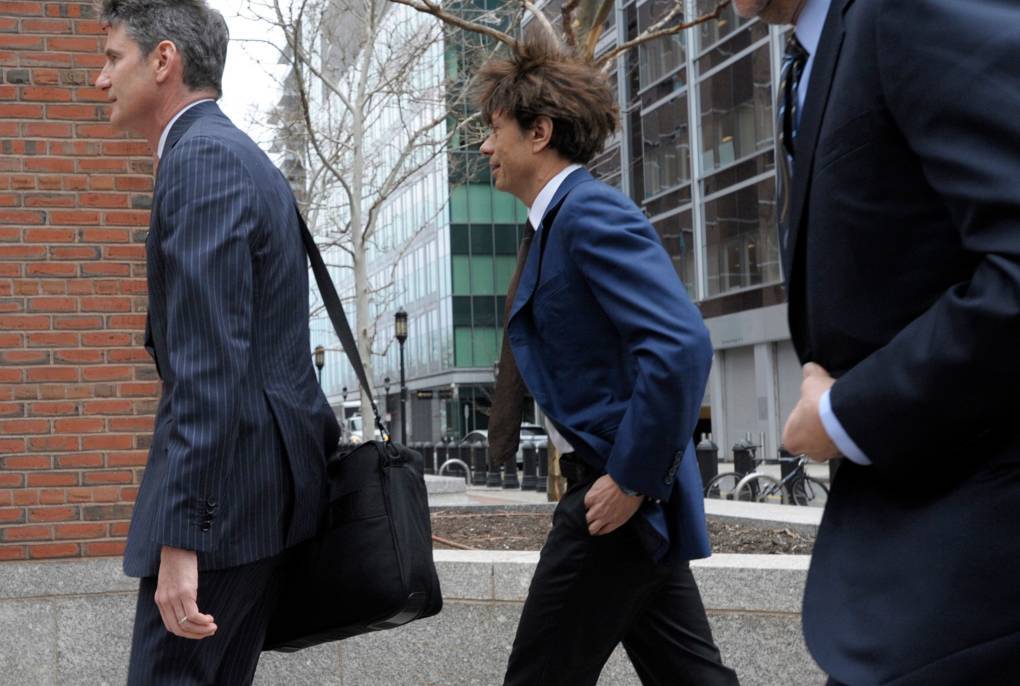
"caption": "Wine Country magnate Agustin Huneeus Jr. (center) makes his way to the courthouse to plead guilty on March 29, 2019, in Boston.",
"description": "Napa vineyard owner Agustin Huneeus Jr. (center) makes his way to the courthouse to plead guilty on March 29, 2019, in Boston.",
"title": "US-university-corruption-television-film",
"credit": "JOSEPH PREZIOSO/AFP/Getty Images",
"status": "inherit",
"isLoading": false,
"fetchFailed": false
},
"news_11778072": {
"type": "attachments",
"id": "news_11778072",
"meta": {
"index": "attachments_1716263798",
"site": "news",
"id": "11778072",
"found": true
},
"parent": 11777982,
"imgSizes": {
"apple_news_ca_landscape_5_5": {
"file": "https://ww2.kqed.org/app/uploads/sites/10/2019/10/iStock-1031377826-1044x783.jpg",
"width": 1044,
"mimeType": "image/jpeg",
"height": 783
},
"apple_news_ca_square_4_0": {
"file": "https://ww2.kqed.org/app/uploads/sites/10/2019/10/iStock-1031377826-470x470.jpg",
"width": 470,
"mimeType": "image/jpeg",
"height": 470
},
"twentyfourteen-full-width": {
"file": "https://ww2.kqed.org/app/uploads/sites/10/2019/10/iStock-1031377826-1038x576.jpg",
"width": 1038,
"mimeType": "image/jpeg",
"height": 576
},
"thumbnail": {
"file": "https://ww2.kqed.org/app/uploads/sites/10/2019/10/iStock-1031377826-160x107.jpg",
"width": 160,
"mimeType": "image/jpeg",
"height": 107
},
"post-thumbnail": {
"file": "https://ww2.kqed.org/app/uploads/sites/10/2019/10/iStock-1031377826-672x372.jpg",
"width": 672,
"mimeType": "image/jpeg",
"height": 372
},
"kqedFullSize": {
"file": "https://ww2.kqed.org/app/uploads/sites/10/2019/10/iStock-1031377826-e1570144336782.jpg",
"width": 1920,
"height": 1280
},
"apple_news_ca_landscape_4_7": {
"file": "https://ww2.kqed.org/app/uploads/sites/10/2019/10/iStock-1031377826-632x474.jpg",
"width": 632,
"mimeType": "image/jpeg",
"height": 474
},
"large": {
"file": "https://ww2.kqed.org/app/uploads/sites/10/2019/10/iStock-1031377826-1020x680.jpg",
"width": 1020,
"mimeType": "image/jpeg",
"height": 680
},
"complete_open_graph": {
"file": "https://ww2.kqed.org/app/uploads/sites/10/2019/10/iStock-1031377826-1200x800.jpg",
"width": 1200,
"mimeType": "image/jpeg",
"height": 800
},
"apple_news_ca_landscape_4_0": {
"file": "https://ww2.kqed.org/app/uploads/sites/10/2019/10/iStock-1031377826-536x402.jpg",
"width": 536,
"mimeType": "image/jpeg",
"height": 402
},
"apple_news_ca_portrait_12_9": {
"file": "https://ww2.kqed.org/app/uploads/sites/10/2019/10/iStock-1031377826-1122x1414.jpg",
"width": 1122,
"mimeType": "image/jpeg",
"height": 1414
},
"medium": {
"file": "https://ww2.kqed.org/app/uploads/sites/10/2019/10/iStock-1031377826-800x533.jpg",
"width": 800,
"mimeType": "image/jpeg",
"height": 533
},
"apple_news_ca_portrait_4_0": {
"file": "https://ww2.kqed.org/app/uploads/sites/10/2019/10/iStock-1031377826-354x472.jpg",
"width": 354,
"mimeType": "image/jpeg",
"height": 472
},
"apple_news_ca_portrait_9_7": {
"file": "https://ww2.kqed.org/app/uploads/sites/10/2019/10/iStock-1031377826-840x1120.jpg",
"width": 840,
"mimeType": "image/jpeg",
"height": 1120
},
"apple_news_ca_landscape_12_9": {
"file": "https://ww2.kqed.org/app/uploads/sites/10/2019/10/iStock-1031377826-1832x1374.jpg",
"width": 1832,
"mimeType": "image/jpeg",
"height": 1374
},
"apple_news_ca_square_9_7": {
"file": "https://ww2.kqed.org/app/uploads/sites/10/2019/10/iStock-1031377826-1104x1104.jpg",
"width": 1104,
"mimeType": "image/jpeg",
"height": 1104
},
"apple_news_ca_portrait_4_7": {
"file": "https://ww2.kqed.org/app/uploads/sites/10/2019/10/iStock-1031377826-414x552.jpg",
"width": 414,
"mimeType": "image/jpeg",
"height": 552
},
"apple_news_ca_square_12_9": {
"file": "https://ww2.kqed.org/app/uploads/sites/10/2019/10/iStock-1031377826-1472x1414.jpg",
"width": 1472,
"mimeType": "image/jpeg",
"height": 1414
},
"apple_news_ca_portrait_5_5": {
"file": "https://ww2.kqed.org/app/uploads/sites/10/2019/10/iStock-1031377826-687x916.jpg",
"width": 687,
"mimeType": "image/jpeg",
"height": 916
},
"full-width": {
"file": "https://ww2.kqed.org/app/uploads/sites/10/2019/10/iStock-1031377826-1920x1280.jpg",
"width": 1920,
"mimeType": "image/jpeg",
"height": 1280
},
"apple_news_ca_square_4_7": {
"file": "https://ww2.kqed.org/app/uploads/sites/10/2019/10/iStock-1031377826-550x550.jpg",
"width": 550,
"mimeType": "image/jpeg",
"height": 550
},
"apple_news_ca_landscape_9_7": {
"file": "https://ww2.kqed.org/app/uploads/sites/10/2019/10/iStock-1031377826-1376x1032.jpg",
"width": 1376,
"mimeType": "image/jpeg",
"height": 1032
},
"apple_news_ca_square_5_5": {
"file": "https://ww2.kqed.org/app/uploads/sites/10/2019/10/iStock-1031377826-912x912.jpg",
"width": 912,
"mimeType": "image/jpeg",
"height": 912
}
},
"publishDate": 1570144246,
"modified": 1570144534,
"caption": "A new set of education laws will significantly impact some of California's charter schools and usher in other noticeable changes throughout all of the state's K-12 schools. ",
"description": null,
"title": "Elementary school kids raising hands to teacher, back view",
"credit": "iStock",
"status": "inherit",
"isLoading": false,
"fetchFailed": false
},
"news_11777645": {
"type": "attachments",
"id": "news_11777645",
"meta": {
"index": "attachments_1716263798",
"site": "news",
"id": "11777645",
"found": true
},
"parent": 11777628,
"imgSizes": {
"apple_news_ca_landscape_5_5": {
"file": "https://ww2.kqed.org/app/uploads/sites/10/2019/10/field_100119_final-1044x783.jpg",
"width": 1044,
"mimeType": "image/jpeg",
"height": 783
},
"apple_news_ca_square_4_0": {
"file": "https://ww2.kqed.org/app/uploads/sites/10/2019/10/field_100119_final-470x470.jpg",
"width": 470,
"mimeType": "image/jpeg",
"height": 470
},
"twentyfourteen-full-width": {
"file": "https://ww2.kqed.org/app/uploads/sites/10/2019/10/field_100119_final-1038x576.jpg",
"width": 1038,
"mimeType": "image/jpeg",
"height": 576
},
"thumbnail": {
"file": "https://ww2.kqed.org/app/uploads/sites/10/2019/10/field_100119_final-160x112.jpg",
"width": 160,
"mimeType": "image/jpeg",
"height": 112
},
"post-thumbnail": {
"file": "https://ww2.kqed.org/app/uploads/sites/10/2019/10/field_100119_final-672x372.jpg",
"width": 672,
"mimeType": "image/jpeg",
"height": 372
},
"kqedFullSize": {
"file": "https://ww2.kqed.org/app/uploads/sites/10/2019/10/field_100119_final.jpg",
"width": 1920,
"height": 1347
},
"apple_news_ca_landscape_4_7": {
"file": "https://ww2.kqed.org/app/uploads/sites/10/2019/10/field_100119_final-632x474.jpg",
"width": 632,
"mimeType": "image/jpeg",
"height": 474
},
"large": {
"file": "https://ww2.kqed.org/app/uploads/sites/10/2019/10/field_100119_final-1020x716.jpg",
"width": 1020,
"mimeType": "image/jpeg",
"height": 716
},
"complete_open_graph": {
"file": "https://ww2.kqed.org/app/uploads/sites/10/2019/10/field_100119_final-1200x842.jpg",
"width": 1200,
"mimeType": "image/jpeg",
"height": 842
},
"apple_news_ca_landscape_4_0": {
"file": "https://ww2.kqed.org/app/uploads/sites/10/2019/10/field_100119_final-536x402.jpg",
"width": 536,
"mimeType": "image/jpeg",
"height": 402
},
"apple_news_ca_portrait_12_9": {
"file": "https://ww2.kqed.org/app/uploads/sites/10/2019/10/field_100119_final-1122x1347.jpg",
"width": 1122,
"mimeType": "image/jpeg",
"height": 1347
},
"medium": {
"file": "https://ww2.kqed.org/app/uploads/sites/10/2019/10/field_100119_final-800x561.jpg",
"width": 800,
"mimeType": "image/jpeg",
"height": 561
},
"apple_news_ca_portrait_4_0": {
"file": "https://ww2.kqed.org/app/uploads/sites/10/2019/10/field_100119_final-354x472.jpg",
"width": 354,
"mimeType": "image/jpeg",
"height": 472
},
"apple_news_ca_portrait_9_7": {
"file": "https://ww2.kqed.org/app/uploads/sites/10/2019/10/field_100119_final-840x1120.jpg",
"width": 840,
"mimeType": "image/jpeg",
"height": 1120
},
"apple_news_ca_landscape_12_9": {
"file": "https://ww2.kqed.org/app/uploads/sites/10/2019/10/field_100119_final-1832x1347.jpg",
"width": 1832,
"mimeType": "image/jpeg",
"height": 1347
},
"apple_news_ca_square_9_7": {
"file": "https://ww2.kqed.org/app/uploads/sites/10/2019/10/field_100119_final-1104x1104.jpg",
"width": 1104,
"mimeType": "image/jpeg",
"height": 1104
},
"apple_news_ca_portrait_4_7": {
"file": "https://ww2.kqed.org/app/uploads/sites/10/2019/10/field_100119_final-414x552.jpg",
"width": 414,
"mimeType": "image/jpeg",
"height": 552
},
"apple_news_ca_square_12_9": {
"file": "https://ww2.kqed.org/app/uploads/sites/10/2019/10/field_100119_final-1472x1347.jpg",
"width": 1472,
"mimeType": "image/jpeg",
"height": 1347
},
"apple_news_ca_portrait_5_5": {
"file": "https://ww2.kqed.org/app/uploads/sites/10/2019/10/field_100119_final-687x916.jpg",
"width": 687,
"mimeType": "image/jpeg",
"height": 916
},
"full-width": {
"file": "https://ww2.kqed.org/app/uploads/sites/10/2019/10/field_100119_final-1920x1347.jpg",
"width": 1920,
"mimeType": "image/jpeg",
"height": 1347
},
"apple_news_ca_square_4_7": {
"file": "https://ww2.kqed.org/app/uploads/sites/10/2019/10/field_100119_final-550x550.jpg",
"width": 550,
"mimeType": "image/jpeg",
"height": 550
},
"apple_news_ca_landscape_9_7": {
"file": "https://ww2.kqed.org/app/uploads/sites/10/2019/10/field_100119_final-1376x1032.jpg",
"width": 1376,
"mimeType": "image/jpeg",
"height": 1032
},
"apple_news_ca_square_5_5": {
"file": "https://ww2.kqed.org/app/uploads/sites/10/2019/10/field_100119_final-912x912.jpg",
"width": 912,
"mimeType": "image/jpeg",
"height": 912
}
},
"publishDate": 1569971678,
"modified": 1569971702,
"caption": null,
"description": null,
"title": "field_100119_final",
"credit": null,
"status": "inherit",
"isLoading": false,
"fetchFailed": false
},
"news_11777583": {
"type": "attachments",
"id": "news_11777583",
"meta": {
"index": "attachments_1716263798",
"site": "news",
"id": "11777583",
"found": true
},
"parent": 11777434,
"imgSizes": {
"apple_news_ca_square_4_0": {
"file": "https://ww2.kqed.org/app/uploads/sites/10/2019/10/SPOT_Calbright-Primary-3C_Wht-Red_Blue-on-Yellow-470x411.png",
"width": 470,
"mimeType": "image/png",
"height": 411
},
"thumbnail": {
"file": "https://ww2.kqed.org/app/uploads/sites/10/2019/10/SPOT_Calbright-Primary-3C_Wht-Red_Blue-on-Yellow-160x82.png",
"width": 160,
"mimeType": "image/png",
"height": 82
},
"post-thumbnail": {
"file": "https://ww2.kqed.org/app/uploads/sites/10/2019/10/SPOT_Calbright-Primary-3C_Wht-Red_Blue-on-Yellow-672x372.png",
"width": 672,
"mimeType": "image/png",
"height": 372
},
"kqedFullSize": {
"file": "https://ww2.kqed.org/app/uploads/sites/10/2019/10/SPOT_Calbright-Primary-3C_Wht-Red_Blue-on-Yellow.png",
"width": 800,
"height": 411
},
"apple_news_ca_landscape_4_7": {
"file": "https://ww2.kqed.org/app/uploads/sites/10/2019/10/SPOT_Calbright-Primary-3C_Wht-Red_Blue-on-Yellow-632x411.png",
"width": 632,
"mimeType": "image/png",
"height": 411
},
"apple_news_ca_portrait_4_7": {
"file": "https://ww2.kqed.org/app/uploads/sites/10/2019/10/SPOT_Calbright-Primary-3C_Wht-Red_Blue-on-Yellow-414x411.png",
"width": 414,
"mimeType": "image/png",
"height": 411
},
"apple_news_ca_portrait_5_5": {
"file": "https://ww2.kqed.org/app/uploads/sites/10/2019/10/SPOT_Calbright-Primary-3C_Wht-Red_Blue-on-Yellow-687x411.png",
"width": 687,
"mimeType": "image/png",
"height": 411
},
"apple_news_ca_square_4_7": {
"file": "https://ww2.kqed.org/app/uploads/sites/10/2019/10/SPOT_Calbright-Primary-3C_Wht-Red_Blue-on-Yellow-550x411.png",
"width": 550,
"mimeType": "image/png",
"height": 411
},
"apple_news_ca_landscape_4_0": {
"file": "https://ww2.kqed.org/app/uploads/sites/10/2019/10/SPOT_Calbright-Primary-3C_Wht-Red_Blue-on-Yellow-536x402.png",
"width": 536,
"mimeType": "image/png",
"height": 402
},
"medium": {
"file": "https://ww2.kqed.org/app/uploads/sites/10/2019/10/SPOT_Calbright-Primary-3C_Wht-Red_Blue-on-Yellow-800x411.png",
"width": 800,
"mimeType": "image/png",
"height": 411
},
"apple_news_ca_portrait_4_0": {
"file": "https://ww2.kqed.org/app/uploads/sites/10/2019/10/SPOT_Calbright-Primary-3C_Wht-Red_Blue-on-Yellow-354x411.png",
"width": 354,
"mimeType": "image/png",
"height": 411
}
},
"publishDate": 1569966386,
"modified": 1569966487,
"caption": "The logo for Calbright College, California's first fully online community college, which opened to students on Tuesday.",
"description": null,
"title": "SPOT_Calbright-Primary-3C_Wht-Red_Blue-on-Yellow",
"credit": "Courtesy of Calbright College",
"status": "inherit",
"isLoading": false,
"fetchFailed": false
},
"news_11777043": {
"type": "attachments",
"id": "news_11777043",
"meta": {
"index": "attachments_1716263798",
"site": "news",
"id": "11777043",
"found": true
},
"parent": 11776990,
"imgSizes": {
"apple_news_ca_landscape_5_5": {
"file": "https://ww2.kqed.org/app/uploads/sites/10/2019/09/646-MARQUEE-1044x720.jpg",
"width": 1044,
"mimeType": "image/jpeg",
"height": 720
},
"apple_news_ca_square_4_0": {
"file": "https://ww2.kqed.org/app/uploads/sites/10/2019/09/646-MARQUEE-470x470.jpg",
"width": 470,
"mimeType": "image/jpeg",
"height": 470
},
"twentyfourteen-full-width": {
"file": "https://ww2.kqed.org/app/uploads/sites/10/2019/09/646-MARQUEE-1038x576.jpg",
"width": 1038,
"mimeType": "image/jpeg",
"height": 576
},
"thumbnail": {
"file": "https://ww2.kqed.org/app/uploads/sites/10/2019/09/646-MARQUEE-160x90.jpg",
"width": 160,
"mimeType": "image/jpeg",
"height": 90
},
"post-thumbnail": {
"file": "https://ww2.kqed.org/app/uploads/sites/10/2019/09/646-MARQUEE-672x372.jpg",
"width": 672,
"mimeType": "image/jpeg",
"height": 372
},
"kqedFullSize": {
"file": "https://ww2.kqed.org/app/uploads/sites/10/2019/09/646-MARQUEE.jpg",
"width": 1280,
"height": 720
},
"apple_news_ca_landscape_4_7": {
"file": "https://ww2.kqed.org/app/uploads/sites/10/2019/09/646-MARQUEE-632x474.jpg",
"width": 632,
"mimeType": "image/jpeg",
"height": 474
},
"large": {
"file": "https://ww2.kqed.org/app/uploads/sites/10/2019/09/646-MARQUEE-1020x574.jpg",
"width": 1020,
"mimeType": "image/jpeg",
"height": 574
},
"complete_open_graph": {
"file": "https://ww2.kqed.org/app/uploads/sites/10/2019/09/646-MARQUEE-1200x675.jpg",
"width": 1200,
"mimeType": "image/jpeg",
"height": 675
},
"apple_news_ca_landscape_4_0": {
"file": "https://ww2.kqed.org/app/uploads/sites/10/2019/09/646-MARQUEE-536x402.jpg",
"width": 536,
"mimeType": "image/jpeg",
"height": 402
},
"apple_news_ca_portrait_12_9": {
"file": "https://ww2.kqed.org/app/uploads/sites/10/2019/09/646-MARQUEE-1122x720.jpg",
"width": 1122,
"mimeType": "image/jpeg",
"height": 720
},
"medium": {
"file": "https://ww2.kqed.org/app/uploads/sites/10/2019/09/646-MARQUEE-800x450.jpg",
"width": 800,
"mimeType": "image/jpeg",
"height": 450
},
"apple_news_ca_portrait_4_0": {
"file": "https://ww2.kqed.org/app/uploads/sites/10/2019/09/646-MARQUEE-354x472.jpg",
"width": 354,
"mimeType": "image/jpeg",
"height": 472
},
"apple_news_ca_portrait_9_7": {
"file": "https://ww2.kqed.org/app/uploads/sites/10/2019/09/646-MARQUEE-840x720.jpg",
"width": 840,
"mimeType": "image/jpeg",
"height": 720
},
"apple_news_ca_square_9_7": {
"file": "https://ww2.kqed.org/app/uploads/sites/10/2019/09/646-MARQUEE-1104x720.jpg",
"width": 1104,
"mimeType": "image/jpeg",
"height": 720
},
"apple_news_ca_portrait_4_7": {
"file": "https://ww2.kqed.org/app/uploads/sites/10/2019/09/646-MARQUEE-414x552.jpg",
"width": 414,
"mimeType": "image/jpeg",
"height": 552
},
"apple_news_ca_portrait_5_5": {
"file": "https://ww2.kqed.org/app/uploads/sites/10/2019/09/646-MARQUEE-687x720.jpg",
"width": 687,
"mimeType": "image/jpeg",
"height": 720
},
"apple_news_ca_square_4_7": {
"file": "https://ww2.kqed.org/app/uploads/sites/10/2019/09/646-MARQUEE-550x550.jpg",
"width": 550,
"mimeType": "image/jpeg",
"height": 550
},
"apple_news_ca_square_5_5": {
"file": "https://ww2.kqed.org/app/uploads/sites/10/2019/09/646-MARQUEE-912x720.jpg",
"width": 912,
"mimeType": "image/jpeg",
"height": 720
}
},
"publishDate": 1569614039,
"modified": 1569614039,
"caption": null,
"description": null,
"title": "646 MARQUEE",
"credit": null,
"status": "inherit",
"isLoading": false,
"fetchFailed": false
},
"news_11775991": {
"type": "attachments",
"id": "news_11775991",
"meta": {
"index": "attachments_1716263798",
"site": "news",
"id": "11775991",
"found": true
},
"parent": 11775990,
"imgSizes": {
"apple_news_ca_landscape_5_5": {
"file": "https://ww2.kqed.org/app/uploads/sites/10/2019/09/chanelmiller_007-a4bfa7693da0f3f02e3311d91f5bf12326116d7f-1044x783.jpg",
"width": 1044,
"mimeType": "image/jpeg",
"height": 783
},
"apple_news_ca_square_4_0": {
"file": "https://ww2.kqed.org/app/uploads/sites/10/2019/09/chanelmiller_007-a4bfa7693da0f3f02e3311d91f5bf12326116d7f-470x470.jpg",
"width": 470,
"mimeType": "image/jpeg",
"height": 470
},
"twentyfourteen-full-width": {
"file": "https://ww2.kqed.org/app/uploads/sites/10/2019/09/chanelmiller_007-a4bfa7693da0f3f02e3311d91f5bf12326116d7f-1038x576.jpg",
"width": 1038,
"mimeType": "image/jpeg",
"height": 576
},
"thumbnail": {
"file": "https://ww2.kqed.org/app/uploads/sites/10/2019/09/chanelmiller_007-a4bfa7693da0f3f02e3311d91f5bf12326116d7f-160x120.jpg",
"width": 160,
"mimeType": "image/jpeg",
"height": 120
},
"post-thumbnail": {
"file": "https://ww2.kqed.org/app/uploads/sites/10/2019/09/chanelmiller_007-a4bfa7693da0f3f02e3311d91f5bf12326116d7f-672x372.jpg",
"width": 672,
"mimeType": "image/jpeg",
"height": 372
},
"kqedFullSize": {
"file": "https://ww2.kqed.org/app/uploads/sites/10/2019/09/chanelmiller_007-a4bfa7693da0f3f02e3311d91f5bf12326116d7f-e1569266070709.jpg",
"width": 1920,
"height": 1440
},
"apple_news_ca_landscape_4_7": {
"file": "https://ww2.kqed.org/app/uploads/sites/10/2019/09/chanelmiller_007-a4bfa7693da0f3f02e3311d91f5bf12326116d7f-632x474.jpg",
"width": 632,
"mimeType": "image/jpeg",
"height": 474
},
"large": {
"file": "https://ww2.kqed.org/app/uploads/sites/10/2019/09/chanelmiller_007-a4bfa7693da0f3f02e3311d91f5bf12326116d7f-1020x765.jpg",
"width": 1020,
"mimeType": "image/jpeg",
"height": 765
},
"complete_open_graph": {
"file": "https://ww2.kqed.org/app/uploads/sites/10/2019/09/chanelmiller_007-a4bfa7693da0f3f02e3311d91f5bf12326116d7f-1200x900.jpg",
"width": 1200,
"mimeType": "image/jpeg",
"height": 900
},
"apple_news_ca_landscape_4_0": {
"file": "https://ww2.kqed.org/app/uploads/sites/10/2019/09/chanelmiller_007-a4bfa7693da0f3f02e3311d91f5bf12326116d7f-536x402.jpg",
"width": 536,
"mimeType": "image/jpeg",
"height": 402
},
"apple_news_ca_portrait_12_9": {
"file": "https://ww2.kqed.org/app/uploads/sites/10/2019/09/chanelmiller_007-a4bfa7693da0f3f02e3311d91f5bf12326116d7f-1122x1496.jpg",
"width": 1122,
"mimeType": "image/jpeg",
"height": 1496
},
"medium": {
"file": "https://ww2.kqed.org/app/uploads/sites/10/2019/09/chanelmiller_007-a4bfa7693da0f3f02e3311d91f5bf12326116d7f-800x600.jpg",
"width": 800,
"mimeType": "image/jpeg",
"height": 600
},
"apple_news_ca_portrait_4_0": {
"file": "https://ww2.kqed.org/app/uploads/sites/10/2019/09/chanelmiller_007-a4bfa7693da0f3f02e3311d91f5bf12326116d7f-354x472.jpg",
"width": 354,
"mimeType": "image/jpeg",
"height": 472
},
"apple_news_ca_portrait_9_7": {
"file": "https://ww2.kqed.org/app/uploads/sites/10/2019/09/chanelmiller_007-a4bfa7693da0f3f02e3311d91f5bf12326116d7f-840x1120.jpg",
"width": 840,
"mimeType": "image/jpeg",
"height": 1120
},
"apple_news_ca_landscape_12_9": {
"file": "https://ww2.kqed.org/app/uploads/sites/10/2019/09/chanelmiller_007-a4bfa7693da0f3f02e3311d91f5bf12326116d7f-1832x1374.jpg",
"width": 1832,
"mimeType": "image/jpeg",
"height": 1374
},
"apple_news_ca_square_9_7": {
"file": "https://ww2.kqed.org/app/uploads/sites/10/2019/09/chanelmiller_007-a4bfa7693da0f3f02e3311d91f5bf12326116d7f-1104x1104.jpg",
"width": 1104,
"mimeType": "image/jpeg",
"height": 1104
},
"apple_news_ca_portrait_4_7": {
"file": "https://ww2.kqed.org/app/uploads/sites/10/2019/09/chanelmiller_007-a4bfa7693da0f3f02e3311d91f5bf12326116d7f-414x552.jpg",
"width": 414,
"mimeType": "image/jpeg",
"height": 552
},
"apple_news_ca_square_12_9": {
"file": "https://ww2.kqed.org/app/uploads/sites/10/2019/09/chanelmiller_007-a4bfa7693da0f3f02e3311d91f5bf12326116d7f-1472x1472.jpg",
"width": 1472,
"mimeType": "image/jpeg",
"height": 1472
},
"apple_news_ca_portrait_5_5": {
"file": "https://ww2.kqed.org/app/uploads/sites/10/2019/09/chanelmiller_007-a4bfa7693da0f3f02e3311d91f5bf12326116d7f-687x916.jpg",
"width": 687,
"mimeType": "image/jpeg",
"height": 916
},
"full-width": {
"file": "https://ww2.kqed.org/app/uploads/sites/10/2019/09/chanelmiller_007-a4bfa7693da0f3f02e3311d91f5bf12326116d7f-1920x1440.jpg",
"width": 1920,
"mimeType": "image/jpeg",
"height": 1440
},
"apple_news_ca_square_4_7": {
"file": "https://ww2.kqed.org/app/uploads/sites/10/2019/09/chanelmiller_007-a4bfa7693da0f3f02e3311d91f5bf12326116d7f-550x550.jpg",
"width": 550,
"mimeType": "image/jpeg",
"height": 550
},
"apple_news_ca_landscape_9_7": {
"file": "https://ww2.kqed.org/app/uploads/sites/10/2019/09/chanelmiller_007-a4bfa7693da0f3f02e3311d91f5bf12326116d7f-1376x1032.jpg",
"width": 1376,
"mimeType": "image/jpeg",
"height": 1032
},
"apple_news_ca_square_5_5": {
"file": "https://ww2.kqed.org/app/uploads/sites/10/2019/09/chanelmiller_007-a4bfa7693da0f3f02e3311d91f5bf12326116d7f-912x912.jpg",
"width": 912,
"mimeType": "image/jpeg",
"height": 912
}
},
"publishDate": 1569265282,
"modified": 1569275871,
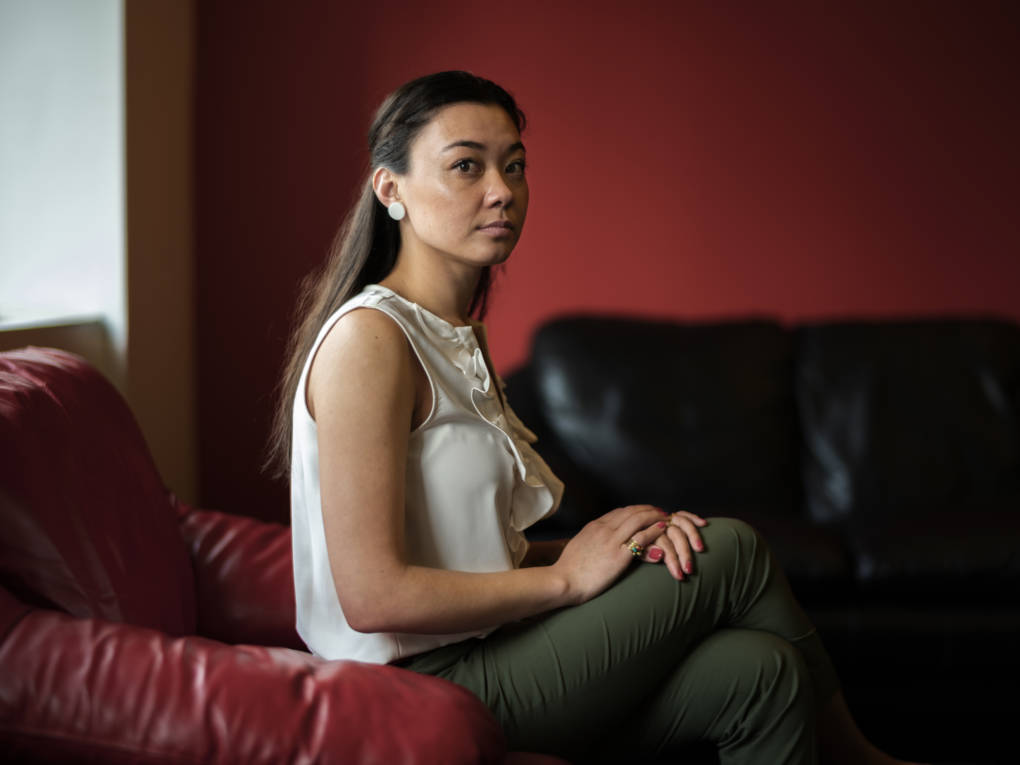
"caption": "Chanel Miller poses for a portrait before her interview on Sept. 23, 2019, at NPR's bureau in New York City. Miller was sexually assaulted by Brock Turner in 2015. The lenient sentence Turner received elicited widespread controversy and helped inspire new legislation in California.",
"description": null,
"title": "Chanel Miller poses for a portrait before her interview Sept. 23 at NPR's bureau in New York City. Miller was sexually assaulted by Brock Turner in 2015. The lenient sentence Turner received elicited widespread controversy and helped inspire new legislation in California.",
"credit": "Elias Williams/NPR",
"status": "inherit",
"isLoading": false,
"fetchFailed": false
},
"news_11775778": {
"type": "attachments",
"id": "news_11775778",
"meta": {
"index": "attachments_1716263798",
"site": "news",
"id": "11775778",
"found": true
},
"parent": 11775474,
"imgSizes": {
"apple_news_ca_landscape_5_5": {
"file": "https://ww2.kqed.org/app/uploads/sites/10/2019/09/081519_Middletown_AW_06-1044x783.jpg",
"width": 1044,
"mimeType": "image/jpeg",
"height": 783
},
"apple_news_ca_square_4_0": {
"file": "https://ww2.kqed.org/app/uploads/sites/10/2019/09/081519_Middletown_AW_06-470x470.jpg",
"width": 470,
"mimeType": "image/jpeg",
"height": 470
},
"twentyfourteen-full-width": {
"file": "https://ww2.kqed.org/app/uploads/sites/10/2019/09/081519_Middletown_AW_06-1038x576.jpg",
"width": 1038,
"mimeType": "image/jpeg",
"height": 576
},
"thumbnail": {
"file": "https://ww2.kqed.org/app/uploads/sites/10/2019/09/081519_Middletown_AW_06-160x107.jpg",
"width": 160,
"mimeType": "image/jpeg",
"height": 107
},
"post-thumbnail": {
"file": "https://ww2.kqed.org/app/uploads/sites/10/2019/09/081519_Middletown_AW_06-672x372.jpg",
"width": 672,
"mimeType": "image/jpeg",
"height": 372
},
"kqedFullSize": {
"file": "https://ww2.kqed.org/app/uploads/sites/10/2019/09/081519_Middletown_AW_06.jpg",
"width": 1920,
"height": 1284
},
"apple_news_ca_landscape_4_7": {
"file": "https://ww2.kqed.org/app/uploads/sites/10/2019/09/081519_Middletown_AW_06-632x474.jpg",
"width": 632,
"mimeType": "image/jpeg",
"height": 474
},
"large": {
"file": "https://ww2.kqed.org/app/uploads/sites/10/2019/09/081519_Middletown_AW_06-1020x682.jpg",
"width": 1020,
"mimeType": "image/jpeg",
"height": 682
},
"complete_open_graph": {
"file": "https://ww2.kqed.org/app/uploads/sites/10/2019/09/081519_Middletown_AW_06-1200x803.jpg",
"width": 1200,
"mimeType": "image/jpeg",
"height": 803
},
"apple_news_ca_landscape_4_0": {
"file": "https://ww2.kqed.org/app/uploads/sites/10/2019/09/081519_Middletown_AW_06-536x402.jpg",
"width": 536,
"mimeType": "image/jpeg",
"height": 402
},
"apple_news_ca_portrait_12_9": {
"file": "https://ww2.kqed.org/app/uploads/sites/10/2019/09/081519_Middletown_AW_06-1122x1284.jpg",
"width": 1122,
"mimeType": "image/jpeg",
"height": 1284
},
"medium": {
"file": "https://ww2.kqed.org/app/uploads/sites/10/2019/09/081519_Middletown_AW_06-800x535.jpg",
"width": 800,
"mimeType": "image/jpeg",
"height": 535
},
"apple_news_ca_portrait_4_0": {
"file": "https://ww2.kqed.org/app/uploads/sites/10/2019/09/081519_Middletown_AW_06-354x472.jpg",
"width": 354,
"mimeType": "image/jpeg",
"height": 472
},
"apple_news_ca_portrait_9_7": {
"file": "https://ww2.kqed.org/app/uploads/sites/10/2019/09/081519_Middletown_AW_06-840x1120.jpg",
"width": 840,
"mimeType": "image/jpeg",
"height": 1120
},
"apple_news_ca_landscape_12_9": {
"file": "https://ww2.kqed.org/app/uploads/sites/10/2019/09/081519_Middletown_AW_06-1832x1284.jpg",
"width": 1832,
"mimeType": "image/jpeg",
"height": 1284
},
"apple_news_ca_square_9_7": {
"file": "https://ww2.kqed.org/app/uploads/sites/10/2019/09/081519_Middletown_AW_06-1104x1104.jpg",
"width": 1104,
"mimeType": "image/jpeg",
"height": 1104
},
"apple_news_ca_portrait_4_7": {
"file": "https://ww2.kqed.org/app/uploads/sites/10/2019/09/081519_Middletown_AW_06-414x552.jpg",
"width": 414,
"mimeType": "image/jpeg",
"height": 552
},
"apple_news_ca_square_12_9": {
"file": "https://ww2.kqed.org/app/uploads/sites/10/2019/09/081519_Middletown_AW_06-1472x1284.jpg",
"width": 1472,
"mimeType": "image/jpeg",
"height": 1284
},
"apple_news_ca_portrait_5_5": {
"file": "https://ww2.kqed.org/app/uploads/sites/10/2019/09/081519_Middletown_AW_06-687x916.jpg",
"width": 687,
"mimeType": "image/jpeg",
"height": 916
},
"full-width": {
"file": "https://ww2.kqed.org/app/uploads/sites/10/2019/09/081519_Middletown_AW_06-1920x1284.jpg",
"width": 1920,
"mimeType": "image/jpeg",
"height": 1284
},
"apple_news_ca_square_4_7": {
"file": "https://ww2.kqed.org/app/uploads/sites/10/2019/09/081519_Middletown_AW_06-550x550.jpg",
"width": 550,
"mimeType": "image/jpeg",
"height": 550
},
"apple_news_ca_landscape_9_7": {
"file": "https://ww2.kqed.org/app/uploads/sites/10/2019/09/081519_Middletown_AW_06-1376x1032.jpg",
"width": 1376,
"mimeType": "image/jpeg",
"height": 1032
},
"apple_news_ca_square_5_5": {
"file": "https://ww2.kqed.org/app/uploads/sites/10/2019/09/081519_Middletown_AW_06-912x912.jpg",
"width": 912,
"mimeType": "image/jpeg",
"height": 912
}
},
"publishDate": 1569039204,
"modified": 1569039519,
"caption": "Charred branches and ground loom above the playground at Cobb Mountain Elementary near Middletown, California on August 15, 2019. ",
"description": null,
"title": "081519_Middletown_AW_06",
"credit": "Anne Wernikoff/CalMatters",
"status": "inherit",
"isLoading": false,
"fetchFailed": false
},
"news_11775617": {
"type": "attachments",
"id": "news_11775617",
"meta": {
"index": "attachments_1716263798",
"site": "news",
"id": "11775617",
"found": true
},
"parent": 11775589,
"imgSizes": {
"apple_news_ca_landscape_5_5": {
"file": "https://ww2.kqed.org/app/uploads/sites/10/2019/09/Moss_SLister-1-1044x783.jpg",
"width": 1044,
"mimeType": "image/jpeg",
"height": 783
},
"apple_news_ca_square_4_0": {
"file": "https://ww2.kqed.org/app/uploads/sites/10/2019/09/Moss_SLister-1-470x470.jpg",
"width": 470,
"mimeType": "image/jpeg",
"height": 470
},
"twentyfourteen-full-width": {
"file": "https://ww2.kqed.org/app/uploads/sites/10/2019/09/Moss_SLister-1-1038x576.jpg",
"width": 1038,
"mimeType": "image/jpeg",
"height": 576
},
"thumbnail": {
"file": "https://ww2.kqed.org/app/uploads/sites/10/2019/09/Moss_SLister-1-160x107.jpg",
"width": 160,
"mimeType": "image/jpeg",
"height": 107
},
"post-thumbnail": {
"file": "https://ww2.kqed.org/app/uploads/sites/10/2019/09/Moss_SLister-1-672x372.jpg",
"width": 672,
"mimeType": "image/jpeg",
"height": 372
},
"kqedFullSize": {
"file": "https://ww2.kqed.org/app/uploads/sites/10/2019/09/Moss_SLister-1.jpg",
"width": 2048,
"height": 1365
},
"apple_news_ca_landscape_4_7": {
"file": "https://ww2.kqed.org/app/uploads/sites/10/2019/09/Moss_SLister-1-632x474.jpg",
"width": 632,
"mimeType": "image/jpeg",
"height": 474
},
"large": {
"file": "https://ww2.kqed.org/app/uploads/sites/10/2019/09/Moss_SLister-1-1020x680.jpg",
"width": 1020,
"mimeType": "image/jpeg",
"height": 680
},
"complete_open_graph": {
"file": "https://ww2.kqed.org/app/uploads/sites/10/2019/09/Moss_SLister-1-1200x800.jpg",
"width": 1200,
"mimeType": "image/jpeg",
"height": 800
},
"apple_news_ca_landscape_4_0": {
"file": "https://ww2.kqed.org/app/uploads/sites/10/2019/09/Moss_SLister-1-536x402.jpg",
"width": 536,
"mimeType": "image/jpeg",
"height": 402
},
"apple_news_ca_portrait_12_9": {
"file": "https://ww2.kqed.org/app/uploads/sites/10/2019/09/Moss_SLister-1-1122x1496.jpg",
"width": 1122,
"mimeType": "image/jpeg",
"height": 1496
},
"medium": {
"file": "https://ww2.kqed.org/app/uploads/sites/10/2019/09/Moss_SLister-1-800x533.jpg",
"width": 800,
"mimeType": "image/jpeg",
"height": 533
},
"apple_news_ca_portrait_4_0": {
"file": "https://ww2.kqed.org/app/uploads/sites/10/2019/09/Moss_SLister-1-354x472.jpg",
"width": 354,
"mimeType": "image/jpeg",
"height": 472
},
"apple_news_ca_portrait_9_7": {
"file": "https://ww2.kqed.org/app/uploads/sites/10/2019/09/Moss_SLister-1-840x1120.jpg",
"width": 840,
"mimeType": "image/jpeg",
"height": 1120
},
"apple_news_ca_landscape_12_9": {
"file": "https://ww2.kqed.org/app/uploads/sites/10/2019/09/Moss_SLister-1-1832x1374.jpg",
"width": 1832,
"mimeType": "image/jpeg",
"height": 1374
},
"apple_news_ca_square_9_7": {
"file": "https://ww2.kqed.org/app/uploads/sites/10/2019/09/Moss_SLister-1-1104x1104.jpg",
"width": 1104,
"mimeType": "image/jpeg",
"height": 1104
},
"apple_news_ca_portrait_4_7": {
"file": "https://ww2.kqed.org/app/uploads/sites/10/2019/09/Moss_SLister-1-414x552.jpg",
"width": 414,
"mimeType": "image/jpeg",
"height": 552
},
"apple_news_ca_square_12_9": {
"file": "https://ww2.kqed.org/app/uploads/sites/10/2019/09/Moss_SLister-1-1472x1472.jpg",
"width": 1472,
"mimeType": "image/jpeg",
"height": 1472
},
"apple_news_ca_portrait_5_5": {
"file": "https://ww2.kqed.org/app/uploads/sites/10/2019/09/Moss_SLister-1-687x916.jpg",
"width": 687,
"mimeType": "image/jpeg",
"height": 916
},
"full-width": {
"file": "https://ww2.kqed.org/app/uploads/sites/10/2019/09/Moss_SLister-1-1920x1280.jpg",
"width": 1920,
"mimeType": "image/jpeg",
"height": 1280
},
"apple_news_ca_square_4_7": {
"file": "https://ww2.kqed.org/app/uploads/sites/10/2019/09/Moss_SLister-1-550x550.jpg",
"width": 550,
"mimeType": "image/jpeg",
"height": 550
},
"apple_news_ca_landscape_9_7": {
"file": "https://ww2.kqed.org/app/uploads/sites/10/2019/09/Moss_SLister-1-1376x1032.jpg",
"width": 1376,
"mimeType": "image/jpeg",
"height": 1032
},
"apple_news_ca_square_5_5": {
"file": "https://ww2.kqed.org/app/uploads/sites/10/2019/09/Moss_SLister-1-912x912.jpg",
"width": 912,
"mimeType": "image/jpeg",
"height": 912
}
},
"publishDate": 1569013606,
"modified": 1569013767,
"caption": "Two marchers hold a sign reading, \"No intelligent species would destroy their planet\" at a march through San Francisco calling for more urgent action on climate change, Sept. 20, 2019.",
"description": "Two marchers hold a sign reading, \"No intelligent species would destroy their planet\" at a march through San Francisco calling for more urgent action on climate change, Sept. 20, 2019.",
"title": "Climate_March_Protest",
"credit": "Stephanie Lister/KQED",
"status": "inherit",
"isLoading": false,
"fetchFailed": false
},
"news_11775122": {
"type": "attachments",
"id": "news_11775122",
"meta": {
"index": "attachments_1716263798",
"site": "news",
"id": "11775122",
"found": true
},
"parent": 11775030,
"imgSizes": {
"apple_news_ca_landscape_5_5": {
"file": "https://ww2.kqed.org/app/uploads/sites/10/2019/09/09182019_prison_Roy-classroom-inmates-BA-program.048-qut-1044x783.jpg",
"width": 1044,
"mimeType": "image/jpeg",
"height": 783
},
"apple_news_ca_square_4_0": {
"file": "https://ww2.kqed.org/app/uploads/sites/10/2019/09/09182019_prison_Roy-classroom-inmates-BA-program.048-qut-470x470.jpg",
"width": 470,
"mimeType": "image/jpeg",
"height": 470
},
"twentyfourteen-full-width": {
"file": "https://ww2.kqed.org/app/uploads/sites/10/2019/09/09182019_prison_Roy-classroom-inmates-BA-program.048-qut-1038x576.jpg",
"width": 1038,
"mimeType": "image/jpeg",
"height": 576
},
"thumbnail": {
"file": "https://ww2.kqed.org/app/uploads/sites/10/2019/09/09182019_prison_Roy-classroom-inmates-BA-program.048-qut-160x107.jpg",
"width": 160,
"mimeType": "image/jpeg",
"height": 107
},
"post-thumbnail": {
"file": "https://ww2.kqed.org/app/uploads/sites/10/2019/09/09182019_prison_Roy-classroom-inmates-BA-program.048-qut-672x372.jpg",
"width": 672,
"mimeType": "image/jpeg",
"height": 372
},
"kqedFullSize": {
"file": "https://ww2.kqed.org/app/uploads/sites/10/2019/09/09182019_prison_Roy-classroom-inmates-BA-program.048-qut.jpg",
"width": 1920,
"height": 1280
},
"apple_news_ca_landscape_4_7": {
"file": "https://ww2.kqed.org/app/uploads/sites/10/2019/09/09182019_prison_Roy-classroom-inmates-BA-program.048-qut-632x474.jpg",
"width": 632,
"mimeType": "image/jpeg",
"height": 474
},
"large": {
"file": "https://ww2.kqed.org/app/uploads/sites/10/2019/09/09182019_prison_Roy-classroom-inmates-BA-program.048-qut-1020x680.jpg",
"width": 1020,
"mimeType": "image/jpeg",
"height": 680
},
"complete_open_graph": {
"file": "https://ww2.kqed.org/app/uploads/sites/10/2019/09/09182019_prison_Roy-classroom-inmates-BA-program.048-qut-1200x800.jpg",
"width": 1200,
"mimeType": "image/jpeg",
"height": 800
},
"apple_news_ca_landscape_4_0": {
"file": "https://ww2.kqed.org/app/uploads/sites/10/2019/09/09182019_prison_Roy-classroom-inmates-BA-program.048-qut-536x402.jpg",
"width": 536,
"mimeType": "image/jpeg",
"height": 402
},
"apple_news_ca_portrait_12_9": {
"file": "https://ww2.kqed.org/app/uploads/sites/10/2019/09/09182019_prison_Roy-classroom-inmates-BA-program.048-qut-1122x1280.jpg",
"width": 1122,
"mimeType": "image/jpeg",
"height": 1280
},
"medium": {
"file": "https://ww2.kqed.org/app/uploads/sites/10/2019/09/09182019_prison_Roy-classroom-inmates-BA-program.048-qut-800x533.jpg",
"width": 800,
"mimeType": "image/jpeg",
"height": 533
},
"apple_news_ca_portrait_4_0": {
"file": "https://ww2.kqed.org/app/uploads/sites/10/2019/09/09182019_prison_Roy-classroom-inmates-BA-program.048-qut-354x472.jpg",
"width": 354,
"mimeType": "image/jpeg",
"height": 472
},
"apple_news_ca_portrait_9_7": {
"file": "https://ww2.kqed.org/app/uploads/sites/10/2019/09/09182019_prison_Roy-classroom-inmates-BA-program.048-qut-840x1120.jpg",
"width": 840,
"mimeType": "image/jpeg",
"height": 1120
},
"apple_news_ca_landscape_12_9": {
"file": "https://ww2.kqed.org/app/uploads/sites/10/2019/09/09182019_prison_Roy-classroom-inmates-BA-program.048-qut-1832x1280.jpg",
"width": 1832,
"mimeType": "image/jpeg",
"height": 1280
},
"apple_news_ca_square_9_7": {
"file": "https://ww2.kqed.org/app/uploads/sites/10/2019/09/09182019_prison_Roy-classroom-inmates-BA-program.048-qut-1104x1104.jpg",
"width": 1104,
"mimeType": "image/jpeg",
"height": 1104
},
"apple_news_ca_portrait_4_7": {
"file": "https://ww2.kqed.org/app/uploads/sites/10/2019/09/09182019_prison_Roy-classroom-inmates-BA-program.048-qut-414x552.jpg",
"width": 414,
"mimeType": "image/jpeg",
"height": 552
},
"apple_news_ca_square_12_9": {
"file": "https://ww2.kqed.org/app/uploads/sites/10/2019/09/09182019_prison_Roy-classroom-inmates-BA-program.048-qut-1472x1280.jpg",
"width": 1472,
"mimeType": "image/jpeg",
"height": 1280
},
"apple_news_ca_portrait_5_5": {
"file": "https://ww2.kqed.org/app/uploads/sites/10/2019/09/09182019_prison_Roy-classroom-inmates-BA-program.048-qut-687x916.jpg",
"width": 687,
"mimeType": "image/jpeg",
"height": 916
},
"full-width": {
"file": "https://ww2.kqed.org/app/uploads/sites/10/2019/09/09182019_prison_Roy-classroom-inmates-BA-program.048-qut-1920x1280.jpg",
"width": 1920,
"mimeType": "image/jpeg",
"height": 1280
},
"apple_news_ca_square_4_7": {
"file": "https://ww2.kqed.org/app/uploads/sites/10/2019/09/09182019_prison_Roy-classroom-inmates-BA-program.048-qut-550x550.jpg",
"width": 550,
"mimeType": "image/jpeg",
"height": 550
},
"apple_news_ca_landscape_9_7": {
"file": "https://ww2.kqed.org/app/uploads/sites/10/2019/09/09182019_prison_Roy-classroom-inmates-BA-program.048-qut-1376x1032.jpg",
"width": 1376,
"mimeType": "image/jpeg",
"height": 1032
},
"apple_news_ca_square_5_5": {
"file": "https://ww2.kqed.org/app/uploads/sites/10/2019/09/09182019_prison_Roy-classroom-inmates-BA-program.048-qut-912x912.jpg",
"width": 912,
"mimeType": "image/jpeg",
"height": 912
}
},
"publishDate": 1568845633,
"modified": 1568941567,
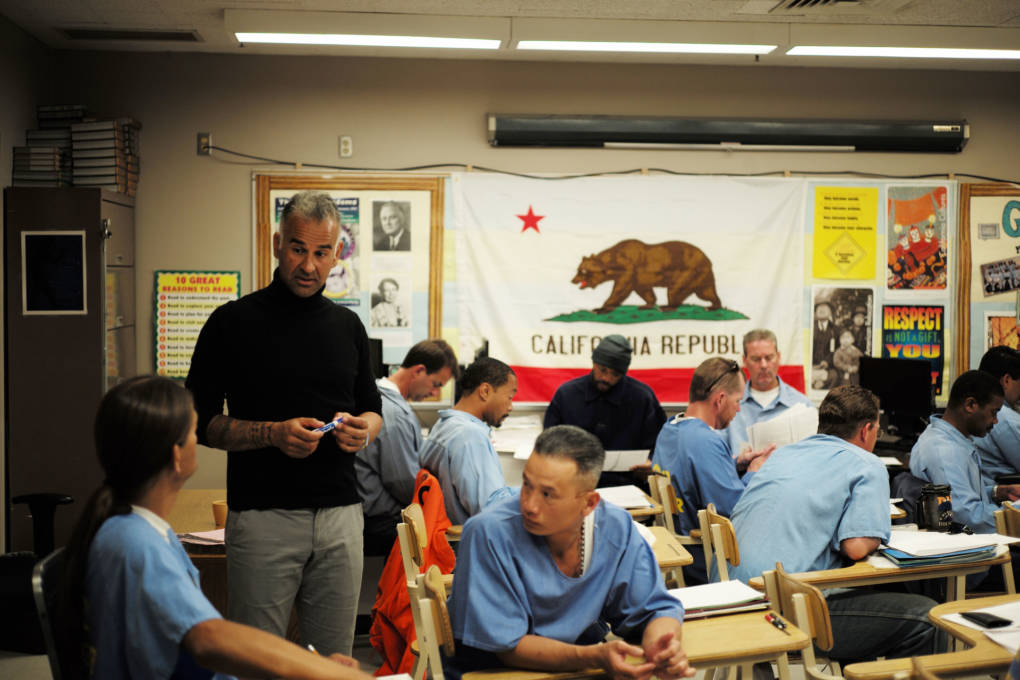
"caption": "Bidhan Roy, a Cal State LA professor, teaches inmates participating in an undergraduate degree program. ",
"description": "Bidham Roy, a Cal State LA professor, teaches inmates participating in an undergraduate degree program. ",
"title": "09182019_prison_Roy classroom inmates BA program.048-qut",
"credit": "J. Emilio Flores/Cal State LA",
"status": "inherit",
"isLoading": false,
"fetchFailed": false
},
"news_11774954": {
"type": "attachments",
"id": "news_11774954",
"meta": {
"index": "attachments_1716263798",
"site": "news",
"id": "11774954",
"found": true
},
"parent": 11774952,
"imgSizes": {
"apple_news_ca_landscape_5_5": {
"file": "https://ww2.kqed.org/app/uploads/sites/10/2019/09/janet-napolitano-1920-1044x783.jpg",
"width": 1044,
"mimeType": "image/jpeg",
"height": 783
},
"apple_news_ca_square_4_0": {
"file": "https://ww2.kqed.org/app/uploads/sites/10/2019/09/janet-napolitano-1920-470x470.jpg",
"width": 470,
"mimeType": "image/jpeg",
"height": 470
},
"twentyfourteen-full-width": {
"file": "https://ww2.kqed.org/app/uploads/sites/10/2019/09/janet-napolitano-1920-1038x576.jpg",
"width": 1038,
"mimeType": "image/jpeg",
"height": 576
},
"thumbnail": {
"file": "https://ww2.kqed.org/app/uploads/sites/10/2019/09/janet-napolitano-1920-160x106.jpg",
"width": 160,
"mimeType": "image/jpeg",
"height": 106
},
"post-thumbnail": {
"file": "https://ww2.kqed.org/app/uploads/sites/10/2019/09/janet-napolitano-1920-672x372.jpg",
"width": 672,
"mimeType": "image/jpeg",
"height": 372
},
"kqedFullSize": {
"file": "https://ww2.kqed.org/app/uploads/sites/10/2019/09/janet-napolitano-1920.jpg",
"width": 1920,
"height": 1273
},
"apple_news_ca_landscape_4_7": {
"file": "https://ww2.kqed.org/app/uploads/sites/10/2019/09/janet-napolitano-1920-632x474.jpg",
"width": 632,
"mimeType": "image/jpeg",
"height": 474
},
"large": {
"file": "https://ww2.kqed.org/app/uploads/sites/10/2019/09/janet-napolitano-1920-1020x676.jpg",
"width": 1020,
"mimeType": "image/jpeg",
"height": 676
},
"complete_open_graph": {
"file": "https://ww2.kqed.org/app/uploads/sites/10/2019/09/janet-napolitano-1920-1200x796.jpg",
"width": 1200,
"mimeType": "image/jpeg",
"height": 796
},
"apple_news_ca_landscape_4_0": {
"file": "https://ww2.kqed.org/app/uploads/sites/10/2019/09/janet-napolitano-1920-536x402.jpg",
"width": 536,
"mimeType": "image/jpeg",
"height": 402
},
"apple_news_ca_portrait_12_9": {
"file": "https://ww2.kqed.org/app/uploads/sites/10/2019/09/janet-napolitano-1920-1122x1273.jpg",
"width": 1122,
"mimeType": "image/jpeg",
"height": 1273
},
"medium": {
"file": "https://ww2.kqed.org/app/uploads/sites/10/2019/09/janet-napolitano-1920-800x530.jpg",
"width": 800,
"mimeType": "image/jpeg",
"height": 530
},
"apple_news_ca_portrait_4_0": {
"file": "https://ww2.kqed.org/app/uploads/sites/10/2019/09/janet-napolitano-1920-354x472.jpg",
"width": 354,
"mimeType": "image/jpeg",
"height": 472
},
"apple_news_ca_portrait_9_7": {
"file": "https://ww2.kqed.org/app/uploads/sites/10/2019/09/janet-napolitano-1920-840x1120.jpg",
"width": 840,
"mimeType": "image/jpeg",
"height": 1120
},
"apple_news_ca_landscape_12_9": {
"file": "https://ww2.kqed.org/app/uploads/sites/10/2019/09/janet-napolitano-1920-1832x1273.jpg",
"width": 1832,
"mimeType": "image/jpeg",
"height": 1273
},
"apple_news_ca_square_9_7": {
"file": "https://ww2.kqed.org/app/uploads/sites/10/2019/09/janet-napolitano-1920-1104x1104.jpg",
"width": 1104,
"mimeType": "image/jpeg",
"height": 1104
},
"apple_news_ca_portrait_4_7": {
"file": "https://ww2.kqed.org/app/uploads/sites/10/2019/09/janet-napolitano-1920-414x552.jpg",
"width": 414,
"mimeType": "image/jpeg",
"height": 552
},
"apple_news_ca_square_12_9": {
"file": "https://ww2.kqed.org/app/uploads/sites/10/2019/09/janet-napolitano-1920-1472x1273.jpg",
"width": 1472,
"mimeType": "image/jpeg",
"height": 1273
},
"apple_news_ca_portrait_5_5": {
"file": "https://ww2.kqed.org/app/uploads/sites/10/2019/09/janet-napolitano-1920-687x916.jpg",
"width": 687,
"mimeType": "image/jpeg",
"height": 916
},
"full-width": {
"file": "https://ww2.kqed.org/app/uploads/sites/10/2019/09/janet-napolitano-1920-1920x1273.jpg",
"width": 1920,
"mimeType": "image/jpeg",
"height": 1273
},
"apple_news_ca_square_4_7": {
"file": "https://ww2.kqed.org/app/uploads/sites/10/2019/09/janet-napolitano-1920-550x550.jpg",
"width": 550,
"mimeType": "image/jpeg",
"height": 550
},
"apple_news_ca_landscape_9_7": {
"file": "https://ww2.kqed.org/app/uploads/sites/10/2019/09/janet-napolitano-1920-1376x1032.jpg",
"width": 1376,
"mimeType": "image/jpeg",
"height": 1032
},
"apple_news_ca_square_5_5": {
"file": "https://ww2.kqed.org/app/uploads/sites/10/2019/09/janet-napolitano-1920-912x912.jpg",
"width": 912,
"mimeType": "image/jpeg",
"height": 912
}
},
"publishDate": 1568828881,
"modified": 1568828922,
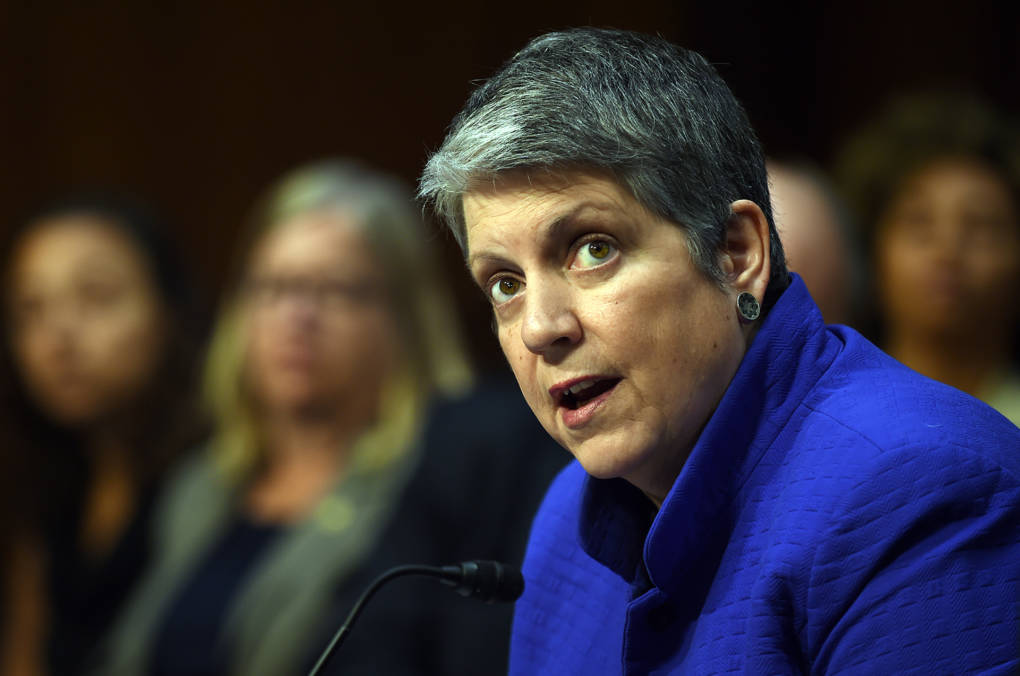
"caption": "Janet Napolitano, president of the University of California, speaks during a hearing of the Senate Health, Education, Labor, and Pensions Committee on July 29, 2015 in Washington, D.C.",
"description": "Janet Napolitano, president of the University of California, speaks during a hearing of the Senate Health, Education, Labor, and Pensions Committee on July 29, 2015 in Washington, D.C.",
"title": "janet-napolitano-1920",
"credit": "Astrid Riecken/Getty Images",
"status": "inherit",
"isLoading": false,
"fetchFailed": false
},
"news_11774876": {
"type": "attachments",
"id": "news_11774876",
"meta": {
"index": "attachments_1716263798",
"site": "news",
"id": "11774876",
"found": true
},
"parent": 11774750,
"imgSizes": {
"apple_news_ca_landscape_5_5": {
"file": "https://ww2.kqed.org/app/uploads/sites/10/2019/09/081519_Middletown_AW_sized_06-1044x783.jpg",
"width": 1044,
"mimeType": "image/jpeg",
"height": 783
},
"apple_news_ca_square_4_0": {
"file": "https://ww2.kqed.org/app/uploads/sites/10/2019/09/081519_Middletown_AW_sized_06-470x470.jpg",
"width": 470,
"mimeType": "image/jpeg",
"height": 470
},
"twentyfourteen-full-width": {
"file": "https://ww2.kqed.org/app/uploads/sites/10/2019/09/081519_Middletown_AW_sized_06-1038x576.jpg",
"width": 1038,
"mimeType": "image/jpeg",
"height": 576
},
"thumbnail": {
"file": "https://ww2.kqed.org/app/uploads/sites/10/2019/09/081519_Middletown_AW_sized_06-160x107.jpg",
"width": 160,
"mimeType": "image/jpeg",
"height": 107
},
"post-thumbnail": {
"file": "https://ww2.kqed.org/app/uploads/sites/10/2019/09/081519_Middletown_AW_sized_06-672x372.jpg",
"width": 672,
"mimeType": "image/jpeg",
"height": 372
},
"kqedFullSize": {
"file": "https://ww2.kqed.org/app/uploads/sites/10/2019/09/081519_Middletown_AW_sized_06-e1568765556890.jpg",
"width": 1920,
"height": 1284
},
"apple_news_ca_landscape_4_7": {
"file": "https://ww2.kqed.org/app/uploads/sites/10/2019/09/081519_Middletown_AW_sized_06-632x474.jpg",
"width": 632,
"mimeType": "image/jpeg",
"height": 474
},
"large": {
"file": "https://ww2.kqed.org/app/uploads/sites/10/2019/09/081519_Middletown_AW_sized_06-1020x682.jpg",
"width": 1020,
"mimeType": "image/jpeg",
"height": 682
},
"complete_open_graph": {
"file": "https://ww2.kqed.org/app/uploads/sites/10/2019/09/081519_Middletown_AW_sized_06-1200x803.jpg",
"width": 1200,
"mimeType": "image/jpeg",
"height": 803
},
"apple_news_ca_landscape_4_0": {
"file": "https://ww2.kqed.org/app/uploads/sites/10/2019/09/081519_Middletown_AW_sized_06-536x402.jpg",
"width": 536,
"mimeType": "image/jpeg",
"height": 402
},
"apple_news_ca_portrait_12_9": {
"file": "https://ww2.kqed.org/app/uploads/sites/10/2019/09/081519_Middletown_AW_sized_06-1122x1338.jpg",
"width": 1122,
"mimeType": "image/jpeg",
"height": 1338
},
"medium": {
"file": "https://ww2.kqed.org/app/uploads/sites/10/2019/09/081519_Middletown_AW_sized_06-800x535.jpg",
"width": 800,
"mimeType": "image/jpeg",
"height": 535
},
"apple_news_ca_portrait_4_0": {
"file": "https://ww2.kqed.org/app/uploads/sites/10/2019/09/081519_Middletown_AW_sized_06-354x472.jpg",
"width": 354,
"mimeType": "image/jpeg",
"height": 472
},
"apple_news_ca_portrait_9_7": {
"file": "https://ww2.kqed.org/app/uploads/sites/10/2019/09/081519_Middletown_AW_sized_06-840x1120.jpg",
"width": 840,
"mimeType": "image/jpeg",
"height": 1120
},
"apple_news_ca_landscape_12_9": {
"file": "https://ww2.kqed.org/app/uploads/sites/10/2019/09/081519_Middletown_AW_sized_06-1832x1338.jpg",
"width": 1832,
"mimeType": "image/jpeg",
"height": 1338
},
"apple_news_ca_square_9_7": {
"file": "https://ww2.kqed.org/app/uploads/sites/10/2019/09/081519_Middletown_AW_sized_06-1104x1104.jpg",
"width": 1104,
"mimeType": "image/jpeg",
"height": 1104
},
"apple_news_ca_portrait_4_7": {
"file": "https://ww2.kqed.org/app/uploads/sites/10/2019/09/081519_Middletown_AW_sized_06-414x552.jpg",
"width": 414,
"mimeType": "image/jpeg",
"height": 552
},
"apple_news_ca_square_12_9": {
"file": "https://ww2.kqed.org/app/uploads/sites/10/2019/09/081519_Middletown_AW_sized_06-1472x1338.jpg",
"width": 1472,
"mimeType": "image/jpeg",
"height": 1338
},
"apple_news_ca_portrait_5_5": {
"file": "https://ww2.kqed.org/app/uploads/sites/10/2019/09/081519_Middletown_AW_sized_06-687x916.jpg",
"width": 687,
"mimeType": "image/jpeg",
"height": 916
},
"full-width": {
"file": "https://ww2.kqed.org/app/uploads/sites/10/2019/09/081519_Middletown_AW_sized_06-1920x1284.jpg",
"width": 1920,
"mimeType": "image/jpeg",
"height": 1284
},
"apple_news_ca_square_4_7": {
"file": "https://ww2.kqed.org/app/uploads/sites/10/2019/09/081519_Middletown_AW_sized_06-550x550.jpg",
"width": 550,
"mimeType": "image/jpeg",
"height": 550
},
"apple_news_ca_landscape_9_7": {
"file": "https://ww2.kqed.org/app/uploads/sites/10/2019/09/081519_Middletown_AW_sized_06-1376x1032.jpg",
"width": 1376,
"mimeType": "image/jpeg",
"height": 1032
},
"apple_news_ca_square_5_5": {
"file": "https://ww2.kqed.org/app/uploads/sites/10/2019/09/081519_Middletown_AW_sized_06-912x912.jpg",
"width": 912,
"mimeType": "image/jpeg",
"height": 912
}
},
"publishDate": 1568765530,
"modified": 1568819940,
"caption": "Charred branches and ground behind the playground at Cobb Mountain Elementary on Aug. 15, 2019.",
"description": "Charred branches and ground behind the playground at Cobb Mountain Elementary on Aug. 15, 2019.",
"title": "081519_Middletown_AW_sized_06",
"credit": "Anne Wernikoff/CalMatters",
"status": "inherit",
"isLoading": false,
"fetchFailed": false
},
"news_11774463": {
"type": "attachments",
"id": "news_11774463",
"meta": {
"index": "attachments_1716263798",
"site": "news",
"id": "11774463",
"found": true
},
"parent": 11774458,
"imgSizes": {
"apple_news_ca_square_4_0": {
"file": "https://ww2.kqed.org/app/uploads/sites/10/2019/09/090619_UCBerkeley_AW_sized_01-1-470x470.jpg",
"width": 470,
"mimeType": "image/jpeg",
"height": 470
},
"thumbnail": {
"file": "https://ww2.kqed.org/app/uploads/sites/10/2019/09/090619_UCBerkeley_AW_sized_01-1-160x104.jpg",
"width": 160,
"mimeType": "image/jpeg",
"height": 104
},
"post-thumbnail": {
"file": "https://ww2.kqed.org/app/uploads/sites/10/2019/09/090619_UCBerkeley_AW_sized_01-1-672x372.jpg",
"width": 672,
"mimeType": "image/jpeg",
"height": 372
},
"kqedFullSize": {
"file": "https://ww2.kqed.org/app/uploads/sites/10/2019/09/090619_UCBerkeley_AW_sized_01-1.jpg",
"width": 813,
"height": 528
},
"apple_news_ca_landscape_4_7": {
"file": "https://ww2.kqed.org/app/uploads/sites/10/2019/09/090619_UCBerkeley_AW_sized_01-1-632x474.jpg",
"width": 632,
"mimeType": "image/jpeg",
"height": 474
},
"apple_news_ca_portrait_4_7": {
"file": "https://ww2.kqed.org/app/uploads/sites/10/2019/09/090619_UCBerkeley_AW_sized_01-1-414x528.jpg",
"width": 414,
"mimeType": "image/jpeg",
"height": 528
},
"apple_news_ca_portrait_5_5": {
"file": "https://ww2.kqed.org/app/uploads/sites/10/2019/09/090619_UCBerkeley_AW_sized_01-1-687x528.jpg",
"width": 687,
"mimeType": "image/jpeg",
"height": 528
},
"apple_news_ca_square_4_7": {
"file": "https://ww2.kqed.org/app/uploads/sites/10/2019/09/090619_UCBerkeley_AW_sized_01-1-550x528.jpg",
"width": 550,
"mimeType": "image/jpeg",
"height": 528
},
"apple_news_ca_landscape_4_0": {
"file": "https://ww2.kqed.org/app/uploads/sites/10/2019/09/090619_UCBerkeley_AW_sized_01-1-536x402.jpg",
"width": 536,
"mimeType": "image/jpeg",
"height": 402
},
"medium": {
"file": "https://ww2.kqed.org/app/uploads/sites/10/2019/09/090619_UCBerkeley_AW_sized_01-1-800x520.jpg",
"width": 800,
"mimeType": "image/jpeg",
"height": 520
},
"apple_news_ca_portrait_4_0": {
"file": "https://ww2.kqed.org/app/uploads/sites/10/2019/09/090619_UCBerkeley_AW_sized_01-1-354x472.jpg",
"width": 354,
"mimeType": "image/jpeg",
"height": 472
}
},
"publishDate": 1568646933,
"modified": 1568646974,
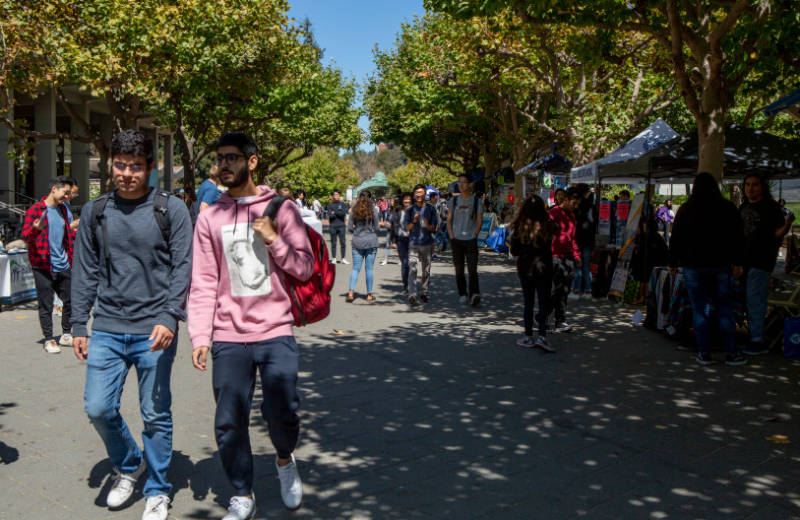
"caption": "Students walk across campus at UC Berkeley on Sept. 6, 2019.",
"description": "Students walk across campus at UC Berkeley on Sept. 6, 2019.",
"title": "090619_UCBerkeley_AW_sized_01-1",
"credit": "Anne Wernikoff/CalMatters",
"status": "inherit",
"isLoading": false,
"fetchFailed": false
}
},
"audioPlayerReducer": {
"postId": "stream_live",
"isPaused": true,
"isPlaying": false,
"pfsActive": false,
"pledgeModalIsOpen": true,
"playerDrawerIsOpen": false,
"liveAudioPlayStartedAt": 0,
"liveAudioPlayContext": ""
},
"authorsReducer": {
"byline_news_11777982": {
"type": "authors",
"id": "byline_news_11777982",
"meta": {
"override": true
},
"slug": "byline_news_11777982",
"name": "\u003ca href=\"https://calmatters.org/author/ricardo-cano/\">Ricardo Cano\u003c/a>\u003cbr>CalMatters",
"isLoading": false
},
"byline_news_11777434": {
"type": "authors",
"id": "byline_news_11777434",
"meta": {
"override": true
},
"slug": "byline_news_11777434",
"name": "\u003ca href=\"https://edsource.org/author/asmith\">Ashley A. Smith\u003c/a>",
"isLoading": false
},
"byline_news_11775990": {
"type": "authors",
"id": "byline_news_11775990",
"meta": {
"override": true
},
"slug": "byline_news_11775990",
"name": "Rachel Martin\u003cbr>NPR",
"isLoading": false
},
"byline_news_11775474": {
"type": "authors",
"id": "byline_news_11775474",
"meta": {
"override": true
},
"slug": "byline_news_11775474",
"name": "\u003ca href=\"https://calmatters.org/author/ricardo-cano/\">Ricardo Cano\u003c/a>",
"isLoading": false
},
"byline_news_11774952": {
"type": "authors",
"id": "byline_news_11774952",
"meta": {
"override": true
},
"slug": "byline_news_11774952",
"name": "\u003cstrong>Jocelyn Gecker\u003cbr />Associated Press\u003c/strong>",
"isLoading": false
},
"byline_news_11774750": {
"type": "authors",
"id": "byline_news_11774750",
"meta": {
"override": true
},
"slug": "byline_news_11774750",
"name": "\u003cstrong>\u003ca href=\"https://calmatters.org/author/ricardo-cano/\">Ricardo Cano\u003c/a>\u003cbr />CalMatters\u003c/strong>",
"isLoading": false
},
"byline_news_11774458": {
"type": "authors",
"id": "byline_news_11774458",
"meta": {
"override": true
},
"slug": "byline_news_11774458",
"name": "\u003cstrong>Felicia Mello\u003cbr />CalMatters\u003c/strong>",
"isLoading": false
},
"kqed": {
"type": "authors",
"id": "236",
"meta": {
"index": "authors_1716337520",
"id": "236",
"found": true
},
"name": "KQED News Staff",
"firstName": "KQED News Staff",
"lastName": null,
"slug": "kqed",
"email": "faq@kqed.org",
"display_author_email": false,
"staff_mastheads": [],
"title": null,
"bio": null,
"avatar": "https://secure.gravatar.com/avatar/ef0e801a68c4c54afa9180db14084167?s=600&d=blank&r=g",
"twitter": null,
"facebook": null,
"instagram": null,
"linkedin": null,
"sites": [
{
"site": "arts",
"roles": [
"contributor"
]
},
{
"site": "news",
"roles": [
"editor"
]
},
{
"site": "futureofyou",
"roles": [
"author"
]
}
],
"headData": {
"title": "KQED News Staff | KQED",
"description": null,
"ogImgSrc": "https://secure.gravatar.com/avatar/ef0e801a68c4c54afa9180db14084167?s=600&d=blank&r=g",
"twImgSrc": "https://secure.gravatar.com/avatar/ef0e801a68c4c54afa9180db14084167?s=600&d=blank&r=g"
},
"isLoading": false,
"link": "/author/kqed"
},
"mlam": {
"type": "authors",
"id": "244",
"meta": {
"index": "authors_1716337520",
"id": "244",
"found": true
},
"name": "Monica Lam",
"firstName": "Monica Z.",
"lastName": "Lam",
"slug": "mlam",
"email": "mlam@kqed.org",
"display_author_email": true,
"staff_mastheads": [
"news"
],
"title": "KQED Senior Producer",
"bio": "Monica is senior producer of the weekly current affairs program, \"KQED Newsroom.\" She's also served as senior editor of digital content at KQED. She likes to report and edit as well as produce video and take photos.\r\n\r\nBefore joining KQED, Monica worked at the Center for Investigative Reporting, where she examined conditions inside \u003cspan style=\"font-weight: 400;\">maximum security \u003c/span>prisons and abuse in state-run institutions for the developmentally disabled. Prior to that, she produced and directed \u003cem>Journey of the Bonesetter's Daughter,\u003c/em> a documentary that follows novelist Amy Tan as she creates an opera based on her family history.\r\n\r\nMonica's work has been honored with a duPont Award, five Emmys, regional and national Murrow Awards, and has been recognized by Investigative Reporters and Editors, the Society of Professional Journalists, Religion Newswriters Association and the San Francisco Peninsula Press Club. Monica studied urban studies at Stanford University and earned a master's in journalism at University of California at Berkeley. Follow her on twitter: @monicazlam",
"avatar": "https://secure.gravatar.com/avatar/018c474b2b71f43e0e6ca9b15a0ad36f?s=600&d=blank&r=g",
"twitter": "@monicazlam",
"facebook": null,
"instagram": null,
"linkedin": null,
"sites": [
{
"site": "arts",
"roles": [
"administrator"
]
},
{
"site": "news",
"roles": [
"editor"
]
},
{
"site": "trulyca",
"roles": [
"editor"
]
},
{
"site": "science",
"roles": [
"editor"
]
},
{
"site": "breakingnews",
"roles": [
"editor"
]
}
],
"headData": {
"title": "Monica Lam | KQED",
"description": "KQED Senior Producer",
"ogImgSrc": "https://secure.gravatar.com/avatar/018c474b2b71f43e0e6ca9b15a0ad36f?s=600&d=blank&r=g",
"twImgSrc": "https://secure.gravatar.com/avatar/018c474b2b71f43e0e6ca9b15a0ad36f?s=600&d=blank&r=g"
},
"isLoading": false,
"link": "/author/mlam"
},
"kdomara": {
"type": "authors",
"id": "1459",
"meta": {
"index": "authors_1716337520",
"id": "1459",
"found": true
},
"name": "Kelly O'Mara",
"firstName": "Kelly",
"lastName": "O'Mara",
"slug": "kdomara",
"email": "komara@kqed.org",
"display_author_email": false,
"staff_mastheads": [
"news"
],
"title": "KQED Contributor",
"bio": "Kelly O'Mara is a writer and reporter in the San Francisco Bay Area. She writes about food, health, sports, travel, business and California news. Her work has appeared on KQED, online for Outside Magazine, epsnW, VICE and in Competitor Magazine, among others. Follow Kelly on Twitter \u003ca href=\"https://twitter.com/kellydomara\">@kellydomara\u003c/a>.",
"avatar": "https://secure.gravatar.com/avatar/768fec7412028b72f13bdd0f5f9d8186?s=600&d=blank&r=g",
"twitter": null,
"facebook": null,
"instagram": null,
"linkedin": null,
"sites": [
{
"site": "arts",
"roles": []
},
{
"site": "news",
"roles": []
},
{
"site": "bayareabites",
"roles": []
},
{
"site": "stateofhealth",
"roles": []
},
{
"site": "science",
"roles": []
},
{
"site": "checkplease",
"roles": [
"editor"
]
},
{
"site": "food",
"roles": []
},
{
"site": "forum",
"roles": [
"editor"
]
},
{
"site": "liveblog",
"roles": [
"editor"
]
}
],
"headData": {
"title": "Kelly O'Mara | KQED",
"description": "KQED Contributor",
"ogImgSrc": "https://secure.gravatar.com/avatar/768fec7412028b72f13bdd0f5f9d8186?s=600&d=blank&r=g",
"twImgSrc": "https://secure.gravatar.com/avatar/768fec7412028b72f13bdd0f5f9d8186?s=600&d=blank&r=g"
},
"isLoading": false,
"link": "/author/kdomara"
},
"markfiore": {
"type": "authors",
"id": "3236",
"meta": {
"index": "authors_1716337520",
"id": "3236",
"found": true
},
"name": "Mark Fiore",
"firstName": "Mark",
"lastName": "Fiore",
"slug": "markfiore",
"email": "mark@markfiore.com",
"display_author_email": false,
"staff_mastheads": [
"news"
],
"title": "KQED News Cartoonist",
"bio": "\u003ca href=\"http://www.MarkFiore.com\">MarkFiore.com\u003c/a> | \u003ca href=\"https://twitter.com/markfiore\">Follow on Twitter\u003c/a> | \u003ca href=\"https://www.facebook.com/pages/Mark-Fiore-Animated-Political-Cartoons/94451707396?ref=bookmarks\">Facebook\u003c/a> | \u003ca href=\"mailto:mark@markfiore.com\">email\u003c/a>\r\n\r\nPulitzer Prize-winner, Mark Fiore, who the Wall Street Journal has called “the undisputed guru of the form,” creates animated political cartoons in San Francisco, where his work has been featured regularly on the San Francisco Chronicle’s web site, SFGate.com. His work has appeared on Newsweek.com, Slate.com, CBSNews.com, MotherJones.com, DailyKos.com and NPR’s web site. Fiore’s political animation has appeared on CNN, Frontline, Bill Moyers Journal, Salon.com and cable and broadcast outlets across the globe.\r\n\r\nBeginning his professional life by drawing traditional political cartoons for newspapers, Fiore’s work appeared in publications ranging from the Washington Post to the Los Angeles Times. In the late 1990s, he began to experiment with animating political cartoons and, after a short stint at the San Jose Mercury News as their staff cartoonist, Fiore devoted all his energies to animation.\r\nGrowing up in California, Fiore also spent a good portion of his life in the backwoods of Idaho. It was this combination that shaped him politically. Mark majored in political science at Colorado College, where, in a perfect send-off for a cartoonist, he received his diploma in 1991 as commencement speaker Dick Cheney smiled approvingly.\r\nMark Fiore was awarded the Pulitzer Prize for political cartooning in 2010, a Robert F. Kennedy Journalism Award in 2004 and has twice received an Online Journalism Award for commentary from the Online News Association (2002, 2008). Fiore has received two awards for his work in new media from the National Cartoonists Society (2001, 2002), and in 2006 received The James Madison Freedom of Information Award from The Society of Professional Journalists.",
"avatar": "https://secure.gravatar.com/avatar/fc4e2a612b15b67bad0c6f0e1db4ca9b?s=600&d=blank&r=g",
"twitter": "MarkFiore",
"facebook": null,
"instagram": "https://www.instagram.com/markfiore/?hl=en",
"linkedin": null,
"sites": [
{
"site": "arts",
"roles": [
"contributor"
]
},
{
"site": "news",
"roles": [
"editor"
]
},
{
"site": "futureofyou",
"roles": [
"editor"
]
},
{
"site": "science",
"roles": [
"editor"
]
}
],
"headData": {
"title": "Mark Fiore | KQED",
"description": "KQED News Cartoonist",
"ogImgSrc": "https://secure.gravatar.com/avatar/fc4e2a612b15b67bad0c6f0e1db4ca9b?s=600&d=blank&r=g",
"twImgSrc": "https://secure.gravatar.com/avatar/fc4e2a612b15b67bad0c6f0e1db4ca9b?s=600&d=blank&r=g"
},
"isLoading": false,
"link": "/author/markfiore"
},
"vrancano": {
"type": "authors",
"id": "11276",
"meta": {
"index": "authors_1716337520",
"id": "11276",
"found": true
},
"name": "Vanessa Rancaño",
"firstName": "Vanessa",
"lastName": "Rancaño",
"slug": "vrancano",
"email": "vrancano@kqed.org",
"display_author_email": false,
"staff_mastheads": [
"news"
],
"title": "Reporter",
"bio": "Vanessa Rancaño is a features reporter for KQED. She’s also covered homelessness and education for the station and reported from the Central Valley. Her work has aired across public radio, from flagship national news shows to longform narrative podcasts. Before taking up a mic, she worked as a freelance print journalist. She’s been recognized with a number of national and regional awards. Vanessa grew up in California's Central Valley. She's a former NPR Kroc Fellow, and a graduate of the UC Berkeley Graduate School of Journalism.",
"avatar": "https://secure.gravatar.com/avatar/b3a383dfb0e7ee1c17568f2cf067904ab654d6e3de9743fc661f3c788ade1bed?s=600&d=blank&r=g",
"twitter": "vanessarancano",
"bluesky": null,
"facebook": null,
"instagram": null,
"linkedin": null,
"sites": [
{
"site": "arts",
"roles": [
"editor"
]
},
{
"site": "news",
"roles": [
"editor"
]
},
{
"site": "liveblog",
"roles": [
"contributor"
]
}
],
"headData": {
"title": "Vanessa Rancaño | KQED",
"description": "Reporter",
"ogImgSrc": "https://secure.gravatar.com/avatar/b3a383dfb0e7ee1c17568f2cf067904ab654d6e3de9743fc661f3c788ade1bed?s=600&d=blank&r=g",
"twImgSrc": "https://secure.gravatar.com/avatar/b3a383dfb0e7ee1c17568f2cf067904ab654d6e3de9743fc661f3c788ade1bed?s=600&d=blank&r=g"
},
"isLoading": false,
"link": "/author/vrancano"
},
"slister": {
"type": "authors",
"id": "11582",
"meta": {
"index": "authors_1716337520",
"id": "11582",
"found": true
},
"name": "Stephanie Lister",
"firstName": "Stephanie",
"lastName": "Lister",
"slug": "slister",
"email": "slister@kqed.org",
"display_author_email": false,
"staff_mastheads": [],
"title": "KQED Contributor",
"bio": null,
"avatar": "https://secure.gravatar.com/avatar/5393644d68259d7bd1c83bcfc9725ca5?s=600&d=blank&r=g",
"twitter": null,
"facebook": null,
"instagram": null,
"linkedin": null,
"sites": [
{
"site": "news",
"roles": [
"subscriber"
]
}
],
"headData": {
"title": "Stephanie Lister | KQED",
"description": "KQED Contributor",
"ogImgSrc": "https://secure.gravatar.com/avatar/5393644d68259d7bd1c83bcfc9725ca5?s=600&d=blank&r=g",
"twImgSrc": "https://secure.gravatar.com/avatar/5393644d68259d7bd1c83bcfc9725ca5?s=600&d=blank&r=g"
},
"isLoading": false,
"link": "/author/slister"
}
},
"pagesReducer": {
"news_category_education": {
"type": "terms",
"id": "news_18540",
"meta": {
"index": "terms_1716263798",
"site": "news",
"id": "18540",
"score": 10.973221
},
"featImg": null,
"name": "Education",
"description": null,
"taxonomy": "category",
"headData": {
"twImgId": null,
"twTitle": null,
"ogTitle": null,
"ogImgId": null,
"twDescription": null,
"description": null,
"title": "Education Archives | KQED News",
"ogDescription": null
},
"ttid": 2595,
"slug": "education",
"isLoading": false,
"title": "Education",
"pageMeta": {
"site": "news",
"WpPageTemplate": "page-topic-editorial",
"currentPage": 105
},
"blocks": [
{
"blockName": "kqed/post-list",
"attrs": {
"layout": "cardArticle2",
"query": "posts/news?category=education",
"seeMore": false,
"paginated": true,
"page": 105
}
},
{
"blockName": "kqed/ad"
}
]
}
},
"pfsSessionReducer": {},
"postsReducer": {
"stream_live": {
"type": "live",
"id": "stream_live",
"audioUrl": "https://streams.kqed.org/kqedradio",
"title": "Live Stream",
"excerpt": "Live Stream information currently unavailable.",
"link": "/radio",
"featImg": "",
"label": {
"name": "KQED Live",
"link": "/"
}
},
"stream_kqedNewscast": {
"type": "posts",
"id": "stream_kqedNewscast",
"audioUrl": "https://www.kqed.org/.stream/anon/radio/RDnews/newscast.mp3?_=1",
"title": "KQED Newscast",
"featImg": "",
"label": {
"name": "88.5 FM",
"link": "/"
}
},
"news_11778231": {
"type": "posts",
"id": "news_11778231",
"meta": {
"index": "posts_1716263798",
"site": "news",
"id": "11778231",
"score": null,
"sort": [
1570231421000
]
},
"guestAuthors": [],
"slug": "former-wine-country-vintner-sentenced-to-5-months-in-college-admissions-bribery-case",
"title": "Former Wine Country Vintner Sentenced to 5 Months in College Admissions Bribery Case",
"publishDate": 1570231421,
"format": "standard",
"headTitle": "Former Wine Country Vintner Sentenced to 5 Months in College Admissions Bribery Case | KQED",
"labelTerm": {
"term": 72,
"site": "news"
},
"content": "\u003cp>The former CEO of a Napa-based wine empire has been sentenced to five months in prison for his role in the college admissions scandal.\u003c/p>\n\u003cp>Agustin Huneeus Jr., 53, of San Francisco, was sentenced in Boston’s federal court Friday after pleading guilty in May to fraud and conspiracy. He was one of a number of defendants who \u003ca href=\"https://www.kqed.org/arts/13854514/felicity-huffman-and-12-other-parents-to-plead-guilty-in-college-cheating-scandal\" target=\"_blank\" rel=\"noopener\">pleaded guilty earlier\u003c/a> this year in the massive college admissions scheme. He is the fifth parent to be sentenced.\u003c/p>\n\u003cp>[aside postID=\"arts_13852765,arts_13854621,news_11754150\" label=\"The College Admissions Scandal\"]Authorities say Huneeus paid $50,000 to rig his daughter’s SAT exam in 2018 and agreed to pay $250,000 to bribe her way into the University of Southern California as a fake water polo player. He was arrested before completing the deal and his daughter was not admitted. Huneeus’ family owns vineyards in the Wine Country and Oregon. After he was arrested in March, Huneeus ceded control of the family business to his father.\u003c/p>\n\u003cp>\u003ca href=\"https://www.kqed.org/arts/13852765/u-s-accuses-actresses-others-of-fraud-in-massive-college-admissions-scandal\" target=\"_blank\" rel=\"noopener\">Federal officials charged dozens of people\u003c/a> in the conspiracy, including a number of Bay Area parents, who paid enormous sums to ensure their children got into elite schools. In some cases that included falsifying records and test scores, or even creating fake athletic resumes with doctored photos of other student-athletes.\u003c/p>\n\u003cp>The deals were all made through William “Rick” Singer, a Sacramento resident who “owned and operated the Edge College & Career Network LLC (‘The Key’) – a for-profit college counseling and preparation business – and served as the CEO of the Key Worldwide Foundation (KWF) – a nonprofit corporation that he established as a purported charity,” according to the Justice Department.\u003c/p>\n\u003cp>As a result of the scandal, Gov. Gavin Newsom also signed three laws Friday: to tighten rules on when colleges can admit students who don’t meet standard eligibility requirements; to require schools to tell the Legislature if they give preferential treatment to some applicants; and to prevent people found guilty in the scandal from receiving tax benefits stemming from bribes that might have been disguised as charitable contributions.\u003c/p>\n\u003cp>“This package of bills strikes at the forces that keep the doors of opportunity closed to too many people in our state,” said Newsom.\u003c/p>\n\u003cp>In an extensive \u003ca href=\"https://www.justice.gov/file/1142876/download\" target=\"_blank\" rel=\"noopener\">report\u003c/a> submitted to the U.S. Department of Justice, the college admissions scheme is laid out in detail via emails and recorded phone calls. That includes the specific of Huneeus’ dealings with Singer. Huneeus is accused of paying for fraudulent SAT scores and a fabricated athletic profile that falsely identified his daughter as a “3-year Varsity Letter winner” in water polo and “Team MVP 2017.” This includes the following photograph, which is actually of someone else.\u003c/p>\n\u003cfigure id=\"attachment_11778241\" class=\"wp-caption aligncenter\" style=\"max-width: 664px\">\u003ca href=\"https://ww2.kqed.org/news/?attachment_id=11778241\" rel=\"attachment wp-att-11778241\">\u003cimg loading=\"lazy\" decoding=\"async\" class=\"size-full wp-image-11778241\" src=\"https://ww2.kqed.org/news/wp-content/uploads/sites/10/2019/10/Agustin-Huneeus-Jr.-daughter.jpg\" alt=\"\" width=\"664\" height=\"546\" srcset=\"https://cdn.kqed.org/wp-content/uploads/sites/10/2019/10/Agustin-Huneeus-Jr.-daughter.jpg 664w, https://cdn.kqed.org/wp-content/uploads/sites/10/2019/10/Agustin-Huneeus-Jr.-daughter-160x132.jpg 160w\" sizes=\"(max-width: 664px) 100vw, 664px\">\u003c/a>\u003cfigcaption class=\"wp-caption-text\">A fabricated athletic profile falsely identified Augustin Huneeus Jr.’s daughter as a “3-year Varsity Letter winner” in water polo and “Team MVP 2017,” along with this fabricated photograph, which is of another individual. \u003ccite>(U.S. Department of Justice)\u003c/cite>\u003c/figcaption>\u003c/figure>\n\u003cp>In transcripts of the recorded phone calls, Huneeus works out the logistics of having his daughter take the SAT at a special location in L.A., where Singer assures him a proctor will be flown out to change her answers. Huneeus is later recorded complaining that she only got a 1380 on the SAT — which Singer tells him is better than a higher score because it won’t arouse suspicion.\u003c/p>\n\u003cp>Huneeus also paid for his daughter, who did not play water polo, to be admitted as an athlete on the USC water polo team. On recorded phone calls, he was told to send a $50,000 check to USC Women’s Athletics and his daughter’s athletic “achievements” would then be presented to a committee for admissions acceptance.\u003c/p>\n\u003cp>The Bay Area resident also sought assurances from Singer that his daughter wouldn’t have to actually play for the USC team and that she would be guaranteed admittance after he paid.\u003c/p>\n\u003cblockquote>\u003cp>“OK, so there’s no chance that I give that 50 [thousand dollars] and then she’s not admitted?”\u003c/p>\n\u003cp>“You won’t send it until you get the letter.”\u003c/p>\u003c/blockquote>\n\u003cp>Additionally, Huneeus was then instructed to pay Singer’s foundation another $200,000 after the final admissions letters went out. In the transcripts, Singer voices concern that authorities are cracking down on him and that Huneeus should say the money was a donation.\u003c/p>\n\u003cblockquote>\u003cp>“Dude, what do you think, I’m a moron?”\u003c/p>\n\u003cp>“No, I’m not saying you’re a moron, the point is…”\u003c/p>\n\u003cp>“I’m going to say that I’ve been inspired how you’re helping underprivileged kids get into college. Totally got it.”\u003c/p>\u003c/blockquote>\n\u003cp>Throughout the recorded conversations, Huneeus also mentions another Bay Area parent involved in the scandal, Bill McGlashan. McGlashan wanted his son, who went to the same school as Huneeus’s daughter, to remain unaware of the arrangements with Singer, whereas Huneeus had a different agreement. McGlashan is a Mill Valley investment manager whose brother was a prominent Marin County supervisor.\u003c/p>\n\u003cp>Huneeus also, at one point, asks Singer if this is going to blow up in his face. “Hasn’t in 24 years,” responds Singer on the transcript.\u003c/p>\n\u003cp>Singer is identified as “Cooperating Witness 1” in the indictment, with prosecutors noting he hoped for a lenient sentence in return for aiding investigators. He later pleaded guilty to charges of racketeering, money laundering and conspiracy. He began cooperating with the government in late 2018, but added obstruction to his charges after warning some of the subjects about the investigation.\u003c/p>\n\u003cp>Prosecutors recommended a $95,000 fine and 15 months in prison for Huneeus, the longest term they have sought for a parent involved in the case. His lawyers said he deserved two months. He was sentenced to five months, a $100,000 fine and 500 hours of community service.\u003c/p>\n\u003cp>Huneeus is among a few parents accused of pursuing both angles of the scam: Most either cheated on their children’s college entrance exams or paid bribes to get them admitted as recruited athletes, but not both.\u003c/p>\n\u003cp>In court documents, Huneeus said that he realized cheating for his daughter “was not about helping her, it was about how it would make me feel. In the end my own ego brought me down.”\u003c/p>\n\u003cp>Huneeus has also said he is ashamed and saw that his actions represent “the worst sort of entitlement.”\u003c/p>\n\u003cp>\u003cem>The Associated Press contributed to this report.\u003c/em>\u003c/p>\n\u003cp>[ad fullwidth]\u003c/p>\n\u003cp>[ad floatright]\u003c/p>\n",
"blocks": [],
"excerpt": "Agustin Huneeus Jr., of San Francisco, pleaded guilty to fraud and conspiracy. He is accused of paying $300,000 to get his daughter into USC with fake test scores and a fake athletic resume.",
"status": "publish",
"parent": 0,
"modified": 1721121252,
"stats": {
"hasAudio": false,
"hasVideo": false,
"hasChartOrMap": false,
"iframeSrcs": [],
"hasGoogleForm": false,
"hasGallery": false,
"hasHearkenModule": false,
"hasPolis": false,
"paragraphCount": 27,
"wordCount": 1125
},
"headData": {
"title": "Former Wine Country Vintner Sentenced to 5 Months in College Admissions Bribery Case | KQED",
"description": "Agustin Huneeus Jr., of San Francisco, pleaded guilty to fraud and conspiracy. He is accused of paying $300,000 to get his daughter into USC with fake test scores and a fake athletic resume.",
"ogTitle": "",
"ogDescription": "",
"ogImgId": "",
"twTitle": "",
"twDescription": "",
"twImgId": "",
"schema": {
"@context": "https://schema.org",
"@type": "NewsArticle",
"headline": "Former Wine Country Vintner Sentenced to 5 Months in College Admissions Bribery Case",
"datePublished": "2019-10-04T16:23:41-07:00",
"dateModified": "2024-07-16T02:14:12-07:00",
"image": "https://cdn.kqed.org/wp-content/uploads/2020/02/KQED-OG-Image@1x.png",
"isAccessibleForFree": "True",
"publisher": {
"@type": "NewsMediaOrganization",
"@id": "https://www.kqed.org/#organization",
"name": "KQED",
"logo": "https://cdn.kqed.org/wp-content/uploads/2020/02/KQED-OG-Image@1x.png",
"url": "https://www.kqed.org",
"sameAs": [
"https://www.facebook.com/KQED",
"https://twitter.com/KQED",
"https://www.instagram.com/kqed/",
"https://www.tiktok.com/@kqedofficial",
"https://www.linkedin.com/company/kqed",
"https://www.youtube.com/channel/UCeC0IOo7i1P_61zVUWbJ4nw"
]
}
}
},
"sticky": false,
"path": "/news/11778231/former-wine-country-vintner-sentenced-to-5-months-in-college-admissions-bribery-case",
"audioTrackLength": null,
"parsedContent": [
{
"type": "contentString",
"content": "\u003cdiv class=\"post-body\">\u003cp>\u003cp>The former CEO of a Napa-based wine empire has been sentenced to five months in prison for his role in the college admissions scandal.\u003c/p>\n\u003cp>Agustin Huneeus Jr., 53, of San Francisco, was sentenced in Boston’s federal court Friday after pleading guilty in May to fraud and conspiracy. He was one of a number of defendants who \u003ca href=\"https://www.kqed.org/arts/13854514/felicity-huffman-and-12-other-parents-to-plead-guilty-in-college-cheating-scandal\" target=\"_blank\" rel=\"noopener\">pleaded guilty earlier\u003c/a> this year in the massive college admissions scheme. He is the fifth parent to be sentenced.\u003c/p>\n\u003cp>\u003c/p>\u003c/div>",
"attributes": {
"named": {},
"numeric": []
}
},
{
"type": "component",
"content": "",
"name": "aside",
"attributes": {
"named": {
"postid": "arts_13852765,arts_13854621,news_11754150",
"label": "The College Admissions Scandal "
},
"numeric": []
}
},
{
"type": "contentString",
"content": "\u003cdiv class=\"post-body\">\u003cp>Authorities say Huneeus paid $50,000 to rig his daughter’s SAT exam in 2018 and agreed to pay $250,000 to bribe her way into the University of Southern California as a fake water polo player. He was arrested before completing the deal and his daughter was not admitted. Huneeus’ family owns vineyards in the Wine Country and Oregon. After he was arrested in March, Huneeus ceded control of the family business to his father.\u003c/p>\n\u003cp>\u003ca href=\"https://www.kqed.org/arts/13852765/u-s-accuses-actresses-others-of-fraud-in-massive-college-admissions-scandal\" target=\"_blank\" rel=\"noopener\">Federal officials charged dozens of people\u003c/a> in the conspiracy, including a number of Bay Area parents, who paid enormous sums to ensure their children got into elite schools. In some cases that included falsifying records and test scores, or even creating fake athletic resumes with doctored photos of other student-athletes.\u003c/p>\n\u003cp>The deals were all made through William “Rick” Singer, a Sacramento resident who “owned and operated the Edge College & Career Network LLC (‘The Key’) – a for-profit college counseling and preparation business – and served as the CEO of the Key Worldwide Foundation (KWF) – a nonprofit corporation that he established as a purported charity,” according to the Justice Department.\u003c/p>\n\u003cp>As a result of the scandal, Gov. Gavin Newsom also signed three laws Friday: to tighten rules on when colleges can admit students who don’t meet standard eligibility requirements; to require schools to tell the Legislature if they give preferential treatment to some applicants; and to prevent people found guilty in the scandal from receiving tax benefits stemming from bribes that might have been disguised as charitable contributions.\u003c/p>\n\u003cp>“This package of bills strikes at the forces that keep the doors of opportunity closed to too many people in our state,” said Newsom.\u003c/p>\n\u003cp>In an extensive \u003ca href=\"https://www.justice.gov/file/1142876/download\" target=\"_blank\" rel=\"noopener\">report\u003c/a> submitted to the U.S. Department of Justice, the college admissions scheme is laid out in detail via emails and recorded phone calls. That includes the specific of Huneeus’ dealings with Singer. Huneeus is accused of paying for fraudulent SAT scores and a fabricated athletic profile that falsely identified his daughter as a “3-year Varsity Letter winner” in water polo and “Team MVP 2017.” This includes the following photograph, which is actually of someone else.\u003c/p>\n\u003cfigure id=\"attachment_11778241\" class=\"wp-caption aligncenter\" style=\"max-width: 664px\">\u003ca href=\"https://ww2.kqed.org/news/?attachment_id=11778241\" rel=\"attachment wp-att-11778241\">\u003cimg loading=\"lazy\" decoding=\"async\" class=\"size-full wp-image-11778241\" src=\"https://ww2.kqed.org/news/wp-content/uploads/sites/10/2019/10/Agustin-Huneeus-Jr.-daughter.jpg\" alt=\"\" width=\"664\" height=\"546\" srcset=\"https://cdn.kqed.org/wp-content/uploads/sites/10/2019/10/Agustin-Huneeus-Jr.-daughter.jpg 664w, https://cdn.kqed.org/wp-content/uploads/sites/10/2019/10/Agustin-Huneeus-Jr.-daughter-160x132.jpg 160w\" sizes=\"(max-width: 664px) 100vw, 664px\">\u003c/a>\u003cfigcaption class=\"wp-caption-text\">A fabricated athletic profile falsely identified Augustin Huneeus Jr.’s daughter as a “3-year Varsity Letter winner” in water polo and “Team MVP 2017,” along with this fabricated photograph, which is of another individual. \u003ccite>(U.S. Department of Justice)\u003c/cite>\u003c/figcaption>\u003c/figure>\n\u003cp>In transcripts of the recorded phone calls, Huneeus works out the logistics of having his daughter take the SAT at a special location in L.A., where Singer assures him a proctor will be flown out to change her answers. Huneeus is later recorded complaining that she only got a 1380 on the SAT — which Singer tells him is better than a higher score because it won’t arouse suspicion.\u003c/p>\n\u003cp>Huneeus also paid for his daughter, who did not play water polo, to be admitted as an athlete on the USC water polo team. On recorded phone calls, he was told to send a $50,000 check to USC Women’s Athletics and his daughter’s athletic “achievements” would then be presented to a committee for admissions acceptance.\u003c/p>\n\u003cp>The Bay Area resident also sought assurances from Singer that his daughter wouldn’t have to actually play for the USC team and that she would be guaranteed admittance after he paid.\u003c/p>\n\u003cblockquote>\u003cp>“OK, so there’s no chance that I give that 50 [thousand dollars] and then she’s not admitted?”\u003c/p>\n\u003cp>“You won’t send it until you get the letter.”\u003c/p>\u003c/blockquote>\n\u003cp>Additionally, Huneeus was then instructed to pay Singer’s foundation another $200,000 after the final admissions letters went out. In the transcripts, Singer voices concern that authorities are cracking down on him and that Huneeus should say the money was a donation.\u003c/p>\n\u003cblockquote>\u003cp>“Dude, what do you think, I’m a moron?”\u003c/p>\n\u003cp>“No, I’m not saying you’re a moron, the point is…”\u003c/p>\n\u003cp>“I’m going to say that I’ve been inspired how you’re helping underprivileged kids get into college. Totally got it.”\u003c/p>\u003c/blockquote>\n\u003cp>Throughout the recorded conversations, Huneeus also mentions another Bay Area parent involved in the scandal, Bill McGlashan. McGlashan wanted his son, who went to the same school as Huneeus’s daughter, to remain unaware of the arrangements with Singer, whereas Huneeus had a different agreement. McGlashan is a Mill Valley investment manager whose brother was a prominent Marin County supervisor.\u003c/p>\n\u003cp>Huneeus also, at one point, asks Singer if this is going to blow up in his face. “Hasn’t in 24 years,” responds Singer on the transcript.\u003c/p>\n\u003cp>Singer is identified as “Cooperating Witness 1” in the indictment, with prosecutors noting he hoped for a lenient sentence in return for aiding investigators. He later pleaded guilty to charges of racketeering, money laundering and conspiracy. He began cooperating with the government in late 2018, but added obstruction to his charges after warning some of the subjects about the investigation.\u003c/p>\n\u003cp>Prosecutors recommended a $95,000 fine and 15 months in prison for Huneeus, the longest term they have sought for a parent involved in the case. His lawyers said he deserved two months. He was sentenced to five months, a $100,000 fine and 500 hours of community service.\u003c/p>\n\u003cp>Huneeus is among a few parents accused of pursuing both angles of the scam: Most either cheated on their children’s college entrance exams or paid bribes to get them admitted as recruited athletes, but not both.\u003c/p>\n\u003cp>In court documents, Huneeus said that he realized cheating for his daughter “was not about helping her, it was about how it would make me feel. In the end my own ego brought me down.”\u003c/p>\n\u003cp>Huneeus has also said he is ashamed and saw that his actions represent “the worst sort of entitlement.”\u003c/p>\n\u003cp>\u003cem>The Associated Press contributed to this report.\u003c/em>\u003c/p>\n\u003cp>\u003c/p>\u003c/div>",
"attributes": {
"named": {},
"numeric": []
}
},
{
"type": "component",
"content": "",
"name": "ad",
"attributes": {
"named": {
"label": "fullwidth"
},
"numeric": [
"fullwidth"
]
}
},
{
"type": "contentString",
"content": "\u003cdiv class=\"post-body\">\u003cp>\u003c/p>\n\u003cp>\u003c/p>\u003c/div>",
"attributes": {
"named": {},
"numeric": []
}
},
{
"type": "component",
"content": "",
"name": "ad",
"attributes": {
"named": {
"label": "floatright"
},
"numeric": [
"floatright"
]
}
},
{
"type": "contentString",
"content": "\u003cdiv class=\"post-body\">\u003cp>\u003c/p>\n\u003c/div>\u003c/p>",
"attributes": {
"named": {},
"numeric": []
}
}
],
"link": "/news/11778231/former-wine-country-vintner-sentenced-to-5-months-in-college-admissions-bribery-case",
"authors": [
"1459"
],
"programs": [
"news_72"
],
"categories": [
"news_18540",
"news_6188",
"news_8"
],
"tags": [
"news_25197",
"news_17725"
],
"featImg": "news_11778270",
"label": "news_72"
},
"news_11777982": {
"type": "posts",
"id": "news_11777982",
"meta": {
"index": "posts_1716263798",
"site": "news",
"id": "11777982",
"score": null,
"sort": [
1570144747000
]
},
"guestAuthors": [],
"slug": "californias-ed-laws-are-changing-heres-a-roundup-of-new-charter-school-rules-and-other-fresh-k-12-legislation",
"title": "A Roundup of California’s New Charter School Rules and Other Fresh K-12 Legislation",
"publishDate": 1570144747,
"format": "standard",
"headTitle": "A Roundup of California’s New Charter School Rules and Other Fresh K-12 Legislation | KQED",
"labelTerm": {},
"content": "\u003cp>The most significant \u003ca href=\"https://calmatters.org/education/k-12-education/2019/08/charter-school-deal-california-newsom-teachers-unions/\" target=\"_blank\" rel=\"noopener\">set of revisions\u003c/a> to the state’s charter-school law in more than two decades was signed Thursday by Gov. Gavin Newsom, putting new curbs on a segment of public schools that has rapidly expanded over time, particularly in big cities.\u003cbr>\n\u003ca href=\"https://calmatters.org/education/2019/05/charter-school-bills-california-assembly-ab1505-odonnell/\" target=\"_blank\" rel=\"noopener\">Painstakingly negotiated\u003c/a> for months by lawmakers, charter school advocates and organized labor, the new laws are expected to make it easier for local school boards to deny new charters and for high-performing charter schools to stay open. Charter schools, which serve roughly 600,000 California kids, will have to operate within the boundaries of their authorizing districts, and charter school teachers will have new \u003ca href=\"https://calmatters.org/education/k-12-education/2019/07/teacher-credentials-come-in-for-tough-grading-as-ca-rethinks-charter-school-rules/\" target=\"_blank\" rel=\"noopener\">credentialing requirements\u003c/a>.\u003c/p>\n\u003cp>[aside label=\"related education coverage\" tag=\"charter-schools\"]Charter schools have long been \u003ca href=\"https://calmatters.org/education/2019/04/charter-schools-california-ppic-poll/\" target=\"_blank\" rel=\"noopener\">a flashpoint \u003c/a>between school reformers and unions \u003ca href=\"https://calmatters.org/education/2019/02/california-charter-school-data-enrollment-cost-teachers-unions/\" target=\"_blank\" rel=\"noopener\">anxious to slow the growth \u003c/a>of the largely non-unionized educational sector. The legislation seeks to address school \u003ca href=\"https://calmatters.org/education/2019/06/tighter-charter-school-regulations-local-control-report-newsom-task-force/\" target=\"_blank\" rel=\"noopener\">quality and oversight issues \u003c/a>that have cropped up as the number of California charter schools has skyrocketed to \u003ca href=\"https://www.cde.ca.gov/sp/ch/cefcharterschools.asp\" target=\"_blank\" rel=\"noopener\">some 1,300\u003c/a>.\u003c/p>\n\u003cp>The new laws were celebrated by Newsom and state Superintendent of Public Instruction Tony Thurmond, who in the 2018 election both beat back rivals heavily backed by wealthy pro-charter donors. Portrayed as a \u003ca href=\"https://calmatters.org/education/k-12-education/2019/08/charter-school-deal-california-newsom-teachers-unions/\" target=\"_blank\" rel=\"noopener\">compromise\u003c/a> by the California Charter Schools Association President and CEO Myrna Castrejón. \u003ca href=\"https://calmatters.org/education/2019/04/charter-schools-california-teachers-unions-bills/\" target=\"_blank\" rel=\"noopener\">More restrictive charter proposals\u003c/a> – including a statewide charter cap – \u003ca href=\"https://calmatters.org/explainers/death-watch-the-bill-killer-is-in-the-house/\" target=\"_blank\" rel=\"noopener\">stalled early in the session\u003c/a>.\u003c/p>\n\u003cp>“I’m lovin’ this,” Newsom said as he signed the bill. He added, however, that he was “not naive” in assuming the charter debate is over.\u003c/p>\n\u003cp>Though the highly publicized charter school clash got most of the attention, hundreds of other proposals were introduced this year with potential impact on K-12 education at large. Only a fraction made it to Newsom’s desk, as with most legislation. High-profile bills to lower local parcel tax thresholds and prohibit schools from hiring teachers through third-party programs such as Teach For America, for instance, \u003ca href=\"https://calmatters.org/explainers/death-watch-the-bill-killer-is-in-the-house/\" target=\"_blank\" rel=\"noopener\">fell short of passage\u003c/a>.\u003c/p>\n\u003cp>It’s still unclear if Newsom will sign or veto a number of measures that cleared the Legislature — he has until Oct. 13 to act. Big proposals that have yet to be decided would \u003ca href=\"https://calmatters.org/education/2019/04/school-start-teach-america-california-bills-brown-newsom/\" target=\"_blank\" rel=\"noopener\">push back school start times\u003c/a> for California middle and high schools, put a $15 billion \u003ca href=\"https://calmatters.org/education/2018/10/california-school-bonds-favor-richer-communities/\" target=\"_blank\" rel=\"noopener\">state bond for education\u003c/a> on the March 2020 ballot and enhance paid maternity leave protections for teachers.\u003c/p>\n\u003cp>\u003ca href=\"https://calmatters.org/education/2019/04/charter-schools-california-far-flung-loophole-acton-newhall/\" target=\"_blank\" rel=\"noopener\">A second charter school bill\u003c/a> that would close a loophole some small districts have exploited to authorize charters far outside their district boundaries also awaits the governor’s signature.\u003c/p>\n\u003cp>More bills, however, have already been signed and enacted. Here are some of the most notable new California education laws affecting the state’s K-12 and early childhood classrooms.\u003c/p>\n\u003cp>\u003cem>Check back at \u003c/em>\u003ca href=\"http://calmatters.org/\" target=\"_blank\" rel=\"noopener\">\u003cem>CalMatters.org\u003c/em>\u003c/a>\u003cem> for updates on our running tally leading up to the Oct. 13 deadline.\u003c/em>\u003c/p>\n\u003cp>\u003cstrong>California’s charter school overhaul\u003c/strong>\u003c/p>\n\u003cp>The laws:\u003ca href=\"https://leginfo.legislature.ca.gov/faces/billNavClient.xhtml?bill_id=201920200AB1505\" target=\"_blank\" rel=\"noopener\"> Assembly Bill 1505\u003c/a> by Assemblyman Patrick O’Donnell, Democrat from Long Beach, \u003ca href=\"https://leginfo.legislature.ca.gov/faces/billStatusClient.xhtml?bill_id=201920200AB1507\" target=\"_blank\" rel=\"noopener\">Assembly Bill 1507\u003c/a> by Assemblywoman Christy Smith, Democrat from Santa Clarita, and\u003ca href=\"https://leginfo.legislature.ca.gov/faces/billNavClient.xhtml?bill_id=201920200SB126\" target=\"_blank\" rel=\"noopener\"> Senate Bill 126\u003c/a> by Sen. Connie Leyva, Democrat from Chino.\u003c/p>\n\u003cp>After months of negotiations and heated debate, new rules are coming for California’s sector of publicly funded, independently operated charter schools. All charter teachers will be required to hold a\u003ca href=\"https://calmatters.org/education/k-12-education/2019/07/teacher-credentials-come-in-for-tough-grading-as-ca-rethinks-charter-school-rules/\" target=\"_blank\" rel=\"noopener\"> state teaching credential\u003c/a>, and local school boards have broader discretion in approving or denying charters, though charters can still appeal to counties and the state.\u003c/p>\n\u003cp>Charter schools also will be required to follow the same \u003ca href=\"https://www.sacbee.com/news/politics-government/capitol-alert/article227316349.html\" target=\"_blank\" rel=\"noopener\">open-meeting laws \u003c/a>as school districts under a proposal that was among the first bills Newsom signed as governor. And a loophole that had allowed so-called \u003ca href=\"https://calmatters.org/education/2019/04/charter-schools-california-far-flung-loophole-acton-newhall/\" target=\"_blank\" rel=\"noopener\">“far-flung charters”\u003c/a> to operate far from the often-tiny school districts that had authorized and were being paid to oversee them will close.\u003c/p>\n\u003cp>[ad fullwidth]\u003c/p>\n\u003cp>\u003cstrong>No more willful defiance suspensions\u003c/strong>\u003c/p>\n\u003cp>The law: \u003ca href=\"https://leginfo.legislature.ca.gov/faces/billNavClient.xhtml?bill_id=201920200SB419\" target=\"_blank\" rel=\"noopener\">SB 419\u003c/a> by Sen. Nancy Skinner, Democrat from Berkeley.\u003c/p>\n\u003cp>Largely cheered by civil rights groups, the law permanently bans California public schools from suspending students in first through fifth grades for willful defiance — a justification for suspension and expulsion that supporters of the bill characterize as too subjective and disproportionately imposed on black and LGBTQ students.\u003c/p>\n\u003cp>Once implemented in the 2020-21 school year, the ban on willful defiance suspensions will be temporarily extended to students in sixth through eighth grade through 2025. The initial version of the bill had called for including high school students in the temporary ban on willful defiance suspensions, but was amended before Newsom signed the bill.\u003c/p>\n\u003cp>Some large California districts, including Los Angeles, San Francisco and Oakland, already prohibit willful defiance suspensions to some degree. And suspension rates for California schools have already gone down significantly in recent years after the state began to implement suspension curbs in 2015.\u003c/p>\n\u003cp>\u003cstrong>Limiting contact in youth football\u003c/strong>\u003c/p>\n\u003cp>The law:\u003ca href=\"https://leginfo.legislature.ca.gov/faces/billNavClient.xhtml?bill_id=201920200AB1\"> AB 1\u003c/a> by Assemblyman Jim Cooper, Democrat from Elk Grove.\u003c/p>\n\u003cp>Youth football programs in California now are now limited to two full-contact practices per week amid an ongoing public debate over football safety and mounting concerns that have helped lead to significant\u003ca href=\"https://calmatters.org/education/2019/01/california-high-school-football-participation-drops/\"> dips in participation\u003c/a> at the high school level.\u003c/p>\n\u003cp>After successfully lobbying against a previous proposal that youth football advocates deemed too extreme because it would have outright banned tackle football at the youth level, a coalition of coaches and parents went on the offensive and mobilized behind the current legislation.\u003c/p>\n\u003cp>\u003cstrong>Unionizing childcare workers\u003c/strong>\u003c/p>\n\u003cp>The law:\u003ca href=\"https://leginfo.legislature.ca.gov/faces/billNavClient.xhtml?bill_id=201920200AB378\"> AB 378\u003c/a> by Assemblywoman Monique Limón, Democrat from Santa Barbara.\u003c/p>\n\u003cp>Providers for children who receive state-subsidized care will now have the right to organize a union and bargain with the state. Advocates cheered the move because they believe it will help \u003ca href=\"https://calmatters.org/education/k-12-education/2019/07/early-childhood-education-california-preschool-teachers-pay/\">improve pay and working conditions\u003c/a> for a profession that largely employs women of color who are often not paid living wages .\u003c/p>\n\u003cp>Advocates point to this oft-cited research point as reason for more investments in preschool teachers and child care providers: More than half of California’s early childhood workforce relies on public assistance.\u003cbr>\n[ad fullwidth]\u003c/p>\n\u003cp>\u003cstrong>Resources on domestic violence, sexual harassment \u003c/strong>\u003c/p>\n\u003cp>The laws:\u003ca href=\"https://leginfo.legislature.ca.gov/faces/billNavClient.xhtml?bill_id=201920200SB316\" target=\"_blank\" rel=\"noopener\"> SB 316\u003c/a> by Sen. Susan Rubio, Democrat from West Covina, and\u003ca href=\"https://leginfo.legislature.ca.gov/faces/billNavClient.xhtml?bill_id=201920200AB543\" target=\"_blank\" rel=\"noopener\"> AB 543\u003c/a> by Assemblywoman Christy Smith, Democrat from Santa Clarita.\u003c/p>\n\u003cp>Starting in October 2020, California high schools will be required to include the phone number for the national domestic violence hotline on the ID cards of all students in grades 7 through 12. This follows another new law implemented this year that requires schools to include the suicide prevention hotline phone number on all student IDs for the same grade levels.\u003c/p>\n\u003cp>A separate new law, AB 543, will also require public high schools in the state to “prominently and conspicuously display” a poster of that district’s sexual harassment policy — including steps for reporting sexual harassment accusations — in every restroom and locker room at a school site.\u003c/p>\n\u003cp>\u003cstrong>Stability for migrant students\u003c/strong>\u003c/p>\n\u003cp>The law:\u003ca href=\"https://leginfo.legislature.ca.gov/faces/billNavClient.xhtml?bill_id=201920200AB1319\"> AB 1319\u003c/a> by Assemblyman Joaquin Arambula, Democrat from Fresno.\u003c/p>\n\u003cp>California’s 100,000-plus migrant students will now be allowed to keep attending their “school of origin,” as opposed to having to enroll in a new school in the event that their families move to a different residence during the school year.\u003c/p>\n\u003cp>Though school districts aren’t obligated to provide transportation under AB 1319, supporters of the new law say the provision is needed to help bring stability to a student demographic that research shows is more susceptible to mobility and its ensuing academic hardships.\u003c/p>\n\u003cp>\u003cstrong>More time for ethnic studies\u003c/strong>\u003c/p>\n\u003cp>The law:\u003ca href=\"https://leginfo.legislature.ca.gov/faces/billNavClient.xhtml?bill_id=201920200AB114\" target=\"_blank\" rel=\"noopener\"> AB 114\u003c/a>, a clean-up budget trailer bill.\u003c/p>\n\u003cp>Less a new law than a technical change to an existing one, AB 114 is nonetheless significant because it effectively\u003ca href=\"https://calmatters.org/education/k-12-education/2019/09/california-delay-school-ethnic-studies-plan-more-voices/\"> pushes back the state’s timeline\u003c/a> for adopting a model curriculum for ethnic studies by one year.\u003c/p>\n\u003cp>The deadline for the State Board of Education to adopt an ethnic studies curriculum under a 2016 law had been this spring. But state leaders, including the governor, supported the move to solicit more feedback following a wave of public criticism that a draft of the curriculum was anti-Semitic and too politically correct.\u003c/p>\n\u003cp>\u003cstrong>Clamping down on students’ smartphone use\u003c/strong>\u003c/p>\n\u003cp>The law:\u003ca href=\"https://leginfo.legislature.ca.gov/faces/billNavClient.xhtml?bill_id=201920200AB272\"> AB 272\u003c/a> by Assemblyman Al Muratsuchi, Democrat from Torrance.\u003c/p>\n\u003cp>Local school boards will now be allowed to ban or limit students’ use of smartphones while at school except under emergencies or specific circumstances, such as medical reasons. Though educators and experts note that smartphone use can be disruptive to classroom instruction, most of the state’s districts already have policies that address smartphones, according to the California School Boards Association.\u003c/p>\n\u003cp>\u003cem>\u003ca href=\"http://calmatters.org/\">CalMatters.org\u003c/a> is a nonprofit, nonpartisan media venture explaining California policies and politics.\u003c/em>\u003c/p>\n\u003cp>[ad floatright]\u003c/p>\n",
"blocks": [],
"excerpt": "Tough new charter school regulations have been signed by Gov. Gavin Newsom, as expected, but other big K-12 proposals are TBD, including a statewide bond measure, maternity leave for teachers and a later morning bell.",
"status": "publish",
"parent": 0,
"modified": 1721122713,
"stats": {
"hasAudio": false,
"hasVideo": false,
"hasChartOrMap": false,
"iframeSrcs": [],
"hasGoogleForm": false,
"hasGallery": false,
"hasHearkenModule": false,
"hasPolis": false,
"paragraphCount": 44,
"wordCount": 1526
},
"headData": {
"title": "A Roundup of California’s New Charter School Rules and Other Fresh K-12 Legislation | KQED",
"description": "Tough new charter school regulations have been signed by Gov. Gavin Newsom, as expected, but other big K-12 proposals are TBD, including a statewide bond measure, maternity leave for teachers and a later morning bell.",
"ogTitle": "",
"ogDescription": "",
"ogImgId": "",
"twTitle": "",
"twDescription": "",
"twImgId": "",
"schema": {
"@context": "https://schema.org",
"@type": "NewsArticle",
"headline": "A Roundup of California’s New Charter School Rules and Other Fresh K-12 Legislation",
"datePublished": "2019-10-03T16:19:07-07:00",
"dateModified": "2024-07-16T02:38:33-07:00",
"image": "https://cdn.kqed.org/wp-content/uploads/2020/02/KQED-OG-Image@1x.png",
"isAccessibleForFree": "True",
"publisher": {
"@type": "NewsMediaOrganization",
"@id": "https://www.kqed.org/#organization",
"name": "KQED",
"logo": "https://cdn.kqed.org/wp-content/uploads/2020/02/KQED-OG-Image@1x.png",
"url": "https://www.kqed.org",
"sameAs": [
"https://www.facebook.com/KQED",
"https://twitter.com/KQED",
"https://www.instagram.com/kqed/",
"https://www.tiktok.com/@kqedofficial",
"https://www.linkedin.com/company/kqed",
"https://www.youtube.com/channel/UCeC0IOo7i1P_61zVUWbJ4nw"
]
}
}
},
"source": "CalMatters",
"sourceUrl": "https://calmatters.org/",
"audioUrl": "https://www.kqed.org/.stream/anon/radio/tcr/2019/10/McEvoyCharterSchools.mp3",
"sticky": false,
"nprByline": "\u003ca href=\"https://calmatters.org/author/ricardo-cano/\">Ricardo Cano\u003c/a>\u003cbr>CalMatters",
"audioTrackLength": 88,
"path": "/news/11777982/californias-ed-laws-are-changing-heres-a-roundup-of-new-charter-school-rules-and-other-fresh-k-12-legislation",
"audioDuration": 88000,
"parsedContent": [
{
"type": "contentString",
"content": "\u003cdiv class=\"post-body\">\u003cp>\u003cp>The most significant \u003ca href=\"https://calmatters.org/education/k-12-education/2019/08/charter-school-deal-california-newsom-teachers-unions/\" target=\"_blank\" rel=\"noopener\">set of revisions\u003c/a> to the state’s charter-school law in more than two decades was signed Thursday by Gov. Gavin Newsom, putting new curbs on a segment of public schools that has rapidly expanded over time, particularly in big cities.\u003cbr>\n\u003ca href=\"https://calmatters.org/education/2019/05/charter-school-bills-california-assembly-ab1505-odonnell/\" target=\"_blank\" rel=\"noopener\">Painstakingly negotiated\u003c/a> for months by lawmakers, charter school advocates and organized labor, the new laws are expected to make it easier for local school boards to deny new charters and for high-performing charter schools to stay open. Charter schools, which serve roughly 600,000 California kids, will have to operate within the boundaries of their authorizing districts, and charter school teachers will have new \u003ca href=\"https://calmatters.org/education/k-12-education/2019/07/teacher-credentials-come-in-for-tough-grading-as-ca-rethinks-charter-school-rules/\" target=\"_blank\" rel=\"noopener\">credentialing requirements\u003c/a>.\u003c/p>\n\u003cp>\u003c/p>\u003c/div>",
"attributes": {
"named": {},
"numeric": []
}
},
{
"type": "component",
"content": "",
"name": "aside",
"attributes": {
"named": {
"label": "related education coverage ",
"tag": "charter-schools"
},
"numeric": []
}
},
{
"type": "contentString",
"content": "\u003cdiv class=\"post-body\">\u003cp>Charter schools have long been \u003ca href=\"https://calmatters.org/education/2019/04/charter-schools-california-ppic-poll/\" target=\"_blank\" rel=\"noopener\">a flashpoint \u003c/a>between school reformers and unions \u003ca href=\"https://calmatters.org/education/2019/02/california-charter-school-data-enrollment-cost-teachers-unions/\" target=\"_blank\" rel=\"noopener\">anxious to slow the growth \u003c/a>of the largely non-unionized educational sector. The legislation seeks to address school \u003ca href=\"https://calmatters.org/education/2019/06/tighter-charter-school-regulations-local-control-report-newsom-task-force/\" target=\"_blank\" rel=\"noopener\">quality and oversight issues \u003c/a>that have cropped up as the number of California charter schools has skyrocketed to \u003ca href=\"https://www.cde.ca.gov/sp/ch/cefcharterschools.asp\" target=\"_blank\" rel=\"noopener\">some 1,300\u003c/a>.\u003c/p>\n\u003cp>The new laws were celebrated by Newsom and state Superintendent of Public Instruction Tony Thurmond, who in the 2018 election both beat back rivals heavily backed by wealthy pro-charter donors. Portrayed as a \u003ca href=\"https://calmatters.org/education/k-12-education/2019/08/charter-school-deal-california-newsom-teachers-unions/\" target=\"_blank\" rel=\"noopener\">compromise\u003c/a> by the California Charter Schools Association President and CEO Myrna Castrejón. \u003ca href=\"https://calmatters.org/education/2019/04/charter-schools-california-teachers-unions-bills/\" target=\"_blank\" rel=\"noopener\">More restrictive charter proposals\u003c/a> – including a statewide charter cap – \u003ca href=\"https://calmatters.org/explainers/death-watch-the-bill-killer-is-in-the-house/\" target=\"_blank\" rel=\"noopener\">stalled early in the session\u003c/a>.\u003c/p>\n\u003cp>“I’m lovin’ this,” Newsom said as he signed the bill. He added, however, that he was “not naive” in assuming the charter debate is over.\u003c/p>\n\u003cp>Though the highly publicized charter school clash got most of the attention, hundreds of other proposals were introduced this year with potential impact on K-12 education at large. Only a fraction made it to Newsom’s desk, as with most legislation. High-profile bills to lower local parcel tax thresholds and prohibit schools from hiring teachers through third-party programs such as Teach For America, for instance, \u003ca href=\"https://calmatters.org/explainers/death-watch-the-bill-killer-is-in-the-house/\" target=\"_blank\" rel=\"noopener\">fell short of passage\u003c/a>.\u003c/p>\n\u003cp>It’s still unclear if Newsom will sign or veto a number of measures that cleared the Legislature — he has until Oct. 13 to act. Big proposals that have yet to be decided would \u003ca href=\"https://calmatters.org/education/2019/04/school-start-teach-america-california-bills-brown-newsom/\" target=\"_blank\" rel=\"noopener\">push back school start times\u003c/a> for California middle and high schools, put a $15 billion \u003ca href=\"https://calmatters.org/education/2018/10/california-school-bonds-favor-richer-communities/\" target=\"_blank\" rel=\"noopener\">state bond for education\u003c/a> on the March 2020 ballot and enhance paid maternity leave protections for teachers.\u003c/p>\n\u003cp>\u003ca href=\"https://calmatters.org/education/2019/04/charter-schools-california-far-flung-loophole-acton-newhall/\" target=\"_blank\" rel=\"noopener\">A second charter school bill\u003c/a> that would close a loophole some small districts have exploited to authorize charters far outside their district boundaries also awaits the governor’s signature.\u003c/p>\n\u003cp>More bills, however, have already been signed and enacted. Here are some of the most notable new California education laws affecting the state’s K-12 and early childhood classrooms.\u003c/p>\n\u003cp>\u003cem>Check back at \u003c/em>\u003ca href=\"http://calmatters.org/\" target=\"_blank\" rel=\"noopener\">\u003cem>CalMatters.org\u003c/em>\u003c/a>\u003cem> for updates on our running tally leading up to the Oct. 13 deadline.\u003c/em>\u003c/p>\n\u003cp>\u003cstrong>California’s charter school overhaul\u003c/strong>\u003c/p>\n\u003cp>The laws:\u003ca href=\"https://leginfo.legislature.ca.gov/faces/billNavClient.xhtml?bill_id=201920200AB1505\" target=\"_blank\" rel=\"noopener\"> Assembly Bill 1505\u003c/a> by Assemblyman Patrick O’Donnell, Democrat from Long Beach, \u003ca href=\"https://leginfo.legislature.ca.gov/faces/billStatusClient.xhtml?bill_id=201920200AB1507\" target=\"_blank\" rel=\"noopener\">Assembly Bill 1507\u003c/a> by Assemblywoman Christy Smith, Democrat from Santa Clarita, and\u003ca href=\"https://leginfo.legislature.ca.gov/faces/billNavClient.xhtml?bill_id=201920200SB126\" target=\"_blank\" rel=\"noopener\"> Senate Bill 126\u003c/a> by Sen. Connie Leyva, Democrat from Chino.\u003c/p>\n\u003cp>After months of negotiations and heated debate, new rules are coming for California’s sector of publicly funded, independently operated charter schools. All charter teachers will be required to hold a\u003ca href=\"https://calmatters.org/education/k-12-education/2019/07/teacher-credentials-come-in-for-tough-grading-as-ca-rethinks-charter-school-rules/\" target=\"_blank\" rel=\"noopener\"> state teaching credential\u003c/a>, and local school boards have broader discretion in approving or denying charters, though charters can still appeal to counties and the state.\u003c/p>\n\u003cp>Charter schools also will be required to follow the same \u003ca href=\"https://www.sacbee.com/news/politics-government/capitol-alert/article227316349.html\" target=\"_blank\" rel=\"noopener\">open-meeting laws \u003c/a>as school districts under a proposal that was among the first bills Newsom signed as governor. And a loophole that had allowed so-called \u003ca href=\"https://calmatters.org/education/2019/04/charter-schools-california-far-flung-loophole-acton-newhall/\" target=\"_blank\" rel=\"noopener\">“far-flung charters”\u003c/a> to operate far from the often-tiny school districts that had authorized and were being paid to oversee them will close.\u003c/p>\n\u003cp>\u003c/p>\u003c/div>",
"attributes": {
"named": {},
"numeric": []
}
},
{
"type": "component",
"content": "",
"name": "ad",
"attributes": {
"named": {
"label": "fullwidth"
},
"numeric": [
"fullwidth"
]
}
},
{
"type": "contentString",
"content": "\u003cdiv class=\"post-body\">\u003cp>\u003c/p>\n\u003cp>\u003cstrong>No more willful defiance suspensions\u003c/strong>\u003c/p>\n\u003cp>The law: \u003ca href=\"https://leginfo.legislature.ca.gov/faces/billNavClient.xhtml?bill_id=201920200SB419\" target=\"_blank\" rel=\"noopener\">SB 419\u003c/a> by Sen. Nancy Skinner, Democrat from Berkeley.\u003c/p>\n\u003cp>Largely cheered by civil rights groups, the law permanently bans California public schools from suspending students in first through fifth grades for willful defiance — a justification for suspension and expulsion that supporters of the bill characterize as too subjective and disproportionately imposed on black and LGBTQ students.\u003c/p>\n\u003cp>Once implemented in the 2020-21 school year, the ban on willful defiance suspensions will be temporarily extended to students in sixth through eighth grade through 2025. The initial version of the bill had called for including high school students in the temporary ban on willful defiance suspensions, but was amended before Newsom signed the bill.\u003c/p>\n\u003cp>Some large California districts, including Los Angeles, San Francisco and Oakland, already prohibit willful defiance suspensions to some degree. And suspension rates for California schools have already gone down significantly in recent years after the state began to implement suspension curbs in 2015.\u003c/p>\n\u003cp>\u003cstrong>Limiting contact in youth football\u003c/strong>\u003c/p>\n\u003cp>The law:\u003ca href=\"https://leginfo.legislature.ca.gov/faces/billNavClient.xhtml?bill_id=201920200AB1\"> AB 1\u003c/a> by Assemblyman Jim Cooper, Democrat from Elk Grove.\u003c/p>\n\u003cp>Youth football programs in California now are now limited to two full-contact practices per week amid an ongoing public debate over football safety and mounting concerns that have helped lead to significant\u003ca href=\"https://calmatters.org/education/2019/01/california-high-school-football-participation-drops/\"> dips in participation\u003c/a> at the high school level.\u003c/p>\n\u003cp>After successfully lobbying against a previous proposal that youth football advocates deemed too extreme because it would have outright banned tackle football at the youth level, a coalition of coaches and parents went on the offensive and mobilized behind the current legislation.\u003c/p>\n\u003cp>\u003cstrong>Unionizing childcare workers\u003c/strong>\u003c/p>\n\u003cp>The law:\u003ca href=\"https://leginfo.legislature.ca.gov/faces/billNavClient.xhtml?bill_id=201920200AB378\"> AB 378\u003c/a> by Assemblywoman Monique Limón, Democrat from Santa Barbara.\u003c/p>\n\u003cp>Providers for children who receive state-subsidized care will now have the right to organize a union and bargain with the state. Advocates cheered the move because they believe it will help \u003ca href=\"https://calmatters.org/education/k-12-education/2019/07/early-childhood-education-california-preschool-teachers-pay/\">improve pay and working conditions\u003c/a> for a profession that largely employs women of color who are often not paid living wages .\u003c/p>\n\u003cp>Advocates point to this oft-cited research point as reason for more investments in preschool teachers and child care providers: More than half of California’s early childhood workforce relies on public assistance.\u003cbr>\n\u003c/p>\u003c/div>",
"attributes": {
"named": {},
"numeric": []
}
},
{
"type": "component",
"content": "",
"name": "ad",
"attributes": {
"named": {
"label": "fullwidth"
},
"numeric": [
"fullwidth"
]
}
},
{
"type": "contentString",
"content": "\u003cdiv class=\"post-body\">\u003cp>\u003c/p>\n\u003cp>\u003cstrong>Resources on domestic violence, sexual harassment \u003c/strong>\u003c/p>\n\u003cp>The laws:\u003ca href=\"https://leginfo.legislature.ca.gov/faces/billNavClient.xhtml?bill_id=201920200SB316\" target=\"_blank\" rel=\"noopener\"> SB 316\u003c/a> by Sen. Susan Rubio, Democrat from West Covina, and\u003ca href=\"https://leginfo.legislature.ca.gov/faces/billNavClient.xhtml?bill_id=201920200AB543\" target=\"_blank\" rel=\"noopener\"> AB 543\u003c/a> by Assemblywoman Christy Smith, Democrat from Santa Clarita.\u003c/p>\n\u003cp>Starting in October 2020, California high schools will be required to include the phone number for the national domestic violence hotline on the ID cards of all students in grades 7 through 12. This follows another new law implemented this year that requires schools to include the suicide prevention hotline phone number on all student IDs for the same grade levels.\u003c/p>\n\u003cp>A separate new law, AB 543, will also require public high schools in the state to “prominently and conspicuously display” a poster of that district’s sexual harassment policy — including steps for reporting sexual harassment accusations — in every restroom and locker room at a school site.\u003c/p>\n\u003cp>\u003cstrong>Stability for migrant students\u003c/strong>\u003c/p>\n\u003cp>The law:\u003ca href=\"https://leginfo.legislature.ca.gov/faces/billNavClient.xhtml?bill_id=201920200AB1319\"> AB 1319\u003c/a> by Assemblyman Joaquin Arambula, Democrat from Fresno.\u003c/p>\n\u003cp>California’s 100,000-plus migrant students will now be allowed to keep attending their “school of origin,” as opposed to having to enroll in a new school in the event that their families move to a different residence during the school year.\u003c/p>\n\u003cp>Though school districts aren’t obligated to provide transportation under AB 1319, supporters of the new law say the provision is needed to help bring stability to a student demographic that research shows is more susceptible to mobility and its ensuing academic hardships.\u003c/p>\n\u003cp>\u003cstrong>More time for ethnic studies\u003c/strong>\u003c/p>\n\u003cp>The law:\u003ca href=\"https://leginfo.legislature.ca.gov/faces/billNavClient.xhtml?bill_id=201920200AB114\" target=\"_blank\" rel=\"noopener\"> AB 114\u003c/a>, a clean-up budget trailer bill.\u003c/p>\n\u003cp>Less a new law than a technical change to an existing one, AB 114 is nonetheless significant because it effectively\u003ca href=\"https://calmatters.org/education/k-12-education/2019/09/california-delay-school-ethnic-studies-plan-more-voices/\"> pushes back the state’s timeline\u003c/a> for adopting a model curriculum for ethnic studies by one year.\u003c/p>\n\u003cp>The deadline for the State Board of Education to adopt an ethnic studies curriculum under a 2016 law had been this spring. But state leaders, including the governor, supported the move to solicit more feedback following a wave of public criticism that a draft of the curriculum was anti-Semitic and too politically correct.\u003c/p>\n\u003cp>\u003cstrong>Clamping down on students’ smartphone use\u003c/strong>\u003c/p>\n\u003cp>The law:\u003ca href=\"https://leginfo.legislature.ca.gov/faces/billNavClient.xhtml?bill_id=201920200AB272\"> AB 272\u003c/a> by Assemblyman Al Muratsuchi, Democrat from Torrance.\u003c/p>\n\u003cp>Local school boards will now be allowed to ban or limit students’ use of smartphones while at school except under emergencies or specific circumstances, such as medical reasons. Though educators and experts note that smartphone use can be disruptive to classroom instruction, most of the state’s districts already have policies that address smartphones, according to the California School Boards Association.\u003c/p>\n\u003cp>\u003cem>\u003ca href=\"http://calmatters.org/\">CalMatters.org\u003c/a> is a nonprofit, nonpartisan media venture explaining California policies and politics.\u003c/em>\u003c/p>\n\u003cp>\u003c/p>\u003c/div>",
"attributes": {
"named": {},
"numeric": []
}
},
{
"type": "component",
"content": "",
"name": "ad",
"attributes": {
"named": {
"label": "floatright"
},
"numeric": [
"floatright"
]
}
},
{
"type": "contentString",
"content": "\u003cdiv class=\"post-body\">\u003cp>\u003c/p>\n\u003c/div>\u003c/p>",
"attributes": {
"named": {},
"numeric": []
}
}
],
"link": "/news/11777982/californias-ed-laws-are-changing-heres-a-roundup-of-new-charter-school-rules-and-other-fresh-k-12-legislation",
"authors": [
"byline_news_11777982"
],
"categories": [
"news_18540",
"news_8",
"news_13"
],
"tags": [
"news_25612",
"news_19655",
"news_20013",
"news_26060",
"news_16"
],
"featImg": "news_11778072",
"label": "source_news_11777982"
},
"news_11777628": {
"type": "posts",
"id": "news_11777628",
"meta": {
"index": "posts_1716263798",
"site": "news",
"id": "11777628",
"score": null,
"sort": [
1569972397000
]
},
"guestAuthors": [],
"slug": "endorsement-deals-101",
"title": "Endorsement Deals 101",
"publishDate": 1569972397,
"format": "standard",
"headTitle": "Endorsement Deals 101 | KQED",
"labelTerm": {
"term": 18515,
"site": "news"
},
"content": "\u003cp>Colleges and universities make millions from student-athletes.\u003c/p>\n\u003cp>Now that \u003ca href=\"http://bit.ly/fiorencaaendorsements\" target=\"_blank\" rel=\"noopener\">Gov. Gavin Newsom signed the “Fair Pay to Play Act,”\u003c/a> those athletes may rake in endorsement deals, just like the pros.\u003c/p>\n\u003cp>With 2017 revenue of over $1 billion, it seems like the NCAA could afford to let athletes who are helping generate that revenue share in some of the profits.\u003c/p>\n\u003cp>With a successful career as a professional athlete still an extreme long shot for most, I only hope those student-athletes don’t forget about the “student” part of their college career.\u003c/p>\n\u003cp>[ad fullwidth]\u003c/p>\n\u003cp>\u003c/p>\n",
"blocks": [],
"excerpt": "Colleges and universities make millions from student-athletes. Now that Gov. Newsom signed the 'Fair Pay to Play Act,' those athletes may rake in endorsement deals, just like the pros.",
"status": "publish",
"parent": 0,
"modified": 1721121927,
"stats": {
"hasAudio": false,
"hasVideo": false,
"hasChartOrMap": false,
"iframeSrcs": [],
"hasGoogleForm": false,
"hasGallery": false,
"hasHearkenModule": false,
"hasPolis": false,
"paragraphCount": 6,
"wordCount": 99
},
"headData": {
"title": "Endorsement Deals 101 | KQED",
"description": "Colleges and universities make millions from student-athletes. Now that Gov. Newsom signed the 'Fair Pay to Play Act,' those athletes may rake in endorsement deals, just like the pros.",
"ogTitle": "",
"ogDescription": "",
"ogImgId": "",
"twTitle": "",
"twDescription": "",
"twImgId": "",
"schema": {
"@context": "https://schema.org",
"@type": "NewsArticle",
"headline": "Endorsement Deals 101",
"datePublished": "2019-10-01T16:26:37-07:00",
"dateModified": "2024-07-16T02:25:27-07:00",
"image": "https://cdn.kqed.org/wp-content/uploads/2020/02/KQED-OG-Image@1x.png",
"isAccessibleForFree": "True",
"publisher": {
"@type": "NewsMediaOrganization",
"@id": "https://www.kqed.org/#organization",
"name": "KQED",
"logo": "https://cdn.kqed.org/wp-content/uploads/2020/02/KQED-OG-Image@1x.png",
"url": "https://www.kqed.org",
"sameAs": [
"https://www.facebook.com/KQED",
"https://twitter.com/KQED",
"https://www.instagram.com/kqed/",
"https://www.tiktok.com/@kqedofficial",
"https://www.linkedin.com/company/kqed",
"https://www.youtube.com/channel/UCeC0IOo7i1P_61zVUWbJ4nw"
]
}
}
},
"sticky": false,
"path": "/news/11777628/endorsement-deals-101",
"audioTrackLength": null,
"parsedContent": [
{
"type": "contentString",
"content": "\u003cdiv class=\"post-body\">\u003cp>\u003cp>Colleges and universities make millions from student-athletes.\u003c/p>\n\u003cp>Now that \u003ca href=\"http://bit.ly/fiorencaaendorsements\" target=\"_blank\" rel=\"noopener\">Gov. Gavin Newsom signed the “Fair Pay to Play Act,”\u003c/a> those athletes may rake in endorsement deals, just like the pros.\u003c/p>\n\u003cp>With 2017 revenue of over $1 billion, it seems like the NCAA could afford to let athletes who are helping generate that revenue share in some of the profits.\u003c/p>\n\u003cp>With a successful career as a professional athlete still an extreme long shot for most, I only hope those student-athletes don’t forget about the “student” part of their college career.\u003c/p>\n\u003cp>\u003c/p>\u003c/div>",
"attributes": {
"named": {},
"numeric": []
}
},
{
"type": "component",
"content": "",
"name": "ad",
"attributes": {
"named": {
"label": "fullwidth"
},
"numeric": [
"fullwidth"
]
}
},
{
"type": "contentString",
"content": "\u003cdiv class=\"post-body\">\u003cp>\u003c/p>\n\u003cp>\u003c/p>\n\u003c/div>\u003c/p>",
"attributes": {
"named": {},
"numeric": []
}
}
],
"link": "/news/11777628/endorsement-deals-101",
"authors": [
"3236"
],
"series": [
"news_18515"
],
"categories": [
"news_18540",
"news_8",
"news_13",
"news_10"
],
"tags": [
"news_16",
"news_20949",
"news_2399",
"news_34078"
],
"featImg": "news_11777645",
"label": "news_18515"
},
"news_11777434": {
"type": "posts",
"id": "news_11777434",
"meta": {
"index": "posts_1716263798",
"site": "news",
"id": "11777434",
"score": null,
"sort": [
1569970989000
]
},
"guestAuthors": [],
"slug": "californias-first-online-community-college-opens-its-virtual-doors-to-students",
"title": "California’s First Online Community College Opens Its Virtual Doors to Students",
"publishDate": 1569970989,
"format": "audio",
"headTitle": "California’s First Online Community College Opens Its Virtual Doors to Students | KQED",
"labelTerm": {},
"content": "\u003cp>California’s first fully online, free community college opened for business Tuesday, allowing students to apply and register for a range of career pathway programs.\u003c/p>\n\u003cp>Calbright College, the state’s 115th community college, aims to serve what it calls “stranded” California adults who are underemployed, working multiple part-time jobs or stuck in jobs that don’t pay living wages.\u003c/p>\n\u003cp>The California Community Colleges system estimates that roughly 8 million adults, between 25 and 34, fall into this category. The college is currently offering three online programs, which will lead to industry certifications in \u003ca class=\"external\" href=\"https://www.calbright.org/working-adults/cybersecurity-support/\" target=\"_blank\" rel=\"noopener\">cybersecurity\u003c/a>, \u003ca class=\"external\" href=\"https://www.calbright.org/working-adults/it-support/\" target=\"_blank\" rel=\"noopener\">information technology\u003c/a> and \u003ca class=\"external\" href=\"https://www.calbright.org/working-adults/medical-coding/\" target=\"_blank\" rel=\"noopener\">medical coding\u003c/a>.\u003c/p>\n\u003cp>[pullquote size='medium' align='right' citation=\"Taylor Huckaby, Calbright spokesman\"]‘We’re focused on getting people jobs, not so much getting degrees.’[/pullquote]\u003c/p>\n\u003cp>Rather than completing a certain number of classroom hours or achieving a specific grade, students will receive credit for the experience they’ve previously acquired in the workplace and will then have to demonstrate competency in a particular set of skills.\u003c/p>\n\u003cp>“What we’re doing is pretty unique, not just in California but the whole country,” said Taylor Huckaby, Calbright’s communications director.\u003c/p>\n\u003cp>New students will first take a skills assessment and then enroll in a basic college and career preparation. They can then enroll in one of the three program pathways, all of which are self-paced and designed to be completed in under one year, according to \u003ca class=\"external\" href=\"https://www.calbright.org/working-adults/it-support/\" target=\"_blank\" rel=\"noopener\">Calbright’s website\u003c/a>. The school will then continue to guide students through industry apprenticeships and certification programs, while covering any related fees, Huckaby said.\u003c/p>\n\u003cp>The ultimate goal is for Calbright officials to understand and meet student needs through every step of the experience, Huckaby said, noting that each student will be connected with a counselor to help “walk them through” the process. Although it’s all online, there is a constant human touch guiding folks through these program pathways.”\u003c/p>\n\u003cp>Program pathways will also continually change in response to industry demand, Hucakby added.\u003c/p>\n\u003cp>“We’ll be constantly taking the temperature of the labor market — what jobs need to be filled,” he said. “We’re focused on getting people jobs, not so much getting degrees.”\u003c/p>\n\u003cp>As with the rest of the state’s community college system, there are no minimum academic requirements needed to register or enroll in Calbright, and tuition is entirely free.\u003c/p>\n\u003cp>The school’s registration system came online at 8 a.m. Tuesday, and as of 1 p.m. about 250 students had already signed up, said Huckaby, noting that the initial enrollment window would close after the first 400 applications were received.\u003c/p>\n\u003cp>Many questions, though, still remain about how the nascent virtual college will operate, particularly in light of the many obstacles it faces.\u003c/p>\n\u003cp>[aside label=\"related coverage\" tag=\"community-college\"]\u003c/p>\n\u003cp>Calbright is not accredited, a process that could take years. And the school has so far hired only six part-time faculty contractors and directors for each of its three programs. It has yet to hire any full-time teaching faculty, something it is just now starting to do, said Huckaby.\u003c/p>\n\u003cp>In March, the school’s newly appointed president, Heather Hiles, also drew heat after it surfaced that she had \u003ca class=\"external\" href=\"https://calmatters.org/education/2019/03/carolyn-carpeneti-online-college-contract-newsom-willie-brown/\" target=\"_blank\" rel=\"noopener\">pushed to grant a no-bid contract\u003c/a> of up to $500,000 to an executive recruiter friend.\u003c/p>\n\u003cp>Meanwhile, while Calbright officials say they intend to partner with employers to host the three pathway programs, no such partnerships have been announced yet, although officials say they have been in talks with a number of labor organizations, including the Service Employees International Union.\u003c/p>\n\u003cp>“The reality is that they’re going to need at least 1½ to two years to really figure out what is the best way of supporting these learners, which no institutions, public or private, have really decided to support,” said Eloy Ortiz Oakley, chancellor of the state’s community college system.\u003c/p>\n\u003cp>Oakley also noted the pressure the college faces from the California Federation of Teachers, the union representing 30,000 community college employees, which has remained steadfastly opposed to the school since former Gov. Jerry Brown first proposed it years ago.\u003c/p>\n\u003cp>The CFT\u003cstrong> \u003c/strong>\u003ca href=\"https://edsource.org/2019/calbright-faces-questions-weeks-before-opening/615920\">claims the college\u003c/a> is violating the state’s education law by duplicating programs offered at other local community colleges, and just last month sent a \u003ca class=\"external\" href=\"https://mk0edsource0y23p672y.kinstacdn.com/wp-content/uploads/2019/08/CFT-letter-to-CCC-Governors.pdf\" target=\"_blank\" rel=\"noopener\">letter\u003c/a> to the community college’s board of trustees threatening a lawsuit against the system.\u003c/p>\n\u003cp>“Nothing has improved as far as we can tell,” said Jim Mahler, president of the Community College Council of the CFT, in an email, noting that there may be even more violations of state law than initially stated. “In fact, our concerns have grown.”\u003c/p>\n\u003cp>[ad fullwidth]\u003c/p>\n\u003cp>Oakley conceded that the lead-up to opening the new college hasn’t been perfect.\u003c/p>\n\u003cp>“They have certainly made a few mistakes, which is understandable for any startup,” he said, adding that he expects school officials to closely examine the experience of the first group of students and make the necessary adjustments.\u003c/p>\n\u003cp>“These adult learners are in the most vulnerable industries, and many of whom have nothing more than a high school diploma,” he said. “Can we create a platform that really is robust enough and supportive enough to help them upscale before they either lose their job or continue to be underemployed?”\u003c/p>\n\u003cp>\u003cem>Matthew Green of KQED News contributed reporting.\u003c/em>\u003c/p>\n\u003cp>\u003c/p>\n",
"blocks": [],
"excerpt": "The new college is aimed at 'stranded' California adults who are underemployed, working multiple part-time jobs or stuck in jobs that don’t pay living wages.",
"status": "publish",
"parent": 0,
"modified": 1721123428,
"stats": {
"hasAudio": false,
"hasVideo": false,
"hasChartOrMap": false,
"iframeSrcs": [],
"hasGoogleForm": false,
"hasGallery": false,
"hasHearkenModule": false,
"hasPolis": false,
"paragraphCount": 27,
"wordCount": 936
},
"headData": {
"title": "California’s First Online Community College Opens Its Virtual Doors to Students | KQED",
"description": "The new college is aimed at 'stranded' California adults who are underemployed, working multiple part-time jobs or stuck in jobs that don’t pay living wages.",
"ogTitle": "",
"ogDescription": "",
"ogImgId": "",
"twTitle": "",
"twDescription": "",
"twImgId": "",
"schema": {
"@context": "https://schema.org",
"@type": "NewsArticle",
"headline": "California’s First Online Community College Opens Its Virtual Doors to Students",
"datePublished": "2019-10-01T16:03:09-07:00",
"dateModified": "2024-07-16T02:50:28-07:00",
"image": "https://cdn.kqed.org/wp-content/uploads/2020/02/KQED-OG-Image@1x.png",
"isAccessibleForFree": "True",
"publisher": {
"@type": "NewsMediaOrganization",
"@id": "https://www.kqed.org/#organization",
"name": "KQED",
"logo": "https://cdn.kqed.org/wp-content/uploads/2020/02/KQED-OG-Image@1x.png",
"url": "https://www.kqed.org",
"sameAs": [
"https://www.facebook.com/KQED",
"https://twitter.com/KQED",
"https://www.instagram.com/kqed/",
"https://www.tiktok.com/@kqedofficial",
"https://www.linkedin.com/company/kqed",
"https://www.youtube.com/channel/UCeC0IOo7i1P_61zVUWbJ4nw"
]
}
}
},
"source": "EdSource",
"sourceUrl": "https://edsource.org/",
"audioUrl": "https://ww2.kqed.org/news/wp-content/uploads/sites/10/2019/10/Rancano-Online-College.mp3",
"sticky": false,
"nprByline": "\u003ca href=\"https://edsource.org/author/asmith\">Ashley A. Smith\u003c/a>",
"audioTrackLength": 78,
"path": "/news/11777434/californias-first-online-community-college-opens-its-virtual-doors-to-students",
"audioDuration": 78000,
"parsedContent": [
{
"type": "contentString",
"content": "\u003cdiv class=\"post-body\">\u003cp>\u003cp>California’s first fully online, free community college opened for business Tuesday, allowing students to apply and register for a range of career pathway programs.\u003c/p>\n\u003cp>Calbright College, the state’s 115th community college, aims to serve what it calls “stranded” California adults who are underemployed, working multiple part-time jobs or stuck in jobs that don’t pay living wages.\u003c/p>\n\u003cp>The California Community Colleges system estimates that roughly 8 million adults, between 25 and 34, fall into this category. The college is currently offering three online programs, which will lead to industry certifications in \u003ca class=\"external\" href=\"https://www.calbright.org/working-adults/cybersecurity-support/\" target=\"_blank\" rel=\"noopener\">cybersecurity\u003c/a>, \u003ca class=\"external\" href=\"https://www.calbright.org/working-adults/it-support/\" target=\"_blank\" rel=\"noopener\">information technology\u003c/a> and \u003ca class=\"external\" href=\"https://www.calbright.org/working-adults/medical-coding/\" target=\"_blank\" rel=\"noopener\">medical coding\u003c/a>.\u003c/p>\n\u003cp>\u003c/p>\u003c/div>",
"attributes": {
"named": {},
"numeric": []
}
},
{
"type": "component",
"content": "‘We’re focused on getting people jobs, not so much getting degrees.’",
"name": "pullquote",
"attributes": {
"named": {
"size": "medium",
"align": "right",
"citation": "Taylor Huckaby, Calbright spokesman",
"label": ""
},
"numeric": []
}
},
{
"type": "contentString",
"content": "\u003cdiv class=\"post-body\">\u003cp>\u003c/p>\n\u003cp>Rather than completing a certain number of classroom hours or achieving a specific grade, students will receive credit for the experience they’ve previously acquired in the workplace and will then have to demonstrate competency in a particular set of skills.\u003c/p>\n\u003cp>“What we’re doing is pretty unique, not just in California but the whole country,” said Taylor Huckaby, Calbright’s communications director.\u003c/p>\n\u003cp>New students will first take a skills assessment and then enroll in a basic college and career preparation. They can then enroll in one of the three program pathways, all of which are self-paced and designed to be completed in under one year, according to \u003ca class=\"external\" href=\"https://www.calbright.org/working-adults/it-support/\" target=\"_blank\" rel=\"noopener\">Calbright’s website\u003c/a>. The school will then continue to guide students through industry apprenticeships and certification programs, while covering any related fees, Huckaby said.\u003c/p>\n\u003cp>The ultimate goal is for Calbright officials to understand and meet student needs through every step of the experience, Huckaby said, noting that each student will be connected with a counselor to help “walk them through” the process. Although it’s all online, there is a constant human touch guiding folks through these program pathways.”\u003c/p>\n\u003cp>Program pathways will also continually change in response to industry demand, Hucakby added.\u003c/p>\n\u003cp>“We’ll be constantly taking the temperature of the labor market — what jobs need to be filled,” he said. “We’re focused on getting people jobs, not so much getting degrees.”\u003c/p>\n\u003cp>As with the rest of the state’s community college system, there are no minimum academic requirements needed to register or enroll in Calbright, and tuition is entirely free.\u003c/p>\n\u003cp>The school’s registration system came online at 8 a.m. Tuesday, and as of 1 p.m. about 250 students had already signed up, said Huckaby, noting that the initial enrollment window would close after the first 400 applications were received.\u003c/p>\n\u003cp>Many questions, though, still remain about how the nascent virtual college will operate, particularly in light of the many obstacles it faces.\u003c/p>\n\u003cp>\u003c/p>\u003c/div>",
"attributes": {
"named": {},
"numeric": []
}
},
{
"type": "component",
"content": "",
"name": "aside",
"attributes": {
"named": {
"label": "related coverage ",
"tag": "community-college"
},
"numeric": []
}
},
{
"type": "contentString",
"content": "\u003cdiv class=\"post-body\">\u003cp>\u003c/p>\n\u003cp>Calbright is not accredited, a process that could take years. And the school has so far hired only six part-time faculty contractors and directors for each of its three programs. It has yet to hire any full-time teaching faculty, something it is just now starting to do, said Huckaby.\u003c/p>\n\u003cp>In March, the school’s newly appointed president, Heather Hiles, also drew heat after it surfaced that she had \u003ca class=\"external\" href=\"https://calmatters.org/education/2019/03/carolyn-carpeneti-online-college-contract-newsom-willie-brown/\" target=\"_blank\" rel=\"noopener\">pushed to grant a no-bid contract\u003c/a> of up to $500,000 to an executive recruiter friend.\u003c/p>\n\u003cp>Meanwhile, while Calbright officials say they intend to partner with employers to host the three pathway programs, no such partnerships have been announced yet, although officials say they have been in talks with a number of labor organizations, including the Service Employees International Union.\u003c/p>\n\u003cp>“The reality is that they’re going to need at least 1½ to two years to really figure out what is the best way of supporting these learners, which no institutions, public or private, have really decided to support,” said Eloy Ortiz Oakley, chancellor of the state’s community college system.\u003c/p>\n\u003cp>Oakley also noted the pressure the college faces from the California Federation of Teachers, the union representing 30,000 community college employees, which has remained steadfastly opposed to the school since former Gov. Jerry Brown first proposed it years ago.\u003c/p>\n\u003cp>The CFT\u003cstrong> \u003c/strong>\u003ca href=\"https://edsource.org/2019/calbright-faces-questions-weeks-before-opening/615920\">claims the college\u003c/a> is violating the state’s education law by duplicating programs offered at other local community colleges, and just last month sent a \u003ca class=\"external\" href=\"https://mk0edsource0y23p672y.kinstacdn.com/wp-content/uploads/2019/08/CFT-letter-to-CCC-Governors.pdf\" target=\"_blank\" rel=\"noopener\">letter\u003c/a> to the community college’s board of trustees threatening a lawsuit against the system.\u003c/p>\n\u003cp>“Nothing has improved as far as we can tell,” said Jim Mahler, president of the Community College Council of the CFT, in an email, noting that there may be even more violations of state law than initially stated. “In fact, our concerns have grown.”\u003c/p>\n\u003cp>\u003c/p>\u003c/div>",
"attributes": {
"named": {},
"numeric": []
}
},
{
"type": "component",
"content": "",
"name": "ad",
"attributes": {
"named": {
"label": "fullwidth"
},
"numeric": [
"fullwidth"
]
}
},
{
"type": "contentString",
"content": "\u003cdiv class=\"post-body\">\u003cp>\u003c/p>\n\u003cp>Oakley conceded that the lead-up to opening the new college hasn’t been perfect.\u003c/p>\n\u003cp>“They have certainly made a few mistakes, which is understandable for any startup,” he said, adding that he expects school officials to closely examine the experience of the first group of students and make the necessary adjustments.\u003c/p>\n\u003cp>“These adult learners are in the most vulnerable industries, and many of whom have nothing more than a high school diploma,” he said. “Can we create a platform that really is robust enough and supportive enough to help them upscale before they either lose their job or continue to be underemployed?”\u003c/p>\n\u003cp>\u003cem>Matthew Green of KQED News contributed reporting.\u003c/em>\u003c/p>\n\u003cp>\u003c/p>\n\u003c/div>\u003c/p>",
"attributes": {
"named": {},
"numeric": []
}
}
],
"link": "/news/11777434/californias-first-online-community-college-opens-its-virtual-doors-to-students",
"authors": [
"byline_news_11777434"
],
"programs": [
"news_72"
],
"categories": [
"news_18540",
"news_8"
],
"tags": [
"news_20334",
"news_20652",
"news_20013"
],
"featImg": "news_11777583",
"label": "source_news_11777434"
},
"news_11776990": {
"type": "posts",
"id": "news_11776990",
"meta": {
"index": "posts_1716263798",
"site": "news",
"id": "11776990",
"score": null,
"sort": [
1569627382000
]
},
"guestAuthors": [],
"slug": "impeachment-inquiry-oakland-schools-superintendent-mask",
"title": "Impeachment Inquiry, Oakland Schools Superintendent, \"Mask\"",
"publishDate": 1569627382,
"format": "video",
"headTitle": "Impeachment Inquiry, Oakland Schools Superintendent, “Mask” | KQED",
"labelTerm": {
"term": 7052,
"site": "news"
},
"content": "\u003cp>\u003cb>Whistleblower’s Complaint Sparks Impeachment Inquiry\u003cbr>\n\u003c/b>\u003cspan style=\"font-weight: 400;\">On Thursday, two days after she announced the start of a formal impeachment inquiry against President Trump, House Speaker Nancy Pelosi accused the White House of a “cover-up” in blocking access to a record of a call made in July between President Trump and the president of Ukraine. That call is at the center of a whistleblower’s complaint accusing Trump of pressuring the Ukrainian president to get election help by opening a corruption investigation into Democratic presidential candidate Joe Biden. Trump condemned the impeachment inquiry as a “witch hunt,” attacked the credibility and character of the whistleblower, and called for the resignation of House Judiciary Committee chairman Adam Schiff (D-Burbank). \u003c/span>\u003c/p>\n\u003cp>\u003cb>Guests:\u003c/b>\u003cspan style=\"font-weight: 400;\"> \u003c/span>\u003c/p>\n\u003cul>\n\u003cli style=\"font-weight: 400;\">\u003cspan style=\"font-weight: 400;\">Scott Shafer, KQED senior editor of Politics and Government\u003c/span>\u003c/li>\n\u003cli style=\"font-weight: 400;\">\u003cspan style=\"font-weight: 400;\">Jessica Taylor, NPR political reporter\u003c/span>\u003c/li>\n\u003c/ul>\n\u003cp>\u003cb>OUSD Superintendent Kyla Johnson-Trammell\u003cbr>\n\u003c/b>\u003cspan style=\"font-weight: 400;\">Kyla Johnson-Trammell is the superintendent of the Oakland Unified School District. As its top administrator, she oversees 83 public schools that serve the educational needs of nearly 37,000 children. But the district is facing funding deficits of millions of dollars, which has prompted layoffs, school closures and mergers. In March, it renegotiated a contract with the union representing its teachers, who went on a weeklong protest to demand higher wages and smaller class sizes. \u003c/span>\u003c/p>\n\u003cp>\u003cb>Guest:\u003c/b>\u003cspan style=\"font-weight: 400;\"> \u003c/span>\u003c/p>\n\u003cul>\n\u003cli style=\"font-weight: 400;\">\u003cspan style=\"font-weight: 400;\">Kyla Johnson-Trammell, OUSD superintendent\u003c/span>\u003c/li>\n\u003c/ul>\n\u003cp>\u003cb>“Mask”\u003cbr>\n\u003c/b>\u003cspan style=\"font-weight: 400;\">For decades, National Geographic Explorer and photographer Chris Rainier has traveled the world documenting cultures and traditions in danger of disappearing. His latest book, “Mask,” is a collection of stunning images that Rainier spent more than 30 years capturing across six continents, from the remote highlands of New Guinea to the cedar forests in British Columbia.\u003c/span>\u003c/p>\n\u003cp>[ad fullwidth]\u003c/p>\n\u003cp>\u003cspan style=\"font-weight: 400;\">Rainier hopes his portraits not only help preserve mask rituals but also remind us of our shared connection to the natural world and the stories we tell about our place in it.\u003cbr>\n\u003c/span>\u003cb>\u003c/b>\u003c/p>\n\u003cp>\u003c/p>\n\u003cp>\u003cb>Guest:\u003c/b>\u003cspan style=\"font-weight: 400;\"> \u003c/span>\u003c/p>\n\u003cul>\n\u003cli style=\"font-weight: 400;\">\u003cspan style=\"font-weight: 400;\">Chris Rainier, National Geographic photographer and author, “Mask”\u003c/span>\u003c/li>\n\u003c/ul>\n\n",
"blocks": [],
"excerpt": "A new book by National Geographic photographer Chris Rainier reveals the sacred rituals and transformative power behind masks. ",
"status": "publish",
"parent": 0,
"modified": 1721111612,
"stats": {
"hasAudio": false,
"hasVideo": false,
"hasChartOrMap": false,
"iframeSrcs": [],
"hasGoogleForm": false,
"hasGallery": false,
"hasHearkenModule": false,
"hasPolis": false,
"paragraphCount": 9,
"wordCount": 339
},
"headData": {
"title": "Impeachment Inquiry, Oakland Schools Superintendent, \"Mask\" | KQED",
"description": "A new book by National Geographic photographer Chris Rainier reveals the sacred rituals and transformative power behind masks. ",
"ogTitle": "",
"ogDescription": "",
"ogImgId": "",
"twTitle": "",
"twDescription": "",
"twImgId": "",
"schema": {
"@context": "https://schema.org",
"@type": "NewsArticle",
"headline": "Impeachment Inquiry, Oakland Schools Superintendent, \"Mask\"",
"datePublished": "2019-09-27T16:36:22-07:00",
"dateModified": "2024-07-15T23:33:32-07:00",
"image": "https://cdn.kqed.org/wp-content/uploads/2020/02/KQED-OG-Image@1x.png",
"isAccessibleForFree": "True",
"publisher": {
"@type": "NewsMediaOrganization",
"@id": "https://www.kqed.org/#organization",
"name": "KQED",
"logo": "https://cdn.kqed.org/wp-content/uploads/2020/02/KQED-OG-Image@1x.png",
"url": "https://www.kqed.org",
"sameAs": [
"https://www.facebook.com/KQED",
"https://twitter.com/KQED",
"https://www.instagram.com/kqed/",
"https://www.tiktok.com/@kqedofficial",
"https://www.linkedin.com/company/kqed",
"https://www.youtube.com/channel/UCeC0IOo7i1P_61zVUWbJ4nw"
]
}
}
},
"videoEmbed": "https://youtu.be/7MOVJZbKTxk",
"sticky": false,
"path": "/news/11776990/impeachment-inquiry-oakland-schools-superintendent-mask",
"audioTrackLength": null,
"parsedContent": [
{
"type": "contentString",
"content": "\u003cdiv class=\"post-body\">\u003cp>\u003cp>\u003cb>Whistleblower’s Complaint Sparks Impeachment Inquiry\u003cbr>\n\u003c/b>\u003cspan style=\"font-weight: 400;\">On Thursday, two days after she announced the start of a formal impeachment inquiry against President Trump, House Speaker Nancy Pelosi accused the White House of a “cover-up” in blocking access to a record of a call made in July between President Trump and the president of Ukraine. That call is at the center of a whistleblower’s complaint accusing Trump of pressuring the Ukrainian president to get election help by opening a corruption investigation into Democratic presidential candidate Joe Biden. Trump condemned the impeachment inquiry as a “witch hunt,” attacked the credibility and character of the whistleblower, and called for the resignation of House Judiciary Committee chairman Adam Schiff (D-Burbank). \u003c/span>\u003c/p>\n\u003cp>\u003cb>Guests:\u003c/b>\u003cspan style=\"font-weight: 400;\"> \u003c/span>\u003c/p>\n\u003cul>\n\u003cli style=\"font-weight: 400;\">\u003cspan style=\"font-weight: 400;\">Scott Shafer, KQED senior editor of Politics and Government\u003c/span>\u003c/li>\n\u003cli style=\"font-weight: 400;\">\u003cspan style=\"font-weight: 400;\">Jessica Taylor, NPR political reporter\u003c/span>\u003c/li>\n\u003c/ul>\n\u003cp>\u003cb>OUSD Superintendent Kyla Johnson-Trammell\u003cbr>\n\u003c/b>\u003cspan style=\"font-weight: 400;\">Kyla Johnson-Trammell is the superintendent of the Oakland Unified School District. As its top administrator, she oversees 83 public schools that serve the educational needs of nearly 37,000 children. But the district is facing funding deficits of millions of dollars, which has prompted layoffs, school closures and mergers. In March, it renegotiated a contract with the union representing its teachers, who went on a weeklong protest to demand higher wages and smaller class sizes. \u003c/span>\u003c/p>\n\u003cp>\u003cb>Guest:\u003c/b>\u003cspan style=\"font-weight: 400;\"> \u003c/span>\u003c/p>\n\u003cul>\n\u003cli style=\"font-weight: 400;\">\u003cspan style=\"font-weight: 400;\">Kyla Johnson-Trammell, OUSD superintendent\u003c/span>\u003c/li>\n\u003c/ul>\n\u003cp>\u003cb>“Mask”\u003cbr>\n\u003c/b>\u003cspan style=\"font-weight: 400;\">For decades, National Geographic Explorer and photographer Chris Rainier has traveled the world documenting cultures and traditions in danger of disappearing. His latest book, “Mask,” is a collection of stunning images that Rainier spent more than 30 years capturing across six continents, from the remote highlands of New Guinea to the cedar forests in British Columbia.\u003c/span>\u003c/p>\n\u003cp>\u003c/p>\u003c/div>",
"attributes": {
"named": {},
"numeric": []
}
},
{
"type": "component",
"content": "",
"name": "ad",
"attributes": {
"named": {
"label": "fullwidth"
},
"numeric": [
"fullwidth"
]
}
},
{
"type": "contentString",
"content": "\u003cdiv class=\"post-body\">\u003cp>\u003c/p>\n\u003cp>\u003cspan style=\"font-weight: 400;\">Rainier hopes his portraits not only help preserve mask rituals but also remind us of our shared connection to the natural world and the stories we tell about our place in it.\u003cbr>\n\u003c/span>\u003cb>\u003c/b>\u003c/p>\n\u003cp>\u003c/p>\n\u003cp>\u003cb>Guest:\u003c/b>\u003cspan style=\"font-weight: 400;\"> \u003c/span>\u003c/p>\n\u003cul>\n\u003cli style=\"font-weight: 400;\">\u003cspan style=\"font-weight: 400;\">Chris Rainier, National Geographic photographer and author, “Mask”\u003c/span>\u003c/li>\n\u003c/ul>\n\n\u003c/div>\u003c/p>",
"attributes": {
"named": {},
"numeric": []
}
}
],
"link": "/news/11776990/impeachment-inquiry-oakland-schools-superintendent-mask",
"authors": [
"236"
],
"programs": [
"news_7052"
],
"categories": [
"news_223",
"news_18540",
"news_6188",
"news_8",
"news_13"
],
"tags": [
"news_1323",
"news_20013",
"news_26743",
"news_20297",
"news_19177",
"news_1806",
"news_177",
"news_3366",
"news_163",
"news_26723"
],
"featImg": "news_11777043",
"label": "news_7052"
},
"news_11775990": {
"type": "posts",
"id": "news_11775990",
"meta": {
"index": "posts_1716263798",
"site": "news",
"id": "11775990",
"score": null,
"sort": [
1569267088000
]
},
"guestAuthors": [],
"slug": "chanel-miller-sexual-assault-survivor-on-the-immense-relief-of-going-public",
"title": "Chanel Miller, Sexual Assault Survivor, on the 'Immense Relief' of Going Public",
"publishDate": 1569267088,
"format": "standard",
"headTitle": "Chanel Miller, Sexual Assault Survivor, on the ‘Immense Relief’ of Going Public | KQED",
"labelTerm": {},
"content": "\u003cp>After four years in the shadow of \u003ca href=\"https://www.npr.org/tags/491999554/brock-turner\">Brock Turner\u003c/a>, the man who sexually assaulted her, the woman once known in the media as “Emily Doe” has taken her name back.\u003c/p>\n\u003cp>In \u003ca href=\"https://www.npr.org/2019/09/23/762028606/chanel-miller-says-know-my-name-as-she-reflects-on-her-assault-by-brock-turner\">her new memoir\u003c/a>, \u003cem>Know My Name\u003c/em>, \u003ca href=\"https://www.npr.org/tags/762734849/chanel-miller\">Chanel Miller\u003c/a> has introduced herself to a world that knew her only as a victim at the heart of a nationwide criminal justice controversy — or, in some cases, labeled her much worse.\u003c/p>\n\u003cp>[aside label=\"Related coverage\" tag=\"brock-turner\"]And she says that moment, when at last she revealed her identity \u003ca href=\"https://www.npr.org/2019/09/04/757626939/victim-of-brock-turner-sexual-assault-reveals-her-identity\">earlier this month\u003c/a>, came as “an immense relief.”\u003c/p>\n\u003cp>“It almost felt like a bittersweet birthday,” Miller tells NPR’s \u003cem>Morning Edition\u003c/em>, “in that I was able to finally exist in the world without having to hide anything.”\u003c/p>\n\u003cp>Since the incident that made her story — but not her name — famous, Miller had spent much time in silence. Only \u003ca href=\"https://www.sccgov.org/sites/da/newsroom/newsreleases/Documents/B-Turner%20VIS.pdf\">her 12-page victim’s statement\u003c/a>, which she read in court before Turner was sentenced, spoke to her experience on that January 2015 night when Turner was discovered on top of her unconscious body behind a dumpster at Stanford University.\u003c/p>\n\u003cp>“To sit under oath and inform all of us, that yes I wanted it, yes I permitted it and that you are the true victim attacked by guys for reasons unknown to you is sick, is demented, is selfish, is stupid,” Miller told Turner in court in 2016. “It shows that you were willing to go to any length to discredit me, invalidate me, and explain why it was OK to hurt me. You tried unyieldingly to save yourself, your reputation, at my expense.”\u003c/p>\n\u003cp>Shortly after she read that statement in court, describing in vivid, disturbing detail the violence and trauma she’d experienced, the judge overseeing the trial sentenced her attacker to six months in jail — much less than the six years in prison that prosecutors wanted for Turner, who had been convicted of three counts of felony sexual assault. Aaron Persky, then a California Superior Court judge, justified his light sentence at the time by saying “a prison sentence would have a severe impact on [Turner].”\u003c/p>\n\u003cp>Turner would ultimately serve \u003ca href=\"https://www.npr.org/sections/thetwo-way/2016/09/02/492390163/brock-turner-freed-from-jail-after-serving-half-of-6-month-sentence\">just three months\u003c/a> of that sentence.\u003c/p>\n\u003cp>“I spoke with conviction. I felt that it was working. I felt that it was everything I could have done. So I felt relief and pride and now thought the hardest parts were behind me, but they weren’t,” Miller recalls of that hearing. “When the sentence was announced, the immediate reaction I had was humiliation.”\u003c/p>\n\u003cp>She says she had struggled to include her family and friends in the legal process up to that point. Since the moment she began learning what had happened to her that night — “every detail I found out on the news,” she says — Miller remembers keeping many of her family and friends out of courtroom proceedings, hoping to “protect the people that I loved.”\u003c/p>\n\u003cp>It had even taken her some time to tell her parents about what happened.\u003c/p>\n\u003cp>“It was almost like I cracked in half,” she says of that conversation. “I just sort of bent over and was unable to speak. And at that point, my mom stood up and she just held me and we both cried. Because I don’t think you can assign words to that initial experience. I think you need to feel it.”\u003c/p>\n\u003cp>To most in her life, though, she didn’t talk about what was going on in court, or even say where it was she was going when there was a hearing.\u003c/p>\n\u003cp>“It was extremely difficult to conceal that this was going on in my life,” she explains. “At the same time, I felt like it was necessary to protect myself, and I was also terrified of the investigators. I felt like I couldn’t disclose or be open about what happened.”\u003c/p>\n\u003cp>By the time Turner’s sentencing rolled around, Miller had relented and let some family and friends join her in the courtroom — but “as soon as the sentence was read,” she says, “I remember thinking, ‘Why did you allow them in?’ Now people are just going to get hurt again. You humiliated yourself in front of everyone you love. And this is why you should do things alone.”\u003c/p>\n\u003cp>She was not just humiliated; she was also confused how a conviction backed by witnesses and material evidence could have ended like this.\u003c/p>\n\u003cp>“Had I not released my statement, I would have gone home believing that my words were worth nothing. I would never have thought, ‘Wow, that was such a courageous thing that I did,’ or ‘Wow, I’m an eloquent writer.’ I truly believed that I had failed,” she tells NPR.\u003c/p>\n\u003cp>Referring to Persky, she adds: “I don’t understand how, if he is in such a high state of authority, he can overlook everything that I presented.”\u003c/p>\n\u003cp>[pullquote size='medium' align='right' citation=\"Chanel Miller\"]‘It almost felt like a bittersweet birthday in that I was able to finally exist in the world without having to hide anything.’[/pullquote]Persky would ultimately feel the consequences of his lenient sentence. Last year voters in Santa Clara County \u003ca href=\"https://www.npr.org/sections/thetwo-way/2018/06/05/617071359/voters-are-deciding-whether-to-recall-aaron-persky-judge-who-sentenced-brock-tur\">recalled him\u003c/a> from the bench — the first judicial recall in the state \u003ca href=\"https://www.mercurynews.com/2018/02/06/5045019/\">since 1932\u003c/a>. Earlier this month the former judge was \u003ca href=\"https://www.cnn.com/2019/09/12/us/brock-turner-case-judge-fired-coaching-job/index.html\">fired from\u003c/a> his briefly held job as a girls’ tennis coach at a Bay Area high school, after his involvement in the Turner case became known to the school district.\u003c/p>\n\u003cp>Just months after the controversial sentence, around the same time Turner was released from jail, California lawmakers \u003ca href=\"https://www.npr.org/sections/thetwo-way/2016/08/30/491989477/california-lawmakers-approve-mandatory-sentencing-for-rape\">passed legislation\u003c/a> mandating tougher sentences for defendants convicted of sexually assaulting unconscious victims.\u003c/p>\n\u003cp>As for Miller, whose memoir publishes this week, she says she’s ready to leave “Emily Doe” behind — even if she plans on keeping the lessons she learned on her long road back to trusting herself.\u003c/p>\n\u003cp>“In court, it’s almost like you become deaf to support. Even if my family was continuing to say loving things in court, I felt like I was a criminal, like I was to blame, that I was being punished. Otherwise why would they — if I was good, why would they be treating me like this?” she says. “It took me a long time to figure out that no, I deserve much better — and to teach myself self-compassion, and to listen to the voices that were supporting me.”\u003c/p>\n\u003cdiv class=\"fullattribution\">Copyright 2019 NPR. To see more, visit \u003ca href=\"https://www.npr.org\" target=\"_blank\" rel=\"noopener\">NPR.org\u003c/a>.\u003cimg decoding=\"async\" src=\"https://www.google-analytics.com/__utm.gif?utmac=UA-5828686-4&utmdt=Chanel+Miller%2C+Sexual+Assault+Survivor%2C+On+The+%27Immense+Relief%27+Of+Going+Public&utme=8(APIKey)9(MDAxOTAwOTE4MDEyMTkxMDAzNjczZDljZA004)\">\u003c/div>\n\u003cp>[ad fullwidth]\u003c/p>\n\u003cp>[ad floatright]\u003c/p>\n",
"blocks": [],
"excerpt": "She was long known only as the victim of Brock Turner. Now, Miller tells NPR she can \"finally exist in the world without having to hide anything.\"",
"status": "publish",
"parent": 0,
"modified": 1721155193,
"stats": {
"hasAudio": false,
"hasVideo": false,
"hasChartOrMap": false,
"iframeSrcs": [],
"hasGoogleForm": false,
"hasGallery": false,
"hasHearkenModule": false,
"hasPolis": false,
"paragraphCount": 24,
"wordCount": 1151
},
"headData": {
"title": "Chanel Miller, Sexual Assault Survivor, on the 'Immense Relief' of Going Public | KQED",
"description": "She was long known only as the victim of Brock Turner. Now, Miller tells NPR she can "finally exist in the world without having to hide anything."",
"ogTitle": "",
"ogDescription": "",
"ogImgId": "",
"twTitle": "",
"twDescription": "",
"twImgId": "",
"schema": {
"@context": "https://schema.org",
"@type": "NewsArticle",
"headline": "Chanel Miller, Sexual Assault Survivor, on the 'Immense Relief' of Going Public",
"datePublished": "2019-09-23T12:31:28-07:00",
"dateModified": "2024-07-16T11:39:53-07:00",
"image": "https://cdn.kqed.org/wp-content/uploads/2020/02/KQED-OG-Image@1x.png",
"isAccessibleForFree": "True",
"publisher": {
"@type": "NewsMediaOrganization",
"@id": "https://www.kqed.org/#organization",
"name": "KQED",
"logo": "https://cdn.kqed.org/wp-content/uploads/2020/02/KQED-OG-Image@1x.png",
"url": "https://www.kqed.org",
"sameAs": [
"https://www.facebook.com/KQED",
"https://twitter.com/KQED",
"https://www.instagram.com/kqed/",
"https://www.tiktok.com/@kqedofficial",
"https://www.linkedin.com/company/kqed",
"https://www.youtube.com/channel/UCeC0IOo7i1P_61zVUWbJ4nw"
]
}
}
},
"source": "NPR",
"sourceUrl": "https://www.npr.org/",
"sticky": false,
"nprByline": "Rachel Martin\u003cbr>NPR",
"nprImageAgency": "Elias Williams for NPR",
"nprStoryId": "763376211",
"nprApiLink": "http://api.npr.org/query?id=763376211&apiKey=MDAxOTAwOTE4MDEyMTkxMDAzNjczZDljZA004",
"nprHtmlLink": "https://www.npr.org/2019/09/23/763376211/chanel-miller-sexual-assault-survivor-on-the-immense-relief-of-going-public?ft=nprml&f=763376211",
"nprRetrievedStory": "1",
"nprPubDate": "Mon, 23 Sep 2019 15:00:00 -0400",
"nprStoryDate": "Mon, 23 Sep 2019 13:50:00 -0400",
"nprLastModifiedDate": "Mon, 23 Sep 2019 15:00:20 -0400",
"path": "/news/11775990/chanel-miller-sexual-assault-survivor-on-the-immense-relief-of-going-public",
"audioTrackLength": null,
"parsedContent": [
{
"type": "contentString",
"content": "\u003cdiv class=\"post-body\">\u003cp>\u003cp>After four years in the shadow of \u003ca href=\"https://www.npr.org/tags/491999554/brock-turner\">Brock Turner\u003c/a>, the man who sexually assaulted her, the woman once known in the media as “Emily Doe” has taken her name back.\u003c/p>\n\u003cp>In \u003ca href=\"https://www.npr.org/2019/09/23/762028606/chanel-miller-says-know-my-name-as-she-reflects-on-her-assault-by-brock-turner\">her new memoir\u003c/a>, \u003cem>Know My Name\u003c/em>, \u003ca href=\"https://www.npr.org/tags/762734849/chanel-miller\">Chanel Miller\u003c/a> has introduced herself to a world that knew her only as a victim at the heart of a nationwide criminal justice controversy — or, in some cases, labeled her much worse.\u003c/p>\n\u003cp>\u003c/p>\u003c/div>",
"attributes": {
"named": {},
"numeric": []
}
},
{
"type": "component",
"content": "",
"name": "aside",
"attributes": {
"named": {
"label": "Related coverage ",
"tag": "brock-turner"
},
"numeric": []
}
},
{
"type": "contentString",
"content": "\u003cdiv class=\"post-body\">\u003cp>And she says that moment, when at last she revealed her identity \u003ca href=\"https://www.npr.org/2019/09/04/757626939/victim-of-brock-turner-sexual-assault-reveals-her-identity\">earlier this month\u003c/a>, came as “an immense relief.”\u003c/p>\n\u003cp>“It almost felt like a bittersweet birthday,” Miller tells NPR’s \u003cem>Morning Edition\u003c/em>, “in that I was able to finally exist in the world without having to hide anything.”\u003c/p>\n\u003cp>Since the incident that made her story — but not her name — famous, Miller had spent much time in silence. Only \u003ca href=\"https://www.sccgov.org/sites/da/newsroom/newsreleases/Documents/B-Turner%20VIS.pdf\">her 12-page victim’s statement\u003c/a>, which she read in court before Turner was sentenced, spoke to her experience on that January 2015 night when Turner was discovered on top of her unconscious body behind a dumpster at Stanford University.\u003c/p>\n\u003cp>“To sit under oath and inform all of us, that yes I wanted it, yes I permitted it and that you are the true victim attacked by guys for reasons unknown to you is sick, is demented, is selfish, is stupid,” Miller told Turner in court in 2016. “It shows that you were willing to go to any length to discredit me, invalidate me, and explain why it was OK to hurt me. You tried unyieldingly to save yourself, your reputation, at my expense.”\u003c/p>\n\u003cp>Shortly after she read that statement in court, describing in vivid, disturbing detail the violence and trauma she’d experienced, the judge overseeing the trial sentenced her attacker to six months in jail — much less than the six years in prison that prosecutors wanted for Turner, who had been convicted of three counts of felony sexual assault. Aaron Persky, then a California Superior Court judge, justified his light sentence at the time by saying “a prison sentence would have a severe impact on [Turner].”\u003c/p>\n\u003cp>Turner would ultimately serve \u003ca href=\"https://www.npr.org/sections/thetwo-way/2016/09/02/492390163/brock-turner-freed-from-jail-after-serving-half-of-6-month-sentence\">just three months\u003c/a> of that sentence.\u003c/p>\n\u003cp>“I spoke with conviction. I felt that it was working. I felt that it was everything I could have done. So I felt relief and pride and now thought the hardest parts were behind me, but they weren’t,” Miller recalls of that hearing. “When the sentence was announced, the immediate reaction I had was humiliation.”\u003c/p>\n\u003cp>She says she had struggled to include her family and friends in the legal process up to that point. Since the moment she began learning what had happened to her that night — “every detail I found out on the news,” she says — Miller remembers keeping many of her family and friends out of courtroom proceedings, hoping to “protect the people that I loved.”\u003c/p>\n\u003cp>It had even taken her some time to tell her parents about what happened.\u003c/p>\n\u003cp>“It was almost like I cracked in half,” she says of that conversation. “I just sort of bent over and was unable to speak. And at that point, my mom stood up and she just held me and we both cried. Because I don’t think you can assign words to that initial experience. I think you need to feel it.”\u003c/p>\n\u003cp>To most in her life, though, she didn’t talk about what was going on in court, or even say where it was she was going when there was a hearing.\u003c/p>\n\u003cp>“It was extremely difficult to conceal that this was going on in my life,” she explains. “At the same time, I felt like it was necessary to protect myself, and I was also terrified of the investigators. I felt like I couldn’t disclose or be open about what happened.”\u003c/p>\n\u003cp>By the time Turner’s sentencing rolled around, Miller had relented and let some family and friends join her in the courtroom — but “as soon as the sentence was read,” she says, “I remember thinking, ‘Why did you allow them in?’ Now people are just going to get hurt again. You humiliated yourself in front of everyone you love. And this is why you should do things alone.”\u003c/p>\n\u003cp>She was not just humiliated; she was also confused how a conviction backed by witnesses and material evidence could have ended like this.\u003c/p>\n\u003cp>“Had I not released my statement, I would have gone home believing that my words were worth nothing. I would never have thought, ‘Wow, that was such a courageous thing that I did,’ or ‘Wow, I’m an eloquent writer.’ I truly believed that I had failed,” she tells NPR.\u003c/p>\n\u003cp>Referring to Persky, she adds: “I don’t understand how, if he is in such a high state of authority, he can overlook everything that I presented.”\u003c/p>\n\u003cp>\u003c/p>\u003c/div>",
"attributes": {
"named": {},
"numeric": []
}
},
{
"type": "component",
"content": "‘It almost felt like a bittersweet birthday in that I was able to finally exist in the world without having to hide anything.’",
"name": "pullquote",
"attributes": {
"named": {
"size": "medium",
"align": "right",
"citation": "Chanel Miller",
"label": ""
},
"numeric": []
}
},
{
"type": "contentString",
"content": "\u003cdiv class=\"post-body\">\u003cp>Persky would ultimately feel the consequences of his lenient sentence. Last year voters in Santa Clara County \u003ca href=\"https://www.npr.org/sections/thetwo-way/2018/06/05/617071359/voters-are-deciding-whether-to-recall-aaron-persky-judge-who-sentenced-brock-tur\">recalled him\u003c/a> from the bench — the first judicial recall in the state \u003ca href=\"https://www.mercurynews.com/2018/02/06/5045019/\">since 1932\u003c/a>. Earlier this month the former judge was \u003ca href=\"https://www.cnn.com/2019/09/12/us/brock-turner-case-judge-fired-coaching-job/index.html\">fired from\u003c/a> his briefly held job as a girls’ tennis coach at a Bay Area high school, after his involvement in the Turner case became known to the school district.\u003c/p>\n\u003cp>Just months after the controversial sentence, around the same time Turner was released from jail, California lawmakers \u003ca href=\"https://www.npr.org/sections/thetwo-way/2016/08/30/491989477/california-lawmakers-approve-mandatory-sentencing-for-rape\">passed legislation\u003c/a> mandating tougher sentences for defendants convicted of sexually assaulting unconscious victims.\u003c/p>\n\u003cp>As for Miller, whose memoir publishes this week, she says she’s ready to leave “Emily Doe” behind — even if she plans on keeping the lessons she learned on her long road back to trusting herself.\u003c/p>\n\u003cp>“In court, it’s almost like you become deaf to support. Even if my family was continuing to say loving things in court, I felt like I was a criminal, like I was to blame, that I was being punished. Otherwise why would they — if I was good, why would they be treating me like this?” she says. “It took me a long time to figure out that no, I deserve much better — and to teach myself self-compassion, and to listen to the voices that were supporting me.”\u003c/p>\n\u003cdiv class=\"fullattribution\">Copyright 2019 NPR. To see more, visit \u003ca href=\"https://www.npr.org\" target=\"_blank\" rel=\"noopener\">NPR.org\u003c/a>.\u003cimg decoding=\"async\" src=\"https://www.google-analytics.com/__utm.gif?utmac=UA-5828686-4&utmdt=Chanel+Miller%2C+Sexual+Assault+Survivor%2C+On+The+%27Immense+Relief%27+Of+Going+Public&utme=8(APIKey)9(MDAxOTAwOTE4MDEyMTkxMDAzNjczZDljZA004)\">\u003c/div>\n\u003cp>\u003c/p>\u003c/div>",
"attributes": {
"named": {},
"numeric": []
}
},
{
"type": "component",
"content": "",
"name": "ad",
"attributes": {
"named": {
"label": "fullwidth"
},
"numeric": [
"fullwidth"
]
}
},
{
"type": "contentString",
"content": "\u003cdiv class=\"post-body\">\u003cp>\u003c/p>\n\u003cp>\u003c/p>\u003c/div>",
"attributes": {
"named": {},
"numeric": []
}
},
{
"type": "component",
"content": "",
"name": "ad",
"attributes": {
"named": {
"label": "floatright"
},
"numeric": [
"floatright"
]
}
},
{
"type": "contentString",
"content": "\u003cdiv class=\"post-body\">\u003cp>\u003c/p>\n\u003c/div>\u003c/p>",
"attributes": {
"named": {},
"numeric": []
}
}
],
"link": "/news/11775990/chanel-miller-sexual-assault-survivor-on-the-immense-relief-of-going-public",
"authors": [
"byline_news_11775990"
],
"programs": [
"news_72"
],
"categories": [
"news_18540",
"news_6188",
"news_8"
],
"tags": [
"news_19543",
"news_26716",
"news_1527",
"news_1928"
],
"affiliates": [
"news_253"
],
"featImg": "news_11775991",
"label": "source_news_11775990"
},
"news_11775474": {
"type": "posts",
"id": "news_11775474",
"meta": {
"index": "posts_1716263798",
"site": "news",
"id": "11775474",
"score": null,
"sort": [
1569070855000
]
},
"guestAuthors": [],
"slug": "wildfire-schools",
"title": "'Everyone Was Traumatized': The Heavy Toll Wildfires Take on California's Schools",
"publishDate": 1569070855,
"format": "standard",
"headTitle": "‘Everyone Was Traumatized’: The Heavy Toll Wildfires Take on California’s Schools | KQED",
"labelTerm": {},
"content": "\u003cp>Catherine Stone pulled into a packed parking lot at Middletown High School on the hot and excessively windy Saturday of September 12, 2015. A small but fast-growing fire had erupted hours earlier, a dozen miles away on Cobb Mountain. First responders needed an evacuation center and wanted to use Middletown High.\u003c/p>\n\u003cp>Just two months on the job in the small Northern California district between Clearlake and Calistoga, the new superintendent of Middletown Unified struggled against gusting wind to open the door of her office. Inside at her window, Stone called the Red Cross.\u003c/p>\n\u003cp>Her eyes widened. In the 10 minutes it had taken to drive to the school, flames had raced down the mountain and across the ridge, so fast and so close that they now loomed over the field where the girls’ soccer team held a narrow lead, fans nervously eyeing the horizon.\u003c/p>\n\u003cp>[aside label=\"Related\" postID=news_11774750]\u003c/p>\n\u003cp>“You know what, we’re not going to be an evacuation center,” Stone told the Red Cross official before hanging up abruptly. “The fire is here.” She turned on her heel and ran toward the soccer crowd, shouting, “Get out! Get out!”\u003c/p>\n\u003cp>That terrifying weekend made history as the Valley Fire — \u003ca href=\"https://www.fire.ca.gov/media/5511/top20_destruction.pdf\" target=\"_blank\" rel=\"noopener\">California’s fifth-most destructive,\u003c/a> at last count — killed four people and ravenously charred through 76,000 acres in Lake, Napa and Sonoma counties, including the homes of hundreds of Middletown Unified students and teachers. It also marked the statistical start of a new and exponentially challenging moment for the state’s public schools.\u003c/p>\n\u003cp>For generations, fire-prone communities have lived with, worked through and even managed to go to school around the wildfires that come with California’s natural ecosystem. But \u003ca href=\"https://calmatters.org/explainers/californias-worsening-wildfires-explained/\" target=\"_blank\" rel=\"noopener\">recent years have been different\u003c/a>, as climate change has turned brushfires into megafires and megafires into towering infernos, threatening communities — and core institutions, such as schools — in ways that are more traumatic and less intermittent.\u003c/p>\n\u003cp>Since late 2015, wildfires have temporarily shut down thousands of schools statewide, disrupting public education more often, more widely and for longer periods than in years past, according to a CalMatters analysis of \u003ca href=\"https://disasterdays.calmatters.org/california-school-closures\" target=\"_blank\" rel=\"noopener\">nearly two decades of reported school closures.\u003c/a>\u003c/p>\n\u003cp>\u003c!-- iframe plugin v.4.3 wordpress.org/plugins/iframe/ -->\u003cbr>\n\u003ciframe loading=\"lazy\" src=\"https://e.infogram.com/6d04df8b-f9fa-44f0-9266-d488a89cde7b?src=embed\" title=\"DISASTER DAYS - Schools / Students Impacted by Year\" width=\"800\" height=\"836\" scrolling=\"no\" frameborder=\"0\" style=\"border:none;\" allowfullscreen=\"allowfullscreen\" class=\"iframe-class\">\u003c/iframe>\u003c/p>\n\u003cp>Reports filed with the state since the 2002-03 school year, which is as far back as those records have been kept at the California Department of Education, show that, over the past 17 years, wildfires accounted for more than 60% of the school days lost to closures. About half of those closure days have occurred since 2015.\u003c/p>\n\u003cp>Last school year alone, wildfires forced more than 1,900 schools to cancel days — sometimes weeks — of classes, interrupting the education of more than 1.1 million students, or about 1 in 6 California schoolchildren. Some schools have closed for wildfire as many as five times in the last four years.\u003c/p>\n\u003cp>And the disruptions have become longer. Though massive fires, mostly in San Diego County, caused school closures to spike in 2003 and 2007 in numbers similar to recent school years, no public school site in California had reported losing 15 instructional days or more due to wildfire — equivalent to three weeks — before 2015. Since then, more than 70 schools have reported shutdowns of that duration, and many more have shut down for two to three weeks.\u003c/p>\n\u003cp>The Paradise Unified School District, for instance, \u003ca href=\"https://www.sacbee.com/news/local/education/article222505275.html\" target=\"_blank\" rel=\"noopener\">canceled classes for nearly a month\u003c/a> after last year’s Camp Fire devastated its Butte County community, damaging or destroying eight of the nine school sites. By the time\u003ca href=\"https://edsource.org/2019/students-return-to-dramatically-different-paradise/616330\" target=\"_blank\" rel=\"noopener\"> classes resumed\u003c/a> on Aug. 15, \u003ca href=\"https://www.latimes.com/california/story/2019-08-15/bittersweet-back-to-school-in-paradise-reeling-from-camp-fire\" target=\"_blank\" rel=\"noopener\">more than half \u003c/a>of the district’s 3,400 students had moved to new schools.\u003c/p>\n\u003cp>But Paradise is just the best known example. Mary Sakuma, superintendent of the Butte County Office of Education estimated that more than 5,300 students and 500 staff from multiple school districts in the county lost their homes in the Camp Fire — and many more are still struggling, long after the resumption of classes.\u003c/p>\n\u003cp>In Sonoma County, a 2018-19 county education office survey found that about 3,000 students and more than 400 educators were still showing signs of increased anxiety, stress, depression, behavioral problems or decreased academic performance resulting from the 2017 Tubbs Fire in wine country. Across the county’s schools, there had been an increase in suicide attempts and referrals for mental health over the past two years.\u003c/p>\n\u003cp>Educators say the situation, which so far has largely been dealt with county-by-county, is crying out for comprehensive solutions, from statewide requirements that schools make up at least some of the days lost to closures to formal, ongoing budget protection for fire-prone districts. And, they say, more must be done to address ongoing trauma.\u003c/p>\n\u003cp>“We are now seeing these impacts of not just children,” Sakuma said, “but their entire families in crisis really struggling with the aftermath of all of this.”\u003c/p>\n\u003ch3>‘Everyone was traumatized’\u003c/h3>\n\u003cp>Three years and two months before California’s deadliest wildfire roiled Butte County schools, Middletown got a preview of the era to come.\u003c/p>\n\u003cp>[pullquote size='medium' align='right' citation=\"Mary Sakuma, superintendent of the Butte County Office of Education\"]‘We are now seeing these impacts of not just children, but their entire families in crisis really struggling with the aftermath of all of this.’[/pullquote]\u003c/p>\n\u003cp>The start of the school year had already been delayed by the Jerusalem Fire, which had forced schools in Middletown Unified, about two and a half hours southwest of Paradise, to cancel the first week of classes. Now the Valley Fire had \u003ca href=\"https://www.pressdemocrat.com/news/4494017-181/middletown-at-a-crossroads-as?artslide=4&sba=AAS\" target=\"_blank\" rel=\"noopener\">made that blaze look minor. \u003c/a>\u003c/p>\n\u003cp>Middletown Unified closed for another two weeks — 10 school days that state law does not require schools to make up. It was mid-October before the flames were fully contained.\u003c/p>\n\u003cp>Stone said she felt as if the earth beneath her schools had tilted on its axis. \u003ca href=\"https://www.pressdemocrat.com/news/4517518-181/in-wake-of-valley-fire?sba=AAS&artslide=15\" target=\"_blank\" rel=\"noopener\">More than 200 students and district employees\u003c/a> in the community of 1,300 had lost their homes, scattering to communities across Lake and Napa counties. The fire’s rapid spread caught many off-guard, and some students and families had driven through flames to evacuate.\u003c/p>\n\u003cp>All of the district’s school sites had extensive damage. So much smoke, soot and ash had infiltrated Cobb Mountain Elementary that it would be uninhabitable for much of the next year.\u003c/p>\n\u003cp>Thousands of dollars’ worth of food rotted in the district’s freezers, one of which broke down a year later because smoke crept inside its vents and festered. The fire took the fleet of maintenance vehicles and equipment. Days after schools reopened, sewage spilled out of several restrooms — the result of fire damage to the schools’ water and septic systems — and portable toilets had to be brought in.\u003c/p>\n\u003cp>“Instead of going along in our school year and thinking about reading scores and athletics and all the usual kinds of things that we deal with on a day-to-day basis, we were dealing with a very primal need for support because of the trauma,” Stone said. “And everyone was traumatized.”\u003c/p>\n\u003cp>Kaleigh Alves, a soccer forward who had watched from the field that day as the fire rose up over the ridge, recalled that the grieving began almost before her then-teenaged mind could grasp what had happened: “My teammates found out on the field after the whistle was blown that their house had burned down.”\u003c/p>\n\u003cp>Then she learned that her house, too, was gone. For two days, she said, her white-and-purple soccer uniform was her only clothing. She and her two sisters had to share a room at their grandmother’s house for the rest of the school year.\u003c/p>\n\u003cp>https://youtu.be/htnVDjgZA4o\u003c/p>\n\u003cp>Overwhelmed school officials, she said, lacked the bandwidth to help much with college guidance, and cancelled senior year rituals that might have been normalizing out of fear of retriggering trauma.\u003c/p>\n\u003cp>Long after graduation, she said, anxiety lingered. When the Tubbs Fire swept Sonoma County two years later, she was a student at Santa Rosa Junior College and, again, evacuated. Feeling “super-paranoid,” she said, she frantically filled her car with belongings, fearing she might lose everything again.\u003c/p>\n\u003ch3>‘A direct impact of climate change’\u003c/h3>\n\u003cp>It’s not unusual for schools to close for wildfire in California, but never has the impact from fires been so sustained and intense as in the last several years.\u003c/p>\n\u003cp>In 2015-16 — the year of the Valley Fire — nearly 100 schools serving a combined 23,000-plus students closed due to wildfires, including a rural Fresno County charter school that lost 21 instructional days to the Rough Fire. The following fall, schools in Lake County closed again for a week during the Clayton Fire, which incinerated parts of Lower Lake about a half-hour north of Middletown.\u003c/p>\n\u003cp>In August 2016, more major fires — including Cedar in Tulare County, Blue Cut and Pilot in sprawling San Bernardino County and the Gap Fire in Klamath National Forest — kept more than 91,000 kids home from school, with some closures lasting 12 school days.\u003c/p>\n\u003cp>In 2017, school closures resulting from massive fires burning across the state, particularly in late fall, affected more than 865,000 students. That following March, closures due to flooding and mudslides resulting from the Thomas Fire in Ventura County affected 19,000 kids.\u003c/p>\n\u003cp>The number of students affected by emergency closures tallied more than 1 million in the year of the Camp Fire, as thick, hazardous smoke spread across Northern California counties and polluted dense urban areas with multiple large school systems. Fires in Shasta, Riverside and Lake counties prompted weeklong closures that affected some 80,000 kids in the first few weeks of the 2018-19 term.\u003c/p>\n\u003cp>In California, school districts that close for emergencies are able to request waivers from the state that essentially protect schools from taking a financial hit in their attendance-based funding for having to temporarily shutter. Schools are incentivized to report closures to the state, but not required.\u003c/p>\n\u003cp>And schools that receive state-approved attendance waivers are not required to make up those days of lost instruction. Nor are schools required to budget extra days in their academic calendars in case of emergencies. In an era of increasingly severe and lengthy closures, perhaps that should change, some educators say.\u003c/p>\n\u003cp>Though academic research — \u003ca href=\"https://www.nber.org/papers/w20221\" target=\"_blank\" rel=\"noopener\">much of it focused on snow days \u003c/a>— indicates that students can lose a day or two of instruction without much damage to test scores, studies show \u003ca href=\"https://www.educationnext.org/defense-snow-days/\" target=\"_blank\" rel=\"noopener\">longer absences do make a difference\u003c/a>, especially for disadvantaged students. In districts hardest hit by recent wildfires, CalMatters found, attendance often dropped precipitously even without an official school closure, or — if a school did close — morphed into high rates of chronic absenteeism after schools reopened.\u003c/p>\n\u003cp>[ad fullwidth]\u003c/p>\n\u003cp>“If we’re supposed to teach 180 days and we keep erasing five or six days out of every school calendar, we’re not giving our students a competitive educational advantage that they deserve,” said Steve Herrington, superintendent of the Sonoma County Office of Education.\u003c/p>\n\u003cp>“That to me is a direct impact of climate change issues that we’re dealing with.”\u003c/p>\n\u003ch3>‘A gift that keeps on giving’\u003c/h3>\n\u003cp>For a while, the Middletown schools were overcome with sympathy and support. The Oakland Raiders came and replaced the damaged football equipment. A team of San Francisco mental health professionals embedded themselves for two weeks to help with trauma counseling.\u003c/p>\n\u003cp>But as one blockbuster California fire gave way to the next, and the community became yesterday’s news, that support quietly receded. In 2015, the state had yet to forcefully react to schools affected by fires the way it would just two years later, after California’s wine country went up in flames.\u003c/p>\n\u003cp>Since then, the state has used emergency declarations and targeted legislation to help insulate individual districts severely impacted by wildfire from immediate budget cuts as a result of lost enrollment. In Paradise, for instance, \u003ca href=\"https://leginfo.legislature.ca.gov/faces/billTextClient.xhtml?bill_id=201920200AB72\" target=\"_blank\" rel=\"noopener\">legislation\u003c/a> to protect funding for fire-ravaged schools \u003ca href=\"https://edsource.org/2019/students-return-to-dramatically-different-paradise/616330\" target=\"_blank\" rel=\"noopener\">is preventing layoffs and preserving \u003c/a>as much as 60% of the district budget through the 2020-21 school year.\u003c/p>\n\u003cp>Middletown’s fires largely predated those kinds of supports, and as families relocated, enrollment sank and its budget imploded. The year after the Valley Fire, the district put off buying new textbooks to fund a third school psychologist, which it couldn’t afford, long-term. By last year, the district of 1,500 students had only one mental health counselor.\u003c/p>\n\u003cp>“This is wrong,” \u003ca href=\"https://calmatters.org/wp-content/uploads/sites/2/2019/08/Newsom-press-release.pdf\" target=\"_blank\" rel=\"noopener\">Stone wrote to Gov. Gavin Newsom\u003c/a> in an unsuccessful March plea to broaden fire relief and extend more of it to districts still recovering from past fires. “We can’t afford to hire a lobbyist to get post-wildfire assistance, much less the extra teachers we need in order to provide things like AP classes and electives or the mental health professionals to support our traumatized students.”\u003c/p>\n\u003cp>Substance abuse has ticked up among older students, she said, and fear of the losses the next wildfire might bring has become a constant. When she visited elementary classrooms last year, she noticed some kids were overstuffing their cubbies, “like little hoarders.”\u003c/p>\n\u003cfigure id=\"attachment_11775781\" class=\"wp-caption alignnone\" style=\"max-width: 1024px\">\u003ca href=\"https://ww2.kqed.org/news/wp-content/uploads/sites/10/2019/09/081519_Middletown_AW_sized_01.jpg\">\u003cimg loading=\"lazy\" decoding=\"async\" class=\"size-full wp-image-11775781\" src=\"https://ww2.kqed.org/news/wp-content/uploads/sites/10/2019/09/081519_Middletown_AW_sized_01.jpg\" alt=\"\" width=\"1024\" height=\"699\" srcset=\"https://cdn.kqed.org/wp-content/uploads/sites/10/2019/09/081519_Middletown_AW_sized_01.jpg 1024w, https://cdn.kqed.org/wp-content/uploads/sites/10/2019/09/081519_Middletown_AW_sized_01-160x109.jpg 160w, https://cdn.kqed.org/wp-content/uploads/sites/10/2019/09/081519_Middletown_AW_sized_01-800x546.jpg 800w, https://cdn.kqed.org/wp-content/uploads/sites/10/2019/09/081519_Middletown_AW_sized_01-1020x696.jpg 1020w\" sizes=\"(max-width: 1024px) 100vw, 1024px\">\u003c/a>\u003cfigcaption class=\"wp-caption-text\">Middletown Unified School District Superintendent Catherine Stone in her office on the first day of school in Middletown on August 15, 2019. \u003ccite>(Anne Wernikoff/CalMatters)\u003c/cite>\u003c/figcaption>\u003c/figure>\n\u003cp>“It’s a gift that keeps on giving, if you will,” she said, echoing educators throughout the increasingly broad swath of California now prone to wildfire.\u003c/p>\n\u003cp>Since the Valley Fire, every subsequent school year has brought fires that either have prompted evacuations, required use of the high school as an evacuation center or caused more school closures altogether. The persistent threat and the missed instructional time have taken a toll, \u003ca href=\"https://www.caschooldashboard.org/reports/17640551736008/2018/academic-performance\" target=\"_blank\" rel=\"noopener\">state accountability data shows.\u003c/a>\u003c/p>\n\u003cp>The year of the Valley Fire, Middletown’s reading proficiency remained steady with 48% of students meeting state standards. But math proficiency measured by the state’s standardized exams plummeted 7 percentage points in a testing cycle in which the state’s schools experienced overall gains. The school year after the fire, the proportion of graduating seniors in the district deemed “college and career ready” by the state dropped from about 50% to 27.5%.\u003c/p>\n\u003cp>Over the last four school years, Middletown Unified schools have closed for 25 days because of fires, the equivalent of five weeks of instruction. And each new trauma resurrects old ones, says Middletown’s school psychologist, Jessica Morita.\u003c/p>\n\u003cp>On Nov. 8, 2018, she said, when a plume of smoke drifted over one of the elementary school playgrounds, children at recess stood still “like little frozen statues” and looked skyward. Running full tilt into the school library, one announced frantically that something was on fire and everyone needed to go outside.\u003c/p>\n\u003cp>It was the Camp Fire burning through Paradise, 130 miles away, but the sense memory was embedded. “You can smell it and you can see it,” said Morita, “and it feels like the end of days all over again.”\u003c/p>\n\u003cp>\u003cem>\u003ca href=\"http://calmatters.org/\" target=\"_blank\" rel=\"noopener\">CalMatters.org\u003c/a> is a nonprofit, nonpartisan media venture explaining California policies and politics.\u003c/em>\u003c/p>\n\u003cp>[ad floatright]\u003c/p>\n",
"blocks": [],
"excerpt": "Since 2002, nearly two-thirds of the days lost to school closures have been for wildfire, and of those, half have occurred in the past four school years. ",
"status": "publish",
"parent": 0,
"modified": 1721155169,
"stats": {
"hasAudio": false,
"hasVideo": false,
"hasChartOrMap": true,
"iframeSrcs": [
"https://e.infogram.com/6d04df8b-f9fa-44f0-9266-d488a89cde7b"
],
"hasGoogleForm": false,
"hasGallery": false,
"hasHearkenModule": false,
"hasPolis": false,
"paragraphCount": 54,
"wordCount": 2581
},
"headData": {
"title": "'Everyone Was Traumatized': The Heavy Toll Wildfires Take on California's Schools | KQED",
"description": "Since 2002, nearly two-thirds of the days lost to school closures have been for wildfire, and of those, half have occurred in the past four school years. ",
"ogTitle": "",
"ogDescription": "",
"ogImgId": "",
"twTitle": "",
"twDescription": "",
"twImgId": "",
"schema": {
"@context": "https://schema.org",
"@type": "NewsArticle",
"headline": "'Everyone Was Traumatized': The Heavy Toll Wildfires Take on California's Schools",
"datePublished": "2019-09-21T06:00:55-07:00",
"dateModified": "2024-07-16T11:39:29-07:00",
"image": "https://cdn.kqed.org/wp-content/uploads/2020/02/KQED-OG-Image@1x.png",
"isAccessibleForFree": "True",
"publisher": {
"@type": "NewsMediaOrganization",
"@id": "https://www.kqed.org/#organization",
"name": "KQED",
"logo": "https://cdn.kqed.org/wp-content/uploads/2020/02/KQED-OG-Image@1x.png",
"url": "https://www.kqed.org",
"sameAs": [
"https://www.facebook.com/KQED",
"https://twitter.com/KQED",
"https://www.instagram.com/kqed/",
"https://www.tiktok.com/@kqedofficial",
"https://www.linkedin.com/company/kqed",
"https://www.youtube.com/channel/UCeC0IOo7i1P_61zVUWbJ4nw"
]
}
}
},
"source": "CalMatters",
"sourceUrl": "https://calmatters.org/",
"sticky": false,
"WpOldSlug": "wildfure",
"nprByline": "\u003ca href=\"https://calmatters.org/author/ricardo-cano/\">Ricardo Cano\u003c/a>",
"path": "/news/11775474/wildfire-schools",
"audioTrackLength": null,
"parsedContent": [
{
"type": "contentString",
"content": "\u003cdiv class=\"post-body\">\u003cp>\u003cp>Catherine Stone pulled into a packed parking lot at Middletown High School on the hot and excessively windy Saturday of September 12, 2015. A small but fast-growing fire had erupted hours earlier, a dozen miles away on Cobb Mountain. First responders needed an evacuation center and wanted to use Middletown High.\u003c/p>\n\u003cp>Just two months on the job in the small Northern California district between Clearlake and Calistoga, the new superintendent of Middletown Unified struggled against gusting wind to open the door of her office. Inside at her window, Stone called the Red Cross.\u003c/p>\n\u003cp>Her eyes widened. In the 10 minutes it had taken to drive to the school, flames had raced down the mountain and across the ridge, so fast and so close that they now loomed over the field where the girls’ soccer team held a narrow lead, fans nervously eyeing the horizon.\u003c/p>\n\u003cp>\u003c/p>\u003c/div>",
"attributes": {
"named": {},
"numeric": []
}
},
{
"type": "component",
"content": "",
"name": "aside",
"attributes": {
"named": {
"label": "Related ",
"postid": "news_11774750"
},
"numeric": []
}
},
{
"type": "contentString",
"content": "\u003cdiv class=\"post-body\">\u003cp>\u003c/p>\n\u003cp>“You know what, we’re not going to be an evacuation center,” Stone told the Red Cross official before hanging up abruptly. “The fire is here.” She turned on her heel and ran toward the soccer crowd, shouting, “Get out! Get out!”\u003c/p>\n\u003cp>That terrifying weekend made history as the Valley Fire — \u003ca href=\"https://www.fire.ca.gov/media/5511/top20_destruction.pdf\" target=\"_blank\" rel=\"noopener\">California’s fifth-most destructive,\u003c/a> at last count — killed four people and ravenously charred through 76,000 acres in Lake, Napa and Sonoma counties, including the homes of hundreds of Middletown Unified students and teachers. It also marked the statistical start of a new and exponentially challenging moment for the state’s public schools.\u003c/p>\n\u003cp>For generations, fire-prone communities have lived with, worked through and even managed to go to school around the wildfires that come with California’s natural ecosystem. But \u003ca href=\"https://calmatters.org/explainers/californias-worsening-wildfires-explained/\" target=\"_blank\" rel=\"noopener\">recent years have been different\u003c/a>, as climate change has turned brushfires into megafires and megafires into towering infernos, threatening communities — and core institutions, such as schools — in ways that are more traumatic and less intermittent.\u003c/p>\n\u003cp>Since late 2015, wildfires have temporarily shut down thousands of schools statewide, disrupting public education more often, more widely and for longer periods than in years past, according to a CalMatters analysis of \u003ca href=\"https://disasterdays.calmatters.org/california-school-closures\" target=\"_blank\" rel=\"noopener\">nearly two decades of reported school closures.\u003c/a>\u003c/p>\n\u003cp>\u003c!-- iframe plugin v.4.3 wordpress.org/plugins/iframe/ -->\u003cbr>\n\u003ciframe loading=\"lazy\" src=\"https://e.infogram.com/6d04df8b-f9fa-44f0-9266-d488a89cde7b?src=embed\" title=\"DISASTER DAYS - Schools / Students Impacted by Year\" width=\"800\" height=\"836\" scrolling=\"no\" frameborder=\"0\" style=\"border:none;\" allowfullscreen=\"allowfullscreen\" class=\"iframe-class\">\u003c/iframe>\u003c/p>\n\u003cp>Reports filed with the state since the 2002-03 school year, which is as far back as those records have been kept at the California Department of Education, show that, over the past 17 years, wildfires accounted for more than 60% of the school days lost to closures. About half of those closure days have occurred since 2015.\u003c/p>\n\u003cp>Last school year alone, wildfires forced more than 1,900 schools to cancel days — sometimes weeks — of classes, interrupting the education of more than 1.1 million students, or about 1 in 6 California schoolchildren. Some schools have closed for wildfire as many as five times in the last four years.\u003c/p>\n\u003cp>And the disruptions have become longer. Though massive fires, mostly in San Diego County, caused school closures to spike in 2003 and 2007 in numbers similar to recent school years, no public school site in California had reported losing 15 instructional days or more due to wildfire — equivalent to three weeks — before 2015. Since then, more than 70 schools have reported shutdowns of that duration, and many more have shut down for two to three weeks.\u003c/p>\n\u003cp>The Paradise Unified School District, for instance, \u003ca href=\"https://www.sacbee.com/news/local/education/article222505275.html\" target=\"_blank\" rel=\"noopener\">canceled classes for nearly a month\u003c/a> after last year’s Camp Fire devastated its Butte County community, damaging or destroying eight of the nine school sites. By the time\u003ca href=\"https://edsource.org/2019/students-return-to-dramatically-different-paradise/616330\" target=\"_blank\" rel=\"noopener\"> classes resumed\u003c/a> on Aug. 15, \u003ca href=\"https://www.latimes.com/california/story/2019-08-15/bittersweet-back-to-school-in-paradise-reeling-from-camp-fire\" target=\"_blank\" rel=\"noopener\">more than half \u003c/a>of the district’s 3,400 students had moved to new schools.\u003c/p>\n\u003cp>But Paradise is just the best known example. Mary Sakuma, superintendent of the Butte County Office of Education estimated that more than 5,300 students and 500 staff from multiple school districts in the county lost their homes in the Camp Fire — and many more are still struggling, long after the resumption of classes.\u003c/p>\n\u003cp>In Sonoma County, a 2018-19 county education office survey found that about 3,000 students and more than 400 educators were still showing signs of increased anxiety, stress, depression, behavioral problems or decreased academic performance resulting from the 2017 Tubbs Fire in wine country. Across the county’s schools, there had been an increase in suicide attempts and referrals for mental health over the past two years.\u003c/p>\n\u003cp>Educators say the situation, which so far has largely been dealt with county-by-county, is crying out for comprehensive solutions, from statewide requirements that schools make up at least some of the days lost to closures to formal, ongoing budget protection for fire-prone districts. And, they say, more must be done to address ongoing trauma.\u003c/p>\n\u003cp>“We are now seeing these impacts of not just children,” Sakuma said, “but their entire families in crisis really struggling with the aftermath of all of this.”\u003c/p>\n\u003ch3>‘Everyone was traumatized’\u003c/h3>\n\u003cp>Three years and two months before California’s deadliest wildfire roiled Butte County schools, Middletown got a preview of the era to come.\u003c/p>\n\u003cp>\u003c/p>\u003c/div>",
"attributes": {
"named": {},
"numeric": []
}
},
{
"type": "component",
"content": "‘We are now seeing these impacts of not just children, but their entire families in crisis really struggling with the aftermath of all of this.’",
"name": "pullquote",
"attributes": {
"named": {
"size": "medium",
"align": "right",
"citation": "Mary Sakuma, superintendent of the Butte County Office of Education",
"label": ""
},
"numeric": []
}
},
{
"type": "contentString",
"content": "\u003cdiv class=\"post-body\">\u003cp>\u003c/p>\n\u003cp>The start of the school year had already been delayed by the Jerusalem Fire, which had forced schools in Middletown Unified, about two and a half hours southwest of Paradise, to cancel the first week of classes. Now the Valley Fire had \u003ca href=\"https://www.pressdemocrat.com/news/4494017-181/middletown-at-a-crossroads-as?artslide=4&sba=AAS\" target=\"_blank\" rel=\"noopener\">made that blaze look minor. \u003c/a>\u003c/p>\n\u003cp>Middletown Unified closed for another two weeks — 10 school days that state law does not require schools to make up. It was mid-October before the flames were fully contained.\u003c/p>\n\u003cp>Stone said she felt as if the earth beneath her schools had tilted on its axis. \u003ca href=\"https://www.pressdemocrat.com/news/4517518-181/in-wake-of-valley-fire?sba=AAS&artslide=15\" target=\"_blank\" rel=\"noopener\">More than 200 students and district employees\u003c/a> in the community of 1,300 had lost their homes, scattering to communities across Lake and Napa counties. The fire’s rapid spread caught many off-guard, and some students and families had driven through flames to evacuate.\u003c/p>\n\u003cp>All of the district’s school sites had extensive damage. So much smoke, soot and ash had infiltrated Cobb Mountain Elementary that it would be uninhabitable for much of the next year.\u003c/p>\n\u003cp>Thousands of dollars’ worth of food rotted in the district’s freezers, one of which broke down a year later because smoke crept inside its vents and festered. The fire took the fleet of maintenance vehicles and equipment. Days after schools reopened, sewage spilled out of several restrooms — the result of fire damage to the schools’ water and septic systems — and portable toilets had to be brought in.\u003c/p>\n\u003cp>“Instead of going along in our school year and thinking about reading scores and athletics and all the usual kinds of things that we deal with on a day-to-day basis, we were dealing with a very primal need for support because of the trauma,” Stone said. “And everyone was traumatized.”\u003c/p>\n\u003cp>Kaleigh Alves, a soccer forward who had watched from the field that day as the fire rose up over the ridge, recalled that the grieving began almost before her then-teenaged mind could grasp what had happened: “My teammates found out on the field after the whistle was blown that their house had burned down.”\u003c/p>\n\u003cp>Then she learned that her house, too, was gone. For two days, she said, her white-and-purple soccer uniform was her only clothing. She and her two sisters had to share a room at their grandmother’s house for the rest of the school year.\u003c/p>\u003c/p>\u003cp>\u003cspan class='utils-parseShortcode-shortcodes-__youtubeShortcode__embedYoutube'>\n \u003cspan class='utils-parseShortcode-shortcodes-__youtubeShortcode__embedYoutubeInside'>\n \u003ciframe\n loading='lazy'\n class='utils-parseShortcode-shortcodes-__youtubeShortcode__youtubePlayer'\n type='text/html'\n src='//www.youtube.com/embed/htnVDjgZA4o'\n title='//www.youtube.com/embed/htnVDjgZA4o'\n allowfullscreen='true'\n style='border:0;'>\u003c/iframe>\n \u003c/span>\n \u003c/span>\u003c/p>\u003cp>\u003cp>Overwhelmed school officials, she said, lacked the bandwidth to help much with college guidance, and cancelled senior year rituals that might have been normalizing out of fear of retriggering trauma.\u003c/p>\n\u003cp>Long after graduation, she said, anxiety lingered. When the Tubbs Fire swept Sonoma County two years later, she was a student at Santa Rosa Junior College and, again, evacuated. Feeling “super-paranoid,” she said, she frantically filled her car with belongings, fearing she might lose everything again.\u003c/p>\n\u003ch3>‘A direct impact of climate change’\u003c/h3>\n\u003cp>It’s not unusual for schools to close for wildfire in California, but never has the impact from fires been so sustained and intense as in the last several years.\u003c/p>\n\u003cp>In 2015-16 — the year of the Valley Fire — nearly 100 schools serving a combined 23,000-plus students closed due to wildfires, including a rural Fresno County charter school that lost 21 instructional days to the Rough Fire. The following fall, schools in Lake County closed again for a week during the Clayton Fire, which incinerated parts of Lower Lake about a half-hour north of Middletown.\u003c/p>\n\u003cp>In August 2016, more major fires — including Cedar in Tulare County, Blue Cut and Pilot in sprawling San Bernardino County and the Gap Fire in Klamath National Forest — kept more than 91,000 kids home from school, with some closures lasting 12 school days.\u003c/p>\n\u003cp>In 2017, school closures resulting from massive fires burning across the state, particularly in late fall, affected more than 865,000 students. That following March, closures due to flooding and mudslides resulting from the Thomas Fire in Ventura County affected 19,000 kids.\u003c/p>\n\u003cp>The number of students affected by emergency closures tallied more than 1 million in the year of the Camp Fire, as thick, hazardous smoke spread across Northern California counties and polluted dense urban areas with multiple large school systems. Fires in Shasta, Riverside and Lake counties prompted weeklong closures that affected some 80,000 kids in the first few weeks of the 2018-19 term.\u003c/p>\n\u003cp>In California, school districts that close for emergencies are able to request waivers from the state that essentially protect schools from taking a financial hit in their attendance-based funding for having to temporarily shutter. Schools are incentivized to report closures to the state, but not required.\u003c/p>\n\u003cp>And schools that receive state-approved attendance waivers are not required to make up those days of lost instruction. Nor are schools required to budget extra days in their academic calendars in case of emergencies. In an era of increasingly severe and lengthy closures, perhaps that should change, some educators say.\u003c/p>\n\u003cp>Though academic research — \u003ca href=\"https://www.nber.org/papers/w20221\" target=\"_blank\" rel=\"noopener\">much of it focused on snow days \u003c/a>— indicates that students can lose a day or two of instruction without much damage to test scores, studies show \u003ca href=\"https://www.educationnext.org/defense-snow-days/\" target=\"_blank\" rel=\"noopener\">longer absences do make a difference\u003c/a>, especially for disadvantaged students. In districts hardest hit by recent wildfires, CalMatters found, attendance often dropped precipitously even without an official school closure, or — if a school did close — morphed into high rates of chronic absenteeism after schools reopened.\u003c/p>\n\u003cp>\u003c/p>\u003c/div>",
"attributes": {
"named": {},
"numeric": []
}
},
{
"type": "component",
"content": "",
"name": "ad",
"attributes": {
"named": {
"label": "fullwidth"
},
"numeric": [
"fullwidth"
]
}
},
{
"type": "contentString",
"content": "\u003cdiv class=\"post-body\">\u003cp>\u003c/p>\n\u003cp>“If we’re supposed to teach 180 days and we keep erasing five or six days out of every school calendar, we’re not giving our students a competitive educational advantage that they deserve,” said Steve Herrington, superintendent of the Sonoma County Office of Education.\u003c/p>\n\u003cp>“That to me is a direct impact of climate change issues that we’re dealing with.”\u003c/p>\n\u003ch3>‘A gift that keeps on giving’\u003c/h3>\n\u003cp>For a while, the Middletown schools were overcome with sympathy and support. The Oakland Raiders came and replaced the damaged football equipment. A team of San Francisco mental health professionals embedded themselves for two weeks to help with trauma counseling.\u003c/p>\n\u003cp>But as one blockbuster California fire gave way to the next, and the community became yesterday’s news, that support quietly receded. In 2015, the state had yet to forcefully react to schools affected by fires the way it would just two years later, after California’s wine country went up in flames.\u003c/p>\n\u003cp>Since then, the state has used emergency declarations and targeted legislation to help insulate individual districts severely impacted by wildfire from immediate budget cuts as a result of lost enrollment. In Paradise, for instance, \u003ca href=\"https://leginfo.legislature.ca.gov/faces/billTextClient.xhtml?bill_id=201920200AB72\" target=\"_blank\" rel=\"noopener\">legislation\u003c/a> to protect funding for fire-ravaged schools \u003ca href=\"https://edsource.org/2019/students-return-to-dramatically-different-paradise/616330\" target=\"_blank\" rel=\"noopener\">is preventing layoffs and preserving \u003c/a>as much as 60% of the district budget through the 2020-21 school year.\u003c/p>\n\u003cp>Middletown’s fires largely predated those kinds of supports, and as families relocated, enrollment sank and its budget imploded. The year after the Valley Fire, the district put off buying new textbooks to fund a third school psychologist, which it couldn’t afford, long-term. By last year, the district of 1,500 students had only one mental health counselor.\u003c/p>\n\u003cp>“This is wrong,” \u003ca href=\"https://calmatters.org/wp-content/uploads/sites/2/2019/08/Newsom-press-release.pdf\" target=\"_blank\" rel=\"noopener\">Stone wrote to Gov. Gavin Newsom\u003c/a> in an unsuccessful March plea to broaden fire relief and extend more of it to districts still recovering from past fires. “We can’t afford to hire a lobbyist to get post-wildfire assistance, much less the extra teachers we need in order to provide things like AP classes and electives or the mental health professionals to support our traumatized students.”\u003c/p>\n\u003cp>Substance abuse has ticked up among older students, she said, and fear of the losses the next wildfire might bring has become a constant. When she visited elementary classrooms last year, she noticed some kids were overstuffing their cubbies, “like little hoarders.”\u003c/p>\n\u003cfigure id=\"attachment_11775781\" class=\"wp-caption alignnone\" style=\"max-width: 1024px\">\u003ca href=\"https://ww2.kqed.org/news/wp-content/uploads/sites/10/2019/09/081519_Middletown_AW_sized_01.jpg\">\u003cimg loading=\"lazy\" decoding=\"async\" class=\"size-full wp-image-11775781\" src=\"https://ww2.kqed.org/news/wp-content/uploads/sites/10/2019/09/081519_Middletown_AW_sized_01.jpg\" alt=\"\" width=\"1024\" height=\"699\" srcset=\"https://cdn.kqed.org/wp-content/uploads/sites/10/2019/09/081519_Middletown_AW_sized_01.jpg 1024w, https://cdn.kqed.org/wp-content/uploads/sites/10/2019/09/081519_Middletown_AW_sized_01-160x109.jpg 160w, https://cdn.kqed.org/wp-content/uploads/sites/10/2019/09/081519_Middletown_AW_sized_01-800x546.jpg 800w, https://cdn.kqed.org/wp-content/uploads/sites/10/2019/09/081519_Middletown_AW_sized_01-1020x696.jpg 1020w\" sizes=\"(max-width: 1024px) 100vw, 1024px\">\u003c/a>\u003cfigcaption class=\"wp-caption-text\">Middletown Unified School District Superintendent Catherine Stone in her office on the first day of school in Middletown on August 15, 2019. \u003ccite>(Anne Wernikoff/CalMatters)\u003c/cite>\u003c/figcaption>\u003c/figure>\n\u003cp>“It’s a gift that keeps on giving, if you will,” she said, echoing educators throughout the increasingly broad swath of California now prone to wildfire.\u003c/p>\n\u003cp>Since the Valley Fire, every subsequent school year has brought fires that either have prompted evacuations, required use of the high school as an evacuation center or caused more school closures altogether. The persistent threat and the missed instructional time have taken a toll, \u003ca href=\"https://www.caschooldashboard.org/reports/17640551736008/2018/academic-performance\" target=\"_blank\" rel=\"noopener\">state accountability data shows.\u003c/a>\u003c/p>\n\u003cp>The year of the Valley Fire, Middletown’s reading proficiency remained steady with 48% of students meeting state standards. But math proficiency measured by the state’s standardized exams plummeted 7 percentage points in a testing cycle in which the state’s schools experienced overall gains. The school year after the fire, the proportion of graduating seniors in the district deemed “college and career ready” by the state dropped from about 50% to 27.5%.\u003c/p>\n\u003cp>Over the last four school years, Middletown Unified schools have closed for 25 days because of fires, the equivalent of five weeks of instruction. And each new trauma resurrects old ones, says Middletown’s school psychologist, Jessica Morita.\u003c/p>\n\u003cp>On Nov. 8, 2018, she said, when a plume of smoke drifted over one of the elementary school playgrounds, children at recess stood still “like little frozen statues” and looked skyward. Running full tilt into the school library, one announced frantically that something was on fire and everyone needed to go outside.\u003c/p>\n\u003cp>It was the Camp Fire burning through Paradise, 130 miles away, but the sense memory was embedded. “You can smell it and you can see it,” said Morita, “and it feels like the end of days all over again.”\u003c/p>\n\u003cp>\u003cem>\u003ca href=\"http://calmatters.org/\" target=\"_blank\" rel=\"noopener\">CalMatters.org\u003c/a> is a nonprofit, nonpartisan media venture explaining California policies and politics.\u003c/em>\u003c/p>\n\u003cp>\u003c/p>\u003c/div>",
"attributes": {
"named": {},
"numeric": []
}
},
{
"type": "component",
"content": "",
"name": "ad",
"attributes": {
"named": {
"label": "floatright"
},
"numeric": [
"floatright"
]
}
},
{
"type": "contentString",
"content": "\u003cdiv class=\"post-body\">\u003cp>\u003c/p>\n\u003c/div>\u003c/p>",
"attributes": {
"named": {},
"numeric": []
}
}
],
"link": "/news/11775474/wildfire-schools",
"authors": [
"byline_news_11775474"
],
"categories": [
"news_18540",
"news_19906",
"news_8"
],
"tags": [
"news_26685",
"news_20013",
"news_24524",
"news_4463"
],
"featImg": "news_11775778",
"label": "source_news_11775474"
},
"news_11775589": {
"type": "posts",
"id": "news_11775589",
"meta": {
"index": "posts_1716263798",
"site": "news",
"id": "11775589",
"score": null,
"sort": [
1569014805000
]
},
"guestAuthors": [],
"slug": "photos-youth-led-protesters-challenge-adult-leadership-on-climate-change",
"title": "See How Youth-Led Protesters Are Challenging Corporations, Adult Leadership on Climate Change",
"publishDate": 1569014805,
"format": "standard",
"headTitle": "See How Youth-Led Protesters Are Challenging Corporations, Adult Leadership on Climate Change | KQED",
"labelTerm": {},
"content": "\u003cp>Thousands of Bay Area students ditched school to march through the streets of San Francisco on Friday morning to \u003ca href=\"https://www.kqed.org/science/1947584/live-blog-bay-area-climate-strike\" target=\"_blank\" rel=\"noopener\">take part in a global climate strike\u003c/a>.\u003c/p>\n\u003cfigure id=\"attachment_11775680\" class=\"wp-caption alignnone\" style=\"max-width: 800px\">\u003cimg loading=\"lazy\" decoding=\"async\" class=\"size-medium wp-image-11775680\" src=\"https://ww2.kqed.org/news/wp-content/uploads/sites/10/2019/09/Burning_SLister-800x533.jpg\" alt=\"Natali, 10, holds high a sign reading, "Our world is burning before our eyes, so why are you acting like you don't care?" in front of House Speaker Nancy Pelosi's office during a youth-led climate march on Sept. 20, 2019.\" width=\"800\" height=\"533\" srcset=\"https://cdn.kqed.org/wp-content/uploads/sites/10/2019/09/Burning_SLister-800x533.jpg 800w, https://cdn.kqed.org/wp-content/uploads/sites/10/2019/09/Burning_SLister-160x107.jpg 160w, https://cdn.kqed.org/wp-content/uploads/sites/10/2019/09/Burning_SLister-1020x680.jpg 1020w, https://cdn.kqed.org/wp-content/uploads/sites/10/2019/09/Burning_SLister-1200x800.jpg 1200w, https://cdn.kqed.org/wp-content/uploads/sites/10/2019/09/Burning_SLister.jpg 1920w\" sizes=\"(max-width: 800px) 100vw, 800px\">\u003cfigcaption class=\"wp-caption-text\">Natali, 10, holds high a sign reading, “Our world is burning before our eyes, so why are you acting like you don’t care?” in front of House Speaker Nancy Pelosi’s office during a youth-led climate march on Sept. 20, 2019. \u003ccite>(Stephanie Lilster/KQED)\u003c/cite>\u003c/figcaption>\u003c/figure>\n\u003cp>Their signs, banners and chants were aimed at pressing lawmakers and business leaders to take more responsibility for what is increasingly seen as a worldwide crisis.\u003c/p>\n\u003cfigure id=\"attachment_11775687\" class=\"wp-caption alignnone\" style=\"max-width: 800px\">\u003cimg loading=\"lazy\" decoding=\"async\" class=\"size-medium wp-image-11775687\" src=\"https://ww2.kqed.org/news/wp-content/uploads/sites/10/2019/09/Smarter_AMorga-800x600.jpg\" alt=\"Students hold a sign reading, "If you were smarter, I'd be in school" during a climate march on Sept. 20, 2019.\" width=\"800\" height=\"600\" srcset=\"https://cdn.kqed.org/wp-content/uploads/sites/10/2019/09/Smarter_AMorga-800x600.jpg 800w, https://cdn.kqed.org/wp-content/uploads/sites/10/2019/09/Smarter_AMorga-160x120.jpg 160w, https://cdn.kqed.org/wp-content/uploads/sites/10/2019/09/Smarter_AMorga-1020x765.jpg 1020w, https://cdn.kqed.org/wp-content/uploads/sites/10/2019/09/Smarter_AMorga-632x474.jpg 632w, https://cdn.kqed.org/wp-content/uploads/sites/10/2019/09/Smarter_AMorga-536x402.jpg 536w, https://cdn.kqed.org/wp-content/uploads/sites/10/2019/09/Smarter_AMorga.jpg 1024w\" sizes=\"(max-width: 800px) 100vw, 800px\">\u003cfigcaption class=\"wp-caption-text\">Students hold a sign reading, “If you were smarter, I’d be in school,” during a climate march on Sept. 20, 2019. \u003ccite>(Adriana Morga/KQED)\u003c/cite>\u003c/figcaption>\u003c/figure>\n\u003cp>Some students held a sign reading, “If you were smarter, I’d still be in school,” as a criticism of adults they felt were not doing enough about climate change.\u003c/p>\n\u003cp>Other students chanted, “We will die of climate change, you will die of old age!”\u003c/p>\n\u003cfigure id=\"attachment_11775719\" class=\"wp-caption alignnone\" style=\"max-width: 800px\">\u003cimg loading=\"lazy\" decoding=\"async\" class=\"size-medium wp-image-11775719\" src=\"https://ww2.kqed.org/news/wp-content/uploads/sites/10/2019/09/RS39285_IMG_6532-qut-800x533.jpg\" alt=\"Thousands march down San Francisco's Market Street to participate in a youth-led global climate strike on Sept. 20, 2019.\" width=\"800\" height=\"533\" srcset=\"https://cdn.kqed.org/wp-content/uploads/sites/10/2019/09/RS39285_IMG_6532-qut-800x533.jpg 800w, https://cdn.kqed.org/wp-content/uploads/sites/10/2019/09/RS39285_IMG_6532-qut-160x107.jpg 160w, https://cdn.kqed.org/wp-content/uploads/sites/10/2019/09/RS39285_IMG_6532-qut-1020x680.jpg 1020w, https://cdn.kqed.org/wp-content/uploads/sites/10/2019/09/RS39285_IMG_6532-qut-1200x800.jpg 1200w, https://cdn.kqed.org/wp-content/uploads/sites/10/2019/09/RS39285_IMG_6532-qut.jpg 1920w\" sizes=\"(max-width: 800px) 100vw, 800px\">\u003cfigcaption class=\"wp-caption-text\">Thousands march down San Francisco’s Market Street to participate in a youth-led global climate strike on Sept. 20, 2019. \u003ccite>(Stephanie Lister/KQED)\u003c/cite>\u003c/figcaption>\u003c/figure>\n\u003cp>The march began in front of the district offices of House Speaker Nancy Pelosi and proceeded down Market Street, making stops in front of different corporate offices, including Bank of America and PG&E.\u003c/p>\n\u003cp>[ad fullwidth]\u003c/p>\n\u003cp>In front of Amazon Go’s offices, many chanted, “The wrong Amazon is burning!”\u003c/p>\n\u003cfigure id=\"attachment_11775703\" class=\"wp-caption alignnone\" style=\"max-width: 800px\">\u003cimg loading=\"lazy\" decoding=\"async\" class=\"size-medium wp-image-11775703\" src=\"https://ww2.kqed.org/news/wp-content/uploads/sites/10/2019/09/RS39281_IMG_6748-qut-800x533.jpg\" alt=\"Youth stand with indigenous activists in front of the San Francisco offices of BlackRock, Inc., during a youth-led climate march on Sept. 20, 2019.\" width=\"800\" height=\"533\" srcset=\"https://cdn.kqed.org/wp-content/uploads/sites/10/2019/09/RS39281_IMG_6748-qut-800x533.jpg 800w, https://cdn.kqed.org/wp-content/uploads/sites/10/2019/09/RS39281_IMG_6748-qut-160x107.jpg 160w, https://cdn.kqed.org/wp-content/uploads/sites/10/2019/09/RS39281_IMG_6748-qut-1020x680.jpg 1020w, https://cdn.kqed.org/wp-content/uploads/sites/10/2019/09/RS39281_IMG_6748-qut-1200x800.jpg 1200w, https://cdn.kqed.org/wp-content/uploads/sites/10/2019/09/RS39281_IMG_6748-qut.jpg 1920w\" sizes=\"(max-width: 800px) 100vw, 800px\">\u003cfigcaption class=\"wp-caption-text\">Youth stand with indigenous activists in front of the San Francisco offices of BlackRock, Inc., during a youth-led climate march on Sept. 20, 2019. \u003ccite>(Stephanie Lister/KQED)\u003c/cite>\u003c/figcaption>\u003c/figure>\n\u003cp>\u003cspan style=\"color: #2b2b2b;font-size: 16px\">Marchers also highlighted the involvement of fossil fuel production companies and stopped in front of the offices of BlackRock, which has invested in oil and coal operations.\u003c/span>\u003c/p>\n\u003cfigure id=\"attachment_11775704\" class=\"wp-caption alignnone\" style=\"max-width: 800px\">\u003cimg loading=\"lazy\" decoding=\"async\" class=\"size-medium wp-image-11775704\" src=\"https://ww2.kqed.org/news/wp-content/uploads/sites/10/2019/09/RS39282_IMG_6624-qut-800x533.jpg\" alt='Youth stopped at the San Francisco offices of BlackRock, Inc., to write slogans like \"You are the problem\" in chalk on the sidewalk. ' width=\"800\" height=\"533\" srcset=\"https://cdn.kqed.org/wp-content/uploads/sites/10/2019/09/RS39282_IMG_6624-qut-800x533.jpg 800w, https://cdn.kqed.org/wp-content/uploads/sites/10/2019/09/RS39282_IMG_6624-qut-160x107.jpg 160w, https://cdn.kqed.org/wp-content/uploads/sites/10/2019/09/RS39282_IMG_6624-qut-1020x680.jpg 1020w, https://cdn.kqed.org/wp-content/uploads/sites/10/2019/09/RS39282_IMG_6624-qut-1200x800.jpg 1200w, https://cdn.kqed.org/wp-content/uploads/sites/10/2019/09/RS39282_IMG_6624-qut.jpg 1920w\" sizes=\"(max-width: 800px) 100vw, 800px\">\u003cfigcaption class=\"wp-caption-text\">Youth stopped at the San Francisco offices of BlackRock, Inc., to write slogans like “You are the problem” in chalk on the sidewalk. \u003ccite>(Stephanie Lister/KQED)\u003c/cite>\u003c/figcaption>\u003c/figure>\n\u003cp>“You are the problem,” wrote youth in chalk on the sidewalk in front of the investment firm as uneasy security guards looked on.\u003c/p>\n\u003cfigure id=\"attachment_11775601\" class=\"wp-caption alignnone\" style=\"max-width: 800px\">\u003cimg loading=\"lazy\" decoding=\"async\" class=\"size-medium wp-image-11775601\" src=\"https://ww2.kqed.org/news/wp-content/uploads/sites/10/2019/09/Shell-CEO_SLister-800x600.jpg\" alt=\"An effigy of Shell CEO Ben van Beurden hovers above the crowd during a youth-led climate march on Sept. 20, 2019.\" width=\"800\" height=\"600\" srcset=\"https://cdn.kqed.org/wp-content/uploads/sites/10/2019/09/Shell-CEO_SLister-800x600.jpg 800w, https://cdn.kqed.org/wp-content/uploads/sites/10/2019/09/Shell-CEO_SLister-160x120.jpg 160w, https://cdn.kqed.org/wp-content/uploads/sites/10/2019/09/Shell-CEO_SLister-1020x765.jpg 1020w, https://cdn.kqed.org/wp-content/uploads/sites/10/2019/09/Shell-CEO_SLister-1200x900.jpg 1200w, https://cdn.kqed.org/wp-content/uploads/sites/10/2019/09/Shell-CEO_SLister-1920x1440.jpg 1920w, https://cdn.kqed.org/wp-content/uploads/sites/10/2019/09/Shell-CEO_SLister-1832x1374.jpg 1832w, https://cdn.kqed.org/wp-content/uploads/sites/10/2019/09/Shell-CEO_SLister-1376x1032.jpg 1376w, https://cdn.kqed.org/wp-content/uploads/sites/10/2019/09/Shell-CEO_SLister-1044x783.jpg 1044w, https://cdn.kqed.org/wp-content/uploads/sites/10/2019/09/Shell-CEO_SLister-632x474.jpg 632w, https://cdn.kqed.org/wp-content/uploads/sites/10/2019/09/Shell-CEO_SLister-536x402.jpg 536w, https://cdn.kqed.org/wp-content/uploads/sites/10/2019/09/Shell-CEO_SLister.jpg 2048w\" sizes=\"(max-width: 800px) 100vw, 800px\">\u003cfigcaption class=\"wp-caption-text\">An effigy of Shell CEO Ben van Beurden hovers above the crowd during a youth-led climate march on Sept. 20, 2019. \u003ccite>(Stephanie Lister/KQED)\u003c/cite>\u003c/figcaption>\u003c/figure>\n\u003cp>An effigy of Shell CEO Ben van Beurden holding a burning house and a bag of money towered over marchers.\u003c/p>\n\u003cfigure id=\"attachment_11775710\" class=\"wp-caption alignnone\" style=\"max-width: 800px\">\u003cimg loading=\"lazy\" decoding=\"async\" class=\"size-medium wp-image-11775710\" src=\"https://ww2.kqed.org/news/wp-content/uploads/sites/10/2019/09/image_from_ios-800x600.jpg\" alt=\"Lis Ana Johansen, 13, of San Francisco, holds a poster she made using a Drake meme to call for more urgent action on climate change during a youth-led march on Sept. 20, 2019.\" width=\"800\" height=\"600\" srcset=\"https://cdn.kqed.org/wp-content/uploads/sites/10/2019/09/image_from_ios-800x600.jpg 800w, https://cdn.kqed.org/wp-content/uploads/sites/10/2019/09/image_from_ios-160x120.jpg 160w, https://cdn.kqed.org/wp-content/uploads/sites/10/2019/09/image_from_ios-1020x765.jpg 1020w, https://cdn.kqed.org/wp-content/uploads/sites/10/2019/09/image_from_ios-1200x900.jpg 1200w, https://cdn.kqed.org/wp-content/uploads/sites/10/2019/09/image_from_ios-1920x1440.jpg 1920w, https://cdn.kqed.org/wp-content/uploads/sites/10/2019/09/image_from_ios-1832x1374.jpg 1832w, https://cdn.kqed.org/wp-content/uploads/sites/10/2019/09/image_from_ios-1376x1032.jpg 1376w, https://cdn.kqed.org/wp-content/uploads/sites/10/2019/09/image_from_ios-1044x783.jpg 1044w, https://cdn.kqed.org/wp-content/uploads/sites/10/2019/09/image_from_ios-632x474.jpg 632w, https://cdn.kqed.org/wp-content/uploads/sites/10/2019/09/image_from_ios-536x402.jpg 536w, https://cdn.kqed.org/wp-content/uploads/sites/10/2019/09/image_from_ios.jpg 2048w\" sizes=\"(max-width: 800px) 100vw, 800px\">\u003cfigcaption class=\"wp-caption-text\">Lis Ana Johansen, 13, of San Francisco, holds a poster she made using a Drake meme to call for more urgent action on climate change during a youth-led march on Sept. 20, 2019. \u003ccite>(Stephanie Lister/KQED)\u003c/cite>\u003c/figcaption>\u003c/figure>\n\u003cp>Even a Drake meme made an appearance. The 13-year-old artist behind the above poster, Lis Ana Johansen, participated in the march with the permission of her school, Creative Arts Charter School. Many schools allowed students to call in absent to participate in Friday’s action.\u003c/p>\n\u003cfigure id=\"attachment_11775718\" class=\"wp-caption alignnone\" style=\"max-width: 800px\">\u003cimg loading=\"lazy\" decoding=\"async\" class=\"size-medium wp-image-11775718\" src=\"https://ww2.kqed.org/news/wp-content/uploads/sites/10/2019/09/Crowd_BHernandez-800x600.jpg\" alt=\"Marchers filled Market Street in San Francisco during a global climate march on Sept. 20, 2019.\" width=\"800\" height=\"600\" srcset=\"https://cdn.kqed.org/wp-content/uploads/sites/10/2019/09/Crowd_BHernandez-800x600.jpg 800w, https://cdn.kqed.org/wp-content/uploads/sites/10/2019/09/Crowd_BHernandez-160x120.jpg 160w, https://cdn.kqed.org/wp-content/uploads/sites/10/2019/09/Crowd_BHernandez-1020x765.jpg 1020w, https://cdn.kqed.org/wp-content/uploads/sites/10/2019/09/Crowd_BHernandez-1200x900.jpg 1200w, https://cdn.kqed.org/wp-content/uploads/sites/10/2019/09/Crowd_BHernandez-1920x1440.jpg 1920w, https://cdn.kqed.org/wp-content/uploads/sites/10/2019/09/Crowd_BHernandez-1832x1374.jpg 1832w, https://cdn.kqed.org/wp-content/uploads/sites/10/2019/09/Crowd_BHernandez-1376x1032.jpg 1376w, https://cdn.kqed.org/wp-content/uploads/sites/10/2019/09/Crowd_BHernandez-1044x783.jpg 1044w, https://cdn.kqed.org/wp-content/uploads/sites/10/2019/09/Crowd_BHernandez-632x474.jpg 632w, https://cdn.kqed.org/wp-content/uploads/sites/10/2019/09/Crowd_BHernandez-536x402.jpg 536w, https://cdn.kqed.org/wp-content/uploads/sites/10/2019/09/Crowd_BHernandez.jpg 2048w\" sizes=\"(max-width: 800px) 100vw, 800px\">\u003cfigcaption class=\"wp-caption-text\">Marchers filled Market Street in San Francisco during a global climate march on Sept. 20, 2019. \u003ccite>(Bianca Hernandez/KQED)\u003c/cite>\u003c/figcaption>\u003c/figure>\n\u003cp>Throughout the protest, marchers flooded Market Street as law enforcement redirected traffic.\u003c/p>\n\u003cfigure id=\"attachment_11775694\" class=\"wp-caption alignnone\" style=\"max-width: 800px\">\u003cimg loading=\"lazy\" decoding=\"async\" class=\"size-medium wp-image-11775694\" src=\"https://ww2.kqed.org/news/wp-content/uploads/sites/10/2019/09/Fidelity-800x533.jpg\" alt=\"Oakland Tech High School students (L-R) Nikko Cabrera, Keeto Gaines, and Mazi Wyatt stand on the Admission Day Monument on Market Street during a youth-led climate march, Sept. 20, 2019. The three said they jumped up on the statue because they felt inspired by the crowd.\" width=\"800\" height=\"533\" srcset=\"https://cdn.kqed.org/wp-content/uploads/sites/10/2019/09/Fidelity-800x533.jpg 800w, https://cdn.kqed.org/wp-content/uploads/sites/10/2019/09/Fidelity-160x107.jpg 160w, https://cdn.kqed.org/wp-content/uploads/sites/10/2019/09/Fidelity-1020x680.jpg 1020w, https://cdn.kqed.org/wp-content/uploads/sites/10/2019/09/Fidelity-1200x800.jpg 1200w, https://cdn.kqed.org/wp-content/uploads/sites/10/2019/09/Fidelity.jpg 1920w\" sizes=\"(max-width: 800px) 100vw, 800px\">\u003cfigcaption class=\"wp-caption-text\">Oakland Tech High School students (L-R) Nikko Cabrera, Keeto Gaines, and Mazi Wyatt stand on the Admission Day Monument on Market Street during a youth-led climate march, Sept. 20, 2019. The three said they jumped up on the statue because they felt inspired by the crowd. \u003ccite>(Stephanie Lister/KQED)\u003c/cite>\u003c/figcaption>\u003c/figure>\n\u003cp>Along the march route, students from Oakland Tech High School posed with a statue celebrating the day California joined the union. Nikko Cabrera, Keeto Gaines, and Mazi Wyatt said the march inspired them. “I have a lot of friends concerned [with climate change] so it made me feel inspired,” said Wyatt.\u003c/p>\n\u003cp>“I worry for those who are less fortunate and can’t protect themselves from climate change,” Cabrera added.\u003c/p>\n\u003cdiv class=\"mceTemp\">\u003c/div>\n\u003cp>https://twitter.com/Steph_Lister_7/status/1175109050670837760\u003c/p>\n\u003cp>Katherine Gale of Berkeley brought her globe with her, which she said she’s kept since childhood. “No sense in saving the old fake globe if we can’t save the real one,” she said.\u003c/p>\n\u003cfigure id=\"attachment_11775716\" class=\"wp-caption alignnone\" style=\"max-width: 800px\">\u003cimg loading=\"lazy\" decoding=\"async\" class=\"size-medium wp-image-11775716\" src=\"https://ww2.kqed.org/news/wp-content/uploads/sites/10/2019/09/Nemo_PHarshaw-800x534.jpg\" alt='In Sacramento, a student holds a sign reading, \"Found Nemo ... too late,\" during a global climate strike on Sept. 20, 2019.' width=\"800\" height=\"534\" srcset=\"https://cdn.kqed.org/wp-content/uploads/sites/10/2019/09/Nemo_PHarshaw-800x534.jpg 800w, https://cdn.kqed.org/wp-content/uploads/sites/10/2019/09/Nemo_PHarshaw-160x107.jpg 160w, https://cdn.kqed.org/wp-content/uploads/sites/10/2019/09/Nemo_PHarshaw-1020x681.jpg 1020w, https://cdn.kqed.org/wp-content/uploads/sites/10/2019/09/Nemo_PHarshaw.jpg 1024w\" sizes=\"(max-width: 800px) 100vw, 800px\">\u003cfigcaption class=\"wp-caption-text\">In Sacramento, a student holds a sign reading, “Found Nemo … too late,” during a global climate strike on Sept. 20, 2019. \u003ccite>(Pendarvis Harshaw/KQED)\u003c/cite>\u003c/figcaption>\u003c/figure>\n\u003cp>Concurrent marches took place around the country. At a rally in Sacramento, students held up signs calling attention to the glut of plastic polluting the ocean.\u003c/p>\n\u003cfigure id=\"attachment_11775747\" class=\"wp-caption alignnone\" style=\"max-width: 800px\">\u003cimg loading=\"lazy\" decoding=\"async\" class=\"size-medium wp-image-11775747\" src=\"https://ww2.kqed.org/news/wp-content/uploads/sites/10/2019/09/RS39286__M6A1009-qut-800x533.jpg\" alt='\"You are never too small to make a difference\" is a quote attributed to Greta Thunberg, who is largely credited with organizing the global climate strike on Sept. 20, 2019.' width=\"800\" height=\"533\" srcset=\"https://cdn.kqed.org/wp-content/uploads/sites/10/2019/09/RS39286__M6A1009-qut-800x533.jpg 800w, https://cdn.kqed.org/wp-content/uploads/sites/10/2019/09/RS39286__M6A1009-qut-160x107.jpg 160w, https://cdn.kqed.org/wp-content/uploads/sites/10/2019/09/RS39286__M6A1009-qut-1020x680.jpg 1020w, https://cdn.kqed.org/wp-content/uploads/sites/10/2019/09/RS39286__M6A1009-qut-1200x800.jpg 1200w, https://cdn.kqed.org/wp-content/uploads/sites/10/2019/09/RS39286__M6A1009-qut.jpg 1920w\" sizes=\"(max-width: 800px) 100vw, 800px\">\u003cfigcaption class=\"wp-caption-text\">“You are never too small to make a difference” is a quote attributed to Greta Thunberg, who is largely credited with organizing the global climate strike on Sept. 20, 2019. \u003ccite>(Stephanie Lister/KQED)\u003c/cite>\u003c/figcaption>\u003c/figure>\n\u003cp>\u003c/p>\n\u003cp>“You are never too small to make a difference,” read a sign quoting Greta Thunberg, a youth climate activist.\u003c/p>\n\n",
"blocks": [],
"excerpt": "Thousands of Bay Area students ditched school to march through downtown San Francisco on Friday to take part in a global climate strike.",
"status": "publish",
"parent": 0,
"modified": 1727905674,
"stats": {
"hasAudio": false,
"hasVideo": false,
"hasChartOrMap": false,
"iframeSrcs": [],
"hasGoogleForm": false,
"hasGallery": false,
"hasHearkenModule": false,
"hasPolis": false,
"paragraphCount": 18,
"wordCount": 810
},
"headData": {
"title": "See How Youth-Led Protesters Are Challenging Corporations, Adult Leadership on Climate Change | KQED",
"description": "Thousands of Bay Area students ditched school to march through downtown San Francisco on Friday to take part in a global climate strike.",
"ogTitle": "",
"ogDescription": "",
"ogImgId": "",
"twTitle": "",
"twDescription": "",
"twImgId": "",
"schema": {
"@context": "https://schema.org",
"@type": "NewsArticle",
"headline": "See How Youth-Led Protesters Are Challenging Corporations, Adult Leadership on Climate Change",
"datePublished": "2019-09-20T14:26:45-07:00",
"dateModified": "2024-10-02T14:47:54-07:00",
"image": "https://cdn.kqed.org/wp-content/uploads/2020/02/KQED-OG-Image@1x.png",
"isAccessibleForFree": "True",
"publisher": {
"@type": "NewsMediaOrganization",
"@id": "https://www.kqed.org/#organization",
"name": "KQED",
"logo": "https://cdn.kqed.org/wp-content/uploads/2020/02/KQED-OG-Image@1x.png",
"url": "https://www.kqed.org",
"sameAs": [
"https://www.facebook.com/KQED",
"https://twitter.com/KQED",
"https://www.instagram.com/kqed/",
"https://www.tiktok.com/@kqedofficial",
"https://www.linkedin.com/company/kqed",
"https://www.youtube.com/channel/UCeC0IOo7i1P_61zVUWbJ4nw"
]
}
}
},
"source": "News",
"sourceUrl": "https://www.kqed.org/news/",
"sticky": false,
"path": "/news/11775589/photos-youth-led-protesters-challenge-adult-leadership-on-climate-change",
"audioTrackLength": null,
"parsedContent": [
{
"type": "contentString",
"content": "\u003cdiv class=\"post-body\">\u003cp>\u003cp>Thousands of Bay Area students ditched school to march through the streets of San Francisco on Friday morning to \u003ca href=\"https://www.kqed.org/science/1947584/live-blog-bay-area-climate-strike\" target=\"_blank\" rel=\"noopener\">take part in a global climate strike\u003c/a>.\u003c/p>\n\u003cfigure id=\"attachment_11775680\" class=\"wp-caption alignnone\" style=\"max-width: 800px\">\u003cimg loading=\"lazy\" decoding=\"async\" class=\"size-medium wp-image-11775680\" src=\"https://ww2.kqed.org/news/wp-content/uploads/sites/10/2019/09/Burning_SLister-800x533.jpg\" alt=\"Natali, 10, holds high a sign reading, "Our world is burning before our eyes, so why are you acting like you don't care?" in front of House Speaker Nancy Pelosi's office during a youth-led climate march on Sept. 20, 2019.\" width=\"800\" height=\"533\" srcset=\"https://cdn.kqed.org/wp-content/uploads/sites/10/2019/09/Burning_SLister-800x533.jpg 800w, https://cdn.kqed.org/wp-content/uploads/sites/10/2019/09/Burning_SLister-160x107.jpg 160w, https://cdn.kqed.org/wp-content/uploads/sites/10/2019/09/Burning_SLister-1020x680.jpg 1020w, https://cdn.kqed.org/wp-content/uploads/sites/10/2019/09/Burning_SLister-1200x800.jpg 1200w, https://cdn.kqed.org/wp-content/uploads/sites/10/2019/09/Burning_SLister.jpg 1920w\" sizes=\"(max-width: 800px) 100vw, 800px\">\u003cfigcaption class=\"wp-caption-text\">Natali, 10, holds high a sign reading, “Our world is burning before our eyes, so why are you acting like you don’t care?” in front of House Speaker Nancy Pelosi’s office during a youth-led climate march on Sept. 20, 2019. \u003ccite>(Stephanie Lilster/KQED)\u003c/cite>\u003c/figcaption>\u003c/figure>\n\u003cp>Their signs, banners and chants were aimed at pressing lawmakers and business leaders to take more responsibility for what is increasingly seen as a worldwide crisis.\u003c/p>\n\u003cfigure id=\"attachment_11775687\" class=\"wp-caption alignnone\" style=\"max-width: 800px\">\u003cimg loading=\"lazy\" decoding=\"async\" class=\"size-medium wp-image-11775687\" src=\"https://ww2.kqed.org/news/wp-content/uploads/sites/10/2019/09/Smarter_AMorga-800x600.jpg\" alt=\"Students hold a sign reading, "If you were smarter, I'd be in school" during a climate march on Sept. 20, 2019.\" width=\"800\" height=\"600\" srcset=\"https://cdn.kqed.org/wp-content/uploads/sites/10/2019/09/Smarter_AMorga-800x600.jpg 800w, https://cdn.kqed.org/wp-content/uploads/sites/10/2019/09/Smarter_AMorga-160x120.jpg 160w, https://cdn.kqed.org/wp-content/uploads/sites/10/2019/09/Smarter_AMorga-1020x765.jpg 1020w, https://cdn.kqed.org/wp-content/uploads/sites/10/2019/09/Smarter_AMorga-632x474.jpg 632w, https://cdn.kqed.org/wp-content/uploads/sites/10/2019/09/Smarter_AMorga-536x402.jpg 536w, https://cdn.kqed.org/wp-content/uploads/sites/10/2019/09/Smarter_AMorga.jpg 1024w\" sizes=\"(max-width: 800px) 100vw, 800px\">\u003cfigcaption class=\"wp-caption-text\">Students hold a sign reading, “If you were smarter, I’d be in school,” during a climate march on Sept. 20, 2019. \u003ccite>(Adriana Morga/KQED)\u003c/cite>\u003c/figcaption>\u003c/figure>\n\u003cp>Some students held a sign reading, “If you were smarter, I’d still be in school,” as a criticism of adults they felt were not doing enough about climate change.\u003c/p>\n\u003cp>Other students chanted, “We will die of climate change, you will die of old age!”\u003c/p>\n\u003cfigure id=\"attachment_11775719\" class=\"wp-caption alignnone\" style=\"max-width: 800px\">\u003cimg loading=\"lazy\" decoding=\"async\" class=\"size-medium wp-image-11775719\" src=\"https://ww2.kqed.org/news/wp-content/uploads/sites/10/2019/09/RS39285_IMG_6532-qut-800x533.jpg\" alt=\"Thousands march down San Francisco's Market Street to participate in a youth-led global climate strike on Sept. 20, 2019.\" width=\"800\" height=\"533\" srcset=\"https://cdn.kqed.org/wp-content/uploads/sites/10/2019/09/RS39285_IMG_6532-qut-800x533.jpg 800w, https://cdn.kqed.org/wp-content/uploads/sites/10/2019/09/RS39285_IMG_6532-qut-160x107.jpg 160w, https://cdn.kqed.org/wp-content/uploads/sites/10/2019/09/RS39285_IMG_6532-qut-1020x680.jpg 1020w, https://cdn.kqed.org/wp-content/uploads/sites/10/2019/09/RS39285_IMG_6532-qut-1200x800.jpg 1200w, https://cdn.kqed.org/wp-content/uploads/sites/10/2019/09/RS39285_IMG_6532-qut.jpg 1920w\" sizes=\"(max-width: 800px) 100vw, 800px\">\u003cfigcaption class=\"wp-caption-text\">Thousands march down San Francisco’s Market Street to participate in a youth-led global climate strike on Sept. 20, 2019. \u003ccite>(Stephanie Lister/KQED)\u003c/cite>\u003c/figcaption>\u003c/figure>\n\u003cp>The march began in front of the district offices of House Speaker Nancy Pelosi and proceeded down Market Street, making stops in front of different corporate offices, including Bank of America and PG&E.\u003c/p>\n\u003cp>\u003c/p>\u003c/div>",
"attributes": {
"named": {},
"numeric": []
}
},
{
"type": "component",
"content": "",
"name": "ad",
"attributes": {
"named": {
"label": "fullwidth"
},
"numeric": [
"fullwidth"
]
}
},
{
"type": "contentString",
"content": "\u003cdiv class=\"post-body\">\u003cp>\u003c/p>\n\u003cp>In front of Amazon Go’s offices, many chanted, “The wrong Amazon is burning!”\u003c/p>\n\u003cfigure id=\"attachment_11775703\" class=\"wp-caption alignnone\" style=\"max-width: 800px\">\u003cimg loading=\"lazy\" decoding=\"async\" class=\"size-medium wp-image-11775703\" src=\"https://ww2.kqed.org/news/wp-content/uploads/sites/10/2019/09/RS39281_IMG_6748-qut-800x533.jpg\" alt=\"Youth stand with indigenous activists in front of the San Francisco offices of BlackRock, Inc., during a youth-led climate march on Sept. 20, 2019.\" width=\"800\" height=\"533\" srcset=\"https://cdn.kqed.org/wp-content/uploads/sites/10/2019/09/RS39281_IMG_6748-qut-800x533.jpg 800w, https://cdn.kqed.org/wp-content/uploads/sites/10/2019/09/RS39281_IMG_6748-qut-160x107.jpg 160w, https://cdn.kqed.org/wp-content/uploads/sites/10/2019/09/RS39281_IMG_6748-qut-1020x680.jpg 1020w, https://cdn.kqed.org/wp-content/uploads/sites/10/2019/09/RS39281_IMG_6748-qut-1200x800.jpg 1200w, https://cdn.kqed.org/wp-content/uploads/sites/10/2019/09/RS39281_IMG_6748-qut.jpg 1920w\" sizes=\"(max-width: 800px) 100vw, 800px\">\u003cfigcaption class=\"wp-caption-text\">Youth stand with indigenous activists in front of the San Francisco offices of BlackRock, Inc., during a youth-led climate march on Sept. 20, 2019. \u003ccite>(Stephanie Lister/KQED)\u003c/cite>\u003c/figcaption>\u003c/figure>\n\u003cp>\u003cspan style=\"color: #2b2b2b;font-size: 16px\">Marchers also highlighted the involvement of fossil fuel production companies and stopped in front of the offices of BlackRock, which has invested in oil and coal operations.\u003c/span>\u003c/p>\n\u003cfigure id=\"attachment_11775704\" class=\"wp-caption alignnone\" style=\"max-width: 800px\">\u003cimg loading=\"lazy\" decoding=\"async\" class=\"size-medium wp-image-11775704\" src=\"https://ww2.kqed.org/news/wp-content/uploads/sites/10/2019/09/RS39282_IMG_6624-qut-800x533.jpg\" alt='Youth stopped at the San Francisco offices of BlackRock, Inc., to write slogans like \"You are the problem\" in chalk on the sidewalk. ' width=\"800\" height=\"533\" srcset=\"https://cdn.kqed.org/wp-content/uploads/sites/10/2019/09/RS39282_IMG_6624-qut-800x533.jpg 800w, https://cdn.kqed.org/wp-content/uploads/sites/10/2019/09/RS39282_IMG_6624-qut-160x107.jpg 160w, https://cdn.kqed.org/wp-content/uploads/sites/10/2019/09/RS39282_IMG_6624-qut-1020x680.jpg 1020w, https://cdn.kqed.org/wp-content/uploads/sites/10/2019/09/RS39282_IMG_6624-qut-1200x800.jpg 1200w, https://cdn.kqed.org/wp-content/uploads/sites/10/2019/09/RS39282_IMG_6624-qut.jpg 1920w\" sizes=\"(max-width: 800px) 100vw, 800px\">\u003cfigcaption class=\"wp-caption-text\">Youth stopped at the San Francisco offices of BlackRock, Inc., to write slogans like “You are the problem” in chalk on the sidewalk. \u003ccite>(Stephanie Lister/KQED)\u003c/cite>\u003c/figcaption>\u003c/figure>\n\u003cp>“You are the problem,” wrote youth in chalk on the sidewalk in front of the investment firm as uneasy security guards looked on.\u003c/p>\n\u003cfigure id=\"attachment_11775601\" class=\"wp-caption alignnone\" style=\"max-width: 800px\">\u003cimg loading=\"lazy\" decoding=\"async\" class=\"size-medium wp-image-11775601\" src=\"https://ww2.kqed.org/news/wp-content/uploads/sites/10/2019/09/Shell-CEO_SLister-800x600.jpg\" alt=\"An effigy of Shell CEO Ben van Beurden hovers above the crowd during a youth-led climate march on Sept. 20, 2019.\" width=\"800\" height=\"600\" srcset=\"https://cdn.kqed.org/wp-content/uploads/sites/10/2019/09/Shell-CEO_SLister-800x600.jpg 800w, https://cdn.kqed.org/wp-content/uploads/sites/10/2019/09/Shell-CEO_SLister-160x120.jpg 160w, https://cdn.kqed.org/wp-content/uploads/sites/10/2019/09/Shell-CEO_SLister-1020x765.jpg 1020w, https://cdn.kqed.org/wp-content/uploads/sites/10/2019/09/Shell-CEO_SLister-1200x900.jpg 1200w, https://cdn.kqed.org/wp-content/uploads/sites/10/2019/09/Shell-CEO_SLister-1920x1440.jpg 1920w, https://cdn.kqed.org/wp-content/uploads/sites/10/2019/09/Shell-CEO_SLister-1832x1374.jpg 1832w, https://cdn.kqed.org/wp-content/uploads/sites/10/2019/09/Shell-CEO_SLister-1376x1032.jpg 1376w, https://cdn.kqed.org/wp-content/uploads/sites/10/2019/09/Shell-CEO_SLister-1044x783.jpg 1044w, https://cdn.kqed.org/wp-content/uploads/sites/10/2019/09/Shell-CEO_SLister-632x474.jpg 632w, https://cdn.kqed.org/wp-content/uploads/sites/10/2019/09/Shell-CEO_SLister-536x402.jpg 536w, https://cdn.kqed.org/wp-content/uploads/sites/10/2019/09/Shell-CEO_SLister.jpg 2048w\" sizes=\"(max-width: 800px) 100vw, 800px\">\u003cfigcaption class=\"wp-caption-text\">An effigy of Shell CEO Ben van Beurden hovers above the crowd during a youth-led climate march on Sept. 20, 2019. \u003ccite>(Stephanie Lister/KQED)\u003c/cite>\u003c/figcaption>\u003c/figure>\n\u003cp>An effigy of Shell CEO Ben van Beurden holding a burning house and a bag of money towered over marchers.\u003c/p>\n\u003cfigure id=\"attachment_11775710\" class=\"wp-caption alignnone\" style=\"max-width: 800px\">\u003cimg loading=\"lazy\" decoding=\"async\" class=\"size-medium wp-image-11775710\" src=\"https://ww2.kqed.org/news/wp-content/uploads/sites/10/2019/09/image_from_ios-800x600.jpg\" alt=\"Lis Ana Johansen, 13, of San Francisco, holds a poster she made using a Drake meme to call for more urgent action on climate change during a youth-led march on Sept. 20, 2019.\" width=\"800\" height=\"600\" srcset=\"https://cdn.kqed.org/wp-content/uploads/sites/10/2019/09/image_from_ios-800x600.jpg 800w, https://cdn.kqed.org/wp-content/uploads/sites/10/2019/09/image_from_ios-160x120.jpg 160w, https://cdn.kqed.org/wp-content/uploads/sites/10/2019/09/image_from_ios-1020x765.jpg 1020w, https://cdn.kqed.org/wp-content/uploads/sites/10/2019/09/image_from_ios-1200x900.jpg 1200w, https://cdn.kqed.org/wp-content/uploads/sites/10/2019/09/image_from_ios-1920x1440.jpg 1920w, https://cdn.kqed.org/wp-content/uploads/sites/10/2019/09/image_from_ios-1832x1374.jpg 1832w, https://cdn.kqed.org/wp-content/uploads/sites/10/2019/09/image_from_ios-1376x1032.jpg 1376w, https://cdn.kqed.org/wp-content/uploads/sites/10/2019/09/image_from_ios-1044x783.jpg 1044w, https://cdn.kqed.org/wp-content/uploads/sites/10/2019/09/image_from_ios-632x474.jpg 632w, https://cdn.kqed.org/wp-content/uploads/sites/10/2019/09/image_from_ios-536x402.jpg 536w, https://cdn.kqed.org/wp-content/uploads/sites/10/2019/09/image_from_ios.jpg 2048w\" sizes=\"(max-width: 800px) 100vw, 800px\">\u003cfigcaption class=\"wp-caption-text\">Lis Ana Johansen, 13, of San Francisco, holds a poster she made using a Drake meme to call for more urgent action on climate change during a youth-led march on Sept. 20, 2019. \u003ccite>(Stephanie Lister/KQED)\u003c/cite>\u003c/figcaption>\u003c/figure>\n\u003cp>Even a Drake meme made an appearance. The 13-year-old artist behind the above poster, Lis Ana Johansen, participated in the march with the permission of her school, Creative Arts Charter School. Many schools allowed students to call in absent to participate in Friday’s action.\u003c/p>\n\u003cfigure id=\"attachment_11775718\" class=\"wp-caption alignnone\" style=\"max-width: 800px\">\u003cimg loading=\"lazy\" decoding=\"async\" class=\"size-medium wp-image-11775718\" src=\"https://ww2.kqed.org/news/wp-content/uploads/sites/10/2019/09/Crowd_BHernandez-800x600.jpg\" alt=\"Marchers filled Market Street in San Francisco during a global climate march on Sept. 20, 2019.\" width=\"800\" height=\"600\" srcset=\"https://cdn.kqed.org/wp-content/uploads/sites/10/2019/09/Crowd_BHernandez-800x600.jpg 800w, https://cdn.kqed.org/wp-content/uploads/sites/10/2019/09/Crowd_BHernandez-160x120.jpg 160w, https://cdn.kqed.org/wp-content/uploads/sites/10/2019/09/Crowd_BHernandez-1020x765.jpg 1020w, https://cdn.kqed.org/wp-content/uploads/sites/10/2019/09/Crowd_BHernandez-1200x900.jpg 1200w, https://cdn.kqed.org/wp-content/uploads/sites/10/2019/09/Crowd_BHernandez-1920x1440.jpg 1920w, https://cdn.kqed.org/wp-content/uploads/sites/10/2019/09/Crowd_BHernandez-1832x1374.jpg 1832w, https://cdn.kqed.org/wp-content/uploads/sites/10/2019/09/Crowd_BHernandez-1376x1032.jpg 1376w, https://cdn.kqed.org/wp-content/uploads/sites/10/2019/09/Crowd_BHernandez-1044x783.jpg 1044w, https://cdn.kqed.org/wp-content/uploads/sites/10/2019/09/Crowd_BHernandez-632x474.jpg 632w, https://cdn.kqed.org/wp-content/uploads/sites/10/2019/09/Crowd_BHernandez-536x402.jpg 536w, https://cdn.kqed.org/wp-content/uploads/sites/10/2019/09/Crowd_BHernandez.jpg 2048w\" sizes=\"(max-width: 800px) 100vw, 800px\">\u003cfigcaption class=\"wp-caption-text\">Marchers filled Market Street in San Francisco during a global climate march on Sept. 20, 2019. \u003ccite>(Bianca Hernandez/KQED)\u003c/cite>\u003c/figcaption>\u003c/figure>\n\u003cp>Throughout the protest, marchers flooded Market Street as law enforcement redirected traffic.\u003c/p>\n\u003cfigure id=\"attachment_11775694\" class=\"wp-caption alignnone\" style=\"max-width: 800px\">\u003cimg loading=\"lazy\" decoding=\"async\" class=\"size-medium wp-image-11775694\" src=\"https://ww2.kqed.org/news/wp-content/uploads/sites/10/2019/09/Fidelity-800x533.jpg\" alt=\"Oakland Tech High School students (L-R) Nikko Cabrera, Keeto Gaines, and Mazi Wyatt stand on the Admission Day Monument on Market Street during a youth-led climate march, Sept. 20, 2019. The three said they jumped up on the statue because they felt inspired by the crowd.\" width=\"800\" height=\"533\" srcset=\"https://cdn.kqed.org/wp-content/uploads/sites/10/2019/09/Fidelity-800x533.jpg 800w, https://cdn.kqed.org/wp-content/uploads/sites/10/2019/09/Fidelity-160x107.jpg 160w, https://cdn.kqed.org/wp-content/uploads/sites/10/2019/09/Fidelity-1020x680.jpg 1020w, https://cdn.kqed.org/wp-content/uploads/sites/10/2019/09/Fidelity-1200x800.jpg 1200w, https://cdn.kqed.org/wp-content/uploads/sites/10/2019/09/Fidelity.jpg 1920w\" sizes=\"(max-width: 800px) 100vw, 800px\">\u003cfigcaption class=\"wp-caption-text\">Oakland Tech High School students (L-R) Nikko Cabrera, Keeto Gaines, and Mazi Wyatt stand on the Admission Day Monument on Market Street during a youth-led climate march, Sept. 20, 2019. The three said they jumped up on the statue because they felt inspired by the crowd. \u003ccite>(Stephanie Lister/KQED)\u003c/cite>\u003c/figcaption>\u003c/figure>\n\u003cp>Along the march route, students from Oakland Tech High School posed with a statue celebrating the day California joined the union. Nikko Cabrera, Keeto Gaines, and Mazi Wyatt said the march inspired them. “I have a lot of friends concerned [with climate change] so it made me feel inspired,” said Wyatt.\u003c/p>\n\u003cp>“I worry for those who are less fortunate and can’t protect themselves from climate change,” Cabrera added.\u003c/p>\n\u003cdiv class=\"mceTemp\">\u003c/div>\u003c/p>\u003c/div>",
"attributes": {
"named": {},
"numeric": []
}
},
{
"type": "component",
"content": "",
"name": "singleTwitterStatus",
"attributes": {
"named": {
"id": "1175109050670837760"
},
"numeric": []
}
},
{
"type": "contentString",
"content": "\u003cdiv class=\"post-body\">\u003cp>\n\u003cp>Katherine Gale of Berkeley brought her globe with her, which she said she’s kept since childhood. “No sense in saving the old fake globe if we can’t save the real one,” she said.\u003c/p>\n\u003cfigure id=\"attachment_11775716\" class=\"wp-caption alignnone\" style=\"max-width: 800px\">\u003cimg loading=\"lazy\" decoding=\"async\" class=\"size-medium wp-image-11775716\" src=\"https://ww2.kqed.org/news/wp-content/uploads/sites/10/2019/09/Nemo_PHarshaw-800x534.jpg\" alt='In Sacramento, a student holds a sign reading, \"Found Nemo ... too late,\" during a global climate strike on Sept. 20, 2019.' width=\"800\" height=\"534\" srcset=\"https://cdn.kqed.org/wp-content/uploads/sites/10/2019/09/Nemo_PHarshaw-800x534.jpg 800w, https://cdn.kqed.org/wp-content/uploads/sites/10/2019/09/Nemo_PHarshaw-160x107.jpg 160w, https://cdn.kqed.org/wp-content/uploads/sites/10/2019/09/Nemo_PHarshaw-1020x681.jpg 1020w, https://cdn.kqed.org/wp-content/uploads/sites/10/2019/09/Nemo_PHarshaw.jpg 1024w\" sizes=\"(max-width: 800px) 100vw, 800px\">\u003cfigcaption class=\"wp-caption-text\">In Sacramento, a student holds a sign reading, “Found Nemo … too late,” during a global climate strike on Sept. 20, 2019. \u003ccite>(Pendarvis Harshaw/KQED)\u003c/cite>\u003c/figcaption>\u003c/figure>\n\u003cp>Concurrent marches took place around the country. At a rally in Sacramento, students held up signs calling attention to the glut of plastic polluting the ocean.\u003c/p>\n\u003cfigure id=\"attachment_11775747\" class=\"wp-caption alignnone\" style=\"max-width: 800px\">\u003cimg loading=\"lazy\" decoding=\"async\" class=\"size-medium wp-image-11775747\" src=\"https://ww2.kqed.org/news/wp-content/uploads/sites/10/2019/09/RS39286__M6A1009-qut-800x533.jpg\" alt='\"You are never too small to make a difference\" is a quote attributed to Greta Thunberg, who is largely credited with organizing the global climate strike on Sept. 20, 2019.' width=\"800\" height=\"533\" srcset=\"https://cdn.kqed.org/wp-content/uploads/sites/10/2019/09/RS39286__M6A1009-qut-800x533.jpg 800w, https://cdn.kqed.org/wp-content/uploads/sites/10/2019/09/RS39286__M6A1009-qut-160x107.jpg 160w, https://cdn.kqed.org/wp-content/uploads/sites/10/2019/09/RS39286__M6A1009-qut-1020x680.jpg 1020w, https://cdn.kqed.org/wp-content/uploads/sites/10/2019/09/RS39286__M6A1009-qut-1200x800.jpg 1200w, https://cdn.kqed.org/wp-content/uploads/sites/10/2019/09/RS39286__M6A1009-qut.jpg 1920w\" sizes=\"(max-width: 800px) 100vw, 800px\">\u003cfigcaption class=\"wp-caption-text\">“You are never too small to make a difference” is a quote attributed to Greta Thunberg, who is largely credited with organizing the global climate strike on Sept. 20, 2019. \u003ccite>(Stephanie Lister/KQED)\u003c/cite>\u003c/figcaption>\u003c/figure>\n\u003cp>\u003c/p>\n\u003cp>“You are never too small to make a difference,” read a sign quoting Greta Thunberg, a youth climate activist.\u003c/p>\n\n\u003c/div>\u003c/p>",
"attributes": {
"named": {},
"numeric": []
}
}
],
"link": "/news/11775589/photos-youth-led-protesters-challenge-adult-leadership-on-climate-change",
"authors": [
"244",
"11582"
],
"programs": [
"news_72"
],
"categories": [
"news_34165",
"news_18540",
"news_19906",
"news_8",
"news_33520"
],
"tags": [
"news_19204",
"news_255",
"news_19542",
"news_328",
"news_38"
],
"featImg": "news_11775617",
"label": "source_news_11775589"
},
"news_11775030": {
"type": "posts",
"id": "news_11775030",
"meta": {
"index": "posts_1716263798",
"site": "news",
"id": "11775030",
"score": null,
"sort": [
1568980832000
]
},
"guestAuthors": [],
"slug": "a-college-education-in-prison-opens-unexpected-path-to-freedom",
"title": "A College Education in Prison Opens Unexpected Path to Freedom",
"publishDate": 1568980832,
"format": "standard",
"headTitle": "A College Education in Prison Opens Unexpected Path to Freedom | KQED",
"labelTerm": {
"term": 72,
"site": "news"
},
"content": "\u003cp>One of the first things Charlie Praphatananda did when he got out of prison was vomit. After 22 years inside, hurtling down the freeway at 70 miles an hour was overwhelming, a feeling he’d have again and again in the coming days and weeks as he learned how to send text messages, use Facebook and reconnect with his family.\u003c/p>\n\u003cp>But the day he got out, he knew there was one place he could get his bearings: California State University, Los Angeles. After puking on the side of the road, he headed to campus, where he got his student ID. Though his hair was a mess in the photo, he was proud.\u003c/p>\n\u003cp>[pullquote size='small' align='right' citation='Daniel Whitlow, 39, an inmate and student at the California State Prison in Lancaster']‘They taught a bunch of traumatized people, that don’t know how to communicate, how to communicate and transcend their trauma.’[/pullquote]A year earlier, Praphatananda was serving a life sentence without the possibility of parole. He was also three years into a bachelor’s degree program — one of 42 men participating in an experiment that tests the limits of the public university mission to spread educational opportunity far and wide.\u003c/p>\n\u003cp>Cal State LA’s Prison Graduation Initiative is the state’s only public B.A. program sending professors to teach behind bars. College programs like it were once far more common, but today advocates are hopeful the political winds have shifted enough to bring public dollars back to prison education. \u003ca href=\"https://www.schatz.senate.gov/imo/media/doc/REAL%20Act,%20116th.pdf\" target=\"_blank\" rel=\"noopener noreferrer\">Federal legislation\u003c/a> that would make grant aid available has bipartisan support, and in California \u003ca href=\"http://leginfo.legislature.ca.gov/faces/billTextClient.xhtml?bill_id=201920200SB575\" target=\"_blank\" rel=\"noopener noreferrer\">a bill\u003c/a> to open the state’s financial aid program to incarcerated students has been sent to the governor.\u003c/p>\n\u003cp>For the time being, Cal State has made its program work, mostly on private grants. And while it has provided prisoners an undergraduate education, it’s also offered men like Praphatananda something no one expected: a path to freedom.\u003c/p>\n\u003cp>[ad fullwidth]\u003c/p>\n\u003cp>\u003cstrong>Transcending Trauma\u003c/strong>\u003c/p>\n\u003cp>[aside label=\"More stories from 'The College Try' series\" tag=\"college-try\"]Once a month, Taffany Lim makes the 70-mile drive from L.A. to the maximum security state prison in Lancaster, a concrete island in the high desert. Lim helped create the B.A. program here and runs it.\u003c/p>\n\u003cp>Since launching the first class four years ago she has become something between a principal and a mom figure to the men in the program. They call her Miss Taffany and treat her with a sort of saintly reverence.\u003c/p>\n\u003cp>“They can’t get over the fact that our tenure track faculty, our staff, would travel 90 minutes each way to be with them,” said Lim, senior director of Cal State LA’s Center for Engagement, Service and the Public Good.\u003c/p>\n\u003cp>Four nights a week, a Cal State professor teaches a three-hour class at the prison that builds toward a bachelor’s in communications. It wasn’t the guys’ first choice, but the business degree they lobbied for was off the table because they lacked the math coursework. Still, they’ve found unexpected meaning in the choice of major.\u003c/p>\n\u003cp>“It was a stroke of genius,” said Daniel Whitlow, 39, who has been in prison since he was 17. “They taught a bunch of traumatized people, that don’t know how to communicate, how to communicate and transcend their trauma.”\u003c/p>\n\u003cfigure id=\"attachment_11775121\" class=\"wp-caption alignnone\" style=\"max-width: 800px\">\u003cimg loading=\"lazy\" decoding=\"async\" class=\"size-medium wp-image-11775121\" src=\"https://ww2.kqed.org/news/wp-content/uploads/sites/10/2019/09/09182019_prison_Daniel-Whitlow-inmates-BA-program.028-qut-800x533.jpg\" alt=\"“When I got into college, that opened my mind to something completely different,” said Daniel Whitlow, an inmate and student at the California State Prison in Lancaster.\" width=\"800\" height=\"533\" srcset=\"https://cdn.kqed.org/wp-content/uploads/sites/10/2019/09/09182019_prison_Daniel-Whitlow-inmates-BA-program.028-qut-800x533.jpg 800w, https://cdn.kqed.org/wp-content/uploads/sites/10/2019/09/09182019_prison_Daniel-Whitlow-inmates-BA-program.028-qut-160x107.jpg 160w, https://cdn.kqed.org/wp-content/uploads/sites/10/2019/09/09182019_prison_Daniel-Whitlow-inmates-BA-program.028-qut-1020x680.jpg 1020w, https://cdn.kqed.org/wp-content/uploads/sites/10/2019/09/09182019_prison_Daniel-Whitlow-inmates-BA-program.028-qut-1200x800.jpg 1200w, https://cdn.kqed.org/wp-content/uploads/sites/10/2019/09/09182019_prison_Daniel-Whitlow-inmates-BA-program.028-qut.jpg 1920w\" sizes=\"auto, (max-width: 800px) 100vw, 800px\">\u003cfigcaption class=\"wp-caption-text\">“When I got into college, that opened my mind to something completely different,” said Daniel Whitlow, an inmate and student at California State Prison, Los Angeles County, in Lancaster. \u003ccite>(J. Emilio Flores/Cal State LA)\u003c/cite>\u003c/figcaption>\u003c/figure>\n\u003cp>The program lives at the prison’s A Yard, a place the men describe as a haven from the brutality of standard prison life, where, as Whitlow puts it: “We are not taught anything other than to perpetuate everything that made us into who we were at that moment when we committed our crime.” All he knew was survival, he said, until he came here.\u003c/p>\n\u003cp>A Yard, the progressive programming facility, is a place reserved for men who have earned access to some of the state prison system’s richest rehabilitative services through good conduct. Here, men serving long, often life, sentences put on theatre productions, play music, train service dogs and embrace self-improvement.\u003c/p>\n\u003cp>Even in this context, though, they say the B.A. program is a paradigm shift.\u003c/p>\n\u003cp>“When I got into college, that opened my mind to something completely different,” Whitlow said. “I’ve grown decades in the space of three or four years. I’ve learned everything about myself.”\u003c/p>\n\u003cp>\u003cstrong>‘Public Education Is Really Our Only Option’\u003c/strong>\u003c/p>\n\u003cp>In the heyday of correctional education in the U.S. in the 1970s, school was seen as crucial for successful rehabilitation, and college-level courses played an important role.\u003c/p>\n\u003cp>[pullquote size='small' align='right' citation='James Cain, an inmate and student at the California State Prison in Lancaster']‘If I had the chance right now to go home or have this education, I would choose this education.’[/pullquote]“There was an understanding that postsecondary education is one of the few things that really gives people enough skill to make a decent living when they get out,” said retired professor Carolyn Eggleston, who co-founded the Center for the Study of Correctional Education at CSU San Bernardino.\u003c/p>\n\u003cp>But as the national political climate began to change, support eroded.\u003c/p>\n\u003cp>“We will soon have the best educated prison population in the world — but we will have sacrificed the hopes and dreams of hundreds of thousands of our young men and women, who always have been good citizens,” then Sen. Kay Hutchison of Texas told \u003ca href=\"https://documentcloud.adobe.com/link/track?uri=urn%3Aaaid%3Ascds%3AUS%3Aaa93e664-6c74-475f-9f48-abce817529b7\" target=\"_blank\" rel=\"noopener noreferrer\">Congress\u003c/a> in 1993.\u003c/p>\n\u003cp>By the following year, Hutchison’s amendment to the federal crime bill had banned incarcerated students from accessing \u003ca href=\"https://studentaid.ed.gov/sa/types/grants-scholarships/pell\" target=\"_blank\" rel=\"noopener noreferrer\">Pell Grant\u003c/a> aid to help pay for school.\u003c/p>\n\u003cp>Without that source of funding, programs began to crumble. Within a decade, the number of prisoners in college classes dropped by \u003ca href=\"https://www.rand.org/pubs/research_reports/RR564.html\" target=\"_blank\" rel=\"noopener noreferrer\">half\u003c/a>.\u003c/p>\n\u003cfigure id=\"attachment_11775123\" class=\"wp-caption alignnone\" style=\"max-width: 800px\">\u003cimg loading=\"lazy\" decoding=\"async\" class=\"wp-image-11775123 size-medium\" src=\"https://ww2.kqed.org/news/wp-content/uploads/sites/10/2019/09/09182019_taffany_Burnett-and-Lim-Lancaster_fall2019_114-qut-800x533.jpg\" alt=\"Tiffany Lam, who helped to create the B.A. program and now runs it, greets participating student inmates at Lancaster state prison in fall 2019. \" width=\"800\" height=\"533\" srcset=\"https://cdn.kqed.org/wp-content/uploads/sites/10/2019/09/09182019_taffany_Burnett-and-Lim-Lancaster_fall2019_114-qut-800x533.jpg 800w, https://cdn.kqed.org/wp-content/uploads/sites/10/2019/09/09182019_taffany_Burnett-and-Lim-Lancaster_fall2019_114-qut-160x107.jpg 160w, https://cdn.kqed.org/wp-content/uploads/sites/10/2019/09/09182019_taffany_Burnett-and-Lim-Lancaster_fall2019_114-qut-1020x680.jpg 1020w, https://cdn.kqed.org/wp-content/uploads/sites/10/2019/09/09182019_taffany_Burnett-and-Lim-Lancaster_fall2019_114-qut-1200x800.jpg 1200w, https://cdn.kqed.org/wp-content/uploads/sites/10/2019/09/09182019_taffany_Burnett-and-Lim-Lancaster_fall2019_114-qut.jpg 1920w\" sizes=\"auto, (max-width: 800px) 100vw, 800px\">\u003cfigcaption class=\"wp-caption-text\">Taffany Lim, who helped to create the B.A. program and now runs it, greets participating student inmates during an event at a state prison in Lancaster in fall 2019. \u003ccite>(J. Emilio Flores/Cal State LA)\u003c/cite>\u003c/figcaption>\u003c/figure>\n\u003cp>Today, about 4% of the nation’s accredited higher education institutions \u003ca href=\"https://prisoneducationproject.utah.edu/research-collaborative-on-higher-education-in-prison/\" target=\"_blank\" rel=\"noopener noreferrer\">teach\u003c/a> for-credit classes in prison, according to the University of Utah’s Research Collaborative on Higher Education in Prison. Most are community colleges.\u003c/p>\n\u003cp>[aside tag='inmates' label='Related Coverage']California has become a national leader in prison education since 2014, when state lawmakers \u003ca href=\"http://leginfo.legislature.ca.gov/faces/billNavClient.xhtml?bill_id=201320140SB1391\" target=\"_blank\" rel=\"noopener noreferrer\">opened the door\u003c/a> for community colleges to begin teaching inside. There are now in-person community college classes \u003ca href=\"https://www.cccco.edu/-/media/CCCCO-Website/About-Us/Reports/Files/CCCCO_Report_Incarcerated_Students-final-ADA.ashx?la=en&hash=D771177F2CF5EC5DBC521A18CFB0CDE8911FF365\" target=\"_blank\" rel=\"noopener noreferrer\">in all\u003c/a> but one prison in the state, enrolling some 4,000 students.\u003c/p>\n\u003cp>The corrections community, lawmakers and others, including some victims’ rights advocates, have generally been supportive of expanding higher education in prison in recent years. Those raising \u003ca href=\"https://prisonuniversityproject.org/wp-content/uploads/2019/03/PUP-Newsletter-Spring-2019-Web.pdf\" target=\"_blank\" rel=\"noopener noreferrer\">concerns\u003c/a> about bringing back Pell often work in prison education themselves.\u003c/p>\n\u003cp>Erin Castro, who runs the University of Utah collaborative and oversees the school’s in-prison college program, points out that though many more programs existed before the ban on Pell, the quality was dubious in some cases.\u003c/p>\n\u003cp>While she supports lifting the ban on Pell for prisoners, she has a key caveat: “Incarcerated people are in a position where they cannot participate in this notion of college choice — they don’t have it,” she said. “So when we open the floodgates and allow institutions to access Pell money, without any oversight, we’re asking for a disaster.”\u003c/p>\n\u003cp>Some advocates are hopeful federal aid could help more public schools reach incarcerated students.\u003c/p>\n\u003cp>“Given the size of our criminal justice population and the scale of mass incarceration … our public higher education system is really our only option,” said Stanford Criminal Justice Center executive director Debbie Mukamal, who co-directs a statewide \u003ca href=\"https://correctionstocollegeca.org/\" target=\"_blank\" rel=\"noopener noreferrer\">initiative\u003c/a> to expand college opportunities for incarcerated and formerly incarcerated students.\u003c/p>\n\u003cp>Cal State LA’s program is the first attempt to bring the state’s public four-year university system to bear on the issue.\u003c/p>\n\u003cp>[audio src=\"https://www.kqed.org/.stream/anon/radio/RDnews/2019/10/RancanoPrisonToCollege.mp3\" title=\"Part One\" program=\"California Dream\" image=\"https://ww2.kqed.org/news/wp-content/uploads/sites/10/2019/09/RS39225_Roy-teaching-inmates-BA-program.026-qut.jpg\"]\u003c/p>\n\u003cp>\u003cstrong>‘The Other Fork in Life’\u003c/strong>\u003c/p>\n\u003cp>When Bidhan Roy first visited A Yard as a volunteer, the Cal State English professor heard from inmates who had amassed a collection of associate’s degrees and were hungry to continue their education. As the number of students working toward such degrees behind bars in California has grown, so has the demand for bachelor’s programs.\u003c/p>\n\u003cp>But Roy has also come to believe the degree holds special meaning for his incarcerated students because most of them went to prison at the age other young people went away to college.\u003c/p>\n\u003cp>“In a kind of symbolic way it represented the other fork in life. But also the fork, for most of them, that was never an option,” he said.\u003c/p>\n\u003cp>For Praphatananda, education never felt like one. He said he was diagnosed with dyslexia and other learning disabilities in fourth grade. “School was just a constant reminder of my shortcomings and failures,” he said.\u003c/p>\n\u003cfigure id=\"attachment_11775149\" class=\"wp-caption alignnone\" style=\"max-width: 800px\">\u003cimg loading=\"lazy\" decoding=\"async\" class=\"size-medium wp-image-11775149\" src=\"https://ww2.kqed.org/news/wp-content/uploads/sites/10/2019/09/09182019_prison_Charlie-ID-card-fixed-qut-800x600.jpg\" alt=\"Charlie Praphatananda is one of five students who had their life sentences commuted and are finishing their degrees on the Cal State LA campus.\" width=\"800\" height=\"600\" srcset=\"https://cdn.kqed.org/wp-content/uploads/sites/10/2019/09/09182019_prison_Charlie-ID-card-fixed-qut-800x600.jpg 800w, https://cdn.kqed.org/wp-content/uploads/sites/10/2019/09/09182019_prison_Charlie-ID-card-fixed-qut-160x120.jpg 160w, https://cdn.kqed.org/wp-content/uploads/sites/10/2019/09/09182019_prison_Charlie-ID-card-fixed-qut-1020x766.jpg 1020w, https://cdn.kqed.org/wp-content/uploads/sites/10/2019/09/09182019_prison_Charlie-ID-card-fixed-qut-1200x901.jpg 1200w, https://cdn.kqed.org/wp-content/uploads/sites/10/2019/09/09182019_prison_Charlie-ID-card-fixed-qut.jpg 1920w, https://cdn.kqed.org/wp-content/uploads/sites/10/2019/09/09182019_prison_Charlie-ID-card-fixed-qut-1832x1374.jpg 1832w, https://cdn.kqed.org/wp-content/uploads/sites/10/2019/09/09182019_prison_Charlie-ID-card-fixed-qut-1376x1032.jpg 1376w, https://cdn.kqed.org/wp-content/uploads/sites/10/2019/09/09182019_prison_Charlie-ID-card-fixed-qut-1044x783.jpg 1044w, https://cdn.kqed.org/wp-content/uploads/sites/10/2019/09/09182019_prison_Charlie-ID-card-fixed-qut-632x474.jpg 632w, https://cdn.kqed.org/wp-content/uploads/sites/10/2019/09/09182019_prison_Charlie-ID-card-fixed-qut-536x402.jpg 536w\" sizes=\"auto, (max-width: 800px) 100vw, 800px\">\u003cfigcaption class=\"wp-caption-text\">Charlie Praphatananda is one of five students who had their life sentences commuted. He is now finishing his degree on the Cal State LA campus. (This image has been altered to conceal Praphatananda’s student identification number.) \u003ccite>(Courtesy of Charlie Praphatananda)\u003c/cite>\u003c/figcaption>\u003c/figure>\n\u003cp>So when he got kicked out during his junior year of high school, Praphatananda didn’t care. He spent his late teenage years getting in trouble. At 20, he took part in a robbery that ended in a murder and a life sentence without parole.\u003c/p>\n\u003cp>After Praphatananda had exhausted his appeals, he had to face down his sentence. “You come to this crossroads where you realize that when they say life without, they mean literally you’re not ever going to get out of prison,” he said. “And you have to make that choice of what you’re going to do with your life.”\u003c/p>\n\u003cp>As he saw it, he had two options: drown himself in drugs until he ran out of money, or try to make the best of it. He opted to earn his GED, then associate’s degree, and was one of Cal State LA’s first students behind bars.\u003c/p>\n\u003cp>Most of Praphatananda’s classmates in the program have similar histories, and were convicted of equally serious crimes. The sheer number of life sentences on A Yard might have discouraged a less determined advocate, but Roy is guided by a belief that education is a universal right, and foreclosing on human potential isn’t his thing.\u003c/p>\n\u003cp>[pullquote size='small' align='right' citation='Bidhan Roy, a Cal State LA English professor teaching inmates at the California State Prison in Lancaster']‘In a kind of symbolic way it represented the other fork in life. But also the fork, for most of them, that was never an option.’[/pullquote]In contrast with the victims’ rights advocates of the ‘90s who opposed investing in such programs, the executive director of the National Center for Victims of Crime shares that view.\u003c/p>\n\u003cp>“I’d rather have people who are rehabilitated and can contribute to society than people who are just rotting in a prison cell,” said Mai Fernandez. While she notes she doesn’t speak for all victims, she added: “There are a lot of offenders who have severe trauma backgrounds. We need to look at them also as victims.”\u003c/p>\n\u003cp>\u003cstrong>‘Almost Always a Backlash’\u003c/strong>\u003c/p>\n\u003cp>Whether Cal State LA’s program can be scaled isn’t clear. It’s a massive logistical and financial undertaking that costs the school about $12,000 a year per student, according to administrators.\u003c/p>\n\u003cp>The program is part of a \u003ca href=\"https://www2.ed.gov/about/offices/list/ope/pell-secondchance.pdf\" target=\"_blank\" rel=\"noopener noreferrer\">national pilot\u003c/a> that allows some prisoners to once again access Pell Grants, and as more and more students begin to use those funds, administrators may be able to rely less on private money.\u003c/p>\n\u003cp>But program coordinator Lim said basic hurdles — like finding Social Security numbers — can stand in the way of getting the funding, not to mention basic \u003ca href=\"https://studentaid.ed.gov/sa/eligibility/basic-criteria\" target=\"_blank\" rel=\"noopener noreferrer\">restrictions\u003c/a> on aid that leave many inmates ineligible.\u003c/p>\n\u003cfigure id=\"attachment_11775119\" class=\"wp-caption alignnone\" style=\"max-width: 800px\">\u003cimg loading=\"lazy\" decoding=\"async\" class=\"size-medium wp-image-11775119\" src=\"https://ww2.kqed.org/news/wp-content/uploads/sites/10/2019/09/09182019_prison_Allen-Burnett-in-class-inmates-BA-program.039-qut-800x536.jpg\" alt=\"\" width=\"800\" height=\"536\" srcset=\"https://cdn.kqed.org/wp-content/uploads/sites/10/2019/09/09182019_prison_Allen-Burnett-in-class-inmates-BA-program.039-qut-800x536.jpg 800w, https://cdn.kqed.org/wp-content/uploads/sites/10/2019/09/09182019_prison_Allen-Burnett-in-class-inmates-BA-program.039-qut-160x107.jpg 160w, https://cdn.kqed.org/wp-content/uploads/sites/10/2019/09/09182019_prison_Allen-Burnett-in-class-inmates-BA-program.039-qut-1020x683.jpg 1020w, https://cdn.kqed.org/wp-content/uploads/sites/10/2019/09/09182019_prison_Allen-Burnett-in-class-inmates-BA-program.039-qut-1200x804.jpg 1200w, https://cdn.kqed.org/wp-content/uploads/sites/10/2019/09/09182019_prison_Allen-Burnett-in-class-inmates-BA-program.039-qut.jpg 1920w\" sizes=\"auto, (max-width: 800px) 100vw, 800px\">\u003cfigcaption class=\"wp-caption-text\">Allen Burnett, who just had his sentence commuted after 27 years in prison, said after he started working toward a B.A., his stepdaughter was inspired to enroll at Cal State LA, and his nieces and nephews have since started going to school. “This thing right here that we’re doing,” he said, “it’s transcending this facility.” \u003ccite>(J. Emilio Flores/Cal State LA)\u003c/cite>\u003c/figcaption>\u003c/figure>\n\u003cp>Still, a recent \u003ca href=\"https://www.vera.org/publications/investing-in-futures-education-in-prison\" target=\"_blank\" rel=\"noopener noreferrer\">report\u003c/a> from the Vera Institute of Justice estimates some 463,000 people in prisons nationwide would be eligible for Pell Grants if the ban were lifted. In California, they estimate, reduced recidivism associated with Pell access would save close to $70 million a year in incarceration costs.\u003c/p>\n\u003cp>[pullquote size='small' align='right' citation='Erin Castro, who oversees the in-prison college program at the University of Utah']‘Incarcerated people are in a position where they cannot participate in this notion of college choice — they don’t have it. So when we open the floodgates and allow institutions to access Pell money, without any oversight, we’re asking for a disaster.’[/pullquote]Recidivism rates in California are stubbornly high: About half of people coming out of California prisons end up getting convicted of another crime — a rate that hasn’t changed in 10 years, the state auditor \u003ca href=\"https://docs.google.com/viewer?url=https%3A%2F%2Fwww.auditor.ca.gov%2Fpdfs%2Freports%2F2018-113.pdf\" target=\"_blank\" rel=\"noopener noreferrer\">found\u003c/a>, despite increased investment in rehabilitation.\u003c/p>\n\u003cp>But school is a powerful tool against those odds. A major \u003ca href=\"https://www.rand.org/pubs/research_reports/RR564.html\" target=\"_blank\" rel=\"noopener noreferrer\">study\u003c/a> by the RAND Corp. found taking classes in prison cuts the chances of getting locked up again by 43%.\u003c/p>\n\u003cp>Eggleston, who spent over four decades studying prison education, has watched the ebb and flow of investment over the years and is heartened by what she sees today — but worries it won’t last.\u003c/p>\n\u003cp>“There’s almost always a backlash,” she said. “We lose post-secondary first because of the idea that it’s too much to give those people.”\u003c/p>\n\u003cp>[audio src=\"https://www.kqed.org/.stream/anon/radio/RDnews/2019/10/RancanoPrison2College2way.mp3\" title=\"Part Two\" program=\"California Dream\" image=\"https://ww2.kqed.org/news/wp-content/uploads/sites/10/2019/09/RS39224_Roy-Lancaster_fall2019_163-qut.jpg\"]\u003c/p>\n\u003cp>\u003cstrong>From Prison Education to Freedom \u003c/strong>\u003c/p>\n\u003cp>[aside tag='california-prisons' label='More Coverage']For Cal State’s incarcerated students, the college experience has been transformational — one that has allowed them to believe, often for the first time in their lives, that they hold some value.\u003c/p>\n\u003cp>“It’s been the most amazing experience of my entire life, as either a free man or as an incarcerated human being,” said James Cain, who has been in prison for 13 years. “If I had the chance right now to go home or have this education, I would choose this education.”\u003c/p>\n\u003cp>For the men of A Yard, education has become a kind of freedom. But it’s also led to liberation of the literal sort.\u003c/p>\n\u003cp>Since the program began, five men have had their life sentences commuted. Three are finishing their degrees on campus.\u003c/p>\n\u003cp>Charlie Praphatananda is \u003ca href=\"https://www.ca.gov/archive/gov39/wp-content/uploads/2018/08/August-2018-Pardons-and-Commutations.pdf\" target=\"_blank\" rel=\"noopener noreferrer\">the latest\u003c/a>. At 43, Praphatananda has lived more of his life in prison than outside. It took him decades of good conduct and dedicated self-improvement to merit commutation, but the support of Cal State LA went a long way toward proving he should get a second chance.\u003c/p>\n\u003cp>“When I was in and I had life without, I had given up on trying to ever get out,” he said. “To go from that perspective to — ‘I’m out here now, I get to go to college, I get to spend time with my family, I get to work’ — that is a blessing.”\u003c/p>\n\u003cp>\u003cem>The California Dream series is a statewide media collaboration of CalMatters, KPBS, KPCC, KQED and Capital Public Radio with support from the Corporation for Public Broadcasting and the James Irvine Foundation.\u003c/em>\u003c/p>\n\u003cp>[ad floatright]\u003c/p>\n\u003cp>\u003cimg loading=\"lazy\" decoding=\"async\" class=\"alignnone size-full wp-image-11768052\" src=\"https://ww2.kqed.org/news/wp-content/uploads/sites/10/2019/08/CADreamBanner-1-800x219.jpg\" alt=\"\" width=\"800\" height=\"219\" srcset=\"https://cdn.kqed.org/wp-content/uploads/sites/10/2019/08/CADreamBanner-1-800x219.jpg 800w, https://cdn.kqed.org/wp-content/uploads/sites/10/2019/08/CADreamBanner-1-800x219-160x44.jpg 160w\" sizes=\"auto, (max-width: 800px) 100vw, 800px\">\u003c/p>\n\n",
"blocks": [],
"excerpt": "College programs were far more common in the 1970s, but support for them eroded. Advocates are hopeful the political winds have shifted enough to bring public dollars back to prison education.",
"status": "publish",
"parent": 0,
"modified": 1738778762,
"stats": {
"hasAudio": true,
"hasVideo": false,
"hasChartOrMap": false,
"iframeSrcs": [],
"hasGoogleForm": false,
"hasGallery": false,
"hasHearkenModule": false,
"hasPolis": false,
"paragraphCount": 61,
"wordCount": 2787
},
"headData": {
"title": "A College Education in Prison Opens Unexpected Path to Freedom | KQED",
"description": "College programs were far more common in the 1970s, but support for them eroded. Advocates are hopeful the political winds have shifted enough to bring public dollars back to prison education.",
"ogTitle": "",
"ogDescription": "",
"ogImgId": "",
"twTitle": "",
"twDescription": "",
"twImgId": "",
"schema": {
"@context": "https://schema.org",
"@type": "NewsArticle",
"headline": "A College Education in Prison Opens Unexpected Path to Freedom",
"datePublished": "2019-09-20T05:00:32-07:00",
"dateModified": "2025-02-05T10:06:02-08:00",
"image": "https://cdn.kqed.org/wp-content/uploads/2020/02/KQED-OG-Image@1x.png",
"isAccessibleForFree": "True",
"publisher": {
"@type": "NewsMediaOrganization",
"@id": "https://www.kqed.org/#organization",
"name": "KQED",
"logo": "https://cdn.kqed.org/wp-content/uploads/2020/02/KQED-OG-Image@1x.png",
"url": "https://www.kqed.org",
"sameAs": [
"https://www.facebook.com/KQED",
"https://twitter.com/KQED",
"https://www.instagram.com/kqed/",
"https://www.tiktok.com/@kqedofficial",
"https://www.linkedin.com/company/kqed",
"https://www.youtube.com/channel/UCeC0IOo7i1P_61zVUWbJ4nw"
]
}
}
},
"audioUrl": "https://www.kqed.org/.stream/anon/radio/RDnews/2019/10/RancanoPrison2College2way.mp3",
"sticky": false,
"audioTrackLength": 450,
"path": "/news/11775030/a-college-education-in-prison-opens-unexpected-path-to-freedom",
"audioDuration": 450000,
"parsedContent": [
{
"type": "contentString",
"content": "\u003cdiv class=\"post-body\">\u003cp>\u003cp>One of the first things Charlie Praphatananda did when he got out of prison was vomit. After 22 years inside, hurtling down the freeway at 70 miles an hour was overwhelming, a feeling he’d have again and again in the coming days and weeks as he learned how to send text messages, use Facebook and reconnect with his family.\u003c/p>\n\u003cp>But the day he got out, he knew there was one place he could get his bearings: California State University, Los Angeles. After puking on the side of the road, he headed to campus, where he got his student ID. Though his hair was a mess in the photo, he was proud.\u003c/p>\n\u003cp>\u003c/p>\u003c/div>",
"attributes": {
"named": {},
"numeric": []
}
},
{
"type": "component",
"content": "‘They taught a bunch of traumatized people, that don’t know how to communicate, how to communicate and transcend their trauma.’",
"name": "pullquote",
"attributes": {
"named": {
"size": "small",
"align": "right",
"citation": "Daniel Whitlow, 39, an inmate and student at the California State Prison in Lancaster",
"label": ""
},
"numeric": []
}
},
{
"type": "contentString",
"content": "\u003cdiv class=\"post-body\">\u003cp>A year earlier, Praphatananda was serving a life sentence without the possibility of parole. He was also three years into a bachelor’s degree program — one of 42 men participating in an experiment that tests the limits of the public university mission to spread educational opportunity far and wide.\u003c/p>\n\u003cp>Cal State LA’s Prison Graduation Initiative is the state’s only public B.A. program sending professors to teach behind bars. College programs like it were once far more common, but today advocates are hopeful the political winds have shifted enough to bring public dollars back to prison education. \u003ca href=\"https://www.schatz.senate.gov/imo/media/doc/REAL%20Act,%20116th.pdf\" target=\"_blank\" rel=\"noopener noreferrer\">Federal legislation\u003c/a> that would make grant aid available has bipartisan support, and in California \u003ca href=\"http://leginfo.legislature.ca.gov/faces/billTextClient.xhtml?bill_id=201920200SB575\" target=\"_blank\" rel=\"noopener noreferrer\">a bill\u003c/a> to open the state’s financial aid program to incarcerated students has been sent to the governor.\u003c/p>\n\u003cp>For the time being, Cal State has made its program work, mostly on private grants. And while it has provided prisoners an undergraduate education, it’s also offered men like Praphatananda something no one expected: a path to freedom.\u003c/p>\n\u003cp>\u003c/p>\u003c/div>",
"attributes": {
"named": {},
"numeric": []
}
},
{
"type": "component",
"content": "",
"name": "ad",
"attributes": {
"named": {
"label": "fullwidth"
},
"numeric": [
"fullwidth"
]
}
},
{
"type": "contentString",
"content": "\u003cdiv class=\"post-body\">\u003cp>\u003c/p>\n\u003cp>\u003cstrong>Transcending Trauma\u003c/strong>\u003c/p>\n\u003cp>\u003c/p>\u003c/div>",
"attributes": {
"named": {},
"numeric": []
}
},
{
"type": "component",
"content": "",
"name": "aside",
"attributes": {
"named": {
"label": "More stories from 'The College Try' series ",
"tag": "college-try"
},
"numeric": []
}
},
{
"type": "contentString",
"content": "\u003cdiv class=\"post-body\">\u003cp>Once a month, Taffany Lim makes the 70-mile drive from L.A. to the maximum security state prison in Lancaster, a concrete island in the high desert. Lim helped create the B.A. program here and runs it.\u003c/p>\n\u003cp>Since launching the first class four years ago she has become something between a principal and a mom figure to the men in the program. They call her Miss Taffany and treat her with a sort of saintly reverence.\u003c/p>\n\u003cp>“They can’t get over the fact that our tenure track faculty, our staff, would travel 90 minutes each way to be with them,” said Lim, senior director of Cal State LA’s Center for Engagement, Service and the Public Good.\u003c/p>\n\u003cp>Four nights a week, a Cal State professor teaches a three-hour class at the prison that builds toward a bachelor’s in communications. It wasn’t the guys’ first choice, but the business degree they lobbied for was off the table because they lacked the math coursework. Still, they’ve found unexpected meaning in the choice of major.\u003c/p>\n\u003cp>“It was a stroke of genius,” said Daniel Whitlow, 39, who has been in prison since he was 17. “They taught a bunch of traumatized people, that don’t know how to communicate, how to communicate and transcend their trauma.”\u003c/p>\n\u003cfigure id=\"attachment_11775121\" class=\"wp-caption alignnone\" style=\"max-width: 800px\">\u003cimg loading=\"lazy\" decoding=\"async\" class=\"size-medium wp-image-11775121\" src=\"https://ww2.kqed.org/news/wp-content/uploads/sites/10/2019/09/09182019_prison_Daniel-Whitlow-inmates-BA-program.028-qut-800x533.jpg\" alt=\"“When I got into college, that opened my mind to something completely different,” said Daniel Whitlow, an inmate and student at the California State Prison in Lancaster.\" width=\"800\" height=\"533\" srcset=\"https://cdn.kqed.org/wp-content/uploads/sites/10/2019/09/09182019_prison_Daniel-Whitlow-inmates-BA-program.028-qut-800x533.jpg 800w, https://cdn.kqed.org/wp-content/uploads/sites/10/2019/09/09182019_prison_Daniel-Whitlow-inmates-BA-program.028-qut-160x107.jpg 160w, https://cdn.kqed.org/wp-content/uploads/sites/10/2019/09/09182019_prison_Daniel-Whitlow-inmates-BA-program.028-qut-1020x680.jpg 1020w, https://cdn.kqed.org/wp-content/uploads/sites/10/2019/09/09182019_prison_Daniel-Whitlow-inmates-BA-program.028-qut-1200x800.jpg 1200w, https://cdn.kqed.org/wp-content/uploads/sites/10/2019/09/09182019_prison_Daniel-Whitlow-inmates-BA-program.028-qut.jpg 1920w\" sizes=\"auto, (max-width: 800px) 100vw, 800px\">\u003cfigcaption class=\"wp-caption-text\">“When I got into college, that opened my mind to something completely different,” said Daniel Whitlow, an inmate and student at California State Prison, Los Angeles County, in Lancaster. \u003ccite>(J. Emilio Flores/Cal State LA)\u003c/cite>\u003c/figcaption>\u003c/figure>\n\u003cp>The program lives at the prison’s A Yard, a place the men describe as a haven from the brutality of standard prison life, where, as Whitlow puts it: “We are not taught anything other than to perpetuate everything that made us into who we were at that moment when we committed our crime.” All he knew was survival, he said, until he came here.\u003c/p>\n\u003cp>A Yard, the progressive programming facility, is a place reserved for men who have earned access to some of the state prison system’s richest rehabilitative services through good conduct. Here, men serving long, often life, sentences put on theatre productions, play music, train service dogs and embrace self-improvement.\u003c/p>\n\u003cp>Even in this context, though, they say the B.A. program is a paradigm shift.\u003c/p>\n\u003cp>“When I got into college, that opened my mind to something completely different,” Whitlow said. “I’ve grown decades in the space of three or four years. I’ve learned everything about myself.”\u003c/p>\n\u003cp>\u003cstrong>‘Public Education Is Really Our Only Option’\u003c/strong>\u003c/p>\n\u003cp>In the heyday of correctional education in the U.S. in the 1970s, school was seen as crucial for successful rehabilitation, and college-level courses played an important role.\u003c/p>\n\u003cp>\u003c/p>\u003c/div>",
"attributes": {
"named": {},
"numeric": []
}
},
{
"type": "component",
"content": "‘If I had the chance right now to go home or have this education, I would choose this education.’",
"name": "pullquote",
"attributes": {
"named": {
"size": "small",
"align": "right",
"citation": "James Cain, an inmate and student at the California State Prison in Lancaster",
"label": ""
},
"numeric": []
}
},
{
"type": "contentString",
"content": "\u003cdiv class=\"post-body\">\u003cp>“There was an understanding that postsecondary education is one of the few things that really gives people enough skill to make a decent living when they get out,” said retired professor Carolyn Eggleston, who co-founded the Center for the Study of Correctional Education at CSU San Bernardino.\u003c/p>\n\u003cp>But as the national political climate began to change, support eroded.\u003c/p>\n\u003cp>“We will soon have the best educated prison population in the world — but we will have sacrificed the hopes and dreams of hundreds of thousands of our young men and women, who always have been good citizens,” then Sen. Kay Hutchison of Texas told \u003ca href=\"https://documentcloud.adobe.com/link/track?uri=urn%3Aaaid%3Ascds%3AUS%3Aaa93e664-6c74-475f-9f48-abce817529b7\" target=\"_blank\" rel=\"noopener noreferrer\">Congress\u003c/a> in 1993.\u003c/p>\n\u003cp>By the following year, Hutchison’s amendment to the federal crime bill had banned incarcerated students from accessing \u003ca href=\"https://studentaid.ed.gov/sa/types/grants-scholarships/pell\" target=\"_blank\" rel=\"noopener noreferrer\">Pell Grant\u003c/a> aid to help pay for school.\u003c/p>\n\u003cp>Without that source of funding, programs began to crumble. Within a decade, the number of prisoners in college classes dropped by \u003ca href=\"https://www.rand.org/pubs/research_reports/RR564.html\" target=\"_blank\" rel=\"noopener noreferrer\">half\u003c/a>.\u003c/p>\n\u003cfigure id=\"attachment_11775123\" class=\"wp-caption alignnone\" style=\"max-width: 800px\">\u003cimg loading=\"lazy\" decoding=\"async\" class=\"wp-image-11775123 size-medium\" src=\"https://ww2.kqed.org/news/wp-content/uploads/sites/10/2019/09/09182019_taffany_Burnett-and-Lim-Lancaster_fall2019_114-qut-800x533.jpg\" alt=\"Tiffany Lam, who helped to create the B.A. program and now runs it, greets participating student inmates at Lancaster state prison in fall 2019. \" width=\"800\" height=\"533\" srcset=\"https://cdn.kqed.org/wp-content/uploads/sites/10/2019/09/09182019_taffany_Burnett-and-Lim-Lancaster_fall2019_114-qut-800x533.jpg 800w, https://cdn.kqed.org/wp-content/uploads/sites/10/2019/09/09182019_taffany_Burnett-and-Lim-Lancaster_fall2019_114-qut-160x107.jpg 160w, https://cdn.kqed.org/wp-content/uploads/sites/10/2019/09/09182019_taffany_Burnett-and-Lim-Lancaster_fall2019_114-qut-1020x680.jpg 1020w, https://cdn.kqed.org/wp-content/uploads/sites/10/2019/09/09182019_taffany_Burnett-and-Lim-Lancaster_fall2019_114-qut-1200x800.jpg 1200w, https://cdn.kqed.org/wp-content/uploads/sites/10/2019/09/09182019_taffany_Burnett-and-Lim-Lancaster_fall2019_114-qut.jpg 1920w\" sizes=\"auto, (max-width: 800px) 100vw, 800px\">\u003cfigcaption class=\"wp-caption-text\">Taffany Lim, who helped to create the B.A. program and now runs it, greets participating student inmates during an event at a state prison in Lancaster in fall 2019. \u003ccite>(J. Emilio Flores/Cal State LA)\u003c/cite>\u003c/figcaption>\u003c/figure>\n\u003cp>Today, about 4% of the nation’s accredited higher education institutions \u003ca href=\"https://prisoneducationproject.utah.edu/research-collaborative-on-higher-education-in-prison/\" target=\"_blank\" rel=\"noopener noreferrer\">teach\u003c/a> for-credit classes in prison, according to the University of Utah’s Research Collaborative on Higher Education in Prison. Most are community colleges.\u003c/p>\n\u003cp>\u003c/p>\u003c/div>",
"attributes": {
"named": {},
"numeric": []
}
},
{
"type": "component",
"content": "",
"name": "aside",
"attributes": {
"named": {
"tag": "inmates",
"label": "Related Coverage "
},
"numeric": []
}
},
{
"type": "contentString",
"content": "\u003cdiv class=\"post-body\">\u003cp>California has become a national leader in prison education since 2014, when state lawmakers \u003ca href=\"http://leginfo.legislature.ca.gov/faces/billNavClient.xhtml?bill_id=201320140SB1391\" target=\"_blank\" rel=\"noopener noreferrer\">opened the door\u003c/a> for community colleges to begin teaching inside. There are now in-person community college classes \u003ca href=\"https://www.cccco.edu/-/media/CCCCO-Website/About-Us/Reports/Files/CCCCO_Report_Incarcerated_Students-final-ADA.ashx?la=en&hash=D771177F2CF5EC5DBC521A18CFB0CDE8911FF365\" target=\"_blank\" rel=\"noopener noreferrer\">in all\u003c/a> but one prison in the state, enrolling some 4,000 students.\u003c/p>\n\u003cp>The corrections community, lawmakers and others, including some victims’ rights advocates, have generally been supportive of expanding higher education in prison in recent years. Those raising \u003ca href=\"https://prisonuniversityproject.org/wp-content/uploads/2019/03/PUP-Newsletter-Spring-2019-Web.pdf\" target=\"_blank\" rel=\"noopener noreferrer\">concerns\u003c/a> about bringing back Pell often work in prison education themselves.\u003c/p>\n\u003cp>Erin Castro, who runs the University of Utah collaborative and oversees the school’s in-prison college program, points out that though many more programs existed before the ban on Pell, the quality was dubious in some cases.\u003c/p>\n\u003cp>While she supports lifting the ban on Pell for prisoners, she has a key caveat: “Incarcerated people are in a position where they cannot participate in this notion of college choice — they don’t have it,” she said. “So when we open the floodgates and allow institutions to access Pell money, without any oversight, we’re asking for a disaster.”\u003c/p>\n\u003cp>Some advocates are hopeful federal aid could help more public schools reach incarcerated students.\u003c/p>\n\u003cp>“Given the size of our criminal justice population and the scale of mass incarceration … our public higher education system is really our only option,” said Stanford Criminal Justice Center executive director Debbie Mukamal, who co-directs a statewide \u003ca href=\"https://correctionstocollegeca.org/\" target=\"_blank\" rel=\"noopener noreferrer\">initiative\u003c/a> to expand college opportunities for incarcerated and formerly incarcerated students.\u003c/p>\n\u003cp>Cal State LA’s program is the first attempt to bring the state’s public four-year university system to bear on the issue.\u003c/p>\n\u003cp>\u003c/p>\u003c/div>",
"attributes": {
"named": {},
"numeric": []
}
},
{
"type": "component",
"content": "",
"name": "audio",
"attributes": {
"named": {
"src": "https://www.kqed.org/.stream/anon/radio/RDnews/2019/10/RancanoPrisonToCollege.mp3",
"title": "Part One",
"program": "California Dream",
"image": "https://ww2.kqed.org/news/wp-content/uploads/sites/10/2019/09/RS39225_Roy-teaching-inmates-BA-program.026-qut.jpg",
"label": ""
},
"numeric": []
}
},
{
"type": "contentString",
"content": "\u003cdiv class=\"post-body\">\u003cp>\u003c/p>\n\u003cp>\u003cstrong>‘The Other Fork in Life’\u003c/strong>\u003c/p>\n\u003cp>When Bidhan Roy first visited A Yard as a volunteer, the Cal State English professor heard from inmates who had amassed a collection of associate’s degrees and were hungry to continue their education. As the number of students working toward such degrees behind bars in California has grown, so has the demand for bachelor’s programs.\u003c/p>\n\u003cp>But Roy has also come to believe the degree holds special meaning for his incarcerated students because most of them went to prison at the age other young people went away to college.\u003c/p>\n\u003cp>“In a kind of symbolic way it represented the other fork in life. But also the fork, for most of them, that was never an option,” he said.\u003c/p>\n\u003cp>For Praphatananda, education never felt like one. He said he was diagnosed with dyslexia and other learning disabilities in fourth grade. “School was just a constant reminder of my shortcomings and failures,” he said.\u003c/p>\n\u003cfigure id=\"attachment_11775149\" class=\"wp-caption alignnone\" style=\"max-width: 800px\">\u003cimg loading=\"lazy\" decoding=\"async\" class=\"size-medium wp-image-11775149\" src=\"https://ww2.kqed.org/news/wp-content/uploads/sites/10/2019/09/09182019_prison_Charlie-ID-card-fixed-qut-800x600.jpg\" alt=\"Charlie Praphatananda is one of five students who had their life sentences commuted and are finishing their degrees on the Cal State LA campus.\" width=\"800\" height=\"600\" srcset=\"https://cdn.kqed.org/wp-content/uploads/sites/10/2019/09/09182019_prison_Charlie-ID-card-fixed-qut-800x600.jpg 800w, https://cdn.kqed.org/wp-content/uploads/sites/10/2019/09/09182019_prison_Charlie-ID-card-fixed-qut-160x120.jpg 160w, https://cdn.kqed.org/wp-content/uploads/sites/10/2019/09/09182019_prison_Charlie-ID-card-fixed-qut-1020x766.jpg 1020w, https://cdn.kqed.org/wp-content/uploads/sites/10/2019/09/09182019_prison_Charlie-ID-card-fixed-qut-1200x901.jpg 1200w, https://cdn.kqed.org/wp-content/uploads/sites/10/2019/09/09182019_prison_Charlie-ID-card-fixed-qut.jpg 1920w, https://cdn.kqed.org/wp-content/uploads/sites/10/2019/09/09182019_prison_Charlie-ID-card-fixed-qut-1832x1374.jpg 1832w, https://cdn.kqed.org/wp-content/uploads/sites/10/2019/09/09182019_prison_Charlie-ID-card-fixed-qut-1376x1032.jpg 1376w, https://cdn.kqed.org/wp-content/uploads/sites/10/2019/09/09182019_prison_Charlie-ID-card-fixed-qut-1044x783.jpg 1044w, https://cdn.kqed.org/wp-content/uploads/sites/10/2019/09/09182019_prison_Charlie-ID-card-fixed-qut-632x474.jpg 632w, https://cdn.kqed.org/wp-content/uploads/sites/10/2019/09/09182019_prison_Charlie-ID-card-fixed-qut-536x402.jpg 536w\" sizes=\"auto, (max-width: 800px) 100vw, 800px\">\u003cfigcaption class=\"wp-caption-text\">Charlie Praphatananda is one of five students who had their life sentences commuted. He is now finishing his degree on the Cal State LA campus. (This image has been altered to conceal Praphatananda’s student identification number.) \u003ccite>(Courtesy of Charlie Praphatananda)\u003c/cite>\u003c/figcaption>\u003c/figure>\n\u003cp>So when he got kicked out during his junior year of high school, Praphatananda didn’t care. He spent his late teenage years getting in trouble. At 20, he took part in a robbery that ended in a murder and a life sentence without parole.\u003c/p>\n\u003cp>After Praphatananda had exhausted his appeals, he had to face down his sentence. “You come to this crossroads where you realize that when they say life without, they mean literally you’re not ever going to get out of prison,” he said. “And you have to make that choice of what you’re going to do with your life.”\u003c/p>\n\u003cp>As he saw it, he had two options: drown himself in drugs until he ran out of money, or try to make the best of it. He opted to earn his GED, then associate’s degree, and was one of Cal State LA’s first students behind bars.\u003c/p>\n\u003cp>Most of Praphatananda’s classmates in the program have similar histories, and were convicted of equally serious crimes. The sheer number of life sentences on A Yard might have discouraged a less determined advocate, but Roy is guided by a belief that education is a universal right, and foreclosing on human potential isn’t his thing.\u003c/p>\n\u003cp>\u003c/p>\u003c/div>",
"attributes": {
"named": {},
"numeric": []
}
},
{
"type": "component",
"content": "‘In a kind of symbolic way it represented the other fork in life. But also the fork, for most of them, that was never an option.’",
"name": "pullquote",
"attributes": {
"named": {
"size": "small",
"align": "right",
"citation": "Bidhan Roy, a Cal State LA English professor teaching inmates at the California State Prison in Lancaster",
"label": ""
},
"numeric": []
}
},
{
"type": "contentString",
"content": "\u003cdiv class=\"post-body\">\u003cp>In contrast with the victims’ rights advocates of the ‘90s who opposed investing in such programs, the executive director of the National Center for Victims of Crime shares that view.\u003c/p>\n\u003cp>“I’d rather have people who are rehabilitated and can contribute to society than people who are just rotting in a prison cell,” said Mai Fernandez. While she notes she doesn’t speak for all victims, she added: “There are a lot of offenders who have severe trauma backgrounds. We need to look at them also as victims.”\u003c/p>\n\u003cp>\u003cstrong>‘Almost Always a Backlash’\u003c/strong>\u003c/p>\n\u003cp>Whether Cal State LA’s program can be scaled isn’t clear. It’s a massive logistical and financial undertaking that costs the school about $12,000 a year per student, according to administrators.\u003c/p>\n\u003cp>The program is part of a \u003ca href=\"https://www2.ed.gov/about/offices/list/ope/pell-secondchance.pdf\" target=\"_blank\" rel=\"noopener noreferrer\">national pilot\u003c/a> that allows some prisoners to once again access Pell Grants, and as more and more students begin to use those funds, administrators may be able to rely less on private money.\u003c/p>\n\u003cp>But program coordinator Lim said basic hurdles — like finding Social Security numbers — can stand in the way of getting the funding, not to mention basic \u003ca href=\"https://studentaid.ed.gov/sa/eligibility/basic-criteria\" target=\"_blank\" rel=\"noopener noreferrer\">restrictions\u003c/a> on aid that leave many inmates ineligible.\u003c/p>\n\u003cfigure id=\"attachment_11775119\" class=\"wp-caption alignnone\" style=\"max-width: 800px\">\u003cimg loading=\"lazy\" decoding=\"async\" class=\"size-medium wp-image-11775119\" src=\"https://ww2.kqed.org/news/wp-content/uploads/sites/10/2019/09/09182019_prison_Allen-Burnett-in-class-inmates-BA-program.039-qut-800x536.jpg\" alt=\"\" width=\"800\" height=\"536\" srcset=\"https://cdn.kqed.org/wp-content/uploads/sites/10/2019/09/09182019_prison_Allen-Burnett-in-class-inmates-BA-program.039-qut-800x536.jpg 800w, https://cdn.kqed.org/wp-content/uploads/sites/10/2019/09/09182019_prison_Allen-Burnett-in-class-inmates-BA-program.039-qut-160x107.jpg 160w, https://cdn.kqed.org/wp-content/uploads/sites/10/2019/09/09182019_prison_Allen-Burnett-in-class-inmates-BA-program.039-qut-1020x683.jpg 1020w, https://cdn.kqed.org/wp-content/uploads/sites/10/2019/09/09182019_prison_Allen-Burnett-in-class-inmates-BA-program.039-qut-1200x804.jpg 1200w, https://cdn.kqed.org/wp-content/uploads/sites/10/2019/09/09182019_prison_Allen-Burnett-in-class-inmates-BA-program.039-qut.jpg 1920w\" sizes=\"auto, (max-width: 800px) 100vw, 800px\">\u003cfigcaption class=\"wp-caption-text\">Allen Burnett, who just had his sentence commuted after 27 years in prison, said after he started working toward a B.A., his stepdaughter was inspired to enroll at Cal State LA, and his nieces and nephews have since started going to school. “This thing right here that we’re doing,” he said, “it’s transcending this facility.” \u003ccite>(J. Emilio Flores/Cal State LA)\u003c/cite>\u003c/figcaption>\u003c/figure>\n\u003cp>Still, a recent \u003ca href=\"https://www.vera.org/publications/investing-in-futures-education-in-prison\" target=\"_blank\" rel=\"noopener noreferrer\">report\u003c/a> from the Vera Institute of Justice estimates some 463,000 people in prisons nationwide would be eligible for Pell Grants if the ban were lifted. In California, they estimate, reduced recidivism associated with Pell access would save close to $70 million a year in incarceration costs.\u003c/p>\n\u003cp>\u003c/p>\u003c/div>",
"attributes": {
"named": {},
"numeric": []
}
},
{
"type": "component",
"content": "‘Incarcerated people are in a position where they cannot participate in this notion of college choice — they don’t have it. So when we open the floodgates and allow institutions to access Pell money, without any oversight, we’re asking for a disaster.’",
"name": "pullquote",
"attributes": {
"named": {
"size": "small",
"align": "right",
"citation": "Erin Castro, who oversees the in-prison college program at the University of Utah",
"label": ""
},
"numeric": []
}
},
{
"type": "contentString",
"content": "\u003cdiv class=\"post-body\">\u003cp>Recidivism rates in California are stubbornly high: About half of people coming out of California prisons end up getting convicted of another crime — a rate that hasn’t changed in 10 years, the state auditor \u003ca href=\"https://docs.google.com/viewer?url=https%3A%2F%2Fwww.auditor.ca.gov%2Fpdfs%2Freports%2F2018-113.pdf\" target=\"_blank\" rel=\"noopener noreferrer\">found\u003c/a>, despite increased investment in rehabilitation.\u003c/p>\n\u003cp>But school is a powerful tool against those odds. A major \u003ca href=\"https://www.rand.org/pubs/research_reports/RR564.html\" target=\"_blank\" rel=\"noopener noreferrer\">study\u003c/a> by the RAND Corp. found taking classes in prison cuts the chances of getting locked up again by 43%.\u003c/p>\n\u003cp>Eggleston, who spent over four decades studying prison education, has watched the ebb and flow of investment over the years and is heartened by what she sees today — but worries it won’t last.\u003c/p>\n\u003cp>“There’s almost always a backlash,” she said. “We lose post-secondary first because of the idea that it’s too much to give those people.”\u003c/p>\n\u003cp>\u003c/p>\u003c/div>",
"attributes": {
"named": {},
"numeric": []
}
},
{
"type": "component",
"content": "",
"name": "audio",
"attributes": {
"named": {
"src": "https://www.kqed.org/.stream/anon/radio/RDnews/2019/10/RancanoPrison2College2way.mp3",
"title": "Part Two",
"program": "California Dream",
"image": "https://ww2.kqed.org/news/wp-content/uploads/sites/10/2019/09/RS39224_Roy-Lancaster_fall2019_163-qut.jpg",
"label": ""
},
"numeric": []
}
},
{
"type": "contentString",
"content": "\u003cdiv class=\"post-body\">\u003cp>\u003c/p>\n\u003cp>\u003cstrong>From Prison Education to Freedom \u003c/strong>\u003c/p>\n\u003cp>\u003c/p>\u003c/div>",
"attributes": {
"named": {},
"numeric": []
}
},
{
"type": "component",
"content": "",
"name": "aside",
"attributes": {
"named": {
"tag": "california-prisons",
"label": "More Coverage "
},
"numeric": []
}
},
{
"type": "contentString",
"content": "\u003cdiv class=\"post-body\">\u003cp>For Cal State’s incarcerated students, the college experience has been transformational — one that has allowed them to believe, often for the first time in their lives, that they hold some value.\u003c/p>\n\u003cp>“It’s been the most amazing experience of my entire life, as either a free man or as an incarcerated human being,” said James Cain, who has been in prison for 13 years. “If I had the chance right now to go home or have this education, I would choose this education.”\u003c/p>\n\u003cp>For the men of A Yard, education has become a kind of freedom. But it’s also led to liberation of the literal sort.\u003c/p>\n\u003cp>Since the program began, five men have had their life sentences commuted. Three are finishing their degrees on campus.\u003c/p>\n\u003cp>Charlie Praphatananda is \u003ca href=\"https://www.ca.gov/archive/gov39/wp-content/uploads/2018/08/August-2018-Pardons-and-Commutations.pdf\" target=\"_blank\" rel=\"noopener noreferrer\">the latest\u003c/a>. At 43, Praphatananda has lived more of his life in prison than outside. It took him decades of good conduct and dedicated self-improvement to merit commutation, but the support of Cal State LA went a long way toward proving he should get a second chance.\u003c/p>\n\u003cp>“When I was in and I had life without, I had given up on trying to ever get out,” he said. “To go from that perspective to — ‘I’m out here now, I get to go to college, I get to spend time with my family, I get to work’ — that is a blessing.”\u003c/p>\n\u003cp>\u003cem>The California Dream series is a statewide media collaboration of CalMatters, KPBS, KPCC, KQED and Capital Public Radio with support from the Corporation for Public Broadcasting and the James Irvine Foundation.\u003c/em>\u003c/p>\n\u003cp>\u003c/p>\u003c/div>",
"attributes": {
"named": {},
"numeric": []
}
},
{
"type": "component",
"content": "",
"name": "ad",
"attributes": {
"named": {
"label": "floatright"
},
"numeric": [
"floatright"
]
}
},
{
"type": "contentString",
"content": "\u003cdiv class=\"post-body\">\u003cp>\u003c/p>\n\u003cp>\u003cimg loading=\"lazy\" decoding=\"async\" class=\"alignnone size-full wp-image-11768052\" src=\"https://ww2.kqed.org/news/wp-content/uploads/sites/10/2019/08/CADreamBanner-1-800x219.jpg\" alt=\"\" width=\"800\" height=\"219\" srcset=\"https://cdn.kqed.org/wp-content/uploads/sites/10/2019/08/CADreamBanner-1-800x219.jpg 800w, https://cdn.kqed.org/wp-content/uploads/sites/10/2019/08/CADreamBanner-1-800x219-160x44.jpg 160w\" sizes=\"auto, (max-width: 800px) 100vw, 800px\">\u003c/p>\n\n\u003c/div>\u003c/p>",
"attributes": {
"named": {},
"numeric": []
}
}
],
"link": "/news/11775030/a-college-education-in-prison-opens-unexpected-path-to-freedom",
"authors": [
"11276"
],
"programs": [
"news_72"
],
"series": [
"news_21879"
],
"categories": [
"news_18540",
"news_6188",
"news_8",
"news_33520"
],
"tags": [
"news_1628",
"news_21840",
"news_616",
"news_221",
"news_1629",
"news_25519",
"news_19542",
"news_2727",
"news_4",
"news_1471"
],
"featImg": "news_11775122",
"label": "news_72"
},
"news_11774952": {
"type": "posts",
"id": "news_11774952",
"meta": {
"index": "posts_1716263798",
"site": "news",
"id": "11774952",
"score": null,
"sort": [
1568831428000
]
},
"parent": 0,
"labelTerm": {
"site": "news",
"term": 72
},
"blocks": [],
"publishDate": 1568831428,
"format": "audio",
"disqusTitle": "UC President Janet Napolitano Announces Plans to Step Down in August 2020",
"title": "UC President Janet Napolitano Announces Plans to Step Down in August 2020",
"headTitle": "The California Report | KQED News",
"content": "\u003cp>SAN FRANCISCO — University of California President Janet Napolitano, who oversaw historic expansions of the 10-campus system and championed immigrant students but whose management structure faced criticism and embarrassing scrutiny, said Wednesday she will step down in August 2020.\u003c/p>\n\u003cp>Napolitano, a former homeland security secretary and Democratic governor of Arizona, made the announcement at a meeting of the university system's Board of Regents in Los Angeles.\u003c/p>\n\u003cp>\"My time at UC has been deeply gratifying and rewarding. I have been honored and inspired every day to serve this institution alongside incredibly dedicated, passionate people,\" Napolitano said in a statement. \"The decision was tough — and this moment, bittersweet — but the time is right.\"\u003c/p>\n\u003cp>She said it's time for an \"infusion of new energy and fresh ideas at the university.\"\u003c/p>\n\u003cp>Napolitano, 61, has battled a recurrence of breast cancer over the years but she did not disclose a specific reason for her announcement.\u003c/p>\n\u003cp>[ad fullwidth]\u003c/p>\n\u003cp>During her tenure, Napolitano has overseen an expansion of the public university system, enrolling historic numbers of students and made it easier for in-state students to transfer from community colleges to the university system.\u003c/p>\n\u003cp>She oversaw reforms of policies on sexual misconduct and was a staunch supporter of the rights of immigrant students.\u003c/p>\n\u003cp>In 2017, the university \u003ca href=\"https://www.kqed.org/news/11616080/university-of-california-sues-trump-administration-after-it-ends-daca\" rel=\"noopener\" target=\"_blank\">joined a lawsuit\u003c/a> challenging the Trump administration's decision to rescind the Deferred Action for Childhood Arrivals program, an action that led to injunctions that allowed hundreds of thousands of DACA recipients to extend their authorization to legally live and work in the U.S., including students in the UC system.\u003c/p>\n\u003cp>But Napolitano also was criticized by state lawmakers after a state audit found problems with her office's financial management. A report from State Auditor Elaine Howle in 2016 found that Napolitano's office failed to disclose millions of dollars in reserve funds.\u003c/p>\n\u003cp>[aside postID='news_11739629,news_11682247' label='Related Coverage']\u003c/p>\n\u003cp>It also said Napolitano's top aides had sought to suppress campus criticism of her office in surveys that were supposed to be confidential and sent directly to the state auditor.\u003c/p>\n\u003cp>The investigators found that Napolitano had approved of the plan to review the survey responses. The audit said there was \"insufficient evidence\" to conclude that she knew of the full range of what her staff was up to or that she directly approved of any interference, but the investigation and subsequent oversight prompted a rare public rebuke by the UC's governing Board of Regents.\u003c/p>\n\u003cp>Napolitano had a distinguished career before coming to California. As a partner in a prominent Phoenix law firm, she represented Anita Hill during the Senate Judiciary Committee's confirmation hearings for Supreme Court Justice Clarence Thomas in 1991. Hill accused Thomas of sexual harassment, which he denied.\u003c/p>\n\u003cp>She was a popular Democratic leader in Republican-controlled Arizona, easily winning re-election by more than 25 points in 2006. She stepped down in 2009 to join President Barack Obama's cabinet as secretary of homeland security, overseeing border security, ramped up in immigration enforcement and efforts to prevent terrorism. She served until 2013 when she became UC president.\u003c/p>\n\u003cp>A university statement said Napolitano will take time off before teaching at UC Berkeley's Goldman School of Public Policy, where she is currently a tenured professor.\u003c/p>\n\u003cp>\u003c/p>\n\u003cp>\u003cem>Associated Press writer Jonathan J. Cooper in Phoenix contributed to this report.\u003c/em>\u003c/p>\n\n",
"disqusIdentifier": "11774952 https://ww2.kqed.org/news/?p=11774952",
"disqusUrl": "https://ww2.kqed.org/news/2019/09/18/uc-president-janet-napolitano-to-step-down-in-august-2020/",
"stats": {
"hasVideo": false,
"hasChartOrMap": false,
"hasAudio": false,
"hasPolis": false,
"wordCount": 558,
"hasGoogleForm": false,
"hasGallery": false,
"hasHearkenModule": false,
"iframeSrcs": [],
"paragraphCount": 18
},
"modified": 1568920869,
"excerpt": "A former U.S. secretary of homeland security and Democratic governor of Arizona, Napolitano in September 2013 became the first woman to lead the 10-campus University of California system.",
"headData": {
"twImgId": "",
"twTitle": "",
"ogTitle": "",
"ogImgId": "",
"twDescription": "",
"description": "A former U.S. secretary of homeland security and Democratic governor of Arizona, Napolitano in September 2013 became the first woman to lead the 10-campus University of California system.",
"title": "UC President Janet Napolitano Announces Plans to Step Down in August 2020 | KQED",
"ogDescription": "",
"schema": {
"@context": "https://schema.org",
"@type": "NewsArticle",
"headline": "UC President Janet Napolitano Announces Plans to Step Down in August 2020",
"datePublished": "2019-09-18T11:30:28-07:00",
"dateModified": "2019-09-19T12:21:09-07:00",
"image": "https://cdn.kqed.org/wp-content/uploads/2020/02/KQED-OG-Image@1x.png",
"isAccessibleForFree": "True",
"publisher": {
"@type": "NewsMediaOrganization",
"@id": "https://www.kqed.org/#organization",
"name": "KQED",
"logo": "https://cdn.kqed.org/wp-content/uploads/2020/02/KQED-OG-Image@1x.png",
"url": "https://www.kqed.org",
"sameAs": [
"https://www.facebook.com/KQED",
"https://twitter.com/KQED",
"https://www.instagram.com/kqed/",
"https://www.tiktok.com/@kqedofficial",
"https://www.linkedin.com/company/kqed",
"https://www.youtube.com/channel/UCeC0IOo7i1P_61zVUWbJ4nw"
]
}
}
},
"guestAuthors": [],
"slug": "uc-president-janet-napolitano-to-step-down-in-august-2020",
"status": "publish",
"audioUrl": "https://www.kqed.org/.stream/anon/radio/tcr/2019/09/307885NapolitanoRancano.mp3",
"nprByline": "\u003cstrong>Jocelyn Gecker\u003cbr />Associated Press\u003c/strong>",
"audioTrackLength": 88,
"path": "/news/11774952/uc-president-janet-napolitano-to-step-down-in-august-2020",
"audioDuration": 88000,
"parsedContent": [
{
"type": "contentString",
"content": "\u003cdiv class=\"post-body\">\u003cp>\u003cp>SAN FRANCISCO — University of California President Janet Napolitano, who oversaw historic expansions of the 10-campus system and championed immigrant students but whose management structure faced criticism and embarrassing scrutiny, said Wednesday she will step down in August 2020.\u003c/p>\n\u003cp>Napolitano, a former homeland security secretary and Democratic governor of Arizona, made the announcement at a meeting of the university system's Board of Regents in Los Angeles.\u003c/p>\n\u003cp>\"My time at UC has been deeply gratifying and rewarding. I have been honored and inspired every day to serve this institution alongside incredibly dedicated, passionate people,\" Napolitano said in a statement. \"The decision was tough — and this moment, bittersweet — but the time is right.\"\u003c/p>\n\u003cp>She said it's time for an \"infusion of new energy and fresh ideas at the university.\"\u003c/p>\n\u003cp>Napolitano, 61, has battled a recurrence of breast cancer over the years but she did not disclose a specific reason for her announcement.\u003c/p>\n\u003cp>\u003c/p>\u003c/div>",
"attributes": {
"named": {},
"numeric": []
}
},
{
"type": "component",
"content": "",
"name": "ad",
"attributes": {
"named": {
"label": "fullwidth"
},
"numeric": [
"fullwidth"
]
}
},
{
"type": "contentString",
"content": "\u003cdiv class=\"post-body\">\u003cp>\u003c/p>\n\u003cp>During her tenure, Napolitano has overseen an expansion of the public university system, enrolling historic numbers of students and made it easier for in-state students to transfer from community colleges to the university system.\u003c/p>\n\u003cp>She oversaw reforms of policies on sexual misconduct and was a staunch supporter of the rights of immigrant students.\u003c/p>\n\u003cp>In 2017, the university \u003ca href=\"https://www.kqed.org/news/11616080/university-of-california-sues-trump-administration-after-it-ends-daca\" rel=\"noopener\" target=\"_blank\">joined a lawsuit\u003c/a> challenging the Trump administration's decision to rescind the Deferred Action for Childhood Arrivals program, an action that led to injunctions that allowed hundreds of thousands of DACA recipients to extend their authorization to legally live and work in the U.S., including students in the UC system.\u003c/p>\n\u003cp>But Napolitano also was criticized by state lawmakers after a state audit found problems with her office's financial management. A report from State Auditor Elaine Howle in 2016 found that Napolitano's office failed to disclose millions of dollars in reserve funds.\u003c/p>\n\u003cp>\u003c/p>\u003c/div>",
"attributes": {
"named": {},
"numeric": []
}
},
{
"type": "component",
"content": "",
"name": "aside",
"attributes": {
"named": {
"postid": "news_11739629,news_11682247",
"label": "Related Coverage "
},
"numeric": []
}
},
{
"type": "contentString",
"content": "\u003cdiv class=\"post-body\">\u003cp>\u003c/p>\n\u003cp>It also said Napolitano's top aides had sought to suppress campus criticism of her office in surveys that were supposed to be confidential and sent directly to the state auditor.\u003c/p>\n\u003cp>The investigators found that Napolitano had approved of the plan to review the survey responses. The audit said there was \"insufficient evidence\" to conclude that she knew of the full range of what her staff was up to or that she directly approved of any interference, but the investigation and subsequent oversight prompted a rare public rebuke by the UC's governing Board of Regents.\u003c/p>\n\u003cp>Napolitano had a distinguished career before coming to California. As a partner in a prominent Phoenix law firm, she represented Anita Hill during the Senate Judiciary Committee's confirmation hearings for Supreme Court Justice Clarence Thomas in 1991. Hill accused Thomas of sexual harassment, which he denied.\u003c/p>\n\u003cp>She was a popular Democratic leader in Republican-controlled Arizona, easily winning re-election by more than 25 points in 2006. She stepped down in 2009 to join President Barack Obama's cabinet as secretary of homeland security, overseeing border security, ramped up in immigration enforcement and efforts to prevent terrorism. She served until 2013 when she became UC president.\u003c/p>\n\u003cp>A university statement said Napolitano will take time off before teaching at UC Berkeley's Goldman School of Public Policy, where she is currently a tenured professor.\u003c/p>\n\u003cp>\u003c/p>\n\u003cp>\u003cem>Associated Press writer Jonathan J. Cooper in Phoenix contributed to this report.\u003c/em>\u003c/p>\n\n\u003c/div>\u003c/p>",
"attributes": {
"named": {},
"numeric": []
}
}
],
"link": "/news/11774952/uc-president-janet-napolitano-to-step-down-in-august-2020",
"authors": [
"byline_news_11774952"
],
"programs": [
"news_72"
],
"categories": [
"news_18540",
"news_8"
],
"tags": [
"news_1790",
"news_206"
],
"featImg": "news_11774954",
"label": "news_72"
},
"news_11774750": {
"type": "posts",
"id": "news_11774750",
"meta": {
"index": "posts_1716263798",
"site": "news",
"id": "11774750",
"score": null,
"sort": [
1568820035000
]
},
"guestAuthors": [],
"slug": "disaster-days-how-megafires-guns-and-other-21st-century-crises-are-disrupting-california-schools",
"title": "Disaster Days: How Megafires, Guns and Other 21st Century Crises Are Disrupting California Schools",
"publishDate": 1568820035,
"format": "standard",
"headTitle": "Disaster Days: How Megafires, Guns and Other 21st Century Crises Are Disrupting California Schools | KQED",
"labelTerm": {},
"content": "\u003cp>From massive wildfires to mass shooting threats to dilapidated classrooms, California’s K-12 schools, and the 6.2 million children they serve, are facing a series unprecedented disruptions. \u003c/p>\n\u003cp>Last year, the state’s public schools closed their doors and sent kids home in what appear to be record numbers, mainly as a result of sweeping natural disasters, according to a CalMatters analysis of public school closures.\u003c/p>\n\u003cp>The 2018-19 school year marked the third significant spike in four years. Since 2002, nearly two-thirds of the days lost to school closures have been wildfire-related, and of those, half have occurred in the past four school years. For some California schools, the onslaught has become a new normal as one disaster gives way to the next.\u003c/p>\n\u003cp>The trend largely tracks the rising frequency and severity of climate-fueled wildfires, with big bumps in 2003 and 2007, the years of San Diego County’s huge Cedar and Witch fires, and then, in recent years, a more sustained but equally dramatic climb with the historic 2017 Sonoma wine country fires and 2018 Camp Fire in and around the town of Paradise.\u003c/p>\n\u003cp>But fire — which just this month\u003ca href=\"https://www.foxnews.com/us/california-tenaja-fire-evacuations-schools-close\"> shut down the entire Murrieta Valley Unified School District\u003c/a> in Southern California for at least a day — has not been the only big reason for lost school time. California students also lost instructional days for emergencies such as serious breakdowns in school facilities — mold or plumbing problems, for instance — as well as threats of potential gun violence.\u003c/p>\n\u003cp>[ad fullwidth]\u003c/p>\n\u003cp>In the latter case, state data shows, even when school officials don’t deem a threat credible enough to cancel classes, fear alone has increasingly led significant numbers of parents to keep their children home more often.\u003c/p>\n\u003cp>Last school year, \u003ca href=\"https://disasterdays.calmatters.org/california-school-closures\" target=\"_blank\" rel=\"noopener\">emergency closures in at least 2,262 schools\u003c/a> – from the state’s most densely populated urban hubs to its most remote pockets – impacted more than 1.2 million students. The closures ranged from a single lost day to weeks without instruction. Put another way, roughly one in five students in California was sent home in the 2018-19 school year at least once due to either a natural disaster day, a maintenance crisis, a potential school shooting or some other emergency.\u003c/p>\n\u003cp>It’s a situation that has crept only gradually onto lawmakers’ radar, as the occasional break from routine has, in many districts, morphed into longer and more disruptive interruptions. Losses of 10 school days or more to wildfire — virtually unheard of in past decades — have occurred hundreds of times since 2015, impacting schools across California, from Oroville to Ojai.\u003c/p>\n\u003cp>\u003ca href=\"https://www.educationnext.org/defense-snow-days/\" target=\"_blank\" rel=\"noopener\">A 2015 study\u003c/a> found that longer, unexpected absences \u003ca href=\"https://www.educationnext.org/time-for-school/\" target=\"_blank\" rel=\"noopener\">take a significant toll \u003c/a>on learning. The challenges after a natural disaster also can remain overwhelming for educators even after schools reopen, as districts severely impacted by fires – such as Paradise Unified – have learned.\u003c/p>\n\u003cfigure id=\"attachment_11774878\" class=\"wp-caption alignnone\" style=\"max-width: 2000px\">\u003ca href=\"https://ww2.kqed.org/news/wp-content/uploads/sites/10/2019/09/RB-Konocti_18.jpg\">\u003cimg loading=\"lazy\" decoding=\"async\" class=\"size-full wp-image-11774878\" src=\"https://ww2.kqed.org/news/wp-content/uploads/sites/10/2019/09/RB-Konocti_18.jpg\" alt=\"\" width=\"2000\" height=\"1334\" srcset=\"https://cdn.kqed.org/wp-content/uploads/sites/10/2019/09/RB-Konocti_18.jpg 2000w, https://cdn.kqed.org/wp-content/uploads/sites/10/2019/09/RB-Konocti_18-160x107.jpg 160w, https://cdn.kqed.org/wp-content/uploads/sites/10/2019/09/RB-Konocti_18-800x534.jpg 800w, https://cdn.kqed.org/wp-content/uploads/sites/10/2019/09/RB-Konocti_18-1020x680.jpg 1020w, https://cdn.kqed.org/wp-content/uploads/sites/10/2019/09/RB-Konocti_18-1200x800.jpg 1200w, https://cdn.kqed.org/wp-content/uploads/sites/10/2019/09/RB-Konocti_18-1920x1281.jpg 1920w\" sizes=\"(max-width: 2000px) 100vw, 2000px\">\u003c/a>\u003cfigcaption class=\"wp-caption-text\">Graduate Grace Matthies, center, tearfully embraces a classmate following their high school commencement at Konocti Education Center in Clear Lake on June 7, 2019. Wildfires have closed the school at least five times in the past four years. \u003ccite>(Randall Benton/CalMatters)\u003c/cite>\u003c/figcaption>\u003c/figure>\n\u003cp>In an effort to understand how emergencies, disasters and threats impact the everyday operations of California’s public schools, CalMatters used the California Public Records Act to obtain records detailing thousands of emergency school closure incidents reported by local school districts to the state Department of Education since the 2002-03 school year — when the state began keeping such records. From those reports, we built our own \u003ca href=\"https://disasterdays.calmatters.org/california-school-closures\" target=\"_blank\" rel=\"noopener\">database of school closures\u003c/a>, spanning 17 school years and accounting for more than 34,000 total days of lost instruction.\u003c/p>\n\u003cp>A temporary change in California’s instructional requirements from 2009-10 to 2014-15, the years of the recession, may have depressed the number of closures reported to the state during those years. But since 2015-16, the state has recorded more school closures from wildfire and smoky air than at any point in the last two decades.\u003c/p>\n\u003cp>Here is what else the CalMatters’ analysis found:\u003c/p>\n\u003ch3>Widespread school closures have become more frequent. A big reason is wildfire.\u003c/h3>\n\u003cp>In recent years, thousands of public schools statewide have reported closing for emergencies, citing a variety of reasons. But wildfire has been the cause of the most dramatic spikes.\u003c/p>\n\u003cp>Recent fires have been especially disruptive. Of the more than 34,000 school closure days in CalMatters’ database, nearly two-thirds — 21,100 — stemmed from wildfires. Of these, more than half, or about 10,700, occurred since 2015. In some areas, the fire threat has been so relentless that some schools have closed as many as five times in the last four years due to wildfires.\u003c/p>\n\u003cp>\u003c!-- iframe plugin v.4.3 wordpress.org/plugins/iframe/ -->\u003cbr>\n\u003ciframe loading=\"lazy\" src=\"https://e.infogram.com/518a0941-9852-4946-97cc-36afc3d33432?src=embed\" title=\"CA School Closures\" width=\"800\" height=\"737\" scrolling=\"no\" frameborder=\"0\" style=\"border:none;\" allowfullscreen=\"allowfullscreen\" class=\"iframe-class\">\u003c/iframe>\u003c/p>\n\u003ch3>And those fire-related closures have gotten longer.\u003c/h3>\n\u003cp>Until recently, only a handful of schools had reported losing more than 10 days in a single school year to wildfire-related emergencies. In the last two school years, that count has risen to nearly 300 schools. Before the 2015-16 school year, no California school had reported losing 15 days or more to wildfires. Since then, more than 70 California schools have experienced shutdowns of that duration.\u003c/p>\n\u003cp>\u003c!-- iframe plugin v.4.3 wordpress.org/plugins/iframe/ -->\u003cbr>\n\u003ciframe loading=\"lazy\" src=\"https://e.infogram.com/ba1d6956-3884-4aa7-a1d3-1869201327c4?src=embed\" title=\"DISASTER DAYS - Length of Closures 2\" width=\"800\" height=\"796\" scrolling=\"no\" frameborder=\"0\" style=\"border:none;\" allowfullscreen=\"allowfullscreen\" class=\"iframe-class\">\u003c/iframe>\u003c/p>\n\u003ch3>Where there’s fire, there’s smoke — and that’s also keeping kids home.\u003c/h3>\n\u003cp>One of the most disruptive aspects of last year’s fire season was the billowing pollution the megafires spewed downwind for miles. At one point last November, hazardous air quality from the Camp and Woolsey fires, among others, prompted some 180 school districts, with a combined enrollment of more than 1 million students, to \u003ca href=\"https://calmatters.org/environment/2018/11/school-closures-california-wildfires-1-million-students/\" target=\"_blank\" rel=\"noopener\">announce they would be canceling school\u003c/a> at some point that week.\u003c/p>\n\u003cp>Since then, California lawmakers have \u003ca href=\"https://www.cde.ca.gov/ls/ep/airquality.asp\" target=\"_blank\" rel=\"noopener\">updated guidelines\u003c/a> to help schools consistently determine when to close due to poor air quality.\u003c/p>\n\u003ch3>But fire is far from the sole reason for California school closures.\u003c/h3>\n\u003cp>Also substantial were closures due to extreme weather and natural disasters other than wildfires, such as floods and snowstorms. Infrastructure issues — electrical failures, asbestos, mold, insect infestations, contaminated water — also cut into class time.\u003c/p>\n\u003cp>Threats of the human variety have also \u003ca href=\"https://www.cnn.com/2018/05/11/us/california-school-shots-fired/index.html\" target=\"_blank\" rel=\"noopener\">increasingly been an issue\u003c/a>, whether from \u003ca href=\"https://www.apnews.com/0040f6d6198a48a9ac085be5cbca5323\" target=\"_blank\" rel=\"noopener\">guns\u003c/a> or \u003ca href=\"https://www.sfgate.com/bayarea/article/School-closure-over-swine-flu-fast-and-smooth-3162779.php\" target=\"_blank\" rel=\"noopener\">epidemics of swine flu\u003c/a>. And some schools have shut down for staffing shortages or even political reasons. Some San Diego County schools shut down in 2006 during \u003ca href=\"https://www.eastbaytimes.com/2006/03/31/some-students-protest-but-most-of-state-calm-2/\" target=\"_blank\" rel=\"noopener\">mass immigration reform marches\u003c/a>, for instance, and the Klamath-Trinity Joint Unified School District closed in late 2018 for a \u003ca href=\"https://www.times-standard.com/2018/12/04/county-offices-some-schools-to-close-wednesday-in-honor-of-bushs-death/\" target=\"_blank\" rel=\"noopener\">day of mourning\u003c/a> after the death of former President George H.W. Bush.\u003c/p>\n\u003cp>\u003c!-- iframe plugin v.4.3 wordpress.org/plugins/iframe/ -->\u003cbr>\n\u003ciframe loading=\"lazy\" src=\"https://e.infogram.com/1367ea3b-497e-4b31-97b8-7f7708bb5263?src=embed\" title=\"Copy: Ricardo Blank \" width=\"800\" height=\"899\" scrolling=\"no\" frameborder=\"0\" style=\"border:none;\" allowfullscreen=\"allowfullscreen\" class=\"iframe-class\">\u003c/iframe>\u003c/p>\n\u003cp>Rural areas, where roads are often poor, have been particularly vulnerable to closures. Jack Norton Elementary in Humboldt County, a remote two-room school with about 30 mostly Native American students that until last June \u003ca href=\"http://www.pgecurrents.com/2019/06/06/humboldt-county-remote-school-on-tribal-land-gets-electricity/\" target=\"_blank\" rel=\"noopener\">relied on a generator for power\u003c/a>, has lost more than 50 days of school since 2002 to closures for almost every imaginable reason, including torrential rains, wildfire, \u003ca href=\"https://krcrtv.com/north-coast-news/eureka-local-news/7-schools-in-klamath-trinity-school-district-closed-wednesday-due-to-hazardous-weather\" target=\"_blank\" rel=\"noopener\">snow,\u003c/a> collapsed roads, landslides, \u003ca href=\"https://krcrtv.com/archive/mold-closes-8-schools-in-klamath-trinity-school-district\" target=\"_blank\" rel=\"noopener\">mold\u003c/a>, power failures, social media threats and, in 2003-04, a “loose fugitive.”\u003c/p>\n\u003ch3>Human threats have increasingly become an ongoing issue.\u003c/h3>\n\u003cp>Although less than 4% of lost school days were the result of violent threats to student safety, state records showed that those threats, and subsequent disruptions, have become increasingly familiar.\u003c/p>\n\u003cp>\u003c!-- iframe plugin v.4.3 wordpress.org/plugins/iframe/ -->\u003cbr>\n\u003ciframe loading=\"lazy\" src=\"https://e.infogram.com/d78d5e24-4dc6-40fc-b2b6-787d143d3803?src=embed\" title=\"Copy: matt-school-threats\" width=\"800\" height=\"860\" scrolling=\"no\" frameborder=\"0\" style=\"border:none;\" allowfullscreen=\"allowfullscreen\" class=\"iframe-class\">\u003c/iframe>\u003c/p>\n\u003cp>Between the 2002-03 and 2006-07 academic terms – the first five school years in the database – threats of violence resulted in closures at 117 schools. Among them: \u003ca href=\"https://www.sfgate.com/bayarea/article/YUBA-CITY-A-copycat-threat-shuts-city-schools-2600940.php\" target=\"_blank\" rel=\"noopener\">the April 2007 “copycat” threat\u003c/a> that prompted systemwide closures in Yuba and Sutter counties after a 28-year-old man allegedly vowed to commit a massacre that “would make Virginia Tech look mild.”\u003c/p>\n\u003cp>But in the last five school years, such threats have forced school closures in more than 1,100 schools. Among them: a December 2015 bomb threat shortly after the terrorist shooting in San Bernardino that caused California’s largest school district, Los Angeles Unified, \u003ca href=\"https://www.latimes.com/local/lanow/la-me-ln-all-lausd-schools-closed-threat-20151215-story.html\" target=\"_blank\" rel=\"noopener\">to close all its schools for one day. \u003c/a>\u003c/p>\n\u003ch3>With increased threats, though, closures are just part of the picture.\u003c/h3>\n\u003cp>California also keeps separate records of incidents in which a school stays open but reports a sudden “material decrease” in attendance. CalMatters also studied those records, which describe emergencies that lead to attendance drops of more than 10% at a school site.\u003c/p>\n\u003cp>When it comes to student safety, those records show, mere threats of violence are increasingly keeping students home in significant numbers.\u003c/p>\n\u003cp>\u003c!-- iframe plugin v.4.3 wordpress.org/plugins/iframe/ -->\u003cbr>\n\u003ciframe loading=\"lazy\" src=\"https://e.infogram.com/786ed5ee-703e-49b1-921b-3cb14fe9c7bf?src=embed\" title=\"DISASTER DAYS - Reported Threat Absences\" width=\"800\" height=\"836\" scrolling=\"no\" frameborder=\"0\" style=\"border:none;\" allowfullscreen=\"allowfullscreen\" class=\"iframe-class\">\u003c/iframe>\u003c/p>\n\u003cp>In the five school years from 2002 to 2007, some 11,400 student absences in 54 California schools were reported as part of “material decreases” in attendance. Since 2014, threat-related incidents have resulted in roughly 90,800 reported student absences in 300 schools.\u003c/p>\n\u003cp>In the 2012-13 school year — the year of Connecticut’s Sandy Hook Elementary School shooting — 51 California schools reported roughly 13,600 student absences as a result of violent threats, CalMatters found. And after the \u003ca href=\"https://www.latimes.com/local/lanow/la-me-ln-all-lausd-schools-closed-threat-20151215-story.html\" target=\"_blank\" rel=\"noopener\">2015 Los Angeles Unified bomb threat\u003c/a>, attendance at some neighboring districts dipped markedly.\u003c/p>\n\u003ch3>Crumbling schools are costing kids class time.\u003c/h3>\n\u003cp>CalMatters also identified at least 370 instances in which schools had to close because of breakdowns in school facilities. They included closures of schools with broken water pipes and harmful traces of mold or asbestos, as well as schools that couldn’t safely operate because of other dilapidated facilities like broken septic tanks.\u003c/p>\n\u003cp>The situation reflects, among other things the \u003ca href=\"https://calmatters.org/education/2018/10/california-school-bonds-favor-richer-communities/\" target=\"_blank\" rel=\"noopener\">glaring inequities in facilities\u003c/a> at public schools in California. Of the districts represented in this pool of closures, 54 had not passed a single local bond in more than two decades, according to a separate \u003ca href=\"https://calmatters.org/education/2018/10/california-school-bonds-favor-richer-communities/\" target=\"_blank\" rel=\"noopener\">CalMatters database of local school-bond funding.\u003c/a>\u003c/p>\n\u003cp>\u003c!-- iframe plugin v.4.3 wordpress.org/plugins/iframe/ -->\u003cbr>\n\u003ciframe loading=\"lazy\" src=\"https://e.infogram.com/404bdb20-7629-40b7-80ed-f2ae72ad6917?src=embed\" title=\"Copy: DISASTER DAYS - Facilities school bond chart\" width=\"800\" height=\"840\" scrolling=\"no\" frameborder=\"0\" style=\"border:none;\" allowfullscreen=\"allowfullscreen\" class=\"iframe-class\">\u003c/iframe>\u003c/p>\n\u003cp>Local bonds are the driving force behind school facilities funding in California, influencing how much the district receives in matching state bond funds.\u003c/p>\n\u003cp>Of the remaining 115 school districts in this group, 75 had less than the average amount – about $19,000-per-student – in funding from local bonds.\u003c/p>\n\u003ch3>Lawmakers are playing catch-up.\u003c/h3>\n\u003cp>After the 2017 Tubbs Fire in California’s wine country displaced nearly 1,500 students and 250 educators in school systems across Sonoma County, legislators started extending existing school funding protections for districts particularly impacted by wildfire. School funding, which is tied to attendance, was protected for three years in Santa Rosa, and, after the 2018 Camp Fire, in Paradise.\u003c/p>\n\u003cp>But state and local education officials say more comprehensive solutions — and more assistance — are needed. Suggestions made in interviews with CalMatters include:\u003c/p>\n\u003cul>\n\u003cli>\u003cstrong>Require schools to make up at least some instructional days lost to emergency closures.\u003c/strong> Right now, that’s optional, and make-up days cost school districts money. CalMatters’ analysis found that some districts — in the Lake County community of Middletown, for instance — have lost five weeks of school time over the past four years.\u003c/li>\n\u003cli>\u003cstrong>\u003cbr>\nProtect state funding for schools shut down by disasters more uniformly, and for longer periods.\u003c/strong> Schools affected by wildfires say the impact is far more intense than Californians realize, and lasts longer because fires are more fierce and frequent. Fourteen of the 20 most destructive fires in state history have occurred in the last 12 years. Though the state has extended financial aid to the hardest-hit districts, assistance has been case-by-case, and so far only for up to three years. Paradise’s superintendent, for instance, has already said schools will need a longer grace period to avoid steep cuts to services and programs.\u003c/li>\n\u003cli>\u003cstrong>Get serious about school-based mental health, especially in wildfire country.\u003c/strong> It isn’t just about funding, though that’s a big part of it, school officials say. Mental health professionals can be hard to find in rural parts of the state, where recent fires have done some of the most damage. Climate-driven crises appear to be happening closer together. And long after schools reopen after a disaster, teachers and students say they continue to struggle for normalcy.\u003c/li>\n\u003c/ul>\n\u003cp>[ad floatright]\u003c/p>\n\u003cp>\u003cem>CalMatters.org is a nonprofit, nonpartisan media venture explaining California policies and politics.\u003c/em>\u003c/p>\n\n",
"blocks": [],
"excerpt": "From climate-driven natural disasters to crumbling infrastructure and threats of mass shootings, modern dangers are sending California kids home from class in record numbers.",
"status": "publish",
"parent": 0,
"modified": 1721155174,
"stats": {
"hasAudio": false,
"hasVideo": false,
"hasChartOrMap": true,
"iframeSrcs": [
"https://e.infogram.com/518a0941-9852-4946-97cc-36afc3d33432",
"https://e.infogram.com/ba1d6956-3884-4aa7-a1d3-1869201327c4",
"https://e.infogram.com/1367ea3b-497e-4b31-97b8-7f7708bb5263",
"https://e.infogram.com/d78d5e24-4dc6-40fc-b2b6-787d143d3803",
"https://e.infogram.com/786ed5ee-703e-49b1-921b-3cb14fe9c7bf",
"https://e.infogram.com/404bdb20-7629-40b7-80ed-f2ae72ad6917"
],
"hasGoogleForm": false,
"hasGallery": false,
"hasHearkenModule": false,
"hasPolis": false,
"paragraphCount": 42,
"wordCount": 2035
},
"headData": {
"title": "Disaster Days: How Megafires, Guns and Other 21st Century Crises Are Disrupting California Schools | KQED",
"description": "From climate-driven natural disasters to crumbling infrastructure and threats of mass shootings, modern dangers are sending California kids home from class in record numbers.",
"ogTitle": "",
"ogDescription": "",
"ogImgId": "",
"twTitle": "",
"twDescription": "",
"twImgId": "",
"schema": {
"@context": "https://schema.org",
"@type": "NewsArticle",
"headline": "Disaster Days: How Megafires, Guns and Other 21st Century Crises Are Disrupting California Schools",
"datePublished": "2019-09-18T08:20:35-07:00",
"dateModified": "2024-07-16T11:39:34-07:00",
"image": "https://cdn.kqed.org/wp-content/uploads/2020/02/KQED-OG-Image@1x.png",
"isAccessibleForFree": "True",
"publisher": {
"@type": "NewsMediaOrganization",
"@id": "https://www.kqed.org/#organization",
"name": "KQED",
"logo": "https://cdn.kqed.org/wp-content/uploads/2020/02/KQED-OG-Image@1x.png",
"url": "https://www.kqed.org",
"sameAs": [
"https://www.facebook.com/KQED",
"https://twitter.com/KQED",
"https://www.instagram.com/kqed/",
"https://www.tiktok.com/@kqedofficial",
"https://www.linkedin.com/company/kqed",
"https://www.youtube.com/channel/UCeC0IOo7i1P_61zVUWbJ4nw"
]
}
}
},
"source": "CalMatters",
"sourceUrl": "https://calmatters.org/",
"sticky": false,
"nprByline": "\u003cstrong>\u003ca href=\"https://calmatters.org/author/ricardo-cano/\">Ricardo Cano\u003c/a>\u003cbr />CalMatters\u003c/strong>",
"path": "/news/11774750/disaster-days-how-megafires-guns-and-other-21st-century-crises-are-disrupting-california-schools",
"audioTrackLength": null,
"parsedContent": [
{
"type": "contentString",
"content": "\u003cdiv class=\"post-body\">\u003cp>\u003cp>From massive wildfires to mass shooting threats to dilapidated classrooms, California’s K-12 schools, and the 6.2 million children they serve, are facing a series unprecedented disruptions. \u003c/p>\n\u003cp>Last year, the state’s public schools closed their doors and sent kids home in what appear to be record numbers, mainly as a result of sweeping natural disasters, according to a CalMatters analysis of public school closures.\u003c/p>\n\u003cp>The 2018-19 school year marked the third significant spike in four years. Since 2002, nearly two-thirds of the days lost to school closures have been wildfire-related, and of those, half have occurred in the past four school years. For some California schools, the onslaught has become a new normal as one disaster gives way to the next.\u003c/p>\n\u003cp>The trend largely tracks the rising frequency and severity of climate-fueled wildfires, with big bumps in 2003 and 2007, the years of San Diego County’s huge Cedar and Witch fires, and then, in recent years, a more sustained but equally dramatic climb with the historic 2017 Sonoma wine country fires and 2018 Camp Fire in and around the town of Paradise.\u003c/p>\n\u003cp>But fire — which just this month\u003ca href=\"https://www.foxnews.com/us/california-tenaja-fire-evacuations-schools-close\"> shut down the entire Murrieta Valley Unified School District\u003c/a> in Southern California for at least a day — has not been the only big reason for lost school time. California students also lost instructional days for emergencies such as serious breakdowns in school facilities — mold or plumbing problems, for instance — as well as threats of potential gun violence.\u003c/p>\n\u003cp>\u003c/p>\u003c/div>",
"attributes": {
"named": {},
"numeric": []
}
},
{
"type": "component",
"content": "",
"name": "ad",
"attributes": {
"named": {
"label": "fullwidth"
},
"numeric": [
"fullwidth"
]
}
},
{
"type": "contentString",
"content": "\u003cdiv class=\"post-body\">\u003cp>\u003c/p>\n\u003cp>In the latter case, state data shows, even when school officials don’t deem a threat credible enough to cancel classes, fear alone has increasingly led significant numbers of parents to keep their children home more often.\u003c/p>\n\u003cp>Last school year, \u003ca href=\"https://disasterdays.calmatters.org/california-school-closures\" target=\"_blank\" rel=\"noopener\">emergency closures in at least 2,262 schools\u003c/a> – from the state’s most densely populated urban hubs to its most remote pockets – impacted more than 1.2 million students. The closures ranged from a single lost day to weeks without instruction. Put another way, roughly one in five students in California was sent home in the 2018-19 school year at least once due to either a natural disaster day, a maintenance crisis, a potential school shooting or some other emergency.\u003c/p>\n\u003cp>It’s a situation that has crept only gradually onto lawmakers’ radar, as the occasional break from routine has, in many districts, morphed into longer and more disruptive interruptions. Losses of 10 school days or more to wildfire — virtually unheard of in past decades — have occurred hundreds of times since 2015, impacting schools across California, from Oroville to Ojai.\u003c/p>\n\u003cp>\u003ca href=\"https://www.educationnext.org/defense-snow-days/\" target=\"_blank\" rel=\"noopener\">A 2015 study\u003c/a> found that longer, unexpected absences \u003ca href=\"https://www.educationnext.org/time-for-school/\" target=\"_blank\" rel=\"noopener\">take a significant toll \u003c/a>on learning. The challenges after a natural disaster also can remain overwhelming for educators even after schools reopen, as districts severely impacted by fires – such as Paradise Unified – have learned.\u003c/p>\n\u003cfigure id=\"attachment_11774878\" class=\"wp-caption alignnone\" style=\"max-width: 2000px\">\u003ca href=\"https://ww2.kqed.org/news/wp-content/uploads/sites/10/2019/09/RB-Konocti_18.jpg\">\u003cimg loading=\"lazy\" decoding=\"async\" class=\"size-full wp-image-11774878\" src=\"https://ww2.kqed.org/news/wp-content/uploads/sites/10/2019/09/RB-Konocti_18.jpg\" alt=\"\" width=\"2000\" height=\"1334\" srcset=\"https://cdn.kqed.org/wp-content/uploads/sites/10/2019/09/RB-Konocti_18.jpg 2000w, https://cdn.kqed.org/wp-content/uploads/sites/10/2019/09/RB-Konocti_18-160x107.jpg 160w, https://cdn.kqed.org/wp-content/uploads/sites/10/2019/09/RB-Konocti_18-800x534.jpg 800w, https://cdn.kqed.org/wp-content/uploads/sites/10/2019/09/RB-Konocti_18-1020x680.jpg 1020w, https://cdn.kqed.org/wp-content/uploads/sites/10/2019/09/RB-Konocti_18-1200x800.jpg 1200w, https://cdn.kqed.org/wp-content/uploads/sites/10/2019/09/RB-Konocti_18-1920x1281.jpg 1920w\" sizes=\"(max-width: 2000px) 100vw, 2000px\">\u003c/a>\u003cfigcaption class=\"wp-caption-text\">Graduate Grace Matthies, center, tearfully embraces a classmate following their high school commencement at Konocti Education Center in Clear Lake on June 7, 2019. Wildfires have closed the school at least five times in the past four years. \u003ccite>(Randall Benton/CalMatters)\u003c/cite>\u003c/figcaption>\u003c/figure>\n\u003cp>In an effort to understand how emergencies, disasters and threats impact the everyday operations of California’s public schools, CalMatters used the California Public Records Act to obtain records detailing thousands of emergency school closure incidents reported by local school districts to the state Department of Education since the 2002-03 school year — when the state began keeping such records. From those reports, we built our own \u003ca href=\"https://disasterdays.calmatters.org/california-school-closures\" target=\"_blank\" rel=\"noopener\">database of school closures\u003c/a>, spanning 17 school years and accounting for more than 34,000 total days of lost instruction.\u003c/p>\n\u003cp>A temporary change in California’s instructional requirements from 2009-10 to 2014-15, the years of the recession, may have depressed the number of closures reported to the state during those years. But since 2015-16, the state has recorded more school closures from wildfire and smoky air than at any point in the last two decades.\u003c/p>\n\u003cp>Here is what else the CalMatters’ analysis found:\u003c/p>\n\u003ch3>Widespread school closures have become more frequent. A big reason is wildfire.\u003c/h3>\n\u003cp>In recent years, thousands of public schools statewide have reported closing for emergencies, citing a variety of reasons. But wildfire has been the cause of the most dramatic spikes.\u003c/p>\n\u003cp>Recent fires have been especially disruptive. Of the more than 34,000 school closure days in CalMatters’ database, nearly two-thirds — 21,100 — stemmed from wildfires. Of these, more than half, or about 10,700, occurred since 2015. In some areas, the fire threat has been so relentless that some schools have closed as many as five times in the last four years due to wildfires.\u003c/p>\n\u003cp>\u003c!-- iframe plugin v.4.3 wordpress.org/plugins/iframe/ -->\u003cbr>\n\u003ciframe loading=\"lazy\" src=\"https://e.infogram.com/518a0941-9852-4946-97cc-36afc3d33432?src=embed\" title=\"CA School Closures\" width=\"800\" height=\"737\" scrolling=\"no\" frameborder=\"0\" style=\"border:none;\" allowfullscreen=\"allowfullscreen\" class=\"iframe-class\">\u003c/iframe>\u003c/p>\n\u003ch3>And those fire-related closures have gotten longer.\u003c/h3>\n\u003cp>Until recently, only a handful of schools had reported losing more than 10 days in a single school year to wildfire-related emergencies. In the last two school years, that count has risen to nearly 300 schools. Before the 2015-16 school year, no California school had reported losing 15 days or more to wildfires. Since then, more than 70 California schools have experienced shutdowns of that duration.\u003c/p>\n\u003cp>\u003c!-- iframe plugin v.4.3 wordpress.org/plugins/iframe/ -->\u003cbr>\n\u003ciframe loading=\"lazy\" src=\"https://e.infogram.com/ba1d6956-3884-4aa7-a1d3-1869201327c4?src=embed\" title=\"DISASTER DAYS - Length of Closures 2\" width=\"800\" height=\"796\" scrolling=\"no\" frameborder=\"0\" style=\"border:none;\" allowfullscreen=\"allowfullscreen\" class=\"iframe-class\">\u003c/iframe>\u003c/p>\n\u003ch3>Where there’s fire, there’s smoke — and that’s also keeping kids home.\u003c/h3>\n\u003cp>One of the most disruptive aspects of last year’s fire season was the billowing pollution the megafires spewed downwind for miles. At one point last November, hazardous air quality from the Camp and Woolsey fires, among others, prompted some 180 school districts, with a combined enrollment of more than 1 million students, to \u003ca href=\"https://calmatters.org/environment/2018/11/school-closures-california-wildfires-1-million-students/\" target=\"_blank\" rel=\"noopener\">announce they would be canceling school\u003c/a> at some point that week.\u003c/p>\n\u003cp>Since then, California lawmakers have \u003ca href=\"https://www.cde.ca.gov/ls/ep/airquality.asp\" target=\"_blank\" rel=\"noopener\">updated guidelines\u003c/a> to help schools consistently determine when to close due to poor air quality.\u003c/p>\n\u003ch3>But fire is far from the sole reason for California school closures.\u003c/h3>\n\u003cp>Also substantial were closures due to extreme weather and natural disasters other than wildfires, such as floods and snowstorms. Infrastructure issues — electrical failures, asbestos, mold, insect infestations, contaminated water — also cut into class time.\u003c/p>\n\u003cp>Threats of the human variety have also \u003ca href=\"https://www.cnn.com/2018/05/11/us/california-school-shots-fired/index.html\" target=\"_blank\" rel=\"noopener\">increasingly been an issue\u003c/a>, whether from \u003ca href=\"https://www.apnews.com/0040f6d6198a48a9ac085be5cbca5323\" target=\"_blank\" rel=\"noopener\">guns\u003c/a> or \u003ca href=\"https://www.sfgate.com/bayarea/article/School-closure-over-swine-flu-fast-and-smooth-3162779.php\" target=\"_blank\" rel=\"noopener\">epidemics of swine flu\u003c/a>. And some schools have shut down for staffing shortages or even political reasons. Some San Diego County schools shut down in 2006 during \u003ca href=\"https://www.eastbaytimes.com/2006/03/31/some-students-protest-but-most-of-state-calm-2/\" target=\"_blank\" rel=\"noopener\">mass immigration reform marches\u003c/a>, for instance, and the Klamath-Trinity Joint Unified School District closed in late 2018 for a \u003ca href=\"https://www.times-standard.com/2018/12/04/county-offices-some-schools-to-close-wednesday-in-honor-of-bushs-death/\" target=\"_blank\" rel=\"noopener\">day of mourning\u003c/a> after the death of former President George H.W. Bush.\u003c/p>\n\u003cp>\u003c!-- iframe plugin v.4.3 wordpress.org/plugins/iframe/ -->\u003cbr>\n\u003ciframe loading=\"lazy\" src=\"https://e.infogram.com/1367ea3b-497e-4b31-97b8-7f7708bb5263?src=embed\" title=\"Copy: Ricardo Blank \" width=\"800\" height=\"899\" scrolling=\"no\" frameborder=\"0\" style=\"border:none;\" allowfullscreen=\"allowfullscreen\" class=\"iframe-class\">\u003c/iframe>\u003c/p>\n\u003cp>Rural areas, where roads are often poor, have been particularly vulnerable to closures. Jack Norton Elementary in Humboldt County, a remote two-room school with about 30 mostly Native American students that until last June \u003ca href=\"http://www.pgecurrents.com/2019/06/06/humboldt-county-remote-school-on-tribal-land-gets-electricity/\" target=\"_blank\" rel=\"noopener\">relied on a generator for power\u003c/a>, has lost more than 50 days of school since 2002 to closures for almost every imaginable reason, including torrential rains, wildfire, \u003ca href=\"https://krcrtv.com/north-coast-news/eureka-local-news/7-schools-in-klamath-trinity-school-district-closed-wednesday-due-to-hazardous-weather\" target=\"_blank\" rel=\"noopener\">snow,\u003c/a> collapsed roads, landslides, \u003ca href=\"https://krcrtv.com/archive/mold-closes-8-schools-in-klamath-trinity-school-district\" target=\"_blank\" rel=\"noopener\">mold\u003c/a>, power failures, social media threats and, in 2003-04, a “loose fugitive.”\u003c/p>\n\u003ch3>Human threats have increasingly become an ongoing issue.\u003c/h3>\n\u003cp>Although less than 4% of lost school days were the result of violent threats to student safety, state records showed that those threats, and subsequent disruptions, have become increasingly familiar.\u003c/p>\n\u003cp>\u003c!-- iframe plugin v.4.3 wordpress.org/plugins/iframe/ -->\u003cbr>\n\u003ciframe loading=\"lazy\" src=\"https://e.infogram.com/d78d5e24-4dc6-40fc-b2b6-787d143d3803?src=embed\" title=\"Copy: matt-school-threats\" width=\"800\" height=\"860\" scrolling=\"no\" frameborder=\"0\" style=\"border:none;\" allowfullscreen=\"allowfullscreen\" class=\"iframe-class\">\u003c/iframe>\u003c/p>\n\u003cp>Between the 2002-03 and 2006-07 academic terms – the first five school years in the database – threats of violence resulted in closures at 117 schools. Among them: \u003ca href=\"https://www.sfgate.com/bayarea/article/YUBA-CITY-A-copycat-threat-shuts-city-schools-2600940.php\" target=\"_blank\" rel=\"noopener\">the April 2007 “copycat” threat\u003c/a> that prompted systemwide closures in Yuba and Sutter counties after a 28-year-old man allegedly vowed to commit a massacre that “would make Virginia Tech look mild.”\u003c/p>\n\u003cp>But in the last five school years, such threats have forced school closures in more than 1,100 schools. Among them: a December 2015 bomb threat shortly after the terrorist shooting in San Bernardino that caused California’s largest school district, Los Angeles Unified, \u003ca href=\"https://www.latimes.com/local/lanow/la-me-ln-all-lausd-schools-closed-threat-20151215-story.html\" target=\"_blank\" rel=\"noopener\">to close all its schools for one day. \u003c/a>\u003c/p>\n\u003ch3>With increased threats, though, closures are just part of the picture.\u003c/h3>\n\u003cp>California also keeps separate records of incidents in which a school stays open but reports a sudden “material decrease” in attendance. CalMatters also studied those records, which describe emergencies that lead to attendance drops of more than 10% at a school site.\u003c/p>\n\u003cp>When it comes to student safety, those records show, mere threats of violence are increasingly keeping students home in significant numbers.\u003c/p>\n\u003cp>\u003c!-- iframe plugin v.4.3 wordpress.org/plugins/iframe/ -->\u003cbr>\n\u003ciframe loading=\"lazy\" src=\"https://e.infogram.com/786ed5ee-703e-49b1-921b-3cb14fe9c7bf?src=embed\" title=\"DISASTER DAYS - Reported Threat Absences\" width=\"800\" height=\"836\" scrolling=\"no\" frameborder=\"0\" style=\"border:none;\" allowfullscreen=\"allowfullscreen\" class=\"iframe-class\">\u003c/iframe>\u003c/p>\n\u003cp>In the five school years from 2002 to 2007, some 11,400 student absences in 54 California schools were reported as part of “material decreases” in attendance. Since 2014, threat-related incidents have resulted in roughly 90,800 reported student absences in 300 schools.\u003c/p>\n\u003cp>In the 2012-13 school year — the year of Connecticut’s Sandy Hook Elementary School shooting — 51 California schools reported roughly 13,600 student absences as a result of violent threats, CalMatters found. And after the \u003ca href=\"https://www.latimes.com/local/lanow/la-me-ln-all-lausd-schools-closed-threat-20151215-story.html\" target=\"_blank\" rel=\"noopener\">2015 Los Angeles Unified bomb threat\u003c/a>, attendance at some neighboring districts dipped markedly.\u003c/p>\n\u003ch3>Crumbling schools are costing kids class time.\u003c/h3>\n\u003cp>CalMatters also identified at least 370 instances in which schools had to close because of breakdowns in school facilities. They included closures of schools with broken water pipes and harmful traces of mold or asbestos, as well as schools that couldn’t safely operate because of other dilapidated facilities like broken septic tanks.\u003c/p>\n\u003cp>The situation reflects, among other things the \u003ca href=\"https://calmatters.org/education/2018/10/california-school-bonds-favor-richer-communities/\" target=\"_blank\" rel=\"noopener\">glaring inequities in facilities\u003c/a> at public schools in California. Of the districts represented in this pool of closures, 54 had not passed a single local bond in more than two decades, according to a separate \u003ca href=\"https://calmatters.org/education/2018/10/california-school-bonds-favor-richer-communities/\" target=\"_blank\" rel=\"noopener\">CalMatters database of local school-bond funding.\u003c/a>\u003c/p>\n\u003cp>\u003c!-- iframe plugin v.4.3 wordpress.org/plugins/iframe/ -->\u003cbr>\n\u003ciframe loading=\"lazy\" src=\"https://e.infogram.com/404bdb20-7629-40b7-80ed-f2ae72ad6917?src=embed\" title=\"Copy: DISASTER DAYS - Facilities school bond chart\" width=\"800\" height=\"840\" scrolling=\"no\" frameborder=\"0\" style=\"border:none;\" allowfullscreen=\"allowfullscreen\" class=\"iframe-class\">\u003c/iframe>\u003c/p>\n\u003cp>Local bonds are the driving force behind school facilities funding in California, influencing how much the district receives in matching state bond funds.\u003c/p>\n\u003cp>Of the remaining 115 school districts in this group, 75 had less than the average amount – about $19,000-per-student – in funding from local bonds.\u003c/p>\n\u003ch3>Lawmakers are playing catch-up.\u003c/h3>\n\u003cp>After the 2017 Tubbs Fire in California’s wine country displaced nearly 1,500 students and 250 educators in school systems across Sonoma County, legislators started extending existing school funding protections for districts particularly impacted by wildfire. School funding, which is tied to attendance, was protected for three years in Santa Rosa, and, after the 2018 Camp Fire, in Paradise.\u003c/p>\n\u003cp>But state and local education officials say more comprehensive solutions — and more assistance — are needed. Suggestions made in interviews with CalMatters include:\u003c/p>\n\u003cul>\n\u003cli>\u003cstrong>Require schools to make up at least some instructional days lost to emergency closures.\u003c/strong> Right now, that’s optional, and make-up days cost school districts money. CalMatters’ analysis found that some districts — in the Lake County community of Middletown, for instance — have lost five weeks of school time over the past four years.\u003c/li>\n\u003cli>\u003cstrong>\u003cbr>\nProtect state funding for schools shut down by disasters more uniformly, and for longer periods.\u003c/strong> Schools affected by wildfires say the impact is far more intense than Californians realize, and lasts longer because fires are more fierce and frequent. Fourteen of the 20 most destructive fires in state history have occurred in the last 12 years. Though the state has extended financial aid to the hardest-hit districts, assistance has been case-by-case, and so far only for up to three years. Paradise’s superintendent, for instance, has already said schools will need a longer grace period to avoid steep cuts to services and programs.\u003c/li>\n\u003cli>\u003cstrong>Get serious about school-based mental health, especially in wildfire country.\u003c/strong> It isn’t just about funding, though that’s a big part of it, school officials say. Mental health professionals can be hard to find in rural parts of the state, where recent fires have done some of the most damage. Climate-driven crises appear to be happening closer together. And long after schools reopen after a disaster, teachers and students say they continue to struggle for normalcy.\u003c/li>\n\u003c/ul>\n\u003cp>\u003c/p>\u003c/div>",
"attributes": {
"named": {},
"numeric": []
}
},
{
"type": "component",
"content": "",
"name": "ad",
"attributes": {
"named": {
"label": "floatright"
},
"numeric": [
"floatright"
]
}
},
{
"type": "contentString",
"content": "\u003cdiv class=\"post-body\">\u003cp>\u003c/p>\n\u003cp>\u003cem>CalMatters.org is a nonprofit, nonpartisan media venture explaining California policies and politics.\u003c/em>\u003c/p>\n\n\u003c/div>\u003c/p>",
"attributes": {
"named": {},
"numeric": []
}
}
],
"link": "/news/11774750/disaster-days-how-megafires-guns-and-other-21st-century-crises-are-disrupting-california-schools",
"authors": [
"byline_news_11774750"
],
"programs": [
"news_72"
],
"categories": [
"news_18540",
"news_19906",
"news_8"
],
"tags": [
"news_26685",
"news_20013",
"news_19542",
"news_17041"
],
"featImg": "news_11774876",
"label": "source_news_11774750"
},
"news_11774458": {
"type": "posts",
"id": "news_11774458",
"meta": {
"index": "posts_1716263798",
"site": "news",
"id": "11774458",
"score": null,
"sort": [
1568648013000
]
},
"parent": 0,
"labelTerm": {},
"blocks": [],
"publishDate": 1568648013,
"format": "standard",
"disqusTitle": "California College Students Shell Out $2K a Month for Housing, Books, Food Alone",
"title": "California College Students Shell Out $2K a Month for Housing, Books, Food Alone",
"headTitle": "CALmatters | KQED News",
"content": "\u003cp>The \u003ca href=\"https://calmatters.org/explainers/california-cost-of-college-explained/\" rel=\"noopener\" target=\"_blank\">price of college\u003c/a> has become a hot-button issue at both the state and national level, but data has been scarce about how much, beyond tuition, California students actually spend on the housing, food, textbooks and other non-tuition items that they also need to earn a degree.\u003c/p>\n\u003cp>Last Thursday, a \u003ca href=\"https://www.csac.ca.gov/sites/main/files/file-attachments/2018-19_student_expenses_and_resources_survey_web.pdf\" rel=\"noopener\" target=\"_blank\">state survey\u003c/a> offered some answers: about $2,000 per month — and many say it’s a struggle. Nearly two-thirds of students polled by the California Student Aid Commission said the greatest obstacle to their success was either the cost of college or the need to balance work with studying.\u003c/p>\n\u003cp>[pullquote size=\"medium\" align=\"right\" citation=\"David O’Brien, California Student Aid Commission director of government affairs\"]\"Our cost of living is higher and because of those other costs, our students are struggling.\"[/pullquote]\u003c/p>\n\u003cp>The state survey on college costs, scrapped during the recession, was revived last year after a decade in which the commission \u003ca href=\"https://calmatters.org/education/2018/07/not-living-in-the-dorms-good-luck-figuring-out-what-college-is-gonna-cost/\" rel=\"noopener\" target=\"_blank\">relied on outdated figures\u003c/a> to create the sample student budgets that many colleges use to calculate their cost of attendance.\u003c/p>\n\u003cp>More than 150,000 students at the University of California, California State University, private colleges and community colleges received the surveys, created with the independent research firm Mathematica and funded by the College Futures Foundation. About 15,000 responded. More than 30% said they did not have enough money to pay for housing, while another 35% said the same for books and supplies.\u003c/p>\n\u003cp>“California is a relatively low-tuition state, but we know that our cost of living is higher and because of those other costs, our students are struggling,” said David O’Brien, the commission’s director of government affairs.\u003c/p>\n\u003cp>The survey also found higher rates of food and housing insecurity than prior studies at California colleges. Thirty-five percent of respondents were classified as food insecure after responding yes to questions such as, “In the last 30 days, did you ever cut the size of your meal or skip your meal because there wasn’t enough money for food?”\u003c/p>\n\u003cp>\u003c!-- iframe plugin v.4.3 wordpress.org/plugins/iframe/ -->\u003cbr>\n\u003ciframe src=\"https://e.infogram.com/57217a10-2174-44e3-89bb-f3b6a2601757?src=embed\" title=\"Student housing costs by region\" width=\"800\" height=\"500\" scrolling=\"no\" frameborder=\"0\" style=\"border:none;\" allowfullscreen=\"allowfullscreen\" class=\"iframe-class\">\u003c/iframe>\u003c/p>\n\u003cp>California officials had conducted the survey every three years since the 1970s, but placed it on hold after 2007. Since then, the commission has used data from old surveys, adjusted for inflation, to calculate student budgets. Critics said that method undercounted students’ expenses during a time when the cost of living in California was skyrocketing. The numbers matter because they help determine how much state financial aid students can receive.\u003c/p>\n\u003cp>Under the old method, for example, the estimated monthly housing cost for a student living with their family in the 2020-21 school year would have been $369. The survey put it at $509.\u003c/p>\n\u003cp>“Often policymakers operate under the assumption that if a student is living at home, they’re not going to have any housing costs,” said O’Brien. “But the reality for our students is many times they’re contributing to the family income.”\u003c/p>\n\u003cp>There was some good news for students: The average yearly cost of textbooks and supplies fell by about half from last year’s estimate, to $1,080. Colleges are increasingly \u003ca href=\"https://edsource.org/2019/low-cost-free-textbooks-for-california-college-students/616831\" rel=\"noopener\" target=\"_blank\">trying to reduce those costs\u003c/a> by offering digital texts, book rentals and other low-cost options. \u003c/p>\n\u003cp>[ad fullwidth]\u003c/p>\n\u003cp>The commission has already factored the survey results into updated sample budgets it sent to colleges this fall, O’Brien said. \u003c/p>\n\u003cp>The financial burden on students varied by region and by race, the survey also found. While students in the Central Valley paid an average of $755 per month for housing compared with $1,183 in San Francisco, valley residents were most likely to report that they had trouble covering their housing costs.\u003c/p>\n\u003cp>Among students on financial aid, more than half of black students reported that they lacked reliable access to healthy food, the highest of any ethnic group.\u003c/p>\n\u003cp>Students with children reported spending almost twice as much on living costs as those without. This year’s state budget nearly quadrupled the cap on grant money those students can receive to cover their living expenses, but the state hasn’t yet given out the funds. O’Brien says the commission expects to distribute the grants to about 30,000 student parents by the end of 2019.\u003c/p>\n\u003cp>Growing concern about hunger, \u003ca href=\"https://calmatters.org/education/2018/04/homeless-college-students-california/\" rel=\"noopener\" target=\"_blank\">homelessness\u003c/a> and \u003ca href=\"https://calmatters.org/politics/2019/04/student-loans-debt-for-profit-college-trump-obama-california/\" rel=\"noopener\" target=\"_blank\">debt\u003c/a> among California students helped give rise to two bills \u003ca href=\"https://projects.calmatters.org/2019/college-affordability-bill-tracker-2019/\" rel=\"noopener\" target=\"_blank\">this legislative session\u003c/a> that would have overhauled the state’s Cal Grant system to cover the full cost of attendance for all students. But they stalled after some estimates put the cost of such an expansion in the billions.\u003c/p>\n\u003cp>Last week, the bills’ authors, Assemblymembers Jose Medina and Kevin McCarty and State Sen. Connie Leyva, wrote to the commission asking it to convene a working group to come up with a new plan by March of next year.\u003c/p>\n\u003cp>The survey results could help inform that discussion, said Hans Johnson, director of the higher education center at the Public Policy Institute of California.\u003c/p>\n\u003cp>“When we think of financial aid reform, what we really want is to have a really good sense of student budgets and how they vary across different types of colleges,” Johnson said. “And at the end of the day, we need an assessment of what’s a reasonable amount of debt for a student to have and what’s unreasonable.”\u003c/p>\n\u003cp>\u003cem>This story and other higher education coverage are supported by the College Futures Foundation, which also helped fund this state survey. CalMatters news judgments are made independently and \u003ca href=\"https://calmatters.org/about/supporters/\" rel=\"noopener\" target=\"_blank\">not on the basis of donor support\u003c/a>.\u003c/em>\u003c/p>\n\u003cp>\u003cem>\u003ca href=\"https://calmatters.org/\" rel=\"noopener\" target=\"_blank\">CalMatters.org\u003c/a> is a nonprofit, nonpartisan media venture explaining California policies and politics.\u003c/em>\u003c/p>\n\u003cp>\u003c/p>\n",
"disqusIdentifier": "11774458 https://ww2.kqed.org/news/?p=11774458",
"disqusUrl": "https://ww2.kqed.org/news/2019/09/16/california-college-students-shell-out-2k-a-month-for-housing-books-food-alone/",
"stats": {
"hasVideo": false,
"hasChartOrMap": false,
"hasAudio": false,
"hasPolis": false,
"wordCount": 955,
"hasGoogleForm": false,
"hasGallery": false,
"hasHearkenModule": false,
"iframeSrcs": [],
"paragraphCount": 24
},
"modified": 1568648436,
"excerpt": "The high cost of college doesn't stop at tuition, according to a new state survey.",
"headData": {
"twImgId": "",
"twTitle": "",
"ogTitle": "",
"ogImgId": "",
"twDescription": "",
"description": "The high cost of college doesn't stop at tuition, according to a new state survey.",
"title": "California College Students Shell Out $2K a Month for Housing, Books, Food Alone | KQED",
"ogDescription": "",
"schema": {
"@context": "https://schema.org",
"@type": "NewsArticle",
"headline": "California College Students Shell Out $2K a Month for Housing, Books, Food Alone",
"datePublished": "2019-09-16T08:33:33-07:00",
"dateModified": "2019-09-16T08:40:36-07:00",
"image": "https://cdn.kqed.org/wp-content/uploads/2020/02/KQED-OG-Image@1x.png",
"isAccessibleForFree": "True",
"publisher": {
"@type": "NewsMediaOrganization",
"@id": "https://www.kqed.org/#organization",
"name": "KQED",
"logo": "https://cdn.kqed.org/wp-content/uploads/2020/02/KQED-OG-Image@1x.png",
"url": "https://www.kqed.org",
"sameAs": [
"https://www.facebook.com/KQED",
"https://twitter.com/KQED",
"https://www.instagram.com/kqed/",
"https://www.tiktok.com/@kqedofficial",
"https://www.linkedin.com/company/kqed",
"https://www.youtube.com/channel/UCeC0IOo7i1P_61zVUWbJ4nw"
]
}
}
},
"guestAuthors": [],
"slug": "california-college-students-shell-out-2k-a-month-for-housing-books-food-alone",
"status": "publish",
"sourceUrl": "https://calmatters.org/",
"nprByline": "\u003cstrong>Felicia Mello\u003cbr />CalMatters\u003c/strong>",
"source": "CalMatters",
"path": "/news/11774458/california-college-students-shell-out-2k-a-month-for-housing-books-food-alone",
"audioTrackLength": null,
"parsedContent": [
{
"type": "contentString",
"content": "\u003cdiv class=\"post-body\">\u003cp>\u003cp>The \u003ca href=\"https://calmatters.org/explainers/california-cost-of-college-explained/\" rel=\"noopener\" target=\"_blank\">price of college\u003c/a> has become a hot-button issue at both the state and national level, but data has been scarce about how much, beyond tuition, California students actually spend on the housing, food, textbooks and other non-tuition items that they also need to earn a degree.\u003c/p>\n\u003cp>Last Thursday, a \u003ca href=\"https://www.csac.ca.gov/sites/main/files/file-attachments/2018-19_student_expenses_and_resources_survey_web.pdf\" rel=\"noopener\" target=\"_blank\">state survey\u003c/a> offered some answers: about $2,000 per month — and many say it’s a struggle. Nearly two-thirds of students polled by the California Student Aid Commission said the greatest obstacle to their success was either the cost of college or the need to balance work with studying.\u003c/p>\n\u003cp>\u003c/p>\u003c/div>",
"attributes": {
"named": {},
"numeric": []
}
},
{
"type": "component",
"content": "\"Our cost of living is higher and because of those other costs, our students are struggling.\"",
"name": "pullquote",
"attributes": {
"named": {
"size": "medium",
"align": "right",
"citation": "David O’Brien, California Student Aid Commission director of government affairs",
"label": ""
},
"numeric": []
}
},
{
"type": "contentString",
"content": "\u003cdiv class=\"post-body\">\u003cp>\u003c/p>\n\u003cp>The state survey on college costs, scrapped during the recession, was revived last year after a decade in which the commission \u003ca href=\"https://calmatters.org/education/2018/07/not-living-in-the-dorms-good-luck-figuring-out-what-college-is-gonna-cost/\" rel=\"noopener\" target=\"_blank\">relied on outdated figures\u003c/a> to create the sample student budgets that many colleges use to calculate their cost of attendance.\u003c/p>\n\u003cp>More than 150,000 students at the University of California, California State University, private colleges and community colleges received the surveys, created with the independent research firm Mathematica and funded by the College Futures Foundation. About 15,000 responded. More than 30% said they did not have enough money to pay for housing, while another 35% said the same for books and supplies.\u003c/p>\n\u003cp>“California is a relatively low-tuition state, but we know that our cost of living is higher and because of those other costs, our students are struggling,” said David O’Brien, the commission’s director of government affairs.\u003c/p>\n\u003cp>The survey also found higher rates of food and housing insecurity than prior studies at California colleges. Thirty-five percent of respondents were classified as food insecure after responding yes to questions such as, “In the last 30 days, did you ever cut the size of your meal or skip your meal because there wasn’t enough money for food?”\u003c/p>\n\u003cp>\u003c!-- iframe plugin v.4.3 wordpress.org/plugins/iframe/ -->\u003cbr>\n\u003ciframe src=\"https://e.infogram.com/57217a10-2174-44e3-89bb-f3b6a2601757?src=embed\" title=\"Student housing costs by region\" width=\"800\" height=\"500\" scrolling=\"no\" frameborder=\"0\" style=\"border:none;\" allowfullscreen=\"allowfullscreen\" class=\"iframe-class\">\u003c/iframe>\u003c/p>\n\u003cp>California officials had conducted the survey every three years since the 1970s, but placed it on hold after 2007. Since then, the commission has used data from old surveys, adjusted for inflation, to calculate student budgets. Critics said that method undercounted students’ expenses during a time when the cost of living in California was skyrocketing. The numbers matter because they help determine how much state financial aid students can receive.\u003c/p>\n\u003cp>Under the old method, for example, the estimated monthly housing cost for a student living with their family in the 2020-21 school year would have been $369. The survey put it at $509.\u003c/p>\n\u003cp>“Often policymakers operate under the assumption that if a student is living at home, they’re not going to have any housing costs,” said O’Brien. “But the reality for our students is many times they’re contributing to the family income.”\u003c/p>\n\u003cp>There was some good news for students: The average yearly cost of textbooks and supplies fell by about half from last year’s estimate, to $1,080. Colleges are increasingly \u003ca href=\"https://edsource.org/2019/low-cost-free-textbooks-for-california-college-students/616831\" rel=\"noopener\" target=\"_blank\">trying to reduce those costs\u003c/a> by offering digital texts, book rentals and other low-cost options. \u003c/p>\n\u003cp>\u003c/p>\u003c/div>",
"attributes": {
"named": {},
"numeric": []
}
},
{
"type": "component",
"content": "",
"name": "ad",
"attributes": {
"named": {
"label": "fullwidth"
},
"numeric": [
"fullwidth"
]
}
},
{
"type": "contentString",
"content": "\u003cdiv class=\"post-body\">\u003cp>\u003c/p>\n\u003cp>The commission has already factored the survey results into updated sample budgets it sent to colleges this fall, O’Brien said. \u003c/p>\n\u003cp>The financial burden on students varied by region and by race, the survey also found. While students in the Central Valley paid an average of $755 per month for housing compared with $1,183 in San Francisco, valley residents were most likely to report that they had trouble covering their housing costs.\u003c/p>\n\u003cp>Among students on financial aid, more than half of black students reported that they lacked reliable access to healthy food, the highest of any ethnic group.\u003c/p>\n\u003cp>Students with children reported spending almost twice as much on living costs as those without. This year’s state budget nearly quadrupled the cap on grant money those students can receive to cover their living expenses, but the state hasn’t yet given out the funds. O’Brien says the commission expects to distribute the grants to about 30,000 student parents by the end of 2019.\u003c/p>\n\u003cp>Growing concern about hunger, \u003ca href=\"https://calmatters.org/education/2018/04/homeless-college-students-california/\" rel=\"noopener\" target=\"_blank\">homelessness\u003c/a> and \u003ca href=\"https://calmatters.org/politics/2019/04/student-loans-debt-for-profit-college-trump-obama-california/\" rel=\"noopener\" target=\"_blank\">debt\u003c/a> among California students helped give rise to two bills \u003ca href=\"https://projects.calmatters.org/2019/college-affordability-bill-tracker-2019/\" rel=\"noopener\" target=\"_blank\">this legislative session\u003c/a> that would have overhauled the state’s Cal Grant system to cover the full cost of attendance for all students. But they stalled after some estimates put the cost of such an expansion in the billions.\u003c/p>\n\u003cp>Last week, the bills’ authors, Assemblymembers Jose Medina and Kevin McCarty and State Sen. Connie Leyva, wrote to the commission asking it to convene a working group to come up with a new plan by March of next year.\u003c/p>\n\u003cp>The survey results could help inform that discussion, said Hans Johnson, director of the higher education center at the Public Policy Institute of California.\u003c/p>\n\u003cp>“When we think of financial aid reform, what we really want is to have a really good sense of student budgets and how they vary across different types of colleges,” Johnson said. “And at the end of the day, we need an assessment of what’s a reasonable amount of debt for a student to have and what’s unreasonable.”\u003c/p>\n\u003cp>\u003cem>This story and other higher education coverage are supported by the College Futures Foundation, which also helped fund this state survey. CalMatters news judgments are made independently and \u003ca href=\"https://calmatters.org/about/supporters/\" rel=\"noopener\" target=\"_blank\">not on the basis of donor support\u003c/a>.\u003c/em>\u003c/p>\n\u003cp>\u003cem>\u003ca href=\"https://calmatters.org/\" rel=\"noopener\" target=\"_blank\">CalMatters.org\u003c/a> is a nonprofit, nonpartisan media venture explaining California policies and politics.\u003c/em>\u003c/p>\n\u003cp>\u003c/p>\n\u003c/div>\u003c/p>",
"attributes": {
"named": {},
"numeric": []
}
}
],
"link": "/news/11774458/california-college-students-shell-out-2k-a-month-for-housing-books-food-alone",
"authors": [
"byline_news_11774458"
],
"categories": [
"news_18540",
"news_8"
],
"tags": [
"news_221",
"news_22772",
"news_206"
],
"affiliates": [
"news_18481"
],
"featImg": "news_11774463",
"label": "source_news_11774458"
}
},
"podcastsReducer": {
"isFetching": false,
"fetchFailed": false,
"hasFetched": false,
"podcasts": {}
},
"radioProgramsReducer": {
"isFetching": false,
"fetchFailed": false,
"hasFetched": false,
"radioPrograms": {}
},
"radioSearchSegmentsReducer": {},
"programsReducer": {
"all-things-considered": {
"id": "all-things-considered",
"title": "All Things Considered",
"info": "Every weekday, \u003cem>All Things Considered\u003c/em> hosts Robert Siegel, Audie Cornish, Ari Shapiro, and Kelly McEvers present the program's trademark mix of news, interviews, commentaries, reviews, and offbeat features. Michel Martin hosts on the weekends.",
"airtime": "MON-FRI 1pm-2pm, 4:30pm-6:30pm\u003cbr />SAT-SUN 5pm-6pm",
"imageSrc": "https://cdn.kqed.org/wp-content/uploads/2024/04/All-Things-Considered-Podcast-Tile-360x360-1.jpg",
"officialWebsiteLink": "https://www.npr.org/programs/all-things-considered/",
"meta": {
"site": "news",
"source": "npr"
},
"link": "/radio/program/all-things-considered"
},
"american-suburb-podcast": {
"id": "american-suburb-podcast",
"title": "American Suburb: The Podcast",
"tagline": "The flip side of gentrification, told through one town",
"info": "Gentrification is changing cities across America, forcing people from neighborhoods they have long called home. Call them the displaced. Now those priced out of the Bay Area are looking for a better life in an unlikely place. American Suburb follows this migration to one California town along the Delta, 45 miles from San Francisco. But is this once sleepy suburb ready for them?",
"imageSrc": "https://cdn.kqed.org/wp-content/uploads/2024/04/American-Suburb-Podcast-Tile-703x703-1.jpg",
"officialWebsiteLink": "/news/series/american-suburb-podcast",
"meta": {
"site": "news",
"source": "kqed",
"order": 19
},
"link": "/news/series/american-suburb-podcast/",
"subscribe": {
"npr": "https://rpb3r.app.goo.gl/RBrW",
"apple": "https://itunes.apple.com/WebObjects/MZStore.woa/wa/viewPodcast?mt=2&id=1287748328",
"tuneIn": "https://tunein.com/radio/American-Suburb-p1086805/",
"rss": "https://ww2.kqed.org/news/series/american-suburb-podcast/feed/podcast",
"google": "https://podcasts.google.com/feed/aHR0cHM6Ly9mZWVkcy5tZWdhcGhvbmUuZm0vS1FJTkMzMDExODgxNjA5"
}
},
"baycurious": {
"id": "baycurious",
"title": "Bay Curious",
"tagline": "Exploring the Bay Area, one question at a time",
"info": "KQED’s new podcast, Bay Curious, gets to the bottom of the mysteries — both profound and peculiar — that give the Bay Area its unique identity. And we’ll do it with your help! You ask the questions. You decide what Bay Curious investigates. And you join us on the journey to find the answers.",
"imageSrc": "https://cdn.kqed.org/wp-content/uploads/2024/04/Bay-Curious-Podcast-Tile-703x703-1.jpg",
"imageAlt": "KQED Bay Curious",
"officialWebsiteLink": "/news/series/baycurious",
"meta": {
"site": "news",
"source": "kqed",
"order": 3
},
"link": "/podcasts/baycurious",
"subscribe": {
"apple": "https://podcasts.apple.com/us/podcast/bay-curious/id1172473406",
"npr": "https://www.npr.org/podcasts/500557090/bay-curious",
"rss": "https://ww2.kqed.org/news/category/bay-curious-podcast/feed/podcast",
"amazon": "https://music.amazon.com/podcasts/9a90d476-aa04-455d-9a4c-0871ed6216d4/bay-curious",
"stitcher": "https://www.stitcher.com/podcast/kqed/bay-curious",
"spotify": "https://open.spotify.com/show/6O76IdmhixfijmhTZLIJ8k"
}
},
"bbc-world-service": {
"id": "bbc-world-service",
"title": "BBC World Service",
"info": "The day's top stories from BBC News compiled twice daily in the week, once at weekends.",
"airtime": "MON-FRI 9pm-10pm, TUE-FRI 1am-2am",
"imageSrc": "https://cdn.kqed.org/wp-content/uploads/2024/04/BBC-World-Service-Podcast-Tile-360x360-1.jpg",
"officialWebsiteLink": "https://www.bbc.co.uk/sounds/play/live:bbc_world_service",
"meta": {
"site": "news",
"source": "BBC World Service"
},
"link": "/radio/program/bbc-world-service",
"subscribe": {
"apple": "https://itunes.apple.com/us/podcast/global-news-podcast/id135067274?mt=2",
"tuneIn": "https://tunein.com/radio/BBC-World-Service-p455581/",
"rss": "https://podcasts.files.bbci.co.uk/p02nq0gn.rss"
}
},
"californiareport": {
"id": "californiareport",
"title": "The California Report",
"tagline": "California, day by day",
"info": "KQED’s statewide radio news program providing daily coverage of issues, trends and public policy decisions.",
"imageSrc": "https://cdn.kqed.org/wp-content/uploads/2024/04/The-California-Report-Podcast-Tile-703x703-1.jpg",
"imageAlt": "KQED The California Report",
"officialWebsiteLink": "/californiareport",
"meta": {
"site": "news",
"source": "kqed",
"order": 8
},
"link": "/californiareport",
"subscribe": {
"apple": "https://podcasts.apple.com/us/podcast/kqeds-the-california-report/id79681292",
"amazon": "https://music.amazon.com/podcasts/26099305-72af-4542-9dde-ac1807fe36d5/kqed-s-the-california-report",
"npr": "https://www.npr.org/podcasts/432285393/the-california-report",
"stitcher": "https://www.stitcher.com/podcast/kqedfm-kqeds-the-california-report-podcast-8838",
"rss": "https://ww2.kqed.org/news/tag/tcram/feed/podcast"
}
},
"californiareportmagazine": {
"id": "californiareportmagazine",
"title": "The California Report Magazine",
"tagline": "Your state, your stories",
"info": "Every week, The California Report Magazine takes you on a road trip for the ears: to visit the places and meet the people who make California unique. The in-depth storytelling podcast from the California Report.",
"airtime": "FRI 4:30pm-5pm, 6:30pm-7pm, 11pm-11:30pm",
"imageSrc": "https://cdn.kqed.org/wp-content/uploads/2024/04/The-California-Report-Magazine-Podcast-Tile-703x703-1.jpg",
"imageAlt": "KQED The California Report Magazine",
"officialWebsiteLink": "/californiareportmagazine",
"meta": {
"site": "news",
"source": "kqed",
"order": 10
},
"link": "/californiareportmagazine",
"subscribe": {
"apple": "https://podcasts.apple.com/us/podcast/the-california-report-magazine/id1314750545",
"google": "https://podcasts.google.com/feed/aHR0cHM6Ly9mZWVkcy5tZWdhcGhvbmUuZm0vS1FJTkM3NjkwNjk1OTAz",
"npr": "https://www.npr.org/podcasts/564733126/the-california-report-magazine",
"stitcher": "https://www.stitcher.com/podcast/kqed/the-california-report-magazine",
"rss": "https://ww2.kqed.org/news/tag/tcrmag/feed/podcast"
}
},
"city-arts": {
"id": "city-arts",
"title": "City Arts & Lectures",
"info": "A one-hour radio program to hear celebrated writers, artists and thinkers address contemporary ideas and values, often discussing the creative process. Please note: tapes or transcripts are not available",
"imageSrc": "https://ww2.kqed.org/radio/wp-content/uploads/sites/50/2018/05/cityartsandlecture-300x300.jpg",
"officialWebsiteLink": "https://www.cityarts.net/",
"airtime": "SUN 1pm-2pm, TUE 10pm, WED 1am",
"meta": {
"site": "news",
"source": "City Arts & Lectures"
},
"link": "https://www.cityarts.net",
"subscribe": {
"tuneIn": "https://tunein.com/radio/City-Arts-and-Lectures-p692/",
"rss": "https://www.cityarts.net/feed/"
}
},
"closealltabs": {
"id": "closealltabs",
"title": "Close All Tabs",
"tagline": "Your irreverent guide to the trends redefining our world",
"info": "Close All Tabs breaks down how digital culture shapes our world through thoughtful insights and irreverent humor.",
"imageSrc": "https://cdn.kqed.org/wp-content/uploads/2025/02/CAT_2_Tile-scaled.jpg",
"imageAlt": "KQED Close All Tabs",
"officialWebsiteLink": "/podcasts/closealltabs",
"meta": {
"site": "news",
"source": "kqed",
"order": 1
},
"link": "/podcasts/closealltabs",
"subscribe": {
"apple": "https://podcasts.apple.com/us/podcast/close-all-tabs/id214663465",
"rss": "https://feeds.megaphone.fm/KQINC6993880386",
"amazon": "https://music.amazon.com/podcasts/92d9d4ac-67a3-4eed-b10a-fb45d45b1ef2/close-all-tabs",
"spotify": "https://open.spotify.com/show/6LAJFHnGK1pYXYzv6SIol6?si=deb0cae19813417c"
}
},
"code-switch-life-kit": {
"id": "code-switch-life-kit",
"title": "Code Switch / Life Kit",
"info": "\u003cem>Code Switch\u003c/em>, which listeners will hear in the first part of the hour, has fearless and much-needed conversations about race. Hosted by journalists of color, the show tackles the subject of race head-on, exploring how it impacts every part of society — from politics and pop culture to history, sports and more.\u003cbr />\u003cbr />\u003cem>Life Kit\u003c/em>, which will be in the second part of the hour, guides you through spaces and feelings no one prepares you for — from finances to mental health, from workplace microaggressions to imposter syndrome, from relationships to parenting. The show features experts with real world experience and shares their knowledge. Because everyone needs a little help being human.\u003cbr />\u003cbr />\u003ca href=\"https://www.npr.org/podcasts/510312/codeswitch\">\u003cem>Code Switch\u003c/em> offical site and podcast\u003c/a>\u003cbr />\u003ca href=\"https://www.npr.org/lifekit\">\u003cem>Life Kit\u003c/em> offical site and podcast\u003c/a>\u003cbr />",
"airtime": "SUN 9pm-10pm",
"imageSrc": "https://cdn.kqed.org/wp-content/uploads/2024/04/Code-Switch-Life-Kit-Podcast-Tile-360x360-1.jpg",
"meta": {
"site": "radio",
"source": "npr"
},
"link": "/radio/program/code-switch-life-kit",
"subscribe": {
"apple": "https://podcasts.apple.com/podcast/1112190608?mt=2&at=11l79Y&ct=nprdirectory",
"google": "https://podcasts.google.com/feed/aHR0cHM6Ly93d3cubnByLm9yZy9yc3MvcG9kY2FzdC5waHA_aWQ9NTEwMzEy",
"spotify": "https://open.spotify.com/show/3bExJ9JQpkwNhoHvaIIuyV",
"rss": "https://feeds.npr.org/510312/podcast.xml"
}
},
"commonwealth-club": {
"id": "commonwealth-club",
"title": "Commonwealth Club of California Podcast",
"info": "The Commonwealth Club of California is the nation's oldest and largest public affairs forum. As a non-partisan forum, The Club brings to the public airwaves diverse viewpoints on important topics. The Club's weekly radio broadcast - the oldest in the U.S., dating back to 1924 - is carried across the nation on public radio stations and is now podcasting. Our website archive features audio of our recent programs, as well as selected speeches from our long and distinguished history. This podcast feed is usually updated twice a week and is always un-edited.",
"airtime": "THU 10pm, FRI 1am",
"imageSrc": "https://cdn.kqed.org/wp-content/uploads/2024/04/Commonwealth-Club-Podcast-Tile-360x360-1.jpg",
"officialWebsiteLink": "https://www.commonwealthclub.org/podcasts",
"meta": {
"site": "news",
"source": "Commonwealth Club of California"
},
"link": "/radio/program/commonwealth-club",
"subscribe": {
"apple": "https://itunes.apple.com/us/podcast/commonwealth-club-of-california-podcast/id976334034?mt=2",
"google": "https://podcasts.google.com/feed/aHR0cDovL3d3dy5jb21tb253ZWFsdGhjbHViLm9yZy9hdWRpby9wb2RjYXN0L3dlZWtseS54bWw",
"tuneIn": "https://tunein.com/radio/Commonwealth-Club-of-California-p1060/"
}
},
"forum": {
"id": "forum",
"title": "Forum",
"tagline": "The conversation starts here",
"info": "KQED’s live call-in program discussing local, state, national and international issues, as well as in-depth interviews.",
"airtime": "MON-FRI 9am-11am, 10pm-11pm",
"imageSrc": "https://cdn.kqed.org/wp-content/uploads/2024/04/Forum-Podcast-Tile-703x703-1.jpg",
"imageAlt": "KQED Forum with Mina Kim and Alexis Madrigal",
"officialWebsiteLink": "/forum",
"meta": {
"site": "news",
"source": "kqed",
"order": 9
},
"link": "/forum",
"subscribe": {
"apple": "https://podcasts.apple.com/us/podcast/kqeds-forum/id73329719",
"google": "https://podcasts.google.com/feed/aHR0cHM6Ly9mZWVkcy5tZWdhcGhvbmUuZm0vS1FJTkM5NTU3MzgxNjMz",
"npr": "https://www.npr.org/podcasts/432307980/forum",
"stitcher": "https://www.stitcher.com/podcast/kqedfm-kqeds-forum-podcast",
"rss": "https://feeds.megaphone.fm/KQINC9557381633"
}
},
"freakonomics-radio": {
"id": "freakonomics-radio",
"title": "Freakonomics Radio",
"info": "Freakonomics Radio is a one-hour award-winning podcast and public-radio project hosted by Stephen Dubner, with co-author Steve Levitt as a regular guest. It is produced in partnership with WNYC.",
"imageSrc": "https://ww2.kqed.org/news/wp-content/uploads/sites/10/2018/05/freakonomicsRadio.png",
"officialWebsiteLink": "http://freakonomics.com/",
"airtime": "SUN 1am-2am, SAT 3pm-4pm",
"meta": {
"site": "radio",
"source": "WNYC"
},
"link": "/radio/program/freakonomics-radio",
"subscribe": {
"npr": "https://rpb3r.app.goo.gl/4s8b",
"apple": "https://itunes.apple.com/us/podcast/freakonomics-radio/id354668519",
"tuneIn": "https://tunein.com/podcasts/WNYC-Podcasts/Freakonomics-Radio-p272293/",
"rss": "https://feeds.feedburner.com/freakonomicsradio"
}
},
"fresh-air": {
"id": "fresh-air",
"title": "Fresh Air",
"info": "Hosted by Terry Gross, \u003cem>Fresh Air from WHYY\u003c/em> is the Peabody Award-winning weekday magazine of contemporary arts and issues. One of public radio's most popular programs, Fresh Air features intimate conversations with today's biggest luminaries.",
"airtime": "MON-FRI 7pm-8pm",
"imageSrc": "https://cdn.kqed.org/wp-content/uploads/2024/04/Fresh-Air-Podcast-Tile-360x360-1.jpg",
"officialWebsiteLink": "https://www.npr.org/programs/fresh-air/",
"meta": {
"site": "radio",
"source": "npr"
},
"link": "/radio/program/fresh-air",
"subscribe": {
"npr": "https://rpb3r.app.goo.gl/4s8b",
"apple": "https://itunes.apple.com/WebObjects/MZStore.woa/wa/viewPodcast?s=143441&mt=2&id=214089682&at=11l79Y&ct=nprdirectory",
"tuneIn": "https://tunein.com/radio/Fresh-Air-p17/",
"rss": "https://feeds.npr.org/381444908/podcast.xml"
}
},
"here-and-now": {
"id": "here-and-now",
"title": "Here & Now",
"info": "A live production of NPR and WBUR Boston, in collaboration with stations across the country, Here & Now reflects the fluid world of news as it's happening in the middle of the day, with timely, in-depth news, interviews and conversation. Hosted by Robin Young, Jeremy Hobson and Tonya Mosley.",
"airtime": "MON-THU 11am-12pm",
"imageSrc": "https://cdn.kqed.org/wp-content/uploads/2024/04/Here-And-Now-Podcast-Tile-360x360-1.jpg",
"officialWebsiteLink": "http://www.wbur.org/hereandnow",
"meta": {
"site": "news",
"source": "npr"
},
"link": "/radio/program/here-and-now",
"subsdcribe": {
"apple": "https://itunes.apple.com/WebObjects/MZStore.woa/wa/viewPodcast?mt=2&id=426698661",
"tuneIn": "https://tunein.com/radio/Here--Now-p211/",
"rss": "https://feeds.npr.org/510051/podcast.xml"
}
},
"hidden-brain": {
"id": "hidden-brain",
"title": "Hidden Brain",
"info": "Shankar Vedantam uses science and storytelling to reveal the unconscious patterns that drive human behavior, shape our choices and direct our relationships.",
"imageSrc": "https://ww2.kqed.org/radio/wp-content/uploads/sites/50/2018/05/hiddenbrain.jpg",
"officialWebsiteLink": "https://www.npr.org/series/423302056/hidden-brain",
"airtime": "SUN 7pm-8pm",
"meta": {
"site": "news",
"source": "NPR"
},
"link": "/radio/program/hidden-brain",
"subscribe": {
"apple": "https://itunes.apple.com/us/podcast/hidden-brain/id1028908750?mt=2",
"tuneIn": "https://tunein.com/podcasts/Science-Podcasts/Hidden-Brain-p787503/",
"rss": "https://feeds.npr.org/510308/podcast.xml"
}
},
"how-i-built-this": {
"id": "how-i-built-this",
"title": "How I Built This with Guy Raz",
"info": "Guy Raz dives into the stories behind some of the world's best known companies. How I Built This weaves a narrative journey about innovators, entrepreneurs and idealists—and the movements they built.",
"imageSrc": "https://ww2.kqed.org/news/wp-content/uploads/sites/10/2018/05/howIBuiltThis.png",
"officialWebsiteLink": "https://www.npr.org/podcasts/510313/how-i-built-this",
"airtime": "SUN 7:30pm-8pm",
"meta": {
"site": "news",
"source": "npr"
},
"link": "/radio/program/how-i-built-this",
"subscribe": {
"npr": "https://rpb3r.app.goo.gl/3zxy",
"apple": "https://itunes.apple.com/us/podcast/how-i-built-this-with-guy-raz/id1150510297?mt=2",
"tuneIn": "https://tunein.com/podcasts/Arts--Culture-Podcasts/How-I-Built-This-p910896/",
"rss": "https://feeds.npr.org/510313/podcast.xml"
}
},
"hyphenacion": {
"id": "hyphenacion",
"title": "Hyphenación",
"tagline": "Where conversation and cultura meet",
"info": "What kind of no sabo word is Hyphenación? For us, it’s about living within a hyphenation. Like being a third-gen Mexican-American from the Texas border now living that Bay Area Chicano life. Like Xorje! Each week we bring together a couple of hyphenated Latinos to talk all about personal life choices: family, careers, relationships, belonging … everything is on the table. ",
"imageSrc": "https://cdn.kqed.org/wp-content/uploads/2025/03/Hyphenacion_FinalAssets_PodcastTile.png",
"imageAlt": "KQED Hyphenación",
"officialWebsiteLink": "/podcasts/hyphenacion",
"meta": {
"site": "news",
"source": "kqed",
"order": 15
},
"link": "/podcasts/hyphenacion",
"subscribe": {
"apple": "https://podcasts.apple.com/us/podcast/hyphenaci%C3%B3n/id1191591838",
"spotify": "https://open.spotify.com/show/2p3Fifq96nw9BPcmFdIq0o?si=39209f7b25774f38",
"youtube": "https://www.youtube.com/c/kqedarts",
"amazon": "https://music.amazon.com/podcasts/6c3dd23c-93fb-4aab-97ba-1725fa6315f1/hyphenaci%C3%B3n",
"rss": "https://feeds.megaphone.fm/KQINC2275451163"
}
},
"jerrybrown": {
"id": "jerrybrown",
"title": "The Political Mind of Jerry Brown",
"tagline": "Lessons from a lifetime in politics",
"info": "The Political Mind of Jerry Brown brings listeners the wisdom of the former Governor, Mayor, and presidential candidate. Scott Shafer interviewed Brown for more than 40 hours, covering the former governor's life and half-century in the political game – and Brown has some lessons he'd like to share. ",
"imageSrc": "https://cdn.kqed.org/wp-content/uploads/2024/04/The-Political-Mind-of-Jerry-Brown-Podcast-Tile-703x703-1.jpg",
"imageAlt": "KQED The Political Mind of Jerry Brown",
"officialWebsiteLink": "/podcasts/jerrybrown",
"meta": {
"site": "news",
"source": "kqed",
"order": 18
},
"link": "/podcasts/jerrybrown",
"subscribe": {
"npr": "https://www.npr.org/podcasts/790253322/the-political-mind-of-jerry-brown",
"apple": "https://itunes.apple.com/us/podcast/id1492194549",
"rss": "https://ww2.kqed.org/news/series/jerrybrown/feed/podcast/",
"tuneIn": "http://tun.in/pjGcK",
"stitcher": "https://www.stitcher.com/podcast/kqed/the-political-mind-of-jerry-brown",
"spotify": "https://open.spotify.com/show/54C1dmuyFyKMFttY6X2j6r?si=K8SgRCoISNK6ZbjpXrX5-w",
"amazon": "https://music.amazon.com/podcasts/44420f75-3b0e-4301-ab3b-16da6b09e543/the-political-mind-of-jerry-brown"
}
},
"latino-usa": {
"id": "latino-usa",
"title": "Latino USA",
"airtime": "MON 1am-2am, SUN 6pm-7pm",
"info": "Latino USA, the radio journal of news and culture, is the only national, English-language radio program produced from a Latino perspective.",
"imageSrc": "https://ww2.kqed.org/radio/wp-content/uploads/sites/50/2018/04/latinoUsa.jpg",
"officialWebsiteLink": "http://latinousa.org/",
"meta": {
"site": "news",
"source": "npr"
},
"link": "/radio/program/latino-usa",
"subscribe": {
"npr": "https://rpb3r.app.goo.gl/xtTd",
"apple": "https://itunes.apple.com/WebObjects/MZStore.woa/wa/viewPodcast?s=143441&mt=2&id=79681317&at=11l79Y&ct=nprdirectory",
"tuneIn": "https://tunein.com/radio/Latino-USA-p621/",
"rss": "https://feeds.npr.org/510016/podcast.xml"
}
},
"marketplace": {
"id": "marketplace",
"title": "Marketplace",
"info": "Our flagship program, helmed by Kai Ryssdal, examines what the day in money delivered, through stories, conversations, newsworthy numbers and more. Updated Monday through Friday at about 3:30 p.m. PT.",
"airtime": "MON-FRI 4pm-4:30pm, MON-WED 6:30pm-7pm",
"imageSrc": "https://cdn.kqed.org/wp-content/uploads/2024/04/Marketplace-Podcast-Tile-360x360-1.jpg",
"officialWebsiteLink": "https://www.marketplace.org/",
"meta": {
"site": "news",
"source": "American Public Media"
},
"link": "/radio/program/marketplace",
"subscribe": {
"apple": "https://itunes.apple.com/WebObjects/MZStore.woa/wa/viewPodcast?s=143441&mt=2&id=201853034&at=11l79Y&ct=nprdirectory",
"tuneIn": "https://tunein.com/radio/APM-Marketplace-p88/",
"rss": "https://feeds.publicradio.org/public_feeds/marketplace-pm/rss/rss"
}
},
"masters-of-scale": {
"id": "masters-of-scale",
"title": "Masters of Scale",
"info": "Masters of Scale is an original podcast in which LinkedIn co-founder and Greylock Partner Reid Hoffman sets out to describe and prove theories that explain how great entrepreneurs take their companies from zero to a gazillion in ingenious fashion.",
"airtime": "Every other Wednesday June 12 through October 16 at 8pm (repeats Thursdays at 2am)",
"imageSrc": "https://cdn.kqed.org/wp-content/uploads/2024/04/Masters-of-Scale-Podcast-Tile-360x360-1.jpg",
"officialWebsiteLink": "https://mastersofscale.com/",
"meta": {
"site": "radio",
"source": "WaitWhat"
},
"link": "/radio/program/masters-of-scale",
"subscribe": {
"apple": "http://mastersofscale.app.link/",
"rss": "https://rss.art19.com/masters-of-scale"
}
},
"mindshift": {
"id": "mindshift",
"title": "MindShift",
"tagline": "A podcast about the future of learning and how we raise our kids",
"info": "The MindShift podcast explores the innovations in education that are shaping how kids learn. Hosts Ki Sung and Katrina Schwartz introduce listeners to educators, researchers, parents and students who are developing effective ways to improve how kids learn. We cover topics like how fed-up administrators are developing surprising tactics to deal with classroom disruptions; how listening to podcasts are helping kids develop reading skills; the consequences of overparenting; and why interdisciplinary learning can engage students on all ends of the traditional achievement spectrum. This podcast is part of the MindShift education site, a division of KQED News. KQED is an NPR/PBS member station based in San Francisco. You can also visit the MindShift website for episodes and supplemental blog posts or tweet us \u003ca href=\"https://twitter.com/MindShiftKQED\">@MindShiftKQED\u003c/a> or visit us at \u003ca href=\"/mindshift\">MindShift.KQED.org\u003c/a>",
"imageSrc": "https://cdn.kqed.org/wp-content/uploads/2024/04/Mindshift-Podcast-Tile-703x703-1.jpg",
"imageAlt": "KQED MindShift: How We Will Learn",
"officialWebsiteLink": "/mindshift/",
"meta": {
"site": "news",
"source": "kqed",
"order": 12
},
"link": "/podcasts/mindshift",
"subscribe": {
"apple": "https://podcasts.apple.com/us/podcast/mindshift-podcast/id1078765985",
"google": "https://podcasts.google.com/feed/aHR0cHM6Ly9mZWVkcy5tZWdhcGhvbmUuZm0vS1FJTkM1NzY0NjAwNDI5",
"npr": "https://www.npr.org/podcasts/464615685/mind-shift-podcast",
"stitcher": "https://www.stitcher.com/podcast/kqed/stories-teachers-share",
"spotify": "https://open.spotify.com/show/0MxSpNYZKNprFLCl7eEtyx"
}
},
"morning-edition": {
"id": "morning-edition",
"title": "Morning Edition",
"info": "\u003cem>Morning Edition\u003c/em> takes listeners around the country and the world with multi-faceted stories and commentaries every weekday. Hosts Steve Inskeep, David Greene and Rachel Martin bring you the latest breaking news and features to prepare you for the day.",
"airtime": "MON-FRI 3am-9am",
"imageSrc": "https://cdn.kqed.org/wp-content/uploads/2024/04/Morning-Edition-Podcast-Tile-360x360-1.jpg",
"officialWebsiteLink": "https://www.npr.org/programs/morning-edition/",
"meta": {
"site": "news",
"source": "npr"
},
"link": "/radio/program/morning-edition"
},
"onourwatch": {
"id": "onourwatch",
"title": "On Our Watch",
"tagline": "Deeply-reported investigative journalism",
"info": "For decades, the process for how police police themselves has been inconsistent – if not opaque. In some states, like California, these proceedings were completely hidden. After a new police transparency law unsealed scores of internal affairs files, our reporters set out to examine these cases and the shadow world of police discipline. On Our Watch brings listeners into the rooms where officers are questioned and witnesses are interrogated to find out who this system is really protecting. Is it the officers, or the public they've sworn to serve?",
"imageSrc": "https://cdn.kqed.org/wp-content/uploads/2024/04/On-Our-Watch-Podcast-Tile-703x703-1.jpg",
"imageAlt": "On Our Watch from NPR and KQED",
"officialWebsiteLink": "/podcasts/onourwatch",
"meta": {
"site": "news",
"source": "kqed",
"order": 11
},
"link": "/podcasts/onourwatch",
"subscribe": {
"apple": "https://podcasts.apple.com/podcast/id1567098962",
"google": "https://podcasts.google.com/feed/aHR0cHM6Ly9mZWVkcy5ucHIub3JnLzUxMDM2MC9wb2RjYXN0LnhtbD9zYz1nb29nbGVwb2RjYXN0cw",
"npr": "https://rpb3r.app.goo.gl/onourwatch",
"spotify": "https://open.spotify.com/show/0OLWoyizopu6tY1XiuX70x",
"tuneIn": "https://tunein.com/radio/On-Our-Watch-p1436229/",
"stitcher": "https://www.stitcher.com/show/on-our-watch",
"rss": "https://feeds.npr.org/510360/podcast.xml"
}
},
"on-the-media": {
"id": "on-the-media",
"title": "On The Media",
"info": "Our weekly podcast explores how the media 'sausage' is made, casts an incisive eye on fluctuations in the marketplace of ideas, and examines threats to the freedom of information and expression in America and abroad. For one hour a week, the show tries to lift the veil from the process of \"making media,\" especially news media, because it's through that lens that we see the world and the world sees us",
"airtime": "SUN 2pm-3pm, MON 12am-1am",
"imageSrc": "https://ww2.kqed.org/radio/wp-content/uploads/sites/50/2018/04/onTheMedia.png",
"officialWebsiteLink": "https://www.wnycstudios.org/shows/otm",
"meta": {
"site": "news",
"source": "wnyc"
},
"link": "/radio/program/on-the-media",
"subscribe": {
"apple": "https://itunes.apple.com/us/podcast/on-the-media/id73330715?mt=2",
"tuneIn": "https://tunein.com/radio/On-the-Media-p69/",
"rss": "http://feeds.wnyc.org/onthemedia"
}
},
"pbs-newshour": {
"id": "pbs-newshour",
"title": "PBS NewsHour",
"info": "Analysis, background reports and updates from the PBS NewsHour putting today's news in context.",
"airtime": "MON-FRI 3pm-4pm",
"imageSrc": "https://cdn.kqed.org/wp-content/uploads/2024/04/PBS-News-Hour-Podcast-Tile-360x360-1.jpg",
"officialWebsiteLink": "https://www.pbs.org/newshour/",
"meta": {
"site": "news",
"source": "pbs"
},
"link": "/radio/program/pbs-newshour",
"subscribe": {
"apple": "https://itunes.apple.com/us/podcast/pbs-newshour-full-show/id394432287?mt=2",
"tuneIn": "https://tunein.com/radio/PBS-NewsHour---Full-Show-p425698/",
"rss": "https://www.pbs.org/newshour/feeds/rss/podcasts/show"
}
},
"perspectives": {
"id": "perspectives",
"title": "Perspectives",
"tagline": "KQED's series of daily listener commentaries since 1991",
"info": "KQED's series of daily listener commentaries since 1991.",
"imageSrc": "https://cdn.kqed.org/wp-content/uploads/2025/01/Perspectives_Tile_Final.jpg",
"imageAlt": "KQED Perspectives",
"officialWebsiteLink": "/perspectives/",
"meta": {
"site": "radio",
"source": "kqed",
"order": 14
},
"link": "/perspectives",
"subscribe": {
"apple": "https://podcasts.apple.com/us/podcast/id73801135",
"npr": "https://www.npr.org/podcasts/432309616/perspectives",
"rss": "https://ww2.kqed.org/perspectives/category/perspectives/feed/",
"google": "https://podcasts.google.com/feed/aHR0cHM6Ly93dzIua3FlZC5vcmcvcGVyc3BlY3RpdmVzL2NhdGVnb3J5L3BlcnNwZWN0aXZlcy9mZWVkLw"
}
},
"planet-money": {
"id": "planet-money",
"title": "Planet Money",
"info": "The economy explained. Imagine you could call up a friend and say, Meet me at the bar and tell me what's going on with the economy. Now imagine that's actually a fun evening.",
"airtime": "SUN 3pm-4pm",
"imageSrc": "https://ww2.kqed.org/radio/wp-content/uploads/sites/50/2018/04/planetmoney.jpg",
"officialWebsiteLink": "https://www.npr.org/sections/money/",
"meta": {
"site": "news",
"source": "npr"
},
"link": "/radio/program/planet-money",
"subscribe": {
"npr": "https://rpb3r.app.goo.gl/M4f5",
"apple": "https://itunes.apple.com/us/podcast/planet-money/id290783428?mt=2",
"tuneIn": "https://tunein.com/podcasts/Business--Economics-Podcasts/Planet-Money-p164680/",
"rss": "https://feeds.npr.org/510289/podcast.xml"
}
},
"politicalbreakdown": {
"id": "politicalbreakdown",
"title": "Political Breakdown",
"tagline": "Politics from a personal perspective",
"info": "Political Breakdown is a new series that explores the political intersection of California and the nation. Each week hosts Scott Shafer and Marisa Lagos are joined with a new special guest to unpack politics -- with personality — and offer an insider’s glimpse at how politics happens.",
"airtime": "THU 6:30pm-7pm",
"imageSrc": "https://cdn.kqed.org/wp-content/uploads/2024/04/Political-Breakdown-2024-Podcast-Tile-703x703-1.jpg",
"imageAlt": "KQED Political Breakdown",
"officialWebsiteLink": "/podcasts/politicalbreakdown",
"meta": {
"site": "radio",
"source": "kqed",
"order": 5
},
"link": "/podcasts/politicalbreakdown",
"subscribe": {
"apple": "https://podcasts.apple.com/us/podcast/political-breakdown/id1327641087",
"amazon": "https://music.amazon.com/podcasts/e0c2d153-ad36-4c8d-901d-f1da6a724824/political-breakdown",
"npr": "https://www.npr.org/podcasts/572155894/political-breakdown",
"stitcher": "https://www.stitcher.com/podcast/kqed/political-breakdown",
"spotify": "https://open.spotify.com/show/07RVyIjIdk2WDuVehvBMoN",
"rss": "https://ww2.kqed.org/news/tag/political-breakdown/feed/podcast"
}
},
"possible": {
"id": "possible",
"title": "Possible",
"info": "Possible is hosted by entrepreneur Reid Hoffman and writer Aria Finger. Together in Possible, Hoffman and Finger lead enlightening discussions about building a brighter collective future. The show features interviews with visionary guests like Trevor Noah, Sam Altman and Janette Sadik-Khan. Possible paints an optimistic portrait of the world we can create through science, policy, business, art and our shared humanity. It asks: What if everything goes right for once? How can we get there? Each episode also includes a short fiction story generated by advanced AI GPT-4, serving as a thought-provoking springboard to speculate how humanity could leverage technology for good.",
"airtime": "SUN 2pm",
"imageSrc": "https://cdn.kqed.org/wp-content/uploads/2024/04/Possible-Podcast-Tile-360x360-1.jpg",
"officialWebsiteLink": "https://www.possible.fm/",
"meta": {
"site": "news",
"source": "Possible"
},
"link": "/radio/program/possible",
"subscribe": {
"apple": "https://podcasts.apple.com/us/podcast/possible/id1677184070",
"spotify": "https://open.spotify.com/show/730YpdUSNlMyPQwNnyjp4k"
}
},
"pri-the-world": {
"id": "pri-the-world",
"title": "PRI's The World: Latest Edition",
"info": "Each weekday, host Marco Werman and his team of producers bring you the world's most interesting stories in an hour of radio that reminds us just how small our planet really is.",
"airtime": "MON-FRI 2pm-3pm",
"imageSrc": "https://cdn.kqed.org/wp-content/uploads/2024/04/The-World-Podcast-Tile-360x360-1.jpg",
"officialWebsiteLink": "https://www.pri.org/programs/the-world",
"meta": {
"site": "news",
"source": "PRI"
},
"link": "/radio/program/pri-the-world",
"subscribe": {
"apple": "https://itunes.apple.com/us/podcast/pris-the-world-latest-edition/id278196007?mt=2",
"tuneIn": "https://tunein.com/podcasts/News--Politics-Podcasts/PRIs-The-World-p24/",
"rss": "http://feeds.feedburner.com/pri/theworld"
}
},
"radiolab": {
"id": "radiolab",
"title": "Radiolab",
"info": "A two-time Peabody Award-winner, Radiolab is an investigation told through sounds and stories, and centered around one big idea. In the Radiolab world, information sounds like music and science and culture collide. Hosted by Jad Abumrad and Robert Krulwich, the show is designed for listeners who demand skepticism, but appreciate wonder. WNYC Studios is the producer of other leading podcasts including Freakonomics Radio, Death, Sex & Money, On the Media and many more.",
"airtime": "SUN 12am-1am, SAT 2pm-3pm",
"imageSrc": "https://ww2.kqed.org/radio/wp-content/uploads/sites/50/2018/04/radiolab1400.png",
"officialWebsiteLink": "https://www.wnycstudios.org/shows/radiolab/",
"meta": {
"site": "science",
"source": "WNYC"
},
"link": "/radio/program/radiolab",
"subscribe": {
"apple": "https://itunes.apple.com/us/podcast/radiolab/id152249110?mt=2",
"tuneIn": "https://tunein.com/radio/RadioLab-p68032/",
"rss": "https://feeds.wnyc.org/radiolab"
}
},
"reveal": {
"id": "reveal",
"title": "Reveal",
"info": "Created by The Center for Investigative Reporting and PRX, Reveal is public radios first one-hour weekly radio show and podcast dedicated to investigative reporting. Credible, fact based and without a partisan agenda, Reveal combines the power and artistry of driveway moment storytelling with data-rich reporting on critically important issues. The result is stories that inform and inspire, arming our listeners with information to right injustices, hold the powerful accountable and improve lives.Reveal is hosted by Al Letson and showcases the award-winning work of CIR and newsrooms large and small across the nation. In a radio and podcast market crowded with choices, Reveal focuses on important and often surprising stories that illuminate the world for our listeners.",
"airtime": "SAT 4pm-5pm",
"imageSrc": "https://ww2.kqed.org/radio/wp-content/uploads/sites/50/2018/04/reveal300px.png",
"officialWebsiteLink": "https://www.revealnews.org/episodes/",
"meta": {
"site": "news",
"source": "npr"
},
"link": "/radio/program/reveal",
"subscribe": {
"apple": "https://itunes.apple.com/us/podcast/reveal/id886009669",
"tuneIn": "https://tunein.com/radio/Reveal-p679597/",
"rss": "http://feeds.revealradio.org/revealpodcast"
}
},
"rightnowish": {
"id": "rightnowish",
"title": "Rightnowish",
"tagline": "Art is where you find it",
"info": "Rightnowish digs into life in the Bay Area right now… ish. Journalist Pendarvis Harshaw takes us to galleries painted on the sides of liquor stores in West Oakland. We'll dance in warehouses in the Bayview, make smoothies with kids in South Berkeley, and listen to classical music in a 1984 Cutlass Supreme in Richmond. Every week, Pen talks to movers and shakers about how the Bay Area shapes what they create, and how they shape the place we call home.",
"imageSrc": "https://cdn.kqed.org/wp-content/uploads/2024/04/Rightnowish-Podcast-Tile-500x500-1.jpg",
"imageAlt": "KQED Rightnowish with Pendarvis Harshaw",
"officialWebsiteLink": "/podcasts/rightnowish",
"meta": {
"site": "arts",
"source": "kqed",
"order": 16
},
"link": "/podcasts/rightnowish",
"subscribe": {
"npr": "https://www.npr.org/podcasts/721590300/rightnowish",
"rss": "https://ww2.kqed.org/arts/programs/rightnowish/feed/podcast",
"apple": "https://podcasts.apple.com/us/podcast/rightnowish/id1482187648",
"stitcher": "https://www.stitcher.com/podcast/kqed/rightnowish",
"google": "https://podcasts.google.com/feed/aHR0cHM6Ly9mZWVkcy5tZWdhcGhvbmUuZm0vS1FJTkMxMjU5MTY3NDc4",
"spotify": "https://open.spotify.com/show/7kEJuafTzTVan7B78ttz1I"
}
},
"science-friday": {
"id": "science-friday",
"title": "Science Friday",
"info": "Science Friday is a weekly science talk show, broadcast live over public radio stations nationwide. Each week, the show focuses on science topics that are in the news and tries to bring an educated, balanced discussion to bear on the scientific issues at hand. Panels of expert guests join host Ira Flatow, a veteran science journalist, to discuss science and to take questions from listeners during the call-in portion of the program.",
"airtime": "FRI 11am-1pm",
"imageSrc": "https://cdn.kqed.org/wp-content/uploads/2024/04/Science-Friday-Podcast-Tile-360x360-1.jpg",
"officialWebsiteLink": "https://www.wnycstudios.org/shows/science-friday",
"meta": {
"site": "news",
"source": "npr"
},
"link": "/radio/program/science-friday",
"subscribe": {
"apple": "https://itunes.apple.com/WebObjects/MZStore.woa/wa/viewPodcast?s=143441&mt=2&id=73329284&at=11l79Y&ct=nprdirectory",
"tuneIn": "https://tunein.com/radio/Science-Friday-p394/",
"rss": "http://feeds.wnyc.org/science-friday"
}
},
"snap-judgment": {
"id": "snap-judgment",
"title": "Snap Judgment",
"tagline": "Real stories with killer beats",
"info": "The Snap Judgment radio show and podcast mixes real stories with killer beats to produce cinematic, dramatic radio. Snap's musical brand of storytelling dares listeners to see the world through the eyes of another. This is storytelling... with a BEAT!! Snap first aired on public radio stations nationwide in July 2010. Today, Snap Judgment airs on over 450 public radio stations and is brought to the airwaves by KQED & PRX.",
"airtime": "SAT 1pm-2pm, 9pm-10pm",
"imageSrc": "https://cdn.kqed.org/wp-content/uploads/2024/05/Snap-Judgment-Podcast-Tile-703x703-1.jpg",
"imageAlt": "KQED Snap Judgment",
"officialWebsiteLink": "https://snapjudgment.org",
"meta": {
"site": "arts",
"source": "kqed",
"order": 4
},
"link": "https://snapjudgment.org",
"subscribe": {
"apple": "https://podcasts.apple.com/us/podcast/snap-judgment/id283657561",
"npr": "https://www.npr.org/podcasts/449018144/snap-judgment",
"stitcher": "https://www.pandora.com/podcast/snap-judgment/PC:241?source=stitcher-sunset",
"spotify": "https://open.spotify.com/show/3Cct7ZWmxHNAtLgBTqjC5v",
"rss": "https://snap.feed.snapjudgment.org/"
}
},
"soldout": {
"id": "soldout",
"title": "SOLD OUT: Rethinking Housing in America",
"tagline": "A new future for housing",
"info": "Sold Out: Rethinking Housing in America",
"imageSrc": "https://cdn.kqed.org/wp-content/uploads/2024/04/Sold-Out-Podcast-Tile-703x703-1.jpg",
"imageAlt": "KQED Sold Out: Rethinking Housing in America",
"officialWebsiteLink": "/podcasts/soldout",
"meta": {
"site": "news",
"source": "kqed",
"order": 13
},
"link": "/podcasts/soldout",
"subscribe": {
"npr": "https://www.npr.org/podcasts/911586047/s-o-l-d-o-u-t-a-new-future-for-housing",
"apple": "https://podcasts.apple.com/us/podcast/introducing-sold-out-rethinking-housing-in-america/id1531354937",
"rss": "https://feeds.megaphone.fm/soldout",
"spotify": "https://open.spotify.com/show/38dTBSk2ISFoPiyYNoKn1X",
"stitcher": "https://www.stitcher.com/podcast/kqed/sold-out-rethinking-housing-in-america",
"tunein": "https://tunein.com/radio/SOLD-OUT-Rethinking-Housing-in-America-p1365871/"
}
},
"spooked": {
"id": "spooked",
"title": "Spooked",
"tagline": "True-life supernatural stories",
"info": "",
"imageSrc": "https://cdn.kqed.org/wp-content/uploads/2024/10/Spooked-Podcast-Tile-703x703-1.jpg",
"imageAlt": "KQED Spooked",
"officialWebsiteLink": "https://spookedpodcast.org/",
"meta": {
"site": "news",
"source": "kqed",
"order": 7
},
"link": "https://spookedpodcast.org/",
"subscribe": {
"apple": "https://podcasts.apple.com/us/podcast/spooked/id1279361017",
"npr": "https://www.npr.org/podcasts/549547848/snap-judgment-presents-spooked",
"spotify": "https://open.spotify.com/show/76571Rfl3m7PLJQZKQIGCT",
"rss": "https://feeds.simplecast.com/TBotaapn"
}
},
"tech-nation": {
"id": "tech-nation",
"title": "Tech Nation Radio Podcast",
"info": "Tech Nation is a weekly public radio program, hosted by Dr. Moira Gunn. Founded in 1993, it has grown from a simple interview show to a multi-faceted production, featuring conversations with noted technology and science leaders, and a weekly science and technology-related commentary.",
"airtime": "FRI 10pm",
"imageSrc": "https://cdn.kqed.org/wp-content/uploads/2024/04/Tech-Nation-Radio-Podcast-Tile-360x360-1.jpg",
"officialWebsiteLink": "http://technation.podomatic.com/",
"meta": {
"site": "science",
"source": "Tech Nation Media"
},
"link": "/radio/program/tech-nation",
"subscribe": {
"rss": "https://technation.podomatic.com/rss2.xml"
}
},
"ted-radio-hour": {
"id": "ted-radio-hour",
"title": "TED Radio Hour",
"info": "The TED Radio Hour is a journey through fascinating ideas, astonishing inventions, fresh approaches to old problems, and new ways to think and create.",
"airtime": "SUN 3pm-4pm, SAT 10pm-11pm",
"imageSrc": "https://ww2.kqed.org/radio/wp-content/uploads/sites/50/2018/04/tedRadioHour.jpg",
"officialWebsiteLink": "https://www.npr.org/programs/ted-radio-hour/?showDate=2018-06-22",
"meta": {
"site": "news",
"source": "npr"
},
"link": "/radio/program/ted-radio-hour",
"subscribe": {
"npr": "https://rpb3r.app.goo.gl/8vsS",
"apple": "https://itunes.apple.com/WebObjects/MZStore.woa/wa/viewPodcast?s=143441&mt=2&id=523121474&at=11l79Y&ct=nprdirectory",
"tuneIn": "https://tunein.com/radio/TED-Radio-Hour-p418021/",
"rss": "https://feeds.npr.org/510298/podcast.xml"
}
},
"thebay": {
"id": "thebay",
"title": "The Bay",
"tagline": "Local news to keep you rooted",
"info": "Host Devin Katayama walks you through the biggest story of the day with reporters and newsmakers.",
"imageSrc": "https://cdn.kqed.org/wp-content/uploads/2024/04/The-Bay-Podcast-Tile-703x703-1.jpg",
"imageAlt": "KQED The Bay",
"officialWebsiteLink": "/podcasts/thebay",
"meta": {
"site": "radio",
"source": "kqed",
"order": 2
},
"link": "/podcasts/thebay",
"subscribe": {
"apple": "https://podcasts.apple.com/us/podcast/the-bay/id1350043452",
"amazon": "https://music.amazon.com/podcasts/d800ea4c-7a2c-42f2-b861-edaf78a5db0b/the-bay",
"npr": "https://www.npr.org/podcasts/586725995/the-bay",
"stitcher": "https://www.stitcher.com/podcast/kqed/the-bay",
"spotify": "https://open.spotify.com/show/4BIKBKIujizLHlIlBNaAqQ",
"rss": "https://feeds.megaphone.fm/KQINC8259786327"
}
},
"thelatest": {
"id": "thelatest",
"title": "The Latest",
"tagline": "Trusted local news in real time",
"info": "",
"imageSrc": "https://cdn.kqed.org/wp-content/uploads/2025/05/The-Latest-2025-Podcast-Tile-703x703-1.jpg",
"imageAlt": "KQED The Latest",
"officialWebsiteLink": "/thelatest",
"meta": {
"site": "news",
"source": "kqed",
"order": 6
},
"link": "/thelatest",
"subscribe": {
"apple": "https://podcasts.apple.com/us/podcast/the-latest-from-kqed/id1197721799",
"npr": "https://www.npr.org/podcasts/1257949365/the-latest-from-k-q-e-d",
"spotify": "https://open.spotify.com/show/5KIIXMgM9GTi5AepwOYvIZ?si=bd3053fec7244dba",
"rss": "https://feeds.megaphone.fm/KQINC9137121918"
}
},
"theleap": {
"id": "theleap",
"title": "The Leap",
"tagline": "What if you closed your eyes, and jumped?",
"info": "Stories about people making dramatic, risky changes, told by award-winning public radio reporter Judy Campbell.",
"imageSrc": "https://cdn.kqed.org/wp-content/uploads/2024/04/The-Leap-Podcast-Tile-703x703-1.jpg",
"imageAlt": "KQED The Leap",
"officialWebsiteLink": "/podcasts/theleap",
"meta": {
"site": "news",
"source": "kqed",
"order": 17
},
"link": "/podcasts/theleap",
"subscribe": {
"apple": "https://podcasts.apple.com/us/podcast/the-leap/id1046668171",
"npr": "https://www.npr.org/podcasts/447248267/the-leap",
"stitcher": "https://www.stitcher.com/podcast/kqed/the-leap",
"spotify": "https://open.spotify.com/show/3sSlVHHzU0ytLwuGs1SD1U",
"rss": "https://ww2.kqed.org/news/programs/the-leap/feed/podcast"
}
},
"the-moth-radio-hour": {
"id": "the-moth-radio-hour",
"title": "The Moth Radio Hour",
"info": "Since its launch in 1997, The Moth has presented thousands of true stories, told live and without notes, to standing-room-only crowds worldwide. Moth storytellers stand alone, under a spotlight, with only a microphone and a roomful of strangers. The storyteller and the audience embark on a high-wire act of shared experience which is both terrifying and exhilarating. Since 2008, The Moth podcast has featured many of our favorite stories told live on Moth stages around the country. For information on all of our programs and live events, visit themoth.org.",
"airtime": "SAT 8pm-9pm and SUN 11am-12pm",
"imageSrc": "https://ww2.kqed.org/radio/wp-content/uploads/sites/50/2018/04/theMoth.jpg",
"officialWebsiteLink": "https://themoth.org/",
"meta": {
"site": "arts",
"source": "prx"
},
"link": "/radio/program/the-moth-radio-hour",
"subscribe": {
"apple": "https://itunes.apple.com/us/podcast/the-moth-podcast/id275699983?mt=2",
"tuneIn": "https://tunein.com/radio/The-Moth-p273888/",
"rss": "http://feeds.themoth.org/themothpodcast"
}
},
"the-new-yorker-radio-hour": {
"id": "the-new-yorker-radio-hour",
"title": "The New Yorker Radio Hour",
"info": "The New Yorker Radio Hour is a weekly program presented by the magazine's editor, David Remnick, and produced by WNYC Studios and The New Yorker. Each episode features a diverse mix of interviews, profiles, storytelling, and an occasional burst of humor inspired by the magazine, and shaped by its writers, artists, and editors. This isn't a radio version of a magazine, but something all its own, reflecting the rich possibilities of audio storytelling and conversation. Theme music for the show was composed and performed by Merrill Garbus of tUnE-YArDs.",
"airtime": "SAT 10am-11am",
"imageSrc": "https://cdn.kqed.org/wp-content/uploads/2024/04/The-New-Yorker-Podcast-Tile-360x360-1.jpg",
"officialWebsiteLink": "https://www.wnycstudios.org/shows/tnyradiohour",
"meta": {
"site": "arts",
"source": "WNYC"
},
"link": "/radio/program/the-new-yorker-radio-hour",
"subscribe": {
"apple": "https://itunes.apple.com/us/podcast/id1050430296",
"tuneIn": "https://tunein.com/podcasts/WNYC-Podcasts/New-Yorker-Radio-Hour-p803804/",
"rss": "https://feeds.feedburner.com/newyorkerradiohour"
}
},
"the-sam-sanders-show": {
"id": "the-sam-sanders-show",
"title": "The Sam Sanders Show",
"info": "One of public radio's most dynamic voices, Sam Sanders helped launch The NPR Politics Podcast and hosted NPR's hit show It's Been A Minute. Now, the award-winning host returns with something brand new, The Sam Sanders Show. Every week, Sam Sanders and friends dig into the culture that shapes our lives: what's driving the biggest trends, how artists really think, and even the memes you can't stop scrolling past. Sam is beloved for his way of unpacking the world and bringing you up close to fresh currents and engaging conversations. The Sam Sanders Show is smart, funny and always a good time.",
"airtime": "FRI 12-1pm AND SAT 11am-12pm",
"imageSrc": "https://cdn.kqed.org/wp-content/uploads/2025/11/The-Sam-Sanders-Show-Podcast-Tile-400x400-1.jpg",
"officialWebsiteLink": "https://www.kcrw.com/shows/the-sam-sanders-show/latest",
"meta": {
"site": "arts",
"source": "KCRW"
},
"link": "https://www.kcrw.com/shows/the-sam-sanders-show/latest",
"subscribe": {
"rss": "https://feed.cdnstream1.com/zjb/feed/download/ac/28/59/ac28594c-e1d0-4231-8728-61865cdc80e8.xml"
}
},
"the-splendid-table": {
"id": "the-splendid-table",
"title": "The Splendid Table",
"info": "\u003cem>The Splendid Table\u003c/em> hosts our nation's conversations about cooking, sustainability and food culture.",
"imageSrc": "https://cdn.kqed.org/wp-content/uploads/2024/04/The-Splendid-Table-Podcast-Tile-360x360-1.jpg",
"officialWebsiteLink": "https://www.splendidtable.org/",
"airtime": "SUN 10-11 pm",
"meta": {
"site": "radio",
"source": "npr"
},
"link": "/radio/program/the-splendid-table"
},
"this-american-life": {
"id": "this-american-life",
"title": "This American Life",
"info": "This American Life is a weekly public radio show, heard by 2.2 million people on more than 500 stations. Another 2.5 million people download the weekly podcast. It is hosted by Ira Glass, produced in collaboration with Chicago Public Media, delivered to stations by PRX The Public Radio Exchange, and has won all of the major broadcasting awards.",
"airtime": "SAT 12pm-1pm, 7pm-8pm",
"imageSrc": "https://ww2.kqed.org/radio/wp-content/uploads/sites/50/2018/04/thisAmericanLife.png",
"officialWebsiteLink": "https://www.thisamericanlife.org/",
"meta": {
"site": "news",
"source": "wbez"
},
"link": "/radio/program/this-american-life",
"subscribe": {
"apple": "https://itunes.apple.com/WebObjects/MZStore.woa/wa/viewPodcast?s=143441&mt=2&id=201671138&at=11l79Y&ct=nprdirectory",
"rss": "https://www.thisamericanlife.org/podcast/rss.xml"
}
},
"tinydeskradio": {
"id": "tinydeskradio",
"title": "Tiny Desk Radio",
"info": "We're bringing the best of Tiny Desk to the airwaves, only on public radio.",
"airtime": "SUN 8pm and SAT 9pm",
"imageSrc": "https://cdn.kqed.org/wp-content/uploads/2025/04/300x300-For-Member-Station-Logo-Tiny-Desk-Radio-@2x.png",
"officialWebsiteLink": "https://www.npr.org/series/g-s1-52030/tiny-desk-radio",
"meta": {
"site": "news",
"source": "npr"
},
"link": "/radio/program/tinydeskradio",
"subscribe": {
"rss": "https://feeds.npr.org/g-s1-52030/rss.xml"
}
},
"wait-wait-dont-tell-me": {
"id": "wait-wait-dont-tell-me",
"title": "Wait Wait... Don't Tell Me!",
"info": "Peter Sagal and Bill Kurtis host the weekly NPR News quiz show alongside some of the best and brightest news and entertainment personalities.",
"airtime": "SUN 10am-11am, SAT 11am-12pm, SAT 6pm-7pm",
"imageSrc": "https://cdn.kqed.org/wp-content/uploads/2024/04/Wait-Wait-Podcast-Tile-300x300-1.jpg",
"officialWebsiteLink": "https://www.npr.org/programs/wait-wait-dont-tell-me/",
"meta": {
"site": "news",
"source": "npr"
},
"link": "/radio/program/wait-wait-dont-tell-me",
"subscribe": {
"npr": "https://rpb3r.app.goo.gl/Xogv",
"apple": "https://itunes.apple.com/WebObjects/MZStore.woa/wa/viewPodcast?s=143441&mt=2&id=121493804&at=11l79Y&ct=nprdirectory",
"tuneIn": "https://tunein.com/radio/Wait-Wait-Dont-Tell-Me-p46/",
"rss": "https://feeds.npr.org/344098539/podcast.xml"
}
},
"weekend-edition-saturday": {
"id": "weekend-edition-saturday",
"title": "Weekend Edition Saturday",
"info": "Weekend Edition Saturday wraps up the week's news and offers a mix of analysis and features on a wide range of topics, including arts, sports, entertainment, and human interest stories. The two-hour program is hosted by NPR's Peabody Award-winning Scott Simon.",
"airtime": "SAT 5am-10am",
"imageSrc": "https://cdn.kqed.org/wp-content/uploads/2024/04/Weekend-Edition-Podcast-Tile-360x360-1.jpg",
"officialWebsiteLink": "https://www.npr.org/programs/weekend-edition-saturday/",
"meta": {
"site": "news",
"source": "npr"
},
"link": "/radio/program/weekend-edition-saturday"
},
"weekend-edition-sunday": {
"id": "weekend-edition-sunday",
"title": "Weekend Edition Sunday",
"info": "Weekend Edition Sunday features interviews with newsmakers, artists, scientists, politicians, musicians, writers, theologians and historians. The program has covered news events from Nelson Mandela's 1990 release from a South African prison to the capture of Saddam Hussein.",
"airtime": "SUN 5am-10am",
"imageSrc": "https://cdn.kqed.org/wp-content/uploads/2024/04/Weekend-Edition-Podcast-Tile-360x360-1.jpg",
"officialWebsiteLink": "https://www.npr.org/programs/weekend-edition-sunday/",
"meta": {
"site": "news",
"source": "npr"
},
"link": "/radio/program/weekend-edition-sunday"
}
},
"racesReducer": {},
"racesGenElectionReducer": {},
"racesGenElection2026Reducer": {},
"racesGenElection2026PresidentialReducer": {},
"radioSchedulesReducer": {},
"listsReducer": {
"posts/news?category=education": {
"isFetching": false,
"latestQuery": {
"from": 1248,
"size": 12
},
"vitalsOnly": false,
"totalRequested": 12,
"isLoading": false,
"isLoadingMore": true,
"total": {
"value": 2621,
"relation": "eq"
},
"items": [
"news_11778231",
"news_11777982",
"news_11777628",
"news_11777434",
"news_11776990",
"news_11775990",
"news_11775474",
"news_11775589",
"news_11775030",
"news_11774952",
"news_11774750",
"news_11774458"
],
"complete": true
}
},
"recallGuideReducer": {
"intros": {},
"policy": {},
"candidates": {}
},
"savedArticleReducer": {
"articles": [],
"status": {}
},
"newslettersReducer": {
"isFetching": false,
"fetchFailed": false,
"hasFetched": false,
"newsletters": {},
"isSubscribing": false,
"isUnsubscribing": false,
"subscribedNewsletters": {}
},
"termsReducer": {
"about": {
"name": "About",
"type": "terms",
"id": "about",
"slug": "about",
"link": "/about",
"taxonomy": "site"
},
"arts": {
"name": "Arts & Culture",
"grouping": [
"arts",
"pop",
"trulyca"
],
"description": "KQED Arts provides daily in-depth coverage of the Bay Area's music, art, film, performing arts, literature and arts news, as well as cultural commentary and criticism.",
"type": "terms",
"id": "arts",
"slug": "arts",
"link": "/arts",
"taxonomy": "site"
},
"artschool": {
"name": "Art School",
"parent": "arts",
"type": "terms",
"id": "artschool",
"slug": "artschool",
"link": "/artschool",
"taxonomy": "site"
},
"bayareabites": {
"name": "KQED food",
"grouping": [
"food",
"bayareabites",
"checkplease"
],
"parent": "food",
"type": "terms",
"id": "bayareabites",
"slug": "bayareabites",
"link": "/food",
"taxonomy": "site"
},
"bayareahiphop": {
"name": "Bay Area Hiphop",
"type": "terms",
"id": "bayareahiphop",
"slug": "bayareahiphop",
"link": "/bayareahiphop",
"taxonomy": "site"
},
"campaign21": {
"name": "Campaign 21",
"type": "terms",
"id": "campaign21",
"slug": "campaign21",
"link": "/campaign21",
"taxonomy": "site"
},
"careers": {
"name": "Careers",
"type": "terms",
"id": "careers",
"slug": "careers",
"link": "/careers",
"taxonomy": "site"
},
"checkplease": {
"name": "KQED food",
"grouping": [
"food",
"bayareabites",
"checkplease"
],
"parent": "food",
"type": "terms",
"id": "checkplease",
"slug": "checkplease",
"link": "/food",
"taxonomy": "site"
},
"education": {
"name": "Education",
"grouping": [
"education"
],
"type": "terms",
"id": "education",
"slug": "education",
"link": "/education",
"taxonomy": "site"
},
"elections": {
"name": "Elections",
"type": "terms",
"id": "elections",
"slug": "elections",
"link": "/elections",
"taxonomy": "site"
},
"events": {
"name": "Events",
"type": "terms",
"id": "events",
"slug": "events",
"link": "/events",
"taxonomy": "site"
},
"event": {
"name": "Event",
"alias": "events",
"type": "terms",
"id": "event",
"slug": "event",
"link": "/event",
"taxonomy": "site"
},
"filmschoolshorts": {
"name": "Film School Shorts",
"type": "terms",
"id": "filmschoolshorts",
"slug": "filmschoolshorts",
"link": "/filmschoolshorts",
"taxonomy": "site"
},
"food": {
"name": "KQED food",
"grouping": [
"food",
"bayareabites",
"checkplease"
],
"type": "terms",
"id": "food",
"slug": "food",
"link": "/food",
"taxonomy": "site"
},
"forum": {
"name": "Forum",
"relatedContentQuery": "posts/forum?",
"parent": "news",
"type": "terms",
"id": "forum",
"slug": "forum",
"link": "/forum",
"taxonomy": "site"
},
"futureofyou": {
"name": "Future of You",
"grouping": [
"science",
"futureofyou"
],
"parent": "science",
"type": "terms",
"id": "futureofyou",
"slug": "futureofyou",
"link": "/futureofyou",
"taxonomy": "site"
},
"jpepinheart": {
"name": "KQED food",
"relatedContentQuery": "posts/food,bayareabites,checkplease",
"parent": "food",
"type": "terms",
"id": "jpepinheart",
"slug": "jpepinheart",
"link": "/food",
"taxonomy": "site"
},
"liveblog": {
"name": "Live Blog",
"type": "terms",
"id": "liveblog",
"slug": "liveblog",
"link": "/liveblog",
"taxonomy": "site"
},
"livetv": {
"name": "Live TV",
"parent": "tv",
"type": "terms",
"id": "livetv",
"slug": "livetv",
"link": "/livetv",
"taxonomy": "site"
},
"lowdown": {
"name": "The Lowdown",
"relatedContentQuery": "posts/lowdown?",
"parent": "news",
"type": "terms",
"id": "lowdown",
"slug": "lowdown",
"link": "/lowdown",
"taxonomy": "site"
},
"mindshift": {
"name": "Mindshift",
"parent": "news",
"description": "MindShift explores the future of education by highlighting the innovative – and sometimes counterintuitive – ways educators and parents are helping all children succeed.",
"type": "terms",
"id": "mindshift",
"slug": "mindshift",
"link": "/mindshift",
"taxonomy": "site"
},
"news": {
"name": "News",
"grouping": [
"news",
"forum"
],
"type": "terms",
"id": "news",
"slug": "news",
"link": "/news",
"taxonomy": "site"
},
"newsletters": {
"name": "newsletters",
"type": "terms",
"id": "newsletters",
"slug": "newsletters",
"link": "/newsletters",
"taxonomy": "site"
},
"perspectives": {
"name": "Perspectives",
"parent": "radio",
"type": "terms",
"id": "perspectives",
"slug": "perspectives",
"link": "/perspectives",
"taxonomy": "site"
},
"podcasts": {
"name": "Podcasts",
"type": "terms",
"id": "podcasts",
"slug": "podcasts",
"link": "/podcasts",
"taxonomy": "site"
},
"pop": {
"name": "Pop",
"parent": "arts",
"type": "terms",
"id": "pop",
"slug": "pop",
"link": "/pop",
"taxonomy": "site"
},
"pressroom": {
"name": "Pressroom",
"type": "terms",
"id": "pressroom",
"slug": "pressroom",
"link": "/pressroom",
"taxonomy": "site"
},
"quest": {
"name": "Quest",
"parent": "science",
"type": "terms",
"id": "quest",
"slug": "quest",
"link": "/quest",
"taxonomy": "site"
},
"radio": {
"name": "Radio",
"grouping": [
"forum",
"perspectives"
],
"description": "Listen to KQED Public Radio – home of Forum and The California Report – on 88.5 FM in San Francisco, 89.3 FM in Sacramento, 88.3 FM in Santa Rosa and 88.1 FM in Martinez.",
"type": "terms",
"id": "radio",
"slug": "radio",
"link": "/radio",
"taxonomy": "site"
},
"root": {
"name": "KQED",
"image": "https://ww2.kqed.org/app/uploads/2020/02/KQED-OG-Image@1x.png",
"imageWidth": 1200,
"imageHeight": 630,
"headData": {
"title": "KQED | News, Radio, Podcasts, TV | Public Media for Northern California",
"description": "KQED provides public radio, television, and independent reporting on issues that matter to the Bay Area. We’re the NPR and PBS member station for Northern California."
},
"type": "terms",
"id": "root",
"slug": "root",
"link": "/root",
"taxonomy": "site"
},
"science": {
"name": "Science",
"grouping": [
"science",
"futureofyou"
],
"description": "KQED Science brings you award-winning science and environment coverage from the Bay Area and beyond.",
"type": "terms",
"id": "science",
"slug": "science",
"link": "/science",
"taxonomy": "site"
},
"stateofhealth": {
"name": "State of Health",
"parent": "science",
"type": "terms",
"id": "stateofhealth",
"slug": "stateofhealth",
"link": "/stateofhealth",
"taxonomy": "site"
},
"support": {
"name": "Support",
"type": "terms",
"id": "support",
"slug": "support",
"link": "/support",
"taxonomy": "site"
},
"thedolist": {
"name": "The Do List",
"parent": "arts",
"type": "terms",
"id": "thedolist",
"slug": "thedolist",
"link": "/thedolist",
"taxonomy": "site"
},
"trulyca": {
"name": "Truly CA",
"grouping": [
"arts",
"pop",
"trulyca"
],
"parent": "arts",
"type": "terms",
"id": "trulyca",
"slug": "trulyca",
"link": "/trulyca",
"taxonomy": "site"
},
"tv": {
"name": "TV",
"type": "terms",
"id": "tv",
"slug": "tv",
"link": "/tv",
"taxonomy": "site"
},
"voterguide": {
"name": "Voter Guide",
"parent": "elections",
"alias": "elections",
"type": "terms",
"id": "voterguide",
"slug": "voterguide",
"link": "/voterguide",
"taxonomy": "site"
},
"guiaelectoral": {
"name": "Guia Electoral",
"parent": "elections",
"alias": "elections",
"type": "terms",
"id": "guiaelectoral",
"slug": "guiaelectoral",
"link": "/guiaelectoral",
"taxonomy": "site"
},
"news_category_education": {
"isLoading": true
},
"news_18540": {
"type": "terms",
"id": "news_18540",
"meta": {
"index": "terms_1716263798",
"site": "news",
"id": "18540",
"found": true
},
"relationships": {},
"featImg": null,
"name": "Education",
"description": null,
"taxonomy": "category",
"headData": {
"twImgId": null,
"twTitle": null,
"ogTitle": null,
"ogImgId": null,
"twDescription": null,
"description": null,
"title": "Education Archives | KQED News",
"ogDescription": null
},
"ttid": 2595,
"slug": "education",
"isLoading": false,
"link": "/news/category/education"
},
"source_news_11777982": {
"type": "terms",
"id": "source_news_11777982",
"meta": {
"override": true
},
"name": "CalMatters",
"link": "https://calmatters.org/",
"isLoading": false
},
"source_news_11777434": {
"type": "terms",
"id": "source_news_11777434",
"meta": {
"override": true
},
"name": "EdSource",
"link": "https://edsource.org/",
"isLoading": false
},
"source_news_11775990": {
"type": "terms",
"id": "source_news_11775990",
"meta": {
"override": true
},
"name": "NPR",
"link": "https://www.npr.org/",
"isLoading": false
},
"source_news_11775474": {
"type": "terms",
"id": "source_news_11775474",
"meta": {
"override": true
},
"name": "CalMatters",
"link": "https://calmatters.org/",
"isLoading": false
},
"source_news_11775589": {
"type": "terms",
"id": "source_news_11775589",
"meta": {
"override": true
},
"name": "News",
"link": "https://www.kqed.org/news/",
"isLoading": false
},
"source_news_11774750": {
"type": "terms",
"id": "source_news_11774750",
"meta": {
"override": true
},
"name": "CalMatters",
"link": "https://calmatters.org/",
"isLoading": false
},
"source_news_11774458": {
"type": "terms",
"id": "source_news_11774458",
"meta": {
"override": true
},
"name": "CalMatters",
"link": "https://calmatters.org/",
"isLoading": false
},
"news_72": {
"type": "terms",
"id": "news_72",
"meta": {
"index": "terms_1716263798",
"site": "news",
"id": "72",
"found": true
},
"relationships": {},
"featImg": "https://ww2.kqed.org/app/uploads/sites/10/2014/10/TCR-2-Logo-Web-Banners-03.png",
"name": "The California Report",
"description": null,
"taxonomy": "program",
"headData": {
"twImgId": null,
"twTitle": null,
"ogTitle": null,
"ogImgId": null,
"twDescription": null,
"description": null,
"title": "The California Report Archives | KQED News",
"ogDescription": null
},
"ttid": 6969,
"slug": "the-california-report",
"isLoading": false,
"link": "/news/program/the-california-report"
},
"news_6188": {
"type": "terms",
"id": "news_6188",
"meta": {
"index": "terms_1716263798",
"site": "news",
"id": "6188",
"found": true
},
"relationships": {},
"featImg": null,
"name": "Law and Justice",
"description": null,
"taxonomy": "category",
"headData": {
"twImgId": null,
"twTitle": null,
"ogTitle": null,
"ogImgId": null,
"twDescription": null,
"description": null,
"title": "Law and Justice Archives | KQED News",
"ogDescription": null
},
"ttid": 6212,
"slug": "law-and-justice",
"isLoading": false,
"link": "/news/category/law-and-justice"
},
"news_8": {
"type": "terms",
"id": "news_8",
"meta": {
"index": "terms_1716263798",
"site": "news",
"id": "8",
"found": true
},
"relationships": {},
"featImg": null,
"name": "News",
"description": null,
"taxonomy": "category",
"headData": {
"twImgId": null,
"twTitle": null,
"ogTitle": null,
"ogImgId": null,
"twDescription": null,
"description": null,
"title": "News Archives | KQED News",
"ogDescription": null
},
"ttid": 8,
"slug": "news",
"isLoading": false,
"link": "/news/category/news"
},
"news_25197": {
"type": "terms",
"id": "news_25197",
"meta": {
"index": "terms_1716263798",
"site": "news",
"id": "25197",
"found": true
},
"relationships": {},
"featImg": null,
"name": "college admissions scandal",
"description": null,
"taxonomy": "tag",
"headData": {
"twImgId": null,
"twTitle": null,
"ogTitle": null,
"ogImgId": null,
"twDescription": null,
"description": null,
"title": "college admissions scandal Archives | KQED News",
"ogDescription": null
},
"ttid": 25214,
"slug": "college-admissions-scandal",
"isLoading": false,
"link": "/news/tag/college-admissions-scandal"
},
"news_17725": {
"type": "terms",
"id": "news_17725",
"meta": {
"index": "terms_1716263798",
"site": "news",
"id": "17725",
"found": true
},
"relationships": {},
"featImg": null,
"name": "criminal justice",
"description": null,
"taxonomy": "tag",
"headData": {
"twImgId": null,
"twTitle": null,
"ogTitle": null,
"ogImgId": null,
"twDescription": null,
"description": null,
"title": "criminal justice Archives | KQED News",
"ogDescription": null
},
"ttid": 17759,
"slug": "criminal-justice",
"isLoading": false,
"link": "/news/tag/criminal-justice"
},
"news_13": {
"type": "terms",
"id": "news_13",
"meta": {
"index": "terms_1716263798",
"site": "news",
"id": "13",
"found": true
},
"relationships": {},
"name": "Politics",
"slug": "politics",
"taxonomy": "category",
"description": null,
"featImg": null,
"headData": {
"title": "Politics | KQED News",
"description": null,
"ogTitle": null,
"ogDescription": null,
"ogImgId": null,
"twTitle": null,
"twDescription": null,
"twImgId": null
},
"ttid": 13,
"isLoading": false,
"link": "/news/category/politics"
},
"news_25612": {
"type": "terms",
"id": "news_25612",
"meta": {
"index": "terms_1716263798",
"site": "news",
"id": "25612",
"found": true
},
"relationships": {},
"featImg": null,
"name": "California Department of Education",
"description": null,
"taxonomy": "tag",
"headData": {
"twImgId": null,
"twTitle": null,
"ogTitle": null,
"ogImgId": null,
"twDescription": null,
"description": null,
"title": "California Department of Education Archives | KQED News",
"ogDescription": null
},
"ttid": 25629,
"slug": "california-department-of-education",
"isLoading": false,
"link": "/news/tag/california-department-of-education"
},
"news_19655": {
"type": "terms",
"id": "news_19655",
"meta": {
"index": "terms_1716263798",
"site": "news",
"id": "19655",
"found": true
},
"relationships": {},
"featImg": null,
"name": "charter schools",
"description": null,
"taxonomy": "tag",
"headData": {
"twImgId": null,
"twTitle": null,
"ogTitle": null,
"ogImgId": null,
"twDescription": null,
"description": null,
"title": "charter schools Archives | KQED News",
"ogDescription": null
},
"ttid": 19672,
"slug": "charter-schools",
"isLoading": false,
"link": "/news/tag/charter-schools"
},
"news_20013": {
"type": "terms",
"id": "news_20013",
"meta": {
"index": "terms_1716263798",
"site": "news",
"id": "20013",
"found": true
},
"relationships": {},
"featImg": null,
"name": "education",
"description": null,
"taxonomy": "tag",
"headData": {
"twImgId": null,
"twTitle": null,
"ogTitle": null,
"ogImgId": null,
"twDescription": null,
"description": null,
"title": "education Archives | KQED News",
"ogDescription": null
},
"ttid": 20030,
"slug": "education",
"isLoading": false,
"link": "/news/tag/education"
},
"news_26060": {
"type": "terms",
"id": "news_26060",
"meta": {
"index": "terms_1716263798",
"site": "news",
"id": "26060",
"found": true
},
"relationships": {},
"featImg": null,
"name": "education policy",
"description": null,
"taxonomy": "tag",
"headData": {
"twImgId": null,
"twTitle": null,
"ogTitle": null,
"ogImgId": null,
"twDescription": null,
"description": null,
"title": "education policy Archives | KQED News",
"ogDescription": null
},
"ttid": 26077,
"slug": "education-policy",
"isLoading": false,
"link": "/news/tag/education-policy"
},
"news_16": {
"type": "terms",
"id": "news_16",
"meta": {
"index": "terms_1716263798",
"site": "news",
"id": "16",
"found": true
},
"relationships": {},
"featImg": null,
"name": "Gavin Newsom",
"description": null,
"taxonomy": "tag",
"headData": {
"twImgId": null,
"twTitle": null,
"ogTitle": null,
"ogImgId": null,
"twDescription": null,
"description": null,
"title": "Gavin Newsom Archives | KQED News",
"ogDescription": null
},
"ttid": 16,
"slug": "gavin-newsom",
"isLoading": false,
"link": "/news/tag/gavin-newsom"
},
"news_18515": {
"type": "terms",
"id": "news_18515",
"meta": {
"index": "terms_1716263798",
"site": "news",
"id": "18515",
"found": true
},
"relationships": {},
"featImg": "https://ww2.kqed.org/app/uploads/sites/10/2015/09/DrawnBayHeader.jpg",
"name": "Mark Fiore: Drawn to the Bay",
"description": "\"Mark Fiore: Drawn to the Bay\" is a look at the Bay Area through the eyes of a longtime local cartoonist. Sometimes current, sometimes quirky, always interesting and engaging, you can find Drawn to the Bay here and on KQED’s Facebook, Twitter and Instagram feeds Monday through Friday. Mark Fiore is a Pulitzer Prize-winning political animator and cartoonist who hatched in California before the Intertubes were even invented.\r\n",
"taxonomy": "series",
"headData": {
"twImgId": null,
"twTitle": null,
"ogTitle": null,
"ogImgId": null,
"twDescription": null,
"description": "\"Mark Fiore: Drawn to the Bay\" is a look at the Bay Area through the eyes of a longtime local cartoonist. Sometimes current, sometimes quirky, always interesting and engaging, you can find Drawn to the Bay here and on KQED’s Facebook, Twitter and Instagram feeds Monday through Friday. Mark Fiore is a Pulitzer Prize-winning political animator and cartoonist who hatched in California before the Intertubes were even invented.",
"title": "Mark Fiore: Drawn to the Bay Archives | KQED News",
"ogDescription": null
},
"ttid": 18549,
"slug": "mark-fiore-drawn-to-the-bay",
"isLoading": false,
"link": "/news/series/mark-fiore-drawn-to-the-bay"
},
"news_10": {
"type": "terms",
"id": "news_10",
"meta": {
"index": "terms_1716263798",
"site": "news",
"id": "10",
"found": true
},
"relationships": {},
"featImg": null,
"name": "Sports",
"description": null,
"taxonomy": "category",
"headData": {
"twImgId": null,
"twTitle": null,
"ogTitle": null,
"ogImgId": null,
"twDescription": null,
"description": null,
"title": "Sports Archives | KQED News",
"ogDescription": null
},
"ttid": 10,
"slug": "sports",
"isLoading": false,
"link": "/news/category/sports"
},
"news_20949": {
"type": "terms",
"id": "news_20949",
"meta": {
"index": "terms_1716263798",
"site": "news",
"id": "20949",
"found": true
},
"relationships": {},
"featImg": null,
"name": "mark-fiore-drawn-to-the-bay-featured",
"description": null,
"taxonomy": "tag",
"headData": {
"twImgId": null,
"twTitle": null,
"ogTitle": null,
"ogImgId": null,
"twDescription": null,
"description": null,
"title": "mark-fiore-drawn-to-the-bay-featured Archives | KQED News",
"ogDescription": null
},
"ttid": 20966,
"slug": "mark-fiore-drawn-to-the-bay-featured",
"isLoading": false,
"link": "/news/tag/mark-fiore-drawn-to-the-bay-featured"
},
"news_2399": {
"type": "terms",
"id": "news_2399",
"meta": {
"index": "terms_1716263798",
"site": "news",
"id": "2399",
"found": true
},
"relationships": {},
"featImg": null,
"name": "NCAA",
"description": null,
"taxonomy": "tag",
"headData": {
"twImgId": null,
"twTitle": null,
"ogTitle": null,
"ogImgId": null,
"twDescription": null,
"description": null,
"title": "NCAA Archives | KQED News",
"ogDescription": null
},
"ttid": 2414,
"slug": "ncaa",
"isLoading": false,
"link": "/news/tag/ncaa"
},
"news_34078": {
"type": "terms",
"id": "news_34078",
"meta": {
"index": "terms_1716263798",
"site": "news",
"id": "34078",
"found": true
},
"relationships": {},
"featImg": null,
"name": "sports",
"description": null,
"taxonomy": "tag",
"headData": {
"twImgId": null,
"twTitle": null,
"ogTitle": null,
"ogImgId": null,
"twDescription": null,
"description": null,
"title": "sports Archives | KQED News",
"ogDescription": null
},
"ttid": 34095,
"slug": "sports",
"isLoading": false,
"link": "/news/tag/sports"
},
"news_20334": {
"type": "terms",
"id": "news_20334",
"meta": {
"index": "terms_1716263798",
"site": "news",
"id": "20334",
"found": true
},
"relationships": {},
"featImg": null,
"name": "California Community Colleges",
"description": null,
"taxonomy": "tag",
"headData": {
"twImgId": null,
"twTitle": null,
"ogTitle": null,
"ogImgId": null,
"twDescription": null,
"description": null,
"title": "California Community Colleges Archives | KQED News",
"ogDescription": null
},
"ttid": 20351,
"slug": "california-community-colleges",
"isLoading": false,
"link": "/news/tag/california-community-colleges"
},
"news_20652": {
"type": "terms",
"id": "news_20652",
"meta": {
"index": "terms_1716263798",
"site": "news",
"id": "20652",
"found": true
},
"relationships": {},
"featImg": null,
"name": "community college",
"description": null,
"taxonomy": "tag",
"headData": {
"twImgId": null,
"twTitle": null,
"ogTitle": null,
"ogImgId": null,
"twDescription": null,
"description": null,
"title": "community college Archives | KQED News",
"ogDescription": null
},
"ttid": 20669,
"slug": "community-college",
"isLoading": false,
"link": "/news/tag/community-college"
},
"news_7052": {
"type": "terms",
"id": "news_7052",
"meta": {
"index": "terms_1716263798",
"site": "news",
"id": "7052",
"found": true
},
"relationships": {
"ogImgId": {
"data": {
"type": "attachments",
"id": "news_117396"
}
}
},
"featImg": "https://ww2.kqed.org/app/uploads/sites/10/2014/10/KQED-Newsroom-Logo-Web-Banners-051.png",
"name": "KQED Newsroom",
"description": null,
"taxonomy": "program",
"headData": {
"twImgId": null,
"twTitle": null,
"ogTitle": "KQED Newsroom",
"ogImgId": "news_117396",
"twDescription": null,
"description": "KQED Newsroom airs every Friday on KQED-9",
"title": "KQED Newsroom | KQED Arts",
"ogDescription": "KQED Newsroom is our weekly show highlighting the issues that matter most to the people of Northern California."
},
"ttid": 7078,
"slug": "kqed-newsroom",
"isLoading": false,
"link": "/news/program/kqed-newsroom"
},
"news_223": {
"type": "terms",
"id": "news_223",
"meta": {
"index": "terms_1716263798",
"site": "news",
"id": "223",
"found": true
},
"relationships": {},
"featImg": null,
"name": "Arts and Culture",
"description": null,
"taxonomy": "category",
"headData": {
"twImgId": null,
"twTitle": null,
"ogTitle": null,
"ogImgId": null,
"twDescription": null,
"description": null,
"title": "Arts and Culture Archives | KQED News",
"ogDescription": null
},
"ttid": 231,
"slug": "arts-and-culture",
"isLoading": false,
"link": "/news/category/arts-and-culture"
},
"news_1323": {
"type": "terms",
"id": "news_1323",
"meta": {
"index": "terms_1716263798",
"site": "news",
"id": "1323",
"found": true
},
"relationships": {},
"featImg": null,
"name": "Donald Trump",
"description": null,
"taxonomy": "tag",
"headData": {
"twImgId": null,
"twTitle": null,
"ogTitle": null,
"ogImgId": null,
"twDescription": null,
"description": null,
"title": "Donald Trump Archives | KQED News",
"ogDescription": null
},
"ttid": 1335,
"slug": "donald-trump",
"isLoading": false,
"link": "/news/tag/donald-trump"
},
"news_26743": {
"type": "terms",
"id": "news_26743",
"meta": {
"index": "terms_1716263798",
"site": "news",
"id": "26743",
"found": true
},
"relationships": {},
"featImg": null,
"name": "impeachment inquiry",
"description": null,
"taxonomy": "tag",
"headData": {
"twImgId": null,
"twTitle": null,
"ogTitle": null,
"ogImgId": null,
"twDescription": null,
"description": null,
"title": "impeachment inquiry Archives | KQED News",
"ogDescription": null
},
"ttid": 26760,
"slug": "impeachment-inquiry",
"isLoading": false,
"link": "/news/tag/impeachment-inquiry"
},
"news_20297": {
"type": "terms",
"id": "news_20297",
"meta": {
"index": "terms_1716263798",
"site": "news",
"id": "20297",
"found": true
},
"relationships": {},
"featImg": "https://ww2.kqed.org/app/uploads/sites/10/2014/10/KQED-Newsroom-Logo-Web-Banners-051.png",
"name": "KQED Newsroom Full Episodes",
"description": null,
"taxonomy": "tag",
"headData": {
"twImgId": null,
"twTitle": null,
"ogTitle": null,
"ogImgId": null,
"twDescription": null,
"description": null,
"title": "KQED Newsroom Full Episodes Archives | KQED News",
"ogDescription": null
},
"ttid": 20314,
"slug": "kqed-newsroom-episode",
"isLoading": false,
"link": "/news/tag/kqed-newsroom-episode"
},
"news_19177": {
"type": "terms",
"id": "news_19177",
"meta": {
"index": "terms_1716263798",
"site": "news",
"id": "19177",
"found": true
},
"relationships": {},
"featImg": null,
"name": "kqed-newsroom-featured",
"description": null,
"taxonomy": "tag",
"headData": {
"twImgId": null,
"twTitle": null,
"ogTitle": null,
"ogImgId": null,
"twDescription": null,
"description": null,
"title": "kqed-newsroom-featured Archives | KQED News",
"ogDescription": null
},
"ttid": 19194,
"slug": "kqed-newsroom-featured",
"isLoading": false,
"link": "/news/tag/kqed-newsroom-featured"
},
"news_1806": {
"type": "terms",
"id": "news_1806",
"meta": {
"index": "terms_1716263798",
"site": "news",
"id": "1806",
"found": true
},
"relationships": {},
"name": "Mina Kim",
"slug": "mina-kim",
"taxonomy": "tag",
"description": null,
"featImg": null,
"headData": {
"title": "Mina Kim | KQED News",
"description": null,
"ogTitle": null,
"ogDescription": null,
"ogImgId": null,
"twTitle": null,
"twDescription": null,
"twImgId": null,
"metaRobotsNoIndex": "noindex"
},
"ttid": 1821,
"isLoading": false,
"link": "/news/tag/mina-kim"
},
"news_177": {
"type": "terms",
"id": "news_177",
"meta": {
"index": "terms_1716263798",
"site": "news",
"id": "177",
"found": true
},
"relationships": {},
"featImg": null,
"name": "Nancy Pelosi",
"description": null,
"taxonomy": "tag",
"headData": {
"twImgId": null,
"twTitle": null,
"ogTitle": null,
"ogImgId": null,
"twDescription": null,
"description": null,
"title": "Nancy Pelosi Archives | KQED News",
"ogDescription": null
},
"ttid": 184,
"slug": "nancy-pelosi",
"isLoading": false,
"link": "/news/tag/nancy-pelosi"
},
"news_3366": {
"type": "terms",
"id": "news_3366",
"meta": {
"index": "terms_1716263798",
"site": "news",
"id": "3366",
"found": true
},
"relationships": {},
"featImg": null,
"name": "OUSD",
"description": null,
"taxonomy": "tag",
"headData": {
"twImgId": null,
"twTitle": null,
"ogTitle": null,
"ogImgId": null,
"twDescription": null,
"description": null,
"title": "OUSD Archives | KQED News",
"ogDescription": null
},
"ttid": 3384,
"slug": "ousd",
"isLoading": false,
"link": "/news/tag/ousd"
},
"news_163": {
"type": "terms",
"id": "news_163",
"meta": {
"index": "terms_1716263798",
"site": "news",
"id": "163",
"found": true
},
"relationships": {},
"featImg": null,
"name": "Scott Shafer",
"description": null,
"taxonomy": "tag",
"headData": {
"twImgId": null,
"twTitle": null,
"ogTitle": null,
"ogImgId": null,
"twDescription": null,
"description": null,
"title": "Scott Shafer Archives | KQED News",
"ogDescription": null
},
"ttid": 170,
"slug": "scott-shafer",
"isLoading": false,
"link": "/news/tag/scott-shafer"
},
"news_26723": {
"type": "terms",
"id": "news_26723",
"meta": {
"index": "terms_1716263798",
"site": "news",
"id": "26723",
"found": true
},
"relationships": {},
"featImg": null,
"name": "ukraine",
"description": null,
"taxonomy": "tag",
"headData": {
"twImgId": null,
"twTitle": null,
"ogTitle": null,
"ogImgId": null,
"twDescription": null,
"description": null,
"title": "ukraine Archives | KQED News",
"ogDescription": null
},
"ttid": 26740,
"slug": "ukraine",
"isLoading": false,
"link": "/news/tag/ukraine"
},
"news_19543": {
"type": "terms",
"id": "news_19543",
"meta": {
"index": "terms_1716263798",
"site": "news",
"id": "19543",
"found": true
},
"relationships": {},
"featImg": null,
"name": "Brock Turner",
"description": null,
"taxonomy": "tag",
"headData": {
"twImgId": null,
"twTitle": null,
"ogTitle": null,
"ogImgId": null,
"twDescription": null,
"description": null,
"title": "Brock Turner Archives | KQED News",
"ogDescription": null
},
"ttid": 19560,
"slug": "brock-turner",
"isLoading": false,
"link": "/news/tag/brock-turner"
},
"news_26716": {
"type": "terms",
"id": "news_26716",
"meta": {
"index": "terms_1716263798",
"site": "news",
"id": "26716",
"found": true
},
"relationships": {},
"name": "chanel miller",
"slug": "chanel-miller",
"taxonomy": "tag",
"description": null,
"featImg": null,
"headData": {
"title": "chanel miller | KQED News",
"description": null,
"ogTitle": null,
"ogDescription": null,
"ogImgId": null,
"twTitle": null,
"twDescription": null,
"twImgId": null,
"metaRobotsNoIndex": "noindex"
},
"ttid": 26733,
"isLoading": false,
"link": "/news/tag/chanel-miller"
},
"news_1527": {
"type": "terms",
"id": "news_1527",
"meta": {
"index": "terms_1716263798",
"site": "news",
"id": "1527",
"found": true
},
"relationships": {},
"featImg": null,
"name": "sexual assault",
"description": null,
"taxonomy": "tag",
"headData": {
"twImgId": null,
"twTitle": null,
"ogTitle": null,
"ogImgId": null,
"twDescription": null,
"description": null,
"title": "sexual assault Archives | KQED News",
"ogDescription": null
},
"ttid": 1539,
"slug": "sexual-assault",
"isLoading": false,
"link": "/news/tag/sexual-assault"
},
"news_1928": {
"type": "terms",
"id": "news_1928",
"meta": {
"index": "terms_1716263798",
"site": "news",
"id": "1928",
"found": true
},
"relationships": {},
"featImg": null,
"name": "Stanford University",
"description": null,
"taxonomy": "tag",
"headData": {
"twImgId": null,
"twTitle": null,
"ogTitle": null,
"ogImgId": null,
"twDescription": null,
"description": null,
"title": "Stanford University Archives | KQED News",
"ogDescription": null
},
"ttid": 1943,
"slug": "stanford-university",
"isLoading": false,
"link": "/news/tag/stanford-university"
},
"news_253": {
"type": "terms",
"id": "news_253",
"meta": {
"index": "terms_1716263798",
"site": "news",
"id": "253",
"found": true
},
"relationships": {},
"featImg": null,
"name": "NPR",
"description": null,
"taxonomy": "affiliate",
"headData": {
"twImgId": null,
"twTitle": null,
"ogTitle": null,
"ogImgId": null,
"twDescription": null,
"description": "KQED is the NPR station for the Bay Area, providing award-winning news, programming, and community engagement.",
"title": "NPR Archives - Get the Latest News and Reports from California | KQED",
"ogDescription": null
},
"ttid": 7083,
"slug": "npr",
"isLoading": false,
"link": "/news/affiliate/npr"
},
"news_19906": {
"type": "terms",
"id": "news_19906",
"meta": {
"index": "terms_1716263798",
"site": "news",
"id": "19906",
"found": true
},
"relationships": {},
"featImg": null,
"name": "Environment",
"description": null,
"taxonomy": "category",
"headData": {
"twImgId": null,
"twTitle": null,
"ogTitle": null,
"ogImgId": null,
"twDescription": null,
"description": null,
"title": "Environment Archives | KQED News",
"ogDescription": null
},
"ttid": 19923,
"slug": "environment",
"isLoading": false,
"link": "/news/category/environment"
},
"news_26685": {
"type": "terms",
"id": "news_26685",
"meta": {
"index": "terms_1716263798",
"site": "news",
"id": "26685",
"found": true
},
"relationships": {},
"name": "Disaster Days",
"slug": "disaster-days",
"taxonomy": "tag",
"description": null,
"featImg": null,
"headData": {
"title": "Disaster Days | KQED News",
"description": null,
"ogTitle": null,
"ogDescription": null,
"ogImgId": null,
"twTitle": null,
"twDescription": null,
"twImgId": null,
"metaRobotsNoIndex": "noindex"
},
"ttid": 26702,
"isLoading": false,
"link": "/news/tag/disaster-days"
},
"news_24524": {
"type": "terms",
"id": "news_24524",
"meta": {
"index": "terms_1716263798",
"site": "news",
"id": "24524",
"found": true
},
"relationships": {},
"featImg": null,
"name": "school closures",
"description": null,
"taxonomy": "tag",
"headData": {
"twImgId": null,
"twTitle": null,
"ogTitle": null,
"ogImgId": null,
"twDescription": null,
"description": null,
"title": "school closures Archives | KQED News",
"ogDescription": null
},
"ttid": 24541,
"slug": "school-closures",
"isLoading": false,
"link": "/news/tag/school-closures"
},
"news_4463": {
"type": "terms",
"id": "news_4463",
"meta": {
"index": "terms_1716263798",
"site": "news",
"id": "4463",
"found": true
},
"relationships": {},
"featImg": null,
"name": "wildfires",
"description": null,
"taxonomy": "tag",
"headData": {
"twImgId": null,
"twTitle": null,
"ogTitle": null,
"ogImgId": null,
"twDescription": null,
"description": null,
"title": "wildfires Archives | KQED News",
"ogDescription": null
},
"ttid": 4482,
"slug": "wildfires",
"isLoading": false,
"link": "/news/tag/wildfires"
},
"news_34165": {
"type": "terms",
"id": "news_34165",
"meta": {
"index": "terms_1716263798",
"site": "news",
"id": "34165",
"found": true
},
"relationships": {},
"name": "Climate",
"slug": "climate",
"taxonomy": "category",
"description": null,
"featImg": null,
"headData": {
"title": "Climate Archives | KQED News",
"description": null,
"ogTitle": null,
"ogDescription": null,
"ogImgId": null,
"twTitle": null,
"twDescription": null,
"twImgId": null
},
"ttid": 34182,
"isLoading": false,
"link": "/news/category/climate"
},
"news_33520": {
"type": "terms",
"id": "news_33520",
"meta": {
"index": "terms_1716263798",
"site": "news",
"id": "33520",
"found": true
},
"relationships": {},
"featImg": null,
"name": "Podcast",
"description": null,
"taxonomy": "category",
"headData": {
"twImgId": null,
"twTitle": null,
"ogTitle": null,
"ogImgId": null,
"twDescription": null,
"description": null,
"title": "Podcast Archives | KQED News",
"ogDescription": null
},
"ttid": 33537,
"slug": "podcast",
"isLoading": false,
"link": "/news/category/podcast"
},
"news_19204": {
"type": "terms",
"id": "news_19204",
"meta": {
"index": "terms_1716263798",
"site": "news",
"id": "19204",
"found": true
},
"relationships": {},
"featImg": null,
"name": "climate",
"description": null,
"taxonomy": "tag",
"headData": {
"twImgId": null,
"twTitle": null,
"ogTitle": null,
"ogImgId": null,
"twDescription": null,
"description": null,
"title": "climate Archives | KQED News",
"ogDescription": null
},
"ttid": 19221,
"slug": "climate",
"isLoading": false,
"link": "/news/tag/climate"
},
"news_255": {
"type": "terms",
"id": "news_255",
"meta": {
"index": "terms_1716263798",
"site": "news",
"id": "255",
"found": true
},
"relationships": {},
"featImg": null,
"name": "climate change",
"description": null,
"taxonomy": "tag",
"headData": {
"twImgId": null,
"twTitle": null,
"ogTitle": null,
"ogImgId": null,
"twDescription": null,
"description": null,
"title": "climate change Archives | KQED News",
"ogDescription": null
},
"ttid": 263,
"slug": "climate-change",
"isLoading": false,
"link": "/news/tag/climate-change"
},
"news_19542": {
"type": "terms",
"id": "news_19542",
"meta": {
"index": "terms_1716263798",
"site": "news",
"id": "19542",
"found": true
},
"relationships": {},
"featImg": null,
"name": "featured",
"description": null,
"taxonomy": "tag",
"headData": {
"twImgId": null,
"twTitle": null,
"ogTitle": null,
"ogImgId": null,
"twDescription": null,
"description": null,
"title": "featured Archives | KQED News",
"ogDescription": null
},
"ttid": 19559,
"slug": "featured",
"isLoading": false,
"link": "/news/tag/featured"
},
"news_328": {
"type": "terms",
"id": "news_328",
"meta": {
"index": "terms_1716263798",
"site": "news",
"id": "328",
"found": true
},
"relationships": {},
"featImg": null,
"name": "global warming",
"description": null,
"taxonomy": "tag",
"headData": {
"twImgId": null,
"twTitle": null,
"ogTitle": null,
"ogImgId": null,
"twDescription": null,
"description": null,
"title": "global warming Archives | KQED News",
"ogDescription": null
},
"ttid": 336,
"slug": "global-warming",
"isLoading": false,
"link": "/news/tag/global-warming"
},
"news_38": {
"type": "terms",
"id": "news_38",
"meta": {
"index": "terms_1716263798",
"site": "news",
"id": "38",
"found": true
},
"relationships": {},
"featImg": null,
"name": "San Francisco",
"description": null,
"taxonomy": "tag",
"headData": {
"twImgId": null,
"twTitle": null,
"ogTitle": null,
"ogImgId": null,
"twDescription": null,
"description": null,
"title": "San Francisco Archives | KQED News",
"ogDescription": null
},
"ttid": 58,
"slug": "san-francisco",
"isLoading": false,
"link": "/news/tag/san-francisco"
},
"news_21879": {
"type": "terms",
"id": "news_21879",
"meta": {
"index": "terms_1716263798",
"site": "news",
"id": "21879",
"found": true
},
"relationships": {},
"featImg": "https://ww2.kqed.org/app/uploads/sites/10/2017/10/interstate-1920x1080-tight-crop.jpg",
"name": "The California Dream",
"description": "\u003ch1>The California Dream\u003c/h1>\r\nYou became a Californian because someone in your family believed in a dream. A strong public education. The promise of a job. The weather. (Ahhh, the weather.) In its long history, the California Dream has meant different things to different people. Today, the state’s identity is in marked contrast to the rest of the country. The dream may still be alive, but it’s challenged at every corner.\r\n\r\nWhat does it mean today?\r\n\r\nKQED and mission-driven media organizations around the state will explore the California Dream starting this year. Reporters and producers will tell the personal stories and discuss the ideas that make up the history, future and current state of the California Dream.\r\n\r\nIs the dream still attainable for most people who live here? \u003ca href=\"https://www.kqed.org/news/11671006/what-was-your-familys-california-dream\">\u003cstrong>Tell us your California Dream story\u003c/strong>\u003c/a>.\r\n\r\n\u003ca href=\"https://www.kqed.org/news/11671006/what-was-your-familys-california-dream\">\u003cimg class=\"aligncenter size-medium wp-image-11660152\" src=\"https://ww2.kqed.org/news/wp-content/uploads/sites/10/2018/04/CADreamBanner-1-800x219.jpg\" alt=\"\" width=\"800\" height=\"219\" />\u003c/a>",
"taxonomy": "series",
"headData": {
"twImgId": null,
"twTitle": null,
"ogTitle": null,
"ogImgId": null,
"twDescription": null,
"description": "The California Dream You became a Californian because someone in your family believed in a dream. A strong public education. The promise of a job. The weather. (Ahhh, the weather.) In its long history, the California Dream has meant different things to different people. Today, the state’s identity is in marked contrast to the rest of the country. The dream may still be alive, but it’s challenged at every corner. What does it mean today? KQED and mission-driven media organizations around the state will explore the California Dream starting this year. Reporters and producers will tell the personal stories and discuss the ideas that make up the history, future and current state of the California Dream. Is the dream still attainable for most people who live here? Tell us your California Dream story.",
"title": "The California Dream Archives | KQED News",
"ogDescription": null
},
"ttid": 21896,
"slug": "californiadream",
"isLoading": false,
"link": "/news/series/californiadream"
},
"news_1628": {
"type": "terms",
"id": "news_1628",
"meta": {
"index": "terms_1716263798",
"site": "news",
"id": "1628",
"found": true
},
"relationships": {},
"featImg": null,
"name": "California Department of Corrections and Rehabilitation",
"description": null,
"taxonomy": "tag",
"headData": {
"twImgId": null,
"twTitle": null,
"ogTitle": null,
"ogImgId": null,
"twDescription": null,
"description": null,
"title": "California Department of Corrections and Rehabilitation Archives | KQED News",
"ogDescription": null
},
"ttid": 1640,
"slug": "california-department-of-corrections-and-rehabilitation",
"isLoading": false,
"link": "/news/tag/california-department-of-corrections-and-rehabilitation"
},
"news_21840": {
"type": "terms",
"id": "news_21840",
"meta": {
"index": "terms_1716263798",
"site": "news",
"id": "21840",
"found": true
},
"relationships": {},
"featImg": null,
"name": "California Dream",
"description": null,
"taxonomy": "tag",
"headData": {
"twImgId": null,
"twTitle": null,
"ogTitle": null,
"ogImgId": null,
"twDescription": null,
"description": null,
"title": "California Dream Archives | KQED News",
"ogDescription": null
},
"ttid": 21857,
"slug": "california-dream",
"isLoading": false,
"link": "/news/tag/california-dream"
},
"news_616": {
"type": "terms",
"id": "news_616",
"meta": {
"index": "terms_1716263798",
"site": "news",
"id": "616",
"found": true
},
"relationships": {},
"featImg": null,
"name": "California prisons",
"description": null,
"taxonomy": "tag",
"headData": {
"twImgId": null,
"twTitle": null,
"ogTitle": null,
"ogImgId": null,
"twDescription": null,
"description": null,
"title": "California prisons Archives | KQED News",
"ogDescription": null
},
"ttid": 625,
"slug": "california-prisons",
"isLoading": false,
"link": "/news/tag/california-prisons"
},
"news_221": {
"type": "terms",
"id": "news_221",
"meta": {
"index": "terms_1716263798",
"site": "news",
"id": "221",
"found": true
},
"relationships": {},
"featImg": null,
"name": "California State University",
"description": null,
"taxonomy": "tag",
"headData": {
"twImgId": null,
"twTitle": null,
"ogTitle": null,
"ogImgId": null,
"twDescription": null,
"description": null,
"title": "California State University Archives | KQED News",
"ogDescription": null
},
"ttid": 229,
"slug": "california-state-university",
"isLoading": false,
"link": "/news/tag/california-state-university"
},
"news_1629": {
"type": "terms",
"id": "news_1629",
"meta": {
"index": "terms_1716263798",
"site": "news",
"id": "1629",
"found": true
},
"relationships": {},
"featImg": null,
"name": "CDCR",
"description": null,
"taxonomy": "tag",
"headData": {
"twImgId": null,
"twTitle": null,
"ogTitle": null,
"ogImgId": null,
"twDescription": null,
"description": null,
"title": "CDCR Archives | KQED News",
"ogDescription": null
},
"ttid": 1641,
"slug": "cdcr",
"isLoading": false,
"link": "/news/tag/cdcr"
},
"news_25519": {
"type": "terms",
"id": "news_25519",
"meta": {
"index": "terms_1716263798",
"site": "news",
"id": "25519",
"found": true
},
"relationships": {},
"featImg": null,
"name": "college try",
"description": null,
"taxonomy": "tag",
"headData": {
"twImgId": null,
"twTitle": null,
"ogTitle": null,
"ogImgId": null,
"twDescription": null,
"description": null,
"title": "college try Archives | KQED News",
"ogDescription": null
},
"ttid": 25536,
"slug": "college-try",
"isLoading": false,
"link": "/news/tag/college-try"
},
"news_2727": {
"type": "terms",
"id": "news_2727",
"meta": {
"index": "terms_1716263798",
"site": "news",
"id": "2727",
"found": true
},
"relationships": {},
"featImg": null,
"name": "inmates",
"description": null,
"taxonomy": "tag",
"headData": {
"twImgId": null,
"twTitle": null,
"ogTitle": null,
"ogImgId": null,
"twDescription": null,
"description": null,
"title": "inmates Archives | KQED News",
"ogDescription": null
},
"ttid": 2745,
"slug": "inmates",
"isLoading": false,
"link": "/news/tag/inmates"
},
"news_4": {
"type": "terms",
"id": "news_4",
"meta": {
"index": "terms_1716263798",
"site": "news",
"id": "4",
"found": true
},
"relationships": {},
"featImg": null,
"name": "los angeles",
"description": null,
"taxonomy": "tag",
"headData": {
"twImgId": null,
"twTitle": null,
"ogTitle": null,
"ogImgId": null,
"twDescription": null,
"description": null,
"title": "los angeles Archives | KQED News",
"ogDescription": null
},
"ttid": 4,
"slug": "los-angeles",
"isLoading": false,
"link": "/news/tag/los-angeles"
},
"news_1471": {
"type": "terms",
"id": "news_1471",
"meta": {
"index": "terms_1716263798",
"site": "news",
"id": "1471",
"found": true
},
"relationships": {},
"featImg": null,
"name": "prisons",
"description": null,
"taxonomy": "tag",
"headData": {
"twImgId": null,
"twTitle": null,
"ogTitle": null,
"ogImgId": null,
"twDescription": null,
"description": null,
"title": "prisons Archives | KQED News",
"ogDescription": null
},
"ttid": 1483,
"slug": "prisons",
"isLoading": false,
"link": "/news/tag/prisons"
},
"news_1790": {
"type": "terms",
"id": "news_1790",
"meta": {
"index": "terms_1716263798",
"site": "news",
"id": "1790",
"found": true
},
"relationships": {},
"featImg": null,
"name": "Janet Napolitano",
"description": null,
"taxonomy": "tag",
"headData": {
"twImgId": null,
"twTitle": null,
"ogTitle": null,
"ogImgId": null,
"twDescription": null,
"description": null,
"title": "Janet Napolitano Archives | KQED News",
"ogDescription": null
},
"ttid": 1805,
"slug": "janet-napolitano",
"isLoading": false,
"link": "/news/tag/janet-napolitano"
},
"news_206": {
"type": "terms",
"id": "news_206",
"meta": {
"index": "terms_1716263798",
"site": "news",
"id": "206",
"found": true
},
"relationships": {},
"featImg": null,
"name": "University of California",
"description": null,
"taxonomy": "tag",
"headData": {
"twImgId": null,
"twTitle": null,
"ogTitle": null,
"ogImgId": null,
"twDescription": null,
"description": null,
"title": "University of California Archives | KQED News",
"ogDescription": null
},
"ttid": 214,
"slug": "university-of-california",
"isLoading": false,
"link": "/news/tag/university-of-california"
},
"news_17041": {
"type": "terms",
"id": "news_17041",
"meta": {
"index": "terms_1716263798",
"site": "news",
"id": "17041",
"found": true
},
"relationships": {},
"featImg": null,
"name": "the-california-report-featured",
"description": null,
"taxonomy": "tag",
"headData": {
"twImgId": null,
"twTitle": null,
"ogTitle": null,
"ogImgId": null,
"twDescription": null,
"description": null,
"title": "the-california-report-featured Archives | KQED News",
"ogDescription": null
},
"ttid": 17067,
"slug": "the-california-report-featured",
"isLoading": false,
"link": "/news/tag/the-california-report-featured"
},
"news_22772": {
"type": "terms",
"id": "news_22772",
"meta": {
"index": "terms_1716263798",
"site": "news",
"id": "22772",
"found": true
},
"relationships": {},
"featImg": null,
"name": "CALmatters",
"description": null,
"taxonomy": "tag",
"headData": {
"twImgId": null,
"twTitle": null,
"ogTitle": null,
"ogImgId": null,
"twDescription": null,
"description": null,
"title": "CALmatters Archives | KQED News",
"ogDescription": null
},
"ttid": 22789,
"slug": "calmatters",
"isLoading": false,
"link": "/news/tag/calmatters"
},
"news_18481": {
"type": "terms",
"id": "news_18481",
"meta": {
"index": "terms_1716263798",
"site": "news",
"id": "18481",
"found": true
},
"relationships": {},
"featImg": null,
"name": "CALmatters",
"description": null,
"taxonomy": "affiliate",
"headData": {
"twImgId": null,
"twTitle": null,
"ogTitle": null,
"ogImgId": null,
"twDescription": null,
"description": null,
"title": "CALmatters Archives | KQED Arts",
"ogDescription": null
},
"ttid": 18515,
"slug": "calmatters",
"isLoading": false,
"link": "/news/affiliate/calmatters"
}
},
"userPermissionsReducer": {
"wpLoggedIn": false
},
"eventsReducer": {},
"fssReducer": {},
"tvDailyScheduleReducer": {},
"tvWeeklyScheduleReducer": {},
"tvPrimetimeScheduleReducer": {},
"tvMonthlyScheduleReducer": {},
"userAccountReducer": {
"user": {
"email": null,
"emailStatus": "EMAIL_UNVALIDATED",
"loggedStatus": "LOGGED_OUT",
"loggingChecked": false,
"articles": [],
"firstName": null,
"lastName": null,
"phoneNumber": null,
"fetchingMembership": false,
"membershipError": false,
"memberships": [
{
"id": null,
"startDate": null,
"firstName": null,
"lastName": null,
"familyNumber": null,
"memberNumber": null,
"memberSince": null,
"expirationDate": null,
"pfsEligible": false,
"isSustaining": false,
"membershipLevel": "Prospect",
"membershipStatus": "Non Member",
"lastGiftDate": null,
"renewalDate": null,
"lastDonationAmount": null
}
]
},
"authModal": {
"isOpen": false,
"view": "LANDING_VIEW"
},
"error": null
},
"youthMediaReducer": {},
"checkPleaseReducer": {
"filterData": {
"region": {
"key": "Restaurant Region",
"filters": [
"Any Region"
]
},
"cuisine": {
"key": "Restaurant Cuisine",
"filters": [
"Any Cuisine"
]
}
},
"restaurantDataById": {},
"restaurantIdsSorted": [],
"error": null
},
"userAgentReducer": {
"userAgent": "Mozilla/5.0 AppleWebKit/537.36 (KHTML, like Gecko; compatible; ClaudeBot/1.0; +claudebot@anthropic.com)",
"isBot": true
},
"requestOutcomesReducer": {
"notFound": []
}
}