window.__IS_SSR__=true
window.__INITIAL_STATE__={
"attachmentsReducer": {
"audio_0": {
"type": "attachments",
"id": "audio_0",
"imgSizes": {
"kqedFullSize": {
"file": "https://ww2.kqed.org/news/wp-content/themes/KQED-unified/img/audio_bgs/background0.jpg"
}
}
},
"audio_1": {
"type": "attachments",
"id": "audio_1",
"imgSizes": {
"kqedFullSize": {
"file": "https://ww2.kqed.org/news/wp-content/themes/KQED-unified/img/audio_bgs/background1.jpg"
}
}
},
"audio_2": {
"type": "attachments",
"id": "audio_2",
"imgSizes": {
"kqedFullSize": {
"file": "https://ww2.kqed.org/news/wp-content/themes/KQED-unified/img/audio_bgs/background2.jpg"
}
}
},
"audio_3": {
"type": "attachments",
"id": "audio_3",
"imgSizes": {
"kqedFullSize": {
"file": "https://ww2.kqed.org/news/wp-content/themes/KQED-unified/img/audio_bgs/background3.jpg"
}
}
},
"audio_4": {
"type": "attachments",
"id": "audio_4",
"imgSizes": {
"kqedFullSize": {
"file": "https://ww2.kqed.org/news/wp-content/themes/KQED-unified/img/audio_bgs/background4.jpg"
}
}
},
"placeholder": {
"type": "attachments",
"id": "placeholder",
"imgSizes": {
"thumbnail": {
"file": "https://cdn.kqed.org/wp-content/uploads/2024/12/KQED-Default-Image-816638274-2000x1333-1-160x107.jpg",
"width": 160,
"height": 107,
"mimeType": "image/jpeg"
},
"medium": {
"file": "https://cdn.kqed.org/wp-content/uploads/2024/12/KQED-Default-Image-816638274-2000x1333-1-800x533.jpg",
"width": 800,
"height": 533,
"mimeType": "image/jpeg"
},
"medium_large": {
"file": "https://cdn.kqed.org/wp-content/uploads/2024/12/KQED-Default-Image-816638274-2000x1333-1-768x512.jpg",
"width": 768,
"height": 512,
"mimeType": "image/jpeg"
},
"large": {
"file": "https://cdn.kqed.org/wp-content/uploads/2024/12/KQED-Default-Image-816638274-2000x1333-1-1020x680.jpg",
"width": 1020,
"height": 680,
"mimeType": "image/jpeg"
},
"1536x1536": {
"file": "https://cdn.kqed.org/wp-content/uploads/2024/12/KQED-Default-Image-816638274-2000x1333-1-1536x1024.jpg",
"width": 1536,
"height": 1024,
"mimeType": "image/jpeg"
},
"fd-lrg": {
"file": "https://cdn.kqed.org/wp-content/uploads/2024/12/KQED-Default-Image-816638274-2000x1333-1-1536x1024.jpg",
"width": 1536,
"height": 1024,
"mimeType": "image/jpeg"
},
"fd-med": {
"file": "https://cdn.kqed.org/wp-content/uploads/2024/12/KQED-Default-Image-816638274-2000x1333-1-1020x680.jpg",
"width": 1020,
"height": 680,
"mimeType": "image/jpeg"
},
"fd-sm": {
"file": "https://cdn.kqed.org/wp-content/uploads/2024/12/KQED-Default-Image-816638274-2000x1333-1-800x533.jpg",
"width": 800,
"height": 533,
"mimeType": "image/jpeg"
},
"post-thumbnail": {
"file": "https://cdn.kqed.org/wp-content/uploads/2024/12/KQED-Default-Image-816638274-2000x1333-1-672x372.jpg",
"width": 672,
"height": 372,
"mimeType": "image/jpeg"
},
"twentyfourteen-full-width": {
"file": "https://cdn.kqed.org/wp-content/uploads/2024/12/KQED-Default-Image-816638274-2000x1333-1-1038x576.jpg",
"width": 1038,
"height": 576,
"mimeType": "image/jpeg"
},
"xxsmall": {
"file": "https://cdn.kqed.org/wp-content/uploads/2024/12/KQED-Default-Image-816638274-2000x1333-1-160x107.jpg",
"width": 160,
"height": 107,
"mimeType": "image/jpeg"
},
"xsmall": {
"file": "https://cdn.kqed.org/wp-content/uploads/2024/12/KQED-Default-Image-816638274-2000x1333-1-672x372.jpg",
"width": 672,
"height": 372,
"mimeType": "image/jpeg"
},
"small": {
"file": "https://cdn.kqed.org/wp-content/uploads/2024/12/KQED-Default-Image-816638274-2000x1333-1-672x372.jpg",
"width": 672,
"height": 372,
"mimeType": "image/jpeg"
},
"xlarge": {
"file": "https://cdn.kqed.org/wp-content/uploads/2024/12/KQED-Default-Image-816638274-2000x1333-1-1020x680.jpg",
"width": 1020,
"height": 680,
"mimeType": "image/jpeg"
},
"full-width": {
"file": "https://cdn.kqed.org/wp-content/uploads/2024/12/KQED-Default-Image-816638274-2000x1333-1-1920x1280.jpg",
"width": 1920,
"height": 1280,
"mimeType": "image/jpeg"
},
"guest-author-32": {
"file": "https://cdn.kqed.org/wp-content/uploads/2025/01/KQED-Default-Image-816638274-1333x1333-1-160x160.jpg",
"width": 32,
"height": 32,
"mimeType": "image/jpeg"
},
"guest-author-50": {
"file": "https://cdn.kqed.org/wp-content/uploads/2025/01/KQED-Default-Image-816638274-1333x1333-1-160x160.jpg",
"width": 50,
"height": 50,
"mimeType": "image/jpeg"
},
"guest-author-64": {
"file": "https://cdn.kqed.org/wp-content/uploads/2025/01/KQED-Default-Image-816638274-1333x1333-1-160x160.jpg",
"width": 64,
"height": 64,
"mimeType": "image/jpeg"
},
"guest-author-96": {
"file": "https://cdn.kqed.org/wp-content/uploads/2025/01/KQED-Default-Image-816638274-1333x1333-1-160x160.jpg",
"width": 96,
"height": 96,
"mimeType": "image/jpeg"
},
"guest-author-128": {
"file": "https://cdn.kqed.org/wp-content/uploads/2025/01/KQED-Default-Image-816638274-1333x1333-1-160x160.jpg",
"width": 128,
"height": 128,
"mimeType": "image/jpeg"
},
"detail": {
"file": "https://cdn.kqed.org/wp-content/uploads/2025/01/KQED-Default-Image-816638274-1333x1333-1-160x160.jpg",
"width": 160,
"height": 160,
"mimeType": "image/jpeg"
},
"kqedFullSize": {
"file": "https://cdn.kqed.org/wp-content/uploads/2024/12/KQED-Default-Image-816638274-2000x1333-1.jpg",
"width": 2000,
"height": 1333
}
}
},
"news_11788252": {
"type": "attachments",
"id": "news_11788252",
"meta": {
"index": "attachments_1716263798",
"site": "news",
"id": "11788252",
"found": true
},
"parent": 11788231,
"imgSizes": {
"apple_news_ca_landscape_5_5": {
"file": "https://ww2.kqed.org/app/uploads/sites/10/2019/11/homelesshouses_112219_final-1044x783.jpg",
"width": 1044,
"mimeType": "image/jpeg",
"height": 783
},
"apple_news_ca_square_4_0": {
"file": "https://ww2.kqed.org/app/uploads/sites/10/2019/11/homelesshouses_112219_final-470x470.jpg",
"width": 470,
"mimeType": "image/jpeg",
"height": 470
},
"twentyfourteen-full-width": {
"file": "https://ww2.kqed.org/app/uploads/sites/10/2019/11/homelesshouses_112219_final-1038x576.jpg",
"width": 1038,
"mimeType": "image/jpeg",
"height": 576
},
"thumbnail": {
"file": "https://ww2.kqed.org/app/uploads/sites/10/2019/11/homelesshouses_112219_final-160x105.jpg",
"width": 160,
"mimeType": "image/jpeg",
"height": 105
},
"post-thumbnail": {
"file": "https://ww2.kqed.org/app/uploads/sites/10/2019/11/homelesshouses_112219_final-672x372.jpg",
"width": 672,
"mimeType": "image/jpeg",
"height": 372
},
"kqedFullSize": {
"file": "https://ww2.kqed.org/app/uploads/sites/10/2019/11/homelesshouses_112219_final.jpg",
"width": 1920,
"height": 1257
},
"apple_news_ca_landscape_4_7": {
"file": "https://ww2.kqed.org/app/uploads/sites/10/2019/11/homelesshouses_112219_final-632x474.jpg",
"width": 632,
"mimeType": "image/jpeg",
"height": 474
},
"large": {
"file": "https://ww2.kqed.org/app/uploads/sites/10/2019/11/homelesshouses_112219_final-1020x668.jpg",
"width": 1020,
"mimeType": "image/jpeg",
"height": 668
},
"complete_open_graph": {
"file": "https://ww2.kqed.org/app/uploads/sites/10/2019/11/homelesshouses_112219_final-1200x786.jpg",
"width": 1200,
"mimeType": "image/jpeg",
"height": 786
},
"apple_news_ca_landscape_4_0": {
"file": "https://ww2.kqed.org/app/uploads/sites/10/2019/11/homelesshouses_112219_final-536x402.jpg",
"width": 536,
"mimeType": "image/jpeg",
"height": 402
},
"apple_news_ca_portrait_12_9": {
"file": "https://ww2.kqed.org/app/uploads/sites/10/2019/11/homelesshouses_112219_final-1122x1257.jpg",
"width": 1122,
"mimeType": "image/jpeg",
"height": 1257
},
"medium": {
"file": "https://ww2.kqed.org/app/uploads/sites/10/2019/11/homelesshouses_112219_final-800x524.jpg",
"width": 800,
"mimeType": "image/jpeg",
"height": 524
},
"apple_news_ca_portrait_4_0": {
"file": "https://ww2.kqed.org/app/uploads/sites/10/2019/11/homelesshouses_112219_final-354x472.jpg",
"width": 354,
"mimeType": "image/jpeg",
"height": 472
},
"apple_news_ca_portrait_9_7": {
"file": "https://ww2.kqed.org/app/uploads/sites/10/2019/11/homelesshouses_112219_final-840x1120.jpg",
"width": 840,
"mimeType": "image/jpeg",
"height": 1120
},
"apple_news_ca_landscape_12_9": {
"file": "https://ww2.kqed.org/app/uploads/sites/10/2019/11/homelesshouses_112219_final-1832x1257.jpg",
"width": 1832,
"mimeType": "image/jpeg",
"height": 1257
},
"apple_news_ca_square_9_7": {
"file": "https://ww2.kqed.org/app/uploads/sites/10/2019/11/homelesshouses_112219_final-1104x1104.jpg",
"width": 1104,
"mimeType": "image/jpeg",
"height": 1104
},
"apple_news_ca_portrait_4_7": {
"file": "https://ww2.kqed.org/app/uploads/sites/10/2019/11/homelesshouses_112219_final-414x552.jpg",
"width": 414,
"mimeType": "image/jpeg",
"height": 552
},
"apple_news_ca_square_12_9": {
"file": "https://ww2.kqed.org/app/uploads/sites/10/2019/11/homelesshouses_112219_final-1472x1257.jpg",
"width": 1472,
"mimeType": "image/jpeg",
"height": 1257
},
"apple_news_ca_portrait_5_5": {
"file": "https://ww2.kqed.org/app/uploads/sites/10/2019/11/homelesshouses_112219_final-687x916.jpg",
"width": 687,
"mimeType": "image/jpeg",
"height": 916
},
"full-width": {
"file": "https://ww2.kqed.org/app/uploads/sites/10/2019/11/homelesshouses_112219_final-1920x1257.jpg",
"width": 1920,
"mimeType": "image/jpeg",
"height": 1257
},
"apple_news_ca_square_4_7": {
"file": "https://ww2.kqed.org/app/uploads/sites/10/2019/11/homelesshouses_112219_final-550x550.jpg",
"width": 550,
"mimeType": "image/jpeg",
"height": 550
},
"apple_news_ca_landscape_9_7": {
"file": "https://ww2.kqed.org/app/uploads/sites/10/2019/11/homelesshouses_112219_final-1376x1032.jpg",
"width": 1376,
"mimeType": "image/jpeg",
"height": 1032
},
"apple_news_ca_square_5_5": {
"file": "https://ww2.kqed.org/app/uploads/sites/10/2019/11/homelesshouses_112219_final-912x912.jpg",
"width": 912,
"mimeType": "image/jpeg",
"height": 912
}
},
"publishDate": 1574466521,
"modified": 1574466554,
"caption": null,
"description": null,
"title": "homelesshouses_112219_final",
"credit": null,
"status": "inherit",
"isLoading": false,
"fetchFailed": false
},
"news_11788255": {
"type": "attachments",
"id": "news_11788255",
"meta": {
"index": "attachments_1716263798",
"site": "news",
"id": "11788255",
"found": true
},
"parent": 11787455,
"imgSizes": {
"apple_news_ca_landscape_5_5": {
"file": "https://ww2.kqed.org/app/uploads/sites/10/2019/11/OakTech1-1-e1574466739106-1044x783.jpg",
"width": 1044,
"mimeType": "image/jpeg",
"height": 783
},
"apple_news_ca_square_4_0": {
"file": "https://ww2.kqed.org/app/uploads/sites/10/2019/11/OakTech1-1-e1574466739106-470x470.jpg",
"width": 470,
"mimeType": "image/jpeg",
"height": 470
},
"twentyfourteen-full-width": {
"file": "https://ww2.kqed.org/app/uploads/sites/10/2019/11/OakTech1-1-e1574466739106-1038x576.jpg",
"width": 1038,
"mimeType": "image/jpeg",
"height": 576
},
"thumbnail": {
"file": "https://ww2.kqed.org/app/uploads/sites/10/2019/11/OakTech1-1-e1574466739106-160x94.jpg",
"width": 160,
"mimeType": "image/jpeg",
"height": 94
},
"post-thumbnail": {
"file": "https://ww2.kqed.org/app/uploads/sites/10/2019/11/OakTech1-1-e1574466739106-672x372.jpg",
"width": 672,
"mimeType": "image/jpeg",
"height": 372
},
"kqedFullSize": {
"file": "https://ww2.kqed.org/app/uploads/sites/10/2019/11/OakTech1-1-e1574466739106.jpg",
"width": 1910,
"height": 1128
},
"apple_news_ca_landscape_4_7": {
"file": "https://ww2.kqed.org/app/uploads/sites/10/2019/11/OakTech1-1-e1574466739106-632x474.jpg",
"width": 632,
"mimeType": "image/jpeg",
"height": 474
},
"large": {
"file": "https://ww2.kqed.org/app/uploads/sites/10/2019/11/OakTech1-1-e1574466739106-1020x602.jpg",
"width": 1020,
"mimeType": "image/jpeg",
"height": 602
},
"complete_open_graph": {
"file": "https://ww2.kqed.org/app/uploads/sites/10/2019/11/OakTech1-1-e1574466739106-1200x709.jpg",
"width": 1200,
"mimeType": "image/jpeg",
"height": 709
},
"apple_news_ca_landscape_4_0": {
"file": "https://ww2.kqed.org/app/uploads/sites/10/2019/11/OakTech1-1-e1574466739106-536x402.jpg",
"width": 536,
"mimeType": "image/jpeg",
"height": 402
},
"apple_news_ca_portrait_12_9": {
"file": "https://ww2.kqed.org/app/uploads/sites/10/2019/11/OakTech1-1-e1574466739106-1122x1128.jpg",
"width": 1122,
"mimeType": "image/jpeg",
"height": 1128
},
"medium": {
"file": "https://ww2.kqed.org/app/uploads/sites/10/2019/11/OakTech1-1-e1574466739106-800x472.jpg",
"width": 800,
"mimeType": "image/jpeg",
"height": 472
},
"apple_news_ca_portrait_4_0": {
"file": "https://ww2.kqed.org/app/uploads/sites/10/2019/11/OakTech1-1-e1574466739106-354x472.jpg",
"width": 354,
"mimeType": "image/jpeg",
"height": 472
},
"apple_news_ca_portrait_9_7": {
"file": "https://ww2.kqed.org/app/uploads/sites/10/2019/11/OakTech1-1-e1574466739106-840x1120.jpg",
"width": 840,
"mimeType": "image/jpeg",
"height": 1120
},
"apple_news_ca_landscape_12_9": {
"file": "https://ww2.kqed.org/app/uploads/sites/10/2019/11/OakTech1-1-e1574466739106-1832x1128.jpg",
"width": 1832,
"mimeType": "image/jpeg",
"height": 1128
},
"apple_news_ca_square_9_7": {
"file": "https://ww2.kqed.org/app/uploads/sites/10/2019/11/OakTech1-1-e1574466739106-1104x1104.jpg",
"width": 1104,
"mimeType": "image/jpeg",
"height": 1104
},
"apple_news_ca_portrait_4_7": {
"file": "https://ww2.kqed.org/app/uploads/sites/10/2019/11/OakTech1-1-e1574466739106-414x552.jpg",
"width": 414,
"mimeType": "image/jpeg",
"height": 552
},
"apple_news_ca_square_12_9": {
"file": "https://ww2.kqed.org/app/uploads/sites/10/2019/11/OakTech1-1-e1574466739106-1472x1128.jpg",
"width": 1472,
"mimeType": "image/jpeg",
"height": 1128
},
"apple_news_ca_portrait_5_5": {
"file": "https://ww2.kqed.org/app/uploads/sites/10/2019/11/OakTech1-1-e1574466739106-687x916.jpg",
"width": 687,
"mimeType": "image/jpeg",
"height": 916
},
"full-width": {
"file": "https://ww2.kqed.org/app/uploads/sites/10/2019/11/OakTech1-1-1920x1519.jpg",
"width": 1920,
"mimeType": "image/jpeg",
"height": 1519
},
"apple_news_ca_square_4_7": {
"file": "https://ww2.kqed.org/app/uploads/sites/10/2019/11/OakTech1-1-e1574466739106-550x550.jpg",
"width": 550,
"mimeType": "image/jpeg",
"height": 550
},
"apple_news_ca_landscape_9_7": {
"file": "https://ww2.kqed.org/app/uploads/sites/10/2019/11/OakTech1-1-e1574466739106-1376x1032.jpg",
"width": 1376,
"mimeType": "image/jpeg",
"height": 1032
},
"apple_news_ca_square_5_5": {
"file": "https://ww2.kqed.org/app/uploads/sites/10/2019/11/OakTech1-1-e1574466739106-912x912.jpg",
"width": 912,
"mimeType": "image/jpeg",
"height": 912
}
},
"publishDate": 1574466660,
"modified": 1574468207,
"caption": "Oakland Tech teacher Katie Bailey facilitates a spirited discussion on the impeachment inquiry with her 12th-grade American government class on Monday, Nov. 18.",
"description": null,
"title": "OakTech1",
"credit": "Matthew Green/KQED",
"status": "inherit",
"isLoading": false,
"fetchFailed": false
},
"news_11787840": {
"type": "attachments",
"id": "news_11787840",
"meta": {
"index": "attachments_1716263798",
"site": "news",
"id": "11787840",
"found": true
},
"parent": 11787618,
"imgSizes": {
"apple_news_ca_landscape_5_5": {
"file": "https://ww2.kqed.org/app/uploads/sites/10/2019/11/ANNCOULTERPROTEST_006-1044x783.jpg",
"width": 1044,
"mimeType": "image/jpeg",
"height": 783
},
"apple_news_ca_square_4_0": {
"file": "https://ww2.kqed.org/app/uploads/sites/10/2019/11/ANNCOULTERPROTEST_006-470x470.jpg",
"width": 470,
"mimeType": "image/jpeg",
"height": 470
},
"twentyfourteen-full-width": {
"file": "https://ww2.kqed.org/app/uploads/sites/10/2019/11/ANNCOULTERPROTEST_006-1038x576.jpg",
"width": 1038,
"mimeType": "image/jpeg",
"height": 576
},
"thumbnail": {
"file": "https://ww2.kqed.org/app/uploads/sites/10/2019/11/ANNCOULTERPROTEST_006-160x119.jpg",
"width": 160,
"mimeType": "image/jpeg",
"height": 119
},
"post-thumbnail": {
"file": "https://ww2.kqed.org/app/uploads/sites/10/2019/11/ANNCOULTERPROTEST_006-672x372.jpg",
"width": 672,
"mimeType": "image/jpeg",
"height": 372
},
"kqedFullSize": {
"file": "https://ww2.kqed.org/app/uploads/sites/10/2019/11/ANNCOULTERPROTEST_006.jpg",
"width": 1920,
"height": 1426
},
"apple_news_ca_landscape_4_7": {
"file": "https://ww2.kqed.org/app/uploads/sites/10/2019/11/ANNCOULTERPROTEST_006-632x474.jpg",
"width": 632,
"mimeType": "image/jpeg",
"height": 474
},
"large": {
"file": "https://ww2.kqed.org/app/uploads/sites/10/2019/11/ANNCOULTERPROTEST_006-1020x758.jpg",
"width": 1020,
"mimeType": "image/jpeg",
"height": 758
},
"complete_open_graph": {
"file": "https://ww2.kqed.org/app/uploads/sites/10/2019/11/ANNCOULTERPROTEST_006-1200x891.jpg",
"width": 1200,
"mimeType": "image/jpeg",
"height": 891
},
"apple_news_ca_landscape_4_0": {
"file": "https://ww2.kqed.org/app/uploads/sites/10/2019/11/ANNCOULTERPROTEST_006-536x402.jpg",
"width": 536,
"mimeType": "image/jpeg",
"height": 402
},
"apple_news_ca_portrait_12_9": {
"file": "https://ww2.kqed.org/app/uploads/sites/10/2019/11/ANNCOULTERPROTEST_006-1122x1426.jpg",
"width": 1122,
"mimeType": "image/jpeg",
"height": 1426
},
"medium": {
"file": "https://ww2.kqed.org/app/uploads/sites/10/2019/11/ANNCOULTERPROTEST_006-800x594.jpg",
"width": 800,
"mimeType": "image/jpeg",
"height": 594
},
"apple_news_ca_portrait_4_0": {
"file": "https://ww2.kqed.org/app/uploads/sites/10/2019/11/ANNCOULTERPROTEST_006-354x472.jpg",
"width": 354,
"mimeType": "image/jpeg",
"height": 472
},
"apple_news_ca_portrait_9_7": {
"file": "https://ww2.kqed.org/app/uploads/sites/10/2019/11/ANNCOULTERPROTEST_006-840x1120.jpg",
"width": 840,
"mimeType": "image/jpeg",
"height": 1120
},
"apple_news_ca_landscape_12_9": {
"file": "https://ww2.kqed.org/app/uploads/sites/10/2019/11/ANNCOULTERPROTEST_006-1832x1374.jpg",
"width": 1832,
"mimeType": "image/jpeg",
"height": 1374
},
"apple_news_ca_square_9_7": {
"file": "https://ww2.kqed.org/app/uploads/sites/10/2019/11/ANNCOULTERPROTEST_006-1104x1104.jpg",
"width": 1104,
"mimeType": "image/jpeg",
"height": 1104
},
"apple_news_ca_portrait_4_7": {
"file": "https://ww2.kqed.org/app/uploads/sites/10/2019/11/ANNCOULTERPROTEST_006-414x552.jpg",
"width": 414,
"mimeType": "image/jpeg",
"height": 552
},
"apple_news_ca_square_12_9": {
"file": "https://ww2.kqed.org/app/uploads/sites/10/2019/11/ANNCOULTERPROTEST_006-1472x1426.jpg",
"width": 1472,
"mimeType": "image/jpeg",
"height": 1426
},
"apple_news_ca_portrait_5_5": {
"file": "https://ww2.kqed.org/app/uploads/sites/10/2019/11/ANNCOULTERPROTEST_006-687x916.jpg",
"width": 687,
"mimeType": "image/jpeg",
"height": 916
},
"full-width": {
"file": "https://ww2.kqed.org/app/uploads/sites/10/2019/11/ANNCOULTERPROTEST_006-1920x1426.jpg",
"width": 1920,
"mimeType": "image/jpeg",
"height": 1426
},
"apple_news_ca_square_4_7": {
"file": "https://ww2.kqed.org/app/uploads/sites/10/2019/11/ANNCOULTERPROTEST_006-550x550.jpg",
"width": 550,
"mimeType": "image/jpeg",
"height": 550
},
"apple_news_ca_landscape_9_7": {
"file": "https://ww2.kqed.org/app/uploads/sites/10/2019/11/ANNCOULTERPROTEST_006-1376x1032.jpg",
"width": 1376,
"mimeType": "image/jpeg",
"height": 1032
},
"apple_news_ca_square_5_5": {
"file": "https://ww2.kqed.org/app/uploads/sites/10/2019/11/ANNCOULTERPROTEST_006-912x912.jpg",
"width": 912,
"mimeType": "image/jpeg",
"height": 912
}
},
"publishDate": 1574324804,
"modified": 1574324849,
"caption": "Groups of students and other members of the public came to protest Ann Coulter speaking at Wheeler Hall at UC Berkeley on Wednesday Nov. 20, 2019. ",
"description": null,
"title": "ANNCOULTERPROTEST_006",
"credit": "Lindsey Moore/KQED",
"status": "inherit",
"isLoading": false,
"fetchFailed": false
},
"news_11785398": {
"type": "attachments",
"id": "news_11785398",
"meta": {
"index": "attachments_1716263798",
"site": "news",
"id": "11785398",
"found": true
},
"parent": 11785264,
"imgSizes": {
"apple_news_ca_landscape_5_5": {
"file": "https://ww2.kqed.org/app/uploads/sites/10/2019/11/Hercules-High-year-book-staff-interview-Napolitano-e1573084062898-1044x783.jpg",
"width": 1044,
"mimeType": "image/jpeg",
"height": 783
},
"apple_news_ca_square_4_0": {
"file": "https://ww2.kqed.org/app/uploads/sites/10/2019/11/Hercules-High-year-book-staff-interview-Napolitano-e1573084062898-470x470.jpg",
"width": 470,
"mimeType": "image/jpeg",
"height": 470
},
"twentyfourteen-full-width": {
"file": "https://ww2.kqed.org/app/uploads/sites/10/2019/11/Hercules-High-year-book-staff-interview-Napolitano-e1573084062898-1038x576.jpg",
"width": 1038,
"mimeType": "image/jpeg",
"height": 576
},
"thumbnail": {
"file": "https://ww2.kqed.org/app/uploads/sites/10/2019/11/Hercules-High-year-book-staff-interview-Napolitano-e1573084062898-160x120.jpg",
"width": 160,
"mimeType": "image/jpeg",
"height": 120
},
"post-thumbnail": {
"file": "https://ww2.kqed.org/app/uploads/sites/10/2019/11/Hercules-High-year-book-staff-interview-Napolitano-e1573084062898-672x372.jpg",
"width": 672,
"mimeType": "image/jpeg",
"height": 372
},
"kqedFullSize": {
"file": "https://ww2.kqed.org/app/uploads/sites/10/2019/11/Hercules-High-year-book-staff-interview-Napolitano-e1573084129258.jpg",
"width": 1920,
"height": 1440
},
"apple_news_ca_landscape_4_7": {
"file": "https://ww2.kqed.org/app/uploads/sites/10/2019/11/Hercules-High-year-book-staff-interview-Napolitano-e1573084062898-632x474.jpg",
"width": 632,
"mimeType": "image/jpeg",
"height": 474
},
"large": {
"file": "https://ww2.kqed.org/app/uploads/sites/10/2019/11/Hercules-High-year-book-staff-interview-Napolitano-e1573084062898-1020x765.jpg",
"width": 1020,
"mimeType": "image/jpeg",
"height": 765
},
"complete_open_graph": {
"file": "https://ww2.kqed.org/app/uploads/sites/10/2019/11/Hercules-High-year-book-staff-interview-Napolitano-e1573084062898-1200x900.jpg",
"width": 1200,
"mimeType": "image/jpeg",
"height": 900
},
"apple_news_ca_landscape_4_0": {
"file": "https://ww2.kqed.org/app/uploads/sites/10/2019/11/Hercules-High-year-book-staff-interview-Napolitano-e1573084062898-536x402.jpg",
"width": 536,
"mimeType": "image/jpeg",
"height": 402
},
"apple_news_ca_portrait_12_9": {
"file": "https://ww2.kqed.org/app/uploads/sites/10/2019/11/Hercules-High-year-book-staff-interview-Napolitano-e1573084062898-1122x1496.jpg",
"width": 1122,
"mimeType": "image/jpeg",
"height": 1496
},
"medium": {
"file": "https://ww2.kqed.org/app/uploads/sites/10/2019/11/Hercules-High-year-book-staff-interview-Napolitano-e1573084062898-800x600.jpg",
"width": 800,
"mimeType": "image/jpeg",
"height": 600
},
"apple_news_ca_portrait_4_0": {
"file": "https://ww2.kqed.org/app/uploads/sites/10/2019/11/Hercules-High-year-book-staff-interview-Napolitano-e1573084062898-354x472.jpg",
"width": 354,
"mimeType": "image/jpeg",
"height": 472
},
"apple_news_ca_portrait_9_7": {
"file": "https://ww2.kqed.org/app/uploads/sites/10/2019/11/Hercules-High-year-book-staff-interview-Napolitano-e1573084062898-840x1120.jpg",
"width": 840,
"mimeType": "image/jpeg",
"height": 1120
},
"apple_news_ca_landscape_12_9": {
"file": "https://ww2.kqed.org/app/uploads/sites/10/2019/11/Hercules-High-year-book-staff-interview-Napolitano-e1573084062898-1832x1374.jpg",
"width": 1832,
"mimeType": "image/jpeg",
"height": 1374
},
"apple_news_ca_square_9_7": {
"file": "https://ww2.kqed.org/app/uploads/sites/10/2019/11/Hercules-High-year-book-staff-interview-Napolitano-e1573084062898-1104x1104.jpg",
"width": 1104,
"mimeType": "image/jpeg",
"height": 1104
},
"apple_news_ca_portrait_4_7": {
"file": "https://ww2.kqed.org/app/uploads/sites/10/2019/11/Hercules-High-year-book-staff-interview-Napolitano-e1573084062898-414x552.jpg",
"width": 414,
"mimeType": "image/jpeg",
"height": 552
},
"apple_news_ca_square_12_9": {
"file": "https://ww2.kqed.org/app/uploads/sites/10/2019/11/Hercules-High-year-book-staff-interview-Napolitano-e1573084062898-1472x1472.jpg",
"width": 1472,
"mimeType": "image/jpeg",
"height": 1472
},
"apple_news_ca_portrait_5_5": {
"file": "https://ww2.kqed.org/app/uploads/sites/10/2019/11/Hercules-High-year-book-staff-interview-Napolitano-e1573084062898-687x916.jpg",
"width": 687,
"mimeType": "image/jpeg",
"height": 916
},
"full-width": {
"file": "https://ww2.kqed.org/app/uploads/sites/10/2019/11/Hercules-High-year-book-staff-interview-Napolitano-e1573084062898-1920x1440.jpg",
"width": 1920,
"mimeType": "image/jpeg",
"height": 1440
},
"apple_news_ca_square_4_7": {
"file": "https://ww2.kqed.org/app/uploads/sites/10/2019/11/Hercules-High-year-book-staff-interview-Napolitano-e1573084062898-550x550.jpg",
"width": 550,
"mimeType": "image/jpeg",
"height": 550
},
"apple_news_ca_landscape_9_7": {
"file": "https://ww2.kqed.org/app/uploads/sites/10/2019/11/Hercules-High-year-book-staff-interview-Napolitano-e1573084062898-1376x1032.jpg",
"width": 1376,
"mimeType": "image/jpeg",
"height": 1032
},
"apple_news_ca_square_5_5": {
"file": "https://ww2.kqed.org/app/uploads/sites/10/2019/11/Hercules-High-year-book-staff-interview-Napolitano-e1573084062898-912x912.jpg",
"width": 912,
"mimeType": "image/jpeg",
"height": 912
}
},
"publishDate": 1573084037,
"modified": 1573261464,
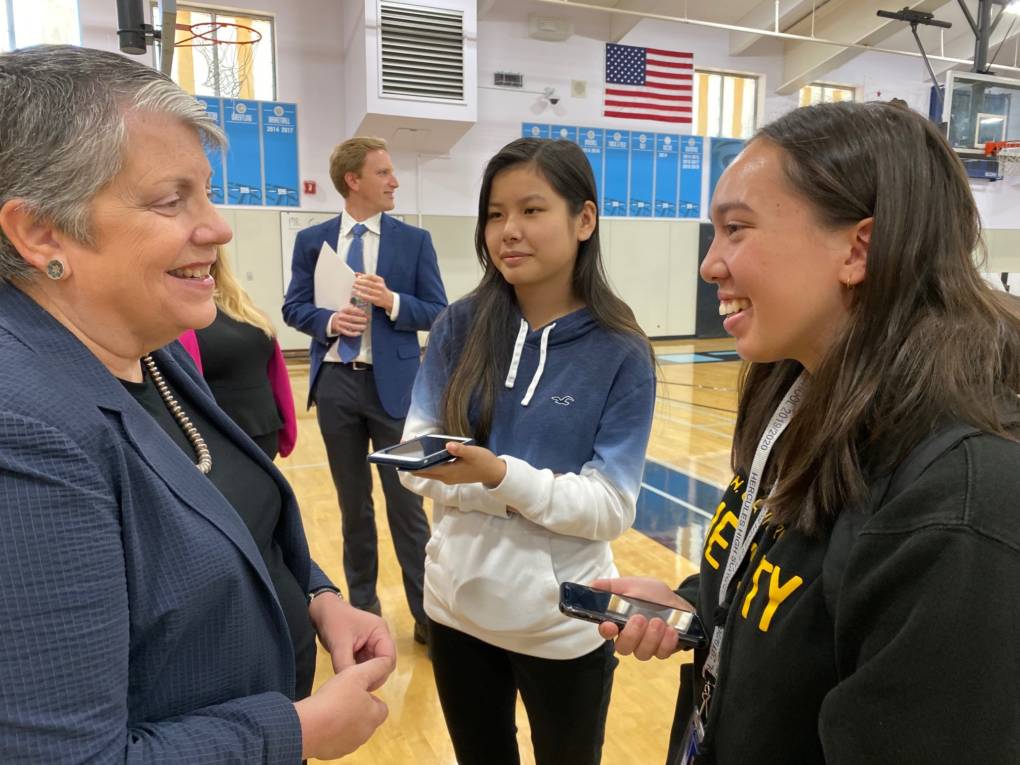
"caption": "UC President Janet Napolitano (left) told Hercules yearbook editor Alexis Nontha-Vaughan and photographer Brianna Lee their school's student body represents the future of California.",
"description": "UC President Janet Napolitano (left) told Hercules yearbook editor Alexis Nontha-Vaughan and photographer Brianna Lee their school's student body represents the future of California.",
"title": "Hercules High year book staff interview Napolitano",
"credit": "Julia McEvoy/KQED",
"status": "inherit",
"isLoading": false,
"fetchFailed": false
},
"news_11716757": {
"type": "attachments",
"id": "news_11716757",
"meta": {
"index": "attachments_1716263798",
"site": "news",
"id": "11716757",
"found": true
},
"parent": 11716742,
"imgSizes": {
"twentyfourteen-full-width": {
"file": "https://ww2.kqed.org/app/uploads/sites/10/2019/01/IMG_0704-1038x576.jpg",
"width": 1038,
"mimeType": "image/jpeg",
"height": 576
},
"thumbnail": {
"file": "https://ww2.kqed.org/app/uploads/sites/10/2019/01/IMG_0704-160x120.jpg",
"width": 160,
"mimeType": "image/jpeg",
"height": 120
},
"post-thumbnail": {
"file": "https://ww2.kqed.org/app/uploads/sites/10/2019/01/IMG_0704-672x372.jpg",
"width": 672,
"mimeType": "image/jpeg",
"height": 372
},
"kqedFullSize": {
"file": "https://ww2.kqed.org/app/uploads/sites/10/2019/01/IMG_0704-e1573275721193.jpg",
"width": 1920,
"height": 1440
},
"large": {
"file": "https://ww2.kqed.org/app/uploads/sites/10/2019/01/IMG_0704-1020x765.jpg",
"width": 1020,
"mimeType": "image/jpeg",
"height": 765
},
"complete_open_graph": {
"file": "https://ww2.kqed.org/app/uploads/sites/10/2019/01/IMG_0704-1200x900.jpg",
"width": 1200,
"mimeType": "image/jpeg",
"height": 900
},
"guest-author-50": {
"file": "https://ww2.kqed.org/app/uploads/sites/10/2019/01/IMG_0704-50x50.jpg",
"width": 50,
"mimeType": "image/jpeg",
"height": 50
},
"guest-author-96": {
"file": "https://ww2.kqed.org/app/uploads/sites/10/2019/01/IMG_0704-96x96.jpg",
"width": 96,
"mimeType": "image/jpeg",
"height": 96
},
"medium": {
"file": "https://ww2.kqed.org/app/uploads/sites/10/2019/01/IMG_0704-800x600.jpg",
"width": 800,
"mimeType": "image/jpeg",
"height": 600
},
"guest-author-64": {
"file": "https://ww2.kqed.org/app/uploads/sites/10/2019/01/IMG_0704-64x64.jpg",
"width": 64,
"mimeType": "image/jpeg",
"height": 64
},
"guest-author-32": {
"file": "https://ww2.kqed.org/app/uploads/sites/10/2019/01/IMG_0704-32x32.jpg",
"width": 32,
"mimeType": "image/jpeg",
"height": 32
},
"full-width": {
"file": "https://ww2.kqed.org/app/uploads/sites/10/2019/01/IMG_0704-1920x1440.jpg",
"width": 1920,
"mimeType": "image/jpeg",
"height": 1440
},
"detail": {
"file": "https://ww2.kqed.org/app/uploads/sites/10/2019/01/IMG_0704-150x150.jpg",
"width": 150,
"mimeType": "image/jpeg",
"height": 150
},
"guest-author-128": {
"file": "https://ww2.kqed.org/app/uploads/sites/10/2019/01/IMG_0704-128x128.jpg",
"width": 128,
"mimeType": "image/jpeg",
"height": 128
}
},
"publishDate": 1546982596,
"modified": 1573275993,
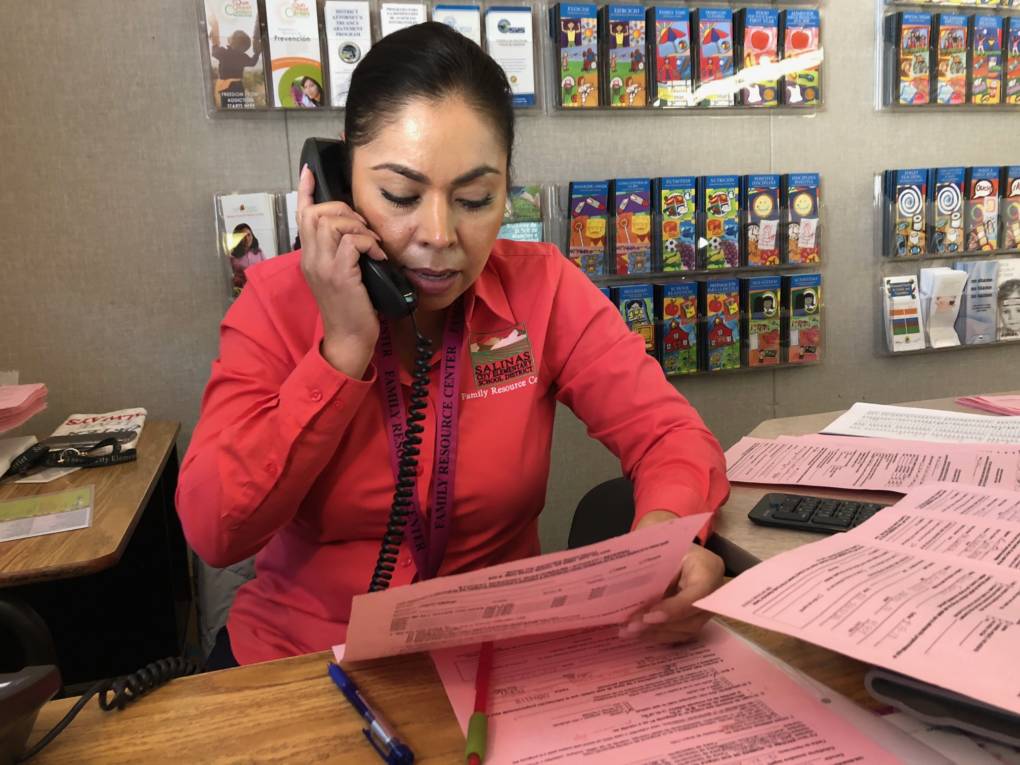
"caption": "At the Salinas City Elementary School District Family Resource Center, caseworker Liliana Ramirez tries to identify which students are homeless by checking in with parents about the residency questionnaires they filled out at the beginning of the school year. Student homelessness in the district has skyrocketed in recent years.",
"description": null,
"title": "IMG_0704",
"credit": "Vanessa Rancaño/KQED",
"status": "inherit",
"isLoading": false,
"fetchFailed": false
},
"news_11784506": {
"type": "attachments",
"id": "news_11784506",
"meta": {
"index": "attachments_1716263798",
"site": "news",
"id": "11784506",
"found": true
},
"parent": 11784452,
"imgSizes": {
"apple_news_ca_landscape_5_5": {
"file": "https://ww2.kqed.org/app/uploads/sites/10/2019/11/RS40044_DayofDead_Morga_009-qut-1044x783.jpg",
"width": 1044,
"mimeType": "image/jpeg",
"height": 783
},
"apple_news_ca_square_4_0": {
"file": "https://ww2.kqed.org/app/uploads/sites/10/2019/11/RS40044_DayofDead_Morga_009-qut-470x470.jpg",
"width": 470,
"mimeType": "image/jpeg",
"height": 470
},
"twentyfourteen-full-width": {
"file": "https://ww2.kqed.org/app/uploads/sites/10/2019/11/RS40044_DayofDead_Morga_009-qut-1038x576.jpg",
"width": 1038,
"mimeType": "image/jpeg",
"height": 576
},
"thumbnail": {
"file": "https://ww2.kqed.org/app/uploads/sites/10/2019/11/RS40044_DayofDead_Morga_009-qut-160x107.jpg",
"width": 160,
"mimeType": "image/jpeg",
"height": 107
},
"post-thumbnail": {
"file": "https://ww2.kqed.org/app/uploads/sites/10/2019/11/RS40044_DayofDead_Morga_009-qut-672x372.jpg",
"width": 672,
"mimeType": "image/jpeg",
"height": 372
},
"kqedFullSize": {
"file": "https://ww2.kqed.org/app/uploads/sites/10/2019/11/RS40044_DayofDead_Morga_009-qut.jpg",
"width": 1920,
"height": 1280
},
"apple_news_ca_landscape_4_7": {
"file": "https://ww2.kqed.org/app/uploads/sites/10/2019/11/RS40044_DayofDead_Morga_009-qut-632x474.jpg",
"width": 632,
"mimeType": "image/jpeg",
"height": 474
},
"large": {
"file": "https://ww2.kqed.org/app/uploads/sites/10/2019/11/RS40044_DayofDead_Morga_009-qut-1020x680.jpg",
"width": 1020,
"mimeType": "image/jpeg",
"height": 680
},
"complete_open_graph": {
"file": "https://ww2.kqed.org/app/uploads/sites/10/2019/11/RS40044_DayofDead_Morga_009-qut-1200x800.jpg",
"width": 1200,
"mimeType": "image/jpeg",
"height": 800
},
"apple_news_ca_landscape_4_0": {
"file": "https://ww2.kqed.org/app/uploads/sites/10/2019/11/RS40044_DayofDead_Morga_009-qut-536x402.jpg",
"width": 536,
"mimeType": "image/jpeg",
"height": 402
},
"apple_news_ca_portrait_12_9": {
"file": "https://ww2.kqed.org/app/uploads/sites/10/2019/11/RS40044_DayofDead_Morga_009-qut-1122x1280.jpg",
"width": 1122,
"mimeType": "image/jpeg",
"height": 1280
},
"medium": {
"file": "https://ww2.kqed.org/app/uploads/sites/10/2019/11/RS40044_DayofDead_Morga_009-qut-800x533.jpg",
"width": 800,
"mimeType": "image/jpeg",
"height": 533
},
"apple_news_ca_portrait_4_0": {
"file": "https://ww2.kqed.org/app/uploads/sites/10/2019/11/RS40044_DayofDead_Morga_009-qut-354x472.jpg",
"width": 354,
"mimeType": "image/jpeg",
"height": 472
},
"apple_news_ca_portrait_9_7": {
"file": "https://ww2.kqed.org/app/uploads/sites/10/2019/11/RS40044_DayofDead_Morga_009-qut-840x1120.jpg",
"width": 840,
"mimeType": "image/jpeg",
"height": 1120
},
"apple_news_ca_landscape_12_9": {
"file": "https://ww2.kqed.org/app/uploads/sites/10/2019/11/RS40044_DayofDead_Morga_009-qut-1832x1280.jpg",
"width": 1832,
"mimeType": "image/jpeg",
"height": 1280
},
"apple_news_ca_square_9_7": {
"file": "https://ww2.kqed.org/app/uploads/sites/10/2019/11/RS40044_DayofDead_Morga_009-qut-1104x1104.jpg",
"width": 1104,
"mimeType": "image/jpeg",
"height": 1104
},
"apple_news_ca_portrait_4_7": {
"file": "https://ww2.kqed.org/app/uploads/sites/10/2019/11/RS40044_DayofDead_Morga_009-qut-414x552.jpg",
"width": 414,
"mimeType": "image/jpeg",
"height": 552
},
"apple_news_ca_square_12_9": {
"file": "https://ww2.kqed.org/app/uploads/sites/10/2019/11/RS40044_DayofDead_Morga_009-qut-1472x1280.jpg",
"width": 1472,
"mimeType": "image/jpeg",
"height": 1280
},
"apple_news_ca_portrait_5_5": {
"file": "https://ww2.kqed.org/app/uploads/sites/10/2019/11/RS40044_DayofDead_Morga_009-qut-687x916.jpg",
"width": 687,
"mimeType": "image/jpeg",
"height": 916
},
"full-width": {
"file": "https://ww2.kqed.org/app/uploads/sites/10/2019/11/RS40044_DayofDead_Morga_009-qut-1920x1280.jpg",
"width": 1920,
"mimeType": "image/jpeg",
"height": 1280
},
"apple_news_ca_square_4_7": {
"file": "https://ww2.kqed.org/app/uploads/sites/10/2019/11/RS40044_DayofDead_Morga_009-qut-550x550.jpg",
"width": 550,
"mimeType": "image/jpeg",
"height": 550
},
"apple_news_ca_landscape_9_7": {
"file": "https://ww2.kqed.org/app/uploads/sites/10/2019/11/RS40044_DayofDead_Morga_009-qut-1376x1032.jpg",
"width": 1376,
"mimeType": "image/jpeg",
"height": 1032
},
"apple_news_ca_square_5_5": {
"file": "https://ww2.kqed.org/app/uploads/sites/10/2019/11/RS40044_DayofDead_Morga_009-qut-912x912.jpg",
"width": 912,
"mimeType": "image/jpeg",
"height": 912
}
},
"publishDate": 1572654439,
"modified": 1572725664,
"caption": "Altar for Día de los Muertos at John O'Connell High School.",
"description": null,
"title": "RS40044_DayofDead_Morga_009-qut",
"credit": "Adriana Morga/KQED",
"status": "inherit",
"isLoading": false,
"fetchFailed": false
},
"news_11784151": {
"type": "attachments",
"id": "news_11784151",
"meta": {
"index": "attachments_1716263798",
"site": "news",
"id": "11784151",
"found": true
},
"parent": 11784149,
"imgSizes": {
"apple_news_ca_landscape_5_5": {
"file": "https://ww2.kqed.org/app/uploads/sites/10/2019/10/berkeley-teachers-2-1044x783.jpg",
"width": 1044,
"mimeType": "image/jpeg",
"height": 783
},
"apple_news_ca_square_4_0": {
"file": "https://ww2.kqed.org/app/uploads/sites/10/2019/10/berkeley-teachers-2-470x470.jpg",
"width": 470,
"mimeType": "image/jpeg",
"height": 470
},
"twentyfourteen-full-width": {
"file": "https://ww2.kqed.org/app/uploads/sites/10/2019/10/berkeley-teachers-2-1038x576.jpg",
"width": 1038,
"mimeType": "image/jpeg",
"height": 576
},
"thumbnail": {
"file": "https://ww2.kqed.org/app/uploads/sites/10/2019/10/berkeley-teachers-2-160x120.jpg",
"width": 160,
"mimeType": "image/jpeg",
"height": 120
},
"post-thumbnail": {
"file": "https://ww2.kqed.org/app/uploads/sites/10/2019/10/berkeley-teachers-2-672x372.jpg",
"width": 672,
"mimeType": "image/jpeg",
"height": 372
},
"kqedFullSize": {
"file": "https://ww2.kqed.org/app/uploads/sites/10/2019/10/berkeley-teachers-2.jpg",
"width": 1200,
"height": 900
},
"apple_news_ca_landscape_4_7": {
"file": "https://ww2.kqed.org/app/uploads/sites/10/2019/10/berkeley-teachers-2-632x474.jpg",
"width": 632,
"mimeType": "image/jpeg",
"height": 474
},
"large": {
"file": "https://ww2.kqed.org/app/uploads/sites/10/2019/10/berkeley-teachers-2-1020x765.jpg",
"width": 1020,
"mimeType": "image/jpeg",
"height": 765
},
"complete_open_graph": {
"file": "https://ww2.kqed.org/app/uploads/sites/10/2019/10/berkeley-teachers-2-1200x900.jpg",
"width": 1200,
"mimeType": "image/jpeg",
"height": 900
},
"apple_news_ca_landscape_4_0": {
"file": "https://ww2.kqed.org/app/uploads/sites/10/2019/10/berkeley-teachers-2-536x402.jpg",
"width": 536,
"mimeType": "image/jpeg",
"height": 402
},
"apple_news_ca_portrait_12_9": {
"file": "https://ww2.kqed.org/app/uploads/sites/10/2019/10/berkeley-teachers-2-1122x900.jpg",
"width": 1122,
"mimeType": "image/jpeg",
"height": 900
},
"medium": {
"file": "https://ww2.kqed.org/app/uploads/sites/10/2019/10/berkeley-teachers-2-800x600.jpg",
"width": 800,
"mimeType": "image/jpeg",
"height": 600
},
"apple_news_ca_portrait_4_0": {
"file": "https://ww2.kqed.org/app/uploads/sites/10/2019/10/berkeley-teachers-2-354x472.jpg",
"width": 354,
"mimeType": "image/jpeg",
"height": 472
},
"apple_news_ca_portrait_9_7": {
"file": "https://ww2.kqed.org/app/uploads/sites/10/2019/10/berkeley-teachers-2-840x900.jpg",
"width": 840,
"mimeType": "image/jpeg",
"height": 900
},
"apple_news_ca_square_9_7": {
"file": "https://ww2.kqed.org/app/uploads/sites/10/2019/10/berkeley-teachers-2-1104x900.jpg",
"width": 1104,
"mimeType": "image/jpeg",
"height": 900
},
"apple_news_ca_portrait_4_7": {
"file": "https://ww2.kqed.org/app/uploads/sites/10/2019/10/berkeley-teachers-2-414x552.jpg",
"width": 414,
"mimeType": "image/jpeg",
"height": 552
},
"apple_news_ca_portrait_5_5": {
"file": "https://ww2.kqed.org/app/uploads/sites/10/2019/10/berkeley-teachers-2-687x900.jpg",
"width": 687,
"mimeType": "image/jpeg",
"height": 900
},
"apple_news_ca_square_4_7": {
"file": "https://ww2.kqed.org/app/uploads/sites/10/2019/10/berkeley-teachers-2-550x550.jpg",
"width": 550,
"mimeType": "image/jpeg",
"height": 550
},
"apple_news_ca_square_5_5": {
"file": "https://ww2.kqed.org/app/uploads/sites/10/2019/10/berkeley-teachers-2-912x900.jpg",
"width": 912,
"mimeType": "image/jpeg",
"height": 900
}
},
"publishDate": 1572560135,
"modified": 1572563537,
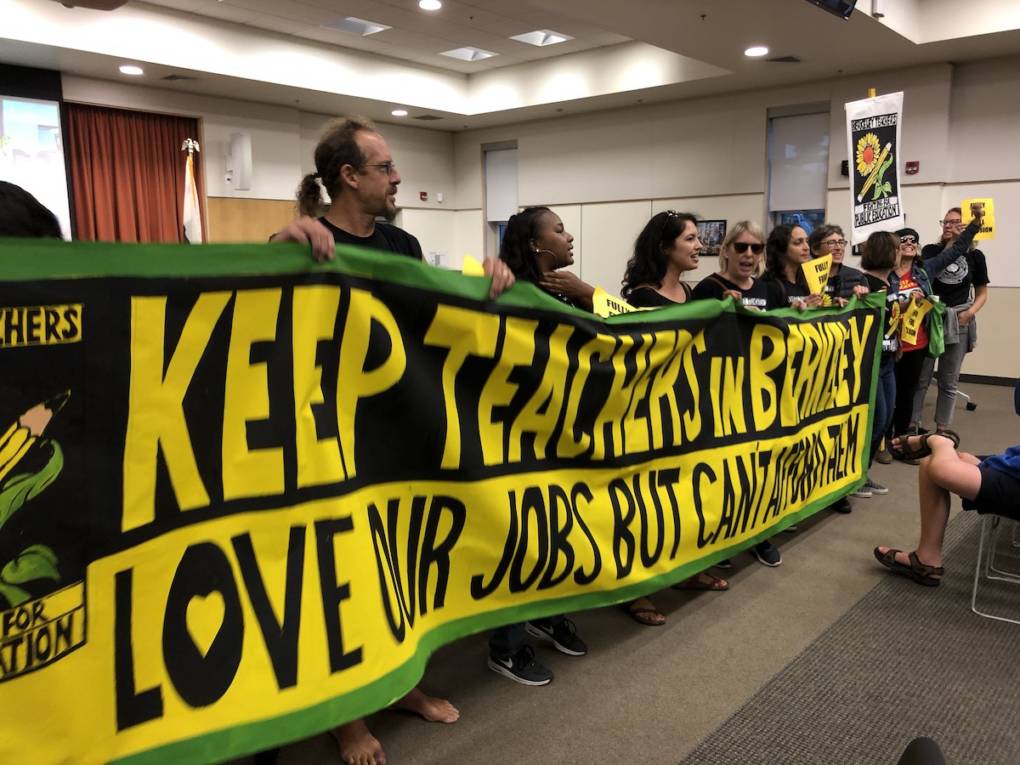
"caption": "Berkeley teachers campaigned at board meetings and schools for a year and a half before reaching a tentative agreement with BUSD this week.",
"description": "Berkeley teachers campaigned at board meetings and schools for a year and a half before reaching a tentative agreement with BUSD this week.",
"title": "berkeley-teachers-2",
"credit": "Natalie Orenstein/Berkeleyside",
"status": "inherit",
"isLoading": false,
"fetchFailed": false
},
"news_11683169": {
"type": "attachments",
"id": "news_11683169",
"meta": {
"index": "attachments_1716263798",
"site": "news",
"id": "11683169",
"found": true
},
"parent": 11682907,
"imgSizes": {
"small": {
"file": "https://ww2.kqed.org/app/uploads/sites/10/2018/07/ShipyardConstruct-520x329.jpg",
"width": 520,
"mimeType": "image/jpeg",
"height": 329
},
"twentyfourteen-full-width": {
"file": "https://ww2.kqed.org/app/uploads/sites/10/2018/07/ShipyardConstruct-1038x576.jpg",
"width": 1038,
"mimeType": "image/jpeg",
"height": 576
},
"thumbnail": {
"file": "https://ww2.kqed.org/app/uploads/sites/10/2018/07/ShipyardConstruct-160x101.jpg",
"width": 160,
"mimeType": "image/jpeg",
"height": 101
},
"fd-sm": {
"file": "https://ww2.kqed.org/app/uploads/sites/10/2018/07/ShipyardConstruct-960x607.jpg",
"width": 960,
"mimeType": "image/jpeg",
"height": 607
},
"post-thumbnail": {
"file": "https://ww2.kqed.org/app/uploads/sites/10/2018/07/ShipyardConstruct-672x372.jpg",
"width": 672,
"mimeType": "image/jpeg",
"height": 372
},
"xsmall": {
"file": "https://ww2.kqed.org/app/uploads/sites/10/2018/07/ShipyardConstruct-375x237.jpg",
"width": 375,
"mimeType": "image/jpeg",
"height": 237
},
"kqedFullSize": {
"file": "https://ww2.kqed.org/app/uploads/sites/10/2018/07/ShipyardConstruct.jpg",
"width": 1920,
"height": 1214
},
"large": {
"file": "https://ww2.kqed.org/app/uploads/sites/10/2018/07/ShipyardConstruct-1020x645.jpg",
"width": 1020,
"mimeType": "image/jpeg",
"height": 645
},
"xlarge": {
"file": "https://ww2.kqed.org/app/uploads/sites/10/2018/07/ShipyardConstruct-1180x746.jpg",
"width": 1180,
"mimeType": "image/jpeg",
"height": 746
},
"complete_open_graph": {
"file": "https://ww2.kqed.org/app/uploads/sites/10/2018/07/ShipyardConstruct-1200x759.jpg",
"width": 1200,
"mimeType": "image/jpeg",
"height": 759
},
"guest-author-50": {
"file": "https://ww2.kqed.org/app/uploads/sites/10/2018/07/ShipyardConstruct-50x50.jpg",
"width": 50,
"mimeType": "image/jpeg",
"height": 50
},
"guest-author-96": {
"file": "https://ww2.kqed.org/app/uploads/sites/10/2018/07/ShipyardConstruct-96x96.jpg",
"width": 96,
"mimeType": "image/jpeg",
"height": 96
},
"medium": {
"file": "https://ww2.kqed.org/app/uploads/sites/10/2018/07/ShipyardConstruct-800x506.jpg",
"width": 800,
"mimeType": "image/jpeg",
"height": 506
},
"guest-author-64": {
"file": "https://ww2.kqed.org/app/uploads/sites/10/2018/07/ShipyardConstruct-64x64.jpg",
"width": 64,
"mimeType": "image/jpeg",
"height": 64
},
"guest-author-32": {
"file": "https://ww2.kqed.org/app/uploads/sites/10/2018/07/ShipyardConstruct-32x32.jpg",
"width": 32,
"mimeType": "image/jpeg",
"height": 32
},
"fd-lrg": {
"file": "https://ww2.kqed.org/app/uploads/sites/10/2018/07/ShipyardConstruct-1920x1214.jpg",
"width": 1920,
"mimeType": "image/jpeg",
"height": 1214
},
"fd-med": {
"file": "https://ww2.kqed.org/app/uploads/sites/10/2018/07/ShipyardConstruct-1180x746.jpg",
"width": 1180,
"mimeType": "image/jpeg",
"height": 746
},
"full-width": {
"file": "https://ww2.kqed.org/app/uploads/sites/10/2018/07/ShipyardConstruct-1920x1214.jpg",
"width": 1920,
"mimeType": "image/jpeg",
"height": 1214
},
"detail": {
"file": "https://ww2.kqed.org/app/uploads/sites/10/2018/07/ShipyardConstruct-150x150.jpg",
"width": 150,
"mimeType": "image/jpeg",
"height": 150
},
"guest-author-128": {
"file": "https://ww2.kqed.org/app/uploads/sites/10/2018/07/ShipyardConstruct-128x128.jpg",
"width": 128,
"mimeType": "image/jpeg",
"height": 128
},
"xxsmall": {
"file": "https://ww2.kqed.org/app/uploads/sites/10/2018/07/ShipyardConstruct-240x152.jpg",
"width": 240,
"mimeType": "image/jpeg",
"height": 152
}
},
"publishDate": 1532720795,
"modified": 1532720865,
"caption": "Construction workers outside new apartment buildings in the San Francisco Shipyard development at Hunters Point, in July, 2016.",
"description": "Construction workers outside new apartment buildings in the San Francisco Shipyard development at Hunters Point, in July, 2016.",
"title": "ShipyardConstruct",
"credit": "Brittany Hosea-Small/KQED",
"status": "inherit",
"isLoading": false,
"fetchFailed": false
},
"news_11782412": {
"type": "attachments",
"id": "news_11782412",
"meta": {
"index": "attachments_1716263798",
"site": "news",
"id": "11782412",
"found": true
},
"parent": 11782393,
"imgSizes": {
"apple_news_ca_landscape_5_5": {
"file": "https://ww2.kqed.org/app/uploads/sites/10/2019/10/RS39716_Nest_012-qut-1044x783.jpg",
"width": 1044,
"mimeType": "image/jpeg",
"height": 783
},
"apple_news_ca_square_4_0": {
"file": "https://ww2.kqed.org/app/uploads/sites/10/2019/10/RS39716_Nest_012-qut-470x470.jpg",
"width": 470,
"mimeType": "image/jpeg",
"height": 470
},
"twentyfourteen-full-width": {
"file": "https://ww2.kqed.org/app/uploads/sites/10/2019/10/RS39716_Nest_012-qut-1038x576.jpg",
"width": 1038,
"mimeType": "image/jpeg",
"height": 576
},
"thumbnail": {
"file": "https://ww2.kqed.org/app/uploads/sites/10/2019/10/RS39716_Nest_012-qut-160x107.jpg",
"width": 160,
"mimeType": "image/jpeg",
"height": 107
},
"post-thumbnail": {
"file": "https://ww2.kqed.org/app/uploads/sites/10/2019/10/RS39716_Nest_012-qut-672x372.jpg",
"width": 672,
"mimeType": "image/jpeg",
"height": 372
},
"kqedFullSize": {
"file": "https://ww2.kqed.org/app/uploads/sites/10/2019/10/RS39716_Nest_012-qut.jpg",
"width": 1920,
"height": 1280
},
"apple_news_ca_landscape_4_7": {
"file": "https://ww2.kqed.org/app/uploads/sites/10/2019/10/RS39716_Nest_012-qut-632x474.jpg",
"width": 632,
"mimeType": "image/jpeg",
"height": 474
},
"large": {
"file": "https://ww2.kqed.org/app/uploads/sites/10/2019/10/RS39716_Nest_012-qut-1020x680.jpg",
"width": 1020,
"mimeType": "image/jpeg",
"height": 680
},
"complete_open_graph": {
"file": "https://ww2.kqed.org/app/uploads/sites/10/2019/10/RS39716_Nest_012-qut-1200x800.jpg",
"width": 1200,
"mimeType": "image/jpeg",
"height": 800
},
"apple_news_ca_landscape_4_0": {
"file": "https://ww2.kqed.org/app/uploads/sites/10/2019/10/RS39716_Nest_012-qut-536x402.jpg",
"width": 536,
"mimeType": "image/jpeg",
"height": 402
},
"apple_news_ca_portrait_12_9": {
"file": "https://ww2.kqed.org/app/uploads/sites/10/2019/10/RS39716_Nest_012-qut-1122x1280.jpg",
"width": 1122,
"mimeType": "image/jpeg",
"height": 1280
},
"medium": {
"file": "https://ww2.kqed.org/app/uploads/sites/10/2019/10/RS39716_Nest_012-qut-800x533.jpg",
"width": 800,
"mimeType": "image/jpeg",
"height": 533
},
"apple_news_ca_portrait_4_0": {
"file": "https://ww2.kqed.org/app/uploads/sites/10/2019/10/RS39716_Nest_012-qut-354x472.jpg",
"width": 354,
"mimeType": "image/jpeg",
"height": 472
},
"apple_news_ca_portrait_9_7": {
"file": "https://ww2.kqed.org/app/uploads/sites/10/2019/10/RS39716_Nest_012-qut-840x1120.jpg",
"width": 840,
"mimeType": "image/jpeg",
"height": 1120
},
"apple_news_ca_landscape_12_9": {
"file": "https://ww2.kqed.org/app/uploads/sites/10/2019/10/RS39716_Nest_012-qut-1832x1280.jpg",
"width": 1832,
"mimeType": "image/jpeg",
"height": 1280
},
"apple_news_ca_square_9_7": {
"file": "https://ww2.kqed.org/app/uploads/sites/10/2019/10/RS39716_Nest_012-qut-1104x1104.jpg",
"width": 1104,
"mimeType": "image/jpeg",
"height": 1104
},
"apple_news_ca_portrait_4_7": {
"file": "https://ww2.kqed.org/app/uploads/sites/10/2019/10/RS39716_Nest_012-qut-414x552.jpg",
"width": 414,
"mimeType": "image/jpeg",
"height": 552
},
"apple_news_ca_square_12_9": {
"file": "https://ww2.kqed.org/app/uploads/sites/10/2019/10/RS39716_Nest_012-qut-1472x1280.jpg",
"width": 1472,
"mimeType": "image/jpeg",
"height": 1280
},
"apple_news_ca_portrait_5_5": {
"file": "https://ww2.kqed.org/app/uploads/sites/10/2019/10/RS39716_Nest_012-qut-687x916.jpg",
"width": 687,
"mimeType": "image/jpeg",
"height": 916
},
"full-width": {
"file": "https://ww2.kqed.org/app/uploads/sites/10/2019/10/RS39716_Nest_012-qut-1920x1280.jpg",
"width": 1920,
"mimeType": "image/jpeg",
"height": 1280
},
"apple_news_ca_square_4_7": {
"file": "https://ww2.kqed.org/app/uploads/sites/10/2019/10/RS39716_Nest_012-qut-550x550.jpg",
"width": 550,
"mimeType": "image/jpeg",
"height": 550
},
"apple_news_ca_landscape_9_7": {
"file": "https://ww2.kqed.org/app/uploads/sites/10/2019/10/RS39716_Nest_012-qut-1376x1032.jpg",
"width": 1376,
"mimeType": "image/jpeg",
"height": 1032
},
"apple_news_ca_square_5_5": {
"file": "https://ww2.kqed.org/app/uploads/sites/10/2019/10/RS39716_Nest_012-qut-912x912.jpg",
"width": 912,
"mimeType": "image/jpeg",
"height": 912
}
},
"publishDate": 1571945386,
"modified": 1572025030,
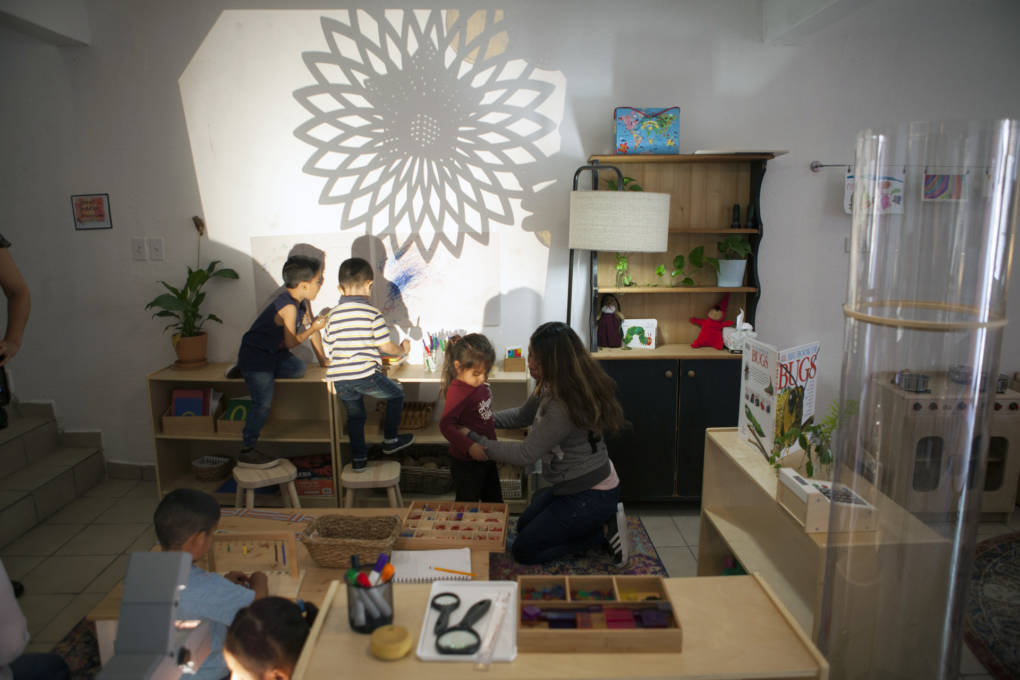
"caption": "Kids project shapes onto the walls at the Nest Tijuana. ",
"description": "Kids project shapes onto the walls and play with colorful magnetic blocks at the Nest Tijuana. ",
"title": "RS39716_Nest_012-qut",
"credit": "Erin Siegal McIntyre/KQED",
"status": "inherit",
"isLoading": false,
"fetchFailed": false
},
"news_11782844": {
"type": "attachments",
"id": "news_11782844",
"meta": {
"index": "attachments_1716263798",
"site": "news",
"id": "11782844",
"found": true
},
"parent": 11782808,
"imgSizes": {
"apple_news_ca_landscape_5_5": {
"file": "https://ww2.kqed.org/app/uploads/sites/10/2019/10/GettyImages-1133269468-1044x783.jpg",
"width": 1044,
"mimeType": "image/jpeg",
"height": 783
},
"apple_news_ca_square_4_0": {
"file": "https://ww2.kqed.org/app/uploads/sites/10/2019/10/GettyImages-1133269468-470x470.jpg",
"width": 470,
"mimeType": "image/jpeg",
"height": 470
},
"twentyfourteen-full-width": {
"file": "https://ww2.kqed.org/app/uploads/sites/10/2019/10/GettyImages-1133269468-1038x576.jpg",
"width": 1038,
"mimeType": "image/jpeg",
"height": 576
},
"thumbnail": {
"file": "https://ww2.kqed.org/app/uploads/sites/10/2019/10/GettyImages-1133269468-160x107.jpg",
"width": 160,
"mimeType": "image/jpeg",
"height": 107
},
"post-thumbnail": {
"file": "https://ww2.kqed.org/app/uploads/sites/10/2019/10/GettyImages-1133269468-672x372.jpg",
"width": 672,
"mimeType": "image/jpeg",
"height": 372
},
"kqedFullSize": {
"file": "https://ww2.kqed.org/app/uploads/sites/10/2019/10/GettyImages-1133269468-e1572033161248.jpg",
"width": 1920,
"height": 1280
},
"apple_news_ca_landscape_4_7": {
"file": "https://ww2.kqed.org/app/uploads/sites/10/2019/10/GettyImages-1133269468-632x474.jpg",
"width": 632,
"mimeType": "image/jpeg",
"height": 474
},
"large": {
"file": "https://ww2.kqed.org/app/uploads/sites/10/2019/10/GettyImages-1133269468-1020x680.jpg",
"width": 1020,
"mimeType": "image/jpeg",
"height": 680
},
"complete_open_graph": {
"file": "https://ww2.kqed.org/app/uploads/sites/10/2019/10/GettyImages-1133269468-1200x800.jpg",
"width": 1200,
"mimeType": "image/jpeg",
"height": 800
},
"apple_news_ca_landscape_4_0": {
"file": "https://ww2.kqed.org/app/uploads/sites/10/2019/10/GettyImages-1133269468-536x402.jpg",
"width": 536,
"mimeType": "image/jpeg",
"height": 402
},
"apple_news_ca_portrait_12_9": {
"file": "https://ww2.kqed.org/app/uploads/sites/10/2019/10/GettyImages-1133269468-1122x1496.jpg",
"width": 1122,
"mimeType": "image/jpeg",
"height": 1496
},
"medium": {
"file": "https://ww2.kqed.org/app/uploads/sites/10/2019/10/GettyImages-1133269468-800x533.jpg",
"width": 800,
"mimeType": "image/jpeg",
"height": 533
},
"apple_news_ca_portrait_4_0": {
"file": "https://ww2.kqed.org/app/uploads/sites/10/2019/10/GettyImages-1133269468-354x472.jpg",
"width": 354,
"mimeType": "image/jpeg",
"height": 472
},
"apple_news_ca_portrait_9_7": {
"file": "https://ww2.kqed.org/app/uploads/sites/10/2019/10/GettyImages-1133269468-840x1120.jpg",
"width": 840,
"mimeType": "image/jpeg",
"height": 1120
},
"apple_news_ca_landscape_12_9": {
"file": "https://ww2.kqed.org/app/uploads/sites/10/2019/10/GettyImages-1133269468-1832x1374.jpg",
"width": 1832,
"mimeType": "image/jpeg",
"height": 1374
},
"apple_news_ca_square_9_7": {
"file": "https://ww2.kqed.org/app/uploads/sites/10/2019/10/GettyImages-1133269468-1104x1104.jpg",
"width": 1104,
"mimeType": "image/jpeg",
"height": 1104
},
"apple_news_ca_portrait_4_7": {
"file": "https://ww2.kqed.org/app/uploads/sites/10/2019/10/GettyImages-1133269468-414x552.jpg",
"width": 414,
"mimeType": "image/jpeg",
"height": 552
},
"apple_news_ca_square_12_9": {
"file": "https://ww2.kqed.org/app/uploads/sites/10/2019/10/GettyImages-1133269468-1472x1472.jpg",
"width": 1472,
"mimeType": "image/jpeg",
"height": 1472
},
"apple_news_ca_portrait_5_5": {
"file": "https://ww2.kqed.org/app/uploads/sites/10/2019/10/GettyImages-1133269468-687x916.jpg",
"width": 687,
"mimeType": "image/jpeg",
"height": 916
},
"full-width": {
"file": "https://ww2.kqed.org/app/uploads/sites/10/2019/10/GettyImages-1133269468-1920x1280.jpg",
"width": 1920,
"mimeType": "image/jpeg",
"height": 1280
},
"apple_news_ca_square_4_7": {
"file": "https://ww2.kqed.org/app/uploads/sites/10/2019/10/GettyImages-1133269468-550x550.jpg",
"width": 550,
"mimeType": "image/jpeg",
"height": 550
},
"apple_news_ca_landscape_9_7": {
"file": "https://ww2.kqed.org/app/uploads/sites/10/2019/10/GettyImages-1133269468-1376x1032.jpg",
"width": 1376,
"mimeType": "image/jpeg",
"height": 1032
},
"apple_news_ca_square_5_5": {
"file": "https://ww2.kqed.org/app/uploads/sites/10/2019/10/GettyImages-1133269468-912x912.jpg",
"width": 912,
"mimeType": "image/jpeg",
"height": 912
}
},
"publishDate": 1572033112,
"modified": 1572038315,
"caption": "U.S. Secretary of Education Betsy DeVos is being fined for contempt of court for failing to stop collecting loans from former students of a now-defunct chain of for-profit colleges.",
"description": "U.S. Secretary of Education Betsy DeVos is being fined for contempt of court for failing to stop collecting loans from former students of a now-defunct chain of for-profit colleges.",
"title": "Education Secretary Betsy DeVos Testifies To Senate Committee On Department's Budget",
"credit": "Zach Gibson/Getty Images",
"status": "inherit",
"isLoading": false,
"fetchFailed": false
},
"news_11782302": {
"type": "attachments",
"id": "news_11782302",
"meta": {
"index": "attachments_1716263798",
"site": "news",
"id": "11782302",
"found": true
},
"parent": 11781890,
"imgSizes": {
"apple_news_ca_landscape_5_5": {
"file": "https://ww2.kqed.org/app/uploads/sites/10/2019/10/ousd-meeting-police-1044x783.jpg",
"width": 1044,
"mimeType": "image/jpeg",
"height": 783
},
"apple_news_ca_square_4_0": {
"file": "https://ww2.kqed.org/app/uploads/sites/10/2019/10/ousd-meeting-police-470x470.jpg",
"width": 470,
"mimeType": "image/jpeg",
"height": 470
},
"twentyfourteen-full-width": {
"file": "https://ww2.kqed.org/app/uploads/sites/10/2019/10/ousd-meeting-police-1038x576.jpg",
"width": 1038,
"mimeType": "image/jpeg",
"height": 576
},
"thumbnail": {
"file": "https://ww2.kqed.org/app/uploads/sites/10/2019/10/ousd-meeting-police-160x90.jpg",
"width": 160,
"mimeType": "image/jpeg",
"height": 90
},
"post-thumbnail": {
"file": "https://ww2.kqed.org/app/uploads/sites/10/2019/10/ousd-meeting-police-672x372.jpg",
"width": 672,
"mimeType": "image/jpeg",
"height": 372
},
"kqedFullSize": {
"file": "https://ww2.kqed.org/app/uploads/sites/10/2019/10/ousd-meeting-police.jpg",
"width": 1920,
"height": 1080
},
"apple_news_ca_landscape_4_7": {
"file": "https://ww2.kqed.org/app/uploads/sites/10/2019/10/ousd-meeting-police-632x474.jpg",
"width": 632,
"mimeType": "image/jpeg",
"height": 474
},
"large": {
"file": "https://ww2.kqed.org/app/uploads/sites/10/2019/10/ousd-meeting-police-1020x574.jpg",
"width": 1020,
"mimeType": "image/jpeg",
"height": 574
},
"complete_open_graph": {
"file": "https://ww2.kqed.org/app/uploads/sites/10/2019/10/ousd-meeting-police-1200x675.jpg",
"width": 1200,
"mimeType": "image/jpeg",
"height": 675
},
"apple_news_ca_landscape_4_0": {
"file": "https://ww2.kqed.org/app/uploads/sites/10/2019/10/ousd-meeting-police-536x402.jpg",
"width": 536,
"mimeType": "image/jpeg",
"height": 402
},
"apple_news_ca_portrait_12_9": {
"file": "https://ww2.kqed.org/app/uploads/sites/10/2019/10/ousd-meeting-police-1122x1080.jpg",
"width": 1122,
"mimeType": "image/jpeg",
"height": 1080
},
"medium": {
"file": "https://ww2.kqed.org/app/uploads/sites/10/2019/10/ousd-meeting-police-800x450.jpg",
"width": 800,
"mimeType": "image/jpeg",
"height": 450
},
"apple_news_ca_portrait_4_0": {
"file": "https://ww2.kqed.org/app/uploads/sites/10/2019/10/ousd-meeting-police-354x472.jpg",
"width": 354,
"mimeType": "image/jpeg",
"height": 472
},
"apple_news_ca_portrait_9_7": {
"file": "https://ww2.kqed.org/app/uploads/sites/10/2019/10/ousd-meeting-police-840x1080.jpg",
"width": 840,
"mimeType": "image/jpeg",
"height": 1080
},
"apple_news_ca_landscape_12_9": {
"file": "https://ww2.kqed.org/app/uploads/sites/10/2019/10/ousd-meeting-police-1832x1080.jpg",
"width": 1832,
"mimeType": "image/jpeg",
"height": 1080
},
"apple_news_ca_square_9_7": {
"file": "https://ww2.kqed.org/app/uploads/sites/10/2019/10/ousd-meeting-police-1104x1080.jpg",
"width": 1104,
"mimeType": "image/jpeg",
"height": 1080
},
"apple_news_ca_portrait_4_7": {
"file": "https://ww2.kqed.org/app/uploads/sites/10/2019/10/ousd-meeting-police-414x552.jpg",
"width": 414,
"mimeType": "image/jpeg",
"height": 552
},
"apple_news_ca_square_12_9": {
"file": "https://ww2.kqed.org/app/uploads/sites/10/2019/10/ousd-meeting-police-1472x1080.jpg",
"width": 1472,
"mimeType": "image/jpeg",
"height": 1080
},
"apple_news_ca_portrait_5_5": {
"file": "https://ww2.kqed.org/app/uploads/sites/10/2019/10/ousd-meeting-police-687x916.jpg",
"width": 687,
"mimeType": "image/jpeg",
"height": 916
},
"full-width": {
"file": "https://ww2.kqed.org/app/uploads/sites/10/2019/10/ousd-meeting-police-1920x1080.jpg",
"width": 1920,
"mimeType": "image/jpeg",
"height": 1080
},
"apple_news_ca_square_4_7": {
"file": "https://ww2.kqed.org/app/uploads/sites/10/2019/10/ousd-meeting-police-550x550.jpg",
"width": 550,
"mimeType": "image/jpeg",
"height": 550
},
"apple_news_ca_landscape_9_7": {
"file": "https://ww2.kqed.org/app/uploads/sites/10/2019/10/ousd-meeting-police-1376x1032.jpg",
"width": 1376,
"mimeType": "image/jpeg",
"height": 1032
},
"apple_news_ca_square_5_5": {
"file": "https://ww2.kqed.org/app/uploads/sites/10/2019/10/ousd-meeting-police-912x912.jpg",
"width": 912,
"mimeType": "image/jpeg",
"height": 912
}
},
"publishDate": 1571929213,
"modified": 1571938611,
"caption": "A police officer strikes a man with a baton after protesters crossed a barricade at an Oakland Unified School District board meeting on Oct. 23, 2019, at La Escuelita Elementary in Oakland.",
"description": "A police officer strikes a man with a baton after protesters crossed a barricade at an Oakland Unified School District board meeting on Oct. 23, 2019, at La Escuelita Elementary in Oakland.",
"title": "ousd-meeting-police",
"credit": "Courtesey of Stracey Gordon",
"status": "inherit",
"isLoading": false,
"fetchFailed": false
},
"news_11743829": {
"type": "attachments",
"id": "news_11743829",
"meta": {
"index": "attachments_1716263798",
"site": "news",
"id": "11743829",
"found": true
},
"parent": 11742455,
"imgSizes": {
"twentyfourteen-full-width": {
"file": "https://ww2.kqed.org/app/uploads/sites/10/2019/04/glenmills190430-1038x576.jpg",
"width": 1038,
"mimeType": "image/jpeg",
"height": 576
},
"thumbnail": {
"file": "https://ww2.kqed.org/app/uploads/sites/10/2019/04/glenmills190430-160x92.jpg",
"width": 160,
"mimeType": "image/jpeg",
"height": 92
},
"post-thumbnail": {
"file": "https://ww2.kqed.org/app/uploads/sites/10/2019/04/glenmills190430-672x372.jpg",
"width": 672,
"mimeType": "image/jpeg",
"height": 372
},
"kqedFullSize": {
"file": "https://ww2.kqed.org/app/uploads/sites/10/2019/04/glenmills190430.jpg",
"width": 1920,
"height": 1104
},
"large": {
"file": "https://ww2.kqed.org/app/uploads/sites/10/2019/04/glenmills190430-1020x587.jpg",
"width": 1020,
"mimeType": "image/jpeg",
"height": 587
},
"complete_open_graph": {
"file": "https://ww2.kqed.org/app/uploads/sites/10/2019/04/glenmills190430-1200x690.jpg",
"width": 1200,
"mimeType": "image/jpeg",
"height": 690
},
"full-width": {
"file": "https://ww2.kqed.org/app/uploads/sites/10/2019/04/glenmills190430-1920x1104.jpg",
"width": 1920,
"mimeType": "image/jpeg",
"height": 1104
},
"medium": {
"file": "https://ww2.kqed.org/app/uploads/sites/10/2019/04/glenmills190430-800x460.jpg",
"width": 800,
"mimeType": "image/jpeg",
"height": 460
}
},
"publishDate": 1556641307,
"modified": 1571708488,
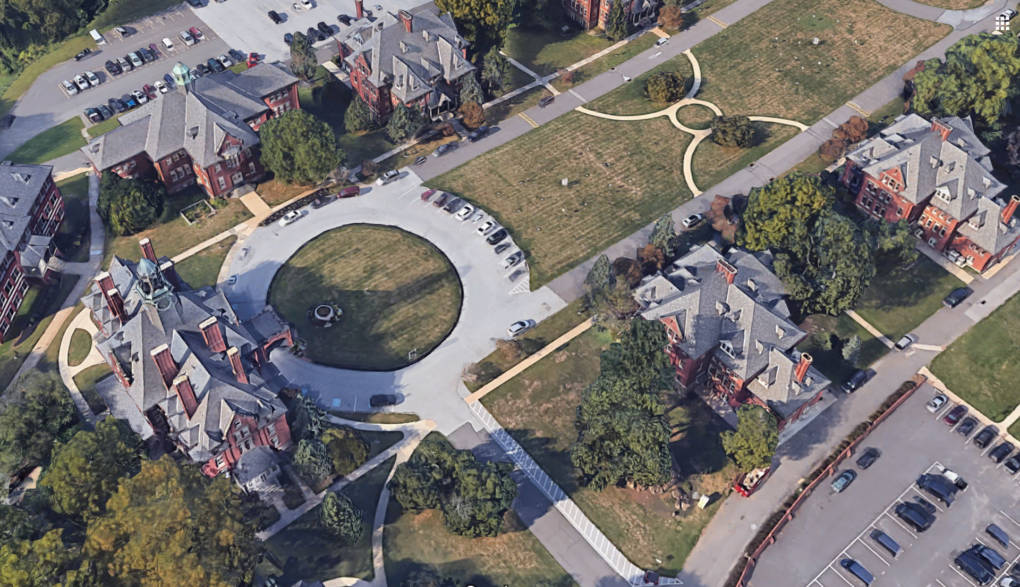
"caption": "An aerial view of the central campus area at the Glen Mills Schools outside Philadelphia.",
"description": "An aerial view of the central campus area at the Glen Mills Schools outside Philadelphia.",
"title": "Glen Mills Schools",
"credit": "Google Earth",
"status": "inherit",
"isLoading": false,
"fetchFailed": false
}
},
"audioPlayerReducer": {
"postId": "stream_live",
"isPaused": true,
"isPlaying": false,
"pfsActive": false,
"pledgeModalIsOpen": true,
"playerDrawerIsOpen": false,
"liveAudioPlayStartedAt": 0,
"liveAudioPlayContext": ""
},
"authorsReducer": {
"byline_news_11784149": {
"type": "authors",
"id": "byline_news_11784149",
"meta": {
"override": true
},
"slug": "byline_news_11784149",
"name": "\u003ca href= \"https://www.berkeleyside.com/author/natalie\"> Natalie Orenstein \u003ca/>",
"isLoading": false
},
"byline_news_11782808": {
"type": "authors",
"id": "byline_news_11782808",
"meta": {
"override": true
},
"slug": "byline_news_11782808",
"name": "\u003ca href= \"https://www.npr.org/people/378865949/elissa-nadworny\"> Elissa Nadworny \u003ca/> and \u003ca href= \"https://www.npr.org/people/302894536/anya-kamenetz\"> Anya Kamenetz \u003ca/>",
"isLoading": false
},
"jmcevoy": {
"type": "authors",
"id": "231",
"meta": {
"index": "authors_1716337520",
"id": "231",
"found": true
},
"name": "Julia McEvoy",
"firstName": "Julia",
"lastName": "McEvoy",
"slug": "jmcevoy",
"email": "jmcevoy@KQED.org",
"display_author_email": true,
"staff_mastheads": [
"news"
],
"title": "KQED Senior Editor",
"bio": "Julia McEvoy is KQED's Senior Editor, Education Equity.\r\n\r\nJulia heads KQED’s education coverage examining inequities students face in Bay Area and California schools, and reports on what it will take to educate the next generation.\r\n\r\nJulia's editorial work has received a Peabody Award, a Casey Medal for Coverage of Children and Families, several Edward R. Murrow awards, as well as awards from the Public Radio News Directors Inc. and the Society for Professional Journalists.",
"avatar": "https://secure.gravatar.com/avatar/aec3ce21abe02b302fd33638abd56a22?s=600&d=blank&r=g",
"twitter": "juliamcevoy1",
"facebook": null,
"instagram": null,
"linkedin": null,
"sites": [
{
"site": "news",
"roles": []
},
{
"site": "stateofhealth",
"roles": [
"author"
]
}
],
"headData": {
"title": "Julia McEvoy | KQED",
"description": "KQED Senior Editor",
"ogImgSrc": "https://secure.gravatar.com/avatar/aec3ce21abe02b302fd33638abd56a22?s=600&d=blank&r=g",
"twImgSrc": "https://secure.gravatar.com/avatar/aec3ce21abe02b302fd33638abd56a22?s=600&d=blank&r=g"
},
"isLoading": false,
"link": "/author/jmcevoy"
},
"sasha-khokha": {
"type": "authors",
"id": "254",
"meta": {
"index": "authors_1716337520",
"id": "254",
"found": true
},
"name": "Sasha Khokha",
"firstName": "Sasha",
"lastName": "Khokha",
"slug": "sasha-khokha",
"email": "skhokha@kqed.org",
"display_author_email": true,
"staff_mastheads": [
"news"
],
"title": "Host, The California Report Magazine",
"bio": "Sasha Khokha is the host of \u003cem>The California Report's \u003c/em> weekly magazine program, which takes listeners on sound-rich excursions to meet the people that make the Golden State unique -- through audio documentaries and long-form stories. As \u003cem>The California Report's\u003c/em> Central Valley Bureau Chief based in Fresno for nearly a dozen years, Sasha brought the lives and concerns of rural Californians to listeners around the state. Her reporting helped expose the hidden price immigrant women janitors and farmworkers may pay to keep their jobs: sexual assault at work. It inspired two new California laws to protect them from sexual harassment. She was a key member of the reporting team for the Frontline film \u003cem>Rape on the Night Shift, \u003c/em>which was nominated for two national Emmys. Sasha has also won a national Edward R. Murrow and a national PRNDI award for investigative reporting, as well as multiple prizes from the Society for Professional Journalists. Sasha is a proud alum of the UC Berkeley Graduate School of Journalism and Brown University and a member of the South Asian Journalists Association.",
"avatar": "https://secure.gravatar.com/avatar/e4b5e1541aaeea2aa356aa1fb2a68950?s=600&d=blank&r=g",
"twitter": "KQEDSashaKhokha",
"facebook": null,
"instagram": null,
"linkedin": null,
"sites": [
{
"site": "news",
"roles": [
"editor"
]
},
{
"site": "stateofhealth",
"roles": [
"author"
]
},
{
"site": "science",
"roles": [
"author"
]
},
{
"site": "quest",
"roles": [
"subscriber"
]
}
],
"headData": {
"title": "Sasha Khokha | KQED",
"description": "Host, The California Report Magazine",
"ogImgSrc": "https://secure.gravatar.com/avatar/e4b5e1541aaeea2aa356aa1fb2a68950?s=600&d=blank&r=g",
"twImgSrc": "https://secure.gravatar.com/avatar/e4b5e1541aaeea2aa356aa1fb2a68950?s=600&d=blank&r=g"
},
"isLoading": false,
"link": "/author/sasha-khokha"
},
"tgoldberg": {
"type": "authors",
"id": "258",
"meta": {
"index": "authors_1716337520",
"id": "258",
"found": true
},
"name": "Ted Goldberg",
"firstName": "Ted",
"lastName": "Goldberg",
"slug": "tgoldberg",
"email": "tgoldberg@kqed.org",
"display_author_email": true,
"staff_mastheads": [
"news"
],
"title": "KQED Managing Editor, News and Newscasts",
"bio": "Ted Goldberg is Managing Editor of News and Newscasts at KQED. His main reporting beat is the Bay Area's oil refining industry.\r\n\r\nPrior to joining KQED in 2014, Ted worked at CBS News and WCBS AM in New York and Bay City News and KCBS Radio in San Francisco. He graduated from Oberlin College in Ohio in 1998.",
"avatar": "https://secure.gravatar.com/avatar/30ce2e4fe89135e104f89be2394d16225b9d36c121b5b3cb7651ce642978b96f?s=600&d=blank&r=g",
"twitter": "TedrickG",
"bluesky": null,
"facebook": null,
"instagram": null,
"linkedin": null,
"sites": [
{
"site": "news",
"roles": [
"editor"
]
},
{
"site": "science",
"roles": [
"editor"
]
}
],
"headData": {
"title": "Ted Goldberg | KQED",
"description": "KQED Managing Editor, News and Newscasts",
"ogImgSrc": "https://secure.gravatar.com/avatar/30ce2e4fe89135e104f89be2394d16225b9d36c121b5b3cb7651ce642978b96f?s=600&d=blank&r=g",
"twImgSrc": "https://secure.gravatar.com/avatar/30ce2e4fe89135e104f89be2394d16225b9d36c121b5b3cb7651ce642978b96f?s=600&d=blank&r=g"
},
"isLoading": false,
"link": "/author/tgoldberg"
},
"matthewgreen": {
"type": "authors",
"id": "1263",
"meta": {
"index": "authors_1716337520",
"id": "1263",
"found": true
},
"name": "Matthew Green",
"firstName": "Matthew",
"lastName": "Green",
"slug": "matthewgreen",
"email": "mgreen@kqed.org",
"display_author_email": false,
"staff_mastheads": [],
"title": "KQED Editor/Reporter",
"bio": "Matthew Green is a digital media producer for KQED News. He previously produced \u003ca href=\"http://www.kqed.org/lowdown\">The Lowdown\u003c/a>, KQED’s multimedia news education blog. Matthew's written for numerous Bay Area publications, including the Oakland Tribune and San Francisco Chronicle. He also taught journalism classes at Fremont High School in East Oakland.\r\n\r\nEmail: mgreen@kqed.org; Twitter: @MGreenKQED",
"avatar": "https://secure.gravatar.com/avatar/3bf498d1267ca02c8494f33d8cfc575e?s=600&d=blank&r=g",
"twitter": "MGreenKQED",
"facebook": null,
"instagram": null,
"linkedin": null,
"sites": [
{
"site": "news",
"roles": []
},
{
"site": "lowdown",
"roles": []
},
{
"site": "science",
"roles": []
},
{
"site": "education",
"roles": []
},
{
"site": "quest",
"roles": []
},
{
"site": "liveblog",
"roles": []
}
],
"headData": {
"title": "Matthew Green | KQED",
"description": "KQED Editor/Reporter",
"ogImgSrc": "https://secure.gravatar.com/avatar/3bf498d1267ca02c8494f33d8cfc575e?s=600&d=blank&r=g",
"twImgSrc": "https://secure.gravatar.com/avatar/3bf498d1267ca02c8494f33d8cfc575e?s=600&d=blank&r=g"
},
"isLoading": false,
"link": "/author/matthewgreen"
},
"markfiore": {
"type": "authors",
"id": "3236",
"meta": {
"index": "authors_1716337520",
"id": "3236",
"found": true
},
"name": "Mark Fiore",
"firstName": "Mark",
"lastName": "Fiore",
"slug": "markfiore",
"email": "mark@markfiore.com",
"display_author_email": false,
"staff_mastheads": [
"news"
],
"title": "KQED News Cartoonist",
"bio": "\u003ca href=\"http://www.MarkFiore.com\">MarkFiore.com\u003c/a> | \u003ca href=\"https://twitter.com/markfiore\">Follow on Twitter\u003c/a> | \u003ca href=\"https://www.facebook.com/pages/Mark-Fiore-Animated-Political-Cartoons/94451707396?ref=bookmarks\">Facebook\u003c/a> | \u003ca href=\"mailto:mark@markfiore.com\">email\u003c/a>\r\n\r\nPulitzer Prize-winner, Mark Fiore, who the Wall Street Journal has called “the undisputed guru of the form,” creates animated political cartoons in San Francisco, where his work has been featured regularly on the San Francisco Chronicle’s web site, SFGate.com. His work has appeared on Newsweek.com, Slate.com, CBSNews.com, MotherJones.com, DailyKos.com and NPR’s web site. Fiore’s political animation has appeared on CNN, Frontline, Bill Moyers Journal, Salon.com and cable and broadcast outlets across the globe.\r\n\r\nBeginning his professional life by drawing traditional political cartoons for newspapers, Fiore’s work appeared in publications ranging from the Washington Post to the Los Angeles Times. In the late 1990s, he began to experiment with animating political cartoons and, after a short stint at the San Jose Mercury News as their staff cartoonist, Fiore devoted all his energies to animation.\r\nGrowing up in California, Fiore also spent a good portion of his life in the backwoods of Idaho. It was this combination that shaped him politically. Mark majored in political science at Colorado College, where, in a perfect send-off for a cartoonist, he received his diploma in 1991 as commencement speaker Dick Cheney smiled approvingly.\r\nMark Fiore was awarded the Pulitzer Prize for political cartooning in 2010, a Robert F. Kennedy Journalism Award in 2004 and has twice received an Online Journalism Award for commentary from the Online News Association (2002, 2008). Fiore has received two awards for his work in new media from the National Cartoonists Society (2001, 2002), and in 2006 received The James Madison Freedom of Information Award from The Society of Professional Journalists.",
"avatar": "https://secure.gravatar.com/avatar/fc4e2a612b15b67bad0c6f0e1db4ca9b?s=600&d=blank&r=g",
"twitter": "MarkFiore",
"facebook": null,
"instagram": "https://www.instagram.com/markfiore/?hl=en",
"linkedin": null,
"sites": [
{
"site": "arts",
"roles": [
"contributor"
]
},
{
"site": "news",
"roles": [
"editor"
]
},
{
"site": "futureofyou",
"roles": [
"editor"
]
},
{
"site": "science",
"roles": [
"editor"
]
}
],
"headData": {
"title": "Mark Fiore | KQED",
"description": "KQED News Cartoonist",
"ogImgSrc": "https://secure.gravatar.com/avatar/fc4e2a612b15b67bad0c6f0e1db4ca9b?s=600&d=blank&r=g",
"twImgSrc": "https://secure.gravatar.com/avatar/fc4e2a612b15b67bad0c6f0e1db4ca9b?s=600&d=blank&r=g"
},
"isLoading": false,
"link": "/author/markfiore"
},
"vrancano": {
"type": "authors",
"id": "11276",
"meta": {
"index": "authors_1716337520",
"id": "11276",
"found": true
},
"name": "Vanessa Rancaño",
"firstName": "Vanessa",
"lastName": "Rancaño",
"slug": "vrancano",
"email": "vrancano@kqed.org",
"display_author_email": false,
"staff_mastheads": [
"news"
],
"title": "Reporter",
"bio": "Vanessa Rancaño is a features reporter for KQED. She’s also covered homelessness and education for the station and reported from the Central Valley. Her work has aired across public radio, from flagship national news shows to longform narrative podcasts. Before taking up a mic, she worked as a freelance print journalist. She’s been recognized with a number of national and regional awards. Vanessa grew up in California's Central Valley. She's a former NPR Kroc Fellow, and a graduate of the UC Berkeley Graduate School of Journalism.",
"avatar": "https://secure.gravatar.com/avatar/b3a383dfb0e7ee1c17568f2cf067904ab654d6e3de9743fc661f3c788ade1bed?s=600&d=blank&r=g",
"twitter": "vanessarancano",
"bluesky": null,
"facebook": null,
"instagram": null,
"linkedin": null,
"sites": [
{
"site": "arts",
"roles": [
"editor"
]
},
{
"site": "news",
"roles": [
"editor"
]
},
{
"site": "liveblog",
"roles": [
"contributor"
]
}
],
"headData": {
"title": "Vanessa Rancaño | KQED",
"description": "Reporter",
"ogImgSrc": "https://secure.gravatar.com/avatar/b3a383dfb0e7ee1c17568f2cf067904ab654d6e3de9743fc661f3c788ade1bed?s=600&d=blank&r=g",
"twImgSrc": "https://secure.gravatar.com/avatar/b3a383dfb0e7ee1c17568f2cf067904ab654d6e3de9743fc661f3c788ade1bed?s=600&d=blank&r=g"
},
"isLoading": false,
"link": "/author/vrancano"
},
"agarces": {
"type": "authors",
"id": "11367",
"meta": {
"index": "authors_1716337520",
"id": "11367",
"found": true
},
"name": "Audrey Garces",
"firstName": "Audrey",
"lastName": "Garces",
"slug": "agarces",
"email": "agarces@kqed.org",
"display_author_email": false,
"staff_mastheads": [
"news"
],
"title": "Digital Producer",
"bio": "Audrey is a former digital producer at KQED News. Previously, she was a KQED Raul Ramirez Diversity Fund intern where she developed stories that focused on highlighting diverse voices in journalism. Prior to her work at KQED, she worked as a news intern at the San Francisco Examiner. Audrey graduated from San Francisco State University with a B.A. in journalism and a minor in political science.",
"avatar": "https://secure.gravatar.com/avatar/5211bc2e6a809b9956da169e35ce63d5?s=600&d=blank&r=g",
"twitter": "audgar",
"facebook": null,
"instagram": null,
"linkedin": null,
"sites": [
{
"site": "arts",
"roles": []
},
{
"site": "news",
"roles": [
"subscriber"
]
},
{
"site": "science",
"roles": [
"editor"
]
},
{
"site": "forum",
"roles": [
"editor"
]
},
{
"site": "perspectives",
"roles": [
"administrator"
]
}
],
"headData": {
"title": "Audrey Garces | KQED",
"description": "Digital Producer",
"ogImgSrc": "https://secure.gravatar.com/avatar/5211bc2e6a809b9956da169e35ce63d5?s=600&d=blank&r=g",
"twImgSrc": "https://secure.gravatar.com/avatar/5211bc2e6a809b9956da169e35ce63d5?s=600&d=blank&r=g"
},
"isLoading": false,
"link": "/author/agarces"
},
"eaguilar": {
"type": "authors",
"id": "11382",
"meta": {
"index": "authors_1716337520",
"id": "11382",
"found": true
},
"name": "Erika Aguilar",
"firstName": "Erika",
"lastName": "Aguilar",
"slug": "eaguilar",
"email": "eaa712@gmail.com",
"display_author_email": false,
"staff_mastheads": [],
"title": "KQED Contributor",
"bio": "Erika Aguilar was the director of podcasts at KQED. She was in charge of KQED's portfolio of original podcasts and teams, and sets strategic plans for production and engagement.\r\n\r\nErika helped establish KQED's new housing affordability desk as senior editor. She was also a producer and editor for KQED's local news podcast called \u003cem>The Bay, \u003c/em>and wrote stories about housing in the Bay Area as a reporter for KQED News.\r\n\r\nErika joined KQED in 2017 after producing independent audio projects and podcasts in Southern California. She spent more than a dozen years reporting stories about law enforcement, breaking news, homelessness, government and the environment for KPCC in Los Angeles and KUT in Austin. She also volunteers as an editor and mentor for various journalism training programs.\r\n\r\nErika Aguilar is a proud Tejana from San Antonio. She believes in compromise, optimism and Selena.",
"avatar": "https://secure.gravatar.com/avatar/85bf7bb8dd9af4136525d94cef00f026?s=600&d=blank&r=g",
"twitter": "erikaaaguilar",
"facebook": null,
"instagram": null,
"linkedin": null,
"sites": [
{
"site": "",
"roles": [
"editor"
]
},
{
"site": "news",
"roles": [
"subscriber"
]
},
{
"site": "podcasts",
"roles": [
"editor"
]
}
],
"headData": {
"title": "Erika Aguilar | KQED",
"description": "KQED Contributor",
"ogImgSrc": "https://secure.gravatar.com/avatar/85bf7bb8dd9af4136525d94cef00f026?s=600&d=blank&r=g",
"twImgSrc": "https://secure.gravatar.com/avatar/85bf7bb8dd9af4136525d94cef00f026?s=600&d=blank&r=g"
},
"isLoading": false,
"link": "/author/eaguilar"
},
"mwiley": {
"type": "authors",
"id": "11526",
"meta": {
"index": "authors_1716337520",
"id": "11526",
"found": true
},
"name": "Michelle Wiley",
"firstName": "Michelle",
"lastName": "Wiley",
"slug": "mwiley",
"email": "mwiley@KQED.org",
"display_author_email": true,
"staff_mastheads": [],
"title": null,
"bio": "Michelle Wiley was the senior editor of weekends.",
"avatar": "https://secure.gravatar.com/avatar/3b897d82a09e8587e8e73fa69fbcc635?s=600&d=blank&r=g",
"twitter": "michelleewiley",
"facebook": null,
"instagram": null,
"linkedin": null,
"sites": [
{
"site": "",
"roles": [
"editor"
]
},
{
"site": "arts",
"roles": [
"editor"
]
},
{
"site": "news",
"roles": [
"subscriber"
]
},
{
"site": "lowdown",
"roles": [
"editor"
]
},
{
"site": "science",
"roles": [
"editor"
]
},
{
"site": "podcasts",
"roles": [
"editor"
]
}
],
"headData": {
"title": "Michelle Wiley | KQED",
"description": null,
"ogImgSrc": "https://secure.gravatar.com/avatar/3b897d82a09e8587e8e73fa69fbcc635?s=600&d=blank&r=g",
"twImgSrc": "https://secure.gravatar.com/avatar/3b897d82a09e8587e8e73fa69fbcc635?s=600&d=blank&r=g"
},
"isLoading": false,
"link": "/author/mwiley"
},
"amorga": {
"type": "authors",
"id": "11629",
"meta": {
"index": "authors_1716337520",
"id": "11629",
"found": true
},
"name": "Adriana Morga",
"firstName": "Adriana",
"lastName": "Morga",
"slug": "amorga",
"email": "amorga@kqed.org",
"display_author_email": false,
"staff_mastheads": [],
"title": "KQED Contributor",
"bio": "Adriana Morga is an on-call Digital Producer for KQED en Español. She is also completing her journalism degree at San Francisco State University. She has experience working in print and radio. Morga, who was born in Tijuana, Mexico, has spent her developing career covering the Latino community for English and Spanish-language publications including KALW and El Tecolote.",
"avatar": "https://secure.gravatar.com/avatar/9ef1c5a7ff2f2ae1ab05809325f43d03?s=600&d=blank&r=g",
"twitter": null,
"facebook": null,
"instagram": null,
"linkedin": null,
"sites": [
{
"site": "arts",
"roles": []
},
{
"site": "news",
"roles": [
"author"
]
},
{
"site": "science",
"roles": [
"editor"
]
}
],
"headData": {
"title": "Adriana Morga | KQED",
"description": "KQED Contributor",
"ogImgSrc": "https://secure.gravatar.com/avatar/9ef1c5a7ff2f2ae1ab05809325f43d03?s=600&d=blank&r=g",
"twImgSrc": "https://secure.gravatar.com/avatar/9ef1c5a7ff2f2ae1ab05809325f43d03?s=600&d=blank&r=g"
},
"isLoading": false,
"link": "/author/amorga"
}
},
"pagesReducer": {
"news_category_education": {
"type": "terms",
"id": "news_18540",
"meta": {
"index": "terms_1716263798",
"site": "news",
"id": "18540",
"score": 10.973179
},
"featImg": null,
"name": "Education",
"description": null,
"taxonomy": "category",
"headData": {
"twImgId": null,
"twTitle": null,
"ogTitle": null,
"ogImgId": null,
"twDescription": null,
"description": null,
"title": "Education Archives | KQED News",
"ogDescription": null
},
"ttid": 2595,
"slug": "education",
"isLoading": false,
"title": "Education",
"pageMeta": {
"site": "news",
"WpPageTemplate": "page-topic-editorial",
"currentPage": 103
},
"blocks": [
{
"blockName": "kqed/post-list",
"attrs": {
"layout": "cardArticle2",
"query": "posts/news?category=education",
"seeMore": false,
"paginated": true,
"page": 103
}
},
{
"blockName": "kqed/ad"
}
]
}
},
"pfsSessionReducer": {},
"postsReducer": {
"stream_live": {
"type": "live",
"id": "stream_live",
"audioUrl": "https://streams.kqed.org/kqedradio",
"title": "Live Stream",
"excerpt": "Live Stream information currently unavailable.",
"link": "/radio",
"featImg": "",
"label": {
"name": "KQED Live",
"link": "/"
}
},
"stream_kqedNewscast": {
"type": "posts",
"id": "stream_kqedNewscast",
"audioUrl": "https://www.kqed.org/.stream/anon/radio/RDnews/newscast.mp3?_=1",
"title": "KQED Newscast",
"featImg": "",
"label": {
"name": "88.5 FM",
"link": "/"
}
},
"news_11788231": {
"type": "posts",
"id": "news_11788231",
"meta": {
"index": "posts_1716263798",
"site": "news",
"id": "11788231",
"score": null,
"sort": [
1574469024000
]
},
"guestAuthors": [],
"slug": "about-those-empty-houses",
"title": "About Those Empty Houses . . .",
"publishDate": 1574469024,
"format": "standard",
"headTitle": "About Those Empty Houses . . . | KQED",
"labelTerm": {
"term": 18515,
"site": "news"
},
"content": "\u003cp>With thousands of vacant privately owned parcels in Oakland and thousands of homeless people living on the streets, two homeless mothers with “\u003ca href=\"https://moms4housing.org/\" target=\"_blank\" rel=\"noopener noreferrer\">Moms 4 Housing\u003c/a>” have \u003ca href=\"http://bit.ly/fiorehomelessmoms\" target=\"_blank\" rel=\"noopener noreferrer\">taken over a vacant house\u003c/a> in West Oakland.\u003c/p>\n\u003cp>We all know that homelessness has many causes, but it boggles the mind to think of houses just sitting vacant while real estate speculators await a fatter profit.\u003c/p>\n\u003cp>If I were homeless, I’d be tempted to take over one of those empty houses, too, while a distant corporation gambled on rising real estate values.\u003c/p>\n\u003cp>[ad fullwidth]\u003c/p>\n\u003cp>\u003c/p>\n",
"blocks": [],
"excerpt": "With thousands of vacant homes and undeveloped land parcels in Oakland, and thousands of homeless people living on the streets, two homeless mothers with 'Moms 4 Housing' have taken over a vacant house. ",
"status": "publish",
"parent": 0,
"modified": 1740517383,
"stats": {
"hasAudio": false,
"hasVideo": false,
"hasChartOrMap": false,
"iframeSrcs": [],
"hasGoogleForm": false,
"hasGallery": false,
"hasHearkenModule": false,
"hasPolis": false,
"paragraphCount": 5,
"wordCount": 94
},
"headData": {
"title": "About Those Empty Houses . . . | KQED",
"description": "With thousands of vacant homes and undeveloped land parcels in Oakland, and thousands of homeless people living on the streets, two homeless mothers with 'Moms 4 Housing' have taken over a vacant house. ",
"ogTitle": "",
"ogDescription": "",
"ogImgId": "",
"twTitle": "",
"twDescription": "",
"twImgId": "",
"schema": {
"@context": "https://schema.org",
"@type": "NewsArticle",
"headline": "About Those Empty Houses . . .",
"datePublished": "2019-11-22T16:30:24-08:00",
"dateModified": "2025-02-25T13:03:03-08:00",
"image": "https://cdn.kqed.org/wp-content/uploads/2020/02/KQED-OG-Image@1x.png",
"isAccessibleForFree": "True",
"publisher": {
"@type": "NewsMediaOrganization",
"@id": "https://www.kqed.org/#organization",
"name": "KQED",
"logo": "https://cdn.kqed.org/wp-content/uploads/2020/02/KQED-OG-Image@1x.png",
"url": "https://www.kqed.org",
"sameAs": [
"https://www.facebook.com/KQED",
"https://twitter.com/KQED",
"https://www.instagram.com/kqed/",
"https://www.tiktok.com/@kqedofficial",
"https://www.linkedin.com/company/kqed",
"https://www.youtube.com/channel/UCeC0IOo7i1P_61zVUWbJ4nw"
]
}
}
},
"sticky": false,
"path": "/news/11788231/about-those-empty-houses",
"audioTrackLength": null,
"parsedContent": [
{
"type": "contentString",
"content": "\u003cdiv class=\"post-body\">\u003cp>\u003cp>With thousands of vacant privately owned parcels in Oakland and thousands of homeless people living on the streets, two homeless mothers with “\u003ca href=\"https://moms4housing.org/\" target=\"_blank\" rel=\"noopener noreferrer\">Moms 4 Housing\u003c/a>” have \u003ca href=\"http://bit.ly/fiorehomelessmoms\" target=\"_blank\" rel=\"noopener noreferrer\">taken over a vacant house\u003c/a> in West Oakland.\u003c/p>\n\u003cp>We all know that homelessness has many causes, but it boggles the mind to think of houses just sitting vacant while real estate speculators await a fatter profit.\u003c/p>\n\u003cp>If I were homeless, I’d be tempted to take over one of those empty houses, too, while a distant corporation gambled on rising real estate values.\u003c/p>\n\u003cp>\u003c/p>\u003c/div>",
"attributes": {
"named": {},
"numeric": []
}
},
{
"type": "component",
"content": "",
"name": "ad",
"attributes": {
"named": {
"label": "fullwidth"
},
"numeric": [
"fullwidth"
]
}
},
{
"type": "contentString",
"content": "\u003cdiv class=\"post-body\">\u003cp>\u003c/p>\n\u003cp>\u003c/p>\n\u003c/div>\u003c/p>",
"attributes": {
"named": {},
"numeric": []
}
}
],
"link": "/news/11788231/about-those-empty-houses",
"authors": [
"3236"
],
"series": [
"news_18515"
],
"categories": [
"news_1758",
"news_18540",
"news_6266",
"news_6188",
"news_8",
"news_13"
],
"tags": [
"news_20013",
"news_4020",
"news_1775",
"news_21358",
"news_20949",
"news_27065",
"news_27055"
],
"featImg": "news_11788252",
"label": "news_18515"
},
"news_11787455": {
"type": "posts",
"id": "news_11787455",
"meta": {
"index": "posts_1716263798",
"site": "news",
"id": "11787455",
"score": null,
"sort": [
1574466986000
]
},
"guestAuthors": [],
"slug": "impeachment-hearings-remind-high-schoolers-of-high-school-or-worse",
"title": "'Something We Should Be Talking About': Oakland Students Weigh in on Impeachment Hearings",
"publishDate": 1574466986,
"format": "standard",
"headTitle": "‘Something We Should Be Talking About’: Oakland Students Weigh in on Impeachment Hearings | KQED",
"labelTerm": {
"site": "news"
},
"content": "\u003cp>How’s this for a loaded question?\u003c/p>\n\u003cp>“Did the president jeopardize U.S. national security by pressuring Ukraine to initiate politically motivated investigations that could interfere in U.S. domestic politics?”\u003c/p>\n\u003cp>Discuss among yourselves.\u003c/p>\n\u003cp>And with that, about 25 seniors in an American government class at Oakland Technical High School got down to business, as the second week of impeachment hearings rumbled along.\u003c/p>\n\u003cp>[pullquote size='medium' align='right' citation=\"John Kelley, Oakland Tech senior\"]‘I typically steer away from politics, but this is really interesting. … It’s something that’s kind of big right now, that we should be talking about.’[/pullquote]\u003c/p>\n\u003cp>“Isn’t it already unconstitutional to do your own private investigation on a political person you’re going against, much less threaten an entire country if they don’t do it?” Lucas Eichelberger asked as several of his peers nodded in agreement.\u003c/p>\n\u003cp>From across the room, student John Kelley disagreed.\u003c/p>\n\u003cp>“He’s talking about other members of American government in this phone call, [but] he’s not directly putting America in danger. He’s actually reinforcing bonds between the two countries.”\u003c/p>\n\u003cp>A handful of students narrowed their eyes skeptically.\u003c/p>\n\u003cp>“If Russia is our enemy and Ukraine is where we need to strengthen our allies and our bonds, then [Trump’s] doing what kind of needs to be done, in his own way,” Kelley added.\u003c/p>\n\u003cp>Oakland Tech teacher Katie Bailey had tasked students with finding supporting arguments for both sides of a fiery saga that’s enthralled and confused scores of adults across the country. It was the beginning of the second week of the congressional impeachment inquiry, and Bailey’s class had already watched some of the previous week’s hearings, including key segments of testimony from William B. Taylor Jr., the top U.S. diplomat in Ukraine, George P. Kent, a senior State Department official in charge of Ukraine policy and Marie Yovanovitch, the former U.S. ambassador to Ukraine.\u003c/p>\n\u003cp>Each student held a packet of documents, including the transcript of President Trump’s call with Volodymyr Zelensky, the president of Ukraine.\u003c/p>\n\u003cp>“I don’t know if it jeopardizes national security or not. It just still is wrong,” said Alex George. “He’s taking his power as the president. He’s using leverage that he has to get dirt on a candidate that’s he’s going to go against.”\u003c/p>\n\u003cp>The lesson, Bailey explained, was a “structured academic controversy,” where students are given information and asked to argue both sides. They then discuss what they really believe and attempt to arrive at some kind of consensus.\u003c/p>\n\u003cfigure id=\"attachment_11788241\" class=\"wp-caption alignnone\" style=\"max-width: 1920px\">\u003ca href=\"https://ww2.kqed.org/app/uploads/sites/10/2019/11/OakTech2-e1574466492559.jpg\">\u003cimg loading=\"lazy\" decoding=\"async\" class=\"size-full wp-image-11788241\" src=\"https://ww2.kqed.org/app/uploads/sites/10/2019/11/OakTech2-e1574466492559.jpg\" alt=\"\" width=\"1920\" height=\"1219\">\u003c/a>\u003cfigcaption class=\"wp-caption-text\">Students in Katie Bailey’s American government class deliver their opposing arguments on the question of whether President Trump jeopardized national security in his dealings with Ukraine. \u003ccite>(Matthew Green/KQED)\u003c/cite>\u003c/figcaption>\u003c/figure>\n\u003cp>Bailey later noted the obvious: The Bay Area, and Oakland in particular, is an unusually liberal place, and most of her students likely come from politically progressive households.\u003c/p>\n\u003cp>“I just want them to be able to consider why so many people might believe the opposite, so that they’re not surprised by the potential outcome, or so they just have a better sense of the political landscape that they’re going into,” she said.\u003c/p>\n\u003cp>Like many students in the class, Erica Rogers had an easier time supporting an argument for impeachment, although she was confident the Senate would never actually vote to remove Trump from office.\u003c/p>\n\u003cp>“I do think that he did jeopardize national security,” she said, referencing the administration’s ouster of Marie Yovanovitch, the former U.S. ambassador to Ukraine. “It’s like, if you can target someone that’s a higher-up in the government, you can target anyone that’s a citizen. So it’s just very scary to have that much power and be abusing it.”\u003c/p>\n\u003cp>Josselin Lopez agreed wholeheartedly. “At the end of the day, his intentions were to gain for his political race,” she stated, looking frustrated.\u003c/p>\n\u003cp>“I don’t know if this is even going to go anywhere,” she added. “At this point, it’s not even a fight of whether the president should be impeached or not. It’s a fight, like, if Democrats or Republicans are better.”\u003c/p>\n\u003cp>Lopez admitted she was confused by some of the impeachment proceedings, because she didn’t know many of the people who were testifying or asking questions.\u003c/p>\n\u003cp>“At times I had no idea what they were talking about,” she said. “Other times it was easier to understand them. Like, I kind of had to watch it all over again or do some research to actually understand what was happening.”\u003c/p>\n\u003cp>Bailey said that the class seemed generally engaged in watching the hearings, but were especially interested in certain bombshell moments, like when Yovanovitch was informed, in the middle of her testimony, that Trump was simultaneously attacking her on Twitter.\u003c/p>\n\u003cp>“We could all watch her face fall on camera,” Bailey said. “I think that helped to really sink home this idea that it’s dangerous for somebody in power, particularly, to target somebody on social media.”\u003c/p>\n\u003cp>She was also heartened by her students’ reactions to some of the more combative exchanges during the proceedings.\u003c/p>\n\u003cfigure id=\"attachment_11788242\" class=\"wp-caption alignnone\" style=\"max-width: 1886px\">\u003ca href=\"https://ww2.kqed.org/app/uploads/sites/10/2019/11/OakTech3-e1574466520693.jpg\">\u003cimg loading=\"lazy\" decoding=\"async\" class=\"wp-image-11788242 size-full\" src=\"https://ww2.kqed.org/app/uploads/sites/10/2019/11/OakTech3-e1574466851426.jpg\" alt=\"\" width=\"1886\" height=\"1147\" srcset=\"https://cdn.kqed.org/wp-content/uploads/sites/10/2019/11/OakTech3-e1574466851426.jpg 1886w, https://cdn.kqed.org/wp-content/uploads/sites/10/2019/11/OakTech3-e1574466851426-160x97.jpg 160w, https://cdn.kqed.org/wp-content/uploads/sites/10/2019/11/OakTech3-e1574466851426-800x487.jpg 800w, https://cdn.kqed.org/wp-content/uploads/sites/10/2019/11/OakTech3-e1574466851426-1020x620.jpg 1020w, https://cdn.kqed.org/wp-content/uploads/sites/10/2019/11/OakTech3-e1574466851426-1200x730.jpg 1200w\" sizes=\"auto, (max-width: 1886px) 100vw, 1886px\">\u003c/a>\u003cfigcaption class=\"wp-caption-text\">Students give their closing statements in the final minutes of class (and yes, that is a kid lying face-down on the couch). \u003ccite>(Matthew Green/KQED)\u003c/cite>\u003c/figcaption>\u003c/figure>\n\u003cp>“They kept talking about how passive-aggressive it was,” she said. “They were kind of offended a little bit by that. They don’t even like when they hear other kids in class talk to people that way.”\u003c/p>\n\u003cp>She added, “They’re just surprised to see [people in power] acting badly, in a way that they’d be chided for in school.”\u003c/p>\n\u003cp>[aside label=\"related coverage\" tag=\"impeachment-inquiry\"]Although students expressed mixed reactions about how compelling they thought the hearings were, most agreed it was a major story worth paying some attention to.\u003c/p>\n\u003cp>“I don’t think it’s interesting, but I feel like it’s vital to know about because it’s happening now and we’re at that age where we have to vote for our next leader,” said Vena Mai.\u003c/p>\n\u003cp>Kelley, though, had a different take.\u003c/p>\n\u003cp>“I typically steer away from politics, but this is really interesting,” he said. “It’s something I can understand and it’s something that seems like common sense [for the president] not to do. And it also seems like something that relates to the country. It’s something that’s kind of big right now, that we should be talking about.”\u003c/p>\n\u003cp>For Rogers, the classroom debate proved a valuable exercise.\u003c/p>\n\u003cp>“Since we are, like, the next generation that are going to be able to vote, it’s kind of insightful to see what we think,” she said, packing up her bag at the end of class.\u003c/p>\n\u003cp>Rogers, like many of her classmates, will be old enough to vote in the next presidential election. She said she now feels a stronger obligation to know who the candidates are and understand the major issues at stake.\u003c/p>\n\u003cp>“We’re actually thinking about politics because it’s so pivotal for our future,” Rogers said. “I feel like voting for someone that I really care about.”\u003c/p>\n\u003cp>When the sixth-period bell rang, Bailey stood by the door, looking pleased, as her students ambled out, some still deep in discussion.\u003c/p>\n\u003cp>“I think it went well,” she said, the room suddenly quiet. “These are sometimes wiggly people. It’s the afternoon. It’s after lunch. And sometimes they’re a little bit wiggly and jumpy. So I like to focus them by giving them something to really engage with.”\u003c/p>\n\u003cp>Her goal, she said, had been for them to “try on different viewpoints,” knowing that they were going to be hearing a lot from both sides in the coming months.\u003c/p>\n\u003cp>“I think in the end, they all did come up with reasons why they believed what they believed, which is a big goal these days — getting kids to actually identify why they think something.”\u003c/p>\n\u003cp>[ad fullwidth]\u003c/p>\n\u003cp>[ad floatright]\u003c/p>\n",
"blocks": [],
"excerpt": "'They don’t even like when they hear other kids in class talk to people that way,' said Oakland Tech High School government teacher Katie Bailey, whose students watched some of the hearings in class and discussed their reactions.",
"status": "publish",
"parent": 0,
"modified": 1740180179,
"stats": {
"hasAudio": false,
"hasVideo": false,
"hasChartOrMap": false,
"iframeSrcs": [],
"hasGoogleForm": false,
"hasGallery": false,
"hasHearkenModule": false,
"hasPolis": false,
"paragraphCount": 41,
"wordCount": 1448
},
"headData": {
"title": "'Something We Should Be Talking About': Oakland Students Weigh in on Impeachment Hearings | KQED",
"description": "'They don’t even like when they hear other kids in class talk to people that way,' said Oakland Tech High School government teacher Katie Bailey, whose students watched some of the hearings in class and discussed their reactions.",
"ogTitle": "",
"ogDescription": "",
"ogImgId": "",
"twTitle": "",
"twDescription": "",
"twImgId": "",
"schema": {
"@context": "https://schema.org",
"@type": "NewsArticle",
"headline": "'Something We Should Be Talking About': Oakland Students Weigh in on Impeachment Hearings",
"datePublished": "2019-11-22T15:56:26-08:00",
"dateModified": "2025-02-21T15:22:59-08:00",
"image": "https://cdn.kqed.org/wp-content/uploads/2020/02/KQED-OG-Image@1x.png",
"isAccessibleForFree": "True",
"publisher": {
"@type": "NewsMediaOrganization",
"@id": "https://www.kqed.org/#organization",
"name": "KQED",
"logo": "https://cdn.kqed.org/wp-content/uploads/2020/02/KQED-OG-Image@1x.png",
"url": "https://www.kqed.org",
"sameAs": [
"https://www.facebook.com/KQED",
"https://twitter.com/KQED",
"https://www.instagram.com/kqed/",
"https://www.tiktok.com/@kqedofficial",
"https://www.linkedin.com/company/kqed",
"https://www.youtube.com/channel/UCeC0IOo7i1P_61zVUWbJ4nw"
]
}
}
},
"audioUrl": "https://www.kqed.org/.stream/anon/radio/tcr/2019/12/GreenClassroomImpeachment.mp3",
"sticky": false,
"path": "/news/11787455/impeachment-hearings-remind-high-schoolers-of-high-school-or-worse",
"audioTrackLength": null,
"parsedContent": [
{
"type": "contentString",
"content": "\u003cdiv class=\"post-body\">\u003cp>\u003cp>How’s this for a loaded question?\u003c/p>\n\u003cp>“Did the president jeopardize U.S. national security by pressuring Ukraine to initiate politically motivated investigations that could interfere in U.S. domestic politics?”\u003c/p>\n\u003cp>Discuss among yourselves.\u003c/p>\n\u003cp>And with that, about 25 seniors in an American government class at Oakland Technical High School got down to business, as the second week of impeachment hearings rumbled along.\u003c/p>\n\u003cp>\u003c/p>\u003c/div>",
"attributes": {
"named": {},
"numeric": []
}
},
{
"type": "component",
"content": "‘I typically steer away from politics, but this is really interesting. … It’s something that’s kind of big right now, that we should be talking about.’",
"name": "pullquote",
"attributes": {
"named": {
"size": "medium",
"align": "right",
"citation": "John Kelley, Oakland Tech senior",
"label": ""
},
"numeric": []
}
},
{
"type": "contentString",
"content": "\u003cdiv class=\"post-body\">\u003cp>\u003c/p>\n\u003cp>“Isn’t it already unconstitutional to do your own private investigation on a political person you’re going against, much less threaten an entire country if they don’t do it?” Lucas Eichelberger asked as several of his peers nodded in agreement.\u003c/p>\n\u003cp>From across the room, student John Kelley disagreed.\u003c/p>\n\u003cp>“He’s talking about other members of American government in this phone call, [but] he’s not directly putting America in danger. He’s actually reinforcing bonds between the two countries.”\u003c/p>\n\u003cp>A handful of students narrowed their eyes skeptically.\u003c/p>\n\u003cp>“If Russia is our enemy and Ukraine is where we need to strengthen our allies and our bonds, then [Trump’s] doing what kind of needs to be done, in his own way,” Kelley added.\u003c/p>\n\u003cp>Oakland Tech teacher Katie Bailey had tasked students with finding supporting arguments for both sides of a fiery saga that’s enthralled and confused scores of adults across the country. It was the beginning of the second week of the congressional impeachment inquiry, and Bailey’s class had already watched some of the previous week’s hearings, including key segments of testimony from William B. Taylor Jr., the top U.S. diplomat in Ukraine, George P. Kent, a senior State Department official in charge of Ukraine policy and Marie Yovanovitch, the former U.S. ambassador to Ukraine.\u003c/p>\n\u003cp>Each student held a packet of documents, including the transcript of President Trump’s call with Volodymyr Zelensky, the president of Ukraine.\u003c/p>\n\u003cp>“I don’t know if it jeopardizes national security or not. It just still is wrong,” said Alex George. “He’s taking his power as the president. He’s using leverage that he has to get dirt on a candidate that’s he’s going to go against.”\u003c/p>\n\u003cp>The lesson, Bailey explained, was a “structured academic controversy,” where students are given information and asked to argue both sides. They then discuss what they really believe and attempt to arrive at some kind of consensus.\u003c/p>\n\u003cfigure id=\"attachment_11788241\" class=\"wp-caption alignnone\" style=\"max-width: 1920px\">\u003ca href=\"https://ww2.kqed.org/app/uploads/sites/10/2019/11/OakTech2-e1574466492559.jpg\">\u003cimg loading=\"lazy\" decoding=\"async\" class=\"size-full wp-image-11788241\" src=\"https://ww2.kqed.org/app/uploads/sites/10/2019/11/OakTech2-e1574466492559.jpg\" alt=\"\" width=\"1920\" height=\"1219\">\u003c/a>\u003cfigcaption class=\"wp-caption-text\">Students in Katie Bailey’s American government class deliver their opposing arguments on the question of whether President Trump jeopardized national security in his dealings with Ukraine. \u003ccite>(Matthew Green/KQED)\u003c/cite>\u003c/figcaption>\u003c/figure>\n\u003cp>Bailey later noted the obvious: The Bay Area, and Oakland in particular, is an unusually liberal place, and most of her students likely come from politically progressive households.\u003c/p>\n\u003cp>“I just want them to be able to consider why so many people might believe the opposite, so that they’re not surprised by the potential outcome, or so they just have a better sense of the political landscape that they’re going into,” she said.\u003c/p>\n\u003cp>Like many students in the class, Erica Rogers had an easier time supporting an argument for impeachment, although she was confident the Senate would never actually vote to remove Trump from office.\u003c/p>\n\u003cp>“I do think that he did jeopardize national security,” she said, referencing the administration’s ouster of Marie Yovanovitch, the former U.S. ambassador to Ukraine. “It’s like, if you can target someone that’s a higher-up in the government, you can target anyone that’s a citizen. So it’s just very scary to have that much power and be abusing it.”\u003c/p>\n\u003cp>Josselin Lopez agreed wholeheartedly. “At the end of the day, his intentions were to gain for his political race,” she stated, looking frustrated.\u003c/p>\n\u003cp>“I don’t know if this is even going to go anywhere,” she added. “At this point, it’s not even a fight of whether the president should be impeached or not. It’s a fight, like, if Democrats or Republicans are better.”\u003c/p>\n\u003cp>Lopez admitted she was confused by some of the impeachment proceedings, because she didn’t know many of the people who were testifying or asking questions.\u003c/p>\n\u003cp>“At times I had no idea what they were talking about,” she said. “Other times it was easier to understand them. Like, I kind of had to watch it all over again or do some research to actually understand what was happening.”\u003c/p>\n\u003cp>Bailey said that the class seemed generally engaged in watching the hearings, but were especially interested in certain bombshell moments, like when Yovanovitch was informed, in the middle of her testimony, that Trump was simultaneously attacking her on Twitter.\u003c/p>\n\u003cp>“We could all watch her face fall on camera,” Bailey said. “I think that helped to really sink home this idea that it’s dangerous for somebody in power, particularly, to target somebody on social media.”\u003c/p>\n\u003cp>She was also heartened by her students’ reactions to some of the more combative exchanges during the proceedings.\u003c/p>\n\u003cfigure id=\"attachment_11788242\" class=\"wp-caption alignnone\" style=\"max-width: 1886px\">\u003ca href=\"https://ww2.kqed.org/app/uploads/sites/10/2019/11/OakTech3-e1574466520693.jpg\">\u003cimg loading=\"lazy\" decoding=\"async\" class=\"wp-image-11788242 size-full\" src=\"https://ww2.kqed.org/app/uploads/sites/10/2019/11/OakTech3-e1574466851426.jpg\" alt=\"\" width=\"1886\" height=\"1147\" srcset=\"https://cdn.kqed.org/wp-content/uploads/sites/10/2019/11/OakTech3-e1574466851426.jpg 1886w, https://cdn.kqed.org/wp-content/uploads/sites/10/2019/11/OakTech3-e1574466851426-160x97.jpg 160w, https://cdn.kqed.org/wp-content/uploads/sites/10/2019/11/OakTech3-e1574466851426-800x487.jpg 800w, https://cdn.kqed.org/wp-content/uploads/sites/10/2019/11/OakTech3-e1574466851426-1020x620.jpg 1020w, https://cdn.kqed.org/wp-content/uploads/sites/10/2019/11/OakTech3-e1574466851426-1200x730.jpg 1200w\" sizes=\"auto, (max-width: 1886px) 100vw, 1886px\">\u003c/a>\u003cfigcaption class=\"wp-caption-text\">Students give their closing statements in the final minutes of class (and yes, that is a kid lying face-down on the couch). \u003ccite>(Matthew Green/KQED)\u003c/cite>\u003c/figcaption>\u003c/figure>\n\u003cp>“They kept talking about how passive-aggressive it was,” she said. “They were kind of offended a little bit by that. They don’t even like when they hear other kids in class talk to people that way.”\u003c/p>\n\u003cp>She added, “They’re just surprised to see [people in power] acting badly, in a way that they’d be chided for in school.”\u003c/p>\n\u003cp>\u003c/p>\u003c/div>",
"attributes": {
"named": {},
"numeric": []
}
},
{
"type": "component",
"content": "",
"name": "aside",
"attributes": {
"named": {
"label": "related coverage ",
"tag": "impeachment-inquiry"
},
"numeric": []
}
},
{
"type": "contentString",
"content": "\u003cdiv class=\"post-body\">\u003cp>Although students expressed mixed reactions about how compelling they thought the hearings were, most agreed it was a major story worth paying some attention to.\u003c/p>\n\u003cp>“I don’t think it’s interesting, but I feel like it’s vital to know about because it’s happening now and we’re at that age where we have to vote for our next leader,” said Vena Mai.\u003c/p>\n\u003cp>Kelley, though, had a different take.\u003c/p>\n\u003cp>“I typically steer away from politics, but this is really interesting,” he said. “It’s something I can understand and it’s something that seems like common sense [for the president] not to do. And it also seems like something that relates to the country. It’s something that’s kind of big right now, that we should be talking about.”\u003c/p>\n\u003cp>For Rogers, the classroom debate proved a valuable exercise.\u003c/p>\n\u003cp>“Since we are, like, the next generation that are going to be able to vote, it’s kind of insightful to see what we think,” she said, packing up her bag at the end of class.\u003c/p>\n\u003cp>Rogers, like many of her classmates, will be old enough to vote in the next presidential election. She said she now feels a stronger obligation to know who the candidates are and understand the major issues at stake.\u003c/p>\n\u003cp>“We’re actually thinking about politics because it’s so pivotal for our future,” Rogers said. “I feel like voting for someone that I really care about.”\u003c/p>\n\u003cp>When the sixth-period bell rang, Bailey stood by the door, looking pleased, as her students ambled out, some still deep in discussion.\u003c/p>\n\u003cp>“I think it went well,” she said, the room suddenly quiet. “These are sometimes wiggly people. It’s the afternoon. It’s after lunch. And sometimes they’re a little bit wiggly and jumpy. So I like to focus them by giving them something to really engage with.”\u003c/p>\n\u003cp>Her goal, she said, had been for them to “try on different viewpoints,” knowing that they were going to be hearing a lot from both sides in the coming months.\u003c/p>\n\u003cp>“I think in the end, they all did come up with reasons why they believed what they believed, which is a big goal these days — getting kids to actually identify why they think something.”\u003c/p>\n\u003cp>\u003c/p>\u003c/div>",
"attributes": {
"named": {},
"numeric": []
}
},
{
"type": "component",
"content": "",
"name": "ad",
"attributes": {
"named": {
"label": "fullwidth"
},
"numeric": [
"fullwidth"
]
}
},
{
"type": "contentString",
"content": "\u003cdiv class=\"post-body\">\u003cp>\u003c/p>\n\u003cp>\u003c/p>\u003c/div>",
"attributes": {
"named": {},
"numeric": []
}
},
{
"type": "component",
"content": "",
"name": "ad",
"attributes": {
"named": {
"label": "floatright"
},
"numeric": [
"floatright"
]
}
},
{
"type": "contentString",
"content": "\u003cdiv class=\"post-body\">\u003cp>\u003c/p>\n\u003c/div>\u003c/p>",
"attributes": {
"named": {},
"numeric": []
}
}
],
"link": "/news/11787455/impeachment-hearings-remind-high-schoolers-of-high-school-or-worse",
"authors": [
"1263"
],
"categories": [
"news_18540",
"news_6188",
"news_8",
"news_13"
],
"tags": [
"news_1323",
"news_20013",
"news_27014",
"news_26743",
"news_2027"
],
"featImg": "news_11788255",
"label": "news"
},
"news_11787618": {
"type": "posts",
"id": "news_11787618",
"meta": {
"index": "posts_1716263798",
"site": "news",
"id": "11787618",
"score": null,
"sort": [
1574322901000
]
},
"parent": 0,
"labelTerm": {
"site": "news"
},
"blocks": [],
"publishDate": 1574322901,
"format": "standard",
"disqusTitle": "Controversial Ann Coulter Speech at UC Berkeley Draws Protesters, Six Arrested",
"title": "Controversial Ann Coulter Speech at UC Berkeley Draws Protesters, Six Arrested",
"headTitle": "KQED News",
"content": "\u003cp>\u003cem>Updated 1:25 a.m. Thursday\u003c/em>\u003c/p>\n\u003cp>UC Berkeley Police confirmed six arrests and one injury outside conservative firebrand Ann Coulter’s speaking engagement on campus Wednesday night.\u003c/p>\n\u003cp>Police in riot gear barricaded the entrance to the venue as thousands of people gathered outside Wheeler Hall. Some protesters tried to block attendees from entering by linking arms and forming a human chain.\u003c/p>\n\u003cp>More than two years after her first scheduled appearance on campus was \u003ca href=\"https://www.kqed.org/news/11416982/safety-concerns-prompt-uc-berkeley-to-cancel-talk-by-ann-coulter\" target=\"_blank\" rel=\"noopener noreferrer\">abruptly cancelled\u003c/a>, Coulter spoke Wednesday about what she considers the danger of mass immigration as part of \"Adios, America,\" a talk titled after her 2015 book of the same name.\u003c/p>\n\u003cp>https://twitter.com/MichelleEWiley/status/1197358814049103872\u003c/p>\n\u003cp>“When they decided to have her come speak, instead of creating a safe space for LatinX people like me, [UC Berkeley Chancellor] Carol Christ sent a message to us saying that if we feel unsafe, we shouldn’t be on campus,” said second-year student Erika Gutierrez. “So what’s the point of me paying tuition to come here if I don’t feel safe on my own campus?”\u003c/p>\n\u003cfigure id=\"attachment_11787838\" class=\"wp-caption alignnone\" style=\"max-width: 1920px\">\u003cimg class=\"size-full wp-image-11787838\" src=\"https://ww2.kqed.org/app/uploads/sites/10/2019/11/ANNCOULTERPROTEST_020.jpg\" alt=\"\" width=\"1920\" height=\"1399\" srcset=\"https://ww2.kqed.org/app/uploads/sites/10/2019/11/ANNCOULTERPROTEST_020.jpg 1920w, https://ww2.kqed.org/app/uploads/sites/10/2019/11/ANNCOULTERPROTEST_020-160x117.jpg 160w, https://ww2.kqed.org/app/uploads/sites/10/2019/11/ANNCOULTERPROTEST_020-800x583.jpg 800w, https://ww2.kqed.org/app/uploads/sites/10/2019/11/ANNCOULTERPROTEST_020-1020x743.jpg 1020w, https://ww2.kqed.org/app/uploads/sites/10/2019/11/ANNCOULTERPROTEST_020-1200x874.jpg 1200w\" sizes=\"(max-width: 1920px) 100vw, 1920px\">\u003cfigcaption class=\"wp-caption-text\">Police lined the outside of Wheeler Hall as students and other members of the public protested Ann Coulter speaking at UC Berkeley on Wednesday Nov. 20, 2019. \u003ccite>(Lindsey Moore/KQED)\u003c/cite>\u003c/figcaption>\u003c/figure>\n\u003cp>Berkeley officials said approximately 400 people attended the event.\u003c/p>\n\u003cp>\"I understand that many people feel very strongly about hate speech that's connected with Ann Coulter ... but I want to hear for myself what she has to say,\" said Michael Wang, a student who bought a ticket for the event, but identifies as a Democrat.\u003c/p>\n\u003cfigure id=\"attachment_11787837\" class=\"wp-caption alignnone\" style=\"max-width: 1920px\">\u003cimg class=\"size-full wp-image-11787837\" src=\"https://ww2.kqed.org/app/uploads/sites/10/2019/11/ANNCOULTERPROTEST_016.jpg\" alt=\"\" width=\"1920\" height=\"1280\" srcset=\"https://ww2.kqed.org/app/uploads/sites/10/2019/11/ANNCOULTERPROTEST_016.jpg 1920w, https://ww2.kqed.org/app/uploads/sites/10/2019/11/ANNCOULTERPROTEST_016-160x107.jpg 160w, https://ww2.kqed.org/app/uploads/sites/10/2019/11/ANNCOULTERPROTEST_016-800x533.jpg 800w, https://ww2.kqed.org/app/uploads/sites/10/2019/11/ANNCOULTERPROTEST_016-1020x680.jpg 1020w, https://ww2.kqed.org/app/uploads/sites/10/2019/11/ANNCOULTERPROTEST_016-1200x800.jpg 1200w\" sizes=\"(max-width: 1920px) 100vw, 1920px\">\u003cfigcaption class=\"wp-caption-text\">Groups of students and other members of the public came to protest Ann Coulter speaking at Wheeler Hall at UC Berkeley on Wednesday Nov. 20, 2019. \u003ccite>(Lindsey Moore/KQED)\u003c/cite>\u003c/figcaption>\u003c/figure>\n\u003cp>Video on social media showed a protester inside the event being escorted out by police.\u003c/p>\n\u003cp>https://twitter.com/joenewsman/status/1197385709536940032\u003cbr>\n\u003cem>Original post, last updated 6:04 p.m. Wednesday\u003c/em>\u003c/p>\n\u003cp>Here we go again.\u003c/p>\n\u003cp>Conservative firebrand Ann Coulter is expected to speak at UC Berkeley on Wednesday evening, more than two years after her first scheduled speaking engagement on campus was abruptly cancelled.\u003c/p>\n\u003cp>Coulter, a right-wing syndicated columnist known for her hardline views on U.S. immigration and border security, plans to address what she considers the danger of mass immigration as part of \"Adios, America,\" a talk titled after her 2015 book of the same name.\u003c/p>\n\u003cp>The far-right provocateur has long advocated for a dramatic reduction in the number of immigrants allowed to enter the U.S., often blaming America’s woes on refugees and other groups of newcomers from poor nations.\u003c/p>\n\u003cp>The event, at 9 p.m. at Wheeler Hall, is likely to draw scores of protesters to the famously liberal campus, spurring the university to deploy what it says will be a significant security operation in an effort to thwart violent clashes and vandalism.\u003c/p>\n\u003cp>\"We believe [Coulter] has been extremely impactful on shaping the Republican Party's position on immigration,\" said Rudra Reddy, vice president of the Berkeley College Republicans, the student group hosting the event. And while not every member of his group agrees with all of Coulter's positions, he added, she is someone who \"should be listened to\" given the current national political context.\u003c/p>\n\u003cp>https://twitter.com/berkeleyantifa/status/1196168559539310592?s=21\u003c/p>\n\u003cp>Coulter was initially scheduled to speak on campus in April 2017, but later \u003ca href=\"https://www.kqed.org/news/11427970/reports-controversial-coulter-speech-at-uc-berkeley-cancelled\" target=\"_blank\" rel=\"noopener noreferrer\">abruptly cancelled her appearance\u003c/a> after school administrators called off the event, citing safety concerns, and then offered an alternative date the following month.\u003c/p>\n\u003cp>[aside label=\"related coverage\" tag=\"ann-coulter\"]\"It’s sickening when a radical thuggish institution like Berkeley can so easily snuff out the cherished American right to free speech,\" Coulter said afterwards on Twitter. \"I’m very sad about Berkeley's cancellation (sic), but my sadness is greater than that. It is a dark day for free speech in America.\"\u003c/p>\n\u003cp>At the time, university police said they had received specific, credible threats related to Coulter's planned appearance. The cancellation of the event came after a series of violent clashes between far-right and far-left protesters, including a riot on campus before a scheduled Feb. 1 talk by right-wing provocateur Milo Yiannopoulos.\u003c/p>\n\u003cp>The university said it spent roughly $800,000 on security in preparation for the Coulter event, even though it never actually happened.\u003c/p>\n\u003cp>[ad fullwidth]\u003c/p>\n\u003cp>The Berkeley College Republicans, along with the Tennessee-based Young America's Foundation, a conservative group, later \u003ca href=\"https://www.reuters.com/article/us-california-lawsuit-ucberkeley/uc-berkeley-settles-lawsuit-over-treatment-of-conservative-speakers-idUSKBN1O22K4\" target=\"_blank\" rel=\"noopener noreferrer\">filed suit against UC Berkeley\u003c/a> in federal court in San Francisco, accusing the school of violating the First Amendment by discriminating against speakers with conservative views.\u003c/p>\n\u003cp>In a Dec. 2018 settlement with both groups, Cal agreed to modify its procedures for handling \"major events\" and to no longer charge \"security\" fees for certain activities, including lectures and speeches. The university also paid $70,000 to cover the groups' legal costs.\u003c/p>\n\u003cp>\"We just hope that Ms. Coulter is able to speak, unlike what happened two years ago,\" Reddy said. He said the Berkeley College Republicans worked closely with campus police and Cal Performances in preparation for this event. All attendees will be required to pass through metal detectors and will only be allowed to take certain items inside, he said. Police also plan to set up barricades outside the event.\u003c/p>\n\u003cp>\"We believe these policies will help the event go smoother than some others in the past,” Reddy added, noting that his group has already received some threats. \"A disruption would be very unfavorable to our interests.\"\u003c/p>\n\u003cp>A number of leftist groups, comprised of both students and off-campus activists, remain hell-bent on shutting the event down.\u003c/p>\n\u003cp>\"We're calling on people from all around the Bay Area to come to Berkeley tomorrow to shut down Ann Coulter and the College Republicans speaking event,\" said Hoku Jeffrey, an organizer for the group By Any Means Necessary.\u003c/p>\n\u003cp>\"The Coulter event is simply an invitation for white supremacist violence to happen on the Berkeley campus and in the surrounding community, and we don't we don't accept that at all.\"\u003c/p>\n\u003cp>https://twitter.com/berkeleycrs/status/1195147703094665216?s=21\u003c/p>\n\u003cp>The school is much better prepared to accommodate controversial events like this than it used to be, said UC Berkeley spokesman Dan Mogulof, noting that more than 15 high-profile conservative speakers have come to campus over the last two years, without major disruption or incident.\u003c/p>\n\u003cp>\"That's largely because student organizations are now following to the letter and the spirit of the campus event policy,\" including extensive security assessments before each event, he said.\u003c/p>\n\u003cp>\"We have two priorities, two commitments, and we have an unwavering commitment to both,\" he added. “One is to support the First Amendment rights of our students regardless of their perspectives. And two is to provide for the safety and security of the members of the campus community, our guests and the public at large.\"\u003c/p>\n\u003cp>Nonetheless, the administration is not taking anything for granted, Mogulof added.\u003c/p>\n\u003cp>\"We're not complacent. You know, we do believe that we have the necessary preparations in place. But you never know. And so, we'll see what happens.\"\u003c/p>\n\u003cp>Mogulof declined to comment on how much UC Berkeley planned to spend on security for the Coulter event, or on how many officers would be deployed.\u003c/p>\n\u003cp>\u003cem>KQED’s Peter Jon Shuler contributed reporting to this article.\u003c/em>\u003c/p>\n\u003cp>[ad floatright]\u003c/p>\n",
"disqusIdentifier": "11787618 https://ww2.kqed.org/news/?p=11787618",
"disqusUrl": "https://ww2.kqed.org/news/2019/11/20/uc-berkeley-braces-for-tonights-controversial-ann-coulter-speaking-event/",
"stats": {
"hasVideo": false,
"hasChartOrMap": false,
"hasAudio": false,
"hasPolis": false,
"wordCount": 1247,
"hasGoogleForm": false,
"hasGallery": false,
"hasHearkenModule": false,
"iframeSrcs": [],
"paragraphCount": 34
},
"modified": 1574365182,
"excerpt": "Thousands of people gathered outside as the conservative firebrand spoke at Wheeler Hall, according to Berkeley officials.",
"headData": {
"twImgId": "",
"twTitle": "",
"ogTitle": "",
"ogImgId": "",
"twDescription": "",
"description": "Thousands of people gathered outside as the conservative firebrand spoke at Wheeler Hall, according to Berkeley officials.",
"title": "Controversial Ann Coulter Speech at UC Berkeley Draws Protesters, Six Arrested | KQED",
"ogDescription": "",
"schema": {
"@context": "https://schema.org",
"@type": "NewsArticle",
"headline": "Controversial Ann Coulter Speech at UC Berkeley Draws Protesters, Six Arrested",
"datePublished": "2019-11-20T23:55:01-08:00",
"dateModified": "2019-11-21T11:39:42-08:00",
"image": "https://cdn.kqed.org/wp-content/uploads/2020/02/KQED-OG-Image@1x.png",
"isAccessibleForFree": "True",
"publisher": {
"@type": "NewsMediaOrganization",
"@id": "https://www.kqed.org/#organization",
"name": "KQED",
"logo": "https://cdn.kqed.org/wp-content/uploads/2020/02/KQED-OG-Image@1x.png",
"url": "https://www.kqed.org",
"sameAs": [
"https://www.facebook.com/KQED",
"https://twitter.com/KQED",
"https://www.instagram.com/kqed/",
"https://www.tiktok.com/@kqedofficial",
"https://www.linkedin.com/company/kqed",
"https://www.youtube.com/channel/UCeC0IOo7i1P_61zVUWbJ4nw"
]
}
}
},
"guestAuthors": [],
"slug": "uc-berkeley-braces-for-tonights-controversial-ann-coulter-speaking-event",
"status": "publish",
"audioTrackLength": 120,
"path": "/news/11787618/uc-berkeley-braces-for-tonights-controversial-ann-coulter-speaking-event",
"audioUrl": "https://www.kqed.org/.stream/anon/radio/tcr/2019/11/WileyAnnCoulter.mp3",
"audioDuration": 120000,
"parsedContent": [
{
"type": "contentString",
"content": "\u003cdiv class=\"post-body\">\u003cp>\u003cp>\u003cem>Updated 1:25 a.m. Thursday\u003c/em>\u003c/p>\n\u003cp>UC Berkeley Police confirmed six arrests and one injury outside conservative firebrand Ann Coulter’s speaking engagement on campus Wednesday night.\u003c/p>\n\u003cp>Police in riot gear barricaded the entrance to the venue as thousands of people gathered outside Wheeler Hall. Some protesters tried to block attendees from entering by linking arms and forming a human chain.\u003c/p>\n\u003cp>More than two years after her first scheduled appearance on campus was \u003ca href=\"https://www.kqed.org/news/11416982/safety-concerns-prompt-uc-berkeley-to-cancel-talk-by-ann-coulter\" target=\"_blank\" rel=\"noopener noreferrer\">abruptly cancelled\u003c/a>, Coulter spoke Wednesday about what she considers the danger of mass immigration as part of \"Adios, America,\" a talk titled after her 2015 book of the same name.\u003c/p>\u003c/p>\u003c/div>",
"attributes": {
"named": {},
"numeric": []
}
},
{
"type": "component",
"content": "",
"name": "singleTwitterStatus",
"attributes": {
"named": {
"id": "1197358814049103872"
},
"numeric": []
}
},
{
"type": "contentString",
"content": "\u003cdiv class=\"post-body\">\u003cp>\n\u003cp>“When they decided to have her come speak, instead of creating a safe space for LatinX people like me, [UC Berkeley Chancellor] Carol Christ sent a message to us saying that if we feel unsafe, we shouldn’t be on campus,” said second-year student Erika Gutierrez. “So what’s the point of me paying tuition to come here if I don’t feel safe on my own campus?”\u003c/p>\n\u003cfigure id=\"attachment_11787838\" class=\"wp-caption alignnone\" style=\"max-width: 1920px\">\u003cimg class=\"size-full wp-image-11787838\" src=\"https://ww2.kqed.org/app/uploads/sites/10/2019/11/ANNCOULTERPROTEST_020.jpg\" alt=\"\" width=\"1920\" height=\"1399\" srcset=\"https://ww2.kqed.org/app/uploads/sites/10/2019/11/ANNCOULTERPROTEST_020.jpg 1920w, https://ww2.kqed.org/app/uploads/sites/10/2019/11/ANNCOULTERPROTEST_020-160x117.jpg 160w, https://ww2.kqed.org/app/uploads/sites/10/2019/11/ANNCOULTERPROTEST_020-800x583.jpg 800w, https://ww2.kqed.org/app/uploads/sites/10/2019/11/ANNCOULTERPROTEST_020-1020x743.jpg 1020w, https://ww2.kqed.org/app/uploads/sites/10/2019/11/ANNCOULTERPROTEST_020-1200x874.jpg 1200w\" sizes=\"(max-width: 1920px) 100vw, 1920px\">\u003cfigcaption class=\"wp-caption-text\">Police lined the outside of Wheeler Hall as students and other members of the public protested Ann Coulter speaking at UC Berkeley on Wednesday Nov. 20, 2019. \u003ccite>(Lindsey Moore/KQED)\u003c/cite>\u003c/figcaption>\u003c/figure>\n\u003cp>Berkeley officials said approximately 400 people attended the event.\u003c/p>\n\u003cp>\"I understand that many people feel very strongly about hate speech that's connected with Ann Coulter ... but I want to hear for myself what she has to say,\" said Michael Wang, a student who bought a ticket for the event, but identifies as a Democrat.\u003c/p>\n\u003cfigure id=\"attachment_11787837\" class=\"wp-caption alignnone\" style=\"max-width: 1920px\">\u003cimg class=\"size-full wp-image-11787837\" src=\"https://ww2.kqed.org/app/uploads/sites/10/2019/11/ANNCOULTERPROTEST_016.jpg\" alt=\"\" width=\"1920\" height=\"1280\" srcset=\"https://ww2.kqed.org/app/uploads/sites/10/2019/11/ANNCOULTERPROTEST_016.jpg 1920w, https://ww2.kqed.org/app/uploads/sites/10/2019/11/ANNCOULTERPROTEST_016-160x107.jpg 160w, https://ww2.kqed.org/app/uploads/sites/10/2019/11/ANNCOULTERPROTEST_016-800x533.jpg 800w, https://ww2.kqed.org/app/uploads/sites/10/2019/11/ANNCOULTERPROTEST_016-1020x680.jpg 1020w, https://ww2.kqed.org/app/uploads/sites/10/2019/11/ANNCOULTERPROTEST_016-1200x800.jpg 1200w\" sizes=\"(max-width: 1920px) 100vw, 1920px\">\u003cfigcaption class=\"wp-caption-text\">Groups of students and other members of the public came to protest Ann Coulter speaking at Wheeler Hall at UC Berkeley on Wednesday Nov. 20, 2019. \u003ccite>(Lindsey Moore/KQED)\u003c/cite>\u003c/figcaption>\u003c/figure>\n\u003cp>Video on social media showed a protester inside the event being escorted out by police.\u003c/p>\u003c/p>\u003c/div>",
"attributes": {
"named": {},
"numeric": []
}
},
{
"type": "component",
"content": "",
"name": "singleTwitterStatus",
"attributes": {
"named": {
"id": "1197385709536940032"
},
"numeric": []
}
},
{
"type": "contentString",
"content": "\u003cdiv class=\"post-body\">\u003cp>\u003cbr>\n\u003cem>Original post, last updated 6:04 p.m. Wednesday\u003c/em>\u003c/p>\n\u003cp>Here we go again.\u003c/p>\n\u003cp>Conservative firebrand Ann Coulter is expected to speak at UC Berkeley on Wednesday evening, more than two years after her first scheduled speaking engagement on campus was abruptly cancelled.\u003c/p>\n\u003cp>Coulter, a right-wing syndicated columnist known for her hardline views on U.S. immigration and border security, plans to address what she considers the danger of mass immigration as part of \"Adios, America,\" a talk titled after her 2015 book of the same name.\u003c/p>\n\u003cp>The far-right provocateur has long advocated for a dramatic reduction in the number of immigrants allowed to enter the U.S., often blaming America’s woes on refugees and other groups of newcomers from poor nations.\u003c/p>\n\u003cp>The event, at 9 p.m. at Wheeler Hall, is likely to draw scores of protesters to the famously liberal campus, spurring the university to deploy what it says will be a significant security operation in an effort to thwart violent clashes and vandalism.\u003c/p>\n\u003cp>\"We believe [Coulter] has been extremely impactful on shaping the Republican Party's position on immigration,\" said Rudra Reddy, vice president of the Berkeley College Republicans, the student group hosting the event. And while not every member of his group agrees with all of Coulter's positions, he added, she is someone who \"should be listened to\" given the current national political context.\u003c/p>\u003c/p>\u003c/div>",
"attributes": {
"named": {},
"numeric": []
}
},
{
"type": "component",
"content": "",
"name": "singleTwitterStatus",
"attributes": {
"named": {
"id": "1196168559539310592"
},
"numeric": []
}
},
{
"type": "contentString",
"content": "\u003cdiv class=\"post-body\">\u003cp>\n\u003cp>Coulter was initially scheduled to speak on campus in April 2017, but later \u003ca href=\"https://www.kqed.org/news/11427970/reports-controversial-coulter-speech-at-uc-berkeley-cancelled\" target=\"_blank\" rel=\"noopener noreferrer\">abruptly cancelled her appearance\u003c/a> after school administrators called off the event, citing safety concerns, and then offered an alternative date the following month.\u003c/p>\n\u003cp>\u003c/p>\u003c/div>",
"attributes": {
"named": {},
"numeric": []
}
},
{
"type": "component",
"content": "",
"name": "aside",
"attributes": {
"named": {
"label": "related coverage ",
"tag": "ann-coulter"
},
"numeric": []
}
},
{
"type": "contentString",
"content": "\u003cdiv class=\"post-body\">\u003cp>\"It’s sickening when a radical thuggish institution like Berkeley can so easily snuff out the cherished American right to free speech,\" Coulter said afterwards on Twitter. \"I’m very sad about Berkeley's cancellation (sic), but my sadness is greater than that. It is a dark day for free speech in America.\"\u003c/p>\n\u003cp>At the time, university police said they had received specific, credible threats related to Coulter's planned appearance. The cancellation of the event came after a series of violent clashes between far-right and far-left protesters, including a riot on campus before a scheduled Feb. 1 talk by right-wing provocateur Milo Yiannopoulos.\u003c/p>\n\u003cp>The university said it spent roughly $800,000 on security in preparation for the Coulter event, even though it never actually happened.\u003c/p>\n\u003cp>\u003c/p>\u003c/div>",
"attributes": {
"named": {},
"numeric": []
}
},
{
"type": "component",
"content": "",
"name": "ad",
"attributes": {
"named": {
"label": "fullwidth"
},
"numeric": [
"fullwidth"
]
}
},
{
"type": "contentString",
"content": "\u003cdiv class=\"post-body\">\u003cp>\u003c/p>\n\u003cp>The Berkeley College Republicans, along with the Tennessee-based Young America's Foundation, a conservative group, later \u003ca href=\"https://www.reuters.com/article/us-california-lawsuit-ucberkeley/uc-berkeley-settles-lawsuit-over-treatment-of-conservative-speakers-idUSKBN1O22K4\" target=\"_blank\" rel=\"noopener noreferrer\">filed suit against UC Berkeley\u003c/a> in federal court in San Francisco, accusing the school of violating the First Amendment by discriminating against speakers with conservative views.\u003c/p>\n\u003cp>In a Dec. 2018 settlement with both groups, Cal agreed to modify its procedures for handling \"major events\" and to no longer charge \"security\" fees for certain activities, including lectures and speeches. The university also paid $70,000 to cover the groups' legal costs.\u003c/p>\n\u003cp>\"We just hope that Ms. Coulter is able to speak, unlike what happened two years ago,\" Reddy said. He said the Berkeley College Republicans worked closely with campus police and Cal Performances in preparation for this event. All attendees will be required to pass through metal detectors and will only be allowed to take certain items inside, he said. Police also plan to set up barricades outside the event.\u003c/p>\n\u003cp>\"We believe these policies will help the event go smoother than some others in the past,” Reddy added, noting that his group has already received some threats. \"A disruption would be very unfavorable to our interests.\"\u003c/p>\n\u003cp>A number of leftist groups, comprised of both students and off-campus activists, remain hell-bent on shutting the event down.\u003c/p>\n\u003cp>\"We're calling on people from all around the Bay Area to come to Berkeley tomorrow to shut down Ann Coulter and the College Republicans speaking event,\" said Hoku Jeffrey, an organizer for the group By Any Means Necessary.\u003c/p>\n\u003cp>\"The Coulter event is simply an invitation for white supremacist violence to happen on the Berkeley campus and in the surrounding community, and we don't we don't accept that at all.\"\u003c/p>\u003c/p>\u003c/div>",
"attributes": {
"named": {},
"numeric": []
}
},
{
"type": "component",
"content": "",
"name": "singleTwitterStatus",
"attributes": {
"named": {
"id": "1195147703094665216"
},
"numeric": []
}
},
{
"type": "contentString",
"content": "\u003cdiv class=\"post-body\">\u003cp>\n\u003cp>The school is much better prepared to accommodate controversial events like this than it used to be, said UC Berkeley spokesman Dan Mogulof, noting that more than 15 high-profile conservative speakers have come to campus over the last two years, without major disruption or incident.\u003c/p>\n\u003cp>\"That's largely because student organizations are now following to the letter and the spirit of the campus event policy,\" including extensive security assessments before each event, he said.\u003c/p>\n\u003cp>\"We have two priorities, two commitments, and we have an unwavering commitment to both,\" he added. “One is to support the First Amendment rights of our students regardless of their perspectives. And two is to provide for the safety and security of the members of the campus community, our guests and the public at large.\"\u003c/p>\n\u003cp>Nonetheless, the administration is not taking anything for granted, Mogulof added.\u003c/p>\n\u003cp>\"We're not complacent. You know, we do believe that we have the necessary preparations in place. But you never know. And so, we'll see what happens.\"\u003c/p>\n\u003cp>Mogulof declined to comment on how much UC Berkeley planned to spend on security for the Coulter event, or on how many officers would be deployed.\u003c/p>\n\u003cp>\u003cem>KQED’s Peter Jon Shuler contributed reporting to this article.\u003c/em>\u003c/p>\n\u003cp>\u003c/p>\u003c/div>",
"attributes": {
"named": {},
"numeric": []
}
},
{
"type": "component",
"content": "",
"name": "ad",
"attributes": {
"named": {
"label": "floatright"
},
"numeric": [
"floatright"
]
}
},
{
"type": "contentString",
"content": "\u003cdiv class=\"post-body\">\u003cp>\u003c/p>\n\u003c/div>\u003c/p>",
"attributes": {
"named": {},
"numeric": []
}
}
],
"link": "/news/11787618/uc-berkeley-braces-for-tonights-controversial-ann-coulter-speaking-event",
"authors": [
"1263",
"11367",
"11526"
],
"categories": [
"news_18540",
"news_8",
"news_13"
],
"tags": [
"news_20817",
"news_21450",
"news_20848",
"news_23960",
"news_18797",
"news_17597"
],
"featImg": "news_11787840",
"label": "news"
},
"news_11785264": {
"type": "posts",
"id": "news_11785264",
"meta": {
"index": "posts_1716263798",
"site": "news",
"id": "11785264",
"score": null,
"sort": [
1573607205000
]
},
"guestAuthors": [],
"slug": "uc-president-wants-more-first-generation-students-but-housing-costs-can-derail-dreams",
"title": "UC President Wants More First-Generation Students – But Housing Costs Can Derail Dreams",
"publishDate": 1573607205,
"format": "standard",
"headTitle": "UC President Wants More First-Generation Students – But Housing Costs Can Derail Dreams | KQED",
"labelTerm": {
"term": 72,
"site": "news"
},
"content": "\u003cp>University of California President Janet Napolitano strode into the Hercules High School gymnasium last week to address a couple hundred of the school’s sophomores and juniors as part of a UC college fair.\u003c/p>\n\u003cp>It was the first time Napolitano had visited a high school in West Contra Costa County, and Hercules was her choice, she said, because the school’s mix of students represents the future of California. The student body is divided about evenly between Latinx, African American, Asian and Filipino students. About half the school’s students qualify for free or reduced lunch, and many are potential first-generation college goers who come from immigrant families.\u003c/p>\n\u003cp>They were Napolitano’s target.\u003c/p>\n\u003cp>“We get a lot of students from Hercules High,” she told the students. “We want more.”\u003c/p>\n\u003cp>Napolitano, who plans to retire next year, likes to tout the progress her administration has made to increase the number of first-generation students at UC campuses. Two years ago, UC enlisted over 1,000 faculty throughout the system who were first-generation students themselves to step forward and mentor newcomers. In 2016, there were 88,242 first-generation undergraduates system-wide, about a quarter of them coming in as transfers from California community colleges. Napolitano said by the time she steps down in August, 42% of UC’s undergrads will be the first in their families to attend college.\u003c/p>\n\u003cp>[pullquote size=\"medium\" align=\"right\" citation=\"Chyna Oyola, college adviser at Hercules High\"]‘[Housing] can be a make-or-break factor. It can be as much as tuition depending on where you are going.’[/pullquote]\u003c/p>\n\u003cp>“You can afford a UC education,” Napolitano told the Hercules students. “If you come from a family that makes less than $80,000 a year, you pay no tuition or fees to attend the University of California. And there is other financial aid available to help you with the cost of housing and books.”\u003c/p>\n\u003cp>But those room-and-board costs can be enough to derail a first-generation student’s aspirations, according to Chyna Oyola, a college adviser at Hercules High.\u003c/p>\n\u003cp>“Sometimes it can be a make-or-break factor. It can be as much as tuition depending on where you are going,” said Oyola. “Even if they get scholarships, it takes $10,000 plus to go to a four-year. If there are no scholarships it is either out-of-pocket or you don’t go.”\u003c/p>\n\u003cp>[ad fullwidth]\u003c/p>\n\u003cp>Hercules High Principal Paul Mansingh said many first-generation college goers from his school have other reasons for not wanting to attend a UC, including distance from home.\u003c/p>\n\u003cp>“Moving away from family, sometimes 600 miles away … there are a lot of reasons why a student would want to stay close to home and go to a community college instead: community, finances, family and food,” said Mansingh.\u003c/p>\n\u003cp>Still, Napolitano’s message resonated with Penelope Wu, a junior at Hercules High. She’s thinking a lot about college right now.\u003c/p>\n\u003cp>“It’s really stressing me out because next year I have to start my applications,” she said.\u003c/p>\n\u003cfigure id=\"attachment_11785353\" class=\"wp-caption aligncenter\" style=\"max-width: 800px\">\u003cimg loading=\"lazy\" decoding=\"async\" class=\"wp-image-11785353 size-medium\" src=\"https://ww2.kqed.org/app/uploads/sites/10/2019/11/Hercules-High-juniors-Emilio-De-La-Paz-and-Penelope-Wu-800x600.jpg\" alt=\"Hercules High juniors Emilio De La Paz (left) and Penelope Wu are applying to UCs.\" width=\"800\" height=\"600\">\u003cfigcaption class=\"wp-caption-text\">Hercules High juniors Emilio De La Paz (left) and Penelope Wu are applying to UCs. \u003ccite>(Julia McEvoy/KQED)\u003c/cite>\u003c/figcaption>\u003c/figure>\n\u003cp>Wu said she thinks Napolitano’s message that Hercules students can get into and afford the UCs if they try, is realistic.\u003c/p>\n\u003cp>“I know a lot of high school students are all like ‘Oh my gosh I can’t get into college, I don’t have good grades.’ but I believe if junior year they start thinking about it and put in the effort, if they really want to go, they will get in,” she said. “I’m shooting for a UC but I know many of my classmates want to save a lot more money … I also believe going to community college for two years and then transferring is a very good path to take.”\u003c/p>\n\u003cp>Principal Mansingh said his school has partnered with UC Berkeley to try and get more of its students into UC campuses. Last year 88 students applied, 58 were accepted and 40 ended up enrolling, out of a senior class of 250.\u003c/p>\n\u003cp>Mansingh credits his partnership with the college adviser Oyola with helping get Hercules students through the process. Oyola is one of 52 advisers UC Berkeley sends to high schools across the state to help under-privileged students apply to and afford college. She’s in her second year at Hercules as part of a college advising corps which hires recent college graduates to return to their communities as mentors.\u003c/p>\n\u003cp>“I want to work toward educational equity,” Oyola said. “So when they recruited me I was like ‘Oh wow, I can get paid to do this?'”\u003c/p>\n\u003cp>The \u003ca href=\"https://dcac.berkeley.edu/\">UC Berkeley outreach program\u003c/a> has been around for over a decade but it wasn’t until last year that UC Merced replicated the program. UC Santa Barbara followed suit this year, and UCLA plans to start a similar program in 2020. With the typical ratio of California high school counselors to students \u003ca href=\"https://edsource.org/2019/many-california-schools-have-police-but-no-counselors-aclu-report-finds/609643\">at nearly 700 to 1\u003c/a>, the addition of these mentors focused on college admissions in under served schools makes a difference.\u003c/p>\n\u003cp>Oyola works to help students like Antania Ford apply and find financial aid, a process parents who haven’t already attended college may not be familiar with.\u003c/p>\n\u003cfigure id=\"attachment_11786227\" class=\"wp-caption aligncenter\" style=\"max-width: 800px\">\u003cimg loading=\"lazy\" decoding=\"async\" class=\"size-medium wp-image-11786227\" src=\"https://ww2.kqed.org/news/wp-content/uploads/sites/10/2019/11/Antania-Ford-800x988.jpg\" alt=\"Hercules High student Antania Ford wants to attend UCLA, but she says she may opt for Diablo Valley Community College to save money.\" width=\"800\" height=\"988\" srcset=\"https://cdn.kqed.org/wp-content/uploads/sites/10/2019/11/Antania-Ford-800x988.jpg 800w, https://cdn.kqed.org/wp-content/uploads/sites/10/2019/11/Antania-Ford-160x198.jpg 160w, https://cdn.kqed.org/wp-content/uploads/sites/10/2019/11/Antania-Ford-1020x1259.jpg 1020w, https://cdn.kqed.org/wp-content/uploads/sites/10/2019/11/Antania-Ford-972x1200.jpg 972w, https://cdn.kqed.org/wp-content/uploads/sites/10/2019/11/Antania-Ford.jpg 1512w\" sizes=\"(max-width: 800px) 100vw, 800px\">\u003cfigcaption class=\"wp-caption-text\">Hercules High student Antania Ford wants to attend UCLA, but she says she may opt for Diablo Valley Community College to save money. \u003ccite>(Julia McEvoy/KQED)\u003c/cite>\u003c/figcaption>\u003c/figure>\n\u003cp>“I’m thinking about UCLA, Riverside, Santa Barbara. A lot of my family has been there and I’ve been there for breaks and it’s my type of environment,” said Ford.\u003c/p>\n\u003cp>Ford said she’s willing to pay “whatever,” even if it means borrowing. “It’s really expensive. Sometimes I think about going to a community for two [years] to do the regular basic classes and then transfer to save a little bit more money and help my parents,” she said.\u003c/p>\n\u003ch3>Student Housing Costs May Be the Biggest Hurdle\u003c/h3>\n\u003cp>Despite UC waiving tuition and fees for students from families earning less than $80,000 per year, California’s affordable housing crisis is a huge barrier for an increasing number of students.\u003c/p>\n\u003cp>“The cost of housing in many instances is higher than the cost of tuition,” said Napolitano. “So covering that housing cost is really important.”\u003c/p>\n\u003cp>[aside label=\"More From the College Try Series\" tag=\"college-try\"]But progress toward creating more affordable housing for students has been slow, especially in Berkeley.\u003c/p>\n\u003cp>A UC Berkeley Master Plan Task Force \u003ca href=\"http://evcp.berkeley.edu/sites/default/files/housing_master_plan_task_force_final_draft_january_2017.pdf\">report\u003c/a> found UC Berkeley alone would need 15,600 beds to house 50% of undergrads and 25% of graduate students, about double its current number of beds.\u003c/p>\n\u003cp>As of 2016, the UC was providing housing, on average, for 38.1% of undergraduates and for 19.6% of graduate students across the state.\u003c/p>\n\u003cp>“We are on a housing construction binge,” said Napolitano. “Since I announced the presidential student housing initiative in 2016 we have added 17,000 beds and we have another 12,000 beds on the drawing board throughout the system. All the student housing that we build has to be substantially below market rent. Plus, when students live in student housing they have better retention, they form community, we call them living and learning communities. It really enriches the college experience.”\u003c/p>\n\u003cp>Hercules High junior Emilio De La Paz, 16, said he was surprised Napolitano came to his school.\u003c/p>\n\u003cp>“But I have a feeling she sees a lot of potential in this school. I feel like everyone should have the opportunity to go to college. I’m trying to prepare to get to a UC, I think it’s doable,” he said.\u003c/p>\n\u003cp>\u003cem>This story is part of our series The College Try about what it takes to get a higher degree in California.\u003c/em>\u003c/p>\n\u003cp>[ad floatright]\u003c/p>\n",
"blocks": [],
"excerpt": "UC President Janet Napolitano has put renewed focus on recruiting and supporting first-generation college students in recent years. But room-and-board costs can be enough to derail those students' aspirations.",
"status": "publish",
"parent": 0,
"modified": 1721123669,
"stats": {
"hasAudio": false,
"hasVideo": false,
"hasChartOrMap": false,
"iframeSrcs": [],
"hasGoogleForm": false,
"hasGallery": false,
"hasHearkenModule": false,
"hasPolis": false,
"paragraphCount": 33,
"wordCount": 1377
},
"headData": {
"title": "UC President Wants More First-Generation Students – But Housing Costs Can Derail Dreams | KQED",
"description": "UC President Janet Napolitano has put renewed focus on recruiting and supporting first-generation college students in recent years. But room-and-board costs can be enough to derail those students' aspirations.",
"ogTitle": "",
"ogDescription": "",
"ogImgId": "",
"twTitle": "",
"twDescription": "",
"twImgId": "",
"schema": {
"@context": "https://schema.org",
"@type": "NewsArticle",
"headline": "UC President Wants More First-Generation Students – But Housing Costs Can Derail Dreams",
"datePublished": "2019-11-12T17:06:45-08:00",
"dateModified": "2024-07-16T02:54:29-07:00",
"image": "https://cdn.kqed.org/wp-content/uploads/2020/02/KQED-OG-Image@1x.png",
"isAccessibleForFree": "True",
"publisher": {
"@type": "NewsMediaOrganization",
"@id": "https://www.kqed.org/#organization",
"name": "KQED",
"logo": "https://cdn.kqed.org/wp-content/uploads/2020/02/KQED-OG-Image@1x.png",
"url": "https://www.kqed.org",
"sameAs": [
"https://www.facebook.com/KQED",
"https://twitter.com/KQED",
"https://www.instagram.com/kqed/",
"https://www.tiktok.com/@kqedofficial",
"https://www.linkedin.com/company/kqed",
"https://www.youtube.com/channel/UCeC0IOo7i1P_61zVUWbJ4nw"
]
}
}
},
"sticky": false,
"path": "/news/11785264/uc-president-wants-more-first-generation-students-but-housing-costs-can-derail-dreams",
"audioTrackLength": null,
"parsedContent": [
{
"type": "contentString",
"content": "\u003cdiv class=\"post-body\">\u003cp>\u003cp>University of California President Janet Napolitano strode into the Hercules High School gymnasium last week to address a couple hundred of the school’s sophomores and juniors as part of a UC college fair.\u003c/p>\n\u003cp>It was the first time Napolitano had visited a high school in West Contra Costa County, and Hercules was her choice, she said, because the school’s mix of students represents the future of California. The student body is divided about evenly between Latinx, African American, Asian and Filipino students. About half the school’s students qualify for free or reduced lunch, and many are potential first-generation college goers who come from immigrant families.\u003c/p>\n\u003cp>They were Napolitano’s target.\u003c/p>\n\u003cp>“We get a lot of students from Hercules High,” she told the students. “We want more.”\u003c/p>\n\u003cp>Napolitano, who plans to retire next year, likes to tout the progress her administration has made to increase the number of first-generation students at UC campuses. Two years ago, UC enlisted over 1,000 faculty throughout the system who were first-generation students themselves to step forward and mentor newcomers. In 2016, there were 88,242 first-generation undergraduates system-wide, about a quarter of them coming in as transfers from California community colleges. Napolitano said by the time she steps down in August, 42% of UC’s undergrads will be the first in their families to attend college.\u003c/p>\n\u003cp>\u003c/p>\u003c/div>",
"attributes": {
"named": {},
"numeric": []
}
},
{
"type": "component",
"content": "‘[Housing] can be a make-or-break factor. It can be as much as tuition depending on where you are going.’",
"name": "pullquote",
"attributes": {
"named": {
"size": "medium",
"align": "right",
"citation": "Chyna Oyola, college adviser at Hercules High",
"label": ""
},
"numeric": []
}
},
{
"type": "contentString",
"content": "\u003cdiv class=\"post-body\">\u003cp>\u003c/p>\n\u003cp>“You can afford a UC education,” Napolitano told the Hercules students. “If you come from a family that makes less than $80,000 a year, you pay no tuition or fees to attend the University of California. And there is other financial aid available to help you with the cost of housing and books.”\u003c/p>\n\u003cp>But those room-and-board costs can be enough to derail a first-generation student’s aspirations, according to Chyna Oyola, a college adviser at Hercules High.\u003c/p>\n\u003cp>“Sometimes it can be a make-or-break factor. It can be as much as tuition depending on where you are going,” said Oyola. “Even if they get scholarships, it takes $10,000 plus to go to a four-year. If there are no scholarships it is either out-of-pocket or you don’t go.”\u003c/p>\n\u003cp>\u003c/p>\u003c/div>",
"attributes": {
"named": {},
"numeric": []
}
},
{
"type": "component",
"content": "",
"name": "ad",
"attributes": {
"named": {
"label": "fullwidth"
},
"numeric": [
"fullwidth"
]
}
},
{
"type": "contentString",
"content": "\u003cdiv class=\"post-body\">\u003cp>\u003c/p>\n\u003cp>Hercules High Principal Paul Mansingh said many first-generation college goers from his school have other reasons for not wanting to attend a UC, including distance from home.\u003c/p>\n\u003cp>“Moving away from family, sometimes 600 miles away … there are a lot of reasons why a student would want to stay close to home and go to a community college instead: community, finances, family and food,” said Mansingh.\u003c/p>\n\u003cp>Still, Napolitano’s message resonated with Penelope Wu, a junior at Hercules High. She’s thinking a lot about college right now.\u003c/p>\n\u003cp>“It’s really stressing me out because next year I have to start my applications,” she said.\u003c/p>\n\u003cfigure id=\"attachment_11785353\" class=\"wp-caption aligncenter\" style=\"max-width: 800px\">\u003cimg loading=\"lazy\" decoding=\"async\" class=\"wp-image-11785353 size-medium\" src=\"https://ww2.kqed.org/app/uploads/sites/10/2019/11/Hercules-High-juniors-Emilio-De-La-Paz-and-Penelope-Wu-800x600.jpg\" alt=\"Hercules High juniors Emilio De La Paz (left) and Penelope Wu are applying to UCs.\" width=\"800\" height=\"600\">\u003cfigcaption class=\"wp-caption-text\">Hercules High juniors Emilio De La Paz (left) and Penelope Wu are applying to UCs. \u003ccite>(Julia McEvoy/KQED)\u003c/cite>\u003c/figcaption>\u003c/figure>\n\u003cp>Wu said she thinks Napolitano’s message that Hercules students can get into and afford the UCs if they try, is realistic.\u003c/p>\n\u003cp>“I know a lot of high school students are all like ‘Oh my gosh I can’t get into college, I don’t have good grades.’ but I believe if junior year they start thinking about it and put in the effort, if they really want to go, they will get in,” she said. “I’m shooting for a UC but I know many of my classmates want to save a lot more money … I also believe going to community college for two years and then transferring is a very good path to take.”\u003c/p>\n\u003cp>Principal Mansingh said his school has partnered with UC Berkeley to try and get more of its students into UC campuses. Last year 88 students applied, 58 were accepted and 40 ended up enrolling, out of a senior class of 250.\u003c/p>\n\u003cp>Mansingh credits his partnership with the college adviser Oyola with helping get Hercules students through the process. Oyola is one of 52 advisers UC Berkeley sends to high schools across the state to help under-privileged students apply to and afford college. She’s in her second year at Hercules as part of a college advising corps which hires recent college graduates to return to their communities as mentors.\u003c/p>\n\u003cp>“I want to work toward educational equity,” Oyola said. “So when they recruited me I was like ‘Oh wow, I can get paid to do this?'”\u003c/p>\n\u003cp>The \u003ca href=\"https://dcac.berkeley.edu/\">UC Berkeley outreach program\u003c/a> has been around for over a decade but it wasn’t until last year that UC Merced replicated the program. UC Santa Barbara followed suit this year, and UCLA plans to start a similar program in 2020. With the typical ratio of California high school counselors to students \u003ca href=\"https://edsource.org/2019/many-california-schools-have-police-but-no-counselors-aclu-report-finds/609643\">at nearly 700 to 1\u003c/a>, the addition of these mentors focused on college admissions in under served schools makes a difference.\u003c/p>\n\u003cp>Oyola works to help students like Antania Ford apply and find financial aid, a process parents who haven’t already attended college may not be familiar with.\u003c/p>\n\u003cfigure id=\"attachment_11786227\" class=\"wp-caption aligncenter\" style=\"max-width: 800px\">\u003cimg loading=\"lazy\" decoding=\"async\" class=\"size-medium wp-image-11786227\" src=\"https://ww2.kqed.org/news/wp-content/uploads/sites/10/2019/11/Antania-Ford-800x988.jpg\" alt=\"Hercules High student Antania Ford wants to attend UCLA, but she says she may opt for Diablo Valley Community College to save money.\" width=\"800\" height=\"988\" srcset=\"https://cdn.kqed.org/wp-content/uploads/sites/10/2019/11/Antania-Ford-800x988.jpg 800w, https://cdn.kqed.org/wp-content/uploads/sites/10/2019/11/Antania-Ford-160x198.jpg 160w, https://cdn.kqed.org/wp-content/uploads/sites/10/2019/11/Antania-Ford-1020x1259.jpg 1020w, https://cdn.kqed.org/wp-content/uploads/sites/10/2019/11/Antania-Ford-972x1200.jpg 972w, https://cdn.kqed.org/wp-content/uploads/sites/10/2019/11/Antania-Ford.jpg 1512w\" sizes=\"(max-width: 800px) 100vw, 800px\">\u003cfigcaption class=\"wp-caption-text\">Hercules High student Antania Ford wants to attend UCLA, but she says she may opt for Diablo Valley Community College to save money. \u003ccite>(Julia McEvoy/KQED)\u003c/cite>\u003c/figcaption>\u003c/figure>\n\u003cp>“I’m thinking about UCLA, Riverside, Santa Barbara. A lot of my family has been there and I’ve been there for breaks and it’s my type of environment,” said Ford.\u003c/p>\n\u003cp>Ford said she’s willing to pay “whatever,” even if it means borrowing. “It’s really expensive. Sometimes I think about going to a community for two [years] to do the regular basic classes and then transfer to save a little bit more money and help my parents,” she said.\u003c/p>\n\u003ch3>Student Housing Costs May Be the Biggest Hurdle\u003c/h3>\n\u003cp>Despite UC waiving tuition and fees for students from families earning less than $80,000 per year, California’s affordable housing crisis is a huge barrier for an increasing number of students.\u003c/p>\n\u003cp>“The cost of housing in many instances is higher than the cost of tuition,” said Napolitano. “So covering that housing cost is really important.”\u003c/p>\n\u003cp>\u003c/p>\u003c/div>",
"attributes": {
"named": {},
"numeric": []
}
},
{
"type": "component",
"content": "",
"name": "aside",
"attributes": {
"named": {
"label": "More From the College Try Series ",
"tag": "college-try"
},
"numeric": []
}
},
{
"type": "contentString",
"content": "\u003cdiv class=\"post-body\">\u003cp>But progress toward creating more affordable housing for students has been slow, especially in Berkeley.\u003c/p>\n\u003cp>A UC Berkeley Master Plan Task Force \u003ca href=\"http://evcp.berkeley.edu/sites/default/files/housing_master_plan_task_force_final_draft_january_2017.pdf\">report\u003c/a> found UC Berkeley alone would need 15,600 beds to house 50% of undergrads and 25% of graduate students, about double its current number of beds.\u003c/p>\n\u003cp>As of 2016, the UC was providing housing, on average, for 38.1% of undergraduates and for 19.6% of graduate students across the state.\u003c/p>\n\u003cp>“We are on a housing construction binge,” said Napolitano. “Since I announced the presidential student housing initiative in 2016 we have added 17,000 beds and we have another 12,000 beds on the drawing board throughout the system. All the student housing that we build has to be substantially below market rent. Plus, when students live in student housing they have better retention, they form community, we call them living and learning communities. It really enriches the college experience.”\u003c/p>\n\u003cp>Hercules High junior Emilio De La Paz, 16, said he was surprised Napolitano came to his school.\u003c/p>\n\u003cp>“But I have a feeling she sees a lot of potential in this school. I feel like everyone should have the opportunity to go to college. I’m trying to prepare to get to a UC, I think it’s doable,” he said.\u003c/p>\n\u003cp>\u003cem>This story is part of our series The College Try about what it takes to get a higher degree in California.\u003c/em>\u003c/p>\n\u003cp>\u003c/p>\u003c/div>",
"attributes": {
"named": {},
"numeric": []
}
},
{
"type": "component",
"content": "",
"name": "ad",
"attributes": {
"named": {
"label": "floatright"
},
"numeric": [
"floatright"
]
}
},
{
"type": "contentString",
"content": "\u003cdiv class=\"post-body\">\u003cp>\u003c/p>\n\u003c/div>\u003c/p>",
"attributes": {
"named": {},
"numeric": []
}
}
],
"link": "/news/11785264/uc-president-wants-more-first-generation-students-but-housing-costs-can-derail-dreams",
"authors": [
"231"
],
"programs": [
"news_72"
],
"categories": [
"news_18540",
"news_1169",
"news_8"
],
"tags": [
"news_22810",
"news_25519",
"news_20013",
"news_20202",
"news_1790",
"news_24539"
],
"featImg": "news_11785398",
"label": "news_72"
},
"news_11785835": {
"type": "posts",
"id": "news_11785835",
"meta": {
"index": "posts_1716263798",
"site": "news",
"id": "11785835",
"score": null,
"sort": [
1573308022000
]
},
"guestAuthors": [],
"slug": "california-schools-failing-to-support-homeless-students-state-audit-finds",
"title": "State Auditor: California Schools Failing to Support Homeless Students",
"publishDate": 1573308022,
"format": "audio",
"headTitle": "State Auditor: California Schools Failing to Support Homeless Students | KQED",
"labelTerm": {
"term": 72,
"site": "news"
},
"content": "\u003cp>As California faces an unprecedented homelessness crisis, schools across the state are failing to connect their homeless students with the vital services they’re entitled to, a state audit found.\u003c/p>\n\u003cp>Students experiencing homelessness often face major hurdles to academic success and are far more likely than their peers to be chronically absent or to drop out altogether. While services like tutoring, transportation and free school meals are known to help, many kids don’t receive that support because their schools often aren’t even aware that they’re homeless, according to the \u003ca href=\"https://www.auditor.ca.gov/reports/2019-104/index.html\" target=\"_blank\" rel=\"noopener noreferrer\">audit\u003c/a>, released Thursday.\u003c/p>\n\u003cp>[pullquote size='medium' align='right' citation=\"Adam Clark, Superintendent of Vallejo City Unified School District\"]‘We’re just spread so thin with trying to provide the basics that it’s really hard to follow all the requirements when we’re not getting the resources and support to do it.’[/pullquote]\u003c/p>\n\u003cp>State lawmakers requested the audit earlier this year after questioning the results of data from the \u003ca href=\"https://www.cde.ca.gov/ds/sd/sd/filescupc.asp\" target=\"_blank\" rel=\"noopener noreferrer\">California Department of Education\u003c/a> (CDE) that show a quarter of California’s schools reported zero homeless students during the 2017-18 school year, even though it’s widely understood that homelessness doesn’t spare any corner of the state.\u003c/p>\n\u003cp>Under \u003ca href=\"https://nche.ed.gov/mckinney-vento/\" target=\"_blank\" rel=\"noopener noreferrer\">federal law\u003c/a>, schools must identify homeless students and provide them with support services. Those students are also guaranteed the right to be immediately enrolled in school even if they lack proper documentation, and to remain at whatever school they’ve been attending, regardless of whether they move.\u003c/p>\n\u003cp>California State Auditor Elaine Howle analyzed five districts across California, as well as one charter high school, and found all but two were undercounting their student homeless population.\u003c/p>\n\u003cp>The analysis of the five districts — Greenfield Union School District, Gridley Unified School District, Norwalk‑La Mirada Unified School District, San Bernardino City Unified School District and Vallejo City Unified School District — and Birmingham Community Charter High School\u003cstrong>, \u003c/strong>showed that homeless youth were overall more academically successful in the schools that did a better job of identifying and supporting them.\u003c/p>\n\u003cp>Between 5% and 10% of all low-income students in California experience homelessness in a given year, according to estimates by education experts cited in the audit. Meanwhile, most of the districts scrutinized in the report identified 3% or fewer of their low-income students as homeless.\u003c/p>\n\u003cp>“We determined that the [local districts] we reviewed could do more to identify and support these youth, and that [CDE] has provided inadequate oversight of the state’s homeless education program,” Howle wrote in a public letter.\u003c/p>\n\u003cp>School staff, the audit found, aren’t properly trained or are not following best practices. Not one of the five districts, or the charter school, had given staff the necessary training to understand the requirements of state or federal law or accurately identify homeless youth. Only one district publicly posted information about programs available to homeless students, as required by law, while two didn’t distribute annual housing questionnaires.\u003c/p>\n\u003cp>The differences in districts’ approaches and the resources they devote to homeless students is also striking, the audit found. Both Norwalk-La Mirada and San Bernardino City districts work closely with outside organizations to support homeless students, according to the report, while the remainder of the districts analyzed do not.\u003c/p>\n\u003cp>[aside label=\"Related Coverage\" postID=news_11716780,news_11716742]And while Norwalk-La Mirada has one full-time and one part-time staffer dedicated to homeless education programs, and San Bernardino has four full-time dedicated staff, the one homeless liaison in the Vallejo City district is also in charge of the district’s discipline policy while simultaneously running its absentee program and overseeing its alternative schools.\u003c/p>\n\u003cp>The results of the differing investments are equally stark: Despite similar enrollment and student demographics across the districts, Norwalk-La Mirada’s homeless youth far outperformed those in Vallejo City, with significantly lower rates of suspension and chronic absenteeism during the 2017–18 school year.\u003c/p>\n\u003cp>Similarly, the audit found that almost 80% of reported homeless seniors in the San Bernardino City district graduated in 2018. For Norwalk‑La Mirada, that rate was 85%. But for Vallejo City, it was a mere 40%.\u003c/p>\n\u003cp>The report outlines several steps lawmakers could take to strengthen local programs and department oversight. At the local level, it says, legislators could require districts to put out housing questionnaires annually to students and their families, as well as mandate annual training for staff who work with homeless youth.\u003c/p>\n\u003cp>“This training would help to ensure that the staff are aware of important information, such as the definition of a youth experiencing homelessness and the key indicators to look for, that would help them identify the youth needing services,” the report states.\u003c/p>\n\u003cp>To ensure better oversight at the state level, the audit also recommends that lawmakers require CDE to come up with a plan to more effectively monitor districts, especially those at greatest risk of undercounting homeless students.\u003c/p>\n\u003cfigure id=\"attachment_11716764\" class=\"wp-caption aligncenter\" style=\"max-width: 800px\">\u003cimg loading=\"lazy\" decoding=\"async\" class=\"wp-image-11716764 size-medium\" src=\"https://ww2.kqed.org/news/wp-content/uploads/sites/10/2019/01/IMG_0730-800x600.jpg\" alt=\"\" width=\"800\" height=\"600\" srcset=\"https://cdn.kqed.org/wp-content/uploads/sites/10/2019/01/IMG_0730-800x600.jpg 800w, https://cdn.kqed.org/wp-content/uploads/sites/10/2019/01/IMG_0730-160x120.jpg 160w, https://cdn.kqed.org/wp-content/uploads/sites/10/2019/01/IMG_0730-1020x765.jpg 1020w, https://cdn.kqed.org/wp-content/uploads/sites/10/2019/01/IMG_0730-1200x900.jpg 1200w, https://cdn.kqed.org/wp-content/uploads/sites/10/2019/01/IMG_0730-1920x1440.jpg 1920w, https://cdn.kqed.org/wp-content/uploads/sites/10/2019/01/IMG_0730.jpg 2016w\" sizes=\"auto, (max-width: 800px) 100vw, 800px\">\u003cfigcaption class=\"wp-caption-text\">Tote bags with messages for homeless families made by students on display at the Salinas City Elementary School District Family Resource Center. \u003ccite>(Vanessa Rancaño/KQED)\u003c/cite>\u003c/figcaption>\u003c/figure>\n\u003cp>Vallejo City Unified’s Superintendent Adam Clark says he agrees with the findings and recommendations, but notes that implementing those changes is a complicated proposition.\u003c/p>\n\u003cp>“It’s not like districts are saying ‘It’s just our job to educate.’ We’re way past that,” he said. “We understand that the whole child and whole family needs to be addressed. But to look at 28 kids in a class, sometimes those needs are really truly beyond what we have the resources to provide.”\u003c/p>\n\u003cp>Low-income families, he added, often turn to school officials for help finding housing or job training.\u003c/p>\n\u003cp>With enrollment dropping in his district, Clark says, budgetary pressures have forced punishing cuts to services and staff, affecting all students in the district. While he says his schools are working to better prepare staff to support homeless students, he also worries that any new legislative requirements resulting from the audit would put further strain on schools already grappling with shortages of teachers and substitutes.\u003c/p>\n\u003cp>“We’re just spread so thin with trying to provide the basics that it’s really hard to follow all the requirements when we’re not getting the resources and support to do it,” he said. “Hopefully this report leads to greater support so we can do the things we know are right to do.”\u003c/p>\n\u003cp>The audit places ultimate blame on CDE for failing to provide oversight and leadership. While the department is required to ensure districts comply with the law, the report found that of the 2,300 local educational agencies in California, CDE has only been monitoring about 20 each year — less than 1%.\u003c/p>\n\u003cp>San Francisco Democratic Assemblyman David Chiu, one of the lawmakers who called for the audit, expressed outrage over the failures identified in the report.\u003c/p>\n\u003cp>“It is unacceptable that we are monitoring less than 1% of the programs in the state. The department needs to monitor many more programs,” he said. “They haven’t been supporting schools, materials have been out of date, which can be updated, training modules haven’t been released that could be released. There are very concrete steps we can take.”\u003c/p>\n\u003cp>For its part, CDE has blamed these deficiencies on a lack of resources, but the audit points out that the department had yet to conduct an analysis to see what kind of resources might be needed to effectively oversee districts.\u003c/p>\n\u003cp>CDE did not immediately respond to a request for comment, but in its \u003ca href=\"https://www.auditor.ca.gov/reports/2019-104/responses.html#AUDITEE2\" target=\"_blank\" rel=\"noopener noreferrer\">feedback\u003c/a> to the auditor, the department agreed with most of the recommendations and said its staff is working toward implementing them. It also noted that an additional consultant had been added to its homeless education program. CDE\u003c/p>\n\u003cp>[ad fullwidth]\u003c/p>\n\u003cp>Chiu says he plans to look for legislative solutions to address the auditor’s recommendations.\u003c/p>\n\u003cp>“Given that California’s in the most intense homelessness crisis that we’ve ever faced, we’ve got to do everything we can to address the needs created by the crisis,” he said. “Particularly when it comes to our most vulnerable kids.”\u003c/p>\n\u003cp>[ad floatright]\u003c/p>\n",
"blocks": [],
"excerpt": "Many homeless students don't receive the support they need because their schools aren't aware that they're homeless.",
"status": "publish",
"parent": 0,
"modified": 1740611863,
"stats": {
"hasAudio": false,
"hasVideo": false,
"hasChartOrMap": false,
"iframeSrcs": [],
"hasGoogleForm": false,
"hasGallery": false,
"hasHearkenModule": false,
"hasPolis": false,
"paragraphCount": 31,
"wordCount": 1408
},
"headData": {
"title": "State Auditor: California Schools Failing to Support Homeless Students | KQED",
"description": "Many homeless students don't receive the support they need because their schools aren't aware that they're homeless.",
"ogTitle": "",
"ogDescription": "",
"ogImgId": "",
"twTitle": "",
"twDescription": "",
"twImgId": "",
"schema": {
"@context": "https://schema.org",
"@type": "NewsArticle",
"headline": "State Auditor: California Schools Failing to Support Homeless Students",
"datePublished": "2019-11-09T06:00:22-08:00",
"dateModified": "2025-02-26T15:17:43-08:00",
"image": "https://cdn.kqed.org/wp-content/uploads/2020/02/KQED-OG-Image@1x.png",
"isAccessibleForFree": "True",
"publisher": {
"@type": "NewsMediaOrganization",
"@id": "https://www.kqed.org/#organization",
"name": "KQED",
"logo": "https://cdn.kqed.org/wp-content/uploads/2020/02/KQED-OG-Image@1x.png",
"url": "https://www.kqed.org",
"sameAs": [
"https://www.facebook.com/KQED",
"https://twitter.com/KQED",
"https://www.instagram.com/kqed/",
"https://www.tiktok.com/@kqedofficial",
"https://www.linkedin.com/company/kqed",
"https://www.youtube.com/channel/UCeC0IOo7i1P_61zVUWbJ4nw"
]
}
}
},
"audioUrl": "https://www.kqed.org/.stream/anon/radio/RDnews/2019/12/RancanoHomelessStudentAudit.mp3",
"sticky": false,
"audioTrackLength": 86,
"path": "/news/11785835/california-schools-failing-to-support-homeless-students-state-audit-finds",
"parsedContent": [
{
"type": "contentString",
"content": "\u003cdiv class=\"post-body\">\u003cp>\u003cp>As California faces an unprecedented homelessness crisis, schools across the state are failing to connect their homeless students with the vital services they’re entitled to, a state audit found.\u003c/p>\n\u003cp>Students experiencing homelessness often face major hurdles to academic success and are far more likely than their peers to be chronically absent or to drop out altogether. While services like tutoring, transportation and free school meals are known to help, many kids don’t receive that support because their schools often aren’t even aware that they’re homeless, according to the \u003ca href=\"https://www.auditor.ca.gov/reports/2019-104/index.html\" target=\"_blank\" rel=\"noopener noreferrer\">audit\u003c/a>, released Thursday.\u003c/p>\n\u003cp>\u003c/p>\u003c/div>",
"attributes": {
"named": {},
"numeric": []
}
},
{
"type": "component",
"content": "‘We’re just spread so thin with trying to provide the basics that it’s really hard to follow all the requirements when we’re not getting the resources and support to do it.’",
"name": "pullquote",
"attributes": {
"named": {
"size": "medium",
"align": "right",
"citation": "Adam Clark, Superintendent of Vallejo City Unified School District",
"label": ""
},
"numeric": []
}
},
{
"type": "contentString",
"content": "\u003cdiv class=\"post-body\">\u003cp>\u003c/p>\n\u003cp>State lawmakers requested the audit earlier this year after questioning the results of data from the \u003ca href=\"https://www.cde.ca.gov/ds/sd/sd/filescupc.asp\" target=\"_blank\" rel=\"noopener noreferrer\">California Department of Education\u003c/a> (CDE) that show a quarter of California’s schools reported zero homeless students during the 2017-18 school year, even though it’s widely understood that homelessness doesn’t spare any corner of the state.\u003c/p>\n\u003cp>Under \u003ca href=\"https://nche.ed.gov/mckinney-vento/\" target=\"_blank\" rel=\"noopener noreferrer\">federal law\u003c/a>, schools must identify homeless students and provide them with support services. Those students are also guaranteed the right to be immediately enrolled in school even if they lack proper documentation, and to remain at whatever school they’ve been attending, regardless of whether they move.\u003c/p>\n\u003cp>California State Auditor Elaine Howle analyzed five districts across California, as well as one charter high school, and found all but two were undercounting their student homeless population.\u003c/p>\n\u003cp>The analysis of the five districts — Greenfield Union School District, Gridley Unified School District, Norwalk‑La Mirada Unified School District, San Bernardino City Unified School District and Vallejo City Unified School District — and Birmingham Community Charter High School\u003cstrong>, \u003c/strong>showed that homeless youth were overall more academically successful in the schools that did a better job of identifying and supporting them.\u003c/p>\n\u003cp>Between 5% and 10% of all low-income students in California experience homelessness in a given year, according to estimates by education experts cited in the audit. Meanwhile, most of the districts scrutinized in the report identified 3% or fewer of their low-income students as homeless.\u003c/p>\n\u003cp>“We determined that the [local districts] we reviewed could do more to identify and support these youth, and that [CDE] has provided inadequate oversight of the state’s homeless education program,” Howle wrote in a public letter.\u003c/p>\n\u003cp>School staff, the audit found, aren’t properly trained or are not following best practices. Not one of the five districts, or the charter school, had given staff the necessary training to understand the requirements of state or federal law or accurately identify homeless youth. Only one district publicly posted information about programs available to homeless students, as required by law, while two didn’t distribute annual housing questionnaires.\u003c/p>\n\u003cp>The differences in districts’ approaches and the resources they devote to homeless students is also striking, the audit found. Both Norwalk-La Mirada and San Bernardino City districts work closely with outside organizations to support homeless students, according to the report, while the remainder of the districts analyzed do not.\u003c/p>\n\u003cp>\u003c/p>\u003c/div>",
"attributes": {
"named": {},
"numeric": []
}
},
{
"type": "component",
"content": "",
"name": "aside",
"attributes": {
"named": {
"label": "Related Coverage ",
"postid": "news_11716780,news_11716742"
},
"numeric": []
}
},
{
"type": "contentString",
"content": "\u003cdiv class=\"post-body\">\u003cp>And while Norwalk-La Mirada has one full-time and one part-time staffer dedicated to homeless education programs, and San Bernardino has four full-time dedicated staff, the one homeless liaison in the Vallejo City district is also in charge of the district’s discipline policy while simultaneously running its absentee program and overseeing its alternative schools.\u003c/p>\n\u003cp>The results of the differing investments are equally stark: Despite similar enrollment and student demographics across the districts, Norwalk-La Mirada’s homeless youth far outperformed those in Vallejo City, with significantly lower rates of suspension and chronic absenteeism during the 2017–18 school year.\u003c/p>\n\u003cp>Similarly, the audit found that almost 80% of reported homeless seniors in the San Bernardino City district graduated in 2018. For Norwalk‑La Mirada, that rate was 85%. But for Vallejo City, it was a mere 40%.\u003c/p>\n\u003cp>The report outlines several steps lawmakers could take to strengthen local programs and department oversight. At the local level, it says, legislators could require districts to put out housing questionnaires annually to students and their families, as well as mandate annual training for staff who work with homeless youth.\u003c/p>\n\u003cp>“This training would help to ensure that the staff are aware of important information, such as the definition of a youth experiencing homelessness and the key indicators to look for, that would help them identify the youth needing services,” the report states.\u003c/p>\n\u003cp>To ensure better oversight at the state level, the audit also recommends that lawmakers require CDE to come up with a plan to more effectively monitor districts, especially those at greatest risk of undercounting homeless students.\u003c/p>\n\u003cfigure id=\"attachment_11716764\" class=\"wp-caption aligncenter\" style=\"max-width: 800px\">\u003cimg loading=\"lazy\" decoding=\"async\" class=\"wp-image-11716764 size-medium\" src=\"https://ww2.kqed.org/news/wp-content/uploads/sites/10/2019/01/IMG_0730-800x600.jpg\" alt=\"\" width=\"800\" height=\"600\" srcset=\"https://cdn.kqed.org/wp-content/uploads/sites/10/2019/01/IMG_0730-800x600.jpg 800w, https://cdn.kqed.org/wp-content/uploads/sites/10/2019/01/IMG_0730-160x120.jpg 160w, https://cdn.kqed.org/wp-content/uploads/sites/10/2019/01/IMG_0730-1020x765.jpg 1020w, https://cdn.kqed.org/wp-content/uploads/sites/10/2019/01/IMG_0730-1200x900.jpg 1200w, https://cdn.kqed.org/wp-content/uploads/sites/10/2019/01/IMG_0730-1920x1440.jpg 1920w, https://cdn.kqed.org/wp-content/uploads/sites/10/2019/01/IMG_0730.jpg 2016w\" sizes=\"auto, (max-width: 800px) 100vw, 800px\">\u003cfigcaption class=\"wp-caption-text\">Tote bags with messages for homeless families made by students on display at the Salinas City Elementary School District Family Resource Center. \u003ccite>(Vanessa Rancaño/KQED)\u003c/cite>\u003c/figcaption>\u003c/figure>\n\u003cp>Vallejo City Unified’s Superintendent Adam Clark says he agrees with the findings and recommendations, but notes that implementing those changes is a complicated proposition.\u003c/p>\n\u003cp>“It’s not like districts are saying ‘It’s just our job to educate.’ We’re way past that,” he said. “We understand that the whole child and whole family needs to be addressed. But to look at 28 kids in a class, sometimes those needs are really truly beyond what we have the resources to provide.”\u003c/p>\n\u003cp>Low-income families, he added, often turn to school officials for help finding housing or job training.\u003c/p>\n\u003cp>With enrollment dropping in his district, Clark says, budgetary pressures have forced punishing cuts to services and staff, affecting all students in the district. While he says his schools are working to better prepare staff to support homeless students, he also worries that any new legislative requirements resulting from the audit would put further strain on schools already grappling with shortages of teachers and substitutes.\u003c/p>\n\u003cp>“We’re just spread so thin with trying to provide the basics that it’s really hard to follow all the requirements when we’re not getting the resources and support to do it,” he said. “Hopefully this report leads to greater support so we can do the things we know are right to do.”\u003c/p>\n\u003cp>The audit places ultimate blame on CDE for failing to provide oversight and leadership. While the department is required to ensure districts comply with the law, the report found that of the 2,300 local educational agencies in California, CDE has only been monitoring about 20 each year — less than 1%.\u003c/p>\n\u003cp>San Francisco Democratic Assemblyman David Chiu, one of the lawmakers who called for the audit, expressed outrage over the failures identified in the report.\u003c/p>\n\u003cp>“It is unacceptable that we are monitoring less than 1% of the programs in the state. The department needs to monitor many more programs,” he said. “They haven’t been supporting schools, materials have been out of date, which can be updated, training modules haven’t been released that could be released. There are very concrete steps we can take.”\u003c/p>\n\u003cp>For its part, CDE has blamed these deficiencies on a lack of resources, but the audit points out that the department had yet to conduct an analysis to see what kind of resources might be needed to effectively oversee districts.\u003c/p>\n\u003cp>CDE did not immediately respond to a request for comment, but in its \u003ca href=\"https://www.auditor.ca.gov/reports/2019-104/responses.html#AUDITEE2\" target=\"_blank\" rel=\"noopener noreferrer\">feedback\u003c/a> to the auditor, the department agreed with most of the recommendations and said its staff is working toward implementing them. It also noted that an additional consultant had been added to its homeless education program. CDE\u003c/p>\n\u003cp>\u003c/p>\u003c/div>",
"attributes": {
"named": {},
"numeric": []
}
},
{
"type": "component",
"content": "",
"name": "ad",
"attributes": {
"named": {
"label": "fullwidth"
},
"numeric": [
"fullwidth"
]
}
},
{
"type": "contentString",
"content": "\u003cdiv class=\"post-body\">\u003cp>\u003c/p>\n\u003cp>Chiu says he plans to look for legislative solutions to address the auditor’s recommendations.\u003c/p>\n\u003cp>“Given that California’s in the most intense homelessness crisis that we’ve ever faced, we’ve got to do everything we can to address the needs created by the crisis,” he said. “Particularly when it comes to our most vulnerable kids.”\u003c/p>\n\u003cp>\u003c/p>\u003c/div>",
"attributes": {
"named": {},
"numeric": []
}
},
{
"type": "component",
"content": "",
"name": "ad",
"attributes": {
"named": {
"label": "floatright"
},
"numeric": [
"floatright"
]
}
},
{
"type": "contentString",
"content": "\u003cdiv class=\"post-body\">\u003cp>\u003c/p>\n\u003c/div>\u003c/p>",
"attributes": {
"named": {},
"numeric": []
}
}
],
"link": "/news/11785835/california-schools-failing-to-support-homeless-students-state-audit-finds",
"authors": [
"11276"
],
"programs": [
"news_72"
],
"categories": [
"news_18540",
"news_6266",
"news_8",
"news_33520"
],
"tags": [
"news_25612",
"news_167",
"news_4020"
],
"featImg": "news_11716757",
"label": "news_72"
},
"news_11784452": {
"type": "posts",
"id": "news_11784452",
"meta": {
"index": "posts_1716263798",
"site": "news",
"id": "11784452",
"score": null,
"sort": [
1572725860000
]
},
"parent": 0,
"labelTerm": {
"site": "news",
"term": 72
},
"blocks": [],
"publishDate": 1572725860,
"format": "image",
"disqusTitle": "Students Honor Their Heritage During Día de los Muertos in SF's Mission District",
"title": "Students Honor Their Heritage During Día de los Muertos in SF's Mission District",
"headTitle": "The California Report | KQED News",
"content": "\u003cp>Rebeca Flores walked through the hallways of the school to the beat of her \u003cem>ayoyotes — \u003c/em>a percussion instrument made of hard shells \u003cem>—\u003c/em> with her bright orange Aztec regalia and a \u003cem>copili\u003c/em> headdress. Flores, the family liaison at John O'Connell High School in San Francisco's Mission District, led the \u003cem>Danza Azteca\u003c/em> at the Latinx Heritage assembly.\u003c/p>\n\u003cp>[aside postID=\"news_11784055\" label=\"\"]\u003c/p>\n\u003cp>On Friday, John O'Connell High School students celebrated their Latinx heritage during \u003cspan style=\"font-weight: 400\">Día\u003c/span> de los Muertos at an event coordinated by the Sueño Latinx student club. The assembly showcased Flores' dance group performing traditional Mexican dances.\u003c/p>\n\u003cfigure id=\"attachment_11784504\" class=\"wp-caption alignnone\" style=\"max-width: 800px\">\u003cimg class=\"wp-image-11784504 size-medium\" src=\"https://ww2.kqed.org/news/wp-content/uploads/sites/10/2019/11/Cropped_DayofDead_Morga_010-qut-800x533.jpg\" alt=\"\" width=\"800\" height=\"533\" srcset=\"https://ww2.kqed.org/app/uploads/sites/10/2019/11/Cropped_DayofDead_Morga_010-qut-800x533.jpg 800w, https://ww2.kqed.org/app/uploads/sites/10/2019/11/Cropped_DayofDead_Morga_010-qut-160x107.jpg 160w, https://ww2.kqed.org/app/uploads/sites/10/2019/11/Cropped_DayofDead_Morga_010-qut-1020x680.jpg 1020w, https://ww2.kqed.org/app/uploads/sites/10/2019/11/Cropped_DayofDead_Morga_010-qut-1200x800.jpg 1200w, https://ww2.kqed.org/app/uploads/sites/10/2019/11/Cropped_DayofDead_Morga_010-qut.jpg 1920w\" sizes=\"(max-width: 800px) 100vw, 800px\">\u003cfigcaption class=\"wp-caption-text\">Leeza Lopez (front) and Alejandra Gutierrez (back) dancing Danza Azteca at John O'Connell High School on Nov. 1. \u003ccite>(Adriana Morga/KQED)\u003c/cite>\u003c/figcaption>\u003c/figure>\n\u003cp>“It is a day when the ancestors come closest to our realm. It is a time to acknowledge them, to commune with them, sing songs to them, offer them food,\" Flores said. \"We offer them our prayer through dance. We stay all night and then we dance in sunrise. That is our offering for them taking care of us.”\u003c/p>\n\u003cfigure id=\"attachment_11784500\" class=\"wp-caption alignnone\" style=\"max-width: 800px\">\u003cimg class=\"size-medium wp-image-11784500\" src=\"https://ww2.kqed.org/news/wp-content/uploads/sites/10/2019/11/DiadelosMuertos_Morga_019-800x533.jpg\" alt=\"\" width=\"800\" height=\"533\" srcset=\"https://ww2.kqed.org/app/uploads/sites/10/2019/11/DiadelosMuertos_Morga_019-800x533.jpg 800w, https://ww2.kqed.org/app/uploads/sites/10/2019/11/DiadelosMuertos_Morga_019-160x107.jpg 160w, https://ww2.kqed.org/app/uploads/sites/10/2019/11/DiadelosMuertos_Morga_019-1020x680.jpg 1020w, https://ww2.kqed.org/app/uploads/sites/10/2019/11/DiadelosMuertos_Morga_019-1200x800.jpg 1200w, https://ww2.kqed.org/app/uploads/sites/10/2019/11/DiadelosMuertos_Morga_019.jpg 1920w\" sizes=\"(max-width: 800px) 100vw, 800px\">\u003cfigcaption class=\"wp-caption-text\">From left to right: Rebeca Flores, Leesa X. Lopez and Angelica Gutierrez pose at John O-Connell High School. \u003ccite>(Adriana Morga/KQED)\u003c/cite>\u003c/figcaption>\u003c/figure>\n\u003cp>Day of the Dead is an\u003ca href=\"https://www.npr.org/sections/thesalt/2012/11/01/163549325/day-of-the-dead-decoded-a-joyful-celebration-of-life-and-food\"> Aztec\u003c/a> tradition that focused on celebrating life instead of mourning death. According to the Aztecs, this holiday is an opportunity from those who reside in the afterlife to come back and visit the people they left behind.\u003c/p>\n\u003cp>[ad fullwidth]\u003c/p>\n\u003cp>On the holiday, people \u003ca href=\"https://www.npr.org/2017/11/02/561527322/mexicos-celebrated-d-a-de-los-muertos-evolves-in-the-u-s\">celebrate\u003c/a> and give \u003cem>ofrendas\u003c/em>, or offerings, to those who have passed — including family, friends or even artists that have stayed in the memory of those who loved them.\u003c/p>\n\u003cfigure id=\"attachment_11784519\" class=\"wp-caption alignnone\" style=\"max-width: 800px\">\u003cimg class=\"size-medium wp-image-11784519\" src=\"https://ww2.kqed.org/news/wp-content/uploads/sites/10/2019/11/RS40059_diadelosmuertos_morga-020-qut-800x533.jpg\" alt=\"\" width=\"800\" height=\"533\" srcset=\"https://ww2.kqed.org/app/uploads/sites/10/2019/11/RS40059_diadelosmuertos_morga-020-qut-800x533.jpg 800w, https://ww2.kqed.org/app/uploads/sites/10/2019/11/RS40059_diadelosmuertos_morga-020-qut-160x107.jpg 160w, https://ww2.kqed.org/app/uploads/sites/10/2019/11/RS40059_diadelosmuertos_morga-020-qut-1020x680.jpg 1020w, https://ww2.kqed.org/app/uploads/sites/10/2019/11/RS40059_diadelosmuertos_morga-020-qut-1200x800.jpg 1200w, https://ww2.kqed.org/app/uploads/sites/10/2019/11/RS40059_diadelosmuertos_morga-020-qut.jpg 1920w\" sizes=\"(max-width: 800px) 100vw, 800px\">\u003cfigcaption class=\"wp-caption-text\">Rebeca Flores performs the music for the Danza Azteca, a native Mexican dance. \u003ccite>(Adriana Morga/KQED)\u003c/cite>\u003c/figcaption>\u003c/figure>\n\u003cfigure id=\"attachment_11784547\" class=\"wp-caption alignnone\" style=\"max-width: 800px\">\u003cimg class=\"size-medium wp-image-11784547\" src=\"https://ww2.kqed.org/news/wp-content/uploads/sites/10/2019/11/RS40064_DSC_0760-qut-800x533.jpg\" alt=\"\" width=\"800\" height=\"533\" srcset=\"https://ww2.kqed.org/app/uploads/sites/10/2019/11/RS40064_DSC_0760-qut-800x533.jpg 800w, https://ww2.kqed.org/app/uploads/sites/10/2019/11/RS40064_DSC_0760-qut-160x107.jpg 160w, https://ww2.kqed.org/app/uploads/sites/10/2019/11/RS40064_DSC_0760-qut-1020x680.jpg 1020w, https://ww2.kqed.org/app/uploads/sites/10/2019/11/RS40064_DSC_0760-qut-1200x800.jpg 1200w, https://ww2.kqed.org/app/uploads/sites/10/2019/11/RS40064_DSC_0760-qut.jpg 1920w\" sizes=\"(max-width: 800px) 100vw, 800px\">\u003cfigcaption class=\"wp-caption-text\">Dancers wear ayoyotes, an Aztec percussion instrument wore in the ankles. \u003ccite>(Adriana Morga/KQED)\u003c/cite>\u003c/figcaption>\u003c/figure>\n\u003cp>\"It is a day to celebrate life with them [the ancestors] and also to remember that death is not an ending it is a transition,\" \u003cspan style=\"font-weight: 400\">said Leeza Lopez, a community health outreach worker at Thurgood Marshall High School and member of Flores' dance group.\u003c/span>\u003c/p>\n\u003cfigure id=\"attachment_11784487\" class=\"wp-caption alignnone\" style=\"max-width: 800px\">\u003cimg class=\"size-medium wp-image-11784487\" src=\"https://ww2.kqed.org/news/wp-content/uploads/sites/10/2019/11/RS40036_DayofDead_Morga_001-qut-800x533.jpg\" alt=\"\" width=\"800\" height=\"533\" srcset=\"https://ww2.kqed.org/app/uploads/sites/10/2019/11/RS40036_DayofDead_Morga_001-qut-800x533.jpg 800w, https://ww2.kqed.org/app/uploads/sites/10/2019/11/RS40036_DayofDead_Morga_001-qut-160x107.jpg 160w, https://ww2.kqed.org/app/uploads/sites/10/2019/11/RS40036_DayofDead_Morga_001-qut-1020x680.jpg 1020w, https://ww2.kqed.org/app/uploads/sites/10/2019/11/RS40036_DayofDead_Morga_001-qut-1200x800.jpg 1200w, https://ww2.kqed.org/app/uploads/sites/10/2019/11/RS40036_DayofDead_Morga_001-qut.jpg 1920w\" sizes=\"(max-width: 800px) 100vw, 800px\">\u003cfigcaption class=\"wp-caption-text\">Dia de los Muertos Altar in John O'Connell High School. \u003ccite>(Adriana Morga/KQED)\u003c/cite>\u003c/figcaption>\u003c/figure>\n\u003cp>This celebration \u003ca href=\"https://www.npr.org/sections/thesalt/2012/11/01/163549325/day-of-the-dead-decoded-a-joyful-celebration-of-life-and-food\">lasts\u003c/a> for two days: On Nov. 1, people remember the youth, and the next day they celebrate elders who passed away. While some materials change depending on who makes the altar, all of them have \u003cem>veladoras \u003c/em>(candles), \u003cem>calaveras de azúcar \u003c/em>(sugar skulls), \u003cem>papel picado \u003c/em>(pecked paper), \u003cem>pan de muerto \u003c/em>(bread) and \u003cem>cempasúchil \u003c/em>flowers.\u003c/p>\n\u003cfigure id=\"attachment_11784490\" class=\"wp-caption alignnone\" style=\"max-width: 800px\">\u003cimg class=\"size-medium wp-image-11784490\" src=\"https://ww2.kqed.org/news/wp-content/uploads/sites/10/2019/11/RS40043_DayofDead_Morga_008-qut-800x533.jpg\" alt=\"\" width=\"800\" height=\"533\" srcset=\"https://ww2.kqed.org/app/uploads/sites/10/2019/11/RS40043_DayofDead_Morga_008-qut-800x533.jpg 800w, https://ww2.kqed.org/app/uploads/sites/10/2019/11/RS40043_DayofDead_Morga_008-qut-160x107.jpg 160w, https://ww2.kqed.org/app/uploads/sites/10/2019/11/RS40043_DayofDead_Morga_008-qut-1020x680.jpg 1020w, https://ww2.kqed.org/app/uploads/sites/10/2019/11/RS40043_DayofDead_Morga_008-qut-1200x800.jpg 1200w, https://ww2.kqed.org/app/uploads/sites/10/2019/11/RS40043_DayofDead_Morga_008-qut.jpg 1920w\" sizes=\"(max-width: 800px) 100vw, 800px\">\u003cfigcaption class=\"wp-caption-text\">Altar for Dia de los Muertos at John O'Connell High School. \u003ccite>(Adriana Morga/KQED)\u003c/cite>\u003c/figcaption>\u003c/figure>\n\u003cp>“The day of the dead is when you bring all your memories of the people that passed away, even though it is sad how they died or how much you miss them,\" said Sissy Daniela Gomez, a Honduran-American student and president of Sueño Latinx club. \"It just brings memories and you feel like that person is next to you all the time, you feel their presence.”\u003c/p>\n\u003cp>Emely Urbina, Vice president of Sueño Latinx club, also performed a poem titled \"Los Muertos,\" or \"The Dead.\" She said that for her, the Day of the Dead is a time to get closer to our past.\u003c/p>\n\u003cfigure id=\"attachment_11784526\" class=\"wp-caption alignnone\" style=\"max-width: 800px\">\u003cimg class=\"wp-image-11784526 size-medium\" src=\"https://ww2.kqed.org/news/wp-content/uploads/sites/10/2019/11/RS40047_DayofDead_Morga_012-qut-800x533.jpg\" alt=\"\" width=\"800\" height=\"533\" srcset=\"https://ww2.kqed.org/app/uploads/sites/10/2019/11/RS40047_DayofDead_Morga_012-qut-800x533.jpg 800w, https://ww2.kqed.org/app/uploads/sites/10/2019/11/RS40047_DayofDead_Morga_012-qut-160x107.jpg 160w, https://ww2.kqed.org/app/uploads/sites/10/2019/11/RS40047_DayofDead_Morga_012-qut-1020x680.jpg 1020w, https://ww2.kqed.org/app/uploads/sites/10/2019/11/RS40047_DayofDead_Morga_012-qut-1200x800.jpg 1200w, https://ww2.kqed.org/app/uploads/sites/10/2019/11/RS40047_DayofDead_Morga_012-qut.jpg 1920w\" sizes=\"(max-width: 800px) 100vw, 800px\">\u003cfigcaption class=\"wp-caption-text\">Emely Urbina performs her poem at the Day of the Dead assembly at John O'Connell High School. \u003ccite>(Adriana Morga/KQED)\u003c/cite>\u003c/figcaption>\u003c/figure>\n\u003cp>In \u003cspan style=\"font-weight: 400\">Día\u003c/span> de los Muertos altars, people often add an object that signifies something that the person loved to do. For Toby Blanco-Arevalo, a student at John O'Connell high school, searching for this item is his favorite part of the celebration.\u003c/p>\n\u003cp>\"My grandpa was a carpenter, so he really liked building things,\" said Blanco-Arevalo. \"My grandma had one of his old tools, so we got it and we put it in the altar.\"\u003c/p>\n\u003cp>For others like Karina Peña, a junior student at John O'Connell, it's a holiday that brings her family together to paint their faces as \u003cem>calaveras\u003c/em> (skulls), while they also celebrate the lives of her aunt and grandmother.\u003c/p>\n\u003cfigure id=\"attachment_11784507\" class=\"wp-caption alignnone\" style=\"max-width: 800px\">\u003cimg class=\"size-medium wp-image-11784507\" src=\"https://ww2.kqed.org/news/wp-content/uploads/sites/10/2019/11/RS40050_DayofDead_Morga_015-qut-800x533.jpg\" alt=\"\" width=\"800\" height=\"533\" srcset=\"https://ww2.kqed.org/app/uploads/sites/10/2019/11/RS40050_DayofDead_Morga_015-qut-800x533.jpg 800w, https://ww2.kqed.org/app/uploads/sites/10/2019/11/RS40050_DayofDead_Morga_015-qut-160x107.jpg 160w, https://ww2.kqed.org/app/uploads/sites/10/2019/11/RS40050_DayofDead_Morga_015-qut-1020x680.jpg 1020w, https://ww2.kqed.org/app/uploads/sites/10/2019/11/RS40050_DayofDead_Morga_015-qut-1200x800.jpg 1200w, https://ww2.kqed.org/app/uploads/sites/10/2019/11/RS40050_DayofDead_Morga_015-qut.jpg 1920w\" sizes=\"(max-width: 800px) 100vw, 800px\">\u003cfigcaption class=\"wp-caption-text\">Karina Peña, student at John O'Connell High School, in front of the school's altar for Día de los Muertos. \u003ccite>(Adriana Morga/KQED)\u003c/cite>\u003c/figcaption>\u003c/figure>\n\u003cp>Leslie De Haro — an 11th and 12th grade counselor and advisor of Sueño Latinx club — wants her students to remember their Latino history and traditions even when they live in the United States.\u003c/p>\n\u003cfigure id=\"attachment_11784508\" class=\"wp-caption alignnone\" style=\"max-width: 800px\">\u003cimg class=\"size-medium wp-image-11784508\" src=\"https://ww2.kqed.org/news/wp-content/uploads/sites/10/2019/11/RS40051_DayofDead_Morga_016-qut-800x533.jpg\" alt=\"\" width=\"800\" height=\"533\" srcset=\"https://ww2.kqed.org/app/uploads/sites/10/2019/11/RS40051_DayofDead_Morga_016-qut-800x533.jpg 800w, https://ww2.kqed.org/app/uploads/sites/10/2019/11/RS40051_DayofDead_Morga_016-qut-160x107.jpg 160w, https://ww2.kqed.org/app/uploads/sites/10/2019/11/RS40051_DayofDead_Morga_016-qut-1020x680.jpg 1020w, https://ww2.kqed.org/app/uploads/sites/10/2019/11/RS40051_DayofDead_Morga_016-qut-1200x800.jpg 1200w, https://ww2.kqed.org/app/uploads/sites/10/2019/11/RS40051_DayofDead_Morga_016-qut.jpg 1920w\" sizes=\"(max-width: 800px) 100vw, 800px\">\u003cfigcaption class=\"wp-caption-text\">Leslie De Haro, school counselor and Sueño Latinx club advisor at John O'Connell high school. \u003ccite>(Adriana Morga/KQED)\u003c/cite>\u003c/figcaption>\u003c/figure>\n\u003cp>De Haro helped found the Sueño Latinx club when she started working at John O'Connell High School five years ago.\u003c/p>\n\u003cp>\u003c/p>\n\u003cp>\u003cspan style=\"font-weight: 400\">“I want my students to remember their ‘why,' a lot of the times our 'why' is our family,\" De Haro said. On Día de los Muertos, she celebrates the life of her dad who passed away when she was a teenager, but who continues to motivate her\u003c/span>\u003cspan style=\"font-weight: 400\">. \"I\u003c/span>\u003cspan style=\"font-weight: 400\">t really hurts when they are no longer with us, but [we're] remembering that they are in us, that we have a purpose and we have to continue going.”\u003c/span>\u003c/p>\n\n",
"disqusIdentifier": "11784452 https://ww2.kqed.org/news/?p=11784452",
"disqusUrl": "https://ww2.kqed.org/news/2019/11/02/students-honor-their-heritage-during-dia-de-los-muertos-in-sfs-mission-district/",
"stats": {
"hasVideo": false,
"hasChartOrMap": false,
"hasAudio": false,
"hasPolis": false,
"wordCount": 915,
"hasGoogleForm": false,
"hasGallery": false,
"hasHearkenModule": false,
"iframeSrcs": [],
"paragraphCount": 18
},
"modified": 1572729337,
"excerpt": "John O'Connell High School students celebrated Día de los Muertos on Friday. “I want my students to remember their 'why,' a lot of the times our 'why' is our family,\" said Leslie De Haro, a school counselor.",
"headData": {
"twImgId": "",
"twTitle": "",
"ogTitle": "",
"ogImgId": "",
"twDescription": "",
"description": "John O'Connell High School students celebrated Día de los Muertos on Friday. “I want my students to remember their 'why,' a lot of the times our 'why' is our family," said Leslie De Haro, a school counselor.",
"title": "Students Honor Their Heritage During Día de los Muertos in SF's Mission District | KQED",
"ogDescription": "",
"schema": {
"@context": "https://schema.org",
"@type": "NewsArticle",
"headline": "Students Honor Their Heritage During Día de los Muertos in SF's Mission District",
"datePublished": "2019-11-02T13:17:40-07:00",
"dateModified": "2019-11-02T14:15:37-07:00",
"image": "https://cdn.kqed.org/wp-content/uploads/2020/02/KQED-OG-Image@1x.png",
"isAccessibleForFree": "True",
"publisher": {
"@type": "NewsMediaOrganization",
"@id": "https://www.kqed.org/#organization",
"name": "KQED",
"logo": "https://cdn.kqed.org/wp-content/uploads/2020/02/KQED-OG-Image@1x.png",
"url": "https://www.kqed.org",
"sameAs": [
"https://www.facebook.com/KQED",
"https://twitter.com/KQED",
"https://www.instagram.com/kqed/",
"https://www.tiktok.com/@kqedofficial",
"https://www.linkedin.com/company/kqed",
"https://www.youtube.com/channel/UCeC0IOo7i1P_61zVUWbJ4nw"
]
}
}
},
"guestAuthors": [],
"slug": "students-honor-their-heritage-during-dia-de-los-muertos-in-sfs-mission-district",
"status": "publish",
"path": "/news/11784452/students-honor-their-heritage-during-dia-de-los-muertos-in-sfs-mission-district",
"audioTrackLength": null,
"parsedContent": [
{
"type": "contentString",
"content": "\u003cdiv class=\"post-body\">\u003cp>\u003cp>Rebeca Flores walked through the hallways of the school to the beat of her \u003cem>ayoyotes — \u003c/em>a percussion instrument made of hard shells \u003cem>—\u003c/em> with her bright orange Aztec regalia and a \u003cem>copili\u003c/em> headdress. Flores, the family liaison at John O'Connell High School in San Francisco's Mission District, led the \u003cem>Danza Azteca\u003c/em> at the Latinx Heritage assembly.\u003c/p>\n\u003cp>\u003c/p>\u003c/div>",
"attributes": {
"named": {},
"numeric": []
}
},
{
"type": "component",
"content": "",
"name": "aside",
"attributes": {
"named": {
"postid": "news_11784055",
"label": ""
},
"numeric": []
}
},
{
"type": "contentString",
"content": "\u003cdiv class=\"post-body\">\u003cp>\u003c/p>\n\u003cp>On Friday, John O'Connell High School students celebrated their Latinx heritage during \u003cspan style=\"font-weight: 400\">Día\u003c/span> de los Muertos at an event coordinated by the Sueño Latinx student club. The assembly showcased Flores' dance group performing traditional Mexican dances.\u003c/p>\n\u003cfigure id=\"attachment_11784504\" class=\"wp-caption alignnone\" style=\"max-width: 800px\">\u003cimg class=\"wp-image-11784504 size-medium\" src=\"https://ww2.kqed.org/news/wp-content/uploads/sites/10/2019/11/Cropped_DayofDead_Morga_010-qut-800x533.jpg\" alt=\"\" width=\"800\" height=\"533\" srcset=\"https://ww2.kqed.org/app/uploads/sites/10/2019/11/Cropped_DayofDead_Morga_010-qut-800x533.jpg 800w, https://ww2.kqed.org/app/uploads/sites/10/2019/11/Cropped_DayofDead_Morga_010-qut-160x107.jpg 160w, https://ww2.kqed.org/app/uploads/sites/10/2019/11/Cropped_DayofDead_Morga_010-qut-1020x680.jpg 1020w, https://ww2.kqed.org/app/uploads/sites/10/2019/11/Cropped_DayofDead_Morga_010-qut-1200x800.jpg 1200w, https://ww2.kqed.org/app/uploads/sites/10/2019/11/Cropped_DayofDead_Morga_010-qut.jpg 1920w\" sizes=\"(max-width: 800px) 100vw, 800px\">\u003cfigcaption class=\"wp-caption-text\">Leeza Lopez (front) and Alejandra Gutierrez (back) dancing Danza Azteca at John O'Connell High School on Nov. 1. \u003ccite>(Adriana Morga/KQED)\u003c/cite>\u003c/figcaption>\u003c/figure>\n\u003cp>“It is a day when the ancestors come closest to our realm. It is a time to acknowledge them, to commune with them, sing songs to them, offer them food,\" Flores said. \"We offer them our prayer through dance. We stay all night and then we dance in sunrise. That is our offering for them taking care of us.”\u003c/p>\n\u003cfigure id=\"attachment_11784500\" class=\"wp-caption alignnone\" style=\"max-width: 800px\">\u003cimg class=\"size-medium wp-image-11784500\" src=\"https://ww2.kqed.org/news/wp-content/uploads/sites/10/2019/11/DiadelosMuertos_Morga_019-800x533.jpg\" alt=\"\" width=\"800\" height=\"533\" srcset=\"https://ww2.kqed.org/app/uploads/sites/10/2019/11/DiadelosMuertos_Morga_019-800x533.jpg 800w, https://ww2.kqed.org/app/uploads/sites/10/2019/11/DiadelosMuertos_Morga_019-160x107.jpg 160w, https://ww2.kqed.org/app/uploads/sites/10/2019/11/DiadelosMuertos_Morga_019-1020x680.jpg 1020w, https://ww2.kqed.org/app/uploads/sites/10/2019/11/DiadelosMuertos_Morga_019-1200x800.jpg 1200w, https://ww2.kqed.org/app/uploads/sites/10/2019/11/DiadelosMuertos_Morga_019.jpg 1920w\" sizes=\"(max-width: 800px) 100vw, 800px\">\u003cfigcaption class=\"wp-caption-text\">From left to right: Rebeca Flores, Leesa X. Lopez and Angelica Gutierrez pose at John O-Connell High School. \u003ccite>(Adriana Morga/KQED)\u003c/cite>\u003c/figcaption>\u003c/figure>\n\u003cp>Day of the Dead is an\u003ca href=\"https://www.npr.org/sections/thesalt/2012/11/01/163549325/day-of-the-dead-decoded-a-joyful-celebration-of-life-and-food\"> Aztec\u003c/a> tradition that focused on celebrating life instead of mourning death. According to the Aztecs, this holiday is an opportunity from those who reside in the afterlife to come back and visit the people they left behind.\u003c/p>\n\u003cp>\u003c/p>\u003c/div>",
"attributes": {
"named": {},
"numeric": []
}
},
{
"type": "component",
"content": "",
"name": "ad",
"attributes": {
"named": {
"label": "fullwidth"
},
"numeric": [
"fullwidth"
]
}
},
{
"type": "contentString",
"content": "\u003cdiv class=\"post-body\">\u003cp>\u003c/p>\n\u003cp>On the holiday, people \u003ca href=\"https://www.npr.org/2017/11/02/561527322/mexicos-celebrated-d-a-de-los-muertos-evolves-in-the-u-s\">celebrate\u003c/a> and give \u003cem>ofrendas\u003c/em>, or offerings, to those who have passed — including family, friends or even artists that have stayed in the memory of those who loved them.\u003c/p>\n\u003cfigure id=\"attachment_11784519\" class=\"wp-caption alignnone\" style=\"max-width: 800px\">\u003cimg class=\"size-medium wp-image-11784519\" src=\"https://ww2.kqed.org/news/wp-content/uploads/sites/10/2019/11/RS40059_diadelosmuertos_morga-020-qut-800x533.jpg\" alt=\"\" width=\"800\" height=\"533\" srcset=\"https://ww2.kqed.org/app/uploads/sites/10/2019/11/RS40059_diadelosmuertos_morga-020-qut-800x533.jpg 800w, https://ww2.kqed.org/app/uploads/sites/10/2019/11/RS40059_diadelosmuertos_morga-020-qut-160x107.jpg 160w, https://ww2.kqed.org/app/uploads/sites/10/2019/11/RS40059_diadelosmuertos_morga-020-qut-1020x680.jpg 1020w, https://ww2.kqed.org/app/uploads/sites/10/2019/11/RS40059_diadelosmuertos_morga-020-qut-1200x800.jpg 1200w, https://ww2.kqed.org/app/uploads/sites/10/2019/11/RS40059_diadelosmuertos_morga-020-qut.jpg 1920w\" sizes=\"(max-width: 800px) 100vw, 800px\">\u003cfigcaption class=\"wp-caption-text\">Rebeca Flores performs the music for the Danza Azteca, a native Mexican dance. \u003ccite>(Adriana Morga/KQED)\u003c/cite>\u003c/figcaption>\u003c/figure>\n\u003cfigure id=\"attachment_11784547\" class=\"wp-caption alignnone\" style=\"max-width: 800px\">\u003cimg class=\"size-medium wp-image-11784547\" src=\"https://ww2.kqed.org/news/wp-content/uploads/sites/10/2019/11/RS40064_DSC_0760-qut-800x533.jpg\" alt=\"\" width=\"800\" height=\"533\" srcset=\"https://ww2.kqed.org/app/uploads/sites/10/2019/11/RS40064_DSC_0760-qut-800x533.jpg 800w, https://ww2.kqed.org/app/uploads/sites/10/2019/11/RS40064_DSC_0760-qut-160x107.jpg 160w, https://ww2.kqed.org/app/uploads/sites/10/2019/11/RS40064_DSC_0760-qut-1020x680.jpg 1020w, https://ww2.kqed.org/app/uploads/sites/10/2019/11/RS40064_DSC_0760-qut-1200x800.jpg 1200w, https://ww2.kqed.org/app/uploads/sites/10/2019/11/RS40064_DSC_0760-qut.jpg 1920w\" sizes=\"(max-width: 800px) 100vw, 800px\">\u003cfigcaption class=\"wp-caption-text\">Dancers wear ayoyotes, an Aztec percussion instrument wore in the ankles. \u003ccite>(Adriana Morga/KQED)\u003c/cite>\u003c/figcaption>\u003c/figure>\n\u003cp>\"It is a day to celebrate life with them [the ancestors] and also to remember that death is not an ending it is a transition,\" \u003cspan style=\"font-weight: 400\">said Leeza Lopez, a community health outreach worker at Thurgood Marshall High School and member of Flores' dance group.\u003c/span>\u003c/p>\n\u003cfigure id=\"attachment_11784487\" class=\"wp-caption alignnone\" style=\"max-width: 800px\">\u003cimg class=\"size-medium wp-image-11784487\" src=\"https://ww2.kqed.org/news/wp-content/uploads/sites/10/2019/11/RS40036_DayofDead_Morga_001-qut-800x533.jpg\" alt=\"\" width=\"800\" height=\"533\" srcset=\"https://ww2.kqed.org/app/uploads/sites/10/2019/11/RS40036_DayofDead_Morga_001-qut-800x533.jpg 800w, https://ww2.kqed.org/app/uploads/sites/10/2019/11/RS40036_DayofDead_Morga_001-qut-160x107.jpg 160w, https://ww2.kqed.org/app/uploads/sites/10/2019/11/RS40036_DayofDead_Morga_001-qut-1020x680.jpg 1020w, https://ww2.kqed.org/app/uploads/sites/10/2019/11/RS40036_DayofDead_Morga_001-qut-1200x800.jpg 1200w, https://ww2.kqed.org/app/uploads/sites/10/2019/11/RS40036_DayofDead_Morga_001-qut.jpg 1920w\" sizes=\"(max-width: 800px) 100vw, 800px\">\u003cfigcaption class=\"wp-caption-text\">Dia de los Muertos Altar in John O'Connell High School. \u003ccite>(Adriana Morga/KQED)\u003c/cite>\u003c/figcaption>\u003c/figure>\n\u003cp>This celebration \u003ca href=\"https://www.npr.org/sections/thesalt/2012/11/01/163549325/day-of-the-dead-decoded-a-joyful-celebration-of-life-and-food\">lasts\u003c/a> for two days: On Nov. 1, people remember the youth, and the next day they celebrate elders who passed away. While some materials change depending on who makes the altar, all of them have \u003cem>veladoras \u003c/em>(candles), \u003cem>calaveras de azúcar \u003c/em>(sugar skulls), \u003cem>papel picado \u003c/em>(pecked paper), \u003cem>pan de muerto \u003c/em>(bread) and \u003cem>cempasúchil \u003c/em>flowers.\u003c/p>\n\u003cfigure id=\"attachment_11784490\" class=\"wp-caption alignnone\" style=\"max-width: 800px\">\u003cimg class=\"size-medium wp-image-11784490\" src=\"https://ww2.kqed.org/news/wp-content/uploads/sites/10/2019/11/RS40043_DayofDead_Morga_008-qut-800x533.jpg\" alt=\"\" width=\"800\" height=\"533\" srcset=\"https://ww2.kqed.org/app/uploads/sites/10/2019/11/RS40043_DayofDead_Morga_008-qut-800x533.jpg 800w, https://ww2.kqed.org/app/uploads/sites/10/2019/11/RS40043_DayofDead_Morga_008-qut-160x107.jpg 160w, https://ww2.kqed.org/app/uploads/sites/10/2019/11/RS40043_DayofDead_Morga_008-qut-1020x680.jpg 1020w, https://ww2.kqed.org/app/uploads/sites/10/2019/11/RS40043_DayofDead_Morga_008-qut-1200x800.jpg 1200w, https://ww2.kqed.org/app/uploads/sites/10/2019/11/RS40043_DayofDead_Morga_008-qut.jpg 1920w\" sizes=\"(max-width: 800px) 100vw, 800px\">\u003cfigcaption class=\"wp-caption-text\">Altar for Dia de los Muertos at John O'Connell High School. \u003ccite>(Adriana Morga/KQED)\u003c/cite>\u003c/figcaption>\u003c/figure>\n\u003cp>“The day of the dead is when you bring all your memories of the people that passed away, even though it is sad how they died or how much you miss them,\" said Sissy Daniela Gomez, a Honduran-American student and president of Sueño Latinx club. \"It just brings memories and you feel like that person is next to you all the time, you feel their presence.”\u003c/p>\n\u003cp>Emely Urbina, Vice president of Sueño Latinx club, also performed a poem titled \"Los Muertos,\" or \"The Dead.\" She said that for her, the Day of the Dead is a time to get closer to our past.\u003c/p>\n\u003cfigure id=\"attachment_11784526\" class=\"wp-caption alignnone\" style=\"max-width: 800px\">\u003cimg class=\"wp-image-11784526 size-medium\" src=\"https://ww2.kqed.org/news/wp-content/uploads/sites/10/2019/11/RS40047_DayofDead_Morga_012-qut-800x533.jpg\" alt=\"\" width=\"800\" height=\"533\" srcset=\"https://ww2.kqed.org/app/uploads/sites/10/2019/11/RS40047_DayofDead_Morga_012-qut-800x533.jpg 800w, https://ww2.kqed.org/app/uploads/sites/10/2019/11/RS40047_DayofDead_Morga_012-qut-160x107.jpg 160w, https://ww2.kqed.org/app/uploads/sites/10/2019/11/RS40047_DayofDead_Morga_012-qut-1020x680.jpg 1020w, https://ww2.kqed.org/app/uploads/sites/10/2019/11/RS40047_DayofDead_Morga_012-qut-1200x800.jpg 1200w, https://ww2.kqed.org/app/uploads/sites/10/2019/11/RS40047_DayofDead_Morga_012-qut.jpg 1920w\" sizes=\"(max-width: 800px) 100vw, 800px\">\u003cfigcaption class=\"wp-caption-text\">Emely Urbina performs her poem at the Day of the Dead assembly at John O'Connell High School. \u003ccite>(Adriana Morga/KQED)\u003c/cite>\u003c/figcaption>\u003c/figure>\n\u003cp>In \u003cspan style=\"font-weight: 400\">Día\u003c/span> de los Muertos altars, people often add an object that signifies something that the person loved to do. For Toby Blanco-Arevalo, a student at John O'Connell high school, searching for this item is his favorite part of the celebration.\u003c/p>\n\u003cp>\"My grandpa was a carpenter, so he really liked building things,\" said Blanco-Arevalo. \"My grandma had one of his old tools, so we got it and we put it in the altar.\"\u003c/p>\n\u003cp>For others like Karina Peña, a junior student at John O'Connell, it's a holiday that brings her family together to paint their faces as \u003cem>calaveras\u003c/em> (skulls), while they also celebrate the lives of her aunt and grandmother.\u003c/p>\n\u003cfigure id=\"attachment_11784507\" class=\"wp-caption alignnone\" style=\"max-width: 800px\">\u003cimg class=\"size-medium wp-image-11784507\" src=\"https://ww2.kqed.org/news/wp-content/uploads/sites/10/2019/11/RS40050_DayofDead_Morga_015-qut-800x533.jpg\" alt=\"\" width=\"800\" height=\"533\" srcset=\"https://ww2.kqed.org/app/uploads/sites/10/2019/11/RS40050_DayofDead_Morga_015-qut-800x533.jpg 800w, https://ww2.kqed.org/app/uploads/sites/10/2019/11/RS40050_DayofDead_Morga_015-qut-160x107.jpg 160w, https://ww2.kqed.org/app/uploads/sites/10/2019/11/RS40050_DayofDead_Morga_015-qut-1020x680.jpg 1020w, https://ww2.kqed.org/app/uploads/sites/10/2019/11/RS40050_DayofDead_Morga_015-qut-1200x800.jpg 1200w, https://ww2.kqed.org/app/uploads/sites/10/2019/11/RS40050_DayofDead_Morga_015-qut.jpg 1920w\" sizes=\"(max-width: 800px) 100vw, 800px\">\u003cfigcaption class=\"wp-caption-text\">Karina Peña, student at John O'Connell High School, in front of the school's altar for Día de los Muertos. \u003ccite>(Adriana Morga/KQED)\u003c/cite>\u003c/figcaption>\u003c/figure>\n\u003cp>Leslie De Haro — an 11th and 12th grade counselor and advisor of Sueño Latinx club — wants her students to remember their Latino history and traditions even when they live in the United States.\u003c/p>\n\u003cfigure id=\"attachment_11784508\" class=\"wp-caption alignnone\" style=\"max-width: 800px\">\u003cimg class=\"size-medium wp-image-11784508\" src=\"https://ww2.kqed.org/news/wp-content/uploads/sites/10/2019/11/RS40051_DayofDead_Morga_016-qut-800x533.jpg\" alt=\"\" width=\"800\" height=\"533\" srcset=\"https://ww2.kqed.org/app/uploads/sites/10/2019/11/RS40051_DayofDead_Morga_016-qut-800x533.jpg 800w, https://ww2.kqed.org/app/uploads/sites/10/2019/11/RS40051_DayofDead_Morga_016-qut-160x107.jpg 160w, https://ww2.kqed.org/app/uploads/sites/10/2019/11/RS40051_DayofDead_Morga_016-qut-1020x680.jpg 1020w, https://ww2.kqed.org/app/uploads/sites/10/2019/11/RS40051_DayofDead_Morga_016-qut-1200x800.jpg 1200w, https://ww2.kqed.org/app/uploads/sites/10/2019/11/RS40051_DayofDead_Morga_016-qut.jpg 1920w\" sizes=\"(max-width: 800px) 100vw, 800px\">\u003cfigcaption class=\"wp-caption-text\">Leslie De Haro, school counselor and Sueño Latinx club advisor at John O'Connell high school. \u003ccite>(Adriana Morga/KQED)\u003c/cite>\u003c/figcaption>\u003c/figure>\n\u003cp>De Haro helped found the Sueño Latinx club when she started working at John O'Connell High School five years ago.\u003c/p>\n\u003cp>\u003c/p>\n\u003cp>\u003cspan style=\"font-weight: 400\">“I want my students to remember their ‘why,' a lot of the times our 'why' is our family,\" De Haro said. On Día de los Muertos, she celebrates the life of her dad who passed away when she was a teenager, but who continues to motivate her\u003c/span>\u003cspan style=\"font-weight: 400\">. \"I\u003c/span>\u003cspan style=\"font-weight: 400\">t really hurts when they are no longer with us, but [we're] remembering that they are in us, that we have a purpose and we have to continue going.”\u003c/span>\u003c/p>\n\n\u003c/div>\u003c/p>",
"attributes": {
"named": {},
"numeric": []
}
}
],
"link": "/news/11784452/students-honor-their-heritage-during-dia-de-los-muertos-in-sfs-mission-district",
"authors": [
"11629"
],
"programs": [
"news_72"
],
"categories": [
"news_223",
"news_18540",
"news_8"
],
"tags": [
"news_20131",
"news_20132"
],
"featImg": "news_11784506",
"label": "news_72"
},
"news_11784149": {
"type": "posts",
"id": "news_11784149",
"meta": {
"index": "posts_1716263798",
"site": "news",
"id": "11784149",
"score": null,
"sort": [
1572563670000
]
},
"parent": 0,
"labelTerm": {},
"blocks": [],
"publishDate": 1572563670,
"format": "audio",
"disqusTitle": "Berkeley Unified Reaches Agreement With Teachers Union for 12% Raise and More",
"title": "Berkeley Unified Reaches Agreement With Teachers Union for 12% Raise and More",
"headTitle": "The California Report | KQED News",
"content": "\u003cp>After months of rallies, teary testimonials and a final 11-hour negotiation session, the \u003ca href=\"https://www.berkeleyside.com/tag/berkeley-unified-school-district\" target=\"_blank\" rel=\"noopener\">Berkeley Unified School District\u003c/a> and the \u003ca href=\"https://www.berkeleyside.com/tag/berkeley-federation-of-teachers\" target=\"_blank\" rel=\"noopener\">Berkeley Federation of Teachers\u003c/a> have finally reached a tentative agreement on the union’s new contract.\u003c/p>\n\u003cp>Teachers have two weeks to ratify the \u003ca href=\"https://www.berkeleyside.com/wp-content/uploads/2019/10/tentative-agreement-2019-2021.pdf\" target=\"_blank\" rel=\"noopener\">tentative agreement\u003c/a>, released Wednesday afternoon, and the school board has final say. Teachers have been working on an expired contract since the summer.\u003c/p>\n\u003cp>[pullquote size=\"medium\" align=\"right\" citation=\"Berkeley Unified School District\"]'BUSD salaries will become significantly more competitive in Alameda County, which will help to retain our excellent teachers and hire high-quality new employees.'[/pullquote]\u003c/p>\n\u003cp>The new two-year contract would guarantee all teachers raises of 2.5% in 2019-20 and again in 2020-21, plus up to 7% more next year if a \u003ca href=\"https://www.berkeleyside.com/2019/09/11/berkeley-unified-might-ask-voters-to-pay-a-teacher-tax-in-2020\" target=\"_blank\" rel=\"noopener\">proposed new parcel tax passes\u003c/a>. All classified staff (such as custodians and cafeteria workers) as well as administrators (such as principals and program supervisors), who each have their own union, would receive the same 12% increase over two years.\u003c/p>\n\u003cp>BFT’s president called it a “historic agreement,” with “huge wins” for educators.\u003c/p>\n\u003cp>“BUSD salaries will become significantly more competitive in Alameda County, which will help to retain our excellent teachers and hire high-quality new employees,” BFT said in a written summary of the agreement.\u003c/p>\n\u003cp>The district also agreed to significant changes in special education.\u003c/p>\n\u003cp>\u003ca href=\"https://www.berkeleyside.com/2019/09/11/berkeley-unified-might-ask-voters-to-pay-a-teacher-tax-in-2020\" target=\"_blank\" rel=\"noopener\">Special education teachers\u003c/a> have long said they’re overworked, serving the students with the highest needs while juggling assessments and meetings. Meanwhile, the district has struggled to fill those positions; it began this school year with multiple vacancies. Under the proposed contract, a teacher who serves children with “mild to moderate” disabilities would soon have no more than 21 students in their caseload, while a “moderate to severe” teacher would have up to 10.\u003c/p>\n\u003cp>Those caseloads, as well as new restrictions on assessment load, are much lower than what’s required by the state.\u003c/p>\n\u003cp>“People all over the state are going to look to us,” said BFT president Matt Meyer. “It really changes the nature of the job for our case managers. They’re really going to be able to do their jobs better.”\u003c/p>\n\u003cfigure id=\"attachment_11784156\" class=\"wp-caption alignnone\" style=\"max-width: 800px\">\u003cimg class=\"size-full wp-image-11784156\" src=\"https://ww2.kqed.org/news/wp-content/uploads/sites/10/2019/10/berkteachers.jpg\" alt=\"\" width=\"800\" height=\"600\" srcset=\"https://ww2.kqed.org/app/uploads/sites/10/2019/10/berkteachers.jpg 800w, https://ww2.kqed.org/app/uploads/sites/10/2019/10/berkteachers-160x120.jpg 160w, https://ww2.kqed.org/app/uploads/sites/10/2019/10/berkteachers-632x474.jpg 632w, https://ww2.kqed.org/app/uploads/sites/10/2019/10/berkteachers-536x402.jpg 536w\" sizes=\"(max-width: 800px) 100vw, 800px\">\u003cfigcaption class=\"wp-caption-text\">A Berkeley High teacher leads her colleagues in a chant to support striking teachers in Oakland and Los Angeles in 2019. \u003ccite>(Natalie Orenstein/Berkeleyside)\u003c/cite>\u003c/figcaption>\u003c/figure>\n\u003cp>The caseload agreement is not the only change to come to the special education department this week. Director Jan Hamilton has resigned after just over one year on the job, the district confirmed Thursday. Berkeleyside has reached out to Hamilton for more information.\u003c/p>\n\u003cp>The tentative agreement also requires BUSD to contribute more toward teachers’ health care plans, pay substitute teachers and school psychologists more, and turn Independent Studies teachers into salaried, not hourly, employees.\u003c/p>\n\u003cp>School district leaders also said they were “happy” with the agreement.\u003c/p>\n\u003cp>“This tentative agreement demonstrates the district’s commitment to address both compensation and funding gaps that have become realities for most California public school districts and teachers,” said Superintendent Brent Stephens in a press release. “We’re happy to have a tentative agreement in place that honors the hard work and passion for excellence our Berkeley teachers embody on a daily basis and allows us to return our full and collective focus back to the students we serve.”\u003c/p>\n\u003cp>[ad fullwidth]\u003c/p>\n\u003cp>Administrators have often said they agree that teachers deserve higher pay and better treatment. But with BUSD coming off two consecutive years of painful budget cuts, staff said the money just wasn’t there for a significant increase.\u003c/p>\n\u003cp>The two-year 12% raise is a major bump up from the 1% raise and 1% bonus in the teachers’ last contract — but the increase is contingent on receiving additional funds from outside the district.\u003c/p>\n\u003cp>BUSD staff and board members have thrown their support behind a proposed new tax that could help fund that level of compensation. Voters are likely to see the $10 million-per-year parcel tax, at a rate of 12 cents per square foot, on their March primary ballots.\u003c/p>\n\u003cp>There have been some mixed feelings about relying on the will and wallets of voters for teachers’ raises. Berkeley schools already enjoy strong support from the community, with taxes and bonds funding facilities costs, maintenance, small class sizes and libraries. The district will be asking voters to renew the facilities bond and maintenance tax in 2020, too.\u003c/p>\n\u003cfigure id=\"attachment_11784157\" class=\"wp-caption alignnone\" style=\"max-width: 1200px\">\u003cimg class=\"size-full wp-image-11784157\" src=\"https://ww2.kqed.org/news/wp-content/uploads/sites/10/2019/10/berkeley-teachers-1.jpg\" alt=\"\" width=\"1200\" height=\"900\" srcset=\"https://ww2.kqed.org/app/uploads/sites/10/2019/10/berkeley-teachers-1.jpg 1200w, https://ww2.kqed.org/app/uploads/sites/10/2019/10/berkeley-teachers-1-160x120.jpg 160w, https://ww2.kqed.org/app/uploads/sites/10/2019/10/berkeley-teachers-1-800x600.jpg 800w, https://ww2.kqed.org/app/uploads/sites/10/2019/10/berkeley-teachers-1-1020x765.jpg 1020w, https://ww2.kqed.org/app/uploads/sites/10/2019/10/berkeley-teachers-1-1044x783.jpg 1044w, https://ww2.kqed.org/app/uploads/sites/10/2019/10/berkeley-teachers-1-632x474.jpg 632w, https://ww2.kqed.org/app/uploads/sites/10/2019/10/berkeley-teachers-1-536x402.jpg 536w\" sizes=\"(max-width: 1200px) 100vw, 1200px\">\u003cfigcaption class=\"wp-caption-text\">Teachers and supporters brought their instruments to a rally before a recent school board meeting. \u003ccite>(Natalie Orenstein/Berkeleyside)\u003c/cite>\u003c/figcaption>\u003c/figure>\n\u003cp>Meyer said he agrees with the district that the tax is necessary.\u003c/p>\n\u003cp>“We know the general fund can’t handle the kind of raises we need, because the state of California doesn’t fully fund education,” he said.\u003c/p>\n\u003cp>The agreement allows BFT to go back to the bargaining table mid-contract if the tax measure fails, Meyer said.\u003c/p>\n\u003cp>For over a year, BFT has waged a highly organized and visible campaign around the new contract. One after another, teachers have shared personal stories at school board meetings of taking on second jobs and long commutes to make ends meet in the expensive Bay Area. They’ve rung the alarm over colleagues leaving the historically desirable BUSD, sometimes for the nearby districts that pay their employees more.\u003c/p>\n\u003cp>[aside postID=\"news_11781890,news_11781129,news_11780141\" label=\"Related coverage\"]Teachers clad in red and playing festive music while chanting and waving protest signs have become familiar sights outside board meetings and in front of campuses before school.\u003c/p>\n\u003cp>When the final scheduled negotiation session approached in late October without a promise from the district to meet all the salary demands, some teachers took matters into their own hands. Berkeley High employees held \u003ca href=\"https://www.berkeleyside.com/2019/10/29/wildcat-strike-takes-150-educators-2500-kids-out-of-class-union-says-agreement-reached\" target=\"_blank\" rel=\"noopener\">two day-long “wildcat strikes,”\u003c/a> staying out of work, without authorization from BFT, to increase pressure on the district.\u003c/p>\n\u003cp>Those protesters rallied outside the bargaining room Monday, with the loud chants forcing negotiators to pause their discussions, Meyer said.\u003c/p>\n\u003cp>The tentative agreement indicates BFT won’t be joining the ranks of the many unions across the state and country that have gone on official strikes in recent years. Closest to home, Oakland teachers \u003ca href=\"https://www.kqed.org/news/11727176/oakland-teachers-are-going-on-strike-heres-what-you-need-to-know\" target=\"_blank\" rel=\"noopener\">went on strike\u003c/a> for a week earlier this year, and their Union City counterparts for twice as long. The Chicago Teachers Union appears close to ending its two-week strike.\u003c/p>\n\u003cp>The union says it will now shift its focus to Sacramento, advocating for more state support for public education.\u003c/p>\n\u003cp>[ad floatright]\u003c/p>\n",
"disqusIdentifier": "11784149 https://ww2.kqed.org/news/?p=11784149",
"disqusUrl": "https://ww2.kqed.org/news/2019/10/31/berkeley-unified-reaches-agreement-with-teachers-union-for-12-raise-and-more/",
"stats": {
"hasVideo": false,
"hasChartOrMap": false,
"hasAudio": false,
"hasPolis": false,
"wordCount": 1107,
"hasGoogleForm": false,
"hasGallery": false,
"hasHearkenModule": false,
"iframeSrcs": [],
"paragraphCount": 29
},
"modified": 1572651950,
"excerpt": "The union president called the contract proposal a “historic agreement,” with “huge wins” for educators.",
"headData": {
"twImgId": "",
"twTitle": "",
"ogTitle": "",
"ogImgId": "",
"twDescription": "",
"description": "The union president called the contract proposal a “historic agreement,” with “huge wins” for educators.",
"title": "Berkeley Unified Reaches Agreement With Teachers Union for 12% Raise and More | KQED",
"ogDescription": "",
"schema": {
"@context": "https://schema.org",
"@type": "NewsArticle",
"headline": "Berkeley Unified Reaches Agreement With Teachers Union for 12% Raise and More",
"datePublished": "2019-10-31T16:14:30-07:00",
"dateModified": "2019-11-01T16:45:50-07:00",
"image": "https://cdn.kqed.org/wp-content/uploads/2020/02/KQED-OG-Image@1x.png",
"isAccessibleForFree": "True",
"publisher": {
"@type": "NewsMediaOrganization",
"@id": "https://www.kqed.org/#organization",
"name": "KQED",
"logo": "https://cdn.kqed.org/wp-content/uploads/2020/02/KQED-OG-Image@1x.png",
"url": "https://www.kqed.org",
"sameAs": [
"https://www.facebook.com/KQED",
"https://twitter.com/KQED",
"https://www.instagram.com/kqed/",
"https://www.tiktok.com/@kqedofficial",
"https://www.linkedin.com/company/kqed",
"https://www.youtube.com/channel/UCeC0IOo7i1P_61zVUWbJ4nw"
]
}
}
},
"guestAuthors": [],
"slug": "berkeley-unified-reaches-agreement-with-teachers-union-for-12-raise-and-more",
"status": "publish",
"sourceUrl": "http://www.berkeleyside.com/",
"audioUrl": "https://www.kqed.org/.stream/anon/radio/RDnews/2019/11/McEvoyBerkeleySchools.mp3",
"nprByline": "\u003ca href= \"https://www.berkeleyside.com/author/natalie\"> Natalie Orenstein \u003ca/>",
"audioTrackLength": 75,
"source": "Berkeleyside",
"path": "/news/11784149/berkeley-unified-reaches-agreement-with-teachers-union-for-12-raise-and-more",
"audioDuration": 76000,
"parsedContent": [
{
"type": "contentString",
"content": "\u003cdiv class=\"post-body\">\u003cp>\u003cp>After months of rallies, teary testimonials and a final 11-hour negotiation session, the \u003ca href=\"https://www.berkeleyside.com/tag/berkeley-unified-school-district\" target=\"_blank\" rel=\"noopener\">Berkeley Unified School District\u003c/a> and the \u003ca href=\"https://www.berkeleyside.com/tag/berkeley-federation-of-teachers\" target=\"_blank\" rel=\"noopener\">Berkeley Federation of Teachers\u003c/a> have finally reached a tentative agreement on the union’s new contract.\u003c/p>\n\u003cp>Teachers have two weeks to ratify the \u003ca href=\"https://www.berkeleyside.com/wp-content/uploads/2019/10/tentative-agreement-2019-2021.pdf\" target=\"_blank\" rel=\"noopener\">tentative agreement\u003c/a>, released Wednesday afternoon, and the school board has final say. Teachers have been working on an expired contract since the summer.\u003c/p>\n\u003cp>\u003c/p>\u003c/div>",
"attributes": {
"named": {},
"numeric": []
}
},
{
"type": "component",
"content": "'BUSD salaries will become significantly more competitive in Alameda County, which will help to retain our excellent teachers and hire high-quality new employees.'",
"name": "pullquote",
"attributes": {
"named": {
"size": "medium",
"align": "right",
"citation": "Berkeley Unified School District",
"label": ""
},
"numeric": []
}
},
{
"type": "contentString",
"content": "\u003cdiv class=\"post-body\">\u003cp>\u003c/p>\n\u003cp>The new two-year contract would guarantee all teachers raises of 2.5% in 2019-20 and again in 2020-21, plus up to 7% more next year if a \u003ca href=\"https://www.berkeleyside.com/2019/09/11/berkeley-unified-might-ask-voters-to-pay-a-teacher-tax-in-2020\" target=\"_blank\" rel=\"noopener\">proposed new parcel tax passes\u003c/a>. All classified staff (such as custodians and cafeteria workers) as well as administrators (such as principals and program supervisors), who each have their own union, would receive the same 12% increase over two years.\u003c/p>\n\u003cp>BFT’s president called it a “historic agreement,” with “huge wins” for educators.\u003c/p>\n\u003cp>“BUSD salaries will become significantly more competitive in Alameda County, which will help to retain our excellent teachers and hire high-quality new employees,” BFT said in a written summary of the agreement.\u003c/p>\n\u003cp>The district also agreed to significant changes in special education.\u003c/p>\n\u003cp>\u003ca href=\"https://www.berkeleyside.com/2019/09/11/berkeley-unified-might-ask-voters-to-pay-a-teacher-tax-in-2020\" target=\"_blank\" rel=\"noopener\">Special education teachers\u003c/a> have long said they’re overworked, serving the students with the highest needs while juggling assessments and meetings. Meanwhile, the district has struggled to fill those positions; it began this school year with multiple vacancies. Under the proposed contract, a teacher who serves children with “mild to moderate” disabilities would soon have no more than 21 students in their caseload, while a “moderate to severe” teacher would have up to 10.\u003c/p>\n\u003cp>Those caseloads, as well as new restrictions on assessment load, are much lower than what’s required by the state.\u003c/p>\n\u003cp>“People all over the state are going to look to us,” said BFT president Matt Meyer. “It really changes the nature of the job for our case managers. They’re really going to be able to do their jobs better.”\u003c/p>\n\u003cfigure id=\"attachment_11784156\" class=\"wp-caption alignnone\" style=\"max-width: 800px\">\u003cimg class=\"size-full wp-image-11784156\" src=\"https://ww2.kqed.org/news/wp-content/uploads/sites/10/2019/10/berkteachers.jpg\" alt=\"\" width=\"800\" height=\"600\" srcset=\"https://ww2.kqed.org/app/uploads/sites/10/2019/10/berkteachers.jpg 800w, https://ww2.kqed.org/app/uploads/sites/10/2019/10/berkteachers-160x120.jpg 160w, https://ww2.kqed.org/app/uploads/sites/10/2019/10/berkteachers-632x474.jpg 632w, https://ww2.kqed.org/app/uploads/sites/10/2019/10/berkteachers-536x402.jpg 536w\" sizes=\"(max-width: 800px) 100vw, 800px\">\u003cfigcaption class=\"wp-caption-text\">A Berkeley High teacher leads her colleagues in a chant to support striking teachers in Oakland and Los Angeles in 2019. \u003ccite>(Natalie Orenstein/Berkeleyside)\u003c/cite>\u003c/figcaption>\u003c/figure>\n\u003cp>The caseload agreement is not the only change to come to the special education department this week. Director Jan Hamilton has resigned after just over one year on the job, the district confirmed Thursday. Berkeleyside has reached out to Hamilton for more information.\u003c/p>\n\u003cp>The tentative agreement also requires BUSD to contribute more toward teachers’ health care plans, pay substitute teachers and school psychologists more, and turn Independent Studies teachers into salaried, not hourly, employees.\u003c/p>\n\u003cp>School district leaders also said they were “happy” with the agreement.\u003c/p>\n\u003cp>“This tentative agreement demonstrates the district’s commitment to address both compensation and funding gaps that have become realities for most California public school districts and teachers,” said Superintendent Brent Stephens in a press release. “We’re happy to have a tentative agreement in place that honors the hard work and passion for excellence our Berkeley teachers embody on a daily basis and allows us to return our full and collective focus back to the students we serve.”\u003c/p>\n\u003cp>\u003c/p>\u003c/div>",
"attributes": {
"named": {},
"numeric": []
}
},
{
"type": "component",
"content": "",
"name": "ad",
"attributes": {
"named": {
"label": "fullwidth"
},
"numeric": [
"fullwidth"
]
}
},
{
"type": "contentString",
"content": "\u003cdiv class=\"post-body\">\u003cp>\u003c/p>\n\u003cp>Administrators have often said they agree that teachers deserve higher pay and better treatment. But with BUSD coming off two consecutive years of painful budget cuts, staff said the money just wasn’t there for a significant increase.\u003c/p>\n\u003cp>The two-year 12% raise is a major bump up from the 1% raise and 1% bonus in the teachers’ last contract — but the increase is contingent on receiving additional funds from outside the district.\u003c/p>\n\u003cp>BUSD staff and board members have thrown their support behind a proposed new tax that could help fund that level of compensation. Voters are likely to see the $10 million-per-year parcel tax, at a rate of 12 cents per square foot, on their March primary ballots.\u003c/p>\n\u003cp>There have been some mixed feelings about relying on the will and wallets of voters for teachers’ raises. Berkeley schools already enjoy strong support from the community, with taxes and bonds funding facilities costs, maintenance, small class sizes and libraries. The district will be asking voters to renew the facilities bond and maintenance tax in 2020, too.\u003c/p>\n\u003cfigure id=\"attachment_11784157\" class=\"wp-caption alignnone\" style=\"max-width: 1200px\">\u003cimg class=\"size-full wp-image-11784157\" src=\"https://ww2.kqed.org/news/wp-content/uploads/sites/10/2019/10/berkeley-teachers-1.jpg\" alt=\"\" width=\"1200\" height=\"900\" srcset=\"https://ww2.kqed.org/app/uploads/sites/10/2019/10/berkeley-teachers-1.jpg 1200w, https://ww2.kqed.org/app/uploads/sites/10/2019/10/berkeley-teachers-1-160x120.jpg 160w, https://ww2.kqed.org/app/uploads/sites/10/2019/10/berkeley-teachers-1-800x600.jpg 800w, https://ww2.kqed.org/app/uploads/sites/10/2019/10/berkeley-teachers-1-1020x765.jpg 1020w, https://ww2.kqed.org/app/uploads/sites/10/2019/10/berkeley-teachers-1-1044x783.jpg 1044w, https://ww2.kqed.org/app/uploads/sites/10/2019/10/berkeley-teachers-1-632x474.jpg 632w, https://ww2.kqed.org/app/uploads/sites/10/2019/10/berkeley-teachers-1-536x402.jpg 536w\" sizes=\"(max-width: 1200px) 100vw, 1200px\">\u003cfigcaption class=\"wp-caption-text\">Teachers and supporters brought their instruments to a rally before a recent school board meeting. \u003ccite>(Natalie Orenstein/Berkeleyside)\u003c/cite>\u003c/figcaption>\u003c/figure>\n\u003cp>Meyer said he agrees with the district that the tax is necessary.\u003c/p>\n\u003cp>“We know the general fund can’t handle the kind of raises we need, because the state of California doesn’t fully fund education,” he said.\u003c/p>\n\u003cp>The agreement allows BFT to go back to the bargaining table mid-contract if the tax measure fails, Meyer said.\u003c/p>\n\u003cp>For over a year, BFT has waged a highly organized and visible campaign around the new contract. One after another, teachers have shared personal stories at school board meetings of taking on second jobs and long commutes to make ends meet in the expensive Bay Area. They’ve rung the alarm over colleagues leaving the historically desirable BUSD, sometimes for the nearby districts that pay their employees more.\u003c/p>\n\u003cp>\u003c/p>\u003c/div>",
"attributes": {
"named": {},
"numeric": []
}
},
{
"type": "component",
"content": "",
"name": "aside",
"attributes": {
"named": {
"postid": "news_11781890,news_11781129,news_11780141",
"label": "Related coverage "
},
"numeric": []
}
},
{
"type": "contentString",
"content": "\u003cdiv class=\"post-body\">\u003cp>Teachers clad in red and playing festive music while chanting and waving protest signs have become familiar sights outside board meetings and in front of campuses before school.\u003c/p>\n\u003cp>When the final scheduled negotiation session approached in late October without a promise from the district to meet all the salary demands, some teachers took matters into their own hands. Berkeley High employees held \u003ca href=\"https://www.berkeleyside.com/2019/10/29/wildcat-strike-takes-150-educators-2500-kids-out-of-class-union-says-agreement-reached\" target=\"_blank\" rel=\"noopener\">two day-long “wildcat strikes,”\u003c/a> staying out of work, without authorization from BFT, to increase pressure on the district.\u003c/p>\n\u003cp>Those protesters rallied outside the bargaining room Monday, with the loud chants forcing negotiators to pause their discussions, Meyer said.\u003c/p>\n\u003cp>The tentative agreement indicates BFT won’t be joining the ranks of the many unions across the state and country that have gone on official strikes in recent years. Closest to home, Oakland teachers \u003ca href=\"https://www.kqed.org/news/11727176/oakland-teachers-are-going-on-strike-heres-what-you-need-to-know\" target=\"_blank\" rel=\"noopener\">went on strike\u003c/a> for a week earlier this year, and their Union City counterparts for twice as long. The Chicago Teachers Union appears close to ending its two-week strike.\u003c/p>\n\u003cp>The union says it will now shift its focus to Sacramento, advocating for more state support for public education.\u003c/p>\n\u003cp>\u003c/p>\u003c/div>",
"attributes": {
"named": {},
"numeric": []
}
},
{
"type": "component",
"content": "",
"name": "ad",
"attributes": {
"named": {
"label": "floatright"
},
"numeric": [
"floatright"
]
}
},
{
"type": "contentString",
"content": "\u003cdiv class=\"post-body\">\u003cp>\u003c/p>\n\u003c/div>\u003c/p>",
"attributes": {
"named": {},
"numeric": []
}
}
],
"link": "/news/11784149/berkeley-unified-reaches-agreement-with-teachers-union-for-12-raise-and-more",
"authors": [
"byline_news_11784149"
],
"programs": [
"news_72"
],
"categories": [
"news_18540",
"news_8"
],
"tags": [
"news_26942",
"news_4449"
],
"affiliates": [
"news_5078"
],
"featImg": "news_11784151",
"label": "source_news_11784149"
},
"news_11782256": {
"type": "posts",
"id": "news_11782256",
"meta": {
"index": "posts_1716263798",
"site": "news",
"id": "11782256",
"score": null,
"sort": [
1572305766000
]
},
"guestAuthors": [],
"slug": "san-francisco-puts-2-big-affordable-housing-measures-to-voters-heres-what-theyd-do",
"title": "San Francisco Puts 2 Big Affordable Housing Measures to Voters. Here’s What They’d Do",
"publishDate": 1572305766,
"format": "standard",
"headTitle": "San Francisco Puts 2 Big Affordable Housing Measures to Voters. Here’s What They’d Do | KQED",
"labelTerm": {
"site": "news"
},
"content": "\u003cp>Housing is expensive. It’s expensive to buy. It’s expensive to build.\u003c/p>\n\u003cp>In fact, San Francisco’s mayor’s office estimates it costs $700,000 to build one unit of affordable housing, which can take about five years. So, it’s no big surprise that voters are being asked to decide on the largest affordable housing bond in the city’s history this November.\u003c/p>\n\u003cp>[aside label=\"Affordable Housing\" tag=\"affordable-housing\"]\u003c/p>\n\u003cp>San Francisco voters face two big, but separate measures that could provide $600 million for affordable housing, and help build housing for teachers and other educators that work for San Francisco schools.\u003c/p>\n\u003cp>To help you prepare, here are the basics for those measures, Proposition A and Proposition E.\u003c/p>\n\u003ch3>Proposition A\u003c/h3>\n\u003cp>Proposition A is a $600 million bond that would pay for the acquisition, rehabilitation and production of approximately 2,800 affordable housing units over the next five years. The money would be \u003ca href=\"https://sfelections.sfgov.org/sites/default/files/Documents/candidates/Nov2019_AffordableHousingBond_Legislative%20Digest.pdf\">committed in these ways\u003c/a>:\u003c/p>\n\u003cul>\n\u003cli>$220 million to buy, rehabilitate and build low-income housing\u003c/li>\n\u003cli>$150 million for repairing and rebuilding public housing\u003c/li>\n\u003cli>$150 million to buy and build senior housing\u003c/li>\n\u003cli>$60 million to buy, rehabilitate and preserve middle-income housing\u003c/li>\n\u003cli>$20 million to support educator housing\u003c/li>\n\u003c/ul>\n\u003cp>This bond is nearly double the size of the 2015 low-and-middle income housing bond measure backed by then-Mayor Ed Lee. \u003ca href=\"https://sfelections.org/results/20151103/\">Voters green-lit\u003c/a> that $310 million bond, which has created about 1,500 units, according to Malcom Yeung, campaign committee co-chair for this year’s Proposition A.\u003c/p>\n\u003cp>Before that, San Francisco hadn’t passed an affordable housing bond since 1996, when former mayor Willie Brown pushed for a \u003ca href=\"https://www.spur.org/publications/spur-report/2002-08-02/san-francisco-s-affordable-housing-bond\">$100 million measure\u003c/a>. Out of that money, $15 million was earmarked for down payment assistance loans for first-time home buyers; the rest was for the renovation and construction of very-low-income housing.\u003c/p>\n\u003cp>“For years, the city never really considered affordable housing to be infrastructure and as a result never regularly programmed it into the capital planning cycle,” Yeung said. “Hopefully by having a housing bond every five years or so, we are going to be regularly addressing the affordability needs, as opposed to waiting 20 years.”\u003c/p>\n\u003cp>Proposition A has support from Mayor London Breed and the Board of Supervisors as well as some state politicians. Salesforce and the Facebook-affiliated Chan Zuckerberg Initiative have helped financed the bond campaign. There’s no major opposition.\u003c/p>\n\u003cp>Proposition A needs two-thirds to pass.\u003c/p>\n\u003cp>[ad fullwidth]\u003c/p>\n\u003ch3>Proposition E\u003c/h3>\n\u003cp>Proposition E, meanwhile, needs a simple majority to pass. And if you’re having trouble keeping the two straight, remember that the “E” stands for educator housing.\u003c/p>\n\u003cp>A ‘yes’ vote on Proposition E would change the city’s planning code to allow housing projects, specifically for educators, to be built on publicly-owned land. It would also relax some zoning requirements and expedite the city’s approval process for those projects. Park land is not included, and lots must be 10,000 square feet or bigger to qualify.\u003c/p>\n\u003cp>Educators working for San Francisco Unified School District — including teachers, staff, teaching assistants and aides — as well as City College educators would be eligible for the new housing.\u003c/p>\n\u003cp>The onus ultimately falls on San Francisco Unified and City College to provide funding for the construction of new educator housing. If Proposition A passes, the city would chip in $20 million.\u003c/p>\n\u003cp>[aside postID=news_11768639,news_11740509 label='Hanging on to Teachers']Susan Solomon, president of the United Educators of San Francisco, said teachers here face unprecedented affordability challenges that make it hard to stay in the city.\u003c/p>\n\u003cp>“For many of them, especially newer teachers, they are also paying off their student loans,” she said. “So, what it means for them is that they are living with many roommates, or tiny apartments or commuting from very far away.”\u003c/p>\n\u003cp>The profession has a national attrition rate of about 8 percent annually, \u003ca href=\"https://learningpolicyinstitute.org/sites/default/files/product-files/Teacher_Turnover_REPORT.pdf\">according to 2017 study by the Learning Policy Institute\u003c/a>. \u003c/p>\n\u003cp>San Francisco Unified has a 10 percent attrition rate, \u003ca href=\"https://archive.sfusd.edu/en/assets/sfusd-staff/RFQ%20Educator%20Housing%20Development%20Final%203.1.2019.pdf\">according to a school district memo\u003c/a> from April that sought pitches from developers for potential housing projects.\u003c/p>\n\u003cp>The school district has identified a few lots that would be eligible for Proposition E development if it passes: One in the Inner Sunset, another in Laurel Heights and one in the Bayview neighborhood.\u003c/p>\n\u003cp>The district has already started working with the Mayor’s Office of Housing and Community Development on \u003ca href=\"https://sfmohcd.org/francis-scott-key-annex\">a housing project planned for the Francis Scott Key Annex\u003c/a> in the Outer Sunset. It is expected to have more than 100 new one-to-three bedroom apartments for teachers and classroom aides.\u003c/p>\n\u003cp>But the potential impacts could reach further because Proposition E would expedite and relax zoning rules for housing built on publicly-owned land if it is 100-percent affordable and meets the 10,000-square foot requirement.\u003c/p>\n\u003cp>That could be a big deal for building anywhere in the city, said Peter Cohen, co-director of the Council of Community Housing Organizations, which is a big supporter of both ballot measures. Of course, the city would have to first acquire the land.\u003c/p>\n\u003cp>“We say that Prop. A and E are complementary measures,” Cohen said. “They both address affordable housing developers’ two biggest obstacles: the funding and the land.”\u003c/p>\n\u003cp>\u003c/p>\n",
"blocks": [],
"excerpt": "Proposition A, the largest measure of its kind in San Francisco history, would provide $600 million for affordable housing. Proposition E would allow housing projects for educators to be built on public land.",
"status": "publish",
"parent": 0,
"modified": 1721123555,
"stats": {
"hasAudio": false,
"hasVideo": false,
"hasChartOrMap": false,
"iframeSrcs": [],
"hasGoogleForm": false,
"hasGallery": false,
"hasHearkenModule": false,
"hasPolis": false,
"paragraphCount": 26,
"wordCount": 904
},
"headData": {
"title": "San Francisco Puts 2 Big Affordable Housing Measures to Voters. Here’s What They’d Do | KQED",
"description": "Proposition A, the largest measure of its kind in San Francisco history, would provide $600 million for affordable housing. Proposition E would allow housing projects for educators to be built on public land.",
"ogTitle": "",
"ogDescription": "",
"ogImgId": "",
"twTitle": "",
"twDescription": "",
"twImgId": "",
"schema": {
"@context": "https://schema.org",
"@type": "NewsArticle",
"headline": "San Francisco Puts 2 Big Affordable Housing Measures to Voters. Here’s What They’d Do",
"datePublished": "2019-10-28T16:36:06-07:00",
"dateModified": "2024-07-16T02:52:35-07:00",
"image": "https://cdn.kqed.org/wp-content/uploads/2020/02/KQED-OG-Image@1x.png",
"isAccessibleForFree": "True",
"publisher": {
"@type": "NewsMediaOrganization",
"@id": "https://www.kqed.org/#organization",
"name": "KQED",
"logo": "https://cdn.kqed.org/wp-content/uploads/2020/02/KQED-OG-Image@1x.png",
"url": "https://www.kqed.org",
"sameAs": [
"https://www.facebook.com/KQED",
"https://twitter.com/KQED",
"https://www.instagram.com/kqed/",
"https://www.tiktok.com/@kqedofficial",
"https://www.linkedin.com/company/kqed",
"https://www.youtube.com/channel/UCeC0IOo7i1P_61zVUWbJ4nw"
]
}
}
},
"sticky": false,
"path": "/news/11782256/san-francisco-puts-2-big-affordable-housing-measures-to-voters-heres-what-theyd-do",
"audioTrackLength": null,
"parsedContent": [
{
"type": "contentString",
"content": "\u003cdiv class=\"post-body\">\u003cp>\u003cp>Housing is expensive. It’s expensive to buy. It’s expensive to build.\u003c/p>\n\u003cp>In fact, San Francisco’s mayor’s office estimates it costs $700,000 to build one unit of affordable housing, which can take about five years. So, it’s no big surprise that voters are being asked to decide on the largest affordable housing bond in the city’s history this November.\u003c/p>\n\u003cp>\u003c/p>\u003c/div>",
"attributes": {
"named": {},
"numeric": []
}
},
{
"type": "component",
"content": "",
"name": "aside",
"attributes": {
"named": {
"label": "Affordable Housing ",
"tag": "affordable-housing"
},
"numeric": []
}
},
{
"type": "contentString",
"content": "\u003cdiv class=\"post-body\">\u003cp>\u003c/p>\n\u003cp>San Francisco voters face two big, but separate measures that could provide $600 million for affordable housing, and help build housing for teachers and other educators that work for San Francisco schools.\u003c/p>\n\u003cp>To help you prepare, here are the basics for those measures, Proposition A and Proposition E.\u003c/p>\n\u003ch3>Proposition A\u003c/h3>\n\u003cp>Proposition A is a $600 million bond that would pay for the acquisition, rehabilitation and production of approximately 2,800 affordable housing units over the next five years. The money would be \u003ca href=\"https://sfelections.sfgov.org/sites/default/files/Documents/candidates/Nov2019_AffordableHousingBond_Legislative%20Digest.pdf\">committed in these ways\u003c/a>:\u003c/p>\n\u003cul>\n\u003cli>$220 million to buy, rehabilitate and build low-income housing\u003c/li>\n\u003cli>$150 million for repairing and rebuilding public housing\u003c/li>\n\u003cli>$150 million to buy and build senior housing\u003c/li>\n\u003cli>$60 million to buy, rehabilitate and preserve middle-income housing\u003c/li>\n\u003cli>$20 million to support educator housing\u003c/li>\n\u003c/ul>\n\u003cp>This bond is nearly double the size of the 2015 low-and-middle income housing bond measure backed by then-Mayor Ed Lee. \u003ca href=\"https://sfelections.org/results/20151103/\">Voters green-lit\u003c/a> that $310 million bond, which has created about 1,500 units, according to Malcom Yeung, campaign committee co-chair for this year’s Proposition A.\u003c/p>\n\u003cp>Before that, San Francisco hadn’t passed an affordable housing bond since 1996, when former mayor Willie Brown pushed for a \u003ca href=\"https://www.spur.org/publications/spur-report/2002-08-02/san-francisco-s-affordable-housing-bond\">$100 million measure\u003c/a>. Out of that money, $15 million was earmarked for down payment assistance loans for first-time home buyers; the rest was for the renovation and construction of very-low-income housing.\u003c/p>\n\u003cp>“For years, the city never really considered affordable housing to be infrastructure and as a result never regularly programmed it into the capital planning cycle,” Yeung said. “Hopefully by having a housing bond every five years or so, we are going to be regularly addressing the affordability needs, as opposed to waiting 20 years.”\u003c/p>\n\u003cp>Proposition A has support from Mayor London Breed and the Board of Supervisors as well as some state politicians. Salesforce and the Facebook-affiliated Chan Zuckerberg Initiative have helped financed the bond campaign. There’s no major opposition.\u003c/p>\n\u003cp>Proposition A needs two-thirds to pass.\u003c/p>\n\u003cp>\u003c/p>\u003c/div>",
"attributes": {
"named": {},
"numeric": []
}
},
{
"type": "component",
"content": "",
"name": "ad",
"attributes": {
"named": {
"label": "fullwidth"
},
"numeric": [
"fullwidth"
]
}
},
{
"type": "contentString",
"content": "\u003cdiv class=\"post-body\">\u003cp>\u003c/p>\n\u003ch3>Proposition E\u003c/h3>\n\u003cp>Proposition E, meanwhile, needs a simple majority to pass. And if you’re having trouble keeping the two straight, remember that the “E” stands for educator housing.\u003c/p>\n\u003cp>A ‘yes’ vote on Proposition E would change the city’s planning code to allow housing projects, specifically for educators, to be built on publicly-owned land. It would also relax some zoning requirements and expedite the city’s approval process for those projects. Park land is not included, and lots must be 10,000 square feet or bigger to qualify.\u003c/p>\n\u003cp>Educators working for San Francisco Unified School District — including teachers, staff, teaching assistants and aides — as well as City College educators would be eligible for the new housing.\u003c/p>\n\u003cp>The onus ultimately falls on San Francisco Unified and City College to provide funding for the construction of new educator housing. If Proposition A passes, the city would chip in $20 million.\u003c/p>\n\u003cp>\u003c/p>\u003c/div>",
"attributes": {
"named": {},
"numeric": []
}
},
{
"type": "component",
"content": "",
"name": "aside",
"attributes": {
"named": {
"postid": "news_11768639,news_11740509",
"label": "Hanging on to Teachers "
},
"numeric": []
}
},
{
"type": "contentString",
"content": "\u003cdiv class=\"post-body\">\u003cp>Susan Solomon, president of the United Educators of San Francisco, said teachers here face unprecedented affordability challenges that make it hard to stay in the city.\u003c/p>\n\u003cp>“For many of them, especially newer teachers, they are also paying off their student loans,” she said. “So, what it means for them is that they are living with many roommates, or tiny apartments or commuting from very far away.”\u003c/p>\n\u003cp>The profession has a national attrition rate of about 8 percent annually, \u003ca href=\"https://learningpolicyinstitute.org/sites/default/files/product-files/Teacher_Turnover_REPORT.pdf\">according to 2017 study by the Learning Policy Institute\u003c/a>. \u003c/p>\n\u003cp>San Francisco Unified has a 10 percent attrition rate, \u003ca href=\"https://archive.sfusd.edu/en/assets/sfusd-staff/RFQ%20Educator%20Housing%20Development%20Final%203.1.2019.pdf\">according to a school district memo\u003c/a> from April that sought pitches from developers for potential housing projects.\u003c/p>\n\u003cp>The school district has identified a few lots that would be eligible for Proposition E development if it passes: One in the Inner Sunset, another in Laurel Heights and one in the Bayview neighborhood.\u003c/p>\n\u003cp>The district has already started working with the Mayor’s Office of Housing and Community Development on \u003ca href=\"https://sfmohcd.org/francis-scott-key-annex\">a housing project planned for the Francis Scott Key Annex\u003c/a> in the Outer Sunset. It is expected to have more than 100 new one-to-three bedroom apartments for teachers and classroom aides.\u003c/p>\n\u003cp>But the potential impacts could reach further because Proposition E would expedite and relax zoning rules for housing built on publicly-owned land if it is 100-percent affordable and meets the 10,000-square foot requirement.\u003c/p>\n\u003cp>That could be a big deal for building anywhere in the city, said Peter Cohen, co-director of the Council of Community Housing Organizations, which is a big supporter of both ballot measures. Of course, the city would have to first acquire the land.\u003c/p>\n\u003cp>“We say that Prop. A and E are complementary measures,” Cohen said. “They both address affordable housing developers’ two biggest obstacles: the funding and the land.”\u003c/p>\n\u003cp>\u003c/p>\n\u003c/div>\u003c/p>",
"attributes": {
"named": {},
"numeric": []
}
}
],
"link": "/news/11782256/san-francisco-puts-2-big-affordable-housing-measures-to-voters-heres-what-theyd-do",
"authors": [
"11382"
],
"categories": [
"news_18540",
"news_6266",
"news_8",
"news_13"
],
"tags": [
"news_3921",
"news_2863",
"news_26970",
"news_23394",
"news_1775",
"news_17968",
"news_23246",
"news_38",
"news_3946"
],
"featImg": "news_11683169",
"label": "news"
},
"news_11782393": {
"type": "posts",
"id": "news_11782393",
"meta": {
"index": "posts_1716263798",
"site": "news",
"id": "11782393",
"score": null,
"sort": [
1572046907000
]
},
"guestAuthors": [],
"slug": "california-teachers-build-a-nest-for-migrant-kids-at-the-border",
"title": "California Teachers Build a 'Nest' for Migrant Kids at the Border",
"publishDate": 1572046907,
"format": "audio",
"headTitle": "California Teachers Build a ‘Nest’ for Migrant Kids at the Border | KQED",
"labelTerm": {
"term": 72,
"site": "news"
},
"content": "\u003cp>Classical music plays, silk curtains blow in the wind and comfy couches offer a place to curl up with a book. There are wooden toys, colorful magnetic blocks, and crayons organized by color in glass jars. Children use light projectors to make patterns and shapes on the walls.\u003c/p>\n\u003cp>It may sound like a high-end early childhood education center in California, but this is Tijuana. \u003c/p>\n\u003cp>The students and their parents have fled violence in Central America, or other parts of Mexico, and are waiting for their asylum applications to the U.S. to be processed.\u003c/p>\n\u003cfigure id=\"attachment_11782433\" class=\"wp-caption aligncenter\" style=\"max-width: 800px\">\u003cimg loading=\"lazy\" decoding=\"async\" class=\"size-medium wp-image-11782433\" src=\"https://ww2.kqed.org/news/wp-content/uploads/sites/10/2019/10/RS39733_Nest_077-qut-800x533.jpg\" alt=\"\" width=\"800\" height=\"533\" srcset=\"https://cdn.kqed.org/wp-content/uploads/sites/10/2019/10/RS39733_Nest_077-qut-800x533.jpg 800w, https://cdn.kqed.org/wp-content/uploads/sites/10/2019/10/RS39733_Nest_077-qut-160x107.jpg 160w, https://cdn.kqed.org/wp-content/uploads/sites/10/2019/10/RS39733_Nest_077-qut-1020x680.jpg 1020w, https://cdn.kqed.org/wp-content/uploads/sites/10/2019/10/RS39733_Nest_077-qut-1200x800.jpg 1200w, https://cdn.kqed.org/wp-content/uploads/sites/10/2019/10/RS39733_Nest_077-qut.jpg 1920w\" sizes=\"(max-width: 800px) 100vw, 800px\">\u003cfigcaption class=\"wp-caption-text\">Three-year-old Kevin, whose family fled cartel violence in Michoacán, plays at the light table with magnetic blocks at the Nest Tijuana. \u003ccite>(Erin Siegal McIntyre/KQED)\u003c/cite>\u003c/figcaption>\u003c/figure>\n\u003cp>A California woman opened this school, the Nest, in September. It’s the first one of its kind attached to a migrant shelter in the Mexican border town. \u003c/p>\n\u003cp>They welcome children 6 and under, and give them a chance to spend time away from the crowded shelter across the street — and to just be kids.\u003c/p>\n\u003cp>“This isn’t a Band-Aid solution,” said founder Alise Shafer Ivey, a veteran early childhood director from Santa Monica. “This isn’t sweetening the day of a child who might be stuck on a mattress in a shelter. Of course we’re sweetening the day of that child, but it’s so much more than that. This is about really setting a trajectory that will have an impact.”\u003c/p>\n\u003cp>\u003cb>Families Sharing a Single Mattress in Crowded Shelter\u003c/b>\u003c/p>\n\u003cp>Patricia’s 2-year-old daughter is one of the new students at the Nest. On the trip to Tijuana, Patricia’s two girls kept asking where their dad was. But how could Patricia tell them? They couldn’t even go to the funeral. It was too dangerous to show up to bury her husband.\u003c/p>\n\u003cfigure id=\"attachment_11782423\" class=\"wp-caption alignright\" style=\"max-width: 269px\">\u003cimg loading=\"lazy\" decoding=\"async\" class=\" wp-image-11782423\" src=\"https://ww2.kqed.org/news/wp-content/uploads/sites/10/2019/10/RS39724_Nest_034-qut-800x1200.jpg\" alt=\"\" width=\"269\" height=\"404\" srcset=\"https://cdn.kqed.org/wp-content/uploads/sites/10/2019/10/RS39724_Nest_034-qut-800x1200.jpg 800w, https://cdn.kqed.org/wp-content/uploads/sites/10/2019/10/RS39724_Nest_034-qut-160x240.jpg 160w, https://cdn.kqed.org/wp-content/uploads/sites/10/2019/10/RS39724_Nest_034-qut-1020x1530.jpg 1020w, https://cdn.kqed.org/wp-content/uploads/sites/10/2019/10/RS39724_Nest_034-qut.jpg 1920w\" sizes=\"(max-width: 269px) 100vw, 269px\">\u003cfigcaption class=\"wp-caption-text\">Patricia and her daughter, 2, fled their home the same day her husband was killed for failing to pay a bribe to members of a cartel in Michoacán. \u003ccite>(Erin Siegal McIntyre/KQED)\u003c/cite>\u003c/figcaption>\u003c/figure>\n\u003cp>He had been a small-business owner in the western state of Michoacán, which has seen a \u003ca href=\"https://www.washingtonpost.com/world/the_americas/13-police-killed-by-gunmen-in-mexican-state-of-michoacan/2019/10/14/e84aef6c-eea5-11e9-bb7e-d2026ee0c199_story.html\">recent spike in violence\u003c/a> linked to drug cartels. When some men arrived at his shop demanding a bribe, he asked for more time to get the money. They killed him. Patricia and her girls, the older one is 5, fled that afternoon. (KQED is not using Patricia’s real name to protect her identity.)\u003c/p>\n\u003cp>Patricia didn’t look back until she got to the shelter in Tijuana. It felt overwhelming: more than 150 people sharing four bathrooms, a single washing machine and one mattress to share with her girls.\u003c/p>\n\u003cp>Families like Patricia’s are arriving in Tijuana at a time when applications for asylum at the US-Mexico border have been \u003ca href=\"https://www.justice.gov/eoir/page/file/1106366/download\">surging.\u003c/a>\u003c/p>\n\u003cp>Many are waiting in crowded shelters at the border for longer periods under the Trump administration’s controversial \u003ca href=\"https://www.kqed.org/news/11758516/fear-confusion-and-separation-as-trump-administration-sends-migrants-back-to-mexico\">“Remain in Mexico” program\u003c/a>. Although it’s been challenged in court, the program has required more than 56,000 asylum-seekers (mostly Central Americans) to wait in Mexico while their cases are processed in the U.S.\u003c/p>\n\u003cp>At the same time, a spike in cartel violence has \u003ca href=\"https://www.washingtonpost.com/national/surge-of-mexican-migrants-is-new-challenge-for-trump-border-crackdown/2019/10/18/c40f6e72-f029-11e9-b648-76bcf86eb67e_story.html\">forced a lot of Mexican families\u003c/a> like Patricia’s to seek asylum in the U.S., too — and find space in overflowing shelters in border towns like Tijuana.\u003c/p>\n\u003cfigure id=\"attachment_11782419\" class=\"wp-caption alignnone\" style=\"max-width: 800px\">\u003cimg loading=\"lazy\" decoding=\"async\" class=\"size-medium wp-image-11782419\" src=\"https://ww2.kqed.org/news/wp-content/uploads/sites/10/2019/10/RS39721_Nest_025-qut-800x533.jpg\" alt=\"\" width=\"800\" height=\"533\" srcset=\"https://cdn.kqed.org/wp-content/uploads/sites/10/2019/10/RS39721_Nest_025-qut-800x533.jpg 800w, https://cdn.kqed.org/wp-content/uploads/sites/10/2019/10/RS39721_Nest_025-qut-160x107.jpg 160w, https://cdn.kqed.org/wp-content/uploads/sites/10/2019/10/RS39721_Nest_025-qut-1020x680.jpg 1020w, https://cdn.kqed.org/wp-content/uploads/sites/10/2019/10/RS39721_Nest_025-qut-1200x800.jpg 1200w, https://cdn.kqed.org/wp-content/uploads/sites/10/2019/10/RS39721_Nest_025-qut.jpg 1920w\" sizes=\"(max-width: 800px) 100vw, 800px\">\u003cfigcaption class=\"wp-caption-text\">Families wait in line at the shelter to eat a meal donated by students at a local medical college in Tijuana. \u003ccite>(Erin Siegal McIntyre/KQED)\u003c/cite>\u003c/figcaption>\u003c/figure>\n\u003cp>“These kids have seen things no child should see,” said Ivey. “They’ve been stripped of their homelands, they’ve left their families behind. They’ve been stuffed in trunks of cars and crossed over borders.\u003c/p>\n\u003cp>“To think we’re going to deliver them to a kindergarten in the U.S. and think it’s going to go well? Not necessarily,” she added.\u003c/p>\n\u003cp>\u003ca href=\"https://www.kqed.org/mindshift/48155/what-the-science-says-about-how-preschool-benefits-children\">Research\u003c/a> shows kids who have a hard time adjusting socially before age 5 have a lot of trouble catching up. If kids who’ve experienced the trauma of fleeing their homes can play and relax away from the stress of the crowded shelter, it could give them some sense of stability, experts say.\u003c/p>\n\u003cfigure id=\"attachment_11782409\" class=\"wp-caption alignnone\" style=\"max-width: 800px\">\u003cimg loading=\"lazy\" decoding=\"async\" class=\"size-medium wp-image-11782409\" src=\"https://ww2.kqed.org/news/wp-content/uploads/sites/10/2019/10/RS39713_Nest_004-qut-800x533.jpg\" alt='A child walks through shapes projected on a wall at \"The Nest\" in Tijuana.' width=\"800\" height=\"533\" srcset=\"https://cdn.kqed.org/wp-content/uploads/sites/10/2019/10/RS39713_Nest_004-qut-800x533.jpg 800w, https://cdn.kqed.org/wp-content/uploads/sites/10/2019/10/RS39713_Nest_004-qut-160x107.jpg 160w, https://cdn.kqed.org/wp-content/uploads/sites/10/2019/10/RS39713_Nest_004-qut-1020x680.jpg 1020w, https://cdn.kqed.org/wp-content/uploads/sites/10/2019/10/RS39713_Nest_004-qut-1200x800.jpg 1200w, https://cdn.kqed.org/wp-content/uploads/sites/10/2019/10/RS39713_Nest_004-qut.jpg 1920w\" sizes=\"(max-width: 800px) 100vw, 800px\">\u003cfigcaption class=\"wp-caption-text\">A child walks through shapes projected on a wall at the Tijuana Nest. \u003ccite>(Erin Siegal McIntyre/KQED)\u003c/cite>\u003c/figcaption>\u003c/figure>\n\u003cp>\u003cb>An Unlikely Pair Share a Common Mission \u003c/b>\u003c/p>\n\u003cfigure id=\"attachment_11782429\" class=\"wp-caption alignright\" style=\"max-width: 334px\">\u003cimg loading=\"lazy\" decoding=\"async\" class=\" wp-image-11782429\" src=\"https://ww2.kqed.org/news/wp-content/uploads/sites/10/2019/10/RS39730_Nest_056-qut-800x1200.jpg\" alt=\"\" width=\"334\" height=\"501\" srcset=\"https://cdn.kqed.org/wp-content/uploads/sites/10/2019/10/RS39730_Nest_056-qut-800x1200.jpg 800w, https://cdn.kqed.org/wp-content/uploads/sites/10/2019/10/RS39730_Nest_056-qut-160x240.jpg 160w, https://cdn.kqed.org/wp-content/uploads/sites/10/2019/10/RS39730_Nest_056-qut-1020x1530.jpg 1020w, https://cdn.kqed.org/wp-content/uploads/sites/10/2019/10/RS39730_Nest_056-qut.jpg 1920w\" sizes=\"(max-width: 334px) 100vw, 334px\">\u003cfigcaption class=\"wp-caption-text\">Alise Shafer Ivey and Leticia Herrera Hernández at the Nest Tijuana in October 2019. \u003ccite>(Erin Siegal McIntyre/KQED)\u003c/cite>\u003c/figcaption>\u003c/figure>\n\u003cp>The idea for the Nest began with a trip Ivey took to Lesvos, Greece, after retiring from decades of directing the \u003ca href=\"https://www.evergreencommunityschool.com/\">Evergreen Community School\u003c/a> in Santa Monica. She met a relief worker who invited her to visit a refugee camp, which then housed mostly Syrian migrants.\u003c/p>\n\u003cp>Children were “digging in the dirt, playing with nails in their pockets,” Ivey said. “They had old cigarette lighters that they had found. There was nothing for children.”\u003c/p>\n\u003cp>Ivey offered to set up a space for refugee kids to play. She returned to California, raising $10,000 through a nonprofit she helped found, the \u003ca href=\"https://www.thinkwithus.org/\">Pedagogical Institute of Los Angeles.\u003c/a> She went on to set up Nests in Samos, Greece, then two more in the Congo.\u003c/p>\n\u003cp>Early childhood teachers, many from California, use their vacation time to volunteer for a few weeks at the Nests. They train refugees to work with young children, a skill that could help them find a job if they get asylum in a new country.\u003c/p>\n\u003cp>The Tijuana Nest got its start after Ivey visited the shelter across the street, where Patricia and her girls sought refuge. Ivey instantly connected with Leticia Herrera Hernández, who runs the shelter. They’re both strong believers in prioritizing the needs of children, especially when parents are going through trauma.\u003c/p>\n\u003cfigure id=\"attachment_11782436\" class=\"wp-caption alignnone\" style=\"max-width: 800px\">\u003cimg loading=\"lazy\" decoding=\"async\" class=\"size-medium wp-image-11782436\" src=\"https://ww2.kqed.org/news/wp-content/uploads/sites/10/2019/10/RS39738_Nest_085-qut-800x533.jpg\" alt=\"\" width=\"800\" height=\"533\" srcset=\"https://cdn.kqed.org/wp-content/uploads/sites/10/2019/10/RS39738_Nest_085-qut-800x533.jpg 800w, https://cdn.kqed.org/wp-content/uploads/sites/10/2019/10/RS39738_Nest_085-qut-160x107.jpg 160w, https://cdn.kqed.org/wp-content/uploads/sites/10/2019/10/RS39738_Nest_085-qut-1020x680.jpg 1020w, https://cdn.kqed.org/wp-content/uploads/sites/10/2019/10/RS39738_Nest_085-qut-1200x800.jpg 1200w, https://cdn.kqed.org/wp-content/uploads/sites/10/2019/10/RS39738_Nest_085-qut.jpg 1920w\" sizes=\"(max-width: 800px) 100vw, 800px\">\u003cfigcaption class=\"wp-caption-text\">Viviana Lundgren (left) is an early childhood teacher in La Jolla who uses her vacation days to volunteer at the Nest in Tijuana. \u003ccite>(Erin Siegal McIntyre/KQED)\u003c/cite>\u003c/figcaption>\u003c/figure>\n\u003cp>Herrera had already worked with a California group\u003ca href=\"https://www.reuters.com/article/us-usa-immigration-mexico-school/at-u-s-mexico-border-a-bus-becomes-a-school-for-migrant-children-in-limbo-idUSKCN1UV25J\"> to set up a makeshift elementary school next to her shelter, in an old bus.\u003c/a> But there was nothing for toddlers and preschool-age kids.\u003c/p>\n\u003cp>“The kids would just spend their days playing on their parents’ phones, having tantrums, and we’d be trying to get them to play to entertain themselves,” Herrera said in Spanish.\u003c/p>\n\u003cp>[pullquote size='medium' align='right' citation=\"Alise Shafer Ivey, veteran early childhood director\"]‘This isn’t sweetening the day of a child who might be stuck on a mattress in a shelter. This is about really setting a trajectory that will have an impact.’[/pullquote]So she was thrilled when Ivey proposed renting the house and opening an engaging play space for young children who live in the shelter.\u003c/p>\n\u003cp>Herrera and Ivey make an unlikely pair. Ivey doesn’t speak Spanish and was raised Jewish. She doesn’t count on God or governments to change things. Herrera is a devout Catholic, guided by her unwavering faith that God will provide.\u003c/p>\n\u003cp>Herrera came to working with refugee families via a different path than Ivey: through tragedy. She used to own a beauty salon and lived an upper-class life in Tijuana. Then her son was killed in a car accident in 2002 in his mid-20s.\u003c/p>\n\u003cp>“Everything I thought was important didn’t matter. … I just wanted to die,” said Herrera.\u003c/p>\n\u003cfigure id=\"attachment_11782437\" class=\"wp-caption alignnone\" style=\"max-width: 800px\">\u003cimg loading=\"lazy\" decoding=\"async\" class=\"size-medium wp-image-11782437\" src=\"https://ww2.kqed.org/news/wp-content/uploads/sites/10/2019/10/RS39739_Nest_086-qut-800x533.jpg\" alt=\"\" width=\"800\" height=\"533\" srcset=\"https://cdn.kqed.org/wp-content/uploads/sites/10/2019/10/RS39739_Nest_086-qut-800x533.jpg 800w, https://cdn.kqed.org/wp-content/uploads/sites/10/2019/10/RS39739_Nest_086-qut-160x107.jpg 160w, https://cdn.kqed.org/wp-content/uploads/sites/10/2019/10/RS39739_Nest_086-qut-1020x680.jpg 1020w, https://cdn.kqed.org/wp-content/uploads/sites/10/2019/10/RS39739_Nest_086-qut-1200x800.jpg 1200w, https://cdn.kqed.org/wp-content/uploads/sites/10/2019/10/RS39739_Nest_086-qut.jpg 1920w\" sizes=\"(max-width: 800px) 100vw, 800px\">\u003cfigcaption class=\"wp-caption-text\">After the death of her son, Leticia Herrera Hernández founded a shelter for migrants in Tijuana. \u003ccite>(Erin Siegal McIntyre/KQED)\u003c/cite>\u003c/figcaption>\u003c/figure>\n\u003cp>A priest urged her to channel her pain into helping people. In 2010, a friend asked her to go to the border to hand out food to homeless migrants.\u003c/p>\n\u003cp>“It crushed my soul to see people so hungry,” Herrera said. “They were wiping every last drop of food from the pots with a tortilla. I left doubting that I had ever done anything meaningful with my life. I started to try to figure out how I could build a house for them.”\u003c/p>\n\u003cp>[ad fullwidth]\u003c/p>\n\u003cp>A Catholic charity helped Herrera find a space to start a shelter. It became one of the first to house LGBTQ migrants from Central America, attracting the ire of homophobic neighbors who \u003ca href=\"https://www.eluniversal.com.mx/estados/atacan-migrantes-trans-en-albergue-de-tijuana\">tried to burn it down.\u003c/a>\u003c/p>\n\u003cp>These days, most of the families she houses are from Mexico, fleeing an \u003ca href=\"https://www.washingtonpost.com/world/the_americas/13-police-killed-by-gunmen-in-mexican-state-of-michoacan/2019/10/14/e84aef6c-eea5-11e9-bb7e-d2026ee0c199_story.html\">uptick in cartel violence in the states of Guerrero and Michoacán. \u003c/a>\u003c/p>\n\u003cp>\u003cstrong>Parents Get a Space to Play, Too\u003c/strong>\u003c/p>\n\u003cp>At parent orientation night at the Nest, Ivey did what she would do back at her former school in Santa Monica: lay out a spread with wine and cheese. She talked about brain science and neural pathways, and why memorizing ABCs is not enough.\u003c/p>\n\u003cfigure id=\"attachment_11782410\" class=\"wp-caption alignnone\" style=\"max-width: 800px\">\u003cimg loading=\"lazy\" decoding=\"async\" class=\"size-medium wp-image-11782410\" src=\"https://ww2.kqed.org/news/wp-content/uploads/sites/10/2019/10/RS39714_Nest_009-qut-800x533.jpg\" alt=\"\" width=\"800\" height=\"533\" srcset=\"https://cdn.kqed.org/wp-content/uploads/sites/10/2019/10/RS39714_Nest_009-qut-800x533.jpg 800w, https://cdn.kqed.org/wp-content/uploads/sites/10/2019/10/RS39714_Nest_009-qut-160x107.jpg 160w, https://cdn.kqed.org/wp-content/uploads/sites/10/2019/10/RS39714_Nest_009-qut-1020x680.jpg 1020w, https://cdn.kqed.org/wp-content/uploads/sites/10/2019/10/RS39714_Nest_009-qut-1200x800.jpg 1200w, https://cdn.kqed.org/wp-content/uploads/sites/10/2019/10/RS39714_Nest_009-qut.jpg 1920w\" sizes=\"(max-width: 800px) 100vw, 800px\">\u003cfigcaption class=\"wp-caption-text\">Asylum-seekers at the shelter across the street train as teachers at the Nest, gaining valuable skills that could land them a job in the US if they win their asylum case. \u003ccite>(Erin Siegal McIntyre/KQED)\u003c/cite>\u003c/figcaption>\u003c/figure>\n\u003cp>[aside tag='migrants' label='Related Coverage']“The more we talk to children about their ideas and ask them ‘I wonder how that would work?’ Not quizzing them, but just wondering with them, the more all of those parts of the brain are activated\u003ci>,” \u003c/i>Ivey told the parents, many of whom had never been able to send their kids to preschool in their hometowns.\u003c/p>\n\u003cp>She encouraged them to try out the magnetic wall where they can build a ramp for a ball to roll down. She showed them the light table, the painting area, the clay. Just like their kids do each day, the parents acted in a short play they wrote.\u003c/p>\n\u003cp>A lot of giggling broke out as Julieta, mom to Kevin, 3, pretended to be a grandmother in a story based on “Little Red Riding Hood.” She walked hunched over, her hands on her back, to meet a wolf.\u003c/p>\n\u003cp>The other parents whooped and applauded Julieta’s performance. Ivey said it’s the first time she’d seen Julieta smile.\u003c/p>\n\u003cfigure id=\"attachment_11782422\" class=\"wp-caption aligncenter\" style=\"max-width: 800px\">\u003cimg loading=\"lazy\" decoding=\"async\" class=\"size-medium wp-image-11782422\" src=\"https://ww2.kqed.org/news/wp-content/uploads/sites/10/2019/10/RS39723_Nest_030-qut-800x1200.jpg\" alt=\"\" width=\"800\" height=\"1200\" srcset=\"https://cdn.kqed.org/wp-content/uploads/sites/10/2019/10/RS39723_Nest_030-qut-800x1200.jpg 800w, https://cdn.kqed.org/wp-content/uploads/sites/10/2019/10/RS39723_Nest_030-qut-160x240.jpg 160w, https://cdn.kqed.org/wp-content/uploads/sites/10/2019/10/RS39723_Nest_030-qut-1020x1530.jpg 1020w, https://cdn.kqed.org/wp-content/uploads/sites/10/2019/10/RS39723_Nest_030-qut.jpg 1920w\" sizes=\"(max-width: 800px) 100vw, 800px\">\u003cfigcaption class=\"wp-caption-text\">Julieta and her son, Kevin, fled cartel violence in Michoacán. They don’t want to show their faces or use Julieta’s real name for fear of being identified and targeted. \u003ccite>(Erin Siegal McIntyre/KQED)\u003c/cite>\u003c/figcaption>\u003c/figure>\n\u003cp>Julieta and Kevin fled cartel violence in Michoacán. When they arrived in Tijuana in August, he had a really hard time accepting the shelter as home. He would hit other kids, yell at them. The Nest has helped him to adjust.\u003c/p>\n\u003cp>“Now he doesn’t fight. He plays with the other kids,” Julieta said in Spanish (KQED isn’t using her real name to protect her identity since she is fleeing violence). “I used to have to grab him so he would turn and listen to me. Now he turns and looks at me. He reaches for my hand.”\u003c/p>\n\u003cfigure id=\"attachment_11782427\" class=\"wp-caption aligncenter\" style=\"max-width: 800px\">\u003cimg loading=\"lazy\" decoding=\"async\" class=\"size-medium wp-image-11782427\" src=\"https://ww2.kqed.org/news/wp-content/uploads/sites/10/2019/10/RS39728_Nest_050-qut-800x1200.jpg\" alt=\"\" width=\"800\" height=\"1200\" srcset=\"https://cdn.kqed.org/wp-content/uploads/sites/10/2019/10/RS39728_Nest_050-qut-800x1200.jpg 800w, https://cdn.kqed.org/wp-content/uploads/sites/10/2019/10/RS39728_Nest_050-qut-160x240.jpg 160w, https://cdn.kqed.org/wp-content/uploads/sites/10/2019/10/RS39728_Nest_050-qut-1020x1530.jpg 1020w, https://cdn.kqed.org/wp-content/uploads/sites/10/2019/10/RS39728_Nest_050-qut.jpg 1920w\" sizes=\"(max-width: 800px) 100vw, 800px\">\u003cfigcaption class=\"wp-caption-text\">Kevin, 3, sends scarves up through a plastic tube attached to a fan and shrieks with delight as they suspend in the air above his head. \u003ccite>(Erin Siegal McIntyre/KQED)\u003c/cite>\u003c/figcaption>\u003c/figure>\n\u003cp>Kevin loves sending silk scarves up through a vertical plastic tube attached to a tiny fan.\u003c/p>\n\u003cp>“Otra Vez! Otra Vez! (Again! Again!)” he shrieked as he watched them float and suspend above his head.\u003c/p>\n\u003cp>When a scarf got stuck on a ceiling fan, he had to figure out how to retrieve it. At the Nest, kids get to make a lot of decisions. They’ve had so little control over what has happened so far in their young lives.\u003c/p>\n\u003cp>Eventually, Kevin and several other kids lugged over a heavy ladder. A volunteer teacher from San Diego supervised them as they climbed up to get the scarf down.\u003c/p>\n\u003cfigure id=\"attachment_11782434\" class=\"wp-caption alignnone\" style=\"max-width: 800px\">\u003cimg loading=\"lazy\" decoding=\"async\" class=\"size-medium wp-image-11782434\" src=\"https://ww2.kqed.org/news/wp-content/uploads/sites/10/2019/10/RS39734_Nest_079-qut-800x533.jpg\" alt=\"\" width=\"800\" height=\"533\" srcset=\"https://cdn.kqed.org/wp-content/uploads/sites/10/2019/10/RS39734_Nest_079-qut-800x533.jpg 800w, https://cdn.kqed.org/wp-content/uploads/sites/10/2019/10/RS39734_Nest_079-qut-160x107.jpg 160w, https://cdn.kqed.org/wp-content/uploads/sites/10/2019/10/RS39734_Nest_079-qut-1020x680.jpg 1020w, https://cdn.kqed.org/wp-content/uploads/sites/10/2019/10/RS39734_Nest_079-qut-1200x800.jpg 1200w, https://cdn.kqed.org/wp-content/uploads/sites/10/2019/10/RS39734_Nest_079-qut.jpg 1920w\" sizes=\"(max-width: 800px) 100vw, 800px\">\u003cfigcaption class=\"wp-caption-text\">Alise Shafer Ivey spent 34 years as the director of a private nonprofit school in Santa Monica, before founding the Pedagogical Institute of Los Angeles, which sponsors “Nests” at refugee camps and shelters around the world. \u003ccite>(Erin Siegal McIntyre/KQED)\u003c/cite>\u003c/figcaption>\u003c/figure>\n\u003cp>That kind of waiting, watching and letting kids problem-solve has been eye-opening for some parents.\u003c/p>\n\u003cp>“I’ve learned to be a better dad,” said Alfredo, another asylum-seeker who has been volunteering at the Nest (KQED isn’t using his real name to protect him from being located by a cartel that had targeted his family). “I used to tell them, ‘No, do it this way. Because I said so.’ And I learned that I was wrong. Having them do things on their own gives them more confidence in their decisions.”\u003c/p>\n\u003cfigure id=\"attachment_11782408\" class=\"wp-caption alignnone\" style=\"max-width: 800px\">\u003cimg loading=\"lazy\" decoding=\"async\" class=\"size-medium wp-image-11782408\" src=\"https://ww2.kqed.org/news/wp-content/uploads/sites/10/2019/10/RS39712_Nest_001-qut-800x533.jpg\" alt=\"\" width=\"800\" height=\"533\" srcset=\"https://cdn.kqed.org/wp-content/uploads/sites/10/2019/10/RS39712_Nest_001-qut-800x533.jpg 800w, https://cdn.kqed.org/wp-content/uploads/sites/10/2019/10/RS39712_Nest_001-qut-160x107.jpg 160w, https://cdn.kqed.org/wp-content/uploads/sites/10/2019/10/RS39712_Nest_001-qut-1020x680.jpg 1020w, https://cdn.kqed.org/wp-content/uploads/sites/10/2019/10/RS39712_Nest_001-qut-1200x800.jpg 1200w, https://cdn.kqed.org/wp-content/uploads/sites/10/2019/10/RS39712_Nest_001-qut.jpg 1920w\" sizes=\"(max-width: 800px) 100vw, 800px\">\u003cfigcaption class=\"wp-caption-text\">Paintings dry on a rack in the outdoor art area at the Nest. \u003ccite>(Erin Siegal McIntyre/KQED)\u003c/cite>\u003c/figcaption>\u003c/figure>\n\u003cp>The Nest also seeks to offer the children a refuge from the crowded shelter, where many of their fellow residents are fleeing life-threatening violence. A few ways they do that: forbidding adults from talking about adult problems and banning cellphones. The adults who volunteer just focus on being with the kids.\u003c/p>\n\u003cp>“We protect the sacredness of this place,” said Ivey. “This is about children.”\u003c/p>\n\u003cp>[ad floatright]\u003c/p>\n",
"blocks": [],
"excerpt": "California teachers have opened the first preschool attached to a migrant shelter in Tijuana, called 'The Nest.' ",
"status": "publish",
"parent": 0,
"modified": 1726598266,
"stats": {
"hasAudio": false,
"hasVideo": false,
"hasChartOrMap": false,
"iframeSrcs": [],
"hasGoogleForm": false,
"hasGallery": false,
"hasHearkenModule": false,
"hasPolis": false,
"paragraphCount": 50,
"wordCount": 2240
},
"headData": {
"title": "California Teachers Build a 'Nest' for Migrant Kids at the Border | KQED",
"description": "California teachers have opened the first preschool attached to a migrant shelter in Tijuana, called 'The Nest.' ",
"ogTitle": "",
"ogDescription": "",
"ogImgId": "",
"twTitle": "",
"twDescription": "",
"twImgId": "",
"schema": {
"@context": "https://schema.org",
"@type": "NewsArticle",
"headline": "California Teachers Build a 'Nest' for Migrant Kids at the Border",
"datePublished": "2019-10-25T16:41:47-07:00",
"dateModified": "2024-09-17T11:37:46-07:00",
"image": "https://cdn.kqed.org/wp-content/uploads/2020/02/KQED-OG-Image@1x.png",
"isAccessibleForFree": "True",
"publisher": {
"@type": "NewsMediaOrganization",
"@id": "https://www.kqed.org/#organization",
"name": "KQED",
"logo": "https://cdn.kqed.org/wp-content/uploads/2020/02/KQED-OG-Image@1x.png",
"url": "https://www.kqed.org",
"sameAs": [
"https://www.facebook.com/KQED",
"https://twitter.com/KQED",
"https://www.instagram.com/kqed/",
"https://www.tiktok.com/@kqedofficial",
"https://www.linkedin.com/company/kqed",
"https://www.youtube.com/channel/UCeC0IOo7i1P_61zVUWbJ4nw"
]
}
}
},
"audioUrl": "https://www.kqed.org/.stream/anon/radio/tcrmag/2019/10/KhokhaMigrantShelterKids.mp3",
"sticky": false,
"audioTrackLength": 692,
"path": "/news/11782393/california-teachers-build-a-nest-for-migrant-kids-at-the-border",
"parsedContent": [
{
"type": "contentString",
"content": "\u003cdiv class=\"post-body\">\u003cp>\u003cp>Classical music plays, silk curtains blow in the wind and comfy couches offer a place to curl up with a book. There are wooden toys, colorful magnetic blocks, and crayons organized by color in glass jars. Children use light projectors to make patterns and shapes on the walls.\u003c/p>\n\u003cp>It may sound like a high-end early childhood education center in California, but this is Tijuana. \u003c/p>\n\u003cp>The students and their parents have fled violence in Central America, or other parts of Mexico, and are waiting for their asylum applications to the U.S. to be processed.\u003c/p>\n\u003cfigure id=\"attachment_11782433\" class=\"wp-caption aligncenter\" style=\"max-width: 800px\">\u003cimg loading=\"lazy\" decoding=\"async\" class=\"size-medium wp-image-11782433\" src=\"https://ww2.kqed.org/news/wp-content/uploads/sites/10/2019/10/RS39733_Nest_077-qut-800x533.jpg\" alt=\"\" width=\"800\" height=\"533\" srcset=\"https://cdn.kqed.org/wp-content/uploads/sites/10/2019/10/RS39733_Nest_077-qut-800x533.jpg 800w, https://cdn.kqed.org/wp-content/uploads/sites/10/2019/10/RS39733_Nest_077-qut-160x107.jpg 160w, https://cdn.kqed.org/wp-content/uploads/sites/10/2019/10/RS39733_Nest_077-qut-1020x680.jpg 1020w, https://cdn.kqed.org/wp-content/uploads/sites/10/2019/10/RS39733_Nest_077-qut-1200x800.jpg 1200w, https://cdn.kqed.org/wp-content/uploads/sites/10/2019/10/RS39733_Nest_077-qut.jpg 1920w\" sizes=\"(max-width: 800px) 100vw, 800px\">\u003cfigcaption class=\"wp-caption-text\">Three-year-old Kevin, whose family fled cartel violence in Michoacán, plays at the light table with magnetic blocks at the Nest Tijuana. \u003ccite>(Erin Siegal McIntyre/KQED)\u003c/cite>\u003c/figcaption>\u003c/figure>\n\u003cp>A California woman opened this school, the Nest, in September. It’s the first one of its kind attached to a migrant shelter in the Mexican border town. \u003c/p>\n\u003cp>They welcome children 6 and under, and give them a chance to spend time away from the crowded shelter across the street — and to just be kids.\u003c/p>\n\u003cp>“This isn’t a Band-Aid solution,” said founder Alise Shafer Ivey, a veteran early childhood director from Santa Monica. “This isn’t sweetening the day of a child who might be stuck on a mattress in a shelter. Of course we’re sweetening the day of that child, but it’s so much more than that. This is about really setting a trajectory that will have an impact.”\u003c/p>\n\u003cp>\u003cb>Families Sharing a Single Mattress in Crowded Shelter\u003c/b>\u003c/p>\n\u003cp>Patricia’s 2-year-old daughter is one of the new students at the Nest. On the trip to Tijuana, Patricia’s two girls kept asking where their dad was. But how could Patricia tell them? They couldn’t even go to the funeral. It was too dangerous to show up to bury her husband.\u003c/p>\n\u003cfigure id=\"attachment_11782423\" class=\"wp-caption alignright\" style=\"max-width: 269px\">\u003cimg loading=\"lazy\" decoding=\"async\" class=\" wp-image-11782423\" src=\"https://ww2.kqed.org/news/wp-content/uploads/sites/10/2019/10/RS39724_Nest_034-qut-800x1200.jpg\" alt=\"\" width=\"269\" height=\"404\" srcset=\"https://cdn.kqed.org/wp-content/uploads/sites/10/2019/10/RS39724_Nest_034-qut-800x1200.jpg 800w, https://cdn.kqed.org/wp-content/uploads/sites/10/2019/10/RS39724_Nest_034-qut-160x240.jpg 160w, https://cdn.kqed.org/wp-content/uploads/sites/10/2019/10/RS39724_Nest_034-qut-1020x1530.jpg 1020w, https://cdn.kqed.org/wp-content/uploads/sites/10/2019/10/RS39724_Nest_034-qut.jpg 1920w\" sizes=\"(max-width: 269px) 100vw, 269px\">\u003cfigcaption class=\"wp-caption-text\">Patricia and her daughter, 2, fled their home the same day her husband was killed for failing to pay a bribe to members of a cartel in Michoacán. \u003ccite>(Erin Siegal McIntyre/KQED)\u003c/cite>\u003c/figcaption>\u003c/figure>\n\u003cp>He had been a small-business owner in the western state of Michoacán, which has seen a \u003ca href=\"https://www.washingtonpost.com/world/the_americas/13-police-killed-by-gunmen-in-mexican-state-of-michoacan/2019/10/14/e84aef6c-eea5-11e9-bb7e-d2026ee0c199_story.html\">recent spike in violence\u003c/a> linked to drug cartels. When some men arrived at his shop demanding a bribe, he asked for more time to get the money. They killed him. Patricia and her girls, the older one is 5, fled that afternoon. (KQED is not using Patricia’s real name to protect her identity.)\u003c/p>\n\u003cp>Patricia didn’t look back until she got to the shelter in Tijuana. It felt overwhelming: more than 150 people sharing four bathrooms, a single washing machine and one mattress to share with her girls.\u003c/p>\n\u003cp>Families like Patricia’s are arriving in Tijuana at a time when applications for asylum at the US-Mexico border have been \u003ca href=\"https://www.justice.gov/eoir/page/file/1106366/download\">surging.\u003c/a>\u003c/p>\n\u003cp>Many are waiting in crowded shelters at the border for longer periods under the Trump administration’s controversial \u003ca href=\"https://www.kqed.org/news/11758516/fear-confusion-and-separation-as-trump-administration-sends-migrants-back-to-mexico\">“Remain in Mexico” program\u003c/a>. Although it’s been challenged in court, the program has required more than 56,000 asylum-seekers (mostly Central Americans) to wait in Mexico while their cases are processed in the U.S.\u003c/p>\n\u003cp>At the same time, a spike in cartel violence has \u003ca href=\"https://www.washingtonpost.com/national/surge-of-mexican-migrants-is-new-challenge-for-trump-border-crackdown/2019/10/18/c40f6e72-f029-11e9-b648-76bcf86eb67e_story.html\">forced a lot of Mexican families\u003c/a> like Patricia’s to seek asylum in the U.S., too — and find space in overflowing shelters in border towns like Tijuana.\u003c/p>\n\u003cfigure id=\"attachment_11782419\" class=\"wp-caption alignnone\" style=\"max-width: 800px\">\u003cimg loading=\"lazy\" decoding=\"async\" class=\"size-medium wp-image-11782419\" src=\"https://ww2.kqed.org/news/wp-content/uploads/sites/10/2019/10/RS39721_Nest_025-qut-800x533.jpg\" alt=\"\" width=\"800\" height=\"533\" srcset=\"https://cdn.kqed.org/wp-content/uploads/sites/10/2019/10/RS39721_Nest_025-qut-800x533.jpg 800w, https://cdn.kqed.org/wp-content/uploads/sites/10/2019/10/RS39721_Nest_025-qut-160x107.jpg 160w, https://cdn.kqed.org/wp-content/uploads/sites/10/2019/10/RS39721_Nest_025-qut-1020x680.jpg 1020w, https://cdn.kqed.org/wp-content/uploads/sites/10/2019/10/RS39721_Nest_025-qut-1200x800.jpg 1200w, https://cdn.kqed.org/wp-content/uploads/sites/10/2019/10/RS39721_Nest_025-qut.jpg 1920w\" sizes=\"(max-width: 800px) 100vw, 800px\">\u003cfigcaption class=\"wp-caption-text\">Families wait in line at the shelter to eat a meal donated by students at a local medical college in Tijuana. \u003ccite>(Erin Siegal McIntyre/KQED)\u003c/cite>\u003c/figcaption>\u003c/figure>\n\u003cp>“These kids have seen things no child should see,” said Ivey. “They’ve been stripped of their homelands, they’ve left their families behind. They’ve been stuffed in trunks of cars and crossed over borders.\u003c/p>\n\u003cp>“To think we’re going to deliver them to a kindergarten in the U.S. and think it’s going to go well? Not necessarily,” she added.\u003c/p>\n\u003cp>\u003ca href=\"https://www.kqed.org/mindshift/48155/what-the-science-says-about-how-preschool-benefits-children\">Research\u003c/a> shows kids who have a hard time adjusting socially before age 5 have a lot of trouble catching up. If kids who’ve experienced the trauma of fleeing their homes can play and relax away from the stress of the crowded shelter, it could give them some sense of stability, experts say.\u003c/p>\n\u003cfigure id=\"attachment_11782409\" class=\"wp-caption alignnone\" style=\"max-width: 800px\">\u003cimg loading=\"lazy\" decoding=\"async\" class=\"size-medium wp-image-11782409\" src=\"https://ww2.kqed.org/news/wp-content/uploads/sites/10/2019/10/RS39713_Nest_004-qut-800x533.jpg\" alt='A child walks through shapes projected on a wall at \"The Nest\" in Tijuana.' width=\"800\" height=\"533\" srcset=\"https://cdn.kqed.org/wp-content/uploads/sites/10/2019/10/RS39713_Nest_004-qut-800x533.jpg 800w, https://cdn.kqed.org/wp-content/uploads/sites/10/2019/10/RS39713_Nest_004-qut-160x107.jpg 160w, https://cdn.kqed.org/wp-content/uploads/sites/10/2019/10/RS39713_Nest_004-qut-1020x680.jpg 1020w, https://cdn.kqed.org/wp-content/uploads/sites/10/2019/10/RS39713_Nest_004-qut-1200x800.jpg 1200w, https://cdn.kqed.org/wp-content/uploads/sites/10/2019/10/RS39713_Nest_004-qut.jpg 1920w\" sizes=\"(max-width: 800px) 100vw, 800px\">\u003cfigcaption class=\"wp-caption-text\">A child walks through shapes projected on a wall at the Tijuana Nest. \u003ccite>(Erin Siegal McIntyre/KQED)\u003c/cite>\u003c/figcaption>\u003c/figure>\n\u003cp>\u003cb>An Unlikely Pair Share a Common Mission \u003c/b>\u003c/p>\n\u003cfigure id=\"attachment_11782429\" class=\"wp-caption alignright\" style=\"max-width: 334px\">\u003cimg loading=\"lazy\" decoding=\"async\" class=\" wp-image-11782429\" src=\"https://ww2.kqed.org/news/wp-content/uploads/sites/10/2019/10/RS39730_Nest_056-qut-800x1200.jpg\" alt=\"\" width=\"334\" height=\"501\" srcset=\"https://cdn.kqed.org/wp-content/uploads/sites/10/2019/10/RS39730_Nest_056-qut-800x1200.jpg 800w, https://cdn.kqed.org/wp-content/uploads/sites/10/2019/10/RS39730_Nest_056-qut-160x240.jpg 160w, https://cdn.kqed.org/wp-content/uploads/sites/10/2019/10/RS39730_Nest_056-qut-1020x1530.jpg 1020w, https://cdn.kqed.org/wp-content/uploads/sites/10/2019/10/RS39730_Nest_056-qut.jpg 1920w\" sizes=\"(max-width: 334px) 100vw, 334px\">\u003cfigcaption class=\"wp-caption-text\">Alise Shafer Ivey and Leticia Herrera Hernández at the Nest Tijuana in October 2019. \u003ccite>(Erin Siegal McIntyre/KQED)\u003c/cite>\u003c/figcaption>\u003c/figure>\n\u003cp>The idea for the Nest began with a trip Ivey took to Lesvos, Greece, after retiring from decades of directing the \u003ca href=\"https://www.evergreencommunityschool.com/\">Evergreen Community School\u003c/a> in Santa Monica. She met a relief worker who invited her to visit a refugee camp, which then housed mostly Syrian migrants.\u003c/p>\n\u003cp>Children were “digging in the dirt, playing with nails in their pockets,” Ivey said. “They had old cigarette lighters that they had found. There was nothing for children.”\u003c/p>\n\u003cp>Ivey offered to set up a space for refugee kids to play. She returned to California, raising $10,000 through a nonprofit she helped found, the \u003ca href=\"https://www.thinkwithus.org/\">Pedagogical Institute of Los Angeles.\u003c/a> She went on to set up Nests in Samos, Greece, then two more in the Congo.\u003c/p>\n\u003cp>Early childhood teachers, many from California, use their vacation time to volunteer for a few weeks at the Nests. They train refugees to work with young children, a skill that could help them find a job if they get asylum in a new country.\u003c/p>\n\u003cp>The Tijuana Nest got its start after Ivey visited the shelter across the street, where Patricia and her girls sought refuge. Ivey instantly connected with Leticia Herrera Hernández, who runs the shelter. They’re both strong believers in prioritizing the needs of children, especially when parents are going through trauma.\u003c/p>\n\u003cfigure id=\"attachment_11782436\" class=\"wp-caption alignnone\" style=\"max-width: 800px\">\u003cimg loading=\"lazy\" decoding=\"async\" class=\"size-medium wp-image-11782436\" src=\"https://ww2.kqed.org/news/wp-content/uploads/sites/10/2019/10/RS39738_Nest_085-qut-800x533.jpg\" alt=\"\" width=\"800\" height=\"533\" srcset=\"https://cdn.kqed.org/wp-content/uploads/sites/10/2019/10/RS39738_Nest_085-qut-800x533.jpg 800w, https://cdn.kqed.org/wp-content/uploads/sites/10/2019/10/RS39738_Nest_085-qut-160x107.jpg 160w, https://cdn.kqed.org/wp-content/uploads/sites/10/2019/10/RS39738_Nest_085-qut-1020x680.jpg 1020w, https://cdn.kqed.org/wp-content/uploads/sites/10/2019/10/RS39738_Nest_085-qut-1200x800.jpg 1200w, https://cdn.kqed.org/wp-content/uploads/sites/10/2019/10/RS39738_Nest_085-qut.jpg 1920w\" sizes=\"(max-width: 800px) 100vw, 800px\">\u003cfigcaption class=\"wp-caption-text\">Viviana Lundgren (left) is an early childhood teacher in La Jolla who uses her vacation days to volunteer at the Nest in Tijuana. \u003ccite>(Erin Siegal McIntyre/KQED)\u003c/cite>\u003c/figcaption>\u003c/figure>\n\u003cp>Herrera had already worked with a California group\u003ca href=\"https://www.reuters.com/article/us-usa-immigration-mexico-school/at-u-s-mexico-border-a-bus-becomes-a-school-for-migrant-children-in-limbo-idUSKCN1UV25J\"> to set up a makeshift elementary school next to her shelter, in an old bus.\u003c/a> But there was nothing for toddlers and preschool-age kids.\u003c/p>\n\u003cp>“The kids would just spend their days playing on their parents’ phones, having tantrums, and we’d be trying to get them to play to entertain themselves,” Herrera said in Spanish.\u003c/p>\n\u003cp>\u003c/p>\u003c/div>",
"attributes": {
"named": {},
"numeric": []
}
},
{
"type": "component",
"content": "‘This isn’t sweetening the day of a child who might be stuck on a mattress in a shelter. This is about really setting a trajectory that will have an impact.’",
"name": "pullquote",
"attributes": {
"named": {
"size": "medium",
"align": "right",
"citation": "Alise Shafer Ivey, veteran early childhood director",
"label": ""
},
"numeric": []
}
},
{
"type": "contentString",
"content": "\u003cdiv class=\"post-body\">\u003cp>So she was thrilled when Ivey proposed renting the house and opening an engaging play space for young children who live in the shelter.\u003c/p>\n\u003cp>Herrera and Ivey make an unlikely pair. Ivey doesn’t speak Spanish and was raised Jewish. She doesn’t count on God or governments to change things. Herrera is a devout Catholic, guided by her unwavering faith that God will provide.\u003c/p>\n\u003cp>Herrera came to working with refugee families via a different path than Ivey: through tragedy. She used to own a beauty salon and lived an upper-class life in Tijuana. Then her son was killed in a car accident in 2002 in his mid-20s.\u003c/p>\n\u003cp>“Everything I thought was important didn’t matter. … I just wanted to die,” said Herrera.\u003c/p>\n\u003cfigure id=\"attachment_11782437\" class=\"wp-caption alignnone\" style=\"max-width: 800px\">\u003cimg loading=\"lazy\" decoding=\"async\" class=\"size-medium wp-image-11782437\" src=\"https://ww2.kqed.org/news/wp-content/uploads/sites/10/2019/10/RS39739_Nest_086-qut-800x533.jpg\" alt=\"\" width=\"800\" height=\"533\" srcset=\"https://cdn.kqed.org/wp-content/uploads/sites/10/2019/10/RS39739_Nest_086-qut-800x533.jpg 800w, https://cdn.kqed.org/wp-content/uploads/sites/10/2019/10/RS39739_Nest_086-qut-160x107.jpg 160w, https://cdn.kqed.org/wp-content/uploads/sites/10/2019/10/RS39739_Nest_086-qut-1020x680.jpg 1020w, https://cdn.kqed.org/wp-content/uploads/sites/10/2019/10/RS39739_Nest_086-qut-1200x800.jpg 1200w, https://cdn.kqed.org/wp-content/uploads/sites/10/2019/10/RS39739_Nest_086-qut.jpg 1920w\" sizes=\"(max-width: 800px) 100vw, 800px\">\u003cfigcaption class=\"wp-caption-text\">After the death of her son, Leticia Herrera Hernández founded a shelter for migrants in Tijuana. \u003ccite>(Erin Siegal McIntyre/KQED)\u003c/cite>\u003c/figcaption>\u003c/figure>\n\u003cp>A priest urged her to channel her pain into helping people. In 2010, a friend asked her to go to the border to hand out food to homeless migrants.\u003c/p>\n\u003cp>“It crushed my soul to see people so hungry,” Herrera said. “They were wiping every last drop of food from the pots with a tortilla. I left doubting that I had ever done anything meaningful with my life. I started to try to figure out how I could build a house for them.”\u003c/p>\n\u003cp>\u003c/p>\u003c/div>",
"attributes": {
"named": {},
"numeric": []
}
},
{
"type": "component",
"content": "",
"name": "ad",
"attributes": {
"named": {
"label": "fullwidth"
},
"numeric": [
"fullwidth"
]
}
},
{
"type": "contentString",
"content": "\u003cdiv class=\"post-body\">\u003cp>\u003c/p>\n\u003cp>A Catholic charity helped Herrera find a space to start a shelter. It became one of the first to house LGBTQ migrants from Central America, attracting the ire of homophobic neighbors who \u003ca href=\"https://www.eluniversal.com.mx/estados/atacan-migrantes-trans-en-albergue-de-tijuana\">tried to burn it down.\u003c/a>\u003c/p>\n\u003cp>These days, most of the families she houses are from Mexico, fleeing an \u003ca href=\"https://www.washingtonpost.com/world/the_americas/13-police-killed-by-gunmen-in-mexican-state-of-michoacan/2019/10/14/e84aef6c-eea5-11e9-bb7e-d2026ee0c199_story.html\">uptick in cartel violence in the states of Guerrero and Michoacán. \u003c/a>\u003c/p>\n\u003cp>\u003cstrong>Parents Get a Space to Play, Too\u003c/strong>\u003c/p>\n\u003cp>At parent orientation night at the Nest, Ivey did what she would do back at her former school in Santa Monica: lay out a spread with wine and cheese. She talked about brain science and neural pathways, and why memorizing ABCs is not enough.\u003c/p>\n\u003cfigure id=\"attachment_11782410\" class=\"wp-caption alignnone\" style=\"max-width: 800px\">\u003cimg loading=\"lazy\" decoding=\"async\" class=\"size-medium wp-image-11782410\" src=\"https://ww2.kqed.org/news/wp-content/uploads/sites/10/2019/10/RS39714_Nest_009-qut-800x533.jpg\" alt=\"\" width=\"800\" height=\"533\" srcset=\"https://cdn.kqed.org/wp-content/uploads/sites/10/2019/10/RS39714_Nest_009-qut-800x533.jpg 800w, https://cdn.kqed.org/wp-content/uploads/sites/10/2019/10/RS39714_Nest_009-qut-160x107.jpg 160w, https://cdn.kqed.org/wp-content/uploads/sites/10/2019/10/RS39714_Nest_009-qut-1020x680.jpg 1020w, https://cdn.kqed.org/wp-content/uploads/sites/10/2019/10/RS39714_Nest_009-qut-1200x800.jpg 1200w, https://cdn.kqed.org/wp-content/uploads/sites/10/2019/10/RS39714_Nest_009-qut.jpg 1920w\" sizes=\"(max-width: 800px) 100vw, 800px\">\u003cfigcaption class=\"wp-caption-text\">Asylum-seekers at the shelter across the street train as teachers at the Nest, gaining valuable skills that could land them a job in the US if they win their asylum case. \u003ccite>(Erin Siegal McIntyre/KQED)\u003c/cite>\u003c/figcaption>\u003c/figure>\n\u003cp>\u003c/p>\u003c/div>",
"attributes": {
"named": {},
"numeric": []
}
},
{
"type": "component",
"content": "",
"name": "aside",
"attributes": {
"named": {
"tag": "migrants",
"label": "Related Coverage "
},
"numeric": []
}
},
{
"type": "contentString",
"content": "\u003cdiv class=\"post-body\">\u003cp>“The more we talk to children about their ideas and ask them ‘I wonder how that would work?’ Not quizzing them, but just wondering with them, the more all of those parts of the brain are activated\u003ci>,” \u003c/i>Ivey told the parents, many of whom had never been able to send their kids to preschool in their hometowns.\u003c/p>\n\u003cp>She encouraged them to try out the magnetic wall where they can build a ramp for a ball to roll down. She showed them the light table, the painting area, the clay. Just like their kids do each day, the parents acted in a short play they wrote.\u003c/p>\n\u003cp>A lot of giggling broke out as Julieta, mom to Kevin, 3, pretended to be a grandmother in a story based on “Little Red Riding Hood.” She walked hunched over, her hands on her back, to meet a wolf.\u003c/p>\n\u003cp>The other parents whooped and applauded Julieta’s performance. Ivey said it’s the first time she’d seen Julieta smile.\u003c/p>\n\u003cfigure id=\"attachment_11782422\" class=\"wp-caption aligncenter\" style=\"max-width: 800px\">\u003cimg loading=\"lazy\" decoding=\"async\" class=\"size-medium wp-image-11782422\" src=\"https://ww2.kqed.org/news/wp-content/uploads/sites/10/2019/10/RS39723_Nest_030-qut-800x1200.jpg\" alt=\"\" width=\"800\" height=\"1200\" srcset=\"https://cdn.kqed.org/wp-content/uploads/sites/10/2019/10/RS39723_Nest_030-qut-800x1200.jpg 800w, https://cdn.kqed.org/wp-content/uploads/sites/10/2019/10/RS39723_Nest_030-qut-160x240.jpg 160w, https://cdn.kqed.org/wp-content/uploads/sites/10/2019/10/RS39723_Nest_030-qut-1020x1530.jpg 1020w, https://cdn.kqed.org/wp-content/uploads/sites/10/2019/10/RS39723_Nest_030-qut.jpg 1920w\" sizes=\"(max-width: 800px) 100vw, 800px\">\u003cfigcaption class=\"wp-caption-text\">Julieta and her son, Kevin, fled cartel violence in Michoacán. They don’t want to show their faces or use Julieta’s real name for fear of being identified and targeted. \u003ccite>(Erin Siegal McIntyre/KQED)\u003c/cite>\u003c/figcaption>\u003c/figure>\n\u003cp>Julieta and Kevin fled cartel violence in Michoacán. When they arrived in Tijuana in August, he had a really hard time accepting the shelter as home. He would hit other kids, yell at them. The Nest has helped him to adjust.\u003c/p>\n\u003cp>“Now he doesn’t fight. He plays with the other kids,” Julieta said in Spanish (KQED isn’t using her real name to protect her identity since she is fleeing violence). “I used to have to grab him so he would turn and listen to me. Now he turns and looks at me. He reaches for my hand.”\u003c/p>\n\u003cfigure id=\"attachment_11782427\" class=\"wp-caption aligncenter\" style=\"max-width: 800px\">\u003cimg loading=\"lazy\" decoding=\"async\" class=\"size-medium wp-image-11782427\" src=\"https://ww2.kqed.org/news/wp-content/uploads/sites/10/2019/10/RS39728_Nest_050-qut-800x1200.jpg\" alt=\"\" width=\"800\" height=\"1200\" srcset=\"https://cdn.kqed.org/wp-content/uploads/sites/10/2019/10/RS39728_Nest_050-qut-800x1200.jpg 800w, https://cdn.kqed.org/wp-content/uploads/sites/10/2019/10/RS39728_Nest_050-qut-160x240.jpg 160w, https://cdn.kqed.org/wp-content/uploads/sites/10/2019/10/RS39728_Nest_050-qut-1020x1530.jpg 1020w, https://cdn.kqed.org/wp-content/uploads/sites/10/2019/10/RS39728_Nest_050-qut.jpg 1920w\" sizes=\"(max-width: 800px) 100vw, 800px\">\u003cfigcaption class=\"wp-caption-text\">Kevin, 3, sends scarves up through a plastic tube attached to a fan and shrieks with delight as they suspend in the air above his head. \u003ccite>(Erin Siegal McIntyre/KQED)\u003c/cite>\u003c/figcaption>\u003c/figure>\n\u003cp>Kevin loves sending silk scarves up through a vertical plastic tube attached to a tiny fan.\u003c/p>\n\u003cp>“Otra Vez! Otra Vez! (Again! Again!)” he shrieked as he watched them float and suspend above his head.\u003c/p>\n\u003cp>When a scarf got stuck on a ceiling fan, he had to figure out how to retrieve it. At the Nest, kids get to make a lot of decisions. They’ve had so little control over what has happened so far in their young lives.\u003c/p>\n\u003cp>Eventually, Kevin and several other kids lugged over a heavy ladder. A volunteer teacher from San Diego supervised them as they climbed up to get the scarf down.\u003c/p>\n\u003cfigure id=\"attachment_11782434\" class=\"wp-caption alignnone\" style=\"max-width: 800px\">\u003cimg loading=\"lazy\" decoding=\"async\" class=\"size-medium wp-image-11782434\" src=\"https://ww2.kqed.org/news/wp-content/uploads/sites/10/2019/10/RS39734_Nest_079-qut-800x533.jpg\" alt=\"\" width=\"800\" height=\"533\" srcset=\"https://cdn.kqed.org/wp-content/uploads/sites/10/2019/10/RS39734_Nest_079-qut-800x533.jpg 800w, https://cdn.kqed.org/wp-content/uploads/sites/10/2019/10/RS39734_Nest_079-qut-160x107.jpg 160w, https://cdn.kqed.org/wp-content/uploads/sites/10/2019/10/RS39734_Nest_079-qut-1020x680.jpg 1020w, https://cdn.kqed.org/wp-content/uploads/sites/10/2019/10/RS39734_Nest_079-qut-1200x800.jpg 1200w, https://cdn.kqed.org/wp-content/uploads/sites/10/2019/10/RS39734_Nest_079-qut.jpg 1920w\" sizes=\"(max-width: 800px) 100vw, 800px\">\u003cfigcaption class=\"wp-caption-text\">Alise Shafer Ivey spent 34 years as the director of a private nonprofit school in Santa Monica, before founding the Pedagogical Institute of Los Angeles, which sponsors “Nests” at refugee camps and shelters around the world. \u003ccite>(Erin Siegal McIntyre/KQED)\u003c/cite>\u003c/figcaption>\u003c/figure>\n\u003cp>That kind of waiting, watching and letting kids problem-solve has been eye-opening for some parents.\u003c/p>\n\u003cp>“I’ve learned to be a better dad,” said Alfredo, another asylum-seeker who has been volunteering at the Nest (KQED isn’t using his real name to protect him from being located by a cartel that had targeted his family). “I used to tell them, ‘No, do it this way. Because I said so.’ And I learned that I was wrong. Having them do things on their own gives them more confidence in their decisions.”\u003c/p>\n\u003cfigure id=\"attachment_11782408\" class=\"wp-caption alignnone\" style=\"max-width: 800px\">\u003cimg loading=\"lazy\" decoding=\"async\" class=\"size-medium wp-image-11782408\" src=\"https://ww2.kqed.org/news/wp-content/uploads/sites/10/2019/10/RS39712_Nest_001-qut-800x533.jpg\" alt=\"\" width=\"800\" height=\"533\" srcset=\"https://cdn.kqed.org/wp-content/uploads/sites/10/2019/10/RS39712_Nest_001-qut-800x533.jpg 800w, https://cdn.kqed.org/wp-content/uploads/sites/10/2019/10/RS39712_Nest_001-qut-160x107.jpg 160w, https://cdn.kqed.org/wp-content/uploads/sites/10/2019/10/RS39712_Nest_001-qut-1020x680.jpg 1020w, https://cdn.kqed.org/wp-content/uploads/sites/10/2019/10/RS39712_Nest_001-qut-1200x800.jpg 1200w, https://cdn.kqed.org/wp-content/uploads/sites/10/2019/10/RS39712_Nest_001-qut.jpg 1920w\" sizes=\"(max-width: 800px) 100vw, 800px\">\u003cfigcaption class=\"wp-caption-text\">Paintings dry on a rack in the outdoor art area at the Nest. \u003ccite>(Erin Siegal McIntyre/KQED)\u003c/cite>\u003c/figcaption>\u003c/figure>\n\u003cp>The Nest also seeks to offer the children a refuge from the crowded shelter, where many of their fellow residents are fleeing life-threatening violence. A few ways they do that: forbidding adults from talking about adult problems and banning cellphones. The adults who volunteer just focus on being with the kids.\u003c/p>\n\u003cp>“We protect the sacredness of this place,” said Ivey. “This is about children.”\u003c/p>\n\u003cp>\u003c/p>\u003c/div>",
"attributes": {
"named": {},
"numeric": []
}
},
{
"type": "component",
"content": "",
"name": "ad",
"attributes": {
"named": {
"label": "floatright"
},
"numeric": [
"floatright"
]
}
},
{
"type": "contentString",
"content": "\u003cdiv class=\"post-body\">\u003cp>\u003c/p>\n\u003c/div>\u003c/p>",
"attributes": {
"named": {},
"numeric": []
}
}
],
"link": "/news/11782393/california-teachers-build-a-nest-for-migrant-kids-at-the-border",
"authors": [
"254"
],
"programs": [
"news_72"
],
"categories": [
"news_18540",
"news_457",
"news_1169",
"news_8"
],
"tags": [
"news_23087",
"news_32102",
"news_20013",
"news_20202",
"news_2403",
"news_20463",
"news_4486",
"news_18226",
"news_3327",
"news_17041",
"news_18121"
],
"featImg": "news_11782412",
"label": "news_72"
},
"news_11782808": {
"type": "posts",
"id": "news_11782808",
"meta": {
"index": "posts_1716263798",
"site": "news",
"id": "11782808",
"score": null,
"sort": [
1572038942000
]
},
"parent": 0,
"labelTerm": {},
"blocks": [],
"publishDate": 1572038942,
"format": "standard",
"disqusTitle": "DeVos Held in Contempt of Court; Ed Department Fined $100,000 in Student Loan Case",
"title": "DeVos Held in Contempt of Court; Ed Department Fined $100,000 in Student Loan Case",
"headTitle": "The California Report | KQED News",
"content": "\u003cp>A federal U.S. District Court judge in San Francisco \u003ca href=\"https://www.politico.com/f/?id=0000016e-00f2-db90-a7ff-d8fef8d20000\" target=\"_blank\" rel=\"noopener\">has fined\u003c/a> U.S. Education Secretary Betsy DeVos for contempt of court for failing to stop collecting loans from former students of a now-defunct chain of for-profit colleges.\u003c/p>\n\u003cp>The court ruling orders the Education Department to pay a $100,000 fine. The judge said Devos had violated an order to stop collecting loans owed by students who had been defrauded by \u003ca href=\"https://www.npr.org/sections/ed/2014/07/08/329550897/the-collapse-of-corinthian-colleges\" target=\"_blank\" rel=\"noopener\">Corinthian Colleges\u003c/a>.\u003c/p>\n\u003cp>[aside tag=\"corinthian-colleges\" label=\"Related coverage\"]\u003c/p>\n\u003cp>In a \u003ca href=\"https://twitter.com/usedgov/status/1187558162968272896\" target=\"_blank\" rel=\"noopener\">video statement\u003c/a>, the Education Department said loan servicers had \"mistakenly\" billed about 16,000 students and parents. Those borrowers have since been reimbursed, according to the video message.\u003c/p>\n\u003cp>Money from the fine will go toward various remedies and legal expenses for students who are owed debt relief from the Education Department after Corinthian Colleges collapsed in 2014, according to the ruling.\u003c/p>\n\u003cp>The decision stems from a\u003ca href=\"https://www.kqed.org/news/11637321/betsy-devos-wont-give-required-debt-relief-to-defrauded-students-california-says\" target=\"_blank\" rel=\"noopener\"> 2017 class-action lawsuit\u003c/a> against the Education Department, filed on behalf of former Corinthian students.\u003c/p>\n\u003cp>Corinthian was found to have misrepresented its job placement rates. Under its rules at the time, and by a preliminary injunction issued in June of last year, the Education Department was supposed to simply refund all the money borrowed by students who attended Corinthian during the time it was making false claims.\u003c/p>\n\u003cp>Instead, according to the ruling, the department \"erroneously\" sent messages to more than 16,000 borrowers to pay up. Some did so voluntarily. Others had their wages garnished or tax refunds seized by the government. Ten different third-party contractors were involved in collecting the loans, and the judge's opinion notes that the Education Department didn't do much to make sure they followed the orders, beyond sending a few emails.\u003c/p>\n\u003cp>It's rare for a judge to find a Cabinet secretary in contempt of court. Sen. Elizabeth Warren has called for \u003ca href=\"https://twitter.com/SenWarren/status/1182021684884381697\" target=\"_blank\" rel=\"noopener\">DeVos to resign \u003c/a>over this issue.\u003c/p>\n\u003cp>This is not the only case related to this class of Corinthian borrowers currently making its way through the courts. In 2017, the Education Department changed the rules on loan forgiveness for Corinthian borrowers. Back then, the department announced it intended to grant partial to full relief of loans, based on how much money borrowers were earning. The department got that earning information from the Social Security Administration, and the borrowers allege this violated their privacy, and that the rule change is illegal.\u003c/p>\n\u003cdiv class=\"fullattribution\">\u003cem>Copyright 2019 NPR. To see more, visit \u003ca href=\"https://www.npr.org\" target=\"_blank\" rel=\"noopener\">https://www.npr.org\u003c/a>.\u003cimg src=\"https://www.google-analytics.com/__utm.gif?utmac=UA-5828686-4&utmdt=DeVos+Held+In+Contempt+Of+Court%3B+Ed+Department+Fined+%24100%2C000+In+Student+Loan+Case&utme=8(APIKey)9(MDAxOTAwOTE4MDEyMTkxMDAzNjczZDljZA004)\">\u003c/em>\u003c/div>\n\u003cdiv>[ad fullwidth]\u003c/div>\n\u003cp>\u003c/p>\n",
"disqusIdentifier": "11782808 https://ww2.kqed.org/news/?p=11782808",
"disqusUrl": "https://ww2.kqed.org/news/2019/10/25/devos-held-in-contempt-of-court-ed-department-fined-100000-in-student-loan-case/",
"stats": {
"hasVideo": false,
"hasChartOrMap": false,
"hasAudio": false,
"hasPolis": false,
"wordCount": 412,
"hasGoogleForm": false,
"hasGallery": false,
"hasHearkenModule": false,
"iframeSrcs": [],
"paragraphCount": 11
},
"modified": 1572039253,
"excerpt": "A federal judge in San Francisco has fined U.S. Education Secretary Betsy DeVos for failing to stop collecting loans from students who had been defrauded by Corinthian Colleges, which shut down in 2014.",
"headData": {
"twImgId": "",
"twTitle": "",
"ogTitle": "",
"ogImgId": "",
"twDescription": "",
"description": "A federal judge in San Francisco has fined U.S. Education Secretary Betsy DeVos for failing to stop collecting loans from students who had been defrauded by Corinthian Colleges, which shut down in 2014.",
"title": "DeVos Held in Contempt of Court; Ed Department Fined $100,000 in Student Loan Case | KQED",
"ogDescription": "",
"schema": {
"@context": "https://schema.org",
"@type": "NewsArticle",
"headline": "DeVos Held in Contempt of Court; Ed Department Fined $100,000 in Student Loan Case",
"datePublished": "2019-10-25T14:29:02-07:00",
"dateModified": "2019-10-25T14:34:13-07:00",
"image": "https://cdn.kqed.org/wp-content/uploads/2020/02/KQED-OG-Image@1x.png",
"isAccessibleForFree": "True",
"publisher": {
"@type": "NewsMediaOrganization",
"@id": "https://www.kqed.org/#organization",
"name": "KQED",
"logo": "https://cdn.kqed.org/wp-content/uploads/2020/02/KQED-OG-Image@1x.png",
"url": "https://www.kqed.org",
"sameAs": [
"https://www.facebook.com/KQED",
"https://twitter.com/KQED",
"https://www.instagram.com/kqed/",
"https://www.tiktok.com/@kqedofficial",
"https://www.linkedin.com/company/kqed",
"https://www.youtube.com/channel/UCeC0IOo7i1P_61zVUWbJ4nw"
]
}
}
},
"guestAuthors": [],
"slug": "devos-held-in-contempt-of-court-ed-department-fined-100000-in-student-loan-case",
"status": "publish",
"sourceUrl": "https://www.npr.org",
"nprApiLink": "http://api.npr.org/query?id=773334681&apiKey=MDAxOTAwOTE4MDEyMTkxMDAzNjczZDljZA004",
"nprByline": "\u003ca href= \"https://www.npr.org/people/378865949/elissa-nadworny\"> Elissa Nadworny \u003ca/> and \u003ca href= \"https://www.npr.org/people/302894536/anya-kamenetz\"> Anya Kamenetz \u003ca/>",
"nprStoryDate": "Fri, 25 Oct 2019 10:29:36 -0400",
"nprLastModifiedDate": "Fri, 25 Oct 2019 10:35:06 -0400",
"nprHtmlLink": "https://www.npr.org/2019/10/25/773334681/devos-held-in-contempt-of-court-ed-department-fined-100-000-in-student-loan-case?ft=nprml&f=773334681",
"nprImageAgency": "AP",
"nprImageCredit": "Pablo Martinez Monsivais",
"source": "NPR",
"nprStoryId": "773334681",
"nprRetrievedStory": "1",
"nprPubDate": "Fri, 25 Oct 2019 10:35:00 -0400",
"path": "/news/11782808/devos-held-in-contempt-of-court-ed-department-fined-100000-in-student-loan-case",
"audioTrackLength": null,
"parsedContent": [
{
"type": "contentString",
"content": "\u003cdiv class=\"post-body\">\u003cp>\u003cp>A federal U.S. District Court judge in San Francisco \u003ca href=\"https://www.politico.com/f/?id=0000016e-00f2-db90-a7ff-d8fef8d20000\" target=\"_blank\" rel=\"noopener\">has fined\u003c/a> U.S. Education Secretary Betsy DeVos for contempt of court for failing to stop collecting loans from former students of a now-defunct chain of for-profit colleges.\u003c/p>\n\u003cp>The court ruling orders the Education Department to pay a $100,000 fine. The judge said Devos had violated an order to stop collecting loans owed by students who had been defrauded by \u003ca href=\"https://www.npr.org/sections/ed/2014/07/08/329550897/the-collapse-of-corinthian-colleges\" target=\"_blank\" rel=\"noopener\">Corinthian Colleges\u003c/a>.\u003c/p>\n\u003cp>\u003c/p>\u003c/div>",
"attributes": {
"named": {},
"numeric": []
}
},
{
"type": "component",
"content": "",
"name": "aside",
"attributes": {
"named": {
"tag": "corinthian-colleges",
"label": "Related coverage "
},
"numeric": []
}
},
{
"type": "contentString",
"content": "\u003cdiv class=\"post-body\">\u003cp>\u003c/p>\n\u003cp>In a \u003ca href=\"https://twitter.com/usedgov/status/1187558162968272896\" target=\"_blank\" rel=\"noopener\">video statement\u003c/a>, the Education Department said loan servicers had \"mistakenly\" billed about 16,000 students and parents. Those borrowers have since been reimbursed, according to the video message.\u003c/p>\n\u003cp>Money from the fine will go toward various remedies and legal expenses for students who are owed debt relief from the Education Department after Corinthian Colleges collapsed in 2014, according to the ruling.\u003c/p>\n\u003cp>The decision stems from a\u003ca href=\"https://www.kqed.org/news/11637321/betsy-devos-wont-give-required-debt-relief-to-defrauded-students-california-says\" target=\"_blank\" rel=\"noopener\"> 2017 class-action lawsuit\u003c/a> against the Education Department, filed on behalf of former Corinthian students.\u003c/p>\n\u003cp>Corinthian was found to have misrepresented its job placement rates. Under its rules at the time, and by a preliminary injunction issued in June of last year, the Education Department was supposed to simply refund all the money borrowed by students who attended Corinthian during the time it was making false claims.\u003c/p>\n\u003cp>Instead, according to the ruling, the department \"erroneously\" sent messages to more than 16,000 borrowers to pay up. Some did so voluntarily. Others had their wages garnished or tax refunds seized by the government. Ten different third-party contractors were involved in collecting the loans, and the judge's opinion notes that the Education Department didn't do much to make sure they followed the orders, beyond sending a few emails.\u003c/p>\n\u003cp>It's rare for a judge to find a Cabinet secretary in contempt of court. Sen. Elizabeth Warren has called for \u003ca href=\"https://twitter.com/SenWarren/status/1182021684884381697\" target=\"_blank\" rel=\"noopener\">DeVos to resign \u003c/a>over this issue.\u003c/p>\n\u003cp>This is not the only case related to this class of Corinthian borrowers currently making its way through the courts. In 2017, the Education Department changed the rules on loan forgiveness for Corinthian borrowers. Back then, the department announced it intended to grant partial to full relief of loans, based on how much money borrowers were earning. The department got that earning information from the Social Security Administration, and the borrowers allege this violated their privacy, and that the rule change is illegal.\u003c/p>\n\u003cdiv class=\"fullattribution\">\u003cem>Copyright 2019 NPR. To see more, visit \u003ca href=\"https://www.npr.org\" target=\"_blank\" rel=\"noopener\">https://www.npr.org\u003c/a>.\u003cimg src=\"https://www.google-analytics.com/__utm.gif?utmac=UA-5828686-4&utmdt=DeVos+Held+In+Contempt+Of+Court%3B+Ed+Department+Fined+%24100%2C000+In+Student+Loan+Case&utme=8(APIKey)9(MDAxOTAwOTE4MDEyMTkxMDAzNjczZDljZA004)\">\u003c/em>\u003c/div>\n\u003cdiv>\u003c/p>\u003c/div>",
"attributes": {
"named": {},
"numeric": []
}
},
{
"type": "component",
"content": "",
"name": "ad",
"attributes": {
"named": {
"label": "fullwidth"
},
"numeric": [
"fullwidth"
]
}
},
{
"type": "contentString",
"content": "\u003cdiv class=\"post-body\">\u003cp>\u003c/div>\n\u003cp>\u003c/p>\n\u003c/div>\u003c/p>",
"attributes": {
"named": {},
"numeric": []
}
}
],
"link": "/news/11782808/devos-held-in-contempt-of-court-ed-department-fined-100000-in-student-loan-case",
"authors": [
"byline_news_11782808"
],
"programs": [
"news_72"
],
"categories": [
"news_18540",
"news_6188",
"news_8",
"news_13"
],
"tags": [
"news_20504",
"news_18033",
"news_20013",
"news_25523",
"news_21567"
],
"affiliates": [
"news_253"
],
"featImg": "news_11782844",
"label": "source_news_11782808"
},
"news_11781890": {
"type": "posts",
"id": "news_11781890",
"meta": {
"index": "posts_1716263798",
"site": "news",
"id": "11781890",
"score": null,
"sort": [
1571934422000
]
},
"parent": 0,
"labelTerm": {
"site": "news"
},
"blocks": [],
"publishDate": 1571934422,
"format": "standard",
"disqusTitle": "Parent Protests Against School Closures Turn Violent at Oakland School Board Meeting",
"title": "Parent Protests Against School Closures Turn Violent at Oakland School Board Meeting",
"headTitle": "KQED News",
"content": "\u003cp>Oakland Unified School District police drew batons and used force as they arrested six people after several protesters charged a barrier at Wednesday night's school board meeting at La Escuelita Elementary School.\u003c/p>\n\u003cp>All six were charged with disturbing the peace and taken to school district police offices in West Oakland. One of those arrested was also injured and taken to a hospital.\u003c/p>\n\u003cp>Early in the evening, about 30 combined OUSD security and police officers, overseen by OPD Police Chief Jeff Godown, arrived to secure the perimeter of the school where the meeting was held. Parents, children and teachers entering had to turn over food or drink and any musical instruments to enter the auditorium. Inside, officers flanked a newly erected barrier around the main stage where board members sit and conduct business.\u003c/p>\n\u003cp>https://twitter.com/juliamcevoy1/status/1187222751985070081\u003c/p>\n\u003cp>Chief Godown said the police presence was necessary because parents and teachers had successfully disrupted several earlier board meetings, shutting one down. But the police presence created tension from the start during public comment.\u003c/p>\n\u003cp>\"In this sanctuary city, in the home of the Panthers, I am strictly opposed to police officers here to police the community at our meeting,\" Mike Hutchinson said.\u003c/p>\n\u003cfigure id=\"attachment_11782301\" class=\"wp-caption alignnone\" style=\"max-width: 800px\">\u003cimg class=\"size-medium wp-image-11782301\" src=\"https://ww2.kqed.org/news/wp-content/uploads/sites/10/2019/10/ousd-meeting-gordon-800x534.jpg\" alt=\"Stracey Gordon, parent of a Kaiser Elementary student, watches other parents, teachers and community members speak at an Oct. 23, 2019 Oakland Unified School district board meeting where police arrested and injured protesters.\" width=\"800\" height=\"534\" srcset=\"https://ww2.kqed.org/app/uploads/sites/10/2019/10/ousd-meeting-gordon-800x534.jpg 800w, https://ww2.kqed.org/app/uploads/sites/10/2019/10/ousd-meeting-gordon-160x107.jpg 160w, https://ww2.kqed.org/app/uploads/sites/10/2019/10/ousd-meeting-gordon-1020x681.jpg 1020w, https://ww2.kqed.org/app/uploads/sites/10/2019/10/ousd-meeting-gordon-1200x801.jpg 1200w, https://ww2.kqed.org/app/uploads/sites/10/2019/10/ousd-meeting-gordon.jpg 1920w\" sizes=\"(max-width: 800px) 100vw, 800px\">\u003cfigcaption class=\"wp-caption-text\">Stracey Gordon, parent of a Kaiser Elementary student, watches other parents, teachers and community members speak at an Oct. 23, 2019, Oakland Unified School District board meeting, where police arrested and injured protesters. \u003ccite>(Stephanie Lister/KQED)\u003c/cite>\u003c/figcaption>\u003c/figure>\n\u003cp>Assata Olugbala likened the situation to racist policies she experienced in the South.\u003c/p>\n\u003cp>\"I'm having anxiety right now,\" Olugbala said. \"I grew up under Jim Crow, I grew up on the bus. I had to sit behind a barrier. I could not move beyond that barrier. This is what this feels like.\"\u003c/p>\n\u003cp>Parent Stracey Gordon from Henry J. Kaiser Jr. Elementary, which is being closed and merged with another school, warned the board she is in this fight for the long haul.\u003c/p>\n\u003cp>\"We will continue to disrupt these meetings and there will be no more business as usual!\" Gordon said.\u003c/p>\n\u003cp>Angry parents and staff from various schools across the district, calling themselves Oakland Not For Sale, are demanding that the school district halt all school closures and consolidations until 2022 to allow time for more community input on those decisions and district finances.\u003c/p>\n\u003cfigure id=\"attachment_11782305\" class=\"wp-caption alignnone\" style=\"max-width: 800px\">\u003cimg class=\"size-medium wp-image-11782305\" src=\"https://ww2.kqed.org/news/wp-content/uploads/sites/10/2019/10/ousd-meeting-police1-800x534.jpg\" alt=\"A police officer strikes a man with a baton after protesters crossed a barricade at an Oakland Unified School District board meeting on Oct. 23, 2019, at La Escuelita Elementary in Oakland.\" width=\"800\" height=\"534\" srcset=\"https://ww2.kqed.org/app/uploads/sites/10/2019/10/ousd-meeting-police1-800x534.jpg 800w, https://ww2.kqed.org/app/uploads/sites/10/2019/10/ousd-meeting-police1-160x107.jpg 160w, https://ww2.kqed.org/app/uploads/sites/10/2019/10/ousd-meeting-police1-1020x681.jpg 1020w, https://ww2.kqed.org/app/uploads/sites/10/2019/10/ousd-meeting-police1-1200x801.jpg 1200w, https://ww2.kqed.org/app/uploads/sites/10/2019/10/ousd-meeting-police1.jpg 1920w\" sizes=\"(max-width: 800px) 100vw, 800px\">\u003cfigcaption class=\"wp-caption-text\">Police guard an empty stage at an Oct. 23, 2019, Oakland Unified School District board meeting after board members moved upstairs and broadcast the rest of the meeting to angry parents, teachers and community members below. \u003ccite>(Stephanie Lister/KQED)\u003c/cite>\u003c/figcaption>\u003c/figure>\n\u003cp>The school board was able to finish the rest of its meeting Wednesday night in an upstairs room separate from the public. They eventually took comments from the remaining crowd through a microphone at a podium in the auditorium below.\u003c/p>\n\u003cp>The evening's civil disobedience was carefully planned: The goal was to paralyze the board from conducting business. The clash with police was livestreamed by some, while others filmed and shared it via social media.\u003c/p>\n\u003cp>Earlier this week the newly formed coalition also shut down a City Council education committee meeting. The group has the support of the teachers union, the Oakland Education Association, which is sending members to help with the attempted shutdowns.\u003c/p>\n\u003cp>It's the latest tactic in a drawn-out battle over the OUSD's controversial plan to shutter or merge up to 24 schools.\u003c/p>\n\u003cp>Last year, parents and students from Roots International Academy, which was on the chopping block, also took over a school board meeting. Oakland teachers took up Roots' cause, making opposition to school closures part of their rallying cry during a weeklong strike. In support of the striking teachers, the Oakland City Council also voted to oppose school closures.\u003c/p>\n\u003cp>None of that stopped the district from shuttering Roots at the end of the school year.\u003c/p>\n\u003cp>Now, parents from Henry J. Kaiser Jr. Elementary, which is slated for closure at the end of this school year, are leading the charge against the district's closure plans, spearheading Oakland Not For Sale.\u003c/p>\n\u003cp>Kaiser parent Gordon said even if the district does close Kaiser, she wants to warn other parents.\u003c/p>\n\u003cp>\"We need to stop it now. It's been traumatic, and its been hard for my kids. I don't want anyone else's kids to go through this. I'm so torn apart by what's happened that I'm inspired to keep fighting,\" Gordon said.\u003c/p>\n\u003ch2>Targeting Charter Schools\u003c/h2>\n\u003cp>On Monday evening, Kaiser Elementary parent Alicia Johnson donned a blond wig, cat-eye glasses and a black-and-white herringbone jacket in preparation for attending the Oakland City Council Education Partnership Committee meeting. The meeting had nothing to do with school closures, but she and other Kaiser parents didn't care: They planned to shut the meeting down.\u003c/p>\n\u003cfigure id=\"attachment_11781923\" class=\"wp-caption alignnone\" style=\"max-width: 800px\">\u003cimg class=\"size-medium wp-image-11781923\" src=\"https://ww2.kqed.org/news/wp-content/uploads/sites/10/2019/10/Alicia-Johnson-e1571791526315-800x1067.jpg\" alt=\"Kaiser Elementary parent Alicia Johnson dressed up as U.S. Secretary of Education Betsy DeVos for an anti-charter school skit\" width=\"800\" height=\"1067\" srcset=\"https://ww2.kqed.org/app/uploads/sites/10/2019/10/Alicia-Johnson-e1571791526315-800x1067.jpg 800w, https://ww2.kqed.org/app/uploads/sites/10/2019/10/Alicia-Johnson-e1571791526315-160x213.jpg 160w, https://ww2.kqed.org/app/uploads/sites/10/2019/10/Alicia-Johnson-e1571791526315-1020x1360.jpg 1020w, https://ww2.kqed.org/app/uploads/sites/10/2019/10/Alicia-Johnson-e1571791526315-900x1200.jpg 900w, https://ww2.kqed.org/app/uploads/sites/10/2019/10/Alicia-Johnson-e1571791526315-1122x1496.jpg 1122w, https://ww2.kqed.org/app/uploads/sites/10/2019/10/Alicia-Johnson-e1571791526315-840x1120.jpg 840w, https://ww2.kqed.org/app/uploads/sites/10/2019/10/Alicia-Johnson-e1571791526315-687x916.jpg 687w, https://ww2.kqed.org/app/uploads/sites/10/2019/10/Alicia-Johnson-e1571791526315-414x552.jpg 414w, https://ww2.kqed.org/app/uploads/sites/10/2019/10/Alicia-Johnson-e1571791526315-354x472.jpg 354w, https://ww2.kqed.org/app/uploads/sites/10/2019/10/Alicia-Johnson-e1571791526315.jpg 1224w\" sizes=\"(max-width: 800px) 100vw, 800px\">\u003cfigcaption class=\"wp-caption-text\">Kaiser Elementary parent Alicia Johnson dressed up as U.S. Secretary of Education Betsy DeVos for an anti-charter school skit \u003ccite>(Julia McEvoy/KQED)\u003c/cite>\u003c/figcaption>\u003c/figure>\n\u003cp>Johnson said she had dressed as Betsy DeVos, the U.S. secretary of education who has been accused of championing the privatization of public schools.\u003c/p>\n\u003cp>Johnson and other parents say that closing district-run schools will only push more students toward charter schools, which in turn will drain district schools of badly needed funds.\u003c/p>\n\u003cp>OUSD \u003ca href=\"https://assets.documentcloud.org/documents/5988170/OUSD-Charter-Task-Force-Presentation.pdf\">reported in April\u003c/a> that 27% of district students attend charter schools, the highest proportion of any large district in California.\u003c/p>\n\u003cp>As Monday night's meeting got underway, the theatrics began. Children hung banners reading \"Oakland Not For Sale\" above City Councilman Dan Kalb’s seat, whose district includes Kaiser Elementary. Kaiser parents bellowed lines from an anti-charter school skit.\u003c/p>\n\u003cp>“You might wonder why I’m here,” Johnson shouted. “I see councilman Dan Kalb. He supports closing schools in Oakland!”\u003c/p>\n\u003cfigure id=\"attachment_11781924\" class=\"wp-caption alignnone\" style=\"max-width: 800px\">\u003cimg class=\"size-medium wp-image-11781924\" src=\"https://ww2.kqed.org/news/wp-content/uploads/sites/10/2019/10/Dan-kalb-e1571791731579-800x1067.jpg\" alt=\"Oakland City Councilman Dan Kalb was targeted by protesters. Kalb said he does not support school closures.\" width=\"800\" height=\"1067\" srcset=\"https://ww2.kqed.org/app/uploads/sites/10/2019/10/Dan-kalb-e1571791731579-800x1067.jpg 800w, https://ww2.kqed.org/app/uploads/sites/10/2019/10/Dan-kalb-e1571791731579-160x213.jpg 160w, https://ww2.kqed.org/app/uploads/sites/10/2019/10/Dan-kalb-e1571791731579-1020x1360.jpg 1020w, https://ww2.kqed.org/app/uploads/sites/10/2019/10/Dan-kalb-e1571791731579-900x1200.jpg 900w, https://ww2.kqed.org/app/uploads/sites/10/2019/10/Dan-kalb-e1571791731579-1920x2560.jpg 1920w, https://ww2.kqed.org/app/uploads/sites/10/2019/10/Dan-kalb-e1571791731579-1122x1496.jpg 1122w, https://ww2.kqed.org/app/uploads/sites/10/2019/10/Dan-kalb-e1571791731579-840x1120.jpg 840w, https://ww2.kqed.org/app/uploads/sites/10/2019/10/Dan-kalb-e1571791731579-687x916.jpg 687w, https://ww2.kqed.org/app/uploads/sites/10/2019/10/Dan-kalb-e1571791731579-414x552.jpg 414w, https://ww2.kqed.org/app/uploads/sites/10/2019/10/Dan-kalb-e1571791731579-354x472.jpg 354w\" sizes=\"(max-width: 800px) 100vw, 800px\">\u003cfigcaption class=\"wp-caption-text\">Oakland City Councilman Dan Kalb was targeted by protesters. Kalb said he does not support school closures. \u003ccite>(Julia McEvoy/KQED)\u003c/cite>\u003c/figcaption>\u003c/figure>\n\u003cp>As the city clerk tried to regain control, boos drowned her out and the play continued until the meeting was adjourned. Hecklers dogged Kalb as he exited the room.\u003c/p>\n\u003cp>“You’re perpetuating lies about me!” Kalb shouted as he left.\u003c/p>\n\u003cp>Kalb said he also has concerns about the pace at which the district is consolidating schools.\u003c/p>\n\u003cp>“It’s one thing over a period of several years to close a few schools, that happens all over the state on occasion, when the population dips down,\" Kalb said. \"It’s another thing if you’re closing a lot of schools over a short period. That has a tremendous impact on parents, on kids, on our community. I think it is not appropriate and I don’t support that.”\u003c/p>\n\u003cp>[ad fullwidth]\u003c/p>\n\u003ch2>Criticism of Protests\u003c/h2>\n\u003cp>School board member Jody London criticized the protesters' Monday actions, writing in a statement that it is \"unfortunate that a small group continues to put their self-interest above the broader interests of the children in our city, and is trying to stop the democratically elected School Board and City Council from conducting business, which we are required to do in public. \"\u003c/p>\n\u003cp>Lakisha Young, who heads the parent group The Oakland REACH, also had little patience for the tactic of shutting down board meetings.\u003c/p>\n\u003cp>Young said The Oakland Reach had attended an earlier school board meeting hoping to discuss opportunities for low-income students to access higher-quality schools, but the meeting was shut down before Reach parents got a chance to speak.\u003c/p>\n\u003cp>\"You know what I wanted to say that night? A school closure is not the worst thing that can happen to your kids. The worst thing that can happen to your kids is a \u003cem>bad\u003c/em> school.\"\u003c/p>\n\u003cp>The goal of the district's restructuring plan, called the \u003ca href=\"https://www.ousd.org/Page/18248\">Blueprint for Quality Schools, \u003c/a>is to provide more quality schools for all students. It argues that reducing the total number of schools by as many as 24 will allow it to reinvest savings in schools that are struggling.\u003c/p>\n\u003cp>The district points to Elmhurst United, a newly merged middle school, as an example of how its plan can work. Teachers at the new school told KQED they were pleasantly surprised by smaller class sizes, while the principal said his students now have access to new classes like Spanish and music.\u003c/p>\n\u003cp>Inside City Hall Monday night, Oakland parent Gerald Sanders defended the protest actions.\u003c/p>\n\u003cp>“The City Council voted to support the teachers strike and in that, said they were against closures,\" Sanders said. \"We want the City Council persons, if they passed that resolution and said they were against closures, be true to yourself, respect yourself. That’s all.”\u003c/p>\n\u003cp>\u003cem>Oct. 24: This story was corrected to reflect that protesters who were arrested were taken to school district police offices, not Santa Rita jail. And that the police presence included OUSD security officers as well as OUSD police.\u003c/em>\u003c/p>\n\u003cp>[ad floatright]\u003c/p>\n",
"disqusIdentifier": "11781890 https://ww2.kqed.org/news/?p=11781890",
"disqusUrl": "https://ww2.kqed.org/news/2019/10/24/parent-protests-against-school-closures-turn-violent-at-oakland-school-board-meeting/",
"stats": {
"hasVideo": false,
"hasChartOrMap": false,
"hasAudio": false,
"hasPolis": false,
"wordCount": 1500,
"hasGoogleForm": false,
"hasGallery": false,
"hasHearkenModule": false,
"iframeSrcs": [],
"paragraphCount": 40
},
"modified": 1572036116,
"excerpt": "Six were arrested, and one of those was injured, after protesters crossed a police barricade during Wednesday night's meeting.",
"headData": {
"twImgId": "",
"twTitle": "",
"ogTitle": "",
"ogImgId": "",
"twDescription": "",
"description": "Six were arrested, and one of those was injured, after protesters crossed a police barricade during Wednesday night's meeting.",
"title": "Parent Protests Against School Closures Turn Violent at Oakland School Board Meeting | KQED",
"ogDescription": "",
"schema": {
"@context": "https://schema.org",
"@type": "NewsArticle",
"headline": "Parent Protests Against School Closures Turn Violent at Oakland School Board Meeting",
"datePublished": "2019-10-24T09:27:02-07:00",
"dateModified": "2019-10-25T13:41:56-07:00",
"image": "https://cdn.kqed.org/wp-content/uploads/2020/02/KQED-OG-Image@1x.png",
"isAccessibleForFree": "True",
"publisher": {
"@type": "NewsMediaOrganization",
"@id": "https://www.kqed.org/#organization",
"name": "KQED",
"logo": "https://cdn.kqed.org/wp-content/uploads/2020/02/KQED-OG-Image@1x.png",
"url": "https://www.kqed.org",
"sameAs": [
"https://www.facebook.com/KQED",
"https://twitter.com/KQED",
"https://www.instagram.com/kqed/",
"https://www.tiktok.com/@kqedofficial",
"https://www.linkedin.com/company/kqed",
"https://www.youtube.com/channel/UCeC0IOo7i1P_61zVUWbJ4nw"
]
}
}
},
"guestAuthors": [],
"slug": "parent-protests-against-school-closures-turn-violent-at-oakland-school-board-meeting",
"status": "publish",
"path": "/news/11781890/parent-protests-against-school-closures-turn-violent-at-oakland-school-board-meeting",
"audioTrackLength": null,
"parsedContent": [
{
"type": "contentString",
"content": "\u003cdiv class=\"post-body\">\u003cp>\u003cp>Oakland Unified School District police drew batons and used force as they arrested six people after several protesters charged a barrier at Wednesday night's school board meeting at La Escuelita Elementary School.\u003c/p>\n\u003cp>All six were charged with disturbing the peace and taken to school district police offices in West Oakland. One of those arrested was also injured and taken to a hospital.\u003c/p>\n\u003cp>Early in the evening, about 30 combined OUSD security and police officers, overseen by OPD Police Chief Jeff Godown, arrived to secure the perimeter of the school where the meeting was held. Parents, children and teachers entering had to turn over food or drink and any musical instruments to enter the auditorium. Inside, officers flanked a newly erected barrier around the main stage where board members sit and conduct business.\u003c/p>\u003c/p>\u003c/div>",
"attributes": {
"named": {},
"numeric": []
}
},
{
"type": "component",
"content": "",
"name": "singleTwitterStatus",
"attributes": {
"named": {
"id": "1187222751985070081"
},
"numeric": []
}
},
{
"type": "contentString",
"content": "\u003cdiv class=\"post-body\">\u003cp>\n\u003cp>Chief Godown said the police presence was necessary because parents and teachers had successfully disrupted several earlier board meetings, shutting one down. But the police presence created tension from the start during public comment.\u003c/p>\n\u003cp>\"In this sanctuary city, in the home of the Panthers, I am strictly opposed to police officers here to police the community at our meeting,\" Mike Hutchinson said.\u003c/p>\n\u003cfigure id=\"attachment_11782301\" class=\"wp-caption alignnone\" style=\"max-width: 800px\">\u003cimg class=\"size-medium wp-image-11782301\" src=\"https://ww2.kqed.org/news/wp-content/uploads/sites/10/2019/10/ousd-meeting-gordon-800x534.jpg\" alt=\"Stracey Gordon, parent of a Kaiser Elementary student, watches other parents, teachers and community members speak at an Oct. 23, 2019 Oakland Unified School district board meeting where police arrested and injured protesters.\" width=\"800\" height=\"534\" srcset=\"https://ww2.kqed.org/app/uploads/sites/10/2019/10/ousd-meeting-gordon-800x534.jpg 800w, https://ww2.kqed.org/app/uploads/sites/10/2019/10/ousd-meeting-gordon-160x107.jpg 160w, https://ww2.kqed.org/app/uploads/sites/10/2019/10/ousd-meeting-gordon-1020x681.jpg 1020w, https://ww2.kqed.org/app/uploads/sites/10/2019/10/ousd-meeting-gordon-1200x801.jpg 1200w, https://ww2.kqed.org/app/uploads/sites/10/2019/10/ousd-meeting-gordon.jpg 1920w\" sizes=\"(max-width: 800px) 100vw, 800px\">\u003cfigcaption class=\"wp-caption-text\">Stracey Gordon, parent of a Kaiser Elementary student, watches other parents, teachers and community members speak at an Oct. 23, 2019, Oakland Unified School District board meeting, where police arrested and injured protesters. \u003ccite>(Stephanie Lister/KQED)\u003c/cite>\u003c/figcaption>\u003c/figure>\n\u003cp>Assata Olugbala likened the situation to racist policies she experienced in the South.\u003c/p>\n\u003cp>\"I'm having anxiety right now,\" Olugbala said. \"I grew up under Jim Crow, I grew up on the bus. I had to sit behind a barrier. I could not move beyond that barrier. This is what this feels like.\"\u003c/p>\n\u003cp>Parent Stracey Gordon from Henry J. Kaiser Jr. Elementary, which is being closed and merged with another school, warned the board she is in this fight for the long haul.\u003c/p>\n\u003cp>\"We will continue to disrupt these meetings and there will be no more business as usual!\" Gordon said.\u003c/p>\n\u003cp>Angry parents and staff from various schools across the district, calling themselves Oakland Not For Sale, are demanding that the school district halt all school closures and consolidations until 2022 to allow time for more community input on those decisions and district finances.\u003c/p>\n\u003cfigure id=\"attachment_11782305\" class=\"wp-caption alignnone\" style=\"max-width: 800px\">\u003cimg class=\"size-medium wp-image-11782305\" src=\"https://ww2.kqed.org/news/wp-content/uploads/sites/10/2019/10/ousd-meeting-police1-800x534.jpg\" alt=\"A police officer strikes a man with a baton after protesters crossed a barricade at an Oakland Unified School District board meeting on Oct. 23, 2019, at La Escuelita Elementary in Oakland.\" width=\"800\" height=\"534\" srcset=\"https://ww2.kqed.org/app/uploads/sites/10/2019/10/ousd-meeting-police1-800x534.jpg 800w, https://ww2.kqed.org/app/uploads/sites/10/2019/10/ousd-meeting-police1-160x107.jpg 160w, https://ww2.kqed.org/app/uploads/sites/10/2019/10/ousd-meeting-police1-1020x681.jpg 1020w, https://ww2.kqed.org/app/uploads/sites/10/2019/10/ousd-meeting-police1-1200x801.jpg 1200w, https://ww2.kqed.org/app/uploads/sites/10/2019/10/ousd-meeting-police1.jpg 1920w\" sizes=\"(max-width: 800px) 100vw, 800px\">\u003cfigcaption class=\"wp-caption-text\">Police guard an empty stage at an Oct. 23, 2019, Oakland Unified School District board meeting after board members moved upstairs and broadcast the rest of the meeting to angry parents, teachers and community members below. \u003ccite>(Stephanie Lister/KQED)\u003c/cite>\u003c/figcaption>\u003c/figure>\n\u003cp>The school board was able to finish the rest of its meeting Wednesday night in an upstairs room separate from the public. They eventually took comments from the remaining crowd through a microphone at a podium in the auditorium below.\u003c/p>\n\u003cp>The evening's civil disobedience was carefully planned: The goal was to paralyze the board from conducting business. The clash with police was livestreamed by some, while others filmed and shared it via social media.\u003c/p>\n\u003cp>Earlier this week the newly formed coalition also shut down a City Council education committee meeting. The group has the support of the teachers union, the Oakland Education Association, which is sending members to help with the attempted shutdowns.\u003c/p>\n\u003cp>It's the latest tactic in a drawn-out battle over the OUSD's controversial plan to shutter or merge up to 24 schools.\u003c/p>\n\u003cp>Last year, parents and students from Roots International Academy, which was on the chopping block, also took over a school board meeting. Oakland teachers took up Roots' cause, making opposition to school closures part of their rallying cry during a weeklong strike. In support of the striking teachers, the Oakland City Council also voted to oppose school closures.\u003c/p>\n\u003cp>None of that stopped the district from shuttering Roots at the end of the school year.\u003c/p>\n\u003cp>Now, parents from Henry J. Kaiser Jr. Elementary, which is slated for closure at the end of this school year, are leading the charge against the district's closure plans, spearheading Oakland Not For Sale.\u003c/p>\n\u003cp>Kaiser parent Gordon said even if the district does close Kaiser, she wants to warn other parents.\u003c/p>\n\u003cp>\"We need to stop it now. It's been traumatic, and its been hard for my kids. I don't want anyone else's kids to go through this. I'm so torn apart by what's happened that I'm inspired to keep fighting,\" Gordon said.\u003c/p>\n\u003ch2>Targeting Charter Schools\u003c/h2>\n\u003cp>On Monday evening, Kaiser Elementary parent Alicia Johnson donned a blond wig, cat-eye glasses and a black-and-white herringbone jacket in preparation for attending the Oakland City Council Education Partnership Committee meeting. The meeting had nothing to do with school closures, but she and other Kaiser parents didn't care: They planned to shut the meeting down.\u003c/p>\n\u003cfigure id=\"attachment_11781923\" class=\"wp-caption alignnone\" style=\"max-width: 800px\">\u003cimg class=\"size-medium wp-image-11781923\" src=\"https://ww2.kqed.org/news/wp-content/uploads/sites/10/2019/10/Alicia-Johnson-e1571791526315-800x1067.jpg\" alt=\"Kaiser Elementary parent Alicia Johnson dressed up as U.S. Secretary of Education Betsy DeVos for an anti-charter school skit\" width=\"800\" height=\"1067\" srcset=\"https://ww2.kqed.org/app/uploads/sites/10/2019/10/Alicia-Johnson-e1571791526315-800x1067.jpg 800w, https://ww2.kqed.org/app/uploads/sites/10/2019/10/Alicia-Johnson-e1571791526315-160x213.jpg 160w, https://ww2.kqed.org/app/uploads/sites/10/2019/10/Alicia-Johnson-e1571791526315-1020x1360.jpg 1020w, https://ww2.kqed.org/app/uploads/sites/10/2019/10/Alicia-Johnson-e1571791526315-900x1200.jpg 900w, https://ww2.kqed.org/app/uploads/sites/10/2019/10/Alicia-Johnson-e1571791526315-1122x1496.jpg 1122w, https://ww2.kqed.org/app/uploads/sites/10/2019/10/Alicia-Johnson-e1571791526315-840x1120.jpg 840w, https://ww2.kqed.org/app/uploads/sites/10/2019/10/Alicia-Johnson-e1571791526315-687x916.jpg 687w, https://ww2.kqed.org/app/uploads/sites/10/2019/10/Alicia-Johnson-e1571791526315-414x552.jpg 414w, https://ww2.kqed.org/app/uploads/sites/10/2019/10/Alicia-Johnson-e1571791526315-354x472.jpg 354w, https://ww2.kqed.org/app/uploads/sites/10/2019/10/Alicia-Johnson-e1571791526315.jpg 1224w\" sizes=\"(max-width: 800px) 100vw, 800px\">\u003cfigcaption class=\"wp-caption-text\">Kaiser Elementary parent Alicia Johnson dressed up as U.S. Secretary of Education Betsy DeVos for an anti-charter school skit \u003ccite>(Julia McEvoy/KQED)\u003c/cite>\u003c/figcaption>\u003c/figure>\n\u003cp>Johnson said she had dressed as Betsy DeVos, the U.S. secretary of education who has been accused of championing the privatization of public schools.\u003c/p>\n\u003cp>Johnson and other parents say that closing district-run schools will only push more students toward charter schools, which in turn will drain district schools of badly needed funds.\u003c/p>\n\u003cp>OUSD \u003ca href=\"https://assets.documentcloud.org/documents/5988170/OUSD-Charter-Task-Force-Presentation.pdf\">reported in April\u003c/a> that 27% of district students attend charter schools, the highest proportion of any large district in California.\u003c/p>\n\u003cp>As Monday night's meeting got underway, the theatrics began. Children hung banners reading \"Oakland Not For Sale\" above City Councilman Dan Kalb’s seat, whose district includes Kaiser Elementary. Kaiser parents bellowed lines from an anti-charter school skit.\u003c/p>\n\u003cp>“You might wonder why I’m here,” Johnson shouted. “I see councilman Dan Kalb. He supports closing schools in Oakland!”\u003c/p>\n\u003cfigure id=\"attachment_11781924\" class=\"wp-caption alignnone\" style=\"max-width: 800px\">\u003cimg class=\"size-medium wp-image-11781924\" src=\"https://ww2.kqed.org/news/wp-content/uploads/sites/10/2019/10/Dan-kalb-e1571791731579-800x1067.jpg\" alt=\"Oakland City Councilman Dan Kalb was targeted by protesters. Kalb said he does not support school closures.\" width=\"800\" height=\"1067\" srcset=\"https://ww2.kqed.org/app/uploads/sites/10/2019/10/Dan-kalb-e1571791731579-800x1067.jpg 800w, https://ww2.kqed.org/app/uploads/sites/10/2019/10/Dan-kalb-e1571791731579-160x213.jpg 160w, https://ww2.kqed.org/app/uploads/sites/10/2019/10/Dan-kalb-e1571791731579-1020x1360.jpg 1020w, https://ww2.kqed.org/app/uploads/sites/10/2019/10/Dan-kalb-e1571791731579-900x1200.jpg 900w, https://ww2.kqed.org/app/uploads/sites/10/2019/10/Dan-kalb-e1571791731579-1920x2560.jpg 1920w, https://ww2.kqed.org/app/uploads/sites/10/2019/10/Dan-kalb-e1571791731579-1122x1496.jpg 1122w, https://ww2.kqed.org/app/uploads/sites/10/2019/10/Dan-kalb-e1571791731579-840x1120.jpg 840w, https://ww2.kqed.org/app/uploads/sites/10/2019/10/Dan-kalb-e1571791731579-687x916.jpg 687w, https://ww2.kqed.org/app/uploads/sites/10/2019/10/Dan-kalb-e1571791731579-414x552.jpg 414w, https://ww2.kqed.org/app/uploads/sites/10/2019/10/Dan-kalb-e1571791731579-354x472.jpg 354w\" sizes=\"(max-width: 800px) 100vw, 800px\">\u003cfigcaption class=\"wp-caption-text\">Oakland City Councilman Dan Kalb was targeted by protesters. Kalb said he does not support school closures. \u003ccite>(Julia McEvoy/KQED)\u003c/cite>\u003c/figcaption>\u003c/figure>\n\u003cp>As the city clerk tried to regain control, boos drowned her out and the play continued until the meeting was adjourned. Hecklers dogged Kalb as he exited the room.\u003c/p>\n\u003cp>“You’re perpetuating lies about me!” Kalb shouted as he left.\u003c/p>\n\u003cp>Kalb said he also has concerns about the pace at which the district is consolidating schools.\u003c/p>\n\u003cp>“It’s one thing over a period of several years to close a few schools, that happens all over the state on occasion, when the population dips down,\" Kalb said. \"It’s another thing if you’re closing a lot of schools over a short period. That has a tremendous impact on parents, on kids, on our community. I think it is not appropriate and I don’t support that.”\u003c/p>\n\u003cp>\u003c/p>\u003c/div>",
"attributes": {
"named": {},
"numeric": []
}
},
{
"type": "component",
"content": "",
"name": "ad",
"attributes": {
"named": {
"label": "fullwidth"
},
"numeric": [
"fullwidth"
]
}
},
{
"type": "contentString",
"content": "\u003cdiv class=\"post-body\">\u003cp>\u003c/p>\n\u003ch2>Criticism of Protests\u003c/h2>\n\u003cp>School board member Jody London criticized the protesters' Monday actions, writing in a statement that it is \"unfortunate that a small group continues to put their self-interest above the broader interests of the children in our city, and is trying to stop the democratically elected School Board and City Council from conducting business, which we are required to do in public. \"\u003c/p>\n\u003cp>Lakisha Young, who heads the parent group The Oakland REACH, also had little patience for the tactic of shutting down board meetings.\u003c/p>\n\u003cp>Young said The Oakland Reach had attended an earlier school board meeting hoping to discuss opportunities for low-income students to access higher-quality schools, but the meeting was shut down before Reach parents got a chance to speak.\u003c/p>\n\u003cp>\"You know what I wanted to say that night? A school closure is not the worst thing that can happen to your kids. The worst thing that can happen to your kids is a \u003cem>bad\u003c/em> school.\"\u003c/p>\n\u003cp>The goal of the district's restructuring plan, called the \u003ca href=\"https://www.ousd.org/Page/18248\">Blueprint for Quality Schools, \u003c/a>is to provide more quality schools for all students. It argues that reducing the total number of schools by as many as 24 will allow it to reinvest savings in schools that are struggling.\u003c/p>\n\u003cp>The district points to Elmhurst United, a newly merged middle school, as an example of how its plan can work. Teachers at the new school told KQED they were pleasantly surprised by smaller class sizes, while the principal said his students now have access to new classes like Spanish and music.\u003c/p>\n\u003cp>Inside City Hall Monday night, Oakland parent Gerald Sanders defended the protest actions.\u003c/p>\n\u003cp>“The City Council voted to support the teachers strike and in that, said they were against closures,\" Sanders said. \"We want the City Council persons, if they passed that resolution and said they were against closures, be true to yourself, respect yourself. That’s all.”\u003c/p>\n\u003cp>\u003cem>Oct. 24: This story was corrected to reflect that protesters who were arrested were taken to school district police offices, not Santa Rita jail. And that the police presence included OUSD security officers as well as OUSD police.\u003c/em>\u003c/p>\n\u003cp>\u003c/p>\u003c/div>",
"attributes": {
"named": {},
"numeric": []
}
},
{
"type": "component",
"content": "",
"name": "ad",
"attributes": {
"named": {
"label": "floatright"
},
"numeric": [
"floatright"
]
}
},
{
"type": "contentString",
"content": "\u003cdiv class=\"post-body\">\u003cp>\u003c/p>\n\u003c/div>\u003c/p>",
"attributes": {
"named": {},
"numeric": []
}
}
],
"link": "/news/11781890/parent-protests-against-school-closures-turn-violent-at-oakland-school-board-meeting",
"authors": [
"231"
],
"categories": [
"news_18540",
"news_8"
],
"tags": [
"news_20013",
"news_18",
"news_3202",
"news_1826",
"news_3366"
],
"featImg": "news_11782302",
"label": "news"
},
"news_11778345": {
"type": "posts",
"id": "news_11778345",
"meta": {
"index": "posts_1716263798",
"site": "news",
"id": "11778345",
"score": null,
"sort": [
1571745901000
]
},
"guestAuthors": [],
"slug": "despite-denials-sf-officials-knew-of-abuse-at-reform-school-where-city-sent-juveniles",
"title": "Despite Denials, SF Officials Knew of Abuse at Reform School Where City Sent Juveniles",
"publishDate": 1571745901,
"format": "standard",
"headTitle": "Despite Denials, SF Officials Knew of Abuse at Reform School Where City Sent Juveniles | KQED",
"labelTerm": {
"site": "news"
},
"content": "\u003cp>A San Francisco teenager claimed in late 2015 that counselors at a now shuttered Pennsylvania reform school assaulted kids at the facility, allegations that were substantiated by California regulators and that contradict statements made by San Francisco’s top juvenile justice official.[pullquote size=\"medium\" align=\"right\" citation=\"Unidentified San Francisco Teen\"]‘Some body have to do something about this tell them I don’t feel safe here. And that staff is threat me. I love you mom.’[/pullquote]\u003c/p>\n\u003cp>“The staff in here be fighting the kids up in here. Some of them be jumping us,” the unidentified juvenile wrote in the letter postmarked Sept. 11, 2015, to his mother about his experience at the Glen Mills Schools in suburban Philadelphia. The letter is transcribed in California investigative reports obtained by KQED.\u003c/p>\n\u003cp>“Today the P.M. Senior Counselor was punching me in my chest and neck. He told me he was going to throw me down a flight of stairs and that he could kill me and get away with it,” the teen wrote. “He constantly threats us that he go beat us up.”\u003c/p>\n\u003cp>In February, a Philadelphia Inquirer \u003ca href=\"https://www.inquirer.com/crime/a/glen-mills-schools-pa-abuse-juvenile-investigation-20190220.html\" target=\"_blank\" rel=\"noopener\">investigation\u003c/a> revealed allegations of extreme physical abuse by some staff at Glen Mills, which was considered the nation’s oldest “reform school” for male youth.\u003c/p>\n\u003cp>The newspaper’s reporting, which also pointed to efforts by the schools’ officials to cover up the allegations, led Pennsylvania regulators to close the school’s campus, revoke its licenses and pull out juveniles housed there. Glen Mills is appealing the closure.\u003c/p>\n\u003cp>[ad fullwidth]\u003c/p>\n\u003cp>\u003ca href=\"https://www.kqed.org/news/11742455/how-california-teens-wound-up-at-pennsylvania-school-accused-of-battering-students\" target=\"_blank\" rel=\"noopener\">For years California counties sent scores of teenage boys in trouble with the law to Glen Mills\u003c/a>, one of a number of facilities outside California used for juvenile placement.\u003c/p>\n\u003cp>Allen Nance, San Francisco’s top juvenile probation official, told KQED in April that he had never heard of problems from any of the some 30 boys the city had sent to Glen Mills over the last decade.\u003c/p>\n\u003cp>Nance, who recently lost a political battle to stop the closure — in late 2021 — of the juvenile hall he runs, said then that his department was “very fond” of the school.\u003c/p>\n\u003cp>[aside postID=news_11742455 hero=\"https://ww2.kqed.org/news/wp-content/uploads/sites/10/2019/04/Glenn-Mills-Presser.jpg\"]“In fact, among our juvenile justice practitioners, Glen Mills was one of the more popular placement sites for some our most difficult-to-place youth,” Nance said then. “We were fortunate to not have had any bad experiences with Glen Mills.”\u003c/p>\n\u003cp>That contradicts documents obtained from the California Department of Social Services through a California Public Records Act request that show San Francisco officials were aware of the boy’s claim of widespread abuse at Glen Mills and kept in the loop on the department’s investigation into them.\u003c/p>\n\u003cp>In response to questions last week about the state investigation omitted from his previous answers, Nance said he has requested that his staff research the matter and he would respond when he had more information. He failed to provide an explanation in time for a Monday deadline.\u003c/p>\n\u003cp>The allegations came to the attention of state regulators after the boy’s mother called Dorothy Ellis, a deputy probation officer in San Francisco’s Juvenile Probation Department, the records show. Ellis then referred the information to the state Department of Social Services.\u003c/p>\n\u003cp>“Hello Carol and Ron I am sending this email to report an allegation of abuse at Glen Mills,” Ellis wrote in a Sept. 16, 2015, email.\u003c/p>\n\u003cp>The boy’s letter prompted an investigations by California social services officials, who are required to certify out-of-state facilities where juveniles are placed and investigate allegations of abuse at those places.\u003c/p>\n\u003cfigure id=\"attachment_11781578\" class=\"wp-caption alignnone\" style=\"max-width: 800px\">\u003cimg loading=\"lazy\" decoding=\"async\" class=\"size-medium wp-image-11781578\" src=\"https://ww2.kqed.org/news/wp-content/uploads/sites/10/2019/10/GM-2-800x322.jpg\" alt=\"An excerpt from investigatory records provided by the California Department of Social Services quoting a September 2015 letter a San Francisco boy housed at the Glen Mills Schools in Pennsylvania wrote alleging abuse at the hands of staff.\" width=\"800\" height=\"322\" srcset=\"https://cdn.kqed.org/wp-content/uploads/sites/10/2019/10/GM-2-800x322.jpg 800w, https://cdn.kqed.org/wp-content/uploads/sites/10/2019/10/GM-2-160x64.jpg 160w, https://cdn.kqed.org/wp-content/uploads/sites/10/2019/10/GM-2-1020x410.jpg 1020w, https://cdn.kqed.org/wp-content/uploads/sites/10/2019/10/GM-2.jpg 1157w\" sizes=\"(max-width: 800px) 100vw, 800px\">\u003cfigcaption class=\"wp-caption-text\">An excerpt from investigatory records provided by the California Department of Social Services quoting a September 2015 letter a San Francisco boy housed at the Glen Mills Schools in Pennsylvania wrote alleging abuse at the hands of staff. \u003ccite>(Via California Department of Social Services)\u003c/cite>\u003c/figcaption>\u003c/figure>\n\u003cp>The teen’s letter recounts abuse toward him and others at the reform school.\u003c/p>\n\u003cp>“The other staff pair up and try to fight the kids. Nobody does a thing about it and the kids to scared to say anything about it. He beat up three other kids giving one of them a black eye,” the San Francisco boy wrote to his mother.\u003c/p>\n\u003cp>The boy asked her to call his probation officer or the officer’s supervisor.\u003c/p>\n\u003cp>“Some body have to do something about this tell them I don’t feel safe here. And that staff is threat me. I love you mom,” he wrote.\u003c/p>\n\u003cp>A California Department of Social Services analyst investigated the accusations, which included interviewing the boy and other kids at Glen Mills.\u003c/p>\n\u003cp>California officials sent their findings to the Pennsylvania Department of Human Services on Oct. 12, 2015, naming the staff member accused of abuse, and substantiating the teen’s claims.\u003c/p>\n\u003cp>“It is our stance that staff Eric Adams is indeed conducting acts of physical pain including punching resulting in client injury and fear,” the analyst, Ronald Leslie, wrote. “As a result, we do not feel California youth are safe in his presence.”\u003c/p>\n\u003cp>Glen Mills placed Adams on administrative leave the next day. A week later he was fired, representing the only case in which an investigation from California regulators led to the termination of an employee at the Pennsylvania reform school, according to Adam Weintraub, a spokesman for the state Department of Social Services.\u003c/p>\n\u003cp>Jeff Jubelirer, a spokesman for Glen Mills, would not provide more details about the case other than to confirm that Adams was fired in a move prompted by California’s review.\u003c/p>\n\u003cp>“Mr. Adams was terminated surrounding allegations of abuse that were substantiated by the state of California,” Jubelirer said in an email.\u003c/p>\n\u003cp>According to his LinkedIn page, Adams worked at Glen Mills for close to three years.\u003c/p>\n\u003cp>Adams declined to comment.\u003c/p>\n\u003cp>San Francisco stopped sending juveniles to Glen Mills in 2016, San Francisco juvenile probation chief Nance said last spring. He said then that the decision to halt the relationship with the reform school had nothing to do with concerns about abuse there.\u003c/p>\n\u003cp>In the weeks after the Inquirer published its investigation into Glen Mills, Pennsylvania regulators closed the campus and revoked its licenses, a move that Glen Mills has appealed.\u003c/p>\n\u003cp>[ad floatright]\u003c/p>\n\u003cp>\u003cem>You can find more on the Inquirer’s investigation into Glen Mills and its aftermath by visiting the \u003ca href=\"https://www.inquirer.com/author/gartner_lisa/\" target=\"_blank\" rel=\"noopener\">author page\u003c/a> of the reporter who broke the story, \u003ca href=\"https://twitter.com/lisagartner\" target=\"_blank\" rel=\"noopener\">Lisa Gartner\u003c/a>. \u003c/em>\u003c/p>\n\n",
"blocks": [],
"excerpt": "Top San Francisco juvenile probation official earlier said he heard no claims of abuse at Glen Mills, located in suburban Philadelphia.",
"status": "publish",
"parent": 0,
"modified": 1721120972,
"stats": {
"hasAudio": false,
"hasVideo": false,
"hasChartOrMap": false,
"iframeSrcs": [],
"hasGoogleForm": false,
"hasGallery": false,
"hasHearkenModule": false,
"hasPolis": false,
"paragraphCount": 31,
"wordCount": 1137
},
"headData": {
"title": "Despite Denials, SF Officials Knew of Abuse at Reform School Where City Sent Juveniles | KQED",
"description": "Top San Francisco juvenile probation official earlier said he heard no claims of abuse at Glen Mills, located in suburban Philadelphia.",
"ogTitle": "",
"ogDescription": "",
"ogImgId": "",
"twTitle": "",
"twDescription": "",
"twImgId": "",
"schema": {
"@context": "https://schema.org",
"@type": "NewsArticle",
"headline": "Despite Denials, SF Officials Knew of Abuse at Reform School Where City Sent Juveniles",
"datePublished": "2019-10-22T05:05:01-07:00",
"dateModified": "2024-07-16T02:09:32-07:00",
"image": "https://cdn.kqed.org/wp-content/uploads/2020/02/KQED-OG-Image@1x.png",
"isAccessibleForFree": "True",
"publisher": {
"@type": "NewsMediaOrganization",
"@id": "https://www.kqed.org/#organization",
"name": "KQED",
"logo": "https://cdn.kqed.org/wp-content/uploads/2020/02/KQED-OG-Image@1x.png",
"url": "https://www.kqed.org",
"sameAs": [
"https://www.facebook.com/KQED",
"https://twitter.com/KQED",
"https://www.instagram.com/kqed/",
"https://www.tiktok.com/@kqedofficial",
"https://www.linkedin.com/company/kqed",
"https://www.youtube.com/channel/UCeC0IOo7i1P_61zVUWbJ4nw"
]
}
}
},
"sticky": false,
"path": "/news/11778345/despite-denials-sf-officials-knew-of-abuse-at-reform-school-where-city-sent-juveniles",
"audioTrackLength": null,
"parsedContent": [
{
"type": "contentString",
"content": "\u003cdiv class=\"post-body\">\u003cp>\u003cp>A San Francisco teenager claimed in late 2015 that counselors at a now shuttered Pennsylvania reform school assaulted kids at the facility, allegations that were substantiated by California regulators and that contradict statements made by San Francisco’s top juvenile justice official.\u003c/p>\u003c/div>",
"attributes": {
"named": {},
"numeric": []
}
},
{
"type": "component",
"content": "‘Some body have to do something about this tell them I don’t feel safe here. And that staff is threat me. I love you mom.’",
"name": "pullquote",
"attributes": {
"named": {
"size": "medium",
"align": "right",
"citation": "Unidentified San Francisco Teen",
"label": ""
},
"numeric": []
}
},
{
"type": "contentString",
"content": "\u003cdiv class=\"post-body\">\u003cp>\u003c/p>\n\u003cp>“The staff in here be fighting the kids up in here. Some of them be jumping us,” the unidentified juvenile wrote in the letter postmarked Sept. 11, 2015, to his mother about his experience at the Glen Mills Schools in suburban Philadelphia. The letter is transcribed in California investigative reports obtained by KQED.\u003c/p>\n\u003cp>“Today the P.M. Senior Counselor was punching me in my chest and neck. He told me he was going to throw me down a flight of stairs and that he could kill me and get away with it,” the teen wrote. “He constantly threats us that he go beat us up.”\u003c/p>\n\u003cp>In February, a Philadelphia Inquirer \u003ca href=\"https://www.inquirer.com/crime/a/glen-mills-schools-pa-abuse-juvenile-investigation-20190220.html\" target=\"_blank\" rel=\"noopener\">investigation\u003c/a> revealed allegations of extreme physical abuse by some staff at Glen Mills, which was considered the nation’s oldest “reform school” for male youth.\u003c/p>\n\u003cp>The newspaper’s reporting, which also pointed to efforts by the schools’ officials to cover up the allegations, led Pennsylvania regulators to close the school’s campus, revoke its licenses and pull out juveniles housed there. Glen Mills is appealing the closure.\u003c/p>\n\u003cp>\u003c/p>\u003c/div>",
"attributes": {
"named": {},
"numeric": []
}
},
{
"type": "component",
"content": "",
"name": "ad",
"attributes": {
"named": {
"label": "fullwidth"
},
"numeric": [
"fullwidth"
]
}
},
{
"type": "contentString",
"content": "\u003cdiv class=\"post-body\">\u003cp>\u003c/p>\n\u003cp>\u003ca href=\"https://www.kqed.org/news/11742455/how-california-teens-wound-up-at-pennsylvania-school-accused-of-battering-students\" target=\"_blank\" rel=\"noopener\">For years California counties sent scores of teenage boys in trouble with the law to Glen Mills\u003c/a>, one of a number of facilities outside California used for juvenile placement.\u003c/p>\n\u003cp>Allen Nance, San Francisco’s top juvenile probation official, told KQED in April that he had never heard of problems from any of the some 30 boys the city had sent to Glen Mills over the last decade.\u003c/p>\n\u003cp>Nance, who recently lost a political battle to stop the closure — in late 2021 — of the juvenile hall he runs, said then that his department was “very fond” of the school.\u003c/p>\n\u003cp>\u003c/p>\u003c/div>",
"attributes": {
"named": {},
"numeric": []
}
},
{
"type": "component",
"content": "",
"name": "aside",
"attributes": {
"named": {
"postid": "news_11742455",
"hero": "https://ww2.kqed.org/news/wp-content/uploads/sites/10/2019/04/Glenn-Mills-Presser.jpg",
"label": ""
},
"numeric": []
}
},
{
"type": "contentString",
"content": "\u003cdiv class=\"post-body\">\u003cp>“In fact, among our juvenile justice practitioners, Glen Mills was one of the more popular placement sites for some our most difficult-to-place youth,” Nance said then. “We were fortunate to not have had any bad experiences with Glen Mills.”\u003c/p>\n\u003cp>That contradicts documents obtained from the California Department of Social Services through a California Public Records Act request that show San Francisco officials were aware of the boy’s claim of widespread abuse at Glen Mills and kept in the loop on the department’s investigation into them.\u003c/p>\n\u003cp>In response to questions last week about the state investigation omitted from his previous answers, Nance said he has requested that his staff research the matter and he would respond when he had more information. He failed to provide an explanation in time for a Monday deadline.\u003c/p>\n\u003cp>The allegations came to the attention of state regulators after the boy’s mother called Dorothy Ellis, a deputy probation officer in San Francisco’s Juvenile Probation Department, the records show. Ellis then referred the information to the state Department of Social Services.\u003c/p>\n\u003cp>“Hello Carol and Ron I am sending this email to report an allegation of abuse at Glen Mills,” Ellis wrote in a Sept. 16, 2015, email.\u003c/p>\n\u003cp>The boy’s letter prompted an investigations by California social services officials, who are required to certify out-of-state facilities where juveniles are placed and investigate allegations of abuse at those places.\u003c/p>\n\u003cfigure id=\"attachment_11781578\" class=\"wp-caption alignnone\" style=\"max-width: 800px\">\u003cimg loading=\"lazy\" decoding=\"async\" class=\"size-medium wp-image-11781578\" src=\"https://ww2.kqed.org/news/wp-content/uploads/sites/10/2019/10/GM-2-800x322.jpg\" alt=\"An excerpt from investigatory records provided by the California Department of Social Services quoting a September 2015 letter a San Francisco boy housed at the Glen Mills Schools in Pennsylvania wrote alleging abuse at the hands of staff.\" width=\"800\" height=\"322\" srcset=\"https://cdn.kqed.org/wp-content/uploads/sites/10/2019/10/GM-2-800x322.jpg 800w, https://cdn.kqed.org/wp-content/uploads/sites/10/2019/10/GM-2-160x64.jpg 160w, https://cdn.kqed.org/wp-content/uploads/sites/10/2019/10/GM-2-1020x410.jpg 1020w, https://cdn.kqed.org/wp-content/uploads/sites/10/2019/10/GM-2.jpg 1157w\" sizes=\"(max-width: 800px) 100vw, 800px\">\u003cfigcaption class=\"wp-caption-text\">An excerpt from investigatory records provided by the California Department of Social Services quoting a September 2015 letter a San Francisco boy housed at the Glen Mills Schools in Pennsylvania wrote alleging abuse at the hands of staff. \u003ccite>(Via California Department of Social Services)\u003c/cite>\u003c/figcaption>\u003c/figure>\n\u003cp>The teen’s letter recounts abuse toward him and others at the reform school.\u003c/p>\n\u003cp>“The other staff pair up and try to fight the kids. Nobody does a thing about it and the kids to scared to say anything about it. He beat up three other kids giving one of them a black eye,” the San Francisco boy wrote to his mother.\u003c/p>\n\u003cp>The boy asked her to call his probation officer or the officer’s supervisor.\u003c/p>\n\u003cp>“Some body have to do something about this tell them I don’t feel safe here. And that staff is threat me. I love you mom,” he wrote.\u003c/p>\n\u003cp>A California Department of Social Services analyst investigated the accusations, which included interviewing the boy and other kids at Glen Mills.\u003c/p>\n\u003cp>California officials sent their findings to the Pennsylvania Department of Human Services on Oct. 12, 2015, naming the staff member accused of abuse, and substantiating the teen’s claims.\u003c/p>\n\u003cp>“It is our stance that staff Eric Adams is indeed conducting acts of physical pain including punching resulting in client injury and fear,” the analyst, Ronald Leslie, wrote. “As a result, we do not feel California youth are safe in his presence.”\u003c/p>\n\u003cp>Glen Mills placed Adams on administrative leave the next day. A week later he was fired, representing the only case in which an investigation from California regulators led to the termination of an employee at the Pennsylvania reform school, according to Adam Weintraub, a spokesman for the state Department of Social Services.\u003c/p>\n\u003cp>Jeff Jubelirer, a spokesman for Glen Mills, would not provide more details about the case other than to confirm that Adams was fired in a move prompted by California’s review.\u003c/p>\n\u003cp>“Mr. Adams was terminated surrounding allegations of abuse that were substantiated by the state of California,” Jubelirer said in an email.\u003c/p>\n\u003cp>According to his LinkedIn page, Adams worked at Glen Mills for close to three years.\u003c/p>\n\u003cp>Adams declined to comment.\u003c/p>\n\u003cp>San Francisco stopped sending juveniles to Glen Mills in 2016, San Francisco juvenile probation chief Nance said last spring. He said then that the decision to halt the relationship with the reform school had nothing to do with concerns about abuse there.\u003c/p>\n\u003cp>In the weeks after the Inquirer published its investigation into Glen Mills, Pennsylvania regulators closed the campus and revoked its licenses, a move that Glen Mills has appealed.\u003c/p>\n\u003cp>\u003c/p>\u003c/div>",
"attributes": {
"named": {},
"numeric": []
}
},
{
"type": "component",
"content": "",
"name": "ad",
"attributes": {
"named": {
"label": "floatright"
},
"numeric": [
"floatright"
]
}
},
{
"type": "contentString",
"content": "\u003cdiv class=\"post-body\">\u003cp>\u003c/p>\n\u003cp>\u003cem>You can find more on the Inquirer’s investigation into Glen Mills and its aftermath by visiting the \u003ca href=\"https://www.inquirer.com/author/gartner_lisa/\" target=\"_blank\" rel=\"noopener\">author page\u003c/a> of the reporter who broke the story, \u003ca href=\"https://twitter.com/lisagartner\" target=\"_blank\" rel=\"noopener\">Lisa Gartner\u003c/a>. \u003c/em>\u003c/p>\n\n\u003c/div>\u003c/p>",
"attributes": {
"named": {},
"numeric": []
}
}
],
"link": "/news/11778345/despite-denials-sf-officials-knew-of-abuse-at-reform-school-where-city-sent-juveniles",
"authors": [
"258"
],
"categories": [
"news_18540",
"news_6188",
"news_8"
],
"tags": [
"news_5559",
"news_2043",
"news_20013",
"news_19542",
"news_1107",
"news_34073",
"news_38"
],
"featImg": "news_11743829",
"label": "news"
}
},
"podcastsReducer": {
"isFetching": false,
"fetchFailed": false,
"hasFetched": false,
"podcasts": {}
},
"radioProgramsReducer": {
"isFetching": false,
"fetchFailed": false,
"hasFetched": false,
"radioPrograms": {}
},
"radioSearchSegmentsReducer": {},
"programsReducer": {
"all-things-considered": {
"id": "all-things-considered",
"title": "All Things Considered",
"info": "Every weekday, \u003cem>All Things Considered\u003c/em> hosts Robert Siegel, Audie Cornish, Ari Shapiro, and Kelly McEvers present the program's trademark mix of news, interviews, commentaries, reviews, and offbeat features. Michel Martin hosts on the weekends.",
"airtime": "MON-FRI 1pm-2pm, 4:30pm-6:30pm\u003cbr />SAT-SUN 5pm-6pm",
"imageSrc": "https://cdn.kqed.org/wp-content/uploads/2024/04/All-Things-Considered-Podcast-Tile-360x360-1.jpg",
"officialWebsiteLink": "https://www.npr.org/programs/all-things-considered/",
"meta": {
"site": "news",
"source": "npr"
},
"link": "/radio/program/all-things-considered"
},
"american-suburb-podcast": {
"id": "american-suburb-podcast",
"title": "American Suburb: The Podcast",
"tagline": "The flip side of gentrification, told through one town",
"info": "Gentrification is changing cities across America, forcing people from neighborhoods they have long called home. Call them the displaced. Now those priced out of the Bay Area are looking for a better life in an unlikely place. American Suburb follows this migration to one California town along the Delta, 45 miles from San Francisco. But is this once sleepy suburb ready for them?",
"imageSrc": "https://cdn.kqed.org/wp-content/uploads/2024/04/American-Suburb-Podcast-Tile-703x703-1.jpg",
"officialWebsiteLink": "/news/series/american-suburb-podcast",
"meta": {
"site": "news",
"source": "kqed",
"order": 19
},
"link": "/news/series/american-suburb-podcast/",
"subscribe": {
"npr": "https://rpb3r.app.goo.gl/RBrW",
"apple": "https://itunes.apple.com/WebObjects/MZStore.woa/wa/viewPodcast?mt=2&id=1287748328",
"tuneIn": "https://tunein.com/radio/American-Suburb-p1086805/",
"rss": "https://ww2.kqed.org/news/series/american-suburb-podcast/feed/podcast",
"google": "https://podcasts.google.com/feed/aHR0cHM6Ly9mZWVkcy5tZWdhcGhvbmUuZm0vS1FJTkMzMDExODgxNjA5"
}
},
"baycurious": {
"id": "baycurious",
"title": "Bay Curious",
"tagline": "Exploring the Bay Area, one question at a time",
"info": "KQED’s new podcast, Bay Curious, gets to the bottom of the mysteries — both profound and peculiar — that give the Bay Area its unique identity. And we’ll do it with your help! You ask the questions. You decide what Bay Curious investigates. And you join us on the journey to find the answers.",
"imageSrc": "https://cdn.kqed.org/wp-content/uploads/2024/04/Bay-Curious-Podcast-Tile-703x703-1.jpg",
"imageAlt": "KQED Bay Curious",
"officialWebsiteLink": "/news/series/baycurious",
"meta": {
"site": "news",
"source": "kqed",
"order": 3
},
"link": "/podcasts/baycurious",
"subscribe": {
"apple": "https://podcasts.apple.com/us/podcast/bay-curious/id1172473406",
"npr": "https://www.npr.org/podcasts/500557090/bay-curious",
"rss": "https://ww2.kqed.org/news/category/bay-curious-podcast/feed/podcast",
"amazon": "https://music.amazon.com/podcasts/9a90d476-aa04-455d-9a4c-0871ed6216d4/bay-curious",
"stitcher": "https://www.stitcher.com/podcast/kqed/bay-curious",
"spotify": "https://open.spotify.com/show/6O76IdmhixfijmhTZLIJ8k"
}
},
"bbc-world-service": {
"id": "bbc-world-service",
"title": "BBC World Service",
"info": "The day's top stories from BBC News compiled twice daily in the week, once at weekends.",
"airtime": "MON-FRI 9pm-10pm, TUE-FRI 1am-2am",
"imageSrc": "https://cdn.kqed.org/wp-content/uploads/2024/04/BBC-World-Service-Podcast-Tile-360x360-1.jpg",
"officialWebsiteLink": "https://www.bbc.co.uk/sounds/play/live:bbc_world_service",
"meta": {
"site": "news",
"source": "BBC World Service"
},
"link": "/radio/program/bbc-world-service",
"subscribe": {
"apple": "https://itunes.apple.com/us/podcast/global-news-podcast/id135067274?mt=2",
"tuneIn": "https://tunein.com/radio/BBC-World-Service-p455581/",
"rss": "https://podcasts.files.bbci.co.uk/p02nq0gn.rss"
}
},
"californiareport": {
"id": "californiareport",
"title": "The California Report",
"tagline": "California, day by day",
"info": "KQED’s statewide radio news program providing daily coverage of issues, trends and public policy decisions.",
"imageSrc": "https://cdn.kqed.org/wp-content/uploads/2024/04/The-California-Report-Podcast-Tile-703x703-1.jpg",
"imageAlt": "KQED The California Report",
"officialWebsiteLink": "/californiareport",
"meta": {
"site": "news",
"source": "kqed",
"order": 8
},
"link": "/californiareport",
"subscribe": {
"apple": "https://podcasts.apple.com/us/podcast/kqeds-the-california-report/id79681292",
"amazon": "https://music.amazon.com/podcasts/26099305-72af-4542-9dde-ac1807fe36d5/kqed-s-the-california-report",
"npr": "https://www.npr.org/podcasts/432285393/the-california-report",
"stitcher": "https://www.stitcher.com/podcast/kqedfm-kqeds-the-california-report-podcast-8838",
"rss": "https://ww2.kqed.org/news/tag/tcram/feed/podcast"
}
},
"californiareportmagazine": {
"id": "californiareportmagazine",
"title": "The California Report Magazine",
"tagline": "Your state, your stories",
"info": "Every week, The California Report Magazine takes you on a road trip for the ears: to visit the places and meet the people who make California unique. The in-depth storytelling podcast from the California Report.",
"airtime": "FRI 4:30pm-5pm, 6:30pm-7pm, 11pm-11:30pm",
"imageSrc": "https://cdn.kqed.org/wp-content/uploads/2024/04/The-California-Report-Magazine-Podcast-Tile-703x703-1.jpg",
"imageAlt": "KQED The California Report Magazine",
"officialWebsiteLink": "/californiareportmagazine",
"meta": {
"site": "news",
"source": "kqed",
"order": 10
},
"link": "/californiareportmagazine",
"subscribe": {
"apple": "https://podcasts.apple.com/us/podcast/the-california-report-magazine/id1314750545",
"google": "https://podcasts.google.com/feed/aHR0cHM6Ly9mZWVkcy5tZWdhcGhvbmUuZm0vS1FJTkM3NjkwNjk1OTAz",
"npr": "https://www.npr.org/podcasts/564733126/the-california-report-magazine",
"stitcher": "https://www.stitcher.com/podcast/kqed/the-california-report-magazine",
"rss": "https://ww2.kqed.org/news/tag/tcrmag/feed/podcast"
}
},
"city-arts": {
"id": "city-arts",
"title": "City Arts & Lectures",
"info": "A one-hour radio program to hear celebrated writers, artists and thinkers address contemporary ideas and values, often discussing the creative process. Please note: tapes or transcripts are not available",
"imageSrc": "https://ww2.kqed.org/radio/wp-content/uploads/sites/50/2018/05/cityartsandlecture-300x300.jpg",
"officialWebsiteLink": "https://www.cityarts.net/",
"airtime": "SUN 1pm-2pm, TUE 10pm, WED 1am",
"meta": {
"site": "news",
"source": "City Arts & Lectures"
},
"link": "https://www.cityarts.net",
"subscribe": {
"tuneIn": "https://tunein.com/radio/City-Arts-and-Lectures-p692/",
"rss": "https://www.cityarts.net/feed/"
}
},
"closealltabs": {
"id": "closealltabs",
"title": "Close All Tabs",
"tagline": "Your irreverent guide to the trends redefining our world",
"info": "Close All Tabs breaks down how digital culture shapes our world through thoughtful insights and irreverent humor.",
"imageSrc": "https://cdn.kqed.org/wp-content/uploads/2025/02/CAT_2_Tile-scaled.jpg",
"imageAlt": "KQED Close All Tabs",
"officialWebsiteLink": "/podcasts/closealltabs",
"meta": {
"site": "news",
"source": "kqed",
"order": 1
},
"link": "/podcasts/closealltabs",
"subscribe": {
"apple": "https://podcasts.apple.com/us/podcast/close-all-tabs/id214663465",
"rss": "https://feeds.megaphone.fm/KQINC6993880386",
"amazon": "https://music.amazon.com/podcasts/92d9d4ac-67a3-4eed-b10a-fb45d45b1ef2/close-all-tabs",
"spotify": "https://open.spotify.com/show/6LAJFHnGK1pYXYzv6SIol6?si=deb0cae19813417c"
}
},
"code-switch-life-kit": {
"id": "code-switch-life-kit",
"title": "Code Switch / Life Kit",
"info": "\u003cem>Code Switch\u003c/em>, which listeners will hear in the first part of the hour, has fearless and much-needed conversations about race. Hosted by journalists of color, the show tackles the subject of race head-on, exploring how it impacts every part of society — from politics and pop culture to history, sports and more.\u003cbr />\u003cbr />\u003cem>Life Kit\u003c/em>, which will be in the second part of the hour, guides you through spaces and feelings no one prepares you for — from finances to mental health, from workplace microaggressions to imposter syndrome, from relationships to parenting. The show features experts with real world experience and shares their knowledge. Because everyone needs a little help being human.\u003cbr />\u003cbr />\u003ca href=\"https://www.npr.org/podcasts/510312/codeswitch\">\u003cem>Code Switch\u003c/em> offical site and podcast\u003c/a>\u003cbr />\u003ca href=\"https://www.npr.org/lifekit\">\u003cem>Life Kit\u003c/em> offical site and podcast\u003c/a>\u003cbr />",
"airtime": "SUN 9pm-10pm",
"imageSrc": "https://cdn.kqed.org/wp-content/uploads/2024/04/Code-Switch-Life-Kit-Podcast-Tile-360x360-1.jpg",
"meta": {
"site": "radio",
"source": "npr"
},
"link": "/radio/program/code-switch-life-kit",
"subscribe": {
"apple": "https://podcasts.apple.com/podcast/1112190608?mt=2&at=11l79Y&ct=nprdirectory",
"google": "https://podcasts.google.com/feed/aHR0cHM6Ly93d3cubnByLm9yZy9yc3MvcG9kY2FzdC5waHA_aWQ9NTEwMzEy",
"spotify": "https://open.spotify.com/show/3bExJ9JQpkwNhoHvaIIuyV",
"rss": "https://feeds.npr.org/510312/podcast.xml"
}
},
"commonwealth-club": {
"id": "commonwealth-club",
"title": "Commonwealth Club of California Podcast",
"info": "The Commonwealth Club of California is the nation's oldest and largest public affairs forum. As a non-partisan forum, The Club brings to the public airwaves diverse viewpoints on important topics. The Club's weekly radio broadcast - the oldest in the U.S., dating back to 1924 - is carried across the nation on public radio stations and is now podcasting. Our website archive features audio of our recent programs, as well as selected speeches from our long and distinguished history. This podcast feed is usually updated twice a week and is always un-edited.",
"airtime": "THU 10pm, FRI 1am",
"imageSrc": "https://cdn.kqed.org/wp-content/uploads/2024/04/Commonwealth-Club-Podcast-Tile-360x360-1.jpg",
"officialWebsiteLink": "https://www.commonwealthclub.org/podcasts",
"meta": {
"site": "news",
"source": "Commonwealth Club of California"
},
"link": "/radio/program/commonwealth-club",
"subscribe": {
"apple": "https://itunes.apple.com/us/podcast/commonwealth-club-of-california-podcast/id976334034?mt=2",
"google": "https://podcasts.google.com/feed/aHR0cDovL3d3dy5jb21tb253ZWFsdGhjbHViLm9yZy9hdWRpby9wb2RjYXN0L3dlZWtseS54bWw",
"tuneIn": "https://tunein.com/radio/Commonwealth-Club-of-California-p1060/"
}
},
"forum": {
"id": "forum",
"title": "Forum",
"tagline": "The conversation starts here",
"info": "KQED’s live call-in program discussing local, state, national and international issues, as well as in-depth interviews.",
"airtime": "MON-FRI 9am-11am, 10pm-11pm",
"imageSrc": "https://cdn.kqed.org/wp-content/uploads/2024/04/Forum-Podcast-Tile-703x703-1.jpg",
"imageAlt": "KQED Forum with Mina Kim and Alexis Madrigal",
"officialWebsiteLink": "/forum",
"meta": {
"site": "news",
"source": "kqed",
"order": 9
},
"link": "/forum",
"subscribe": {
"apple": "https://podcasts.apple.com/us/podcast/kqeds-forum/id73329719",
"google": "https://podcasts.google.com/feed/aHR0cHM6Ly9mZWVkcy5tZWdhcGhvbmUuZm0vS1FJTkM5NTU3MzgxNjMz",
"npr": "https://www.npr.org/podcasts/432307980/forum",
"stitcher": "https://www.stitcher.com/podcast/kqedfm-kqeds-forum-podcast",
"rss": "https://feeds.megaphone.fm/KQINC9557381633"
}
},
"freakonomics-radio": {
"id": "freakonomics-radio",
"title": "Freakonomics Radio",
"info": "Freakonomics Radio is a one-hour award-winning podcast and public-radio project hosted by Stephen Dubner, with co-author Steve Levitt as a regular guest. It is produced in partnership with WNYC.",
"imageSrc": "https://ww2.kqed.org/news/wp-content/uploads/sites/10/2018/05/freakonomicsRadio.png",
"officialWebsiteLink": "http://freakonomics.com/",
"airtime": "SUN 1am-2am, SAT 3pm-4pm",
"meta": {
"site": "radio",
"source": "WNYC"
},
"link": "/radio/program/freakonomics-radio",
"subscribe": {
"npr": "https://rpb3r.app.goo.gl/4s8b",
"apple": "https://itunes.apple.com/us/podcast/freakonomics-radio/id354668519",
"tuneIn": "https://tunein.com/podcasts/WNYC-Podcasts/Freakonomics-Radio-p272293/",
"rss": "https://feeds.feedburner.com/freakonomicsradio"
}
},
"fresh-air": {
"id": "fresh-air",
"title": "Fresh Air",
"info": "Hosted by Terry Gross, \u003cem>Fresh Air from WHYY\u003c/em> is the Peabody Award-winning weekday magazine of contemporary arts and issues. One of public radio's most popular programs, Fresh Air features intimate conversations with today's biggest luminaries.",
"airtime": "MON-FRI 7pm-8pm",
"imageSrc": "https://cdn.kqed.org/wp-content/uploads/2024/04/Fresh-Air-Podcast-Tile-360x360-1.jpg",
"officialWebsiteLink": "https://www.npr.org/programs/fresh-air/",
"meta": {
"site": "radio",
"source": "npr"
},
"link": "/radio/program/fresh-air",
"subscribe": {
"npr": "https://rpb3r.app.goo.gl/4s8b",
"apple": "https://itunes.apple.com/WebObjects/MZStore.woa/wa/viewPodcast?s=143441&mt=2&id=214089682&at=11l79Y&ct=nprdirectory",
"tuneIn": "https://tunein.com/radio/Fresh-Air-p17/",
"rss": "https://feeds.npr.org/381444908/podcast.xml"
}
},
"here-and-now": {
"id": "here-and-now",
"title": "Here & Now",
"info": "A live production of NPR and WBUR Boston, in collaboration with stations across the country, Here & Now reflects the fluid world of news as it's happening in the middle of the day, with timely, in-depth news, interviews and conversation. Hosted by Robin Young, Jeremy Hobson and Tonya Mosley.",
"airtime": "MON-THU 11am-12pm",
"imageSrc": "https://cdn.kqed.org/wp-content/uploads/2024/04/Here-And-Now-Podcast-Tile-360x360-1.jpg",
"officialWebsiteLink": "http://www.wbur.org/hereandnow",
"meta": {
"site": "news",
"source": "npr"
},
"link": "/radio/program/here-and-now",
"subsdcribe": {
"apple": "https://itunes.apple.com/WebObjects/MZStore.woa/wa/viewPodcast?mt=2&id=426698661",
"tuneIn": "https://tunein.com/radio/Here--Now-p211/",
"rss": "https://feeds.npr.org/510051/podcast.xml"
}
},
"hidden-brain": {
"id": "hidden-brain",
"title": "Hidden Brain",
"info": "Shankar Vedantam uses science and storytelling to reveal the unconscious patterns that drive human behavior, shape our choices and direct our relationships.",
"imageSrc": "https://ww2.kqed.org/radio/wp-content/uploads/sites/50/2018/05/hiddenbrain.jpg",
"officialWebsiteLink": "https://www.npr.org/series/423302056/hidden-brain",
"airtime": "SUN 7pm-8pm",
"meta": {
"site": "news",
"source": "NPR"
},
"link": "/radio/program/hidden-brain",
"subscribe": {
"apple": "https://itunes.apple.com/us/podcast/hidden-brain/id1028908750?mt=2",
"tuneIn": "https://tunein.com/podcasts/Science-Podcasts/Hidden-Brain-p787503/",
"rss": "https://feeds.npr.org/510308/podcast.xml"
}
},
"how-i-built-this": {
"id": "how-i-built-this",
"title": "How I Built This with Guy Raz",
"info": "Guy Raz dives into the stories behind some of the world's best known companies. How I Built This weaves a narrative journey about innovators, entrepreneurs and idealists—and the movements they built.",
"imageSrc": "https://ww2.kqed.org/news/wp-content/uploads/sites/10/2018/05/howIBuiltThis.png",
"officialWebsiteLink": "https://www.npr.org/podcasts/510313/how-i-built-this",
"airtime": "SUN 7:30pm-8pm",
"meta": {
"site": "news",
"source": "npr"
},
"link": "/radio/program/how-i-built-this",
"subscribe": {
"npr": "https://rpb3r.app.goo.gl/3zxy",
"apple": "https://itunes.apple.com/us/podcast/how-i-built-this-with-guy-raz/id1150510297?mt=2",
"tuneIn": "https://tunein.com/podcasts/Arts--Culture-Podcasts/How-I-Built-This-p910896/",
"rss": "https://feeds.npr.org/510313/podcast.xml"
}
},
"hyphenacion": {
"id": "hyphenacion",
"title": "Hyphenación",
"tagline": "Where conversation and cultura meet",
"info": "What kind of no sabo word is Hyphenación? For us, it’s about living within a hyphenation. Like being a third-gen Mexican-American from the Texas border now living that Bay Area Chicano life. Like Xorje! Each week we bring together a couple of hyphenated Latinos to talk all about personal life choices: family, careers, relationships, belonging … everything is on the table. ",
"imageSrc": "https://cdn.kqed.org/wp-content/uploads/2025/03/Hyphenacion_FinalAssets_PodcastTile.png",
"imageAlt": "KQED Hyphenación",
"officialWebsiteLink": "/podcasts/hyphenacion",
"meta": {
"site": "news",
"source": "kqed",
"order": 15
},
"link": "/podcasts/hyphenacion",
"subscribe": {
"apple": "https://podcasts.apple.com/us/podcast/hyphenaci%C3%B3n/id1191591838",
"spotify": "https://open.spotify.com/show/2p3Fifq96nw9BPcmFdIq0o?si=39209f7b25774f38",
"youtube": "https://www.youtube.com/c/kqedarts",
"amazon": "https://music.amazon.com/podcasts/6c3dd23c-93fb-4aab-97ba-1725fa6315f1/hyphenaci%C3%B3n",
"rss": "https://feeds.megaphone.fm/KQINC2275451163"
}
},
"jerrybrown": {
"id": "jerrybrown",
"title": "The Political Mind of Jerry Brown",
"tagline": "Lessons from a lifetime in politics",
"info": "The Political Mind of Jerry Brown brings listeners the wisdom of the former Governor, Mayor, and presidential candidate. Scott Shafer interviewed Brown for more than 40 hours, covering the former governor's life and half-century in the political game – and Brown has some lessons he'd like to share. ",
"imageSrc": "https://cdn.kqed.org/wp-content/uploads/2024/04/The-Political-Mind-of-Jerry-Brown-Podcast-Tile-703x703-1.jpg",
"imageAlt": "KQED The Political Mind of Jerry Brown",
"officialWebsiteLink": "/podcasts/jerrybrown",
"meta": {
"site": "news",
"source": "kqed",
"order": 18
},
"link": "/podcasts/jerrybrown",
"subscribe": {
"npr": "https://www.npr.org/podcasts/790253322/the-political-mind-of-jerry-brown",
"apple": "https://itunes.apple.com/us/podcast/id1492194549",
"rss": "https://ww2.kqed.org/news/series/jerrybrown/feed/podcast/",
"tuneIn": "http://tun.in/pjGcK",
"stitcher": "https://www.stitcher.com/podcast/kqed/the-political-mind-of-jerry-brown",
"spotify": "https://open.spotify.com/show/54C1dmuyFyKMFttY6X2j6r?si=K8SgRCoISNK6ZbjpXrX5-w",
"amazon": "https://music.amazon.com/podcasts/44420f75-3b0e-4301-ab3b-16da6b09e543/the-political-mind-of-jerry-brown"
}
},
"latino-usa": {
"id": "latino-usa",
"title": "Latino USA",
"airtime": "MON 1am-2am, SUN 6pm-7pm",
"info": "Latino USA, the radio journal of news and culture, is the only national, English-language radio program produced from a Latino perspective.",
"imageSrc": "https://ww2.kqed.org/radio/wp-content/uploads/sites/50/2018/04/latinoUsa.jpg",
"officialWebsiteLink": "http://latinousa.org/",
"meta": {
"site": "news",
"source": "npr"
},
"link": "/radio/program/latino-usa",
"subscribe": {
"npr": "https://rpb3r.app.goo.gl/xtTd",
"apple": "https://itunes.apple.com/WebObjects/MZStore.woa/wa/viewPodcast?s=143441&mt=2&id=79681317&at=11l79Y&ct=nprdirectory",
"tuneIn": "https://tunein.com/radio/Latino-USA-p621/",
"rss": "https://feeds.npr.org/510016/podcast.xml"
}
},
"marketplace": {
"id": "marketplace",
"title": "Marketplace",
"info": "Our flagship program, helmed by Kai Ryssdal, examines what the day in money delivered, through stories, conversations, newsworthy numbers and more. Updated Monday through Friday at about 3:30 p.m. PT.",
"airtime": "MON-FRI 4pm-4:30pm, MON-WED 6:30pm-7pm",
"imageSrc": "https://cdn.kqed.org/wp-content/uploads/2024/04/Marketplace-Podcast-Tile-360x360-1.jpg",
"officialWebsiteLink": "https://www.marketplace.org/",
"meta": {
"site": "news",
"source": "American Public Media"
},
"link": "/radio/program/marketplace",
"subscribe": {
"apple": "https://itunes.apple.com/WebObjects/MZStore.woa/wa/viewPodcast?s=143441&mt=2&id=201853034&at=11l79Y&ct=nprdirectory",
"tuneIn": "https://tunein.com/radio/APM-Marketplace-p88/",
"rss": "https://feeds.publicradio.org/public_feeds/marketplace-pm/rss/rss"
}
},
"masters-of-scale": {
"id": "masters-of-scale",
"title": "Masters of Scale",
"info": "Masters of Scale is an original podcast in which LinkedIn co-founder and Greylock Partner Reid Hoffman sets out to describe and prove theories that explain how great entrepreneurs take their companies from zero to a gazillion in ingenious fashion.",
"airtime": "Every other Wednesday June 12 through October 16 at 8pm (repeats Thursdays at 2am)",
"imageSrc": "https://cdn.kqed.org/wp-content/uploads/2024/04/Masters-of-Scale-Podcast-Tile-360x360-1.jpg",
"officialWebsiteLink": "https://mastersofscale.com/",
"meta": {
"site": "radio",
"source": "WaitWhat"
},
"link": "/radio/program/masters-of-scale",
"subscribe": {
"apple": "http://mastersofscale.app.link/",
"rss": "https://rss.art19.com/masters-of-scale"
}
},
"mindshift": {
"id": "mindshift",
"title": "MindShift",
"tagline": "A podcast about the future of learning and how we raise our kids",
"info": "The MindShift podcast explores the innovations in education that are shaping how kids learn. Hosts Ki Sung and Katrina Schwartz introduce listeners to educators, researchers, parents and students who are developing effective ways to improve how kids learn. We cover topics like how fed-up administrators are developing surprising tactics to deal with classroom disruptions; how listening to podcasts are helping kids develop reading skills; the consequences of overparenting; and why interdisciplinary learning can engage students on all ends of the traditional achievement spectrum. This podcast is part of the MindShift education site, a division of KQED News. KQED is an NPR/PBS member station based in San Francisco. You can also visit the MindShift website for episodes and supplemental blog posts or tweet us \u003ca href=\"https://twitter.com/MindShiftKQED\">@MindShiftKQED\u003c/a> or visit us at \u003ca href=\"/mindshift\">MindShift.KQED.org\u003c/a>",
"imageSrc": "https://cdn.kqed.org/wp-content/uploads/2024/04/Mindshift-Podcast-Tile-703x703-1.jpg",
"imageAlt": "KQED MindShift: How We Will Learn",
"officialWebsiteLink": "/mindshift/",
"meta": {
"site": "news",
"source": "kqed",
"order": 12
},
"link": "/podcasts/mindshift",
"subscribe": {
"apple": "https://podcasts.apple.com/us/podcast/mindshift-podcast/id1078765985",
"google": "https://podcasts.google.com/feed/aHR0cHM6Ly9mZWVkcy5tZWdhcGhvbmUuZm0vS1FJTkM1NzY0NjAwNDI5",
"npr": "https://www.npr.org/podcasts/464615685/mind-shift-podcast",
"stitcher": "https://www.stitcher.com/podcast/kqed/stories-teachers-share",
"spotify": "https://open.spotify.com/show/0MxSpNYZKNprFLCl7eEtyx"
}
},
"morning-edition": {
"id": "morning-edition",
"title": "Morning Edition",
"info": "\u003cem>Morning Edition\u003c/em> takes listeners around the country and the world with multi-faceted stories and commentaries every weekday. Hosts Steve Inskeep, David Greene and Rachel Martin bring you the latest breaking news and features to prepare you for the day.",
"airtime": "MON-FRI 3am-9am",
"imageSrc": "https://cdn.kqed.org/wp-content/uploads/2024/04/Morning-Edition-Podcast-Tile-360x360-1.jpg",
"officialWebsiteLink": "https://www.npr.org/programs/morning-edition/",
"meta": {
"site": "news",
"source": "npr"
},
"link": "/radio/program/morning-edition"
},
"onourwatch": {
"id": "onourwatch",
"title": "On Our Watch",
"tagline": "Deeply-reported investigative journalism",
"info": "For decades, the process for how police police themselves has been inconsistent – if not opaque. In some states, like California, these proceedings were completely hidden. After a new police transparency law unsealed scores of internal affairs files, our reporters set out to examine these cases and the shadow world of police discipline. On Our Watch brings listeners into the rooms where officers are questioned and witnesses are interrogated to find out who this system is really protecting. Is it the officers, or the public they've sworn to serve?",
"imageSrc": "https://cdn.kqed.org/wp-content/uploads/2024/04/On-Our-Watch-Podcast-Tile-703x703-1.jpg",
"imageAlt": "On Our Watch from NPR and KQED",
"officialWebsiteLink": "/podcasts/onourwatch",
"meta": {
"site": "news",
"source": "kqed",
"order": 11
},
"link": "/podcasts/onourwatch",
"subscribe": {
"apple": "https://podcasts.apple.com/podcast/id1567098962",
"google": "https://podcasts.google.com/feed/aHR0cHM6Ly9mZWVkcy5ucHIub3JnLzUxMDM2MC9wb2RjYXN0LnhtbD9zYz1nb29nbGVwb2RjYXN0cw",
"npr": "https://rpb3r.app.goo.gl/onourwatch",
"spotify": "https://open.spotify.com/show/0OLWoyizopu6tY1XiuX70x",
"tuneIn": "https://tunein.com/radio/On-Our-Watch-p1436229/",
"stitcher": "https://www.stitcher.com/show/on-our-watch",
"rss": "https://feeds.npr.org/510360/podcast.xml"
}
},
"on-the-media": {
"id": "on-the-media",
"title": "On The Media",
"info": "Our weekly podcast explores how the media 'sausage' is made, casts an incisive eye on fluctuations in the marketplace of ideas, and examines threats to the freedom of information and expression in America and abroad. For one hour a week, the show tries to lift the veil from the process of \"making media,\" especially news media, because it's through that lens that we see the world and the world sees us",
"airtime": "SUN 2pm-3pm, MON 12am-1am",
"imageSrc": "https://ww2.kqed.org/radio/wp-content/uploads/sites/50/2018/04/onTheMedia.png",
"officialWebsiteLink": "https://www.wnycstudios.org/shows/otm",
"meta": {
"site": "news",
"source": "wnyc"
},
"link": "/radio/program/on-the-media",
"subscribe": {
"apple": "https://itunes.apple.com/us/podcast/on-the-media/id73330715?mt=2",
"tuneIn": "https://tunein.com/radio/On-the-Media-p69/",
"rss": "http://feeds.wnyc.org/onthemedia"
}
},
"pbs-newshour": {
"id": "pbs-newshour",
"title": "PBS NewsHour",
"info": "Analysis, background reports and updates from the PBS NewsHour putting today's news in context.",
"airtime": "MON-FRI 3pm-4pm",
"imageSrc": "https://cdn.kqed.org/wp-content/uploads/2024/04/PBS-News-Hour-Podcast-Tile-360x360-1.jpg",
"officialWebsiteLink": "https://www.pbs.org/newshour/",
"meta": {
"site": "news",
"source": "pbs"
},
"link": "/radio/program/pbs-newshour",
"subscribe": {
"apple": "https://itunes.apple.com/us/podcast/pbs-newshour-full-show/id394432287?mt=2",
"tuneIn": "https://tunein.com/radio/PBS-NewsHour---Full-Show-p425698/",
"rss": "https://www.pbs.org/newshour/feeds/rss/podcasts/show"
}
},
"perspectives": {
"id": "perspectives",
"title": "Perspectives",
"tagline": "KQED's series of daily listener commentaries since 1991",
"info": "KQED's series of daily listener commentaries since 1991.",
"imageSrc": "https://cdn.kqed.org/wp-content/uploads/2025/01/Perspectives_Tile_Final.jpg",
"imageAlt": "KQED Perspectives",
"officialWebsiteLink": "/perspectives/",
"meta": {
"site": "radio",
"source": "kqed",
"order": 14
},
"link": "/perspectives",
"subscribe": {
"apple": "https://podcasts.apple.com/us/podcast/id73801135",
"npr": "https://www.npr.org/podcasts/432309616/perspectives",
"rss": "https://ww2.kqed.org/perspectives/category/perspectives/feed/",
"google": "https://podcasts.google.com/feed/aHR0cHM6Ly93dzIua3FlZC5vcmcvcGVyc3BlY3RpdmVzL2NhdGVnb3J5L3BlcnNwZWN0aXZlcy9mZWVkLw"
}
},
"planet-money": {
"id": "planet-money",
"title": "Planet Money",
"info": "The economy explained. Imagine you could call up a friend and say, Meet me at the bar and tell me what's going on with the economy. Now imagine that's actually a fun evening.",
"airtime": "SUN 3pm-4pm",
"imageSrc": "https://ww2.kqed.org/radio/wp-content/uploads/sites/50/2018/04/planetmoney.jpg",
"officialWebsiteLink": "https://www.npr.org/sections/money/",
"meta": {
"site": "news",
"source": "npr"
},
"link": "/radio/program/planet-money",
"subscribe": {
"npr": "https://rpb3r.app.goo.gl/M4f5",
"apple": "https://itunes.apple.com/us/podcast/planet-money/id290783428?mt=2",
"tuneIn": "https://tunein.com/podcasts/Business--Economics-Podcasts/Planet-Money-p164680/",
"rss": "https://feeds.npr.org/510289/podcast.xml"
}
},
"politicalbreakdown": {
"id": "politicalbreakdown",
"title": "Political Breakdown",
"tagline": "Politics from a personal perspective",
"info": "Political Breakdown is a new series that explores the political intersection of California and the nation. Each week hosts Scott Shafer and Marisa Lagos are joined with a new special guest to unpack politics -- with personality — and offer an insider’s glimpse at how politics happens.",
"airtime": "THU 6:30pm-7pm",
"imageSrc": "https://cdn.kqed.org/wp-content/uploads/2024/04/Political-Breakdown-2024-Podcast-Tile-703x703-1.jpg",
"imageAlt": "KQED Political Breakdown",
"officialWebsiteLink": "/podcasts/politicalbreakdown",
"meta": {
"site": "radio",
"source": "kqed",
"order": 5
},
"link": "/podcasts/politicalbreakdown",
"subscribe": {
"apple": "https://podcasts.apple.com/us/podcast/political-breakdown/id1327641087",
"amazon": "https://music.amazon.com/podcasts/e0c2d153-ad36-4c8d-901d-f1da6a724824/political-breakdown",
"npr": "https://www.npr.org/podcasts/572155894/political-breakdown",
"stitcher": "https://www.stitcher.com/podcast/kqed/political-breakdown",
"spotify": "https://open.spotify.com/show/07RVyIjIdk2WDuVehvBMoN",
"rss": "https://ww2.kqed.org/news/tag/political-breakdown/feed/podcast"
}
},
"possible": {
"id": "possible",
"title": "Possible",
"info": "Possible is hosted by entrepreneur Reid Hoffman and writer Aria Finger. Together in Possible, Hoffman and Finger lead enlightening discussions about building a brighter collective future. The show features interviews with visionary guests like Trevor Noah, Sam Altman and Janette Sadik-Khan. Possible paints an optimistic portrait of the world we can create through science, policy, business, art and our shared humanity. It asks: What if everything goes right for once? How can we get there? Each episode also includes a short fiction story generated by advanced AI GPT-4, serving as a thought-provoking springboard to speculate how humanity could leverage technology for good.",
"airtime": "SUN 2pm",
"imageSrc": "https://cdn.kqed.org/wp-content/uploads/2024/04/Possible-Podcast-Tile-360x360-1.jpg",
"officialWebsiteLink": "https://www.possible.fm/",
"meta": {
"site": "news",
"source": "Possible"
},
"link": "/radio/program/possible",
"subscribe": {
"apple": "https://podcasts.apple.com/us/podcast/possible/id1677184070",
"spotify": "https://open.spotify.com/show/730YpdUSNlMyPQwNnyjp4k"
}
},
"pri-the-world": {
"id": "pri-the-world",
"title": "PRI's The World: Latest Edition",
"info": "Each weekday, host Marco Werman and his team of producers bring you the world's most interesting stories in an hour of radio that reminds us just how small our planet really is.",
"airtime": "MON-FRI 2pm-3pm",
"imageSrc": "https://cdn.kqed.org/wp-content/uploads/2024/04/The-World-Podcast-Tile-360x360-1.jpg",
"officialWebsiteLink": "https://www.pri.org/programs/the-world",
"meta": {
"site": "news",
"source": "PRI"
},
"link": "/radio/program/pri-the-world",
"subscribe": {
"apple": "https://itunes.apple.com/us/podcast/pris-the-world-latest-edition/id278196007?mt=2",
"tuneIn": "https://tunein.com/podcasts/News--Politics-Podcasts/PRIs-The-World-p24/",
"rss": "http://feeds.feedburner.com/pri/theworld"
}
},
"radiolab": {
"id": "radiolab",
"title": "Radiolab",
"info": "A two-time Peabody Award-winner, Radiolab is an investigation told through sounds and stories, and centered around one big idea. In the Radiolab world, information sounds like music and science and culture collide. Hosted by Jad Abumrad and Robert Krulwich, the show is designed for listeners who demand skepticism, but appreciate wonder. WNYC Studios is the producer of other leading podcasts including Freakonomics Radio, Death, Sex & Money, On the Media and many more.",
"airtime": "SUN 12am-1am, SAT 2pm-3pm",
"imageSrc": "https://ww2.kqed.org/radio/wp-content/uploads/sites/50/2018/04/radiolab1400.png",
"officialWebsiteLink": "https://www.wnycstudios.org/shows/radiolab/",
"meta": {
"site": "science",
"source": "WNYC"
},
"link": "/radio/program/radiolab",
"subscribe": {
"apple": "https://itunes.apple.com/us/podcast/radiolab/id152249110?mt=2",
"tuneIn": "https://tunein.com/radio/RadioLab-p68032/",
"rss": "https://feeds.wnyc.org/radiolab"
}
},
"reveal": {
"id": "reveal",
"title": "Reveal",
"info": "Created by The Center for Investigative Reporting and PRX, Reveal is public radios first one-hour weekly radio show and podcast dedicated to investigative reporting. Credible, fact based and without a partisan agenda, Reveal combines the power and artistry of driveway moment storytelling with data-rich reporting on critically important issues. The result is stories that inform and inspire, arming our listeners with information to right injustices, hold the powerful accountable and improve lives.Reveal is hosted by Al Letson and showcases the award-winning work of CIR and newsrooms large and small across the nation. In a radio and podcast market crowded with choices, Reveal focuses on important and often surprising stories that illuminate the world for our listeners.",
"airtime": "SAT 4pm-5pm",
"imageSrc": "https://ww2.kqed.org/radio/wp-content/uploads/sites/50/2018/04/reveal300px.png",
"officialWebsiteLink": "https://www.revealnews.org/episodes/",
"meta": {
"site": "news",
"source": "npr"
},
"link": "/radio/program/reveal",
"subscribe": {
"apple": "https://itunes.apple.com/us/podcast/reveal/id886009669",
"tuneIn": "https://tunein.com/radio/Reveal-p679597/",
"rss": "http://feeds.revealradio.org/revealpodcast"
}
},
"rightnowish": {
"id": "rightnowish",
"title": "Rightnowish",
"tagline": "Art is where you find it",
"info": "Rightnowish digs into life in the Bay Area right now… ish. Journalist Pendarvis Harshaw takes us to galleries painted on the sides of liquor stores in West Oakland. We'll dance in warehouses in the Bayview, make smoothies with kids in South Berkeley, and listen to classical music in a 1984 Cutlass Supreme in Richmond. Every week, Pen talks to movers and shakers about how the Bay Area shapes what they create, and how they shape the place we call home.",
"imageSrc": "https://cdn.kqed.org/wp-content/uploads/2024/04/Rightnowish-Podcast-Tile-500x500-1.jpg",
"imageAlt": "KQED Rightnowish with Pendarvis Harshaw",
"officialWebsiteLink": "/podcasts/rightnowish",
"meta": {
"site": "arts",
"source": "kqed",
"order": 16
},
"link": "/podcasts/rightnowish",
"subscribe": {
"npr": "https://www.npr.org/podcasts/721590300/rightnowish",
"rss": "https://ww2.kqed.org/arts/programs/rightnowish/feed/podcast",
"apple": "https://podcasts.apple.com/us/podcast/rightnowish/id1482187648",
"stitcher": "https://www.stitcher.com/podcast/kqed/rightnowish",
"google": "https://podcasts.google.com/feed/aHR0cHM6Ly9mZWVkcy5tZWdhcGhvbmUuZm0vS1FJTkMxMjU5MTY3NDc4",
"spotify": "https://open.spotify.com/show/7kEJuafTzTVan7B78ttz1I"
}
},
"science-friday": {
"id": "science-friday",
"title": "Science Friday",
"info": "Science Friday is a weekly science talk show, broadcast live over public radio stations nationwide. Each week, the show focuses on science topics that are in the news and tries to bring an educated, balanced discussion to bear on the scientific issues at hand. Panels of expert guests join host Ira Flatow, a veteran science journalist, to discuss science and to take questions from listeners during the call-in portion of the program.",
"airtime": "FRI 11am-1pm",
"imageSrc": "https://cdn.kqed.org/wp-content/uploads/2024/04/Science-Friday-Podcast-Tile-360x360-1.jpg",
"officialWebsiteLink": "https://www.wnycstudios.org/shows/science-friday",
"meta": {
"site": "news",
"source": "npr"
},
"link": "/radio/program/science-friday",
"subscribe": {
"apple": "https://itunes.apple.com/WebObjects/MZStore.woa/wa/viewPodcast?s=143441&mt=2&id=73329284&at=11l79Y&ct=nprdirectory",
"tuneIn": "https://tunein.com/radio/Science-Friday-p394/",
"rss": "http://feeds.wnyc.org/science-friday"
}
},
"snap-judgment": {
"id": "snap-judgment",
"title": "Snap Judgment",
"tagline": "Real stories with killer beats",
"info": "The Snap Judgment radio show and podcast mixes real stories with killer beats to produce cinematic, dramatic radio. Snap's musical brand of storytelling dares listeners to see the world through the eyes of another. This is storytelling... with a BEAT!! Snap first aired on public radio stations nationwide in July 2010. Today, Snap Judgment airs on over 450 public radio stations and is brought to the airwaves by KQED & PRX.",
"airtime": "SAT 1pm-2pm, 9pm-10pm",
"imageSrc": "https://cdn.kqed.org/wp-content/uploads/2024/05/Snap-Judgment-Podcast-Tile-703x703-1.jpg",
"imageAlt": "KQED Snap Judgment",
"officialWebsiteLink": "https://snapjudgment.org",
"meta": {
"site": "arts",
"source": "kqed",
"order": 4
},
"link": "https://snapjudgment.org",
"subscribe": {
"apple": "https://podcasts.apple.com/us/podcast/snap-judgment/id283657561",
"npr": "https://www.npr.org/podcasts/449018144/snap-judgment",
"stitcher": "https://www.pandora.com/podcast/snap-judgment/PC:241?source=stitcher-sunset",
"spotify": "https://open.spotify.com/show/3Cct7ZWmxHNAtLgBTqjC5v",
"rss": "https://snap.feed.snapjudgment.org/"
}
},
"soldout": {
"id": "soldout",
"title": "SOLD OUT: Rethinking Housing in America",
"tagline": "A new future for housing",
"info": "Sold Out: Rethinking Housing in America",
"imageSrc": "https://cdn.kqed.org/wp-content/uploads/2024/04/Sold-Out-Podcast-Tile-703x703-1.jpg",
"imageAlt": "KQED Sold Out: Rethinking Housing in America",
"officialWebsiteLink": "/podcasts/soldout",
"meta": {
"site": "news",
"source": "kqed",
"order": 13
},
"link": "/podcasts/soldout",
"subscribe": {
"npr": "https://www.npr.org/podcasts/911586047/s-o-l-d-o-u-t-a-new-future-for-housing",
"apple": "https://podcasts.apple.com/us/podcast/introducing-sold-out-rethinking-housing-in-america/id1531354937",
"rss": "https://feeds.megaphone.fm/soldout",
"spotify": "https://open.spotify.com/show/38dTBSk2ISFoPiyYNoKn1X",
"stitcher": "https://www.stitcher.com/podcast/kqed/sold-out-rethinking-housing-in-america",
"tunein": "https://tunein.com/radio/SOLD-OUT-Rethinking-Housing-in-America-p1365871/"
}
},
"spooked": {
"id": "spooked",
"title": "Spooked",
"tagline": "True-life supernatural stories",
"info": "",
"imageSrc": "https://cdn.kqed.org/wp-content/uploads/2024/10/Spooked-Podcast-Tile-703x703-1.jpg",
"imageAlt": "KQED Spooked",
"officialWebsiteLink": "https://spookedpodcast.org/",
"meta": {
"site": "news",
"source": "kqed",
"order": 7
},
"link": "https://spookedpodcast.org/",
"subscribe": {
"apple": "https://podcasts.apple.com/us/podcast/spooked/id1279361017",
"npr": "https://www.npr.org/podcasts/549547848/snap-judgment-presents-spooked",
"spotify": "https://open.spotify.com/show/76571Rfl3m7PLJQZKQIGCT",
"rss": "https://feeds.simplecast.com/TBotaapn"
}
},
"tech-nation": {
"id": "tech-nation",
"title": "Tech Nation Radio Podcast",
"info": "Tech Nation is a weekly public radio program, hosted by Dr. Moira Gunn. Founded in 1993, it has grown from a simple interview show to a multi-faceted production, featuring conversations with noted technology and science leaders, and a weekly science and technology-related commentary.",
"airtime": "FRI 10pm",
"imageSrc": "https://cdn.kqed.org/wp-content/uploads/2024/04/Tech-Nation-Radio-Podcast-Tile-360x360-1.jpg",
"officialWebsiteLink": "http://technation.podomatic.com/",
"meta": {
"site": "science",
"source": "Tech Nation Media"
},
"link": "/radio/program/tech-nation",
"subscribe": {
"rss": "https://technation.podomatic.com/rss2.xml"
}
},
"ted-radio-hour": {
"id": "ted-radio-hour",
"title": "TED Radio Hour",
"info": "The TED Radio Hour is a journey through fascinating ideas, astonishing inventions, fresh approaches to old problems, and new ways to think and create.",
"airtime": "SUN 3pm-4pm, SAT 10pm-11pm",
"imageSrc": "https://ww2.kqed.org/radio/wp-content/uploads/sites/50/2018/04/tedRadioHour.jpg",
"officialWebsiteLink": "https://www.npr.org/programs/ted-radio-hour/?showDate=2018-06-22",
"meta": {
"site": "news",
"source": "npr"
},
"link": "/radio/program/ted-radio-hour",
"subscribe": {
"npr": "https://rpb3r.app.goo.gl/8vsS",
"apple": "https://itunes.apple.com/WebObjects/MZStore.woa/wa/viewPodcast?s=143441&mt=2&id=523121474&at=11l79Y&ct=nprdirectory",
"tuneIn": "https://tunein.com/radio/TED-Radio-Hour-p418021/",
"rss": "https://feeds.npr.org/510298/podcast.xml"
}
},
"thebay": {
"id": "thebay",
"title": "The Bay",
"tagline": "Local news to keep you rooted",
"info": "Host Devin Katayama walks you through the biggest story of the day with reporters and newsmakers.",
"imageSrc": "https://cdn.kqed.org/wp-content/uploads/2024/04/The-Bay-Podcast-Tile-703x703-1.jpg",
"imageAlt": "KQED The Bay",
"officialWebsiteLink": "/podcasts/thebay",
"meta": {
"site": "radio",
"source": "kqed",
"order": 2
},
"link": "/podcasts/thebay",
"subscribe": {
"apple": "https://podcasts.apple.com/us/podcast/the-bay/id1350043452",
"amazon": "https://music.amazon.com/podcasts/d800ea4c-7a2c-42f2-b861-edaf78a5db0b/the-bay",
"npr": "https://www.npr.org/podcasts/586725995/the-bay",
"stitcher": "https://www.stitcher.com/podcast/kqed/the-bay",
"spotify": "https://open.spotify.com/show/4BIKBKIujizLHlIlBNaAqQ",
"rss": "https://feeds.megaphone.fm/KQINC8259786327"
}
},
"thelatest": {
"id": "thelatest",
"title": "The Latest",
"tagline": "Trusted local news in real time",
"info": "",
"imageSrc": "https://cdn.kqed.org/wp-content/uploads/2025/05/The-Latest-2025-Podcast-Tile-703x703-1.jpg",
"imageAlt": "KQED The Latest",
"officialWebsiteLink": "/thelatest",
"meta": {
"site": "news",
"source": "kqed",
"order": 6
},
"link": "/thelatest",
"subscribe": {
"apple": "https://podcasts.apple.com/us/podcast/the-latest-from-kqed/id1197721799",
"npr": "https://www.npr.org/podcasts/1257949365/the-latest-from-k-q-e-d",
"spotify": "https://open.spotify.com/show/5KIIXMgM9GTi5AepwOYvIZ?si=bd3053fec7244dba",
"rss": "https://feeds.megaphone.fm/KQINC9137121918"
}
},
"theleap": {
"id": "theleap",
"title": "The Leap",
"tagline": "What if you closed your eyes, and jumped?",
"info": "Stories about people making dramatic, risky changes, told by award-winning public radio reporter Judy Campbell.",
"imageSrc": "https://cdn.kqed.org/wp-content/uploads/2024/04/The-Leap-Podcast-Tile-703x703-1.jpg",
"imageAlt": "KQED The Leap",
"officialWebsiteLink": "/podcasts/theleap",
"meta": {
"site": "news",
"source": "kqed",
"order": 17
},
"link": "/podcasts/theleap",
"subscribe": {
"apple": "https://podcasts.apple.com/us/podcast/the-leap/id1046668171",
"npr": "https://www.npr.org/podcasts/447248267/the-leap",
"stitcher": "https://www.stitcher.com/podcast/kqed/the-leap",
"spotify": "https://open.spotify.com/show/3sSlVHHzU0ytLwuGs1SD1U",
"rss": "https://ww2.kqed.org/news/programs/the-leap/feed/podcast"
}
},
"the-moth-radio-hour": {
"id": "the-moth-radio-hour",
"title": "The Moth Radio Hour",
"info": "Since its launch in 1997, The Moth has presented thousands of true stories, told live and without notes, to standing-room-only crowds worldwide. Moth storytellers stand alone, under a spotlight, with only a microphone and a roomful of strangers. The storyteller and the audience embark on a high-wire act of shared experience which is both terrifying and exhilarating. Since 2008, The Moth podcast has featured many of our favorite stories told live on Moth stages around the country. For information on all of our programs and live events, visit themoth.org.",
"airtime": "SAT 8pm-9pm and SUN 11am-12pm",
"imageSrc": "https://ww2.kqed.org/radio/wp-content/uploads/sites/50/2018/04/theMoth.jpg",
"officialWebsiteLink": "https://themoth.org/",
"meta": {
"site": "arts",
"source": "prx"
},
"link": "/radio/program/the-moth-radio-hour",
"subscribe": {
"apple": "https://itunes.apple.com/us/podcast/the-moth-podcast/id275699983?mt=2",
"tuneIn": "https://tunein.com/radio/The-Moth-p273888/",
"rss": "http://feeds.themoth.org/themothpodcast"
}
},
"the-new-yorker-radio-hour": {
"id": "the-new-yorker-radio-hour",
"title": "The New Yorker Radio Hour",
"info": "The New Yorker Radio Hour is a weekly program presented by the magazine's editor, David Remnick, and produced by WNYC Studios and The New Yorker. Each episode features a diverse mix of interviews, profiles, storytelling, and an occasional burst of humor inspired by the magazine, and shaped by its writers, artists, and editors. This isn't a radio version of a magazine, but something all its own, reflecting the rich possibilities of audio storytelling and conversation. Theme music for the show was composed and performed by Merrill Garbus of tUnE-YArDs.",
"airtime": "SAT 10am-11am",
"imageSrc": "https://cdn.kqed.org/wp-content/uploads/2024/04/The-New-Yorker-Podcast-Tile-360x360-1.jpg",
"officialWebsiteLink": "https://www.wnycstudios.org/shows/tnyradiohour",
"meta": {
"site": "arts",
"source": "WNYC"
},
"link": "/radio/program/the-new-yorker-radio-hour",
"subscribe": {
"apple": "https://itunes.apple.com/us/podcast/id1050430296",
"tuneIn": "https://tunein.com/podcasts/WNYC-Podcasts/New-Yorker-Radio-Hour-p803804/",
"rss": "https://feeds.feedburner.com/newyorkerradiohour"
}
},
"the-sam-sanders-show": {
"id": "the-sam-sanders-show",
"title": "The Sam Sanders Show",
"info": "One of public radio's most dynamic voices, Sam Sanders helped launch The NPR Politics Podcast and hosted NPR's hit show It's Been A Minute. Now, the award-winning host returns with something brand new, The Sam Sanders Show. Every week, Sam Sanders and friends dig into the culture that shapes our lives: what's driving the biggest trends, how artists really think, and even the memes you can't stop scrolling past. Sam is beloved for his way of unpacking the world and bringing you up close to fresh currents and engaging conversations. The Sam Sanders Show is smart, funny and always a good time.",
"airtime": "FRI 12-1pm AND SAT 11am-12pm",
"imageSrc": "https://cdn.kqed.org/wp-content/uploads/2025/11/The-Sam-Sanders-Show-Podcast-Tile-400x400-1.jpg",
"officialWebsiteLink": "https://www.kcrw.com/shows/the-sam-sanders-show/latest",
"meta": {
"site": "arts",
"source": "KCRW"
},
"link": "https://www.kcrw.com/shows/the-sam-sanders-show/latest",
"subscribe": {
"rss": "https://feed.cdnstream1.com/zjb/feed/download/ac/28/59/ac28594c-e1d0-4231-8728-61865cdc80e8.xml"
}
},
"the-splendid-table": {
"id": "the-splendid-table",
"title": "The Splendid Table",
"info": "\u003cem>The Splendid Table\u003c/em> hosts our nation's conversations about cooking, sustainability and food culture.",
"imageSrc": "https://cdn.kqed.org/wp-content/uploads/2024/04/The-Splendid-Table-Podcast-Tile-360x360-1.jpg",
"officialWebsiteLink": "https://www.splendidtable.org/",
"airtime": "SUN 10-11 pm",
"meta": {
"site": "radio",
"source": "npr"
},
"link": "/radio/program/the-splendid-table"
},
"this-american-life": {
"id": "this-american-life",
"title": "This American Life",
"info": "This American Life is a weekly public radio show, heard by 2.2 million people on more than 500 stations. Another 2.5 million people download the weekly podcast. It is hosted by Ira Glass, produced in collaboration with Chicago Public Media, delivered to stations by PRX The Public Radio Exchange, and has won all of the major broadcasting awards.",
"airtime": "SAT 12pm-1pm, 7pm-8pm",
"imageSrc": "https://ww2.kqed.org/radio/wp-content/uploads/sites/50/2018/04/thisAmericanLife.png",
"officialWebsiteLink": "https://www.thisamericanlife.org/",
"meta": {
"site": "news",
"source": "wbez"
},
"link": "/radio/program/this-american-life",
"subscribe": {
"apple": "https://itunes.apple.com/WebObjects/MZStore.woa/wa/viewPodcast?s=143441&mt=2&id=201671138&at=11l79Y&ct=nprdirectory",
"rss": "https://www.thisamericanlife.org/podcast/rss.xml"
}
},
"tinydeskradio": {
"id": "tinydeskradio",
"title": "Tiny Desk Radio",
"info": "We're bringing the best of Tiny Desk to the airwaves, only on public radio.",
"airtime": "SUN 8pm and SAT 9pm",
"imageSrc": "https://cdn.kqed.org/wp-content/uploads/2025/04/300x300-For-Member-Station-Logo-Tiny-Desk-Radio-@2x.png",
"officialWebsiteLink": "https://www.npr.org/series/g-s1-52030/tiny-desk-radio",
"meta": {
"site": "news",
"source": "npr"
},
"link": "/radio/program/tinydeskradio",
"subscribe": {
"rss": "https://feeds.npr.org/g-s1-52030/rss.xml"
}
},
"wait-wait-dont-tell-me": {
"id": "wait-wait-dont-tell-me",
"title": "Wait Wait... Don't Tell Me!",
"info": "Peter Sagal and Bill Kurtis host the weekly NPR News quiz show alongside some of the best and brightest news and entertainment personalities.",
"airtime": "SUN 10am-11am, SAT 11am-12pm, SAT 6pm-7pm",
"imageSrc": "https://cdn.kqed.org/wp-content/uploads/2024/04/Wait-Wait-Podcast-Tile-300x300-1.jpg",
"officialWebsiteLink": "https://www.npr.org/programs/wait-wait-dont-tell-me/",
"meta": {
"site": "news",
"source": "npr"
},
"link": "/radio/program/wait-wait-dont-tell-me",
"subscribe": {
"npr": "https://rpb3r.app.goo.gl/Xogv",
"apple": "https://itunes.apple.com/WebObjects/MZStore.woa/wa/viewPodcast?s=143441&mt=2&id=121493804&at=11l79Y&ct=nprdirectory",
"tuneIn": "https://tunein.com/radio/Wait-Wait-Dont-Tell-Me-p46/",
"rss": "https://feeds.npr.org/344098539/podcast.xml"
}
},
"weekend-edition-saturday": {
"id": "weekend-edition-saturday",
"title": "Weekend Edition Saturday",
"info": "Weekend Edition Saturday wraps up the week's news and offers a mix of analysis and features on a wide range of topics, including arts, sports, entertainment, and human interest stories. The two-hour program is hosted by NPR's Peabody Award-winning Scott Simon.",
"airtime": "SAT 5am-10am",
"imageSrc": "https://cdn.kqed.org/wp-content/uploads/2024/04/Weekend-Edition-Podcast-Tile-360x360-1.jpg",
"officialWebsiteLink": "https://www.npr.org/programs/weekend-edition-saturday/",
"meta": {
"site": "news",
"source": "npr"
},
"link": "/radio/program/weekend-edition-saturday"
},
"weekend-edition-sunday": {
"id": "weekend-edition-sunday",
"title": "Weekend Edition Sunday",
"info": "Weekend Edition Sunday features interviews with newsmakers, artists, scientists, politicians, musicians, writers, theologians and historians. The program has covered news events from Nelson Mandela's 1990 release from a South African prison to the capture of Saddam Hussein.",
"airtime": "SUN 5am-10am",
"imageSrc": "https://cdn.kqed.org/wp-content/uploads/2024/04/Weekend-Edition-Podcast-Tile-360x360-1.jpg",
"officialWebsiteLink": "https://www.npr.org/programs/weekend-edition-sunday/",
"meta": {
"site": "news",
"source": "npr"
},
"link": "/radio/program/weekend-edition-sunday"
}
},
"racesReducer": {},
"racesGenElectionReducer": {},
"racesGenElection2026Reducer": {},
"racesGenElection2026PresidentialReducer": {},
"radioSchedulesReducer": {},
"listsReducer": {
"posts/news?category=education": {
"isFetching": false,
"latestQuery": {
"from": 1224,
"size": 12
},
"vitalsOnly": false,
"totalRequested": 12,
"isLoading": false,
"isLoadingMore": true,
"total": {
"value": 2621,
"relation": "eq"
},
"items": [
"news_11788231",
"news_11787455",
"news_11787618",
"news_11785264",
"news_11785835",
"news_11784452",
"news_11784149",
"news_11782256",
"news_11782393",
"news_11782808",
"news_11781890",
"news_11778345"
],
"complete": true
}
},
"recallGuideReducer": {
"intros": {},
"policy": {},
"candidates": {}
},
"savedArticleReducer": {
"articles": [],
"status": {}
},
"newslettersReducer": {
"isFetching": false,
"fetchFailed": false,
"hasFetched": false,
"newsletters": {},
"isSubscribing": false,
"isUnsubscribing": false,
"subscribedNewsletters": {}
},
"termsReducer": {
"about": {
"name": "About",
"type": "terms",
"id": "about",
"slug": "about",
"link": "/about",
"taxonomy": "site"
},
"arts": {
"name": "Arts & Culture",
"grouping": [
"arts",
"pop",
"trulyca"
],
"description": "KQED Arts provides daily in-depth coverage of the Bay Area's music, art, film, performing arts, literature and arts news, as well as cultural commentary and criticism.",
"type": "terms",
"id": "arts",
"slug": "arts",
"link": "/arts",
"taxonomy": "site"
},
"artschool": {
"name": "Art School",
"parent": "arts",
"type": "terms",
"id": "artschool",
"slug": "artschool",
"link": "/artschool",
"taxonomy": "site"
},
"bayareabites": {
"name": "KQED food",
"grouping": [
"food",
"bayareabites",
"checkplease"
],
"parent": "food",
"type": "terms",
"id": "bayareabites",
"slug": "bayareabites",
"link": "/food",
"taxonomy": "site"
},
"bayareahiphop": {
"name": "Bay Area Hiphop",
"type": "terms",
"id": "bayareahiphop",
"slug": "bayareahiphop",
"link": "/bayareahiphop",
"taxonomy": "site"
},
"campaign21": {
"name": "Campaign 21",
"type": "terms",
"id": "campaign21",
"slug": "campaign21",
"link": "/campaign21",
"taxonomy": "site"
},
"careers": {
"name": "Careers",
"type": "terms",
"id": "careers",
"slug": "careers",
"link": "/careers",
"taxonomy": "site"
},
"checkplease": {
"name": "KQED food",
"grouping": [
"food",
"bayareabites",
"checkplease"
],
"parent": "food",
"type": "terms",
"id": "checkplease",
"slug": "checkplease",
"link": "/food",
"taxonomy": "site"
},
"education": {
"name": "Education",
"grouping": [
"education"
],
"type": "terms",
"id": "education",
"slug": "education",
"link": "/education",
"taxonomy": "site"
},
"elections": {
"name": "Elections",
"type": "terms",
"id": "elections",
"slug": "elections",
"link": "/elections",
"taxonomy": "site"
},
"events": {
"name": "Events",
"type": "terms",
"id": "events",
"slug": "events",
"link": "/events",
"taxonomy": "site"
},
"event": {
"name": "Event",
"alias": "events",
"type": "terms",
"id": "event",
"slug": "event",
"link": "/event",
"taxonomy": "site"
},
"filmschoolshorts": {
"name": "Film School Shorts",
"type": "terms",
"id": "filmschoolshorts",
"slug": "filmschoolshorts",
"link": "/filmschoolshorts",
"taxonomy": "site"
},
"food": {
"name": "KQED food",
"grouping": [
"food",
"bayareabites",
"checkplease"
],
"type": "terms",
"id": "food",
"slug": "food",
"link": "/food",
"taxonomy": "site"
},
"forum": {
"name": "Forum",
"relatedContentQuery": "posts/forum?",
"parent": "news",
"type": "terms",
"id": "forum",
"slug": "forum",
"link": "/forum",
"taxonomy": "site"
},
"futureofyou": {
"name": "Future of You",
"grouping": [
"science",
"futureofyou"
],
"parent": "science",
"type": "terms",
"id": "futureofyou",
"slug": "futureofyou",
"link": "/futureofyou",
"taxonomy": "site"
},
"jpepinheart": {
"name": "KQED food",
"relatedContentQuery": "posts/food,bayareabites,checkplease",
"parent": "food",
"type": "terms",
"id": "jpepinheart",
"slug": "jpepinheart",
"link": "/food",
"taxonomy": "site"
},
"liveblog": {
"name": "Live Blog",
"type": "terms",
"id": "liveblog",
"slug": "liveblog",
"link": "/liveblog",
"taxonomy": "site"
},
"livetv": {
"name": "Live TV",
"parent": "tv",
"type": "terms",
"id": "livetv",
"slug": "livetv",
"link": "/livetv",
"taxonomy": "site"
},
"lowdown": {
"name": "The Lowdown",
"relatedContentQuery": "posts/lowdown?",
"parent": "news",
"type": "terms",
"id": "lowdown",
"slug": "lowdown",
"link": "/lowdown",
"taxonomy": "site"
},
"mindshift": {
"name": "Mindshift",
"parent": "news",
"description": "MindShift explores the future of education by highlighting the innovative – and sometimes counterintuitive – ways educators and parents are helping all children succeed.",
"type": "terms",
"id": "mindshift",
"slug": "mindshift",
"link": "/mindshift",
"taxonomy": "site"
},
"news": {
"name": "News",
"grouping": [
"news",
"forum"
],
"type": "terms",
"id": "news",
"slug": "news",
"link": "/news",
"taxonomy": "site"
},
"newsletters": {
"name": "newsletters",
"type": "terms",
"id": "newsletters",
"slug": "newsletters",
"link": "/newsletters",
"taxonomy": "site"
},
"perspectives": {
"name": "Perspectives",
"parent": "radio",
"type": "terms",
"id": "perspectives",
"slug": "perspectives",
"link": "/perspectives",
"taxonomy": "site"
},
"podcasts": {
"name": "Podcasts",
"type": "terms",
"id": "podcasts",
"slug": "podcasts",
"link": "/podcasts",
"taxonomy": "site"
},
"pop": {
"name": "Pop",
"parent": "arts",
"type": "terms",
"id": "pop",
"slug": "pop",
"link": "/pop",
"taxonomy": "site"
},
"pressroom": {
"name": "Pressroom",
"type": "terms",
"id": "pressroom",
"slug": "pressroom",
"link": "/pressroom",
"taxonomy": "site"
},
"quest": {
"name": "Quest",
"parent": "science",
"type": "terms",
"id": "quest",
"slug": "quest",
"link": "/quest",
"taxonomy": "site"
},
"radio": {
"name": "Radio",
"grouping": [
"forum",
"perspectives"
],
"description": "Listen to KQED Public Radio – home of Forum and The California Report – on 88.5 FM in San Francisco, 89.3 FM in Sacramento, 88.3 FM in Santa Rosa and 88.1 FM in Martinez.",
"type": "terms",
"id": "radio",
"slug": "radio",
"link": "/radio",
"taxonomy": "site"
},
"root": {
"name": "KQED",
"image": "https://ww2.kqed.org/app/uploads/2020/02/KQED-OG-Image@1x.png",
"imageWidth": 1200,
"imageHeight": 630,
"headData": {
"title": "KQED | News, Radio, Podcasts, TV | Public Media for Northern California",
"description": "KQED provides public radio, television, and independent reporting on issues that matter to the Bay Area. We’re the NPR and PBS member station for Northern California."
},
"type": "terms",
"id": "root",
"slug": "root",
"link": "/root",
"taxonomy": "site"
},
"science": {
"name": "Science",
"grouping": [
"science",
"futureofyou"
],
"description": "KQED Science brings you award-winning science and environment coverage from the Bay Area and beyond.",
"type": "terms",
"id": "science",
"slug": "science",
"link": "/science",
"taxonomy": "site"
},
"stateofhealth": {
"name": "State of Health",
"parent": "science",
"type": "terms",
"id": "stateofhealth",
"slug": "stateofhealth",
"link": "/stateofhealth",
"taxonomy": "site"
},
"support": {
"name": "Support",
"type": "terms",
"id": "support",
"slug": "support",
"link": "/support",
"taxonomy": "site"
},
"thedolist": {
"name": "The Do List",
"parent": "arts",
"type": "terms",
"id": "thedolist",
"slug": "thedolist",
"link": "/thedolist",
"taxonomy": "site"
},
"trulyca": {
"name": "Truly CA",
"grouping": [
"arts",
"pop",
"trulyca"
],
"parent": "arts",
"type": "terms",
"id": "trulyca",
"slug": "trulyca",
"link": "/trulyca",
"taxonomy": "site"
},
"tv": {
"name": "TV",
"type": "terms",
"id": "tv",
"slug": "tv",
"link": "/tv",
"taxonomy": "site"
},
"voterguide": {
"name": "Voter Guide",
"parent": "elections",
"alias": "elections",
"type": "terms",
"id": "voterguide",
"slug": "voterguide",
"link": "/voterguide",
"taxonomy": "site"
},
"guiaelectoral": {
"name": "Guia Electoral",
"parent": "elections",
"alias": "elections",
"type": "terms",
"id": "guiaelectoral",
"slug": "guiaelectoral",
"link": "/guiaelectoral",
"taxonomy": "site"
},
"news_category_education": {
"isLoading": true
},
"news_18540": {
"type": "terms",
"id": "news_18540",
"meta": {
"index": "terms_1716263798",
"site": "news",
"id": "18540",
"found": true
},
"relationships": {},
"featImg": null,
"name": "Education",
"description": null,
"taxonomy": "category",
"headData": {
"twImgId": null,
"twTitle": null,
"ogTitle": null,
"ogImgId": null,
"twDescription": null,
"description": null,
"title": "Education Archives | KQED News",
"ogDescription": null
},
"ttid": 2595,
"slug": "education",
"isLoading": false,
"link": "/news/category/education"
},
"source_news_11784149": {
"type": "terms",
"id": "source_news_11784149",
"meta": {
"override": true
},
"name": "Berkeleyside",
"link": "http://www.berkeleyside.com/",
"isLoading": false
},
"source_news_11782808": {
"type": "terms",
"id": "source_news_11782808",
"meta": {
"override": true
},
"name": "NPR",
"link": "https://www.npr.org",
"isLoading": false
},
"news_18515": {
"type": "terms",
"id": "news_18515",
"meta": {
"index": "terms_1716263798",
"site": "news",
"id": "18515",
"found": true
},
"relationships": {},
"featImg": "https://ww2.kqed.org/app/uploads/sites/10/2015/09/DrawnBayHeader.jpg",
"name": "Mark Fiore: Drawn to the Bay",
"description": "\"Mark Fiore: Drawn to the Bay\" is a look at the Bay Area through the eyes of a longtime local cartoonist. Sometimes current, sometimes quirky, always interesting and engaging, you can find Drawn to the Bay here and on KQED’s Facebook, Twitter and Instagram feeds Monday through Friday. Mark Fiore is a Pulitzer Prize-winning political animator and cartoonist who hatched in California before the Intertubes were even invented.\r\n",
"taxonomy": "series",
"headData": {
"twImgId": null,
"twTitle": null,
"ogTitle": null,
"ogImgId": null,
"twDescription": null,
"description": "\"Mark Fiore: Drawn to the Bay\" is a look at the Bay Area through the eyes of a longtime local cartoonist. Sometimes current, sometimes quirky, always interesting and engaging, you can find Drawn to the Bay here and on KQED’s Facebook, Twitter and Instagram feeds Monday through Friday. Mark Fiore is a Pulitzer Prize-winning political animator and cartoonist who hatched in California before the Intertubes were even invented.",
"title": "Mark Fiore: Drawn to the Bay Archives | KQED News",
"ogDescription": null
},
"ttid": 18549,
"slug": "mark-fiore-drawn-to-the-bay",
"isLoading": false,
"link": "/news/series/mark-fiore-drawn-to-the-bay"
},
"news_1758": {
"type": "terms",
"id": "news_1758",
"meta": {
"index": "terms_1716263798",
"site": "news",
"id": "1758",
"found": true
},
"relationships": {},
"featImg": null,
"name": "Economy",
"description": null,
"taxonomy": "category",
"headData": {
"twImgId": null,
"twTitle": null,
"ogTitle": null,
"ogImgId": null,
"twDescription": null,
"description": "Full coverage of the economy",
"title": "Economy Archives | KQED News",
"ogDescription": null
},
"ttid": 2648,
"slug": "economy",
"isLoading": false,
"link": "/news/category/economy"
},
"news_6266": {
"type": "terms",
"id": "news_6266",
"meta": {
"index": "terms_1716263798",
"site": "news",
"id": "6266",
"found": true
},
"relationships": {},
"featImg": null,
"name": "Housing",
"description": null,
"taxonomy": "category",
"headData": {
"twImgId": null,
"twTitle": null,
"ogTitle": null,
"ogImgId": null,
"twDescription": null,
"description": null,
"title": "Housing Archives | KQED News",
"ogDescription": null
},
"ttid": 6290,
"slug": "housing",
"isLoading": false,
"link": "/news/category/housing"
},
"news_6188": {
"type": "terms",
"id": "news_6188",
"meta": {
"index": "terms_1716263798",
"site": "news",
"id": "6188",
"found": true
},
"relationships": {},
"featImg": null,
"name": "Law and Justice",
"description": null,
"taxonomy": "category",
"headData": {
"twImgId": null,
"twTitle": null,
"ogTitle": null,
"ogImgId": null,
"twDescription": null,
"description": null,
"title": "Law and Justice Archives | KQED News",
"ogDescription": null
},
"ttid": 6212,
"slug": "law-and-justice",
"isLoading": false,
"link": "/news/category/law-and-justice"
},
"news_8": {
"type": "terms",
"id": "news_8",
"meta": {
"index": "terms_1716263798",
"site": "news",
"id": "8",
"found": true
},
"relationships": {},
"featImg": null,
"name": "News",
"description": null,
"taxonomy": "category",
"headData": {
"twImgId": null,
"twTitle": null,
"ogTitle": null,
"ogImgId": null,
"twDescription": null,
"description": null,
"title": "News Archives | KQED News",
"ogDescription": null
},
"ttid": 8,
"slug": "news",
"isLoading": false,
"link": "/news/category/news"
},
"news_13": {
"type": "terms",
"id": "news_13",
"meta": {
"index": "terms_1716263798",
"site": "news",
"id": "13",
"found": true
},
"relationships": {},
"name": "Politics",
"slug": "politics",
"taxonomy": "category",
"description": null,
"featImg": null,
"headData": {
"title": "Politics | KQED News",
"description": null,
"ogTitle": null,
"ogDescription": null,
"ogImgId": null,
"twTitle": null,
"twDescription": null,
"twImgId": null
},
"ttid": 13,
"isLoading": false,
"link": "/news/category/politics"
},
"news_20013": {
"type": "terms",
"id": "news_20013",
"meta": {
"index": "terms_1716263798",
"site": "news",
"id": "20013",
"found": true
},
"relationships": {},
"featImg": null,
"name": "education",
"description": null,
"taxonomy": "tag",
"headData": {
"twImgId": null,
"twTitle": null,
"ogTitle": null,
"ogImgId": null,
"twDescription": null,
"description": null,
"title": "education Archives | KQED News",
"ogDescription": null
},
"ttid": 20030,
"slug": "education",
"isLoading": false,
"link": "/news/tag/education"
},
"news_4020": {
"type": "terms",
"id": "news_4020",
"meta": {
"index": "terms_1716263798",
"site": "news",
"id": "4020",
"found": true
},
"relationships": {},
"name": "Homelessness",
"slug": "homelessness",
"taxonomy": "tag",
"description": null,
"featImg": null,
"headData": {
"title": "Homelessness | KQED News",
"description": null,
"ogTitle": null,
"ogDescription": null,
"ogImgId": null,
"twTitle": null,
"twDescription": null,
"twImgId": null,
"metaRobotsNoIndex": "index"
},
"ttid": 4039,
"isLoading": false,
"link": "/news/tag/homelessness"
},
"news_1775": {
"type": "terms",
"id": "news_1775",
"meta": {
"index": "terms_1716263798",
"site": "news",
"id": "1775",
"found": true
},
"relationships": {},
"featImg": null,
"name": "housing",
"description": null,
"taxonomy": "tag",
"headData": {
"twImgId": null,
"twTitle": null,
"ogTitle": null,
"ogImgId": null,
"twDescription": null,
"description": null,
"title": "housing Archives | KQED News",
"ogDescription": null
},
"ttid": 1790,
"slug": "housing",
"isLoading": false,
"link": "/news/tag/housing"
},
"news_21358": {
"type": "terms",
"id": "news_21358",
"meta": {
"index": "terms_1716263798",
"site": "news",
"id": "21358",
"found": true
},
"relationships": {},
"featImg": null,
"name": "housing crisis",
"description": null,
"taxonomy": "tag",
"headData": {
"twImgId": null,
"twTitle": null,
"ogTitle": null,
"ogImgId": null,
"twDescription": null,
"description": null,
"title": "housing crisis Archives | KQED News",
"ogDescription": null
},
"ttid": 21375,
"slug": "housing-crisis",
"isLoading": false,
"link": "/news/tag/housing-crisis"
},
"news_20949": {
"type": "terms",
"id": "news_20949",
"meta": {
"index": "terms_1716263798",
"site": "news",
"id": "20949",
"found": true
},
"relationships": {},
"featImg": null,
"name": "mark-fiore-drawn-to-the-bay-featured",
"description": null,
"taxonomy": "tag",
"headData": {
"twImgId": null,
"twTitle": null,
"ogTitle": null,
"ogImgId": null,
"twDescription": null,
"description": null,
"title": "mark-fiore-drawn-to-the-bay-featured Archives | KQED News",
"ogDescription": null
},
"ttid": 20966,
"slug": "mark-fiore-drawn-to-the-bay-featured",
"isLoading": false,
"link": "/news/tag/mark-fiore-drawn-to-the-bay-featured"
},
"news_27065": {
"type": "terms",
"id": "news_27065",
"meta": {
"index": "terms_1716263798",
"site": "news",
"id": "27065",
"found": true
},
"relationships": {},
"name": "real estate speculation",
"slug": "real-estate-speculation",
"taxonomy": "tag",
"description": null,
"featImg": null,
"headData": {
"title": "real estate speculation | KQED News",
"description": null,
"ogTitle": null,
"ogDescription": null,
"ogImgId": null,
"twTitle": null,
"twDescription": null,
"twImgId": null,
"metaRobotsNoIndex": "noindex"
},
"ttid": 27082,
"isLoading": false,
"link": "/news/tag/real-estate-speculation"
},
"news_27055": {
"type": "terms",
"id": "news_27055",
"meta": {
"index": "terms_1716263798",
"site": "news",
"id": "27055",
"found": true
},
"relationships": {},
"name": "squatter's rights",
"slug": "squatters-rights",
"taxonomy": "tag",
"description": null,
"featImg": null,
"headData": {
"title": "squatter's rights | KQED News",
"description": null,
"ogTitle": null,
"ogDescription": null,
"ogImgId": null,
"twTitle": null,
"twDescription": null,
"twImgId": null,
"metaRobotsNoIndex": "noindex"
},
"ttid": 27072,
"isLoading": false,
"link": "/news/tag/squatters-rights"
},
"news_1323": {
"type": "terms",
"id": "news_1323",
"meta": {
"index": "terms_1716263798",
"site": "news",
"id": "1323",
"found": true
},
"relationships": {},
"featImg": null,
"name": "Donald Trump",
"description": null,
"taxonomy": "tag",
"headData": {
"twImgId": null,
"twTitle": null,
"ogTitle": null,
"ogImgId": null,
"twDescription": null,
"description": null,
"title": "Donald Trump Archives | KQED News",
"ogDescription": null
},
"ttid": 1335,
"slug": "donald-trump",
"isLoading": false,
"link": "/news/tag/donald-trump"
},
"news_27014": {
"type": "terms",
"id": "news_27014",
"meta": {
"index": "terms_1716263798",
"site": "news",
"id": "27014",
"found": true
},
"relationships": {},
"featImg": null,
"name": "impeachment hearings",
"description": null,
"taxonomy": "tag",
"headData": {
"twImgId": null,
"twTitle": null,
"ogTitle": null,
"ogImgId": null,
"twDescription": null,
"description": null,
"title": "impeachment hearings Archives | KQED News",
"ogDescription": null
},
"ttid": 27031,
"slug": "impeachment-hearings",
"isLoading": false,
"link": "/news/tag/impeachment-hearings"
},
"news_26743": {
"type": "terms",
"id": "news_26743",
"meta": {
"index": "terms_1716263798",
"site": "news",
"id": "26743",
"found": true
},
"relationships": {},
"featImg": null,
"name": "impeachment inquiry",
"description": null,
"taxonomy": "tag",
"headData": {
"twImgId": null,
"twTitle": null,
"ogTitle": null,
"ogImgId": null,
"twDescription": null,
"description": null,
"title": "impeachment inquiry Archives | KQED News",
"ogDescription": null
},
"ttid": 26760,
"slug": "impeachment-inquiry",
"isLoading": false,
"link": "/news/tag/impeachment-inquiry"
},
"news_2027": {
"type": "terms",
"id": "news_2027",
"meta": {
"index": "terms_1716263798",
"site": "news",
"id": "2027",
"found": true
},
"relationships": {},
"featImg": null,
"name": "voting",
"description": null,
"taxonomy": "tag",
"headData": {
"twImgId": null,
"twTitle": null,
"ogTitle": null,
"ogImgId": null,
"twDescription": null,
"description": null,
"title": "voting Archives | KQED News",
"ogDescription": null
},
"ttid": 2042,
"slug": "voting",
"isLoading": false,
"link": "/news/tag/voting"
},
"news_20817": {
"type": "terms",
"id": "news_20817",
"meta": {
"index": "terms_1716263798",
"site": "news",
"id": "20817",
"found": true
},
"relationships": {},
"featImg": null,
"name": "Ann Coulter",
"description": null,
"taxonomy": "tag",
"headData": {
"twImgId": null,
"twTitle": null,
"ogTitle": null,
"ogImgId": null,
"twDescription": null,
"description": null,
"title": "Ann Coulter Archives | KQED News",
"ogDescription": null
},
"ttid": 20834,
"slug": "ann-coulter",
"isLoading": false,
"link": "/news/tag/ann-coulter"
},
"news_21450": {
"type": "terms",
"id": "news_21450",
"meta": {
"index": "terms_1716263798",
"site": "news",
"id": "21450",
"found": true
},
"relationships": {},
"name": "antifa",
"slug": "antifa",
"taxonomy": "tag",
"description": null,
"featImg": null,
"headData": {
"title": "antifa | KQED News",
"description": null,
"ogTitle": null,
"ogDescription": null,
"ogImgId": null,
"twTitle": null,
"twDescription": null,
"twImgId": null,
"metaRobotsNoIndex": "noindex"
},
"ttid": 21467,
"isLoading": false,
"link": "/news/tag/antifa"
},
"news_20848": {
"type": "terms",
"id": "news_20848",
"meta": {
"index": "terms_1716263798",
"site": "news",
"id": "20848",
"found": true
},
"relationships": {},
"featImg": null,
"name": "Berkeley College Republicans",
"description": null,
"taxonomy": "tag",
"headData": {
"twImgId": null,
"twTitle": null,
"ogTitle": null,
"ogImgId": null,
"twDescription": null,
"description": null,
"title": "Berkeley College Republicans Archives | KQED News",
"ogDescription": null
},
"ttid": 20865,
"slug": "berkeley-college-republicans",
"isLoading": false,
"link": "/news/tag/berkeley-college-republicans"
},
"news_23960": {
"type": "terms",
"id": "news_23960",
"meta": {
"index": "terms_1716263798",
"site": "news",
"id": "23960",
"found": true
},
"relationships": {},
"featImg": null,
"name": "First Amendment",
"description": null,
"taxonomy": "tag",
"headData": {
"twImgId": null,
"twTitle": null,
"ogTitle": null,
"ogImgId": null,
"twDescription": null,
"description": null,
"title": "First Amendment Archives | KQED News",
"ogDescription": null
},
"ttid": 23977,
"slug": "first-amendment",
"isLoading": false,
"link": "/news/tag/first-amendment"
},
"news_18797": {
"type": "terms",
"id": "news_18797",
"meta": {
"index": "terms_1716263798",
"site": "news",
"id": "18797",
"found": true
},
"relationships": {},
"featImg": null,
"name": "free speech",
"description": null,
"taxonomy": "tag",
"headData": {
"twImgId": null,
"twTitle": null,
"ogTitle": null,
"ogImgId": null,
"twDescription": null,
"description": null,
"title": "free speech Archives | KQED News",
"ogDescription": null
},
"ttid": 18814,
"slug": "free-speech",
"isLoading": false,
"link": "/news/tag/free-speech"
},
"news_17597": {
"type": "terms",
"id": "news_17597",
"meta": {
"index": "terms_1716263798",
"site": "news",
"id": "17597",
"found": true
},
"relationships": {},
"featImg": null,
"name": "UC Berkeley",
"description": null,
"taxonomy": "tag",
"headData": {
"twImgId": null,
"twTitle": null,
"ogTitle": null,
"ogImgId": null,
"twDescription": null,
"description": null,
"title": "UC Berkeley Archives | KQED News",
"ogDescription": null
},
"ttid": 17631,
"slug": "uc-berkeley",
"isLoading": false,
"link": "/news/tag/uc-berkeley"
},
"news_72": {
"type": "terms",
"id": "news_72",
"meta": {
"index": "terms_1716263798",
"site": "news",
"id": "72",
"found": true
},
"relationships": {},
"featImg": "https://ww2.kqed.org/app/uploads/sites/10/2014/10/TCR-2-Logo-Web-Banners-03.png",
"name": "The California Report",
"description": null,
"taxonomy": "program",
"headData": {
"twImgId": null,
"twTitle": null,
"ogTitle": null,
"ogImgId": null,
"twDescription": null,
"description": null,
"title": "The California Report Archives | KQED News",
"ogDescription": null
},
"ttid": 6969,
"slug": "the-california-report",
"isLoading": false,
"link": "/news/program/the-california-report"
},
"news_1169": {
"type": "terms",
"id": "news_1169",
"meta": {
"index": "terms_1716263798",
"site": "news",
"id": "1169",
"found": true
},
"relationships": {},
"featImg": null,
"name": "Immigration",
"description": null,
"taxonomy": "category",
"headData": {
"twImgId": null,
"twTitle": null,
"ogTitle": null,
"ogImgId": null,
"twDescription": null,
"description": null,
"title": "Immigration Archives | KQED News",
"ogDescription": null
},
"ttid": 1180,
"slug": "immigration",
"isLoading": false,
"link": "/news/category/immigration"
},
"news_22810": {
"type": "terms",
"id": "news_22810",
"meta": {
"index": "terms_1716263798",
"site": "news",
"id": "22810",
"found": true
},
"relationships": {},
"featImg": null,
"name": "college access",
"description": null,
"taxonomy": "tag",
"headData": {
"twImgId": null,
"twTitle": null,
"ogTitle": null,
"ogImgId": null,
"twDescription": null,
"description": null,
"title": "college access Archives | KQED News",
"ogDescription": null
},
"ttid": 22827,
"slug": "college-access",
"isLoading": false,
"link": "/news/tag/college-access"
},
"news_25519": {
"type": "terms",
"id": "news_25519",
"meta": {
"index": "terms_1716263798",
"site": "news",
"id": "25519",
"found": true
},
"relationships": {},
"featImg": null,
"name": "college try",
"description": null,
"taxonomy": "tag",
"headData": {
"twImgId": null,
"twTitle": null,
"ogTitle": null,
"ogImgId": null,
"twDescription": null,
"description": null,
"title": "college try Archives | KQED News",
"ogDescription": null
},
"ttid": 25536,
"slug": "college-try",
"isLoading": false,
"link": "/news/tag/college-try"
},
"news_20202": {
"type": "terms",
"id": "news_20202",
"meta": {
"index": "terms_1716263798",
"site": "news",
"id": "20202",
"found": true
},
"relationships": {},
"featImg": null,
"name": "immigration",
"description": null,
"taxonomy": "tag",
"headData": {
"twImgId": null,
"twTitle": null,
"ogTitle": null,
"ogImgId": null,
"twDescription": null,
"description": null,
"title": "immigration Archives | KQED News",
"ogDescription": null
},
"ttid": 20219,
"slug": "immigration",
"isLoading": false,
"link": "/news/tag/immigration"
},
"news_1790": {
"type": "terms",
"id": "news_1790",
"meta": {
"index": "terms_1716263798",
"site": "news",
"id": "1790",
"found": true
},
"relationships": {},
"featImg": null,
"name": "Janet Napolitano",
"description": null,
"taxonomy": "tag",
"headData": {
"twImgId": null,
"twTitle": null,
"ogTitle": null,
"ogImgId": null,
"twDescription": null,
"description": null,
"title": "Janet Napolitano Archives | KQED News",
"ogDescription": null
},
"ttid": 1805,
"slug": "janet-napolitano",
"isLoading": false,
"link": "/news/tag/janet-napolitano"
},
"news_24539": {
"type": "terms",
"id": "news_24539",
"meta": {
"index": "terms_1716263798",
"site": "news",
"id": "24539",
"found": true
},
"relationships": {},
"featImg": null,
"name": "Julia McEvoy",
"description": null,
"taxonomy": "tag",
"headData": {
"twImgId": null,
"twTitle": null,
"ogTitle": null,
"ogImgId": null,
"twDescription": null,
"description": null,
"title": "Julia McEvoy Archives | KQED News",
"ogDescription": null
},
"ttid": 24556,
"slug": "julia-mcevoy",
"isLoading": false,
"link": "/news/tag/julia-mcevoy"
},
"news_33520": {
"type": "terms",
"id": "news_33520",
"meta": {
"index": "terms_1716263798",
"site": "news",
"id": "33520",
"found": true
},
"relationships": {},
"featImg": null,
"name": "Podcast",
"description": null,
"taxonomy": "category",
"headData": {
"twImgId": null,
"twTitle": null,
"ogTitle": null,
"ogImgId": null,
"twDescription": null,
"description": null,
"title": "Podcast Archives | KQED News",
"ogDescription": null
},
"ttid": 33537,
"slug": "podcast",
"isLoading": false,
"link": "/news/category/podcast"
},
"news_25612": {
"type": "terms",
"id": "news_25612",
"meta": {
"index": "terms_1716263798",
"site": "news",
"id": "25612",
"found": true
},
"relationships": {},
"featImg": null,
"name": "California Department of Education",
"description": null,
"taxonomy": "tag",
"headData": {
"twImgId": null,
"twTitle": null,
"ogTitle": null,
"ogImgId": null,
"twDescription": null,
"description": null,
"title": "California Department of Education Archives | KQED News",
"ogDescription": null
},
"ttid": 25629,
"slug": "california-department-of-education",
"isLoading": false,
"link": "/news/tag/california-department-of-education"
},
"news_167": {
"type": "terms",
"id": "news_167",
"meta": {
"index": "terms_1716263798",
"site": "news",
"id": "167",
"found": true
},
"relationships": {},
"featImg": null,
"name": "David Chiu",
"description": null,
"taxonomy": "tag",
"headData": {
"twImgId": null,
"twTitle": null,
"ogTitle": null,
"ogImgId": null,
"twDescription": null,
"description": null,
"title": "David Chiu Archives | KQED News",
"ogDescription": null
},
"ttid": 174,
"slug": "david-chiu",
"isLoading": false,
"link": "/news/tag/david-chiu"
},
"news_223": {
"type": "terms",
"id": "news_223",
"meta": {
"index": "terms_1716263798",
"site": "news",
"id": "223",
"found": true
},
"relationships": {},
"featImg": null,
"name": "Arts and Culture",
"description": null,
"taxonomy": "category",
"headData": {
"twImgId": null,
"twTitle": null,
"ogTitle": null,
"ogImgId": null,
"twDescription": null,
"description": null,
"title": "Arts and Culture Archives | KQED News",
"ogDescription": null
},
"ttid": 231,
"slug": "arts-and-culture",
"isLoading": false,
"link": "/news/category/arts-and-culture"
},
"news_20131": {
"type": "terms",
"id": "news_20131",
"meta": {
"index": "terms_1716263798",
"site": "news",
"id": "20131",
"found": true
},
"relationships": {},
"featImg": null,
"name": "Day of the Dead",
"description": null,
"taxonomy": "tag",
"headData": {
"twImgId": null,
"twTitle": null,
"ogTitle": null,
"ogImgId": null,
"twDescription": null,
"description": null,
"title": "Day of the Dead Archives | KQED News",
"ogDescription": null
},
"ttid": 20148,
"slug": "day-of-the-dead",
"isLoading": false,
"link": "/news/tag/day-of-the-dead"
},
"news_20132": {
"type": "terms",
"id": "news_20132",
"meta": {
"index": "terms_1716263798",
"site": "news",
"id": "20132",
"found": true
},
"relationships": {},
"featImg": null,
"name": "Dia de Los Muertos",
"description": null,
"taxonomy": "tag",
"headData": {
"twImgId": null,
"twTitle": null,
"ogTitle": null,
"ogImgId": null,
"twDescription": null,
"description": null,
"title": "Dia de Los Muertos Archives | KQED News",
"ogDescription": null
},
"ttid": 20149,
"slug": "dia-de-los-muertos",
"isLoading": false,
"link": "/news/tag/dia-de-los-muertos"
},
"news_26942": {
"type": "terms",
"id": "news_26942",
"meta": {
"index": "terms_1716263798",
"site": "news",
"id": "26942",
"found": true
},
"relationships": {},
"featImg": null,
"name": "Berkeley Unified School District",
"description": null,
"taxonomy": "tag",
"headData": {
"twImgId": null,
"twTitle": null,
"ogTitle": null,
"ogImgId": null,
"twDescription": null,
"description": null,
"title": "Berkeley Unified School District Archives | KQED News",
"ogDescription": null
},
"ttid": 26959,
"slug": "berkeley-unified-school-district",
"isLoading": false,
"link": "/news/tag/berkeley-unified-school-district"
},
"news_4449": {
"type": "terms",
"id": "news_4449",
"meta": {
"index": "terms_1716263798",
"site": "news",
"id": "4449",
"found": true
},
"relationships": {},
"featImg": null,
"name": "special education",
"description": null,
"taxonomy": "tag",
"headData": {
"twImgId": null,
"twTitle": null,
"ogTitle": null,
"ogImgId": null,
"twDescription": null,
"description": null,
"title": "special education Archives | KQED News",
"ogDescription": null
},
"ttid": 4468,
"slug": "special-education",
"isLoading": false,
"link": "/news/tag/special-education"
},
"news_5078": {
"type": "terms",
"id": "news_5078",
"meta": {
"index": "terms_1716263798",
"site": "news",
"id": "5078",
"found": true
},
"relationships": {},
"featImg": null,
"name": "Berkeleyside",
"description": "Berkeleyside is Berkeley, California’s independently owned local news site. We report on the extraordinary diversity of people, issues, events, food and environment in our city on the Bay.",
"taxonomy": "affiliate",
"headData": {
"twImgId": null,
"twTitle": null,
"ogTitle": null,
"ogImgId": null,
"twDescription": null,
"description": "Berkeleyside is Berkeley, California’s independently owned local news site. We report on the extraordinary diversity of people, issues, events, food and environment in our city on the Bay.",
"title": "Berkeleyside Archives | KQED Arts",
"ogDescription": null
},
"ttid": 5099,
"slug": "berkeleyside-2",
"isLoading": false,
"link": "/news/affiliate/berkeleyside-2"
},
"news_3921": {
"type": "terms",
"id": "news_3921",
"meta": {
"index": "terms_1716263798",
"site": "news",
"id": "3921",
"found": true
},
"relationships": {},
"featImg": null,
"name": "affordable housing",
"description": null,
"taxonomy": "tag",
"headData": {
"twImgId": null,
"twTitle": null,
"ogTitle": null,
"ogImgId": null,
"twDescription": null,
"description": null,
"title": "affordable housing Archives | KQED News",
"ogDescription": null
},
"ttid": 3940,
"slug": "affordable-housing",
"isLoading": false,
"link": "/news/tag/affordable-housing"
},
"news_2863": {
"type": "terms",
"id": "news_2863",
"meta": {
"index": "terms_1716263798",
"site": "news",
"id": "2863",
"found": true
},
"relationships": {},
"featImg": null,
"name": "City College of San Francisco",
"description": null,
"taxonomy": "tag",
"headData": {
"twImgId": null,
"twTitle": null,
"ogTitle": null,
"ogImgId": null,
"twDescription": null,
"description": null,
"title": "City College of San Francisco Archives | KQED News",
"ogDescription": null
},
"ttid": 2881,
"slug": "city-college-of-san-francisco",
"isLoading": false,
"link": "/news/tag/city-college-of-san-francisco"
},
"news_26970": {
"type": "terms",
"id": "news_26970",
"meta": {
"index": "terms_1716263798",
"site": "news",
"id": "26970",
"found": true
},
"relationships": {},
"featImg": null,
"name": "election 2019",
"description": null,
"taxonomy": "tag",
"headData": {
"twImgId": null,
"twTitle": null,
"ogTitle": null,
"ogImgId": null,
"twDescription": null,
"description": null,
"title": "election 2019 Archives | KQED News",
"ogDescription": null
},
"ttid": 26987,
"slug": "election-2019",
"isLoading": false,
"link": "/news/tag/election-2019"
},
"news_23394": {
"type": "terms",
"id": "news_23394",
"meta": {
"index": "terms_1716263798",
"site": "news",
"id": "23394",
"found": true
},
"relationships": {},
"featImg": null,
"name": "elections",
"description": null,
"taxonomy": "tag",
"headData": {
"twImgId": null,
"twTitle": null,
"ogTitle": null,
"ogImgId": null,
"twDescription": null,
"description": null,
"title": "elections Archives | KQED News",
"ogDescription": null
},
"ttid": 23411,
"slug": "elections",
"isLoading": false,
"link": "/news/tag/elections"
},
"news_17968": {
"type": "terms",
"id": "news_17968",
"meta": {
"index": "terms_1716263798",
"site": "news",
"id": "17968",
"found": true
},
"relationships": {},
"name": "Politics",
"slug": "politics",
"taxonomy": "tag",
"description": null,
"featImg": null,
"headData": {
"title": "Politics | KQED News",
"description": null,
"ogTitle": null,
"ogDescription": null,
"ogImgId": null,
"twTitle": null,
"twDescription": null,
"twImgId": null
},
"ttid": 18002,
"isLoading": false,
"link": "/news/tag/politics"
},
"news_23246": {
"type": "terms",
"id": "news_23246",
"meta": {
"index": "terms_1716263798",
"site": "news",
"id": "23246",
"found": true
},
"relationships": {},
"featImg": null,
"name": "Proposition E",
"description": null,
"taxonomy": "tag",
"headData": {
"twImgId": null,
"twTitle": null,
"ogTitle": null,
"ogImgId": null,
"twDescription": null,
"description": null,
"title": "Proposition E Archives | KQED News",
"ogDescription": null
},
"ttid": 23263,
"slug": "proposition-e",
"isLoading": false,
"link": "/news/tag/proposition-e"
},
"news_38": {
"type": "terms",
"id": "news_38",
"meta": {
"index": "terms_1716263798",
"site": "news",
"id": "38",
"found": true
},
"relationships": {},
"featImg": null,
"name": "San Francisco",
"description": null,
"taxonomy": "tag",
"headData": {
"twImgId": null,
"twTitle": null,
"ogTitle": null,
"ogImgId": null,
"twDescription": null,
"description": null,
"title": "San Francisco Archives | KQED News",
"ogDescription": null
},
"ttid": 58,
"slug": "san-francisco",
"isLoading": false,
"link": "/news/tag/san-francisco"
},
"news_3946": {
"type": "terms",
"id": "news_3946",
"meta": {
"index": "terms_1716263798",
"site": "news",
"id": "3946",
"found": true
},
"relationships": {},
"featImg": null,
"name": "San Francisco Unified School District",
"description": null,
"taxonomy": "tag",
"headData": {
"twImgId": null,
"twTitle": null,
"ogTitle": null,
"ogImgId": null,
"twDescription": null,
"description": null,
"title": "San Francisco Unified School District Archives | KQED News",
"ogDescription": null
},
"ttid": 3965,
"slug": "san-francisco-unified-school-district",
"isLoading": false,
"link": "/news/tag/san-francisco-unified-school-district"
},
"news_457": {
"type": "terms",
"id": "news_457",
"meta": {
"index": "terms_1716263798",
"site": "news",
"id": "457",
"found": true
},
"relationships": {},
"featImg": null,
"name": "Health",
"description": null,
"taxonomy": "category",
"headData": {
"twImgId": null,
"twTitle": null,
"ogTitle": null,
"ogImgId": null,
"twDescription": null,
"description": null,
"title": "Health Archives | KQED News",
"ogDescription": null
},
"ttid": 16998,
"slug": "health",
"isLoading": false,
"link": "/news/category/health"
},
"news_23087": {
"type": "terms",
"id": "news_23087",
"meta": {
"index": "terms_1716263798",
"site": "news",
"id": "23087",
"found": true
},
"relationships": {},
"featImg": null,
"name": "Asylum",
"description": null,
"taxonomy": "tag",
"headData": {
"twImgId": null,
"twTitle": null,
"ogTitle": null,
"ogImgId": null,
"twDescription": null,
"description": null,
"title": "Asylum Archives | KQED News",
"ogDescription": null
},
"ttid": 23104,
"slug": "asylum",
"isLoading": false,
"link": "/news/tag/asylum"
},
"news_32102": {
"type": "terms",
"id": "news_32102",
"meta": {
"index": "terms_1716263798",
"site": "news",
"id": "32102",
"found": true
},
"relationships": {},
"featImg": null,
"name": "early childhood education and care",
"description": null,
"taxonomy": "tag",
"headData": {
"twImgId": null,
"twTitle": null,
"ogTitle": null,
"ogImgId": null,
"twDescription": null,
"description": null,
"title": "early childhood education and care Archives | KQED News",
"ogDescription": null
},
"ttid": 32119,
"slug": "early-childhood-education-and-care",
"isLoading": false,
"link": "/news/tag/early-childhood-education-and-care"
},
"news_2403": {
"type": "terms",
"id": "news_2403",
"meta": {
"index": "terms_1716263798",
"site": "news",
"id": "2403",
"found": true
},
"relationships": {},
"featImg": null,
"name": "Mexico",
"description": null,
"taxonomy": "tag",
"headData": {
"twImgId": null,
"twTitle": null,
"ogTitle": null,
"ogImgId": null,
"twDescription": null,
"description": null,
"title": "Mexico Archives | KQED News",
"ogDescription": null
},
"ttid": 2418,
"slug": "mexico",
"isLoading": false,
"link": "/news/tag/mexico"
},
"news_20463": {
"type": "terms",
"id": "news_20463",
"meta": {
"index": "terms_1716263798",
"site": "news",
"id": "20463",
"found": true
},
"relationships": {},
"featImg": null,
"name": "refugee",
"description": null,
"taxonomy": "tag",
"headData": {
"twImgId": null,
"twTitle": null,
"ogTitle": null,
"ogImgId": null,
"twDescription": null,
"description": null,
"title": "refugee Archives | KQED News",
"ogDescription": null
},
"ttid": 20480,
"slug": "refugee",
"isLoading": false,
"link": "/news/tag/refugee"
},
"news_4486": {
"type": "terms",
"id": "news_4486",
"meta": {
"index": "terms_1716263798",
"site": "news",
"id": "4486",
"found": true
},
"relationships": {},
"featImg": null,
"name": "San Diego",
"description": null,
"taxonomy": "tag",
"headData": {
"twImgId": null,
"twTitle": null,
"ogTitle": null,
"ogImgId": null,
"twDescription": null,
"description": null,
"title": "San Diego Archives | KQED News",
"ogDescription": null
},
"ttid": 4505,
"slug": "san-diego",
"isLoading": false,
"link": "/news/tag/san-diego"
},
"news_18226": {
"type": "terms",
"id": "news_18226",
"meta": {
"index": "terms_1716263798",
"site": "news",
"id": "18226",
"found": true
},
"relationships": {},
"featImg": null,
"name": "Santa Monica",
"description": null,
"taxonomy": "tag",
"headData": {
"twImgId": null,
"twTitle": null,
"ogTitle": null,
"ogImgId": null,
"twDescription": null,
"description": null,
"title": "Santa Monica Archives | KQED News",
"ogDescription": null
},
"ttid": 18260,
"slug": "santa-monica",
"isLoading": false,
"link": "/news/tag/santa-monica"
},
"news_3327": {
"type": "terms",
"id": "news_3327",
"meta": {
"index": "terms_1716263798",
"site": "news",
"id": "3327",
"found": true
},
"relationships": {},
"featImg": null,
"name": "shelter",
"description": null,
"taxonomy": "tag",
"headData": {
"twImgId": null,
"twTitle": null,
"ogTitle": null,
"ogImgId": null,
"twDescription": null,
"description": null,
"title": "shelter Archives | KQED News",
"ogDescription": null
},
"ttid": 3345,
"slug": "shelter",
"isLoading": false,
"link": "/news/tag/shelter"
},
"news_17041": {
"type": "terms",
"id": "news_17041",
"meta": {
"index": "terms_1716263798",
"site": "news",
"id": "17041",
"found": true
},
"relationships": {},
"featImg": null,
"name": "the-california-report-featured",
"description": null,
"taxonomy": "tag",
"headData": {
"twImgId": null,
"twTitle": null,
"ogTitle": null,
"ogImgId": null,
"twDescription": null,
"description": null,
"title": "the-california-report-featured Archives | KQED News",
"ogDescription": null
},
"ttid": 17067,
"slug": "the-california-report-featured",
"isLoading": false,
"link": "/news/tag/the-california-report-featured"
},
"news_18121": {
"type": "terms",
"id": "news_18121",
"meta": {
"index": "terms_1716263798",
"site": "news",
"id": "18121",
"found": true
},
"relationships": {},
"featImg": null,
"name": "Tijuana",
"description": null,
"taxonomy": "tag",
"headData": {
"twImgId": null,
"twTitle": null,
"ogTitle": null,
"ogImgId": null,
"twDescription": null,
"description": null,
"title": "Tijuana Archives | KQED News",
"ogDescription": null
},
"ttid": 18155,
"slug": "tijuana",
"isLoading": false,
"link": "/news/tag/tijuana"
},
"news_20504": {
"type": "terms",
"id": "news_20504",
"meta": {
"index": "terms_1716263798",
"site": "news",
"id": "20504",
"found": true
},
"relationships": {},
"featImg": null,
"name": "Betsy DeVos",
"description": null,
"taxonomy": "tag",
"headData": {
"twImgId": null,
"twTitle": null,
"ogTitle": null,
"ogImgId": null,
"twDescription": null,
"description": null,
"title": "Betsy DeVos Archives | KQED News",
"ogDescription": null
},
"ttid": 20521,
"slug": "betsy-devos",
"isLoading": false,
"link": "/news/tag/betsy-devos"
},
"news_18033": {
"type": "terms",
"id": "news_18033",
"meta": {
"index": "terms_1716263798",
"site": "news",
"id": "18033",
"found": true
},
"relationships": {},
"featImg": null,
"name": "Corinthian Colleges",
"description": null,
"taxonomy": "tag",
"headData": {
"twImgId": null,
"twTitle": null,
"ogTitle": null,
"ogImgId": null,
"twDescription": null,
"description": null,
"title": "Corinthian Colleges Archives | KQED News",
"ogDescription": null
},
"ttid": 18067,
"slug": "corinthian-colleges",
"isLoading": false,
"link": "/news/tag/corinthian-colleges"
},
"news_25523": {
"type": "terms",
"id": "news_25523",
"meta": {
"index": "terms_1716263798",
"site": "news",
"id": "25523",
"found": true
},
"relationships": {},
"featImg": null,
"name": "student loans",
"description": null,
"taxonomy": "tag",
"headData": {
"twImgId": null,
"twTitle": null,
"ogTitle": null,
"ogImgId": null,
"twDescription": null,
"description": null,
"title": "student loans Archives | KQED News",
"ogDescription": null
},
"ttid": 25540,
"slug": "student-loans",
"isLoading": false,
"link": "/news/tag/student-loans"
},
"news_21567": {
"type": "terms",
"id": "news_21567",
"meta": {
"index": "terms_1716263798",
"site": "news",
"id": "21567",
"found": true
},
"relationships": {},
"featImg": null,
"name": "U.S. Department of Education",
"description": null,
"taxonomy": "tag",
"headData": {
"twImgId": null,
"twTitle": null,
"ogTitle": null,
"ogImgId": null,
"twDescription": null,
"description": null,
"title": "U.S. Department of Education Archives | KQED News",
"ogDescription": null
},
"ttid": 21584,
"slug": "u-s-department-of-education",
"isLoading": false,
"link": "/news/tag/u-s-department-of-education"
},
"news_253": {
"type": "terms",
"id": "news_253",
"meta": {
"index": "terms_1716263798",
"site": "news",
"id": "253",
"found": true
},
"relationships": {},
"featImg": null,
"name": "NPR",
"description": null,
"taxonomy": "affiliate",
"headData": {
"twImgId": null,
"twTitle": null,
"ogTitle": null,
"ogImgId": null,
"twDescription": null,
"description": "KQED is the NPR station for the Bay Area, providing award-winning news, programming, and community engagement.",
"title": "NPR Archives - Get the Latest News and Reports from California | KQED",
"ogDescription": null
},
"ttid": 7083,
"slug": "npr",
"isLoading": false,
"link": "/news/affiliate/npr"
},
"news_3202": {
"type": "terms",
"id": "news_3202",
"meta": {
"index": "terms_1716263798",
"site": "news",
"id": "3202",
"found": true
},
"relationships": {},
"featImg": null,
"name": "Oakland schools",
"description": null,
"taxonomy": "tag",
"headData": {
"twImgId": null,
"twTitle": null,
"ogTitle": null,
"ogImgId": null,
"twDescription": null,
"description": null,
"title": "Oakland schools Archives | KQED News",
"ogDescription": null
},
"ttid": 3220,
"slug": "oakland-schools",
"isLoading": false,
"link": "/news/tag/oakland-schools"
},
"news_1826": {
"type": "terms",
"id": "news_1826",
"meta": {
"index": "terms_1716263798",
"site": "news",
"id": "1826",
"found": true
},
"relationships": {},
"featImg": null,
"name": "Oakland Unified School District",
"description": null,
"taxonomy": "tag",
"headData": {
"twImgId": null,
"twTitle": null,
"ogTitle": null,
"ogImgId": null,
"twDescription": null,
"description": null,
"title": "Oakland Unified School District Archives | KQED News",
"ogDescription": null
},
"ttid": 1841,
"slug": "oakland-unified-school-district",
"isLoading": false,
"link": "/news/tag/oakland-unified-school-district"
},
"news_3366": {
"type": "terms",
"id": "news_3366",
"meta": {
"index": "terms_1716263798",
"site": "news",
"id": "3366",
"found": true
},
"relationships": {},
"featImg": null,
"name": "OUSD",
"description": null,
"taxonomy": "tag",
"headData": {
"twImgId": null,
"twTitle": null,
"ogTitle": null,
"ogImgId": null,
"twDescription": null,
"description": null,
"title": "OUSD Archives | KQED News",
"ogDescription": null
},
"ttid": 3384,
"slug": "ousd",
"isLoading": false,
"link": "/news/tag/ousd"
},
"news_5559": {
"type": "terms",
"id": "news_5559",
"meta": {
"index": "terms_1716263798",
"site": "news",
"id": "5559",
"found": true
},
"relationships": {},
"featImg": null,
"name": "child abuse",
"description": null,
"taxonomy": "tag",
"headData": {
"twImgId": null,
"twTitle": null,
"ogTitle": null,
"ogImgId": null,
"twDescription": null,
"description": null,
"title": "child abuse Archives | KQED News",
"ogDescription": null
},
"ttid": 5582,
"slug": "child-abuse",
"isLoading": false,
"link": "/news/tag/child-abuse"
},
"news_2043": {
"type": "terms",
"id": "news_2043",
"meta": {
"index": "terms_1716263798",
"site": "news",
"id": "2043",
"found": true
},
"relationships": {},
"featImg": null,
"name": "children",
"description": null,
"taxonomy": "tag",
"headData": {
"twImgId": null,
"twTitle": null,
"ogTitle": null,
"ogImgId": null,
"twDescription": null,
"description": null,
"title": "children Archives | KQED News",
"ogDescription": null
},
"ttid": 2058,
"slug": "children",
"isLoading": false,
"link": "/news/tag/children"
},
"news_19542": {
"type": "terms",
"id": "news_19542",
"meta": {
"index": "terms_1716263798",
"site": "news",
"id": "19542",
"found": true
},
"relationships": {},
"featImg": null,
"name": "featured",
"description": null,
"taxonomy": "tag",
"headData": {
"twImgId": null,
"twTitle": null,
"ogTitle": null,
"ogImgId": null,
"twDescription": null,
"description": null,
"title": "featured Archives | KQED News",
"ogDescription": null
},
"ttid": 19559,
"slug": "featured",
"isLoading": false,
"link": "/news/tag/featured"
},
"news_1107": {
"type": "terms",
"id": "news_1107",
"meta": {
"index": "terms_1716263798",
"site": "news",
"id": "1107",
"found": true
},
"relationships": {},
"featImg": null,
"name": "juvenile justice",
"description": null,
"taxonomy": "tag",
"headData": {
"twImgId": null,
"twTitle": null,
"ogTitle": null,
"ogImgId": null,
"twDescription": null,
"description": null,
"title": "juvenile justice Archives | KQED News",
"ogDescription": null
},
"ttid": 1118,
"slug": "juvenile-justice",
"isLoading": false,
"link": "/news/tag/juvenile-justice"
},
"news_34073": {
"type": "terms",
"id": "news_34073",
"meta": {
"index": "terms_1716263798",
"site": "news",
"id": "34073",
"found": true
},
"relationships": {},
"featImg": null,
"name": "national",
"description": null,
"taxonomy": "tag",
"headData": {
"twImgId": null,
"twTitle": null,
"ogTitle": null,
"ogImgId": null,
"twDescription": null,
"description": null,
"title": "national Archives | KQED News",
"ogDescription": null
},
"ttid": 34090,
"slug": "national",
"isLoading": false,
"link": "/news/tag/national"
}
},
"userPermissionsReducer": {
"wpLoggedIn": false
},
"eventsReducer": {},
"fssReducer": {},
"tvDailyScheduleReducer": {},
"tvWeeklyScheduleReducer": {},
"tvPrimetimeScheduleReducer": {},
"tvMonthlyScheduleReducer": {},
"userAccountReducer": {
"user": {
"email": null,
"emailStatus": "EMAIL_UNVALIDATED",
"loggedStatus": "LOGGED_OUT",
"loggingChecked": false,
"articles": [],
"firstName": null,
"lastName": null,
"phoneNumber": null,
"fetchingMembership": false,
"membershipError": false,
"memberships": [
{
"id": null,
"startDate": null,
"firstName": null,
"lastName": null,
"familyNumber": null,
"memberNumber": null,
"memberSince": null,
"expirationDate": null,
"pfsEligible": false,
"isSustaining": false,
"membershipLevel": "Prospect",
"membershipStatus": "Non Member",
"lastGiftDate": null,
"renewalDate": null,
"lastDonationAmount": null
}
]
},
"authModal": {
"isOpen": false,
"view": "LANDING_VIEW"
},
"error": null
},
"youthMediaReducer": {},
"checkPleaseReducer": {
"filterData": {
"region": {
"key": "Restaurant Region",
"filters": [
"Any Region"
]
},
"cuisine": {
"key": "Restaurant Cuisine",
"filters": [
"Any Cuisine"
]
}
},
"restaurantDataById": {},
"restaurantIdsSorted": [],
"error": null
},
"userAgentReducer": {
"userAgent": "Mozilla/5.0 AppleWebKit/537.36 (KHTML, like Gecko; compatible; ClaudeBot/1.0; +claudebot@anthropic.com)",
"isBot": true
},
"requestOutcomesReducer": {
"notFound": []
}
}