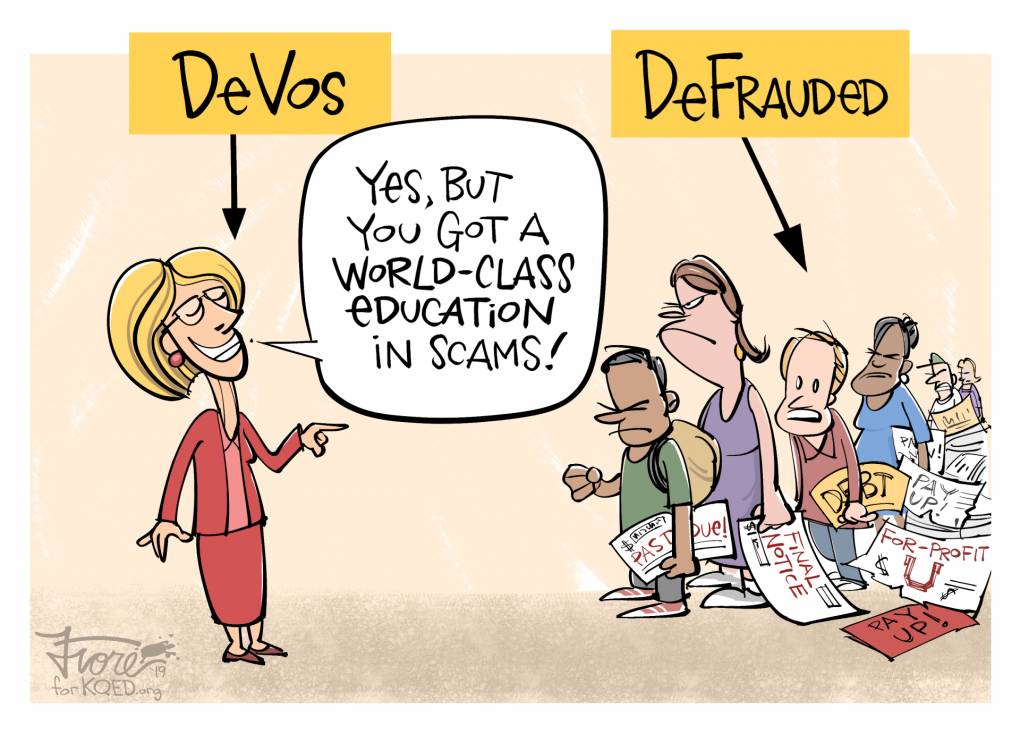
window.__IS_SSR__=true
window.__INITIAL_STATE__={
"attachmentsReducer": {
"audio_0": {
"type": "attachments",
"id": "audio_0",
"imgSizes": {
"kqedFullSize": {
"file": "https://ww2.kqed.org/news/wp-content/themes/KQED-unified/img/audio_bgs/background0.jpg"
}
}
},
"audio_1": {
"type": "attachments",
"id": "audio_1",
"imgSizes": {
"kqedFullSize": {
"file": "https://ww2.kqed.org/news/wp-content/themes/KQED-unified/img/audio_bgs/background1.jpg"
}
}
},
"audio_2": {
"type": "attachments",
"id": "audio_2",
"imgSizes": {
"kqedFullSize": {
"file": "https://ww2.kqed.org/news/wp-content/themes/KQED-unified/img/audio_bgs/background2.jpg"
}
}
},
"audio_3": {
"type": "attachments",
"id": "audio_3",
"imgSizes": {
"kqedFullSize": {
"file": "https://ww2.kqed.org/news/wp-content/themes/KQED-unified/img/audio_bgs/background3.jpg"
}
}
},
"audio_4": {
"type": "attachments",
"id": "audio_4",
"imgSizes": {
"kqedFullSize": {
"file": "https://ww2.kqed.org/news/wp-content/themes/KQED-unified/img/audio_bgs/background4.jpg"
}
}
},
"placeholder": {
"type": "attachments",
"id": "placeholder",
"imgSizes": {
"thumbnail": {
"file": "https://cdn.kqed.org/wp-content/uploads/2024/12/KQED-Default-Image-816638274-2000x1333-1-160x107.jpg",
"width": 160,
"height": 107,
"mimeType": "image/jpeg"
},
"medium": {
"file": "https://cdn.kqed.org/wp-content/uploads/2024/12/KQED-Default-Image-816638274-2000x1333-1-800x533.jpg",
"width": 800,
"height": 533,
"mimeType": "image/jpeg"
},
"medium_large": {
"file": "https://cdn.kqed.org/wp-content/uploads/2024/12/KQED-Default-Image-816638274-2000x1333-1-768x512.jpg",
"width": 768,
"height": 512,
"mimeType": "image/jpeg"
},
"large": {
"file": "https://cdn.kqed.org/wp-content/uploads/2024/12/KQED-Default-Image-816638274-2000x1333-1-1020x680.jpg",
"width": 1020,
"height": 680,
"mimeType": "image/jpeg"
},
"1536x1536": {
"file": "https://cdn.kqed.org/wp-content/uploads/2024/12/KQED-Default-Image-816638274-2000x1333-1-1536x1024.jpg",
"width": 1536,
"height": 1024,
"mimeType": "image/jpeg"
},
"fd-lrg": {
"file": "https://cdn.kqed.org/wp-content/uploads/2024/12/KQED-Default-Image-816638274-2000x1333-1-1536x1024.jpg",
"width": 1536,
"height": 1024,
"mimeType": "image/jpeg"
},
"fd-med": {
"file": "https://cdn.kqed.org/wp-content/uploads/2024/12/KQED-Default-Image-816638274-2000x1333-1-1020x680.jpg",
"width": 1020,
"height": 680,
"mimeType": "image/jpeg"
},
"fd-sm": {
"file": "https://cdn.kqed.org/wp-content/uploads/2024/12/KQED-Default-Image-816638274-2000x1333-1-800x533.jpg",
"width": 800,
"height": 533,
"mimeType": "image/jpeg"
},
"post-thumbnail": {
"file": "https://cdn.kqed.org/wp-content/uploads/2024/12/KQED-Default-Image-816638274-2000x1333-1-672x372.jpg",
"width": 672,
"height": 372,
"mimeType": "image/jpeg"
},
"twentyfourteen-full-width": {
"file": "https://cdn.kqed.org/wp-content/uploads/2024/12/KQED-Default-Image-816638274-2000x1333-1-1038x576.jpg",
"width": 1038,
"height": 576,
"mimeType": "image/jpeg"
},
"xxsmall": {
"file": "https://cdn.kqed.org/wp-content/uploads/2024/12/KQED-Default-Image-816638274-2000x1333-1-160x107.jpg",
"width": 160,
"height": 107,
"mimeType": "image/jpeg"
},
"xsmall": {
"file": "https://cdn.kqed.org/wp-content/uploads/2024/12/KQED-Default-Image-816638274-2000x1333-1-672x372.jpg",
"width": 672,
"height": 372,
"mimeType": "image/jpeg"
},
"small": {
"file": "https://cdn.kqed.org/wp-content/uploads/2024/12/KQED-Default-Image-816638274-2000x1333-1-672x372.jpg",
"width": 672,
"height": 372,
"mimeType": "image/jpeg"
},
"xlarge": {
"file": "https://cdn.kqed.org/wp-content/uploads/2024/12/KQED-Default-Image-816638274-2000x1333-1-1020x680.jpg",
"width": 1020,
"height": 680,
"mimeType": "image/jpeg"
},
"full-width": {
"file": "https://cdn.kqed.org/wp-content/uploads/2024/12/KQED-Default-Image-816638274-2000x1333-1-1920x1280.jpg",
"width": 1920,
"height": 1280,
"mimeType": "image/jpeg"
},
"guest-author-32": {
"file": "https://cdn.kqed.org/wp-content/uploads/2025/01/KQED-Default-Image-816638274-1333x1333-1-160x160.jpg",
"width": 32,
"height": 32,
"mimeType": "image/jpeg"
},
"guest-author-50": {
"file": "https://cdn.kqed.org/wp-content/uploads/2025/01/KQED-Default-Image-816638274-1333x1333-1-160x160.jpg",
"width": 50,
"height": 50,
"mimeType": "image/jpeg"
},
"guest-author-64": {
"file": "https://cdn.kqed.org/wp-content/uploads/2025/01/KQED-Default-Image-816638274-1333x1333-1-160x160.jpg",
"width": 64,
"height": 64,
"mimeType": "image/jpeg"
},
"guest-author-96": {
"file": "https://cdn.kqed.org/wp-content/uploads/2025/01/KQED-Default-Image-816638274-1333x1333-1-160x160.jpg",
"width": 96,
"height": 96,
"mimeType": "image/jpeg"
},
"guest-author-128": {
"file": "https://cdn.kqed.org/wp-content/uploads/2025/01/KQED-Default-Image-816638274-1333x1333-1-160x160.jpg",
"width": 128,
"height": 128,
"mimeType": "image/jpeg"
},
"detail": {
"file": "https://cdn.kqed.org/wp-content/uploads/2025/01/KQED-Default-Image-816638274-1333x1333-1-160x160.jpg",
"width": 160,
"height": 160,
"mimeType": "image/jpeg"
},
"kqedFullSize": {
"file": "https://cdn.kqed.org/wp-content/uploads/2024/12/KQED-Default-Image-816638274-2000x1333-1.jpg",
"width": 2000,
"height": 1333
}
}
},
"news_11791199": {
"type": "attachments",
"id": "news_11791199",
"meta": {
"index": "attachments_1716263798",
"site": "news",
"id": "11791199",
"found": true
},
"parent": 11791185,
"imgSizes": {
"apple_news_ca_landscape_5_5": {
"file": "https://ww2.kqed.org/app/uploads/sites/10/2019/12/scams_121319_final-1044x783.jpg",
"width": 1044,
"mimeType": "image/jpeg",
"height": 783
},
"apple_news_ca_square_4_0": {
"file": "https://ww2.kqed.org/app/uploads/sites/10/2019/12/scams_121319_final-470x470.jpg",
"width": 470,
"mimeType": "image/jpeg",
"height": 470
},
"twentyfourteen-full-width": {
"file": "https://ww2.kqed.org/app/uploads/sites/10/2019/12/scams_121319_final-1038x576.jpg",
"width": 1038,
"mimeType": "image/jpeg",
"height": 576
},
"thumbnail": {
"file": "https://ww2.kqed.org/app/uploads/sites/10/2019/12/scams_121319_final-160x115.jpg",
"width": 160,
"mimeType": "image/jpeg",
"height": 115
},
"post-thumbnail": {
"file": "https://ww2.kqed.org/app/uploads/sites/10/2019/12/scams_121319_final-672x372.jpg",
"width": 672,
"mimeType": "image/jpeg",
"height": 372
},
"kqedFullSize": {
"file": "https://ww2.kqed.org/app/uploads/sites/10/2019/12/scams_121319_final.jpg",
"width": 1920,
"height": 1381
},
"apple_news_ca_landscape_4_7": {
"file": "https://ww2.kqed.org/app/uploads/sites/10/2019/12/scams_121319_final-632x474.jpg",
"width": 632,
"mimeType": "image/jpeg",
"height": 474
},
"large": {
"file": "https://ww2.kqed.org/app/uploads/sites/10/2019/12/scams_121319_final-1020x734.jpg",
"width": 1020,
"mimeType": "image/jpeg",
"height": 734
},
"complete_open_graph": {
"file": "https://ww2.kqed.org/app/uploads/sites/10/2019/12/scams_121319_final-1200x863.jpg",
"width": 1200,
"mimeType": "image/jpeg",
"height": 863
},
"apple_news_ca_landscape_4_0": {
"file": "https://ww2.kqed.org/app/uploads/sites/10/2019/12/scams_121319_final-536x402.jpg",
"width": 536,
"mimeType": "image/jpeg",
"height": 402
},
"apple_news_ca_portrait_12_9": {
"file": "https://ww2.kqed.org/app/uploads/sites/10/2019/12/scams_121319_final-1122x1381.jpg",
"width": 1122,
"mimeType": "image/jpeg",
"height": 1381
},
"medium": {
"file": "https://ww2.kqed.org/app/uploads/sites/10/2019/12/scams_121319_final-800x575.jpg",
"width": 800,
"mimeType": "image/jpeg",
"height": 575
},
"apple_news_ca_portrait_4_0": {
"file": "https://ww2.kqed.org/app/uploads/sites/10/2019/12/scams_121319_final-354x472.jpg",
"width": 354,
"mimeType": "image/jpeg",
"height": 472
},
"apple_news_ca_portrait_9_7": {
"file": "https://ww2.kqed.org/app/uploads/sites/10/2019/12/scams_121319_final-840x1120.jpg",
"width": 840,
"mimeType": "image/jpeg",
"height": 1120
},
"apple_news_ca_landscape_12_9": {
"file": "https://ww2.kqed.org/app/uploads/sites/10/2019/12/scams_121319_final-1832x1374.jpg",
"width": 1832,
"mimeType": "image/jpeg",
"height": 1374
},
"apple_news_ca_square_9_7": {
"file": "https://ww2.kqed.org/app/uploads/sites/10/2019/12/scams_121319_final-1104x1104.jpg",
"width": 1104,
"mimeType": "image/jpeg",
"height": 1104
},
"apple_news_ca_portrait_4_7": {
"file": "https://ww2.kqed.org/app/uploads/sites/10/2019/12/scams_121319_final-414x552.jpg",
"width": 414,
"mimeType": "image/jpeg",
"height": 552
},
"apple_news_ca_square_12_9": {
"file": "https://ww2.kqed.org/app/uploads/sites/10/2019/12/scams_121319_final-1472x1381.jpg",
"width": 1472,
"mimeType": "image/jpeg",
"height": 1381
},
"apple_news_ca_portrait_5_5": {
"file": "https://ww2.kqed.org/app/uploads/sites/10/2019/12/scams_121319_final-687x916.jpg",
"width": 687,
"mimeType": "image/jpeg",
"height": 916
},
"full-width": {
"file": "https://ww2.kqed.org/app/uploads/sites/10/2019/12/scams_121319_final-1920x1381.jpg",
"width": 1920,
"mimeType": "image/jpeg",
"height": 1381
},
"apple_news_ca_square_4_7": {
"file": "https://ww2.kqed.org/app/uploads/sites/10/2019/12/scams_121319_final-550x550.jpg",
"width": 550,
"mimeType": "image/jpeg",
"height": 550
},
"apple_news_ca_landscape_9_7": {
"file": "https://ww2.kqed.org/app/uploads/sites/10/2019/12/scams_121319_final-1376x1032.jpg",
"width": 1376,
"mimeType": "image/jpeg",
"height": 1032
},
"apple_news_ca_square_5_5": {
"file": "https://ww2.kqed.org/app/uploads/sites/10/2019/12/scams_121319_final-912x912.jpg",
"width": 912,
"mimeType": "image/jpeg",
"height": 912
}
},
"publishDate": 1576279988,
"modified": 1576280028,
"caption": null,
"description": null,
"title": "scams_121319_final",
"credit": null,
"status": "inherit",
"isLoading": false,
"fetchFailed": false
},
"news_11791136": {
"type": "attachments",
"id": "news_11791136",
"meta": {
"index": "attachments_1716263798",
"site": "news",
"id": "11791136",
"found": true
},
"parent": 11790949,
"imgSizes": {
"apple_news_ca_landscape_5_5": {
"file": "https://ww2.kqed.org/app/uploads/sites/10/2019/12/cruiseship_121219_revise-1044x783.jpg",
"width": 1044,
"mimeType": "image/jpeg",
"height": 783
},
"apple_news_ca_square_4_0": {
"file": "https://ww2.kqed.org/app/uploads/sites/10/2019/12/cruiseship_121219_revise-470x470.jpg",
"width": 470,
"mimeType": "image/jpeg",
"height": 470
},
"twentyfourteen-full-width": {
"file": "https://ww2.kqed.org/app/uploads/sites/10/2019/12/cruiseship_121219_revise-1038x576.jpg",
"width": 1038,
"mimeType": "image/jpeg",
"height": 576
},
"thumbnail": {
"file": "https://ww2.kqed.org/app/uploads/sites/10/2019/12/cruiseship_121219_revise-160x115.jpg",
"width": 160,
"mimeType": "image/jpeg",
"height": 115
},
"post-thumbnail": {
"file": "https://ww2.kqed.org/app/uploads/sites/10/2019/12/cruiseship_121219_revise-672x372.jpg",
"width": 672,
"mimeType": "image/jpeg",
"height": 372
},
"kqedFullSize": {
"file": "https://ww2.kqed.org/app/uploads/sites/10/2019/12/cruiseship_121219_revise.jpg",
"width": 1920,
"height": 1378
},
"apple_news_ca_landscape_4_7": {
"file": "https://ww2.kqed.org/app/uploads/sites/10/2019/12/cruiseship_121219_revise-632x474.jpg",
"width": 632,
"mimeType": "image/jpeg",
"height": 474
},
"large": {
"file": "https://ww2.kqed.org/app/uploads/sites/10/2019/12/cruiseship_121219_revise-1020x732.jpg",
"width": 1020,
"mimeType": "image/jpeg",
"height": 732
},
"complete_open_graph": {
"file": "https://ww2.kqed.org/app/uploads/sites/10/2019/12/cruiseship_121219_revise-1200x861.jpg",
"width": 1200,
"mimeType": "image/jpeg",
"height": 861
},
"apple_news_ca_landscape_4_0": {
"file": "https://ww2.kqed.org/app/uploads/sites/10/2019/12/cruiseship_121219_revise-536x402.jpg",
"width": 536,
"mimeType": "image/jpeg",
"height": 402
},
"apple_news_ca_portrait_12_9": {
"file": "https://ww2.kqed.org/app/uploads/sites/10/2019/12/cruiseship_121219_revise-1122x1378.jpg",
"width": 1122,
"mimeType": "image/jpeg",
"height": 1378
},
"medium": {
"file": "https://ww2.kqed.org/app/uploads/sites/10/2019/12/cruiseship_121219_revise-800x574.jpg",
"width": 800,
"mimeType": "image/jpeg",
"height": 574
},
"apple_news_ca_portrait_4_0": {
"file": "https://ww2.kqed.org/app/uploads/sites/10/2019/12/cruiseship_121219_revise-354x472.jpg",
"width": 354,
"mimeType": "image/jpeg",
"height": 472
},
"apple_news_ca_portrait_9_7": {
"file": "https://ww2.kqed.org/app/uploads/sites/10/2019/12/cruiseship_121219_revise-840x1120.jpg",
"width": 840,
"mimeType": "image/jpeg",
"height": 1120
},
"apple_news_ca_landscape_12_9": {
"file": "https://ww2.kqed.org/app/uploads/sites/10/2019/12/cruiseship_121219_revise-1832x1374.jpg",
"width": 1832,
"mimeType": "image/jpeg",
"height": 1374
},
"apple_news_ca_square_9_7": {
"file": "https://ww2.kqed.org/app/uploads/sites/10/2019/12/cruiseship_121219_revise-1104x1104.jpg",
"width": 1104,
"mimeType": "image/jpeg",
"height": 1104
},
"apple_news_ca_portrait_4_7": {
"file": "https://ww2.kqed.org/app/uploads/sites/10/2019/12/cruiseship_121219_revise-414x552.jpg",
"width": 414,
"mimeType": "image/jpeg",
"height": 552
},
"apple_news_ca_square_12_9": {
"file": "https://ww2.kqed.org/app/uploads/sites/10/2019/12/cruiseship_121219_revise-1472x1378.jpg",
"width": 1472,
"mimeType": "image/jpeg",
"height": 1378
},
"apple_news_ca_portrait_5_5": {
"file": "https://ww2.kqed.org/app/uploads/sites/10/2019/12/cruiseship_121219_revise-687x916.jpg",
"width": 687,
"mimeType": "image/jpeg",
"height": 916
},
"full-width": {
"file": "https://ww2.kqed.org/app/uploads/sites/10/2019/12/cruiseship_121219_revise-1920x1378.jpg",
"width": 1920,
"mimeType": "image/jpeg",
"height": 1378
},
"apple_news_ca_square_4_7": {
"file": "https://ww2.kqed.org/app/uploads/sites/10/2019/12/cruiseship_121219_revise-550x550.jpg",
"width": 550,
"mimeType": "image/jpeg",
"height": 550
},
"apple_news_ca_landscape_9_7": {
"file": "https://ww2.kqed.org/app/uploads/sites/10/2019/12/cruiseship_121219_revise-1376x1032.jpg",
"width": 1376,
"mimeType": "image/jpeg",
"height": 1032
},
"apple_news_ca_square_5_5": {
"file": "https://ww2.kqed.org/app/uploads/sites/10/2019/12/cruiseship_121219_revise-912x912.jpg",
"width": 912,
"mimeType": "image/jpeg",
"height": 912
}
},
"publishDate": 1576267314,
"modified": 1576267346,
"caption": null,
"description": null,
"title": "cruiseship_121219_revise",
"credit": null,
"status": "inherit",
"isLoading": false,
"fetchFailed": false
},
"news_11790926": {
"type": "attachments",
"id": "news_11790926",
"meta": {
"index": "attachments_1716263798",
"site": "news",
"id": "11790926",
"found": true
},
"parent": 11790921,
"imgSizes": {
"apple_news_ca_landscape_5_5": {
"file": "https://ww2.kqed.org/app/uploads/sites/10/2019/12/RS40429_GettyImages-1193540170-qut-1044x783.jpg",
"width": 1044,
"mimeType": "image/jpeg",
"height": 783
},
"apple_news_ca_square_4_0": {
"file": "https://ww2.kqed.org/app/uploads/sites/10/2019/12/RS40429_GettyImages-1193540170-qut-470x470.jpg",
"width": 470,
"mimeType": "image/jpeg",
"height": 470
},
"twentyfourteen-full-width": {
"file": "https://ww2.kqed.org/app/uploads/sites/10/2019/12/RS40429_GettyImages-1193540170-qut-1038x576.jpg",
"width": 1038,
"mimeType": "image/jpeg",
"height": 576
},
"thumbnail": {
"file": "https://ww2.kqed.org/app/uploads/sites/10/2019/12/RS40429_GettyImages-1193540170-qut-160x107.jpg",
"width": 160,
"mimeType": "image/jpeg",
"height": 107
},
"post-thumbnail": {
"file": "https://ww2.kqed.org/app/uploads/sites/10/2019/12/RS40429_GettyImages-1193540170-qut-672x372.jpg",
"width": 672,
"mimeType": "image/jpeg",
"height": 372
},
"kqedFullSize": {
"file": "https://ww2.kqed.org/app/uploads/sites/10/2019/12/RS40429_GettyImages-1193540170-qut.jpg",
"width": 1920,
"height": 1280
},
"apple_news_ca_landscape_4_7": {
"file": "https://ww2.kqed.org/app/uploads/sites/10/2019/12/RS40429_GettyImages-1193540170-qut-632x474.jpg",
"width": 632,
"mimeType": "image/jpeg",
"height": 474
},
"large": {
"file": "https://ww2.kqed.org/app/uploads/sites/10/2019/12/RS40429_GettyImages-1193540170-qut-1020x680.jpg",
"width": 1020,
"mimeType": "image/jpeg",
"height": 680
},
"complete_open_graph": {
"file": "https://ww2.kqed.org/app/uploads/sites/10/2019/12/RS40429_GettyImages-1193540170-qut-1200x800.jpg",
"width": 1200,
"mimeType": "image/jpeg",
"height": 800
},
"apple_news_ca_landscape_4_0": {
"file": "https://ww2.kqed.org/app/uploads/sites/10/2019/12/RS40429_GettyImages-1193540170-qut-536x402.jpg",
"width": 536,
"mimeType": "image/jpeg",
"height": 402
},
"apple_news_ca_portrait_12_9": {
"file": "https://ww2.kqed.org/app/uploads/sites/10/2019/12/RS40429_GettyImages-1193540170-qut-1122x1280.jpg",
"width": 1122,
"mimeType": "image/jpeg",
"height": 1280
},
"medium": {
"file": "https://ww2.kqed.org/app/uploads/sites/10/2019/12/RS40429_GettyImages-1193540170-qut-800x533.jpg",
"width": 800,
"mimeType": "image/jpeg",
"height": 533
},
"apple_news_ca_portrait_4_0": {
"file": "https://ww2.kqed.org/app/uploads/sites/10/2019/12/RS40429_GettyImages-1193540170-qut-354x472.jpg",
"width": 354,
"mimeType": "image/jpeg",
"height": 472
},
"apple_news_ca_portrait_9_7": {
"file": "https://ww2.kqed.org/app/uploads/sites/10/2019/12/RS40429_GettyImages-1193540170-qut-840x1120.jpg",
"width": 840,
"mimeType": "image/jpeg",
"height": 1120
},
"apple_news_ca_landscape_12_9": {
"file": "https://ww2.kqed.org/app/uploads/sites/10/2019/12/RS40429_GettyImages-1193540170-qut-1832x1280.jpg",
"width": 1832,
"mimeType": "image/jpeg",
"height": 1280
},
"apple_news_ca_square_9_7": {
"file": "https://ww2.kqed.org/app/uploads/sites/10/2019/12/RS40429_GettyImages-1193540170-qut-1104x1104.jpg",
"width": 1104,
"mimeType": "image/jpeg",
"height": 1104
},
"apple_news_ca_portrait_4_7": {
"file": "https://ww2.kqed.org/app/uploads/sites/10/2019/12/RS40429_GettyImages-1193540170-qut-414x552.jpg",
"width": 414,
"mimeType": "image/jpeg",
"height": 552
},
"apple_news_ca_square_12_9": {
"file": "https://ww2.kqed.org/app/uploads/sites/10/2019/12/RS40429_GettyImages-1193540170-qut-1472x1280.jpg",
"width": 1472,
"mimeType": "image/jpeg",
"height": 1280
},
"apple_news_ca_portrait_5_5": {
"file": "https://ww2.kqed.org/app/uploads/sites/10/2019/12/RS40429_GettyImages-1193540170-qut-687x916.jpg",
"width": 687,
"mimeType": "image/jpeg",
"height": 916
},
"full-width": {
"file": "https://ww2.kqed.org/app/uploads/sites/10/2019/12/RS40429_GettyImages-1193540170-qut-1920x1280.jpg",
"width": 1920,
"mimeType": "image/jpeg",
"height": 1280
},
"apple_news_ca_square_4_7": {
"file": "https://ww2.kqed.org/app/uploads/sites/10/2019/12/RS40429_GettyImages-1193540170-qut-550x550.jpg",
"width": 550,
"mimeType": "image/jpeg",
"height": 550
},
"apple_news_ca_landscape_9_7": {
"file": "https://ww2.kqed.org/app/uploads/sites/10/2019/12/RS40429_GettyImages-1193540170-qut-1376x1032.jpg",
"width": 1376,
"mimeType": "image/jpeg",
"height": 1032
},
"apple_news_ca_square_5_5": {
"file": "https://ww2.kqed.org/app/uploads/sites/10/2019/12/RS40429_GettyImages-1193540170-qut-912x912.jpg",
"width": 912,
"mimeType": "image/jpeg",
"height": 912
}
},
"publishDate": 1576181905,
"modified": 1576198118,
"caption": "Education Secretary Betsy DeVos appeared before a hearing of the House Education and Labor Committee in Washington, D.C., on Dec. 11, 2019.",
"description": null,
"title": "Education Secretary Betsy Devos Testifies Before The House Education And Labor Committee",
"credit": "Alex Wong/Getty Images",
"status": "inherit",
"isLoading": false,
"fetchFailed": false
},
"news_11790705": {
"type": "attachments",
"id": "news_11790705",
"meta": {
"index": "attachments_1716263798",
"site": "news",
"id": "11790705",
"found": true
},
"parent": 11790704,
"imgSizes": {
"apple_news_ca_square_4_0": {
"file": "https://ww2.kqed.org/news/wp-content/uploads/sites/10/2021/03/ww2.kqed_.orgOrpheumTheatre-3eeb839b4f5e7c8d64916c1ebce4e33ad209e21f-470x450.jpg",
"width": 470,
"mimeType": "image/jpeg",
"height": 450
},
"thumbnail": {
"file": "https://ww2.kqed.org/news/wp-content/uploads/sites/10/2021/03/ww2.kqed_.orgOrpheumTheatre-3eeb839b4f5e7c8d64916c1ebce4e33ad209e21f-160x90.jpg",
"width": 160,
"mimeType": "image/jpeg",
"height": 90
},
"post-thumbnail": {
"file": "https://ww2.kqed.org/news/wp-content/uploads/sites/10/2021/03/ww2.kqed_.orgOrpheumTheatre-3eeb839b4f5e7c8d64916c1ebce4e33ad209e21f-672x372.jpg",
"width": 672,
"mimeType": "image/jpeg",
"height": 372
},
"kqedFullSize": {
"file": "https://ww2.kqed.org/news/wp-content/uploads/sites/10/2021/03/ww2.kqed_.orgOrpheumTheatre-3eeb839b4f5e7c8d64916c1ebce4e33ad209e21f.jpg",
"width": 0,
"height": 0
},
"apple_news_ca_landscape_4_7": {
"file": "https://ww2.kqed.org/news/wp-content/uploads/sites/10/2021/03/ww2.kqed_.orgOrpheumTheatre-3eeb839b4f5e7c8d64916c1ebce4e33ad209e21f-632x450.jpg",
"width": 632,
"mimeType": "image/jpeg",
"height": 450
},
"apple_news_ca_portrait_4_7": {
"file": "https://ww2.kqed.org/news/wp-content/uploads/sites/10/2021/03/ww2.kqed_.orgOrpheumTheatre-3eeb839b4f5e7c8d64916c1ebce4e33ad209e21f-414x450.jpg",
"width": 414,
"mimeType": "image/jpeg",
"height": 450
},
"apple_news_ca_portrait_5_5": {
"file": "https://ww2.kqed.org/news/wp-content/uploads/sites/10/2021/03/ww2.kqed_.orgOrpheumTheatre-3eeb839b4f5e7c8d64916c1ebce4e33ad209e21f-687x450.jpg",
"width": 687,
"mimeType": "image/jpeg",
"height": 450
},
"apple_news_ca_square_4_7": {
"file": "https://ww2.kqed.org/news/wp-content/uploads/sites/10/2021/03/ww2.kqed_.orgOrpheumTheatre-3eeb839b4f5e7c8d64916c1ebce4e33ad209e21f-550x450.jpg",
"width": 550,
"mimeType": "image/jpeg",
"height": 450
},
"apple_news_ca_landscape_4_0": {
"file": "https://ww2.kqed.org/news/wp-content/uploads/sites/10/2021/03/ww2.kqed_.orgOrpheumTheatre-3eeb839b4f5e7c8d64916c1ebce4e33ad209e21f-536x402.jpg",
"width": 536,
"mimeType": "image/jpeg",
"height": 402
},
"medium": {
"file": "https://ww2.kqed.org/news/wp-content/uploads/sites/10/2021/03/ww2.kqed_.orgOrpheumTheatre-3eeb839b4f5e7c8d64916c1ebce4e33ad209e21f-800x450.jpg",
"width": 800,
"mimeType": "image/jpeg",
"height": 450
},
"apple_news_ca_portrait_4_0": {
"file": "https://ww2.kqed.org/news/wp-content/uploads/sites/10/2021/03/ww2.kqed_.orgOrpheumTheatre-3eeb839b4f5e7c8d64916c1ebce4e33ad209e21f-354x450.jpg",
"width": 354,
"mimeType": "image/jpeg",
"height": 450
}
},
"publishDate": 1616537225,
"modified": 1616537225,
"caption": null,
"description": null,
"title": "OrpheumTheatre-3eeb839b4f5e7c8d64916c1ebce4e33ad209e21f",
"credit": null,
"status": "inherit",
"isLoading": false,
"fetchFailed": false
},
"arts_13871314": {
"type": "attachments",
"id": "arts_13871314",
"meta": {
"index": "attachments_1716263798",
"site": "arts",
"id": "13871314",
"found": true
},
"parent": 13871311,
"imgSizes": {
"twentyfourteen-full-width": {
"file": "https://ww2.kqed.org/app/uploads/sites/2/2019/12/first-folio-at-the-victoria-and-albert-musem-london-1038x576.jpg",
"width": 1038,
"mimeType": "image/jpeg",
"height": 576
},
"thumbnail": {
"file": "https://ww2.kqed.org/app/uploads/sites/2/2019/12/first-folio-at-the-victoria-and-albert-musem-london-160x90.jpg",
"width": 160,
"mimeType": "image/jpeg",
"height": 90
},
"post-thumbnail": {
"file": "https://ww2.kqed.org/app/uploads/sites/2/2019/12/first-folio-at-the-victoria-and-albert-musem-london-672x372.jpg",
"width": 672,
"mimeType": "image/jpeg",
"height": 372
},
"kqedFullSize": {
"file": "https://ww2.kqed.org/app/uploads/sites/2/2019/12/first-folio-at-the-victoria-and-albert-musem-london.jpg",
"width": 1920,
"height": 1080
},
"large": {
"file": "https://ww2.kqed.org/app/uploads/sites/2/2019/12/first-folio-at-the-victoria-and-albert-musem-london-1020x574.jpg",
"width": 1020,
"mimeType": "image/jpeg",
"height": 574
},
"complete_open_graph": {
"file": "https://ww2.kqed.org/app/uploads/sites/2/2019/12/first-folio-at-the-victoria-and-albert-musem-london-1200x675.jpg",
"width": 1200,
"mimeType": "image/jpeg",
"height": 675
},
"full-width": {
"file": "https://ww2.kqed.org/app/uploads/sites/2/2019/12/first-folio-at-the-victoria-and-albert-musem-london-1920x1080.jpg",
"width": 1920,
"mimeType": "image/jpeg",
"height": 1080
},
"medium": {
"file": "https://ww2.kqed.org/app/uploads/sites/2/2019/12/first-folio-at-the-victoria-and-albert-musem-london-800x450.jpg",
"width": 800,
"mimeType": "image/jpeg",
"height": 450
},
"medium_large": {
"file": "https://ww2.kqed.org/app/uploads/sites/2/2019/12/first-folio-at-the-victoria-and-albert-musem-london-768x432.jpg",
"width": 768,
"mimeType": "image/jpeg",
"height": 432
}
},
"publishDate": 1576027479,
"modified": 1576027568,
"caption": "Shakespeare's First Folio displayed at the Victoria and Albert Museum in London. ",
"description": "Shakespeare's First Folio displayed at the Victoria and Albert Museum in London. ",
"title": "first-folio-at-the-victoria-and-albert-musem-london",
"credit": "Andreas Praefcke",
"status": "inherit",
"isLoading": false,
"fetchFailed": false
},
"news_11790676": {
"type": "attachments",
"id": "news_11790676",
"meta": {
"index": "attachments_1716263798",
"site": "news",
"id": "11790676",
"found": true
},
"parent": 11790670,
"imgSizes": {
"apple_news_ca_landscape_5_5": {
"file": "https://ww2.kqed.org/app/uploads/sites/10/2019/12/RS40410_GettyImages-1017762264-2-qut-1044x783.jpg",
"width": 1044,
"mimeType": "image/jpeg",
"height": 783
},
"apple_news_ca_square_4_0": {
"file": "https://ww2.kqed.org/app/uploads/sites/10/2019/12/RS40410_GettyImages-1017762264-2-qut-470x470.jpg",
"width": 470,
"mimeType": "image/jpeg",
"height": 470
},
"twentyfourteen-full-width": {
"file": "https://ww2.kqed.org/app/uploads/sites/10/2019/12/RS40410_GettyImages-1017762264-2-qut-1038x576.jpg",
"width": 1038,
"mimeType": "image/jpeg",
"height": 576
},
"thumbnail": {
"file": "https://ww2.kqed.org/app/uploads/sites/10/2019/12/RS40410_GettyImages-1017762264-2-qut-160x112.jpg",
"width": 160,
"mimeType": "image/jpeg",
"height": 112
},
"post-thumbnail": {
"file": "https://ww2.kqed.org/app/uploads/sites/10/2019/12/RS40410_GettyImages-1017762264-2-qut-672x372.jpg",
"width": 672,
"mimeType": "image/jpeg",
"height": 372
},
"kqedFullSize": {
"file": "https://ww2.kqed.org/app/uploads/sites/10/2019/12/RS40410_GettyImages-1017762264-2-qut.jpg",
"width": 1920,
"height": 1344
},
"apple_news_ca_landscape_4_7": {
"file": "https://ww2.kqed.org/app/uploads/sites/10/2019/12/RS40410_GettyImages-1017762264-2-qut-632x474.jpg",
"width": 632,
"mimeType": "image/jpeg",
"height": 474
},
"large": {
"file": "https://ww2.kqed.org/app/uploads/sites/10/2019/12/RS40410_GettyImages-1017762264-2-qut-1020x714.jpg",
"width": 1020,
"mimeType": "image/jpeg",
"height": 714
},
"complete_open_graph": {
"file": "https://ww2.kqed.org/app/uploads/sites/10/2019/12/RS40410_GettyImages-1017762264-2-qut-1200x840.jpg",
"width": 1200,
"mimeType": "image/jpeg",
"height": 840
},
"apple_news_ca_landscape_4_0": {
"file": "https://ww2.kqed.org/app/uploads/sites/10/2019/12/RS40410_GettyImages-1017762264-2-qut-536x402.jpg",
"width": 536,
"mimeType": "image/jpeg",
"height": 402
},
"apple_news_ca_portrait_12_9": {
"file": "https://ww2.kqed.org/app/uploads/sites/10/2019/12/RS40410_GettyImages-1017762264-2-qut-1122x1344.jpg",
"width": 1122,
"mimeType": "image/jpeg",
"height": 1344
},
"medium": {
"file": "https://ww2.kqed.org/app/uploads/sites/10/2019/12/RS40410_GettyImages-1017762264-2-qut-800x560.jpg",
"width": 800,
"mimeType": "image/jpeg",
"height": 560
},
"apple_news_ca_portrait_4_0": {
"file": "https://ww2.kqed.org/app/uploads/sites/10/2019/12/RS40410_GettyImages-1017762264-2-qut-354x472.jpg",
"width": 354,
"mimeType": "image/jpeg",
"height": 472
},
"apple_news_ca_portrait_9_7": {
"file": "https://ww2.kqed.org/app/uploads/sites/10/2019/12/RS40410_GettyImages-1017762264-2-qut-840x1120.jpg",
"width": 840,
"mimeType": "image/jpeg",
"height": 1120
},
"apple_news_ca_landscape_12_9": {
"file": "https://ww2.kqed.org/app/uploads/sites/10/2019/12/RS40410_GettyImages-1017762264-2-qut-1832x1344.jpg",
"width": 1832,
"mimeType": "image/jpeg",
"height": 1344
},
"apple_news_ca_square_9_7": {
"file": "https://ww2.kqed.org/app/uploads/sites/10/2019/12/RS40410_GettyImages-1017762264-2-qut-1104x1104.jpg",
"width": 1104,
"mimeType": "image/jpeg",
"height": 1104
},
"apple_news_ca_portrait_4_7": {
"file": "https://ww2.kqed.org/app/uploads/sites/10/2019/12/RS40410_GettyImages-1017762264-2-qut-414x552.jpg",
"width": 414,
"mimeType": "image/jpeg",
"height": 552
},
"apple_news_ca_square_12_9": {
"file": "https://ww2.kqed.org/app/uploads/sites/10/2019/12/RS40410_GettyImages-1017762264-2-qut-1472x1344.jpg",
"width": 1472,
"mimeType": "image/jpeg",
"height": 1344
},
"apple_news_ca_portrait_5_5": {
"file": "https://ww2.kqed.org/app/uploads/sites/10/2019/12/RS40410_GettyImages-1017762264-2-qut-687x916.jpg",
"width": 687,
"mimeType": "image/jpeg",
"height": 916
},
"full-width": {
"file": "https://ww2.kqed.org/app/uploads/sites/10/2019/12/RS40410_GettyImages-1017762264-2-qut-1920x1344.jpg",
"width": 1920,
"mimeType": "image/jpeg",
"height": 1344
},
"apple_news_ca_square_4_7": {
"file": "https://ww2.kqed.org/app/uploads/sites/10/2019/12/RS40410_GettyImages-1017762264-2-qut-550x550.jpg",
"width": 550,
"mimeType": "image/jpeg",
"height": 550
},
"apple_news_ca_landscape_9_7": {
"file": "https://ww2.kqed.org/app/uploads/sites/10/2019/12/RS40410_GettyImages-1017762264-2-qut-1376x1032.jpg",
"width": 1376,
"mimeType": "image/jpeg",
"height": 1032
},
"apple_news_ca_square_5_5": {
"file": "https://ww2.kqed.org/app/uploads/sites/10/2019/12/RS40410_GettyImages-1017762264-2-qut-912x912.jpg",
"width": 912,
"mimeType": "image/jpeg",
"height": 912
}
},
"publishDate": 1576083592,
"modified": 1576083950,
"caption": "U.S. Education Secretary Betsy DeVos says former students of now-defunct for-profit colleges deserve only partial relief from their federal loans.",
"description": null,
"title": "US-POLITICS-SCHOOL-SAFETY",
"credit": "Saul Loeb/AFP via Getty Images",
"status": "inherit",
"isLoading": false,
"fetchFailed": false
},
"news_11790219": {
"type": "attachments",
"id": "news_11790219",
"meta": {
"index": "attachments_1716263798",
"site": "news",
"id": "11790219",
"found": true
},
"parent": 11790206,
"imgSizes": {
"apple_news_ca_landscape_5_5": {
"file": "https://ww2.kqed.org/app/uploads/sites/10/2019/12/DISASTER-DAYS-PART-3-photo-1-3-1-1044x783.jpg",
"width": 1044,
"mimeType": "image/jpeg",
"height": 783
},
"apple_news_ca_square_4_0": {
"file": "https://ww2.kqed.org/app/uploads/sites/10/2019/12/DISASTER-DAYS-PART-3-photo-1-3-1-470x470.jpg",
"width": 470,
"mimeType": "image/jpeg",
"height": 470
},
"twentyfourteen-full-width": {
"file": "https://ww2.kqed.org/app/uploads/sites/10/2019/12/DISASTER-DAYS-PART-3-photo-1-3-1-1038x576.jpg",
"width": 1038,
"mimeType": "image/jpeg",
"height": 576
},
"thumbnail": {
"file": "https://ww2.kqed.org/app/uploads/sites/10/2019/12/DISASTER-DAYS-PART-3-photo-1-3-1-160x107.jpg",
"width": 160,
"mimeType": "image/jpeg",
"height": 107
},
"post-thumbnail": {
"file": "https://ww2.kqed.org/app/uploads/sites/10/2019/12/DISASTER-DAYS-PART-3-photo-1-3-1-672x372.jpg",
"width": 672,
"mimeType": "image/jpeg",
"height": 372
},
"kqedFullSize": {
"file": "https://ww2.kqed.org/app/uploads/sites/10/2019/12/DISASTER-DAYS-PART-3-photo-1-3-1.jpg",
"width": 1920,
"height": 1280
},
"apple_news_ca_landscape_4_7": {
"file": "https://ww2.kqed.org/app/uploads/sites/10/2019/12/DISASTER-DAYS-PART-3-photo-1-3-1-632x474.jpg",
"width": 632,
"mimeType": "image/jpeg",
"height": 474
},
"large": {
"file": "https://ww2.kqed.org/app/uploads/sites/10/2019/12/DISASTER-DAYS-PART-3-photo-1-3-1-1020x680.jpg",
"width": 1020,
"mimeType": "image/jpeg",
"height": 680
},
"complete_open_graph": {
"file": "https://ww2.kqed.org/app/uploads/sites/10/2019/12/DISASTER-DAYS-PART-3-photo-1-3-1-1200x800.jpg",
"width": 1200,
"mimeType": "image/jpeg",
"height": 800
},
"apple_news_ca_landscape_4_0": {
"file": "https://ww2.kqed.org/app/uploads/sites/10/2019/12/DISASTER-DAYS-PART-3-photo-1-3-1-536x402.jpg",
"width": 536,
"mimeType": "image/jpeg",
"height": 402
},
"apple_news_ca_portrait_12_9": {
"file": "https://ww2.kqed.org/app/uploads/sites/10/2019/12/DISASTER-DAYS-PART-3-photo-1-3-1-1122x1280.jpg",
"width": 1122,
"mimeType": "image/jpeg",
"height": 1280
},
"medium": {
"file": "https://ww2.kqed.org/app/uploads/sites/10/2019/12/DISASTER-DAYS-PART-3-photo-1-3-1-800x533.jpg",
"width": 800,
"mimeType": "image/jpeg",
"height": 533
},
"apple_news_ca_portrait_4_0": {
"file": "https://ww2.kqed.org/app/uploads/sites/10/2019/12/DISASTER-DAYS-PART-3-photo-1-3-1-354x472.jpg",
"width": 354,
"mimeType": "image/jpeg",
"height": 472
},
"apple_news_ca_portrait_9_7": {
"file": "https://ww2.kqed.org/app/uploads/sites/10/2019/12/DISASTER-DAYS-PART-3-photo-1-3-1-840x1120.jpg",
"width": 840,
"mimeType": "image/jpeg",
"height": 1120
},
"apple_news_ca_landscape_12_9": {
"file": "https://ww2.kqed.org/app/uploads/sites/10/2019/12/DISASTER-DAYS-PART-3-photo-1-3-1-1832x1280.jpg",
"width": 1832,
"mimeType": "image/jpeg",
"height": 1280
},
"apple_news_ca_square_9_7": {
"file": "https://ww2.kqed.org/app/uploads/sites/10/2019/12/DISASTER-DAYS-PART-3-photo-1-3-1-1104x1104.jpg",
"width": 1104,
"mimeType": "image/jpeg",
"height": 1104
},
"apple_news_ca_portrait_4_7": {
"file": "https://ww2.kqed.org/app/uploads/sites/10/2019/12/DISASTER-DAYS-PART-3-photo-1-3-1-414x552.jpg",
"width": 414,
"mimeType": "image/jpeg",
"height": 552
},
"apple_news_ca_square_12_9": {
"file": "https://ww2.kqed.org/app/uploads/sites/10/2019/12/DISASTER-DAYS-PART-3-photo-1-3-1-1472x1280.jpg",
"width": 1472,
"mimeType": "image/jpeg",
"height": 1280
},
"apple_news_ca_portrait_5_5": {
"file": "https://ww2.kqed.org/app/uploads/sites/10/2019/12/DISASTER-DAYS-PART-3-photo-1-3-1-687x916.jpg",
"width": 687,
"mimeType": "image/jpeg",
"height": 916
},
"full-width": {
"file": "https://ww2.kqed.org/app/uploads/sites/10/2019/12/DISASTER-DAYS-PART-3-photo-1-3-1-1920x1280.jpg",
"width": 1920,
"mimeType": "image/jpeg",
"height": 1280
},
"apple_news_ca_square_4_7": {
"file": "https://ww2.kqed.org/app/uploads/sites/10/2019/12/DISASTER-DAYS-PART-3-photo-1-3-1-550x550.jpg",
"width": 550,
"mimeType": "image/jpeg",
"height": 550
},
"apple_news_ca_landscape_9_7": {
"file": "https://ww2.kqed.org/app/uploads/sites/10/2019/12/DISASTER-DAYS-PART-3-photo-1-3-1-1376x1032.jpg",
"width": 1376,
"mimeType": "image/jpeg",
"height": 1032
},
"apple_news_ca_square_5_5": {
"file": "https://ww2.kqed.org/app/uploads/sites/10/2019/12/DISASTER-DAYS-PART-3-photo-1-3-1-912x912.jpg",
"width": 912,
"mimeType": "image/jpeg",
"height": 912
}
},
"publishDate": 1575759526,
"modified": 1575760388,
"caption": "Students from Sonoma County speak at a press conference in front of the California Department of Education, urging lawmakers to recognize the effects of climate change on education. ",
"description": null,
"title": "DISASTER DAYS PART 3 photo 1 (3) (1)",
"credit": "Anne Wernikoff/CalMatters",
"status": "inherit",
"isLoading": false,
"fetchFailed": false
},
"news_11789075": {
"type": "attachments",
"id": "news_11789075",
"meta": {
"index": "attachments_1716263798",
"site": "news",
"id": "11789075",
"found": true
},
"parent": 11789074,
"imgSizes": {
"apple_news_ca_landscape_5_5": {
"file": "https://ww2.kqed.org/app/uploads/sites/10/2019/11/library-final-compressed_wide-5707cc1f65ec3744f568677ba5f2a08ded734a6c-1044x783.jpg",
"width": 1044,
"mimeType": "image/jpeg",
"height": 783
},
"apple_news_ca_square_4_0": {
"file": "https://ww2.kqed.org/app/uploads/sites/10/2019/11/library-final-compressed_wide-5707cc1f65ec3744f568677ba5f2a08ded734a6c-470x470.jpg",
"width": 470,
"mimeType": "image/jpeg",
"height": 470
},
"twentyfourteen-full-width": {
"file": "https://ww2.kqed.org/app/uploads/sites/10/2019/11/library-final-compressed_wide-5707cc1f65ec3744f568677ba5f2a08ded734a6c-1038x576.jpg",
"width": 1038,
"mimeType": "image/jpeg",
"height": 576
},
"thumbnail": {
"file": "https://ww2.kqed.org/app/uploads/sites/10/2019/11/library-final-compressed_wide-5707cc1f65ec3744f568677ba5f2a08ded734a6c-160x90.jpg",
"width": 160,
"mimeType": "image/jpeg",
"height": 90
},
"post-thumbnail": {
"file": "https://ww2.kqed.org/app/uploads/sites/10/2019/11/library-final-compressed_wide-5707cc1f65ec3744f568677ba5f2a08ded734a6c-672x372.jpg",
"width": 672,
"mimeType": "image/jpeg",
"height": 372
},
"kqedFullSize": {
"file": "https://ww2.kqed.org/app/uploads/sites/10/2019/11/library-final-compressed_wide-5707cc1f65ec3744f568677ba5f2a08ded734a6c-e1575135942906.jpg",
"width": 1920,
"height": 1080
},
"apple_news_ca_landscape_4_7": {
"file": "https://ww2.kqed.org/app/uploads/sites/10/2019/11/library-final-compressed_wide-5707cc1f65ec3744f568677ba5f2a08ded734a6c-632x474.jpg",
"width": 632,
"mimeType": "image/jpeg",
"height": 474
},
"large": {
"file": "https://ww2.kqed.org/app/uploads/sites/10/2019/11/library-final-compressed_wide-5707cc1f65ec3744f568677ba5f2a08ded734a6c-1020x574.jpg",
"width": 1020,
"mimeType": "image/jpeg",
"height": 574
},
"complete_open_graph": {
"file": "https://ww2.kqed.org/app/uploads/sites/10/2019/11/library-final-compressed_wide-5707cc1f65ec3744f568677ba5f2a08ded734a6c-1200x675.jpg",
"width": 1200,
"mimeType": "image/jpeg",
"height": 675
},
"apple_news_ca_landscape_4_0": {
"file": "https://ww2.kqed.org/app/uploads/sites/10/2019/11/library-final-compressed_wide-5707cc1f65ec3744f568677ba5f2a08ded734a6c-536x402.jpg",
"width": 536,
"mimeType": "image/jpeg",
"height": 402
},
"apple_news_ca_portrait_12_9": {
"file": "https://ww2.kqed.org/app/uploads/sites/10/2019/11/library-final-compressed_wide-5707cc1f65ec3744f568677ba5f2a08ded734a6c-1122x1496.jpg",
"width": 1122,
"mimeType": "image/jpeg",
"height": 1496
},
"medium": {
"file": "https://ww2.kqed.org/app/uploads/sites/10/2019/11/library-final-compressed_wide-5707cc1f65ec3744f568677ba5f2a08ded734a6c-800x450.jpg",
"width": 800,
"mimeType": "image/jpeg",
"height": 450
},
"apple_news_ca_portrait_4_0": {
"file": "https://ww2.kqed.org/app/uploads/sites/10/2019/11/library-final-compressed_wide-5707cc1f65ec3744f568677ba5f2a08ded734a6c-354x472.jpg",
"width": 354,
"mimeType": "image/jpeg",
"height": 472
},
"apple_news_ca_portrait_9_7": {
"file": "https://ww2.kqed.org/app/uploads/sites/10/2019/11/library-final-compressed_wide-5707cc1f65ec3744f568677ba5f2a08ded734a6c-840x1120.jpg",
"width": 840,
"mimeType": "image/jpeg",
"height": 1120
},
"apple_news_ca_landscape_12_9": {
"file": "https://ww2.kqed.org/app/uploads/sites/10/2019/11/library-final-compressed_wide-5707cc1f65ec3744f568677ba5f2a08ded734a6c-1832x1374.jpg",
"width": 1832,
"mimeType": "image/jpeg",
"height": 1374
},
"apple_news_ca_square_9_7": {
"file": "https://ww2.kqed.org/app/uploads/sites/10/2019/11/library-final-compressed_wide-5707cc1f65ec3744f568677ba5f2a08ded734a6c-1104x1104.jpg",
"width": 1104,
"mimeType": "image/jpeg",
"height": 1104
},
"apple_news_ca_portrait_4_7": {
"file": "https://ww2.kqed.org/app/uploads/sites/10/2019/11/library-final-compressed_wide-5707cc1f65ec3744f568677ba5f2a08ded734a6c-414x552.jpg",
"width": 414,
"mimeType": "image/jpeg",
"height": 552
},
"apple_news_ca_square_12_9": {
"file": "https://ww2.kqed.org/app/uploads/sites/10/2019/11/library-final-compressed_wide-5707cc1f65ec3744f568677ba5f2a08ded734a6c-1472x1472.jpg",
"width": 1472,
"mimeType": "image/jpeg",
"height": 1472
},
"apple_news_ca_portrait_5_5": {
"file": "https://ww2.kqed.org/app/uploads/sites/10/2019/11/library-final-compressed_wide-5707cc1f65ec3744f568677ba5f2a08ded734a6c-687x916.jpg",
"width": 687,
"mimeType": "image/jpeg",
"height": 916
},
"full-width": {
"file": "https://ww2.kqed.org/app/uploads/sites/10/2019/11/library-final-compressed_wide-5707cc1f65ec3744f568677ba5f2a08ded734a6c-1920x1080.jpg",
"width": 1920,
"mimeType": "image/jpeg",
"height": 1080
},
"apple_news_ca_square_4_7": {
"file": "https://ww2.kqed.org/app/uploads/sites/10/2019/11/library-final-compressed_wide-5707cc1f65ec3744f568677ba5f2a08ded734a6c-550x550.jpg",
"width": 550,
"mimeType": "image/jpeg",
"height": 550
},
"apple_news_ca_landscape_9_7": {
"file": "https://ww2.kqed.org/app/uploads/sites/10/2019/11/library-final-compressed_wide-5707cc1f65ec3744f568677ba5f2a08ded734a6c-1376x1032.jpg",
"width": 1376,
"mimeType": "image/jpeg",
"height": 1032
},
"apple_news_ca_square_5_5": {
"file": "https://ww2.kqed.org/app/uploads/sites/10/2019/11/library-final-compressed_wide-5707cc1f65ec3744f568677ba5f2a08ded734a6c-912x912.jpg",
"width": 912,
"mimeType": "image/jpeg",
"height": 912
}
},
"publishDate": 1575135639,
"modified": 1575135964,
"caption": "A growing number of public libraries across the country are revising their policies to eliminate overdue fines.",
"description": "A growing number of public libraries across the country are revising their policies to eliminate overdue fines.",
"title": "A growing number of public libraries across the country are revising their policies to eliminate overdue fines.",
"credit": "Connie Hanzhang Jin/NPR",
"status": "inherit",
"isLoading": false,
"fetchFailed": false
}
},
"audioPlayerReducer": {
"postId": "stream_live",
"isPaused": true,
"isPlaying": false,
"pfsActive": false,
"pledgeModalIsOpen": true,
"playerDrawerIsOpen": false,
"liveAudioPlayStartedAt": 0,
"liveAudioPlayContext": ""
},
"authorsReducer": {
"byline_news_11790921": {
"type": "authors",
"id": "byline_news_11790921",
"meta": {
"override": true
},
"slug": "byline_news_11790921",
"name": "\u003ca href=\"https://www.npr.org/people/349625027/cory-turner\"> Cory Turner \u003ca /> \u003cbr> \u003ca href=\"https://www.npr.org/people/302894536/anya-kamenetz\"> Anya Kamenetz \u003ca />",
"isLoading": false
},
"byline_news_11790670": {
"type": "authors",
"id": "byline_news_11790670",
"meta": {
"override": true
},
"slug": "byline_news_11790670",
"name": "\u003ca href=\"https://www.npr.org/people/349625027/cory-turner\"> Cory Turner \u003ca />",
"isLoading": false
},
"byline_news_11790469": {
"type": "authors",
"id": "byline_news_11790469",
"meta": {
"override": true
},
"slug": "byline_news_11790469",
"name": "\u003ca href=\"https://www.npr.org/people/378865949/elissa-nadworny\"> Elissa Nadworny \u003ca />",
"isLoading": false
},
"byline_news_11790206": {
"type": "authors",
"id": "byline_news_11790206",
"meta": {
"override": true
},
"slug": "byline_news_11790206",
"name": "\u003ca href=\"https://calmatters.org/author/ricardo-cano/\"> Ricardo Cano \u003ca />",
"isLoading": false
},
"byline_news_11789074": {
"type": "authors",
"id": "byline_news_11789074",
"meta": {
"override": true
},
"slug": "byline_news_11789074",
"name": "\u003ca href=\"https://www.npr.org/people/543959056/emma-bowman\">Emma Bowman\u003c/a>",
"isLoading": false
},
"byline_news_11788794": {
"type": "authors",
"id": "byline_news_11788794",
"meta": {
"override": true
},
"slug": "byline_news_11788794",
"name": "\u003ca href=\"https://www.kpbs.org/staff/max-rivlin-nadler/\"> Max Rivlin-Nadler \u003ca />",
"isLoading": false
},
"katrinaschwartz": {
"type": "authors",
"id": "234",
"meta": {
"index": "authors_1716337520",
"id": "234",
"found": true
},
"name": "Katrina Schwartz",
"firstName": "Katrina",
"lastName": "Schwartz",
"slug": "katrinaschwartz",
"email": "kschwartz@kqed.org",
"display_author_email": false,
"staff_mastheads": [
"news"
],
"title": "Producer",
"bio": "Katrina Schwartz is a journalist based in San Francisco. She's worked at KPCC public radio in LA and has reported on air and online for KQED since 2010. She covered how teaching and learning is changing for MindShift between 2012 and 2020. She is the co-host of the MindShift podcast and now produces KQED's Bay Curious podcast.",
"avatar": "https://secure.gravatar.com/avatar/edb4ee79070447a018538c9aae6eeecf28786515b8a0c30e43b6b7dce5aa44c8?s=600&d=blank&r=g",
"twitter": "kschwart",
"bluesky": null,
"facebook": null,
"instagram": null,
"linkedin": null,
"sites": [
{
"site": "",
"roles": [
"editor"
]
},
{
"site": "news",
"roles": [
"editor"
]
},
{
"site": "mindshift",
"roles": [
"administrator"
]
},
{
"site": "stateofhealth",
"roles": [
"author"
]
},
{
"site": "science",
"roles": [
"editor"
]
}
],
"headData": {
"title": "Katrina Schwartz | KQED",
"description": "Producer",
"ogImgSrc": "https://secure.gravatar.com/avatar/edb4ee79070447a018538c9aae6eeecf28786515b8a0c30e43b6b7dce5aa44c8?s=600&d=blank&r=g",
"twImgSrc": "https://secure.gravatar.com/avatar/edb4ee79070447a018538c9aae6eeecf28786515b8a0c30e43b6b7dce5aa44c8?s=600&d=blank&r=g"
},
"isLoading": false,
"link": "/author/katrinaschwartz"
},
"markfiore": {
"type": "authors",
"id": "3236",
"meta": {
"index": "authors_1716337520",
"id": "3236",
"found": true
},
"name": "Mark Fiore",
"firstName": "Mark",
"lastName": "Fiore",
"slug": "markfiore",
"email": "mark@markfiore.com",
"display_author_email": false,
"staff_mastheads": [
"news"
],
"title": "KQED News Cartoonist",
"bio": "\u003ca href=\"http://www.MarkFiore.com\">MarkFiore.com\u003c/a> | \u003ca href=\"https://twitter.com/markfiore\">Follow on Twitter\u003c/a> | \u003ca href=\"https://www.facebook.com/pages/Mark-Fiore-Animated-Political-Cartoons/94451707396?ref=bookmarks\">Facebook\u003c/a> | \u003ca href=\"mailto:mark@markfiore.com\">email\u003c/a>\r\n\r\nPulitzer Prize-winner, Mark Fiore, who the Wall Street Journal has called “the undisputed guru of the form,” creates animated political cartoons in San Francisco, where his work has been featured regularly on the San Francisco Chronicle’s web site, SFGate.com. His work has appeared on Newsweek.com, Slate.com, CBSNews.com, MotherJones.com, DailyKos.com and NPR’s web site. Fiore’s political animation has appeared on CNN, Frontline, Bill Moyers Journal, Salon.com and cable and broadcast outlets across the globe.\r\n\r\nBeginning his professional life by drawing traditional political cartoons for newspapers, Fiore’s work appeared in publications ranging from the Washington Post to the Los Angeles Times. In the late 1990s, he began to experiment with animating political cartoons and, after a short stint at the San Jose Mercury News as their staff cartoonist, Fiore devoted all his energies to animation.\r\nGrowing up in California, Fiore also spent a good portion of his life in the backwoods of Idaho. It was this combination that shaped him politically. Mark majored in political science at Colorado College, where, in a perfect send-off for a cartoonist, he received his diploma in 1991 as commencement speaker Dick Cheney smiled approvingly.\r\nMark Fiore was awarded the Pulitzer Prize for political cartooning in 2010, a Robert F. Kennedy Journalism Award in 2004 and has twice received an Online Journalism Award for commentary from the Online News Association (2002, 2008). Fiore has received two awards for his work in new media from the National Cartoonists Society (2001, 2002), and in 2006 received The James Madison Freedom of Information Award from The Society of Professional Journalists.",
"avatar": "https://secure.gravatar.com/avatar/fc4e2a612b15b67bad0c6f0e1db4ca9b?s=600&d=blank&r=g",
"twitter": "MarkFiore",
"facebook": null,
"instagram": "https://www.instagram.com/markfiore/?hl=en",
"linkedin": null,
"sites": [
{
"site": "arts",
"roles": [
"contributor"
]
},
{
"site": "news",
"roles": [
"editor"
]
},
{
"site": "futureofyou",
"roles": [
"editor"
]
},
{
"site": "science",
"roles": [
"editor"
]
}
],
"headData": {
"title": "Mark Fiore | KQED",
"description": "KQED News Cartoonist",
"ogImgSrc": "https://secure.gravatar.com/avatar/fc4e2a612b15b67bad0c6f0e1db4ca9b?s=600&d=blank&r=g",
"twImgSrc": "https://secure.gravatar.com/avatar/fc4e2a612b15b67bad0c6f0e1db4ca9b?s=600&d=blank&r=g"
},
"isLoading": false,
"link": "/author/markfiore"
},
"fjhabvala": {
"type": "authors",
"id": "8659",
"meta": {
"index": "authors_1716337520",
"id": "8659",
"found": true
},
"name": "Farida Jhabvala Romero",
"firstName": "Farida",
"lastName": "Jhabvala Romero",
"slug": "fjhabvala",
"email": "fjhabvala@kqed.org",
"display_author_email": true,
"staff_mastheads": [
"news"
],
"title": "KQED Contributor",
"bio": "Farida Jhabvala Romero is a Labor Correspondent for KQED. She previously covered immigration. Farida was \u003ca href=\"https://www.ccnma.org/2022-most-influential-latina-journalists\">named\u003c/a> one of the 10 Most Influential Latina Journalists in California in 2022 by the California Chicano News Media Association. Her work has won awards from the Society of Professional Journalists (Northern California), as well as a national and regional Edward M. Murrow Award for the collaborative reporting projects “Dangerous Air” and “Graying California.” Before joining KQED, Farida worked as a producer at Radio Bilingüe, a national public radio network. Farida earned her master’s degree in journalism from Stanford University.",
"avatar": "https://secure.gravatar.com/avatar/f9f022d4e2609741874222a1e9d41f48fea74011aa7c615eef91d9a50c944ebe?s=600&d=blank&r=g",
"twitter": "FaridaJhabvala",
"bluesky": null,
"facebook": null,
"instagram": null,
"linkedin": "https://www.linkedin.com/in/faridajhabvala/",
"sites": [
{
"site": "news",
"roles": [
"editor"
]
},
{
"site": "stateofhealth",
"roles": [
"author"
]
},
{
"site": "liveblog",
"roles": [
"author"
]
}
],
"headData": {
"title": "Farida Jhabvala Romero | KQED",
"description": "KQED Contributor",
"ogImgSrc": "https://secure.gravatar.com/avatar/f9f022d4e2609741874222a1e9d41f48fea74011aa7c615eef91d9a50c944ebe?s=600&d=blank&r=g",
"twImgSrc": "https://secure.gravatar.com/avatar/f9f022d4e2609741874222a1e9d41f48fea74011aa7c615eef91d9a50c944ebe?s=600&d=blank&r=g"
},
"isLoading": false,
"link": "/author/fjhabvala"
},
"slefebvre": {
"type": "authors",
"id": "11091",
"meta": {
"index": "authors_1716337520",
"id": "11091",
"found": true
},
"name": "Sam Lefebvre",
"firstName": "Sam",
"lastName": "Lefebvre",
"slug": "slefebvre",
"email": "sdlefebvre@gmail.com",
"display_author_email": false,
"staff_mastheads": [],
"title": "KQED Contributor",
"bio": "Sam Lefebvre is an award-winning reporter at KQED Arts. He has worked as an editor and columnist at the \u003cem>East Bay Express\u003c/em>, \u003cem>SF Weekly \u003c/em>and Impose Magazine, and his journalism and criticism has appeared in \u003cem>The New York Times\u003c/em>, the Guardian and Pitchfork.",
"avatar": "https://secure.gravatar.com/avatar/49d39b42930b77fb13784ddd9fa63fe780666b71bf289368509dba576b64e69b?s=600&d=blank&r=g",
"twitter": "Lefebvre_Sam",
"bluesky": null,
"facebook": null,
"instagram": null,
"linkedin": null,
"sites": [
{
"site": "arts",
"roles": [
"subscriber"
]
},
{
"site": "news",
"roles": [
"author"
]
}
],
"headData": {
"title": "Sam Lefebvre | KQED",
"description": "KQED Contributor",
"ogImgSrc": "https://secure.gravatar.com/avatar/49d39b42930b77fb13784ddd9fa63fe780666b71bf289368509dba576b64e69b?s=600&d=blank&r=g",
"twImgSrc": "https://secure.gravatar.com/avatar/49d39b42930b77fb13784ddd9fa63fe780666b71bf289368509dba576b64e69b?s=600&d=blank&r=g"
},
"isLoading": false,
"link": "/author/slefebvre"
}
},
"pagesReducer": {
"news_category_education": {
"type": "terms",
"id": "news_18540",
"meta": {
"index": "terms_1716263798",
"site": "news",
"id": "18540",
"score": 10.973221
},
"featImg": null,
"name": "Education",
"description": null,
"taxonomy": "category",
"headData": {
"twImgId": null,
"twTitle": null,
"ogTitle": null,
"ogImgId": null,
"twDescription": null,
"description": null,
"title": "Education Archives | KQED News",
"ogDescription": null
},
"ttid": 2595,
"slug": "education",
"isLoading": false,
"title": "Education",
"pageMeta": {
"site": "news",
"WpPageTemplate": "page-topic-editorial",
"currentPage": 102
},
"blocks": [
{
"blockName": "kqed/post-list",
"attrs": {
"layout": "cardArticle2",
"query": "posts/news?category=education",
"seeMore": false,
"paginated": true,
"page": 102
}
},
{
"blockName": "kqed/ad"
}
]
}
},
"pfsSessionReducer": {},
"postsReducer": {
"stream_live": {
"type": "live",
"id": "stream_live",
"audioUrl": "https://streams.kqed.org/kqedradio",
"title": "Live Stream",
"excerpt": "Live Stream information currently unavailable.",
"link": "/radio",
"featImg": "",
"label": {
"name": "KQED Live",
"link": "/"
}
},
"stream_kqedNewscast": {
"type": "posts",
"id": "stream_kqedNewscast",
"audioUrl": "https://www.kqed.org/.stream/anon/radio/RDnews/newscast.mp3?_=1",
"title": "KQED Newscast",
"featImg": "",
"label": {
"name": "88.5 FM",
"link": "/"
}
},
"news_11791185": {
"type": "posts",
"id": "news_11791185",
"meta": {
"index": "posts_1716263798",
"site": "news",
"id": "11791185",
"score": null,
"sort": [
1576281400000
]
},
"guestAuthors": [],
"slug": "the-for-profit-school-of-hard-knocks",
"title": "The (For-Profit) School of Hard Knocks",
"publishDate": 1576281400,
"format": "standard",
"headTitle": "The (For-Profit) School of Hard Knocks | KQED",
"labelTerm": {
"term": 18515,
"site": "news"
},
"content": "\u003cp>U.S. Education Secretary Betsy DeVos wants defrauded student borrowers to \u003ca href=\"http://bit.ly/fioredevosdefraud\" target=\"_blank\" rel=\"noopener noreferrer\">still be on the hook\u003c/a> for student loans.\u003c/p>\n\u003cp>It’s no secret that DeVos \u003ca href=\"https://www.americanprogress.org/issues/education-postsecondary/news/2017/01/27/297572/inside-the-financial-holdings-of-billionaire-betsy-devos/\" target=\"_blank\" rel=\"noopener noreferrer\">has a thing\u003c/a> for \u003ca href=\"https://www.washingtonpost.com/local/education/betsy-devos-to-the-rescue-for-profit-colleges-see-a-savior-in-secretary/2018/11/23/55066cfe-d3cb-11e8-8c22-fa2ef74bd6d6_story.html\" target=\"_blank\" rel=\"noopener noreferrer\">for-profit colleges\u003c/a>, but her current argument seems particularly cruel.\u003c/p>\n\u003cp>Her reasoning apparently goes like this: Even if you have a worthless diploma from a shady for-profit college that lied to you – if you are currently making money in any kind of job – you still have to pay back those loans for a fraudulent education since you must have gotten \u003cem>something\u003c/em> out of it.\u003c/p>\n\u003cp>. . . Or words to that effect.\u003c/p>\n\u003cp>Never mind that her own Department of Education seems to \u003ca href=\"https://www.kqed.org/news/11790670/betsy-devos-overruled-education-department-findings-on-defrauded-student-borrowers\" target=\"_blank\" rel=\"noopener noreferrer\">disagree with her\u003c/a>.\u003c/p>\n\u003cp>Keep in mind DeVos was appointed to her position by the namesake of Trump University, which paid a \u003ca href=\"https://www.npr.org/sections/thetwo-way/2017/03/31/522199535/judge-approves-25-million-settlement-of-trump-university-lawsuit\" target=\"_blank\" rel=\"noopener noreferrer\">$25 million settlement\u003c/a> to students who alleged they were defrauded by the for-profit “university” that sold real estate seminars.\u003c/p>\n\u003cp>[ad fullwidth]\u003c/p>\n\u003cp>\u003c/p>\n",
"blocks": [],
"excerpt": "U.S. Education Secretary Betsy DeVos wants defrauded student borrowers to still be on the hook for student loans.",
"status": "publish",
"parent": 0,
"modified": 1721120691,
"stats": {
"hasAudio": false,
"hasVideo": false,
"hasChartOrMap": false,
"iframeSrcs": [],
"hasGoogleForm": false,
"hasGallery": false,
"hasHearkenModule": false,
"hasPolis": false,
"paragraphCount": 8,
"wordCount": 157
},
"headData": {
"title": "The (For-Profit) School of Hard Knocks | KQED",
"description": "U.S. Education Secretary Betsy DeVos wants defrauded student borrowers to still be on the hook for student loans.",
"ogTitle": "",
"ogDescription": "",
"ogImgId": "",
"twTitle": "",
"twDescription": "",
"twImgId": "",
"schema": {
"@context": "https://schema.org",
"@type": "NewsArticle",
"headline": "The (For-Profit) School of Hard Knocks",
"datePublished": "2019-12-13T15:56:40-08:00",
"dateModified": "2024-07-16T02:04:51-07:00",
"image": "https://cdn.kqed.org/wp-content/uploads/2020/02/KQED-OG-Image@1x.png",
"isAccessibleForFree": "True",
"publisher": {
"@type": "NewsMediaOrganization",
"@id": "https://www.kqed.org/#organization",
"name": "KQED",
"logo": "https://cdn.kqed.org/wp-content/uploads/2020/02/KQED-OG-Image@1x.png",
"url": "https://www.kqed.org",
"sameAs": [
"https://www.facebook.com/KQED",
"https://twitter.com/KQED",
"https://www.instagram.com/kqed/",
"https://www.tiktok.com/@kqedofficial",
"https://www.linkedin.com/company/kqed",
"https://www.youtube.com/channel/UCeC0IOo7i1P_61zVUWbJ4nw"
]
}
}
},
"sticky": false,
"path": "/news/11791185/the-for-profit-school-of-hard-knocks",
"audioTrackLength": null,
"parsedContent": [
{
"type": "contentString",
"content": "\u003cdiv class=\"post-body\">\u003cp>\u003cp>U.S. Education Secretary Betsy DeVos wants defrauded student borrowers to \u003ca href=\"http://bit.ly/fioredevosdefraud\" target=\"_blank\" rel=\"noopener noreferrer\">still be on the hook\u003c/a> for student loans.\u003c/p>\n\u003cp>It’s no secret that DeVos \u003ca href=\"https://www.americanprogress.org/issues/education-postsecondary/news/2017/01/27/297572/inside-the-financial-holdings-of-billionaire-betsy-devos/\" target=\"_blank\" rel=\"noopener noreferrer\">has a thing\u003c/a> for \u003ca href=\"https://www.washingtonpost.com/local/education/betsy-devos-to-the-rescue-for-profit-colleges-see-a-savior-in-secretary/2018/11/23/55066cfe-d3cb-11e8-8c22-fa2ef74bd6d6_story.html\" target=\"_blank\" rel=\"noopener noreferrer\">for-profit colleges\u003c/a>, but her current argument seems particularly cruel.\u003c/p>\n\u003cp>Her reasoning apparently goes like this: Even if you have a worthless diploma from a shady for-profit college that lied to you – if you are currently making money in any kind of job – you still have to pay back those loans for a fraudulent education since you must have gotten \u003cem>something\u003c/em> out of it.\u003c/p>\n\u003cp>. . . Or words to that effect.\u003c/p>\n\u003cp>Never mind that her own Department of Education seems to \u003ca href=\"https://www.kqed.org/news/11790670/betsy-devos-overruled-education-department-findings-on-defrauded-student-borrowers\" target=\"_blank\" rel=\"noopener noreferrer\">disagree with her\u003c/a>.\u003c/p>\n\u003cp>Keep in mind DeVos was appointed to her position by the namesake of Trump University, which paid a \u003ca href=\"https://www.npr.org/sections/thetwo-way/2017/03/31/522199535/judge-approves-25-million-settlement-of-trump-university-lawsuit\" target=\"_blank\" rel=\"noopener noreferrer\">$25 million settlement\u003c/a> to students who alleged they were defrauded by the for-profit “university” that sold real estate seminars.\u003c/p>\n\u003cp>\u003c/p>\u003c/div>",
"attributes": {
"named": {},
"numeric": []
}
},
{
"type": "component",
"content": "",
"name": "ad",
"attributes": {
"named": {
"label": "fullwidth"
},
"numeric": [
"fullwidth"
]
}
},
{
"type": "contentString",
"content": "\u003cdiv class=\"post-body\">\u003cp>\u003c/p>\n\u003cp>\u003c/p>\n\u003c/div>\u003c/p>",
"attributes": {
"named": {},
"numeric": []
}
}
],
"link": "/news/11791185/the-for-profit-school-of-hard-knocks",
"authors": [
"3236"
],
"series": [
"news_18515"
],
"categories": [
"news_18540",
"news_6188",
"news_8",
"news_13"
],
"tags": [
"news_20504",
"news_20013",
"news_2924",
"news_20949",
"news_20704",
"news_25523",
"news_21567"
],
"featImg": "news_11791199",
"label": "news_18515"
},
"news_11790949": {
"type": "posts",
"id": "news_11790949",
"meta": {
"index": "posts_1716263798",
"site": "news",
"id": "11790949",
"score": null,
"sort": [
1576267453000
]
},
"guestAuthors": [],
"slug": "that-sinking-feeling",
"title": "That Sinking Feeling . . .",
"publishDate": 1576267453,
"format": "standard",
"headTitle": "That Sinking Feeling . . . | KQED",
"labelTerm": {
"term": 18515,
"site": "news"
},
"content": "\u003cp>Oakland City Council \u003cdel>Captain\u003c/del> President Rebecca Kaplan’s plan to \u003ca href=\"http://bit.ly/fiorehomelesscruise\" target=\"_blank\" rel=\"noopener noreferrer\">use a cruise ship to house homeless people\u003c/a> was called “untenable” by Port of Oakland officials.\u003c/p>\n\u003cp>While I love the idea of instantly housing 1,000 homeless people, it seems like the cruise ship idea might cause more problems than it solves.\u003c/p>\n\u003cp>There must be a better way to deal with homelessness in Oakland than by housing people in a floating facility known for swim-up bars and casinos.\u003c/p>\n\u003cp>[ad fullwidth]\u003c/p>\u003cp>\u003c/p>\n",
"blocks": [],
"excerpt": "Oakland City Council President Rebecca Kaplan's plan to use a cruise ship to house homeless people was called 'untenable' by Port of Oakland officials.",
"status": "publish",
"parent": 0,
"modified": 1740521075,
"stats": {
"hasAudio": false,
"hasVideo": false,
"hasChartOrMap": false,
"iframeSrcs": [],
"hasGoogleForm": false,
"hasGallery": false,
"hasHearkenModule": false,
"hasPolis": false,
"paragraphCount": 5,
"wordCount": 84
},
"headData": {
"title": "That Sinking Feeling . . . | KQED",
"description": "Oakland City Council President Rebecca Kaplan's plan to use a cruise ship to house homeless people was called 'untenable' by Port of Oakland officials.",
"ogTitle": "",
"ogDescription": "",
"ogImgId": "",
"twTitle": "",
"twDescription": "",
"twImgId": "",
"schema": {
"@context": "https://schema.org",
"@type": "NewsArticle",
"headline": "That Sinking Feeling . . .",
"datePublished": "2019-12-13T12:04:13-08:00",
"dateModified": "2025-02-25T14:04:35-08:00",
"image": "https://cdn.kqed.org/wp-content/uploads/2020/02/KQED-OG-Image@1x.png",
"isAccessibleForFree": "True",
"publisher": {
"@type": "NewsMediaOrganization",
"@id": "https://www.kqed.org/#organization",
"name": "KQED",
"logo": "https://cdn.kqed.org/wp-content/uploads/2020/02/KQED-OG-Image@1x.png",
"url": "https://www.kqed.org",
"sameAs": [
"https://www.facebook.com/KQED",
"https://twitter.com/KQED",
"https://www.instagram.com/kqed/",
"https://www.tiktok.com/@kqedofficial",
"https://www.linkedin.com/company/kqed",
"https://www.youtube.com/channel/UCeC0IOo7i1P_61zVUWbJ4nw"
]
}
}
},
"sticky": false,
"path": "/news/11790949/that-sinking-feeling",
"audioTrackLength": null,
"parsedContent": [
{
"type": "contentString",
"content": "\u003cdiv class=\"post-body\">\u003cp>\u003cp>Oakland City Council \u003cdel>Captain\u003c/del> President Rebecca Kaplan’s plan to \u003ca href=\"http://bit.ly/fiorehomelesscruise\" target=\"_blank\" rel=\"noopener noreferrer\">use a cruise ship to house homeless people\u003c/a> was called “untenable” by Port of Oakland officials.\u003c/p>\n\u003cp>While I love the idea of instantly housing 1,000 homeless people, it seems like the cruise ship idea might cause more problems than it solves.\u003c/p>\n\u003cp>There must be a better way to deal with homelessness in Oakland than by housing people in a floating facility known for swim-up bars and casinos.\u003c/p>\n\u003cp>\u003c/p>\u003c/div>",
"attributes": {
"named": {},
"numeric": []
}
},
{
"type": "component",
"content": "",
"name": "ad",
"attributes": {
"named": {
"label": "fullwidth"
},
"numeric": [
"fullwidth"
]
}
},
{
"type": "contentString",
"content": "\u003cdiv class=\"post-body\">\u003cp>\u003c/p>\u003cp>\u003c/p>\n\u003c/div>\u003c/p>",
"attributes": {
"named": {},
"numeric": []
}
}
],
"link": "/news/11790949/that-sinking-feeling",
"authors": [
"3236"
],
"series": [
"news_18515"
],
"categories": [
"news_1758",
"news_18540",
"news_6266",
"news_13"
],
"tags": [
"news_20013",
"news_4020",
"news_20949",
"news_643",
"news_2045"
],
"featImg": "news_11791136",
"label": "news_18515"
},
"news_11790921": {
"type": "posts",
"id": "news_11790921",
"meta": {
"index": "posts_1716263798",
"site": "news",
"id": "11790921",
"score": null,
"sort": [
1576184738000
]
},
"guestAuthors": [],
"slug": "house-democrats-grill-betsy-devos-over-denying-student-borrower-relief",
"title": "House Democrats Grill Betsy DeVos Over Denying Student Borrower Relief",
"publishDate": 1576184738,
"format": "standard",
"headTitle": "House Democrats Grill Betsy DeVos Over Denying Student Borrower Relief | KQED",
"labelTerm": {},
"content": "\u003cp>Education Secretary Betsy DeVos endured a withering barrage of questions on Wednesday about her handling of a program meant to provide debt relief to federal student loan borrowers who say they were defrauded by for-profit colleges.\u003c/p>\n\u003cp>“Madame Secretary, your refusal to process claims is inflicting serious harm on students,” Rep. Bobby Scott, D-Va., said in his opening statement. “These defrauded borrowers have been left with piles of debt, worthless degrees and none of the jobs that were promised.”\u003c/p>\n\u003cp>[aside postID=\"news_11790670\" label=\"\"]\u003c/p>\n\u003cp>DeVos testified before the House education committee one day after NPR published \u003ca href=\"https://www.kqed.org/news/11790670/betsy-devos-overruled-education-department-findings-on-defrauded-student-borrowers\" target=\"_blank\" rel=\"noopener noreferrer\">internal memos \u003c/a>showing the secretary overruled her own department’s findings that borrowers deserved full relief from their loans, because their college credits are essentially worthless. Hundreds of thousands of borrowers are in limbo, and several members referred to the memos in their questioning.\u003c/p>\n\u003cp>The questioning got heated and personal at times. Rep. Frederica Wilson, D-Fla., in her trademark cowboy hat adorned with purple glitter, stated that the secretary was “out to destroy public education.” Wilson told Devos, “You are the most unpopular person in our government. … When many people vote in 2020 they will vote to remove you.”\u003c/p>\n\u003cp>Rep. Virginia Foxx, the committee’s ranking Republican, called those comments “over the line.”\u003c/p>\n\u003cp>In answering questions from the panel, DeVos acknowledged some of the problems. “Yes, there is a backlog of borrower defense claims at Federal Student Aid,” she said. “To say that I am frustrated by that is an understatement.”\u003c/p>\n\u003cp>While she stated her intention to enforce current regulations in “good faith,” DeVos also repeated her position that taxpayers’ interests need to be protected when deciding who should get their money back and how much.\u003c/p>\n\u003cp>“Students are my number one priority,” DeVos said in her opening statement. “They are why I come to work every day. So if students have been deceived by institutions and suffered financial harm as a result, they should be made whole.”\u003c/p>\n\u003cp>More than 300,000 borrowers have pending claims, DeVos said Wednesday. Some have been waiting, in many cases for years, for the Education Department to decide their financial fate. Federal agencies found, starting in 2015, that some for-profit colleges, including the now-defunct \u003ca href=\"https://www.npr.org/sections/ed/2014/07/08/329550897/the-collapse-of-corinthian-colleges\" target=\"_blank\" rel=\"noopener noreferrer\">Corinthian Colleges\u003c/a> and ITT Technical Institute, lied to these students about their job prospects and the value of their credits.\u003c/p>\n\u003cp>In the waning days of the Obama administration, the Education Department decided to grant full loan relief to these defrauded borrowers under a previously little-used rule called “borrower defense.”\u003c/p>\n\u003cp>But when DeVos took over, she quickly made clear that the department would not be offering borrowers blanket relief. She came up with a new formula that would provide only partial relief to the vast majority of borrowers, based on their present-day income. That idea was stopped by the courts on the grounds that using Social Security earnings data to calculate relief violates borrowers’ privacy.\u003c/p>\n\u003cp>Questioning by Republicans on the committee, including Rep. Fred Keller of Pennsylvania, focused on the court case as the reason that borrower relief has been delayed.\u003c/p>\n\u003cp>This week, DeVos came back with a new plan for partial relief that would rely on publicly available income data. In the hearing today, DeVos defended the principle of providing “fair relief to all borrowers who actually have been harmed. … They would not be entitled to relief if they can’t demonstrate they’ve been financially harmed.”\u003c/p>\n\u003cp>But Rep. Suzanne Bonamici of Oregon was among many Democrats to argue that “just because someone is making money doesn’t mean they weren’t defrauded.”\u003c/p>\n\u003cp>The secretary was defiant on Wednesday in her opposition to existing regulation and the findings of her own department.\u003c/p>\n\u003cp>After taking office, DeVos had to sign off on thousands of borrower defense claims that had already been approved by the previous administration. As pointed out by Wilson during the hearing, she added three words below her signature: “with extreme displeasure.”\u003c/p>\n\u003cp>On Wednesday, DeVos said that the Obama administration had “weaponized borrower defense against schools that they didn’t like.” When asked directly, by Democrats Kim Schrier of Washington state and later by Andy Levin of Michigan, whether she believed Corinthian students had indeed been defrauded, the secretary did not answer.\u003c/p>\n\u003ch3>\u003cstrong>‘People Just Laugh in My Face’\u003c/strong>\u003c/h3>\n\u003cp>Rep. Scott in his opening statement referred directly to NPR’s reporting this week. “A media outlet published documents revealing that [the department’s] own staff conducted research … and found students deserved full debt relief.”\u003c/p>\n\u003cp>He demanded: “Are there other relevant documents the department is withholding?”\u003c/p>\n\u003cp>NPR on Wednesday published previously unreleased, internal Education Department memos that show just how strongly career staff in the department’s Borrower Defense Unit had come down on the side of defrauded borrowers.\u003c/p>\n\u003cp>According to the memos, the unit reviewed thousands of borrower complaints against Corinthian and ITT Tech. Just weeks before DeVos was sworn in as secretary, the unit recommended to the department’s political leadership that these borrowers deserve no less than full relief from their student debts.\u003c/p>\n\u003cp>[aside postID=\"news_11782808,news_11637321,news_10908778\" label=\"Related coverage\"]\u003c/p>\n\u003cp>\u003ca href=\"https://apps.npr.org/documents/document.html?id=6572882-1-9-2017-Memo\" target=\"_blank\" rel=\"noopener noreferrer\">One memo, dated Jan. 9, 2017\u003c/a>, begins: “Corinthian Colleges, Inc. (‘Corinthian’) consistently represented that all graduates obtained jobs after graduation or, relatedly, that its students were guaranteed employment after graduation. These representations were false and misleading. Accordingly, the Borrower Defense Unit recommends full relief for Corinthian borrower defense (BD) applicants.”\u003c/p>\n\u003cp>\u003ca href=\"https://apps.npr.org/documents/document.html?id=6572883-1-10-2017-Memo\" target=\"_blank\" rel=\"noopener noreferrer\">Another memo, dated the next day\u003c/a> — Jan. 10, 2017 — arrived at the same conclusion for California-based students who allege they were lied to by ITT Technical Institute, and likewise recommended full relief.\u003c/p>\n\u003cp>The memos also include quotes from individual borrowers. In the Jan. 9, 2017, memo, a Corinthian graduate complains, “I was told I would find a job in my field. … I ‘graduated’ and still can’t find a job that will honor my degree.”\u003c/p>\n\u003cp>“Employers will not touch me,” says a borrower quoted in \u003ca href=\"https://apps.npr.org/documents/document.html?id=6572884-10-24-2016-Memo\" target=\"_blank\" rel=\"noopener noreferrer\">a memo dated Oct. 24, 2016\u003c/a>. “After graduating I posted a resume online. I did not receive any responses until I removed [the school’s name] from my resume.”\u003c/p>\n\u003cp>Another borrower says, “People just laugh in my face.”\u003c/p>\n\u003cp>In an especially tense exchange, Rep. Jahana Hayes, a freshman Democrat from Connecticut, entered the memos published by NPR into the record and scolded DeVos for not reviewing them before her testimony.\u003c/p>\n\u003cp>“Can you explain why you ignored that memo? Did you not know you were coming here today?” Hayes asked. “In December 2019, when NPR ran a story, it didn’t cross your mind that I should read this document?”\u003c/p>\n\u003cp>In round after round of questioning, House Democrats shared stories of their constituents who had been personally affected by loans that have not been forgiven, employment dreams deferred and credit reports damaged as a result.\u003c/p>\n\u003cp>Rep. Susan Davis, Democrat from California, pointed out in the hearing Thursday that, even as a large number of borrowers continue to wait for their cases to be settled, a new set of borrower defense claims may be looming.\u003c/p>\n\u003cp>This week the University of Phoenix, once the largest for-profit college in the country, agreed to \u003ca href=\"https://www.npr.org/2019/12/10/786738760/university-of-phoenix-reaches-191-million-settlement-with-ftc-including-debt-rel\" target=\"_blank\" rel=\"noopener noreferrer\">pay a record fine\u003c/a> to the Federal Trade Commission over advertising claims about job placement. The settlement includes $141 million in forgiveness of debts owed directly to the university.\u003c/p>\n\u003cdiv class=\"fullattribution\">\u003cem>Copyright 2019 NPR. To see more, visit \u003ca href=\"https://www.npr.org\">NPR.org\u003c/a>.\u003cimg decoding=\"async\" src=\"https://www.google-analytics.com/__utm.gif?utmac=UA-5828686-4&utmdt=House+Democrats+Grill+Betsy+DeVos+Over+Denying+Student+Borrower+Relief&utme=8(APIKey)9(MDAxOTAwOTE4MDEyMTkxMDAzNjczZDljZA004)\">\u003c/em>\u003c/div>\n\u003cdiv>[ad fullwidth]\u003c/div>\n\u003cp>[ad floatright]\u003c/p>\n",
"blocks": [],
"excerpt": "The education secretary testifies before the House education committee about her handling of a loan relief program for student borrowers who say they've been defrauded by for-profit colleges.",
"status": "publish",
"parent": 0,
"modified": 1721109083,
"stats": {
"hasAudio": false,
"hasVideo": false,
"hasChartOrMap": false,
"iframeSrcs": [],
"hasGoogleForm": false,
"hasGallery": false,
"hasHearkenModule": false,
"hasPolis": false,
"paragraphCount": 34,
"wordCount": 1297
},
"headData": {
"title": "House Democrats Grill Betsy DeVos Over Denying Student Borrower Relief | KQED",
"description": "The education secretary testifies before the House education committee about her handling of a loan relief program for student borrowers who say they've been defrauded by for-profit colleges.",
"ogTitle": "",
"ogDescription": "",
"ogImgId": "",
"twTitle": "",
"twDescription": "",
"twImgId": "",
"schema": {
"@context": "https://schema.org",
"@type": "NewsArticle",
"headline": "House Democrats Grill Betsy DeVos Over Denying Student Borrower Relief",
"datePublished": "2019-12-12T13:05:38-08:00",
"dateModified": "2024-07-15T22:51:23-07:00",
"image": "https://cdn.kqed.org/wp-content/uploads/2020/02/KQED-OG-Image@1x.png",
"isAccessibleForFree": "True",
"publisher": {
"@type": "NewsMediaOrganization",
"@id": "https://www.kqed.org/#organization",
"name": "KQED",
"logo": "https://cdn.kqed.org/wp-content/uploads/2020/02/KQED-OG-Image@1x.png",
"url": "https://www.kqed.org",
"sameAs": [
"https://www.facebook.com/KQED",
"https://twitter.com/KQED",
"https://www.instagram.com/kqed/",
"https://www.tiktok.com/@kqedofficial",
"https://www.linkedin.com/company/kqed",
"https://www.youtube.com/channel/UCeC0IOo7i1P_61zVUWbJ4nw"
]
}
}
},
"source": "NPR",
"sourceUrl": "https://www.npr.org",
"sticky": false,
"nprImageCredit": "Alex Wong",
"nprByline": "\u003ca href=\"https://www.npr.org/people/349625027/cory-turner\"> Cory Turner \u003ca /> \u003cbr> \u003ca href=\"https://www.npr.org/people/302894536/anya-kamenetz\"> Anya Kamenetz \u003ca />",
"nprImageAgency": "Getty Images",
"nprStoryId": "787061210",
"nprApiLink": "http://api.npr.org/query?id=787061210&apiKey=MDAxOTAwOTE4MDEyMTkxMDAzNjczZDljZA004",
"nprHtmlLink": "https://www.npr.org/2019/12/12/787061210/house-democrats-grill-betsy-devos-over-denying-borrower-relief?ft=nprml&f=787061210",
"nprRetrievedStory": "1",
"nprPubDate": "Thu, 12 Dec 2019 15:14:00 -0500",
"nprStoryDate": "Thu, 12 Dec 2019 13:31:00 -0500",
"nprLastModifiedDate": "Thu, 12 Dec 2019 15:14:45 -0500",
"path": "/news/11790921/house-democrats-grill-betsy-devos-over-denying-student-borrower-relief",
"audioTrackLength": null,
"parsedContent": [
{
"type": "contentString",
"content": "\u003cdiv class=\"post-body\">\u003cp>\u003cp>Education Secretary Betsy DeVos endured a withering barrage of questions on Wednesday about her handling of a program meant to provide debt relief to federal student loan borrowers who say they were defrauded by for-profit colleges.\u003c/p>\n\u003cp>“Madame Secretary, your refusal to process claims is inflicting serious harm on students,” Rep. Bobby Scott, D-Va., said in his opening statement. “These defrauded borrowers have been left with piles of debt, worthless degrees and none of the jobs that were promised.”\u003c/p>\n\u003cp>\u003c/p>\u003c/div>",
"attributes": {
"named": {},
"numeric": []
}
},
{
"type": "component",
"content": "",
"name": "aside",
"attributes": {
"named": {
"postid": "news_11790670",
"label": ""
},
"numeric": []
}
},
{
"type": "contentString",
"content": "\u003cdiv class=\"post-body\">\u003cp>\u003c/p>\n\u003cp>DeVos testified before the House education committee one day after NPR published \u003ca href=\"https://www.kqed.org/news/11790670/betsy-devos-overruled-education-department-findings-on-defrauded-student-borrowers\" target=\"_blank\" rel=\"noopener noreferrer\">internal memos \u003c/a>showing the secretary overruled her own department’s findings that borrowers deserved full relief from their loans, because their college credits are essentially worthless. Hundreds of thousands of borrowers are in limbo, and several members referred to the memos in their questioning.\u003c/p>\n\u003cp>The questioning got heated and personal at times. Rep. Frederica Wilson, D-Fla., in her trademark cowboy hat adorned with purple glitter, stated that the secretary was “out to destroy public education.” Wilson told Devos, “You are the most unpopular person in our government. … When many people vote in 2020 they will vote to remove you.”\u003c/p>\n\u003cp>Rep. Virginia Foxx, the committee’s ranking Republican, called those comments “over the line.”\u003c/p>\n\u003cp>In answering questions from the panel, DeVos acknowledged some of the problems. “Yes, there is a backlog of borrower defense claims at Federal Student Aid,” she said. “To say that I am frustrated by that is an understatement.”\u003c/p>\n\u003cp>While she stated her intention to enforce current regulations in “good faith,” DeVos also repeated her position that taxpayers’ interests need to be protected when deciding who should get their money back and how much.\u003c/p>\n\u003cp>“Students are my number one priority,” DeVos said in her opening statement. “They are why I come to work every day. So if students have been deceived by institutions and suffered financial harm as a result, they should be made whole.”\u003c/p>\n\u003cp>More than 300,000 borrowers have pending claims, DeVos said Wednesday. Some have been waiting, in many cases for years, for the Education Department to decide their financial fate. Federal agencies found, starting in 2015, that some for-profit colleges, including the now-defunct \u003ca href=\"https://www.npr.org/sections/ed/2014/07/08/329550897/the-collapse-of-corinthian-colleges\" target=\"_blank\" rel=\"noopener noreferrer\">Corinthian Colleges\u003c/a> and ITT Technical Institute, lied to these students about their job prospects and the value of their credits.\u003c/p>\n\u003cp>In the waning days of the Obama administration, the Education Department decided to grant full loan relief to these defrauded borrowers under a previously little-used rule called “borrower defense.”\u003c/p>\n\u003cp>But when DeVos took over, she quickly made clear that the department would not be offering borrowers blanket relief. She came up with a new formula that would provide only partial relief to the vast majority of borrowers, based on their present-day income. That idea was stopped by the courts on the grounds that using Social Security earnings data to calculate relief violates borrowers’ privacy.\u003c/p>\n\u003cp>Questioning by Republicans on the committee, including Rep. Fred Keller of Pennsylvania, focused on the court case as the reason that borrower relief has been delayed.\u003c/p>\n\u003cp>This week, DeVos came back with a new plan for partial relief that would rely on publicly available income data. In the hearing today, DeVos defended the principle of providing “fair relief to all borrowers who actually have been harmed. … They would not be entitled to relief if they can’t demonstrate they’ve been financially harmed.”\u003c/p>\n\u003cp>But Rep. Suzanne Bonamici of Oregon was among many Democrats to argue that “just because someone is making money doesn’t mean they weren’t defrauded.”\u003c/p>\n\u003cp>The secretary was defiant on Wednesday in her opposition to existing regulation and the findings of her own department.\u003c/p>\n\u003cp>After taking office, DeVos had to sign off on thousands of borrower defense claims that had already been approved by the previous administration. As pointed out by Wilson during the hearing, she added three words below her signature: “with extreme displeasure.”\u003c/p>\n\u003cp>On Wednesday, DeVos said that the Obama administration had “weaponized borrower defense against schools that they didn’t like.” When asked directly, by Democrats Kim Schrier of Washington state and later by Andy Levin of Michigan, whether she believed Corinthian students had indeed been defrauded, the secretary did not answer.\u003c/p>\n\u003ch3>\u003cstrong>‘People Just Laugh in My Face’\u003c/strong>\u003c/h3>\n\u003cp>Rep. Scott in his opening statement referred directly to NPR’s reporting this week. “A media outlet published documents revealing that [the department’s] own staff conducted research … and found students deserved full debt relief.”\u003c/p>\n\u003cp>He demanded: “Are there other relevant documents the department is withholding?”\u003c/p>\n\u003cp>NPR on Wednesday published previously unreleased, internal Education Department memos that show just how strongly career staff in the department’s Borrower Defense Unit had come down on the side of defrauded borrowers.\u003c/p>\n\u003cp>According to the memos, the unit reviewed thousands of borrower complaints against Corinthian and ITT Tech. Just weeks before DeVos was sworn in as secretary, the unit recommended to the department’s political leadership that these borrowers deserve no less than full relief from their student debts.\u003c/p>\n\u003cp>\u003c/p>\u003c/div>",
"attributes": {
"named": {},
"numeric": []
}
},
{
"type": "component",
"content": "",
"name": "aside",
"attributes": {
"named": {
"postid": "news_11782808,news_11637321,news_10908778",
"label": "Related coverage "
},
"numeric": []
}
},
{
"type": "contentString",
"content": "\u003cdiv class=\"post-body\">\u003cp>\u003c/p>\n\u003cp>\u003ca href=\"https://apps.npr.org/documents/document.html?id=6572882-1-9-2017-Memo\" target=\"_blank\" rel=\"noopener noreferrer\">One memo, dated Jan. 9, 2017\u003c/a>, begins: “Corinthian Colleges, Inc. (‘Corinthian’) consistently represented that all graduates obtained jobs after graduation or, relatedly, that its students were guaranteed employment after graduation. These representations were false and misleading. Accordingly, the Borrower Defense Unit recommends full relief for Corinthian borrower defense (BD) applicants.”\u003c/p>\n\u003cp>\u003ca href=\"https://apps.npr.org/documents/document.html?id=6572883-1-10-2017-Memo\" target=\"_blank\" rel=\"noopener noreferrer\">Another memo, dated the next day\u003c/a> — Jan. 10, 2017 — arrived at the same conclusion for California-based students who allege they were lied to by ITT Technical Institute, and likewise recommended full relief.\u003c/p>\n\u003cp>The memos also include quotes from individual borrowers. In the Jan. 9, 2017, memo, a Corinthian graduate complains, “I was told I would find a job in my field. … I ‘graduated’ and still can’t find a job that will honor my degree.”\u003c/p>\n\u003cp>“Employers will not touch me,” says a borrower quoted in \u003ca href=\"https://apps.npr.org/documents/document.html?id=6572884-10-24-2016-Memo\" target=\"_blank\" rel=\"noopener noreferrer\">a memo dated Oct. 24, 2016\u003c/a>. “After graduating I posted a resume online. I did not receive any responses until I removed [the school’s name] from my resume.”\u003c/p>\n\u003cp>Another borrower says, “People just laugh in my face.”\u003c/p>\n\u003cp>In an especially tense exchange, Rep. Jahana Hayes, a freshman Democrat from Connecticut, entered the memos published by NPR into the record and scolded DeVos for not reviewing them before her testimony.\u003c/p>\n\u003cp>“Can you explain why you ignored that memo? Did you not know you were coming here today?” Hayes asked. “In December 2019, when NPR ran a story, it didn’t cross your mind that I should read this document?”\u003c/p>\n\u003cp>In round after round of questioning, House Democrats shared stories of their constituents who had been personally affected by loans that have not been forgiven, employment dreams deferred and credit reports damaged as a result.\u003c/p>\n\u003cp>Rep. Susan Davis, Democrat from California, pointed out in the hearing Thursday that, even as a large number of borrowers continue to wait for their cases to be settled, a new set of borrower defense claims may be looming.\u003c/p>\n\u003cp>This week the University of Phoenix, once the largest for-profit college in the country, agreed to \u003ca href=\"https://www.npr.org/2019/12/10/786738760/university-of-phoenix-reaches-191-million-settlement-with-ftc-including-debt-rel\" target=\"_blank\" rel=\"noopener noreferrer\">pay a record fine\u003c/a> to the Federal Trade Commission over advertising claims about job placement. The settlement includes $141 million in forgiveness of debts owed directly to the university.\u003c/p>\n\u003cdiv class=\"fullattribution\">\u003cem>Copyright 2019 NPR. To see more, visit \u003ca href=\"https://www.npr.org\">NPR.org\u003c/a>.\u003cimg decoding=\"async\" src=\"https://www.google-analytics.com/__utm.gif?utmac=UA-5828686-4&utmdt=House+Democrats+Grill+Betsy+DeVos+Over+Denying+Student+Borrower+Relief&utme=8(APIKey)9(MDAxOTAwOTE4MDEyMTkxMDAzNjczZDljZA004)\">\u003c/em>\u003c/div>\n\u003cdiv>\u003c/p>\u003c/div>",
"attributes": {
"named": {},
"numeric": []
}
},
{
"type": "component",
"content": "",
"name": "ad",
"attributes": {
"named": {
"label": "fullwidth"
},
"numeric": [
"fullwidth"
]
}
},
{
"type": "contentString",
"content": "\u003cdiv class=\"post-body\">\u003cp>\u003c/div>\n\u003cp>\u003c/p>\u003c/div>",
"attributes": {
"named": {},
"numeric": []
}
},
{
"type": "component",
"content": "",
"name": "ad",
"attributes": {
"named": {
"label": "floatright"
},
"numeric": [
"floatright"
]
}
},
{
"type": "contentString",
"content": "\u003cdiv class=\"post-body\">\u003cp>\u003c/p>\n\u003c/div>\u003c/p>",
"attributes": {
"named": {},
"numeric": []
}
}
],
"link": "/news/11790921/house-democrats-grill-betsy-devos-over-denying-student-borrower-relief",
"authors": [
"byline_news_11790921"
],
"categories": [
"news_18540",
"news_8"
],
"tags": [
"news_20504",
"news_20013",
"news_25523",
"news_21567",
"news_387"
],
"affiliates": [
"news_253"
],
"featImg": "news_11790926",
"label": "source_news_11790921"
},
"news_11790690": {
"type": "posts",
"id": "news_11790690",
"meta": {
"index": "posts_1716263798",
"site": "news",
"id": "11790690",
"score": null,
"sort": [
1576099488000
]
},
"guestAuthors": [],
"slug": "brain-waste-highly-skilled-immigrants-struggle-to-fill-workforce-gaps",
"title": "‘Brain Waste': Highly Skilled Immigrants Struggle to Fill Workforce Gaps",
"publishDate": 1576099488,
"format": "audio",
"headTitle": "‘Brain Waste’: Highly Skilled Immigrants Struggle to Fill Workforce Gaps | KQED",
"labelTerm": {
"term": 72,
"site": "news"
},
"content": "\u003cp>Burmese doctors dish sushi at a restaurant, a Jordanian computer engineer drives for Uber, and a Nepali non-profit program officer stocks shelves at a Walmart.\u003c/p>\n\u003cp>Nearly two million college-educated immigrants labor in jobs for which they are overqualified, or cannot find work at all.\u003c/p>\n\u003cp>The so-called “brain waste” phenomenon is costing California and other states billions of dollars per year in lost individual earnings and tax revenues, according to estimates by the Migration Policy Institute. The problem is worsening as, among immigrants continuing to arrive in the United States, there’s a greater proportion of college-educated individuals, experts warn.\u003c/p>\n\u003cp>[audio src=\"https://od1.kqed.org/anon.kqed/radio/tcr/2020/01/JhabvalaRomeroRefugeeWorkforce.mp3\" /]\u003c/p>\n\u003cp>New immigrants face barriers to obtaining high-skilled jobs that may take years to overcome, \u003ca href=\"http://www.ncsl.org/research/labor-and-employment/barriers-to-work-immigrants-with-work-authorization.aspx\" target=\"_blank\" rel=\"noopener noreferrer\">including\u003c/a> the lack of U.S. professional work experience and technical English fluency. The process for getting foreign credentials recognized in this country can be long, complicated and expensive, especially in highly regulated fields like health care.\u003c/p>\n\u003cp>Wilmer Garcia Ricardo, a physician in Cuba and Venezuela for seven years, was admitted to the U.S. in 2012 through a now-defunct government humanitarian parole program for Cuban medical professionals. But once he resettled in Louisville, Ky., Garcia Ricardo was left on his own to figure out how to work again as a doctor in America.\u003c/p>\n\u003cp>“It has been years of study and sacrifice,” said Garcia Ricardo, now 38 years old.\u003c/p>\n\u003cfigure id=\"attachment_11790706\" class=\"wp-caption alignright\" style=\"max-width: 1920px\">\u003cimg loading=\"lazy\" decoding=\"async\" class=\"size-full wp-image-11790706\" src=\"https://ww2.kqed.org/app/uploads/sites/10/2019/12/RS40416_Photo-2-qut.jpg\" alt=\"\" width=\"1920\" height=\"1440\" srcset=\"https://cdn.kqed.org/wp-content/uploads/sites/10/2019/12/RS40416_Photo-2-qut.jpg 1920w, https://cdn.kqed.org/wp-content/uploads/sites/10/2019/12/RS40416_Photo-2-qut-160x120.jpg 160w, https://cdn.kqed.org/wp-content/uploads/sites/10/2019/12/RS40416_Photo-2-qut-800x600.jpg 800w, https://cdn.kqed.org/wp-content/uploads/sites/10/2019/12/RS40416_Photo-2-qut-1020x765.jpg 1020w, https://cdn.kqed.org/wp-content/uploads/sites/10/2019/12/RS40416_Photo-2-qut-1200x900.jpg 1200w, https://cdn.kqed.org/wp-content/uploads/sites/10/2019/12/RS40416_Photo-2-qut-1832x1374.jpg 1832w, https://cdn.kqed.org/wp-content/uploads/sites/10/2019/12/RS40416_Photo-2-qut-1376x1032.jpg 1376w, https://cdn.kqed.org/wp-content/uploads/sites/10/2019/12/RS40416_Photo-2-qut-1044x783.jpg 1044w, https://cdn.kqed.org/wp-content/uploads/sites/10/2019/12/RS40416_Photo-2-qut-632x474.jpg 632w, https://cdn.kqed.org/wp-content/uploads/sites/10/2019/12/RS40416_Photo-2-qut-536x402.jpg 536w\" sizes=\"auto, (max-width: 1920px) 100vw, 1920px\">\u003cfigcaption class=\"wp-caption-text\">International Rescue Committee staffer Saeideh Mahdavisefat leads a job interview workshop with recently arrived refugees at the resettlement agency’s offices in San Jose on Oct. 16, 2019. \u003ccite>(Farida Jhabvala Romero/KQED)\u003c/cite>\u003c/figcaption>\u003c/figure>\n\u003cp>He took classes to improve his English. He bought books online and looked into blogs and forums about other immigrant physicians going through the rigorous U.S. medical licensing process. Meanwhile, he got a job as a patient care aide at a nursing home to pay his bills.\u003c/p>\n\u003cp>“That was like, being a doctor in January 2012, and then, three months after, going to the bottom of the health care system in America,” said Garcia Ricardo. “It was frustrating.”\u003c/p>\n\u003cp>Professional demotion is typical among the recent immigrants, including refugees, asylees and other humanitarian migrants who get help adjusting to life in America through the International Rescue Committee, said Kevin Davis, career development coordinator at the resettlement agency’s offices in San Jose.\u003c/p>\n\u003cp>IRC’s program focuses on helping humanitarian migrants rebuild or start careers in the U.S. through training, coaching and scholarships.\u003c/p>\n\u003cp>While many of these immigrants come with limited English or professional work experience, Davis estimates about half of the 200 clients in his program per year are highly skilled or college educated.\u003c/p>\n\u003cp>Regardless of their talents and expertise, nearly all of them get what Davis calls “survival jobs” in retail, hospitality, security and other industries during their first months in the U.S.\u003c/p>\n\u003cp>“The survival job is like a stepping stone,” he said. “And once they can pay their immediate bills, then we will work with them to sort of say, ‘All right, well, what comes next?’”\u003c/p>\n\u003cfigure id=\"attachment_11790707\" class=\"wp-caption alignnone\" style=\"max-width: 1920px\">\u003cimg loading=\"lazy\" decoding=\"async\" class=\"size-full wp-image-11790707\" src=\"https://ww2.kqed.org/app/uploads/sites/10/2019/12/RS40415_Photo-5-qut.jpg\" alt=\"\" width=\"1920\" height=\"1440\" srcset=\"https://cdn.kqed.org/wp-content/uploads/sites/10/2019/12/RS40415_Photo-5-qut.jpg 1920w, https://cdn.kqed.org/wp-content/uploads/sites/10/2019/12/RS40415_Photo-5-qut-160x120.jpg 160w, https://cdn.kqed.org/wp-content/uploads/sites/10/2019/12/RS40415_Photo-5-qut-800x600.jpg 800w, https://cdn.kqed.org/wp-content/uploads/sites/10/2019/12/RS40415_Photo-5-qut-1020x765.jpg 1020w, https://cdn.kqed.org/wp-content/uploads/sites/10/2019/12/RS40415_Photo-5-qut-1200x900.jpg 1200w, https://cdn.kqed.org/wp-content/uploads/sites/10/2019/12/RS40415_Photo-5-qut-1832x1374.jpg 1832w, https://cdn.kqed.org/wp-content/uploads/sites/10/2019/12/RS40415_Photo-5-qut-1376x1032.jpg 1376w, https://cdn.kqed.org/wp-content/uploads/sites/10/2019/12/RS40415_Photo-5-qut-1044x783.jpg 1044w, https://cdn.kqed.org/wp-content/uploads/sites/10/2019/12/RS40415_Photo-5-qut-632x474.jpg 632w, https://cdn.kqed.org/wp-content/uploads/sites/10/2019/12/RS40415_Photo-5-qut-536x402.jpg 536w\" sizes=\"auto, (max-width: 1920px) 100vw, 1920px\">\u003cfigcaption class=\"wp-caption-text\">A billboard at the International Rescue Committee San Jose office displays advice for newly arrived immigrants to handle job interviews. The resettlement agency provides training, coaching and scholarships for humanitarian migrants to start or rebuild careers in the U.S. \u003ccite>(Farida Jhabvala Romero/KQED)\u003c/cite>\u003c/figcaption>\u003c/figure>\n\u003ch3>‘Brain Waste’\u003c/h3>\n\u003cp>In California, about 450,000 immigrants with at least a bachelor’s degree are underemployed, meaning they have low-skilled jobs , or they can’t find work at all, according to an \u003ca href=\"https://www.migrationpolicy.org/research/untapped-talent-costs-brain-waste-among-highly-skilled-immigrants-united-states\" target=\"_blank\" rel=\"noopener noreferrer\">analysis\u003c/a> by the Migration Policy Institute. About 25 percent of highly skilled immigrants are overqualified for their jobs in the state compared to 19 percent for the U.S. born workers.\u003c/p>\n\u003cp>The cost to California, the state with the largest immigrant population, is significant: about $9.4 billion in lost annual earnings that result in nearly $700 million foregone state and local taxes, said Jeanne Batalova, a senior policy analyst at the institute and co-author of the report.\u003c/p>\n\u003cp>Compared to the U.S., countries like Canada and Australia have invested more resources to help immigrants understand and navigate licensing and other requirements to make their way into professional occupations, she said.\u003c/p>\n\u003cp>“The United States has a fairly laissez faire approach to helping immigrants integrate into the labor market. And really the approach is sink or swim,” said Batalova. “Unfortunately, at the national level, there hasn’t really been a strategy developed to deal with what we call ‘brain waste.’”\u003c/p>\n\u003cp>[ad fullwidth]\u003c/p>\n\u003cp>The issue has become more pronounced as the U.S. economy increasingly depends on highly skilled workers. Moreover, in recent years, a larger proportion of immigrants — about \u003ca href=\"https://www.migrationpolicy.org/news/mpi-reveals-striking-finding-nearly-half-immigrant-adults-arriving-us-2011-have-college-degree\" target=\"_blank\" rel=\"noopener noreferrer\">48 percent\u003c/a> — arrive in the U.S. with at least a bachelor’s degree, said Batalova.\u003c/p>\n\u003cp>“That can become an important talent pool, if their skills are put to good use,” she said.\u003c/p>\n\u003cp>On the other hand, employers often don’t know how to interpret and determine the value of an applicant’s credentials from foreign universities, said Jina Krause-Vilmar, CEO at Upwardly Global, a non-profit founded in San Francisco that helps place high-skilled immigrants and refugees in professional careers in the U.S.\u003c/p>\n\u003cp>“How do you value somebody from the University of Baghdad versus somebody from UCLA?” said Krause-Vilmar, whose organization frequently works with employers. “Part of it is building that awareness amongst employers so that they can effectively understand what this untapped talent pool offers.”\u003c/p>\n\u003cfigure id=\"attachment_11790712\" class=\"wp-caption alignnone\" style=\"max-width: 1920px\">\u003cimg loading=\"lazy\" decoding=\"async\" class=\"size-full wp-image-11790712\" src=\"https://ww2.kqed.org/app/uploads/sites/10/2019/12/RS40413_Photo-3-qut.jpg\" alt=\"\" width=\"1920\" height=\"1280\" srcset=\"https://cdn.kqed.org/wp-content/uploads/sites/10/2019/12/RS40413_Photo-3-qut.jpg 1920w, https://cdn.kqed.org/wp-content/uploads/sites/10/2019/12/RS40413_Photo-3-qut-160x107.jpg 160w, https://cdn.kqed.org/wp-content/uploads/sites/10/2019/12/RS40413_Photo-3-qut-800x533.jpg 800w, https://cdn.kqed.org/wp-content/uploads/sites/10/2019/12/RS40413_Photo-3-qut-1020x680.jpg 1020w, https://cdn.kqed.org/wp-content/uploads/sites/10/2019/12/RS40413_Photo-3-qut-1200x800.jpg 1200w\" sizes=\"auto, (max-width: 1920px) 100vw, 1920px\">\u003cfigcaption class=\"wp-caption-text\">Wilmer Garcia Ricardo is now a medical resident in the San Joaquin General Hospitals’ family medicine department. He said obtaining work experience in the U.S. through the UCLA International Medical Graduate program was key to obtaining his residency position. \u003ccite>(Farida Jhabvala Romero/KQED)\u003c/cite>\u003c/figcaption>\u003c/figure>\n\u003ch3>One Doctor’s Story\u003c/h3>\n\u003cp>Garcia Ricardo, who trained as a family medicine practitioner in Cuba, knew of the need for more physicians in the U.S. In the next decade, California will face a shortfall of 4,100 primary care clinicians, which is \u003ca href=\"https://calmatters.org/projects/california-doctor-shortage-free-med-school-loan-repayment-recruiting-solutions/\" target=\"_blank\" rel=\"noopener noreferrer\">already affecting\u003c/a> rural and low-income urban areas, \u003ca href=\"https://futurehealthworkforce.org/2019/02/04/ca-looming-workforce-crisis/\" target=\"_blank\" rel=\"noopener noreferrer\">according to\u003c/a> the California Future Health Workforce Commission.\u003c/p>\n\u003cp>[aside postID=\"news_11722933\" label=\"\"]The Cuban immigrant said he spent six years and more than $10,000 to eventually pass the U.S. medical licensing exams and apply for residency programs, which he needs to be licensed as a doctor in any state. He drove Uber and Lyft on the side to make ends meet, he said.\u003c/p>\n\u003cp>“I applied to 166 programs, and I received one interview invitation,” said Garcia Ricardo. “And at the end of a process, all that money was lost. I was not granted a position.”\u003c/p>\n\u003cp>He figures a big reason was that, unlike domestic medical graduates, he didn’t have any “hands-on medical experience” in this country.\u003c/p>\n\u003cp>“All my experience as a doctor was from Cuba and Venezuela, and all my work experience in the U.S. was as a patient assistant,” said Garcia Ricardo, with a shrug.\u003c/p>\n\u003cp>But he didn’t give up.\u003c/p>\n\u003cp>It was a unique program in California, the UCLA International Medical Graduate Program, that finally gave him the qualifications and training to better compete for coveted residency spots in family medicine.\u003c/p>\n\u003cp>Applying to residency programs is an extremely competitive process, and those positions are very limited, especially in rural and low-income communities, said Dr. Michelle Bholat, an associate professor at the UCLA Department of Family Medicine and co-director of the IMG program.\u003c/p>\n\u003cp>“If I had a magic wand, I would say ‘Let us get some additional residency positions available in our most underserved areas in California,’” said Bholat.\u003c/p>\n\u003cp>Thanks to a \u003ca href=\"https://sd30.senate.ca.gov/news/press-releases/2012-07-16-holly-mitchell-bill-will-add-new-doctors-underserved-communities\" target=\"_blank\" rel=\"noopener noreferrer\">state law\u003c/a> approved in 2012, Spanish-speaking physicians in the IMG program can work under supervision with patients at a Los Angeles family clinic and hospital, so they learn the U.S. health care system and gain valuable work experience.\u003c/p>\n\u003cp>[pullquote size=\"medium\" align=\"right\" citation=\"Dr. Michelle Bholat, co-director of the IMG program\"]‘What we have seen, at least in our program, is that the residents that are from those backgrounds tend to want to stay in that community and serve those patients long term.’[/pullquote]Although there are hundreds of applicants to the program each year, only about 15 physicians are admitted, said Bholat.\u003c/p>\n\u003cp>In exchange for the training, the doctors commit to working at least two years in underserved medical communities once they are licensed. Since 2006, 140 doctors have graduated from the IMG program.\u003c/p>\n\u003cp>Bholat has high hopes for one of this year’s graduates, Garcia Ricardo. Now, he is a medical resident at San Joaquin General Hospital, south of Stockton. Most patients at the county hospital qualify for Medi-Cal, and about 40 percent speak Spanish, according to doctors.\u003c/p>\n\u003cp>“He’s going to be a role model for that Latino community to know that ‘You know what? I have a doctor that understands me. I have a doctor who’s going to be there for my family,”’ said Bholat.\u003c/p>\n\u003cp>Garcia Ricardo compared the years he struggled in America to regain his profession to feeling like a fish out of water, gasping for air and flopping around.\u003c/p>\n\u003cp>“And then you put the fish back in the water? That’s the same feeling I had when I had a white coat back on,” said Garcia Ricardo, and smiled.\u003c/p>\n\u003cp>Dr. Elyas Parsa, who oversees San Joaquin General Hospital’s family residency program, said it’s “invaluable” to have a physician like Garcia Ricardo who culturally understands patients and speaks their language. Immigrant physicians are also passionate about working with underserved communities, said Parsa.\u003c/p>\n\u003cp>“What we have seen, at least in our program, is that the residents that are from those backgrounds tend to want to stay in that community and serve those patients long term,” said Parsa, himself a political refugee from Iran.\u003c/p>\n\u003ch3>Rules Vary State by State\u003c/h3>\n\u003cp>While the federal government oversees immigration, state governments regulate the practice of occupations. Those requirements often vary across state lines and can be cumbersome to navigate.\u003c/p>\n\u003cp>[aside postID=\"news_11682562,news_11299596,news_13815450\" label=\"Related coverage\"]Some states like Utah and South Dakota have modified certain licensing requirements to make it easier for internationally trained professionals to re-enter fields such as occupational therapy or dentistry, according to a \u003ca href=\"http://www.ncsl.org/research/labor-and-employment/barriers-to-work-immigrants-with-work-authorization.aspx\" target=\"_blank\" rel=\"noopener noreferrer\">report\u003c/a> by the National Conference of State Legislatures.\u003c/p>\n\u003cp>In recent years, U.S. Department of Labor has provided \u003ca href=\"https://www.dol.gov/newsroom/releases/eta/eta20180625\" target=\"_blank\" rel=\"noopener noreferrer\">grants\u003c/a> for states to study how to streamline occupational licensing rules, in part to make it easier for people to be recertified after they move to another state.\u003c/p>\n\u003cp>The federal government could also provide additional financial support to organizations that help internationally educated professionals integrate into the U.S. workforce, said Batalova of the Migration Policy Institute.\u003c/p>\n\u003cp>Refugees, asylees and other immigrants can access limited federal and local financial support while they look for work. But there’s a lot of pressure to earn income as soon as possible, especially in high-cost regions like the Bay Area. Davis at the IRC said his program often coaches immigrants to take gradual steps into careers in healthcare and other industries desperate for workers.\u003c/p>\n\u003cp>Eden Asfaha, 38, followed that trajectory.\u003c/p>\n\u003cfigure id=\"attachment_11790710\" class=\"wp-caption alignnone\" style=\"max-width: 1920px\">\u003cimg loading=\"lazy\" decoding=\"async\" class=\"size-full wp-image-11790710\" src=\"https://ww2.kqed.org/app/uploads/sites/10/2019/12/RS40414_Photo-4-qut.jpg\" alt=\"\" width=\"1920\" height=\"1280\" srcset=\"https://cdn.kqed.org/wp-content/uploads/sites/10/2019/12/RS40414_Photo-4-qut.jpg 1920w, https://cdn.kqed.org/wp-content/uploads/sites/10/2019/12/RS40414_Photo-4-qut-160x107.jpg 160w, https://cdn.kqed.org/wp-content/uploads/sites/10/2019/12/RS40414_Photo-4-qut-800x533.jpg 800w, https://cdn.kqed.org/wp-content/uploads/sites/10/2019/12/RS40414_Photo-4-qut-1020x680.jpg 1020w, https://cdn.kqed.org/wp-content/uploads/sites/10/2019/12/RS40414_Photo-4-qut-1200x800.jpg 1200w\" sizes=\"auto, (max-width: 1920px) 100vw, 1920px\">\u003cfigcaption class=\"wp-caption-text\">Eden Asfaha, an asylee from Eritrea, works the cashier at a Holiday Inn restaurant in San Jose, Calif. on Nov. 14, 2019. Asfaha is finishing training to be licensed as a phlebotomy technician. \u003ccite>(Farida Jhabvala Romero/KQED)\u003c/cite>\u003c/figcaption>\u003c/figure>\n\u003ch3>Starting a New Path\u003c/h3>\n\u003cp>Asfaha was a secretary for a European Union diplomatic office in her native Eritrea, and worked in community development for European-based non-profits.\u003c/p>\n\u003cp>After winning asylum in the U.S. in 2014, she attended an IRC job fair to land her first American job as a cashier and hostess at a San Jose restaurant. That allowed her to enroll in classes at De Anza Community College in Cupertino to become a phlebotomy technician.\u003c/p>\n\u003cp>“I decided to switch to something that’s practical that I can find a job in the laboratory,” said Asfaha, an evangelical Christian who fled Eritrea to escape religious persecution.\u003c/p>\n\u003cp>She eventually plans to go back to school to train as a medical lab technician, she said.\u003c/p>\n\u003cp>“When I came here, I knew I would be starting from scratch. I knew it was going to be a hard road ahead,” said Asfaha. “I just have to take the steps I need to get in there.”\u003c/p>\n\u003cp>\u003cem>The California Dream series is a statewide media collaboration of CalMatters, KPBS, KPCC, KQED and Capital Public Radio, with support from the Corporation for Public Broadcasting, the James Irvine Foundation and the College Futures Foundation.\u003c/em>\u003c/p>\n\u003cp>\u003cimg loading=\"lazy\" decoding=\"async\" class=\"alignnone size-full wp-image-11768052\" src=\"https://ww2.kqed.org/app/uploads/sites/10/2019/08/CADreamBanner-1-800x219.jpg\" alt=\"\" width=\"800\" height=\"219\" srcset=\"https://cdn.kqed.org/wp-content/uploads/sites/10/2019/08/CADreamBanner-1-800x219.jpg 800w, https://cdn.kqed.org/wp-content/uploads/sites/10/2019/08/CADreamBanner-1-800x219-160x44.jpg 160w\" sizes=\"auto, (max-width: 800px) 100vw, 800px\">\u003c/p>\n\u003cp>[ad floatright]\u003c/p>\n",
"blocks": [],
"excerpt": "Nearly 2 million college-educated immigrants labor in jobs for which they are overqualified. Many cannot find work at all.",
"status": "publish",
"parent": 0,
"modified": 1740182327,
"stats": {
"hasAudio": true,
"hasVideo": false,
"hasChartOrMap": false,
"iframeSrcs": [],
"hasGoogleForm": false,
"hasGallery": false,
"hasHearkenModule": false,
"hasPolis": false,
"paragraphCount": 54,
"wordCount": 2172
},
"headData": {
"title": "‘Brain Waste': Highly Skilled Immigrants Struggle to Fill Workforce Gaps | KQED",
"description": "Nearly 2 million college-educated immigrants labor in jobs for which they are overqualified. Many cannot find work at all.",
"ogTitle": "",
"ogDescription": "",
"ogImgId": "",
"twTitle": "",
"twDescription": "",
"twImgId": "",
"schema": {
"@context": "https://schema.org",
"@type": "NewsArticle",
"headline": "‘Brain Waste': Highly Skilled Immigrants Struggle to Fill Workforce Gaps",
"datePublished": "2019-12-11T13:24:48-08:00",
"dateModified": "2025-02-21T15:58:47-08:00",
"image": "https://cdn.kqed.org/wp-content/uploads/2020/02/KQED-OG-Image@1x.png",
"isAccessibleForFree": "True",
"publisher": {
"@type": "NewsMediaOrganization",
"@id": "https://www.kqed.org/#organization",
"name": "KQED",
"logo": "https://cdn.kqed.org/wp-content/uploads/2020/02/KQED-OG-Image@1x.png",
"url": "https://www.kqed.org",
"sameAs": [
"https://www.facebook.com/KQED",
"https://twitter.com/KQED",
"https://www.instagram.com/kqed/",
"https://www.tiktok.com/@kqedofficial",
"https://www.linkedin.com/company/kqed",
"https://www.youtube.com/channel/UCeC0IOo7i1P_61zVUWbJ4nw"
]
}
}
},
"audioUrl": "https://od1.kqed.org/anon.kqed/radio/tcr/2020/01/JhabvalaRomeroRefugeeWorkforce.mp3",
"sticky": false,
"audioTrackLength": 246,
"path": "/news/11790690/brain-waste-highly-skilled-immigrants-struggle-to-fill-workforce-gaps",
"audioDuration": null,
"parsedContent": [
{
"type": "contentString",
"content": "\u003cdiv class=\"post-body\">\u003cp>\u003cp>Burmese doctors dish sushi at a restaurant, a Jordanian computer engineer drives for Uber, and a Nepali non-profit program officer stocks shelves at a Walmart.\u003c/p>\n\u003cp>Nearly two million college-educated immigrants labor in jobs for which they are overqualified, or cannot find work at all.\u003c/p>\n\u003cp>The so-called “brain waste” phenomenon is costing California and other states billions of dollars per year in lost individual earnings and tax revenues, according to estimates by the Migration Policy Institute. The problem is worsening as, among immigrants continuing to arrive in the United States, there’s a greater proportion of college-educated individuals, experts warn.\u003c/p>\n\u003cp>\u003c/p>\u003c/div>",
"attributes": {
"named": {},
"numeric": []
}
},
{
"type": "component",
"content": "",
"name": "audio",
"attributes": {
"named": {
"src": "https://od1.kqed.org/anon.kqed/radio/tcr/2020/01/JhabvalaRomeroRefugeeWorkforce.mp3",
"label": ""
},
"numeric": []
}
},
{
"type": "contentString",
"content": "\u003cdiv class=\"post-body\">\u003cp>\u003c/p>\n\u003cp>New immigrants face barriers to obtaining high-skilled jobs that may take years to overcome, \u003ca href=\"http://www.ncsl.org/research/labor-and-employment/barriers-to-work-immigrants-with-work-authorization.aspx\" target=\"_blank\" rel=\"noopener noreferrer\">including\u003c/a> the lack of U.S. professional work experience and technical English fluency. The process for getting foreign credentials recognized in this country can be long, complicated and expensive, especially in highly regulated fields like health care.\u003c/p>\n\u003cp>Wilmer Garcia Ricardo, a physician in Cuba and Venezuela for seven years, was admitted to the U.S. in 2012 through a now-defunct government humanitarian parole program for Cuban medical professionals. But once he resettled in Louisville, Ky., Garcia Ricardo was left on his own to figure out how to work again as a doctor in America.\u003c/p>\n\u003cp>“It has been years of study and sacrifice,” said Garcia Ricardo, now 38 years old.\u003c/p>\n\u003cfigure id=\"attachment_11790706\" class=\"wp-caption alignright\" style=\"max-width: 1920px\">\u003cimg loading=\"lazy\" decoding=\"async\" class=\"size-full wp-image-11790706\" src=\"https://ww2.kqed.org/app/uploads/sites/10/2019/12/RS40416_Photo-2-qut.jpg\" alt=\"\" width=\"1920\" height=\"1440\" srcset=\"https://cdn.kqed.org/wp-content/uploads/sites/10/2019/12/RS40416_Photo-2-qut.jpg 1920w, https://cdn.kqed.org/wp-content/uploads/sites/10/2019/12/RS40416_Photo-2-qut-160x120.jpg 160w, https://cdn.kqed.org/wp-content/uploads/sites/10/2019/12/RS40416_Photo-2-qut-800x600.jpg 800w, https://cdn.kqed.org/wp-content/uploads/sites/10/2019/12/RS40416_Photo-2-qut-1020x765.jpg 1020w, https://cdn.kqed.org/wp-content/uploads/sites/10/2019/12/RS40416_Photo-2-qut-1200x900.jpg 1200w, https://cdn.kqed.org/wp-content/uploads/sites/10/2019/12/RS40416_Photo-2-qut-1832x1374.jpg 1832w, https://cdn.kqed.org/wp-content/uploads/sites/10/2019/12/RS40416_Photo-2-qut-1376x1032.jpg 1376w, https://cdn.kqed.org/wp-content/uploads/sites/10/2019/12/RS40416_Photo-2-qut-1044x783.jpg 1044w, https://cdn.kqed.org/wp-content/uploads/sites/10/2019/12/RS40416_Photo-2-qut-632x474.jpg 632w, https://cdn.kqed.org/wp-content/uploads/sites/10/2019/12/RS40416_Photo-2-qut-536x402.jpg 536w\" sizes=\"auto, (max-width: 1920px) 100vw, 1920px\">\u003cfigcaption class=\"wp-caption-text\">International Rescue Committee staffer Saeideh Mahdavisefat leads a job interview workshop with recently arrived refugees at the resettlement agency’s offices in San Jose on Oct. 16, 2019. \u003ccite>(Farida Jhabvala Romero/KQED)\u003c/cite>\u003c/figcaption>\u003c/figure>\n\u003cp>He took classes to improve his English. He bought books online and looked into blogs and forums about other immigrant physicians going through the rigorous U.S. medical licensing process. Meanwhile, he got a job as a patient care aide at a nursing home to pay his bills.\u003c/p>\n\u003cp>“That was like, being a doctor in January 2012, and then, three months after, going to the bottom of the health care system in America,” said Garcia Ricardo. “It was frustrating.”\u003c/p>\n\u003cp>Professional demotion is typical among the recent immigrants, including refugees, asylees and other humanitarian migrants who get help adjusting to life in America through the International Rescue Committee, said Kevin Davis, career development coordinator at the resettlement agency’s offices in San Jose.\u003c/p>\n\u003cp>IRC’s program focuses on helping humanitarian migrants rebuild or start careers in the U.S. through training, coaching and scholarships.\u003c/p>\n\u003cp>While many of these immigrants come with limited English or professional work experience, Davis estimates about half of the 200 clients in his program per year are highly skilled or college educated.\u003c/p>\n\u003cp>Regardless of their talents and expertise, nearly all of them get what Davis calls “survival jobs” in retail, hospitality, security and other industries during their first months in the U.S.\u003c/p>\n\u003cp>“The survival job is like a stepping stone,” he said. “And once they can pay their immediate bills, then we will work with them to sort of say, ‘All right, well, what comes next?’”\u003c/p>\n\u003cfigure id=\"attachment_11790707\" class=\"wp-caption alignnone\" style=\"max-width: 1920px\">\u003cimg loading=\"lazy\" decoding=\"async\" class=\"size-full wp-image-11790707\" src=\"https://ww2.kqed.org/app/uploads/sites/10/2019/12/RS40415_Photo-5-qut.jpg\" alt=\"\" width=\"1920\" height=\"1440\" srcset=\"https://cdn.kqed.org/wp-content/uploads/sites/10/2019/12/RS40415_Photo-5-qut.jpg 1920w, https://cdn.kqed.org/wp-content/uploads/sites/10/2019/12/RS40415_Photo-5-qut-160x120.jpg 160w, https://cdn.kqed.org/wp-content/uploads/sites/10/2019/12/RS40415_Photo-5-qut-800x600.jpg 800w, https://cdn.kqed.org/wp-content/uploads/sites/10/2019/12/RS40415_Photo-5-qut-1020x765.jpg 1020w, https://cdn.kqed.org/wp-content/uploads/sites/10/2019/12/RS40415_Photo-5-qut-1200x900.jpg 1200w, https://cdn.kqed.org/wp-content/uploads/sites/10/2019/12/RS40415_Photo-5-qut-1832x1374.jpg 1832w, https://cdn.kqed.org/wp-content/uploads/sites/10/2019/12/RS40415_Photo-5-qut-1376x1032.jpg 1376w, https://cdn.kqed.org/wp-content/uploads/sites/10/2019/12/RS40415_Photo-5-qut-1044x783.jpg 1044w, https://cdn.kqed.org/wp-content/uploads/sites/10/2019/12/RS40415_Photo-5-qut-632x474.jpg 632w, https://cdn.kqed.org/wp-content/uploads/sites/10/2019/12/RS40415_Photo-5-qut-536x402.jpg 536w\" sizes=\"auto, (max-width: 1920px) 100vw, 1920px\">\u003cfigcaption class=\"wp-caption-text\">A billboard at the International Rescue Committee San Jose office displays advice for newly arrived immigrants to handle job interviews. The resettlement agency provides training, coaching and scholarships for humanitarian migrants to start or rebuild careers in the U.S. \u003ccite>(Farida Jhabvala Romero/KQED)\u003c/cite>\u003c/figcaption>\u003c/figure>\n\u003ch3>‘Brain Waste’\u003c/h3>\n\u003cp>In California, about 450,000 immigrants with at least a bachelor’s degree are underemployed, meaning they have low-skilled jobs , or they can’t find work at all, according to an \u003ca href=\"https://www.migrationpolicy.org/research/untapped-talent-costs-brain-waste-among-highly-skilled-immigrants-united-states\" target=\"_blank\" rel=\"noopener noreferrer\">analysis\u003c/a> by the Migration Policy Institute. About 25 percent of highly skilled immigrants are overqualified for their jobs in the state compared to 19 percent for the U.S. born workers.\u003c/p>\n\u003cp>The cost to California, the state with the largest immigrant population, is significant: about $9.4 billion in lost annual earnings that result in nearly $700 million foregone state and local taxes, said Jeanne Batalova, a senior policy analyst at the institute and co-author of the report.\u003c/p>\n\u003cp>Compared to the U.S., countries like Canada and Australia have invested more resources to help immigrants understand and navigate licensing and other requirements to make their way into professional occupations, she said.\u003c/p>\n\u003cp>“The United States has a fairly laissez faire approach to helping immigrants integrate into the labor market. And really the approach is sink or swim,” said Batalova. “Unfortunately, at the national level, there hasn’t really been a strategy developed to deal with what we call ‘brain waste.’”\u003c/p>\n\u003cp>\u003c/p>\u003c/div>",
"attributes": {
"named": {},
"numeric": []
}
},
{
"type": "component",
"content": "",
"name": "ad",
"attributes": {
"named": {
"label": "fullwidth"
},
"numeric": [
"fullwidth"
]
}
},
{
"type": "contentString",
"content": "\u003cdiv class=\"post-body\">\u003cp>\u003c/p>\n\u003cp>The issue has become more pronounced as the U.S. economy increasingly depends on highly skilled workers. Moreover, in recent years, a larger proportion of immigrants — about \u003ca href=\"https://www.migrationpolicy.org/news/mpi-reveals-striking-finding-nearly-half-immigrant-adults-arriving-us-2011-have-college-degree\" target=\"_blank\" rel=\"noopener noreferrer\">48 percent\u003c/a> — arrive in the U.S. with at least a bachelor’s degree, said Batalova.\u003c/p>\n\u003cp>“That can become an important talent pool, if their skills are put to good use,” she said.\u003c/p>\n\u003cp>On the other hand, employers often don’t know how to interpret and determine the value of an applicant’s credentials from foreign universities, said Jina Krause-Vilmar, CEO at Upwardly Global, a non-profit founded in San Francisco that helps place high-skilled immigrants and refugees in professional careers in the U.S.\u003c/p>\n\u003cp>“How do you value somebody from the University of Baghdad versus somebody from UCLA?” said Krause-Vilmar, whose organization frequently works with employers. “Part of it is building that awareness amongst employers so that they can effectively understand what this untapped talent pool offers.”\u003c/p>\n\u003cfigure id=\"attachment_11790712\" class=\"wp-caption alignnone\" style=\"max-width: 1920px\">\u003cimg loading=\"lazy\" decoding=\"async\" class=\"size-full wp-image-11790712\" src=\"https://ww2.kqed.org/app/uploads/sites/10/2019/12/RS40413_Photo-3-qut.jpg\" alt=\"\" width=\"1920\" height=\"1280\" srcset=\"https://cdn.kqed.org/wp-content/uploads/sites/10/2019/12/RS40413_Photo-3-qut.jpg 1920w, https://cdn.kqed.org/wp-content/uploads/sites/10/2019/12/RS40413_Photo-3-qut-160x107.jpg 160w, https://cdn.kqed.org/wp-content/uploads/sites/10/2019/12/RS40413_Photo-3-qut-800x533.jpg 800w, https://cdn.kqed.org/wp-content/uploads/sites/10/2019/12/RS40413_Photo-3-qut-1020x680.jpg 1020w, https://cdn.kqed.org/wp-content/uploads/sites/10/2019/12/RS40413_Photo-3-qut-1200x800.jpg 1200w\" sizes=\"auto, (max-width: 1920px) 100vw, 1920px\">\u003cfigcaption class=\"wp-caption-text\">Wilmer Garcia Ricardo is now a medical resident in the San Joaquin General Hospitals’ family medicine department. He said obtaining work experience in the U.S. through the UCLA International Medical Graduate program was key to obtaining his residency position. \u003ccite>(Farida Jhabvala Romero/KQED)\u003c/cite>\u003c/figcaption>\u003c/figure>\n\u003ch3>One Doctor’s Story\u003c/h3>\n\u003cp>Garcia Ricardo, who trained as a family medicine practitioner in Cuba, knew of the need for more physicians in the U.S. In the next decade, California will face a shortfall of 4,100 primary care clinicians, which is \u003ca href=\"https://calmatters.org/projects/california-doctor-shortage-free-med-school-loan-repayment-recruiting-solutions/\" target=\"_blank\" rel=\"noopener noreferrer\">already affecting\u003c/a> rural and low-income urban areas, \u003ca href=\"https://futurehealthworkforce.org/2019/02/04/ca-looming-workforce-crisis/\" target=\"_blank\" rel=\"noopener noreferrer\">according to\u003c/a> the California Future Health Workforce Commission.\u003c/p>\n\u003cp>\u003c/p>\u003c/div>",
"attributes": {
"named": {},
"numeric": []
}
},
{
"type": "component",
"content": "",
"name": "aside",
"attributes": {
"named": {
"postid": "news_11722933",
"label": ""
},
"numeric": []
}
},
{
"type": "contentString",
"content": "\u003cdiv class=\"post-body\">\u003cp>The Cuban immigrant said he spent six years and more than $10,000 to eventually pass the U.S. medical licensing exams and apply for residency programs, which he needs to be licensed as a doctor in any state. He drove Uber and Lyft on the side to make ends meet, he said.\u003c/p>\n\u003cp>“I applied to 166 programs, and I received one interview invitation,” said Garcia Ricardo. “And at the end of a process, all that money was lost. I was not granted a position.”\u003c/p>\n\u003cp>He figures a big reason was that, unlike domestic medical graduates, he didn’t have any “hands-on medical experience” in this country.\u003c/p>\n\u003cp>“All my experience as a doctor was from Cuba and Venezuela, and all my work experience in the U.S. was as a patient assistant,” said Garcia Ricardo, with a shrug.\u003c/p>\n\u003cp>But he didn’t give up.\u003c/p>\n\u003cp>It was a unique program in California, the UCLA International Medical Graduate Program, that finally gave him the qualifications and training to better compete for coveted residency spots in family medicine.\u003c/p>\n\u003cp>Applying to residency programs is an extremely competitive process, and those positions are very limited, especially in rural and low-income communities, said Dr. Michelle Bholat, an associate professor at the UCLA Department of Family Medicine and co-director of the IMG program.\u003c/p>\n\u003cp>“If I had a magic wand, I would say ‘Let us get some additional residency positions available in our most underserved areas in California,’” said Bholat.\u003c/p>\n\u003cp>Thanks to a \u003ca href=\"https://sd30.senate.ca.gov/news/press-releases/2012-07-16-holly-mitchell-bill-will-add-new-doctors-underserved-communities\" target=\"_blank\" rel=\"noopener noreferrer\">state law\u003c/a> approved in 2012, Spanish-speaking physicians in the IMG program can work under supervision with patients at a Los Angeles family clinic and hospital, so they learn the U.S. health care system and gain valuable work experience.\u003c/p>\n\u003cp>\u003c/p>\u003c/div>",
"attributes": {
"named": {},
"numeric": []
}
},
{
"type": "component",
"content": "‘What we have seen, at least in our program, is that the residents that are from those backgrounds tend to want to stay in that community and serve those patients long term.’",
"name": "pullquote",
"attributes": {
"named": {
"size": "medium",
"align": "right",
"citation": "Dr. Michelle Bholat, co-director of the IMG program",
"label": ""
},
"numeric": []
}
},
{
"type": "contentString",
"content": "\u003cdiv class=\"post-body\">\u003cp>Although there are hundreds of applicants to the program each year, only about 15 physicians are admitted, said Bholat.\u003c/p>\n\u003cp>In exchange for the training, the doctors commit to working at least two years in underserved medical communities once they are licensed. Since 2006, 140 doctors have graduated from the IMG program.\u003c/p>\n\u003cp>Bholat has high hopes for one of this year’s graduates, Garcia Ricardo. Now, he is a medical resident at San Joaquin General Hospital, south of Stockton. Most patients at the county hospital qualify for Medi-Cal, and about 40 percent speak Spanish, according to doctors.\u003c/p>\n\u003cp>“He’s going to be a role model for that Latino community to know that ‘You know what? I have a doctor that understands me. I have a doctor who’s going to be there for my family,”’ said Bholat.\u003c/p>\n\u003cp>Garcia Ricardo compared the years he struggled in America to regain his profession to feeling like a fish out of water, gasping for air and flopping around.\u003c/p>\n\u003cp>“And then you put the fish back in the water? That’s the same feeling I had when I had a white coat back on,” said Garcia Ricardo, and smiled.\u003c/p>\n\u003cp>Dr. Elyas Parsa, who oversees San Joaquin General Hospital’s family residency program, said it’s “invaluable” to have a physician like Garcia Ricardo who culturally understands patients and speaks their language. Immigrant physicians are also passionate about working with underserved communities, said Parsa.\u003c/p>\n\u003cp>“What we have seen, at least in our program, is that the residents that are from those backgrounds tend to want to stay in that community and serve those patients long term,” said Parsa, himself a political refugee from Iran.\u003c/p>\n\u003ch3>Rules Vary State by State\u003c/h3>\n\u003cp>While the federal government oversees immigration, state governments regulate the practice of occupations. Those requirements often vary across state lines and can be cumbersome to navigate.\u003c/p>\n\u003cp>\u003c/p>\u003c/div>",
"attributes": {
"named": {},
"numeric": []
}
},
{
"type": "component",
"content": "",
"name": "aside",
"attributes": {
"named": {
"postid": "news_11682562,news_11299596,news_13815450",
"label": "Related coverage "
},
"numeric": []
}
},
{
"type": "contentString",
"content": "\u003cdiv class=\"post-body\">\u003cp>Some states like Utah and South Dakota have modified certain licensing requirements to make it easier for internationally trained professionals to re-enter fields such as occupational therapy or dentistry, according to a \u003ca href=\"http://www.ncsl.org/research/labor-and-employment/barriers-to-work-immigrants-with-work-authorization.aspx\" target=\"_blank\" rel=\"noopener noreferrer\">report\u003c/a> by the National Conference of State Legislatures.\u003c/p>\n\u003cp>In recent years, U.S. Department of Labor has provided \u003ca href=\"https://www.dol.gov/newsroom/releases/eta/eta20180625\" target=\"_blank\" rel=\"noopener noreferrer\">grants\u003c/a> for states to study how to streamline occupational licensing rules, in part to make it easier for people to be recertified after they move to another state.\u003c/p>\n\u003cp>The federal government could also provide additional financial support to organizations that help internationally educated professionals integrate into the U.S. workforce, said Batalova of the Migration Policy Institute.\u003c/p>\n\u003cp>Refugees, asylees and other immigrants can access limited federal and local financial support while they look for work. But there’s a lot of pressure to earn income as soon as possible, especially in high-cost regions like the Bay Area. Davis at the IRC said his program often coaches immigrants to take gradual steps into careers in healthcare and other industries desperate for workers.\u003c/p>\n\u003cp>Eden Asfaha, 38, followed that trajectory.\u003c/p>\n\u003cfigure id=\"attachment_11790710\" class=\"wp-caption alignnone\" style=\"max-width: 1920px\">\u003cimg loading=\"lazy\" decoding=\"async\" class=\"size-full wp-image-11790710\" src=\"https://ww2.kqed.org/app/uploads/sites/10/2019/12/RS40414_Photo-4-qut.jpg\" alt=\"\" width=\"1920\" height=\"1280\" srcset=\"https://cdn.kqed.org/wp-content/uploads/sites/10/2019/12/RS40414_Photo-4-qut.jpg 1920w, https://cdn.kqed.org/wp-content/uploads/sites/10/2019/12/RS40414_Photo-4-qut-160x107.jpg 160w, https://cdn.kqed.org/wp-content/uploads/sites/10/2019/12/RS40414_Photo-4-qut-800x533.jpg 800w, https://cdn.kqed.org/wp-content/uploads/sites/10/2019/12/RS40414_Photo-4-qut-1020x680.jpg 1020w, https://cdn.kqed.org/wp-content/uploads/sites/10/2019/12/RS40414_Photo-4-qut-1200x800.jpg 1200w\" sizes=\"auto, (max-width: 1920px) 100vw, 1920px\">\u003cfigcaption class=\"wp-caption-text\">Eden Asfaha, an asylee from Eritrea, works the cashier at a Holiday Inn restaurant in San Jose, Calif. on Nov. 14, 2019. Asfaha is finishing training to be licensed as a phlebotomy technician. \u003ccite>(Farida Jhabvala Romero/KQED)\u003c/cite>\u003c/figcaption>\u003c/figure>\n\u003ch3>Starting a New Path\u003c/h3>\n\u003cp>Asfaha was a secretary for a European Union diplomatic office in her native Eritrea, and worked in community development for European-based non-profits.\u003c/p>\n\u003cp>After winning asylum in the U.S. in 2014, she attended an IRC job fair to land her first American job as a cashier and hostess at a San Jose restaurant. That allowed her to enroll in classes at De Anza Community College in Cupertino to become a phlebotomy technician.\u003c/p>\n\u003cp>“I decided to switch to something that’s practical that I can find a job in the laboratory,” said Asfaha, an evangelical Christian who fled Eritrea to escape religious persecution.\u003c/p>\n\u003cp>She eventually plans to go back to school to train as a medical lab technician, she said.\u003c/p>\n\u003cp>“When I came here, I knew I would be starting from scratch. I knew it was going to be a hard road ahead,” said Asfaha. “I just have to take the steps I need to get in there.”\u003c/p>\n\u003cp>\u003cem>The California Dream series is a statewide media collaboration of CalMatters, KPBS, KPCC, KQED and Capital Public Radio, with support from the Corporation for Public Broadcasting, the James Irvine Foundation and the College Futures Foundation.\u003c/em>\u003c/p>\n\u003cp>\u003cimg loading=\"lazy\" decoding=\"async\" class=\"alignnone size-full wp-image-11768052\" src=\"https://ww2.kqed.org/app/uploads/sites/10/2019/08/CADreamBanner-1-800x219.jpg\" alt=\"\" width=\"800\" height=\"219\" srcset=\"https://cdn.kqed.org/wp-content/uploads/sites/10/2019/08/CADreamBanner-1-800x219.jpg 800w, https://cdn.kqed.org/wp-content/uploads/sites/10/2019/08/CADreamBanner-1-800x219-160x44.jpg 160w\" sizes=\"auto, (max-width: 800px) 100vw, 800px\">\u003c/p>\n\u003cp>\u003c/p>\u003c/div>",
"attributes": {
"named": {},
"numeric": []
}
},
{
"type": "component",
"content": "",
"name": "ad",
"attributes": {
"named": {
"label": "floatright"
},
"numeric": [
"floatright"
]
}
},
{
"type": "contentString",
"content": "\u003cdiv class=\"post-body\">\u003cp>\u003c/p>\n\u003c/div>\u003c/p>",
"attributes": {
"named": {},
"numeric": []
}
}
],
"link": "/news/11790690/brain-waste-highly-skilled-immigrants-struggle-to-fill-workforce-gaps",
"authors": [
"8659"
],
"programs": [
"news_72"
],
"series": [
"news_21879"
],
"categories": [
"news_18540",
"news_457",
"news_1169",
"news_8",
"news_33520"
],
"tags": [
"news_21840",
"news_18543",
"news_17708",
"news_19904",
"news_19006",
"news_17041"
],
"featImg": "news_11790705",
"label": "news_72"
},
"arts_13871311": {
"type": "posts",
"id": "arts_13871311",
"meta": {
"index": "posts_1716263798",
"site": "arts",
"id": "13871311",
"score": null,
"sort": [
1576094434000
]
},
"guestAuthors": [],
"slug": "mills-college-to-sell-shakespeare-first-folio-mozart-manuscript-amid-budget-woes",
"title": "Mills College to Sell Shakespeare First Folio, Mozart Manuscript Amid Budget Woes",
"publishDate": 1576094434,
"format": "standard",
"headTitle": "Mills College to Sell Shakespeare First Folio, Mozart Manuscript Amid Budget Woes | KQED",
"labelTerm": {
"site": "arts"
},
"content": "\u003cp>Mills College, the private liberal arts institution in Oakland, plans to sell its coveted 1623 copy of playwright William Shakespeare’s First Folio as well as a handwritten musical score by the 18th-century composer Wolfgang Amadeus Mozart, KQED has learned. [aside postID=arts_13870226,arts_12248119,arts_13389908]\u003c/p>\n\u003cp>In an internal email Thursday, college president Elizabeth Hillman revealed the planned sale of the First Folio—one of the English language’s most influential and valuable books, expected to draw millions of dollars at auction—as part of “MillsNext,” the school’s plan to overcome a budget deficit that’s led to controversial layoffs of tenured faculty and union organizing among staff. Selling the “precious assets” will support current programs “while we build a bridge to a sustainable future,” the email reads.\u003c/p>\n\u003cp>Hillman’s email also mentions selling a “musical transcript,” which a source close to Mills’ F.W. Olin Library said refers to Mozart’s notation of five epistle sonatas created in the early 1770s. The source also said the First Folio will be auctioned by Christie’s, while the manuscript is being sold privately. As a private college, Mills is not obligated to publicly disclose its de-accessions.\u003c/p>\n\u003cp>“My first thought is disappointment,” said Thomas Goldwasser, an antiquarian book dealer in San Francisco. “It’s a shame because institutional libraries are supposed to steward and preserve cultural properties, and use them to teach and inspire, not treat them as commodities.”\u003c/p>\n\u003cp>“Christie’s has no news to announce at this time,” an auction house spokesperson said. Library staff directed inquiries to the Mills administration, and a school spokesperson declined to provide information for this article. “These gifts have been treasured deeply by the Mills community and will now be sold in compliance with College regulations,” reads Hillman’s email.\u003c/p>\n\u003cp>[ad fullwidth]\u003c/p>\n\u003cp>Mills, a historic private college for women and gender non-binary students, with graduate programs for all genders, enrolls some 1,200 students in East Oakland. The Olin Library’s special collections and archives includes the papers of artists such as Pauline Oliveros and Patti Smith, and as recently as Tuesday the website listed the First Folio in its Early Printed Books Collection.\u003c/p>\n\u003cp>The book, which the source close to the library said has already left campus, was a 1977 gift from Mary Louise O’Brien in honor of her father Elias Olan James, a former English professor at Mills and namesake of a Shakespeare collection at the Olin Library.\u003c/p>\n\u003cp>When copies of the First Folio change hands, it tends to make headlines. Christie’s sold one in 2001 for $6.1 million, establishing a then-world record for a 17th-century book, and another copy fetched $5.1 million in 2006 at Sotheby’s. Most recently, in 2016, a newly-discovered copy of the First Folio exceeded Christie’s auctioneers expectations by garnering $2.75 million.\u003c/p>\n\u003cp>Goldwasser expects Mills’ First Folio to also snare millions, while the Mozart manuscript is easily worth six figures. It’s not unusual for Mills and other private institutions to quietly sell assets, he said, but the First Folio is uniquely monumental, and its sale will dissuade prospective donors from continuing to bestow important research objects and archives to Mills’ special collections.\u003c/p>\n\u003cp>“Maybe Shakespeare’s not so important anymore at some undergraduate institutions,” he said.\u003c/p>\n\u003cp>Mills’ First Folio is one of 235 extant copies of the book known worldwide, according to the Folger Shakespeare Library. Its original publication in 1623, seven years after the playwright’s death, marked the first-ever printed appearance of 18 of its 36 collected plays, including \u003cem>Macbeth\u003c/em> and \u003cem>The Tempest\u003c/em>, changing the course of English literature.\u003c/p>\n\u003cp>“Without this particular copy, we wouldn’t have authoritative versions of many of Shakespeare’s works,” said Diana Kohnke, a librarian at the California State Library’s Sutro Library in San Francisco, one of few other local institutions possessing a First Folio. “Laws prohibit us from selling—our deed from the Sutro family says the collection can’t even leave San Francisco.”\u003c/p>\n\u003cp>Peter Hanff, deputy director of the Bancroft Library at UC Berkeley, another academic research library with a First Folio, said that the sale signals a smaller institution redefining or narrowing its primary purpose—and weighing a cash infusion against the book’s research value to students. “They’re going, ‘This doesn’t advance our primary mission,’ and making a challenging decision,” Hanff said. “Personally I still hate it when this happens, because I really value the accessibility.”\u003c/p>\n\u003cp>The sales reflect Mills’ efforts to manage a budget deficit due in part to declining enrollment. In 2017, the school declared a financial emergency, and controversially moved to lay off 11 professors, many of them tenured, including renowned composer Roscoe Mitchell. The restructuring particularly impacted the storied Center for Contemporary Music; co-directors Maggi Payne and Chris Brown retired early in the hopes of pre-empting additional cuts.\u003c/p>\n\u003cp>Replacing tenured faculty with adjunct professors has become a common cost-saving strategy for college administrations, one deeply unpopular with academics and students alike. (Mills recently posted job listings for several adjunct music professors.) Brown, the former CCM co-director, said Mills selling the documents is another worrisome sign. “My impression is this is part of the pattern—things have not improved since the purge,” he said. “Now it’s the rainy day.”\u003c/p>\n\u003cp>\u003c/p>\n\u003cp>Staff at Mills recently launched a campaign to unionize with Service Employees International Union (SEIU) Local 1021, which already represents school faculty. Members of the organizing committee previously told KQED that part of their motivation for unionizing is to attain greater representation and transparency in institutional decision-making as the administration tries to rebound financially.\u003c/p>\n\n",
"blocks": [],
"excerpt": "The sales, expected to fetch millions, continue the Oakland private college administration’s attempts to overcome a budget deficit. ",
"status": "publish",
"parent": 0,
"modified": 1726764646,
"stats": {
"hasAudio": false,
"hasVideo": false,
"hasChartOrMap": false,
"iframeSrcs": [],
"hasGoogleForm": false,
"hasGallery": false,
"hasHearkenModule": false,
"hasPolis": false,
"paragraphCount": 18,
"wordCount": 1009
},
"headData": {
"title": "Mills College to Sell Shakespeare First Folio, Mozart Manuscript Amid Budget Woes | KQED",
"description": "The sales, expected to fetch millions, continue the Oakland private college administration’s attempts to overcome a budget deficit. ",
"ogTitle": "",
"ogDescription": "",
"ogImgId": "",
"twTitle": "",
"twDescription": "",
"twImgId": "",
"schema": {
"@context": "https://schema.org",
"@type": "Article",
"headline": "Mills College to Sell Shakespeare First Folio, Mozart Manuscript Amid Budget Woes",
"datePublished": "2019-12-11T12:00:34-08:00",
"dateModified": "2024-09-19T09:50:46-07:00",
"image": "https://cdn.kqed.org/wp-content/uploads/2020/02/KQED-OG-Image@1x.png"
}
},
"sticky": false,
"templateType": "standard",
"featuredImageType": "standard",
"path": "/arts/13871311/mills-college-to-sell-shakespeare-first-folio-mozart-manuscript-amid-budget-woes",
"audioTrackLength": null,
"parsedContent": [
{
"type": "contentString",
"content": "\u003cdiv class=\"post-body\">\u003cp>\u003cp>Mills College, the private liberal arts institution in Oakland, plans to sell its coveted 1623 copy of playwright William Shakespeare’s First Folio as well as a handwritten musical score by the 18th-century composer Wolfgang Amadeus Mozart, KQED has learned. \u003c/p>\u003c/div>",
"attributes": {
"named": {},
"numeric": []
}
},
{
"type": "component",
"content": "",
"name": "aside",
"attributes": {
"named": {
"postid": "arts_13870226,arts_12248119,arts_13389908",
"label": ""
},
"numeric": []
}
},
{
"type": "contentString",
"content": "\u003cdiv class=\"post-body\">\u003cp>\u003c/p>\n\u003cp>In an internal email Thursday, college president Elizabeth Hillman revealed the planned sale of the First Folio—one of the English language’s most influential and valuable books, expected to draw millions of dollars at auction—as part of “MillsNext,” the school’s plan to overcome a budget deficit that’s led to controversial layoffs of tenured faculty and union organizing among staff. Selling the “precious assets” will support current programs “while we build a bridge to a sustainable future,” the email reads.\u003c/p>\n\u003cp>Hillman’s email also mentions selling a “musical transcript,” which a source close to Mills’ F.W. Olin Library said refers to Mozart’s notation of five epistle sonatas created in the early 1770s. The source also said the First Folio will be auctioned by Christie’s, while the manuscript is being sold privately. As a private college, Mills is not obligated to publicly disclose its de-accessions.\u003c/p>\n\u003cp>“My first thought is disappointment,” said Thomas Goldwasser, an antiquarian book dealer in San Francisco. “It’s a shame because institutional libraries are supposed to steward and preserve cultural properties, and use them to teach and inspire, not treat them as commodities.”\u003c/p>\n\u003cp>“Christie’s has no news to announce at this time,” an auction house spokesperson said. Library staff directed inquiries to the Mills administration, and a school spokesperson declined to provide information for this article. “These gifts have been treasured deeply by the Mills community and will now be sold in compliance with College regulations,” reads Hillman’s email.\u003c/p>\n\u003cp>\u003c/p>\u003c/div>",
"attributes": {
"named": {},
"numeric": []
}
},
{
"type": "component",
"content": "",
"name": "ad",
"attributes": {
"named": {
"label": "fullwidth"
},
"numeric": [
"fullwidth"
]
}
},
{
"type": "contentString",
"content": "\u003cdiv class=\"post-body\">\u003cp>\u003c/p>\n\u003cp>Mills, a historic private college for women and gender non-binary students, with graduate programs for all genders, enrolls some 1,200 students in East Oakland. The Olin Library’s special collections and archives includes the papers of artists such as Pauline Oliveros and Patti Smith, and as recently as Tuesday the website listed the First Folio in its Early Printed Books Collection.\u003c/p>\n\u003cp>The book, which the source close to the library said has already left campus, was a 1977 gift from Mary Louise O’Brien in honor of her father Elias Olan James, a former English professor at Mills and namesake of a Shakespeare collection at the Olin Library.\u003c/p>\n\u003cp>When copies of the First Folio change hands, it tends to make headlines. Christie’s sold one in 2001 for $6.1 million, establishing a then-world record for a 17th-century book, and another copy fetched $5.1 million in 2006 at Sotheby’s. Most recently, in 2016, a newly-discovered copy of the First Folio exceeded Christie’s auctioneers expectations by garnering $2.75 million.\u003c/p>\n\u003cp>Goldwasser expects Mills’ First Folio to also snare millions, while the Mozart manuscript is easily worth six figures. It’s not unusual for Mills and other private institutions to quietly sell assets, he said, but the First Folio is uniquely monumental, and its sale will dissuade prospective donors from continuing to bestow important research objects and archives to Mills’ special collections.\u003c/p>\n\u003cp>“Maybe Shakespeare’s not so important anymore at some undergraduate institutions,” he said.\u003c/p>\n\u003cp>Mills’ First Folio is one of 235 extant copies of the book known worldwide, according to the Folger Shakespeare Library. Its original publication in 1623, seven years after the playwright’s death, marked the first-ever printed appearance of 18 of its 36 collected plays, including \u003cem>Macbeth\u003c/em> and \u003cem>The Tempest\u003c/em>, changing the course of English literature.\u003c/p>\n\u003cp>“Without this particular copy, we wouldn’t have authoritative versions of many of Shakespeare’s works,” said Diana Kohnke, a librarian at the California State Library’s Sutro Library in San Francisco, one of few other local institutions possessing a First Folio. “Laws prohibit us from selling—our deed from the Sutro family says the collection can’t even leave San Francisco.”\u003c/p>\n\u003cp>Peter Hanff, deputy director of the Bancroft Library at UC Berkeley, another academic research library with a First Folio, said that the sale signals a smaller institution redefining or narrowing its primary purpose—and weighing a cash infusion against the book’s research value to students. “They’re going, ‘This doesn’t advance our primary mission,’ and making a challenging decision,” Hanff said. “Personally I still hate it when this happens, because I really value the accessibility.”\u003c/p>\n\u003cp>The sales reflect Mills’ efforts to manage a budget deficit due in part to declining enrollment. In 2017, the school declared a financial emergency, and controversially moved to lay off 11 professors, many of them tenured, including renowned composer Roscoe Mitchell. The restructuring particularly impacted the storied Center for Contemporary Music; co-directors Maggi Payne and Chris Brown retired early in the hopes of pre-empting additional cuts.\u003c/p>\n\u003cp>Replacing tenured faculty with adjunct professors has become a common cost-saving strategy for college administrations, one deeply unpopular with academics and students alike. (Mills recently posted job listings for several adjunct music professors.) Brown, the former CCM co-director, said Mills selling the documents is another worrisome sign. “My impression is this is part of the pattern—things have not improved since the purge,” he said. “Now it’s the rainy day.”\u003c/p>\n\u003cp>\u003c/p>\n\u003cp>Staff at Mills recently launched a campaign to unionize with Service Employees International Union (SEIU) Local 1021, which already represents school faculty. Members of the organizing committee previously told KQED that part of their motivation for unionizing is to attain greater representation and transparency in institutional decision-making as the administration tries to rebound financially.\u003c/p>\n\n\u003c/div>\u003c/p>",
"attributes": {
"named": {},
"numeric": []
}
}
],
"link": "/arts/13871311/mills-college-to-sell-shakespeare-first-folio-mozart-manuscript-amid-budget-woes",
"authors": [
"11091"
],
"categories": [
"arts_1",
"arts_73",
"arts_235",
"arts_967"
],
"tags": [
"arts_7705",
"arts_15393",
"arts_1118",
"arts_2299",
"arts_746",
"arts_596",
"arts_2087"
],
"featImg": "arts_13871314",
"label": "arts"
},
"news_11790670": {
"type": "posts",
"id": "news_11790670",
"meta": {
"index": "posts_1716263798",
"site": "news",
"id": "11790670",
"score": null,
"sort": [
1576087242000
]
},
"guestAuthors": [],
"slug": "betsy-devos-overruled-education-department-findings-on-defrauded-student-borrowers",
"title": "Betsy DeVos Overruled Education Department Findings on Defrauded Student Borrowers",
"publishDate": 1576087242,
"format": "standard",
"headTitle": "Betsy DeVos Overruled Education Department Findings on Defrauded Student Borrowers | KQED",
"labelTerm": {},
"content": "\u003cp>Documents obtained by NPR shed new light on a bitter fight between defrauded student borrowers and U.S. Education Secretary Betsy DeVos.\u003c/p>\n\u003cp>These borrowers — more than 200,000 of them — say some for-profit colleges lied to them about their job prospects and the transferability of credits. They argue they were defrauded and that the Education Department should erase their federal student loan debt under \u003ca href=\"https://www.npr.org/2019/11/15/777262292/betsy-devos-and-the-high-stakes-standoff-over-student-loan-forgiveness\">a rule called “borrower defense.”\u003c/a>\u003c/p>\n\u003cp>DeVos disagrees: She says most student borrowers still got value from these schools and deserve only \u003cem>partial\u003c/em> relief from their federal loans.\u003c/p>\n\u003cp>Now, internal Education Department memos obtained by NPR show that career staff in the department’s Borrower Defense Unit came down firmly on the side of defrauded borrowers.\u003c/p>\n\u003cp>The memos show this unit reviewed thousands of borrower complaints against now-defunct, for-profit colleges, including Corinthian Colleges and ITT Technical Institute. Just weeks before DeVos was sworn in as secretary, the unit recommended to the department’s political leadership that these borrowers deserve no less than full relief from their student debts.\u003c/p>\n\u003cp>\u003ca href=\"https://apps.npr.org/documents/document.html?id=6572882-1-9-2017-Memo\">One memo, dated Jan. 9, 2017\u003c/a>, begins: “Corinthian Colleges, Inc. (‘Corinthian’) consistently represented that all graduates obtained jobs after graduation or, relatedly, that its students were guaranteed employment after graduation. These representations were false and misleading. Accordingly, the Borrower Defense Unit recommends full relief for Corinthian borrower defense (BD) applicants.”\u003c/p>\n\u003cp>\u003ca href=\"https://apps.npr.org/documents/document.html?id=6572883-1-10-2017-Memo\">Another memo, dated the next day\u003c/a> — Jan. 10, 2017 — arrived at the same conclusion for California-based students who allege they were lied to by ITT Technical Institute, and likewise recommended full relief.\u003c/p>\n\u003ch3>\u003cstrong>A Counternarrative to DeVos’ Position\u003c/strong>\u003c/h3>\n\u003cp>Until now, these internal department memos have been hidden from public view. Lawmakers had previously requested access to them, but DeVos and her department refused to hand them over. Instead, DeVos has criticized the Obama administration for lack of due diligence in processing borrower defense claims. In a Nov. 7 letter to Rep. Bobby Scott, D-Va., the chairman of the House education committee, DeVos wrote, “the clear intent of the prior Administration was to eventually provide blanket relief without review of the facts and evidence.”\u003c/p>\n\u003cp>[pullquote size=\"medium\" align=\"right\" citation=\"Student borrower quoted in an Oct. 24, 2016 memo\"]‘After graduating I posted a resume online. I did not receive any responses until I removed [the school’s name] from my resume.’[/pullquote]\u003c/p>\n\u003cp>In fact, the memos provide a robust review of the evidence, as well as a thoroughly researched counternarrative to DeVos’ position. Instead of limiting students’ debt relief by arguing, as DeVos does, that defrauded borrowers still got some value from their educations, these memos arrive at a different conclusion: that credits earned from Corinthian and ITT schools are essentially worthless.\u003c/p>\n\u003cp>“Hundreds of unprompted student statements confirm that lack of value of an ITT education, as ITT students time and again report that their education was sub-standard and that their degree or affiliation with the school was an impediment rather than an asset as they sought employment,” reads the Jan. 10, 2017, memo. It concludes: “Given this extensively well-documented, pervasive, and highly publicized misconduct, the Department has determined that the value of an ITT education — like Corinthian — is likely either negligible or non-existent. … Accordingly, it is appropriate for the Department to award eligible borrowers full relief.”\u003c/p>\n\u003cp>The memos also include quotes from individual borrowers. In the Jan, 9, 2017, memo, a Corinthian graduate complains, “I was told I would find a job in my field. … I ‘graduated’ and still can’t find a job that will honor my degree.”\u003c/p>\n\u003cp>“Employers will not touch me,” says a borrower quoted in \u003ca href=\"https://apps.npr.org/documents/document.html?id=6572884-10-24-2016-Memo\">a memo dated Oct. 24, 2016\u003c/a>. “After graduating I posted a resume online. I did not receive any responses until I removed [the school’s name] from my resume.”\u003c/p>\n\u003cp>Another borrower says, “People just laugh in my face.”\u003c/p>\n\u003ch3>\u003cstrong>‘With Extreme Displeasure’\u003c/strong>\u003c/h3>\n\u003cp>The education secretary has the authority to override the recommendations of department staff, and DeVos has done just that. On Tuesday, the department unveiled a new plan to calculate how much defrauded students benefited from their educations and thus how much, if any, debt relief they deserve. Under this new model, most borrowers are unlikely to qualify for full relief.\u003c/p>\n\u003cp>According to the release, the department’s new plan will compare the median earnings of defrauded borrowers to the earnings of students who attended similar programs at other schools. “If the earnings from the school in question under the [borrower defense] application are lower than the median for that program at all comparable schools, then they will be determined to have suffered harm and will receive student loan relief.”\u003c/p>\n\u003cp>[aside postID=\"news_11782808,news_11637321,news_10908778\" label=\"Related coverage\"]\u003c/p>\n\u003cp>This new plan, DeVos said Tuesday, “treats students fairly and ensures that taxpayers who did not go to college or who faithfully paid off their student loans do not shoulder student loan costs for those who didn’t suffer harm.”\u003c/p>\n\u003cp>DeVos has argued for years that the Obama administration’s full-relief interpretation of the borrower defense rule was too lenient. In a\u003ca href=\"https://www.detroitnews.com/story/news/politics/2017/09/22/mackinac-devos-romney-mcdaniel/105897636/\"> 2017 speech\u003c/a>, she said, “While students should have protections from predatory practices, schools and taxpayers should also be treated fairly as well. Under the previous rules, all one had to do was raise his or her hands to be entitled to so-called free money.”\u003c/p>\n\u003cp>When DeVos had to sign off on thousands of borrower defense claims that had already been approved by the previous administration, she added three words below her signature: “with extreme displeasure.”\u003c/p>\n\u003cp>In a statement, Education Department press secretary Angela Morabito tells NPR: ” \u003cem>‘\u003c/em>Full relief’ sounds nice, but it really means ‘full liability’ for taxpayers – and that’s not fair in cases where a borrower is not entitled to it. That’s why it’s imperative that we consider each Borrower Defense claim individually. To force taxpayers to provide blanket forgiveness would be abandoning our duty to be good stewards of tax dollars. The Department will provide student loan relief to those who qualify for it.”\u003c/p>\n\u003cp>DeVos’ new plan is the department’s second attempt at resolving the more than 200,000 outstanding borrower defense claims. The first attempt was blocked in May 2018 by Magistrate Judge Sallie Kim of the U.S. District Court in San Francisco. Kim said the department’s use of income data violated students’ privacy, and she ordered DeVos to stop collecting on the debts of certain Corinthian students. In October, Kim fined DeVos $100,000 for \u003ca href=\"https://www.npr.org/2019/10/25/773334681/devos-held-in-contempt-of-court-ed-department-fined-100-000-in-student-loan-case\">contempt of court\u003c/a> after it was revealed the department had not stopped collections. The department apologized, calling the collections a mistake, and said it was quickly moving to issue refunds.\u003c/p>\n\u003cp>It is unclear whether DeVos’ new use of earnings data will also run afoul of the law. News of the revised plan comes ahead of a much anticipated hearing scheduled for Thursday, when DeVos will testify before the U.S. House’s education committee about her handling of borrower defense complaints.\u003c/p>\n\u003ch3>Oct. 24, 2016 Memo\u003c/h3>\n\u003cp>[documentcloud url=\"http://www.documentcloud.org/documents/6573540-students1.html\" responsive=true height=800]\u003c/p>\n\u003ch3>Jan. 9, 2017 Memo\u003c/h3>\n\u003cp>[documentcloud url=\"http://www.documentcloud.org/documents/6573547-students2.html\" responsive=true height=800]\u003c/p>\n\u003ch3>Jan. 10, 2017 Memo\u003c/h3>\n\u003cp>[documentcloud url=\"http://www.documentcloud.org/documents/6573554-students3.html\" responsive=true height=800]\u003c/p>\n\u003cdiv class=\"fullattribution\">\u003cem>Copyright 2019 NPR. To see more, visit \u003ca href=\"https://www.npr.org\" target=\"_blank\" rel=\"noopener noreferrer\">https://www.npr.org\u003c/a>.\u003cimg decoding=\"async\" src=\"https://www.google-analytics.com/__utm.gif?utmac=UA-5828686-4&utmdt=Betsy+DeVos+Overruled+Education+Dept.+Findings+On+Defrauded+Student+Borrowers&utme=8(APIKey)9(MDAxOTAwOTE4MDEyMTkxMDAzNjczZDljZA004)\">\u003c/em>\u003c/div>\n\u003cp>[ad fullwidth]\u003c/p>\n\u003cp>[ad floatright]\u003c/p>\n",
"blocks": [],
"excerpt": "The education secretary says many students who were defrauded by for-profit colleges don't deserve full relief from their loans. Department memos show career staff arguing the opposite.",
"status": "publish",
"parent": 0,
"modified": 1721109088,
"stats": {
"hasAudio": false,
"hasVideo": false,
"hasChartOrMap": false,
"iframeSrcs": [],
"hasGoogleForm": false,
"hasGallery": false,
"hasHearkenModule": false,
"hasPolis": false,
"paragraphCount": 28,
"wordCount": 1294
},
"headData": {
"title": "Betsy DeVos Overruled Education Department Findings on Defrauded Student Borrowers | KQED",
"description": "The education secretary says many students who were defrauded by for-profit colleges don't deserve full relief from their loans. Department memos show career staff arguing the opposite.",
"ogTitle": "",
"ogDescription": "",
"ogImgId": "",
"twTitle": "",
"twDescription": "",
"twImgId": "",
"schema": {
"@context": "https://schema.org",
"@type": "NewsArticle",
"headline": "Betsy DeVos Overruled Education Department Findings on Defrauded Student Borrowers",
"datePublished": "2019-12-11T10:00:42-08:00",
"dateModified": "2024-07-15T22:51:28-07:00",
"image": "https://cdn.kqed.org/wp-content/uploads/2020/02/KQED-OG-Image@1x.png",
"isAccessibleForFree": "True",
"publisher": {
"@type": "NewsMediaOrganization",
"@id": "https://www.kqed.org/#organization",
"name": "KQED",
"logo": "https://cdn.kqed.org/wp-content/uploads/2020/02/KQED-OG-Image@1x.png",
"url": "https://www.kqed.org",
"sameAs": [
"https://www.facebook.com/KQED",
"https://twitter.com/KQED",
"https://www.instagram.com/kqed/",
"https://www.tiktok.com/@kqedofficial",
"https://www.linkedin.com/company/kqed",
"https://www.youtube.com/channel/UCeC0IOo7i1P_61zVUWbJ4nw"
]
}
}
},
"source": "NPR",
"sourceUrl": "https://www.npr.org",
"sticky": false,
"nprImageCredit": "Zach Gibson",
"nprByline": "\u003ca href=\"https://www.npr.org/people/349625027/cory-turner\"> Cory Turner \u003ca />",
"nprImageAgency": "Getty Images",
"nprStoryId": "786367598",
"nprApiLink": "http://api.npr.org/query?id=786367598&apiKey=MDAxOTAwOTE4MDEyMTkxMDAzNjczZDljZA004",
"nprHtmlLink": "https://www.npr.org/2019/12/11/786367598/betsy-devos-overruled-education-dept-findings-on-defrauded-student-borrowers?ft=nprml&f=786367598",
"nprRetrievedStory": "1",
"nprPubDate": "Wed, 11 Dec 2019 08:07:00 -0500",
"nprStoryDate": "Wed, 11 Dec 2019 05:00:00 -0500",
"nprLastModifiedDate": "Wed, 11 Dec 2019 06:15:42 -0500",
"nprAudio": "https://ondemand.npr.org/anon.npr-mp3/npr/me/2019/12/20191211_me_betsy_devos_overruled_education_dept_findings_on_defrauded_student_borrowers.mp3?orgId=1&topicId=1013&d=208&p=3&story=786367598&ft=nprml&f=786367598",
"nprAudioM3u": "http://api.npr.org/m3u/1787001062-29ac86.m3u?orgId=1&topicId=1013&d=208&p=3&story=786367598&ft=nprml&f=786367598",
"audioTrackLength": 208,
"path": "/news/11790670/betsy-devos-overruled-education-department-findings-on-defrauded-student-borrowers",
"audioUrl": "https://ondemand.npr.org/anon.npr-mp3/npr/me/2019/12/20191211_me_betsy_devos_overruled_education_dept_findings_on_defrauded_student_borrowers.mp3?orgId=1&topicId=1013&d=208&p=3&story=786367598&ft=nprml&f=786367598",
"parsedContent": [
{
"type": "contentString",
"content": "\u003cdiv class=\"post-body\">\u003cp>\u003cp>Documents obtained by NPR shed new light on a bitter fight between defrauded student borrowers and U.S. Education Secretary Betsy DeVos.\u003c/p>\n\u003cp>These borrowers — more than 200,000 of them — say some for-profit colleges lied to them about their job prospects and the transferability of credits. They argue they were defrauded and that the Education Department should erase their federal student loan debt under \u003ca href=\"https://www.npr.org/2019/11/15/777262292/betsy-devos-and-the-high-stakes-standoff-over-student-loan-forgiveness\">a rule called “borrower defense.”\u003c/a>\u003c/p>\n\u003cp>DeVos disagrees: She says most student borrowers still got value from these schools and deserve only \u003cem>partial\u003c/em> relief from their federal loans.\u003c/p>\n\u003cp>Now, internal Education Department memos obtained by NPR show that career staff in the department’s Borrower Defense Unit came down firmly on the side of defrauded borrowers.\u003c/p>\n\u003cp>The memos show this unit reviewed thousands of borrower complaints against now-defunct, for-profit colleges, including Corinthian Colleges and ITT Technical Institute. Just weeks before DeVos was sworn in as secretary, the unit recommended to the department’s political leadership that these borrowers deserve no less than full relief from their student debts.\u003c/p>\n\u003cp>\u003ca href=\"https://apps.npr.org/documents/document.html?id=6572882-1-9-2017-Memo\">One memo, dated Jan. 9, 2017\u003c/a>, begins: “Corinthian Colleges, Inc. (‘Corinthian’) consistently represented that all graduates obtained jobs after graduation or, relatedly, that its students were guaranteed employment after graduation. These representations were false and misleading. Accordingly, the Borrower Defense Unit recommends full relief for Corinthian borrower defense (BD) applicants.”\u003c/p>\n\u003cp>\u003ca href=\"https://apps.npr.org/documents/document.html?id=6572883-1-10-2017-Memo\">Another memo, dated the next day\u003c/a> — Jan. 10, 2017 — arrived at the same conclusion for California-based students who allege they were lied to by ITT Technical Institute, and likewise recommended full relief.\u003c/p>\n\u003ch3>\u003cstrong>A Counternarrative to DeVos’ Position\u003c/strong>\u003c/h3>\n\u003cp>Until now, these internal department memos have been hidden from public view. Lawmakers had previously requested access to them, but DeVos and her department refused to hand them over. Instead, DeVos has criticized the Obama administration for lack of due diligence in processing borrower defense claims. In a Nov. 7 letter to Rep. Bobby Scott, D-Va., the chairman of the House education committee, DeVos wrote, “the clear intent of the prior Administration was to eventually provide blanket relief without review of the facts and evidence.”\u003c/p>\n\u003cp>\u003c/p>\u003c/div>",
"attributes": {
"named": {},
"numeric": []
}
},
{
"type": "component",
"content": "‘After graduating I posted a resume online. I did not receive any responses until I removed [the school’s name] from my resume.’",
"name": "pullquote",
"attributes": {
"named": {
"size": "medium",
"align": "right",
"citation": "Student borrower quoted in an Oct. 24, 2016 memo",
"label": ""
},
"numeric": []
}
},
{
"type": "contentString",
"content": "\u003cdiv class=\"post-body\">\u003cp>\u003c/p>\n\u003cp>In fact, the memos provide a robust review of the evidence, as well as a thoroughly researched counternarrative to DeVos’ position. Instead of limiting students’ debt relief by arguing, as DeVos does, that defrauded borrowers still got some value from their educations, these memos arrive at a different conclusion: that credits earned from Corinthian and ITT schools are essentially worthless.\u003c/p>\n\u003cp>“Hundreds of unprompted student statements confirm that lack of value of an ITT education, as ITT students time and again report that their education was sub-standard and that their degree or affiliation with the school was an impediment rather than an asset as they sought employment,” reads the Jan. 10, 2017, memo. It concludes: “Given this extensively well-documented, pervasive, and highly publicized misconduct, the Department has determined that the value of an ITT education — like Corinthian — is likely either negligible or non-existent. … Accordingly, it is appropriate for the Department to award eligible borrowers full relief.”\u003c/p>\n\u003cp>The memos also include quotes from individual borrowers. In the Jan, 9, 2017, memo, a Corinthian graduate complains, “I was told I would find a job in my field. … I ‘graduated’ and still can’t find a job that will honor my degree.”\u003c/p>\n\u003cp>“Employers will not touch me,” says a borrower quoted in \u003ca href=\"https://apps.npr.org/documents/document.html?id=6572884-10-24-2016-Memo\">a memo dated Oct. 24, 2016\u003c/a>. “After graduating I posted a resume online. I did not receive any responses until I removed [the school’s name] from my resume.”\u003c/p>\n\u003cp>Another borrower says, “People just laugh in my face.”\u003c/p>\n\u003ch3>\u003cstrong>‘With Extreme Displeasure’\u003c/strong>\u003c/h3>\n\u003cp>The education secretary has the authority to override the recommendations of department staff, and DeVos has done just that. On Tuesday, the department unveiled a new plan to calculate how much defrauded students benefited from their educations and thus how much, if any, debt relief they deserve. Under this new model, most borrowers are unlikely to qualify for full relief.\u003c/p>\n\u003cp>According to the release, the department’s new plan will compare the median earnings of defrauded borrowers to the earnings of students who attended similar programs at other schools. “If the earnings from the school in question under the [borrower defense] application are lower than the median for that program at all comparable schools, then they will be determined to have suffered harm and will receive student loan relief.”\u003c/p>\n\u003cp>\u003c/p>\u003c/div>",
"attributes": {
"named": {},
"numeric": []
}
},
{
"type": "component",
"content": "",
"name": "aside",
"attributes": {
"named": {
"postid": "news_11782808,news_11637321,news_10908778",
"label": "Related coverage "
},
"numeric": []
}
},
{
"type": "contentString",
"content": "\u003cdiv class=\"post-body\">\u003cp>\u003c/p>\n\u003cp>This new plan, DeVos said Tuesday, “treats students fairly and ensures that taxpayers who did not go to college or who faithfully paid off their student loans do not shoulder student loan costs for those who didn’t suffer harm.”\u003c/p>\n\u003cp>DeVos has argued for years that the Obama administration’s full-relief interpretation of the borrower defense rule was too lenient. In a\u003ca href=\"https://www.detroitnews.com/story/news/politics/2017/09/22/mackinac-devos-romney-mcdaniel/105897636/\"> 2017 speech\u003c/a>, she said, “While students should have protections from predatory practices, schools and taxpayers should also be treated fairly as well. Under the previous rules, all one had to do was raise his or her hands to be entitled to so-called free money.”\u003c/p>\n\u003cp>When DeVos had to sign off on thousands of borrower defense claims that had already been approved by the previous administration, she added three words below her signature: “with extreme displeasure.”\u003c/p>\n\u003cp>In a statement, Education Department press secretary Angela Morabito tells NPR: ” \u003cem>‘\u003c/em>Full relief’ sounds nice, but it really means ‘full liability’ for taxpayers – and that’s not fair in cases where a borrower is not entitled to it. That’s why it’s imperative that we consider each Borrower Defense claim individually. To force taxpayers to provide blanket forgiveness would be abandoning our duty to be good stewards of tax dollars. The Department will provide student loan relief to those who qualify for it.”\u003c/p>\n\u003cp>DeVos’ new plan is the department’s second attempt at resolving the more than 200,000 outstanding borrower defense claims. The first attempt was blocked in May 2018 by Magistrate Judge Sallie Kim of the U.S. District Court in San Francisco. Kim said the department’s use of income data violated students’ privacy, and she ordered DeVos to stop collecting on the debts of certain Corinthian students. In October, Kim fined DeVos $100,000 for \u003ca href=\"https://www.npr.org/2019/10/25/773334681/devos-held-in-contempt-of-court-ed-department-fined-100-000-in-student-loan-case\">contempt of court\u003c/a> after it was revealed the department had not stopped collections. The department apologized, calling the collections a mistake, and said it was quickly moving to issue refunds.\u003c/p>\n\u003cp>It is unclear whether DeVos’ new use of earnings data will also run afoul of the law. News of the revised plan comes ahead of a much anticipated hearing scheduled for Thursday, when DeVos will testify before the U.S. House’s education committee about her handling of borrower defense complaints.\u003c/p>\n\u003ch3>Oct. 24, 2016 Memo\u003c/h3>\n\u003cp>\u003c/p>\u003c/div>",
"attributes": {
"named": {},
"numeric": []
}
},
{
"type": "component",
"content": "",
"name": "documentcloud",
"attributes": {
"named": {
"url": "http://www.documentcloud.org/documents/6573540-students1.html",
"responsive": "true",
"height": "800",
"label": ""
},
"numeric": []
}
},
{
"type": "contentString",
"content": "\u003cdiv class=\"post-body\">\u003cp>\u003c/p>\n\u003ch3>Jan. 9, 2017 Memo\u003c/h3>\n\u003cp>\u003c/p>\u003c/div>",
"attributes": {
"named": {},
"numeric": []
}
},
{
"type": "component",
"content": "",
"name": "documentcloud",
"attributes": {
"named": {
"url": "http://www.documentcloud.org/documents/6573547-students2.html",
"responsive": "true",
"height": "800",
"label": ""
},
"numeric": []
}
},
{
"type": "contentString",
"content": "\u003cdiv class=\"post-body\">\u003cp>\u003c/p>\n\u003ch3>Jan. 10, 2017 Memo\u003c/h3>\n\u003cp>\u003c/p>\u003c/div>",
"attributes": {
"named": {},
"numeric": []
}
},
{
"type": "component",
"content": "",
"name": "documentcloud",
"attributes": {
"named": {
"url": "http://www.documentcloud.org/documents/6573554-students3.html",
"responsive": "true",
"height": "800",
"label": ""
},
"numeric": []
}
},
{
"type": "contentString",
"content": "\u003cdiv class=\"post-body\">\u003cp>\u003c/p>\n\u003cdiv class=\"fullattribution\">\u003cem>Copyright 2019 NPR. To see more, visit \u003ca href=\"https://www.npr.org\" target=\"_blank\" rel=\"noopener noreferrer\">https://www.npr.org\u003c/a>.\u003cimg decoding=\"async\" src=\"https://www.google-analytics.com/__utm.gif?utmac=UA-5828686-4&utmdt=Betsy+DeVos+Overruled+Education+Dept.+Findings+On+Defrauded+Student+Borrowers&utme=8(APIKey)9(MDAxOTAwOTE4MDEyMTkxMDAzNjczZDljZA004)\">\u003c/em>\u003c/div>\n\u003cp>\u003c/p>\u003c/div>",
"attributes": {
"named": {},
"numeric": []
}
},
{
"type": "component",
"content": "",
"name": "ad",
"attributes": {
"named": {
"label": "fullwidth"
},
"numeric": [
"fullwidth"
]
}
},
{
"type": "contentString",
"content": "\u003cdiv class=\"post-body\">\u003cp>\u003c/p>\n\u003cp>\u003c/p>\u003c/div>",
"attributes": {
"named": {},
"numeric": []
}
},
{
"type": "component",
"content": "",
"name": "ad",
"attributes": {
"named": {
"label": "floatright"
},
"numeric": [
"floatright"
]
}
},
{
"type": "contentString",
"content": "\u003cdiv class=\"post-body\">\u003cp>\u003c/p>\n\u003c/div>\u003c/p>",
"attributes": {
"named": {},
"numeric": []
}
}
],
"link": "/news/11790670/betsy-devos-overruled-education-department-findings-on-defrauded-student-borrowers",
"authors": [
"byline_news_11790670"
],
"categories": [
"news_18540",
"news_8"
],
"tags": [
"news_20504",
"news_18033",
"news_20013",
"news_25523",
"news_21567"
],
"affiliates": [
"news_253"
],
"featImg": "news_11790676",
"label": "source_news_11790670"
},
"news_11790469": {
"type": "posts",
"id": "news_11790469",
"meta": {
"index": "posts_1716263798",
"site": "news",
"id": "11790469",
"score": null,
"sort": [
1576007312000
]
},
"parent": 0,
"labelTerm": {},
"blocks": [],
"publishDate": 1576007312,
"format": "standard",
"disqusTitle": "Lawsuit Claims SAT and ACT Are Illegal to Require for UC Admissions",
"title": "Lawsuit Claims SAT and ACT Are Illegal to Require for UC Admissions",
"headTitle": "The California Report | KQED News",
"content": "\u003cp>Fatima Martinez knows there's a lot riding on her SAT score.\u003c/p>\n\u003cp>\"My future is at stake,\" says the Los Angeles high school senior. \"The score I will receive will determine which UC schools I get into.\"\u003c/p>\n\u003cp>But that may not always be the case.\u003c/p>\n\u003cp>A lawsuit expected to be filed Tuesday is challenging the University of California system's use of the SAT or ACT as a requirement for admission. A draft of the document obtained by NPR argues that the tests — long used to measure aptitude for college — are deeply biased and provide no meaningful information about a student's ability to succeed, and therefore their requirement is unconstitutional.\u003c/p>\n\u003cp>\"The evidence that we're basing the lawsuit on is not in dispute,\" says attorney Mark Rosenbaum of the pro bono firm Public Counsel. \"What the SAT and ACT are doing are exacerbating inequities in the public school system and keeping out deserving students every admissions cycle.\"\u003c/p>\n\u003cp>[ad fullwidth]\u003c/p>\n\u003cp>Public Counsel is filing the suit in Alameda County Superior Court on behalf of students and a collection of advocacy groups.\u003c/p>\n\u003cp>[pullquote size=\"medium\" align=\"right\" citation=\"Bob Schaeffer, director of the National Center for Fair and Open Testing\"]’If University of California can go test-optional, pretty much any school could.’[/pullquote]\u003c/p>\n\u003cp>The University of California system has long debated dropping the tests, and some university leaders have expressed their support. At an event in November, Carol Christ, the chancellor of UC Berkeley, said, \"I'm very much in favor of doing away with the SAT or ACT as a requirement for application to the University of California.\" UC Berkeley was quick to clarify that comment didn't signal a policy change.\u003c/p>\n\u003cp>UC spokeswoman Claire Doan couldn't comment on the lawsuit because it hadn't been filed yet. She says a special faculty task force is currently investigating the use of standardized testing in admissions, and the university system is \"waiting for the assessment and recommendations from the ... Task Force before determining whether any steps should be taken on this important issue.\"\u003c/p>\n\u003cp>The university has been evaluating the requirement through a policy lens, but the lawsuit argues it's a legal issue: \"This policy illegally discriminates against applicants on the basis of race and wealth, and thereby denies them equal protection under the California Constitution.\"\u003c/p>\n\u003cp>The University of California serves more than 250,000 students and is one of the largest school systems in the country. About 50 years ago, the system adopted the SAT as a way to weed out applicants — a decision that helped elevate the test to a national standard.\u003c/p>\n\u003cp>But research has since shown that SAT scores are \u003ca href=\"https://www.washingtonpost.com/news/wonk/wp/2014/03/05/these-four-charts-show-how-the-sat-favors-the-rich-educated-families/\" target=\"_blank\" rel=\"noopener noreferrer\">strongly linked to family income\u003c/a>, and a student's high school academic record, regardless of what school they attended, \u003ca href=\"https://www.npr.org/2014/02/18/277059528/college-applicants-sweat-the-sats-perhaps-they-shouldn-t\" target=\"_blank\" rel=\"noopener noreferrer\">does a far better job of predicting college success\u003c/a>.\u003c/p>\n\u003cp>https://www.youtube.com/watch?v=3HUaI2ofyo8\u003c/p>\n\u003cp>The College Board, the organization behind the SAT, says grades and test scores function together, providing \"more insight into a student's potential to succeed than either measure alone.\" Research conducted by the College Board \u003ca href=\"https://collegereadiness.collegeboard.org/pdf/national-sat-validity-study.pdf\" target=\"_blank\" rel=\"noopener noreferrer\">maintains \u003c/a>that SAT scores are predictive of success in college. The ACT says its test is not biased. In a statement, it tells NPR, \"Blaming standardized tests for differences in educational quality and opportunities that exist will not improve educational outcomes.\"\u003c/p>\n\u003cp>[aside postID=\"news_11788327,mindshift_54054,mindshift_51137\" label=\"Standardized Testing\"]Nonetheless, more and more schools are turning to test-optional admissions policies. In 2019, nearly 50 schools \u003ca href=\"https://www.fairtest.org/2019-best-year-ever-testoptional-higher-ed-admissi\" target=\"_blank\" rel=\"noopener noreferrer\">dropped \u003c/a>the standardized tests from admissions requirements, according to the National Center for Fair and Open Testing, an advocacy group that has long been critical of standardized testing. Those schools joined a pool of about 1,000 colleges across the country. One of those colleges, the University of Chicago, \u003ca href=\"https://news.uchicago.edu/story/uchicago-empower-meeting-goal-removing-barriers-college-access\" target=\"_blank\" rel=\"noopener noreferrer\">claims \u003c/a>the decision to go test-optional — along with increased financial aid — has led to an increase of first-generation and low-income students on campus.\u003c/p>\n\u003cp>\"If the University of California were to go ahead and drop the testing requirements, it would have profound and widespread effects in the college admissions arena,\" says Bob Schaeffer, director of the National Center for Fair and Open Testing. \"If University of California can go test-optional, pretty much any school could.\"\u003c/p>\n\u003cp>Still, attorney Mark Rosenbaum acknowledges that optional testing won't completely solve the problem.\u003c/p>\n\u003cp>\"There probably is no playing field less level than the journey to go to college and higher education — and the SATs are a part of that,\" Rosenbaum says. \"But they're not the whole story.\"\u003c/p>\n\u003cp>\u003c/p>\n\u003cp>He hopes the lawsuit will fuel a larger conversation around college admissions.\u003c/p>\n\u003cdiv class=\"fullattribution\">\u003cem>Copyright 2019 NPR. To see more, visit \u003ca href=\"https://www.npr.org\" target=\"_blank\" rel=\"noopener noreferrer\">https://www.npr.org\u003c/a>.\u003cimg src=\"https://www.google-analytics.com/__utm.gif?utmac=UA-5828686-4&utmdt=Lawsuit+Claims+SAT+And+ACT+Are+Illegal+In+California+Admissions&utme=8(APIKey)9(MDAxOTAwOTE4MDEyMTkxMDAzNjczZDljZA004)\">\u003c/em>\u003c/div>\n\n",
"disqusIdentifier": "11790469 https://ww2.kqed.org/news/?p=11790469",
"disqusUrl": "https://ww2.kqed.org/news/2019/12/10/lawsuit-claims-sat-and-act-are-illegal-to-require-for-uc-admissions/",
"stats": {
"hasVideo": true,
"hasChartOrMap": false,
"hasAudio": false,
"hasPolis": false,
"wordCount": 787,
"hasGoogleForm": false,
"hasGallery": false,
"hasHearkenModule": false,
"iframeSrcs": [],
"paragraphCount": 20
},
"modified": 1576098322,
"excerpt": "Students and advocacy groups want the University of California system to drop the test requirement. They argue the policy 'illegally discriminates against applicants on the basis of race and wealth.'",
"headData": {
"twImgId": "",
"twTitle": "",
"ogTitle": "",
"ogImgId": "",
"twDescription": "",
"description": "Students and advocacy groups want the University of California system to drop the test requirement. They argue the policy 'illegally discriminates against applicants on the basis of race and wealth.'",
"title": "Lawsuit Claims SAT and ACT Are Illegal to Require for UC Admissions | KQED",
"ogDescription": "",
"schema": {
"@context": "https://schema.org",
"@type": "NewsArticle",
"headline": "Lawsuit Claims SAT and ACT Are Illegal to Require for UC Admissions",
"datePublished": "2019-12-10T11:48:32-08:00",
"dateModified": "2019-12-11T13:05:22-08:00",
"image": "https://cdn.kqed.org/wp-content/uploads/2020/02/KQED-OG-Image@1x.png",
"isAccessibleForFree": "True",
"publisher": {
"@type": "NewsMediaOrganization",
"@id": "https://www.kqed.org/#organization",
"name": "KQED",
"logo": "https://cdn.kqed.org/wp-content/uploads/2020/02/KQED-OG-Image@1x.png",
"url": "https://www.kqed.org",
"sameAs": [
"https://www.facebook.com/KQED",
"https://twitter.com/KQED",
"https://www.instagram.com/kqed/",
"https://www.tiktok.com/@kqedofficial",
"https://www.linkedin.com/company/kqed",
"https://www.youtube.com/channel/UCeC0IOo7i1P_61zVUWbJ4nw"
]
}
}
},
"guestAuthors": [],
"slug": "lawsuit-claims-sat-and-act-are-illegal-to-require-for-uc-admissions",
"status": "publish",
"sourceUrl": "https://www.npr.org",
"nprApiLink": "http://api.npr.org/query?id=786257347&apiKey=MDAxOTAwOTE4MDEyMTkxMDAzNjczZDljZA004",
"nprByline": "\u003ca href=\"https://www.npr.org/people/378865949/elissa-nadworny\"> Elissa Nadworny \u003ca />",
"nprStoryDate": "Tue, 10 Dec 2019 05:01:13 -0500",
"nprLastModifiedDate": "Tue, 10 Dec 2019 10:13:07 -0500",
"nprHtmlLink": "https://www.npr.org/2019/12/10/786257347/lawsuit-claims-sat-and-act-are-illegal-in-california-admissions?ft=nprml&f=786257347",
"nprImageAgency": "Ryan Johnson for NPR",
"source": "NPR",
"nprStoryId": "786257347",
"nprRetrievedStory": "1",
"nprPubDate": "Tue, 10 Dec 2019 10:13:00 -0500",
"path": "/news/11790469/lawsuit-claims-sat-and-act-are-illegal-to-require-for-uc-admissions",
"audioTrackLength": null,
"parsedContent": [
{
"type": "contentString",
"content": "\u003cdiv class=\"post-body\">\u003cp>\u003cp>Fatima Martinez knows there's a lot riding on her SAT score.\u003c/p>\n\u003cp>\"My future is at stake,\" says the Los Angeles high school senior. \"The score I will receive will determine which UC schools I get into.\"\u003c/p>\n\u003cp>But that may not always be the case.\u003c/p>\n\u003cp>A lawsuit expected to be filed Tuesday is challenging the University of California system's use of the SAT or ACT as a requirement for admission. A draft of the document obtained by NPR argues that the tests — long used to measure aptitude for college — are deeply biased and provide no meaningful information about a student's ability to succeed, and therefore their requirement is unconstitutional.\u003c/p>\n\u003cp>\"The evidence that we're basing the lawsuit on is not in dispute,\" says attorney Mark Rosenbaum of the pro bono firm Public Counsel. \"What the SAT and ACT are doing are exacerbating inequities in the public school system and keeping out deserving students every admissions cycle.\"\u003c/p>\n\u003cp>\u003c/p>\u003c/div>",
"attributes": {
"named": {},
"numeric": []
}
},
{
"type": "component",
"content": "",
"name": "ad",
"attributes": {
"named": {
"label": "fullwidth"
},
"numeric": [
"fullwidth"
]
}
},
{
"type": "contentString",
"content": "\u003cdiv class=\"post-body\">\u003cp>\u003c/p>\n\u003cp>Public Counsel is filing the suit in Alameda County Superior Court on behalf of students and a collection of advocacy groups.\u003c/p>\n\u003cp>\u003c/p>\u003c/div>",
"attributes": {
"named": {},
"numeric": []
}
},
{
"type": "component",
"content": "’If University of California can go test-optional, pretty much any school could.’",
"name": "pullquote",
"attributes": {
"named": {
"size": "medium",
"align": "right",
"citation": "Bob Schaeffer, director of the National Center for Fair and Open Testing",
"label": ""
},
"numeric": []
}
},
{
"type": "contentString",
"content": "\u003cdiv class=\"post-body\">\u003cp>\u003c/p>\n\u003cp>The University of California system has long debated dropping the tests, and some university leaders have expressed their support. At an event in November, Carol Christ, the chancellor of UC Berkeley, said, \"I'm very much in favor of doing away with the SAT or ACT as a requirement for application to the University of California.\" UC Berkeley was quick to clarify that comment didn't signal a policy change.\u003c/p>\n\u003cp>UC spokeswoman Claire Doan couldn't comment on the lawsuit because it hadn't been filed yet. She says a special faculty task force is currently investigating the use of standardized testing in admissions, and the university system is \"waiting for the assessment and recommendations from the ... Task Force before determining whether any steps should be taken on this important issue.\"\u003c/p>\n\u003cp>The university has been evaluating the requirement through a policy lens, but the lawsuit argues it's a legal issue: \"This policy illegally discriminates against applicants on the basis of race and wealth, and thereby denies them equal protection under the California Constitution.\"\u003c/p>\n\u003cp>The University of California serves more than 250,000 students and is one of the largest school systems in the country. About 50 years ago, the system adopted the SAT as a way to weed out applicants — a decision that helped elevate the test to a national standard.\u003c/p>\n\u003cp>But research has since shown that SAT scores are \u003ca href=\"https://www.washingtonpost.com/news/wonk/wp/2014/03/05/these-four-charts-show-how-the-sat-favors-the-rich-educated-families/\" target=\"_blank\" rel=\"noopener noreferrer\">strongly linked to family income\u003c/a>, and a student's high school academic record, regardless of what school they attended, \u003ca href=\"https://www.npr.org/2014/02/18/277059528/college-applicants-sweat-the-sats-perhaps-they-shouldn-t\" target=\"_blank\" rel=\"noopener noreferrer\">does a far better job of predicting college success\u003c/a>.\u003c/p>\u003c/p>\u003cp>\u003cspan class='utils-parseShortcode-shortcodes-__youtubeShortcode__embedYoutube'>\n \u003cspan class='utils-parseShortcode-shortcodes-__youtubeShortcode__embedYoutubeInside'>\n \u003ciframe\n loading='lazy'\n class='utils-parseShortcode-shortcodes-__youtubeShortcode__youtubePlayer'\n type='text/html'\n src='//www.youtube.com/embed/3HUaI2ofyo8'\n title='//www.youtube.com/embed/3HUaI2ofyo8'\n allowfullscreen='true'\n style='border:0;'>\u003c/iframe>\n \u003c/span>\n \u003c/span>\u003c/p>\u003cp>\u003cp>The College Board, the organization behind the SAT, says grades and test scores function together, providing \"more insight into a student's potential to succeed than either measure alone.\" Research conducted by the College Board \u003ca href=\"https://collegereadiness.collegeboard.org/pdf/national-sat-validity-study.pdf\" target=\"_blank\" rel=\"noopener noreferrer\">maintains \u003c/a>that SAT scores are predictive of success in college. The ACT says its test is not biased. In a statement, it tells NPR, \"Blaming standardized tests for differences in educational quality and opportunities that exist will not improve educational outcomes.\"\u003c/p>\n\u003cp>\u003c/p>\u003c/div>",
"attributes": {
"named": {},
"numeric": []
}
},
{
"type": "component",
"content": "",
"name": "aside",
"attributes": {
"named": {
"postid": "news_11788327,mindshift_54054,mindshift_51137",
"label": "Standardized Testing "
},
"numeric": []
}
},
{
"type": "contentString",
"content": "\u003cdiv class=\"post-body\">\u003cp>Nonetheless, more and more schools are turning to test-optional admissions policies. In 2019, nearly 50 schools \u003ca href=\"https://www.fairtest.org/2019-best-year-ever-testoptional-higher-ed-admissi\" target=\"_blank\" rel=\"noopener noreferrer\">dropped \u003c/a>the standardized tests from admissions requirements, according to the National Center for Fair and Open Testing, an advocacy group that has long been critical of standardized testing. Those schools joined a pool of about 1,000 colleges across the country. One of those colleges, the University of Chicago, \u003ca href=\"https://news.uchicago.edu/story/uchicago-empower-meeting-goal-removing-barriers-college-access\" target=\"_blank\" rel=\"noopener noreferrer\">claims \u003c/a>the decision to go test-optional — along with increased financial aid — has led to an increase of first-generation and low-income students on campus.\u003c/p>\n\u003cp>\"If the University of California were to go ahead and drop the testing requirements, it would have profound and widespread effects in the college admissions arena,\" says Bob Schaeffer, director of the National Center for Fair and Open Testing. \"If University of California can go test-optional, pretty much any school could.\"\u003c/p>\n\u003cp>Still, attorney Mark Rosenbaum acknowledges that optional testing won't completely solve the problem.\u003c/p>\n\u003cp>\"There probably is no playing field less level than the journey to go to college and higher education — and the SATs are a part of that,\" Rosenbaum says. \"But they're not the whole story.\"\u003c/p>\n\u003cp>\u003c/p>\n\u003cp>He hopes the lawsuit will fuel a larger conversation around college admissions.\u003c/p>\n\u003cdiv class=\"fullattribution\">\u003cem>Copyright 2019 NPR. To see more, visit \u003ca href=\"https://www.npr.org\" target=\"_blank\" rel=\"noopener noreferrer\">https://www.npr.org\u003c/a>.\u003cimg src=\"https://www.google-analytics.com/__utm.gif?utmac=UA-5828686-4&utmdt=Lawsuit+Claims+SAT+And+ACT+Are+Illegal+In+California+Admissions&utme=8(APIKey)9(MDAxOTAwOTE4MDEyMTkxMDAzNjczZDljZA004)\">\u003c/em>\u003c/div>\n\n\u003c/div>\u003c/p>",
"attributes": {
"named": {},
"numeric": []
}
}
],
"link": "/news/11790469/lawsuit-claims-sat-and-act-are-illegal-to-require-for-uc-admissions",
"authors": [
"byline_news_11790469"
],
"programs": [
"news_72"
],
"categories": [
"news_18540",
"news_8"
],
"tags": [
"news_1505",
"news_22489",
"news_4844",
"news_17597",
"news_206",
"news_757"
],
"affiliates": [
"news_253"
],
"featImg": "news_11790470",
"label": "source_news_11790469"
},
"news_11790206": {
"type": "posts",
"id": "news_11790206",
"meta": {
"index": "posts_1716263798",
"site": "news",
"id": "11790206",
"score": null,
"sort": [
1575762125000
]
},
"parent": 0,
"labelTerm": {},
"blocks": [],
"publishDate": 1575762125,
"format": "standard",
"disqusTitle": "Will Fires, Outages Land California Students in ‘Disaster Relief’ Summer School?",
"title": "Will Fires, Outages Land California Students in ‘Disaster Relief’ Summer School?",
"headTitle": "The California Report | KQED News",
"content": "\u003cp>Reeling from a fire-ravaged autumn in which “\u003ca href=\"https://calmatters.org/projects/school-closures-california-wildfire-outage-flood-water-electricity-guns-snow-days-disaster/\" target=\"_blank\" rel=\"noopener noreferrer\">disaster days\u003c/a>” have already cost some 800,000 students days and even weeks of instruction, California educators are asking the state to address one of the most sweeping consequences of climate-fueled wildfire: the now-annual mass emergency \u003ca href=\"https://calmatters.org/projects/california-school-closures-wildfire-middletown-paradise-disaster-days/\" target=\"_blank\" rel=\"noopener noreferrer\">closures of schools\u003c/a>.\u003c/p>\n\u003cp>In Sonoma County, where some schools have lost nearly 40 instructional days in two years to wildfires, floods and power shutoffs, one superintendent is leading a lobbying campaign for “summer disaster relief” school funding to underwrite summer school in fire country. In Butte County, another has told lawmakers that pre-emptive blackouts forced him to choose between educating kids in the dark or risking $107,000 per day in attendance-based state money.\u003c/p>\n\u003cp>[pullquote]The pleas for more state involvement — expected to be a focus when the Legislature reconvenes in the New Year — are a departure in a state where local control has been the K-12 mantra, not only for districts but also for the state’s powerful teachers unions. The difference, school officials say, is the onset of climate-driven disasters.[/pullquote]\u003c/p>\n\u003cp>On the rural North Coast, a state senator and former school board member says he’s planning to push for school-based microgrids in 2020 so classrooms have backup the next time utilities cut the power to avoid sparking another inferno.\u003c/p>\n\u003cp>Meanwhile, in letters, meetings and public testimony, alarmed school officials — and, in some cases, students — have called for stronger state action as the state’s public school system struggles to educate some 6 million students in the face of more and more frequent climate emergencies.\u003c/p>\n\u003cp>[ad fullwidth]\u003c/p>\n\u003cp>California law requires schools to provide at least 180 days of annual instruction. The Legislature can penalize them financially by withholding attendance-based aid if they don’t meet that threshold, though in natural disasters, the state usually waives those penalties.\u003c/p>\n\u003cp>But beyond that, schools have broad autonomy under the state constitution, leaving the California Department of Education with little more than the power to advise on such issues as school cancellations. Whether to build emergency days into the school calendar or sacrifice instruction for smoky air or a precautionary power outage is up to each individual district. The result, educators say, has been a patchwork of confusion in a crisis that’s only widening.\u003c/p>\n\u003cp>\u003c!-- iframe plugin v.4.3 wordpress.org/plugins/iframe/ -->\u003cbr>\n\u003ciframe src=\"https://e.infogram.com/866e81c5-fb48-437f-8869-db08556afc0c?src=embed\" title=\"DISASTER DAYS 2 - Schools / Students Impacted by Year\" width=\"800\" height=\"815\" scrolling=\"no\" frameborder=\"0\" style=\"border:none;\" class=\"iframe-class\">\u003c/iframe>\u003c/p>\n\u003cp>A CDE spokesman said the department is soliciting district interest in a disaster response task force and gathering information for a possible policy proposal next year on lost instructional time. Otherwise, the department and State Superintendent of Public Instruction Tony Thurmond have mostly urged schools in high-risk areas to adjust their calendars for disasters and to stump for the \u003ca href=\"https://calmatters.org/blogs/california-election-2020/2019/11/school-bond-2020-support-ppic-poll/\" target=\"_blank\" rel=\"noopener noreferrer\">school bond initiative\u003c/a> on the March ballot so money will be available for generators and fireproofing.\u003c/p>\n\u003cp>The pleas for more state involvement — expected to be a focus when the Legislature reconvenes in the New Year — are a departure in a state where local control has been the K-12 mantra, not only for districts but also for the state’s powerful teachers unions. The difference, school officials say, is the onset of climate-driven disasters.\u003c/p>\n\u003cp>“The occasion by which I would close a school would be about an every-other-year thing based on weather and road conditions. Now, it is common practice to close school at least two to three times a year for most districts,” said Steve Herrington, superintendent of the Sonoma County Office of Education whose career as a school administrator has spanned four decades.\u003c/p>\n\u003cp>“This is a phenomenon I have not seen in my professional career until the last five years.”\u003c/p>\n\u003ch3>Mounting Impact on California Students\u003c/h3>\n\u003cp>Though wildfire is a natural phenomenon in California, climate change and wildland development \u003ca href=\"https://calmatters.org/explainers/californias-worsening-wildfires-explained/\" target=\"_blank\" rel=\"noopener noreferrer\">have amplified it\u003c/a> to historic proportions. \u003ca href=\"https://calmatters.org/projects/california-school-closures-wildfire-middletown-paradise-disaster-days/\" target=\"_blank\" rel=\"noopener noreferrer\">As CalMatters found in a recent analysis of nearly two decades of school closure data\u003c/a>, the threat to communities — and core institutions, such as schools — has grown dramatically.\u003c/p>\n\u003cp>Since late 2015, wildfires \u003ca href=\"https://disasterdays.calmatters.org/california-school-closures\" target=\"_blank\" rel=\"noopener noreferrer\">have temporarily shut down\u003c/a> thousands of schools statewide, disrupting public education more often, more widely and for longer periods than in years past. Closures lasting days or weeks have ceased to be a rarity.\u003c/p>\n\u003cp>Last school year, state records showed, wildfires and related outages and smoke pollution sent home more than 1.1 million of the state’s 6 million or so public school students, a record. Four months into this school year, fires and preventative blackouts already have forced closures in at least 34 counties, according to a separate database CalMatters built to track this year’s fire impact.\u003c/p>\n\u003cp>[pullquote]Just four months into the school year, fire-related blackouts and evacuations have already canceled 15 days of instruction in the community of Geyserville.[/pullquote]\u003c/p>\n\u003cp>That sweep — surpassing the 29 counties in which schools closed for fire and related issues last year — is also a new record, driven in part by the liability concerns of utilities such as Pacific Gas & Electric, which are increasingly powering down during red flag conditions. In Sonoma County, for example, even before classes dismissed for Thanksgiving, fire-related blackouts and evacuations had already canceled 15 days of instruction in the community of Geyserville.\u003c/p>\n\u003cp>Missed school \u003ca href=\"https://www.epi.org/publication/student-absenteeism-who-misses-school-and-how-missing-school-matters-for-performance/\" target=\"_blank\" rel=\"noopener noreferrer\">correlates strongly\u003c/a> with lower academic performance, according to a \u003ca href=\"https://www.attendanceworks.org/data-matters/\" target=\"_blank\" rel=\"noopener noreferrer\">host of academic research\u003c/a>. And school days lost to disaster differ from the benign absences of, say, a snow day in the Sierra or on the East Coast.\u003c/p>\n\u003cp>“The experience of anxiety and trauma that are associated with the fire days is very different,” said John Rogers, professor of education at UCLA’s Graduate School of Education and Information Studies. Rogers noted that disruptions at the start of a school year are particularly costly, and that days off for disaster come as a result of upheaval, fear, flight and loss.\u003c/p>\n\u003cp>Natural disasters can generate \u003ca href=\"https://www.educationnext.org/defense-snow-days/\" target=\"_blank\" rel=\"noopener noreferrer\">long-term trauma among children\u003c/a>, impacting both mental health and academic progress. Researchers who tracked students displaced by Hurricanes Rita and Katrina found that \u003ca href=\"https://www.nber.org/papers/w14385\" target=\"_blank\" rel=\"noopener noreferrer\">test scores dropped dramatically\u003c/a> in the years after those disasters; after Katrina, college enrollment rates among displaced suburban students fell by 3.5 percentage points.\u003c/p>\n\u003cp>In the Lake County community of Middletown, where students have now lost a cumulative 34 days of instruction over the past four years due to fires and power shutoffs, the disasters have had a significant academic impact. After the 2015 Valley Fire, the proportion of graduating seniors in the Middletown Unified district deemed by the state to be “college and career ready” fell from about 50% to 27.5%.\u003c/p>\n\u003cp>[aside tag='wildfires' label='California Wildfires']\u003c/p>\n\u003cp>Poverty exacerbates that. Though some of the wealthiest parts of the state, from Malibu to Santa Barbara, lie in the wildland-urban interface \u003ca href=\"https://www.pnas.org/content/115/13/3314#abstract-2\" target=\"_blank\" rel=\"noopener noreferrer\">where the most damaging wildfires happen\u003c/a>, those outlying areas where development meets nature are also among the state’s last bastions of affordable housing and cheap land.\u003c/p>\n\u003cp>When California’s largest utility, PG&E, blacked out its Northern California service area in October to avoid sparking a wildfire, for instance, a \u003ca href=\"https://calmatters.org/projects/california-psps-power-shutoffs-poverty-spoiled-food-hunger/\" target=\"_blank\" rel=\"noopener noreferrer\">CalMatters analysis\u003c/a> of census tracts impacted found that one in ten of the residents — and one in eight children — in the affected area were living below the federal poverty line.\u003c/p>\n\u003cp>Lost school time falls particularly hard on low-income students, depriving them not only of instruction but also, in many cases, of critical health services and nutrition. Of the nearly 132,000 students who, by CalMatters’ estimate, have lost a week or more of school this year to outages and wildfires, more than half — 52.6% — rely on free or reduced-price school meals.\u003c/p>\n\u003cp>“It’s not only the [school] lunch services, but you have to think about the additional types of services that flow through schools, be it mental health services, be it school nurses,” said Kevin Gee, an associate professor at UC Davis who researches the health and educational outcomes of students in need.\u003c/p>\n\u003cp>“Increasingly, schools are responsible for ensuring the overall well-being of students, so those lost instructional days mean that kids aren’t necessarily being engaged in those services.”\u003c/p>\n\u003ch3>Lose-lose Situation for Schools\u003c/h3>\n\u003cfigure id=\"attachment_11790209\" class=\"wp-caption alignnone\" style=\"max-width: 1280px\">\u003cimg class=\"size-full wp-image-11790209\" src=\"https://ww2.kqed.org/app/uploads/sites/10/2019/12/DISASTER-DAYS-PART-3-photo-2-1.jpg\" alt=\"\" width=\"1280\" height=\"908\" srcset=\"https://ww2.kqed.org/app/uploads/sites/10/2019/12/DISASTER-DAYS-PART-3-photo-2-1.jpg 1280w, https://ww2.kqed.org/app/uploads/sites/10/2019/12/DISASTER-DAYS-PART-3-photo-2-1-160x114.jpg 160w, https://ww2.kqed.org/app/uploads/sites/10/2019/12/DISASTER-DAYS-PART-3-photo-2-1-800x568.jpg 800w, https://ww2.kqed.org/app/uploads/sites/10/2019/12/DISASTER-DAYS-PART-3-photo-2-1-1020x724.jpg 1020w, https://ww2.kqed.org/app/uploads/sites/10/2019/12/DISASTER-DAYS-PART-3-photo-2-1-1200x851.jpg 1200w\" sizes=\"(max-width: 1280px) 100vw, 1280px\">\u003cfigcaption class=\"wp-caption-text\">Superintendent of Public Instruction Tony Thurmond and Gov. Gavin Newsom at Blue Oak Elementary School in Shingle Springs, which remained open during an earlier power shutoff, Oct. 31, 2019. \u003ccite>(Anne Wernikoff/CalMatters)\u003c/cite>\u003c/figcaption>\u003c/figure>\n\u003cp>In Amador County Unified School District, for instance, a district of about 4,000 students southeast of Sacramento, PG&E power shutoffs closed 12 schools for six days during wildfire conditions at the start of the school year. Superintendent Amy Slavensky said parents complained about the threat to their kids’ academics, but she was most worried about the 50% or so of her student body living in poverty.\u003c/p>\n\u003cp>“When their power is shut off, yeah, they’re certainly losing learning time and class time, but many of our students are also in situations where they don’t have electricity, they’re cold, they’re not able to bathe properly,” Slavensky said. “They may not be getting three meals a day, or even one or two meals a day.”\u003c/p>\n\u003cp>[pullquote] Given the choice between teaching without power and possibly losing attendance-based state funding, he said, he kept Oroville schools open because the students' need for food and stability outweighed the discomfort.[/pullquote]\u003c/p>\n\u003cp>In Yuba County’s sprawling Marysville Joint Unified School District, meanwhile, some schools lost as many as 10 school days because of related power shutoffs. Now, schools superintendent Gary Cena is leaning on guidance from the state Department of Education to secure funding for generators and says he’ll build “shutdown days” into the academic calendar from now on. He hopes the state will push back standardized testing dates this spring in acknowledgment of the academic strain of power shutoffs.\u003c/p>\n\u003cp>“Any wiggle room in the schedule now is more geared toward core instruction,” Cena said.\u003c/p>\n\u003cp>Even educators in schools that remained open during blackouts – whether by purchasing generators, bottled water and portable toilets, or relying on iPhone flashlights in pitch-black classrooms to power through lessons – described the situation as lose-lose.\u003c/p>\n\u003cp>Corey Willenberg, superintendent of the Oroville Union High School District in Butte County, said he steered $20,000 in funding “that is now no longer available to put toward students and teachers” toward generators, fuel and lanterns to keep schools running.\u003c/p>\n\u003cp>At a Nov. 18 marathon legislative hearing in Sacramento, Willenberg told lawmakers that, given the choice between teaching without power and possibly losing attendance-based state funding, he kept Oroville schools open because the students’ need for food and stability outweighed the discomfort and risk of conducting classes without electricity.\u003c/p>\n\u003cp>Some classrooms had to be vacated because they hit triple-digits without air conditioning, he added, and kids overall didn’t receive quality instruction.\u003c/p>\n\u003cp>“Without electricity, staff was unable to perform daily duties,” Willenberg told lawmakers. “Teachers were unable to properly deliver lessons, and students were not able to perform tasks.”\u003c/p>\n\u003ch3>‘Fatigue Has Set In’\u003c/h3>\n\u003cfigure id=\"attachment_11790210\" class=\"wp-caption alignnone\" style=\"max-width: 1280px\">\u003cimg class=\"size-full wp-image-11790210\" src=\"https://ww2.kqed.org/app/uploads/sites/10/2019/12/DISASTER-DAYS-PART-3-photo-3-1.jpg\" alt=\"\" width=\"1280\" height=\"853\" srcset=\"https://ww2.kqed.org/app/uploads/sites/10/2019/12/DISASTER-DAYS-PART-3-photo-3-1.jpg 1280w, https://ww2.kqed.org/app/uploads/sites/10/2019/12/DISASTER-DAYS-PART-3-photo-3-1-160x107.jpg 160w, https://ww2.kqed.org/app/uploads/sites/10/2019/12/DISASTER-DAYS-PART-3-photo-3-1-800x533.jpg 800w, https://ww2.kqed.org/app/uploads/sites/10/2019/12/DISASTER-DAYS-PART-3-photo-3-1-1020x680.jpg 1020w, https://ww2.kqed.org/app/uploads/sites/10/2019/12/DISASTER-DAYS-PART-3-photo-3-1-1200x800.jpg 1200w\" sizes=\"(max-width: 1280px) 100vw, 1280px\">\u003cfigcaption class=\"wp-caption-text\">Senator Mike McGuire questions PG&E officials during a senate Energy, Utilities and Communications Committee hearing on wildfires and public utilities on November 18, 2019. \u003ccite>(Anne Wernikoff/CalMatters)\u003c/cite>\u003c/figcaption>\u003c/figure>\n\u003cp>Since the 2015-16 school year, fire-related school closures, which now include preventative power shutoffs, have affected more than 3,300 public schools across the state, according to CalMatters’ analysis. In about half, the loss of instructional time has amounted only to one or two days.\u003c/p>\n\u003cp>But in fire-prone regions, thousands of students in hundreds of schools have had to evacuate multiple times or have been shut out of school because of toxic air quality. Eighty-two schools in six counties have accumulated four weeks of lost school time since 2015. A CalMatters survey of state data and county education officials indicates that some 8,000 California kids have lost homes in the fires or otherwise been displaced.\u003c/p>\n\u003cp>For Sabine Wolpert, a seventh-grader at Salmon Creek Charter School in the Sonoma County community of Occidental, the response has been to organize. As part of the grassroots Schools for Climate Action, Wolpert and her classmates have written scores of letters to education groups and local school boards calling for them to publicly acknowledge the adverse effects that climate-driven disasters have on students and schools.\u003c/p>\n\u003cp>The issue is personal: Since 2017, students at Salmon Creek have lost 16 days of instruction — essentially a week per year — to fires and floods, according to state records and CalMatters data. The Friday after the Kincade Fire erupted, smoke blanketed the North Coast, creating air quality too hazardous for kids to be outside. Classrooms became hot and stuffy from lack of ventilation. Eventually, 200,000 people were ordered to evacuate, including Wolpert and her classmates.\u003c/p>\n\u003cp>Wolpert said she felt scared and stressed during the evacuation. When she returned to Salmon Creek after losing five instructional days, she said class felt like “condensed work” with teachers rushing to get through curriculum.\u003c/p>\n\u003cfigure id=\"attachment_11790211\" class=\"wp-caption alignnone\" style=\"max-width: 1280px\">\u003cimg class=\"size-full wp-image-11790211\" src=\"https://ww2.kqed.org/app/uploads/sites/10/2019/12/DISASTER-DAYS-PART-3-photo-4-1.jpg\" alt=\"\" width=\"1280\" height=\"867\" srcset=\"https://ww2.kqed.org/app/uploads/sites/10/2019/12/DISASTER-DAYS-PART-3-photo-4-1.jpg 1280w, https://ww2.kqed.org/app/uploads/sites/10/2019/12/DISASTER-DAYS-PART-3-photo-4-1-160x108.jpg 160w, https://ww2.kqed.org/app/uploads/sites/10/2019/12/DISASTER-DAYS-PART-3-photo-4-1-800x542.jpg 800w, https://ww2.kqed.org/app/uploads/sites/10/2019/12/DISASTER-DAYS-PART-3-photo-4-1-1020x691.jpg 1020w, https://ww2.kqed.org/app/uploads/sites/10/2019/12/DISASTER-DAYS-PART-3-photo-4-1-1200x813.jpg 1200w\" sizes=\"(max-width: 1280px) 100vw, 1280px\">\u003cfigcaption class=\"wp-caption-text\">Sabine Wolpert, a seventh grader from Sonoma County, took her message to the California Department of Education on November 6, 2019. \u003ccite>(Anne Wernikoff/CalMatters)\u003c/cite>\u003c/figcaption>\u003c/figure>\n\u003cp>Herrington, the Sonoma County superintendent, is urging the state to fund summer school as an option for districts hit hardest by wildfire. CalMatters found more than 360 schools that would be eligible for Herrington’s “summer disaster relief” proposal, which would be open to schools that have lost five or more days of instruction in a school year.\u003c/p>\n\u003cp>Other educators want the state to fund generators, though that solution, too, has its limits. In the remote Southern Trinity Joint Unified School District, where three of four campuses lost five days of instruction to fire-related outages this year, some buildings are more than 50 years old and likely lack the capacity to support a generator, said superintendent and principal Peggy Canale.\u003c/p>\n\u003cp>“The wiring in our main building is old, and we’ve probably already overmaxed it with new computer technology that is required” for instruction, Canale said.\u003c/p>\n\u003cp>What’s becoming clear, lawmakers say, is that \u003ca href=\"https://calmatters.org/explainers/solving-california-wildfires-why-dont-we-do-these-things/\" target=\"_blank\" rel=\"noopener noreferrer\">the need for action is as complicated as it is urgent\u003c/a>. “Fatigue has set in” for students and educators, said Sen. Mike McGuire, the Sonoma County Democrat who hopes school-based \u003ca href=\"https://calmatters.org/environment/2019/11/california-wildfires-pge-blackouts-microgrids/\" target=\"_blank\" rel=\"noopener noreferrer\">microgrids \u003c/a>will at least mitigate future outages.\u003c/p>\n\u003cp>McGuire, a former school board member who’s married to an elementary school principal, said recent years have put an “incredible strain on kids and families” in his legislative district. They experienced the devastating Valley Fire in 2015 and Tubbs Fire in 2017, followed by flooding in the Russian River – and then, this fall, the Kincade Fire coupled with a wave of power shutoffs.\u003c/p>\n\u003cp>Parents working hourly, low-paying jobs, he said, didn’t earn any income during the shutoffs, which, for some, also spoiled hundreds of dollars worth of groceries. Families have fallen behind on rent and bills.\u003c/p>\n\u003cp>“I can’t stress this enough – you can see the stress in these kids’ eyes,” McGuire said. “You can see the stress in their parents’ eyes. They’re struggling with money.\u003c/p>\n\u003cp>“And there is no alternative. Which is why we need to expedite assistance to bring back some normalcy in their lives. And I can’t believe I’m talking to you like this, when we’re almost in the year 2020,” he said.\u003c/p>\n\u003cp>\u003cimg class=\"alignnone size-full wp-image-11790212\" src=\"https://ww2.kqed.org/app/uploads/sites/10/2019/12/DISASTER-DAYS-PART-3-graphic-2.jpg\" alt=\"\" width=\"550\" height=\"1043\" srcset=\"https://ww2.kqed.org/app/uploads/sites/10/2019/12/DISASTER-DAYS-PART-3-graphic-2.jpg 550w, https://ww2.kqed.org/app/uploads/sites/10/2019/12/DISASTER-DAYS-PART-3-graphic-2-160x303.jpg 160w\" sizes=\"(max-width: 550px) 100vw, 550px\">\u003c/p>\n\u003cp>[ad floatright]\u003c/p>\n\u003cp>\u003cem>CalMatters.org is a nonprofit, nonpartisan media venture explaining California policies and politics.\u003c/em>\u003c/p>\n\n",
"disqusIdentifier": "11790206 https://ww2.kqed.org/news/?p=11790206",
"disqusUrl": "https://ww2.kqed.org/news/2019/12/07/will-fires-outages-land-california-students-in-disaster-relief-summer-school/",
"stats": {
"hasVideo": false,
"hasChartOrMap": false,
"hasAudio": false,
"hasPolis": false,
"wordCount": 2648,
"hasGoogleForm": false,
"hasGallery": false,
"hasHearkenModule": false,
"iframeSrcs": [],
"paragraphCount": 54
},
"modified": 1575763733,
"excerpt": "Public schools cherish local control in California. But as climate-fueled disasters force hundreds of thousands of students each year to sacrifice days or weeks of instruction, districts are begging the state to step in with solutions, from campus microgrids to extra school.",
"headData": {
"twImgId": "",
"twTitle": "",
"ogTitle": "",
"ogImgId": "",
"twDescription": "",
"description": "Public schools cherish local control in California. But as climate-fueled disasters force hundreds of thousands of students each year to sacrifice days or weeks of instruction, districts are begging the state to step in with solutions, from campus microgrids to extra school.",
"title": "Will Fires, Outages Land California Students in ‘Disaster Relief’ Summer School? | KQED",
"ogDescription": "",
"schema": {
"@context": "https://schema.org",
"@type": "NewsArticle",
"headline": "Will Fires, Outages Land California Students in ‘Disaster Relief’ Summer School?",
"datePublished": "2019-12-07T15:42:05-08:00",
"dateModified": "2019-12-07T16:08:53-08:00",
"image": "https://cdn.kqed.org/wp-content/uploads/2020/02/KQED-OG-Image@1x.png",
"isAccessibleForFree": "True",
"publisher": {
"@type": "NewsMediaOrganization",
"@id": "https://www.kqed.org/#organization",
"name": "KQED",
"logo": "https://cdn.kqed.org/wp-content/uploads/2020/02/KQED-OG-Image@1x.png",
"url": "https://www.kqed.org",
"sameAs": [
"https://www.facebook.com/KQED",
"https://twitter.com/KQED",
"https://www.instagram.com/kqed/",
"https://www.tiktok.com/@kqedofficial",
"https://www.linkedin.com/company/kqed",
"https://www.youtube.com/channel/UCeC0IOo7i1P_61zVUWbJ4nw"
]
}
}
},
"guestAuthors": [],
"slug": "will-fires-outages-land-california-students-in-disaster-relief-summer-school",
"status": "publish",
"sourceUrl": "https://calmatters.org/",
"nprByline": "\u003ca href=\"https://calmatters.org/author/ricardo-cano/\"> Ricardo Cano \u003ca />",
"source": "CALMatters",
"path": "/news/11790206/will-fires-outages-land-california-students-in-disaster-relief-summer-school",
"audioTrackLength": null,
"parsedContent": [
{
"type": "contentString",
"content": "\u003cdiv class=\"post-body\">\u003cp>\u003cp>Reeling from a fire-ravaged autumn in which “\u003ca href=\"https://calmatters.org/projects/school-closures-california-wildfire-outage-flood-water-electricity-guns-snow-days-disaster/\" target=\"_blank\" rel=\"noopener noreferrer\">disaster days\u003c/a>” have already cost some 800,000 students days and even weeks of instruction, California educators are asking the state to address one of the most sweeping consequences of climate-fueled wildfire: the now-annual mass emergency \u003ca href=\"https://calmatters.org/projects/california-school-closures-wildfire-middletown-paradise-disaster-days/\" target=\"_blank\" rel=\"noopener noreferrer\">closures of schools\u003c/a>.\u003c/p>\n\u003cp>In Sonoma County, where some schools have lost nearly 40 instructional days in two years to wildfires, floods and power shutoffs, one superintendent is leading a lobbying campaign for “summer disaster relief” school funding to underwrite summer school in fire country. In Butte County, another has told lawmakers that pre-emptive blackouts forced him to choose between educating kids in the dark or risking $107,000 per day in attendance-based state money.\u003c/p>\n\u003cp>\u003c/p>\u003c/div>",
"attributes": {
"named": {},
"numeric": []
}
},
{
"type": "component",
"content": "The pleas for more state involvement — expected to be a focus when the Legislature reconvenes in the New Year — are a departure in a state where local control has been the K-12 mantra, not only for districts but also for the state’s powerful teachers unions. The difference, school officials say, is the onset of climate-driven disasters.",
"name": "pullquote",
"attributes": {
"named": {
"label": ""
},
"numeric": []
}
},
{
"type": "contentString",
"content": "\u003cdiv class=\"post-body\">\u003cp>\u003c/p>\n\u003cp>On the rural North Coast, a state senator and former school board member says he’s planning to push for school-based microgrids in 2020 so classrooms have backup the next time utilities cut the power to avoid sparking another inferno.\u003c/p>\n\u003cp>Meanwhile, in letters, meetings and public testimony, alarmed school officials — and, in some cases, students — have called for stronger state action as the state’s public school system struggles to educate some 6 million students in the face of more and more frequent climate emergencies.\u003c/p>\n\u003cp>\u003c/p>\u003c/div>",
"attributes": {
"named": {},
"numeric": []
}
},
{
"type": "component",
"content": "",
"name": "ad",
"attributes": {
"named": {
"label": "fullwidth"
},
"numeric": [
"fullwidth"
]
}
},
{
"type": "contentString",
"content": "\u003cdiv class=\"post-body\">\u003cp>\u003c/p>\n\u003cp>California law requires schools to provide at least 180 days of annual instruction. The Legislature can penalize them financially by withholding attendance-based aid if they don’t meet that threshold, though in natural disasters, the state usually waives those penalties.\u003c/p>\n\u003cp>But beyond that, schools have broad autonomy under the state constitution, leaving the California Department of Education with little more than the power to advise on such issues as school cancellations. Whether to build emergency days into the school calendar or sacrifice instruction for smoky air or a precautionary power outage is up to each individual district. The result, educators say, has been a patchwork of confusion in a crisis that’s only widening.\u003c/p>\n\u003cp>\u003c!-- iframe plugin v.4.3 wordpress.org/plugins/iframe/ -->\u003cbr>\n\u003ciframe src=\"https://e.infogram.com/866e81c5-fb48-437f-8869-db08556afc0c?src=embed\" title=\"DISASTER DAYS 2 - Schools / Students Impacted by Year\" width=\"800\" height=\"815\" scrolling=\"no\" frameborder=\"0\" style=\"border:none;\" class=\"iframe-class\">\u003c/iframe>\u003c/p>\n\u003cp>A CDE spokesman said the department is soliciting district interest in a disaster response task force and gathering information for a possible policy proposal next year on lost instructional time. Otherwise, the department and State Superintendent of Public Instruction Tony Thurmond have mostly urged schools in high-risk areas to adjust their calendars for disasters and to stump for the \u003ca href=\"https://calmatters.org/blogs/california-election-2020/2019/11/school-bond-2020-support-ppic-poll/\" target=\"_blank\" rel=\"noopener noreferrer\">school bond initiative\u003c/a> on the March ballot so money will be available for generators and fireproofing.\u003c/p>\n\u003cp>The pleas for more state involvement — expected to be a focus when the Legislature reconvenes in the New Year — are a departure in a state where local control has been the K-12 mantra, not only for districts but also for the state’s powerful teachers unions. The difference, school officials say, is the onset of climate-driven disasters.\u003c/p>\n\u003cp>“The occasion by which I would close a school would be about an every-other-year thing based on weather and road conditions. Now, it is common practice to close school at least two to three times a year for most districts,” said Steve Herrington, superintendent of the Sonoma County Office of Education whose career as a school administrator has spanned four decades.\u003c/p>\n\u003cp>“This is a phenomenon I have not seen in my professional career until the last five years.”\u003c/p>\n\u003ch3>Mounting Impact on California Students\u003c/h3>\n\u003cp>Though wildfire is a natural phenomenon in California, climate change and wildland development \u003ca href=\"https://calmatters.org/explainers/californias-worsening-wildfires-explained/\" target=\"_blank\" rel=\"noopener noreferrer\">have amplified it\u003c/a> to historic proportions. \u003ca href=\"https://calmatters.org/projects/california-school-closures-wildfire-middletown-paradise-disaster-days/\" target=\"_blank\" rel=\"noopener noreferrer\">As CalMatters found in a recent analysis of nearly two decades of school closure data\u003c/a>, the threat to communities — and core institutions, such as schools — has grown dramatically.\u003c/p>\n\u003cp>Since late 2015, wildfires \u003ca href=\"https://disasterdays.calmatters.org/california-school-closures\" target=\"_blank\" rel=\"noopener noreferrer\">have temporarily shut down\u003c/a> thousands of schools statewide, disrupting public education more often, more widely and for longer periods than in years past. Closures lasting days or weeks have ceased to be a rarity.\u003c/p>\n\u003cp>Last school year, state records showed, wildfires and related outages and smoke pollution sent home more than 1.1 million of the state’s 6 million or so public school students, a record. Four months into this school year, fires and preventative blackouts already have forced closures in at least 34 counties, according to a separate database CalMatters built to track this year’s fire impact.\u003c/p>\n\u003cp>\u003c/p>\u003c/div>",
"attributes": {
"named": {},
"numeric": []
}
},
{
"type": "component",
"content": "Just four months into the school year, fire-related blackouts and evacuations have already canceled 15 days of instruction in the community of Geyserville.",
"name": "pullquote",
"attributes": {
"named": {
"label": ""
},
"numeric": []
}
},
{
"type": "contentString",
"content": "\u003cdiv class=\"post-body\">\u003cp>\u003c/p>\n\u003cp>That sweep — surpassing the 29 counties in which schools closed for fire and related issues last year — is also a new record, driven in part by the liability concerns of utilities such as Pacific Gas & Electric, which are increasingly powering down during red flag conditions. In Sonoma County, for example, even before classes dismissed for Thanksgiving, fire-related blackouts and evacuations had already canceled 15 days of instruction in the community of Geyserville.\u003c/p>\n\u003cp>Missed school \u003ca href=\"https://www.epi.org/publication/student-absenteeism-who-misses-school-and-how-missing-school-matters-for-performance/\" target=\"_blank\" rel=\"noopener noreferrer\">correlates strongly\u003c/a> with lower academic performance, according to a \u003ca href=\"https://www.attendanceworks.org/data-matters/\" target=\"_blank\" rel=\"noopener noreferrer\">host of academic research\u003c/a>. And school days lost to disaster differ from the benign absences of, say, a snow day in the Sierra or on the East Coast.\u003c/p>\n\u003cp>“The experience of anxiety and trauma that are associated with the fire days is very different,” said John Rogers, professor of education at UCLA’s Graduate School of Education and Information Studies. Rogers noted that disruptions at the start of a school year are particularly costly, and that days off for disaster come as a result of upheaval, fear, flight and loss.\u003c/p>\n\u003cp>Natural disasters can generate \u003ca href=\"https://www.educationnext.org/defense-snow-days/\" target=\"_blank\" rel=\"noopener noreferrer\">long-term trauma among children\u003c/a>, impacting both mental health and academic progress. Researchers who tracked students displaced by Hurricanes Rita and Katrina found that \u003ca href=\"https://www.nber.org/papers/w14385\" target=\"_blank\" rel=\"noopener noreferrer\">test scores dropped dramatically\u003c/a> in the years after those disasters; after Katrina, college enrollment rates among displaced suburban students fell by 3.5 percentage points.\u003c/p>\n\u003cp>In the Lake County community of Middletown, where students have now lost a cumulative 34 days of instruction over the past four years due to fires and power shutoffs, the disasters have had a significant academic impact. After the 2015 Valley Fire, the proportion of graduating seniors in the Middletown Unified district deemed by the state to be “college and career ready” fell from about 50% to 27.5%.\u003c/p>\n\u003cp>\u003c/p>\u003c/div>",
"attributes": {
"named": {},
"numeric": []
}
},
{
"type": "component",
"content": "",
"name": "aside",
"attributes": {
"named": {
"tag": "wildfires",
"label": "California Wildfires "
},
"numeric": []
}
},
{
"type": "contentString",
"content": "\u003cdiv class=\"post-body\">\u003cp>\u003c/p>\n\u003cp>Poverty exacerbates that. Though some of the wealthiest parts of the state, from Malibu to Santa Barbara, lie in the wildland-urban interface \u003ca href=\"https://www.pnas.org/content/115/13/3314#abstract-2\" target=\"_blank\" rel=\"noopener noreferrer\">where the most damaging wildfires happen\u003c/a>, those outlying areas where development meets nature are also among the state’s last bastions of affordable housing and cheap land.\u003c/p>\n\u003cp>When California’s largest utility, PG&E, blacked out its Northern California service area in October to avoid sparking a wildfire, for instance, a \u003ca href=\"https://calmatters.org/projects/california-psps-power-shutoffs-poverty-spoiled-food-hunger/\" target=\"_blank\" rel=\"noopener noreferrer\">CalMatters analysis\u003c/a> of census tracts impacted found that one in ten of the residents — and one in eight children — in the affected area were living below the federal poverty line.\u003c/p>\n\u003cp>Lost school time falls particularly hard on low-income students, depriving them not only of instruction but also, in many cases, of critical health services and nutrition. Of the nearly 132,000 students who, by CalMatters’ estimate, have lost a week or more of school this year to outages and wildfires, more than half — 52.6% — rely on free or reduced-price school meals.\u003c/p>\n\u003cp>“It’s not only the [school] lunch services, but you have to think about the additional types of services that flow through schools, be it mental health services, be it school nurses,” said Kevin Gee, an associate professor at UC Davis who researches the health and educational outcomes of students in need.\u003c/p>\n\u003cp>“Increasingly, schools are responsible for ensuring the overall well-being of students, so those lost instructional days mean that kids aren’t necessarily being engaged in those services.”\u003c/p>\n\u003ch3>Lose-lose Situation for Schools\u003c/h3>\n\u003cfigure id=\"attachment_11790209\" class=\"wp-caption alignnone\" style=\"max-width: 1280px\">\u003cimg class=\"size-full wp-image-11790209\" src=\"https://ww2.kqed.org/app/uploads/sites/10/2019/12/DISASTER-DAYS-PART-3-photo-2-1.jpg\" alt=\"\" width=\"1280\" height=\"908\" srcset=\"https://ww2.kqed.org/app/uploads/sites/10/2019/12/DISASTER-DAYS-PART-3-photo-2-1.jpg 1280w, https://ww2.kqed.org/app/uploads/sites/10/2019/12/DISASTER-DAYS-PART-3-photo-2-1-160x114.jpg 160w, https://ww2.kqed.org/app/uploads/sites/10/2019/12/DISASTER-DAYS-PART-3-photo-2-1-800x568.jpg 800w, https://ww2.kqed.org/app/uploads/sites/10/2019/12/DISASTER-DAYS-PART-3-photo-2-1-1020x724.jpg 1020w, https://ww2.kqed.org/app/uploads/sites/10/2019/12/DISASTER-DAYS-PART-3-photo-2-1-1200x851.jpg 1200w\" sizes=\"(max-width: 1280px) 100vw, 1280px\">\u003cfigcaption class=\"wp-caption-text\">Superintendent of Public Instruction Tony Thurmond and Gov. Gavin Newsom at Blue Oak Elementary School in Shingle Springs, which remained open during an earlier power shutoff, Oct. 31, 2019. \u003ccite>(Anne Wernikoff/CalMatters)\u003c/cite>\u003c/figcaption>\u003c/figure>\n\u003cp>In Amador County Unified School District, for instance, a district of about 4,000 students southeast of Sacramento, PG&E power shutoffs closed 12 schools for six days during wildfire conditions at the start of the school year. Superintendent Amy Slavensky said parents complained about the threat to their kids’ academics, but she was most worried about the 50% or so of her student body living in poverty.\u003c/p>\n\u003cp>“When their power is shut off, yeah, they’re certainly losing learning time and class time, but many of our students are also in situations where they don’t have electricity, they’re cold, they’re not able to bathe properly,” Slavensky said. “They may not be getting three meals a day, or even one or two meals a day.”\u003c/p>\n\u003cp>\u003c/p>\u003c/div>",
"attributes": {
"named": {},
"numeric": []
}
},
{
"type": "component",
"content": " Given the choice between teaching without power and possibly losing attendance-based state funding, he said, he kept Oroville schools open because the students' need for food and stability outweighed the discomfort.",
"name": "pullquote",
"attributes": {
"named": {
"label": ""
},
"numeric": []
}
},
{
"type": "contentString",
"content": "\u003cdiv class=\"post-body\">\u003cp>\u003c/p>\n\u003cp>In Yuba County’s sprawling Marysville Joint Unified School District, meanwhile, some schools lost as many as 10 school days because of related power shutoffs. Now, schools superintendent Gary Cena is leaning on guidance from the state Department of Education to secure funding for generators and says he’ll build “shutdown days” into the academic calendar from now on. He hopes the state will push back standardized testing dates this spring in acknowledgment of the academic strain of power shutoffs.\u003c/p>\n\u003cp>“Any wiggle room in the schedule now is more geared toward core instruction,” Cena said.\u003c/p>\n\u003cp>Even educators in schools that remained open during blackouts – whether by purchasing generators, bottled water and portable toilets, or relying on iPhone flashlights in pitch-black classrooms to power through lessons – described the situation as lose-lose.\u003c/p>\n\u003cp>Corey Willenberg, superintendent of the Oroville Union High School District in Butte County, said he steered $20,000 in funding “that is now no longer available to put toward students and teachers” toward generators, fuel and lanterns to keep schools running.\u003c/p>\n\u003cp>At a Nov. 18 marathon legislative hearing in Sacramento, Willenberg told lawmakers that, given the choice between teaching without power and possibly losing attendance-based state funding, he kept Oroville schools open because the students’ need for food and stability outweighed the discomfort and risk of conducting classes without electricity.\u003c/p>\n\u003cp>Some classrooms had to be vacated because they hit triple-digits without air conditioning, he added, and kids overall didn’t receive quality instruction.\u003c/p>\n\u003cp>“Without electricity, staff was unable to perform daily duties,” Willenberg told lawmakers. “Teachers were unable to properly deliver lessons, and students were not able to perform tasks.”\u003c/p>\n\u003ch3>‘Fatigue Has Set In’\u003c/h3>\n\u003cfigure id=\"attachment_11790210\" class=\"wp-caption alignnone\" style=\"max-width: 1280px\">\u003cimg class=\"size-full wp-image-11790210\" src=\"https://ww2.kqed.org/app/uploads/sites/10/2019/12/DISASTER-DAYS-PART-3-photo-3-1.jpg\" alt=\"\" width=\"1280\" height=\"853\" srcset=\"https://ww2.kqed.org/app/uploads/sites/10/2019/12/DISASTER-DAYS-PART-3-photo-3-1.jpg 1280w, https://ww2.kqed.org/app/uploads/sites/10/2019/12/DISASTER-DAYS-PART-3-photo-3-1-160x107.jpg 160w, https://ww2.kqed.org/app/uploads/sites/10/2019/12/DISASTER-DAYS-PART-3-photo-3-1-800x533.jpg 800w, https://ww2.kqed.org/app/uploads/sites/10/2019/12/DISASTER-DAYS-PART-3-photo-3-1-1020x680.jpg 1020w, https://ww2.kqed.org/app/uploads/sites/10/2019/12/DISASTER-DAYS-PART-3-photo-3-1-1200x800.jpg 1200w\" sizes=\"(max-width: 1280px) 100vw, 1280px\">\u003cfigcaption class=\"wp-caption-text\">Senator Mike McGuire questions PG&E officials during a senate Energy, Utilities and Communications Committee hearing on wildfires and public utilities on November 18, 2019. \u003ccite>(Anne Wernikoff/CalMatters)\u003c/cite>\u003c/figcaption>\u003c/figure>\n\u003cp>Since the 2015-16 school year, fire-related school closures, which now include preventative power shutoffs, have affected more than 3,300 public schools across the state, according to CalMatters’ analysis. In about half, the loss of instructional time has amounted only to one or two days.\u003c/p>\n\u003cp>But in fire-prone regions, thousands of students in hundreds of schools have had to evacuate multiple times or have been shut out of school because of toxic air quality. Eighty-two schools in six counties have accumulated four weeks of lost school time since 2015. A CalMatters survey of state data and county education officials indicates that some 8,000 California kids have lost homes in the fires or otherwise been displaced.\u003c/p>\n\u003cp>For Sabine Wolpert, a seventh-grader at Salmon Creek Charter School in the Sonoma County community of Occidental, the response has been to organize. As part of the grassroots Schools for Climate Action, Wolpert and her classmates have written scores of letters to education groups and local school boards calling for them to publicly acknowledge the adverse effects that climate-driven disasters have on students and schools.\u003c/p>\n\u003cp>The issue is personal: Since 2017, students at Salmon Creek have lost 16 days of instruction — essentially a week per year — to fires and floods, according to state records and CalMatters data. The Friday after the Kincade Fire erupted, smoke blanketed the North Coast, creating air quality too hazardous for kids to be outside. Classrooms became hot and stuffy from lack of ventilation. Eventually, 200,000 people were ordered to evacuate, including Wolpert and her classmates.\u003c/p>\n\u003cp>Wolpert said she felt scared and stressed during the evacuation. When she returned to Salmon Creek after losing five instructional days, she said class felt like “condensed work” with teachers rushing to get through curriculum.\u003c/p>\n\u003cfigure id=\"attachment_11790211\" class=\"wp-caption alignnone\" style=\"max-width: 1280px\">\u003cimg class=\"size-full wp-image-11790211\" src=\"https://ww2.kqed.org/app/uploads/sites/10/2019/12/DISASTER-DAYS-PART-3-photo-4-1.jpg\" alt=\"\" width=\"1280\" height=\"867\" srcset=\"https://ww2.kqed.org/app/uploads/sites/10/2019/12/DISASTER-DAYS-PART-3-photo-4-1.jpg 1280w, https://ww2.kqed.org/app/uploads/sites/10/2019/12/DISASTER-DAYS-PART-3-photo-4-1-160x108.jpg 160w, https://ww2.kqed.org/app/uploads/sites/10/2019/12/DISASTER-DAYS-PART-3-photo-4-1-800x542.jpg 800w, https://ww2.kqed.org/app/uploads/sites/10/2019/12/DISASTER-DAYS-PART-3-photo-4-1-1020x691.jpg 1020w, https://ww2.kqed.org/app/uploads/sites/10/2019/12/DISASTER-DAYS-PART-3-photo-4-1-1200x813.jpg 1200w\" sizes=\"(max-width: 1280px) 100vw, 1280px\">\u003cfigcaption class=\"wp-caption-text\">Sabine Wolpert, a seventh grader from Sonoma County, took her message to the California Department of Education on November 6, 2019. \u003ccite>(Anne Wernikoff/CalMatters)\u003c/cite>\u003c/figcaption>\u003c/figure>\n\u003cp>Herrington, the Sonoma County superintendent, is urging the state to fund summer school as an option for districts hit hardest by wildfire. CalMatters found more than 360 schools that would be eligible for Herrington’s “summer disaster relief” proposal, which would be open to schools that have lost five or more days of instruction in a school year.\u003c/p>\n\u003cp>Other educators want the state to fund generators, though that solution, too, has its limits. In the remote Southern Trinity Joint Unified School District, where three of four campuses lost five days of instruction to fire-related outages this year, some buildings are more than 50 years old and likely lack the capacity to support a generator, said superintendent and principal Peggy Canale.\u003c/p>\n\u003cp>“The wiring in our main building is old, and we’ve probably already overmaxed it with new computer technology that is required” for instruction, Canale said.\u003c/p>\n\u003cp>What’s becoming clear, lawmakers say, is that \u003ca href=\"https://calmatters.org/explainers/solving-california-wildfires-why-dont-we-do-these-things/\" target=\"_blank\" rel=\"noopener noreferrer\">the need for action is as complicated as it is urgent\u003c/a>. “Fatigue has set in” for students and educators, said Sen. Mike McGuire, the Sonoma County Democrat who hopes school-based \u003ca href=\"https://calmatters.org/environment/2019/11/california-wildfires-pge-blackouts-microgrids/\" target=\"_blank\" rel=\"noopener noreferrer\">microgrids \u003c/a>will at least mitigate future outages.\u003c/p>\n\u003cp>McGuire, a former school board member who’s married to an elementary school principal, said recent years have put an “incredible strain on kids and families” in his legislative district. They experienced the devastating Valley Fire in 2015 and Tubbs Fire in 2017, followed by flooding in the Russian River – and then, this fall, the Kincade Fire coupled with a wave of power shutoffs.\u003c/p>\n\u003cp>Parents working hourly, low-paying jobs, he said, didn’t earn any income during the shutoffs, which, for some, also spoiled hundreds of dollars worth of groceries. Families have fallen behind on rent and bills.\u003c/p>\n\u003cp>“I can’t stress this enough – you can see the stress in these kids’ eyes,” McGuire said. “You can see the stress in their parents’ eyes. They’re struggling with money.\u003c/p>\n\u003cp>“And there is no alternative. Which is why we need to expedite assistance to bring back some normalcy in their lives. And I can’t believe I’m talking to you like this, when we’re almost in the year 2020,” he said.\u003c/p>\n\u003cp>\u003cimg class=\"alignnone size-full wp-image-11790212\" src=\"https://ww2.kqed.org/app/uploads/sites/10/2019/12/DISASTER-DAYS-PART-3-graphic-2.jpg\" alt=\"\" width=\"550\" height=\"1043\" srcset=\"https://ww2.kqed.org/app/uploads/sites/10/2019/12/DISASTER-DAYS-PART-3-graphic-2.jpg 550w, https://ww2.kqed.org/app/uploads/sites/10/2019/12/DISASTER-DAYS-PART-3-graphic-2-160x303.jpg 160w\" sizes=\"(max-width: 550px) 100vw, 550px\">\u003c/p>\n\u003cp>\u003c/p>\u003c/div>",
"attributes": {
"named": {},
"numeric": []
}
},
{
"type": "component",
"content": "",
"name": "ad",
"attributes": {
"named": {
"label": "floatright"
},
"numeric": [
"floatright"
]
}
},
{
"type": "contentString",
"content": "\u003cdiv class=\"post-body\">\u003cp>\u003c/p>\n\u003cp>\u003cem>CalMatters.org is a nonprofit, nonpartisan media venture explaining California policies and politics.\u003c/em>\u003c/p>\n\n\u003c/div>\u003c/p>",
"attributes": {
"named": {},
"numeric": []
}
}
],
"link": "/news/11790206/will-fires-outages-land-california-students-in-disaster-relief-summer-school",
"authors": [
"byline_news_11790206"
],
"programs": [
"news_72"
],
"categories": [
"news_18540",
"news_8",
"news_13"
],
"tags": [
"news_20013",
"news_4462"
],
"affiliates": [
"news_18481"
],
"featImg": "news_11790219",
"label": "source_news_11790206"
},
"news_11789651": {
"type": "posts",
"id": "news_11789651",
"meta": {
"index": "posts_1716263798",
"site": "news",
"id": "11789651",
"score": null,
"sort": [
1575507288000
]
},
"parent": 0,
"labelTerm": {
"site": "news",
"term": 18515
},
"blocks": [],
"publishDate": 1575507288,
"format": "standard",
"disqusTitle": "A Local Professor's Day in the Hot Seat",
"title": "A Local Professor's Day in the Hot Seat",
"headTitle": "Mark Fiore: Drawn to the Bay | KQED News",
"content": "\u003cp>One of four legal scholars testifying at \u003ca href=\"http://bit.ly/2PjzhhM\" target=\"_blank\" rel=\"noopener noreferrer\">Wednesday's impeachment hearing\u003c/a> was Stanford professor Pamela Karlan, who said President Trump's actions \"constituted an abuse of power.\"\u003c/p>\n\u003cp>The House Judiciary Committee hearing became much more than an academic look into removing a president who committed \"high crimes and misdemeanors.\"\u003c/p>\n\u003cp>Karlan listed Trump's impeachable offenses during the hearing, and sparred with Republican committee members on several occasions.\u003c/p>\n\u003cp>Following the hearing, it seems that the conservative Twitterverse is more focused on the Stanford professor's wordplay involving the president's son, Barron, than on a president who sought foreign election interference (again).\u003c/p>\n\u003cp>It should be noted that there was plenty of other \"Bay Area in the House\" during the hearing, ranging from South Bay Democratic Rep. Zoe Lofgren to Republican Rep. Tom McClintock, who represents a good chunk of the Sierra foothills.\u003c/p>\n\u003cp>[ad fullwidth]\u003c/p>\n\u003cp>\u003c/p>\n",
"disqusIdentifier": "11789651 https://ww2.kqed.org/news/?p=11789651",
"disqusUrl": "https://ww2.kqed.org/news/2019/12/04/a-local-professors-day-in-the-hot-seat/",
"stats": {
"hasVideo": false,
"hasChartOrMap": false,
"hasAudio": false,
"hasPolis": false,
"wordCount": 143,
"hasGoogleForm": false,
"hasGallery": false,
"hasHearkenModule": false,
"iframeSrcs": [],
"paragraphCount": 7
},
"modified": 1575509865,
"excerpt": "One of the witnesses at Wednesday's impeachment hearing was Stanford professor Pamela Karlan, who said President Trump's actions 'constituted an abuse of power.'",
"headData": {
"twImgId": "",
"twTitle": "",
"ogTitle": "",
"ogImgId": "",
"twDescription": "",
"description": "One of the witnesses at Wednesday's impeachment hearing was Stanford professor Pamela Karlan, who said President Trump's actions 'constituted an abuse of power.'",
"title": "A Local Professor's Day in the Hot Seat | KQED",
"ogDescription": "",
"schema": {
"@context": "https://schema.org",
"@type": "NewsArticle",
"headline": "A Local Professor's Day in the Hot Seat",
"datePublished": "2019-12-04T16:54:48-08:00",
"dateModified": "2019-12-04T17:37:45-08:00",
"image": "https://cdn.kqed.org/wp-content/uploads/2020/02/KQED-OG-Image@1x.png",
"isAccessibleForFree": "True",
"publisher": {
"@type": "NewsMediaOrganization",
"@id": "https://www.kqed.org/#organization",
"name": "KQED",
"logo": "https://cdn.kqed.org/wp-content/uploads/2020/02/KQED-OG-Image@1x.png",
"url": "https://www.kqed.org",
"sameAs": [
"https://www.facebook.com/KQED",
"https://twitter.com/KQED",
"https://www.instagram.com/kqed/",
"https://www.tiktok.com/@kqedofficial",
"https://www.linkedin.com/company/kqed",
"https://www.youtube.com/channel/UCeC0IOo7i1P_61zVUWbJ4nw"
]
}
}
},
"guestAuthors": [],
"slug": "a-local-professors-day-in-the-hot-seat",
"status": "publish",
"path": "/news/11789651/a-local-professors-day-in-the-hot-seat",
"audioTrackLength": null,
"parsedContent": [
{
"type": "contentString",
"content": "\u003cdiv class=\"post-body\">\u003cp>\u003cp>One of four legal scholars testifying at \u003ca href=\"http://bit.ly/2PjzhhM\" target=\"_blank\" rel=\"noopener noreferrer\">Wednesday's impeachment hearing\u003c/a> was Stanford professor Pamela Karlan, who said President Trump's actions \"constituted an abuse of power.\"\u003c/p>\n\u003cp>The House Judiciary Committee hearing became much more than an academic look into removing a president who committed \"high crimes and misdemeanors.\"\u003c/p>\n\u003cp>Karlan listed Trump's impeachable offenses during the hearing, and sparred with Republican committee members on several occasions.\u003c/p>\n\u003cp>Following the hearing, it seems that the conservative Twitterverse is more focused on the Stanford professor's wordplay involving the president's son, Barron, than on a president who sought foreign election interference (again).\u003c/p>\n\u003cp>It should be noted that there was plenty of other \"Bay Area in the House\" during the hearing, ranging from South Bay Democratic Rep. Zoe Lofgren to Republican Rep. Tom McClintock, who represents a good chunk of the Sierra foothills.\u003c/p>\n\u003cp>\u003c/p>\u003c/div>",
"attributes": {
"named": {},
"numeric": []
}
},
{
"type": "component",
"content": "",
"name": "ad",
"attributes": {
"named": {
"label": "fullwidth"
},
"numeric": [
"fullwidth"
]
}
},
{
"type": "contentString",
"content": "\u003cdiv class=\"post-body\">\u003cp>\u003c/p>\n\u003cp>\u003c/p>\n\u003c/div>\u003c/p>",
"attributes": {
"named": {},
"numeric": []
}
}
],
"link": "/news/11789651/a-local-professors-day-in-the-hot-seat",
"authors": [
"3236"
],
"series": [
"news_18515"
],
"categories": [
"news_18540",
"news_6188",
"news_8",
"news_13"
],
"tags": [
"news_1323",
"news_21116",
"news_27014",
"news_20949",
"news_178",
"news_1928"
],
"featImg": "news_11789661",
"label": "news_18515"
},
"news_11788441": {
"type": "posts",
"id": "news_11788441",
"meta": {
"index": "posts_1716263798",
"site": "news",
"id": "11788441",
"score": null,
"sort": [
1575385214000
]
},
"guestAuthors": [],
"slug": "for-adults-heading-back-to-college-getting-a-degree-can-be-a-long-road",
"title": "For Adults Heading Back to College, Getting a Degree Can Be a Long Road",
"publishDate": 1575385214,
"format": "audio",
"headTitle": "For Adults Heading Back to College, Getting a Degree Can Be a Long Road | KQED",
"labelTerm": {
"term": 72,
"site": "news"
},
"content": "\u003cp>When Chytchua Muyco graduated from high school over a decade ago, attending college didn’t feel like an option. Her family couldn’t afford tuition, so her aunt helped her find a job working for San Mateo County. It was a good, stable job that paid well, but Muyco soon discovered its limits. Her supervisor told her she was smart and organized, but that if she wanted to advance she’d need a college degree.\u003c/p>\n\u003cp>“So that’s why I went back to school, to figure out what job should I do where it’s fully utilizing my potential,” Muyco said.\u003c/p>\n\u003cp>There are a lot of college students in Muyco’s position. Over 40% of California community college students are over the age of 25 and are already working adults. Many go back to school to expand their opportunities — like Muyco — but it’s easy for financial obligations, \u003ca href=\"https://www.npr.org/2019/10/24/772018032/vital-federal-program-to-help-parents-in-college-is-a-drop-in-the-bucket\" target=\"_blank\" rel=\"noopener noreferrer\">lack of child care\u003c/a> and work demands to get in the way.\u003c/p>\n\u003cp>Muyco was in her early 20s when she started at \u003ca href=\"https://collegeofsanmateo.edu/\" target=\"_blank\" rel=\"noopener noreferrer\">College of San Mateo\u003c/a> (CSM). She couldn’t afford to stop working, but she looked for jobs that had flexible schedules. She also wasn’t sure what she wanted to do — initially she thought she’d try to become a doctor. That dream faded with her first biology class, which she didn’t love. She dabbled in economics, psychology, political science, taking one or two classes a semester.\u003c/p>\n\u003cp>Muyco was pursuing school, but at the same time her financial obligations — rent, car, food, sending money to family in the Philippines — were more real to her than a degree. She would often drop classes when things got hectic at work. In the midst of it all, she got married and moved to Newark, which made for a brutal commute to school and work. But she never gave up on school completely.\u003c/p>\n\u003cp>[ad fullwidth]\u003c/p>\n\u003cp>“I initially thought my skills weren’t good enough to pursue something like engineering,” Muyco said.\u003c/p>\n\u003cp>With the help of supportive professors at CSM, she found she liked math and was good at it, too. She decided to pursue chemical engineering. Once she found her passion, there were more tough decisions to make.\u003c/p>\n\u003cp>[aside tag=\"college-try\" label=\"More From The College Try Series\"]\u003c/p>\n\u003cp>“I realized that if I had kept just taking one or two classes, it would take me forever,” Muyco said. “So I had to really sit down with my husband and talk about finances and really decide to just go full time.”\u003c/p>\n\u003cp>Muyco’s husband, William Ung, has always supported her dreams of further education, even when it’s been hard to make ends meet living on one salary in the Bay Area. The couple met when they both worked for San Mateo County, and neither had a college degree. Ung was taking classes at San Jose State University, slowly plugging away at a political science degree. But, unlike his wife, he’s never found the thing that drives him. He knows it’s not always easy to find an inspiring career.\u003c/p>\n\u003cp>“I wanted to afford her the time to find what she was passionate about,” he said. “And then when she finally found it, to pursue it. I never want her to look back and say, ‘I wish I had tried this or I wish I had done this.’ I want her to look back and say, ‘Well, we did everything we could.’ ”\u003c/p>\n\u003cp>When Muyco and Ung decided to have a child, she took two years off from school for the pregnancy and the first year of his life.\u003c/p>\n\u003cp>“I was actually ready to quit school,” Muyco said.\u003c/p>\n\u003cp>\u003ca href=\"https://nscresearchcenter.org/some-college-no-degree-2019/\" target=\"_blank\" rel=\"noopener noreferrer\">Thirty-six million\u003c/a> Americans — \u003ca href=\"https://edsource.org/2018/adults-who-started-college-but-never-finished-need-help-returning-for-diplomas/603440\" target=\"_blank\" rel=\"noopener noreferrer\">4 million of whom are Californians\u003c/a> — have attended some college, but don’t have a degree. They drop out for all kinds of reasons, but the strain of juggling family responsibilities is a common one. Worse, many students who leave college without a degree have \u003ca href=\"https://www.npr.org/2019/07/09/738985632/these-are-the-people-struggling-the-most-to-pay-back-student-loans\" target=\"_blank\" rel=\"noopener noreferrer\">racked up student debt\u003c/a>, but haven’t found more job opportunities because they never got the degree. These students are one of the groups most likely to have trouble paying back their loans.\u003c/p>\n\u003cp>Muyco doesn’t have student debt because she and Ung have carefully planned their finances around her school costs. After her son was born, Muyco still had a few units to complete at community college before she would be transfer-ready, and it all seemed like a lot. But then she thought about what her life would be like after her son grew up, when he didn’t need her as much anymore. She wanted to have her own passions and a life beyond being a parent. And she thought about the model she’d be setting for her son if she quit.\u003c/p>\n\u003cp>“I wanted to be an example to him and show him that, even if there’s all these obstacles, whether it’s financial or time, if you really want to pursue something, it can be possible. It might be difficult, but it’s possible,” Muyco said.\u003c/p>\n\u003cfigure id=\"attachment_11788445\" class=\"wp-caption aligncenter\" style=\"max-width: 1920px\">\u003cimg loading=\"lazy\" decoding=\"async\" class=\"wp-image-11788445 size-full\" src=\"https://ww2.kqed.org/app/uploads/sites/10/2019/11/RS40259__DSC6696-qut.jpg\" alt=\"Chytchua Muyco with her son.\" width=\"1920\" height=\"1281\" srcset=\"https://cdn.kqed.org/wp-content/uploads/sites/10/2019/11/RS40259__DSC6696-qut.jpg 1920w, https://cdn.kqed.org/wp-content/uploads/sites/10/2019/11/RS40259__DSC6696-qut-160x107.jpg 160w, https://cdn.kqed.org/wp-content/uploads/sites/10/2019/11/RS40259__DSC6696-qut-800x534.jpg 800w, https://cdn.kqed.org/wp-content/uploads/sites/10/2019/11/RS40259__DSC6696-qut-1020x681.jpg 1020w, https://cdn.kqed.org/wp-content/uploads/sites/10/2019/11/RS40259__DSC6696-qut-1200x801.jpg 1200w\" sizes=\"(max-width: 1920px) 100vw, 1920px\">\u003cfigcaption class=\"wp-caption-text\">Chytchua Muyco with her son. \u003ccite>(Stephanie Lister/KQED)\u003c/cite>\u003c/figcaption>\u003c/figure>\n\u003cp>Becoming parents put even more financial pressure on the family. Muyco and Ung finally decided to move in with Ung’s parents in San Mateo to save money and shorten their commutes. They know they’re lucky to have that option, but living with extended family presents its own stressors on their relationship. On top of the fact they are sleep-deprived and don’t get to see each other much.\u003c/p>\n\u003cp>“We inevitably argue because we’re both tired,” Ung said. “I try to always let her know that this is only a temporary thing. And I try to tell myself that, too, when financially it’s a struggle, when I don’t get to see her.”\u003c/p>\n\u003cp>“I’m very fortunate in the fact that my husband is very supportive,” Muyco said. “But also, he realizes that when you finish, it opens up more doors.”\u003c/p>\n\u003cp>Researchers at Georgetown’s Center on Education and the Workforce estimate that \u003ca href=\"https://medium.com/georgetown-cew/thinking-about-college-pay-attention-to-these-5-rules-da2d5f9265fe\" target=\"_blank\" rel=\"noopener noreferrer\">two-thirds of jobs today require at least some college\u003c/a>. But getting a college degree as an adult is notoriously difficult for all the reasons Muyco has faced — adults have to work, take care of families, and the \u003ca href=\"https://nscresearchcenter.org/signaturereport11/\">road is often longer\u003c/a>.\u003c/p>\n\u003cp>For Muyco, the end is finally in sight. She transferred to San Jose State University this fall as a junior in the engineering department.\u003c/p>\n\u003cp>“I never thought I would transfer,” Muyco said. “It’s pretty amazing. I just kept taking classes, but I never thought I was going to get to this point.”\u003c/p>\n\u003cp>The classes are harder now, and more expensive, but Muyco is determined to finish. Looking back on the journey so far, she says, “Having my son, because I had so much support, was not the most difficult part. I think it was staying motivated and reminding myself that if I just keep chipping away at it I’ll get to that point when I’m done.”\u003c/p>\n\u003cp>[ad floatright]\u003c/p>\n\u003cp>Her husband is looking forward to that day, too. They’ve spent so many years hustling, managing schedules, coordinating rides and scrimping that he can’t even really imagine it. He’s not sure what life will look like. He just keeps reminding himself — and Muyco when she’s struggling — that it’s a short-term pain for long-term benefit.\u003c/p>\n\n",
"blocks": [],
"excerpt": "About 40% of California community college students are adults over the age of 25. Juggling work, family, finances and lack of child care are just some of the hurdles that make their journey to a degree longer.",
"status": "publish",
"parent": 0,
"modified": 1721123664,
"stats": {
"hasAudio": false,
"hasVideo": false,
"hasChartOrMap": false,
"iframeSrcs": [],
"hasGoogleForm": false,
"hasGallery": false,
"hasHearkenModule": false,
"hasPolis": false,
"paragraphCount": 26,
"wordCount": 1310
},
"headData": {
"title": "For Adults Heading Back to College, Getting a Degree Can Be a Long Road | KQED",
"description": "About 40% of California community college students are adults over the age of 25. Juggling work, family, finances and lack of child care are just some of the hurdles that make their journey to a degree longer.",
"ogTitle": "",
"ogDescription": "",
"ogImgId": "",
"twTitle": "",
"twDescription": "",
"twImgId": "",
"schema": {
"@context": "https://schema.org",
"@type": "NewsArticle",
"headline": "For Adults Heading Back to College, Getting a Degree Can Be a Long Road",
"datePublished": "2019-12-03T07:00:14-08:00",
"dateModified": "2024-07-16T02:54:24-07:00",
"image": "https://cdn.kqed.org/wp-content/uploads/2020/02/KQED-OG-Image@1x.png",
"isAccessibleForFree": "True",
"publisher": {
"@type": "NewsMediaOrganization",
"@id": "https://www.kqed.org/#organization",
"name": "KQED",
"logo": "https://cdn.kqed.org/wp-content/uploads/2020/02/KQED-OG-Image@1x.png",
"url": "https://www.kqed.org",
"sameAs": [
"https://www.facebook.com/KQED",
"https://twitter.com/KQED",
"https://www.instagram.com/kqed/",
"https://www.tiktok.com/@kqedofficial",
"https://www.linkedin.com/company/kqed",
"https://www.youtube.com/channel/UCeC0IOo7i1P_61zVUWbJ4nw"
]
}
}
},
"audioUrl": "https://www.kqed.org/.stream/anon/radio/RDnews/2019/12/SchwartzAdultCollegeStudent.mp3",
"sticky": false,
"audioTrackLength": 300,
"path": "/news/11788441/for-adults-heading-back-to-college-getting-a-degree-can-be-a-long-road",
"audioDuration": 282000,
"parsedContent": [
{
"type": "contentString",
"content": "\u003cdiv class=\"post-body\">\u003cp>\u003cp>When Chytchua Muyco graduated from high school over a decade ago, attending college didn’t feel like an option. Her family couldn’t afford tuition, so her aunt helped her find a job working for San Mateo County. It was a good, stable job that paid well, but Muyco soon discovered its limits. Her supervisor told her she was smart and organized, but that if she wanted to advance she’d need a college degree.\u003c/p>\n\u003cp>“So that’s why I went back to school, to figure out what job should I do where it’s fully utilizing my potential,” Muyco said.\u003c/p>\n\u003cp>There are a lot of college students in Muyco’s position. Over 40% of California community college students are over the age of 25 and are already working adults. Many go back to school to expand their opportunities — like Muyco — but it’s easy for financial obligations, \u003ca href=\"https://www.npr.org/2019/10/24/772018032/vital-federal-program-to-help-parents-in-college-is-a-drop-in-the-bucket\" target=\"_blank\" rel=\"noopener noreferrer\">lack of child care\u003c/a> and work demands to get in the way.\u003c/p>\n\u003cp>Muyco was in her early 20s when she started at \u003ca href=\"https://collegeofsanmateo.edu/\" target=\"_blank\" rel=\"noopener noreferrer\">College of San Mateo\u003c/a> (CSM). She couldn’t afford to stop working, but she looked for jobs that had flexible schedules. She also wasn’t sure what she wanted to do — initially she thought she’d try to become a doctor. That dream faded with her first biology class, which she didn’t love. She dabbled in economics, psychology, political science, taking one or two classes a semester.\u003c/p>\n\u003cp>Muyco was pursuing school, but at the same time her financial obligations — rent, car, food, sending money to family in the Philippines — were more real to her than a degree. She would often drop classes when things got hectic at work. In the midst of it all, she got married and moved to Newark, which made for a brutal commute to school and work. But she never gave up on school completely.\u003c/p>\n\u003cp>\u003c/p>\u003c/div>",
"attributes": {
"named": {},
"numeric": []
}
},
{
"type": "component",
"content": "",
"name": "ad",
"attributes": {
"named": {
"label": "fullwidth"
},
"numeric": [
"fullwidth"
]
}
},
{
"type": "contentString",
"content": "\u003cdiv class=\"post-body\">\u003cp>\u003c/p>\n\u003cp>“I initially thought my skills weren’t good enough to pursue something like engineering,” Muyco said.\u003c/p>\n\u003cp>With the help of supportive professors at CSM, she found she liked math and was good at it, too. She decided to pursue chemical engineering. Once she found her passion, there were more tough decisions to make.\u003c/p>\n\u003cp>\u003c/p>\u003c/div>",
"attributes": {
"named": {},
"numeric": []
}
},
{
"type": "component",
"content": "",
"name": "aside",
"attributes": {
"named": {
"tag": "college-try",
"label": "More From The College Try Series "
},
"numeric": []
}
},
{
"type": "contentString",
"content": "\u003cdiv class=\"post-body\">\u003cp>\u003c/p>\n\u003cp>“I realized that if I had kept just taking one or two classes, it would take me forever,” Muyco said. “So I had to really sit down with my husband and talk about finances and really decide to just go full time.”\u003c/p>\n\u003cp>Muyco’s husband, William Ung, has always supported her dreams of further education, even when it’s been hard to make ends meet living on one salary in the Bay Area. The couple met when they both worked for San Mateo County, and neither had a college degree. Ung was taking classes at San Jose State University, slowly plugging away at a political science degree. But, unlike his wife, he’s never found the thing that drives him. He knows it’s not always easy to find an inspiring career.\u003c/p>\n\u003cp>“I wanted to afford her the time to find what she was passionate about,” he said. “And then when she finally found it, to pursue it. I never want her to look back and say, ‘I wish I had tried this or I wish I had done this.’ I want her to look back and say, ‘Well, we did everything we could.’ ”\u003c/p>\n\u003cp>When Muyco and Ung decided to have a child, she took two years off from school for the pregnancy and the first year of his life.\u003c/p>\n\u003cp>“I was actually ready to quit school,” Muyco said.\u003c/p>\n\u003cp>\u003ca href=\"https://nscresearchcenter.org/some-college-no-degree-2019/\" target=\"_blank\" rel=\"noopener noreferrer\">Thirty-six million\u003c/a> Americans — \u003ca href=\"https://edsource.org/2018/adults-who-started-college-but-never-finished-need-help-returning-for-diplomas/603440\" target=\"_blank\" rel=\"noopener noreferrer\">4 million of whom are Californians\u003c/a> — have attended some college, but don’t have a degree. They drop out for all kinds of reasons, but the strain of juggling family responsibilities is a common one. Worse, many students who leave college without a degree have \u003ca href=\"https://www.npr.org/2019/07/09/738985632/these-are-the-people-struggling-the-most-to-pay-back-student-loans\" target=\"_blank\" rel=\"noopener noreferrer\">racked up student debt\u003c/a>, but haven’t found more job opportunities because they never got the degree. These students are one of the groups most likely to have trouble paying back their loans.\u003c/p>\n\u003cp>Muyco doesn’t have student debt because she and Ung have carefully planned their finances around her school costs. After her son was born, Muyco still had a few units to complete at community college before she would be transfer-ready, and it all seemed like a lot. But then she thought about what her life would be like after her son grew up, when he didn’t need her as much anymore. She wanted to have her own passions and a life beyond being a parent. And she thought about the model she’d be setting for her son if she quit.\u003c/p>\n\u003cp>“I wanted to be an example to him and show him that, even if there’s all these obstacles, whether it’s financial or time, if you really want to pursue something, it can be possible. It might be difficult, but it’s possible,” Muyco said.\u003c/p>\n\u003cfigure id=\"attachment_11788445\" class=\"wp-caption aligncenter\" style=\"max-width: 1920px\">\u003cimg loading=\"lazy\" decoding=\"async\" class=\"wp-image-11788445 size-full\" src=\"https://ww2.kqed.org/app/uploads/sites/10/2019/11/RS40259__DSC6696-qut.jpg\" alt=\"Chytchua Muyco with her son.\" width=\"1920\" height=\"1281\" srcset=\"https://cdn.kqed.org/wp-content/uploads/sites/10/2019/11/RS40259__DSC6696-qut.jpg 1920w, https://cdn.kqed.org/wp-content/uploads/sites/10/2019/11/RS40259__DSC6696-qut-160x107.jpg 160w, https://cdn.kqed.org/wp-content/uploads/sites/10/2019/11/RS40259__DSC6696-qut-800x534.jpg 800w, https://cdn.kqed.org/wp-content/uploads/sites/10/2019/11/RS40259__DSC6696-qut-1020x681.jpg 1020w, https://cdn.kqed.org/wp-content/uploads/sites/10/2019/11/RS40259__DSC6696-qut-1200x801.jpg 1200w\" sizes=\"(max-width: 1920px) 100vw, 1920px\">\u003cfigcaption class=\"wp-caption-text\">Chytchua Muyco with her son. \u003ccite>(Stephanie Lister/KQED)\u003c/cite>\u003c/figcaption>\u003c/figure>\n\u003cp>Becoming parents put even more financial pressure on the family. Muyco and Ung finally decided to move in with Ung’s parents in San Mateo to save money and shorten their commutes. They know they’re lucky to have that option, but living with extended family presents its own stressors on their relationship. On top of the fact they are sleep-deprived and don’t get to see each other much.\u003c/p>\n\u003cp>“We inevitably argue because we’re both tired,” Ung said. “I try to always let her know that this is only a temporary thing. And I try to tell myself that, too, when financially it’s a struggle, when I don’t get to see her.”\u003c/p>\n\u003cp>“I’m very fortunate in the fact that my husband is very supportive,” Muyco said. “But also, he realizes that when you finish, it opens up more doors.”\u003c/p>\n\u003cp>Researchers at Georgetown’s Center on Education and the Workforce estimate that \u003ca href=\"https://medium.com/georgetown-cew/thinking-about-college-pay-attention-to-these-5-rules-da2d5f9265fe\" target=\"_blank\" rel=\"noopener noreferrer\">two-thirds of jobs today require at least some college\u003c/a>. But getting a college degree as an adult is notoriously difficult for all the reasons Muyco has faced — adults have to work, take care of families, and the \u003ca href=\"https://nscresearchcenter.org/signaturereport11/\">road is often longer\u003c/a>.\u003c/p>\n\u003cp>For Muyco, the end is finally in sight. She transferred to San Jose State University this fall as a junior in the engineering department.\u003c/p>\n\u003cp>“I never thought I would transfer,” Muyco said. “It’s pretty amazing. I just kept taking classes, but I never thought I was going to get to this point.”\u003c/p>\n\u003cp>The classes are harder now, and more expensive, but Muyco is determined to finish. Looking back on the journey so far, she says, “Having my son, because I had so much support, was not the most difficult part. I think it was staying motivated and reminding myself that if I just keep chipping away at it I’ll get to that point when I’m done.”\u003c/p>\n\u003cp>\u003c/p>\u003c/div>",
"attributes": {
"named": {},
"numeric": []
}
},
{
"type": "component",
"content": "",
"name": "ad",
"attributes": {
"named": {
"label": "floatright"
},
"numeric": [
"floatright"
]
}
},
{
"type": "contentString",
"content": "\u003cdiv class=\"post-body\">\u003cp>\u003c/p>\n\u003cp>Her husband is looking forward to that day, too. They’ve spent so many years hustling, managing schedules, coordinating rides and scrimping that he can’t even really imagine it. He’s not sure what life will look like. He just keeps reminding himself — and Muyco when she’s struggling — that it’s a short-term pain for long-term benefit.\u003c/p>\n\n\u003c/div>\u003c/p>",
"attributes": {
"named": {},
"numeric": []
}
}
],
"link": "/news/11788441/for-adults-heading-back-to-college-getting-a-degree-can-be-a-long-road",
"authors": [
"234"
],
"programs": [
"news_72"
],
"categories": [
"news_18540",
"news_8"
],
"tags": [
"news_20334",
"news_25519",
"news_20013",
"news_17041"
],
"featImg": "news_11788444",
"label": "news_72"
},
"news_11789074": {
"type": "posts",
"id": "news_11789074",
"meta": {
"index": "posts_1716263798",
"site": "news",
"id": "11789074",
"score": null,
"sort": [
1575136443000
]
},
"parent": 0,
"labelTerm": {},
"blocks": [],
"publishDate": 1575136443,
"format": "standard",
"disqusTitle": "'We Wanted Our Patrons Back' — Public Libraries Scrap Late Fines to Alleviate Inequity",
"title": "'We Wanted Our Patrons Back' — Public Libraries Scrap Late Fines to Alleviate Inequity",
"headTitle": "The California Report | KQED News",
"content": "\u003cp>For nearly a decade, Diana Ramirez hadn't been able to take a book home from the San Diego Public Library. Her borrowing privileges were suspended, she was told, because of a mere $10 in late fees, an amount that had grown to $30 over the years.\u003c/p>\n\u003cp>Ramirez, who is now 23 and stays in Tijuana with her mother, attends an alternative education program in San Diego that helps students earn high school diplomas. To her, the debt she owed to the library system was an onerous sum. Even worse, it removed a critical resource from her life.\u003c/p>\n\u003cp>\"I felt disappointed in myself because I wasn't able to check out books,\" Ramirez said. \"I wasn't able to use the computers for doing my homework or filling out job applications. I didn't own a computer, so the library was my only option to access a computer.\"\u003c/p>\n\u003cp>[pullquote size='medium' align='right' citation='Andrea Telli, Chicago Library Commissioner']'It became clear to us that there were families that couldn't afford to pay the fines and therefore couldn't return the materials, so then we just lost them as patrons altogether.'[/pullquote]\u003c/p>\n\u003cp>In April, Ramirez finally caught a break. The San Diego Public Library wiped out all outstanding late fines for patrons, a move that followed the library system's decision to end its overdue fines. Ramirez was among the more than 130,000 beneficiaries of the policy shift, cardholders whose library accounts were newly cleared of debt.\u003c/p>\n\u003cp>The changes were enacted after a city study revealed that nearly half of the library's patrons whose accounts were blocked as a result of late fees lived in two of the city's poorest neighborhoods. \"I never realized it impacted them to that extent,\" said Misty Jones, the city's library director.\u003c/p>\n\u003cp>For decades, libraries have relied on fines to discourage patrons from returning books late. But a growing number of some of the country's biggest public library systems are ditching overdue fees after finding that the penalties drive away the people who stand to benefit the most from free library resources.\u003c/p>\n\u003cp>From San Diego to Chicago to Boston, public libraries that have analyzed the effects of late fees on their cardholders have found that they disproportionately deter low-income residents and children.\u003c/p>\n\u003ch3>\"A form of social inequity\"\u003c/h3>\n\u003cp>Acknowledging these consequences, the American Library Association \u003ca href=\"http://www.ala.org/aboutala/sites/ala.org.aboutala/files/content/governance/council/council_documents/2019_ms_council_docs/ALA%20CD%2038%20RESOLUTION%20ON%20MONETARY%20LIBRARY%20FINES%20AS%20A%20FORM%20OF%20SOCIAL%20JUSTICE%20Revised%201_27_0.pdf\" target=\"_blank\" rel=\"noopener noreferrer\">passed a resolution\u003c/a> in January in which it recognizes fines as \"a form of social inequity\" and calls on libraries nationwide to find a way to eliminate their fines.\u003c/p>\n\u003cp>\"Library users with limited income tend to stay away from libraries because they may be afraid of incurring debt,\" said Ramiro Salazar, president of the association's public library division. \"It stands to reason these same users will also stay away if they have already incurred a fine simply because they don't have the money to pay the fine.\"\u003c/p>\n\u003cp>Lifting fines has had a surprising dual effect: More patrons are returning to the library, with their late materials in hand. Chicago saw a 240% increase in return of materials within three weeks of implementing its fine-free policy last month. The library system also had 400 more card renewals compared with that time last year.\u003c/p>\n\u003cp>\"It became clear to us that there were families that couldn't afford to pay the fines and therefore couldn't return the materials, so then we just lost them as patrons altogether,\" said Andrea Telli, the city's library commissioner. \"We wanted our materials back, and more importantly, we wanted our patrons back.\"\u003c/p>\n\u003cp>The Chicago Public Library started looking at data that showed socioeconomic disparities within its system. Telli said low-income communities had more overdue fines than some of the more affluent neighborhoods of Chicago. It wasn't that Chicagoans in poorer areas were necessarily racking up more fines, she said, but rather, those patrons were unable to pay the overdue balances.\u003c/p>\n\u003cp>According to\u003ca href=\"https://www.chipublib.org/news/mayor-lightfoot-and-chicago-public-library-announce-elimination-of-late-fees-outstanding-debt-to-increase-access-to-libraries-citywide/\" target=\"_blank\" rel=\"noopener noreferrer\"> Chicago Public Library's internal analysis\u003c/a>, some 30% of people living on the South Side of Chicago couldn't check out materials because they had reached the $10 fine limit for overdue materials. That ratio, however, dropped roughly 15% among cardholders on the more affluent North Side. Nearly a quarter of blocked accounts belonged to children under 14.\u003c/p>\n\u003cp>Having library fines stand in the way of people searching for jobs and social services \"just seemed counterintuitive to us,\" Telli said.\u003c/p>\n\u003cp>[ad fullwidth]\u003c/p>\n\u003ch3>The end of personal responsibility?\u003c/h3>\n\u003cp>The fine-free movement isn't without its detractors. Mark Mitchell, a longtime user of Baltimore's Enoch Pratt Free Library, which eliminated fines last summer, worries that the end of fines removes the incentive to return library property.\u003c/p>\n\u003cp>\"It encouraged me to return the books or the DVDs in a timely fashion rather than just keep them,\" said Mitchell, who restores antique clocks and lives two blocks from a Pratt library branch. \"As it stands now, you won't be fined and you can return the DVD — or the book, or what have you — more or less whenever you want, I guess.\"\u003c/p>\n\u003cp>Mitchell acknowledged that some people are not able to easily return books on time, but fears libraries will be shortchanged.\u003c/p>\n\u003cp>[aside tag='library' label='More Coverage.']\u003c/p>\n\u003cp>\"The library deserves as much money as it can muster,\" he said.\u003c/p>\n\u003cp>Yet many libraries can't afford to collect most of the fines due. This month, Boston Public Library joined the 5% of public libraries to stop charging minors late fees after a year of receiving just 10% of its nearly $250,000 owed from those under 18.\u003c/p>\n\u003cp>And in San Diego, officials calculated that it actually would be saving money if its librarians stopped tracking down patrons to recover books. The city had spent nearly \u003ca href=\"https://www.sandiego.gov/nolatefees\" target=\"_blank\" rel=\"noopener noreferrer\">$1 million to collect $675,000\u003c/a> in library fees each year.\u003c/p>\n\u003cp>In some public library systems, dropping fines is part of a larger policy of moving away from a punitive model. Chicago's cardholders have seven days past the due date to return items before their card is blocked from use. In the case of lost materials, patrons must pay to replace the book or provide a new copy of the same edition.\u003c/p>\n\u003cp>\"We're really putting the focus on the physical object that needs to come back to the library rather than the revenue stream — that really wasn't a revenue stream,\" Telli said.\u003c/p>\n\u003ch3>Clean slates\u003c/h3>\n\u003cp>Some libraries have successfully lured back patrons by offering fine-forgiveness days. During a 2017 \u003ca href=\"https://sfpl.org/?pg=2000940701\">amnesty campaign in San Francisco\u003c/a>, the public library recovered nearly 700,000 of its items over six weeks and restored the accounts of more than 5,000 patrons. The recouped materials included a long-lost copy of F. Hopkins Smith's \u003cem>Forty Minutes Late\u003c/em> — which, despite its title, was a century overdue.\u003c/p>\n\u003cp>Back in San Diego, Ramirez is putting her renewed library card to use.\u003c/p>\n\u003cp>She has secured a job working events at the Petco Park baseball stadium after using the library computer to apply for the position. And she now frequents the library a few times a week for book talks or to check out works of young adult fiction.\u003c/p>\n\u003cp>\"It's like a second home,\" she said.\u003c/p>\n\u003cp>Maybe one day, Ramirez hopes, other patrons will be checking out books that she herself wrote. She aspires to become a young adult novelist. But first, she wants to go to college — a dream inspired by the many pages she has turned among the library stacks.\u003c/p>\n\u003cdiv class=\"fullattribution\">Copyright 2019 NPR. To see more, visit https://www.npr.org.\u003cimg src=\"https://www.google-analytics.com/__utm.gif?utmac=UA-5828686-4&utmdt=%27We+Wanted+Our+Patrons+Back%27+%E2%80%94+Public+Libraries+Scrap+Late+Fines+To+Alleviate+Inequity&utme=8(APIKey)9(MDAxOTAwOTE4MDEyMTkxMDAzNjczZDljZA004)\">\u003c/div>\n\u003cp>[ad floatright]\u003c/p>\n",
"disqusIdentifier": "11789074 https://ww2.kqed.org/news/?p=11789074",
"disqusUrl": "https://ww2.kqed.org/news/2019/11/30/we-wanted-our-patrons-back-public-libraries-scrap-late-fines-to-alleviate-inequity/",
"stats": {
"hasVideo": false,
"hasChartOrMap": false,
"hasAudio": false,
"hasPolis": false,
"wordCount": 1265,
"hasGoogleForm": false,
"hasGallery": false,
"hasHearkenModule": false,
"iframeSrcs": [],
"paragraphCount": 31
},
"modified": 1575136443,
"excerpt": "The San Diego Public Library wiped out all outstanding late fines for patrons earlier this year. A move that followed the library system's decision to end its overdue fines.",
"headData": {
"twImgId": "",
"twTitle": "",
"ogTitle": "",
"ogImgId": "",
"twDescription": "",
"description": "The San Diego Public Library wiped out all outstanding late fines for patrons earlier this year. A move that followed the library system's decision to end its overdue fines.",
"title": "'We Wanted Our Patrons Back' — Public Libraries Scrap Late Fines to Alleviate Inequity | KQED",
"ogDescription": "",
"schema": {
"@context": "https://schema.org",
"@type": "NewsArticle",
"headline": "'We Wanted Our Patrons Back' — Public Libraries Scrap Late Fines to Alleviate Inequity",
"datePublished": "2019-11-30T09:54:03-08:00",
"dateModified": "2019-11-30T09:54:03-08:00",
"image": "https://cdn.kqed.org/wp-content/uploads/2020/02/KQED-OG-Image@1x.png",
"isAccessibleForFree": "True",
"publisher": {
"@type": "NewsMediaOrganization",
"@id": "https://www.kqed.org/#organization",
"name": "KQED",
"logo": "https://cdn.kqed.org/wp-content/uploads/2020/02/KQED-OG-Image@1x.png",
"url": "https://www.kqed.org",
"sameAs": [
"https://www.facebook.com/KQED",
"https://twitter.com/KQED",
"https://www.instagram.com/kqed/",
"https://www.tiktok.com/@kqedofficial",
"https://www.linkedin.com/company/kqed",
"https://www.youtube.com/channel/UCeC0IOo7i1P_61zVUWbJ4nw"
]
}
}
},
"guestAuthors": [],
"slug": "we-wanted-our-patrons-back-public-libraries-scrap-late-fines-to-alleviate-inequity",
"status": "publish",
"sourceUrl": "https://www.npr.org",
"nprApiLink": "http://api.npr.org/query?id=781374759&apiKey=MDAxOTAwOTE4MDEyMTkxMDAzNjczZDljZA004",
"nprByline": "\u003ca href=\"https://www.npr.org/people/543959056/emma-bowman\">Emma Bowman\u003c/a>",
"nprStoryDate": "Sat, 30 Nov 2019 07:40:30 -0500",
"nprLastModifiedDate": "Sat, 30 Nov 2019 11:45:41 -0500",
"nprHtmlLink": "https://www.npr.org/2019/11/30/781374759/we-wanted-our-patrons-back-public-libraries-scrap-late-fines-to-alleviate-inequi?ft=nprml&f=781374759",
"nprImageAgency": "NPR",
"nprImageCredit": "Connie Hanzhang Jin",
"source": "NPR",
"nprStoryId": "781374759",
"nprRetrievedStory": "1",
"nprPubDate": "Sat, 30 Nov 2019 11:45:00 -0500",
"path": "/news/11789074/we-wanted-our-patrons-back-public-libraries-scrap-late-fines-to-alleviate-inequity",
"audioTrackLength": null,
"parsedContent": [
{
"type": "contentString",
"content": "\u003cdiv class=\"post-body\">\u003cp>\u003cp>For nearly a decade, Diana Ramirez hadn't been able to take a book home from the San Diego Public Library. Her borrowing privileges were suspended, she was told, because of a mere $10 in late fees, an amount that had grown to $30 over the years.\u003c/p>\n\u003cp>Ramirez, who is now 23 and stays in Tijuana with her mother, attends an alternative education program in San Diego that helps students earn high school diplomas. To her, the debt she owed to the library system was an onerous sum. Even worse, it removed a critical resource from her life.\u003c/p>\n\u003cp>\"I felt disappointed in myself because I wasn't able to check out books,\" Ramirez said. \"I wasn't able to use the computers for doing my homework or filling out job applications. I didn't own a computer, so the library was my only option to access a computer.\"\u003c/p>\n\u003cp>\u003c/p>\u003c/div>",
"attributes": {
"named": {},
"numeric": []
}
},
{
"type": "component",
"content": "'It became clear to us that there were families that couldn't afford to pay the fines and therefore couldn't return the materials, so then we just lost them as patrons altogether.'",
"name": "pullquote",
"attributes": {
"named": {
"size": "medium",
"align": "right",
"citation": "Andrea Telli, Chicago Library Commissioner",
"label": ""
},
"numeric": []
}
},
{
"type": "contentString",
"content": "\u003cdiv class=\"post-body\">\u003cp>\u003c/p>\n\u003cp>In April, Ramirez finally caught a break. The San Diego Public Library wiped out all outstanding late fines for patrons, a move that followed the library system's decision to end its overdue fines. Ramirez was among the more than 130,000 beneficiaries of the policy shift, cardholders whose library accounts were newly cleared of debt.\u003c/p>\n\u003cp>The changes were enacted after a city study revealed that nearly half of the library's patrons whose accounts were blocked as a result of late fees lived in two of the city's poorest neighborhoods. \"I never realized it impacted them to that extent,\" said Misty Jones, the city's library director.\u003c/p>\n\u003cp>For decades, libraries have relied on fines to discourage patrons from returning books late. But a growing number of some of the country's biggest public library systems are ditching overdue fees after finding that the penalties drive away the people who stand to benefit the most from free library resources.\u003c/p>\n\u003cp>From San Diego to Chicago to Boston, public libraries that have analyzed the effects of late fees on their cardholders have found that they disproportionately deter low-income residents and children.\u003c/p>\n\u003ch3>\"A form of social inequity\"\u003c/h3>\n\u003cp>Acknowledging these consequences, the American Library Association \u003ca href=\"http://www.ala.org/aboutala/sites/ala.org.aboutala/files/content/governance/council/council_documents/2019_ms_council_docs/ALA%20CD%2038%20RESOLUTION%20ON%20MONETARY%20LIBRARY%20FINES%20AS%20A%20FORM%20OF%20SOCIAL%20JUSTICE%20Revised%201_27_0.pdf\" target=\"_blank\" rel=\"noopener noreferrer\">passed a resolution\u003c/a> in January in which it recognizes fines as \"a form of social inequity\" and calls on libraries nationwide to find a way to eliminate their fines.\u003c/p>\n\u003cp>\"Library users with limited income tend to stay away from libraries because they may be afraid of incurring debt,\" said Ramiro Salazar, president of the association's public library division. \"It stands to reason these same users will also stay away if they have already incurred a fine simply because they don't have the money to pay the fine.\"\u003c/p>\n\u003cp>Lifting fines has had a surprising dual effect: More patrons are returning to the library, with their late materials in hand. Chicago saw a 240% increase in return of materials within three weeks of implementing its fine-free policy last month. The library system also had 400 more card renewals compared with that time last year.\u003c/p>\n\u003cp>\"It became clear to us that there were families that couldn't afford to pay the fines and therefore couldn't return the materials, so then we just lost them as patrons altogether,\" said Andrea Telli, the city's library commissioner. \"We wanted our materials back, and more importantly, we wanted our patrons back.\"\u003c/p>\n\u003cp>The Chicago Public Library started looking at data that showed socioeconomic disparities within its system. Telli said low-income communities had more overdue fines than some of the more affluent neighborhoods of Chicago. It wasn't that Chicagoans in poorer areas were necessarily racking up more fines, she said, but rather, those patrons were unable to pay the overdue balances.\u003c/p>\n\u003cp>According to\u003ca href=\"https://www.chipublib.org/news/mayor-lightfoot-and-chicago-public-library-announce-elimination-of-late-fees-outstanding-debt-to-increase-access-to-libraries-citywide/\" target=\"_blank\" rel=\"noopener noreferrer\"> Chicago Public Library's internal analysis\u003c/a>, some 30% of people living on the South Side of Chicago couldn't check out materials because they had reached the $10 fine limit for overdue materials. That ratio, however, dropped roughly 15% among cardholders on the more affluent North Side. Nearly a quarter of blocked accounts belonged to children under 14.\u003c/p>\n\u003cp>Having library fines stand in the way of people searching for jobs and social services \"just seemed counterintuitive to us,\" Telli said.\u003c/p>\n\u003cp>\u003c/p>\u003c/div>",
"attributes": {
"named": {},
"numeric": []
}
},
{
"type": "component",
"content": "",
"name": "ad",
"attributes": {
"named": {
"label": "fullwidth"
},
"numeric": [
"fullwidth"
]
}
},
{
"type": "contentString",
"content": "\u003cdiv class=\"post-body\">\u003cp>\u003c/p>\n\u003ch3>The end of personal responsibility?\u003c/h3>\n\u003cp>The fine-free movement isn't without its detractors. Mark Mitchell, a longtime user of Baltimore's Enoch Pratt Free Library, which eliminated fines last summer, worries that the end of fines removes the incentive to return library property.\u003c/p>\n\u003cp>\"It encouraged me to return the books or the DVDs in a timely fashion rather than just keep them,\" said Mitchell, who restores antique clocks and lives two blocks from a Pratt library branch. \"As it stands now, you won't be fined and you can return the DVD — or the book, or what have you — more or less whenever you want, I guess.\"\u003c/p>\n\u003cp>Mitchell acknowledged that some people are not able to easily return books on time, but fears libraries will be shortchanged.\u003c/p>\n\u003cp>\u003c/p>\u003c/div>",
"attributes": {
"named": {},
"numeric": []
}
},
{
"type": "component",
"content": "",
"name": "aside",
"attributes": {
"named": {
"tag": "library",
"label": "More Coverage. "
},
"numeric": []
}
},
{
"type": "contentString",
"content": "\u003cdiv class=\"post-body\">\u003cp>\u003c/p>\n\u003cp>\"The library deserves as much money as it can muster,\" he said.\u003c/p>\n\u003cp>Yet many libraries can't afford to collect most of the fines due. This month, Boston Public Library joined the 5% of public libraries to stop charging minors late fees after a year of receiving just 10% of its nearly $250,000 owed from those under 18.\u003c/p>\n\u003cp>And in San Diego, officials calculated that it actually would be saving money if its librarians stopped tracking down patrons to recover books. The city had spent nearly \u003ca href=\"https://www.sandiego.gov/nolatefees\" target=\"_blank\" rel=\"noopener noreferrer\">$1 million to collect $675,000\u003c/a> in library fees each year.\u003c/p>\n\u003cp>In some public library systems, dropping fines is part of a larger policy of moving away from a punitive model. Chicago's cardholders have seven days past the due date to return items before their card is blocked from use. In the case of lost materials, patrons must pay to replace the book or provide a new copy of the same edition.\u003c/p>\n\u003cp>\"We're really putting the focus on the physical object that needs to come back to the library rather than the revenue stream — that really wasn't a revenue stream,\" Telli said.\u003c/p>\n\u003ch3>Clean slates\u003c/h3>\n\u003cp>Some libraries have successfully lured back patrons by offering fine-forgiveness days. During a 2017 \u003ca href=\"https://sfpl.org/?pg=2000940701\">amnesty campaign in San Francisco\u003c/a>, the public library recovered nearly 700,000 of its items over six weeks and restored the accounts of more than 5,000 patrons. The recouped materials included a long-lost copy of F. Hopkins Smith's \u003cem>Forty Minutes Late\u003c/em> — which, despite its title, was a century overdue.\u003c/p>\n\u003cp>Back in San Diego, Ramirez is putting her renewed library card to use.\u003c/p>\n\u003cp>She has secured a job working events at the Petco Park baseball stadium after using the library computer to apply for the position. And she now frequents the library a few times a week for book talks or to check out works of young adult fiction.\u003c/p>\n\u003cp>\"It's like a second home,\" she said.\u003c/p>\n\u003cp>Maybe one day, Ramirez hopes, other patrons will be checking out books that she herself wrote. She aspires to become a young adult novelist. But first, she wants to go to college — a dream inspired by the many pages she has turned among the library stacks.\u003c/p>\n\u003cdiv class=\"fullattribution\">Copyright 2019 NPR. To see more, visit https://www.npr.org.\u003cimg src=\"https://www.google-analytics.com/__utm.gif?utmac=UA-5828686-4&utmdt=%27We+Wanted+Our+Patrons+Back%27+%E2%80%94+Public+Libraries+Scrap+Late+Fines+To+Alleviate+Inequity&utme=8(APIKey)9(MDAxOTAwOTE4MDEyMTkxMDAzNjczZDljZA004)\">\u003c/div>\n\u003cp>\u003c/p>\u003c/div>",
"attributes": {
"named": {},
"numeric": []
}
},
{
"type": "component",
"content": "",
"name": "ad",
"attributes": {
"named": {
"label": "floatright"
},
"numeric": [
"floatright"
]
}
},
{
"type": "contentString",
"content": "\u003cdiv class=\"post-body\">\u003cp>\u003c/p>\n\u003c/div>\u003c/p>",
"attributes": {
"named": {},
"numeric": []
}
}
],
"link": "/news/11789074/we-wanted-our-patrons-back-public-libraries-scrap-late-fines-to-alleviate-inequity",
"authors": [
"byline_news_11789074"
],
"programs": [
"news_72"
],
"categories": [
"news_18540",
"news_8"
],
"tags": [
"news_2504",
"news_23243"
],
"featImg": "news_11789075",
"label": "source_news_11789074"
},
"news_11788794": {
"type": "posts",
"id": "news_11788794",
"meta": {
"index": "posts_1716263798",
"site": "news",
"id": "11788794",
"score": null,
"sort": [
1574886326000
]
},
"parent": 0,
"labelTerm": {},
"blocks": [],
"publishDate": 1574886326,
"format": "audio",
"disqusTitle": "Growing Number of U.S. Students Seeking Higher Education in Mexico",
"title": "Growing Number of U.S. Students Seeking Higher Education in Mexico",
"headTitle": "The California Dream | KPBS | KQED News",
"content": "\u003cp>On most days San Diego High School graduates Rebeca Yanez and Arturo Vasquez are carpooling by 7 a.m. to make it to class on time across the border in Tijuana. As the two English-speaking business majors approach the border, there’s barely a line. That’s how it is on most days, and Yanez usually makes the trip in half an hour — but not always.\u003c/p>\n\u003cp>“It’s not that hard. It’s sometimes kind of stressful, because of the problems at the border,” Yanez said. “Sometimes I’d get a text saying they’re closing the border. Or, oh, there’s a lot of traffic. And I’d say, ‘Oh! I need to get to school,’ it’s just little moments like that. But it’s been pretty good so far.”\u003c/p>\n\u003cp>Yanez and Vasquez are among a growing number of U.S. students crossing into Mexico to pursue college degrees at CETYS, a private university in Baja California. In addition to Tijuana, it has campuses in Mexicali, across from Calexico and in Ensenada along the Baja coast.\u003c/p>\n\u003cfigure id=\"attachment_11788804\" class=\"wp-caption alignnone\" style=\"max-width: 1920px\">\u003cimg class=\"size-full wp-image-11788804\" src=\"https://ww2.kqed.org/app/uploads/sites/10/2019/11/RS40289_Rebecca-Yanez-qut.jpg\" alt=\"\" width=\"1920\" height=\"1440\" srcset=\"https://ww2.kqed.org/app/uploads/sites/10/2019/11/RS40289_Rebecca-Yanez-qut.jpg 1920w, https://ww2.kqed.org/app/uploads/sites/10/2019/11/RS40289_Rebecca-Yanez-qut-160x120.jpg 160w, https://ww2.kqed.org/app/uploads/sites/10/2019/11/RS40289_Rebecca-Yanez-qut-800x600.jpg 800w, https://ww2.kqed.org/app/uploads/sites/10/2019/11/RS40289_Rebecca-Yanez-qut-1020x765.jpg 1020w, https://ww2.kqed.org/app/uploads/sites/10/2019/11/RS40289_Rebecca-Yanez-qut-1200x900.jpg 1200w, https://ww2.kqed.org/app/uploads/sites/10/2019/11/RS40289_Rebecca-Yanez-qut-1832x1374.jpg 1832w, https://ww2.kqed.org/app/uploads/sites/10/2019/11/RS40289_Rebecca-Yanez-qut-1376x1032.jpg 1376w, https://ww2.kqed.org/app/uploads/sites/10/2019/11/RS40289_Rebecca-Yanez-qut-1044x783.jpg 1044w, https://ww2.kqed.org/app/uploads/sites/10/2019/11/RS40289_Rebecca-Yanez-qut-632x474.jpg 632w, https://ww2.kqed.org/app/uploads/sites/10/2019/11/RS40289_Rebecca-Yanez-qut-536x402.jpg 536w\" sizes=\"(max-width: 1920px) 100vw, 1920px\">\u003cfigcaption class=\"wp-caption-text\">Rebecca Yanez, 19, commutes daily to the CETYS campus in Tijuana. She works afternoons back in San Diego as a swim instructor. \u003ccite>(Max Rivlin-Nadler/KPBS)\u003c/cite>\u003c/figcaption>\u003c/figure>\n\u003cp>After the 2008 financial crisis in the U.S., California began cutting support for its state universities. To make up for the financial loss, those universities began to increase tuition. It was during that time that administrators at CETYs began noticing an uptick in their number of U.S. students.\u003c/p>\n\u003cp>There are currently 337 students at CETYS who graduated from Southern California high schools. In 2010, that number was only 50.\u003c/p>\n\u003cp>[ad fullwidth]\u003c/p>\n\u003cp>“Historically we’ve had, on and off, families with some connections to Mexico,” said CETYS President Fernando León García. “However, as a result of some complications within California regarding choice, cost, accessibility, it all of a sudden became a popular and increasingly frequent incidence.”\u003c/p>\n\u003cp>[pullquote size=\"medium\" align=\"right\" citation=\"CETYS President Fernando León García\"]'Collaboration with multinational industry, and, therefore, employability are all things that play a part in students’ decision to come here.\"[/pullquote]\u003c/p>\n\u003cp>In 2012, CETYS became the only university outside the United States to get accreditation by the Western Association of Schools and Colleges, the same accreditation held by the California State University system.\u003c/p>\n\u003cp>“If you have accreditation, then you have a certain amount of quality that people look for,” García said.\u003c/p>\n\u003cp>At just under $12,000 a year, tuition at CETYS is more expensive than at a state school in California, but there is no requirement that students live on campus their first year. Over the past decade, several state schools in California have phased in that requirement, which makes them less affordable for many students.\u003c/p>\n\u003cp>Last year, the university launched a business program that’s taught in English, the first of its kind in Baja.\u003c/p>\n\u003cp>According to school administrators, about 20% of CETYS graduates go on to work for nearby companies.\u003c/p>\n\u003cp>“We are closely and inextricably linked to multinationals. You can see around the campus,” García said. “There’s one right across the street and some others a few blocks from here. So collaboration with multinational industry, and, therefore, employability are all things that play a part in students’ decision to come here.”\u003c/p>\n\u003cp>[aside tag=\"border\" label=\"KQED's border coverage\"]\u003c/p>\n\u003cp>Vasquez and Yanez dealt with some pushback from friends and family when they decided to study in Mexico.\u003c/p>\n\u003cp>Vasquez began at Mesa Community College in San Diego, but transferred to CETYS after being attracted to its business program. His parents didn’t want him to transfer.\u003c/p>\n\u003cp>“Their response was like, well, we already live in San Diego, why would you not study here? You already know the system, you’ve been here practically your whole life,” he said.\u003c/p>\n\u003cp>Yanez’s high school friends were shocked when she told them of her decision. “At first they were like, 'Why? What’s different over there? Is it really better?' And, at first, one of my top things, was that it was cheaper. It’s going to be cheaper,” she said.\u003c/p>\n\u003cp>The two students plan to work in the border region, where they hope their cross-border experience at CETYS will give them an advantage.\u003c/p>\n\u003cfigure id=\"attachment_11788805\" class=\"wp-caption alignnone\" style=\"max-width: 1920px\">\u003cimg class=\"size-full wp-image-11788805\" src=\"https://ww2.kqed.org/app/uploads/sites/10/2019/11/RS40290_Lorena-Serrano-qut.jpg\" alt=\"\" width=\"1920\" height=\"1440\" srcset=\"https://ww2.kqed.org/app/uploads/sites/10/2019/11/RS40290_Lorena-Serrano-qut.jpg 1920w, https://ww2.kqed.org/app/uploads/sites/10/2019/11/RS40290_Lorena-Serrano-qut-160x120.jpg 160w, https://ww2.kqed.org/app/uploads/sites/10/2019/11/RS40290_Lorena-Serrano-qut-800x600.jpg 800w, https://ww2.kqed.org/app/uploads/sites/10/2019/11/RS40290_Lorena-Serrano-qut-1020x765.jpg 1020w, https://ww2.kqed.org/app/uploads/sites/10/2019/11/RS40290_Lorena-Serrano-qut-1200x900.jpg 1200w, https://ww2.kqed.org/app/uploads/sites/10/2019/11/RS40290_Lorena-Serrano-qut-1832x1374.jpg 1832w, https://ww2.kqed.org/app/uploads/sites/10/2019/11/RS40290_Lorena-Serrano-qut-1376x1032.jpg 1376w, https://ww2.kqed.org/app/uploads/sites/10/2019/11/RS40290_Lorena-Serrano-qut-1044x783.jpg 1044w, https://ww2.kqed.org/app/uploads/sites/10/2019/11/RS40290_Lorena-Serrano-qut-632x474.jpg 632w, https://ww2.kqed.org/app/uploads/sites/10/2019/11/RS40290_Lorena-Serrano-qut-536x402.jpg 536w\" sizes=\"(max-width: 1920px) 100vw, 1920px\">\u003cfigcaption class=\"wp-caption-text\">Lorena Serrano is a fifth-generation resident of Tijuana who teaches business at CETYS. \u003ccite>(Max Rivlin-Nadler/KPBS)\u003c/cite>\u003c/figcaption>\u003c/figure>\n\u003cp>But getting a degree in Mexico hasn’t always been viewed as a positive in the job market.\u003c/p>\n\u003cp>Lorena Serrano is a fifth-generation resident of Tijuana. She teaches business at CETYS and says it used to be much harder for graduates from Mexican schools to find work at U.S. companies.\u003c/p>\n\u003cp>“They were rejected because of the study in Mexico,” she said.\u003c/p>\n\u003cp>But Serrano has seen things slowly change.\u003c/p>\n\u003cp>“I have students that were born in the U.S., study in Mexico, have the opportunity to work in the U.S., only with the degree of CETYS. It’s our main goal,” she said.\u003c/p>\n\u003cp>\u003cem>The California Dream series is a statewide media collaboration of CalMatters, KPBS, KPCC, KQED and Capital Public Radio with support from the Corporation for Public Broadcasting and the James Irvine Foundation.\u003c/em>\u003c/p>\n\u003cp>\u003c/p>\n\u003cp>\u003cimg class=\"alignnone size-full wp-image-11768052\" src=\"https://ww2.kqed.org/app/uploads/sites/10/2019/08/CADreamBanner-1-800x219.jpg\" alt=\"\" width=\"800\" height=\"219\" srcset=\"https://ww2.kqed.org/app/uploads/sites/10/2019/08/CADreamBanner-1-800x219.jpg 800w, https://ww2.kqed.org/app/uploads/sites/10/2019/08/CADreamBanner-1-800x219-160x44.jpg 160w\" sizes=\"(max-width: 800px) 100vw, 800px\">\u003c/p>\n\n",
"disqusIdentifier": "11788794 https://ww2.kqed.org/news/?p=11788794",
"disqusUrl": "https://ww2.kqed.org/news/2019/11/27/growing-number-of-u-s-students-seeking-higher-education-in-mexico/",
"stats": {
"hasVideo": false,
"hasChartOrMap": false,
"hasAudio": false,
"hasPolis": false,
"wordCount": 920,
"hasGoogleForm": false,
"hasGallery": false,
"hasHearkenModule": false,
"iframeSrcs": [],
"paragraphCount": 28
},
"modified": 1574898470,
"excerpt": "A Tijuana university launched a business program that’s taught in English, the first of its kind in Baja.",
"headData": {
"twImgId": "",
"twTitle": "",
"ogTitle": "",
"ogImgId": "",
"twDescription": "",
"description": "A Tijuana university launched a business program that’s taught in English, the first of its kind in Baja.",
"title": "Growing Number of U.S. Students Seeking Higher Education in Mexico | KQED",
"ogDescription": "",
"schema": {
"@context": "https://schema.org",
"@type": "NewsArticle",
"headline": "Growing Number of U.S. Students Seeking Higher Education in Mexico",
"datePublished": "2019-11-27T12:25:26-08:00",
"dateModified": "2019-11-27T15:47:50-08:00",
"image": "https://cdn.kqed.org/wp-content/uploads/2020/02/KQED-OG-Image@1x.png",
"isAccessibleForFree": "True",
"publisher": {
"@type": "NewsMediaOrganization",
"@id": "https://www.kqed.org/#organization",
"name": "KQED",
"logo": "https://cdn.kqed.org/wp-content/uploads/2020/02/KQED-OG-Image@1x.png",
"url": "https://www.kqed.org",
"sameAs": [
"https://www.facebook.com/KQED",
"https://twitter.com/KQED",
"https://www.instagram.com/kqed/",
"https://www.tiktok.com/@kqedofficial",
"https://www.linkedin.com/company/kqed",
"https://www.youtube.com/channel/UCeC0IOo7i1P_61zVUWbJ4nw"
]
}
}
},
"guestAuthors": [],
"slug": "growing-number-of-u-s-students-seeking-higher-education-in-mexico",
"status": "publish",
"sourceUrl": "https://www.kpbs.org",
"audioUrl": "https://www.kqed.org/.stream/anon/radio/tcr/2019/11/NadlerMexicoEducation.mp3",
"nprByline": "\u003ca href=\"https://www.kpbs.org/staff/max-rivlin-nadler/\"> Max Rivlin-Nadler \u003ca />",
"audioTrackLength": 217,
"source": "KPBS",
"path": "/news/11788794/growing-number-of-u-s-students-seeking-higher-education-in-mexico",
"audioDuration": 217000,
"parsedContent": [
{
"type": "contentString",
"content": "\u003cdiv class=\"post-body\">\u003cp>\u003cp>On most days San Diego High School graduates Rebeca Yanez and Arturo Vasquez are carpooling by 7 a.m. to make it to class on time across the border in Tijuana. As the two English-speaking business majors approach the border, there’s barely a line. That’s how it is on most days, and Yanez usually makes the trip in half an hour — but not always.\u003c/p>\n\u003cp>“It’s not that hard. It’s sometimes kind of stressful, because of the problems at the border,” Yanez said. “Sometimes I’d get a text saying they’re closing the border. Or, oh, there’s a lot of traffic. And I’d say, ‘Oh! I need to get to school,’ it’s just little moments like that. But it’s been pretty good so far.”\u003c/p>\n\u003cp>Yanez and Vasquez are among a growing number of U.S. students crossing into Mexico to pursue college degrees at CETYS, a private university in Baja California. In addition to Tijuana, it has campuses in Mexicali, across from Calexico and in Ensenada along the Baja coast.\u003c/p>\n\u003cfigure id=\"attachment_11788804\" class=\"wp-caption alignnone\" style=\"max-width: 1920px\">\u003cimg class=\"size-full wp-image-11788804\" src=\"https://ww2.kqed.org/app/uploads/sites/10/2019/11/RS40289_Rebecca-Yanez-qut.jpg\" alt=\"\" width=\"1920\" height=\"1440\" srcset=\"https://ww2.kqed.org/app/uploads/sites/10/2019/11/RS40289_Rebecca-Yanez-qut.jpg 1920w, https://ww2.kqed.org/app/uploads/sites/10/2019/11/RS40289_Rebecca-Yanez-qut-160x120.jpg 160w, https://ww2.kqed.org/app/uploads/sites/10/2019/11/RS40289_Rebecca-Yanez-qut-800x600.jpg 800w, https://ww2.kqed.org/app/uploads/sites/10/2019/11/RS40289_Rebecca-Yanez-qut-1020x765.jpg 1020w, https://ww2.kqed.org/app/uploads/sites/10/2019/11/RS40289_Rebecca-Yanez-qut-1200x900.jpg 1200w, https://ww2.kqed.org/app/uploads/sites/10/2019/11/RS40289_Rebecca-Yanez-qut-1832x1374.jpg 1832w, https://ww2.kqed.org/app/uploads/sites/10/2019/11/RS40289_Rebecca-Yanez-qut-1376x1032.jpg 1376w, https://ww2.kqed.org/app/uploads/sites/10/2019/11/RS40289_Rebecca-Yanez-qut-1044x783.jpg 1044w, https://ww2.kqed.org/app/uploads/sites/10/2019/11/RS40289_Rebecca-Yanez-qut-632x474.jpg 632w, https://ww2.kqed.org/app/uploads/sites/10/2019/11/RS40289_Rebecca-Yanez-qut-536x402.jpg 536w\" sizes=\"(max-width: 1920px) 100vw, 1920px\">\u003cfigcaption class=\"wp-caption-text\">Rebecca Yanez, 19, commutes daily to the CETYS campus in Tijuana. She works afternoons back in San Diego as a swim instructor. \u003ccite>(Max Rivlin-Nadler/KPBS)\u003c/cite>\u003c/figcaption>\u003c/figure>\n\u003cp>After the 2008 financial crisis in the U.S., California began cutting support for its state universities. To make up for the financial loss, those universities began to increase tuition. It was during that time that administrators at CETYs began noticing an uptick in their number of U.S. students.\u003c/p>\n\u003cp>There are currently 337 students at CETYS who graduated from Southern California high schools. In 2010, that number was only 50.\u003c/p>\n\u003cp>\u003c/p>\u003c/div>",
"attributes": {
"named": {},
"numeric": []
}
},
{
"type": "component",
"content": "",
"name": "ad",
"attributes": {
"named": {
"label": "fullwidth"
},
"numeric": [
"fullwidth"
]
}
},
{
"type": "contentString",
"content": "\u003cdiv class=\"post-body\">\u003cp>\u003c/p>\n\u003cp>“Historically we’ve had, on and off, families with some connections to Mexico,” said CETYS President Fernando León García. “However, as a result of some complications within California regarding choice, cost, accessibility, it all of a sudden became a popular and increasingly frequent incidence.”\u003c/p>\n\u003cp>\u003c/p>\u003c/div>",
"attributes": {
"named": {},
"numeric": []
}
},
{
"type": "component",
"content": "'Collaboration with multinational industry, and, therefore, employability are all things that play a part in students’ decision to come here.\"",
"name": "pullquote",
"attributes": {
"named": {
"size": "medium",
"align": "right",
"citation": "CETYS President Fernando León García",
"label": ""
},
"numeric": []
}
},
{
"type": "contentString",
"content": "\u003cdiv class=\"post-body\">\u003cp>\u003c/p>\n\u003cp>In 2012, CETYS became the only university outside the United States to get accreditation by the Western Association of Schools and Colleges, the same accreditation held by the California State University system.\u003c/p>\n\u003cp>“If you have accreditation, then you have a certain amount of quality that people look for,” García said.\u003c/p>\n\u003cp>At just under $12,000 a year, tuition at CETYS is more expensive than at a state school in California, but there is no requirement that students live on campus their first year. Over the past decade, several state schools in California have phased in that requirement, which makes them less affordable for many students.\u003c/p>\n\u003cp>Last year, the university launched a business program that’s taught in English, the first of its kind in Baja.\u003c/p>\n\u003cp>According to school administrators, about 20% of CETYS graduates go on to work for nearby companies.\u003c/p>\n\u003cp>“We are closely and inextricably linked to multinationals. You can see around the campus,” García said. “There’s one right across the street and some others a few blocks from here. So collaboration with multinational industry, and, therefore, employability are all things that play a part in students’ decision to come here.”\u003c/p>\n\u003cp>\u003c/p>\u003c/div>",
"attributes": {
"named": {},
"numeric": []
}
},
{
"type": "component",
"content": "",
"name": "aside",
"attributes": {
"named": {
"tag": "border",
"label": "KQED's border coverage "
},
"numeric": []
}
},
{
"type": "contentString",
"content": "\u003cdiv class=\"post-body\">\u003cp>\u003c/p>\n\u003cp>Vasquez and Yanez dealt with some pushback from friends and family when they decided to study in Mexico.\u003c/p>\n\u003cp>Vasquez began at Mesa Community College in San Diego, but transferred to CETYS after being attracted to its business program. His parents didn’t want him to transfer.\u003c/p>\n\u003cp>“Their response was like, well, we already live in San Diego, why would you not study here? You already know the system, you’ve been here practically your whole life,” he said.\u003c/p>\n\u003cp>Yanez’s high school friends were shocked when she told them of her decision. “At first they were like, 'Why? What’s different over there? Is it really better?' And, at first, one of my top things, was that it was cheaper. It’s going to be cheaper,” she said.\u003c/p>\n\u003cp>The two students plan to work in the border region, where they hope their cross-border experience at CETYS will give them an advantage.\u003c/p>\n\u003cfigure id=\"attachment_11788805\" class=\"wp-caption alignnone\" style=\"max-width: 1920px\">\u003cimg class=\"size-full wp-image-11788805\" src=\"https://ww2.kqed.org/app/uploads/sites/10/2019/11/RS40290_Lorena-Serrano-qut.jpg\" alt=\"\" width=\"1920\" height=\"1440\" srcset=\"https://ww2.kqed.org/app/uploads/sites/10/2019/11/RS40290_Lorena-Serrano-qut.jpg 1920w, https://ww2.kqed.org/app/uploads/sites/10/2019/11/RS40290_Lorena-Serrano-qut-160x120.jpg 160w, https://ww2.kqed.org/app/uploads/sites/10/2019/11/RS40290_Lorena-Serrano-qut-800x600.jpg 800w, https://ww2.kqed.org/app/uploads/sites/10/2019/11/RS40290_Lorena-Serrano-qut-1020x765.jpg 1020w, https://ww2.kqed.org/app/uploads/sites/10/2019/11/RS40290_Lorena-Serrano-qut-1200x900.jpg 1200w, https://ww2.kqed.org/app/uploads/sites/10/2019/11/RS40290_Lorena-Serrano-qut-1832x1374.jpg 1832w, https://ww2.kqed.org/app/uploads/sites/10/2019/11/RS40290_Lorena-Serrano-qut-1376x1032.jpg 1376w, https://ww2.kqed.org/app/uploads/sites/10/2019/11/RS40290_Lorena-Serrano-qut-1044x783.jpg 1044w, https://ww2.kqed.org/app/uploads/sites/10/2019/11/RS40290_Lorena-Serrano-qut-632x474.jpg 632w, https://ww2.kqed.org/app/uploads/sites/10/2019/11/RS40290_Lorena-Serrano-qut-536x402.jpg 536w\" sizes=\"(max-width: 1920px) 100vw, 1920px\">\u003cfigcaption class=\"wp-caption-text\">Lorena Serrano is a fifth-generation resident of Tijuana who teaches business at CETYS. \u003ccite>(Max Rivlin-Nadler/KPBS)\u003c/cite>\u003c/figcaption>\u003c/figure>\n\u003cp>But getting a degree in Mexico hasn’t always been viewed as a positive in the job market.\u003c/p>\n\u003cp>Lorena Serrano is a fifth-generation resident of Tijuana. She teaches business at CETYS and says it used to be much harder for graduates from Mexican schools to find work at U.S. companies.\u003c/p>\n\u003cp>“They were rejected because of the study in Mexico,” she said.\u003c/p>\n\u003cp>But Serrano has seen things slowly change.\u003c/p>\n\u003cp>“I have students that were born in the U.S., study in Mexico, have the opportunity to work in the U.S., only with the degree of CETYS. It’s our main goal,” she said.\u003c/p>\n\u003cp>\u003cem>The California Dream series is a statewide media collaboration of CalMatters, KPBS, KPCC, KQED and Capital Public Radio with support from the Corporation for Public Broadcasting and the James Irvine Foundation.\u003c/em>\u003c/p>\n\u003cp>\u003c/p>\n\u003cp>\u003cimg class=\"alignnone size-full wp-image-11768052\" src=\"https://ww2.kqed.org/app/uploads/sites/10/2019/08/CADreamBanner-1-800x219.jpg\" alt=\"\" width=\"800\" height=\"219\" srcset=\"https://ww2.kqed.org/app/uploads/sites/10/2019/08/CADreamBanner-1-800x219.jpg 800w, https://ww2.kqed.org/app/uploads/sites/10/2019/08/CADreamBanner-1-800x219-160x44.jpg 160w\" sizes=\"(max-width: 800px) 100vw, 800px\">\u003c/p>\n\n\u003c/div>\u003c/p>",
"attributes": {
"named": {},
"numeric": []
}
}
],
"link": "/news/11788794/growing-number-of-u-s-students-seeking-higher-education-in-mexico",
"authors": [
"byline_news_11788794"
],
"series": [
"news_21879"
],
"categories": [
"news_18540",
"news_8"
],
"tags": [
"news_221",
"news_2403",
"news_26775",
"news_21038"
],
"affiliates": [
"news_7054"
],
"featImg": "news_11788803",
"label": "source_news_11788794"
}
},
"podcastsReducer": {
"isFetching": false,
"fetchFailed": false,
"hasFetched": false,
"podcasts": {}
},
"radioProgramsReducer": {
"isFetching": false,
"fetchFailed": false,
"hasFetched": false,
"radioPrograms": {}
},
"radioSearchSegmentsReducer": {},
"programsReducer": {
"all-things-considered": {
"id": "all-things-considered",
"title": "All Things Considered",
"info": "Every weekday, \u003cem>All Things Considered\u003c/em> hosts Robert Siegel, Audie Cornish, Ari Shapiro, and Kelly McEvers present the program's trademark mix of news, interviews, commentaries, reviews, and offbeat features. Michel Martin hosts on the weekends.",
"airtime": "MON-FRI 1pm-2pm, 4:30pm-6:30pm\u003cbr />SAT-SUN 5pm-6pm",
"imageSrc": "https://cdn.kqed.org/wp-content/uploads/2024/04/All-Things-Considered-Podcast-Tile-360x360-1.jpg",
"officialWebsiteLink": "https://www.npr.org/programs/all-things-considered/",
"meta": {
"site": "news",
"source": "npr"
},
"link": "/radio/program/all-things-considered"
},
"american-suburb-podcast": {
"id": "american-suburb-podcast",
"title": "American Suburb: The Podcast",
"tagline": "The flip side of gentrification, told through one town",
"info": "Gentrification is changing cities across America, forcing people from neighborhoods they have long called home. Call them the displaced. Now those priced out of the Bay Area are looking for a better life in an unlikely place. American Suburb follows this migration to one California town along the Delta, 45 miles from San Francisco. But is this once sleepy suburb ready for them?",
"imageSrc": "https://cdn.kqed.org/wp-content/uploads/2024/04/American-Suburb-Podcast-Tile-703x703-1.jpg",
"officialWebsiteLink": "/news/series/american-suburb-podcast",
"meta": {
"site": "news",
"source": "kqed",
"order": 19
},
"link": "/news/series/american-suburb-podcast/",
"subscribe": {
"npr": "https://rpb3r.app.goo.gl/RBrW",
"apple": "https://itunes.apple.com/WebObjects/MZStore.woa/wa/viewPodcast?mt=2&id=1287748328",
"tuneIn": "https://tunein.com/radio/American-Suburb-p1086805/",
"rss": "https://ww2.kqed.org/news/series/american-suburb-podcast/feed/podcast",
"google": "https://podcasts.google.com/feed/aHR0cHM6Ly9mZWVkcy5tZWdhcGhvbmUuZm0vS1FJTkMzMDExODgxNjA5"
}
},
"baycurious": {
"id": "baycurious",
"title": "Bay Curious",
"tagline": "Exploring the Bay Area, one question at a time",
"info": "KQED’s new podcast, Bay Curious, gets to the bottom of the mysteries — both profound and peculiar — that give the Bay Area its unique identity. And we’ll do it with your help! You ask the questions. You decide what Bay Curious investigates. And you join us on the journey to find the answers.",
"imageSrc": "https://cdn.kqed.org/wp-content/uploads/2024/04/Bay-Curious-Podcast-Tile-703x703-1.jpg",
"imageAlt": "KQED Bay Curious",
"officialWebsiteLink": "/news/series/baycurious",
"meta": {
"site": "news",
"source": "kqed",
"order": 3
},
"link": "/podcasts/baycurious",
"subscribe": {
"apple": "https://podcasts.apple.com/us/podcast/bay-curious/id1172473406",
"npr": "https://www.npr.org/podcasts/500557090/bay-curious",
"rss": "https://ww2.kqed.org/news/category/bay-curious-podcast/feed/podcast",
"amazon": "https://music.amazon.com/podcasts/9a90d476-aa04-455d-9a4c-0871ed6216d4/bay-curious",
"stitcher": "https://www.stitcher.com/podcast/kqed/bay-curious",
"spotify": "https://open.spotify.com/show/6O76IdmhixfijmhTZLIJ8k"
}
},
"bbc-world-service": {
"id": "bbc-world-service",
"title": "BBC World Service",
"info": "The day's top stories from BBC News compiled twice daily in the week, once at weekends.",
"airtime": "MON-FRI 9pm-10pm, TUE-FRI 1am-2am",
"imageSrc": "https://cdn.kqed.org/wp-content/uploads/2024/04/BBC-World-Service-Podcast-Tile-360x360-1.jpg",
"officialWebsiteLink": "https://www.bbc.co.uk/sounds/play/live:bbc_world_service",
"meta": {
"site": "news",
"source": "BBC World Service"
},
"link": "/radio/program/bbc-world-service",
"subscribe": {
"apple": "https://itunes.apple.com/us/podcast/global-news-podcast/id135067274?mt=2",
"tuneIn": "https://tunein.com/radio/BBC-World-Service-p455581/",
"rss": "https://podcasts.files.bbci.co.uk/p02nq0gn.rss"
}
},
"californiareport": {
"id": "californiareport",
"title": "The California Report",
"tagline": "California, day by day",
"info": "KQED’s statewide radio news program providing daily coverage of issues, trends and public policy decisions.",
"imageSrc": "https://cdn.kqed.org/wp-content/uploads/2024/04/The-California-Report-Podcast-Tile-703x703-1.jpg",
"imageAlt": "KQED The California Report",
"officialWebsiteLink": "/californiareport",
"meta": {
"site": "news",
"source": "kqed",
"order": 8
},
"link": "/californiareport",
"subscribe": {
"apple": "https://podcasts.apple.com/us/podcast/kqeds-the-california-report/id79681292",
"amazon": "https://music.amazon.com/podcasts/26099305-72af-4542-9dde-ac1807fe36d5/kqed-s-the-california-report",
"npr": "https://www.npr.org/podcasts/432285393/the-california-report",
"stitcher": "https://www.stitcher.com/podcast/kqedfm-kqeds-the-california-report-podcast-8838",
"rss": "https://ww2.kqed.org/news/tag/tcram/feed/podcast"
}
},
"californiareportmagazine": {
"id": "californiareportmagazine",
"title": "The California Report Magazine",
"tagline": "Your state, your stories",
"info": "Every week, The California Report Magazine takes you on a road trip for the ears: to visit the places and meet the people who make California unique. The in-depth storytelling podcast from the California Report.",
"airtime": "FRI 4:30pm-5pm, 6:30pm-7pm, 11pm-11:30pm",
"imageSrc": "https://cdn.kqed.org/wp-content/uploads/2024/04/The-California-Report-Magazine-Podcast-Tile-703x703-1.jpg",
"imageAlt": "KQED The California Report Magazine",
"officialWebsiteLink": "/californiareportmagazine",
"meta": {
"site": "news",
"source": "kqed",
"order": 10
},
"link": "/californiareportmagazine",
"subscribe": {
"apple": "https://podcasts.apple.com/us/podcast/the-california-report-magazine/id1314750545",
"google": "https://podcasts.google.com/feed/aHR0cHM6Ly9mZWVkcy5tZWdhcGhvbmUuZm0vS1FJTkM3NjkwNjk1OTAz",
"npr": "https://www.npr.org/podcasts/564733126/the-california-report-magazine",
"stitcher": "https://www.stitcher.com/podcast/kqed/the-california-report-magazine",
"rss": "https://ww2.kqed.org/news/tag/tcrmag/feed/podcast"
}
},
"city-arts": {
"id": "city-arts",
"title": "City Arts & Lectures",
"info": "A one-hour radio program to hear celebrated writers, artists and thinkers address contemporary ideas and values, often discussing the creative process. Please note: tapes or transcripts are not available",
"imageSrc": "https://ww2.kqed.org/radio/wp-content/uploads/sites/50/2018/05/cityartsandlecture-300x300.jpg",
"officialWebsiteLink": "https://www.cityarts.net/",
"airtime": "SUN 1pm-2pm, TUE 10pm, WED 1am",
"meta": {
"site": "news",
"source": "City Arts & Lectures"
},
"link": "https://www.cityarts.net",
"subscribe": {
"tuneIn": "https://tunein.com/radio/City-Arts-and-Lectures-p692/",
"rss": "https://www.cityarts.net/feed/"
}
},
"closealltabs": {
"id": "closealltabs",
"title": "Close All Tabs",
"tagline": "Your irreverent guide to the trends redefining our world",
"info": "Close All Tabs breaks down how digital culture shapes our world through thoughtful insights and irreverent humor.",
"imageSrc": "https://cdn.kqed.org/wp-content/uploads/2025/02/CAT_2_Tile-scaled.jpg",
"imageAlt": "KQED Close All Tabs",
"officialWebsiteLink": "/podcasts/closealltabs",
"meta": {
"site": "news",
"source": "kqed",
"order": 1
},
"link": "/podcasts/closealltabs",
"subscribe": {
"apple": "https://podcasts.apple.com/us/podcast/close-all-tabs/id214663465",
"rss": "https://feeds.megaphone.fm/KQINC6993880386",
"amazon": "https://music.amazon.com/podcasts/92d9d4ac-67a3-4eed-b10a-fb45d45b1ef2/close-all-tabs",
"spotify": "https://open.spotify.com/show/6LAJFHnGK1pYXYzv6SIol6?si=deb0cae19813417c"
}
},
"code-switch-life-kit": {
"id": "code-switch-life-kit",
"title": "Code Switch / Life Kit",
"info": "\u003cem>Code Switch\u003c/em>, which listeners will hear in the first part of the hour, has fearless and much-needed conversations about race. Hosted by journalists of color, the show tackles the subject of race head-on, exploring how it impacts every part of society — from politics and pop culture to history, sports and more.\u003cbr />\u003cbr />\u003cem>Life Kit\u003c/em>, which will be in the second part of the hour, guides you through spaces and feelings no one prepares you for — from finances to mental health, from workplace microaggressions to imposter syndrome, from relationships to parenting. The show features experts with real world experience and shares their knowledge. Because everyone needs a little help being human.\u003cbr />\u003cbr />\u003ca href=\"https://www.npr.org/podcasts/510312/codeswitch\">\u003cem>Code Switch\u003c/em> offical site and podcast\u003c/a>\u003cbr />\u003ca href=\"https://www.npr.org/lifekit\">\u003cem>Life Kit\u003c/em> offical site and podcast\u003c/a>\u003cbr />",
"airtime": "SUN 9pm-10pm",
"imageSrc": "https://cdn.kqed.org/wp-content/uploads/2024/04/Code-Switch-Life-Kit-Podcast-Tile-360x360-1.jpg",
"meta": {
"site": "radio",
"source": "npr"
},
"link": "/radio/program/code-switch-life-kit",
"subscribe": {
"apple": "https://podcasts.apple.com/podcast/1112190608?mt=2&at=11l79Y&ct=nprdirectory",
"google": "https://podcasts.google.com/feed/aHR0cHM6Ly93d3cubnByLm9yZy9yc3MvcG9kY2FzdC5waHA_aWQ9NTEwMzEy",
"spotify": "https://open.spotify.com/show/3bExJ9JQpkwNhoHvaIIuyV",
"rss": "https://feeds.npr.org/510312/podcast.xml"
}
},
"commonwealth-club": {
"id": "commonwealth-club",
"title": "Commonwealth Club of California Podcast",
"info": "The Commonwealth Club of California is the nation's oldest and largest public affairs forum. As a non-partisan forum, The Club brings to the public airwaves diverse viewpoints on important topics. The Club's weekly radio broadcast - the oldest in the U.S., dating back to 1924 - is carried across the nation on public radio stations and is now podcasting. Our website archive features audio of our recent programs, as well as selected speeches from our long and distinguished history. This podcast feed is usually updated twice a week and is always un-edited.",
"airtime": "THU 10pm, FRI 1am",
"imageSrc": "https://cdn.kqed.org/wp-content/uploads/2024/04/Commonwealth-Club-Podcast-Tile-360x360-1.jpg",
"officialWebsiteLink": "https://www.commonwealthclub.org/podcasts",
"meta": {
"site": "news",
"source": "Commonwealth Club of California"
},
"link": "/radio/program/commonwealth-club",
"subscribe": {
"apple": "https://itunes.apple.com/us/podcast/commonwealth-club-of-california-podcast/id976334034?mt=2",
"google": "https://podcasts.google.com/feed/aHR0cDovL3d3dy5jb21tb253ZWFsdGhjbHViLm9yZy9hdWRpby9wb2RjYXN0L3dlZWtseS54bWw",
"tuneIn": "https://tunein.com/radio/Commonwealth-Club-of-California-p1060/"
}
},
"forum": {
"id": "forum",
"title": "Forum",
"tagline": "The conversation starts here",
"info": "KQED’s live call-in program discussing local, state, national and international issues, as well as in-depth interviews.",
"airtime": "MON-FRI 9am-11am, 10pm-11pm",
"imageSrc": "https://cdn.kqed.org/wp-content/uploads/2024/04/Forum-Podcast-Tile-703x703-1.jpg",
"imageAlt": "KQED Forum with Mina Kim and Alexis Madrigal",
"officialWebsiteLink": "/forum",
"meta": {
"site": "news",
"source": "kqed",
"order": 9
},
"link": "/forum",
"subscribe": {
"apple": "https://podcasts.apple.com/us/podcast/kqeds-forum/id73329719",
"google": "https://podcasts.google.com/feed/aHR0cHM6Ly9mZWVkcy5tZWdhcGhvbmUuZm0vS1FJTkM5NTU3MzgxNjMz",
"npr": "https://www.npr.org/podcasts/432307980/forum",
"stitcher": "https://www.stitcher.com/podcast/kqedfm-kqeds-forum-podcast",
"rss": "https://feeds.megaphone.fm/KQINC9557381633"
}
},
"freakonomics-radio": {
"id": "freakonomics-radio",
"title": "Freakonomics Radio",
"info": "Freakonomics Radio is a one-hour award-winning podcast and public-radio project hosted by Stephen Dubner, with co-author Steve Levitt as a regular guest. It is produced in partnership with WNYC.",
"imageSrc": "https://ww2.kqed.org/news/wp-content/uploads/sites/10/2018/05/freakonomicsRadio.png",
"officialWebsiteLink": "http://freakonomics.com/",
"airtime": "SUN 1am-2am, SAT 3pm-4pm",
"meta": {
"site": "radio",
"source": "WNYC"
},
"link": "/radio/program/freakonomics-radio",
"subscribe": {
"npr": "https://rpb3r.app.goo.gl/4s8b",
"apple": "https://itunes.apple.com/us/podcast/freakonomics-radio/id354668519",
"tuneIn": "https://tunein.com/podcasts/WNYC-Podcasts/Freakonomics-Radio-p272293/",
"rss": "https://feeds.feedburner.com/freakonomicsradio"
}
},
"fresh-air": {
"id": "fresh-air",
"title": "Fresh Air",
"info": "Hosted by Terry Gross, \u003cem>Fresh Air from WHYY\u003c/em> is the Peabody Award-winning weekday magazine of contemporary arts and issues. One of public radio's most popular programs, Fresh Air features intimate conversations with today's biggest luminaries.",
"airtime": "MON-FRI 7pm-8pm",
"imageSrc": "https://cdn.kqed.org/wp-content/uploads/2024/04/Fresh-Air-Podcast-Tile-360x360-1.jpg",
"officialWebsiteLink": "https://www.npr.org/programs/fresh-air/",
"meta": {
"site": "radio",
"source": "npr"
},
"link": "/radio/program/fresh-air",
"subscribe": {
"npr": "https://rpb3r.app.goo.gl/4s8b",
"apple": "https://itunes.apple.com/WebObjects/MZStore.woa/wa/viewPodcast?s=143441&mt=2&id=214089682&at=11l79Y&ct=nprdirectory",
"tuneIn": "https://tunein.com/radio/Fresh-Air-p17/",
"rss": "https://feeds.npr.org/381444908/podcast.xml"
}
},
"here-and-now": {
"id": "here-and-now",
"title": "Here & Now",
"info": "A live production of NPR and WBUR Boston, in collaboration with stations across the country, Here & Now reflects the fluid world of news as it's happening in the middle of the day, with timely, in-depth news, interviews and conversation. Hosted by Robin Young, Jeremy Hobson and Tonya Mosley.",
"airtime": "MON-THU 11am-12pm",
"imageSrc": "https://cdn.kqed.org/wp-content/uploads/2024/04/Here-And-Now-Podcast-Tile-360x360-1.jpg",
"officialWebsiteLink": "http://www.wbur.org/hereandnow",
"meta": {
"site": "news",
"source": "npr"
},
"link": "/radio/program/here-and-now",
"subsdcribe": {
"apple": "https://itunes.apple.com/WebObjects/MZStore.woa/wa/viewPodcast?mt=2&id=426698661",
"tuneIn": "https://tunein.com/radio/Here--Now-p211/",
"rss": "https://feeds.npr.org/510051/podcast.xml"
}
},
"hidden-brain": {
"id": "hidden-brain",
"title": "Hidden Brain",
"info": "Shankar Vedantam uses science and storytelling to reveal the unconscious patterns that drive human behavior, shape our choices and direct our relationships.",
"imageSrc": "https://ww2.kqed.org/radio/wp-content/uploads/sites/50/2018/05/hiddenbrain.jpg",
"officialWebsiteLink": "https://www.npr.org/series/423302056/hidden-brain",
"airtime": "SUN 7pm-8pm",
"meta": {
"site": "news",
"source": "NPR"
},
"link": "/radio/program/hidden-brain",
"subscribe": {
"apple": "https://itunes.apple.com/us/podcast/hidden-brain/id1028908750?mt=2",
"tuneIn": "https://tunein.com/podcasts/Science-Podcasts/Hidden-Brain-p787503/",
"rss": "https://feeds.npr.org/510308/podcast.xml"
}
},
"how-i-built-this": {
"id": "how-i-built-this",
"title": "How I Built This with Guy Raz",
"info": "Guy Raz dives into the stories behind some of the world's best known companies. How I Built This weaves a narrative journey about innovators, entrepreneurs and idealists—and the movements they built.",
"imageSrc": "https://ww2.kqed.org/news/wp-content/uploads/sites/10/2018/05/howIBuiltThis.png",
"officialWebsiteLink": "https://www.npr.org/podcasts/510313/how-i-built-this",
"airtime": "SUN 7:30pm-8pm",
"meta": {
"site": "news",
"source": "npr"
},
"link": "/radio/program/how-i-built-this",
"subscribe": {
"npr": "https://rpb3r.app.goo.gl/3zxy",
"apple": "https://itunes.apple.com/us/podcast/how-i-built-this-with-guy-raz/id1150510297?mt=2",
"tuneIn": "https://tunein.com/podcasts/Arts--Culture-Podcasts/How-I-Built-This-p910896/",
"rss": "https://feeds.npr.org/510313/podcast.xml"
}
},
"hyphenacion": {
"id": "hyphenacion",
"title": "Hyphenación",
"tagline": "Where conversation and cultura meet",
"info": "What kind of no sabo word is Hyphenación? For us, it’s about living within a hyphenation. Like being a third-gen Mexican-American from the Texas border now living that Bay Area Chicano life. Like Xorje! Each week we bring together a couple of hyphenated Latinos to talk all about personal life choices: family, careers, relationships, belonging … everything is on the table. ",
"imageSrc": "https://cdn.kqed.org/wp-content/uploads/2025/03/Hyphenacion_FinalAssets_PodcastTile.png",
"imageAlt": "KQED Hyphenación",
"officialWebsiteLink": "/podcasts/hyphenacion",
"meta": {
"site": "news",
"source": "kqed",
"order": 15
},
"link": "/podcasts/hyphenacion",
"subscribe": {
"apple": "https://podcasts.apple.com/us/podcast/hyphenaci%C3%B3n/id1191591838",
"spotify": "https://open.spotify.com/show/2p3Fifq96nw9BPcmFdIq0o?si=39209f7b25774f38",
"youtube": "https://www.youtube.com/c/kqedarts",
"amazon": "https://music.amazon.com/podcasts/6c3dd23c-93fb-4aab-97ba-1725fa6315f1/hyphenaci%C3%B3n",
"rss": "https://feeds.megaphone.fm/KQINC2275451163"
}
},
"jerrybrown": {
"id": "jerrybrown",
"title": "The Political Mind of Jerry Brown",
"tagline": "Lessons from a lifetime in politics",
"info": "The Political Mind of Jerry Brown brings listeners the wisdom of the former Governor, Mayor, and presidential candidate. Scott Shafer interviewed Brown for more than 40 hours, covering the former governor's life and half-century in the political game – and Brown has some lessons he'd like to share. ",
"imageSrc": "https://cdn.kqed.org/wp-content/uploads/2024/04/The-Political-Mind-of-Jerry-Brown-Podcast-Tile-703x703-1.jpg",
"imageAlt": "KQED The Political Mind of Jerry Brown",
"officialWebsiteLink": "/podcasts/jerrybrown",
"meta": {
"site": "news",
"source": "kqed",
"order": 18
},
"link": "/podcasts/jerrybrown",
"subscribe": {
"npr": "https://www.npr.org/podcasts/790253322/the-political-mind-of-jerry-brown",
"apple": "https://itunes.apple.com/us/podcast/id1492194549",
"rss": "https://ww2.kqed.org/news/series/jerrybrown/feed/podcast/",
"tuneIn": "http://tun.in/pjGcK",
"stitcher": "https://www.stitcher.com/podcast/kqed/the-political-mind-of-jerry-brown",
"spotify": "https://open.spotify.com/show/54C1dmuyFyKMFttY6X2j6r?si=K8SgRCoISNK6ZbjpXrX5-w",
"amazon": "https://music.amazon.com/podcasts/44420f75-3b0e-4301-ab3b-16da6b09e543/the-political-mind-of-jerry-brown"
}
},
"latino-usa": {
"id": "latino-usa",
"title": "Latino USA",
"airtime": "MON 1am-2am, SUN 6pm-7pm",
"info": "Latino USA, the radio journal of news and culture, is the only national, English-language radio program produced from a Latino perspective.",
"imageSrc": "https://ww2.kqed.org/radio/wp-content/uploads/sites/50/2018/04/latinoUsa.jpg",
"officialWebsiteLink": "http://latinousa.org/",
"meta": {
"site": "news",
"source": "npr"
},
"link": "/radio/program/latino-usa",
"subscribe": {
"npr": "https://rpb3r.app.goo.gl/xtTd",
"apple": "https://itunes.apple.com/WebObjects/MZStore.woa/wa/viewPodcast?s=143441&mt=2&id=79681317&at=11l79Y&ct=nprdirectory",
"tuneIn": "https://tunein.com/radio/Latino-USA-p621/",
"rss": "https://feeds.npr.org/510016/podcast.xml"
}
},
"marketplace": {
"id": "marketplace",
"title": "Marketplace",
"info": "Our flagship program, helmed by Kai Ryssdal, examines what the day in money delivered, through stories, conversations, newsworthy numbers and more. Updated Monday through Friday at about 3:30 p.m. PT.",
"airtime": "MON-FRI 4pm-4:30pm, MON-WED 6:30pm-7pm",
"imageSrc": "https://cdn.kqed.org/wp-content/uploads/2024/04/Marketplace-Podcast-Tile-360x360-1.jpg",
"officialWebsiteLink": "https://www.marketplace.org/",
"meta": {
"site": "news",
"source": "American Public Media"
},
"link": "/radio/program/marketplace",
"subscribe": {
"apple": "https://itunes.apple.com/WebObjects/MZStore.woa/wa/viewPodcast?s=143441&mt=2&id=201853034&at=11l79Y&ct=nprdirectory",
"tuneIn": "https://tunein.com/radio/APM-Marketplace-p88/",
"rss": "https://feeds.publicradio.org/public_feeds/marketplace-pm/rss/rss"
}
},
"masters-of-scale": {
"id": "masters-of-scale",
"title": "Masters of Scale",
"info": "Masters of Scale is an original podcast in which LinkedIn co-founder and Greylock Partner Reid Hoffman sets out to describe and prove theories that explain how great entrepreneurs take their companies from zero to a gazillion in ingenious fashion.",
"airtime": "Every other Wednesday June 12 through October 16 at 8pm (repeats Thursdays at 2am)",
"imageSrc": "https://cdn.kqed.org/wp-content/uploads/2024/04/Masters-of-Scale-Podcast-Tile-360x360-1.jpg",
"officialWebsiteLink": "https://mastersofscale.com/",
"meta": {
"site": "radio",
"source": "WaitWhat"
},
"link": "/radio/program/masters-of-scale",
"subscribe": {
"apple": "http://mastersofscale.app.link/",
"rss": "https://rss.art19.com/masters-of-scale"
}
},
"mindshift": {
"id": "mindshift",
"title": "MindShift",
"tagline": "A podcast about the future of learning and how we raise our kids",
"info": "The MindShift podcast explores the innovations in education that are shaping how kids learn. Hosts Ki Sung and Katrina Schwartz introduce listeners to educators, researchers, parents and students who are developing effective ways to improve how kids learn. We cover topics like how fed-up administrators are developing surprising tactics to deal with classroom disruptions; how listening to podcasts are helping kids develop reading skills; the consequences of overparenting; and why interdisciplinary learning can engage students on all ends of the traditional achievement spectrum. This podcast is part of the MindShift education site, a division of KQED News. KQED is an NPR/PBS member station based in San Francisco. You can also visit the MindShift website for episodes and supplemental blog posts or tweet us \u003ca href=\"https://twitter.com/MindShiftKQED\">@MindShiftKQED\u003c/a> or visit us at \u003ca href=\"/mindshift\">MindShift.KQED.org\u003c/a>",
"imageSrc": "https://cdn.kqed.org/wp-content/uploads/2024/04/Mindshift-Podcast-Tile-703x703-1.jpg",
"imageAlt": "KQED MindShift: How We Will Learn",
"officialWebsiteLink": "/mindshift/",
"meta": {
"site": "news",
"source": "kqed",
"order": 12
},
"link": "/podcasts/mindshift",
"subscribe": {
"apple": "https://podcasts.apple.com/us/podcast/mindshift-podcast/id1078765985",
"google": "https://podcasts.google.com/feed/aHR0cHM6Ly9mZWVkcy5tZWdhcGhvbmUuZm0vS1FJTkM1NzY0NjAwNDI5",
"npr": "https://www.npr.org/podcasts/464615685/mind-shift-podcast",
"stitcher": "https://www.stitcher.com/podcast/kqed/stories-teachers-share",
"spotify": "https://open.spotify.com/show/0MxSpNYZKNprFLCl7eEtyx"
}
},
"morning-edition": {
"id": "morning-edition",
"title": "Morning Edition",
"info": "\u003cem>Morning Edition\u003c/em> takes listeners around the country and the world with multi-faceted stories and commentaries every weekday. Hosts Steve Inskeep, David Greene and Rachel Martin bring you the latest breaking news and features to prepare you for the day.",
"airtime": "MON-FRI 3am-9am",
"imageSrc": "https://cdn.kqed.org/wp-content/uploads/2024/04/Morning-Edition-Podcast-Tile-360x360-1.jpg",
"officialWebsiteLink": "https://www.npr.org/programs/morning-edition/",
"meta": {
"site": "news",
"source": "npr"
},
"link": "/radio/program/morning-edition"
},
"onourwatch": {
"id": "onourwatch",
"title": "On Our Watch",
"tagline": "Deeply-reported investigative journalism",
"info": "For decades, the process for how police police themselves has been inconsistent – if not opaque. In some states, like California, these proceedings were completely hidden. After a new police transparency law unsealed scores of internal affairs files, our reporters set out to examine these cases and the shadow world of police discipline. On Our Watch brings listeners into the rooms where officers are questioned and witnesses are interrogated to find out who this system is really protecting. Is it the officers, or the public they've sworn to serve?",
"imageSrc": "https://cdn.kqed.org/wp-content/uploads/2024/04/On-Our-Watch-Podcast-Tile-703x703-1.jpg",
"imageAlt": "On Our Watch from NPR and KQED",
"officialWebsiteLink": "/podcasts/onourwatch",
"meta": {
"site": "news",
"source": "kqed",
"order": 11
},
"link": "/podcasts/onourwatch",
"subscribe": {
"apple": "https://podcasts.apple.com/podcast/id1567098962",
"google": "https://podcasts.google.com/feed/aHR0cHM6Ly9mZWVkcy5ucHIub3JnLzUxMDM2MC9wb2RjYXN0LnhtbD9zYz1nb29nbGVwb2RjYXN0cw",
"npr": "https://rpb3r.app.goo.gl/onourwatch",
"spotify": "https://open.spotify.com/show/0OLWoyizopu6tY1XiuX70x",
"tuneIn": "https://tunein.com/radio/On-Our-Watch-p1436229/",
"stitcher": "https://www.stitcher.com/show/on-our-watch",
"rss": "https://feeds.npr.org/510360/podcast.xml"
}
},
"on-the-media": {
"id": "on-the-media",
"title": "On The Media",
"info": "Our weekly podcast explores how the media 'sausage' is made, casts an incisive eye on fluctuations in the marketplace of ideas, and examines threats to the freedom of information and expression in America and abroad. For one hour a week, the show tries to lift the veil from the process of \"making media,\" especially news media, because it's through that lens that we see the world and the world sees us",
"airtime": "SUN 2pm-3pm, MON 12am-1am",
"imageSrc": "https://ww2.kqed.org/radio/wp-content/uploads/sites/50/2018/04/onTheMedia.png",
"officialWebsiteLink": "https://www.wnycstudios.org/shows/otm",
"meta": {
"site": "news",
"source": "wnyc"
},
"link": "/radio/program/on-the-media",
"subscribe": {
"apple": "https://itunes.apple.com/us/podcast/on-the-media/id73330715?mt=2",
"tuneIn": "https://tunein.com/radio/On-the-Media-p69/",
"rss": "http://feeds.wnyc.org/onthemedia"
}
},
"pbs-newshour": {
"id": "pbs-newshour",
"title": "PBS NewsHour",
"info": "Analysis, background reports and updates from the PBS NewsHour putting today's news in context.",
"airtime": "MON-FRI 3pm-4pm",
"imageSrc": "https://cdn.kqed.org/wp-content/uploads/2024/04/PBS-News-Hour-Podcast-Tile-360x360-1.jpg",
"officialWebsiteLink": "https://www.pbs.org/newshour/",
"meta": {
"site": "news",
"source": "pbs"
},
"link": "/radio/program/pbs-newshour",
"subscribe": {
"apple": "https://itunes.apple.com/us/podcast/pbs-newshour-full-show/id394432287?mt=2",
"tuneIn": "https://tunein.com/radio/PBS-NewsHour---Full-Show-p425698/",
"rss": "https://www.pbs.org/newshour/feeds/rss/podcasts/show"
}
},
"perspectives": {
"id": "perspectives",
"title": "Perspectives",
"tagline": "KQED's series of daily listener commentaries since 1991",
"info": "KQED's series of daily listener commentaries since 1991.",
"imageSrc": "https://cdn.kqed.org/wp-content/uploads/2025/01/Perspectives_Tile_Final.jpg",
"imageAlt": "KQED Perspectives",
"officialWebsiteLink": "/perspectives/",
"meta": {
"site": "radio",
"source": "kqed",
"order": 14
},
"link": "/perspectives",
"subscribe": {
"apple": "https://podcasts.apple.com/us/podcast/id73801135",
"npr": "https://www.npr.org/podcasts/432309616/perspectives",
"rss": "https://ww2.kqed.org/perspectives/category/perspectives/feed/",
"google": "https://podcasts.google.com/feed/aHR0cHM6Ly93dzIua3FlZC5vcmcvcGVyc3BlY3RpdmVzL2NhdGVnb3J5L3BlcnNwZWN0aXZlcy9mZWVkLw"
}
},
"planet-money": {
"id": "planet-money",
"title": "Planet Money",
"info": "The economy explained. Imagine you could call up a friend and say, Meet me at the bar and tell me what's going on with the economy. Now imagine that's actually a fun evening.",
"airtime": "SUN 3pm-4pm",
"imageSrc": "https://ww2.kqed.org/radio/wp-content/uploads/sites/50/2018/04/planetmoney.jpg",
"officialWebsiteLink": "https://www.npr.org/sections/money/",
"meta": {
"site": "news",
"source": "npr"
},
"link": "/radio/program/planet-money",
"subscribe": {
"npr": "https://rpb3r.app.goo.gl/M4f5",
"apple": "https://itunes.apple.com/us/podcast/planet-money/id290783428?mt=2",
"tuneIn": "https://tunein.com/podcasts/Business--Economics-Podcasts/Planet-Money-p164680/",
"rss": "https://feeds.npr.org/510289/podcast.xml"
}
},
"politicalbreakdown": {
"id": "politicalbreakdown",
"title": "Political Breakdown",
"tagline": "Politics from a personal perspective",
"info": "Political Breakdown is a new series that explores the political intersection of California and the nation. Each week hosts Scott Shafer and Marisa Lagos are joined with a new special guest to unpack politics -- with personality — and offer an insider’s glimpse at how politics happens.",
"airtime": "THU 6:30pm-7pm",
"imageSrc": "https://cdn.kqed.org/wp-content/uploads/2024/04/Political-Breakdown-2024-Podcast-Tile-703x703-1.jpg",
"imageAlt": "KQED Political Breakdown",
"officialWebsiteLink": "/podcasts/politicalbreakdown",
"meta": {
"site": "radio",
"source": "kqed",
"order": 5
},
"link": "/podcasts/politicalbreakdown",
"subscribe": {
"apple": "https://podcasts.apple.com/us/podcast/political-breakdown/id1327641087",
"amazon": "https://music.amazon.com/podcasts/e0c2d153-ad36-4c8d-901d-f1da6a724824/political-breakdown",
"npr": "https://www.npr.org/podcasts/572155894/political-breakdown",
"stitcher": "https://www.stitcher.com/podcast/kqed/political-breakdown",
"spotify": "https://open.spotify.com/show/07RVyIjIdk2WDuVehvBMoN",
"rss": "https://ww2.kqed.org/news/tag/political-breakdown/feed/podcast"
}
},
"possible": {
"id": "possible",
"title": "Possible",
"info": "Possible is hosted by entrepreneur Reid Hoffman and writer Aria Finger. Together in Possible, Hoffman and Finger lead enlightening discussions about building a brighter collective future. The show features interviews with visionary guests like Trevor Noah, Sam Altman and Janette Sadik-Khan. Possible paints an optimistic portrait of the world we can create through science, policy, business, art and our shared humanity. It asks: What if everything goes right for once? How can we get there? Each episode also includes a short fiction story generated by advanced AI GPT-4, serving as a thought-provoking springboard to speculate how humanity could leverage technology for good.",
"airtime": "SUN 2pm",
"imageSrc": "https://cdn.kqed.org/wp-content/uploads/2024/04/Possible-Podcast-Tile-360x360-1.jpg",
"officialWebsiteLink": "https://www.possible.fm/",
"meta": {
"site": "news",
"source": "Possible"
},
"link": "/radio/program/possible",
"subscribe": {
"apple": "https://podcasts.apple.com/us/podcast/possible/id1677184070",
"spotify": "https://open.spotify.com/show/730YpdUSNlMyPQwNnyjp4k"
}
},
"pri-the-world": {
"id": "pri-the-world",
"title": "PRI's The World: Latest Edition",
"info": "Each weekday, host Marco Werman and his team of producers bring you the world's most interesting stories in an hour of radio that reminds us just how small our planet really is.",
"airtime": "MON-FRI 2pm-3pm",
"imageSrc": "https://cdn.kqed.org/wp-content/uploads/2024/04/The-World-Podcast-Tile-360x360-1.jpg",
"officialWebsiteLink": "https://www.pri.org/programs/the-world",
"meta": {
"site": "news",
"source": "PRI"
},
"link": "/radio/program/pri-the-world",
"subscribe": {
"apple": "https://itunes.apple.com/us/podcast/pris-the-world-latest-edition/id278196007?mt=2",
"tuneIn": "https://tunein.com/podcasts/News--Politics-Podcasts/PRIs-The-World-p24/",
"rss": "http://feeds.feedburner.com/pri/theworld"
}
},
"radiolab": {
"id": "radiolab",
"title": "Radiolab",
"info": "A two-time Peabody Award-winner, Radiolab is an investigation told through sounds and stories, and centered around one big idea. In the Radiolab world, information sounds like music and science and culture collide. Hosted by Jad Abumrad and Robert Krulwich, the show is designed for listeners who demand skepticism, but appreciate wonder. WNYC Studios is the producer of other leading podcasts including Freakonomics Radio, Death, Sex & Money, On the Media and many more.",
"airtime": "SUN 12am-1am, SAT 2pm-3pm",
"imageSrc": "https://ww2.kqed.org/radio/wp-content/uploads/sites/50/2018/04/radiolab1400.png",
"officialWebsiteLink": "https://www.wnycstudios.org/shows/radiolab/",
"meta": {
"site": "science",
"source": "WNYC"
},
"link": "/radio/program/radiolab",
"subscribe": {
"apple": "https://itunes.apple.com/us/podcast/radiolab/id152249110?mt=2",
"tuneIn": "https://tunein.com/radio/RadioLab-p68032/",
"rss": "https://feeds.wnyc.org/radiolab"
}
},
"reveal": {
"id": "reveal",
"title": "Reveal",
"info": "Created by The Center for Investigative Reporting and PRX, Reveal is public radios first one-hour weekly radio show and podcast dedicated to investigative reporting. Credible, fact based and without a partisan agenda, Reveal combines the power and artistry of driveway moment storytelling with data-rich reporting on critically important issues. The result is stories that inform and inspire, arming our listeners with information to right injustices, hold the powerful accountable and improve lives.Reveal is hosted by Al Letson and showcases the award-winning work of CIR and newsrooms large and small across the nation. In a radio and podcast market crowded with choices, Reveal focuses on important and often surprising stories that illuminate the world for our listeners.",
"airtime": "SAT 4pm-5pm",
"imageSrc": "https://ww2.kqed.org/radio/wp-content/uploads/sites/50/2018/04/reveal300px.png",
"officialWebsiteLink": "https://www.revealnews.org/episodes/",
"meta": {
"site": "news",
"source": "npr"
},
"link": "/radio/program/reveal",
"subscribe": {
"apple": "https://itunes.apple.com/us/podcast/reveal/id886009669",
"tuneIn": "https://tunein.com/radio/Reveal-p679597/",
"rss": "http://feeds.revealradio.org/revealpodcast"
}
},
"rightnowish": {
"id": "rightnowish",
"title": "Rightnowish",
"tagline": "Art is where you find it",
"info": "Rightnowish digs into life in the Bay Area right now… ish. Journalist Pendarvis Harshaw takes us to galleries painted on the sides of liquor stores in West Oakland. We'll dance in warehouses in the Bayview, make smoothies with kids in South Berkeley, and listen to classical music in a 1984 Cutlass Supreme in Richmond. Every week, Pen talks to movers and shakers about how the Bay Area shapes what they create, and how they shape the place we call home.",
"imageSrc": "https://cdn.kqed.org/wp-content/uploads/2024/04/Rightnowish-Podcast-Tile-500x500-1.jpg",
"imageAlt": "KQED Rightnowish with Pendarvis Harshaw",
"officialWebsiteLink": "/podcasts/rightnowish",
"meta": {
"site": "arts",
"source": "kqed",
"order": 16
},
"link": "/podcasts/rightnowish",
"subscribe": {
"npr": "https://www.npr.org/podcasts/721590300/rightnowish",
"rss": "https://ww2.kqed.org/arts/programs/rightnowish/feed/podcast",
"apple": "https://podcasts.apple.com/us/podcast/rightnowish/id1482187648",
"stitcher": "https://www.stitcher.com/podcast/kqed/rightnowish",
"google": "https://podcasts.google.com/feed/aHR0cHM6Ly9mZWVkcy5tZWdhcGhvbmUuZm0vS1FJTkMxMjU5MTY3NDc4",
"spotify": "https://open.spotify.com/show/7kEJuafTzTVan7B78ttz1I"
}
},
"science-friday": {
"id": "science-friday",
"title": "Science Friday",
"info": "Science Friday is a weekly science talk show, broadcast live over public radio stations nationwide. Each week, the show focuses on science topics that are in the news and tries to bring an educated, balanced discussion to bear on the scientific issues at hand. Panels of expert guests join host Ira Flatow, a veteran science journalist, to discuss science and to take questions from listeners during the call-in portion of the program.",
"airtime": "FRI 11am-1pm",
"imageSrc": "https://cdn.kqed.org/wp-content/uploads/2024/04/Science-Friday-Podcast-Tile-360x360-1.jpg",
"officialWebsiteLink": "https://www.wnycstudios.org/shows/science-friday",
"meta": {
"site": "news",
"source": "npr"
},
"link": "/radio/program/science-friday",
"subscribe": {
"apple": "https://itunes.apple.com/WebObjects/MZStore.woa/wa/viewPodcast?s=143441&mt=2&id=73329284&at=11l79Y&ct=nprdirectory",
"tuneIn": "https://tunein.com/radio/Science-Friday-p394/",
"rss": "http://feeds.wnyc.org/science-friday"
}
},
"snap-judgment": {
"id": "snap-judgment",
"title": "Snap Judgment",
"tagline": "Real stories with killer beats",
"info": "The Snap Judgment radio show and podcast mixes real stories with killer beats to produce cinematic, dramatic radio. Snap's musical brand of storytelling dares listeners to see the world through the eyes of another. This is storytelling... with a BEAT!! Snap first aired on public radio stations nationwide in July 2010. Today, Snap Judgment airs on over 450 public radio stations and is brought to the airwaves by KQED & PRX.",
"airtime": "SAT 1pm-2pm, 9pm-10pm",
"imageSrc": "https://cdn.kqed.org/wp-content/uploads/2024/05/Snap-Judgment-Podcast-Tile-703x703-1.jpg",
"imageAlt": "KQED Snap Judgment",
"officialWebsiteLink": "https://snapjudgment.org",
"meta": {
"site": "arts",
"source": "kqed",
"order": 4
},
"link": "https://snapjudgment.org",
"subscribe": {
"apple": "https://podcasts.apple.com/us/podcast/snap-judgment/id283657561",
"npr": "https://www.npr.org/podcasts/449018144/snap-judgment",
"stitcher": "https://www.pandora.com/podcast/snap-judgment/PC:241?source=stitcher-sunset",
"spotify": "https://open.spotify.com/show/3Cct7ZWmxHNAtLgBTqjC5v",
"rss": "https://snap.feed.snapjudgment.org/"
}
},
"soldout": {
"id": "soldout",
"title": "SOLD OUT: Rethinking Housing in America",
"tagline": "A new future for housing",
"info": "Sold Out: Rethinking Housing in America",
"imageSrc": "https://cdn.kqed.org/wp-content/uploads/2024/04/Sold-Out-Podcast-Tile-703x703-1.jpg",
"imageAlt": "KQED Sold Out: Rethinking Housing in America",
"officialWebsiteLink": "/podcasts/soldout",
"meta": {
"site": "news",
"source": "kqed",
"order": 13
},
"link": "/podcasts/soldout",
"subscribe": {
"npr": "https://www.npr.org/podcasts/911586047/s-o-l-d-o-u-t-a-new-future-for-housing",
"apple": "https://podcasts.apple.com/us/podcast/introducing-sold-out-rethinking-housing-in-america/id1531354937",
"rss": "https://feeds.megaphone.fm/soldout",
"spotify": "https://open.spotify.com/show/38dTBSk2ISFoPiyYNoKn1X",
"stitcher": "https://www.stitcher.com/podcast/kqed/sold-out-rethinking-housing-in-america",
"tunein": "https://tunein.com/radio/SOLD-OUT-Rethinking-Housing-in-America-p1365871/"
}
},
"spooked": {
"id": "spooked",
"title": "Spooked",
"tagline": "True-life supernatural stories",
"info": "",
"imageSrc": "https://cdn.kqed.org/wp-content/uploads/2024/10/Spooked-Podcast-Tile-703x703-1.jpg",
"imageAlt": "KQED Spooked",
"officialWebsiteLink": "https://spookedpodcast.org/",
"meta": {
"site": "news",
"source": "kqed",
"order": 7
},
"link": "https://spookedpodcast.org/",
"subscribe": {
"apple": "https://podcasts.apple.com/us/podcast/spooked/id1279361017",
"npr": "https://www.npr.org/podcasts/549547848/snap-judgment-presents-spooked",
"spotify": "https://open.spotify.com/show/76571Rfl3m7PLJQZKQIGCT",
"rss": "https://feeds.simplecast.com/TBotaapn"
}
},
"tech-nation": {
"id": "tech-nation",
"title": "Tech Nation Radio Podcast",
"info": "Tech Nation is a weekly public radio program, hosted by Dr. Moira Gunn. Founded in 1993, it has grown from a simple interview show to a multi-faceted production, featuring conversations with noted technology and science leaders, and a weekly science and technology-related commentary.",
"airtime": "FRI 10pm",
"imageSrc": "https://cdn.kqed.org/wp-content/uploads/2024/04/Tech-Nation-Radio-Podcast-Tile-360x360-1.jpg",
"officialWebsiteLink": "http://technation.podomatic.com/",
"meta": {
"site": "science",
"source": "Tech Nation Media"
},
"link": "/radio/program/tech-nation",
"subscribe": {
"rss": "https://technation.podomatic.com/rss2.xml"
}
},
"ted-radio-hour": {
"id": "ted-radio-hour",
"title": "TED Radio Hour",
"info": "The TED Radio Hour is a journey through fascinating ideas, astonishing inventions, fresh approaches to old problems, and new ways to think and create.",
"airtime": "SUN 3pm-4pm, SAT 10pm-11pm",
"imageSrc": "https://ww2.kqed.org/radio/wp-content/uploads/sites/50/2018/04/tedRadioHour.jpg",
"officialWebsiteLink": "https://www.npr.org/programs/ted-radio-hour/?showDate=2018-06-22",
"meta": {
"site": "news",
"source": "npr"
},
"link": "/radio/program/ted-radio-hour",
"subscribe": {
"npr": "https://rpb3r.app.goo.gl/8vsS",
"apple": "https://itunes.apple.com/WebObjects/MZStore.woa/wa/viewPodcast?s=143441&mt=2&id=523121474&at=11l79Y&ct=nprdirectory",
"tuneIn": "https://tunein.com/radio/TED-Radio-Hour-p418021/",
"rss": "https://feeds.npr.org/510298/podcast.xml"
}
},
"thebay": {
"id": "thebay",
"title": "The Bay",
"tagline": "Local news to keep you rooted",
"info": "Host Devin Katayama walks you through the biggest story of the day with reporters and newsmakers.",
"imageSrc": "https://cdn.kqed.org/wp-content/uploads/2024/04/The-Bay-Podcast-Tile-703x703-1.jpg",
"imageAlt": "KQED The Bay",
"officialWebsiteLink": "/podcasts/thebay",
"meta": {
"site": "radio",
"source": "kqed",
"order": 2
},
"link": "/podcasts/thebay",
"subscribe": {
"apple": "https://podcasts.apple.com/us/podcast/the-bay/id1350043452",
"amazon": "https://music.amazon.com/podcasts/d800ea4c-7a2c-42f2-b861-edaf78a5db0b/the-bay",
"npr": "https://www.npr.org/podcasts/586725995/the-bay",
"stitcher": "https://www.stitcher.com/podcast/kqed/the-bay",
"spotify": "https://open.spotify.com/show/4BIKBKIujizLHlIlBNaAqQ",
"rss": "https://feeds.megaphone.fm/KQINC8259786327"
}
},
"thelatest": {
"id": "thelatest",
"title": "The Latest",
"tagline": "Trusted local news in real time",
"info": "",
"imageSrc": "https://cdn.kqed.org/wp-content/uploads/2025/05/The-Latest-2025-Podcast-Tile-703x703-1.jpg",
"imageAlt": "KQED The Latest",
"officialWebsiteLink": "/thelatest",
"meta": {
"site": "news",
"source": "kqed",
"order": 6
},
"link": "/thelatest",
"subscribe": {
"apple": "https://podcasts.apple.com/us/podcast/the-latest-from-kqed/id1197721799",
"npr": "https://www.npr.org/podcasts/1257949365/the-latest-from-k-q-e-d",
"spotify": "https://open.spotify.com/show/5KIIXMgM9GTi5AepwOYvIZ?si=bd3053fec7244dba",
"rss": "https://feeds.megaphone.fm/KQINC9137121918"
}
},
"theleap": {
"id": "theleap",
"title": "The Leap",
"tagline": "What if you closed your eyes, and jumped?",
"info": "Stories about people making dramatic, risky changes, told by award-winning public radio reporter Judy Campbell.",
"imageSrc": "https://cdn.kqed.org/wp-content/uploads/2024/04/The-Leap-Podcast-Tile-703x703-1.jpg",
"imageAlt": "KQED The Leap",
"officialWebsiteLink": "/podcasts/theleap",
"meta": {
"site": "news",
"source": "kqed",
"order": 17
},
"link": "/podcasts/theleap",
"subscribe": {
"apple": "https://podcasts.apple.com/us/podcast/the-leap/id1046668171",
"npr": "https://www.npr.org/podcasts/447248267/the-leap",
"stitcher": "https://www.stitcher.com/podcast/kqed/the-leap",
"spotify": "https://open.spotify.com/show/3sSlVHHzU0ytLwuGs1SD1U",
"rss": "https://ww2.kqed.org/news/programs/the-leap/feed/podcast"
}
},
"the-moth-radio-hour": {
"id": "the-moth-radio-hour",
"title": "The Moth Radio Hour",
"info": "Since its launch in 1997, The Moth has presented thousands of true stories, told live and without notes, to standing-room-only crowds worldwide. Moth storytellers stand alone, under a spotlight, with only a microphone and a roomful of strangers. The storyteller and the audience embark on a high-wire act of shared experience which is both terrifying and exhilarating. Since 2008, The Moth podcast has featured many of our favorite stories told live on Moth stages around the country. For information on all of our programs and live events, visit themoth.org.",
"airtime": "SAT 8pm-9pm and SUN 11am-12pm",
"imageSrc": "https://ww2.kqed.org/radio/wp-content/uploads/sites/50/2018/04/theMoth.jpg",
"officialWebsiteLink": "https://themoth.org/",
"meta": {
"site": "arts",
"source": "prx"
},
"link": "/radio/program/the-moth-radio-hour",
"subscribe": {
"apple": "https://itunes.apple.com/us/podcast/the-moth-podcast/id275699983?mt=2",
"tuneIn": "https://tunein.com/radio/The-Moth-p273888/",
"rss": "http://feeds.themoth.org/themothpodcast"
}
},
"the-new-yorker-radio-hour": {
"id": "the-new-yorker-radio-hour",
"title": "The New Yorker Radio Hour",
"info": "The New Yorker Radio Hour is a weekly program presented by the magazine's editor, David Remnick, and produced by WNYC Studios and The New Yorker. Each episode features a diverse mix of interviews, profiles, storytelling, and an occasional burst of humor inspired by the magazine, and shaped by its writers, artists, and editors. This isn't a radio version of a magazine, but something all its own, reflecting the rich possibilities of audio storytelling and conversation. Theme music for the show was composed and performed by Merrill Garbus of tUnE-YArDs.",
"airtime": "SAT 10am-11am",
"imageSrc": "https://cdn.kqed.org/wp-content/uploads/2024/04/The-New-Yorker-Podcast-Tile-360x360-1.jpg",
"officialWebsiteLink": "https://www.wnycstudios.org/shows/tnyradiohour",
"meta": {
"site": "arts",
"source": "WNYC"
},
"link": "/radio/program/the-new-yorker-radio-hour",
"subscribe": {
"apple": "https://itunes.apple.com/us/podcast/id1050430296",
"tuneIn": "https://tunein.com/podcasts/WNYC-Podcasts/New-Yorker-Radio-Hour-p803804/",
"rss": "https://feeds.feedburner.com/newyorkerradiohour"
}
},
"the-sam-sanders-show": {
"id": "the-sam-sanders-show",
"title": "The Sam Sanders Show",
"info": "One of public radio's most dynamic voices, Sam Sanders helped launch The NPR Politics Podcast and hosted NPR's hit show It's Been A Minute. Now, the award-winning host returns with something brand new, The Sam Sanders Show. Every week, Sam Sanders and friends dig into the culture that shapes our lives: what's driving the biggest trends, how artists really think, and even the memes you can't stop scrolling past. Sam is beloved for his way of unpacking the world and bringing you up close to fresh currents and engaging conversations. The Sam Sanders Show is smart, funny and always a good time.",
"airtime": "FRI 12-1pm AND SAT 11am-12pm",
"imageSrc": "https://cdn.kqed.org/wp-content/uploads/2025/11/The-Sam-Sanders-Show-Podcast-Tile-400x400-1.jpg",
"officialWebsiteLink": "https://www.kcrw.com/shows/the-sam-sanders-show/latest",
"meta": {
"site": "arts",
"source": "KCRW"
},
"link": "https://www.kcrw.com/shows/the-sam-sanders-show/latest",
"subscribe": {
"rss": "https://feed.cdnstream1.com/zjb/feed/download/ac/28/59/ac28594c-e1d0-4231-8728-61865cdc80e8.xml"
}
},
"the-splendid-table": {
"id": "the-splendid-table",
"title": "The Splendid Table",
"info": "\u003cem>The Splendid Table\u003c/em> hosts our nation's conversations about cooking, sustainability and food culture.",
"imageSrc": "https://cdn.kqed.org/wp-content/uploads/2024/04/The-Splendid-Table-Podcast-Tile-360x360-1.jpg",
"officialWebsiteLink": "https://www.splendidtable.org/",
"airtime": "SUN 10-11 pm",
"meta": {
"site": "radio",
"source": "npr"
},
"link": "/radio/program/the-splendid-table"
},
"this-american-life": {
"id": "this-american-life",
"title": "This American Life",
"info": "This American Life is a weekly public radio show, heard by 2.2 million people on more than 500 stations. Another 2.5 million people download the weekly podcast. It is hosted by Ira Glass, produced in collaboration with Chicago Public Media, delivered to stations by PRX The Public Radio Exchange, and has won all of the major broadcasting awards.",
"airtime": "SAT 12pm-1pm, 7pm-8pm",
"imageSrc": "https://ww2.kqed.org/radio/wp-content/uploads/sites/50/2018/04/thisAmericanLife.png",
"officialWebsiteLink": "https://www.thisamericanlife.org/",
"meta": {
"site": "news",
"source": "wbez"
},
"link": "/radio/program/this-american-life",
"subscribe": {
"apple": "https://itunes.apple.com/WebObjects/MZStore.woa/wa/viewPodcast?s=143441&mt=2&id=201671138&at=11l79Y&ct=nprdirectory",
"rss": "https://www.thisamericanlife.org/podcast/rss.xml"
}
},
"tinydeskradio": {
"id": "tinydeskradio",
"title": "Tiny Desk Radio",
"info": "We're bringing the best of Tiny Desk to the airwaves, only on public radio.",
"airtime": "SUN 8pm and SAT 9pm",
"imageSrc": "https://cdn.kqed.org/wp-content/uploads/2025/04/300x300-For-Member-Station-Logo-Tiny-Desk-Radio-@2x.png",
"officialWebsiteLink": "https://www.npr.org/series/g-s1-52030/tiny-desk-radio",
"meta": {
"site": "news",
"source": "npr"
},
"link": "/radio/program/tinydeskradio",
"subscribe": {
"rss": "https://feeds.npr.org/g-s1-52030/rss.xml"
}
},
"wait-wait-dont-tell-me": {
"id": "wait-wait-dont-tell-me",
"title": "Wait Wait... Don't Tell Me!",
"info": "Peter Sagal and Bill Kurtis host the weekly NPR News quiz show alongside some of the best and brightest news and entertainment personalities.",
"airtime": "SUN 10am-11am, SAT 11am-12pm, SAT 6pm-7pm",
"imageSrc": "https://cdn.kqed.org/wp-content/uploads/2024/04/Wait-Wait-Podcast-Tile-300x300-1.jpg",
"officialWebsiteLink": "https://www.npr.org/programs/wait-wait-dont-tell-me/",
"meta": {
"site": "news",
"source": "npr"
},
"link": "/radio/program/wait-wait-dont-tell-me",
"subscribe": {
"npr": "https://rpb3r.app.goo.gl/Xogv",
"apple": "https://itunes.apple.com/WebObjects/MZStore.woa/wa/viewPodcast?s=143441&mt=2&id=121493804&at=11l79Y&ct=nprdirectory",
"tuneIn": "https://tunein.com/radio/Wait-Wait-Dont-Tell-Me-p46/",
"rss": "https://feeds.npr.org/344098539/podcast.xml"
}
},
"weekend-edition-saturday": {
"id": "weekend-edition-saturday",
"title": "Weekend Edition Saturday",
"info": "Weekend Edition Saturday wraps up the week's news and offers a mix of analysis and features on a wide range of topics, including arts, sports, entertainment, and human interest stories. The two-hour program is hosted by NPR's Peabody Award-winning Scott Simon.",
"airtime": "SAT 5am-10am",
"imageSrc": "https://cdn.kqed.org/wp-content/uploads/2024/04/Weekend-Edition-Podcast-Tile-360x360-1.jpg",
"officialWebsiteLink": "https://www.npr.org/programs/weekend-edition-saturday/",
"meta": {
"site": "news",
"source": "npr"
},
"link": "/radio/program/weekend-edition-saturday"
},
"weekend-edition-sunday": {
"id": "weekend-edition-sunday",
"title": "Weekend Edition Sunday",
"info": "Weekend Edition Sunday features interviews with newsmakers, artists, scientists, politicians, musicians, writers, theologians and historians. The program has covered news events from Nelson Mandela's 1990 release from a South African prison to the capture of Saddam Hussein.",
"airtime": "SUN 5am-10am",
"imageSrc": "https://cdn.kqed.org/wp-content/uploads/2024/04/Weekend-Edition-Podcast-Tile-360x360-1.jpg",
"officialWebsiteLink": "https://www.npr.org/programs/weekend-edition-sunday/",
"meta": {
"site": "news",
"source": "npr"
},
"link": "/radio/program/weekend-edition-sunday"
}
},
"racesReducer": {},
"racesGenElectionReducer": {},
"racesGenElection2026Reducer": {},
"racesGenElection2026PresidentialReducer": {},
"radioSchedulesReducer": {},
"listsReducer": {
"posts/news?category=education": {
"isFetching": false,
"latestQuery": {
"from": 1212,
"size": 12
},
"vitalsOnly": false,
"totalRequested": 12,
"isLoading": false,
"isLoadingMore": true,
"total": {
"value": 2621,
"relation": "eq"
},
"items": [
"news_11791185",
"news_11790949",
"news_11790921",
"news_11790690",
"arts_13871311",
"news_11790670",
"news_11790469",
"news_11790206",
"news_11789651",
"news_11788441",
"news_11789074",
"news_11788794"
],
"complete": true
}
},
"recallGuideReducer": {
"intros": {},
"policy": {},
"candidates": {}
},
"savedArticleReducer": {
"articles": [],
"status": {}
},
"newslettersReducer": {
"isFetching": false,
"fetchFailed": false,
"hasFetched": false,
"newsletters": {},
"isSubscribing": false,
"isUnsubscribing": false,
"subscribedNewsletters": {}
},
"termsReducer": {
"about": {
"name": "About",
"type": "terms",
"id": "about",
"slug": "about",
"link": "/about",
"taxonomy": "site"
},
"arts": {
"name": "Arts & Culture",
"grouping": [
"arts",
"pop",
"trulyca"
],
"description": "KQED Arts provides daily in-depth coverage of the Bay Area's music, art, film, performing arts, literature and arts news, as well as cultural commentary and criticism.",
"type": "terms",
"id": "arts",
"slug": "arts",
"link": "/arts",
"taxonomy": "site"
},
"artschool": {
"name": "Art School",
"parent": "arts",
"type": "terms",
"id": "artschool",
"slug": "artschool",
"link": "/artschool",
"taxonomy": "site"
},
"bayareabites": {
"name": "KQED food",
"grouping": [
"food",
"bayareabites",
"checkplease"
],
"parent": "food",
"type": "terms",
"id": "bayareabites",
"slug": "bayareabites",
"link": "/food",
"taxonomy": "site"
},
"bayareahiphop": {
"name": "Bay Area Hiphop",
"type": "terms",
"id": "bayareahiphop",
"slug": "bayareahiphop",
"link": "/bayareahiphop",
"taxonomy": "site"
},
"campaign21": {
"name": "Campaign 21",
"type": "terms",
"id": "campaign21",
"slug": "campaign21",
"link": "/campaign21",
"taxonomy": "site"
},
"careers": {
"name": "Careers",
"type": "terms",
"id": "careers",
"slug": "careers",
"link": "/careers",
"taxonomy": "site"
},
"checkplease": {
"name": "KQED food",
"grouping": [
"food",
"bayareabites",
"checkplease"
],
"parent": "food",
"type": "terms",
"id": "checkplease",
"slug": "checkplease",
"link": "/food",
"taxonomy": "site"
},
"education": {
"name": "Education",
"grouping": [
"education"
],
"type": "terms",
"id": "education",
"slug": "education",
"link": "/education",
"taxonomy": "site"
},
"elections": {
"name": "Elections",
"type": "terms",
"id": "elections",
"slug": "elections",
"link": "/elections",
"taxonomy": "site"
},
"events": {
"name": "Events",
"type": "terms",
"id": "events",
"slug": "events",
"link": "/events",
"taxonomy": "site"
},
"event": {
"name": "Event",
"alias": "events",
"type": "terms",
"id": "event",
"slug": "event",
"link": "/event",
"taxonomy": "site"
},
"filmschoolshorts": {
"name": "Film School Shorts",
"type": "terms",
"id": "filmschoolshorts",
"slug": "filmschoolshorts",
"link": "/filmschoolshorts",
"taxonomy": "site"
},
"food": {
"name": "KQED food",
"grouping": [
"food",
"bayareabites",
"checkplease"
],
"type": "terms",
"id": "food",
"slug": "food",
"link": "/food",
"taxonomy": "site"
},
"forum": {
"name": "Forum",
"relatedContentQuery": "posts/forum?",
"parent": "news",
"type": "terms",
"id": "forum",
"slug": "forum",
"link": "/forum",
"taxonomy": "site"
},
"futureofyou": {
"name": "Future of You",
"grouping": [
"science",
"futureofyou"
],
"parent": "science",
"type": "terms",
"id": "futureofyou",
"slug": "futureofyou",
"link": "/futureofyou",
"taxonomy": "site"
},
"jpepinheart": {
"name": "KQED food",
"relatedContentQuery": "posts/food,bayareabites,checkplease",
"parent": "food",
"type": "terms",
"id": "jpepinheart",
"slug": "jpepinheart",
"link": "/food",
"taxonomy": "site"
},
"liveblog": {
"name": "Live Blog",
"type": "terms",
"id": "liveblog",
"slug": "liveblog",
"link": "/liveblog",
"taxonomy": "site"
},
"livetv": {
"name": "Live TV",
"parent": "tv",
"type": "terms",
"id": "livetv",
"slug": "livetv",
"link": "/livetv",
"taxonomy": "site"
},
"lowdown": {
"name": "The Lowdown",
"relatedContentQuery": "posts/lowdown?",
"parent": "news",
"type": "terms",
"id": "lowdown",
"slug": "lowdown",
"link": "/lowdown",
"taxonomy": "site"
},
"mindshift": {
"name": "Mindshift",
"parent": "news",
"description": "MindShift explores the future of education by highlighting the innovative – and sometimes counterintuitive – ways educators and parents are helping all children succeed.",
"type": "terms",
"id": "mindshift",
"slug": "mindshift",
"link": "/mindshift",
"taxonomy": "site"
},
"news": {
"name": "News",
"grouping": [
"news",
"forum"
],
"type": "terms",
"id": "news",
"slug": "news",
"link": "/news",
"taxonomy": "site"
},
"newsletters": {
"name": "newsletters",
"type": "terms",
"id": "newsletters",
"slug": "newsletters",
"link": "/newsletters",
"taxonomy": "site"
},
"perspectives": {
"name": "Perspectives",
"parent": "radio",
"type": "terms",
"id": "perspectives",
"slug": "perspectives",
"link": "/perspectives",
"taxonomy": "site"
},
"podcasts": {
"name": "Podcasts",
"type": "terms",
"id": "podcasts",
"slug": "podcasts",
"link": "/podcasts",
"taxonomy": "site"
},
"pop": {
"name": "Pop",
"parent": "arts",
"type": "terms",
"id": "pop",
"slug": "pop",
"link": "/pop",
"taxonomy": "site"
},
"pressroom": {
"name": "Pressroom",
"type": "terms",
"id": "pressroom",
"slug": "pressroom",
"link": "/pressroom",
"taxonomy": "site"
},
"quest": {
"name": "Quest",
"parent": "science",
"type": "terms",
"id": "quest",
"slug": "quest",
"link": "/quest",
"taxonomy": "site"
},
"radio": {
"name": "Radio",
"grouping": [
"forum",
"perspectives"
],
"description": "Listen to KQED Public Radio – home of Forum and The California Report – on 88.5 FM in San Francisco, 89.3 FM in Sacramento, 88.3 FM in Santa Rosa and 88.1 FM in Martinez.",
"type": "terms",
"id": "radio",
"slug": "radio",
"link": "/radio",
"taxonomy": "site"
},
"root": {
"name": "KQED",
"image": "https://ww2.kqed.org/app/uploads/2020/02/KQED-OG-Image@1x.png",
"imageWidth": 1200,
"imageHeight": 630,
"headData": {
"title": "KQED | News, Radio, Podcasts, TV | Public Media for Northern California",
"description": "KQED provides public radio, television, and independent reporting on issues that matter to the Bay Area. We’re the NPR and PBS member station for Northern California."
},
"type": "terms",
"id": "root",
"slug": "root",
"link": "/root",
"taxonomy": "site"
},
"science": {
"name": "Science",
"grouping": [
"science",
"futureofyou"
],
"description": "KQED Science brings you award-winning science and environment coverage from the Bay Area and beyond.",
"type": "terms",
"id": "science",
"slug": "science",
"link": "/science",
"taxonomy": "site"
},
"stateofhealth": {
"name": "State of Health",
"parent": "science",
"type": "terms",
"id": "stateofhealth",
"slug": "stateofhealth",
"link": "/stateofhealth",
"taxonomy": "site"
},
"support": {
"name": "Support",
"type": "terms",
"id": "support",
"slug": "support",
"link": "/support",
"taxonomy": "site"
},
"thedolist": {
"name": "The Do List",
"parent": "arts",
"type": "terms",
"id": "thedolist",
"slug": "thedolist",
"link": "/thedolist",
"taxonomy": "site"
},
"trulyca": {
"name": "Truly CA",
"grouping": [
"arts",
"pop",
"trulyca"
],
"parent": "arts",
"type": "terms",
"id": "trulyca",
"slug": "trulyca",
"link": "/trulyca",
"taxonomy": "site"
},
"tv": {
"name": "TV",
"type": "terms",
"id": "tv",
"slug": "tv",
"link": "/tv",
"taxonomy": "site"
},
"voterguide": {
"name": "Voter Guide",
"parent": "elections",
"alias": "elections",
"type": "terms",
"id": "voterguide",
"slug": "voterguide",
"link": "/voterguide",
"taxonomy": "site"
},
"guiaelectoral": {
"name": "Guia Electoral",
"parent": "elections",
"alias": "elections",
"type": "terms",
"id": "guiaelectoral",
"slug": "guiaelectoral",
"link": "/guiaelectoral",
"taxonomy": "site"
},
"news_category_education": {
"isLoading": true
},
"news_18540": {
"type": "terms",
"id": "news_18540",
"meta": {
"index": "terms_1716263798",
"site": "news",
"id": "18540",
"found": true
},
"relationships": {},
"featImg": null,
"name": "Education",
"description": null,
"taxonomy": "category",
"headData": {
"twImgId": null,
"twTitle": null,
"ogTitle": null,
"ogImgId": null,
"twDescription": null,
"description": null,
"title": "Education Archives | KQED News",
"ogDescription": null
},
"ttid": 2595,
"slug": "education",
"isLoading": false,
"link": "/news/category/education"
},
"source_news_11790921": {
"type": "terms",
"id": "source_news_11790921",
"meta": {
"override": true
},
"name": "NPR",
"link": "https://www.npr.org",
"isLoading": false
},
"source_news_11790670": {
"type": "terms",
"id": "source_news_11790670",
"meta": {
"override": true
},
"name": "NPR",
"link": "https://www.npr.org",
"isLoading": false
},
"source_news_11790469": {
"type": "terms",
"id": "source_news_11790469",
"meta": {
"override": true
},
"name": "NPR",
"link": "https://www.npr.org",
"isLoading": false
},
"source_news_11790206": {
"type": "terms",
"id": "source_news_11790206",
"meta": {
"override": true
},
"name": "CALMatters",
"link": "https://calmatters.org/",
"isLoading": false
},
"source_news_11789074": {
"type": "terms",
"id": "source_news_11789074",
"meta": {
"override": true
},
"name": "NPR",
"link": "https://www.npr.org",
"isLoading": false
},
"source_news_11788794": {
"type": "terms",
"id": "source_news_11788794",
"meta": {
"override": true
},
"name": "KPBS",
"link": "https://www.kpbs.org",
"isLoading": false
},
"news_18515": {
"type": "terms",
"id": "news_18515",
"meta": {
"index": "terms_1716263798",
"site": "news",
"id": "18515",
"found": true
},
"relationships": {},
"featImg": "https://ww2.kqed.org/app/uploads/sites/10/2015/09/DrawnBayHeader.jpg",
"name": "Mark Fiore: Drawn to the Bay",
"description": "\"Mark Fiore: Drawn to the Bay\" is a look at the Bay Area through the eyes of a longtime local cartoonist. Sometimes current, sometimes quirky, always interesting and engaging, you can find Drawn to the Bay here and on KQED’s Facebook, Twitter and Instagram feeds Monday through Friday. Mark Fiore is a Pulitzer Prize-winning political animator and cartoonist who hatched in California before the Intertubes were even invented.\r\n",
"taxonomy": "series",
"headData": {
"twImgId": null,
"twTitle": null,
"ogTitle": null,
"ogImgId": null,
"twDescription": null,
"description": "\"Mark Fiore: Drawn to the Bay\" is a look at the Bay Area through the eyes of a longtime local cartoonist. Sometimes current, sometimes quirky, always interesting and engaging, you can find Drawn to the Bay here and on KQED’s Facebook, Twitter and Instagram feeds Monday through Friday. Mark Fiore is a Pulitzer Prize-winning political animator and cartoonist who hatched in California before the Intertubes were even invented.",
"title": "Mark Fiore: Drawn to the Bay Archives | KQED News",
"ogDescription": null
},
"ttid": 18549,
"slug": "mark-fiore-drawn-to-the-bay",
"isLoading": false,
"link": "/news/series/mark-fiore-drawn-to-the-bay"
},
"news_6188": {
"type": "terms",
"id": "news_6188",
"meta": {
"index": "terms_1716263798",
"site": "news",
"id": "6188",
"found": true
},
"relationships": {},
"featImg": null,
"name": "Law and Justice",
"description": null,
"taxonomy": "category",
"headData": {
"twImgId": null,
"twTitle": null,
"ogTitle": null,
"ogImgId": null,
"twDescription": null,
"description": null,
"title": "Law and Justice Archives | KQED News",
"ogDescription": null
},
"ttid": 6212,
"slug": "law-and-justice",
"isLoading": false,
"link": "/news/category/law-and-justice"
},
"news_8": {
"type": "terms",
"id": "news_8",
"meta": {
"index": "terms_1716263798",
"site": "news",
"id": "8",
"found": true
},
"relationships": {},
"featImg": null,
"name": "News",
"description": null,
"taxonomy": "category",
"headData": {
"twImgId": null,
"twTitle": null,
"ogTitle": null,
"ogImgId": null,
"twDescription": null,
"description": null,
"title": "News Archives | KQED News",
"ogDescription": null
},
"ttid": 8,
"slug": "news",
"isLoading": false,
"link": "/news/category/news"
},
"news_13": {
"type": "terms",
"id": "news_13",
"meta": {
"index": "terms_1716263798",
"site": "news",
"id": "13",
"found": true
},
"relationships": {},
"name": "Politics",
"slug": "politics",
"taxonomy": "category",
"description": null,
"featImg": null,
"headData": {
"title": "Politics | KQED News",
"description": null,
"ogTitle": null,
"ogDescription": null,
"ogImgId": null,
"twTitle": null,
"twDescription": null,
"twImgId": null
},
"ttid": 13,
"isLoading": false,
"link": "/news/category/politics"
},
"news_20504": {
"type": "terms",
"id": "news_20504",
"meta": {
"index": "terms_1716263798",
"site": "news",
"id": "20504",
"found": true
},
"relationships": {},
"featImg": null,
"name": "Betsy DeVos",
"description": null,
"taxonomy": "tag",
"headData": {
"twImgId": null,
"twTitle": null,
"ogTitle": null,
"ogImgId": null,
"twDescription": null,
"description": null,
"title": "Betsy DeVos Archives | KQED News",
"ogDescription": null
},
"ttid": 20521,
"slug": "betsy-devos",
"isLoading": false,
"link": "/news/tag/betsy-devos"
},
"news_20013": {
"type": "terms",
"id": "news_20013",
"meta": {
"index": "terms_1716263798",
"site": "news",
"id": "20013",
"found": true
},
"relationships": {},
"featImg": null,
"name": "education",
"description": null,
"taxonomy": "tag",
"headData": {
"twImgId": null,
"twTitle": null,
"ogTitle": null,
"ogImgId": null,
"twDescription": null,
"description": null,
"title": "education Archives | KQED News",
"ogDescription": null
},
"ttid": 20030,
"slug": "education",
"isLoading": false,
"link": "/news/tag/education"
},
"news_2924": {
"type": "terms",
"id": "news_2924",
"meta": {
"index": "terms_1716263798",
"site": "news",
"id": "2924",
"found": true
},
"relationships": {},
"featImg": null,
"name": "for-profit colleges",
"description": null,
"taxonomy": "tag",
"headData": {
"twImgId": null,
"twTitle": null,
"ogTitle": null,
"ogImgId": null,
"twDescription": null,
"description": null,
"title": "for-profit colleges Archives | KQED News",
"ogDescription": null
},
"ttid": 2942,
"slug": "for-profit-colleges",
"isLoading": false,
"link": "/news/tag/for-profit-colleges"
},
"news_20949": {
"type": "terms",
"id": "news_20949",
"meta": {
"index": "terms_1716263798",
"site": "news",
"id": "20949",
"found": true
},
"relationships": {},
"featImg": null,
"name": "mark-fiore-drawn-to-the-bay-featured",
"description": null,
"taxonomy": "tag",
"headData": {
"twImgId": null,
"twTitle": null,
"ogTitle": null,
"ogImgId": null,
"twDescription": null,
"description": null,
"title": "mark-fiore-drawn-to-the-bay-featured Archives | KQED News",
"ogDescription": null
},
"ttid": 20966,
"slug": "mark-fiore-drawn-to-the-bay-featured",
"isLoading": false,
"link": "/news/tag/mark-fiore-drawn-to-the-bay-featured"
},
"news_20704": {
"type": "terms",
"id": "news_20704",
"meta": {
"index": "terms_1716263798",
"site": "news",
"id": "20704",
"found": true
},
"relationships": {},
"featImg": null,
"name": "predatory lending",
"description": null,
"taxonomy": "tag",
"headData": {
"twImgId": null,
"twTitle": null,
"ogTitle": null,
"ogImgId": null,
"twDescription": null,
"description": null,
"title": "predatory lending Archives | KQED News",
"ogDescription": null
},
"ttid": 20721,
"slug": "predatory-lending",
"isLoading": false,
"link": "/news/tag/predatory-lending"
},
"news_25523": {
"type": "terms",
"id": "news_25523",
"meta": {
"index": "terms_1716263798",
"site": "news",
"id": "25523",
"found": true
},
"relationships": {},
"featImg": null,
"name": "student loans",
"description": null,
"taxonomy": "tag",
"headData": {
"twImgId": null,
"twTitle": null,
"ogTitle": null,
"ogImgId": null,
"twDescription": null,
"description": null,
"title": "student loans Archives | KQED News",
"ogDescription": null
},
"ttid": 25540,
"slug": "student-loans",
"isLoading": false,
"link": "/news/tag/student-loans"
},
"news_21567": {
"type": "terms",
"id": "news_21567",
"meta": {
"index": "terms_1716263798",
"site": "news",
"id": "21567",
"found": true
},
"relationships": {},
"featImg": null,
"name": "U.S. Department of Education",
"description": null,
"taxonomy": "tag",
"headData": {
"twImgId": null,
"twTitle": null,
"ogTitle": null,
"ogImgId": null,
"twDescription": null,
"description": null,
"title": "U.S. Department of Education Archives | KQED News",
"ogDescription": null
},
"ttid": 21584,
"slug": "u-s-department-of-education",
"isLoading": false,
"link": "/news/tag/u-s-department-of-education"
},
"news_1758": {
"type": "terms",
"id": "news_1758",
"meta": {
"index": "terms_1716263798",
"site": "news",
"id": "1758",
"found": true
},
"relationships": {},
"featImg": null,
"name": "Economy",
"description": null,
"taxonomy": "category",
"headData": {
"twImgId": null,
"twTitle": null,
"ogTitle": null,
"ogImgId": null,
"twDescription": null,
"description": "Full coverage of the economy",
"title": "Economy Archives | KQED News",
"ogDescription": null
},
"ttid": 2648,
"slug": "economy",
"isLoading": false,
"link": "/news/category/economy"
},
"news_6266": {
"type": "terms",
"id": "news_6266",
"meta": {
"index": "terms_1716263798",
"site": "news",
"id": "6266",
"found": true
},
"relationships": {},
"featImg": null,
"name": "Housing",
"description": null,
"taxonomy": "category",
"headData": {
"twImgId": null,
"twTitle": null,
"ogTitle": null,
"ogImgId": null,
"twDescription": null,
"description": null,
"title": "Housing Archives | KQED News",
"ogDescription": null
},
"ttid": 6290,
"slug": "housing",
"isLoading": false,
"link": "/news/category/housing"
},
"news_4020": {
"type": "terms",
"id": "news_4020",
"meta": {
"index": "terms_1716263798",
"site": "news",
"id": "4020",
"found": true
},
"relationships": {},
"name": "Homelessness",
"slug": "homelessness",
"taxonomy": "tag",
"description": null,
"featImg": null,
"headData": {
"title": "Homelessness | KQED News",
"description": null,
"ogTitle": null,
"ogDescription": null,
"ogImgId": null,
"twTitle": null,
"twDescription": null,
"twImgId": null,
"metaRobotsNoIndex": "index"
},
"ttid": 4039,
"isLoading": false,
"link": "/news/tag/homelessness"
},
"news_643": {
"type": "terms",
"id": "news_643",
"meta": {
"index": "terms_1716263798",
"site": "news",
"id": "643",
"found": true
},
"relationships": {},
"featImg": null,
"name": "Oakland City Council",
"description": null,
"taxonomy": "tag",
"headData": {
"twImgId": null,
"twTitle": null,
"ogTitle": null,
"ogImgId": null,
"twDescription": null,
"description": null,
"title": "Oakland City Council Archives | KQED News",
"ogDescription": null
},
"ttid": 652,
"slug": "oakland-city-council",
"isLoading": false,
"link": "/news/tag/oakland-city-council"
},
"news_2045": {
"type": "terms",
"id": "news_2045",
"meta": {
"index": "terms_1716263798",
"site": "news",
"id": "2045",
"found": true
},
"relationships": {},
"featImg": null,
"name": "Port of Oakland",
"description": null,
"taxonomy": "tag",
"headData": {
"twImgId": null,
"twTitle": null,
"ogTitle": null,
"ogImgId": null,
"twDescription": null,
"description": null,
"title": "Port of Oakland Archives | KQED News",
"ogDescription": null
},
"ttid": 2060,
"slug": "port-of-oakland",
"isLoading": false,
"link": "/news/tag/port-of-oakland"
},
"news_387": {
"type": "terms",
"id": "news_387",
"meta": {
"index": "terms_1716263798",
"site": "news",
"id": "387",
"found": true
},
"relationships": {},
"featImg": null,
"name": "U.S. House of Representatives",
"description": null,
"taxonomy": "tag",
"headData": {
"twImgId": null,
"twTitle": null,
"ogTitle": null,
"ogImgId": null,
"twDescription": null,
"description": null,
"title": "U.S. House of Representatives Archives | KQED News",
"ogDescription": null
},
"ttid": 395,
"slug": "u-s-house-of-representatives",
"isLoading": false,
"link": "/news/tag/u-s-house-of-representatives"
},
"news_253": {
"type": "terms",
"id": "news_253",
"meta": {
"index": "terms_1716263798",
"site": "news",
"id": "253",
"found": true
},
"relationships": {},
"featImg": null,
"name": "NPR",
"description": null,
"taxonomy": "affiliate",
"headData": {
"twImgId": null,
"twTitle": null,
"ogTitle": null,
"ogImgId": null,
"twDescription": null,
"description": "KQED is the NPR station for the Bay Area, providing award-winning news, programming, and community engagement.",
"title": "NPR Archives - Get the Latest News and Reports from California | KQED",
"ogDescription": null
},
"ttid": 7083,
"slug": "npr",
"isLoading": false,
"link": "/news/affiliate/npr"
},
"news_72": {
"type": "terms",
"id": "news_72",
"meta": {
"index": "terms_1716263798",
"site": "news",
"id": "72",
"found": true
},
"relationships": {},
"featImg": "https://ww2.kqed.org/app/uploads/sites/10/2014/10/TCR-2-Logo-Web-Banners-03.png",
"name": "The California Report",
"description": null,
"taxonomy": "program",
"headData": {
"twImgId": null,
"twTitle": null,
"ogTitle": null,
"ogImgId": null,
"twDescription": null,
"description": null,
"title": "The California Report Archives | KQED News",
"ogDescription": null
},
"ttid": 6969,
"slug": "the-california-report",
"isLoading": false,
"link": "/news/program/the-california-report"
},
"news_21879": {
"type": "terms",
"id": "news_21879",
"meta": {
"index": "terms_1716263798",
"site": "news",
"id": "21879",
"found": true
},
"relationships": {},
"featImg": "https://ww2.kqed.org/app/uploads/sites/10/2017/10/interstate-1920x1080-tight-crop.jpg",
"name": "The California Dream",
"description": "\u003ch1>The California Dream\u003c/h1>\r\nYou became a Californian because someone in your family believed in a dream. A strong public education. The promise of a job. The weather. (Ahhh, the weather.) In its long history, the California Dream has meant different things to different people. Today, the state’s identity is in marked contrast to the rest of the country. The dream may still be alive, but it’s challenged at every corner.\r\n\r\nWhat does it mean today?\r\n\r\nKQED and mission-driven media organizations around the state will explore the California Dream starting this year. Reporters and producers will tell the personal stories and discuss the ideas that make up the history, future and current state of the California Dream.\r\n\r\nIs the dream still attainable for most people who live here? \u003ca href=\"https://www.kqed.org/news/11671006/what-was-your-familys-california-dream\">\u003cstrong>Tell us your California Dream story\u003c/strong>\u003c/a>.\r\n\r\n\u003ca href=\"https://www.kqed.org/news/11671006/what-was-your-familys-california-dream\">\u003cimg class=\"aligncenter size-medium wp-image-11660152\" src=\"https://ww2.kqed.org/news/wp-content/uploads/sites/10/2018/04/CADreamBanner-1-800x219.jpg\" alt=\"\" width=\"800\" height=\"219\" />\u003c/a>",
"taxonomy": "series",
"headData": {
"twImgId": null,
"twTitle": null,
"ogTitle": null,
"ogImgId": null,
"twDescription": null,
"description": "The California Dream You became a Californian because someone in your family believed in a dream. A strong public education. The promise of a job. The weather. (Ahhh, the weather.) In its long history, the California Dream has meant different things to different people. Today, the state’s identity is in marked contrast to the rest of the country. The dream may still be alive, but it’s challenged at every corner. What does it mean today? KQED and mission-driven media organizations around the state will explore the California Dream starting this year. Reporters and producers will tell the personal stories and discuss the ideas that make up the history, future and current state of the California Dream. Is the dream still attainable for most people who live here? Tell us your California Dream story.",
"title": "The California Dream Archives | KQED News",
"ogDescription": null
},
"ttid": 21896,
"slug": "californiadream",
"isLoading": false,
"link": "/news/series/californiadream"
},
"news_457": {
"type": "terms",
"id": "news_457",
"meta": {
"index": "terms_1716263798",
"site": "news",
"id": "457",
"found": true
},
"relationships": {},
"featImg": null,
"name": "Health",
"description": null,
"taxonomy": "category",
"headData": {
"twImgId": null,
"twTitle": null,
"ogTitle": null,
"ogImgId": null,
"twDescription": null,
"description": null,
"title": "Health Archives | KQED News",
"ogDescription": null
},
"ttid": 16998,
"slug": "health",
"isLoading": false,
"link": "/news/category/health"
},
"news_1169": {
"type": "terms",
"id": "news_1169",
"meta": {
"index": "terms_1716263798",
"site": "news",
"id": "1169",
"found": true
},
"relationships": {},
"featImg": null,
"name": "Immigration",
"description": null,
"taxonomy": "category",
"headData": {
"twImgId": null,
"twTitle": null,
"ogTitle": null,
"ogImgId": null,
"twDescription": null,
"description": null,
"title": "Immigration Archives | KQED News",
"ogDescription": null
},
"ttid": 1180,
"slug": "immigration",
"isLoading": false,
"link": "/news/category/immigration"
},
"news_33520": {
"type": "terms",
"id": "news_33520",
"meta": {
"index": "terms_1716263798",
"site": "news",
"id": "33520",
"found": true
},
"relationships": {},
"featImg": null,
"name": "Podcast",
"description": null,
"taxonomy": "category",
"headData": {
"twImgId": null,
"twTitle": null,
"ogTitle": null,
"ogImgId": null,
"twDescription": null,
"description": null,
"title": "Podcast Archives | KQED News",
"ogDescription": null
},
"ttid": 33537,
"slug": "podcast",
"isLoading": false,
"link": "/news/category/podcast"
},
"news_21840": {
"type": "terms",
"id": "news_21840",
"meta": {
"index": "terms_1716263798",
"site": "news",
"id": "21840",
"found": true
},
"relationships": {},
"featImg": null,
"name": "California Dream",
"description": null,
"taxonomy": "tag",
"headData": {
"twImgId": null,
"twTitle": null,
"ogTitle": null,
"ogImgId": null,
"twDescription": null,
"description": null,
"title": "California Dream Archives | KQED News",
"ogDescription": null
},
"ttid": 21857,
"slug": "california-dream",
"isLoading": false,
"link": "/news/tag/california-dream"
},
"news_18543": {
"type": "terms",
"id": "news_18543",
"meta": {
"index": "terms_1716263798",
"site": "news",
"id": "18543",
"found": true
},
"relationships": {},
"featImg": null,
"name": "Health",
"description": null,
"taxonomy": "tag",
"headData": {
"twImgId": null,
"twTitle": null,
"ogTitle": null,
"ogImgId": null,
"twDescription": null,
"description": null,
"title": "Health Archives | KQED News",
"ogDescription": null
},
"ttid": 466,
"slug": "health",
"isLoading": false,
"link": "/news/tag/health"
},
"news_17708": {
"type": "terms",
"id": "news_17708",
"meta": {
"index": "terms_1716263798",
"site": "news",
"id": "17708",
"found": true
},
"relationships": {},
"featImg": null,
"name": "immigrants",
"description": null,
"taxonomy": "tag",
"headData": {
"twImgId": null,
"twTitle": null,
"ogTitle": null,
"ogImgId": null,
"twDescription": null,
"description": null,
"title": "immigrants Archives | KQED News",
"ogDescription": null
},
"ttid": 17742,
"slug": "immigrants",
"isLoading": false,
"link": "/news/tag/immigrants"
},
"news_19904": {
"type": "terms",
"id": "news_19904",
"meta": {
"index": "terms_1716263798",
"site": "news",
"id": "19904",
"found": true
},
"relationships": {},
"name": "Labor",
"slug": "labor",
"taxonomy": "tag",
"description": null,
"featImg": null,
"headData": {
"title": "Labor | KQED News",
"description": null,
"ogTitle": null,
"ogDescription": null,
"ogImgId": null,
"twTitle": null,
"twDescription": null,
"twImgId": null
},
"ttid": 19921,
"isLoading": false,
"link": "/news/tag/labor"
},
"news_19006": {
"type": "terms",
"id": "news_19006",
"meta": {
"index": "terms_1716263798",
"site": "news",
"id": "19006",
"found": true
},
"relationships": {},
"featImg": null,
"name": "refugees",
"description": null,
"taxonomy": "tag",
"headData": {
"twImgId": null,
"twTitle": null,
"ogTitle": null,
"ogImgId": null,
"twDescription": null,
"description": null,
"title": "refugees Archives | KQED News",
"ogDescription": null
},
"ttid": 19023,
"slug": "refugees",
"isLoading": false,
"link": "/news/tag/refugees"
},
"news_17041": {
"type": "terms",
"id": "news_17041",
"meta": {
"index": "terms_1716263798",
"site": "news",
"id": "17041",
"found": true
},
"relationships": {},
"featImg": null,
"name": "the-california-report-featured",
"description": null,
"taxonomy": "tag",
"headData": {
"twImgId": null,
"twTitle": null,
"ogTitle": null,
"ogImgId": null,
"twDescription": null,
"description": null,
"title": "the-california-report-featured Archives | KQED News",
"ogDescription": null
},
"ttid": 17067,
"slug": "the-california-report-featured",
"isLoading": false,
"link": "/news/tag/the-california-report-featured"
},
"arts_1": {
"type": "terms",
"id": "arts_1",
"meta": {
"index": "terms_1716263798",
"site": "arts",
"id": "1",
"found": true
},
"relationships": {},
"featImg": null,
"name": "Arts",
"description": null,
"taxonomy": "category",
"headData": {
"twImgId": null,
"twTitle": null,
"ogTitle": null,
"ogImgId": null,
"twDescription": null,
"description": null,
"title": "Arts Archives | KQED Arts",
"ogDescription": null
},
"ttid": 1,
"slug": "arts",
"isLoading": false,
"link": "/arts/category/arts"
},
"arts_73": {
"type": "terms",
"id": "arts_73",
"meta": {
"index": "terms_1716263798",
"site": "arts",
"id": "73",
"found": true
},
"relationships": {},
"featImg": null,
"name": "Books",
"description": null,
"taxonomy": "category",
"headData": {
"twImgId": null,
"twTitle": null,
"ogTitle": null,
"ogImgId": null,
"twDescription": null,
"description": null,
"title": "Books Archives | KQED Arts",
"ogDescription": null
},
"ttid": 74,
"slug": "literature",
"isLoading": false,
"link": "/arts/category/literature"
},
"arts_235": {
"type": "terms",
"id": "arts_235",
"meta": {
"index": "terms_1716263798",
"site": "arts",
"id": "235",
"found": true
},
"relationships": {},
"featImg": null,
"name": "News",
"description": null,
"taxonomy": "category",
"headData": {
"twImgId": null,
"twTitle": null,
"ogTitle": null,
"ogImgId": null,
"twDescription": null,
"description": null,
"title": "News Archives | KQED Arts",
"ogDescription": null
},
"ttid": 236,
"slug": "news",
"isLoading": false,
"link": "/arts/category/news"
},
"arts_967": {
"type": "terms",
"id": "arts_967",
"meta": {
"index": "terms_1716263798",
"site": "arts",
"id": "967",
"found": true
},
"relationships": {},
"featImg": null,
"name": "Theater",
"description": null,
"taxonomy": "category",
"headData": {
"twImgId": null,
"twTitle": null,
"ogTitle": null,
"ogImgId": null,
"twDescription": null,
"description": null,
"title": "Theater Archives | KQED Arts",
"ogDescription": null
},
"ttid": 985,
"slug": "theater",
"isLoading": false,
"link": "/arts/category/theater"
},
"arts_7705": {
"type": "terms",
"id": "arts_7705",
"meta": {
"index": "terms_1716263798",
"site": "arts",
"id": "7705",
"found": true
},
"relationships": {},
"featImg": null,
"name": "archives",
"description": null,
"taxonomy": "tag",
"headData": {
"twImgId": null,
"twTitle": null,
"ogTitle": null,
"ogImgId": null,
"twDescription": null,
"description": null,
"title": "archives Archives | KQED Arts",
"ogDescription": null
},
"ttid": 7717,
"slug": "archives",
"isLoading": false,
"link": "/arts/tag/archives"
},
"arts_15393": {
"type": "terms",
"id": "arts_15393",
"meta": {
"index": "terms_1716263798",
"site": "arts",
"id": "15393",
"found": true
},
"relationships": {},
"featImg": null,
"name": "classical",
"description": null,
"taxonomy": "tag",
"headData": {
"twImgId": null,
"twTitle": null,
"ogTitle": null,
"ogImgId": null,
"twDescription": null,
"description": null,
"title": "classical Archives | KQED Arts",
"ogDescription": null
},
"ttid": 15405,
"slug": "classical",
"isLoading": false,
"link": "/arts/tag/classical"
},
"arts_1118": {
"type": "terms",
"id": "arts_1118",
"meta": {
"index": "terms_1716263798",
"site": "arts",
"id": "1118",
"found": true
},
"relationships": {},
"featImg": null,
"name": "featured",
"description": null,
"taxonomy": "tag",
"headData": {
"twImgId": null,
"twTitle": null,
"ogTitle": null,
"ogImgId": null,
"twDescription": null,
"description": null,
"title": "featured Archives | KQED Arts",
"ogDescription": null
},
"ttid": 1135,
"slug": "featured",
"isLoading": false,
"link": "/arts/tag/featured"
},
"arts_2299": {
"type": "terms",
"id": "arts_2299",
"meta": {
"index": "terms_1716263798",
"site": "arts",
"id": "2299",
"found": true
},
"relationships": {},
"featImg": null,
"name": "Mills College",
"description": null,
"taxonomy": "tag",
"headData": {
"twImgId": null,
"twTitle": null,
"ogTitle": null,
"ogImgId": null,
"twDescription": null,
"description": null,
"title": "Mills College Archives | KQED Arts",
"ogDescription": null
},
"ttid": 2311,
"slug": "mills-college",
"isLoading": false,
"link": "/arts/tag/mills-college"
},
"arts_746": {
"type": "terms",
"id": "arts_746",
"meta": {
"index": "terms_1716263798",
"site": "arts",
"id": "746",
"found": true
},
"relationships": {},
"featImg": null,
"name": "news",
"description": null,
"taxonomy": "tag",
"headData": {
"twImgId": null,
"twTitle": null,
"ogTitle": null,
"ogImgId": null,
"twDescription": null,
"description": null,
"title": "news Archives | KQED Arts",
"ogDescription": null
},
"ttid": 764,
"slug": "news-2",
"isLoading": false,
"link": "/arts/tag/news-2"
},
"arts_596": {
"type": "terms",
"id": "arts_596",
"meta": {
"index": "terms_1716263798",
"site": "arts",
"id": "596",
"found": true
},
"relationships": {},
"featImg": null,
"name": "ntv",
"description": null,
"taxonomy": "tag",
"headData": {
"twImgId": null,
"twTitle": null,
"ogTitle": null,
"ogImgId": null,
"twDescription": null,
"description": null,
"title": "ntv Archives | KQED Arts",
"ogDescription": null
},
"ttid": 602,
"slug": "ntv",
"isLoading": false,
"link": "/arts/tag/ntv"
},
"arts_2087": {
"type": "terms",
"id": "arts_2087",
"meta": {
"index": "terms_1716263798",
"site": "arts",
"id": "2087",
"found": true
},
"relationships": {},
"featImg": null,
"name": "shakespeare",
"description": null,
"taxonomy": "tag",
"headData": {
"twImgId": null,
"twTitle": null,
"ogTitle": null,
"ogImgId": null,
"twDescription": null,
"description": null,
"title": "shakespeare Archives | KQED Arts",
"ogDescription": null
},
"ttid": 2099,
"slug": "shakespeare",
"isLoading": false,
"link": "/arts/tag/shakespeare"
},
"news_18033": {
"type": "terms",
"id": "news_18033",
"meta": {
"index": "terms_1716263798",
"site": "news",
"id": "18033",
"found": true
},
"relationships": {},
"featImg": null,
"name": "Corinthian Colleges",
"description": null,
"taxonomy": "tag",
"headData": {
"twImgId": null,
"twTitle": null,
"ogTitle": null,
"ogImgId": null,
"twDescription": null,
"description": null,
"title": "Corinthian Colleges Archives | KQED News",
"ogDescription": null
},
"ttid": 18067,
"slug": "corinthian-colleges",
"isLoading": false,
"link": "/news/tag/corinthian-colleges"
},
"news_1505": {
"type": "terms",
"id": "news_1505",
"meta": {
"index": "terms_1716263798",
"site": "news",
"id": "1505",
"found": true
},
"relationships": {},
"featImg": null,
"name": "ACT",
"description": null,
"taxonomy": "tag",
"headData": {
"twImgId": null,
"twTitle": null,
"ogTitle": null,
"ogImgId": null,
"twDescription": null,
"description": null,
"title": "ACT Archives | KQED News",
"ogDescription": null
},
"ttid": 1517,
"slug": "act",
"isLoading": false,
"link": "/news/tag/act"
},
"news_22489": {
"type": "terms",
"id": "news_22489",
"meta": {
"index": "terms_1716263798",
"site": "news",
"id": "22489",
"found": true
},
"relationships": {},
"featImg": null,
"name": "SAT",
"description": null,
"taxonomy": "tag",
"headData": {
"twImgId": null,
"twTitle": null,
"ogTitle": null,
"ogImgId": null,
"twDescription": null,
"description": null,
"title": "SAT Archives | KQED News",
"ogDescription": null
},
"ttid": 22506,
"slug": "sat",
"isLoading": false,
"link": "/news/tag/sat"
},
"news_4844": {
"type": "terms",
"id": "news_4844",
"meta": {
"index": "terms_1716263798",
"site": "news",
"id": "4844",
"found": true
},
"relationships": {},
"featImg": null,
"name": "standardized testing",
"description": null,
"taxonomy": "tag",
"headData": {
"twImgId": null,
"twTitle": null,
"ogTitle": null,
"ogImgId": null,
"twDescription": null,
"description": null,
"title": "standardized testing Archives | KQED News",
"ogDescription": null
},
"ttid": 4863,
"slug": "standardized-testing",
"isLoading": false,
"link": "/news/tag/standardized-testing"
},
"news_17597": {
"type": "terms",
"id": "news_17597",
"meta": {
"index": "terms_1716263798",
"site": "news",
"id": "17597",
"found": true
},
"relationships": {},
"featImg": null,
"name": "UC Berkeley",
"description": null,
"taxonomy": "tag",
"headData": {
"twImgId": null,
"twTitle": null,
"ogTitle": null,
"ogImgId": null,
"twDescription": null,
"description": null,
"title": "UC Berkeley Archives | KQED News",
"ogDescription": null
},
"ttid": 17631,
"slug": "uc-berkeley",
"isLoading": false,
"link": "/news/tag/uc-berkeley"
},
"news_206": {
"type": "terms",
"id": "news_206",
"meta": {
"index": "terms_1716263798",
"site": "news",
"id": "206",
"found": true
},
"relationships": {},
"featImg": null,
"name": "University of California",
"description": null,
"taxonomy": "tag",
"headData": {
"twImgId": null,
"twTitle": null,
"ogTitle": null,
"ogImgId": null,
"twDescription": null,
"description": null,
"title": "University of California Archives | KQED News",
"ogDescription": null
},
"ttid": 214,
"slug": "university-of-california",
"isLoading": false,
"link": "/news/tag/university-of-california"
},
"news_757": {
"type": "terms",
"id": "news_757",
"meta": {
"index": "terms_1716263798",
"site": "news",
"id": "757",
"found": true
},
"relationships": {},
"featImg": null,
"name": "University of California at Berkeley",
"description": null,
"taxonomy": "tag",
"headData": {
"twImgId": null,
"twTitle": null,
"ogTitle": null,
"ogImgId": null,
"twDescription": null,
"description": null,
"title": "University of California at Berkeley Archives | KQED News",
"ogDescription": null
},
"ttid": 766,
"slug": "university-of-california-at-berkeley",
"isLoading": false,
"link": "/news/tag/university-of-california-at-berkeley"
},
"news_4462": {
"type": "terms",
"id": "news_4462",
"meta": {
"index": "terms_1716263798",
"site": "news",
"id": "4462",
"found": true
},
"relationships": {},
"featImg": null,
"name": "fires",
"description": null,
"taxonomy": "tag",
"headData": {
"twImgId": null,
"twTitle": null,
"ogTitle": null,
"ogImgId": null,
"twDescription": null,
"description": null,
"title": "fires Archives | KQED News",
"ogDescription": null
},
"ttid": 4481,
"slug": "fires",
"isLoading": false,
"link": "/news/tag/fires"
},
"news_18481": {
"type": "terms",
"id": "news_18481",
"meta": {
"index": "terms_1716263798",
"site": "news",
"id": "18481",
"found": true
},
"relationships": {},
"featImg": null,
"name": "CALmatters",
"description": null,
"taxonomy": "affiliate",
"headData": {
"twImgId": null,
"twTitle": null,
"ogTitle": null,
"ogImgId": null,
"twDescription": null,
"description": null,
"title": "CALmatters Archives | KQED Arts",
"ogDescription": null
},
"ttid": 18515,
"slug": "calmatters",
"isLoading": false,
"link": "/news/affiliate/calmatters"
},
"news_1323": {
"type": "terms",
"id": "news_1323",
"meta": {
"index": "terms_1716263798",
"site": "news",
"id": "1323",
"found": true
},
"relationships": {},
"featImg": null,
"name": "Donald Trump",
"description": null,
"taxonomy": "tag",
"headData": {
"twImgId": null,
"twTitle": null,
"ogTitle": null,
"ogImgId": null,
"twDescription": null,
"description": null,
"title": "Donald Trump Archives | KQED News",
"ogDescription": null
},
"ttid": 1335,
"slug": "donald-trump",
"isLoading": false,
"link": "/news/tag/donald-trump"
},
"news_21116": {
"type": "terms",
"id": "news_21116",
"meta": {
"index": "terms_1716263798",
"site": "news",
"id": "21116",
"found": true
},
"relationships": {},
"featImg": null,
"name": "impeachment",
"description": null,
"taxonomy": "tag",
"headData": {
"twImgId": null,
"twTitle": null,
"ogTitle": null,
"ogImgId": null,
"twDescription": null,
"description": null,
"title": "impeachment Archives | KQED News",
"ogDescription": null
},
"ttid": 21133,
"slug": "impeachment",
"isLoading": false,
"link": "/news/tag/impeachment"
},
"news_27014": {
"type": "terms",
"id": "news_27014",
"meta": {
"index": "terms_1716263798",
"site": "news",
"id": "27014",
"found": true
},
"relationships": {},
"featImg": null,
"name": "impeachment hearings",
"description": null,
"taxonomy": "tag",
"headData": {
"twImgId": null,
"twTitle": null,
"ogTitle": null,
"ogImgId": null,
"twDescription": null,
"description": null,
"title": "impeachment hearings Archives | KQED News",
"ogDescription": null
},
"ttid": 27031,
"slug": "impeachment-hearings",
"isLoading": false,
"link": "/news/tag/impeachment-hearings"
},
"news_178": {
"type": "terms",
"id": "news_178",
"meta": {
"index": "terms_1716263798",
"site": "news",
"id": "178",
"found": true
},
"relationships": {},
"featImg": null,
"name": "Stanford",
"description": null,
"taxonomy": "tag",
"headData": {
"twImgId": null,
"twTitle": null,
"ogTitle": null,
"ogImgId": null,
"twDescription": null,
"description": null,
"title": "Stanford Archives | KQED News",
"ogDescription": null
},
"ttid": 185,
"slug": "stanford",
"isLoading": false,
"link": "/news/tag/stanford"
},
"news_1928": {
"type": "terms",
"id": "news_1928",
"meta": {
"index": "terms_1716263798",
"site": "news",
"id": "1928",
"found": true
},
"relationships": {},
"featImg": null,
"name": "Stanford University",
"description": null,
"taxonomy": "tag",
"headData": {
"twImgId": null,
"twTitle": null,
"ogTitle": null,
"ogImgId": null,
"twDescription": null,
"description": null,
"title": "Stanford University Archives | KQED News",
"ogDescription": null
},
"ttid": 1943,
"slug": "stanford-university",
"isLoading": false,
"link": "/news/tag/stanford-university"
},
"news_20334": {
"type": "terms",
"id": "news_20334",
"meta": {
"index": "terms_1716263798",
"site": "news",
"id": "20334",
"found": true
},
"relationships": {},
"featImg": null,
"name": "California Community Colleges",
"description": null,
"taxonomy": "tag",
"headData": {
"twImgId": null,
"twTitle": null,
"ogTitle": null,
"ogImgId": null,
"twDescription": null,
"description": null,
"title": "California Community Colleges Archives | KQED News",
"ogDescription": null
},
"ttid": 20351,
"slug": "california-community-colleges",
"isLoading": false,
"link": "/news/tag/california-community-colleges"
},
"news_25519": {
"type": "terms",
"id": "news_25519",
"meta": {
"index": "terms_1716263798",
"site": "news",
"id": "25519",
"found": true
},
"relationships": {},
"featImg": null,
"name": "college try",
"description": null,
"taxonomy": "tag",
"headData": {
"twImgId": null,
"twTitle": null,
"ogTitle": null,
"ogImgId": null,
"twDescription": null,
"description": null,
"title": "college try Archives | KQED News",
"ogDescription": null
},
"ttid": 25536,
"slug": "college-try",
"isLoading": false,
"link": "/news/tag/college-try"
},
"news_2504": {
"type": "terms",
"id": "news_2504",
"meta": {
"index": "terms_1716263798",
"site": "news",
"id": "2504",
"found": true
},
"relationships": {},
"featImg": null,
"name": "Oakland Public Library",
"description": null,
"taxonomy": "tag",
"headData": {
"twImgId": null,
"twTitle": null,
"ogTitle": null,
"ogImgId": null,
"twDescription": null,
"description": null,
"title": "Oakland Public Library Archives | KQED News",
"ogDescription": null
},
"ttid": 2519,
"slug": "oakland-public-library",
"isLoading": false,
"link": "/news/tag/oakland-public-library"
},
"news_23243": {
"type": "terms",
"id": "news_23243",
"meta": {
"index": "terms_1716263798",
"site": "news",
"id": "23243",
"found": true
},
"relationships": {},
"featImg": null,
"name": "San Francisco Public Library",
"description": null,
"taxonomy": "tag",
"headData": {
"twImgId": null,
"twTitle": null,
"ogTitle": null,
"ogImgId": null,
"twDescription": null,
"description": null,
"title": "San Francisco Public Library Archives | KQED News",
"ogDescription": null
},
"ttid": 23260,
"slug": "san-francisco-public-library",
"isLoading": false,
"link": "/news/tag/san-francisco-public-library"
},
"news_221": {
"type": "terms",
"id": "news_221",
"meta": {
"index": "terms_1716263798",
"site": "news",
"id": "221",
"found": true
},
"relationships": {},
"featImg": null,
"name": "California State University",
"description": null,
"taxonomy": "tag",
"headData": {
"twImgId": null,
"twTitle": null,
"ogTitle": null,
"ogImgId": null,
"twDescription": null,
"description": null,
"title": "California State University Archives | KQED News",
"ogDescription": null
},
"ttid": 229,
"slug": "california-state-university",
"isLoading": false,
"link": "/news/tag/california-state-university"
},
"news_2403": {
"type": "terms",
"id": "news_2403",
"meta": {
"index": "terms_1716263798",
"site": "news",
"id": "2403",
"found": true
},
"relationships": {},
"featImg": null,
"name": "Mexico",
"description": null,
"taxonomy": "tag",
"headData": {
"twImgId": null,
"twTitle": null,
"ogTitle": null,
"ogImgId": null,
"twDescription": null,
"description": null,
"title": "Mexico Archives | KQED News",
"ogDescription": null
},
"ttid": 2418,
"slug": "mexico",
"isLoading": false,
"link": "/news/tag/mexico"
},
"news_26775": {
"type": "terms",
"id": "news_26775",
"meta": {
"index": "terms_1716263798",
"site": "news",
"id": "26775",
"found": true
},
"relationships": {},
"featImg": null,
"name": "SEG_TS",
"description": null,
"taxonomy": "tag",
"headData": {
"twImgId": null,
"twTitle": null,
"ogTitle": null,
"ogImgId": null,
"twDescription": null,
"description": null,
"title": "SEG_TS Archives | KQED News",
"ogDescription": null
},
"ttid": 26792,
"slug": "seg_ts",
"isLoading": false,
"link": "/news/tag/seg_ts"
},
"news_21038": {
"type": "terms",
"id": "news_21038",
"meta": {
"index": "terms_1716263798",
"site": "news",
"id": "21038",
"found": true
},
"relationships": {},
"featImg": null,
"name": "U.S. Mexico border",
"description": null,
"taxonomy": "tag",
"headData": {
"twImgId": null,
"twTitle": null,
"ogTitle": null,
"ogImgId": null,
"twDescription": null,
"description": null,
"title": "U.S. Mexico border Archives | KQED News",
"ogDescription": null
},
"ttid": 21055,
"slug": "u-s-mexico-border",
"isLoading": false,
"link": "/news/tag/u-s-mexico-border"
},
"news_7054": {
"type": "terms",
"id": "news_7054",
"meta": {
"index": "terms_1716263798",
"site": "news",
"id": "7054",
"found": true
},
"relationships": {},
"featImg": null,
"name": "KPBS",
"description": null,
"taxonomy": "affiliate",
"headData": {
"twImgId": null,
"twTitle": null,
"ogTitle": null,
"ogImgId": null,
"twDescription": null,
"description": null,
"title": "KPBS Archives | KQED Arts",
"ogDescription": null
},
"ttid": 7081,
"slug": "kpbs",
"isLoading": false,
"link": "/news/affiliate/kpbs"
}
},
"userPermissionsReducer": {
"wpLoggedIn": false
},
"eventsReducer": {},
"fssReducer": {},
"tvDailyScheduleReducer": {},
"tvWeeklyScheduleReducer": {},
"tvPrimetimeScheduleReducer": {},
"tvMonthlyScheduleReducer": {},
"userAccountReducer": {
"user": {
"email": null,
"emailStatus": "EMAIL_UNVALIDATED",
"loggedStatus": "LOGGED_OUT",
"loggingChecked": false,
"articles": [],
"firstName": null,
"lastName": null,
"phoneNumber": null,
"fetchingMembership": false,
"membershipError": false,
"memberships": [
{
"id": null,
"startDate": null,
"firstName": null,
"lastName": null,
"familyNumber": null,
"memberNumber": null,
"memberSince": null,
"expirationDate": null,
"pfsEligible": false,
"isSustaining": false,
"membershipLevel": "Prospect",
"membershipStatus": "Non Member",
"lastGiftDate": null,
"renewalDate": null,
"lastDonationAmount": null
}
]
},
"authModal": {
"isOpen": false,
"view": "LANDING_VIEW"
},
"error": null
},
"youthMediaReducer": {},
"checkPleaseReducer": {
"filterData": {
"region": {
"key": "Restaurant Region",
"filters": [
"Any Region"
]
},
"cuisine": {
"key": "Restaurant Cuisine",
"filters": [
"Any Cuisine"
]
}
},
"restaurantDataById": {},
"restaurantIdsSorted": [],
"error": null
},
"userAgentReducer": {
"userAgent": "Mozilla/5.0 AppleWebKit/537.36 (KHTML, like Gecko; compatible; ClaudeBot/1.0; +claudebot@anthropic.com)",
"isBot": true
},
"requestOutcomesReducer": {
"notFound": []
}
}