window.__IS_SSR__=true
window.__INITIAL_STATE__={
"attachmentsReducer": {
"audio_0": {
"type": "attachments",
"id": "audio_0",
"imgSizes": {
"kqedFullSize": {
"file": "https://ww2.kqed.org/news/wp-content/themes/KQED-unified/img/audio_bgs/background0.jpg"
}
}
},
"audio_1": {
"type": "attachments",
"id": "audio_1",
"imgSizes": {
"kqedFullSize": {
"file": "https://ww2.kqed.org/news/wp-content/themes/KQED-unified/img/audio_bgs/background1.jpg"
}
}
},
"audio_2": {
"type": "attachments",
"id": "audio_2",
"imgSizes": {
"kqedFullSize": {
"file": "https://ww2.kqed.org/news/wp-content/themes/KQED-unified/img/audio_bgs/background2.jpg"
}
}
},
"audio_3": {
"type": "attachments",
"id": "audio_3",
"imgSizes": {
"kqedFullSize": {
"file": "https://ww2.kqed.org/news/wp-content/themes/KQED-unified/img/audio_bgs/background3.jpg"
}
}
},
"audio_4": {
"type": "attachments",
"id": "audio_4",
"imgSizes": {
"kqedFullSize": {
"file": "https://ww2.kqed.org/news/wp-content/themes/KQED-unified/img/audio_bgs/background4.jpg"
}
}
},
"placeholder": {
"type": "attachments",
"id": "placeholder",
"imgSizes": {
"thumbnail": {
"file": "https://cdn.kqed.org/wp-content/uploads/2024/12/KQED-Default-Image-816638274-2000x1333-1-160x107.jpg",
"width": 160,
"height": 107,
"mimeType": "image/jpeg"
},
"medium": {
"file": "https://cdn.kqed.org/wp-content/uploads/2024/12/KQED-Default-Image-816638274-2000x1333-1-800x533.jpg",
"width": 800,
"height": 533,
"mimeType": "image/jpeg"
},
"medium_large": {
"file": "https://cdn.kqed.org/wp-content/uploads/2024/12/KQED-Default-Image-816638274-2000x1333-1-768x512.jpg",
"width": 768,
"height": 512,
"mimeType": "image/jpeg"
},
"large": {
"file": "https://cdn.kqed.org/wp-content/uploads/2024/12/KQED-Default-Image-816638274-2000x1333-1-1020x680.jpg",
"width": 1020,
"height": 680,
"mimeType": "image/jpeg"
},
"1536x1536": {
"file": "https://cdn.kqed.org/wp-content/uploads/2024/12/KQED-Default-Image-816638274-2000x1333-1-1536x1024.jpg",
"width": 1536,
"height": 1024,
"mimeType": "image/jpeg"
},
"fd-lrg": {
"file": "https://cdn.kqed.org/wp-content/uploads/2024/12/KQED-Default-Image-816638274-2000x1333-1-1536x1024.jpg",
"width": 1536,
"height": 1024,
"mimeType": "image/jpeg"
},
"fd-med": {
"file": "https://cdn.kqed.org/wp-content/uploads/2024/12/KQED-Default-Image-816638274-2000x1333-1-1020x680.jpg",
"width": 1020,
"height": 680,
"mimeType": "image/jpeg"
},
"fd-sm": {
"file": "https://cdn.kqed.org/wp-content/uploads/2024/12/KQED-Default-Image-816638274-2000x1333-1-800x533.jpg",
"width": 800,
"height": 533,
"mimeType": "image/jpeg"
},
"post-thumbnail": {
"file": "https://cdn.kqed.org/wp-content/uploads/2024/12/KQED-Default-Image-816638274-2000x1333-1-672x372.jpg",
"width": 672,
"height": 372,
"mimeType": "image/jpeg"
},
"twentyfourteen-full-width": {
"file": "https://cdn.kqed.org/wp-content/uploads/2024/12/KQED-Default-Image-816638274-2000x1333-1-1038x576.jpg",
"width": 1038,
"height": 576,
"mimeType": "image/jpeg"
},
"xxsmall": {
"file": "https://cdn.kqed.org/wp-content/uploads/2024/12/KQED-Default-Image-816638274-2000x1333-1-160x107.jpg",
"width": 160,
"height": 107,
"mimeType": "image/jpeg"
},
"xsmall": {
"file": "https://cdn.kqed.org/wp-content/uploads/2024/12/KQED-Default-Image-816638274-2000x1333-1-672x372.jpg",
"width": 672,
"height": 372,
"mimeType": "image/jpeg"
},
"small": {
"file": "https://cdn.kqed.org/wp-content/uploads/2024/12/KQED-Default-Image-816638274-2000x1333-1-672x372.jpg",
"width": 672,
"height": 372,
"mimeType": "image/jpeg"
},
"xlarge": {
"file": "https://cdn.kqed.org/wp-content/uploads/2024/12/KQED-Default-Image-816638274-2000x1333-1-1020x680.jpg",
"width": 1020,
"height": 680,
"mimeType": "image/jpeg"
},
"full-width": {
"file": "https://cdn.kqed.org/wp-content/uploads/2024/12/KQED-Default-Image-816638274-2000x1333-1-1920x1280.jpg",
"width": 1920,
"height": 1280,
"mimeType": "image/jpeg"
},
"guest-author-32": {
"file": "https://cdn.kqed.org/wp-content/uploads/2025/01/KQED-Default-Image-816638274-1333x1333-1-160x160.jpg",
"width": 32,
"height": 32,
"mimeType": "image/jpeg"
},
"guest-author-50": {
"file": "https://cdn.kqed.org/wp-content/uploads/2025/01/KQED-Default-Image-816638274-1333x1333-1-160x160.jpg",
"width": 50,
"height": 50,
"mimeType": "image/jpeg"
},
"guest-author-64": {
"file": "https://cdn.kqed.org/wp-content/uploads/2025/01/KQED-Default-Image-816638274-1333x1333-1-160x160.jpg",
"width": 64,
"height": 64,
"mimeType": "image/jpeg"
},
"guest-author-96": {
"file": "https://cdn.kqed.org/wp-content/uploads/2025/01/KQED-Default-Image-816638274-1333x1333-1-160x160.jpg",
"width": 96,
"height": 96,
"mimeType": "image/jpeg"
},
"guest-author-128": {
"file": "https://cdn.kqed.org/wp-content/uploads/2025/01/KQED-Default-Image-816638274-1333x1333-1-160x160.jpg",
"width": 128,
"height": 128,
"mimeType": "image/jpeg"
},
"detail": {
"file": "https://cdn.kqed.org/wp-content/uploads/2025/01/KQED-Default-Image-816638274-1333x1333-1-160x160.jpg",
"width": 160,
"height": 160,
"mimeType": "image/jpeg"
},
"kqedFullSize": {
"file": "https://cdn.kqed.org/wp-content/uploads/2024/12/KQED-Default-Image-816638274-2000x1333-1.jpg",
"width": 2000,
"height": 1333
}
}
},
"news_11826962": {
"type": "attachments",
"id": "news_11826962",
"meta": {
"index": "attachments_1716263798",
"site": "news",
"id": "11826962",
"found": true
},
"parent": 11826959,
"imgSizes": {
"apple_news_ca_square_4_0": {
"file": "https://ww2.kqed.org/app/uploads/sites/10/2020/07/Mission-Latino-Food-Hub_5156_WEB-470x470.jpg",
"width": 470,
"mimeType": "image/jpeg",
"height": 470
},
"thumbnail": {
"file": "https://ww2.kqed.org/app/uploads/sites/10/2020/07/Mission-Latino-Food-Hub_5156_WEB-160x107.jpg",
"width": 160,
"mimeType": "image/jpeg",
"height": 107
},
"post-thumbnail": {
"file": "https://ww2.kqed.org/app/uploads/sites/10/2020/07/Mission-Latino-Food-Hub_5156_WEB-672x372.jpg",
"width": 672,
"mimeType": "image/jpeg",
"height": 372
},
"kqedFullSize": {
"file": "https://ww2.kqed.org/app/uploads/sites/10/2020/07/Mission-Latino-Food-Hub_5156_WEB.jpg",
"width": 800,
"height": 534
},
"apple_news_ca_landscape_4_7": {
"file": "https://ww2.kqed.org/app/uploads/sites/10/2020/07/Mission-Latino-Food-Hub_5156_WEB-632x474.jpg",
"width": 632,
"mimeType": "image/jpeg",
"height": 474
},
"apple_news_ca_portrait_4_7": {
"file": "https://ww2.kqed.org/app/uploads/sites/10/2020/07/Mission-Latino-Food-Hub_5156_WEB-414x534.jpg",
"width": 414,
"mimeType": "image/jpeg",
"height": 534
},
"apple_news_ca_portrait_5_5": {
"file": "https://ww2.kqed.org/app/uploads/sites/10/2020/07/Mission-Latino-Food-Hub_5156_WEB-687x534.jpg",
"width": 687,
"mimeType": "image/jpeg",
"height": 534
},
"apple_news_ca_square_4_7": {
"file": "https://ww2.kqed.org/app/uploads/sites/10/2020/07/Mission-Latino-Food-Hub_5156_WEB-550x534.jpg",
"width": 550,
"mimeType": "image/jpeg",
"height": 534
},
"apple_news_ca_landscape_4_0": {
"file": "https://ww2.kqed.org/app/uploads/sites/10/2020/07/Mission-Latino-Food-Hub_5156_WEB-536x402.jpg",
"width": 536,
"mimeType": "image/jpeg",
"height": 402
},
"apple_news_ca_portrait_4_0": {
"file": "https://ww2.kqed.org/app/uploads/sites/10/2020/07/Mission-Latino-Food-Hub_5156_WEB-354x472.jpg",
"width": 354,
"mimeType": "image/jpeg",
"height": 472
}
},
"publishDate": 1593616402,
"modified": 1593622942,
"caption": "Con una organización impecable y un gran sentimiento de unión en la comunidad, el Food Hub ha logrado ayudar a cientos de personas en la ciudad y éstas no dudan en expresar su gratitud.",
"description": "Con una organización impecable y un gran sentimiento de unión en la comunidad, el Food Hub ha logrado ayudar a cientos de personas en la ciudad y éstas no dudan en expresar su gratitud.",
"title": "Mission Latino Food Hub_5156_WEB",
"credit": "Mabel Jiménez/El Tecolote",
"status": "inherit",
"isLoading": false,
"fetchFailed": false
},
"news_11826997": {
"type": "attachments",
"id": "news_11826997",
"meta": {
"index": "attachments_1716263798",
"site": "news",
"id": "11826997",
"found": true
},
"parent": 11826950,
"imgSizes": {
"apple_news_ca_square_4_0": {
"file": "https://ww2.kqed.org/app/uploads/sites/10/2020/07/Mission-Latino-Food-Hub_5156_WEB-1-470x470.jpg",
"width": 470,
"mimeType": "image/jpeg",
"height": 470
},
"thumbnail": {
"file": "https://ww2.kqed.org/app/uploads/sites/10/2020/07/Mission-Latino-Food-Hub_5156_WEB-1-160x107.jpg",
"width": 160,
"mimeType": "image/jpeg",
"height": 107
},
"post-thumbnail": {
"file": "https://ww2.kqed.org/app/uploads/sites/10/2020/07/Mission-Latino-Food-Hub_5156_WEB-1-672x372.jpg",
"width": 672,
"mimeType": "image/jpeg",
"height": 372
},
"kqedFullSize": {
"file": "https://ww2.kqed.org/app/uploads/sites/10/2020/07/Mission-Latino-Food-Hub_5156_WEB-1.jpg",
"width": 800,
"height": 534
},
"apple_news_ca_landscape_4_7": {
"file": "https://ww2.kqed.org/app/uploads/sites/10/2020/07/Mission-Latino-Food-Hub_5156_WEB-1-632x474.jpg",
"width": 632,
"mimeType": "image/jpeg",
"height": 474
},
"apple_news_ca_portrait_4_7": {
"file": "https://ww2.kqed.org/app/uploads/sites/10/2020/07/Mission-Latino-Food-Hub_5156_WEB-1-414x534.jpg",
"width": 414,
"mimeType": "image/jpeg",
"height": 534
},
"apple_news_ca_portrait_5_5": {
"file": "https://ww2.kqed.org/app/uploads/sites/10/2020/07/Mission-Latino-Food-Hub_5156_WEB-1-687x534.jpg",
"width": 687,
"mimeType": "image/jpeg",
"height": 534
},
"apple_news_ca_square_4_7": {
"file": "https://ww2.kqed.org/app/uploads/sites/10/2020/07/Mission-Latino-Food-Hub_5156_WEB-1-550x534.jpg",
"width": 550,
"mimeType": "image/jpeg",
"height": 534
},
"apple_news_ca_landscape_4_0": {
"file": "https://ww2.kqed.org/app/uploads/sites/10/2020/07/Mission-Latino-Food-Hub_5156_WEB-1-536x402.jpg",
"width": 536,
"mimeType": "image/jpeg",
"height": 402
},
"apple_news_ca_portrait_4_0": {
"file": "https://ww2.kqed.org/app/uploads/sites/10/2020/07/Mission-Latino-Food-Hub_5156_WEB-1-354x472.jpg",
"width": 354,
"mimeType": "image/jpeg",
"height": 472
}
},
"publishDate": 1593624650,
"modified": 1593630854,
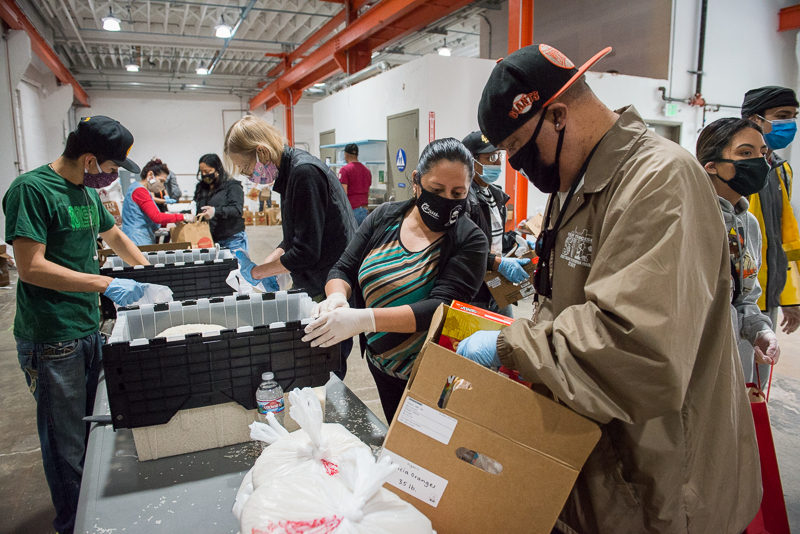
"caption": "Community volunteers put together food packages at what community organizer Roberto Hernandez calls the Mission Latino Food Hub, a warehouse on 701 Alabama Street in San Francisco.",
"description": "Community volunteers put together food packages at what community organizer Roberto Hernandez calls the Mission Latino Food Hub, a warehouse on 701 Alabama Street in San Francisco.",
"title": "Mission Latino Food Hub_5156_WEB",
"credit": "Mabel Jiménez/El Tecolote",
"status": "inherit",
"isLoading": false,
"fetchFailed": false
},
"news_11826446": {
"type": "attachments",
"id": "news_11826446",
"meta": {
"index": "attachments_1716263798",
"site": "news",
"id": "11826446",
"found": true
},
"parent": 11826164,
"imgSizes": {
"apple_news_ca_square_4_0": {
"file": "https://ww2.kqed.org/app/uploads/sites/10/2020/06/1920-470x417.jpg",
"width": 470,
"mimeType": "image/jpeg",
"height": 417
},
"thumbnail": {
"file": "https://ww2.kqed.org/app/uploads/sites/10/2020/06/1920-160x90.jpg",
"width": 160,
"mimeType": "image/jpeg",
"height": 90
},
"post-thumbnail": {
"file": "https://ww2.kqed.org/app/uploads/sites/10/2020/06/1920-672x372.jpg",
"width": 672,
"mimeType": "image/jpeg",
"height": 372
},
"kqedFullSize": {
"file": "https://ww2.kqed.org/app/uploads/sites/10/2020/06/1920.jpg",
"width": 741,
"height": 417
},
"apple_news_ca_landscape_4_7": {
"file": "https://ww2.kqed.org/app/uploads/sites/10/2020/06/1920-632x417.jpg",
"width": 632,
"mimeType": "image/jpeg",
"height": 417
},
"apple_news_ca_portrait_4_7": {
"file": "https://ww2.kqed.org/app/uploads/sites/10/2020/06/1920-414x417.jpg",
"width": 414,
"mimeType": "image/jpeg",
"height": 417
},
"apple_news_ca_portrait_5_5": {
"file": "https://ww2.kqed.org/app/uploads/sites/10/2020/06/1920-687x417.jpg",
"width": 687,
"mimeType": "image/jpeg",
"height": 417
},
"apple_news_ca_square_4_7": {
"file": "https://ww2.kqed.org/app/uploads/sites/10/2020/06/1920-550x417.jpg",
"width": 550,
"mimeType": "image/jpeg",
"height": 417
},
"apple_news_ca_landscape_4_0": {
"file": "https://ww2.kqed.org/app/uploads/sites/10/2020/06/1920-536x402.jpg",
"width": 536,
"mimeType": "image/jpeg",
"height": 402
},
"apple_news_ca_portrait_4_0": {
"file": "https://ww2.kqed.org/app/uploads/sites/10/2020/06/1920-354x417.jpg",
"width": 354,
"mimeType": "image/jpeg",
"height": 417
}
},
"publishDate": 1593220456,
"modified": 1593220510,
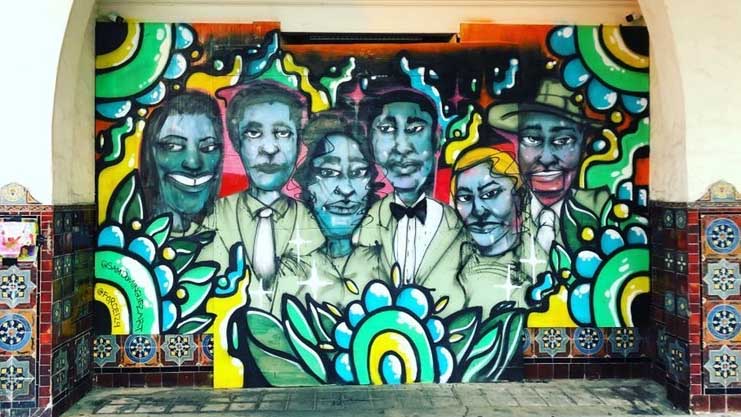
"caption": "Artists in the South Bay have been painting murals of solidarity on the wooden panels outside closed businesses in downtown San Jose. This mural painted by Sam Dominguez @samdominguezart and @force129 stands outside The Barbers Inc Barbershop. ",
"description": "Artists in the South Bay have been painting murals of solidarity on the wooden panels outside closed businesses in downtown San Jose. This mural painted by Sam Dominguez @samdominguezart and @force129 stands outside The Barbers Inc Barbershop. ",
"title": "1920",
"credit": "Courtesy of Miko Baker",
"status": "inherit",
"isLoading": false,
"fetchFailed": false
},
"news_11826379": {
"type": "attachments",
"id": "news_11826379",
"meta": {
"index": "attachments_1716263798",
"site": "news",
"id": "11826379",
"found": true
},
"parent": 11826374,
"imgSizes": {
"apple_news_ca_landscape_5_5": {
"file": "https://ww2.kqed.org/app/uploads/sites/10/2020/06/NR-734-MARQUEE--1044x783.jpg",
"width": 1044,
"mimeType": "image/jpeg",
"height": 783
},
"apple_news_ca_square_4_0": {
"file": "https://ww2.kqed.org/app/uploads/sites/10/2020/06/NR-734-MARQUEE--470x470.jpg",
"width": 470,
"mimeType": "image/jpeg",
"height": 470
},
"twentyfourteen-full-width": {
"file": "https://ww2.kqed.org/app/uploads/sites/10/2020/06/NR-734-MARQUEE--1038x576.jpg",
"width": 1038,
"mimeType": "image/jpeg",
"height": 576
},
"thumbnail": {
"file": "https://ww2.kqed.org/app/uploads/sites/10/2020/06/NR-734-MARQUEE--160x90.jpg",
"width": 160,
"mimeType": "image/jpeg",
"height": 90
},
"post-thumbnail": {
"file": "https://ww2.kqed.org/app/uploads/sites/10/2020/06/NR-734-MARQUEE--672x372.jpg",
"width": 672,
"mimeType": "image/jpeg",
"height": 372
},
"kqedFullSize": {
"file": "https://ww2.kqed.org/app/uploads/sites/10/2020/06/NR-734-MARQUEE-.jpg",
"width": 1920,
"height": 1080
},
"apple_news_ca_landscape_4_7": {
"file": "https://ww2.kqed.org/app/uploads/sites/10/2020/06/NR-734-MARQUEE--632x474.jpg",
"width": 632,
"mimeType": "image/jpeg",
"height": 474
},
"large": {
"file": "https://ww2.kqed.org/app/uploads/sites/10/2020/06/NR-734-MARQUEE--1020x574.jpg",
"width": 1020,
"mimeType": "image/jpeg",
"height": 574
},
"apple_news_ca_landscape_4_0": {
"file": "https://ww2.kqed.org/app/uploads/sites/10/2020/06/NR-734-MARQUEE--536x402.jpg",
"width": 536,
"mimeType": "image/jpeg",
"height": 402
},
"apple_news_ca_portrait_12_9": {
"file": "https://ww2.kqed.org/app/uploads/sites/10/2020/06/NR-734-MARQUEE--1122x1080.jpg",
"width": 1122,
"mimeType": "image/jpeg",
"height": 1080
},
"medium": {
"file": "https://ww2.kqed.org/app/uploads/sites/10/2020/06/NR-734-MARQUEE--800x450.jpg",
"width": 800,
"mimeType": "image/jpeg",
"height": 450
},
"apple_news_ca_portrait_4_0": {
"file": "https://ww2.kqed.org/app/uploads/sites/10/2020/06/NR-734-MARQUEE--354x472.jpg",
"width": 354,
"mimeType": "image/jpeg",
"height": 472
},
"apple_news_ca_portrait_9_7": {
"file": "https://ww2.kqed.org/app/uploads/sites/10/2020/06/NR-734-MARQUEE--840x1080.jpg",
"width": 840,
"mimeType": "image/jpeg",
"height": 1080
},
"apple_news_ca_landscape_12_9": {
"file": "https://ww2.kqed.org/app/uploads/sites/10/2020/06/NR-734-MARQUEE--1832x1080.jpg",
"width": 1832,
"mimeType": "image/jpeg",
"height": 1080
},
"apple_news_ca_square_9_7": {
"file": "https://ww2.kqed.org/app/uploads/sites/10/2020/06/NR-734-MARQUEE--1104x1080.jpg",
"width": 1104,
"mimeType": "image/jpeg",
"height": 1080
},
"1536x1536": {
"file": "https://ww2.kqed.org/app/uploads/sites/10/2020/06/NR-734-MARQUEE--1536x864.jpg",
"width": 1536,
"mimeType": "image/jpeg",
"height": 864
},
"apple_news_ca_portrait_4_7": {
"file": "https://ww2.kqed.org/app/uploads/sites/10/2020/06/NR-734-MARQUEE--414x552.jpg",
"width": 414,
"mimeType": "image/jpeg",
"height": 552
},
"apple_news_ca_square_12_9": {
"file": "https://ww2.kqed.org/app/uploads/sites/10/2020/06/NR-734-MARQUEE--1472x1080.jpg",
"width": 1472,
"mimeType": "image/jpeg",
"height": 1080
},
"apple_news_ca_portrait_5_5": {
"file": "https://ww2.kqed.org/app/uploads/sites/10/2020/06/NR-734-MARQUEE--687x916.jpg",
"width": 687,
"mimeType": "image/jpeg",
"height": 916
},
"apple_news_ca_square_4_7": {
"file": "https://ww2.kqed.org/app/uploads/sites/10/2020/06/NR-734-MARQUEE--550x550.jpg",
"width": 550,
"mimeType": "image/jpeg",
"height": 550
},
"apple_news_ca_landscape_9_7": {
"file": "https://ww2.kqed.org/app/uploads/sites/10/2020/06/NR-734-MARQUEE--1376x1032.jpg",
"width": 1376,
"mimeType": "image/jpeg",
"height": 1032
},
"apple_news_ca_square_5_5": {
"file": "https://ww2.kqed.org/app/uploads/sites/10/2020/06/NR-734-MARQUEE--912x912.jpg",
"width": 912,
"mimeType": "image/jpeg",
"height": 912
}
},
"publishDate": 1593206692,
"modified": 1593206692,
"caption": null,
"description": null,
"title": "NR 734 MARQUEE",
"credit": null,
"status": "inherit",
"isLoading": false,
"fetchFailed": false
},
"news_11825842": {
"type": "attachments",
"id": "news_11825842",
"meta": {
"index": "attachments_1716263798",
"site": "news",
"id": "11825842",
"found": true
},
"parent": 11825401,
"imgSizes": {
"apple_news_ca_square_4_0": {
"file": "https://ww2.kqed.org/app/uploads/sites/10/2020/06/RS43798_MOR-0681-qut-470x400.jpg",
"width": 470,
"mimeType": "image/jpeg",
"height": 400
},
"thumbnail": {
"file": "https://ww2.kqed.org/app/uploads/sites/10/2020/06/RS43798_MOR-0681-qut-160x129.jpg",
"width": 160,
"mimeType": "image/jpeg",
"height": 129
},
"post-thumbnail": {
"file": "https://ww2.kqed.org/app/uploads/sites/10/2020/06/RS43798_MOR-0681-qut-497x372.jpg",
"width": 497,
"mimeType": "image/jpeg",
"height": 372
},
"kqedFullSize": {
"file": "https://ww2.kqed.org/app/uploads/sites/10/2020/06/RS43798_MOR-0681-qut.jpg",
"width": 497,
"height": 400
},
"apple_news_ca_portrait_4_7": {
"file": "https://ww2.kqed.org/app/uploads/sites/10/2020/06/RS43798_MOR-0681-qut-414x400.jpg",
"width": 414,
"mimeType": "image/jpeg",
"height": 400
},
"apple_news_ca_portrait_4_0": {
"file": "https://ww2.kqed.org/app/uploads/sites/10/2020/06/RS43798_MOR-0681-qut-354x400.jpg",
"width": 354,
"mimeType": "image/jpeg",
"height": 400
}
},
"publishDate": 1592950075,
"modified": 1593051517,
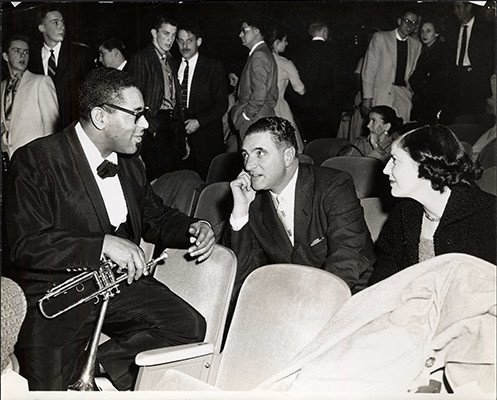
"caption": "Jazz musician Dizzy Gillespie with San Francisco Mayor George Christopher in 1957.",
"description": "Jazz musician Dizzy Gillespie with San Francisco Mayor George Christopher in 1957.",
"title": "RS43798_MOR-0681-qut",
"credit": "San Francisco History Center, San Francisco Public Library",
"status": "inherit",
"isLoading": false,
"fetchFailed": false
},
"news_11825887": {
"type": "attachments",
"id": "news_11825887",
"meta": {
"index": "attachments_1716263798",
"site": "news",
"id": "11825887",
"found": true
},
"parent": 11825885,
"imgSizes": {
"apple_news_ca_landscape_5_5": {
"file": "https://ww2.kqed.org/app/uploads/sites/10/2020/06/drawinggames-1044x783.png",
"width": 1044,
"mimeType": "image/png",
"height": 783
},
"apple_news_ca_square_4_0": {
"file": "https://ww2.kqed.org/app/uploads/sites/10/2020/06/drawinggames-470x470.png",
"width": 470,
"mimeType": "image/png",
"height": 470
},
"twentyfourteen-full-width": {
"file": "https://ww2.kqed.org/app/uploads/sites/10/2020/06/drawinggames-1038x576.png",
"width": 1038,
"mimeType": "image/png",
"height": 576
},
"thumbnail": {
"file": "https://ww2.kqed.org/app/uploads/sites/10/2020/06/drawinggames-160x90.png",
"width": 160,
"mimeType": "image/png",
"height": 90
},
"post-thumbnail": {
"file": "https://ww2.kqed.org/app/uploads/sites/10/2020/06/drawinggames-672x372.png",
"width": 672,
"mimeType": "image/png",
"height": 372
},
"kqedFullSize": {
"file": "https://ww2.kqed.org/app/uploads/sites/10/2020/06/drawinggames-e1593025182210.png",
"width": 1918,
"height": 1079
},
"apple_news_ca_landscape_4_7": {
"file": "https://ww2.kqed.org/app/uploads/sites/10/2020/06/drawinggames-632x474.png",
"width": 632,
"mimeType": "image/png",
"height": 474
},
"large": {
"file": "https://ww2.kqed.org/app/uploads/sites/10/2020/06/drawinggames-1020x574.png",
"width": 1020,
"mimeType": "image/png",
"height": 574
},
"apple_news_ca_landscape_4_0": {
"file": "https://ww2.kqed.org/app/uploads/sites/10/2020/06/drawinggames-536x402.png",
"width": 536,
"mimeType": "image/png",
"height": 402
},
"apple_news_ca_portrait_12_9": {
"file": "https://ww2.kqed.org/app/uploads/sites/10/2020/06/drawinggames-1122x1080.png",
"width": 1122,
"mimeType": "image/png",
"height": 1080
},
"medium": {
"file": "https://ww2.kqed.org/app/uploads/sites/10/2020/06/drawinggames-800x450.png",
"width": 800,
"mimeType": "image/png",
"height": 450
},
"apple_news_ca_portrait_4_0": {
"file": "https://ww2.kqed.org/app/uploads/sites/10/2020/06/drawinggames-354x472.png",
"width": 354,
"mimeType": "image/png",
"height": 472
},
"apple_news_ca_portrait_9_7": {
"file": "https://ww2.kqed.org/app/uploads/sites/10/2020/06/drawinggames-840x1080.png",
"width": 840,
"mimeType": "image/png",
"height": 1080
},
"apple_news_ca_landscape_12_9": {
"file": "https://ww2.kqed.org/app/uploads/sites/10/2020/06/drawinggames-1832x1080.png",
"width": 1832,
"mimeType": "image/png",
"height": 1080
},
"apple_news_ca_square_9_7": {
"file": "https://ww2.kqed.org/app/uploads/sites/10/2020/06/drawinggames-1104x1080.png",
"width": 1104,
"mimeType": "image/png",
"height": 1080
},
"1536x1536": {
"file": "https://ww2.kqed.org/app/uploads/sites/10/2020/06/drawinggames-1536x864.png",
"width": 1536,
"mimeType": "image/png",
"height": 864
},
"apple_news_ca_portrait_4_7": {
"file": "https://ww2.kqed.org/app/uploads/sites/10/2020/06/drawinggames-414x552.png",
"width": 414,
"mimeType": "image/png",
"height": 552
},
"apple_news_ca_square_12_9": {
"file": "https://ww2.kqed.org/app/uploads/sites/10/2020/06/drawinggames-1472x1080.png",
"width": 1472,
"mimeType": "image/png",
"height": 1080
},
"apple_news_ca_portrait_5_5": {
"file": "https://ww2.kqed.org/app/uploads/sites/10/2020/06/drawinggames-687x916.png",
"width": 687,
"mimeType": "image/png",
"height": 916
},
"apple_news_ca_square_4_7": {
"file": "https://ww2.kqed.org/app/uploads/sites/10/2020/06/drawinggames-550x550.png",
"width": 550,
"mimeType": "image/png",
"height": 550
},
"apple_news_ca_landscape_9_7": {
"file": "https://ww2.kqed.org/app/uploads/sites/10/2020/06/drawinggames-1376x1032.png",
"width": 1376,
"mimeType": "image/png",
"height": 1032
},
"apple_news_ca_square_5_5": {
"file": "https://ww2.kqed.org/app/uploads/sites/10/2020/06/drawinggames-912x912.png",
"width": 912,
"mimeType": "image/png",
"height": 912
}
},
"publishDate": 1592956065,
"modified": 1592956230,
"caption": "KQED’s Mark Fiore shows off his favorite cartooning exercises to get your imagination going.",
"description": "KQED’s Mark Fiore shows off his favorite cartooning exercises to get your imagination going.",
"title": "drawinggames",
"credit": "Mark Fiore/KQED",
"status": "inherit",
"isLoading": false,
"fetchFailed": false
},
"news_11825852": {
"type": "attachments",
"id": "news_11825852",
"meta": {
"index": "attachments_1716263798",
"site": "news",
"id": "11825852",
"found": true
},
"title": "Sharp Budget Cuts Loom For All Sectors Of California's Infrastructure",
"publishDate": 1592950982,
"status": "inherit",
"parent": 11825729,
"modified": 1770426512,
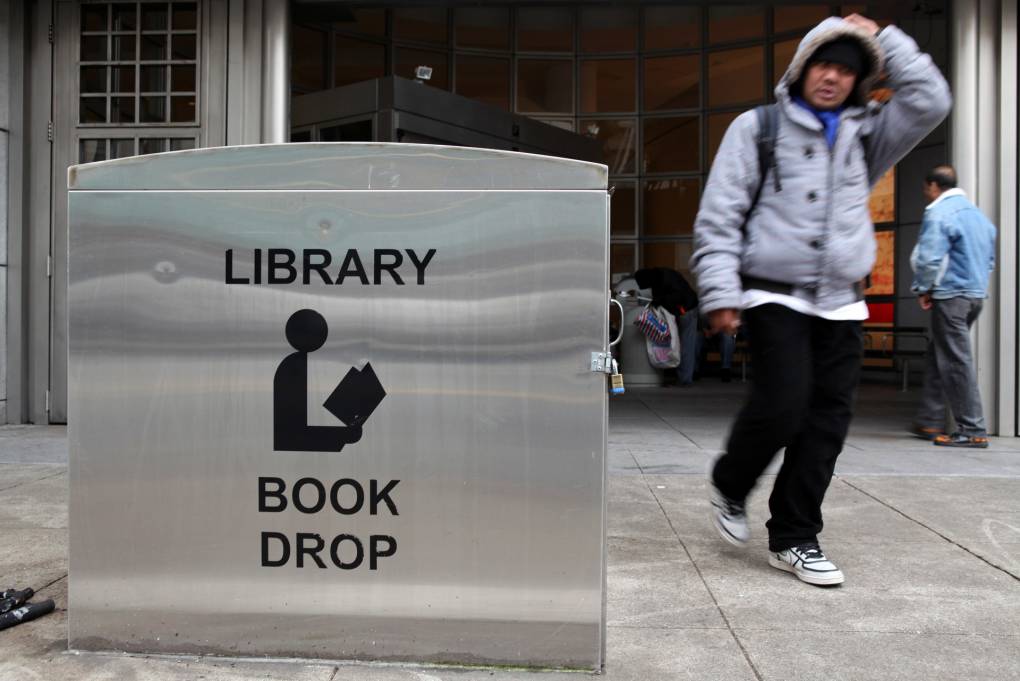
"caption": "A student walks by a library book drop box outside of the main branch of the San Francisco Public Library on Jan. 11, 2011, in San Francisco, California.",
"credit": "Justin Sullivan/Getty Images",
"altTag": null,
"description": null,
"imgSizes": {
"medium": {
"file": "https://cdn.kqed.org/wp-content/uploads/sites/10/2020/06/RS43801_GettyImages-107987983-qut-800x534.jpg",
"width": 800,
"height": 534,
"mimeType": "image/jpeg"
},
"large": {
"file": "https://cdn.kqed.org/wp-content/uploads/sites/10/2020/06/RS43801_GettyImages-107987983-qut-1020x681.jpg",
"width": 1020,
"height": 681,
"mimeType": "image/jpeg"
},
"thumbnail": {
"file": "https://cdn.kqed.org/wp-content/uploads/sites/10/2020/06/RS43801_GettyImages-107987983-qut-160x107.jpg",
"width": 160,
"height": 107,
"mimeType": "image/jpeg"
},
"1536x1536": {
"file": "https://cdn.kqed.org/wp-content/uploads/sites/10/2020/06/RS43801_GettyImages-107987983-qut-1536x1026.jpg",
"width": 1536,
"height": 1026,
"mimeType": "image/jpeg"
},
"post-thumbnail": {
"file": "https://cdn.kqed.org/wp-content/uploads/sites/10/2020/06/RS43801_GettyImages-107987983-qut-672x372.jpg",
"width": 672,
"height": 372,
"mimeType": "image/jpeg"
},
"twentyfourteen-full-width": {
"file": "https://cdn.kqed.org/wp-content/uploads/sites/10/2020/06/RS43801_GettyImages-107987983-qut-1038x576.jpg",
"width": 1038,
"height": 576,
"mimeType": "image/jpeg"
},
"apple_news_ca_landscape_12_9": {
"file": "https://cdn.kqed.org/wp-content/uploads/sites/10/2020/06/RS43801_GettyImages-107987983-qut-1832x1282.jpg",
"width": 1832,
"height": 1282,
"mimeType": "image/jpeg"
},
"apple_news_ca_landscape_9_7": {
"file": "https://cdn.kqed.org/wp-content/uploads/sites/10/2020/06/RS43801_GettyImages-107987983-qut-1376x1032.jpg",
"width": 1376,
"height": 1032,
"mimeType": "image/jpeg"
},
"apple_news_ca_landscape_5_5": {
"file": "https://cdn.kqed.org/wp-content/uploads/sites/10/2020/06/RS43801_GettyImages-107987983-qut-1044x783.jpg",
"width": 1044,
"height": 783,
"mimeType": "image/jpeg"
},
"apple_news_ca_landscape_4_7": {
"file": "https://cdn.kqed.org/wp-content/uploads/sites/10/2020/06/RS43801_GettyImages-107987983-qut-632x474.jpg",
"width": 632,
"height": 474,
"mimeType": "image/jpeg"
},
"apple_news_ca_landscape_4_0": {
"file": "https://cdn.kqed.org/wp-content/uploads/sites/10/2020/06/RS43801_GettyImages-107987983-qut-536x402.jpg",
"width": 536,
"height": 402,
"mimeType": "image/jpeg"
},
"apple_news_ca_portrait_12_9": {
"file": "https://cdn.kqed.org/wp-content/uploads/sites/10/2020/06/RS43801_GettyImages-107987983-qut-1122x1282.jpg",
"width": 1122,
"height": 1282,
"mimeType": "image/jpeg"
},
"apple_news_ca_portrait_9_7": {
"file": "https://cdn.kqed.org/wp-content/uploads/sites/10/2020/06/RS43801_GettyImages-107987983-qut-840x1120.jpg",
"width": 840,
"height": 1120,
"mimeType": "image/jpeg"
},
"apple_news_ca_portrait_5_5": {
"file": "https://cdn.kqed.org/wp-content/uploads/sites/10/2020/06/RS43801_GettyImages-107987983-qut-687x916.jpg",
"width": 687,
"height": 916,
"mimeType": "image/jpeg"
},
"apple_news_ca_portrait_4_7": {
"file": "https://cdn.kqed.org/wp-content/uploads/sites/10/2020/06/RS43801_GettyImages-107987983-qut-414x552.jpg",
"width": 414,
"height": 552,
"mimeType": "image/jpeg"
},
"apple_news_ca_portrait_4_0": {
"file": "https://cdn.kqed.org/wp-content/uploads/sites/10/2020/06/RS43801_GettyImages-107987983-qut-354x472.jpg",
"width": 354,
"height": 472,
"mimeType": "image/jpeg"
},
"apple_news_ca_square_12_9": {
"file": "https://cdn.kqed.org/wp-content/uploads/sites/10/2020/06/RS43801_GettyImages-107987983-qut-1472x1282.jpg",
"width": 1472,
"height": 1282,
"mimeType": "image/jpeg"
},
"apple_news_ca_square_9_7": {
"file": "https://cdn.kqed.org/wp-content/uploads/sites/10/2020/06/RS43801_GettyImages-107987983-qut-1104x1104.jpg",
"width": 1104,
"height": 1104,
"mimeType": "image/jpeg"
},
"apple_news_ca_square_5_5": {
"file": "https://cdn.kqed.org/wp-content/uploads/sites/10/2020/06/RS43801_GettyImages-107987983-qut-912x912.jpg",
"width": 912,
"height": 912,
"mimeType": "image/jpeg"
},
"apple_news_ca_square_4_7": {
"file": "https://cdn.kqed.org/wp-content/uploads/sites/10/2020/06/RS43801_GettyImages-107987983-qut-550x550.jpg",
"width": 550,
"height": 550,
"mimeType": "image/jpeg"
},
"apple_news_ca_square_4_0": {
"file": "https://cdn.kqed.org/wp-content/uploads/sites/10/2020/06/RS43801_GettyImages-107987983-qut-470x470.jpg",
"width": 470,
"height": 470,
"mimeType": "image/jpeg"
},
"kqedFullSize": {
"file": "https://cdn.kqed.org/wp-content/uploads/sites/10/2020/06/RS43801_GettyImages-107987983-qut.jpg",
"width": 1920,
"height": 1282
}
},
"isLoading": false,
"fetchFailed": false
},
"news_11825260": {
"type": "attachments",
"id": "news_11825260",
"meta": {
"index": "attachments_1716263798",
"site": "news",
"id": "11825260",
"found": true
},
"parent": 11824854,
"imgSizes": {
"apple_news_ca_landscape_5_5": {
"file": "https://ww2.kqed.org/app/uploads/sites/10/2020/06/RS43692_molly-mccall1-qut-1044x783.jpg",
"width": 1044,
"mimeType": "image/jpeg",
"height": 783
},
"apple_news_ca_square_4_0": {
"file": "https://ww2.kqed.org/app/uploads/sites/10/2020/06/RS43692_molly-mccall1-qut-470x470.jpg",
"width": 470,
"mimeType": "image/jpeg",
"height": 470
},
"twentyfourteen-full-width": {
"file": "https://ww2.kqed.org/app/uploads/sites/10/2020/06/RS43692_molly-mccall1-qut-1038x576.jpg",
"width": 1038,
"mimeType": "image/jpeg",
"height": 576
},
"thumbnail": {
"file": "https://ww2.kqed.org/app/uploads/sites/10/2020/06/RS43692_molly-mccall1-qut-160x120.jpg",
"width": 160,
"mimeType": "image/jpeg",
"height": 120
},
"post-thumbnail": {
"file": "https://ww2.kqed.org/app/uploads/sites/10/2020/06/RS43692_molly-mccall1-qut-672x372.jpg",
"width": 672,
"mimeType": "image/jpeg",
"height": 372
},
"kqedFullSize": {
"file": "https://ww2.kqed.org/app/uploads/sites/10/2020/06/RS43692_molly-mccall1-qut.jpg",
"width": 1920,
"height": 1440
},
"apple_news_ca_landscape_4_7": {
"file": "https://ww2.kqed.org/app/uploads/sites/10/2020/06/RS43692_molly-mccall1-qut-632x474.jpg",
"width": 632,
"mimeType": "image/jpeg",
"height": 474
},
"large": {
"file": "https://ww2.kqed.org/app/uploads/sites/10/2020/06/RS43692_molly-mccall1-qut-1020x765.jpg",
"width": 1020,
"mimeType": "image/jpeg",
"height": 765
},
"apple_news_ca_landscape_4_0": {
"file": "https://ww2.kqed.org/app/uploads/sites/10/2020/06/RS43692_molly-mccall1-qut-536x402.jpg",
"width": 536,
"mimeType": "image/jpeg",
"height": 402
},
"apple_news_ca_portrait_12_9": {
"file": "https://ww2.kqed.org/app/uploads/sites/10/2020/06/RS43692_molly-mccall1-qut-1122x1440.jpg",
"width": 1122,
"mimeType": "image/jpeg",
"height": 1440
},
"medium": {
"file": "https://ww2.kqed.org/app/uploads/sites/10/2020/06/RS43692_molly-mccall1-qut-800x600.jpg",
"width": 800,
"mimeType": "image/jpeg",
"height": 600
},
"apple_news_ca_portrait_4_0": {
"file": "https://ww2.kqed.org/app/uploads/sites/10/2020/06/RS43692_molly-mccall1-qut-354x472.jpg",
"width": 354,
"mimeType": "image/jpeg",
"height": 472
},
"apple_news_ca_portrait_9_7": {
"file": "https://ww2.kqed.org/app/uploads/sites/10/2020/06/RS43692_molly-mccall1-qut-840x1120.jpg",
"width": 840,
"mimeType": "image/jpeg",
"height": 1120
},
"apple_news_ca_landscape_12_9": {
"file": "https://ww2.kqed.org/app/uploads/sites/10/2020/06/RS43692_molly-mccall1-qut-1832x1374.jpg",
"width": 1832,
"mimeType": "image/jpeg",
"height": 1374
},
"apple_news_ca_square_9_7": {
"file": "https://ww2.kqed.org/app/uploads/sites/10/2020/06/RS43692_molly-mccall1-qut-1104x1104.jpg",
"width": 1104,
"mimeType": "image/jpeg",
"height": 1104
},
"apple_news_ca_portrait_4_7": {
"file": "https://ww2.kqed.org/app/uploads/sites/10/2020/06/RS43692_molly-mccall1-qut-414x552.jpg",
"width": 414,
"mimeType": "image/jpeg",
"height": 552
},
"apple_news_ca_square_12_9": {
"file": "https://ww2.kqed.org/app/uploads/sites/10/2020/06/RS43692_molly-mccall1-qut-1472x1440.jpg",
"width": 1472,
"mimeType": "image/jpeg",
"height": 1440
},
"apple_news_ca_portrait_5_5": {
"file": "https://ww2.kqed.org/app/uploads/sites/10/2020/06/RS43692_molly-mccall1-qut-687x916.jpg",
"width": 687,
"mimeType": "image/jpeg",
"height": 916
},
"full-width": {
"file": "https://ww2.kqed.org/app/uploads/sites/10/2020/06/RS43692_molly-mccall1-qut-1920x1440.jpg",
"width": 1920,
"mimeType": "image/jpeg",
"height": 1440
},
"apple_news_ca_square_4_7": {
"file": "https://ww2.kqed.org/app/uploads/sites/10/2020/06/RS43692_molly-mccall1-qut-550x550.jpg",
"width": 550,
"mimeType": "image/jpeg",
"height": 550
},
"apple_news_ca_landscape_9_7": {
"file": "https://ww2.kqed.org/app/uploads/sites/10/2020/06/RS43692_molly-mccall1-qut-1376x1032.jpg",
"width": 1376,
"mimeType": "image/jpeg",
"height": 1032
},
"apple_news_ca_square_5_5": {
"file": "https://ww2.kqed.org/app/uploads/sites/10/2020/06/RS43692_molly-mccall1-qut-912x912.jpg",
"width": 912,
"mimeType": "image/jpeg",
"height": 912
}
},
"publishDate": 1592518557,
"modified": 1592524301,
"caption": "San Francisco Public Library librarian Molly McCall has been working on the front lines of the coronavirus pandemic as a disaster service worker. She is one of many of the city's librarians who are wondering when they'll be able to get back to their regular jobs.",
"description": "San Francisco Public Library librarian Molly McCall has been working on the front lines of the coronavirus pandemic as a disaster service worker. She is one of many of the city's librarians who are wondering when they'll be able to get back to their regular jobs.",
"title": "RS43692_molly mccall1-qut",
"credit": "Courtesy Molly McCall",
"status": "inherit",
"isLoading": false,
"fetchFailed": false
},
"news_11755107": {
"type": "attachments",
"id": "news_11755107",
"meta": {
"index": "attachments_1716263798",
"site": "news",
"id": "11755107",
"found": true
},
"parent": 11755103,
"imgSizes": {
"apple_news_ca_landscape_5_5": {
"file": "https://ww2.kqed.org/app/uploads/sites/10/2019/06/RS37724_IMG_5525-qut-1044x783.jpg",
"width": 1044,
"mimeType": "image/jpeg",
"height": 783
},
"apple_news_ca_square_4_0": {
"file": "https://ww2.kqed.org/app/uploads/sites/10/2019/06/RS37724_IMG_5525-qut-470x470.jpg",
"width": 470,
"mimeType": "image/jpeg",
"height": 470
},
"twentyfourteen-full-width": {
"file": "https://ww2.kqed.org/app/uploads/sites/10/2019/06/RS37724_IMG_5525-qut-1038x576.jpg",
"width": 1038,
"mimeType": "image/jpeg",
"height": 576
},
"thumbnail": {
"file": "https://ww2.kqed.org/app/uploads/sites/10/2019/06/RS37724_IMG_5525-qut-160x120.jpg",
"width": 160,
"mimeType": "image/jpeg",
"height": 120
},
"post-thumbnail": {
"file": "https://ww2.kqed.org/app/uploads/sites/10/2019/06/RS37724_IMG_5525-qut-672x372.jpg",
"width": 672,
"mimeType": "image/jpeg",
"height": 372
},
"kqedFullSize": {
"file": "https://ww2.kqed.org/app/uploads/sites/10/2019/06/RS37724_IMG_5525-qut.jpg",
"width": 1920,
"height": 1440
},
"apple_news_ca_landscape_4_7": {
"file": "https://ww2.kqed.org/app/uploads/sites/10/2019/06/RS37724_IMG_5525-qut-632x474.jpg",
"width": 632,
"mimeType": "image/jpeg",
"height": 474
},
"large": {
"file": "https://ww2.kqed.org/app/uploads/sites/10/2019/06/RS37724_IMG_5525-qut-1020x765.jpg",
"width": 1020,
"mimeType": "image/jpeg",
"height": 765
},
"complete_open_graph": {
"file": "https://ww2.kqed.org/app/uploads/sites/10/2019/06/RS37724_IMG_5525-qut-1200x900.jpg",
"width": 1200,
"mimeType": "image/jpeg",
"height": 900
},
"apple_news_ca_landscape_4_0": {
"file": "https://ww2.kqed.org/app/uploads/sites/10/2019/06/RS37724_IMG_5525-qut-536x402.jpg",
"width": 536,
"mimeType": "image/jpeg",
"height": 402
},
"apple_news_ca_portrait_12_9": {
"file": "https://ww2.kqed.org/app/uploads/sites/10/2019/06/RS37724_IMG_5525-qut-1122x1440.jpg",
"width": 1122,
"mimeType": "image/jpeg",
"height": 1440
},
"medium": {
"file": "https://ww2.kqed.org/app/uploads/sites/10/2019/06/RS37724_IMG_5525-qut-800x600.jpg",
"width": 800,
"mimeType": "image/jpeg",
"height": 600
},
"apple_news_ca_portrait_4_0": {
"file": "https://ww2.kqed.org/app/uploads/sites/10/2019/06/RS37724_IMG_5525-qut-354x472.jpg",
"width": 354,
"mimeType": "image/jpeg",
"height": 472
},
"apple_news_ca_portrait_9_7": {
"file": "https://ww2.kqed.org/app/uploads/sites/10/2019/06/RS37724_IMG_5525-qut-840x1120.jpg",
"width": 840,
"mimeType": "image/jpeg",
"height": 1120
},
"apple_news_ca_landscape_12_9": {
"file": "https://ww2.kqed.org/app/uploads/sites/10/2019/06/RS37724_IMG_5525-qut-1832x1374.jpg",
"width": 1832,
"mimeType": "image/jpeg",
"height": 1374
},
"apple_news_ca_square_9_7": {
"file": "https://ww2.kqed.org/app/uploads/sites/10/2019/06/RS37724_IMG_5525-qut-1104x1104.jpg",
"width": 1104,
"mimeType": "image/jpeg",
"height": 1104
},
"apple_news_ca_portrait_4_7": {
"file": "https://ww2.kqed.org/app/uploads/sites/10/2019/06/RS37724_IMG_5525-qut-414x552.jpg",
"width": 414,
"mimeType": "image/jpeg",
"height": 552
},
"apple_news_ca_square_12_9": {
"file": "https://ww2.kqed.org/app/uploads/sites/10/2019/06/RS37724_IMG_5525-qut-1472x1440.jpg",
"width": 1472,
"mimeType": "image/jpeg",
"height": 1440
},
"apple_news_ca_portrait_5_5": {
"file": "https://ww2.kqed.org/app/uploads/sites/10/2019/06/RS37724_IMG_5525-qut-687x916.jpg",
"width": 687,
"mimeType": "image/jpeg",
"height": 916
},
"full-width": {
"file": "https://ww2.kqed.org/app/uploads/sites/10/2019/06/RS37724_IMG_5525-qut-1920x1440.jpg",
"width": 1920,
"mimeType": "image/jpeg",
"height": 1440
},
"apple_news_ca_square_4_7": {
"file": "https://ww2.kqed.org/app/uploads/sites/10/2019/06/RS37724_IMG_5525-qut-550x550.jpg",
"width": 550,
"mimeType": "image/jpeg",
"height": 550
},
"apple_news_ca_landscape_9_7": {
"file": "https://ww2.kqed.org/app/uploads/sites/10/2019/06/RS37724_IMG_5525-qut-1376x1032.jpg",
"width": 1376,
"mimeType": "image/jpeg",
"height": 1032
},
"apple_news_ca_square_5_5": {
"file": "https://ww2.kqed.org/app/uploads/sites/10/2019/06/RS37724_IMG_5525-qut-912x912.jpg",
"width": 912,
"mimeType": "image/jpeg",
"height": 912
}
},
"publishDate": 1560729066,
"modified": 1592512002,
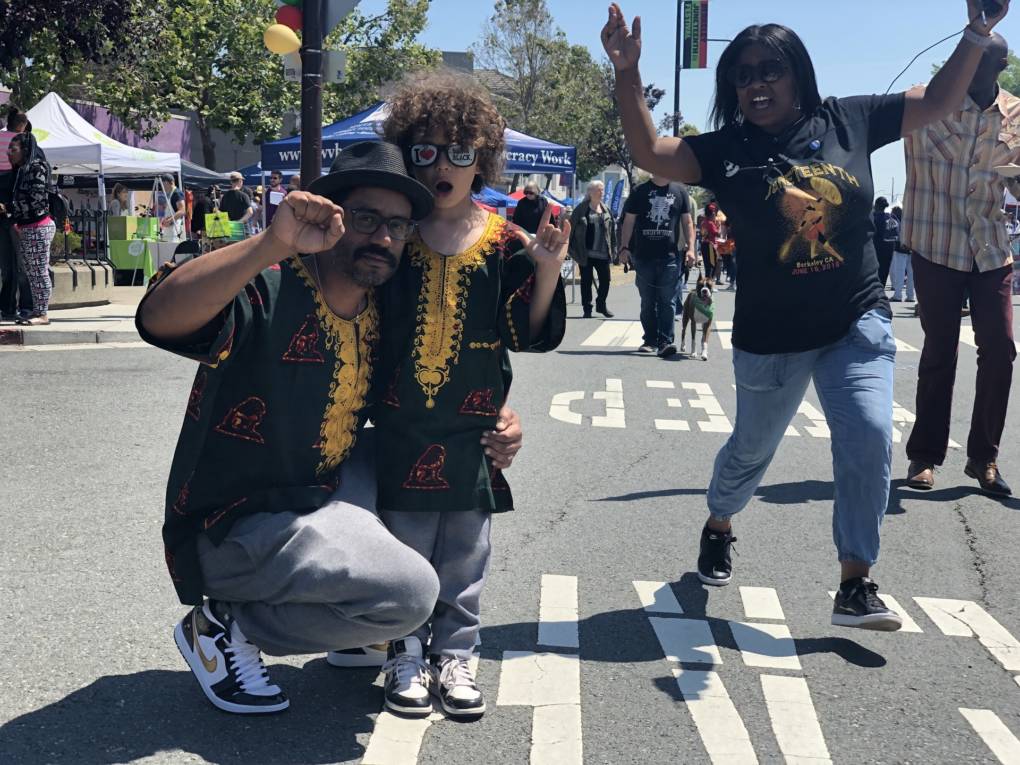
"caption": "Dakh Jones and his son Enrico (and a Juneteenth photobomber) celebrate Black pride in South Berkeley at the 2019 Berkeley Juneteenth Festival.",
"description": "Dakh Jones and his son Enrico (and a Juneteenth photobomber) celebrate black pride in South Berkeley, where Jones was born and raised. 'It's significant that this celebration has not completely phased out, that it's still important for the Berkeley city,' he said.",
"title": "RS37724_IMG_5525-qut",
"credit": "Liliana Michelena/KQED",
"status": "inherit",
"isLoading": false,
"fetchFailed": false
},
"news_11824822": {
"type": "attachments",
"id": "news_11824822",
"meta": {
"index": "attachments_1716263798",
"site": "news",
"id": "11824822",
"found": true
},
"parent": 11824483,
"imgSizes": {
"apple_news_ca_landscape_5_5": {
"file": "https://ww2.kqed.org/app/uploads/sites/10/2021/06/CRTN105_thumb_YT-1044x783.png",
"width": 1044,
"mimeType": "image/png",
"height": 783
},
"apple_news_ca_square_4_0": {
"file": "https://ww2.kqed.org/app/uploads/sites/10/2021/06/CRTN105_thumb_YT-470x470.png",
"width": 470,
"mimeType": "image/png",
"height": 470
},
"twentyfourteen-full-width": {
"file": "https://ww2.kqed.org/app/uploads/sites/10/2021/06/CRTN105_thumb_YT-1038x576.png",
"width": 1038,
"mimeType": "image/png",
"height": 576
},
"thumbnail": {
"file": "https://ww2.kqed.org/app/uploads/sites/10/2021/06/CRTN105_thumb_YT-160x90.png",
"width": 160,
"mimeType": "image/png",
"height": 90
},
"post-thumbnail": {
"file": "https://ww2.kqed.org/app/uploads/sites/10/2021/06/CRTN105_thumb_YT-672x372.png",
"width": 672,
"mimeType": "image/png",
"height": 372
},
"kqedFullSize": {
"file": "https://ww2.kqed.org/app/uploads/sites/10/2021/06/CRTN105_thumb_YT.png",
"width": 1920,
"height": 1080
},
"apple_news_ca_landscape_4_7": {
"file": "https://ww2.kqed.org/app/uploads/sites/10/2021/06/CRTN105_thumb_YT-632x474.png",
"width": 632,
"mimeType": "image/png",
"height": 474
},
"large": {
"file": "https://ww2.kqed.org/app/uploads/sites/10/2021/06/CRTN105_thumb_YT-1020x574.png",
"width": 1020,
"mimeType": "image/png",
"height": 574
},
"apple_news_ca_landscape_4_0": {
"file": "https://ww2.kqed.org/app/uploads/sites/10/2021/06/CRTN105_thumb_YT-536x402.png",
"width": 536,
"mimeType": "image/png",
"height": 402
},
"apple_news_ca_portrait_12_9": {
"file": "https://ww2.kqed.org/app/uploads/sites/10/2021/06/CRTN105_thumb_YT-1122x1080.png",
"width": 1122,
"mimeType": "image/png",
"height": 1080
},
"medium": {
"file": "https://ww2.kqed.org/app/uploads/sites/10/2021/06/CRTN105_thumb_YT-800x450.png",
"width": 800,
"mimeType": "image/png",
"height": 450
},
"apple_news_ca_portrait_4_0": {
"file": "https://ww2.kqed.org/app/uploads/sites/10/2021/06/CRTN105_thumb_YT-354x472.png",
"width": 354,
"mimeType": "image/png",
"height": 472
},
"apple_news_ca_portrait_9_7": {
"file": "https://ww2.kqed.org/app/uploads/sites/10/2021/06/CRTN105_thumb_YT-840x1080.png",
"width": 840,
"mimeType": "image/png",
"height": 1080
},
"apple_news_ca_landscape_12_9": {
"file": "https://ww2.kqed.org/app/uploads/sites/10/2021/06/CRTN105_thumb_YT-1832x1080.png",
"width": 1832,
"mimeType": "image/png",
"height": 1080
},
"apple_news_ca_square_9_7": {
"file": "https://ww2.kqed.org/app/uploads/sites/10/2021/06/CRTN105_thumb_YT-1104x1080.png",
"width": 1104,
"mimeType": "image/png",
"height": 1080
},
"apple_news_ca_portrait_4_7": {
"file": "https://ww2.kqed.org/app/uploads/sites/10/2021/06/CRTN105_thumb_YT-414x552.png",
"width": 414,
"mimeType": "image/png",
"height": 552
},
"apple_news_ca_square_12_9": {
"file": "https://ww2.kqed.org/app/uploads/sites/10/2021/06/CRTN105_thumb_YT-1472x1080.png",
"width": 1472,
"mimeType": "image/png",
"height": 1080
},
"apple_news_ca_portrait_5_5": {
"file": "https://ww2.kqed.org/app/uploads/sites/10/2021/06/CRTN105_thumb_YT-687x916.png",
"width": 687,
"mimeType": "image/png",
"height": 916
},
"full-width": {
"file": "https://ww2.kqed.org/app/uploads/sites/10/2021/06/CRTN105_thumb_YT-1920x1080.png",
"width": 1920,
"mimeType": "image/png",
"height": 1080
},
"apple_news_ca_square_4_7": {
"file": "https://ww2.kqed.org/app/uploads/sites/10/2021/06/CRTN105_thumb_YT-550x550.png",
"width": 550,
"mimeType": "image/png",
"height": 550
},
"apple_news_ca_landscape_9_7": {
"file": "https://ww2.kqed.org/app/uploads/sites/10/2021/06/CRTN105_thumb_YT-1376x1032.png",
"width": 1376,
"mimeType": "image/png",
"height": 1032
},
"apple_news_ca_square_5_5": {
"file": "https://ww2.kqed.org/app/uploads/sites/10/2021/06/CRTN105_thumb_YT-912x912.png",
"width": 912,
"mimeType": "image/png",
"height": 912
}
},
"publishDate": 1592412554,
"modified": 1592412614,
"caption": "In this episode of Cartooning-in-Place, KQED’s Mark Fiore takes you into his creative process. From rough sketches to complex composition, color and lettering, he’ll show you how he uses journalism, pictures and words to craft a political cartoon.",
"description": "In this episode of Cartooning-in-Place, KQED’s Mark Fiore takes you into his creative process. From rough sketches to complex composition, color and lettering, he’ll show you how he uses journalism, pictures and words to craft a political cartoon.",
"title": "Mark Fiore Cartooning in Place 5",
"credit": "Mark Fiore/KQED",
"status": "inherit",
"isLoading": false,
"fetchFailed": false
},
"news_11824580": {
"type": "attachments",
"id": "news_11824580",
"meta": {
"index": "attachments_1716263798",
"site": "news",
"id": "11824580",
"found": true
},
"parent": 11824401,
"imgSizes": {
"apple_news_ca_landscape_5_5": {
"file": "https://ww2.kqed.org/app/uploads/sites/10/2020/06/104116602_1685207991631870_4339448077241825333_n-1044x783.jpg",
"width": 1044,
"mimeType": "image/jpeg",
"height": 783
},
"apple_news_ca_square_4_0": {
"file": "https://ww2.kqed.org/app/uploads/sites/10/2020/06/104116602_1685207991631870_4339448077241825333_n-470x470.jpg",
"width": 470,
"mimeType": "image/jpeg",
"height": 470
},
"twentyfourteen-full-width": {
"file": "https://ww2.kqed.org/app/uploads/sites/10/2020/06/104116602_1685207991631870_4339448077241825333_n-1038x576.jpg",
"width": 1038,
"mimeType": "image/jpeg",
"height": 576
},
"thumbnail": {
"file": "https://ww2.kqed.org/app/uploads/sites/10/2020/06/104116602_1685207991631870_4339448077241825333_n-160x120.jpg",
"width": 160,
"mimeType": "image/jpeg",
"height": 120
},
"post-thumbnail": {
"file": "https://ww2.kqed.org/app/uploads/sites/10/2020/06/104116602_1685207991631870_4339448077241825333_n-672x372.jpg",
"width": 672,
"mimeType": "image/jpeg",
"height": 372
},
"kqedFullSize": {
"file": "https://ww2.kqed.org/app/uploads/sites/10/2020/06/104116602_1685207991631870_4339448077241825333_n.jpg",
"width": 2048,
"height": 1536
},
"apple_news_ca_landscape_4_7": {
"file": "https://ww2.kqed.org/app/uploads/sites/10/2020/06/104116602_1685207991631870_4339448077241825333_n-632x474.jpg",
"width": 632,
"mimeType": "image/jpeg",
"height": 474
},
"large": {
"file": "https://ww2.kqed.org/app/uploads/sites/10/2020/06/104116602_1685207991631870_4339448077241825333_n-1020x765.jpg",
"width": 1020,
"mimeType": "image/jpeg",
"height": 765
},
"apple_news_ca_landscape_4_0": {
"file": "https://ww2.kqed.org/app/uploads/sites/10/2020/06/104116602_1685207991631870_4339448077241825333_n-536x402.jpg",
"width": 536,
"mimeType": "image/jpeg",
"height": 402
},
"apple_news_ca_portrait_12_9": {
"file": "https://ww2.kqed.org/app/uploads/sites/10/2020/06/104116602_1685207991631870_4339448077241825333_n-1122x1496.jpg",
"width": 1122,
"mimeType": "image/jpeg",
"height": 1496
},
"medium": {
"file": "https://ww2.kqed.org/app/uploads/sites/10/2020/06/104116602_1685207991631870_4339448077241825333_n-800x600.jpg",
"width": 800,
"mimeType": "image/jpeg",
"height": 600
},
"apple_news_ca_portrait_4_0": {
"file": "https://ww2.kqed.org/app/uploads/sites/10/2020/06/104116602_1685207991631870_4339448077241825333_n-354x472.jpg",
"width": 354,
"mimeType": "image/jpeg",
"height": 472
},
"apple_news_ca_portrait_9_7": {
"file": "https://ww2.kqed.org/app/uploads/sites/10/2020/06/104116602_1685207991631870_4339448077241825333_n-840x1120.jpg",
"width": 840,
"mimeType": "image/jpeg",
"height": 1120
},
"apple_news_ca_landscape_12_9": {
"file": "https://ww2.kqed.org/app/uploads/sites/10/2020/06/104116602_1685207991631870_4339448077241825333_n-1832x1374.jpg",
"width": 1832,
"mimeType": "image/jpeg",
"height": 1374
},
"apple_news_ca_square_9_7": {
"file": "https://ww2.kqed.org/app/uploads/sites/10/2020/06/104116602_1685207991631870_4339448077241825333_n-1104x1104.jpg",
"width": 1104,
"mimeType": "image/jpeg",
"height": 1104
},
"apple_news_ca_portrait_4_7": {
"file": "https://ww2.kqed.org/app/uploads/sites/10/2020/06/104116602_1685207991631870_4339448077241825333_n-414x552.jpg",
"width": 414,
"mimeType": "image/jpeg",
"height": 552
},
"apple_news_ca_square_12_9": {
"file": "https://ww2.kqed.org/app/uploads/sites/10/2020/06/104116602_1685207991631870_4339448077241825333_n-1472x1472.jpg",
"width": 1472,
"mimeType": "image/jpeg",
"height": 1472
},
"apple_news_ca_portrait_5_5": {
"file": "https://ww2.kqed.org/app/uploads/sites/10/2020/06/104116602_1685207991631870_4339448077241825333_n-687x916.jpg",
"width": 687,
"mimeType": "image/jpeg",
"height": 916
},
"full-width": {
"file": "https://ww2.kqed.org/app/uploads/sites/10/2020/06/104116602_1685207991631870_4339448077241825333_n-1920x1440.jpg",
"width": 1920,
"mimeType": "image/jpeg",
"height": 1440
},
"apple_news_ca_square_4_7": {
"file": "https://ww2.kqed.org/app/uploads/sites/10/2020/06/104116602_1685207991631870_4339448077241825333_n-550x550.jpg",
"width": 550,
"mimeType": "image/jpeg",
"height": 550
},
"apple_news_ca_landscape_9_7": {
"file": "https://ww2.kqed.org/app/uploads/sites/10/2020/06/104116602_1685207991631870_4339448077241825333_n-1376x1032.jpg",
"width": 1376,
"mimeType": "image/jpeg",
"height": 1032
},
"apple_news_ca_square_5_5": {
"file": "https://ww2.kqed.org/app/uploads/sites/10/2020/06/104116602_1685207991631870_4339448077241825333_n-912x912.jpg",
"width": 912,
"mimeType": "image/jpeg",
"height": 912
}
},
"publishDate": 1592282197,
"modified": 1592282404,
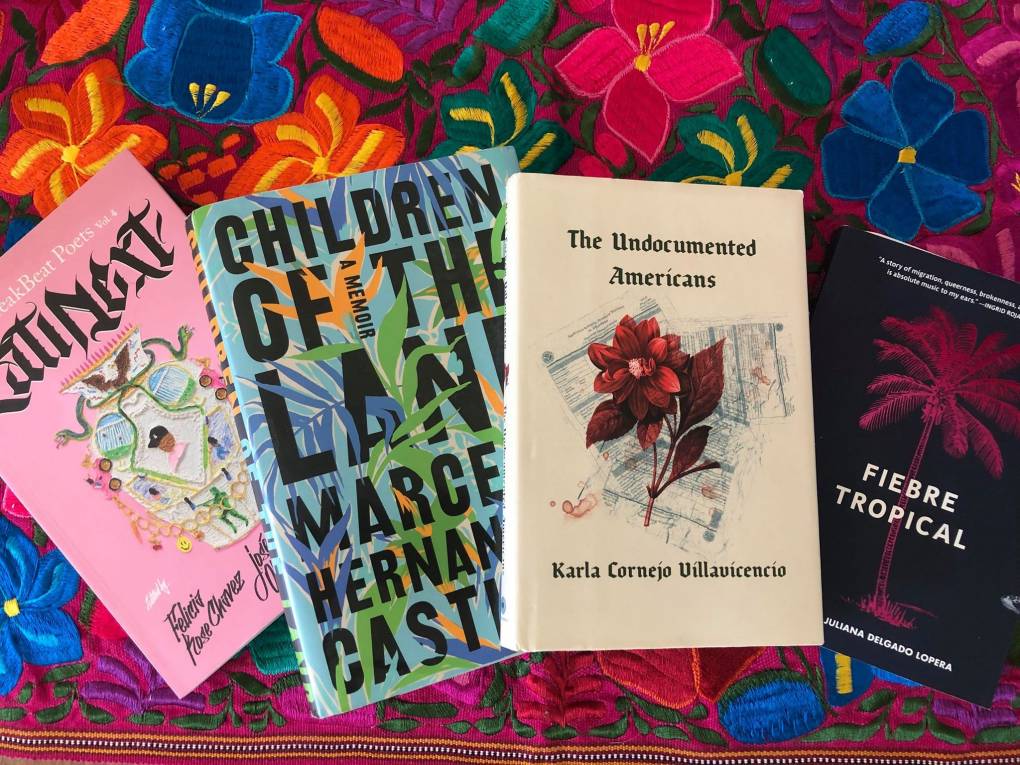
"caption": "The Yosi Book Club amplifies new voices within the contemporary Latinx Literature scene. ",
"description": null,
"title": "104116602_1685207991631870_4339448077241825333_n",
"credit": "Yosimar Reyes",
"status": "inherit",
"isLoading": false,
"fetchFailed": false
},
"news_11824343": {
"type": "attachments",
"id": "news_11824343",
"meta": {
"index": "attachments_1716263798",
"site": "news",
"id": "11824343",
"found": true
},
"parent": 11824206,
"imgSizes": {
"apple_news_ca_landscape_5_5": {
"file": "https://ww2.kqed.org/app/uploads/sites/10/2020/06/Simone-Jacques-protest-car-1044x783.jpg",
"width": 1044,
"mimeType": "image/jpeg",
"height": 783
},
"apple_news_ca_square_4_0": {
"file": "https://ww2.kqed.org/app/uploads/sites/10/2020/06/Simone-Jacques-protest-car-470x470.jpg",
"width": 470,
"mimeType": "image/jpeg",
"height": 470
},
"twentyfourteen-full-width": {
"file": "https://ww2.kqed.org/app/uploads/sites/10/2020/06/Simone-Jacques-protest-car-1038x576.jpg",
"width": 1038,
"mimeType": "image/jpeg",
"height": 576
},
"thumbnail": {
"file": "https://ww2.kqed.org/app/uploads/sites/10/2020/06/Simone-Jacques-protest-car-160x108.jpg",
"width": 160,
"mimeType": "image/jpeg",
"height": 108
},
"post-thumbnail": {
"file": "https://ww2.kqed.org/app/uploads/sites/10/2020/06/Simone-Jacques-protest-car-672x372.jpg",
"width": 672,
"mimeType": "image/jpeg",
"height": 372
},
"kqedFullSize": {
"file": "https://ww2.kqed.org/app/uploads/sites/10/2020/06/Simone-Jacques-protest-car.jpg",
"width": 1920,
"height": 1297
},
"apple_news_ca_landscape_4_7": {
"file": "https://ww2.kqed.org/app/uploads/sites/10/2020/06/Simone-Jacques-protest-car-632x474.jpg",
"width": 632,
"mimeType": "image/jpeg",
"height": 474
},
"large": {
"file": "https://ww2.kqed.org/app/uploads/sites/10/2020/06/Simone-Jacques-protest-car-1020x689.jpg",
"width": 1020,
"mimeType": "image/jpeg",
"height": 689
},
"apple_news_ca_landscape_4_0": {
"file": "https://ww2.kqed.org/app/uploads/sites/10/2020/06/Simone-Jacques-protest-car-536x402.jpg",
"width": 536,
"mimeType": "image/jpeg",
"height": 402
},
"apple_news_ca_portrait_12_9": {
"file": "https://ww2.kqed.org/app/uploads/sites/10/2020/06/Simone-Jacques-protest-car-1122x1297.jpg",
"width": 1122,
"mimeType": "image/jpeg",
"height": 1297
},
"medium": {
"file": "https://ww2.kqed.org/app/uploads/sites/10/2020/06/Simone-Jacques-protest-car-800x540.jpg",
"width": 800,
"mimeType": "image/jpeg",
"height": 540
},
"apple_news_ca_portrait_4_0": {
"file": "https://ww2.kqed.org/app/uploads/sites/10/2020/06/Simone-Jacques-protest-car-354x472.jpg",
"width": 354,
"mimeType": "image/jpeg",
"height": 472
},
"apple_news_ca_portrait_9_7": {
"file": "https://ww2.kqed.org/app/uploads/sites/10/2020/06/Simone-Jacques-protest-car-840x1120.jpg",
"width": 840,
"mimeType": "image/jpeg",
"height": 1120
},
"apple_news_ca_landscape_12_9": {
"file": "https://ww2.kqed.org/app/uploads/sites/10/2020/06/Simone-Jacques-protest-car-1832x1297.jpg",
"width": 1832,
"mimeType": "image/jpeg",
"height": 1297
},
"apple_news_ca_square_9_7": {
"file": "https://ww2.kqed.org/app/uploads/sites/10/2020/06/Simone-Jacques-protest-car-1104x1104.jpg",
"width": 1104,
"mimeType": "image/jpeg",
"height": 1104
},
"apple_news_ca_portrait_4_7": {
"file": "https://ww2.kqed.org/app/uploads/sites/10/2020/06/Simone-Jacques-protest-car-414x552.jpg",
"width": 414,
"mimeType": "image/jpeg",
"height": 552
},
"apple_news_ca_square_12_9": {
"file": "https://ww2.kqed.org/app/uploads/sites/10/2020/06/Simone-Jacques-protest-car-1472x1297.jpg",
"width": 1472,
"mimeType": "image/jpeg",
"height": 1297
},
"apple_news_ca_portrait_5_5": {
"file": "https://ww2.kqed.org/app/uploads/sites/10/2020/06/Simone-Jacques-protest-car-687x916.jpg",
"width": 687,
"mimeType": "image/jpeg",
"height": 916
},
"full-width": {
"file": "https://ww2.kqed.org/app/uploads/sites/10/2020/06/Simone-Jacques-protest-car-1920x1297.jpg",
"width": 1920,
"mimeType": "image/jpeg",
"height": 1297
},
"apple_news_ca_square_4_7": {
"file": "https://ww2.kqed.org/app/uploads/sites/10/2020/06/Simone-Jacques-protest-car-550x550.jpg",
"width": 550,
"mimeType": "image/jpeg",
"height": 550
},
"apple_news_ca_landscape_9_7": {
"file": "https://ww2.kqed.org/app/uploads/sites/10/2020/06/Simone-Jacques-protest-car-1376x1032.jpg",
"width": 1376,
"mimeType": "image/jpeg",
"height": 1032
},
"apple_news_ca_square_5_5": {
"file": "https://ww2.kqed.org/app/uploads/sites/10/2020/06/Simone-Jacques-protest-car-912x912.jpg",
"width": 912,
"mimeType": "image/jpeg",
"height": 912
}
},
"publishDate": 1592008620,
"modified": 1592008867,
"caption": "Simone Jacques (with bullhorn), organizer of a youth-led protest against police violence, speaks during a march from Mission High School to San Francisco's Hall of Justice on June 3, 2020.",
"description": "Simone Jacques (with bullhorn), organizer of a youth-led protest against police violence, speaks during a march from Mission High School to San Francisco's Hall of Justice on June 3, 2020.",
"title": "Simone-Jacques-protest-car",
"credit": "Anna Vignet/KQED",
"status": "inherit",
"isLoading": false,
"fetchFailed": false
}
},
"audioPlayerReducer": {
"postId": "stream_live",
"isPaused": true,
"isPlaying": false,
"pfsActive": false,
"pledgeModalIsOpen": true,
"playerDrawerIsOpen": false,
"liveAudioPlayStartedAt": 0,
"liveAudioPlayContext": ""
},
"authorsReducer": {
"kqed": {
"type": "authors",
"id": "236",
"meta": {
"index": "authors_1716337520",
"id": "236",
"found": true
},
"name": "KQED News Staff",
"firstName": "KQED News Staff",
"lastName": null,
"slug": "kqed",
"email": "faq@kqed.org",
"display_author_email": false,
"staff_mastheads": [],
"title": null,
"bio": null,
"avatar": "https://secure.gravatar.com/avatar/ef0e801a68c4c54afa9180db14084167?s=600&d=blank&r=g",
"twitter": null,
"facebook": null,
"instagram": null,
"linkedin": null,
"sites": [
{
"site": "arts",
"roles": [
"contributor"
]
},
{
"site": "news",
"roles": [
"editor"
]
},
{
"site": "futureofyou",
"roles": [
"author"
]
}
],
"headData": {
"title": "KQED News Staff | KQED",
"description": null,
"ogImgSrc": "https://secure.gravatar.com/avatar/ef0e801a68c4c54afa9180db14084167?s=600&d=blank&r=g",
"twImgSrc": "https://secure.gravatar.com/avatar/ef0e801a68c4c54afa9180db14084167?s=600&d=blank&r=g"
},
"isLoading": false,
"link": "/author/kqed"
},
"markfiore": {
"type": "authors",
"id": "3236",
"meta": {
"index": "authors_1716337520",
"id": "3236",
"found": true
},
"name": "Mark Fiore",
"firstName": "Mark",
"lastName": "Fiore",
"slug": "markfiore",
"email": "mark@markfiore.com",
"display_author_email": false,
"staff_mastheads": [
"news"
],
"title": "KQED News Cartoonist",
"bio": "\u003ca href=\"http://www.MarkFiore.com\">MarkFiore.com\u003c/a> | \u003ca href=\"https://twitter.com/markfiore\">Follow on Twitter\u003c/a> | \u003ca href=\"https://www.facebook.com/pages/Mark-Fiore-Animated-Political-Cartoons/94451707396?ref=bookmarks\">Facebook\u003c/a> | \u003ca href=\"mailto:mark@markfiore.com\">email\u003c/a>\r\n\r\nPulitzer Prize-winner, Mark Fiore, who the Wall Street Journal has called “the undisputed guru of the form,” creates animated political cartoons in San Francisco, where his work has been featured regularly on the San Francisco Chronicle’s web site, SFGate.com. His work has appeared on Newsweek.com, Slate.com, CBSNews.com, MotherJones.com, DailyKos.com and NPR’s web site. Fiore’s political animation has appeared on CNN, Frontline, Bill Moyers Journal, Salon.com and cable and broadcast outlets across the globe.\r\n\r\nBeginning his professional life by drawing traditional political cartoons for newspapers, Fiore’s work appeared in publications ranging from the Washington Post to the Los Angeles Times. In the late 1990s, he began to experiment with animating political cartoons and, after a short stint at the San Jose Mercury News as their staff cartoonist, Fiore devoted all his energies to animation.\r\nGrowing up in California, Fiore also spent a good portion of his life in the backwoods of Idaho. It was this combination that shaped him politically. Mark majored in political science at Colorado College, where, in a perfect send-off for a cartoonist, he received his diploma in 1991 as commencement speaker Dick Cheney smiled approvingly.\r\nMark Fiore was awarded the Pulitzer Prize for political cartooning in 2010, a Robert F. Kennedy Journalism Award in 2004 and has twice received an Online Journalism Award for commentary from the Online News Association (2002, 2008). Fiore has received two awards for his work in new media from the National Cartoonists Society (2001, 2002), and in 2006 received The James Madison Freedom of Information Award from The Society of Professional Journalists.",
"avatar": "https://secure.gravatar.com/avatar/fc4e2a612b15b67bad0c6f0e1db4ca9b?s=600&d=blank&r=g",
"twitter": "MarkFiore",
"facebook": null,
"instagram": "https://www.instagram.com/markfiore/?hl=en",
"linkedin": null,
"sites": [
{
"site": "arts",
"roles": [
"contributor"
]
},
{
"site": "news",
"roles": [
"editor"
]
},
{
"site": "futureofyou",
"roles": [
"editor"
]
},
{
"site": "science",
"roles": [
"editor"
]
}
],
"headData": {
"title": "Mark Fiore | KQED",
"description": "KQED News Cartoonist",
"ogImgSrc": "https://secure.gravatar.com/avatar/fc4e2a612b15b67bad0c6f0e1db4ca9b?s=600&d=blank&r=g",
"twImgSrc": "https://secure.gravatar.com/avatar/fc4e2a612b15b67bad0c6f0e1db4ca9b?s=600&d=blank&r=g"
},
"isLoading": false,
"link": "/author/markfiore"
},
"carlysevern": {
"type": "authors",
"id": "3243",
"meta": {
"index": "authors_1716337520",
"id": "3243",
"found": true
},
"name": "Carly Severn",
"firstName": "Carly",
"lastName": "Severn",
"slug": "carlysevern",
"email": "csevern@kqed.org",
"display_author_email": false,
"staff_mastheads": [
"news"
],
"title": "Senior Editor, Audience News ",
"bio": "Carly is KQED's Senior Editor of Audience News on the Digital News team, and has reported for the California Report Magazine, Bay Curious and KQED Arts. She's formerly the host of \u003ca href=\"http://ww2.kqed.org/pop/category/the-cooler/\" rel=\"noopener noreferrer\">The Cooler\u003c/a> podcast.",
"avatar": "https://secure.gravatar.com/avatar/54037bf5c128fe678f0ef26cec97a93f2e7f220a22d7285703328f12c42c1b1d?s=600&d=blank&r=g",
"twitter": "teacupinthebay",
"bluesky": null,
"facebook": null,
"instagram": null,
"linkedin": null,
"sites": [
{
"site": "",
"roles": [
"editor"
]
},
{
"site": "arts",
"roles": [
"editor"
]
},
{
"site": "news",
"roles": [
"administrator"
]
},
{
"site": "pop",
"roles": [
"editor"
]
},
{
"site": "futureofyou",
"roles": [
"editor"
]
},
{
"site": "about",
"roles": [
"administrator"
]
},
{
"site": "mindshift",
"roles": [
"editor"
]
},
{
"site": "bayareabites",
"roles": [
"editor"
]
},
{
"site": "stateofhealth",
"roles": [
"editor"
]
},
{
"site": "science",
"roles": [
"editor"
]
},
{
"site": "food",
"roles": [
"contributor"
]
},
{
"site": "forum",
"roles": [
"editor"
]
},
{
"site": "perspectives",
"roles": [
"administrator"
]
},
{
"site": "liveblog",
"roles": [
"editor"
]
}
],
"headData": {
"title": "Carly Severn | KQED",
"description": "Senior Editor, Audience News ",
"ogImgSrc": "https://secure.gravatar.com/avatar/54037bf5c128fe678f0ef26cec97a93f2e7f220a22d7285703328f12c42c1b1d?s=600&d=blank&r=g",
"twImgSrc": "https://secure.gravatar.com/avatar/54037bf5c128fe678f0ef26cec97a93f2e7f220a22d7285703328f12c42c1b1d?s=600&d=blank&r=g"
},
"isLoading": false,
"link": "/author/carlysevern"
},
"cveltman": {
"type": "authors",
"id": "8608",
"meta": {
"index": "authors_1716337520",
"id": "8608",
"found": true
},
"name": "Chloe Veltman",
"firstName": "Chloe",
"lastName": "Veltman",
"slug": "cveltman",
"email": "cveltman@kqed.org",
"display_author_email": true,
"staff_mastheads": [],
"title": "Arts and Culture Reporter",
"bio": "Chloe Veltman is a former arts and culture reporter for KQED. Prior to joining the organization, she launched and led the arts bureau at Colorado Public Radio, served as the Bay Area's culture columnist for the New York Times, and was the founder, host and executive producer of VoiceBox, a national award-winning weekly podcast/radio show and live events series all about the human voice. Chloe is the recipient of numerous prizes, grants and fellowships including a Webby Award for her work on interactive storytelling, both the John S Knight Journalism Fellowship and Humanities Center Fellowship at Stanford University, the Sundance Arts Writing Fellowship and a Library of Congress Research Fellowship. She is the author of the book \"On Acting\" and has appeared as a guest lecturer at Yale University and the San Francisco Conservatory of Music among other institutions. She holds a BA in english literature from King's College, Cambridge, and a Masters in Dramaturgy from the Central School of Speech and Drama/Harvard Institute for Advanced Theater Training.\r\n\u003ca href=\"https://www.chloeveltman.com\">www.chloeveltman.com\u003c/a>",
"avatar": "https://secure.gravatar.com/avatar/55403394b00a1ddab683952c2eb2cf85?s=600&d=blank&r=g",
"twitter": "chloeveltman",
"facebook": null,
"instagram": null,
"linkedin": null,
"sites": [
{
"site": "arts",
"roles": []
},
{
"site": "news",
"roles": [
"author"
]
},
{
"site": "pop",
"roles": [
"editor"
]
},
{
"site": "science",
"roles": []
}
],
"headData": {
"title": "Chloe Veltman | KQED",
"description": "Arts and Culture Reporter",
"ogImgSrc": "https://secure.gravatar.com/avatar/55403394b00a1ddab683952c2eb2cf85?s=600&d=blank&r=g",
"twImgSrc": "https://secure.gravatar.com/avatar/55403394b00a1ddab683952c2eb2cf85?s=600&d=blank&r=g"
},
"isLoading": false,
"link": "/author/cveltman"
},
"btaylor": {
"type": "authors",
"id": "11365",
"meta": {
"index": "authors_1716337520",
"id": "11365",
"found": true
},
"name": "Bianca Taylor",
"firstName": "Bianca",
"lastName": "Taylor",
"slug": "btaylor",
"email": "btaylor@KQED.org",
"display_author_email": false,
"staff_mastheads": [
"news"
],
"title": "Host and Producer ",
"bio": "Bianca Taylor is a news producer and host of KQED's The Latest podcast.\r\n\r\nHer work with KQED has been honored by the Society of Professional Journalists NorCal, the Webby's, the Regional Murrow Awards, and ONA. She has also worked with NPR, the BBC World Service, and the Washington Post Creative Group.\r\n\r\nBianca is represented by SAG-AFTRA.",
"avatar": "https://secure.gravatar.com/avatar/6b9d3f6552dd10470c5d1c2e58cfe717?s=600&d=blank&r=g",
"twitter": "SoundsLkeBianca",
"facebook": null,
"instagram": null,
"linkedin": null,
"sites": [
{
"site": "arts",
"roles": [
"editor"
]
},
{
"site": "news",
"roles": [
"edit_others_posts",
"editor"
]
},
{
"site": "pop",
"roles": [
"editor"
]
},
{
"site": "bayareabites",
"roles": [
"author"
]
},
{
"site": "science",
"roles": [
"editor"
]
},
{
"site": "forum",
"roles": [
"editor"
]
},
{
"site": "radio",
"roles": [
"editor"
]
},
{
"site": "podcasts",
"roles": [
"editor"
]
}
],
"headData": {
"title": "Bianca Taylor | KQED",
"description": "Host and Producer ",
"ogImgSrc": "https://secure.gravatar.com/avatar/6b9d3f6552dd10470c5d1c2e58cfe717?s=600&d=blank&r=g",
"twImgSrc": "https://secure.gravatar.com/avatar/6b9d3f6552dd10470c5d1c2e58cfe717?s=600&d=blank&r=g"
},
"isLoading": false,
"link": "/author/btaylor"
},
"mmedina": {
"type": "authors",
"id": "11528",
"meta": {
"index": "authors_1716337520",
"id": "11528",
"found": true
},
"name": "Marisol Medina-Cadena",
"firstName": "Marisol",
"lastName": "Medina-Cadena",
"slug": "mmedina",
"email": "mmedina@KQED.org",
"display_author_email": true,
"staff_mastheads": [],
"title": "Producer, Rightnowish Podcast",
"bio": "Marisol Medina-Cadena is a radio reporter and podcast producer. Before working at KQED, she produced for PBS member station, KCET, in Los Angeles. In 2017, Marisol won an Emmy Award for her work on the televised documentary, \u003cem>City Rising\u003c/em>, examining California's affordable housing crisis and the historical roots of gentrification.",
"avatar": "https://secure.gravatar.com/avatar/6c3db46a1cabb5e1fe9a365b5f4e681e?s=600&d=blank&r=g",
"twitter": "marisolreports",
"facebook": null,
"instagram": null,
"linkedin": null,
"sites": [
{
"site": "arts",
"roles": []
},
{
"site": "news",
"roles": [
"edit_others_posts"
]
}
],
"headData": {
"title": "Marisol Medina-Cadena | KQED",
"description": "Producer, Rightnowish Podcast",
"ogImgSrc": "https://secure.gravatar.com/avatar/6c3db46a1cabb5e1fe9a365b5f4e681e?s=600&d=blank&r=g",
"twImgSrc": "https://secure.gravatar.com/avatar/6c3db46a1cabb5e1fe9a365b5f4e681e?s=600&d=blank&r=g"
},
"isLoading": false,
"link": "/author/mmedina"
},
"amorga": {
"type": "authors",
"id": "11629",
"meta": {
"index": "authors_1716337520",
"id": "11629",
"found": true
},
"name": "Adriana Morga",
"firstName": "Adriana",
"lastName": "Morga",
"slug": "amorga",
"email": "amorga@kqed.org",
"display_author_email": false,
"staff_mastheads": [],
"title": "KQED Contributor",
"bio": "Adriana Morga is an on-call Digital Producer for KQED en Español. She is also completing her journalism degree at San Francisco State University. She has experience working in print and radio. Morga, who was born in Tijuana, Mexico, has spent her developing career covering the Latino community for English and Spanish-language publications including KALW and El Tecolote.",
"avatar": "https://secure.gravatar.com/avatar/9ef1c5a7ff2f2ae1ab05809325f43d03?s=600&d=blank&r=g",
"twitter": null,
"facebook": null,
"instagram": null,
"linkedin": null,
"sites": [
{
"site": "arts",
"roles": []
},
{
"site": "news",
"roles": [
"author"
]
},
{
"site": "science",
"roles": [
"editor"
]
}
],
"headData": {
"title": "Adriana Morga | KQED",
"description": "KQED Contributor",
"ogImgSrc": "https://secure.gravatar.com/avatar/9ef1c5a7ff2f2ae1ab05809325f43d03?s=600&d=blank&r=g",
"twImgSrc": "https://secure.gravatar.com/avatar/9ef1c5a7ff2f2ae1ab05809325f43d03?s=600&d=blank&r=g"
},
"isLoading": false,
"link": "/author/amorga"
},
"amarkowitz": {
"type": "authors",
"id": "11660",
"meta": {
"index": "authors_1716337520",
"id": "11660",
"found": true
},
"name": "Ariella Markowitz",
"firstName": "Ariella",
"lastName": "Markowitz",
"slug": "amarkowitz",
"email": "amarkowitz@kqed.org",
"display_author_email": false,
"staff_mastheads": [],
"title": "KQED Contributor",
"bio": "Ariella is a former intern for the California Report Magazine. Before that, she helped mobilize freelance journalists with Association of Independents in Radio (AIR) and made radio features for KALW. Ariella loves investigative reporting, personal stories that interrogate power, and spicy vegan cooking.",
"avatar": "https://secure.gravatar.com/avatar/7076c77064fecef602a2c779f2b9e1d33cb6f9b5fa13542bd1a6e2846a7c85a9?s=600&d=blank&r=g",
"twitter": "ariellaudio",
"bluesky": null,
"facebook": null,
"instagram": null,
"linkedin": null,
"sites": [
{
"site": "news",
"roles": [
"author"
]
},
{
"site": "forum",
"roles": [
"editor"
]
},
{
"site": "perspectives",
"roles": [
"administrator"
]
}
],
"headData": {
"title": "Ariella Markowitz | KQED",
"description": "KQED Contributor",
"ogImgSrc": "https://secure.gravatar.com/avatar/7076c77064fecef602a2c779f2b9e1d33cb6f9b5fa13542bd1a6e2846a7c85a9?s=600&d=blank&r=g",
"twImgSrc": "https://secure.gravatar.com/avatar/7076c77064fecef602a2c779f2b9e1d33cb6f9b5fa13542bd1a6e2846a7c85a9?s=600&d=blank&r=g"
},
"isLoading": false,
"link": "/author/amarkowitz"
},
"abandlamudi": {
"type": "authors",
"id": "11672",
"meta": {
"index": "authors_1716337520",
"id": "11672",
"found": true
},
"name": "Adhiti Bandlamudi",
"firstName": "Adhiti",
"lastName": "Bandlamudi",
"slug": "abandlamudi",
"email": "abandlamudi@kqed.org",
"display_author_email": false,
"staff_mastheads": [
"news"
],
"title": "KQED Housing Reporter",
"bio": "Adhiti Bandlamudi reports for KQED's Housing desk. She focuses on how housing gets built across the Bay Area. Before joining KQED in 2020, she reported for WUNC in Durham, North Carolina, WABE in Atlanta, Georgia and Capital Public Radio in Sacramento. In 2017, she was awarded a Kroc Fellowship at NPR where she reported on everything from sprinkles to the Golden State Killer's arrest. When she's not reporting, she's baking new recipes in her kitchen or watching movies with friends and family. She's originally from Georgia and has strong opinions about Great British Bake Off.",
"avatar": "https://secure.gravatar.com/avatar/868129c8b257bb99a3500e2c86a65400?s=600&d=mm&r=g",
"twitter": "oddity_adhiti",
"facebook": null,
"instagram": null,
"linkedin": null,
"sites": [
{
"site": "arts",
"roles": [
"author"
]
},
{
"site": "news",
"roles": [
"editor"
]
},
{
"site": "liveblog",
"roles": [
"author"
]
}
],
"headData": {
"title": "Adhiti Bandlamudi | KQED",
"description": "KQED Housing Reporter",
"ogImgSrc": "https://secure.gravatar.com/avatar/868129c8b257bb99a3500e2c86a65400?s=600&d=mm&r=g",
"twImgSrc": "https://secure.gravatar.com/avatar/868129c8b257bb99a3500e2c86a65400?s=600&d=mm&r=g"
},
"isLoading": false,
"link": "/author/abandlamudi"
}
},
"pagesReducer": {
"news_category_arts-and-culture": {
"type": "terms",
"id": "news_223",
"meta": {
"index": "terms_1716263798",
"site": "news",
"id": "223",
"score": 11.241959
},
"featImg": null,
"name": "Arts and Culture",
"description": null,
"taxonomy": "category",
"headData": {
"twImgId": null,
"twTitle": null,
"ogTitle": null,
"ogImgId": null,
"twDescription": null,
"description": null,
"title": "Arts and Culture Archives | KQED News",
"ogDescription": null
},
"ttid": 231,
"slug": "arts-and-culture",
"isLoading": false,
"title": "Arts and Culture",
"pageMeta": {
"site": "news",
"WpPageTemplate": "page-topic-editorial",
"currentPage": 43
},
"blocks": [
{
"blockName": "kqed/post-list",
"attrs": {
"layout": "cardArticle2",
"query": "posts/news?category=arts-and-culture",
"seeMore": false,
"paginated": true,
"page": 43
}
},
{
"blockName": "kqed/ad"
}
]
}
},
"pfsSessionReducer": {},
"postsReducer": {
"stream_live": {
"type": "live",
"id": "stream_live",
"audioUrl": "https://streams.kqed.org/kqedradio",
"title": "Live Stream",
"excerpt": "Live Stream information currently unavailable.",
"link": "/radio",
"featImg": "",
"label": {
"name": "KQED Live",
"link": "/"
}
},
"stream_kqedNewscast": {
"type": "posts",
"id": "stream_kqedNewscast",
"audioUrl": "https://www.kqed.org/.stream/anon/radio/RDnews/newscast.mp3?_=1",
"title": "KQED Newscast",
"featImg": "",
"label": {
"name": "88.5 FM",
"link": "/"
}
},
"news_11826959": {
"type": "posts",
"id": "news_11826959",
"meta": {
"index": "posts_1716263798",
"site": "news",
"id": "11826959",
"score": null,
"sort": [
1593637340000
]
},
"parent": 0,
"labelTerm": {},
"blocks": [],
"publishDate": 1593637340,
"format": "standard",
"disqusTitle": "¿Usted Fue Afectado por Covid-19 y Necesita Alimentos? Empiece Aquí",
"title": "¿Usted Fue Afectado por Covid-19 y Necesita Alimentos? Empiece Aquí",
"headTitle": "El Tecolote | KQED News",
"content": "\u003cp>\u003ca href=\"#servicios\">Encontrar servicios\u003c/a>\u003cbr>\n\u003cem>\u003ca href=\"https://www.kqed.org/news/11826950/affected-by-covid-19-and-cant-afford-food-start-here\">Read in English\u003c/a>\u003c/em>\u003c/p>\n\u003cp>La pandemia por covid-19 ha afectado la estabilidad económica de miles de personas, mientras que el desempleo crece, los casos de infección continúan a la alza. Muchas personas, ahora más que nunca, necesitan recursos para sus familias y lo más esencial es la comida.\u003c/p>\n\u003cp>Pese a que no todos los centros de comida han abierto durante la pandemia, muchos han continuado la labor de ayudar a su comunidad, como es el caso del Mission Food Hub y la San Francisco Neighbors Solidarity Network.\u003c/p>\n\u003cp>Cada lunes, miércoles y viernes, al inicio de la calle Alabama, una fila de personas que acuden a recibir las despensas del Mission Food Hub, da la vuelta por cuadras mientras mantienen el distanciamiento social. Con una organización impecable y un gran sentimiento de unión en la comunidad, el Food Hub ha logrado ayudar a cientos de personas en la ciudad y éstas no dudan en expresar su gratitud.\u003c/p>\n\u003cp>“Ellos están ayudando a la comunidad de San Francisco”, reconoció Marisela Veliz, quien perdió su trabajo de cuidar niños hace dos meses. “No van a tener recompensa de nosotros, pero tal vez algún día nosotros podríamos ayudarles también”.\u003c/p>\n\u003cp>[ad fullwidth]\u003c/p>\n\u003cp>El \u003ca href=\"https://www.facebook.com/groups/1169152970117653/permalink/1181819422184341/\">Mission Food Hub\u003c/a> comenzó en la cochera de su fundador Roberto Hernández y continuó creciendo hasta llegar a ocupar tres cuartos de un almacén en el distrito Misión. Hernández empezó llamando a sus amigos cercanos pidiéndoles si podían comprar mandado para familias necesitadas. Pero al ver la gran necesidad, el proyecto se expandió. “Ha sido como magia. De verdad creo que es un milagro en la Misión. ¡Puro milagro!” reconoció Hernández. Según información proporcionada por él mismo, este proyecto que comenzó asistiendo con comida a quinientas familias, ahora ayuda a alrededor de siete mil.\u003c/p>\n\u003cfigure id=\"attachment_11826987\" class=\"wp-caption aligncenter\" style=\"max-width: 800px\">\u003cimg class=\"size-full wp-image-11826987\" src=\"https://ww2.kqed.org/app/uploads/sites/10/2020/07/Mission-Latino-Food-Hub_5301_WEB.jpg\" alt=\"“La comida de Mission Food es culturalmente apropiada para nuestra comunidad. Creo que deberíamos poder comer lo que nos gusta”, diice Roberto Hernández.\" width=\"800\" height=\"534\" srcset=\"https://ww2.kqed.org/app/uploads/sites/10/2020/07/Mission-Latino-Food-Hub_5301_WEB.jpg 800w, https://ww2.kqed.org/app/uploads/sites/10/2020/07/Mission-Latino-Food-Hub_5301_WEB-160x107.jpg 160w\" sizes=\"(max-width: 800px) 100vw, 800px\">\u003cfigcaption class=\"wp-caption-text\">“La comida de Mission Food es culturalmente apropiada para nuestra comunidad. Creo que deberíamos poder comer lo que nos gusta”, diice Roberto Hernández. \u003ccite>(Mabel Jiménez/El Tecolote)\u003c/cite>\u003c/figcaption>\u003c/figure>\n\u003cp>El también director artístico del Carnaval San Francisco (que fue cancelado por la pandemia), usó sus contactos del festival para brindar apoyo a las familias de la comunidad. Las donaciones más grandes han sido por parte de Goya y el Departamento de Agricultura de los EEUU (USDA, por sus siglas en Inglés). El Mission Food Hub logró que el USDA donará 1,400 cajas de frutas y verduras cada semana. Sin embargo, el esfuerzo consiste no solamente en proporcionar alimento a las familias, sino en dedicar el tiempo requerido para saber qué productos necesitan o prefieren.\u003c/p>\n\u003cp>“La comida de Mission Food es culturalmente apropiada para nuestra comunidad. Creo que deberíamos poder comer lo que nos gusta”, declaró Hernández, quien se dio cuenta que la masa es un producto buscado por las familias, en su mayoría latinas.\u003c/p>\n\u003cp>“Nos dan lo que más usamos en la cocina”, aseguró Veliz. “A veces nos dan para hacer nuestras tortillas”. Veliz comenzó a asistir al Mission Food Hub hace un mes, ella se enteró por su hermana y desde entonces viene con su vecina a recibir despensas.\u003c/p>\n\u003cp>Aura Cabrera, otra visitante del Food Hub expresó su agrado por la repartición de productos lácteos dado a que tiene una hija pequeña. “Por la falta de empleo, los artículos que dan aquí son una gran ayuda”, dijo Cabrera quien perdió su trabajo de cocinera en un restaurante mexicano ubicado en la Misión. Ella se enteró del Mission Food Hub por parte de la escuela de su hija y ha estado asistiendo a otros centros de repartición para poder alimentar a su familia de siete integrantes.\u003c/p>\n\u003cfigure id=\"attachment_11827007\" class=\"wp-caption alignnone\" style=\"max-width: 800px\">\u003cimg class=\"size-full wp-image-11827007\" src=\"https://ww2.kqed.org/app/uploads/sites/10/2020/07/Mission-Latino-Food-Hub_5297_WEB-1.jpg\" alt=\"El Mission Food Hub logró que el USDA donara 1,400 cajas de frutas y verduras cada semana. Sin embargo, el esfuerzo consiste no solamente en proporcionar alimento a las familias, sino en dedicar el tiempo requerido para saber qué productos se necesitan o prefieren. \" width=\"800\" height=\"534\" srcset=\"https://ww2.kqed.org/app/uploads/sites/10/2020/07/Mission-Latino-Food-Hub_5297_WEB-1.jpg 800w, https://ww2.kqed.org/app/uploads/sites/10/2020/07/Mission-Latino-Food-Hub_5297_WEB-1-160x107.jpg 160w\" sizes=\"(max-width: 800px) 100vw, 800px\">\u003cfigcaption class=\"wp-caption-text\">El Mission Food Hub logró que el USDA donara 1,400 cajas de frutas y verduras cada semana. Sin embargo, el esfuerzo consiste no solamente en proporcionar alimento a las familias, sino en dedicar el tiempo requerido para saber qué productos se necesitan o prefieren. \u003ccite>(Mabel Jiménez/El Tecolote)\u003c/cite>\u003c/figcaption>\u003c/figure>\n\u003cp>Por su parte, la SF Neighbors Solidarity Network hace el esfuerzo de entregar comida saludable y orgánica, en conjunto con otros recursos como cubrebocas y gel antibacterial a adultos mayores y personas sin hogar en San Francisco. “Hacemos las compras personalmente para asegurarnos que la calidad de las despensas sea buena y que las personas reciban alimentos saludables”, dijo Natalia Kresich, organizadora en esa red.\u003c/p>\n\u003cp>Todo empezó cuando Kresich y su amigo Shafagh Farnoud, ayudaron a sus vecinos mayores, para quienes no era seguro salir a hacer compras. El proceso de ayudar y hacer visitas a sus vecinos pronto creció y actualmente ayudan a más de ochenta hogares alrededor de la ciudad.\u003c/p>\n\u003cp>https://twitter.com/Solidarity_SF/status/1275979091867365376\u003c/p>\n\u003cp>El programa ha estado en acción por más de doce semanas, y además de hacer entregas a domicilio a quienes lo soliciten, también ayudan a las personas sin hogar en San Francisco con llevar sus artículos a albergues y hoteles. “Hacemos lo posible por tratar a todos en nuestra lista como si fueran nuestros vecinos”, declaró Kresich. Hasta la fecha, esta organización ha dependido de donaciones que recolecta a través de sus redes sociales. Kresich estima haber recibido alrededor de $10 mil en donaciones para comida.\u003c/p>\n\u003cp>Pero ambos programas han sido posibles gracias a la ayuda de los voluntarios. “Llegas a conocer a las personas mientras ayudas a la comunidad”, dijo Ernesto Torres,voluntario de Mission Food Hub. Él y su familia también fueron afectados por la pandemia, todos quedaron desempleados a excepción de su papá, quien trabaja en construcción.\u003c/p>\n\u003cfigure id=\"attachment_11826989\" class=\"wp-caption aligncenter\" style=\"max-width: 800px\">\u003cimg class=\"size-full wp-image-11826989\" src=\"https://ww2.kqed.org/app/uploads/sites/10/2020/07/SFNSN.jpg\" alt=\"SF Neighbors Solidarity Network hace el esfuerzo de entregar comida saludable y orgánica, en conjunto con otros recursos como cubrebocas y gel antibacterial a adultos mayores y personas sin hogar en San Francisco.\" width=\"800\" height=\"572\" srcset=\"https://ww2.kqed.org/app/uploads/sites/10/2020/07/SFNSN.jpg 800w, https://ww2.kqed.org/app/uploads/sites/10/2020/07/SFNSN-160x114.jpg 160w\" sizes=\"(max-width: 800px) 100vw, 800px\">\u003cfigcaption class=\"wp-caption-text\">SF Neighbors Solidarity Network hace el esfuerzo de entregar comida saludable y orgánica, en conjunto con otros recursos como cubrebocas y gel antibacterial a adultos mayores y personas sin hogar en San Francisco. \u003ccite>(San Francisco Neighbors Solidarity Network )\u003c/cite>\u003c/figcaption>\u003c/figure>\n\u003cp>La SF Neighbors Solidarity Network cuenta con diez voluntarios encargados de empacar y distribuir los alimentos. Mientras que Mission Food Hub cuenta con alrededor de 115 voluntarios. “Es simplemente hermoso ver cuántas personas han salido a ayudar a su comunidad”, dijo Hernández.\u003c/p>\n\u003cp>El esfuerzo de ambas organizaciones, en conjunto con la gran cantidad de otros programas disponibles en San Francisco, ha ayudado a las comunidades de color afectadas desproporcionadamente por la pandemia de covid-19.\u003c/p>\n\u003ch3>\u003ca id=\"servicios\">\u003c/a>Dónde puede encontrar comida gratuita:\u003c/h3>\n\u003cul>\n\u003cli>\u003ca href=\"#sf\">San Francisco\u003c/a>\u003c/li>\n\u003cli>\u003ca href=\"#alameda\">Alameda\u003c/a>\u003c/li>\n\u003cli>\u003ca href=\"#sanmateo\">San Mateo\u003c/a>\u003c/li>\n\u003cli>\u003ca href=\"#santaclara\">Santa Clara\u003c/a>\u003c/li>\n\u003cli>\u003ca href=\"#sanbruno\">San Bruno\u003c/a>\u003c/li>\n\u003cli>\u003ca href=\"#marin\">Marin\u003c/a>\u003c/li>\n\u003cli>\u003ca href=\"#sonoma\">Sonoma\u003c/a>\u003c/li>\n\u003cli>\u003ca href=\"#la\">Los Ángeles\u003c/a>\u003c/li>\n\u003cli>\u003ca href=\"#orange\">Orange\u003c/a>\u003c/li>\n\u003cli>\u003ca href=\"#ninos\">Comida gratuita para niños\u003c/a>\u003c/li>\n\u003c/ul>\n\u003cp>\u003c!-- iframe plugin v.4.3 wordpress.org/plugins/iframe/ -->\u003cbr>\n\u003ciframe src=\"https://www.google.com/maps/d/embed?mid=1K0eAjw9vWHjQ4kVAK31ZKvf3S95faLch\" width=\"100%\" height=\"500\" scrolling=\"yes\" class=\"iframe-class\" frameborder=\"0\">\u003c/iframe>\u003c/p>\n\u003ch3>\u003cstrong>\u003ca id=\"sf\">\u003c/a>San Francisco\u003c/strong>\u003c/h3>\n\u003cul>\n\u003cli>\u003ca href=\"https://www.facebook.com/groups/1169152970117653//\">\u003cstrong>Mission Food Hub\u003c/strong>\u003c/a>\u003cbr>\nLunes, miércoles y viernes a partir de las 10 a.m.\u003cbr>\n(415) 206-0577\u003cbr>\n701 Alabama, San Francisco, CA 94121\u003c/li>\n\u003cli>\u003ca href=\"https://twitter.com/Solidarity_SF\">\u003cstrong>San Francisco Neighbors Solidarity Network\u003c/strong>\u003c/a>\u003cbr>\nEntregas los miércoles\u003cbr>\nsfneighborssolidaritynetwork@gmail.com\u003cbr>\n\u003cem>\u003cem>\u003ci>\u003cspan style=\"font-weight: 400\">Solamente se da servicio a adultos mayores, personas discapacitadas y personas sin hogar.\u003c/span>\u003c/i>\u003c/em>\u003c/em>\u003c/li>\n\u003cli>\u003ca href=\"https://richmondsf.org/feeding-the-richmond-district-covid-19/\">\u003cstrong>Richmond Neighborhood Center\u003c/strong>\u003c/a>\u003cbr>\nLunes: 4 p.m. a 5 p.m., martes de 3:30 p.m. a 4:30 p.m. y jueves de 2:30 p.m. a 4 p.m.\u003cbr>\n(415) 751-6600\u003cbr>\n741 30th Avenue, San Francisco, CA 94121\u003c/li>\n\u003cli>\u003ca href=\"https://www.sfmfoodbank.org/find-food/\">\u003cstrong>SF Marin Food Bank\u003c/strong>\u003c/a>\u003cbr>\n\u003cem>Las ubicaciones y horarios cambian cada semana, favor de revisar su página web para obtener la información más actualizada.\u003c/em>\u003c/li>\n\u003cli>\u003ca href=\"https://www.openhand.org/get-meals\">\u003cstrong>Project Open Hand\u003c/strong>\u003c/a>\u003cbr>\nHorario depende de cada programa\u003cbr>\n(415) 447-2300\u003cbr>\n730 Polk Street San Francisco, CA 94109\u003cbr>\n\u003cem>Servicios para personas de mayor edad\u003c/em>\u003c/li>\n\u003c/ul>\n\u003ch3>\u003ca id=\"alameda\">\u003c/a>Alameda\u003c/h3>\n\u003cul>\n\u003cli>\u003ca href=\"http://www.telegraphcenter.com/food-pantry/\">\u003cstrong>Telegraph Center\u003c/strong>\u003c/a>\u003cbr>\nMiércoles y viernes de 10 a.m. a 2 p.m. y miércoles 6 p.m. a 7:30 p.m.\u003cbr>\n(510) 961-4385\u003cbr>\n5316 Telegraph Avenue, Oakland, CA 94609\u003c/li>\n\u003cli>\u003ca href=\"https://berkeleyfoodnetwork.org/covid/\">\u003cstrong>Berkeley Food Network\u003c/strong>\u003c/a>\u003cbr>\nLunes a jueves de 10 a.m. a 2 p.m., lunes y miércoles de 5 p.m. a 7 p.m., primer y tercer sábado del mes de 10 a.m. a 12 p.m.\u003cbr>\n(510) 616-5383\u003cbr>\n1569 Solano Avenue #243 Berkeley, CA 94707\u003c/li>\n\u003cli>\u003ca href=\"https://oaklandresourceproject.org\">\u003cstrong>Oakland Resource Project\u003c/strong>\u003c/a>\u003cbr>\nMartes y Jueves de 10 a.m. a 2 p.m.\u003cbr>\n(510) 534-0165\u003cbr>\n1811 11th Avenue, Oakland, CA 94618 (other locations available)\u003c/li>\n\u003cli>\u003ca href=\"http://www.alamedafoodbank.org\">\u003cstrong>Alameda Food Bank\u003c/strong>\u003c/a>\u003cbr>\nLunes, miércoles y viernes de 12 p.m. a 5 p.m.(510) 523-5850\u003cbr>\n1900 Thau Way, Alameda, CA 94501\u003c/li>\n\u003cli>\u003ca href=\"https://www.tri-cityvolunteers.org/services/\">\u003cstrong>Tri-city Volunteers\u003c/strong>\u003c/a>\u003cbr>\nLunes a jueves de 10 a.m. a 12:30 p.m.\u003cbr>\n(510) 793-4583\u003cbr>\n37350 Joseph St. Fremont, CA 94536\u003c/li>\n\u003c/ul>\n\u003ch3>\u003ca id=\"sanmateo\">\u003c/a>San Mateo\u003c/h3>\n\u003cul>\n\u003cli>\u003ca href=\"https://samaritanhousesanmateo.org/service/food/\">\u003cstrong>Samaritan House Pantry\u003c/strong>\u003c/a>\u003cbr>\nLunes a viernes de 9 a.m. a 12 p.m. y de 1 p.m. a 4 p.m.\u003cbr>\n(650) 341-4081\u003cbr>\n4031 Pacific Blvd, San Mateo, CA 94403\u003cbr>\n\u003cem>Para registrarse en los servicios de despensa, contacte directamente con esta organización.\u003c/em>\u003c/li>\n\u003cli>\u003ca href=\"https://www.penvol.org/mealsonwheels/how-to-qualify/\">\u003cstrong>Meals of Wheels\u003c/strong>\u003c/a>\u003cbr>\nHorario y ubicación depende del programa\u003cbr>\n(650) 323-2022\u003cbr>\n\u003cem>\u003cem>Programa disponible para adultos mayores de 60 años que viven en el condado de San Mateo\u003c/em>\u003c/em>\u003c/li>\n\u003cli>\u003ca href=\"https://www.facebook.com/pg/StAnthonysDiningRoom/posts/?ref=page_internal\">\u003cstrong>St. Anthony’s Padua Dining Room\u003c/strong>\u003c/a>\u003cbr>\nLunes y sábado de 11 a.m. a 1 p.m.\u003cbr>\n(650) 365-9664\u003cbr>\n3500 Middlefield Road Menlo Park, CA 94025\u003c/li>\n\u003cli>\u003ca href=\"https://www.bgcp.org/communitymeals\">\u003cstrong>Boys & Girls Clubs (Redwood City)\u003c/strong>\u003c/a>\u003cbr>\nServicio de cena para llevar: Lunes a viernes de 5:30 p.m. a 6:30 p.m., cajas de productos frescos todos los miércoles de 5:30p.m. a 6:30 p.m.(650) 646-6140\u003cbr>\n1109 Hilton Avenue, Redwood City\u003c/li>\n\u003cli>\u003ca href=\"https://www.bgcp.org/comidascomunitarias\">\u003cstrong>Boys & Girls Clubs (Este de Palo Alto)\u003c/strong>\u003c/a>\u003cbr>\nServicio para llevar: 6-7pm, lunes a jueves de 5 p.m. a 8 p.m., cajas de comida: 5p.m. a 8p. m. los viernes\u003cbr>\n(650) 646-6140\u003cbr>\n2031 Pulgas Avenue, East Palo Alto, CA 94303\u003c/li>\n\u003cli>\u003ca href=\"https://www.wehope.org/programs/family-harvest\">\u003cstrong>WeHOPE\u003c/strong>\u003c/a>\u003cbr>\nMartes de 12 p.m. a 2 p.m.\u003cbr>\n(650) 779-4635\u003cbr>\n1852 Bay Road, East Palo Alto, CA 94303\u003c/li>\n\u003c/ul>\n\u003ch3>\u003ca id=\"santaclara\">\u003c/a>Santa Clara\u003c/h3>\n\u003cul>\n\u003cli>\u003ca href=\"https://www.marthas-kitchen.org\">\u003cstrong>Martha’s Kitchen\u003c/strong>\u003c/a>\u003cbr>\nMartes y miércoles de 4 p.m. a 5 p.m.\u003cbr>\n(408) 293-6111\u003cbr>\n311 Willow Street, San Jose, CA 95110\u003c/li>\n\u003c/ul>\n\u003ch3>\u003ca id=\"sanbruno\">\u003c/a>San Bruno\u003c/h3>\n\u003cul>\n\u003cli>\u003ca href=\"http://catholicworkerhospitalityhouse.org/food-shelter/\">\u003cstrong>St. Bruno’s Catholic Church\u003c/strong>\u003c/a>\u003cbr>\nTodos los días de 6:30 a.m. a 8:30 a.m.\u003cbr>\n(650) 827-0706\u003cbr>\n555 W. San Bruno Avenue, San Bruno, CA 94066\u003cbr>\n\u003cem>También ofrece albergue para personas sin hogar.\u003c/em>\u003c/li>\n\u003c/ul>\n\u003ch3>\u003ca id=\"marin\">\u003c/a>Marin\u003c/h3>\n\u003cul>\n\u003cli>\u003ca href=\"https://www.vinnies.org/need-help/hungry/\">\u003cstrong>St. Vincent de Paul\u003c/strong>\u003c/a>\u003cbr>\nTodos los días de 6:30 a.m. a 1 p.m.\u003cbr>\n(415) 454-3303\u003cbr>\n820 B Street, San Rafael, CA 94901\u003c/li>\n\u003c/ul>\n\u003ch3>\u003ca id=\"sonoma\">\u003c/a>Sonoma\u003c/h3>\n\u003cul>\n\u003cli>\u003ca href=\"https://www.facebook.com/CorazonHealdsburg/\">\u003cstrong>Corazón Healdsburg\u003c/strong>\u003c/a>\u003cbr>\nMartes, horario cambia cada semana\u003cbr>\n(707) 996-0111\u003cbr>\n18330 Sonoma Hwy, Sonoma, CA 95476\u003c/li>\n\u003cli>\u003ca href=\"https://www.friendsinsonomahelping.org/help-from-fish.html\">\u003cstrong>Friends in Sonoma Helping\u003c/strong>\u003c/a>\u003cbr>\nLunes a viernes de 9 a.m. a 12 p.m.\u003cbr>\n(707) 996-0111\u003cbr>\n18330 Sonoma Hwy, Sonoma Ca 95476\u003c/li>\n\u003c/ul>\n\u003ch3>\u003ca id=\"la\">\u003c/a>Los Ángeles\u003c/h3>\n\u003cul>\n\u003cli>\u003ca href=\"https://www.lafoodbank.org/find-food/pantry-locator/\">\u003cstrong>Los Angeles Regional Food Bank\u003c/strong>\u003c/a>\u003cbr>\nUbicación y horario varían, visite su página web para información actualizada.\u003cbr>\n(323) 234-3030\u003c/li>\n\u003c/ul>\n\u003ch3>\u003ca id=\"orange\">\u003c/a>Orange\u003c/h3>\n\u003cul>\n\u003cli>\u003ca href=\"http://ocfoodhelp.org/orange-county-free-food-map/\">\u003cstrong>Second Harvest Food Bank\u003c/strong>\u003c/a>\u003cbr>\nUbicación y horario varían, visite su página web para información actualizada.\u003cbr>\n(949) 653-2900\u003c/li>\n\u003c/ul>\n\u003ch3>\u003ca id=\"ninos\">\u003c/a>Comida gratuita para los niños\u003c/h3>\n\u003cp>[ad floatright]\u003c/p>\n\u003cp>\u003ca href=\"https://www.sfusd.edu/services/health-wellness/nutrition-school-meals\">\u003cstrong>San Francisco\u003c/strong>\u003c/a>\u003cbr>\n\u003ca href=\"https://www.berkeleyschools.net/2020/03/revised-breakfast-and-lunch-distribution-schedule-horario-modificado-acerca-de-la-distribucion-de-desayuno-y-almuerzo/#espanol\">\u003cstrong>Berkeley\u003c/strong>\u003c/a>\u003cbr>\n\u003ca href=\"https://www.ousd.org/Page/19078\">\u003cstrong>Oakland\u003c/strong>\u003c/a>\u003cbr>\n\u003ca href=\"https://www.smcoe.org/other/for-administrators/meals-and-nutritional-services.html\">\u003cstrong>San Mateo\u003c/strong>\u003c/a>\u003cbr>\n\u003ca href=\"https://www.cde.ca.gov/ds/sh/sn/ap/summersites.asp?year=2020&countyname=Marin\">\u003cstrong>Marin\u003c/strong>\u003c/a>\u003cbr>\n\u003ca href=\"https://achieve.lausd.net/resources\">\u003cstrong>Los Angeles\u003c/strong>\u003c/a>\u003cbr>\n\u003ca href=\"https://www.ocps.net/cms/One.aspx?portalId=54703&pageId=1404484\">\u003cstrong>Orange County\u003c/strong>\u003c/a>\u003c/p>\n\u003cdiv class=\"c-message_kit__gutter\">\n\u003cdiv class=\"c-message_kit__gutter__right\" data-qa=\"message_content\">\n\u003cdiv class=\"c-message_kit__blocks c-message_kit__blocks--rich_text\">\n\u003cdiv class=\"c-message__message_blocks c-message__message_blocks--rich_text\">\n\u003cdiv class=\"p-block_kit_renderer\" data-qa=\"block-kit-renderer\">\n\u003cdiv class=\"p-block_kit_renderer__block_wrapper p-block_kit_renderer__block_wrapper--first\">\n\u003cdiv class=\"p-rich_text_block\" dir=\"auto\">\n\u003cdiv class=\"p-rich_text_section\">\u003cb data-stringify-type=\"bold\">\u003ci data-stringify-type=\"italic\">Este reporte fue producido en colaboración con El Tecolote, el periódico bilingüe de San Francisco. Siga su cobertura \u003ca href=\"http://eltecolote.org/content/es/\">aquí\u003c/a>.\u003c/i>\u003c/b>\u003c/div>\n\u003cdiv>\u003c/div>\n\u003c/div>\n\u003cdiv> \u003ca href=\"http://eltecolote.org/content/es/\" target=\"_blank\" rel=\"noopener noreferrer\">\u003cimg class=\"alignnone size-medium wp-image-11826973\" src=\"https://ww2.kqed.org/app/uploads/sites/10/2020/07/El-Tecolote-logo_transparent-2-800x166.png\" alt=\"\" width=\"50%\" height=\"50%\" srcset=\"https://ww2.kqed.org/app/uploads/sites/10/2020/07/El-Tecolote-logo_transparent-2-800x166.png 800w, https://ww2.kqed.org/app/uploads/sites/10/2020/07/El-Tecolote-logo_transparent-2-1020x212.png 1020w, https://ww2.kqed.org/app/uploads/sites/10/2020/07/El-Tecolote-logo_transparent-2-160x33.png 160w, https://ww2.kqed.org/app/uploads/sites/10/2020/07/El-Tecolote-logo_transparent-2-1536x320.png 1536w, https://ww2.kqed.org/app/uploads/sites/10/2020/07/El-Tecolote-logo_transparent-2-2048x426.png 2048w, https://ww2.kqed.org/app/uploads/sites/10/2020/07/El-Tecolote-logo_transparent-2-1920x400.png 1920w\" sizes=\"(max-width: 800px) 100vw, 800px\">\u003c/a>\u003c/div>\n\u003c/div>\n\u003c/div>\n\u003c/div>\n\u003c/div>\n\u003c/div>\n\u003c/div>\n\n",
"disqusIdentifier": "11826959 https://ww2.kqed.org/news/?p=11826959",
"disqusUrl": "https://ww2.kqed.org/news/2020/07/01/usted-fue-afectado-por-covid-19-y-necesita-alimentos-empiece-aqui/",
"stats": {
"hasVideo": false,
"hasChartOrMap": false,
"hasAudio": false,
"hasPolis": false,
"wordCount": 1998,
"hasGoogleForm": false,
"hasGallery": false,
"hasHearkenModule": false,
"iframeSrcs": [],
"paragraphCount": 20
},
"modified": 1593704009,
"excerpt": "Muchas personas afectadas por covid-19 necesitan recursos para sus familias, y lo más esencial es la comida. Aquí se encuentra una guía de alimentos gratuitos en el Área de la Bahía y otros condados de California. ",
"headData": {
"twImgId": "",
"twTitle": "",
"ogTitle": "",
"ogImgId": "",
"twDescription": "",
"description": "Muchas personas afectadas por covid-19 necesitan recursos para sus familias, y lo más esencial es la comida. Aquí se encuentra una guía de alimentos gratuitos en el Área de la Bahía y otros condados de California. ",
"title": "¿Usted Fue Afectado por Covid-19 y Necesita Alimentos? Empiece Aquí | KQED",
"ogDescription": "",
"schema": {
"@context": "https://schema.org",
"@type": "NewsArticle",
"headline": "¿Usted Fue Afectado por Covid-19 y Necesita Alimentos? Empiece Aquí",
"datePublished": "2020-07-01T14:02:20-07:00",
"dateModified": "2020-07-02T08:33:29-07:00",
"image": "https://cdn.kqed.org/wp-content/uploads/2020/02/KQED-OG-Image@1x.png",
"isAccessibleForFree": "True",
"publisher": {
"@type": "NewsMediaOrganization",
"@id": "https://www.kqed.org/#organization",
"name": "KQED",
"logo": "https://cdn.kqed.org/wp-content/uploads/2020/02/KQED-OG-Image@1x.png",
"url": "https://www.kqed.org",
"sameAs": [
"https://www.facebook.com/KQED",
"https://twitter.com/KQED",
"https://www.instagram.com/kqed/",
"https://www.tiktok.com/@kqedofficial",
"https://www.linkedin.com/company/kqed",
"https://www.youtube.com/channel/UCeC0IOo7i1P_61zVUWbJ4nw"
]
}
}
},
"guestAuthors": [],
"slug": "usted-fue-afectado-por-covid-19-y-necesita-alimentos-empiece-aqui",
"status": "publish",
"sourceUrl": "http://eltecolote.org/content/es/",
"source": "El Tecolote",
"path": "/news/11826959/usted-fue-afectado-por-covid-19-y-necesita-alimentos-empiece-aqui",
"audioTrackLength": null,
"parsedContent": [
{
"type": "contentString",
"content": "\u003cdiv class=\"post-body\">\u003cp>\u003cp>\u003ca href=\"#servicios\">Encontrar servicios\u003c/a>\u003cbr>\n\u003cem>\u003ca href=\"https://www.kqed.org/news/11826950/affected-by-covid-19-and-cant-afford-food-start-here\">Read in English\u003c/a>\u003c/em>\u003c/p>\n\u003cp>La pandemia por covid-19 ha afectado la estabilidad económica de miles de personas, mientras que el desempleo crece, los casos de infección continúan a la alza. Muchas personas, ahora más que nunca, necesitan recursos para sus familias y lo más esencial es la comida.\u003c/p>\n\u003cp>Pese a que no todos los centros de comida han abierto durante la pandemia, muchos han continuado la labor de ayudar a su comunidad, como es el caso del Mission Food Hub y la San Francisco Neighbors Solidarity Network.\u003c/p>\n\u003cp>Cada lunes, miércoles y viernes, al inicio de la calle Alabama, una fila de personas que acuden a recibir las despensas del Mission Food Hub, da la vuelta por cuadras mientras mantienen el distanciamiento social. Con una organización impecable y un gran sentimiento de unión en la comunidad, el Food Hub ha logrado ayudar a cientos de personas en la ciudad y éstas no dudan en expresar su gratitud.\u003c/p>\n\u003cp>“Ellos están ayudando a la comunidad de San Francisco”, reconoció Marisela Veliz, quien perdió su trabajo de cuidar niños hace dos meses. “No van a tener recompensa de nosotros, pero tal vez algún día nosotros podríamos ayudarles también”.\u003c/p>\n\u003cp>\u003c/p>\u003c/div>",
"attributes": {
"named": {},
"numeric": []
}
},
{
"type": "component",
"content": "",
"name": "ad",
"attributes": {
"named": {
"label": "fullwidth"
},
"numeric": [
"fullwidth"
]
}
},
{
"type": "contentString",
"content": "\u003cdiv class=\"post-body\">\u003cp>\u003c/p>\n\u003cp>El \u003ca href=\"https://www.facebook.com/groups/1169152970117653/permalink/1181819422184341/\">Mission Food Hub\u003c/a> comenzó en la cochera de su fundador Roberto Hernández y continuó creciendo hasta llegar a ocupar tres cuartos de un almacén en el distrito Misión. Hernández empezó llamando a sus amigos cercanos pidiéndoles si podían comprar mandado para familias necesitadas. Pero al ver la gran necesidad, el proyecto se expandió. “Ha sido como magia. De verdad creo que es un milagro en la Misión. ¡Puro milagro!” reconoció Hernández. Según información proporcionada por él mismo, este proyecto que comenzó asistiendo con comida a quinientas familias, ahora ayuda a alrededor de siete mil.\u003c/p>\n\u003cfigure id=\"attachment_11826987\" class=\"wp-caption aligncenter\" style=\"max-width: 800px\">\u003cimg class=\"size-full wp-image-11826987\" src=\"https://ww2.kqed.org/app/uploads/sites/10/2020/07/Mission-Latino-Food-Hub_5301_WEB.jpg\" alt=\"“La comida de Mission Food es culturalmente apropiada para nuestra comunidad. Creo que deberíamos poder comer lo que nos gusta”, diice Roberto Hernández.\" width=\"800\" height=\"534\" srcset=\"https://ww2.kqed.org/app/uploads/sites/10/2020/07/Mission-Latino-Food-Hub_5301_WEB.jpg 800w, https://ww2.kqed.org/app/uploads/sites/10/2020/07/Mission-Latino-Food-Hub_5301_WEB-160x107.jpg 160w\" sizes=\"(max-width: 800px) 100vw, 800px\">\u003cfigcaption class=\"wp-caption-text\">“La comida de Mission Food es culturalmente apropiada para nuestra comunidad. Creo que deberíamos poder comer lo que nos gusta”, diice Roberto Hernández. \u003ccite>(Mabel Jiménez/El Tecolote)\u003c/cite>\u003c/figcaption>\u003c/figure>\n\u003cp>El también director artístico del Carnaval San Francisco (que fue cancelado por la pandemia), usó sus contactos del festival para brindar apoyo a las familias de la comunidad. Las donaciones más grandes han sido por parte de Goya y el Departamento de Agricultura de los EEUU (USDA, por sus siglas en Inglés). El Mission Food Hub logró que el USDA donará 1,400 cajas de frutas y verduras cada semana. Sin embargo, el esfuerzo consiste no solamente en proporcionar alimento a las familias, sino en dedicar el tiempo requerido para saber qué productos necesitan o prefieren.\u003c/p>\n\u003cp>“La comida de Mission Food es culturalmente apropiada para nuestra comunidad. Creo que deberíamos poder comer lo que nos gusta”, declaró Hernández, quien se dio cuenta que la masa es un producto buscado por las familias, en su mayoría latinas.\u003c/p>\n\u003cp>“Nos dan lo que más usamos en la cocina”, aseguró Veliz. “A veces nos dan para hacer nuestras tortillas”. Veliz comenzó a asistir al Mission Food Hub hace un mes, ella se enteró por su hermana y desde entonces viene con su vecina a recibir despensas.\u003c/p>\n\u003cp>Aura Cabrera, otra visitante del Food Hub expresó su agrado por la repartición de productos lácteos dado a que tiene una hija pequeña. “Por la falta de empleo, los artículos que dan aquí son una gran ayuda”, dijo Cabrera quien perdió su trabajo de cocinera en un restaurante mexicano ubicado en la Misión. Ella se enteró del Mission Food Hub por parte de la escuela de su hija y ha estado asistiendo a otros centros de repartición para poder alimentar a su familia de siete integrantes.\u003c/p>\n\u003cfigure id=\"attachment_11827007\" class=\"wp-caption alignnone\" style=\"max-width: 800px\">\u003cimg class=\"size-full wp-image-11827007\" src=\"https://ww2.kqed.org/app/uploads/sites/10/2020/07/Mission-Latino-Food-Hub_5297_WEB-1.jpg\" alt=\"El Mission Food Hub logró que el USDA donara 1,400 cajas de frutas y verduras cada semana. Sin embargo, el esfuerzo consiste no solamente en proporcionar alimento a las familias, sino en dedicar el tiempo requerido para saber qué productos se necesitan o prefieren. \" width=\"800\" height=\"534\" srcset=\"https://ww2.kqed.org/app/uploads/sites/10/2020/07/Mission-Latino-Food-Hub_5297_WEB-1.jpg 800w, https://ww2.kqed.org/app/uploads/sites/10/2020/07/Mission-Latino-Food-Hub_5297_WEB-1-160x107.jpg 160w\" sizes=\"(max-width: 800px) 100vw, 800px\">\u003cfigcaption class=\"wp-caption-text\">El Mission Food Hub logró que el USDA donara 1,400 cajas de frutas y verduras cada semana. Sin embargo, el esfuerzo consiste no solamente en proporcionar alimento a las familias, sino en dedicar el tiempo requerido para saber qué productos se necesitan o prefieren. \u003ccite>(Mabel Jiménez/El Tecolote)\u003c/cite>\u003c/figcaption>\u003c/figure>\n\u003cp>Por su parte, la SF Neighbors Solidarity Network hace el esfuerzo de entregar comida saludable y orgánica, en conjunto con otros recursos como cubrebocas y gel antibacterial a adultos mayores y personas sin hogar en San Francisco. “Hacemos las compras personalmente para asegurarnos que la calidad de las despensas sea buena y que las personas reciban alimentos saludables”, dijo Natalia Kresich, organizadora en esa red.\u003c/p>\n\u003cp>Todo empezó cuando Kresich y su amigo Shafagh Farnoud, ayudaron a sus vecinos mayores, para quienes no era seguro salir a hacer compras. El proceso de ayudar y hacer visitas a sus vecinos pronto creció y actualmente ayudan a más de ochenta hogares alrededor de la ciudad.\u003c/p>\u003c/p>\u003c/div>",
"attributes": {
"named": {},
"numeric": []
}
},
{
"type": "component",
"content": "",
"name": "singleTwitterStatus",
"attributes": {
"named": {
"id": "1275979091867365376"
},
"numeric": []
}
},
{
"type": "contentString",
"content": "\u003cdiv class=\"post-body\">\u003cp>\n\u003cp>El programa ha estado en acción por más de doce semanas, y además de hacer entregas a domicilio a quienes lo soliciten, también ayudan a las personas sin hogar en San Francisco con llevar sus artículos a albergues y hoteles. “Hacemos lo posible por tratar a todos en nuestra lista como si fueran nuestros vecinos”, declaró Kresich. Hasta la fecha, esta organización ha dependido de donaciones que recolecta a través de sus redes sociales. Kresich estima haber recibido alrededor de $10 mil en donaciones para comida.\u003c/p>\n\u003cp>Pero ambos programas han sido posibles gracias a la ayuda de los voluntarios. “Llegas a conocer a las personas mientras ayudas a la comunidad”, dijo Ernesto Torres,voluntario de Mission Food Hub. Él y su familia también fueron afectados por la pandemia, todos quedaron desempleados a excepción de su papá, quien trabaja en construcción.\u003c/p>\n\u003cfigure id=\"attachment_11826989\" class=\"wp-caption aligncenter\" style=\"max-width: 800px\">\u003cimg class=\"size-full wp-image-11826989\" src=\"https://ww2.kqed.org/app/uploads/sites/10/2020/07/SFNSN.jpg\" alt=\"SF Neighbors Solidarity Network hace el esfuerzo de entregar comida saludable y orgánica, en conjunto con otros recursos como cubrebocas y gel antibacterial a adultos mayores y personas sin hogar en San Francisco.\" width=\"800\" height=\"572\" srcset=\"https://ww2.kqed.org/app/uploads/sites/10/2020/07/SFNSN.jpg 800w, https://ww2.kqed.org/app/uploads/sites/10/2020/07/SFNSN-160x114.jpg 160w\" sizes=\"(max-width: 800px) 100vw, 800px\">\u003cfigcaption class=\"wp-caption-text\">SF Neighbors Solidarity Network hace el esfuerzo de entregar comida saludable y orgánica, en conjunto con otros recursos como cubrebocas y gel antibacterial a adultos mayores y personas sin hogar en San Francisco. \u003ccite>(San Francisco Neighbors Solidarity Network )\u003c/cite>\u003c/figcaption>\u003c/figure>\n\u003cp>La SF Neighbors Solidarity Network cuenta con diez voluntarios encargados de empacar y distribuir los alimentos. Mientras que Mission Food Hub cuenta con alrededor de 115 voluntarios. “Es simplemente hermoso ver cuántas personas han salido a ayudar a su comunidad”, dijo Hernández.\u003c/p>\n\u003cp>El esfuerzo de ambas organizaciones, en conjunto con la gran cantidad de otros programas disponibles en San Francisco, ha ayudado a las comunidades de color afectadas desproporcionadamente por la pandemia de covid-19.\u003c/p>\n\u003ch3>\u003ca id=\"servicios\">\u003c/a>Dónde puede encontrar comida gratuita:\u003c/h3>\n\u003cul>\n\u003cli>\u003ca href=\"#sf\">San Francisco\u003c/a>\u003c/li>\n\u003cli>\u003ca href=\"#alameda\">Alameda\u003c/a>\u003c/li>\n\u003cli>\u003ca href=\"#sanmateo\">San Mateo\u003c/a>\u003c/li>\n\u003cli>\u003ca href=\"#santaclara\">Santa Clara\u003c/a>\u003c/li>\n\u003cli>\u003ca href=\"#sanbruno\">San Bruno\u003c/a>\u003c/li>\n\u003cli>\u003ca href=\"#marin\">Marin\u003c/a>\u003c/li>\n\u003cli>\u003ca href=\"#sonoma\">Sonoma\u003c/a>\u003c/li>\n\u003cli>\u003ca href=\"#la\">Los Ángeles\u003c/a>\u003c/li>\n\u003cli>\u003ca href=\"#orange\">Orange\u003c/a>\u003c/li>\n\u003cli>\u003ca href=\"#ninos\">Comida gratuita para niños\u003c/a>\u003c/li>\n\u003c/ul>\n\u003cp>\u003c!-- iframe plugin v.4.3 wordpress.org/plugins/iframe/ -->\u003cbr>\n\u003ciframe src=\"https://www.google.com/maps/d/embed?mid=1K0eAjw9vWHjQ4kVAK31ZKvf3S95faLch\" width=\"100%\" height=\"500\" scrolling=\"yes\" class=\"iframe-class\" frameborder=\"0\">\u003c/iframe>\u003c/p>\n\u003ch3>\u003cstrong>\u003ca id=\"sf\">\u003c/a>San Francisco\u003c/strong>\u003c/h3>\n\u003cul>\n\u003cli>\u003ca href=\"https://www.facebook.com/groups/1169152970117653//\">\u003cstrong>Mission Food Hub\u003c/strong>\u003c/a>\u003cbr>\nLunes, miércoles y viernes a partir de las 10 a.m.\u003cbr>\n(415) 206-0577\u003cbr>\n701 Alabama, San Francisco, CA 94121\u003c/li>\n\u003cli>\u003ca href=\"https://twitter.com/Solidarity_SF\">\u003cstrong>San Francisco Neighbors Solidarity Network\u003c/strong>\u003c/a>\u003cbr>\nEntregas los miércoles\u003cbr>\nsfneighborssolidaritynetwork@gmail.com\u003cbr>\n\u003cem>\u003cem>\u003ci>\u003cspan style=\"font-weight: 400\">Solamente se da servicio a adultos mayores, personas discapacitadas y personas sin hogar.\u003c/span>\u003c/i>\u003c/em>\u003c/em>\u003c/li>\n\u003cli>\u003ca href=\"https://richmondsf.org/feeding-the-richmond-district-covid-19/\">\u003cstrong>Richmond Neighborhood Center\u003c/strong>\u003c/a>\u003cbr>\nLunes: 4 p.m. a 5 p.m., martes de 3:30 p.m. a 4:30 p.m. y jueves de 2:30 p.m. a 4 p.m.\u003cbr>\n(415) 751-6600\u003cbr>\n741 30th Avenue, San Francisco, CA 94121\u003c/li>\n\u003cli>\u003ca href=\"https://www.sfmfoodbank.org/find-food/\">\u003cstrong>SF Marin Food Bank\u003c/strong>\u003c/a>\u003cbr>\n\u003cem>Las ubicaciones y horarios cambian cada semana, favor de revisar su página web para obtener la información más actualizada.\u003c/em>\u003c/li>\n\u003cli>\u003ca href=\"https://www.openhand.org/get-meals\">\u003cstrong>Project Open Hand\u003c/strong>\u003c/a>\u003cbr>\nHorario depende de cada programa\u003cbr>\n(415) 447-2300\u003cbr>\n730 Polk Street San Francisco, CA 94109\u003cbr>\n\u003cem>Servicios para personas de mayor edad\u003c/em>\u003c/li>\n\u003c/ul>\n\u003ch3>\u003ca id=\"alameda\">\u003c/a>Alameda\u003c/h3>\n\u003cul>\n\u003cli>\u003ca href=\"http://www.telegraphcenter.com/food-pantry/\">\u003cstrong>Telegraph Center\u003c/strong>\u003c/a>\u003cbr>\nMiércoles y viernes de 10 a.m. a 2 p.m. y miércoles 6 p.m. a 7:30 p.m.\u003cbr>\n(510) 961-4385\u003cbr>\n5316 Telegraph Avenue, Oakland, CA 94609\u003c/li>\n\u003cli>\u003ca href=\"https://berkeleyfoodnetwork.org/covid/\">\u003cstrong>Berkeley Food Network\u003c/strong>\u003c/a>\u003cbr>\nLunes a jueves de 10 a.m. a 2 p.m., lunes y miércoles de 5 p.m. a 7 p.m., primer y tercer sábado del mes de 10 a.m. a 12 p.m.\u003cbr>\n(510) 616-5383\u003cbr>\n1569 Solano Avenue #243 Berkeley, CA 94707\u003c/li>\n\u003cli>\u003ca href=\"https://oaklandresourceproject.org\">\u003cstrong>Oakland Resource Project\u003c/strong>\u003c/a>\u003cbr>\nMartes y Jueves de 10 a.m. a 2 p.m.\u003cbr>\n(510) 534-0165\u003cbr>\n1811 11th Avenue, Oakland, CA 94618 (other locations available)\u003c/li>\n\u003cli>\u003ca href=\"http://www.alamedafoodbank.org\">\u003cstrong>Alameda Food Bank\u003c/strong>\u003c/a>\u003cbr>\nLunes, miércoles y viernes de 12 p.m. a 5 p.m.(510) 523-5850\u003cbr>\n1900 Thau Way, Alameda, CA 94501\u003c/li>\n\u003cli>\u003ca href=\"https://www.tri-cityvolunteers.org/services/\">\u003cstrong>Tri-city Volunteers\u003c/strong>\u003c/a>\u003cbr>\nLunes a jueves de 10 a.m. a 12:30 p.m.\u003cbr>\n(510) 793-4583\u003cbr>\n37350 Joseph St. Fremont, CA 94536\u003c/li>\n\u003c/ul>\n\u003ch3>\u003ca id=\"sanmateo\">\u003c/a>San Mateo\u003c/h3>\n\u003cul>\n\u003cli>\u003ca href=\"https://samaritanhousesanmateo.org/service/food/\">\u003cstrong>Samaritan House Pantry\u003c/strong>\u003c/a>\u003cbr>\nLunes a viernes de 9 a.m. a 12 p.m. y de 1 p.m. a 4 p.m.\u003cbr>\n(650) 341-4081\u003cbr>\n4031 Pacific Blvd, San Mateo, CA 94403\u003cbr>\n\u003cem>Para registrarse en los servicios de despensa, contacte directamente con esta organización.\u003c/em>\u003c/li>\n\u003cli>\u003ca href=\"https://www.penvol.org/mealsonwheels/how-to-qualify/\">\u003cstrong>Meals of Wheels\u003c/strong>\u003c/a>\u003cbr>\nHorario y ubicación depende del programa\u003cbr>\n(650) 323-2022\u003cbr>\n\u003cem>\u003cem>Programa disponible para adultos mayores de 60 años que viven en el condado de San Mateo\u003c/em>\u003c/em>\u003c/li>\n\u003cli>\u003ca href=\"https://www.facebook.com/pg/StAnthonysDiningRoom/posts/?ref=page_internal\">\u003cstrong>St. Anthony’s Padua Dining Room\u003c/strong>\u003c/a>\u003cbr>\nLunes y sábado de 11 a.m. a 1 p.m.\u003cbr>\n(650) 365-9664\u003cbr>\n3500 Middlefield Road Menlo Park, CA 94025\u003c/li>\n\u003cli>\u003ca href=\"https://www.bgcp.org/communitymeals\">\u003cstrong>Boys & Girls Clubs (Redwood City)\u003c/strong>\u003c/a>\u003cbr>\nServicio de cena para llevar: Lunes a viernes de 5:30 p.m. a 6:30 p.m., cajas de productos frescos todos los miércoles de 5:30p.m. a 6:30 p.m.(650) 646-6140\u003cbr>\n1109 Hilton Avenue, Redwood City\u003c/li>\n\u003cli>\u003ca href=\"https://www.bgcp.org/comidascomunitarias\">\u003cstrong>Boys & Girls Clubs (Este de Palo Alto)\u003c/strong>\u003c/a>\u003cbr>\nServicio para llevar: 6-7pm, lunes a jueves de 5 p.m. a 8 p.m., cajas de comida: 5p.m. a 8p. m. los viernes\u003cbr>\n(650) 646-6140\u003cbr>\n2031 Pulgas Avenue, East Palo Alto, CA 94303\u003c/li>\n\u003cli>\u003ca href=\"https://www.wehope.org/programs/family-harvest\">\u003cstrong>WeHOPE\u003c/strong>\u003c/a>\u003cbr>\nMartes de 12 p.m. a 2 p.m.\u003cbr>\n(650) 779-4635\u003cbr>\n1852 Bay Road, East Palo Alto, CA 94303\u003c/li>\n\u003c/ul>\n\u003ch3>\u003ca id=\"santaclara\">\u003c/a>Santa Clara\u003c/h3>\n\u003cul>\n\u003cli>\u003ca href=\"https://www.marthas-kitchen.org\">\u003cstrong>Martha’s Kitchen\u003c/strong>\u003c/a>\u003cbr>\nMartes y miércoles de 4 p.m. a 5 p.m.\u003cbr>\n(408) 293-6111\u003cbr>\n311 Willow Street, San Jose, CA 95110\u003c/li>\n\u003c/ul>\n\u003ch3>\u003ca id=\"sanbruno\">\u003c/a>San Bruno\u003c/h3>\n\u003cul>\n\u003cli>\u003ca href=\"http://catholicworkerhospitalityhouse.org/food-shelter/\">\u003cstrong>St. Bruno’s Catholic Church\u003c/strong>\u003c/a>\u003cbr>\nTodos los días de 6:30 a.m. a 8:30 a.m.\u003cbr>\n(650) 827-0706\u003cbr>\n555 W. San Bruno Avenue, San Bruno, CA 94066\u003cbr>\n\u003cem>También ofrece albergue para personas sin hogar.\u003c/em>\u003c/li>\n\u003c/ul>\n\u003ch3>\u003ca id=\"marin\">\u003c/a>Marin\u003c/h3>\n\u003cul>\n\u003cli>\u003ca href=\"https://www.vinnies.org/need-help/hungry/\">\u003cstrong>St. Vincent de Paul\u003c/strong>\u003c/a>\u003cbr>\nTodos los días de 6:30 a.m. a 1 p.m.\u003cbr>\n(415) 454-3303\u003cbr>\n820 B Street, San Rafael, CA 94901\u003c/li>\n\u003c/ul>\n\u003ch3>\u003ca id=\"sonoma\">\u003c/a>Sonoma\u003c/h3>\n\u003cul>\n\u003cli>\u003ca href=\"https://www.facebook.com/CorazonHealdsburg/\">\u003cstrong>Corazón Healdsburg\u003c/strong>\u003c/a>\u003cbr>\nMartes, horario cambia cada semana\u003cbr>\n(707) 996-0111\u003cbr>\n18330 Sonoma Hwy, Sonoma, CA 95476\u003c/li>\n\u003cli>\u003ca href=\"https://www.friendsinsonomahelping.org/help-from-fish.html\">\u003cstrong>Friends in Sonoma Helping\u003c/strong>\u003c/a>\u003cbr>\nLunes a viernes de 9 a.m. a 12 p.m.\u003cbr>\n(707) 996-0111\u003cbr>\n18330 Sonoma Hwy, Sonoma Ca 95476\u003c/li>\n\u003c/ul>\n\u003ch3>\u003ca id=\"la\">\u003c/a>Los Ángeles\u003c/h3>\n\u003cul>\n\u003cli>\u003ca href=\"https://www.lafoodbank.org/find-food/pantry-locator/\">\u003cstrong>Los Angeles Regional Food Bank\u003c/strong>\u003c/a>\u003cbr>\nUbicación y horario varían, visite su página web para información actualizada.\u003cbr>\n(323) 234-3030\u003c/li>\n\u003c/ul>\n\u003ch3>\u003ca id=\"orange\">\u003c/a>Orange\u003c/h3>\n\u003cul>\n\u003cli>\u003ca href=\"http://ocfoodhelp.org/orange-county-free-food-map/\">\u003cstrong>Second Harvest Food Bank\u003c/strong>\u003c/a>\u003cbr>\nUbicación y horario varían, visite su página web para información actualizada.\u003cbr>\n(949) 653-2900\u003c/li>\n\u003c/ul>\n\u003ch3>\u003ca id=\"ninos\">\u003c/a>Comida gratuita para los niños\u003c/h3>\n\u003cp>\u003c/p>\u003c/div>",
"attributes": {
"named": {},
"numeric": []
}
},
{
"type": "component",
"content": "",
"name": "ad",
"attributes": {
"named": {
"label": "floatright"
},
"numeric": [
"floatright"
]
}
},
{
"type": "contentString",
"content": "\u003cdiv class=\"post-body\">\u003cp>\u003c/p>\n\u003cp>\u003ca href=\"https://www.sfusd.edu/services/health-wellness/nutrition-school-meals\">\u003cstrong>San Francisco\u003c/strong>\u003c/a>\u003cbr>\n\u003ca href=\"https://www.berkeleyschools.net/2020/03/revised-breakfast-and-lunch-distribution-schedule-horario-modificado-acerca-de-la-distribucion-de-desayuno-y-almuerzo/#espanol\">\u003cstrong>Berkeley\u003c/strong>\u003c/a>\u003cbr>\n\u003ca href=\"https://www.ousd.org/Page/19078\">\u003cstrong>Oakland\u003c/strong>\u003c/a>\u003cbr>\n\u003ca href=\"https://www.smcoe.org/other/for-administrators/meals-and-nutritional-services.html\">\u003cstrong>San Mateo\u003c/strong>\u003c/a>\u003cbr>\n\u003ca href=\"https://www.cde.ca.gov/ds/sh/sn/ap/summersites.asp?year=2020&countyname=Marin\">\u003cstrong>Marin\u003c/strong>\u003c/a>\u003cbr>\n\u003ca href=\"https://achieve.lausd.net/resources\">\u003cstrong>Los Angeles\u003c/strong>\u003c/a>\u003cbr>\n\u003ca href=\"https://www.ocps.net/cms/One.aspx?portalId=54703&pageId=1404484\">\u003cstrong>Orange County\u003c/strong>\u003c/a>\u003c/p>\n\u003cdiv class=\"c-message_kit__gutter\">\n\u003cdiv class=\"c-message_kit__gutter__right\" data-qa=\"message_content\">\n\u003cdiv class=\"c-message_kit__blocks c-message_kit__blocks--rich_text\">\n\u003cdiv class=\"c-message__message_blocks c-message__message_blocks--rich_text\">\n\u003cdiv class=\"p-block_kit_renderer\" data-qa=\"block-kit-renderer\">\n\u003cdiv class=\"p-block_kit_renderer__block_wrapper p-block_kit_renderer__block_wrapper--first\">\n\u003cdiv class=\"p-rich_text_block\" dir=\"auto\">\n\u003cdiv class=\"p-rich_text_section\">\u003cb data-stringify-type=\"bold\">\u003ci data-stringify-type=\"italic\">Este reporte fue producido en colaboración con El Tecolote, el periódico bilingüe de San Francisco. Siga su cobertura \u003ca href=\"http://eltecolote.org/content/es/\">aquí\u003c/a>.\u003c/i>\u003c/b>\u003c/div>\n\u003cdiv>\u003c/div>\n\u003c/div>\n\u003cdiv> \u003ca href=\"http://eltecolote.org/content/es/\" target=\"_blank\" rel=\"noopener noreferrer\">\u003cimg class=\"alignnone size-medium wp-image-11826973\" src=\"https://ww2.kqed.org/app/uploads/sites/10/2020/07/El-Tecolote-logo_transparent-2-800x166.png\" alt=\"\" width=\"50%\" height=\"50%\" srcset=\"https://ww2.kqed.org/app/uploads/sites/10/2020/07/El-Tecolote-logo_transparent-2-800x166.png 800w, https://ww2.kqed.org/app/uploads/sites/10/2020/07/El-Tecolote-logo_transparent-2-1020x212.png 1020w, https://ww2.kqed.org/app/uploads/sites/10/2020/07/El-Tecolote-logo_transparent-2-160x33.png 160w, https://ww2.kqed.org/app/uploads/sites/10/2020/07/El-Tecolote-logo_transparent-2-1536x320.png 1536w, https://ww2.kqed.org/app/uploads/sites/10/2020/07/El-Tecolote-logo_transparent-2-2048x426.png 2048w, https://ww2.kqed.org/app/uploads/sites/10/2020/07/El-Tecolote-logo_transparent-2-1920x400.png 1920w\" sizes=\"(max-width: 800px) 100vw, 800px\">\u003c/a>\u003c/div>\n\u003c/div>\n\u003c/div>\n\u003c/div>\n\u003c/div>\n\u003c/div>\n\u003c/div>\n\n\u003c/div>\u003c/p>",
"attributes": {
"named": {},
"numeric": []
}
}
],
"link": "/news/11826959/usted-fue-afectado-por-covid-19-y-necesita-alimentos-empiece-aqui",
"authors": [
"11629"
],
"categories": [
"news_223",
"news_24114",
"news_8"
],
"tags": [
"news_1500",
"news_28183",
"news_28186",
"news_27737",
"news_27735",
"news_3986",
"news_28188",
"news_28187"
],
"affiliates": [
"news_28184"
],
"featImg": "news_11826962",
"label": "source_news_11826959"
},
"news_11826950": {
"type": "posts",
"id": "news_11826950",
"meta": {
"index": "posts_1716263798",
"site": "news",
"id": "11826950",
"score": null,
"sort": [
1593633078000
]
},
"guestAuthors": [],
"slug": "affected-by-covid-19-and-cant-afford-food-start-here",
"title": "Affected by COVID-19 and Can't Afford Food? Start Here",
"publishDate": 1593633078,
"format": "standard",
"headTitle": "Affected by COVID-19 and Can’t Afford Food? Start Here | KQED",
"labelTerm": {},
"content": "\u003cp>\u003ca href=\"#resources\">Here’s Where to Find Free Meals\u003c/a>\u003c/p>\n\u003cp>\u003cem>\u003ca href=\"https://www.kqed.org/news/11826959/usted-fue-afectado-por-covid-19-y-necesita-alimentos-empiece-aqui\">Leer en Español\u003c/a>\u003c/em>\u003c/p>\n\u003cp>The COVID-19 pandemic has economically affected thousands of people—unemployment continues to rise, as does the number of cases. Many people, now more than ever, are in need of resources for their families, and one of them is food.\u003c/p>\n\u003cp>While not all food banks are open due to the pandemic, many have continued the work of helping their communities to survive during these difficult times. Two such San Francisco groups are the Mission Food Hub and the San Francisco Neighbors Solidarity Network.\u003c/p>\n\u003cp>Every Monday, Wednesday and Friday, starting from their location at Alabama Street, the line to receive food from the Mission Food Hub wraps around several streets while people keep their social distance. With their neat organization and feeling of community, the Food Hub has managed to help hundreds of people in the city, who do not shy away from expressing their gratitude.\u003c/p>\n\u003cp>[ad fullwidth]\u003c/p>\n\u003cp>“They are helping the San Francisco community,” said Marisela Veliz, who lost her job as a childcare worker two months ago. “They will not receive anything back from us but maybe someday we can give back the help.”\u003c/p>\n\u003cp>The Mission Food Hub started in the garage of its founder Roberto Hernandez and continued to grow until it filled three rooms of a warehouse in the Mission District. Hernandez started by calling his close friends, asking them if they could donate groceries to families. But when he saw the vast necessity, the project grew.\u003c/p>\n\u003cp>“It’s been like magic. I really believe it has been like a miracle in the Mission. Puro milagro” said Hernadez. The project that started by giving food to 500 families now gives groceries to around 7,000, according to Hernadez.\u003c/p>\n\u003cfigure id=\"attachment_11826995\" class=\"wp-caption aligncenter\" style=\"max-width: 800px\">\u003cimg loading=\"lazy\" decoding=\"async\" class=\"size-full wp-image-11826995\" src=\"https://ww2.kqed.org/app/uploads/sites/10/2020/07/Mission-Latino-Food-Hub_5301_WEB-1.jpg\" alt=\"Roberto Hernandez, who organizes the San Francisco Carnaval, is using the volunteers, resources and sponsors that would normally go to the now cancelled event, towards getting food to those in the community who need it. \" width=\"800\" height=\"534\" srcset=\"https://cdn.kqed.org/wp-content/uploads/sites/10/2020/07/Mission-Latino-Food-Hub_5301_WEB-1.jpg 800w, https://cdn.kqed.org/wp-content/uploads/sites/10/2020/07/Mission-Latino-Food-Hub_5301_WEB-1-160x107.jpg 160w\" sizes=\"(max-width: 800px) 100vw, 800px\">\u003cfigcaption class=\"wp-caption-text\">Roberto Hernandez, who organizes the San Francisco Carnaval, is using the volunteers, resources and sponsors that would normally go to the now-canceled event, towards getting food to those in the community who need it. \u003ccite>(Mabel Jiménez/El Tecolote)\u003c/cite>\u003c/figcaption>\u003c/figure>\n\u003cp>Hernandez, who is the artistic director of Carnaval San Francisco (which was canceled due to COVID-19), used his connections to aid people in the community. The biggest donations have been from Goya Foods and the U.S. Department of Agriculture (USDA). The Mission Food Hub secured a donation of 1,400 boxes of produce every week from the USDA. The effort not only gives food to families – they’re also thinking about the products people need.\u003c/p>\n\u003cp>“I really make sure that the Mission Food Hub is culturally appropriate for our community,” said Hernandez. “Because I believe that we should be able to eat things we like.” For Mission Food Hub, Hernadez realized that base for maize dough (masa) is a highly sought product by families, the majority of whom are Latinos.\u003c/p>\n\u003cp>“They give us what we use most in the kitchen,” said Veliz. “Sometimes they give us products to make tortillas.”\u003c/p>\n\u003cp>Veliz heard about the Mission Food Hub a month ago from her sister and since then, she and her neighbor go to receive food.\u003c/p>\n\u003cp>Aura Cabrera, another visitor to the Food Hub, liked that they give out dairy products because she has a young daughter. “Because of the unemployment, the resources that they give us are a big help,” said Cabrera.\u003c/p>\n\u003cp>Cabrera lost her job as a cook in a Mexican restaurant in the Mission on March 16. She heard about the Food Hub from her daughter’s school and has gone to several other food banks to help feed her family of seven.\u003c/p>\n\u003cfigure id=\"attachment_11827003\" class=\"wp-caption aligncenter\" style=\"max-width: 800px\">\u003cimg loading=\"lazy\" decoding=\"async\" class=\"size-full wp-image-11827003\" src=\"https://ww2.kqed.org/app/uploads/sites/10/2020/07/Mission-Latino-Food-Hub_5297_WEB.jpg\" alt=\"The group starts putting the food boxes together every Tuesday at 9am and food distribution begins at noon, though many arrive hours earlier to make sure they'll get a box. \" width=\"800\" height=\"534\" srcset=\"https://cdn.kqed.org/wp-content/uploads/sites/10/2020/07/Mission-Latino-Food-Hub_5297_WEB.jpg 800w, https://cdn.kqed.org/wp-content/uploads/sites/10/2020/07/Mission-Latino-Food-Hub_5297_WEB-160x107.jpg 160w\" sizes=\"(max-width: 800px) 100vw, 800px\">\u003cfigcaption class=\"wp-caption-text\">The group starts putting the food boxes together every Tuesday at 9am and food distribution begins at noon, though many arrive hours earlier to make sure they’ll get a box. \u003ccite>(Mabel Jiménez/El Tecolote)\u003c/cite>\u003c/figcaption>\u003c/figure>\n\u003cp>Meanwhile, the SF Neighbors Solidarity Network also makes an effort to deliver healthy and organic food, along with other resources such as face masks and hand sanitizer to elderly and homeless people in San Francisco.\u003c/p>\n\u003cp>“We do our shopping ourselves so that we can really make sure the quality of the bags is really high and that people are getting really healthy food,” said Natalia Kresich, organizer of the network.\u003c/p>\n\u003cp>That program has been around for more than 12 weeks, and besides making home deliveries to those who request help, they also help unhoused people in San Francisco by taking their products to shelters and hotels.\u003c/p>\n\u003cp>“What we’re trying to do is basically treat everybody on our list as though they’re one of our neighbors that we’re shopping for,” said Kresich.\u003c/p>\n\u003cp>It all started when Kresich and her friend Shafagh Farnoud began helping their elderly neighbors, for whom it was not safe to go out to shop for supplies. In the process of helping and checking in on their neighbors, the project grew and they currently help more than 80 households in the city.\u003c/p>\n\u003cp>https://twitter.com/Solidarity_SF/status/1275979091867365376\u003c/p>\n\u003cp>To date, SF Neighbors Solidarity Network has been sustained by donations from people in their social media, Kresich estimates that people have donated around $10,000.\u003c/p>\n\u003cp>But both programs would not have been possible without their volunteers.\u003c/p>\n\u003cp>“You get to know these people while you also help the community,” said Ernesto Torres, a volunteer for Mission Food Hub. Torres and his family have also been affected by the COVID-19 pandemic – they all lost their jobs with the exception of his dad, who works in construction.\u003c/p>\n\u003cp>The SF Neighbors Solidarity Network has 10 volunteers that pack and distribute the food. The Mission Food Hub currently has around 115 volunteers.\u003c/p>\n\u003cfigure id=\"attachment_11826994\" class=\"wp-caption aligncenter\" style=\"max-width: 800px\">\u003cimg loading=\"lazy\" decoding=\"async\" class=\"size-full wp-image-11826994\" src=\"https://ww2.kqed.org/app/uploads/sites/10/2020/07/SFNSN-1.jpg\" alt=\"SF Neighbors Solidarity Network makes an effort to deliver healthy and organic food, along with other resources such as face masks and hand sanitizer to the elderly and unhoused people in San Francisco. \" width=\"800\" height=\"572\" srcset=\"https://cdn.kqed.org/wp-content/uploads/sites/10/2020/07/SFNSN-1.jpg 800w, https://cdn.kqed.org/wp-content/uploads/sites/10/2020/07/SFNSN-1-160x114.jpg 160w\" sizes=\"(max-width: 800px) 100vw, 800px\">\u003cfigcaption class=\"wp-caption-text\">SF Neighbors Solidarity Network makes an effort to deliver healthy and organic food, along with other resources such as face masks and hand sanitizer to the elderly and unhoused people in San Francisco. \u003ccite>(San Francisco Neighbors Solidarity Network)\u003c/cite>\u003c/figcaption>\u003c/figure>\n\u003cp>“It was just so beautiful just to see so many people coming out because of the local community,” said Hernandez.\u003c/p>\n\u003cp>The effort from these two programs, along with many others in the city, has helped communities of color that have been disproportionately affected by the COVID-19 pandemic.\u003c/p>\n\u003ch3>\u003cstrong>\u003ca id=\"resources\">\u003c/a>Where to find free meals:\u003c/strong>\u003c/h3>\n\u003cul>\n\u003cli>\u003cstrong>\u003ca href=\"#sf\">San Francisco\u003c/a>\u003c/strong>\u003c/li>\n\u003cli>\u003cstrong>\u003ca href=\"#alameda\">Alameda County\u003c/a>\u003c/strong>\u003c/li>\n\u003cli>\u003cstrong>\u003ca href=\"#sanmateo\">San Mateo County\u003c/a>\u003c/strong>\u003c/li>\n\u003cli>\u003cstrong>\u003ca href=\"#santaclara\">Santa Clara County\u003c/a>\u003c/strong>\u003c/li>\n\u003cli>\u003cstrong>\u003ca href=\"#sanbruno\">San Bruno\u003c/a>\u003c/strong>\u003c/li>\n\u003cli>\u003cstrong>\u003ca href=\"#marin\">Marin County\u003c/a>\u003c/strong>\u003c/li>\n\u003cli>\u003cstrong>\u003ca href=\"#sonoma\">Sonoma County\u003c/a>\u003c/strong>\u003c/li>\n\u003cli>\u003cstrong>\u003ca href=\"#la\">Los Angeles\u003c/a>\u003c/strong>\u003c/li>\n\u003cli>\u003cstrong>\u003ca href=\"#orange\">Orange County\u003c/a>\u003c/strong>\u003c/li>\n\u003cli>\u003cstrong>\u003ca href=\"#kids\">Free food for school-age kids\u003c/a>\u003c/strong>\u003c/li>\n\u003c/ul>\n\u003cp>\u003c!-- iframe plugin v.4.3 wordpress.org/plugins/iframe/ -->\u003cbr>\n\u003ciframe loading=\"lazy\" src=\"https://www.google.com/maps/d/embed?mid=1K0eAjw9vWHjQ4kVAK31ZKvf3S95faLch\" width=\"100%\" height=\"500\" scrolling=\"yes\" class=\"iframe-class\" frameborder=\"0\">\u003c/iframe>\u003c/p>\n\u003ch3>\u003cstrong>\u003ca id=\"sf\">\u003c/a>San Francisco\u003c/strong>\u003c/h3>\n\u003cul>\n\u003cli>\u003ca href=\"https://www.facebook.com/groups/1169152970117653//\">\u003cstrong>Mission Food Hub\u003c/strong>\u003c/a>\u003cbr>\nMondays, Wednesdays and Fridays starting at 10 a.m.\u003cbr>\n(415) 206-0577\u003cbr>\n701 Alabama, San Francisco, CA 94121\u003c/li>\n\u003cli>\u003ca href=\"https://twitter.com/Solidarity_SF\">\u003cstrong>San Francisco Neighbors Solidarity Network\u003c/strong>\u003c/a>\u003cbr>\nDeliveries on Wednesdays\u003cbr>\nsfneighborssolidaritynetwork@gmail.com\u003cbr>\n\u003cem>Service directed to the elderly, people with disabilities and homeless people.\u003c/em>\u003c/li>\n\u003cli>\u003ca href=\"https://richmondsf.org/feeding-the-richmond-district-covid-19/\">\u003cstrong>Richmond Neighborhood Center\u003c/strong>\u003c/a>\u003cbr>\nMondays: 4 p.m. to 5 p.m., Tuesday from 3:30 p.m. to 4:30 p.m. and Thursdays from 2:30 p.m. to 4 p.m.\u003cbr>\n(415) 751-6600\u003cbr>\n741 30th Avenue, San Francisco, CA 94121\u003c/li>\n\u003cli>\u003ca href=\"https://www.sfmfoodbank.org/find-food/\">\u003cstrong>SF Marin Food Bank\u003c/strong>\u003c/a>\u003cbr>\nLocations and hours change every week, access their website to find updated information.\u003c/li>\n\u003cli>\u003ca href=\"https://www.openhand.org/get-meals\">\u003cstrong>Project Open Hand\u003c/strong>\u003c/a>\u003cbr>\nHours change every week\u003cbr>\n(415) 447-2300\u003cbr>\n730 Polk Street San Francisco, CA 94109\u003cbr>\n\u003cem>Only offers services to the elderly\u003c/em>\u003c/li>\n\u003c/ul>\n\u003ch3>\u003ca id=\"alameda\">\u003c/a>Alameda County\u003c/h3>\n\u003cul>\n\u003cli>\u003ca href=\"http://www.telegraphcenter.com/food-pantry/\">\u003cstrong>Telegraph Center\u003c/strong>\u003c/a>\u003cbr>\nMondays and Wednesdays from 10 a.m. to 2 p.m. and Wednesdays 6 p.m. to 7:30 p.m.\u003cbr>\n(510) 961-4385\u003cbr>\n5316 Telegraph Avenue, Oakland, CA 94609\u003c/li>\n\u003cli>\u003ca href=\"https://berkeleyfoodnetwork.org/covid/\">\u003cstrong>Berkeley Food Network\u003c/strong>\u003c/a>\u003cbr>\nMonday to Thursday 10 a.m. to 2 p.m., Monday and Wednesday de 5 p.m. a 7 p.m., first and third Saturday of the month from 10 a.m. to 12 p.m.\u003cbr>\n(510) 616-5383\u003cbr>\n1569 Solano Avenue #243 Berkeley, CA 94707\u003c/li>\n\u003cli>\u003ca href=\"https://oaklandresourceproject.org\">\u003cstrong>Oakland Resource Project\u003c/strong>\u003c/a>\u003cbr>\nTuesday and Thursday from 10 a.m. to 2 p.m.\u003cbr>\n(510) 534-0165\u003cbr>\n1811 11th Avenue, Oakland, CA 94618 (other locations available)\u003c/li>\n\u003cli>\u003ca href=\"http://www.alamedafoodbank.org\">\u003cstrong>Alameda Food Bank\u003c/strong>\u003c/a>\u003cbr>\nMonday,Wednesday and Friday from 12 p.m. to 5 p.m.\u003cbr>\n(510) 523-5850\u003cbr>\n1900 Thau Way, Alameda, CA 94501\u003c/li>\n\u003cli>\u003ca href=\"https://www.tri-cityvolunteers.org/services/\">\u003cstrong>Tri-city Volunteers\u003c/strong>\u003c/a>\u003cbr>\nMonday to Thursday from 10 a.m. to 12:30 p.m.\u003cbr>\n(510) 793-4583\u003cbr>\n37350 Joseph St. Fremont, CA 94536\u003c/li>\n\u003c/ul>\n\u003ch3>\u003ca id=\"sanmateo\">\u003c/a>San Mateo County\u003c/h3>\n\u003cul>\n\u003cli>\u003ca href=\"https://samaritanhousesanmateo.org/service/food/\">\u003cstrong>Samaritan House Pantry\u003c/strong>\u003c/a>\u003cbr>\nMonday to Friday from 9 a.m. to 12 p.m and 1 p.m. to 4 p.m.\u003cbr>\n(650) 341-4081\u003cbr>\n4031 Pacific Blvd, San Mateo, CA 94403\u003cbr>\n\u003cem>To register for the food services, contact the organization directly.\u003c/em>\u003c/li>\n\u003cli>\u003ca href=\"https://www.penvol.org/mealsonwheels/how-to-qualify/\">\u003cstrong>Meals of Wheels\u003c/strong>\u003c/a>\u003cbr>\nHours and locations depend on the program\u003cbr>\n(650) 323-2022\u003cbr>\n\u003cem>Program available for people older than 60 years living in San Mateo County.\u003c/em>\u003c/li>\n\u003cli>\u003ca href=\"https://www.facebook.com/pg/StAnthonysDiningRoom/posts/?ref=page_internal\">\u003cstrong>St. Anthony’s Padua Dining Room\u003c/strong>\u003c/a>\u003cbr>\nMonday to Saturday from 11 a.m. to 1 p.m.\u003cbr>\n(650) 365-9664\u003cbr>\n3500 Middlefield Road Menlo Park, CA 94025\u003c/li>\n\u003cli>\u003ca href=\"https://www.bgcp.org/communitymeals\">\u003cstrong>Boys & Girls Clubs (Redwood City)\u003c/strong>\u003c/a>\u003cbr>\nTo-Go Dinner Service: 5:30-6:30pm, Monday-Friday. Produce Boxes: 5:30-6:30pm, Wednesday. Dry Food Boxes: 5:30-6:30pm, Thursday\u003cbr>\n(650) 646-6140\u003cbr>\n1109 Hilton Avenue, Redwood City\u003c/li>\n\u003cli>\u003ca href=\"https://www.bgcp.org/comidascomunitarias\">\u003cstrong>Boys & Girls Clubs (Este de Palo Alto)\u003c/strong>\u003c/a>\u003cbr>\nTo-Go Dinner Service: 6-7pm, Monday-Thursday & 5-8pm, Friday. Grocery Boxes: 5-8pm, Friday\u003cbr>\n(650) 646-6140\u003cbr>\n2031 Pulgas Avenue, East Palo Alto, CA 94303\u003c/li>\n\u003cli>\u003ca href=\"https://www.wehope.org/programs/family-harvest\">\u003cstrong>WeHOPE\u003c/strong>\u003c/a>\u003cbr>\nTuesdays from 12 p.m. to 2 p.m.\u003cbr>\n(650) 779-4635\u003cbr>\n1852 Bay Road, East Palo Alto, CA 94303\u003c/li>\n\u003c/ul>\n\u003ch3>\u003ca id=\"santaclara\">\u003c/a>Santa Clara County\u003c/h3>\n\u003cul>\n\u003cli>\u003ca href=\"https://www.marthas-kitchen.org\">\u003cstrong>Martha’s Kitchen\u003c/strong>\u003c/a>\u003cbr>\nTuesday and Wednesday from 4 p.m. to 5 p.m.\u003cbr>\n(408) 293-6111\u003cbr>\n311 Willow Street, San Jose, CA 95110\u003c/li>\n\u003c/ul>\n\u003ch3>\u003ca id=\"sanbruno\">\u003c/a>San Bruno\u003c/h3>\n\u003cul>\n\u003cli>\u003ca href=\"http://catholicworkerhospitalityhouse.org/food-shelter/\">\u003cstrong>St. Bruno’s Catholic Church\u003c/strong>\u003c/a>\u003cbr>\nEveryday from 6:30 a.m. to 8:30 a.m.\u003cbr>\n(650) 827-0706\u003cbr>\n555 W. San Bruno Avenue, San Bruno, CA 94066\u003cbr>\n\u003cem>They also offer shelter for unhoused people.\u003c/em>\u003c/li>\n\u003c/ul>\n\u003ch3>\u003ca id=\"marin\">\u003c/a>Marin County\u003c/h3>\n\u003cul>\n\u003cli>\u003ca href=\"https://www.vinnies.org/need-help/hungry/\">\u003cstrong>St. Vincent de Paul\u003c/strong>\u003c/a>\u003cbr>\nEveryday from 6:30 a.m. to 1 p.m.\u003cbr>\n(415) 454-3303\u003cbr>\n820 B Street, San Rafael, CA 94901\u003c/li>\n\u003c/ul>\n\u003ch3>\u003ca id=\"sonoma\">\u003c/a>Sonoma County\u003c/h3>\n\u003cul>\n\u003cli>\u003ca href=\"https://www.facebook.com/CorazonHealdsburg/\">\u003cstrong>Corazón Healdsburg\u003c/strong>\u003c/a>\u003cbr>\nTuesday, hours change every week\u003cbr>\n(707) 996-0111\u003cbr>\n18330 Sonoma Hwy, Sonoma, CA 95476\u003c/li>\n\u003cli>\u003ca href=\"https://www.friendsinsonomahelping.org/help-from-fish.html\">\u003cstrong>Friends in Sonoma Helping\u003c/strong>\u003c/a>\u003cbr>\nMonday to Friday to 9 a.m. to 12 p.m.\u003cbr>\n(707) 996-0111\u003cbr>\n18330 Sonoma Hwy, Sonoma Ca 95476\u003c/li>\n\u003c/ul>\n\u003ch3>\u003ca id=\"la\">\u003c/a>Los Angeles\u003c/h3>\n\u003cul>\n\u003cli>\u003ca href=\"https://www.lafoodbank.org/find-food/pantry-locator/\">\u003cstrong>Los Angeles Regional Food Bank\u003c/strong>\u003c/a>\u003cbr>\nLocation and hours vary, visit their website for updated information.\u003cbr>\n(323) 234-3030\u003c/li>\n\u003c/ul>\n\u003ch3>\u003ca id=\"orange\">\u003c/a>Orange County\u003c/h3>\n\u003cul>\n\u003cli>\u003ca href=\"http://ocfoodhelp.org/orange-county-free-food-map/\">\u003cstrong>Second Harvest Food Bank\u003c/strong>\u003c/a>\u003cbr>\nLocation and hours vary, visit their website for updated information.\u003cbr>\n(949) 653-2900\u003c/li>\n\u003c/ul>\n\u003ch3>\u003ca id=\"kids\">\u003c/a>Free food for school-age children\u003c/h3>\n\u003cul>\n\u003cli>\u003ca href=\"https://www.sfusd.edu/services/health-wellness/nutrition-school-meals\">\u003cstrong>San Francisco\u003c/strong>\u003c/a>\u003c/li>\n\u003cli>\u003ca href=\"https://www.berkeleyschools.net/2020/03/revised-breakfast-and-lunch-distribution-schedule-horario-modificado-acerca-de-la-distribucion-de-desayuno-y-almuerzo/#espanol\">\u003cstrong>Berkeley\u003c/strong>\u003c/a>\u003c/li>\n\u003cli>\u003ca href=\"https://www.ousd.org/Page/19078\">\u003cstrong>Oakland \u003c/strong>\u003c/a>\u003c/li>\n\u003cli>\u003ca href=\"https://www.smcoe.org/other/for-administrators/meals-and-nutritional-services.html\">\u003cstrong>San Mateo \u003c/strong>\u003c/a>\u003c/li>\n\u003cli>\u003ca href=\"https://www.cde.ca.gov/ds/sh/sn/ap/summersites.asp?year=2020&countyname=Marin\">\u003cstrong>Marin\u003c/strong>\u003c/a>\u003c/li>\n\u003cli>\u003ca href=\"https://achieve.lausd.net/resources\">\u003cstrong>Los Angeles\u003c/strong>\u003c/a>\u003c/li>\n\u003cli>\u003ca href=\"https://www.ocps.net/cms/One.aspx?portalId=54703&pageId=1404484\">\u003cstrong>Orange \u003c/strong>\u003c/a>\u003c/li>\n\u003c/ul>\n\u003cp>[ad floatright]\u003c/p>\n\u003cp>\u003cem>\u003cstrong>This story was produced in collaboration with El Tecolote, San Francisco’s Latino bilingual newspaper, now celebrating its 50th Anniversary. Follow their work \u003ca href=\"http://eltecolote.org/content/en/\" target=\"_blank\" rel=\"noopener noreferrer\">here\u003c/a>.\u003c/strong> \u003c/em>\u003c/p>\n\u003cdiv> \u003ca href=\"http://eltecolote.org/content/en/\" target=\"_blank\" rel=\"noopener noreferrer\">\u003cimg decoding=\"async\" class=\"size-medium wp-image-11826973 aligncenter\" src=\"https://ww2.kqed.org/app/uploads/sites/10/2020/07/El-Tecolote-logo_transparent-2-800x166.png\" alt=\"\" width=\"50%\" height=\"50%\" srcset=\"https://cdn.kqed.org/wp-content/uploads/sites/10/2020/07/El-Tecolote-logo_transparent-2-800x166.png 800w, https://cdn.kqed.org/wp-content/uploads/sites/10/2020/07/El-Tecolote-logo_transparent-2-1020x212.png 1020w, https://cdn.kqed.org/wp-content/uploads/sites/10/2020/07/El-Tecolote-logo_transparent-2-160x33.png 160w, https://cdn.kqed.org/wp-content/uploads/sites/10/2020/07/El-Tecolote-logo_transparent-2-1536x320.png 1536w, https://cdn.kqed.org/wp-content/uploads/sites/10/2020/07/El-Tecolote-logo_transparent-2-2048x426.png 2048w, https://cdn.kqed.org/wp-content/uploads/sites/10/2020/07/El-Tecolote-logo_transparent-2-1920x400.png 1920w\" sizes=\"(max-width: 800px) 100vw, 800px\">\u003c/a>\u003c/div>\n\n",
"blocks": [],
"excerpt": "Many people affected by COVID-19 are in greater need of resources for their families – and one of them is food. Here's a guide to free meals and groceries in the Bay Area and beyond.",
"status": "publish",
"parent": 0,
"modified": 1721125536,
"stats": {
"hasAudio": false,
"hasVideo": false,
"hasChartOrMap": true,
"iframeSrcs": [
"https://www.google.com/maps/d/embed"
],
"hasGoogleForm": false,
"hasGallery": false,
"hasHearkenModule": false,
"hasPolis": false,
"paragraphCount": 29,
"wordCount": 1787
},
"headData": {
"title": "Affected by COVID-19 and Can't Afford Food? Start Here | KQED",
"description": "Many people affected by COVID-19 are in greater need of resources for their families – and one of them is food. Here's a guide to free meals and groceries in the Bay Area and beyond.",
"ogTitle": "",
"ogDescription": "",
"ogImgId": "",
"twTitle": "",
"twDescription": "",
"twImgId": "",
"schema": {
"@context": "https://schema.org",
"@type": "NewsArticle",
"headline": "Affected by COVID-19 and Can't Afford Food? Start Here",
"datePublished": "2020-07-01T12:51:18-07:00",
"dateModified": "2024-07-16T03:25:36-07:00",
"image": "https://cdn.kqed.org/wp-content/uploads/2020/02/KQED-OG-Image@1x.png",
"isAccessibleForFree": "True",
"publisher": {
"@type": "NewsMediaOrganization",
"@id": "https://www.kqed.org/#organization",
"name": "KQED",
"logo": "https://cdn.kqed.org/wp-content/uploads/2020/02/KQED-OG-Image@1x.png",
"url": "https://www.kqed.org",
"sameAs": [
"https://www.facebook.com/KQED",
"https://twitter.com/KQED",
"https://www.instagram.com/kqed/",
"https://www.tiktok.com/@kqedofficial",
"https://www.linkedin.com/company/kqed",
"https://www.youtube.com/channel/UCeC0IOo7i1P_61zVUWbJ4nw"
]
}
}
},
"source": "El Tecolote",
"sourceUrl": "http://eltecolote.org/content/en/",
"sticky": false,
"path": "/news/11826950/affected-by-covid-19-and-cant-afford-food-start-here",
"audioTrackLength": null,
"parsedContent": [
{
"type": "contentString",
"content": "\u003cdiv class=\"post-body\">\u003cp>\u003cp>\u003ca href=\"#resources\">Here’s Where to Find Free Meals\u003c/a>\u003c/p>\n\u003cp>\u003cem>\u003ca href=\"https://www.kqed.org/news/11826959/usted-fue-afectado-por-covid-19-y-necesita-alimentos-empiece-aqui\">Leer en Español\u003c/a>\u003c/em>\u003c/p>\n\u003cp>The COVID-19 pandemic has economically affected thousands of people—unemployment continues to rise, as does the number of cases. Many people, now more than ever, are in need of resources for their families, and one of them is food.\u003c/p>\n\u003cp>While not all food banks are open due to the pandemic, many have continued the work of helping their communities to survive during these difficult times. Two such San Francisco groups are the Mission Food Hub and the San Francisco Neighbors Solidarity Network.\u003c/p>\n\u003cp>Every Monday, Wednesday and Friday, starting from their location at Alabama Street, the line to receive food from the Mission Food Hub wraps around several streets while people keep their social distance. With their neat organization and feeling of community, the Food Hub has managed to help hundreds of people in the city, who do not shy away from expressing their gratitude.\u003c/p>\n\u003cp>\u003c/p>\u003c/div>",
"attributes": {
"named": {},
"numeric": []
}
},
{
"type": "component",
"content": "",
"name": "ad",
"attributes": {
"named": {
"label": "fullwidth"
},
"numeric": [
"fullwidth"
]
}
},
{
"type": "contentString",
"content": "\u003cdiv class=\"post-body\">\u003cp>\u003c/p>\n\u003cp>“They are helping the San Francisco community,” said Marisela Veliz, who lost her job as a childcare worker two months ago. “They will not receive anything back from us but maybe someday we can give back the help.”\u003c/p>\n\u003cp>The Mission Food Hub started in the garage of its founder Roberto Hernandez and continued to grow until it filled three rooms of a warehouse in the Mission District. Hernandez started by calling his close friends, asking them if they could donate groceries to families. But when he saw the vast necessity, the project grew.\u003c/p>\n\u003cp>“It’s been like magic. I really believe it has been like a miracle in the Mission. Puro milagro” said Hernadez. The project that started by giving food to 500 families now gives groceries to around 7,000, according to Hernadez.\u003c/p>\n\u003cfigure id=\"attachment_11826995\" class=\"wp-caption aligncenter\" style=\"max-width: 800px\">\u003cimg loading=\"lazy\" decoding=\"async\" class=\"size-full wp-image-11826995\" src=\"https://ww2.kqed.org/app/uploads/sites/10/2020/07/Mission-Latino-Food-Hub_5301_WEB-1.jpg\" alt=\"Roberto Hernandez, who organizes the San Francisco Carnaval, is using the volunteers, resources and sponsors that would normally go to the now cancelled event, towards getting food to those in the community who need it. \" width=\"800\" height=\"534\" srcset=\"https://cdn.kqed.org/wp-content/uploads/sites/10/2020/07/Mission-Latino-Food-Hub_5301_WEB-1.jpg 800w, https://cdn.kqed.org/wp-content/uploads/sites/10/2020/07/Mission-Latino-Food-Hub_5301_WEB-1-160x107.jpg 160w\" sizes=\"(max-width: 800px) 100vw, 800px\">\u003cfigcaption class=\"wp-caption-text\">Roberto Hernandez, who organizes the San Francisco Carnaval, is using the volunteers, resources and sponsors that would normally go to the now-canceled event, towards getting food to those in the community who need it. \u003ccite>(Mabel Jiménez/El Tecolote)\u003c/cite>\u003c/figcaption>\u003c/figure>\n\u003cp>Hernandez, who is the artistic director of Carnaval San Francisco (which was canceled due to COVID-19), used his connections to aid people in the community. The biggest donations have been from Goya Foods and the U.S. Department of Agriculture (USDA). The Mission Food Hub secured a donation of 1,400 boxes of produce every week from the USDA. The effort not only gives food to families – they’re also thinking about the products people need.\u003c/p>\n\u003cp>“I really make sure that the Mission Food Hub is culturally appropriate for our community,” said Hernandez. “Because I believe that we should be able to eat things we like.” For Mission Food Hub, Hernadez realized that base for maize dough (masa) is a highly sought product by families, the majority of whom are Latinos.\u003c/p>\n\u003cp>“They give us what we use most in the kitchen,” said Veliz. “Sometimes they give us products to make tortillas.”\u003c/p>\n\u003cp>Veliz heard about the Mission Food Hub a month ago from her sister and since then, she and her neighbor go to receive food.\u003c/p>\n\u003cp>Aura Cabrera, another visitor to the Food Hub, liked that they give out dairy products because she has a young daughter. “Because of the unemployment, the resources that they give us are a big help,” said Cabrera.\u003c/p>\n\u003cp>Cabrera lost her job as a cook in a Mexican restaurant in the Mission on March 16. She heard about the Food Hub from her daughter’s school and has gone to several other food banks to help feed her family of seven.\u003c/p>\n\u003cfigure id=\"attachment_11827003\" class=\"wp-caption aligncenter\" style=\"max-width: 800px\">\u003cimg loading=\"lazy\" decoding=\"async\" class=\"size-full wp-image-11827003\" src=\"https://ww2.kqed.org/app/uploads/sites/10/2020/07/Mission-Latino-Food-Hub_5297_WEB.jpg\" alt=\"The group starts putting the food boxes together every Tuesday at 9am and food distribution begins at noon, though many arrive hours earlier to make sure they'll get a box. \" width=\"800\" height=\"534\" srcset=\"https://cdn.kqed.org/wp-content/uploads/sites/10/2020/07/Mission-Latino-Food-Hub_5297_WEB.jpg 800w, https://cdn.kqed.org/wp-content/uploads/sites/10/2020/07/Mission-Latino-Food-Hub_5297_WEB-160x107.jpg 160w\" sizes=\"(max-width: 800px) 100vw, 800px\">\u003cfigcaption class=\"wp-caption-text\">The group starts putting the food boxes together every Tuesday at 9am and food distribution begins at noon, though many arrive hours earlier to make sure they’ll get a box. \u003ccite>(Mabel Jiménez/El Tecolote)\u003c/cite>\u003c/figcaption>\u003c/figure>\n\u003cp>Meanwhile, the SF Neighbors Solidarity Network also makes an effort to deliver healthy and organic food, along with other resources such as face masks and hand sanitizer to elderly and homeless people in San Francisco.\u003c/p>\n\u003cp>“We do our shopping ourselves so that we can really make sure the quality of the bags is really high and that people are getting really healthy food,” said Natalia Kresich, organizer of the network.\u003c/p>\n\u003cp>That program has been around for more than 12 weeks, and besides making home deliveries to those who request help, they also help unhoused people in San Francisco by taking their products to shelters and hotels.\u003c/p>\n\u003cp>“What we’re trying to do is basically treat everybody on our list as though they’re one of our neighbors that we’re shopping for,” said Kresich.\u003c/p>\n\u003cp>It all started when Kresich and her friend Shafagh Farnoud began helping their elderly neighbors, for whom it was not safe to go out to shop for supplies. In the process of helping and checking in on their neighbors, the project grew and they currently help more than 80 households in the city.\u003c/p>\u003c/p>\u003c/div>",
"attributes": {
"named": {},
"numeric": []
}
},
{
"type": "component",
"content": "",
"name": "singleTwitterStatus",
"attributes": {
"named": {
"id": "1275979091867365376"
},
"numeric": []
}
},
{
"type": "contentString",
"content": "\u003cdiv class=\"post-body\">\u003cp>\n\u003cp>To date, SF Neighbors Solidarity Network has been sustained by donations from people in their social media, Kresich estimates that people have donated around $10,000.\u003c/p>\n\u003cp>But both programs would not have been possible without their volunteers.\u003c/p>\n\u003cp>“You get to know these people while you also help the community,” said Ernesto Torres, a volunteer for Mission Food Hub. Torres and his family have also been affected by the COVID-19 pandemic – they all lost their jobs with the exception of his dad, who works in construction.\u003c/p>\n\u003cp>The SF Neighbors Solidarity Network has 10 volunteers that pack and distribute the food. The Mission Food Hub currently has around 115 volunteers.\u003c/p>\n\u003cfigure id=\"attachment_11826994\" class=\"wp-caption aligncenter\" style=\"max-width: 800px\">\u003cimg loading=\"lazy\" decoding=\"async\" class=\"size-full wp-image-11826994\" src=\"https://ww2.kqed.org/app/uploads/sites/10/2020/07/SFNSN-1.jpg\" alt=\"SF Neighbors Solidarity Network makes an effort to deliver healthy and organic food, along with other resources such as face masks and hand sanitizer to the elderly and unhoused people in San Francisco. \" width=\"800\" height=\"572\" srcset=\"https://cdn.kqed.org/wp-content/uploads/sites/10/2020/07/SFNSN-1.jpg 800w, https://cdn.kqed.org/wp-content/uploads/sites/10/2020/07/SFNSN-1-160x114.jpg 160w\" sizes=\"(max-width: 800px) 100vw, 800px\">\u003cfigcaption class=\"wp-caption-text\">SF Neighbors Solidarity Network makes an effort to deliver healthy and organic food, along with other resources such as face masks and hand sanitizer to the elderly and unhoused people in San Francisco. \u003ccite>(San Francisco Neighbors Solidarity Network)\u003c/cite>\u003c/figcaption>\u003c/figure>\n\u003cp>“It was just so beautiful just to see so many people coming out because of the local community,” said Hernandez.\u003c/p>\n\u003cp>The effort from these two programs, along with many others in the city, has helped communities of color that have been disproportionately affected by the COVID-19 pandemic.\u003c/p>\n\u003ch3>\u003cstrong>\u003ca id=\"resources\">\u003c/a>Where to find free meals:\u003c/strong>\u003c/h3>\n\u003cul>\n\u003cli>\u003cstrong>\u003ca href=\"#sf\">San Francisco\u003c/a>\u003c/strong>\u003c/li>\n\u003cli>\u003cstrong>\u003ca href=\"#alameda\">Alameda County\u003c/a>\u003c/strong>\u003c/li>\n\u003cli>\u003cstrong>\u003ca href=\"#sanmateo\">San Mateo County\u003c/a>\u003c/strong>\u003c/li>\n\u003cli>\u003cstrong>\u003ca href=\"#santaclara\">Santa Clara County\u003c/a>\u003c/strong>\u003c/li>\n\u003cli>\u003cstrong>\u003ca href=\"#sanbruno\">San Bruno\u003c/a>\u003c/strong>\u003c/li>\n\u003cli>\u003cstrong>\u003ca href=\"#marin\">Marin County\u003c/a>\u003c/strong>\u003c/li>\n\u003cli>\u003cstrong>\u003ca href=\"#sonoma\">Sonoma County\u003c/a>\u003c/strong>\u003c/li>\n\u003cli>\u003cstrong>\u003ca href=\"#la\">Los Angeles\u003c/a>\u003c/strong>\u003c/li>\n\u003cli>\u003cstrong>\u003ca href=\"#orange\">Orange County\u003c/a>\u003c/strong>\u003c/li>\n\u003cli>\u003cstrong>\u003ca href=\"#kids\">Free food for school-age kids\u003c/a>\u003c/strong>\u003c/li>\n\u003c/ul>\n\u003cp>\u003c!-- iframe plugin v.4.3 wordpress.org/plugins/iframe/ -->\u003cbr>\n\u003ciframe loading=\"lazy\" src=\"https://www.google.com/maps/d/embed?mid=1K0eAjw9vWHjQ4kVAK31ZKvf3S95faLch\" width=\"100%\" height=\"500\" scrolling=\"yes\" class=\"iframe-class\" frameborder=\"0\">\u003c/iframe>\u003c/p>\n\u003ch3>\u003cstrong>\u003ca id=\"sf\">\u003c/a>San Francisco\u003c/strong>\u003c/h3>\n\u003cul>\n\u003cli>\u003ca href=\"https://www.facebook.com/groups/1169152970117653//\">\u003cstrong>Mission Food Hub\u003c/strong>\u003c/a>\u003cbr>\nMondays, Wednesdays and Fridays starting at 10 a.m.\u003cbr>\n(415) 206-0577\u003cbr>\n701 Alabama, San Francisco, CA 94121\u003c/li>\n\u003cli>\u003ca href=\"https://twitter.com/Solidarity_SF\">\u003cstrong>San Francisco Neighbors Solidarity Network\u003c/strong>\u003c/a>\u003cbr>\nDeliveries on Wednesdays\u003cbr>\nsfneighborssolidaritynetwork@gmail.com\u003cbr>\n\u003cem>Service directed to the elderly, people with disabilities and homeless people.\u003c/em>\u003c/li>\n\u003cli>\u003ca href=\"https://richmondsf.org/feeding-the-richmond-district-covid-19/\">\u003cstrong>Richmond Neighborhood Center\u003c/strong>\u003c/a>\u003cbr>\nMondays: 4 p.m. to 5 p.m., Tuesday from 3:30 p.m. to 4:30 p.m. and Thursdays from 2:30 p.m. to 4 p.m.\u003cbr>\n(415) 751-6600\u003cbr>\n741 30th Avenue, San Francisco, CA 94121\u003c/li>\n\u003cli>\u003ca href=\"https://www.sfmfoodbank.org/find-food/\">\u003cstrong>SF Marin Food Bank\u003c/strong>\u003c/a>\u003cbr>\nLocations and hours change every week, access their website to find updated information.\u003c/li>\n\u003cli>\u003ca href=\"https://www.openhand.org/get-meals\">\u003cstrong>Project Open Hand\u003c/strong>\u003c/a>\u003cbr>\nHours change every week\u003cbr>\n(415) 447-2300\u003cbr>\n730 Polk Street San Francisco, CA 94109\u003cbr>\n\u003cem>Only offers services to the elderly\u003c/em>\u003c/li>\n\u003c/ul>\n\u003ch3>\u003ca id=\"alameda\">\u003c/a>Alameda County\u003c/h3>\n\u003cul>\n\u003cli>\u003ca href=\"http://www.telegraphcenter.com/food-pantry/\">\u003cstrong>Telegraph Center\u003c/strong>\u003c/a>\u003cbr>\nMondays and Wednesdays from 10 a.m. to 2 p.m. and Wednesdays 6 p.m. to 7:30 p.m.\u003cbr>\n(510) 961-4385\u003cbr>\n5316 Telegraph Avenue, Oakland, CA 94609\u003c/li>\n\u003cli>\u003ca href=\"https://berkeleyfoodnetwork.org/covid/\">\u003cstrong>Berkeley Food Network\u003c/strong>\u003c/a>\u003cbr>\nMonday to Thursday 10 a.m. to 2 p.m., Monday and Wednesday de 5 p.m. a 7 p.m., first and third Saturday of the month from 10 a.m. to 12 p.m.\u003cbr>\n(510) 616-5383\u003cbr>\n1569 Solano Avenue #243 Berkeley, CA 94707\u003c/li>\n\u003cli>\u003ca href=\"https://oaklandresourceproject.org\">\u003cstrong>Oakland Resource Project\u003c/strong>\u003c/a>\u003cbr>\nTuesday and Thursday from 10 a.m. to 2 p.m.\u003cbr>\n(510) 534-0165\u003cbr>\n1811 11th Avenue, Oakland, CA 94618 (other locations available)\u003c/li>\n\u003cli>\u003ca href=\"http://www.alamedafoodbank.org\">\u003cstrong>Alameda Food Bank\u003c/strong>\u003c/a>\u003cbr>\nMonday,Wednesday and Friday from 12 p.m. to 5 p.m.\u003cbr>\n(510) 523-5850\u003cbr>\n1900 Thau Way, Alameda, CA 94501\u003c/li>\n\u003cli>\u003ca href=\"https://www.tri-cityvolunteers.org/services/\">\u003cstrong>Tri-city Volunteers\u003c/strong>\u003c/a>\u003cbr>\nMonday to Thursday from 10 a.m. to 12:30 p.m.\u003cbr>\n(510) 793-4583\u003cbr>\n37350 Joseph St. Fremont, CA 94536\u003c/li>\n\u003c/ul>\n\u003ch3>\u003ca id=\"sanmateo\">\u003c/a>San Mateo County\u003c/h3>\n\u003cul>\n\u003cli>\u003ca href=\"https://samaritanhousesanmateo.org/service/food/\">\u003cstrong>Samaritan House Pantry\u003c/strong>\u003c/a>\u003cbr>\nMonday to Friday from 9 a.m. to 12 p.m and 1 p.m. to 4 p.m.\u003cbr>\n(650) 341-4081\u003cbr>\n4031 Pacific Blvd, San Mateo, CA 94403\u003cbr>\n\u003cem>To register for the food services, contact the organization directly.\u003c/em>\u003c/li>\n\u003cli>\u003ca href=\"https://www.penvol.org/mealsonwheels/how-to-qualify/\">\u003cstrong>Meals of Wheels\u003c/strong>\u003c/a>\u003cbr>\nHours and locations depend on the program\u003cbr>\n(650) 323-2022\u003cbr>\n\u003cem>Program available for people older than 60 years living in San Mateo County.\u003c/em>\u003c/li>\n\u003cli>\u003ca href=\"https://www.facebook.com/pg/StAnthonysDiningRoom/posts/?ref=page_internal\">\u003cstrong>St. Anthony’s Padua Dining Room\u003c/strong>\u003c/a>\u003cbr>\nMonday to Saturday from 11 a.m. to 1 p.m.\u003cbr>\n(650) 365-9664\u003cbr>\n3500 Middlefield Road Menlo Park, CA 94025\u003c/li>\n\u003cli>\u003ca href=\"https://www.bgcp.org/communitymeals\">\u003cstrong>Boys & Girls Clubs (Redwood City)\u003c/strong>\u003c/a>\u003cbr>\nTo-Go Dinner Service: 5:30-6:30pm, Monday-Friday. Produce Boxes: 5:30-6:30pm, Wednesday. Dry Food Boxes: 5:30-6:30pm, Thursday\u003cbr>\n(650) 646-6140\u003cbr>\n1109 Hilton Avenue, Redwood City\u003c/li>\n\u003cli>\u003ca href=\"https://www.bgcp.org/comidascomunitarias\">\u003cstrong>Boys & Girls Clubs (Este de Palo Alto)\u003c/strong>\u003c/a>\u003cbr>\nTo-Go Dinner Service: 6-7pm, Monday-Thursday & 5-8pm, Friday. Grocery Boxes: 5-8pm, Friday\u003cbr>\n(650) 646-6140\u003cbr>\n2031 Pulgas Avenue, East Palo Alto, CA 94303\u003c/li>\n\u003cli>\u003ca href=\"https://www.wehope.org/programs/family-harvest\">\u003cstrong>WeHOPE\u003c/strong>\u003c/a>\u003cbr>\nTuesdays from 12 p.m. to 2 p.m.\u003cbr>\n(650) 779-4635\u003cbr>\n1852 Bay Road, East Palo Alto, CA 94303\u003c/li>\n\u003c/ul>\n\u003ch3>\u003ca id=\"santaclara\">\u003c/a>Santa Clara County\u003c/h3>\n\u003cul>\n\u003cli>\u003ca href=\"https://www.marthas-kitchen.org\">\u003cstrong>Martha’s Kitchen\u003c/strong>\u003c/a>\u003cbr>\nTuesday and Wednesday from 4 p.m. to 5 p.m.\u003cbr>\n(408) 293-6111\u003cbr>\n311 Willow Street, San Jose, CA 95110\u003c/li>\n\u003c/ul>\n\u003ch3>\u003ca id=\"sanbruno\">\u003c/a>San Bruno\u003c/h3>\n\u003cul>\n\u003cli>\u003ca href=\"http://catholicworkerhospitalityhouse.org/food-shelter/\">\u003cstrong>St. Bruno’s Catholic Church\u003c/strong>\u003c/a>\u003cbr>\nEveryday from 6:30 a.m. to 8:30 a.m.\u003cbr>\n(650) 827-0706\u003cbr>\n555 W. San Bruno Avenue, San Bruno, CA 94066\u003cbr>\n\u003cem>They also offer shelter for unhoused people.\u003c/em>\u003c/li>\n\u003c/ul>\n\u003ch3>\u003ca id=\"marin\">\u003c/a>Marin County\u003c/h3>\n\u003cul>\n\u003cli>\u003ca href=\"https://www.vinnies.org/need-help/hungry/\">\u003cstrong>St. Vincent de Paul\u003c/strong>\u003c/a>\u003cbr>\nEveryday from 6:30 a.m. to 1 p.m.\u003cbr>\n(415) 454-3303\u003cbr>\n820 B Street, San Rafael, CA 94901\u003c/li>\n\u003c/ul>\n\u003ch3>\u003ca id=\"sonoma\">\u003c/a>Sonoma County\u003c/h3>\n\u003cul>\n\u003cli>\u003ca href=\"https://www.facebook.com/CorazonHealdsburg/\">\u003cstrong>Corazón Healdsburg\u003c/strong>\u003c/a>\u003cbr>\nTuesday, hours change every week\u003cbr>\n(707) 996-0111\u003cbr>\n18330 Sonoma Hwy, Sonoma, CA 95476\u003c/li>\n\u003cli>\u003ca href=\"https://www.friendsinsonomahelping.org/help-from-fish.html\">\u003cstrong>Friends in Sonoma Helping\u003c/strong>\u003c/a>\u003cbr>\nMonday to Friday to 9 a.m. to 12 p.m.\u003cbr>\n(707) 996-0111\u003cbr>\n18330 Sonoma Hwy, Sonoma Ca 95476\u003c/li>\n\u003c/ul>\n\u003ch3>\u003ca id=\"la\">\u003c/a>Los Angeles\u003c/h3>\n\u003cul>\n\u003cli>\u003ca href=\"https://www.lafoodbank.org/find-food/pantry-locator/\">\u003cstrong>Los Angeles Regional Food Bank\u003c/strong>\u003c/a>\u003cbr>\nLocation and hours vary, visit their website for updated information.\u003cbr>\n(323) 234-3030\u003c/li>\n\u003c/ul>\n\u003ch3>\u003ca id=\"orange\">\u003c/a>Orange County\u003c/h3>\n\u003cul>\n\u003cli>\u003ca href=\"http://ocfoodhelp.org/orange-county-free-food-map/\">\u003cstrong>Second Harvest Food Bank\u003c/strong>\u003c/a>\u003cbr>\nLocation and hours vary, visit their website for updated information.\u003cbr>\n(949) 653-2900\u003c/li>\n\u003c/ul>\n\u003ch3>\u003ca id=\"kids\">\u003c/a>Free food for school-age children\u003c/h3>\n\u003cul>\n\u003cli>\u003ca href=\"https://www.sfusd.edu/services/health-wellness/nutrition-school-meals\">\u003cstrong>San Francisco\u003c/strong>\u003c/a>\u003c/li>\n\u003cli>\u003ca href=\"https://www.berkeleyschools.net/2020/03/revised-breakfast-and-lunch-distribution-schedule-horario-modificado-acerca-de-la-distribucion-de-desayuno-y-almuerzo/#espanol\">\u003cstrong>Berkeley\u003c/strong>\u003c/a>\u003c/li>\n\u003cli>\u003ca href=\"https://www.ousd.org/Page/19078\">\u003cstrong>Oakland \u003c/strong>\u003c/a>\u003c/li>\n\u003cli>\u003ca href=\"https://www.smcoe.org/other/for-administrators/meals-and-nutritional-services.html\">\u003cstrong>San Mateo \u003c/strong>\u003c/a>\u003c/li>\n\u003cli>\u003ca href=\"https://www.cde.ca.gov/ds/sh/sn/ap/summersites.asp?year=2020&countyname=Marin\">\u003cstrong>Marin\u003c/strong>\u003c/a>\u003c/li>\n\u003cli>\u003ca href=\"https://achieve.lausd.net/resources\">\u003cstrong>Los Angeles\u003c/strong>\u003c/a>\u003c/li>\n\u003cli>\u003ca href=\"https://www.ocps.net/cms/One.aspx?portalId=54703&pageId=1404484\">\u003cstrong>Orange \u003c/strong>\u003c/a>\u003c/li>\n\u003c/ul>\n\u003cp>\u003c/p>\u003c/div>",
"attributes": {
"named": {},
"numeric": []
}
},
{
"type": "component",
"content": "",
"name": "ad",
"attributes": {
"named": {
"label": "floatright"
},
"numeric": [
"floatright"
]
}
},
{
"type": "contentString",
"content": "\u003cdiv class=\"post-body\">\u003cp>\u003c/p>\n\u003cp>\u003cem>\u003cstrong>This story was produced in collaboration with El Tecolote, San Francisco’s Latino bilingual newspaper, now celebrating its 50th Anniversary. Follow their work \u003ca href=\"http://eltecolote.org/content/en/\" target=\"_blank\" rel=\"noopener noreferrer\">here\u003c/a>.\u003c/strong> \u003c/em>\u003c/p>\n\u003cdiv> \u003ca href=\"http://eltecolote.org/content/en/\" target=\"_blank\" rel=\"noopener noreferrer\">\u003cimg decoding=\"async\" class=\"size-medium wp-image-11826973 aligncenter\" src=\"https://ww2.kqed.org/app/uploads/sites/10/2020/07/El-Tecolote-logo_transparent-2-800x166.png\" alt=\"\" width=\"50%\" height=\"50%\" srcset=\"https://cdn.kqed.org/wp-content/uploads/sites/10/2020/07/El-Tecolote-logo_transparent-2-800x166.png 800w, https://cdn.kqed.org/wp-content/uploads/sites/10/2020/07/El-Tecolote-logo_transparent-2-1020x212.png 1020w, https://cdn.kqed.org/wp-content/uploads/sites/10/2020/07/El-Tecolote-logo_transparent-2-160x33.png 160w, https://cdn.kqed.org/wp-content/uploads/sites/10/2020/07/El-Tecolote-logo_transparent-2-1536x320.png 1536w, https://cdn.kqed.org/wp-content/uploads/sites/10/2020/07/El-Tecolote-logo_transparent-2-2048x426.png 2048w, https://cdn.kqed.org/wp-content/uploads/sites/10/2020/07/El-Tecolote-logo_transparent-2-1920x400.png 1920w\" sizes=\"(max-width: 800px) 100vw, 800px\">\u003c/a>\u003c/div>\n\n\u003c/div>\u003c/p>",
"attributes": {
"named": {},
"numeric": []
}
}
],
"link": "/news/11826950/affected-by-covid-19-and-cant-afford-food-start-here",
"authors": [
"11629"
],
"categories": [
"news_223",
"news_24114",
"news_457",
"news_8"
],
"tags": [
"news_22960",
"news_27350",
"news_29029",
"news_27504",
"news_333",
"news_20337",
"news_18142",
"news_25409",
"news_5270",
"news_27808",
"news_38",
"news_519"
],
"affiliates": [
"news_28184"
],
"featImg": "news_11826997",
"label": "source_news_11826950"
},
"news_11826164": {
"type": "posts",
"id": "news_11826164",
"meta": {
"index": "posts_1716263798",
"site": "news",
"id": "11826164",
"score": null,
"sort": [
1593263147000
]
},
"guestAuthors": [],
"slug": "whats-next-for-black-lives-matter-murals-in-downtown-san-jose",
"title": "What's Next for Black Lives Matter Murals in Downtown San Jose?",
"publishDate": 1593263147,
"format": "standard",
"headTitle": "What’s Next for Black Lives Matter Murals in Downtown San Jose? | KQED",
"labelTerm": {},
"content": "\u003cp>During the Black Lives Matter protests, numerous businesses covered their windows with plywood to protect against potential vandalism. San Jose State student Miko Baker saw that plywood as a blank canvas.\u003c/p>\n\u003cp>She contacted the Latino-owned, local franchise of \u003ca href=\"https://www.cinnaholic.com\" target=\"_blank\" rel=\"noopener noreferrer\">Cinnaholic\u003c/a> to ask if they’d be open to an artist putting up a mural.\u003c/p>\n\u003cp>“I just messaged them on Instagram, nothing super formal, just like, ‘Hey! Can I come paint your shop and help you out?’ And they were like, ‘Sure,'” Baker said.\u003c/p>\n\u003cp>In a similar fashion, artists from all over San Jose volunteered to paint murals in solidarity with the protests. “Instead of us reaching out to shops, they were reaching out to us,” Baker said.\u003c/p>\n\u003cp>She soon turned her community project into \u003ca href=\"https://www.storiesforsolidarity.com/\" target=\"_blank\" rel=\"noopener noreferrer\">Stories for Solidarity\u003c/a>, originally called \u003ca href=\"https://www.instagram.com/storefrontstories_original/\" target=\"_blank\" rel=\"noopener noreferrer\">Storefront Stories\u003c/a>, an organization linking businesses and local artists to collaborate on mural projects. Baker is still filling out paperwork to become an official nonprofit.\u003c/p>\n\u003cp>[ad fullwidth]\u003c/p>\n\u003cp>In the meantime, she’s also organized mural projects with artists in \u003ca href=\"https://www.instagram.com/storefrontstoriessac/\" target=\"_blank\" rel=\"noopener noreferrer\">Sacramento\u003c/a>, and begun talking with artists in Redwood City, Oakland and Bakersfield to start similar movements in their communities.\u003c/p>\n\u003cp>\u003ca href=\"https://www.instagram.com/vagueidea/\" target=\"_blank\" rel=\"noopener noreferrer\">Andrew “Andy” Gonzales\u003c/a> painted a mural outside of Philz Coffee, a background of blue featuring a quote from Jamaican activist Marcus Garvey.\u003c/p>\n\u003cfigure id=\"attachment_11826304\" class=\"wp-caption aligncenter\" style=\"max-width: 800px\">\u003cimg loading=\"lazy\" decoding=\"async\" class=\"wp-image-11826304 size-medium\" src=\"https://ww2.kqed.org/app/uploads/sites/10/2020/06/5EFCB520-47DB-4D06-B8AD-1A1D49AB7DF8_1_105_c-800x600.jpeg\" alt='Andrew \"Andy\" Gonzales was one of the first artists to paint a mural in downtown San Jose as part of the \"Stories for Solidarity\" project. He painted a quote from Jamaican activist Marcus Garvey, which reads \"You at this time can only be destroyed by yourself from within and not from without. You have reached the point where victory is to be won from within and can only be lost from within.\" It stands outside Philz Coffee in downtown San Jose. ' width=\"800\" height=\"600\" srcset=\"https://cdn.kqed.org/wp-content/uploads/sites/10/2020/06/5EFCB520-47DB-4D06-B8AD-1A1D49AB7DF8_1_105_c-800x600.jpeg 800w, https://cdn.kqed.org/wp-content/uploads/sites/10/2020/06/5EFCB520-47DB-4D06-B8AD-1A1D49AB7DF8_1_105_c-1020x765.jpeg 1020w, https://cdn.kqed.org/wp-content/uploads/sites/10/2020/06/5EFCB520-47DB-4D06-B8AD-1A1D49AB7DF8_1_105_c-160x120.jpeg 160w, https://cdn.kqed.org/wp-content/uploads/sites/10/2020/06/5EFCB520-47DB-4D06-B8AD-1A1D49AB7DF8_1_105_c-632x474.jpeg 632w, https://cdn.kqed.org/wp-content/uploads/sites/10/2020/06/5EFCB520-47DB-4D06-B8AD-1A1D49AB7DF8_1_105_c-536x402.jpeg 536w, https://cdn.kqed.org/wp-content/uploads/sites/10/2020/06/5EFCB520-47DB-4D06-B8AD-1A1D49AB7DF8_1_105_c.jpeg 1024w\" sizes=\"(max-width: 800px) 100vw, 800px\">\u003cfigcaption class=\"wp-caption-text\">Andrew “Andy” Gonzales was one of the first artists to paint a mural in downtown San Jose as part of the “Stories for Solidarity” project. He painted a quote from Jamaican activist Marcus Garvey, which can be seen outside Philz Coffee in downtown San Jose. \u003ccite>(Courtesy of Miko Baker)\u003c/cite>\u003c/figcaption>\u003c/figure>\n\u003cp>Gonzales said he can’t afford therapy, so he paints to grapple with his emotions and stress. “All this stuff I have inside of me — there it goes. Lemme put it on a wall,” he said.\u003c/p>\n\u003cp>Gonzales reached out to other artists in the South Bay to contribute to the murals around downtown. He feels this movement gave many non-white, male artists a platform they didn’t have before. [aside tag=\"racism\" label=\"More Related Stories\"]\u003c/p>\n\u003cp>“I wanted to get a lot of female artists, a lot of Black and brown artists out there, just doing their thing, just to shine some light on them” Gonzales said. “We might be underrepresented in the art community, at least as far as public art and galleries.”\u003c/p>\n\u003cp>But now that stores are starting to reopen, the plywood boards are coming down. Cinnaholic liked their mural so much, it is moving the mural inside the bakery for display. Other stores are auctioning the pieces and giving the proceeds back to the artist.\u003c/p>\n\u003cp>“Or [the artist] can donate it to our organization where we can, hopefully, get an event space,” Baker said. Baker would like to see the art be displayed in galleries for everyone to be able to see this aspect of San Jose history.\u003c/p>\n\u003cp>Gonzales doesn’t know what will happen to his art, but he’s not attached to it. He thinks of it like the Tibetan Buddhist mandalas made out of sand.\u003c/p>\n\u003cp>“These Buddhist monks spend hours, days just to create a beautiful piece of art out of sand and then, once it’s done, they just destroy it,” Gonzales said. “The act of creating the art was the art itself.”\u003c/p>\n\u003cp>\u003c/p>\n\u003cp>At the end of the summer, Gonzales and Baker are hoping to have a barbecue with the artists who participated in the mural project and showcase their work in an outdoor exhibition.\u003c/p>\n\n",
"blocks": [],
"excerpt": "Now that downtown San Jose businesses are starting to reopen, art painted on plywood has to come down. ",
"status": "publish",
"parent": 0,
"modified": 1721125289,
"stats": {
"hasAudio": false,
"hasVideo": false,
"hasChartOrMap": false,
"iframeSrcs": [],
"hasGoogleForm": false,
"hasGallery": false,
"hasHearkenModule": false,
"hasPolis": false,
"paragraphCount": 17,
"wordCount": 606
},
"headData": {
"title": "What's Next for Black Lives Matter Murals in Downtown San Jose? | KQED",
"description": "Now that downtown San Jose businesses are starting to reopen, art painted on plywood has to come down. ",
"ogTitle": "",
"ogDescription": "",
"ogImgId": "",
"twTitle": "",
"twDescription": "",
"twImgId": "",
"schema": {
"@context": "https://schema.org",
"@type": "NewsArticle",
"headline": "What's Next for Black Lives Matter Murals in Downtown San Jose?",
"datePublished": "2020-06-27T06:05:47-07:00",
"dateModified": "2024-07-16T03:21:29-07:00",
"image": "https://cdn.kqed.org/wp-content/uploads/2020/02/KQED-OG-Image@1x.png",
"isAccessibleForFree": "True",
"publisher": {
"@type": "NewsMediaOrganization",
"@id": "https://www.kqed.org/#organization",
"name": "KQED",
"logo": "https://cdn.kqed.org/wp-content/uploads/2020/02/KQED-OG-Image@1x.png",
"url": "https://www.kqed.org",
"sameAs": [
"https://www.facebook.com/KQED",
"https://twitter.com/KQED",
"https://www.instagram.com/kqed/",
"https://www.tiktok.com/@kqedofficial",
"https://www.linkedin.com/company/kqed",
"https://www.youtube.com/channel/UCeC0IOo7i1P_61zVUWbJ4nw"
]
}
}
},
"source": "News",
"sourceUrl": "https://www.kqed.org/",
"sticky": false,
"path": "/news/11826164/whats-next-for-black-lives-matter-murals-in-downtown-san-jose",
"audioTrackLength": null,
"parsedContent": [
{
"type": "contentString",
"content": "\u003cdiv class=\"post-body\">\u003cp>\u003cp>During the Black Lives Matter protests, numerous businesses covered their windows with plywood to protect against potential vandalism. San Jose State student Miko Baker saw that plywood as a blank canvas.\u003c/p>\n\u003cp>She contacted the Latino-owned, local franchise of \u003ca href=\"https://www.cinnaholic.com\" target=\"_blank\" rel=\"noopener noreferrer\">Cinnaholic\u003c/a> to ask if they’d be open to an artist putting up a mural.\u003c/p>\n\u003cp>“I just messaged them on Instagram, nothing super formal, just like, ‘Hey! Can I come paint your shop and help you out?’ And they were like, ‘Sure,'” Baker said.\u003c/p>\n\u003cp>In a similar fashion, artists from all over San Jose volunteered to paint murals in solidarity with the protests. “Instead of us reaching out to shops, they were reaching out to us,” Baker said.\u003c/p>\n\u003cp>She soon turned her community project into \u003ca href=\"https://www.storiesforsolidarity.com/\" target=\"_blank\" rel=\"noopener noreferrer\">Stories for Solidarity\u003c/a>, originally called \u003ca href=\"https://www.instagram.com/storefrontstories_original/\" target=\"_blank\" rel=\"noopener noreferrer\">Storefront Stories\u003c/a>, an organization linking businesses and local artists to collaborate on mural projects. Baker is still filling out paperwork to become an official nonprofit.\u003c/p>\n\u003cp>\u003c/p>\u003c/div>",
"attributes": {
"named": {},
"numeric": []
}
},
{
"type": "component",
"content": "",
"name": "ad",
"attributes": {
"named": {
"label": "fullwidth"
},
"numeric": [
"fullwidth"
]
}
},
{
"type": "contentString",
"content": "\u003cdiv class=\"post-body\">\u003cp>\u003c/p>\n\u003cp>In the meantime, she’s also organized mural projects with artists in \u003ca href=\"https://www.instagram.com/storefrontstoriessac/\" target=\"_blank\" rel=\"noopener noreferrer\">Sacramento\u003c/a>, and begun talking with artists in Redwood City, Oakland and Bakersfield to start similar movements in their communities.\u003c/p>\n\u003cp>\u003ca href=\"https://www.instagram.com/vagueidea/\" target=\"_blank\" rel=\"noopener noreferrer\">Andrew “Andy” Gonzales\u003c/a> painted a mural outside of Philz Coffee, a background of blue featuring a quote from Jamaican activist Marcus Garvey.\u003c/p>\n\u003cfigure id=\"attachment_11826304\" class=\"wp-caption aligncenter\" style=\"max-width: 800px\">\u003cimg loading=\"lazy\" decoding=\"async\" class=\"wp-image-11826304 size-medium\" src=\"https://ww2.kqed.org/app/uploads/sites/10/2020/06/5EFCB520-47DB-4D06-B8AD-1A1D49AB7DF8_1_105_c-800x600.jpeg\" alt='Andrew \"Andy\" Gonzales was one of the first artists to paint a mural in downtown San Jose as part of the \"Stories for Solidarity\" project. He painted a quote from Jamaican activist Marcus Garvey, which reads \"You at this time can only be destroyed by yourself from within and not from without. You have reached the point where victory is to be won from within and can only be lost from within.\" It stands outside Philz Coffee in downtown San Jose. ' width=\"800\" height=\"600\" srcset=\"https://cdn.kqed.org/wp-content/uploads/sites/10/2020/06/5EFCB520-47DB-4D06-B8AD-1A1D49AB7DF8_1_105_c-800x600.jpeg 800w, https://cdn.kqed.org/wp-content/uploads/sites/10/2020/06/5EFCB520-47DB-4D06-B8AD-1A1D49AB7DF8_1_105_c-1020x765.jpeg 1020w, https://cdn.kqed.org/wp-content/uploads/sites/10/2020/06/5EFCB520-47DB-4D06-B8AD-1A1D49AB7DF8_1_105_c-160x120.jpeg 160w, https://cdn.kqed.org/wp-content/uploads/sites/10/2020/06/5EFCB520-47DB-4D06-B8AD-1A1D49AB7DF8_1_105_c-632x474.jpeg 632w, https://cdn.kqed.org/wp-content/uploads/sites/10/2020/06/5EFCB520-47DB-4D06-B8AD-1A1D49AB7DF8_1_105_c-536x402.jpeg 536w, https://cdn.kqed.org/wp-content/uploads/sites/10/2020/06/5EFCB520-47DB-4D06-B8AD-1A1D49AB7DF8_1_105_c.jpeg 1024w\" sizes=\"(max-width: 800px) 100vw, 800px\">\u003cfigcaption class=\"wp-caption-text\">Andrew “Andy” Gonzales was one of the first artists to paint a mural in downtown San Jose as part of the “Stories for Solidarity” project. He painted a quote from Jamaican activist Marcus Garvey, which can be seen outside Philz Coffee in downtown San Jose. \u003ccite>(Courtesy of Miko Baker)\u003c/cite>\u003c/figcaption>\u003c/figure>\n\u003cp>Gonzales said he can’t afford therapy, so he paints to grapple with his emotions and stress. “All this stuff I have inside of me — there it goes. Lemme put it on a wall,” he said.\u003c/p>\n\u003cp>Gonzales reached out to other artists in the South Bay to contribute to the murals around downtown. He feels this movement gave many non-white, male artists a platform they didn’t have before. \u003c/p>\u003c/div>",
"attributes": {
"named": {},
"numeric": []
}
},
{
"type": "component",
"content": "",
"name": "aside",
"attributes": {
"named": {
"tag": "racism",
"label": "More Related Stories "
},
"numeric": []
}
},
{
"type": "contentString",
"content": "\u003cdiv class=\"post-body\">\u003cp>\u003c/p>\n\u003cp>“I wanted to get a lot of female artists, a lot of Black and brown artists out there, just doing their thing, just to shine some light on them” Gonzales said. “We might be underrepresented in the art community, at least as far as public art and galleries.”\u003c/p>\n\u003cp>But now that stores are starting to reopen, the plywood boards are coming down. Cinnaholic liked their mural so much, it is moving the mural inside the bakery for display. Other stores are auctioning the pieces and giving the proceeds back to the artist.\u003c/p>\n\u003cp>“Or [the artist] can donate it to our organization where we can, hopefully, get an event space,” Baker said. Baker would like to see the art be displayed in galleries for everyone to be able to see this aspect of San Jose history.\u003c/p>\n\u003cp>Gonzales doesn’t know what will happen to his art, but he’s not attached to it. He thinks of it like the Tibetan Buddhist mandalas made out of sand.\u003c/p>\n\u003cp>“These Buddhist monks spend hours, days just to create a beautiful piece of art out of sand and then, once it’s done, they just destroy it,” Gonzales said. “The act of creating the art was the art itself.”\u003c/p>\n\u003cp>\u003c/p>\n\u003cp>At the end of the summer, Gonzales and Baker are hoping to have a barbecue with the artists who participated in the mural project and showcase their work in an outdoor exhibition.\u003c/p>\n\n\u003c/div>\u003c/p>",
"attributes": {
"named": {},
"numeric": []
}
}
],
"link": "/news/11826164/whats-next-for-black-lives-matter-murals-in-downtown-san-jose",
"authors": [
"11672"
],
"categories": [
"news_223",
"news_8"
],
"tags": [
"news_27510",
"news_19133",
"news_19971",
"news_27626",
"news_1247",
"news_17968",
"news_745",
"news_18541",
"news_21285"
],
"featImg": "news_11826446",
"label": "source_news_11826164"
},
"news_11826374": {
"type": "posts",
"id": "news_11826374",
"meta": {
"index": "posts_1716263798",
"site": "news",
"id": "11826374",
"score": null,
"sort": [
1593216110000
]
},
"guestAuthors": [],
"slug": "outbreak-at-san-quentin-goodwill-in-a-pandemic-pride-2020-goes-online",
"title": "Outbreak at San Quentin, Goodwill in a Pandemic, Pride 2020 Goes Online",
"publishDate": 1593216110,
"format": "video",
"headTitle": "Outbreak at San Quentin, Goodwill in a Pandemic, Pride 2020 Goes Online | KQED",
"labelTerm": {
"term": 7052,
"site": "news"
},
"content": "\u003cp>\u003cb>Outbreak at San Quentin\u003c/b>\u003cbr>\n\u003cspan style=\"font-weight: 400\">Cases of the coronavirus are climbing throughout the state, prompting strong messages from Gov. Gavin Newsom. This week, he partnered with former California governors to urge everyone to wear a mask. Health officials are monitoring the number of positive tests as a sign of how much the virus is spreading and how to go about reopening businesses. Here in the Bay Area, the number of positive tests has generally remained below the state average of five percent, with the exception of Marin County — where cases have shot up in the past week, due in part to an outbreak at San Quentin State Prison.\u003c/span>\u003c/p>\n\u003cp>\u003cb>Guest:\u003c/b>\u003c/p>\n\u003cul>\n\u003cli style=\"font-weight: 400\">\u003cspan style=\"font-weight: 400\">Dr. Matt Willis, health officer, Marin County Dept. of Public Health\u003c/span>\u003c/li>\n\u003c/ul>\n\u003cp>\u003cb>Goodwill Hit Hard by Pandemic\u003c/b>\u003cbr>\n\u003cspan style=\"font-weight: 400\">Goodwill has 67 stores in the Bay Area and hundreds more throughout the state, which all closed under the shelter-in-place orders. As those restrictions have loosened, some Goodwill locations have opened their doors for shopping and donations, with new social distancing and contact-free procedures. But several local Goodwill stores are likely to close permanently, as the organization struggles to provide for its employees. We talk with the President & CEO of Goodwill about the impact of the pandemic on their business.\u003c/span>\u003c/p>\n\u003cp>\u003cb>Guest:\u003c/b>\u003c/p>\n\u003cul>\n\u003cli style=\"font-weight: 400\">\u003cspan style=\"font-weight: 400\">William Rogers, president & CEO of Goodwill of San Francisco, San Mateo and Marin\u003c/span>\u003c/li>\n\u003c/ul>\n\u003cp>\u003cb>Celebrating Pride 2020 Online \u003c/b>\u003cbr>\n\u003cspan style=\"font-weight: 400\">Founded in 1977, Frameline, the San Francisco International LGBTQ+ Film Festival, is the longest-running film exhibition event of its kind in the world. It takes place right here in the Bay Area, with approximately 60,000 people flocking to local screenings each year. This time around, it’s being held online and you can catch new films through this weekend. We’ll take you inside the lineup for this year’s renowned Frameline Film Festival. \u003c/span>\u003c/p>\n\u003cp>[ad fullwidth]\u003c/p>\n\u003cp>\u003c/p>\n\u003cp>\u003cspan style=\"font-weight: 400\"> \u003c/span>\u003cb>Guest:\u003c/b>\u003c/p>\n\u003cul>\n\u003cli style=\"font-weight: 400\">\u003cspan style=\"font-weight: 400\">James Woolley, executive director, Frameline\u003c/span>\u003c/li>\n\u003c/ul>\n\n",
"blocks": [],
"excerpt": null,
"status": "publish",
"parent": 0,
"modified": 1721155824,
"stats": {
"hasAudio": false,
"hasVideo": false,
"hasChartOrMap": false,
"iframeSrcs": [],
"hasGoogleForm": false,
"hasGallery": false,
"hasHearkenModule": false,
"hasPolis": false,
"paragraphCount": 7,
"wordCount": 318
},
"headData": {
"title": "Outbreak at San Quentin, Goodwill in a Pandemic, Pride 2020 Goes Online | KQED",
"description": "Outbreak at San Quentin Cases of the coronavirus are climbing throughout the state, prompting strong messages from Gov. Gavin Newsom. This week, he partnered with former California governors to urge everyone to wear a mask. Health officials are monitoring the number of positive tests as a sign of how much the virus is spreading and",
"ogTitle": "",
"ogDescription": "",
"ogImgId": "",
"twTitle": "",
"twDescription": "",
"twImgId": "",
"schema": {
"@context": "https://schema.org",
"@type": "NewsArticle",
"headline": "Outbreak at San Quentin, Goodwill in a Pandemic, Pride 2020 Goes Online",
"datePublished": "2020-06-26T17:01:50-07:00",
"dateModified": "2024-07-16T11:50:24-07:00",
"image": "https://cdn.kqed.org/wp-content/uploads/2020/02/KQED-OG-Image@1x.png",
"isAccessibleForFree": "True",
"publisher": {
"@type": "NewsMediaOrganization",
"@id": "https://www.kqed.org/#organization",
"name": "KQED",
"logo": "https://cdn.kqed.org/wp-content/uploads/2020/02/KQED-OG-Image@1x.png",
"url": "https://www.kqed.org",
"sameAs": [
"https://www.facebook.com/KQED",
"https://twitter.com/KQED",
"https://www.instagram.com/kqed/",
"https://www.tiktok.com/@kqedofficial",
"https://www.linkedin.com/company/kqed",
"https://www.youtube.com/channel/UCeC0IOo7i1P_61zVUWbJ4nw"
]
}
}
},
"videoEmbed": "https://youtu.be/X_zdpqPQ-h8",
"sticky": false,
"path": "/news/11826374/outbreak-at-san-quentin-goodwill-in-a-pandemic-pride-2020-goes-online",
"audioTrackLength": null,
"parsedContent": [
{
"type": "contentString",
"content": "\u003cdiv class=\"post-body\">\u003cp>\u003cp>\u003cb>Outbreak at San Quentin\u003c/b>\u003cbr>\n\u003cspan style=\"font-weight: 400\">Cases of the coronavirus are climbing throughout the state, prompting strong messages from Gov. Gavin Newsom. This week, he partnered with former California governors to urge everyone to wear a mask. Health officials are monitoring the number of positive tests as a sign of how much the virus is spreading and how to go about reopening businesses. Here in the Bay Area, the number of positive tests has generally remained below the state average of five percent, with the exception of Marin County — where cases have shot up in the past week, due in part to an outbreak at San Quentin State Prison.\u003c/span>\u003c/p>\n\u003cp>\u003cb>Guest:\u003c/b>\u003c/p>\n\u003cul>\n\u003cli style=\"font-weight: 400\">\u003cspan style=\"font-weight: 400\">Dr. Matt Willis, health officer, Marin County Dept. of Public Health\u003c/span>\u003c/li>\n\u003c/ul>\n\u003cp>\u003cb>Goodwill Hit Hard by Pandemic\u003c/b>\u003cbr>\n\u003cspan style=\"font-weight: 400\">Goodwill has 67 stores in the Bay Area and hundreds more throughout the state, which all closed under the shelter-in-place orders. As those restrictions have loosened, some Goodwill locations have opened their doors for shopping and donations, with new social distancing and contact-free procedures. But several local Goodwill stores are likely to close permanently, as the organization struggles to provide for its employees. We talk with the President & CEO of Goodwill about the impact of the pandemic on their business.\u003c/span>\u003c/p>\n\u003cp>\u003cb>Guest:\u003c/b>\u003c/p>\n\u003cul>\n\u003cli style=\"font-weight: 400\">\u003cspan style=\"font-weight: 400\">William Rogers, president & CEO of Goodwill of San Francisco, San Mateo and Marin\u003c/span>\u003c/li>\n\u003c/ul>\n\u003cp>\u003cb>Celebrating Pride 2020 Online \u003c/b>\u003cbr>\n\u003cspan style=\"font-weight: 400\">Founded in 1977, Frameline, the San Francisco International LGBTQ+ Film Festival, is the longest-running film exhibition event of its kind in the world. It takes place right here in the Bay Area, with approximately 60,000 people flocking to local screenings each year. This time around, it’s being held online and you can catch new films through this weekend. We’ll take you inside the lineup for this year’s renowned Frameline Film Festival. \u003c/span>\u003c/p>\n\u003cp>\u003c/p>\u003c/div>",
"attributes": {
"named": {},
"numeric": []
}
},
{
"type": "component",
"content": "",
"name": "ad",
"attributes": {
"named": {
"label": "fullwidth"
},
"numeric": [
"fullwidth"
]
}
},
{
"type": "contentString",
"content": "\u003cdiv class=\"post-body\">\u003cp>\u003c/p>\n\u003cp>\u003c/p>\n\u003cp>\u003cspan style=\"font-weight: 400\"> \u003c/span>\u003cb>Guest:\u003c/b>\u003c/p>\n\u003cul>\n\u003cli style=\"font-weight: 400\">\u003cspan style=\"font-weight: 400\">James Woolley, executive director, Frameline\u003c/span>\u003c/li>\n\u003c/ul>\n\n\u003c/div>\u003c/p>",
"attributes": {
"named": {},
"numeric": []
}
}
],
"link": "/news/11826374/outbreak-at-san-quentin-goodwill-in-a-pandemic-pride-2020-goes-online",
"authors": [
"236"
],
"programs": [
"news_7052"
],
"categories": [
"news_223",
"news_1758",
"news_457",
"news_8",
"news_13"
],
"tags": [
"news_20297",
"news_19177",
"news_486"
],
"featImg": "news_11826379",
"label": "news_7052"
},
"news_11825401": {
"type": "posts",
"id": "news_11825401",
"meta": {
"index": "posts_1716263798",
"site": "news",
"id": "11825401",
"score": null,
"sort": [
1593079241000
]
},
"parent": 0,
"labelTerm": {},
"blocks": [],
"publishDate": 1593079241,
"format": "standard",
"title": "How ‘Urban Renewal’ Decimated the Fillmore District, and Took Jazz With It",
"headTitle": "How ‘Urban Renewal’ Decimated the Fillmore District, and Took Jazz With It | KQED",
"content": "\u003cp>If you were walking down San Francisco’s Fillmore Street in the 1950s, chances are you might run into Billie Holiday stepping out of a restaurant. Or Ella Fitzgerald trying on hats. Or Thelonious Monk smoking a cigarette.\u003c/p>\n\u003cp>[baycuriouspodcastinfo]\u003c/p>\n\u003cp>This wouldn’t be out of the ordinary in the “Harlem of the West.”\u003c/p>\n\u003cp>Musician \u003ca href=\"https://afm6.org/member-profile/the-legacy-series-terry-hilliard-bass-i-just-want-to-play/\">Terry Hilliard\u003c/a> started playing at venues in the Fillmore District when he was a student at San Francisco State.\u003c/p>\n\u003cfigure id=\"attachment_11825807\" class=\"wp-caption alignright\" style=\"max-width: 300px\">\u003cimg decoding=\"async\" loading=\"lazy\" class=\"wp-image-11825807\" src=\"https://ww2.kqed.org/app/uploads/sites/10/2020/06/RS43776_Terry-Hilliard-E.-PIPIN-SILVA-qut.jpg\" alt=\"\" width=\"300\" height=\"201\" srcset=\"https://ww2.kqed.org/app/uploads/sites/10/2020/06/RS43776_Terry-Hilliard-E.-PIPIN-SILVA-qut.jpg 533w, https://ww2.kqed.org/app/uploads/sites/10/2020/06/RS43776_Terry-Hilliard-E.-PIPIN-SILVA-qut-160x107.jpg 160w\" sizes=\"(max-width: 300px) 100vw, 300px\">\u003cfigcaption class=\"wp-caption-text\">Musician Terry Hilliard played bass in the house band at the famous Fillmore jazz venue, Jimbo’s Bop City. \u003ccite>(Elizabeth Pepin Silva)\u003c/cite>\u003c/figcaption>\u003c/figure>\n\u003cp>“[The Fillmore] was a place where talent could be developed, whether it be music, art, dancing or whatever it was … it was a place where you could express yourself and be accepted by others and you had an audience,” says Hilliard.\u003c/p>\n\u003cp>But, Hilliard says he doesn’t see that kind of culture anymore today.\u003c/p>\n\u003cp>To understand why the music scene in the Fillmore has changed, you have to go back to when so many of San Francisco’s stories begin: the 1906 earthquake.\u003c/p>\n\u003cp>The Fillmore District, today known as the area defined by Turk Street and Geary Boulevard (its boundaries have changed over the years), was one of the few neighborhoods in San Francisco that survived the earthquake and fire that leveled much of the city.\u003c/p>\n\u003cfigure id=\"attachment_11825808\" class=\"wp-caption alignnone\" style=\"max-width: 800px\">\u003cimg decoding=\"async\" loading=\"lazy\" class=\"size-medium wp-image-11825808\" src=\"https://ww2.kqed.org/app/uploads/sites/10/2020/06/RS43774_San_Francisco_Earthquake_of_1906_The_large_building_shown_in_this_picture_is_the_Albert_Pike_Memorial_Masonic_hall..._-_NARA_-_531017-qut-800x650.jpg\" alt=\"\" width=\"800\" height=\"650\" srcset=\"https://ww2.kqed.org/app/uploads/sites/10/2020/06/RS43774_San_Francisco_Earthquake_of_1906_The_large_building_shown_in_this_picture_is_the_Albert_Pike_Memorial_Masonic_hall..._-_NARA_-_531017-qut-800x650.jpg 800w, https://ww2.kqed.org/app/uploads/sites/10/2020/06/RS43774_San_Francisco_Earthquake_of_1906_The_large_building_shown_in_this_picture_is_the_Albert_Pike_Memorial_Masonic_hall..._-_NARA_-_531017-qut-1020x829.jpg 1020w, https://ww2.kqed.org/app/uploads/sites/10/2020/06/RS43774_San_Francisco_Earthquake_of_1906_The_large_building_shown_in_this_picture_is_the_Albert_Pike_Memorial_Masonic_hall..._-_NARA_-_531017-qut-160x130.jpg 160w, https://ww2.kqed.org/app/uploads/sites/10/2020/06/RS43774_San_Francisco_Earthquake_of_1906_The_large_building_shown_in_this_picture_is_the_Albert_Pike_Memorial_Masonic_hall..._-_NARA_-_531017-qut-1536x1248.jpg 1536w, https://ww2.kqed.org/app/uploads/sites/10/2020/06/RS43774_San_Francisco_Earthquake_of_1906_The_large_building_shown_in_this_picture_is_the_Albert_Pike_Memorial_Masonic_hall..._-_NARA_-_531017-qut.jpg 1920w\" sizes=\"(max-width: 800px) 100vw, 800px\">\u003cfigcaption class=\"wp-caption-text\">Buildings like this in the Fillmore District weren’t as damaged as other buildings in San Francisco after the earthquake and fire. \u003ccite>(National Archives at College Park / Public domain)\u003c/cite>\u003c/figcaption>\u003c/figure>\n\u003cp>In her book, \u003ca href=\"https://www.harlemofthewestsf.com/\">“Harlem of the West”, author and filmmaker Elizabeth Pepin Silva\u003c/a> describes how the Fillmore became the city’s shopping and political center while Market Street was rebuilt. Wanting to capitalize on the neighborhood’s new popularity, the Fillmore Neighborhood Merchants Association decided the district would also become an entertainment center. In 1909, the \u003ca href=\"https://hoodline.com/2015/12/the-chutes-of-fillmore-street\">Fillmore Chutes amusement park was built\u003c/a> and three years after that, the famous Fillmore Auditorium (which was the subject of \u003ca href=\"https://www.kqed.org/news/11731290/how-bill-grahams-nazi-escape-might-explain-his-fillmore-apples\">another Bay Curious episode\u003c/a> because they give free apples to their guests.)\u003c/p>\n\u003cfigure id=\"attachment_11825825\" class=\"wp-caption alignnone\" style=\"max-width: 800px\">\u003cimg decoding=\"async\" loading=\"lazy\" class=\"size-medium wp-image-11825825\" src=\"https://ww2.kqed.org/app/uploads/sites/10/2020/06/RS43794_U02710-qut-800x618.jpg\" alt=\"\" width=\"800\" height=\"618\" srcset=\"https://ww2.kqed.org/app/uploads/sites/10/2020/06/RS43794_U02710-qut-800x618.jpg 800w, https://ww2.kqed.org/app/uploads/sites/10/2020/06/RS43794_U02710-qut-1020x788.jpg 1020w, https://ww2.kqed.org/app/uploads/sites/10/2020/06/RS43794_U02710-qut-160x124.jpg 160w, https://ww2.kqed.org/app/uploads/sites/10/2020/06/RS43794_U02710-qut.jpg 1200w\" sizes=\"(max-width: 800px) 100vw, 800px\">\u003cfigcaption class=\"wp-caption-text\">A view of the rollercoaster at the Fillmore Chutes in 1910. \u003ccite>(Courtesy of SFMTA Photo Archive SFMTA.com/Photo)\u003c/cite>\u003c/figcaption>\u003c/figure>\n\u003cp>“It was a really fun, exciting place,” says Silva. “But it was mainly for white people.”\u003c/p>\n\u003cp>San Francisco in the early 1900’s was segregated, but in the Fillmore it was a bit different. The earthquake had damaged a lot of neighborhoods where people of color were “allowed” to live in the city, but the surviving Fillmore District had inexpensive real estate and a history of accepting immigrants. Through the early 1900s up until the 1940s, you had Filipinos, Mexicans, African Americans, Russians, Japanese Americans and Jewish people living next door to one another.\u003c/p>\n\u003cp>“It became known as one of the most integrated neighborhoods west of the Mississippi,” says Silva.\u003c/p>\n\u003cfigure id=\"attachment_11825875\" class=\"wp-caption alignnone\" style=\"max-width: 613px\">\u003cimg decoding=\"async\" loading=\"lazy\" class=\"size-full wp-image-11825875\" src=\"https://ww2.kqed.org/app/uploads/sites/10/2020/06/RS43802_SFP78-001-339-qut.jpg\" alt=\"\" width=\"613\" height=\"400\" srcset=\"https://ww2.kqed.org/app/uploads/sites/10/2020/06/RS43802_SFP78-001-339-qut.jpg 613w, https://ww2.kqed.org/app/uploads/sites/10/2020/06/RS43802_SFP78-001-339-qut-160x104.jpg 160w\" sizes=\"(max-width: 613px) 100vw, 613px\">\u003cfigcaption class=\"wp-caption-text\">Students in the Fillmore District. \u003ccite>(SAN FRANCISCO HISTORY CENTER, SAN FRANCISCO PUBLIC LIBRARY)\u003c/cite>\u003c/figcaption>\u003c/figure>\n\u003ch2>A Changing Neighborhood\u003c/h2>\n\u003cp>Then, Pearl Harbor was bombed on December 7, 1941. Japanese Americans were forced out of their homes and into concentration camps. Simultaneously, African Americans from the Midwest were given free train tickets to come work the shipyards in San Francisco and Richmond, Calif.\u003c/p>\n\u003cp>African Americans arriving in San Francisco moved into empty apartments the Japanese Americans had been forced out of. Between 1940 and 1950, the Black population of San Francisco grew tenfold. By 1945, some 30,000 African Americans were living in the city.\u003c/p>\n\u003cp>[ad fullwidth]\u003c/p>\n\u003cp>With this surge in population came an explosion in the Fillmore of Black-owned businesses, nightclubs, restaurants and bars.\u003c/p>\n\u003cp>According to Silva, “You could go out on Friday night and not come home until Sunday night because there is so much to do. And so that’s how Fillmore became ‘Harlem of the West.'”\u003c/p>\n\u003cfigure id=\"attachment_11825841\" class=\"wp-caption alignright\" style=\"max-width: 326px\">\u003cimg decoding=\"async\" loading=\"lazy\" class=\"size-full wp-image-11825841\" src=\"https://ww2.kqed.org/app/uploads/sites/10/2020/06/RS43799_MOR-0680-qut.jpg\" alt=\"\" width=\"326\" height=\"400\" srcset=\"https://ww2.kqed.org/app/uploads/sites/10/2020/06/RS43799_MOR-0680-qut.jpg 326w, https://ww2.kqed.org/app/uploads/sites/10/2020/06/RS43799_MOR-0680-qut-160x196.jpg 160w\" sizes=\"(max-width: 326px) 100vw, 326px\">\u003cfigcaption class=\"wp-caption-text\">Jazz vocalist Mary Stallings in 1963. \u003ccite>(SAN FRANCISCO HISTORY CENTER, SAN FRANCISCO PUBLIC LIBRARY)\u003c/cite>\u003c/figcaption>\u003c/figure>\n\u003cp>\u003ca href=\"https://www.harlemofthewestsf.com/gallery/\">\u003cem>\u003cstrong>Visit the “Harlem of the West” photo gallery for photos of Fillmore’s jazz scene and nightlife.\u003c/strong>\u003c/em>\u003c/a>\u003c/p>\n\u003cp>Reflecting on his time playing bass with house bands in the Fillmore, Terry Hilliard says: “We had great crowds. People dressed up nice. The places were very elegant. There was just a lot of joy.” The Fillmore was also one of the few places where, as a Black man, he could play a venue and enter through the front door: “At the Fillmore, they were Black clubs.”\u003c/p>\n\u003cp>\u003ca href=\"http://marystallingsjazz.com/\">Jazz singer Mary Stallings\u003c/a> was born in the Fillmore District in 1939. Her family came to San Francisco from the Midwest, and she was the first of her 11 siblings born in the city. She started singing gospel in her neighborhood church when she was eight years old and remembers the Fillmore as being full of music all the time.\u003c/p>\n\u003cp>Growing up, Stallings imitated her idols Dinah Washington and Billie Holiday. At jazz clubs in the Fillmore, she not only got to work with these women but got to know them personally.\u003c/p>\n\u003cp>“It was just an amazing experience … and I knew I was living something very special,” she says.\u003c/p>\n\u003cp>But Stallings and Hilliard both say it wasn’t just the music that made the Fillmore special.\u003c/p>\n\u003cfigure id=\"attachment_11825810\" class=\"wp-caption alignright\" style=\"max-width: 300px\">\u003cimg decoding=\"async\" loading=\"lazy\" class=\"wp-image-11825810 size-full\" src=\"https://ww2.kqed.org/app/uploads/sites/10/2020/06/RS43777_ap-sf-jazz-300x215-qut.jpg\" alt=\"\" width=\"300\" height=\"215\" srcset=\"https://ww2.kqed.org/app/uploads/sites/10/2020/06/RS43777_ap-sf-jazz-300x215-qut.jpg 300w, https://ww2.kqed.org/app/uploads/sites/10/2020/06/RS43777_ap-sf-jazz-300x215-qut-160x115.jpg 160w\" sizes=\"(max-width: 300px) 100vw, 300px\">\u003cfigcaption class=\"wp-caption-text\">Mary Stallings performing at SF Jazz. \u003ccite>(Courtesy of Mary Stallings)\u003c/cite>\u003c/figcaption>\u003c/figure>\n\u003cp>“You felt like you were cared for, you know? You had a home life but everybody else was your family too,” Stallings says.\u003c/p>\n\u003ch2>So what happened to the Fillmore?\u003c/h2>\n\u003cp>After World War II, President Truman signed the \u003ca href=\"https://www.loc.gov/law/help/statutes-at-large/81st-congress/session-1/c81s1ch338.pdf\">1949 Housing Act\u003c/a>, which authorized the demolition and reconstruction of urban neighborhoods that were considered slums. This policy — “redevelopment” — specifically targeted neighborhoods that were low income and not-white. In the 1960s, with its old Victorian houses and mostly Black population, the Fillmore became the focus of San Francisco’s urban renewal.\u003c/p>\n\u003cfigure id=\"attachment_11825811\" class=\"wp-caption aligncenter\" style=\"max-width: 631px\">\u003cimg decoding=\"async\" loading=\"lazy\" class=\"wp-image-11825811 size-full\" src=\"https://ww2.kqed.org/app/uploads/sites/10/2020/06/RS43778_kron_redev_map-qut.jpg\" alt=\"\" width=\"631\" height=\"477\" srcset=\"https://ww2.kqed.org/app/uploads/sites/10/2020/06/RS43778_kron_redev_map-qut.jpg 631w, https://ww2.kqed.org/app/uploads/sites/10/2020/06/RS43778_kron_redev_map-qut-160x121.jpg 160w\" sizes=\"(max-width: 631px) 100vw, 631px\">\u003cfigcaption class=\"wp-caption-text\">A map of redevelopment in the Fillmore District and Western Addition. \u003ccite>(KQED)\u003c/cite>\u003c/figcaption>\u003c/figure>\n\u003cp>Jazz clubs were shuttered. Businesses torn down. Two-lane Geary Street turned into a giant expressway, Geary Boulevard, slicing through the heart of the neighborhood. Residents were forced out of their homes, often without much warning or adequate compensation. To city planners, this was urban renewal, but to the residents of the Fillmore, it felt like something else.\u003c/p>\n\u003cp>In \u003ca href=\"https://diva.sfsu.edu/collections/sfbatv/bundles/216518\">James Baldwin’s 1963 documentary, Take This Hammer, (produced by KQED)\u003c/a> Baldwin comes to San Francisco to interview the city’s Black residents. Driving through neighborhoods like the Fillmore, he remarks that redevelopment is “removal of Negroes” and that despite San Francisco’s progressive image, it was no different from Birmingham, Alabama.\u003c/p>\n\u003cp>“I imagine it’d be easy for any white person walking through San Francisco to imagine everything was at peace,” Baldwin says. “Because it certainly looks that way on the surface. You’ve got the San Francisco legend too which is that it’s a cosmopolitan and forward looking. But it’s another American city.”\u003c/p>\n\u003cp>The redevelopment of the Fillmore was one of the largest projects of urban renewal on the West Coast. It impacted nearly 20,000 people. And by the time new housing and storefronts were finally completed in the 1980s, most of the former Fillmore residents couldn’t afford to move back in.\u003c/p>\n\u003cfigure id=\"attachment_11825846\" class=\"wp-caption alignnone\" style=\"max-width: 587px\">\u003cimg decoding=\"async\" loading=\"lazy\" class=\"size-full wp-image-11825846\" src=\"https://ww2.kqed.org/app/uploads/sites/10/2020/06/RS43796_AAZ-0828-qut.jpg\" alt=\"\" width=\"587\" height=\"400\" srcset=\"https://ww2.kqed.org/app/uploads/sites/10/2020/06/RS43796_AAZ-0828-qut.jpg 587w, https://ww2.kqed.org/app/uploads/sites/10/2020/06/RS43796_AAZ-0828-qut-160x109.jpg 160w\" sizes=\"(max-width: 587px) 100vw, 587px\">\u003cfigcaption class=\"wp-caption-text\">An aerial photo of the redevelopment site in the 1970’s shows how extensive the destruction of the Fillmore was. \u003ccite>(SAN FRANCISCO HISTORY CENTER, SAN FRANCISCO PUBLIC LIBRARY)\u003c/cite>\u003c/figcaption>\u003c/figure>\n\u003cp>According to the U.S. census, in the 1970s 10% of San Francisco’s population identified as Black. Today, that number is half. Mary Stallings still lives in San Francisco, but says going back to the Fillmore now breaks her heart.\u003c/p>\n\u003cp>“I was trying to explain that in another interview I didn’t get very far because I cried like a baby … I missed the community feeling, the feeling of family,” she explains.\u003c/p>\n\u003cp>Terry Hilliard lives in Oakland now. He kept playing music in the Bay Area, but says all the musicians he played with back then eventually left and went to New York. They couldn’t afford to live here.\u003c/p>\n\u003cfigure id=\"attachment_11825851\" class=\"wp-caption aligncenter\" style=\"max-width: 800px\">\u003cimg decoding=\"async\" loading=\"lazy\" class=\"wp-image-11825851 size-medium\" src=\"https://ww2.kqed.org/app/uploads/sites/10/2020/06/RS43800_38708170365_93f7120426_k-qut-800x450.jpg\" alt=\"\" width=\"800\" height=\"450\" srcset=\"https://ww2.kqed.org/app/uploads/sites/10/2020/06/RS43800_38708170365_93f7120426_k-qut-800x450.jpg 800w, https://ww2.kqed.org/app/uploads/sites/10/2020/06/RS43800_38708170365_93f7120426_k-qut-1020x574.jpg 1020w, https://ww2.kqed.org/app/uploads/sites/10/2020/06/RS43800_38708170365_93f7120426_k-qut-160x90.jpg 160w, https://ww2.kqed.org/app/uploads/sites/10/2020/06/RS43800_38708170365_93f7120426_k-qut-1536x864.jpg 1536w, https://ww2.kqed.org/app/uploads/sites/10/2020/06/RS43800_38708170365_93f7120426_k-qut.jpg 1920w\" sizes=\"(max-width: 800px) 100vw, 800px\">\u003cfigcaption class=\"wp-caption-text\">The Boom Boom Room on Geary and Fillmore. \u003ccite>(Flickr Creative Commons: Dale Cruse)\u003c/cite>\u003c/figcaption>\u003c/figure>\n\u003cp>Jazz in the Fillmore isn’t entirely dead. Before the COVID-19 pandemic, you could catch a live jazz show at the \u003ca href=\"https://boomboomroom.com/\">Boom Boom Room\u003c/a> on Fillmore and Geary. The \u003ca href=\"http://www.fillmorejazzfest.com/\">Fillmore Jazz Festival\u003c/a> draws big performers each summer (although as of now, it is postponed). And organizations like \u003ca href=\"https://fillmorejazzambassadors.org/\">Fillmore Jazz Ambassadors\u003c/a> are dedicated to reviving jazz in the city.\u003c/p>\n\u003cp>But to those who lived it, it is “Harlem of the West” no longer.\u003c/p>\n\u003ch3 id=\"playlist\">Listen to our Fillmore Jazz playlist\u003c/h3>\n\u003cp>Featuring a sampling of artists who played in the Fillmore during its heyday\u003c/p>\n\u003cp>\u003c!-- iframe plugin v.4.3 wordpress.org/plugins/iframe/ -->\u003cbr>\n\u003ciframe loading=\"lazy\" src=\"https://open.spotify.com/embed/playlist/50Sj6jVDUiUHgxSd95dSch\" width=\"800\" height=\"380\" frameborder=\"0\" allowtransparency=\"true\" allow=\"encrypted-media\" scrolling=\"yes\" class=\"iframe-class\">\u003c/iframe>\u003c/p>\n\u003cp>[ad floatright]\u003c/p>\n",
"stats": {
"hasVideo": false,
"hasChartOrMap": false,
"hasAudio": false,
"hasPolis": false,
"wordCount": 1493,
"hasGoogleForm": false,
"hasGallery": false,
"hasHearkenModule": false,
"iframeSrcs": [],
"paragraphCount": 37
},
"modified": 1700590307,
"excerpt": "To understand why the jazz music scene in the Fillmore has changed, you have to go back to when so many of San Francisco's stories begin: the 1906 earthquake.",
"headData": {
"twImgId": "",
"twTitle": "",
"ogTitle": "",
"ogImgId": "",
"twDescription": "",
"description": "To understand why the jazz music scene in the Fillmore has changed, you have to go back to when so many of San Francisco's stories begin: the 1906 earthquake.",
"title": "How ‘Urban Renewal’ Decimated the Fillmore District, and Took Jazz With It | KQED",
"ogDescription": "",
"schema": {
"@context": "https://schema.org",
"@type": "NewsArticle",
"headline": "How ‘Urban Renewal’ Decimated the Fillmore District, and Took Jazz With It",
"datePublished": "2020-06-25T03:00:41-07:00",
"dateModified": "2023-11-21T10:11:47-08:00",
"image": "https://cdn.kqed.org/wp-content/uploads/2020/02/KQED-OG-Image@1x.png",
"isAccessibleForFree": "True",
"publisher": {
"@type": "NewsMediaOrganization",
"@id": "https://www.kqed.org/#organization",
"name": "KQED",
"logo": "https://cdn.kqed.org/wp-content/uploads/2020/02/KQED-OG-Image@1x.png",
"url": "https://www.kqed.org",
"sameAs": [
"https://www.facebook.com/KQED",
"https://twitter.com/KQED",
"https://www.instagram.com/kqed/",
"https://www.tiktok.com/@kqedofficial",
"https://www.linkedin.com/company/kqed",
"https://www.youtube.com/channel/UCeC0IOo7i1P_61zVUWbJ4nw"
]
}
}
},
"guestAuthors": [],
"slug": "how-urban-renewal-decimated-the-fillmore-district-and-took-jazz-with-it",
"status": "publish",
"sourceUrl": "https://www.kqed.org/podcasts/baycurious",
"audioUrl": "https://traffic.megaphone.fm/KQINC5432141338.mp3",
"source": "Bay Curious",
"path": "/news/11825401/how-urban-renewal-decimated-the-fillmore-district-and-took-jazz-with-it",
"audioTrackLength": null,
"parsedContent": [
{
"type": "contentString",
"content": "\u003cdiv class=\"post-body\">\u003cp>\u003cp>If you were walking down San Francisco’s Fillmore Street in the 1950s, chances are you might run into Billie Holiday stepping out of a restaurant. Or Ella Fitzgerald trying on hats. Or Thelonious Monk smoking a cigarette.\u003c/p>\n\u003cp>\u003c/p>\u003cp>\u003caside class=\"alignleft utils-parseShortcode-shortcodes-__bayCuriousPodcastShortcode__bayCurious\">\u003cimg src=https://cdn.kqed.org/wp-content/uploads/2023/02/bayCuriousLogo.png alt=\"Bay Curious Podcast\" loading=\"lazy\" />\n \u003ca href=\"/news/series/baycurious\">Bay Curious\u003c/a> is a podcast that answers your questions about the Bay Area.\n Subscribe on \u003ca href=\"https://itunes.apple.com/us/podcast/bay-curious/id1172473406\" target=\"_blank\" rel=\"noopener noreferrer\">Apple Podcasts\u003c/a>,\n \u003ca href=\"http://www.npr.org/podcasts/500557090/bay-curious\" target=\"_blank\" rel=\"noopener noreferrer\">NPR One\u003c/a> or your favorite podcast platform.\u003c/aside>\u003c/p>\u003cp>\u003c/p>\n\u003cp>This wouldn’t be out of the ordinary in the “Harlem of the West.”\u003c/p>\n\u003cp>Musician \u003ca href=\"https://afm6.org/member-profile/the-legacy-series-terry-hilliard-bass-i-just-want-to-play/\">Terry Hilliard\u003c/a> started playing at venues in the Fillmore District when he was a student at San Francisco State.\u003c/p>\n\u003cfigure id=\"attachment_11825807\" class=\"wp-caption alignright\" style=\"max-width: 300px\">\u003cimg decoding=\"async\" loading=\"lazy\" class=\"wp-image-11825807\" src=\"https://ww2.kqed.org/app/uploads/sites/10/2020/06/RS43776_Terry-Hilliard-E.-PIPIN-SILVA-qut.jpg\" alt=\"\" width=\"300\" height=\"201\" srcset=\"https://ww2.kqed.org/app/uploads/sites/10/2020/06/RS43776_Terry-Hilliard-E.-PIPIN-SILVA-qut.jpg 533w, https://ww2.kqed.org/app/uploads/sites/10/2020/06/RS43776_Terry-Hilliard-E.-PIPIN-SILVA-qut-160x107.jpg 160w\" sizes=\"(max-width: 300px) 100vw, 300px\">\u003cfigcaption class=\"wp-caption-text\">Musician Terry Hilliard played bass in the house band at the famous Fillmore jazz venue, Jimbo’s Bop City. \u003ccite>(Elizabeth Pepin Silva)\u003c/cite>\u003c/figcaption>\u003c/figure>\n\u003cp>“[The Fillmore] was a place where talent could be developed, whether it be music, art, dancing or whatever it was … it was a place where you could express yourself and be accepted by others and you had an audience,” says Hilliard.\u003c/p>\n\u003cp>But, Hilliard says he doesn’t see that kind of culture anymore today.\u003c/p>\n\u003cp>To understand why the music scene in the Fillmore has changed, you have to go back to when so many of San Francisco’s stories begin: the 1906 earthquake.\u003c/p>\n\u003cp>The Fillmore District, today known as the area defined by Turk Street and Geary Boulevard (its boundaries have changed over the years), was one of the few neighborhoods in San Francisco that survived the earthquake and fire that leveled much of the city.\u003c/p>\n\u003cfigure id=\"attachment_11825808\" class=\"wp-caption alignnone\" style=\"max-width: 800px\">\u003cimg decoding=\"async\" loading=\"lazy\" class=\"size-medium wp-image-11825808\" src=\"https://ww2.kqed.org/app/uploads/sites/10/2020/06/RS43774_San_Francisco_Earthquake_of_1906_The_large_building_shown_in_this_picture_is_the_Albert_Pike_Memorial_Masonic_hall..._-_NARA_-_531017-qut-800x650.jpg\" alt=\"\" width=\"800\" height=\"650\" srcset=\"https://ww2.kqed.org/app/uploads/sites/10/2020/06/RS43774_San_Francisco_Earthquake_of_1906_The_large_building_shown_in_this_picture_is_the_Albert_Pike_Memorial_Masonic_hall..._-_NARA_-_531017-qut-800x650.jpg 800w, https://ww2.kqed.org/app/uploads/sites/10/2020/06/RS43774_San_Francisco_Earthquake_of_1906_The_large_building_shown_in_this_picture_is_the_Albert_Pike_Memorial_Masonic_hall..._-_NARA_-_531017-qut-1020x829.jpg 1020w, https://ww2.kqed.org/app/uploads/sites/10/2020/06/RS43774_San_Francisco_Earthquake_of_1906_The_large_building_shown_in_this_picture_is_the_Albert_Pike_Memorial_Masonic_hall..._-_NARA_-_531017-qut-160x130.jpg 160w, https://ww2.kqed.org/app/uploads/sites/10/2020/06/RS43774_San_Francisco_Earthquake_of_1906_The_large_building_shown_in_this_picture_is_the_Albert_Pike_Memorial_Masonic_hall..._-_NARA_-_531017-qut-1536x1248.jpg 1536w, https://ww2.kqed.org/app/uploads/sites/10/2020/06/RS43774_San_Francisco_Earthquake_of_1906_The_large_building_shown_in_this_picture_is_the_Albert_Pike_Memorial_Masonic_hall..._-_NARA_-_531017-qut.jpg 1920w\" sizes=\"(max-width: 800px) 100vw, 800px\">\u003cfigcaption class=\"wp-caption-text\">Buildings like this in the Fillmore District weren’t as damaged as other buildings in San Francisco after the earthquake and fire. \u003ccite>(National Archives at College Park / Public domain)\u003c/cite>\u003c/figcaption>\u003c/figure>\n\u003cp>In her book, \u003ca href=\"https://www.harlemofthewestsf.com/\">“Harlem of the West”, author and filmmaker Elizabeth Pepin Silva\u003c/a> describes how the Fillmore became the city’s shopping and political center while Market Street was rebuilt. Wanting to capitalize on the neighborhood’s new popularity, the Fillmore Neighborhood Merchants Association decided the district would also become an entertainment center. In 1909, the \u003ca href=\"https://hoodline.com/2015/12/the-chutes-of-fillmore-street\">Fillmore Chutes amusement park was built\u003c/a> and three years after that, the famous Fillmore Auditorium (which was the subject of \u003ca href=\"https://www.kqed.org/news/11731290/how-bill-grahams-nazi-escape-might-explain-his-fillmore-apples\">another Bay Curious episode\u003c/a> because they give free apples to their guests.)\u003c/p>\n\u003cfigure id=\"attachment_11825825\" class=\"wp-caption alignnone\" style=\"max-width: 800px\">\u003cimg decoding=\"async\" loading=\"lazy\" class=\"size-medium wp-image-11825825\" src=\"https://ww2.kqed.org/app/uploads/sites/10/2020/06/RS43794_U02710-qut-800x618.jpg\" alt=\"\" width=\"800\" height=\"618\" srcset=\"https://ww2.kqed.org/app/uploads/sites/10/2020/06/RS43794_U02710-qut-800x618.jpg 800w, https://ww2.kqed.org/app/uploads/sites/10/2020/06/RS43794_U02710-qut-1020x788.jpg 1020w, https://ww2.kqed.org/app/uploads/sites/10/2020/06/RS43794_U02710-qut-160x124.jpg 160w, https://ww2.kqed.org/app/uploads/sites/10/2020/06/RS43794_U02710-qut.jpg 1200w\" sizes=\"(max-width: 800px) 100vw, 800px\">\u003cfigcaption class=\"wp-caption-text\">A view of the rollercoaster at the Fillmore Chutes in 1910. \u003ccite>(Courtesy of SFMTA Photo Archive SFMTA.com/Photo)\u003c/cite>\u003c/figcaption>\u003c/figure>\n\u003cp>“It was a really fun, exciting place,” says Silva. “But it was mainly for white people.”\u003c/p>\n\u003cp>San Francisco in the early 1900’s was segregated, but in the Fillmore it was a bit different. The earthquake had damaged a lot of neighborhoods where people of color were “allowed” to live in the city, but the surviving Fillmore District had inexpensive real estate and a history of accepting immigrants. Through the early 1900s up until the 1940s, you had Filipinos, Mexicans, African Americans, Russians, Japanese Americans and Jewish people living next door to one another.\u003c/p>\n\u003cp>“It became known as one of the most integrated neighborhoods west of the Mississippi,” says Silva.\u003c/p>\n\u003cfigure id=\"attachment_11825875\" class=\"wp-caption alignnone\" style=\"max-width: 613px\">\u003cimg decoding=\"async\" loading=\"lazy\" class=\"size-full wp-image-11825875\" src=\"https://ww2.kqed.org/app/uploads/sites/10/2020/06/RS43802_SFP78-001-339-qut.jpg\" alt=\"\" width=\"613\" height=\"400\" srcset=\"https://ww2.kqed.org/app/uploads/sites/10/2020/06/RS43802_SFP78-001-339-qut.jpg 613w, https://ww2.kqed.org/app/uploads/sites/10/2020/06/RS43802_SFP78-001-339-qut-160x104.jpg 160w\" sizes=\"(max-width: 613px) 100vw, 613px\">\u003cfigcaption class=\"wp-caption-text\">Students in the Fillmore District. \u003ccite>(SAN FRANCISCO HISTORY CENTER, SAN FRANCISCO PUBLIC LIBRARY)\u003c/cite>\u003c/figcaption>\u003c/figure>\n\u003ch2>A Changing Neighborhood\u003c/h2>\n\u003cp>Then, Pearl Harbor was bombed on December 7, 1941. Japanese Americans were forced out of their homes and into concentration camps. Simultaneously, African Americans from the Midwest were given free train tickets to come work the shipyards in San Francisco and Richmond, Calif.\u003c/p>\n\u003cp>African Americans arriving in San Francisco moved into empty apartments the Japanese Americans had been forced out of. Between 1940 and 1950, the Black population of San Francisco grew tenfold. By 1945, some 30,000 African Americans were living in the city.\u003c/p>\n\u003cp>\u003c/p>\u003c/div>",
"attributes": {
"named": {},
"numeric": []
}
},
{
"type": "component",
"content": "",
"name": "ad",
"attributes": {
"named": {
"label": "fullwidth"
},
"numeric": [
"fullwidth"
]
}
},
{
"type": "contentString",
"content": "\u003cdiv class=\"post-body\">\u003cp>\u003c/p>\n\u003cp>With this surge in population came an explosion in the Fillmore of Black-owned businesses, nightclubs, restaurants and bars.\u003c/p>\n\u003cp>According to Silva, “You could go out on Friday night and not come home until Sunday night because there is so much to do. And so that’s how Fillmore became ‘Harlem of the West.'”\u003c/p>\n\u003cfigure id=\"attachment_11825841\" class=\"wp-caption alignright\" style=\"max-width: 326px\">\u003cimg decoding=\"async\" loading=\"lazy\" class=\"size-full wp-image-11825841\" src=\"https://ww2.kqed.org/app/uploads/sites/10/2020/06/RS43799_MOR-0680-qut.jpg\" alt=\"\" width=\"326\" height=\"400\" srcset=\"https://ww2.kqed.org/app/uploads/sites/10/2020/06/RS43799_MOR-0680-qut.jpg 326w, https://ww2.kqed.org/app/uploads/sites/10/2020/06/RS43799_MOR-0680-qut-160x196.jpg 160w\" sizes=\"(max-width: 326px) 100vw, 326px\">\u003cfigcaption class=\"wp-caption-text\">Jazz vocalist Mary Stallings in 1963. \u003ccite>(SAN FRANCISCO HISTORY CENTER, SAN FRANCISCO PUBLIC LIBRARY)\u003c/cite>\u003c/figcaption>\u003c/figure>\n\u003cp>\u003ca href=\"https://www.harlemofthewestsf.com/gallery/\">\u003cem>\u003cstrong>Visit the “Harlem of the West” photo gallery for photos of Fillmore’s jazz scene and nightlife.\u003c/strong>\u003c/em>\u003c/a>\u003c/p>\n\u003cp>Reflecting on his time playing bass with house bands in the Fillmore, Terry Hilliard says: “We had great crowds. People dressed up nice. The places were very elegant. There was just a lot of joy.” The Fillmore was also one of the few places where, as a Black man, he could play a venue and enter through the front door: “At the Fillmore, they were Black clubs.”\u003c/p>\n\u003cp>\u003ca href=\"http://marystallingsjazz.com/\">Jazz singer Mary Stallings\u003c/a> was born in the Fillmore District in 1939. Her family came to San Francisco from the Midwest, and she was the first of her 11 siblings born in the city. She started singing gospel in her neighborhood church when she was eight years old and remembers the Fillmore as being full of music all the time.\u003c/p>\n\u003cp>Growing up, Stallings imitated her idols Dinah Washington and Billie Holiday. At jazz clubs in the Fillmore, she not only got to work with these women but got to know them personally.\u003c/p>\n\u003cp>“It was just an amazing experience … and I knew I was living something very special,” she says.\u003c/p>\n\u003cp>But Stallings and Hilliard both say it wasn’t just the music that made the Fillmore special.\u003c/p>\n\u003cfigure id=\"attachment_11825810\" class=\"wp-caption alignright\" style=\"max-width: 300px\">\u003cimg decoding=\"async\" loading=\"lazy\" class=\"wp-image-11825810 size-full\" src=\"https://ww2.kqed.org/app/uploads/sites/10/2020/06/RS43777_ap-sf-jazz-300x215-qut.jpg\" alt=\"\" width=\"300\" height=\"215\" srcset=\"https://ww2.kqed.org/app/uploads/sites/10/2020/06/RS43777_ap-sf-jazz-300x215-qut.jpg 300w, https://ww2.kqed.org/app/uploads/sites/10/2020/06/RS43777_ap-sf-jazz-300x215-qut-160x115.jpg 160w\" sizes=\"(max-width: 300px) 100vw, 300px\">\u003cfigcaption class=\"wp-caption-text\">Mary Stallings performing at SF Jazz. \u003ccite>(Courtesy of Mary Stallings)\u003c/cite>\u003c/figcaption>\u003c/figure>\n\u003cp>“You felt like you were cared for, you know? You had a home life but everybody else was your family too,” Stallings says.\u003c/p>\n\u003ch2>So what happened to the Fillmore?\u003c/h2>\n\u003cp>After World War II, President Truman signed the \u003ca href=\"https://www.loc.gov/law/help/statutes-at-large/81st-congress/session-1/c81s1ch338.pdf\">1949 Housing Act\u003c/a>, which authorized the demolition and reconstruction of urban neighborhoods that were considered slums. This policy — “redevelopment” — specifically targeted neighborhoods that were low income and not-white. In the 1960s, with its old Victorian houses and mostly Black population, the Fillmore became the focus of San Francisco’s urban renewal.\u003c/p>\n\u003cfigure id=\"attachment_11825811\" class=\"wp-caption aligncenter\" style=\"max-width: 631px\">\u003cimg decoding=\"async\" loading=\"lazy\" class=\"wp-image-11825811 size-full\" src=\"https://ww2.kqed.org/app/uploads/sites/10/2020/06/RS43778_kron_redev_map-qut.jpg\" alt=\"\" width=\"631\" height=\"477\" srcset=\"https://ww2.kqed.org/app/uploads/sites/10/2020/06/RS43778_kron_redev_map-qut.jpg 631w, https://ww2.kqed.org/app/uploads/sites/10/2020/06/RS43778_kron_redev_map-qut-160x121.jpg 160w\" sizes=\"(max-width: 631px) 100vw, 631px\">\u003cfigcaption class=\"wp-caption-text\">A map of redevelopment in the Fillmore District and Western Addition. \u003ccite>(KQED)\u003c/cite>\u003c/figcaption>\u003c/figure>\n\u003cp>Jazz clubs were shuttered. Businesses torn down. Two-lane Geary Street turned into a giant expressway, Geary Boulevard, slicing through the heart of the neighborhood. Residents were forced out of their homes, often without much warning or adequate compensation. To city planners, this was urban renewal, but to the residents of the Fillmore, it felt like something else.\u003c/p>\n\u003cp>In \u003ca href=\"https://diva.sfsu.edu/collections/sfbatv/bundles/216518\">James Baldwin’s 1963 documentary, Take This Hammer, (produced by KQED)\u003c/a> Baldwin comes to San Francisco to interview the city’s Black residents. Driving through neighborhoods like the Fillmore, he remarks that redevelopment is “removal of Negroes” and that despite San Francisco’s progressive image, it was no different from Birmingham, Alabama.\u003c/p>\n\u003cp>“I imagine it’d be easy for any white person walking through San Francisco to imagine everything was at peace,” Baldwin says. “Because it certainly looks that way on the surface. You’ve got the San Francisco legend too which is that it’s a cosmopolitan and forward looking. But it’s another American city.”\u003c/p>\n\u003cp>The redevelopment of the Fillmore was one of the largest projects of urban renewal on the West Coast. It impacted nearly 20,000 people. And by the time new housing and storefronts were finally completed in the 1980s, most of the former Fillmore residents couldn’t afford to move back in.\u003c/p>\n\u003cfigure id=\"attachment_11825846\" class=\"wp-caption alignnone\" style=\"max-width: 587px\">\u003cimg decoding=\"async\" loading=\"lazy\" class=\"size-full wp-image-11825846\" src=\"https://ww2.kqed.org/app/uploads/sites/10/2020/06/RS43796_AAZ-0828-qut.jpg\" alt=\"\" width=\"587\" height=\"400\" srcset=\"https://ww2.kqed.org/app/uploads/sites/10/2020/06/RS43796_AAZ-0828-qut.jpg 587w, https://ww2.kqed.org/app/uploads/sites/10/2020/06/RS43796_AAZ-0828-qut-160x109.jpg 160w\" sizes=\"(max-width: 587px) 100vw, 587px\">\u003cfigcaption class=\"wp-caption-text\">An aerial photo of the redevelopment site in the 1970’s shows how extensive the destruction of the Fillmore was. \u003ccite>(SAN FRANCISCO HISTORY CENTER, SAN FRANCISCO PUBLIC LIBRARY)\u003c/cite>\u003c/figcaption>\u003c/figure>\n\u003cp>According to the U.S. census, in the 1970s 10% of San Francisco’s population identified as Black. Today, that number is half. Mary Stallings still lives in San Francisco, but says going back to the Fillmore now breaks her heart.\u003c/p>\n\u003cp>“I was trying to explain that in another interview I didn’t get very far because I cried like a baby … I missed the community feeling, the feeling of family,” she explains.\u003c/p>\n\u003cp>Terry Hilliard lives in Oakland now. He kept playing music in the Bay Area, but says all the musicians he played with back then eventually left and went to New York. They couldn’t afford to live here.\u003c/p>\n\u003cfigure id=\"attachment_11825851\" class=\"wp-caption aligncenter\" style=\"max-width: 800px\">\u003cimg decoding=\"async\" loading=\"lazy\" class=\"wp-image-11825851 size-medium\" src=\"https://ww2.kqed.org/app/uploads/sites/10/2020/06/RS43800_38708170365_93f7120426_k-qut-800x450.jpg\" alt=\"\" width=\"800\" height=\"450\" srcset=\"https://ww2.kqed.org/app/uploads/sites/10/2020/06/RS43800_38708170365_93f7120426_k-qut-800x450.jpg 800w, https://ww2.kqed.org/app/uploads/sites/10/2020/06/RS43800_38708170365_93f7120426_k-qut-1020x574.jpg 1020w, https://ww2.kqed.org/app/uploads/sites/10/2020/06/RS43800_38708170365_93f7120426_k-qut-160x90.jpg 160w, https://ww2.kqed.org/app/uploads/sites/10/2020/06/RS43800_38708170365_93f7120426_k-qut-1536x864.jpg 1536w, https://ww2.kqed.org/app/uploads/sites/10/2020/06/RS43800_38708170365_93f7120426_k-qut.jpg 1920w\" sizes=\"(max-width: 800px) 100vw, 800px\">\u003cfigcaption class=\"wp-caption-text\">The Boom Boom Room on Geary and Fillmore. \u003ccite>(Flickr Creative Commons: Dale Cruse)\u003c/cite>\u003c/figcaption>\u003c/figure>\n\u003cp>Jazz in the Fillmore isn’t entirely dead. Before the COVID-19 pandemic, you could catch a live jazz show at the \u003ca href=\"https://boomboomroom.com/\">Boom Boom Room\u003c/a> on Fillmore and Geary. The \u003ca href=\"http://www.fillmorejazzfest.com/\">Fillmore Jazz Festival\u003c/a> draws big performers each summer (although as of now, it is postponed). And organizations like \u003ca href=\"https://fillmorejazzambassadors.org/\">Fillmore Jazz Ambassadors\u003c/a> are dedicated to reviving jazz in the city.\u003c/p>\n\u003cp>But to those who lived it, it is “Harlem of the West” no longer.\u003c/p>\n\u003ch3 id=\"playlist\">Listen to our Fillmore Jazz playlist\u003c/h3>\n\u003cp>Featuring a sampling of artists who played in the Fillmore during its heyday\u003c/p>\n\u003cp>\u003c!-- iframe plugin v.4.3 wordpress.org/plugins/iframe/ -->\u003cbr>\n\u003ciframe loading=\"lazy\" src=\"https://open.spotify.com/embed/playlist/50Sj6jVDUiUHgxSd95dSch\" width=\"800\" height=\"380\" frameborder=\"0\" allowtransparency=\"true\" allow=\"encrypted-media\" scrolling=\"yes\" class=\"iframe-class\">\u003c/iframe>\u003c/p>\n\u003cp>\u003c/p>\u003c/div>",
"attributes": {
"named": {},
"numeric": []
}
},
{
"type": "component",
"content": "",
"name": "ad",
"attributes": {
"named": {
"label": "floatright"
},
"numeric": [
"floatright"
]
}
},
{
"type": "contentString",
"content": "\u003cdiv class=\"post-body\">\u003cp>\u003c/p>\n\u003c/div>\u003c/p>",
"attributes": {
"named": {},
"numeric": []
}
}
],
"link": "/news/11825401/how-urban-renewal-decimated-the-fillmore-district-and-took-jazz-with-it",
"authors": [
"11365"
],
"programs": [
"news_33523"
],
"series": [
"news_17986"
],
"categories": [
"news_223",
"news_8",
"news_33520"
],
"tags": [
"news_27626",
"news_22210",
"news_4613",
"news_160",
"news_3771",
"news_38"
],
"featImg": "news_11825842",
"label": "source_news_11825401"
},
"news_11825885": {
"type": "posts",
"id": "news_11825885",
"meta": {
"index": "posts_1716263798",
"site": "news",
"id": "11825885",
"score": null,
"sort": [
1593025081000
]
},
"parent": 0,
"labelTerm": {
"site": "news",
"term": 18515
},
"blocks": [],
"publishDate": 1593025081,
"format": "aside",
"disqusTitle": "Cartooning-in-Place: Drawing Games to Jump-Start Your Imagination",
"title": "Cartooning-in-Place: Drawing Games to Jump-Start Your Imagination",
"headTitle": "Mark Fiore: Drawn to the Bay | KQED News",
"content": "\u003cp>Having a creative block? Not sure what to draw next?\u003c/p>\n\u003cp>In this episode of Cartooning-in-Place, KQED’s Mark Fiore shows off his favorite cartooning exercises to get your imagination going. He'll explain how to warm up and then gives us three drawing games we can play at home. \u003c/p>\n\u003cp>https://youtu.be/FdiOYNbtaVA\u003c/p>\n\u003cp>What will you come up with? Remember to share your creations with us at \u003ca href=\"mailto:cartoons@kqed.org\">cartoons@kqed.org\u003c/a>. \u003c/p>\n\u003cp>When he's not showing you how to cartoon, Mark creates daily cartoons for KQED called \u003ca href=\"https://www.kqed.org/mark-fiore-drawn-to-the-bay\">Drawn to the Bay\u003c/a> and a \u003ca href=\"http://www.markfiore.com/january-march-2020/2020/3/19/keep-your-distance\">weekly political animation\u003c/a>.\u003c/p>\n\u003cp>You can catch more wore video tutorials with Mark \u003ca href=\"https://www.youtube.com/playlist?list=PLCxtKFQXBuRhNvgC-PnGiYHGALe8W84Qp\">here\u003c/a>.\u003c/p>\n\u003cp>\u003cem>Have a request for something you'd like to learn to draw? Send an email to \u003ca href=\"mailto:cartoons@kqed.org\">cartoons@kqed.org\u003c/a>. And if you want to share a cartoon you've drawn after watching Cartooning-in-Place, send it in! We may feature it in a future episode.\u003c/em>\u003c/p>\n\u003cp>[ad fullwidth]\u003c/p>\n\u003cp>\u003c/p>\n",
"disqusIdentifier": "11825885 https://ww2.kqed.org/news/?p=11825885",
"disqusUrl": "https://ww2.kqed.org/news/2020/06/24/cartooning-in-place-drawing-games-to-jump-start-your-imagination/",
"stats": {
"hasVideo": false,
"hasChartOrMap": false,
"hasAudio": false,
"hasPolis": false,
"wordCount": 156,
"hasGoogleForm": false,
"hasGallery": false,
"hasHearkenModule": false,
"iframeSrcs": [],
"paragraphCount": 8
},
"modified": 1593025210,
"excerpt": "KQED’s Mark Fiore shows off his favorite cartooning exercises to get your imagination going.",
"headData": {
"twImgId": "",
"twTitle": "",
"ogTitle": "",
"ogImgId": "",
"twDescription": "",
"description": "KQED’s Mark Fiore shows off his favorite cartooning exercises to get your imagination going.",
"title": "Cartooning-in-Place: Drawing Games to Jump-Start Your Imagination | KQED",
"ogDescription": "",
"schema": {
"@context": "https://schema.org",
"@type": "NewsArticle",
"headline": "Cartooning-in-Place: Drawing Games to Jump-Start Your Imagination",
"datePublished": "2020-06-24T11:58:01-07:00",
"dateModified": "2020-06-24T12:00:10-07:00",
"image": "https://cdn.kqed.org/wp-content/uploads/2020/02/KQED-OG-Image@1x.png",
"isAccessibleForFree": "True",
"publisher": {
"@type": "NewsMediaOrganization",
"@id": "https://www.kqed.org/#organization",
"name": "KQED",
"logo": "https://cdn.kqed.org/wp-content/uploads/2020/02/KQED-OG-Image@1x.png",
"url": "https://www.kqed.org",
"sameAs": [
"https://www.facebook.com/KQED",
"https://twitter.com/KQED",
"https://www.instagram.com/kqed/",
"https://www.tiktok.com/@kqedofficial",
"https://www.linkedin.com/company/kqed",
"https://www.youtube.com/channel/UCeC0IOo7i1P_61zVUWbJ4nw"
]
}
}
},
"guestAuthors": [],
"slug": "cartooning-in-place-drawing-games-to-jump-start-your-imagination",
"status": "publish",
"path": "/news/11825885/cartooning-in-place-drawing-games-to-jump-start-your-imagination",
"audioTrackLength": null,
"parsedContent": [
{
"type": "contentString",
"content": "\u003cdiv class=\"post-body\">\u003cp>\u003cp>Having a creative block? Not sure what to draw next?\u003c/p>\n\u003cp>In this episode of Cartooning-in-Place, KQED’s Mark Fiore shows off his favorite cartooning exercises to get your imagination going. He'll explain how to warm up and then gives us three drawing games we can play at home. \u003c/p>\u003c/p>\u003cp>\u003cspan class='utils-parseShortcode-shortcodes-__youtubeShortcode__embedYoutube'>\n \u003cspan class='utils-parseShortcode-shortcodes-__youtubeShortcode__embedYoutubeInside'>\n \u003ciframe\n loading='lazy'\n class='utils-parseShortcode-shortcodes-__youtubeShortcode__youtubePlayer'\n type='text/html'\n src='//www.youtube.com/embed/FdiOYNbtaVA'\n title='//www.youtube.com/embed/FdiOYNbtaVA'\n allowfullscreen='true'\n style='border:0;'>\u003c/iframe>\n \u003c/span>\n \u003c/span>\u003c/p>\u003cp>\u003cp>What will you come up with? Remember to share your creations with us at \u003ca href=\"mailto:cartoons@kqed.org\">cartoons@kqed.org\u003c/a>. \u003c/p>\n\u003cp>When he's not showing you how to cartoon, Mark creates daily cartoons for KQED called \u003ca href=\"https://www.kqed.org/mark-fiore-drawn-to-the-bay\">Drawn to the Bay\u003c/a> and a \u003ca href=\"http://www.markfiore.com/january-march-2020/2020/3/19/keep-your-distance\">weekly political animation\u003c/a>.\u003c/p>\n\u003cp>You can catch more wore video tutorials with Mark \u003ca href=\"https://www.youtube.com/playlist?list=PLCxtKFQXBuRhNvgC-PnGiYHGALe8W84Qp\">here\u003c/a>.\u003c/p>\n\u003cp>\u003cem>Have a request for something you'd like to learn to draw? Send an email to \u003ca href=\"mailto:cartoons@kqed.org\">cartoons@kqed.org\u003c/a>. And if you want to share a cartoon you've drawn after watching Cartooning-in-Place, send it in! We may feature it in a future episode.\u003c/em>\u003c/p>\n\u003cp>\u003c/p>\u003c/div>",
"attributes": {
"named": {},
"numeric": []
}
},
{
"type": "component",
"content": "",
"name": "ad",
"attributes": {
"named": {
"label": "fullwidth"
},
"numeric": [
"fullwidth"
]
}
},
{
"type": "contentString",
"content": "\u003cdiv class=\"post-body\">\u003cp>\u003c/p>\n\u003cp>\u003c/p>\n\u003c/div>\u003c/p>",
"attributes": {
"named": {},
"numeric": []
}
}
],
"link": "/news/11825885/cartooning-in-place-drawing-games-to-jump-start-your-imagination",
"authors": [
"3236"
],
"series": [
"news_18515"
],
"categories": [
"news_223",
"news_18540",
"news_8"
],
"tags": [
"news_27932",
"news_27934",
"news_27350",
"news_27504",
"news_20949",
"news_4921",
"news_27660",
"news_27638",
"news_27933"
],
"featImg": "news_11825887",
"label": "news_18515"
},
"news_11825729": {
"type": "posts",
"id": "news_11825729",
"meta": {
"index": "posts_1716263798",
"site": "news",
"id": "11825729",
"score": null,
"sort": [
1592959321000
]
},
"guestAuthors": [],
"slug": "interview-what-will-reopening-san-franciscos-public-libraries-look-like-and-when",
"title": "San Francisco Public Libraries: What Will Reopening Look Like, and When?",
"publishDate": 1592959321,
"format": "audio",
"headTitle": "San Francisco Public Libraries: What Will Reopening Look Like, and When? | KQED",
"labelTerm": {},
"content": "\u003cp>Public libraries are now open for curbside pickup across the Bay Area. But in San Francisco, libraries still remain shut — and curbside pickup for SF library card holders is unlikely to start until at least August.\u003c/p>\n\u003cp>Hundreds of San Francisco library workers are \u003ca href=\"https://www.kqed.org/news/11824854/san-francisco-libraries-still-closed-as-their-staff-work-on-covid-19-front-lines\" target=\"_blank\" rel=\"noopener noreferrer\">continuing to work on the front lines of the city’s coronavirus relief efforts\u003c/a>. Their roles include doing contact tracing, running food banks and helping out at hotels and trailer parks where the city is housing homeless people. If a member of library staff refuses to be deployed as Disaster Service Workers (DSW), they must use their paid time off or sick leave, or take unpaid leave.\u003c/p>\n\u003cp>KQED spoke with \u003ca href=\"https://sfpl.org/about-us/library-administration/michael-lambert-city-librarian\" target=\"_blank\" rel=\"noopener noreferrer\">Michael Lambert\u003c/a>, the head of San Francisco’s public library system, about the roadmap for reopening the library — and returning staffers to their regular jobs.\u003c/p>\n\u003cp>\u003cstrong>The latest public statement from the San Francisco Mayor’s Office gives \u003ca href=\"https://sf.gov/step-by-step/reopening-san-francisco\">permission for the reopening\u003c/a> of hair, nail and tattoo salons, museums, zoos and outdoor swimming pools on June 29. Why are we still not seeing libraries on this list?\u003c/strong>\u003c/p>\n\u003cp>My department has been working really hard to do our due diligence and make preparations so that we can reopen safely and follow all the latest health guidance. If we’re able to reopen sooner, we will, but August may be a more realistic target.\u003c/p>\n\u003cp>[ad fullwidth]\u003c/p>\n\u003cp>We have to have a site-specific health and safety plan for any library location that will be resuming public services. The week before last, we submitted our first plan for the main branch of the library. We have some outstanding issues that we have to address. I’m optimistic that we can quickly address those issues, resubmit our plan and hopefully secure approval very soon. Concurrently, we are working on plans for our neighborhood branches.\u003c/p>\n\u003cp>\u003cstrong>Can you share a little bit more about the plan, and what are the issues that have made it harder to get this pushed through faster?\u003c/strong>\u003c/p>\n\u003cp>Our plan is to do our version of curbside pickup in San Francisco called “SFPL To Go.” It’s a contact-free service model where patrons will not enter the building, but they will approach our entrances where we will have a table, and library staff there with materials already checked out so people can reserve their items online or they can call in and reserve their items. It’ll be a “grab-and-go” kind of model with materials already bagged up and waiting for patrons as they approach the entrance.\u003c/p>\n\u003cfigure id=\"attachment_11825890\" class=\"wp-caption alignnone\" style=\"max-width: 1920px\">\u003cimg loading=\"lazy\" decoding=\"async\" class=\"wp-image-11825890 size-full\" src=\"https://ww2.kqed.org/app/uploads/sites/10/2020/06/library.jpg\" alt=\"\" width=\"1920\" height=\"1200\" srcset=\"https://cdn.kqed.org/wp-content/uploads/sites/10/2020/06/library.jpg 1920w, https://cdn.kqed.org/wp-content/uploads/sites/10/2020/06/library-800x500.jpg 800w, https://cdn.kqed.org/wp-content/uploads/sites/10/2020/06/library-1020x638.jpg 1020w, https://cdn.kqed.org/wp-content/uploads/sites/10/2020/06/library-160x100.jpg 160w, https://cdn.kqed.org/wp-content/uploads/sites/10/2020/06/library-1536x960.jpg 1536w\" sizes=\"(max-width: 1920px) 100vw, 1920px\">\u003cfigcaption class=\"wp-caption-text\">A patron leafs through books at the main branch of the San Francisco Public Library, before the pandemic. \u003ccite>(Justin Sullivan/Getty Images)\u003c/cite>\u003c/figcaption>\u003c/figure>\n\u003cp>With the main library site specific plan, some of the questions that have arisen relate to how we’re going to ensure proper physical distancing with lines that queue up, ensuring that we’re going to have proper signage and make it clear that people have to wear facial coverings. [pullquote size=\"medium\" align=\"right\" citation=\"— Michael Lambert\"]‘We have 40 percent of the library’s workforce currently deployed feeding people, sheltering people, serving as contact tracers. There’s no other municipality in the country that has activated library personnel on this scale.’[/pullquote]\u003c/p>\n\u003cp>Another wrinkle about the main library’s plan is that we’re building in the capacity for it to serve as a cooling center. We’re entering another heat wave this week. It’s a matter of time before the city may need infrastructure to help shelter people that do not have shelter or provide a cooling center option for people that don’t have air conditioning in their home. So we have to flesh out the floor plan and the layout a little bit more for how we would accommodate people in a physically distanced manner.\u003c/p>\n\u003cp>\u003cstrong>So people who want to pick up books will remain outside, but the inside will be accessible to those who need help in a heatwave?\u003c/strong>\u003c/p>\n\u003cp>It’s really a contingency plan. We recognize that libraries are part of the critical social infrastructure in the city and the city’s resiliency strategy. We’ve served as a cooling center in the past. We’ve served as an air respite center when we’ve had extreme wildfire events. We just want to be prepared for that contingency down the road if if the need arises. We’re planning for potentially accommodating up to 60 people.\u003c/p>\n\u003cp>\u003cstrong>How do plans to set up the library as a cooling center fit into the larger plan for indoors at the library? \u003c/strong>\u003c/p>\n\u003cp>My main priority right now is to stand up SFPL To Go and get our front door service going. I have no idea, to be quite honest, when library patrons will reenter our facilities.\u003c/p>\n\u003cfigure id=\"attachment_11824970\" class=\"wp-caption alignnone\" style=\"max-width: 941px\">\u003cimg loading=\"lazy\" decoding=\"async\" class=\"wp-image-11824970 size-full\" src=\"https://ww2.kqed.org/app/uploads/sites/10/2020/06/RS43671_Michael-Lambert-qut.jpg\" alt=\"\" width=\"941\" height=\"629\" srcset=\"https://cdn.kqed.org/wp-content/uploads/sites/10/2020/06/RS43671_Michael-Lambert-qut.jpg 941w, https://cdn.kqed.org/wp-content/uploads/sites/10/2020/06/RS43671_Michael-Lambert-qut-160x107.jpg 160w, https://cdn.kqed.org/wp-content/uploads/sites/10/2020/06/RS43671_Michael-Lambert-qut-800x535.jpg 800w\" sizes=\"(max-width: 941px) 100vw, 941px\">\u003cfigcaption class=\"wp-caption-text\">San Francisco City Librarian Michel Lambert. \u003ccite>(Courtesy of San Francisco Public Library)\u003c/cite>\u003c/figcaption>\u003c/figure>\n\u003cp>We do have a phased reopening plan. At a high level, we’re thinking about patrons coming in the building down the road and metering access and the number of people that enter the building. We’re thinking about floor plans. But that’s a longer term proposition. And we’re going to proceed very cautiously in the near term because the health and safety of our staff and our patrons is our top priority.\u003c/p>\n\u003cp>\u003cstrong>What branches other than the Main branch do you plan to reopen when SFPL To Go launches?\u003c/strong>\u003c/p>\n\u003cp>We’ll prioritize equity in selecting which branches to reopen and strive to have broad coverage throughout the city. We’ll also weigh the architectural design of our neighborhood branches to figure out which will be optimal for the SFPL To Go service model. It’s too early to tell which neighborhood branches will reopen first, but we’ll seek to narrow our options in the coming weeks as our planning efforts continue.\u003c/p>\n\u003cp>\u003cstrong>Why is it taking so long to get curbside pickup going compared to other cities? Everyone’s dealing with the same health and safety issues.\u003c/strong>\u003c/p>\n\u003cp>Well, I think there’s a couple of reasons why. Number one, the City and County of San Francisco’s response to this pandemic has been unique. We are an outlier. San Francisco has fared much better than other cities.[aside postID=\"news_11824854\" label=\"Related Coverage\"]\u003c/p>\n\u003cp>Number two, we have also been unique in how much the city has relied on the library’s workforce for responding to the public health emergency. We have 40 percent of the library’s workforce currently deployed feeding people, sheltering people, serving as contact tracers. There’s no other municipality in the country that has activated library personnel on this scale. So that’s another huge contingency for me as a department head and thinking about reopening.\u003c/p>\n\u003cp>I’m working with the city’s Department of Human Resources and the Office of the City Administrator to orchestrate the return of library workers to my department from their DSW [Disaster Service Workers] activations. The city will need some of my workforce potentially for the entire upcoming fiscal year. The need for contact tracers, for example, is critical. So I do envision some of our workforce will continue as disaster service workers for the foreseeable future. But other workers, for example, the ones in the hotels — I’m optimistic that we will get those folks back in the near term. I understand that the Human Services Agency is looking to contract that work out to nonprofits. And once they can have the alternative workforce in place, then my branch managers can come back to the library and help me stand up SFPL To Go.\u003c/p>\n\u003cp>\u003cstrong>Why will it take so long to get some library workers back into their regular jobs? Why can’t the city find other people to take over for them?\u003c/strong>\u003c/p>\n\u003cp>I share my staff’s eagerness to reopen and resume library services. But I also understand that the city’s priorities overall are to protect vulnerable populations, ensure that there’s adequate availability of alternative housing and be prepared for a medical surge. I’m realistic about this upcoming year and the city’s need for disaster service workers — I do expect that to continue on some level. What I’m working on is trying to balance reopening libraries with our ability to continue supporting the city’s priorities.\u003c/p>\n\u003cp>\u003cstrong>Why are librarians deployed in this manner in such high numbers? \u003c/strong>\u003c/p>\n\u003cp>We’re a very well funded, well supported library system. We have 28 library locations that were open seven days a week. At the time we closed on March 13, we had the largest idle workforce of any city department. So as the city needed to respond to the public health emergency, we were a logical source of city workers for staffing food pantries and doing community outreach and the myriad roles that library staff are currently serving in.\u003c/p>\n\u003cp>\u003cstrong>When was the last time the San Francisco Public Library workforce was deployed on this scale?\u003c/strong>\u003c/p>\n\u003cp>It’s certainly unprecedented. We are now in the longest sustained closure of our library system since World War II.\u003c/p>\n\u003cp>\u003cstrong>The City of San Francisco is paying the salaries of workers currently serving in DSW roles. But the city is expecting to eventually get reimbursed for much of these salaries by FEMA and other state and federal disaster recovery funds. Does this provide the city with a further incentive to keep library workers serving in emergency roles?\u003c/strong>\u003c/p>\n\u003cp>I don’t think so. I think the main reason to rely on library workers to perform disaster service work or functions is because there’s a need for library staff to help be a part of the city’s response. That’s the primary driver of why library workers are being called upon. I don’t think it’s a financial motive.\u003c/p>\n\u003cp>\u003cstrong>A library worker who responded to \u003ca href=\"https://www.kqed.org/news/11824854/san-francisco-libraries-still-closed-as-their-staff-work-on-covid-19-front-lines\" target=\"_blank\" rel=\"noopener noreferrer\">last week’s KQED story\u003c/a> about the San Francisco library system on social media wrote, “Staff was forced to exhaust their sick pay or not get paid at all if they did not want to go to the front lines.” KQED has received similar comments from other library workers. What’s your response to this criticism?\u003c/strong>\u003c/p>\n\u003cp>I feel for our library staff that were unable to report for their disaster service work reactivations. In those scenarios, people have options. Depending on what their individual circumstances are, they can either use their vacation time or their sick leave.\u003c/p>\n\u003cp>\u003cstrong>What happens if someone runs out of leave? \u003c/strong>\u003c/p>\n\u003cp>They have the option of using unpaid leave and there may be some other options they have available to them.\u003c/p>\n\u003cp>\u003cstrong>The latest word from the city is that library workers are assured salaries through the end of June. Is that date likely to be extended?\u003c/strong>\u003c/p>\n\u003cp>Like everyone else, I’m eagerly awaiting an updated communication about the continuance of that benefit, hopefully this week. This affects all city employees, not just the library.\u003c/p>\n\u003cp>\u003cstrong>What will happen if employees’ salaries are not extended beyond June 30?\u003c/strong>\u003c/p>\n\u003cp>I am an optimist. I do not foresee people’s pay getting cut off next week and I’m going to do everything in my power to continue providing as robust a service as we can provide to the community under this global pandemic, while also doing right by our staff.\u003c/p>\n\u003cp>[ad floatright]\u003c/p>\n\u003cp>\u003cem>This interview has been edited for length and clarity.\u003c/em>\u003c/p>\n\n",
"blocks": [],
"excerpt": "Public libraries in many cities across the Bay Area are now open for curbside pickup. But in San Francisco this service may not launch until August — while hundreds of library workers continue on the front lines of the city's coronavirus relief efforts.",
"status": "publish",
"parent": 0,
"modified": 1721125435,
"stats": {
"hasAudio": false,
"hasVideo": false,
"hasChartOrMap": false,
"iframeSrcs": [],
"hasGoogleForm": false,
"hasGallery": false,
"hasHearkenModule": false,
"hasPolis": false,
"paragraphCount": 40,
"wordCount": 1964
},
"headData": {
"title": "San Francisco Public Libraries: What Will Reopening Look Like, and When? | KQED",
"description": "Public libraries in many cities across the Bay Area are now open for curbside pickup. But in San Francisco this service may not launch until August — while hundreds of library workers continue on the front lines of the city's coronavirus relief efforts.",
"ogTitle": "",
"ogDescription": "",
"ogImgId": "",
"twTitle": "",
"twDescription": "",
"twImgId": "",
"schema": {
"@context": "https://schema.org",
"@type": "NewsArticle",
"headline": "San Francisco Public Libraries: What Will Reopening Look Like, and When?",
"datePublished": "2020-06-23T17:42:01-07:00",
"dateModified": "2024-07-16T03:23:55-07:00",
"image": "https://cdn.kqed.org/wp-content/uploads/2020/02/KQED-OG-Image@1x.png",
"isAccessibleForFree": "True",
"publisher": {
"@type": "NewsMediaOrganization",
"@id": "https://www.kqed.org/#organization",
"name": "KQED",
"logo": "https://cdn.kqed.org/wp-content/uploads/2020/02/KQED-OG-Image@1x.png",
"url": "https://www.kqed.org",
"sameAs": [
"https://www.facebook.com/KQED",
"https://twitter.com/KQED",
"https://www.instagram.com/kqed/",
"https://www.tiktok.com/@kqedofficial",
"https://www.linkedin.com/company/kqed",
"https://www.youtube.com/channel/UCeC0IOo7i1P_61zVUWbJ4nw"
]
}
}
},
"source": "Coronavirus",
"sourceUrl": "https://www.kqed.org/",
"audioUrl": "https://www.kqed.org/.stream/anon/radio/RDnews/2020/06/VeltmanSFLibrary.mp3",
"sticky": false,
"path": "/news/11825729/interview-what-will-reopening-san-franciscos-public-libraries-look-like-and-when",
"audioDuration": 59000,
"audioTrackLength": null,
"parsedContent": [
{
"type": "contentString",
"content": "\u003cdiv class=\"post-body\">\u003cp>\u003cp>Public libraries are now open for curbside pickup across the Bay Area. But in San Francisco, libraries still remain shut — and curbside pickup for SF library card holders is unlikely to start until at least August.\u003c/p>\n\u003cp>Hundreds of San Francisco library workers are \u003ca href=\"https://www.kqed.org/news/11824854/san-francisco-libraries-still-closed-as-their-staff-work-on-covid-19-front-lines\" target=\"_blank\" rel=\"noopener noreferrer\">continuing to work on the front lines of the city’s coronavirus relief efforts\u003c/a>. Their roles include doing contact tracing, running food banks and helping out at hotels and trailer parks where the city is housing homeless people. If a member of library staff refuses to be deployed as Disaster Service Workers (DSW), they must use their paid time off or sick leave, or take unpaid leave.\u003c/p>\n\u003cp>KQED spoke with \u003ca href=\"https://sfpl.org/about-us/library-administration/michael-lambert-city-librarian\" target=\"_blank\" rel=\"noopener noreferrer\">Michael Lambert\u003c/a>, the head of San Francisco’s public library system, about the roadmap for reopening the library — and returning staffers to their regular jobs.\u003c/p>\n\u003cp>\u003cstrong>The latest public statement from the San Francisco Mayor’s Office gives \u003ca href=\"https://sf.gov/step-by-step/reopening-san-francisco\">permission for the reopening\u003c/a> of hair, nail and tattoo salons, museums, zoos and outdoor swimming pools on June 29. Why are we still not seeing libraries on this list?\u003c/strong>\u003c/p>\n\u003cp>My department has been working really hard to do our due diligence and make preparations so that we can reopen safely and follow all the latest health guidance. If we’re able to reopen sooner, we will, but August may be a more realistic target.\u003c/p>\n\u003cp>\u003c/p>\u003c/div>",
"attributes": {
"named": {},
"numeric": []
}
},
{
"type": "component",
"content": "",
"name": "ad",
"attributes": {
"named": {
"label": "fullwidth"
},
"numeric": [
"fullwidth"
]
}
},
{
"type": "contentString",
"content": "\u003cdiv class=\"post-body\">\u003cp>\u003c/p>\n\u003cp>We have to have a site-specific health and safety plan for any library location that will be resuming public services. The week before last, we submitted our first plan for the main branch of the library. We have some outstanding issues that we have to address. I’m optimistic that we can quickly address those issues, resubmit our plan and hopefully secure approval very soon. Concurrently, we are working on plans for our neighborhood branches.\u003c/p>\n\u003cp>\u003cstrong>Can you share a little bit more about the plan, and what are the issues that have made it harder to get this pushed through faster?\u003c/strong>\u003c/p>\n\u003cp>Our plan is to do our version of curbside pickup in San Francisco called “SFPL To Go.” It’s a contact-free service model where patrons will not enter the building, but they will approach our entrances where we will have a table, and library staff there with materials already checked out so people can reserve their items online or they can call in and reserve their items. It’ll be a “grab-and-go” kind of model with materials already bagged up and waiting for patrons as they approach the entrance.\u003c/p>\n\u003cfigure id=\"attachment_11825890\" class=\"wp-caption alignnone\" style=\"max-width: 1920px\">\u003cimg loading=\"lazy\" decoding=\"async\" class=\"wp-image-11825890 size-full\" src=\"https://ww2.kqed.org/app/uploads/sites/10/2020/06/library.jpg\" alt=\"\" width=\"1920\" height=\"1200\" srcset=\"https://cdn.kqed.org/wp-content/uploads/sites/10/2020/06/library.jpg 1920w, https://cdn.kqed.org/wp-content/uploads/sites/10/2020/06/library-800x500.jpg 800w, https://cdn.kqed.org/wp-content/uploads/sites/10/2020/06/library-1020x638.jpg 1020w, https://cdn.kqed.org/wp-content/uploads/sites/10/2020/06/library-160x100.jpg 160w, https://cdn.kqed.org/wp-content/uploads/sites/10/2020/06/library-1536x960.jpg 1536w\" sizes=\"(max-width: 1920px) 100vw, 1920px\">\u003cfigcaption class=\"wp-caption-text\">A patron leafs through books at the main branch of the San Francisco Public Library, before the pandemic. \u003ccite>(Justin Sullivan/Getty Images)\u003c/cite>\u003c/figcaption>\u003c/figure>\n\u003cp>With the main library site specific plan, some of the questions that have arisen relate to how we’re going to ensure proper physical distancing with lines that queue up, ensuring that we’re going to have proper signage and make it clear that people have to wear facial coverings. \u003c/p>\u003c/div>",
"attributes": {
"named": {},
"numeric": []
}
},
{
"type": "component",
"content": "‘We have 40 percent of the library’s workforce currently deployed feeding people, sheltering people, serving as contact tracers. There’s no other municipality in the country that has activated library personnel on this scale.’",
"name": "pullquote",
"attributes": {
"named": {
"size": "medium",
"align": "right",
"citation": "— Michael Lambert",
"label": ""
},
"numeric": []
}
},
{
"type": "contentString",
"content": "\u003cdiv class=\"post-body\">\u003cp>\u003c/p>\n\u003cp>Another wrinkle about the main library’s plan is that we’re building in the capacity for it to serve as a cooling center. We’re entering another heat wave this week. It’s a matter of time before the city may need infrastructure to help shelter people that do not have shelter or provide a cooling center option for people that don’t have air conditioning in their home. So we have to flesh out the floor plan and the layout a little bit more for how we would accommodate people in a physically distanced manner.\u003c/p>\n\u003cp>\u003cstrong>So people who want to pick up books will remain outside, but the inside will be accessible to those who need help in a heatwave?\u003c/strong>\u003c/p>\n\u003cp>It’s really a contingency plan. We recognize that libraries are part of the critical social infrastructure in the city and the city’s resiliency strategy. We’ve served as a cooling center in the past. We’ve served as an air respite center when we’ve had extreme wildfire events. We just want to be prepared for that contingency down the road if if the need arises. We’re planning for potentially accommodating up to 60 people.\u003c/p>\n\u003cp>\u003cstrong>How do plans to set up the library as a cooling center fit into the larger plan for indoors at the library? \u003c/strong>\u003c/p>\n\u003cp>My main priority right now is to stand up SFPL To Go and get our front door service going. I have no idea, to be quite honest, when library patrons will reenter our facilities.\u003c/p>\n\u003cfigure id=\"attachment_11824970\" class=\"wp-caption alignnone\" style=\"max-width: 941px\">\u003cimg loading=\"lazy\" decoding=\"async\" class=\"wp-image-11824970 size-full\" src=\"https://ww2.kqed.org/app/uploads/sites/10/2020/06/RS43671_Michael-Lambert-qut.jpg\" alt=\"\" width=\"941\" height=\"629\" srcset=\"https://cdn.kqed.org/wp-content/uploads/sites/10/2020/06/RS43671_Michael-Lambert-qut.jpg 941w, https://cdn.kqed.org/wp-content/uploads/sites/10/2020/06/RS43671_Michael-Lambert-qut-160x107.jpg 160w, https://cdn.kqed.org/wp-content/uploads/sites/10/2020/06/RS43671_Michael-Lambert-qut-800x535.jpg 800w\" sizes=\"(max-width: 941px) 100vw, 941px\">\u003cfigcaption class=\"wp-caption-text\">San Francisco City Librarian Michel Lambert. \u003ccite>(Courtesy of San Francisco Public Library)\u003c/cite>\u003c/figcaption>\u003c/figure>\n\u003cp>We do have a phased reopening plan. At a high level, we’re thinking about patrons coming in the building down the road and metering access and the number of people that enter the building. We’re thinking about floor plans. But that’s a longer term proposition. And we’re going to proceed very cautiously in the near term because the health and safety of our staff and our patrons is our top priority.\u003c/p>\n\u003cp>\u003cstrong>What branches other than the Main branch do you plan to reopen when SFPL To Go launches?\u003c/strong>\u003c/p>\n\u003cp>We’ll prioritize equity in selecting which branches to reopen and strive to have broad coverage throughout the city. We’ll also weigh the architectural design of our neighborhood branches to figure out which will be optimal for the SFPL To Go service model. It’s too early to tell which neighborhood branches will reopen first, but we’ll seek to narrow our options in the coming weeks as our planning efforts continue.\u003c/p>\n\u003cp>\u003cstrong>Why is it taking so long to get curbside pickup going compared to other cities? Everyone’s dealing with the same health and safety issues.\u003c/strong>\u003c/p>\n\u003cp>Well, I think there’s a couple of reasons why. Number one, the City and County of San Francisco’s response to this pandemic has been unique. We are an outlier. San Francisco has fared much better than other cities.\u003c/p>\u003c/div>",
"attributes": {
"named": {},
"numeric": []
}
},
{
"type": "component",
"content": "",
"name": "aside",
"attributes": {
"named": {
"postid": "news_11824854",
"label": "Related Coverage "
},
"numeric": []
}
},
{
"type": "contentString",
"content": "\u003cdiv class=\"post-body\">\u003cp>\u003c/p>\n\u003cp>Number two, we have also been unique in how much the city has relied on the library’s workforce for responding to the public health emergency. We have 40 percent of the library’s workforce currently deployed feeding people, sheltering people, serving as contact tracers. There’s no other municipality in the country that has activated library personnel on this scale. So that’s another huge contingency for me as a department head and thinking about reopening.\u003c/p>\n\u003cp>I’m working with the city’s Department of Human Resources and the Office of the City Administrator to orchestrate the return of library workers to my department from their DSW [Disaster Service Workers] activations. The city will need some of my workforce potentially for the entire upcoming fiscal year. The need for contact tracers, for example, is critical. So I do envision some of our workforce will continue as disaster service workers for the foreseeable future. But other workers, for example, the ones in the hotels — I’m optimistic that we will get those folks back in the near term. I understand that the Human Services Agency is looking to contract that work out to nonprofits. And once they can have the alternative workforce in place, then my branch managers can come back to the library and help me stand up SFPL To Go.\u003c/p>\n\u003cp>\u003cstrong>Why will it take so long to get some library workers back into their regular jobs? Why can’t the city find other people to take over for them?\u003c/strong>\u003c/p>\n\u003cp>I share my staff’s eagerness to reopen and resume library services. But I also understand that the city’s priorities overall are to protect vulnerable populations, ensure that there’s adequate availability of alternative housing and be prepared for a medical surge. I’m realistic about this upcoming year and the city’s need for disaster service workers — I do expect that to continue on some level. What I’m working on is trying to balance reopening libraries with our ability to continue supporting the city’s priorities.\u003c/p>\n\u003cp>\u003cstrong>Why are librarians deployed in this manner in such high numbers? \u003c/strong>\u003c/p>\n\u003cp>We’re a very well funded, well supported library system. We have 28 library locations that were open seven days a week. At the time we closed on March 13, we had the largest idle workforce of any city department. So as the city needed to respond to the public health emergency, we were a logical source of city workers for staffing food pantries and doing community outreach and the myriad roles that library staff are currently serving in.\u003c/p>\n\u003cp>\u003cstrong>When was the last time the San Francisco Public Library workforce was deployed on this scale?\u003c/strong>\u003c/p>\n\u003cp>It’s certainly unprecedented. We are now in the longest sustained closure of our library system since World War II.\u003c/p>\n\u003cp>\u003cstrong>The City of San Francisco is paying the salaries of workers currently serving in DSW roles. But the city is expecting to eventually get reimbursed for much of these salaries by FEMA and other state and federal disaster recovery funds. Does this provide the city with a further incentive to keep library workers serving in emergency roles?\u003c/strong>\u003c/p>\n\u003cp>I don’t think so. I think the main reason to rely on library workers to perform disaster service work or functions is because there’s a need for library staff to help be a part of the city’s response. That’s the primary driver of why library workers are being called upon. I don’t think it’s a financial motive.\u003c/p>\n\u003cp>\u003cstrong>A library worker who responded to \u003ca href=\"https://www.kqed.org/news/11824854/san-francisco-libraries-still-closed-as-their-staff-work-on-covid-19-front-lines\" target=\"_blank\" rel=\"noopener noreferrer\">last week’s KQED story\u003c/a> about the San Francisco library system on social media wrote, “Staff was forced to exhaust their sick pay or not get paid at all if they did not want to go to the front lines.” KQED has received similar comments from other library workers. What’s your response to this criticism?\u003c/strong>\u003c/p>\n\u003cp>I feel for our library staff that were unable to report for their disaster service work reactivations. In those scenarios, people have options. Depending on what their individual circumstances are, they can either use their vacation time or their sick leave.\u003c/p>\n\u003cp>\u003cstrong>What happens if someone runs out of leave? \u003c/strong>\u003c/p>\n\u003cp>They have the option of using unpaid leave and there may be some other options they have available to them.\u003c/p>\n\u003cp>\u003cstrong>The latest word from the city is that library workers are assured salaries through the end of June. Is that date likely to be extended?\u003c/strong>\u003c/p>\n\u003cp>Like everyone else, I’m eagerly awaiting an updated communication about the continuance of that benefit, hopefully this week. This affects all city employees, not just the library.\u003c/p>\n\u003cp>\u003cstrong>What will happen if employees’ salaries are not extended beyond June 30?\u003c/strong>\u003c/p>\n\u003cp>I am an optimist. I do not foresee people’s pay getting cut off next week and I’m going to do everything in my power to continue providing as robust a service as we can provide to the community under this global pandemic, while also doing right by our staff.\u003c/p>\n\u003cp>\u003c/p>\u003c/div>",
"attributes": {
"named": {},
"numeric": []
}
},
{
"type": "component",
"content": "",
"name": "ad",
"attributes": {
"named": {
"label": "floatright"
},
"numeric": [
"floatright"
]
}
},
{
"type": "contentString",
"content": "\u003cdiv class=\"post-body\">\u003cp>\u003c/p>\n\u003cp>\u003cem>This interview has been edited for length and clarity.\u003c/em>\u003c/p>\n\n\u003c/div>\u003c/p>",
"attributes": {
"named": {},
"numeric": []
}
}
],
"link": "/news/11825729/interview-what-will-reopening-san-franciscos-public-libraries-look-like-and-when",
"authors": [
"8608"
],
"categories": [
"news_223",
"news_18540",
"news_8"
],
"tags": [
"news_28147",
"news_38"
],
"featImg": "news_11825852",
"label": "source_news_11825729"
},
"news_11824854": {
"type": "posts",
"id": "news_11824854",
"meta": {
"index": "posts_1716263798",
"site": "news",
"id": "11824854",
"score": null,
"sort": [
1592526327000
]
},
"parent": 0,
"labelTerm": {},
"blocks": [],
"publishDate": 1592526327,
"format": "audio",
"disqusTitle": "San Francisco Libraries Still Closed As Their Staff Work on COVID-19 Front Lines",
"title": "San Francisco Libraries Still Closed As Their Staff Work on COVID-19 Front Lines",
"headTitle": "KQED News",
"content": "\u003cp>Molly McCall is a librarian based at the \u003ca href=\"https://sfpl.org/locations/excelsior\" target=\"_blank\" rel=\"noopener noreferrer\">San Francisco Public Library\u003c/a>’s Excelsior branch. For the past couple of months, she’s been reassigned as a disaster service worker.\u003c/p>\n\u003cp>\"You get a badge and everything,\" she said.\u003c/p>\n\u003cp>Lately, McCall has been delivering meals to at-risk people in a Civic Center hotel. She and other library workers are doing contact tracing, running food banks and helping out at hotels and trailer parks where the city is housing homeless people.\u003c/p>\n\u003cp>She said she’s proud of San Francisco for taking such a cautious approach to the coronavirus recovery process and loves being of service.\u003c/p>\n\u003cp>\"It is really satisfying, rewarding work,\" McCall said. \"It feels great to be giving people food and helping.\"\u003c/p>\n\u003cp>[ad fullwidth]\u003c/p>\n\u003cp>Many of her colleagues agree.\u003c/p>\n\u003cp>\"Being with the most needy in the city at this time is very gratifying,\" said\u003cb> \u003cspan style=\"font-weight: 400\">\u003ca href=\"https://sfpl.org/locations/main-library\" target=\"_blank\" rel=\"noopener noreferrer\">Main Library \u003c/a>librarian Moazzam Sheikh, who recently completed a stint as a disaster service worker delivering meals at a trailer park. \u003c/span>\u003c/b>\"People were so grateful.\"\u003c/p>\n\u003cp>\"We love our city. We want to help people,\" said \u003ca href=\"https://sfpl.org/locations/west-portal\" target=\"_blank\" rel=\"noopener noreferrer\">West Portal branch\u003c/a> librarian Angela Moffett, who has contributed to the disaster relief effort also by serving meals at an outdoor site.\u003c/p>\n\u003cp>Now, after months of closure, the public libraries around the Bay Area are slowly starting to reopen.\u003c/p>\n\u003cp>Libraries in \u003ca href=\"https://www.sjpl.org/express-pickup\" target=\"_blank\" rel=\"noopener noreferrer\">San Jose, \u003c/a>\u003ca href=\"https://sonomalibrary.org/curbside-pickup-at-library\">Santa Rosa\u003c/a> and \u003ca href=\"https://guides.aclibrary.org/NoContactPickup\">Alameda County\u003c/a> have started offering curbside pickup. \u003ca href=\"https://twitter.com/oaklibrary/status/1272608688935583745?ref_src=twsrc%5Egoogle%7Ctwcamp%5Eserp%7Ctwgr%5Etweet\" target=\"_blank\" rel=\"noopener noreferrer\">Oakland\u003c/a> will begin its service on Friday, and Berkeley \u003ca href=\"https://www.berkeleyside.com/2020/05/29/berkeley-public-library-plans-to-offer-curbside-pick-up-of-books-in-mid-to-late-june\" target=\"_blank\" rel=\"noopener noreferrer\">has gone public\u003c/a> on plans to do the same soon.\u003c/p>\n\u003cp>One notable exception is San Francisco, where more than a third of library workers continue to do frontline disaster relief, while reopening plans remain under wraps.\u003c/p>\n\u003cp>As of June 12\u003cstrong>,\u003c/strong> roughly 350 San Francisco library employees out of a total staff of around 900 were currently working on the front lines of the city’s coronavirus relief efforts, alongside workers from other city departments such as the \u003ca href=\"https://www.sfhsa.org/\" target=\"_blank\" rel=\"noopener noreferrer\">Human Services Agency\u003c/a> and the \u003ca href=\"https://www.sfwater.org/\" target=\"_blank\" rel=\"noopener noreferrer\">Public Utilities Commission\u003c/a>.\u003c/p>\n\u003cp>There’s \u003ca href=\"https://sfdhr.org/disaster-service-workers\" target=\"_blank\" rel=\"noopener noreferrer\">a clause in the employment contracts\u003c/a> of all San Francisco city employees that states they may be called upon to do disaster service work in the case of a local emergency.\u003c/p>\n\u003cp>\"But of course, we all thought of it as, like, responding after an earthquake or something like that,\" McCall said. \"I mean, who could imagine any of this?\"\u003c/p>\n\u003cp>With other Bay Area libraries in the process of bringing librarians back to their regular jobs, McCall and many of her colleagues are concerned that San Francisco hasn’t yet done the same.\u003c/p>\n\u003cp>On May 28, the city included libraries in the draft press release detailing reopening plans for the week of June 15, dubbed Phase 2B — but then removed them by the time the \u003ca href=\"https://sfmayor.org/article/mayor-london-breed-announces-timeline-and-plan-safely-reopening-san-francisco\" target=\"_blank\" rel=\"noopener noreferrer\">official statement\u003c/a> was released, a few hours later.\u003c/p>\n\u003cfigure id=\"attachment_11824960\" class=\"wp-caption alignnone\" style=\"max-width: 800px\">\u003cimg class=\"size-medium wp-image-11824960\" src=\"https://ww2.kqed.org/app/uploads/sites/10/2020/06/RS43668_draft-press-release-qut-800x526.jpg\" alt=\"A draft press release from the San Francisco mayor's office shows libraries as being slated for reopening for curbside pickup in Phase 2B starting June 15. The mention of libraries was removed by the time the official press release went out later on May 28.\" width=\"800\" height=\"526\" srcset=\"https://ww2.kqed.org/app/uploads/sites/10/2020/06/RS43668_draft-press-release-qut-800x526.jpg 800w, https://ww2.kqed.org/app/uploads/sites/10/2020/06/RS43668_draft-press-release-qut-160x105.jpg 160w, https://ww2.kqed.org/app/uploads/sites/10/2020/06/RS43668_draft-press-release-qut-1020x671.jpg 1020w, https://ww2.kqed.org/app/uploads/sites/10/2020/06/RS43668_draft-press-release-qut.jpg 1778w\" sizes=\"(max-width: 800px) 100vw, 800px\">\u003cfigcaption class=\"wp-caption-text\">A draft press release from the San Francisco mayor's office shows libraries as being slated for reopening for curbside pickup in Phase 2B starting June 15. The mention of libraries was removed by the time the official press release went out later on May 28. \u003ccite>(Screenshot of draft press release)\u003c/cite>\u003c/figcaption>\u003c/figure>\n\u003cp>\"\u003cspan style=\"font-weight: 400\">The content in the embargoed release was based on a draft list of activities that would be allowed to resume in phases,\" wrote the mayor's deputy press director Sarah Owens in an email. \"There were some adjustments to that content prior to issuing the final release, which is why library curbside pickup wasn't in the final version.\"\u003c/span>\u003c/p>\n\u003cp>\u003cspan style=\"font-weight: 400\">\"I don't know anything about a draft press release indicating we were supposed to reopen on June 15,\" wrote Michelle Jeffers, San Francisco Public Library's c\u003c/span>hief of community programs and partnerships. \"That is the first I've heard of that.\"\u003c/p>\n\u003cp>Members of the library's rank and file said they have been receiving conflicting messages and an overall lack of communication from the city's senior management.\u003c/p>\n\u003cfigure id=\"attachment_11824958\" class=\"wp-caption aligncenter\" style=\"max-width: 800px\">\u003cimg class=\"wp-image-11824958 size-medium\" src=\"https://ww2.kqed.org/app/uploads/sites/10/2020/06/RS43666_Angela-Moffett-me-at-work-with-butterbeer-during-a-Harry-Potter-STEM-event-qut-e1592436462167-800x1067.jpg\" alt=\"\" width=\"800\" height=\"1067\" srcset=\"https://ww2.kqed.org/app/uploads/sites/10/2020/06/RS43666_Angela-Moffett-me-at-work-with-butterbeer-during-a-Harry-Potter-STEM-event-qut-e1592436462167-800x1067.jpg 800w, https://ww2.kqed.org/app/uploads/sites/10/2020/06/RS43666_Angela-Moffett-me-at-work-with-butterbeer-during-a-Harry-Potter-STEM-event-qut-e1592436462167-160x213.jpg 160w, https://ww2.kqed.org/app/uploads/sites/10/2020/06/RS43666_Angela-Moffett-me-at-work-with-butterbeer-during-a-Harry-Potter-STEM-event-qut-e1592436462167-1020x1360.jpg 1020w, https://ww2.kqed.org/app/uploads/sites/10/2020/06/RS43666_Angela-Moffett-me-at-work-with-butterbeer-during-a-Harry-Potter-STEM-event-qut-e1592436462167-1122x1496.jpg 1122w, https://ww2.kqed.org/app/uploads/sites/10/2020/06/RS43666_Angela-Moffett-me-at-work-with-butterbeer-during-a-Harry-Potter-STEM-event-qut-e1592436462167-840x1120.jpg 840w, https://ww2.kqed.org/app/uploads/sites/10/2020/06/RS43666_Angela-Moffett-me-at-work-with-butterbeer-during-a-Harry-Potter-STEM-event-qut-e1592436462167-687x916.jpg 687w, https://ww2.kqed.org/app/uploads/sites/10/2020/06/RS43666_Angela-Moffett-me-at-work-with-butterbeer-during-a-Harry-Potter-STEM-event-qut-e1592436462167-414x552.jpg 414w, https://ww2.kqed.org/app/uploads/sites/10/2020/06/RS43666_Angela-Moffett-me-at-work-with-butterbeer-during-a-Harry-Potter-STEM-event-qut-e1592436462167-354x472.jpg 354w, https://ww2.kqed.org/app/uploads/sites/10/2020/06/RS43666_Angela-Moffett-me-at-work-with-butterbeer-during-a-Harry-Potter-STEM-event-qut-e1592436462167.jpg 1440w\" sizes=\"(max-width: 800px) 100vw, 800px\">\u003cfigcaption class=\"wp-caption-text\">West Portal branch librarian Angela Moffett in costume for a special library event. \u003ccite>(Courtesy of Angela Moffett)\u003c/cite>\u003c/figcaption>\u003c/figure>\n\u003cp>\"I think there's been a real lack of transparency,\" said librarian Moffett. \"We're not really privy to the decision making.\"\u003c/p>\n\u003cp>Moffett said patrons have also been asking what’s going on.\u003c/p>\n\u003cp>\"Myself and other librarians at our branches have been getting calls and emails from patrons wanting to know when we're reopening,\" said Moffett. \"So I know the patrons are eager to see some kind of service resume.\"\u003c/p>\n\u003cp>The San Francisco Public Library turned down KQED’s request for an interview with its top official, \u003ca href=\"https://sfpl.org/about-us/library-administration/michael-lambert-city-librarian\" target=\"_blank\" rel=\"noopener noreferrer\">City Librarian Michael Lambert\u003c/a>.\u003c/p>\n\u003cp>But in a recent email obtained by KQED, Lambert told library staff, \"One of the challenges to be overcome for our eventual reopening of SFPL is orchestrating the return of library workers from their Disaster Service Work assignments.\"\u003c/p>\n\u003cfigure id=\"attachment_11824970\" class=\"wp-caption aligncenter\" style=\"max-width: 800px\">\u003cimg class=\"wp-image-11824970 size-medium\" src=\"https://ww2.kqed.org/app/uploads/sites/10/2020/06/RS43671_Michael-Lambert-qut-800x535.jpg\" alt=\"\" width=\"800\" height=\"535\" srcset=\"https://ww2.kqed.org/app/uploads/sites/10/2020/06/RS43671_Michael-Lambert-qut-800x535.jpg 800w, https://ww2.kqed.org/app/uploads/sites/10/2020/06/RS43671_Michael-Lambert-qut-160x107.jpg 160w, https://ww2.kqed.org/app/uploads/sites/10/2020/06/RS43671_Michael-Lambert-qut.jpg 941w\" sizes=\"(max-width: 800px) 100vw, 800px\">\u003cfigcaption class=\"wp-caption-text\">San Francisco City Librarian Michel Lambert. \u003ccite>(Courtesy of San Francisco Public Library)\u003c/cite>\u003c/figcaption>\u003c/figure>\n\u003cp>\u003cspan style=\"font-weight: 400\">Lambert wrote that it could be a year before some librarians, particularly those involved in contact tracing, will get to return to their regular jobs. The city's Human Services Agency has started \u003ca href=\"https://www.sfhsa.org/job-opportunity-site-monitor-emergency-housing\" target=\"_blank\" rel=\"noopener noreferrer\">advertising for jobs helping out at hotels and trailer parks\u003c/a>, suggesting disaster service workers in those positions may be relieved sooner.\u003c/span>\u003c/p>\n\u003cp>Lambert said in his email that the city is likely to reopen the main branch first, with other select locations, yet to be determined, reopening for business with limited hours of operation thereafter.\u003c/p>\n\u003cp>While more than a third of San Francisco's library staffers are currently part of the city's disaster recovery workforce, by comparison, only 17% of San Jose's library employees have been deployed as emergency workers. San Jose was able to launch its \"Express Pickup\" service at libraries on June 15.\u003c/p>\n\u003cp>\"Many of our staff members are continuing to support the emergency operations center on a part-time basis while also supporting the library’s transition to express pickup,\" wrote San Jose library spokeswoman Elizabeth Castaneda in an email. \u003cspan style=\"font-weight: 400\">\"First, we are bringing back staff who have yet to be fully assigned; as we expand library services that can be provided within our county public health orders, we will transition other emergency deployed staff back into library service.\" \u003c/span>\u003c/p>\n\u003cp>San Francisco librarian McCall said she and her colleagues could be using their training and experience to do more to help those hit hardest by the pandemic, like helping people fill out online unemployment forms or research health information.\u003c/p>\n\u003cp>\"There's this vital thing out there that I'm trained and experienced in that I'm not doing,\" McCall said.\u003c/p>\n\u003cp>Before she started disaster recovery work, McCall, who's a children's librarian, was part of a team creating online tutorial videos for kids.\u003c/p>\n\u003cblockquote class=\"embedly-card\" data-card-align=\"center\" data-card-theme=\"light\" data-card-key=\"315412bdcd554e5fab14e2295681d82f\">\n\u003ch4>\u003ca href=\"https://www.youtube.com/watch?v=S_r3cwkC0as\">Brainfuse -- Show & Tell with SFPL\u003c/a>\u003c/h4>\n\u003cp>Brainfuse -- Show & Tell with SFPL Got homework woes? Meet Brainfuse, the tech support for your homework. Brainfuse is available 24/7, with online tutors on ...\u003c/p>\n\u003c/blockquote>\n\u003cp>\u003cscript async src=\"//cdn.embedly.com/widgets/platform.js\" charset=\"UTF-8\">\u003c/script>\u003c/p>\n\u003cp>She is worried about what the ongoing closure of San Francisco’s libraries could mean for young people.\u003c/p>\n\u003cp>\"Kids, when they go into the summer, and if they don't read, their reading skills slide,\" she said.\u003c/p>\n\u003cp>Public elementary school teacher and mom Sandra Vega-Martinez said before the pandemic hit, she had come to rely on her local library to keep her students and her own kids happy and busy.\u003c/p>\n\u003cfigure id=\"attachment_11825124\" class=\"wp-caption aligncenter\" style=\"max-width: 800px\">\u003cimg class=\"wp-image-11825124 size-medium\" src=\"https://ww2.kqed.org/app/uploads/sites/10/2020/06/RS43690_Sandra-Georgia-and-Austin-Vega-qut-800x1045.jpg\" alt=\"\" width=\"800\" height=\"1045\" srcset=\"https://ww2.kqed.org/app/uploads/sites/10/2020/06/RS43690_Sandra-Georgia-and-Austin-Vega-qut-800x1045.jpg 800w, https://ww2.kqed.org/app/uploads/sites/10/2020/06/RS43690_Sandra-Georgia-and-Austin-Vega-qut-160x209.jpg 160w, https://ww2.kqed.org/app/uploads/sites/10/2020/06/RS43690_Sandra-Georgia-and-Austin-Vega-qut-1020x1333.jpg 1020w, https://ww2.kqed.org/app/uploads/sites/10/2020/06/RS43690_Sandra-Georgia-and-Austin-Vega-qut.jpg 1214w\" sizes=\"(max-width: 800px) 100vw, 800px\">\u003cfigcaption class=\"wp-caption-text\">San Francisco teacher and mom Sandra Vega-Martinez with her children Georgia and Austin. The family misses their local library branch. \u003ccite>(Courtesy Sandra Vega-Martinez)\u003c/cite>\u003c/figcaption>\u003c/figure>\n\u003cp>\"Not being able to go there and interact with the staff and with the kids has I think unfortunately helped some of the kids regress,\" Vega-Martinez said.\u003c/p>\n\u003cp>She said she’s always thought libraries were important. But their closure has made her realize how essential they are.\u003c/p>\n\u003cp>\"We don't know what's going on with the schools,\" Vega-Martinez said. \"But at least the library would offer some option for the kids to go back inside and have some sort of interaction.\"\u003c/p>\n\u003cp>[aside tag=\"coronavirus\" label=\"related coverage\"]\u003c/p>\n\u003cp>The extended closure of the libraries isn't just an issue for children and their families.\u003c/p>\n\u003cp>\"\u003cb>\u003c/b>It's been like losing a friend,\" said San Francisco resident Anne Jones, who's been frequenting the West Portal branch since moving into the neighborhood more than a decade ago. \"I can talk to my friends on the phone or text them, but I can't talk to or text being at the library. Just being in the middle of all those books and all the knowledge that's there — I miss that.\u003ci>\"\u003c/i>\u003c/p>\n\u003cp>The library \u003ca href=\"https://sfpl.org/sites/default/files/2020-06/06%2015%202020%20Phased%20Resumption%20of%20Library%20Services%20CL%20Memo.FINAL_.pdf\" target=\"_blank\" rel=\"noopener noreferrer\">did issue a public statement\u003c/a> earlier this week outlining the beginnings of a plan — but no dates — to start curbside pickup in some locations. A launch date for the service, dubbed \"SFPL To Go\", has yet to be determined. The Excelsior branch's McCall is excited about the prospect.\u003c/p>\n\u003cp>[ad floatright]\u003c/p>\n\u003cp>\"Right now, my greatest hope is just that we are able to start getting books into kids hands,\" she said. \"Even if it's a very cautious, limited opening of just certain branches in key areas.\"\u003c/p>\n\n",
"disqusIdentifier": "11824854 https://ww2.kqed.org/news/?p=11824854",
"disqusUrl": "https://ww2.kqed.org/news/2020/06/18/san-francisco-libraries-still-closed-as-their-staff-work-on-covid-19-front-lines/",
"stats": {
"hasVideo": false,
"hasChartOrMap": false,
"hasAudio": false,
"hasPolis": false,
"wordCount": 1511,
"hasGoogleForm": false,
"hasGallery": false,
"hasHearkenModule": false,
"iframeSrcs": [],
"paragraphCount": 46
},
"modified": 1592530151,
"excerpt": "Cities around the Bay Area have started curbside pickup or plan to do so soon. But in San Francisco, where more than a third of library workers continue to do front line disaster relief, reopening plans remain under wraps.",
"headData": {
"twImgId": "",
"twTitle": "",
"ogTitle": "",
"ogImgId": "",
"twDescription": "",
"description": "Cities around the Bay Area have started curbside pickup or plan to do so soon. But in San Francisco, where more than a third of library workers continue to do front line disaster relief, reopening plans remain under wraps.",
"title": "San Francisco Libraries Still Closed As Their Staff Work on COVID-19 Front Lines | KQED",
"ogDescription": "",
"schema": {
"@context": "https://schema.org",
"@type": "NewsArticle",
"headline": "San Francisco Libraries Still Closed As Their Staff Work on COVID-19 Front Lines",
"datePublished": "2020-06-18T17:25:27-07:00",
"dateModified": "2020-06-18T18:29:11-07:00",
"image": "https://cdn.kqed.org/wp-content/uploads/2020/02/KQED-OG-Image@1x.png",
"isAccessibleForFree": "True",
"publisher": {
"@type": "NewsMediaOrganization",
"@id": "https://www.kqed.org/#organization",
"name": "KQED",
"logo": "https://cdn.kqed.org/wp-content/uploads/2020/02/KQED-OG-Image@1x.png",
"url": "https://www.kqed.org",
"sameAs": [
"https://www.facebook.com/KQED",
"https://twitter.com/KQED",
"https://www.instagram.com/kqed/",
"https://www.tiktok.com/@kqedofficial",
"https://www.linkedin.com/company/kqed",
"https://www.youtube.com/channel/UCeC0IOo7i1P_61zVUWbJ4nw"
]
}
}
},
"guestAuthors": [],
"slug": "san-francisco-libraries-still-closed-as-their-staff-work-on-covid-19-front-lines",
"status": "publish",
"sourceUrl": "https://www.kqed.org/coronavirus",
"audioUrl": "https://traffic.omny.fm/d/clips/0af137ef-751e-4b19-a055-aaef00d2d578/ffca7e9f-6831-41c5-bcaf-aaef00f5a073/dfbd91b2-1569-4d65-ae41-abde0128b8f3/audio.mp3",
"source": "Coronavirus",
"path": "/news/11824854/san-francisco-libraries-still-closed-as-their-staff-work-on-covid-19-front-lines",
"audioDuration": 267000,
"audioTrackLength": null,
"parsedContent": [
{
"type": "contentString",
"content": "\u003cdiv class=\"post-body\">\u003cp>\u003cp>Molly McCall is a librarian based at the \u003ca href=\"https://sfpl.org/locations/excelsior\" target=\"_blank\" rel=\"noopener noreferrer\">San Francisco Public Library\u003c/a>’s Excelsior branch. For the past couple of months, she’s been reassigned as a disaster service worker.\u003c/p>\n\u003cp>\"You get a badge and everything,\" she said.\u003c/p>\n\u003cp>Lately, McCall has been delivering meals to at-risk people in a Civic Center hotel. She and other library workers are doing contact tracing, running food banks and helping out at hotels and trailer parks where the city is housing homeless people.\u003c/p>\n\u003cp>She said she’s proud of San Francisco for taking such a cautious approach to the coronavirus recovery process and loves being of service.\u003c/p>\n\u003cp>\"It is really satisfying, rewarding work,\" McCall said. \"It feels great to be giving people food and helping.\"\u003c/p>\n\u003cp>\u003c/p>\u003c/div>",
"attributes": {
"named": {},
"numeric": []
}
},
{
"type": "component",
"content": "",
"name": "ad",
"attributes": {
"named": {
"label": "fullwidth"
},
"numeric": [
"fullwidth"
]
}
},
{
"type": "contentString",
"content": "\u003cdiv class=\"post-body\">\u003cp>\u003c/p>\n\u003cp>Many of her colleagues agree.\u003c/p>\n\u003cp>\"Being with the most needy in the city at this time is very gratifying,\" said\u003cb> \u003cspan style=\"font-weight: 400\">\u003ca href=\"https://sfpl.org/locations/main-library\" target=\"_blank\" rel=\"noopener noreferrer\">Main Library \u003c/a>librarian Moazzam Sheikh, who recently completed a stint as a disaster service worker delivering meals at a trailer park. \u003c/span>\u003c/b>\"People were so grateful.\"\u003c/p>\n\u003cp>\"We love our city. We want to help people,\" said \u003ca href=\"https://sfpl.org/locations/west-portal\" target=\"_blank\" rel=\"noopener noreferrer\">West Portal branch\u003c/a> librarian Angela Moffett, who has contributed to the disaster relief effort also by serving meals at an outdoor site.\u003c/p>\n\u003cp>Now, after months of closure, the public libraries around the Bay Area are slowly starting to reopen.\u003c/p>\n\u003cp>Libraries in \u003ca href=\"https://www.sjpl.org/express-pickup\" target=\"_blank\" rel=\"noopener noreferrer\">San Jose, \u003c/a>\u003ca href=\"https://sonomalibrary.org/curbside-pickup-at-library\">Santa Rosa\u003c/a> and \u003ca href=\"https://guides.aclibrary.org/NoContactPickup\">Alameda County\u003c/a> have started offering curbside pickup. \u003ca href=\"https://twitter.com/oaklibrary/status/1272608688935583745?ref_src=twsrc%5Egoogle%7Ctwcamp%5Eserp%7Ctwgr%5Etweet\" target=\"_blank\" rel=\"noopener noreferrer\">Oakland\u003c/a> will begin its service on Friday, and Berkeley \u003ca href=\"https://www.berkeleyside.com/2020/05/29/berkeley-public-library-plans-to-offer-curbside-pick-up-of-books-in-mid-to-late-june\" target=\"_blank\" rel=\"noopener noreferrer\">has gone public\u003c/a> on plans to do the same soon.\u003c/p>\n\u003cp>One notable exception is San Francisco, where more than a third of library workers continue to do frontline disaster relief, while reopening plans remain under wraps.\u003c/p>\n\u003cp>As of June 12\u003cstrong>,\u003c/strong> roughly 350 San Francisco library employees out of a total staff of around 900 were currently working on the front lines of the city’s coronavirus relief efforts, alongside workers from other city departments such as the \u003ca href=\"https://www.sfhsa.org/\" target=\"_blank\" rel=\"noopener noreferrer\">Human Services Agency\u003c/a> and the \u003ca href=\"https://www.sfwater.org/\" target=\"_blank\" rel=\"noopener noreferrer\">Public Utilities Commission\u003c/a>.\u003c/p>\n\u003cp>There’s \u003ca href=\"https://sfdhr.org/disaster-service-workers\" target=\"_blank\" rel=\"noopener noreferrer\">a clause in the employment contracts\u003c/a> of all San Francisco city employees that states they may be called upon to do disaster service work in the case of a local emergency.\u003c/p>\n\u003cp>\"But of course, we all thought of it as, like, responding after an earthquake or something like that,\" McCall said. \"I mean, who could imagine any of this?\"\u003c/p>\n\u003cp>With other Bay Area libraries in the process of bringing librarians back to their regular jobs, McCall and many of her colleagues are concerned that San Francisco hasn’t yet done the same.\u003c/p>\n\u003cp>On May 28, the city included libraries in the draft press release detailing reopening plans for the week of June 15, dubbed Phase 2B — but then removed them by the time the \u003ca href=\"https://sfmayor.org/article/mayor-london-breed-announces-timeline-and-plan-safely-reopening-san-francisco\" target=\"_blank\" rel=\"noopener noreferrer\">official statement\u003c/a> was released, a few hours later.\u003c/p>\n\u003cfigure id=\"attachment_11824960\" class=\"wp-caption alignnone\" style=\"max-width: 800px\">\u003cimg class=\"size-medium wp-image-11824960\" src=\"https://ww2.kqed.org/app/uploads/sites/10/2020/06/RS43668_draft-press-release-qut-800x526.jpg\" alt=\"A draft press release from the San Francisco mayor's office shows libraries as being slated for reopening for curbside pickup in Phase 2B starting June 15. The mention of libraries was removed by the time the official press release went out later on May 28.\" width=\"800\" height=\"526\" srcset=\"https://ww2.kqed.org/app/uploads/sites/10/2020/06/RS43668_draft-press-release-qut-800x526.jpg 800w, https://ww2.kqed.org/app/uploads/sites/10/2020/06/RS43668_draft-press-release-qut-160x105.jpg 160w, https://ww2.kqed.org/app/uploads/sites/10/2020/06/RS43668_draft-press-release-qut-1020x671.jpg 1020w, https://ww2.kqed.org/app/uploads/sites/10/2020/06/RS43668_draft-press-release-qut.jpg 1778w\" sizes=\"(max-width: 800px) 100vw, 800px\">\u003cfigcaption class=\"wp-caption-text\">A draft press release from the San Francisco mayor's office shows libraries as being slated for reopening for curbside pickup in Phase 2B starting June 15. The mention of libraries was removed by the time the official press release went out later on May 28. \u003ccite>(Screenshot of draft press release)\u003c/cite>\u003c/figcaption>\u003c/figure>\n\u003cp>\"\u003cspan style=\"font-weight: 400\">The content in the embargoed release was based on a draft list of activities that would be allowed to resume in phases,\" wrote the mayor's deputy press director Sarah Owens in an email. \"There were some adjustments to that content prior to issuing the final release, which is why library curbside pickup wasn't in the final version.\"\u003c/span>\u003c/p>\n\u003cp>\u003cspan style=\"font-weight: 400\">\"I don't know anything about a draft press release indicating we were supposed to reopen on June 15,\" wrote Michelle Jeffers, San Francisco Public Library's c\u003c/span>hief of community programs and partnerships. \"That is the first I've heard of that.\"\u003c/p>\n\u003cp>Members of the library's rank and file said they have been receiving conflicting messages and an overall lack of communication from the city's senior management.\u003c/p>\n\u003cfigure id=\"attachment_11824958\" class=\"wp-caption aligncenter\" style=\"max-width: 800px\">\u003cimg class=\"wp-image-11824958 size-medium\" src=\"https://ww2.kqed.org/app/uploads/sites/10/2020/06/RS43666_Angela-Moffett-me-at-work-with-butterbeer-during-a-Harry-Potter-STEM-event-qut-e1592436462167-800x1067.jpg\" alt=\"\" width=\"800\" height=\"1067\" srcset=\"https://ww2.kqed.org/app/uploads/sites/10/2020/06/RS43666_Angela-Moffett-me-at-work-with-butterbeer-during-a-Harry-Potter-STEM-event-qut-e1592436462167-800x1067.jpg 800w, https://ww2.kqed.org/app/uploads/sites/10/2020/06/RS43666_Angela-Moffett-me-at-work-with-butterbeer-during-a-Harry-Potter-STEM-event-qut-e1592436462167-160x213.jpg 160w, https://ww2.kqed.org/app/uploads/sites/10/2020/06/RS43666_Angela-Moffett-me-at-work-with-butterbeer-during-a-Harry-Potter-STEM-event-qut-e1592436462167-1020x1360.jpg 1020w, https://ww2.kqed.org/app/uploads/sites/10/2020/06/RS43666_Angela-Moffett-me-at-work-with-butterbeer-during-a-Harry-Potter-STEM-event-qut-e1592436462167-1122x1496.jpg 1122w, https://ww2.kqed.org/app/uploads/sites/10/2020/06/RS43666_Angela-Moffett-me-at-work-with-butterbeer-during-a-Harry-Potter-STEM-event-qut-e1592436462167-840x1120.jpg 840w, https://ww2.kqed.org/app/uploads/sites/10/2020/06/RS43666_Angela-Moffett-me-at-work-with-butterbeer-during-a-Harry-Potter-STEM-event-qut-e1592436462167-687x916.jpg 687w, https://ww2.kqed.org/app/uploads/sites/10/2020/06/RS43666_Angela-Moffett-me-at-work-with-butterbeer-during-a-Harry-Potter-STEM-event-qut-e1592436462167-414x552.jpg 414w, https://ww2.kqed.org/app/uploads/sites/10/2020/06/RS43666_Angela-Moffett-me-at-work-with-butterbeer-during-a-Harry-Potter-STEM-event-qut-e1592436462167-354x472.jpg 354w, https://ww2.kqed.org/app/uploads/sites/10/2020/06/RS43666_Angela-Moffett-me-at-work-with-butterbeer-during-a-Harry-Potter-STEM-event-qut-e1592436462167.jpg 1440w\" sizes=\"(max-width: 800px) 100vw, 800px\">\u003cfigcaption class=\"wp-caption-text\">West Portal branch librarian Angela Moffett in costume for a special library event. \u003ccite>(Courtesy of Angela Moffett)\u003c/cite>\u003c/figcaption>\u003c/figure>\n\u003cp>\"I think there's been a real lack of transparency,\" said librarian Moffett. \"We're not really privy to the decision making.\"\u003c/p>\n\u003cp>Moffett said patrons have also been asking what’s going on.\u003c/p>\n\u003cp>\"Myself and other librarians at our branches have been getting calls and emails from patrons wanting to know when we're reopening,\" said Moffett. \"So I know the patrons are eager to see some kind of service resume.\"\u003c/p>\n\u003cp>The San Francisco Public Library turned down KQED’s request for an interview with its top official, \u003ca href=\"https://sfpl.org/about-us/library-administration/michael-lambert-city-librarian\" target=\"_blank\" rel=\"noopener noreferrer\">City Librarian Michael Lambert\u003c/a>.\u003c/p>\n\u003cp>But in a recent email obtained by KQED, Lambert told library staff, \"One of the challenges to be overcome for our eventual reopening of SFPL is orchestrating the return of library workers from their Disaster Service Work assignments.\"\u003c/p>\n\u003cfigure id=\"attachment_11824970\" class=\"wp-caption aligncenter\" style=\"max-width: 800px\">\u003cimg class=\"wp-image-11824970 size-medium\" src=\"https://ww2.kqed.org/app/uploads/sites/10/2020/06/RS43671_Michael-Lambert-qut-800x535.jpg\" alt=\"\" width=\"800\" height=\"535\" srcset=\"https://ww2.kqed.org/app/uploads/sites/10/2020/06/RS43671_Michael-Lambert-qut-800x535.jpg 800w, https://ww2.kqed.org/app/uploads/sites/10/2020/06/RS43671_Michael-Lambert-qut-160x107.jpg 160w, https://ww2.kqed.org/app/uploads/sites/10/2020/06/RS43671_Michael-Lambert-qut.jpg 941w\" sizes=\"(max-width: 800px) 100vw, 800px\">\u003cfigcaption class=\"wp-caption-text\">San Francisco City Librarian Michel Lambert. \u003ccite>(Courtesy of San Francisco Public Library)\u003c/cite>\u003c/figcaption>\u003c/figure>\n\u003cp>\u003cspan style=\"font-weight: 400\">Lambert wrote that it could be a year before some librarians, particularly those involved in contact tracing, will get to return to their regular jobs. The city's Human Services Agency has started \u003ca href=\"https://www.sfhsa.org/job-opportunity-site-monitor-emergency-housing\" target=\"_blank\" rel=\"noopener noreferrer\">advertising for jobs helping out at hotels and trailer parks\u003c/a>, suggesting disaster service workers in those positions may be relieved sooner.\u003c/span>\u003c/p>\n\u003cp>Lambert said in his email that the city is likely to reopen the main branch first, with other select locations, yet to be determined, reopening for business with limited hours of operation thereafter.\u003c/p>\n\u003cp>While more than a third of San Francisco's library staffers are currently part of the city's disaster recovery workforce, by comparison, only 17% of San Jose's library employees have been deployed as emergency workers. San Jose was able to launch its \"Express Pickup\" service at libraries on June 15.\u003c/p>\n\u003cp>\"Many of our staff members are continuing to support the emergency operations center on a part-time basis while also supporting the library’s transition to express pickup,\" wrote San Jose library spokeswoman Elizabeth Castaneda in an email. \u003cspan style=\"font-weight: 400\">\"First, we are bringing back staff who have yet to be fully assigned; as we expand library services that can be provided within our county public health orders, we will transition other emergency deployed staff back into library service.\" \u003c/span>\u003c/p>\n\u003cp>San Francisco librarian McCall said she and her colleagues could be using their training and experience to do more to help those hit hardest by the pandemic, like helping people fill out online unemployment forms or research health information.\u003c/p>\n\u003cp>\"There's this vital thing out there that I'm trained and experienced in that I'm not doing,\" McCall said.\u003c/p>\n\u003cp>Before she started disaster recovery work, McCall, who's a children's librarian, was part of a team creating online tutorial videos for kids.\u003c/p>\n\u003cblockquote class=\"embedly-card\" data-card-align=\"center\" data-card-theme=\"light\" data-card-key=\"315412bdcd554e5fab14e2295681d82f\">\n\u003ch4>\u003ca href=\"https://www.youtube.com/watch?v=S_r3cwkC0as\">Brainfuse -- Show & Tell with SFPL\u003c/a>\u003c/h4>\n\u003cp>Brainfuse -- Show & Tell with SFPL Got homework woes? Meet Brainfuse, the tech support for your homework. Brainfuse is available 24/7, with online tutors on ...\u003c/p>\n\u003c/blockquote>\n\u003cp>\u003cscript async src=\"//cdn.embedly.com/widgets/platform.js\" charset=\"UTF-8\">\u003c/script>\u003c/p>\n\u003cp>She is worried about what the ongoing closure of San Francisco’s libraries could mean for young people.\u003c/p>\n\u003cp>\"Kids, when they go into the summer, and if they don't read, their reading skills slide,\" she said.\u003c/p>\n\u003cp>Public elementary school teacher and mom Sandra Vega-Martinez said before the pandemic hit, she had come to rely on her local library to keep her students and her own kids happy and busy.\u003c/p>\n\u003cfigure id=\"attachment_11825124\" class=\"wp-caption aligncenter\" style=\"max-width: 800px\">\u003cimg class=\"wp-image-11825124 size-medium\" src=\"https://ww2.kqed.org/app/uploads/sites/10/2020/06/RS43690_Sandra-Georgia-and-Austin-Vega-qut-800x1045.jpg\" alt=\"\" width=\"800\" height=\"1045\" srcset=\"https://ww2.kqed.org/app/uploads/sites/10/2020/06/RS43690_Sandra-Georgia-and-Austin-Vega-qut-800x1045.jpg 800w, https://ww2.kqed.org/app/uploads/sites/10/2020/06/RS43690_Sandra-Georgia-and-Austin-Vega-qut-160x209.jpg 160w, https://ww2.kqed.org/app/uploads/sites/10/2020/06/RS43690_Sandra-Georgia-and-Austin-Vega-qut-1020x1333.jpg 1020w, https://ww2.kqed.org/app/uploads/sites/10/2020/06/RS43690_Sandra-Georgia-and-Austin-Vega-qut.jpg 1214w\" sizes=\"(max-width: 800px) 100vw, 800px\">\u003cfigcaption class=\"wp-caption-text\">San Francisco teacher and mom Sandra Vega-Martinez with her children Georgia and Austin. The family misses their local library branch. \u003ccite>(Courtesy Sandra Vega-Martinez)\u003c/cite>\u003c/figcaption>\u003c/figure>\n\u003cp>\"Not being able to go there and interact with the staff and with the kids has I think unfortunately helped some of the kids regress,\" Vega-Martinez said.\u003c/p>\n\u003cp>She said she’s always thought libraries were important. But their closure has made her realize how essential they are.\u003c/p>\n\u003cp>\"We don't know what's going on with the schools,\" Vega-Martinez said. \"But at least the library would offer some option for the kids to go back inside and have some sort of interaction.\"\u003c/p>\n\u003cp>\u003c/p>\u003c/div>",
"attributes": {
"named": {},
"numeric": []
}
},
{
"type": "component",
"content": "",
"name": "aside",
"attributes": {
"named": {
"tag": "coronavirus",
"label": "related coverage "
},
"numeric": []
}
},
{
"type": "contentString",
"content": "\u003cdiv class=\"post-body\">\u003cp>\u003c/p>\n\u003cp>The extended closure of the libraries isn't just an issue for children and their families.\u003c/p>\n\u003cp>\"\u003cb>\u003c/b>It's been like losing a friend,\" said San Francisco resident Anne Jones, who's been frequenting the West Portal branch since moving into the neighborhood more than a decade ago. \"I can talk to my friends on the phone or text them, but I can't talk to or text being at the library. Just being in the middle of all those books and all the knowledge that's there — I miss that.\u003ci>\"\u003c/i>\u003c/p>\n\u003cp>The library \u003ca href=\"https://sfpl.org/sites/default/files/2020-06/06%2015%202020%20Phased%20Resumption%20of%20Library%20Services%20CL%20Memo.FINAL_.pdf\" target=\"_blank\" rel=\"noopener noreferrer\">did issue a public statement\u003c/a> earlier this week outlining the beginnings of a plan — but no dates — to start curbside pickup in some locations. A launch date for the service, dubbed \"SFPL To Go\", has yet to be determined. The Excelsior branch's McCall is excited about the prospect.\u003c/p>\n\u003cp>\u003c/p>\u003c/div>",
"attributes": {
"named": {},
"numeric": []
}
},
{
"type": "component",
"content": "",
"name": "ad",
"attributes": {
"named": {
"label": "floatright"
},
"numeric": [
"floatright"
]
}
},
{
"type": "contentString",
"content": "\u003cdiv class=\"post-body\">\u003cp>\u003c/p>\n\u003cp>\"Right now, my greatest hope is just that we are able to start getting books into kids hands,\" she said. \"Even if it's a very cautious, limited opening of just certain branches in key areas.\"\u003c/p>\n\n\u003c/div>\u003c/p>",
"attributes": {
"named": {},
"numeric": []
}
}
],
"link": "/news/11824854/san-francisco-libraries-still-closed-as-their-staff-work-on-covid-19-front-lines",
"authors": [
"8608"
],
"categories": [
"news_223",
"news_18540",
"news_8"
],
"tags": [
"news_27350",
"news_27504",
"news_23243"
],
"featImg": "news_11825260",
"label": "source_news_11824854"
},
"news_11824859": {
"type": "posts",
"id": "news_11824859",
"meta": {
"index": "posts_1716263798",
"site": "news",
"id": "11824859",
"score": null,
"sort": [
1592515112000
]
},
"parent": 0,
"labelTerm": {
"site": "news"
},
"blocks": [],
"publishDate": 1592515112,
"format": "standard",
"disqusTitle": "Juneteenth 2020 in the Bay Area: What to Know, Where to Go",
"title": "Juneteenth 2020 in the Bay Area: What to Know, Where to Go",
"headTitle": "KQED News",
"content": "\u003cp>\u003cem>\u003cstrong>Follow our coverage of the Bay Area's Juneteenth marches, protests and celebrations \u003ca href=\"https://www.kqed.org/news/11825274/updates-bay-area-honors-juneteenth-on-the-streets\">here\u003c/a>.\u003c/strong>\u003c/em>\u003c/p>\n\u003cp>Every year on June 19, Juneteenth commemorates the end of slavery in the United States in 1865 — and this year, the date carries a historic intensity.\u003c/p>\n\u003cp>In 2020, Juneteenth celebrations of Black pride, history and resilience come after weeks of \u003ca href=\"https://www.kqed.org/news/tag/george-floyd/\">continuing widespread protests\u003c/a> against the killing of Black people by police. Not only that, it's against a backdrop of a global pandemic that has been \u003ca href=\"https://www.kqed.org/education/533831/why-is-coronavirus-hitting-people-of-color-so-hard\">proven to affect\u003c/a> Black, Indigenous and people of color (BIPOC) disproportionately, and altered many people's daily lives and experience of community beyond recognition.\u003c/p>\n\u003cp>Juneteenth may look (and feel) different in many ways this year, but the Bay Area is still honoring the significance, weight and joyousness of this date with celebrations, protests and socially-distanced virtual events.\u003c/p>\n\u003cp>\u003cstrong>Skip to:\u003c/strong>\u003c/p>\n\u003cul>\n\u003cli>\u003ca href=\"#holiday\">Who gets Juneteenth as a holiday?\u003c/a>\u003c/li>\n\u003cli>\u003ca href=\"#events\">Virtual and IRL Juneteenth events around the Bay Area\u003c/a>\u003c/li>\n\u003cli>\u003ca href=\"#safety\">COVID-19 safety tips for honoring Juneteenth in person\u003c/a>\u003c/li>\n\u003c/ul>\n\u003ch3>The Meaning of Juneteenth\u003c/h3>\n\u003cp>Juneteenth is also referred to by some as Emancipation Day or Freedom Day. Taking its name from \"June\" and \"nineteenth,\" Juneteenth marks the day in 1865 that enslaved people in Texas finally learned they were free, and that the Civil War had ended. Union solders in Galveston, Texas delivered this message an incredible two and a half years after President Lincoln’s Emancipation Proclamation of January 1, 1863. Let's just say there are \u003ca href=\"https://www.juneteenth.com/history.htm\">several theories\u003c/a> around this delay.\u003c/p>\n\u003cfigure id=\"attachment_11825136\" class=\"wp-caption alignnone\" style=\"max-width: 1920px\">\u003cimg class=\"size-full wp-image-11825136\" src=\"https://ww2.kqed.org/app/uploads/sites/10/2020/06/Emancipation-Proclamation.jpg\" alt=\"\" width=\"1920\" height=\"1164\" srcset=\"https://ww2.kqed.org/app/uploads/sites/10/2020/06/Emancipation-Proclamation.jpg 1920w, https://ww2.kqed.org/app/uploads/sites/10/2020/06/Emancipation-Proclamation-160x97.jpg 160w, https://ww2.kqed.org/app/uploads/sites/10/2020/06/Emancipation-Proclamation-800x485.jpg 800w, https://ww2.kqed.org/app/uploads/sites/10/2020/06/Emancipation-Proclamation-1020x618.jpg 1020w\" sizes=\"(max-width: 1920px) 100vw, 1920px\">\u003cfigcaption class=\"wp-caption-text\">An 1864 print of the Emancipation Proclamation by Louis Lipman. \u003ccite>(Library of Congress)\u003c/cite>\u003c/figcaption>\u003c/figure>\n\u003cp>The name of Juneteenth was invoked on the political stage last week, when President Donald Trump \u003ca href=\"https://www.nytimes.com/2020/06/10/us/politics/trump-rally-tulsa-oklahoma.html\">announced his decision\u003c/a> to hold a campaign rally in Tulsa, Oklahoma on June 19. In 1921, Tulsa was the site of \u003ca href=\"https://www.smithsonianmag.com/smithsonian-institution/long-lost-manuscript-contains-searing-eyewitness-account-tulsa-race-massacre-1921-180959251/\">a race massacre\u003c/a> in which white antagonists killed hundreds of Black residents, and destroyed their homes and businesses. Trump's choice of location and date outraged many as either a gross insensitivity or a deliberate provocation. The rally was later moved to the day after Juneteenth.\u003c/p>\n\u003cp>The Bay Area has honored Juneteenth with community celebrations and public gatherings for decades. \u003ca href=\"https://www.kqed.org/news/11675338/photos-juneteenth-celebration-in-san-francisco\">San Francisco's Juneteenth Celebration\u003c/a> has traditionally been one of the largest gatherings of African Americans in California every year. And in the East Bay, thousands of people come together each year for \u003ca href=\"https://www.kqed.org/news/11755103/photos-berkeley-juneteenth-festival-celebrates-black-pride-and-community-in-the-face-of-displacement\">Berkeley’s annual Juneteenth Festival\u003c/a>.\u003c/p>\n\u003cfigure id=\"attachment_11825140\" class=\"wp-caption alignnone\" style=\"max-width: 1920px\">\u003cimg class=\"size-full wp-image-11825140\" src=\"https://ww2.kqed.org/app/uploads/sites/10/2020/06/Sambafunk-sized.jpg\" alt=\"\" width=\"1920\" height=\"1164\" srcset=\"https://ww2.kqed.org/app/uploads/sites/10/2020/06/Sambafunk-sized.jpg 1920w, https://ww2.kqed.org/app/uploads/sites/10/2020/06/Sambafunk-sized-160x97.jpg 160w, https://ww2.kqed.org/app/uploads/sites/10/2020/06/Sambafunk-sized-800x485.jpg 800w, https://ww2.kqed.org/app/uploads/sites/10/2020/06/Sambafunk-sized-1020x618.jpg 1020w\" sizes=\"(max-width: 1920px) 100vw, 1920px\">\u003cfigcaption class=\"wp-caption-text\">Members of the SambaFunk! collective perform during the 2019 Berkeley Juneteenth Festival. \u003ccite>(Courtesy Delores Nochi Cooper)\u003c/cite>\u003c/figcaption>\u003c/figure>\n\u003cp>This week's episode of our \u003ca href=\"https://www.kqed.org/podcasts/baycurious\">Bay Curious podcast\u003c/a> speaks to Delores Nochi Cooper, who's organized Berkeley's Juneteeth event for over 30 years: \u003ca href=\"https://www.kqed.org/news/11824731/berkeley-juneteenth-2020\">read and hear the story here\u003c/a>. \u003ca href=\"https://www.kqed.org/news/11755577/the-women-who-fought-to-keep-juneteenth-in-san-francisco\">This past episode\u003c/a> of KQED's \u003ca href=\"https://www.kqed.org/podcasts/thebay\">The Bay podcast\u003c/a> also explores the life and legacy of Rachel Townsend, the Oakland-raised activist who fought to keep Juneteenth in San Francisco despite the city's shrinking Black population, before her death from a sudden illness in 2018.\u003c/p>\n\u003ch3>\u003ca id=\"holiday\">\u003c/a>Who Gets Juneteenth as a Holiday?\u003c/h3>\n\u003cp>While\u003ca href=\"https://www.cnn.com/2019/06/19/us/juneteenth-state-holidays-trnd/index.html\"> almost every U.S. state\u003c/a> recognizes Juneteenth as a ceremonial holiday — including California, since 2003 — that \u003cem>doesn't\u003c/em> mean residents get Juneteenth as a paid day off. Only Texas made Juneteenth a paid state holiday, in 1980, but Virginia's governor \u003ca href=\"https://apnews.com/219da234c8bbfbd07c49b07154af22ee\">moved to follow its lead\u003c/a> this week by declaring Friday an official holiday. That move only gives state employees a paid day off, but companies are encouraged to follow suit. California shows no signs of designating Juneteenth a state holiday... yet.\u003c/p>\n\u003cp>https://twitter.com/jack/status/1270448639622524928\u003c/p>\n\u003cp>In the Bay Area, several workplaces are designating Juneteenth as a paid day off for employees for this first time this year, including social media companies. Twitter CEO Jack Dorsey announced that Twitter and Square would make the date \u003ca href=\"https://twitter.com/jack/status/1270448639622524928?s=20\">a company holiday \"forevermore,\"\u003c/a> while Facebook told TechCrunch that it'll commemorate Juneteenth this year with \"a day of learning\" (rather than a paid day off) for employees. This will entail \"canceling all meetings and engaging in conversation about the history, experiences and issues that Black Americans still face.\"\u003c/p>\n\u003cp>[pullquote size=\"small\" align=\"right\" citation=\"Rep. Sheila Jackson Lee (D-Texas)\"]'I cannot imagine this nation healing from the enormous and penetrating impact of race, racism and the history of slavery without officially acknowledging a day in the nation’s history that really speaks to freedom and independence for those who carried the burden of slavery.'[/pullquote]\u003c/p>\n\u003cp>Could Juneteenth become a national holiday in the U.S.? Rep. Sheila Jackson Lee (D-Texas), who has introduced a resolution to recognize the date's historical significance every year since 2013, says she's planning to introduce legislation this week that would making Juneteenth a national holiday.\u003c/p>\n\u003cp>Speaking to \u003ca href=\"https://www.huffpost.com/entry/juneteenth-sheila-jackson-lee_n_5ee8e8f0c5b6d706ea10b45a\">The Huffington Post this week\u003c/a>, Lee said: “I cannot imagine this nation healing from the enormous and penetrating impact of race, racism and the history of slavery without officially acknowledging a day in the nation’s history that really speaks to freedom and independence for those who carried the burden of slavery.\"\u003c/p>\n\u003ch3>\u003ca id=\"events\">\u003c/a>Honor Juneteenth Virtually\u003c/h3>\n\u003cp>Most years, Juneteenth celebrations in the Bay Area are all about coming together in person to celebrate Black community, culture and history — but the coronavirus pandemic means that many local events are happening virtually.\u003c/p>\n\u003cfigure id=\"attachment_11825144\" class=\"wp-caption alignnone\" style=\"max-width: 800px\">\u003cimg class=\"size-medium wp-image-11825144\" src=\"https://ww2.kqed.org/app/uploads/sites/10/2020/06/Marcus-Shelby-960x673-800x561.png\" alt=\"\" width=\"800\" height=\"561\" srcset=\"https://ww2.kqed.org/app/uploads/sites/10/2020/06/Marcus-Shelby-960x673-800x561.png 800w, https://ww2.kqed.org/app/uploads/sites/10/2020/06/Marcus-Shelby-960x673-160x112.png 160w, https://ww2.kqed.org/app/uploads/sites/10/2020/06/Marcus-Shelby-960x673.png 960w\" sizes=\"(max-width: 800px) 100vw, 800px\">\u003cfigcaption class=\"wp-caption-text\">Marcus Shelby leads a Zoom presentation of live music, readings and poetry delving into Juneteenth's history and its resonance today. \u003ccite>(MoAD)\u003c/cite>\u003c/figcaption>\u003c/figure>\n\u003cp>Our colleagues at KQED Arts have compiled \u003ca href=\"https://www.kqed.org/arts/13882177/how-to-celebrate-juneteenth-in-the-bay-area-at-home-or-outside\">this list\u003c/a> of online events you can join and stream free. Highlights include:\u003c/p>\n\u003cul>\n\u003cli>Jazz legend Marcus Shelby's \"Juneteenth and the Blues,\" delving into Juneteenth's history and resonance with live music, readings and poetry\u003c/li>\n\u003cli>A streamed performance of Vincent Terrell Durham’s play, \u003cem>Polar Bears, Black Boys & Prairie Fringed Orchids\u003c/em>, a meditation on police killings of Black people and the Black Lives Matter movement\u003c/li>\n\u003cli>A special broadcast of the Other Minds radio show exploring the music of Black American composers including Matana Roberts, Moor Mother and Ben LaMar Gay.\u003c/li>\n\u003c/ul>\n\u003cp>Due to shelter-in-place orders still in effect around the U.S., a host of national Juneteenth events are now available to experience online in a way they perhaps wouldn't have been previously. For example, via \u003ca href=\"https://map.sixnineteen.com/?source=web_module\">SixNineteen's map\u003c/a>, you can join an online Juneteenth demonstration in Baltimore, or a virtual house party marking the day in Georgia.\u003c/p>\n\u003ch3>Honor Juneteenth in Person...\u003c/h3>\n\u003cp>While many of the Bay Area's Juneteenth events \u003cem>have\u003c/em> opted go virtual this year to limit the spread of the coronavirus, again, there are still in-person gatherings, protests and celebrations to mark Juneteenth taking place on Friday and across the weekend.\u003c/p>\n\u003cfigure id=\"attachment_11822119\" class=\"wp-caption alignnone\" style=\"max-width: 1920px\">\u003cimg class=\"size-full wp-image-11822119\" src=\"https://ww2.kqed.org/app/uploads/sites/10/2020/06/RS43477_006_KQED_Oakland_GeorgeFloydCaravan_05312020-qut.jpg\" alt=\"Darius (left), Noema and their family joined the caravan of vehicles that lined up at the Port of Oakland before driving to Oakland and circling Lake Merritt on Sunday May 31, 2020 to protest the killing of George Floyd and other Black people at the hands of the police.\" width=\"1920\" height=\"1280\" srcset=\"https://ww2.kqed.org/app/uploads/sites/10/2020/06/RS43477_006_KQED_Oakland_GeorgeFloydCaravan_05312020-qut.jpg 1920w, https://ww2.kqed.org/app/uploads/sites/10/2020/06/RS43477_006_KQED_Oakland_GeorgeFloydCaravan_05312020-qut-160x107.jpg 160w, https://ww2.kqed.org/app/uploads/sites/10/2020/06/RS43477_006_KQED_Oakland_GeorgeFloydCaravan_05312020-qut-800x533.jpg 800w, https://ww2.kqed.org/app/uploads/sites/10/2020/06/RS43477_006_KQED_Oakland_GeorgeFloydCaravan_05312020-qut-1020x680.jpg 1020w\" sizes=\"(max-width: 1920px) 100vw, 1920px\">\u003cfigcaption class=\"wp-caption-text\">Darius (left), Noema and their family, who joined the caravan of vehicles that lined up at the Port of Oakland on May 31, 2020 to protest the killing of George Floyd and other Black people at the hands of the police. \u003ccite>(Beth LaBerge/KQED)\u003c/cite>\u003c/figcaption>\u003c/figure>\n\u003cp>Highlights from this \u003ca href=\"https://www.kqed.org/arts/13882177/how-to-celebrate-juneteenth-in-the-bay-area-at-home-or-outside\">event roundup\u003c/a> from KQED Arts include:\u003c/p>\n\u003cul>\n\u003cli>Oakland: Juneteenth West Coast Port Shutdown & Caravan to Frank Ogawa Plaza in Oakland\u003c/li>\n\u003cli>Oakland: Rally for Huey P. Newton Monument with Fredrika Newton at Alameda County Courthouse\u003c/li>\n\u003cli>Oakland: \"Black Mass\" Juneteenth Spoken Word & Drum Circle at Lake Merritt Amphitheater\u003c/li>\n\u003cli>San Francisco: March for Freedom & Justice from Ferry Building to City Hall\u003c/li>\n\u003cli>Palo Alto: Defend Black Lives Protest at City Hall\u003c/li>\n\u003c/ul>\n\u003cp>See our longer list of gatherings, protests and celebrations \u003ca href=\"https://www.kqed.org/arts/13882177/how-to-celebrate-juneteenth-in-the-bay-area-at-home-or-outside\">here\u003c/a>.\u003c/p>\n\u003ch3>\u003ca id=\"safety\">\u003c/a>...But Stay Safe Doing It\u003c/h3>\n\u003cp>If you decide to attend a Juneteenth celebration this weekend, or to join a protest or march, it's important to stay as safe as possible and limit your risk of contracting or spreading COVID-19. That means:\u003c/p>\n\u003cul>\n\u003cli>\u003cstrong>Wear your mask:\u003c/strong> It reduces your risk of transmitting COVID-19, and signals to your fellow Juneteenth attendees that you value \u003cem>their\u003c/em> health.\u003c/li>\n\u003cli>\u003cstrong>Maintain social distancing:\u003c/strong> Even in crowds, stay 6 feet away from folks who aren't in your household.\u003c/li>\n\u003cli>\u003cstrong>Bring hand sanitizer:\u003c/strong> Washing your hands at a gathering without maintained bathroom areas might prove difficult.\u003c/li>\n\u003cli>\u003cstrong>If you're feeling unwell, don't go\u003c/strong>: Opt to stay home, and protect the health of your fellow participants by choosing to honor the date online instead.\u003c/li>\n\u003c/ul>\n\u003cfigure id=\"attachment_11819047\" class=\"wp-caption alignnone\" style=\"max-width: 1920px\">\u003cimg class=\"size-full wp-image-11819047\" src=\"https://ww2.kqed.org/app/uploads/sites/10/2020/05/RS42826_003_KQED_SanFrancisco_HandSanitizer_04172020-qut.jpg\" alt=\"Chelsea Riley (right) and her father James Riley line up to receive free hand sanitizer and a face mask in the Fillmore on April 17, 2020.\" width=\"1920\" height=\"1280\" srcset=\"https://ww2.kqed.org/app/uploads/sites/10/2020/05/RS42826_003_KQED_SanFrancisco_HandSanitizer_04172020-qut.jpg 1920w, https://ww2.kqed.org/app/uploads/sites/10/2020/05/RS42826_003_KQED_SanFrancisco_HandSanitizer_04172020-qut-160x107.jpg 160w, https://ww2.kqed.org/app/uploads/sites/10/2020/05/RS42826_003_KQED_SanFrancisco_HandSanitizer_04172020-qut-800x533.jpg 800w, https://ww2.kqed.org/app/uploads/sites/10/2020/05/RS42826_003_KQED_SanFrancisco_HandSanitizer_04172020-qut-1020x680.jpg 1020w\" sizes=\"(max-width: 1920px) 100vw, 1920px\">\u003cfigcaption class=\"wp-caption-text\">Chelsea Riley (right) and her father James Riley line up to receive free hand sanitizer and a face mask in the Fillmore on April 17, 2020. If you're intending to join a gathering or protest, remember to observe COVID-19 safety practices. \u003ccite>(Beth LaBerge/KQED)\u003c/cite>\u003c/figcaption>\u003c/figure>\n\u003cp>If the event you're attending \u003cem>is\u003c/em> a protest, \u003ca href=\"https://www.kqed.org/news/11821950/how-to-safely-attend-a-protest-in-the-bay-area\">read our guide on protesting safely\u003c/a> before you leave home.\u003c/p>\n\u003cp>If you're an ally seeking to further educate yourself about anti-racism, or looking for local organizations supporting the Black community, take a look at our guide to \u003ca href=\"https://www.kqed.org/arts/13881199/5-ways-to-show-up-for-racial-justice-today\">5 Ways to Show Up For Racial Justice Today\u003c/a>.\u003c/p>\n\u003cp>[ad fullwidth]\u003c/p>\n\u003cp>[ad floatright]\u003c/p>\n",
"disqusIdentifier": "11824859 https://ww2.kqed.org/news/?p=11824859",
"disqusUrl": "https://ww2.kqed.org/news/2020/06/18/juneteenth-2020-in-the-bay-area-what-to-know-where-to-go/",
"stats": {
"hasVideo": false,
"hasChartOrMap": false,
"hasAudio": false,
"hasPolis": false,
"wordCount": 1471,
"hasGoogleForm": false,
"hasGallery": false,
"hasHearkenModule": false,
"iframeSrcs": [],
"paragraphCount": 25
},
"modified": 1592598824,
"excerpt": "Juneteenth is the annual commemoration of the end of slavery on June 19 – and this year it carries a historic intensity. Here's how the Bay Area is honoring this momentous date.",
"headData": {
"twImgId": "",
"twTitle": "",
"ogTitle": "",
"ogImgId": "",
"twDescription": "",
"description": "Juneteenth is the annual commemoration of the end of slavery on June 19 — and this year, it carries a historic intensity.",
"title": "Juneteenth 2020 in the Bay Area: What to Know, Where to Go | KQED",
"ogDescription": "",
"schema": {
"@context": "https://schema.org",
"@type": "NewsArticle",
"headline": "Juneteenth 2020 in the Bay Area: What to Know, Where to Go",
"datePublished": "2020-06-18T14:18:32-07:00",
"dateModified": "2020-06-19T13:33:44-07:00",
"image": "https://cdn.kqed.org/wp-content/uploads/2020/02/KQED-OG-Image@1x.png",
"isAccessibleForFree": "True",
"publisher": {
"@type": "NewsMediaOrganization",
"@id": "https://www.kqed.org/#organization",
"name": "KQED",
"logo": "https://cdn.kqed.org/wp-content/uploads/2020/02/KQED-OG-Image@1x.png",
"url": "https://www.kqed.org",
"sameAs": [
"https://www.facebook.com/KQED",
"https://twitter.com/KQED",
"https://www.instagram.com/kqed/",
"https://www.tiktok.com/@kqedofficial",
"https://www.linkedin.com/company/kqed",
"https://www.youtube.com/channel/UCeC0IOo7i1P_61zVUWbJ4nw"
]
}
}
},
"guestAuthors": [],
"slug": "juneteenth-2020-in-the-bay-area-what-to-know-where-to-go",
"status": "publish",
"path": "/news/11824859/juneteenth-2020-in-the-bay-area-what-to-know-where-to-go",
"audioTrackLength": null,
"parsedContent": [
{
"type": "contentString",
"content": "\u003cdiv class=\"post-body\">\u003cp>\u003cp>\u003cem>\u003cstrong>Follow our coverage of the Bay Area's Juneteenth marches, protests and celebrations \u003ca href=\"https://www.kqed.org/news/11825274/updates-bay-area-honors-juneteenth-on-the-streets\">here\u003c/a>.\u003c/strong>\u003c/em>\u003c/p>\n\u003cp>Every year on June 19, Juneteenth commemorates the end of slavery in the United States in 1865 — and this year, the date carries a historic intensity.\u003c/p>\n\u003cp>In 2020, Juneteenth celebrations of Black pride, history and resilience come after weeks of \u003ca href=\"https://www.kqed.org/news/tag/george-floyd/\">continuing widespread protests\u003c/a> against the killing of Black people by police. Not only that, it's against a backdrop of a global pandemic that has been \u003ca href=\"https://www.kqed.org/education/533831/why-is-coronavirus-hitting-people-of-color-so-hard\">proven to affect\u003c/a> Black, Indigenous and people of color (BIPOC) disproportionately, and altered many people's daily lives and experience of community beyond recognition.\u003c/p>\n\u003cp>Juneteenth may look (and feel) different in many ways this year, but the Bay Area is still honoring the significance, weight and joyousness of this date with celebrations, protests and socially-distanced virtual events.\u003c/p>\n\u003cp>\u003cstrong>Skip to:\u003c/strong>\u003c/p>\n\u003cul>\n\u003cli>\u003ca href=\"#holiday\">Who gets Juneteenth as a holiday?\u003c/a>\u003c/li>\n\u003cli>\u003ca href=\"#events\">Virtual and IRL Juneteenth events around the Bay Area\u003c/a>\u003c/li>\n\u003cli>\u003ca href=\"#safety\">COVID-19 safety tips for honoring Juneteenth in person\u003c/a>\u003c/li>\n\u003c/ul>\n\u003ch3>The Meaning of Juneteenth\u003c/h3>\n\u003cp>Juneteenth is also referred to by some as Emancipation Day or Freedom Day. Taking its name from \"June\" and \"nineteenth,\" Juneteenth marks the day in 1865 that enslaved people in Texas finally learned they were free, and that the Civil War had ended. Union solders in Galveston, Texas delivered this message an incredible two and a half years after President Lincoln’s Emancipation Proclamation of January 1, 1863. Let's just say there are \u003ca href=\"https://www.juneteenth.com/history.htm\">several theories\u003c/a> around this delay.\u003c/p>\n\u003cfigure id=\"attachment_11825136\" class=\"wp-caption alignnone\" style=\"max-width: 1920px\">\u003cimg class=\"size-full wp-image-11825136\" src=\"https://ww2.kqed.org/app/uploads/sites/10/2020/06/Emancipation-Proclamation.jpg\" alt=\"\" width=\"1920\" height=\"1164\" srcset=\"https://ww2.kqed.org/app/uploads/sites/10/2020/06/Emancipation-Proclamation.jpg 1920w, https://ww2.kqed.org/app/uploads/sites/10/2020/06/Emancipation-Proclamation-160x97.jpg 160w, https://ww2.kqed.org/app/uploads/sites/10/2020/06/Emancipation-Proclamation-800x485.jpg 800w, https://ww2.kqed.org/app/uploads/sites/10/2020/06/Emancipation-Proclamation-1020x618.jpg 1020w\" sizes=\"(max-width: 1920px) 100vw, 1920px\">\u003cfigcaption class=\"wp-caption-text\">An 1864 print of the Emancipation Proclamation by Louis Lipman. \u003ccite>(Library of Congress)\u003c/cite>\u003c/figcaption>\u003c/figure>\n\u003cp>The name of Juneteenth was invoked on the political stage last week, when President Donald Trump \u003ca href=\"https://www.nytimes.com/2020/06/10/us/politics/trump-rally-tulsa-oklahoma.html\">announced his decision\u003c/a> to hold a campaign rally in Tulsa, Oklahoma on June 19. In 1921, Tulsa was the site of \u003ca href=\"https://www.smithsonianmag.com/smithsonian-institution/long-lost-manuscript-contains-searing-eyewitness-account-tulsa-race-massacre-1921-180959251/\">a race massacre\u003c/a> in which white antagonists killed hundreds of Black residents, and destroyed their homes and businesses. Trump's choice of location and date outraged many as either a gross insensitivity or a deliberate provocation. The rally was later moved to the day after Juneteenth.\u003c/p>\n\u003cp>The Bay Area has honored Juneteenth with community celebrations and public gatherings for decades. \u003ca href=\"https://www.kqed.org/news/11675338/photos-juneteenth-celebration-in-san-francisco\">San Francisco's Juneteenth Celebration\u003c/a> has traditionally been one of the largest gatherings of African Americans in California every year. And in the East Bay, thousands of people come together each year for \u003ca href=\"https://www.kqed.org/news/11755103/photos-berkeley-juneteenth-festival-celebrates-black-pride-and-community-in-the-face-of-displacement\">Berkeley’s annual Juneteenth Festival\u003c/a>.\u003c/p>\n\u003cfigure id=\"attachment_11825140\" class=\"wp-caption alignnone\" style=\"max-width: 1920px\">\u003cimg class=\"size-full wp-image-11825140\" src=\"https://ww2.kqed.org/app/uploads/sites/10/2020/06/Sambafunk-sized.jpg\" alt=\"\" width=\"1920\" height=\"1164\" srcset=\"https://ww2.kqed.org/app/uploads/sites/10/2020/06/Sambafunk-sized.jpg 1920w, https://ww2.kqed.org/app/uploads/sites/10/2020/06/Sambafunk-sized-160x97.jpg 160w, https://ww2.kqed.org/app/uploads/sites/10/2020/06/Sambafunk-sized-800x485.jpg 800w, https://ww2.kqed.org/app/uploads/sites/10/2020/06/Sambafunk-sized-1020x618.jpg 1020w\" sizes=\"(max-width: 1920px) 100vw, 1920px\">\u003cfigcaption class=\"wp-caption-text\">Members of the SambaFunk! collective perform during the 2019 Berkeley Juneteenth Festival. \u003ccite>(Courtesy Delores Nochi Cooper)\u003c/cite>\u003c/figcaption>\u003c/figure>\n\u003cp>This week's episode of our \u003ca href=\"https://www.kqed.org/podcasts/baycurious\">Bay Curious podcast\u003c/a> speaks to Delores Nochi Cooper, who's organized Berkeley's Juneteeth event for over 30 years: \u003ca href=\"https://www.kqed.org/news/11824731/berkeley-juneteenth-2020\">read and hear the story here\u003c/a>. \u003ca href=\"https://www.kqed.org/news/11755577/the-women-who-fought-to-keep-juneteenth-in-san-francisco\">This past episode\u003c/a> of KQED's \u003ca href=\"https://www.kqed.org/podcasts/thebay\">The Bay podcast\u003c/a> also explores the life and legacy of Rachel Townsend, the Oakland-raised activist who fought to keep Juneteenth in San Francisco despite the city's shrinking Black population, before her death from a sudden illness in 2018.\u003c/p>\n\u003ch3>\u003ca id=\"holiday\">\u003c/a>Who Gets Juneteenth as a Holiday?\u003c/h3>\n\u003cp>While\u003ca href=\"https://www.cnn.com/2019/06/19/us/juneteenth-state-holidays-trnd/index.html\"> almost every U.S. state\u003c/a> recognizes Juneteenth as a ceremonial holiday — including California, since 2003 — that \u003cem>doesn't\u003c/em> mean residents get Juneteenth as a paid day off. Only Texas made Juneteenth a paid state holiday, in 1980, but Virginia's governor \u003ca href=\"https://apnews.com/219da234c8bbfbd07c49b07154af22ee\">moved to follow its lead\u003c/a> this week by declaring Friday an official holiday. That move only gives state employees a paid day off, but companies are encouraged to follow suit. California shows no signs of designating Juneteenth a state holiday... yet.\u003c/p>\u003c/p>\u003c/div>",
"attributes": {
"named": {},
"numeric": []
}
},
{
"type": "component",
"content": "",
"name": "singleTwitterStatus",
"attributes": {
"named": {
"id": "1270448639622524928"
},
"numeric": []
}
},
{
"type": "contentString",
"content": "\u003cdiv class=\"post-body\">\u003cp>\n\u003cp>In the Bay Area, several workplaces are designating Juneteenth as a paid day off for employees for this first time this year, including social media companies. Twitter CEO Jack Dorsey announced that Twitter and Square would make the date \u003ca href=\"https://twitter.com/jack/status/1270448639622524928?s=20\">a company holiday \"forevermore,\"\u003c/a> while Facebook told TechCrunch that it'll commemorate Juneteenth this year with \"a day of learning\" (rather than a paid day off) for employees. This will entail \"canceling all meetings and engaging in conversation about the history, experiences and issues that Black Americans still face.\"\u003c/p>\n\u003cp>\u003c/p>\u003c/div>",
"attributes": {
"named": {},
"numeric": []
}
},
{
"type": "component",
"content": "'I cannot imagine this nation healing from the enormous and penetrating impact of race, racism and the history of slavery without officially acknowledging a day in the nation’s history that really speaks to freedom and independence for those who carried the burden of slavery.'",
"name": "pullquote",
"attributes": {
"named": {
"size": "small",
"align": "right",
"citation": "Rep. Sheila Jackson Lee (D-Texas)",
"label": ""
},
"numeric": []
}
},
{
"type": "contentString",
"content": "\u003cdiv class=\"post-body\">\u003cp>\u003c/p>\n\u003cp>Could Juneteenth become a national holiday in the U.S.? Rep. Sheila Jackson Lee (D-Texas), who has introduced a resolution to recognize the date's historical significance every year since 2013, says she's planning to introduce legislation this week that would making Juneteenth a national holiday.\u003c/p>\n\u003cp>Speaking to \u003ca href=\"https://www.huffpost.com/entry/juneteenth-sheila-jackson-lee_n_5ee8e8f0c5b6d706ea10b45a\">The Huffington Post this week\u003c/a>, Lee said: “I cannot imagine this nation healing from the enormous and penetrating impact of race, racism and the history of slavery without officially acknowledging a day in the nation’s history that really speaks to freedom and independence for those who carried the burden of slavery.\"\u003c/p>\n\u003ch3>\u003ca id=\"events\">\u003c/a>Honor Juneteenth Virtually\u003c/h3>\n\u003cp>Most years, Juneteenth celebrations in the Bay Area are all about coming together in person to celebrate Black community, culture and history — but the coronavirus pandemic means that many local events are happening virtually.\u003c/p>\n\u003cfigure id=\"attachment_11825144\" class=\"wp-caption alignnone\" style=\"max-width: 800px\">\u003cimg class=\"size-medium wp-image-11825144\" src=\"https://ww2.kqed.org/app/uploads/sites/10/2020/06/Marcus-Shelby-960x673-800x561.png\" alt=\"\" width=\"800\" height=\"561\" srcset=\"https://ww2.kqed.org/app/uploads/sites/10/2020/06/Marcus-Shelby-960x673-800x561.png 800w, https://ww2.kqed.org/app/uploads/sites/10/2020/06/Marcus-Shelby-960x673-160x112.png 160w, https://ww2.kqed.org/app/uploads/sites/10/2020/06/Marcus-Shelby-960x673.png 960w\" sizes=\"(max-width: 800px) 100vw, 800px\">\u003cfigcaption class=\"wp-caption-text\">Marcus Shelby leads a Zoom presentation of live music, readings and poetry delving into Juneteenth's history and its resonance today. \u003ccite>(MoAD)\u003c/cite>\u003c/figcaption>\u003c/figure>\n\u003cp>Our colleagues at KQED Arts have compiled \u003ca href=\"https://www.kqed.org/arts/13882177/how-to-celebrate-juneteenth-in-the-bay-area-at-home-or-outside\">this list\u003c/a> of online events you can join and stream free. Highlights include:\u003c/p>\n\u003cul>\n\u003cli>Jazz legend Marcus Shelby's \"Juneteenth and the Blues,\" delving into Juneteenth's history and resonance with live music, readings and poetry\u003c/li>\n\u003cli>A streamed performance of Vincent Terrell Durham’s play, \u003cem>Polar Bears, Black Boys & Prairie Fringed Orchids\u003c/em>, a meditation on police killings of Black people and the Black Lives Matter movement\u003c/li>\n\u003cli>A special broadcast of the Other Minds radio show exploring the music of Black American composers including Matana Roberts, Moor Mother and Ben LaMar Gay.\u003c/li>\n\u003c/ul>\n\u003cp>Due to shelter-in-place orders still in effect around the U.S., a host of national Juneteenth events are now available to experience online in a way they perhaps wouldn't have been previously. For example, via \u003ca href=\"https://map.sixnineteen.com/?source=web_module\">SixNineteen's map\u003c/a>, you can join an online Juneteenth demonstration in Baltimore, or a virtual house party marking the day in Georgia.\u003c/p>\n\u003ch3>Honor Juneteenth in Person...\u003c/h3>\n\u003cp>While many of the Bay Area's Juneteenth events \u003cem>have\u003c/em> opted go virtual this year to limit the spread of the coronavirus, again, there are still in-person gatherings, protests and celebrations to mark Juneteenth taking place on Friday and across the weekend.\u003c/p>\n\u003cfigure id=\"attachment_11822119\" class=\"wp-caption alignnone\" style=\"max-width: 1920px\">\u003cimg class=\"size-full wp-image-11822119\" src=\"https://ww2.kqed.org/app/uploads/sites/10/2020/06/RS43477_006_KQED_Oakland_GeorgeFloydCaravan_05312020-qut.jpg\" alt=\"Darius (left), Noema and their family joined the caravan of vehicles that lined up at the Port of Oakland before driving to Oakland and circling Lake Merritt on Sunday May 31, 2020 to protest the killing of George Floyd and other Black people at the hands of the police.\" width=\"1920\" height=\"1280\" srcset=\"https://ww2.kqed.org/app/uploads/sites/10/2020/06/RS43477_006_KQED_Oakland_GeorgeFloydCaravan_05312020-qut.jpg 1920w, https://ww2.kqed.org/app/uploads/sites/10/2020/06/RS43477_006_KQED_Oakland_GeorgeFloydCaravan_05312020-qut-160x107.jpg 160w, https://ww2.kqed.org/app/uploads/sites/10/2020/06/RS43477_006_KQED_Oakland_GeorgeFloydCaravan_05312020-qut-800x533.jpg 800w, https://ww2.kqed.org/app/uploads/sites/10/2020/06/RS43477_006_KQED_Oakland_GeorgeFloydCaravan_05312020-qut-1020x680.jpg 1020w\" sizes=\"(max-width: 1920px) 100vw, 1920px\">\u003cfigcaption class=\"wp-caption-text\">Darius (left), Noema and their family, who joined the caravan of vehicles that lined up at the Port of Oakland on May 31, 2020 to protest the killing of George Floyd and other Black people at the hands of the police. \u003ccite>(Beth LaBerge/KQED)\u003c/cite>\u003c/figcaption>\u003c/figure>\n\u003cp>Highlights from this \u003ca href=\"https://www.kqed.org/arts/13882177/how-to-celebrate-juneteenth-in-the-bay-area-at-home-or-outside\">event roundup\u003c/a> from KQED Arts include:\u003c/p>\n\u003cul>\n\u003cli>Oakland: Juneteenth West Coast Port Shutdown & Caravan to Frank Ogawa Plaza in Oakland\u003c/li>\n\u003cli>Oakland: Rally for Huey P. Newton Monument with Fredrika Newton at Alameda County Courthouse\u003c/li>\n\u003cli>Oakland: \"Black Mass\" Juneteenth Spoken Word & Drum Circle at Lake Merritt Amphitheater\u003c/li>\n\u003cli>San Francisco: March for Freedom & Justice from Ferry Building to City Hall\u003c/li>\n\u003cli>Palo Alto: Defend Black Lives Protest at City Hall\u003c/li>\n\u003c/ul>\n\u003cp>See our longer list of gatherings, protests and celebrations \u003ca href=\"https://www.kqed.org/arts/13882177/how-to-celebrate-juneteenth-in-the-bay-area-at-home-or-outside\">here\u003c/a>.\u003c/p>\n\u003ch3>\u003ca id=\"safety\">\u003c/a>...But Stay Safe Doing It\u003c/h3>\n\u003cp>If you decide to attend a Juneteenth celebration this weekend, or to join a protest or march, it's important to stay as safe as possible and limit your risk of contracting or spreading COVID-19. That means:\u003c/p>\n\u003cul>\n\u003cli>\u003cstrong>Wear your mask:\u003c/strong> It reduces your risk of transmitting COVID-19, and signals to your fellow Juneteenth attendees that you value \u003cem>their\u003c/em> health.\u003c/li>\n\u003cli>\u003cstrong>Maintain social distancing:\u003c/strong> Even in crowds, stay 6 feet away from folks who aren't in your household.\u003c/li>\n\u003cli>\u003cstrong>Bring hand sanitizer:\u003c/strong> Washing your hands at a gathering without maintained bathroom areas might prove difficult.\u003c/li>\n\u003cli>\u003cstrong>If you're feeling unwell, don't go\u003c/strong>: Opt to stay home, and protect the health of your fellow participants by choosing to honor the date online instead.\u003c/li>\n\u003c/ul>\n\u003cfigure id=\"attachment_11819047\" class=\"wp-caption alignnone\" style=\"max-width: 1920px\">\u003cimg class=\"size-full wp-image-11819047\" src=\"https://ww2.kqed.org/app/uploads/sites/10/2020/05/RS42826_003_KQED_SanFrancisco_HandSanitizer_04172020-qut.jpg\" alt=\"Chelsea Riley (right) and her father James Riley line up to receive free hand sanitizer and a face mask in the Fillmore on April 17, 2020.\" width=\"1920\" height=\"1280\" srcset=\"https://ww2.kqed.org/app/uploads/sites/10/2020/05/RS42826_003_KQED_SanFrancisco_HandSanitizer_04172020-qut.jpg 1920w, https://ww2.kqed.org/app/uploads/sites/10/2020/05/RS42826_003_KQED_SanFrancisco_HandSanitizer_04172020-qut-160x107.jpg 160w, https://ww2.kqed.org/app/uploads/sites/10/2020/05/RS42826_003_KQED_SanFrancisco_HandSanitizer_04172020-qut-800x533.jpg 800w, https://ww2.kqed.org/app/uploads/sites/10/2020/05/RS42826_003_KQED_SanFrancisco_HandSanitizer_04172020-qut-1020x680.jpg 1020w\" sizes=\"(max-width: 1920px) 100vw, 1920px\">\u003cfigcaption class=\"wp-caption-text\">Chelsea Riley (right) and her father James Riley line up to receive free hand sanitizer and a face mask in the Fillmore on April 17, 2020. If you're intending to join a gathering or protest, remember to observe COVID-19 safety practices. \u003ccite>(Beth LaBerge/KQED)\u003c/cite>\u003c/figcaption>\u003c/figure>\n\u003cp>If the event you're attending \u003cem>is\u003c/em> a protest, \u003ca href=\"https://www.kqed.org/news/11821950/how-to-safely-attend-a-protest-in-the-bay-area\">read our guide on protesting safely\u003c/a> before you leave home.\u003c/p>\n\u003cp>If you're an ally seeking to further educate yourself about anti-racism, or looking for local organizations supporting the Black community, take a look at our guide to \u003ca href=\"https://www.kqed.org/arts/13881199/5-ways-to-show-up-for-racial-justice-today\">5 Ways to Show Up For Racial Justice Today\u003c/a>.\u003c/p>\n\u003cp>\u003c/p>\u003c/div>",
"attributes": {
"named": {},
"numeric": []
}
},
{
"type": "component",
"content": "",
"name": "ad",
"attributes": {
"named": {
"label": "fullwidth"
},
"numeric": [
"fullwidth"
]
}
},
{
"type": "contentString",
"content": "\u003cdiv class=\"post-body\">\u003cp>\u003c/p>\n\u003cp>\u003c/p>\u003c/div>",
"attributes": {
"named": {},
"numeric": []
}
},
{
"type": "component",
"content": "",
"name": "ad",
"attributes": {
"named": {
"label": "floatright"
},
"numeric": [
"floatright"
]
}
},
{
"type": "contentString",
"content": "\u003cdiv class=\"post-body\">\u003cp>\u003c/p>\n\u003c/div>\u003c/p>",
"attributes": {
"named": {},
"numeric": []
}
}
],
"link": "/news/11824859/juneteenth-2020-in-the-bay-area-what-to-know-where-to-go",
"authors": [
"3243"
],
"categories": [
"news_223",
"news_8"
],
"tags": [
"news_23528",
"news_18",
"news_38"
],
"featImg": "news_11755107",
"label": "news"
},
"news_11824483": {
"type": "posts",
"id": "news_11824483",
"meta": {
"index": "posts_1716263798",
"site": "news",
"id": "11824483",
"score": null,
"sort": [
1592420428000
]
},
"parent": 0,
"labelTerm": {
"site": "news",
"term": 18515
},
"blocks": [],
"publishDate": 1592420428,
"format": "aside",
"disqusTitle": "Cartooning-in-Place: What Happens Inside a Cartoonist's Brain?",
"title": "Cartooning-in-Place: What Happens Inside a Cartoonist's Brain?",
"headTitle": "Mark Fiore: Drawn to the Bay | KQED News",
"content": "\u003cp>It often begins with a headline or a quote from a news story — like recently, when a \u003ca href=\"https://www.kqed.org/news/11821961/san-francisco-joins-renewed-bay-area-protests-against-george-floyd-killing\">protester said\u003c/a> that marching for human rights is “just as essential as going to the grocery store.”\u003c/p>\n\u003cp>That quote became the spark for one of Mark Fiore's recent political cartoons, which tackled the issue of protests against police violence.\u003c/p>\n\u003cp>In this episode of Cartooning-in-Place, he’ll take you into the cartoonists' creative process: From messy thumbnail sketches to carefully composed drawings with full color and lettering, Mark will show you how he uses reporting, pictures and words to craft a thought-provoking political cartoon.\u003c/p>\n\u003cp>https://youtu.be/sLa7YAz5Yoo\u003c/p>\n\u003cp>When he's not showing you how to cartoon, Mark creates daily cartoons for KQED called \u003ca href=\"https://www.kqed.org/mark-fiore-drawn-to-the-bay\">Drawn to the Bay\u003c/a> and a \u003ca href=\"http://www.markfiore.com/january-march-2020/2020/3/19/keep-your-distance\">weekly political animation\u003c/a>.\u003c/p>\n\u003cp>You can catch more wore video tutorials with Mark \u003ca href=\"https://www.youtube.com/playlist?list=PLCxtKFQXBuRhNvgC-PnGiYHGALe8W84Qp\">here\u003c/a>.\u003c/p>\n\u003cp>\u003cem>Have a request for something you'd like to learn to draw? Send an email to \u003ca href=\"mailto:cartoons@kqed.org\">cartoons@kqed.org\u003c/a>. And if you want to share a cartoon you've drawn after watching Cartooning-in-Place, send it in! We may feature it in a future episode.\u003c/em>\u003c/p>\n\u003cp>[ad fullwidth]\u003c/p>\n\u003cp>\u003c/p>\n",
"disqusIdentifier": "11824483 https://ww2.kqed.org/news/?p=11824483",
"disqusUrl": "https://ww2.kqed.org/news/2020/06/17/cartooning-in-place-what-happens-inside-a-cartoonists-brain/",
"stats": {
"hasVideo": false,
"hasChartOrMap": false,
"hasAudio": false,
"hasPolis": false,
"wordCount": 195,
"hasGoogleForm": false,
"hasGallery": false,
"hasHearkenModule": false,
"iframeSrcs": [],
"paragraphCount": 8
},
"modified": 1592436766,
"excerpt": "Dive into the creative process of KQED's Mark Fiore as he shows you how he gets his ideas for political cartoons.",
"headData": {
"twImgId": "",
"twTitle": "",
"ogTitle": "",
"ogImgId": "",
"twDescription": "",
"description": "Dive into the creative process of KQED's Mark Fiore as he shows you how he gets his ideas for political cartoons.",
"title": "Cartooning-in-Place: What Happens Inside a Cartoonist's Brain? | KQED",
"ogDescription": "",
"schema": {
"@context": "https://schema.org",
"@type": "NewsArticle",
"headline": "Cartooning-in-Place: What Happens Inside a Cartoonist's Brain?",
"datePublished": "2020-06-17T12:00:28-07:00",
"dateModified": "2020-06-17T16:32:46-07:00",
"image": "https://cdn.kqed.org/wp-content/uploads/2020/02/KQED-OG-Image@1x.png",
"isAccessibleForFree": "True",
"publisher": {
"@type": "NewsMediaOrganization",
"@id": "https://www.kqed.org/#organization",
"name": "KQED",
"logo": "https://cdn.kqed.org/wp-content/uploads/2020/02/KQED-OG-Image@1x.png",
"url": "https://www.kqed.org",
"sameAs": [
"https://www.facebook.com/KQED",
"https://twitter.com/KQED",
"https://www.instagram.com/kqed/",
"https://www.tiktok.com/@kqedofficial",
"https://www.linkedin.com/company/kqed",
"https://www.youtube.com/channel/UCeC0IOo7i1P_61zVUWbJ4nw"
]
}
}
},
"guestAuthors": [],
"slug": "cartooning-in-place-what-happens-inside-a-cartoonists-brain",
"status": "publish",
"path": "/news/11824483/cartooning-in-place-what-happens-inside-a-cartoonists-brain",
"audioTrackLength": null,
"parsedContent": [
{
"type": "contentString",
"content": "\u003cdiv class=\"post-body\">\u003cp>\u003cp>It often begins with a headline or a quote from a news story — like recently, when a \u003ca href=\"https://www.kqed.org/news/11821961/san-francisco-joins-renewed-bay-area-protests-against-george-floyd-killing\">protester said\u003c/a> that marching for human rights is “just as essential as going to the grocery store.”\u003c/p>\n\u003cp>That quote became the spark for one of Mark Fiore's recent political cartoons, which tackled the issue of protests against police violence.\u003c/p>\n\u003cp>In this episode of Cartooning-in-Place, he’ll take you into the cartoonists' creative process: From messy thumbnail sketches to carefully composed drawings with full color and lettering, Mark will show you how he uses reporting, pictures and words to craft a thought-provoking political cartoon.\u003c/p>\u003c/p>\u003cp>\u003cspan class='utils-parseShortcode-shortcodes-__youtubeShortcode__embedYoutube'>\n \u003cspan class='utils-parseShortcode-shortcodes-__youtubeShortcode__embedYoutubeInside'>\n \u003ciframe\n loading='lazy'\n class='utils-parseShortcode-shortcodes-__youtubeShortcode__youtubePlayer'\n type='text/html'\n src='//www.youtube.com/embed/sLa7YAz5Yoo'\n title='//www.youtube.com/embed/sLa7YAz5Yoo'\n allowfullscreen='true'\n style='border:0;'>\u003c/iframe>\n \u003c/span>\n \u003c/span>\u003c/p>\u003cp>\u003cp>When he's not showing you how to cartoon, Mark creates daily cartoons for KQED called \u003ca href=\"https://www.kqed.org/mark-fiore-drawn-to-the-bay\">Drawn to the Bay\u003c/a> and a \u003ca href=\"http://www.markfiore.com/january-march-2020/2020/3/19/keep-your-distance\">weekly political animation\u003c/a>.\u003c/p>\n\u003cp>You can catch more wore video tutorials with Mark \u003ca href=\"https://www.youtube.com/playlist?list=PLCxtKFQXBuRhNvgC-PnGiYHGALe8W84Qp\">here\u003c/a>.\u003c/p>\n\u003cp>\u003cem>Have a request for something you'd like to learn to draw? Send an email to \u003ca href=\"mailto:cartoons@kqed.org\">cartoons@kqed.org\u003c/a>. And if you want to share a cartoon you've drawn after watching Cartooning-in-Place, send it in! We may feature it in a future episode.\u003c/em>\u003c/p>\n\u003cp>\u003c/p>\u003c/div>",
"attributes": {
"named": {},
"numeric": []
}
},
{
"type": "component",
"content": "",
"name": "ad",
"attributes": {
"named": {
"label": "fullwidth"
},
"numeric": [
"fullwidth"
]
}
},
{
"type": "contentString",
"content": "\u003cdiv class=\"post-body\">\u003cp>\u003c/p>\n\u003cp>\u003c/p>\n\u003c/div>\u003c/p>",
"attributes": {
"named": {},
"numeric": []
}
}
],
"link": "/news/11824483/cartooning-in-place-what-happens-inside-a-cartoonists-brain",
"authors": [
"3236"
],
"series": [
"news_18515"
],
"categories": [
"news_223",
"news_18540",
"news_8"
],
"tags": [
"news_27932",
"news_27934",
"news_27350",
"news_27504",
"news_20949",
"news_4921",
"news_27660",
"news_27638",
"news_27933"
],
"featImg": "news_11824822",
"label": "news_18515"
},
"news_11824401": {
"type": "posts",
"id": "news_11824401",
"meta": {
"index": "posts_1716263798",
"site": "news",
"id": "11824401",
"score": null,
"sort": [
1592406477000
]
},
"parent": 0,
"labelTerm": {
"site": "news",
"term": 26731
},
"blocks": [],
"publishDate": 1592406477,
"format": "audio",
"disqusTitle": "The Book Club Expanding the Latinx Literary Canon — One Conversation at a Time",
"title": "The Book Club Expanding the Latinx Literary Canon — One Conversation at a Time",
"headTitle": "The California Report Magazine | KQED News",
"content": "\u003cp>Growing up in East San Jose, Yosimar Reyes discovered new books by watching Oprah's Book Club — that’s how he got introduced to the great Toni Morrison. “I was a nerd and everything that Oprah recommended, I needed to read because Oprah [was] reading it,” said Reyes. Today, \u003ca href=\"http://yosimarreyes.com/\">Yosimar Reyes\u003c/a> has his own book club, the Yosi Book Club, which has cultivated a significant following among Latinx millennials.\u003c/p>\n\u003cp>With an Instagram bio that reads “undocumented socialite,” the Los Angeles-based poet and writer is fiercely upending the trauma-forward narratives that often essentialize undocumented people. Reyes’ work, while sobering, is humorous, joyful and rebellious — a stark contrast from the way these stories are often told by reporters and authors who write from an outsider's perspective. (Recall the \u003ca href=\"https://www.kqed.org/news/11798033/what-american-dirt-gets-wrong\">controversy\u003c/a> surrounding \"American Dirt\" \u003cspan style=\"font-weight: 400\">that had the endorsement of Oprah’s Book Club\u003c/span>).\u003c/p>\n\u003cp>[pullquote size=\"medium\" align=\"right\" citation=\"Yosimar Reyes\"]'I wanted to expand people's understanding of [the Latinx literary canon] and also how expansive being Latino or Latinx is, like it's not one thing.'[/pullquote]\u003c/p>\n\u003cp>Reyes’s commitment to amplifying undocumented authors and contemporary Latinx writers who are pushing the boundaries of style and language make the Yosi Book Club’s reading list one not to miss.\u003c/p>\n\u003cp>From Walter Thompson-Hernandez’s \"\u003ca href=\"https://www.latimes.com/entertainment-arts/books/story/2020-06-08/excerpt-compton-cowboys-excerpt-walter-thompson-hernandez\">The Compton Cowboys\u003c/a>\" to Karla Cornejo Villavicencio’s \"\u003ca href=\"https://www.nytimes.com/2020/03/24/books/review/the-undocumented-americans-karla-cornejo-villavicencio.html\">The Undocumented Americans\u003c/a>\", the Yosi Book Club reading list unapologetically reflects a wide range of Latinx experiences and identities — including stories of queerness, indigeneity, Blackness, migration and belonging.\u003c/p>\n\u003cp>“I wanted to expand people's understanding of [the Latinx literary canon] and also how expansive being Latino or Latinx is, like it's not one thing,\" said Reyes.\u003c/p>\n\u003cp>[ad fullwidth]\u003c/p>\n\u003ch3>\u003cb>Origin\u003c/b>\u003cstrong> Story \u003c/strong>\u003c/h3>\n\u003cp>What began as an informal idea to gather folks at his home for wine and cheese to discuss Kali Fajardo-Anstine’s book, \"\u003ca href=\"https://www.bustle.com/p/in-sabrina-corina-kali-fajardo-anstine-writes-a-love-letter-to-chicanas-of-the-southwest-17888225\">Sabrina & Corina\u003c/a>\", quickly blew up. Over 250 people responded to his social media call-out saying they wanted to attend. In need of a bigger venue, he linked up with Boyle Heights independent bookstore, Espacio 1839, to host the inaugural meet up in July of last year.\u003c/p>\n\u003cp>“I wanted to make sure that I was supporting a local bookstore and a small business because it's very easy for us to just click on Amazon and buy books. But we're not cognizant of the fact that Amazon is the reason why small bookstores are closing,” said Reyes.\u003c/p>\n\u003cp>That first iteration of the book club, which author Kali Fajardo-Anstine attended, ended up packing the bookstore. The large turnout encouraged Reyes to continue posting book recommendations on social media. The next meetup featured Angie Cruz, author of \"\u003ca href=\"https://www.nytimes.com/2019/09/03/books/review/coming-of-age-as-an-immigrant-child-bride.html\">Dominicana\u003c/a>\".\u003c/p>\n\u003cp>https://www.instagram.com/p/B0cE4KZgEXW/?igshid=qh8uqbuh5am9\u003c/p>\n\u003cp>“So many people reached out to me and we're like, ‘Hey, I haven't read a book in years. I haven’t read a full book cover to cover since high school. Thank you for having the book club because it's making me feel like this is something I can access,’” Reyes recalled.\u003c/p>\n\u003cp>Part of the draw is Yosimar’s infectious and honest personality that invites folks to show up as their authentic selves, regardless if they’ve stayed on top of the reading. “You might not have read the book, but there’s cultural wealth and lived experiences that you can articulate and show up for the book,” said Reyes.\u003c/p>\n\u003ch3>\u003cstrong>Keeping Community Connected During COVID-19\u003c/strong>\u003c/h3>\n\u003cp>When the pandemic hit in March, Yosimar had to recalibrate his book club. But having already cultivated a strong social media presence, it was a natural switch for Reyes to take the club virtual.\u003c/p>\n\u003cp>Since April, he’s been hosting weekly conversations with Latinx authors on Instagram Live. He typically asks guests about their upbringing, their creative process, journey to success and what it's like navigating the white-dominated publishing industry.\u003c/p>\n\u003cp>“I wanted to demystify the writer. A lot of times we like to think of writers as these oracle beings or these all knowing people. But for me, it was like, I know these people, these people are nerds,” Reyes said. These raw conversations push back on the industry’s elitism and gatekeeping by encouraging more Latinx to see the value of writing their stories.\u003c/p>\n\u003cp>https://www.instagram.com/p/CAxxnGYAxGV/?utm_source=ig_web_button_share_sheet\u003c/p>\n\u003cp>One advantage to the author conversations going virtual is that more of his followers outside of Los Angeles can now participate. That was the case for Oakland resident Najla Gomez.\u003c/p>\n\u003cp>“Even though [the pandemic] has been really hard on the spirit, on the mind, body ... being able to join a weekly space with Yosimar and a book club has just been phenomenal,” said Gomez, who has been buying a new book almost weekly since tuning in. “It’s a way that we can remain connected despite the physical distance. I definitely laugh a lot and I almost feel like I'm right there with Yosi and the author he is speaking to.”\u003c/p>\n\u003cp>One way readers and the writers connect with each other is by posting reactions and questions during the Instagram Live. It’s also common to see people shout out each other’s usernames and show love with emojis of hearts, raised fists and flames whenever Yosimar and his guest speak truth to power.\u003c/p>\n\u003ch3>\u003cstrong>Let’s Talk About Anti-Blackness\u003c/strong>\u003c/h3>\n\u003cp>During a recent \u003ca href=\"https://www.instagram.com/tv/CBEjPgBgOn0/?utm_source=ig_web_copy_link\">iteration\u003c/a> of the book club that got more than 2,000 views, Reyes used his platform to urge readers to talk to their Spanish speaking family members about the Black Lives Matter movement. He voiced his outrage that Spanish language news outlets had been \u003ca href=\"https://www.latinorebels.com/2020/06/03/univisiontelemundoprotests/\">focusing on the looting\u003c/a> during these national protests instead of the issues at stake — the country's racial history and the police violence that has taken the lives of countless Black people.\u003c/p>\n\u003cp>[pullquote size=\"medium\" align=\"right\" citation=\"Yosimar Reyes\"]'I think it’s so easy to blame everything on whiteness. What’s harder is for us to stop and say how we’re perpetuating this whiteness as well.'[/pullquote]\u003c/p>\n\u003cp>Moreover, Reyes called on his readers to look inward and reflect on the ways that anti-Blackness shows up in Latinx cultures saying, “I think it’s so easy to blame everything on whiteness. What’s harder is for us to stop and say how we’re perpetuating this whiteness as well.”\u003c/p>\n\u003cp>Commonly, the struggles and contributions of Afro-Latinx have been erased within Latinidad, including the way Black Latinx immigrants are often left out of the conversation and news coverage of immigration. This erasure goes back to European invasion when Spanish colonizers created a racial hierarchy that put Indigenous and African people at the bottom. As a result, colorism has been embedded in Latinx cultures, which Reyes and his guest, \u003ca href=\"https://www.instagram.com/thecurlyvshow/?hl=en\">Curly Velsaquez,\u003c/a> discussed.\u003c/p>\n\u003cp>“What are we doing about colonization in our own communities so that we can be better allies to the Black community?” asked Velasquez. “It's also acknowledging that we have Black people in the Latinx community too.”\u003c/p>\n\u003cp>[aside tag=\"books\" label=\"related coverage\"]\u003c/p>\n\u003cp>Although the conversation pivoted from his usual format of interviewing an author about their book, it resonated with many of his readers.\u003c/p>\n\u003cp>\"As someone who has been extremely frustrated and disappointed with the onslaught of anti-Black sentiment from the non-Black Latinx people in my life, Yosi's talk was a refreshing reminder that the pain folks are inflicting with their words reflects hundreds of years of colonization,\" said Najla Gomez, a regular of the club.\u003c/p>\n\u003cp>A big part of the work right now, Yosimar explained, is translating the issues so that our Spanish speaking relatives stay informed. “We tend to directly translate English vernacular into Spanish. But it doesn't work. It needs to have a cultural translation that is rooted in our households,” said Reyes.\u003c/p>\n\u003cp>While these are ongoing conversations that no doubt extend beyond this virtual book, the points raised are a reflection of the club’s inclusive ethos. The Yosi Book Club is a space that truly honors the ever-evolving expressions of Latinx issues and identity.\u003c/p>\n\u003cp>\u003cem>To learn about the next Yosi Book Club follow updates on Instagram \u003ca href=\"https://www.instagram.com/yosirey/?hl=en\">@yosirey.\u003c/a>\u003c/em>\u003c/p>\n\u003cp>[ad floatright]\u003c/p>\n",
"disqusIdentifier": "11824401 https://ww2.kqed.org/news/?p=11824401",
"disqusUrl": "https://ww2.kqed.org/news/2020/06/17/the-book-club-expanding-the-latinx-literary-book-cannon-one-conversation-at-a-time/",
"stats": {
"hasVideo": false,
"hasChartOrMap": false,
"hasAudio": false,
"hasPolis": false,
"wordCount": 1419,
"hasGoogleForm": false,
"hasGallery": false,
"hasHearkenModule": false,
"iframeSrcs": [],
"paragraphCount": 30
},
"modified": 1592436558,
"excerpt": "The Yosi Book Club has cultivated a significant following among Latinx millennials who are tuning in to weekly conversations with authors on Instagram Live.",
"headData": {
"twImgId": "",
"twTitle": "",
"ogTitle": "",
"ogImgId": "",
"twDescription": "",
"description": "The Yosi Book Club has cultivated a significant following among Latinx millennials who are tuning in to weekly conversations with authors on Instagram Live.",
"title": "The Book Club Expanding the Latinx Literary Canon — One Conversation at a Time | KQED",
"ogDescription": "",
"schema": {
"@context": "https://schema.org",
"@type": "NewsArticle",
"headline": "The Book Club Expanding the Latinx Literary Canon — One Conversation at a Time",
"datePublished": "2020-06-17T08:07:57-07:00",
"dateModified": "2020-06-17T16:29:18-07:00",
"image": "https://cdn.kqed.org/wp-content/uploads/2020/02/KQED-OG-Image@1x.png",
"isAccessibleForFree": "True",
"publisher": {
"@type": "NewsMediaOrganization",
"@id": "https://www.kqed.org/#organization",
"name": "KQED",
"logo": "https://cdn.kqed.org/wp-content/uploads/2020/02/KQED-OG-Image@1x.png",
"url": "https://www.kqed.org",
"sameAs": [
"https://www.facebook.com/KQED",
"https://twitter.com/KQED",
"https://www.instagram.com/kqed/",
"https://www.tiktok.com/@kqedofficial",
"https://www.linkedin.com/company/kqed",
"https://www.youtube.com/channel/UCeC0IOo7i1P_61zVUWbJ4nw"
]
}
}
},
"guestAuthors": [],
"slug": "the-book-club-expanding-the-latinx-literary-book-cannon-one-conversation-at-a-time",
"status": "publish",
"audioUrl": "https://traffic.omny.fm/d/clips/0af137ef-751e-4b19-a055-aaef00d2d578/ffca7e9f-6831-41c5-bcaf-aaef00f5a073/5473c14e-8ab5-47ec-a391-abd801721827/audio.mp3",
"path": "/news/11824401/the-book-club-expanding-the-latinx-literary-book-cannon-one-conversation-at-a-time",
"audioDuration": 336000,
"audioTrackLength": null,
"parsedContent": [
{
"type": "contentString",
"content": "\u003cdiv class=\"post-body\">\u003cp>\u003cp>Growing up in East San Jose, Yosimar Reyes discovered new books by watching Oprah's Book Club — that’s how he got introduced to the great Toni Morrison. “I was a nerd and everything that Oprah recommended, I needed to read because Oprah [was] reading it,” said Reyes. Today, \u003ca href=\"http://yosimarreyes.com/\">Yosimar Reyes\u003c/a> has his own book club, the Yosi Book Club, which has cultivated a significant following among Latinx millennials.\u003c/p>\n\u003cp>With an Instagram bio that reads “undocumented socialite,” the Los Angeles-based poet and writer is fiercely upending the trauma-forward narratives that often essentialize undocumented people. Reyes’ work, while sobering, is humorous, joyful and rebellious — a stark contrast from the way these stories are often told by reporters and authors who write from an outsider's perspective. (Recall the \u003ca href=\"https://www.kqed.org/news/11798033/what-american-dirt-gets-wrong\">controversy\u003c/a> surrounding \"American Dirt\" \u003cspan style=\"font-weight: 400\">that had the endorsement of Oprah’s Book Club\u003c/span>).\u003c/p>\n\u003cp>\u003c/p>\u003c/div>",
"attributes": {
"named": {},
"numeric": []
}
},
{
"type": "component",
"content": "'I wanted to expand people's understanding of [the Latinx literary canon] and also how expansive being Latino or Latinx is, like it's not one thing.'",
"name": "pullquote",
"attributes": {
"named": {
"size": "medium",
"align": "right",
"citation": "Yosimar Reyes",
"label": ""
},
"numeric": []
}
},
{
"type": "contentString",
"content": "\u003cdiv class=\"post-body\">\u003cp>\u003c/p>\n\u003cp>Reyes’s commitment to amplifying undocumented authors and contemporary Latinx writers who are pushing the boundaries of style and language make the Yosi Book Club’s reading list one not to miss.\u003c/p>\n\u003cp>From Walter Thompson-Hernandez’s \"\u003ca href=\"https://www.latimes.com/entertainment-arts/books/story/2020-06-08/excerpt-compton-cowboys-excerpt-walter-thompson-hernandez\">The Compton Cowboys\u003c/a>\" to Karla Cornejo Villavicencio’s \"\u003ca href=\"https://www.nytimes.com/2020/03/24/books/review/the-undocumented-americans-karla-cornejo-villavicencio.html\">The Undocumented Americans\u003c/a>\", the Yosi Book Club reading list unapologetically reflects a wide range of Latinx experiences and identities — including stories of queerness, indigeneity, Blackness, migration and belonging.\u003c/p>\n\u003cp>“I wanted to expand people's understanding of [the Latinx literary canon] and also how expansive being Latino or Latinx is, like it's not one thing,\" said Reyes.\u003c/p>\n\u003cp>\u003c/p>\u003c/div>",
"attributes": {
"named": {},
"numeric": []
}
},
{
"type": "component",
"content": "",
"name": "ad",
"attributes": {
"named": {
"label": "fullwidth"
},
"numeric": [
"fullwidth"
]
}
},
{
"type": "contentString",
"content": "\u003cdiv class=\"post-body\">\u003cp>\u003c/p>\n\u003ch3>\u003cb>Origin\u003c/b>\u003cstrong> Story \u003c/strong>\u003c/h3>\n\u003cp>What began as an informal idea to gather folks at his home for wine and cheese to discuss Kali Fajardo-Anstine’s book, \"\u003ca href=\"https://www.bustle.com/p/in-sabrina-corina-kali-fajardo-anstine-writes-a-love-letter-to-chicanas-of-the-southwest-17888225\">Sabrina & Corina\u003c/a>\", quickly blew up. Over 250 people responded to his social media call-out saying they wanted to attend. In need of a bigger venue, he linked up with Boyle Heights independent bookstore, Espacio 1839, to host the inaugural meet up in July of last year.\u003c/p>\n\u003cp>“I wanted to make sure that I was supporting a local bookstore and a small business because it's very easy for us to just click on Amazon and buy books. But we're not cognizant of the fact that Amazon is the reason why small bookstores are closing,” said Reyes.\u003c/p>\n\u003cp>That first iteration of the book club, which author Kali Fajardo-Anstine attended, ended up packing the bookstore. The large turnout encouraged Reyes to continue posting book recommendations on social media. The next meetup featured Angie Cruz, author of \"\u003ca href=\"https://www.nytimes.com/2019/09/03/books/review/coming-of-age-as-an-immigrant-child-bride.html\">Dominicana\u003c/a>\".\u003c/p>\u003c/p>\u003c/div>",
"attributes": {
"named": {},
"numeric": []
}
},
{
"type": "component",
"content": "",
"name": "instagramLink",
"attributes": {
"named": {
"instagramUrl": "https://www.instagram.com/p/B0cE4KZgEXW/?igshid=qh8uqbuh5am9"
},
"numeric": []
}
},
{
"type": "contentString",
"content": "\u003cdiv class=\"post-body\">\u003cp>\u003cp>“So many people reached out to me and we're like, ‘Hey, I haven't read a book in years. I haven’t read a full book cover to cover since high school. Thank you for having the book club because it's making me feel like this is something I can access,’” Reyes recalled.\u003c/p>\n\u003cp>Part of the draw is Yosimar’s infectious and honest personality that invites folks to show up as their authentic selves, regardless if they’ve stayed on top of the reading. “You might not have read the book, but there’s cultural wealth and lived experiences that you can articulate and show up for the book,” said Reyes.\u003c/p>\n\u003ch3>\u003cstrong>Keeping Community Connected During COVID-19\u003c/strong>\u003c/h3>\n\u003cp>When the pandemic hit in March, Yosimar had to recalibrate his book club. But having already cultivated a strong social media presence, it was a natural switch for Reyes to take the club virtual.\u003c/p>\n\u003cp>Since April, he’s been hosting weekly conversations with Latinx authors on Instagram Live. He typically asks guests about their upbringing, their creative process, journey to success and what it's like navigating the white-dominated publishing industry.\u003c/p>\n\u003cp>“I wanted to demystify the writer. A lot of times we like to think of writers as these oracle beings or these all knowing people. But for me, it was like, I know these people, these people are nerds,” Reyes said. These raw conversations push back on the industry’s elitism and gatekeeping by encouraging more Latinx to see the value of writing their stories.\u003c/p>\u003c/p>\u003c/div>",
"attributes": {
"named": {},
"numeric": []
}
},
{
"type": "component",
"content": "",
"name": "instagramLink",
"attributes": {
"named": {
"instagramUrl": "https://www.instagram.com/p/CAxxnGYAxGV/?utm_source=ig_web_button_share_sheet"
},
"numeric": []
}
},
{
"type": "contentString",
"content": "\u003cdiv class=\"post-body\">\u003cp>\u003cp>One advantage to the author conversations going virtual is that more of his followers outside of Los Angeles can now participate. That was the case for Oakland resident Najla Gomez.\u003c/p>\n\u003cp>“Even though [the pandemic] has been really hard on the spirit, on the mind, body ... being able to join a weekly space with Yosimar and a book club has just been phenomenal,” said Gomez, who has been buying a new book almost weekly since tuning in. “It’s a way that we can remain connected despite the physical distance. I definitely laugh a lot and I almost feel like I'm right there with Yosi and the author he is speaking to.”\u003c/p>\n\u003cp>One way readers and the writers connect with each other is by posting reactions and questions during the Instagram Live. It’s also common to see people shout out each other’s usernames and show love with emojis of hearts, raised fists and flames whenever Yosimar and his guest speak truth to power.\u003c/p>\n\u003ch3>\u003cstrong>Let’s Talk About Anti-Blackness\u003c/strong>\u003c/h3>\n\u003cp>During a recent \u003ca href=\"https://www.instagram.com/tv/CBEjPgBgOn0/?utm_source=ig_web_copy_link\">iteration\u003c/a> of the book club that got more than 2,000 views, Reyes used his platform to urge readers to talk to their Spanish speaking family members about the Black Lives Matter movement. He voiced his outrage that Spanish language news outlets had been \u003ca href=\"https://www.latinorebels.com/2020/06/03/univisiontelemundoprotests/\">focusing on the looting\u003c/a> during these national protests instead of the issues at stake — the country's racial history and the police violence that has taken the lives of countless Black people.\u003c/p>\n\u003cp>\u003c/p>\u003c/div>",
"attributes": {
"named": {},
"numeric": []
}
},
{
"type": "component",
"content": "'I think it’s so easy to blame everything on whiteness. What’s harder is for us to stop and say how we’re perpetuating this whiteness as well.'",
"name": "pullquote",
"attributes": {
"named": {
"size": "medium",
"align": "right",
"citation": "Yosimar Reyes",
"label": ""
},
"numeric": []
}
},
{
"type": "contentString",
"content": "\u003cdiv class=\"post-body\">\u003cp>\u003c/p>\n\u003cp>Moreover, Reyes called on his readers to look inward and reflect on the ways that anti-Blackness shows up in Latinx cultures saying, “I think it’s so easy to blame everything on whiteness. What’s harder is for us to stop and say how we’re perpetuating this whiteness as well.”\u003c/p>\n\u003cp>Commonly, the struggles and contributions of Afro-Latinx have been erased within Latinidad, including the way Black Latinx immigrants are often left out of the conversation and news coverage of immigration. This erasure goes back to European invasion when Spanish colonizers created a racial hierarchy that put Indigenous and African people at the bottom. As a result, colorism has been embedded in Latinx cultures, which Reyes and his guest, \u003ca href=\"https://www.instagram.com/thecurlyvshow/?hl=en\">Curly Velsaquez,\u003c/a> discussed.\u003c/p>\n\u003cp>“What are we doing about colonization in our own communities so that we can be better allies to the Black community?” asked Velasquez. “It's also acknowledging that we have Black people in the Latinx community too.”\u003c/p>\n\u003cp>\u003c/p>\u003c/div>",
"attributes": {
"named": {},
"numeric": []
}
},
{
"type": "component",
"content": "",
"name": "aside",
"attributes": {
"named": {
"tag": "books",
"label": "related coverage "
},
"numeric": []
}
},
{
"type": "contentString",
"content": "\u003cdiv class=\"post-body\">\u003cp>\u003c/p>\n\u003cp>Although the conversation pivoted from his usual format of interviewing an author about their book, it resonated with many of his readers.\u003c/p>\n\u003cp>\"As someone who has been extremely frustrated and disappointed with the onslaught of anti-Black sentiment from the non-Black Latinx people in my life, Yosi's talk was a refreshing reminder that the pain folks are inflicting with their words reflects hundreds of years of colonization,\" said Najla Gomez, a regular of the club.\u003c/p>\n\u003cp>A big part of the work right now, Yosimar explained, is translating the issues so that our Spanish speaking relatives stay informed. “We tend to directly translate English vernacular into Spanish. But it doesn't work. It needs to have a cultural translation that is rooted in our households,” said Reyes.\u003c/p>\n\u003cp>While these are ongoing conversations that no doubt extend beyond this virtual book, the points raised are a reflection of the club’s inclusive ethos. The Yosi Book Club is a space that truly honors the ever-evolving expressions of Latinx issues and identity.\u003c/p>\n\u003cp>\u003cem>To learn about the next Yosi Book Club follow updates on Instagram \u003ca href=\"https://www.instagram.com/yosirey/?hl=en\">@yosirey.\u003c/a>\u003c/em>\u003c/p>\n\u003cp>\u003c/p>\u003c/div>",
"attributes": {
"named": {},
"numeric": []
}
},
{
"type": "component",
"content": "",
"name": "ad",
"attributes": {
"named": {
"label": "floatright"
},
"numeric": [
"floatright"
]
}
},
{
"type": "contentString",
"content": "\u003cdiv class=\"post-body\">\u003cp>\u003c/p>\n\u003c/div>\u003c/p>",
"attributes": {
"named": {},
"numeric": []
}
}
],
"link": "/news/11824401/the-book-club-expanding-the-latinx-literary-book-cannon-one-conversation-at-a-time",
"authors": [
"11528"
],
"programs": [
"news_72",
"news_26731"
],
"categories": [
"news_223",
"news_8"
],
"tags": [
"news_18880",
"news_25409",
"news_22557",
"news_18500",
"news_18541",
"news_244"
],
"featImg": "news_11824580",
"label": "news_26731"
},
"news_11824206": {
"type": "posts",
"id": "news_11824206",
"meta": {
"index": "posts_1716263798",
"site": "news",
"id": "11824206",
"score": null,
"sort": [
1592056836000
]
},
"parent": 0,
"labelTerm": {
"site": "news",
"term": 26731
},
"blocks": [],
"publishDate": 1592056836,
"format": "standard",
"disqusTitle": "'I’m Fighting for My Home': On Being a Radical Teenage Activist in a Time of Unrest",
"title": "'I’m Fighting for My Home': On Being a Radical Teenage Activist in a Time of Unrest",
"headTitle": "The California Report Magazine | KQED News",
"content": "\u003cp>At one point, during last week's massive youth-led San Francisco protest against police brutality, Simone Jacques stood on top of a vintage yellow school bus to address the thousands of young people flooding the streets of the Mission District.\u003c/p>\n\u003cp>“The United States’ agenda has always been to profit off Black and brown bodies,” she shouted to the crowd, who had gathered by the thousands, galvanized by the killing of George Floyd at the hands of Minneapolis police. “We are here to acknowledge the Black people who built this country against their will, the Black women who birthed this country. … We call on your spirits to protect us and propel us through this march and the beginning of this revolution.”\u003c/p>\n\u003cp>[pullquote align=\"right\" size=\"medium\" citation=\"Simone Jacques\"]'I see myself taking freedom with other Black and brown people and protecting my right to happiness. I think the most radical thing as Black and brown people that we can do is be happy.'[/pullquote]\u003c/p>\n\u003cp>Jacques, 17, and her friends organized the march through an Instagram platform she created called \u003ca href=\"https://www.instagram.com/nojusticenopeacesf/\">NoJusticeNoPeaceSF\u003c/a>, which has over 10,000 followers.\u003c/p>\n\u003cp>“I love my community so much and I love the people around me so much that I never want them to have to lose somebody they love or one of them get hurt,” she told KQED.\u003c/p>\n\u003cp>Jacques, a junior in high school, is the proud daughter of immigrants: Her mother is from Mexico, her father from Haiti. ”All of them have had situations dealing with police brutality and being victims of police brutality, and I’m fighting for them.”\u003c/p>\n\u003cp>She acknowledges the differences between the fight for Black and brown liberation.\u003c/p>\n\u003cp>“The solidarity between Black and Latino people is still as strong as it's been since the Civil Rights era,” she said. “When it comes down to discrimination, though, our discrimination is unique. It seems that we are both fighting a battle against oppression in our own unique ways.”\u003c/p>\n\u003cp>Jacques said she is also fighting for the Mission, San Francisco's historically Latino neighborhood, where her mom and grandparents settled in the 1960s. Today, gentrification has turned many of the historic panaderias and botanicas into hipster coffee shops and restaurants, forcing brown and Black families out of their homes.\u003c/p>\n\u003cp>“I’m fighting for my home. Like I'm fighting for my human rights and my ability to breathe air into my lungs,” she said.\u003c/p>\n\u003cp>Jacques said it can be hard to explain to the Mexican side of her family what her experience is like as a young Black woman.\u003c/p>\n\u003cp>“Growing up, there was a flip-side of being Afro-Latina and people getting surprised when I speak Spanish. I still experience hella racism or hella anti-Blackness in my communities and my family.”\u003c/p>\n\u003cfigure id=\"attachment_11824346\" class=\"wp-caption aligncenter\" style=\"max-width: 1920px\">\u003cimg class=\"size-full wp-image-11824346\" src=\"https://ww2.kqed.org/app/uploads/sites/10/2020/06/Simone-Jacques-and-fellow-protesters.jpg\" alt=\"Simone Jacques (left) with fellow protesters during a march she organized in San Francisco on June 3, 2020.\" width=\"1920\" height=\"1326\" srcset=\"https://ww2.kqed.org/app/uploads/sites/10/2020/06/Simone-Jacques-and-fellow-protesters.jpg 1920w, https://ww2.kqed.org/app/uploads/sites/10/2020/06/Simone-Jacques-and-fellow-protesters-160x111.jpg 160w, https://ww2.kqed.org/app/uploads/sites/10/2020/06/Simone-Jacques-and-fellow-protesters-800x553.jpg 800w, https://ww2.kqed.org/app/uploads/sites/10/2020/06/Simone-Jacques-and-fellow-protesters-1020x704.jpg 1020w\" sizes=\"(max-width: 1920px) 100vw, 1920px\">\u003cfigcaption class=\"wp-caption-text\">Simone Jacques (left) with fellow protesters during a march she organized in San Francisco on June 3, 2020. \u003ccite>(Anna Vignet/KQED)\u003c/cite>\u003c/figcaption>\u003c/figure>\n\u003cp>[aside label=\"related coverage\" tag=\"george-floyd\"]Jacques' mother and her grandmother, who she still lives with, are also both \u003ca href=\"https://www.google.com/url?q=https://www.calle24sf.org/en/simo-padilla-maria-padilla-and-simone-jacques-organizer-of-mission-protest/&sa=D&ust=1591923459654000&usg=AFQjCNHB-cR34zivCpGxKd9MFOr_5J7JFA\">community activists\u003c/a>, and for years have helped organize the local Carnaval parade and celebrations for Mexican Independence Day.\u003c/p>\n\u003cp>“The ideas that my generation believes in are a lot more radical,” Jacques said. “I don't have faith in our political system at all. I don't have faith in politics at all because these systems were not built for us. They were built on top of us. ... Why would I go through the system when I want radical change?”\u003c/p>\n\u003cp>Jacques, like many of her fellow protesters, is also demanding San Francisco \u003ca href=\"https://ww2.kqed.org/news/2020/06/09/california-reacts-to-calls-to-defund-the-police/\">defund its police department\u003c/a>. “We do not need police,” she said. “We are tearing down this entire system that was built on indigenous people, that was built on Black people, that was built on immigrants and making a decolonized system that is built for us. That means changing our curriculums. That means building our own schools with money that is taken from the police department and taken from the military.”\u003c/p>\n\u003cp>[ad fullwidth]\u003c/p>\n\u003cp>Jacques said she sees a radical horizon for herself and her generation.\u003c/p>\n\u003cp>“I see myself getting the education that I'm deserving of as a Black woman,” she said. “I see myself taking freedom with other Black and brown people and protecting my right to happiness. I think the most radical thing as Black and brown people that we can do is be happy.”\u003c/p>\n\u003cp>\u003c/p>\n",
"disqusIdentifier": "11824206 https://ww2.kqed.org/news/?p=11824206",
"disqusUrl": "https://ww2.kqed.org/news/2020/06/13/im-fighting-for-my-home-on-being-a-radical-teenage-multiracial-activist-in-a-time-of-unrest/",
"stats": {
"hasVideo": false,
"hasChartOrMap": false,
"hasAudio": false,
"hasPolis": false,
"wordCount": 761,
"hasGoogleForm": false,
"hasGallery": false,
"hasHearkenModule": false,
"iframeSrcs": [],
"paragraphCount": 19
},
"modified": 1592260366,
"excerpt": "Simone Jacques, the organizer of San Francisco's massive June 3 youth-led protest against police brutality, reflects on her mission as young Afro-Latina activist. ",
"headData": {
"twImgId": "",
"twTitle": "",
"ogTitle": "",
"ogImgId": "",
"twDescription": "",
"description": "Simone Jacques, the organizer of San Francisco's massive June 3 youth-led protest against police brutality, reflects on her mission as young Afro-Latina activist. ",
"title": "'I’m Fighting for My Home': On Being a Radical Teenage Activist in a Time of Unrest | KQE",
"ogDescription": "",
"schema": {
"@context": "https://schema.org",
"@type": "NewsArticle",
"headline": "'I’m Fighting for My Home': On Being a Radical Teenage Activist in a Time of Unrest",
"datePublished": "2020-06-13T07:00:36-07:00",
"dateModified": "2020-06-15T15:32:46-07:00",
"image": "https://cdn.kqed.org/wp-content/uploads/2020/02/KQED-OG-Image@1x.png",
"isAccessibleForFree": "True",
"publisher": {
"@type": "NewsMediaOrganization",
"@id": "https://www.kqed.org/#organization",
"name": "KQED",
"logo": "https://cdn.kqed.org/wp-content/uploads/2020/02/KQED-OG-Image@1x.png",
"url": "https://www.kqed.org",
"sameAs": [
"https://www.facebook.com/KQED",
"https://twitter.com/KQED",
"https://www.instagram.com/kqed/",
"https://www.tiktok.com/@kqedofficial",
"https://www.linkedin.com/company/kqed",
"https://www.youtube.com/channel/UCeC0IOo7i1P_61zVUWbJ4nw"
]
}
}
},
"guestAuthors": [],
"slug": "im-fighting-for-my-home-on-being-a-radical-teenage-multiracial-activist-in-a-time-of-unrest",
"status": "publish",
"audioUrl": "https://traffic.omny.fm/d/clips/0af137ef-751e-4b19-a055-aaef00d2d578/ffca7e9f-6831-41c5-bcaf-aaef00f5a073/363fbb7c-e073-4759-b4a3-abd90001937c/audio.mp3",
"path": "/news/11824206/im-fighting-for-my-home-on-being-a-radical-teenage-multiracial-activist-in-a-time-of-unrest",
"audioTrackLength": null,
"parsedContent": [
{
"type": "contentString",
"content": "\u003cdiv class=\"post-body\">\u003cp>\u003cp>At one point, during last week's massive youth-led San Francisco protest against police brutality, Simone Jacques stood on top of a vintage yellow school bus to address the thousands of young people flooding the streets of the Mission District.\u003c/p>\n\u003cp>“The United States’ agenda has always been to profit off Black and brown bodies,” she shouted to the crowd, who had gathered by the thousands, galvanized by the killing of George Floyd at the hands of Minneapolis police. “We are here to acknowledge the Black people who built this country against their will, the Black women who birthed this country. … We call on your spirits to protect us and propel us through this march and the beginning of this revolution.”\u003c/p>\n\u003cp>\u003c/p>\u003c/div>",
"attributes": {
"named": {},
"numeric": []
}
},
{
"type": "component",
"content": "'I see myself taking freedom with other Black and brown people and protecting my right to happiness. I think the most radical thing as Black and brown people that we can do is be happy.'",
"name": "pullquote",
"attributes": {
"named": {
"align": "right",
"size": "medium",
"citation": "Simone Jacques",
"label": ""
},
"numeric": []
}
},
{
"type": "contentString",
"content": "\u003cdiv class=\"post-body\">\u003cp>\u003c/p>\n\u003cp>Jacques, 17, and her friends organized the march through an Instagram platform she created called \u003ca href=\"https://www.instagram.com/nojusticenopeacesf/\">NoJusticeNoPeaceSF\u003c/a>, which has over 10,000 followers.\u003c/p>\n\u003cp>“I love my community so much and I love the people around me so much that I never want them to have to lose somebody they love or one of them get hurt,” she told KQED.\u003c/p>\n\u003cp>Jacques, a junior in high school, is the proud daughter of immigrants: Her mother is from Mexico, her father from Haiti. ”All of them have had situations dealing with police brutality and being victims of police brutality, and I’m fighting for them.”\u003c/p>\n\u003cp>She acknowledges the differences between the fight for Black and brown liberation.\u003c/p>\n\u003cp>“The solidarity between Black and Latino people is still as strong as it's been since the Civil Rights era,” she said. “When it comes down to discrimination, though, our discrimination is unique. It seems that we are both fighting a battle against oppression in our own unique ways.”\u003c/p>\n\u003cp>Jacques said she is also fighting for the Mission, San Francisco's historically Latino neighborhood, where her mom and grandparents settled in the 1960s. Today, gentrification has turned many of the historic panaderias and botanicas into hipster coffee shops and restaurants, forcing brown and Black families out of their homes.\u003c/p>\n\u003cp>“I’m fighting for my home. Like I'm fighting for my human rights and my ability to breathe air into my lungs,” she said.\u003c/p>\n\u003cp>Jacques said it can be hard to explain to the Mexican side of her family what her experience is like as a young Black woman.\u003c/p>\n\u003cp>“Growing up, there was a flip-side of being Afro-Latina and people getting surprised when I speak Spanish. I still experience hella racism or hella anti-Blackness in my communities and my family.”\u003c/p>\n\u003cfigure id=\"attachment_11824346\" class=\"wp-caption aligncenter\" style=\"max-width: 1920px\">\u003cimg class=\"size-full wp-image-11824346\" src=\"https://ww2.kqed.org/app/uploads/sites/10/2020/06/Simone-Jacques-and-fellow-protesters.jpg\" alt=\"Simone Jacques (left) with fellow protesters during a march she organized in San Francisco on June 3, 2020.\" width=\"1920\" height=\"1326\" srcset=\"https://ww2.kqed.org/app/uploads/sites/10/2020/06/Simone-Jacques-and-fellow-protesters.jpg 1920w, https://ww2.kqed.org/app/uploads/sites/10/2020/06/Simone-Jacques-and-fellow-protesters-160x111.jpg 160w, https://ww2.kqed.org/app/uploads/sites/10/2020/06/Simone-Jacques-and-fellow-protesters-800x553.jpg 800w, https://ww2.kqed.org/app/uploads/sites/10/2020/06/Simone-Jacques-and-fellow-protesters-1020x704.jpg 1020w\" sizes=\"(max-width: 1920px) 100vw, 1920px\">\u003cfigcaption class=\"wp-caption-text\">Simone Jacques (left) with fellow protesters during a march she organized in San Francisco on June 3, 2020. \u003ccite>(Anna Vignet/KQED)\u003c/cite>\u003c/figcaption>\u003c/figure>\n\u003cp>\u003c/p>\u003c/div>",
"attributes": {
"named": {},
"numeric": []
}
},
{
"type": "component",
"content": "",
"name": "aside",
"attributes": {
"named": {
"label": "related coverage ",
"tag": "george-floyd"
},
"numeric": []
}
},
{
"type": "contentString",
"content": "\u003cdiv class=\"post-body\">\u003cp>Jacques' mother and her grandmother, who she still lives with, are also both \u003ca href=\"https://www.google.com/url?q=https://www.calle24sf.org/en/simo-padilla-maria-padilla-and-simone-jacques-organizer-of-mission-protest/&sa=D&ust=1591923459654000&usg=AFQjCNHB-cR34zivCpGxKd9MFOr_5J7JFA\">community activists\u003c/a>, and for years have helped organize the local Carnaval parade and celebrations for Mexican Independence Day.\u003c/p>\n\u003cp>“The ideas that my generation believes in are a lot more radical,” Jacques said. “I don't have faith in our political system at all. I don't have faith in politics at all because these systems were not built for us. They were built on top of us. ... Why would I go through the system when I want radical change?”\u003c/p>\n\u003cp>Jacques, like many of her fellow protesters, is also demanding San Francisco \u003ca href=\"https://ww2.kqed.org/news/2020/06/09/california-reacts-to-calls-to-defund-the-police/\">defund its police department\u003c/a>. “We do not need police,” she said. “We are tearing down this entire system that was built on indigenous people, that was built on Black people, that was built on immigrants and making a decolonized system that is built for us. That means changing our curriculums. That means building our own schools with money that is taken from the police department and taken from the military.”\u003c/p>\n\u003cp>\u003c/p>\u003c/div>",
"attributes": {
"named": {},
"numeric": []
}
},
{
"type": "component",
"content": "",
"name": "ad",
"attributes": {
"named": {
"label": "fullwidth"
},
"numeric": [
"fullwidth"
]
}
},
{
"type": "contentString",
"content": "\u003cdiv class=\"post-body\">\u003cp>\u003c/p>\n\u003cp>Jacques said she sees a radical horizon for herself and her generation.\u003c/p>\n\u003cp>“I see myself getting the education that I'm deserving of as a Black woman,” she said. “I see myself taking freedom with other Black and brown people and protecting my right to happiness. I think the most radical thing as Black and brown people that we can do is be happy.”\u003c/p>\n\u003cp>\u003c/p>\n\u003c/div>\u003c/p>",
"attributes": {
"named": {},
"numeric": []
}
}
],
"link": "/news/11824206/im-fighting-for-my-home-on-being-a-radical-teenage-multiracial-activist-in-a-time-of-unrest",
"authors": [
"11660"
],
"programs": [
"news_72",
"news_26731"
],
"categories": [
"news_223",
"news_8"
],
"tags": [
"news_27626",
"news_28031",
"news_5270",
"news_22050",
"news_38"
],
"featImg": "news_11824343",
"label": "news_26731"
}
},
"podcastsReducer": {
"isFetching": false,
"fetchFailed": false,
"hasFetched": false,
"podcasts": {}
},
"radioProgramsReducer": {
"isFetching": false,
"fetchFailed": false,
"hasFetched": false,
"radioPrograms": {}
},
"radioSearchSegmentsReducer": {},
"programsReducer": {
"all-things-considered": {
"id": "all-things-considered",
"title": "All Things Considered",
"info": "Every weekday, \u003cem>All Things Considered\u003c/em> hosts Robert Siegel, Audie Cornish, Ari Shapiro, and Kelly McEvers present the program's trademark mix of news, interviews, commentaries, reviews, and offbeat features. Michel Martin hosts on the weekends.",
"airtime": "MON-FRI 1pm-2pm, 4:30pm-6:30pm\u003cbr />SAT-SUN 5pm-6pm",
"imageSrc": "https://cdn.kqed.org/wp-content/uploads/2024/04/All-Things-Considered-Podcast-Tile-360x360-1.jpg",
"officialWebsiteLink": "https://www.npr.org/programs/all-things-considered/",
"meta": {
"site": "news",
"source": "npr"
},
"link": "/radio/program/all-things-considered"
},
"american-suburb-podcast": {
"id": "american-suburb-podcast",
"title": "American Suburb: The Podcast",
"tagline": "The flip side of gentrification, told through one town",
"info": "Gentrification is changing cities across America, forcing people from neighborhoods they have long called home. Call them the displaced. Now those priced out of the Bay Area are looking for a better life in an unlikely place. American Suburb follows this migration to one California town along the Delta, 45 miles from San Francisco. But is this once sleepy suburb ready for them?",
"imageSrc": "https://cdn.kqed.org/wp-content/uploads/2024/04/American-Suburb-Podcast-Tile-703x703-1.jpg",
"officialWebsiteLink": "/news/series/american-suburb-podcast",
"meta": {
"site": "news",
"source": "kqed",
"order": 19
},
"link": "/news/series/american-suburb-podcast/",
"subscribe": {
"npr": "https://rpb3r.app.goo.gl/RBrW",
"apple": "https://itunes.apple.com/WebObjects/MZStore.woa/wa/viewPodcast?mt=2&id=1287748328",
"tuneIn": "https://tunein.com/radio/American-Suburb-p1086805/",
"rss": "https://ww2.kqed.org/news/series/american-suburb-podcast/feed/podcast",
"google": "https://podcasts.google.com/feed/aHR0cHM6Ly9mZWVkcy5tZWdhcGhvbmUuZm0vS1FJTkMzMDExODgxNjA5"
}
},
"baycurious": {
"id": "baycurious",
"title": "Bay Curious",
"tagline": "Exploring the Bay Area, one question at a time",
"info": "KQED’s new podcast, Bay Curious, gets to the bottom of the mysteries — both profound and peculiar — that give the Bay Area its unique identity. And we’ll do it with your help! You ask the questions. You decide what Bay Curious investigates. And you join us on the journey to find the answers.",
"imageSrc": "https://cdn.kqed.org/wp-content/uploads/2024/04/Bay-Curious-Podcast-Tile-703x703-1.jpg",
"imageAlt": "KQED Bay Curious",
"officialWebsiteLink": "/news/series/baycurious",
"meta": {
"site": "news",
"source": "kqed",
"order": 3
},
"link": "/podcasts/baycurious",
"subscribe": {
"apple": "https://podcasts.apple.com/us/podcast/bay-curious/id1172473406",
"npr": "https://www.npr.org/podcasts/500557090/bay-curious",
"rss": "https://ww2.kqed.org/news/category/bay-curious-podcast/feed/podcast",
"amazon": "https://music.amazon.com/podcasts/9a90d476-aa04-455d-9a4c-0871ed6216d4/bay-curious",
"stitcher": "https://www.stitcher.com/podcast/kqed/bay-curious",
"spotify": "https://open.spotify.com/show/6O76IdmhixfijmhTZLIJ8k"
}
},
"bbc-world-service": {
"id": "bbc-world-service",
"title": "BBC World Service",
"info": "The day's top stories from BBC News compiled twice daily in the week, once at weekends.",
"airtime": "MON-FRI 9pm-10pm, TUE-FRI 1am-2am",
"imageSrc": "https://cdn.kqed.org/wp-content/uploads/2024/04/BBC-World-Service-Podcast-Tile-360x360-1.jpg",
"officialWebsiteLink": "https://www.bbc.co.uk/sounds/play/live:bbc_world_service",
"meta": {
"site": "news",
"source": "BBC World Service"
},
"link": "/radio/program/bbc-world-service",
"subscribe": {
"apple": "https://itunes.apple.com/us/podcast/global-news-podcast/id135067274?mt=2",
"tuneIn": "https://tunein.com/radio/BBC-World-Service-p455581/",
"rss": "https://podcasts.files.bbci.co.uk/p02nq0gn.rss"
}
},
"californiareport": {
"id": "californiareport",
"title": "The California Report",
"tagline": "California, day by day",
"info": "KQED’s statewide radio news program providing daily coverage of issues, trends and public policy decisions.",
"imageSrc": "https://cdn.kqed.org/wp-content/uploads/2024/04/The-California-Report-Podcast-Tile-703x703-1.jpg",
"imageAlt": "KQED The California Report",
"officialWebsiteLink": "/californiareport",
"meta": {
"site": "news",
"source": "kqed",
"order": 8
},
"link": "/californiareport",
"subscribe": {
"apple": "https://podcasts.apple.com/us/podcast/kqeds-the-california-report/id79681292",
"amazon": "https://music.amazon.com/podcasts/26099305-72af-4542-9dde-ac1807fe36d5/kqed-s-the-california-report",
"npr": "https://www.npr.org/podcasts/432285393/the-california-report",
"stitcher": "https://www.stitcher.com/podcast/kqedfm-kqeds-the-california-report-podcast-8838",
"rss": "https://ww2.kqed.org/news/tag/tcram/feed/podcast"
}
},
"californiareportmagazine": {
"id": "californiareportmagazine",
"title": "The California Report Magazine",
"tagline": "Your state, your stories",
"info": "Every week, The California Report Magazine takes you on a road trip for the ears: to visit the places and meet the people who make California unique. The in-depth storytelling podcast from the California Report.",
"airtime": "FRI 4:30pm-5pm, 6:30pm-7pm, 11pm-11:30pm",
"imageSrc": "https://cdn.kqed.org/wp-content/uploads/2024/04/The-California-Report-Magazine-Podcast-Tile-703x703-1.jpg",
"imageAlt": "KQED The California Report Magazine",
"officialWebsiteLink": "/californiareportmagazine",
"meta": {
"site": "news",
"source": "kqed",
"order": 10
},
"link": "/californiareportmagazine",
"subscribe": {
"apple": "https://podcasts.apple.com/us/podcast/the-california-report-magazine/id1314750545",
"google": "https://podcasts.google.com/feed/aHR0cHM6Ly9mZWVkcy5tZWdhcGhvbmUuZm0vS1FJTkM3NjkwNjk1OTAz",
"npr": "https://www.npr.org/podcasts/564733126/the-california-report-magazine",
"stitcher": "https://www.stitcher.com/podcast/kqed/the-california-report-magazine",
"rss": "https://ww2.kqed.org/news/tag/tcrmag/feed/podcast"
}
},
"city-arts": {
"id": "city-arts",
"title": "City Arts & Lectures",
"info": "A one-hour radio program to hear celebrated writers, artists and thinkers address contemporary ideas and values, often discussing the creative process. Please note: tapes or transcripts are not available",
"imageSrc": "https://ww2.kqed.org/radio/wp-content/uploads/sites/50/2018/05/cityartsandlecture-300x300.jpg",
"officialWebsiteLink": "https://www.cityarts.net/",
"airtime": "SUN 1pm-2pm, TUE 10pm, WED 1am",
"meta": {
"site": "news",
"source": "City Arts & Lectures"
},
"link": "https://www.cityarts.net",
"subscribe": {
"tuneIn": "https://tunein.com/radio/City-Arts-and-Lectures-p692/",
"rss": "https://www.cityarts.net/feed/"
}
},
"closealltabs": {
"id": "closealltabs",
"title": "Close All Tabs",
"tagline": "Your irreverent guide to the trends redefining our world",
"info": "Close All Tabs breaks down how digital culture shapes our world through thoughtful insights and irreverent humor.",
"imageSrc": "https://cdn.kqed.org/wp-content/uploads/2025/02/CAT_2_Tile-scaled.jpg",
"imageAlt": "KQED Close All Tabs",
"officialWebsiteLink": "/podcasts/closealltabs",
"meta": {
"site": "news",
"source": "kqed",
"order": 1
},
"link": "/podcasts/closealltabs",
"subscribe": {
"apple": "https://podcasts.apple.com/us/podcast/close-all-tabs/id214663465",
"rss": "https://feeds.megaphone.fm/KQINC6993880386",
"amazon": "https://music.amazon.com/podcasts/92d9d4ac-67a3-4eed-b10a-fb45d45b1ef2/close-all-tabs",
"spotify": "https://open.spotify.com/show/6LAJFHnGK1pYXYzv6SIol6?si=deb0cae19813417c"
}
},
"code-switch-life-kit": {
"id": "code-switch-life-kit",
"title": "Code Switch / Life Kit",
"info": "\u003cem>Code Switch\u003c/em>, which listeners will hear in the first part of the hour, has fearless and much-needed conversations about race. Hosted by journalists of color, the show tackles the subject of race head-on, exploring how it impacts every part of society — from politics and pop culture to history, sports and more.\u003cbr />\u003cbr />\u003cem>Life Kit\u003c/em>, which will be in the second part of the hour, guides you through spaces and feelings no one prepares you for — from finances to mental health, from workplace microaggressions to imposter syndrome, from relationships to parenting. The show features experts with real world experience and shares their knowledge. Because everyone needs a little help being human.\u003cbr />\u003cbr />\u003ca href=\"https://www.npr.org/podcasts/510312/codeswitch\">\u003cem>Code Switch\u003c/em> offical site and podcast\u003c/a>\u003cbr />\u003ca href=\"https://www.npr.org/lifekit\">\u003cem>Life Kit\u003c/em> offical site and podcast\u003c/a>\u003cbr />",
"airtime": "SUN 9pm-10pm",
"imageSrc": "https://cdn.kqed.org/wp-content/uploads/2024/04/Code-Switch-Life-Kit-Podcast-Tile-360x360-1.jpg",
"meta": {
"site": "radio",
"source": "npr"
},
"link": "/radio/program/code-switch-life-kit",
"subscribe": {
"apple": "https://podcasts.apple.com/podcast/1112190608?mt=2&at=11l79Y&ct=nprdirectory",
"google": "https://podcasts.google.com/feed/aHR0cHM6Ly93d3cubnByLm9yZy9yc3MvcG9kY2FzdC5waHA_aWQ9NTEwMzEy",
"spotify": "https://open.spotify.com/show/3bExJ9JQpkwNhoHvaIIuyV",
"rss": "https://feeds.npr.org/510312/podcast.xml"
}
},
"commonwealth-club": {
"id": "commonwealth-club",
"title": "Commonwealth Club of California Podcast",
"info": "The Commonwealth Club of California is the nation's oldest and largest public affairs forum. As a non-partisan forum, The Club brings to the public airwaves diverse viewpoints on important topics. The Club's weekly radio broadcast - the oldest in the U.S., dating back to 1924 - is carried across the nation on public radio stations and is now podcasting. Our website archive features audio of our recent programs, as well as selected speeches from our long and distinguished history. This podcast feed is usually updated twice a week and is always un-edited.",
"airtime": "THU 10pm, FRI 1am",
"imageSrc": "https://cdn.kqed.org/wp-content/uploads/2024/04/Commonwealth-Club-Podcast-Tile-360x360-1.jpg",
"officialWebsiteLink": "https://www.commonwealthclub.org/podcasts",
"meta": {
"site": "news",
"source": "Commonwealth Club of California"
},
"link": "/radio/program/commonwealth-club",
"subscribe": {
"apple": "https://itunes.apple.com/us/podcast/commonwealth-club-of-california-podcast/id976334034?mt=2",
"google": "https://podcasts.google.com/feed/aHR0cDovL3d3dy5jb21tb253ZWFsdGhjbHViLm9yZy9hdWRpby9wb2RjYXN0L3dlZWtseS54bWw",
"tuneIn": "https://tunein.com/radio/Commonwealth-Club-of-California-p1060/"
}
},
"forum": {
"id": "forum",
"title": "Forum",
"tagline": "The conversation starts here",
"info": "KQED’s live call-in program discussing local, state, national and international issues, as well as in-depth interviews.",
"airtime": "MON-FRI 9am-11am, 10pm-11pm",
"imageSrc": "https://cdn.kqed.org/wp-content/uploads/2024/04/Forum-Podcast-Tile-703x703-1.jpg",
"imageAlt": "KQED Forum with Mina Kim and Alexis Madrigal",
"officialWebsiteLink": "/forum",
"meta": {
"site": "news",
"source": "kqed",
"order": 9
},
"link": "/forum",
"subscribe": {
"apple": "https://podcasts.apple.com/us/podcast/kqeds-forum/id73329719",
"google": "https://podcasts.google.com/feed/aHR0cHM6Ly9mZWVkcy5tZWdhcGhvbmUuZm0vS1FJTkM5NTU3MzgxNjMz",
"npr": "https://www.npr.org/podcasts/432307980/forum",
"stitcher": "https://www.stitcher.com/podcast/kqedfm-kqeds-forum-podcast",
"rss": "https://feeds.megaphone.fm/KQINC9557381633"
}
},
"freakonomics-radio": {
"id": "freakonomics-radio",
"title": "Freakonomics Radio",
"info": "Freakonomics Radio is a one-hour award-winning podcast and public-radio project hosted by Stephen Dubner, with co-author Steve Levitt as a regular guest. It is produced in partnership with WNYC.",
"imageSrc": "https://ww2.kqed.org/news/wp-content/uploads/sites/10/2018/05/freakonomicsRadio.png",
"officialWebsiteLink": "http://freakonomics.com/",
"airtime": "SUN 1am-2am, SAT 3pm-4pm",
"meta": {
"site": "radio",
"source": "WNYC"
},
"link": "/radio/program/freakonomics-radio",
"subscribe": {
"npr": "https://rpb3r.app.goo.gl/4s8b",
"apple": "https://itunes.apple.com/us/podcast/freakonomics-radio/id354668519",
"tuneIn": "https://tunein.com/podcasts/WNYC-Podcasts/Freakonomics-Radio-p272293/",
"rss": "https://feeds.feedburner.com/freakonomicsradio"
}
},
"fresh-air": {
"id": "fresh-air",
"title": "Fresh Air",
"info": "Hosted by Terry Gross, \u003cem>Fresh Air from WHYY\u003c/em> is the Peabody Award-winning weekday magazine of contemporary arts and issues. One of public radio's most popular programs, Fresh Air features intimate conversations with today's biggest luminaries.",
"airtime": "MON-FRI 7pm-8pm",
"imageSrc": "https://cdn.kqed.org/wp-content/uploads/2024/04/Fresh-Air-Podcast-Tile-360x360-1.jpg",
"officialWebsiteLink": "https://www.npr.org/programs/fresh-air/",
"meta": {
"site": "radio",
"source": "npr"
},
"link": "/radio/program/fresh-air",
"subscribe": {
"npr": "https://rpb3r.app.goo.gl/4s8b",
"apple": "https://itunes.apple.com/WebObjects/MZStore.woa/wa/viewPodcast?s=143441&mt=2&id=214089682&at=11l79Y&ct=nprdirectory",
"tuneIn": "https://tunein.com/radio/Fresh-Air-p17/",
"rss": "https://feeds.npr.org/381444908/podcast.xml"
}
},
"here-and-now": {
"id": "here-and-now",
"title": "Here & Now",
"info": "A live production of NPR and WBUR Boston, in collaboration with stations across the country, Here & Now reflects the fluid world of news as it's happening in the middle of the day, with timely, in-depth news, interviews and conversation. Hosted by Robin Young, Jeremy Hobson and Tonya Mosley.",
"airtime": "MON-THU 11am-12pm",
"imageSrc": "https://cdn.kqed.org/wp-content/uploads/2024/04/Here-And-Now-Podcast-Tile-360x360-1.jpg",
"officialWebsiteLink": "http://www.wbur.org/hereandnow",
"meta": {
"site": "news",
"source": "npr"
},
"link": "/radio/program/here-and-now",
"subsdcribe": {
"apple": "https://itunes.apple.com/WebObjects/MZStore.woa/wa/viewPodcast?mt=2&id=426698661",
"tuneIn": "https://tunein.com/radio/Here--Now-p211/",
"rss": "https://feeds.npr.org/510051/podcast.xml"
}
},
"hidden-brain": {
"id": "hidden-brain",
"title": "Hidden Brain",
"info": "Shankar Vedantam uses science and storytelling to reveal the unconscious patterns that drive human behavior, shape our choices and direct our relationships.",
"imageSrc": "https://ww2.kqed.org/radio/wp-content/uploads/sites/50/2018/05/hiddenbrain.jpg",
"officialWebsiteLink": "https://www.npr.org/series/423302056/hidden-brain",
"airtime": "SUN 7pm-8pm",
"meta": {
"site": "news",
"source": "NPR"
},
"link": "/radio/program/hidden-brain",
"subscribe": {
"apple": "https://itunes.apple.com/us/podcast/hidden-brain/id1028908750?mt=2",
"tuneIn": "https://tunein.com/podcasts/Science-Podcasts/Hidden-Brain-p787503/",
"rss": "https://feeds.npr.org/510308/podcast.xml"
}
},
"how-i-built-this": {
"id": "how-i-built-this",
"title": "How I Built This with Guy Raz",
"info": "Guy Raz dives into the stories behind some of the world's best known companies. How I Built This weaves a narrative journey about innovators, entrepreneurs and idealists—and the movements they built.",
"imageSrc": "https://ww2.kqed.org/news/wp-content/uploads/sites/10/2018/05/howIBuiltThis.png",
"officialWebsiteLink": "https://www.npr.org/podcasts/510313/how-i-built-this",
"airtime": "SUN 7:30pm-8pm",
"meta": {
"site": "news",
"source": "npr"
},
"link": "/radio/program/how-i-built-this",
"subscribe": {
"npr": "https://rpb3r.app.goo.gl/3zxy",
"apple": "https://itunes.apple.com/us/podcast/how-i-built-this-with-guy-raz/id1150510297?mt=2",
"tuneIn": "https://tunein.com/podcasts/Arts--Culture-Podcasts/How-I-Built-This-p910896/",
"rss": "https://feeds.npr.org/510313/podcast.xml"
}
},
"hyphenacion": {
"id": "hyphenacion",
"title": "Hyphenación",
"tagline": "Where conversation and cultura meet",
"info": "What kind of no sabo word is Hyphenación? For us, it’s about living within a hyphenation. Like being a third-gen Mexican-American from the Texas border now living that Bay Area Chicano life. Like Xorje! Each week we bring together a couple of hyphenated Latinos to talk all about personal life choices: family, careers, relationships, belonging … everything is on the table. ",
"imageSrc": "https://cdn.kqed.org/wp-content/uploads/2025/03/Hyphenacion_FinalAssets_PodcastTile.png",
"imageAlt": "KQED Hyphenación",
"officialWebsiteLink": "/podcasts/hyphenacion",
"meta": {
"site": "news",
"source": "kqed",
"order": 15
},
"link": "/podcasts/hyphenacion",
"subscribe": {
"apple": "https://podcasts.apple.com/us/podcast/hyphenaci%C3%B3n/id1191591838",
"spotify": "https://open.spotify.com/show/2p3Fifq96nw9BPcmFdIq0o?si=39209f7b25774f38",
"youtube": "https://www.youtube.com/c/kqedarts",
"amazon": "https://music.amazon.com/podcasts/6c3dd23c-93fb-4aab-97ba-1725fa6315f1/hyphenaci%C3%B3n",
"rss": "https://feeds.megaphone.fm/KQINC2275451163"
}
},
"jerrybrown": {
"id": "jerrybrown",
"title": "The Political Mind of Jerry Brown",
"tagline": "Lessons from a lifetime in politics",
"info": "The Political Mind of Jerry Brown brings listeners the wisdom of the former Governor, Mayor, and presidential candidate. Scott Shafer interviewed Brown for more than 40 hours, covering the former governor's life and half-century in the political game – and Brown has some lessons he'd like to share. ",
"imageSrc": "https://cdn.kqed.org/wp-content/uploads/2024/04/The-Political-Mind-of-Jerry-Brown-Podcast-Tile-703x703-1.jpg",
"imageAlt": "KQED The Political Mind of Jerry Brown",
"officialWebsiteLink": "/podcasts/jerrybrown",
"meta": {
"site": "news",
"source": "kqed",
"order": 18
},
"link": "/podcasts/jerrybrown",
"subscribe": {
"npr": "https://www.npr.org/podcasts/790253322/the-political-mind-of-jerry-brown",
"apple": "https://itunes.apple.com/us/podcast/id1492194549",
"rss": "https://ww2.kqed.org/news/series/jerrybrown/feed/podcast/",
"tuneIn": "http://tun.in/pjGcK",
"stitcher": "https://www.stitcher.com/podcast/kqed/the-political-mind-of-jerry-brown",
"spotify": "https://open.spotify.com/show/54C1dmuyFyKMFttY6X2j6r?si=K8SgRCoISNK6ZbjpXrX5-w",
"amazon": "https://music.amazon.com/podcasts/44420f75-3b0e-4301-ab3b-16da6b09e543/the-political-mind-of-jerry-brown"
}
},
"latino-usa": {
"id": "latino-usa",
"title": "Latino USA",
"airtime": "MON 1am-2am, SUN 6pm-7pm",
"info": "Latino USA, the radio journal of news and culture, is the only national, English-language radio program produced from a Latino perspective.",
"imageSrc": "https://ww2.kqed.org/radio/wp-content/uploads/sites/50/2018/04/latinoUsa.jpg",
"officialWebsiteLink": "http://latinousa.org/",
"meta": {
"site": "news",
"source": "npr"
},
"link": "/radio/program/latino-usa",
"subscribe": {
"npr": "https://rpb3r.app.goo.gl/xtTd",
"apple": "https://itunes.apple.com/WebObjects/MZStore.woa/wa/viewPodcast?s=143441&mt=2&id=79681317&at=11l79Y&ct=nprdirectory",
"tuneIn": "https://tunein.com/radio/Latino-USA-p621/",
"rss": "https://feeds.npr.org/510016/podcast.xml"
}
},
"marketplace": {
"id": "marketplace",
"title": "Marketplace",
"info": "Our flagship program, helmed by Kai Ryssdal, examines what the day in money delivered, through stories, conversations, newsworthy numbers and more. Updated Monday through Friday at about 3:30 p.m. PT.",
"airtime": "MON-FRI 4pm-4:30pm, MON-WED 6:30pm-7pm",
"imageSrc": "https://cdn.kqed.org/wp-content/uploads/2024/04/Marketplace-Podcast-Tile-360x360-1.jpg",
"officialWebsiteLink": "https://www.marketplace.org/",
"meta": {
"site": "news",
"source": "American Public Media"
},
"link": "/radio/program/marketplace",
"subscribe": {
"apple": "https://itunes.apple.com/WebObjects/MZStore.woa/wa/viewPodcast?s=143441&mt=2&id=201853034&at=11l79Y&ct=nprdirectory",
"tuneIn": "https://tunein.com/radio/APM-Marketplace-p88/",
"rss": "https://feeds.publicradio.org/public_feeds/marketplace-pm/rss/rss"
}
},
"masters-of-scale": {
"id": "masters-of-scale",
"title": "Masters of Scale",
"info": "Masters of Scale is an original podcast in which LinkedIn co-founder and Greylock Partner Reid Hoffman sets out to describe and prove theories that explain how great entrepreneurs take their companies from zero to a gazillion in ingenious fashion.",
"airtime": "Every other Wednesday June 12 through October 16 at 8pm (repeats Thursdays at 2am)",
"imageSrc": "https://cdn.kqed.org/wp-content/uploads/2024/04/Masters-of-Scale-Podcast-Tile-360x360-1.jpg",
"officialWebsiteLink": "https://mastersofscale.com/",
"meta": {
"site": "radio",
"source": "WaitWhat"
},
"link": "/radio/program/masters-of-scale",
"subscribe": {
"apple": "http://mastersofscale.app.link/",
"rss": "https://rss.art19.com/masters-of-scale"
}
},
"mindshift": {
"id": "mindshift",
"title": "MindShift",
"tagline": "A podcast about the future of learning and how we raise our kids",
"info": "The MindShift podcast explores the innovations in education that are shaping how kids learn. Hosts Ki Sung and Katrina Schwartz introduce listeners to educators, researchers, parents and students who are developing effective ways to improve how kids learn. We cover topics like how fed-up administrators are developing surprising tactics to deal with classroom disruptions; how listening to podcasts are helping kids develop reading skills; the consequences of overparenting; and why interdisciplinary learning can engage students on all ends of the traditional achievement spectrum. This podcast is part of the MindShift education site, a division of KQED News. KQED is an NPR/PBS member station based in San Francisco. You can also visit the MindShift website for episodes and supplemental blog posts or tweet us \u003ca href=\"https://twitter.com/MindShiftKQED\">@MindShiftKQED\u003c/a> or visit us at \u003ca href=\"/mindshift\">MindShift.KQED.org\u003c/a>",
"imageSrc": "https://cdn.kqed.org/wp-content/uploads/2024/04/Mindshift-Podcast-Tile-703x703-1.jpg",
"imageAlt": "KQED MindShift: How We Will Learn",
"officialWebsiteLink": "/mindshift/",
"meta": {
"site": "news",
"source": "kqed",
"order": 12
},
"link": "/podcasts/mindshift",
"subscribe": {
"apple": "https://podcasts.apple.com/us/podcast/mindshift-podcast/id1078765985",
"google": "https://podcasts.google.com/feed/aHR0cHM6Ly9mZWVkcy5tZWdhcGhvbmUuZm0vS1FJTkM1NzY0NjAwNDI5",
"npr": "https://www.npr.org/podcasts/464615685/mind-shift-podcast",
"stitcher": "https://www.stitcher.com/podcast/kqed/stories-teachers-share",
"spotify": "https://open.spotify.com/show/0MxSpNYZKNprFLCl7eEtyx"
}
},
"morning-edition": {
"id": "morning-edition",
"title": "Morning Edition",
"info": "\u003cem>Morning Edition\u003c/em> takes listeners around the country and the world with multi-faceted stories and commentaries every weekday. Hosts Steve Inskeep, David Greene and Rachel Martin bring you the latest breaking news and features to prepare you for the day.",
"airtime": "MON-FRI 3am-9am",
"imageSrc": "https://cdn.kqed.org/wp-content/uploads/2024/04/Morning-Edition-Podcast-Tile-360x360-1.jpg",
"officialWebsiteLink": "https://www.npr.org/programs/morning-edition/",
"meta": {
"site": "news",
"source": "npr"
},
"link": "/radio/program/morning-edition"
},
"onourwatch": {
"id": "onourwatch",
"title": "On Our Watch",
"tagline": "Deeply-reported investigative journalism",
"info": "For decades, the process for how police police themselves has been inconsistent – if not opaque. In some states, like California, these proceedings were completely hidden. After a new police transparency law unsealed scores of internal affairs files, our reporters set out to examine these cases and the shadow world of police discipline. On Our Watch brings listeners into the rooms where officers are questioned and witnesses are interrogated to find out who this system is really protecting. Is it the officers, or the public they've sworn to serve?",
"imageSrc": "https://cdn.kqed.org/wp-content/uploads/2024/04/On-Our-Watch-Podcast-Tile-703x703-1.jpg",
"imageAlt": "On Our Watch from NPR and KQED",
"officialWebsiteLink": "/podcasts/onourwatch",
"meta": {
"site": "news",
"source": "kqed",
"order": 11
},
"link": "/podcasts/onourwatch",
"subscribe": {
"apple": "https://podcasts.apple.com/podcast/id1567098962",
"google": "https://podcasts.google.com/feed/aHR0cHM6Ly9mZWVkcy5ucHIub3JnLzUxMDM2MC9wb2RjYXN0LnhtbD9zYz1nb29nbGVwb2RjYXN0cw",
"npr": "https://rpb3r.app.goo.gl/onourwatch",
"spotify": "https://open.spotify.com/show/0OLWoyizopu6tY1XiuX70x",
"tuneIn": "https://tunein.com/radio/On-Our-Watch-p1436229/",
"stitcher": "https://www.stitcher.com/show/on-our-watch",
"rss": "https://feeds.npr.org/510360/podcast.xml"
}
},
"on-the-media": {
"id": "on-the-media",
"title": "On The Media",
"info": "Our weekly podcast explores how the media 'sausage' is made, casts an incisive eye on fluctuations in the marketplace of ideas, and examines threats to the freedom of information and expression in America and abroad. For one hour a week, the show tries to lift the veil from the process of \"making media,\" especially news media, because it's through that lens that we see the world and the world sees us",
"airtime": "SUN 2pm-3pm, MON 12am-1am",
"imageSrc": "https://ww2.kqed.org/radio/wp-content/uploads/sites/50/2018/04/onTheMedia.png",
"officialWebsiteLink": "https://www.wnycstudios.org/shows/otm",
"meta": {
"site": "news",
"source": "wnyc"
},
"link": "/radio/program/on-the-media",
"subscribe": {
"apple": "https://itunes.apple.com/us/podcast/on-the-media/id73330715?mt=2",
"tuneIn": "https://tunein.com/radio/On-the-Media-p69/",
"rss": "http://feeds.wnyc.org/onthemedia"
}
},
"pbs-newshour": {
"id": "pbs-newshour",
"title": "PBS NewsHour",
"info": "Analysis, background reports and updates from the PBS NewsHour putting today's news in context.",
"airtime": "MON-FRI 3pm-4pm",
"imageSrc": "https://cdn.kqed.org/wp-content/uploads/2024/04/PBS-News-Hour-Podcast-Tile-360x360-1.jpg",
"officialWebsiteLink": "https://www.pbs.org/newshour/",
"meta": {
"site": "news",
"source": "pbs"
},
"link": "/radio/program/pbs-newshour",
"subscribe": {
"apple": "https://itunes.apple.com/us/podcast/pbs-newshour-full-show/id394432287?mt=2",
"tuneIn": "https://tunein.com/radio/PBS-NewsHour---Full-Show-p425698/",
"rss": "https://www.pbs.org/newshour/feeds/rss/podcasts/show"
}
},
"perspectives": {
"id": "perspectives",
"title": "Perspectives",
"tagline": "KQED's series of daily listener commentaries since 1991",
"info": "KQED's series of daily listener commentaries since 1991.",
"imageSrc": "https://cdn.kqed.org/wp-content/uploads/2025/01/Perspectives_Tile_Final.jpg",
"imageAlt": "KQED Perspectives",
"officialWebsiteLink": "/perspectives/",
"meta": {
"site": "radio",
"source": "kqed",
"order": 14
},
"link": "/perspectives",
"subscribe": {
"apple": "https://podcasts.apple.com/us/podcast/id73801135",
"npr": "https://www.npr.org/podcasts/432309616/perspectives",
"rss": "https://ww2.kqed.org/perspectives/category/perspectives/feed/",
"google": "https://podcasts.google.com/feed/aHR0cHM6Ly93dzIua3FlZC5vcmcvcGVyc3BlY3RpdmVzL2NhdGVnb3J5L3BlcnNwZWN0aXZlcy9mZWVkLw"
}
},
"planet-money": {
"id": "planet-money",
"title": "Planet Money",
"info": "The economy explained. Imagine you could call up a friend and say, Meet me at the bar and tell me what's going on with the economy. Now imagine that's actually a fun evening.",
"airtime": "SUN 3pm-4pm",
"imageSrc": "https://ww2.kqed.org/radio/wp-content/uploads/sites/50/2018/04/planetmoney.jpg",
"officialWebsiteLink": "https://www.npr.org/sections/money/",
"meta": {
"site": "news",
"source": "npr"
},
"link": "/radio/program/planet-money",
"subscribe": {
"npr": "https://rpb3r.app.goo.gl/M4f5",
"apple": "https://itunes.apple.com/us/podcast/planet-money/id290783428?mt=2",
"tuneIn": "https://tunein.com/podcasts/Business--Economics-Podcasts/Planet-Money-p164680/",
"rss": "https://feeds.npr.org/510289/podcast.xml"
}
},
"politicalbreakdown": {
"id": "politicalbreakdown",
"title": "Political Breakdown",
"tagline": "Politics from a personal perspective",
"info": "Political Breakdown is a new series that explores the political intersection of California and the nation. Each week hosts Scott Shafer and Marisa Lagos are joined with a new special guest to unpack politics -- with personality — and offer an insider’s glimpse at how politics happens.",
"airtime": "THU 6:30pm-7pm",
"imageSrc": "https://cdn.kqed.org/wp-content/uploads/2024/04/Political-Breakdown-2024-Podcast-Tile-703x703-1.jpg",
"imageAlt": "KQED Political Breakdown",
"officialWebsiteLink": "/podcasts/politicalbreakdown",
"meta": {
"site": "radio",
"source": "kqed",
"order": 5
},
"link": "/podcasts/politicalbreakdown",
"subscribe": {
"apple": "https://podcasts.apple.com/us/podcast/political-breakdown/id1327641087",
"amazon": "https://music.amazon.com/podcasts/e0c2d153-ad36-4c8d-901d-f1da6a724824/political-breakdown",
"npr": "https://www.npr.org/podcasts/572155894/political-breakdown",
"stitcher": "https://www.stitcher.com/podcast/kqed/political-breakdown",
"spotify": "https://open.spotify.com/show/07RVyIjIdk2WDuVehvBMoN",
"rss": "https://ww2.kqed.org/news/tag/political-breakdown/feed/podcast"
}
},
"possible": {
"id": "possible",
"title": "Possible",
"info": "Possible is hosted by entrepreneur Reid Hoffman and writer Aria Finger. Together in Possible, Hoffman and Finger lead enlightening discussions about building a brighter collective future. The show features interviews with visionary guests like Trevor Noah, Sam Altman and Janette Sadik-Khan. Possible paints an optimistic portrait of the world we can create through science, policy, business, art and our shared humanity. It asks: What if everything goes right for once? How can we get there? Each episode also includes a short fiction story generated by advanced AI GPT-4, serving as a thought-provoking springboard to speculate how humanity could leverage technology for good.",
"airtime": "SUN 2pm",
"imageSrc": "https://cdn.kqed.org/wp-content/uploads/2024/04/Possible-Podcast-Tile-360x360-1.jpg",
"officialWebsiteLink": "https://www.possible.fm/",
"meta": {
"site": "news",
"source": "Possible"
},
"link": "/radio/program/possible",
"subscribe": {
"apple": "https://podcasts.apple.com/us/podcast/possible/id1677184070",
"spotify": "https://open.spotify.com/show/730YpdUSNlMyPQwNnyjp4k"
}
},
"pri-the-world": {
"id": "pri-the-world",
"title": "PRI's The World: Latest Edition",
"info": "Each weekday, host Marco Werman and his team of producers bring you the world's most interesting stories in an hour of radio that reminds us just how small our planet really is.",
"airtime": "MON-FRI 2pm-3pm",
"imageSrc": "https://cdn.kqed.org/wp-content/uploads/2024/04/The-World-Podcast-Tile-360x360-1.jpg",
"officialWebsiteLink": "https://www.pri.org/programs/the-world",
"meta": {
"site": "news",
"source": "PRI"
},
"link": "/radio/program/pri-the-world",
"subscribe": {
"apple": "https://itunes.apple.com/us/podcast/pris-the-world-latest-edition/id278196007?mt=2",
"tuneIn": "https://tunein.com/podcasts/News--Politics-Podcasts/PRIs-The-World-p24/",
"rss": "http://feeds.feedburner.com/pri/theworld"
}
},
"radiolab": {
"id": "radiolab",
"title": "Radiolab",
"info": "A two-time Peabody Award-winner, Radiolab is an investigation told through sounds and stories, and centered around one big idea. In the Radiolab world, information sounds like music and science and culture collide. Hosted by Jad Abumrad and Robert Krulwich, the show is designed for listeners who demand skepticism, but appreciate wonder. WNYC Studios is the producer of other leading podcasts including Freakonomics Radio, Death, Sex & Money, On the Media and many more.",
"airtime": "SUN 12am-1am, SAT 2pm-3pm",
"imageSrc": "https://ww2.kqed.org/radio/wp-content/uploads/sites/50/2018/04/radiolab1400.png",
"officialWebsiteLink": "https://www.wnycstudios.org/shows/radiolab/",
"meta": {
"site": "science",
"source": "WNYC"
},
"link": "/radio/program/radiolab",
"subscribe": {
"apple": "https://itunes.apple.com/us/podcast/radiolab/id152249110?mt=2",
"tuneIn": "https://tunein.com/radio/RadioLab-p68032/",
"rss": "https://feeds.wnyc.org/radiolab"
}
},
"reveal": {
"id": "reveal",
"title": "Reveal",
"info": "Created by The Center for Investigative Reporting and PRX, Reveal is public radios first one-hour weekly radio show and podcast dedicated to investigative reporting. Credible, fact based and without a partisan agenda, Reveal combines the power and artistry of driveway moment storytelling with data-rich reporting on critically important issues. The result is stories that inform and inspire, arming our listeners with information to right injustices, hold the powerful accountable and improve lives.Reveal is hosted by Al Letson and showcases the award-winning work of CIR and newsrooms large and small across the nation. In a radio and podcast market crowded with choices, Reveal focuses on important and often surprising stories that illuminate the world for our listeners.",
"airtime": "SAT 4pm-5pm",
"imageSrc": "https://ww2.kqed.org/radio/wp-content/uploads/sites/50/2018/04/reveal300px.png",
"officialWebsiteLink": "https://www.revealnews.org/episodes/",
"meta": {
"site": "news",
"source": "npr"
},
"link": "/radio/program/reveal",
"subscribe": {
"apple": "https://itunes.apple.com/us/podcast/reveal/id886009669",
"tuneIn": "https://tunein.com/radio/Reveal-p679597/",
"rss": "http://feeds.revealradio.org/revealpodcast"
}
},
"rightnowish": {
"id": "rightnowish",
"title": "Rightnowish",
"tagline": "Art is where you find it",
"info": "Rightnowish digs into life in the Bay Area right now… ish. Journalist Pendarvis Harshaw takes us to galleries painted on the sides of liquor stores in West Oakland. We'll dance in warehouses in the Bayview, make smoothies with kids in South Berkeley, and listen to classical music in a 1984 Cutlass Supreme in Richmond. Every week, Pen talks to movers and shakers about how the Bay Area shapes what they create, and how they shape the place we call home.",
"imageSrc": "https://cdn.kqed.org/wp-content/uploads/2024/04/Rightnowish-Podcast-Tile-500x500-1.jpg",
"imageAlt": "KQED Rightnowish with Pendarvis Harshaw",
"officialWebsiteLink": "/podcasts/rightnowish",
"meta": {
"site": "arts",
"source": "kqed",
"order": 16
},
"link": "/podcasts/rightnowish",
"subscribe": {
"npr": "https://www.npr.org/podcasts/721590300/rightnowish",
"rss": "https://ww2.kqed.org/arts/programs/rightnowish/feed/podcast",
"apple": "https://podcasts.apple.com/us/podcast/rightnowish/id1482187648",
"stitcher": "https://www.stitcher.com/podcast/kqed/rightnowish",
"google": "https://podcasts.google.com/feed/aHR0cHM6Ly9mZWVkcy5tZWdhcGhvbmUuZm0vS1FJTkMxMjU5MTY3NDc4",
"spotify": "https://open.spotify.com/show/7kEJuafTzTVan7B78ttz1I"
}
},
"science-friday": {
"id": "science-friday",
"title": "Science Friday",
"info": "Science Friday is a weekly science talk show, broadcast live over public radio stations nationwide. Each week, the show focuses on science topics that are in the news and tries to bring an educated, balanced discussion to bear on the scientific issues at hand. Panels of expert guests join host Ira Flatow, a veteran science journalist, to discuss science and to take questions from listeners during the call-in portion of the program.",
"airtime": "FRI 11am-1pm",
"imageSrc": "https://cdn.kqed.org/wp-content/uploads/2024/04/Science-Friday-Podcast-Tile-360x360-1.jpg",
"officialWebsiteLink": "https://www.wnycstudios.org/shows/science-friday",
"meta": {
"site": "news",
"source": "npr"
},
"link": "/radio/program/science-friday",
"subscribe": {
"apple": "https://itunes.apple.com/WebObjects/MZStore.woa/wa/viewPodcast?s=143441&mt=2&id=73329284&at=11l79Y&ct=nprdirectory",
"tuneIn": "https://tunein.com/radio/Science-Friday-p394/",
"rss": "http://feeds.wnyc.org/science-friday"
}
},
"snap-judgment": {
"id": "snap-judgment",
"title": "Snap Judgment",
"tagline": "Real stories with killer beats",
"info": "The Snap Judgment radio show and podcast mixes real stories with killer beats to produce cinematic, dramatic radio. Snap's musical brand of storytelling dares listeners to see the world through the eyes of another. This is storytelling... with a BEAT!! Snap first aired on public radio stations nationwide in July 2010. Today, Snap Judgment airs on over 450 public radio stations and is brought to the airwaves by KQED & PRX.",
"airtime": "SAT 1pm-2pm, 9pm-10pm",
"imageSrc": "https://cdn.kqed.org/wp-content/uploads/2024/05/Snap-Judgment-Podcast-Tile-703x703-1.jpg",
"imageAlt": "KQED Snap Judgment",
"officialWebsiteLink": "https://snapjudgment.org",
"meta": {
"site": "arts",
"source": "kqed",
"order": 4
},
"link": "https://snapjudgment.org",
"subscribe": {
"apple": "https://podcasts.apple.com/us/podcast/snap-judgment/id283657561",
"npr": "https://www.npr.org/podcasts/449018144/snap-judgment",
"stitcher": "https://www.pandora.com/podcast/snap-judgment/PC:241?source=stitcher-sunset",
"spotify": "https://open.spotify.com/show/3Cct7ZWmxHNAtLgBTqjC5v",
"rss": "https://snap.feed.snapjudgment.org/"
}
},
"soldout": {
"id": "soldout",
"title": "SOLD OUT: Rethinking Housing in America",
"tagline": "A new future for housing",
"info": "Sold Out: Rethinking Housing in America",
"imageSrc": "https://cdn.kqed.org/wp-content/uploads/2024/04/Sold-Out-Podcast-Tile-703x703-1.jpg",
"imageAlt": "KQED Sold Out: Rethinking Housing in America",
"officialWebsiteLink": "/podcasts/soldout",
"meta": {
"site": "news",
"source": "kqed",
"order": 13
},
"link": "/podcasts/soldout",
"subscribe": {
"npr": "https://www.npr.org/podcasts/911586047/s-o-l-d-o-u-t-a-new-future-for-housing",
"apple": "https://podcasts.apple.com/us/podcast/introducing-sold-out-rethinking-housing-in-america/id1531354937",
"rss": "https://feeds.megaphone.fm/soldout",
"spotify": "https://open.spotify.com/show/38dTBSk2ISFoPiyYNoKn1X",
"stitcher": "https://www.stitcher.com/podcast/kqed/sold-out-rethinking-housing-in-america",
"tunein": "https://tunein.com/radio/SOLD-OUT-Rethinking-Housing-in-America-p1365871/"
}
},
"spooked": {
"id": "spooked",
"title": "Spooked",
"tagline": "True-life supernatural stories",
"info": "",
"imageSrc": "https://cdn.kqed.org/wp-content/uploads/2024/10/Spooked-Podcast-Tile-703x703-1.jpg",
"imageAlt": "KQED Spooked",
"officialWebsiteLink": "https://spookedpodcast.org/",
"meta": {
"site": "news",
"source": "kqed",
"order": 7
},
"link": "https://spookedpodcast.org/",
"subscribe": {
"apple": "https://podcasts.apple.com/us/podcast/spooked/id1279361017",
"npr": "https://www.npr.org/podcasts/549547848/snap-judgment-presents-spooked",
"spotify": "https://open.spotify.com/show/76571Rfl3m7PLJQZKQIGCT",
"rss": "https://feeds.simplecast.com/TBotaapn"
}
},
"tech-nation": {
"id": "tech-nation",
"title": "Tech Nation Radio Podcast",
"info": "Tech Nation is a weekly public radio program, hosted by Dr. Moira Gunn. Founded in 1993, it has grown from a simple interview show to a multi-faceted production, featuring conversations with noted technology and science leaders, and a weekly science and technology-related commentary.",
"airtime": "FRI 10pm",
"imageSrc": "https://cdn.kqed.org/wp-content/uploads/2024/04/Tech-Nation-Radio-Podcast-Tile-360x360-1.jpg",
"officialWebsiteLink": "http://technation.podomatic.com/",
"meta": {
"site": "science",
"source": "Tech Nation Media"
},
"link": "/radio/program/tech-nation",
"subscribe": {
"rss": "https://technation.podomatic.com/rss2.xml"
}
},
"ted-radio-hour": {
"id": "ted-radio-hour",
"title": "TED Radio Hour",
"info": "The TED Radio Hour is a journey through fascinating ideas, astonishing inventions, fresh approaches to old problems, and new ways to think and create.",
"airtime": "SUN 3pm-4pm, SAT 10pm-11pm",
"imageSrc": "https://ww2.kqed.org/radio/wp-content/uploads/sites/50/2018/04/tedRadioHour.jpg",
"officialWebsiteLink": "https://www.npr.org/programs/ted-radio-hour/?showDate=2018-06-22",
"meta": {
"site": "news",
"source": "npr"
},
"link": "/radio/program/ted-radio-hour",
"subscribe": {
"npr": "https://rpb3r.app.goo.gl/8vsS",
"apple": "https://itunes.apple.com/WebObjects/MZStore.woa/wa/viewPodcast?s=143441&mt=2&id=523121474&at=11l79Y&ct=nprdirectory",
"tuneIn": "https://tunein.com/radio/TED-Radio-Hour-p418021/",
"rss": "https://feeds.npr.org/510298/podcast.xml"
}
},
"thebay": {
"id": "thebay",
"title": "The Bay",
"tagline": "Local news to keep you rooted",
"info": "Host Devin Katayama walks you through the biggest story of the day with reporters and newsmakers.",
"imageSrc": "https://cdn.kqed.org/wp-content/uploads/2024/04/The-Bay-Podcast-Tile-703x703-1.jpg",
"imageAlt": "KQED The Bay",
"officialWebsiteLink": "/podcasts/thebay",
"meta": {
"site": "radio",
"source": "kqed",
"order": 2
},
"link": "/podcasts/thebay",
"subscribe": {
"apple": "https://podcasts.apple.com/us/podcast/the-bay/id1350043452",
"amazon": "https://music.amazon.com/podcasts/d800ea4c-7a2c-42f2-b861-edaf78a5db0b/the-bay",
"npr": "https://www.npr.org/podcasts/586725995/the-bay",
"stitcher": "https://www.stitcher.com/podcast/kqed/the-bay",
"spotify": "https://open.spotify.com/show/4BIKBKIujizLHlIlBNaAqQ",
"rss": "https://feeds.megaphone.fm/KQINC8259786327"
}
},
"thelatest": {
"id": "thelatest",
"title": "The Latest",
"tagline": "Trusted local news in real time",
"info": "",
"imageSrc": "https://cdn.kqed.org/wp-content/uploads/2025/05/The-Latest-2025-Podcast-Tile-703x703-1.jpg",
"imageAlt": "KQED The Latest",
"officialWebsiteLink": "/thelatest",
"meta": {
"site": "news",
"source": "kqed",
"order": 6
},
"link": "/thelatest",
"subscribe": {
"apple": "https://podcasts.apple.com/us/podcast/the-latest-from-kqed/id1197721799",
"npr": "https://www.npr.org/podcasts/1257949365/the-latest-from-k-q-e-d",
"spotify": "https://open.spotify.com/show/5KIIXMgM9GTi5AepwOYvIZ?si=bd3053fec7244dba",
"rss": "https://feeds.megaphone.fm/KQINC9137121918"
}
},
"theleap": {
"id": "theleap",
"title": "The Leap",
"tagline": "What if you closed your eyes, and jumped?",
"info": "Stories about people making dramatic, risky changes, told by award-winning public radio reporter Judy Campbell.",
"imageSrc": "https://cdn.kqed.org/wp-content/uploads/2024/04/The-Leap-Podcast-Tile-703x703-1.jpg",
"imageAlt": "KQED The Leap",
"officialWebsiteLink": "/podcasts/theleap",
"meta": {
"site": "news",
"source": "kqed",
"order": 17
},
"link": "/podcasts/theleap",
"subscribe": {
"apple": "https://podcasts.apple.com/us/podcast/the-leap/id1046668171",
"npr": "https://www.npr.org/podcasts/447248267/the-leap",
"stitcher": "https://www.stitcher.com/podcast/kqed/the-leap",
"spotify": "https://open.spotify.com/show/3sSlVHHzU0ytLwuGs1SD1U",
"rss": "https://ww2.kqed.org/news/programs/the-leap/feed/podcast"
}
},
"the-moth-radio-hour": {
"id": "the-moth-radio-hour",
"title": "The Moth Radio Hour",
"info": "Since its launch in 1997, The Moth has presented thousands of true stories, told live and without notes, to standing-room-only crowds worldwide. Moth storytellers stand alone, under a spotlight, with only a microphone and a roomful of strangers. The storyteller and the audience embark on a high-wire act of shared experience which is both terrifying and exhilarating. Since 2008, The Moth podcast has featured many of our favorite stories told live on Moth stages around the country. For information on all of our programs and live events, visit themoth.org.",
"airtime": "SAT 8pm-9pm and SUN 11am-12pm",
"imageSrc": "https://ww2.kqed.org/radio/wp-content/uploads/sites/50/2018/04/theMoth.jpg",
"officialWebsiteLink": "https://themoth.org/",
"meta": {
"site": "arts",
"source": "prx"
},
"link": "/radio/program/the-moth-radio-hour",
"subscribe": {
"apple": "https://itunes.apple.com/us/podcast/the-moth-podcast/id275699983?mt=2",
"tuneIn": "https://tunein.com/radio/The-Moth-p273888/",
"rss": "http://feeds.themoth.org/themothpodcast"
}
},
"the-new-yorker-radio-hour": {
"id": "the-new-yorker-radio-hour",
"title": "The New Yorker Radio Hour",
"info": "The New Yorker Radio Hour is a weekly program presented by the magazine's editor, David Remnick, and produced by WNYC Studios and The New Yorker. Each episode features a diverse mix of interviews, profiles, storytelling, and an occasional burst of humor inspired by the magazine, and shaped by its writers, artists, and editors. This isn't a radio version of a magazine, but something all its own, reflecting the rich possibilities of audio storytelling and conversation. Theme music for the show was composed and performed by Merrill Garbus of tUnE-YArDs.",
"airtime": "SAT 10am-11am",
"imageSrc": "https://cdn.kqed.org/wp-content/uploads/2024/04/The-New-Yorker-Podcast-Tile-360x360-1.jpg",
"officialWebsiteLink": "https://www.wnycstudios.org/shows/tnyradiohour",
"meta": {
"site": "arts",
"source": "WNYC"
},
"link": "/radio/program/the-new-yorker-radio-hour",
"subscribe": {
"apple": "https://itunes.apple.com/us/podcast/id1050430296",
"tuneIn": "https://tunein.com/podcasts/WNYC-Podcasts/New-Yorker-Radio-Hour-p803804/",
"rss": "https://feeds.feedburner.com/newyorkerradiohour"
}
},
"the-sam-sanders-show": {
"id": "the-sam-sanders-show",
"title": "The Sam Sanders Show",
"info": "One of public radio's most dynamic voices, Sam Sanders helped launch The NPR Politics Podcast and hosted NPR's hit show It's Been A Minute. Now, the award-winning host returns with something brand new, The Sam Sanders Show. Every week, Sam Sanders and friends dig into the culture that shapes our lives: what's driving the biggest trends, how artists really think, and even the memes you can't stop scrolling past. Sam is beloved for his way of unpacking the world and bringing you up close to fresh currents and engaging conversations. The Sam Sanders Show is smart, funny and always a good time.",
"airtime": "FRI 12-1pm AND SAT 11am-12pm",
"imageSrc": "https://cdn.kqed.org/wp-content/uploads/2025/11/The-Sam-Sanders-Show-Podcast-Tile-400x400-1.jpg",
"officialWebsiteLink": "https://www.kcrw.com/shows/the-sam-sanders-show/latest",
"meta": {
"site": "arts",
"source": "KCRW"
},
"link": "https://www.kcrw.com/shows/the-sam-sanders-show/latest",
"subscribe": {
"rss": "https://feed.cdnstream1.com/zjb/feed/download/ac/28/59/ac28594c-e1d0-4231-8728-61865cdc80e8.xml"
}
},
"the-splendid-table": {
"id": "the-splendid-table",
"title": "The Splendid Table",
"info": "\u003cem>The Splendid Table\u003c/em> hosts our nation's conversations about cooking, sustainability and food culture.",
"imageSrc": "https://cdn.kqed.org/wp-content/uploads/2024/04/The-Splendid-Table-Podcast-Tile-360x360-1.jpg",
"officialWebsiteLink": "https://www.splendidtable.org/",
"airtime": "SUN 10-11 pm",
"meta": {
"site": "radio",
"source": "npr"
},
"link": "/radio/program/the-splendid-table"
},
"this-american-life": {
"id": "this-american-life",
"title": "This American Life",
"info": "This American Life is a weekly public radio show, heard by 2.2 million people on more than 500 stations. Another 2.5 million people download the weekly podcast. It is hosted by Ira Glass, produced in collaboration with Chicago Public Media, delivered to stations by PRX The Public Radio Exchange, and has won all of the major broadcasting awards.",
"airtime": "SAT 12pm-1pm, 7pm-8pm",
"imageSrc": "https://ww2.kqed.org/radio/wp-content/uploads/sites/50/2018/04/thisAmericanLife.png",
"officialWebsiteLink": "https://www.thisamericanlife.org/",
"meta": {
"site": "news",
"source": "wbez"
},
"link": "/radio/program/this-american-life",
"subscribe": {
"apple": "https://itunes.apple.com/WebObjects/MZStore.woa/wa/viewPodcast?s=143441&mt=2&id=201671138&at=11l79Y&ct=nprdirectory",
"rss": "https://www.thisamericanlife.org/podcast/rss.xml"
}
},
"tinydeskradio": {
"id": "tinydeskradio",
"title": "Tiny Desk Radio",
"info": "We're bringing the best of Tiny Desk to the airwaves, only on public radio.",
"airtime": "SUN 8pm and SAT 9pm",
"imageSrc": "https://cdn.kqed.org/wp-content/uploads/2025/04/300x300-For-Member-Station-Logo-Tiny-Desk-Radio-@2x.png",
"officialWebsiteLink": "https://www.npr.org/series/g-s1-52030/tiny-desk-radio",
"meta": {
"site": "news",
"source": "npr"
},
"link": "/radio/program/tinydeskradio",
"subscribe": {
"rss": "https://feeds.npr.org/g-s1-52030/rss.xml"
}
},
"wait-wait-dont-tell-me": {
"id": "wait-wait-dont-tell-me",
"title": "Wait Wait... Don't Tell Me!",
"info": "Peter Sagal and Bill Kurtis host the weekly NPR News quiz show alongside some of the best and brightest news and entertainment personalities.",
"airtime": "SUN 10am-11am, SAT 11am-12pm, SAT 6pm-7pm",
"imageSrc": "https://cdn.kqed.org/wp-content/uploads/2024/04/Wait-Wait-Podcast-Tile-300x300-1.jpg",
"officialWebsiteLink": "https://www.npr.org/programs/wait-wait-dont-tell-me/",
"meta": {
"site": "news",
"source": "npr"
},
"link": "/radio/program/wait-wait-dont-tell-me",
"subscribe": {
"npr": "https://rpb3r.app.goo.gl/Xogv",
"apple": "https://itunes.apple.com/WebObjects/MZStore.woa/wa/viewPodcast?s=143441&mt=2&id=121493804&at=11l79Y&ct=nprdirectory",
"tuneIn": "https://tunein.com/radio/Wait-Wait-Dont-Tell-Me-p46/",
"rss": "https://feeds.npr.org/344098539/podcast.xml"
}
},
"weekend-edition-saturday": {
"id": "weekend-edition-saturday",
"title": "Weekend Edition Saturday",
"info": "Weekend Edition Saturday wraps up the week's news and offers a mix of analysis and features on a wide range of topics, including arts, sports, entertainment, and human interest stories. The two-hour program is hosted by NPR's Peabody Award-winning Scott Simon.",
"airtime": "SAT 5am-10am",
"imageSrc": "https://cdn.kqed.org/wp-content/uploads/2024/04/Weekend-Edition-Podcast-Tile-360x360-1.jpg",
"officialWebsiteLink": "https://www.npr.org/programs/weekend-edition-saturday/",
"meta": {
"site": "news",
"source": "npr"
},
"link": "/radio/program/weekend-edition-saturday"
},
"weekend-edition-sunday": {
"id": "weekend-edition-sunday",
"title": "Weekend Edition Sunday",
"info": "Weekend Edition Sunday features interviews with newsmakers, artists, scientists, politicians, musicians, writers, theologians and historians. The program has covered news events from Nelson Mandela's 1990 release from a South African prison to the capture of Saddam Hussein.",
"airtime": "SUN 5am-10am",
"imageSrc": "https://cdn.kqed.org/wp-content/uploads/2024/04/Weekend-Edition-Podcast-Tile-360x360-1.jpg",
"officialWebsiteLink": "https://www.npr.org/programs/weekend-edition-sunday/",
"meta": {
"site": "news",
"source": "npr"
},
"link": "/radio/program/weekend-edition-sunday"
}
},
"racesReducer": {},
"racesGenElectionReducer": {},
"racesGenElection2026Reducer": {},
"radioSchedulesReducer": {},
"listsReducer": {
"posts/news?category=arts-and-culture": {
"isFetching": false,
"latestQuery": {
"from": 504,
"size": 12
},
"vitalsOnly": false,
"totalRequested": 12,
"isLoading": false,
"isLoadingMore": true,
"total": {
"value": 2196,
"relation": "eq"
},
"items": [
"news_11826959",
"news_11826950",
"news_11826164",
"news_11826374",
"news_11825401",
"news_11825885",
"news_11825729",
"news_11824854",
"news_11824859",
"news_11824483",
"news_11824401",
"news_11824206"
],
"complete": true
}
},
"recallGuideReducer": {
"intros": {},
"policy": {},
"candidates": {}
},
"savedArticleReducer": {
"articles": [],
"status": {}
},
"newslettersReducer": {
"isFetching": false,
"fetchFailed": false,
"hasFetched": false,
"newsletters": {},
"isSubscribing": false,
"isUnsubscribing": false,
"subscribedNewsletters": {}
},
"termsReducer": {
"about": {
"name": "About",
"type": "terms",
"id": "about",
"slug": "about",
"link": "/about",
"taxonomy": "site"
},
"arts": {
"name": "Arts & Culture",
"grouping": [
"arts",
"pop",
"trulyca"
],
"description": "KQED Arts provides daily in-depth coverage of the Bay Area's music, art, film, performing arts, literature and arts news, as well as cultural commentary and criticism.",
"type": "terms",
"id": "arts",
"slug": "arts",
"link": "/arts",
"taxonomy": "site"
},
"artschool": {
"name": "Art School",
"parent": "arts",
"type": "terms",
"id": "artschool",
"slug": "artschool",
"link": "/artschool",
"taxonomy": "site"
},
"bayareabites": {
"name": "KQED food",
"grouping": [
"food",
"bayareabites",
"checkplease"
],
"parent": "food",
"type": "terms",
"id": "bayareabites",
"slug": "bayareabites",
"link": "/food",
"taxonomy": "site"
},
"bayareahiphop": {
"name": "Bay Area Hiphop",
"type": "terms",
"id": "bayareahiphop",
"slug": "bayareahiphop",
"link": "/bayareahiphop",
"taxonomy": "site"
},
"campaign21": {
"name": "Campaign 21",
"type": "terms",
"id": "campaign21",
"slug": "campaign21",
"link": "/campaign21",
"taxonomy": "site"
},
"careers": {
"name": "Careers",
"type": "terms",
"id": "careers",
"slug": "careers",
"link": "/careers",
"taxonomy": "site"
},
"checkplease": {
"name": "KQED food",
"grouping": [
"food",
"bayareabites",
"checkplease"
],
"parent": "food",
"type": "terms",
"id": "checkplease",
"slug": "checkplease",
"link": "/food",
"taxonomy": "site"
},
"education": {
"name": "Education",
"grouping": [
"education"
],
"type": "terms",
"id": "education",
"slug": "education",
"link": "/education",
"taxonomy": "site"
},
"elections": {
"name": "Elections",
"type": "terms",
"id": "elections",
"slug": "elections",
"link": "/elections",
"taxonomy": "site"
},
"events": {
"name": "Events",
"type": "terms",
"id": "events",
"slug": "events",
"link": "/events",
"taxonomy": "site"
},
"event": {
"name": "Event",
"alias": "events",
"type": "terms",
"id": "event",
"slug": "event",
"link": "/event",
"taxonomy": "site"
},
"filmschoolshorts": {
"name": "Film School Shorts",
"type": "terms",
"id": "filmschoolshorts",
"slug": "filmschoolshorts",
"link": "/filmschoolshorts",
"taxonomy": "site"
},
"food": {
"name": "KQED food",
"grouping": [
"food",
"bayareabites",
"checkplease"
],
"type": "terms",
"id": "food",
"slug": "food",
"link": "/food",
"taxonomy": "site"
},
"forum": {
"name": "Forum",
"relatedContentQuery": "posts/forum?",
"parent": "news",
"type": "terms",
"id": "forum",
"slug": "forum",
"link": "/forum",
"taxonomy": "site"
},
"futureofyou": {
"name": "Future of You",
"grouping": [
"science",
"futureofyou"
],
"parent": "science",
"type": "terms",
"id": "futureofyou",
"slug": "futureofyou",
"link": "/futureofyou",
"taxonomy": "site"
},
"jpepinheart": {
"name": "KQED food",
"relatedContentQuery": "posts/food,bayareabites,checkplease",
"parent": "food",
"type": "terms",
"id": "jpepinheart",
"slug": "jpepinheart",
"link": "/food",
"taxonomy": "site"
},
"liveblog": {
"name": "Live Blog",
"type": "terms",
"id": "liveblog",
"slug": "liveblog",
"link": "/liveblog",
"taxonomy": "site"
},
"livetv": {
"name": "Live TV",
"parent": "tv",
"type": "terms",
"id": "livetv",
"slug": "livetv",
"link": "/livetv",
"taxonomy": "site"
},
"lowdown": {
"name": "The Lowdown",
"relatedContentQuery": "posts/lowdown?",
"parent": "news",
"type": "terms",
"id": "lowdown",
"slug": "lowdown",
"link": "/lowdown",
"taxonomy": "site"
},
"mindshift": {
"name": "Mindshift",
"parent": "news",
"description": "MindShift explores the future of education by highlighting the innovative – and sometimes counterintuitive – ways educators and parents are helping all children succeed.",
"type": "terms",
"id": "mindshift",
"slug": "mindshift",
"link": "/mindshift",
"taxonomy": "site"
},
"news": {
"name": "News",
"grouping": [
"news",
"forum"
],
"type": "terms",
"id": "news",
"slug": "news",
"link": "/news",
"taxonomy": "site"
},
"newsletters": {
"name": "newsletters",
"type": "terms",
"id": "newsletters",
"slug": "newsletters",
"link": "/newsletters",
"taxonomy": "site"
},
"perspectives": {
"name": "Perspectives",
"parent": "radio",
"type": "terms",
"id": "perspectives",
"slug": "perspectives",
"link": "/perspectives",
"taxonomy": "site"
},
"podcasts": {
"name": "Podcasts",
"type": "terms",
"id": "podcasts",
"slug": "podcasts",
"link": "/podcasts",
"taxonomy": "site"
},
"pop": {
"name": "Pop",
"parent": "arts",
"type": "terms",
"id": "pop",
"slug": "pop",
"link": "/pop",
"taxonomy": "site"
},
"pressroom": {
"name": "Pressroom",
"type": "terms",
"id": "pressroom",
"slug": "pressroom",
"link": "/pressroom",
"taxonomy": "site"
},
"quest": {
"name": "Quest",
"parent": "science",
"type": "terms",
"id": "quest",
"slug": "quest",
"link": "/quest",
"taxonomy": "site"
},
"radio": {
"name": "Radio",
"grouping": [
"forum",
"perspectives"
],
"description": "Listen to KQED Public Radio – home of Forum and The California Report – on 88.5 FM in San Francisco, 89.3 FM in Sacramento, 88.3 FM in Santa Rosa and 88.1 FM in Martinez.",
"type": "terms",
"id": "radio",
"slug": "radio",
"link": "/radio",
"taxonomy": "site"
},
"root": {
"name": "KQED",
"image": "https://ww2.kqed.org/app/uploads/2020/02/KQED-OG-Image@1x.png",
"imageWidth": 1200,
"imageHeight": 630,
"headData": {
"title": "KQED | News, Radio, Podcasts, TV | Public Media for Northern California",
"description": "KQED provides public radio, television, and independent reporting on issues that matter to the Bay Area. We’re the NPR and PBS member station for Northern California."
},
"type": "terms",
"id": "root",
"slug": "root",
"link": "/root",
"taxonomy": "site"
},
"science": {
"name": "Science",
"grouping": [
"science",
"futureofyou"
],
"description": "KQED Science brings you award-winning science and environment coverage from the Bay Area and beyond.",
"type": "terms",
"id": "science",
"slug": "science",
"link": "/science",
"taxonomy": "site"
},
"stateofhealth": {
"name": "State of Health",
"parent": "science",
"type": "terms",
"id": "stateofhealth",
"slug": "stateofhealth",
"link": "/stateofhealth",
"taxonomy": "site"
},
"support": {
"name": "Support",
"type": "terms",
"id": "support",
"slug": "support",
"link": "/support",
"taxonomy": "site"
},
"thedolist": {
"name": "The Do List",
"parent": "arts",
"type": "terms",
"id": "thedolist",
"slug": "thedolist",
"link": "/thedolist",
"taxonomy": "site"
},
"trulyca": {
"name": "Truly CA",
"grouping": [
"arts",
"pop",
"trulyca"
],
"parent": "arts",
"type": "terms",
"id": "trulyca",
"slug": "trulyca",
"link": "/trulyca",
"taxonomy": "site"
},
"tv": {
"name": "TV",
"type": "terms",
"id": "tv",
"slug": "tv",
"link": "/tv",
"taxonomy": "site"
},
"voterguide": {
"name": "Voter Guide",
"parent": "elections",
"alias": "elections",
"type": "terms",
"id": "voterguide",
"slug": "voterguide",
"link": "/voterguide",
"taxonomy": "site"
},
"guiaelectoral": {
"name": "Guia Electoral",
"parent": "elections",
"alias": "elections",
"type": "terms",
"id": "guiaelectoral",
"slug": "guiaelectoral",
"link": "/guiaelectoral",
"taxonomy": "site"
},
"news_category_arts-and-culture": {
"isLoading": true
},
"news_223": {
"type": "terms",
"id": "news_223",
"meta": {
"index": "terms_1716263798",
"site": "news",
"id": "223",
"found": true
},
"relationships": {},
"featImg": null,
"name": "Arts and Culture",
"description": null,
"taxonomy": "category",
"headData": {
"twImgId": null,
"twTitle": null,
"ogTitle": null,
"ogImgId": null,
"twDescription": null,
"description": null,
"title": "Arts and Culture Archives | KQED News",
"ogDescription": null
},
"ttid": 231,
"slug": "arts-and-culture",
"isLoading": false,
"link": "/news/category/arts-and-culture"
},
"source_news_11826959": {
"type": "terms",
"id": "source_news_11826959",
"meta": {
"override": true
},
"name": "El Tecolote",
"link": "http://eltecolote.org/content/es/",
"isLoading": false
},
"source_news_11826950": {
"type": "terms",
"id": "source_news_11826950",
"meta": {
"override": true
},
"name": "El Tecolote",
"link": "http://eltecolote.org/content/en/",
"isLoading": false
},
"source_news_11826164": {
"type": "terms",
"id": "source_news_11826164",
"meta": {
"override": true
},
"name": "News",
"link": "https://www.kqed.org/",
"isLoading": false
},
"source_news_11825401": {
"type": "terms",
"id": "source_news_11825401",
"meta": {
"override": true
},
"name": "Bay Curious",
"link": "https://www.kqed.org/podcasts/baycurious",
"isLoading": false
},
"source_news_11825729": {
"type": "terms",
"id": "source_news_11825729",
"meta": {
"override": true
},
"name": "Coronavirus",
"link": "https://www.kqed.org/",
"isLoading": false
},
"source_news_11824854": {
"type": "terms",
"id": "source_news_11824854",
"meta": {
"override": true
},
"name": "Coronavirus",
"link": "https://www.kqed.org/coronavirus",
"isLoading": false
},
"news_24114": {
"type": "terms",
"id": "news_24114",
"meta": {
"index": "terms_1716263798",
"site": "news",
"id": "24114",
"found": true
},
"relationships": {},
"featImg": null,
"name": "Food",
"description": null,
"taxonomy": "category",
"headData": {
"twImgId": null,
"twTitle": null,
"ogTitle": null,
"ogImgId": null,
"twDescription": null,
"description": null,
"title": "Food Archives | KQED News",
"ogDescription": null
},
"ttid": 24131,
"slug": "food",
"isLoading": false,
"link": "/news/category/food"
},
"news_8": {
"type": "terms",
"id": "news_8",
"meta": {
"index": "terms_1716263798",
"site": "news",
"id": "8",
"found": true
},
"relationships": {},
"featImg": null,
"name": "News",
"description": null,
"taxonomy": "category",
"headData": {
"twImgId": null,
"twTitle": null,
"ogTitle": null,
"ogImgId": null,
"twDescription": null,
"description": null,
"title": "News Archives | KQED News",
"ogDescription": null
},
"ttid": 8,
"slug": "news",
"isLoading": false,
"link": "/news/category/news"
},
"news_1500": {
"type": "terms",
"id": "news_1500",
"meta": {
"index": "terms_1716263798",
"site": "news",
"id": "1500",
"found": true
},
"relationships": {},
"featImg": null,
"name": "Carnaval",
"description": null,
"taxonomy": "tag",
"headData": {
"twImgId": null,
"twTitle": null,
"ogTitle": null,
"ogImgId": null,
"twDescription": null,
"description": null,
"title": "Carnaval Archives | KQED News",
"ogDescription": null
},
"ttid": 1512,
"slug": "carnaval",
"isLoading": false,
"link": "/news/tag/carnaval"
},
"news_27737": {
"type": "terms",
"id": "news_27737",
"meta": {
"index": "terms_1716263798",
"site": "news",
"id": "27737",
"found": true
},
"relationships": {},
"featImg": null,
"name": "elcorona",
"description": null,
"taxonomy": "tag",
"headData": {
"twImgId": null,
"twTitle": null,
"ogTitle": null,
"ogImgId": null,
"twDescription": null,
"description": null,
"title": "elcorona Archives | KQED News",
"ogDescription": null
},
"ttid": 27754,
"slug": "elcorona",
"isLoading": false,
"link": "/news/tag/elcorona"
},
"news_27735": {
"type": "terms",
"id": "news_27735",
"meta": {
"index": "terms_1716263798",
"site": "news",
"id": "27735",
"found": true
},
"relationships": {},
"featImg": null,
"name": "elcoronavirus",
"description": null,
"taxonomy": "tag",
"headData": {
"twImgId": null,
"twTitle": null,
"ogTitle": null,
"ogImgId": null,
"twDescription": null,
"description": null,
"title": "elcoronavirus Archives | KQED News",
"ogDescription": null
},
"ttid": 27752,
"slug": "elcoronavirus",
"isLoading": false,
"link": "/news/tag/elcoronavirus"
},
"news_3986": {
"type": "terms",
"id": "news_3986",
"meta": {
"index": "terms_1716263798",
"site": "news",
"id": "3986",
"found": true
},
"relationships": {},
"featImg": null,
"name": "Mission",
"description": null,
"taxonomy": "tag",
"headData": {
"twImgId": null,
"twTitle": null,
"ogTitle": null,
"ogImgId": null,
"twDescription": null,
"description": null,
"title": "Mission Archives | KQED News",
"ogDescription": null
},
"ttid": 4005,
"slug": "mission",
"isLoading": false,
"link": "/news/tag/mission"
},
"news_28184": {
"type": "terms",
"id": "news_28184",
"meta": {
"index": "terms_1716263798",
"site": "news",
"id": "28184",
"found": true
},
"relationships": {},
"featImg": null,
"name": "El Tecolote",
"description": null,
"taxonomy": "affiliate",
"headData": {
"twImgId": null,
"twTitle": null,
"ogTitle": null,
"ogImgId": null,
"twDescription": null,
"description": null,
"title": "El Tecolote Archives | KQED Arts",
"ogDescription": null
},
"ttid": 28201,
"slug": "el-tecolote",
"isLoading": false,
"link": "/news/affiliate/el-tecolote"
},
"news_457": {
"type": "terms",
"id": "news_457",
"meta": {
"index": "terms_1716263798",
"site": "news",
"id": "457",
"found": true
},
"relationships": {},
"featImg": null,
"name": "Health",
"description": null,
"taxonomy": "category",
"headData": {
"twImgId": null,
"twTitle": null,
"ogTitle": null,
"ogImgId": null,
"twDescription": null,
"description": null,
"title": "Health Archives | KQED News",
"ogDescription": null
},
"ttid": 16998,
"slug": "health",
"isLoading": false,
"link": "/news/category/health"
},
"news_22960": {
"type": "terms",
"id": "news_22960",
"meta": {
"index": "terms_1716263798",
"site": "news",
"id": "22960",
"found": true
},
"relationships": {},
"featImg": null,
"name": "community",
"description": null,
"taxonomy": "tag",
"headData": {
"twImgId": null,
"twTitle": null,
"ogTitle": null,
"ogImgId": null,
"twDescription": null,
"description": null,
"title": "community Archives | KQED News",
"ogDescription": null
},
"ttid": 22977,
"slug": "community",
"isLoading": false,
"link": "/news/tag/community"
},
"news_27350": {
"type": "terms",
"id": "news_27350",
"meta": {
"index": "terms_1716263798",
"site": "news",
"id": "27350",
"found": true
},
"relationships": {},
"featImg": null,
"name": "coronavirus",
"description": null,
"taxonomy": "tag",
"headData": {
"twImgId": null,
"twTitle": null,
"ogTitle": null,
"ogImgId": null,
"twDescription": null,
"description": null,
"title": "coronavirus Archives | KQED News",
"ogDescription": null
},
"ttid": 27367,
"slug": "coronavirus",
"isLoading": false,
"link": "/news/tag/coronavirus"
},
"news_29029": {
"type": "terms",
"id": "news_29029",
"meta": {
"index": "terms_1716263798",
"site": "news",
"id": "29029",
"found": true
},
"relationships": {},
"featImg": null,
"name": "Coronavirus Resources and Explainers",
"description": null,
"taxonomy": "tag",
"headData": {
"twImgId": null,
"twTitle": null,
"ogTitle": null,
"ogImgId": null,
"twDescription": null,
"description": null,
"title": "Coronavirus Resources and Explainers Archives | KQED News",
"ogDescription": null
},
"ttid": 29046,
"slug": "coronavirus-resources-and-explainers",
"isLoading": false,
"link": "/news/tag/coronavirus-resources-and-explainers"
},
"news_27504": {
"type": "terms",
"id": "news_27504",
"meta": {
"index": "terms_1716263798",
"site": "news",
"id": "27504",
"found": true
},
"relationships": {},
"featImg": null,
"name": "covid-19",
"description": null,
"taxonomy": "tag",
"headData": {
"twImgId": null,
"twTitle": null,
"ogTitle": null,
"ogImgId": null,
"twDescription": null,
"description": null,
"title": "covid-19 Archives | KQED News",
"ogDescription": null
},
"ttid": 27521,
"slug": "covid-19",
"isLoading": false,
"link": "/news/tag/covid-19"
},
"news_333": {
"type": "terms",
"id": "news_333",
"meta": {
"index": "terms_1716263798",
"site": "news",
"id": "333",
"found": true
},
"relationships": {},
"featImg": null,
"name": "Food",
"description": null,
"taxonomy": "tag",
"headData": {
"twImgId": null,
"twTitle": null,
"ogTitle": null,
"ogImgId": null,
"twDescription": null,
"description": null,
"title": "Food Archives | KQED News",
"ogDescription": null
},
"ttid": 341,
"slug": "food",
"isLoading": false,
"link": "/news/tag/food"
},
"news_20337": {
"type": "terms",
"id": "news_20337",
"meta": {
"index": "terms_1716263798",
"site": "news",
"id": "20337",
"found": true
},
"relationships": {},
"featImg": null,
"name": "food banks",
"description": null,
"taxonomy": "tag",
"headData": {
"twImgId": null,
"twTitle": null,
"ogTitle": null,
"ogImgId": null,
"twDescription": null,
"description": null,
"title": "food banks Archives | KQED News",
"ogDescription": null
},
"ttid": 20354,
"slug": "food-banks",
"isLoading": false,
"link": "/news/tag/food-banks"
},
"news_18142": {
"type": "terms",
"id": "news_18142",
"meta": {
"index": "terms_1716263798",
"site": "news",
"id": "18142",
"found": true
},
"relationships": {},
"featImg": null,
"name": "Latinos",
"description": null,
"taxonomy": "tag",
"headData": {
"twImgId": null,
"twTitle": null,
"ogTitle": null,
"ogImgId": null,
"twDescription": null,
"description": null,
"title": "Latinos Archives | KQED News",
"ogDescription": null
},
"ttid": 18176,
"slug": "latinos",
"isLoading": false,
"link": "/news/tag/latinos"
},
"news_25409": {
"type": "terms",
"id": "news_25409",
"meta": {
"index": "terms_1716263798",
"site": "news",
"id": "25409",
"found": true
},
"relationships": {},
"featImg": null,
"name": "Latinx",
"description": null,
"taxonomy": "tag",
"headData": {
"twImgId": null,
"twTitle": null,
"ogTitle": null,
"ogImgId": null,
"twDescription": null,
"description": null,
"title": "Latinx Archives | KQED News",
"ogDescription": null
},
"ttid": 25426,
"slug": "latinx",
"isLoading": false,
"link": "/news/tag/latinx"
},
"news_5270": {
"type": "terms",
"id": "news_5270",
"meta": {
"index": "terms_1716263798",
"site": "news",
"id": "5270",
"found": true
},
"relationships": {},
"featImg": null,
"name": "Mission District",
"description": null,
"taxonomy": "tag",
"headData": {
"twImgId": null,
"twTitle": null,
"ogTitle": null,
"ogImgId": null,
"twDescription": null,
"description": null,
"title": "Mission District Archives | KQED News",
"ogDescription": null
},
"ttid": 5292,
"slug": "mission-district",
"isLoading": false,
"link": "/news/tag/mission-district"
},
"news_27808": {
"type": "terms",
"id": "news_27808",
"meta": {
"index": "terms_1716263798",
"site": "news",
"id": "27808",
"found": true
},
"relationships": {},
"featImg": null,
"name": "resource",
"description": null,
"taxonomy": "tag",
"headData": {
"twImgId": null,
"twTitle": null,
"ogTitle": null,
"ogImgId": null,
"twDescription": null,
"description": null,
"title": "resource Archives | KQED News",
"ogDescription": null
},
"ttid": 27825,
"slug": "resource",
"isLoading": false,
"link": "/news/tag/resource"
},
"news_38": {
"type": "terms",
"id": "news_38",
"meta": {
"index": "terms_1716263798",
"site": "news",
"id": "38",
"found": true
},
"relationships": {},
"featImg": null,
"name": "San Francisco",
"description": null,
"taxonomy": "tag",
"headData": {
"twImgId": null,
"twTitle": null,
"ogTitle": null,
"ogImgId": null,
"twDescription": null,
"description": null,
"title": "San Francisco Archives | KQED News",
"ogDescription": null
},
"ttid": 58,
"slug": "san-francisco",
"isLoading": false,
"link": "/news/tag/san-francisco"
},
"news_519": {
"type": "terms",
"id": "news_519",
"meta": {
"index": "terms_1716263798",
"site": "news",
"id": "519",
"found": true
},
"relationships": {},
"featImg": null,
"name": "the Mission",
"description": null,
"taxonomy": "tag",
"headData": {
"twImgId": null,
"twTitle": null,
"ogTitle": null,
"ogImgId": null,
"twDescription": null,
"description": null,
"title": "the Mission Archives | KQED News",
"ogDescription": null
},
"ttid": 528,
"slug": "the-mission",
"isLoading": false,
"link": "/news/tag/the-mission"
},
"news_27510": {
"type": "terms",
"id": "news_27510",
"meta": {
"index": "terms_1716263798",
"site": "news",
"id": "27510",
"found": true
},
"relationships": {},
"featImg": null,
"name": "Adhiti Bandlamudi",
"description": null,
"taxonomy": "tag",
"headData": {
"twImgId": null,
"twTitle": null,
"ogTitle": null,
"ogImgId": null,
"twDescription": null,
"description": null,
"title": "Adhiti Bandlamudi Archives | KQED News",
"ogDescription": null
},
"ttid": 27527,
"slug": "adhiti-bandlamudi",
"isLoading": false,
"link": "/news/tag/adhiti-bandlamudi"
},
"news_19133": {
"type": "terms",
"id": "news_19133",
"meta": {
"index": "terms_1716263798",
"site": "news",
"id": "19133",
"found": true
},
"relationships": {},
"featImg": null,
"name": "Arts",
"description": null,
"taxonomy": "tag",
"headData": {
"twImgId": null,
"twTitle": null,
"ogTitle": null,
"ogImgId": null,
"twDescription": null,
"description": null,
"title": "Arts Archives | KQED News",
"ogDescription": null
},
"ttid": 19150,
"slug": "arts",
"isLoading": false,
"link": "/news/tag/arts"
},
"news_19971": {
"type": "terms",
"id": "news_19971",
"meta": {
"index": "terms_1716263798",
"site": "news",
"id": "19971",
"found": true
},
"relationships": {},
"featImg": null,
"name": "black lives matter",
"description": null,
"taxonomy": "tag",
"headData": {
"twImgId": null,
"twTitle": null,
"ogTitle": null,
"ogImgId": null,
"twDescription": null,
"description": null,
"title": "black lives matter Archives | KQED News",
"ogDescription": null
},
"ttid": 19988,
"slug": "black-lives-matter",
"isLoading": false,
"link": "/news/tag/black-lives-matter"
},
"news_27626": {
"type": "terms",
"id": "news_27626",
"meta": {
"index": "terms_1716263798",
"site": "news",
"id": "27626",
"found": true
},
"relationships": {},
"featImg": null,
"name": "featured-news",
"description": null,
"taxonomy": "tag",
"headData": {
"twImgId": null,
"twTitle": null,
"ogTitle": null,
"ogImgId": null,
"twDescription": null,
"description": null,
"title": "featured-news Archives | KQED News",
"ogDescription": null
},
"ttid": 27643,
"slug": "featured-news",
"isLoading": false,
"link": "/news/tag/featured-news"
},
"news_1247": {
"type": "terms",
"id": "news_1247",
"meta": {
"index": "terms_1716263798",
"site": "news",
"id": "1247",
"found": true
},
"relationships": {},
"featImg": null,
"name": "mural",
"description": null,
"taxonomy": "tag",
"headData": {
"twImgId": null,
"twTitle": null,
"ogTitle": null,
"ogImgId": null,
"twDescription": null,
"description": null,
"title": "mural Archives | KQED News",
"ogDescription": null
},
"ttid": 1259,
"slug": "mural",
"isLoading": false,
"link": "/news/tag/mural"
},
"news_17968": {
"type": "terms",
"id": "news_17968",
"meta": {
"index": "terms_1716263798",
"site": "news",
"id": "17968",
"found": true
},
"relationships": {},
"name": "Politics",
"slug": "politics",
"taxonomy": "tag",
"description": null,
"featImg": null,
"headData": {
"title": "Politics | KQED News",
"description": null,
"ogTitle": null,
"ogDescription": null,
"ogImgId": null,
"twTitle": null,
"twDescription": null,
"twImgId": null
},
"ttid": 18002,
"isLoading": false,
"link": "/news/tag/politics"
},
"news_745": {
"type": "terms",
"id": "news_745",
"meta": {
"index": "terms_1716263798",
"site": "news",
"id": "745",
"found": true
},
"relationships": {},
"featImg": null,
"name": "protests",
"description": null,
"taxonomy": "tag",
"headData": {
"twImgId": null,
"twTitle": null,
"ogTitle": null,
"ogImgId": null,
"twDescription": null,
"description": null,
"title": "protests Archives | KQED News",
"ogDescription": null
},
"ttid": 754,
"slug": "protests",
"isLoading": false,
"link": "/news/tag/protests"
},
"news_18541": {
"type": "terms",
"id": "news_18541",
"meta": {
"index": "terms_1716263798",
"site": "news",
"id": "18541",
"found": true
},
"relationships": {},
"featImg": null,
"name": "San Jose",
"description": null,
"taxonomy": "tag",
"headData": {
"twImgId": null,
"twTitle": null,
"ogTitle": null,
"ogImgId": null,
"twDescription": null,
"description": null,
"title": "San Jose Archives | KQED News",
"ogDescription": null
},
"ttid": 91,
"slug": "san-jose",
"isLoading": false,
"link": "/news/tag/san-jose"
},
"news_21285": {
"type": "terms",
"id": "news_21285",
"meta": {
"index": "terms_1716263798",
"site": "news",
"id": "21285",
"found": true
},
"relationships": {},
"featImg": null,
"name": "South Bay",
"description": null,
"taxonomy": "tag",
"headData": {
"twImgId": null,
"twTitle": null,
"ogTitle": null,
"ogImgId": null,
"twDescription": null,
"description": null,
"title": "South Bay Archives | KQED News",
"ogDescription": null
},
"ttid": 21302,
"slug": "south-bay",
"isLoading": false,
"link": "/news/tag/south-bay"
},
"news_7052": {
"type": "terms",
"id": "news_7052",
"meta": {
"index": "terms_1716263798",
"site": "news",
"id": "7052",
"found": true
},
"relationships": {
"ogImgId": {
"data": {
"type": "attachments",
"id": "news_117396"
}
}
},
"featImg": "https://ww2.kqed.org/app/uploads/sites/10/2014/10/KQED-Newsroom-Logo-Web-Banners-051.png",
"name": "KQED Newsroom",
"description": null,
"taxonomy": "program",
"headData": {
"twImgId": null,
"twTitle": null,
"ogTitle": "KQED Newsroom",
"ogImgId": "news_117396",
"twDescription": null,
"description": "KQED Newsroom airs every Friday on KQED-9",
"title": "KQED Newsroom | KQED Arts",
"ogDescription": "KQED Newsroom is our weekly show highlighting the issues that matter most to the people of Northern California."
},
"ttid": 7078,
"slug": "kqed-newsroom",
"isLoading": false,
"link": "/news/program/kqed-newsroom"
},
"news_1758": {
"type": "terms",
"id": "news_1758",
"meta": {
"index": "terms_1716263798",
"site": "news",
"id": "1758",
"found": true
},
"relationships": {},
"featImg": null,
"name": "Economy",
"description": null,
"taxonomy": "category",
"headData": {
"twImgId": null,
"twTitle": null,
"ogTitle": null,
"ogImgId": null,
"twDescription": null,
"description": "Full coverage of the economy",
"title": "Economy Archives | KQED News",
"ogDescription": null
},
"ttid": 2648,
"slug": "economy",
"isLoading": false,
"link": "/news/category/economy"
},
"news_13": {
"type": "terms",
"id": "news_13",
"meta": {
"index": "terms_1716263798",
"site": "news",
"id": "13",
"found": true
},
"relationships": {},
"name": "Politics",
"slug": "politics",
"taxonomy": "category",
"description": null,
"featImg": null,
"headData": {
"title": "Politics | KQED News",
"description": null,
"ogTitle": null,
"ogDescription": null,
"ogImgId": null,
"twTitle": null,
"twDescription": null,
"twImgId": null
},
"ttid": 13,
"isLoading": false,
"link": "/news/category/politics"
},
"news_20297": {
"type": "terms",
"id": "news_20297",
"meta": {
"index": "terms_1716263798",
"site": "news",
"id": "20297",
"found": true
},
"relationships": {},
"featImg": "https://ww2.kqed.org/app/uploads/sites/10/2014/10/KQED-Newsroom-Logo-Web-Banners-051.png",
"name": "KQED Newsroom Full Episodes",
"description": null,
"taxonomy": "tag",
"headData": {
"twImgId": null,
"twTitle": null,
"ogTitle": null,
"ogImgId": null,
"twDescription": null,
"description": null,
"title": "KQED Newsroom Full Episodes Archives | KQED News",
"ogDescription": null
},
"ttid": 20314,
"slug": "kqed-newsroom-episode",
"isLoading": false,
"link": "/news/tag/kqed-newsroom-episode"
},
"news_19177": {
"type": "terms",
"id": "news_19177",
"meta": {
"index": "terms_1716263798",
"site": "news",
"id": "19177",
"found": true
},
"relationships": {},
"featImg": null,
"name": "kqed-newsroom-featured",
"description": null,
"taxonomy": "tag",
"headData": {
"twImgId": null,
"twTitle": null,
"ogTitle": null,
"ogImgId": null,
"twDescription": null,
"description": null,
"title": "kqed-newsroom-featured Archives | KQED News",
"ogDescription": null
},
"ttid": 19194,
"slug": "kqed-newsroom-featured",
"isLoading": false,
"link": "/news/tag/kqed-newsroom-featured"
},
"news_486": {
"type": "terms",
"id": "news_486",
"meta": {
"index": "terms_1716263798",
"site": "news",
"id": "486",
"found": true
},
"relationships": {},
"featImg": null,
"name": "San Quentin",
"description": null,
"taxonomy": "tag",
"headData": {
"twImgId": null,
"twTitle": null,
"ogTitle": null,
"ogImgId": null,
"twDescription": null,
"description": null,
"title": "San Quentin Archives | KQED News",
"ogDescription": null
},
"ttid": 495,
"slug": "san-quentin",
"isLoading": false,
"link": "/news/tag/san-quentin"
},
"news_33523": {
"type": "terms",
"id": "news_33523",
"meta": {
"index": "terms_1716263798",
"site": "news",
"id": "33523",
"found": true
},
"relationships": {},
"featImg": null,
"name": "Bay Curious",
"description": null,
"taxonomy": "program",
"headData": {
"twImgId": null,
"twTitle": null,
"ogTitle": null,
"ogImgId": null,
"twDescription": null,
"description": null,
"title": "Bay Curious Archives | KQED News",
"ogDescription": null
},
"ttid": 33540,
"slug": "bay-curious",
"isLoading": false,
"link": "/news/program/bay-curious"
},
"news_17986": {
"type": "terms",
"id": "news_17986",
"meta": {
"index": "terms_1716263798",
"site": "news",
"id": "17986",
"found": true
},
"relationships": {},
"featImg": "https://ww2.kqed.org/app/uploads/sites/10/2016/11/BayCuriousLogoFinal01-e1493662037229.png",
"name": "Bay Curious",
"description": "\u003ch2>A podcast exploring the Bay Area one question at a time\u003c/h2>\r\n\r\n\u003caside>\r\n\u003cdiv style=\"width: 100%; padding-right: 20px;\">\r\n\r\nKQED’s \u003cstrong>Bay Curious\u003c/strong> gets to the bottom of the mysteries — both profound and peculiar — that give the Bay Area its unique identity. And we’ll do it with your help! You ask the questions. You decide what Bay Curious investigates. And you join us on the journey to find the answers.\r\n\u003cbr />\r\n\u003cspan class=\"alignleft\">\u003ca href=\"https://itunes.apple.com/us/podcast/id1172473406\">\u003cimg width=\"75px\" src=\"https://ww2.kqed.org/news/wp-content/uploads/sites/10/2016/11/DownloadOniTunes_100x100.png\">\u003c/a> \u003ca href=\"https://goo.gl/app/playmusic?ibi=com.google.PlayMusic&isi=691797987&ius=googleplaymusic&link=https://play.google.com/music/m/Ipi2mc5aqfen4nr2daayiziiyuy?t%3DBay_Curious\">\u003cimg width=\"75px\" src=\"https://ww2.kqed.org/news/wp-content/uploads/sites/10/2016/11/Google_Play_100x100.png\">\u003c/a>\u003c/span>\u003c/div>\r\n\u003c/aside> \r\n\u003ch2>What's your question?\u003c/h2>\r\n\u003cdiv id=\"huxq6\" class=\"curiosity-module\" data-pym-src=\"//modules.wearehearken.com/kqed/curiosity_modules/133\">\u003c/div>\r\n\u003cscript src=\"//assets.wearehearken.com/production/thirdparty/p.m.js\">\u003c/script>\r\n\u003ch2>Bay Curious monthly newsletter\u003c/h2>\r\nWe're launching it soon! \u003ca href=\"https://docs.google.com/forms/d/e/1FAIpQLSdEtzbyNbSQkRHCCAkKhoGiAl3Bd0zWxhk0ZseJ1KH_o_ZDjQ/viewform\" target=\"_blank\">Sign up\u003c/a> so you don't miss it when it drops.\r\n",
"taxonomy": "series",
"headData": {
"twImgId": null,
"twTitle": null,
"ogTitle": null,
"ogImgId": null,
"twDescription": null,
"description": "A podcast exploring the Bay Area one question at a time KQED’s Bay Curious gets to the bottom of the mysteries — both profound and peculiar — that give the Bay Area its unique identity. And we’ll do it with your help! You ask the questions. You decide what Bay Curious investigates. And you join us on the journey to find the answers. What's your question? Bay Curious monthly newsletter We're launching it soon! Sign up so you don't miss it when it drops.",
"title": "Bay Curious Archives | KQED News",
"ogDescription": null
},
"ttid": 18020,
"slug": "baycurious",
"isLoading": false,
"link": "/news/series/baycurious"
},
"news_33520": {
"type": "terms",
"id": "news_33520",
"meta": {
"index": "terms_1716263798",
"site": "news",
"id": "33520",
"found": true
},
"relationships": {},
"featImg": null,
"name": "Podcast",
"description": null,
"taxonomy": "category",
"headData": {
"twImgId": null,
"twTitle": null,
"ogTitle": null,
"ogImgId": null,
"twDescription": null,
"description": null,
"title": "Podcast Archives | KQED News",
"ogDescription": null
},
"ttid": 33537,
"slug": "podcast",
"isLoading": false,
"link": "/news/category/podcast"
},
"news_22210": {
"type": "terms",
"id": "news_22210",
"meta": {
"index": "terms_1716263798",
"site": "news",
"id": "22210",
"found": true
},
"relationships": {},
"featImg": null,
"name": "Fillmore District",
"description": null,
"taxonomy": "tag",
"headData": {
"twImgId": null,
"twTitle": null,
"ogTitle": null,
"ogImgId": null,
"twDescription": null,
"description": null,
"title": "Fillmore District Archives | KQED News",
"ogDescription": null
},
"ttid": 22227,
"slug": "fillmore-district",
"isLoading": false,
"link": "/news/tag/fillmore-district"
},
"news_4613": {
"type": "terms",
"id": "news_4613",
"meta": {
"index": "terms_1716263798",
"site": "news",
"id": "4613",
"found": true
},
"relationships": {},
"featImg": null,
"name": "gentrification",
"description": null,
"taxonomy": "tag",
"headData": {
"twImgId": null,
"twTitle": null,
"ogTitle": null,
"ogImgId": null,
"twDescription": null,
"description": null,
"title": "gentrification Archives | KQED News",
"ogDescription": null
},
"ttid": 4632,
"slug": "gentrification",
"isLoading": false,
"link": "/news/tag/gentrification"
},
"news_160": {
"type": "terms",
"id": "news_160",
"meta": {
"index": "terms_1716263798",
"site": "news",
"id": "160",
"found": true
},
"relationships": {},
"featImg": null,
"name": "history",
"description": null,
"taxonomy": "tag",
"headData": {
"twImgId": null,
"twTitle": null,
"ogTitle": null,
"ogImgId": null,
"twDescription": null,
"description": null,
"title": "history Archives | KQED News",
"ogDescription": null
},
"ttid": 167,
"slug": "history",
"isLoading": false,
"link": "/news/tag/history"
},
"news_3771": {
"type": "terms",
"id": "news_3771",
"meta": {
"index": "terms_1716263798",
"site": "news",
"id": "3771",
"found": true
},
"relationships": {},
"featImg": null,
"name": "jazz",
"description": null,
"taxonomy": "tag",
"headData": {
"twImgId": null,
"twTitle": null,
"ogTitle": null,
"ogImgId": null,
"twDescription": null,
"description": null,
"title": "jazz Archives | KQED News",
"ogDescription": null
},
"ttid": 3789,
"slug": "jazz",
"isLoading": false,
"link": "/news/tag/jazz"
},
"news_18515": {
"type": "terms",
"id": "news_18515",
"meta": {
"index": "terms_1716263798",
"site": "news",
"id": "18515",
"found": true
},
"relationships": {},
"featImg": "https://ww2.kqed.org/app/uploads/sites/10/2015/09/DrawnBayHeader.jpg",
"name": "Mark Fiore: Drawn to the Bay",
"description": "\"Mark Fiore: Drawn to the Bay\" is a look at the Bay Area through the eyes of a longtime local cartoonist. Sometimes current, sometimes quirky, always interesting and engaging, you can find Drawn to the Bay here and on KQED’s Facebook, Twitter and Instagram feeds Monday through Friday. Mark Fiore is a Pulitzer Prize-winning political animator and cartoonist who hatched in California before the Intertubes were even invented.\r\n",
"taxonomy": "series",
"headData": {
"twImgId": null,
"twTitle": null,
"ogTitle": null,
"ogImgId": null,
"twDescription": null,
"description": "\"Mark Fiore: Drawn to the Bay\" is a look at the Bay Area through the eyes of a longtime local cartoonist. Sometimes current, sometimes quirky, always interesting and engaging, you can find Drawn to the Bay here and on KQED’s Facebook, Twitter and Instagram feeds Monday through Friday. Mark Fiore is a Pulitzer Prize-winning political animator and cartoonist who hatched in California before the Intertubes were even invented.",
"title": "Mark Fiore: Drawn to the Bay Archives | KQED News",
"ogDescription": null
},
"ttid": 18549,
"slug": "mark-fiore-drawn-to-the-bay",
"isLoading": false,
"link": "/news/series/mark-fiore-drawn-to-the-bay"
},
"news_18540": {
"type": "terms",
"id": "news_18540",
"meta": {
"index": "terms_1716263798",
"site": "news",
"id": "18540",
"found": true
},
"relationships": {},
"featImg": null,
"name": "Education",
"description": null,
"taxonomy": "category",
"headData": {
"twImgId": null,
"twTitle": null,
"ogTitle": null,
"ogImgId": null,
"twDescription": null,
"description": null,
"title": "Education Archives | KQED News",
"ogDescription": null
},
"ttid": 2595,
"slug": "education",
"isLoading": false,
"link": "/news/category/education"
},
"news_27932": {
"type": "terms",
"id": "news_27932",
"meta": {
"index": "terms_1716263798",
"site": "news",
"id": "27932",
"found": true
},
"relationships": {},
"featImg": null,
"name": "cartooning-in-place",
"description": null,
"taxonomy": "tag",
"headData": {
"twImgId": null,
"twTitle": null,
"ogTitle": null,
"ogImgId": null,
"twDescription": null,
"description": null,
"title": "cartooning-in-place Archives | KQED News",
"ogDescription": null
},
"ttid": 27949,
"slug": "cartooning-in-place",
"isLoading": false,
"link": "/news/tag/cartooning-in-place"
},
"news_27934": {
"type": "terms",
"id": "news_27934",
"meta": {
"index": "terms_1716263798",
"site": "news",
"id": "27934",
"found": true
},
"relationships": {},
"featImg": null,
"name": "cartoons",
"description": null,
"taxonomy": "tag",
"headData": {
"twImgId": null,
"twTitle": null,
"ogTitle": null,
"ogImgId": null,
"twDescription": null,
"description": null,
"title": "cartoons Archives | KQED News",
"ogDescription": null
},
"ttid": 27951,
"slug": "cartoons",
"isLoading": false,
"link": "/news/tag/cartoons"
},
"news_20949": {
"type": "terms",
"id": "news_20949",
"meta": {
"index": "terms_1716263798",
"site": "news",
"id": "20949",
"found": true
},
"relationships": {},
"featImg": null,
"name": "mark-fiore-drawn-to-the-bay-featured",
"description": null,
"taxonomy": "tag",
"headData": {
"twImgId": null,
"twTitle": null,
"ogTitle": null,
"ogImgId": null,
"twDescription": null,
"description": null,
"title": "mark-fiore-drawn-to-the-bay-featured Archives | KQED News",
"ogDescription": null
},
"ttid": 20966,
"slug": "mark-fiore-drawn-to-the-bay-featured",
"isLoading": false,
"link": "/news/tag/mark-fiore-drawn-to-the-bay-featured"
},
"news_4921": {
"type": "terms",
"id": "news_4921",
"meta": {
"index": "terms_1716263798",
"site": "news",
"id": "4921",
"found": true
},
"relationships": {},
"featImg": null,
"name": "middle school",
"description": null,
"taxonomy": "tag",
"headData": {
"twImgId": null,
"twTitle": null,
"ogTitle": null,
"ogImgId": null,
"twDescription": null,
"description": null,
"title": "middle school Archives | KQED News",
"ogDescription": null
},
"ttid": 4940,
"slug": "middle-school",
"isLoading": false,
"link": "/news/tag/middle-school"
},
"news_27660": {
"type": "terms",
"id": "news_27660",
"meta": {
"index": "terms_1716263798",
"site": "news",
"id": "27660",
"found": true
},
"relationships": {},
"featImg": null,
"name": "pandemic",
"description": null,
"taxonomy": "tag",
"headData": {
"twImgId": null,
"twTitle": null,
"ogTitle": null,
"ogImgId": null,
"twDescription": null,
"description": null,
"title": "pandemic Archives | KQED News",
"ogDescription": null
},
"ttid": 27677,
"slug": "pandemic",
"isLoading": false,
"link": "/news/tag/pandemic"
},
"news_27638": {
"type": "terms",
"id": "news_27638",
"meta": {
"index": "terms_1716263798",
"site": "news",
"id": "27638",
"found": true
},
"relationships": {},
"featImg": null,
"name": "shelter-in-place",
"description": null,
"taxonomy": "tag",
"headData": {
"twImgId": null,
"twTitle": null,
"ogTitle": null,
"ogImgId": null,
"twDescription": null,
"description": null,
"title": "shelter-in-place Archives | KQED News",
"ogDescription": null
},
"ttid": 27655,
"slug": "shelter-in-place",
"isLoading": false,
"link": "/news/tag/shelter-in-place"
},
"news_27933": {
"type": "terms",
"id": "news_27933",
"meta": {
"index": "terms_1716263798",
"site": "news",
"id": "27933",
"found": true
},
"relationships": {},
"featImg": null,
"name": "tutorial",
"description": null,
"taxonomy": "tag",
"headData": {
"twImgId": null,
"twTitle": null,
"ogTitle": null,
"ogImgId": null,
"twDescription": null,
"description": null,
"title": "tutorial Archives | KQED News",
"ogDescription": null
},
"ttid": 27950,
"slug": "tutorial",
"isLoading": false,
"link": "/news/tag/tutorial"
},
"news_28147": {
"type": "terms",
"id": "news_28147",
"meta": {
"index": "terms_1716263798",
"site": "news",
"id": "28147",
"found": true
},
"relationships": {},
"featImg": null,
"name": "library",
"description": null,
"taxonomy": "tag",
"headData": {
"twImgId": null,
"twTitle": null,
"ogTitle": null,
"ogImgId": null,
"twDescription": null,
"description": null,
"title": "library Archives | KQED News",
"ogDescription": null
},
"ttid": 28164,
"slug": "library",
"isLoading": false,
"link": "/news/tag/library"
},
"news_23243": {
"type": "terms",
"id": "news_23243",
"meta": {
"index": "terms_1716263798",
"site": "news",
"id": "23243",
"found": true
},
"relationships": {},
"featImg": null,
"name": "San Francisco Public Library",
"description": null,
"taxonomy": "tag",
"headData": {
"twImgId": null,
"twTitle": null,
"ogTitle": null,
"ogImgId": null,
"twDescription": null,
"description": null,
"title": "San Francisco Public Library Archives | KQED News",
"ogDescription": null
},
"ttid": 23260,
"slug": "san-francisco-public-library",
"isLoading": false,
"link": "/news/tag/san-francisco-public-library"
},
"news_23528": {
"type": "terms",
"id": "news_23528",
"meta": {
"index": "terms_1716263798",
"site": "news",
"id": "23528",
"found": true
},
"relationships": {},
"featImg": null,
"name": "Juneteenth",
"description": null,
"taxonomy": "tag",
"headData": {
"twImgId": null,
"twTitle": null,
"ogTitle": null,
"ogImgId": null,
"twDescription": null,
"description": null,
"title": "Juneteenth Archives | KQED News",
"ogDescription": null
},
"ttid": 23545,
"slug": "juneteenth",
"isLoading": false,
"link": "/news/tag/juneteenth"
},
"news_72": {
"type": "terms",
"id": "news_72",
"meta": {
"index": "terms_1716263798",
"site": "news",
"id": "72",
"found": true
},
"relationships": {},
"featImg": "https://ww2.kqed.org/app/uploads/sites/10/2014/10/TCR-2-Logo-Web-Banners-03.png",
"name": "The California Report",
"description": null,
"taxonomy": "program",
"headData": {
"twImgId": null,
"twTitle": null,
"ogTitle": null,
"ogImgId": null,
"twDescription": null,
"description": null,
"title": "The California Report Archives | KQED News",
"ogDescription": null
},
"ttid": 6969,
"slug": "the-california-report",
"isLoading": false,
"link": "/news/program/the-california-report"
},
"news_26731": {
"type": "terms",
"id": "news_26731",
"meta": {
"index": "terms_1716263798",
"site": "news",
"id": "26731",
"found": true
},
"relationships": {},
"featImg": null,
"name": "The California Report Magazine",
"description": null,
"taxonomy": "program",
"headData": {
"twImgId": null,
"twTitle": null,
"ogTitle": null,
"ogImgId": null,
"twDescription": null,
"description": null,
"title": "The California Report Magazine Archives | KQED News",
"ogDescription": null
},
"ttid": 26748,
"slug": "the-california-report-magazine",
"isLoading": false,
"link": "/news/program/the-california-report-magazine"
},
"news_18880": {
"type": "terms",
"id": "news_18880",
"meta": {
"index": "terms_1716263798",
"site": "news",
"id": "18880",
"found": true
},
"relationships": {},
"featImg": null,
"name": "books",
"description": null,
"taxonomy": "tag",
"headData": {
"twImgId": null,
"twTitle": null,
"ogTitle": null,
"ogImgId": null,
"twDescription": null,
"description": null,
"title": "books Archives | KQED News",
"ogDescription": null
},
"ttid": 18897,
"slug": "books",
"isLoading": false,
"link": "/news/tag/books"
},
"news_22557": {
"type": "terms",
"id": "news_22557",
"meta": {
"index": "terms_1716263798",
"site": "news",
"id": "22557",
"found": true
},
"relationships": {},
"featImg": null,
"name": "Literature",
"description": null,
"taxonomy": "tag",
"headData": {
"twImgId": null,
"twTitle": null,
"ogTitle": null,
"ogImgId": null,
"twDescription": null,
"description": null,
"title": "Literature Archives | KQED News",
"ogDescription": null
},
"ttid": 22574,
"slug": "literature",
"isLoading": false,
"link": "/news/tag/literature"
},
"news_18500": {
"type": "terms",
"id": "news_18500",
"meta": {
"index": "terms_1716263798",
"site": "news",
"id": "18500",
"found": true
},
"relationships": {},
"featImg": null,
"name": "reading",
"description": null,
"taxonomy": "tag",
"headData": {
"twImgId": null,
"twTitle": null,
"ogTitle": null,
"ogImgId": null,
"twDescription": null,
"description": null,
"title": "reading Archives | KQED News",
"ogDescription": null
},
"ttid": 18534,
"slug": "reading",
"isLoading": false,
"link": "/news/tag/reading"
},
"news_244": {
"type": "terms",
"id": "news_244",
"meta": {
"index": "terms_1716263798",
"site": "news",
"id": "244",
"found": true
},
"relationships": {},
"featImg": null,
"name": "undocumented immigrants",
"description": null,
"taxonomy": "tag",
"headData": {
"twImgId": null,
"twTitle": null,
"ogTitle": null,
"ogImgId": null,
"twDescription": null,
"description": null,
"title": "undocumented immigrants Archives | KQED News",
"ogDescription": null
},
"ttid": 252,
"slug": "undocumented-immigrants",
"isLoading": false,
"link": "/news/tag/undocumented-immigrants"
},
"news_28031": {
"type": "terms",
"id": "news_28031",
"meta": {
"index": "terms_1716263798",
"site": "news",
"id": "28031",
"found": true
},
"relationships": {},
"featImg": null,
"name": "George Floyd",
"description": null,
"taxonomy": "tag",
"headData": {
"twImgId": null,
"twTitle": null,
"ogTitle": null,
"ogImgId": null,
"twDescription": null,
"description": null,
"title": "George Floyd Archives | KQED News",
"ogDescription": null
},
"ttid": 28048,
"slug": "george-floyd",
"isLoading": false,
"link": "/news/tag/george-floyd"
},
"news_22050": {
"type": "terms",
"id": "news_22050",
"meta": {
"index": "terms_1716263798",
"site": "news",
"id": "22050",
"found": true
},
"relationships": {},
"featImg": null,
"name": "police brutality",
"description": null,
"taxonomy": "tag",
"headData": {
"twImgId": null,
"twTitle": null,
"ogTitle": null,
"ogImgId": null,
"twDescription": null,
"description": null,
"title": "police brutality Archives | KQED News",
"ogDescription": null
},
"ttid": 22067,
"slug": "police-brutality",
"isLoading": false,
"link": "/news/tag/police-brutality"
}
},
"userPermissionsReducer": {
"wpLoggedIn": false
},
"eventsReducer": {},
"fssReducer": {},
"tvDailyScheduleReducer": {},
"tvWeeklyScheduleReducer": {},
"tvPrimetimeScheduleReducer": {},
"tvMonthlyScheduleReducer": {},
"userAccountReducer": {
"user": {
"email": null,
"emailStatus": "EMAIL_UNVALIDATED",
"loggedStatus": "LOGGED_OUT",
"loggingChecked": false,
"articles": [],
"firstName": null,
"lastName": null,
"phoneNumber": null,
"fetchingMembership": false,
"membershipError": false,
"memberships": [
{
"id": null,
"startDate": null,
"firstName": null,
"lastName": null,
"familyNumber": null,
"memberNumber": null,
"memberSince": null,
"expirationDate": null,
"pfsEligible": false,
"isSustaining": false,
"membershipLevel": "Prospect",
"membershipStatus": "Non Member",
"lastGiftDate": null,
"renewalDate": null,
"lastDonationAmount": null
}
]
},
"authModal": {
"isOpen": false,
"view": "LANDING_VIEW"
},
"error": null
},
"youthMediaReducer": {},
"checkPleaseReducer": {
"filterData": {
"region": {
"key": "Restaurant Region",
"filters": [
"Any Region"
]
},
"cuisine": {
"key": "Restaurant Cuisine",
"filters": [
"Any Cuisine"
]
}
},
"restaurantDataById": {},
"restaurantIdsSorted": [],
"error": null
},
"userAgentReducer": {
"userAgent": "Mozilla/5.0 AppleWebKit/537.36 (KHTML, like Gecko; compatible; ClaudeBot/1.0; +claudebot@anthropic.com)",
"isBot": true
},
"requestOutcomesReducer": {
"notFound": []
}
}