window.__IS_SSR__=true
window.__INITIAL_STATE__={
"attachmentsReducer": {
"audio_0": {
"type": "attachments",
"id": "audio_0",
"imgSizes": {
"kqedFullSize": {
"file": "https://ww2.kqed.org/news/wp-content/themes/KQED-unified/img/audio_bgs/background0.jpg"
}
}
},
"audio_1": {
"type": "attachments",
"id": "audio_1",
"imgSizes": {
"kqedFullSize": {
"file": "https://ww2.kqed.org/news/wp-content/themes/KQED-unified/img/audio_bgs/background1.jpg"
}
}
},
"audio_2": {
"type": "attachments",
"id": "audio_2",
"imgSizes": {
"kqedFullSize": {
"file": "https://ww2.kqed.org/news/wp-content/themes/KQED-unified/img/audio_bgs/background2.jpg"
}
}
},
"audio_3": {
"type": "attachments",
"id": "audio_3",
"imgSizes": {
"kqedFullSize": {
"file": "https://ww2.kqed.org/news/wp-content/themes/KQED-unified/img/audio_bgs/background3.jpg"
}
}
},
"audio_4": {
"type": "attachments",
"id": "audio_4",
"imgSizes": {
"kqedFullSize": {
"file": "https://ww2.kqed.org/news/wp-content/themes/KQED-unified/img/audio_bgs/background4.jpg"
}
}
},
"placeholder": {
"type": "attachments",
"id": "placeholder",
"imgSizes": {
"thumbnail": {
"file": "https://cdn.kqed.org/wp-content/uploads/2024/12/KQED-Default-Image-816638274-2000x1333-1-160x107.jpg",
"width": 160,
"height": 107,
"mimeType": "image/jpeg"
},
"medium": {
"file": "https://cdn.kqed.org/wp-content/uploads/2024/12/KQED-Default-Image-816638274-2000x1333-1-800x533.jpg",
"width": 800,
"height": 533,
"mimeType": "image/jpeg"
},
"medium_large": {
"file": "https://cdn.kqed.org/wp-content/uploads/2024/12/KQED-Default-Image-816638274-2000x1333-1-768x512.jpg",
"width": 768,
"height": 512,
"mimeType": "image/jpeg"
},
"large": {
"file": "https://cdn.kqed.org/wp-content/uploads/2024/12/KQED-Default-Image-816638274-2000x1333-1-1020x680.jpg",
"width": 1020,
"height": 680,
"mimeType": "image/jpeg"
},
"1536x1536": {
"file": "https://cdn.kqed.org/wp-content/uploads/2024/12/KQED-Default-Image-816638274-2000x1333-1-1536x1024.jpg",
"width": 1536,
"height": 1024,
"mimeType": "image/jpeg"
},
"fd-lrg": {
"file": "https://cdn.kqed.org/wp-content/uploads/2024/12/KQED-Default-Image-816638274-2000x1333-1-1536x1024.jpg",
"width": 1536,
"height": 1024,
"mimeType": "image/jpeg"
},
"fd-med": {
"file": "https://cdn.kqed.org/wp-content/uploads/2024/12/KQED-Default-Image-816638274-2000x1333-1-1020x680.jpg",
"width": 1020,
"height": 680,
"mimeType": "image/jpeg"
},
"fd-sm": {
"file": "https://cdn.kqed.org/wp-content/uploads/2024/12/KQED-Default-Image-816638274-2000x1333-1-800x533.jpg",
"width": 800,
"height": 533,
"mimeType": "image/jpeg"
},
"post-thumbnail": {
"file": "https://cdn.kqed.org/wp-content/uploads/2024/12/KQED-Default-Image-816638274-2000x1333-1-672x372.jpg",
"width": 672,
"height": 372,
"mimeType": "image/jpeg"
},
"twentyfourteen-full-width": {
"file": "https://cdn.kqed.org/wp-content/uploads/2024/12/KQED-Default-Image-816638274-2000x1333-1-1038x576.jpg",
"width": 1038,
"height": 576,
"mimeType": "image/jpeg"
},
"xxsmall": {
"file": "https://cdn.kqed.org/wp-content/uploads/2024/12/KQED-Default-Image-816638274-2000x1333-1-160x107.jpg",
"width": 160,
"height": 107,
"mimeType": "image/jpeg"
},
"xsmall": {
"file": "https://cdn.kqed.org/wp-content/uploads/2024/12/KQED-Default-Image-816638274-2000x1333-1-672x372.jpg",
"width": 672,
"height": 372,
"mimeType": "image/jpeg"
},
"small": {
"file": "https://cdn.kqed.org/wp-content/uploads/2024/12/KQED-Default-Image-816638274-2000x1333-1-672x372.jpg",
"width": 672,
"height": 372,
"mimeType": "image/jpeg"
},
"xlarge": {
"file": "https://cdn.kqed.org/wp-content/uploads/2024/12/KQED-Default-Image-816638274-2000x1333-1-1020x680.jpg",
"width": 1020,
"height": 680,
"mimeType": "image/jpeg"
},
"full-width": {
"file": "https://cdn.kqed.org/wp-content/uploads/2024/12/KQED-Default-Image-816638274-2000x1333-1-1920x1280.jpg",
"width": 1920,
"height": 1280,
"mimeType": "image/jpeg"
},
"guest-author-32": {
"file": "https://cdn.kqed.org/wp-content/uploads/2025/01/KQED-Default-Image-816638274-1333x1333-1-160x160.jpg",
"width": 32,
"height": 32,
"mimeType": "image/jpeg"
},
"guest-author-50": {
"file": "https://cdn.kqed.org/wp-content/uploads/2025/01/KQED-Default-Image-816638274-1333x1333-1-160x160.jpg",
"width": 50,
"height": 50,
"mimeType": "image/jpeg"
},
"guest-author-64": {
"file": "https://cdn.kqed.org/wp-content/uploads/2025/01/KQED-Default-Image-816638274-1333x1333-1-160x160.jpg",
"width": 64,
"height": 64,
"mimeType": "image/jpeg"
},
"guest-author-96": {
"file": "https://cdn.kqed.org/wp-content/uploads/2025/01/KQED-Default-Image-816638274-1333x1333-1-160x160.jpg",
"width": 96,
"height": 96,
"mimeType": "image/jpeg"
},
"guest-author-128": {
"file": "https://cdn.kqed.org/wp-content/uploads/2025/01/KQED-Default-Image-816638274-1333x1333-1-160x160.jpg",
"width": 128,
"height": 128,
"mimeType": "image/jpeg"
},
"detail": {
"file": "https://cdn.kqed.org/wp-content/uploads/2025/01/KQED-Default-Image-816638274-1333x1333-1-160x160.jpg",
"width": 160,
"height": 160,
"mimeType": "image/jpeg"
},
"kqedFullSize": {
"file": "https://cdn.kqed.org/wp-content/uploads/2024/12/KQED-Default-Image-816638274-2000x1333-1.jpg",
"width": 2000,
"height": 1333
}
}
},
"news_11831505": {
"type": "attachments",
"id": "news_11831505",
"meta": {
"index": "attachments_1716263798",
"site": "news",
"id": "11831505",
"found": true
},
"parent": 11831500,
"imgSizes": {
"apple_news_ca_landscape_5_5": {
"file": "https://ww2.kqed.org/app/uploads/sites/10/2020/07/MARQUEE-STUDIO_CENTRAL-VALLEY.00_00_11_02.Still002-1044x783.jpg",
"width": 1044,
"mimeType": "image/jpeg",
"height": 783
},
"apple_news_ca_square_4_0": {
"file": "https://ww2.kqed.org/app/uploads/sites/10/2020/07/MARQUEE-STUDIO_CENTRAL-VALLEY.00_00_11_02.Still002-470x470.jpg",
"width": 470,
"mimeType": "image/jpeg",
"height": 470
},
"twentyfourteen-full-width": {
"file": "https://ww2.kqed.org/app/uploads/sites/10/2020/07/MARQUEE-STUDIO_CENTRAL-VALLEY.00_00_11_02.Still002-1038x576.jpg",
"width": 1038,
"mimeType": "image/jpeg",
"height": 576
},
"thumbnail": {
"file": "https://ww2.kqed.org/app/uploads/sites/10/2020/07/MARQUEE-STUDIO_CENTRAL-VALLEY.00_00_11_02.Still002-160x90.jpg",
"width": 160,
"mimeType": "image/jpeg",
"height": 90
},
"post-thumbnail": {
"file": "https://ww2.kqed.org/app/uploads/sites/10/2020/07/MARQUEE-STUDIO_CENTRAL-VALLEY.00_00_11_02.Still002-672x372.jpg",
"width": 672,
"mimeType": "image/jpeg",
"height": 372
},
"kqedFullSize": {
"file": "https://ww2.kqed.org/app/uploads/sites/10/2020/07/MARQUEE-STUDIO_CENTRAL-VALLEY.00_00_11_02.Still002.jpg",
"width": 1920,
"height": 1080
},
"apple_news_ca_landscape_4_7": {
"file": "https://ww2.kqed.org/app/uploads/sites/10/2020/07/MARQUEE-STUDIO_CENTRAL-VALLEY.00_00_11_02.Still002-632x474.jpg",
"width": 632,
"mimeType": "image/jpeg",
"height": 474
},
"large": {
"file": "https://ww2.kqed.org/app/uploads/sites/10/2020/07/MARQUEE-STUDIO_CENTRAL-VALLEY.00_00_11_02.Still002-1020x574.jpg",
"width": 1020,
"mimeType": "image/jpeg",
"height": 574
},
"apple_news_ca_landscape_4_0": {
"file": "https://ww2.kqed.org/app/uploads/sites/10/2020/07/MARQUEE-STUDIO_CENTRAL-VALLEY.00_00_11_02.Still002-536x402.jpg",
"width": 536,
"mimeType": "image/jpeg",
"height": 402
},
"apple_news_ca_portrait_12_9": {
"file": "https://ww2.kqed.org/app/uploads/sites/10/2020/07/MARQUEE-STUDIO_CENTRAL-VALLEY.00_00_11_02.Still002-1122x1080.jpg",
"width": 1122,
"mimeType": "image/jpeg",
"height": 1080
},
"medium": {
"file": "https://ww2.kqed.org/app/uploads/sites/10/2020/07/MARQUEE-STUDIO_CENTRAL-VALLEY.00_00_11_02.Still002-800x450.jpg",
"width": 800,
"mimeType": "image/jpeg",
"height": 450
},
"apple_news_ca_portrait_4_0": {
"file": "https://ww2.kqed.org/app/uploads/sites/10/2020/07/MARQUEE-STUDIO_CENTRAL-VALLEY.00_00_11_02.Still002-354x472.jpg",
"width": 354,
"mimeType": "image/jpeg",
"height": 472
},
"apple_news_ca_portrait_9_7": {
"file": "https://ww2.kqed.org/app/uploads/sites/10/2020/07/MARQUEE-STUDIO_CENTRAL-VALLEY.00_00_11_02.Still002-840x1080.jpg",
"width": 840,
"mimeType": "image/jpeg",
"height": 1080
},
"apple_news_ca_landscape_12_9": {
"file": "https://ww2.kqed.org/app/uploads/sites/10/2020/07/MARQUEE-STUDIO_CENTRAL-VALLEY.00_00_11_02.Still002-1832x1080.jpg",
"width": 1832,
"mimeType": "image/jpeg",
"height": 1080
},
"apple_news_ca_square_9_7": {
"file": "https://ww2.kqed.org/app/uploads/sites/10/2020/07/MARQUEE-STUDIO_CENTRAL-VALLEY.00_00_11_02.Still002-1104x1080.jpg",
"width": 1104,
"mimeType": "image/jpeg",
"height": 1080
},
"1536x1536": {
"file": "https://ww2.kqed.org/app/uploads/sites/10/2020/07/MARQUEE-STUDIO_CENTRAL-VALLEY.00_00_11_02.Still002-1536x864.jpg",
"width": 1536,
"mimeType": "image/jpeg",
"height": 864
},
"apple_news_ca_portrait_4_7": {
"file": "https://ww2.kqed.org/app/uploads/sites/10/2020/07/MARQUEE-STUDIO_CENTRAL-VALLEY.00_00_11_02.Still002-414x552.jpg",
"width": 414,
"mimeType": "image/jpeg",
"height": 552
},
"apple_news_ca_square_12_9": {
"file": "https://ww2.kqed.org/app/uploads/sites/10/2020/07/MARQUEE-STUDIO_CENTRAL-VALLEY.00_00_11_02.Still002-1472x1080.jpg",
"width": 1472,
"mimeType": "image/jpeg",
"height": 1080
},
"apple_news_ca_portrait_5_5": {
"file": "https://ww2.kqed.org/app/uploads/sites/10/2020/07/MARQUEE-STUDIO_CENTRAL-VALLEY.00_00_11_02.Still002-687x916.jpg",
"width": 687,
"mimeType": "image/jpeg",
"height": 916
},
"apple_news_ca_square_4_7": {
"file": "https://ww2.kqed.org/app/uploads/sites/10/2020/07/MARQUEE-STUDIO_CENTRAL-VALLEY.00_00_11_02.Still002-550x550.jpg",
"width": 550,
"mimeType": "image/jpeg",
"height": 550
},
"apple_news_ca_landscape_9_7": {
"file": "https://ww2.kqed.org/app/uploads/sites/10/2020/07/MARQUEE-STUDIO_CENTRAL-VALLEY.00_00_11_02.Still002-1376x1032.jpg",
"width": 1376,
"mimeType": "image/jpeg",
"height": 1032
},
"apple_news_ca_square_5_5": {
"file": "https://ww2.kqed.org/app/uploads/sites/10/2020/07/MARQUEE-STUDIO_CENTRAL-VALLEY.00_00_11_02.Still002-912x912.jpg",
"width": 912,
"mimeType": "image/jpeg",
"height": 912
}
},
"publishDate": 1596237238,
"modified": 1596237238,
"caption": null,
"description": null,
"title": "MARQUEE STUDIO_CENTRAL VALLEY.00_00_11_02.Still002",
"credit": null,
"status": "inherit",
"isLoading": false,
"fetchFailed": false
},
"news_11830589": {
"type": "attachments",
"id": "news_11830589",
"meta": {
"index": "attachments_1716263798",
"site": "news",
"id": "11830589",
"found": true
},
"parent": 11830588,
"imgSizes": {
"apple_news_ca_landscape_5_5": {
"file": "https://ww2.kqed.org/app/uploads/sites/10/2020/07/1920_GettyImages-1226007169-1044x783.jpg",
"width": 1044,
"mimeType": "image/jpeg",
"height": 783
},
"apple_news_ca_square_4_0": {
"file": "https://ww2.kqed.org/app/uploads/sites/10/2020/07/1920_GettyImages-1226007169-470x470.jpg",
"width": 470,
"mimeType": "image/jpeg",
"height": 470
},
"twentyfourteen-full-width": {
"file": "https://ww2.kqed.org/app/uploads/sites/10/2020/07/1920_GettyImages-1226007169-1038x576.jpg",
"width": 1038,
"mimeType": "image/jpeg",
"height": 576
},
"thumbnail": {
"file": "https://ww2.kqed.org/app/uploads/sites/10/2020/07/1920_GettyImages-1226007169-160x90.jpg",
"width": 160,
"mimeType": "image/jpeg",
"height": 90
},
"post-thumbnail": {
"file": "https://ww2.kqed.org/app/uploads/sites/10/2020/07/1920_GettyImages-1226007169-672x372.jpg",
"width": 672,
"mimeType": "image/jpeg",
"height": 372
},
"kqedFullSize": {
"file": "https://ww2.kqed.org/app/uploads/sites/10/2020/07/1920_GettyImages-1226007169-scaled.jpg",
"width": 2560,
"height": 1440
},
"2048x2048": {
"file": "https://ww2.kqed.org/app/uploads/sites/10/2020/07/1920_GettyImages-1226007169-2048x1152.jpg",
"width": 2048,
"mimeType": "image/jpeg",
"height": 1152
},
"apple_news_ca_landscape_4_7": {
"file": "https://ww2.kqed.org/app/uploads/sites/10/2020/07/1920_GettyImages-1226007169-632x474.jpg",
"width": 632,
"mimeType": "image/jpeg",
"height": 474
},
"large": {
"file": "https://ww2.kqed.org/app/uploads/sites/10/2020/07/1920_GettyImages-1226007169-1020x574.jpg",
"width": 1020,
"mimeType": "image/jpeg",
"height": 574
},
"apple_news_ca_landscape_4_0": {
"file": "https://ww2.kqed.org/app/uploads/sites/10/2020/07/1920_GettyImages-1226007169-536x402.jpg",
"width": 536,
"mimeType": "image/jpeg",
"height": 402
},
"apple_news_ca_portrait_12_9": {
"file": "https://ww2.kqed.org/app/uploads/sites/10/2020/07/1920_GettyImages-1226007169-1122x1496.jpg",
"width": 1122,
"mimeType": "image/jpeg",
"height": 1496
},
"medium": {
"file": "https://ww2.kqed.org/app/uploads/sites/10/2020/07/1920_GettyImages-1226007169-800x450.jpg",
"width": 800,
"mimeType": "image/jpeg",
"height": 450
},
"apple_news_ca_portrait_4_0": {
"file": "https://ww2.kqed.org/app/uploads/sites/10/2020/07/1920_GettyImages-1226007169-354x472.jpg",
"width": 354,
"mimeType": "image/jpeg",
"height": 472
},
"apple_news_ca_portrait_9_7": {
"file": "https://ww2.kqed.org/app/uploads/sites/10/2020/07/1920_GettyImages-1226007169-840x1120.jpg",
"width": 840,
"mimeType": "image/jpeg",
"height": 1120
},
"apple_news_ca_landscape_12_9": {
"file": "https://ww2.kqed.org/app/uploads/sites/10/2020/07/1920_GettyImages-1226007169-1832x1374.jpg",
"width": 1832,
"mimeType": "image/jpeg",
"height": 1374
},
"apple_news_ca_square_9_7": {
"file": "https://ww2.kqed.org/app/uploads/sites/10/2020/07/1920_GettyImages-1226007169-1104x1104.jpg",
"width": 1104,
"mimeType": "image/jpeg",
"height": 1104
},
"1536x1536": {
"file": "https://ww2.kqed.org/app/uploads/sites/10/2020/07/1920_GettyImages-1226007169-1536x864.jpg",
"width": 1536,
"mimeType": "image/jpeg",
"height": 864
},
"apple_news_ca_portrait_4_7": {
"file": "https://ww2.kqed.org/app/uploads/sites/10/2020/07/1920_GettyImages-1226007169-414x552.jpg",
"width": 414,
"mimeType": "image/jpeg",
"height": 552
},
"apple_news_ca_square_12_9": {
"file": "https://ww2.kqed.org/app/uploads/sites/10/2020/07/1920_GettyImages-1226007169-1472x1472.jpg",
"width": 1472,
"mimeType": "image/jpeg",
"height": 1472
},
"apple_news_ca_portrait_5_5": {
"file": "https://ww2.kqed.org/app/uploads/sites/10/2020/07/1920_GettyImages-1226007169-687x916.jpg",
"width": 687,
"mimeType": "image/jpeg",
"height": 916
},
"full-width": {
"file": "https://ww2.kqed.org/app/uploads/sites/10/2020/07/1920_GettyImages-1226007169-1920x1080.jpg",
"width": 1920,
"mimeType": "image/jpeg",
"height": 1080
},
"apple_news_ca_square_4_7": {
"file": "https://ww2.kqed.org/app/uploads/sites/10/2020/07/1920_GettyImages-1226007169-550x550.jpg",
"width": 550,
"mimeType": "image/jpeg",
"height": 550
},
"apple_news_ca_landscape_9_7": {
"file": "https://ww2.kqed.org/app/uploads/sites/10/2020/07/1920_GettyImages-1226007169-1376x1032.jpg",
"width": 1376,
"mimeType": "image/jpeg",
"height": 1032
},
"apple_news_ca_square_5_5": {
"file": "https://ww2.kqed.org/app/uploads/sites/10/2020/07/1920_GettyImages-1226007169-912x912.jpg",
"width": 912,
"mimeType": "image/jpeg",
"height": 912
}
},
"publishDate": 1595785150,
"modified": 1595785322,
"caption": "This photo taken on July 8, 2020 shows packages of Unilever 'Fair and Lovely' skin-lightening creams on the counter of a shop in New Delhi. Multinationals have long profited from sales of whitening creams, facewash and even vaginal bleaching lotions, by advertising the message that beauty, success and love are only for pale-skinned people. ",
"description": null,
"title": "INDIA-LIFESTYLE-RACISM-GENDER",
"credit": "Sajjad Hussain/AFP via Getty Images",
"status": "inherit",
"isLoading": false,
"fetchFailed": false
},
"news_11829713": {
"type": "attachments",
"id": "news_11829713",
"meta": {
"index": "attachments_1716263798",
"site": "news",
"id": "11829713",
"found": true
},
"parent": 11829712,
"imgSizes": {
"apple_news_ca_landscape_5_5": {
"file": "https://ww2.kqed.org/app/uploads/sites/10/2013/08/march-book-one-cover-300dpi-cb7fe7b3fac9750c57ffd0b0761cdbbc59854011-1044x783.jpg",
"width": 1044,
"mimeType": "image/jpeg",
"height": 783
},
"apple_news_ca_square_4_0": {
"file": "https://ww2.kqed.org/app/uploads/sites/10/2013/08/march-book-one-cover-300dpi-cb7fe7b3fac9750c57ffd0b0761cdbbc59854011-470x470.jpg",
"width": 470,
"mimeType": "image/jpeg",
"height": 470
},
"twentyfourteen-full-width": {
"file": "https://ww2.kqed.org/app/uploads/sites/10/2013/08/march-book-one-cover-300dpi-cb7fe7b3fac9750c57ffd0b0761cdbbc59854011-1038x576.jpg",
"width": 1038,
"mimeType": "image/jpeg",
"height": 576
},
"thumbnail": {
"file": "https://ww2.kqed.org/app/uploads/sites/10/2013/08/march-book-one-cover-300dpi-cb7fe7b3fac9750c57ffd0b0761cdbbc59854011-160x120.jpg",
"width": 160,
"mimeType": "image/jpeg",
"height": 120
},
"post-thumbnail": {
"file": "https://ww2.kqed.org/app/uploads/sites/10/2013/08/march-book-one-cover-300dpi-cb7fe7b3fac9750c57ffd0b0761cdbbc59854011-672x372.jpg",
"width": 672,
"mimeType": "image/jpeg",
"height": 372
},
"kqedFullSize": {
"file": "https://ww2.kqed.org/app/uploads/sites/10/2013/08/march-book-one-cover-300dpi-cb7fe7b3fac9750c57ffd0b0761cdbbc59854011-e1595367669222.jpg",
"width": 1485,
"height": 1115
},
"apple_news_ca_landscape_4_7": {
"file": "https://ww2.kqed.org/app/uploads/sites/10/2013/08/march-book-one-cover-300dpi-cb7fe7b3fac9750c57ffd0b0761cdbbc59854011-632x474.jpg",
"width": 632,
"mimeType": "image/jpeg",
"height": 474
},
"large": {
"file": "https://ww2.kqed.org/app/uploads/sites/10/2013/08/march-book-one-cover-300dpi-cb7fe7b3fac9750c57ffd0b0761cdbbc59854011-1020x766.jpg",
"width": 1020,
"mimeType": "image/jpeg",
"height": 766
},
"apple_news_ca_landscape_4_0": {
"file": "https://ww2.kqed.org/app/uploads/sites/10/2013/08/march-book-one-cover-300dpi-cb7fe7b3fac9750c57ffd0b0761cdbbc59854011-536x402.jpg",
"width": 536,
"mimeType": "image/jpeg",
"height": 402
},
"apple_news_ca_portrait_12_9": {
"file": "https://ww2.kqed.org/app/uploads/sites/10/2013/08/march-book-one-cover-300dpi-cb7fe7b3fac9750c57ffd0b0761cdbbc59854011-1122x1117.jpg",
"width": 1122,
"mimeType": "image/jpeg",
"height": 1117
},
"medium": {
"file": "https://ww2.kqed.org/app/uploads/sites/10/2013/08/march-book-one-cover-300dpi-cb7fe7b3fac9750c57ffd0b0761cdbbc59854011-800x601.jpg",
"width": 800,
"mimeType": "image/jpeg",
"height": 601
},
"apple_news_ca_portrait_4_0": {
"file": "https://ww2.kqed.org/app/uploads/sites/10/2013/08/march-book-one-cover-300dpi-cb7fe7b3fac9750c57ffd0b0761cdbbc59854011-354x472.jpg",
"width": 354,
"mimeType": "image/jpeg",
"height": 472
},
"apple_news_ca_portrait_9_7": {
"file": "https://ww2.kqed.org/app/uploads/sites/10/2013/08/march-book-one-cover-300dpi-cb7fe7b3fac9750c57ffd0b0761cdbbc59854011-840x1117.jpg",
"width": 840,
"mimeType": "image/jpeg",
"height": 1117
},
"apple_news_ca_square_9_7": {
"file": "https://ww2.kqed.org/app/uploads/sites/10/2013/08/march-book-one-cover-300dpi-cb7fe7b3fac9750c57ffd0b0761cdbbc59854011-1104x1104.jpg",
"width": 1104,
"mimeType": "image/jpeg",
"height": 1104
},
"apple_news_ca_portrait_4_7": {
"file": "https://ww2.kqed.org/app/uploads/sites/10/2013/08/march-book-one-cover-300dpi-cb7fe7b3fac9750c57ffd0b0761cdbbc59854011-414x552.jpg",
"width": 414,
"mimeType": "image/jpeg",
"height": 552
},
"apple_news_ca_square_12_9": {
"file": "https://ww2.kqed.org/app/uploads/sites/10/2013/08/march-book-one-cover-300dpi-cb7fe7b3fac9750c57ffd0b0761cdbbc59854011-1472x1117.jpg",
"width": 1472,
"mimeType": "image/jpeg",
"height": 1117
},
"apple_news_ca_portrait_5_5": {
"file": "https://ww2.kqed.org/app/uploads/sites/10/2013/08/march-book-one-cover-300dpi-cb7fe7b3fac9750c57ffd0b0761cdbbc59854011-687x916.jpg",
"width": 687,
"mimeType": "image/jpeg",
"height": 916
},
"apple_news_ca_square_4_7": {
"file": "https://ww2.kqed.org/app/uploads/sites/10/2013/08/march-book-one-cover-300dpi-cb7fe7b3fac9750c57ffd0b0761cdbbc59854011-550x550.jpg",
"width": 550,
"mimeType": "image/jpeg",
"height": 550
},
"apple_news_ca_landscape_9_7": {
"file": "https://ww2.kqed.org/app/uploads/sites/10/2013/08/march-book-one-cover-300dpi-cb7fe7b3fac9750c57ffd0b0761cdbbc59854011-1376x1032.jpg",
"width": 1376,
"mimeType": "image/jpeg",
"height": 1032
},
"apple_news_ca_square_5_5": {
"file": "https://ww2.kqed.org/app/uploads/sites/10/2013/08/march-book-one-cover-300dpi-cb7fe7b3fac9750c57ffd0b0761cdbbc59854011-912x912.jpg",
"width": 912,
"mimeType": "image/jpeg",
"height": 912
}
},
"publishDate": 1595270744,
"modified": 1595458023,
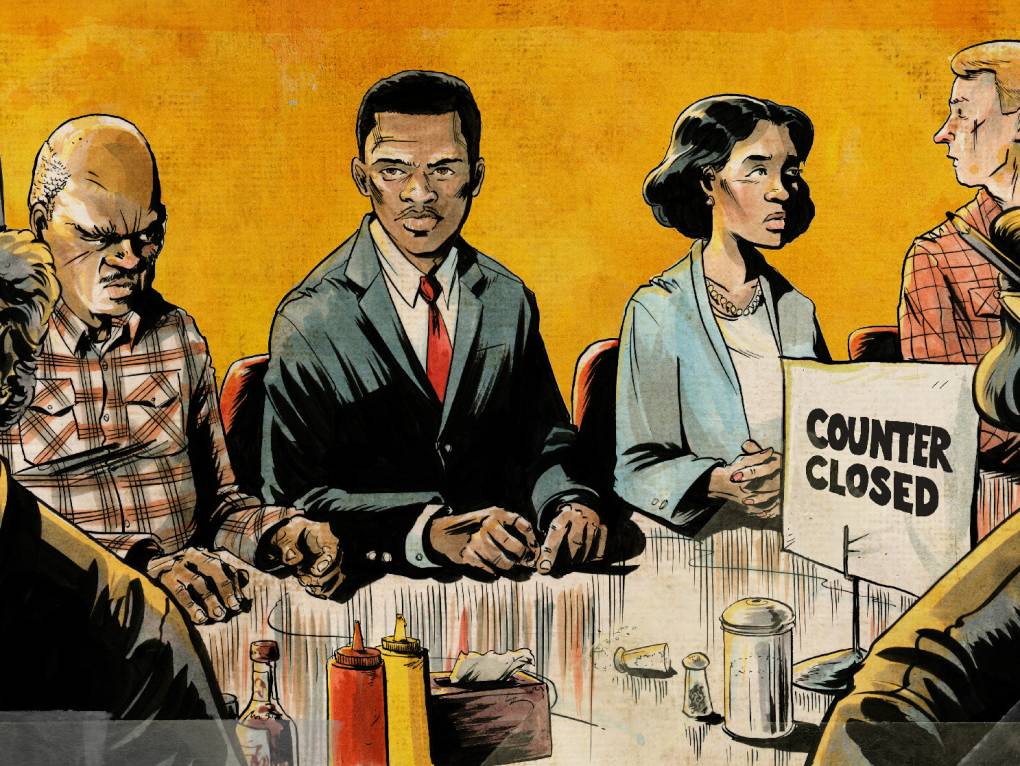
"caption": "Cover detail of \"March: Book One,\" by John Lewis, Andrew Aydin and Nate Powell.",
"description": "Cover detail of \"March: Book One,\" by John Lewis, Andrew Aydin and Nate Powell.",
"title": "March: Book One, cover detail",
"credit": "Courtesy Top Shelf Productions",
"status": "inherit",
"isLoading": false,
"fetchFailed": false
},
"news_11829726": {
"type": "attachments",
"id": "news_11829726",
"meta": {
"index": "attachments_1716263798",
"site": "news",
"id": "11829726",
"found": true
},
"parent": 11829721,
"imgSizes": {
"apple_news_ca_landscape_5_5": {
"file": "https://ww2.kqed.org/app/uploads/sites/10/2020/07/Susan-Orlean_credit-Noah-Fecks-e1567186405419-1044x783.jpg",
"width": 1044,
"mimeType": "image/jpeg",
"height": 783
},
"apple_news_ca_square_4_0": {
"file": "https://ww2.kqed.org/app/uploads/sites/10/2020/07/Susan-Orlean_credit-Noah-Fecks-e1567186405419-470x470.jpg",
"width": 470,
"mimeType": "image/jpeg",
"height": 470
},
"twentyfourteen-full-width": {
"file": "https://ww2.kqed.org/app/uploads/sites/10/2020/07/Susan-Orlean_credit-Noah-Fecks-e1567186405419-1038x576.jpg",
"width": 1038,
"mimeType": "image/jpeg",
"height": 576
},
"thumbnail": {
"file": "https://ww2.kqed.org/app/uploads/sites/10/2020/07/Susan-Orlean_credit-Noah-Fecks-e1567186405419-160x109.jpg",
"width": 160,
"mimeType": "image/jpeg",
"height": 109
},
"post-thumbnail": {
"file": "https://ww2.kqed.org/app/uploads/sites/10/2020/07/Susan-Orlean_credit-Noah-Fecks-e1567186405419-672x372.jpg",
"width": 672,
"mimeType": "image/jpeg",
"height": 372
},
"kqedFullSize": {
"file": "https://ww2.kqed.org/app/uploads/sites/10/2020/07/Susan-Orlean_credit-Noah-Fecks-e1595364085851.jpg",
"width": 1920,
"height": 1310
},
"apple_news_ca_landscape_4_7": {
"file": "https://ww2.kqed.org/app/uploads/sites/10/2020/07/Susan-Orlean_credit-Noah-Fecks-e1567186405419-632x474.jpg",
"width": 632,
"mimeType": "image/jpeg",
"height": 474
},
"large": {
"file": "https://ww2.kqed.org/app/uploads/sites/10/2020/07/Susan-Orlean_credit-Noah-Fecks-e1567186405419-1020x696.jpg",
"width": 1020,
"mimeType": "image/jpeg",
"height": 696
},
"apple_news_ca_landscape_4_0": {
"file": "https://ww2.kqed.org/app/uploads/sites/10/2020/07/Susan-Orlean_credit-Noah-Fecks-e1567186405419-536x402.jpg",
"width": 536,
"mimeType": "image/jpeg",
"height": 402
},
"apple_news_ca_portrait_12_9": {
"file": "https://ww2.kqed.org/app/uploads/sites/10/2020/07/Susan-Orlean_credit-Noah-Fecks-e1567186405419-1122x1365.jpg",
"width": 1122,
"mimeType": "image/jpeg",
"height": 1365
},
"medium": {
"file": "https://ww2.kqed.org/app/uploads/sites/10/2020/07/Susan-Orlean_credit-Noah-Fecks-e1567186405419-800x546.jpg",
"width": 800,
"mimeType": "image/jpeg",
"height": 546
},
"apple_news_ca_portrait_4_0": {
"file": "https://ww2.kqed.org/app/uploads/sites/10/2020/07/Susan-Orlean_credit-Noah-Fecks-e1567186405419-354x472.jpg",
"width": 354,
"mimeType": "image/jpeg",
"height": 472
},
"apple_news_ca_portrait_9_7": {
"file": "https://ww2.kqed.org/app/uploads/sites/10/2020/07/Susan-Orlean_credit-Noah-Fecks-e1567186405419-840x1120.jpg",
"width": 840,
"mimeType": "image/jpeg",
"height": 1120
},
"apple_news_ca_landscape_12_9": {
"file": "https://ww2.kqed.org/app/uploads/sites/10/2020/07/Susan-Orlean_credit-Noah-Fecks-e1567186405419-1832x1365.jpg",
"width": 1832,
"mimeType": "image/jpeg",
"height": 1365
},
"apple_news_ca_square_9_7": {
"file": "https://ww2.kqed.org/app/uploads/sites/10/2020/07/Susan-Orlean_credit-Noah-Fecks-e1567186405419-1104x1104.jpg",
"width": 1104,
"mimeType": "image/jpeg",
"height": 1104
},
"1536x1536": {
"file": "https://ww2.kqed.org/app/uploads/sites/10/2020/07/Susan-Orlean_credit-Noah-Fecks-e1567186405419-1536x1048.jpg",
"width": 1536,
"mimeType": "image/jpeg",
"height": 1048
},
"apple_news_ca_portrait_4_7": {
"file": "https://ww2.kqed.org/app/uploads/sites/10/2020/07/Susan-Orlean_credit-Noah-Fecks-e1567186405419-414x552.jpg",
"width": 414,
"mimeType": "image/jpeg",
"height": 552
},
"apple_news_ca_square_12_9": {
"file": "https://ww2.kqed.org/app/uploads/sites/10/2020/07/Susan-Orlean_credit-Noah-Fecks-e1567186405419-1472x1365.jpg",
"width": 1472,
"mimeType": "image/jpeg",
"height": 1365
},
"apple_news_ca_portrait_5_5": {
"file": "https://ww2.kqed.org/app/uploads/sites/10/2020/07/Susan-Orlean_credit-Noah-Fecks-e1567186405419-687x916.jpg",
"width": 687,
"mimeType": "image/jpeg",
"height": 916
},
"full-width": {
"file": "https://ww2.kqed.org/app/uploads/sites/10/2020/07/Susan-Orlean_credit-Noah-Fecks-e1567186405419-1920x1310.jpg",
"width": 1920,
"mimeType": "image/jpeg",
"height": 1310
},
"apple_news_ca_square_4_7": {
"file": "https://ww2.kqed.org/app/uploads/sites/10/2020/07/Susan-Orlean_credit-Noah-Fecks-e1567186405419-550x550.jpg",
"width": 550,
"mimeType": "image/jpeg",
"height": 550
},
"apple_news_ca_landscape_9_7": {
"file": "https://ww2.kqed.org/app/uploads/sites/10/2020/07/Susan-Orlean_credit-Noah-Fecks-e1567186405419-1376x1032.jpg",
"width": 1376,
"mimeType": "image/jpeg",
"height": 1032
},
"apple_news_ca_square_5_5": {
"file": "https://ww2.kqed.org/app/uploads/sites/10/2020/07/Susan-Orlean_credit-Noah-Fecks-e1567186405419-912x912.jpg",
"width": 912,
"mimeType": "image/jpeg",
"height": 912
}
},
"publishDate": 1595271990,
"modified": 1595372023,
"caption": "Author Susan Orlean",
"description": null,
"title": "Susan-Orlean_credit-Noah-Fecks-e1567186405419",
"credit": "Noah Fecks",
"status": "inherit",
"isLoading": false,
"fetchFailed": false
},
"news_11829542": {
"type": "attachments",
"id": "news_11829542",
"meta": {
"index": "attachments_1716263798",
"site": "news",
"id": "11829542",
"found": true
},
"parent": 11829501,
"imgSizes": {
"apple_news_ca_landscape_5_5": {
"file": "https://ww2.kqed.org/app/uploads/sites/10/2020/07/MARQUEE_WATERS_1-1044x720.jpg",
"width": 1044,
"mimeType": "image/jpeg",
"height": 720
},
"apple_news_ca_square_4_0": {
"file": "https://ww2.kqed.org/app/uploads/sites/10/2020/07/MARQUEE_WATERS_1-470x470.jpg",
"width": 470,
"mimeType": "image/jpeg",
"height": 470
},
"twentyfourteen-full-width": {
"file": "https://ww2.kqed.org/app/uploads/sites/10/2020/07/MARQUEE_WATERS_1-1038x576.jpg",
"width": 1038,
"mimeType": "image/jpeg",
"height": 576
},
"thumbnail": {
"file": "https://ww2.kqed.org/app/uploads/sites/10/2020/07/MARQUEE_WATERS_1-160x90.jpg",
"width": 160,
"mimeType": "image/jpeg",
"height": 90
},
"post-thumbnail": {
"file": "https://ww2.kqed.org/app/uploads/sites/10/2020/07/MARQUEE_WATERS_1-672x372.jpg",
"width": 672,
"mimeType": "image/jpeg",
"height": 372
},
"kqedFullSize": {
"file": "https://ww2.kqed.org/app/uploads/sites/10/2020/07/MARQUEE_WATERS_1.jpg",
"width": 1280,
"height": 720
},
"apple_news_ca_landscape_4_7": {
"file": "https://ww2.kqed.org/app/uploads/sites/10/2020/07/MARQUEE_WATERS_1-632x474.jpg",
"width": 632,
"mimeType": "image/jpeg",
"height": 474
},
"large": {
"file": "https://ww2.kqed.org/app/uploads/sites/10/2020/07/MARQUEE_WATERS_1-1020x574.jpg",
"width": 1020,
"mimeType": "image/jpeg",
"height": 574
},
"apple_news_ca_landscape_4_0": {
"file": "https://ww2.kqed.org/app/uploads/sites/10/2020/07/MARQUEE_WATERS_1-536x402.jpg",
"width": 536,
"mimeType": "image/jpeg",
"height": 402
},
"apple_news_ca_portrait_12_9": {
"file": "https://ww2.kqed.org/app/uploads/sites/10/2020/07/MARQUEE_WATERS_1-1122x720.jpg",
"width": 1122,
"mimeType": "image/jpeg",
"height": 720
},
"medium": {
"file": "https://ww2.kqed.org/app/uploads/sites/10/2020/07/MARQUEE_WATERS_1-800x450.jpg",
"width": 800,
"mimeType": "image/jpeg",
"height": 450
},
"apple_news_ca_portrait_4_0": {
"file": "https://ww2.kqed.org/app/uploads/sites/10/2020/07/MARQUEE_WATERS_1-354x472.jpg",
"width": 354,
"mimeType": "image/jpeg",
"height": 472
},
"apple_news_ca_portrait_9_7": {
"file": "https://ww2.kqed.org/app/uploads/sites/10/2020/07/MARQUEE_WATERS_1-840x720.jpg",
"width": 840,
"mimeType": "image/jpeg",
"height": 720
},
"apple_news_ca_square_9_7": {
"file": "https://ww2.kqed.org/app/uploads/sites/10/2020/07/MARQUEE_WATERS_1-1104x720.jpg",
"width": 1104,
"mimeType": "image/jpeg",
"height": 720
},
"apple_news_ca_portrait_4_7": {
"file": "https://ww2.kqed.org/app/uploads/sites/10/2020/07/MARQUEE_WATERS_1-414x552.jpg",
"width": 414,
"mimeType": "image/jpeg",
"height": 552
},
"apple_news_ca_portrait_5_5": {
"file": "https://ww2.kqed.org/app/uploads/sites/10/2020/07/MARQUEE_WATERS_1-687x720.jpg",
"width": 687,
"mimeType": "image/jpeg",
"height": 720
},
"apple_news_ca_square_4_7": {
"file": "https://ww2.kqed.org/app/uploads/sites/10/2020/07/MARQUEE_WATERS_1-550x550.jpg",
"width": 550,
"mimeType": "image/jpeg",
"height": 550
},
"apple_news_ca_square_5_5": {
"file": "https://ww2.kqed.org/app/uploads/sites/10/2020/07/MARQUEE_WATERS_1-912x720.jpg",
"width": 912,
"mimeType": "image/jpeg",
"height": 720
}
},
"publishDate": 1595030060,
"modified": 1595031173,
"caption": null,
"description": null,
"title": "MARQUEE_WATERS_1",
"credit": "Amanda Marsalis",
"status": "inherit",
"isLoading": false,
"fetchFailed": false
},
"news_11829149": {
"type": "attachments",
"id": "news_11829149",
"meta": {
"index": "attachments_1716263798",
"site": "news",
"id": "11829149",
"found": true
},
"parent": 11828932,
"imgSizes": {
"apple_news_ca_landscape_5_5": {
"file": "https://ww2.kqed.org/app/uploads/sites/10/2020/07/GettyImages-1142032802-1044x783.jpg",
"width": 1044,
"mimeType": "image/jpeg",
"height": 783
},
"apple_news_ca_square_4_0": {
"file": "https://ww2.kqed.org/app/uploads/sites/10/2020/07/GettyImages-1142032802-470x470.jpg",
"width": 470,
"mimeType": "image/jpeg",
"height": 470
},
"twentyfourteen-full-width": {
"file": "https://ww2.kqed.org/app/uploads/sites/10/2020/07/GettyImages-1142032802-1038x576.jpg",
"width": 1038,
"mimeType": "image/jpeg",
"height": 576
},
"thumbnail": {
"file": "https://ww2.kqed.org/app/uploads/sites/10/2020/07/GettyImages-1142032802-160x107.jpg",
"width": 160,
"mimeType": "image/jpeg",
"height": 107
},
"post-thumbnail": {
"file": "https://ww2.kqed.org/app/uploads/sites/10/2020/07/GettyImages-1142032802-672x372.jpg",
"width": 672,
"mimeType": "image/jpeg",
"height": 372
},
"kqedFullSize": {
"file": "https://ww2.kqed.org/app/uploads/sites/10/2020/07/GettyImages-1142032802.jpg",
"width": 1920,
"height": 1280
},
"apple_news_ca_landscape_4_7": {
"file": "https://ww2.kqed.org/app/uploads/sites/10/2020/07/GettyImages-1142032802-632x474.jpg",
"width": 632,
"mimeType": "image/jpeg",
"height": 474
},
"large": {
"file": "https://ww2.kqed.org/app/uploads/sites/10/2020/07/GettyImages-1142032802-1020x680.jpg",
"width": 1020,
"mimeType": "image/jpeg",
"height": 680
},
"apple_news_ca_landscape_4_0": {
"file": "https://ww2.kqed.org/app/uploads/sites/10/2020/07/GettyImages-1142032802-536x402.jpg",
"width": 536,
"mimeType": "image/jpeg",
"height": 402
},
"apple_news_ca_portrait_12_9": {
"file": "https://ww2.kqed.org/app/uploads/sites/10/2020/07/GettyImages-1142032802-1122x1280.jpg",
"width": 1122,
"mimeType": "image/jpeg",
"height": 1280
},
"medium": {
"file": "https://ww2.kqed.org/app/uploads/sites/10/2020/07/GettyImages-1142032802-800x533.jpg",
"width": 800,
"mimeType": "image/jpeg",
"height": 533
},
"apple_news_ca_portrait_4_0": {
"file": "https://ww2.kqed.org/app/uploads/sites/10/2020/07/GettyImages-1142032802-354x472.jpg",
"width": 354,
"mimeType": "image/jpeg",
"height": 472
},
"apple_news_ca_portrait_9_7": {
"file": "https://ww2.kqed.org/app/uploads/sites/10/2020/07/GettyImages-1142032802-840x1120.jpg",
"width": 840,
"mimeType": "image/jpeg",
"height": 1120
},
"apple_news_ca_landscape_12_9": {
"file": "https://ww2.kqed.org/app/uploads/sites/10/2020/07/GettyImages-1142032802-1832x1280.jpg",
"width": 1832,
"mimeType": "image/jpeg",
"height": 1280
},
"apple_news_ca_square_9_7": {
"file": "https://ww2.kqed.org/app/uploads/sites/10/2020/07/GettyImages-1142032802-1104x1104.jpg",
"width": 1104,
"mimeType": "image/jpeg",
"height": 1104
},
"1536x1536": {
"file": "https://ww2.kqed.org/app/uploads/sites/10/2020/07/GettyImages-1142032802-1536x1024.jpg",
"width": 1536,
"mimeType": "image/jpeg",
"height": 1024
},
"apple_news_ca_portrait_4_7": {
"file": "https://ww2.kqed.org/app/uploads/sites/10/2020/07/GettyImages-1142032802-414x552.jpg",
"width": 414,
"mimeType": "image/jpeg",
"height": 552
},
"apple_news_ca_square_12_9": {
"file": "https://ww2.kqed.org/app/uploads/sites/10/2020/07/GettyImages-1142032802-1472x1280.jpg",
"width": 1472,
"mimeType": "image/jpeg",
"height": 1280
},
"apple_news_ca_portrait_5_5": {
"file": "https://ww2.kqed.org/app/uploads/sites/10/2020/07/GettyImages-1142032802-687x916.jpg",
"width": 687,
"mimeType": "image/jpeg",
"height": 916
},
"apple_news_ca_square_4_7": {
"file": "https://ww2.kqed.org/app/uploads/sites/10/2020/07/GettyImages-1142032802-550x550.jpg",
"width": 550,
"mimeType": "image/jpeg",
"height": 550
},
"apple_news_ca_landscape_9_7": {
"file": "https://ww2.kqed.org/app/uploads/sites/10/2020/07/GettyImages-1142032802-1376x1032.jpg",
"width": 1376,
"mimeType": "image/jpeg",
"height": 1032
},
"apple_news_ca_square_5_5": {
"file": "https://ww2.kqed.org/app/uploads/sites/10/2020/07/GettyImages-1142032802-912x912.jpg",
"width": 912,
"mimeType": "image/jpeg",
"height": 912
}
},
"publishDate": 1594848496,
"modified": 1594848561,
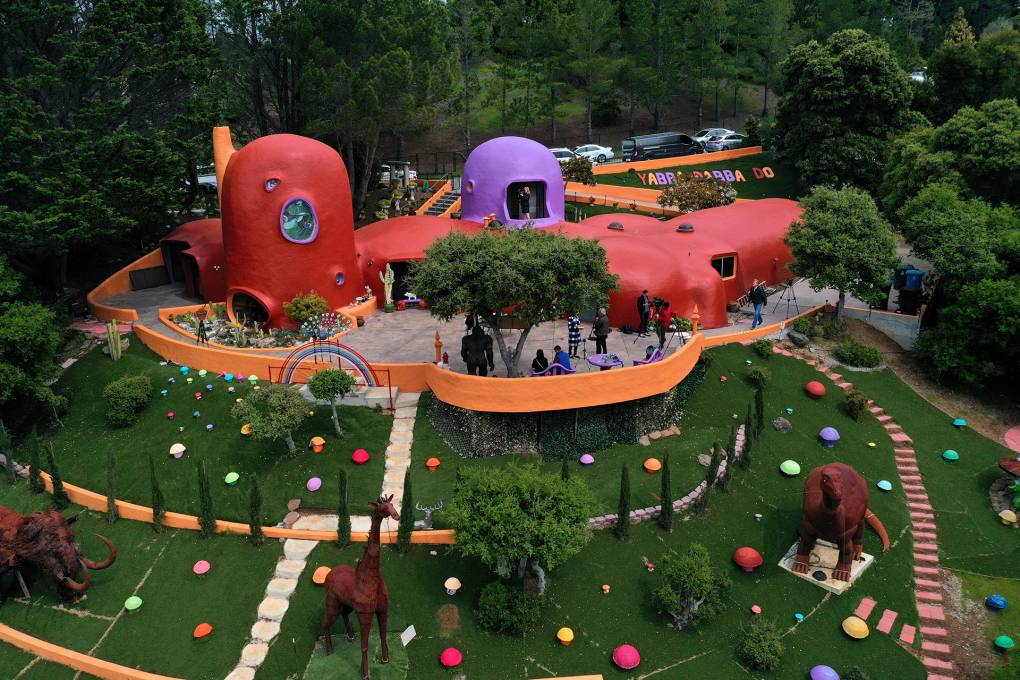
"caption": "The Flintstone House was born from a young architect's dreams of revolutionizing how we built homes. ",
"description": "The Flintstone House was born from a young architect's dreams of revolutionizing how we built homes. ",
"title": "Owners Of \"Flintstones\" Themed House In California In Legal Fight With Town Over Construction Permits",
"credit": "Justin Sullivan/Getty Images",
"status": "inherit",
"isLoading": false,
"fetchFailed": false
},
"news_11828961": {
"type": "attachments",
"id": "news_11828961",
"meta": {
"index": "attachments_1716263798",
"site": "news",
"id": "11828961",
"found": true
},
"parent": 11828803,
"imgSizes": {
"apple_news_ca_landscape_5_5": {
"file": "https://ww2.kqed.org/app/uploads/sites/10/2020/07/RS43972_Gage-qut-1044x783.jpg",
"width": 1044,
"mimeType": "image/jpeg",
"height": 783
},
"apple_news_ca_square_4_0": {
"file": "https://ww2.kqed.org/app/uploads/sites/10/2020/07/RS43972_Gage-qut-470x470.jpg",
"width": 470,
"mimeType": "image/jpeg",
"height": 470
},
"twentyfourteen-full-width": {
"file": "https://ww2.kqed.org/app/uploads/sites/10/2020/07/RS43972_Gage-qut-1038x576.jpg",
"width": 1038,
"mimeType": "image/jpeg",
"height": 576
},
"thumbnail": {
"file": "https://ww2.kqed.org/app/uploads/sites/10/2020/07/RS43972_Gage-qut-160x134.jpg",
"width": 160,
"mimeType": "image/jpeg",
"height": 134
},
"post-thumbnail": {
"file": "https://ww2.kqed.org/app/uploads/sites/10/2020/07/RS43972_Gage-qut-672x372.jpg",
"width": 672,
"mimeType": "image/jpeg",
"height": 372
},
"kqedFullSize": {
"file": "https://ww2.kqed.org/app/uploads/sites/10/2020/07/RS43972_Gage-qut.jpg",
"width": 1920,
"height": 1611
},
"apple_news_ca_landscape_4_7": {
"file": "https://ww2.kqed.org/app/uploads/sites/10/2020/07/RS43972_Gage-qut-632x474.jpg",
"width": 632,
"mimeType": "image/jpeg",
"height": 474
},
"large": {
"file": "https://ww2.kqed.org/app/uploads/sites/10/2020/07/RS43972_Gage-qut-1020x856.jpg",
"width": 1020,
"mimeType": "image/jpeg",
"height": 856
},
"apple_news_ca_landscape_4_0": {
"file": "https://ww2.kqed.org/app/uploads/sites/10/2020/07/RS43972_Gage-qut-536x402.jpg",
"width": 536,
"mimeType": "image/jpeg",
"height": 402
},
"apple_news_ca_portrait_12_9": {
"file": "https://ww2.kqed.org/app/uploads/sites/10/2020/07/RS43972_Gage-qut-1122x1496.jpg",
"width": 1122,
"mimeType": "image/jpeg",
"height": 1496
},
"medium": {
"file": "https://ww2.kqed.org/app/uploads/sites/10/2020/07/RS43972_Gage-qut-800x671.jpg",
"width": 800,
"mimeType": "image/jpeg",
"height": 671
},
"apple_news_ca_portrait_4_0": {
"file": "https://ww2.kqed.org/app/uploads/sites/10/2020/07/RS43972_Gage-qut-354x472.jpg",
"width": 354,
"mimeType": "image/jpeg",
"height": 472
},
"apple_news_ca_portrait_9_7": {
"file": "https://ww2.kqed.org/app/uploads/sites/10/2020/07/RS43972_Gage-qut-840x1120.jpg",
"width": 840,
"mimeType": "image/jpeg",
"height": 1120
},
"apple_news_ca_landscape_12_9": {
"file": "https://ww2.kqed.org/app/uploads/sites/10/2020/07/RS43972_Gage-qut-1832x1374.jpg",
"width": 1832,
"mimeType": "image/jpeg",
"height": 1374
},
"apple_news_ca_square_9_7": {
"file": "https://ww2.kqed.org/app/uploads/sites/10/2020/07/RS43972_Gage-qut-1104x1104.jpg",
"width": 1104,
"mimeType": "image/jpeg",
"height": 1104
},
"1536x1536": {
"file": "https://ww2.kqed.org/app/uploads/sites/10/2020/07/RS43972_Gage-qut-1536x1289.jpg",
"width": 1536,
"mimeType": "image/jpeg",
"height": 1289
},
"apple_news_ca_portrait_4_7": {
"file": "https://ww2.kqed.org/app/uploads/sites/10/2020/07/RS43972_Gage-qut-414x552.jpg",
"width": 414,
"mimeType": "image/jpeg",
"height": 552
},
"apple_news_ca_square_12_9": {
"file": "https://ww2.kqed.org/app/uploads/sites/10/2020/07/RS43972_Gage-qut-1472x1472.jpg",
"width": 1472,
"mimeType": "image/jpeg",
"height": 1472
},
"apple_news_ca_portrait_5_5": {
"file": "https://ww2.kqed.org/app/uploads/sites/10/2020/07/RS43972_Gage-qut-687x916.jpg",
"width": 687,
"mimeType": "image/jpeg",
"height": 916
},
"apple_news_ca_square_4_7": {
"file": "https://ww2.kqed.org/app/uploads/sites/10/2020/07/RS43972_Gage-qut-550x550.jpg",
"width": 550,
"mimeType": "image/jpeg",
"height": 550
},
"apple_news_ca_landscape_9_7": {
"file": "https://ww2.kqed.org/app/uploads/sites/10/2020/07/RS43972_Gage-qut-1376x1032.jpg",
"width": 1376,
"mimeType": "image/jpeg",
"height": 1032
},
"apple_news_ca_square_5_5": {
"file": "https://ww2.kqed.org/app/uploads/sites/10/2020/07/RS43972_Gage-qut-912x912.jpg",
"width": 912,
"mimeType": "image/jpeg",
"height": 912
}
},
"publishDate": 1594761816,
"modified": 1594769065,
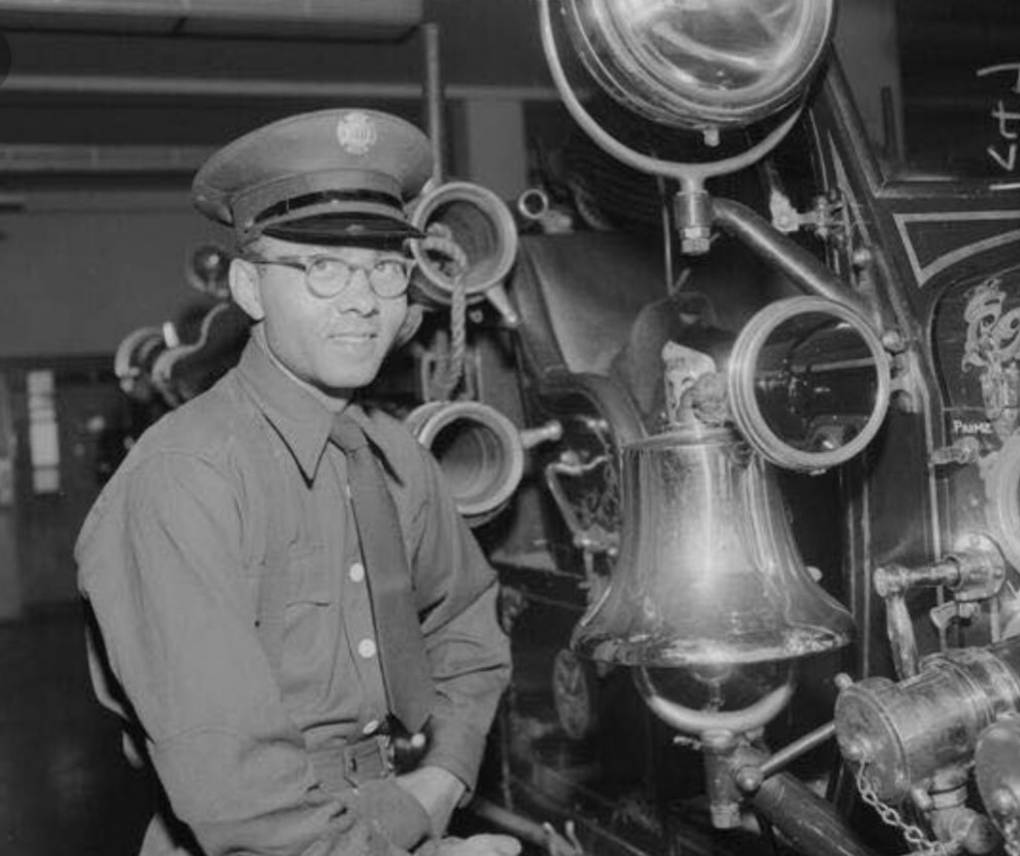
"caption": "Earl Gage Jr., San Francisco's first Black firefighter, was a trailblazer who pushed to improve racial diversity in the Fire Department.",
"description": "Earl Gage Jr., San Francisco's first Black firefighter, was a trailblazer who pushed to improve racial diversity in the Fire Department.",
"title": "RS43972_Gage-qut",
"credit": "Courtesy of Blondell Chism",
"status": "inherit",
"isLoading": false,
"fetchFailed": false
},
"news_11827428": {
"type": "attachments",
"id": "news_11827428",
"meta": {
"index": "attachments_1716263798",
"site": "news",
"id": "11827428",
"found": true
},
"parent": 11827413,
"imgSizes": {
"apple_news_ca_landscape_5_5": {
"file": "https://ww2.kqed.org/app/uploads/sites/10/2020/07/1920_1080_Carmilla-1044x783.jpg",
"width": 1044,
"mimeType": "image/jpeg",
"height": 783
},
"apple_news_ca_square_4_0": {
"file": "https://ww2.kqed.org/app/uploads/sites/10/2020/07/1920_1080_Carmilla-470x470.jpg",
"width": 470,
"mimeType": "image/jpeg",
"height": 470
},
"twentyfourteen-full-width": {
"file": "https://ww2.kqed.org/app/uploads/sites/10/2020/07/1920_1080_Carmilla-1038x576.jpg",
"width": 1038,
"mimeType": "image/jpeg",
"height": 576
},
"thumbnail": {
"file": "https://ww2.kqed.org/app/uploads/sites/10/2020/07/1920_1080_Carmilla-160x90.jpg",
"width": 160,
"mimeType": "image/jpeg",
"height": 90
},
"post-thumbnail": {
"file": "https://ww2.kqed.org/app/uploads/sites/10/2020/07/1920_1080_Carmilla-672x372.jpg",
"width": 672,
"mimeType": "image/jpeg",
"height": 372
},
"kqedFullSize": {
"file": "https://ww2.kqed.org/app/uploads/sites/10/2020/07/1920_1080_Carmilla.jpg",
"width": 2268,
"height": 1276
},
"2048x2048": {
"file": "https://ww2.kqed.org/app/uploads/sites/10/2020/07/1920_1080_Carmilla-2048x1152.jpg",
"width": 2048,
"mimeType": "image/jpeg",
"height": 1152
},
"apple_news_ca_landscape_4_7": {
"file": "https://ww2.kqed.org/app/uploads/sites/10/2020/07/1920_1080_Carmilla-632x474.jpg",
"width": 632,
"mimeType": "image/jpeg",
"height": 474
},
"large": {
"file": "https://ww2.kqed.org/app/uploads/sites/10/2020/07/1920_1080_Carmilla-1020x574.jpg",
"width": 1020,
"mimeType": "image/jpeg",
"height": 574
},
"apple_news_ca_landscape_4_0": {
"file": "https://ww2.kqed.org/app/uploads/sites/10/2020/07/1920_1080_Carmilla-536x402.jpg",
"width": 536,
"mimeType": "image/jpeg",
"height": 402
},
"apple_news_ca_portrait_12_9": {
"file": "https://ww2.kqed.org/app/uploads/sites/10/2020/07/1920_1080_Carmilla-1122x1276.jpg",
"width": 1122,
"mimeType": "image/jpeg",
"height": 1276
},
"medium": {
"file": "https://ww2.kqed.org/app/uploads/sites/10/2020/07/1920_1080_Carmilla-800x450.jpg",
"width": 800,
"mimeType": "image/jpeg",
"height": 450
},
"apple_news_ca_portrait_4_0": {
"file": "https://ww2.kqed.org/app/uploads/sites/10/2020/07/1920_1080_Carmilla-354x472.jpg",
"width": 354,
"mimeType": "image/jpeg",
"height": 472
},
"apple_news_ca_portrait_9_7": {
"file": "https://ww2.kqed.org/app/uploads/sites/10/2020/07/1920_1080_Carmilla-840x1120.jpg",
"width": 840,
"mimeType": "image/jpeg",
"height": 1120
},
"apple_news_ca_landscape_12_9": {
"file": "https://ww2.kqed.org/app/uploads/sites/10/2020/07/1920_1080_Carmilla-1832x1276.jpg",
"width": 1832,
"mimeType": "image/jpeg",
"height": 1276
},
"apple_news_ca_square_9_7": {
"file": "https://ww2.kqed.org/app/uploads/sites/10/2020/07/1920_1080_Carmilla-1104x1104.jpg",
"width": 1104,
"mimeType": "image/jpeg",
"height": 1104
},
"1536x1536": {
"file": "https://ww2.kqed.org/app/uploads/sites/10/2020/07/1920_1080_Carmilla-1536x864.jpg",
"width": 1536,
"mimeType": "image/jpeg",
"height": 864
},
"apple_news_ca_portrait_4_7": {
"file": "https://ww2.kqed.org/app/uploads/sites/10/2020/07/1920_1080_Carmilla-414x552.jpg",
"width": 414,
"mimeType": "image/jpeg",
"height": 552
},
"apple_news_ca_square_12_9": {
"file": "https://ww2.kqed.org/app/uploads/sites/10/2020/07/1920_1080_Carmilla-1472x1276.jpg",
"width": 1472,
"mimeType": "image/jpeg",
"height": 1276
},
"apple_news_ca_portrait_5_5": {
"file": "https://ww2.kqed.org/app/uploads/sites/10/2020/07/1920_1080_Carmilla-687x916.jpg",
"width": 687,
"mimeType": "image/jpeg",
"height": 916
},
"full-width": {
"file": "https://ww2.kqed.org/app/uploads/sites/10/2020/07/1920_1080_Carmilla-1920x1080.jpg",
"width": 1920,
"mimeType": "image/jpeg",
"height": 1080
},
"apple_news_ca_square_4_7": {
"file": "https://ww2.kqed.org/app/uploads/sites/10/2020/07/1920_1080_Carmilla-550x550.jpg",
"width": 550,
"mimeType": "image/jpeg",
"height": 550
},
"apple_news_ca_landscape_9_7": {
"file": "https://ww2.kqed.org/app/uploads/sites/10/2020/07/1920_1080_Carmilla-1376x1032.jpg",
"width": 1376,
"mimeType": "image/jpeg",
"height": 1032
},
"apple_news_ca_square_5_5": {
"file": "https://ww2.kqed.org/app/uploads/sites/10/2020/07/1920_1080_Carmilla-912x912.jpg",
"width": 912,
"mimeType": "image/jpeg",
"height": 912
}
},
"publishDate": 1593801306,
"modified": 1593801516,
"caption": "A still from \"Comfort Food\" a short film by Carmilla Ligons.",
"description": null,
"title": "1920_1080_Carmilla",
"credit": "Courtesy of the Anti-Recidivism Coalition",
"status": "inherit",
"isLoading": false,
"fetchFailed": false
},
"news_11828606": {
"type": "attachments",
"id": "news_11828606",
"meta": {
"index": "attachments_1716263798",
"site": "news",
"id": "11828606",
"found": true
},
"parent": 11828605,
"imgSizes": {
"apple_news_ca_landscape_5_5": {
"file": "https://ww2.kqed.org/app/uploads/sites/10/2020/07/therro_lifekit_illustrationb_wide-118d3db4d39e98d19e9f06b84d07360b3c64df4c-1044x783.jpg",
"width": 1044,
"mimeType": "image/jpeg",
"height": 783
},
"apple_news_ca_square_4_0": {
"file": "https://ww2.kqed.org/app/uploads/sites/10/2020/07/therro_lifekit_illustrationb_wide-118d3db4d39e98d19e9f06b84d07360b3c64df4c-470x470.jpg",
"width": 470,
"mimeType": "image/jpeg",
"height": 470
},
"twentyfourteen-full-width": {
"file": "https://ww2.kqed.org/app/uploads/sites/10/2020/07/therro_lifekit_illustrationb_wide-118d3db4d39e98d19e9f06b84d07360b3c64df4c-1038x576.jpg",
"width": 1038,
"mimeType": "image/jpeg",
"height": 576
},
"thumbnail": {
"file": "https://ww2.kqed.org/app/uploads/sites/10/2020/07/therro_lifekit_illustrationb_wide-118d3db4d39e98d19e9f06b84d07360b3c64df4c-160x90.jpg",
"width": 160,
"mimeType": "image/jpeg",
"height": 90
},
"post-thumbnail": {
"file": "https://ww2.kqed.org/app/uploads/sites/10/2020/07/therro_lifekit_illustrationb_wide-118d3db4d39e98d19e9f06b84d07360b3c64df4c-672x372.jpg",
"width": 672,
"mimeType": "image/jpeg",
"height": 372
},
"kqedFullSize": {
"file": "https://ww2.kqed.org/app/uploads/sites/10/2020/07/therro_lifekit_illustrationb_wide-118d3db4d39e98d19e9f06b84d07360b3c64df4c-scaled-e1594495157227.jpg",
"width": 1920,
"height": 1080
},
"2048x2048": {
"file": "https://ww2.kqed.org/app/uploads/sites/10/2020/07/therro_lifekit_illustrationb_wide-118d3db4d39e98d19e9f06b84d07360b3c64df4c-2048x1152.jpg",
"width": 2048,
"mimeType": "image/jpeg",
"height": 1152
},
"apple_news_ca_landscape_4_7": {
"file": "https://ww2.kqed.org/app/uploads/sites/10/2020/07/therro_lifekit_illustrationb_wide-118d3db4d39e98d19e9f06b84d07360b3c64df4c-632x474.jpg",
"width": 632,
"mimeType": "image/jpeg",
"height": 474
},
"large": {
"file": "https://ww2.kqed.org/app/uploads/sites/10/2020/07/therro_lifekit_illustrationb_wide-118d3db4d39e98d19e9f06b84d07360b3c64df4c-1020x574.jpg",
"width": 1020,
"mimeType": "image/jpeg",
"height": 574
},
"apple_news_ca_landscape_4_0": {
"file": "https://ww2.kqed.org/app/uploads/sites/10/2020/07/therro_lifekit_illustrationb_wide-118d3db4d39e98d19e9f06b84d07360b3c64df4c-536x402.jpg",
"width": 536,
"mimeType": "image/jpeg",
"height": 402
},
"apple_news_ca_portrait_12_9": {
"file": "https://ww2.kqed.org/app/uploads/sites/10/2020/07/therro_lifekit_illustrationb_wide-118d3db4d39e98d19e9f06b84d07360b3c64df4c-1122x1496.jpg",
"width": 1122,
"mimeType": "image/jpeg",
"height": 1496
},
"medium": {
"file": "https://ww2.kqed.org/app/uploads/sites/10/2020/07/therro_lifekit_illustrationb_wide-118d3db4d39e98d19e9f06b84d07360b3c64df4c-800x450.jpg",
"width": 800,
"mimeType": "image/jpeg",
"height": 450
},
"apple_news_ca_portrait_4_0": {
"file": "https://ww2.kqed.org/app/uploads/sites/10/2020/07/therro_lifekit_illustrationb_wide-118d3db4d39e98d19e9f06b84d07360b3c64df4c-354x472.jpg",
"width": 354,
"mimeType": "image/jpeg",
"height": 472
},
"apple_news_ca_portrait_9_7": {
"file": "https://ww2.kqed.org/app/uploads/sites/10/2020/07/therro_lifekit_illustrationb_wide-118d3db4d39e98d19e9f06b84d07360b3c64df4c-840x1120.jpg",
"width": 840,
"mimeType": "image/jpeg",
"height": 1120
},
"apple_news_ca_landscape_12_9": {
"file": "https://ww2.kqed.org/app/uploads/sites/10/2020/07/therro_lifekit_illustrationb_wide-118d3db4d39e98d19e9f06b84d07360b3c64df4c-1832x1374.jpg",
"width": 1832,
"mimeType": "image/jpeg",
"height": 1374
},
"apple_news_ca_square_9_7": {
"file": "https://ww2.kqed.org/app/uploads/sites/10/2020/07/therro_lifekit_illustrationb_wide-118d3db4d39e98d19e9f06b84d07360b3c64df4c-1104x1104.jpg",
"width": 1104,
"mimeType": "image/jpeg",
"height": 1104
},
"1536x1536": {
"file": "https://ww2.kqed.org/app/uploads/sites/10/2020/07/therro_lifekit_illustrationb_wide-118d3db4d39e98d19e9f06b84d07360b3c64df4c-1536x864.jpg",
"width": 1536,
"mimeType": "image/jpeg",
"height": 864
},
"apple_news_ca_portrait_4_7": {
"file": "https://ww2.kqed.org/app/uploads/sites/10/2020/07/therro_lifekit_illustrationb_wide-118d3db4d39e98d19e9f06b84d07360b3c64df4c-414x552.jpg",
"width": 414,
"mimeType": "image/jpeg",
"height": 552
},
"apple_news_ca_square_12_9": {
"file": "https://ww2.kqed.org/app/uploads/sites/10/2020/07/therro_lifekit_illustrationb_wide-118d3db4d39e98d19e9f06b84d07360b3c64df4c-1472x1472.jpg",
"width": 1472,
"mimeType": "image/jpeg",
"height": 1472
},
"apple_news_ca_portrait_5_5": {
"file": "https://ww2.kqed.org/app/uploads/sites/10/2020/07/therro_lifekit_illustrationb_wide-118d3db4d39e98d19e9f06b84d07360b3c64df4c-687x916.jpg",
"width": 687,
"mimeType": "image/jpeg",
"height": 916
},
"full-width": {
"file": "https://ww2.kqed.org/app/uploads/sites/10/2020/07/therro_lifekit_illustrationb_wide-118d3db4d39e98d19e9f06b84d07360b3c64df4c-1920x1080.jpg",
"width": 1920,
"mimeType": "image/jpeg",
"height": 1080
},
"apple_news_ca_square_4_7": {
"file": "https://ww2.kqed.org/app/uploads/sites/10/2020/07/therro_lifekit_illustrationb_wide-118d3db4d39e98d19e9f06b84d07360b3c64df4c-550x550.jpg",
"width": 550,
"mimeType": "image/jpeg",
"height": 550
},
"apple_news_ca_landscape_9_7": {
"file": "https://ww2.kqed.org/app/uploads/sites/10/2020/07/therro_lifekit_illustrationb_wide-118d3db4d39e98d19e9f06b84d07360b3c64df4c-1376x1032.jpg",
"width": 1376,
"mimeType": "image/jpeg",
"height": 1032
},
"apple_news_ca_square_5_5": {
"file": "https://ww2.kqed.org/app/uploads/sites/10/2020/07/therro_lifekit_illustrationb_wide-118d3db4d39e98d19e9f06b84d07360b3c64df4c-912x912.jpg",
"width": 912,
"mimeType": "image/jpeg",
"height": 912
}
},
"publishDate": 1594489977,
"modified": 1594495181,
"caption": null,
"description": "NPR Life Kit talks with author Layla Saad about how to combat white supremacy in your life.",
"title": "NPR Life Kit talks with author Layla Saad about how to combat white supremacy in your life.",
"credit": "Therrious Davis for NPR",
"status": "inherit",
"isLoading": false,
"fetchFailed": false
},
"news_11828621": {
"type": "attachments",
"id": "news_11828621",
"meta": {
"index": "attachments_1716263798",
"site": "news",
"id": "11828621",
"found": true
},
"parent": 11828613,
"imgSizes": {
"apple_news_ca_landscape_5_5": {
"file": "https://ww2.kqed.org/app/uploads/sites/10/2020/07/RS43922_GettyImages-628445636-qut-1044x783.jpg",
"width": 1044,
"mimeType": "image/jpeg",
"height": 783
},
"apple_news_ca_square_4_0": {
"file": "https://ww2.kqed.org/app/uploads/sites/10/2020/07/RS43922_GettyImages-628445636-qut-470x470.jpg",
"width": 470,
"mimeType": "image/jpeg",
"height": 470
},
"twentyfourteen-full-width": {
"file": "https://ww2.kqed.org/app/uploads/sites/10/2020/07/RS43922_GettyImages-628445636-qut-1038x576.jpg",
"width": 1038,
"mimeType": "image/jpeg",
"height": 576
},
"thumbnail": {
"file": "https://ww2.kqed.org/app/uploads/sites/10/2020/07/RS43922_GettyImages-628445636-qut-160x106.jpg",
"width": 160,
"mimeType": "image/jpeg",
"height": 106
},
"post-thumbnail": {
"file": "https://ww2.kqed.org/app/uploads/sites/10/2020/07/RS43922_GettyImages-628445636-qut-672x372.jpg",
"width": 672,
"mimeType": "image/jpeg",
"height": 372
},
"kqedFullSize": {
"file": "https://ww2.kqed.org/app/uploads/sites/10/2020/07/RS43922_GettyImages-628445636-qut.jpg",
"width": 1920,
"height": 1268
},
"apple_news_ca_landscape_4_7": {
"file": "https://ww2.kqed.org/app/uploads/sites/10/2020/07/RS43922_GettyImages-628445636-qut-632x474.jpg",
"width": 632,
"mimeType": "image/jpeg",
"height": 474
},
"large": {
"file": "https://ww2.kqed.org/app/uploads/sites/10/2020/07/RS43922_GettyImages-628445636-qut-1020x674.jpg",
"width": 1020,
"mimeType": "image/jpeg",
"height": 674
},
"apple_news_ca_landscape_4_0": {
"file": "https://ww2.kqed.org/app/uploads/sites/10/2020/07/RS43922_GettyImages-628445636-qut-536x402.jpg",
"width": 536,
"mimeType": "image/jpeg",
"height": 402
},
"apple_news_ca_portrait_12_9": {
"file": "https://ww2.kqed.org/app/uploads/sites/10/2020/07/RS43922_GettyImages-628445636-qut-1122x1268.jpg",
"width": 1122,
"mimeType": "image/jpeg",
"height": 1268
},
"medium": {
"file": "https://ww2.kqed.org/app/uploads/sites/10/2020/07/RS43922_GettyImages-628445636-qut-800x528.jpg",
"width": 800,
"mimeType": "image/jpeg",
"height": 528
},
"apple_news_ca_portrait_4_0": {
"file": "https://ww2.kqed.org/app/uploads/sites/10/2020/07/RS43922_GettyImages-628445636-qut-354x472.jpg",
"width": 354,
"mimeType": "image/jpeg",
"height": 472
},
"apple_news_ca_portrait_9_7": {
"file": "https://ww2.kqed.org/app/uploads/sites/10/2020/07/RS43922_GettyImages-628445636-qut-840x1120.jpg",
"width": 840,
"mimeType": "image/jpeg",
"height": 1120
},
"apple_news_ca_landscape_12_9": {
"file": "https://ww2.kqed.org/app/uploads/sites/10/2020/07/RS43922_GettyImages-628445636-qut-1832x1268.jpg",
"width": 1832,
"mimeType": "image/jpeg",
"height": 1268
},
"apple_news_ca_square_9_7": {
"file": "https://ww2.kqed.org/app/uploads/sites/10/2020/07/RS43922_GettyImages-628445636-qut-1104x1104.jpg",
"width": 1104,
"mimeType": "image/jpeg",
"height": 1104
},
"1536x1536": {
"file": "https://ww2.kqed.org/app/uploads/sites/10/2020/07/RS43922_GettyImages-628445636-qut-1536x1014.jpg",
"width": 1536,
"mimeType": "image/jpeg",
"height": 1014
},
"apple_news_ca_portrait_4_7": {
"file": "https://ww2.kqed.org/app/uploads/sites/10/2020/07/RS43922_GettyImages-628445636-qut-414x552.jpg",
"width": 414,
"mimeType": "image/jpeg",
"height": 552
},
"apple_news_ca_square_12_9": {
"file": "https://ww2.kqed.org/app/uploads/sites/10/2020/07/RS43922_GettyImages-628445636-qut-1472x1268.jpg",
"width": 1472,
"mimeType": "image/jpeg",
"height": 1268
},
"apple_news_ca_portrait_5_5": {
"file": "https://ww2.kqed.org/app/uploads/sites/10/2020/07/RS43922_GettyImages-628445636-qut-687x916.jpg",
"width": 687,
"mimeType": "image/jpeg",
"height": 916
},
"apple_news_ca_square_4_7": {
"file": "https://ww2.kqed.org/app/uploads/sites/10/2020/07/RS43922_GettyImages-628445636-qut-550x550.jpg",
"width": 550,
"mimeType": "image/jpeg",
"height": 550
},
"apple_news_ca_landscape_9_7": {
"file": "https://ww2.kqed.org/app/uploads/sites/10/2020/07/RS43922_GettyImages-628445636-qut-1376x1032.jpg",
"width": 1376,
"mimeType": "image/jpeg",
"height": 1032
},
"apple_news_ca_square_5_5": {
"file": "https://ww2.kqed.org/app/uploads/sites/10/2020/07/RS43922_GettyImages-628445636-qut-912x912.jpg",
"width": 912,
"mimeType": "image/jpeg",
"height": 912
}
},
"publishDate": 1594501306,
"modified": 1594501466,
"caption": "Bollywood actor Amitabh Bachchan attends the inauguration of the Marathi film 'Bhikari' produced and directed by Ganesh Acharya, in Mumbai on December 7, 2016. ",
"description": null,
"title": "INDIA-ENTERTAINMENT-BOLLYWOOD",
"credit": "Stringer/AFP via Getty Images",
"status": "inherit",
"isLoading": false,
"fetchFailed": false
},
"news_11828152": {
"type": "attachments",
"id": "news_11828152",
"meta": {
"index": "attachments_1716263798",
"site": "news",
"id": "11828152",
"found": true
},
"parent": 11827750,
"imgSizes": {
"apple_news_ca_square_4_0": {
"file": "https://ww2.kqed.org/app/uploads/sites/10/2020/07/lumpen_stage-470x363.jpg",
"width": 470,
"mimeType": "image/jpeg",
"height": 363
},
"thumbnail": {
"file": "https://ww2.kqed.org/app/uploads/sites/10/2020/07/lumpen_stage-160x105.jpg",
"width": 160,
"mimeType": "image/jpeg",
"height": 105
},
"kqedFullSize": {
"file": "https://ww2.kqed.org/app/uploads/sites/10/2020/07/lumpen_stage.jpg",
"width": 555,
"height": 363
},
"apple_news_ca_portrait_4_7": {
"file": "https://ww2.kqed.org/app/uploads/sites/10/2020/07/lumpen_stage-414x363.jpg",
"width": 414,
"mimeType": "image/jpeg",
"height": 363
},
"apple_news_ca_square_4_7": {
"file": "https://ww2.kqed.org/app/uploads/sites/10/2020/07/lumpen_stage-550x363.jpg",
"width": 550,
"mimeType": "image/jpeg",
"height": 363
},
"apple_news_ca_landscape_4_0": {
"file": "https://ww2.kqed.org/app/uploads/sites/10/2020/07/lumpen_stage-536x363.jpg",
"width": 536,
"mimeType": "image/jpeg",
"height": 363
},
"apple_news_ca_portrait_4_0": {
"file": "https://ww2.kqed.org/app/uploads/sites/10/2020/07/lumpen_stage-354x363.jpg",
"width": 354,
"mimeType": "image/jpeg",
"height": 363
}
},
"publishDate": 1594322289,
"modified": 1594424112,
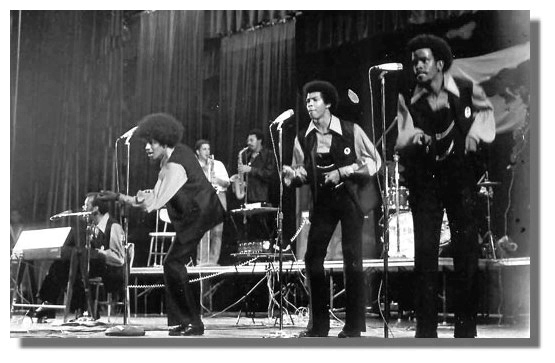
"caption": "In 1970, an unlikely R&B group evolved out of the Oakland chapter of the Black Panther Party.",
"description": "In 1970, an unlikely R&B group evolved out of the Oakland chapter of the Black Panther Party.",
"title": "lumpen_stage",
"credit": "Courtesy of It's About Time Black Panther Party Legacy & Alumni",
"status": "inherit",
"isLoading": false,
"fetchFailed": false
},
"news_11827659": {
"type": "attachments",
"id": "news_11827659",
"meta": {
"index": "attachments_1716263798",
"site": "news",
"id": "11827659",
"found": true
},
"parent": 11826151,
"imgSizes": {
"apple_news_ca_landscape_5_5": {
"file": "https://ww2.kqed.org/app/uploads/sites/10/2020/10/serra-ventura-1044x783.jpg",
"width": 1044,
"mimeType": "image/jpeg",
"height": 783
},
"apple_news_ca_square_4_0": {
"file": "https://ww2.kqed.org/app/uploads/sites/10/2020/10/serra-ventura-470x470.jpg",
"width": 470,
"mimeType": "image/jpeg",
"height": 470
},
"twentyfourteen-full-width": {
"file": "https://ww2.kqed.org/app/uploads/sites/10/2020/10/serra-ventura-1038x576.jpg",
"width": 1038,
"mimeType": "image/jpeg",
"height": 576
},
"thumbnail": {
"file": "https://ww2.kqed.org/app/uploads/sites/10/2020/10/serra-ventura-160x108.jpg",
"width": 160,
"mimeType": "image/jpeg",
"height": 108
},
"post-thumbnail": {
"file": "https://ww2.kqed.org/app/uploads/sites/10/2020/10/serra-ventura-672x372.jpg",
"width": 672,
"mimeType": "image/jpeg",
"height": 372
},
"kqedFullSize": {
"file": "https://ww2.kqed.org/app/uploads/sites/10/2020/10/serra-ventura.jpg",
"width": 1900,
"height": 1280
},
"apple_news_ca_landscape_4_7": {
"file": "https://ww2.kqed.org/app/uploads/sites/10/2020/10/serra-ventura-632x474.jpg",
"width": 632,
"mimeType": "image/jpeg",
"height": 474
},
"large": {
"file": "https://ww2.kqed.org/app/uploads/sites/10/2020/10/serra-ventura-1020x687.jpg",
"width": 1020,
"mimeType": "image/jpeg",
"height": 687
},
"apple_news_ca_landscape_4_0": {
"file": "https://ww2.kqed.org/app/uploads/sites/10/2020/10/serra-ventura-536x402.jpg",
"width": 536,
"mimeType": "image/jpeg",
"height": 402
},
"apple_news_ca_portrait_12_9": {
"file": "https://ww2.kqed.org/app/uploads/sites/10/2020/10/serra-ventura-1122x1280.jpg",
"width": 1122,
"mimeType": "image/jpeg",
"height": 1280
},
"medium": {
"file": "https://ww2.kqed.org/app/uploads/sites/10/2020/10/serra-ventura-800x539.jpg",
"width": 800,
"mimeType": "image/jpeg",
"height": 539
},
"apple_news_ca_portrait_4_0": {
"file": "https://ww2.kqed.org/app/uploads/sites/10/2020/10/serra-ventura-354x472.jpg",
"width": 354,
"mimeType": "image/jpeg",
"height": 472
},
"apple_news_ca_portrait_9_7": {
"file": "https://ww2.kqed.org/app/uploads/sites/10/2020/10/serra-ventura-840x1120.jpg",
"width": 840,
"mimeType": "image/jpeg",
"height": 1120
},
"apple_news_ca_landscape_12_9": {
"file": "https://ww2.kqed.org/app/uploads/sites/10/2020/10/serra-ventura-1832x1280.jpg",
"width": 1832,
"mimeType": "image/jpeg",
"height": 1280
},
"apple_news_ca_square_9_7": {
"file": "https://ww2.kqed.org/app/uploads/sites/10/2020/10/serra-ventura-1104x1104.jpg",
"width": 1104,
"mimeType": "image/jpeg",
"height": 1104
},
"1536x1536": {
"file": "https://ww2.kqed.org/app/uploads/sites/10/2020/10/serra-ventura-1536x1035.jpg",
"width": 1536,
"mimeType": "image/jpeg",
"height": 1035
},
"apple_news_ca_portrait_4_7": {
"file": "https://ww2.kqed.org/app/uploads/sites/10/2020/10/serra-ventura-414x552.jpg",
"width": 414,
"mimeType": "image/jpeg",
"height": 552
},
"apple_news_ca_square_12_9": {
"file": "https://ww2.kqed.org/app/uploads/sites/10/2020/10/serra-ventura-1472x1280.jpg",
"width": 1472,
"mimeType": "image/jpeg",
"height": 1280
},
"apple_news_ca_portrait_5_5": {
"file": "https://ww2.kqed.org/app/uploads/sites/10/2020/10/serra-ventura-687x916.jpg",
"width": 687,
"mimeType": "image/jpeg",
"height": 916
},
"apple_news_ca_square_4_7": {
"file": "https://ww2.kqed.org/app/uploads/sites/10/2020/10/serra-ventura-550x550.jpg",
"width": 550,
"mimeType": "image/jpeg",
"height": 550
},
"apple_news_ca_landscape_9_7": {
"file": "https://ww2.kqed.org/app/uploads/sites/10/2020/10/serra-ventura-1376x1032.jpg",
"width": 1376,
"mimeType": "image/jpeg",
"height": 1032
},
"apple_news_ca_square_5_5": {
"file": "https://ww2.kqed.org/app/uploads/sites/10/2020/10/serra-ventura-912x912.jpg",
"width": 912,
"mimeType": "image/jpeg",
"height": 912
}
},
"publishDate": 1594079378,
"modified": 1594154093,
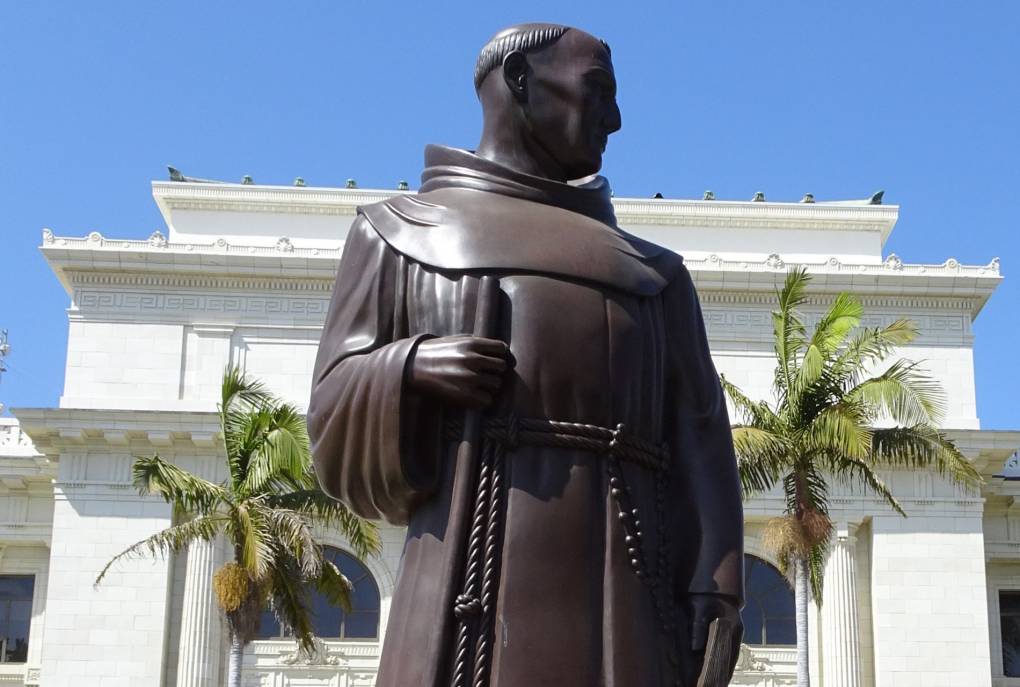
"caption": "A bronze figure of the 18th century missionary Junípero Serra stands outside Ventura City Hall, sculpted in 1936 by Uno John Palo Kangas. Indigenous activists say a reckoning with Serra's legacy is long overdue.",
"description": "A bronze figure of the 18th century missionary Junípero Serra stands outside Ventura City Hall, sculpted in 1936 by Uno John Palo Kangas. Indigenous activists say a reckoning with Serra's legacy is long overdue.",
"title": "serra ventura",
"credit": "Cbl62/Wikimedia Commons",
"status": "inherit",
"isLoading": false,
"fetchFailed": false
}
},
"audioPlayerReducer": {
"postId": "stream_live",
"isPaused": true,
"isPlaying": false,
"pfsActive": false,
"pledgeModalIsOpen": true,
"playerDrawerIsOpen": false,
"liveAudioPlayStartedAt": 0,
"liveAudioPlayContext": ""
},
"authorsReducer": {
"byline_news_11830588": {
"type": "authors",
"id": "byline_news_11830588",
"meta": {
"override": true
},
"slug": "byline_news_11830588",
"name": "Aya Batrawy \u003cbr> Associated Press",
"isLoading": false
},
"byline_news_11828605": {
"type": "authors",
"id": "byline_news_11828605",
"meta": {
"override": true
},
"slug": "byline_news_11828605",
"name": "Eric Deggans \u003cbr> NPR",
"isLoading": false
},
"byline_news_11828613": {
"type": "authors",
"id": "byline_news_11828613",
"meta": {
"override": true
},
"slug": "byline_news_11828613",
"name": "Associated Press",
"isLoading": false
},
"kqed": {
"type": "authors",
"id": "236",
"meta": {
"index": "authors_1716337520",
"id": "236",
"found": true
},
"name": "KQED News Staff",
"firstName": "KQED News Staff",
"lastName": null,
"slug": "kqed",
"email": "faq@kqed.org",
"display_author_email": false,
"staff_mastheads": [],
"title": null,
"bio": null,
"avatar": "https://secure.gravatar.com/avatar/ef0e801a68c4c54afa9180db14084167?s=600&d=blank&r=g",
"twitter": null,
"facebook": null,
"instagram": null,
"linkedin": null,
"sites": [
{
"site": "arts",
"roles": [
"contributor"
]
},
{
"site": "news",
"roles": [
"editor"
]
},
{
"site": "futureofyou",
"roles": [
"author"
]
}
],
"headData": {
"title": "KQED News Staff | KQED",
"description": null,
"ogImgSrc": "https://secure.gravatar.com/avatar/ef0e801a68c4c54afa9180db14084167?s=600&d=blank&r=g",
"twImgSrc": "https://secure.gravatar.com/avatar/ef0e801a68c4c54afa9180db14084167?s=600&d=blank&r=g"
},
"isLoading": false,
"link": "/author/kqed"
},
"rachael-myrow": {
"type": "authors",
"id": "251",
"meta": {
"index": "authors_1716337520",
"id": "251",
"found": true
},
"name": "Rachael Myrow",
"firstName": "Rachael",
"lastName": "Myrow",
"slug": "rachael-myrow",
"email": "rmyrow@kqed.org",
"display_author_email": true,
"staff_mastheads": [
"news"
],
"title": "Senior Editor of KQED's Silicon Valley News Desk",
"bio": "• I write and edit stories about how Silicon Valley power and policies shape everyday life in California. I’m also passionate about making Bay Area history and culture more accessible to a broad public. • I’ve been a journalist for most of my life, starting in high school with The Franklin Press in Los Angeles, where I grew up. While earning my first degree in English at UC Berkeley, I got my start in public radio at KALX-FM. After completing a second degree in journalism at Cal, I landed my first professional job at Marketplace, then moved on to KPCC (now LAist), and then KQED, where I hosted The California Report for more than seven years. • My reporting has appeared on NPR, The World, WBUR’s \u003ci>Here & Now\u003c/i>, and the BBC. I also guest host for KQED’s \u003ci>Forum\u003c/i>, as well as the Commonwealth Club in San Francisco. • I speak periodically on media, democracy and technology issues, and do voiceover work for documentaries and educational video projects. • Outside of the studio, you'll find me hiking Bay Area trails and whipping up Insta-ready meals in my kitchen. • I do not accept gifts, money, or favors from anyone connected to my reporting, I don't pay people for information, and I do not support or donate to political causes. • I strive to treat the people I report on with fairness, honesty, and respect. I also recognize there are often multiple sides to a story and work to verify information through multiple sources and documentation. If I get something wrong, I correct it.",
"avatar": "https://secure.gravatar.com/avatar/3ed8a3c5f26025e4a805ba634cda8cd764906b97438a6d9ce216b044e340da4e?s=600&d=blank&r=g",
"twitter": "rachaelmyrow",
"bluesky": null,
"facebook": null,
"instagram": null,
"linkedin": "https://www.linkedin.com/in/rachaelmyrow/",
"sites": [
{
"site": "arts",
"roles": [
"administrator"
]
},
{
"site": "news",
"roles": [
"edit_others_posts",
"editor"
]
},
{
"site": "futureofyou",
"roles": [
"editor"
]
},
{
"site": "bayareabites",
"roles": [
"editor"
]
},
{
"site": "stateofhealth",
"roles": [
"editor"
]
},
{
"site": "science",
"roles": [
"editor"
]
},
{
"site": "food",
"roles": [
"editor"
]
},
{
"site": "forum",
"roles": [
"editor"
]
},
{
"site": "liveblog",
"roles": [
"author"
]
}
],
"headData": {
"title": "Rachael Myrow | KQED",
"description": "Senior Editor of KQED's Silicon Valley News Desk",
"ogImgSrc": "https://secure.gravatar.com/avatar/3ed8a3c5f26025e4a805ba634cda8cd764906b97438a6d9ce216b044e340da4e?s=600&d=blank&r=g",
"twImgSrc": "https://secure.gravatar.com/avatar/3ed8a3c5f26025e4a805ba634cda8cd764906b97438a6d9ce216b044e340da4e?s=600&d=blank&r=g"
},
"isLoading": false,
"link": "/author/rachael-myrow"
},
"carlysevern": {
"type": "authors",
"id": "3243",
"meta": {
"index": "authors_1716337520",
"id": "3243",
"found": true
},
"name": "Carly Severn",
"firstName": "Carly",
"lastName": "Severn",
"slug": "carlysevern",
"email": "csevern@kqed.org",
"display_author_email": false,
"staff_mastheads": [
"news"
],
"title": "Senior Editor, Audience News ",
"bio": "Carly is KQED's Senior Editor of Audience News on the Digital News team, and has reported for the California Report Magazine, Bay Curious and KQED Arts. She's formerly the host of \u003ca href=\"http://ww2.kqed.org/pop/category/the-cooler/\" rel=\"noopener noreferrer\">The Cooler\u003c/a> podcast.",
"avatar": "https://secure.gravatar.com/avatar/54037bf5c128fe678f0ef26cec97a93f2e7f220a22d7285703328f12c42c1b1d?s=600&d=blank&r=g",
"twitter": "teacupinthebay",
"bluesky": null,
"facebook": null,
"instagram": null,
"linkedin": null,
"sites": [
{
"site": "",
"roles": [
"editor"
]
},
{
"site": "arts",
"roles": [
"editor"
]
},
{
"site": "news",
"roles": [
"administrator"
]
},
{
"site": "pop",
"roles": [
"editor"
]
},
{
"site": "futureofyou",
"roles": [
"editor"
]
},
{
"site": "about",
"roles": [
"administrator"
]
},
{
"site": "mindshift",
"roles": [
"editor"
]
},
{
"site": "bayareabites",
"roles": [
"editor"
]
},
{
"site": "stateofhealth",
"roles": [
"editor"
]
},
{
"site": "science",
"roles": [
"editor"
]
},
{
"site": "food",
"roles": [
"contributor"
]
},
{
"site": "forum",
"roles": [
"editor"
]
},
{
"site": "perspectives",
"roles": [
"administrator"
]
},
{
"site": "liveblog",
"roles": [
"editor"
]
}
],
"headData": {
"title": "Carly Severn | KQED",
"description": "Senior Editor, Audience News ",
"ogImgSrc": "https://secure.gravatar.com/avatar/54037bf5c128fe678f0ef26cec97a93f2e7f220a22d7285703328f12c42c1b1d?s=600&d=blank&r=g",
"twImgSrc": "https://secure.gravatar.com/avatar/54037bf5c128fe678f0ef26cec97a93f2e7f220a22d7285703328f12c42c1b1d?s=600&d=blank&r=g"
},
"isLoading": false,
"link": "/author/carlysevern"
},
"sdirks": {
"type": "authors",
"id": "7239",
"meta": {
"index": "authors_1716337520",
"id": "7239",
"found": true
},
"name": "Sandhya Dirks",
"firstName": "Sandhya",
"lastName": "Dirks",
"slug": "sdirks",
"email": "sdirks@kqed.org",
"display_author_email": true,
"staff_mastheads": [],
"title": null,
"bio": "Sandhya Dirks was the race and equity reporter at KQED. She approaches race and equity not as a beat, but as a fundamental lens for all investigative and explanatory reporting.\r\n\r\nSandhya covered policing, housing, social justice movements, and the shifting demographics of cities and suburbs.\r\n\r\nShe was the creator and co-host of the podcast American Suburb, about the transformation of suburbia into the most diverse space in American life. She was the editor for Truth Be Told, an advice show for and by people of color. \r\n\r\nHer stories about race, space, and belonging were part of KQED's So Well Spoken project, which won RNDTA's Kaleidoscope award, honoring outstanding achievements in the coverage of diversity.\r\n\r\nPrior to joining KQED in 2015, Sandhya covered the 2012 presidential election from the swing state of Iowa for Iowa Public Radio. At KPBS in San Diego, she broke the story of a sexual harassment scandal that led to the mayor's resignation.\r\n\r\nShe got her start in radio working on documentaries about Oakland that investigated the high drop-out rate in public schools and mistrust between the police and the community.\r\n\r\nSandhya lives in Oakland and believes all stories are stories about power.",
"avatar": "https://secure.gravatar.com/avatar/c0247cb15929cd4c197672fd73d45300?s=600&d=blank&r=g",
"twitter": "audiosand",
"facebook": null,
"instagram": null,
"linkedin": null,
"sites": [
{
"site": "news",
"roles": [
"subscriber"
]
},
{
"site": "stateofhealth",
"roles": [
"author"
]
}
],
"headData": {
"title": "Sandhya Dirks | KQED",
"description": null,
"ogImgSrc": "https://secure.gravatar.com/avatar/c0247cb15929cd4c197672fd73d45300?s=600&d=blank&r=g",
"twImgSrc": "https://secure.gravatar.com/avatar/c0247cb15929cd4c197672fd73d45300?s=600&d=blank&r=g"
},
"isLoading": false,
"link": "/author/sdirks"
},
"pgilstrap": {
"type": "authors",
"id": "11275",
"meta": {
"index": "authors_1716337520",
"id": "11275",
"found": true
},
"name": "Peter Gilstrap",
"firstName": "Peter",
"lastName": "Gilstrap",
"slug": "pgilstrap",
"email": "pgilstrap@sbcglobal.net",
"display_author_email": false,
"staff_mastheads": [],
"title": null,
"bio": null,
"avatar": "https://secure.gravatar.com/avatar/2bf93e4a8c1e35493845045175273916?s=600&d=blank&r=g",
"twitter": null,
"facebook": null,
"instagram": null,
"linkedin": null,
"sites": [
{
"site": "news",
"roles": [
"author"
]
}
],
"headData": {
"title": "Peter Gilstrap | KQED",
"description": null,
"ogImgSrc": "https://secure.gravatar.com/avatar/2bf93e4a8c1e35493845045175273916?s=600&d=blank&r=g",
"twImgSrc": "https://secure.gravatar.com/avatar/2bf93e4a8c1e35493845045175273916?s=600&d=blank&r=g"
},
"isLoading": false,
"link": "/author/pgilstrap"
},
"agarces": {
"type": "authors",
"id": "11367",
"meta": {
"index": "authors_1716337520",
"id": "11367",
"found": true
},
"name": "Audrey Garces",
"firstName": "Audrey",
"lastName": "Garces",
"slug": "agarces",
"email": "agarces@kqed.org",
"display_author_email": false,
"staff_mastheads": [
"news"
],
"title": "Digital Producer",
"bio": "Audrey is a former digital producer at KQED News. Previously, she was a KQED Raul Ramirez Diversity Fund intern where she developed stories that focused on highlighting diverse voices in journalism. Prior to her work at KQED, she worked as a news intern at the San Francisco Examiner. Audrey graduated from San Francisco State University with a B.A. in journalism and a minor in political science.",
"avatar": "https://secure.gravatar.com/avatar/5211bc2e6a809b9956da169e35ce63d5?s=600&d=blank&r=g",
"twitter": "audgar",
"facebook": null,
"instagram": null,
"linkedin": null,
"sites": [
{
"site": "arts",
"roles": []
},
{
"site": "news",
"roles": [
"subscriber"
]
},
{
"site": "science",
"roles": [
"editor"
]
},
{
"site": "forum",
"roles": [
"editor"
]
},
{
"site": "perspectives",
"roles": [
"administrator"
]
}
],
"headData": {
"title": "Audrey Garces | KQED",
"description": "Digital Producer",
"ogImgSrc": "https://secure.gravatar.com/avatar/5211bc2e6a809b9956da169e35ce63d5?s=600&d=blank&r=g",
"twImgSrc": "https://secure.gravatar.com/avatar/5211bc2e6a809b9956da169e35ce63d5?s=600&d=blank&r=g"
},
"isLoading": false,
"link": "/author/agarces"
},
"ljamali": {
"type": "authors",
"id": "11552",
"meta": {
"index": "authors_1716337520",
"id": "11552",
"found": true
},
"name": "Lily Jamali",
"firstName": "Lily",
"lastName": "Jamali",
"slug": "ljamali",
"email": "ljamali@kqed.org",
"display_author_email": false,
"staff_mastheads": [],
"title": "KQED Contributor",
"bio": "Lily was the former co-host of the daily morning show, The California Report.",
"avatar": "https://secure.gravatar.com/avatar/dbf7b30d159e697731046a10d25a9e29?s=600&d=blank&r=g",
"twitter": "lilyjamali",
"facebook": null,
"instagram": null,
"linkedin": null,
"sites": [
{
"site": "news",
"roles": [
"create_posts",
"subscriber"
]
},
{
"site": "forum",
"roles": [
"editor"
]
}
],
"headData": {
"title": "Lily Jamali | KQED",
"description": "KQED Contributor",
"ogImgSrc": "https://secure.gravatar.com/avatar/dbf7b30d159e697731046a10d25a9e29?s=600&d=blank&r=g",
"twImgSrc": "https://secure.gravatar.com/avatar/dbf7b30d159e697731046a10d25a9e29?s=600&d=blank&r=g"
},
"isLoading": false,
"link": "/author/ljamali"
},
"lsarah": {
"type": "authors",
"id": "11626",
"meta": {
"index": "authors_1716337520",
"id": "11626",
"found": true
},
"name": "Lakshmi Sarah",
"firstName": "Lakshmi",
"lastName": "Sarah",
"slug": "lsarah",
"email": "lsarah@kqed.org",
"display_author_email": false,
"staff_mastheads": [],
"title": "Digital Producer",
"bio": "Lakshmi Sarah is an educator, author and journalist with a focus on innovative storytelling. She has worked with newspapers, radio and magazines from Ahmedabad, India to Los Angeles, California. She has written and produced for Die Zeit, Global Voices, AJ+, KQED, Fusion Media Group and the New York Times.",
"avatar": "https://secure.gravatar.com/avatar/652dcaecd8b28826fc17a8b2d6bb4e93?s=600&d=blank&r=g",
"twitter": "lakitalki",
"facebook": null,
"instagram": "https://www.instagram.com/laki.talki/",
"linkedin": "https://www.linkedin.com/in/lakisarah/",
"sites": [
{
"site": "arts",
"roles": []
},
{
"site": "news",
"roles": []
},
{
"site": "bayareabites",
"roles": []
},
{
"site": "science",
"roles": []
}
],
"headData": {
"title": "Lakshmi Sarah | KQED",
"description": "Digital Producer",
"ogImgSrc": "https://secure.gravatar.com/avatar/652dcaecd8b28826fc17a8b2d6bb4e93?s=600&d=blank&r=g",
"twImgSrc": "https://secure.gravatar.com/avatar/652dcaecd8b28826fc17a8b2d6bb4e93?s=600&d=blank&r=g"
},
"isLoading": false,
"link": "/author/lsarah"
}
},
"pagesReducer": {
"news_category_arts-and-culture": {
"type": "terms",
"id": "news_223",
"meta": {
"index": "terms_1716263798",
"site": "news",
"id": "223",
"score": 11.241959
},
"featImg": null,
"name": "Arts and Culture",
"description": null,
"taxonomy": "category",
"headData": {
"twImgId": null,
"twTitle": null,
"ogTitle": null,
"ogImgId": null,
"twDescription": null,
"description": null,
"title": "Arts and Culture Archives | KQED News",
"ogDescription": null
},
"ttid": 231,
"slug": "arts-and-culture",
"isLoading": false,
"title": "Arts and Culture",
"pageMeta": {
"site": "news",
"WpPageTemplate": "page-topic-editorial",
"currentPage": 42
},
"blocks": [
{
"blockName": "kqed/post-list",
"attrs": {
"layout": "cardArticle2",
"query": "posts/news?category=arts-and-culture",
"seeMore": false,
"paginated": true,
"page": 42
}
},
{
"blockName": "kqed/ad"
}
]
}
},
"pfsSessionReducer": {},
"postsReducer": {
"stream_live": {
"type": "live",
"id": "stream_live",
"audioUrl": "https://streams.kqed.org/kqedradio",
"title": "Live Stream",
"excerpt": "Live Stream information currently unavailable.",
"link": "/radio",
"featImg": "",
"label": {
"name": "KQED Live",
"link": "/"
}
},
"stream_kqedNewscast": {
"type": "posts",
"id": "stream_kqedNewscast",
"audioUrl": "https://www.kqed.org/.stream/anon/radio/RDnews/newscast.mp3?_=1",
"title": "KQED Newscast",
"featImg": "",
"label": {
"name": "88.5 FM",
"link": "/"
}
},
"news_11831500": {
"type": "posts",
"id": "news_11831500",
"meta": {
"index": "posts_1716263798",
"site": "news",
"id": "11831500",
"score": null,
"sort": [
1596244923000
]
},
"guestAuthors": [],
"slug": "us-rep-zoe-lofgren-central-valley-covid-19-surge-a-thousand-cuts",
"title": "US Rep Zoe Lofgren, Central Valley COVID-19 Surge, ‘A Thousand Cuts’",
"publishDate": 1596244923,
"format": "video",
"headTitle": "US Rep Zoe Lofgren, Central Valley COVID-19 Surge, ‘A Thousand Cuts’ | KQED",
"labelTerm": {},
"content": "\u003cp>\u003cb>As Economic Fallout Mounts, Unemployment Relief in Limbo\u003c/b>\u003cbr>\n\u003cspan style=\"font-weight: 400\">According to the Commerce Department, the U.S. gross domestic product shrank by nearly 10 percent in the second quarter, a record drop that highlights the economic devastation wrought by the coronavirus pandemic. There are now more than 30 million workers claiming unemployment benefits. In California, nearly 250,000 workers filed new unemployment claims last week, according to the Department of Labor. Meanwhile, on Capitol Hill, Democratic and Republican lawmakers have been unable to reach consensus on the size and scope of a new round of economic relief as a $600 weekly federal unemployment benefit expires today. A new, $1 trillion relief package, unveiled by Senate Majority Leader Mitch McConnell on Tuesday, would cut the weekly unemployment benefit by two-thirds while boosting funding for the Paycheck Protection Program and allocating $105 billion to help schools reopen. \u003c/span>\u003c/p>\n\u003cp>\u003cb>Guest:\u003c/b>\u003c/p>\n\u003cul>\n\u003cli style=\"font-weight: 400\">\u003cspan style=\"font-weight: 400\">U.S. Rep. Zoe Lofgren (D-San Jose) \u003c/span>\u003c/li>\n\u003c/ul>\n\u003cp>\u003cb>Coronavirus Cases Surge in California’s Central Valley\u003c/b>\u003cbr>\n\u003cspan style=\"font-weight: 400\">This week, Gov. Gavin Newsom announced state assistance to contain “alarming” outbreaks of the coronavirus in California’s agricultural heartland. The state will deploy three teams to eight counties in the Central Valley to boost contact tracing, testing and outreach. The state will also provide $52 million in federal aid to support local health departments in the impacted communities. Essential workers in the agriculture and meatpacking industries, many of whom are Latino, are especially vulnerable to getting sick and dying from the disease. The Fresno County health department says Latinos make up roughly half the county’s population but account for nearly 70 percent of COVID-19 deaths in the county.\u003c/span>\u003c/p>\n\u003cp>\u003cb>Guests:\u003c/b>\u003c/p>\n\u003cul>\n\u003cli style=\"font-weight: 400\">\u003cspan style=\"font-weight: 400\">Miguel Arias, president, Fresno city council\u003c/span>\u003c/li>\n\u003cli style=\"font-weight: 400\">\u003cspan style=\"font-weight: 400\">Steve Brandau, vice chair, Fresno County board of supervisors\u003c/span>\u003c/li>\n\u003c/ul>\n\u003cp>\u003cb>‘A Thousand Cuts’ \u003c/b>\u003cbr>\n\u003cspan style=\"font-weight: 400\">A new documentary opening next Friday, “A Thousand Cuts”, highlights the struggle for press freedoms in the Philippines where prominent journalists are coming under attack by President Rodrigo Duterte. \u003c/span>\u003cspan style=\"font-weight: 400\">Leading the fight against Duterte is Maria Ressa, an award-winning former CNN bureau chief whose media organization, Rappler, has been targeted by the government for exposing a brutal war on drugs that has claimed thousands of lives. Ressa and her team of reporters have faced death threats, arrests, social media disinformation campaigns and multiple legal challenges. In June, Ressa was convicted on libel charges and earlier this month, Filipino lawmakers refused to renew the franchise license of the nation’s largest news broadcaster which Duterte has accused of bias. \u003c/span>\u003c/p>\n\u003cp>[ad fullwidth]\u003c/p>\n\u003cp>\u003c/p>\n\u003cp>\u003cb>Guest:\u003c/b>\u003c/p>\n\u003cul>\n\u003cli style=\"font-weight: 400\">\u003cspan style=\"font-weight: 400\">Ramona S. Diaz, producer, writer and director, “A Thousand Cuts”\u003c/span>\u003c/li>\n\u003c/ul>\n\n",
"blocks": [],
"excerpt": null,
"status": "publish",
"parent": 0,
"modified": 1721125849,
"stats": {
"hasAudio": false,
"hasVideo": false,
"hasChartOrMap": false,
"iframeSrcs": [],
"hasGoogleForm": false,
"hasGallery": false,
"hasHearkenModule": false,
"hasPolis": false,
"paragraphCount": 8,
"wordCount": 441
},
"headData": {
"title": "US Rep Zoe Lofgren, Central Valley COVID-19 Surge, ‘A Thousand Cuts’ | KQED",
"description": "As Economic Fallout Mounts, Unemployment Relief in Limbo According to the Commerce Department, the U.S. gross domestic product shrank by nearly 10 percent in the second quarter, a record drop that highlights the economic devastation wrought by the coronavirus pandemic. There are now more than 30 million workers claiming unemployment benefits. In California, nearly 250,000",
"ogTitle": "",
"ogDescription": "",
"ogImgId": "",
"twTitle": "",
"twDescription": "",
"twImgId": "",
"schema": {
"@context": "https://schema.org",
"@type": "NewsArticle",
"headline": "US Rep Zoe Lofgren, Central Valley COVID-19 Surge, ‘A Thousand Cuts’",
"datePublished": "2020-07-31T18:22:03-07:00",
"dateModified": "2024-07-16T03:30:49-07:00",
"image": "https://cdn.kqed.org/wp-content/uploads/2020/02/KQED-OG-Image@1x.png",
"isAccessibleForFree": "True",
"publisher": {
"@type": "NewsMediaOrganization",
"@id": "https://www.kqed.org/#organization",
"name": "KQED",
"logo": "https://cdn.kqed.org/wp-content/uploads/2020/02/KQED-OG-Image@1x.png",
"url": "https://www.kqed.org",
"sameAs": [
"https://www.facebook.com/KQED",
"https://twitter.com/KQED",
"https://www.instagram.com/kqed/",
"https://www.tiktok.com/@kqedofficial",
"https://www.linkedin.com/company/kqed",
"https://www.youtube.com/channel/UCeC0IOo7i1P_61zVUWbJ4nw"
]
}
}
},
"videoEmbed": "https://youtu.be/LOEVyPHoW4A",
"sticky": false,
"path": "/news/11831500/us-rep-zoe-lofgren-central-valley-covid-19-surge-a-thousand-cuts",
"audioTrackLength": null,
"parsedContent": [
{
"type": "contentString",
"content": "\u003cdiv class=\"post-body\">\u003cp>\u003cp>\u003cb>As Economic Fallout Mounts, Unemployment Relief in Limbo\u003c/b>\u003cbr>\n\u003cspan style=\"font-weight: 400\">According to the Commerce Department, the U.S. gross domestic product shrank by nearly 10 percent in the second quarter, a record drop that highlights the economic devastation wrought by the coronavirus pandemic. There are now more than 30 million workers claiming unemployment benefits. In California, nearly 250,000 workers filed new unemployment claims last week, according to the Department of Labor. Meanwhile, on Capitol Hill, Democratic and Republican lawmakers have been unable to reach consensus on the size and scope of a new round of economic relief as a $600 weekly federal unemployment benefit expires today. A new, $1 trillion relief package, unveiled by Senate Majority Leader Mitch McConnell on Tuesday, would cut the weekly unemployment benefit by two-thirds while boosting funding for the Paycheck Protection Program and allocating $105 billion to help schools reopen. \u003c/span>\u003c/p>\n\u003cp>\u003cb>Guest:\u003c/b>\u003c/p>\n\u003cul>\n\u003cli style=\"font-weight: 400\">\u003cspan style=\"font-weight: 400\">U.S. Rep. Zoe Lofgren (D-San Jose) \u003c/span>\u003c/li>\n\u003c/ul>\n\u003cp>\u003cb>Coronavirus Cases Surge in California’s Central Valley\u003c/b>\u003cbr>\n\u003cspan style=\"font-weight: 400\">This week, Gov. Gavin Newsom announced state assistance to contain “alarming” outbreaks of the coronavirus in California’s agricultural heartland. The state will deploy three teams to eight counties in the Central Valley to boost contact tracing, testing and outreach. The state will also provide $52 million in federal aid to support local health departments in the impacted communities. Essential workers in the agriculture and meatpacking industries, many of whom are Latino, are especially vulnerable to getting sick and dying from the disease. The Fresno County health department says Latinos make up roughly half the county’s population but account for nearly 70 percent of COVID-19 deaths in the county.\u003c/span>\u003c/p>\n\u003cp>\u003cb>Guests:\u003c/b>\u003c/p>\n\u003cul>\n\u003cli style=\"font-weight: 400\">\u003cspan style=\"font-weight: 400\">Miguel Arias, president, Fresno city council\u003c/span>\u003c/li>\n\u003cli style=\"font-weight: 400\">\u003cspan style=\"font-weight: 400\">Steve Brandau, vice chair, Fresno County board of supervisors\u003c/span>\u003c/li>\n\u003c/ul>\n\u003cp>\u003cb>‘A Thousand Cuts’ \u003c/b>\u003cbr>\n\u003cspan style=\"font-weight: 400\">A new documentary opening next Friday, “A Thousand Cuts”, highlights the struggle for press freedoms in the Philippines where prominent journalists are coming under attack by President Rodrigo Duterte. \u003c/span>\u003cspan style=\"font-weight: 400\">Leading the fight against Duterte is Maria Ressa, an award-winning former CNN bureau chief whose media organization, Rappler, has been targeted by the government for exposing a brutal war on drugs that has claimed thousands of lives. Ressa and her team of reporters have faced death threats, arrests, social media disinformation campaigns and multiple legal challenges. In June, Ressa was convicted on libel charges and earlier this month, Filipino lawmakers refused to renew the franchise license of the nation’s largest news broadcaster which Duterte has accused of bias. \u003c/span>\u003c/p>\n\u003cp>\u003c/p>\u003c/div>",
"attributes": {
"named": {},
"numeric": []
}
},
{
"type": "component",
"content": "",
"name": "ad",
"attributes": {
"named": {
"label": "fullwidth"
},
"numeric": [
"fullwidth"
]
}
},
{
"type": "contentString",
"content": "\u003cdiv class=\"post-body\">\u003cp>\u003c/p>\n\u003cp>\u003c/p>\n\u003cp>\u003cb>Guest:\u003c/b>\u003c/p>\n\u003cul>\n\u003cli style=\"font-weight: 400\">\u003cspan style=\"font-weight: 400\">Ramona S. Diaz, producer, writer and director, “A Thousand Cuts”\u003c/span>\u003c/li>\n\u003c/ul>\n\n\u003c/div>\u003c/p>",
"attributes": {
"named": {},
"numeric": []
}
}
],
"link": "/news/11831500/us-rep-zoe-lofgren-central-valley-covid-19-surge-a-thousand-cuts",
"authors": [
"236"
],
"programs": [
"news_7052"
],
"categories": [
"news_223",
"news_1758",
"news_24114",
"news_457",
"news_8",
"news_13"
],
"tags": [
"news_20297",
"news_19177",
"news_17968"
],
"featImg": "news_11831505",
"label": "news"
},
"news_11830588": {
"type": "posts",
"id": "news_11830588",
"meta": {
"index": "posts_1716263798",
"site": "news",
"id": "11830588",
"score": null,
"sort": [
1595786321000
]
},
"parent": 0,
"labelTerm": {},
"blocks": [],
"publishDate": 1595786321,
"format": "standard",
"disqusTitle": "‘Whitening’ Creams Undergo a Makeover but Colorism Persists",
"title": "‘Whitening’ Creams Undergo a Makeover but Colorism Persists",
"headTitle": "KQED News",
"content": "\u003cp>The world’s biggest cosmetics companies have been selling a fairy tale that often goes something like this: If your husband’s lost interest in you, if your colleagues dismiss you at work, if your talents are ignored, whiten your skin to turn your love life around, boost your career and command center stage.\u003c/p>\n\u003cp>No company has had greater success peddling this message across Asia, Africa and the Middle East than Unilever’s Fair & Lovely brand, which sells millions of tubes of skin lightening cream annually for as little as $2 a piece in India.\u003c/p>\n\u003cp>The 45-year-old brand earns the Anglo-Dutch conglomerate Unilever more than $500 million in yearly revenue in India alone, according to Jefferies financial analysts.\u003c/p>\n\u003cp>Following decades of pervasive advertising promoting the power of lighter skin, a \u003ca href=\"https://apnews.com/f251355cc76e208c9d0e514dfb9c0a0d\" target=\"_blank\" rel=\"noopener noreferrer\">re-branding\u003c/a> is hitting shelves globally. But it’s unlikely that fresh marketing by the world’s biggest brands in beauty will reverse deeply rooted prejudices around “colorism,” the idea that fair skin is better than dark skin.\u003c/p>\n\u003cp>Unilever said it is removing words like “fair”, “white” and “light” from its marketing and packaging, explaining the decision as a move toward “a more inclusive vision of beauty.” Unilever’s Indian subsidiary, Hindustan Unilever Limited, said the Fair & Lovely brand will instead be known as “Glow & Lovely.”\u003c/p>\n\u003cp>[ad fullwidth]\u003c/p>\n\u003cp>French \u003ca href=\"https://apnews.com/a4bd8559a742184924010635267196c7\" target=\"_blank\" rel=\"noopener noreferrer\">cosmetics giant L’Oreal\u003c/a> followed suit, saying it too would remove similar wording from its products. Johnson & Johnson said it will stop selling Neutrogena’s fairness and skin-whitening lines altogether.\u003c/p>\n\u003cp>The makeover is happening in the wake of mass protests against racial injustice following the death of George Floyd, a Black man pinned to the ground by a white police officer.\u003c/p>\n\u003cp>It’s the latest in a \u003ca href=\"https://apnews.com/b6f6919292f5a3c94cb23d92bde21a54\" target=\"_blank\" rel=\"noopener noreferrer\">series of changes\u003c/a> as companies \u003ca href=\"https://apnews.com/e71abe3b6e25e05fb7c76c20b86f6b60\" target=\"_blank\" rel=\"noopener noreferrer\">rethink their policies\u003c/a> amid Black Lives Matter protests which have reignited conversations about race.\u003c/p>\n\u003cp>Activists around the world have long sought to counter Unilever’s aggressive marketing of Fair & Lovely, with the brand’s advertisements criticized by women’s groups from Egypt to Malaysia.\u003c/p>\n\u003cp>Kavitha Emmanuel founded the “Dark is Beautiful” campaign in India more than a decade ago to counter perceptions that lighter skin is more beautiful than naturally darker skin. She said multinational companies like Unilever did not initiate skin tone bias, but have capitalized on it.\u003c/p>\n\u003cp>“Endorsing such a belief for 45 years is definitely quite damaging,” Emmanuel said, adding that it has eroded the self-worth of many young women across India.\u003c/p>\n\u003cp>For women raised on these fixed standards of beauty, the market is awash in products and services that can both brighten pigmentation from skin damage and outright lighten skin.\u003c/p>\n\u003cp>At the Skin and Body International beauty clinic in South Africa, owner Tabby Kara said she sees a lot of people inquiring about going one or two shades lighter.\u003c/p>\n\u003cp>“It’s a general demand in Africa,” she said. “People do want to be a bit fairer simply because society expects or is more interested in the fairness of a person.”\u003c/p>\n\u003cp>Historically, throughout North Africa and Asia, darker skin has been associated with poor laborers who work in the sun — unlike in Western cultures, where tanned skin is often a sign of time for leisure and beauty.\u003c/p>\n\u003cp>India’s cultural fixation with lighter skin is embedded in daily matrimonial ads, which frequently note the skin tone of brides and grooms as “fair” or “wheatish” alongside their height, age and education.\u003c/p>\n\u003cp>The ancient Hindu caste system has helped uphold some of the bias, with darker-skinned people often seen as “untouchables” and relegated to the dirtiest jobs, such as cleaning sewage.\u003c/p>\n\u003cp>The power of whiter, fairer skin in many countries was further reinforced by European rule, and later by Hollywood and Bollywood film stars who’ve featured in skin lightening ads.\u003c/p>\n\u003cp>In Japan, pale translucent skin has been coveted since at least the 11th Century. So-called “bihaku” products, based on the Japanese characters for “beauty” and “white,” remain popular today among major brands.\u003c/p>\n\u003cp>The high-end Tokyo-based skin care brand Shiseido says none of its “bihaku” products contain ingredients that bleach skin, but do reduce melanin that can lead to blemishes. The company says it has no plans to change its product names, including the “White Lucent” line, simply because other global companies have done so.\u003c/p>\n\u003cp>In South Korea, the words “whitening” or “mibaek” have been used in about 1,200 kinds of cosmetics products since 2001, according to the Ministry of Food and Drug Safety.\u003c/p>\n\u003cp>About $283 million worth of “mibaek” products were manufactured last year in South Korea, the ministry has said.\u003c/p>\n\u003cp>South Korean beauty company Amore Pacific said it uses the word “brightening” for exports to the U.S. to respect cultural diversity. Domestically, however, they cannot replace words like “mibaek” on creams sold in South Korea because of laws requiring the use of specific terms to describe the function of skin lightening products.\u003c/p>\n\u003cp>The U.S.-based Proctor & Gamble, which sells Olay brands “Natural White” and “White Radiance”, declined to comment when asked whether it had plans to re-brand globally.\u003c/p>\n\u003cp>Emmanuel said she welcomes the decisions by Unilever and L’Oreal, but wants to know whether they will evolve their entire narrative around skin lightening.\u003c/p>\n\u003cp>“We’re really excited it’s happening, but we’re yet to see what is really going to change,” she said. [aside tag=\"racism, anti-racism\" label=\"More Related Stories\"]\u003c/p>\n\u003cp>Unilever said in its announcement that it recognizes “the use of the words ‘fair’, ‘white’ and ‘light’ suggest a singular ideal of beauty that we don’t think is right.” Instead, the statement referred to products that deliver “glow, even tone, skin clarity and radiance.”\u003c/p>\n\u003cp>Alex Malouf, a Dubai-based marketing executive who was formerly at Proctor & Gamble, said companies had been playing to different audiences around the world but are now paying attention to the societal changes happening in the U.S. and Europe, where shareholders are primarily based.\u003c/p>\n\u003cp>L’Oreal, for example, tweeted last month it “stands in solidarity with the Black community and against injustice of any kind.” Its products in the U.S. include the Dark & Lovely brand, aimed at black women.\u003c/p>\n\u003cp>Outside the U.S., however, the company was marketing its “White Perfect” line for a “fair, flawless complexion.”\u003c/p>\n\u003cp>“But you can’t do that in the digital age because I can see what you guys are doing in the U.S.,” Malouf said. “I can see what you do over here,”\u003c/p>\n\u003cp>[ad floatright]\u003c/p>\n\u003cp>\u003cem>Associated Press writers Emily Schmall in New Delhi, Yuri Kageyama in Tokyo, and Hyung-Jin Kim and Kim Tong-Hyung in Seoul, South Korea contributed to this report.\u003c/em>\u003c/p>\n\n",
"disqusIdentifier": "11830588 https://ww2.kqed.org/news/?p=11830588",
"disqusUrl": "https://ww2.kqed.org/news/2020/07/26/whitening-creams-undergo-a-makeover-but-colorism-persists/",
"stats": {
"hasVideo": false,
"hasChartOrMap": false,
"hasAudio": false,
"hasPolis": false,
"wordCount": 1210,
"hasGoogleForm": false,
"hasGallery": false,
"hasHearkenModule": false,
"iframeSrcs": [],
"paragraphCount": 34
},
"modified": 1595786321,
"excerpt": "Following decades of pervasive advertising promoting the power of lighter skin, a re-branding is hitting shelves globally. ",
"headData": {
"twImgId": "",
"twTitle": "",
"ogTitle": "",
"ogImgId": "",
"twDescription": "",
"description": "Following decades of pervasive advertising promoting the power of lighter skin, a re-branding is hitting shelves globally. ",
"title": "‘Whitening’ Creams Undergo a Makeover but Colorism Persists | KQED",
"ogDescription": "",
"schema": {
"@context": "https://schema.org",
"@type": "NewsArticle",
"headline": "‘Whitening’ Creams Undergo a Makeover but Colorism Persists",
"datePublished": "2020-07-26T10:58:41-07:00",
"dateModified": "2020-07-26T10:58:41-07:00",
"image": "https://cdn.kqed.org/wp-content/uploads/2020/02/KQED-OG-Image@1x.png",
"isAccessibleForFree": "True",
"publisher": {
"@type": "NewsMediaOrganization",
"@id": "https://www.kqed.org/#organization",
"name": "KQED",
"logo": "https://cdn.kqed.org/wp-content/uploads/2020/02/KQED-OG-Image@1x.png",
"url": "https://www.kqed.org",
"sameAs": [
"https://www.facebook.com/KQED",
"https://twitter.com/KQED",
"https://www.instagram.com/kqed/",
"https://www.tiktok.com/@kqedofficial",
"https://www.linkedin.com/company/kqed",
"https://www.youtube.com/channel/UCeC0IOo7i1P_61zVUWbJ4nw"
]
}
}
},
"guestAuthors": [],
"slug": "whitening-creams-undergo-a-makeover-but-colorism-persists",
"status": "publish",
"nprByline": "Aya Batrawy \u003cbr> Associated Press",
"source": "News",
"path": "/news/11830588/whitening-creams-undergo-a-makeover-but-colorism-persists",
"audioTrackLength": null,
"parsedContent": [
{
"type": "contentString",
"content": "\u003cdiv class=\"post-body\">\u003cp>\u003cp>The world’s biggest cosmetics companies have been selling a fairy tale that often goes something like this: If your husband’s lost interest in you, if your colleagues dismiss you at work, if your talents are ignored, whiten your skin to turn your love life around, boost your career and command center stage.\u003c/p>\n\u003cp>No company has had greater success peddling this message across Asia, Africa and the Middle East than Unilever’s Fair & Lovely brand, which sells millions of tubes of skin lightening cream annually for as little as $2 a piece in India.\u003c/p>\n\u003cp>The 45-year-old brand earns the Anglo-Dutch conglomerate Unilever more than $500 million in yearly revenue in India alone, according to Jefferies financial analysts.\u003c/p>\n\u003cp>Following decades of pervasive advertising promoting the power of lighter skin, a \u003ca href=\"https://apnews.com/f251355cc76e208c9d0e514dfb9c0a0d\" target=\"_blank\" rel=\"noopener noreferrer\">re-branding\u003c/a> is hitting shelves globally. But it’s unlikely that fresh marketing by the world’s biggest brands in beauty will reverse deeply rooted prejudices around “colorism,” the idea that fair skin is better than dark skin.\u003c/p>\n\u003cp>Unilever said it is removing words like “fair”, “white” and “light” from its marketing and packaging, explaining the decision as a move toward “a more inclusive vision of beauty.” Unilever’s Indian subsidiary, Hindustan Unilever Limited, said the Fair & Lovely brand will instead be known as “Glow & Lovely.”\u003c/p>\n\u003cp>\u003c/p>\u003c/div>",
"attributes": {
"named": {},
"numeric": []
}
},
{
"type": "component",
"content": "",
"name": "ad",
"attributes": {
"named": {
"label": "fullwidth"
},
"numeric": [
"fullwidth"
]
}
},
{
"type": "contentString",
"content": "\u003cdiv class=\"post-body\">\u003cp>\u003c/p>\n\u003cp>French \u003ca href=\"https://apnews.com/a4bd8559a742184924010635267196c7\" target=\"_blank\" rel=\"noopener noreferrer\">cosmetics giant L’Oreal\u003c/a> followed suit, saying it too would remove similar wording from its products. Johnson & Johnson said it will stop selling Neutrogena’s fairness and skin-whitening lines altogether.\u003c/p>\n\u003cp>The makeover is happening in the wake of mass protests against racial injustice following the death of George Floyd, a Black man pinned to the ground by a white police officer.\u003c/p>\n\u003cp>It’s the latest in a \u003ca href=\"https://apnews.com/b6f6919292f5a3c94cb23d92bde21a54\" target=\"_blank\" rel=\"noopener noreferrer\">series of changes\u003c/a> as companies \u003ca href=\"https://apnews.com/e71abe3b6e25e05fb7c76c20b86f6b60\" target=\"_blank\" rel=\"noopener noreferrer\">rethink their policies\u003c/a> amid Black Lives Matter protests which have reignited conversations about race.\u003c/p>\n\u003cp>Activists around the world have long sought to counter Unilever’s aggressive marketing of Fair & Lovely, with the brand’s advertisements criticized by women’s groups from Egypt to Malaysia.\u003c/p>\n\u003cp>Kavitha Emmanuel founded the “Dark is Beautiful” campaign in India more than a decade ago to counter perceptions that lighter skin is more beautiful than naturally darker skin. She said multinational companies like Unilever did not initiate skin tone bias, but have capitalized on it.\u003c/p>\n\u003cp>“Endorsing such a belief for 45 years is definitely quite damaging,” Emmanuel said, adding that it has eroded the self-worth of many young women across India.\u003c/p>\n\u003cp>For women raised on these fixed standards of beauty, the market is awash in products and services that can both brighten pigmentation from skin damage and outright lighten skin.\u003c/p>\n\u003cp>At the Skin and Body International beauty clinic in South Africa, owner Tabby Kara said she sees a lot of people inquiring about going one or two shades lighter.\u003c/p>\n\u003cp>“It’s a general demand in Africa,” she said. “People do want to be a bit fairer simply because society expects or is more interested in the fairness of a person.”\u003c/p>\n\u003cp>Historically, throughout North Africa and Asia, darker skin has been associated with poor laborers who work in the sun — unlike in Western cultures, where tanned skin is often a sign of time for leisure and beauty.\u003c/p>\n\u003cp>India’s cultural fixation with lighter skin is embedded in daily matrimonial ads, which frequently note the skin tone of brides and grooms as “fair” or “wheatish” alongside their height, age and education.\u003c/p>\n\u003cp>The ancient Hindu caste system has helped uphold some of the bias, with darker-skinned people often seen as “untouchables” and relegated to the dirtiest jobs, such as cleaning sewage.\u003c/p>\n\u003cp>The power of whiter, fairer skin in many countries was further reinforced by European rule, and later by Hollywood and Bollywood film stars who’ve featured in skin lightening ads.\u003c/p>\n\u003cp>In Japan, pale translucent skin has been coveted since at least the 11th Century. So-called “bihaku” products, based on the Japanese characters for “beauty” and “white,” remain popular today among major brands.\u003c/p>\n\u003cp>The high-end Tokyo-based skin care brand Shiseido says none of its “bihaku” products contain ingredients that bleach skin, but do reduce melanin that can lead to blemishes. The company says it has no plans to change its product names, including the “White Lucent” line, simply because other global companies have done so.\u003c/p>\n\u003cp>In South Korea, the words “whitening” or “mibaek” have been used in about 1,200 kinds of cosmetics products since 2001, according to the Ministry of Food and Drug Safety.\u003c/p>\n\u003cp>About $283 million worth of “mibaek” products were manufactured last year in South Korea, the ministry has said.\u003c/p>\n\u003cp>South Korean beauty company Amore Pacific said it uses the word “brightening” for exports to the U.S. to respect cultural diversity. Domestically, however, they cannot replace words like “mibaek” on creams sold in South Korea because of laws requiring the use of specific terms to describe the function of skin lightening products.\u003c/p>\n\u003cp>The U.S.-based Proctor & Gamble, which sells Olay brands “Natural White” and “White Radiance”, declined to comment when asked whether it had plans to re-brand globally.\u003c/p>\n\u003cp>Emmanuel said she welcomes the decisions by Unilever and L’Oreal, but wants to know whether they will evolve their entire narrative around skin lightening.\u003c/p>\n\u003cp>“We’re really excited it’s happening, but we’re yet to see what is really going to change,” she said. \u003c/p>\u003c/div>",
"attributes": {
"named": {},
"numeric": []
}
},
{
"type": "component",
"content": "",
"name": "aside",
"attributes": {
"named": {
"tag": "racism, anti-racism",
"label": "More Related Stories "
},
"numeric": []
}
},
{
"type": "contentString",
"content": "\u003cdiv class=\"post-body\">\u003cp>\u003c/p>\n\u003cp>Unilever said in its announcement that it recognizes “the use of the words ‘fair’, ‘white’ and ‘light’ suggest a singular ideal of beauty that we don’t think is right.” Instead, the statement referred to products that deliver “glow, even tone, skin clarity and radiance.”\u003c/p>\n\u003cp>Alex Malouf, a Dubai-based marketing executive who was formerly at Proctor & Gamble, said companies had been playing to different audiences around the world but are now paying attention to the societal changes happening in the U.S. and Europe, where shareholders are primarily based.\u003c/p>\n\u003cp>L’Oreal, for example, tweeted last month it “stands in solidarity with the Black community and against injustice of any kind.” Its products in the U.S. include the Dark & Lovely brand, aimed at black women.\u003c/p>\n\u003cp>Outside the U.S., however, the company was marketing its “White Perfect” line for a “fair, flawless complexion.”\u003c/p>\n\u003cp>“But you can’t do that in the digital age because I can see what you guys are doing in the U.S.,” Malouf said. “I can see what you do over here,”\u003c/p>\n\u003cp>\u003c/p>\u003c/div>",
"attributes": {
"named": {},
"numeric": []
}
},
{
"type": "component",
"content": "",
"name": "ad",
"attributes": {
"named": {
"label": "floatright"
},
"numeric": [
"floatright"
]
}
},
{
"type": "contentString",
"content": "\u003cdiv class=\"post-body\">\u003cp>\u003c/p>\n\u003cp>\u003cem>Associated Press writers Emily Schmall in New Delhi, Yuri Kageyama in Tokyo, and Hyung-Jin Kim and Kim Tong-Hyung in Seoul, South Korea contributed to this report.\u003c/em>\u003c/p>\n\n\u003c/div>\u003c/p>",
"attributes": {
"named": {},
"numeric": []
}
}
],
"link": "/news/11830588/whitening-creams-undergo-a-makeover-but-colorism-persists",
"authors": [
"byline_news_11830588"
],
"categories": [
"news_223",
"news_457",
"news_8"
],
"tags": [
"news_28305",
"news_28303",
"news_20219",
"news_28211",
"news_28304"
],
"featImg": "news_11830589",
"label": "source_news_11830588"
},
"news_11829712": {
"type": "posts",
"id": "news_11829712",
"meta": {
"index": "posts_1716263798",
"site": "news",
"id": "11829712",
"score": null,
"sort": [
1595539405000
]
},
"guestAuthors": [],
"slug": "how-john-lewis-built-a-bridge-to-the-next-generation-in-the-pages-of-a-comic-book",
"title": "How John Lewis Built a Bridge to the Next Generation, in the Pages of a Comic Book",
"publishDate": 1595539405,
"format": "audio",
"headTitle": "How John Lewis Built a Bridge to the Next Generation, in the Pages of a Comic Book | KQED",
"labelTerm": {
"site": "news"
},
"content": "\u003cp>John Lewis was just 25 years old when he faced down death, marching across the Edmund Pettus Bridge in Selma, Alabama, and into the rage of white law enforcement waiting on the other side.\u003c/p>\n\u003cp>Like so many monuments in this country, the arched bridge that leads over the Alabama River is \u003ca href=\"https://www.nytimes.com/2020/07/18/us/politics/edmund-pettus-bridge-renamed-john-lewis.html\">named after\u003c/a> a confederate general and Ku Klux Klan grand dragon, who fought to keep people like Lewis brutally enslaved. In 1965, a century after America’s formal system of chattel slavery ended, Lewis was still fighting for freedom.\u003c/p>\n\u003cp>The response was a violent attack by state troopers. Tear gas and police batons filled the air, the sound of skulls — of Lewis’ skull — cracking.\u003c/p>\n\u003cp>The horrific images of that day were beamed into living rooms across the country, creating a groundswell of public and political support for the movement, leading to the passage of the \u003ca href=\"https://kinginstitute.stanford.edu/encyclopedia/voting-rights-act-1965\">Voting Rights Act of 1965.\u003c/a>\u003c/p>\n\u003cp>This summer, the country was again galvanized by police violence against Black people. We watched George Floyd die in front of us across an agonizing span of almost nine minutes, his neck pinned beneath the knee of a white police officer. We watched \u003ca href=\"https://www.nytimes.com/2020/05/31/us/police-tactics-floyd-protests.html\">police beat\u003c/a>, \u003ca href=\"https://www.nytimes.com/2020/07/21/us/detroit-police-shooting-journalists.html\">shoot\u003c/a> and \u003ca href=\"https://www.nytimes.com/interactive/2020/07/14/nyregion/nypd-george-floyd-protests.html\">even drive their cars\u003c/a> into protesters and journalists. The crowds being beaten and injured by law enforcement were much more multiracial than they had been over half a century before, but they were also \u003ca href=\"https://www.nytimes.com/2020/06/05/us/police-violence-george-floyd.html\">stark reminders of systemic racism\u003c/a> in the use of police force.\u003c/p>\n\u003cp>[ad fullwidth]\u003c/p>\n\u003cp>There is something potent that when Lewis died on July 17, it was in the middle of another civil rights movement. The fact that his lifelong calls for justice, for an end to police violence, and for voting rights are still necessary shows how America’s founding promise of freedom is also our unfinished business.\u003c/p>\n\u003cp>But Lewis never stopped believing in the power of people to one day finish the job. He even left behind a comic book — the three-part graphic novel memoir \u003cem>March\u003c/em> — to share his story with the next generation.\u003c/p>\n\u003cp>To promote the book, Lewis went full fanboy, showing up at San Diego’s Comic-Con \u003ca href=\"https://www.nytimes.com/2020/07/21/us/politics/john-lewis-comic-con.html\">multiple times\u003c/a>. Lewis \u003ca href=\"https://www.washingtonpost.com/news/comic-riffs/wp/2015/07/13/the-real-origin-story-behind-how-rep-john-lewis-became-the-hit-of-comic-con/\">even cosplayed himself\u003c/a> — recreating his famous march across the Edmund Pettus Bridge in the halls of San Diego’s convention center. He replicated his outfit, scouring thrift stores to find a trench coat that matched the one he had worn 50 years before and filling a vintage backpack with fruit, water and books. This time it wasn’t 600 protesters, but a group of school children who took his hands and followed his lead.\u003c/p>\n\u003cp>So how did a sitting U.S. congressman and iconic civil rights leader end up becoming a best-selling graphic novelist and Comic-Con’s favorite cosplayer? As you might expect, there’s an origin story.\u003c/p>\n\u003cp>A group of staffers on Lewis’ 2008 reelection campaign were sitting around, talking about summer plans, including Andrew Aydin.\u003c/p>\n\u003cp>“Unashamed, I said I would be going to a comic book convention. And there was a little teasing, but Congressman Lewis stood up for me,” Aydin recalled.\u003c/p>\n\u003cp>Lewis said, “I just said, ‘You shouldn’t laugh. At another time in another period there was a comic book called \u003cem>The Montgomery Story\u003c/em> ― Martin Luther King Jr. and the Montgomery story — that inspired me.”\u003c/p>\n\u003cp>In 1958, at 18 years old, having just arrived at college, Lewis stumbled upon a comic book that played a role in his rapid evolution into a civil rights leader. The \u003ca href=\"https://www.crmvet.org/docs/ms_for_comic.pdf\">16-page long comic\u003c/a> tells the story of Rosa Parks’ symbolic refusal, and it also gives a detailed account of how to practice nonviolent resistance. It was a lesson Lewis took to heart when he staged sit-ins at segregated lunch counters in Nashville in the late ’50s.\u003c/p>\n\u003cp>“It was on February the 13th, and we had the very first sit-in here,” Lewis said in a 1960 NBC documentary. “I took my seat at the counter. I asked the waiter for a hamburger and a Coke.”\u003c/p>\n\u003cp>Lewis’ staffer, Aydin, knew the history but he hadn’t known about the old comic book. Aydin became convinced Lewis should tell his story as a graphic novel. But Lewis wasn’t so sure.\u003c/p>\n\u003cp>“I thought he was somewhat out of his mind. Why would I be writing a comic book?” Lewis said.\u003c/p>\n\u003cp>But then he thought back: “I do remember reading \u003cem>The Montgomery Story\u003c/em> comic book, and I said, ‘Yes, if you would do it with me.’ And it’s been a labor of love.”\u003c/p>\n\u003cp>That labor brought Lewis, alongside co-writer Aydin and the book’s artist, Nate Powell, to Comic-Con in San Diego to launch the first book in 2013. While the geek and supernatural mecca known for its outlandish costumes may seem like an odd location for a sitting congressman, almost immediately Lewis fit right in.\u003c/p>\n\u003cp>Waiting in line for Lewis’ signature, right next to a guy in an elaborate transformers costume, was Mary Clark, a teacher at San Elijo Middle School in San Marcos.\u003c/p>\n\u003cp>“This will go into my library collection,” Clark said. “As a graphic novel, sometimes students who aren’t really enthusiastic readers will pick it up thinking it’s about the pictures.”\u003c/p>\n\u003cp>In other words, graphic novels like this can be the history equivalent of hiding healthy Brussels sprouts in a fussy eater’s mac and cheese.\u003c/p>\n\u003cp>Lewis was always adamant that \u003cem>March\u003c/em> was more than just biography. Like the Martin Luther King Jr. comic book that inspired him, the trilogy was always meant to be a primer on protest and what it means to march for justice.\u003c/p>\n\u003cp>In 2016, the third book in the \u003cem>March\u003c/em> trilogy won a National Book Award. Lewis, with Aydin and Powell beside him, gave \u003ca href=\"https://www.youtube.com/watch?v=uqmYNOPVyO4\">a powerful speech\u003c/a>. Through tears, he recalled that when he was 16 years old, he tried to get a card from his local library. There were few books at home, and he wanted to read.\u003c/p>\n\u003cp>“We were told the library was for whites only, and not for coloreds,” Lewis said. It is a meaningful reminder of the distance we have traveled since then.\u003c/p>\n\u003cp>On Martin Luther King Jr. Day earlier that same year, a group of Black Lives Matter protesters gathered on the Bay Bridge between Oakland and San Francisco. For hours they \u003ca href=\"https://www.theguardian.com/us-news/2016/jan/19/black-lives-matter-protesters-block-san-franciscos-bay-bridge\">blocked five lanes of traffic on the westbound span\u003c/a>. They were dressed to the nines in their Sunday best, donning suits and fedoras.\u003c/p>\n\u003cp>They dressed like that, they said, to replicate and echo the marchers on another bridge, on another day, in another chapter of this fight. Their outfits were a direct nod to Lewis’ march across the Edmund Pettus Bridge.\u003c/p>\n\u003cp>It is a meaningful reminder that we are still a bridge too far from the justice Lewis fought for, which is perhaps why he left an instruction book, in the form of a graphic novel.\u003c/p>\n\u003cp>[ad floatright]\u003c/p>\n\u003cp>“I remember hearing Martin Luther King Jr. preach from time to time,” Lewis said. “And his father would be in the pulpit. And he would say, ‘Son, make it plain, make it plain.’ So, between Nate and Andrew, they made it plain.”\u003c/p>\n\n",
"blocks": [],
"excerpt": "Civil rights superhero John Lewis, who died on June 17, wrote a comic book adaption of his life story which doubles as a protest playbook, so that future generations can carry on his \"March.\" ",
"status": "publish",
"parent": 0,
"modified": 1721125701,
"stats": {
"hasAudio": false,
"hasVideo": false,
"hasChartOrMap": false,
"iframeSrcs": [],
"hasGoogleForm": false,
"hasGallery": false,
"hasHearkenModule": false,
"hasPolis": false,
"paragraphCount": 30,
"wordCount": 1246
},
"headData": {
"title": "How John Lewis Built a Bridge to the Next Generation, in the Pages of a Comic Book | KQED",
"description": "Civil rights superhero John Lewis, who died on June 17, wrote a comic book adaption of his life story which doubles as a protest playbook, so that future generations can carry on his "March." ",
"ogTitle": "",
"ogDescription": "",
"ogImgId": "",
"twTitle": "",
"twDescription": "",
"twImgId": "",
"schema": {
"@context": "https://schema.org",
"@type": "NewsArticle",
"headline": "How John Lewis Built a Bridge to the Next Generation, in the Pages of a Comic Book",
"datePublished": "2020-07-23T14:23:25-07:00",
"dateModified": "2024-07-16T03:28:21-07:00",
"image": "https://cdn.kqed.org/wp-content/uploads/2020/02/KQED-OG-Image@1x.png",
"isAccessibleForFree": "True",
"publisher": {
"@type": "NewsMediaOrganization",
"@id": "https://www.kqed.org/#organization",
"name": "KQED",
"logo": "https://cdn.kqed.org/wp-content/uploads/2020/02/KQED-OG-Image@1x.png",
"url": "https://www.kqed.org",
"sameAs": [
"https://www.facebook.com/KQED",
"https://twitter.com/KQED",
"https://www.instagram.com/kqed/",
"https://www.tiktok.com/@kqedofficial",
"https://www.linkedin.com/company/kqed",
"https://www.youtube.com/channel/UCeC0IOo7i1P_61zVUWbJ4nw"
]
}
}
},
"sticky": false,
"nprImageAgency": " ",
"nprStoryId": "216884526",
"nprApiLink": "http://api.npr.org/query?id=216884526&apiKey=MDAxOTAwOTE4MDEyMTkxMDAzNjczZDljZA004",
"nprHtmlLink": "https://www.npr.org/sections/codeswitch/2013/08/31/216884526/graphic-novel-depicts-john-lewis-march-toward-justice?ft=nprml&f=216884526",
"nprRetrievedStory": "1",
"nprPubDate": "Thu, 23 Jun 2016 07:59:00 -0400",
"nprStoryDate": "Sat, 31 Aug 2013 04:57:00 -0400",
"nprLastModifiedDate": "Thu, 23 Jun 2016 07:59:53 -0400",
"nprAudio": "https://ondemand.npr.org/anon.npr-mp3/npr/wesat/2013/08/20130831_wesat_08.mp3?orgId=1&topicId=1015&d=357&p=7&story=216884526&ft=nprml&f=216884526",
"nprAudioM3u": "http://api.npr.org/m3u/1217511073-6159de.m3u?orgId=1&topicId=1015&d=357&p=7&story=216884526&ft=nprml&f=216884526",
"path": "/news/11829712/how-john-lewis-built-a-bridge-to-the-next-generation-in-the-pages-of-a-comic-book",
"audioUrl": "https://ondemand.npr.org/anon.npr-mp3/npr/wesat/2013/08/20130831_wesat_08.mp3?orgId=1&topicId=1015&d=357&p=7&story=216884526&ft=nprml&f=216884526",
"audioTrackLength": null,
"parsedContent": [
{
"type": "contentString",
"content": "\u003cdiv class=\"post-body\">\u003cp>\u003cp>John Lewis was just 25 years old when he faced down death, marching across the Edmund Pettus Bridge in Selma, Alabama, and into the rage of white law enforcement waiting on the other side.\u003c/p>\n\u003cp>Like so many monuments in this country, the arched bridge that leads over the Alabama River is \u003ca href=\"https://www.nytimes.com/2020/07/18/us/politics/edmund-pettus-bridge-renamed-john-lewis.html\">named after\u003c/a> a confederate general and Ku Klux Klan grand dragon, who fought to keep people like Lewis brutally enslaved. In 1965, a century after America’s formal system of chattel slavery ended, Lewis was still fighting for freedom.\u003c/p>\n\u003cp>The response was a violent attack by state troopers. Tear gas and police batons filled the air, the sound of skulls — of Lewis’ skull — cracking.\u003c/p>\n\u003cp>The horrific images of that day were beamed into living rooms across the country, creating a groundswell of public and political support for the movement, leading to the passage of the \u003ca href=\"https://kinginstitute.stanford.edu/encyclopedia/voting-rights-act-1965\">Voting Rights Act of 1965.\u003c/a>\u003c/p>\n\u003cp>This summer, the country was again galvanized by police violence against Black people. We watched George Floyd die in front of us across an agonizing span of almost nine minutes, his neck pinned beneath the knee of a white police officer. We watched \u003ca href=\"https://www.nytimes.com/2020/05/31/us/police-tactics-floyd-protests.html\">police beat\u003c/a>, \u003ca href=\"https://www.nytimes.com/2020/07/21/us/detroit-police-shooting-journalists.html\">shoot\u003c/a> and \u003ca href=\"https://www.nytimes.com/interactive/2020/07/14/nyregion/nypd-george-floyd-protests.html\">even drive their cars\u003c/a> into protesters and journalists. The crowds being beaten and injured by law enforcement were much more multiracial than they had been over half a century before, but they were also \u003ca href=\"https://www.nytimes.com/2020/06/05/us/police-violence-george-floyd.html\">stark reminders of systemic racism\u003c/a> in the use of police force.\u003c/p>\n\u003cp>\u003c/p>\u003c/div>",
"attributes": {
"named": {},
"numeric": []
}
},
{
"type": "component",
"content": "",
"name": "ad",
"attributes": {
"named": {
"label": "fullwidth"
},
"numeric": [
"fullwidth"
]
}
},
{
"type": "contentString",
"content": "\u003cdiv class=\"post-body\">\u003cp>\u003c/p>\n\u003cp>There is something potent that when Lewis died on July 17, it was in the middle of another civil rights movement. The fact that his lifelong calls for justice, for an end to police violence, and for voting rights are still necessary shows how America’s founding promise of freedom is also our unfinished business.\u003c/p>\n\u003cp>But Lewis never stopped believing in the power of people to one day finish the job. He even left behind a comic book — the three-part graphic novel memoir \u003cem>March\u003c/em> — to share his story with the next generation.\u003c/p>\n\u003cp>To promote the book, Lewis went full fanboy, showing up at San Diego’s Comic-Con \u003ca href=\"https://www.nytimes.com/2020/07/21/us/politics/john-lewis-comic-con.html\">multiple times\u003c/a>. Lewis \u003ca href=\"https://www.washingtonpost.com/news/comic-riffs/wp/2015/07/13/the-real-origin-story-behind-how-rep-john-lewis-became-the-hit-of-comic-con/\">even cosplayed himself\u003c/a> — recreating his famous march across the Edmund Pettus Bridge in the halls of San Diego’s convention center. He replicated his outfit, scouring thrift stores to find a trench coat that matched the one he had worn 50 years before and filling a vintage backpack with fruit, water and books. This time it wasn’t 600 protesters, but a group of school children who took his hands and followed his lead.\u003c/p>\n\u003cp>So how did a sitting U.S. congressman and iconic civil rights leader end up becoming a best-selling graphic novelist and Comic-Con’s favorite cosplayer? As you might expect, there’s an origin story.\u003c/p>\n\u003cp>A group of staffers on Lewis’ 2008 reelection campaign were sitting around, talking about summer plans, including Andrew Aydin.\u003c/p>\n\u003cp>“Unashamed, I said I would be going to a comic book convention. And there was a little teasing, but Congressman Lewis stood up for me,” Aydin recalled.\u003c/p>\n\u003cp>Lewis said, “I just said, ‘You shouldn’t laugh. At another time in another period there was a comic book called \u003cem>The Montgomery Story\u003c/em> ― Martin Luther King Jr. and the Montgomery story — that inspired me.”\u003c/p>\n\u003cp>In 1958, at 18 years old, having just arrived at college, Lewis stumbled upon a comic book that played a role in his rapid evolution into a civil rights leader. The \u003ca href=\"https://www.crmvet.org/docs/ms_for_comic.pdf\">16-page long comic\u003c/a> tells the story of Rosa Parks’ symbolic refusal, and it also gives a detailed account of how to practice nonviolent resistance. It was a lesson Lewis took to heart when he staged sit-ins at segregated lunch counters in Nashville in the late ’50s.\u003c/p>\n\u003cp>“It was on February the 13th, and we had the very first sit-in here,” Lewis said in a 1960 NBC documentary. “I took my seat at the counter. I asked the waiter for a hamburger and a Coke.”\u003c/p>\n\u003cp>Lewis’ staffer, Aydin, knew the history but he hadn’t known about the old comic book. Aydin became convinced Lewis should tell his story as a graphic novel. But Lewis wasn’t so sure.\u003c/p>\n\u003cp>“I thought he was somewhat out of his mind. Why would I be writing a comic book?” Lewis said.\u003c/p>\n\u003cp>But then he thought back: “I do remember reading \u003cem>The Montgomery Story\u003c/em> comic book, and I said, ‘Yes, if you would do it with me.’ And it’s been a labor of love.”\u003c/p>\n\u003cp>That labor brought Lewis, alongside co-writer Aydin and the book’s artist, Nate Powell, to Comic-Con in San Diego to launch the first book in 2013. While the geek and supernatural mecca known for its outlandish costumes may seem like an odd location for a sitting congressman, almost immediately Lewis fit right in.\u003c/p>\n\u003cp>Waiting in line for Lewis’ signature, right next to a guy in an elaborate transformers costume, was Mary Clark, a teacher at San Elijo Middle School in San Marcos.\u003c/p>\n\u003cp>“This will go into my library collection,” Clark said. “As a graphic novel, sometimes students who aren’t really enthusiastic readers will pick it up thinking it’s about the pictures.”\u003c/p>\n\u003cp>In other words, graphic novels like this can be the history equivalent of hiding healthy Brussels sprouts in a fussy eater’s mac and cheese.\u003c/p>\n\u003cp>Lewis was always adamant that \u003cem>March\u003c/em> was more than just biography. Like the Martin Luther King Jr. comic book that inspired him, the trilogy was always meant to be a primer on protest and what it means to march for justice.\u003c/p>\n\u003cp>In 2016, the third book in the \u003cem>March\u003c/em> trilogy won a National Book Award. Lewis, with Aydin and Powell beside him, gave \u003ca href=\"https://www.youtube.com/watch?v=uqmYNOPVyO4\">a powerful speech\u003c/a>. Through tears, he recalled that when he was 16 years old, he tried to get a card from his local library. There were few books at home, and he wanted to read.\u003c/p>\n\u003cp>“We were told the library was for whites only, and not for coloreds,” Lewis said. It is a meaningful reminder of the distance we have traveled since then.\u003c/p>\n\u003cp>On Martin Luther King Jr. Day earlier that same year, a group of Black Lives Matter protesters gathered on the Bay Bridge between Oakland and San Francisco. For hours they \u003ca href=\"https://www.theguardian.com/us-news/2016/jan/19/black-lives-matter-protesters-block-san-franciscos-bay-bridge\">blocked five lanes of traffic on the westbound span\u003c/a>. They were dressed to the nines in their Sunday best, donning suits and fedoras.\u003c/p>\n\u003cp>They dressed like that, they said, to replicate and echo the marchers on another bridge, on another day, in another chapter of this fight. Their outfits were a direct nod to Lewis’ march across the Edmund Pettus Bridge.\u003c/p>\n\u003cp>It is a meaningful reminder that we are still a bridge too far from the justice Lewis fought for, which is perhaps why he left an instruction book, in the form of a graphic novel.\u003c/p>\n\u003cp>\u003c/p>\u003c/div>",
"attributes": {
"named": {},
"numeric": []
}
},
{
"type": "component",
"content": "",
"name": "ad",
"attributes": {
"named": {
"label": "floatright"
},
"numeric": [
"floatright"
]
}
},
{
"type": "contentString",
"content": "\u003cdiv class=\"post-body\">\u003cp>\u003c/p>\n\u003cp>“I remember hearing Martin Luther King Jr. preach from time to time,” Lewis said. “And his father would be in the pulpit. And he would say, ‘Son, make it plain, make it plain.’ So, between Nate and Andrew, they made it plain.”\u003c/p>\n\n\u003c/div>\u003c/p>",
"attributes": {
"named": {},
"numeric": []
}
}
],
"link": "/news/11829712/how-john-lewis-built-a-bridge-to-the-next-generation-in-the-pages-of-a-comic-book",
"authors": [
"7239"
],
"categories": [
"news_223",
"news_8"
],
"tags": [
"news_28031",
"news_20755",
"news_17968"
],
"featImg": "news_11829713",
"label": "news"
},
"news_11829721": {
"type": "posts",
"id": "news_11829721",
"meta": {
"index": "posts_1716263798",
"site": "news",
"id": "11829721",
"score": null,
"sort": [
1595366669000
]
},
"parent": 0,
"labelTerm": {
"site": "news",
"term": 72
},
"blocks": [],
"publishDate": 1595366669,
"format": "audio",
"disqusTitle": "'Where Is My F****** Cat': Susan Orlean on Nailing the Tipsy Pandemic Tweetstorm",
"title": "'Where Is My F****** Cat': Susan Orlean on Nailing the Tipsy Pandemic Tweetstorm",
"headTitle": "The California Report | KQED News",
"content": "\u003cp>Twitter isn't always the most pleasant place to hang out these days. But this weekend, for a few precious hours, the platform brought pure, unmitigated joy to millions of people, thanks to a series of viral tweets from Susan Orlean, the esteemed New Yorker writer and author of \"The Orchid Thief\" and \"The Library Book.\"\u003c/p>\n\u003cp>Orlean has a knack for taking a seemingly straightforward subject and using it to tell a much larger story. On Friday night, the topic — ostensibly — was the fact that she'd had one too many glasses of rosé at a neighbor's house.\u003c/p>\n\u003cp>Drunk, Orlean found herself on the hunt for some candy, Tylenol and a snuggle session with her cat, Leo. As is so often the case in such vulnerable moments, all she had was her phone. And so began the epic, typo-laden Twitter tirade that the world needed.\u003c/p>\n\u003cp>[pullquote align=\"right\" size=\"medium\" citation=\"— Susan Orlean\"]'I think sometimes you can feel on social media that you're simply yelling into the wind. There's no immediate sense of it being heard.'[/pullquote]While screaming into the social media void from her bed that night, Orlean tapped into something many of us are feeling: the collective \"we\" is done with this pandemic. And Orlean somehow made us laugh our asses off while delivering her message.\u003c/p>\n\u003cp>Susan Orlean spoke with KQED's Lily Jamali, host of The California Report.\u003c/p>\n\u003cp>\u003cstrong>KQED: Take us back to Friday night. Your tweetstorm was a cultural event. Were you aware of that while it was happening?\u003c/strong>\u003c/p>\n\u003cp>To tell you the truth, I wasn't. Much as I am ashamed to admit that I was drunk enough that I wasn't really paying attention to the impact of what was going on. I was lying in bed.\u003c/p>\n\u003cp>Most of the lights were off. It was early. I think I got into bed at about 8:30 because the room was spinning and I felt pretty out of it. I climbed into bed and I had my phone next to the bed which, I know, is a terrible thing because of the temptation to grab your phone. I just started tweeting. I think sometimes you can feel on social media that you're simply yelling into the wind.\u003c/p>\n\u003cp>https://twitter.com/susanorlean/status/1284288814756888578\u003c/p>\n\u003cp>There's no immediate sense of it being heard. So it can feel — especially if you're not reading responses — like it's \"notes to self.\" You're just typing away. It was pretty dark in the room so my typing was not my finest. I have to say, I'm usually a really good typist. I'm very fussy and I correct my errors. That wasn't going to happen. I was not in that state of mind.\u003c/p>\n\u003cp>https://twitter.com/susanorlean/status/1284309358625665024\u003c/p>\n\u003cp>\u003cb>\u003c/b>\u003cstrong>Well, on behalf of the entire Twitterverse, thank you for baring your soul, typos and all. Let's talk about the morning after. What went through your mind when you saw the response?\u003c/strong>\u003c/p>\n\u003cp>I woke up, looked at my phone, and was astonished. A friend had texted me and said, \"you're trending.\" And I thought, \"I'm trending? I'm hungover!\" I had a headache. I suppose that's no big surprise. I was absolutely shocked when I saw the response. I've been on Twitter a very long time. And now and again, you write something that gets a lot of response. But I think one of those tweets had over 100,000 likes and thousands of responses. It was really overwhelming and caught me completely by surprise. I really was kind of fascinated by it. I went back and read all the tweets. Some I had no memory of having written, so it was a very unusual sensation.\u003c/p>\n\u003cp>https://twitter.com/PFTompkins/status/1284630474074124290\u003c/p>\n\u003cp>\u003cb>\u003c/b>\u003cstrong>OK, I have a couple of questions for you from Twitter. \u003c/strong>\u003cstrong>@PDizzle asks: \"What was her beverage of choice during the drunk tweetstorm?\" It's well-established at this point that it was rosé, right?\u003c/strong>\u003c/p>\n\u003cp>It was. It was a light summery rosé. It's embarrassing to get so drunk on something like rosé. The mystery to me is how I got so drunk, because it was rosé and I don't believe that I drank two bottles myself. I don't really understand it. But I saw rosé the next day and I didn't flee in horror.\u003c/p>\n\u003cp>\u003cstrong>That's a good sign. The love affair continues. @pdizzle's follow-up question was: was it a box wine or a bottle? \u003c/strong>\u003c/p>\n\u003cp>It was a bottle, and it was actually a very nice rosé. My neighbors were serving it and it was good. Again, I'm not suggesting that drinking to excess is a good idea but it was at least a quality beverage.\u003c/p>\n\u003cp>https://twitter.com/susanorlean/status/1284298988590686211\u003c/p>\n\u003cp>\u003cstrong>Since your cat makes an appearance, @pamelawu asks: \"Where was your cat?\" Tell us that story.\u003c/strong>\u003c/p>\n\u003cp>Very early in the morning, my neighbor — whom I had no idea was on Twitter — texted me and said, \"I'm sorry to hear your cat is lost. We just saw a gray cat on our property. Is that your cat?\" And I said no. My cat was in the living room and I was in my bedroom. My annoyance with him was that I wanted him to be in bed with me. He had not gone far away. But in the universe of being drunk and being in bed, anything other than in bed with me — he could have been on Mars.\u003c/p>\n\u003cp>[ad fullwidth]\u003c/p>\n\u003cp>\u003cstrong>That's right. You have one job as a cat. Am I right?\u003cem> \u003c/em>\u003c/strong>\u003c/p>\n\u003cp>That was his job! Like any cat worth its salt, he wouldn't come when I called him. So I had to wait, and he did finally show up, but he gave me a look that was rather judgmental. He looked at me like, \"you're a mess.\" And I had to just take the punishment.\u003c/p>\n\u003cp>https://twitter.com/kathygriffin/status/1284337607774597120\u003c/p>\n\u003cp>\u003cstrong>Last question off Twitter is from @boozeedee who wants to know the story behind this tweet: \"Hahaha very funny whoever put the stool softener right next to the Tylenol\"\u003c/strong>\u003c/p>\n\u003cp>Right before I went to bed, I thought, \"I'm going to have a hangover and I better take a painkiller before I go to bed.\"\u003c/p>\n\u003cp>Most of the lights were out in my bedroom and I made my way into the bathroom and opened the drawer and grabbed what looked to be the Tylenol bottle, which is just a big white CVS bottle. And I pulled it out and started to open it and suddenly realized it was stool softener. I dropped it like a hot potato and grabbed the next big white plastic CVS bottle, which was indeed the Tylenol. But I was so annoyed. I thought, \"who would do that? Who would do that horrible thing of putting those two things right next to each other?\" They're almost indistinguishable. So I narrowly averted disaster.\u003c/p>\n\u003cp>\u003cstrong>Sounds like it. I know you've had some time to reflect on all of this. What did you learn? What's your take away from everything that that's come of this?\u003c/strong>\u003c/p>\n\u003cp>First of all, I think that we're all really worn out. We're sick of bad news. We're sick of being locked in with our families. We're sick of being frustrated and I think that this tapped into that feeling that we're all kind of spilling over.\u003c/p>\n\u003cp>Secondly, I think people respond to things that are authentic. It's not that I'm proud of this, or that I think you should get drunk to where you're literally going to bed at 8 p.m. I don't, in any way, endorse that. But the ruminations that followed were all very real and unfiltered, and I think that as a writer, it's a thing to be reminded of — that people do actually respond to emotions that are genuine.\u003c/p>\n\u003cp>And I think the other thing I learned is that two glasses of wine is enough.\u003c/p>\n\u003cp>https://twitter.com/MichaelGConroy1/status/1284321913922256896\u003c/p>\n\u003cp>\u003cstrong>For people who are not familiar with your day job, you are a writer at The New Yorker and a very accomplished author of — most recently — \"The Library Book,\" about the 1986 fire at the L.A. Public Library. It is an incredible work. @mayrazanza asked on Twitter: \"What's her vision of the new library post-COVID?\"\u003c/strong>\u003c/p>\n\u003cp>It's a great question. And this is a really odd moment in the timeline of libraries because they've always been a refuge when things have been difficult.\u003c/p>\n\u003cp>During war, during crises, libraries have always been the one place that you feel you can go and have a place to work, a place to be warm, a place to be cool in the summer and to find out what you need to find out. This is very, very unusual. You could probably count on one hand the number of times the L.A. Library has been closed in its history. It just doesn't happen.\u003c/p>\n\u003cp>What is it going to mean post-COVID? With luck, when we have a vaccine and we are able to share space together, libraries should be able to return to the function that they've had all along. My guess is that there's going to be a long time where we're sensitive to hygiene and cleanliness when sharing spaces. I know libraries are really champing at the bit to reopen as soon as they possibly can, and I think they want to return to doing what they do, even if it's with some extra attention to issues of public health.\u003c/p>\n\u003cp>\u003cstrong>Is there anything that I didn't ask you that you want to say?\u003c/strong>\u003c/p>\n\u003cp>I do want to say I love my cat.\u003c/p>\n\u003cp>[aside postID=about_15238 label='Take Our Survey']\u003cstrong>Do we know your cat's name?\u003c/strong>\u003c/p>\n\u003cp>Leo. He's a beautiful cat. Um, and, I love my family, even though I was raging about them. And I also love candy-coated fennel seeds, even though I suggest that they had let me down.\u003c/p>\n\u003cp>But, you know, I wanted like a Snickers bar, and candy-covered fennel seeds are not a Snickers bar. It's not drunk candy. Drunk candy is chocolate. It can't be something that's good for you. That's counterintuitive. I will still eat candy-coated fennel seeds on occasion, but I'm going to make sure we have something else in the house just for emergencies.\u003c/p>\n\u003cp>\u003cem>This interview has been edited for length and clarity.\u003c/em>\u003c/p>\n\u003cp>[ad floatright]\u003c/p>\n",
"disqusIdentifier": "11829721 https://ww2.kqed.org/news/?p=11829721",
"disqusUrl": "https://ww2.kqed.org/news/2020/07/21/where-is-my-f-cat-susan-orlean-on-nailing-the-tipsy-pandemic-tweetstorm/",
"stats": {
"hasVideo": false,
"hasChartOrMap": false,
"hasAudio": false,
"hasPolis": false,
"wordCount": 1800,
"hasGoogleForm": false,
"hasGallery": false,
"hasHearkenModule": false,
"iframeSrcs": [],
"paragraphCount": 38
},
"modified": 1595372027,
"excerpt": "Drunkenly typing into the social media void from bed, author Susan Orlean tapped into a sense of collective exhaustion from the coronavirus pandemic.",
"headData": {
"twImgId": "",
"twTitle": "",
"ogTitle": "",
"ogImgId": "",
"twDescription": "",
"description": "Drunkenly typing into the social media void from bed, author Susan Orlean tapped into a sense of collective exhaustion from the coronavirus pandemic.",
"title": "'Where Is My F****** Cat': Susan Orlean on Nailing the Tipsy Pandemic Tweetstorm | KQED",
"ogDescription": "",
"schema": {
"@context": "https://schema.org",
"@type": "NewsArticle",
"headline": "'Where Is My F****** Cat': Susan Orlean on Nailing the Tipsy Pandemic Tweetstorm",
"datePublished": "2020-07-21T14:24:29-07:00",
"dateModified": "2020-07-21T15:53:47-07:00",
"image": "https://cdn.kqed.org/wp-content/uploads/2020/02/KQED-OG-Image@1x.png",
"isAccessibleForFree": "True",
"publisher": {
"@type": "NewsMediaOrganization",
"@id": "https://www.kqed.org/#organization",
"name": "KQED",
"logo": "https://cdn.kqed.org/wp-content/uploads/2020/02/KQED-OG-Image@1x.png",
"url": "https://www.kqed.org",
"sameAs": [
"https://www.facebook.com/KQED",
"https://twitter.com/KQED",
"https://www.instagram.com/kqed/",
"https://www.tiktok.com/@kqedofficial",
"https://www.linkedin.com/company/kqed",
"https://www.youtube.com/channel/UCeC0IOo7i1P_61zVUWbJ4nw"
]
}
}
},
"guestAuthors": [],
"slug": "where-is-my-f-cat-susan-orlean-on-nailing-the-tipsy-pandemic-tweetstorm",
"status": "publish",
"audioUrl": "https://traffic.omny.fm/d/clips/0af137ef-751e-4b19-a055-aaef00d2d578/ffca7e9f-6831-41c5-bcaf-aaef00f5a073/7231915a-adee-4039-957f-abfe016d3fda/audio.mp3",
"path": "/news/11829721/where-is-my-f-cat-susan-orlean-on-nailing-the-tipsy-pandemic-tweetstorm",
"audioDuration": 540000,
"audioTrackLength": null,
"parsedContent": [
{
"type": "contentString",
"content": "\u003cdiv class=\"post-body\">\u003cp>\u003cp>Twitter isn't always the most pleasant place to hang out these days. But this weekend, for a few precious hours, the platform brought pure, unmitigated joy to millions of people, thanks to a series of viral tweets from Susan Orlean, the esteemed New Yorker writer and author of \"The Orchid Thief\" and \"The Library Book.\"\u003c/p>\n\u003cp>Orlean has a knack for taking a seemingly straightforward subject and using it to tell a much larger story. On Friday night, the topic — ostensibly — was the fact that she'd had one too many glasses of rosé at a neighbor's house.\u003c/p>\n\u003cp>Drunk, Orlean found herself on the hunt for some candy, Tylenol and a snuggle session with her cat, Leo. As is so often the case in such vulnerable moments, all she had was her phone. And so began the epic, typo-laden Twitter tirade that the world needed.\u003c/p>\n\u003cp>\u003c/p>\u003c/div>",
"attributes": {
"named": {},
"numeric": []
}
},
{
"type": "component",
"content": "'I think sometimes you can feel on social media that you're simply yelling into the wind. There's no immediate sense of it being heard.'",
"name": "pullquote",
"attributes": {
"named": {
"align": "right",
"size": "medium",
"citation": "— Susan Orlean",
"label": ""
},
"numeric": []
}
},
{
"type": "contentString",
"content": "\u003cdiv class=\"post-body\">\u003cp>While screaming into the social media void from her bed that night, Orlean tapped into something many of us are feeling: the collective \"we\" is done with this pandemic. And Orlean somehow made us laugh our asses off while delivering her message.\u003c/p>\n\u003cp>Susan Orlean spoke with KQED's Lily Jamali, host of The California Report.\u003c/p>\n\u003cp>\u003cstrong>KQED: Take us back to Friday night. Your tweetstorm was a cultural event. Were you aware of that while it was happening?\u003c/strong>\u003c/p>\n\u003cp>To tell you the truth, I wasn't. Much as I am ashamed to admit that I was drunk enough that I wasn't really paying attention to the impact of what was going on. I was lying in bed.\u003c/p>\n\u003cp>Most of the lights were off. It was early. I think I got into bed at about 8:30 because the room was spinning and I felt pretty out of it. I climbed into bed and I had my phone next to the bed which, I know, is a terrible thing because of the temptation to grab your phone. I just started tweeting. I think sometimes you can feel on social media that you're simply yelling into the wind.\u003c/p>\u003c/p>\u003c/div>",
"attributes": {
"named": {},
"numeric": []
}
},
{
"type": "component",
"content": "",
"name": "singleTwitterStatus",
"attributes": {
"named": {
"id": "1284288814756888578"
},
"numeric": []
}
},
{
"type": "contentString",
"content": "\u003cdiv class=\"post-body\">\u003cp>\n\u003cp>There's no immediate sense of it being heard. So it can feel — especially if you're not reading responses — like it's \"notes to self.\" You're just typing away. It was pretty dark in the room so my typing was not my finest. I have to say, I'm usually a really good typist. I'm very fussy and I correct my errors. That wasn't going to happen. I was not in that state of mind.\u003c/p>\u003c/p>\u003c/div>",
"attributes": {
"named": {},
"numeric": []
}
},
{
"type": "component",
"content": "",
"name": "singleTwitterStatus",
"attributes": {
"named": {
"id": "1284309358625665024"
},
"numeric": []
}
},
{
"type": "contentString",
"content": "\u003cdiv class=\"post-body\">\u003cp>\n\u003cp>\u003cb>\u003c/b>\u003cstrong>Well, on behalf of the entire Twitterverse, thank you for baring your soul, typos and all. Let's talk about the morning after. What went through your mind when you saw the response?\u003c/strong>\u003c/p>\n\u003cp>I woke up, looked at my phone, and was astonished. A friend had texted me and said, \"you're trending.\" And I thought, \"I'm trending? I'm hungover!\" I had a headache. I suppose that's no big surprise. I was absolutely shocked when I saw the response. I've been on Twitter a very long time. And now and again, you write something that gets a lot of response. But I think one of those tweets had over 100,000 likes and thousands of responses. It was really overwhelming and caught me completely by surprise. I really was kind of fascinated by it. I went back and read all the tweets. Some I had no memory of having written, so it was a very unusual sensation.\u003c/p>\u003c/p>\u003c/div>",
"attributes": {
"named": {},
"numeric": []
}
},
{
"type": "component",
"content": "",
"name": "singleTwitterStatus",
"attributes": {
"named": {
"id": "1284630474074124290"
},
"numeric": []
}
},
{
"type": "contentString",
"content": "\u003cdiv class=\"post-body\">\u003cp>\n\u003cp>\u003cb>\u003c/b>\u003cstrong>OK, I have a couple of questions for you from Twitter. \u003c/strong>\u003cstrong>@PDizzle asks: \"What was her beverage of choice during the drunk tweetstorm?\" It's well-established at this point that it was rosé, right?\u003c/strong>\u003c/p>\n\u003cp>It was. It was a light summery rosé. It's embarrassing to get so drunk on something like rosé. The mystery to me is how I got so drunk, because it was rosé and I don't believe that I drank two bottles myself. I don't really understand it. But I saw rosé the next day and I didn't flee in horror.\u003c/p>\n\u003cp>\u003cstrong>That's a good sign. The love affair continues. @pdizzle's follow-up question was: was it a box wine or a bottle? \u003c/strong>\u003c/p>\n\u003cp>It was a bottle, and it was actually a very nice rosé. My neighbors were serving it and it was good. Again, I'm not suggesting that drinking to excess is a good idea but it was at least a quality beverage.\u003c/p>\u003c/p>\u003c/div>",
"attributes": {
"named": {},
"numeric": []
}
},
{
"type": "component",
"content": "",
"name": "singleTwitterStatus",
"attributes": {
"named": {
"id": "1284298988590686211"
},
"numeric": []
}
},
{
"type": "contentString",
"content": "\u003cdiv class=\"post-body\">\u003cp>\n\u003cp>\u003cstrong>Since your cat makes an appearance, @pamelawu asks: \"Where was your cat?\" Tell us that story.\u003c/strong>\u003c/p>\n\u003cp>Very early in the morning, my neighbor — whom I had no idea was on Twitter — texted me and said, \"I'm sorry to hear your cat is lost. We just saw a gray cat on our property. Is that your cat?\" And I said no. My cat was in the living room and I was in my bedroom. My annoyance with him was that I wanted him to be in bed with me. He had not gone far away. But in the universe of being drunk and being in bed, anything other than in bed with me — he could have been on Mars.\u003c/p>\n\u003cp>\u003c/p>\u003c/div>",
"attributes": {
"named": {},
"numeric": []
}
},
{
"type": "component",
"content": "",
"name": "ad",
"attributes": {
"named": {
"label": "fullwidth"
},
"numeric": [
"fullwidth"
]
}
},
{
"type": "contentString",
"content": "\u003cdiv class=\"post-body\">\u003cp>\u003c/p>\n\u003cp>\u003cstrong>That's right. You have one job as a cat. Am I right?\u003cem> \u003c/em>\u003c/strong>\u003c/p>\n\u003cp>That was his job! Like any cat worth its salt, he wouldn't come when I called him. So I had to wait, and he did finally show up, but he gave me a look that was rather judgmental. He looked at me like, \"you're a mess.\" And I had to just take the punishment.\u003c/p>\u003c/p>\u003c/div>",
"attributes": {
"named": {},
"numeric": []
}
},
{
"type": "component",
"content": "",
"name": "singleTwitterStatus",
"attributes": {
"named": {
"id": "1284337607774597120"
},
"numeric": []
}
},
{
"type": "contentString",
"content": "\u003cdiv class=\"post-body\">\u003cp>\n\u003cp>\u003cstrong>Last question off Twitter is from @boozeedee who wants to know the story behind this tweet: \"Hahaha very funny whoever put the stool softener right next to the Tylenol\"\u003c/strong>\u003c/p>\n\u003cp>Right before I went to bed, I thought, \"I'm going to have a hangover and I better take a painkiller before I go to bed.\"\u003c/p>\n\u003cp>Most of the lights were out in my bedroom and I made my way into the bathroom and opened the drawer and grabbed what looked to be the Tylenol bottle, which is just a big white CVS bottle. And I pulled it out and started to open it and suddenly realized it was stool softener. I dropped it like a hot potato and grabbed the next big white plastic CVS bottle, which was indeed the Tylenol. But I was so annoyed. I thought, \"who would do that? Who would do that horrible thing of putting those two things right next to each other?\" They're almost indistinguishable. So I narrowly averted disaster.\u003c/p>\n\u003cp>\u003cstrong>Sounds like it. I know you've had some time to reflect on all of this. What did you learn? What's your take away from everything that that's come of this?\u003c/strong>\u003c/p>\n\u003cp>First of all, I think that we're all really worn out. We're sick of bad news. We're sick of being locked in with our families. We're sick of being frustrated and I think that this tapped into that feeling that we're all kind of spilling over.\u003c/p>\n\u003cp>Secondly, I think people respond to things that are authentic. It's not that I'm proud of this, or that I think you should get drunk to where you're literally going to bed at 8 p.m. I don't, in any way, endorse that. But the ruminations that followed were all very real and unfiltered, and I think that as a writer, it's a thing to be reminded of — that people do actually respond to emotions that are genuine.\u003c/p>\n\u003cp>And I think the other thing I learned is that two glasses of wine is enough.\u003c/p>\u003c/p>\u003c/div>",
"attributes": {
"named": {},
"numeric": []
}
},
{
"type": "component",
"content": "",
"name": "singleTwitterStatus",
"attributes": {
"named": {
"id": "1284321913922256896"
},
"numeric": []
}
},
{
"type": "contentString",
"content": "\u003cdiv class=\"post-body\">\u003cp>\n\u003cp>\u003cstrong>For people who are not familiar with your day job, you are a writer at The New Yorker and a very accomplished author of — most recently — \"The Library Book,\" about the 1986 fire at the L.A. Public Library. It is an incredible work. @mayrazanza asked on Twitter: \"What's her vision of the new library post-COVID?\"\u003c/strong>\u003c/p>\n\u003cp>It's a great question. And this is a really odd moment in the timeline of libraries because they've always been a refuge when things have been difficult.\u003c/p>\n\u003cp>During war, during crises, libraries have always been the one place that you feel you can go and have a place to work, a place to be warm, a place to be cool in the summer and to find out what you need to find out. This is very, very unusual. You could probably count on one hand the number of times the L.A. Library has been closed in its history. It just doesn't happen.\u003c/p>\n\u003cp>What is it going to mean post-COVID? With luck, when we have a vaccine and we are able to share space together, libraries should be able to return to the function that they've had all along. My guess is that there's going to be a long time where we're sensitive to hygiene and cleanliness when sharing spaces. I know libraries are really champing at the bit to reopen as soon as they possibly can, and I think they want to return to doing what they do, even if it's with some extra attention to issues of public health.\u003c/p>\n\u003cp>\u003cstrong>Is there anything that I didn't ask you that you want to say?\u003c/strong>\u003c/p>\n\u003cp>I do want to say I love my cat.\u003c/p>\n\u003cp>\u003c/p>\u003c/div>",
"attributes": {
"named": {},
"numeric": []
}
},
{
"type": "component",
"content": "",
"name": "aside",
"attributes": {
"named": {
"postid": "about_15238",
"label": "Take Our Survey "
},
"numeric": []
}
},
{
"type": "contentString",
"content": "\u003cdiv class=\"post-body\">\u003cp>\u003cstrong>Do we know your cat's name?\u003c/strong>\u003c/p>\n\u003cp>Leo. He's a beautiful cat. Um, and, I love my family, even though I was raging about them. And I also love candy-coated fennel seeds, even though I suggest that they had let me down.\u003c/p>\n\u003cp>But, you know, I wanted like a Snickers bar, and candy-covered fennel seeds are not a Snickers bar. It's not drunk candy. Drunk candy is chocolate. It can't be something that's good for you. That's counterintuitive. I will still eat candy-coated fennel seeds on occasion, but I'm going to make sure we have something else in the house just for emergencies.\u003c/p>\n\u003cp>\u003cem>This interview has been edited for length and clarity.\u003c/em>\u003c/p>\n\u003cp>\u003c/p>\u003c/div>",
"attributes": {
"named": {},
"numeric": []
}
},
{
"type": "component",
"content": "",
"name": "ad",
"attributes": {
"named": {
"label": "floatright"
},
"numeric": [
"floatright"
]
}
},
{
"type": "contentString",
"content": "\u003cdiv class=\"post-body\">\u003cp>\u003c/p>\n\u003c/div>\u003c/p>",
"attributes": {
"named": {},
"numeric": []
}
}
],
"link": "/news/11829721/where-is-my-f-cat-susan-orlean-on-nailing-the-tipsy-pandemic-tweetstorm",
"authors": [
"11552"
],
"programs": [
"news_72"
],
"categories": [
"news_223",
"news_8"
],
"tags": [
"news_28284",
"news_346"
],
"featImg": "news_11829726",
"label": "news_72"
},
"news_11829501": {
"type": "posts",
"id": "news_11829501",
"meta": {
"index": "posts_1716263798",
"site": "news",
"id": "11829501",
"score": null,
"sort": [
1595031115000
]
},
"guestAuthors": [],
"slug": "the-future-of-education-alice-waters-finding-love-during-covid-19",
"title": "The Future of Education, Alice Waters, Finding Love During COVID-19",
"publishDate": 1595031115,
"format": "video",
"headTitle": "The Future of Education, Alice Waters, Finding Love During COVID-19 | KQED",
"labelTerm": {},
"content": "\u003cp>\u003cb>The Future of Education\u003c/b>\u003cbr>\n\u003cspan style=\"font-weight: 400\">Gov. Gavin Newsom announced all children in 3rd grade and up must wear a mask to school — the first order of its kind in the nation. Also, schools are only permitted to physically reopen if their county has been off the watch list for at least two weeks.\u003c/span> \u003cspan style=\"font-weight: 400\">The two largest school districts in the state — Los Angeles and San Diego — announced they would only provide online education. In the Bay Area, school districts have been mixed. Several, including Oakland and San Francisco, will open for distance learning only. Others are planning for some in-person education, and a few have not yet decided. Congressmember Ro Khanna joins us for a discussion on what schools need to make education work for all students this fall.\u003c/span>\u003c/p>\n\u003cp>\u003cb>Guest:\u003c/b>\u003c/p>\n\u003cul>\n\u003cli style=\"font-weight: 400\">\u003cspan style=\"font-weight: 400\">U.S. Rep. Ro Khanna, D-Santa Clara\u003c/span>\u003c/li>\n\u003c/ul>\n\u003cp>\u003cb>Bay Area Icon Reflects on Issues of the Day\u003c/b>\u003cbr>\n\u003cspan style=\"font-weight: 400\">This week, San Francisco’s beloved Louis’ Restaurant closed its doors after 83 years of continuous operation. The California Restaurant Association estimates a third of all restaurants shuttered by the pandemic will likely never reopen. Several restaurants, such as the legendary Chez Panisse in Berkeley, have pivoted to take out foods and produce boxes. Bay Area foodie superstar Alice Waters joins us to discuss racial justice in the restaurant industry and how the coronavirus is shaping her restaurant and gardens.\u003c/span>\u003c/p>\n\u003cp>\u003cb>Guest:\u003c/b>\u003c/p>\n\u003cul>\n\u003cli style=\"font-weight: 400\">\u003cspan style=\"font-weight: 400\">Alice Waters, Chez Panisse founder\u003c/span>\u003c/li>\n\u003c/ul>\n\u003cp>\u003cb>Love in the Time of COVID-19\u003c/b>\u003cbr>\n\u003cspan style=\"font-weight: 400\">Finding love in the time of COVID-19 presents new challenges. While fewer people are meeting in person, dating apps report a surge in online communication and usage, including video chats. Could the coronavirus actually be making the dating experience better? We ask the experts from the podcast “Dateable” and discuss the practicalities and pitfalls of dating during the pandemic.\u003c/span>\u003c/p>\n\u003cp>[ad fullwidth]\u003c/p>\n\u003cp>\u003c/p>\n\u003cp>\u003cb>Guests:\u003c/b>\u003c/p>\n\u003cul>\n\u003cli style=\"font-weight: 400\">\u003cspan style=\"font-weight: 400\">Julie Krafchick, “Dateable” podcast co-host\u003c/span>\u003c/li>\n\u003c/ul>\n\u003cul>\n\u003cli style=\"font-weight: 400\">\u003cspan style=\"font-weight: 400\">Yue Xu, “Dateable” podcast co-host\u003c/span>\u003c/li>\n\u003c/ul>\n\n",
"blocks": [],
"excerpt": null,
"status": "publish",
"parent": 0,
"modified": 1721155952,
"stats": {
"hasAudio": false,
"hasVideo": false,
"hasChartOrMap": false,
"iframeSrcs": [],
"hasGoogleForm": false,
"hasGallery": false,
"hasHearkenModule": false,
"hasPolis": false,
"paragraphCount": 8,
"wordCount": 326
},
"headData": {
"title": "The Future of Education, Alice Waters, Finding Love During COVID-19 | KQED",
"description": "The Future of Education Gov. Gavin Newsom announced all children in 3rd grade and up must wear a mask to school — the first order of its kind in the nation. Also, schools are only permitted to physically reopen if their county has been off the watch list for at least two weeks. The two",
"ogTitle": "",
"ogDescription": "",
"ogImgId": "",
"twTitle": "",
"twDescription": "",
"twImgId": "",
"schema": {
"@context": "https://schema.org",
"@type": "NewsArticle",
"headline": "The Future of Education, Alice Waters, Finding Love During COVID-19",
"datePublished": "2020-07-17T17:11:55-07:00",
"dateModified": "2024-07-16T11:52:32-07:00",
"image": "https://cdn.kqed.org/wp-content/uploads/2020/02/KQED-OG-Image@1x.png",
"isAccessibleForFree": "True",
"publisher": {
"@type": "NewsMediaOrganization",
"@id": "https://www.kqed.org/#organization",
"name": "KQED",
"logo": "https://cdn.kqed.org/wp-content/uploads/2020/02/KQED-OG-Image@1x.png",
"url": "https://www.kqed.org",
"sameAs": [
"https://www.facebook.com/KQED",
"https://twitter.com/KQED",
"https://www.instagram.com/kqed/",
"https://www.tiktok.com/@kqedofficial",
"https://www.linkedin.com/company/kqed",
"https://www.youtube.com/channel/UCeC0IOo7i1P_61zVUWbJ4nw"
]
}
}
},
"videoEmbed": "https://youtu.be/wtSa0OO6IK8",
"source": "Food",
"sourceUrl": "https://www.kqed.org/food",
"sticky": false,
"path": "/news/11829501/the-future-of-education-alice-waters-finding-love-during-covid-19",
"audioTrackLength": null,
"parsedContent": [
{
"type": "contentString",
"content": "\u003cdiv class=\"post-body\">\u003cp>\u003cp>\u003cb>The Future of Education\u003c/b>\u003cbr>\n\u003cspan style=\"font-weight: 400\">Gov. Gavin Newsom announced all children in 3rd grade and up must wear a mask to school — the first order of its kind in the nation. Also, schools are only permitted to physically reopen if their county has been off the watch list for at least two weeks.\u003c/span> \u003cspan style=\"font-weight: 400\">The two largest school districts in the state — Los Angeles and San Diego — announced they would only provide online education. In the Bay Area, school districts have been mixed. Several, including Oakland and San Francisco, will open for distance learning only. Others are planning for some in-person education, and a few have not yet decided. Congressmember Ro Khanna joins us for a discussion on what schools need to make education work for all students this fall.\u003c/span>\u003c/p>\n\u003cp>\u003cb>Guest:\u003c/b>\u003c/p>\n\u003cul>\n\u003cli style=\"font-weight: 400\">\u003cspan style=\"font-weight: 400\">U.S. Rep. Ro Khanna, D-Santa Clara\u003c/span>\u003c/li>\n\u003c/ul>\n\u003cp>\u003cb>Bay Area Icon Reflects on Issues of the Day\u003c/b>\u003cbr>\n\u003cspan style=\"font-weight: 400\">This week, San Francisco’s beloved Louis’ Restaurant closed its doors after 83 years of continuous operation. The California Restaurant Association estimates a third of all restaurants shuttered by the pandemic will likely never reopen. Several restaurants, such as the legendary Chez Panisse in Berkeley, have pivoted to take out foods and produce boxes. Bay Area foodie superstar Alice Waters joins us to discuss racial justice in the restaurant industry and how the coronavirus is shaping her restaurant and gardens.\u003c/span>\u003c/p>\n\u003cp>\u003cb>Guest:\u003c/b>\u003c/p>\n\u003cul>\n\u003cli style=\"font-weight: 400\">\u003cspan style=\"font-weight: 400\">Alice Waters, Chez Panisse founder\u003c/span>\u003c/li>\n\u003c/ul>\n\u003cp>\u003cb>Love in the Time of COVID-19\u003c/b>\u003cbr>\n\u003cspan style=\"font-weight: 400\">Finding love in the time of COVID-19 presents new challenges. While fewer people are meeting in person, dating apps report a surge in online communication and usage, including video chats. Could the coronavirus actually be making the dating experience better? We ask the experts from the podcast “Dateable” and discuss the practicalities and pitfalls of dating during the pandemic.\u003c/span>\u003c/p>\n\u003cp>\u003c/p>\u003c/div>",
"attributes": {
"named": {},
"numeric": []
}
},
{
"type": "component",
"content": "",
"name": "ad",
"attributes": {
"named": {
"label": "fullwidth"
},
"numeric": [
"fullwidth"
]
}
},
{
"type": "contentString",
"content": "\u003cdiv class=\"post-body\">\u003cp>\u003c/p>\n\u003cp>\u003c/p>\n\u003cp>\u003cb>Guests:\u003c/b>\u003c/p>\n\u003cul>\n\u003cli style=\"font-weight: 400\">\u003cspan style=\"font-weight: 400\">Julie Krafchick, “Dateable” podcast co-host\u003c/span>\u003c/li>\n\u003c/ul>\n\u003cul>\n\u003cli style=\"font-weight: 400\">\u003cspan style=\"font-weight: 400\">Yue Xu, “Dateable” podcast co-host\u003c/span>\u003c/li>\n\u003c/ul>\n\n\u003c/div>\u003c/p>",
"attributes": {
"named": {},
"numeric": []
}
}
],
"link": "/news/11829501/the-future-of-education-alice-waters-finding-love-during-covid-19",
"authors": [
"236"
],
"programs": [
"news_7052"
],
"categories": [
"news_223",
"news_18540",
"news_19906",
"news_24114",
"news_457",
"news_8"
],
"tags": [
"news_1137",
"news_20297",
"news_19177",
"news_6238"
],
"featImg": "news_11829542",
"label": "source_news_11829501"
},
"news_11828932": {
"type": "posts",
"id": "news_11828932",
"meta": {
"index": "posts_1716263798",
"site": "news",
"id": "11828932",
"score": null,
"sort": [
1594893600000
]
},
"guestAuthors": [],
"slug": "the-architect-who-built-the-flintstone-house-explains-its-origin-story",
"title": "The Architect Who Built the Flintstone House Explains Its Origin Story",
"publishDate": 1594893600,
"format": "image",
"headTitle": "The Architect Who Built the Flintstone House Explains Its Origin Story | KQED",
"labelTerm": {},
"content": "\u003cp>It’s one of the most iconic pieces of domestic architecture in the Bay Area — the Flintstone House! You may have noticed the bright orange and purple structure while driving northbound on 280 in Hillsborough.\u003c/p>\n\u003cp>[baycuriouspodcastinfo]\u003c/p>\n\u003cp>I first visited this place a few years ago for a \u003ca href=\"https://www.kqed.org/news/11350365/whats-that-thing-off-280-the-flintstone-house\" target=\"_blank\" rel=\"noopener noreferrer\">Bay Curious podcast episode\u003c/a> that remains one of their most-popular episodes of all time. But back then, the architect wasn’t available. So when the chance came to tour the house with its architect, I pounced.\u003c/p>\n\u003cp>Here’s some of our conversation, edited for coherency and aesthetic enjoyment.\u003c/p>\n\u003cp>NN: My name’s William Nicholson, but people call me Nick.\u003c/p>\n\u003cp>\u003cstrong>RM: Which do you prefer?\u003c/strong>\u003c/p>\n\u003cp>NN: Nick. Probably.\u003c/p>\n\u003cp>\u003cstrong>RM: How do you feel about your creation?\u003c/strong>\u003c/p>\n\u003cp>NN: This was a big failure. You know, I was going to revolutionize architecture when I got out of school and I didn’t. People like the places, especially once they get inside. But nobody bought them. So I felt like such a failure. But I’ve talked to so many people driving along (280, and they say the sight of the Flintstone House) brings a smile to your face. Now, why shouldn’t a house be fun? I mean, that’s fantastic. So many people drive by and at least subconsciously realize that, ‘Hey, there’s something other than a box!’\u003c/p>\n\u003cfigure id=\"attachment_11828960\" class=\"wp-caption aligncenter\" style=\"max-width: 1024px\">\u003cimg loading=\"lazy\" decoding=\"async\" class=\"wp-image-11828960 size-full\" src=\"https://ww2.kqed.org/app/uploads/sites/10/2020/07/50f3db7f-b285-4c7a-a196-d82c2b2dd793.jpeg\" alt=\"The current owner Florence Fang didn't come up with the nickname "Flintstone House," but she's run with it, installing all kinds of cartoonish tchotchkes inside and out. \" width=\"1024\" height=\"768\" srcset=\"https://cdn.kqed.org/wp-content/uploads/sites/10/2020/07/50f3db7f-b285-4c7a-a196-d82c2b2dd793.jpeg 1024w, https://cdn.kqed.org/wp-content/uploads/sites/10/2020/07/50f3db7f-b285-4c7a-a196-d82c2b2dd793-800x600.jpeg 800w, https://cdn.kqed.org/wp-content/uploads/sites/10/2020/07/50f3db7f-b285-4c7a-a196-d82c2b2dd793-1020x765.jpeg 1020w, https://cdn.kqed.org/wp-content/uploads/sites/10/2020/07/50f3db7f-b285-4c7a-a196-d82c2b2dd793-160x120.jpeg 160w, https://cdn.kqed.org/wp-content/uploads/sites/10/2020/07/50f3db7f-b285-4c7a-a196-d82c2b2dd793-632x474.jpeg 632w, https://cdn.kqed.org/wp-content/uploads/sites/10/2020/07/50f3db7f-b285-4c7a-a196-d82c2b2dd793-536x402.jpeg 536w\" sizes=\"(max-width: 1024px) 100vw, 1024px\">\u003cfigcaption class=\"wp-caption-text\">The current owner Florence Fang didn’t come up with the nickname “Flintstone House,” but she’s run with it, to the \u003ca href=\"https://www.kqed.org/arts/13854843/flintstone-house-owner-hires-lawyers-to-fight-hillsborough-lawsuit\" target=\"_blank\" rel=\"noopener noreferrer\">dismay of local officials\u003c/a>, installing all kinds of cartoon-inspired touches inside and out.\u003c/figcaption>\u003c/figure>\n\u003cp>\u003cstrong>RM: Take us back to the very first conversation you had with the original owners. What was the culture like then?\u003c/strong>\u003c/p>\n\u003cp>NN: They were into computer programming. I’d built the first house out in Apple Valley, Calif., and they came and went through that house. That was an era that was a little hippie. You know? Everyone was looking at accepting something new.\u003c/p>\n\u003cp>\u003cstrong>RM: When you said you really wanted to revolutionize architecture, what was it you had in mind?\u003c/strong>\u003c/p>\n\u003cp>NN: Well, I had this idea of blowing up balloons. I developed a material that was plaster with fiberglass in it. There was this machine that you could spray that on and it would hydrate at the nozzle. So you sprayed (the plaster/fiberglass mix) on these balloons and then let the air out, and you’d have this dome structure. Then I would put the electrical elements, spray it with foam and then put wire and and steel on and then gunite it, like a swimming pool.\u003c/p>\n\u003cp>[ad fullwidth]\u003c/p>\n\u003cp>I came up with the original thought in Istanbul. I went to the \u003ca href=\"https://www.youtube.com/watch?v=ocyyxHkCvm8\" target=\"_blank\" rel=\"noopener noreferrer\">Blue Mosque\u003c/a>. There was hardly anybody in there at the time, so I laid down on the floor, and I looked up at the (domed) ceiling. That was the germination of the thing.\u003c/p>\n\u003cfigure id=\"attachment_11828963\" class=\"wp-caption aligncenter\" style=\"max-width: 1024px\">\u003cimg loading=\"lazy\" decoding=\"async\" class=\"wp-image-11828963 size-full\" src=\"https://ww2.kqed.org/app/uploads/sites/10/2020/07/59c0e338-876f-43f7-ae35-d3458c38aeb6.jpeg\" alt=\"So many people drive by and at least subconsciously realize that, 'Hey, there's something other than a box!' - Flintstone House architect Nick Nicholson\" width=\"1024\" height=\"768\" srcset=\"https://cdn.kqed.org/wp-content/uploads/sites/10/2020/07/59c0e338-876f-43f7-ae35-d3458c38aeb6.jpeg 1024w, https://cdn.kqed.org/wp-content/uploads/sites/10/2020/07/59c0e338-876f-43f7-ae35-d3458c38aeb6-800x600.jpeg 800w, https://cdn.kqed.org/wp-content/uploads/sites/10/2020/07/59c0e338-876f-43f7-ae35-d3458c38aeb6-1020x765.jpeg 1020w, https://cdn.kqed.org/wp-content/uploads/sites/10/2020/07/59c0e338-876f-43f7-ae35-d3458c38aeb6-160x120.jpeg 160w, https://cdn.kqed.org/wp-content/uploads/sites/10/2020/07/59c0e338-876f-43f7-ae35-d3458c38aeb6-632x474.jpeg 632w, https://cdn.kqed.org/wp-content/uploads/sites/10/2020/07/59c0e338-876f-43f7-ae35-d3458c38aeb6-536x402.jpeg 536w\" sizes=\"(max-width: 1024px) 100vw, 1024px\">\u003cfigcaption class=\"wp-caption-text\">So many people drive by and at least subconsciously realize that, ‘Hey, there’s something other than a box!’ – Flintstone House architect Nick Nicholson \u003ccite>(Polly Stryker/KQED)\u003c/cite>\u003c/figcaption>\u003c/figure>\n\u003cp>\u003cstrong>RM: How many of these (homes) did you build?\u003c/strong>\u003c/p>\n\u003cp>NN: Four. The last one in \u003ca href=\"https://www.palmspringslife.com/palm-springs-house/\" target=\"_blank\" rel=\"noopener noreferrer\">Palm Springs\u003c/a>.\u003c/p>\n\u003cp>\u003cstrong>RM: Now that one looks a little bit like an elf’s home, or a hobbit’s home. Does it have a nickname like the Flintstone House?\u003c/strong>\u003c/p>\n\u003cp>NN: Yeah. This was the Santorini, because it’s kind of like the Greek island Santorini.\u003c/p>\n\u003cp>\u003cstrong>RM: Do you want to show me some of your favorite parts of the Flintstone House?\u003c/strong>\u003c/p>\n\u003cp>NN: My favorite room is this room here.\u003c/p>\n\u003cfigure id=\"attachment_11828955\" class=\"wp-caption aligncenter\" style=\"max-width: 1024px\">\u003cimg loading=\"lazy\" decoding=\"async\" class=\"wp-image-11828955 size-full\" src=\"https://ww2.kqed.org/app/uploads/sites/10/2020/07/803f779b-27ac-44ee-8902-e7458c7ca171.jpeg\" alt=\"KQED's Rachael Myrow interviews Flintstone House architect Nick Nicholson as they stare upwards in the tubular lounge.\" width=\"1024\" height=\"768\" srcset=\"https://cdn.kqed.org/wp-content/uploads/sites/10/2020/07/803f779b-27ac-44ee-8902-e7458c7ca171.jpeg 1024w, https://cdn.kqed.org/wp-content/uploads/sites/10/2020/07/803f779b-27ac-44ee-8902-e7458c7ca171-800x600.jpeg 800w, https://cdn.kqed.org/wp-content/uploads/sites/10/2020/07/803f779b-27ac-44ee-8902-e7458c7ca171-1020x765.jpeg 1020w, https://cdn.kqed.org/wp-content/uploads/sites/10/2020/07/803f779b-27ac-44ee-8902-e7458c7ca171-160x120.jpeg 160w, https://cdn.kqed.org/wp-content/uploads/sites/10/2020/07/803f779b-27ac-44ee-8902-e7458c7ca171-632x474.jpeg 632w, https://cdn.kqed.org/wp-content/uploads/sites/10/2020/07/803f779b-27ac-44ee-8902-e7458c7ca171-536x402.jpeg 536w\" sizes=\"(max-width: 1024px) 100vw, 1024px\">\u003cfigcaption class=\"wp-caption-text\">KQED’s Rachael Myrow interviews Flintstone House architect Nick Nicholson as they stare upwards in the tubular lounge. \u003ccite>(Polly Stryker/KQED)\u003c/cite>\u003c/figcaption>\u003c/figure>\n\u003cp>\u003cstrong>RM: It’s almost like being on the the inside of cotton candy. \u003c/strong>\u003c/p>\n\u003cp>NN: That’s a great line I’ve never heard that before. May I use that?\u003c/p>\n\u003cp>\u003cstrong>RM: Absolutely! You know, I can’t get over the fact that, if you’re standing outside the house, the (280) freeway is roaring. It’s really loud. But in here, you hear nothing.\u003c/strong>\u003c/p>\n\u003cp>NN: Yeah, right, and it saves about 30 percent on heating and cooling: a function of how thick the walls are, and the fact they don’t have any seams like a square house has.\u003c/p>\n\u003cp>Just kind of lean back. This is very much like the feeling I had in the mosque.\u003c/p>\n\u003cp>\u003cstrong>RM: You’ve been an architect for many years now. How come only four houses of this type?\u003c/strong>\u003c/p>\n\u003cp>NN: Burned me out. I spent several years developing the material and everything. It became a passion. I was beating this tambourine. You know, we’ve only lived in boxes for about three or four thousand years.\u003c/p>\n\u003cp>Hundreds of thousands of years before that, we lived in soft structures. Our psychological, our cellular makeup, is that we’re a little more comfortable in soft structures than we are in a box. But also, we have this tribal instinct. The reason we survive is that we follow the tribe, and so we want to live in something like the rest of the tribe lives in. The rest of the tribe lives in boxes now.\u003c/p>\n\u003cfigure id=\"attachment_11350460\" class=\"wp-caption aligncenter\" style=\"max-width: 1920px\">\u003cimg loading=\"lazy\" decoding=\"async\" class=\"wp-image-11350460 size-full\" src=\"https://ww2.kqed.org/app/uploads/sites/10/2017/03/RS23951_170127_FlintstonesHouse_bhs14-qut.jpg\" alt=\"Wherever you stand or sit in the Flintstone House, you’re looking into other rooms.\" width=\"1920\" height=\"2880\" srcset=\"https://cdn.kqed.org/wp-content/uploads/sites/10/2017/03/RS23951_170127_FlintstonesHouse_bhs14-qut.jpg 1920w, https://cdn.kqed.org/wp-content/uploads/sites/10/2017/03/RS23951_170127_FlintstonesHouse_bhs14-qut-160x240.jpg 160w, https://cdn.kqed.org/wp-content/uploads/sites/10/2017/03/RS23951_170127_FlintstonesHouse_bhs14-qut-800x1200.jpg 800w, https://cdn.kqed.org/wp-content/uploads/sites/10/2017/03/RS23951_170127_FlintstonesHouse_bhs14-qut-1020x1530.jpg 1020w, https://cdn.kqed.org/wp-content/uploads/sites/10/2017/03/RS23951_170127_FlintstonesHouse_bhs14-qut-1180x1770.jpg 1180w, https://cdn.kqed.org/wp-content/uploads/sites/10/2017/03/RS23951_170127_FlintstonesHouse_bhs14-qut-960x1440.jpg 960w, https://cdn.kqed.org/wp-content/uploads/sites/10/2017/03/RS23951_170127_FlintstonesHouse_bhs14-qut-240x360.jpg 240w, https://cdn.kqed.org/wp-content/uploads/sites/10/2017/03/RS23951_170127_FlintstonesHouse_bhs14-qut-375x563.jpg 375w, https://cdn.kqed.org/wp-content/uploads/sites/10/2017/03/RS23951_170127_FlintstonesHouse_bhs14-qut-520x780.jpg 520w\" sizes=\"(max-width: 1920px) 100vw, 1920px\">\u003cfigcaption class=\"wp-caption-text\">Wherever you stand or sit in the Flintstone House, you’re looking into other rooms. \u003ccite>(Brittany Hosea-Small/KQED)\u003c/cite>\u003c/figcaption>\u003c/figure>\n\u003cp>\u003cstrong>RM: You’re supposed to build a box!\u003c/strong>\u003c/p>\n\u003cp>NN: People are really afraid to be different.\u003c/p>\n\u003cp>\u003cstrong>RM: So you decided to build more conventional homes?\u003c/strong>\u003c/p>\n\u003cp>NN: No. I went into land development. I made back all the money that I lost over eight years in a year and a half.\u003c/p>\n\u003cp>\u003cstrong>RM: So I have to ask you about one of the many controversies surrounding this home. Some people likes the outdoor paint being a kind of neutral cream (like it was in the past). Others prefer the purple and orange. What about you?\u003c/strong>\u003c/p>\n\u003cp>NN: I was shocked the first time I saw it. Then I got into the fact that, hey, it’s got to be fun! Anybody should be able to paint their house any color they want. Frankly, I was shocked when they nicknamed this the Flintstone House. And now it’s a landmark!\u003c/p>\n\u003cp>[baycuriousquestion]\u003c/p>\n\u003cp>[ad floatright]\u003c/p>\n",
"blocks": [],
"excerpt": "Hear from the architect who designed the beloved — and bemoaned — Flintstone House. ",
"status": "publish",
"parent": 0,
"modified": 1729028118,
"stats": {
"hasAudio": false,
"hasVideo": false,
"hasChartOrMap": false,
"iframeSrcs": [],
"hasGoogleForm": false,
"hasGallery": false,
"hasHearkenModule": true,
"hasPolis": false,
"paragraphCount": 37,
"wordCount": 1068
},
"headData": {
"title": "The Architect Who Built the Flintstone House Explains Its Origin Story | KQED",
"description": "Hear from the architect who designed the beloved — and bemoaned — Flintstone House. ",
"ogTitle": "",
"ogDescription": "",
"ogImgId": "",
"twTitle": "",
"twDescription": "",
"twImgId": "",
"schema": {
"@context": "https://schema.org",
"@type": "NewsArticle",
"headline": "The Architect Who Built the Flintstone House Explains Its Origin Story",
"datePublished": "2020-07-16T03:00:00-07:00",
"dateModified": "2024-10-15T14:35:18-07:00",
"image": "https://cdn.kqed.org/wp-content/uploads/2020/02/KQED-OG-Image@1x.png",
"isAccessibleForFree": "True",
"publisher": {
"@type": "NewsMediaOrganization",
"@id": "https://www.kqed.org/#organization",
"name": "KQED",
"logo": "https://cdn.kqed.org/wp-content/uploads/2020/02/KQED-OG-Image@1x.png",
"url": "https://www.kqed.org",
"sameAs": [
"https://www.facebook.com/KQED",
"https://twitter.com/KQED",
"https://www.instagram.com/kqed/",
"https://www.tiktok.com/@kqedofficial",
"https://www.linkedin.com/company/kqed",
"https://www.youtube.com/channel/UCeC0IOo7i1P_61zVUWbJ4nw"
]
}
}
},
"source": "Bay Curious",
"sourceUrl": "https://www.kqed.org/podcasts/baycurious",
"audioUrl": "https://www.podtrac.com/pts/redirect.mp3/traffic.megaphone.fm/KQINC9500084473.mp3",
"sticky": false,
"path": "/news/11828932/the-architect-who-built-the-flintstone-house-explains-its-origin-story",
"audioTrackLength": null,
"parsedContent": [
{
"type": "contentString",
"content": "\u003cdiv class=\"post-body\">\u003cp>\u003cp>It’s one of the most iconic pieces of domestic architecture in the Bay Area — the Flintstone House! You may have noticed the bright orange and purple structure while driving northbound on 280 in Hillsborough.\u003c/p>\n\u003cp>\u003c/p>\u003cp>\u003caside class=\"alignleft utils-parseShortcode-shortcodes-__bayCuriousPodcastShortcode__bayCurious\">\u003cimg src=https://cdn.kqed.org/wp-content/uploads/2023/02/bayCuriousLogo.png alt=\"Bay Curious Podcast\" loading=\"lazy\" />\n \u003ca href=\"/news/series/baycurious\">Bay Curious\u003c/a> is a podcast that answers your questions about the Bay Area.\n Subscribe on \u003ca href=\"https://itunes.apple.com/us/podcast/bay-curious/id1172473406\" target=\"_blank\" rel=\"noopener noreferrer\">Apple Podcasts\u003c/a>,\n \u003ca href=\"http://www.npr.org/podcasts/500557090/bay-curious\" target=\"_blank\" rel=\"noopener noreferrer\">NPR One\u003c/a> or your favorite podcast platform.\u003c/aside>\u003c/p>\u003cp>\u003c/p>\n\u003cp>I first visited this place a few years ago for a \u003ca href=\"https://www.kqed.org/news/11350365/whats-that-thing-off-280-the-flintstone-house\" target=\"_blank\" rel=\"noopener noreferrer\">Bay Curious podcast episode\u003c/a> that remains one of their most-popular episodes of all time. But back then, the architect wasn’t available. So when the chance came to tour the house with its architect, I pounced.\u003c/p>\n\u003cp>Here’s some of our conversation, edited for coherency and aesthetic enjoyment.\u003c/p>\n\u003cp>NN: My name’s William Nicholson, but people call me Nick.\u003c/p>\n\u003cp>\u003cstrong>RM: Which do you prefer?\u003c/strong>\u003c/p>\n\u003cp>NN: Nick. Probably.\u003c/p>\n\u003cp>\u003cstrong>RM: How do you feel about your creation?\u003c/strong>\u003c/p>\n\u003cp>NN: This was a big failure. You know, I was going to revolutionize architecture when I got out of school and I didn’t. People like the places, especially once they get inside. But nobody bought them. So I felt like such a failure. But I’ve talked to so many people driving along (280, and they say the sight of the Flintstone House) brings a smile to your face. Now, why shouldn’t a house be fun? I mean, that’s fantastic. So many people drive by and at least subconsciously realize that, ‘Hey, there’s something other than a box!’\u003c/p>\n\u003cfigure id=\"attachment_11828960\" class=\"wp-caption aligncenter\" style=\"max-width: 1024px\">\u003cimg loading=\"lazy\" decoding=\"async\" class=\"wp-image-11828960 size-full\" src=\"https://ww2.kqed.org/app/uploads/sites/10/2020/07/50f3db7f-b285-4c7a-a196-d82c2b2dd793.jpeg\" alt=\"The current owner Florence Fang didn't come up with the nickname "Flintstone House," but she's run with it, installing all kinds of cartoonish tchotchkes inside and out. \" width=\"1024\" height=\"768\" srcset=\"https://cdn.kqed.org/wp-content/uploads/sites/10/2020/07/50f3db7f-b285-4c7a-a196-d82c2b2dd793.jpeg 1024w, https://cdn.kqed.org/wp-content/uploads/sites/10/2020/07/50f3db7f-b285-4c7a-a196-d82c2b2dd793-800x600.jpeg 800w, https://cdn.kqed.org/wp-content/uploads/sites/10/2020/07/50f3db7f-b285-4c7a-a196-d82c2b2dd793-1020x765.jpeg 1020w, https://cdn.kqed.org/wp-content/uploads/sites/10/2020/07/50f3db7f-b285-4c7a-a196-d82c2b2dd793-160x120.jpeg 160w, https://cdn.kqed.org/wp-content/uploads/sites/10/2020/07/50f3db7f-b285-4c7a-a196-d82c2b2dd793-632x474.jpeg 632w, https://cdn.kqed.org/wp-content/uploads/sites/10/2020/07/50f3db7f-b285-4c7a-a196-d82c2b2dd793-536x402.jpeg 536w\" sizes=\"(max-width: 1024px) 100vw, 1024px\">\u003cfigcaption class=\"wp-caption-text\">The current owner Florence Fang didn’t come up with the nickname “Flintstone House,” but she’s run with it, to the \u003ca href=\"https://www.kqed.org/arts/13854843/flintstone-house-owner-hires-lawyers-to-fight-hillsborough-lawsuit\" target=\"_blank\" rel=\"noopener noreferrer\">dismay of local officials\u003c/a>, installing all kinds of cartoon-inspired touches inside and out.\u003c/figcaption>\u003c/figure>\n\u003cp>\u003cstrong>RM: Take us back to the very first conversation you had with the original owners. What was the culture like then?\u003c/strong>\u003c/p>\n\u003cp>NN: They were into computer programming. I’d built the first house out in Apple Valley, Calif., and they came and went through that house. That was an era that was a little hippie. You know? Everyone was looking at accepting something new.\u003c/p>\n\u003cp>\u003cstrong>RM: When you said you really wanted to revolutionize architecture, what was it you had in mind?\u003c/strong>\u003c/p>\n\u003cp>NN: Well, I had this idea of blowing up balloons. I developed a material that was plaster with fiberglass in it. There was this machine that you could spray that on and it would hydrate at the nozzle. So you sprayed (the plaster/fiberglass mix) on these balloons and then let the air out, and you’d have this dome structure. Then I would put the electrical elements, spray it with foam and then put wire and and steel on and then gunite it, like a swimming pool.\u003c/p>\n\u003cp>\u003c/p>\u003c/div>",
"attributes": {
"named": {},
"numeric": []
}
},
{
"type": "component",
"content": "",
"name": "ad",
"attributes": {
"named": {
"label": "fullwidth"
},
"numeric": [
"fullwidth"
]
}
},
{
"type": "contentString",
"content": "\u003cdiv class=\"post-body\">\u003cp>\u003c/p>\n\u003cp>I came up with the original thought in Istanbul. I went to the \u003ca href=\"https://www.youtube.com/watch?v=ocyyxHkCvm8\" target=\"_blank\" rel=\"noopener noreferrer\">Blue Mosque\u003c/a>. There was hardly anybody in there at the time, so I laid down on the floor, and I looked up at the (domed) ceiling. That was the germination of the thing.\u003c/p>\n\u003cfigure id=\"attachment_11828963\" class=\"wp-caption aligncenter\" style=\"max-width: 1024px\">\u003cimg loading=\"lazy\" decoding=\"async\" class=\"wp-image-11828963 size-full\" src=\"https://ww2.kqed.org/app/uploads/sites/10/2020/07/59c0e338-876f-43f7-ae35-d3458c38aeb6.jpeg\" alt=\"So many people drive by and at least subconsciously realize that, 'Hey, there's something other than a box!' - Flintstone House architect Nick Nicholson\" width=\"1024\" height=\"768\" srcset=\"https://cdn.kqed.org/wp-content/uploads/sites/10/2020/07/59c0e338-876f-43f7-ae35-d3458c38aeb6.jpeg 1024w, https://cdn.kqed.org/wp-content/uploads/sites/10/2020/07/59c0e338-876f-43f7-ae35-d3458c38aeb6-800x600.jpeg 800w, https://cdn.kqed.org/wp-content/uploads/sites/10/2020/07/59c0e338-876f-43f7-ae35-d3458c38aeb6-1020x765.jpeg 1020w, https://cdn.kqed.org/wp-content/uploads/sites/10/2020/07/59c0e338-876f-43f7-ae35-d3458c38aeb6-160x120.jpeg 160w, https://cdn.kqed.org/wp-content/uploads/sites/10/2020/07/59c0e338-876f-43f7-ae35-d3458c38aeb6-632x474.jpeg 632w, https://cdn.kqed.org/wp-content/uploads/sites/10/2020/07/59c0e338-876f-43f7-ae35-d3458c38aeb6-536x402.jpeg 536w\" sizes=\"(max-width: 1024px) 100vw, 1024px\">\u003cfigcaption class=\"wp-caption-text\">So many people drive by and at least subconsciously realize that, ‘Hey, there’s something other than a box!’ – Flintstone House architect Nick Nicholson \u003ccite>(Polly Stryker/KQED)\u003c/cite>\u003c/figcaption>\u003c/figure>\n\u003cp>\u003cstrong>RM: How many of these (homes) did you build?\u003c/strong>\u003c/p>\n\u003cp>NN: Four. The last one in \u003ca href=\"https://www.palmspringslife.com/palm-springs-house/\" target=\"_blank\" rel=\"noopener noreferrer\">Palm Springs\u003c/a>.\u003c/p>\n\u003cp>\u003cstrong>RM: Now that one looks a little bit like an elf’s home, or a hobbit’s home. Does it have a nickname like the Flintstone House?\u003c/strong>\u003c/p>\n\u003cp>NN: Yeah. This was the Santorini, because it’s kind of like the Greek island Santorini.\u003c/p>\n\u003cp>\u003cstrong>RM: Do you want to show me some of your favorite parts of the Flintstone House?\u003c/strong>\u003c/p>\n\u003cp>NN: My favorite room is this room here.\u003c/p>\n\u003cfigure id=\"attachment_11828955\" class=\"wp-caption aligncenter\" style=\"max-width: 1024px\">\u003cimg loading=\"lazy\" decoding=\"async\" class=\"wp-image-11828955 size-full\" src=\"https://ww2.kqed.org/app/uploads/sites/10/2020/07/803f779b-27ac-44ee-8902-e7458c7ca171.jpeg\" alt=\"KQED's Rachael Myrow interviews Flintstone House architect Nick Nicholson as they stare upwards in the tubular lounge.\" width=\"1024\" height=\"768\" srcset=\"https://cdn.kqed.org/wp-content/uploads/sites/10/2020/07/803f779b-27ac-44ee-8902-e7458c7ca171.jpeg 1024w, https://cdn.kqed.org/wp-content/uploads/sites/10/2020/07/803f779b-27ac-44ee-8902-e7458c7ca171-800x600.jpeg 800w, https://cdn.kqed.org/wp-content/uploads/sites/10/2020/07/803f779b-27ac-44ee-8902-e7458c7ca171-1020x765.jpeg 1020w, https://cdn.kqed.org/wp-content/uploads/sites/10/2020/07/803f779b-27ac-44ee-8902-e7458c7ca171-160x120.jpeg 160w, https://cdn.kqed.org/wp-content/uploads/sites/10/2020/07/803f779b-27ac-44ee-8902-e7458c7ca171-632x474.jpeg 632w, https://cdn.kqed.org/wp-content/uploads/sites/10/2020/07/803f779b-27ac-44ee-8902-e7458c7ca171-536x402.jpeg 536w\" sizes=\"(max-width: 1024px) 100vw, 1024px\">\u003cfigcaption class=\"wp-caption-text\">KQED’s Rachael Myrow interviews Flintstone House architect Nick Nicholson as they stare upwards in the tubular lounge. \u003ccite>(Polly Stryker/KQED)\u003c/cite>\u003c/figcaption>\u003c/figure>\n\u003cp>\u003cstrong>RM: It’s almost like being on the the inside of cotton candy. \u003c/strong>\u003c/p>\n\u003cp>NN: That’s a great line I’ve never heard that before. May I use that?\u003c/p>\n\u003cp>\u003cstrong>RM: Absolutely! You know, I can’t get over the fact that, if you’re standing outside the house, the (280) freeway is roaring. It’s really loud. But in here, you hear nothing.\u003c/strong>\u003c/p>\n\u003cp>NN: Yeah, right, and it saves about 30 percent on heating and cooling: a function of how thick the walls are, and the fact they don’t have any seams like a square house has.\u003c/p>\n\u003cp>Just kind of lean back. This is very much like the feeling I had in the mosque.\u003c/p>\n\u003cp>\u003cstrong>RM: You’ve been an architect for many years now. How come only four houses of this type?\u003c/strong>\u003c/p>\n\u003cp>NN: Burned me out. I spent several years developing the material and everything. It became a passion. I was beating this tambourine. You know, we’ve only lived in boxes for about three or four thousand years.\u003c/p>\n\u003cp>Hundreds of thousands of years before that, we lived in soft structures. Our psychological, our cellular makeup, is that we’re a little more comfortable in soft structures than we are in a box. But also, we have this tribal instinct. The reason we survive is that we follow the tribe, and so we want to live in something like the rest of the tribe lives in. The rest of the tribe lives in boxes now.\u003c/p>\n\u003cfigure id=\"attachment_11350460\" class=\"wp-caption aligncenter\" style=\"max-width: 1920px\">\u003cimg loading=\"lazy\" decoding=\"async\" class=\"wp-image-11350460 size-full\" src=\"https://ww2.kqed.org/app/uploads/sites/10/2017/03/RS23951_170127_FlintstonesHouse_bhs14-qut.jpg\" alt=\"Wherever you stand or sit in the Flintstone House, you’re looking into other rooms.\" width=\"1920\" height=\"2880\" srcset=\"https://cdn.kqed.org/wp-content/uploads/sites/10/2017/03/RS23951_170127_FlintstonesHouse_bhs14-qut.jpg 1920w, https://cdn.kqed.org/wp-content/uploads/sites/10/2017/03/RS23951_170127_FlintstonesHouse_bhs14-qut-160x240.jpg 160w, https://cdn.kqed.org/wp-content/uploads/sites/10/2017/03/RS23951_170127_FlintstonesHouse_bhs14-qut-800x1200.jpg 800w, https://cdn.kqed.org/wp-content/uploads/sites/10/2017/03/RS23951_170127_FlintstonesHouse_bhs14-qut-1020x1530.jpg 1020w, https://cdn.kqed.org/wp-content/uploads/sites/10/2017/03/RS23951_170127_FlintstonesHouse_bhs14-qut-1180x1770.jpg 1180w, https://cdn.kqed.org/wp-content/uploads/sites/10/2017/03/RS23951_170127_FlintstonesHouse_bhs14-qut-960x1440.jpg 960w, https://cdn.kqed.org/wp-content/uploads/sites/10/2017/03/RS23951_170127_FlintstonesHouse_bhs14-qut-240x360.jpg 240w, https://cdn.kqed.org/wp-content/uploads/sites/10/2017/03/RS23951_170127_FlintstonesHouse_bhs14-qut-375x563.jpg 375w, https://cdn.kqed.org/wp-content/uploads/sites/10/2017/03/RS23951_170127_FlintstonesHouse_bhs14-qut-520x780.jpg 520w\" sizes=\"(max-width: 1920px) 100vw, 1920px\">\u003cfigcaption class=\"wp-caption-text\">Wherever you stand or sit in the Flintstone House, you’re looking into other rooms. \u003ccite>(Brittany Hosea-Small/KQED)\u003c/cite>\u003c/figcaption>\u003c/figure>\n\u003cp>\u003cstrong>RM: You’re supposed to build a box!\u003c/strong>\u003c/p>\n\u003cp>NN: People are really afraid to be different.\u003c/p>\n\u003cp>\u003cstrong>RM: So you decided to build more conventional homes?\u003c/strong>\u003c/p>\n\u003cp>NN: No. I went into land development. I made back all the money that I lost over eight years in a year and a half.\u003c/p>\n\u003cp>\u003cstrong>RM: So I have to ask you about one of the many controversies surrounding this home. Some people likes the outdoor paint being a kind of neutral cream (like it was in the past). Others prefer the purple and orange. What about you?\u003c/strong>\u003c/p>\n\u003cp>NN: I was shocked the first time I saw it. Then I got into the fact that, hey, it’s got to be fun! Anybody should be able to paint their house any color they want. Frankly, I was shocked when they nicknamed this the Flintstone House. And now it’s a landmark!\u003c/p>\n\u003cp>\u003c/p>\u003c/div>",
"attributes": {
"named": {},
"numeric": []
}
},
{
"type": "component",
"content": "",
"name": "baycuriousquestion",
"attributes": {
"named": {
"label": ""
},
"numeric": []
}
},
{
"type": "contentString",
"content": "\u003cdiv class=\"post-body\">\u003cp>\u003c/p>\n\u003cp>\u003c/p>\u003c/div>",
"attributes": {
"named": {},
"numeric": []
}
},
{
"type": "component",
"content": "",
"name": "ad",
"attributes": {
"named": {
"label": "floatright"
},
"numeric": [
"floatright"
]
}
},
{
"type": "contentString",
"content": "\u003cdiv class=\"post-body\">\u003cp>\u003c/p>\n\u003c/div>\u003c/p>",
"attributes": {
"named": {},
"numeric": []
}
}
],
"link": "/news/11828932/the-architect-who-built-the-flintstone-house-explains-its-origin-story",
"authors": [
"251"
],
"programs": [
"news_28779",
"news_34552",
"news_33523"
],
"series": [
"news_17986"
],
"categories": [
"news_223",
"news_28250",
"news_8",
"news_33520",
"news_248"
],
"tags": [
"news_17657",
"news_2011",
"news_1631"
],
"featImg": "news_11829149",
"label": "source_news_11828932"
},
"news_11828803": {
"type": "posts",
"id": "news_11828803",
"meta": {
"index": "posts_1716263798",
"site": "news",
"id": "11828803",
"score": null,
"sort": [
1594769950000
]
},
"parent": 0,
"labelTerm": {
"site": "news"
},
"blocks": [],
"publishDate": 1594769950,
"format": "standard",
"disqusTitle": "San Francisco's First Black Firefighter, Earl Gage, to Have Street Named for Him",
"title": "San Francisco's First Black Firefighter, Earl Gage, to Have Street Named for Him",
"headTitle": "KQED News",
"content": "\u003cp>The San Francisco Board of Supervisors voted unanimously Tuesday to name a portion of Willow Street in the Fillmore District after Earl Gage Jr., the city's first Black firefighter.\u003c/p>\n\u003cp>Gage was hired by the San Francisco Fire Department in 1955 at age 28. He was a trailblazer who pushed to improve the racial diversity in the department, despite being its only Black firefighter for 12 years. He retired in 1983, and died in 2017 at the age of 90.\u003c/p>\n\u003cp>It was at Gage's funeral that the president of the San Francisco Black Firefighters Association, Sherman Tillman, thought of the street name idea.\u003c/p>\n\u003cfigure id=\"attachment_11829032\" class=\"wp-caption alignright\" style=\"max-width: 800px\">\u003cimg class=\"size-full wp-image-11829032\" src=\"https://ww2.kqed.org/app/uploads/sites/10/2020/07/Earl-Gage-and-Blondell.jpg\" alt=\"A family photo of Earl Gage Jr. and his wife, Blondell.\" width=\"800\" height=\"710\" srcset=\"https://ww2.kqed.org/app/uploads/sites/10/2020/07/Earl-Gage-and-Blondell.jpg 800w, https://ww2.kqed.org/app/uploads/sites/10/2020/07/Earl-Gage-and-Blondell-160x142.jpg 160w\" sizes=\"(max-width: 800px) 100vw, 800px\">\u003cfigcaption class=\"wp-caption-text\">A family photo of Earl Gage Jr. and his wife, Blondell. \u003ccite>(Courtesy of Blondell Chism)\u003c/cite>\u003c/figcaption>\u003c/figure>\n\u003cp>“I think looking at a person who could go through all the things that Earl Gage did, and still have love for his fellow man, it's just inspiring,” Tillman said. “Everyone needs to know that type of story. Everybody needs to know that type of love in a person that could withstand all the hate and anguish, and the ‘We don't want you,’ but still overcome it.”\u003c/p>\n\u003cp>The Black Firefighters Association faced delays in the legislative process for the past three years, but District 5 Supervisor Dean Preston helped the proposal gain traction after he took office last December. His office also led community outreach in the neighborhood that was met with overwhelmingly supportive feedback.\u003c/p>\n\u003cp>\"The naming of a street after the first Black firefighter in San Francisco serves to proactively honor and celebrate Black leaders and pioneers of the civil rights movement,\" Preston said before the board vote.\u003c/p>\n\u003cp>Gage’s daughter, Blondell Chism, is proud that her father’s legacy will be commemorated with the naming of Earl Gage Jr. Street. Though her father faced racism and discrimination during his career — especially during the 12 years when he was the only Black firefighter— she saw him persevere and prioritize family above all else.\u003c/p>\n\u003cfigure id=\"attachment_11829067\" class=\"wp-caption alignnone\" style=\"max-width: 480px\">\u003cimg class=\"size-full wp-image-11829067\" src=\"https://ww2.kqed.org/app/uploads/sites/10/2020/07/Image-from-iOS-4.jpg\" alt=\"\" width=\"480\" height=\"640\" srcset=\"https://ww2.kqed.org/app/uploads/sites/10/2020/07/Image-from-iOS-4.jpg 480w, https://ww2.kqed.org/app/uploads/sites/10/2020/07/Image-from-iOS-4-160x213.jpg 160w, https://ww2.kqed.org/app/uploads/sites/10/2020/07/Image-from-iOS-4-414x552.jpg 414w, https://ww2.kqed.org/app/uploads/sites/10/2020/07/Image-from-iOS-4-354x472.jpg 354w\" sizes=\"(max-width: 480px) 100vw, 480px\">\u003cfigcaption class=\"wp-caption-text\">A family photo of Blondell Chism standing with her parents, Blondell and Earl Gage Jr. \u003ccite>(Courtesy of Blondell Chism)\u003c/cite>\u003c/figcaption>\u003c/figure>\n\u003cp>“He set out to be just a person in the fire department — who happened to be a Black person — and really wanted to be seen that way, even though the society was set up very differently,” said Chism. “I think that being said, he stood his ground for 12 years and kept pushing.”\u003c/p>\n\u003cfigure id=\"attachment_11829065\" class=\"wp-caption alignright\" style=\"max-width: 330px\">\u003cimg class=\" wp-image-11829065\" src=\"https://ww2.kqed.org/app/uploads/sites/10/2020/07/Image-from-iOS-5-e1594776843593.jpg\" alt=\"\" width=\"330\" height=\"424\" srcset=\"https://ww2.kqed.org/app/uploads/sites/10/2020/07/Image-from-iOS-5-e1594776843593.jpg 394w, https://ww2.kqed.org/app/uploads/sites/10/2020/07/Image-from-iOS-5-e1594776843593-160x205.jpg 160w\" sizes=\"(max-width: 330px) 100vw, 330px\">\u003cfigcaption class=\"wp-caption-text\">Earl Gage Jr. appeared on the front page of \"The Sun-Reporter\" on Sept. 10, 1955. \u003ccite>(Courtesy of Blondell Chism)\u003c/cite>\u003c/figcaption>\u003c/figure>\n\u003cp>Chism recalled one of many racist incidents her father faced: On multiple occasions, fellow firefighters soiled and threw out his mattress, or refused to sleep on a communal bed after he had slept there. For years, Gage brought his own mattress in his car and carried it in and out of the different stations he was working at.\u003c/p>\n\u003cp>After facing ongoing racism and threats to his safety, Gage stopped fieldwork and became director of community services for the department. There, he was active in the community, helped recruitment efforts and created a training course for the firefighter entrance exam — after seeing it was a hurdle for many aspiring firefighters.\u003c/p>\n\u003cp>He was also part of the \u003ca href=\"https://law.justia.com/cases/federal/district-courts/FSupp/656/276/1393986/\">consent decree\u003c/a> by federal courts to push for changes that addressed diversity in the overwhelmingly white and male department.\u003c/p>\n\u003cp>Since then, “Much has changed, but there's much more left to do,” said District 3 Supervisor Aaron Peskin, chair of the Land Use and Transportation Committee, during an initial vote on the proposal Monday.\u003c/p>\n\u003cp>Now, after a three-year effort, the portion of Willow Street between Buchanan and Laguna Streets will be renamed Earl Gage Jr. Street.\u003c/p>\n\u003cfigure id=\"attachment_11828941\" class=\"wp-caption alignright\" style=\"max-width: 393px\">\u003cimg class=\" wp-image-11828941\" src=\"https://ww2.kqed.org/app/uploads/sites/10/2020/07/img_2812-e1594762502218.jpg\" alt=\"San Francisco Mayor London Breed presented Earl Gage Jr. with a Certificate of Honor during her tenure as District 5 supervisor.\" width=\"393\" height=\"336\" srcset=\"https://ww2.kqed.org/app/uploads/sites/10/2020/07/img_2812-e1594762502218.jpg 428w, https://ww2.kqed.org/app/uploads/sites/10/2020/07/img_2812-e1594762502218-160x137.jpg 160w\" sizes=\"(max-width: 393px) 100vw, 393px\">\u003cfigcaption class=\"wp-caption-text\">During San Francisco Mayor London Breed's tenure as District 5 supervisor, she presented Earl Gage Jr. with a Certificate of Honor at his 90th birthday celebration in November 2016. \u003ccite>(Courtesy of Blondell Chism)\u003c/cite>\u003c/figcaption>\u003c/figure>\n\u003cp>\"During these really unprecedented and challenging times as racial animus is rearing its ugly head around the country, we are honored and privileged to do our small part in commemorating this important piece of San Francisco's Black history,\" said Supervisor Preston before the vote.\u003c/p>\n\u003cp>Supervisor Ahsha Safaí also said, during Monday's committee vote, that he plans to hold an oversight hearing later in July to examine the demographics of the city’s public safety agencies.\u003c/p>\n\u003cp>\"We're hopeful that the departments — all of the first responders — will continue to make this a priority in honoring his legacy,\" he said.\u003c/p>\n\u003cp>Preston's staff and the San Francisco Black Firefighters Association will hold an \u003ca href=\"https://www.facebook.com/permalink.php?story_fbid=3154332944660164&id=748476968579119&__xts__%5B0%5D=68.ARCvOliapqZKG9J2_Uz-4N-CtZU5zBs4HnOPJRx8_yNaZJOWunGF1FHLwnp2Zw4hSaeOdtXFUCh1cXJnIakioMGe-eyzZrfiqs5zUAQ5eyNsghOc_cfCTJbqvh-91Za1PwFP9jRJY0-DqT0gv4MVY6xCdzNxQCzgWM20OMbcFpvFLNDgCNGwLyaVqNWj3KE2rb4kiF8oD6pT5cR72Hb8B9YvRVxemd68H7sbvBGVRqJ-Qvib8NMeLtLm3KISW57MkLiumtjCZQoXk5i-cc8-Z_k64XBjvM4UmI13V05px21S-X9UuTqpEaEfQf8AQ-OlomE9bNTmoyGpRF2dZR5NQd7eYg&__tn__=-R\">online gathering\u003c/a> to celebrate Gage and his legacy on Wednesday at 11:30 a.m.\u003c/p>\n\u003cp>[ad fullwidth]\u003c/p>\n\u003cp>\u003cem>KQED's Shannon Lin contributed to this report.\u003c/em>\u003c/p>\n\u003cp>\u003c/p>\n",
"disqusIdentifier": "11828803 https://ww2.kqed.org/news/?p=11828803",
"disqusUrl": "https://ww2.kqed.org/news/2020/07/14/san-franciscos-first-black-firefighter-earl-gage-to-have-street-named-for-him/",
"stats": {
"hasVideo": false,
"hasChartOrMap": false,
"hasAudio": false,
"hasPolis": false,
"wordCount": 806,
"hasGoogleForm": false,
"hasGallery": false,
"hasHearkenModule": false,
"iframeSrcs": [],
"paragraphCount": 20
},
"modified": 1594856885,
"excerpt": "The San Francisco Board of Supervisors unanimously voted to name a portion of Willow Street in the Fillmore District after Earl Gage Jr., the city's first Black firefighter.",
"headData": {
"twImgId": "",
"twTitle": "",
"ogTitle": "",
"ogImgId": "",
"twDescription": "",
"description": "The San Francisco Board of Supervisors unanimously voted to name a portion of Willow Street in the Fillmore District after Earl Gage Jr., the city's first Black firefighter.",
"title": "San Francisco's First Black Firefighter, Earl Gage, to Have Street Named for Him | KQED",
"ogDescription": "",
"schema": {
"@context": "https://schema.org",
"@type": "NewsArticle",
"headline": "San Francisco's First Black Firefighter, Earl Gage, to Have Street Named for Him",
"datePublished": "2020-07-14T16:39:10-07:00",
"dateModified": "2020-07-15T16:48:05-07:00",
"image": "https://cdn.kqed.org/wp-content/uploads/2020/02/KQED-OG-Image@1x.png",
"isAccessibleForFree": "True",
"publisher": {
"@type": "NewsMediaOrganization",
"@id": "https://www.kqed.org/#organization",
"name": "KQED",
"logo": "https://cdn.kqed.org/wp-content/uploads/2020/02/KQED-OG-Image@1x.png",
"url": "https://www.kqed.org",
"sameAs": [
"https://www.facebook.com/KQED",
"https://twitter.com/KQED",
"https://www.instagram.com/kqed/",
"https://www.tiktok.com/@kqedofficial",
"https://www.linkedin.com/company/kqed",
"https://www.youtube.com/channel/UCeC0IOo7i1P_61zVUWbJ4nw"
]
}
}
},
"guestAuthors": [],
"slug": "san-franciscos-first-black-firefighter-earl-gage-to-have-street-named-for-him",
"status": "publish",
"path": "/news/11828803/san-franciscos-first-black-firefighter-earl-gage-to-have-street-named-for-him",
"audioTrackLength": null,
"parsedContent": [
{
"type": "contentString",
"content": "\u003cdiv class=\"post-body\">\u003cp>\u003cp>The San Francisco Board of Supervisors voted unanimously Tuesday to name a portion of Willow Street in the Fillmore District after Earl Gage Jr., the city's first Black firefighter.\u003c/p>\n\u003cp>Gage was hired by the San Francisco Fire Department in 1955 at age 28. He was a trailblazer who pushed to improve the racial diversity in the department, despite being its only Black firefighter for 12 years. He retired in 1983, and died in 2017 at the age of 90.\u003c/p>\n\u003cp>It was at Gage's funeral that the president of the San Francisco Black Firefighters Association, Sherman Tillman, thought of the street name idea.\u003c/p>\n\u003cfigure id=\"attachment_11829032\" class=\"wp-caption alignright\" style=\"max-width: 800px\">\u003cimg class=\"size-full wp-image-11829032\" src=\"https://ww2.kqed.org/app/uploads/sites/10/2020/07/Earl-Gage-and-Blondell.jpg\" alt=\"A family photo of Earl Gage Jr. and his wife, Blondell.\" width=\"800\" height=\"710\" srcset=\"https://ww2.kqed.org/app/uploads/sites/10/2020/07/Earl-Gage-and-Blondell.jpg 800w, https://ww2.kqed.org/app/uploads/sites/10/2020/07/Earl-Gage-and-Blondell-160x142.jpg 160w\" sizes=\"(max-width: 800px) 100vw, 800px\">\u003cfigcaption class=\"wp-caption-text\">A family photo of Earl Gage Jr. and his wife, Blondell. \u003ccite>(Courtesy of Blondell Chism)\u003c/cite>\u003c/figcaption>\u003c/figure>\n\u003cp>“I think looking at a person who could go through all the things that Earl Gage did, and still have love for his fellow man, it's just inspiring,” Tillman said. “Everyone needs to know that type of story. Everybody needs to know that type of love in a person that could withstand all the hate and anguish, and the ‘We don't want you,’ but still overcome it.”\u003c/p>\n\u003cp>The Black Firefighters Association faced delays in the legislative process for the past three years, but District 5 Supervisor Dean Preston helped the proposal gain traction after he took office last December. His office also led community outreach in the neighborhood that was met with overwhelmingly supportive feedback.\u003c/p>\n\u003cp>\"The naming of a street after the first Black firefighter in San Francisco serves to proactively honor and celebrate Black leaders and pioneers of the civil rights movement,\" Preston said before the board vote.\u003c/p>\n\u003cp>Gage’s daughter, Blondell Chism, is proud that her father’s legacy will be commemorated with the naming of Earl Gage Jr. Street. Though her father faced racism and discrimination during his career — especially during the 12 years when he was the only Black firefighter— she saw him persevere and prioritize family above all else.\u003c/p>\n\u003cfigure id=\"attachment_11829067\" class=\"wp-caption alignnone\" style=\"max-width: 480px\">\u003cimg class=\"size-full wp-image-11829067\" src=\"https://ww2.kqed.org/app/uploads/sites/10/2020/07/Image-from-iOS-4.jpg\" alt=\"\" width=\"480\" height=\"640\" srcset=\"https://ww2.kqed.org/app/uploads/sites/10/2020/07/Image-from-iOS-4.jpg 480w, https://ww2.kqed.org/app/uploads/sites/10/2020/07/Image-from-iOS-4-160x213.jpg 160w, https://ww2.kqed.org/app/uploads/sites/10/2020/07/Image-from-iOS-4-414x552.jpg 414w, https://ww2.kqed.org/app/uploads/sites/10/2020/07/Image-from-iOS-4-354x472.jpg 354w\" sizes=\"(max-width: 480px) 100vw, 480px\">\u003cfigcaption class=\"wp-caption-text\">A family photo of Blondell Chism standing with her parents, Blondell and Earl Gage Jr. \u003ccite>(Courtesy of Blondell Chism)\u003c/cite>\u003c/figcaption>\u003c/figure>\n\u003cp>“He set out to be just a person in the fire department — who happened to be a Black person — and really wanted to be seen that way, even though the society was set up very differently,” said Chism. “I think that being said, he stood his ground for 12 years and kept pushing.”\u003c/p>\n\u003cfigure id=\"attachment_11829065\" class=\"wp-caption alignright\" style=\"max-width: 330px\">\u003cimg class=\" wp-image-11829065\" src=\"https://ww2.kqed.org/app/uploads/sites/10/2020/07/Image-from-iOS-5-e1594776843593.jpg\" alt=\"\" width=\"330\" height=\"424\" srcset=\"https://ww2.kqed.org/app/uploads/sites/10/2020/07/Image-from-iOS-5-e1594776843593.jpg 394w, https://ww2.kqed.org/app/uploads/sites/10/2020/07/Image-from-iOS-5-e1594776843593-160x205.jpg 160w\" sizes=\"(max-width: 330px) 100vw, 330px\">\u003cfigcaption class=\"wp-caption-text\">Earl Gage Jr. appeared on the front page of \"The Sun-Reporter\" on Sept. 10, 1955. \u003ccite>(Courtesy of Blondell Chism)\u003c/cite>\u003c/figcaption>\u003c/figure>\n\u003cp>Chism recalled one of many racist incidents her father faced: On multiple occasions, fellow firefighters soiled and threw out his mattress, or refused to sleep on a communal bed after he had slept there. For years, Gage brought his own mattress in his car and carried it in and out of the different stations he was working at.\u003c/p>\n\u003cp>After facing ongoing racism and threats to his safety, Gage stopped fieldwork and became director of community services for the department. There, he was active in the community, helped recruitment efforts and created a training course for the firefighter entrance exam — after seeing it was a hurdle for many aspiring firefighters.\u003c/p>\n\u003cp>He was also part of the \u003ca href=\"https://law.justia.com/cases/federal/district-courts/FSupp/656/276/1393986/\">consent decree\u003c/a> by federal courts to push for changes that addressed diversity in the overwhelmingly white and male department.\u003c/p>\n\u003cp>Since then, “Much has changed, but there's much more left to do,” said District 3 Supervisor Aaron Peskin, chair of the Land Use and Transportation Committee, during an initial vote on the proposal Monday.\u003c/p>\n\u003cp>Now, after a three-year effort, the portion of Willow Street between Buchanan and Laguna Streets will be renamed Earl Gage Jr. Street.\u003c/p>\n\u003cfigure id=\"attachment_11828941\" class=\"wp-caption alignright\" style=\"max-width: 393px\">\u003cimg class=\" wp-image-11828941\" src=\"https://ww2.kqed.org/app/uploads/sites/10/2020/07/img_2812-e1594762502218.jpg\" alt=\"San Francisco Mayor London Breed presented Earl Gage Jr. with a Certificate of Honor during her tenure as District 5 supervisor.\" width=\"393\" height=\"336\" srcset=\"https://ww2.kqed.org/app/uploads/sites/10/2020/07/img_2812-e1594762502218.jpg 428w, https://ww2.kqed.org/app/uploads/sites/10/2020/07/img_2812-e1594762502218-160x137.jpg 160w\" sizes=\"(max-width: 393px) 100vw, 393px\">\u003cfigcaption class=\"wp-caption-text\">During San Francisco Mayor London Breed's tenure as District 5 supervisor, she presented Earl Gage Jr. with a Certificate of Honor at his 90th birthday celebration in November 2016. \u003ccite>(Courtesy of Blondell Chism)\u003c/cite>\u003c/figcaption>\u003c/figure>\n\u003cp>\"During these really unprecedented and challenging times as racial animus is rearing its ugly head around the country, we are honored and privileged to do our small part in commemorating this important piece of San Francisco's Black history,\" said Supervisor Preston before the vote.\u003c/p>\n\u003cp>Supervisor Ahsha Safaí also said, during Monday's committee vote, that he plans to hold an oversight hearing later in July to examine the demographics of the city’s public safety agencies.\u003c/p>\n\u003cp>\"We're hopeful that the departments — all of the first responders — will continue to make this a priority in honoring his legacy,\" he said.\u003c/p>\n\u003cp>Preston's staff and the San Francisco Black Firefighters Association will hold an \u003ca href=\"https://www.facebook.com/permalink.php?story_fbid=3154332944660164&id=748476968579119&__xts__%5B0%5D=68.ARCvOliapqZKG9J2_Uz-4N-CtZU5zBs4HnOPJRx8_yNaZJOWunGF1FHLwnp2Zw4hSaeOdtXFUCh1cXJnIakioMGe-eyzZrfiqs5zUAQ5eyNsghOc_cfCTJbqvh-91Za1PwFP9jRJY0-DqT0gv4MVY6xCdzNxQCzgWM20OMbcFpvFLNDgCNGwLyaVqNWj3KE2rb4kiF8oD6pT5cR72Hb8B9YvRVxemd68H7sbvBGVRqJ-Qvib8NMeLtLm3KISW57MkLiumtjCZQoXk5i-cc8-Z_k64XBjvM4UmI13V05px21S-X9UuTqpEaEfQf8AQ-OlomE9bNTmoyGpRF2dZR5NQd7eYg&__tn__=-R\">online gathering\u003c/a> to celebrate Gage and his legacy on Wednesday at 11:30 a.m.\u003c/p>\n\u003cp>\u003c/p>\u003c/div>",
"attributes": {
"named": {},
"numeric": []
}
},
{
"type": "component",
"content": "",
"name": "ad",
"attributes": {
"named": {
"label": "fullwidth"
},
"numeric": [
"fullwidth"
]
}
},
{
"type": "contentString",
"content": "\u003cdiv class=\"post-body\">\u003cp>\u003c/p>\n\u003cp>\u003cem>KQED's Shannon Lin contributed to this report.\u003c/em>\u003c/p>\n\u003cp>\u003c/p>\n\u003c/div>\u003c/p>",
"attributes": {
"named": {},
"numeric": []
}
}
],
"link": "/news/11828803/san-franciscos-first-black-firefighter-earl-gage-to-have-street-named-for-him",
"authors": [
"11367"
],
"categories": [
"news_223",
"news_8",
"news_13"
],
"tags": [
"news_195",
"news_28255",
"news_27045",
"news_28254",
"news_27626",
"news_18512",
"news_1513"
],
"featImg": "news_11828961",
"label": "news"
},
"news_11827413": {
"type": "posts",
"id": "news_11827413",
"meta": {
"index": "posts_1716263798",
"site": "news",
"id": "11827413",
"score": null,
"sort": [
1594587140000
]
},
"guestAuthors": [],
"slug": "passing-the-mic-formerly-incarcerated-women-on-telling-their-own-stories",
"title": "Passing the Mic: Formerly Incarcerated Women — On Telling Their Own Stories",
"publishDate": 1594587140,
"format": "standard",
"headTitle": "Passing the Mic: Formerly Incarcerated Women — On Telling Their Own Stories | KQED",
"labelTerm": {},
"content": "\u003cp>Carmilla Ligons was initially hesitant about sharing her story. “It was personal, and very, very emotional,” Ligons said. Her film, “Comfort Food” is a reenactment of when she found her daughter living on Skid Row and looks at motherhood through generations and the power of cooking for one another.\u003c/p>\n\u003cp>“It was hard to see your real life shit like that,” Ligons said.\u003c/p>\n\u003cfigure id=\"attachment_11827425\" class=\"wp-caption alignright\" style=\"max-width: 688px\">\u003cimg loading=\"lazy\" decoding=\"async\" class=\"size-full wp-image-11827425\" src=\"https://ww2.kqed.org/app/uploads/sites/10/2020/07/Carmilla_Daughter.jpg\" alt=\"\" width=\"688\" height=\"663\" srcset=\"https://cdn.kqed.org/wp-content/uploads/sites/10/2020/07/Carmilla_Daughter.jpg 688w, https://cdn.kqed.org/wp-content/uploads/sites/10/2020/07/Carmilla_Daughter-160x154.jpg 160w\" sizes=\"(max-width: 688px) 100vw, 688px\">\u003cfigcaption class=\"wp-caption-text\">Carmilla Ligons (left) and her daughter. \u003ccite>(Courtesy of Carmilla Ligons)\u003c/cite>\u003c/figcaption>\u003c/figure>\n\u003cp>Family and friends helped fill in the roles to play each of the parts, but Ligons plays herself. “In the process of doing it, it was painful and very emotional because I didn’t know where my daughter was at the time,” she said.\u003c/p>\n\u003cp>Ligons created the film through a program run by the Anti-Recidivism Coalition (ARC). The organization takes a holistic approach to ending mass incarceration in California. “Walking with people, and working for people through every stage of their incarceration,” said Nicholas Reiner, the director of communications for ARC.\u003c/p>\n\u003cp>Now, looking back, Ligons is happy she made the film. She wants to continue to tell stories based on her experiences — specifically she says she would want to share how she was tased over five times by the Long Beach Police Department, and the abuse she suffered at the hands of the police.\u003c/p>\n\u003cp>[ad fullwidth]\u003c/p>\n\u003cp>https://youtu.be/cq0roUA34is\u003c/p>\n\u003cp>A majority of the staff at ARC, 70%, is formerly incarcerated. Their work includes everything from housing, to counseling and job training. Last year they started an initiative called ARC Creatives to allow space for artists to tell their own stories — in their own voices. The concept, and the program as a whole, is increasingly important in the current moment of racial reckoning and defunding the police.\u003c/p>\n\u003cp>“These things are all connected,” Reiner said of the systems connecting police violence and incarceration.\u003c/p>\n\u003cp>“It’s good to learn about anti-racism or racism or whatnot, but it’s also important to just hear the stories of Black women,” he added. “Carceral control and restricting people’s liberty is a random Tuesday for us — we’re always thinking about it.” [pullquote size=\"medium\" align=\"right\" citation=\"Nicholas Reiner, ARC director of communications\"]‘It’s good to learn about anti-racism or racism or whatnot, but it’s also important to just hear the stories of Black women.’[/pullquote]\u003c/p>\n\u003cp>The ARC Creatives program allows those at various stages of reentry to express themselves creatively. After working to write monologues with Ligons, and two other women in the program — Liz Campbell and Michelle Fennell — ARC hired a director to bring the writing to life.\u003c/p>\n\u003cp>L.A.-based producer and director Jing Niu worked collaboratively with each of the women in the program. Instead of passing the mic, Niu said those in positions of power are often taking the mic and speaking for others, “The process of passing the mic over is something that we need to welcome into our lives.”\u003c/p>\n\u003cp>For Niu, the intention was to find a way to work with each of the women to tell their own stories. Before starting, Niu watched several videos on issues of incarceration. She noticed many of the films were somber and shot in black and white.\u003c/p>\n\u003cp>“There’s this general stereotype of the way that we talk about incarceration. For me, it was really important to flip that stereotype,” Niu said. The women had written stories about love and family.\u003c/p>\n\u003cp>Ligons film provides a peek into her relationship with her daughter and a home cooked meal as a source of nourishment. Campbell’s piece combines animation and her own acting to recount the story of when she ran away and Fennell’s film explores what it means to run from danger.\u003c/p>\n\u003cp>They are all produced in full color, which differs from how many of the visual stories produced about incarceration are done, according to Niu. “We don’t really see a lot of media talking about incarceration that centers joy — centers love,” Niu said. “The center of the story is not their incarceration, it’s their resilience through incarceration,” she added.\u003c/p>\n\u003cp>https://youtu.be/my1jDqfU0Mc\u003c/p>\n\u003cp>Campbell describes her short film as being “about me running away from it all at 10-years-old and hopping a freight train. And when I get on that freight train, I experienced more trauma as a result.”\u003c/p>\n\u003cp>[pullquote size=\"medium\" align=\"left\" citation=\"Liz Campbell, filmmaker and comedian\"]‘To just write and write, and then go over it and determine what I wanted to keep and what I didn’t want to keep. It was very empowering to be able to do that.’[/pullquote]In an effort to express the idea, without triggering the trauma, Niu and Campbell pitched ideas back and forth and ultimately settled on using a visual metaphor of the perpetrators shadow to suggest the assault without explicitly stating what happened.\u003c/p>\n\u003cp>“I had to really get to the core of everything that made me be who I am today,” Campbell said. She was initially given a life sentence at age 36, and ended up spending over 16 years locked up.\u003c/p>\n\u003cfigure id=\"attachment_11827426\" class=\"wp-caption alignright\" style=\"max-width: 800px\">\u003cimg loading=\"lazy\" decoding=\"async\" class=\"size-medium wp-image-11827426\" src=\"https://ww2.kqed.org/app/uploads/sites/10/2020/07/IMG_20200626_192724-800x1067.jpg\" alt=\"\" width=\"800\" height=\"1067\" srcset=\"https://cdn.kqed.org/wp-content/uploads/sites/10/2020/07/IMG_20200626_192724-800x1067.jpg 800w, https://cdn.kqed.org/wp-content/uploads/sites/10/2020/07/IMG_20200626_192724-1020x1360.jpg 1020w, https://cdn.kqed.org/wp-content/uploads/sites/10/2020/07/IMG_20200626_192724-160x213.jpg 160w, https://cdn.kqed.org/wp-content/uploads/sites/10/2020/07/IMG_20200626_192724-1152x1536.jpg 1152w, https://cdn.kqed.org/wp-content/uploads/sites/10/2020/07/IMG_20200626_192724-1122x1496.jpg 1122w, https://cdn.kqed.org/wp-content/uploads/sites/10/2020/07/IMG_20200626_192724-840x1120.jpg 840w, https://cdn.kqed.org/wp-content/uploads/sites/10/2020/07/IMG_20200626_192724-687x916.jpg 687w, https://cdn.kqed.org/wp-content/uploads/sites/10/2020/07/IMG_20200626_192724-414x552.jpg 414w, https://cdn.kqed.org/wp-content/uploads/sites/10/2020/07/IMG_20200626_192724-354x472.jpg 354w, https://cdn.kqed.org/wp-content/uploads/sites/10/2020/07/IMG_20200626_192724.jpg 1536w\" sizes=\"(max-width: 800px) 100vw, 800px\">\u003cfigcaption class=\"wp-caption-text\">Liz Campbell performing a stand-up comedy set. \u003ccite>(Courtesy of Liz Campbell)\u003c/cite>\u003c/figcaption>\u003c/figure>\n\u003cp>“To just write and write, and then go over it and determine what I wanted to keep and what I didn’t want to keep. It was very empowering to be able to do that,” Campbell said.\u003c/p>\n\u003cp>The final videos were presented at an event in L.A. last year, as well as a screening inside California Institute of Women (CIW).\u003c/p>\n\u003cp>For Campbell, the process was like a dream come true. She screened her film at CIW — the same place where she used to be a lifer.\u003c/p>\n\u003cp>At the CIW event, both women inside and outside shared monologues of their experiences. “It was just a really rewarding experience for me, it just made me open up wider and have more compassion for people,” Campbell said.\u003c/p>\n\u003cp>Campbell now does standup comedy and is an entertainer in her free time, and drug and alcohol counselor during the day. “I’m a successful substance abuse counselor, free from drugs. And I’m making it. I’m doing everything that I never thought I would do,” she said.\u003c/p>\n\u003cp>Ligons said she still wants to continue acting and telling stories, “No matter what your situation … or how people feel about you, tell your story.”\u003c/p>\n\u003cp>She added: “people who have been traumatized mentally, emotionally and physically need to open up and just let people know that this is what really goes on.”\u003c/p>\n\u003cp>https://youtu.be/2HYxwTOYMwg\u003c/p>\n\u003cp>[ad floatright]\u003c/p>\n\u003cp>Michelle Fennell produced the final film. She was not available for an interview. Her film can be seen above.\u003c/p>\n\n",
"blocks": [],
"excerpt": "Through a program with the Anti-Recidivism Coalition, three woman created short films based on moments from their lives. ",
"status": "publish",
"parent": 0,
"modified": 1721125582,
"stats": {
"hasAudio": false,
"hasVideo": false,
"hasChartOrMap": false,
"iframeSrcs": [],
"hasGoogleForm": false,
"hasGallery": false,
"hasHearkenModule": false,
"hasPolis": false,
"paragraphCount": 27,
"wordCount": 1177
},
"headData": {
"title": "Passing the Mic: Formerly Incarcerated Women — On Telling Their Own Stories | KQED",
"description": "Through a program with the Anti-Recidivism Coalition, three woman created short films based on moments from their lives. ",
"ogTitle": "",
"ogDescription": "",
"ogImgId": "",
"twTitle": "",
"twDescription": "",
"twImgId": "",
"schema": {
"@context": "https://schema.org",
"@type": "NewsArticle",
"headline": "Passing the Mic: Formerly Incarcerated Women — On Telling Their Own Stories",
"datePublished": "2020-07-12T13:52:20-07:00",
"dateModified": "2024-07-16T03:26:22-07:00",
"image": "https://cdn.kqed.org/wp-content/uploads/2020/02/KQED-OG-Image@1x.png",
"isAccessibleForFree": "True",
"publisher": {
"@type": "NewsMediaOrganization",
"@id": "https://www.kqed.org/#organization",
"name": "KQED",
"logo": "https://cdn.kqed.org/wp-content/uploads/2020/02/KQED-OG-Image@1x.png",
"url": "https://www.kqed.org",
"sameAs": [
"https://www.facebook.com/KQED",
"https://twitter.com/KQED",
"https://www.instagram.com/kqed/",
"https://www.tiktok.com/@kqedofficial",
"https://www.linkedin.com/company/kqed",
"https://www.youtube.com/channel/UCeC0IOo7i1P_61zVUWbJ4nw"
]
}
}
},
"source": "News",
"sourceUrl": "http://kqed.org/",
"sticky": false,
"path": "/news/11827413/passing-the-mic-formerly-incarcerated-women-on-telling-their-own-stories",
"audioTrackLength": null,
"parsedContent": [
{
"type": "contentString",
"content": "\u003cdiv class=\"post-body\">\u003cp>\u003cp>Carmilla Ligons was initially hesitant about sharing her story. “It was personal, and very, very emotional,” Ligons said. Her film, “Comfort Food” is a reenactment of when she found her daughter living on Skid Row and looks at motherhood through generations and the power of cooking for one another.\u003c/p>\n\u003cp>“It was hard to see your real life shit like that,” Ligons said.\u003c/p>\n\u003cfigure id=\"attachment_11827425\" class=\"wp-caption alignright\" style=\"max-width: 688px\">\u003cimg loading=\"lazy\" decoding=\"async\" class=\"size-full wp-image-11827425\" src=\"https://ww2.kqed.org/app/uploads/sites/10/2020/07/Carmilla_Daughter.jpg\" alt=\"\" width=\"688\" height=\"663\" srcset=\"https://cdn.kqed.org/wp-content/uploads/sites/10/2020/07/Carmilla_Daughter.jpg 688w, https://cdn.kqed.org/wp-content/uploads/sites/10/2020/07/Carmilla_Daughter-160x154.jpg 160w\" sizes=\"(max-width: 688px) 100vw, 688px\">\u003cfigcaption class=\"wp-caption-text\">Carmilla Ligons (left) and her daughter. \u003ccite>(Courtesy of Carmilla Ligons)\u003c/cite>\u003c/figcaption>\u003c/figure>\n\u003cp>Family and friends helped fill in the roles to play each of the parts, but Ligons plays herself. “In the process of doing it, it was painful and very emotional because I didn’t know where my daughter was at the time,” she said.\u003c/p>\n\u003cp>Ligons created the film through a program run by the Anti-Recidivism Coalition (ARC). The organization takes a holistic approach to ending mass incarceration in California. “Walking with people, and working for people through every stage of their incarceration,” said Nicholas Reiner, the director of communications for ARC.\u003c/p>\n\u003cp>Now, looking back, Ligons is happy she made the film. She wants to continue to tell stories based on her experiences — specifically she says she would want to share how she was tased over five times by the Long Beach Police Department, and the abuse she suffered at the hands of the police.\u003c/p>\n\u003cp>\u003c/p>\u003c/div>",
"attributes": {
"named": {},
"numeric": []
}
},
{
"type": "component",
"content": "",
"name": "ad",
"attributes": {
"named": {
"label": "fullwidth"
},
"numeric": [
"fullwidth"
]
}
},
{
"type": "contentString",
"content": "\u003cdiv class=\"post-body\">\u003cp>\u003c/p>\u003c/p>\u003cp>\u003cspan class='utils-parseShortcode-shortcodes-__youtubeShortcode__embedYoutube'>\n \u003cspan class='utils-parseShortcode-shortcodes-__youtubeShortcode__embedYoutubeInside'>\n \u003ciframe\n loading='lazy'\n class='utils-parseShortcode-shortcodes-__youtubeShortcode__youtubePlayer'\n type='text/html'\n src='//www.youtube.com/embed/cq0roUA34is'\n title='//www.youtube.com/embed/cq0roUA34is'\n allowfullscreen='true'\n style='border:0;'>\u003c/iframe>\n \u003c/span>\n \u003c/span>\u003c/p>\u003cp>\u003cp>A majority of the staff at ARC, 70%, is formerly incarcerated. Their work includes everything from housing, to counseling and job training. Last year they started an initiative called ARC Creatives to allow space for artists to tell their own stories — in their own voices. The concept, and the program as a whole, is increasingly important in the current moment of racial reckoning and defunding the police.\u003c/p>\n\u003cp>“These things are all connected,” Reiner said of the systems connecting police violence and incarceration.\u003c/p>\n\u003cp>“It’s good to learn about anti-racism or racism or whatnot, but it’s also important to just hear the stories of Black women,” he added. “Carceral control and restricting people’s liberty is a random Tuesday for us — we’re always thinking about it.” \u003c/p>\u003c/div>",
"attributes": {
"named": {},
"numeric": []
}
},
{
"type": "component",
"content": "‘It’s good to learn about anti-racism or racism or whatnot, but it’s also important to just hear the stories of Black women.’",
"name": "pullquote",
"attributes": {
"named": {
"size": "medium",
"align": "right",
"citation": "Nicholas Reiner, ARC director of communications",
"label": ""
},
"numeric": []
}
},
{
"type": "contentString",
"content": "\u003cdiv class=\"post-body\">\u003cp>\u003c/p>\n\u003cp>The ARC Creatives program allows those at various stages of reentry to express themselves creatively. After working to write monologues with Ligons, and two other women in the program — Liz Campbell and Michelle Fennell — ARC hired a director to bring the writing to life.\u003c/p>\n\u003cp>L.A.-based producer and director Jing Niu worked collaboratively with each of the women in the program. Instead of passing the mic, Niu said those in positions of power are often taking the mic and speaking for others, “The process of passing the mic over is something that we need to welcome into our lives.”\u003c/p>\n\u003cp>For Niu, the intention was to find a way to work with each of the women to tell their own stories. Before starting, Niu watched several videos on issues of incarceration. She noticed many of the films were somber and shot in black and white.\u003c/p>\n\u003cp>“There’s this general stereotype of the way that we talk about incarceration. For me, it was really important to flip that stereotype,” Niu said. The women had written stories about love and family.\u003c/p>\n\u003cp>Ligons film provides a peek into her relationship with her daughter and a home cooked meal as a source of nourishment. Campbell’s piece combines animation and her own acting to recount the story of when she ran away and Fennell’s film explores what it means to run from danger.\u003c/p>\n\u003cp>They are all produced in full color, which differs from how many of the visual stories produced about incarceration are done, according to Niu. “We don’t really see a lot of media talking about incarceration that centers joy — centers love,” Niu said. “The center of the story is not their incarceration, it’s their resilience through incarceration,” she added.\u003c/p>\u003c/p>\u003cp>\u003cspan class='utils-parseShortcode-shortcodes-__youtubeShortcode__embedYoutube'>\n \u003cspan class='utils-parseShortcode-shortcodes-__youtubeShortcode__embedYoutubeInside'>\n \u003ciframe\n loading='lazy'\n class='utils-parseShortcode-shortcodes-__youtubeShortcode__youtubePlayer'\n type='text/html'\n src='//www.youtube.com/embed/my1jDqfU0Mc'\n title='//www.youtube.com/embed/my1jDqfU0Mc'\n allowfullscreen='true'\n style='border:0;'>\u003c/iframe>\n \u003c/span>\n \u003c/span>\u003c/p>\u003cp>\u003cp>Campbell describes her short film as being “about me running away from it all at 10-years-old and hopping a freight train. And when I get on that freight train, I experienced more trauma as a result.”\u003c/p>\n\u003cp>\u003c/p>\u003c/div>",
"attributes": {
"named": {},
"numeric": []
}
},
{
"type": "component",
"content": "‘To just write and write, and then go over it and determine what I wanted to keep and what I didn’t want to keep. It was very empowering to be able to do that.’",
"name": "pullquote",
"attributes": {
"named": {
"size": "medium",
"align": "left",
"citation": "Liz Campbell, filmmaker and comedian",
"label": ""
},
"numeric": []
}
},
{
"type": "contentString",
"content": "\u003cdiv class=\"post-body\">\u003cp>In an effort to express the idea, without triggering the trauma, Niu and Campbell pitched ideas back and forth and ultimately settled on using a visual metaphor of the perpetrators shadow to suggest the assault without explicitly stating what happened.\u003c/p>\n\u003cp>“I had to really get to the core of everything that made me be who I am today,” Campbell said. She was initially given a life sentence at age 36, and ended up spending over 16 years locked up.\u003c/p>\n\u003cfigure id=\"attachment_11827426\" class=\"wp-caption alignright\" style=\"max-width: 800px\">\u003cimg loading=\"lazy\" decoding=\"async\" class=\"size-medium wp-image-11827426\" src=\"https://ww2.kqed.org/app/uploads/sites/10/2020/07/IMG_20200626_192724-800x1067.jpg\" alt=\"\" width=\"800\" height=\"1067\" srcset=\"https://cdn.kqed.org/wp-content/uploads/sites/10/2020/07/IMG_20200626_192724-800x1067.jpg 800w, https://cdn.kqed.org/wp-content/uploads/sites/10/2020/07/IMG_20200626_192724-1020x1360.jpg 1020w, https://cdn.kqed.org/wp-content/uploads/sites/10/2020/07/IMG_20200626_192724-160x213.jpg 160w, https://cdn.kqed.org/wp-content/uploads/sites/10/2020/07/IMG_20200626_192724-1152x1536.jpg 1152w, https://cdn.kqed.org/wp-content/uploads/sites/10/2020/07/IMG_20200626_192724-1122x1496.jpg 1122w, https://cdn.kqed.org/wp-content/uploads/sites/10/2020/07/IMG_20200626_192724-840x1120.jpg 840w, https://cdn.kqed.org/wp-content/uploads/sites/10/2020/07/IMG_20200626_192724-687x916.jpg 687w, https://cdn.kqed.org/wp-content/uploads/sites/10/2020/07/IMG_20200626_192724-414x552.jpg 414w, https://cdn.kqed.org/wp-content/uploads/sites/10/2020/07/IMG_20200626_192724-354x472.jpg 354w, https://cdn.kqed.org/wp-content/uploads/sites/10/2020/07/IMG_20200626_192724.jpg 1536w\" sizes=\"(max-width: 800px) 100vw, 800px\">\u003cfigcaption class=\"wp-caption-text\">Liz Campbell performing a stand-up comedy set. \u003ccite>(Courtesy of Liz Campbell)\u003c/cite>\u003c/figcaption>\u003c/figure>\n\u003cp>“To just write and write, and then go over it and determine what I wanted to keep and what I didn’t want to keep. It was very empowering to be able to do that,” Campbell said.\u003c/p>\n\u003cp>The final videos were presented at an event in L.A. last year, as well as a screening inside California Institute of Women (CIW).\u003c/p>\n\u003cp>For Campbell, the process was like a dream come true. She screened her film at CIW — the same place where she used to be a lifer.\u003c/p>\n\u003cp>At the CIW event, both women inside and outside shared monologues of their experiences. “It was just a really rewarding experience for me, it just made me open up wider and have more compassion for people,” Campbell said.\u003c/p>\n\u003cp>Campbell now does standup comedy and is an entertainer in her free time, and drug and alcohol counselor during the day. “I’m a successful substance abuse counselor, free from drugs. And I’m making it. I’m doing everything that I never thought I would do,” she said.\u003c/p>\n\u003cp>Ligons said she still wants to continue acting and telling stories, “No matter what your situation … or how people feel about you, tell your story.”\u003c/p>\n\u003cp>She added: “people who have been traumatized mentally, emotionally and physically need to open up and just let people know that this is what really goes on.”\u003c/p>\u003c/p>\u003cp>\u003cspan class='utils-parseShortcode-shortcodes-__youtubeShortcode__embedYoutube'>\n \u003cspan class='utils-parseShortcode-shortcodes-__youtubeShortcode__embedYoutubeInside'>\n \u003ciframe\n loading='lazy'\n class='utils-parseShortcode-shortcodes-__youtubeShortcode__youtubePlayer'\n type='text/html'\n src='//www.youtube.com/embed/2HYxwTOYMwg'\n title='//www.youtube.com/embed/2HYxwTOYMwg'\n allowfullscreen='true'\n style='border:0;'>\u003c/iframe>\n \u003c/span>\n \u003c/span>\u003c/p>\u003cp>\u003cp>\u003c/p>\u003c/div>",
"attributes": {
"named": {},
"numeric": []
}
},
{
"type": "component",
"content": "",
"name": "ad",
"attributes": {
"named": {
"label": "floatright"
},
"numeric": [
"floatright"
]
}
},
{
"type": "contentString",
"content": "\u003cdiv class=\"post-body\">\u003cp>\u003c/p>\n\u003cp>Michelle Fennell produced the final film. She was not available for an interview. Her film can be seen above.\u003c/p>\n\n\u003c/div>\u003c/p>",
"attributes": {
"named": {},
"numeric": []
}
}
],
"link": "/news/11827413/passing-the-mic-formerly-incarcerated-women-on-telling-their-own-stories",
"authors": [
"11626"
],
"categories": [
"news_223",
"news_8"
],
"tags": [
"news_20257",
"news_17725",
"news_2842"
],
"featImg": "news_11827428",
"label": "source_news_11827413"
},
"news_11828605": {
"type": "posts",
"id": "news_11828605",
"meta": {
"index": "posts_1716263798",
"site": "news",
"id": "11828605",
"score": null,
"sort": [
1594573518000
]
},
"parent": 0,
"labelTerm": {},
"blocks": [],
"publishDate": 1594573518,
"format": "standard",
"disqusTitle": "'Me And White Supremacy' Helps You Do the Work of Dismantling Racism",
"title": "'Me And White Supremacy' Helps You Do the Work of Dismantling Racism",
"headTitle": "KQED News",
"content": "\u003cp>Learning about the dangers of systemic racism often leads people to ask: What can I do personally to make a difference?\u003c/p>\n\u003cp>\u003ca href=\"http://laylafsaad.com/\" target=\"_blank\" rel=\"noopener noreferrer\">Layla Saad\u003c/a>, an East African, Arab, British, Black, Muslim woman living in Qatar, came up with an impressive answer — a 28-day process that she calls a \"personal anti-racism tool\" designed to teach those with white privilege how systemic racism works and how they can stop contributing to white supremacy in the world.\u003c/p>\n\u003cp>Her book is called \u003ca href=\"https://www.meandwhitesupremacybook.com/\" target=\"_blank\" rel=\"noopener noreferrer\">\u003cem>Me and White Supremacy: Combat Racism, Change the World, and Become a Good Ancestor\u003c/em>\u003c/a>. It began a few years ago as a 28-day Instagram challenge, evolved into a free PDF digital workbook and has now become a \u003cem>New York Times\u003c/em> bestseller. (It was sold out at Amazon when we recorded this interview, but Saad reported that her publisher was working to print more copies.)\u003c/p>\n\u003cp>Saad's process involves defining terms like \"white centering\" (the belief that white culture, values and norms are the normal center of the world) and \"ally cookies\" (the special praise sought by some white people for not being racist). She encourages readers to keep a journal and write answers for tough questions like \"What negative experiences has your white privilege protected you from throughout your life?\"\u003c/p>\n\u003cp>This is \"the work,\" as Saad describes it: a tough journey that pushes readers to examine the often-hidden mechanisms of white supremacy and systemic racism in our lives. As an African American journalist who has written more than a few times about the subject myself, I had 1,000 questions for Saad, starting with a simple concept:\u003c/p>\n\u003cp>[ad fullwidth]\u003c/p>\n\u003cp>\u003cstrong>Eric Deggans: The word that struck me as I was reading through your book was \"discipline.\" You're asking for discipline from people — to take on a demanding process with no easy answers.\u003c/strong>\u003c/p>\n\u003cp>\u003cstrong>Layla Saad:\u003c/strong> This is about learning how to identify how you're seen in the world and how you see yourself so that you can essentially betray it. So you can say, \"I'm not going to play this game anymore. I'm not going to walk on this earth as if I am superior and treat people as if they are inferior to me.\"\u003c/p>\n\u003cp>The first exercise in the book is on white privilege. When you hear \"white privilege,\" you may think, \"Yes, white people shouldn't be privileged. But that isn't as bad as white supremacy.\" When you hear the words \"white supremacy\u003cem>,\"\u003c/em> you're thinking of the KKK, neo-Nazis and skinheads.\u003c/p>\n\u003cp>And what I want people to realize is that white privilege is a part of white supremacy and upholds white supremacy. This isn't about generalizing or stereotyping white people as being somehow deficient or defunct. This is about seeing how you were born into a system that automatically gave you these powers and these privileges.\u003c/p>\n\u003cp>\u003cstrong>Why is journaling an important part of this?\u003c/strong>\u003c/p>\n\u003cp>Without the journaling, it's just an exercise in intellectual stimulation. You stay at the level of mental thought without any heart engagement. There's something about putting pen to paper, writing down what comes up, that unlocks past memories.\u003c/p>\n\u003cp>I really want people to understand that what we're talking about isn't conscious. You're not consciously in the world thinking you're superior to people of other races. It's deeper rooted than that. The process of journaling brings into consciousness these ways of being and thinking and believing that you're not conscious of. It's that feeling of seeing a black person walking down the street and crossing to the other side and not even thinking about it. The journaling helps unearth that instinct that kicks in at that moment.\u003c/p>\n\u003cp>\u003cstrong>Can you describe what 'the work' is and how you came up with the idea for the book?\u003c/strong>\u003c/p>\n\u003cp>Despite the title and what people initially think when they see it, it's not for the \"bad people.\" It's written for the people who think they aren't racist. Who say they don't see color. Who have black friends. Who voted for Obama. It's written for the people who really think they're allies.\u003c/p>\n\u003cp>In the book, I quote Martin Luther King Jr. and \u003ca href=\"https://www.africa.upenn.edu/Articles_Gen/Letter_Birmingham.html\" target=\"_blank\" rel=\"noopener noreferrer\">his letter from a Birmingham jail\u003c/a>. He talks about [how] one of the greatest stumbling blocks to progress is actually the white moderate who doesn't see themselves as the problem. But through their silence, through their inaction, through saying, \"Wait,\" they actually uphold white supremacy.\u003c/p>\n\u003cp>I wanted to write this book as a process for people to walk themselves through these issues and ask themselves, \"How does white supremacy show up in my life?\" Because white supremacy is playing out in your life and in your everyday interactions with people in your life.\u003c/p>\n\u003cp>As you begin to switch on the light and see how this plays out within you, you begin to change your behaviors and you begin to influence the people around you. Systems are maintained by people. But systems can also be changed by people.\u003c/p>\n\u003cp>For example, a school is a system. So if you're a parent and you see that subtle and not-so-subtle racism is taking place at your child's school, then you'll start to take responsibility for these actions if you're opening your eyes to your own racism. You'll start to hold the school accountable to create an environment where all children and staff members feel like they matter.\u003c/p>\n\u003cp>\u003cstrong>What do you think is the biggest obstacle or the toughest challenge for white people when they decide they want to take on this challenge?\u003c/strong>\u003c/p>\n\u003cp>People get stumped on white exceptionalism.\u003c/p>\n\u003cp>\u003cstrong>Can you define that?\u003c/strong>\u003c/p>\n\u003cp>White exceptionalism is this idea that I, as a white person, am actually one of the good ones. I think white exceptionalism is actually what drives a lot of people to buy my book in the first place, because I think that they have this belief that they're one of the good ones. An ally buys a book like this.\u003c/p>\n\u003cp>I think white exceptionalism is very dangerous because it separates the \"good\" from the \"bad.\" And there is no good or bad. This isn't about your inherent goodness as a person. We're talking about the ways you're unaware of causing harm to other people. Because you're not aware. And so that's what we're bringing into the light.\u003c/p>\n\u003cp>You're going to have to redefine good. What does it mean to you to be good? Is it that everyone else thinks you're not racist? We see this with brands right now. Businesses are putting forth Black Lives Matter statements because they want everyone to know they're not racist and are doing the work. A statement isn't proof that you're one of the good ones. A statement shows that you have caught onto the fact that you need to say something or otherwise you're going to be perceived as agreeing with or co-signing that black lives don't matter. But that's not the work.\u003c/p>\n\u003cp>The work is digging in and looking at how you treat Black people — your staff, your customers, your clients. What policies do you have in place, whether written policies or unofficial policies, that show us Black lives don't matter here?\u003c/p>\n\u003cp>\u003cstrong>What are the benefits and drawbacks of doing this work on your own versus doing it as a group?\u003c/strong>\u003c/p>\n\u003cp>I don't think there's necessarily one preferred way or another. It's about returning to this work again and again and knowing there are benefits to doing it alone and to doing it with a group.\u003c/p>\n\u003cp>One of the things that people have to be wary of in the group is this idea that, \"We're in this group, and we do this work. So we are the good ones.\" It can be dangerous when white people start congratulating one another for being good allies.\u003c/p>\n\u003cp>I think the benefits of doing it in a group is that you get to see and understand that it's not just you who is digging up these unconscious racist thoughts and beliefs that are very ugly. You get to hear from other people, which may spark things for you.\u003c/p>\n\u003cp>So, for example, you may read one of the [chapters] and think, \"I don't center myself or think I'm exceptional.\" But if you're in a group with other white people and they tell you the ways they center themselves or find themselves exceptional, it might help you see how you also do certain behaviors that fall under white centering or white exceptionalism.\u003c/p>\n\u003cp>What we're trying to do is not just create individuals who are doing this work, but really a culture of doing the work — a culture of anti-racism. But I also think that shouldn't be a deterrent if you can't find community.\u003c/p>\n\u003cp>\u003cstrong>If you had to break it down, what are the three important things people can do to work on themselves and help unwind white supremacy?\u003c/strong>\u003c/p>\n\u003cp>Number one is, this work begins and ends with yourself as an individual. The one place where you have complete control is within yourself. So when you think — \"Where do I start? What do I do?\" — it's you. You need to start with you first. If you start doing things outside of yourself, if you think that you're here to save black and brown people, remember you're not here to save us. You're here to see the ways in which you are already causing us harm and stop doing that.\u003c/p>\n\u003cp>Second, impact the people you are in relationships with — your parents, your kids, cousins, friends, bosses, whoever. You have the ability to influence those people. So take what you've been learning about yourself, and have those conversations with the people with white privilege in your life. Because when you've been doing the work within yourself, you're actually able to understand what they're thinking from a more empathetic point of view, as opposed to just preaching at them and saying, \"That's racist.\" Sometimes the call-out is necessary, but for long-term change we need ongoing meaningful conversations.\u003c/p>\n\u003cp>Lastly, look at the systems around you. What do you benefit from? What do you create and sustain? And how can you change those things? We can't wait for the lawmakers and the policymakers and the politicians to change things. They have a vested interest in things staying the same. But you as this collective can [effect] change by saying this isn't actually what we want — we're going to hold you accountable to a different world.\u003c/p>\n\u003chr>\n\u003cp>\u003cem>We'd love to hear from you. Leave us a voicemail at 202-216-9823, or email us at \u003c/em>\u003ca href=\"mailto:LifeKit@npr.org\">\u003cem>LifeKit@npr.org\u003c/em>\u003c/a>\u003cem>. \u003c/em>\u003c/p>\n\u003cp>\u003cem>If you want more Life Kit, \u003c/em>\u003ca href=\"https://www.npr.org/newsletter/life-kit\">\u003cem>subscribe to our newsletter\u003c/em>\u003c/a>\u003cem>.\u003c/em>\u003c/p>\n\u003cp>[ad floatright]\u003c/p>\n\u003cp>\u003cem>The audio portion of this story was produced by Clare Schneider. \u003c/em>\u003c/p>\n\u003cdiv class=\"fullattribution\">\u003cem>Copyright 2020 NPR. To see more, visit https://www.npr.org.\u003cimg src=\"https://www.google-analytics.com/__utm.gif?utmac=UA-5828686-4&utmdt=%27Me+And+White+Supremacy%27+Helps+You+Do+The+Work+Of+Dismantling+Racism&utme=8(APIKey)9(MDAxOTAwOTE4MDEyMTkxMDAzNjczZDljZA004)\">\u003c/em>\u003c/div>\n\n",
"disqusIdentifier": "11828605 https://ww2.kqed.org/news/?p=11828605",
"disqusUrl": "https://ww2.kqed.org/news/2020/07/12/me-and-white-supremacy-helps-you-do-the-work-of-dismantling-racism/",
"stats": {
"hasVideo": false,
"hasChartOrMap": false,
"hasAudio": false,
"hasPolis": false,
"wordCount": 1858,
"hasGoogleForm": false,
"hasGallery": false,
"hasHearkenModule": false,
"iframeSrcs": [],
"paragraphCount": 40
},
"modified": 1594498111,
"excerpt": "Layla Saad's book, \u003cem>Me and White Supremacy\u003c/em>, helps readers understand their role in racism. Saad explains why it's important to dig into the uncomfortable work, why being an ally isn't enough, and ideas to combat white supremacy in your everyday life.",
"headData": {
"twImgId": "",
"twTitle": "",
"ogTitle": "",
"ogImgId": "",
"twDescription": "",
"description": "Layla Saad's book, Me and White Supremacy, helps readers understand their role in racism. Saad explains why it's important to dig into the uncomfortable work, why being an ally isn't enough, and ideas to combat white supremacy in your everyday life.",
"title": "'Me And White Supremacy' Helps You Do the Work of Dismantling Racism | KQED",
"ogDescription": "",
"schema": {
"@context": "https://schema.org",
"@type": "NewsArticle",
"headline": "'Me And White Supremacy' Helps You Do the Work of Dismantling Racism",
"datePublished": "2020-07-12T10:05:18-07:00",
"dateModified": "2020-07-11T13:08:31-07:00",
"image": "https://cdn.kqed.org/wp-content/uploads/2020/02/KQED-OG-Image@1x.png",
"isAccessibleForFree": "True",
"publisher": {
"@type": "NewsMediaOrganization",
"@id": "https://www.kqed.org/#organization",
"name": "KQED",
"logo": "https://cdn.kqed.org/wp-content/uploads/2020/02/KQED-OG-Image@1x.png",
"url": "https://www.kqed.org",
"sameAs": [
"https://www.facebook.com/KQED",
"https://twitter.com/KQED",
"https://www.instagram.com/kqed/",
"https://www.tiktok.com/@kqedofficial",
"https://www.linkedin.com/company/kqed",
"https://www.youtube.com/channel/UCeC0IOo7i1P_61zVUWbJ4nw"
]
}
}
},
"guestAuthors": [],
"slug": "me-and-white-supremacy-helps-you-do-the-work-of-dismantling-racism",
"status": "publish",
"nprApiLink": "http://api.npr.org/query?id=887646740&profileTypeId=15&apiKey=MDAxOTAwOTE4MDEyMTkxMDAzNjczZDljZA004",
"nprStoryDate": "Thu, 09 Jul 2020 00:03:37 -0400",
"nprLastModifiedDate": "Thu, 09 Jul 2020 04:43:01 -0400",
"nprHtmlLink": "https://www.npr.org/2020/07/06/887646740/me-and-white-supremacy-helps-you-do-the-work-of-dismantling-racism?ft=nprml&f=887646740",
"nprAudio": "https://ondemand.npr.org/anon.npr-podcasts/podcast/npr/lifekit/2020/07/20200709_lifekit_layla_saad_interview_life_kit__-_final-3d1641be-bc9e-44c4-a796-f2ac55f8ac6b.mp3?orgId=1&topicId=1015&aggIds=676529561,868567696&d=1013&p=510338&story=887646740&t=podcast&e=887646740&ft=nprml&f=887646740",
"nprImageAgency": "Therrious Davis for NPR",
"source": "News",
"nprAudioM3u": "http://api.npr.org/m3u/1889209747-6f43c7.m3u?orgId=1&topicId=1015&aggIds=676529561,868567696&d=1013&p=510338&story=887646740&t=podcast&e=887646740&ft=nprml&f=887646740",
"nprStoryId": "887646740",
"sourceUrl": "https://www.kqed.org/",
"nprByline": "Eric Deggans \u003cbr> NPR",
"nprRetrievedStory": "1",
"nprPubDate": "Thu, 09 Jul 2020 00:03:00 -0400",
"path": "/news/11828605/me-and-white-supremacy-helps-you-do-the-work-of-dismantling-racism",
"audioUrl": "https://ondemand.npr.org/anon.npr-podcasts/podcast/npr/lifekit/2020/07/20200709_lifekit_layla_saad_interview_life_kit__-_final-3d1641be-bc9e-44c4-a796-f2ac55f8ac6b.mp3?orgId=1&topicId=1015&aggIds=676529561,868567696&d=1013&p=510338&story=887646740&t=podcast&e=887646740&ft=nprml&f=887646740",
"audioTrackLength": null,
"parsedContent": [
{
"type": "contentString",
"content": "\u003cdiv class=\"post-body\">\u003cp>\u003cp>Learning about the dangers of systemic racism often leads people to ask: What can I do personally to make a difference?\u003c/p>\n\u003cp>\u003ca href=\"http://laylafsaad.com/\" target=\"_blank\" rel=\"noopener noreferrer\">Layla Saad\u003c/a>, an East African, Arab, British, Black, Muslim woman living in Qatar, came up with an impressive answer — a 28-day process that she calls a \"personal anti-racism tool\" designed to teach those with white privilege how systemic racism works and how they can stop contributing to white supremacy in the world.\u003c/p>\n\u003cp>Her book is called \u003ca href=\"https://www.meandwhitesupremacybook.com/\" target=\"_blank\" rel=\"noopener noreferrer\">\u003cem>Me and White Supremacy: Combat Racism, Change the World, and Become a Good Ancestor\u003c/em>\u003c/a>. It began a few years ago as a 28-day Instagram challenge, evolved into a free PDF digital workbook and has now become a \u003cem>New York Times\u003c/em> bestseller. (It was sold out at Amazon when we recorded this interview, but Saad reported that her publisher was working to print more copies.)\u003c/p>\n\u003cp>Saad's process involves defining terms like \"white centering\" (the belief that white culture, values and norms are the normal center of the world) and \"ally cookies\" (the special praise sought by some white people for not being racist). She encourages readers to keep a journal and write answers for tough questions like \"What negative experiences has your white privilege protected you from throughout your life?\"\u003c/p>\n\u003cp>This is \"the work,\" as Saad describes it: a tough journey that pushes readers to examine the often-hidden mechanisms of white supremacy and systemic racism in our lives. As an African American journalist who has written more than a few times about the subject myself, I had 1,000 questions for Saad, starting with a simple concept:\u003c/p>\n\u003cp>\u003c/p>\u003c/div>",
"attributes": {
"named": {},
"numeric": []
}
},
{
"type": "component",
"content": "",
"name": "ad",
"attributes": {
"named": {
"label": "fullwidth"
},
"numeric": [
"fullwidth"
]
}
},
{
"type": "contentString",
"content": "\u003cdiv class=\"post-body\">\u003cp>\u003c/p>\n\u003cp>\u003cstrong>Eric Deggans: The word that struck me as I was reading through your book was \"discipline.\" You're asking for discipline from people — to take on a demanding process with no easy answers.\u003c/strong>\u003c/p>\n\u003cp>\u003cstrong>Layla Saad:\u003c/strong> This is about learning how to identify how you're seen in the world and how you see yourself so that you can essentially betray it. So you can say, \"I'm not going to play this game anymore. I'm not going to walk on this earth as if I am superior and treat people as if they are inferior to me.\"\u003c/p>\n\u003cp>The first exercise in the book is on white privilege. When you hear \"white privilege,\" you may think, \"Yes, white people shouldn't be privileged. But that isn't as bad as white supremacy.\" When you hear the words \"white supremacy\u003cem>,\"\u003c/em> you're thinking of the KKK, neo-Nazis and skinheads.\u003c/p>\n\u003cp>And what I want people to realize is that white privilege is a part of white supremacy and upholds white supremacy. This isn't about generalizing or stereotyping white people as being somehow deficient or defunct. This is about seeing how you were born into a system that automatically gave you these powers and these privileges.\u003c/p>\n\u003cp>\u003cstrong>Why is journaling an important part of this?\u003c/strong>\u003c/p>\n\u003cp>Without the journaling, it's just an exercise in intellectual stimulation. You stay at the level of mental thought without any heart engagement. There's something about putting pen to paper, writing down what comes up, that unlocks past memories.\u003c/p>\n\u003cp>I really want people to understand that what we're talking about isn't conscious. You're not consciously in the world thinking you're superior to people of other races. It's deeper rooted than that. The process of journaling brings into consciousness these ways of being and thinking and believing that you're not conscious of. It's that feeling of seeing a black person walking down the street and crossing to the other side and not even thinking about it. The journaling helps unearth that instinct that kicks in at that moment.\u003c/p>\n\u003cp>\u003cstrong>Can you describe what 'the work' is and how you came up with the idea for the book?\u003c/strong>\u003c/p>\n\u003cp>Despite the title and what people initially think when they see it, it's not for the \"bad people.\" It's written for the people who think they aren't racist. Who say they don't see color. Who have black friends. Who voted for Obama. It's written for the people who really think they're allies.\u003c/p>\n\u003cp>In the book, I quote Martin Luther King Jr. and \u003ca href=\"https://www.africa.upenn.edu/Articles_Gen/Letter_Birmingham.html\" target=\"_blank\" rel=\"noopener noreferrer\">his letter from a Birmingham jail\u003c/a>. He talks about [how] one of the greatest stumbling blocks to progress is actually the white moderate who doesn't see themselves as the problem. But through their silence, through their inaction, through saying, \"Wait,\" they actually uphold white supremacy.\u003c/p>\n\u003cp>I wanted to write this book as a process for people to walk themselves through these issues and ask themselves, \"How does white supremacy show up in my life?\" Because white supremacy is playing out in your life and in your everyday interactions with people in your life.\u003c/p>\n\u003cp>As you begin to switch on the light and see how this plays out within you, you begin to change your behaviors and you begin to influence the people around you. Systems are maintained by people. But systems can also be changed by people.\u003c/p>\n\u003cp>For example, a school is a system. So if you're a parent and you see that subtle and not-so-subtle racism is taking place at your child's school, then you'll start to take responsibility for these actions if you're opening your eyes to your own racism. You'll start to hold the school accountable to create an environment where all children and staff members feel like they matter.\u003c/p>\n\u003cp>\u003cstrong>What do you think is the biggest obstacle or the toughest challenge for white people when they decide they want to take on this challenge?\u003c/strong>\u003c/p>\n\u003cp>People get stumped on white exceptionalism.\u003c/p>\n\u003cp>\u003cstrong>Can you define that?\u003c/strong>\u003c/p>\n\u003cp>White exceptionalism is this idea that I, as a white person, am actually one of the good ones. I think white exceptionalism is actually what drives a lot of people to buy my book in the first place, because I think that they have this belief that they're one of the good ones. An ally buys a book like this.\u003c/p>\n\u003cp>I think white exceptionalism is very dangerous because it separates the \"good\" from the \"bad.\" And there is no good or bad. This isn't about your inherent goodness as a person. We're talking about the ways you're unaware of causing harm to other people. Because you're not aware. And so that's what we're bringing into the light.\u003c/p>\n\u003cp>You're going to have to redefine good. What does it mean to you to be good? Is it that everyone else thinks you're not racist? We see this with brands right now. Businesses are putting forth Black Lives Matter statements because they want everyone to know they're not racist and are doing the work. A statement isn't proof that you're one of the good ones. A statement shows that you have caught onto the fact that you need to say something or otherwise you're going to be perceived as agreeing with or co-signing that black lives don't matter. But that's not the work.\u003c/p>\n\u003cp>The work is digging in and looking at how you treat Black people — your staff, your customers, your clients. What policies do you have in place, whether written policies or unofficial policies, that show us Black lives don't matter here?\u003c/p>\n\u003cp>\u003cstrong>What are the benefits and drawbacks of doing this work on your own versus doing it as a group?\u003c/strong>\u003c/p>\n\u003cp>I don't think there's necessarily one preferred way or another. It's about returning to this work again and again and knowing there are benefits to doing it alone and to doing it with a group.\u003c/p>\n\u003cp>One of the things that people have to be wary of in the group is this idea that, \"We're in this group, and we do this work. So we are the good ones.\" It can be dangerous when white people start congratulating one another for being good allies.\u003c/p>\n\u003cp>I think the benefits of doing it in a group is that you get to see and understand that it's not just you who is digging up these unconscious racist thoughts and beliefs that are very ugly. You get to hear from other people, which may spark things for you.\u003c/p>\n\u003cp>So, for example, you may read one of the [chapters] and think, \"I don't center myself or think I'm exceptional.\" But if you're in a group with other white people and they tell you the ways they center themselves or find themselves exceptional, it might help you see how you also do certain behaviors that fall under white centering or white exceptionalism.\u003c/p>\n\u003cp>What we're trying to do is not just create individuals who are doing this work, but really a culture of doing the work — a culture of anti-racism. But I also think that shouldn't be a deterrent if you can't find community.\u003c/p>\n\u003cp>\u003cstrong>If you had to break it down, what are the three important things people can do to work on themselves and help unwind white supremacy?\u003c/strong>\u003c/p>\n\u003cp>Number one is, this work begins and ends with yourself as an individual. The one place where you have complete control is within yourself. So when you think — \"Where do I start? What do I do?\" — it's you. You need to start with you first. If you start doing things outside of yourself, if you think that you're here to save black and brown people, remember you're not here to save us. You're here to see the ways in which you are already causing us harm and stop doing that.\u003c/p>\n\u003cp>Second, impact the people you are in relationships with — your parents, your kids, cousins, friends, bosses, whoever. You have the ability to influence those people. So take what you've been learning about yourself, and have those conversations with the people with white privilege in your life. Because when you've been doing the work within yourself, you're actually able to understand what they're thinking from a more empathetic point of view, as opposed to just preaching at them and saying, \"That's racist.\" Sometimes the call-out is necessary, but for long-term change we need ongoing meaningful conversations.\u003c/p>\n\u003cp>Lastly, look at the systems around you. What do you benefit from? What do you create and sustain? And how can you change those things? We can't wait for the lawmakers and the policymakers and the politicians to change things. They have a vested interest in things staying the same. But you as this collective can [effect] change by saying this isn't actually what we want — we're going to hold you accountable to a different world.\u003c/p>\n\u003chr>\n\u003cp>\u003cem>We'd love to hear from you. Leave us a voicemail at 202-216-9823, or email us at \u003c/em>\u003ca href=\"mailto:LifeKit@npr.org\">\u003cem>LifeKit@npr.org\u003c/em>\u003c/a>\u003cem>. \u003c/em>\u003c/p>\n\u003cp>\u003cem>If you want more Life Kit, \u003c/em>\u003ca href=\"https://www.npr.org/newsletter/life-kit\">\u003cem>subscribe to our newsletter\u003c/em>\u003c/a>\u003cem>.\u003c/em>\u003c/p>\n\u003cp>\u003c/p>\u003c/div>",
"attributes": {
"named": {},
"numeric": []
}
},
{
"type": "component",
"content": "",
"name": "ad",
"attributes": {
"named": {
"label": "floatright"
},
"numeric": [
"floatright"
]
}
},
{
"type": "contentString",
"content": "\u003cdiv class=\"post-body\">\u003cp>\u003c/p>\n\u003cp>\u003cem>The audio portion of this story was produced by Clare Schneider. \u003c/em>\u003c/p>\n\u003cdiv class=\"fullattribution\">\u003cem>Copyright 2020 NPR. To see more, visit https://www.npr.org.\u003cimg src=\"https://www.google-analytics.com/__utm.gif?utmac=UA-5828686-4&utmdt=%27Me+And+White+Supremacy%27+Helps+You+Do+The+Work+Of+Dismantling+Racism&utme=8(APIKey)9(MDAxOTAwOTE4MDEyMTkxMDAzNjczZDljZA004)\">\u003c/em>\u003c/div>\n\n\u003c/div>\u003c/p>",
"attributes": {
"named": {},
"numeric": []
}
}
],
"link": "/news/11828605/me-and-white-supremacy-helps-you-do-the-work-of-dismantling-racism",
"authors": [
"byline_news_11828605"
],
"categories": [
"news_223",
"news_8"
],
"tags": [
"news_28095",
"news_28244",
"news_19216",
"news_21025"
],
"featImg": "news_11828606",
"label": "source_news_11828605"
},
"news_11828613": {
"type": "posts",
"id": "news_11828613",
"meta": {
"index": "posts_1716263798",
"site": "news",
"id": "11828613",
"score": null,
"sort": [
1594501668000
]
},
"parent": 0,
"labelTerm": {},
"blocks": [],
"publishDate": 1594501668,
"format": "standard",
"disqusTitle": "Bollywood Star Amitabh Bachchan has Tested Positive for COVID-19 as Cases Rise in India",
"title": "Bollywood Star Amitabh Bachchan has Tested Positive for COVID-19 as Cases Rise in India",
"headTitle": "KQED News",
"content": "\u003cp>Bollywood superstar Amitabh Bachchan says he has tested positive for the coronavirus and is hospitalized in Mumbai.\u003c/p>\n\u003cp>In a tweet on Saturday, Bachchan, 77, said his family and staff have also undergone tests and are awaiting results.\u003c/p>\n\u003cp>https://twitter.com/SrBachchan/status/1282002456063295490\u003c/p>\n\u003cp>He appealed to those who were in close proximity to him in the past 10 days to get themselves tested.\u003c/p>\n\u003cp>Bachchan’s 44-year-old-son Abhishek Bachchan, also an actor, tweeted Saturday night that he also has tested COVID-19 positive and is hospitalized. “Both of us having mild symptoms. I request all to stay calm and not panic,” he wrote.\u003c/p>\n\u003cp>[ad fullwidth]\u003c/p>\n\u003cp>The elder Bachchan has acted in more than 200 Indian films over the past five decades. He is also a former politician and a television host.\u003c/p>\n\u003cp>Mumbai, New Delhi, Chennai, Pune and Bangalore are among the Indian cities worst hit by the coronavirus.\u003c/p>\n\u003cp>On Saturday India saw its biggest daily spike as its infections passed 800,000. The surging cases are raising sharp concerns about unequal treatment in the pandemic, as the wealthy hoard medical equipment and use private hospitals and the poor crowd into overwhelmed public facilities.\u003c/p>\n\u003cp>India reported a new daily high of 27,114 cases on Saturday and nearly a dozen states have imposed a partial lockdown in high-risk areas. Cases jumped from 600,000 to more than 800,000 in nine days. People are packing India’s public hospitals as many are unable to afford private ones that generally uphold higher standards of care.\u003c/p>\n\u003cp>Indian Prime Minister Narendra Modi urged top officials to improve infection testing and tracking, especially in states with high positive rates.\u003c/p>\n\u003cp>\u003c/p>\n\u003cp>Globally more than 12.5 million people have been infected by the virus and over 560,000 have died, according to data compiled by Johns Hopkins University. Experts say the pandemic’s true toll is much higher due to testing shortages, poor data collection in some nations and other issues.\u003c/p>\n\n",
"disqusIdentifier": "11828613 https://ww2.kqed.org/news/?p=11828613",
"disqusUrl": "https://ww2.kqed.org/news/2020/07/11/bollywood-star-amitabh-bachchan-has-tested-positive-for-covid-19-as-cases-rise-in-india/",
"stats": {
"hasVideo": false,
"hasChartOrMap": false,
"hasAudio": false,
"hasPolis": false,
"wordCount": 332,
"hasGoogleForm": false,
"hasGallery": false,
"hasHearkenModule": false,
"iframeSrcs": [],
"paragraphCount": 12
},
"modified": 1594501668,
"excerpt": "Bollywood superstar Amitabh Bachchan says he has tested positive for COVID-19 and is hospitalized in Mumbai.",
"headData": {
"twImgId": "",
"twTitle": "",
"ogTitle": "",
"ogImgId": "",
"twDescription": "",
"description": "Bollywood superstar Amitabh Bachchan says he has tested positive for COVID-19 and is hospitalized in Mumbai.",
"title": "Bollywood Star Amitabh Bachchan has Tested Positive for COVID-19 as Cases Rise in India | KQED",
"ogDescription": "",
"schema": {
"@context": "https://schema.org",
"@type": "NewsArticle",
"headline": "Bollywood Star Amitabh Bachchan has Tested Positive for COVID-19 as Cases Rise in India",
"datePublished": "2020-07-11T14:07:48-07:00",
"dateModified": "2020-07-11T14:07:48-07:00",
"image": "https://cdn.kqed.org/wp-content/uploads/2020/02/KQED-OG-Image@1x.png",
"isAccessibleForFree": "True",
"publisher": {
"@type": "NewsMediaOrganization",
"@id": "https://www.kqed.org/#organization",
"name": "KQED",
"logo": "https://cdn.kqed.org/wp-content/uploads/2020/02/KQED-OG-Image@1x.png",
"url": "https://www.kqed.org",
"sameAs": [
"https://www.facebook.com/KQED",
"https://twitter.com/KQED",
"https://www.instagram.com/kqed/",
"https://www.tiktok.com/@kqedofficial",
"https://www.linkedin.com/company/kqed",
"https://www.youtube.com/channel/UCeC0IOo7i1P_61zVUWbJ4nw"
]
}
}
},
"guestAuthors": [],
"slug": "bollywood-star-amitabh-bachchan-has-tested-positive-for-covid-19-as-cases-rise-in-india",
"status": "publish",
"sourceUrl": "https://www.kqed.org/",
"nprByline": "Associated Press",
"source": "News",
"path": "/news/11828613/bollywood-star-amitabh-bachchan-has-tested-positive-for-covid-19-as-cases-rise-in-india",
"audioTrackLength": null,
"parsedContent": [
{
"type": "contentString",
"content": "\u003cdiv class=\"post-body\">\u003cp>\u003cp>Bollywood superstar Amitabh Bachchan says he has tested positive for the coronavirus and is hospitalized in Mumbai.\u003c/p>\n\u003cp>In a tweet on Saturday, Bachchan, 77, said his family and staff have also undergone tests and are awaiting results.\u003c/p>\u003c/p>\u003c/div>",
"attributes": {
"named": {},
"numeric": []
}
},
{
"type": "component",
"content": "",
"name": "singleTwitterStatus",
"attributes": {
"named": {
"id": "1282002456063295490"
},
"numeric": []
}
},
{
"type": "contentString",
"content": "\u003cdiv class=\"post-body\">\u003cp>\n\u003cp>He appealed to those who were in close proximity to him in the past 10 days to get themselves tested.\u003c/p>\n\u003cp>Bachchan’s 44-year-old-son Abhishek Bachchan, also an actor, tweeted Saturday night that he also has tested COVID-19 positive and is hospitalized. “Both of us having mild symptoms. I request all to stay calm and not panic,” he wrote.\u003c/p>\n\u003cp>\u003c/p>\u003c/div>",
"attributes": {
"named": {},
"numeric": []
}
},
{
"type": "component",
"content": "",
"name": "ad",
"attributes": {
"named": {
"label": "fullwidth"
},
"numeric": [
"fullwidth"
]
}
},
{
"type": "contentString",
"content": "\u003cdiv class=\"post-body\">\u003cp>\u003c/p>\n\u003cp>The elder Bachchan has acted in more than 200 Indian films over the past five decades. He is also a former politician and a television host.\u003c/p>\n\u003cp>Mumbai, New Delhi, Chennai, Pune and Bangalore are among the Indian cities worst hit by the coronavirus.\u003c/p>\n\u003cp>On Saturday India saw its biggest daily spike as its infections passed 800,000. The surging cases are raising sharp concerns about unequal treatment in the pandemic, as the wealthy hoard medical equipment and use private hospitals and the poor crowd into overwhelmed public facilities.\u003c/p>\n\u003cp>India reported a new daily high of 27,114 cases on Saturday and nearly a dozen states have imposed a partial lockdown in high-risk areas. Cases jumped from 600,000 to more than 800,000 in nine days. People are packing India’s public hospitals as many are unable to afford private ones that generally uphold higher standards of care.\u003c/p>\n\u003cp>Indian Prime Minister Narendra Modi urged top officials to improve infection testing and tracking, especially in states with high positive rates.\u003c/p>\n\u003cp>\u003c/p>\n\u003cp>Globally more than 12.5 million people have been infected by the virus and over 560,000 have died, according to data compiled by Johns Hopkins University. Experts say the pandemic’s true toll is much higher due to testing shortages, poor data collection in some nations and other issues.\u003c/p>\n\n\u003c/div>\u003c/p>",
"attributes": {
"named": {},
"numeric": []
}
}
],
"link": "/news/11828613/bollywood-star-amitabh-bachchan-has-tested-positive-for-covid-19-as-cases-rise-in-india",
"authors": [
"byline_news_11828613"
],
"categories": [
"news_223",
"news_8"
],
"tags": [
"news_28246",
"news_28245",
"news_27350",
"news_27504",
"news_18436"
],
"featImg": "news_11828621",
"label": "source_news_11828613"
},
"news_11827750": {
"type": "posts",
"id": "news_11827750",
"meta": {
"index": "posts_1716263798",
"site": "news",
"id": "11827750",
"score": null,
"sort": [
1594425032000
]
},
"guestAuthors": [],
"slug": "a-trojan-horse-of-funk-and-soul-the-story-of-the-black-panthers-house-band",
"title": "A Trojan Horse of Funk and Soul: The Story of the Black Panthers House Band",
"publishDate": 1594425032,
"format": "audio",
"headTitle": "A Trojan Horse of Funk and Soul: The Story of the Black Panthers House Band | KQED",
"labelTerm": {
"term": 26731,
"site": "news"
},
"content": "\u003cp>Fifty years ago, an unlikely musical group evolved out of the Oakland chapter of the Black Panther Party. They were called the Lumpen. And although they quickly gained a following for their air-tight funk and striking lyrics, they were always meant to be much more than mere entertainment.\u003c/p>\n\u003cp>Where other bands of their era were content to coast on good vibes, the Lumpen\u003cstrong> \u003c/strong>were out to preach a message of revolution in places where that message wasn’t always wanted. They were a musical cadre whose mission was to spread the seed of social revolution, armed with funk, attitude and matching outfits.\u003c/p>\n\u003cp>In 1973, Michael Torrence is a 22-year-old Black Panther. He’s dedicated himself to the cause and obeyed every command. He’s a true soldier.\u003c/p>\n\u003cp>“We were definitely as hardcore as anybody cause we dropped everything to come,” says Torrence. “We didn’t join to sing. We joined to be revolutionaries. We joined to make the revolution. We joined … to be Panthers!”\u003c/p>\n\u003cp>But five years of complete devotion to the Panthers has taken a toll. Now, Torrence is desperate to focus on his personal life, just for a while.\u003c/p>\n\u003cp>But to do this, he needs to get permission and it’s got to come from the top.\u003c/p>\n\u003cfigure id=\"attachment_11730261\" class=\"wp-caption alignnone\" style=\"max-width: 800px\">\u003cimg loading=\"lazy\" decoding=\"async\" class=\"size-medium wp-image-11730261\" src=\"https://ww2.kqed.org/app/uploads/sites/10/2019/03/lumpen_hangin-800x475.jpg\" alt=\"When the Black Panthers needed a funk band to help galvanize the masses, the Lumpen didn't miss a beat.\" width=\"800\" height=\"475\" srcset=\"https://cdn.kqed.org/wp-content/uploads/sites/10/2019/03/lumpen_hangin-800x475.jpg 800w, https://cdn.kqed.org/wp-content/uploads/sites/10/2019/03/lumpen_hangin-160x95.jpg 160w, https://cdn.kqed.org/wp-content/uploads/sites/10/2019/03/lumpen_hangin-1020x605.jpg 1020w, https://cdn.kqed.org/wp-content/uploads/sites/10/2019/03/lumpen_hangin-1200x712.jpg 1200w, https://cdn.kqed.org/wp-content/uploads/sites/10/2019/03/lumpen_hangin.jpg 1920w\" sizes=\"(max-width: 800px) 100vw, 800px\">\u003cfigcaption class=\"wp-caption-text\">When the Black Panthers needed a funk band to help galvanize the masses, the Lumpen didn’t miss a beat. \u003ccite>(Courtesy of It's About Time Black Panther Party Legacy & Alumni)\u003c/cite>\u003c/figcaption>\u003c/figure>\n\u003cp>Torrence shows up at the Lamp Post — it’s a bar in West Oakland — where Panther leader Bobby Seale is having a birthday party. The two men huddle in a corner and talk for a while, but it’s all good.\u003c/p>\n\u003cp>Seale gives Torrence his blessing for some leave time.\u003c/p>\n\u003cp>Torrence is relieved. But as he’s making his way out of the bar, someone tells him that Huey Newton wants to see him. And he wants to see him now.\u003c/p>\n\u003cp>Newton is Seale’s comrade and co-founder of the Panthers. For years, Newton has been a strong and charismatic leader. But recently his moods have been unstable. Tonight, for whatever reason, he’s agitated.\u003c/p>\n\u003cp>Torrence is ushered into a chair in a back room. And there, flanked by a couple enforcers, is Newton.\u003c/p>\n\u003cp>“And he says, ‘Comrade, I hear you want to leave us. Well, do you want to leave bad enough to die? Do you really want to leave bad enough to die?’ I don’t understand the question,” Torrence says. “And [Newton’s enforcer] June takes a gun and puts it to my head. ‘Oh no, comrade, I don’t want to die.'”\u003c/p>\n\u003cp>“He say, ‘Okay. So this is what’s going to happen, you say…’”\u003c/p>\n\u003cp>Torrence starts to object. Newton isn’t having it.\u003c/p>\n\u003cp>“Would you tell this brother not to talk when I’m talking?”\u003c/p>\n\u003cp>Torrence gets a swift kick in the mouth.\u003c/p>\n\u003cp>Newton begins again, “Okay then. So. You say, all power to the people.”\u003c/p>\n\u003cp>“All power to the people,” mumbles Torrence.\u003c/p>\n\u003cp>Michael Torrence has just been persuaded to rethink his request for some time off — a pistol to the head is hard to argue with.\u003c/p>\n\u003cfigure id=\"attachment_11828362\" class=\"wp-caption alignnone\" style=\"max-width: 800px\">\u003cimg loading=\"lazy\" decoding=\"async\" class=\"size-medium wp-image-11828362\" src=\"https://ww2.kqed.org/app/uploads/sites/10/2020/07/RS43861_Michael-Torrence-qut-800x600.jpg\" alt=\"\" width=\"800\" height=\"600\" srcset=\"https://cdn.kqed.org/wp-content/uploads/sites/10/2020/07/RS43861_Michael-Torrence-qut-800x600.jpg 800w, https://cdn.kqed.org/wp-content/uploads/sites/10/2020/07/RS43861_Michael-Torrence-qut-1020x765.jpg 1020w, https://cdn.kqed.org/wp-content/uploads/sites/10/2020/07/RS43861_Michael-Torrence-qut-160x120.jpg 160w, https://cdn.kqed.org/wp-content/uploads/sites/10/2020/07/RS43861_Michael-Torrence-qut-1536x1152.jpg 1536w, https://cdn.kqed.org/wp-content/uploads/sites/10/2020/07/RS43861_Michael-Torrence-qut-1832x1374.jpg 1832w, https://cdn.kqed.org/wp-content/uploads/sites/10/2020/07/RS43861_Michael-Torrence-qut-1376x1032.jpg 1376w, https://cdn.kqed.org/wp-content/uploads/sites/10/2020/07/RS43861_Michael-Torrence-qut-1044x783.jpg 1044w, https://cdn.kqed.org/wp-content/uploads/sites/10/2020/07/RS43861_Michael-Torrence-qut-632x474.jpg 632w, https://cdn.kqed.org/wp-content/uploads/sites/10/2020/07/RS43861_Michael-Torrence-qut-536x402.jpg 536w, https://cdn.kqed.org/wp-content/uploads/sites/10/2020/07/RS43861_Michael-Torrence-qut.jpg 1920w\" sizes=\"(max-width: 800px) 100vw, 800px\">\u003cfigcaption class=\"wp-caption-text\">Former Black Panther and Lumpen member Michael Torrence. \u003ccite>(Peter Gilstrap/KQED)\u003c/cite>\u003c/figcaption>\u003c/figure>\n\u003ch3>People Get Ready\u003c/h3>\n\u003cp>By 1973, Torrence’s years with the Panthers have been a rollercoaster life of extremes. Many times he’s picked up a gun.\u003c/p>\n\u003cp>But he’s also picked up a microphone.\u003c/p>\n\u003cp>Though Torrence did not join the Panthers to sing, the movement’s Minister of Culture gave him and three other young soldiers a special assignment for the cause. It was an R&B group called the Lumpen.\u003c/p>\n\u003cp>[pullquote size=\"medium\" align=\"right\" citation=\"Michael Torrence, former member of the Lumpen\"]‘You could really feel the energy, particularly among younger people, that we felt we could really make a change. Not only could we make a change, we were going to make a change. ‘[/pullquote]\u003c/p>\n\u003cp>When it all began in 1970, the Lumpen’s music was explosive. The band was powerful, and so was the message.\u003c/p>\n\u003cp>The Lumpen worked nonstop for the cause, killing it wherever they performed: San Francisco, Los Angeles, New York, Philadelphia and the Midwest.\u003c/p>\n\u003cp>But it only lasted 11 months. Then things in the Black Panther Party began to implode.\u003c/p>\n\u003cp>This is the story of the rise and fall of an unlikely R&B group born out of social upheaval. The Lumpen weren’t out to make hit records, they were out to change American culture.\u003c/p>\n\u003cp>It’s a journey unlike that of any other band.\u003c/p>\n\u003cp>And Michael Torrence was at the center of it.\u003c/p>\n\u003ch3>Rise of the Panthers\u003c/h3>\n\u003cp>In 1966, Huey Newton and Bobby Seale co-found the Black Panther Party. They’re both students at Merritt Community College in Oakland.\u003c/p>\n\u003cp>Within a few years, the Party offers educational programs, food service, free medical care and drug rehab to the Black community. And the Panthers are leading the fight against rampant police brutality.\u003c/p>\n\u003cp>By the end of the ‘60s, change is in the air, and the Bay Area is ground zero.\u003c/p>\n\u003cp>“[In] San Francisco at that time, we were in the Fillmore District,” Torrence says. “It was very high-tension. Police were riding, you know, four or five deep. If you were out selling your papers they would come and harass you, snatch your papers, maybe arrest you, threaten you. But at the same time there was a lot of energy. That’s the best thing about it. You could really feel the energy, particularly among younger people, that we felt we could really make a change. Not only could we make a change, we were going to make a change. There was this commitment to die if necessary.”\u003c/p>\n\u003cp>Those papers are the weekly bible of party information, a publication called The Black Panther. And the Howard Quinn Printing Company on Alabama Street is where the Lumpen story begins.\u003c/p>\n\u003cfigure id=\"attachment_11828364\" class=\"wp-caption alignnone\" style=\"max-width: 800px\">\u003cimg loading=\"lazy\" decoding=\"async\" class=\"size-medium wp-image-11828364\" src=\"https://ww2.kqed.org/app/uploads/sites/10/2020/07/RS43863_James-Mott-qut-800x600.jpg\" alt=\"\" width=\"800\" height=\"600\" srcset=\"https://cdn.kqed.org/wp-content/uploads/sites/10/2020/07/RS43863_James-Mott-qut-800x600.jpg 800w, https://cdn.kqed.org/wp-content/uploads/sites/10/2020/07/RS43863_James-Mott-qut-1020x765.jpg 1020w, https://cdn.kqed.org/wp-content/uploads/sites/10/2020/07/RS43863_James-Mott-qut-160x120.jpg 160w, https://cdn.kqed.org/wp-content/uploads/sites/10/2020/07/RS43863_James-Mott-qut-1536x1152.jpg 1536w, https://cdn.kqed.org/wp-content/uploads/sites/10/2020/07/RS43863_James-Mott-qut-1832x1374.jpg 1832w, https://cdn.kqed.org/wp-content/uploads/sites/10/2020/07/RS43863_James-Mott-qut-1376x1032.jpg 1376w, https://cdn.kqed.org/wp-content/uploads/sites/10/2020/07/RS43863_James-Mott-qut-1044x783.jpg 1044w, https://cdn.kqed.org/wp-content/uploads/sites/10/2020/07/RS43863_James-Mott-qut-632x474.jpg 632w, https://cdn.kqed.org/wp-content/uploads/sites/10/2020/07/RS43863_James-Mott-qut-536x402.jpg 536w, https://cdn.kqed.org/wp-content/uploads/sites/10/2020/07/RS43863_James-Mott-qut.jpg 1920w\" sizes=\"(max-width: 800px) 100vw, 800px\">\u003cfigcaption class=\"wp-caption-text\">Lumpen singer and former Black Panther James Mott, aka Saturu Ned. \u003ccite>(Peter Gilstrap/KQED)\u003c/cite>\u003c/figcaption>\u003c/figure>\n\u003cp>Former Lumpen singer James Mott, now known as Saturu Ned, takes up the story.\u003c/p>\n\u003cp>“Wednesday night was distribution night, where we would get out the paper. Everybody would come,” he said.\u003c/p>\n\u003cp>That’s in 1970: He’s newly arrived from the Sacramento Panther chapter.\u003c/p>\n\u003cp>All the future members of the Lumpen are in attendance that Wednesday night: Torrence, Mott — now Saturu, William Calhoun and Clark “Santa Rita” Bailey. They all have musical backgrounds ranging from church choirs to professional-level experience, but when they meet, they’re just loyal young soldiers taking orders along with everybody else.\u003c/p>\n\u003cp>“It was a community gathering in Fillmore,” Saturu says. “At that time, Fillmore is not like it is now, changed, and the gentrification. It was … Fillmore.”\u003c/p>\n\u003cp>“And on those distribution nights when various chapters would all come together from the Bay Area to get the paper out, we would sing,” Torrence says.\u003c/p>\n\u003cp>“And we would sing, at that point, just doo-wop songs,” Saturu recalls. “So one night I went over there and the three of us sang and I joined in. And we started harmonizing. We just blended in so cool!”\u003c/p>\n\u003cp>[pullquote size=\"medium\" align=\"right\" citation=\"Michael Torrence, former member of the Lumpen\"]‘If this is how we can be helpful, if this is how we can be useful, if this will advance the cause, this is what we’ll do.’[/pullquote]\u003c/p>\n\u003cp>“And then what we began to do was, we’d just put other words to the popular songs. Because we would be singing what we called revolutionary songs to encourage us in the struggle. In terms of the Lumpen, it kinda grew out of that. Just us singing together. Part of, I guess, the tradition of just singin’ while you work,” Torrence says.\u003c/p>\n\u003cp>It’s a typical Wednesday. The four Panthers are at the print shop, stacking and racking and harmonizing into the night. But this time, there’s someone listening: Emory Douglas, the party’s Minister of Culture.\u003c/p>\n\u003cp>“So after I got back to Central [headquarters], Emory comes in and says, ‘Hey brother, comrade James, you know, everybody relates to music.’ I say, ‘Yeah Emory, they do.’ He says, ‘You guys sound good. We could create a group and the group could be part of the Ministry of Culture, where we could be able to get that message out in the music.’”\u003c/p>\n\u003cp>Emory Douglas is the brilliant style guru and visual artist whose iconic posters and flyers helped brand the movement.\u003c/p>\n\u003cp>“I just would make suggestions,” Douglas says. “Possibly adding some social justice context to the lyrics.”\u003c/p>\n\u003cp>At this point, Bobby Seale and Huey Newton are both behind bars. So Douglas approaches Panthers Chief of Staff David Hilliard. He understands the value of spreading the word through music, and he greenlights the project. He also gives the group a name: The Lumpen.\u003c/p>\n\u003cp>It’s a play on Karl Marx’s idea of the lumpenproletariat: the lower class that would rise up to crush the capitalist power structure.\u003c/p>\n\u003cfigure id=\"attachment_11828363\" class=\"wp-caption alignnone\" style=\"max-width: 800px\">\u003cimg loading=\"lazy\" decoding=\"async\" class=\"size-medium wp-image-11828363\" src=\"https://ww2.kqed.org/app/uploads/sites/10/2020/07/RS43862_Billy-Jennings-qut-800x600.jpg\" alt=\"\" width=\"800\" height=\"600\" srcset=\"https://cdn.kqed.org/wp-content/uploads/sites/10/2020/07/RS43862_Billy-Jennings-qut-800x600.jpg 800w, https://cdn.kqed.org/wp-content/uploads/sites/10/2020/07/RS43862_Billy-Jennings-qut-1020x765.jpg 1020w, https://cdn.kqed.org/wp-content/uploads/sites/10/2020/07/RS43862_Billy-Jennings-qut-160x120.jpg 160w, https://cdn.kqed.org/wp-content/uploads/sites/10/2020/07/RS43862_Billy-Jennings-qut-1536x1152.jpg 1536w, https://cdn.kqed.org/wp-content/uploads/sites/10/2020/07/RS43862_Billy-Jennings-qut-1832x1374.jpg 1832w, https://cdn.kqed.org/wp-content/uploads/sites/10/2020/07/RS43862_Billy-Jennings-qut-1376x1032.jpg 1376w, https://cdn.kqed.org/wp-content/uploads/sites/10/2020/07/RS43862_Billy-Jennings-qut-1044x783.jpg 1044w, https://cdn.kqed.org/wp-content/uploads/sites/10/2020/07/RS43862_Billy-Jennings-qut-632x474.jpg 632w, https://cdn.kqed.org/wp-content/uploads/sites/10/2020/07/RS43862_Billy-Jennings-qut-536x402.jpg 536w, https://cdn.kqed.org/wp-content/uploads/sites/10/2020/07/RS43862_Billy-Jennings-qut.jpg 1920w\" sizes=\"(max-width: 800px) 100vw, 800px\">\u003cfigcaption class=\"wp-caption-text\">Former Black Panther Billy X Jennings, friend of the Lumpen members, and fan of the band. \u003ccite>(Peter Gilstrap/KQED)\u003c/cite>\u003c/figcaption>\u003c/figure>\n\u003cp>“At the time the party was coming about, political education, political awareness, was growing tremendously,” says Billy X Jennings. He’s a former Panther and the party’s long time historian. He was tight with the Lumpen members fifty years ago, and still is to this day.\u003c/p>\n\u003cp>“In 1968, James Brown put out a song that really changed everything, because Black people, prior to that time, referred to themselves as Negro,” Jennings continues. “James Brown came out and said, ‘We’re Black and we’re proud.’ And once that record come out, you could never go back and say you’re a Negro. You could never go back! James Brown couldn’t have did that in ‘68 if there wasn’t a group like the Black Panther Party that had set up a foundation of knowledge already.”\u003c/p>\n\u003cp>“Emory was recognizing the role of music historically in Black people’s struggle and part of our culture period,” Torrence says. “He began to say, we can do something with this! You guys sound decent together anyway, because we just clicked like that. And so he encouraged us to put something together.\u003c/p>\n\u003cp>“Whatever rehearsal we would do, we would have to do after whatever other assignments or duties we had,” Torrence continues. “So we had to go sell the papers, we had to do the breakfast program, we’d have to do the garbage run, we’d have to do security. We’d have to do whatever it is that any other Panther would do.”\u003c/p>\n\u003cp>From the Panthers’ perspective, The Lumpen was not about show business. It was about contributing to the revolution.\u003c/p>\n\u003cp>[ad fullwidth]\u003c/p>\n\u003cp>“Singing for us was just political work,” Torrence clarifies. “And if they said the next day, ‘Okay, that’s it,’ fine. Cause we didn’t join for that. If I was really about that, I could have been trying to do it out there in the world. I could have been out there trying to get paid. We never got paid, it was just, if this is how we can be helpful, if this is how we can be useful, if this will advance the cause, this is what we’ll do. But it was always, we follow orders.”\u003c/p>\n\u003cp>And now, only a few months since they were harmonizing to the oldies at the printing plant, their orders are to get onstage and get to work: Educate the people, spread the word and earn money for the party.\u003c/p>\n\u003cp>The Lumpen assemble a six-piece interracial backing band from local players sympathetic to the cause. They’re called the Freedom Messengers.\u003c/p>\n\u003cp>By the summer of 1970, the group is performing at rallies, community gatherings and Panther events around the Bay Area.\u003c/p>\n\u003cp>And they’re good. They’re tight. It’s a professional show on par with almost any act. They’ve got the energy of James Brown, and the dance moves and harmonies of the Temptations. But the lyrics are all about what the Panthers are all about.\u003c/p>\n\u003cp>https://www.youtube.com/watch?v=G2llXaUMMqc\u003c/p>\n\u003cp>Bobby Seale has just been arrested in New Haven. The first and only single the group makes is “Free Bobby Now.” It’s written by Bill Calhoun, recorded at Tiki Studios in San Jose in August of 1970. Calhoun’s song “No More” is on the flip side.\u003c/p>\n\u003cp>The record is released on the Panthers’ own Seize the Time label, with credit to Black Panther Party Productions. It’s promoted in the Party newspaper, and sold at live shows and Panther events. Any profits are funneled back into the party.\u003c/p>\n\u003cp>The Lumpen take the single around to Bay Area radio stations, but the lyrics are considered too provocative for airplay. But no one questions the quality of what they’re hearing.\u003c/p>\n\u003cp>“They took the craft seriously,” says Rickey Vincent. He’s the author of “Party Time: The Inside Story of the Black Panthers’ Band” and “How Black Power Transformed Soul Music”. It’s a subject he knows well. His mother was an early Panther.\u003c/p>\n\u003cp>“When they did ‘People Get Ready’ by Curtis Mayfield and The Impressions, they hit those notes that you had to hit that show respect for those aspirations that were in that song in 1964-65. The Lumpen flipped the lyrics, obviously. Instead of saying ‘People get ready there’s a train a’comin’,’ they said, ‘People get ready, the revolution’s comin’, you don’t need a ticket, you need a loaded gun.’ And it was like, wait a minute, that’s soul music the way it’s supposed to be sung, but those are not lyrics the way we’ve heard them before.”\u003c/p>\n\u003cfigure id=\"attachment_11828372\" class=\"wp-caption alignright\" style=\"max-width: 800px\">\u003cimg loading=\"lazy\" decoding=\"async\" class=\"size-medium wp-image-11828372\" src=\"https://ww2.kqed.org/app/uploads/sites/10/2020/07/Lumpen_seize_the_time_benefit-800x1100.jpg\" alt=\"\" width=\"800\" height=\"1100\" srcset=\"https://cdn.kqed.org/wp-content/uploads/sites/10/2020/07/Lumpen_seize_the_time_benefit-800x1100.jpg 800w, https://cdn.kqed.org/wp-content/uploads/sites/10/2020/07/Lumpen_seize_the_time_benefit-1020x1402.jpg 1020w, https://cdn.kqed.org/wp-content/uploads/sites/10/2020/07/Lumpen_seize_the_time_benefit-160x220.jpg 160w, https://cdn.kqed.org/wp-content/uploads/sites/10/2020/07/Lumpen_seize_the_time_benefit-1117x1536.jpg 1117w, https://cdn.kqed.org/wp-content/uploads/sites/10/2020/07/Lumpen_seize_the_time_benefit.jpg 1276w\" sizes=\"(max-width: 800px) 100vw, 800px\">\u003cfigcaption class=\"wp-caption-text\">The Lumpen performed a benefit show in Oakland on Oct. 11, 1970. \u003ccite>(Courtesy of It's About Time Black Panther Party Legacy & Alumni)\u003c/cite>\u003c/figcaption>\u003c/figure>\n\u003cp>The Lumpen start headlining shows. They’re gigging weekly, doing benefits and playing college campuses up and down the West Coast. And when they’re not headlining, they’re on bills with the Grateful Dead, Carla Thomas and Curtis Mayfield.\u003c/p>\n\u003cp>And not only is the music on fire, but the live show takes choreography to a whole ‘nother level.\u003c/p>\n\u003cp>“Once we hit the stage, [it was] nonstop,” Torrence says. “Even mixed in a dance routine where we would act out brothers on the block playing dice, and James Mott would be a cop. He’d come and harass one and he’d be beating this brother up, and he’d be beating him with a club and I’m watching it, and then I’d finally get disgusted and I’d jump on the cop and Clark and I together, we’d beat the cop down. So it wasn’t just the singing, it was the choreography. The whole experience was something they hadn’t seen before.”\u003c/p>\n\u003cp>In the winter of 1970, the band hits the road for a tour of the Midwest and East Coast. The crowds are enthusiastic. But tensions are running high.\u003c/p>\n\u003cp>David Levinson is the Freedom Messengers’ 19-year-old sax player. After a show at the University of Minnesota, a snowstorm is kicking in. The band is packing up their gear when they’re approached by members of the Black Student Union.\u003c/p>\n\u003cp>“I’ll never forget this,” Levinson says. “They invited the Black members of the band to stay with them, but they didn’t want the white members of the band, of which there were two of us.”\u003c/p>\n\u003cp>“These guys from the student group come out and they look like a military junta,” says Saturu Ned. “[They] got on the black berets and the black boots. I’m like, ‘What are you guys doing?’ ‘Oh, uh, who are those white guys?’ ‘Excuse me? They’re a part of the Lumpen band.’ ‘Well, they can’t stay!’ We told ’em, ‘Look you motherfuckers, we’re not staying if they’re not staying.’ I said, ‘This is a people’s revolution and these are our brothers that we stand behind.’”\u003c/p>\n\u003cp>Levinson is still close with Saturu and the other former band members. “That’s just a small example of the kind of camaraderie and unity we felt. There never was any racism promoted for or practiced by the Black Panther Party at all.”\u003c/p>\n\u003cfigure id=\"attachment_11828371\" class=\"wp-caption alignright\" style=\"max-width: 800px\">\u003cimg loading=\"lazy\" decoding=\"async\" class=\"size-medium wp-image-11828371\" src=\"https://ww2.kqed.org/app/uploads/sites/10/2020/07/Lumpen_4-800x1092.jpg\" alt=\"\" width=\"800\" height=\"1092\" srcset=\"https://cdn.kqed.org/wp-content/uploads/sites/10/2020/07/Lumpen_4-800x1092.jpg 800w, https://cdn.kqed.org/wp-content/uploads/sites/10/2020/07/Lumpen_4-1020x1393.jpg 1020w, https://cdn.kqed.org/wp-content/uploads/sites/10/2020/07/Lumpen_4-160x218.jpg 160w, https://cdn.kqed.org/wp-content/uploads/sites/10/2020/07/Lumpen_4-1125x1536.jpg 1125w, https://cdn.kqed.org/wp-content/uploads/sites/10/2020/07/Lumpen_4.jpg 1294w\" sizes=\"(max-width: 800px) 100vw, 800px\">\u003cfigcaption class=\"wp-caption-text\">The Lumpen performed at Stanford University on Feb. 17, 1971. \u003ccite>(Courtesy of It's About Time Black Panther Party Legacy & Alumni)\u003c/cite>\u003c/figcaption>\u003c/figure>\n\u003cp>The Lumpen are also in the crosshairs of the cops wherever they go. Late one night after a college show in New Jersey, the police follow the band down an empty road heading out of town.\u003c/p>\n\u003cp>“They made us get out the car,” Saturu says. “They knew who we were and it was pitch dark where they pulled us over. We were like, this is it. They gonna kill us. There was a general rule back then, go to a lighted area. What they did was, one car got in front of us, slowed down. The other one got right behind us. And they waited for that real dark area to pull us over — this is part of the intimidation, right?\u003c/p>\n\u003cp>“There were four of’em. They was grinnin’. ‘Sing for us!’ So we started singing—what was that song? ‘As we stroll along together…’ They would harass us to let us know, we watching you. We know who you are.”\u003c/p>\n\u003cp>But the Lumpen are battling another force besides the authorities. And it’s coming from within the party.\u003c/p>\n\u003cp>“There were people in the party, some in leadership, some in the rank and file that said, ‘Yeah, these guys [in the Lumpen] think they’re something special,'” Torrence says.\u003c/p>\n\u003cp>“If it wasn’t for Emory, I don’t think the Lumpen would have came about because Emory is the one who had the juice,” Billy X Jennings emphasizes. “And there was people that wasn’t into the Lumpen. They didn’t think revolutionaries should be doing that kind of thing. But they were older people too, there weren’t R&B people, they were blues people, and during that time there was a difference. Most of the leadership was southern guys. Southern guys like blues. We are young guys, we like R&B. So that’s why [the Lumpen] never really got any more higher than they were because they were always related to as Panthers first.”\u003c/p>\n\u003cp>But that didn’t stop them.\u003c/p>\n\u003ch3>On Fire in Oakland\u003c/h3>\n\u003cp>It’s Nov. 10, 1970, at Merritt College in Oakland. It’s the alma mater of Huey Newton and Bobby Seale. The birthplace of the Black Panther Party. Tonight, to a packed auditorium, the Lumpen will get the message out.\u003c/p>\n\u003cp>Bear in mind: this group has been together for less than a year.\u003c/p>\n\u003cp>While almost everybody else in the San Francisco music scene has been getting high and jamming, the Lumpen have been working as full time revolutionaries, pursued by the police and the FBI.\u003c/p>\n\u003cp>And they still find time to get this group together.\u003c/p>\n\u003cp>[pullquote size=\"medium\" align=\"right\" citation=\"Billy X Jennings, a former Black Panther and the party’s historian\"]‘It was one of the best shows in my life because the audience was electrified. … We were thinking about the same thing — revolution.’[/pullquote]\u003c/p>\n\u003cp>And tonight is special. The show is being recorded for a live album, and the group pulls out all the stops. Billy X Jennings is there with his fist in the air.\u003c/p>\n\u003cp>“It was one of the best shows in my life because the audience was electrified. Once the Lumpen came on and the band start playing, you would hear them repeat something to the crowd and the crowd would throw it back. Like when they say, ‘All power to the people,’ the crowd would say, ‘All power to the people!’ with a force! And when they’d say, ‘Death to the Fascist pigs,’ they’d say, ‘Death to fascist pigs!’ If you just listen to the people’s feedback alone, you could get high on that. They were killin’ me boy! And even to this day when I hear that, it gives me that revolutionary enthusiasm cause everybody was on the one that night. We were thinking about the same thing — revolution.”\u003c/p>\n\u003cp>The show was an undeniable success… but no album ever appeared.\u003c/p>\n\u003cp>The master tapes made that night went missing, and have never been found. Some have suggested that they were confiscated by the FBI. It’s also possible that they were mislabeled and disappeared in the chaos and discord of the time period. Or they could be decaying in an attic somewhere, long forgotten.\u003c/p>\n\u003cp>Only a grainy, multi-generation cassette of the show has ever surfaced, but it captures the raw power of the band.\u003c/p>\n\u003cfigure id=\"attachment_11828149\" class=\"wp-caption alignnone\" style=\"max-width: 582px\">\u003cimg loading=\"lazy\" decoding=\"async\" class=\"size-full wp-image-11828149\" src=\"https://ww2.kqed.org/app/uploads/sites/10/2020/07/The_Lumpen_DC_2.jpg\" alt=\"\" width=\"582\" height=\"391\" srcset=\"https://cdn.kqed.org/wp-content/uploads/sites/10/2020/07/The_Lumpen_DC_2.jpg 582w, https://cdn.kqed.org/wp-content/uploads/sites/10/2020/07/The_Lumpen_DC_2-160x107.jpg 160w\" sizes=\"(max-width: 582px) 100vw, 582px\">\u003cfigcaption class=\"wp-caption-text\">The Lumpen’s mission was to spread the seed of social revolution. \u003ccite>(Courtesy of It's About Time Black Panther Party Legacy & Alumni)\u003c/cite>\u003c/figcaption>\u003c/figure>\n\u003cp>As 1971 arrives, the Panther Party leadership is in chaos. Bobby Seale is still in prison in New Haven. Eldridge Cleaver, the Minister of Information, has fled to Algeria to escape an attempted murder charge on an Oakland cop. The FBI is working to weaken and target the party through a secret \u003ca href=\"https://www.history.com/topics/civil-rights-movement/black-panthers#section_4\">counterintelligence program.\u003c/a>\u003c/p>\n\u003cp>The party is factionalizing.\u003c/p>\n\u003cp>“Huey’s come back out with some different ideas about how things should go,” Torrence says. “In some cases you got Panther against Panther, whether you with Eldridge division or National Headquarters.”\u003c/p>\n\u003cp>At this point, Eldridge is strongly promoting violence.\u003c/p>\n\u003cp>“Right,” Torrence says, but “Huey and Bobby were moving toward a survival program. Even we had to change because all of our original songs was about picking up the gun. There was some other things going on internally, in terms of some of the things being done by Huey that I didn’t agree with, I didn’t join for. And it wasn’t about the police. That was the thing that was bad about it. I was never scared about the police. It’s a bad thing when you get more concerned about the people that you work with than you do with the cops.”\u003c/p>\n\u003cp>As the atmosphere within the Party becomes more desperate, interest in the group from those in power dwindles to nothing. The Lumpen members are reassigned. They’re taken off R&B duty and put on security detail. Their days as a group are numbered.\u003c/p>\n\u003cp>“No, it wasn’t justified,” says Emory Douglas of the group’s demise. “It could have been worked out, but you know we had people who wanted to exercise their position, as far as being in charge. All those things played into it, petty spitefulness. All that.”\u003c/p>\n\u003cp>As Torrence said earlier, if the day came when the singing had to stop, fine. That day finally came.\u003c/p>\n\u003cp>[pullquote size=\"medium\" align=\"right\" citation=\"Michael Torrence, former member of the Lumpen\"]‘We never did it to get famous, we never did it to get rich. We did it because we really wanted to do something for our people, and make a change.’[/pullquote]\u003c/p>\n\u003cp>“We never thought of ourselves as anything other than Panthers. And the Lumpen was a cadre, a unit for a cultural purpose. We loved it, we enjoyed it, but in the big picture, it’s just another assignment. And so when the situation and circumstances change, then you move on to the next assignment. And we didn’t really have time to mourn about it. Because that’s exactly what happened.”\u003c/p>\n\u003cp>On May 23, 1971, in Sacramento, the Lumpen play their last gig. A few days later, Bill Calhoun decides to leave the party. He was the group’s songwriter. So only 11 months after it began, the band is done.\u003c/p>\n\u003cp>But the Panther Party is still Michael Torrence’s life. It’s all he’s known since he was a teenager. Which brings us back to that night in 1973 at the bar in West Oakland: The night Torrence talked to Bobby Seale and asked for some time off from the Panthers.\u003c/p>\n\u003cp>“So anyway, I go to Bobby at his birthday party at the Lamp Post and I said, ‘Well, Chairman, I have a daughter. She needs some support. Plus, I’m having these little anxiety attacks that’s affecting my work, it’s affecting my effectiveness. I don’t wanna quit, I don’t wanna leave, but I need some time. Get myself back together, and then I’m coming back. I’m coming back.’ And Bobby was real cool with me on it, you know. And I’m crying. I’m shedding tears.”\u003c/p>\n\u003cp>Torrence is leaving the bar when Huey Newton calls him back upstairs. He says the Party will contribute $50 a month for to support Torrence’s daughter. Then Newton puts a gun to Torrence’s head and says this:\u003c/p>\n\u003cp>“’Okay then,’” Torrence recalls. “’We send fifty dollars, but you say: All power to the people.’ All power to the people. So I stuck around.\u003c/p>\n\u003cp>“And about six months later, one of the guys from Chicago comes by, says, ‘You still wanna go? Cause we can’t afford to pay for your kid no more. So you can go, you can leave now.’ OK. Well, all right then. Power to the people now.”\u003c/p>\n\u003cp>And that’s it. Michael Torrence is out of the Black Panthers.\u003c/p>\n\u003cp>[aside tag=\"black-panthers\" label=\"Related coverage\"]\u003c/p>\n\u003cp>“And it was traumatic,” he says. “What was traumatic for me was leaving. What was traumatic was what it had become.”\u003c/p>\n\u003cp>Did he feel betrayed?\u003c/p>\n\u003cp>“Yes! Absolutely. Betrayed, angry, bitter, frustrated. Yes. It took me a while to get back to what they call livin’ in the world. ‘Cause the Party was my world. You ask me what I was, I was a Panther. That’s what I was and who I was. And then to lose that … and try and adjust to out being here, and get a job. What am I gonna put on my resume? Where you been the last five years?”\u003c/p>\n\u003cp>But Torrence did have something on his resume that worked outside of the revolution: The Lumpen. It got him a job.\u003c/p>\n\u003cp>Torrence wound up singing behind Marvin Gaye, and he appeared on the singer’s 1974 album, “Marvin Gaye Live!” It was recorded just a few miles away from where the Lumpen recorded their own live album just four years earlier, in Oakland.\u003c/p>\n\u003cp>Torrence went on to write, produce and sing for other artists for the rest of the 1970s.\u003c/p>\n\u003cp>Though he parted ways with the Panthers almost 50 years ago, it’s still part of him.\u003c/p>\n\u003cp>“As far as the Black Panther Party’s concerned, I don’t regret anything,” he says. “I was with people, [and] these things last a lifetime … and I wouldn’t take that back for anything. Did we make some mistakes? Yeah. But at the time, for what it was, it was right on time. I was just glad to be a part of it. Like I said, we never did it to get famous, we never did it to get rich. We did it because we really wanted to do something for our people, and make a change.”\u003c/p>\n\u003cp>[ad floatright]\u003c/p>\n",
"blocks": [],
"excerpt": "Fifty years ago, an unlikely R&B group evolved out of the Oakland chapter of the Black Panther Party. The Lumpen weren’t out to make hit records, they were out to change American culture.",
"status": "publish",
"parent": 0,
"modified": 1721151784,
"stats": {
"hasAudio": false,
"hasVideo": true,
"hasChartOrMap": false,
"iframeSrcs": [],
"hasGoogleForm": false,
"hasGallery": false,
"hasHearkenModule": false,
"hasPolis": false,
"paragraphCount": 117,
"wordCount": 4912
},
"headData": {
"title": "A Trojan Horse of Funk and Soul: The Story of the Black Panthers House Band | KQED",
"description": "Fifty years ago, an unlikely R&B group evolved out of the Oakland chapter of the Black Panther Party. The Lumpen weren’t out to make hit records, they were out to change American culture.",
"ogTitle": "",
"ogDescription": "",
"ogImgId": "",
"twTitle": "",
"twDescription": "",
"twImgId": "",
"schema": {
"@context": "https://schema.org",
"@type": "NewsArticle",
"headline": "A Trojan Horse of Funk and Soul: The Story of the Black Panthers House Band",
"datePublished": "2020-07-10T16:50:32-07:00",
"dateModified": "2024-07-16T10:43:04-07:00",
"image": "https://cdn.kqed.org/wp-content/uploads/2020/02/KQED-OG-Image@1x.png",
"isAccessibleForFree": "True",
"publisher": {
"@type": "NewsMediaOrganization",
"@id": "https://www.kqed.org/#organization",
"name": "KQED",
"logo": "https://cdn.kqed.org/wp-content/uploads/2020/02/KQED-OG-Image@1x.png",
"url": "https://www.kqed.org",
"sameAs": [
"https://www.facebook.com/KQED",
"https://twitter.com/KQED",
"https://www.instagram.com/kqed/",
"https://www.tiktok.com/@kqedofficial",
"https://www.linkedin.com/company/kqed",
"https://www.youtube.com/channel/UCeC0IOo7i1P_61zVUWbJ4nw"
]
}
}
},
"audioUrl": "https://www.kqed.org/.stream/anon/radio/tcrmag/2020/07/TCRPM20200710.mp3",
"sticky": false,
"path": "/news/11827750/a-trojan-horse-of-funk-and-soul-the-story-of-the-black-panthers-house-band",
"audioDuration": 1720000,
"audioTrackLength": null,
"parsedContent": [
{
"type": "contentString",
"content": "\u003cdiv class=\"post-body\">\u003cp>\u003cp>Fifty years ago, an unlikely musical group evolved out of the Oakland chapter of the Black Panther Party. They were called the Lumpen. And although they quickly gained a following for their air-tight funk and striking lyrics, they were always meant to be much more than mere entertainment.\u003c/p>\n\u003cp>Where other bands of their era were content to coast on good vibes, the Lumpen\u003cstrong> \u003c/strong>were out to preach a message of revolution in places where that message wasn’t always wanted. They were a musical cadre whose mission was to spread the seed of social revolution, armed with funk, attitude and matching outfits.\u003c/p>\n\u003cp>In 1973, Michael Torrence is a 22-year-old Black Panther. He’s dedicated himself to the cause and obeyed every command. He’s a true soldier.\u003c/p>\n\u003cp>“We were definitely as hardcore as anybody cause we dropped everything to come,” says Torrence. “We didn’t join to sing. We joined to be revolutionaries. We joined to make the revolution. We joined … to be Panthers!”\u003c/p>\n\u003cp>But five years of complete devotion to the Panthers has taken a toll. Now, Torrence is desperate to focus on his personal life, just for a while.\u003c/p>\n\u003cp>But to do this, he needs to get permission and it’s got to come from the top.\u003c/p>\n\u003cfigure id=\"attachment_11730261\" class=\"wp-caption alignnone\" style=\"max-width: 800px\">\u003cimg loading=\"lazy\" decoding=\"async\" class=\"size-medium wp-image-11730261\" src=\"https://ww2.kqed.org/app/uploads/sites/10/2019/03/lumpen_hangin-800x475.jpg\" alt=\"When the Black Panthers needed a funk band to help galvanize the masses, the Lumpen didn't miss a beat.\" width=\"800\" height=\"475\" srcset=\"https://cdn.kqed.org/wp-content/uploads/sites/10/2019/03/lumpen_hangin-800x475.jpg 800w, https://cdn.kqed.org/wp-content/uploads/sites/10/2019/03/lumpen_hangin-160x95.jpg 160w, https://cdn.kqed.org/wp-content/uploads/sites/10/2019/03/lumpen_hangin-1020x605.jpg 1020w, https://cdn.kqed.org/wp-content/uploads/sites/10/2019/03/lumpen_hangin-1200x712.jpg 1200w, https://cdn.kqed.org/wp-content/uploads/sites/10/2019/03/lumpen_hangin.jpg 1920w\" sizes=\"(max-width: 800px) 100vw, 800px\">\u003cfigcaption class=\"wp-caption-text\">When the Black Panthers needed a funk band to help galvanize the masses, the Lumpen didn’t miss a beat. \u003ccite>(Courtesy of It's About Time Black Panther Party Legacy & Alumni)\u003c/cite>\u003c/figcaption>\u003c/figure>\n\u003cp>Torrence shows up at the Lamp Post — it’s a bar in West Oakland — where Panther leader Bobby Seale is having a birthday party. The two men huddle in a corner and talk for a while, but it’s all good.\u003c/p>\n\u003cp>Seale gives Torrence his blessing for some leave time.\u003c/p>\n\u003cp>Torrence is relieved. But as he’s making his way out of the bar, someone tells him that Huey Newton wants to see him. And he wants to see him now.\u003c/p>\n\u003cp>Newton is Seale’s comrade and co-founder of the Panthers. For years, Newton has been a strong and charismatic leader. But recently his moods have been unstable. Tonight, for whatever reason, he’s agitated.\u003c/p>\n\u003cp>Torrence is ushered into a chair in a back room. And there, flanked by a couple enforcers, is Newton.\u003c/p>\n\u003cp>“And he says, ‘Comrade, I hear you want to leave us. Well, do you want to leave bad enough to die? Do you really want to leave bad enough to die?’ I don’t understand the question,” Torrence says. “And [Newton’s enforcer] June takes a gun and puts it to my head. ‘Oh no, comrade, I don’t want to die.'”\u003c/p>\n\u003cp>“He say, ‘Okay. So this is what’s going to happen, you say…’”\u003c/p>\n\u003cp>Torrence starts to object. Newton isn’t having it.\u003c/p>\n\u003cp>“Would you tell this brother not to talk when I’m talking?”\u003c/p>\n\u003cp>Torrence gets a swift kick in the mouth.\u003c/p>\n\u003cp>Newton begins again, “Okay then. So. You say, all power to the people.”\u003c/p>\n\u003cp>“All power to the people,” mumbles Torrence.\u003c/p>\n\u003cp>Michael Torrence has just been persuaded to rethink his request for some time off — a pistol to the head is hard to argue with.\u003c/p>\n\u003cfigure id=\"attachment_11828362\" class=\"wp-caption alignnone\" style=\"max-width: 800px\">\u003cimg loading=\"lazy\" decoding=\"async\" class=\"size-medium wp-image-11828362\" src=\"https://ww2.kqed.org/app/uploads/sites/10/2020/07/RS43861_Michael-Torrence-qut-800x600.jpg\" alt=\"\" width=\"800\" height=\"600\" srcset=\"https://cdn.kqed.org/wp-content/uploads/sites/10/2020/07/RS43861_Michael-Torrence-qut-800x600.jpg 800w, https://cdn.kqed.org/wp-content/uploads/sites/10/2020/07/RS43861_Michael-Torrence-qut-1020x765.jpg 1020w, https://cdn.kqed.org/wp-content/uploads/sites/10/2020/07/RS43861_Michael-Torrence-qut-160x120.jpg 160w, https://cdn.kqed.org/wp-content/uploads/sites/10/2020/07/RS43861_Michael-Torrence-qut-1536x1152.jpg 1536w, https://cdn.kqed.org/wp-content/uploads/sites/10/2020/07/RS43861_Michael-Torrence-qut-1832x1374.jpg 1832w, https://cdn.kqed.org/wp-content/uploads/sites/10/2020/07/RS43861_Michael-Torrence-qut-1376x1032.jpg 1376w, https://cdn.kqed.org/wp-content/uploads/sites/10/2020/07/RS43861_Michael-Torrence-qut-1044x783.jpg 1044w, https://cdn.kqed.org/wp-content/uploads/sites/10/2020/07/RS43861_Michael-Torrence-qut-632x474.jpg 632w, https://cdn.kqed.org/wp-content/uploads/sites/10/2020/07/RS43861_Michael-Torrence-qut-536x402.jpg 536w, https://cdn.kqed.org/wp-content/uploads/sites/10/2020/07/RS43861_Michael-Torrence-qut.jpg 1920w\" sizes=\"(max-width: 800px) 100vw, 800px\">\u003cfigcaption class=\"wp-caption-text\">Former Black Panther and Lumpen member Michael Torrence. \u003ccite>(Peter Gilstrap/KQED)\u003c/cite>\u003c/figcaption>\u003c/figure>\n\u003ch3>People Get Ready\u003c/h3>\n\u003cp>By 1973, Torrence’s years with the Panthers have been a rollercoaster life of extremes. Many times he’s picked up a gun.\u003c/p>\n\u003cp>But he’s also picked up a microphone.\u003c/p>\n\u003cp>Though Torrence did not join the Panthers to sing, the movement’s Minister of Culture gave him and three other young soldiers a special assignment for the cause. It was an R&B group called the Lumpen.\u003c/p>\n\u003cp>\u003c/p>\u003c/div>",
"attributes": {
"named": {},
"numeric": []
}
},
{
"type": "component",
"content": "‘You could really feel the energy, particularly among younger people, that we felt we could really make a change. Not only could we make a change, we were going to make a change. ‘",
"name": "pullquote",
"attributes": {
"named": {
"size": "medium",
"align": "right",
"citation": "Michael Torrence, former member of the Lumpen",
"label": ""
},
"numeric": []
}
},
{
"type": "contentString",
"content": "\u003cdiv class=\"post-body\">\u003cp>\u003c/p>\n\u003cp>When it all began in 1970, the Lumpen’s music was explosive. The band was powerful, and so was the message.\u003c/p>\n\u003cp>The Lumpen worked nonstop for the cause, killing it wherever they performed: San Francisco, Los Angeles, New York, Philadelphia and the Midwest.\u003c/p>\n\u003cp>But it only lasted 11 months. Then things in the Black Panther Party began to implode.\u003c/p>\n\u003cp>This is the story of the rise and fall of an unlikely R&B group born out of social upheaval. The Lumpen weren’t out to make hit records, they were out to change American culture.\u003c/p>\n\u003cp>It’s a journey unlike that of any other band.\u003c/p>\n\u003cp>And Michael Torrence was at the center of it.\u003c/p>\n\u003ch3>Rise of the Panthers\u003c/h3>\n\u003cp>In 1966, Huey Newton and Bobby Seale co-found the Black Panther Party. They’re both students at Merritt Community College in Oakland.\u003c/p>\n\u003cp>Within a few years, the Party offers educational programs, food service, free medical care and drug rehab to the Black community. And the Panthers are leading the fight against rampant police brutality.\u003c/p>\n\u003cp>By the end of the ‘60s, change is in the air, and the Bay Area is ground zero.\u003c/p>\n\u003cp>“[In] San Francisco at that time, we were in the Fillmore District,” Torrence says. “It was very high-tension. Police were riding, you know, four or five deep. If you were out selling your papers they would come and harass you, snatch your papers, maybe arrest you, threaten you. But at the same time there was a lot of energy. That’s the best thing about it. You could really feel the energy, particularly among younger people, that we felt we could really make a change. Not only could we make a change, we were going to make a change. There was this commitment to die if necessary.”\u003c/p>\n\u003cp>Those papers are the weekly bible of party information, a publication called The Black Panther. And the Howard Quinn Printing Company on Alabama Street is where the Lumpen story begins.\u003c/p>\n\u003cfigure id=\"attachment_11828364\" class=\"wp-caption alignnone\" style=\"max-width: 800px\">\u003cimg loading=\"lazy\" decoding=\"async\" class=\"size-medium wp-image-11828364\" src=\"https://ww2.kqed.org/app/uploads/sites/10/2020/07/RS43863_James-Mott-qut-800x600.jpg\" alt=\"\" width=\"800\" height=\"600\" srcset=\"https://cdn.kqed.org/wp-content/uploads/sites/10/2020/07/RS43863_James-Mott-qut-800x600.jpg 800w, https://cdn.kqed.org/wp-content/uploads/sites/10/2020/07/RS43863_James-Mott-qut-1020x765.jpg 1020w, https://cdn.kqed.org/wp-content/uploads/sites/10/2020/07/RS43863_James-Mott-qut-160x120.jpg 160w, https://cdn.kqed.org/wp-content/uploads/sites/10/2020/07/RS43863_James-Mott-qut-1536x1152.jpg 1536w, https://cdn.kqed.org/wp-content/uploads/sites/10/2020/07/RS43863_James-Mott-qut-1832x1374.jpg 1832w, https://cdn.kqed.org/wp-content/uploads/sites/10/2020/07/RS43863_James-Mott-qut-1376x1032.jpg 1376w, https://cdn.kqed.org/wp-content/uploads/sites/10/2020/07/RS43863_James-Mott-qut-1044x783.jpg 1044w, https://cdn.kqed.org/wp-content/uploads/sites/10/2020/07/RS43863_James-Mott-qut-632x474.jpg 632w, https://cdn.kqed.org/wp-content/uploads/sites/10/2020/07/RS43863_James-Mott-qut-536x402.jpg 536w, https://cdn.kqed.org/wp-content/uploads/sites/10/2020/07/RS43863_James-Mott-qut.jpg 1920w\" sizes=\"(max-width: 800px) 100vw, 800px\">\u003cfigcaption class=\"wp-caption-text\">Lumpen singer and former Black Panther James Mott, aka Saturu Ned. \u003ccite>(Peter Gilstrap/KQED)\u003c/cite>\u003c/figcaption>\u003c/figure>\n\u003cp>Former Lumpen singer James Mott, now known as Saturu Ned, takes up the story.\u003c/p>\n\u003cp>“Wednesday night was distribution night, where we would get out the paper. Everybody would come,” he said.\u003c/p>\n\u003cp>That’s in 1970: He’s newly arrived from the Sacramento Panther chapter.\u003c/p>\n\u003cp>All the future members of the Lumpen are in attendance that Wednesday night: Torrence, Mott — now Saturu, William Calhoun and Clark “Santa Rita” Bailey. They all have musical backgrounds ranging from church choirs to professional-level experience, but when they meet, they’re just loyal young soldiers taking orders along with everybody else.\u003c/p>\n\u003cp>“It was a community gathering in Fillmore,” Saturu says. “At that time, Fillmore is not like it is now, changed, and the gentrification. It was … Fillmore.”\u003c/p>\n\u003cp>“And on those distribution nights when various chapters would all come together from the Bay Area to get the paper out, we would sing,” Torrence says.\u003c/p>\n\u003cp>“And we would sing, at that point, just doo-wop songs,” Saturu recalls. “So one night I went over there and the three of us sang and I joined in. And we started harmonizing. We just blended in so cool!”\u003c/p>\n\u003cp>\u003c/p>\u003c/div>",
"attributes": {
"named": {},
"numeric": []
}
},
{
"type": "component",
"content": "‘If this is how we can be helpful, if this is how we can be useful, if this will advance the cause, this is what we’ll do.’",
"name": "pullquote",
"attributes": {
"named": {
"size": "medium",
"align": "right",
"citation": "Michael Torrence, former member of the Lumpen",
"label": ""
},
"numeric": []
}
},
{
"type": "contentString",
"content": "\u003cdiv class=\"post-body\">\u003cp>\u003c/p>\n\u003cp>“And then what we began to do was, we’d just put other words to the popular songs. Because we would be singing what we called revolutionary songs to encourage us in the struggle. In terms of the Lumpen, it kinda grew out of that. Just us singing together. Part of, I guess, the tradition of just singin’ while you work,” Torrence says.\u003c/p>\n\u003cp>It’s a typical Wednesday. The four Panthers are at the print shop, stacking and racking and harmonizing into the night. But this time, there’s someone listening: Emory Douglas, the party’s Minister of Culture.\u003c/p>\n\u003cp>“So after I got back to Central [headquarters], Emory comes in and says, ‘Hey brother, comrade James, you know, everybody relates to music.’ I say, ‘Yeah Emory, they do.’ He says, ‘You guys sound good. We could create a group and the group could be part of the Ministry of Culture, where we could be able to get that message out in the music.’”\u003c/p>\n\u003cp>Emory Douglas is the brilliant style guru and visual artist whose iconic posters and flyers helped brand the movement.\u003c/p>\n\u003cp>“I just would make suggestions,” Douglas says. “Possibly adding some social justice context to the lyrics.”\u003c/p>\n\u003cp>At this point, Bobby Seale and Huey Newton are both behind bars. So Douglas approaches Panthers Chief of Staff David Hilliard. He understands the value of spreading the word through music, and he greenlights the project. He also gives the group a name: The Lumpen.\u003c/p>\n\u003cp>It’s a play on Karl Marx’s idea of the lumpenproletariat: the lower class that would rise up to crush the capitalist power structure.\u003c/p>\n\u003cfigure id=\"attachment_11828363\" class=\"wp-caption alignnone\" style=\"max-width: 800px\">\u003cimg loading=\"lazy\" decoding=\"async\" class=\"size-medium wp-image-11828363\" src=\"https://ww2.kqed.org/app/uploads/sites/10/2020/07/RS43862_Billy-Jennings-qut-800x600.jpg\" alt=\"\" width=\"800\" height=\"600\" srcset=\"https://cdn.kqed.org/wp-content/uploads/sites/10/2020/07/RS43862_Billy-Jennings-qut-800x600.jpg 800w, https://cdn.kqed.org/wp-content/uploads/sites/10/2020/07/RS43862_Billy-Jennings-qut-1020x765.jpg 1020w, https://cdn.kqed.org/wp-content/uploads/sites/10/2020/07/RS43862_Billy-Jennings-qut-160x120.jpg 160w, https://cdn.kqed.org/wp-content/uploads/sites/10/2020/07/RS43862_Billy-Jennings-qut-1536x1152.jpg 1536w, https://cdn.kqed.org/wp-content/uploads/sites/10/2020/07/RS43862_Billy-Jennings-qut-1832x1374.jpg 1832w, https://cdn.kqed.org/wp-content/uploads/sites/10/2020/07/RS43862_Billy-Jennings-qut-1376x1032.jpg 1376w, https://cdn.kqed.org/wp-content/uploads/sites/10/2020/07/RS43862_Billy-Jennings-qut-1044x783.jpg 1044w, https://cdn.kqed.org/wp-content/uploads/sites/10/2020/07/RS43862_Billy-Jennings-qut-632x474.jpg 632w, https://cdn.kqed.org/wp-content/uploads/sites/10/2020/07/RS43862_Billy-Jennings-qut-536x402.jpg 536w, https://cdn.kqed.org/wp-content/uploads/sites/10/2020/07/RS43862_Billy-Jennings-qut.jpg 1920w\" sizes=\"(max-width: 800px) 100vw, 800px\">\u003cfigcaption class=\"wp-caption-text\">Former Black Panther Billy X Jennings, friend of the Lumpen members, and fan of the band. \u003ccite>(Peter Gilstrap/KQED)\u003c/cite>\u003c/figcaption>\u003c/figure>\n\u003cp>“At the time the party was coming about, political education, political awareness, was growing tremendously,” says Billy X Jennings. He’s a former Panther and the party’s long time historian. He was tight with the Lumpen members fifty years ago, and still is to this day.\u003c/p>\n\u003cp>“In 1968, James Brown put out a song that really changed everything, because Black people, prior to that time, referred to themselves as Negro,” Jennings continues. “James Brown came out and said, ‘We’re Black and we’re proud.’ And once that record come out, you could never go back and say you’re a Negro. You could never go back! James Brown couldn’t have did that in ‘68 if there wasn’t a group like the Black Panther Party that had set up a foundation of knowledge already.”\u003c/p>\n\u003cp>“Emory was recognizing the role of music historically in Black people’s struggle and part of our culture period,” Torrence says. “He began to say, we can do something with this! You guys sound decent together anyway, because we just clicked like that. And so he encouraged us to put something together.\u003c/p>\n\u003cp>“Whatever rehearsal we would do, we would have to do after whatever other assignments or duties we had,” Torrence continues. “So we had to go sell the papers, we had to do the breakfast program, we’d have to do the garbage run, we’d have to do security. We’d have to do whatever it is that any other Panther would do.”\u003c/p>\n\u003cp>From the Panthers’ perspective, The Lumpen was not about show business. It was about contributing to the revolution.\u003c/p>\n\u003cp>\u003c/p>\u003c/div>",
"attributes": {
"named": {},
"numeric": []
}
},
{
"type": "component",
"content": "",
"name": "ad",
"attributes": {
"named": {
"label": "fullwidth"
},
"numeric": [
"fullwidth"
]
}
},
{
"type": "contentString",
"content": "\u003cdiv class=\"post-body\">\u003cp>\u003c/p>\n\u003cp>“Singing for us was just political work,” Torrence clarifies. “And if they said the next day, ‘Okay, that’s it,’ fine. Cause we didn’t join for that. If I was really about that, I could have been trying to do it out there in the world. I could have been out there trying to get paid. We never got paid, it was just, if this is how we can be helpful, if this is how we can be useful, if this will advance the cause, this is what we’ll do. But it was always, we follow orders.”\u003c/p>\n\u003cp>And now, only a few months since they were harmonizing to the oldies at the printing plant, their orders are to get onstage and get to work: Educate the people, spread the word and earn money for the party.\u003c/p>\n\u003cp>The Lumpen assemble a six-piece interracial backing band from local players sympathetic to the cause. They’re called the Freedom Messengers.\u003c/p>\n\u003cp>By the summer of 1970, the group is performing at rallies, community gatherings and Panther events around the Bay Area.\u003c/p>\n\u003cp>And they’re good. They’re tight. It’s a professional show on par with almost any act. They’ve got the energy of James Brown, and the dance moves and harmonies of the Temptations. But the lyrics are all about what the Panthers are all about.\u003c/p>\u003c/p>\u003cp>\u003cspan class='utils-parseShortcode-shortcodes-__youtubeShortcode__embedYoutube'>\n \u003cspan class='utils-parseShortcode-shortcodes-__youtubeShortcode__embedYoutubeInside'>\n \u003ciframe\n loading='lazy'\n class='utils-parseShortcode-shortcodes-__youtubeShortcode__youtubePlayer'\n type='text/html'\n src='//www.youtube.com/embed/G2llXaUMMqc'\n title='//www.youtube.com/embed/G2llXaUMMqc'\n allowfullscreen='true'\n style='border:0;'>\u003c/iframe>\n \u003c/span>\n \u003c/span>\u003c/p>\u003cp>\u003cp>Bobby Seale has just been arrested in New Haven. The first and only single the group makes is “Free Bobby Now.” It’s written by Bill Calhoun, recorded at Tiki Studios in San Jose in August of 1970. Calhoun’s song “No More” is on the flip side.\u003c/p>\n\u003cp>The record is released on the Panthers’ own Seize the Time label, with credit to Black Panther Party Productions. It’s promoted in the Party newspaper, and sold at live shows and Panther events. Any profits are funneled back into the party.\u003c/p>\n\u003cp>The Lumpen take the single around to Bay Area radio stations, but the lyrics are considered too provocative for airplay. But no one questions the quality of what they’re hearing.\u003c/p>\n\u003cp>“They took the craft seriously,” says Rickey Vincent. He’s the author of “Party Time: The Inside Story of the Black Panthers’ Band” and “How Black Power Transformed Soul Music”. It’s a subject he knows well. His mother was an early Panther.\u003c/p>\n\u003cp>“When they did ‘People Get Ready’ by Curtis Mayfield and The Impressions, they hit those notes that you had to hit that show respect for those aspirations that were in that song in 1964-65. The Lumpen flipped the lyrics, obviously. Instead of saying ‘People get ready there’s a train a’comin’,’ they said, ‘People get ready, the revolution’s comin’, you don’t need a ticket, you need a loaded gun.’ And it was like, wait a minute, that’s soul music the way it’s supposed to be sung, but those are not lyrics the way we’ve heard them before.”\u003c/p>\n\u003cfigure id=\"attachment_11828372\" class=\"wp-caption alignright\" style=\"max-width: 800px\">\u003cimg loading=\"lazy\" decoding=\"async\" class=\"size-medium wp-image-11828372\" src=\"https://ww2.kqed.org/app/uploads/sites/10/2020/07/Lumpen_seize_the_time_benefit-800x1100.jpg\" alt=\"\" width=\"800\" height=\"1100\" srcset=\"https://cdn.kqed.org/wp-content/uploads/sites/10/2020/07/Lumpen_seize_the_time_benefit-800x1100.jpg 800w, https://cdn.kqed.org/wp-content/uploads/sites/10/2020/07/Lumpen_seize_the_time_benefit-1020x1402.jpg 1020w, https://cdn.kqed.org/wp-content/uploads/sites/10/2020/07/Lumpen_seize_the_time_benefit-160x220.jpg 160w, https://cdn.kqed.org/wp-content/uploads/sites/10/2020/07/Lumpen_seize_the_time_benefit-1117x1536.jpg 1117w, https://cdn.kqed.org/wp-content/uploads/sites/10/2020/07/Lumpen_seize_the_time_benefit.jpg 1276w\" sizes=\"(max-width: 800px) 100vw, 800px\">\u003cfigcaption class=\"wp-caption-text\">The Lumpen performed a benefit show in Oakland on Oct. 11, 1970. \u003ccite>(Courtesy of It's About Time Black Panther Party Legacy & Alumni)\u003c/cite>\u003c/figcaption>\u003c/figure>\n\u003cp>The Lumpen start headlining shows. They’re gigging weekly, doing benefits and playing college campuses up and down the West Coast. And when they’re not headlining, they’re on bills with the Grateful Dead, Carla Thomas and Curtis Mayfield.\u003c/p>\n\u003cp>And not only is the music on fire, but the live show takes choreography to a whole ‘nother level.\u003c/p>\n\u003cp>“Once we hit the stage, [it was] nonstop,” Torrence says. “Even mixed in a dance routine where we would act out brothers on the block playing dice, and James Mott would be a cop. He’d come and harass one and he’d be beating this brother up, and he’d be beating him with a club and I’m watching it, and then I’d finally get disgusted and I’d jump on the cop and Clark and I together, we’d beat the cop down. So it wasn’t just the singing, it was the choreography. The whole experience was something they hadn’t seen before.”\u003c/p>\n\u003cp>In the winter of 1970, the band hits the road for a tour of the Midwest and East Coast. The crowds are enthusiastic. But tensions are running high.\u003c/p>\n\u003cp>David Levinson is the Freedom Messengers’ 19-year-old sax player. After a show at the University of Minnesota, a snowstorm is kicking in. The band is packing up their gear when they’re approached by members of the Black Student Union.\u003c/p>\n\u003cp>“I’ll never forget this,” Levinson says. “They invited the Black members of the band to stay with them, but they didn’t want the white members of the band, of which there were two of us.”\u003c/p>\n\u003cp>“These guys from the student group come out and they look like a military junta,” says Saturu Ned. “[They] got on the black berets and the black boots. I’m like, ‘What are you guys doing?’ ‘Oh, uh, who are those white guys?’ ‘Excuse me? They’re a part of the Lumpen band.’ ‘Well, they can’t stay!’ We told ’em, ‘Look you motherfuckers, we’re not staying if they’re not staying.’ I said, ‘This is a people’s revolution and these are our brothers that we stand behind.’”\u003c/p>\n\u003cp>Levinson is still close with Saturu and the other former band members. “That’s just a small example of the kind of camaraderie and unity we felt. There never was any racism promoted for or practiced by the Black Panther Party at all.”\u003c/p>\n\u003cfigure id=\"attachment_11828371\" class=\"wp-caption alignright\" style=\"max-width: 800px\">\u003cimg loading=\"lazy\" decoding=\"async\" class=\"size-medium wp-image-11828371\" src=\"https://ww2.kqed.org/app/uploads/sites/10/2020/07/Lumpen_4-800x1092.jpg\" alt=\"\" width=\"800\" height=\"1092\" srcset=\"https://cdn.kqed.org/wp-content/uploads/sites/10/2020/07/Lumpen_4-800x1092.jpg 800w, https://cdn.kqed.org/wp-content/uploads/sites/10/2020/07/Lumpen_4-1020x1393.jpg 1020w, https://cdn.kqed.org/wp-content/uploads/sites/10/2020/07/Lumpen_4-160x218.jpg 160w, https://cdn.kqed.org/wp-content/uploads/sites/10/2020/07/Lumpen_4-1125x1536.jpg 1125w, https://cdn.kqed.org/wp-content/uploads/sites/10/2020/07/Lumpen_4.jpg 1294w\" sizes=\"(max-width: 800px) 100vw, 800px\">\u003cfigcaption class=\"wp-caption-text\">The Lumpen performed at Stanford University on Feb. 17, 1971. \u003ccite>(Courtesy of It's About Time Black Panther Party Legacy & Alumni)\u003c/cite>\u003c/figcaption>\u003c/figure>\n\u003cp>The Lumpen are also in the crosshairs of the cops wherever they go. Late one night after a college show in New Jersey, the police follow the band down an empty road heading out of town.\u003c/p>\n\u003cp>“They made us get out the car,” Saturu says. “They knew who we were and it was pitch dark where they pulled us over. We were like, this is it. They gonna kill us. There was a general rule back then, go to a lighted area. What they did was, one car got in front of us, slowed down. The other one got right behind us. And they waited for that real dark area to pull us over — this is part of the intimidation, right?\u003c/p>\n\u003cp>“There were four of’em. They was grinnin’. ‘Sing for us!’ So we started singing—what was that song? ‘As we stroll along together…’ They would harass us to let us know, we watching you. We know who you are.”\u003c/p>\n\u003cp>But the Lumpen are battling another force besides the authorities. And it’s coming from within the party.\u003c/p>\n\u003cp>“There were people in the party, some in leadership, some in the rank and file that said, ‘Yeah, these guys [in the Lumpen] think they’re something special,'” Torrence says.\u003c/p>\n\u003cp>“If it wasn’t for Emory, I don’t think the Lumpen would have came about because Emory is the one who had the juice,” Billy X Jennings emphasizes. “And there was people that wasn’t into the Lumpen. They didn’t think revolutionaries should be doing that kind of thing. But they were older people too, there weren’t R&B people, they were blues people, and during that time there was a difference. Most of the leadership was southern guys. Southern guys like blues. We are young guys, we like R&B. So that’s why [the Lumpen] never really got any more higher than they were because they were always related to as Panthers first.”\u003c/p>\n\u003cp>But that didn’t stop them.\u003c/p>\n\u003ch3>On Fire in Oakland\u003c/h3>\n\u003cp>It’s Nov. 10, 1970, at Merritt College in Oakland. It’s the alma mater of Huey Newton and Bobby Seale. The birthplace of the Black Panther Party. Tonight, to a packed auditorium, the Lumpen will get the message out.\u003c/p>\n\u003cp>Bear in mind: this group has been together for less than a year.\u003c/p>\n\u003cp>While almost everybody else in the San Francisco music scene has been getting high and jamming, the Lumpen have been working as full time revolutionaries, pursued by the police and the FBI.\u003c/p>\n\u003cp>And they still find time to get this group together.\u003c/p>\n\u003cp>\u003c/p>\u003c/div>",
"attributes": {
"named": {},
"numeric": []
}
},
{
"type": "component",
"content": "‘It was one of the best shows in my life because the audience was electrified. … We were thinking about the same thing — revolution.’",
"name": "pullquote",
"attributes": {
"named": {
"size": "medium",
"align": "right",
"citation": "Billy X Jennings, a former Black Panther and the party’s historian",
"label": ""
},
"numeric": []
}
},
{
"type": "contentString",
"content": "\u003cdiv class=\"post-body\">\u003cp>\u003c/p>\n\u003cp>And tonight is special. The show is being recorded for a live album, and the group pulls out all the stops. Billy X Jennings is there with his fist in the air.\u003c/p>\n\u003cp>“It was one of the best shows in my life because the audience was electrified. Once the Lumpen came on and the band start playing, you would hear them repeat something to the crowd and the crowd would throw it back. Like when they say, ‘All power to the people,’ the crowd would say, ‘All power to the people!’ with a force! And when they’d say, ‘Death to the Fascist pigs,’ they’d say, ‘Death to fascist pigs!’ If you just listen to the people’s feedback alone, you could get high on that. They were killin’ me boy! And even to this day when I hear that, it gives me that revolutionary enthusiasm cause everybody was on the one that night. We were thinking about the same thing — revolution.”\u003c/p>\n\u003cp>The show was an undeniable success… but no album ever appeared.\u003c/p>\n\u003cp>The master tapes made that night went missing, and have never been found. Some have suggested that they were confiscated by the FBI. It’s also possible that they were mislabeled and disappeared in the chaos and discord of the time period. Or they could be decaying in an attic somewhere, long forgotten.\u003c/p>\n\u003cp>Only a grainy, multi-generation cassette of the show has ever surfaced, but it captures the raw power of the band.\u003c/p>\n\u003cfigure id=\"attachment_11828149\" class=\"wp-caption alignnone\" style=\"max-width: 582px\">\u003cimg loading=\"lazy\" decoding=\"async\" class=\"size-full wp-image-11828149\" src=\"https://ww2.kqed.org/app/uploads/sites/10/2020/07/The_Lumpen_DC_2.jpg\" alt=\"\" width=\"582\" height=\"391\" srcset=\"https://cdn.kqed.org/wp-content/uploads/sites/10/2020/07/The_Lumpen_DC_2.jpg 582w, https://cdn.kqed.org/wp-content/uploads/sites/10/2020/07/The_Lumpen_DC_2-160x107.jpg 160w\" sizes=\"(max-width: 582px) 100vw, 582px\">\u003cfigcaption class=\"wp-caption-text\">The Lumpen’s mission was to spread the seed of social revolution. \u003ccite>(Courtesy of It's About Time Black Panther Party Legacy & Alumni)\u003c/cite>\u003c/figcaption>\u003c/figure>\n\u003cp>As 1971 arrives, the Panther Party leadership is in chaos. Bobby Seale is still in prison in New Haven. Eldridge Cleaver, the Minister of Information, has fled to Algeria to escape an attempted murder charge on an Oakland cop. The FBI is working to weaken and target the party through a secret \u003ca href=\"https://www.history.com/topics/civil-rights-movement/black-panthers#section_4\">counterintelligence program.\u003c/a>\u003c/p>\n\u003cp>The party is factionalizing.\u003c/p>\n\u003cp>“Huey’s come back out with some different ideas about how things should go,” Torrence says. “In some cases you got Panther against Panther, whether you with Eldridge division or National Headquarters.”\u003c/p>\n\u003cp>At this point, Eldridge is strongly promoting violence.\u003c/p>\n\u003cp>“Right,” Torrence says, but “Huey and Bobby were moving toward a survival program. Even we had to change because all of our original songs was about picking up the gun. There was some other things going on internally, in terms of some of the things being done by Huey that I didn’t agree with, I didn’t join for. And it wasn’t about the police. That was the thing that was bad about it. I was never scared about the police. It’s a bad thing when you get more concerned about the people that you work with than you do with the cops.”\u003c/p>\n\u003cp>As the atmosphere within the Party becomes more desperate, interest in the group from those in power dwindles to nothing. The Lumpen members are reassigned. They’re taken off R&B duty and put on security detail. Their days as a group are numbered.\u003c/p>\n\u003cp>“No, it wasn’t justified,” says Emory Douglas of the group’s demise. “It could have been worked out, but you know we had people who wanted to exercise their position, as far as being in charge. All those things played into it, petty spitefulness. All that.”\u003c/p>\n\u003cp>As Torrence said earlier, if the day came when the singing had to stop, fine. That day finally came.\u003c/p>\n\u003cp>\u003c/p>\u003c/div>",
"attributes": {
"named": {},
"numeric": []
}
},
{
"type": "component",
"content": "‘We never did it to get famous, we never did it to get rich. We did it because we really wanted to do something for our people, and make a change.’",
"name": "pullquote",
"attributes": {
"named": {
"size": "medium",
"align": "right",
"citation": "Michael Torrence, former member of the Lumpen",
"label": ""
},
"numeric": []
}
},
{
"type": "contentString",
"content": "\u003cdiv class=\"post-body\">\u003cp>\u003c/p>\n\u003cp>“We never thought of ourselves as anything other than Panthers. And the Lumpen was a cadre, a unit for a cultural purpose. We loved it, we enjoyed it, but in the big picture, it’s just another assignment. And so when the situation and circumstances change, then you move on to the next assignment. And we didn’t really have time to mourn about it. Because that’s exactly what happened.”\u003c/p>\n\u003cp>On May 23, 1971, in Sacramento, the Lumpen play their last gig. A few days later, Bill Calhoun decides to leave the party. He was the group’s songwriter. So only 11 months after it began, the band is done.\u003c/p>\n\u003cp>But the Panther Party is still Michael Torrence’s life. It’s all he’s known since he was a teenager. Which brings us back to that night in 1973 at the bar in West Oakland: The night Torrence talked to Bobby Seale and asked for some time off from the Panthers.\u003c/p>\n\u003cp>“So anyway, I go to Bobby at his birthday party at the Lamp Post and I said, ‘Well, Chairman, I have a daughter. She needs some support. Plus, I’m having these little anxiety attacks that’s affecting my work, it’s affecting my effectiveness. I don’t wanna quit, I don’t wanna leave, but I need some time. Get myself back together, and then I’m coming back. I’m coming back.’ And Bobby was real cool with me on it, you know. And I’m crying. I’m shedding tears.”\u003c/p>\n\u003cp>Torrence is leaving the bar when Huey Newton calls him back upstairs. He says the Party will contribute $50 a month for to support Torrence’s daughter. Then Newton puts a gun to Torrence’s head and says this:\u003c/p>\n\u003cp>“’Okay then,’” Torrence recalls. “’We send fifty dollars, but you say: All power to the people.’ All power to the people. So I stuck around.\u003c/p>\n\u003cp>“And about six months later, one of the guys from Chicago comes by, says, ‘You still wanna go? Cause we can’t afford to pay for your kid no more. So you can go, you can leave now.’ OK. Well, all right then. Power to the people now.”\u003c/p>\n\u003cp>And that’s it. Michael Torrence is out of the Black Panthers.\u003c/p>\n\u003cp>\u003c/p>\u003c/div>",
"attributes": {
"named": {},
"numeric": []
}
},
{
"type": "component",
"content": "",
"name": "aside",
"attributes": {
"named": {
"tag": "black-panthers",
"label": "Related coverage "
},
"numeric": []
}
},
{
"type": "contentString",
"content": "\u003cdiv class=\"post-body\">\u003cp>\u003c/p>\n\u003cp>“And it was traumatic,” he says. “What was traumatic for me was leaving. What was traumatic was what it had become.”\u003c/p>\n\u003cp>Did he feel betrayed?\u003c/p>\n\u003cp>“Yes! Absolutely. Betrayed, angry, bitter, frustrated. Yes. It took me a while to get back to what they call livin’ in the world. ‘Cause the Party was my world. You ask me what I was, I was a Panther. That’s what I was and who I was. And then to lose that … and try and adjust to out being here, and get a job. What am I gonna put on my resume? Where you been the last five years?”\u003c/p>\n\u003cp>But Torrence did have something on his resume that worked outside of the revolution: The Lumpen. It got him a job.\u003c/p>\n\u003cp>Torrence wound up singing behind Marvin Gaye, and he appeared on the singer’s 1974 album, “Marvin Gaye Live!” It was recorded just a few miles away from where the Lumpen recorded their own live album just four years earlier, in Oakland.\u003c/p>\n\u003cp>Torrence went on to write, produce and sing for other artists for the rest of the 1970s.\u003c/p>\n\u003cp>Though he parted ways with the Panthers almost 50 years ago, it’s still part of him.\u003c/p>\n\u003cp>“As far as the Black Panther Party’s concerned, I don’t regret anything,” he says. “I was with people, [and] these things last a lifetime … and I wouldn’t take that back for anything. Did we make some mistakes? Yeah. But at the time, for what it was, it was right on time. I was just glad to be a part of it. Like I said, we never did it to get famous, we never did it to get rich. We did it because we really wanted to do something for our people, and make a change.”\u003c/p>\n\u003cp>\u003c/p>\u003c/div>",
"attributes": {
"named": {},
"numeric": []
}
},
{
"type": "component",
"content": "",
"name": "ad",
"attributes": {
"named": {
"label": "floatright"
},
"numeric": [
"floatright"
]
}
},
{
"type": "contentString",
"content": "\u003cdiv class=\"post-body\">\u003cp>\u003c/p>\n\u003c/div>\u003c/p>",
"attributes": {
"named": {},
"numeric": []
}
}
],
"link": "/news/11827750/a-trojan-horse-of-funk-and-soul-the-story-of-the-black-panthers-house-band",
"authors": [
"11275"
],
"programs": [
"news_72",
"news_26731"
],
"categories": [
"news_223",
"news_8"
],
"tags": [
"news_22590",
"news_19129",
"news_20013",
"news_1425"
],
"featImg": "news_11828152",
"label": "news_26731"
},
"news_11826151": {
"type": "posts",
"id": "news_11826151",
"meta": {
"index": "posts_1716263798",
"site": "news",
"id": "11826151",
"score": null,
"sort": [
1594159269000
]
},
"guestAuthors": [],
"slug": "how-do-we-heal-toppling-the-myth-of-junipero-serra",
"title": "'How Do We Heal?' Toppling the Myth of Junípero Serra",
"publishDate": 1594159269,
"format": "image",
"headTitle": "‘How Do We Heal?’ Toppling the Myth of Junípero Serra | KQED",
"labelTerm": {
"site": "news"
},
"content": "\u003cp>\u003cstrong>Skip to:\u003c/strong>\u003c/p>\n\u003cul>\n\u003cli>\u003cstrong>\u003cstrong>\u003ca href=\"#serra\">Who was Junípero Serra, and what did he do? \u003c/a>\u003c/strong>\u003c/strong>\u003cstrong>\u003ca href=\"#serra\"> \u003c/a>\u003c/strong>\u003c/li>\n\u003cli>\u003cstrong>\u003ca href=\"#removal\">How statues get officially removed – and what you can do personally\u003c/a>\u003c/strong>\u003c/li>\n\u003c/ul>\n\u003cp>[dropcap]O[/dropcap]n June 19, people around the Bay Area \u003ca href=\"https://www.kqed.org/news/11825274/updates-bay-area-honors-juneteenth-on-the-streets\">took to the streets to mark Juneteenth\u003c/a>: the date in 1865 when the last enslaved people in Texas learned they were free, more than two years after slavery officially ended in the United States. The rallies followed weeks of \u003ca href=\"https://www.kqed.org/news/tag/protests\">intense protest\u003c/a> across the country over the killings of George Floyd and other Black people by police, and over systemic racism in the United States.\u003c/p>\n\u003cp>That evening, protesters \u003ca href=\"https://twitter.com/FitzTheReporter/status/1274374501925453824\">pulled down a bronze statue\u003c/a> that had stood 30 feet high over San Francisco’s Golden Gate Park for more than a century, spattering it with red paint.\u003c/p>\n\u003cfigure id=\"attachment_11827294\" class=\"wp-caption alignnone\" style=\"max-width: 1900px\">\u003cimg loading=\"lazy\" decoding=\"async\" class=\"size-full wp-image-11827294\" src=\"https://ww2.kqed.org/app/uploads/sites/10/2020/07/Serra-toppled.jpg\" alt=\"\" width=\"1900\" height=\"1280\" srcset=\"https://cdn.kqed.org/wp-content/uploads/sites/10/2020/07/Serra-toppled.jpg 1900w, https://cdn.kqed.org/wp-content/uploads/sites/10/2020/07/Serra-toppled-800x539.jpg 800w, https://cdn.kqed.org/wp-content/uploads/sites/10/2020/07/Serra-toppled-1020x687.jpg 1020w, https://cdn.kqed.org/wp-content/uploads/sites/10/2020/07/Serra-toppled-160x108.jpg 160w, https://cdn.kqed.org/wp-content/uploads/sites/10/2020/07/Serra-toppled-1536x1035.jpg 1536w\" sizes=\"(max-width: 1900px) 100vw, 1900px\">\u003cfigcaption class=\"wp-caption-text\">A statue of Junípero Serra toppled from its plinth in San Francisco’s Golden Gate Park by protesters on June 18, 2020. \u003ccite>(Joe Fitzgerald Rodriguez/KQED)\u003c/cite>\u003c/figcaption>\u003c/figure>\n\u003cp>The 1907 monument was a tribute to Father Junípero Serra: the 18th century Franciscan priest who presided over the colonizing Spanish mission system in California that resulted in the decimation of the Indigenous population, and who was \u003ca href=\"https://www.kqed.org/news/10682571/pope-francis-courts-controversy-over-junipero-serra-sainthood\">made a saint\u003c/a> by Pope Francis in 2015. Monuments to Ulysses S. Grant and Francis Scott Key, who both enslaved Black people, were also pulled down in the park that night.\u003c/p>\n\u003cp>The Juneteenth topplings followed the \u003ca href=\"https://www.kqed.org/news/11825103/san-francisco-removes-controversial-christopher-columbus-statue-on-telegraph-hill\">removal\u003c/a> of a Christopher Columbus statue in San Francisco’s North Beach neighborhood by city workers ahead of plans by protesters to topple it themselves, and the removal of a Sacramento \u003ca href=\"https://www.kqed.org/news/11824573/statue-of-john-sutter-pioneer-who-enslaved-native-americans-removed-in-sacramento\">monument to John Sutter\u003c/a> — a 19th century colonizer who enslaved Native Americans at his mill. The day after the Golden Gate Park statues fell, Indigenous activists in downtown Los Angeles watched as a 1932 park monument to Serra \u003ca href=\"https://www.latimes.com/entertainment-arts/story/2020-06-20/statue-junipero-serra-monument-protest-activists-take-down-los-angeles\">was ripped off its pedestal\u003c/a>.\u003c/p>\n\u003cfigure id=\"attachment_11827292\" class=\"wp-caption aligncenter\" style=\"max-width: 1900px\">\u003cimg loading=\"lazy\" decoding=\"async\" class=\"size-full wp-image-11827292\" src=\"https://ww2.kqed.org/app/uploads/sites/10/2020/07/serra-graffiti.jpg\" alt=\"Graffiti at the former site of a statue of Junípero Serra reads 'Stolen land, stolen people.'\" width=\"1900\" height=\"1280\" srcset=\"https://cdn.kqed.org/wp-content/uploads/sites/10/2020/07/serra-graffiti.jpg 1900w, https://cdn.kqed.org/wp-content/uploads/sites/10/2020/07/serra-graffiti-800x539.jpg 800w, https://cdn.kqed.org/wp-content/uploads/sites/10/2020/07/serra-graffiti-1020x687.jpg 1020w, https://cdn.kqed.org/wp-content/uploads/sites/10/2020/07/serra-graffiti-160x108.jpg 160w, https://cdn.kqed.org/wp-content/uploads/sites/10/2020/07/serra-graffiti-1536x1035.jpg 1536w\" sizes=\"(max-width: 1900px) 100vw, 1900px\">\u003cfigcaption class=\"wp-caption-text\">Graffiti at the former site of a statue of Junípero Serra reads ‘Stolen land, stolen people.’ \u003ccite>(Joe Fitzgerald Rodriguez/KQED)\u003c/cite>\u003c/figcaption>\u003c/figure>\n\u003cp>And this past July 4, another statue of Serra was \u003ca href=\"https://www.sacbee.com/news/local/article244012732.html\">torn down in Sacramento’s Capitol Park\u003c/a> by protesters following a day of peaceful marches by demonstrators aligned with the Black Lives Matter movement. The same day, Indigenous activists \u003ca href=\"https://www.latimes.com/california/story/2020-07-04/indigenous-groups-black-lives-matters-join-forces-to-mark-historical-sins-on-july-4th\">joined forces with Black Lives Matter organizers\u003c/a> for a march in Los Angeles, calling for unity and decrying the historical ‘sins’ of the United States.\u003c/p>\n\u003ch3>Black Lives Matter and the Fight Against Serra Monuments\u003c/h3>\n\u003cp>Like the timing of the July 4 marches, the Juneteenth timing of the Golden Gate Park Serra statue toppling was highly symbolic.\u003c/p>\n\u003cp>“It’s emotional for sure,” says Morning Star Gali about how it feels to see statues come down. A member of the Ajumawi band of the Pit River Tribe — and the project director of the organization Restoring Justice for Indigenous Peoples — Gali has been involved in campaigns for the removal of several statues in the state.\u003c/p>\n\u003cp>She campaigned against the Sacramento monument to Sutter, and was there to watch it fall. She was present too at the contentious \u003ca href=\"https://www.kqed.org/arts/13859733/sf-had-right-to-remove-early-days-statue-deemed-racist-judge-says\">removal of the Early Days\u003c/a> statue in San Francisco in 2018, which she and others had worked to remove from public view on account of its portrayal of Native Americans.\u003c/p>\n\u003cfigure id=\"attachment_11827286\" class=\"wp-caption aligncenter\" style=\"max-width: 1900px\">\u003cimg loading=\"lazy\" decoding=\"async\" class=\"size-full wp-image-11827286\" src=\"https://ww2.kqed.org/app/uploads/sites/10/2020/07/early-days.jpg\" alt=\"\" width=\"1900\" height=\"1758\" srcset=\"https://cdn.kqed.org/wp-content/uploads/sites/10/2020/07/early-days.jpg 1900w, https://cdn.kqed.org/wp-content/uploads/sites/10/2020/07/early-days-800x740.jpg 800w, https://cdn.kqed.org/wp-content/uploads/sites/10/2020/07/early-days-1020x944.jpg 1020w, https://cdn.kqed.org/wp-content/uploads/sites/10/2020/07/early-days-160x148.jpg 160w, https://cdn.kqed.org/wp-content/uploads/sites/10/2020/07/early-days-1536x1421.jpg 1536w\" sizes=\"(max-width: 1900px) 100vw, 1900px\">\u003cfigcaption class=\"wp-caption-text\">‘Early Days,’ part of the Pioneer Monument in San Francisco’s Civic Center, was removed in 2018. \u003ccite>(Sam Lefebvre/KQED)\u003c/cite>\u003c/figcaption>\u003c/figure>\n\u003cp>America’s current movement toward social justice, and the deep reckoning with U.S. history that it demands, is “absolutely intersectional,” says Gali.\u003c/p>\n\u003cp>“There is absolutely a mutual understanding of Black and brown and Indigenous liberation that we understand, and we’ve done a lot of work in the past year to get to the point where we’re at.”\u003c/p>\n\u003cp>She and her fellow Indigenous activists are active partners with the Anti Police-Terror Project — work that’s seen them hold memorials and vigils to honor Black victims of police brutality. In Sacramento, Gali’s efforts to \u003ca href=\"https://www.antipoliceterrorproject.org/sac-events/2020/6/17/community-conversations-to-de-serra-sacramento\">“de-Serra” the city\u003c/a> were purposefully held in partnership with the Anti Police-Terror Project, to “really show the solidarity that we have with one another.”\u003c/p>\n\u003cp>These statues are, Gali emphasizes, “monuments to racism. These are monuments to genocide. And it’s time for them to come down.”\u003c/p>\n\u003cfigure id=\"attachment_11827564\" class=\"wp-caption alignnone\" style=\"max-width: 1900px\">\u003cimg loading=\"lazy\" decoding=\"async\" class=\"size-full wp-image-11827564\" src=\"https://ww2.kqed.org/app/uploads/sites/10/2020/10/Gali-Brooke.jpg\" alt=\"\" width=\"1900\" height=\"1280\" srcset=\"https://cdn.kqed.org/wp-content/uploads/sites/10/2020/10/Gali-Brooke.jpg 1900w, https://cdn.kqed.org/wp-content/uploads/sites/10/2020/10/Gali-Brooke-800x539.jpg 800w, https://cdn.kqed.org/wp-content/uploads/sites/10/2020/10/Gali-Brooke-1020x687.jpg 1020w, https://cdn.kqed.org/wp-content/uploads/sites/10/2020/10/Gali-Brooke-160x108.jpg 160w, https://cdn.kqed.org/wp-content/uploads/sites/10/2020/10/Gali-Brooke-1536x1035.jpg 1536w\" sizes=\"(max-width: 1900px) 100vw, 1900px\">\u003cfigcaption class=\"wp-caption-text\">Morning Star Gali, with her youngest daughters. \u003ccite>(Brooke Anderson)\u003c/cite>\u003c/figcaption>\u003c/figure>\n\u003cp>Author and academic Greg Sarris is the chairman of the Federated Indians of Graton Rancheria, and lecturer at Sonoma State University’s Native American Studies program. In support of “everyone who is suffering the legacy of racism and injustice,” Sarris says that he and his tribe fully stand behind the Black Lives Matter movement.\u003c/p>\n\u003cp>“Let us not forget that the Indians on this continent were the first to find out what European insensitivity would do to us,” he says. “And do to others.”\u003c/p>\n\u003cp>As statues of colonizers are brought down around California — mirroring actions against Confederate monuments further east — Serra remains a particular focus. And for years, he’s been a reviled figure among many Indigenous people for his leadership over a system that resulted in the incalculable loss of Native lives, and forever altered the Indigenous way of life in California.\u003c/p>\n\u003cp>When it comes to Serra, this is a fight that has been sustained by Indigenous activists for decades. And far from being a matter that relates mainly to California’s history, it says everything about our state’s present — and future.\u003c/p>\n\u003ch3>\u003ca id=\"serra\">\u003c/a>Who Was Junípero Serra?\u003c/h3>\n\u003cp>Born in Spain, Junípero Serra first traveled to the Americas in 1749 while in his thirties, to work as a Catholic missionary in Mexico. In 1768, he traveled north to California, and founded a string of missions stretching from San Diego to San Francisco.\u003c/p>\n\u003cfigure id=\"attachment_10406942\" class=\"wp-caption alignnone\" style=\"max-width: 1440px\">\u003cimg loading=\"lazy\" decoding=\"async\" class=\"size-full wp-image-10406942\" src=\"https://ww2.kqed.org/app/uploads/sites/10/2015/01/juniperoserra-e1421339520709.jpeg\" alt=\"\" width=\"1440\" height=\"1036\">\u003cfigcaption class=\"wp-caption-text\">Father Junípero Serra in a portrait by Father Jose Mosqueda. \u003ccite>(Huntington Library)\u003c/cite>\u003c/figcaption>\u003c/figure>\n\u003cp>If members of a nearby Indigenous tribe were baptized, they were then brought into a mission where they were ordered to abandon many aspects of their culture and customs, and forced into labor — and prevented from leaving. Anyone who tried to escape the mission was subject to being hunted down and brought back.\u003c/p>\n\u003cp>The Native people in Serra’s missions were subjected to physical punishments like whippings and beating, which Serra himself justified in 1780, \u003ca href=\"https://www.pbs.org/weta/thewest/people/s_z/serra.htm\">writing\u003c/a> “that spiritual fathers should punish their sons, the Indians, with blows appears to be as old as the conquest of [the Americas]; so general in fact that the saints do not seem to be any exception to the rule.”\u003c/p>\n\u003cfigure id=\"attachment_11827259\" class=\"wp-caption alignnone\" style=\"max-width: 1900px\">\u003cimg loading=\"lazy\" decoding=\"async\" class=\"size-full wp-image-11827259\" src=\"https://ww2.kqed.org/app/uploads/sites/10/2020/07/Map.jpg\" alt=\"\" width=\"1900\" height=\"1579\" srcset=\"https://cdn.kqed.org/wp-content/uploads/sites/10/2020/07/Map.jpg 1900w, https://cdn.kqed.org/wp-content/uploads/sites/10/2020/07/Map-800x665.jpg 800w, https://cdn.kqed.org/wp-content/uploads/sites/10/2020/07/Map-1020x848.jpg 1020w, https://cdn.kqed.org/wp-content/uploads/sites/10/2020/07/Map-160x133.jpg 160w, https://cdn.kqed.org/wp-content/uploads/sites/10/2020/07/Map-1536x1276.jpg 1536w\" sizes=\"(max-width: 1900px) 100vw, 1900px\">\u003cfigcaption class=\"wp-caption-text\">A map of North America dated 1789, showing California when it was part of Spanish-controlled “New Spain.” \u003ccite>(Dobson's Encyclopædia)\u003c/cite>\u003c/figcaption>\u003c/figure>\n\u003cp>Thousands of Indigenous people in the missions died from exposure to European diseases and from the brutal labor they were forced to perform. It was the discovery of the missions’ birth and death rolls — and the revelation that more Native people died under Serra’s system than were born — that sparked a more widespread re-evaluation of his legacy in the 20th century.\u003c/p>\n\u003cp>The hard physical labor performed by Indigenous people in Serra’s missions was, for years, characterized in history books as ‘work.’ The word for it used today by many, including the descendants of those people, is ‘slavery.’\u003c/p>\n\u003cp>“Here we were enslaved in the missions, and whipped and beaten,” says Greg Sarris. “Up to 90% of the population [was] decimated, from which we never really recovered.”\u003c/p>\n\u003cp>The missions “were concentration camps,” \u003ca href=\"https://www.montereyherald.com/2015/04/01/easter-sunday-protest-over-serra-planned-at-carmel-mission/\">said Corine Fairbanks\u003c/a> of the American Indian Movement Southern California in 2015, ahead of a protest at Serra’s canonization at the Carmel mission. “They were places of death.”\u003c/p>\n\u003cp>Centuries of spiritual and cultural heritage were erased by the Spanish conversion system.\u003c/p>\n\u003cp>“Serra did not just bring us Christianity,” \u003ca href=\"https://www.nytimes.com/2015/01/22/us/to-some-indians-in-california-father-serra-is-far-from-a-saint.html\">said academic Deborah Miranda\u003c/a>, a member of the Ohlone Costanoan Esselen Nation and author of “Bad Indians”, in 2015. “He imposed it, giving us no choice in the matter. He did incalculable damage to a whole culture.”\u003c/p>\n\u003ch3>Serra the Saint\u003c/h3>\n\u003cp>In 2015, Pope Francis announced his \u003ca href=\"https://www.kqed.org/news/10682571/pope-francis-courts-controversy-over-junipero-serra-sainthood\">decision to make Junípero Serra a saint\u003c/a>. The news was met with outrage in California, with protests taking place in San Francisco’s Mission Dolores, Mission Carmel and Mission San Juan Bautista.\u003c/p>\n\u003cfigure id=\"attachment_11748397\" class=\"wp-caption aligncenter\" style=\"max-width: 1920px\">\u003cimg loading=\"lazy\" decoding=\"async\" class=\"size-full wp-image-11748397\" src=\"https://ww2.kqed.org/app/uploads/sites/10/2019/05/RS37187_GettyImages-489795578-qut.jpg\" alt=\"Pope Francis pauses in front of a sculpture of Spanish-born Junipero Serra, the Franciscan Friar known for starting missions in California, in Statuary Hall at the U.S. Capitol on September 24, 2015 in Washington, DC.\" width=\"1920\" height=\"1280\" srcset=\"https://cdn.kqed.org/wp-content/uploads/sites/10/2019/05/RS37187_GettyImages-489795578-qut.jpg 1920w, https://cdn.kqed.org/wp-content/uploads/sites/10/2019/05/RS37187_GettyImages-489795578-qut-160x107.jpg 160w, https://cdn.kqed.org/wp-content/uploads/sites/10/2019/05/RS37187_GettyImages-489795578-qut-800x533.jpg 800w, https://cdn.kqed.org/wp-content/uploads/sites/10/2019/05/RS37187_GettyImages-489795578-qut-1020x680.jpg 1020w, https://cdn.kqed.org/wp-content/uploads/sites/10/2019/05/RS37187_GettyImages-489795578-qut-1200x800.jpg 1200w\" sizes=\"(max-width: 1920px) 100vw, 1920px\">\u003cfigcaption class=\"wp-caption-text\">Pope Francis pauses in front of a sculpture of Junípero Serra in Statuary Hall at the U.S. Capitol on September 24, 2015 in Washington, DC. He canonized Serra on this visit. \u003ccite>(Michael Reynolds-Pool/Getty Images)\u003c/cite>\u003c/figcaption>\u003c/figure>\n\u003cp>An Indigenous-authored \u003ca href=\"https://sign.moveon.org/petitions/urge-pope-francis-to?mailing_id=28356&r_by=504037&source=s.icn.em.cr\">petition\u003c/a> urging the pope to reconsider the canonization received over 11,000 signatures, stating that “it is imperative he is enlightened to understand that Father Serra was responsible for the deception, exploitation, oppression, enslavement and genocide of thousands of Indigenous Californians, ultimately resulting in the largest ethnic cleansing in North America.”\u003c/p>\n\u003cp>A week after the canonization, a statue of Serra in Monterey was decapitated. Two years later in Santa Barbara, another Serra monument at the city’s mission was also decapitated and covered with red paint.\u003c/p>\n\u003cp>This wasn’t the first time the Church had attempted to elevate Serra’s holy stature. Almost three decades earlier, in 1988, Francis’ predecessor Pope John Paul II had actually kicked off the sanctification process by beatifying Serra. That announcement too was greeted with horror by Indigenous voices, but even back then, it represented only the latest articulation of of anti-Serra protest.\u003c/p>\n\u003cfigure id=\"attachment_11827261\" class=\"wp-caption aligncenter\" style=\"max-width: 1920px\">\u003cimg loading=\"lazy\" decoding=\"async\" class=\"size-full wp-image-11827261\" src=\"https://ww2.kqed.org/app/uploads/sites/10/2020/07/RS43838_001_KQED_280_JuniperoSerraStatue_06302020-qut.jpg\" alt=\"A statue of Junípero Serra at a rest stop along Interstate 280 near Hillsborough.\" width=\"1920\" height=\"1280\" srcset=\"https://cdn.kqed.org/wp-content/uploads/sites/10/2020/07/RS43838_001_KQED_280_JuniperoSerraStatue_06302020-qut.jpg 1920w, https://cdn.kqed.org/wp-content/uploads/sites/10/2020/07/RS43838_001_KQED_280_JuniperoSerraStatue_06302020-qut-800x533.jpg 800w, https://cdn.kqed.org/wp-content/uploads/sites/10/2020/07/RS43838_001_KQED_280_JuniperoSerraStatue_06302020-qut-1020x680.jpg 1020w, https://cdn.kqed.org/wp-content/uploads/sites/10/2020/07/RS43838_001_KQED_280_JuniperoSerraStatue_06302020-qut-160x107.jpg 160w, https://cdn.kqed.org/wp-content/uploads/sites/10/2020/07/RS43838_001_KQED_280_JuniperoSerraStatue_06302020-qut-1536x1024.jpg 1536w\" sizes=\"(max-width: 1920px) 100vw, 1920px\">\u003cfigcaption class=\"wp-caption-text\">A statue of Junípero Serra at a rest stop along Interstate 280 near Hillsborough. \u003ccite>(Beth LaBerge/KQED)\u003c/cite>\u003c/figcaption>\u003c/figure>\n\u003cp>Some saw the canonization as a Catholic matter for Catholic people.\u003c/p>\n\u003cp>In \u003ca href=\"https://www.youtube.com/watch?v=R4LLtN2fjLA\">a 1989 episode of the TV talk show “Firing Line,”\u003c/a> host William F. Buckley Jr. suggests to guest Edward Castillo – a Cahuilla-Luiseño professor of Native American studies at Sonoma State University and a Serra critic who participated in the 1969 occupation of Alcatraz Island — that as as a non-Christian, “it’s none of your business who the church canonizes.”\u003c/p>\n\u003cp>In 2015, L.A. Native activist Norma Flores – who worked with the Kizh Nation/Gabrieleño Band of Mission Indians to author the anti-canonization petition — disagreed. “Junípero Serra is being canonized for being an evangelist of the Native peoples in California,” she said. “Why do we not have an active say in this?”\u003c/p>\n\u003ch3>What Replaces Serra?\u003c/h3>\n\u003cp>Amid a national reckoning with U.S. history, how California deals with Serra is fundamental — not just to the state’s view of its past, but also to how it imagines its future, and the stories it wishes to tell.\u003c/p>\n\u003cfigure id=\"attachment_11827271\" class=\"wp-caption aligncenter\" style=\"max-width: 1900px\">\u003cimg loading=\"lazy\" decoding=\"async\" class=\"size-full wp-image-11827271\" src=\"https://ww2.kqed.org/app/uploads/sites/10/2020/07/san-bautista.jpg\" alt=\"A statue of Father Junípero Serra at Old Mission San Juan Bautista in San Juan Bautista, San Benito County, California.\" width=\"1900\" height=\"1280\" srcset=\"https://cdn.kqed.org/wp-content/uploads/sites/10/2020/07/san-bautista.jpg 1900w, https://cdn.kqed.org/wp-content/uploads/sites/10/2020/07/san-bautista-800x539.jpg 800w, https://cdn.kqed.org/wp-content/uploads/sites/10/2020/07/san-bautista-1020x687.jpg 1020w, https://cdn.kqed.org/wp-content/uploads/sites/10/2020/07/san-bautista-160x108.jpg 160w, https://cdn.kqed.org/wp-content/uploads/sites/10/2020/07/san-bautista-1536x1035.jpg 1536w\" sizes=\"(max-width: 1900px) 100vw, 1900px\">\u003cfigcaption class=\"wp-caption-text\">A statue of Father Junípero Serra at Old Mission San Juan Bautista in San Juan Bautista, San Benito County, California. \u003ccite>(The Jon B. Lovelace Collection of California Photographs in Carol M. Highsmith's America Project, Library of Congress, Prints and Photographs Division)\u003c/cite>\u003c/figcaption>\u003c/figure>\n\u003cp>“Most people that are crying about these statues being removed cannot name the local tribe of where they live,” says Gali. “The fact that they can’t name that San Francisco is Ramaytush Ohlone territory just goes to show the lack of education, really.” She attributes this lack of understanding to an active “suppression of information about the local tribes.”\u003c/p>\n\u003cp>So if a statue comes down, or a place is renamed, what \u003cem>is\u003c/em> the way forward? Should a statue of Serra be replaced by a figure from local Indigenous history?\u003c/p>\n\u003cp>It’s not that simple, says April McGill, director of community partnerships and projects at the California Consortium for Urban Indian Health, and the executive director of the American Indian Cultural Center in San Francisco.\u003c/p>\n\u003cp>An American Indian of Yuki, Wappo, Little Lake Pomo and Wailaki descent, McGill stresses that statues of colonizers like Serra coming down is the start, \u003cem>not\u003c/em> the solution. Especially when a city doesn’t work to involve Indigenous people in that removal process, and in what comes next.\u003c/p>\n\u003cfigure id=\"attachment_11827672\" class=\"wp-caption aligncenter\" style=\"max-width: 1900px\">\u003cimg loading=\"lazy\" decoding=\"async\" class=\"wp-image-11827672 size-full\" src=\"https://ww2.kqed.org/app/uploads/sites/10/2020/10/April.jpg\" alt=\"\" width=\"1900\" height=\"1280\" srcset=\"https://cdn.kqed.org/wp-content/uploads/sites/10/2020/10/April.jpg 1900w, https://cdn.kqed.org/wp-content/uploads/sites/10/2020/10/April-800x539.jpg 800w, https://cdn.kqed.org/wp-content/uploads/sites/10/2020/10/April-1020x687.jpg 1020w, https://cdn.kqed.org/wp-content/uploads/sites/10/2020/10/April-160x108.jpg 160w, https://cdn.kqed.org/wp-content/uploads/sites/10/2020/10/April-1536x1035.jpg 1536w\" sizes=\"(max-width: 1900px) 100vw, 1900px\">\u003cfigcaption class=\"wp-caption-text\">April McGill, an American Indian of Yuki, Wappo, Little Lake Pomo and Wailaki descent. \u003ccite>(April McGill)\u003c/cite>\u003c/figcaption>\u003c/figure>\n\u003cp>When the city of San Francisco removed its Christopher Columbus statue, for example, McGill saw a lack of “Native presence there to follow a protocol” for marking the event. “There’s always somebody speaking \u003cem>for\u003c/em> our people,” she notes.\u003c/p>\n\u003cp>When it comes to the ‘what next’ after a statue comes down, McGill cautions against thinking only in terms of \u003cem>replacing\u003c/em> the monuments. After all, statues commemorating individuals are “a white thing,” she says, referencing recent words by \u003ca class=\"c-link\" href=\"https://slack-redir.net/link?url=https%3A%2F%2Fwww.sfchronicle.com%2Fbayarea%2Farticle%2FIn-reckoning-with-oppression-don-t-rush-to-15372699.php\" target=\"_blank\" rel=\"noopener noreferrer\" data-stringify-link=\"https://www.sfchronicle.com/bayarea/article/In-reckoning-with-oppression-don-t-rush-to-15372699.php\" data-sk=\"tooltip_parent\" aria-describedby=\"sk-tooltip-32618\">Jonathan Cordero, chairperson of the Ramaytush Ohlone\u003c/a>.\u003c/p>\n\u003cp>As to recompense and restitution for the damage done to a region’s Native peoples down the centuries, McGill says a city can begin to truly do right by its Native peoples by recognizing them as living communities with needs.\u003c/p>\n\u003cp>“I honestly say: give them a space,” she says. “Give them a park. Create a dance arena. Give them back\u003ca href=\"https://www.kqed.org/news/11704679/there-were-once-more-than-425-shellmounds-in-the-bay-area-where-did-they-go\"> their shellmounds\u003c/a> … a place to continue to hold their ceremonies, and grow their indigenous food.” And federal land like San Francisco’s Presidio, McGill says, should be given to “the original stewards of that land,” the Ohlone people.\u003c/p>\n\u003cp>“\u003cem>That’s\u003c/em> how you honor them — not via a statue.”\u003c/p>\n\u003cp>Ultimately, McGill says, it’s about answering the question, ‘How do we heal?’\u003c/p>\n\u003ch3>Serra in Schools\u003c/h3>\n\u003cp>If you grew up in California in the last few decades, you could be forgiven for being confused about why statues in Junípero Serra’s honor are being pulled down.\u003c/p>\n\u003cfigure id=\"attachment_11619652\" class=\"wp-caption alignnone\" style=\"max-width: 1920px\">\u003cimg loading=\"lazy\" decoding=\"async\" class=\"size-full wp-image-11619652\" src=\"https://ww2.kqed.org/app/uploads/sites/10/2017/09/MissionProject.jpg\" alt=\"The new History-Social Science framework suggests replacing the Mission-building project with assignments that provide more context to the Spanish missions.\" width=\"1920\" height=\"1536\" srcset=\"https://cdn.kqed.org/wp-content/uploads/sites/10/2017/09/MissionProject.jpg 1920w, https://cdn.kqed.org/wp-content/uploads/sites/10/2017/09/MissionProject-160x128.jpg 160w, https://cdn.kqed.org/wp-content/uploads/sites/10/2017/09/MissionProject-800x640.jpg 800w, https://cdn.kqed.org/wp-content/uploads/sites/10/2017/09/MissionProject-1020x816.jpg 1020w, https://cdn.kqed.org/wp-content/uploads/sites/10/2017/09/MissionProject-1180x944.jpg 1180w, https://cdn.kqed.org/wp-content/uploads/sites/10/2017/09/MissionProject-960x768.jpg 960w, https://cdn.kqed.org/wp-content/uploads/sites/10/2017/09/MissionProject-240x192.jpg 240w, https://cdn.kqed.org/wp-content/uploads/sites/10/2017/09/MissionProject-375x300.jpg 375w, https://cdn.kqed.org/wp-content/uploads/sites/10/2017/09/MissionProject-520x416.jpg 520w\" sizes=\"(max-width: 1920px) 100vw, 1920px\">\u003cfigcaption class=\"wp-caption-text\">The new history-social science framework suggests replacing the mission-building project with assignments that provide more context to the Spanish missions. \u003ccite>(DAVID LOFINK/FLICKR CREATIVE COMMONS)\u003c/cite>\u003c/figcaption>\u003c/figure>\n\u003cp>Generations of California-educated people chiefly remember their fourth-grade “build a model mission” projects — and a conspicuous lack of criticism around Serra and his actions.\u003c/p>\n\u003cp>https://twitter.com/hbluv2surf/status/1276257873987637248?s=20\u003c/p>\n\u003cp>Of her own fourth grade mission education, Morning Star Gali says she knew “even back then that it was bogus.”\u003c/p>\n\u003cp>Two years ago, when her now 12-year-old son’s fourth grade teacher announced plans for a class visit to a Spanish mission, Gali says she flatly objected.\u003c/p>\n\u003cp>“I said, absolutely not. That’s not happening. I will take my son to the nearby state park, to the nearby roundhouse where he can learn about our California Indian teaching that way. But he will not be doing any ‘mission field trip.'”\u003c/p>\n\u003cp>https://twitter.com/sarahmirk/status/1276225222681563136\u003c/p>\n\u003cp>The California Department of Education’s \u003ca href=\"https://www.cde.ca.gov/ci/hs/cf/hssframework.asp\">current guidelines\u003c/a> for fourth grade education on the missions were adopted in 2016-2017. After learning about what life was like for Native peoples in California “before other settlers arrived,” the framework asks teachers to move onto the “colonizing” of California from 1769.\u003c/p>\n\u003cp>The public school guidelines emphasize how Indigenous peoples were “initially attracted” to the missions, “impressed by the pageantry, material wealth, and abundant food of the Catholic Church,” but that as colonization increasingly disrupted existing food sources and village life, Native peoples began to be drawn into the missions out of survival — and once baptized, missionaries and military forces “conspired to forcibly keep” them there, and pressed them into “forced labor.”\u003c/p>\n\u003cp>https://twitter.com/thyanhvo/status/1276229718744813568\u003c/p>\n\u003cp>The state framework for teachers attributes the “extremely high” death rate among the Indigenous populations during the mission period to not only disease, but “the hardships of forced labor and separation from traditional ways of life.”\u003c/p>\n\u003cp>At the same time, it encourages educators to “sensitize” their students to “the various ways in which Indians exhibited agency in the mission system.” They say it’s in the pursuit of “a more comprehensive view of the era.”\u003c/p>\n\u003cp>Greg Sarris says he’s hopeful about the possibility that Indigenous voices have enough influence to make change when it comes to furthering knowledge of Native American history — albeit “sadly,” he says, “only because of the money generated from our casinos that let us use that power.”\u003c/p>\n\u003cfigure id=\"attachment_11827675\" class=\"wp-caption alignnone\" style=\"max-width: 1900px\">\u003cimg loading=\"lazy\" decoding=\"async\" class=\"wp-image-11827675 size-full\" src=\"https://ww2.kqed.org/app/uploads/sites/10/2020/10/Greg-cropped.jpg\" alt=\"\" width=\"1900\" height=\"1280\" srcset=\"https://cdn.kqed.org/wp-content/uploads/sites/10/2020/10/Greg-cropped.jpg 1900w, https://cdn.kqed.org/wp-content/uploads/sites/10/2020/10/Greg-cropped-800x539.jpg 800w, https://cdn.kqed.org/wp-content/uploads/sites/10/2020/10/Greg-cropped-1020x687.jpg 1020w, https://cdn.kqed.org/wp-content/uploads/sites/10/2020/10/Greg-cropped-160x108.jpg 160w, https://cdn.kqed.org/wp-content/uploads/sites/10/2020/10/Greg-cropped-1536x1035.jpg 1536w\" sizes=\"(max-width: 1900px) 100vw, 1900px\">\u003cfigcaption class=\"wp-caption-text\">Greg Sarris, chairman of the Federated Indians of Graton Rancheria \u003ccite>(Greg Sarris)\u003c/cite>\u003c/figcaption>\u003c/figure>\n\u003cp>The Federated Indians of Graton Rancheria, of which Sarris is chairman, own the land on which the Graton Resort & Casino in Rohnert Park resides. Sarris says he’s working with the National Museum of the American Indian at the Smithsonian, where he’s on the Board of Trustees, and Gov. Newsom to privately finance a new template for California public schools to better teach children about their state’s Indigenous history.\u003c/p>\n\u003ch3>Who Gets to Define Serra for California?\u003c/h3>\n\u003cp>Critics of statue-toppling in California have characterized ongoing protests as a passing moment, or somehow opportunistic of the current anti-racism uprising in the nation’s streets.\u003c/p>\n\u003cp>After releasing \u003ca href=\"https://sfarchdiocese.org/letters-and-statements\">statements in June on the killing of George Floyd\u003c/a> by Minneapolis police, which called for readers “to join together in prayer for an end to racism in all its pernicious manifestations,” the Archdiocese of San Francisco released \u003ca href=\"https://sfarchdiocese.org/letters-and-statements\">a statement on the “destruction” of Golden Gate Park Serra statue\u003c/a>. It was subtitled “Healing of Memories and Historical Accuracy.”\u003c/p>\n\u003cfigure id=\"attachment_10682581\" class=\"wp-caption alignnone\" style=\"max-width: 1920px\">\u003cimg loading=\"lazy\" decoding=\"async\" class=\"size-full wp-image-10682581\" src=\"https://ww2.kqed.org/app/uploads/sites/10/2015/09/RS16659_FullSizeRender-7-Copy-qut.jpg\" alt=\"A statue of Father Junípero Serra outside the San Gabriel Mission.\" width=\"1920\" height=\"1440\" srcset=\"https://cdn.kqed.org/wp-content/uploads/sites/10/2015/09/RS16659_FullSizeRender-7-Copy-qut.jpg 1920w, https://cdn.kqed.org/wp-content/uploads/sites/10/2015/09/RS16659_FullSizeRender-7-Copy-qut-400x300.jpg 400w, https://cdn.kqed.org/wp-content/uploads/sites/10/2015/09/RS16659_FullSizeRender-7-Copy-qut-800x600.jpg 800w, https://cdn.kqed.org/wp-content/uploads/sites/10/2015/09/RS16659_FullSizeRender-7-Copy-qut-1440x1080.jpg 1440w, https://cdn.kqed.org/wp-content/uploads/sites/10/2015/09/RS16659_FullSizeRender-7-Copy-qut-1180x885.jpg 1180w, https://cdn.kqed.org/wp-content/uploads/sites/10/2015/09/RS16659_FullSizeRender-7-Copy-qut-960x720.jpg 960w\" sizes=\"(max-width: 1920px) 100vw, 1920px\">\u003cfigcaption class=\"wp-caption-text\">A statue of Father Junípero Serra outside the San Gabriel Mission. \u003ccite>(George Lavender/KQED)\u003c/cite>\u003c/figcaption>\u003c/figure>\n\u003cp>Its author, Archbishop Salvatore Cordileone, called the removal “the latest example” of how “a renewed national movement to heal memories and correct the injustices of racism and police brutality in our country has been hijacked by some into a movement of violence, looting and vandalism.”\u003c/p>\n\u003cp>“The memorialization of historic figures,” he stated, “merits an honest and fair discussion as to how and to whom such honor should be given.” Instead, it characterized the statue toppling as “mob rule” — enacted against the memory of a man who “made heroic sacrifices to protect the indigenous people of California from their Spanish conquerors” and offered them “the best thing he had: the knowledge and love of Jesus Christ.”\u003c/p>\n\u003cp>[ad fullwidth]\u003c/p>\n\u003cp>On June 27, Archbishop Cordileone and other Catholics joined at the site of the topped Serra statue in Golden Gate Park to \u003ca href=\"https://sanfrancisco.cbslocal.com/2020/06/30/san-francisco-archbishop-exorcism-golden-gate-park-junipero-serra-statue-toppled/\">perform an exorcism\u003c/a>, saying that “evil has made itself present here” owing to the monument being “blasphemously torn down.”\u003c/p>\n\u003cp>The New York-based Catholic League for Religious and Civil Rights reacted to the Golden Gate Park incident with even more vehemence, with president Bill Donohue commenting that “Smashing statues of American icons is all the rage among urban barbarians. Ignorant of history, they are destroying statues of those who were among the most enlightened persons of their time.”\u003c/p>\n\u003cp>Serra, Donohue says, “fought hard for the rights of Indians, and was rightfully canonized by Pope Francis in 2015.”\u003c/p>\n\u003cp>Comparing the Catholic Church’s view of the missions with the perspectives of Indigenous activists can make it seem like there are two Serras; two completely different versions of the Californian timeline. Yet as Dara Lind writes in her\u003ca href=\"https://www.vox.com/2015/9/24/9391995/junipero-serra-saint-pope-francis\"> 2015 Vox explainer\u003c/a> on Pope Francis’s decision to sanctify, Serra “was canonized because what he did during his life was good \u003cem>according to Catholic teaching\u003c/em>.”\u003c/p>\n\u003cfigure id=\"attachment_11827264\" class=\"wp-caption alignnone\" style=\"max-width: 1900px\">\u003cimg loading=\"lazy\" decoding=\"async\" class=\"size-full wp-image-11827264\" src=\"https://ww2.kqed.org/app/uploads/sites/10/2020/07/Serra-GG-park.jpg\" alt=\"\" width=\"1900\" height=\"1280\" srcset=\"https://cdn.kqed.org/wp-content/uploads/sites/10/2020/07/Serra-GG-park.jpg 1900w, https://cdn.kqed.org/wp-content/uploads/sites/10/2020/07/Serra-GG-park-800x539.jpg 800w, https://cdn.kqed.org/wp-content/uploads/sites/10/2020/07/Serra-GG-park-1020x687.jpg 1020w, https://cdn.kqed.org/wp-content/uploads/sites/10/2020/07/Serra-GG-park-160x108.jpg 160w, https://cdn.kqed.org/wp-content/uploads/sites/10/2020/07/Serra-GG-park-1536x1035.jpg 1536w\" sizes=\"(max-width: 1900px) 100vw, 1900px\">\u003cfigcaption class=\"wp-caption-text\">The statue of Junípero Serra in Golden Gate Park, before it was torn down on June 18, 2020 \u003ccite>(Burkhard Mücke)\u003c/cite>\u003c/figcaption>\u003c/figure>\n\u003cp>Morning Star Gali says she’s tired of the ‘historical vandalism’ narrative in much of the mainstream commentary she sees around statue removals.\u003c/p>\n\u003cp>“People are treating it like, ‘oh, this is such an awful thing; this is erasure of history.’ No, it’s erasure of the lies that are perpetuated to support white supremacy.”\u003c/p>\n\u003cp>Gali’s own message regarding “the healing of memories and historical accuracy?” — “Tear down these monuments to genocide, tear down white supremacy: One statue at a time.”\u003c/p>\n\u003ch3>When Serra Became a Myth\u003c/h3>\n\u003cp>To understand why Junípero Serra looms so large in the California consciousness, from the statues around us to the things we (still) teach our schoolchildren, it helps to know that his status as a California legend appears to have been no accident. It was rather an integral part of how California wished to see itself — and be seen — during the Gold Rush.\u003c/p>\n\u003cp>Serra’s reputation as a kind of California founding father was intentionally built at the end of the 19th century, in what \u003ca href=\"https://www.theatlantic.com/politics/archive/2015/09/junipero-serra-pope-francis-colonialism/406306/\">Atlantic writer Emma Green calls\u003c/a> “basically a marketing effort as settlers came to Southern California in the 1880s.”\u003c/p>\n\u003cfigure id=\"attachment_11827266\" class=\"wp-caption alignnone\" style=\"max-width: 1900px\">\u003cimg loading=\"lazy\" decoding=\"async\" class=\"size-full wp-image-11827266\" src=\"https://ww2.kqed.org/app/uploads/sites/10/2020/07/Monterey.jpg\" alt=\"\" width=\"1900\" height=\"1280\" srcset=\"https://cdn.kqed.org/wp-content/uploads/sites/10/2020/07/Monterey.jpg 1900w, https://cdn.kqed.org/wp-content/uploads/sites/10/2020/07/Monterey-800x539.jpg 800w, https://cdn.kqed.org/wp-content/uploads/sites/10/2020/07/Monterey-1020x687.jpg 1020w, https://cdn.kqed.org/wp-content/uploads/sites/10/2020/07/Monterey-160x108.jpg 160w, https://cdn.kqed.org/wp-content/uploads/sites/10/2020/07/Monterey-1536x1035.jpg 1536w\" sizes=\"(max-width: 1900px) 100vw, 1900px\">\u003cfigcaption class=\"wp-caption-text\">An 1877 painting by Léon Trousset: ‘Father Serra Celebrates Mass at Monterey.’ \u003ccite>(Public Domain)\u003c/cite>\u003c/figcaption>\u003c/figure>\n\u003cp>\u003ca href=\"https://www.theatlantic.com/politics/archive/2015/09/junipero-serra-pope-francis-colonialism/406306/\">According to historian Bob Senkewicz\u003c/a>, author and professor at Santa Clara University, this drive to justify white westward expansion at a time when the state’s prosperity depended on it resulted in the creation of “a mission mythology of dedicated, selfless missionaries and happy, contented Indians. And this mythology created a notion of California before the U.S. as a kind of bucolic arcadia.”\u003c/p>\n\u003cp>Native people have “always been the tabula rasa on which Californians can write their fantasies,” says Greg Sarris. “One of which is Junípero Serra. And we’ve been so decimated that we haven’t had the power or a loud enough or big enough voice to say, no, you cannot write our story.”\u003c/p>\n\u003cp>The legacy of that 19th century “marketing effort” lingers not only in the Serra statues and countless Serra place names across California — and in \u003ca href=\"https://www.kqed.org/news/11621122/el-camino-not-so-real-the-true-story-of-the-ancient-road\">the mythology of the “Camino Real”\u003c/a> — but on a national stage. In 1985, the U.S. Postal Service commemorated Serra with his own postage stamp.\u003c/p>\n\u003cfigure id=\"attachment_11827267\" class=\"wp-caption alignnone\" style=\"max-width: 1900px\">\u003cimg loading=\"lazy\" decoding=\"async\" class=\"size-full wp-image-11827267\" src=\"https://ww2.kqed.org/app/uploads/sites/10/2020/07/slo-MISSION.jpg\" alt=\"\" width=\"1900\" height=\"1280\" srcset=\"https://cdn.kqed.org/wp-content/uploads/sites/10/2020/07/slo-MISSION.jpg 1900w, https://cdn.kqed.org/wp-content/uploads/sites/10/2020/07/slo-MISSION-800x539.jpg 800w, https://cdn.kqed.org/wp-content/uploads/sites/10/2020/07/slo-MISSION-1020x687.jpg 1020w, https://cdn.kqed.org/wp-content/uploads/sites/10/2020/07/slo-MISSION-160x108.jpg 160w, https://cdn.kqed.org/wp-content/uploads/sites/10/2020/07/slo-MISSION-1536x1035.jpg 1536w\" sizes=\"(max-width: 1900px) 100vw, 1900px\">\u003cfigcaption class=\"wp-caption-text\">Mission San Luis Obispo de Tolosa, a Spanish mission founded in 1772 by Serra in the present-day city of San Luis Obispo. \u003ccite>(The Jon B. Lovelace Collection of California Photographs in Carol M. Highsmith's America Project, Library of Congress, Prints and Photographs Division)\u003c/cite>\u003c/figcaption>\u003c/figure>\n\u003cp>In the U.S. Capitol collection of state statues, several states are represented by 21st-century statues of Indigenous people, such as New Mexico (Pueblo leader Po’pay) and Wyoming (Chief Washakie of the Shoshone) — but a bronze figure of Serra has represented California since 1931.\u003c/p>\n\u003cp>Alongside it, the state of Virginia is still represented by a 1909 statue of Confederate general Robert E. Lee.\u003c/p>\n\u003ch3>Serra as Symbol\u003c/h3>\n\u003cp>Why has Serra in particular — and the monuments erected in his honor — become \u003cem>such\u003c/em> a flashpoint in this moment, as anti-racism campaigners take their fight to the streets?\u003c/p>\n\u003cp>For Sarris, Serra represents a way of thinking about Indigenous culture — as something not to be understood and preserved, but colonized and assimilated — that has traumatic repercussions today. “Here was a man who represented a culture that felt entitled to dominate another culture,” he says. “The cultural insensitivity that resulted in violence and the death of 90% of the California Indian population is something to be understood, and not cherished.”\u003c/p>\n\u003cp>Compared with the drive against Confederate statues on the East Coast, Sarris just doesn’t see “enough interest or understanding of the violence against California Indians for the larger California general public to say, take down Junípero Serra.” At least, not yet. And for him, that lack of urgency from non-Native people around Serra’s legacy stems from fundamental misunderstandings about California’s Native history and culture.\u003c/p>\n\u003cfigure id=\"attachment_11824391\" class=\"wp-caption alignnone\" style=\"max-width: 1920px\">\u003cimg loading=\"lazy\" decoding=\"async\" class=\"size-full wp-image-11824391\" src=\"https://ww2.kqed.org/app/uploads/sites/10/2020/06/RS43652_GettyImages-1219619841-qut.jpg\" alt=\"\" width=\"1920\" height=\"1280\" srcset=\"https://cdn.kqed.org/wp-content/uploads/sites/10/2020/06/RS43652_GettyImages-1219619841-qut.jpg 1920w, https://cdn.kqed.org/wp-content/uploads/sites/10/2020/06/RS43652_GettyImages-1219619841-qut-160x107.jpg 160w, https://cdn.kqed.org/wp-content/uploads/sites/10/2020/06/RS43652_GettyImages-1219619841-qut-800x533.jpg 800w, https://cdn.kqed.org/wp-content/uploads/sites/10/2020/06/RS43652_GettyImages-1219619841-qut-1020x680.jpg 1020w\" sizes=\"(max-width: 1920px) 100vw, 1920px\">\u003cfigcaption class=\"wp-caption-text\">A rainbow is projected over the statue of Confederate General Robert Lee on June 12, 2020 in Richmond, Virginia. Virginia Gov. Ralph Northam ordered the removal of the General Lee statue as soon as possible but legal proceedings have temporarily halted those plans. \u003ccite>(Eze Amos/Getty Images)\u003c/cite>\u003c/figcaption>\u003c/figure>\n\u003cp>For Morning Star Gali, the still-standing Serra statues represent a visual emblem of the wider issue at hand: California’s systemic inaction towards its Native peoples. She notes that June marks one year since Gov. Gavin Newsom \u003ca href=\"https://www.nytimes.com/2019/06/19/us/newsom-native-american-apology.html\">delivered an apology\u003c/a> “for the many instances of violence, mistreatment and neglect inflicted upon California Native Americans throughout the state’s history.”\u003c/p>\n\u003cp>But, Gali notes, “an apology is nothing without action” — especially where it concerns vital decisions being made for Indigenous people without their input.\u003c/p>\n\u003cp>Most recently, she says, where is that action regarding the coronavirus relief funds provided by the CARES Act? Funds were dispersed only to Native tribes that are federally recognized, to the exclusion of tribes that have been terminated, disenrolled and disenfranchised. The federal government, Gali notes, still “gets to decide who is and who is not a Native person in California.”\u003c/p>\n\u003cp>In the lack of a specific apology from the Catholic Church for Serra’s legacy, Gali sees this same inaction.\u003c/p>\n\u003cp>“Until that’s done,” she says, “there is still a gaping wound that needs to be healed.”\u003c/p>\n\u003ch3>\u003ca id=\"removal\">\u003c/a>How Can You Challenge a Statue or Place Name?\u003c/h3>\n\u003cp>If there’s a statue or place name in your area that you want to officially challenge, how can you do that as a member of the public?\u003c/p>\n\u003cp>Arianna Antone-Ramirez is a research associate at the California Consortium for Urban Indian Health, and is on the board of the American Indian Cultural Center of San Francisco. Born and raised in the Mission District of San Francisco, she’s a member of the Tohono O’odham Nation in Arizona and was a part of the campaign to remove San Francisco’s Early Days statue. Her key advice for activism in this field? “Let the community lead” — especially if you’re a non-Indigenous ally.\u003c/p>\n\u003cp>Antone-Ramirez recommends beginning by researching the communities who are “directly affected” by the issue at hand, finding out what they’re already working on, and offering support to their organizers.\u003c/p>\n\u003cfigure id=\"attachment_11827558\" class=\"wp-caption alignnone\" style=\"max-width: 1900px\">\u003cimg loading=\"lazy\" decoding=\"async\" class=\"size-full wp-image-11827558\" src=\"https://ww2.kqed.org/app/uploads/sites/10/2020/10/Arriana.jpg\" alt=\"\" width=\"1900\" height=\"1280\" srcset=\"https://cdn.kqed.org/wp-content/uploads/sites/10/2020/10/Arriana.jpg 1900w, https://cdn.kqed.org/wp-content/uploads/sites/10/2020/10/Arriana-800x539.jpg 800w, https://cdn.kqed.org/wp-content/uploads/sites/10/2020/10/Arriana-1020x687.jpg 1020w, https://cdn.kqed.org/wp-content/uploads/sites/10/2020/10/Arriana-160x108.jpg 160w, https://cdn.kqed.org/wp-content/uploads/sites/10/2020/10/Arriana-1536x1035.jpg 1536w\" sizes=\"(max-width: 1900px) 100vw, 1900px\">\u003cfigcaption class=\"wp-caption-text\">Arianna Antone-Ramirez is a member of the Tohono O’odham Nation in Arizona, and was a part of the campaign to remove San Francisco’s Early Days statue. \u003ccite>(Arianna Antone-Ramirez)\u003c/cite>\u003c/figcaption>\u003c/figure>\n\u003cp>She also advises embarking on your \u003cem>own\u003c/em> bureaucratic research.\u003c/p>\n\u003cp>“Has anything come up in my city council? Wherever you live, have there been any hearings about this? … Where is this issue now? Is it in a committee?” Acquiring this familiarity with civic processes, says Antone-Ramirez, will really help these efforts.\u003c/p>\n\u003cp>And what \u003cem>are\u003c/em> these processes?\u003c/p>\n\u003cp>The best approach for challenging a statue or place name is “the same as approaching the city government for any other civic inquiry,” says Rebekah Krell, acting director of cultural affairs at the San Francisco Arts Commission – the city body that was involved in the removal of the Early Days statue.\u003c/p>\n\u003cp>The governmental bodies she recommends contacting:\u003c/p>\n\u003cul>\n\u003cli>Your District Supervisor\u003c/li>\n\u003cli>The Mayor’s office of your town/city\u003c/li>\n\u003cli>The local Arts Commission\u003c/li>\n\u003cli>Your local non-emergency 311 line\u003c/li>\n\u003c/ul>\n\u003cp>Krell also advises attending “any number of public meetings” to “pose general public comment.” This, she says, is how member of the public campaigning for the removal of the Early Days monument “got the ball rolling”– “the community came to a [monthly] public Arts Commission meeting” and spoke up.\u003c/p>\n\u003cp>If a group is specifically looking to challenge a monument or public artwork, Krell says that the agency governing these can differ from municipality. It could be an Arts Commission (as in San Francisco), a Parks Department or your city’s Public Works.\u003c/p>\n\u003cp>“But when all else fails,” she says, “your elected city representative (council member, district supervisor, etc.) office should be able to direct your concern.”\u003c/p>\n\u003cp>The San Francisco Arts Commission has \u003ca href=\"https://www.kqed.org/arts/13883431/city-to-evaluate-public-monuments-but-community-questions-its-track-record\">announced plans\u003c/a> to now evaluate the the city’s nearly one hundred public monuments and memorials — and whether any of them should be removed. The plans will apparently entail the city examining factors including the story behind the historical figure a work depicts, the artist who made it, the community’s response so far, and the cost of its removal.\u003c/p>\n\u003cp>\u003cem>The original story incorrectly listed Greg Sarris as the owner of Graton Resort & Casino and has since been corrected.\u003c/em>\u003c/p>\n\u003cp>[ad floatright]\u003c/p>\n",
"blocks": [],
"excerpt": "Why are statues of Junípero Serra being torn down all over California? Indigenous activists say a reckoning with the 18th century missionary's legacy is long overdue.",
"status": "publish",
"parent": 0,
"modified": 1721112199,
"stats": {
"hasAudio": false,
"hasVideo": false,
"hasChartOrMap": false,
"iframeSrcs": [],
"hasGoogleForm": false,
"hasGallery": false,
"hasHearkenModule": false,
"hasPolis": false,
"paragraphCount": 96,
"wordCount": 4886
},
"headData": {
"title": "'How Do We Heal?' Toppling the Myth of Junípero Serra | KQED",
"description": "Why are statues of Junípero Serra being torn down all over California? Indigenous activists say a reckoning with the missionary's legacy is long overdue.",
"ogTitle": "",
"ogDescription": "",
"ogImgId": "",
"twTitle": "",
"twDescription": "",
"twImgId": "",
"socialDescription": "Why are statues of Junípero Serra being torn down all over California? Indigenous activists say a reckoning with the missionary's legacy is long overdue.",
"schema": {
"@context": "https://schema.org",
"@type": "NewsArticle",
"headline": "'How Do We Heal?' Toppling the Myth of Junípero Serra",
"datePublished": "2020-07-07T15:01:09-07:00",
"dateModified": "2024-07-15T23:43:19-07:00",
"image": "https://cdn.kqed.org/wp-content/uploads/2020/02/KQED-OG-Image@1x.png",
"isAccessibleForFree": "True",
"publisher": {
"@type": "NewsMediaOrganization",
"@id": "https://www.kqed.org/#organization",
"name": "KQED",
"logo": "https://cdn.kqed.org/wp-content/uploads/2020/02/KQED-OG-Image@1x.png",
"url": "https://www.kqed.org",
"sameAs": [
"https://www.facebook.com/KQED",
"https://twitter.com/KQED",
"https://www.instagram.com/kqed/",
"https://www.tiktok.com/@kqedofficial",
"https://www.linkedin.com/company/kqed",
"https://www.youtube.com/channel/UCeC0IOo7i1P_61zVUWbJ4nw"
]
}
}
},
"sticky": false,
"path": "/news/11826151/how-do-we-heal-toppling-the-myth-of-junipero-serra",
"audioTrackLength": null,
"parsedContent": [
{
"type": "contentString",
"content": "\u003cdiv class=\"post-body\">\u003cp>\u003cp>\u003cstrong>Skip to:\u003c/strong>\u003c/p>\n\u003cul>\n\u003cli>\u003cstrong>\u003cstrong>\u003ca href=\"#serra\">Who was Junípero Serra, and what did he do? \u003c/a>\u003c/strong>\u003c/strong>\u003cstrong>\u003ca href=\"#serra\"> \u003c/a>\u003c/strong>\u003c/li>\n\u003cli>\u003cstrong>\u003ca href=\"#removal\">How statues get officially removed – and what you can do personally\u003c/a>\u003c/strong>\u003c/li>\n\u003c/ul>\n\u003cp>\u003c/p>\u003cp>\u003cspan class=\"utils-parseShortcode-shortcodes-__dropcapShortcode__dropcap\">O\u003c/span>\u003c/p>\u003cp>n June 19, people around the Bay Area \u003ca href=\"https://www.kqed.org/news/11825274/updates-bay-area-honors-juneteenth-on-the-streets\">took to the streets to mark Juneteenth\u003c/a>: the date in 1865 when the last enslaved people in Texas learned they were free, more than two years after slavery officially ended in the United States. The rallies followed weeks of \u003ca href=\"https://www.kqed.org/news/tag/protests\">intense protest\u003c/a> across the country over the killings of George Floyd and other Black people by police, and over systemic racism in the United States.\u003c/p>\n\u003cp>That evening, protesters \u003ca href=\"https://twitter.com/FitzTheReporter/status/1274374501925453824\">pulled down a bronze statue\u003c/a> that had stood 30 feet high over San Francisco’s Golden Gate Park for more than a century, spattering it with red paint.\u003c/p>\n\u003cfigure id=\"attachment_11827294\" class=\"wp-caption alignnone\" style=\"max-width: 1900px\">\u003cimg loading=\"lazy\" decoding=\"async\" class=\"size-full wp-image-11827294\" src=\"https://ww2.kqed.org/app/uploads/sites/10/2020/07/Serra-toppled.jpg\" alt=\"\" width=\"1900\" height=\"1280\" srcset=\"https://cdn.kqed.org/wp-content/uploads/sites/10/2020/07/Serra-toppled.jpg 1900w, https://cdn.kqed.org/wp-content/uploads/sites/10/2020/07/Serra-toppled-800x539.jpg 800w, https://cdn.kqed.org/wp-content/uploads/sites/10/2020/07/Serra-toppled-1020x687.jpg 1020w, https://cdn.kqed.org/wp-content/uploads/sites/10/2020/07/Serra-toppled-160x108.jpg 160w, https://cdn.kqed.org/wp-content/uploads/sites/10/2020/07/Serra-toppled-1536x1035.jpg 1536w\" sizes=\"(max-width: 1900px) 100vw, 1900px\">\u003cfigcaption class=\"wp-caption-text\">A statue of Junípero Serra toppled from its plinth in San Francisco’s Golden Gate Park by protesters on June 18, 2020. \u003ccite>(Joe Fitzgerald Rodriguez/KQED)\u003c/cite>\u003c/figcaption>\u003c/figure>\n\u003cp>The 1907 monument was a tribute to Father Junípero Serra: the 18th century Franciscan priest who presided over the colonizing Spanish mission system in California that resulted in the decimation of the Indigenous population, and who was \u003ca href=\"https://www.kqed.org/news/10682571/pope-francis-courts-controversy-over-junipero-serra-sainthood\">made a saint\u003c/a> by Pope Francis in 2015. Monuments to Ulysses S. Grant and Francis Scott Key, who both enslaved Black people, were also pulled down in the park that night.\u003c/p>\n\u003cp>The Juneteenth topplings followed the \u003ca href=\"https://www.kqed.org/news/11825103/san-francisco-removes-controversial-christopher-columbus-statue-on-telegraph-hill\">removal\u003c/a> of a Christopher Columbus statue in San Francisco’s North Beach neighborhood by city workers ahead of plans by protesters to topple it themselves, and the removal of a Sacramento \u003ca href=\"https://www.kqed.org/news/11824573/statue-of-john-sutter-pioneer-who-enslaved-native-americans-removed-in-sacramento\">monument to John Sutter\u003c/a> — a 19th century colonizer who enslaved Native Americans at his mill. The day after the Golden Gate Park statues fell, Indigenous activists in downtown Los Angeles watched as a 1932 park monument to Serra \u003ca href=\"https://www.latimes.com/entertainment-arts/story/2020-06-20/statue-junipero-serra-monument-protest-activists-take-down-los-angeles\">was ripped off its pedestal\u003c/a>.\u003c/p>\n\u003cfigure id=\"attachment_11827292\" class=\"wp-caption aligncenter\" style=\"max-width: 1900px\">\u003cimg loading=\"lazy\" decoding=\"async\" class=\"size-full wp-image-11827292\" src=\"https://ww2.kqed.org/app/uploads/sites/10/2020/07/serra-graffiti.jpg\" alt=\"Graffiti at the former site of a statue of Junípero Serra reads 'Stolen land, stolen people.'\" width=\"1900\" height=\"1280\" srcset=\"https://cdn.kqed.org/wp-content/uploads/sites/10/2020/07/serra-graffiti.jpg 1900w, https://cdn.kqed.org/wp-content/uploads/sites/10/2020/07/serra-graffiti-800x539.jpg 800w, https://cdn.kqed.org/wp-content/uploads/sites/10/2020/07/serra-graffiti-1020x687.jpg 1020w, https://cdn.kqed.org/wp-content/uploads/sites/10/2020/07/serra-graffiti-160x108.jpg 160w, https://cdn.kqed.org/wp-content/uploads/sites/10/2020/07/serra-graffiti-1536x1035.jpg 1536w\" sizes=\"(max-width: 1900px) 100vw, 1900px\">\u003cfigcaption class=\"wp-caption-text\">Graffiti at the former site of a statue of Junípero Serra reads ‘Stolen land, stolen people.’ \u003ccite>(Joe Fitzgerald Rodriguez/KQED)\u003c/cite>\u003c/figcaption>\u003c/figure>\n\u003cp>And this past July 4, another statue of Serra was \u003ca href=\"https://www.sacbee.com/news/local/article244012732.html\">torn down in Sacramento’s Capitol Park\u003c/a> by protesters following a day of peaceful marches by demonstrators aligned with the Black Lives Matter movement. The same day, Indigenous activists \u003ca href=\"https://www.latimes.com/california/story/2020-07-04/indigenous-groups-black-lives-matters-join-forces-to-mark-historical-sins-on-july-4th\">joined forces with Black Lives Matter organizers\u003c/a> for a march in Los Angeles, calling for unity and decrying the historical ‘sins’ of the United States.\u003c/p>\n\u003ch3>Black Lives Matter and the Fight Against Serra Monuments\u003c/h3>\n\u003cp>Like the timing of the July 4 marches, the Juneteenth timing of the Golden Gate Park Serra statue toppling was highly symbolic.\u003c/p>\n\u003cp>“It’s emotional for sure,” says Morning Star Gali about how it feels to see statues come down. A member of the Ajumawi band of the Pit River Tribe — and the project director of the organization Restoring Justice for Indigenous Peoples — Gali has been involved in campaigns for the removal of several statues in the state.\u003c/p>\n\u003cp>She campaigned against the Sacramento monument to Sutter, and was there to watch it fall. She was present too at the contentious \u003ca href=\"https://www.kqed.org/arts/13859733/sf-had-right-to-remove-early-days-statue-deemed-racist-judge-says\">removal of the Early Days\u003c/a> statue in San Francisco in 2018, which she and others had worked to remove from public view on account of its portrayal of Native Americans.\u003c/p>\n\u003cfigure id=\"attachment_11827286\" class=\"wp-caption aligncenter\" style=\"max-width: 1900px\">\u003cimg loading=\"lazy\" decoding=\"async\" class=\"size-full wp-image-11827286\" src=\"https://ww2.kqed.org/app/uploads/sites/10/2020/07/early-days.jpg\" alt=\"\" width=\"1900\" height=\"1758\" srcset=\"https://cdn.kqed.org/wp-content/uploads/sites/10/2020/07/early-days.jpg 1900w, https://cdn.kqed.org/wp-content/uploads/sites/10/2020/07/early-days-800x740.jpg 800w, https://cdn.kqed.org/wp-content/uploads/sites/10/2020/07/early-days-1020x944.jpg 1020w, https://cdn.kqed.org/wp-content/uploads/sites/10/2020/07/early-days-160x148.jpg 160w, https://cdn.kqed.org/wp-content/uploads/sites/10/2020/07/early-days-1536x1421.jpg 1536w\" sizes=\"(max-width: 1900px) 100vw, 1900px\">\u003cfigcaption class=\"wp-caption-text\">‘Early Days,’ part of the Pioneer Monument in San Francisco’s Civic Center, was removed in 2018. \u003ccite>(Sam Lefebvre/KQED)\u003c/cite>\u003c/figcaption>\u003c/figure>\n\u003cp>America’s current movement toward social justice, and the deep reckoning with U.S. history that it demands, is “absolutely intersectional,” says Gali.\u003c/p>\n\u003cp>“There is absolutely a mutual understanding of Black and brown and Indigenous liberation that we understand, and we’ve done a lot of work in the past year to get to the point where we’re at.”\u003c/p>\n\u003cp>She and her fellow Indigenous activists are active partners with the Anti Police-Terror Project — work that’s seen them hold memorials and vigils to honor Black victims of police brutality. In Sacramento, Gali’s efforts to \u003ca href=\"https://www.antipoliceterrorproject.org/sac-events/2020/6/17/community-conversations-to-de-serra-sacramento\">“de-Serra” the city\u003c/a> were purposefully held in partnership with the Anti Police-Terror Project, to “really show the solidarity that we have with one another.”\u003c/p>\n\u003cp>These statues are, Gali emphasizes, “monuments to racism. These are monuments to genocide. And it’s time for them to come down.”\u003c/p>\n\u003cfigure id=\"attachment_11827564\" class=\"wp-caption alignnone\" style=\"max-width: 1900px\">\u003cimg loading=\"lazy\" decoding=\"async\" class=\"size-full wp-image-11827564\" src=\"https://ww2.kqed.org/app/uploads/sites/10/2020/10/Gali-Brooke.jpg\" alt=\"\" width=\"1900\" height=\"1280\" srcset=\"https://cdn.kqed.org/wp-content/uploads/sites/10/2020/10/Gali-Brooke.jpg 1900w, https://cdn.kqed.org/wp-content/uploads/sites/10/2020/10/Gali-Brooke-800x539.jpg 800w, https://cdn.kqed.org/wp-content/uploads/sites/10/2020/10/Gali-Brooke-1020x687.jpg 1020w, https://cdn.kqed.org/wp-content/uploads/sites/10/2020/10/Gali-Brooke-160x108.jpg 160w, https://cdn.kqed.org/wp-content/uploads/sites/10/2020/10/Gali-Brooke-1536x1035.jpg 1536w\" sizes=\"(max-width: 1900px) 100vw, 1900px\">\u003cfigcaption class=\"wp-caption-text\">Morning Star Gali, with her youngest daughters. \u003ccite>(Brooke Anderson)\u003c/cite>\u003c/figcaption>\u003c/figure>\n\u003cp>Author and academic Greg Sarris is the chairman of the Federated Indians of Graton Rancheria, and lecturer at Sonoma State University’s Native American Studies program. In support of “everyone who is suffering the legacy of racism and injustice,” Sarris says that he and his tribe fully stand behind the Black Lives Matter movement.\u003c/p>\n\u003cp>“Let us not forget that the Indians on this continent were the first to find out what European insensitivity would do to us,” he says. “And do to others.”\u003c/p>\n\u003cp>As statues of colonizers are brought down around California — mirroring actions against Confederate monuments further east — Serra remains a particular focus. And for years, he’s been a reviled figure among many Indigenous people for his leadership over a system that resulted in the incalculable loss of Native lives, and forever altered the Indigenous way of life in California.\u003c/p>\n\u003cp>When it comes to Serra, this is a fight that has been sustained by Indigenous activists for decades. And far from being a matter that relates mainly to California’s history, it says everything about our state’s present — and future.\u003c/p>\n\u003ch3>\u003ca id=\"serra\">\u003c/a>Who Was Junípero Serra?\u003c/h3>\n\u003cp>Born in Spain, Junípero Serra first traveled to the Americas in 1749 while in his thirties, to work as a Catholic missionary in Mexico. In 1768, he traveled north to California, and founded a string of missions stretching from San Diego to San Francisco.\u003c/p>\n\u003cfigure id=\"attachment_10406942\" class=\"wp-caption alignnone\" style=\"max-width: 1440px\">\u003cimg loading=\"lazy\" decoding=\"async\" class=\"size-full wp-image-10406942\" src=\"https://ww2.kqed.org/app/uploads/sites/10/2015/01/juniperoserra-e1421339520709.jpeg\" alt=\"\" width=\"1440\" height=\"1036\">\u003cfigcaption class=\"wp-caption-text\">Father Junípero Serra in a portrait by Father Jose Mosqueda. \u003ccite>(Huntington Library)\u003c/cite>\u003c/figcaption>\u003c/figure>\n\u003cp>If members of a nearby Indigenous tribe were baptized, they were then brought into a mission where they were ordered to abandon many aspects of their culture and customs, and forced into labor — and prevented from leaving. Anyone who tried to escape the mission was subject to being hunted down and brought back.\u003c/p>\n\u003cp>The Native people in Serra’s missions were subjected to physical punishments like whippings and beating, which Serra himself justified in 1780, \u003ca href=\"https://www.pbs.org/weta/thewest/people/s_z/serra.htm\">writing\u003c/a> “that spiritual fathers should punish their sons, the Indians, with blows appears to be as old as the conquest of [the Americas]; so general in fact that the saints do not seem to be any exception to the rule.”\u003c/p>\n\u003cfigure id=\"attachment_11827259\" class=\"wp-caption alignnone\" style=\"max-width: 1900px\">\u003cimg loading=\"lazy\" decoding=\"async\" class=\"size-full wp-image-11827259\" src=\"https://ww2.kqed.org/app/uploads/sites/10/2020/07/Map.jpg\" alt=\"\" width=\"1900\" height=\"1579\" srcset=\"https://cdn.kqed.org/wp-content/uploads/sites/10/2020/07/Map.jpg 1900w, https://cdn.kqed.org/wp-content/uploads/sites/10/2020/07/Map-800x665.jpg 800w, https://cdn.kqed.org/wp-content/uploads/sites/10/2020/07/Map-1020x848.jpg 1020w, https://cdn.kqed.org/wp-content/uploads/sites/10/2020/07/Map-160x133.jpg 160w, https://cdn.kqed.org/wp-content/uploads/sites/10/2020/07/Map-1536x1276.jpg 1536w\" sizes=\"(max-width: 1900px) 100vw, 1900px\">\u003cfigcaption class=\"wp-caption-text\">A map of North America dated 1789, showing California when it was part of Spanish-controlled “New Spain.” \u003ccite>(Dobson's Encyclopædia)\u003c/cite>\u003c/figcaption>\u003c/figure>\n\u003cp>Thousands of Indigenous people in the missions died from exposure to European diseases and from the brutal labor they were forced to perform. It was the discovery of the missions’ birth and death rolls — and the revelation that more Native people died under Serra’s system than were born — that sparked a more widespread re-evaluation of his legacy in the 20th century.\u003c/p>\n\u003cp>The hard physical labor performed by Indigenous people in Serra’s missions was, for years, characterized in history books as ‘work.’ The word for it used today by many, including the descendants of those people, is ‘slavery.’\u003c/p>\n\u003cp>“Here we were enslaved in the missions, and whipped and beaten,” says Greg Sarris. “Up to 90% of the population [was] decimated, from which we never really recovered.”\u003c/p>\n\u003cp>The missions “were concentration camps,” \u003ca href=\"https://www.montereyherald.com/2015/04/01/easter-sunday-protest-over-serra-planned-at-carmel-mission/\">said Corine Fairbanks\u003c/a> of the American Indian Movement Southern California in 2015, ahead of a protest at Serra’s canonization at the Carmel mission. “They were places of death.”\u003c/p>\n\u003cp>Centuries of spiritual and cultural heritage were erased by the Spanish conversion system.\u003c/p>\n\u003cp>“Serra did not just bring us Christianity,” \u003ca href=\"https://www.nytimes.com/2015/01/22/us/to-some-indians-in-california-father-serra-is-far-from-a-saint.html\">said academic Deborah Miranda\u003c/a>, a member of the Ohlone Costanoan Esselen Nation and author of “Bad Indians”, in 2015. “He imposed it, giving us no choice in the matter. He did incalculable damage to a whole culture.”\u003c/p>\n\u003ch3>Serra the Saint\u003c/h3>\n\u003cp>In 2015, Pope Francis announced his \u003ca href=\"https://www.kqed.org/news/10682571/pope-francis-courts-controversy-over-junipero-serra-sainthood\">decision to make Junípero Serra a saint\u003c/a>. The news was met with outrage in California, with protests taking place in San Francisco’s Mission Dolores, Mission Carmel and Mission San Juan Bautista.\u003c/p>\n\u003cfigure id=\"attachment_11748397\" class=\"wp-caption aligncenter\" style=\"max-width: 1920px\">\u003cimg loading=\"lazy\" decoding=\"async\" class=\"size-full wp-image-11748397\" src=\"https://ww2.kqed.org/app/uploads/sites/10/2019/05/RS37187_GettyImages-489795578-qut.jpg\" alt=\"Pope Francis pauses in front of a sculpture of Spanish-born Junipero Serra, the Franciscan Friar known for starting missions in California, in Statuary Hall at the U.S. Capitol on September 24, 2015 in Washington, DC.\" width=\"1920\" height=\"1280\" srcset=\"https://cdn.kqed.org/wp-content/uploads/sites/10/2019/05/RS37187_GettyImages-489795578-qut.jpg 1920w, https://cdn.kqed.org/wp-content/uploads/sites/10/2019/05/RS37187_GettyImages-489795578-qut-160x107.jpg 160w, https://cdn.kqed.org/wp-content/uploads/sites/10/2019/05/RS37187_GettyImages-489795578-qut-800x533.jpg 800w, https://cdn.kqed.org/wp-content/uploads/sites/10/2019/05/RS37187_GettyImages-489795578-qut-1020x680.jpg 1020w, https://cdn.kqed.org/wp-content/uploads/sites/10/2019/05/RS37187_GettyImages-489795578-qut-1200x800.jpg 1200w\" sizes=\"(max-width: 1920px) 100vw, 1920px\">\u003cfigcaption class=\"wp-caption-text\">Pope Francis pauses in front of a sculpture of Junípero Serra in Statuary Hall at the U.S. Capitol on September 24, 2015 in Washington, DC. He canonized Serra on this visit. \u003ccite>(Michael Reynolds-Pool/Getty Images)\u003c/cite>\u003c/figcaption>\u003c/figure>\n\u003cp>An Indigenous-authored \u003ca href=\"https://sign.moveon.org/petitions/urge-pope-francis-to?mailing_id=28356&r_by=504037&source=s.icn.em.cr\">petition\u003c/a> urging the pope to reconsider the canonization received over 11,000 signatures, stating that “it is imperative he is enlightened to understand that Father Serra was responsible for the deception, exploitation, oppression, enslavement and genocide of thousands of Indigenous Californians, ultimately resulting in the largest ethnic cleansing in North America.”\u003c/p>\n\u003cp>A week after the canonization, a statue of Serra in Monterey was decapitated. Two years later in Santa Barbara, another Serra monument at the city’s mission was also decapitated and covered with red paint.\u003c/p>\n\u003cp>This wasn’t the first time the Church had attempted to elevate Serra’s holy stature. Almost three decades earlier, in 1988, Francis’ predecessor Pope John Paul II had actually kicked off the sanctification process by beatifying Serra. That announcement too was greeted with horror by Indigenous voices, but even back then, it represented only the latest articulation of of anti-Serra protest.\u003c/p>\n\u003cfigure id=\"attachment_11827261\" class=\"wp-caption aligncenter\" style=\"max-width: 1920px\">\u003cimg loading=\"lazy\" decoding=\"async\" class=\"size-full wp-image-11827261\" src=\"https://ww2.kqed.org/app/uploads/sites/10/2020/07/RS43838_001_KQED_280_JuniperoSerraStatue_06302020-qut.jpg\" alt=\"A statue of Junípero Serra at a rest stop along Interstate 280 near Hillsborough.\" width=\"1920\" height=\"1280\" srcset=\"https://cdn.kqed.org/wp-content/uploads/sites/10/2020/07/RS43838_001_KQED_280_JuniperoSerraStatue_06302020-qut.jpg 1920w, https://cdn.kqed.org/wp-content/uploads/sites/10/2020/07/RS43838_001_KQED_280_JuniperoSerraStatue_06302020-qut-800x533.jpg 800w, https://cdn.kqed.org/wp-content/uploads/sites/10/2020/07/RS43838_001_KQED_280_JuniperoSerraStatue_06302020-qut-1020x680.jpg 1020w, https://cdn.kqed.org/wp-content/uploads/sites/10/2020/07/RS43838_001_KQED_280_JuniperoSerraStatue_06302020-qut-160x107.jpg 160w, https://cdn.kqed.org/wp-content/uploads/sites/10/2020/07/RS43838_001_KQED_280_JuniperoSerraStatue_06302020-qut-1536x1024.jpg 1536w\" sizes=\"(max-width: 1920px) 100vw, 1920px\">\u003cfigcaption class=\"wp-caption-text\">A statue of Junípero Serra at a rest stop along Interstate 280 near Hillsborough. \u003ccite>(Beth LaBerge/KQED)\u003c/cite>\u003c/figcaption>\u003c/figure>\n\u003cp>Some saw the canonization as a Catholic matter for Catholic people.\u003c/p>\n\u003cp>In \u003ca href=\"https://www.youtube.com/watch?v=R4LLtN2fjLA\">a 1989 episode of the TV talk show “Firing Line,”\u003c/a> host William F. Buckley Jr. suggests to guest Edward Castillo – a Cahuilla-Luiseño professor of Native American studies at Sonoma State University and a Serra critic who participated in the 1969 occupation of Alcatraz Island — that as as a non-Christian, “it’s none of your business who the church canonizes.”\u003c/p>\n\u003cp>In 2015, L.A. Native activist Norma Flores – who worked with the Kizh Nation/Gabrieleño Band of Mission Indians to author the anti-canonization petition — disagreed. “Junípero Serra is being canonized for being an evangelist of the Native peoples in California,” she said. “Why do we not have an active say in this?”\u003c/p>\n\u003ch3>What Replaces Serra?\u003c/h3>\n\u003cp>Amid a national reckoning with U.S. history, how California deals with Serra is fundamental — not just to the state’s view of its past, but also to how it imagines its future, and the stories it wishes to tell.\u003c/p>\n\u003cfigure id=\"attachment_11827271\" class=\"wp-caption aligncenter\" style=\"max-width: 1900px\">\u003cimg loading=\"lazy\" decoding=\"async\" class=\"size-full wp-image-11827271\" src=\"https://ww2.kqed.org/app/uploads/sites/10/2020/07/san-bautista.jpg\" alt=\"A statue of Father Junípero Serra at Old Mission San Juan Bautista in San Juan Bautista, San Benito County, California.\" width=\"1900\" height=\"1280\" srcset=\"https://cdn.kqed.org/wp-content/uploads/sites/10/2020/07/san-bautista.jpg 1900w, https://cdn.kqed.org/wp-content/uploads/sites/10/2020/07/san-bautista-800x539.jpg 800w, https://cdn.kqed.org/wp-content/uploads/sites/10/2020/07/san-bautista-1020x687.jpg 1020w, https://cdn.kqed.org/wp-content/uploads/sites/10/2020/07/san-bautista-160x108.jpg 160w, https://cdn.kqed.org/wp-content/uploads/sites/10/2020/07/san-bautista-1536x1035.jpg 1536w\" sizes=\"(max-width: 1900px) 100vw, 1900px\">\u003cfigcaption class=\"wp-caption-text\">A statue of Father Junípero Serra at Old Mission San Juan Bautista in San Juan Bautista, San Benito County, California. \u003ccite>(The Jon B. Lovelace Collection of California Photographs in Carol M. Highsmith's America Project, Library of Congress, Prints and Photographs Division)\u003c/cite>\u003c/figcaption>\u003c/figure>\n\u003cp>“Most people that are crying about these statues being removed cannot name the local tribe of where they live,” says Gali. “The fact that they can’t name that San Francisco is Ramaytush Ohlone territory just goes to show the lack of education, really.” She attributes this lack of understanding to an active “suppression of information about the local tribes.”\u003c/p>\n\u003cp>So if a statue comes down, or a place is renamed, what \u003cem>is\u003c/em> the way forward? Should a statue of Serra be replaced by a figure from local Indigenous history?\u003c/p>\n\u003cp>It’s not that simple, says April McGill, director of community partnerships and projects at the California Consortium for Urban Indian Health, and the executive director of the American Indian Cultural Center in San Francisco.\u003c/p>\n\u003cp>An American Indian of Yuki, Wappo, Little Lake Pomo and Wailaki descent, McGill stresses that statues of colonizers like Serra coming down is the start, \u003cem>not\u003c/em> the solution. Especially when a city doesn’t work to involve Indigenous people in that removal process, and in what comes next.\u003c/p>\n\u003cfigure id=\"attachment_11827672\" class=\"wp-caption aligncenter\" style=\"max-width: 1900px\">\u003cimg loading=\"lazy\" decoding=\"async\" class=\"wp-image-11827672 size-full\" src=\"https://ww2.kqed.org/app/uploads/sites/10/2020/10/April.jpg\" alt=\"\" width=\"1900\" height=\"1280\" srcset=\"https://cdn.kqed.org/wp-content/uploads/sites/10/2020/10/April.jpg 1900w, https://cdn.kqed.org/wp-content/uploads/sites/10/2020/10/April-800x539.jpg 800w, https://cdn.kqed.org/wp-content/uploads/sites/10/2020/10/April-1020x687.jpg 1020w, https://cdn.kqed.org/wp-content/uploads/sites/10/2020/10/April-160x108.jpg 160w, https://cdn.kqed.org/wp-content/uploads/sites/10/2020/10/April-1536x1035.jpg 1536w\" sizes=\"(max-width: 1900px) 100vw, 1900px\">\u003cfigcaption class=\"wp-caption-text\">April McGill, an American Indian of Yuki, Wappo, Little Lake Pomo and Wailaki descent. \u003ccite>(April McGill)\u003c/cite>\u003c/figcaption>\u003c/figure>\n\u003cp>When the city of San Francisco removed its Christopher Columbus statue, for example, McGill saw a lack of “Native presence there to follow a protocol” for marking the event. “There’s always somebody speaking \u003cem>for\u003c/em> our people,” she notes.\u003c/p>\n\u003cp>When it comes to the ‘what next’ after a statue comes down, McGill cautions against thinking only in terms of \u003cem>replacing\u003c/em> the monuments. After all, statues commemorating individuals are “a white thing,” she says, referencing recent words by \u003ca class=\"c-link\" href=\"https://slack-redir.net/link?url=https%3A%2F%2Fwww.sfchronicle.com%2Fbayarea%2Farticle%2FIn-reckoning-with-oppression-don-t-rush-to-15372699.php\" target=\"_blank\" rel=\"noopener noreferrer\" data-stringify-link=\"https://www.sfchronicle.com/bayarea/article/In-reckoning-with-oppression-don-t-rush-to-15372699.php\" data-sk=\"tooltip_parent\" aria-describedby=\"sk-tooltip-32618\">Jonathan Cordero, chairperson of the Ramaytush Ohlone\u003c/a>.\u003c/p>\n\u003cp>As to recompense and restitution for the damage done to a region’s Native peoples down the centuries, McGill says a city can begin to truly do right by its Native peoples by recognizing them as living communities with needs.\u003c/p>\n\u003cp>“I honestly say: give them a space,” she says. “Give them a park. Create a dance arena. Give them back\u003ca href=\"https://www.kqed.org/news/11704679/there-were-once-more-than-425-shellmounds-in-the-bay-area-where-did-they-go\"> their shellmounds\u003c/a> … a place to continue to hold their ceremonies, and grow their indigenous food.” And federal land like San Francisco’s Presidio, McGill says, should be given to “the original stewards of that land,” the Ohlone people.\u003c/p>\n\u003cp>“\u003cem>That’s\u003c/em> how you honor them — not via a statue.”\u003c/p>\n\u003cp>Ultimately, McGill says, it’s about answering the question, ‘How do we heal?’\u003c/p>\n\u003ch3>Serra in Schools\u003c/h3>\n\u003cp>If you grew up in California in the last few decades, you could be forgiven for being confused about why statues in Junípero Serra’s honor are being pulled down.\u003c/p>\n\u003cfigure id=\"attachment_11619652\" class=\"wp-caption alignnone\" style=\"max-width: 1920px\">\u003cimg loading=\"lazy\" decoding=\"async\" class=\"size-full wp-image-11619652\" src=\"https://ww2.kqed.org/app/uploads/sites/10/2017/09/MissionProject.jpg\" alt=\"The new History-Social Science framework suggests replacing the Mission-building project with assignments that provide more context to the Spanish missions.\" width=\"1920\" height=\"1536\" srcset=\"https://cdn.kqed.org/wp-content/uploads/sites/10/2017/09/MissionProject.jpg 1920w, https://cdn.kqed.org/wp-content/uploads/sites/10/2017/09/MissionProject-160x128.jpg 160w, https://cdn.kqed.org/wp-content/uploads/sites/10/2017/09/MissionProject-800x640.jpg 800w, https://cdn.kqed.org/wp-content/uploads/sites/10/2017/09/MissionProject-1020x816.jpg 1020w, https://cdn.kqed.org/wp-content/uploads/sites/10/2017/09/MissionProject-1180x944.jpg 1180w, https://cdn.kqed.org/wp-content/uploads/sites/10/2017/09/MissionProject-960x768.jpg 960w, https://cdn.kqed.org/wp-content/uploads/sites/10/2017/09/MissionProject-240x192.jpg 240w, https://cdn.kqed.org/wp-content/uploads/sites/10/2017/09/MissionProject-375x300.jpg 375w, https://cdn.kqed.org/wp-content/uploads/sites/10/2017/09/MissionProject-520x416.jpg 520w\" sizes=\"(max-width: 1920px) 100vw, 1920px\">\u003cfigcaption class=\"wp-caption-text\">The new history-social science framework suggests replacing the mission-building project with assignments that provide more context to the Spanish missions. \u003ccite>(DAVID LOFINK/FLICKR CREATIVE COMMONS)\u003c/cite>\u003c/figcaption>\u003c/figure>\n\u003cp>Generations of California-educated people chiefly remember their fourth-grade “build a model mission” projects — and a conspicuous lack of criticism around Serra and his actions.\u003c/p>\u003c/p>\u003c/div>",
"attributes": {
"named": {},
"numeric": []
}
},
{
"type": "component",
"content": "",
"name": "singleTwitterStatus",
"attributes": {
"named": {
"id": "1276257873987637248"
},
"numeric": []
}
},
{
"type": "contentString",
"content": "\u003cdiv class=\"post-body\">\u003cp>\n\u003cp>Of her own fourth grade mission education, Morning Star Gali says she knew “even back then that it was bogus.”\u003c/p>\n\u003cp>Two years ago, when her now 12-year-old son’s fourth grade teacher announced plans for a class visit to a Spanish mission, Gali says she flatly objected.\u003c/p>\n\u003cp>“I said, absolutely not. That’s not happening. I will take my son to the nearby state park, to the nearby roundhouse where he can learn about our California Indian teaching that way. But he will not be doing any ‘mission field trip.'”\u003c/p>\u003c/p>\u003c/div>",
"attributes": {
"named": {},
"numeric": []
}
},
{
"type": "component",
"content": "",
"name": "singleTwitterStatus",
"attributes": {
"named": {
"id": "1276225222681563136"
},
"numeric": []
}
},
{
"type": "contentString",
"content": "\u003cdiv class=\"post-body\">\u003cp>\n\u003cp>The California Department of Education’s \u003ca href=\"https://www.cde.ca.gov/ci/hs/cf/hssframework.asp\">current guidelines\u003c/a> for fourth grade education on the missions were adopted in 2016-2017. After learning about what life was like for Native peoples in California “before other settlers arrived,” the framework asks teachers to move onto the “colonizing” of California from 1769.\u003c/p>\n\u003cp>The public school guidelines emphasize how Indigenous peoples were “initially attracted” to the missions, “impressed by the pageantry, material wealth, and abundant food of the Catholic Church,” but that as colonization increasingly disrupted existing food sources and village life, Native peoples began to be drawn into the missions out of survival — and once baptized, missionaries and military forces “conspired to forcibly keep” them there, and pressed them into “forced labor.”\u003c/p>\u003c/p>\u003c/div>",
"attributes": {
"named": {},
"numeric": []
}
},
{
"type": "component",
"content": "",
"name": "singleTwitterStatus",
"attributes": {
"named": {
"id": "1276229718744813568"
},
"numeric": []
}
},
{
"type": "contentString",
"content": "\u003cdiv class=\"post-body\">\u003cp>\n\u003cp>The state framework for teachers attributes the “extremely high” death rate among the Indigenous populations during the mission period to not only disease, but “the hardships of forced labor and separation from traditional ways of life.”\u003c/p>\n\u003cp>At the same time, it encourages educators to “sensitize” their students to “the various ways in which Indians exhibited agency in the mission system.” They say it’s in the pursuit of “a more comprehensive view of the era.”\u003c/p>\n\u003cp>Greg Sarris says he’s hopeful about the possibility that Indigenous voices have enough influence to make change when it comes to furthering knowledge of Native American history — albeit “sadly,” he says, “only because of the money generated from our casinos that let us use that power.”\u003c/p>\n\u003cfigure id=\"attachment_11827675\" class=\"wp-caption alignnone\" style=\"max-width: 1900px\">\u003cimg loading=\"lazy\" decoding=\"async\" class=\"wp-image-11827675 size-full\" src=\"https://ww2.kqed.org/app/uploads/sites/10/2020/10/Greg-cropped.jpg\" alt=\"\" width=\"1900\" height=\"1280\" srcset=\"https://cdn.kqed.org/wp-content/uploads/sites/10/2020/10/Greg-cropped.jpg 1900w, https://cdn.kqed.org/wp-content/uploads/sites/10/2020/10/Greg-cropped-800x539.jpg 800w, https://cdn.kqed.org/wp-content/uploads/sites/10/2020/10/Greg-cropped-1020x687.jpg 1020w, https://cdn.kqed.org/wp-content/uploads/sites/10/2020/10/Greg-cropped-160x108.jpg 160w, https://cdn.kqed.org/wp-content/uploads/sites/10/2020/10/Greg-cropped-1536x1035.jpg 1536w\" sizes=\"(max-width: 1900px) 100vw, 1900px\">\u003cfigcaption class=\"wp-caption-text\">Greg Sarris, chairman of the Federated Indians of Graton Rancheria \u003ccite>(Greg Sarris)\u003c/cite>\u003c/figcaption>\u003c/figure>\n\u003cp>The Federated Indians of Graton Rancheria, of which Sarris is chairman, own the land on which the Graton Resort & Casino in Rohnert Park resides. Sarris says he’s working with the National Museum of the American Indian at the Smithsonian, where he’s on the Board of Trustees, and Gov. Newsom to privately finance a new template for California public schools to better teach children about their state’s Indigenous history.\u003c/p>\n\u003ch3>Who Gets to Define Serra for California?\u003c/h3>\n\u003cp>Critics of statue-toppling in California have characterized ongoing protests as a passing moment, or somehow opportunistic of the current anti-racism uprising in the nation’s streets.\u003c/p>\n\u003cp>After releasing \u003ca href=\"https://sfarchdiocese.org/letters-and-statements\">statements in June on the killing of George Floyd\u003c/a> by Minneapolis police, which called for readers “to join together in prayer for an end to racism in all its pernicious manifestations,” the Archdiocese of San Francisco released \u003ca href=\"https://sfarchdiocese.org/letters-and-statements\">a statement on the “destruction” of Golden Gate Park Serra statue\u003c/a>. It was subtitled “Healing of Memories and Historical Accuracy.”\u003c/p>\n\u003cfigure id=\"attachment_10682581\" class=\"wp-caption alignnone\" style=\"max-width: 1920px\">\u003cimg loading=\"lazy\" decoding=\"async\" class=\"size-full wp-image-10682581\" src=\"https://ww2.kqed.org/app/uploads/sites/10/2015/09/RS16659_FullSizeRender-7-Copy-qut.jpg\" alt=\"A statue of Father Junípero Serra outside the San Gabriel Mission.\" width=\"1920\" height=\"1440\" srcset=\"https://cdn.kqed.org/wp-content/uploads/sites/10/2015/09/RS16659_FullSizeRender-7-Copy-qut.jpg 1920w, https://cdn.kqed.org/wp-content/uploads/sites/10/2015/09/RS16659_FullSizeRender-7-Copy-qut-400x300.jpg 400w, https://cdn.kqed.org/wp-content/uploads/sites/10/2015/09/RS16659_FullSizeRender-7-Copy-qut-800x600.jpg 800w, https://cdn.kqed.org/wp-content/uploads/sites/10/2015/09/RS16659_FullSizeRender-7-Copy-qut-1440x1080.jpg 1440w, https://cdn.kqed.org/wp-content/uploads/sites/10/2015/09/RS16659_FullSizeRender-7-Copy-qut-1180x885.jpg 1180w, https://cdn.kqed.org/wp-content/uploads/sites/10/2015/09/RS16659_FullSizeRender-7-Copy-qut-960x720.jpg 960w\" sizes=\"(max-width: 1920px) 100vw, 1920px\">\u003cfigcaption class=\"wp-caption-text\">A statue of Father Junípero Serra outside the San Gabriel Mission. \u003ccite>(George Lavender/KQED)\u003c/cite>\u003c/figcaption>\u003c/figure>\n\u003cp>Its author, Archbishop Salvatore Cordileone, called the removal “the latest example” of how “a renewed national movement to heal memories and correct the injustices of racism and police brutality in our country has been hijacked by some into a movement of violence, looting and vandalism.”\u003c/p>\n\u003cp>“The memorialization of historic figures,” he stated, “merits an honest and fair discussion as to how and to whom such honor should be given.” Instead, it characterized the statue toppling as “mob rule” — enacted against the memory of a man who “made heroic sacrifices to protect the indigenous people of California from their Spanish conquerors” and offered them “the best thing he had: the knowledge and love of Jesus Christ.”\u003c/p>\n\u003cp>\u003c/p>\u003c/div>",
"attributes": {
"named": {},
"numeric": []
}
},
{
"type": "component",
"content": "",
"name": "ad",
"attributes": {
"named": {
"label": "fullwidth"
},
"numeric": [
"fullwidth"
]
}
},
{
"type": "contentString",
"content": "\u003cdiv class=\"post-body\">\u003cp>\u003c/p>\n\u003cp>On June 27, Archbishop Cordileone and other Catholics joined at the site of the topped Serra statue in Golden Gate Park to \u003ca href=\"https://sanfrancisco.cbslocal.com/2020/06/30/san-francisco-archbishop-exorcism-golden-gate-park-junipero-serra-statue-toppled/\">perform an exorcism\u003c/a>, saying that “evil has made itself present here” owing to the monument being “blasphemously torn down.”\u003c/p>\n\u003cp>The New York-based Catholic League for Religious and Civil Rights reacted to the Golden Gate Park incident with even more vehemence, with president Bill Donohue commenting that “Smashing statues of American icons is all the rage among urban barbarians. Ignorant of history, they are destroying statues of those who were among the most enlightened persons of their time.”\u003c/p>\n\u003cp>Serra, Donohue says, “fought hard for the rights of Indians, and was rightfully canonized by Pope Francis in 2015.”\u003c/p>\n\u003cp>Comparing the Catholic Church’s view of the missions with the perspectives of Indigenous activists can make it seem like there are two Serras; two completely different versions of the Californian timeline. Yet as Dara Lind writes in her\u003ca href=\"https://www.vox.com/2015/9/24/9391995/junipero-serra-saint-pope-francis\"> 2015 Vox explainer\u003c/a> on Pope Francis’s decision to sanctify, Serra “was canonized because what he did during his life was good \u003cem>according to Catholic teaching\u003c/em>.”\u003c/p>\n\u003cfigure id=\"attachment_11827264\" class=\"wp-caption alignnone\" style=\"max-width: 1900px\">\u003cimg loading=\"lazy\" decoding=\"async\" class=\"size-full wp-image-11827264\" src=\"https://ww2.kqed.org/app/uploads/sites/10/2020/07/Serra-GG-park.jpg\" alt=\"\" width=\"1900\" height=\"1280\" srcset=\"https://cdn.kqed.org/wp-content/uploads/sites/10/2020/07/Serra-GG-park.jpg 1900w, https://cdn.kqed.org/wp-content/uploads/sites/10/2020/07/Serra-GG-park-800x539.jpg 800w, https://cdn.kqed.org/wp-content/uploads/sites/10/2020/07/Serra-GG-park-1020x687.jpg 1020w, https://cdn.kqed.org/wp-content/uploads/sites/10/2020/07/Serra-GG-park-160x108.jpg 160w, https://cdn.kqed.org/wp-content/uploads/sites/10/2020/07/Serra-GG-park-1536x1035.jpg 1536w\" sizes=\"(max-width: 1900px) 100vw, 1900px\">\u003cfigcaption class=\"wp-caption-text\">The statue of Junípero Serra in Golden Gate Park, before it was torn down on June 18, 2020 \u003ccite>(Burkhard Mücke)\u003c/cite>\u003c/figcaption>\u003c/figure>\n\u003cp>Morning Star Gali says she’s tired of the ‘historical vandalism’ narrative in much of the mainstream commentary she sees around statue removals.\u003c/p>\n\u003cp>“People are treating it like, ‘oh, this is such an awful thing; this is erasure of history.’ No, it’s erasure of the lies that are perpetuated to support white supremacy.”\u003c/p>\n\u003cp>Gali’s own message regarding “the healing of memories and historical accuracy?” — “Tear down these monuments to genocide, tear down white supremacy: One statue at a time.”\u003c/p>\n\u003ch3>When Serra Became a Myth\u003c/h3>\n\u003cp>To understand why Junípero Serra looms so large in the California consciousness, from the statues around us to the things we (still) teach our schoolchildren, it helps to know that his status as a California legend appears to have been no accident. It was rather an integral part of how California wished to see itself — and be seen — during the Gold Rush.\u003c/p>\n\u003cp>Serra’s reputation as a kind of California founding father was intentionally built at the end of the 19th century, in what \u003ca href=\"https://www.theatlantic.com/politics/archive/2015/09/junipero-serra-pope-francis-colonialism/406306/\">Atlantic writer Emma Green calls\u003c/a> “basically a marketing effort as settlers came to Southern California in the 1880s.”\u003c/p>\n\u003cfigure id=\"attachment_11827266\" class=\"wp-caption alignnone\" style=\"max-width: 1900px\">\u003cimg loading=\"lazy\" decoding=\"async\" class=\"size-full wp-image-11827266\" src=\"https://ww2.kqed.org/app/uploads/sites/10/2020/07/Monterey.jpg\" alt=\"\" width=\"1900\" height=\"1280\" srcset=\"https://cdn.kqed.org/wp-content/uploads/sites/10/2020/07/Monterey.jpg 1900w, https://cdn.kqed.org/wp-content/uploads/sites/10/2020/07/Monterey-800x539.jpg 800w, https://cdn.kqed.org/wp-content/uploads/sites/10/2020/07/Monterey-1020x687.jpg 1020w, https://cdn.kqed.org/wp-content/uploads/sites/10/2020/07/Monterey-160x108.jpg 160w, https://cdn.kqed.org/wp-content/uploads/sites/10/2020/07/Monterey-1536x1035.jpg 1536w\" sizes=\"(max-width: 1900px) 100vw, 1900px\">\u003cfigcaption class=\"wp-caption-text\">An 1877 painting by Léon Trousset: ‘Father Serra Celebrates Mass at Monterey.’ \u003ccite>(Public Domain)\u003c/cite>\u003c/figcaption>\u003c/figure>\n\u003cp>\u003ca href=\"https://www.theatlantic.com/politics/archive/2015/09/junipero-serra-pope-francis-colonialism/406306/\">According to historian Bob Senkewicz\u003c/a>, author and professor at Santa Clara University, this drive to justify white westward expansion at a time when the state’s prosperity depended on it resulted in the creation of “a mission mythology of dedicated, selfless missionaries and happy, contented Indians. And this mythology created a notion of California before the U.S. as a kind of bucolic arcadia.”\u003c/p>\n\u003cp>Native people have “always been the tabula rasa on which Californians can write their fantasies,” says Greg Sarris. “One of which is Junípero Serra. And we’ve been so decimated that we haven’t had the power or a loud enough or big enough voice to say, no, you cannot write our story.”\u003c/p>\n\u003cp>The legacy of that 19th century “marketing effort” lingers not only in the Serra statues and countless Serra place names across California — and in \u003ca href=\"https://www.kqed.org/news/11621122/el-camino-not-so-real-the-true-story-of-the-ancient-road\">the mythology of the “Camino Real”\u003c/a> — but on a national stage. In 1985, the U.S. Postal Service commemorated Serra with his own postage stamp.\u003c/p>\n\u003cfigure id=\"attachment_11827267\" class=\"wp-caption alignnone\" style=\"max-width: 1900px\">\u003cimg loading=\"lazy\" decoding=\"async\" class=\"size-full wp-image-11827267\" src=\"https://ww2.kqed.org/app/uploads/sites/10/2020/07/slo-MISSION.jpg\" alt=\"\" width=\"1900\" height=\"1280\" srcset=\"https://cdn.kqed.org/wp-content/uploads/sites/10/2020/07/slo-MISSION.jpg 1900w, https://cdn.kqed.org/wp-content/uploads/sites/10/2020/07/slo-MISSION-800x539.jpg 800w, https://cdn.kqed.org/wp-content/uploads/sites/10/2020/07/slo-MISSION-1020x687.jpg 1020w, https://cdn.kqed.org/wp-content/uploads/sites/10/2020/07/slo-MISSION-160x108.jpg 160w, https://cdn.kqed.org/wp-content/uploads/sites/10/2020/07/slo-MISSION-1536x1035.jpg 1536w\" sizes=\"(max-width: 1900px) 100vw, 1900px\">\u003cfigcaption class=\"wp-caption-text\">Mission San Luis Obispo de Tolosa, a Spanish mission founded in 1772 by Serra in the present-day city of San Luis Obispo. \u003ccite>(The Jon B. Lovelace Collection of California Photographs in Carol M. Highsmith's America Project, Library of Congress, Prints and Photographs Division)\u003c/cite>\u003c/figcaption>\u003c/figure>\n\u003cp>In the U.S. Capitol collection of state statues, several states are represented by 21st-century statues of Indigenous people, such as New Mexico (Pueblo leader Po’pay) and Wyoming (Chief Washakie of the Shoshone) — but a bronze figure of Serra has represented California since 1931.\u003c/p>\n\u003cp>Alongside it, the state of Virginia is still represented by a 1909 statue of Confederate general Robert E. Lee.\u003c/p>\n\u003ch3>Serra as Symbol\u003c/h3>\n\u003cp>Why has Serra in particular — and the monuments erected in his honor — become \u003cem>such\u003c/em> a flashpoint in this moment, as anti-racism campaigners take their fight to the streets?\u003c/p>\n\u003cp>For Sarris, Serra represents a way of thinking about Indigenous culture — as something not to be understood and preserved, but colonized and assimilated — that has traumatic repercussions today. “Here was a man who represented a culture that felt entitled to dominate another culture,” he says. “The cultural insensitivity that resulted in violence and the death of 90% of the California Indian population is something to be understood, and not cherished.”\u003c/p>\n\u003cp>Compared with the drive against Confederate statues on the East Coast, Sarris just doesn’t see “enough interest or understanding of the violence against California Indians for the larger California general public to say, take down Junípero Serra.” At least, not yet. And for him, that lack of urgency from non-Native people around Serra’s legacy stems from fundamental misunderstandings about California’s Native history and culture.\u003c/p>\n\u003cfigure id=\"attachment_11824391\" class=\"wp-caption alignnone\" style=\"max-width: 1920px\">\u003cimg loading=\"lazy\" decoding=\"async\" class=\"size-full wp-image-11824391\" src=\"https://ww2.kqed.org/app/uploads/sites/10/2020/06/RS43652_GettyImages-1219619841-qut.jpg\" alt=\"\" width=\"1920\" height=\"1280\" srcset=\"https://cdn.kqed.org/wp-content/uploads/sites/10/2020/06/RS43652_GettyImages-1219619841-qut.jpg 1920w, https://cdn.kqed.org/wp-content/uploads/sites/10/2020/06/RS43652_GettyImages-1219619841-qut-160x107.jpg 160w, https://cdn.kqed.org/wp-content/uploads/sites/10/2020/06/RS43652_GettyImages-1219619841-qut-800x533.jpg 800w, https://cdn.kqed.org/wp-content/uploads/sites/10/2020/06/RS43652_GettyImages-1219619841-qut-1020x680.jpg 1020w\" sizes=\"(max-width: 1920px) 100vw, 1920px\">\u003cfigcaption class=\"wp-caption-text\">A rainbow is projected over the statue of Confederate General Robert Lee on June 12, 2020 in Richmond, Virginia. Virginia Gov. Ralph Northam ordered the removal of the General Lee statue as soon as possible but legal proceedings have temporarily halted those plans. \u003ccite>(Eze Amos/Getty Images)\u003c/cite>\u003c/figcaption>\u003c/figure>\n\u003cp>For Morning Star Gali, the still-standing Serra statues represent a visual emblem of the wider issue at hand: California’s systemic inaction towards its Native peoples. She notes that June marks one year since Gov. Gavin Newsom \u003ca href=\"https://www.nytimes.com/2019/06/19/us/newsom-native-american-apology.html\">delivered an apology\u003c/a> “for the many instances of violence, mistreatment and neglect inflicted upon California Native Americans throughout the state’s history.”\u003c/p>\n\u003cp>But, Gali notes, “an apology is nothing without action” — especially where it concerns vital decisions being made for Indigenous people without their input.\u003c/p>\n\u003cp>Most recently, she says, where is that action regarding the coronavirus relief funds provided by the CARES Act? Funds were dispersed only to Native tribes that are federally recognized, to the exclusion of tribes that have been terminated, disenrolled and disenfranchised. The federal government, Gali notes, still “gets to decide who is and who is not a Native person in California.”\u003c/p>\n\u003cp>In the lack of a specific apology from the Catholic Church for Serra’s legacy, Gali sees this same inaction.\u003c/p>\n\u003cp>“Until that’s done,” she says, “there is still a gaping wound that needs to be healed.”\u003c/p>\n\u003ch3>\u003ca id=\"removal\">\u003c/a>How Can You Challenge a Statue or Place Name?\u003c/h3>\n\u003cp>If there’s a statue or place name in your area that you want to officially challenge, how can you do that as a member of the public?\u003c/p>\n\u003cp>Arianna Antone-Ramirez is a research associate at the California Consortium for Urban Indian Health, and is on the board of the American Indian Cultural Center of San Francisco. Born and raised in the Mission District of San Francisco, she’s a member of the Tohono O’odham Nation in Arizona and was a part of the campaign to remove San Francisco’s Early Days statue. Her key advice for activism in this field? “Let the community lead” — especially if you’re a non-Indigenous ally.\u003c/p>\n\u003cp>Antone-Ramirez recommends beginning by researching the communities who are “directly affected” by the issue at hand, finding out what they’re already working on, and offering support to their organizers.\u003c/p>\n\u003cfigure id=\"attachment_11827558\" class=\"wp-caption alignnone\" style=\"max-width: 1900px\">\u003cimg loading=\"lazy\" decoding=\"async\" class=\"size-full wp-image-11827558\" src=\"https://ww2.kqed.org/app/uploads/sites/10/2020/10/Arriana.jpg\" alt=\"\" width=\"1900\" height=\"1280\" srcset=\"https://cdn.kqed.org/wp-content/uploads/sites/10/2020/10/Arriana.jpg 1900w, https://cdn.kqed.org/wp-content/uploads/sites/10/2020/10/Arriana-800x539.jpg 800w, https://cdn.kqed.org/wp-content/uploads/sites/10/2020/10/Arriana-1020x687.jpg 1020w, https://cdn.kqed.org/wp-content/uploads/sites/10/2020/10/Arriana-160x108.jpg 160w, https://cdn.kqed.org/wp-content/uploads/sites/10/2020/10/Arriana-1536x1035.jpg 1536w\" sizes=\"(max-width: 1900px) 100vw, 1900px\">\u003cfigcaption class=\"wp-caption-text\">Arianna Antone-Ramirez is a member of the Tohono O’odham Nation in Arizona, and was a part of the campaign to remove San Francisco’s Early Days statue. \u003ccite>(Arianna Antone-Ramirez)\u003c/cite>\u003c/figcaption>\u003c/figure>\n\u003cp>She also advises embarking on your \u003cem>own\u003c/em> bureaucratic research.\u003c/p>\n\u003cp>“Has anything come up in my city council? Wherever you live, have there been any hearings about this? … Where is this issue now? Is it in a committee?” Acquiring this familiarity with civic processes, says Antone-Ramirez, will really help these efforts.\u003c/p>\n\u003cp>And what \u003cem>are\u003c/em> these processes?\u003c/p>\n\u003cp>The best approach for challenging a statue or place name is “the same as approaching the city government for any other civic inquiry,” says Rebekah Krell, acting director of cultural affairs at the San Francisco Arts Commission – the city body that was involved in the removal of the Early Days statue.\u003c/p>\n\u003cp>The governmental bodies she recommends contacting:\u003c/p>\n\u003cul>\n\u003cli>Your District Supervisor\u003c/li>\n\u003cli>The Mayor’s office of your town/city\u003c/li>\n\u003cli>The local Arts Commission\u003c/li>\n\u003cli>Your local non-emergency 311 line\u003c/li>\n\u003c/ul>\n\u003cp>Krell also advises attending “any number of public meetings” to “pose general public comment.” This, she says, is how member of the public campaigning for the removal of the Early Days monument “got the ball rolling”– “the community came to a [monthly] public Arts Commission meeting” and spoke up.\u003c/p>\n\u003cp>If a group is specifically looking to challenge a monument or public artwork, Krell says that the agency governing these can differ from municipality. It could be an Arts Commission (as in San Francisco), a Parks Department or your city’s Public Works.\u003c/p>\n\u003cp>“But when all else fails,” she says, “your elected city representative (council member, district supervisor, etc.) office should be able to direct your concern.”\u003c/p>\n\u003cp>The San Francisco Arts Commission has \u003ca href=\"https://www.kqed.org/arts/13883431/city-to-evaluate-public-monuments-but-community-questions-its-track-record\">announced plans\u003c/a> to now evaluate the the city’s nearly one hundred public monuments and memorials — and whether any of them should be removed. The plans will apparently entail the city examining factors including the story behind the historical figure a work depicts, the artist who made it, the community’s response so far, and the cost of its removal.\u003c/p>\n\u003cp>\u003cem>The original story incorrectly listed Greg Sarris as the owner of Graton Resort & Casino and has since been corrected.\u003c/em>\u003c/p>\n\u003cp>\u003c/p>\u003c/div>",
"attributes": {
"named": {},
"numeric": []
}
},
{
"type": "component",
"content": "",
"name": "ad",
"attributes": {
"named": {
"label": "floatright"
},
"numeric": [
"floatright"
]
}
},
{
"type": "contentString",
"content": "\u003cdiv class=\"post-body\">\u003cp>\u003c/p>\n\u003c/div>\u003c/p>",
"attributes": {
"named": {},
"numeric": []
}
}
],
"link": "/news/11826151/how-do-we-heal-toppling-the-myth-of-junipero-serra",
"authors": [
"3243"
],
"categories": [
"news_223",
"news_18540",
"news_8"
],
"tags": [
"news_19971",
"news_18538",
"news_20397",
"news_27626",
"news_28031",
"news_28122",
"news_3986",
"news_21512",
"news_1261",
"news_1262",
"news_856",
"news_2439"
],
"featImg": "news_11827659",
"label": "news"
}
},
"podcastsReducer": {
"isFetching": false,
"fetchFailed": false,
"hasFetched": false,
"podcasts": {}
},
"radioProgramsReducer": {
"isFetching": false,
"fetchFailed": false,
"hasFetched": false,
"radioPrograms": {}
},
"radioSearchSegmentsReducer": {},
"programsReducer": {
"all-things-considered": {
"id": "all-things-considered",
"title": "All Things Considered",
"info": "Every weekday, \u003cem>All Things Considered\u003c/em> hosts Robert Siegel, Audie Cornish, Ari Shapiro, and Kelly McEvers present the program's trademark mix of news, interviews, commentaries, reviews, and offbeat features. Michel Martin hosts on the weekends.",
"airtime": "MON-FRI 1pm-2pm, 4:30pm-6:30pm\u003cbr />SAT-SUN 5pm-6pm",
"imageSrc": "https://cdn.kqed.org/wp-content/uploads/2024/04/All-Things-Considered-Podcast-Tile-360x360-1.jpg",
"officialWebsiteLink": "https://www.npr.org/programs/all-things-considered/",
"meta": {
"site": "news",
"source": "npr"
},
"link": "/radio/program/all-things-considered"
},
"american-suburb-podcast": {
"id": "american-suburb-podcast",
"title": "American Suburb: The Podcast",
"tagline": "The flip side of gentrification, told through one town",
"info": "Gentrification is changing cities across America, forcing people from neighborhoods they have long called home. Call them the displaced. Now those priced out of the Bay Area are looking for a better life in an unlikely place. American Suburb follows this migration to one California town along the Delta, 45 miles from San Francisco. But is this once sleepy suburb ready for them?",
"imageSrc": "https://cdn.kqed.org/wp-content/uploads/2024/04/American-Suburb-Podcast-Tile-703x703-1.jpg",
"officialWebsiteLink": "/news/series/american-suburb-podcast",
"meta": {
"site": "news",
"source": "kqed",
"order": 19
},
"link": "/news/series/american-suburb-podcast/",
"subscribe": {
"npr": "https://rpb3r.app.goo.gl/RBrW",
"apple": "https://itunes.apple.com/WebObjects/MZStore.woa/wa/viewPodcast?mt=2&id=1287748328",
"tuneIn": "https://tunein.com/radio/American-Suburb-p1086805/",
"rss": "https://ww2.kqed.org/news/series/american-suburb-podcast/feed/podcast",
"google": "https://podcasts.google.com/feed/aHR0cHM6Ly9mZWVkcy5tZWdhcGhvbmUuZm0vS1FJTkMzMDExODgxNjA5"
}
},
"baycurious": {
"id": "baycurious",
"title": "Bay Curious",
"tagline": "Exploring the Bay Area, one question at a time",
"info": "KQED’s new podcast, Bay Curious, gets to the bottom of the mysteries — both profound and peculiar — that give the Bay Area its unique identity. And we’ll do it with your help! You ask the questions. You decide what Bay Curious investigates. And you join us on the journey to find the answers.",
"imageSrc": "https://cdn.kqed.org/wp-content/uploads/2024/04/Bay-Curious-Podcast-Tile-703x703-1.jpg",
"imageAlt": "KQED Bay Curious",
"officialWebsiteLink": "/news/series/baycurious",
"meta": {
"site": "news",
"source": "kqed",
"order": 3
},
"link": "/podcasts/baycurious",
"subscribe": {
"apple": "https://podcasts.apple.com/us/podcast/bay-curious/id1172473406",
"npr": "https://www.npr.org/podcasts/500557090/bay-curious",
"rss": "https://ww2.kqed.org/news/category/bay-curious-podcast/feed/podcast",
"amazon": "https://music.amazon.com/podcasts/9a90d476-aa04-455d-9a4c-0871ed6216d4/bay-curious",
"stitcher": "https://www.stitcher.com/podcast/kqed/bay-curious",
"spotify": "https://open.spotify.com/show/6O76IdmhixfijmhTZLIJ8k"
}
},
"bbc-world-service": {
"id": "bbc-world-service",
"title": "BBC World Service",
"info": "The day's top stories from BBC News compiled twice daily in the week, once at weekends.",
"airtime": "MON-FRI 9pm-10pm, TUE-FRI 1am-2am",
"imageSrc": "https://cdn.kqed.org/wp-content/uploads/2024/04/BBC-World-Service-Podcast-Tile-360x360-1.jpg",
"officialWebsiteLink": "https://www.bbc.co.uk/sounds/play/live:bbc_world_service",
"meta": {
"site": "news",
"source": "BBC World Service"
},
"link": "/radio/program/bbc-world-service",
"subscribe": {
"apple": "https://itunes.apple.com/us/podcast/global-news-podcast/id135067274?mt=2",
"tuneIn": "https://tunein.com/radio/BBC-World-Service-p455581/",
"rss": "https://podcasts.files.bbci.co.uk/p02nq0gn.rss"
}
},
"californiareport": {
"id": "californiareport",
"title": "The California Report",
"tagline": "California, day by day",
"info": "KQED’s statewide radio news program providing daily coverage of issues, trends and public policy decisions.",
"imageSrc": "https://cdn.kqed.org/wp-content/uploads/2024/04/The-California-Report-Podcast-Tile-703x703-1.jpg",
"imageAlt": "KQED The California Report",
"officialWebsiteLink": "/californiareport",
"meta": {
"site": "news",
"source": "kqed",
"order": 8
},
"link": "/californiareport",
"subscribe": {
"apple": "https://podcasts.apple.com/us/podcast/kqeds-the-california-report/id79681292",
"amazon": "https://music.amazon.com/podcasts/26099305-72af-4542-9dde-ac1807fe36d5/kqed-s-the-california-report",
"npr": "https://www.npr.org/podcasts/432285393/the-california-report",
"stitcher": "https://www.stitcher.com/podcast/kqedfm-kqeds-the-california-report-podcast-8838",
"rss": "https://ww2.kqed.org/news/tag/tcram/feed/podcast"
}
},
"californiareportmagazine": {
"id": "californiareportmagazine",
"title": "The California Report Magazine",
"tagline": "Your state, your stories",
"info": "Every week, The California Report Magazine takes you on a road trip for the ears: to visit the places and meet the people who make California unique. The in-depth storytelling podcast from the California Report.",
"airtime": "FRI 4:30pm-5pm, 6:30pm-7pm, 11pm-11:30pm",
"imageSrc": "https://cdn.kqed.org/wp-content/uploads/2024/04/The-California-Report-Magazine-Podcast-Tile-703x703-1.jpg",
"imageAlt": "KQED The California Report Magazine",
"officialWebsiteLink": "/californiareportmagazine",
"meta": {
"site": "news",
"source": "kqed",
"order": 10
},
"link": "/californiareportmagazine",
"subscribe": {
"apple": "https://podcasts.apple.com/us/podcast/the-california-report-magazine/id1314750545",
"google": "https://podcasts.google.com/feed/aHR0cHM6Ly9mZWVkcy5tZWdhcGhvbmUuZm0vS1FJTkM3NjkwNjk1OTAz",
"npr": "https://www.npr.org/podcasts/564733126/the-california-report-magazine",
"stitcher": "https://www.stitcher.com/podcast/kqed/the-california-report-magazine",
"rss": "https://ww2.kqed.org/news/tag/tcrmag/feed/podcast"
}
},
"city-arts": {
"id": "city-arts",
"title": "City Arts & Lectures",
"info": "A one-hour radio program to hear celebrated writers, artists and thinkers address contemporary ideas and values, often discussing the creative process. Please note: tapes or transcripts are not available",
"imageSrc": "https://ww2.kqed.org/radio/wp-content/uploads/sites/50/2018/05/cityartsandlecture-300x300.jpg",
"officialWebsiteLink": "https://www.cityarts.net/",
"airtime": "SUN 1pm-2pm, TUE 10pm, WED 1am",
"meta": {
"site": "news",
"source": "City Arts & Lectures"
},
"link": "https://www.cityarts.net",
"subscribe": {
"tuneIn": "https://tunein.com/radio/City-Arts-and-Lectures-p692/",
"rss": "https://www.cityarts.net/feed/"
}
},
"closealltabs": {
"id": "closealltabs",
"title": "Close All Tabs",
"tagline": "Your irreverent guide to the trends redefining our world",
"info": "Close All Tabs breaks down how digital culture shapes our world through thoughtful insights and irreverent humor.",
"imageSrc": "https://cdn.kqed.org/wp-content/uploads/2025/02/CAT_2_Tile-scaled.jpg",
"imageAlt": "KQED Close All Tabs",
"officialWebsiteLink": "/podcasts/closealltabs",
"meta": {
"site": "news",
"source": "kqed",
"order": 1
},
"link": "/podcasts/closealltabs",
"subscribe": {
"apple": "https://podcasts.apple.com/us/podcast/close-all-tabs/id214663465",
"rss": "https://feeds.megaphone.fm/KQINC6993880386",
"amazon": "https://music.amazon.com/podcasts/92d9d4ac-67a3-4eed-b10a-fb45d45b1ef2/close-all-tabs",
"spotify": "https://open.spotify.com/show/6LAJFHnGK1pYXYzv6SIol6?si=deb0cae19813417c"
}
},
"code-switch-life-kit": {
"id": "code-switch-life-kit",
"title": "Code Switch / Life Kit",
"info": "\u003cem>Code Switch\u003c/em>, which listeners will hear in the first part of the hour, has fearless and much-needed conversations about race. Hosted by journalists of color, the show tackles the subject of race head-on, exploring how it impacts every part of society — from politics and pop culture to history, sports and more.\u003cbr />\u003cbr />\u003cem>Life Kit\u003c/em>, which will be in the second part of the hour, guides you through spaces and feelings no one prepares you for — from finances to mental health, from workplace microaggressions to imposter syndrome, from relationships to parenting. The show features experts with real world experience and shares their knowledge. Because everyone needs a little help being human.\u003cbr />\u003cbr />\u003ca href=\"https://www.npr.org/podcasts/510312/codeswitch\">\u003cem>Code Switch\u003c/em> offical site and podcast\u003c/a>\u003cbr />\u003ca href=\"https://www.npr.org/lifekit\">\u003cem>Life Kit\u003c/em> offical site and podcast\u003c/a>\u003cbr />",
"airtime": "SUN 9pm-10pm",
"imageSrc": "https://cdn.kqed.org/wp-content/uploads/2024/04/Code-Switch-Life-Kit-Podcast-Tile-360x360-1.jpg",
"meta": {
"site": "radio",
"source": "npr"
},
"link": "/radio/program/code-switch-life-kit",
"subscribe": {
"apple": "https://podcasts.apple.com/podcast/1112190608?mt=2&at=11l79Y&ct=nprdirectory",
"google": "https://podcasts.google.com/feed/aHR0cHM6Ly93d3cubnByLm9yZy9yc3MvcG9kY2FzdC5waHA_aWQ9NTEwMzEy",
"spotify": "https://open.spotify.com/show/3bExJ9JQpkwNhoHvaIIuyV",
"rss": "https://feeds.npr.org/510312/podcast.xml"
}
},
"commonwealth-club": {
"id": "commonwealth-club",
"title": "Commonwealth Club of California Podcast",
"info": "The Commonwealth Club of California is the nation's oldest and largest public affairs forum. As a non-partisan forum, The Club brings to the public airwaves diverse viewpoints on important topics. The Club's weekly radio broadcast - the oldest in the U.S., dating back to 1924 - is carried across the nation on public radio stations and is now podcasting. Our website archive features audio of our recent programs, as well as selected speeches from our long and distinguished history. This podcast feed is usually updated twice a week and is always un-edited.",
"airtime": "THU 10pm, FRI 1am",
"imageSrc": "https://cdn.kqed.org/wp-content/uploads/2024/04/Commonwealth-Club-Podcast-Tile-360x360-1.jpg",
"officialWebsiteLink": "https://www.commonwealthclub.org/podcasts",
"meta": {
"site": "news",
"source": "Commonwealth Club of California"
},
"link": "/radio/program/commonwealth-club",
"subscribe": {
"apple": "https://itunes.apple.com/us/podcast/commonwealth-club-of-california-podcast/id976334034?mt=2",
"google": "https://podcasts.google.com/feed/aHR0cDovL3d3dy5jb21tb253ZWFsdGhjbHViLm9yZy9hdWRpby9wb2RjYXN0L3dlZWtseS54bWw",
"tuneIn": "https://tunein.com/radio/Commonwealth-Club-of-California-p1060/"
}
},
"forum": {
"id": "forum",
"title": "Forum",
"tagline": "The conversation starts here",
"info": "KQED’s live call-in program discussing local, state, national and international issues, as well as in-depth interviews.",
"airtime": "MON-FRI 9am-11am, 10pm-11pm",
"imageSrc": "https://cdn.kqed.org/wp-content/uploads/2024/04/Forum-Podcast-Tile-703x703-1.jpg",
"imageAlt": "KQED Forum with Mina Kim and Alexis Madrigal",
"officialWebsiteLink": "/forum",
"meta": {
"site": "news",
"source": "kqed",
"order": 9
},
"link": "/forum",
"subscribe": {
"apple": "https://podcasts.apple.com/us/podcast/kqeds-forum/id73329719",
"google": "https://podcasts.google.com/feed/aHR0cHM6Ly9mZWVkcy5tZWdhcGhvbmUuZm0vS1FJTkM5NTU3MzgxNjMz",
"npr": "https://www.npr.org/podcasts/432307980/forum",
"stitcher": "https://www.stitcher.com/podcast/kqedfm-kqeds-forum-podcast",
"rss": "https://feeds.megaphone.fm/KQINC9557381633"
}
},
"freakonomics-radio": {
"id": "freakonomics-radio",
"title": "Freakonomics Radio",
"info": "Freakonomics Radio is a one-hour award-winning podcast and public-radio project hosted by Stephen Dubner, with co-author Steve Levitt as a regular guest. It is produced in partnership with WNYC.",
"imageSrc": "https://ww2.kqed.org/news/wp-content/uploads/sites/10/2018/05/freakonomicsRadio.png",
"officialWebsiteLink": "http://freakonomics.com/",
"airtime": "SUN 1am-2am, SAT 3pm-4pm",
"meta": {
"site": "radio",
"source": "WNYC"
},
"link": "/radio/program/freakonomics-radio",
"subscribe": {
"npr": "https://rpb3r.app.goo.gl/4s8b",
"apple": "https://itunes.apple.com/us/podcast/freakonomics-radio/id354668519",
"tuneIn": "https://tunein.com/podcasts/WNYC-Podcasts/Freakonomics-Radio-p272293/",
"rss": "https://feeds.feedburner.com/freakonomicsradio"
}
},
"fresh-air": {
"id": "fresh-air",
"title": "Fresh Air",
"info": "Hosted by Terry Gross, \u003cem>Fresh Air from WHYY\u003c/em> is the Peabody Award-winning weekday magazine of contemporary arts and issues. One of public radio's most popular programs, Fresh Air features intimate conversations with today's biggest luminaries.",
"airtime": "MON-FRI 7pm-8pm",
"imageSrc": "https://cdn.kqed.org/wp-content/uploads/2024/04/Fresh-Air-Podcast-Tile-360x360-1.jpg",
"officialWebsiteLink": "https://www.npr.org/programs/fresh-air/",
"meta": {
"site": "radio",
"source": "npr"
},
"link": "/radio/program/fresh-air",
"subscribe": {
"npr": "https://rpb3r.app.goo.gl/4s8b",
"apple": "https://itunes.apple.com/WebObjects/MZStore.woa/wa/viewPodcast?s=143441&mt=2&id=214089682&at=11l79Y&ct=nprdirectory",
"tuneIn": "https://tunein.com/radio/Fresh-Air-p17/",
"rss": "https://feeds.npr.org/381444908/podcast.xml"
}
},
"here-and-now": {
"id": "here-and-now",
"title": "Here & Now",
"info": "A live production of NPR and WBUR Boston, in collaboration with stations across the country, Here & Now reflects the fluid world of news as it's happening in the middle of the day, with timely, in-depth news, interviews and conversation. Hosted by Robin Young, Jeremy Hobson and Tonya Mosley.",
"airtime": "MON-THU 11am-12pm",
"imageSrc": "https://cdn.kqed.org/wp-content/uploads/2024/04/Here-And-Now-Podcast-Tile-360x360-1.jpg",
"officialWebsiteLink": "http://www.wbur.org/hereandnow",
"meta": {
"site": "news",
"source": "npr"
},
"link": "/radio/program/here-and-now",
"subsdcribe": {
"apple": "https://itunes.apple.com/WebObjects/MZStore.woa/wa/viewPodcast?mt=2&id=426698661",
"tuneIn": "https://tunein.com/radio/Here--Now-p211/",
"rss": "https://feeds.npr.org/510051/podcast.xml"
}
},
"hidden-brain": {
"id": "hidden-brain",
"title": "Hidden Brain",
"info": "Shankar Vedantam uses science and storytelling to reveal the unconscious patterns that drive human behavior, shape our choices and direct our relationships.",
"imageSrc": "https://ww2.kqed.org/radio/wp-content/uploads/sites/50/2018/05/hiddenbrain.jpg",
"officialWebsiteLink": "https://www.npr.org/series/423302056/hidden-brain",
"airtime": "SUN 7pm-8pm",
"meta": {
"site": "news",
"source": "NPR"
},
"link": "/radio/program/hidden-brain",
"subscribe": {
"apple": "https://itunes.apple.com/us/podcast/hidden-brain/id1028908750?mt=2",
"tuneIn": "https://tunein.com/podcasts/Science-Podcasts/Hidden-Brain-p787503/",
"rss": "https://feeds.npr.org/510308/podcast.xml"
}
},
"how-i-built-this": {
"id": "how-i-built-this",
"title": "How I Built This with Guy Raz",
"info": "Guy Raz dives into the stories behind some of the world's best known companies. How I Built This weaves a narrative journey about innovators, entrepreneurs and idealists—and the movements they built.",
"imageSrc": "https://ww2.kqed.org/news/wp-content/uploads/sites/10/2018/05/howIBuiltThis.png",
"officialWebsiteLink": "https://www.npr.org/podcasts/510313/how-i-built-this",
"airtime": "SUN 7:30pm-8pm",
"meta": {
"site": "news",
"source": "npr"
},
"link": "/radio/program/how-i-built-this",
"subscribe": {
"npr": "https://rpb3r.app.goo.gl/3zxy",
"apple": "https://itunes.apple.com/us/podcast/how-i-built-this-with-guy-raz/id1150510297?mt=2",
"tuneIn": "https://tunein.com/podcasts/Arts--Culture-Podcasts/How-I-Built-This-p910896/",
"rss": "https://feeds.npr.org/510313/podcast.xml"
}
},
"hyphenacion": {
"id": "hyphenacion",
"title": "Hyphenación",
"tagline": "Where conversation and cultura meet",
"info": "What kind of no sabo word is Hyphenación? For us, it’s about living within a hyphenation. Like being a third-gen Mexican-American from the Texas border now living that Bay Area Chicano life. Like Xorje! Each week we bring together a couple of hyphenated Latinos to talk all about personal life choices: family, careers, relationships, belonging … everything is on the table. ",
"imageSrc": "https://cdn.kqed.org/wp-content/uploads/2025/03/Hyphenacion_FinalAssets_PodcastTile.png",
"imageAlt": "KQED Hyphenación",
"officialWebsiteLink": "/podcasts/hyphenacion",
"meta": {
"site": "news",
"source": "kqed",
"order": 15
},
"link": "/podcasts/hyphenacion",
"subscribe": {
"apple": "https://podcasts.apple.com/us/podcast/hyphenaci%C3%B3n/id1191591838",
"spotify": "https://open.spotify.com/show/2p3Fifq96nw9BPcmFdIq0o?si=39209f7b25774f38",
"youtube": "https://www.youtube.com/c/kqedarts",
"amazon": "https://music.amazon.com/podcasts/6c3dd23c-93fb-4aab-97ba-1725fa6315f1/hyphenaci%C3%B3n",
"rss": "https://feeds.megaphone.fm/KQINC2275451163"
}
},
"jerrybrown": {
"id": "jerrybrown",
"title": "The Political Mind of Jerry Brown",
"tagline": "Lessons from a lifetime in politics",
"info": "The Political Mind of Jerry Brown brings listeners the wisdom of the former Governor, Mayor, and presidential candidate. Scott Shafer interviewed Brown for more than 40 hours, covering the former governor's life and half-century in the political game – and Brown has some lessons he'd like to share. ",
"imageSrc": "https://cdn.kqed.org/wp-content/uploads/2024/04/The-Political-Mind-of-Jerry-Brown-Podcast-Tile-703x703-1.jpg",
"imageAlt": "KQED The Political Mind of Jerry Brown",
"officialWebsiteLink": "/podcasts/jerrybrown",
"meta": {
"site": "news",
"source": "kqed",
"order": 18
},
"link": "/podcasts/jerrybrown",
"subscribe": {
"npr": "https://www.npr.org/podcasts/790253322/the-political-mind-of-jerry-brown",
"apple": "https://itunes.apple.com/us/podcast/id1492194549",
"rss": "https://ww2.kqed.org/news/series/jerrybrown/feed/podcast/",
"tuneIn": "http://tun.in/pjGcK",
"stitcher": "https://www.stitcher.com/podcast/kqed/the-political-mind-of-jerry-brown",
"spotify": "https://open.spotify.com/show/54C1dmuyFyKMFttY6X2j6r?si=K8SgRCoISNK6ZbjpXrX5-w",
"amazon": "https://music.amazon.com/podcasts/44420f75-3b0e-4301-ab3b-16da6b09e543/the-political-mind-of-jerry-brown"
}
},
"latino-usa": {
"id": "latino-usa",
"title": "Latino USA",
"airtime": "MON 1am-2am, SUN 6pm-7pm",
"info": "Latino USA, the radio journal of news and culture, is the only national, English-language radio program produced from a Latino perspective.",
"imageSrc": "https://ww2.kqed.org/radio/wp-content/uploads/sites/50/2018/04/latinoUsa.jpg",
"officialWebsiteLink": "http://latinousa.org/",
"meta": {
"site": "news",
"source": "npr"
},
"link": "/radio/program/latino-usa",
"subscribe": {
"npr": "https://rpb3r.app.goo.gl/xtTd",
"apple": "https://itunes.apple.com/WebObjects/MZStore.woa/wa/viewPodcast?s=143441&mt=2&id=79681317&at=11l79Y&ct=nprdirectory",
"tuneIn": "https://tunein.com/radio/Latino-USA-p621/",
"rss": "https://feeds.npr.org/510016/podcast.xml"
}
},
"marketplace": {
"id": "marketplace",
"title": "Marketplace",
"info": "Our flagship program, helmed by Kai Ryssdal, examines what the day in money delivered, through stories, conversations, newsworthy numbers and more. Updated Monday through Friday at about 3:30 p.m. PT.",
"airtime": "MON-FRI 4pm-4:30pm, MON-WED 6:30pm-7pm",
"imageSrc": "https://cdn.kqed.org/wp-content/uploads/2024/04/Marketplace-Podcast-Tile-360x360-1.jpg",
"officialWebsiteLink": "https://www.marketplace.org/",
"meta": {
"site": "news",
"source": "American Public Media"
},
"link": "/radio/program/marketplace",
"subscribe": {
"apple": "https://itunes.apple.com/WebObjects/MZStore.woa/wa/viewPodcast?s=143441&mt=2&id=201853034&at=11l79Y&ct=nprdirectory",
"tuneIn": "https://tunein.com/radio/APM-Marketplace-p88/",
"rss": "https://feeds.publicradio.org/public_feeds/marketplace-pm/rss/rss"
}
},
"masters-of-scale": {
"id": "masters-of-scale",
"title": "Masters of Scale",
"info": "Masters of Scale is an original podcast in which LinkedIn co-founder and Greylock Partner Reid Hoffman sets out to describe and prove theories that explain how great entrepreneurs take their companies from zero to a gazillion in ingenious fashion.",
"airtime": "Every other Wednesday June 12 through October 16 at 8pm (repeats Thursdays at 2am)",
"imageSrc": "https://cdn.kqed.org/wp-content/uploads/2024/04/Masters-of-Scale-Podcast-Tile-360x360-1.jpg",
"officialWebsiteLink": "https://mastersofscale.com/",
"meta": {
"site": "radio",
"source": "WaitWhat"
},
"link": "/radio/program/masters-of-scale",
"subscribe": {
"apple": "http://mastersofscale.app.link/",
"rss": "https://rss.art19.com/masters-of-scale"
}
},
"mindshift": {
"id": "mindshift",
"title": "MindShift",
"tagline": "A podcast about the future of learning and how we raise our kids",
"info": "The MindShift podcast explores the innovations in education that are shaping how kids learn. Hosts Ki Sung and Katrina Schwartz introduce listeners to educators, researchers, parents and students who are developing effective ways to improve how kids learn. We cover topics like how fed-up administrators are developing surprising tactics to deal with classroom disruptions; how listening to podcasts are helping kids develop reading skills; the consequences of overparenting; and why interdisciplinary learning can engage students on all ends of the traditional achievement spectrum. This podcast is part of the MindShift education site, a division of KQED News. KQED is an NPR/PBS member station based in San Francisco. You can also visit the MindShift website for episodes and supplemental blog posts or tweet us \u003ca href=\"https://twitter.com/MindShiftKQED\">@MindShiftKQED\u003c/a> or visit us at \u003ca href=\"/mindshift\">MindShift.KQED.org\u003c/a>",
"imageSrc": "https://cdn.kqed.org/wp-content/uploads/2024/04/Mindshift-Podcast-Tile-703x703-1.jpg",
"imageAlt": "KQED MindShift: How We Will Learn",
"officialWebsiteLink": "/mindshift/",
"meta": {
"site": "news",
"source": "kqed",
"order": 12
},
"link": "/podcasts/mindshift",
"subscribe": {
"apple": "https://podcasts.apple.com/us/podcast/mindshift-podcast/id1078765985",
"google": "https://podcasts.google.com/feed/aHR0cHM6Ly9mZWVkcy5tZWdhcGhvbmUuZm0vS1FJTkM1NzY0NjAwNDI5",
"npr": "https://www.npr.org/podcasts/464615685/mind-shift-podcast",
"stitcher": "https://www.stitcher.com/podcast/kqed/stories-teachers-share",
"spotify": "https://open.spotify.com/show/0MxSpNYZKNprFLCl7eEtyx"
}
},
"morning-edition": {
"id": "morning-edition",
"title": "Morning Edition",
"info": "\u003cem>Morning Edition\u003c/em> takes listeners around the country and the world with multi-faceted stories and commentaries every weekday. Hosts Steve Inskeep, David Greene and Rachel Martin bring you the latest breaking news and features to prepare you for the day.",
"airtime": "MON-FRI 3am-9am",
"imageSrc": "https://cdn.kqed.org/wp-content/uploads/2024/04/Morning-Edition-Podcast-Tile-360x360-1.jpg",
"officialWebsiteLink": "https://www.npr.org/programs/morning-edition/",
"meta": {
"site": "news",
"source": "npr"
},
"link": "/radio/program/morning-edition"
},
"onourwatch": {
"id": "onourwatch",
"title": "On Our Watch",
"tagline": "Deeply-reported investigative journalism",
"info": "For decades, the process for how police police themselves has been inconsistent – if not opaque. In some states, like California, these proceedings were completely hidden. After a new police transparency law unsealed scores of internal affairs files, our reporters set out to examine these cases and the shadow world of police discipline. On Our Watch brings listeners into the rooms where officers are questioned and witnesses are interrogated to find out who this system is really protecting. Is it the officers, or the public they've sworn to serve?",
"imageSrc": "https://cdn.kqed.org/wp-content/uploads/2024/04/On-Our-Watch-Podcast-Tile-703x703-1.jpg",
"imageAlt": "On Our Watch from NPR and KQED",
"officialWebsiteLink": "/podcasts/onourwatch",
"meta": {
"site": "news",
"source": "kqed",
"order": 11
},
"link": "/podcasts/onourwatch",
"subscribe": {
"apple": "https://podcasts.apple.com/podcast/id1567098962",
"google": "https://podcasts.google.com/feed/aHR0cHM6Ly9mZWVkcy5ucHIub3JnLzUxMDM2MC9wb2RjYXN0LnhtbD9zYz1nb29nbGVwb2RjYXN0cw",
"npr": "https://rpb3r.app.goo.gl/onourwatch",
"spotify": "https://open.spotify.com/show/0OLWoyizopu6tY1XiuX70x",
"tuneIn": "https://tunein.com/radio/On-Our-Watch-p1436229/",
"stitcher": "https://www.stitcher.com/show/on-our-watch",
"rss": "https://feeds.npr.org/510360/podcast.xml"
}
},
"on-the-media": {
"id": "on-the-media",
"title": "On The Media",
"info": "Our weekly podcast explores how the media 'sausage' is made, casts an incisive eye on fluctuations in the marketplace of ideas, and examines threats to the freedom of information and expression in America and abroad. For one hour a week, the show tries to lift the veil from the process of \"making media,\" especially news media, because it's through that lens that we see the world and the world sees us",
"airtime": "SUN 2pm-3pm, MON 12am-1am",
"imageSrc": "https://ww2.kqed.org/radio/wp-content/uploads/sites/50/2018/04/onTheMedia.png",
"officialWebsiteLink": "https://www.wnycstudios.org/shows/otm",
"meta": {
"site": "news",
"source": "wnyc"
},
"link": "/radio/program/on-the-media",
"subscribe": {
"apple": "https://itunes.apple.com/us/podcast/on-the-media/id73330715?mt=2",
"tuneIn": "https://tunein.com/radio/On-the-Media-p69/",
"rss": "http://feeds.wnyc.org/onthemedia"
}
},
"pbs-newshour": {
"id": "pbs-newshour",
"title": "PBS NewsHour",
"info": "Analysis, background reports and updates from the PBS NewsHour putting today's news in context.",
"airtime": "MON-FRI 3pm-4pm",
"imageSrc": "https://cdn.kqed.org/wp-content/uploads/2024/04/PBS-News-Hour-Podcast-Tile-360x360-1.jpg",
"officialWebsiteLink": "https://www.pbs.org/newshour/",
"meta": {
"site": "news",
"source": "pbs"
},
"link": "/radio/program/pbs-newshour",
"subscribe": {
"apple": "https://itunes.apple.com/us/podcast/pbs-newshour-full-show/id394432287?mt=2",
"tuneIn": "https://tunein.com/radio/PBS-NewsHour---Full-Show-p425698/",
"rss": "https://www.pbs.org/newshour/feeds/rss/podcasts/show"
}
},
"perspectives": {
"id": "perspectives",
"title": "Perspectives",
"tagline": "KQED's series of daily listener commentaries since 1991",
"info": "KQED's series of daily listener commentaries since 1991.",
"imageSrc": "https://cdn.kqed.org/wp-content/uploads/2025/01/Perspectives_Tile_Final.jpg",
"imageAlt": "KQED Perspectives",
"officialWebsiteLink": "/perspectives/",
"meta": {
"site": "radio",
"source": "kqed",
"order": 14
},
"link": "/perspectives",
"subscribe": {
"apple": "https://podcasts.apple.com/us/podcast/id73801135",
"npr": "https://www.npr.org/podcasts/432309616/perspectives",
"rss": "https://ww2.kqed.org/perspectives/category/perspectives/feed/",
"google": "https://podcasts.google.com/feed/aHR0cHM6Ly93dzIua3FlZC5vcmcvcGVyc3BlY3RpdmVzL2NhdGVnb3J5L3BlcnNwZWN0aXZlcy9mZWVkLw"
}
},
"planet-money": {
"id": "planet-money",
"title": "Planet Money",
"info": "The economy explained. Imagine you could call up a friend and say, Meet me at the bar and tell me what's going on with the economy. Now imagine that's actually a fun evening.",
"airtime": "SUN 3pm-4pm",
"imageSrc": "https://ww2.kqed.org/radio/wp-content/uploads/sites/50/2018/04/planetmoney.jpg",
"officialWebsiteLink": "https://www.npr.org/sections/money/",
"meta": {
"site": "news",
"source": "npr"
},
"link": "/radio/program/planet-money",
"subscribe": {
"npr": "https://rpb3r.app.goo.gl/M4f5",
"apple": "https://itunes.apple.com/us/podcast/planet-money/id290783428?mt=2",
"tuneIn": "https://tunein.com/podcasts/Business--Economics-Podcasts/Planet-Money-p164680/",
"rss": "https://feeds.npr.org/510289/podcast.xml"
}
},
"politicalbreakdown": {
"id": "politicalbreakdown",
"title": "Political Breakdown",
"tagline": "Politics from a personal perspective",
"info": "Political Breakdown is a new series that explores the political intersection of California and the nation. Each week hosts Scott Shafer and Marisa Lagos are joined with a new special guest to unpack politics -- with personality — and offer an insider’s glimpse at how politics happens.",
"airtime": "THU 6:30pm-7pm",
"imageSrc": "https://cdn.kqed.org/wp-content/uploads/2024/04/Political-Breakdown-2024-Podcast-Tile-703x703-1.jpg",
"imageAlt": "KQED Political Breakdown",
"officialWebsiteLink": "/podcasts/politicalbreakdown",
"meta": {
"site": "radio",
"source": "kqed",
"order": 5
},
"link": "/podcasts/politicalbreakdown",
"subscribe": {
"apple": "https://podcasts.apple.com/us/podcast/political-breakdown/id1327641087",
"amazon": "https://music.amazon.com/podcasts/e0c2d153-ad36-4c8d-901d-f1da6a724824/political-breakdown",
"npr": "https://www.npr.org/podcasts/572155894/political-breakdown",
"stitcher": "https://www.stitcher.com/podcast/kqed/political-breakdown",
"spotify": "https://open.spotify.com/show/07RVyIjIdk2WDuVehvBMoN",
"rss": "https://ww2.kqed.org/news/tag/political-breakdown/feed/podcast"
}
},
"possible": {
"id": "possible",
"title": "Possible",
"info": "Possible is hosted by entrepreneur Reid Hoffman and writer Aria Finger. Together in Possible, Hoffman and Finger lead enlightening discussions about building a brighter collective future. The show features interviews with visionary guests like Trevor Noah, Sam Altman and Janette Sadik-Khan. Possible paints an optimistic portrait of the world we can create through science, policy, business, art and our shared humanity. It asks: What if everything goes right for once? How can we get there? Each episode also includes a short fiction story generated by advanced AI GPT-4, serving as a thought-provoking springboard to speculate how humanity could leverage technology for good.",
"airtime": "SUN 2pm",
"imageSrc": "https://cdn.kqed.org/wp-content/uploads/2024/04/Possible-Podcast-Tile-360x360-1.jpg",
"officialWebsiteLink": "https://www.possible.fm/",
"meta": {
"site": "news",
"source": "Possible"
},
"link": "/radio/program/possible",
"subscribe": {
"apple": "https://podcasts.apple.com/us/podcast/possible/id1677184070",
"spotify": "https://open.spotify.com/show/730YpdUSNlMyPQwNnyjp4k"
}
},
"pri-the-world": {
"id": "pri-the-world",
"title": "PRI's The World: Latest Edition",
"info": "Each weekday, host Marco Werman and his team of producers bring you the world's most interesting stories in an hour of radio that reminds us just how small our planet really is.",
"airtime": "MON-FRI 2pm-3pm",
"imageSrc": "https://cdn.kqed.org/wp-content/uploads/2024/04/The-World-Podcast-Tile-360x360-1.jpg",
"officialWebsiteLink": "https://www.pri.org/programs/the-world",
"meta": {
"site": "news",
"source": "PRI"
},
"link": "/radio/program/pri-the-world",
"subscribe": {
"apple": "https://itunes.apple.com/us/podcast/pris-the-world-latest-edition/id278196007?mt=2",
"tuneIn": "https://tunein.com/podcasts/News--Politics-Podcasts/PRIs-The-World-p24/",
"rss": "http://feeds.feedburner.com/pri/theworld"
}
},
"radiolab": {
"id": "radiolab",
"title": "Radiolab",
"info": "A two-time Peabody Award-winner, Radiolab is an investigation told through sounds and stories, and centered around one big idea. In the Radiolab world, information sounds like music and science and culture collide. Hosted by Jad Abumrad and Robert Krulwich, the show is designed for listeners who demand skepticism, but appreciate wonder. WNYC Studios is the producer of other leading podcasts including Freakonomics Radio, Death, Sex & Money, On the Media and many more.",
"airtime": "SUN 12am-1am, SAT 2pm-3pm",
"imageSrc": "https://ww2.kqed.org/radio/wp-content/uploads/sites/50/2018/04/radiolab1400.png",
"officialWebsiteLink": "https://www.wnycstudios.org/shows/radiolab/",
"meta": {
"site": "science",
"source": "WNYC"
},
"link": "/radio/program/radiolab",
"subscribe": {
"apple": "https://itunes.apple.com/us/podcast/radiolab/id152249110?mt=2",
"tuneIn": "https://tunein.com/radio/RadioLab-p68032/",
"rss": "https://feeds.wnyc.org/radiolab"
}
},
"reveal": {
"id": "reveal",
"title": "Reveal",
"info": "Created by The Center for Investigative Reporting and PRX, Reveal is public radios first one-hour weekly radio show and podcast dedicated to investigative reporting. Credible, fact based and without a partisan agenda, Reveal combines the power and artistry of driveway moment storytelling with data-rich reporting on critically important issues. The result is stories that inform and inspire, arming our listeners with information to right injustices, hold the powerful accountable and improve lives.Reveal is hosted by Al Letson and showcases the award-winning work of CIR and newsrooms large and small across the nation. In a radio and podcast market crowded with choices, Reveal focuses on important and often surprising stories that illuminate the world for our listeners.",
"airtime": "SAT 4pm-5pm",
"imageSrc": "https://ww2.kqed.org/radio/wp-content/uploads/sites/50/2018/04/reveal300px.png",
"officialWebsiteLink": "https://www.revealnews.org/episodes/",
"meta": {
"site": "news",
"source": "npr"
},
"link": "/radio/program/reveal",
"subscribe": {
"apple": "https://itunes.apple.com/us/podcast/reveal/id886009669",
"tuneIn": "https://tunein.com/radio/Reveal-p679597/",
"rss": "http://feeds.revealradio.org/revealpodcast"
}
},
"rightnowish": {
"id": "rightnowish",
"title": "Rightnowish",
"tagline": "Art is where you find it",
"info": "Rightnowish digs into life in the Bay Area right now… ish. Journalist Pendarvis Harshaw takes us to galleries painted on the sides of liquor stores in West Oakland. We'll dance in warehouses in the Bayview, make smoothies with kids in South Berkeley, and listen to classical music in a 1984 Cutlass Supreme in Richmond. Every week, Pen talks to movers and shakers about how the Bay Area shapes what they create, and how they shape the place we call home.",
"imageSrc": "https://cdn.kqed.org/wp-content/uploads/2024/04/Rightnowish-Podcast-Tile-500x500-1.jpg",
"imageAlt": "KQED Rightnowish with Pendarvis Harshaw",
"officialWebsiteLink": "/podcasts/rightnowish",
"meta": {
"site": "arts",
"source": "kqed",
"order": 16
},
"link": "/podcasts/rightnowish",
"subscribe": {
"npr": "https://www.npr.org/podcasts/721590300/rightnowish",
"rss": "https://ww2.kqed.org/arts/programs/rightnowish/feed/podcast",
"apple": "https://podcasts.apple.com/us/podcast/rightnowish/id1482187648",
"stitcher": "https://www.stitcher.com/podcast/kqed/rightnowish",
"google": "https://podcasts.google.com/feed/aHR0cHM6Ly9mZWVkcy5tZWdhcGhvbmUuZm0vS1FJTkMxMjU5MTY3NDc4",
"spotify": "https://open.spotify.com/show/7kEJuafTzTVan7B78ttz1I"
}
},
"science-friday": {
"id": "science-friday",
"title": "Science Friday",
"info": "Science Friday is a weekly science talk show, broadcast live over public radio stations nationwide. Each week, the show focuses on science topics that are in the news and tries to bring an educated, balanced discussion to bear on the scientific issues at hand. Panels of expert guests join host Ira Flatow, a veteran science journalist, to discuss science and to take questions from listeners during the call-in portion of the program.",
"airtime": "FRI 11am-1pm",
"imageSrc": "https://cdn.kqed.org/wp-content/uploads/2024/04/Science-Friday-Podcast-Tile-360x360-1.jpg",
"officialWebsiteLink": "https://www.wnycstudios.org/shows/science-friday",
"meta": {
"site": "news",
"source": "npr"
},
"link": "/radio/program/science-friday",
"subscribe": {
"apple": "https://itunes.apple.com/WebObjects/MZStore.woa/wa/viewPodcast?s=143441&mt=2&id=73329284&at=11l79Y&ct=nprdirectory",
"tuneIn": "https://tunein.com/radio/Science-Friday-p394/",
"rss": "http://feeds.wnyc.org/science-friday"
}
},
"snap-judgment": {
"id": "snap-judgment",
"title": "Snap Judgment",
"tagline": "Real stories with killer beats",
"info": "The Snap Judgment radio show and podcast mixes real stories with killer beats to produce cinematic, dramatic radio. Snap's musical brand of storytelling dares listeners to see the world through the eyes of another. This is storytelling... with a BEAT!! Snap first aired on public radio stations nationwide in July 2010. Today, Snap Judgment airs on over 450 public radio stations and is brought to the airwaves by KQED & PRX.",
"airtime": "SAT 1pm-2pm, 9pm-10pm",
"imageSrc": "https://cdn.kqed.org/wp-content/uploads/2024/05/Snap-Judgment-Podcast-Tile-703x703-1.jpg",
"imageAlt": "KQED Snap Judgment",
"officialWebsiteLink": "https://snapjudgment.org",
"meta": {
"site": "arts",
"source": "kqed",
"order": 4
},
"link": "https://snapjudgment.org",
"subscribe": {
"apple": "https://podcasts.apple.com/us/podcast/snap-judgment/id283657561",
"npr": "https://www.npr.org/podcasts/449018144/snap-judgment",
"stitcher": "https://www.pandora.com/podcast/snap-judgment/PC:241?source=stitcher-sunset",
"spotify": "https://open.spotify.com/show/3Cct7ZWmxHNAtLgBTqjC5v",
"rss": "https://snap.feed.snapjudgment.org/"
}
},
"soldout": {
"id": "soldout",
"title": "SOLD OUT: Rethinking Housing in America",
"tagline": "A new future for housing",
"info": "Sold Out: Rethinking Housing in America",
"imageSrc": "https://cdn.kqed.org/wp-content/uploads/2024/04/Sold-Out-Podcast-Tile-703x703-1.jpg",
"imageAlt": "KQED Sold Out: Rethinking Housing in America",
"officialWebsiteLink": "/podcasts/soldout",
"meta": {
"site": "news",
"source": "kqed",
"order": 13
},
"link": "/podcasts/soldout",
"subscribe": {
"npr": "https://www.npr.org/podcasts/911586047/s-o-l-d-o-u-t-a-new-future-for-housing",
"apple": "https://podcasts.apple.com/us/podcast/introducing-sold-out-rethinking-housing-in-america/id1531354937",
"rss": "https://feeds.megaphone.fm/soldout",
"spotify": "https://open.spotify.com/show/38dTBSk2ISFoPiyYNoKn1X",
"stitcher": "https://www.stitcher.com/podcast/kqed/sold-out-rethinking-housing-in-america",
"tunein": "https://tunein.com/radio/SOLD-OUT-Rethinking-Housing-in-America-p1365871/"
}
},
"spooked": {
"id": "spooked",
"title": "Spooked",
"tagline": "True-life supernatural stories",
"info": "",
"imageSrc": "https://cdn.kqed.org/wp-content/uploads/2024/10/Spooked-Podcast-Tile-703x703-1.jpg",
"imageAlt": "KQED Spooked",
"officialWebsiteLink": "https://spookedpodcast.org/",
"meta": {
"site": "news",
"source": "kqed",
"order": 7
},
"link": "https://spookedpodcast.org/",
"subscribe": {
"apple": "https://podcasts.apple.com/us/podcast/spooked/id1279361017",
"npr": "https://www.npr.org/podcasts/549547848/snap-judgment-presents-spooked",
"spotify": "https://open.spotify.com/show/76571Rfl3m7PLJQZKQIGCT",
"rss": "https://feeds.simplecast.com/TBotaapn"
}
},
"tech-nation": {
"id": "tech-nation",
"title": "Tech Nation Radio Podcast",
"info": "Tech Nation is a weekly public radio program, hosted by Dr. Moira Gunn. Founded in 1993, it has grown from a simple interview show to a multi-faceted production, featuring conversations with noted technology and science leaders, and a weekly science and technology-related commentary.",
"airtime": "FRI 10pm",
"imageSrc": "https://cdn.kqed.org/wp-content/uploads/2024/04/Tech-Nation-Radio-Podcast-Tile-360x360-1.jpg",
"officialWebsiteLink": "http://technation.podomatic.com/",
"meta": {
"site": "science",
"source": "Tech Nation Media"
},
"link": "/radio/program/tech-nation",
"subscribe": {
"rss": "https://technation.podomatic.com/rss2.xml"
}
},
"ted-radio-hour": {
"id": "ted-radio-hour",
"title": "TED Radio Hour",
"info": "The TED Radio Hour is a journey through fascinating ideas, astonishing inventions, fresh approaches to old problems, and new ways to think and create.",
"airtime": "SUN 3pm-4pm, SAT 10pm-11pm",
"imageSrc": "https://ww2.kqed.org/radio/wp-content/uploads/sites/50/2018/04/tedRadioHour.jpg",
"officialWebsiteLink": "https://www.npr.org/programs/ted-radio-hour/?showDate=2018-06-22",
"meta": {
"site": "news",
"source": "npr"
},
"link": "/radio/program/ted-radio-hour",
"subscribe": {
"npr": "https://rpb3r.app.goo.gl/8vsS",
"apple": "https://itunes.apple.com/WebObjects/MZStore.woa/wa/viewPodcast?s=143441&mt=2&id=523121474&at=11l79Y&ct=nprdirectory",
"tuneIn": "https://tunein.com/radio/TED-Radio-Hour-p418021/",
"rss": "https://feeds.npr.org/510298/podcast.xml"
}
},
"thebay": {
"id": "thebay",
"title": "The Bay",
"tagline": "Local news to keep you rooted",
"info": "Host Devin Katayama walks you through the biggest story of the day with reporters and newsmakers.",
"imageSrc": "https://cdn.kqed.org/wp-content/uploads/2024/04/The-Bay-Podcast-Tile-703x703-1.jpg",
"imageAlt": "KQED The Bay",
"officialWebsiteLink": "/podcasts/thebay",
"meta": {
"site": "radio",
"source": "kqed",
"order": 2
},
"link": "/podcasts/thebay",
"subscribe": {
"apple": "https://podcasts.apple.com/us/podcast/the-bay/id1350043452",
"amazon": "https://music.amazon.com/podcasts/d800ea4c-7a2c-42f2-b861-edaf78a5db0b/the-bay",
"npr": "https://www.npr.org/podcasts/586725995/the-bay",
"stitcher": "https://www.stitcher.com/podcast/kqed/the-bay",
"spotify": "https://open.spotify.com/show/4BIKBKIujizLHlIlBNaAqQ",
"rss": "https://feeds.megaphone.fm/KQINC8259786327"
}
},
"thelatest": {
"id": "thelatest",
"title": "The Latest",
"tagline": "Trusted local news in real time",
"info": "",
"imageSrc": "https://cdn.kqed.org/wp-content/uploads/2025/05/The-Latest-2025-Podcast-Tile-703x703-1.jpg",
"imageAlt": "KQED The Latest",
"officialWebsiteLink": "/thelatest",
"meta": {
"site": "news",
"source": "kqed",
"order": 6
},
"link": "/thelatest",
"subscribe": {
"apple": "https://podcasts.apple.com/us/podcast/the-latest-from-kqed/id1197721799",
"npr": "https://www.npr.org/podcasts/1257949365/the-latest-from-k-q-e-d",
"spotify": "https://open.spotify.com/show/5KIIXMgM9GTi5AepwOYvIZ?si=bd3053fec7244dba",
"rss": "https://feeds.megaphone.fm/KQINC9137121918"
}
},
"theleap": {
"id": "theleap",
"title": "The Leap",
"tagline": "What if you closed your eyes, and jumped?",
"info": "Stories about people making dramatic, risky changes, told by award-winning public radio reporter Judy Campbell.",
"imageSrc": "https://cdn.kqed.org/wp-content/uploads/2024/04/The-Leap-Podcast-Tile-703x703-1.jpg",
"imageAlt": "KQED The Leap",
"officialWebsiteLink": "/podcasts/theleap",
"meta": {
"site": "news",
"source": "kqed",
"order": 17
},
"link": "/podcasts/theleap",
"subscribe": {
"apple": "https://podcasts.apple.com/us/podcast/the-leap/id1046668171",
"npr": "https://www.npr.org/podcasts/447248267/the-leap",
"stitcher": "https://www.stitcher.com/podcast/kqed/the-leap",
"spotify": "https://open.spotify.com/show/3sSlVHHzU0ytLwuGs1SD1U",
"rss": "https://ww2.kqed.org/news/programs/the-leap/feed/podcast"
}
},
"the-moth-radio-hour": {
"id": "the-moth-radio-hour",
"title": "The Moth Radio Hour",
"info": "Since its launch in 1997, The Moth has presented thousands of true stories, told live and without notes, to standing-room-only crowds worldwide. Moth storytellers stand alone, under a spotlight, with only a microphone and a roomful of strangers. The storyteller and the audience embark on a high-wire act of shared experience which is both terrifying and exhilarating. Since 2008, The Moth podcast has featured many of our favorite stories told live on Moth stages around the country. For information on all of our programs and live events, visit themoth.org.",
"airtime": "SAT 8pm-9pm and SUN 11am-12pm",
"imageSrc": "https://ww2.kqed.org/radio/wp-content/uploads/sites/50/2018/04/theMoth.jpg",
"officialWebsiteLink": "https://themoth.org/",
"meta": {
"site": "arts",
"source": "prx"
},
"link": "/radio/program/the-moth-radio-hour",
"subscribe": {
"apple": "https://itunes.apple.com/us/podcast/the-moth-podcast/id275699983?mt=2",
"tuneIn": "https://tunein.com/radio/The-Moth-p273888/",
"rss": "http://feeds.themoth.org/themothpodcast"
}
},
"the-new-yorker-radio-hour": {
"id": "the-new-yorker-radio-hour",
"title": "The New Yorker Radio Hour",
"info": "The New Yorker Radio Hour is a weekly program presented by the magazine's editor, David Remnick, and produced by WNYC Studios and The New Yorker. Each episode features a diverse mix of interviews, profiles, storytelling, and an occasional burst of humor inspired by the magazine, and shaped by its writers, artists, and editors. This isn't a radio version of a magazine, but something all its own, reflecting the rich possibilities of audio storytelling and conversation. Theme music for the show was composed and performed by Merrill Garbus of tUnE-YArDs.",
"airtime": "SAT 10am-11am",
"imageSrc": "https://cdn.kqed.org/wp-content/uploads/2024/04/The-New-Yorker-Podcast-Tile-360x360-1.jpg",
"officialWebsiteLink": "https://www.wnycstudios.org/shows/tnyradiohour",
"meta": {
"site": "arts",
"source": "WNYC"
},
"link": "/radio/program/the-new-yorker-radio-hour",
"subscribe": {
"apple": "https://itunes.apple.com/us/podcast/id1050430296",
"tuneIn": "https://tunein.com/podcasts/WNYC-Podcasts/New-Yorker-Radio-Hour-p803804/",
"rss": "https://feeds.feedburner.com/newyorkerradiohour"
}
},
"the-sam-sanders-show": {
"id": "the-sam-sanders-show",
"title": "The Sam Sanders Show",
"info": "One of public radio's most dynamic voices, Sam Sanders helped launch The NPR Politics Podcast and hosted NPR's hit show It's Been A Minute. Now, the award-winning host returns with something brand new, The Sam Sanders Show. Every week, Sam Sanders and friends dig into the culture that shapes our lives: what's driving the biggest trends, how artists really think, and even the memes you can't stop scrolling past. Sam is beloved for his way of unpacking the world and bringing you up close to fresh currents and engaging conversations. The Sam Sanders Show is smart, funny and always a good time.",
"airtime": "FRI 12-1pm AND SAT 11am-12pm",
"imageSrc": "https://cdn.kqed.org/wp-content/uploads/2025/11/The-Sam-Sanders-Show-Podcast-Tile-400x400-1.jpg",
"officialWebsiteLink": "https://www.kcrw.com/shows/the-sam-sanders-show/latest",
"meta": {
"site": "arts",
"source": "KCRW"
},
"link": "https://www.kcrw.com/shows/the-sam-sanders-show/latest",
"subscribe": {
"rss": "https://feed.cdnstream1.com/zjb/feed/download/ac/28/59/ac28594c-e1d0-4231-8728-61865cdc80e8.xml"
}
},
"the-splendid-table": {
"id": "the-splendid-table",
"title": "The Splendid Table",
"info": "\u003cem>The Splendid Table\u003c/em> hosts our nation's conversations about cooking, sustainability and food culture.",
"imageSrc": "https://cdn.kqed.org/wp-content/uploads/2024/04/The-Splendid-Table-Podcast-Tile-360x360-1.jpg",
"officialWebsiteLink": "https://www.splendidtable.org/",
"airtime": "SUN 10-11 pm",
"meta": {
"site": "radio",
"source": "npr"
},
"link": "/radio/program/the-splendid-table"
},
"this-american-life": {
"id": "this-american-life",
"title": "This American Life",
"info": "This American Life is a weekly public radio show, heard by 2.2 million people on more than 500 stations. Another 2.5 million people download the weekly podcast. It is hosted by Ira Glass, produced in collaboration with Chicago Public Media, delivered to stations by PRX The Public Radio Exchange, and has won all of the major broadcasting awards.",
"airtime": "SAT 12pm-1pm, 7pm-8pm",
"imageSrc": "https://ww2.kqed.org/radio/wp-content/uploads/sites/50/2018/04/thisAmericanLife.png",
"officialWebsiteLink": "https://www.thisamericanlife.org/",
"meta": {
"site": "news",
"source": "wbez"
},
"link": "/radio/program/this-american-life",
"subscribe": {
"apple": "https://itunes.apple.com/WebObjects/MZStore.woa/wa/viewPodcast?s=143441&mt=2&id=201671138&at=11l79Y&ct=nprdirectory",
"rss": "https://www.thisamericanlife.org/podcast/rss.xml"
}
},
"tinydeskradio": {
"id": "tinydeskradio",
"title": "Tiny Desk Radio",
"info": "We're bringing the best of Tiny Desk to the airwaves, only on public radio.",
"airtime": "SUN 8pm and SAT 9pm",
"imageSrc": "https://cdn.kqed.org/wp-content/uploads/2025/04/300x300-For-Member-Station-Logo-Tiny-Desk-Radio-@2x.png",
"officialWebsiteLink": "https://www.npr.org/series/g-s1-52030/tiny-desk-radio",
"meta": {
"site": "news",
"source": "npr"
},
"link": "/radio/program/tinydeskradio",
"subscribe": {
"rss": "https://feeds.npr.org/g-s1-52030/rss.xml"
}
},
"wait-wait-dont-tell-me": {
"id": "wait-wait-dont-tell-me",
"title": "Wait Wait... Don't Tell Me!",
"info": "Peter Sagal and Bill Kurtis host the weekly NPR News quiz show alongside some of the best and brightest news and entertainment personalities.",
"airtime": "SUN 10am-11am, SAT 11am-12pm, SAT 6pm-7pm",
"imageSrc": "https://cdn.kqed.org/wp-content/uploads/2024/04/Wait-Wait-Podcast-Tile-300x300-1.jpg",
"officialWebsiteLink": "https://www.npr.org/programs/wait-wait-dont-tell-me/",
"meta": {
"site": "news",
"source": "npr"
},
"link": "/radio/program/wait-wait-dont-tell-me",
"subscribe": {
"npr": "https://rpb3r.app.goo.gl/Xogv",
"apple": "https://itunes.apple.com/WebObjects/MZStore.woa/wa/viewPodcast?s=143441&mt=2&id=121493804&at=11l79Y&ct=nprdirectory",
"tuneIn": "https://tunein.com/radio/Wait-Wait-Dont-Tell-Me-p46/",
"rss": "https://feeds.npr.org/344098539/podcast.xml"
}
},
"weekend-edition-saturday": {
"id": "weekend-edition-saturday",
"title": "Weekend Edition Saturday",
"info": "Weekend Edition Saturday wraps up the week's news and offers a mix of analysis and features on a wide range of topics, including arts, sports, entertainment, and human interest stories. The two-hour program is hosted by NPR's Peabody Award-winning Scott Simon.",
"airtime": "SAT 5am-10am",
"imageSrc": "https://cdn.kqed.org/wp-content/uploads/2024/04/Weekend-Edition-Podcast-Tile-360x360-1.jpg",
"officialWebsiteLink": "https://www.npr.org/programs/weekend-edition-saturday/",
"meta": {
"site": "news",
"source": "npr"
},
"link": "/radio/program/weekend-edition-saturday"
},
"weekend-edition-sunday": {
"id": "weekend-edition-sunday",
"title": "Weekend Edition Sunday",
"info": "Weekend Edition Sunday features interviews with newsmakers, artists, scientists, politicians, musicians, writers, theologians and historians. The program has covered news events from Nelson Mandela's 1990 release from a South African prison to the capture of Saddam Hussein.",
"airtime": "SUN 5am-10am",
"imageSrc": "https://cdn.kqed.org/wp-content/uploads/2024/04/Weekend-Edition-Podcast-Tile-360x360-1.jpg",
"officialWebsiteLink": "https://www.npr.org/programs/weekend-edition-sunday/",
"meta": {
"site": "news",
"source": "npr"
},
"link": "/radio/program/weekend-edition-sunday"
}
},
"racesReducer": {},
"racesGenElectionReducer": {},
"racesGenElection2026Reducer": {},
"radioSchedulesReducer": {},
"listsReducer": {
"posts/news?category=arts-and-culture": {
"isFetching": false,
"latestQuery": {
"from": 492,
"size": 12
},
"vitalsOnly": false,
"totalRequested": 12,
"isLoading": false,
"isLoadingMore": true,
"total": {
"value": 2196,
"relation": "eq"
},
"items": [
"news_11831500",
"news_11830588",
"news_11829712",
"news_11829721",
"news_11829501",
"news_11828932",
"news_11828803",
"news_11827413",
"news_11828605",
"news_11828613",
"news_11827750",
"news_11826151"
],
"complete": true
}
},
"recallGuideReducer": {
"intros": {},
"policy": {},
"candidates": {}
},
"savedArticleReducer": {
"articles": [],
"status": {}
},
"newslettersReducer": {
"isFetching": false,
"fetchFailed": false,
"hasFetched": false,
"newsletters": {},
"isSubscribing": false,
"isUnsubscribing": false,
"subscribedNewsletters": {}
},
"termsReducer": {
"about": {
"name": "About",
"type": "terms",
"id": "about",
"slug": "about",
"link": "/about",
"taxonomy": "site"
},
"arts": {
"name": "Arts & Culture",
"grouping": [
"arts",
"pop",
"trulyca"
],
"description": "KQED Arts provides daily in-depth coverage of the Bay Area's music, art, film, performing arts, literature and arts news, as well as cultural commentary and criticism.",
"type": "terms",
"id": "arts",
"slug": "arts",
"link": "/arts",
"taxonomy": "site"
},
"artschool": {
"name": "Art School",
"parent": "arts",
"type": "terms",
"id": "artschool",
"slug": "artschool",
"link": "/artschool",
"taxonomy": "site"
},
"bayareabites": {
"name": "KQED food",
"grouping": [
"food",
"bayareabites",
"checkplease"
],
"parent": "food",
"type": "terms",
"id": "bayareabites",
"slug": "bayareabites",
"link": "/food",
"taxonomy": "site"
},
"bayareahiphop": {
"name": "Bay Area Hiphop",
"type": "terms",
"id": "bayareahiphop",
"slug": "bayareahiphop",
"link": "/bayareahiphop",
"taxonomy": "site"
},
"campaign21": {
"name": "Campaign 21",
"type": "terms",
"id": "campaign21",
"slug": "campaign21",
"link": "/campaign21",
"taxonomy": "site"
},
"careers": {
"name": "Careers",
"type": "terms",
"id": "careers",
"slug": "careers",
"link": "/careers",
"taxonomy": "site"
},
"checkplease": {
"name": "KQED food",
"grouping": [
"food",
"bayareabites",
"checkplease"
],
"parent": "food",
"type": "terms",
"id": "checkplease",
"slug": "checkplease",
"link": "/food",
"taxonomy": "site"
},
"education": {
"name": "Education",
"grouping": [
"education"
],
"type": "terms",
"id": "education",
"slug": "education",
"link": "/education",
"taxonomy": "site"
},
"elections": {
"name": "Elections",
"type": "terms",
"id": "elections",
"slug": "elections",
"link": "/elections",
"taxonomy": "site"
},
"events": {
"name": "Events",
"type": "terms",
"id": "events",
"slug": "events",
"link": "/events",
"taxonomy": "site"
},
"event": {
"name": "Event",
"alias": "events",
"type": "terms",
"id": "event",
"slug": "event",
"link": "/event",
"taxonomy": "site"
},
"filmschoolshorts": {
"name": "Film School Shorts",
"type": "terms",
"id": "filmschoolshorts",
"slug": "filmschoolshorts",
"link": "/filmschoolshorts",
"taxonomy": "site"
},
"food": {
"name": "KQED food",
"grouping": [
"food",
"bayareabites",
"checkplease"
],
"type": "terms",
"id": "food",
"slug": "food",
"link": "/food",
"taxonomy": "site"
},
"forum": {
"name": "Forum",
"relatedContentQuery": "posts/forum?",
"parent": "news",
"type": "terms",
"id": "forum",
"slug": "forum",
"link": "/forum",
"taxonomy": "site"
},
"futureofyou": {
"name": "Future of You",
"grouping": [
"science",
"futureofyou"
],
"parent": "science",
"type": "terms",
"id": "futureofyou",
"slug": "futureofyou",
"link": "/futureofyou",
"taxonomy": "site"
},
"jpepinheart": {
"name": "KQED food",
"relatedContentQuery": "posts/food,bayareabites,checkplease",
"parent": "food",
"type": "terms",
"id": "jpepinheart",
"slug": "jpepinheart",
"link": "/food",
"taxonomy": "site"
},
"liveblog": {
"name": "Live Blog",
"type": "terms",
"id": "liveblog",
"slug": "liveblog",
"link": "/liveblog",
"taxonomy": "site"
},
"livetv": {
"name": "Live TV",
"parent": "tv",
"type": "terms",
"id": "livetv",
"slug": "livetv",
"link": "/livetv",
"taxonomy": "site"
},
"lowdown": {
"name": "The Lowdown",
"relatedContentQuery": "posts/lowdown?",
"parent": "news",
"type": "terms",
"id": "lowdown",
"slug": "lowdown",
"link": "/lowdown",
"taxonomy": "site"
},
"mindshift": {
"name": "Mindshift",
"parent": "news",
"description": "MindShift explores the future of education by highlighting the innovative – and sometimes counterintuitive – ways educators and parents are helping all children succeed.",
"type": "terms",
"id": "mindshift",
"slug": "mindshift",
"link": "/mindshift",
"taxonomy": "site"
},
"news": {
"name": "News",
"grouping": [
"news",
"forum"
],
"type": "terms",
"id": "news",
"slug": "news",
"link": "/news",
"taxonomy": "site"
},
"newsletters": {
"name": "newsletters",
"type": "terms",
"id": "newsletters",
"slug": "newsletters",
"link": "/newsletters",
"taxonomy": "site"
},
"perspectives": {
"name": "Perspectives",
"parent": "radio",
"type": "terms",
"id": "perspectives",
"slug": "perspectives",
"link": "/perspectives",
"taxonomy": "site"
},
"podcasts": {
"name": "Podcasts",
"type": "terms",
"id": "podcasts",
"slug": "podcasts",
"link": "/podcasts",
"taxonomy": "site"
},
"pop": {
"name": "Pop",
"parent": "arts",
"type": "terms",
"id": "pop",
"slug": "pop",
"link": "/pop",
"taxonomy": "site"
},
"pressroom": {
"name": "Pressroom",
"type": "terms",
"id": "pressroom",
"slug": "pressroom",
"link": "/pressroom",
"taxonomy": "site"
},
"quest": {
"name": "Quest",
"parent": "science",
"type": "terms",
"id": "quest",
"slug": "quest",
"link": "/quest",
"taxonomy": "site"
},
"radio": {
"name": "Radio",
"grouping": [
"forum",
"perspectives"
],
"description": "Listen to KQED Public Radio – home of Forum and The California Report – on 88.5 FM in San Francisco, 89.3 FM in Sacramento, 88.3 FM in Santa Rosa and 88.1 FM in Martinez.",
"type": "terms",
"id": "radio",
"slug": "radio",
"link": "/radio",
"taxonomy": "site"
},
"root": {
"name": "KQED",
"image": "https://ww2.kqed.org/app/uploads/2020/02/KQED-OG-Image@1x.png",
"imageWidth": 1200,
"imageHeight": 630,
"headData": {
"title": "KQED | News, Radio, Podcasts, TV | Public Media for Northern California",
"description": "KQED provides public radio, television, and independent reporting on issues that matter to the Bay Area. We’re the NPR and PBS member station for Northern California."
},
"type": "terms",
"id": "root",
"slug": "root",
"link": "/root",
"taxonomy": "site"
},
"science": {
"name": "Science",
"grouping": [
"science",
"futureofyou"
],
"description": "KQED Science brings you award-winning science and environment coverage from the Bay Area and beyond.",
"type": "terms",
"id": "science",
"slug": "science",
"link": "/science",
"taxonomy": "site"
},
"stateofhealth": {
"name": "State of Health",
"parent": "science",
"type": "terms",
"id": "stateofhealth",
"slug": "stateofhealth",
"link": "/stateofhealth",
"taxonomy": "site"
},
"support": {
"name": "Support",
"type": "terms",
"id": "support",
"slug": "support",
"link": "/support",
"taxonomy": "site"
},
"thedolist": {
"name": "The Do List",
"parent": "arts",
"type": "terms",
"id": "thedolist",
"slug": "thedolist",
"link": "/thedolist",
"taxonomy": "site"
},
"trulyca": {
"name": "Truly CA",
"grouping": [
"arts",
"pop",
"trulyca"
],
"parent": "arts",
"type": "terms",
"id": "trulyca",
"slug": "trulyca",
"link": "/trulyca",
"taxonomy": "site"
},
"tv": {
"name": "TV",
"type": "terms",
"id": "tv",
"slug": "tv",
"link": "/tv",
"taxonomy": "site"
},
"voterguide": {
"name": "Voter Guide",
"parent": "elections",
"alias": "elections",
"type": "terms",
"id": "voterguide",
"slug": "voterguide",
"link": "/voterguide",
"taxonomy": "site"
},
"guiaelectoral": {
"name": "Guia Electoral",
"parent": "elections",
"alias": "elections",
"type": "terms",
"id": "guiaelectoral",
"slug": "guiaelectoral",
"link": "/guiaelectoral",
"taxonomy": "site"
},
"news_category_arts-and-culture": {
"isLoading": true
},
"news_223": {
"type": "terms",
"id": "news_223",
"meta": {
"index": "terms_1716263798",
"site": "news",
"id": "223",
"found": true
},
"relationships": {},
"featImg": null,
"name": "Arts and Culture",
"description": null,
"taxonomy": "category",
"headData": {
"twImgId": null,
"twTitle": null,
"ogTitle": null,
"ogImgId": null,
"twDescription": null,
"description": null,
"title": "Arts and Culture Archives | KQED News",
"ogDescription": null
},
"ttid": 231,
"slug": "arts-and-culture",
"isLoading": false,
"link": "/news/category/arts-and-culture"
},
"source_news_11830588": {
"type": "terms",
"id": "source_news_11830588",
"meta": {
"override": true
},
"name": "News",
"isLoading": false
},
"source_news_11829501": {
"type": "terms",
"id": "source_news_11829501",
"meta": {
"override": true
},
"name": "Food",
"link": "https://www.kqed.org/food",
"isLoading": false
},
"source_news_11828932": {
"type": "terms",
"id": "source_news_11828932",
"meta": {
"override": true
},
"name": "Bay Curious",
"link": "https://www.kqed.org/podcasts/baycurious",
"isLoading": false
},
"source_news_11827413": {
"type": "terms",
"id": "source_news_11827413",
"meta": {
"override": true
},
"name": "News",
"link": "http://kqed.org/",
"isLoading": false
},
"source_news_11828605": {
"type": "terms",
"id": "source_news_11828605",
"meta": {
"override": true
},
"name": "News",
"link": "https://www.kqed.org/",
"isLoading": false
},
"source_news_11828613": {
"type": "terms",
"id": "source_news_11828613",
"meta": {
"override": true
},
"name": "News",
"link": "https://www.kqed.org/",
"isLoading": false
},
"news_7052": {
"type": "terms",
"id": "news_7052",
"meta": {
"index": "terms_1716263798",
"site": "news",
"id": "7052",
"found": true
},
"relationships": {
"ogImgId": {
"data": {
"type": "attachments",
"id": "news_117396"
}
}
},
"featImg": "https://ww2.kqed.org/app/uploads/sites/10/2014/10/KQED-Newsroom-Logo-Web-Banners-051.png",
"name": "KQED Newsroom",
"description": null,
"taxonomy": "program",
"headData": {
"twImgId": null,
"twTitle": null,
"ogTitle": "KQED Newsroom",
"ogImgId": "news_117396",
"twDescription": null,
"description": "KQED Newsroom airs every Friday on KQED-9",
"title": "KQED Newsroom | KQED Arts",
"ogDescription": "KQED Newsroom is our weekly show highlighting the issues that matter most to the people of Northern California."
},
"ttid": 7078,
"slug": "kqed-newsroom",
"isLoading": false,
"link": "/news/program/kqed-newsroom"
},
"news_1758": {
"type": "terms",
"id": "news_1758",
"meta": {
"index": "terms_1716263798",
"site": "news",
"id": "1758",
"found": true
},
"relationships": {},
"featImg": null,
"name": "Economy",
"description": null,
"taxonomy": "category",
"headData": {
"twImgId": null,
"twTitle": null,
"ogTitle": null,
"ogImgId": null,
"twDescription": null,
"description": "Full coverage of the economy",
"title": "Economy Archives | KQED News",
"ogDescription": null
},
"ttid": 2648,
"slug": "economy",
"isLoading": false,
"link": "/news/category/economy"
},
"news_24114": {
"type": "terms",
"id": "news_24114",
"meta": {
"index": "terms_1716263798",
"site": "news",
"id": "24114",
"found": true
},
"relationships": {},
"featImg": null,
"name": "Food",
"description": null,
"taxonomy": "category",
"headData": {
"twImgId": null,
"twTitle": null,
"ogTitle": null,
"ogImgId": null,
"twDescription": null,
"description": null,
"title": "Food Archives | KQED News",
"ogDescription": null
},
"ttid": 24131,
"slug": "food",
"isLoading": false,
"link": "/news/category/food"
},
"news_457": {
"type": "terms",
"id": "news_457",
"meta": {
"index": "terms_1716263798",
"site": "news",
"id": "457",
"found": true
},
"relationships": {},
"featImg": null,
"name": "Health",
"description": null,
"taxonomy": "category",
"headData": {
"twImgId": null,
"twTitle": null,
"ogTitle": null,
"ogImgId": null,
"twDescription": null,
"description": null,
"title": "Health Archives | KQED News",
"ogDescription": null
},
"ttid": 16998,
"slug": "health",
"isLoading": false,
"link": "/news/category/health"
},
"news_8": {
"type": "terms",
"id": "news_8",
"meta": {
"index": "terms_1716263798",
"site": "news",
"id": "8",
"found": true
},
"relationships": {},
"featImg": null,
"name": "News",
"description": null,
"taxonomy": "category",
"headData": {
"twImgId": null,
"twTitle": null,
"ogTitle": null,
"ogImgId": null,
"twDescription": null,
"description": null,
"title": "News Archives | KQED News",
"ogDescription": null
},
"ttid": 8,
"slug": "news",
"isLoading": false,
"link": "/news/category/news"
},
"news_13": {
"type": "terms",
"id": "news_13",
"meta": {
"index": "terms_1716263798",
"site": "news",
"id": "13",
"found": true
},
"relationships": {},
"name": "Politics",
"slug": "politics",
"taxonomy": "category",
"description": null,
"featImg": null,
"headData": {
"title": "Politics | KQED News",
"description": null,
"ogTitle": null,
"ogDescription": null,
"ogImgId": null,
"twTitle": null,
"twDescription": null,
"twImgId": null
},
"ttid": 13,
"isLoading": false,
"link": "/news/category/politics"
},
"news_20297": {
"type": "terms",
"id": "news_20297",
"meta": {
"index": "terms_1716263798",
"site": "news",
"id": "20297",
"found": true
},
"relationships": {},
"featImg": "https://ww2.kqed.org/app/uploads/sites/10/2014/10/KQED-Newsroom-Logo-Web-Banners-051.png",
"name": "KQED Newsroom Full Episodes",
"description": null,
"taxonomy": "tag",
"headData": {
"twImgId": null,
"twTitle": null,
"ogTitle": null,
"ogImgId": null,
"twDescription": null,
"description": null,
"title": "KQED Newsroom Full Episodes Archives | KQED News",
"ogDescription": null
},
"ttid": 20314,
"slug": "kqed-newsroom-episode",
"isLoading": false,
"link": "/news/tag/kqed-newsroom-episode"
},
"news_19177": {
"type": "terms",
"id": "news_19177",
"meta": {
"index": "terms_1716263798",
"site": "news",
"id": "19177",
"found": true
},
"relationships": {},
"featImg": null,
"name": "kqed-newsroom-featured",
"description": null,
"taxonomy": "tag",
"headData": {
"twImgId": null,
"twTitle": null,
"ogTitle": null,
"ogImgId": null,
"twDescription": null,
"description": null,
"title": "kqed-newsroom-featured Archives | KQED News",
"ogDescription": null
},
"ttid": 19194,
"slug": "kqed-newsroom-featured",
"isLoading": false,
"link": "/news/tag/kqed-newsroom-featured"
},
"news_17968": {
"type": "terms",
"id": "news_17968",
"meta": {
"index": "terms_1716263798",
"site": "news",
"id": "17968",
"found": true
},
"relationships": {},
"name": "Politics",
"slug": "politics",
"taxonomy": "tag",
"description": null,
"featImg": null,
"headData": {
"title": "Politics | KQED News",
"description": null,
"ogTitle": null,
"ogDescription": null,
"ogImgId": null,
"twTitle": null,
"twDescription": null,
"twImgId": null
},
"ttid": 18002,
"isLoading": false,
"link": "/news/tag/politics"
},
"news_20219": {
"type": "terms",
"id": "news_20219",
"meta": {
"index": "terms_1716263798",
"site": "news",
"id": "20219",
"found": true
},
"relationships": {},
"featImg": null,
"name": "race",
"description": null,
"taxonomy": "tag",
"headData": {
"twImgId": null,
"twTitle": null,
"ogTitle": null,
"ogImgId": null,
"twDescription": null,
"description": null,
"title": "race Archives | KQED News",
"ogDescription": null
},
"ttid": 20236,
"slug": "race",
"isLoading": false,
"link": "/news/tag/race"
},
"news_28211": {
"type": "terms",
"id": "news_28211",
"meta": {
"index": "terms_1716263798",
"site": "news",
"id": "28211",
"found": true
},
"relationships": {},
"featImg": null,
"name": "racial justice",
"description": null,
"taxonomy": "tag",
"headData": {
"twImgId": null,
"twTitle": null,
"ogTitle": null,
"ogImgId": null,
"twDescription": null,
"description": null,
"title": "racial justice Archives | KQED News",
"ogDescription": null
},
"ttid": 28228,
"slug": "racial-justice",
"isLoading": false,
"link": "/news/tag/racial-justice"
},
"news_28031": {
"type": "terms",
"id": "news_28031",
"meta": {
"index": "terms_1716263798",
"site": "news",
"id": "28031",
"found": true
},
"relationships": {},
"featImg": null,
"name": "George Floyd",
"description": null,
"taxonomy": "tag",
"headData": {
"twImgId": null,
"twTitle": null,
"ogTitle": null,
"ogImgId": null,
"twDescription": null,
"description": null,
"title": "George Floyd Archives | KQED News",
"ogDescription": null
},
"ttid": 28048,
"slug": "george-floyd",
"isLoading": false,
"link": "/news/tag/george-floyd"
},
"news_20755": {
"type": "terms",
"id": "news_20755",
"meta": {
"index": "terms_1716263798",
"site": "news",
"id": "20755",
"found": true
},
"relationships": {},
"featImg": null,
"name": "Martin Luther King Jr.",
"description": null,
"taxonomy": "tag",
"headData": {
"twImgId": null,
"twTitle": null,
"ogTitle": null,
"ogImgId": null,
"twDescription": null,
"description": null,
"title": "Martin Luther King Jr. Archives | KQED News",
"ogDescription": null
},
"ttid": 20772,
"slug": "martin-luther-king-jr",
"isLoading": false,
"link": "/news/tag/martin-luther-king-jr"
},
"news_72": {
"type": "terms",
"id": "news_72",
"meta": {
"index": "terms_1716263798",
"site": "news",
"id": "72",
"found": true
},
"relationships": {},
"featImg": "https://ww2.kqed.org/app/uploads/sites/10/2014/10/TCR-2-Logo-Web-Banners-03.png",
"name": "The California Report",
"description": null,
"taxonomy": "program",
"headData": {
"twImgId": null,
"twTitle": null,
"ogTitle": null,
"ogImgId": null,
"twDescription": null,
"description": null,
"title": "The California Report Archives | KQED News",
"ogDescription": null
},
"ttid": 6969,
"slug": "the-california-report",
"isLoading": false,
"link": "/news/program/the-california-report"
},
"news_346": {
"type": "terms",
"id": "news_346",
"meta": {
"index": "terms_1716263798",
"site": "news",
"id": "346",
"found": true
},
"relationships": {},
"featImg": null,
"name": "Twitter",
"description": null,
"taxonomy": "tag",
"headData": {
"twImgId": null,
"twTitle": null,
"ogTitle": null,
"ogImgId": null,
"twDescription": null,
"description": null,
"title": "Twitter Archives | KQED News",
"ogDescription": null
},
"ttid": 354,
"slug": "twitter",
"isLoading": false,
"link": "/news/tag/twitter"
},
"news_18540": {
"type": "terms",
"id": "news_18540",
"meta": {
"index": "terms_1716263798",
"site": "news",
"id": "18540",
"found": true
},
"relationships": {},
"featImg": null,
"name": "Education",
"description": null,
"taxonomy": "category",
"headData": {
"twImgId": null,
"twTitle": null,
"ogTitle": null,
"ogImgId": null,
"twDescription": null,
"description": null,
"title": "Education Archives | KQED News",
"ogDescription": null
},
"ttid": 2595,
"slug": "education",
"isLoading": false,
"link": "/news/category/education"
},
"news_19906": {
"type": "terms",
"id": "news_19906",
"meta": {
"index": "terms_1716263798",
"site": "news",
"id": "19906",
"found": true
},
"relationships": {},
"featImg": null,
"name": "Environment",
"description": null,
"taxonomy": "category",
"headData": {
"twImgId": null,
"twTitle": null,
"ogTitle": null,
"ogImgId": null,
"twDescription": null,
"description": null,
"title": "Environment Archives | KQED News",
"ogDescription": null
},
"ttid": 19923,
"slug": "environment",
"isLoading": false,
"link": "/news/category/environment"
},
"news_1137": {
"type": "terms",
"id": "news_1137",
"meta": {
"index": "terms_1716263798",
"site": "news",
"id": "1137",
"found": true
},
"relationships": {},
"featImg": null,
"name": "Alice Waters",
"description": null,
"taxonomy": "tag",
"headData": {
"twImgId": null,
"twTitle": null,
"ogTitle": null,
"ogImgId": null,
"twDescription": null,
"description": null,
"title": "Alice Waters Archives | KQED News",
"ogDescription": null
},
"ttid": 1148,
"slug": "alice-waters",
"isLoading": false,
"link": "/news/tag/alice-waters"
},
"news_6238": {
"type": "terms",
"id": "news_6238",
"meta": {
"index": "terms_1716263798",
"site": "news",
"id": "6238",
"found": true
},
"relationships": {},
"featImg": null,
"name": "Ro Khanna",
"description": null,
"taxonomy": "tag",
"headData": {
"twImgId": null,
"twTitle": null,
"ogTitle": null,
"ogImgId": null,
"twDescription": null,
"description": null,
"title": "Ro Khanna Archives | KQED News",
"ogDescription": null
},
"ttid": 6262,
"slug": "ro-khanna",
"isLoading": false,
"link": "/news/tag/ro-khanna"
},
"news_28779": {
"type": "terms",
"id": "news_28779",
"meta": {
"index": "terms_1716263798",
"site": "news",
"id": "28779",
"found": true
},
"relationships": {},
"featImg": null,
"name": "The Bay",
"description": null,
"taxonomy": "program",
"headData": {
"twImgId": null,
"twTitle": null,
"ogTitle": null,
"ogImgId": null,
"twDescription": null,
"description": "The Bay is a daily news and culture program from KQED that covers the latest headlines, trends, and stories that matter to the Bay Area.",
"title": "The Bay Area Archives | KQED",
"ogDescription": null
},
"ttid": 28796,
"slug": "the-bay",
"isLoading": false,
"link": "/news/program/the-bay"
},
"news_34552": {
"type": "terms",
"id": "news_34552",
"meta": {
"index": "terms_1716263798",
"site": "news",
"id": "34552",
"found": true
},
"relationships": {},
"name": "baycurious",
"slug": "baycurious",
"taxonomy": "program",
"description": null,
"featImg": null,
"headData": {
"title": "baycurious | KQED News",
"description": null,
"ogTitle": null,
"ogDescription": null,
"ogImgId": null,
"twTitle": null,
"twDescription": null,
"twImgId": null
},
"ttid": 34569,
"isLoading": false,
"link": "/news/program/baycurious"
},
"news_33523": {
"type": "terms",
"id": "news_33523",
"meta": {
"index": "terms_1716263798",
"site": "news",
"id": "33523",
"found": true
},
"relationships": {},
"featImg": null,
"name": "Bay Curious",
"description": null,
"taxonomy": "program",
"headData": {
"twImgId": null,
"twTitle": null,
"ogTitle": null,
"ogImgId": null,
"twDescription": null,
"description": null,
"title": "Bay Curious Archives | KQED News",
"ogDescription": null
},
"ttid": 33540,
"slug": "bay-curious",
"isLoading": false,
"link": "/news/program/bay-curious"
},
"news_17986": {
"type": "terms",
"id": "news_17986",
"meta": {
"index": "terms_1716263798",
"site": "news",
"id": "17986",
"found": true
},
"relationships": {},
"featImg": "https://ww2.kqed.org/app/uploads/sites/10/2016/11/BayCuriousLogoFinal01-e1493662037229.png",
"name": "Bay Curious",
"description": "\u003ch2>A podcast exploring the Bay Area one question at a time\u003c/h2>\r\n\r\n\u003caside>\r\n\u003cdiv style=\"width: 100%; padding-right: 20px;\">\r\n\r\nKQED’s \u003cstrong>Bay Curious\u003c/strong> gets to the bottom of the mysteries — both profound and peculiar — that give the Bay Area its unique identity. And we’ll do it with your help! You ask the questions. You decide what Bay Curious investigates. And you join us on the journey to find the answers.\r\n\u003cbr />\r\n\u003cspan class=\"alignleft\">\u003ca href=\"https://itunes.apple.com/us/podcast/id1172473406\">\u003cimg width=\"75px\" src=\"https://ww2.kqed.org/news/wp-content/uploads/sites/10/2016/11/DownloadOniTunes_100x100.png\">\u003c/a> \u003ca href=\"https://goo.gl/app/playmusic?ibi=com.google.PlayMusic&isi=691797987&ius=googleplaymusic&link=https://play.google.com/music/m/Ipi2mc5aqfen4nr2daayiziiyuy?t%3DBay_Curious\">\u003cimg width=\"75px\" src=\"https://ww2.kqed.org/news/wp-content/uploads/sites/10/2016/11/Google_Play_100x100.png\">\u003c/a>\u003c/span>\u003c/div>\r\n\u003c/aside> \r\n\u003ch2>What's your question?\u003c/h2>\r\n\u003cdiv id=\"huxq6\" class=\"curiosity-module\" data-pym-src=\"//modules.wearehearken.com/kqed/curiosity_modules/133\">\u003c/div>\r\n\u003cscript src=\"//assets.wearehearken.com/production/thirdparty/p.m.js\">\u003c/script>\r\n\u003ch2>Bay Curious monthly newsletter\u003c/h2>\r\nWe're launching it soon! \u003ca href=\"https://docs.google.com/forms/d/e/1FAIpQLSdEtzbyNbSQkRHCCAkKhoGiAl3Bd0zWxhk0ZseJ1KH_o_ZDjQ/viewform\" target=\"_blank\">Sign up\u003c/a> so you don't miss it when it drops.\r\n",
"taxonomy": "series",
"headData": {
"twImgId": null,
"twTitle": null,
"ogTitle": null,
"ogImgId": null,
"twDescription": null,
"description": "A podcast exploring the Bay Area one question at a time KQED’s Bay Curious gets to the bottom of the mysteries — both profound and peculiar — that give the Bay Area its unique identity. And we’ll do it with your help! You ask the questions. You decide what Bay Curious investigates. And you join us on the journey to find the answers. What's your question? Bay Curious monthly newsletter We're launching it soon! Sign up so you don't miss it when it drops.",
"title": "Bay Curious Archives | KQED News",
"ogDescription": null
},
"ttid": 18020,
"slug": "baycurious",
"isLoading": false,
"link": "/news/series/baycurious"
},
"news_28250": {
"type": "terms",
"id": "news_28250",
"meta": {
"index": "terms_1716263798",
"site": "news",
"id": "28250",
"found": true
},
"relationships": {},
"featImg": null,
"name": "Local",
"description": null,
"taxonomy": "category",
"headData": {
"twImgId": null,
"twTitle": null,
"ogTitle": null,
"ogImgId": null,
"twDescription": null,
"description": null,
"title": "Local Archives | KQED News",
"ogDescription": null
},
"ttid": 28267,
"slug": "local",
"isLoading": false,
"link": "/news/category/local"
},
"news_33520": {
"type": "terms",
"id": "news_33520",
"meta": {
"index": "terms_1716263798",
"site": "news",
"id": "33520",
"found": true
},
"relationships": {},
"featImg": null,
"name": "Podcast",
"description": null,
"taxonomy": "category",
"headData": {
"twImgId": null,
"twTitle": null,
"ogTitle": null,
"ogImgId": null,
"twDescription": null,
"description": null,
"title": "Podcast Archives | KQED News",
"ogDescription": null
},
"ttid": 33537,
"slug": "podcast",
"isLoading": false,
"link": "/news/category/podcast"
},
"news_248": {
"type": "terms",
"id": "news_248",
"meta": {
"index": "terms_1716263798",
"site": "news",
"id": "248",
"found": true
},
"relationships": {},
"featImg": null,
"name": "Technology",
"description": null,
"taxonomy": "category",
"headData": {
"twImgId": null,
"twTitle": null,
"ogTitle": null,
"ogImgId": null,
"twDescription": null,
"description": null,
"title": "Technology Archives | KQED News",
"ogDescription": null
},
"ttid": 256,
"slug": "technology",
"isLoading": false,
"link": "/news/category/technology"
},
"news_17657": {
"type": "terms",
"id": "news_17657",
"meta": {
"index": "terms_1716263798",
"site": "news",
"id": "17657",
"found": true
},
"relationships": {},
"featImg": null,
"name": "architecture",
"description": null,
"taxonomy": "tag",
"headData": {
"twImgId": null,
"twTitle": null,
"ogTitle": null,
"ogImgId": null,
"twDescription": null,
"description": null,
"title": "architecture Archives | KQED News",
"ogDescription": null
},
"ttid": 17691,
"slug": "architecture",
"isLoading": false,
"link": "/news/tag/architecture"
},
"news_2011": {
"type": "terms",
"id": "news_2011",
"meta": {
"index": "terms_1716263798",
"site": "news",
"id": "2011",
"found": true
},
"relationships": {},
"featImg": null,
"name": "Rachael Myrow",
"description": null,
"taxonomy": "tag",
"headData": {
"twImgId": null,
"twTitle": null,
"ogTitle": null,
"ogImgId": null,
"twDescription": null,
"description": null,
"title": "Rachael Myrow Archives | KQED News",
"ogDescription": null
},
"ttid": 2026,
"slug": "rachael-myrow-2",
"isLoading": false,
"link": "/news/tag/rachael-myrow-2"
},
"news_1631": {
"type": "terms",
"id": "news_1631",
"meta": {
"index": "terms_1716263798",
"site": "news",
"id": "1631",
"found": true
},
"relationships": {},
"name": "Technology",
"slug": "technology",
"taxonomy": "tag",
"description": null,
"featImg": null,
"headData": {
"title": "Technology | KQED News",
"description": null,
"ogTitle": null,
"ogDescription": null,
"ogImgId": null,
"twTitle": null,
"twDescription": null,
"twImgId": null
},
"ttid": 1643,
"isLoading": false,
"link": "/news/tag/technology"
},
"news_195": {
"type": "terms",
"id": "news_195",
"meta": {
"index": "terms_1716263798",
"site": "news",
"id": "195",
"found": true
},
"relationships": {},
"featImg": null,
"name": "Aaron Peskin",
"description": null,
"taxonomy": "tag",
"headData": {
"twImgId": null,
"twTitle": null,
"ogTitle": null,
"ogImgId": null,
"twDescription": null,
"description": null,
"title": "Aaron Peskin Archives | KQED News",
"ogDescription": null
},
"ttid": 203,
"slug": "aaron-peskin",
"isLoading": false,
"link": "/news/tag/aaron-peskin"
},
"news_28255": {
"type": "terms",
"id": "news_28255",
"meta": {
"index": "terms_1716263798",
"site": "news",
"id": "28255",
"found": true
},
"relationships": {},
"featImg": null,
"name": "Ahsha Safai",
"description": null,
"taxonomy": "tag",
"headData": {
"twImgId": null,
"twTitle": null,
"ogTitle": null,
"ogImgId": null,
"twDescription": null,
"description": null,
"title": "Ahsha Safai Archives | KQED News",
"ogDescription": null
},
"ttid": 28272,
"slug": "ahsha-safai",
"isLoading": false,
"link": "/news/tag/ahsha-safai"
},
"news_27045": {
"type": "terms",
"id": "news_27045",
"meta": {
"index": "terms_1716263798",
"site": "news",
"id": "27045",
"found": true
},
"relationships": {},
"featImg": null,
"name": "Dean Preston",
"description": null,
"taxonomy": "tag",
"headData": {
"twImgId": null,
"twTitle": null,
"ogTitle": null,
"ogImgId": null,
"twDescription": null,
"description": null,
"title": "Dean Preston Archives | KQED News",
"ogDescription": null
},
"ttid": 27062,
"slug": "dean-preston",
"isLoading": false,
"link": "/news/tag/dean-preston"
},
"news_27626": {
"type": "terms",
"id": "news_27626",
"meta": {
"index": "terms_1716263798",
"site": "news",
"id": "27626",
"found": true
},
"relationships": {},
"featImg": null,
"name": "featured-news",
"description": null,
"taxonomy": "tag",
"headData": {
"twImgId": null,
"twTitle": null,
"ogTitle": null,
"ogImgId": null,
"twDescription": null,
"description": null,
"title": "featured-news Archives | KQED News",
"ogDescription": null
},
"ttid": 27643,
"slug": "featured-news",
"isLoading": false,
"link": "/news/tag/featured-news"
},
"news_18512": {
"type": "terms",
"id": "news_18512",
"meta": {
"index": "terms_1716263798",
"site": "news",
"id": "18512",
"found": true
},
"relationships": {},
"featImg": null,
"name": "firefighters",
"description": null,
"taxonomy": "tag",
"headData": {
"twImgId": null,
"twTitle": null,
"ogTitle": null,
"ogImgId": null,
"twDescription": null,
"description": null,
"title": "firefighters Archives | KQED News",
"ogDescription": null
},
"ttid": 18546,
"slug": "firefighters",
"isLoading": false,
"link": "/news/tag/firefighters"
},
"news_1513": {
"type": "terms",
"id": "news_1513",
"meta": {
"index": "terms_1716263798",
"site": "news",
"id": "1513",
"found": true
},
"relationships": {},
"featImg": null,
"name": "San Francisco Fire Department",
"description": null,
"taxonomy": "tag",
"headData": {
"twImgId": null,
"twTitle": null,
"ogTitle": null,
"ogImgId": null,
"twDescription": null,
"description": null,
"title": "San Francisco Fire Department Archives | KQED News",
"ogDescription": null
},
"ttid": 1525,
"slug": "san-francisco-fire-department",
"isLoading": false,
"link": "/news/tag/san-francisco-fire-department"
},
"news_20257": {
"type": "terms",
"id": "news_20257",
"meta": {
"index": "terms_1716263798",
"site": "news",
"id": "20257",
"found": true
},
"relationships": {},
"featImg": null,
"name": "art",
"description": null,
"taxonomy": "tag",
"headData": {
"twImgId": null,
"twTitle": null,
"ogTitle": null,
"ogImgId": null,
"twDescription": null,
"description": null,
"title": "art Archives | KQED News",
"ogDescription": null
},
"ttid": 20274,
"slug": "art",
"isLoading": false,
"link": "/news/tag/art"
},
"news_17725": {
"type": "terms",
"id": "news_17725",
"meta": {
"index": "terms_1716263798",
"site": "news",
"id": "17725",
"found": true
},
"relationships": {},
"featImg": null,
"name": "criminal justice",
"description": null,
"taxonomy": "tag",
"headData": {
"twImgId": null,
"twTitle": null,
"ogTitle": null,
"ogImgId": null,
"twDescription": null,
"description": null,
"title": "criminal justice Archives | KQED News",
"ogDescription": null
},
"ttid": 17759,
"slug": "criminal-justice",
"isLoading": false,
"link": "/news/tag/criminal-justice"
},
"news_2842": {
"type": "terms",
"id": "news_2842",
"meta": {
"index": "terms_1716263798",
"site": "news",
"id": "2842",
"found": true
},
"relationships": {},
"featImg": null,
"name": "incarceration",
"description": null,
"taxonomy": "tag",
"headData": {
"twImgId": null,
"twTitle": null,
"ogTitle": null,
"ogImgId": null,
"twDescription": null,
"description": null,
"title": "incarceration Archives | KQED News",
"ogDescription": null
},
"ttid": 2860,
"slug": "incarceration",
"isLoading": false,
"link": "/news/tag/incarceration"
},
"news_28095": {
"type": "terms",
"id": "news_28095",
"meta": {
"index": "terms_1716263798",
"site": "news",
"id": "28095",
"found": true
},
"relationships": {},
"featImg": null,
"name": "anti-racism",
"description": null,
"taxonomy": "tag",
"headData": {
"twImgId": null,
"twTitle": null,
"ogTitle": null,
"ogImgId": null,
"twDescription": null,
"description": null,
"title": "anti-racism Archives | KQED News",
"ogDescription": null
},
"ttid": 28112,
"slug": "anti-racism",
"isLoading": false,
"link": "/news/tag/anti-racism"
},
"news_19216": {
"type": "terms",
"id": "news_19216",
"meta": {
"index": "terms_1716263798",
"site": "news",
"id": "19216",
"found": true
},
"relationships": {},
"featImg": null,
"name": "racism",
"description": null,
"taxonomy": "tag",
"headData": {
"twImgId": null,
"twTitle": null,
"ogTitle": null,
"ogImgId": null,
"twDescription": null,
"description": null,
"title": "racism Archives | KQED News",
"ogDescription": null
},
"ttid": 19233,
"slug": "racism",
"isLoading": false,
"link": "/news/tag/racism"
},
"news_21025": {
"type": "terms",
"id": "news_21025",
"meta": {
"index": "terms_1716263798",
"site": "news",
"id": "21025",
"found": true
},
"relationships": {},
"featImg": null,
"name": "white supremacy",
"description": null,
"taxonomy": "tag",
"headData": {
"twImgId": null,
"twTitle": null,
"ogTitle": null,
"ogImgId": null,
"twDescription": null,
"description": null,
"title": "white supremacy Archives | KQED News",
"ogDescription": null
},
"ttid": 21042,
"slug": "white-supremacy",
"isLoading": false,
"link": "/news/tag/white-supremacy"
},
"news_27350": {
"type": "terms",
"id": "news_27350",
"meta": {
"index": "terms_1716263798",
"site": "news",
"id": "27350",
"found": true
},
"relationships": {},
"featImg": null,
"name": "coronavirus",
"description": null,
"taxonomy": "tag",
"headData": {
"twImgId": null,
"twTitle": null,
"ogTitle": null,
"ogImgId": null,
"twDescription": null,
"description": null,
"title": "coronavirus Archives | KQED News",
"ogDescription": null
},
"ttid": 27367,
"slug": "coronavirus",
"isLoading": false,
"link": "/news/tag/coronavirus"
},
"news_27504": {
"type": "terms",
"id": "news_27504",
"meta": {
"index": "terms_1716263798",
"site": "news",
"id": "27504",
"found": true
},
"relationships": {},
"featImg": null,
"name": "covid-19",
"description": null,
"taxonomy": "tag",
"headData": {
"twImgId": null,
"twTitle": null,
"ogTitle": null,
"ogImgId": null,
"twDescription": null,
"description": null,
"title": "covid-19 Archives | KQED News",
"ogDescription": null
},
"ttid": 27521,
"slug": "covid-19",
"isLoading": false,
"link": "/news/tag/covid-19"
},
"news_18436": {
"type": "terms",
"id": "news_18436",
"meta": {
"index": "terms_1716263798",
"site": "news",
"id": "18436",
"found": true
},
"relationships": {},
"featImg": null,
"name": "India",
"description": null,
"taxonomy": "tag",
"headData": {
"twImgId": null,
"twTitle": null,
"ogTitle": null,
"ogImgId": null,
"twDescription": null,
"description": null,
"title": "India Archives | KQED News",
"ogDescription": null
},
"ttid": 18470,
"slug": "india",
"isLoading": false,
"link": "/news/tag/india"
},
"news_26731": {
"type": "terms",
"id": "news_26731",
"meta": {
"index": "terms_1716263798",
"site": "news",
"id": "26731",
"found": true
},
"relationships": {},
"featImg": null,
"name": "The California Report Magazine",
"description": null,
"taxonomy": "program",
"headData": {
"twImgId": null,
"twTitle": null,
"ogTitle": null,
"ogImgId": null,
"twDescription": null,
"description": null,
"title": "The California Report Magazine Archives | KQED News",
"ogDescription": null
},
"ttid": 26748,
"slug": "the-california-report-magazine",
"isLoading": false,
"link": "/news/program/the-california-report-magazine"
},
"news_22590": {
"type": "terms",
"id": "news_22590",
"meta": {
"index": "terms_1716263798",
"site": "news",
"id": "22590",
"found": true
},
"relationships": {},
"featImg": null,
"name": "Black Panther Party",
"description": null,
"taxonomy": "tag",
"headData": {
"twImgId": null,
"twTitle": null,
"ogTitle": null,
"ogImgId": null,
"twDescription": null,
"description": null,
"title": "Black Panther Party Archives | KQED News",
"ogDescription": null
},
"ttid": 22607,
"slug": "black-panther-party",
"isLoading": false,
"link": "/news/tag/black-panther-party"
},
"news_19129": {
"type": "terms",
"id": "news_19129",
"meta": {
"index": "terms_1716263798",
"site": "news",
"id": "19129",
"found": true
},
"relationships": {},
"featImg": null,
"name": "Black Panthers",
"description": null,
"taxonomy": "tag",
"headData": {
"twImgId": null,
"twTitle": null,
"ogTitle": null,
"ogImgId": null,
"twDescription": null,
"description": null,
"title": "Black Panthers Archives | KQED News",
"ogDescription": null
},
"ttid": 19146,
"slug": "black-panthers",
"isLoading": false,
"link": "/news/tag/black-panthers"
},
"news_20013": {
"type": "terms",
"id": "news_20013",
"meta": {
"index": "terms_1716263798",
"site": "news",
"id": "20013",
"found": true
},
"relationships": {},
"featImg": null,
"name": "education",
"description": null,
"taxonomy": "tag",
"headData": {
"twImgId": null,
"twTitle": null,
"ogTitle": null,
"ogImgId": null,
"twDescription": null,
"description": null,
"title": "education Archives | KQED News",
"ogDescription": null
},
"ttid": 20030,
"slug": "education",
"isLoading": false,
"link": "/news/tag/education"
},
"news_1425": {
"type": "terms",
"id": "news_1425",
"meta": {
"index": "terms_1716263798",
"site": "news",
"id": "1425",
"found": true
},
"relationships": {},
"featImg": null,
"name": "music",
"description": null,
"taxonomy": "tag",
"headData": {
"twImgId": null,
"twTitle": null,
"ogTitle": null,
"ogImgId": null,
"twDescription": null,
"description": null,
"title": "music Archives | KQED News",
"ogDescription": null
},
"ttid": 1437,
"slug": "music",
"isLoading": false,
"link": "/news/tag/music"
},
"news_19971": {
"type": "terms",
"id": "news_19971",
"meta": {
"index": "terms_1716263798",
"site": "news",
"id": "19971",
"found": true
},
"relationships": {},
"featImg": null,
"name": "black lives matter",
"description": null,
"taxonomy": "tag",
"headData": {
"twImgId": null,
"twTitle": null,
"ogTitle": null,
"ogImgId": null,
"twDescription": null,
"description": null,
"title": "black lives matter Archives | KQED News",
"ogDescription": null
},
"ttid": 19988,
"slug": "black-lives-matter",
"isLoading": false,
"link": "/news/tag/black-lives-matter"
},
"news_18538": {
"type": "terms",
"id": "news_18538",
"meta": {
"index": "terms_1716263798",
"site": "news",
"id": "18538",
"found": true
},
"relationships": {},
"featImg": null,
"name": "California",
"description": null,
"taxonomy": "tag",
"headData": {
"twImgId": null,
"twTitle": null,
"ogTitle": null,
"ogImgId": null,
"twDescription": null,
"description": null,
"title": "California Archives | KQED News",
"ogDescription": null
},
"ttid": 31,
"slug": "california",
"isLoading": false,
"link": "/news/tag/california"
},
"news_20397": {
"type": "terms",
"id": "news_20397",
"meta": {
"index": "terms_1716263798",
"site": "news",
"id": "20397",
"found": true
},
"relationships": {},
"featImg": null,
"name": "California history",
"description": null,
"taxonomy": "tag",
"headData": {
"twImgId": null,
"twTitle": null,
"ogTitle": null,
"ogImgId": null,
"twDescription": null,
"description": null,
"title": "California history Archives | KQED News",
"ogDescription": null
},
"ttid": 20414,
"slug": "california-history",
"isLoading": false,
"link": "/news/tag/california-history"
},
"news_28122": {
"type": "terms",
"id": "news_28122",
"meta": {
"index": "terms_1716263798",
"site": "news",
"id": "28122",
"found": true
},
"relationships": {},
"name": "Junipero Serra",
"slug": "junipero-serra",
"taxonomy": "tag",
"description": null,
"featImg": null,
"headData": {
"title": "Junipero Serra | KQED News",
"description": null,
"ogTitle": null,
"ogDescription": null,
"ogImgId": null,
"twTitle": null,
"twDescription": null,
"twImgId": null,
"metaRobotsNoIndex": "noindex"
},
"ttid": 28139,
"isLoading": false,
"link": "/news/tag/junipero-serra"
},
"news_3986": {
"type": "terms",
"id": "news_3986",
"meta": {
"index": "terms_1716263798",
"site": "news",
"id": "3986",
"found": true
},
"relationships": {},
"featImg": null,
"name": "Mission",
"description": null,
"taxonomy": "tag",
"headData": {
"twImgId": null,
"twTitle": null,
"ogTitle": null,
"ogImgId": null,
"twDescription": null,
"description": null,
"title": "Mission Archives | KQED News",
"ogDescription": null
},
"ttid": 4005,
"slug": "mission",
"isLoading": false,
"link": "/news/tag/mission"
},
"news_21512": {
"type": "terms",
"id": "news_21512",
"meta": {
"index": "terms_1716263798",
"site": "news",
"id": "21512",
"found": true
},
"relationships": {},
"featImg": null,
"name": "Native American",
"description": null,
"taxonomy": "tag",
"headData": {
"twImgId": null,
"twTitle": null,
"ogTitle": null,
"ogImgId": null,
"twDescription": null,
"description": null,
"title": "Native American Archives | KQED News",
"ogDescription": null
},
"ttid": 21529,
"slug": "native-american",
"isLoading": false,
"link": "/news/tag/native-american"
},
"news_1261": {
"type": "terms",
"id": "news_1261",
"meta": {
"index": "terms_1716263798",
"site": "news",
"id": "1261",
"found": true
},
"relationships": {},
"featImg": null,
"name": "Native American Issues",
"description": null,
"taxonomy": "tag",
"headData": {
"twImgId": null,
"twTitle": null,
"ogTitle": null,
"ogImgId": null,
"twDescription": null,
"description": null,
"title": "Native American Issues Archives | KQED News",
"ogDescription": null
},
"ttid": 1273,
"slug": "native-american-issues",
"isLoading": false,
"link": "/news/tag/native-american-issues"
},
"news_1262": {
"type": "terms",
"id": "news_1262",
"meta": {
"index": "terms_1716263798",
"site": "news",
"id": "1262",
"found": true
},
"relationships": {},
"featImg": null,
"name": "native americans",
"description": null,
"taxonomy": "tag",
"headData": {
"twImgId": null,
"twTitle": null,
"ogTitle": null,
"ogImgId": null,
"twDescription": null,
"description": null,
"title": "native americans Archives | KQED News",
"ogDescription": null
},
"ttid": 1274,
"slug": "native-americans",
"isLoading": false,
"link": "/news/tag/native-americans"
},
"news_856": {
"type": "terms",
"id": "news_856",
"meta": {
"index": "terms_1716263798",
"site": "news",
"id": "856",
"found": true
},
"relationships": {},
"featImg": null,
"name": "Religion",
"description": null,
"taxonomy": "tag",
"headData": {
"twImgId": null,
"twTitle": null,
"ogTitle": null,
"ogImgId": null,
"twDescription": null,
"description": null,
"title": "Religion Archives | KQED News",
"ogDescription": null
},
"ttid": 866,
"slug": "religion",
"isLoading": false,
"link": "/news/tag/religion"
},
"news_2439": {
"type": "terms",
"id": "news_2439",
"meta": {
"index": "terms_1716263798",
"site": "news",
"id": "2439",
"found": true
},
"relationships": {},
"featImg": null,
"name": "San Francisco Archdiocese",
"description": null,
"taxonomy": "tag",
"headData": {
"twImgId": null,
"twTitle": null,
"ogTitle": null,
"ogImgId": null,
"twDescription": null,
"description": null,
"title": "San Francisco Archdiocese Archives | KQED News",
"ogDescription": null
},
"ttid": 2454,
"slug": "san-francisco-archdiocese",
"isLoading": false,
"link": "/news/tag/san-francisco-archdiocese"
}
},
"userPermissionsReducer": {
"wpLoggedIn": false
},
"eventsReducer": {},
"fssReducer": {},
"tvDailyScheduleReducer": {},
"tvWeeklyScheduleReducer": {},
"tvPrimetimeScheduleReducer": {},
"tvMonthlyScheduleReducer": {},
"userAccountReducer": {
"user": {
"email": null,
"emailStatus": "EMAIL_UNVALIDATED",
"loggedStatus": "LOGGED_OUT",
"loggingChecked": false,
"articles": [],
"firstName": null,
"lastName": null,
"phoneNumber": null,
"fetchingMembership": false,
"membershipError": false,
"memberships": [
{
"id": null,
"startDate": null,
"firstName": null,
"lastName": null,
"familyNumber": null,
"memberNumber": null,
"memberSince": null,
"expirationDate": null,
"pfsEligible": false,
"isSustaining": false,
"membershipLevel": "Prospect",
"membershipStatus": "Non Member",
"lastGiftDate": null,
"renewalDate": null,
"lastDonationAmount": null
}
]
},
"authModal": {
"isOpen": false,
"view": "LANDING_VIEW"
},
"error": null
},
"youthMediaReducer": {},
"checkPleaseReducer": {
"filterData": {
"region": {
"key": "Restaurant Region",
"filters": [
"Any Region"
]
},
"cuisine": {
"key": "Restaurant Cuisine",
"filters": [
"Any Cuisine"
]
}
},
"restaurantDataById": {},
"restaurantIdsSorted": [],
"error": null
},
"userAgentReducer": {
"userAgent": "Mozilla/5.0 AppleWebKit/537.36 (KHTML, like Gecko; compatible; ClaudeBot/1.0; +claudebot@anthropic.com)",
"isBot": true
},
"requestOutcomesReducer": {
"notFound": []
}
}