window.__IS_SSR__=true
window.__INITIAL_STATE__={
"attachmentsReducer": {
"audio_0": {
"type": "attachments",
"id": "audio_0",
"imgSizes": {
"kqedFullSize": {
"file": "https://ww2.kqed.org/news/wp-content/themes/KQED-unified/img/audio_bgs/background0.jpg"
}
}
},
"audio_1": {
"type": "attachments",
"id": "audio_1",
"imgSizes": {
"kqedFullSize": {
"file": "https://ww2.kqed.org/news/wp-content/themes/KQED-unified/img/audio_bgs/background1.jpg"
}
}
},
"audio_2": {
"type": "attachments",
"id": "audio_2",
"imgSizes": {
"kqedFullSize": {
"file": "https://ww2.kqed.org/news/wp-content/themes/KQED-unified/img/audio_bgs/background2.jpg"
}
}
},
"audio_3": {
"type": "attachments",
"id": "audio_3",
"imgSizes": {
"kqedFullSize": {
"file": "https://ww2.kqed.org/news/wp-content/themes/KQED-unified/img/audio_bgs/background3.jpg"
}
}
},
"audio_4": {
"type": "attachments",
"id": "audio_4",
"imgSizes": {
"kqedFullSize": {
"file": "https://ww2.kqed.org/news/wp-content/themes/KQED-unified/img/audio_bgs/background4.jpg"
}
}
},
"placeholder": {
"type": "attachments",
"id": "placeholder",
"imgSizes": {
"thumbnail": {
"file": "https://cdn.kqed.org/wp-content/uploads/2024/12/KQED-Default-Image-816638274-2000x1333-1-160x107.jpg",
"width": 160,
"height": 107,
"mimeType": "image/jpeg"
},
"medium": {
"file": "https://cdn.kqed.org/wp-content/uploads/2024/12/KQED-Default-Image-816638274-2000x1333-1-800x533.jpg",
"width": 800,
"height": 533,
"mimeType": "image/jpeg"
},
"medium_large": {
"file": "https://cdn.kqed.org/wp-content/uploads/2024/12/KQED-Default-Image-816638274-2000x1333-1-768x512.jpg",
"width": 768,
"height": 512,
"mimeType": "image/jpeg"
},
"large": {
"file": "https://cdn.kqed.org/wp-content/uploads/2024/12/KQED-Default-Image-816638274-2000x1333-1-1020x680.jpg",
"width": 1020,
"height": 680,
"mimeType": "image/jpeg"
},
"1536x1536": {
"file": "https://cdn.kqed.org/wp-content/uploads/2024/12/KQED-Default-Image-816638274-2000x1333-1-1536x1024.jpg",
"width": 1536,
"height": 1024,
"mimeType": "image/jpeg"
},
"fd-lrg": {
"file": "https://cdn.kqed.org/wp-content/uploads/2024/12/KQED-Default-Image-816638274-2000x1333-1-1536x1024.jpg",
"width": 1536,
"height": 1024,
"mimeType": "image/jpeg"
},
"fd-med": {
"file": "https://cdn.kqed.org/wp-content/uploads/2024/12/KQED-Default-Image-816638274-2000x1333-1-1020x680.jpg",
"width": 1020,
"height": 680,
"mimeType": "image/jpeg"
},
"fd-sm": {
"file": "https://cdn.kqed.org/wp-content/uploads/2024/12/KQED-Default-Image-816638274-2000x1333-1-800x533.jpg",
"width": 800,
"height": 533,
"mimeType": "image/jpeg"
},
"post-thumbnail": {
"file": "https://cdn.kqed.org/wp-content/uploads/2024/12/KQED-Default-Image-816638274-2000x1333-1-672x372.jpg",
"width": 672,
"height": 372,
"mimeType": "image/jpeg"
},
"twentyfourteen-full-width": {
"file": "https://cdn.kqed.org/wp-content/uploads/2024/12/KQED-Default-Image-816638274-2000x1333-1-1038x576.jpg",
"width": 1038,
"height": 576,
"mimeType": "image/jpeg"
},
"xxsmall": {
"file": "https://cdn.kqed.org/wp-content/uploads/2024/12/KQED-Default-Image-816638274-2000x1333-1-160x107.jpg",
"width": 160,
"height": 107,
"mimeType": "image/jpeg"
},
"xsmall": {
"file": "https://cdn.kqed.org/wp-content/uploads/2024/12/KQED-Default-Image-816638274-2000x1333-1-672x372.jpg",
"width": 672,
"height": 372,
"mimeType": "image/jpeg"
},
"small": {
"file": "https://cdn.kqed.org/wp-content/uploads/2024/12/KQED-Default-Image-816638274-2000x1333-1-672x372.jpg",
"width": 672,
"height": 372,
"mimeType": "image/jpeg"
},
"xlarge": {
"file": "https://cdn.kqed.org/wp-content/uploads/2024/12/KQED-Default-Image-816638274-2000x1333-1-1020x680.jpg",
"width": 1020,
"height": 680,
"mimeType": "image/jpeg"
},
"full-width": {
"file": "https://cdn.kqed.org/wp-content/uploads/2024/12/KQED-Default-Image-816638274-2000x1333-1-1920x1280.jpg",
"width": 1920,
"height": 1280,
"mimeType": "image/jpeg"
},
"guest-author-32": {
"file": "https://cdn.kqed.org/wp-content/uploads/2025/01/KQED-Default-Image-816638274-1333x1333-1-160x160.jpg",
"width": 32,
"height": 32,
"mimeType": "image/jpeg"
},
"guest-author-50": {
"file": "https://cdn.kqed.org/wp-content/uploads/2025/01/KQED-Default-Image-816638274-1333x1333-1-160x160.jpg",
"width": 50,
"height": 50,
"mimeType": "image/jpeg"
},
"guest-author-64": {
"file": "https://cdn.kqed.org/wp-content/uploads/2025/01/KQED-Default-Image-816638274-1333x1333-1-160x160.jpg",
"width": 64,
"height": 64,
"mimeType": "image/jpeg"
},
"guest-author-96": {
"file": "https://cdn.kqed.org/wp-content/uploads/2025/01/KQED-Default-Image-816638274-1333x1333-1-160x160.jpg",
"width": 96,
"height": 96,
"mimeType": "image/jpeg"
},
"guest-author-128": {
"file": "https://cdn.kqed.org/wp-content/uploads/2025/01/KQED-Default-Image-816638274-1333x1333-1-160x160.jpg",
"width": 128,
"height": 128,
"mimeType": "image/jpeg"
},
"detail": {
"file": "https://cdn.kqed.org/wp-content/uploads/2025/01/KQED-Default-Image-816638274-1333x1333-1-160x160.jpg",
"width": 160,
"height": 160,
"mimeType": "image/jpeg"
},
"kqedFullSize": {
"file": "https://cdn.kqed.org/wp-content/uploads/2024/12/KQED-Default-Image-816638274-2000x1333-1.jpg",
"width": 2000,
"height": 1333
}
}
},
"news_11854598": {
"type": "attachments",
"id": "news_11854598",
"meta": {
"index": "attachments_1716263798",
"site": "news",
"id": "11854598",
"found": true
},
"parent": 11854484,
"imgSizes": {
"apple_news_ca_landscape_5_5": {
"file": "https://ww2.kqed.org/app/uploads/sites/10/2021/01/MARQUEE_812-1044x720.jpg",
"width": 1044,
"mimeType": "image/jpeg",
"height": 720
},
"apple_news_ca_square_4_0": {
"file": "https://ww2.kqed.org/app/uploads/sites/10/2021/01/MARQUEE_812-470x470.jpg",
"width": 470,
"mimeType": "image/jpeg",
"height": 470
},
"twentyfourteen-full-width": {
"file": "https://ww2.kqed.org/app/uploads/sites/10/2021/01/MARQUEE_812-1038x576.jpg",
"width": 1038,
"mimeType": "image/jpeg",
"height": 576
},
"thumbnail": {
"file": "https://ww2.kqed.org/app/uploads/sites/10/2021/01/MARQUEE_812-160x90.jpg",
"width": 160,
"mimeType": "image/jpeg",
"height": 90
},
"post-thumbnail": {
"file": "https://ww2.kqed.org/app/uploads/sites/10/2021/01/MARQUEE_812-672x372.jpg",
"width": 672,
"mimeType": "image/jpeg",
"height": 372
},
"kqedFullSize": {
"file": "https://ww2.kqed.org/app/uploads/sites/10/2021/01/MARQUEE_812.jpg",
"width": 1280,
"height": 720
},
"apple_news_ca_landscape_4_7": {
"file": "https://ww2.kqed.org/app/uploads/sites/10/2021/01/MARQUEE_812-632x474.jpg",
"width": 632,
"mimeType": "image/jpeg",
"height": 474
},
"large": {
"file": "https://ww2.kqed.org/app/uploads/sites/10/2021/01/MARQUEE_812-1020x574.jpg",
"width": 1020,
"mimeType": "image/jpeg",
"height": 574
},
"apple_news_ca_landscape_4_0": {
"file": "https://ww2.kqed.org/app/uploads/sites/10/2021/01/MARQUEE_812-536x402.jpg",
"width": 536,
"mimeType": "image/jpeg",
"height": 402
},
"apple_news_ca_portrait_12_9": {
"file": "https://ww2.kqed.org/app/uploads/sites/10/2021/01/MARQUEE_812-1122x720.jpg",
"width": 1122,
"mimeType": "image/jpeg",
"height": 720
},
"medium": {
"file": "https://ww2.kqed.org/app/uploads/sites/10/2021/01/MARQUEE_812-800x450.jpg",
"width": 800,
"mimeType": "image/jpeg",
"height": 450
},
"apple_news_ca_portrait_4_0": {
"file": "https://ww2.kqed.org/app/uploads/sites/10/2021/01/MARQUEE_812-354x472.jpg",
"width": 354,
"mimeType": "image/jpeg",
"height": 472
},
"apple_news_ca_portrait_9_7": {
"file": "https://ww2.kqed.org/app/uploads/sites/10/2021/01/MARQUEE_812-840x720.jpg",
"width": 840,
"mimeType": "image/jpeg",
"height": 720
},
"apple_news_ca_square_9_7": {
"file": "https://ww2.kqed.org/app/uploads/sites/10/2021/01/MARQUEE_812-1104x720.jpg",
"width": 1104,
"mimeType": "image/jpeg",
"height": 720
},
"apple_news_ca_portrait_4_7": {
"file": "https://ww2.kqed.org/app/uploads/sites/10/2021/01/MARQUEE_812-414x552.jpg",
"width": 414,
"mimeType": "image/jpeg",
"height": 552
},
"apple_news_ca_portrait_5_5": {
"file": "https://ww2.kqed.org/app/uploads/sites/10/2021/01/MARQUEE_812-687x720.jpg",
"width": 687,
"mimeType": "image/jpeg",
"height": 720
},
"apple_news_ca_square_4_7": {
"file": "https://ww2.kqed.org/app/uploads/sites/10/2021/01/MARQUEE_812-550x550.jpg",
"width": 550,
"mimeType": "image/jpeg",
"height": 550
},
"apple_news_ca_square_5_5": {
"file": "https://ww2.kqed.org/app/uploads/sites/10/2021/01/MARQUEE_812-912x720.jpg",
"width": 912,
"mimeType": "image/jpeg",
"height": 720
}
},
"publishDate": 1610156749,
"modified": 1610156749,
"caption": null,
"description": null,
"title": "MARQUEE_812",
"credit": null,
"status": "inherit",
"altTag": null,
"isLoading": false,
"fetchFailed": false
},
"news_11853440": {
"type": "attachments",
"id": "news_11853440",
"meta": {
"index": "attachments_1716263798",
"site": "news",
"id": "11853440",
"found": true
},
"parent": 11853439,
"imgSizes": {
"apple_news_ca_landscape_5_5": {
"file": "https://ww2.kqed.org/app/uploads/sites/10/2021/01/gettyimages-170445333_custom-34222afa6d7761bfccd21d2c77b192a8228b9fa8-1044x783.jpg",
"width": 1044,
"mimeType": "image/jpeg",
"height": 783
},
"apple_news_ca_square_4_0": {
"file": "https://ww2.kqed.org/app/uploads/sites/10/2021/01/gettyimages-170445333_custom-34222afa6d7761bfccd21d2c77b192a8228b9fa8-470x470.jpg",
"width": 470,
"mimeType": "image/jpeg",
"height": 470
},
"twentyfourteen-full-width": {
"file": "https://ww2.kqed.org/app/uploads/sites/10/2021/01/gettyimages-170445333_custom-34222afa6d7761bfccd21d2c77b192a8228b9fa8-1038x576.jpg",
"width": 1038,
"mimeType": "image/jpeg",
"height": 576
},
"thumbnail": {
"file": "https://ww2.kqed.org/app/uploads/sites/10/2021/01/gettyimages-170445333_custom-34222afa6d7761bfccd21d2c77b192a8228b9fa8-160x106.jpg",
"width": 160,
"mimeType": "image/jpeg",
"height": 106
},
"post-thumbnail": {
"file": "https://ww2.kqed.org/app/uploads/sites/10/2021/01/gettyimages-170445333_custom-34222afa6d7761bfccd21d2c77b192a8228b9fa8-672x372.jpg",
"width": 672,
"mimeType": "image/jpeg",
"height": 372
},
"kqedFullSize": {
"file": "https://ww2.kqed.org/app/uploads/sites/10/2021/01/gettyimages-170445333_custom-34222afa6d7761bfccd21d2c77b192a8228b9fa8-scaled.jpg",
"width": 2560,
"height": 1690
},
"2048x2048": {
"file": "https://ww2.kqed.org/app/uploads/sites/10/2021/01/gettyimages-170445333_custom-34222afa6d7761bfccd21d2c77b192a8228b9fa8-2048x1352.jpg",
"width": 2048,
"mimeType": "image/jpeg",
"height": 1352
},
"apple_news_ca_landscape_4_7": {
"file": "https://ww2.kqed.org/app/uploads/sites/10/2021/01/gettyimages-170445333_custom-34222afa6d7761bfccd21d2c77b192a8228b9fa8-632x474.jpg",
"width": 632,
"mimeType": "image/jpeg",
"height": 474
},
"large": {
"file": "https://ww2.kqed.org/app/uploads/sites/10/2021/01/gettyimages-170445333_custom-34222afa6d7761bfccd21d2c77b192a8228b9fa8-1020x674.jpg",
"width": 1020,
"mimeType": "image/jpeg",
"height": 674
},
"apple_news_ca_landscape_4_0": {
"file": "https://ww2.kqed.org/app/uploads/sites/10/2021/01/gettyimages-170445333_custom-34222afa6d7761bfccd21d2c77b192a8228b9fa8-536x402.jpg",
"width": 536,
"mimeType": "image/jpeg",
"height": 402
},
"apple_news_ca_portrait_12_9": {
"file": "https://ww2.kqed.org/app/uploads/sites/10/2021/01/gettyimages-170445333_custom-34222afa6d7761bfccd21d2c77b192a8228b9fa8-1122x1496.jpg",
"width": 1122,
"mimeType": "image/jpeg",
"height": 1496
},
"medium": {
"file": "https://ww2.kqed.org/app/uploads/sites/10/2021/01/gettyimages-170445333_custom-34222afa6d7761bfccd21d2c77b192a8228b9fa8-800x528.jpg",
"width": 800,
"mimeType": "image/jpeg",
"height": 528
},
"apple_news_ca_portrait_4_0": {
"file": "https://ww2.kqed.org/app/uploads/sites/10/2021/01/gettyimages-170445333_custom-34222afa6d7761bfccd21d2c77b192a8228b9fa8-354x472.jpg",
"width": 354,
"mimeType": "image/jpeg",
"height": 472
},
"apple_news_ca_portrait_9_7": {
"file": "https://ww2.kqed.org/app/uploads/sites/10/2021/01/gettyimages-170445333_custom-34222afa6d7761bfccd21d2c77b192a8228b9fa8-840x1120.jpg",
"width": 840,
"mimeType": "image/jpeg",
"height": 1120
},
"apple_news_ca_landscape_12_9": {
"file": "https://ww2.kqed.org/app/uploads/sites/10/2021/01/gettyimages-170445333_custom-34222afa6d7761bfccd21d2c77b192a8228b9fa8-1832x1374.jpg",
"width": 1832,
"mimeType": "image/jpeg",
"height": 1374
},
"apple_news_ca_square_9_7": {
"file": "https://ww2.kqed.org/app/uploads/sites/10/2021/01/gettyimages-170445333_custom-34222afa6d7761bfccd21d2c77b192a8228b9fa8-1104x1104.jpg",
"width": 1104,
"mimeType": "image/jpeg",
"height": 1104
},
"1536x1536": {
"file": "https://ww2.kqed.org/app/uploads/sites/10/2021/01/gettyimages-170445333_custom-34222afa6d7761bfccd21d2c77b192a8228b9fa8-1536x1014.jpg",
"width": 1536,
"mimeType": "image/jpeg",
"height": 1014
},
"apple_news_ca_portrait_4_7": {
"file": "https://ww2.kqed.org/app/uploads/sites/10/2021/01/gettyimages-170445333_custom-34222afa6d7761bfccd21d2c77b192a8228b9fa8-414x552.jpg",
"width": 414,
"mimeType": "image/jpeg",
"height": 552
},
"apple_news_ca_square_12_9": {
"file": "https://ww2.kqed.org/app/uploads/sites/10/2021/01/gettyimages-170445333_custom-34222afa6d7761bfccd21d2c77b192a8228b9fa8-1472x1472.jpg",
"width": 1472,
"mimeType": "image/jpeg",
"height": 1472
},
"apple_news_ca_portrait_5_5": {
"file": "https://ww2.kqed.org/app/uploads/sites/10/2021/01/gettyimages-170445333_custom-34222afa6d7761bfccd21d2c77b192a8228b9fa8-687x916.jpg",
"width": 687,
"mimeType": "image/jpeg",
"height": 916
},
"full-width": {
"file": "https://ww2.kqed.org/app/uploads/sites/10/2021/01/gettyimages-170445333_custom-34222afa6d7761bfccd21d2c77b192a8228b9fa8-1920x1268.jpg",
"width": 1920,
"mimeType": "image/jpeg",
"height": 1268
},
"apple_news_ca_square_4_7": {
"file": "https://ww2.kqed.org/app/uploads/sites/10/2021/01/gettyimages-170445333_custom-34222afa6d7761bfccd21d2c77b192a8228b9fa8-550x550.jpg",
"width": 550,
"mimeType": "image/jpeg",
"height": 550
},
"apple_news_ca_landscape_9_7": {
"file": "https://ww2.kqed.org/app/uploads/sites/10/2021/01/gettyimages-170445333_custom-34222afa6d7761bfccd21d2c77b192a8228b9fa8-1376x1032.jpg",
"width": 1376,
"mimeType": "image/jpeg",
"height": 1032
},
"apple_news_ca_square_5_5": {
"file": "https://ww2.kqed.org/app/uploads/sites/10/2021/01/gettyimages-170445333_custom-34222afa6d7761bfccd21d2c77b192a8228b9fa8-912x912.jpg",
"width": 912,
"mimeType": "image/jpeg",
"height": 912
}
},
"publishDate": 1609529540,
"modified": 1609530889,
"caption": "F. Scott Fitzgerald, Virginia Woolf, Ernest Hemingway, Franz Kafka and many more authors and artists have 1925 works entering the public domain on January 1. Above, a first edition of The Great Gatsby at the London International Antiquarian Book Fair in London in 2013.",
"description": "A first edition of F Scott Fitzgerald's 'The Great Gatsby' at the London International Antiquarian Book Fair in the Olympia exhibition centre on June 13, 2013 in London, England. The Antiquarian Booksellers' Association was founded in 1906 and their book fair is the oldest in the UK having run for 56 years. It attracts approximately 200 book dealers from around the world, selling fascinating and rare books, maps, prints and manuscripts. ",
"title": "F. Scott Fitzgerald, Virginia Woolf, Ernest Hemingway, Franz Kafka and many more authors and artists have 1925 works entering the public domain on January 1. Above, a first edition of The Great Gatsby at the London International Antiquarian Book Fair in London in 2013.",
"credit": "Oli Scarff/Getty Images",
"status": "inherit",
"altTag": "A copy of The Great Gatsby",
"isLoading": false,
"fetchFailed": false
},
"news_11852085": {
"type": "attachments",
"id": "news_11852085",
"meta": {
"index": "attachments_1716263798",
"site": "news",
"id": "11852085",
"found": true
},
"parent": 11852069,
"imgSizes": {
"apple_news_ca_landscape_5_5": {
"file": "https://ww2.kqed.org/app/uploads/sites/10/2020/12/811_Marquee-1044x783.jpg",
"width": 1044,
"mimeType": "image/jpeg",
"height": 783
},
"apple_news_ca_square_4_0": {
"file": "https://ww2.kqed.org/app/uploads/sites/10/2020/12/811_Marquee-470x470.jpg",
"width": 470,
"mimeType": "image/jpeg",
"height": 470
},
"twentyfourteen-full-width": {
"file": "https://ww2.kqed.org/app/uploads/sites/10/2020/12/811_Marquee-1038x576.jpg",
"width": 1038,
"mimeType": "image/jpeg",
"height": 576
},
"thumbnail": {
"file": "https://ww2.kqed.org/app/uploads/sites/10/2020/12/811_Marquee-160x90.jpg",
"width": 160,
"mimeType": "image/jpeg",
"height": 90
},
"post-thumbnail": {
"file": "https://ww2.kqed.org/app/uploads/sites/10/2020/12/811_Marquee-672x372.jpg",
"width": 672,
"mimeType": "image/jpeg",
"height": 372
},
"kqedFullSize": {
"file": "https://ww2.kqed.org/app/uploads/sites/10/2020/12/811_Marquee.jpg",
"width": 1920,
"height": 1080
},
"apple_news_ca_landscape_4_7": {
"file": "https://ww2.kqed.org/app/uploads/sites/10/2020/12/811_Marquee-632x474.jpg",
"width": 632,
"mimeType": "image/jpeg",
"height": 474
},
"large": {
"file": "https://ww2.kqed.org/app/uploads/sites/10/2020/12/811_Marquee-1020x574.jpg",
"width": 1020,
"mimeType": "image/jpeg",
"height": 574
},
"apple_news_ca_landscape_4_0": {
"file": "https://ww2.kqed.org/app/uploads/sites/10/2020/12/811_Marquee-536x402.jpg",
"width": 536,
"mimeType": "image/jpeg",
"height": 402
},
"apple_news_ca_portrait_12_9": {
"file": "https://ww2.kqed.org/app/uploads/sites/10/2020/12/811_Marquee-1122x1080.jpg",
"width": 1122,
"mimeType": "image/jpeg",
"height": 1080
},
"medium": {
"file": "https://ww2.kqed.org/app/uploads/sites/10/2020/12/811_Marquee-800x450.jpg",
"width": 800,
"mimeType": "image/jpeg",
"height": 450
},
"apple_news_ca_portrait_4_0": {
"file": "https://ww2.kqed.org/app/uploads/sites/10/2020/12/811_Marquee-354x472.jpg",
"width": 354,
"mimeType": "image/jpeg",
"height": 472
},
"apple_news_ca_portrait_9_7": {
"file": "https://ww2.kqed.org/app/uploads/sites/10/2020/12/811_Marquee-840x1080.jpg",
"width": 840,
"mimeType": "image/jpeg",
"height": 1080
},
"apple_news_ca_landscape_12_9": {
"file": "https://ww2.kqed.org/app/uploads/sites/10/2020/12/811_Marquee-1832x1080.jpg",
"width": 1832,
"mimeType": "image/jpeg",
"height": 1080
},
"apple_news_ca_square_9_7": {
"file": "https://ww2.kqed.org/app/uploads/sites/10/2020/12/811_Marquee-1104x1080.jpg",
"width": 1104,
"mimeType": "image/jpeg",
"height": 1080
},
"1536x1536": {
"file": "https://ww2.kqed.org/app/uploads/sites/10/2020/12/811_Marquee-1536x864.jpg",
"width": 1536,
"mimeType": "image/jpeg",
"height": 864
},
"apple_news_ca_portrait_4_7": {
"file": "https://ww2.kqed.org/app/uploads/sites/10/2020/12/811_Marquee-414x552.jpg",
"width": 414,
"mimeType": "image/jpeg",
"height": 552
},
"apple_news_ca_square_12_9": {
"file": "https://ww2.kqed.org/app/uploads/sites/10/2020/12/811_Marquee-1472x1080.jpg",
"width": 1472,
"mimeType": "image/jpeg",
"height": 1080
},
"apple_news_ca_portrait_5_5": {
"file": "https://ww2.kqed.org/app/uploads/sites/10/2020/12/811_Marquee-687x916.jpg",
"width": 687,
"mimeType": "image/jpeg",
"height": 916
},
"apple_news_ca_square_4_7": {
"file": "https://ww2.kqed.org/app/uploads/sites/10/2020/12/811_Marquee-550x550.jpg",
"width": 550,
"mimeType": "image/jpeg",
"height": 550
},
"apple_news_ca_landscape_9_7": {
"file": "https://ww2.kqed.org/app/uploads/sites/10/2020/12/811_Marquee-1376x1032.jpg",
"width": 1376,
"mimeType": "image/jpeg",
"height": 1032
},
"apple_news_ca_square_5_5": {
"file": "https://ww2.kqed.org/app/uploads/sites/10/2020/12/811_Marquee-912x912.jpg",
"width": 912,
"mimeType": "image/jpeg",
"height": 912
}
},
"publishDate": 1608340445,
"modified": 1608340445,
"caption": null,
"description": null,
"title": "811_Marquee",
"credit": null,
"status": "inherit",
"altTag": null,
"isLoading": false,
"fetchFailed": false
},
"news_11851461": {
"type": "attachments",
"id": "news_11851461",
"meta": {
"index": "attachments_1716263798",
"site": "news",
"id": "11851461",
"found": true
},
"parent": 11851450,
"imgSizes": {
"apple_news_ca_landscape_5_5": {
"file": "https://ww2.kqed.org/app/uploads/sites/10/2020/12/009_KQED_Oakland_BriannaNoble_05292020-1044x783.jpg",
"width": 1044,
"mimeType": "image/jpeg",
"height": 783
},
"apple_news_ca_square_4_0": {
"file": "https://ww2.kqed.org/app/uploads/sites/10/2020/12/009_KQED_Oakland_BriannaNoble_05292020-470x470.jpg",
"width": 470,
"mimeType": "image/jpeg",
"height": 470
},
"twentyfourteen-full-width": {
"file": "https://ww2.kqed.org/app/uploads/sites/10/2020/12/009_KQED_Oakland_BriannaNoble_05292020-1038x576.jpg",
"width": 1038,
"mimeType": "image/jpeg",
"height": 576
},
"thumbnail": {
"file": "https://ww2.kqed.org/app/uploads/sites/10/2020/12/009_KQED_Oakland_BriannaNoble_05292020-160x107.jpg",
"width": 160,
"mimeType": "image/jpeg",
"height": 107
},
"post-thumbnail": {
"file": "https://ww2.kqed.org/app/uploads/sites/10/2020/12/009_KQED_Oakland_BriannaNoble_05292020-672x372.jpg",
"width": 672,
"mimeType": "image/jpeg",
"height": 372
},
"kqedFullSize": {
"file": "https://ww2.kqed.org/app/uploads/sites/10/2020/12/009_KQED_Oakland_BriannaNoble_05292020-e1608235487751.jpg",
"width": 1920,
"height": 1280
},
"apple_news_ca_landscape_4_7": {
"file": "https://ww2.kqed.org/app/uploads/sites/10/2020/12/009_KQED_Oakland_BriannaNoble_05292020-632x474.jpg",
"width": 632,
"mimeType": "image/jpeg",
"height": 474
},
"large": {
"file": "https://ww2.kqed.org/app/uploads/sites/10/2020/12/009_KQED_Oakland_BriannaNoble_05292020-1020x680.jpg",
"width": 1020,
"mimeType": "image/jpeg",
"height": 680
},
"apple_news_ca_landscape_4_0": {
"file": "https://ww2.kqed.org/app/uploads/sites/10/2020/12/009_KQED_Oakland_BriannaNoble_05292020-536x402.jpg",
"width": 536,
"mimeType": "image/jpeg",
"height": 402
},
"apple_news_ca_portrait_12_9": {
"file": "https://ww2.kqed.org/app/uploads/sites/10/2020/12/009_KQED_Oakland_BriannaNoble_05292020-1122x1280.jpg",
"width": 1122,
"mimeType": "image/jpeg",
"height": 1280
},
"medium": {
"file": "https://ww2.kqed.org/app/uploads/sites/10/2020/12/009_KQED_Oakland_BriannaNoble_05292020-800x533.jpg",
"width": 800,
"mimeType": "image/jpeg",
"height": 533
},
"apple_news_ca_portrait_4_0": {
"file": "https://ww2.kqed.org/app/uploads/sites/10/2020/12/009_KQED_Oakland_BriannaNoble_05292020-354x472.jpg",
"width": 354,
"mimeType": "image/jpeg",
"height": 472
},
"apple_news_ca_portrait_9_7": {
"file": "https://ww2.kqed.org/app/uploads/sites/10/2020/12/009_KQED_Oakland_BriannaNoble_05292020-840x1120.jpg",
"width": 840,
"mimeType": "image/jpeg",
"height": 1120
},
"apple_news_ca_landscape_12_9": {
"file": "https://ww2.kqed.org/app/uploads/sites/10/2020/12/009_KQED_Oakland_BriannaNoble_05292020-1832x1280.jpg",
"width": 1832,
"mimeType": "image/jpeg",
"height": 1280
},
"apple_news_ca_square_9_7": {
"file": "https://ww2.kqed.org/app/uploads/sites/10/2020/12/009_KQED_Oakland_BriannaNoble_05292020-1104x1104.jpg",
"width": 1104,
"mimeType": "image/jpeg",
"height": 1104
},
"1536x1536": {
"file": "https://ww2.kqed.org/app/uploads/sites/10/2020/12/009_KQED_Oakland_BriannaNoble_05292020-1536x1024.jpg",
"width": 1536,
"mimeType": "image/jpeg",
"height": 1024
},
"apple_news_ca_portrait_4_7": {
"file": "https://ww2.kqed.org/app/uploads/sites/10/2020/12/009_KQED_Oakland_BriannaNoble_05292020-414x552.jpg",
"width": 414,
"mimeType": "image/jpeg",
"height": 552
},
"apple_news_ca_square_12_9": {
"file": "https://ww2.kqed.org/app/uploads/sites/10/2020/12/009_KQED_Oakland_BriannaNoble_05292020-1472x1280.jpg",
"width": 1472,
"mimeType": "image/jpeg",
"height": 1280
},
"apple_news_ca_portrait_5_5": {
"file": "https://ww2.kqed.org/app/uploads/sites/10/2020/12/009_KQED_Oakland_BriannaNoble_05292020-687x916.jpg",
"width": 687,
"mimeType": "image/jpeg",
"height": 916
},
"apple_news_ca_square_4_7": {
"file": "https://ww2.kqed.org/app/uploads/sites/10/2020/12/009_KQED_Oakland_BriannaNoble_05292020-550x550.jpg",
"width": 550,
"mimeType": "image/jpeg",
"height": 550
},
"apple_news_ca_landscape_9_7": {
"file": "https://ww2.kqed.org/app/uploads/sites/10/2020/12/009_KQED_Oakland_BriannaNoble_05292020-1376x1032.jpg",
"width": 1376,
"mimeType": "image/jpeg",
"height": 1032
},
"apple_news_ca_square_5_5": {
"file": "https://ww2.kqed.org/app/uploads/sites/10/2020/12/009_KQED_Oakland_BriannaNoble_05292020-912x912.jpg",
"width": 912,
"mimeType": "image/jpeg",
"height": 912
}
},
"publishDate": 1608155234,
"modified": 1608238899,
"caption": null,
"description": "Brianna Noble rides her horse Dapper Dan down Broadway in Oakland on May 29, 2020.",
"title": "009_KQED_Oakland_BriannaNoble_05292020",
"credit": "Beth LaBerge/KQED",
"status": "inherit",
"altTag": null,
"isLoading": false,
"fetchFailed": false
},
"news_11850921": {
"type": "attachments",
"id": "news_11850921",
"meta": {
"index": "attachments_1716263798",
"site": "news",
"id": "11850921",
"found": true
},
"parent": 11850750,
"imgSizes": {
"apple_news_ca_landscape_5_5": {
"file": "https://ww2.kqed.org/app/uploads/sites/10/2020/12/MARQUEE-810-1044x720.jpg",
"width": 1044,
"mimeType": "image/jpeg",
"height": 720
},
"apple_news_ca_square_4_0": {
"file": "https://ww2.kqed.org/app/uploads/sites/10/2020/12/MARQUEE-810-470x470.jpg",
"width": 470,
"mimeType": "image/jpeg",
"height": 470
},
"twentyfourteen-full-width": {
"file": "https://ww2.kqed.org/app/uploads/sites/10/2020/12/MARQUEE-810-1038x576.jpg",
"width": 1038,
"mimeType": "image/jpeg",
"height": 576
},
"thumbnail": {
"file": "https://ww2.kqed.org/app/uploads/sites/10/2020/12/MARQUEE-810-160x90.jpg",
"width": 160,
"mimeType": "image/jpeg",
"height": 90
},
"post-thumbnail": {
"file": "https://ww2.kqed.org/app/uploads/sites/10/2020/12/MARQUEE-810-672x372.jpg",
"width": 672,
"mimeType": "image/jpeg",
"height": 372
},
"kqedFullSize": {
"file": "https://ww2.kqed.org/app/uploads/sites/10/2020/12/MARQUEE-810.jpg",
"width": 1280,
"height": 720
},
"apple_news_ca_landscape_4_7": {
"file": "https://ww2.kqed.org/app/uploads/sites/10/2020/12/MARQUEE-810-632x474.jpg",
"width": 632,
"mimeType": "image/jpeg",
"height": 474
},
"large": {
"file": "https://ww2.kqed.org/app/uploads/sites/10/2020/12/MARQUEE-810-1020x574.jpg",
"width": 1020,
"mimeType": "image/jpeg",
"height": 574
},
"apple_news_ca_landscape_4_0": {
"file": "https://ww2.kqed.org/app/uploads/sites/10/2020/12/MARQUEE-810-536x402.jpg",
"width": 536,
"mimeType": "image/jpeg",
"height": 402
},
"apple_news_ca_portrait_12_9": {
"file": "https://ww2.kqed.org/app/uploads/sites/10/2020/12/MARQUEE-810-1122x720.jpg",
"width": 1122,
"mimeType": "image/jpeg",
"height": 720
},
"medium": {
"file": "https://ww2.kqed.org/app/uploads/sites/10/2020/12/MARQUEE-810-800x450.jpg",
"width": 800,
"mimeType": "image/jpeg",
"height": 450
},
"apple_news_ca_portrait_4_0": {
"file": "https://ww2.kqed.org/app/uploads/sites/10/2020/12/MARQUEE-810-354x472.jpg",
"width": 354,
"mimeType": "image/jpeg",
"height": 472
},
"apple_news_ca_portrait_9_7": {
"file": "https://ww2.kqed.org/app/uploads/sites/10/2020/12/MARQUEE-810-840x720.jpg",
"width": 840,
"mimeType": "image/jpeg",
"height": 720
},
"apple_news_ca_square_9_7": {
"file": "https://ww2.kqed.org/app/uploads/sites/10/2020/12/MARQUEE-810-1104x720.jpg",
"width": 1104,
"mimeType": "image/jpeg",
"height": 720
},
"apple_news_ca_portrait_4_7": {
"file": "https://ww2.kqed.org/app/uploads/sites/10/2020/12/MARQUEE-810-414x552.jpg",
"width": 414,
"mimeType": "image/jpeg",
"height": 552
},
"apple_news_ca_portrait_5_5": {
"file": "https://ww2.kqed.org/app/uploads/sites/10/2020/12/MARQUEE-810-687x720.jpg",
"width": 687,
"mimeType": "image/jpeg",
"height": 720
},
"apple_news_ca_square_4_7": {
"file": "https://ww2.kqed.org/app/uploads/sites/10/2020/12/MARQUEE-810-550x550.jpg",
"width": 550,
"mimeType": "image/jpeg",
"height": 550
},
"apple_news_ca_square_5_5": {
"file": "https://ww2.kqed.org/app/uploads/sites/10/2020/12/MARQUEE-810-912x720.jpg",
"width": 912,
"mimeType": "image/jpeg",
"height": 720
}
},
"publishDate": 1607737459,
"modified": 1607737459,
"caption": null,
"description": null,
"title": "MARQUEE 810",
"credit": null,
"status": "inherit",
"altTag": null,
"isLoading": false,
"fetchFailed": false
},
"news_11850850": {
"type": "attachments",
"id": "news_11850850",
"meta": {
"index": "attachments_1716263798",
"site": "news",
"id": "11850850",
"found": true
},
"parent": 11850782,
"imgSizes": {
"apple_news_ca_landscape_5_5": {
"file": "https://ww2.kqed.org/app/uploads/sites/10/2020/12/Guadalupe_Oakland_main-1044x783.jpg",
"width": 1044,
"mimeType": "image/jpeg",
"height": 783
},
"apple_news_ca_square_4_0": {
"file": "https://ww2.kqed.org/app/uploads/sites/10/2020/12/Guadalupe_Oakland_main-470x470.jpg",
"width": 470,
"mimeType": "image/jpeg",
"height": 470
},
"twentyfourteen-full-width": {
"file": "https://ww2.kqed.org/app/uploads/sites/10/2020/12/Guadalupe_Oakland_main-1038x576.jpg",
"width": 1038,
"mimeType": "image/jpeg",
"height": 576
},
"thumbnail": {
"file": "https://ww2.kqed.org/app/uploads/sites/10/2020/12/Guadalupe_Oakland_main-160x95.jpg",
"width": 160,
"mimeType": "image/jpeg",
"height": 95
},
"post-thumbnail": {
"file": "https://ww2.kqed.org/app/uploads/sites/10/2020/12/Guadalupe_Oakland_main-672x372.jpg",
"width": 672,
"mimeType": "image/jpeg",
"height": 372
},
"kqedFullSize": {
"file": "https://ww2.kqed.org/app/uploads/sites/10/2020/12/Guadalupe_Oakland_main.jpg",
"width": 1920,
"height": 1137
},
"apple_news_ca_landscape_4_7": {
"file": "https://ww2.kqed.org/app/uploads/sites/10/2020/12/Guadalupe_Oakland_main-632x474.jpg",
"width": 632,
"mimeType": "image/jpeg",
"height": 474
},
"large": {
"file": "https://ww2.kqed.org/app/uploads/sites/10/2020/12/Guadalupe_Oakland_main-1020x604.jpg",
"width": 1020,
"mimeType": "image/jpeg",
"height": 604
},
"apple_news_ca_landscape_4_0": {
"file": "https://ww2.kqed.org/app/uploads/sites/10/2020/12/Guadalupe_Oakland_main-536x402.jpg",
"width": 536,
"mimeType": "image/jpeg",
"height": 402
},
"apple_news_ca_portrait_12_9": {
"file": "https://ww2.kqed.org/app/uploads/sites/10/2020/12/Guadalupe_Oakland_main-1122x1137.jpg",
"width": 1122,
"mimeType": "image/jpeg",
"height": 1137
},
"medium": {
"file": "https://ww2.kqed.org/app/uploads/sites/10/2020/12/Guadalupe_Oakland_main-800x474.jpg",
"width": 800,
"mimeType": "image/jpeg",
"height": 474
},
"apple_news_ca_portrait_4_0": {
"file": "https://ww2.kqed.org/app/uploads/sites/10/2020/12/Guadalupe_Oakland_main-354x472.jpg",
"width": 354,
"mimeType": "image/jpeg",
"height": 472
},
"apple_news_ca_portrait_9_7": {
"file": "https://ww2.kqed.org/app/uploads/sites/10/2020/12/Guadalupe_Oakland_main-840x1120.jpg",
"width": 840,
"mimeType": "image/jpeg",
"height": 1120
},
"apple_news_ca_landscape_12_9": {
"file": "https://ww2.kqed.org/app/uploads/sites/10/2020/12/Guadalupe_Oakland_main-1832x1137.jpg",
"width": 1832,
"mimeType": "image/jpeg",
"height": 1137
},
"apple_news_ca_square_9_7": {
"file": "https://ww2.kqed.org/app/uploads/sites/10/2020/12/Guadalupe_Oakland_main-1104x1104.jpg",
"width": 1104,
"mimeType": "image/jpeg",
"height": 1104
},
"1536x1536": {
"file": "https://ww2.kqed.org/app/uploads/sites/10/2020/12/Guadalupe_Oakland_main-1536x910.jpg",
"width": 1536,
"mimeType": "image/jpeg",
"height": 910
},
"apple_news_ca_portrait_4_7": {
"file": "https://ww2.kqed.org/app/uploads/sites/10/2020/12/Guadalupe_Oakland_main-414x552.jpg",
"width": 414,
"mimeType": "image/jpeg",
"height": 552
},
"apple_news_ca_square_12_9": {
"file": "https://ww2.kqed.org/app/uploads/sites/10/2020/12/Guadalupe_Oakland_main-1472x1137.jpg",
"width": 1472,
"mimeType": "image/jpeg",
"height": 1137
},
"apple_news_ca_portrait_5_5": {
"file": "https://ww2.kqed.org/app/uploads/sites/10/2020/12/Guadalupe_Oakland_main-687x916.jpg",
"width": 687,
"mimeType": "image/jpeg",
"height": 916
},
"apple_news_ca_square_4_7": {
"file": "https://ww2.kqed.org/app/uploads/sites/10/2020/12/Guadalupe_Oakland_main-550x550.jpg",
"width": 550,
"mimeType": "image/jpeg",
"height": 550
},
"apple_news_ca_landscape_9_7": {
"file": "https://ww2.kqed.org/app/uploads/sites/10/2020/12/Guadalupe_Oakland_main-1376x1032.jpg",
"width": 1376,
"mimeType": "image/jpeg",
"height": 1032
},
"apple_news_ca_square_5_5": {
"file": "https://ww2.kqed.org/app/uploads/sites/10/2020/12/Guadalupe_Oakland_main-912x912.jpg",
"width": 912,
"mimeType": "image/jpeg",
"height": 912
}
},
"publishDate": 1607729526,
"modified": 1607729561,
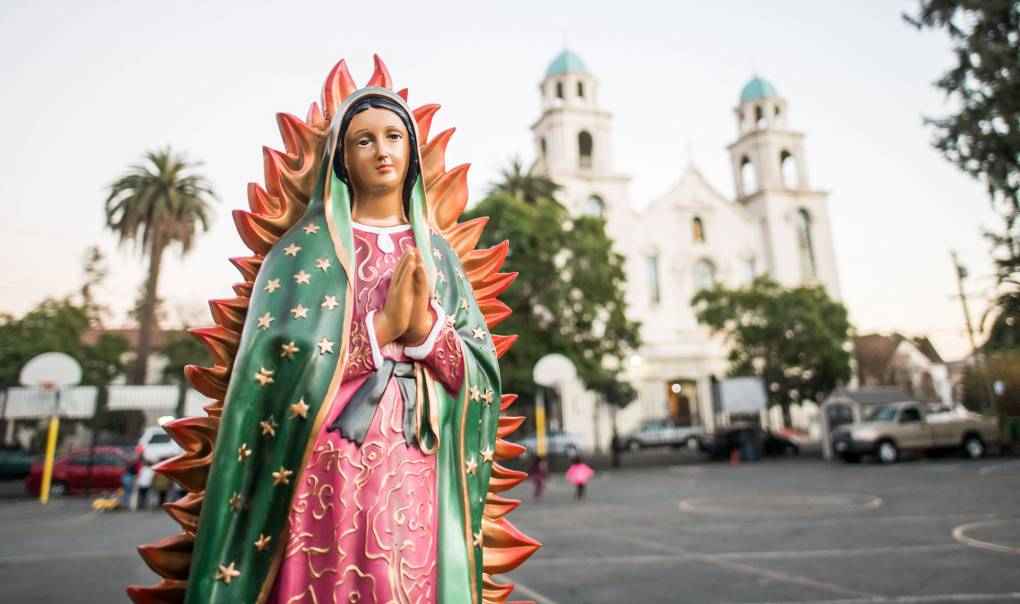
"caption": "A statue of Our Lady of Guadalupe outside of St. Elizabeth Church in Oakland on Dec. 10, 2020.",
"description": "A statue of Our Lady of Guadalupe outside of St. Elizabeth Church in Oakland on Dec. 10, 2020.",
"title": "Guadalupe_Oakland_main",
"credit": "Beth LaBerge/KQED",
"status": "inherit",
"altTag": null,
"isLoading": false,
"fetchFailed": false
},
"news_11849837": {
"type": "attachments",
"id": "news_11849837",
"meta": {
"index": "attachments_1716263798",
"site": "news",
"id": "11849837",
"found": true
},
"parent": 11849825,
"imgSizes": {
"apple_news_ca_landscape_5_5": {
"file": "https://ww2.kqed.org/app/uploads/sites/10/2020/12/MARQUEE-809C-1044x720.jpg",
"width": 1044,
"mimeType": "image/jpeg",
"height": 720
},
"apple_news_ca_square_4_0": {
"file": "https://ww2.kqed.org/app/uploads/sites/10/2020/12/MARQUEE-809C-470x470.jpg",
"width": 470,
"mimeType": "image/jpeg",
"height": 470
},
"twentyfourteen-full-width": {
"file": "https://ww2.kqed.org/app/uploads/sites/10/2020/12/MARQUEE-809C-1038x576.jpg",
"width": 1038,
"mimeType": "image/jpeg",
"height": 576
},
"thumbnail": {
"file": "https://ww2.kqed.org/app/uploads/sites/10/2020/12/MARQUEE-809C-160x90.jpg",
"width": 160,
"mimeType": "image/jpeg",
"height": 90
},
"post-thumbnail": {
"file": "https://ww2.kqed.org/app/uploads/sites/10/2020/12/MARQUEE-809C-672x372.jpg",
"width": 672,
"mimeType": "image/jpeg",
"height": 372
},
"kqedFullSize": {
"file": "https://ww2.kqed.org/app/uploads/sites/10/2020/12/MARQUEE-809C.jpg",
"width": 1280,
"height": 720
},
"apple_news_ca_landscape_4_7": {
"file": "https://ww2.kqed.org/app/uploads/sites/10/2020/12/MARQUEE-809C-632x474.jpg",
"width": 632,
"mimeType": "image/jpeg",
"height": 474
},
"large": {
"file": "https://ww2.kqed.org/app/uploads/sites/10/2020/12/MARQUEE-809C-1020x574.jpg",
"width": 1020,
"mimeType": "image/jpeg",
"height": 574
},
"apple_news_ca_landscape_4_0": {
"file": "https://ww2.kqed.org/app/uploads/sites/10/2020/12/MARQUEE-809C-536x402.jpg",
"width": 536,
"mimeType": "image/jpeg",
"height": 402
},
"apple_news_ca_portrait_12_9": {
"file": "https://ww2.kqed.org/app/uploads/sites/10/2020/12/MARQUEE-809C-1122x720.jpg",
"width": 1122,
"mimeType": "image/jpeg",
"height": 720
},
"medium": {
"file": "https://ww2.kqed.org/app/uploads/sites/10/2020/12/MARQUEE-809C-800x450.jpg",
"width": 800,
"mimeType": "image/jpeg",
"height": 450
},
"apple_news_ca_portrait_4_0": {
"file": "https://ww2.kqed.org/app/uploads/sites/10/2020/12/MARQUEE-809C-354x472.jpg",
"width": 354,
"mimeType": "image/jpeg",
"height": 472
},
"apple_news_ca_portrait_9_7": {
"file": "https://ww2.kqed.org/app/uploads/sites/10/2020/12/MARQUEE-809C-840x720.jpg",
"width": 840,
"mimeType": "image/jpeg",
"height": 720
},
"apple_news_ca_square_9_7": {
"file": "https://ww2.kqed.org/app/uploads/sites/10/2020/12/MARQUEE-809C-1104x720.jpg",
"width": 1104,
"mimeType": "image/jpeg",
"height": 720
},
"apple_news_ca_portrait_4_7": {
"file": "https://ww2.kqed.org/app/uploads/sites/10/2020/12/MARQUEE-809C-414x552.jpg",
"width": 414,
"mimeType": "image/jpeg",
"height": 552
},
"apple_news_ca_portrait_5_5": {
"file": "https://ww2.kqed.org/app/uploads/sites/10/2020/12/MARQUEE-809C-687x720.jpg",
"width": 687,
"mimeType": "image/jpeg",
"height": 720
},
"apple_news_ca_square_4_7": {
"file": "https://ww2.kqed.org/app/uploads/sites/10/2020/12/MARQUEE-809C-550x550.jpg",
"width": 550,
"mimeType": "image/jpeg",
"height": 550
},
"apple_news_ca_square_5_5": {
"file": "https://ww2.kqed.org/app/uploads/sites/10/2020/12/MARQUEE-809C-912x720.jpg",
"width": 912,
"mimeType": "image/jpeg",
"height": 720
}
},
"publishDate": 1607128763,
"modified": 1607128763,
"caption": null,
"description": null,
"title": "MARQUEE 809C",
"credit": null,
"status": "inherit",
"altTag": null,
"isLoading": false,
"fetchFailed": false
},
"news_11849393": {
"type": "attachments",
"id": "news_11849393",
"meta": {
"index": "attachments_1716263798",
"site": "news",
"id": "11849393",
"found": true
},
"parent": 11848986,
"imgSizes": {
"apple_news_ca_square_4_0": {
"file": "https://ww2.kqed.org/app/uploads/sites/10/2020/12/fridaanddiego-470x470.png",
"width": 470,
"mimeType": "image/png",
"height": 470
},
"twentyfourteen-full-width": {
"file": "https://ww2.kqed.org/app/uploads/sites/10/2020/12/fridaanddiego-906x576.png",
"width": 906,
"mimeType": "image/png",
"height": 576
},
"thumbnail": {
"file": "https://ww2.kqed.org/app/uploads/sites/10/2020/12/fridaanddiego-160x114.png",
"width": 160,
"mimeType": "image/png",
"height": 114
},
"post-thumbnail": {
"file": "https://ww2.kqed.org/app/uploads/sites/10/2020/12/fridaanddiego-672x372.png",
"width": 672,
"mimeType": "image/png",
"height": 372
},
"kqedFullSize": {
"file": "https://ww2.kqed.org/app/uploads/sites/10/2020/12/fridaanddiego.png",
"width": 906,
"height": 647
},
"apple_news_ca_landscape_4_7": {
"file": "https://ww2.kqed.org/app/uploads/sites/10/2020/12/fridaanddiego-632x474.png",
"width": 632,
"mimeType": "image/png",
"height": 474
},
"apple_news_ca_landscape_4_0": {
"file": "https://ww2.kqed.org/app/uploads/sites/10/2020/12/fridaanddiego-536x402.png",
"width": 536,
"mimeType": "image/png",
"height": 402
},
"medium": {
"file": "https://ww2.kqed.org/app/uploads/sites/10/2020/12/fridaanddiego-800x571.png",
"width": 800,
"mimeType": "image/png",
"height": 571
},
"apple_news_ca_portrait_4_0": {
"file": "https://ww2.kqed.org/app/uploads/sites/10/2020/12/fridaanddiego-354x472.png",
"width": 354,
"mimeType": "image/png",
"height": 472
},
"apple_news_ca_portrait_9_7": {
"file": "https://ww2.kqed.org/app/uploads/sites/10/2020/12/fridaanddiego-840x647.png",
"width": 840,
"mimeType": "image/png",
"height": 647
},
"apple_news_ca_portrait_4_7": {
"file": "https://ww2.kqed.org/app/uploads/sites/10/2020/12/fridaanddiego-414x552.png",
"width": 414,
"mimeType": "image/png",
"height": 552
},
"apple_news_ca_portrait_5_5": {
"file": "https://ww2.kqed.org/app/uploads/sites/10/2020/12/fridaanddiego-687x647.png",
"width": 687,
"mimeType": "image/png",
"height": 647
},
"apple_news_ca_square_4_7": {
"file": "https://ww2.kqed.org/app/uploads/sites/10/2020/12/fridaanddiego-550x550.png",
"width": 550,
"mimeType": "image/png",
"height": 550
}
},
"publishDate": 1606947203,
"modified": 1606947226,
"caption": "Frida Kahlo and Diego Rivera lived in the studio of sculptor Ralph Stackpole, on Montgomery Street, San Francisco. ",
"description": null,
"title": "fridaanddiego",
"credit": "Paul A. Juley/Archives of American Art, Smithsonian Institution",
"status": "inherit",
"altTag": null,
"isLoading": false,
"fetchFailed": false
},
"news_11848894": {
"type": "attachments",
"id": "news_11848894",
"meta": {
"index": "attachments_1716263798",
"site": "news",
"id": "11848894",
"found": true
},
"parent": 11848881,
"imgSizes": {
"apple_news_ca_landscape_5_5": {
"file": "https://ww2.kqed.org/app/uploads/sites/10/2020/11/reading-fun-1044x783.png",
"width": 1044,
"mimeType": "image/png",
"height": 783
},
"apple_news_ca_square_4_0": {
"file": "https://ww2.kqed.org/app/uploads/sites/10/2020/11/reading-fun-470x470.png",
"width": 470,
"mimeType": "image/png",
"height": 470
},
"twentyfourteen-full-width": {
"file": "https://ww2.kqed.org/app/uploads/sites/10/2020/11/reading-fun-1038x576.png",
"width": 1038,
"mimeType": "image/png",
"height": 576
},
"thumbnail": {
"file": "https://ww2.kqed.org/app/uploads/sites/10/2020/11/reading-fun-160x107.png",
"width": 160,
"mimeType": "image/png",
"height": 107
},
"post-thumbnail": {
"file": "https://ww2.kqed.org/app/uploads/sites/10/2020/11/reading-fun-672x372.png",
"width": 672,
"mimeType": "image/png",
"height": 372
},
"kqedFullSize": {
"file": "https://ww2.kqed.org/app/uploads/sites/10/2020/11/reading-fun.png",
"width": 1920,
"height": 1280
},
"apple_news_ca_landscape_4_7": {
"file": "https://ww2.kqed.org/app/uploads/sites/10/2020/11/reading-fun-632x474.png",
"width": 632,
"mimeType": "image/png",
"height": 474
},
"large": {
"file": "https://ww2.kqed.org/app/uploads/sites/10/2020/11/reading-fun-1020x680.png",
"width": 1020,
"mimeType": "image/png",
"height": 680
},
"apple_news_ca_landscape_4_0": {
"file": "https://ww2.kqed.org/app/uploads/sites/10/2020/11/reading-fun-536x402.png",
"width": 536,
"mimeType": "image/png",
"height": 402
},
"apple_news_ca_portrait_12_9": {
"file": "https://ww2.kqed.org/app/uploads/sites/10/2020/11/reading-fun-1122x1280.png",
"width": 1122,
"mimeType": "image/png",
"height": 1280
},
"medium": {
"file": "https://ww2.kqed.org/app/uploads/sites/10/2020/11/reading-fun-800x533.png",
"width": 800,
"mimeType": "image/png",
"height": 533
},
"apple_news_ca_portrait_4_0": {
"file": "https://ww2.kqed.org/app/uploads/sites/10/2020/11/reading-fun-354x472.png",
"width": 354,
"mimeType": "image/png",
"height": 472
},
"apple_news_ca_portrait_9_7": {
"file": "https://ww2.kqed.org/app/uploads/sites/10/2020/11/reading-fun-840x1120.png",
"width": 840,
"mimeType": "image/png",
"height": 1120
},
"apple_news_ca_landscape_12_9": {
"file": "https://ww2.kqed.org/app/uploads/sites/10/2020/11/reading-fun-1832x1280.png",
"width": 1832,
"mimeType": "image/png",
"height": 1280
},
"apple_news_ca_square_9_7": {
"file": "https://ww2.kqed.org/app/uploads/sites/10/2020/11/reading-fun-1104x1104.png",
"width": 1104,
"mimeType": "image/png",
"height": 1104
},
"1536x1536": {
"file": "https://ww2.kqed.org/app/uploads/sites/10/2020/11/reading-fun-1536x1024.png",
"width": 1536,
"mimeType": "image/png",
"height": 1024
},
"apple_news_ca_portrait_4_7": {
"file": "https://ww2.kqed.org/app/uploads/sites/10/2020/11/reading-fun-414x552.png",
"width": 414,
"mimeType": "image/png",
"height": 552
},
"apple_news_ca_square_12_9": {
"file": "https://ww2.kqed.org/app/uploads/sites/10/2020/11/reading-fun-1472x1280.png",
"width": 1472,
"mimeType": "image/png",
"height": 1280
},
"apple_news_ca_portrait_5_5": {
"file": "https://ww2.kqed.org/app/uploads/sites/10/2020/11/reading-fun-687x916.png",
"width": 687,
"mimeType": "image/png",
"height": 916
},
"apple_news_ca_square_4_7": {
"file": "https://ww2.kqed.org/app/uploads/sites/10/2020/11/reading-fun-550x550.png",
"width": 550,
"mimeType": "image/png",
"height": 550
},
"apple_news_ca_landscape_9_7": {
"file": "https://ww2.kqed.org/app/uploads/sites/10/2020/11/reading-fun-1376x1032.png",
"width": 1376,
"mimeType": "image/png",
"height": 1032
},
"apple_news_ca_square_5_5": {
"file": "https://ww2.kqed.org/app/uploads/sites/10/2020/11/reading-fun-912x912.png",
"width": 912,
"mimeType": "image/png",
"height": 912
}
},
"publishDate": 1606351760,
"modified": 1606351834,
"caption": "If you're lucky enough to have time to pause this Thanksgiving weekend, may we suggest some stories to enjoy?",
"description": null,
"title": "reading-fun",
"credit": "Photo by Andrea Piacquadio/Pexels",
"status": "inherit",
"isLoading": false,
"fetchFailed": false
},
"news_11848236": {
"type": "attachments",
"id": "news_11848236",
"meta": {
"index": "attachments_1716263798",
"site": "news",
"id": "11848236",
"found": true
},
"parent": 11848231,
"imgSizes": {
"apple_news_ca_landscape_5_5": {
"file": "https://ww2.kqed.org/app/uploads/sites/10/2020/11/1920KH-1044x783.jpg",
"width": 1044,
"mimeType": "image/jpeg",
"height": 783
},
"apple_news_ca_square_4_0": {
"file": "https://ww2.kqed.org/app/uploads/sites/10/2020/11/1920KH-470x470.jpg",
"width": 470,
"mimeType": "image/jpeg",
"height": 470
},
"twentyfourteen-full-width": {
"file": "https://ww2.kqed.org/app/uploads/sites/10/2020/11/1920KH-1038x576.jpg",
"width": 1038,
"mimeType": "image/jpeg",
"height": 576
},
"thumbnail": {
"file": "https://ww2.kqed.org/app/uploads/sites/10/2020/11/1920KH-160x90.jpg",
"width": 160,
"mimeType": "image/jpeg",
"height": 90
},
"post-thumbnail": {
"file": "https://ww2.kqed.org/app/uploads/sites/10/2020/11/1920KH-672x372.jpg",
"width": 672,
"mimeType": "image/jpeg",
"height": 372
},
"kqedFullSize": {
"file": "https://ww2.kqed.org/app/uploads/sites/10/2020/11/1920KH.jpg",
"width": 1393,
"height": 784
},
"apple_news_ca_landscape_4_7": {
"file": "https://ww2.kqed.org/app/uploads/sites/10/2020/11/1920KH-632x474.jpg",
"width": 632,
"mimeType": "image/jpeg",
"height": 474
},
"large": {
"file": "https://ww2.kqed.org/app/uploads/sites/10/2020/11/1920KH-1020x574.jpg",
"width": 1020,
"mimeType": "image/jpeg",
"height": 574
},
"apple_news_ca_landscape_4_0": {
"file": "https://ww2.kqed.org/app/uploads/sites/10/2020/11/1920KH-536x402.jpg",
"width": 536,
"mimeType": "image/jpeg",
"height": 402
},
"apple_news_ca_portrait_12_9": {
"file": "https://ww2.kqed.org/app/uploads/sites/10/2020/11/1920KH-1122x784.jpg",
"width": 1122,
"mimeType": "image/jpeg",
"height": 784
},
"medium": {
"file": "https://ww2.kqed.org/app/uploads/sites/10/2020/11/1920KH-800x450.jpg",
"width": 800,
"mimeType": "image/jpeg",
"height": 450
},
"apple_news_ca_portrait_4_0": {
"file": "https://ww2.kqed.org/app/uploads/sites/10/2020/11/1920KH-354x472.jpg",
"width": 354,
"mimeType": "image/jpeg",
"height": 472
},
"apple_news_ca_portrait_9_7": {
"file": "https://ww2.kqed.org/app/uploads/sites/10/2020/11/1920KH-840x784.jpg",
"width": 840,
"mimeType": "image/jpeg",
"height": 784
},
"apple_news_ca_square_9_7": {
"file": "https://ww2.kqed.org/app/uploads/sites/10/2020/11/1920KH-1104x784.jpg",
"width": 1104,
"mimeType": "image/jpeg",
"height": 784
},
"apple_news_ca_portrait_4_7": {
"file": "https://ww2.kqed.org/app/uploads/sites/10/2020/11/1920KH-414x552.jpg",
"width": 414,
"mimeType": "image/jpeg",
"height": 552
},
"apple_news_ca_portrait_5_5": {
"file": "https://ww2.kqed.org/app/uploads/sites/10/2020/11/1920KH-687x784.jpg",
"width": 687,
"mimeType": "image/jpeg",
"height": 784
},
"apple_news_ca_square_4_7": {
"file": "https://ww2.kqed.org/app/uploads/sites/10/2020/11/1920KH-550x550.jpg",
"width": 550,
"mimeType": "image/jpeg",
"height": 550
},
"apple_news_ca_landscape_9_7": {
"file": "https://ww2.kqed.org/app/uploads/sites/10/2020/11/1920KH-1376x784.jpg",
"width": 1376,
"mimeType": "image/jpeg",
"height": 784
},
"apple_news_ca_square_5_5": {
"file": "https://ww2.kqed.org/app/uploads/sites/10/2020/11/1920KH-912x784.jpg",
"width": 912,
"mimeType": "image/jpeg",
"height": 784
}
},
"publishDate": 1605891327,
"modified": 1605891642,
"caption": "As part of a collaboration between artist Hanifa Abdul Hameed, Nik Dodani, Vineet Chhibber and Meena Harris' brand Phenomenal.",
"description": null,
"title": "1920KH",
"credit": "Courtesy of Hanifa Abdul Hameed",
"status": "inherit",
"isLoading": false,
"fetchFailed": false
},
"news_11848398": {
"type": "attachments",
"id": "news_11848398",
"meta": {
"index": "attachments_1716263798",
"site": "news",
"id": "11848398",
"found": true
},
"parent": 11848262,
"imgSizes": {
"apple_news_ca_landscape_5_5": {
"file": "https://ww2.kqed.org/app/uploads/sites/10/2020/11/marquee_FINAL-1044x720.jpg",
"width": 1044,
"mimeType": "image/jpeg",
"height": 720
},
"apple_news_ca_square_4_0": {
"file": "https://ww2.kqed.org/app/uploads/sites/10/2020/11/marquee_FINAL-470x470.jpg",
"width": 470,
"mimeType": "image/jpeg",
"height": 470
},
"twentyfourteen-full-width": {
"file": "https://ww2.kqed.org/app/uploads/sites/10/2020/11/marquee_FINAL-1038x576.jpg",
"width": 1038,
"mimeType": "image/jpeg",
"height": 576
},
"thumbnail": {
"file": "https://ww2.kqed.org/app/uploads/sites/10/2020/11/marquee_FINAL-160x90.jpg",
"width": 160,
"mimeType": "image/jpeg",
"height": 90
},
"post-thumbnail": {
"file": "https://ww2.kqed.org/app/uploads/sites/10/2020/11/marquee_FINAL-672x372.jpg",
"width": 672,
"mimeType": "image/jpeg",
"height": 372
},
"kqedFullSize": {
"file": "https://ww2.kqed.org/app/uploads/sites/10/2020/11/marquee_FINAL.jpg",
"width": 1280,
"height": 720
},
"apple_news_ca_landscape_4_7": {
"file": "https://ww2.kqed.org/app/uploads/sites/10/2020/11/marquee_FINAL-632x474.jpg",
"width": 632,
"mimeType": "image/jpeg",
"height": 474
},
"large": {
"file": "https://ww2.kqed.org/app/uploads/sites/10/2020/11/marquee_FINAL-1020x574.jpg",
"width": 1020,
"mimeType": "image/jpeg",
"height": 574
},
"apple_news_ca_landscape_4_0": {
"file": "https://ww2.kqed.org/app/uploads/sites/10/2020/11/marquee_FINAL-536x402.jpg",
"width": 536,
"mimeType": "image/jpeg",
"height": 402
},
"apple_news_ca_portrait_12_9": {
"file": "https://ww2.kqed.org/app/uploads/sites/10/2020/11/marquee_FINAL-1122x720.jpg",
"width": 1122,
"mimeType": "image/jpeg",
"height": 720
},
"medium": {
"file": "https://ww2.kqed.org/app/uploads/sites/10/2020/11/marquee_FINAL-800x450.jpg",
"width": 800,
"mimeType": "image/jpeg",
"height": 450
},
"apple_news_ca_portrait_4_0": {
"file": "https://ww2.kqed.org/app/uploads/sites/10/2020/11/marquee_FINAL-354x472.jpg",
"width": 354,
"mimeType": "image/jpeg",
"height": 472
},
"apple_news_ca_portrait_9_7": {
"file": "https://ww2.kqed.org/app/uploads/sites/10/2020/11/marquee_FINAL-840x720.jpg",
"width": 840,
"mimeType": "image/jpeg",
"height": 720
},
"apple_news_ca_square_9_7": {
"file": "https://ww2.kqed.org/app/uploads/sites/10/2020/11/marquee_FINAL-1104x720.jpg",
"width": 1104,
"mimeType": "image/jpeg",
"height": 720
},
"apple_news_ca_portrait_4_7": {
"file": "https://ww2.kqed.org/app/uploads/sites/10/2020/11/marquee_FINAL-414x552.jpg",
"width": 414,
"mimeType": "image/jpeg",
"height": 552
},
"apple_news_ca_portrait_5_5": {
"file": "https://ww2.kqed.org/app/uploads/sites/10/2020/11/marquee_FINAL-687x720.jpg",
"width": 687,
"mimeType": "image/jpeg",
"height": 720
},
"apple_news_ca_square_4_7": {
"file": "https://ww2.kqed.org/app/uploads/sites/10/2020/11/marquee_FINAL-550x550.jpg",
"width": 550,
"mimeType": "image/jpeg",
"height": 550
},
"apple_news_ca_square_5_5": {
"file": "https://ww2.kqed.org/app/uploads/sites/10/2020/11/marquee_FINAL-912x720.jpg",
"width": 912,
"mimeType": "image/jpeg",
"height": 720
}
},
"publishDate": 1605920398,
"modified": 1605920398,
"caption": null,
"description": null,
"title": "marquee_FINAL",
"credit": null,
"status": "inherit",
"isLoading": false,
"fetchFailed": false
},
"news_11847515": {
"type": "attachments",
"id": "news_11847515",
"meta": {
"index": "attachments_1716263798",
"site": "news",
"id": "11847515",
"found": true
},
"parent": 11847422,
"imgSizes": {
"apple_news_ca_landscape_5_5": {
"file": "https://ww2.kqed.org/app/uploads/sites/10/2020/11/MARQUEE-KOUNALAKIS-807-1044x783.jpg",
"width": 1044,
"mimeType": "image/jpeg",
"height": 783
},
"apple_news_ca_square_4_0": {
"file": "https://ww2.kqed.org/app/uploads/sites/10/2020/11/MARQUEE-KOUNALAKIS-807-470x470.jpg",
"width": 470,
"mimeType": "image/jpeg",
"height": 470
},
"twentyfourteen-full-width": {
"file": "https://ww2.kqed.org/app/uploads/sites/10/2020/11/MARQUEE-KOUNALAKIS-807-1038x576.jpg",
"width": 1038,
"mimeType": "image/jpeg",
"height": 576
},
"thumbnail": {
"file": "https://ww2.kqed.org/app/uploads/sites/10/2020/11/MARQUEE-KOUNALAKIS-807-160x90.jpg",
"width": 160,
"mimeType": "image/jpeg",
"height": 90
},
"post-thumbnail": {
"file": "https://ww2.kqed.org/app/uploads/sites/10/2020/11/MARQUEE-KOUNALAKIS-807-672x372.jpg",
"width": 672,
"mimeType": "image/jpeg",
"height": 372
},
"kqedFullSize": {
"file": "https://ww2.kqed.org/app/uploads/sites/10/2020/11/MARQUEE-KOUNALAKIS-807.jpg",
"width": 1920,
"height": 1080
},
"apple_news_ca_landscape_4_7": {
"file": "https://ww2.kqed.org/app/uploads/sites/10/2020/11/MARQUEE-KOUNALAKIS-807-632x474.jpg",
"width": 632,
"mimeType": "image/jpeg",
"height": 474
},
"large": {
"file": "https://ww2.kqed.org/app/uploads/sites/10/2020/11/MARQUEE-KOUNALAKIS-807-1020x574.jpg",
"width": 1020,
"mimeType": "image/jpeg",
"height": 574
},
"apple_news_ca_landscape_4_0": {
"file": "https://ww2.kqed.org/app/uploads/sites/10/2020/11/MARQUEE-KOUNALAKIS-807-536x402.jpg",
"width": 536,
"mimeType": "image/jpeg",
"height": 402
},
"apple_news_ca_portrait_12_9": {
"file": "https://ww2.kqed.org/app/uploads/sites/10/2020/11/MARQUEE-KOUNALAKIS-807-1122x1080.jpg",
"width": 1122,
"mimeType": "image/jpeg",
"height": 1080
},
"medium": {
"file": "https://ww2.kqed.org/app/uploads/sites/10/2020/11/MARQUEE-KOUNALAKIS-807-800x450.jpg",
"width": 800,
"mimeType": "image/jpeg",
"height": 450
},
"apple_news_ca_portrait_4_0": {
"file": "https://ww2.kqed.org/app/uploads/sites/10/2020/11/MARQUEE-KOUNALAKIS-807-354x472.jpg",
"width": 354,
"mimeType": "image/jpeg",
"height": 472
},
"apple_news_ca_portrait_9_7": {
"file": "https://ww2.kqed.org/app/uploads/sites/10/2020/11/MARQUEE-KOUNALAKIS-807-840x1080.jpg",
"width": 840,
"mimeType": "image/jpeg",
"height": 1080
},
"apple_news_ca_landscape_12_9": {
"file": "https://ww2.kqed.org/app/uploads/sites/10/2020/11/MARQUEE-KOUNALAKIS-807-1832x1080.jpg",
"width": 1832,
"mimeType": "image/jpeg",
"height": 1080
},
"apple_news_ca_square_9_7": {
"file": "https://ww2.kqed.org/app/uploads/sites/10/2020/11/MARQUEE-KOUNALAKIS-807-1104x1080.jpg",
"width": 1104,
"mimeType": "image/jpeg",
"height": 1080
},
"1536x1536": {
"file": "https://ww2.kqed.org/app/uploads/sites/10/2020/11/MARQUEE-KOUNALAKIS-807-1536x864.jpg",
"width": 1536,
"mimeType": "image/jpeg",
"height": 864
},
"apple_news_ca_portrait_4_7": {
"file": "https://ww2.kqed.org/app/uploads/sites/10/2020/11/MARQUEE-KOUNALAKIS-807-414x552.jpg",
"width": 414,
"mimeType": "image/jpeg",
"height": 552
},
"apple_news_ca_square_12_9": {
"file": "https://ww2.kqed.org/app/uploads/sites/10/2020/11/MARQUEE-KOUNALAKIS-807-1472x1080.jpg",
"width": 1472,
"mimeType": "image/jpeg",
"height": 1080
},
"apple_news_ca_portrait_5_5": {
"file": "https://ww2.kqed.org/app/uploads/sites/10/2020/11/MARQUEE-KOUNALAKIS-807-687x916.jpg",
"width": 687,
"mimeType": "image/jpeg",
"height": 916
},
"apple_news_ca_square_4_7": {
"file": "https://ww2.kqed.org/app/uploads/sites/10/2020/11/MARQUEE-KOUNALAKIS-807-550x550.jpg",
"width": 550,
"mimeType": "image/jpeg",
"height": 550
},
"apple_news_ca_landscape_9_7": {
"file": "https://ww2.kqed.org/app/uploads/sites/10/2020/11/MARQUEE-KOUNALAKIS-807-1376x1032.jpg",
"width": 1376,
"mimeType": "image/jpeg",
"height": 1032
},
"apple_news_ca_square_5_5": {
"file": "https://ww2.kqed.org/app/uploads/sites/10/2020/11/MARQUEE-KOUNALAKIS-807-912x912.jpg",
"width": 912,
"mimeType": "image/jpeg",
"height": 912
}
},
"publishDate": 1605314860,
"modified": 1605314860,
"caption": null,
"description": null,
"title": "MARQUEE KOUNALAKIS 807",
"credit": null,
"status": "inherit",
"isLoading": false,
"fetchFailed": false
}
},
"audioPlayerReducer": {
"postId": "stream_live",
"isPaused": true,
"isPlaying": false,
"pfsActive": false,
"pledgeModalIsOpen": true,
"playerDrawerIsOpen": false,
"liveAudioPlayStartedAt": 0,
"liveAudioPlayContext": ""
},
"authorsReducer": {
"byline_news_11853439": {
"type": "authors",
"id": "byline_news_11853439",
"meta": {
"override": true
},
"slug": "byline_news_11853439",
"name": "\u003ca href=\"https://www.npr.org/people/3850482/neda-ulaby\">Neda Ulaby\u003c/a>",
"isLoading": false
},
"kqed": {
"type": "authors",
"id": "236",
"meta": {
"index": "authors_1716337520",
"id": "236",
"found": true
},
"name": "KQED News Staff",
"firstName": "KQED News Staff",
"lastName": null,
"slug": "kqed",
"email": "faq@kqed.org",
"display_author_email": false,
"staff_mastheads": [],
"title": null,
"bio": null,
"avatar": "https://secure.gravatar.com/avatar/ef0e801a68c4c54afa9180db14084167?s=600&d=blank&r=g",
"twitter": null,
"facebook": null,
"instagram": null,
"linkedin": null,
"sites": [
{
"site": "arts",
"roles": [
"contributor"
]
},
{
"site": "news",
"roles": [
"editor"
]
},
{
"site": "futureofyou",
"roles": [
"author"
]
}
],
"headData": {
"title": "KQED News Staff | KQED",
"description": null,
"ogImgSrc": "https://secure.gravatar.com/avatar/ef0e801a68c4c54afa9180db14084167?s=600&d=blank&r=g",
"twImgSrc": "https://secure.gravatar.com/avatar/ef0e801a68c4c54afa9180db14084167?s=600&d=blank&r=g"
},
"isLoading": false,
"link": "/author/kqed"
},
"carlysevern": {
"type": "authors",
"id": "3243",
"meta": {
"index": "authors_1716337520",
"id": "3243",
"found": true
},
"name": "Carly Severn",
"firstName": "Carly",
"lastName": "Severn",
"slug": "carlysevern",
"email": "csevern@kqed.org",
"display_author_email": false,
"staff_mastheads": [
"news"
],
"title": "Senior Editor, Audience News ",
"bio": "Carly is KQED's Senior Editor of Audience News on the Digital News team, and has reported for the California Report Magazine, Bay Curious and KQED Arts. She's formerly the host of \u003ca href=\"http://ww2.kqed.org/pop/category/the-cooler/\" rel=\"noopener noreferrer\">The Cooler\u003c/a> podcast.",
"avatar": "https://secure.gravatar.com/avatar/54037bf5c128fe678f0ef26cec97a93f2e7f220a22d7285703328f12c42c1b1d?s=600&d=blank&r=g",
"twitter": "teacupinthebay",
"bluesky": null,
"facebook": null,
"instagram": null,
"linkedin": null,
"sites": [
{
"site": "",
"roles": [
"editor"
]
},
{
"site": "arts",
"roles": [
"editor"
]
},
{
"site": "news",
"roles": [
"administrator"
]
},
{
"site": "pop",
"roles": [
"editor"
]
},
{
"site": "futureofyou",
"roles": [
"editor"
]
},
{
"site": "about",
"roles": [
"administrator"
]
},
{
"site": "mindshift",
"roles": [
"editor"
]
},
{
"site": "bayareabites",
"roles": [
"editor"
]
},
{
"site": "stateofhealth",
"roles": [
"editor"
]
},
{
"site": "science",
"roles": [
"editor"
]
},
{
"site": "food",
"roles": [
"contributor"
]
},
{
"site": "forum",
"roles": [
"editor"
]
},
{
"site": "perspectives",
"roles": [
"administrator"
]
},
{
"site": "liveblog",
"roles": [
"editor"
]
}
],
"headData": {
"title": "Carly Severn | KQED",
"description": "Senior Editor, Audience News ",
"ogImgSrc": "https://secure.gravatar.com/avatar/54037bf5c128fe678f0ef26cec97a93f2e7f220a22d7285703328f12c42c1b1d?s=600&d=blank&r=g",
"twImgSrc": "https://secure.gravatar.com/avatar/54037bf5c128fe678f0ef26cec97a93f2e7f220a22d7285703328f12c42c1b1d?s=600&d=blank&r=g"
},
"isLoading": false,
"link": "/author/carlysevern"
},
"fjhabvala": {
"type": "authors",
"id": "8659",
"meta": {
"index": "authors_1716337520",
"id": "8659",
"found": true
},
"name": "Farida Jhabvala Romero",
"firstName": "Farida",
"lastName": "Jhabvala Romero",
"slug": "fjhabvala",
"email": "fjhabvala@kqed.org",
"display_author_email": true,
"staff_mastheads": [
"news"
],
"title": "KQED Contributor",
"bio": "Farida Jhabvala Romero is a Labor Correspondent for KQED. She previously covered immigration. Farida was \u003ca href=\"https://www.ccnma.org/2022-most-influential-latina-journalists\">named\u003c/a> one of the 10 Most Influential Latina Journalists in California in 2022 by the California Chicano News Media Association. Her work has won awards from the Society of Professional Journalists (Northern California), as well as a national and regional Edward M. Murrow Award for the collaborative reporting projects “Dangerous Air” and “Graying California.” Before joining KQED, Farida worked as a producer at Radio Bilingüe, a national public radio network. Farida earned her master’s degree in journalism from Stanford University.",
"avatar": "https://secure.gravatar.com/avatar/f9f022d4e2609741874222a1e9d41f48fea74011aa7c615eef91d9a50c944ebe?s=600&d=blank&r=g",
"twitter": "FaridaJhabvala",
"bluesky": null,
"facebook": null,
"instagram": null,
"linkedin": "https://www.linkedin.com/in/faridajhabvala/",
"sites": [
{
"site": "news",
"roles": [
"editor"
]
},
{
"site": "stateofhealth",
"roles": [
"author"
]
},
{
"site": "liveblog",
"roles": [
"author"
]
}
],
"headData": {
"title": "Farida Jhabvala Romero | KQED",
"description": "KQED Contributor",
"ogImgSrc": "https://secure.gravatar.com/avatar/f9f022d4e2609741874222a1e9d41f48fea74011aa7c615eef91d9a50c944ebe?s=600&d=blank&r=g",
"twImgSrc": "https://secure.gravatar.com/avatar/f9f022d4e2609741874222a1e9d41f48fea74011aa7c615eef91d9a50c944ebe?s=600&d=blank&r=g"
},
"isLoading": false,
"link": "/author/fjhabvala"
},
"mmedina": {
"type": "authors",
"id": "11528",
"meta": {
"index": "authors_1716337520",
"id": "11528",
"found": true
},
"name": "Marisol Medina-Cadena",
"firstName": "Marisol",
"lastName": "Medina-Cadena",
"slug": "mmedina",
"email": "mmedina@KQED.org",
"display_author_email": true,
"staff_mastheads": [],
"title": "Producer, Rightnowish Podcast",
"bio": "Marisol Medina-Cadena is a radio reporter and podcast producer. Before working at KQED, she produced for PBS member station, KCET, in Los Angeles. In 2017, Marisol won an Emmy Award for her work on the televised documentary, \u003cem>City Rising\u003c/em>, examining California's affordable housing crisis and the historical roots of gentrification.",
"avatar": "https://secure.gravatar.com/avatar/6c3db46a1cabb5e1fe9a365b5f4e681e?s=600&d=blank&r=g",
"twitter": "marisolreports",
"facebook": null,
"instagram": null,
"linkedin": null,
"sites": [
{
"site": "arts",
"roles": []
},
{
"site": "news",
"roles": [
"edit_others_posts"
]
}
],
"headData": {
"title": "Marisol Medina-Cadena | KQED",
"description": "Producer, Rightnowish Podcast",
"ogImgSrc": "https://secure.gravatar.com/avatar/6c3db46a1cabb5e1fe9a365b5f4e681e?s=600&d=blank&r=g",
"twImgSrc": "https://secure.gravatar.com/avatar/6c3db46a1cabb5e1fe9a365b5f4e681e?s=600&d=blank&r=g"
},
"isLoading": false,
"link": "/author/mmedina"
},
"lsarah": {
"type": "authors",
"id": "11626",
"meta": {
"index": "authors_1716337520",
"id": "11626",
"found": true
},
"name": "Lakshmi Sarah",
"firstName": "Lakshmi",
"lastName": "Sarah",
"slug": "lsarah",
"email": "lsarah@kqed.org",
"display_author_email": false,
"staff_mastheads": [],
"title": "Digital Producer",
"bio": "Lakshmi Sarah is an educator, author and journalist with a focus on innovative storytelling. She has worked with newspapers, radio and magazines from Ahmedabad, India to Los Angeles, California. She has written and produced for Die Zeit, Global Voices, AJ+, KQED, Fusion Media Group and the New York Times.",
"avatar": "https://secure.gravatar.com/avatar/652dcaecd8b28826fc17a8b2d6bb4e93?s=600&d=blank&r=g",
"twitter": "lakitalki",
"facebook": null,
"instagram": "https://www.instagram.com/laki.talki/",
"linkedin": "https://www.linkedin.com/in/lakisarah/",
"sites": [
{
"site": "arts",
"roles": []
},
{
"site": "news",
"roles": []
},
{
"site": "bayareabites",
"roles": []
},
{
"site": "science",
"roles": []
}
],
"headData": {
"title": "Lakshmi Sarah | KQED",
"description": "Digital Producer",
"ogImgSrc": "https://secure.gravatar.com/avatar/652dcaecd8b28826fc17a8b2d6bb4e93?s=600&d=blank&r=g",
"twImgSrc": "https://secure.gravatar.com/avatar/652dcaecd8b28826fc17a8b2d6bb4e93?s=600&d=blank&r=g"
},
"isLoading": false,
"link": "/author/lsarah"
},
"blaberge": {
"type": "authors",
"id": "11667",
"meta": {
"index": "authors_1716337520",
"id": "11667",
"found": true
},
"name": "Beth LaBerge",
"firstName": "Beth",
"lastName": "LaBerge",
"slug": "blaberge",
"email": "blaberge@KQED.org",
"display_author_email": true,
"staff_mastheads": [
"news"
],
"title": "Photographer, News",
"bio": "Beth LaBerge is a visual journalist for \u003ca href=\"https://www.kqed.org/news\">KQED News\u003c/a>.",
"avatar": "https://secure.gravatar.com/avatar/ce49ecd7a1306685637b45a1f6f5dedfc4ae9481966eb596fea5160466dd6319?s=600&d=blank&r=g",
"twitter": null,
"bluesky": null,
"facebook": null,
"instagram": "https://www.instagram.com/bethlaberge/",
"linkedin": null,
"sites": [
{
"site": "arts",
"roles": [
"editor",
"manage_categories"
]
},
{
"site": "news",
"roles": [
"editor",
"edit_plugins",
"manage_categories"
]
},
{
"site": "science",
"roles": [
"editor",
"contributor",
"author",
"manage_categories"
]
},
{
"site": "perspectives",
"roles": [
"editor"
]
},
{
"site": "liveblog",
"roles": [
"editor"
]
}
],
"headData": {
"title": "Beth LaBerge | KQED",
"description": "Photographer, News",
"ogImgSrc": "https://secure.gravatar.com/avatar/ce49ecd7a1306685637b45a1f6f5dedfc4ae9481966eb596fea5160466dd6319?s=600&d=blank&r=g",
"twImgSrc": "https://secure.gravatar.com/avatar/ce49ecd7a1306685637b45a1f6f5dedfc4ae9481966eb596fea5160466dd6319?s=600&d=blank&r=g"
},
"isLoading": false,
"link": "/author/blaberge"
}
},
"pagesReducer": {
"news_category_arts-and-culture": {
"type": "terms",
"id": "news_223",
"meta": {
"index": "terms_1716263798",
"site": "news",
"id": "223",
"score": 11.242002
},
"featImg": null,
"name": "Arts and Culture",
"description": null,
"taxonomy": "category",
"headData": {
"twImgId": null,
"twTitle": null,
"ogTitle": null,
"ogImgId": null,
"twDescription": null,
"description": null,
"title": "Arts and Culture Archives | KQED News",
"ogDescription": null
},
"ttid": 231,
"slug": "arts-and-culture",
"isLoading": false,
"title": "Arts and Culture",
"pageMeta": {
"site": "news",
"WpPageTemplate": "page-topic-editorial",
"currentPage": 39
},
"blocks": [
{
"blockName": "kqed/post-list",
"attrs": {
"layout": "cardArticle2",
"query": "posts/news?category=arts-and-culture",
"seeMore": false,
"paginated": true,
"page": 39
}
},
{
"blockName": "kqed/ad"
}
]
}
},
"pfsSessionReducer": {},
"postsReducer": {
"stream_live": {
"type": "live",
"id": "stream_live",
"audioUrl": "https://streams.kqed.org/kqedradio",
"title": "Live Stream",
"excerpt": "Live Stream information currently unavailable.",
"link": "/radio",
"featImg": "",
"label": {
"name": "KQED Live",
"link": "/"
}
},
"stream_kqedNewscast": {
"type": "posts",
"id": "stream_kqedNewscast",
"audioUrl": "https://www.kqed.org/.stream/anon/radio/RDnews/newscast.mp3?_=1",
"title": "KQED Newscast",
"featImg": "",
"label": {
"name": "88.5 FM",
"link": "/"
}
},
"news_11854484": {
"type": "posts",
"id": "news_11854484",
"meta": {
"index": "posts_1716263798",
"site": "news",
"id": "11854484",
"score": null,
"sort": [
1610157121000
]
},
"guestAuthors": [],
"slug": "la-da-george-gascon-covid-19-vaccine-distribution-week-in-politics",
"title": "LA DA George Gascón, COVID-19 Vaccine Distribution, Week in Politics",
"publishDate": 1610157121,
"format": "video",
"headTitle": "LA DA George Gascón, COVID-19 Vaccine Distribution, Week in Politics | KQED",
"labelTerm": {
"term": 7052,
"site": "news"
},
"content": "\u003cp>\u003cb>Los Angeles District Attorney George Gascón\u003cbr>\n\u003c/b>\u003cspan style=\"font-weight: 400\">Did skin color make a difference in the police response to the insurrection in Washington, D.C.? G\u003c/span>\u003cspan style=\"font-weight: 400\">eorge Gascón, the newly elected district attorney of Los Angeles County, says absolutely yes. \u003c/span>\u003cspan style=\"font-weight: 400\">He shares with us his strategy for a more equitable criminal justice system.\u003c/span>\u003c/p>\n\u003cp>\u003cb>California COVID-19 Vaccine Update\u003cbr>\n\u003c/b>\u003cspan style=\"font-weight: 400\">Hundreds of thousands of the new COVID-19 vaccine have been stuck in warehouses or in transit, and Gov. Gavin Newsom has acknowledged that the state needs to do better. We get the latest on vaccine distribution from Stanford University infectious disease expert Dr. Yvonne Maldonado. \u003c/span>\u003c/p>\n\u003cp>\u003cb>Week in Politics: US Capitol Riots and Recall Efforts\u003cbr>\n\u003c/b>\u003cspan style=\"font-weight: 400\">From the armed insurgency at the U.S. Capitol to efforts to recall Gov. Gavin Newsom — we round up the week’s big political stories with KQED’s Scott Shafer and Marisa Lagos.\u003c/span>\u003c/p>\n\u003cp>\u003cb>Something Musical: ‘Georgia on My Mind’\u003cbr>\n\u003c/b>\u003cspan style=\"font-weight: 400\">East Los Angeles-based band Las Cafeteras dedicated a song to promote voter turnout in Georgia’s closely watched U.S. Senate race. It’s their version of Ray Charles’ classic rendition, “Georgia on My Mind,” sung in Spanish and English. Las Cafeteras are known for remixing iconic songs to tell modern-day stories about immigrants and BIPOC communities.\u003c/span>\u003c/p>\n\u003cp>[ad fullwidth]\u003c/p>\u003cp>\u003c/p>\n",
"blocks": [],
"excerpt": null,
"status": "publish",
"parent": 0,
"modified": 1726006788,
"stats": {
"hasAudio": false,
"hasVideo": false,
"hasChartOrMap": false,
"iframeSrcs": [],
"hasGoogleForm": false,
"hasGallery": false,
"hasHearkenModule": false,
"hasPolis": false,
"paragraphCount": 6,
"wordCount": 225
},
"headData": {
"title": "LA DA George Gascón, COVID-19 Vaccine Distribution, Week in Politics | KQED",
"description": "Los Angeles District Attorney George Gascón Did skin color make a difference in the police response to the insurrection in Washington, D.C.? George Gascón, the newly elected district attorney of Los Angeles County, says absolutely yes. He shares with us his strategy for a more equitable criminal justice system. California COVID-19 Vaccine Update Hundreds of thousands of the new COVID-19 vaccine have been stuck in warehouses or in transit, and Gov. Gavin Newsom has acknowledged that the state needs to do better. We get the latest on vaccine distribution from Stanford University infectious disease expert Dr. Yvonne Maldonado. Week in",
"ogTitle": "",
"ogDescription": "",
"ogImgId": "",
"twTitle": "",
"twDescription": "",
"twImgId": "",
"schema": {
"@context": "https://schema.org",
"@type": "NewsArticle",
"headline": "LA DA George Gascón, COVID-19 Vaccine Distribution, Week in Politics",
"datePublished": "2021-01-08T17:52:01-08:00",
"dateModified": "2024-09-10T15:19:48-07:00",
"image": "https://cdn.kqed.org/wp-content/uploads/2020/02/KQED-OG-Image@1x.png",
"isAccessibleForFree": "True",
"publisher": {
"@type": "NewsMediaOrganization",
"@id": "https://www.kqed.org/#organization",
"name": "KQED",
"logo": "https://cdn.kqed.org/wp-content/uploads/2020/02/KQED-OG-Image@1x.png",
"url": "https://www.kqed.org",
"sameAs": [
"https://www.facebook.com/KQED",
"https://twitter.com/KQED",
"https://www.instagram.com/kqed/",
"https://www.tiktok.com/@kqedofficial",
"https://www.linkedin.com/company/kqed",
"https://www.youtube.com/channel/UCeC0IOo7i1P_61zVUWbJ4nw"
]
}
}
},
"videoEmbed": "https://youtu.be/zh3cLEu3Keg ",
"sticky": false,
"path": "/news/11854484/la-da-george-gascon-covid-19-vaccine-distribution-week-in-politics",
"audioTrackLength": null,
"parsedContent": [
{
"type": "contentString",
"content": "\u003cdiv class=\"post-body\">\u003cp>\u003cp>\u003cb>Los Angeles District Attorney George Gascón\u003cbr>\n\u003c/b>\u003cspan style=\"font-weight: 400\">Did skin color make a difference in the police response to the insurrection in Washington, D.C.? G\u003c/span>\u003cspan style=\"font-weight: 400\">eorge Gascón, the newly elected district attorney of Los Angeles County, says absolutely yes. \u003c/span>\u003cspan style=\"font-weight: 400\">He shares with us his strategy for a more equitable criminal justice system.\u003c/span>\u003c/p>\n\u003cp>\u003cb>California COVID-19 Vaccine Update\u003cbr>\n\u003c/b>\u003cspan style=\"font-weight: 400\">Hundreds of thousands of the new COVID-19 vaccine have been stuck in warehouses or in transit, and Gov. Gavin Newsom has acknowledged that the state needs to do better. We get the latest on vaccine distribution from Stanford University infectious disease expert Dr. Yvonne Maldonado. \u003c/span>\u003c/p>\n\u003cp>\u003cb>Week in Politics: US Capitol Riots and Recall Efforts\u003cbr>\n\u003c/b>\u003cspan style=\"font-weight: 400\">From the armed insurgency at the U.S. Capitol to efforts to recall Gov. Gavin Newsom — we round up the week’s big political stories with KQED’s Scott Shafer and Marisa Lagos.\u003c/span>\u003c/p>\n\u003cp>\u003cb>Something Musical: ‘Georgia on My Mind’\u003cbr>\n\u003c/b>\u003cspan style=\"font-weight: 400\">East Los Angeles-based band Las Cafeteras dedicated a song to promote voter turnout in Georgia’s closely watched U.S. Senate race. It’s their version of Ray Charles’ classic rendition, “Georgia on My Mind,” sung in Spanish and English. Las Cafeteras are known for remixing iconic songs to tell modern-day stories about immigrants and BIPOC communities.\u003c/span>\u003c/p>\n\u003cp>\u003c/p>\u003c/div>",
"attributes": {
"named": {},
"numeric": []
}
},
{
"type": "component",
"content": "",
"name": "ad",
"attributes": {
"named": {
"label": "fullwidth"
},
"numeric": [
"fullwidth"
]
}
},
{
"type": "contentString",
"content": "\u003cdiv class=\"post-body\">\u003cp>\u003c/p>\u003cp>\u003c/p>\n\u003c/div>\u003c/p>",
"attributes": {
"named": {},
"numeric": []
}
}
],
"link": "/news/11854484/la-da-george-gascon-covid-19-vaccine-distribution-week-in-politics",
"authors": [
"236"
],
"programs": [
"news_7052"
],
"categories": [
"news_223",
"news_457",
"news_6188",
"news_28250",
"news_8",
"news_13",
"news_356"
],
"tags": [
"news_18538",
"news_28801",
"news_1323",
"news_16",
"news_546",
"news_18543",
"news_20297",
"news_19177",
"news_4",
"news_20562",
"news_163",
"news_1928",
"news_28983"
],
"featImg": "news_11854598",
"label": "news_7052"
},
"news_11853439": {
"type": "posts",
"id": "news_11853439",
"meta": {
"index": "posts_1716263798",
"site": "news",
"id": "11853439",
"score": null,
"sort": [
1609531433000
]
},
"parent": 0,
"labelTerm": {},
"blocks": [],
"publishDate": 1609531433,
"format": "standard",
"disqusTitle": "Party Like It's 1925 on Public Domain Day (Gatsby and Dalloway Are in)",
"title": "Party Like It's 1925 on Public Domain Day (Gatsby and Dalloway Are in)",
"headTitle": "KQED News",
"content": "\u003cp>What a year it was for Anglo American literature and the arts!\u003c/p>\n\u003cp>1925 was the year of heralded novels by F. Scott Fitzgerald and Virginia Woolf, seminal works by Sinclair Lewis, Franz Kafka, Gertrude Stein, Agatha Christie, Theodore Dreiser, Edith Wharton, Aldous Huxley ... and a banner year for musicians, too. Bessie Smith, Ma Rainey, the Gershwins, Duke Ellington and Fats Waller, among hundreds of others, made important recordings. And 1925 marked the release of canonical movies from silent film comedians Buster Keaton and Harold Lloyd.\u003c/p>\n\u003cp>[pullquote size='medium' align='right' citation='Jennifer Jenkins, law professor at Duke University']'What a bumper crop!'[/pullquote]\u003c/p>\n\u003cp>As of today, every single one of those works has entered the public domain. \"That means that copyright has expired,\" explains Jennifer Jenkins, a law professor at Duke University who directs its \u003ca href=\"https://web.law.duke.edu/cspd/\">Center for the Study of the Public Domain\u003c/a>. \"And all of the works are free for anyone to use, reuse, build upon for anyone — without paying a fee.\"\u003c/p>\n\u003cp>On Jan. 1 every year, a new batch of published works is liberated from the constraints of copyright. (For a long time, copyright expired after 75 years, but in 1998, Congress extended the date of copyright expiration for works published between 1923 and 1977 to 95 years.) It's difficult to overstate the importance of having work in the public domain. For example, can you imagine the holidays without \u003cem>It's A Wonderful Life\u003c/em>? That movie happened to be unprotected by copyright, so it was able to be shown — a lot — for free, contributing to its establishment as an American Christmas classic.\u003c/p>\n\u003cp>It also means books can be published more cheaply and made available for free online; that old \"orphan\" films can be preserved by archivists; that scholars can access and publish material more easily; that musicians can sample and experiment with the songs of an earlier generation and that classic characters can be given new life and new interpretations.\u003c/p>\n\u003cp>While the most successful creators often leave behind legal estates to manage the care (and finances) of their famous books, plays, operas and so forth, most aren't so lucky. \"For the vast majority of authors from 1925, no one is benefiting from copyright protections,\" Jenkins tells NPR. Having their work enter the public domain is a way to keep it circulating in the culture for artists and historians to use for education and inspiration. [ad fullwidth]\u003c/p>\n\u003cp>In \u003ca href=\"https://web.law.duke.edu/cspd/publicdomainday/2021/\">an article about this year's Public Domain Day\u003c/a>, Jenkins discusses everything from the changes in length of copyright to a fascinating story about the copyright of Hitler's \u003cem>Mein Kampf\u003c/em>, which also enters the public domain this year. (A dizzyingly exhaustive list of works from 1925 now in the public domain \u003ca href=\"https://onlinebooks.library.upenn.edu/cce/to1949.html#y1925\">can be found here\u003c/a>.)\u003c/p>\n\u003cp>\"What a bumper crop!\" Jenkins exults. Besides the marquee names traditionally lionized by the literary estalishment, she is quick to point out, there's rich, unplumbed material especially useful to scholars of marginalized communities. And to be able to use and interpret these works — to put them in dialogue with contemporary thoughts and ideas — what a legacy of artistry and inspiration, says Jenkins, with which to begin 2021.\u003c/p>\n\u003cp>\u003cem>Below, you can peruse a selection of works entering the public domain today, hand-picked by Jenkins:\u003c/em>\u003c/p>\n\u003cp>\u003cstrong>Books\u003c/strong>\u003c/p>\n\u003cp>\u003cem>The Great Gatsby \u003c/em>by F. Scott Fitzgerald\u003cem>\u003cbr>\nMrs. Dalloway \u003c/em>by Virginia Woolf\u003cem>\u003cbr>\nIn Our Time \u003c/em>by Ernest Hemingway\u003cem>\u003cbr>\nThe Trial\u003c/em> (in German) by Franz Kafka\u003cbr>\n\u003cem>An American Tragedy \u003c/em>by Theodore Dreiser\u003cbr>\n\u003cem>Manhattan Transfer\u003c/em> by John Dos Passos\u003cbr>\n\u003cem>The New Negro\u003c/em> edited by Alain Locke (collecting works from writers including W.E.B. du Bois, Countee Cullen, Langston Hughes, Zora Neale Hurston, Claude McKay, Jean Toomer and Eric Walrond)\u003cbr>\n\u003cem>Arrowsmith\u003c/em> by Sinclair Lewis\u003cbr>\n\u003cem>The Secret of Chimneys \u003c/em>by Agatha Christie\u003cbr>\n\u003cem>Those Barren Leaves \u003c/em>by Aldous Huxley\u003cbr>\n\u003cem>The Painted Veil \u003c/em>by W. Somerset Maugham\u003cbr>\n\u003cem>On the Trail of Negro Folk-Songs \u003c/em>by Dorothy Scarborough\u003cbr>\n\u003cem>The Writing of Fiction \u003c/em>by Edith Wharton\u003cbr>\n\u003cem>A Daughter of the Samurai \u003c/em>by Etsu Inagaki Sugimoto\u003c/p>\n\u003cp>\u003cstrong>Films\u003c/strong>\u003c/p>\n\u003cp>Harold Lloyd's \u003cem>The Freshman\u003cbr>\nThe Merry Widow\u003cbr>\nStella Dallas\u003cbr>\n\u003c/em>Buster Keaton's \u003cem>Go West\u003cbr>\nHis People\u003cbr>\nLovers in Quarantine\u003cbr>\nPretty Ladies\u003cbr>\nThe Unholy Three\u003c/em>\u003c/p>\n\u003cp>\u003cstrong>Music\u003c/strong>\u003c/p>\n\u003cp>\"Always,\" by Irving Berlin\u003cbr>\n\"Sweet Georgia Brown,\" by Ben Bernie, Maceo Pinkard and Kenneth Casey\u003cbr>\nWorks by Gertrude \"Ma\" Rainey, the \"Mother of the Blues,\" including \"Army Camp Harmony Blues\" (with Hooks Tilford) and \"Shave 'Em Dry\" (with William Jackson)\u003cbr>\n\"Looking for a Boy,\" by George and Ira Gershwin (from the musical \u003cem>Tip-Toes\u003c/em>)\u003cbr>\n\"Manhattan,\" by Lorenz Hart and Richard Rodgers\u003cbr>\n\"Ukulele Lady,\" by Gus Kahn and Richard Whiting\u003cbr>\n\"Yes Sir, That's My Baby,\" by Gus Kahn and Walter Donaldson\u003cbr>\nWorks by \"Jelly Roll\" Morton, including \"Shreveport Stomp\" and \"Milenberg Joys\" (with Paul Mares, Walter Melrose and Leon Roppolo)\u003cbr>\nWorks by W.C. Handy, including \"Friendless Blues\" (with Mercedes Gilbert), \"Bright Star of Hope\" (with Lillian A. Thorsten) and \"When the Black Man Has a Nation of His Own\" (with J.M. Miller)\u003cbr>\nWorks by Duke Ellington, including \"Jig Walk\" and \"With You\" (both with Joseph \"Jo\" Trent)\u003cbr>\nWorks by \"Fats\" Waller, including \"Anybody Here Want To Try My Cabbage\" (with Andy Razaf), \"Ball and Chain Blues\" (with Andy Razaf), and \"Campmeetin' Stomp\"\u003c/p>\n\u003cp>\u003cem>... plus many, many more. You can find \u003c/em>\u003ca href=\"https://web.law.duke.edu/cspd/publicdomainday/2021/\">\u003cem>Jenkins' full list here\u003c/em>\u003c/a>\u003cem>, and the \u003c/em>\u003ca href=\"https://onlinebooks.library.upenn.edu/cce/to1949.html#y1925\">\u003cem>exhaustive list of works here\u003c/em>\u003c/a>.)\u003c/p>\n\u003cdiv class=\"fullattribution\">Copyright 2021 NPR. To see more, visit https://www.npr.org.\u003cimg src=\"https://www.google-analytics.com/__utm.gif?utmac=UA-5828686-4&utmdt=Party+Like+It%27s+1925+On+Public+Domain+Day+%28Gatsby+And+Dalloway+Are+In%29&utme=8(APIKey)9(MDAxOTAwOTE4MDEyMTkxMDAzNjczZDljZA004)\">\u003c/div>\n\u003cp>\u003c/p>\n",
"disqusIdentifier": "11853439 https://ww2.kqed.org/news/?p=11853439",
"disqusUrl": "https://ww2.kqed.org/news/2021/01/01/party-like-its-1925-on-public-domain-day-gatsby-and-dalloway-are-in/",
"stats": {
"hasVideo": false,
"hasChartOrMap": false,
"hasAudio": false,
"hasPolis": false,
"wordCount": 896,
"hasGoogleForm": false,
"hasGallery": false,
"hasHearkenModule": false,
"iframeSrcs": [],
"paragraphCount": 18
},
"modified": 1609792027,
"excerpt": "Every year on January 1, the copyright on thousands of books, songs, films and other creative works expires. Law professor Jennifer Jenkins says 2021 is 'a bumper crop.'",
"headData": {
"twImgId": "",
"twTitle": "",
"ogTitle": "",
"ogImgId": "",
"twDescription": "",
"description": "Every year on January 1, the copyright on thousands of books, songs, films and other creative works expires. Law professor Jennifer Jenkins says 2021 is 'a bumper crop.'",
"title": "Party Like It's 1925 on Public Domain Day (Gatsby and Dalloway Are in) | KQED",
"ogDescription": "",
"schema": {
"@context": "https://schema.org",
"@type": "NewsArticle",
"headline": "Party Like It's 1925 on Public Domain Day (Gatsby and Dalloway Are in)",
"datePublished": "2021-01-01T12:03:53-08:00",
"dateModified": "2021-01-04T12:27:07-08:00",
"image": "https://cdn.kqed.org/wp-content/uploads/2020/02/KQED-OG-Image@1x.png",
"isAccessibleForFree": "True",
"publisher": {
"@type": "NewsMediaOrganization",
"@id": "https://www.kqed.org/#organization",
"name": "KQED",
"logo": "https://cdn.kqed.org/wp-content/uploads/2020/02/KQED-OG-Image@1x.png",
"url": "https://www.kqed.org",
"sameAs": [
"https://www.facebook.com/KQED",
"https://twitter.com/KQED",
"https://www.instagram.com/kqed/",
"https://www.tiktok.com/@kqedofficial",
"https://www.linkedin.com/company/kqed",
"https://www.youtube.com/channel/UCeC0IOo7i1P_61zVUWbJ4nw"
]
}
}
},
"guestAuthors": [],
"slug": "party-like-its-1925-on-public-domain-day-gatsby-and-dalloway-are-in",
"status": "publish",
"sourceUrl": "https://www.npr.org",
"nprApiLink": "http://api.npr.org/query?id=951171599&apiKey=MDAxOTAwOTE4MDEyMTkxMDAzNjczZDljZA004",
"nprByline": "\u003ca href=\"https://www.npr.org/people/3850482/neda-ulaby\">Neda Ulaby\u003c/a>",
"nprStoryDate": "Fri, 01 Jan 2021 07:00:23 -0500",
"nprLastModifiedDate": "Fri, 01 Jan 2021 12:30:29 -0500",
"nprHtmlLink": "https://www.npr.org/2021/01/01/951171599/party-like-its-1925-on-public-domain-day-gatsby-and-dalloway-are-in?ft=nprml&f=951171599",
"nprImageAgency": "Getty Images",
"nprImageCredit": "Oli Scarff",
"source": "NPR",
"nprStoryId": "951171599",
"nprRetrievedStory": "1",
"nprPubDate": "Fri, 01 Jan 2021 12:30:00 -0500",
"path": "/news/11853439/party-like-its-1925-on-public-domain-day-gatsby-and-dalloway-are-in",
"audioTrackLength": null,
"parsedContent": [
{
"type": "contentString",
"content": "\u003cdiv class=\"post-body\">\u003cp>\u003cp>What a year it was for Anglo American literature and the arts!\u003c/p>\n\u003cp>1925 was the year of heralded novels by F. Scott Fitzgerald and Virginia Woolf, seminal works by Sinclair Lewis, Franz Kafka, Gertrude Stein, Agatha Christie, Theodore Dreiser, Edith Wharton, Aldous Huxley ... and a banner year for musicians, too. Bessie Smith, Ma Rainey, the Gershwins, Duke Ellington and Fats Waller, among hundreds of others, made important recordings. And 1925 marked the release of canonical movies from silent film comedians Buster Keaton and Harold Lloyd.\u003c/p>\n\u003cp>\u003c/p>\u003c/div>",
"attributes": {
"named": {},
"numeric": []
}
},
{
"type": "component",
"content": "'What a bumper crop!'",
"name": "pullquote",
"attributes": {
"named": {
"size": "medium",
"align": "right",
"citation": "Jennifer Jenkins, law professor at Duke University",
"label": ""
},
"numeric": []
}
},
{
"type": "contentString",
"content": "\u003cdiv class=\"post-body\">\u003cp>\u003c/p>\n\u003cp>As of today, every single one of those works has entered the public domain. \"That means that copyright has expired,\" explains Jennifer Jenkins, a law professor at Duke University who directs its \u003ca href=\"https://web.law.duke.edu/cspd/\">Center for the Study of the Public Domain\u003c/a>. \"And all of the works are free for anyone to use, reuse, build upon for anyone — without paying a fee.\"\u003c/p>\n\u003cp>On Jan. 1 every year, a new batch of published works is liberated from the constraints of copyright. (For a long time, copyright expired after 75 years, but in 1998, Congress extended the date of copyright expiration for works published between 1923 and 1977 to 95 years.) It's difficult to overstate the importance of having work in the public domain. For example, can you imagine the holidays without \u003cem>It's A Wonderful Life\u003c/em>? That movie happened to be unprotected by copyright, so it was able to be shown — a lot — for free, contributing to its establishment as an American Christmas classic.\u003c/p>\n\u003cp>It also means books can be published more cheaply and made available for free online; that old \"orphan\" films can be preserved by archivists; that scholars can access and publish material more easily; that musicians can sample and experiment with the songs of an earlier generation and that classic characters can be given new life and new interpretations.\u003c/p>\n\u003cp>While the most successful creators often leave behind legal estates to manage the care (and finances) of their famous books, plays, operas and so forth, most aren't so lucky. \"For the vast majority of authors from 1925, no one is benefiting from copyright protections,\" Jenkins tells NPR. Having their work enter the public domain is a way to keep it circulating in the culture for artists and historians to use for education and inspiration. \u003c/p>\u003c/div>",
"attributes": {
"named": {},
"numeric": []
}
},
{
"type": "component",
"content": "",
"name": "ad",
"attributes": {
"named": {
"label": "fullwidth"
},
"numeric": [
"fullwidth"
]
}
},
{
"type": "contentString",
"content": "\u003cdiv class=\"post-body\">\u003cp>\u003c/p>\n\u003cp>In \u003ca href=\"https://web.law.duke.edu/cspd/publicdomainday/2021/\">an article about this year's Public Domain Day\u003c/a>, Jenkins discusses everything from the changes in length of copyright to a fascinating story about the copyright of Hitler's \u003cem>Mein Kampf\u003c/em>, which also enters the public domain this year. (A dizzyingly exhaustive list of works from 1925 now in the public domain \u003ca href=\"https://onlinebooks.library.upenn.edu/cce/to1949.html#y1925\">can be found here\u003c/a>.)\u003c/p>\n\u003cp>\"What a bumper crop!\" Jenkins exults. Besides the marquee names traditionally lionized by the literary estalishment, she is quick to point out, there's rich, unplumbed material especially useful to scholars of marginalized communities. And to be able to use and interpret these works — to put them in dialogue with contemporary thoughts and ideas — what a legacy of artistry and inspiration, says Jenkins, with which to begin 2021.\u003c/p>\n\u003cp>\u003cem>Below, you can peruse a selection of works entering the public domain today, hand-picked by Jenkins:\u003c/em>\u003c/p>\n\u003cp>\u003cstrong>Books\u003c/strong>\u003c/p>\n\u003cp>\u003cem>The Great Gatsby \u003c/em>by F. Scott Fitzgerald\u003cem>\u003cbr>\nMrs. Dalloway \u003c/em>by Virginia Woolf\u003cem>\u003cbr>\nIn Our Time \u003c/em>by Ernest Hemingway\u003cem>\u003cbr>\nThe Trial\u003c/em> (in German) by Franz Kafka\u003cbr>\n\u003cem>An American Tragedy \u003c/em>by Theodore Dreiser\u003cbr>\n\u003cem>Manhattan Transfer\u003c/em> by John Dos Passos\u003cbr>\n\u003cem>The New Negro\u003c/em> edited by Alain Locke (collecting works from writers including W.E.B. du Bois, Countee Cullen, Langston Hughes, Zora Neale Hurston, Claude McKay, Jean Toomer and Eric Walrond)\u003cbr>\n\u003cem>Arrowsmith\u003c/em> by Sinclair Lewis\u003cbr>\n\u003cem>The Secret of Chimneys \u003c/em>by Agatha Christie\u003cbr>\n\u003cem>Those Barren Leaves \u003c/em>by Aldous Huxley\u003cbr>\n\u003cem>The Painted Veil \u003c/em>by W. Somerset Maugham\u003cbr>\n\u003cem>On the Trail of Negro Folk-Songs \u003c/em>by Dorothy Scarborough\u003cbr>\n\u003cem>The Writing of Fiction \u003c/em>by Edith Wharton\u003cbr>\n\u003cem>A Daughter of the Samurai \u003c/em>by Etsu Inagaki Sugimoto\u003c/p>\n\u003cp>\u003cstrong>Films\u003c/strong>\u003c/p>\n\u003cp>Harold Lloyd's \u003cem>The Freshman\u003cbr>\nThe Merry Widow\u003cbr>\nStella Dallas\u003cbr>\n\u003c/em>Buster Keaton's \u003cem>Go West\u003cbr>\nHis People\u003cbr>\nLovers in Quarantine\u003cbr>\nPretty Ladies\u003cbr>\nThe Unholy Three\u003c/em>\u003c/p>\n\u003cp>\u003cstrong>Music\u003c/strong>\u003c/p>\n\u003cp>\"Always,\" by Irving Berlin\u003cbr>\n\"Sweet Georgia Brown,\" by Ben Bernie, Maceo Pinkard and Kenneth Casey\u003cbr>\nWorks by Gertrude \"Ma\" Rainey, the \"Mother of the Blues,\" including \"Army Camp Harmony Blues\" (with Hooks Tilford) and \"Shave 'Em Dry\" (with William Jackson)\u003cbr>\n\"Looking for a Boy,\" by George and Ira Gershwin (from the musical \u003cem>Tip-Toes\u003c/em>)\u003cbr>\n\"Manhattan,\" by Lorenz Hart and Richard Rodgers\u003cbr>\n\"Ukulele Lady,\" by Gus Kahn and Richard Whiting\u003cbr>\n\"Yes Sir, That's My Baby,\" by Gus Kahn and Walter Donaldson\u003cbr>\nWorks by \"Jelly Roll\" Morton, including \"Shreveport Stomp\" and \"Milenberg Joys\" (with Paul Mares, Walter Melrose and Leon Roppolo)\u003cbr>\nWorks by W.C. Handy, including \"Friendless Blues\" (with Mercedes Gilbert), \"Bright Star of Hope\" (with Lillian A. Thorsten) and \"When the Black Man Has a Nation of His Own\" (with J.M. Miller)\u003cbr>\nWorks by Duke Ellington, including \"Jig Walk\" and \"With You\" (both with Joseph \"Jo\" Trent)\u003cbr>\nWorks by \"Fats\" Waller, including \"Anybody Here Want To Try My Cabbage\" (with Andy Razaf), \"Ball and Chain Blues\" (with Andy Razaf), and \"Campmeetin' Stomp\"\u003c/p>\n\u003cp>\u003cem>... plus many, many more. You can find \u003c/em>\u003ca href=\"https://web.law.duke.edu/cspd/publicdomainday/2021/\">\u003cem>Jenkins' full list here\u003c/em>\u003c/a>\u003cem>, and the \u003c/em>\u003ca href=\"https://onlinebooks.library.upenn.edu/cce/to1949.html#y1925\">\u003cem>exhaustive list of works here\u003c/em>\u003c/a>.)\u003c/p>\n\u003cdiv class=\"fullattribution\">Copyright 2021 NPR. To see more, visit https://www.npr.org.\u003cimg src=\"https://www.google-analytics.com/__utm.gif?utmac=UA-5828686-4&utmdt=Party+Like+It%27s+1925+On+Public+Domain+Day+%28Gatsby+And+Dalloway+Are+In%29&utme=8(APIKey)9(MDAxOTAwOTE4MDEyMTkxMDAzNjczZDljZA004)\">\u003c/div>\n\u003cp>\u003c/p>\n\u003c/div>\u003c/p>",
"attributes": {
"named": {},
"numeric": []
}
}
],
"link": "/news/11853439/party-like-its-1925-on-public-domain-day-gatsby-and-dalloway-are-in",
"authors": [
"byline_news_11853439"
],
"categories": [
"news_223",
"news_8"
],
"tags": [
"news_18880",
"news_28968"
],
"featImg": "news_11853440",
"label": "source_news_11853439"
},
"news_11852069": {
"type": "posts",
"id": "news_11852069",
"meta": {
"index": "posts_1716263798",
"site": "news",
"id": "11852069",
"score": null,
"sort": [
1608341303000
]
},
"guestAuthors": [],
"slug": "u-s-rep-adam-schiff-sf-mayor-london-breed-sf-marin-food-bank",
"title": "US Rep. Adam Schiff, SF Mayor London Breed, SF-Marin Food Bank",
"publishDate": 1608341303,
"format": "video",
"headTitle": "US Rep. Adam Schiff, SF Mayor London Breed, SF-Marin Food Bank | KQED",
"labelTerm": {},
"content": "\u003cp>\u003cb>U.S. Rep. Adam Schiff\u003cbr>\n\u003c/b>\u003cspan style=\"font-weight: 400\">Congress appears close to reaching a deal on a new coronavirus relief package this week, as new revelations emerge about a major cyber espionage attack on several U.S. institutions — including the agency that manages the nation’s nuclear weapons stockpile. California Rep. Adam Schiff, D-Burbank, who chairs the House Intelligence Committee, joins us with the latest.\u003c/span>\u003c/p>\n\u003cp>\u003cb>SF Mayor London Breed\u003cbr>\n\u003c/b>\u003cspan style=\"font-weight: 400\">The city of San Francisco has put a new number on its economic struggles: It’s facing a $653 million deficit over the next two fiscal years. In response, Mayor London Breed has directed all city departments to look for budget cuts — again. We also talk to her about whether schools should reopen, her reaction to protesters showing up at her residence and about dining out at the French Laundry.\u003c/span>\u003c/p>\n\u003cp>\u003cb>SF-Marin Food Bank\u003cbr>\n\u003c/b>\u003cspan style=\"font-weight: 400\">More than 200,000 Californians filed for unemployment aid last week as the pandemic continues to surge. The San Francisco-Marin Food Bank said they’ve been serving nearly double the number of people they normally see this time of year. Reporter Monica Lam stops by a local “pop-up pantry” to help bag some groceries.\u003c/span>\u003c/p>\n\u003cp>\u003cb>Something Beautiful: ‘Entwined’\u003cbr>\n\u003c/b>\u003cspan style=\"font-weight: 400\">Set in Golden Gate Park’s Peacock Meadow, a new art installation named “Entwined” lights up as the sun goes down. \u003c/span>\u003c/p>\n\u003cp>[ad fullwidth]\u003c/p>\u003cp>\u003c/p>\n",
"blocks": [],
"excerpt": null,
"status": "publish",
"parent": 0,
"modified": 1722986897,
"stats": {
"hasAudio": false,
"hasVideo": false,
"hasChartOrMap": false,
"iframeSrcs": [],
"hasGoogleForm": false,
"hasGallery": false,
"hasHearkenModule": false,
"hasPolis": false,
"paragraphCount": 6,
"wordCount": 235
},
"headData": {
"title": "US Rep. Adam Schiff, SF Mayor London Breed, SF-Marin Food Bank | KQED",
"description": "U.S. Rep. Adam Schiff Congress appears close to reaching a deal on a new coronavirus relief package this week, as new revelations emerge about a major cyber espionage attack on several U.S. institutions — including the agency that manages the nation’s nuclear weapons stockpile. California Rep. Adam Schiff, D-Burbank, who chairs the House Intelligence Committee, joins us with the latest. SF Mayor London Breed The city of San Francisco has put a new number on its economic struggles: It’s facing a $653 million deficit over the next two fiscal years. In response, Mayor London Breed has directed all city departments",
"ogTitle": "",
"ogDescription": "",
"ogImgId": "",
"twTitle": "",
"twDescription": "",
"twImgId": "",
"schema": {
"@context": "https://schema.org",
"@type": "NewsArticle",
"headline": "US Rep. Adam Schiff, SF Mayor London Breed, SF-Marin Food Bank",
"datePublished": "2020-12-18T17:28:23-08:00",
"dateModified": "2024-08-06T16:28:17-07:00",
"image": "https://cdn.kqed.org/wp-content/uploads/2020/02/KQED-OG-Image@1x.png",
"isAccessibleForFree": "True",
"publisher": {
"@type": "NewsMediaOrganization",
"@id": "https://www.kqed.org/#organization",
"name": "KQED",
"logo": "https://cdn.kqed.org/wp-content/uploads/2020/02/KQED-OG-Image@1x.png",
"url": "https://www.kqed.org",
"sameAs": [
"https://www.facebook.com/KQED",
"https://twitter.com/KQED",
"https://www.instagram.com/kqed/",
"https://www.tiktok.com/@kqedofficial",
"https://www.linkedin.com/company/kqed",
"https://www.youtube.com/channel/UCeC0IOo7i1P_61zVUWbJ4nw"
]
}
}
},
"videoEmbed": "https://youtu.be/SBnYJmo4Al8 ",
"source": "Food",
"sourceUrl": "https://www.kqed.org/food",
"sticky": false,
"path": "/news/11852069/u-s-rep-adam-schiff-sf-mayor-london-breed-sf-marin-food-bank",
"audioTrackLength": null,
"parsedContent": [
{
"type": "contentString",
"content": "\u003cdiv class=\"post-body\">\u003cp>\u003cp>\u003cb>U.S. Rep. Adam Schiff\u003cbr>\n\u003c/b>\u003cspan style=\"font-weight: 400\">Congress appears close to reaching a deal on a new coronavirus relief package this week, as new revelations emerge about a major cyber espionage attack on several U.S. institutions — including the agency that manages the nation’s nuclear weapons stockpile. California Rep. Adam Schiff, D-Burbank, who chairs the House Intelligence Committee, joins us with the latest.\u003c/span>\u003c/p>\n\u003cp>\u003cb>SF Mayor London Breed\u003cbr>\n\u003c/b>\u003cspan style=\"font-weight: 400\">The city of San Francisco has put a new number on its economic struggles: It’s facing a $653 million deficit over the next two fiscal years. In response, Mayor London Breed has directed all city departments to look for budget cuts — again. We also talk to her about whether schools should reopen, her reaction to protesters showing up at her residence and about dining out at the French Laundry.\u003c/span>\u003c/p>\n\u003cp>\u003cb>SF-Marin Food Bank\u003cbr>\n\u003c/b>\u003cspan style=\"font-weight: 400\">More than 200,000 Californians filed for unemployment aid last week as the pandemic continues to surge. The San Francisco-Marin Food Bank said they’ve been serving nearly double the number of people they normally see this time of year. Reporter Monica Lam stops by a local “pop-up pantry” to help bag some groceries.\u003c/span>\u003c/p>\n\u003cp>\u003cb>Something Beautiful: ‘Entwined’\u003cbr>\n\u003c/b>\u003cspan style=\"font-weight: 400\">Set in Golden Gate Park’s Peacock Meadow, a new art installation named “Entwined” lights up as the sun goes down. \u003c/span>\u003c/p>\n\u003cp>\u003c/p>\u003c/div>",
"attributes": {
"named": {},
"numeric": []
}
},
{
"type": "component",
"content": "",
"name": "ad",
"attributes": {
"named": {
"label": "fullwidth"
},
"numeric": [
"fullwidth"
]
}
},
{
"type": "contentString",
"content": "\u003cdiv class=\"post-body\">\u003cp>\u003c/p>\u003cp>\u003c/p>\n\u003c/div>\u003c/p>",
"attributes": {
"named": {},
"numeric": []
}
}
],
"link": "/news/11852069/u-s-rep-adam-schiff-sf-mayor-london-breed-sf-marin-food-bank",
"authors": [
"236"
],
"programs": [
"news_7052"
],
"categories": [
"news_223",
"news_1758",
"news_24114",
"news_457",
"news_28250",
"news_8",
"news_13"
],
"tags": [
"news_20716",
"news_333",
"news_823",
"news_20297",
"news_19177",
"news_6931",
"news_38",
"news_397"
],
"featImg": "news_11852085",
"label": "source_news_11852069"
},
"news_11851450": {
"type": "posts",
"id": "news_11851450",
"meta": {
"index": "posts_1716263798",
"site": "news",
"id": "11851450",
"score": null,
"sort": [
1608243893000
]
},
"parent": 0,
"labelTerm": {
"site": "news"
},
"blocks": [],
"publishDate": 1608243893,
"format": "aside",
"disqusTitle": "20 Photos That Defined the Bay Area in 2020",
"title": "20 Photos That Defined the Bay Area in 2020",
"headTitle": "KQED News",
"content": "\u003cp>[dropcap]I[/dropcap]t’s been quite a year. So much happened, and we experienced most of it in isolation. We transformed our homes into offices, schools and sometimes mask-making factories. We absorbed moments of violence, solidarity and great compassion through screens rather than face to face. But whether or not we were able to join marches for racial justice or comfort our far-flung loved ones in person, we were more connected than ever before by a shared global condition: the coronavirus pandemic.\u003c/p>\n\u003cp>Looking back on 2020, it’s hard to comprehend that an entire year has gone by. Throughout these 12 months, KQED’s visual journalist Beth LaBerge has captured many of the moments that will define our memories of this year in the Bay Area. With the hope of vaccinations ahead, there is so much to be done in 2021, but more than anything, this collection of images reminds me of how capable we are. \u003cem>–Sarah Hotchkiss\u003c/em>\u003c/p>\n\u003cp>\u003cimg class=\"aligncenter size-full wp-image-11851473\" src=\"https://ww2.kqed.org/app/uploads/sites/10/2020/12/028_KQED_SanFrancisco_WomensMarch_01182020-e1608238002800.jpg\" alt=\"\" width=\"1920\" height=\"1278\" />\u003c/p>\n\u003cp>The San Francisco Women’s March heads down Market Street toward the Embarcadero on Jan. 18, 2020. Thousands of people joined in the fourth annual protest with the theme of “Together We Rise,” emphasizing the importance of voting out Trump in the November election. \u003ca href=\"https://www.kqed.org/news/11796942/photos-2020-womens-marches-from-around-the-bay\" target=\"_blank\" rel=\"noopener noreferrer\">Read more\u003c/a>.\u003c/p>\n\u003cp>\u003cimg class=\"aligncenter size-full wp-image-11851456\" src=\"https://ww2.kqed.org/app/uploads/sites/10/2020/12/001_KQED_SanFrancisco_ClayTheaterRockyHorror_01262020-e1608238056615.jpg\" alt=\"\" width=\"1920\" height=\"1278\" />\u003c/p>\n\u003cp>Rice flies in the air during the wedding scene in \"The Rocky Horror Picture Show\" amid a sold-out performance at the Clay Theatre on Jan. 25, 2020.\u003c/p>\n\u003cp>Many theaters don’t like to host the film due to the mess and late-night debauchery. The Clay welcomed the cast back in 2007 when no other theater was playing the film. This midnight movie performance was the last for the theater, which shut its doors on Jan. 26, 2020, after 110 years. \u003ca href=\"https://www.kqed.org/news/11797562/last-picture-show-historic-sf-theater-plays-its-final-midnight-movie\" target=\"_blank\" rel=\"noopener noreferrer\">Read more\u003c/a>.\u003c/p>\n\u003cp>\u003cimg class=\"aligncenter size-full wp-image-11851457\" src=\"https://ww2.kqed.org/app/uploads/sites/10/2020/12/002_KQED_SanFrancisco_EmptyShelves_03152020-e1608238177955.jpg\" alt=\"\" width=\"1920\" height=\"1280\" />\u003c/p>\n\u003cp>A man reads a sign on an empty shelf once occupied by paper products notifying customers that toilet paper is restricted to one package per person at a Target in Colma on March 15, 2020.\u003c/p>\n\u003cp>Fears over COVID-19 and a shelter-in-place order that took effect in the Bay Area on March 17 contributed to people panic-buying household products. \u003ca href=\"https://www.kqed.org/news/11805625/coronavirus-in-the-bay-area-your-questions-answered\" target=\"_blank\" rel=\"noopener noreferrer\">Read more\u003c/a>.\u003c/p>\n\u003cp>\u003cimg class=\"aligncenter size-full wp-image-11851458\" src=\"https://ww2.kqed.org/app/uploads/sites/10/2020/12/003_KQED_SanFrancisco_ClayTheaterRockyHorror_01262020-2-e1608238354200.jpg\" alt=\"\" width=\"1920\" height=\"1280\" />\u003c/p>\n\u003cp>Jayson Naona, a biotech technician with Cure Biomedical, tests ventilator functionality at Bloom Energy in Sunnyvale on March 28, 2020.\u003c/p>\n\u003cp>Bloom Energy is a fuel cell generator company that switched over to refurbishing ventilators as an increasing number of patients experienced respiratory issues as a result of COVID-19. \u003ca href=\"https://www.kqed.org/news/11809502/photos-gov-newsom-and-san-jose-mayor-sam-liccardo-tour-ventilator-refurbishing-site\" target=\"_blank\" rel=\"noopener noreferrer\">Read more\u003c/a>.\u003c/p>\n\u003cp>\u003cimg class=\"aligncenter size-full wp-image-11851459\" src=\"https://ww2.kqed.org/app/uploads/sites/10/2020/12/006_KQED_DalyCity_SetonProtest_04022020-e1608238414588.jpg\" alt=\"\" width=\"1920\" height=\"1278\" />\u003c/p>\n\u003cp>Seton Medical Center employees practice safe distancing at a rally at the hospital in Daly City on April 2, 2020, to bring awareness to their need for more protective equipment.\u003c/p>\n\u003cp>“Nurses and front-line health care providers, we want to work, we want to be able to take care of patients,” said intensive care nurse Phoebe Minkler. “But we also have to be able to take care of ourselves and stay safe.” \u003ca href=\"https://www.kqed.org/news/11810376/nurses-at-daly-city-coronavirus-hospital-sound-alarm-over-shortage-of-n95-masks-medical-supplies\" target=\"_blank\" rel=\"noopener noreferrer\">Read more\u003c/a>.\u003c/p>\n\u003cp>\u003cimg class=\"aligncenter size-full wp-image-11851472\" src=\"https://ww2.kqed.org/app/uploads/sites/10/2020/12/026_KQED_SanFrancisco_Chinatown_05052020-e1608238521596.jpg\" alt=\"\" width=\"1920\" height=\"1278\" />\u003c/p>\n\u003cp>A staff member at Chinatown Community Development Center helps to distribute meals at New Asia restaurant in San Francisco’s Chinatown on April 5, 2020.\u003c/p>\n\u003cp>CCDC partnered with New Asia to form the Community Kitchen Meal Take-out Program, which provides 700 take-out meals to families in SROs, five days a week. \u003ca href=\"https://www.kqed.org/news/11816116/chinatown-housing-group-feeds-vulnerable-sro-tenants-by-reviving-legacy-restaurants\" target=\"_blank\" rel=\"noopener noreferrer\">Read more\u003c/a>.\u003c/p>\n\u003cp>\u003cimg class=\"aligncenter size-full wp-image-11851460\" src=\"https://ww2.kqed.org/app/uploads/sites/10/2020/12/008_KQED_SanFrancisco_TentEncampments_05052020-e1608238664359.jpg\" alt=\"\" width=\"1920\" height=\"1280\" />\u003c/p>\n\u003cp>A man wears an American flag in front of tents lining Fulton Street near City Hall in San Francisco on May 5, 2020, just days before the first city-sanctioned open-air tent encampment took their place.\u003c/p>\n\u003cp>These “Safe Sleeping Sites” would be a place for unhoused people to be socially distant during the COVID-19 pandemic while also providing services such as bathrooms, showers and food. \u003ca href=\"https://www.kqed.org/news/11816648/sf-used-to-trash-homeless-tents-now-the-city-will-sanction-these-safe-sleeping-sites\" target=\"_blank\" rel=\"noopener noreferrer\">Read more\u003c/a>.\u003c/p>\n\u003cp>\u003cimg class=\"aligncenter size-full wp-image-11851461\" src=\"https://ww2.kqed.org/app/uploads/sites/10/2020/12/009_KQED_Oakland_BriannaNoble_05292020-e1608235487751.jpg\" alt=\"\" width=\"1920\" height=\"1280\" />\u003c/p>\n\u003cp>Brianna Noble rides her horse Dapper Dan down Broadway in Oakland on May 29, 2020 during a protest over the Minneapolis police killing of George Floyd. \u003ca href=\"https://www.kqed.org/news/11822227/oaklands-protest-rider-on-why-she-took-to-horseback-for-george-floyd\" target=\"_blank\" rel=\"noopener noreferrer\">Read more\u003c/a>.\u003c/p>\n\u003cp>\u003cimg class=\"aligncenter size-full wp-image-11851462\" src=\"https://ww2.kqed.org/app/uploads/sites/10/2020/12/012_KQED_Oakland_Juneteenth_06192020-e1608238932730.jpg\" alt=\"\" width=\"1920\" height=\"1280\" />\u003c/p>\n\u003cp>Political activist, scholar and author Angela Davis addresses the assembled crowd at the June 19 Juneteenth rally at the Port of Oakland, which was shut down to mark the day.\u003c/p>\n\u003cp>“Thank you for shutting down the ports today, on Juneteenth ... the day when we renew our commitment to the struggle for freedom,” she said. \u003ca href=\"https://www.kqed.org/news/11825274/updates-bay-area-honors-juneteenth-on-the-streets\" target=\"_blank\" rel=\"noopener noreferrer\">Read more\u003c/a>.\u003c/p>\n\u003cp>\u003cimg class=\"aligncenter size-full wp-image-11851566\" src=\"https://ww2.kqed.org/app/uploads/sites/10/2020/12/001_KQED_PhilipMelendez_07252020-e1608238981912.jpg\" alt=\"\" width=\"1920\" height=\"1280\" />\u003c/p>\n\u003cp>Philip Melendez touches up a haircut that he gave to himself at his home on July 25, 2020. He learned to cut his own hair while in prison, which has helped him adapt to life during a pandemic.\u003c/p>\n\u003cp>Melendez is currently a program director for \u003ca href=\"https://restorecal.org/ourstory/\" target=\"_blank\" rel=\"noopener noreferrer\">Re:Store Justice\u003c/a>, an organization working toward what they term “restorative policy change.” The group brings together those who have been convicted of homicide to meet with family members of homicide victims. \u003ca href=\"https://www.kqed.org/news/11832910/released-from-san-quentin-rebuilding-their-lives\">Read more.\u003c/a>\u003c/p>\n\u003cp>\u003cimg class=\"aligncenter size-full wp-image-11851463\" src=\"https://ww2.kqed.org/app/uploads/sites/10/2020/12/013_KQED_Vacaville_LNULightningComplexFire_08192020-e1608239041696.jpg\" alt=\"\" width=\"1920\" height=\"1280\" />\u003c/p>\n\u003cp>A firefighter battles the LNU Lightning Complex blaze as it engulfs a home off Pleasants Valley Road near Vacaville on Aug. 19, 2020.\u003c/p>\n\u003cp>A series of wildfires sparked by lightning beginning on Aug. 16 spread rapidly across wide stretches of the outer Bay Area as fire crews contended with high winds, dry air and triple-digit temperatures amid an extended heat wave. \u003ca href=\"https://www.kqed.org/news/11834452/tens-of-thousands-flee-as-wildfires-rip-across-northern-california\" target=\"_blank\" rel=\"noopener noreferrer\">Read more\u003c/a>.\u003c/p>\n\u003cp>\u003cimg class=\"aligncenter size-full wp-image-11851464\" src=\"https://ww2.kqed.org/app/uploads/sites/10/2020/12/015_KQED_SanFrancisco_OrangeSky_09092020-e1608239083247.jpg\" alt=\"\" width=\"1920\" height=\"1280\" />\u003c/p>\n\u003cp>A surfer catches a wave at Ocean Beach in San Francisco under an orange-red sky on Sept. 9, 2020.\u003c/p>\n\u003cp>Dense smoke plumes from multiple large wildfires burning in parts of Northern California and Oregon blocked out the sun, covering the Bay Area in a surreal orange glow. \u003ca href=\"https://www.kqed.org/arts/13886045/people-are-surfing-under-smoky-orange-skies-in-san-francisco\" target=\"_blank\" rel=\"noopener noreferrer\">Read more\u003c/a>.\u003c/p>\n\u003cp>\u003cimg class=\"aligncenter size-full wp-image-11851465\" src=\"https://ww2.kqed.org/app/uploads/sites/10/2020/12/016_KQED_BigBasin_Fire_09102020-e1608239135432.jpg\" alt=\"\" width=\"1920\" height=\"1280\" />\u003c/p>\n\u003cp>Sandra Raya, senior park aide for interpreters, looks at burned redwood branches at Big Basin Redwoods State Park on Sept. 10, 2020.\u003c/p>\n\u003cp>The CZU Lightning Complex wildfire tore through the park in August, forcing its closure. Most of the redwoods in the park withstood the blaze, and now efforts are in place to re-imagine the park for the future, including addressing climate change and inclusivity for its visitors. \u003ca href=\"https://www.kqed.org/news/11837196/after-fire-a-charred-big-basin-looks-to-the-future-and-new-life\" target=\"_blank\" rel=\"noopener noreferrer\">Read more\u003c/a>.\u003c/p>\n\u003cp>\u003cimg class=\"aligncenter size-full wp-image-11851466\" src=\"https://ww2.kqed.org/app/uploads/sites/10/2020/12/017_KQED_Oakland_WatsonFamily_09162020-e1608239180149.jpg\" alt=\"\" width=\"1920\" height=\"1280\" />\u003c/p>\n\u003cp>Halima Watson attends school from her home in Oakland on Sept. 16, 2020. She is an eighth-grader at Edna Brewer Middle school who says of all her distance learning classes, math has been the best. She balances her school work with online zoomed gymnastics classes five days a week and biking with her family for exercise.\u003c/p>\n\u003cp>\u003cimg class=\"aligncenter size-full wp-image-11851485\" src=\"https://ww2.kqed.org/app/uploads/sites/10/2020/12/032_KQED_Oakland_BreonnaTaylorRally_09242020-e1608239255286.jpg\" alt=\"\" width=\"1920\" height=\"1280\" />\u003c/p>\n\u003cp>Venus Morris, SHADE advocate, speaks out against police killings in front of a Breonna Taylor mural on 15th Street and Broadway in Oakland on Sept. 24, 2020.\u003c/p>\n\u003cp>“We’ve straightened our hair, we’ve code switched, what more do you want?” she said. \u003ca href=\"https://www.kqed.org/news/11839529/war-on-us-black-women-rally-in-oakland-for-breonna-taylor\" target=\"_blank\" rel=\"noopener noreferrer\">Read more\u003c/a>.\u003c/p>\n\u003cp>\u003cimg class=\"aligncenter size-full wp-image-11851467\" src=\"https://ww2.kqed.org/app/uploads/sites/10/2020/12/019_KQED_Oakland_RegistrarofVoters_10272020-e1608239314523.jpg\" alt=\"\" width=\"1920\" height=\"1280\" />\u003c/p>\n\u003cp>Henok Welday and his son Nathan drop off a mail-in ballot at the Alameda County Registrar of Voters in Oakland on Oct. 27, 2020.\u003c/p>\n\u003cp>“We are all human beings. I would like the chance that I’ve been given here to be given to other people too,” said Welday, who fled an Eritrean regime accused by the United Nations of crimes against humanity. “People may have no other choice than to leave their countries and seek a better life here.” \u003ca href=\"https://www.kqed.org/news/11844635/trump-focused-on-restricting-immigration-how-are-bay-area-immigrant-voters-responding\" target=\"_blank\" rel=\"noopener noreferrer\">Read more\u003c/a>.\u003c/p>\n\u003cp>\u003cimg class=\"aligncenter size-full wp-image-11851469\" src=\"https://ww2.kqed.org/app/uploads/sites/10/2020/12/020_KQED_Oakland_COVIDTesting_10312020-e1608239391102.jpg\" alt=\"\" width=\"1920\" height=\"1280\" />\u003c/p>\n\u003cp>Joy Kirkwood, an outreach specialist at LifeLong Medical Care, receives a COVID-19 test at Acts Full Gospel Church in Oakland on Oct. 31, 2020.\u003c/p>\n\u003cp>\u003cimg class=\"aligncenter size-full wp-image-11851470\" src=\"https://ww2.kqed.org/app/uploads/sites/10/2020/12/021_KQED_SanFrancisco_BidenHarrisCelebration_11072020-e1608239553685.jpg\" alt=\"\" width=\"1920\" height=\"1280\" />\u003c/p>\n\u003cp>Hundreds of supporters of President-elect Joe Biden and Vice President-elect Kamala Harris take to the streets of the Castro neighborhood in San Francisco on Nov. 7, 2020 to celebrate their victory.\u003c/p>\n\u003cp>“Today is a day for celebration and joy, and tomorrow we get back to the fight,” said Ariel Ajagu. \u003ca href=\"https://www.kqed.org/news/11846482/bay-area-celebrates-biden-harris-win-this-weekend\" target=\"_blank\" rel=\"noopener noreferrer\">Read more\u003c/a>.\u003c/p>\n\u003cp>\u003cimg class=\"aligncenter size-full wp-image-11851471\" src=\"https://ww2.kqed.org/app/uploads/sites/10/2020/12/024_KQED_Oakland_BidenHarrisCelebration_11072020-e1608239608355.jpg\" alt=\"\" width=\"1920\" height=\"1280\" />\u003c/p>\n\u003cp>Oakland’s Grand Lake Theater marquee reads “America just told Trump, you’re fired!” on Nov. 7, 2020, after victory was announced for President-elect Joe Biden and Vice President-elect Kamala Harris. \u003ca href=\"https://www.kqed.org/news/11846896/its-important-that-we-celebrate-how-the-bay-area-savored-a-biden-harris-victory\">Read more.\u003c/a>\u003c/p>\n\u003cp>\u003cimg class=\"aligncenter size-full wp-image-11851575\" src=\"https://ww2.kqed.org/app/uploads/sites/10/2020/12/021_KQED_Hayward_Daycare_12152020.jpg\" alt=\"\" width=\"1866\" height=\"1243\" srcset=\"https://ww2.kqed.org/app/uploads/sites/10/2020/12/021_KQED_Hayward_Daycare_12152020.jpg 1866w, https://ww2.kqed.org/app/uploads/sites/10/2020/12/021_KQED_Hayward_Daycare_12152020-800x533.jpg 800w, https://ww2.kqed.org/app/uploads/sites/10/2020/12/021_KQED_Hayward_Daycare_12152020-1020x679.jpg 1020w, https://ww2.kqed.org/app/uploads/sites/10/2020/12/021_KQED_Hayward_Daycare_12152020-160x107.jpg 160w, https://ww2.kqed.org/app/uploads/sites/10/2020/12/021_KQED_Hayward_Daycare_12152020-1536x1023.jpg 1536w\" sizes=\"(max-width: 1866px) 100vw, 1866px\" />\u003c/p>\n\u003cp>Lauren reads a book behind a plexiglass divider at The Little’s Daycare run out of the home of Katina Richardson in Hayward on Dec. 15, 2020.\u003c/p>\n\u003cp>During the pandemic, Richardson has been tasked with caring for more children and taking on responsibilities she didn’t have before, like making sure school-age children complete assignments. She’s managed to stay open, but says it’s a stressful time. \u003ca href=\"https://www.kqed.org/news/11851365/californias-child-care-providers-largely-on-their-own-to-struggle-through-pandemic\">Read more.\u003c/a>\u003c/p>\n",
"disqusIdentifier": "11851450 https://ww2.kqed.org/news/?p=11851450",
"disqusUrl": "https://ww2.kqed.org/news/2020/12/17/20-photos-that-defined-the-bay-area-in-2020/",
"stats": {
"hasVideo": false,
"hasChartOrMap": false,
"hasAudio": false,
"hasPolis": false,
"wordCount": 1322,
"hasGoogleForm": false,
"hasGallery": false,
"hasHearkenModule": false,
"iframeSrcs": [],
"paragraphCount": 57
},
"modified": 1608325759,
"excerpt": "Look back on a year like no other through the lens of KQED visual journalist Beth LaBerge.",
"headData": {
"twImgId": "",
"twTitle": "",
"ogTitle": "",
"ogImgId": "",
"twDescription": "",
"description": "Look back on a year like no other through the lens of KQED visual journalist Beth LaBerge.",
"title": "20 Photos That Defined the Bay Area in 2020 | KQED",
"ogDescription": "",
"schema": {
"@context": "https://schema.org",
"@type": "NewsArticle",
"headline": "20 Photos That Defined the Bay Area in 2020",
"datePublished": "2020-12-17T14:24:53-08:00",
"dateModified": "2020-12-18T13:09:19-08:00",
"image": "https://cdn.kqed.org/wp-content/uploads/2020/02/KQED-OG-Image@1x.png",
"isAccessibleForFree": "True",
"publisher": {
"@type": "NewsMediaOrganization",
"@id": "https://www.kqed.org/#organization",
"name": "KQED",
"logo": "https://cdn.kqed.org/wp-content/uploads/2020/02/KQED-OG-Image@1x.png",
"url": "https://www.kqed.org",
"sameAs": [
"https://www.facebook.com/KQED",
"https://twitter.com/KQED",
"https://www.instagram.com/kqed/",
"https://www.tiktok.com/@kqedofficial",
"https://www.linkedin.com/company/kqed",
"https://www.youtube.com/channel/UCeC0IOo7i1P_61zVUWbJ4nw"
]
}
}
},
"guestAuthors": [],
"slug": "20-photos-that-defined-the-bay-area-in-2020",
"status": "publish",
"templateType": "standard",
"featuredImageType": "standard",
"path": "/news/11851450/20-photos-that-defined-the-bay-area-in-2020",
"audioTrackLength": null,
"parsedContent": [
{
"type": "contentString",
"content": "\u003cdiv class=\"post-body\">\u003cp>\u003cp>\u003c/p>\u003cp>\u003cspan class=\"utils-parseShortcode-shortcodes-__dropcapShortcode__dropcap\">I\u003c/span>\u003c/p>\u003cp>t’s been quite a year. So much happened, and we experienced most of it in isolation. We transformed our homes into offices, schools and sometimes mask-making factories. We absorbed moments of violence, solidarity and great compassion through screens rather than face to face. But whether or not we were able to join marches for racial justice or comfort our far-flung loved ones in person, we were more connected than ever before by a shared global condition: the coronavirus pandemic.\u003c/p>\n\u003cp>Looking back on 2020, it’s hard to comprehend that an entire year has gone by. Throughout these 12 months, KQED’s visual journalist Beth LaBerge has captured many of the moments that will define our memories of this year in the Bay Area. With the hope of vaccinations ahead, there is so much to be done in 2021, but more than anything, this collection of images reminds me of how capable we are. \u003cem>–Sarah Hotchkiss\u003c/em>\u003c/p>\n\u003cp>\u003cimg class=\"aligncenter size-full wp-image-11851473\" src=\"https://ww2.kqed.org/app/uploads/sites/10/2020/12/028_KQED_SanFrancisco_WomensMarch_01182020-e1608238002800.jpg\" alt=\"\" width=\"1920\" height=\"1278\" />\u003c/p>\n\u003cp>The San Francisco Women’s March heads down Market Street toward the Embarcadero on Jan. 18, 2020. Thousands of people joined in the fourth annual protest with the theme of “Together We Rise,” emphasizing the importance of voting out Trump in the November election. \u003ca href=\"https://www.kqed.org/news/11796942/photos-2020-womens-marches-from-around-the-bay\" target=\"_blank\" rel=\"noopener noreferrer\">Read more\u003c/a>.\u003c/p>\n\u003cp>\u003cimg class=\"aligncenter size-full wp-image-11851456\" src=\"https://ww2.kqed.org/app/uploads/sites/10/2020/12/001_KQED_SanFrancisco_ClayTheaterRockyHorror_01262020-e1608238056615.jpg\" alt=\"\" width=\"1920\" height=\"1278\" />\u003c/p>\n\u003cp>Rice flies in the air during the wedding scene in \"The Rocky Horror Picture Show\" amid a sold-out performance at the Clay Theatre on Jan. 25, 2020.\u003c/p>\n\u003cp>Many theaters don’t like to host the film due to the mess and late-night debauchery. The Clay welcomed the cast back in 2007 when no other theater was playing the film. This midnight movie performance was the last for the theater, which shut its doors on Jan. 26, 2020, after 110 years. \u003ca href=\"https://www.kqed.org/news/11797562/last-picture-show-historic-sf-theater-plays-its-final-midnight-movie\" target=\"_blank\" rel=\"noopener noreferrer\">Read more\u003c/a>.\u003c/p>\n\u003cp>\u003cimg class=\"aligncenter size-full wp-image-11851457\" src=\"https://ww2.kqed.org/app/uploads/sites/10/2020/12/002_KQED_SanFrancisco_EmptyShelves_03152020-e1608238177955.jpg\" alt=\"\" width=\"1920\" height=\"1280\" />\u003c/p>\n\u003cp>A man reads a sign on an empty shelf once occupied by paper products notifying customers that toilet paper is restricted to one package per person at a Target in Colma on March 15, 2020.\u003c/p>\n\u003cp>Fears over COVID-19 and a shelter-in-place order that took effect in the Bay Area on March 17 contributed to people panic-buying household products. \u003ca href=\"https://www.kqed.org/news/11805625/coronavirus-in-the-bay-area-your-questions-answered\" target=\"_blank\" rel=\"noopener noreferrer\">Read more\u003c/a>.\u003c/p>\n\u003cp>\u003cimg class=\"aligncenter size-full wp-image-11851458\" src=\"https://ww2.kqed.org/app/uploads/sites/10/2020/12/003_KQED_SanFrancisco_ClayTheaterRockyHorror_01262020-2-e1608238354200.jpg\" alt=\"\" width=\"1920\" height=\"1280\" />\u003c/p>\n\u003cp>Jayson Naona, a biotech technician with Cure Biomedical, tests ventilator functionality at Bloom Energy in Sunnyvale on March 28, 2020.\u003c/p>\n\u003cp>Bloom Energy is a fuel cell generator company that switched over to refurbishing ventilators as an increasing number of patients experienced respiratory issues as a result of COVID-19. \u003ca href=\"https://www.kqed.org/news/11809502/photos-gov-newsom-and-san-jose-mayor-sam-liccardo-tour-ventilator-refurbishing-site\" target=\"_blank\" rel=\"noopener noreferrer\">Read more\u003c/a>.\u003c/p>\n\u003cp>\u003cimg class=\"aligncenter size-full wp-image-11851459\" src=\"https://ww2.kqed.org/app/uploads/sites/10/2020/12/006_KQED_DalyCity_SetonProtest_04022020-e1608238414588.jpg\" alt=\"\" width=\"1920\" height=\"1278\" />\u003c/p>\n\u003cp>Seton Medical Center employees practice safe distancing at a rally at the hospital in Daly City on April 2, 2020, to bring awareness to their need for more protective equipment.\u003c/p>\n\u003cp>“Nurses and front-line health care providers, we want to work, we want to be able to take care of patients,” said intensive care nurse Phoebe Minkler. “But we also have to be able to take care of ourselves and stay safe.” \u003ca href=\"https://www.kqed.org/news/11810376/nurses-at-daly-city-coronavirus-hospital-sound-alarm-over-shortage-of-n95-masks-medical-supplies\" target=\"_blank\" rel=\"noopener noreferrer\">Read more\u003c/a>.\u003c/p>\n\u003cp>\u003cimg class=\"aligncenter size-full wp-image-11851472\" src=\"https://ww2.kqed.org/app/uploads/sites/10/2020/12/026_KQED_SanFrancisco_Chinatown_05052020-e1608238521596.jpg\" alt=\"\" width=\"1920\" height=\"1278\" />\u003c/p>\n\u003cp>A staff member at Chinatown Community Development Center helps to distribute meals at New Asia restaurant in San Francisco’s Chinatown on April 5, 2020.\u003c/p>\n\u003cp>CCDC partnered with New Asia to form the Community Kitchen Meal Take-out Program, which provides 700 take-out meals to families in SROs, five days a week. \u003ca href=\"https://www.kqed.org/news/11816116/chinatown-housing-group-feeds-vulnerable-sro-tenants-by-reviving-legacy-restaurants\" target=\"_blank\" rel=\"noopener noreferrer\">Read more\u003c/a>.\u003c/p>\n\u003cp>\u003cimg class=\"aligncenter size-full wp-image-11851460\" src=\"https://ww2.kqed.org/app/uploads/sites/10/2020/12/008_KQED_SanFrancisco_TentEncampments_05052020-e1608238664359.jpg\" alt=\"\" width=\"1920\" height=\"1280\" />\u003c/p>\n\u003cp>A man wears an American flag in front of tents lining Fulton Street near City Hall in San Francisco on May 5, 2020, just days before the first city-sanctioned open-air tent encampment took their place.\u003c/p>\n\u003cp>These “Safe Sleeping Sites” would be a place for unhoused people to be socially distant during the COVID-19 pandemic while also providing services such as bathrooms, showers and food. \u003ca href=\"https://www.kqed.org/news/11816648/sf-used-to-trash-homeless-tents-now-the-city-will-sanction-these-safe-sleeping-sites\" target=\"_blank\" rel=\"noopener noreferrer\">Read more\u003c/a>.\u003c/p>\n\u003cp>\u003cimg class=\"aligncenter size-full wp-image-11851461\" src=\"https://ww2.kqed.org/app/uploads/sites/10/2020/12/009_KQED_Oakland_BriannaNoble_05292020-e1608235487751.jpg\" alt=\"\" width=\"1920\" height=\"1280\" />\u003c/p>\n\u003cp>Brianna Noble rides her horse Dapper Dan down Broadway in Oakland on May 29, 2020 during a protest over the Minneapolis police killing of George Floyd. \u003ca href=\"https://www.kqed.org/news/11822227/oaklands-protest-rider-on-why-she-took-to-horseback-for-george-floyd\" target=\"_blank\" rel=\"noopener noreferrer\">Read more\u003c/a>.\u003c/p>\n\u003cp>\u003cimg class=\"aligncenter size-full wp-image-11851462\" src=\"https://ww2.kqed.org/app/uploads/sites/10/2020/12/012_KQED_Oakland_Juneteenth_06192020-e1608238932730.jpg\" alt=\"\" width=\"1920\" height=\"1280\" />\u003c/p>\n\u003cp>Political activist, scholar and author Angela Davis addresses the assembled crowd at the June 19 Juneteenth rally at the Port of Oakland, which was shut down to mark the day.\u003c/p>\n\u003cp>“Thank you for shutting down the ports today, on Juneteenth ... the day when we renew our commitment to the struggle for freedom,” she said. \u003ca href=\"https://www.kqed.org/news/11825274/updates-bay-area-honors-juneteenth-on-the-streets\" target=\"_blank\" rel=\"noopener noreferrer\">Read more\u003c/a>.\u003c/p>\n\u003cp>\u003cimg class=\"aligncenter size-full wp-image-11851566\" src=\"https://ww2.kqed.org/app/uploads/sites/10/2020/12/001_KQED_PhilipMelendez_07252020-e1608238981912.jpg\" alt=\"\" width=\"1920\" height=\"1280\" />\u003c/p>\n\u003cp>Philip Melendez touches up a haircut that he gave to himself at his home on July 25, 2020. He learned to cut his own hair while in prison, which has helped him adapt to life during a pandemic.\u003c/p>\n\u003cp>Melendez is currently a program director for \u003ca href=\"https://restorecal.org/ourstory/\" target=\"_blank\" rel=\"noopener noreferrer\">Re:Store Justice\u003c/a>, an organization working toward what they term “restorative policy change.” The group brings together those who have been convicted of homicide to meet with family members of homicide victims. \u003ca href=\"https://www.kqed.org/news/11832910/released-from-san-quentin-rebuilding-their-lives\">Read more.\u003c/a>\u003c/p>\n\u003cp>\u003cimg class=\"aligncenter size-full wp-image-11851463\" src=\"https://ww2.kqed.org/app/uploads/sites/10/2020/12/013_KQED_Vacaville_LNULightningComplexFire_08192020-e1608239041696.jpg\" alt=\"\" width=\"1920\" height=\"1280\" />\u003c/p>\n\u003cp>A firefighter battles the LNU Lightning Complex blaze as it engulfs a home off Pleasants Valley Road near Vacaville on Aug. 19, 2020.\u003c/p>\n\u003cp>A series of wildfires sparked by lightning beginning on Aug. 16 spread rapidly across wide stretches of the outer Bay Area as fire crews contended with high winds, dry air and triple-digit temperatures amid an extended heat wave. \u003ca href=\"https://www.kqed.org/news/11834452/tens-of-thousands-flee-as-wildfires-rip-across-northern-california\" target=\"_blank\" rel=\"noopener noreferrer\">Read more\u003c/a>.\u003c/p>\n\u003cp>\u003cimg class=\"aligncenter size-full wp-image-11851464\" src=\"https://ww2.kqed.org/app/uploads/sites/10/2020/12/015_KQED_SanFrancisco_OrangeSky_09092020-e1608239083247.jpg\" alt=\"\" width=\"1920\" height=\"1280\" />\u003c/p>\n\u003cp>A surfer catches a wave at Ocean Beach in San Francisco under an orange-red sky on Sept. 9, 2020.\u003c/p>\n\u003cp>Dense smoke plumes from multiple large wildfires burning in parts of Northern California and Oregon blocked out the sun, covering the Bay Area in a surreal orange glow. \u003ca href=\"https://www.kqed.org/arts/13886045/people-are-surfing-under-smoky-orange-skies-in-san-francisco\" target=\"_blank\" rel=\"noopener noreferrer\">Read more\u003c/a>.\u003c/p>\n\u003cp>\u003cimg class=\"aligncenter size-full wp-image-11851465\" src=\"https://ww2.kqed.org/app/uploads/sites/10/2020/12/016_KQED_BigBasin_Fire_09102020-e1608239135432.jpg\" alt=\"\" width=\"1920\" height=\"1280\" />\u003c/p>\n\u003cp>Sandra Raya, senior park aide for interpreters, looks at burned redwood branches at Big Basin Redwoods State Park on Sept. 10, 2020.\u003c/p>\n\u003cp>The CZU Lightning Complex wildfire tore through the park in August, forcing its closure. Most of the redwoods in the park withstood the blaze, and now efforts are in place to re-imagine the park for the future, including addressing climate change and inclusivity for its visitors. \u003ca href=\"https://www.kqed.org/news/11837196/after-fire-a-charred-big-basin-looks-to-the-future-and-new-life\" target=\"_blank\" rel=\"noopener noreferrer\">Read more\u003c/a>.\u003c/p>\n\u003cp>\u003cimg class=\"aligncenter size-full wp-image-11851466\" src=\"https://ww2.kqed.org/app/uploads/sites/10/2020/12/017_KQED_Oakland_WatsonFamily_09162020-e1608239180149.jpg\" alt=\"\" width=\"1920\" height=\"1280\" />\u003c/p>\n\u003cp>Halima Watson attends school from her home in Oakland on Sept. 16, 2020. She is an eighth-grader at Edna Brewer Middle school who says of all her distance learning classes, math has been the best. She balances her school work with online zoomed gymnastics classes five days a week and biking with her family for exercise.\u003c/p>\n\u003cp>\u003cimg class=\"aligncenter size-full wp-image-11851485\" src=\"https://ww2.kqed.org/app/uploads/sites/10/2020/12/032_KQED_Oakland_BreonnaTaylorRally_09242020-e1608239255286.jpg\" alt=\"\" width=\"1920\" height=\"1280\" />\u003c/p>\n\u003cp>Venus Morris, SHADE advocate, speaks out against police killings in front of a Breonna Taylor mural on 15th Street and Broadway in Oakland on Sept. 24, 2020.\u003c/p>\n\u003cp>“We’ve straightened our hair, we’ve code switched, what more do you want?” she said. \u003ca href=\"https://www.kqed.org/news/11839529/war-on-us-black-women-rally-in-oakland-for-breonna-taylor\" target=\"_blank\" rel=\"noopener noreferrer\">Read more\u003c/a>.\u003c/p>\n\u003cp>\u003cimg class=\"aligncenter size-full wp-image-11851467\" src=\"https://ww2.kqed.org/app/uploads/sites/10/2020/12/019_KQED_Oakland_RegistrarofVoters_10272020-e1608239314523.jpg\" alt=\"\" width=\"1920\" height=\"1280\" />\u003c/p>\n\u003cp>Henok Welday and his son Nathan drop off a mail-in ballot at the Alameda County Registrar of Voters in Oakland on Oct. 27, 2020.\u003c/p>\n\u003cp>“We are all human beings. I would like the chance that I’ve been given here to be given to other people too,” said Welday, who fled an Eritrean regime accused by the United Nations of crimes against humanity. “People may have no other choice than to leave their countries and seek a better life here.” \u003ca href=\"https://www.kqed.org/news/11844635/trump-focused-on-restricting-immigration-how-are-bay-area-immigrant-voters-responding\" target=\"_blank\" rel=\"noopener noreferrer\">Read more\u003c/a>.\u003c/p>\n\u003cp>\u003cimg class=\"aligncenter size-full wp-image-11851469\" src=\"https://ww2.kqed.org/app/uploads/sites/10/2020/12/020_KQED_Oakland_COVIDTesting_10312020-e1608239391102.jpg\" alt=\"\" width=\"1920\" height=\"1280\" />\u003c/p>\n\u003cp>Joy Kirkwood, an outreach specialist at LifeLong Medical Care, receives a COVID-19 test at Acts Full Gospel Church in Oakland on Oct. 31, 2020.\u003c/p>\n\u003cp>\u003cimg class=\"aligncenter size-full wp-image-11851470\" src=\"https://ww2.kqed.org/app/uploads/sites/10/2020/12/021_KQED_SanFrancisco_BidenHarrisCelebration_11072020-e1608239553685.jpg\" alt=\"\" width=\"1920\" height=\"1280\" />\u003c/p>\n\u003cp>Hundreds of supporters of President-elect Joe Biden and Vice President-elect Kamala Harris take to the streets of the Castro neighborhood in San Francisco on Nov. 7, 2020 to celebrate their victory.\u003c/p>\n\u003cp>“Today is a day for celebration and joy, and tomorrow we get back to the fight,” said Ariel Ajagu. \u003ca href=\"https://www.kqed.org/news/11846482/bay-area-celebrates-biden-harris-win-this-weekend\" target=\"_blank\" rel=\"noopener noreferrer\">Read more\u003c/a>.\u003c/p>\n\u003cp>\u003cimg class=\"aligncenter size-full wp-image-11851471\" src=\"https://ww2.kqed.org/app/uploads/sites/10/2020/12/024_KQED_Oakland_BidenHarrisCelebration_11072020-e1608239608355.jpg\" alt=\"\" width=\"1920\" height=\"1280\" />\u003c/p>\n\u003cp>Oakland’s Grand Lake Theater marquee reads “America just told Trump, you’re fired!” on Nov. 7, 2020, after victory was announced for President-elect Joe Biden and Vice President-elect Kamala Harris. \u003ca href=\"https://www.kqed.org/news/11846896/its-important-that-we-celebrate-how-the-bay-area-savored-a-biden-harris-victory\">Read more.\u003c/a>\u003c/p>\n\u003cp>\u003cimg class=\"aligncenter size-full wp-image-11851575\" src=\"https://ww2.kqed.org/app/uploads/sites/10/2020/12/021_KQED_Hayward_Daycare_12152020.jpg\" alt=\"\" width=\"1866\" height=\"1243\" srcset=\"https://ww2.kqed.org/app/uploads/sites/10/2020/12/021_KQED_Hayward_Daycare_12152020.jpg 1866w, https://ww2.kqed.org/app/uploads/sites/10/2020/12/021_KQED_Hayward_Daycare_12152020-800x533.jpg 800w, https://ww2.kqed.org/app/uploads/sites/10/2020/12/021_KQED_Hayward_Daycare_12152020-1020x679.jpg 1020w, https://ww2.kqed.org/app/uploads/sites/10/2020/12/021_KQED_Hayward_Daycare_12152020-160x107.jpg 160w, https://ww2.kqed.org/app/uploads/sites/10/2020/12/021_KQED_Hayward_Daycare_12152020-1536x1023.jpg 1536w\" sizes=\"(max-width: 1866px) 100vw, 1866px\" />\u003c/p>\n\u003cp>Lauren reads a book behind a plexiglass divider at The Little’s Daycare run out of the home of Katina Richardson in Hayward on Dec. 15, 2020.\u003c/p>\n\u003cp>During the pandemic, Richardson has been tasked with caring for more children and taking on responsibilities she didn’t have before, like making sure school-age children complete assignments. She’s managed to stay open, but says it’s a stressful time. \u003ca href=\"https://www.kqed.org/news/11851365/californias-child-care-providers-largely-on-their-own-to-struggle-through-pandemic\">Read more.\u003c/a>\u003c/p>\n\u003c/div>\u003c/p>",
"attributes": {
"named": {},
"numeric": []
}
}
],
"link": "/news/11851450/20-photos-that-defined-the-bay-area-in-2020",
"authors": [
"11667"
],
"categories": [
"news_223",
"news_8"
],
"tags": [
"news_28939",
"news_18538",
"news_27626",
"news_2672"
],
"featImg": "news_11851461",
"label": "news"
},
"news_11850750": {
"type": "posts",
"id": "news_11850750",
"meta": {
"index": "posts_1716263798",
"site": "news",
"id": "11850750",
"score": null,
"sort": [
1607737621000
]
},
"guestAuthors": [],
"slug": "covid-19-surge-update-child-care-system-stressed-by-pandemic",
"title": "COVID-19 Surge Update, Child Care System Stressed by Pandemic",
"publishDate": 1607737621,
"format": "video",
"headTitle": "COVID-19 Surge Update, Child Care System Stressed by Pandemic | KQED",
"labelTerm": {
"term": 7052,
"site": "news"
},
"content": "\u003cp>\u003cb>COVID-19 Hospital and Vaccine Update\u003cbr>\n\u003c/b>\u003cspan style=\"font-weight: 400\">The surge in coronavirus cases continued its steady rise this week, as California’s ICU capacity dropped to 9%. Meanwhile, approval for a potential COVID-19 vaccine may be only days away. But until the vaccine is widely distributed — months from now — hospitals face a long, dark winter.\u003c/span>\u003c/p>\n\u003cp>\u003cb>Guests:\u003c/b>\u003c/p>\n\u003cul>\n\u003cli style=\"font-weight: 400\">\u003cspan style=\"font-weight: 400\">Dr. Robert Wachter, chair, UCSF Department of Medicine\u003c/span>\u003c/li>\n\u003cli style=\"font-weight: 400\">\u003cspan style=\"font-weight: 400\">Carmela Coyle, president and CEO, California Hospital Association\u003c/span>\u003c/li>\n\u003c/ul>\n\u003cp>\u003cb>Child Care System Stressed by the Pandemic\u003cbr>\n\u003c/b>\u003cspan style=\"font-weight: 400\">California’s Department of Social Services estimates that nearly 2,500 family child care facilities have closed permanently since the pandemic began. Advocates say the child care system, already fragile before the pandemic, is now in crisis, as many essential workers are scrambling to find reliable — and affordable — care so that they can go to work. \u003c/span>\u003c/p>\n\u003cp>\u003cb>Guests: \u003c/b>\u003c/p>\n\u003cul>\n\u003cli style=\"font-weight: 400\">\u003cspan style=\"font-weight: 400\">Loira Limbal, filmmaker, “Through the Night”\u003c/span>\u003c/li>\n\u003cli style=\"font-weight: 400\">\u003cspan style=\"font-weight: 400\">Amie Latterman, chief advancement officer, Children’s Council of San Francisco\u003c/span>\u003c/li>\n\u003c/ul>\n\u003cp>\u003cb>Something Beautiful: Cavallo Point\u003cbr>\n\u003c/b>\u003cspan style=\"font-weight: 400\">We travel to the north end of the Golden Gate Bridge to visit Cavallo Point, which was named in 1775 for the wild horses that once roamed the region.\u003c/span>\u003c/p>\n\u003cp>[ad fullwidth]\u003c/p>\u003cp>\u003c/p>\n",
"blocks": [],
"excerpt": null,
"status": "publish",
"parent": 0,
"modified": 1726006819,
"stats": {
"hasAudio": false,
"hasVideo": false,
"hasChartOrMap": false,
"iframeSrcs": [],
"hasGoogleForm": false,
"hasGallery": false,
"hasHearkenModule": false,
"hasPolis": false,
"paragraphCount": 7,
"wordCount": 198
},
"headData": {
"title": "COVID-19 Surge Update, Child Care System Stressed by Pandemic | KQED",
"description": "COVID-19 Hospital and Vaccine Update The surge in coronavirus cases continued its steady rise this week, as California’s ICU capacity dropped to 9%. Meanwhile, approval for a potential COVID-19 vaccine may be only days away. But until the vaccine is widely distributed — months from now — hospitals face a long, dark winter. Guests: Dr. Robert Wachter, chair, UCSF Department of Medicine Carmela Coyle, president and CEO, California Hospital Association Child Care System Stressed by the Pandemic California’s Department of Social Services estimates that nearly 2,500 family child care facilities have closed permanently since the pandemic began. Advocates say the",
"ogTitle": "",
"ogDescription": "",
"ogImgId": "",
"twTitle": "",
"twDescription": "",
"twImgId": "",
"schema": {
"@context": "https://schema.org",
"@type": "NewsArticle",
"headline": "COVID-19 Surge Update, Child Care System Stressed by Pandemic",
"datePublished": "2020-12-11T17:47:01-08:00",
"dateModified": "2024-09-10T15:20:19-07:00",
"image": "https://cdn.kqed.org/wp-content/uploads/2020/02/KQED-OG-Image@1x.png",
"isAccessibleForFree": "True",
"publisher": {
"@type": "NewsMediaOrganization",
"@id": "https://www.kqed.org/#organization",
"name": "KQED",
"logo": "https://cdn.kqed.org/wp-content/uploads/2020/02/KQED-OG-Image@1x.png",
"url": "https://www.kqed.org",
"sameAs": [
"https://www.facebook.com/KQED",
"https://twitter.com/KQED",
"https://www.instagram.com/kqed/",
"https://www.tiktok.com/@kqedofficial",
"https://www.linkedin.com/company/kqed",
"https://www.youtube.com/channel/UCeC0IOo7i1P_61zVUWbJ4nw"
]
}
}
},
"videoEmbed": "https://youtu.be/QfQA7gUD2xw ",
"sticky": false,
"path": "/news/11850750/covid-19-surge-update-child-care-system-stressed-by-pandemic",
"audioTrackLength": null,
"parsedContent": [
{
"type": "contentString",
"content": "\u003cdiv class=\"post-body\">\u003cp>\u003cp>\u003cb>COVID-19 Hospital and Vaccine Update\u003cbr>\n\u003c/b>\u003cspan style=\"font-weight: 400\">The surge in coronavirus cases continued its steady rise this week, as California’s ICU capacity dropped to 9%. Meanwhile, approval for a potential COVID-19 vaccine may be only days away. But until the vaccine is widely distributed — months from now — hospitals face a long, dark winter.\u003c/span>\u003c/p>\n\u003cp>\u003cb>Guests:\u003c/b>\u003c/p>\n\u003cul>\n\u003cli style=\"font-weight: 400\">\u003cspan style=\"font-weight: 400\">Dr. Robert Wachter, chair, UCSF Department of Medicine\u003c/span>\u003c/li>\n\u003cli style=\"font-weight: 400\">\u003cspan style=\"font-weight: 400\">Carmela Coyle, president and CEO, California Hospital Association\u003c/span>\u003c/li>\n\u003c/ul>\n\u003cp>\u003cb>Child Care System Stressed by the Pandemic\u003cbr>\n\u003c/b>\u003cspan style=\"font-weight: 400\">California’s Department of Social Services estimates that nearly 2,500 family child care facilities have closed permanently since the pandemic began. Advocates say the child care system, already fragile before the pandemic, is now in crisis, as many essential workers are scrambling to find reliable — and affordable — care so that they can go to work. \u003c/span>\u003c/p>\n\u003cp>\u003cb>Guests: \u003c/b>\u003c/p>\n\u003cul>\n\u003cli style=\"font-weight: 400\">\u003cspan style=\"font-weight: 400\">Loira Limbal, filmmaker, “Through the Night”\u003c/span>\u003c/li>\n\u003cli style=\"font-weight: 400\">\u003cspan style=\"font-weight: 400\">Amie Latterman, chief advancement officer, Children’s Council of San Francisco\u003c/span>\u003c/li>\n\u003c/ul>\n\u003cp>\u003cb>Something Beautiful: Cavallo Point\u003cbr>\n\u003c/b>\u003cspan style=\"font-weight: 400\">We travel to the north end of the Golden Gate Bridge to visit Cavallo Point, which was named in 1775 for the wild horses that once roamed the region.\u003c/span>\u003c/p>\n\u003cp>\u003c/p>\u003c/div>",
"attributes": {
"named": {},
"numeric": []
}
},
{
"type": "component",
"content": "",
"name": "ad",
"attributes": {
"named": {
"label": "fullwidth"
},
"numeric": [
"fullwidth"
]
}
},
{
"type": "contentString",
"content": "\u003cdiv class=\"post-body\">\u003cp>\u003c/p>\u003cp>\u003c/p>\n\u003c/div>\u003c/p>",
"attributes": {
"named": {},
"numeric": []
}
}
],
"link": "/news/11850750/covid-19-surge-update-child-care-system-stressed-by-pandemic",
"authors": [
"236"
],
"programs": [
"news_7052"
],
"categories": [
"news_223",
"news_457",
"news_28250",
"news_13",
"news_356"
],
"tags": [
"news_28920",
"news_18543",
"news_20297",
"news_19177",
"news_28919",
"news_922",
"news_981"
],
"featImg": "news_11850921",
"label": "news_7052"
},
"news_11850782": {
"type": "posts",
"id": "news_11850782",
"meta": {
"index": "posts_1716263798",
"site": "news",
"id": "11850782",
"score": null,
"sort": [
1607731788000
]
},
"parent": 0,
"labelTerm": {
"site": "news"
},
"blocks": [],
"publishDate": 1607731788,
"format": "image",
"disqusTitle": "'Each House Becomes a Sacred Temple': Honoring the Virgin of Guadalupe in a Pandemic",
"title": "'Each House Becomes a Sacred Temple': Honoring the Virgin of Guadalupe in a Pandemic",
"headTitle": "KQED News",
"content": "\u003cp>Before the pandemic, throngs of people in the Bay Area would gather to commemorate the Feast of Our Lady of Guadalupe, a Roman Catholic holiday with Mexican indigenous roots.\u003c/p>\n\u003cp>The feast, observed on Dec. 12, typically draws thousands of faithful each year to parishes such as St. Elizabeth’s in Oakland, in celebrations that last day and night with banda and mariachi music, and lots of food.\u003c/p>\n\u003cp>But with COVID-19 cases surging, the festivities this weekend will be markedly different.\u003c/p>\n\u003cp>[pullquote size=\"medium\" align=\"right\" citation=\"Father Antonio Galindo\"]'If anyone has COVID-19, stay home. We have to take care of each other so we can care for others.'[/pullquote]\u003c/p>\n\u003cp>At a recent outdoor mass at St. Elizabeth’s, Father Antonio Galindo spoke in Spanish from the pulpit about the changes. Dozens of parishioners sat on folding chairs 6 feet apart, and clutched their coats in the morning cold.\u003c/p>\n\u003cp>The priest said the parish would abide by the pandemic restrictions currently in effect in Alameda and most Bay Area counties, which prohibit indoor mass and cap outdoor religious services to a maximum of 100 people.\u003c/p>\n\u003cp>[ad fullwidth]\u003c/p>\n\u003cp>Mass would be livestreamed, he said, and no food vendors would crowd the street as in previous celebrations. The temple, where streams of people would drop bunches of red roses to an image of the virgin, would remain pretty much closed.\u003c/p>\n\u003cp>“We’ll set up a large altar by that tree over there,” Galindo told the masked congregation. “It won’t be as big as the one we’d have inside the temple, but people can still come and offer flowers and candles.”\u003c/p>\n\u003cfigure id=\"attachment_11850973\" class=\"wp-caption alignnone\" style=\"max-width: 800px\">\u003cimg class=\"size-medium wp-image-11850973\" src=\"https://ww2.kqed.org/app/uploads/sites/10/2020/12/RS46392_001_KQED_OurLadyofGuadalupe_LiveStreamStElizabethOakland-qut-1-800x600.jpg\" alt=\"\" width=\"800\" height=\"600\" srcset=\"https://ww2.kqed.org/app/uploads/sites/10/2020/12/RS46392_001_KQED_OurLadyofGuadalupe_LiveStreamStElizabethOakland-qut-1-800x600.jpg 800w, https://ww2.kqed.org/app/uploads/sites/10/2020/12/RS46392_001_KQED_OurLadyofGuadalupe_LiveStreamStElizabethOakland-qut-1-1020x765.jpg 1020w, https://ww2.kqed.org/app/uploads/sites/10/2020/12/RS46392_001_KQED_OurLadyofGuadalupe_LiveStreamStElizabethOakland-qut-1-160x120.jpg 160w, https://ww2.kqed.org/app/uploads/sites/10/2020/12/RS46392_001_KQED_OurLadyofGuadalupe_LiveStreamStElizabethOakland-qut-1-1536x1152.jpg 1536w, https://ww2.kqed.org/app/uploads/sites/10/2020/12/RS46392_001_KQED_OurLadyofGuadalupe_LiveStreamStElizabethOakland-qut-1-1832x1374.jpg 1832w, https://ww2.kqed.org/app/uploads/sites/10/2020/12/RS46392_001_KQED_OurLadyofGuadalupe_LiveStreamStElizabethOakland-qut-1-1376x1032.jpg 1376w, https://ww2.kqed.org/app/uploads/sites/10/2020/12/RS46392_001_KQED_OurLadyofGuadalupe_LiveStreamStElizabethOakland-qut-1-1044x783.jpg 1044w, https://ww2.kqed.org/app/uploads/sites/10/2020/12/RS46392_001_KQED_OurLadyofGuadalupe_LiveStreamStElizabethOakland-qut-1-632x474.jpg 632w, https://ww2.kqed.org/app/uploads/sites/10/2020/12/RS46392_001_KQED_OurLadyofGuadalupe_LiveStreamStElizabethOakland-qut-1-536x402.jpg 536w, https://ww2.kqed.org/app/uploads/sites/10/2020/12/RS46392_001_KQED_OurLadyofGuadalupe_LiveStreamStElizabethOakland-qut-1.jpg 1920w\" sizes=\"(max-width: 800px) 100vw, 800px\">\u003cfigcaption class=\"wp-caption-text\">Father Antonio Galindo officiates outdoor mass at St. Elizabeth's on Dec. 3, 2020, as a cellphone records the event for livestreaming. \u003ccite>(Farida Jhabvala Romero/KQED)\u003c/cite>\u003c/figcaption>\u003c/figure>\n\u003cp>Many of St. Elizabeth’s parishioners are Latino immigrants and essential workers. The area surrounding the church in the Fruitvale neighborhood is part of a cluster of ZIP codes that have struggled with the highest COVID-19 infection rates in the county for months.\u003c/p>\n\u003cp>Galindo is keenly aware of the havoc the pandemic has wrought in the community. St. Elizabeth’s fundraises and distributes aid to people who’ve lost jobs so they can pay their rent. And Galindo, who said he regularly visits coronavirus patients, has presided over funerals as well.\u003c/p>\n\u003cp>So for the Day of Our Lady of Guadalupe, he offered a stern warning.\u003c/p>\n\u003cp>“If anyone has COVID-19, stay home,” he said. “We have to take care of each other so we can care for others.”\u003c/p>\n\u003cp>[pullquote size=\"medium\" align=\"right\" citation=\"Guillermina Jimenez\"]'Us Mexicans have all one mother, and her name is Our Lady of Guadalupe.'[/pullquote]After mass, Patricia Silva, 47, hurried home to her three children. She said she’d miss the sense of unity during the feast, but she understood the need to avoid crowds to protect public health.\u003c/p>\n\u003cp>“It feels sad and it hurts a little because one’s used to that experience of coming together before the image of Our Lady of Guadalupe,” said Silva, who has attended mass at St. Elizabeth’s for 14 years. “It’s like they are taking away our tradition of devotion to the virgin.”\u003c/p>\n\u003cp>But given the circumstances, she said she would join the celebrations online from home. She has elderly relatives she wants to protect from the virus, she said.\u003c/p>\n\u003cp>“It’s for my safety and that of my family,” said Silva, who for previous celebrations also joined a large pilgrimage on foot from East Oakland to the city’s cathedral. This year, the Diocese of Oakland \u003ca href=\"https://oakdiocese.org/peregrinacion\">told\u003c/a> people to drive by in cars instead, which Bishop Michael Barber blessed from afar.\u003c/p>\n\u003cfigure id=\"attachment_11850856\" class=\"wp-caption aligncenter\" style=\"max-width: 1920px\">\u003cimg class=\"size-full wp-image-11850856\" src=\"https://ww2.kqed.org/app/uploads/sites/10/2020/12/Father-Antonio-Inside.jpg\" alt=\"\" width=\"1920\" height=\"1280\" srcset=\"https://ww2.kqed.org/app/uploads/sites/10/2020/12/Father-Antonio-Inside.jpg 1920w, https://ww2.kqed.org/app/uploads/sites/10/2020/12/Father-Antonio-Inside-800x533.jpg 800w, https://ww2.kqed.org/app/uploads/sites/10/2020/12/Father-Antonio-Inside-1020x680.jpg 1020w, https://ww2.kqed.org/app/uploads/sites/10/2020/12/Father-Antonio-Inside-160x107.jpg 160w, https://ww2.kqed.org/app/uploads/sites/10/2020/12/Father-Antonio-Inside-1536x1024.jpg 1536w\" sizes=\"(max-width: 1920px) 100vw, 1920px\">\u003cfigcaption class=\"wp-caption-text\">Fr. Antonio Galindo stands inside St. Elizabeth Church in Oakland on Dec. 10, 2020. He said the parish would abide by the pandemic restrictions currently in effect in Alameda County, which prohibit indoor mass and cap outdoor religious services to a maximum of 100 people. \u003ccite>(Beth LaBerge/KQED)\u003c/cite>\u003c/figcaption>\u003c/figure>\n\u003cp>Other parishioners at St. Elizabeth’s said they trusted the church’s preparations to honor Our Lady of Guadalupe – as well as social distancing and mask wearing – to keep them safe.\u003c/p>\n\u003cp>“I’ve always come in person,” said Guillermina Jimenez, 80, who has attended St. Elizabeth’s since 1976, when she first immigrated from Mexico to the U.S. with her husband.\u003c/p>\n\u003cp>Jimenez said she would join the church festivities in person because of the day’s deep significance, which she has taught to her 15 children and 36 grandchildren.\u003c/p>\n\u003cp>“Us Mexicans have all one mother, and her name is Our Lady of Guadalupe,” she said.\u003c/p>\n\u003cfigure id=\"attachment_11850969\" class=\"wp-caption alignnone\" style=\"max-width: 800px\">\u003cimg class=\"size-medium wp-image-11850969\" src=\"https://ww2.kqed.org/app/uploads/sites/10/2020/12/RS46378_009_KQED_Oakland_OurLadyofGuadalupeDay_12122020-qut-800x533.jpg\" alt=\"\" width=\"800\" height=\"533\" srcset=\"https://ww2.kqed.org/app/uploads/sites/10/2020/12/RS46378_009_KQED_Oakland_OurLadyofGuadalupeDay_12122020-qut-800x533.jpg 800w, https://ww2.kqed.org/app/uploads/sites/10/2020/12/RS46378_009_KQED_Oakland_OurLadyofGuadalupeDay_12122020-qut-1020x680.jpg 1020w, https://ww2.kqed.org/app/uploads/sites/10/2020/12/RS46378_009_KQED_Oakland_OurLadyofGuadalupeDay_12122020-qut-160x107.jpg 160w, https://ww2.kqed.org/app/uploads/sites/10/2020/12/RS46378_009_KQED_Oakland_OurLadyofGuadalupeDay_12122020-qut-1536x1024.jpg 1536w, https://ww2.kqed.org/app/uploads/sites/10/2020/12/RS46378_009_KQED_Oakland_OurLadyofGuadalupeDay_12122020-qut.jpg 1920w\" sizes=\"(max-width: 800px) 100vw, 800px\">\u003cfigcaption class=\"wp-caption-text\">Aspe Torres helps a woman leaving flowers at an altar for Our Lady of Guadalupe outside of St. Elizabeth Church in Oakland's Fruitvale neighborhood on Dec. 12, 2020, during an Our Lady of Guadalupe day celebration.\u003c/figcaption>\u003c/figure>\n\u003cp>The story of Guadalupe starts in 1531, near what is now Mexico City. At the time, the Mexica, or Aztecs, were facing devastation and despair.\u003c/p>\n\u003cp>Spanish conquistadores had killed millions of indigenous people after their arrival in the Americas, by both the sword and the new diseases they brought, including smallpox. The invaders destroyed many of the Aztecs' sacred temples in their bid to Christianize indigenous people.\u003c/p>\n\u003cp>It was in that context that an indigenous man known as Juan Diego saw a beautiful woman standing on Mount Tepeyac, a sacred hill for the prominent Aztec goddess Tonantzin, said Ana María Pineda, a religious studies professor at Santa Clara University.\u003c/p>\n\u003cfigure id=\"attachment_11850972\" class=\"wp-caption alignnone\" style=\"max-width: 800px\">\u003cimg class=\"size-medium wp-image-11850972\" src=\"https://ww2.kqed.org/app/uploads/sites/10/2020/12/RS46382_015_KQED_Oakland_OurLadyofGuadalupeDay_12122020-qut-800x533.jpg\" alt=\"\" width=\"800\" height=\"533\" srcset=\"https://ww2.kqed.org/app/uploads/sites/10/2020/12/RS46382_015_KQED_Oakland_OurLadyofGuadalupeDay_12122020-qut-800x533.jpg 800w, https://ww2.kqed.org/app/uploads/sites/10/2020/12/RS46382_015_KQED_Oakland_OurLadyofGuadalupeDay_12122020-qut-1020x680.jpg 1020w, https://ww2.kqed.org/app/uploads/sites/10/2020/12/RS46382_015_KQED_Oakland_OurLadyofGuadalupeDay_12122020-qut-160x107.jpg 160w, https://ww2.kqed.org/app/uploads/sites/10/2020/12/RS46382_015_KQED_Oakland_OurLadyofGuadalupeDay_12122020-qut-1536x1024.jpg 1536w, https://ww2.kqed.org/app/uploads/sites/10/2020/12/RS46382_015_KQED_Oakland_OurLadyofGuadalupeDay_12122020-qut.jpg 1920w\" sizes=\"(max-width: 800px) 100vw, 800px\">\u003cfigcaption class=\"wp-caption-text\">The Abarca family lights candles in honor of the Virgin of Guadalupe outside of St. Elizabeth Church in Oakland's Fruitvale neighborhood on Dec. 12, 2020, during an Our Lady of Guadalupe day celebration.\u003c/figcaption>\u003c/figure>\n\u003cp>During the encounter, which happened in the early hours of a December morning, everything about the way the lady looked meant something to Juan Diego, said Pineda. She was clothed in a turquoise mantle with stars – a sign of royalty and divinity. Her skin was brown, and she spoke to Juan Diego courteously and softly in the language of the Aztecs: Nahuatl.\u003c/p>\n\u003cp>“The conquistadores saw the indigenous people as counting for nothing,” said Pineda, a nun with the Sisters of Mercy. “And she's telling him, ‘You count for something. And all the peoples of this land are my beloved. I'm in solidarity with all of you. I care for you. Fear not.’ ”\u003c/p>\n\u003cfigure id=\"attachment_11850821\" class=\"wp-caption aligncenter\" style=\"max-width: 1920px\">\u003cimg class=\"size-full wp-image-11850821\" src=\"https://ww2.kqed.org/app/uploads/sites/10/2020/12/RS46366_022_KQED_Oakland_OurLadyofGuadalupe_12102020-qut.jpg\" alt=\"\" width=\"1920\" height=\"1280\" srcset=\"https://ww2.kqed.org/app/uploads/sites/10/2020/12/RS46366_022_KQED_Oakland_OurLadyofGuadalupe_12102020-qut.jpg 1920w, https://ww2.kqed.org/app/uploads/sites/10/2020/12/RS46366_022_KQED_Oakland_OurLadyofGuadalupe_12102020-qut-800x533.jpg 800w, https://ww2.kqed.org/app/uploads/sites/10/2020/12/RS46366_022_KQED_Oakland_OurLadyofGuadalupe_12102020-qut-1020x680.jpg 1020w, https://ww2.kqed.org/app/uploads/sites/10/2020/12/RS46366_022_KQED_Oakland_OurLadyofGuadalupe_12102020-qut-160x107.jpg 160w, https://ww2.kqed.org/app/uploads/sites/10/2020/12/RS46366_022_KQED_Oakland_OurLadyofGuadalupe_12102020-qut-1536x1024.jpg 1536w\" sizes=\"(max-width: 1920px) 100vw, 1920px\">\u003cfigcaption class=\"wp-caption-text\">Families are seated at least 6 feet apart in a tent for holding outdoor mass at St. Elizabeth Church in Oakland on Dec. 10, 2020. An altar for Our Lady of Guadalupe in the background was set up as a way for parishioners to be able to offer candles and flowers without entering the church. \u003ccite>(Beth LaBerge/KQED)\u003c/cite>\u003c/figcaption>\u003c/figure>\n\u003cp>Her presence blended Tonantzin, whose name means “venerable mother,” with Catholic Mary, offering the promise of two worlds merging together into something new, said Pineda.\u003c/p>\n\u003cp>“It’s a voice for compassion, but also justice,” she said. “And to dignify the peoples who had been so downtrodden, and to give them an opportunity to see in her a reflection of their understanding of the sacred.”\u003c/p>\n\u003cp>The message has resonated throughout Latin America and beyond, but especially in Mexico. On Dec 12, at the crack of dawn, people greet the virgin of Guadalupe at churches and altars, and sing her a birthday song, “Las Mañanitas,” because “not only is she born anew to us but we are born anew,” said Pineda.\u003c/p>\n\u003cfigure id=\"attachment_11850970\" class=\"wp-caption alignnone\" style=\"max-width: 800px\">\u003cimg class=\"size-medium wp-image-11850970\" src=\"https://ww2.kqed.org/app/uploads/sites/10/2020/12/RS46391_033_KQED_Oakland_OurLadyofGuadalupeDay_12122020-qut-800x533.jpg\" alt=\"\" width=\"800\" height=\"533\" srcset=\"https://ww2.kqed.org/app/uploads/sites/10/2020/12/RS46391_033_KQED_Oakland_OurLadyofGuadalupeDay_12122020-qut-800x533.jpg 800w, https://ww2.kqed.org/app/uploads/sites/10/2020/12/RS46391_033_KQED_Oakland_OurLadyofGuadalupeDay_12122020-qut-1020x680.jpg 1020w, https://ww2.kqed.org/app/uploads/sites/10/2020/12/RS46391_033_KQED_Oakland_OurLadyofGuadalupeDay_12122020-qut-160x107.jpg 160w, https://ww2.kqed.org/app/uploads/sites/10/2020/12/RS46391_033_KQED_Oakland_OurLadyofGuadalupeDay_12122020-qut-1536x1024.jpg 1536w, https://ww2.kqed.org/app/uploads/sites/10/2020/12/RS46391_033_KQED_Oakland_OurLadyofGuadalupeDay_12122020-qut.jpg 1920w\" sizes=\"(max-width: 800px) 100vw, 800px\">\u003cfigcaption class=\"wp-caption-text\">Our Lady of Guadalupe celebration at St. Elizabeth Church in Oakland's Fruitvale neighborhood on Dec. 12, 2020.\u003c/figcaption>\u003c/figure>\n\u003cp>With the pandemic and the near end of the Trump administration’s anti-immigrant policies, the day's message of resilience and hope resonates deeply in California, said Father Jon Pedigo, who directs advocacy for Catholic Charities of Santa Clara County.\u003c/p>\n\u003cp>“Trump tried to make us disappear and go away, and he was not successful,” said Pedigo, who has worked for decades with Latino immigrants. “COVID-19 is taking our people in higher numbers than for any other race. So we have to recognize that we are not going to give in to COVID-19.”\u003c/p>\n\u003cp>[aside label='Coronavirus Coverage' tag='coronavirus']Low-income Latinos and other minority communities have been hard hit by the pandemic, in part because they tend to live in \u003ca href=\"https://www.kqed.org/news/11821421/13-people-1-bathroom-how-a-bay-area-mom-is-surviving-covid-19\">overcrowded housing\u003c/a>, and must go to work outside the home. Many lack health care insurance. An estimated 1.5 million undocumented immigrants, who because of their status are excluded from the Affordable Care Act, remain \u003ca href=\"https://www.kqed.org/news/11814885/as-pandemic-batters-californias-economy-plan-to-insure-undocumented-seniors-in-doubt\">uninsured\u003c/a>.\u003c/p>\n\u003cp>Latinos comprise nearly 60% of positive coronavirus cases in California and about half of the deaths linked to the disease, according to figures from the California Department of Public Health.\u003c/p>\n\u003cp>Instead of gathering in large crowds at churches this year, Pedigo suggests people build shrines to Guadalupe in their front yards, akin to the ones many set up inside their homes, where they can sing and pray.\u003c/p>\n\u003cp>“Each house becomes that sacred Temple of Guadalupe,” said Pedigo. “You can experience unity by everyone kind of doing the same thing at their own house. You can experience connectedness not because we're holding hands, but because we are singing the same songs, we are eating the same foods, we are celebrating in similar ways.”\u003c/p>\n\u003cfigure id=\"attachment_11850803\" class=\"wp-caption alignnone\" style=\"max-width: 800px\">\u003cimg class=\"size-medium wp-image-11850803\" src=\"https://ww2.kqed.org/app/uploads/sites/10/2020/12/RS46374_IMG_3005-qut-800x600.jpg\" alt=\"\" width=\"800\" height=\"600\" srcset=\"https://ww2.kqed.org/app/uploads/sites/10/2020/12/RS46374_IMG_3005-qut-800x600.jpg 800w, https://ww2.kqed.org/app/uploads/sites/10/2020/12/RS46374_IMG_3005-qut-1020x765.jpg 1020w, https://ww2.kqed.org/app/uploads/sites/10/2020/12/RS46374_IMG_3005-qut-160x120.jpg 160w, https://ww2.kqed.org/app/uploads/sites/10/2020/12/RS46374_IMG_3005-qut-1536x1152.jpg 1536w, https://ww2.kqed.org/app/uploads/sites/10/2020/12/RS46374_IMG_3005-qut-1832x1374.jpg 1832w, https://ww2.kqed.org/app/uploads/sites/10/2020/12/RS46374_IMG_3005-qut-1376x1032.jpg 1376w, https://ww2.kqed.org/app/uploads/sites/10/2020/12/RS46374_IMG_3005-qut-1044x783.jpg 1044w, https://ww2.kqed.org/app/uploads/sites/10/2020/12/RS46374_IMG_3005-qut-632x474.jpg 632w, https://ww2.kqed.org/app/uploads/sites/10/2020/12/RS46374_IMG_3005-qut-536x402.jpg 536w, https://ww2.kqed.org/app/uploads/sites/10/2020/12/RS46374_IMG_3005-qut.jpg 1920w\" sizes=\"(max-width: 800px) 100vw, 800px\">\u003cfigcaption class=\"wp-caption-text\">Guillermina Jimenez, 80, stands by a mural at St. Elizabeth's School, near where outdoor mass is being held to comply with pandemic restrictions. Jimenez said she plans to join Our Lady of Guadalupe celebrations in person. \u003ccite>(Farida Jhabvala Romero/KQED)\u003c/cite>\u003c/figcaption>\u003c/figure>\n\u003cp>At St. Elizabeth’s in Oakland, Leticia Campos said she’ll watch the festivities online, to be safe. She has already built an altar in honor of Guadalupe at home, with flowers and candles.\u003c/p>\n\u003cp>“The celebration has to be safe,” said Campos, 65. “And anyways, our faith, hope and affection for the virgin is in our heart. We can manifest that anywhere.”\u003c/p>\n\u003cp>[ad floatright]\u003c/p>\n",
"disqusIdentifier": "11850782 https://ww2.kqed.org/news/?p=11850782",
"disqusUrl": "https://ww2.kqed.org/news/2020/12/11/each-house-becomes-a-sacred-temple-honoring-the-virgin-of-guadalupe-in-a-pandemic/",
"stats": {
"hasVideo": false,
"hasChartOrMap": false,
"hasAudio": false,
"hasPolis": false,
"wordCount": 1723,
"hasGoogleForm": false,
"hasGallery": false,
"hasHearkenModule": false,
"iframeSrcs": [],
"paragraphCount": 38
},
"modified": 1607974305,
"excerpt": "The Feast of Our Lady of Guadalupe, a Roman Catholic holiday with Mexican indigenous roots, draws thousands in Oakland in a normal year. Festivities this weekend will be different.",
"headData": {
"twImgId": "",
"twTitle": "",
"ogTitle": "",
"ogImgId": "",
"twDescription": "",
"description": "The Feast of Our Lady of Guadalupe, a Roman Catholic holiday with Mexican indigenous roots, draws thousands in Oakland in a normal year. Festivities this weekend will be different.",
"title": "'Each House Becomes a Sacred Temple': Honoring the Virgin of Guadalupe in a Pandemic | KQED",
"ogDescription": "",
"schema": {
"@context": "https://schema.org",
"@type": "NewsArticle",
"headline": "'Each House Becomes a Sacred Temple': Honoring the Virgin of Guadalupe in a Pandemic",
"datePublished": "2020-12-11T16:09:48-08:00",
"dateModified": "2020-12-14T11:31:45-08:00",
"image": "https://cdn.kqed.org/wp-content/uploads/2020/02/KQED-OG-Image@1x.png",
"isAccessibleForFree": "True",
"publisher": {
"@type": "NewsMediaOrganization",
"@id": "https://www.kqed.org/#organization",
"name": "KQED",
"logo": "https://cdn.kqed.org/wp-content/uploads/2020/02/KQED-OG-Image@1x.png",
"url": "https://www.kqed.org",
"sameAs": [
"https://www.facebook.com/KQED",
"https://twitter.com/KQED",
"https://www.instagram.com/kqed/",
"https://www.tiktok.com/@kqedofficial",
"https://www.linkedin.com/company/kqed",
"https://www.youtube.com/channel/UCeC0IOo7i1P_61zVUWbJ4nw"
]
}
}
},
"guestAuthors": [],
"slug": "each-house-becomes-a-sacred-temple-honoring-the-virgin-of-guadalupe-in-a-pandemic",
"status": "publish",
"audioUrl": "https://traffic.omny.fm/d/clips/0af137ef-751e-4b19-a055-aaef00d2d578/ffca7e9f-6831-41c5-bcaf-aaef00f5a073/6f07ad9b-2b96-401b-99f4-ac8e01322cc0/audio.mp3",
"path": "/news/11850782/each-house-becomes-a-sacred-temple-honoring-the-virgin-of-guadalupe-in-a-pandemic",
"audioDuration": 283000,
"audioTrackLength": null,
"parsedContent": [
{
"type": "contentString",
"content": "\u003cdiv class=\"post-body\">\u003cp>\u003cp>Before the pandemic, throngs of people in the Bay Area would gather to commemorate the Feast of Our Lady of Guadalupe, a Roman Catholic holiday with Mexican indigenous roots.\u003c/p>\n\u003cp>The feast, observed on Dec. 12, typically draws thousands of faithful each year to parishes such as St. Elizabeth’s in Oakland, in celebrations that last day and night with banda and mariachi music, and lots of food.\u003c/p>\n\u003cp>But with COVID-19 cases surging, the festivities this weekend will be markedly different.\u003c/p>\n\u003cp>\u003c/p>\u003c/div>",
"attributes": {
"named": {},
"numeric": []
}
},
{
"type": "component",
"content": "'If anyone has COVID-19, stay home. We have to take care of each other so we can care for others.'",
"name": "pullquote",
"attributes": {
"named": {
"size": "medium",
"align": "right",
"citation": "Father Antonio Galindo",
"label": ""
},
"numeric": []
}
},
{
"type": "contentString",
"content": "\u003cdiv class=\"post-body\">\u003cp>\u003c/p>\n\u003cp>At a recent outdoor mass at St. Elizabeth’s, Father Antonio Galindo spoke in Spanish from the pulpit about the changes. Dozens of parishioners sat on folding chairs 6 feet apart, and clutched their coats in the morning cold.\u003c/p>\n\u003cp>The priest said the parish would abide by the pandemic restrictions currently in effect in Alameda and most Bay Area counties, which prohibit indoor mass and cap outdoor religious services to a maximum of 100 people.\u003c/p>\n\u003cp>\u003c/p>\u003c/div>",
"attributes": {
"named": {},
"numeric": []
}
},
{
"type": "component",
"content": "",
"name": "ad",
"attributes": {
"named": {
"label": "fullwidth"
},
"numeric": [
"fullwidth"
]
}
},
{
"type": "contentString",
"content": "\u003cdiv class=\"post-body\">\u003cp>\u003c/p>\n\u003cp>Mass would be livestreamed, he said, and no food vendors would crowd the street as in previous celebrations. The temple, where streams of people would drop bunches of red roses to an image of the virgin, would remain pretty much closed.\u003c/p>\n\u003cp>“We’ll set up a large altar by that tree over there,” Galindo told the masked congregation. “It won’t be as big as the one we’d have inside the temple, but people can still come and offer flowers and candles.”\u003c/p>\n\u003cfigure id=\"attachment_11850973\" class=\"wp-caption alignnone\" style=\"max-width: 800px\">\u003cimg class=\"size-medium wp-image-11850973\" src=\"https://ww2.kqed.org/app/uploads/sites/10/2020/12/RS46392_001_KQED_OurLadyofGuadalupe_LiveStreamStElizabethOakland-qut-1-800x600.jpg\" alt=\"\" width=\"800\" height=\"600\" srcset=\"https://ww2.kqed.org/app/uploads/sites/10/2020/12/RS46392_001_KQED_OurLadyofGuadalupe_LiveStreamStElizabethOakland-qut-1-800x600.jpg 800w, https://ww2.kqed.org/app/uploads/sites/10/2020/12/RS46392_001_KQED_OurLadyofGuadalupe_LiveStreamStElizabethOakland-qut-1-1020x765.jpg 1020w, https://ww2.kqed.org/app/uploads/sites/10/2020/12/RS46392_001_KQED_OurLadyofGuadalupe_LiveStreamStElizabethOakland-qut-1-160x120.jpg 160w, https://ww2.kqed.org/app/uploads/sites/10/2020/12/RS46392_001_KQED_OurLadyofGuadalupe_LiveStreamStElizabethOakland-qut-1-1536x1152.jpg 1536w, https://ww2.kqed.org/app/uploads/sites/10/2020/12/RS46392_001_KQED_OurLadyofGuadalupe_LiveStreamStElizabethOakland-qut-1-1832x1374.jpg 1832w, https://ww2.kqed.org/app/uploads/sites/10/2020/12/RS46392_001_KQED_OurLadyofGuadalupe_LiveStreamStElizabethOakland-qut-1-1376x1032.jpg 1376w, https://ww2.kqed.org/app/uploads/sites/10/2020/12/RS46392_001_KQED_OurLadyofGuadalupe_LiveStreamStElizabethOakland-qut-1-1044x783.jpg 1044w, https://ww2.kqed.org/app/uploads/sites/10/2020/12/RS46392_001_KQED_OurLadyofGuadalupe_LiveStreamStElizabethOakland-qut-1-632x474.jpg 632w, https://ww2.kqed.org/app/uploads/sites/10/2020/12/RS46392_001_KQED_OurLadyofGuadalupe_LiveStreamStElizabethOakland-qut-1-536x402.jpg 536w, https://ww2.kqed.org/app/uploads/sites/10/2020/12/RS46392_001_KQED_OurLadyofGuadalupe_LiveStreamStElizabethOakland-qut-1.jpg 1920w\" sizes=\"(max-width: 800px) 100vw, 800px\">\u003cfigcaption class=\"wp-caption-text\">Father Antonio Galindo officiates outdoor mass at St. Elizabeth's on Dec. 3, 2020, as a cellphone records the event for livestreaming. \u003ccite>(Farida Jhabvala Romero/KQED)\u003c/cite>\u003c/figcaption>\u003c/figure>\n\u003cp>Many of St. Elizabeth’s parishioners are Latino immigrants and essential workers. The area surrounding the church in the Fruitvale neighborhood is part of a cluster of ZIP codes that have struggled with the highest COVID-19 infection rates in the county for months.\u003c/p>\n\u003cp>Galindo is keenly aware of the havoc the pandemic has wrought in the community. St. Elizabeth’s fundraises and distributes aid to people who’ve lost jobs so they can pay their rent. And Galindo, who said he regularly visits coronavirus patients, has presided over funerals as well.\u003c/p>\n\u003cp>So for the Day of Our Lady of Guadalupe, he offered a stern warning.\u003c/p>\n\u003cp>“If anyone has COVID-19, stay home,” he said. “We have to take care of each other so we can care for others.”\u003c/p>\n\u003cp>\u003c/p>\u003c/div>",
"attributes": {
"named": {},
"numeric": []
}
},
{
"type": "component",
"content": "'Us Mexicans have all one mother, and her name is Our Lady of Guadalupe.'",
"name": "pullquote",
"attributes": {
"named": {
"size": "medium",
"align": "right",
"citation": "Guillermina Jimenez",
"label": ""
},
"numeric": []
}
},
{
"type": "contentString",
"content": "\u003cdiv class=\"post-body\">\u003cp>After mass, Patricia Silva, 47, hurried home to her three children. She said she’d miss the sense of unity during the feast, but she understood the need to avoid crowds to protect public health.\u003c/p>\n\u003cp>“It feels sad and it hurts a little because one’s used to that experience of coming together before the image of Our Lady of Guadalupe,” said Silva, who has attended mass at St. Elizabeth’s for 14 years. “It’s like they are taking away our tradition of devotion to the virgin.”\u003c/p>\n\u003cp>But given the circumstances, she said she would join the celebrations online from home. She has elderly relatives she wants to protect from the virus, she said.\u003c/p>\n\u003cp>“It’s for my safety and that of my family,” said Silva, who for previous celebrations also joined a large pilgrimage on foot from East Oakland to the city’s cathedral. This year, the Diocese of Oakland \u003ca href=\"https://oakdiocese.org/peregrinacion\">told\u003c/a> people to drive by in cars instead, which Bishop Michael Barber blessed from afar.\u003c/p>\n\u003cfigure id=\"attachment_11850856\" class=\"wp-caption aligncenter\" style=\"max-width: 1920px\">\u003cimg class=\"size-full wp-image-11850856\" src=\"https://ww2.kqed.org/app/uploads/sites/10/2020/12/Father-Antonio-Inside.jpg\" alt=\"\" width=\"1920\" height=\"1280\" srcset=\"https://ww2.kqed.org/app/uploads/sites/10/2020/12/Father-Antonio-Inside.jpg 1920w, https://ww2.kqed.org/app/uploads/sites/10/2020/12/Father-Antonio-Inside-800x533.jpg 800w, https://ww2.kqed.org/app/uploads/sites/10/2020/12/Father-Antonio-Inside-1020x680.jpg 1020w, https://ww2.kqed.org/app/uploads/sites/10/2020/12/Father-Antonio-Inside-160x107.jpg 160w, https://ww2.kqed.org/app/uploads/sites/10/2020/12/Father-Antonio-Inside-1536x1024.jpg 1536w\" sizes=\"(max-width: 1920px) 100vw, 1920px\">\u003cfigcaption class=\"wp-caption-text\">Fr. Antonio Galindo stands inside St. Elizabeth Church in Oakland on Dec. 10, 2020. He said the parish would abide by the pandemic restrictions currently in effect in Alameda County, which prohibit indoor mass and cap outdoor religious services to a maximum of 100 people. \u003ccite>(Beth LaBerge/KQED)\u003c/cite>\u003c/figcaption>\u003c/figure>\n\u003cp>Other parishioners at St. Elizabeth’s said they trusted the church’s preparations to honor Our Lady of Guadalupe – as well as social distancing and mask wearing – to keep them safe.\u003c/p>\n\u003cp>“I’ve always come in person,” said Guillermina Jimenez, 80, who has attended St. Elizabeth’s since 1976, when she first immigrated from Mexico to the U.S. with her husband.\u003c/p>\n\u003cp>Jimenez said she would join the church festivities in person because of the day’s deep significance, which she has taught to her 15 children and 36 grandchildren.\u003c/p>\n\u003cp>“Us Mexicans have all one mother, and her name is Our Lady of Guadalupe,” she said.\u003c/p>\n\u003cfigure id=\"attachment_11850969\" class=\"wp-caption alignnone\" style=\"max-width: 800px\">\u003cimg class=\"size-medium wp-image-11850969\" src=\"https://ww2.kqed.org/app/uploads/sites/10/2020/12/RS46378_009_KQED_Oakland_OurLadyofGuadalupeDay_12122020-qut-800x533.jpg\" alt=\"\" width=\"800\" height=\"533\" srcset=\"https://ww2.kqed.org/app/uploads/sites/10/2020/12/RS46378_009_KQED_Oakland_OurLadyofGuadalupeDay_12122020-qut-800x533.jpg 800w, https://ww2.kqed.org/app/uploads/sites/10/2020/12/RS46378_009_KQED_Oakland_OurLadyofGuadalupeDay_12122020-qut-1020x680.jpg 1020w, https://ww2.kqed.org/app/uploads/sites/10/2020/12/RS46378_009_KQED_Oakland_OurLadyofGuadalupeDay_12122020-qut-160x107.jpg 160w, https://ww2.kqed.org/app/uploads/sites/10/2020/12/RS46378_009_KQED_Oakland_OurLadyofGuadalupeDay_12122020-qut-1536x1024.jpg 1536w, https://ww2.kqed.org/app/uploads/sites/10/2020/12/RS46378_009_KQED_Oakland_OurLadyofGuadalupeDay_12122020-qut.jpg 1920w\" sizes=\"(max-width: 800px) 100vw, 800px\">\u003cfigcaption class=\"wp-caption-text\">Aspe Torres helps a woman leaving flowers at an altar for Our Lady of Guadalupe outside of St. Elizabeth Church in Oakland's Fruitvale neighborhood on Dec. 12, 2020, during an Our Lady of Guadalupe day celebration.\u003c/figcaption>\u003c/figure>\n\u003cp>The story of Guadalupe starts in 1531, near what is now Mexico City. At the time, the Mexica, or Aztecs, were facing devastation and despair.\u003c/p>\n\u003cp>Spanish conquistadores had killed millions of indigenous people after their arrival in the Americas, by both the sword and the new diseases they brought, including smallpox. The invaders destroyed many of the Aztecs' sacred temples in their bid to Christianize indigenous people.\u003c/p>\n\u003cp>It was in that context that an indigenous man known as Juan Diego saw a beautiful woman standing on Mount Tepeyac, a sacred hill for the prominent Aztec goddess Tonantzin, said Ana María Pineda, a religious studies professor at Santa Clara University.\u003c/p>\n\u003cfigure id=\"attachment_11850972\" class=\"wp-caption alignnone\" style=\"max-width: 800px\">\u003cimg class=\"size-medium wp-image-11850972\" src=\"https://ww2.kqed.org/app/uploads/sites/10/2020/12/RS46382_015_KQED_Oakland_OurLadyofGuadalupeDay_12122020-qut-800x533.jpg\" alt=\"\" width=\"800\" height=\"533\" srcset=\"https://ww2.kqed.org/app/uploads/sites/10/2020/12/RS46382_015_KQED_Oakland_OurLadyofGuadalupeDay_12122020-qut-800x533.jpg 800w, https://ww2.kqed.org/app/uploads/sites/10/2020/12/RS46382_015_KQED_Oakland_OurLadyofGuadalupeDay_12122020-qut-1020x680.jpg 1020w, https://ww2.kqed.org/app/uploads/sites/10/2020/12/RS46382_015_KQED_Oakland_OurLadyofGuadalupeDay_12122020-qut-160x107.jpg 160w, https://ww2.kqed.org/app/uploads/sites/10/2020/12/RS46382_015_KQED_Oakland_OurLadyofGuadalupeDay_12122020-qut-1536x1024.jpg 1536w, https://ww2.kqed.org/app/uploads/sites/10/2020/12/RS46382_015_KQED_Oakland_OurLadyofGuadalupeDay_12122020-qut.jpg 1920w\" sizes=\"(max-width: 800px) 100vw, 800px\">\u003cfigcaption class=\"wp-caption-text\">The Abarca family lights candles in honor of the Virgin of Guadalupe outside of St. Elizabeth Church in Oakland's Fruitvale neighborhood on Dec. 12, 2020, during an Our Lady of Guadalupe day celebration.\u003c/figcaption>\u003c/figure>\n\u003cp>During the encounter, which happened in the early hours of a December morning, everything about the way the lady looked meant something to Juan Diego, said Pineda. She was clothed in a turquoise mantle with stars – a sign of royalty and divinity. Her skin was brown, and she spoke to Juan Diego courteously and softly in the language of the Aztecs: Nahuatl.\u003c/p>\n\u003cp>“The conquistadores saw the indigenous people as counting for nothing,” said Pineda, a nun with the Sisters of Mercy. “And she's telling him, ‘You count for something. And all the peoples of this land are my beloved. I'm in solidarity with all of you. I care for you. Fear not.’ ”\u003c/p>\n\u003cfigure id=\"attachment_11850821\" class=\"wp-caption aligncenter\" style=\"max-width: 1920px\">\u003cimg class=\"size-full wp-image-11850821\" src=\"https://ww2.kqed.org/app/uploads/sites/10/2020/12/RS46366_022_KQED_Oakland_OurLadyofGuadalupe_12102020-qut.jpg\" alt=\"\" width=\"1920\" height=\"1280\" srcset=\"https://ww2.kqed.org/app/uploads/sites/10/2020/12/RS46366_022_KQED_Oakland_OurLadyofGuadalupe_12102020-qut.jpg 1920w, https://ww2.kqed.org/app/uploads/sites/10/2020/12/RS46366_022_KQED_Oakland_OurLadyofGuadalupe_12102020-qut-800x533.jpg 800w, https://ww2.kqed.org/app/uploads/sites/10/2020/12/RS46366_022_KQED_Oakland_OurLadyofGuadalupe_12102020-qut-1020x680.jpg 1020w, https://ww2.kqed.org/app/uploads/sites/10/2020/12/RS46366_022_KQED_Oakland_OurLadyofGuadalupe_12102020-qut-160x107.jpg 160w, https://ww2.kqed.org/app/uploads/sites/10/2020/12/RS46366_022_KQED_Oakland_OurLadyofGuadalupe_12102020-qut-1536x1024.jpg 1536w\" sizes=\"(max-width: 1920px) 100vw, 1920px\">\u003cfigcaption class=\"wp-caption-text\">Families are seated at least 6 feet apart in a tent for holding outdoor mass at St. Elizabeth Church in Oakland on Dec. 10, 2020. An altar for Our Lady of Guadalupe in the background was set up as a way for parishioners to be able to offer candles and flowers without entering the church. \u003ccite>(Beth LaBerge/KQED)\u003c/cite>\u003c/figcaption>\u003c/figure>\n\u003cp>Her presence blended Tonantzin, whose name means “venerable mother,” with Catholic Mary, offering the promise of two worlds merging together into something new, said Pineda.\u003c/p>\n\u003cp>“It’s a voice for compassion, but also justice,” she said. “And to dignify the peoples who had been so downtrodden, and to give them an opportunity to see in her a reflection of their understanding of the sacred.”\u003c/p>\n\u003cp>The message has resonated throughout Latin America and beyond, but especially in Mexico. On Dec 12, at the crack of dawn, people greet the virgin of Guadalupe at churches and altars, and sing her a birthday song, “Las Mañanitas,” because “not only is she born anew to us but we are born anew,” said Pineda.\u003c/p>\n\u003cfigure id=\"attachment_11850970\" class=\"wp-caption alignnone\" style=\"max-width: 800px\">\u003cimg class=\"size-medium wp-image-11850970\" src=\"https://ww2.kqed.org/app/uploads/sites/10/2020/12/RS46391_033_KQED_Oakland_OurLadyofGuadalupeDay_12122020-qut-800x533.jpg\" alt=\"\" width=\"800\" height=\"533\" srcset=\"https://ww2.kqed.org/app/uploads/sites/10/2020/12/RS46391_033_KQED_Oakland_OurLadyofGuadalupeDay_12122020-qut-800x533.jpg 800w, https://ww2.kqed.org/app/uploads/sites/10/2020/12/RS46391_033_KQED_Oakland_OurLadyofGuadalupeDay_12122020-qut-1020x680.jpg 1020w, https://ww2.kqed.org/app/uploads/sites/10/2020/12/RS46391_033_KQED_Oakland_OurLadyofGuadalupeDay_12122020-qut-160x107.jpg 160w, https://ww2.kqed.org/app/uploads/sites/10/2020/12/RS46391_033_KQED_Oakland_OurLadyofGuadalupeDay_12122020-qut-1536x1024.jpg 1536w, https://ww2.kqed.org/app/uploads/sites/10/2020/12/RS46391_033_KQED_Oakland_OurLadyofGuadalupeDay_12122020-qut.jpg 1920w\" sizes=\"(max-width: 800px) 100vw, 800px\">\u003cfigcaption class=\"wp-caption-text\">Our Lady of Guadalupe celebration at St. Elizabeth Church in Oakland's Fruitvale neighborhood on Dec. 12, 2020.\u003c/figcaption>\u003c/figure>\n\u003cp>With the pandemic and the near end of the Trump administration’s anti-immigrant policies, the day's message of resilience and hope resonates deeply in California, said Father Jon Pedigo, who directs advocacy for Catholic Charities of Santa Clara County.\u003c/p>\n\u003cp>“Trump tried to make us disappear and go away, and he was not successful,” said Pedigo, who has worked for decades with Latino immigrants. “COVID-19 is taking our people in higher numbers than for any other race. So we have to recognize that we are not going to give in to COVID-19.”\u003c/p>\n\u003cp>\u003c/p>\u003c/div>",
"attributes": {
"named": {},
"numeric": []
}
},
{
"type": "component",
"content": "",
"name": "aside",
"attributes": {
"named": {
"label": "Coronavirus Coverage ",
"tag": "coronavirus"
},
"numeric": []
}
},
{
"type": "contentString",
"content": "\u003cdiv class=\"post-body\">\u003cp>Low-income Latinos and other minority communities have been hard hit by the pandemic, in part because they tend to live in \u003ca href=\"https://www.kqed.org/news/11821421/13-people-1-bathroom-how-a-bay-area-mom-is-surviving-covid-19\">overcrowded housing\u003c/a>, and must go to work outside the home. Many lack health care insurance. An estimated 1.5 million undocumented immigrants, who because of their status are excluded from the Affordable Care Act, remain \u003ca href=\"https://www.kqed.org/news/11814885/as-pandemic-batters-californias-economy-plan-to-insure-undocumented-seniors-in-doubt\">uninsured\u003c/a>.\u003c/p>\n\u003cp>Latinos comprise nearly 60% of positive coronavirus cases in California and about half of the deaths linked to the disease, according to figures from the California Department of Public Health.\u003c/p>\n\u003cp>Instead of gathering in large crowds at churches this year, Pedigo suggests people build shrines to Guadalupe in their front yards, akin to the ones many set up inside their homes, where they can sing and pray.\u003c/p>\n\u003cp>“Each house becomes that sacred Temple of Guadalupe,” said Pedigo. “You can experience unity by everyone kind of doing the same thing at their own house. You can experience connectedness not because we're holding hands, but because we are singing the same songs, we are eating the same foods, we are celebrating in similar ways.”\u003c/p>\n\u003cfigure id=\"attachment_11850803\" class=\"wp-caption alignnone\" style=\"max-width: 800px\">\u003cimg class=\"size-medium wp-image-11850803\" src=\"https://ww2.kqed.org/app/uploads/sites/10/2020/12/RS46374_IMG_3005-qut-800x600.jpg\" alt=\"\" width=\"800\" height=\"600\" srcset=\"https://ww2.kqed.org/app/uploads/sites/10/2020/12/RS46374_IMG_3005-qut-800x600.jpg 800w, https://ww2.kqed.org/app/uploads/sites/10/2020/12/RS46374_IMG_3005-qut-1020x765.jpg 1020w, https://ww2.kqed.org/app/uploads/sites/10/2020/12/RS46374_IMG_3005-qut-160x120.jpg 160w, https://ww2.kqed.org/app/uploads/sites/10/2020/12/RS46374_IMG_3005-qut-1536x1152.jpg 1536w, https://ww2.kqed.org/app/uploads/sites/10/2020/12/RS46374_IMG_3005-qut-1832x1374.jpg 1832w, https://ww2.kqed.org/app/uploads/sites/10/2020/12/RS46374_IMG_3005-qut-1376x1032.jpg 1376w, https://ww2.kqed.org/app/uploads/sites/10/2020/12/RS46374_IMG_3005-qut-1044x783.jpg 1044w, https://ww2.kqed.org/app/uploads/sites/10/2020/12/RS46374_IMG_3005-qut-632x474.jpg 632w, https://ww2.kqed.org/app/uploads/sites/10/2020/12/RS46374_IMG_3005-qut-536x402.jpg 536w, https://ww2.kqed.org/app/uploads/sites/10/2020/12/RS46374_IMG_3005-qut.jpg 1920w\" sizes=\"(max-width: 800px) 100vw, 800px\">\u003cfigcaption class=\"wp-caption-text\">Guillermina Jimenez, 80, stands by a mural at St. Elizabeth's School, near where outdoor mass is being held to comply with pandemic restrictions. Jimenez said she plans to join Our Lady of Guadalupe celebrations in person. \u003ccite>(Farida Jhabvala Romero/KQED)\u003c/cite>\u003c/figcaption>\u003c/figure>\n\u003cp>At St. Elizabeth’s in Oakland, Leticia Campos said she’ll watch the festivities online, to be safe. She has already built an altar in honor of Guadalupe at home, with flowers and candles.\u003c/p>\n\u003cp>“The celebration has to be safe,” said Campos, 65. “And anyways, our faith, hope and affection for the virgin is in our heart. We can manifest that anywhere.”\u003c/p>\n\u003cp>\u003c/p>\u003c/div>",
"attributes": {
"named": {},
"numeric": []
}
},
{
"type": "component",
"content": "",
"name": "ad",
"attributes": {
"named": {
"label": "floatright"
},
"numeric": [
"floatright"
]
}
},
{
"type": "contentString",
"content": "\u003cdiv class=\"post-body\">\u003cp>\u003c/p>\n\u003c/div>\u003c/p>",
"attributes": {
"named": {},
"numeric": []
}
}
],
"link": "/news/11850782/each-house-becomes-a-sacred-temple-honoring-the-virgin-of-guadalupe-in-a-pandemic",
"authors": [
"8659"
],
"categories": [
"news_223",
"news_24114",
"news_1169",
"news_8"
],
"tags": [
"news_2824",
"news_20138",
"news_20202",
"news_28922",
"news_27660"
],
"featImg": "news_11850850",
"label": "news"
},
"news_11849825": {
"type": "posts",
"id": "news_11849825",
"meta": {
"index": "posts_1716263798",
"site": "news",
"id": "11849825",
"score": null,
"sort": [
1607129323000
]
},
"guestAuthors": [],
"slug": "california-surgeon-general-dr-nadine-burke-harris-churches-fight-to-stay-open",
"title": "California Surgeon General Dr. Nadine Burke Harris, Churches Fight to Stay Open",
"publishDate": 1607129323,
"format": "video",
"headTitle": "California Surgeon General Dr. Nadine Burke Harris, Churches Fight to Stay Open | KQED",
"labelTerm": {
"term": 7052,
"site": "news"
},
"content": "\u003cp>\u003cb>California Surgeon General Dr. Nadine Burke Harris\u003cbr>\n\u003c/b>\u003cspan style=\"font-weight: 400\">Regional and state leaders this week imposed strict new stay-at-home orders in an effort to curb rapidly rising rates of infection — even as the promise of not just one, but potentially two, COVID-19 vaccines offer glimmers of a light at the end of the tunnel. California’s first-ever surgeon general, Dr. Nadine Burke Harris, was recently appointed to chair the state’s Community Vaccine Advisory Committee to help ensure that the vaccine is distributed in an equitable manner, especially among communities that have faced historic injustice. She also weighs in on the new public health orders.\u003c/span>\u003c/p>\n\u003cp>\u003cspan style=\"font-weight: 400\">Guest:\u003c/span>\u003c/p>\n\u003cul>\n\u003cli style=\"font-weight: 400\">\u003cspan style=\"font-weight: 400\">Dr. Nadine Burke Harris, California surgeon general\u003c/span>\u003c/li>\n\u003c/ul>\n\u003cp>\u003cb>California Churches Fight to Stay Open\u003cbr>\n\u003c/b>\u003cspan style=\"font-weight: 400\">The U.S. Supreme Court intervened Thursday on behalf of several California churches who are petitioning to be allowed to hold indoor services despite Gov. Gavin Newsom’s public health orders limiting them during the pandemic. With tighter restrictions looming statewide this month, we talk to church leaders about why they believe conducting indoor services is important.\u003c/span>\u003c/p>\n\u003cp>\u003cspan style=\"font-weight: 400\">Guests: \u003c/span>\u003c/p>\n\u003cul>\n\u003cli style=\"font-weight: 400\">\u003cspan style=\"font-weight: 400\">Bishop Arthur Hodges, South Bay United Pentecostal Church\u003c/span>\u003c/li>\n\u003cli style=\"font-weight: 400\">\u003cspan style=\"font-weight: 400\">Archbishop Salvatore Cordileone, Roman Catholic Archdiocese of San Francisco\u003c/span>\u003c/li>\n\u003c/ul>\n\u003cp>\u003cb>Something Beautiful: Marin County Civic Center\u003cbr>\n\u003c/b>\u003cspan style=\"font-weight: 400\">The Marin County Civic Center was designed by Frank Lloyd Wright in the late 1950s. However, the architect did not live to see the completion of the structure, which eventually received the honor of being both a California and a national historic landmark.\u003c/span>\u003c/p>\n\u003cp>[ad fullwidth]\u003c/p>\u003cp>\u003c/p>\n",
"blocks": [],
"excerpt": null,
"status": "publish",
"parent": 0,
"modified": 1721149706,
"stats": {
"hasAudio": false,
"hasVideo": false,
"hasChartOrMap": false,
"iframeSrcs": [],
"hasGoogleForm": false,
"hasGallery": false,
"hasHearkenModule": false,
"hasPolis": false,
"paragraphCount": 7,
"wordCount": 252
},
"headData": {
"title": "California Surgeon General Dr. Nadine Burke Harris, Churches Fight to Stay Open | KQED",
"description": "California Surgeon General Dr. Nadine Burke Harris Regional and state leaders this week imposed strict new stay-at-home orders in an effort to curb rapidly rising rates of infection — even as the promise of not just one, but potentially two, COVID-19 vaccines offer glimmers of a light at the end of the tunnel. California’s first-ever",
"ogTitle": "",
"ogDescription": "",
"ogImgId": "",
"twTitle": "",
"twDescription": "",
"twImgId": "",
"schema": {
"@context": "https://schema.org",
"@type": "NewsArticle",
"headline": "California Surgeon General Dr. Nadine Burke Harris, Churches Fight to Stay Open",
"datePublished": "2020-12-04T16:48:43-08:00",
"dateModified": "2024-07-16T10:08:26-07:00",
"image": "https://cdn.kqed.org/wp-content/uploads/2020/02/KQED-OG-Image@1x.png",
"isAccessibleForFree": "True",
"publisher": {
"@type": "NewsMediaOrganization",
"@id": "https://www.kqed.org/#organization",
"name": "KQED",
"logo": "https://cdn.kqed.org/wp-content/uploads/2020/02/KQED-OG-Image@1x.png",
"url": "https://www.kqed.org",
"sameAs": [
"https://www.facebook.com/KQED",
"https://twitter.com/KQED",
"https://www.instagram.com/kqed/",
"https://www.tiktok.com/@kqedofficial",
"https://www.linkedin.com/company/kqed",
"https://www.youtube.com/channel/UCeC0IOo7i1P_61zVUWbJ4nw"
]
}
}
},
"videoEmbed": "https://youtu.be/tmro6AADR6A",
"sticky": false,
"path": "/news/11849825/california-surgeon-general-dr-nadine-burke-harris-churches-fight-to-stay-open",
"audioTrackLength": null,
"parsedContent": [
{
"type": "contentString",
"content": "\u003cdiv class=\"post-body\">\u003cp>\u003cp>\u003cb>California Surgeon General Dr. Nadine Burke Harris\u003cbr>\n\u003c/b>\u003cspan style=\"font-weight: 400\">Regional and state leaders this week imposed strict new stay-at-home orders in an effort to curb rapidly rising rates of infection — even as the promise of not just one, but potentially two, COVID-19 vaccines offer glimmers of a light at the end of the tunnel. California’s first-ever surgeon general, Dr. Nadine Burke Harris, was recently appointed to chair the state’s Community Vaccine Advisory Committee to help ensure that the vaccine is distributed in an equitable manner, especially among communities that have faced historic injustice. She also weighs in on the new public health orders.\u003c/span>\u003c/p>\n\u003cp>\u003cspan style=\"font-weight: 400\">Guest:\u003c/span>\u003c/p>\n\u003cul>\n\u003cli style=\"font-weight: 400\">\u003cspan style=\"font-weight: 400\">Dr. Nadine Burke Harris, California surgeon general\u003c/span>\u003c/li>\n\u003c/ul>\n\u003cp>\u003cb>California Churches Fight to Stay Open\u003cbr>\n\u003c/b>\u003cspan style=\"font-weight: 400\">The U.S. Supreme Court intervened Thursday on behalf of several California churches who are petitioning to be allowed to hold indoor services despite Gov. Gavin Newsom’s public health orders limiting them during the pandemic. With tighter restrictions looming statewide this month, we talk to church leaders about why they believe conducting indoor services is important.\u003c/span>\u003c/p>\n\u003cp>\u003cspan style=\"font-weight: 400\">Guests: \u003c/span>\u003c/p>\n\u003cul>\n\u003cli style=\"font-weight: 400\">\u003cspan style=\"font-weight: 400\">Bishop Arthur Hodges, South Bay United Pentecostal Church\u003c/span>\u003c/li>\n\u003cli style=\"font-weight: 400\">\u003cspan style=\"font-weight: 400\">Archbishop Salvatore Cordileone, Roman Catholic Archdiocese of San Francisco\u003c/span>\u003c/li>\n\u003c/ul>\n\u003cp>\u003cb>Something Beautiful: Marin County Civic Center\u003cbr>\n\u003c/b>\u003cspan style=\"font-weight: 400\">The Marin County Civic Center was designed by Frank Lloyd Wright in the late 1950s. However, the architect did not live to see the completion of the structure, which eventually received the honor of being both a California and a national historic landmark.\u003c/span>\u003c/p>\n\u003cp>\u003c/p>\u003c/div>",
"attributes": {
"named": {},
"numeric": []
}
},
{
"type": "component",
"content": "",
"name": "ad",
"attributes": {
"named": {
"label": "fullwidth"
},
"numeric": [
"fullwidth"
]
}
},
{
"type": "contentString",
"content": "\u003cdiv class=\"post-body\">\u003cp>\u003c/p>\u003cp>\u003c/p>\n\u003c/div>\u003c/p>",
"attributes": {
"named": {},
"numeric": []
}
}
],
"link": "/news/11849825/california-surgeon-general-dr-nadine-burke-harris-churches-fight-to-stay-open",
"authors": [
"236"
],
"programs": [
"news_7052"
],
"categories": [
"news_223",
"news_457",
"news_6188",
"news_28250",
"news_8",
"news_13",
"news_356"
],
"tags": [
"news_27504",
"news_22148",
"news_16",
"news_20297",
"news_19177",
"news_2826",
"news_201"
],
"featImg": "news_11849837",
"label": "news_7052"
},
"news_11848986": {
"type": "posts",
"id": "news_11848986",
"meta": {
"index": "posts_1716263798",
"site": "news",
"id": "11848986",
"score": null,
"sort": [
1606993254000
]
},
"guestAuthors": [],
"slug": "inside-frida-kahlo-and-diego-riveras-life-in-san-francisco",
"title": "Inside Frida Kahlo and Diego Rivera's Life in San Francisco",
"publishDate": 1606993254,
"format": "standard",
"headTitle": "Inside Frida Kahlo and Diego Rivera’s Life in San Francisco | KQED",
"labelTerm": {},
"content": "\u003cp>\u003cem>\u003ca href=\"https://www.kqed.org/podcasts/baycurious\">Bay Curious\u003c/a> listener Erin Al Gwaiz wrote us asking to learn more about Frida Kahlo and Diego Rivera’s time spent in San Francisco and their lasting impact on the arts scene here. This story originally ran on Dec. 3, 2020.\u003c/em>\u003c/p>\n\u003cp>[dropcap]T[/dropcap]hese days, Frida Kahlo’s image is all around us. Her iconic eyebrows and piercing gaze have been immortalized on T-shirts, tote bags and tequila bottles. There’s even a \u003ca href=\"https://barbie.mattel.com/shop/en-us/ba/inspiring-women-series/barbie-inspiring-women-series-frida-kahlo-doll-fjh65\">Frida Barbie doll\u003c/a>.\u003c/p>\n\u003cp>But before her image became so commercialized and ubiquitous, Kahlo was just a budding artist waiting for her big break. Married to the older and already famous artist Diego Rivera, Kahlo was determined to make a name for herself, and her time in San Francisco would help her do that.\u003c/p>\n\u003ch3>Frida and Diego Come to San Francisco\u003c/h3>\n\u003cp>It was a place she called “the city of the world,” and she often dreamed of it as a teenager, says University of San Francisco professor and author of \u003cem>\u003ca href=\"http://fridakahlojourney.com/index.html\">Frida in America\u003c/a>\u003c/em>, Celia Stahr. As she and Rivera make their way to San Francisco in 1930, she doodles a portrait of herself set against a backdrop of how she imagined the city to be.\u003c/p>\n\u003cp>“When they get to San Francisco, she shows it to Diego and he just marvels at how much it looks like what they’re seeing before them, kind of like she already knew what it was going to look like even though she’d never been [here],” says Stahr. “So there’s a sense of destiny that she was supposed to come here.”\u003c/p>\n\u003cp>[baycuriouspodcastinfo]\u003c/p>\n\u003cp>Despite the fact that it was the Great Depression and paid work opportunities for American artists were scarce, Rivera landed two prestigious mural commissions: one at the \u003ca href=\"https://www.sfai.edu/about-sfai/diego-rivera-mural\">San Francisco Art Institute\u003c/a> and another at the Pacific Stock Exchange building, now called the City Club of San Francisco. His patrons hoped that Rivera’s fame would bring prestige to the local art scene and help jump-start a mural movement in the bay.\u003c/p>\n\u003cp>But Rivera was a controversial pick for the Stock Exchange. As a member of the Mexican Communist Party, Rivera imbued his politics in his large-scale public murals. Many San Francisco artists were outraged that an outspoken communist would paint in the city’s “citadel of capitalism” and took to the newspaper to express their opposition.\u003c/p>\n\u003cfigure id=\"attachment_11848996\" class=\"wp-caption alignright\" style=\"max-width: 383px\">\u003cimg loading=\"lazy\" decoding=\"async\" class=\"wp-image-11848996 size-full\" src=\"https://ww2.kqed.org/app/uploads/sites/10/2020/11/AAK-0313.jpg\" alt=\"\" width=\"383\" height=\"400\" srcset=\"https://cdn.kqed.org/wp-content/uploads/sites/10/2020/11/AAK-0313.jpg 383w, https://cdn.kqed.org/wp-content/uploads/sites/10/2020/11/AAK-0313-160x167.jpg 160w\" sizes=\"(max-width: 383px) 100vw, 383px\">\u003cfigcaption class=\"wp-caption-text\">Rivera at work on the ‘Allegory of California’ mural at the Pacific Stock Exchange. \u003ccite>(San Francisco History Center, San Francisco Public Library)\u003c/cite>\u003c/figcaption>\u003c/figure>\n\u003cp>“I believe he is the greatest living artist in the world and we would do well to have an example of his work in a public building in San Francisco. But he is not the man for the Stock Exchange building,” argued painter Maynard Dixon.\u003c/p>\n\u003cp>Where his critics saw offense, his supporters saw beauty. Rivera’s masterful use of the fresco technique, applying pigment to wet plaster, fascinated local artists who eagerly wanted to learn the craft.\u003c/p>\n\u003cp>In one of the many letters Kahlo wrote to her family about the Bay Area, she notes the nonstop attention Rivera attracted. “The poor guy can’t even go to the bathroom in peace because they’re bugging him all day,” she wrote.\u003c/p>\n\u003cp>The 23-year-old Kahlo had only been painting for five years, and the local press merely regarded her as the wife of the famous Mexican muralist.\u003c/p>\n\u003cp>“She hasn’t had that much experience. She hasn’t really found her artistic voice quite yet,” explains Celia Stahr.\u003c/p>\n\u003cp>[ad fullwidth]\u003c/p>\n\u003ch3>Soirees, Sketching and Sightseeing\u003c/h3>\n\u003cp>In their new home at 716 Montgomery St., not far from North Beach and Chinatown, Kahlo was surrounded by artists who energized her creative process, says Stahr. For six months, the couple stayed at the studio of Rivera’s old classmate and friend, sculptor Ralph Stackpole, who introduced them to an eclectic group of writers, painters and photographers.\u003c/p>\n\u003cfigure id=\"attachment_11848997\" class=\"wp-caption aligncenter\" style=\"max-width: 800px\">\u003cimg loading=\"lazy\" decoding=\"async\" class=\"wp-image-11848997 size-medium\" src=\"https://ww2.kqed.org/app/uploads/sites/10/2020/11/RS46092_AAA-AAA_packemmy_65269-qut-800x820.jpg\" alt=\"\" width=\"800\" height=\"820\" srcset=\"https://cdn.kqed.org/wp-content/uploads/sites/10/2020/11/RS46092_AAA-AAA_packemmy_65269-qut-800x820.jpg 800w, https://cdn.kqed.org/wp-content/uploads/sites/10/2020/11/RS46092_AAA-AAA_packemmy_65269-qut-160x164.jpg 160w, https://cdn.kqed.org/wp-content/uploads/sites/10/2020/11/RS46092_AAA-AAA_packemmy_65269-qut.jpg 858w\" sizes=\"(max-width: 800px) 100vw, 800px\">\u003cfigcaption class=\"wp-caption-text\">Rivera and Kahlo stay at the studio of sculptor Ralph Stackpole while living in San Francisco between 1930-1931. \u003ccite>(Archives of American Art, Smithsonian Institution)\u003c/cite>\u003c/figcaption>\u003c/figure>\n\u003cp>Among the many Bay Area-based artists they befriended included Dorothea Lange and her husband Maynard Dixon (who had warmed to Rivera by this point).\u003c/p>\n\u003cp>“The foursome talked art, politics, and the bleak times,” writes Stahr. “Dorothea’s need to respond to these desperate times appealed to Frida and Diego’s working-class sympathies.”\u003c/p>\n\u003cp>Part of Kahlo’s routine was getting together with \u003ca href=\"https://en.wikipedia.org/wiki/Pele_de_Lappe\">Pele deLappe\u003c/a> and \u003ca href=\"https://en.wikipedia.org/wiki/Lucile_Blanch\">Lucile Blanch\u003c/a> to make art.\u003c/p>\n\u003cp>“We would draw these composite drawings where each one would start on a particular sheet of paper and then trade them off and pass them around,” recalled deLappe in an interview \u003ca href=\"https://archive.org/details/pele-frieda\">recorded in 2001\u003c/a>. “[The sketches] were usually very obscene or horrendous and bloody or sensuous in some way.”\u003c/p>\n\u003cp>Art historian Celia Stahr says these hangouts were helpful for Kahlo’s artistic development.\u003c/p>\n\u003cp>When she and Rivera weren’t busy painting, they made plenty of time for sightseeing around San Francisco.\u003c/p>\n\u003cp>“In the Russia colony they dress as they do in Russia, and the girls dance on the hills. The Greek colony is also very interesting and the Japanese, but most of all the Chinese,” Frida wrote in a letter to her mother.\u003c/p>\n\u003cp>“She just gushes about Chinatown and she writes about it quite a bit. It reminded her very much, she said, of home. She writes about how she’s convinced that the Mexican people and the Chinese people are connected to one another,” says Stahr.\u003c/p>\n\u003cp>Letters detail how the firecrackers during Chinese New Year festivities reminded Kahlo of street fairs back in Mexico. Silks and other handmade fabrics sold in the shops of Chinatown also caught her eye. She purchased a few to embellish her red leather boots and make into Mexican-style skirts.\u003c/p>\n\u003cp>Kahlo’s style definitely caught the attention of San Franciscans. Her indigenous dress, influenced by the Zapotec women of Tehuantepec, stirred so much excitement on the streets of San Francisco that she reportedly stopped traffic.\u003c/p>\n\u003cfigure id=\"attachment_11848998\" class=\"wp-caption alignright\" style=\"max-width: 345px\">\u003cimg loading=\"lazy\" decoding=\"async\" class=\"wp-image-11848998 size-full\" src=\"https://ww2.kqed.org/app/uploads/sites/10/2020/11/AAF-0633.jpg\" alt=\"\" width=\"345\" height=\"400\" srcset=\"https://cdn.kqed.org/wp-content/uploads/sites/10/2020/11/AAF-0633.jpg 345w, https://cdn.kqed.org/wp-content/uploads/sites/10/2020/11/AAF-0633-160x186.jpg 160w\" sizes=\"(max-width: 345px) 100vw, 345px\">\u003cfigcaption class=\"wp-caption-text\">Kahlo painting a portrait of Mrs. Jean Wight in San Francisco \u003ccite>(San Francisco History Center, San Francisco Public Library )\u003c/cite>\u003c/figcaption>\u003c/figure>\n\u003cp>“The gringas seem to like me a lot and they are really impressed by all the dresses and rebozos I brought with me, they gape at the jade necklaces and all the painters want me to model for the portraits,” Kahlo wrote to her mother.\u003c/p>\n\u003cp>Her bold look catches the attention of well-known photographers Imogen Cunningham and Edward Weston, who ask her to pose for them in San Francisco. Since Kahlo was the daughter of a photographer, she was a natural in front of the camera. A local writer also pens a play about her and Rivera called “\u003ca href=\"https://www.si.edu/object/AAADCD_item_766\">The Queen of Montgomery Street\u003c/a>.”\u003c/p>\n\u003cp>This recognition adds to Frida’s growing artist persona and helped plant the seeds for her eventual rise to icon status.\u003c/p>\n\u003cp>But underneath her colorful garments, Kahlo’s body ached. At 18 she had suffered a horrific street car accident that severely damaged most of her body and exacerbated the chronic pain of her polio leg. Her long walks around San Francisco began to take a toll on her.\u003c/p>\n\u003ch3>New Friends, New Places and New Ideas\u003c/h3>\n\u003cp>That changed when she met \u003ca href=\"https://www.wikiart.org/en/frida-kahlo/portrait-of-dr-leo-eloesser-1931\">Dr. Leo Eloesser\u003c/a>, who would ultimately have a big impact on her life. Eloesser was the chief of thoracic surgery at San Francisco General Hospital and he went above and beyond to treat Kahlo’s foot and leg pain, even showing up at her doorstep when she’d miss her appointments.\u003c/p>\n\u003cp>Beyond his thorough care, he connected with Kahlo and Rivera on a creative level.\u003c/p>\n\u003cp>“Leo was a musician. He played viola and he would have weekly soirees at his flat. And so he was a doctor, but you could say he had the soul of an artist,” said Stahr.\u003c/p>\n\u003cp>The three of them even traveled around Northern California together. One time, Eloesser took Kahlo on her first plane ride. They flew from Oakland to Sacramento to meet up with Rivera who was busy sketching mines and dredgers for his \u003ca href=\"https://www.wikiart.org/en/diego-rivera/allegory-of-california-1931\">“Allegory of California” \u003c/a>mural. One of these excursions proved to be a major turning point for Kahlo’s art.\u003c/p>\n\u003cp>On a trip to Santa Rosa, Rivera and Kahlo visited the garden of the famous horticulturist Luther Burbank, known as “the wizard of horticulture.” He developed more than 800 varieties of fruits, vegetables and plants by cross breeding two kinds together.\u003c/p>\n\u003cfigure id=\"attachment_11849000\" class=\"wp-caption aligncenter\" style=\"max-width: 640px\">\u003cimg loading=\"lazy\" decoding=\"async\" class=\"wp-image-11849000 size-large\" src=\"https://ww2.kqed.org/app/uploads/sites/10/2020/11/RS46089_castrbhg_pho_1178_01-qut-1020x1424.jpg\" alt=\"\" width=\"640\" height=\"893\" srcset=\"https://cdn.kqed.org/wp-content/uploads/sites/10/2020/11/RS46089_castrbhg_pho_1178_01-qut-1020x1424.jpg 1020w, https://cdn.kqed.org/wp-content/uploads/sites/10/2020/11/RS46089_castrbhg_pho_1178_01-qut-800x1117.jpg 800w, https://cdn.kqed.org/wp-content/uploads/sites/10/2020/11/RS46089_castrbhg_pho_1178_01-qut-160x223.jpg 160w, https://cdn.kqed.org/wp-content/uploads/sites/10/2020/11/RS46089_castrbhg_pho_1178_01-qut-1100x1536.jpg 1100w, https://cdn.kqed.org/wp-content/uploads/sites/10/2020/11/RS46089_castrbhg_pho_1178_01-qut-1467x2048.jpg 1467w, https://cdn.kqed.org/wp-content/uploads/sites/10/2020/11/RS46089_castrbhg_pho_1178_01-qut-scaled.jpg 1833w\" sizes=\"(max-width: 640px) 100vw, 640px\">\u003cfigcaption class=\"wp-caption-text\">Diego Rivera and Frida Kahlo at the garden of Luther Burbank in Santa Rosa \u003ccite>(Luther Burbank Home & Gardens Collection--Sonoma County Library Digital Collections)\u003c/cite>\u003c/figcaption>\u003c/figure>\n\u003cp>Seeing how Burbank literally fused together two organisms to create something brand new mesmerized Kahlo. She applies Burbank’s hybrid technique to her art, and what comes out is a \u003ca href=\"https://artsandculture.google.com/story/portrait-of-luther-burbank/fwJiOmp7mtPdLA\">portrait of the horticulturist\u003c/a> as part human and part tree trunk with roots connecting to his buried corpse.\u003c/p>\n\u003cp>[emailsignup newslettername=\"baycurious\" align=\"right\"]\u003c/p>\n\u003cp>“This is really her first major breakthrough creatively, in terms of creating a new style that was very different from what she’d been working on,” explains Stahr.\u003c/p>\n\u003cp>From this point on, Kahlo continued to play with imagery of \u003ca href=\"https://www.wikiart.org/en/frida-kahlo/roots-1943\">roots\u003c/a>, plants and \u003ca href=\"https://www.wikiart.org/en/frida-kahlo/the-wounded-deer-1946\">hybrid bodies\u003c/a> to portray themes of life and death. It’s a duality that was already part of her Mexican upbringing, says Stahr, but a visual style that was honed here in the Bay Area.\u003c/p>\n\u003cp>When Rivera completed his two murals in 1931, the couple briefly went back to Mexico before returning to the U.S. to paint in New York City and Detroit. But it wouldn’t be the last time they visited San Francisco.\u003c/p>\n\u003ch3>Frida and Diego Take on San Francisco a Second Time\u003c/h3>\n\u003cp>When they return a decade later, Kahlo and Rivera are divorced, and they arrive following dramatic circumstances.\u003c/p>\n\u003cp>First came Rivera, who fled Mexican authorities who wanted to question him about the attempted assassination of his former friend and exiled Russian revolutionary, Leon Trotsky.\u003c/p>\n\u003cp>Kahlo wasn’t so lucky. Months later, when Trotsky was actually assassinated, the police detained her for questioning, believing she was an accomplice. (Years prior, she and Rivera offered their Casa Azul to Trotsky and his wife for political asylum). The brief experience in jail left her traumatized.\u003c/p>\n\u003cp>“She was in a terrible emotional state. Physically, she wasn’t doing well. She complained of back and leg pain,” says Stahr.\u003c/p>\n\u003cfigure id=\"attachment_11849008\" class=\"wp-caption alignleft\" style=\"max-width: 599px\">\u003cimg loading=\"lazy\" decoding=\"async\" class=\"wp-image-11849008 size-full\" src=\"https://ww2.kqed.org/app/uploads/sites/10/2020/11/AAA-AAA_packemmy_24693-1.jpg\" alt=\"\" width=\"599\" height=\"1280\" srcset=\"https://cdn.kqed.org/wp-content/uploads/sites/10/2020/11/AAA-AAA_packemmy_24693-1.jpg 599w, https://cdn.kqed.org/wp-content/uploads/sites/10/2020/11/AAA-AAA_packemmy_24693-1-160x342.jpg 160w\" sizes=\"(max-width: 599px) 100vw, 599px\">\u003cfigcaption class=\"wp-caption-text\">A letter Kahlo wrote to Rivera while hospitalized at St. Luke’s \u003ccite>(Archives of American Art)\u003c/cite>\u003c/figcaption>\u003c/figure>\n\u003cp>In response, her doctors in Mexico advised her to undergo more surgeries. But her friend and trusted doctor, Leo Eloesser, didn’t agree. He felt her emotional health needed tending to, so he prescribed her a better diet, less drinking and advised her to reconcile with Rivera in San Francisco.\u003c/p>\n\u003cp>“[Eloesser] played this important role in their marriage. He was really the go between with their relationship,” explains Stahr.\u003c/p>\n\u003cp>Kahlo took his advice and when she arrived, she resided with Rivera at 42 Calhoun Terrace in Telegraph Hill before letting Eloesser admit her to St. Luke’s Hospital in the Mission District.\u003c/p>\n\u003cp>Meanwhile, Rivera was busy working on his \u003ca href=\"https://www.ccsf.edu/campus-life/arts-ccsf/pan-american-unity-mural\">largest single standing mural\u003c/a>, known as the “Pan American Unity” mural. For months he and his assistants painted in front of a public audience at Treasure Island during the Golden Gate International Exposition. (\u003ca href=\"https://diva.sfsu.edu/collections/sfbatv/bundles/187038\">Watch this video clip\u003c/a> of Rivera and his team painting at Treasure Island.)\u003c/p>\n\u003cp>Once again, Rivera’s art sparked controversy. Not because he painted his communist politics but because he portrayed the cruelty of Nazi Germany. It was his way of urging the U.S. to intervene in World War II and protect all of the Americas, including Mexico.\u003c/p>\n\u003cp>When Kahlo was discharged from the hospital and felt physically and emotionally stronger, she and Rivera remarried at San Francisco City Hall on Rivera’s 54th birthday.\u003c/p>\n\u003cp>The Oakland Tribune snaps a photograph of the couple and this time acknowledges Kahlo as “an artist in her own right.”\u003c/p>\n\u003cfigure id=\"attachment_11848999\" class=\"wp-caption alignright\" style=\"max-width: 477px\">\u003cimg loading=\"lazy\" decoding=\"async\" class=\"size-full wp-image-11848999\" src=\"https://ww2.kqed.org/app/uploads/sites/10/2020/11/AAD-2975.jpg\" alt=\"\" width=\"477\" height=\"400\" srcset=\"https://cdn.kqed.org/wp-content/uploads/sites/10/2020/11/AAD-2975.jpg 477w, https://cdn.kqed.org/wp-content/uploads/sites/10/2020/11/AAD-2975-160x134.jpg 160w\" sizes=\"(max-width: 477px) 100vw, 477px\">\u003cfigcaption class=\"wp-caption-text\">Kahlo and Rivera remarry at San Francisco City Hall in 1940 \u003ccite>(San Francisco History Center, San Francisco Public Library )\u003c/cite>\u003c/figcaption>\u003c/figure>\n\u003cp>“By 1940 she has achieved quite a bit. You might say she’s at the height of her career at that time,” says Stahr.\u003c/p>\n\u003cp>Her art was exhibited at the World’s Fair on Treasure Island, the Legion of Honor and landed in the hands of an important collector, Albert Bender, who was affiliated with San Francisco Museum of Modern Art — all things that helped give Kahlo wider exposure around the U.S.\u003c/p>\n\u003cp>“You have no idea how marvelous the city is, it helped me a lot to come because it opened my eyes and I’ve seen lots of swell new things,” wrote Kahlo to a friend.*\u003c/p>\n\u003ch3>A Legacy That Keeps Evolving\u003c/h3>\n\u003cp>As much as the Bay Area provided Kahlo and Rivera a platform to create and thrive, the couple also gave San Francisco a lasting blueprint for creativity.\u003c/p>\n\u003cp>“In fact, Coit Tower and the murals there emerge because of Diego’s influence,” says Stahr. Some of the Coit Tower muralists actually trained under Rivera, following in his footsteps by painting large-scale fresco murals that focus on workers and class issues.\u003c/p>\n\u003cp>His work also emboldened muralists at the \u003ca href=\"https://www.atlasobscura.com/places/beach-chalet-wpa-murals\">Beach Chalet\u003c/a> and \u003ca href=\"https://www.foundsf.org/index.php?title=UCSF%27s_Depression-Era_Medical_History_Murals\">UCSF\u003c/a>. Ultimately, his patron’s desire for a mural movement to take off in San Francisco came to fruition.\u003c/p>\n\u003cfigure id=\"attachment_11848992\" class=\"wp-caption aligncenter\" style=\"max-width: 800px\">\u003cimg loading=\"lazy\" decoding=\"async\" class=\"wp-image-11848992 size-medium\" src=\"https://ww2.kqed.org/app/uploads/sites/10/2020/11/RS46091_s7uB6jO5-qut-800x1167.jpg\" alt=\"\" width=\"800\" height=\"1167\" srcset=\"https://cdn.kqed.org/wp-content/uploads/sites/10/2020/11/RS46091_s7uB6jO5-qut-800x1167.jpg 800w, https://cdn.kqed.org/wp-content/uploads/sites/10/2020/11/RS46091_s7uB6jO5-qut-160x233.jpg 160w, https://cdn.kqed.org/wp-content/uploads/sites/10/2020/11/RS46091_s7uB6jO5-qut.jpg 941w\" sizes=\"(max-width: 800px) 100vw, 800px\">\u003cfigcaption class=\"wp-caption-text\">Starting in the 1970s, exhibits and events at La Galería de la Raza in the Mission District helped generate interest and appreciation for Kahlo’s life. \u003ccite>(Courtesy of Rio Yañez)\u003c/cite>\u003c/figcaption>\u003c/figure>\n\u003cp>Kahlo’s body of work also had a monumental impact on Bay Area artists, starting in the 1970s.\u003c/p>\n\u003cp>As many Chicanos and Latinos continued the fight for civil rights and representation, local artists like \u003ca href=\"https://en.wikipedia.org/wiki/Amalia_Mesa-Bains\">Amalia Mesa-Bains\u003c/a> turned to Kahlo and Rivera’s art as a source of empowerment and cultural pride.\u003c/p>\n\u003cp>“We had experienced racism and discrimination and so we needed to reclaim our sense of belonging. Frida and Diego became in many ways models for us, that an artist could be at the same time political and cultural,” says Mesa-Bains.\u003c/p>\n\u003cfigure id=\"attachment_11848993\" class=\"wp-caption alignright\" style=\"max-width: 328px\">\u003cimg loading=\"lazy\" decoding=\"async\" class=\"wp-image-11848993\" src=\"https://ww2.kqed.org/app/uploads/sites/10/2020/11/RS46088_1RZDDcSJ-qut-160x209.jpg\" alt=\"\" width=\"328\" height=\"429\" srcset=\"https://cdn.kqed.org/wp-content/uploads/sites/10/2020/11/RS46088_1RZDDcSJ-qut-160x209.jpg 160w, https://cdn.kqed.org/wp-content/uploads/sites/10/2020/11/RS46088_1RZDDcSJ-qut.jpg 791w\" sizes=\"(max-width: 328px) 100vw, 328px\">\u003cfigcaption class=\"wp-caption-text\">Poster designed by Rupert Garcia for the seminal 1978 exhibition. \u003ccite>(Courtesy of Rio Yañez)\u003c/cite>\u003c/figcaption>\u003c/figure>\n\u003cp>Mesa-Bains and other Chicana/o artists were so moved by Kahlo’s complicated and bold art that they curated an exhibition called “Homenaje a Frida Kahlo” at the\u003ca href=\"http://www.galeriadelaraza.org/\"> Galería de la Raza\u003c/a> in 1978.\u003c/p>\n\u003cp>Artists created works inspired by Kahlo and those who personally knew the couple in San Francisco, such as \u003ca href=\"https://en.wikipedia.org/wiki/Emmy_Lou_Packard\">Emmy Lou Packard\u003c/a>, were invited to share memories of them.\u003c/p>\n\u003cp>This exhibit came at a time when there was very little published about Kahlo’s life and work, so it was seminal to introducing Kahlo to a wider audience before Frida-mania ensued.\u003c/p>\n\u003cp>Today, local artists continue to pay tribute to the two Mexican artists. Rio Yañez’s series, “\u003ca href=\"https://www.flickr.com/photos/elrio/sets/72157594566662293/\">Ghetto Frida\u003c/a>,” imagines Kahlo as a sort of comic book character hanging out at various spots in the pre-gentrified Mission District. And the political ethos of street art in the Bay hearkens back to Rivera’s masterpieces.\u003c/p>\n\u003cp>In 2018, San Francisco city officials renamed a street after Frida Kahlo in front of City College of San Francisco’s main campus, also the permanent home of Diego Rivera’s “\u003ca href=\"https://riveramural.org/\">Pan American Unity” mural\u003c/a>.\u003c/p>\n\u003cp>In what Kahlo called the “city of the world” the lasting brush strokes of Mexico’s most known artists are as vibrant as ever.\u003c/p>\n\u003cfigure id=\"attachment_11848991\" class=\"wp-caption aligncenter\" style=\"max-width: 800px\">\u003cimg loading=\"lazy\" decoding=\"async\" class=\"wp-image-11848991 size-medium\" src=\"https://ww2.kqed.org/app/uploads/sites/10/2020/11/RS46090_2009MissionMemories-qut-800x640.jpg\" alt=\"\" width=\"800\" height=\"640\" srcset=\"https://cdn.kqed.org/wp-content/uploads/sites/10/2020/11/RS46090_2009MissionMemories-qut-800x640.jpg 800w, https://cdn.kqed.org/wp-content/uploads/sites/10/2020/11/RS46090_2009MissionMemories-qut-1020x816.jpg 1020w, https://cdn.kqed.org/wp-content/uploads/sites/10/2020/11/RS46090_2009MissionMemories-qut-160x128.jpg 160w, https://cdn.kqed.org/wp-content/uploads/sites/10/2020/11/RS46090_2009MissionMemories-qut-1536x1229.jpg 1536w, https://cdn.kqed.org/wp-content/uploads/sites/10/2020/11/RS46090_2009MissionMemories-qut.jpg 1920w\" sizes=\"(max-width: 800px) 100vw, 800px\">\u003cfigcaption class=\"wp-caption-text\">In 2009, Rio Yañez created Ghetto Frida’s ‘Mission Memories’ to pay tribute to the iconic artist and favorite spots growing up in the Mission district. \u003ccite>(Rio Yañez)\u003c/cite>\u003c/figcaption>\u003c/figure>\n\u003cp>\u003cem>The translated quotes from Kahlo’s letters to her family that appear in this article have been sourced from Celia Stahr’s book, “\u003ca href=\"https://us.macmillan.com/books/9781250113399\">Frida in America: The Creative Awakening of a Great Artist\u003c/a>.”\u003c/em>\u003c/p>\n\u003cp>\u003cem>* Letter to Kahlos’s friend appears in Frida by Frida collected by Raquel Tibol\u003c/em>\u003c/p>\n\u003cp>[ad floatright]\u003c/p>\n",
"blocks": [],
"excerpt": "The Bay Area provided Kahlo and Rivera a place to create and thrive, and they gave San Francisco a lasting blueprint for creativity. ",
"status": "publish",
"parent": 0,
"modified": 1721147564,
"stats": {
"hasAudio": false,
"hasVideo": false,
"hasChartOrMap": false,
"iframeSrcs": [],
"hasGoogleForm": false,
"hasGallery": false,
"hasHearkenModule": false,
"hasPolis": false,
"paragraphCount": 68,
"wordCount": 2773
},
"headData": {
"title": "Inside Frida Kahlo and Diego Rivera's Life in San Francisco | KQED",
"description": "The Bay Area provided Kahlo and Rivera a place to create and thrive, and they gave San Francisco a lasting blueprint for creativity. ",
"ogTitle": "",
"ogDescription": "",
"ogImgId": "",
"twTitle": "",
"twDescription": "",
"twImgId": "",
"schema": {
"@context": "https://schema.org",
"@type": "NewsArticle",
"headline": "Inside Frida Kahlo and Diego Rivera's Life in San Francisco",
"datePublished": "2020-12-03T03:00:54-08:00",
"dateModified": "2024-07-16T09:32:44-07:00",
"image": "https://cdn.kqed.org/wp-content/uploads/2020/02/KQED-OG-Image@1x.png",
"isAccessibleForFree": "True",
"publisher": {
"@type": "NewsMediaOrganization",
"@id": "https://www.kqed.org/#organization",
"name": "KQED",
"logo": "https://cdn.kqed.org/wp-content/uploads/2020/02/KQED-OG-Image@1x.png",
"url": "https://www.kqed.org",
"sameAs": [
"https://www.facebook.com/KQED",
"https://twitter.com/KQED",
"https://www.instagram.com/kqed/",
"https://www.tiktok.com/@kqedofficial",
"https://www.linkedin.com/company/kqed",
"https://www.youtube.com/channel/UCeC0IOo7i1P_61zVUWbJ4nw"
]
}
}
},
"source": "Bay Curious",
"sourceUrl": "https://www.kqed.org/podcasts/baycurious",
"audioUrl": "https://www.podtrac.com/pts/redirect.mp3/traffic.megaphone.fm/KQINC4452216207.mp3?updated=1660796816",
"sticky": false,
"excludeFromSiteSearch": "Include",
"path": "/news/11848986/inside-frida-kahlo-and-diego-riveras-life-in-san-francisco",
"audioTrackLength": null,
"parsedContent": [
{
"type": "contentString",
"content": "\u003cdiv class=\"post-body\">\u003cp>\u003cp>\u003cem>\u003ca href=\"https://www.kqed.org/podcasts/baycurious\">Bay Curious\u003c/a> listener Erin Al Gwaiz wrote us asking to learn more about Frida Kahlo and Diego Rivera’s time spent in San Francisco and their lasting impact on the arts scene here. This story originally ran on Dec. 3, 2020.\u003c/em>\u003c/p>\n\u003cp>\u003c/p>\u003cp>\u003cspan class=\"utils-parseShortcode-shortcodes-__dropcapShortcode__dropcap\">T\u003c/span>\u003c/p>\u003cp>hese days, Frida Kahlo’s image is all around us. Her iconic eyebrows and piercing gaze have been immortalized on T-shirts, tote bags and tequila bottles. There’s even a \u003ca href=\"https://barbie.mattel.com/shop/en-us/ba/inspiring-women-series/barbie-inspiring-women-series-frida-kahlo-doll-fjh65\">Frida Barbie doll\u003c/a>.\u003c/p>\n\u003cp>But before her image became so commercialized and ubiquitous, Kahlo was just a budding artist waiting for her big break. Married to the older and already famous artist Diego Rivera, Kahlo was determined to make a name for herself, and her time in San Francisco would help her do that.\u003c/p>\n\u003ch3>Frida and Diego Come to San Francisco\u003c/h3>\n\u003cp>It was a place she called “the city of the world,” and she often dreamed of it as a teenager, says University of San Francisco professor and author of \u003cem>\u003ca href=\"http://fridakahlojourney.com/index.html\">Frida in America\u003c/a>\u003c/em>, Celia Stahr. As she and Rivera make their way to San Francisco in 1930, she doodles a portrait of herself set against a backdrop of how she imagined the city to be.\u003c/p>\n\u003cp>“When they get to San Francisco, she shows it to Diego and he just marvels at how much it looks like what they’re seeing before them, kind of like she already knew what it was going to look like even though she’d never been [here],” says Stahr. “So there’s a sense of destiny that she was supposed to come here.”\u003c/p>\n\u003cp>\u003c/p>\u003cp>\u003caside class=\"alignleft utils-parseShortcode-shortcodes-__bayCuriousPodcastShortcode__bayCurious\">\u003cimg src=https://cdn.kqed.org/wp-content/uploads/2023/02/bayCuriousLogo.png alt=\"Bay Curious Podcast\" loading=\"lazy\" />\n \u003ca href=\"/news/series/baycurious\">Bay Curious\u003c/a> is a podcast that answers your questions about the Bay Area.\n Subscribe on \u003ca href=\"https://itunes.apple.com/us/podcast/bay-curious/id1172473406\" target=\"_blank\" rel=\"noopener noreferrer\">Apple Podcasts\u003c/a>,\n \u003ca href=\"http://www.npr.org/podcasts/500557090/bay-curious\" target=\"_blank\" rel=\"noopener noreferrer\">NPR One\u003c/a> or your favorite podcast platform.\u003c/aside>\u003c/p>\u003cp>\u003c/p>\n\u003cp>Despite the fact that it was the Great Depression and paid work opportunities for American artists were scarce, Rivera landed two prestigious mural commissions: one at the \u003ca href=\"https://www.sfai.edu/about-sfai/diego-rivera-mural\">San Francisco Art Institute\u003c/a> and another at the Pacific Stock Exchange building, now called the City Club of San Francisco. His patrons hoped that Rivera’s fame would bring prestige to the local art scene and help jump-start a mural movement in the bay.\u003c/p>\n\u003cp>But Rivera was a controversial pick for the Stock Exchange. As a member of the Mexican Communist Party, Rivera imbued his politics in his large-scale public murals. Many San Francisco artists were outraged that an outspoken communist would paint in the city’s “citadel of capitalism” and took to the newspaper to express their opposition.\u003c/p>\n\u003cfigure id=\"attachment_11848996\" class=\"wp-caption alignright\" style=\"max-width: 383px\">\u003cimg loading=\"lazy\" decoding=\"async\" class=\"wp-image-11848996 size-full\" src=\"https://ww2.kqed.org/app/uploads/sites/10/2020/11/AAK-0313.jpg\" alt=\"\" width=\"383\" height=\"400\" srcset=\"https://cdn.kqed.org/wp-content/uploads/sites/10/2020/11/AAK-0313.jpg 383w, https://cdn.kqed.org/wp-content/uploads/sites/10/2020/11/AAK-0313-160x167.jpg 160w\" sizes=\"(max-width: 383px) 100vw, 383px\">\u003cfigcaption class=\"wp-caption-text\">Rivera at work on the ‘Allegory of California’ mural at the Pacific Stock Exchange. \u003ccite>(San Francisco History Center, San Francisco Public Library)\u003c/cite>\u003c/figcaption>\u003c/figure>\n\u003cp>“I believe he is the greatest living artist in the world and we would do well to have an example of his work in a public building in San Francisco. But he is not the man for the Stock Exchange building,” argued painter Maynard Dixon.\u003c/p>\n\u003cp>Where his critics saw offense, his supporters saw beauty. Rivera’s masterful use of the fresco technique, applying pigment to wet plaster, fascinated local artists who eagerly wanted to learn the craft.\u003c/p>\n\u003cp>In one of the many letters Kahlo wrote to her family about the Bay Area, she notes the nonstop attention Rivera attracted. “The poor guy can’t even go to the bathroom in peace because they’re bugging him all day,” she wrote.\u003c/p>\n\u003cp>The 23-year-old Kahlo had only been painting for five years, and the local press merely regarded her as the wife of the famous Mexican muralist.\u003c/p>\n\u003cp>“She hasn’t had that much experience. She hasn’t really found her artistic voice quite yet,” explains Celia Stahr.\u003c/p>\n\u003cp>\u003c/p>\u003c/div>",
"attributes": {
"named": {},
"numeric": []
}
},
{
"type": "component",
"content": "",
"name": "ad",
"attributes": {
"named": {
"label": "fullwidth"
},
"numeric": [
"fullwidth"
]
}
},
{
"type": "contentString",
"content": "\u003cdiv class=\"post-body\">\u003cp>\u003c/p>\n\u003ch3>Soirees, Sketching and Sightseeing\u003c/h3>\n\u003cp>In their new home at 716 Montgomery St., not far from North Beach and Chinatown, Kahlo was surrounded by artists who energized her creative process, says Stahr. For six months, the couple stayed at the studio of Rivera’s old classmate and friend, sculptor Ralph Stackpole, who introduced them to an eclectic group of writers, painters and photographers.\u003c/p>\n\u003cfigure id=\"attachment_11848997\" class=\"wp-caption aligncenter\" style=\"max-width: 800px\">\u003cimg loading=\"lazy\" decoding=\"async\" class=\"wp-image-11848997 size-medium\" src=\"https://ww2.kqed.org/app/uploads/sites/10/2020/11/RS46092_AAA-AAA_packemmy_65269-qut-800x820.jpg\" alt=\"\" width=\"800\" height=\"820\" srcset=\"https://cdn.kqed.org/wp-content/uploads/sites/10/2020/11/RS46092_AAA-AAA_packemmy_65269-qut-800x820.jpg 800w, https://cdn.kqed.org/wp-content/uploads/sites/10/2020/11/RS46092_AAA-AAA_packemmy_65269-qut-160x164.jpg 160w, https://cdn.kqed.org/wp-content/uploads/sites/10/2020/11/RS46092_AAA-AAA_packemmy_65269-qut.jpg 858w\" sizes=\"(max-width: 800px) 100vw, 800px\">\u003cfigcaption class=\"wp-caption-text\">Rivera and Kahlo stay at the studio of sculptor Ralph Stackpole while living in San Francisco between 1930-1931. \u003ccite>(Archives of American Art, Smithsonian Institution)\u003c/cite>\u003c/figcaption>\u003c/figure>\n\u003cp>Among the many Bay Area-based artists they befriended included Dorothea Lange and her husband Maynard Dixon (who had warmed to Rivera by this point).\u003c/p>\n\u003cp>“The foursome talked art, politics, and the bleak times,” writes Stahr. “Dorothea’s need to respond to these desperate times appealed to Frida and Diego’s working-class sympathies.”\u003c/p>\n\u003cp>Part of Kahlo’s routine was getting together with \u003ca href=\"https://en.wikipedia.org/wiki/Pele_de_Lappe\">Pele deLappe\u003c/a> and \u003ca href=\"https://en.wikipedia.org/wiki/Lucile_Blanch\">Lucile Blanch\u003c/a> to make art.\u003c/p>\n\u003cp>“We would draw these composite drawings where each one would start on a particular sheet of paper and then trade them off and pass them around,” recalled deLappe in an interview \u003ca href=\"https://archive.org/details/pele-frieda\">recorded in 2001\u003c/a>. “[The sketches] were usually very obscene or horrendous and bloody or sensuous in some way.”\u003c/p>\n\u003cp>Art historian Celia Stahr says these hangouts were helpful for Kahlo’s artistic development.\u003c/p>\n\u003cp>When she and Rivera weren’t busy painting, they made plenty of time for sightseeing around San Francisco.\u003c/p>\n\u003cp>“In the Russia colony they dress as they do in Russia, and the girls dance on the hills. The Greek colony is also very interesting and the Japanese, but most of all the Chinese,” Frida wrote in a letter to her mother.\u003c/p>\n\u003cp>“She just gushes about Chinatown and she writes about it quite a bit. It reminded her very much, she said, of home. She writes about how she’s convinced that the Mexican people and the Chinese people are connected to one another,” says Stahr.\u003c/p>\n\u003cp>Letters detail how the firecrackers during Chinese New Year festivities reminded Kahlo of street fairs back in Mexico. Silks and other handmade fabrics sold in the shops of Chinatown also caught her eye. She purchased a few to embellish her red leather boots and make into Mexican-style skirts.\u003c/p>\n\u003cp>Kahlo’s style definitely caught the attention of San Franciscans. Her indigenous dress, influenced by the Zapotec women of Tehuantepec, stirred so much excitement on the streets of San Francisco that she reportedly stopped traffic.\u003c/p>\n\u003cfigure id=\"attachment_11848998\" class=\"wp-caption alignright\" style=\"max-width: 345px\">\u003cimg loading=\"lazy\" decoding=\"async\" class=\"wp-image-11848998 size-full\" src=\"https://ww2.kqed.org/app/uploads/sites/10/2020/11/AAF-0633.jpg\" alt=\"\" width=\"345\" height=\"400\" srcset=\"https://cdn.kqed.org/wp-content/uploads/sites/10/2020/11/AAF-0633.jpg 345w, https://cdn.kqed.org/wp-content/uploads/sites/10/2020/11/AAF-0633-160x186.jpg 160w\" sizes=\"(max-width: 345px) 100vw, 345px\">\u003cfigcaption class=\"wp-caption-text\">Kahlo painting a portrait of Mrs. Jean Wight in San Francisco \u003ccite>(San Francisco History Center, San Francisco Public Library )\u003c/cite>\u003c/figcaption>\u003c/figure>\n\u003cp>“The gringas seem to like me a lot and they are really impressed by all the dresses and rebozos I brought with me, they gape at the jade necklaces and all the painters want me to model for the portraits,” Kahlo wrote to her mother.\u003c/p>\n\u003cp>Her bold look catches the attention of well-known photographers Imogen Cunningham and Edward Weston, who ask her to pose for them in San Francisco. Since Kahlo was the daughter of a photographer, she was a natural in front of the camera. A local writer also pens a play about her and Rivera called “\u003ca href=\"https://www.si.edu/object/AAADCD_item_766\">The Queen of Montgomery Street\u003c/a>.”\u003c/p>\n\u003cp>This recognition adds to Frida’s growing artist persona and helped plant the seeds for her eventual rise to icon status.\u003c/p>\n\u003cp>But underneath her colorful garments, Kahlo’s body ached. At 18 she had suffered a horrific street car accident that severely damaged most of her body and exacerbated the chronic pain of her polio leg. Her long walks around San Francisco began to take a toll on her.\u003c/p>\n\u003ch3>New Friends, New Places and New Ideas\u003c/h3>\n\u003cp>That changed when she met \u003ca href=\"https://www.wikiart.org/en/frida-kahlo/portrait-of-dr-leo-eloesser-1931\">Dr. Leo Eloesser\u003c/a>, who would ultimately have a big impact on her life. Eloesser was the chief of thoracic surgery at San Francisco General Hospital and he went above and beyond to treat Kahlo’s foot and leg pain, even showing up at her doorstep when she’d miss her appointments.\u003c/p>\n\u003cp>Beyond his thorough care, he connected with Kahlo and Rivera on a creative level.\u003c/p>\n\u003cp>“Leo was a musician. He played viola and he would have weekly soirees at his flat. And so he was a doctor, but you could say he had the soul of an artist,” said Stahr.\u003c/p>\n\u003cp>The three of them even traveled around Northern California together. One time, Eloesser took Kahlo on her first plane ride. They flew from Oakland to Sacramento to meet up with Rivera who was busy sketching mines and dredgers for his \u003ca href=\"https://www.wikiart.org/en/diego-rivera/allegory-of-california-1931\">“Allegory of California” \u003c/a>mural. One of these excursions proved to be a major turning point for Kahlo’s art.\u003c/p>\n\u003cp>On a trip to Santa Rosa, Rivera and Kahlo visited the garden of the famous horticulturist Luther Burbank, known as “the wizard of horticulture.” He developed more than 800 varieties of fruits, vegetables and plants by cross breeding two kinds together.\u003c/p>\n\u003cfigure id=\"attachment_11849000\" class=\"wp-caption aligncenter\" style=\"max-width: 640px\">\u003cimg loading=\"lazy\" decoding=\"async\" class=\"wp-image-11849000 size-large\" src=\"https://ww2.kqed.org/app/uploads/sites/10/2020/11/RS46089_castrbhg_pho_1178_01-qut-1020x1424.jpg\" alt=\"\" width=\"640\" height=\"893\" srcset=\"https://cdn.kqed.org/wp-content/uploads/sites/10/2020/11/RS46089_castrbhg_pho_1178_01-qut-1020x1424.jpg 1020w, https://cdn.kqed.org/wp-content/uploads/sites/10/2020/11/RS46089_castrbhg_pho_1178_01-qut-800x1117.jpg 800w, https://cdn.kqed.org/wp-content/uploads/sites/10/2020/11/RS46089_castrbhg_pho_1178_01-qut-160x223.jpg 160w, https://cdn.kqed.org/wp-content/uploads/sites/10/2020/11/RS46089_castrbhg_pho_1178_01-qut-1100x1536.jpg 1100w, https://cdn.kqed.org/wp-content/uploads/sites/10/2020/11/RS46089_castrbhg_pho_1178_01-qut-1467x2048.jpg 1467w, https://cdn.kqed.org/wp-content/uploads/sites/10/2020/11/RS46089_castrbhg_pho_1178_01-qut-scaled.jpg 1833w\" sizes=\"(max-width: 640px) 100vw, 640px\">\u003cfigcaption class=\"wp-caption-text\">Diego Rivera and Frida Kahlo at the garden of Luther Burbank in Santa Rosa \u003ccite>(Luther Burbank Home & Gardens Collection--Sonoma County Library Digital Collections)\u003c/cite>\u003c/figcaption>\u003c/figure>\n\u003cp>Seeing how Burbank literally fused together two organisms to create something brand new mesmerized Kahlo. She applies Burbank’s hybrid technique to her art, and what comes out is a \u003ca href=\"https://artsandculture.google.com/story/portrait-of-luther-burbank/fwJiOmp7mtPdLA\">portrait of the horticulturist\u003c/a> as part human and part tree trunk with roots connecting to his buried corpse.\u003c/p>\n\u003cp>\u003c/p>\u003c/div>",
"attributes": {
"named": {},
"numeric": []
}
},
{
"type": "component",
"content": "",
"name": "emailsignup",
"attributes": {
"named": {
"newslettername": "baycurious",
"align": "right",
"label": ""
},
"numeric": []
}
},
{
"type": "contentString",
"content": "\u003cdiv class=\"post-body\">\u003cp>\u003c/p>\n\u003cp>“This is really her first major breakthrough creatively, in terms of creating a new style that was very different from what she’d been working on,” explains Stahr.\u003c/p>\n\u003cp>From this point on, Kahlo continued to play with imagery of \u003ca href=\"https://www.wikiart.org/en/frida-kahlo/roots-1943\">roots\u003c/a>, plants and \u003ca href=\"https://www.wikiart.org/en/frida-kahlo/the-wounded-deer-1946\">hybrid bodies\u003c/a> to portray themes of life and death. It’s a duality that was already part of her Mexican upbringing, says Stahr, but a visual style that was honed here in the Bay Area.\u003c/p>\n\u003cp>When Rivera completed his two murals in 1931, the couple briefly went back to Mexico before returning to the U.S. to paint in New York City and Detroit. But it wouldn’t be the last time they visited San Francisco.\u003c/p>\n\u003ch3>Frida and Diego Take on San Francisco a Second Time\u003c/h3>\n\u003cp>When they return a decade later, Kahlo and Rivera are divorced, and they arrive following dramatic circumstances.\u003c/p>\n\u003cp>First came Rivera, who fled Mexican authorities who wanted to question him about the attempted assassination of his former friend and exiled Russian revolutionary, Leon Trotsky.\u003c/p>\n\u003cp>Kahlo wasn’t so lucky. Months later, when Trotsky was actually assassinated, the police detained her for questioning, believing she was an accomplice. (Years prior, she and Rivera offered their Casa Azul to Trotsky and his wife for political asylum). The brief experience in jail left her traumatized.\u003c/p>\n\u003cp>“She was in a terrible emotional state. Physically, she wasn’t doing well. She complained of back and leg pain,” says Stahr.\u003c/p>\n\u003cfigure id=\"attachment_11849008\" class=\"wp-caption alignleft\" style=\"max-width: 599px\">\u003cimg loading=\"lazy\" decoding=\"async\" class=\"wp-image-11849008 size-full\" src=\"https://ww2.kqed.org/app/uploads/sites/10/2020/11/AAA-AAA_packemmy_24693-1.jpg\" alt=\"\" width=\"599\" height=\"1280\" srcset=\"https://cdn.kqed.org/wp-content/uploads/sites/10/2020/11/AAA-AAA_packemmy_24693-1.jpg 599w, https://cdn.kqed.org/wp-content/uploads/sites/10/2020/11/AAA-AAA_packemmy_24693-1-160x342.jpg 160w\" sizes=\"(max-width: 599px) 100vw, 599px\">\u003cfigcaption class=\"wp-caption-text\">A letter Kahlo wrote to Rivera while hospitalized at St. Luke’s \u003ccite>(Archives of American Art)\u003c/cite>\u003c/figcaption>\u003c/figure>\n\u003cp>In response, her doctors in Mexico advised her to undergo more surgeries. But her friend and trusted doctor, Leo Eloesser, didn’t agree. He felt her emotional health needed tending to, so he prescribed her a better diet, less drinking and advised her to reconcile with Rivera in San Francisco.\u003c/p>\n\u003cp>“[Eloesser] played this important role in their marriage. He was really the go between with their relationship,” explains Stahr.\u003c/p>\n\u003cp>Kahlo took his advice and when she arrived, she resided with Rivera at 42 Calhoun Terrace in Telegraph Hill before letting Eloesser admit her to St. Luke’s Hospital in the Mission District.\u003c/p>\n\u003cp>Meanwhile, Rivera was busy working on his \u003ca href=\"https://www.ccsf.edu/campus-life/arts-ccsf/pan-american-unity-mural\">largest single standing mural\u003c/a>, known as the “Pan American Unity” mural. For months he and his assistants painted in front of a public audience at Treasure Island during the Golden Gate International Exposition. (\u003ca href=\"https://diva.sfsu.edu/collections/sfbatv/bundles/187038\">Watch this video clip\u003c/a> of Rivera and his team painting at Treasure Island.)\u003c/p>\n\u003cp>Once again, Rivera’s art sparked controversy. Not because he painted his communist politics but because he portrayed the cruelty of Nazi Germany. It was his way of urging the U.S. to intervene in World War II and protect all of the Americas, including Mexico.\u003c/p>\n\u003cp>When Kahlo was discharged from the hospital and felt physically and emotionally stronger, she and Rivera remarried at San Francisco City Hall on Rivera’s 54th birthday.\u003c/p>\n\u003cp>The Oakland Tribune snaps a photograph of the couple and this time acknowledges Kahlo as “an artist in her own right.”\u003c/p>\n\u003cfigure id=\"attachment_11848999\" class=\"wp-caption alignright\" style=\"max-width: 477px\">\u003cimg loading=\"lazy\" decoding=\"async\" class=\"size-full wp-image-11848999\" src=\"https://ww2.kqed.org/app/uploads/sites/10/2020/11/AAD-2975.jpg\" alt=\"\" width=\"477\" height=\"400\" srcset=\"https://cdn.kqed.org/wp-content/uploads/sites/10/2020/11/AAD-2975.jpg 477w, https://cdn.kqed.org/wp-content/uploads/sites/10/2020/11/AAD-2975-160x134.jpg 160w\" sizes=\"(max-width: 477px) 100vw, 477px\">\u003cfigcaption class=\"wp-caption-text\">Kahlo and Rivera remarry at San Francisco City Hall in 1940 \u003ccite>(San Francisco History Center, San Francisco Public Library )\u003c/cite>\u003c/figcaption>\u003c/figure>\n\u003cp>“By 1940 she has achieved quite a bit. You might say she’s at the height of her career at that time,” says Stahr.\u003c/p>\n\u003cp>Her art was exhibited at the World’s Fair on Treasure Island, the Legion of Honor and landed in the hands of an important collector, Albert Bender, who was affiliated with San Francisco Museum of Modern Art — all things that helped give Kahlo wider exposure around the U.S.\u003c/p>\n\u003cp>“You have no idea how marvelous the city is, it helped me a lot to come because it opened my eyes and I’ve seen lots of swell new things,” wrote Kahlo to a friend.*\u003c/p>\n\u003ch3>A Legacy That Keeps Evolving\u003c/h3>\n\u003cp>As much as the Bay Area provided Kahlo and Rivera a platform to create and thrive, the couple also gave San Francisco a lasting blueprint for creativity.\u003c/p>\n\u003cp>“In fact, Coit Tower and the murals there emerge because of Diego’s influence,” says Stahr. Some of the Coit Tower muralists actually trained under Rivera, following in his footsteps by painting large-scale fresco murals that focus on workers and class issues.\u003c/p>\n\u003cp>His work also emboldened muralists at the \u003ca href=\"https://www.atlasobscura.com/places/beach-chalet-wpa-murals\">Beach Chalet\u003c/a> and \u003ca href=\"https://www.foundsf.org/index.php?title=UCSF%27s_Depression-Era_Medical_History_Murals\">UCSF\u003c/a>. Ultimately, his patron’s desire for a mural movement to take off in San Francisco came to fruition.\u003c/p>\n\u003cfigure id=\"attachment_11848992\" class=\"wp-caption aligncenter\" style=\"max-width: 800px\">\u003cimg loading=\"lazy\" decoding=\"async\" class=\"wp-image-11848992 size-medium\" src=\"https://ww2.kqed.org/app/uploads/sites/10/2020/11/RS46091_s7uB6jO5-qut-800x1167.jpg\" alt=\"\" width=\"800\" height=\"1167\" srcset=\"https://cdn.kqed.org/wp-content/uploads/sites/10/2020/11/RS46091_s7uB6jO5-qut-800x1167.jpg 800w, https://cdn.kqed.org/wp-content/uploads/sites/10/2020/11/RS46091_s7uB6jO5-qut-160x233.jpg 160w, https://cdn.kqed.org/wp-content/uploads/sites/10/2020/11/RS46091_s7uB6jO5-qut.jpg 941w\" sizes=\"(max-width: 800px) 100vw, 800px\">\u003cfigcaption class=\"wp-caption-text\">Starting in the 1970s, exhibits and events at La Galería de la Raza in the Mission District helped generate interest and appreciation for Kahlo’s life. \u003ccite>(Courtesy of Rio Yañez)\u003c/cite>\u003c/figcaption>\u003c/figure>\n\u003cp>Kahlo’s body of work also had a monumental impact on Bay Area artists, starting in the 1970s.\u003c/p>\n\u003cp>As many Chicanos and Latinos continued the fight for civil rights and representation, local artists like \u003ca href=\"https://en.wikipedia.org/wiki/Amalia_Mesa-Bains\">Amalia Mesa-Bains\u003c/a> turned to Kahlo and Rivera’s art as a source of empowerment and cultural pride.\u003c/p>\n\u003cp>“We had experienced racism and discrimination and so we needed to reclaim our sense of belonging. Frida and Diego became in many ways models for us, that an artist could be at the same time political and cultural,” says Mesa-Bains.\u003c/p>\n\u003cfigure id=\"attachment_11848993\" class=\"wp-caption alignright\" style=\"max-width: 328px\">\u003cimg loading=\"lazy\" decoding=\"async\" class=\"wp-image-11848993\" src=\"https://ww2.kqed.org/app/uploads/sites/10/2020/11/RS46088_1RZDDcSJ-qut-160x209.jpg\" alt=\"\" width=\"328\" height=\"429\" srcset=\"https://cdn.kqed.org/wp-content/uploads/sites/10/2020/11/RS46088_1RZDDcSJ-qut-160x209.jpg 160w, https://cdn.kqed.org/wp-content/uploads/sites/10/2020/11/RS46088_1RZDDcSJ-qut.jpg 791w\" sizes=\"(max-width: 328px) 100vw, 328px\">\u003cfigcaption class=\"wp-caption-text\">Poster designed by Rupert Garcia for the seminal 1978 exhibition. \u003ccite>(Courtesy of Rio Yañez)\u003c/cite>\u003c/figcaption>\u003c/figure>\n\u003cp>Mesa-Bains and other Chicana/o artists were so moved by Kahlo’s complicated and bold art that they curated an exhibition called “Homenaje a Frida Kahlo” at the\u003ca href=\"http://www.galeriadelaraza.org/\"> Galería de la Raza\u003c/a> in 1978.\u003c/p>\n\u003cp>Artists created works inspired by Kahlo and those who personally knew the couple in San Francisco, such as \u003ca href=\"https://en.wikipedia.org/wiki/Emmy_Lou_Packard\">Emmy Lou Packard\u003c/a>, were invited to share memories of them.\u003c/p>\n\u003cp>This exhibit came at a time when there was very little published about Kahlo’s life and work, so it was seminal to introducing Kahlo to a wider audience before Frida-mania ensued.\u003c/p>\n\u003cp>Today, local artists continue to pay tribute to the two Mexican artists. Rio Yañez’s series, “\u003ca href=\"https://www.flickr.com/photos/elrio/sets/72157594566662293/\">Ghetto Frida\u003c/a>,” imagines Kahlo as a sort of comic book character hanging out at various spots in the pre-gentrified Mission District. And the political ethos of street art in the Bay hearkens back to Rivera’s masterpieces.\u003c/p>\n\u003cp>In 2018, San Francisco city officials renamed a street after Frida Kahlo in front of City College of San Francisco’s main campus, also the permanent home of Diego Rivera’s “\u003ca href=\"https://riveramural.org/\">Pan American Unity” mural\u003c/a>.\u003c/p>\n\u003cp>In what Kahlo called the “city of the world” the lasting brush strokes of Mexico’s most known artists are as vibrant as ever.\u003c/p>\n\u003cfigure id=\"attachment_11848991\" class=\"wp-caption aligncenter\" style=\"max-width: 800px\">\u003cimg loading=\"lazy\" decoding=\"async\" class=\"wp-image-11848991 size-medium\" src=\"https://ww2.kqed.org/app/uploads/sites/10/2020/11/RS46090_2009MissionMemories-qut-800x640.jpg\" alt=\"\" width=\"800\" height=\"640\" srcset=\"https://cdn.kqed.org/wp-content/uploads/sites/10/2020/11/RS46090_2009MissionMemories-qut-800x640.jpg 800w, https://cdn.kqed.org/wp-content/uploads/sites/10/2020/11/RS46090_2009MissionMemories-qut-1020x816.jpg 1020w, https://cdn.kqed.org/wp-content/uploads/sites/10/2020/11/RS46090_2009MissionMemories-qut-160x128.jpg 160w, https://cdn.kqed.org/wp-content/uploads/sites/10/2020/11/RS46090_2009MissionMemories-qut-1536x1229.jpg 1536w, https://cdn.kqed.org/wp-content/uploads/sites/10/2020/11/RS46090_2009MissionMemories-qut.jpg 1920w\" sizes=\"(max-width: 800px) 100vw, 800px\">\u003cfigcaption class=\"wp-caption-text\">In 2009, Rio Yañez created Ghetto Frida’s ‘Mission Memories’ to pay tribute to the iconic artist and favorite spots growing up in the Mission district. \u003ccite>(Rio Yañez)\u003c/cite>\u003c/figcaption>\u003c/figure>\n\u003cp>\u003cem>The translated quotes from Kahlo’s letters to her family that appear in this article have been sourced from Celia Stahr’s book, “\u003ca href=\"https://us.macmillan.com/books/9781250113399\">Frida in America: The Creative Awakening of a Great Artist\u003c/a>.”\u003c/em>\u003c/p>\n\u003cp>\u003cem>* Letter to Kahlos’s friend appears in Frida by Frida collected by Raquel Tibol\u003c/em>\u003c/p>\n\u003cp>\u003c/p>\u003c/div>",
"attributes": {
"named": {},
"numeric": []
}
},
{
"type": "component",
"content": "",
"name": "ad",
"attributes": {
"named": {
"label": "floatright"
},
"numeric": [
"floatright"
]
}
},
{
"type": "contentString",
"content": "\u003cdiv class=\"post-body\">\u003cp>\u003c/p>\n\u003c/div>\u003c/p>",
"attributes": {
"named": {},
"numeric": []
}
}
],
"link": "/news/11848986/inside-frida-kahlo-and-diego-riveras-life-in-san-francisco",
"authors": [
"11528"
],
"programs": [
"news_33523"
],
"series": [
"news_17986"
],
"categories": [
"news_223",
"news_8",
"news_33520"
],
"tags": [
"news_21334",
"news_27626",
"news_5270",
"news_1247",
"news_1279"
],
"featImg": "news_11849393",
"label": "source_news_11848986"
},
"news_11848881": {
"type": "posts",
"id": "news_11848881",
"meta": {
"index": "posts_1716263798",
"site": "news",
"id": "11848881",
"score": null,
"sort": [
1606496802000
]
},
"guestAuthors": [],
"slug": "long-reads-and-podcasts-to-lose-yourself-in-this-holiday-weekend",
"title": "Long Reads and Podcasts to Lose Yourself in this Holiday Weekend",
"publishDate": 1606496802,
"format": "standard",
"headTitle": "Long Reads and Podcasts to Lose Yourself in this Holiday Weekend | KQED",
"labelTerm": {
"site": "news"
},
"content": "\u003cp>With the holiday weekend now upon us, we hope you’re finding a moment to pause after Thanksgiving Day.\u003c/p>\n\u003cp>If you’re the sort of person who likes to use their free time to catch up on long reads, podcasts and videos, take a minute to scroll through our list of suggested stories and episodes. We think you’ll find at least one new thing you’ll want to read, watch or listen to this weekend — or share with a friend.\u003c/p>\n\u003ch3>If you want … to get motivated\u003c/h3>\n\u003cp>\u003cstrong>Pain and Purpose: Lessons From Bruce Lee and Frida Kahlo 🎧\u003cbr>\n\u003c/strong>\u003c/p>\n\u003cp>Two women pass on the wisdom of the great icons Lee and Kahlo through their writing, to teach us what we’re capable of. \u003ca href=\"https://www.kqed.org/podcasts/760/pain-and-purpose-lessons-from-bruce-lee-and-frida-kahlo\" target=\"_blank\" rel=\"noopener noreferrer\">Listen\u003c/a>\u003c/p>\n\u003cfigure id=\"attachment_11848885\" class=\"wp-caption alignnone\" style=\"max-width: 797px\">\u003cimg loading=\"lazy\" decoding=\"async\" class=\"size-full wp-image-11848885\" src=\"https://ww2.kqed.org/app/uploads/sites/10/2020/11/tbt1.png\" alt=\"\" width=\"797\" height=\"490\" srcset=\"https://cdn.kqed.org/wp-content/uploads/sites/10/2020/11/tbt1.png 797w, https://cdn.kqed.org/wp-content/uploads/sites/10/2020/11/tbt1-160x98.png 160w\" sizes=\"(max-width: 797px) 100vw, 797px\">\u003cfigcaption class=\"wp-caption-text\">L-R: Shannon Lee, daughter of Bruce Lee and author of “Be Water My Friend: The Teachings of Bruce Lee”; Arianna Davis, author of “What Would Frida Do? A Guide to Living Boldly.”\u003c/figcaption>\u003c/figure>\n\u003cp>\u003cstrong>The Election Is Over — Here’s How You Can Keep Doing the Work\u003cbr>\n\u003c/strong>\u003c/p>\n\u003cp>From supporting asylum-seekers to assisting unhoused neighbors, here are the organizations that want your help. \u003ca href=\"https://www.kqed.org/arts/13889038/the-election-is-over-heres-how-you-can-keep-doing-the-work\" target=\"_blank\" rel=\"noopener noreferrer\">Read\u003c/a>\u003c/p>\n\u003ch3>If you want … to go deep on local history\u003c/h3>\n\u003cp>\u003cstrong>Endless Winter: A Fresh Look at the Donner Party Saga\u003c/strong> 🎧\u003c/p>\n\u003cp>Desperation, cannibalism, murder and injustice: This is the story of the Donner Party told in full, in a two-part podcast series. \u003ca href=\"https://www.kqed.org/news/11844011/donner-party-pt-1\" target=\"_blank\" rel=\"noopener noreferrer\">Listen\u003c/a>\u003c/p>\n\u003cfigure id=\"attachment_11844081\" class=\"wp-caption alignnone\" style=\"max-width: 1920px\">\u003cimg loading=\"lazy\" decoding=\"async\" class=\"size-full wp-image-11844081\" src=\"https://ww2.kqed.org/app/uploads/sites/10/2020/10/1-4.png\" alt=\"\" width=\"1920\" height=\"1280\" srcset=\"https://cdn.kqed.org/wp-content/uploads/sites/10/2020/10/1-4.png 1920w, https://cdn.kqed.org/wp-content/uploads/sites/10/2020/10/1-4-800x533.png 800w, https://cdn.kqed.org/wp-content/uploads/sites/10/2020/10/1-4-1020x680.png 1020w, https://cdn.kqed.org/wp-content/uploads/sites/10/2020/10/1-4-160x107.png 160w, https://cdn.kqed.org/wp-content/uploads/sites/10/2020/10/1-4-1536x1024.png 1536w\" sizes=\"(max-width: 1920px) 100vw, 1920px\">\u003cfigcaption class=\"wp-caption-text\">Donner Lake from the summit, photographed in 1866 Lawrence & Houseworth \u003ccite>(Library of Congress)\u003c/cite>\u003c/figcaption>\u003c/figure>\n\u003cp>\u003cstrong>How a Berkeley Police Chief Gave Rise to the Modern Force\u003c/strong>\u003c/p>\n\u003cp>The militarization of policing in the U.S. might owe more to early 20th century Berkeley history than you think. \u003ca href=\"https://www.kqed.org/news/11847612/who-was-august-vollmer-and-is-he-responsible-for-the-modern-police-force\" target=\"_blank\" rel=\"noopener noreferrer\">Listen\u003c/a>\u003c/p>\n\u003ch3>If you want … something fresh to watch (that isn’t Netflix)\u003c/h3>\n\u003cp>\u003cstrong>Unadopted\u003c/strong> 📺\u003c/p>\n\u003cp>Spurred by reading a copy of his foster care file, filmmaker Noel Anaya documents his search for answers about his family and his experience in the system. \u003ca href=\"https://www.youtube.com/watch?v=h6vdKVyNedc&t=11s\" target=\"_blank\" rel=\"noopener noreferrer\">Watch\u003c/a>\u003c/p>\n\u003cfigure id=\"attachment_11848738\" class=\"wp-caption alignnone\" style=\"max-width: 1920px\">\u003cimg loading=\"lazy\" decoding=\"async\" class=\"size-full wp-image-11848738\" src=\"https://ww2.kqed.org/app/uploads/sites/10/2020/11/NativeAmericanHeritageMonth-Mixtape-1.jpeg\" alt=\"\" width=\"1920\" height=\"1079\" srcset=\"https://cdn.kqed.org/wp-content/uploads/sites/10/2020/11/NativeAmericanHeritageMonth-Mixtape-1.jpeg 1920w, https://cdn.kqed.org/wp-content/uploads/sites/10/2020/11/NativeAmericanHeritageMonth-Mixtape-1-800x450.jpeg 800w, https://cdn.kqed.org/wp-content/uploads/sites/10/2020/11/NativeAmericanHeritageMonth-Mixtape-1-1020x573.jpeg 1020w, https://cdn.kqed.org/wp-content/uploads/sites/10/2020/11/NativeAmericanHeritageMonth-Mixtape-1-160x90.jpeg 160w, https://cdn.kqed.org/wp-content/uploads/sites/10/2020/11/NativeAmericanHeritageMonth-Mixtape-1-1536x863.jpeg 1536w\" sizes=\"(max-width: 1920px) 100vw, 1920px\">\u003cfigcaption class=\"wp-caption-text\">KQED Arts’s video ‘Native American Hoop Dance and Hip-Hop, from Minneapolis to Albuquerque’\u003c/figcaption>\u003c/figure>\n\u003cp>\u003cstrong>Native American Hoop Dance and Hip-Hop 📺\u003c/strong>\u003c/p>\n\u003cp>Watch Indigenous movement artists from Minneapolis to Albuquerque represent their culture and honor their ancestors — past and future — through dance. \u003ca href=\"https://www.youtube.com/watch?v=DUkZf7QrGDM&t=1s\" target=\"_blank\" rel=\"noopener noreferrer\">Watch\u003c/a>\u003c/p>\n\u003ch3>If you want … to take care of yourself (or others)\u003c/h3>\n\u003cp>\u003cstrong>No More Shame\u003c/strong> 🎧\u003c/p>\n\u003cp>All of us know someone with mental illness or experience it ourselves, yet the stigma often remains. New York Times bestselling author Bassey Ikpi gets real about saying no to being ashamed. \u003ca href=\"https://www.kqed.org/podcasts/682/no-more-shame\" target=\"_blank\" rel=\"noopener noreferrer\">Listen\u003c/a>\u003c/p>\n\u003cfigure id=\"attachment_11848888\" class=\"wp-caption alignnone\" style=\"max-width: 841px\">\u003cimg loading=\"lazy\" decoding=\"async\" class=\"size-full wp-image-11848888\" src=\"https://ww2.kqed.org/app/uploads/sites/10/2020/11/tbt2.png\" alt=\"\" width=\"841\" height=\"559\" srcset=\"https://cdn.kqed.org/wp-content/uploads/sites/10/2020/11/tbt2.png 841w, https://cdn.kqed.org/wp-content/uploads/sites/10/2020/11/tbt2-800x532.png 800w, https://cdn.kqed.org/wp-content/uploads/sites/10/2020/11/tbt2-160x106.png 160w\" sizes=\"(max-width: 841px) 100vw, 841px\">\u003cfigcaption class=\"wp-caption-text\">Bassey Ikpi, author of ‘I’m Telling the Truth But I’m Lying’\u003c/figcaption>\u003c/figure>\n\u003cp>\u003cstrong>How to Stop Doomscrolling — and Start Using the Internet Mindfully\u003c/strong>\u003c/p>\n\u003cp>Don’t waste the last month of 2020 looking at things on your phone that make you miserable. \u003ca href=\"https://www.kqed.org/arts/13886630/how-to-stop-doomscrolling-and-start-using-the-internet-mindfully\" target=\"_blank\" rel=\"noopener noreferrer\">Read\u003c/a>\u003c/p>\n\u003cp>[ad fullwidth]\u003c/p>\n\u003ch3>If you want … hard-hitting stories\u003c/h3>\n\u003cp>\u003cstrong>How COVID-19 Has Impacted the Search for Separated Families\u003c/strong>\u003c/p>\n\u003cp>The KQED story you might have seen referenced by Joy Reid on MSNBC last month: the race-against-time efforts of advocates to reunite deported parents with their children. \u003ca href=\"https://www.kqed.org/news/11831289/how-covid-19-has-impacted-the-search-for-separated-families\" target=\"_blank\" rel=\"noopener noreferrer\">Read\u003c/a>\u003c/p>\n\u003cfigure id=\"attachment_11838919\" class=\"wp-caption alignnone\" style=\"max-width: 1920px\">\u003cimg loading=\"lazy\" decoding=\"async\" class=\"size-full wp-image-11838919\" src=\"https://ww2.kqed.org/app/uploads/sites/10/2020/09/child-separations4-e1600638428840.jpg\" alt=\"\" width=\"1920\" height=\"1440\">\u003cfigcaption class=\"wp-caption-text\">While some searches have restarted, advocates say this already challenging process has become even more difficult with the coronavirus pandemic. And every minute counts. \u003ccite>(Anna Vignet/KQED)\u003c/cite>\u003c/figcaption>\u003c/figure>\n\u003cp>\u003cstrong>Transgender Women Share Stories From a Men’s Prison 📺\u003c/strong>\u003c/p>\n\u003cp>At a men’s prison in Vacaville, two dozen trans women live side by side with 2,000 cisgender men — and are carving out a space in which they are free to be themselves, even while incarcerated. \u003ca href=\"https://www.youtube.com/watch?v=y7D-JhtAQpM&feature=youtu.be\" target=\"_blank\" rel=\"noopener noreferrer\">Watch\u003c/a>\u003c/p>\n\u003cp>\u003c/p>\n",
"blocks": [],
"excerpt": "If you're lucky enough to have space to pause this Thanksgiving weekend, may we suggest some stories to delve into?",
"status": "publish",
"parent": 0,
"modified": 1721156419,
"stats": {
"hasAudio": false,
"hasVideo": false,
"hasChartOrMap": false,
"iframeSrcs": [],
"hasGoogleForm": false,
"hasGallery": false,
"hasHearkenModule": false,
"hasPolis": false,
"paragraphCount": 24,
"wordCount": 604
},
"headData": {
"title": "Long Reads and Podcasts to Lose Yourself in this Holiday Weekend | KQED",
"description": "If you're lucky enough to have space to pause this Thanksgiving weekend, may we suggest some stories to delve into?",
"ogTitle": "",
"ogDescription": "",
"ogImgId": "",
"twTitle": "",
"twDescription": "",
"twImgId": "",
"schema": {
"@context": "https://schema.org",
"@type": "NewsArticle",
"headline": "Long Reads and Podcasts to Lose Yourself in this Holiday Weekend",
"datePublished": "2020-11-27T09:06:42-08:00",
"dateModified": "2024-07-16T12:00:19-07:00",
"image": "https://cdn.kqed.org/wp-content/uploads/2020/02/KQED-OG-Image@1x.png",
"isAccessibleForFree": "True",
"publisher": {
"@type": "NewsMediaOrganization",
"@id": "https://www.kqed.org/#organization",
"name": "KQED",
"logo": "https://cdn.kqed.org/wp-content/uploads/2020/02/KQED-OG-Image@1x.png",
"url": "https://www.kqed.org",
"sameAs": [
"https://www.facebook.com/KQED",
"https://twitter.com/KQED",
"https://www.instagram.com/kqed/",
"https://www.tiktok.com/@kqedofficial",
"https://www.linkedin.com/company/kqed",
"https://www.youtube.com/channel/UCeC0IOo7i1P_61zVUWbJ4nw"
]
}
}
},
"sticky": false,
"path": "/news/11848881/long-reads-and-podcasts-to-lose-yourself-in-this-holiday-weekend",
"audioTrackLength": null,
"parsedContent": [
{
"type": "contentString",
"content": "\u003cdiv class=\"post-body\">\u003cp>\u003cp>With the holiday weekend now upon us, we hope you’re finding a moment to pause after Thanksgiving Day.\u003c/p>\n\u003cp>If you’re the sort of person who likes to use their free time to catch up on long reads, podcasts and videos, take a minute to scroll through our list of suggested stories and episodes. We think you’ll find at least one new thing you’ll want to read, watch or listen to this weekend — or share with a friend.\u003c/p>\n\u003ch3>If you want … to get motivated\u003c/h3>\n\u003cp>\u003cstrong>Pain and Purpose: Lessons From Bruce Lee and Frida Kahlo 🎧\u003cbr>\n\u003c/strong>\u003c/p>\n\u003cp>Two women pass on the wisdom of the great icons Lee and Kahlo through their writing, to teach us what we’re capable of. \u003ca href=\"https://www.kqed.org/podcasts/760/pain-and-purpose-lessons-from-bruce-lee-and-frida-kahlo\" target=\"_blank\" rel=\"noopener noreferrer\">Listen\u003c/a>\u003c/p>\n\u003cfigure id=\"attachment_11848885\" class=\"wp-caption alignnone\" style=\"max-width: 797px\">\u003cimg loading=\"lazy\" decoding=\"async\" class=\"size-full wp-image-11848885\" src=\"https://ww2.kqed.org/app/uploads/sites/10/2020/11/tbt1.png\" alt=\"\" width=\"797\" height=\"490\" srcset=\"https://cdn.kqed.org/wp-content/uploads/sites/10/2020/11/tbt1.png 797w, https://cdn.kqed.org/wp-content/uploads/sites/10/2020/11/tbt1-160x98.png 160w\" sizes=\"(max-width: 797px) 100vw, 797px\">\u003cfigcaption class=\"wp-caption-text\">L-R: Shannon Lee, daughter of Bruce Lee and author of “Be Water My Friend: The Teachings of Bruce Lee”; Arianna Davis, author of “What Would Frida Do? A Guide to Living Boldly.”\u003c/figcaption>\u003c/figure>\n\u003cp>\u003cstrong>The Election Is Over — Here’s How You Can Keep Doing the Work\u003cbr>\n\u003c/strong>\u003c/p>\n\u003cp>From supporting asylum-seekers to assisting unhoused neighbors, here are the organizations that want your help. \u003ca href=\"https://www.kqed.org/arts/13889038/the-election-is-over-heres-how-you-can-keep-doing-the-work\" target=\"_blank\" rel=\"noopener noreferrer\">Read\u003c/a>\u003c/p>\n\u003ch3>If you want … to go deep on local history\u003c/h3>\n\u003cp>\u003cstrong>Endless Winter: A Fresh Look at the Donner Party Saga\u003c/strong> 🎧\u003c/p>\n\u003cp>Desperation, cannibalism, murder and injustice: This is the story of the Donner Party told in full, in a two-part podcast series. \u003ca href=\"https://www.kqed.org/news/11844011/donner-party-pt-1\" target=\"_blank\" rel=\"noopener noreferrer\">Listen\u003c/a>\u003c/p>\n\u003cfigure id=\"attachment_11844081\" class=\"wp-caption alignnone\" style=\"max-width: 1920px\">\u003cimg loading=\"lazy\" decoding=\"async\" class=\"size-full wp-image-11844081\" src=\"https://ww2.kqed.org/app/uploads/sites/10/2020/10/1-4.png\" alt=\"\" width=\"1920\" height=\"1280\" srcset=\"https://cdn.kqed.org/wp-content/uploads/sites/10/2020/10/1-4.png 1920w, https://cdn.kqed.org/wp-content/uploads/sites/10/2020/10/1-4-800x533.png 800w, https://cdn.kqed.org/wp-content/uploads/sites/10/2020/10/1-4-1020x680.png 1020w, https://cdn.kqed.org/wp-content/uploads/sites/10/2020/10/1-4-160x107.png 160w, https://cdn.kqed.org/wp-content/uploads/sites/10/2020/10/1-4-1536x1024.png 1536w\" sizes=\"(max-width: 1920px) 100vw, 1920px\">\u003cfigcaption class=\"wp-caption-text\">Donner Lake from the summit, photographed in 1866 Lawrence & Houseworth \u003ccite>(Library of Congress)\u003c/cite>\u003c/figcaption>\u003c/figure>\n\u003cp>\u003cstrong>How a Berkeley Police Chief Gave Rise to the Modern Force\u003c/strong>\u003c/p>\n\u003cp>The militarization of policing in the U.S. might owe more to early 20th century Berkeley history than you think. \u003ca href=\"https://www.kqed.org/news/11847612/who-was-august-vollmer-and-is-he-responsible-for-the-modern-police-force\" target=\"_blank\" rel=\"noopener noreferrer\">Listen\u003c/a>\u003c/p>\n\u003ch3>If you want … something fresh to watch (that isn’t Netflix)\u003c/h3>\n\u003cp>\u003cstrong>Unadopted\u003c/strong> 📺\u003c/p>\n\u003cp>Spurred by reading a copy of his foster care file, filmmaker Noel Anaya documents his search for answers about his family and his experience in the system. \u003ca href=\"https://www.youtube.com/watch?v=h6vdKVyNedc&t=11s\" target=\"_blank\" rel=\"noopener noreferrer\">Watch\u003c/a>\u003c/p>\n\u003cfigure id=\"attachment_11848738\" class=\"wp-caption alignnone\" style=\"max-width: 1920px\">\u003cimg loading=\"lazy\" decoding=\"async\" class=\"size-full wp-image-11848738\" src=\"https://ww2.kqed.org/app/uploads/sites/10/2020/11/NativeAmericanHeritageMonth-Mixtape-1.jpeg\" alt=\"\" width=\"1920\" height=\"1079\" srcset=\"https://cdn.kqed.org/wp-content/uploads/sites/10/2020/11/NativeAmericanHeritageMonth-Mixtape-1.jpeg 1920w, https://cdn.kqed.org/wp-content/uploads/sites/10/2020/11/NativeAmericanHeritageMonth-Mixtape-1-800x450.jpeg 800w, https://cdn.kqed.org/wp-content/uploads/sites/10/2020/11/NativeAmericanHeritageMonth-Mixtape-1-1020x573.jpeg 1020w, https://cdn.kqed.org/wp-content/uploads/sites/10/2020/11/NativeAmericanHeritageMonth-Mixtape-1-160x90.jpeg 160w, https://cdn.kqed.org/wp-content/uploads/sites/10/2020/11/NativeAmericanHeritageMonth-Mixtape-1-1536x863.jpeg 1536w\" sizes=\"(max-width: 1920px) 100vw, 1920px\">\u003cfigcaption class=\"wp-caption-text\">KQED Arts’s video ‘Native American Hoop Dance and Hip-Hop, from Minneapolis to Albuquerque’\u003c/figcaption>\u003c/figure>\n\u003cp>\u003cstrong>Native American Hoop Dance and Hip-Hop 📺\u003c/strong>\u003c/p>\n\u003cp>Watch Indigenous movement artists from Minneapolis to Albuquerque represent their culture and honor their ancestors — past and future — through dance. \u003ca href=\"https://www.youtube.com/watch?v=DUkZf7QrGDM&t=1s\" target=\"_blank\" rel=\"noopener noreferrer\">Watch\u003c/a>\u003c/p>\n\u003ch3>If you want … to take care of yourself (or others)\u003c/h3>\n\u003cp>\u003cstrong>No More Shame\u003c/strong> 🎧\u003c/p>\n\u003cp>All of us know someone with mental illness or experience it ourselves, yet the stigma often remains. New York Times bestselling author Bassey Ikpi gets real about saying no to being ashamed. \u003ca href=\"https://www.kqed.org/podcasts/682/no-more-shame\" target=\"_blank\" rel=\"noopener noreferrer\">Listen\u003c/a>\u003c/p>\n\u003cfigure id=\"attachment_11848888\" class=\"wp-caption alignnone\" style=\"max-width: 841px\">\u003cimg loading=\"lazy\" decoding=\"async\" class=\"size-full wp-image-11848888\" src=\"https://ww2.kqed.org/app/uploads/sites/10/2020/11/tbt2.png\" alt=\"\" width=\"841\" height=\"559\" srcset=\"https://cdn.kqed.org/wp-content/uploads/sites/10/2020/11/tbt2.png 841w, https://cdn.kqed.org/wp-content/uploads/sites/10/2020/11/tbt2-800x532.png 800w, https://cdn.kqed.org/wp-content/uploads/sites/10/2020/11/tbt2-160x106.png 160w\" sizes=\"(max-width: 841px) 100vw, 841px\">\u003cfigcaption class=\"wp-caption-text\">Bassey Ikpi, author of ‘I’m Telling the Truth But I’m Lying’\u003c/figcaption>\u003c/figure>\n\u003cp>\u003cstrong>How to Stop Doomscrolling — and Start Using the Internet Mindfully\u003c/strong>\u003c/p>\n\u003cp>Don’t waste the last month of 2020 looking at things on your phone that make you miserable. \u003ca href=\"https://www.kqed.org/arts/13886630/how-to-stop-doomscrolling-and-start-using-the-internet-mindfully\" target=\"_blank\" rel=\"noopener noreferrer\">Read\u003c/a>\u003c/p>\n\u003cp>\u003c/p>\u003c/div>",
"attributes": {
"named": {},
"numeric": []
}
},
{
"type": "component",
"content": "",
"name": "ad",
"attributes": {
"named": {
"label": "fullwidth"
},
"numeric": [
"fullwidth"
]
}
},
{
"type": "contentString",
"content": "\u003cdiv class=\"post-body\">\u003cp>\u003c/p>\n\u003ch3>If you want … hard-hitting stories\u003c/h3>\n\u003cp>\u003cstrong>How COVID-19 Has Impacted the Search for Separated Families\u003c/strong>\u003c/p>\n\u003cp>The KQED story you might have seen referenced by Joy Reid on MSNBC last month: the race-against-time efforts of advocates to reunite deported parents with their children. \u003ca href=\"https://www.kqed.org/news/11831289/how-covid-19-has-impacted-the-search-for-separated-families\" target=\"_blank\" rel=\"noopener noreferrer\">Read\u003c/a>\u003c/p>\n\u003cfigure id=\"attachment_11838919\" class=\"wp-caption alignnone\" style=\"max-width: 1920px\">\u003cimg loading=\"lazy\" decoding=\"async\" class=\"size-full wp-image-11838919\" src=\"https://ww2.kqed.org/app/uploads/sites/10/2020/09/child-separations4-e1600638428840.jpg\" alt=\"\" width=\"1920\" height=\"1440\">\u003cfigcaption class=\"wp-caption-text\">While some searches have restarted, advocates say this already challenging process has become even more difficult with the coronavirus pandemic. And every minute counts. \u003ccite>(Anna Vignet/KQED)\u003c/cite>\u003c/figcaption>\u003c/figure>\n\u003cp>\u003cstrong>Transgender Women Share Stories From a Men’s Prison 📺\u003c/strong>\u003c/p>\n\u003cp>At a men’s prison in Vacaville, two dozen trans women live side by side with 2,000 cisgender men — and are carving out a space in which they are free to be themselves, even while incarcerated. \u003ca href=\"https://www.youtube.com/watch?v=y7D-JhtAQpM&feature=youtu.be\" target=\"_blank\" rel=\"noopener noreferrer\">Watch\u003c/a>\u003c/p>\n\u003cp>\u003c/p>\n\u003c/div>\u003c/p>",
"attributes": {
"named": {},
"numeric": []
}
}
],
"link": "/news/11848881/long-reads-and-podcasts-to-lose-yourself-in-this-holiday-weekend",
"authors": [
"3243"
],
"categories": [
"news_223",
"news_8"
],
"featImg": "news_11848894",
"label": "news"
},
"news_11848231": {
"type": "posts",
"id": "news_11848231",
"meta": {
"index": "posts_1716263798",
"site": "news",
"id": "11848231",
"score": null,
"sort": [
1606169600000
]
},
"guestAuthors": [],
"slug": "kamala-harris-as-auntie-how-art-helped-fashion-an-iconic-role",
"title": "Kamala Harris as Auntie: How Art Helped Fashion an Iconic Role",
"publishDate": 1606169600,
"format": "standard",
"headTitle": "Kamala Harris as Auntie: How Art Helped Fashion an Iconic Role | KQED",
"labelTerm": {
"site": "news"
},
"content": "\u003cp>Vice President-elect \u003ca href=\"https://www.kqed.org/news/tag/kamala-harris\">Kamala Harris\u003c/a> is a self-described auntie. Just read the line in \u003ca href=\"https://twitter.com/KamalaHarris\">her Twitter bio:\u003c/a> “Senator, Wife, Momala, Auntie.”\u003c/p>\n\u003cp>During the Joe Biden-Harris political campaign, Harris’ auntie status — as an elder female authority figure worthy of respect — was not only acknowledged, but made its way onto a sweatshirt as part of an effort targeting South Asian voters.\u003c/p>\n\u003cp>“Vote for Aunty” the text of the sweatshirt reads, with an image of Harris looking pensive — almost smirking. It’s the kind of face she might make when pausing during \u003ca href=\"https://www.npr.org/2018/09/05/644948708/kavanaugh-hearings-day-2-more-protests-as-senators-press-on-precedent\">questioning someone like Brett Kavanaugh\u003c/a>, who now is an associate justice on the Supreme Court. In the instantly iconic image, Harris also wears a bindi, and mehndi can be seen on her hand — both nods to her Indian heritage.\u003c/p>\n\u003cp>Harris has \u003ca href=\"https://www.kqed.org/news/11845298/as-first-female-vice-president-elect-kamala-harris-rewrites-script-for-presidential-politics\">broken many barriers.\u003c/a> And as the first female vice president-elect, she is also the first auntie in this role — a significance that is just beginning to be examined.\u003c/p>\n\u003cp>In her Aug. 19 speech accepting her vice presidential nomination, Harris \u003ca href=\"https://www.washingtonpost.com/nation/2020/08/20/chittis-kamala-harris-dnc-tamil/\">gave a nod to her own Tamil aunties\u003c/a> when she acknowledged her family, code-switching nonchalantly: “Family is my uncles, my aunts — my chitthis.”\u003c/p>\n\u003cp>“American audiences don’t know the meaning of chitthi, they would not even have noticed,” Harris’ uncle, Gopalan Balachandran, who is based in Delhi, \u003ca href=\"https://theprint.in/india/kamala-harris-mentions-her-chithis-in-acceptance-speech-family-says-no-big-deal/485731/\">told India’s ThePrint outlet\u003c/a>.\u003c/p>\n\u003cp>But many \u003cem>did\u003c/em> notice. And her auntie status sparked a sweatshirt design as well as a push to register and get out the AAPI vote.\u003c/p>\n\u003ch3>Auntie as Icon — and Apparel\u003c/h3>\n\u003cp>Asian Americans and Pacific Islanders are a \u003ca href=\"https://tombonier.medium.com/the-unheralded-voting-bloc-of-2020-6ca7827e0f62\" target=\"_blank\" rel=\"noopener noreferrer\">fast-growing voter group\u003c/a>, but also one that has had historically low voter turnout.\u003c/p>\n\u003cp>“That has changed dramatically in this election cycle,” \u003ca href=\"https://tombonier.medium.com/the-unheralded-voting-bloc-of-2020-6ca7827e0f62\">wrote Tom Bonier\u003c/a>, an adjunct lecturer at Howard University and CEO of TargetSmart, a targeted voter data organization, citing “an unprecedented surge in participation” among AAPI voters this year.\u003c/p>\n\u003cp>Perhaps having an iconic auntie on the ballot helped?\u003c/p>\n\u003cp>Hanifa Abdul Hameed is the East Coast visual artist behind that “Vote for Aunty” sweatshirt — and knows the power of the auntie figure. “Growing up in South Asian communities, I always called anyone older than me ‘auntie’ — as a form of respect,” Hameed told KQED.\u003c/p>\n\u003cp>“I remember growing up I would call my babysitters, who were Caucasian, ‘auntie,’ ” said Hameed (\u003ca href=\"https://www.instagram.com/colorsofhoney/\" target=\"_blank\" rel=\"noopener noreferrer\">Colors of Honey\u003c/a> on Instagram), adding that she feels uncomfortable calling someone older by their first name to this day.\u003c/p>\n\u003cp>https://www.instagram.com/p/CHGtvV0J580/\u003c/p>\n\u003cp>Hameed worked directly with the \u003ca href=\"https://phenomenalwoman.us/\" target=\"_blank\" rel=\"noopener noreferrer\">Phenomenal\u003c/a> \u003ca href=\"https://phenomenalwoman.us/\">Woman Action Campaign \u003c/a>to create the sweatshirt design. The product is a collaboration between Meena Harris — Kamala Harris’ niece and founder of the \u003ca href=\"https://phenomenalwoman.us/\">Phenomenal\u003c/a> — and South Asian actors Nik Dodani and Vineet Chhibber.\u003c/p>\n\u003cp>“It was their idea to create something for the campaign that is catering to the South Asian community — and would get South Asians hyped up,” Hameed said.\u003c/p>\n\u003cp>Hameed created a version of the design with Harris in a sari, but in the final design Harris wears a blue suit. The collaborative process took a few weeks, and Hameed — who also works full time as a UI/UX designer at IBM — said she was grateful to see her art out in the world “making a difference.”\u003c/p>\n\u003cp>“I started just putting more digital art out during the pandemic, and seeing all these well-known people wearing my art is surreal,” Hameed said. “I am surprised at how much good feedback I am getting, and it makes me happy that people feel connected to it.”\u003c/p>\n\u003ch3>Defining an Auntie\u003c/h3>\n\u003cp>While “auntie” is generally a term of respect, being called \u003cem>out\u003c/em> by aunties for walking too far outside society’s unwritten norms is another characteristic of the auntie in the popular imagination. But there’s far from one definition.\u003c/p>\n\u003cp>Thus, the auntie can be the one who scolds you for not coming to visit often enough, tells you that you’ve gained weight \u003cem>and\u003c/em> also cooks all your favorite food (and forces you to eat more than seems humanly possible.) She may or may not be directly related to you.\u003c/p>\n\u003cp>The narrator in “Never Have I Ever,” the Netflix show from executive producer Mindy Kaling, describes aunties as “older Indian women who have no blood relationship to you, but are allowed to have opinions about your life and all your shortcomings and you have to be nice to them because you’re Indian.”\u003c/p>\n\u003cp>A recent episode of \u003ca href=\"https://www.npr.org/2020/11/10/933631207/claim-us-if-youre-famous\" target=\"_blank\" rel=\"noopener noreferrer\">NPR’s podcast Code Switch\u003c/a> took a deeper look at what Harris’ prominence helps illuminate (and obscure) when it comes to South Asian political identity — and explored how Harris might find herself the focus of a scolding auntie. As someone of Indian origin, Harris is both an auntie and the subject of auntie critique.\u003c/p>\n\u003cp>“She might face anti-Black racism from aunties and uncles who might tell her to stay out of the sun,” said Nitasha Sharma, an associate professor of African American Studies and Asian American studies at Northwestern University.\u003c/p>\n\u003ch3>On the Shoulders of Iconic Aunties\u003c/h3>\n\u003cp>Harris walks in the footsteps of many women before her, as she has acknowledged in her speeches — with \u003ca href=\"https://www.latimes.com/politics/la-pol-ca-maxine-waters-20170430-htmlstory.html\" target=\"_blank\" rel=\"noopener noreferrer\">U.S. Rep. Maxine Waters\u003c/a>, D-Los Angeles, perhaps the most iconic figure in recent California “political auntie” history. Waters is best known for her no-nonsense interactions with Treasury Secretary Steven Mnuchin, resulting in her much-memed \u003ca href=\"https://www.vox.com/culture/2017/7/31/16070822/reclaiming-my-time-maxine-waters-mnuchin-meme\" target=\"_blank\" rel=\"noopener noreferrer\">“reclaiming my time”\u003c/a> moment.\u003c/p>\n\u003cp>\u003ca href=\"https://www.latimes.com/politics/la-pol-ca-maxine-waters-20170430-htmlstory.html\">Calling Waters “Auntie Maxine,”\u003c/a> as many did on social media, also stirred debate around whether the term could be construed as disrespectful, rather than an honorific. Black celebrities like \u003ca href=\"https://www.oprahmag.com/life/a27727024/ava-duvernay-auntie/\">Oprah\u003c/a> and \u003ca href=\"https://www.essence.com/celebrity/ava-duvernay-auntie/\" target=\"_blank\" rel=\"noopener noreferrer\">Ava DuVernay\u003c/a> said they did \u003cem>not\u003c/em> want to be called auntie.\u003c/p>\n\u003cp>[ad fullwidth]\u003c/p>\n\u003cp>Meena Harris has been cheering on her aunt since long before the campaign began, and others like Hameed are eager to see if having an auntie in the White House creates change.\u003c/p>\n\u003cp>https://twitter.com/meenaharris/status/1325270094038130695\u003c/p>\n\u003cp>“Seeing someone that looks like me, and has a similar background as me is pretty inspiring. Coming from her backgrounds, I think she’ll better understand the people in this country and represent them better,” Hameed said.\u003c/p>\n\u003cp>Exactly how the United State’s VP-elect will wield her auntie power? That remains to be seen.\u003c/p>\n\u003cp>[ad floatright]\u003c/p>\n",
"blocks": [],
"excerpt": "The significance of Vice President-elect Kamala Harris' self-styled 'auntie' role, and the campaign sweatshirt that crystallized it.",
"status": "publish",
"parent": 0,
"modified": 1722891499,
"stats": {
"hasAudio": false,
"hasVideo": false,
"hasChartOrMap": false,
"iframeSrcs": [],
"hasGoogleForm": false,
"hasGallery": false,
"hasHearkenModule": false,
"hasPolis": false,
"paragraphCount": 28,
"wordCount": 1103
},
"headData": {
"title": "Kamala Harris as Auntie: How Art Helped Fashion an Iconic Role | KQED",
"description": "The significance of Vice President-elect Kamala Harris' self-styled 'auntie' role, and the campaign sweatshirt that crystallized it.",
"ogTitle": "",
"ogDescription": "",
"ogImgId": "",
"twTitle": "",
"twDescription": "",
"twImgId": "",
"schema": {
"@context": "https://schema.org",
"@type": "NewsArticle",
"headline": "Kamala Harris as Auntie: How Art Helped Fashion an Iconic Role",
"datePublished": "2020-11-23T14:13:20-08:00",
"dateModified": "2024-08-05T13:58:19-07:00",
"image": "https://cdn.kqed.org/wp-content/uploads/2020/02/KQED-OG-Image@1x.png",
"isAccessibleForFree": "True",
"publisher": {
"@type": "NewsMediaOrganization",
"@id": "https://www.kqed.org/#organization",
"name": "KQED",
"logo": "https://cdn.kqed.org/wp-content/uploads/2020/02/KQED-OG-Image@1x.png",
"url": "https://www.kqed.org",
"sameAs": [
"https://www.facebook.com/KQED",
"https://twitter.com/KQED",
"https://www.instagram.com/kqed/",
"https://www.tiktok.com/@kqedofficial",
"https://www.linkedin.com/company/kqed",
"https://www.youtube.com/channel/UCeC0IOo7i1P_61zVUWbJ4nw"
]
}
}
},
"sticky": false,
"path": "/news/11848231/kamala-harris-as-auntie-how-art-helped-fashion-an-iconic-role",
"audioTrackLength": null,
"parsedContent": [
{
"type": "contentString",
"content": "\u003cdiv class=\"post-body\">\u003cp>\u003cp>Vice President-elect \u003ca href=\"https://www.kqed.org/news/tag/kamala-harris\">Kamala Harris\u003c/a> is a self-described auntie. Just read the line in \u003ca href=\"https://twitter.com/KamalaHarris\">her Twitter bio:\u003c/a> “Senator, Wife, Momala, Auntie.”\u003c/p>\n\u003cp>During the Joe Biden-Harris political campaign, Harris’ auntie status — as an elder female authority figure worthy of respect — was not only acknowledged, but made its way onto a sweatshirt as part of an effort targeting South Asian voters.\u003c/p>\n\u003cp>“Vote for Aunty” the text of the sweatshirt reads, with an image of Harris looking pensive — almost smirking. It’s the kind of face she might make when pausing during \u003ca href=\"https://www.npr.org/2018/09/05/644948708/kavanaugh-hearings-day-2-more-protests-as-senators-press-on-precedent\">questioning someone like Brett Kavanaugh\u003c/a>, who now is an associate justice on the Supreme Court. In the instantly iconic image, Harris also wears a bindi, and mehndi can be seen on her hand — both nods to her Indian heritage.\u003c/p>\n\u003cp>Harris has \u003ca href=\"https://www.kqed.org/news/11845298/as-first-female-vice-president-elect-kamala-harris-rewrites-script-for-presidential-politics\">broken many barriers.\u003c/a> And as the first female vice president-elect, she is also the first auntie in this role — a significance that is just beginning to be examined.\u003c/p>\n\u003cp>In her Aug. 19 speech accepting her vice presidential nomination, Harris \u003ca href=\"https://www.washingtonpost.com/nation/2020/08/20/chittis-kamala-harris-dnc-tamil/\">gave a nod to her own Tamil aunties\u003c/a> when she acknowledged her family, code-switching nonchalantly: “Family is my uncles, my aunts — my chitthis.”\u003c/p>\n\u003cp>“American audiences don’t know the meaning of chitthi, they would not even have noticed,” Harris’ uncle, Gopalan Balachandran, who is based in Delhi, \u003ca href=\"https://theprint.in/india/kamala-harris-mentions-her-chithis-in-acceptance-speech-family-says-no-big-deal/485731/\">told India’s ThePrint outlet\u003c/a>.\u003c/p>\n\u003cp>But many \u003cem>did\u003c/em> notice. And her auntie status sparked a sweatshirt design as well as a push to register and get out the AAPI vote.\u003c/p>\n\u003ch3>Auntie as Icon — and Apparel\u003c/h3>\n\u003cp>Asian Americans and Pacific Islanders are a \u003ca href=\"https://tombonier.medium.com/the-unheralded-voting-bloc-of-2020-6ca7827e0f62\" target=\"_blank\" rel=\"noopener noreferrer\">fast-growing voter group\u003c/a>, but also one that has had historically low voter turnout.\u003c/p>\n\u003cp>“That has changed dramatically in this election cycle,” \u003ca href=\"https://tombonier.medium.com/the-unheralded-voting-bloc-of-2020-6ca7827e0f62\">wrote Tom Bonier\u003c/a>, an adjunct lecturer at Howard University and CEO of TargetSmart, a targeted voter data organization, citing “an unprecedented surge in participation” among AAPI voters this year.\u003c/p>\n\u003cp>Perhaps having an iconic auntie on the ballot helped?\u003c/p>\n\u003cp>Hanifa Abdul Hameed is the East Coast visual artist behind that “Vote for Aunty” sweatshirt — and knows the power of the auntie figure. “Growing up in South Asian communities, I always called anyone older than me ‘auntie’ — as a form of respect,” Hameed told KQED.\u003c/p>\n\u003cp>“I remember growing up I would call my babysitters, who were Caucasian, ‘auntie,’ ” said Hameed (\u003ca href=\"https://www.instagram.com/colorsofhoney/\" target=\"_blank\" rel=\"noopener noreferrer\">Colors of Honey\u003c/a> on Instagram), adding that she feels uncomfortable calling someone older by their first name to this day.\u003c/p>\u003c/p>\u003c/div>",
"attributes": {
"named": {},
"numeric": []
}
},
{
"type": "component",
"content": "",
"name": "instagramLink",
"attributes": {
"named": {
"instagramUrl": "https://www.instagram.com/p/CHGtvV0J580/"
},
"numeric": []
}
},
{
"type": "contentString",
"content": "\u003cdiv class=\"post-body\">\u003cp>\u003cp>Hameed worked directly with the \u003ca href=\"https://phenomenalwoman.us/\" target=\"_blank\" rel=\"noopener noreferrer\">Phenomenal\u003c/a> \u003ca href=\"https://phenomenalwoman.us/\">Woman Action Campaign \u003c/a>to create the sweatshirt design. The product is a collaboration between Meena Harris — Kamala Harris’ niece and founder of the \u003ca href=\"https://phenomenalwoman.us/\">Phenomenal\u003c/a> — and South Asian actors Nik Dodani and Vineet Chhibber.\u003c/p>\n\u003cp>“It was their idea to create something for the campaign that is catering to the South Asian community — and would get South Asians hyped up,” Hameed said.\u003c/p>\n\u003cp>Hameed created a version of the design with Harris in a sari, but in the final design Harris wears a blue suit. The collaborative process took a few weeks, and Hameed — who also works full time as a UI/UX designer at IBM — said she was grateful to see her art out in the world “making a difference.”\u003c/p>\n\u003cp>“I started just putting more digital art out during the pandemic, and seeing all these well-known people wearing my art is surreal,” Hameed said. “I am surprised at how much good feedback I am getting, and it makes me happy that people feel connected to it.”\u003c/p>\n\u003ch3>Defining an Auntie\u003c/h3>\n\u003cp>While “auntie” is generally a term of respect, being called \u003cem>out\u003c/em> by aunties for walking too far outside society’s unwritten norms is another characteristic of the auntie in the popular imagination. But there’s far from one definition.\u003c/p>\n\u003cp>Thus, the auntie can be the one who scolds you for not coming to visit often enough, tells you that you’ve gained weight \u003cem>and\u003c/em> also cooks all your favorite food (and forces you to eat more than seems humanly possible.) She may or may not be directly related to you.\u003c/p>\n\u003cp>The narrator in “Never Have I Ever,” the Netflix show from executive producer Mindy Kaling, describes aunties as “older Indian women who have no blood relationship to you, but are allowed to have opinions about your life and all your shortcomings and you have to be nice to them because you’re Indian.”\u003c/p>\n\u003cp>A recent episode of \u003ca href=\"https://www.npr.org/2020/11/10/933631207/claim-us-if-youre-famous\" target=\"_blank\" rel=\"noopener noreferrer\">NPR’s podcast Code Switch\u003c/a> took a deeper look at what Harris’ prominence helps illuminate (and obscure) when it comes to South Asian political identity — and explored how Harris might find herself the focus of a scolding auntie. As someone of Indian origin, Harris is both an auntie and the subject of auntie critique.\u003c/p>\n\u003cp>“She might face anti-Black racism from aunties and uncles who might tell her to stay out of the sun,” said Nitasha Sharma, an associate professor of African American Studies and Asian American studies at Northwestern University.\u003c/p>\n\u003ch3>On the Shoulders of Iconic Aunties\u003c/h3>\n\u003cp>Harris walks in the footsteps of many women before her, as she has acknowledged in her speeches — with \u003ca href=\"https://www.latimes.com/politics/la-pol-ca-maxine-waters-20170430-htmlstory.html\" target=\"_blank\" rel=\"noopener noreferrer\">U.S. Rep. Maxine Waters\u003c/a>, D-Los Angeles, perhaps the most iconic figure in recent California “political auntie” history. Waters is best known for her no-nonsense interactions with Treasury Secretary Steven Mnuchin, resulting in her much-memed \u003ca href=\"https://www.vox.com/culture/2017/7/31/16070822/reclaiming-my-time-maxine-waters-mnuchin-meme\" target=\"_blank\" rel=\"noopener noreferrer\">“reclaiming my time”\u003c/a> moment.\u003c/p>\n\u003cp>\u003ca href=\"https://www.latimes.com/politics/la-pol-ca-maxine-waters-20170430-htmlstory.html\">Calling Waters “Auntie Maxine,”\u003c/a> as many did on social media, also stirred debate around whether the term could be construed as disrespectful, rather than an honorific. Black celebrities like \u003ca href=\"https://www.oprahmag.com/life/a27727024/ava-duvernay-auntie/\">Oprah\u003c/a> and \u003ca href=\"https://www.essence.com/celebrity/ava-duvernay-auntie/\" target=\"_blank\" rel=\"noopener noreferrer\">Ava DuVernay\u003c/a> said they did \u003cem>not\u003c/em> want to be called auntie.\u003c/p>\n\u003cp>\u003c/p>\u003c/div>",
"attributes": {
"named": {},
"numeric": []
}
},
{
"type": "component",
"content": "",
"name": "ad",
"attributes": {
"named": {
"label": "fullwidth"
},
"numeric": [
"fullwidth"
]
}
},
{
"type": "contentString",
"content": "\u003cdiv class=\"post-body\">\u003cp>\u003c/p>\n\u003cp>Meena Harris has been cheering on her aunt since long before the campaign began, and others like Hameed are eager to see if having an auntie in the White House creates change.\u003c/p>\u003c/p>\u003c/div>",
"attributes": {
"named": {},
"numeric": []
}
},
{
"type": "component",
"content": "",
"name": "singleTwitterStatus",
"attributes": {
"named": {
"id": "1325270094038130695"
},
"numeric": []
}
},
{
"type": "contentString",
"content": "\u003cdiv class=\"post-body\">\u003cp>\n\u003cp>“Seeing someone that looks like me, and has a similar background as me is pretty inspiring. Coming from her backgrounds, I think she’ll better understand the people in this country and represent them better,” Hameed said.\u003c/p>\n\u003cp>Exactly how the United State’s VP-elect will wield her auntie power? That remains to be seen.\u003c/p>\n\u003cp>\u003c/p>\u003c/div>",
"attributes": {
"named": {},
"numeric": []
}
},
{
"type": "component",
"content": "",
"name": "ad",
"attributes": {
"named": {
"label": "floatright"
},
"numeric": [
"floatright"
]
}
},
{
"type": "contentString",
"content": "\u003cdiv class=\"post-body\">\u003cp>\u003c/p>\n\u003c/div>\u003c/p>",
"attributes": {
"named": {},
"numeric": []
}
}
],
"link": "/news/11848231/kamala-harris-as-auntie-how-art-helped-fashion-an-iconic-role",
"authors": [
"11626"
],
"categories": [
"news_223",
"news_8"
],
"tags": [
"news_28756",
"news_61",
"news_17968"
],
"featImg": "news_11848236",
"label": "news"
},
"news_11848262": {
"type": "posts",
"id": "news_11848262",
"meta": {
"index": "posts_1716263798",
"site": "news",
"id": "11848262",
"score": null,
"sort": [
1605920496000
]
},
"guestAuthors": [],
"slug": "covid-19-updates-from-fresno-and-san-jose-staying-safe-this-thanksgiving",
"title": "COVID-19 Updates From Fresno and San Jose, Staying Safe This Thanksgiving",
"publishDate": 1605920496,
"format": "video",
"headTitle": "COVID-19 Updates From Fresno and San Jose, Staying Safe This Thanksgiving | KQED",
"labelTerm": {
"term": 7052,
"site": "news"
},
"content": "\u003cp>\u003cb>Staying Safe This Thanksgiving\u003cbr>\n\u003c/b>\u003cspan style=\"font-weight: 400\">The Centers for Disease Control and Prevention has advised Americans not to travel for the Thanksgiving holiday, as the country logged more than 1 million new cases of COVID-19 in the past week alone. Still, with a vaccine likely to be approved in the coming weeks, there may be light at the end of the tunnel. Public health expert Dr. Robert Wachter likens the situation to watching a split-screen movie with horror on one side and hope on the other. \u003c/span>\u003c/p>\n\u003cp>\u003cb>Guests:\u003c/b>\u003c/p>\n\u003cul>\n\u003cli style=\"font-weight: 400\">\u003cspan style=\"font-weight: 400\">Dr. Robert Wachter, chair, UCSF Department of Medicine\u003c/span>\u003c/li>\n\u003c/ul>\n\u003cp>\u003cb>COVID-19 Updates From Santa Clara and Fresno\u003cbr>\n\u003c/b>\u003cspan style=\"font-weight: 400\">This week, Gov. Gavin Newsom said he was pulling the “emergency brake” and imposing a curfew prohibiting most nonessential work and activities between 10 p.m. and 5 a.m. The curfew applies to 41 counties in the “purple tier,” the state’s most restrictive category indicating “widespread risk” of COVID-19 transmission. We get reaction from the mayors of San Jose and Fresno.\u003c/span>\u003c/p>\n\u003cp>\u003cb>Guests:\u003c/b>\u003c/p>\n\u003cul>\n\u003cli style=\"font-weight: 400\">\u003cspan style=\"font-weight: 400\">Sam Liccardo, mayor of San Jose\u003c/span>\u003c/li>\n\u003cli style=\"font-weight: 400\">\u003cspan style=\"font-weight: 400\">Lee Brand, mayor of Fresno\u003c/span>\u003c/li>\n\u003c/ul>\n\u003cp>\u003cb>Something Beautiful: Mosaic Steps of San Francisco\u003cbr>\n\u003c/b>\u003cspan style=\"font-weight: 400\">Take a walk with us up some of San Francisco’s tiled staircases, including one boasting a mosaic of the sea and the stars.\u003c/span>\u003c/p>\n\u003cp>[ad fullwidth]\u003c/p>\u003cp>\u003c/p>\n",
"blocks": [],
"excerpt": null,
"status": "publish",
"parent": 0,
"modified": 1726006841,
"stats": {
"hasAudio": false,
"hasVideo": false,
"hasChartOrMap": false,
"iframeSrcs": [],
"hasGoogleForm": false,
"hasGallery": false,
"hasHearkenModule": false,
"hasPolis": false,
"paragraphCount": 7,
"wordCount": 221
},
"headData": {
"title": "COVID-19 Updates From Fresno and San Jose, Staying Safe This Thanksgiving | KQED",
"description": "Staying Safe This Thanksgiving The Centers for Disease Control and Prevention has advised Americans not to travel for the Thanksgiving holiday, as the country logged more than 1 million new cases of COVID-19 in the past week alone. Still, with a vaccine likely to be approved in the coming weeks, there may be light at the end of the tunnel. Public health expert Dr. Robert Wachter likens the situation to watching a split-screen movie with horror on one side and hope on the other. Guests: Dr. Robert Wachter, chair, UCSF Department of Medicine COVID-19 Updates From Santa Clara and Fresno",
"ogTitle": "",
"ogDescription": "",
"ogImgId": "",
"twTitle": "",
"twDescription": "",
"twImgId": "",
"schema": {
"@context": "https://schema.org",
"@type": "NewsArticle",
"headline": "COVID-19 Updates From Fresno and San Jose, Staying Safe This Thanksgiving",
"datePublished": "2020-11-20T17:01:36-08:00",
"dateModified": "2024-09-10T15:20:41-07:00",
"image": "https://cdn.kqed.org/wp-content/uploads/2020/02/KQED-OG-Image@1x.png",
"isAccessibleForFree": "True",
"publisher": {
"@type": "NewsMediaOrganization",
"@id": "https://www.kqed.org/#organization",
"name": "KQED",
"logo": "https://cdn.kqed.org/wp-content/uploads/2020/02/KQED-OG-Image@1x.png",
"url": "https://www.kqed.org",
"sameAs": [
"https://www.facebook.com/KQED",
"https://twitter.com/KQED",
"https://www.instagram.com/kqed/",
"https://www.tiktok.com/@kqedofficial",
"https://www.linkedin.com/company/kqed",
"https://www.youtube.com/channel/UCeC0IOo7i1P_61zVUWbJ4nw"
]
}
}
},
"videoEmbed": "https://youtu.be/US7w1JaDfPw ",
"sticky": false,
"path": "/news/11848262/covid-19-updates-from-fresno-and-san-jose-staying-safe-this-thanksgiving",
"audioTrackLength": null,
"parsedContent": [
{
"type": "contentString",
"content": "\u003cdiv class=\"post-body\">\u003cp>\u003cp>\u003cb>Staying Safe This Thanksgiving\u003cbr>\n\u003c/b>\u003cspan style=\"font-weight: 400\">The Centers for Disease Control and Prevention has advised Americans not to travel for the Thanksgiving holiday, as the country logged more than 1 million new cases of COVID-19 in the past week alone. Still, with a vaccine likely to be approved in the coming weeks, there may be light at the end of the tunnel. Public health expert Dr. Robert Wachter likens the situation to watching a split-screen movie with horror on one side and hope on the other. \u003c/span>\u003c/p>\n\u003cp>\u003cb>Guests:\u003c/b>\u003c/p>\n\u003cul>\n\u003cli style=\"font-weight: 400\">\u003cspan style=\"font-weight: 400\">Dr. Robert Wachter, chair, UCSF Department of Medicine\u003c/span>\u003c/li>\n\u003c/ul>\n\u003cp>\u003cb>COVID-19 Updates From Santa Clara and Fresno\u003cbr>\n\u003c/b>\u003cspan style=\"font-weight: 400\">This week, Gov. Gavin Newsom said he was pulling the “emergency brake” and imposing a curfew prohibiting most nonessential work and activities between 10 p.m. and 5 a.m. The curfew applies to 41 counties in the “purple tier,” the state’s most restrictive category indicating “widespread risk” of COVID-19 transmission. We get reaction from the mayors of San Jose and Fresno.\u003c/span>\u003c/p>\n\u003cp>\u003cb>Guests:\u003c/b>\u003c/p>\n\u003cul>\n\u003cli style=\"font-weight: 400\">\u003cspan style=\"font-weight: 400\">Sam Liccardo, mayor of San Jose\u003c/span>\u003c/li>\n\u003cli style=\"font-weight: 400\">\u003cspan style=\"font-weight: 400\">Lee Brand, mayor of Fresno\u003c/span>\u003c/li>\n\u003c/ul>\n\u003cp>\u003cb>Something Beautiful: Mosaic Steps of San Francisco\u003cbr>\n\u003c/b>\u003cspan style=\"font-weight: 400\">Take a walk with us up some of San Francisco’s tiled staircases, including one boasting a mosaic of the sea and the stars.\u003c/span>\u003c/p>\n\u003cp>\u003c/p>\u003c/div>",
"attributes": {
"named": {},
"numeric": []
}
},
{
"type": "component",
"content": "",
"name": "ad",
"attributes": {
"named": {
"label": "fullwidth"
},
"numeric": [
"fullwidth"
]
}
},
{
"type": "contentString",
"content": "\u003cdiv class=\"post-body\">\u003cp>\u003c/p>\u003cp>\u003c/p>\n\u003c/div>\u003c/p>",
"attributes": {
"named": {},
"numeric": []
}
}
],
"link": "/news/11848262/covid-19-updates-from-fresno-and-san-jose-staying-safe-this-thanksgiving",
"authors": [
"236"
],
"programs": [
"news_7052"
],
"categories": [
"news_223",
"news_457",
"news_28250",
"news_8",
"news_13",
"news_356"
],
"tags": [
"news_27504",
"news_28046",
"news_37",
"news_16",
"news_18543",
"news_20297",
"news_19177",
"news_6413",
"news_38",
"news_18541",
"news_293",
"news_922"
],
"featImg": "news_11848398",
"label": "news_7052"
},
"news_11847422": {
"type": "posts",
"id": "news_11847422",
"meta": {
"index": "posts_1716263798",
"site": "news",
"id": "11847422",
"score": null,
"sort": [
1605318464000
]
},
"guestAuthors": [],
"slug": "lt-gov-eleni-kounalakis-covid-19-spike-and-vaccine-hopes",
"title": "Lt. Gov. Eleni Kounalakis, COVID-19 Spike and Vaccine Hopes",
"publishDate": 1605318464,
"format": "video",
"headTitle": "Lt. Gov. Eleni Kounalakis, COVID-19 Spike and Vaccine Hopes | KQED",
"labelTerm": {
"term": 7052,
"site": "news"
},
"content": "\u003cp>\u003cb>California Lt. Gov. Eleni Kounalakis\u003cbr>\n\u003c/b>\u003cspan style=\"font-weight: 400\">Lt. Gov. Eleni Kounalakis’ name has been floated as a candidate for filling the U.S. Senate seat that Vice President-elect Kamala Harris will vacate when she is sworn in in January 2021. Kounalakis became California’s first female lieutenant governor when she was elected in 2018 — in her first run for political office — and one of her earliest endorsements came from Harris. Kounalakis reflects on her political career and discusses what’s at the top of her agenda as the state grapples with the COVID-19 pandemic.\u003c/span>\u003c/p>\n\u003cp>\u003cspan style=\"font-weight: 400\"> \u003c/span>\u003cb>Guest:\u003c/b>\u003c/p>\n\u003cul>\n\u003cli style=\"font-weight: 400\">\u003cspan style=\"font-weight: 400\">Eleni Kounalakis, Lieutenant Governor of California (D)\u003c/span>\u003c/li>\n\u003c/ul>\n\u003cp>\u003cb>Hopes Grow for COVID-19 Vaccine as Cases Surge\u003cbr>\n\u003c/b>\u003cspan style=\"font-weight: 400\">The winter surge of coronavirus cases predicted by medical experts is here. The U.S. hit a daily record on Thursday with more than 160,000 people testing positive for the virus. In California, 11 counties are returning to more restrictive measures to try to control the virus’ spread as the statewide tally of cases reached a total of 1 million. \u003c/span>\u003c/p>\n\u003cp>\u003cspan style=\"font-weight: 400\">Meanwhile, hope is growing for a vaccine following a promising announcement this week from pharmaceutical giant Pfizer that its COVID-19 vaccine was more than 90% effective in preventing infection among trial volunteers.\u003c/span>\u003c/p>\n\u003cp>\u003cspan style=\"font-weight: 400\">And as part of President-elect Joe Biden’s transition plans, three UCSF doctors were appointed to a new national coronavirus task force.\u003c/span>\u003c/p>\n\u003cp>[ad fullwidth]\u003c/p>\n\u003cp>\u003cb>Guest:\u003c/b>\u003c/p>\n\u003cul>\n\u003cli style=\"font-weight: 400\">\u003cspan style=\"font-weight: 400\">Dr. Peter Chin-Hong, professor and infectious disease specialist, UCSF\u003c/span>\u003c/li>\n\u003c/ul>\n\u003cp>\u003c/p>\n\u003cp>\u003cb>Something Beautiful: The Art of David Park\u003cbr>\n\u003c/b>\u003cspan style=\"font-weight: 400\">We end the show this week with a visit to SFMOMA and a major retrospective of painter David Park’s career. The pioneering Bay Area artist, who died in 1960, is known for expressionistic portraits and scenes captured from everyday life, from a music rehearsal to bathers by the water. \u003c/span>\u003c/p>\n\n",
"blocks": [],
"excerpt": null,
"status": "publish",
"parent": 0,
"modified": 1726006847,
"stats": {
"hasAudio": false,
"hasVideo": false,
"hasChartOrMap": false,
"iframeSrcs": [],
"hasGoogleForm": false,
"hasGallery": false,
"hasHearkenModule": false,
"hasPolis": false,
"paragraphCount": 8,
"wordCount": 308
},
"headData": {
"title": "Lt. Gov. Eleni Kounalakis, COVID-19 Spike and Vaccine Hopes | KQED",
"description": "California Lt. Gov. Eleni Kounalakis Lt. Gov. Eleni Kounalakis’ name has been floated as a candidate for filling the U.S. Senate seat that Vice President-elect Kamala Harris will vacate when she is sworn in in January 2021. Kounalakis became California’s first female lieutenant governor when she was elected in 2018 — in her first run for political office — and one of her earliest endorsements came from Harris. Kounalakis reflects on her political career and discusses what’s at the top of her agenda as the state grapples with the COVID-19 pandemic. Guest: Eleni Kounalakis, Lieutenant Governor of California (D) Hopes",
"ogTitle": "",
"ogDescription": "",
"ogImgId": "",
"twTitle": "",
"twDescription": "",
"twImgId": "",
"schema": {
"@context": "https://schema.org",
"@type": "NewsArticle",
"headline": "Lt. Gov. Eleni Kounalakis, COVID-19 Spike and Vaccine Hopes",
"datePublished": "2020-11-13T17:47:44-08:00",
"dateModified": "2024-09-10T15:20:47-07:00",
"image": "https://cdn.kqed.org/wp-content/uploads/2020/02/KQED-OG-Image@1x.png",
"isAccessibleForFree": "True",
"publisher": {
"@type": "NewsMediaOrganization",
"@id": "https://www.kqed.org/#organization",
"name": "KQED",
"logo": "https://cdn.kqed.org/wp-content/uploads/2020/02/KQED-OG-Image@1x.png",
"url": "https://www.kqed.org",
"sameAs": [
"https://www.facebook.com/KQED",
"https://twitter.com/KQED",
"https://www.instagram.com/kqed/",
"https://www.tiktok.com/@kqedofficial",
"https://www.linkedin.com/company/kqed",
"https://www.youtube.com/channel/UCeC0IOo7i1P_61zVUWbJ4nw"
]
}
}
},
"videoEmbed": "https://youtu.be/ULhvnRsnqSM ",
"sticky": false,
"path": "/news/11847422/lt-gov-eleni-kounalakis-covid-19-spike-and-vaccine-hopes",
"audioTrackLength": null,
"parsedContent": [
{
"type": "contentString",
"content": "\u003cdiv class=\"post-body\">\u003cp>\u003cp>\u003cb>California Lt. Gov. Eleni Kounalakis\u003cbr>\n\u003c/b>\u003cspan style=\"font-weight: 400\">Lt. Gov. Eleni Kounalakis’ name has been floated as a candidate for filling the U.S. Senate seat that Vice President-elect Kamala Harris will vacate when she is sworn in in January 2021. Kounalakis became California’s first female lieutenant governor when she was elected in 2018 — in her first run for political office — and one of her earliest endorsements came from Harris. Kounalakis reflects on her political career and discusses what’s at the top of her agenda as the state grapples with the COVID-19 pandemic.\u003c/span>\u003c/p>\n\u003cp>\u003cspan style=\"font-weight: 400\"> \u003c/span>\u003cb>Guest:\u003c/b>\u003c/p>\n\u003cul>\n\u003cli style=\"font-weight: 400\">\u003cspan style=\"font-weight: 400\">Eleni Kounalakis, Lieutenant Governor of California (D)\u003c/span>\u003c/li>\n\u003c/ul>\n\u003cp>\u003cb>Hopes Grow for COVID-19 Vaccine as Cases Surge\u003cbr>\n\u003c/b>\u003cspan style=\"font-weight: 400\">The winter surge of coronavirus cases predicted by medical experts is here. The U.S. hit a daily record on Thursday with more than 160,000 people testing positive for the virus. In California, 11 counties are returning to more restrictive measures to try to control the virus’ spread as the statewide tally of cases reached a total of 1 million. \u003c/span>\u003c/p>\n\u003cp>\u003cspan style=\"font-weight: 400\">Meanwhile, hope is growing for a vaccine following a promising announcement this week from pharmaceutical giant Pfizer that its COVID-19 vaccine was more than 90% effective in preventing infection among trial volunteers.\u003c/span>\u003c/p>\n\u003cp>\u003cspan style=\"font-weight: 400\">And as part of President-elect Joe Biden’s transition plans, three UCSF doctors were appointed to a new national coronavirus task force.\u003c/span>\u003c/p>\n\u003cp>\u003c/p>\u003c/div>",
"attributes": {
"named": {},
"numeric": []
}
},
{
"type": "component",
"content": "",
"name": "ad",
"attributes": {
"named": {
"label": "fullwidth"
},
"numeric": [
"fullwidth"
]
}
},
{
"type": "contentString",
"content": "\u003cdiv class=\"post-body\">\u003cp>\u003c/p>\n\u003cp>\u003cb>Guest:\u003c/b>\u003c/p>\n\u003cul>\n\u003cli style=\"font-weight: 400\">\u003cspan style=\"font-weight: 400\">Dr. Peter Chin-Hong, professor and infectious disease specialist, UCSF\u003c/span>\u003c/li>\n\u003c/ul>\n\u003cp>\u003c/p>\n\u003cp>\u003cb>Something Beautiful: The Art of David Park\u003cbr>\n\u003c/b>\u003cspan style=\"font-weight: 400\">We end the show this week with a visit to SFMOMA and a major retrospective of painter David Park’s career. The pioneering Bay Area artist, who died in 1960, is known for expressionistic portraits and scenes captured from everyday life, from a music rehearsal to bathers by the water. \u003c/span>\u003c/p>\n\n\u003c/div>\u003c/p>",
"attributes": {
"named": {},
"numeric": []
}
}
],
"link": "/news/11847422/lt-gov-eleni-kounalakis-covid-19-spike-and-vaccine-hopes",
"authors": [
"236"
],
"programs": [
"news_7052"
],
"categories": [
"news_223",
"news_457",
"news_28250",
"news_8",
"news_13"
],
"tags": [
"news_27989",
"news_28801",
"news_22683",
"news_18543",
"news_20297",
"news_19177",
"news_19131",
"news_922"
],
"featImg": "news_11847515",
"label": "news_7052"
}
},
"podcastsReducer": {
"isFetching": false,
"fetchFailed": false,
"hasFetched": false,
"podcasts": {}
},
"radioProgramsReducer": {
"isFetching": false,
"fetchFailed": false,
"hasFetched": false,
"radioPrograms": {}
},
"radioSearchSegmentsReducer": {},
"programsReducer": {
"all-things-considered": {
"id": "all-things-considered",
"title": "All Things Considered",
"info": "Every weekday, \u003cem>All Things Considered\u003c/em> hosts Robert Siegel, Audie Cornish, Ari Shapiro, and Kelly McEvers present the program's trademark mix of news, interviews, commentaries, reviews, and offbeat features. Michel Martin hosts on the weekends.",
"airtime": "MON-FRI 1pm-2pm, 4:30pm-6:30pm\u003cbr />SAT-SUN 5pm-6pm",
"imageSrc": "https://cdn.kqed.org/wp-content/uploads/2024/04/All-Things-Considered-Podcast-Tile-360x360-1.jpg",
"officialWebsiteLink": "https://www.npr.org/programs/all-things-considered/",
"meta": {
"site": "news",
"source": "npr"
},
"link": "/radio/program/all-things-considered"
},
"american-suburb-podcast": {
"id": "american-suburb-podcast",
"title": "American Suburb: The Podcast",
"tagline": "The flip side of gentrification, told through one town",
"info": "Gentrification is changing cities across America, forcing people from neighborhoods they have long called home. Call them the displaced. Now those priced out of the Bay Area are looking for a better life in an unlikely place. American Suburb follows this migration to one California town along the Delta, 45 miles from San Francisco. But is this once sleepy suburb ready for them?",
"imageSrc": "https://cdn.kqed.org/wp-content/uploads/2024/04/American-Suburb-Podcast-Tile-703x703-1.jpg",
"officialWebsiteLink": "/news/series/american-suburb-podcast",
"meta": {
"site": "news",
"source": "kqed",
"order": 19
},
"link": "/news/series/american-suburb-podcast/",
"subscribe": {
"npr": "https://rpb3r.app.goo.gl/RBrW",
"apple": "https://itunes.apple.com/WebObjects/MZStore.woa/wa/viewPodcast?mt=2&id=1287748328",
"tuneIn": "https://tunein.com/radio/American-Suburb-p1086805/",
"rss": "https://ww2.kqed.org/news/series/american-suburb-podcast/feed/podcast",
"google": "https://podcasts.google.com/feed/aHR0cHM6Ly9mZWVkcy5tZWdhcGhvbmUuZm0vS1FJTkMzMDExODgxNjA5"
}
},
"baycurious": {
"id": "baycurious",
"title": "Bay Curious",
"tagline": "Exploring the Bay Area, one question at a time",
"info": "KQED’s new podcast, Bay Curious, gets to the bottom of the mysteries — both profound and peculiar — that give the Bay Area its unique identity. And we’ll do it with your help! You ask the questions. You decide what Bay Curious investigates. And you join us on the journey to find the answers.",
"imageSrc": "https://cdn.kqed.org/wp-content/uploads/2024/04/Bay-Curious-Podcast-Tile-703x703-1.jpg",
"imageAlt": "KQED Bay Curious",
"officialWebsiteLink": "/news/series/baycurious",
"meta": {
"site": "news",
"source": "kqed",
"order": 3
},
"link": "/podcasts/baycurious",
"subscribe": {
"apple": "https://podcasts.apple.com/us/podcast/bay-curious/id1172473406",
"npr": "https://www.npr.org/podcasts/500557090/bay-curious",
"rss": "https://ww2.kqed.org/news/category/bay-curious-podcast/feed/podcast",
"amazon": "https://music.amazon.com/podcasts/9a90d476-aa04-455d-9a4c-0871ed6216d4/bay-curious",
"stitcher": "https://www.stitcher.com/podcast/kqed/bay-curious",
"spotify": "https://open.spotify.com/show/6O76IdmhixfijmhTZLIJ8k"
}
},
"bbc-world-service": {
"id": "bbc-world-service",
"title": "BBC World Service",
"info": "The day's top stories from BBC News compiled twice daily in the week, once at weekends.",
"airtime": "MON-FRI 9pm-10pm, TUE-FRI 1am-2am",
"imageSrc": "https://cdn.kqed.org/wp-content/uploads/2024/04/BBC-World-Service-Podcast-Tile-360x360-1.jpg",
"officialWebsiteLink": "https://www.bbc.co.uk/sounds/play/live:bbc_world_service",
"meta": {
"site": "news",
"source": "BBC World Service"
},
"link": "/radio/program/bbc-world-service",
"subscribe": {
"apple": "https://itunes.apple.com/us/podcast/global-news-podcast/id135067274?mt=2",
"tuneIn": "https://tunein.com/radio/BBC-World-Service-p455581/",
"rss": "https://podcasts.files.bbci.co.uk/p02nq0gn.rss"
}
},
"californiareport": {
"id": "californiareport",
"title": "The California Report",
"tagline": "California, day by day",
"info": "KQED’s statewide radio news program providing daily coverage of issues, trends and public policy decisions.",
"imageSrc": "https://cdn.kqed.org/wp-content/uploads/2024/04/The-California-Report-Podcast-Tile-703x703-1.jpg",
"imageAlt": "KQED The California Report",
"officialWebsiteLink": "/californiareport",
"meta": {
"site": "news",
"source": "kqed",
"order": 8
},
"link": "/californiareport",
"subscribe": {
"apple": "https://podcasts.apple.com/us/podcast/kqeds-the-california-report/id79681292",
"amazon": "https://music.amazon.com/podcasts/26099305-72af-4542-9dde-ac1807fe36d5/kqed-s-the-california-report",
"npr": "https://www.npr.org/podcasts/432285393/the-california-report",
"stitcher": "https://www.stitcher.com/podcast/kqedfm-kqeds-the-california-report-podcast-8838",
"rss": "https://ww2.kqed.org/news/tag/tcram/feed/podcast"
}
},
"californiareportmagazine": {
"id": "californiareportmagazine",
"title": "The California Report Magazine",
"tagline": "Your state, your stories",
"info": "Every week, The California Report Magazine takes you on a road trip for the ears: to visit the places and meet the people who make California unique. The in-depth storytelling podcast from the California Report.",
"airtime": "FRI 4:30pm-5pm, 6:30pm-7pm, 11pm-11:30pm",
"imageSrc": "https://cdn.kqed.org/wp-content/uploads/2024/04/The-California-Report-Magazine-Podcast-Tile-703x703-1.jpg",
"imageAlt": "KQED The California Report Magazine",
"officialWebsiteLink": "/californiareportmagazine",
"meta": {
"site": "news",
"source": "kqed",
"order": 10
},
"link": "/californiareportmagazine",
"subscribe": {
"apple": "https://podcasts.apple.com/us/podcast/the-california-report-magazine/id1314750545",
"google": "https://podcasts.google.com/feed/aHR0cHM6Ly9mZWVkcy5tZWdhcGhvbmUuZm0vS1FJTkM3NjkwNjk1OTAz",
"npr": "https://www.npr.org/podcasts/564733126/the-california-report-magazine",
"stitcher": "https://www.stitcher.com/podcast/kqed/the-california-report-magazine",
"rss": "https://ww2.kqed.org/news/tag/tcrmag/feed/podcast"
}
},
"city-arts": {
"id": "city-arts",
"title": "City Arts & Lectures",
"info": "A one-hour radio program to hear celebrated writers, artists and thinkers address contemporary ideas and values, often discussing the creative process. Please note: tapes or transcripts are not available",
"imageSrc": "https://ww2.kqed.org/radio/wp-content/uploads/sites/50/2018/05/cityartsandlecture-300x300.jpg",
"officialWebsiteLink": "https://www.cityarts.net/",
"airtime": "SUN 1pm-2pm, TUE 10pm, WED 1am",
"meta": {
"site": "news",
"source": "City Arts & Lectures"
},
"link": "https://www.cityarts.net",
"subscribe": {
"tuneIn": "https://tunein.com/radio/City-Arts-and-Lectures-p692/",
"rss": "https://www.cityarts.net/feed/"
}
},
"closealltabs": {
"id": "closealltabs",
"title": "Close All Tabs",
"tagline": "Your irreverent guide to the trends redefining our world",
"info": "Close All Tabs breaks down how digital culture shapes our world through thoughtful insights and irreverent humor.",
"imageSrc": "https://cdn.kqed.org/wp-content/uploads/2025/02/CAT_2_Tile-scaled.jpg",
"imageAlt": "KQED Close All Tabs",
"officialWebsiteLink": "/podcasts/closealltabs",
"meta": {
"site": "news",
"source": "kqed",
"order": 1
},
"link": "/podcasts/closealltabs",
"subscribe": {
"apple": "https://podcasts.apple.com/us/podcast/close-all-tabs/id214663465",
"rss": "https://feeds.megaphone.fm/KQINC6993880386",
"amazon": "https://music.amazon.com/podcasts/92d9d4ac-67a3-4eed-b10a-fb45d45b1ef2/close-all-tabs",
"spotify": "https://open.spotify.com/show/6LAJFHnGK1pYXYzv6SIol6?si=deb0cae19813417c"
}
},
"code-switch-life-kit": {
"id": "code-switch-life-kit",
"title": "Code Switch / Life Kit",
"info": "\u003cem>Code Switch\u003c/em>, which listeners will hear in the first part of the hour, has fearless and much-needed conversations about race. Hosted by journalists of color, the show tackles the subject of race head-on, exploring how it impacts every part of society — from politics and pop culture to history, sports and more.\u003cbr />\u003cbr />\u003cem>Life Kit\u003c/em>, which will be in the second part of the hour, guides you through spaces and feelings no one prepares you for — from finances to mental health, from workplace microaggressions to imposter syndrome, from relationships to parenting. The show features experts with real world experience and shares their knowledge. Because everyone needs a little help being human.\u003cbr />\u003cbr />\u003ca href=\"https://www.npr.org/podcasts/510312/codeswitch\">\u003cem>Code Switch\u003c/em> offical site and podcast\u003c/a>\u003cbr />\u003ca href=\"https://www.npr.org/lifekit\">\u003cem>Life Kit\u003c/em> offical site and podcast\u003c/a>\u003cbr />",
"airtime": "SUN 9pm-10pm",
"imageSrc": "https://cdn.kqed.org/wp-content/uploads/2024/04/Code-Switch-Life-Kit-Podcast-Tile-360x360-1.jpg",
"meta": {
"site": "radio",
"source": "npr"
},
"link": "/radio/program/code-switch-life-kit",
"subscribe": {
"apple": "https://podcasts.apple.com/podcast/1112190608?mt=2&at=11l79Y&ct=nprdirectory",
"google": "https://podcasts.google.com/feed/aHR0cHM6Ly93d3cubnByLm9yZy9yc3MvcG9kY2FzdC5waHA_aWQ9NTEwMzEy",
"spotify": "https://open.spotify.com/show/3bExJ9JQpkwNhoHvaIIuyV",
"rss": "https://feeds.npr.org/510312/podcast.xml"
}
},
"commonwealth-club": {
"id": "commonwealth-club",
"title": "Commonwealth Club of California Podcast",
"info": "The Commonwealth Club of California is the nation's oldest and largest public affairs forum. As a non-partisan forum, The Club brings to the public airwaves diverse viewpoints on important topics. The Club's weekly radio broadcast - the oldest in the U.S., dating back to 1924 - is carried across the nation on public radio stations and is now podcasting. Our website archive features audio of our recent programs, as well as selected speeches from our long and distinguished history. This podcast feed is usually updated twice a week and is always un-edited.",
"airtime": "THU 10pm, FRI 1am",
"imageSrc": "https://cdn.kqed.org/wp-content/uploads/2024/04/Commonwealth-Club-Podcast-Tile-360x360-1.jpg",
"officialWebsiteLink": "https://www.commonwealthclub.org/podcasts",
"meta": {
"site": "news",
"source": "Commonwealth Club of California"
},
"link": "/radio/program/commonwealth-club",
"subscribe": {
"apple": "https://itunes.apple.com/us/podcast/commonwealth-club-of-california-podcast/id976334034?mt=2",
"google": "https://podcasts.google.com/feed/aHR0cDovL3d3dy5jb21tb253ZWFsdGhjbHViLm9yZy9hdWRpby9wb2RjYXN0L3dlZWtseS54bWw",
"tuneIn": "https://tunein.com/radio/Commonwealth-Club-of-California-p1060/"
}
},
"forum": {
"id": "forum",
"title": "Forum",
"tagline": "The conversation starts here",
"info": "KQED’s live call-in program discussing local, state, national and international issues, as well as in-depth interviews.",
"airtime": "MON-FRI 9am-11am, 10pm-11pm",
"imageSrc": "https://cdn.kqed.org/wp-content/uploads/2024/04/Forum-Podcast-Tile-703x703-1.jpg",
"imageAlt": "KQED Forum with Mina Kim and Alexis Madrigal",
"officialWebsiteLink": "/forum",
"meta": {
"site": "news",
"source": "kqed",
"order": 9
},
"link": "/forum",
"subscribe": {
"apple": "https://podcasts.apple.com/us/podcast/kqeds-forum/id73329719",
"google": "https://podcasts.google.com/feed/aHR0cHM6Ly9mZWVkcy5tZWdhcGhvbmUuZm0vS1FJTkM5NTU3MzgxNjMz",
"npr": "https://www.npr.org/podcasts/432307980/forum",
"stitcher": "https://www.stitcher.com/podcast/kqedfm-kqeds-forum-podcast",
"rss": "https://feeds.megaphone.fm/KQINC9557381633"
}
},
"freakonomics-radio": {
"id": "freakonomics-radio",
"title": "Freakonomics Radio",
"info": "Freakonomics Radio is a one-hour award-winning podcast and public-radio project hosted by Stephen Dubner, with co-author Steve Levitt as a regular guest. It is produced in partnership with WNYC.",
"imageSrc": "https://ww2.kqed.org/news/wp-content/uploads/sites/10/2018/05/freakonomicsRadio.png",
"officialWebsiteLink": "http://freakonomics.com/",
"airtime": "SUN 1am-2am, SAT 3pm-4pm",
"meta": {
"site": "radio",
"source": "WNYC"
},
"link": "/radio/program/freakonomics-radio",
"subscribe": {
"npr": "https://rpb3r.app.goo.gl/4s8b",
"apple": "https://itunes.apple.com/us/podcast/freakonomics-radio/id354668519",
"tuneIn": "https://tunein.com/podcasts/WNYC-Podcasts/Freakonomics-Radio-p272293/",
"rss": "https://feeds.feedburner.com/freakonomicsradio"
}
},
"fresh-air": {
"id": "fresh-air",
"title": "Fresh Air",
"info": "Hosted by Terry Gross, \u003cem>Fresh Air from WHYY\u003c/em> is the Peabody Award-winning weekday magazine of contemporary arts and issues. One of public radio's most popular programs, Fresh Air features intimate conversations with today's biggest luminaries.",
"airtime": "MON-FRI 7pm-8pm",
"imageSrc": "https://cdn.kqed.org/wp-content/uploads/2024/04/Fresh-Air-Podcast-Tile-360x360-1.jpg",
"officialWebsiteLink": "https://www.npr.org/programs/fresh-air/",
"meta": {
"site": "radio",
"source": "npr"
},
"link": "/radio/program/fresh-air",
"subscribe": {
"npr": "https://rpb3r.app.goo.gl/4s8b",
"apple": "https://itunes.apple.com/WebObjects/MZStore.woa/wa/viewPodcast?s=143441&mt=2&id=214089682&at=11l79Y&ct=nprdirectory",
"tuneIn": "https://tunein.com/radio/Fresh-Air-p17/",
"rss": "https://feeds.npr.org/381444908/podcast.xml"
}
},
"here-and-now": {
"id": "here-and-now",
"title": "Here & Now",
"info": "A live production of NPR and WBUR Boston, in collaboration with stations across the country, Here & Now reflects the fluid world of news as it's happening in the middle of the day, with timely, in-depth news, interviews and conversation. Hosted by Robin Young, Jeremy Hobson and Tonya Mosley.",
"airtime": "MON-THU 11am-12pm",
"imageSrc": "https://cdn.kqed.org/wp-content/uploads/2024/04/Here-And-Now-Podcast-Tile-360x360-1.jpg",
"officialWebsiteLink": "http://www.wbur.org/hereandnow",
"meta": {
"site": "news",
"source": "npr"
},
"link": "/radio/program/here-and-now",
"subsdcribe": {
"apple": "https://itunes.apple.com/WebObjects/MZStore.woa/wa/viewPodcast?mt=2&id=426698661",
"tuneIn": "https://tunein.com/radio/Here--Now-p211/",
"rss": "https://feeds.npr.org/510051/podcast.xml"
}
},
"hidden-brain": {
"id": "hidden-brain",
"title": "Hidden Brain",
"info": "Shankar Vedantam uses science and storytelling to reveal the unconscious patterns that drive human behavior, shape our choices and direct our relationships.",
"imageSrc": "https://ww2.kqed.org/radio/wp-content/uploads/sites/50/2018/05/hiddenbrain.jpg",
"officialWebsiteLink": "https://www.npr.org/series/423302056/hidden-brain",
"airtime": "SUN 7pm-8pm",
"meta": {
"site": "news",
"source": "NPR"
},
"link": "/radio/program/hidden-brain",
"subscribe": {
"apple": "https://itunes.apple.com/us/podcast/hidden-brain/id1028908750?mt=2",
"tuneIn": "https://tunein.com/podcasts/Science-Podcasts/Hidden-Brain-p787503/",
"rss": "https://feeds.npr.org/510308/podcast.xml"
}
},
"how-i-built-this": {
"id": "how-i-built-this",
"title": "How I Built This with Guy Raz",
"info": "Guy Raz dives into the stories behind some of the world's best known companies. How I Built This weaves a narrative journey about innovators, entrepreneurs and idealists—and the movements they built.",
"imageSrc": "https://ww2.kqed.org/news/wp-content/uploads/sites/10/2018/05/howIBuiltThis.png",
"officialWebsiteLink": "https://www.npr.org/podcasts/510313/how-i-built-this",
"airtime": "SUN 7:30pm-8pm",
"meta": {
"site": "news",
"source": "npr"
},
"link": "/radio/program/how-i-built-this",
"subscribe": {
"npr": "https://rpb3r.app.goo.gl/3zxy",
"apple": "https://itunes.apple.com/us/podcast/how-i-built-this-with-guy-raz/id1150510297?mt=2",
"tuneIn": "https://tunein.com/podcasts/Arts--Culture-Podcasts/How-I-Built-This-p910896/",
"rss": "https://feeds.npr.org/510313/podcast.xml"
}
},
"hyphenacion": {
"id": "hyphenacion",
"title": "Hyphenación",
"tagline": "Where conversation and cultura meet",
"info": "What kind of no sabo word is Hyphenación? For us, it’s about living within a hyphenation. Like being a third-gen Mexican-American from the Texas border now living that Bay Area Chicano life. Like Xorje! Each week we bring together a couple of hyphenated Latinos to talk all about personal life choices: family, careers, relationships, belonging … everything is on the table. ",
"imageSrc": "https://cdn.kqed.org/wp-content/uploads/2025/03/Hyphenacion_FinalAssets_PodcastTile.png",
"imageAlt": "KQED Hyphenación",
"officialWebsiteLink": "/podcasts/hyphenacion",
"meta": {
"site": "news",
"source": "kqed",
"order": 15
},
"link": "/podcasts/hyphenacion",
"subscribe": {
"apple": "https://podcasts.apple.com/us/podcast/hyphenaci%C3%B3n/id1191591838",
"spotify": "https://open.spotify.com/show/2p3Fifq96nw9BPcmFdIq0o?si=39209f7b25774f38",
"youtube": "https://www.youtube.com/c/kqedarts",
"amazon": "https://music.amazon.com/podcasts/6c3dd23c-93fb-4aab-97ba-1725fa6315f1/hyphenaci%C3%B3n",
"rss": "https://feeds.megaphone.fm/KQINC2275451163"
}
},
"jerrybrown": {
"id": "jerrybrown",
"title": "The Political Mind of Jerry Brown",
"tagline": "Lessons from a lifetime in politics",
"info": "The Political Mind of Jerry Brown brings listeners the wisdom of the former Governor, Mayor, and presidential candidate. Scott Shafer interviewed Brown for more than 40 hours, covering the former governor's life and half-century in the political game – and Brown has some lessons he'd like to share. ",
"imageSrc": "https://cdn.kqed.org/wp-content/uploads/2024/04/The-Political-Mind-of-Jerry-Brown-Podcast-Tile-703x703-1.jpg",
"imageAlt": "KQED The Political Mind of Jerry Brown",
"officialWebsiteLink": "/podcasts/jerrybrown",
"meta": {
"site": "news",
"source": "kqed",
"order": 18
},
"link": "/podcasts/jerrybrown",
"subscribe": {
"npr": "https://www.npr.org/podcasts/790253322/the-political-mind-of-jerry-brown",
"apple": "https://itunes.apple.com/us/podcast/id1492194549",
"rss": "https://ww2.kqed.org/news/series/jerrybrown/feed/podcast/",
"tuneIn": "http://tun.in/pjGcK",
"stitcher": "https://www.stitcher.com/podcast/kqed/the-political-mind-of-jerry-brown",
"spotify": "https://open.spotify.com/show/54C1dmuyFyKMFttY6X2j6r?si=K8SgRCoISNK6ZbjpXrX5-w",
"amazon": "https://music.amazon.com/podcasts/44420f75-3b0e-4301-ab3b-16da6b09e543/the-political-mind-of-jerry-brown"
}
},
"latino-usa": {
"id": "latino-usa",
"title": "Latino USA",
"airtime": "MON 1am-2am, SUN 6pm-7pm",
"info": "Latino USA, the radio journal of news and culture, is the only national, English-language radio program produced from a Latino perspective.",
"imageSrc": "https://ww2.kqed.org/radio/wp-content/uploads/sites/50/2018/04/latinoUsa.jpg",
"officialWebsiteLink": "http://latinousa.org/",
"meta": {
"site": "news",
"source": "npr"
},
"link": "/radio/program/latino-usa",
"subscribe": {
"npr": "https://rpb3r.app.goo.gl/xtTd",
"apple": "https://itunes.apple.com/WebObjects/MZStore.woa/wa/viewPodcast?s=143441&mt=2&id=79681317&at=11l79Y&ct=nprdirectory",
"tuneIn": "https://tunein.com/radio/Latino-USA-p621/",
"rss": "https://feeds.npr.org/510016/podcast.xml"
}
},
"marketplace": {
"id": "marketplace",
"title": "Marketplace",
"info": "Our flagship program, helmed by Kai Ryssdal, examines what the day in money delivered, through stories, conversations, newsworthy numbers and more. Updated Monday through Friday at about 3:30 p.m. PT.",
"airtime": "MON-FRI 4pm-4:30pm, MON-WED 6:30pm-7pm",
"imageSrc": "https://cdn.kqed.org/wp-content/uploads/2024/04/Marketplace-Podcast-Tile-360x360-1.jpg",
"officialWebsiteLink": "https://www.marketplace.org/",
"meta": {
"site": "news",
"source": "American Public Media"
},
"link": "/radio/program/marketplace",
"subscribe": {
"apple": "https://itunes.apple.com/WebObjects/MZStore.woa/wa/viewPodcast?s=143441&mt=2&id=201853034&at=11l79Y&ct=nprdirectory",
"tuneIn": "https://tunein.com/radio/APM-Marketplace-p88/",
"rss": "https://feeds.publicradio.org/public_feeds/marketplace-pm/rss/rss"
}
},
"masters-of-scale": {
"id": "masters-of-scale",
"title": "Masters of Scale",
"info": "Masters of Scale is an original podcast in which LinkedIn co-founder and Greylock Partner Reid Hoffman sets out to describe and prove theories that explain how great entrepreneurs take their companies from zero to a gazillion in ingenious fashion.",
"airtime": "Every other Wednesday June 12 through October 16 at 8pm (repeats Thursdays at 2am)",
"imageSrc": "https://cdn.kqed.org/wp-content/uploads/2024/04/Masters-of-Scale-Podcast-Tile-360x360-1.jpg",
"officialWebsiteLink": "https://mastersofscale.com/",
"meta": {
"site": "radio",
"source": "WaitWhat"
},
"link": "/radio/program/masters-of-scale",
"subscribe": {
"apple": "http://mastersofscale.app.link/",
"rss": "https://rss.art19.com/masters-of-scale"
}
},
"mindshift": {
"id": "mindshift",
"title": "MindShift",
"tagline": "A podcast about the future of learning and how we raise our kids",
"info": "The MindShift podcast explores the innovations in education that are shaping how kids learn. Hosts Ki Sung and Katrina Schwartz introduce listeners to educators, researchers, parents and students who are developing effective ways to improve how kids learn. We cover topics like how fed-up administrators are developing surprising tactics to deal with classroom disruptions; how listening to podcasts are helping kids develop reading skills; the consequences of overparenting; and why interdisciplinary learning can engage students on all ends of the traditional achievement spectrum. This podcast is part of the MindShift education site, a division of KQED News. KQED is an NPR/PBS member station based in San Francisco. You can also visit the MindShift website for episodes and supplemental blog posts or tweet us \u003ca href=\"https://twitter.com/MindShiftKQED\">@MindShiftKQED\u003c/a> or visit us at \u003ca href=\"/mindshift\">MindShift.KQED.org\u003c/a>",
"imageSrc": "https://cdn.kqed.org/wp-content/uploads/2024/04/Mindshift-Podcast-Tile-703x703-1.jpg",
"imageAlt": "KQED MindShift: How We Will Learn",
"officialWebsiteLink": "/mindshift/",
"meta": {
"site": "news",
"source": "kqed",
"order": 12
},
"link": "/podcasts/mindshift",
"subscribe": {
"apple": "https://podcasts.apple.com/us/podcast/mindshift-podcast/id1078765985",
"google": "https://podcasts.google.com/feed/aHR0cHM6Ly9mZWVkcy5tZWdhcGhvbmUuZm0vS1FJTkM1NzY0NjAwNDI5",
"npr": "https://www.npr.org/podcasts/464615685/mind-shift-podcast",
"stitcher": "https://www.stitcher.com/podcast/kqed/stories-teachers-share",
"spotify": "https://open.spotify.com/show/0MxSpNYZKNprFLCl7eEtyx"
}
},
"morning-edition": {
"id": "morning-edition",
"title": "Morning Edition",
"info": "\u003cem>Morning Edition\u003c/em> takes listeners around the country and the world with multi-faceted stories and commentaries every weekday. Hosts Steve Inskeep, David Greene and Rachel Martin bring you the latest breaking news and features to prepare you for the day.",
"airtime": "MON-FRI 3am-9am",
"imageSrc": "https://cdn.kqed.org/wp-content/uploads/2024/04/Morning-Edition-Podcast-Tile-360x360-1.jpg",
"officialWebsiteLink": "https://www.npr.org/programs/morning-edition/",
"meta": {
"site": "news",
"source": "npr"
},
"link": "/radio/program/morning-edition"
},
"onourwatch": {
"id": "onourwatch",
"title": "On Our Watch",
"tagline": "Deeply-reported investigative journalism",
"info": "For decades, the process for how police police themselves has been inconsistent – if not opaque. In some states, like California, these proceedings were completely hidden. After a new police transparency law unsealed scores of internal affairs files, our reporters set out to examine these cases and the shadow world of police discipline. On Our Watch brings listeners into the rooms where officers are questioned and witnesses are interrogated to find out who this system is really protecting. Is it the officers, or the public they've sworn to serve?",
"imageSrc": "https://cdn.kqed.org/wp-content/uploads/2024/04/On-Our-Watch-Podcast-Tile-703x703-1.jpg",
"imageAlt": "On Our Watch from NPR and KQED",
"officialWebsiteLink": "/podcasts/onourwatch",
"meta": {
"site": "news",
"source": "kqed",
"order": 11
},
"link": "/podcasts/onourwatch",
"subscribe": {
"apple": "https://podcasts.apple.com/podcast/id1567098962",
"google": "https://podcasts.google.com/feed/aHR0cHM6Ly9mZWVkcy5ucHIub3JnLzUxMDM2MC9wb2RjYXN0LnhtbD9zYz1nb29nbGVwb2RjYXN0cw",
"npr": "https://rpb3r.app.goo.gl/onourwatch",
"spotify": "https://open.spotify.com/show/0OLWoyizopu6tY1XiuX70x",
"tuneIn": "https://tunein.com/radio/On-Our-Watch-p1436229/",
"stitcher": "https://www.stitcher.com/show/on-our-watch",
"rss": "https://feeds.npr.org/510360/podcast.xml"
}
},
"on-the-media": {
"id": "on-the-media",
"title": "On The Media",
"info": "Our weekly podcast explores how the media 'sausage' is made, casts an incisive eye on fluctuations in the marketplace of ideas, and examines threats to the freedom of information and expression in America and abroad. For one hour a week, the show tries to lift the veil from the process of \"making media,\" especially news media, because it's through that lens that we see the world and the world sees us",
"airtime": "SUN 2pm-3pm, MON 12am-1am",
"imageSrc": "https://ww2.kqed.org/radio/wp-content/uploads/sites/50/2018/04/onTheMedia.png",
"officialWebsiteLink": "https://www.wnycstudios.org/shows/otm",
"meta": {
"site": "news",
"source": "wnyc"
},
"link": "/radio/program/on-the-media",
"subscribe": {
"apple": "https://itunes.apple.com/us/podcast/on-the-media/id73330715?mt=2",
"tuneIn": "https://tunein.com/radio/On-the-Media-p69/",
"rss": "http://feeds.wnyc.org/onthemedia"
}
},
"pbs-newshour": {
"id": "pbs-newshour",
"title": "PBS NewsHour",
"info": "Analysis, background reports and updates from the PBS NewsHour putting today's news in context.",
"airtime": "MON-FRI 3pm-4pm",
"imageSrc": "https://cdn.kqed.org/wp-content/uploads/2024/04/PBS-News-Hour-Podcast-Tile-360x360-1.jpg",
"officialWebsiteLink": "https://www.pbs.org/newshour/",
"meta": {
"site": "news",
"source": "pbs"
},
"link": "/radio/program/pbs-newshour",
"subscribe": {
"apple": "https://itunes.apple.com/us/podcast/pbs-newshour-full-show/id394432287?mt=2",
"tuneIn": "https://tunein.com/radio/PBS-NewsHour---Full-Show-p425698/",
"rss": "https://www.pbs.org/newshour/feeds/rss/podcasts/show"
}
},
"perspectives": {
"id": "perspectives",
"title": "Perspectives",
"tagline": "KQED's series of daily listener commentaries since 1991",
"info": "KQED's series of daily listener commentaries since 1991.",
"imageSrc": "https://cdn.kqed.org/wp-content/uploads/2025/01/Perspectives_Tile_Final.jpg",
"imageAlt": "KQED Perspectives",
"officialWebsiteLink": "/perspectives/",
"meta": {
"site": "radio",
"source": "kqed",
"order": 14
},
"link": "/perspectives",
"subscribe": {
"apple": "https://podcasts.apple.com/us/podcast/id73801135",
"npr": "https://www.npr.org/podcasts/432309616/perspectives",
"rss": "https://ww2.kqed.org/perspectives/category/perspectives/feed/",
"google": "https://podcasts.google.com/feed/aHR0cHM6Ly93dzIua3FlZC5vcmcvcGVyc3BlY3RpdmVzL2NhdGVnb3J5L3BlcnNwZWN0aXZlcy9mZWVkLw"
}
},
"planet-money": {
"id": "planet-money",
"title": "Planet Money",
"info": "The economy explained. Imagine you could call up a friend and say, Meet me at the bar and tell me what's going on with the economy. Now imagine that's actually a fun evening.",
"airtime": "SUN 3pm-4pm",
"imageSrc": "https://ww2.kqed.org/radio/wp-content/uploads/sites/50/2018/04/planetmoney.jpg",
"officialWebsiteLink": "https://www.npr.org/sections/money/",
"meta": {
"site": "news",
"source": "npr"
},
"link": "/radio/program/planet-money",
"subscribe": {
"npr": "https://rpb3r.app.goo.gl/M4f5",
"apple": "https://itunes.apple.com/us/podcast/planet-money/id290783428?mt=2",
"tuneIn": "https://tunein.com/podcasts/Business--Economics-Podcasts/Planet-Money-p164680/",
"rss": "https://feeds.npr.org/510289/podcast.xml"
}
},
"politicalbreakdown": {
"id": "politicalbreakdown",
"title": "Political Breakdown",
"tagline": "Politics from a personal perspective",
"info": "Political Breakdown is a new series that explores the political intersection of California and the nation. Each week hosts Scott Shafer and Marisa Lagos are joined with a new special guest to unpack politics -- with personality — and offer an insider’s glimpse at how politics happens.",
"airtime": "THU 6:30pm-7pm",
"imageSrc": "https://cdn.kqed.org/wp-content/uploads/2024/04/Political-Breakdown-2024-Podcast-Tile-703x703-1.jpg",
"imageAlt": "KQED Political Breakdown",
"officialWebsiteLink": "/podcasts/politicalbreakdown",
"meta": {
"site": "radio",
"source": "kqed",
"order": 5
},
"link": "/podcasts/politicalbreakdown",
"subscribe": {
"apple": "https://podcasts.apple.com/us/podcast/political-breakdown/id1327641087",
"amazon": "https://music.amazon.com/podcasts/e0c2d153-ad36-4c8d-901d-f1da6a724824/political-breakdown",
"npr": "https://www.npr.org/podcasts/572155894/political-breakdown",
"stitcher": "https://www.stitcher.com/podcast/kqed/political-breakdown",
"spotify": "https://open.spotify.com/show/07RVyIjIdk2WDuVehvBMoN",
"rss": "https://ww2.kqed.org/news/tag/political-breakdown/feed/podcast"
}
},
"possible": {
"id": "possible",
"title": "Possible",
"info": "Possible is hosted by entrepreneur Reid Hoffman and writer Aria Finger. Together in Possible, Hoffman and Finger lead enlightening discussions about building a brighter collective future. The show features interviews with visionary guests like Trevor Noah, Sam Altman and Janette Sadik-Khan. Possible paints an optimistic portrait of the world we can create through science, policy, business, art and our shared humanity. It asks: What if everything goes right for once? How can we get there? Each episode also includes a short fiction story generated by advanced AI GPT-4, serving as a thought-provoking springboard to speculate how humanity could leverage technology for good.",
"airtime": "SUN 2pm",
"imageSrc": "https://cdn.kqed.org/wp-content/uploads/2024/04/Possible-Podcast-Tile-360x360-1.jpg",
"officialWebsiteLink": "https://www.possible.fm/",
"meta": {
"site": "news",
"source": "Possible"
},
"link": "/radio/program/possible",
"subscribe": {
"apple": "https://podcasts.apple.com/us/podcast/possible/id1677184070",
"spotify": "https://open.spotify.com/show/730YpdUSNlMyPQwNnyjp4k"
}
},
"pri-the-world": {
"id": "pri-the-world",
"title": "PRI's The World: Latest Edition",
"info": "Each weekday, host Marco Werman and his team of producers bring you the world's most interesting stories in an hour of radio that reminds us just how small our planet really is.",
"airtime": "MON-FRI 2pm-3pm",
"imageSrc": "https://cdn.kqed.org/wp-content/uploads/2024/04/The-World-Podcast-Tile-360x360-1.jpg",
"officialWebsiteLink": "https://www.pri.org/programs/the-world",
"meta": {
"site": "news",
"source": "PRI"
},
"link": "/radio/program/pri-the-world",
"subscribe": {
"apple": "https://itunes.apple.com/us/podcast/pris-the-world-latest-edition/id278196007?mt=2",
"tuneIn": "https://tunein.com/podcasts/News--Politics-Podcasts/PRIs-The-World-p24/",
"rss": "http://feeds.feedburner.com/pri/theworld"
}
},
"radiolab": {
"id": "radiolab",
"title": "Radiolab",
"info": "A two-time Peabody Award-winner, Radiolab is an investigation told through sounds and stories, and centered around one big idea. In the Radiolab world, information sounds like music and science and culture collide. Hosted by Jad Abumrad and Robert Krulwich, the show is designed for listeners who demand skepticism, but appreciate wonder. WNYC Studios is the producer of other leading podcasts including Freakonomics Radio, Death, Sex & Money, On the Media and many more.",
"airtime": "SUN 12am-1am, SAT 2pm-3pm",
"imageSrc": "https://ww2.kqed.org/radio/wp-content/uploads/sites/50/2018/04/radiolab1400.png",
"officialWebsiteLink": "https://www.wnycstudios.org/shows/radiolab/",
"meta": {
"site": "science",
"source": "WNYC"
},
"link": "/radio/program/radiolab",
"subscribe": {
"apple": "https://itunes.apple.com/us/podcast/radiolab/id152249110?mt=2",
"tuneIn": "https://tunein.com/radio/RadioLab-p68032/",
"rss": "https://feeds.wnyc.org/radiolab"
}
},
"reveal": {
"id": "reveal",
"title": "Reveal",
"info": "Created by The Center for Investigative Reporting and PRX, Reveal is public radios first one-hour weekly radio show and podcast dedicated to investigative reporting. Credible, fact based and without a partisan agenda, Reveal combines the power and artistry of driveway moment storytelling with data-rich reporting on critically important issues. The result is stories that inform and inspire, arming our listeners with information to right injustices, hold the powerful accountable and improve lives.Reveal is hosted by Al Letson and showcases the award-winning work of CIR and newsrooms large and small across the nation. In a radio and podcast market crowded with choices, Reveal focuses on important and often surprising stories that illuminate the world for our listeners.",
"airtime": "SAT 4pm-5pm",
"imageSrc": "https://ww2.kqed.org/radio/wp-content/uploads/sites/50/2018/04/reveal300px.png",
"officialWebsiteLink": "https://www.revealnews.org/episodes/",
"meta": {
"site": "news",
"source": "npr"
},
"link": "/radio/program/reveal",
"subscribe": {
"apple": "https://itunes.apple.com/us/podcast/reveal/id886009669",
"tuneIn": "https://tunein.com/radio/Reveal-p679597/",
"rss": "http://feeds.revealradio.org/revealpodcast"
}
},
"rightnowish": {
"id": "rightnowish",
"title": "Rightnowish",
"tagline": "Art is where you find it",
"info": "Rightnowish digs into life in the Bay Area right now… ish. Journalist Pendarvis Harshaw takes us to galleries painted on the sides of liquor stores in West Oakland. We'll dance in warehouses in the Bayview, make smoothies with kids in South Berkeley, and listen to classical music in a 1984 Cutlass Supreme in Richmond. Every week, Pen talks to movers and shakers about how the Bay Area shapes what they create, and how they shape the place we call home.",
"imageSrc": "https://cdn.kqed.org/wp-content/uploads/2024/04/Rightnowish-Podcast-Tile-500x500-1.jpg",
"imageAlt": "KQED Rightnowish with Pendarvis Harshaw",
"officialWebsiteLink": "/podcasts/rightnowish",
"meta": {
"site": "arts",
"source": "kqed",
"order": 16
},
"link": "/podcasts/rightnowish",
"subscribe": {
"npr": "https://www.npr.org/podcasts/721590300/rightnowish",
"rss": "https://ww2.kqed.org/arts/programs/rightnowish/feed/podcast",
"apple": "https://podcasts.apple.com/us/podcast/rightnowish/id1482187648",
"stitcher": "https://www.stitcher.com/podcast/kqed/rightnowish",
"google": "https://podcasts.google.com/feed/aHR0cHM6Ly9mZWVkcy5tZWdhcGhvbmUuZm0vS1FJTkMxMjU5MTY3NDc4",
"spotify": "https://open.spotify.com/show/7kEJuafTzTVan7B78ttz1I"
}
},
"science-friday": {
"id": "science-friday",
"title": "Science Friday",
"info": "Science Friday is a weekly science talk show, broadcast live over public radio stations nationwide. Each week, the show focuses on science topics that are in the news and tries to bring an educated, balanced discussion to bear on the scientific issues at hand. Panels of expert guests join host Ira Flatow, a veteran science journalist, to discuss science and to take questions from listeners during the call-in portion of the program.",
"airtime": "FRI 11am-1pm",
"imageSrc": "https://cdn.kqed.org/wp-content/uploads/2024/04/Science-Friday-Podcast-Tile-360x360-1.jpg",
"officialWebsiteLink": "https://www.wnycstudios.org/shows/science-friday",
"meta": {
"site": "news",
"source": "npr"
},
"link": "/radio/program/science-friday",
"subscribe": {
"apple": "https://itunes.apple.com/WebObjects/MZStore.woa/wa/viewPodcast?s=143441&mt=2&id=73329284&at=11l79Y&ct=nprdirectory",
"tuneIn": "https://tunein.com/radio/Science-Friday-p394/",
"rss": "http://feeds.wnyc.org/science-friday"
}
},
"snap-judgment": {
"id": "snap-judgment",
"title": "Snap Judgment",
"tagline": "Real stories with killer beats",
"info": "The Snap Judgment radio show and podcast mixes real stories with killer beats to produce cinematic, dramatic radio. Snap's musical brand of storytelling dares listeners to see the world through the eyes of another. This is storytelling... with a BEAT!! Snap first aired on public radio stations nationwide in July 2010. Today, Snap Judgment airs on over 450 public radio stations and is brought to the airwaves by KQED & PRX.",
"airtime": "SAT 1pm-2pm, 9pm-10pm",
"imageSrc": "https://cdn.kqed.org/wp-content/uploads/2024/05/Snap-Judgment-Podcast-Tile-703x703-1.jpg",
"imageAlt": "KQED Snap Judgment",
"officialWebsiteLink": "https://snapjudgment.org",
"meta": {
"site": "arts",
"source": "kqed",
"order": 4
},
"link": "https://snapjudgment.org",
"subscribe": {
"apple": "https://podcasts.apple.com/us/podcast/snap-judgment/id283657561",
"npr": "https://www.npr.org/podcasts/449018144/snap-judgment",
"stitcher": "https://www.pandora.com/podcast/snap-judgment/PC:241?source=stitcher-sunset",
"spotify": "https://open.spotify.com/show/3Cct7ZWmxHNAtLgBTqjC5v",
"rss": "https://snap.feed.snapjudgment.org/"
}
},
"soldout": {
"id": "soldout",
"title": "SOLD OUT: Rethinking Housing in America",
"tagline": "A new future for housing",
"info": "Sold Out: Rethinking Housing in America",
"imageSrc": "https://cdn.kqed.org/wp-content/uploads/2024/04/Sold-Out-Podcast-Tile-703x703-1.jpg",
"imageAlt": "KQED Sold Out: Rethinking Housing in America",
"officialWebsiteLink": "/podcasts/soldout",
"meta": {
"site": "news",
"source": "kqed",
"order": 13
},
"link": "/podcasts/soldout",
"subscribe": {
"npr": "https://www.npr.org/podcasts/911586047/s-o-l-d-o-u-t-a-new-future-for-housing",
"apple": "https://podcasts.apple.com/us/podcast/introducing-sold-out-rethinking-housing-in-america/id1531354937",
"rss": "https://feeds.megaphone.fm/soldout",
"spotify": "https://open.spotify.com/show/38dTBSk2ISFoPiyYNoKn1X",
"stitcher": "https://www.stitcher.com/podcast/kqed/sold-out-rethinking-housing-in-america",
"tunein": "https://tunein.com/radio/SOLD-OUT-Rethinking-Housing-in-America-p1365871/"
}
},
"spooked": {
"id": "spooked",
"title": "Spooked",
"tagline": "True-life supernatural stories",
"info": "",
"imageSrc": "https://cdn.kqed.org/wp-content/uploads/2024/10/Spooked-Podcast-Tile-703x703-1.jpg",
"imageAlt": "KQED Spooked",
"officialWebsiteLink": "https://spookedpodcast.org/",
"meta": {
"site": "news",
"source": "kqed",
"order": 7
},
"link": "https://spookedpodcast.org/",
"subscribe": {
"apple": "https://podcasts.apple.com/us/podcast/spooked/id1279361017",
"npr": "https://www.npr.org/podcasts/549547848/snap-judgment-presents-spooked",
"spotify": "https://open.spotify.com/show/76571Rfl3m7PLJQZKQIGCT",
"rss": "https://feeds.simplecast.com/TBotaapn"
}
},
"tech-nation": {
"id": "tech-nation",
"title": "Tech Nation Radio Podcast",
"info": "Tech Nation is a weekly public radio program, hosted by Dr. Moira Gunn. Founded in 1993, it has grown from a simple interview show to a multi-faceted production, featuring conversations with noted technology and science leaders, and a weekly science and technology-related commentary.",
"airtime": "FRI 10pm",
"imageSrc": "https://cdn.kqed.org/wp-content/uploads/2024/04/Tech-Nation-Radio-Podcast-Tile-360x360-1.jpg",
"officialWebsiteLink": "http://technation.podomatic.com/",
"meta": {
"site": "science",
"source": "Tech Nation Media"
},
"link": "/radio/program/tech-nation",
"subscribe": {
"rss": "https://technation.podomatic.com/rss2.xml"
}
},
"ted-radio-hour": {
"id": "ted-radio-hour",
"title": "TED Radio Hour",
"info": "The TED Radio Hour is a journey through fascinating ideas, astonishing inventions, fresh approaches to old problems, and new ways to think and create.",
"airtime": "SUN 3pm-4pm, SAT 10pm-11pm",
"imageSrc": "https://ww2.kqed.org/radio/wp-content/uploads/sites/50/2018/04/tedRadioHour.jpg",
"officialWebsiteLink": "https://www.npr.org/programs/ted-radio-hour/?showDate=2018-06-22",
"meta": {
"site": "news",
"source": "npr"
},
"link": "/radio/program/ted-radio-hour",
"subscribe": {
"npr": "https://rpb3r.app.goo.gl/8vsS",
"apple": "https://itunes.apple.com/WebObjects/MZStore.woa/wa/viewPodcast?s=143441&mt=2&id=523121474&at=11l79Y&ct=nprdirectory",
"tuneIn": "https://tunein.com/radio/TED-Radio-Hour-p418021/",
"rss": "https://feeds.npr.org/510298/podcast.xml"
}
},
"thebay": {
"id": "thebay",
"title": "The Bay",
"tagline": "Local news to keep you rooted",
"info": "Host Devin Katayama walks you through the biggest story of the day with reporters and newsmakers.",
"imageSrc": "https://cdn.kqed.org/wp-content/uploads/2024/04/The-Bay-Podcast-Tile-703x703-1.jpg",
"imageAlt": "KQED The Bay",
"officialWebsiteLink": "/podcasts/thebay",
"meta": {
"site": "radio",
"source": "kqed",
"order": 2
},
"link": "/podcasts/thebay",
"subscribe": {
"apple": "https://podcasts.apple.com/us/podcast/the-bay/id1350043452",
"amazon": "https://music.amazon.com/podcasts/d800ea4c-7a2c-42f2-b861-edaf78a5db0b/the-bay",
"npr": "https://www.npr.org/podcasts/586725995/the-bay",
"stitcher": "https://www.stitcher.com/podcast/kqed/the-bay",
"spotify": "https://open.spotify.com/show/4BIKBKIujizLHlIlBNaAqQ",
"rss": "https://feeds.megaphone.fm/KQINC8259786327"
}
},
"thelatest": {
"id": "thelatest",
"title": "The Latest",
"tagline": "Trusted local news in real time",
"info": "",
"imageSrc": "https://cdn.kqed.org/wp-content/uploads/2025/05/The-Latest-2025-Podcast-Tile-703x703-1.jpg",
"imageAlt": "KQED The Latest",
"officialWebsiteLink": "/thelatest",
"meta": {
"site": "news",
"source": "kqed",
"order": 6
},
"link": "/thelatest",
"subscribe": {
"apple": "https://podcasts.apple.com/us/podcast/the-latest-from-kqed/id1197721799",
"npr": "https://www.npr.org/podcasts/1257949365/the-latest-from-k-q-e-d",
"spotify": "https://open.spotify.com/show/5KIIXMgM9GTi5AepwOYvIZ?si=bd3053fec7244dba",
"rss": "https://feeds.megaphone.fm/KQINC9137121918"
}
},
"theleap": {
"id": "theleap",
"title": "The Leap",
"tagline": "What if you closed your eyes, and jumped?",
"info": "Stories about people making dramatic, risky changes, told by award-winning public radio reporter Judy Campbell.",
"imageSrc": "https://cdn.kqed.org/wp-content/uploads/2024/04/The-Leap-Podcast-Tile-703x703-1.jpg",
"imageAlt": "KQED The Leap",
"officialWebsiteLink": "/podcasts/theleap",
"meta": {
"site": "news",
"source": "kqed",
"order": 17
},
"link": "/podcasts/theleap",
"subscribe": {
"apple": "https://podcasts.apple.com/us/podcast/the-leap/id1046668171",
"npr": "https://www.npr.org/podcasts/447248267/the-leap",
"stitcher": "https://www.stitcher.com/podcast/kqed/the-leap",
"spotify": "https://open.spotify.com/show/3sSlVHHzU0ytLwuGs1SD1U",
"rss": "https://ww2.kqed.org/news/programs/the-leap/feed/podcast"
}
},
"the-moth-radio-hour": {
"id": "the-moth-radio-hour",
"title": "The Moth Radio Hour",
"info": "Since its launch in 1997, The Moth has presented thousands of true stories, told live and without notes, to standing-room-only crowds worldwide. Moth storytellers stand alone, under a spotlight, with only a microphone and a roomful of strangers. The storyteller and the audience embark on a high-wire act of shared experience which is both terrifying and exhilarating. Since 2008, The Moth podcast has featured many of our favorite stories told live on Moth stages around the country. For information on all of our programs and live events, visit themoth.org.",
"airtime": "SAT 8pm-9pm and SUN 11am-12pm",
"imageSrc": "https://ww2.kqed.org/radio/wp-content/uploads/sites/50/2018/04/theMoth.jpg",
"officialWebsiteLink": "https://themoth.org/",
"meta": {
"site": "arts",
"source": "prx"
},
"link": "/radio/program/the-moth-radio-hour",
"subscribe": {
"apple": "https://itunes.apple.com/us/podcast/the-moth-podcast/id275699983?mt=2",
"tuneIn": "https://tunein.com/radio/The-Moth-p273888/",
"rss": "http://feeds.themoth.org/themothpodcast"
}
},
"the-new-yorker-radio-hour": {
"id": "the-new-yorker-radio-hour",
"title": "The New Yorker Radio Hour",
"info": "The New Yorker Radio Hour is a weekly program presented by the magazine's editor, David Remnick, and produced by WNYC Studios and The New Yorker. Each episode features a diverse mix of interviews, profiles, storytelling, and an occasional burst of humor inspired by the magazine, and shaped by its writers, artists, and editors. This isn't a radio version of a magazine, but something all its own, reflecting the rich possibilities of audio storytelling and conversation. Theme music for the show was composed and performed by Merrill Garbus of tUnE-YArDs.",
"airtime": "SAT 10am-11am",
"imageSrc": "https://cdn.kqed.org/wp-content/uploads/2024/04/The-New-Yorker-Podcast-Tile-360x360-1.jpg",
"officialWebsiteLink": "https://www.wnycstudios.org/shows/tnyradiohour",
"meta": {
"site": "arts",
"source": "WNYC"
},
"link": "/radio/program/the-new-yorker-radio-hour",
"subscribe": {
"apple": "https://itunes.apple.com/us/podcast/id1050430296",
"tuneIn": "https://tunein.com/podcasts/WNYC-Podcasts/New-Yorker-Radio-Hour-p803804/",
"rss": "https://feeds.feedburner.com/newyorkerradiohour"
}
},
"the-sam-sanders-show": {
"id": "the-sam-sanders-show",
"title": "The Sam Sanders Show",
"info": "One of public radio's most dynamic voices, Sam Sanders helped launch The NPR Politics Podcast and hosted NPR's hit show It's Been A Minute. Now, the award-winning host returns with something brand new, The Sam Sanders Show. Every week, Sam Sanders and friends dig into the culture that shapes our lives: what's driving the biggest trends, how artists really think, and even the memes you can't stop scrolling past. Sam is beloved for his way of unpacking the world and bringing you up close to fresh currents and engaging conversations. The Sam Sanders Show is smart, funny and always a good time.",
"airtime": "FRI 12-1pm AND SAT 11am-12pm",
"imageSrc": "https://cdn.kqed.org/wp-content/uploads/2025/11/The-Sam-Sanders-Show-Podcast-Tile-400x400-1.jpg",
"officialWebsiteLink": "https://www.kcrw.com/shows/the-sam-sanders-show/latest",
"meta": {
"site": "arts",
"source": "KCRW"
},
"link": "https://www.kcrw.com/shows/the-sam-sanders-show/latest",
"subscribe": {
"rss": "https://feed.cdnstream1.com/zjb/feed/download/ac/28/59/ac28594c-e1d0-4231-8728-61865cdc80e8.xml"
}
},
"the-splendid-table": {
"id": "the-splendid-table",
"title": "The Splendid Table",
"info": "\u003cem>The Splendid Table\u003c/em> hosts our nation's conversations about cooking, sustainability and food culture.",
"imageSrc": "https://cdn.kqed.org/wp-content/uploads/2024/04/The-Splendid-Table-Podcast-Tile-360x360-1.jpg",
"officialWebsiteLink": "https://www.splendidtable.org/",
"airtime": "SUN 10-11 pm",
"meta": {
"site": "radio",
"source": "npr"
},
"link": "/radio/program/the-splendid-table"
},
"this-american-life": {
"id": "this-american-life",
"title": "This American Life",
"info": "This American Life is a weekly public radio show, heard by 2.2 million people on more than 500 stations. Another 2.5 million people download the weekly podcast. It is hosted by Ira Glass, produced in collaboration with Chicago Public Media, delivered to stations by PRX The Public Radio Exchange, and has won all of the major broadcasting awards.",
"airtime": "SAT 12pm-1pm, 7pm-8pm",
"imageSrc": "https://ww2.kqed.org/radio/wp-content/uploads/sites/50/2018/04/thisAmericanLife.png",
"officialWebsiteLink": "https://www.thisamericanlife.org/",
"meta": {
"site": "news",
"source": "wbez"
},
"link": "/radio/program/this-american-life",
"subscribe": {
"apple": "https://itunes.apple.com/WebObjects/MZStore.woa/wa/viewPodcast?s=143441&mt=2&id=201671138&at=11l79Y&ct=nprdirectory",
"rss": "https://www.thisamericanlife.org/podcast/rss.xml"
}
},
"tinydeskradio": {
"id": "tinydeskradio",
"title": "Tiny Desk Radio",
"info": "We're bringing the best of Tiny Desk to the airwaves, only on public radio.",
"airtime": "SUN 8pm and SAT 9pm",
"imageSrc": "https://cdn.kqed.org/wp-content/uploads/2025/04/300x300-For-Member-Station-Logo-Tiny-Desk-Radio-@2x.png",
"officialWebsiteLink": "https://www.npr.org/series/g-s1-52030/tiny-desk-radio",
"meta": {
"site": "news",
"source": "npr"
},
"link": "/radio/program/tinydeskradio",
"subscribe": {
"rss": "https://feeds.npr.org/g-s1-52030/rss.xml"
}
},
"wait-wait-dont-tell-me": {
"id": "wait-wait-dont-tell-me",
"title": "Wait Wait... Don't Tell Me!",
"info": "Peter Sagal and Bill Kurtis host the weekly NPR News quiz show alongside some of the best and brightest news and entertainment personalities.",
"airtime": "SUN 10am-11am, SAT 11am-12pm, SAT 6pm-7pm",
"imageSrc": "https://cdn.kqed.org/wp-content/uploads/2024/04/Wait-Wait-Podcast-Tile-300x300-1.jpg",
"officialWebsiteLink": "https://www.npr.org/programs/wait-wait-dont-tell-me/",
"meta": {
"site": "news",
"source": "npr"
},
"link": "/radio/program/wait-wait-dont-tell-me",
"subscribe": {
"npr": "https://rpb3r.app.goo.gl/Xogv",
"apple": "https://itunes.apple.com/WebObjects/MZStore.woa/wa/viewPodcast?s=143441&mt=2&id=121493804&at=11l79Y&ct=nprdirectory",
"tuneIn": "https://tunein.com/radio/Wait-Wait-Dont-Tell-Me-p46/",
"rss": "https://feeds.npr.org/344098539/podcast.xml"
}
},
"weekend-edition-saturday": {
"id": "weekend-edition-saturday",
"title": "Weekend Edition Saturday",
"info": "Weekend Edition Saturday wraps up the week's news and offers a mix of analysis and features on a wide range of topics, including arts, sports, entertainment, and human interest stories. The two-hour program is hosted by NPR's Peabody Award-winning Scott Simon.",
"airtime": "SAT 5am-10am",
"imageSrc": "https://cdn.kqed.org/wp-content/uploads/2024/04/Weekend-Edition-Podcast-Tile-360x360-1.jpg",
"officialWebsiteLink": "https://www.npr.org/programs/weekend-edition-saturday/",
"meta": {
"site": "news",
"source": "npr"
},
"link": "/radio/program/weekend-edition-saturday"
},
"weekend-edition-sunday": {
"id": "weekend-edition-sunday",
"title": "Weekend Edition Sunday",
"info": "Weekend Edition Sunday features interviews with newsmakers, artists, scientists, politicians, musicians, writers, theologians and historians. The program has covered news events from Nelson Mandela's 1990 release from a South African prison to the capture of Saddam Hussein.",
"airtime": "SUN 5am-10am",
"imageSrc": "https://cdn.kqed.org/wp-content/uploads/2024/04/Weekend-Edition-Podcast-Tile-360x360-1.jpg",
"officialWebsiteLink": "https://www.npr.org/programs/weekend-edition-sunday/",
"meta": {
"site": "news",
"source": "npr"
},
"link": "/radio/program/weekend-edition-sunday"
}
},
"racesReducer": {},
"racesGenElectionReducer": {},
"racesGenElection2026Reducer": {},
"radioSchedulesReducer": {},
"listsReducer": {
"posts/news?category=arts-and-culture": {
"isFetching": false,
"latestQuery": {
"from": 456,
"size": 12
},
"vitalsOnly": false,
"totalRequested": 12,
"isLoading": false,
"isLoadingMore": true,
"total": {
"value": 2196,
"relation": "eq"
},
"items": [
"news_11854484",
"news_11853439",
"news_11852069",
"news_11851450",
"news_11850750",
"news_11850782",
"news_11849825",
"news_11848986",
"news_11848881",
"news_11848231",
"news_11848262",
"news_11847422"
],
"complete": true
}
},
"recallGuideReducer": {
"intros": {},
"policy": {},
"candidates": {}
},
"savedArticleReducer": {
"articles": [],
"status": {}
},
"newslettersReducer": {
"isFetching": false,
"fetchFailed": false,
"hasFetched": false,
"newsletters": {},
"isSubscribing": false,
"isUnsubscribing": false,
"subscribedNewsletters": {}
},
"termsReducer": {
"about": {
"name": "About",
"type": "terms",
"id": "about",
"slug": "about",
"link": "/about",
"taxonomy": "site"
},
"arts": {
"name": "Arts & Culture",
"grouping": [
"arts",
"pop",
"trulyca"
],
"description": "KQED Arts provides daily in-depth coverage of the Bay Area's music, art, film, performing arts, literature and arts news, as well as cultural commentary and criticism.",
"type": "terms",
"id": "arts",
"slug": "arts",
"link": "/arts",
"taxonomy": "site"
},
"artschool": {
"name": "Art School",
"parent": "arts",
"type": "terms",
"id": "artschool",
"slug": "artschool",
"link": "/artschool",
"taxonomy": "site"
},
"bayareabites": {
"name": "KQED food",
"grouping": [
"food",
"bayareabites",
"checkplease"
],
"parent": "food",
"type": "terms",
"id": "bayareabites",
"slug": "bayareabites",
"link": "/food",
"taxonomy": "site"
},
"bayareahiphop": {
"name": "Bay Area Hiphop",
"type": "terms",
"id": "bayareahiphop",
"slug": "bayareahiphop",
"link": "/bayareahiphop",
"taxonomy": "site"
},
"campaign21": {
"name": "Campaign 21",
"type": "terms",
"id": "campaign21",
"slug": "campaign21",
"link": "/campaign21",
"taxonomy": "site"
},
"careers": {
"name": "Careers",
"type": "terms",
"id": "careers",
"slug": "careers",
"link": "/careers",
"taxonomy": "site"
},
"checkplease": {
"name": "KQED food",
"grouping": [
"food",
"bayareabites",
"checkplease"
],
"parent": "food",
"type": "terms",
"id": "checkplease",
"slug": "checkplease",
"link": "/food",
"taxonomy": "site"
},
"education": {
"name": "Education",
"grouping": [
"education"
],
"type": "terms",
"id": "education",
"slug": "education",
"link": "/education",
"taxonomy": "site"
},
"elections": {
"name": "Elections",
"type": "terms",
"id": "elections",
"slug": "elections",
"link": "/elections",
"taxonomy": "site"
},
"events": {
"name": "Events",
"type": "terms",
"id": "events",
"slug": "events",
"link": "/events",
"taxonomy": "site"
},
"event": {
"name": "Event",
"alias": "events",
"type": "terms",
"id": "event",
"slug": "event",
"link": "/event",
"taxonomy": "site"
},
"filmschoolshorts": {
"name": "Film School Shorts",
"type": "terms",
"id": "filmschoolshorts",
"slug": "filmschoolshorts",
"link": "/filmschoolshorts",
"taxonomy": "site"
},
"food": {
"name": "KQED food",
"grouping": [
"food",
"bayareabites",
"checkplease"
],
"type": "terms",
"id": "food",
"slug": "food",
"link": "/food",
"taxonomy": "site"
},
"forum": {
"name": "Forum",
"relatedContentQuery": "posts/forum?",
"parent": "news",
"type": "terms",
"id": "forum",
"slug": "forum",
"link": "/forum",
"taxonomy": "site"
},
"futureofyou": {
"name": "Future of You",
"grouping": [
"science",
"futureofyou"
],
"parent": "science",
"type": "terms",
"id": "futureofyou",
"slug": "futureofyou",
"link": "/futureofyou",
"taxonomy": "site"
},
"jpepinheart": {
"name": "KQED food",
"relatedContentQuery": "posts/food,bayareabites,checkplease",
"parent": "food",
"type": "terms",
"id": "jpepinheart",
"slug": "jpepinheart",
"link": "/food",
"taxonomy": "site"
},
"liveblog": {
"name": "Live Blog",
"type": "terms",
"id": "liveblog",
"slug": "liveblog",
"link": "/liveblog",
"taxonomy": "site"
},
"livetv": {
"name": "Live TV",
"parent": "tv",
"type": "terms",
"id": "livetv",
"slug": "livetv",
"link": "/livetv",
"taxonomy": "site"
},
"lowdown": {
"name": "The Lowdown",
"relatedContentQuery": "posts/lowdown?",
"parent": "news",
"type": "terms",
"id": "lowdown",
"slug": "lowdown",
"link": "/lowdown",
"taxonomy": "site"
},
"mindshift": {
"name": "Mindshift",
"parent": "news",
"description": "MindShift explores the future of education by highlighting the innovative – and sometimes counterintuitive – ways educators and parents are helping all children succeed.",
"type": "terms",
"id": "mindshift",
"slug": "mindshift",
"link": "/mindshift",
"taxonomy": "site"
},
"news": {
"name": "News",
"grouping": [
"news",
"forum"
],
"type": "terms",
"id": "news",
"slug": "news",
"link": "/news",
"taxonomy": "site"
},
"newsletters": {
"name": "newsletters",
"type": "terms",
"id": "newsletters",
"slug": "newsletters",
"link": "/newsletters",
"taxonomy": "site"
},
"perspectives": {
"name": "Perspectives",
"parent": "radio",
"type": "terms",
"id": "perspectives",
"slug": "perspectives",
"link": "/perspectives",
"taxonomy": "site"
},
"podcasts": {
"name": "Podcasts",
"type": "terms",
"id": "podcasts",
"slug": "podcasts",
"link": "/podcasts",
"taxonomy": "site"
},
"pop": {
"name": "Pop",
"parent": "arts",
"type": "terms",
"id": "pop",
"slug": "pop",
"link": "/pop",
"taxonomy": "site"
},
"pressroom": {
"name": "Pressroom",
"type": "terms",
"id": "pressroom",
"slug": "pressroom",
"link": "/pressroom",
"taxonomy": "site"
},
"quest": {
"name": "Quest",
"parent": "science",
"type": "terms",
"id": "quest",
"slug": "quest",
"link": "/quest",
"taxonomy": "site"
},
"radio": {
"name": "Radio",
"grouping": [
"forum",
"perspectives"
],
"description": "Listen to KQED Public Radio – home of Forum and The California Report – on 88.5 FM in San Francisco, 89.3 FM in Sacramento, 88.3 FM in Santa Rosa and 88.1 FM in Martinez.",
"type": "terms",
"id": "radio",
"slug": "radio",
"link": "/radio",
"taxonomy": "site"
},
"root": {
"name": "KQED",
"image": "https://ww2.kqed.org/app/uploads/2020/02/KQED-OG-Image@1x.png",
"imageWidth": 1200,
"imageHeight": 630,
"headData": {
"title": "KQED | News, Radio, Podcasts, TV | Public Media for Northern California",
"description": "KQED provides public radio, television, and independent reporting on issues that matter to the Bay Area. We’re the NPR and PBS member station for Northern California."
},
"type": "terms",
"id": "root",
"slug": "root",
"link": "/root",
"taxonomy": "site"
},
"science": {
"name": "Science",
"grouping": [
"science",
"futureofyou"
],
"description": "KQED Science brings you award-winning science and environment coverage from the Bay Area and beyond.",
"type": "terms",
"id": "science",
"slug": "science",
"link": "/science",
"taxonomy": "site"
},
"stateofhealth": {
"name": "State of Health",
"parent": "science",
"type": "terms",
"id": "stateofhealth",
"slug": "stateofhealth",
"link": "/stateofhealth",
"taxonomy": "site"
},
"support": {
"name": "Support",
"type": "terms",
"id": "support",
"slug": "support",
"link": "/support",
"taxonomy": "site"
},
"thedolist": {
"name": "The Do List",
"parent": "arts",
"type": "terms",
"id": "thedolist",
"slug": "thedolist",
"link": "/thedolist",
"taxonomy": "site"
},
"trulyca": {
"name": "Truly CA",
"grouping": [
"arts",
"pop",
"trulyca"
],
"parent": "arts",
"type": "terms",
"id": "trulyca",
"slug": "trulyca",
"link": "/trulyca",
"taxonomy": "site"
},
"tv": {
"name": "TV",
"type": "terms",
"id": "tv",
"slug": "tv",
"link": "/tv",
"taxonomy": "site"
},
"voterguide": {
"name": "Voter Guide",
"parent": "elections",
"alias": "elections",
"type": "terms",
"id": "voterguide",
"slug": "voterguide",
"link": "/voterguide",
"taxonomy": "site"
},
"guiaelectoral": {
"name": "Guia Electoral",
"parent": "elections",
"alias": "elections",
"type": "terms",
"id": "guiaelectoral",
"slug": "guiaelectoral",
"link": "/guiaelectoral",
"taxonomy": "site"
},
"news_category_arts-and-culture": {
"isLoading": true
},
"news_223": {
"type": "terms",
"id": "news_223",
"meta": {
"index": "terms_1716263798",
"site": "news",
"id": "223",
"found": true
},
"relationships": {},
"featImg": null,
"name": "Arts and Culture",
"description": null,
"taxonomy": "category",
"headData": {
"twImgId": null,
"twTitle": null,
"ogTitle": null,
"ogImgId": null,
"twDescription": null,
"description": null,
"title": "Arts and Culture Archives | KQED News",
"ogDescription": null
},
"ttid": 231,
"slug": "arts-and-culture",
"isLoading": false,
"link": "/news/category/arts-and-culture"
},
"source_news_11853439": {
"type": "terms",
"id": "source_news_11853439",
"meta": {
"override": true
},
"name": "NPR",
"link": "https://www.npr.org",
"isLoading": false
},
"source_news_11852069": {
"type": "terms",
"id": "source_news_11852069",
"meta": {
"override": true
},
"name": "Food",
"link": "https://www.kqed.org/food",
"isLoading": false
},
"source_news_11848986": {
"type": "terms",
"id": "source_news_11848986",
"meta": {
"override": true
},
"name": "Bay Curious",
"link": "https://www.kqed.org/podcasts/baycurious",
"isLoading": false
},
"news_7052": {
"type": "terms",
"id": "news_7052",
"meta": {
"index": "terms_1716263798",
"site": "news",
"id": "7052",
"found": true
},
"relationships": {
"ogImgId": {
"data": {
"type": "attachments",
"id": "news_117396"
}
}
},
"featImg": "https://ww2.kqed.org/app/uploads/sites/10/2014/10/KQED-Newsroom-Logo-Web-Banners-051.png",
"name": "KQED Newsroom",
"description": null,
"taxonomy": "program",
"headData": {
"twImgId": null,
"twTitle": null,
"ogTitle": "KQED Newsroom",
"ogImgId": "news_117396",
"twDescription": null,
"description": "KQED Newsroom airs every Friday on KQED-9",
"title": "KQED Newsroom | KQED Arts",
"ogDescription": "KQED Newsroom is our weekly show highlighting the issues that matter most to the people of Northern California."
},
"ttid": 7078,
"slug": "kqed-newsroom",
"isLoading": false,
"link": "/news/program/kqed-newsroom"
},
"news_457": {
"type": "terms",
"id": "news_457",
"meta": {
"index": "terms_1716263798",
"site": "news",
"id": "457",
"found": true
},
"relationships": {},
"featImg": null,
"name": "Health",
"description": null,
"taxonomy": "category",
"headData": {
"twImgId": null,
"twTitle": null,
"ogTitle": null,
"ogImgId": null,
"twDescription": null,
"description": null,
"title": "Health Archives | KQED News",
"ogDescription": null
},
"ttid": 16998,
"slug": "health",
"isLoading": false,
"link": "/news/category/health"
},
"news_6188": {
"type": "terms",
"id": "news_6188",
"meta": {
"index": "terms_1716263798",
"site": "news",
"id": "6188",
"found": true
},
"relationships": {},
"featImg": null,
"name": "Law and Justice",
"description": null,
"taxonomy": "category",
"headData": {
"twImgId": null,
"twTitle": null,
"ogTitle": null,
"ogImgId": null,
"twDescription": null,
"description": null,
"title": "Law and Justice Archives | KQED News",
"ogDescription": null
},
"ttid": 6212,
"slug": "law-and-justice",
"isLoading": false,
"link": "/news/category/law-and-justice"
},
"news_28250": {
"type": "terms",
"id": "news_28250",
"meta": {
"index": "terms_1716263798",
"site": "news",
"id": "28250",
"found": true
},
"relationships": {},
"featImg": null,
"name": "Local",
"description": null,
"taxonomy": "category",
"headData": {
"twImgId": null,
"twTitle": null,
"ogTitle": null,
"ogImgId": null,
"twDescription": null,
"description": null,
"title": "Local Archives | KQED News",
"ogDescription": null
},
"ttid": 28267,
"slug": "local",
"isLoading": false,
"link": "/news/category/local"
},
"news_8": {
"type": "terms",
"id": "news_8",
"meta": {
"index": "terms_1716263798",
"site": "news",
"id": "8",
"found": true
},
"relationships": {},
"featImg": null,
"name": "News",
"description": null,
"taxonomy": "category",
"headData": {
"twImgId": null,
"twTitle": null,
"ogTitle": null,
"ogImgId": null,
"twDescription": null,
"description": null,
"title": "News Archives | KQED News",
"ogDescription": null
},
"ttid": 8,
"slug": "news",
"isLoading": false,
"link": "/news/category/news"
},
"news_13": {
"type": "terms",
"id": "news_13",
"meta": {
"index": "terms_1716263798",
"site": "news",
"id": "13",
"found": true
},
"relationships": {},
"name": "Politics",
"slug": "politics",
"taxonomy": "category",
"description": null,
"featImg": null,
"headData": {
"title": "Politics | KQED News",
"description": null,
"ogTitle": null,
"ogDescription": null,
"ogImgId": null,
"twTitle": null,
"twDescription": null,
"twImgId": null
},
"ttid": 13,
"isLoading": false,
"link": "/news/category/politics"
},
"news_356": {
"type": "terms",
"id": "news_356",
"meta": {
"index": "terms_1716263798",
"site": "news",
"id": "356",
"found": true
},
"relationships": {},
"featImg": null,
"name": "Science",
"description": null,
"taxonomy": "category",
"headData": {
"twImgId": null,
"twTitle": null,
"ogTitle": null,
"ogImgId": null,
"twDescription": null,
"description": null,
"title": "Science Archives | KQED News",
"ogDescription": null
},
"ttid": 364,
"slug": "science",
"isLoading": false,
"link": "/news/category/science"
},
"news_18538": {
"type": "terms",
"id": "news_18538",
"meta": {
"index": "terms_1716263798",
"site": "news",
"id": "18538",
"found": true
},
"relationships": {},
"featImg": null,
"name": "California",
"description": null,
"taxonomy": "tag",
"headData": {
"twImgId": null,
"twTitle": null,
"ogTitle": null,
"ogImgId": null,
"twDescription": null,
"description": null,
"title": "California Archives | KQED News",
"ogDescription": null
},
"ttid": 31,
"slug": "california",
"isLoading": false,
"link": "/news/tag/california"
},
"news_28801": {
"type": "terms",
"id": "news_28801",
"meta": {
"index": "terms_1716263798",
"site": "news",
"id": "28801",
"found": true
},
"relationships": {},
"name": "COVID vaccines",
"slug": "covid-vaccines",
"taxonomy": "tag",
"description": null,
"featImg": null,
"headData": {
"title": "COVID vaccines | KQED News",
"description": null,
"ogTitle": null,
"ogDescription": null,
"ogImgId": null,
"twTitle": null,
"twDescription": null,
"twImgId": null
},
"ttid": 28818,
"isLoading": false,
"link": "/news/tag/covid-vaccines"
},
"news_1323": {
"type": "terms",
"id": "news_1323",
"meta": {
"index": "terms_1716263798",
"site": "news",
"id": "1323",
"found": true
},
"relationships": {},
"featImg": null,
"name": "Donald Trump",
"description": null,
"taxonomy": "tag",
"headData": {
"twImgId": null,
"twTitle": null,
"ogTitle": null,
"ogImgId": null,
"twDescription": null,
"description": null,
"title": "Donald Trump Archives | KQED News",
"ogDescription": null
},
"ttid": 1335,
"slug": "donald-trump",
"isLoading": false,
"link": "/news/tag/donald-trump"
},
"news_16": {
"type": "terms",
"id": "news_16",
"meta": {
"index": "terms_1716263798",
"site": "news",
"id": "16",
"found": true
},
"relationships": {},
"featImg": null,
"name": "Gavin Newsom",
"description": null,
"taxonomy": "tag",
"headData": {
"twImgId": null,
"twTitle": null,
"ogTitle": null,
"ogImgId": null,
"twDescription": null,
"description": null,
"title": "Gavin Newsom Archives | KQED News",
"ogDescription": null
},
"ttid": 16,
"slug": "gavin-newsom",
"isLoading": false,
"link": "/news/tag/gavin-newsom"
},
"news_546": {
"type": "terms",
"id": "news_546",
"meta": {
"index": "terms_1716263798",
"site": "news",
"id": "546",
"found": true
},
"relationships": {},
"featImg": null,
"name": "George Gascon",
"description": null,
"taxonomy": "tag",
"headData": {
"twImgId": null,
"twTitle": null,
"ogTitle": null,
"ogImgId": null,
"twDescription": null,
"description": null,
"title": "George Gascon Archives | KQED News",
"ogDescription": null
},
"ttid": 555,
"slug": "george-gascon",
"isLoading": false,
"link": "/news/tag/george-gascon"
},
"news_18543": {
"type": "terms",
"id": "news_18543",
"meta": {
"index": "terms_1716263798",
"site": "news",
"id": "18543",
"found": true
},
"relationships": {},
"featImg": null,
"name": "Health",
"description": null,
"taxonomy": "tag",
"headData": {
"twImgId": null,
"twTitle": null,
"ogTitle": null,
"ogImgId": null,
"twDescription": null,
"description": null,
"title": "Health Archives | KQED News",
"ogDescription": null
},
"ttid": 466,
"slug": "health",
"isLoading": false,
"link": "/news/tag/health"
},
"news_20297": {
"type": "terms",
"id": "news_20297",
"meta": {
"index": "terms_1716263798",
"site": "news",
"id": "20297",
"found": true
},
"relationships": {},
"featImg": "https://ww2.kqed.org/app/uploads/sites/10/2014/10/KQED-Newsroom-Logo-Web-Banners-051.png",
"name": "KQED Newsroom Full Episodes",
"description": null,
"taxonomy": "tag",
"headData": {
"twImgId": null,
"twTitle": null,
"ogTitle": null,
"ogImgId": null,
"twDescription": null,
"description": null,
"title": "KQED Newsroom Full Episodes Archives | KQED News",
"ogDescription": null
},
"ttid": 20314,
"slug": "kqed-newsroom-episode",
"isLoading": false,
"link": "/news/tag/kqed-newsroom-episode"
},
"news_19177": {
"type": "terms",
"id": "news_19177",
"meta": {
"index": "terms_1716263798",
"site": "news",
"id": "19177",
"found": true
},
"relationships": {},
"featImg": null,
"name": "kqed-newsroom-featured",
"description": null,
"taxonomy": "tag",
"headData": {
"twImgId": null,
"twTitle": null,
"ogTitle": null,
"ogImgId": null,
"twDescription": null,
"description": null,
"title": "kqed-newsroom-featured Archives | KQED News",
"ogDescription": null
},
"ttid": 19194,
"slug": "kqed-newsroom-featured",
"isLoading": false,
"link": "/news/tag/kqed-newsroom-featured"
},
"news_4": {
"type": "terms",
"id": "news_4",
"meta": {
"index": "terms_1716263798",
"site": "news",
"id": "4",
"found": true
},
"relationships": {},
"featImg": null,
"name": "los angeles",
"description": null,
"taxonomy": "tag",
"headData": {
"twImgId": null,
"twTitle": null,
"ogTitle": null,
"ogImgId": null,
"twDescription": null,
"description": null,
"title": "los angeles Archives | KQED News",
"ogDescription": null
},
"ttid": 4,
"slug": "los-angeles",
"isLoading": false,
"link": "/news/tag/los-angeles"
},
"news_20562": {
"type": "terms",
"id": "news_20562",
"meta": {
"index": "terms_1716263798",
"site": "news",
"id": "20562",
"found": true
},
"relationships": {},
"featImg": null,
"name": "Marisa Lagos",
"description": null,
"taxonomy": "tag",
"headData": {
"twImgId": null,
"twTitle": null,
"ogTitle": null,
"ogImgId": null,
"twDescription": null,
"description": null,
"title": "Marisa Lagos Archives | KQED News",
"ogDescription": null
},
"ttid": 20579,
"slug": "marisa-lagos",
"isLoading": false,
"link": "/news/tag/marisa-lagos"
},
"news_163": {
"type": "terms",
"id": "news_163",
"meta": {
"index": "terms_1716263798",
"site": "news",
"id": "163",
"found": true
},
"relationships": {},
"featImg": null,
"name": "Scott Shafer",
"description": null,
"taxonomy": "tag",
"headData": {
"twImgId": null,
"twTitle": null,
"ogTitle": null,
"ogImgId": null,
"twDescription": null,
"description": null,
"title": "Scott Shafer Archives | KQED News",
"ogDescription": null
},
"ttid": 170,
"slug": "scott-shafer",
"isLoading": false,
"link": "/news/tag/scott-shafer"
},
"news_1928": {
"type": "terms",
"id": "news_1928",
"meta": {
"index": "terms_1716263798",
"site": "news",
"id": "1928",
"found": true
},
"relationships": {},
"featImg": null,
"name": "Stanford University",
"description": null,
"taxonomy": "tag",
"headData": {
"twImgId": null,
"twTitle": null,
"ogTitle": null,
"ogImgId": null,
"twDescription": null,
"description": null,
"title": "Stanford University Archives | KQED News",
"ogDescription": null
},
"ttid": 1943,
"slug": "stanford-university",
"isLoading": false,
"link": "/news/tag/stanford-university"
},
"news_28983": {
"type": "terms",
"id": "news_28983",
"meta": {
"index": "terms_1716263798",
"site": "news",
"id": "28983",
"found": true
},
"relationships": {},
"featImg": null,
"name": "U.S. Capitol",
"description": null,
"taxonomy": "tag",
"headData": {
"twImgId": null,
"twTitle": null,
"ogTitle": null,
"ogImgId": null,
"twDescription": null,
"description": null,
"title": "U.S. Capitol Archives | KQED News",
"ogDescription": null
},
"ttid": 29000,
"slug": "u-s-capitol",
"isLoading": false,
"link": "/news/tag/u-s-capitol"
},
"news_18880": {
"type": "terms",
"id": "news_18880",
"meta": {
"index": "terms_1716263798",
"site": "news",
"id": "18880",
"found": true
},
"relationships": {},
"featImg": null,
"name": "books",
"description": null,
"taxonomy": "tag",
"headData": {
"twImgId": null,
"twTitle": null,
"ogTitle": null,
"ogImgId": null,
"twDescription": null,
"description": null,
"title": "books Archives | KQED News",
"ogDescription": null
},
"ttid": 18897,
"slug": "books",
"isLoading": false,
"link": "/news/tag/books"
},
"news_1758": {
"type": "terms",
"id": "news_1758",
"meta": {
"index": "terms_1716263798",
"site": "news",
"id": "1758",
"found": true
},
"relationships": {},
"featImg": null,
"name": "Economy",
"description": null,
"taxonomy": "category",
"headData": {
"twImgId": null,
"twTitle": null,
"ogTitle": null,
"ogImgId": null,
"twDescription": null,
"description": "Full coverage of the economy",
"title": "Economy Archives | KQED News",
"ogDescription": null
},
"ttid": 2648,
"slug": "economy",
"isLoading": false,
"link": "/news/category/economy"
},
"news_24114": {
"type": "terms",
"id": "news_24114",
"meta": {
"index": "terms_1716263798",
"site": "news",
"id": "24114",
"found": true
},
"relationships": {},
"featImg": null,
"name": "Food",
"description": null,
"taxonomy": "category",
"headData": {
"twImgId": null,
"twTitle": null,
"ogTitle": null,
"ogImgId": null,
"twDescription": null,
"description": null,
"title": "Food Archives | KQED News",
"ogDescription": null
},
"ttid": 24131,
"slug": "food",
"isLoading": false,
"link": "/news/category/food"
},
"news_20716": {
"type": "terms",
"id": "news_20716",
"meta": {
"index": "terms_1716263798",
"site": "news",
"id": "20716",
"found": true
},
"relationships": {},
"featImg": null,
"name": "Adam Schiff",
"description": null,
"taxonomy": "tag",
"headData": {
"twImgId": null,
"twTitle": null,
"ogTitle": null,
"ogImgId": null,
"twDescription": null,
"description": null,
"title": "Adam Schiff Archives | KQED News",
"ogDescription": null
},
"ttid": 20733,
"slug": "adam-schiff",
"isLoading": false,
"link": "/news/tag/adam-schiff"
},
"news_333": {
"type": "terms",
"id": "news_333",
"meta": {
"index": "terms_1716263798",
"site": "news",
"id": "333",
"found": true
},
"relationships": {},
"featImg": null,
"name": "Food",
"description": null,
"taxonomy": "tag",
"headData": {
"twImgId": null,
"twTitle": null,
"ogTitle": null,
"ogImgId": null,
"twDescription": null,
"description": null,
"title": "Food Archives | KQED News",
"ogDescription": null
},
"ttid": 341,
"slug": "food",
"isLoading": false,
"link": "/news/tag/food"
},
"news_823": {
"type": "terms",
"id": "news_823",
"meta": {
"index": "terms_1716263798",
"site": "news",
"id": "823",
"found": true
},
"relationships": {},
"featImg": null,
"name": "Golden Gate Park",
"description": null,
"taxonomy": "tag",
"headData": {
"twImgId": null,
"twTitle": null,
"ogTitle": null,
"ogImgId": null,
"twDescription": null,
"description": null,
"title": "Golden Gate Park Archives | KQED News",
"ogDescription": null
},
"ttid": 833,
"slug": "golden-gate-park",
"isLoading": false,
"link": "/news/tag/golden-gate-park"
},
"news_6931": {
"type": "terms",
"id": "news_6931",
"meta": {
"index": "terms_1716263798",
"site": "news",
"id": "6931",
"found": true
},
"relationships": {},
"featImg": null,
"name": "London Breed",
"description": null,
"taxonomy": "tag",
"headData": {
"twImgId": null,
"twTitle": null,
"ogTitle": null,
"ogImgId": null,
"twDescription": null,
"description": null,
"title": "London Breed Archives | KQED News",
"ogDescription": null
},
"ttid": 6955,
"slug": "london-breed",
"isLoading": false,
"link": "/news/tag/london-breed"
},
"news_38": {
"type": "terms",
"id": "news_38",
"meta": {
"index": "terms_1716263798",
"site": "news",
"id": "38",
"found": true
},
"relationships": {},
"featImg": null,
"name": "San Francisco",
"description": null,
"taxonomy": "tag",
"headData": {
"twImgId": null,
"twTitle": null,
"ogTitle": null,
"ogImgId": null,
"twDescription": null,
"description": null,
"title": "San Francisco Archives | KQED News",
"ogDescription": null
},
"ttid": 58,
"slug": "san-francisco",
"isLoading": false,
"link": "/news/tag/san-francisco"
},
"news_397": {
"type": "terms",
"id": "news_397",
"meta": {
"index": "terms_1716263798",
"site": "news",
"id": "397",
"found": true
},
"relationships": {},
"featImg": null,
"name": "stimulus",
"description": null,
"taxonomy": "tag",
"headData": {
"twImgId": null,
"twTitle": null,
"ogTitle": null,
"ogImgId": null,
"twDescription": null,
"description": null,
"title": "stimulus Archives | KQED News",
"ogDescription": null
},
"ttid": 405,
"slug": "stimulus",
"isLoading": false,
"link": "/news/tag/stimulus"
},
"news_27626": {
"type": "terms",
"id": "news_27626",
"meta": {
"index": "terms_1716263798",
"site": "news",
"id": "27626",
"found": true
},
"relationships": {},
"featImg": null,
"name": "featured-news",
"description": null,
"taxonomy": "tag",
"headData": {
"twImgId": null,
"twTitle": null,
"ogTitle": null,
"ogImgId": null,
"twDescription": null,
"description": null,
"title": "featured-news Archives | KQED News",
"ogDescription": null
},
"ttid": 27643,
"slug": "featured-news",
"isLoading": false,
"link": "/news/tag/featured-news"
},
"news_2672": {
"type": "terms",
"id": "news_2672",
"meta": {
"index": "terms_1716263798",
"site": "news",
"id": "2672",
"found": true
},
"relationships": {},
"featImg": null,
"name": "Photography",
"description": "Witness the Bay Area through captivating images and compelling narratives. Explore the latest visually-driven storytelling by KQED and immerse yourself in the heart of our community.",
"taxonomy": "tag",
"headData": {
"twImgId": null,
"twTitle": null,
"ogTitle": null,
"ogImgId": null,
"twDescription": null,
"description": "Witness the Bay Area through captivating images and compelling narratives. Explore the latest visually-driven storytelling by KQED and immerse yourself in the heart of our community.",
"title": "Photography Archives | KQED News",
"ogDescription": null
},
"ttid": 2689,
"slug": "photography",
"isLoading": false,
"link": "/news/tag/photography"
},
"news_28920": {
"type": "terms",
"id": "news_28920",
"meta": {
"index": "terms_1716263798",
"site": "news",
"id": "28920",
"found": true
},
"relationships": {},
"name": "california hospital association",
"slug": "california-hospital-association",
"taxonomy": "tag",
"description": null,
"featImg": null,
"headData": {
"title": "california hospital association | KQED News",
"description": null,
"ogTitle": null,
"ogDescription": null,
"ogImgId": null,
"twTitle": null,
"twDescription": null,
"twImgId": null,
"metaRobotsNoIndex": "noindex"
},
"ttid": 28937,
"isLoading": false,
"link": "/news/tag/california-hospital-association"
},
"news_28919": {
"type": "terms",
"id": "news_28919",
"meta": {
"index": "terms_1716263798",
"site": "news",
"id": "28919",
"found": true
},
"relationships": {},
"featImg": null,
"name": "pfizer",
"description": null,
"taxonomy": "tag",
"headData": {
"twImgId": null,
"twTitle": null,
"ogTitle": null,
"ogImgId": null,
"twDescription": null,
"description": null,
"title": "pfizer Archives | KQED News",
"ogDescription": null
},
"ttid": 28936,
"slug": "pfizer",
"isLoading": false,
"link": "/news/tag/pfizer"
},
"news_922": {
"type": "terms",
"id": "news_922",
"meta": {
"index": "terms_1716263798",
"site": "news",
"id": "922",
"found": true
},
"relationships": {},
"featImg": null,
"name": "ucsf",
"description": null,
"taxonomy": "tag",
"headData": {
"twImgId": null,
"twTitle": null,
"ogTitle": null,
"ogImgId": null,
"twDescription": null,
"description": null,
"title": "ucsf Archives | KQED News",
"ogDescription": null
},
"ttid": 932,
"slug": "ucsf",
"isLoading": false,
"link": "/news/tag/ucsf"
},
"news_981": {
"type": "terms",
"id": "news_981",
"meta": {
"index": "terms_1716263798",
"site": "news",
"id": "981",
"found": true
},
"relationships": {},
"name": "Vaccines",
"slug": "vaccines",
"taxonomy": "tag",
"description": null,
"featImg": null,
"headData": {
"title": "Vaccines | KQED News",
"description": null,
"ogTitle": null,
"ogDescription": null,
"ogImgId": null,
"twTitle": null,
"twDescription": null,
"twImgId": null
},
"ttid": 991,
"isLoading": false,
"link": "/news/tag/vaccines"
},
"news_1169": {
"type": "terms",
"id": "news_1169",
"meta": {
"index": "terms_1716263798",
"site": "news",
"id": "1169",
"found": true
},
"relationships": {},
"featImg": null,
"name": "Immigration",
"description": null,
"taxonomy": "category",
"headData": {
"twImgId": null,
"twTitle": null,
"ogTitle": null,
"ogImgId": null,
"twDescription": null,
"description": null,
"title": "Immigration Archives | KQED News",
"ogDescription": null
},
"ttid": 1180,
"slug": "immigration",
"isLoading": false,
"link": "/news/category/immigration"
},
"news_2824": {
"type": "terms",
"id": "news_2824",
"meta": {
"index": "terms_1716263798",
"site": "news",
"id": "2824",
"found": true
},
"relationships": {},
"featImg": null,
"name": "Catholic",
"description": null,
"taxonomy": "tag",
"headData": {
"twImgId": null,
"twTitle": null,
"ogTitle": null,
"ogImgId": null,
"twDescription": null,
"description": null,
"title": "Catholic Archives | KQED News",
"ogDescription": null
},
"ttid": 2842,
"slug": "catholic",
"isLoading": false,
"link": "/news/tag/catholic"
},
"news_20138": {
"type": "terms",
"id": "news_20138",
"meta": {
"index": "terms_1716263798",
"site": "news",
"id": "20138",
"found": true
},
"relationships": {},
"featImg": null,
"name": "holidays",
"description": null,
"taxonomy": "tag",
"headData": {
"twImgId": null,
"twTitle": null,
"ogTitle": null,
"ogImgId": null,
"twDescription": null,
"description": null,
"title": "holidays Archives | KQED News",
"ogDescription": null
},
"ttid": 20155,
"slug": "holidays",
"isLoading": false,
"link": "/news/tag/holidays"
},
"news_20202": {
"type": "terms",
"id": "news_20202",
"meta": {
"index": "terms_1716263798",
"site": "news",
"id": "20202",
"found": true
},
"relationships": {},
"featImg": null,
"name": "immigration",
"description": null,
"taxonomy": "tag",
"headData": {
"twImgId": null,
"twTitle": null,
"ogTitle": null,
"ogImgId": null,
"twDescription": null,
"description": null,
"title": "immigration Archives | KQED News",
"ogDescription": null
},
"ttid": 20219,
"slug": "immigration",
"isLoading": false,
"link": "/news/tag/immigration"
},
"news_27660": {
"type": "terms",
"id": "news_27660",
"meta": {
"index": "terms_1716263798",
"site": "news",
"id": "27660",
"found": true
},
"relationships": {},
"featImg": null,
"name": "pandemic",
"description": null,
"taxonomy": "tag",
"headData": {
"twImgId": null,
"twTitle": null,
"ogTitle": null,
"ogImgId": null,
"twDescription": null,
"description": null,
"title": "pandemic Archives | KQED News",
"ogDescription": null
},
"ttid": 27677,
"slug": "pandemic",
"isLoading": false,
"link": "/news/tag/pandemic"
},
"news_27504": {
"type": "terms",
"id": "news_27504",
"meta": {
"index": "terms_1716263798",
"site": "news",
"id": "27504",
"found": true
},
"relationships": {},
"featImg": null,
"name": "covid-19",
"description": null,
"taxonomy": "tag",
"headData": {
"twImgId": null,
"twTitle": null,
"ogTitle": null,
"ogImgId": null,
"twDescription": null,
"description": null,
"title": "covid-19 Archives | KQED News",
"ogDescription": null
},
"ttid": 27521,
"slug": "covid-19",
"isLoading": false,
"link": "/news/tag/covid-19"
},
"news_22148": {
"type": "terms",
"id": "news_22148",
"meta": {
"index": "terms_1716263798",
"site": "news",
"id": "22148",
"found": true
},
"relationships": {},
"name": "Frank Lloyd Wright",
"slug": "frank-lloyd-wright",
"taxonomy": "tag",
"description": null,
"featImg": null,
"headData": {
"title": "Frank Lloyd Wright | KQED News",
"description": null,
"ogTitle": null,
"ogDescription": null,
"ogImgId": null,
"twTitle": null,
"twDescription": null,
"twImgId": null,
"metaRobotsNoIndex": "noindex"
},
"ttid": 22165,
"isLoading": false,
"link": "/news/tag/frank-lloyd-wright"
},
"news_2826": {
"type": "terms",
"id": "news_2826",
"meta": {
"index": "terms_1716263798",
"site": "news",
"id": "2826",
"found": true
},
"relationships": {},
"featImg": null,
"name": "Salvatore Cordileone",
"description": null,
"taxonomy": "tag",
"headData": {
"twImgId": null,
"twTitle": null,
"ogTitle": null,
"ogImgId": null,
"twDescription": null,
"description": null,
"title": "Salvatore Cordileone Archives | KQED News",
"ogDescription": null
},
"ttid": 2844,
"slug": "salvatore-cordileone",
"isLoading": false,
"link": "/news/tag/salvatore-cordileone"
},
"news_201": {
"type": "terms",
"id": "news_201",
"meta": {
"index": "terms_1716263798",
"site": "news",
"id": "201",
"found": true
},
"relationships": {},
"featImg": null,
"name": "SCOTUS",
"description": null,
"taxonomy": "tag",
"headData": {
"twImgId": null,
"twTitle": null,
"ogTitle": null,
"ogImgId": null,
"twDescription": null,
"description": null,
"title": "SCOTUS Archives | KQED News",
"ogDescription": null
},
"ttid": 209,
"slug": "scotus",
"isLoading": false,
"link": "/news/tag/scotus"
},
"news_33523": {
"type": "terms",
"id": "news_33523",
"meta": {
"index": "terms_1716263798",
"site": "news",
"id": "33523",
"found": true
},
"relationships": {},
"featImg": null,
"name": "Bay Curious",
"description": null,
"taxonomy": "program",
"headData": {
"twImgId": null,
"twTitle": null,
"ogTitle": null,
"ogImgId": null,
"twDescription": null,
"description": null,
"title": "Bay Curious Archives | KQED News",
"ogDescription": null
},
"ttid": 33540,
"slug": "bay-curious",
"isLoading": false,
"link": "/news/program/bay-curious"
},
"news_17986": {
"type": "terms",
"id": "news_17986",
"meta": {
"index": "terms_1716263798",
"site": "news",
"id": "17986",
"found": true
},
"relationships": {},
"featImg": "https://ww2.kqed.org/app/uploads/sites/10/2016/11/BayCuriousLogoFinal01-e1493662037229.png",
"name": "Bay Curious",
"description": "\u003ch2>A podcast exploring the Bay Area one question at a time\u003c/h2>\r\n\r\n\u003caside>\r\n\u003cdiv style=\"width: 100%; padding-right: 20px;\">\r\n\r\nKQED’s \u003cstrong>Bay Curious\u003c/strong> gets to the bottom of the mysteries — both profound and peculiar — that give the Bay Area its unique identity. And we’ll do it with your help! You ask the questions. You decide what Bay Curious investigates. And you join us on the journey to find the answers.\r\n\u003cbr />\r\n\u003cspan class=\"alignleft\">\u003ca href=\"https://itunes.apple.com/us/podcast/id1172473406\">\u003cimg width=\"75px\" src=\"https://ww2.kqed.org/news/wp-content/uploads/sites/10/2016/11/DownloadOniTunes_100x100.png\">\u003c/a> \u003ca href=\"https://goo.gl/app/playmusic?ibi=com.google.PlayMusic&isi=691797987&ius=googleplaymusic&link=https://play.google.com/music/m/Ipi2mc5aqfen4nr2daayiziiyuy?t%3DBay_Curious\">\u003cimg width=\"75px\" src=\"https://ww2.kqed.org/news/wp-content/uploads/sites/10/2016/11/Google_Play_100x100.png\">\u003c/a>\u003c/span>\u003c/div>\r\n\u003c/aside> \r\n\u003ch2>What's your question?\u003c/h2>\r\n\u003cdiv id=\"huxq6\" class=\"curiosity-module\" data-pym-src=\"//modules.wearehearken.com/kqed/curiosity_modules/133\">\u003c/div>\r\n\u003cscript src=\"//assets.wearehearken.com/production/thirdparty/p.m.js\">\u003c/script>\r\n\u003ch2>Bay Curious monthly newsletter\u003c/h2>\r\nWe're launching it soon! \u003ca href=\"https://docs.google.com/forms/d/e/1FAIpQLSdEtzbyNbSQkRHCCAkKhoGiAl3Bd0zWxhk0ZseJ1KH_o_ZDjQ/viewform\" target=\"_blank\">Sign up\u003c/a> so you don't miss it when it drops.\r\n",
"taxonomy": "series",
"headData": {
"twImgId": null,
"twTitle": null,
"ogTitle": null,
"ogImgId": null,
"twDescription": null,
"description": "A podcast exploring the Bay Area one question at a time KQED’s Bay Curious gets to the bottom of the mysteries — both profound and peculiar — that give the Bay Area its unique identity. And we’ll do it with your help! You ask the questions. You decide what Bay Curious investigates. And you join us on the journey to find the answers. What's your question? Bay Curious monthly newsletter We're launching it soon! Sign up so you don't miss it when it drops.",
"title": "Bay Curious Archives | KQED News",
"ogDescription": null
},
"ttid": 18020,
"slug": "baycurious",
"isLoading": false,
"link": "/news/series/baycurious"
},
"news_33520": {
"type": "terms",
"id": "news_33520",
"meta": {
"index": "terms_1716263798",
"site": "news",
"id": "33520",
"found": true
},
"relationships": {},
"featImg": null,
"name": "Podcast",
"description": null,
"taxonomy": "category",
"headData": {
"twImgId": null,
"twTitle": null,
"ogTitle": null,
"ogImgId": null,
"twDescription": null,
"description": null,
"title": "Podcast Archives | KQED News",
"ogDescription": null
},
"ttid": 33537,
"slug": "podcast",
"isLoading": false,
"link": "/news/category/podcast"
},
"news_21334": {
"type": "terms",
"id": "news_21334",
"meta": {
"index": "terms_1716263798",
"site": "news",
"id": "21334",
"found": true
},
"relationships": {},
"featImg": null,
"name": "artists",
"description": null,
"taxonomy": "tag",
"headData": {
"twImgId": null,
"twTitle": null,
"ogTitle": null,
"ogImgId": null,
"twDescription": null,
"description": null,
"title": "artists Archives | KQED News",
"ogDescription": null
},
"ttid": 21351,
"slug": "artists",
"isLoading": false,
"link": "/news/tag/artists"
},
"news_5270": {
"type": "terms",
"id": "news_5270",
"meta": {
"index": "terms_1716263798",
"site": "news",
"id": "5270",
"found": true
},
"relationships": {},
"featImg": null,
"name": "Mission District",
"description": null,
"taxonomy": "tag",
"headData": {
"twImgId": null,
"twTitle": null,
"ogTitle": null,
"ogImgId": null,
"twDescription": null,
"description": null,
"title": "Mission District Archives | KQED News",
"ogDescription": null
},
"ttid": 5292,
"slug": "mission-district",
"isLoading": false,
"link": "/news/tag/mission-district"
},
"news_1247": {
"type": "terms",
"id": "news_1247",
"meta": {
"index": "terms_1716263798",
"site": "news",
"id": "1247",
"found": true
},
"relationships": {},
"featImg": null,
"name": "mural",
"description": null,
"taxonomy": "tag",
"headData": {
"twImgId": null,
"twTitle": null,
"ogTitle": null,
"ogImgId": null,
"twDescription": null,
"description": null,
"title": "mural Archives | KQED News",
"ogDescription": null
},
"ttid": 1259,
"slug": "mural",
"isLoading": false,
"link": "/news/tag/mural"
},
"news_1279": {
"type": "terms",
"id": "news_1279",
"meta": {
"index": "terms_1716263798",
"site": "news",
"id": "1279",
"found": true
},
"relationships": {},
"featImg": null,
"name": "Treasure Island",
"description": null,
"taxonomy": "tag",
"headData": {
"twImgId": null,
"twTitle": null,
"ogTitle": null,
"ogImgId": null,
"twDescription": null,
"description": null,
"title": "Treasure Island Archives | KQED News",
"ogDescription": null
},
"ttid": 1291,
"slug": "treasure-island",
"isLoading": false,
"link": "/news/tag/treasure-island"
},
"news_28756": {
"type": "terms",
"id": "news_28756",
"meta": {
"index": "terms_1716263798",
"site": "news",
"id": "28756",
"found": true
},
"relationships": {},
"name": "Election 2020",
"slug": "election-2020",
"taxonomy": "tag",
"description": null,
"featImg": null,
"headData": {
"title": "Election 2020 | KQED News",
"description": null,
"ogTitle": null,
"ogDescription": null,
"ogImgId": null,
"twTitle": null,
"twDescription": null,
"twImgId": null
},
"ttid": 28773,
"isLoading": false,
"link": "/news/tag/election-2020"
},
"news_61": {
"type": "terms",
"id": "news_61",
"meta": {
"index": "terms_1716263798",
"site": "news",
"id": "61",
"found": true
},
"relationships": {},
"name": "Kamala Harris",
"slug": "kamala-harris",
"taxonomy": "tag",
"description": "Browse all our stories on Vice President Kamala Harris, including archive coverage of her accomplishments — and controversies — during her time in Bay Area and California politics before 2020.\r\n\r\nThe Oakland-born, Berkeley-raised Harris was San Francisco district attorney from 2004–10, California attorney general from 2011–17 and United States senator for California from 2017–21. In 2020, she became the first woman, the first Black woman and the first South Asian woman to be elected to vice president.",
"featImg": null,
"headData": {
"title": "Kamala Harris Archives | KQED News",
"description": "Browse all our stories on Vice President Kamala Harris, including archive coverage of her accomplishments — and controversies — during her time in Bay Area and California politics before 2020. The Oakland-born, Berkeley-raised Harris was San Francisco district attorney from 2004–10, California attorney general from 2011–17 and United States senator for California from 2017–21. In 2020, she became the first woman, the first Black woman and the first South Asian woman to be elected to vice president.",
"ogTitle": null,
"ogDescription": null,
"ogImgId": null,
"twTitle": null,
"twDescription": null,
"twImgId": null
},
"ttid": 62,
"isLoading": false,
"link": "/news/tag/kamala-harris"
},
"news_17968": {
"type": "terms",
"id": "news_17968",
"meta": {
"index": "terms_1716263798",
"site": "news",
"id": "17968",
"found": true
},
"relationships": {},
"name": "Politics",
"slug": "politics",
"taxonomy": "tag",
"description": null,
"featImg": null,
"headData": {
"title": "Politics | KQED News",
"description": null,
"ogTitle": null,
"ogDescription": null,
"ogImgId": null,
"twTitle": null,
"twDescription": null,
"twImgId": null
},
"ttid": 18002,
"isLoading": false,
"link": "/news/tag/politics"
},
"news_28046": {
"type": "terms",
"id": "news_28046",
"meta": {
"index": "terms_1716263798",
"site": "news",
"id": "28046",
"found": true
},
"relationships": {},
"featImg": null,
"name": "curfews",
"description": null,
"taxonomy": "tag",
"headData": {
"twImgId": null,
"twTitle": null,
"ogTitle": null,
"ogImgId": null,
"twDescription": null,
"description": null,
"title": "curfews Archives | KQED News",
"ogDescription": null
},
"ttid": 28063,
"slug": "curfews",
"isLoading": false,
"link": "/news/tag/curfews"
},
"news_37": {
"type": "terms",
"id": "news_37",
"meta": {
"index": "terms_1716263798",
"site": "news",
"id": "37",
"found": true
},
"relationships": {},
"featImg": null,
"name": "Fresno",
"description": null,
"taxonomy": "tag",
"headData": {
"twImgId": null,
"twTitle": null,
"ogTitle": null,
"ogImgId": null,
"twDescription": null,
"description": null,
"title": "Fresno Archives | KQED News",
"ogDescription": null
},
"ttid": 37,
"slug": "fresno",
"isLoading": false,
"link": "/news/tag/fresno"
},
"news_6413": {
"type": "terms",
"id": "news_6413",
"meta": {
"index": "terms_1716263798",
"site": "news",
"id": "6413",
"found": true
},
"relationships": {},
"featImg": null,
"name": "Sam Liccardo",
"description": null,
"taxonomy": "tag",
"headData": {
"twImgId": null,
"twTitle": null,
"ogTitle": null,
"ogImgId": null,
"twDescription": null,
"description": null,
"title": "Sam Liccardo Archives | KQED News",
"ogDescription": null
},
"ttid": 6437,
"slug": "sam-liccardo",
"isLoading": false,
"link": "/news/tag/sam-liccardo"
},
"news_18541": {
"type": "terms",
"id": "news_18541",
"meta": {
"index": "terms_1716263798",
"site": "news",
"id": "18541",
"found": true
},
"relationships": {},
"featImg": null,
"name": "San Jose",
"description": null,
"taxonomy": "tag",
"headData": {
"twImgId": null,
"twTitle": null,
"ogTitle": null,
"ogImgId": null,
"twDescription": null,
"description": null,
"title": "San Jose Archives | KQED News",
"ogDescription": null
},
"ttid": 91,
"slug": "san-jose",
"isLoading": false,
"link": "/news/tag/san-jose"
},
"news_293": {
"type": "terms",
"id": "news_293",
"meta": {
"index": "terms_1716263798",
"site": "news",
"id": "293",
"found": true
},
"relationships": {},
"featImg": null,
"name": "Thanksgiving",
"description": null,
"taxonomy": "tag",
"headData": {
"twImgId": null,
"twTitle": null,
"ogTitle": null,
"ogImgId": null,
"twDescription": null,
"description": null,
"title": "Thanksgiving Archives | KQED News",
"ogDescription": null
},
"ttid": 301,
"slug": "thanksgiving",
"isLoading": false,
"link": "/news/tag/thanksgiving"
},
"news_27989": {
"type": "terms",
"id": "news_27989",
"meta": {
"index": "terms_1716263798",
"site": "news",
"id": "27989",
"found": true
},
"relationships": {},
"featImg": null,
"name": "covid",
"description": null,
"taxonomy": "tag",
"headData": {
"twImgId": null,
"twTitle": null,
"ogTitle": null,
"ogImgId": null,
"twDescription": null,
"description": null,
"title": "covid Archives | KQED News",
"ogDescription": null
},
"ttid": 28006,
"slug": "covid",
"isLoading": false,
"link": "/news/tag/covid"
},
"news_22683": {
"type": "terms",
"id": "news_22683",
"meta": {
"index": "terms_1716263798",
"site": "news",
"id": "22683",
"found": true
},
"relationships": {},
"featImg": null,
"name": "Eleni Kounalakis",
"description": null,
"taxonomy": "tag",
"headData": {
"twImgId": null,
"twTitle": null,
"ogTitle": null,
"ogImgId": null,
"twDescription": null,
"description": null,
"title": "Eleni Kounalakis Archives | KQED News",
"ogDescription": null
},
"ttid": 22700,
"slug": "eleni-kounalakis",
"isLoading": false,
"link": "/news/tag/eleni-kounalakis"
},
"news_19131": {
"type": "terms",
"id": "news_19131",
"meta": {
"index": "terms_1716263798",
"site": "news",
"id": "19131",
"found": true
},
"relationships": {},
"featImg": null,
"name": "SFMOMA",
"description": null,
"taxonomy": "tag",
"headData": {
"twImgId": null,
"twTitle": null,
"ogTitle": null,
"ogImgId": null,
"twDescription": null,
"description": null,
"title": "SFMOMA Archives | KQED News",
"ogDescription": null
},
"ttid": 19148,
"slug": "sfmoma",
"isLoading": false,
"link": "/news/tag/sfmoma"
}
},
"userPermissionsReducer": {
"wpLoggedIn": false
},
"eventsReducer": {},
"fssReducer": {},
"tvDailyScheduleReducer": {},
"tvWeeklyScheduleReducer": {},
"tvPrimetimeScheduleReducer": {},
"tvMonthlyScheduleReducer": {},
"userAccountReducer": {
"user": {
"email": null,
"emailStatus": "EMAIL_UNVALIDATED",
"loggedStatus": "LOGGED_OUT",
"loggingChecked": false,
"articles": [],
"firstName": null,
"lastName": null,
"phoneNumber": null,
"fetchingMembership": false,
"membershipError": false,
"memberships": [
{
"id": null,
"startDate": null,
"firstName": null,
"lastName": null,
"familyNumber": null,
"memberNumber": null,
"memberSince": null,
"expirationDate": null,
"pfsEligible": false,
"isSustaining": false,
"membershipLevel": "Prospect",
"membershipStatus": "Non Member",
"lastGiftDate": null,
"renewalDate": null,
"lastDonationAmount": null
}
]
},
"authModal": {
"isOpen": false,
"view": "LANDING_VIEW"
},
"error": null
},
"youthMediaReducer": {},
"checkPleaseReducer": {
"filterData": {
"region": {
"key": "Restaurant Region",
"filters": [
"Any Region"
]
},
"cuisine": {
"key": "Restaurant Cuisine",
"filters": [
"Any Cuisine"
]
}
},
"restaurantDataById": {},
"restaurantIdsSorted": [],
"error": null
},
"userAgentReducer": {
"userAgent": "Mozilla/5.0 AppleWebKit/537.36 (KHTML, like Gecko; compatible; ClaudeBot/1.0; +claudebot@anthropic.com)",
"isBot": true
},
"requestOutcomesReducer": {
"notFound": []
}
}