window.__IS_SSR__=true
window.__INITIAL_STATE__={
"attachmentsReducer": {
"audio_0": {
"type": "attachments",
"id": "audio_0",
"imgSizes": {
"kqedFullSize": {
"file": "https://ww2.kqed.org/news/wp-content/themes/KQED-unified/img/audio_bgs/background0.jpg"
}
}
},
"audio_1": {
"type": "attachments",
"id": "audio_1",
"imgSizes": {
"kqedFullSize": {
"file": "https://ww2.kqed.org/news/wp-content/themes/KQED-unified/img/audio_bgs/background1.jpg"
}
}
},
"audio_2": {
"type": "attachments",
"id": "audio_2",
"imgSizes": {
"kqedFullSize": {
"file": "https://ww2.kqed.org/news/wp-content/themes/KQED-unified/img/audio_bgs/background2.jpg"
}
}
},
"audio_3": {
"type": "attachments",
"id": "audio_3",
"imgSizes": {
"kqedFullSize": {
"file": "https://ww2.kqed.org/news/wp-content/themes/KQED-unified/img/audio_bgs/background3.jpg"
}
}
},
"audio_4": {
"type": "attachments",
"id": "audio_4",
"imgSizes": {
"kqedFullSize": {
"file": "https://ww2.kqed.org/news/wp-content/themes/KQED-unified/img/audio_bgs/background4.jpg"
}
}
},
"placeholder": {
"type": "attachments",
"id": "placeholder",
"imgSizes": {
"thumbnail": {
"file": "https://cdn.kqed.org/wp-content/uploads/2024/12/KQED-Default-Image-816638274-2000x1333-1-160x107.jpg",
"width": 160,
"height": 107,
"mimeType": "image/jpeg"
},
"medium": {
"file": "https://cdn.kqed.org/wp-content/uploads/2024/12/KQED-Default-Image-816638274-2000x1333-1-800x533.jpg",
"width": 800,
"height": 533,
"mimeType": "image/jpeg"
},
"medium_large": {
"file": "https://cdn.kqed.org/wp-content/uploads/2024/12/KQED-Default-Image-816638274-2000x1333-1-768x512.jpg",
"width": 768,
"height": 512,
"mimeType": "image/jpeg"
},
"large": {
"file": "https://cdn.kqed.org/wp-content/uploads/2024/12/KQED-Default-Image-816638274-2000x1333-1-1020x680.jpg",
"width": 1020,
"height": 680,
"mimeType": "image/jpeg"
},
"1536x1536": {
"file": "https://cdn.kqed.org/wp-content/uploads/2024/12/KQED-Default-Image-816638274-2000x1333-1-1536x1024.jpg",
"width": 1536,
"height": 1024,
"mimeType": "image/jpeg"
},
"fd-lrg": {
"file": "https://cdn.kqed.org/wp-content/uploads/2024/12/KQED-Default-Image-816638274-2000x1333-1-1536x1024.jpg",
"width": 1536,
"height": 1024,
"mimeType": "image/jpeg"
},
"fd-med": {
"file": "https://cdn.kqed.org/wp-content/uploads/2024/12/KQED-Default-Image-816638274-2000x1333-1-1020x680.jpg",
"width": 1020,
"height": 680,
"mimeType": "image/jpeg"
},
"fd-sm": {
"file": "https://cdn.kqed.org/wp-content/uploads/2024/12/KQED-Default-Image-816638274-2000x1333-1-800x533.jpg",
"width": 800,
"height": 533,
"mimeType": "image/jpeg"
},
"post-thumbnail": {
"file": "https://cdn.kqed.org/wp-content/uploads/2024/12/KQED-Default-Image-816638274-2000x1333-1-672x372.jpg",
"width": 672,
"height": 372,
"mimeType": "image/jpeg"
},
"twentyfourteen-full-width": {
"file": "https://cdn.kqed.org/wp-content/uploads/2024/12/KQED-Default-Image-816638274-2000x1333-1-1038x576.jpg",
"width": 1038,
"height": 576,
"mimeType": "image/jpeg"
},
"xxsmall": {
"file": "https://cdn.kqed.org/wp-content/uploads/2024/12/KQED-Default-Image-816638274-2000x1333-1-160x107.jpg",
"width": 160,
"height": 107,
"mimeType": "image/jpeg"
},
"xsmall": {
"file": "https://cdn.kqed.org/wp-content/uploads/2024/12/KQED-Default-Image-816638274-2000x1333-1-672x372.jpg",
"width": 672,
"height": 372,
"mimeType": "image/jpeg"
},
"small": {
"file": "https://cdn.kqed.org/wp-content/uploads/2024/12/KQED-Default-Image-816638274-2000x1333-1-672x372.jpg",
"width": 672,
"height": 372,
"mimeType": "image/jpeg"
},
"xlarge": {
"file": "https://cdn.kqed.org/wp-content/uploads/2024/12/KQED-Default-Image-816638274-2000x1333-1-1020x680.jpg",
"width": 1020,
"height": 680,
"mimeType": "image/jpeg"
},
"full-width": {
"file": "https://cdn.kqed.org/wp-content/uploads/2024/12/KQED-Default-Image-816638274-2000x1333-1-1920x1280.jpg",
"width": 1920,
"height": 1280,
"mimeType": "image/jpeg"
},
"guest-author-32": {
"file": "https://cdn.kqed.org/wp-content/uploads/2025/01/KQED-Default-Image-816638274-1333x1333-1-160x160.jpg",
"width": 32,
"height": 32,
"mimeType": "image/jpeg"
},
"guest-author-50": {
"file": "https://cdn.kqed.org/wp-content/uploads/2025/01/KQED-Default-Image-816638274-1333x1333-1-160x160.jpg",
"width": 50,
"height": 50,
"mimeType": "image/jpeg"
},
"guest-author-64": {
"file": "https://cdn.kqed.org/wp-content/uploads/2025/01/KQED-Default-Image-816638274-1333x1333-1-160x160.jpg",
"width": 64,
"height": 64,
"mimeType": "image/jpeg"
},
"guest-author-96": {
"file": "https://cdn.kqed.org/wp-content/uploads/2025/01/KQED-Default-Image-816638274-1333x1333-1-160x160.jpg",
"width": 96,
"height": 96,
"mimeType": "image/jpeg"
},
"guest-author-128": {
"file": "https://cdn.kqed.org/wp-content/uploads/2025/01/KQED-Default-Image-816638274-1333x1333-1-160x160.jpg",
"width": 128,
"height": 128,
"mimeType": "image/jpeg"
},
"detail": {
"file": "https://cdn.kqed.org/wp-content/uploads/2025/01/KQED-Default-Image-816638274-1333x1333-1-160x160.jpg",
"width": 160,
"height": 160,
"mimeType": "image/jpeg"
},
"kqedFullSize": {
"file": "https://cdn.kqed.org/wp-content/uploads/2024/12/KQED-Default-Image-816638274-2000x1333-1.jpg",
"width": 2000,
"height": 1333
}
}
},
"news_11810835": {
"type": "attachments",
"id": "news_11810835",
"meta": {
"index": "attachments_1716263798",
"site": "news",
"id": "11810835",
"found": true
},
"parent": 11810827,
"imgSizes": {
"apple_news_ca_square_4_0": {
"file": "https://ww2.kqed.org/app/uploads/sites/10/2020/04/SCNG_evictions_01-470x470.jpg",
"width": 470,
"mimeType": "image/jpeg",
"height": 470
},
"thumbnail": {
"file": "https://ww2.kqed.org/app/uploads/sites/10/2020/04/SCNG_evictions_01-160x107.jpg",
"width": 160,
"mimeType": "image/jpeg",
"height": 107
},
"post-thumbnail": {
"file": "https://ww2.kqed.org/app/uploads/sites/10/2020/04/SCNG_evictions_01-672x372.jpg",
"width": 672,
"mimeType": "image/jpeg",
"height": 372
},
"kqedFullSize": {
"file": "https://ww2.kqed.org/app/uploads/sites/10/2020/04/SCNG_evictions_01.jpg",
"width": 793,
"height": 528
},
"apple_news_ca_landscape_4_7": {
"file": "https://ww2.kqed.org/app/uploads/sites/10/2020/04/SCNG_evictions_01-632x474.jpg",
"width": 632,
"mimeType": "image/jpeg",
"height": 474
},
"apple_news_ca_portrait_4_7": {
"file": "https://ww2.kqed.org/app/uploads/sites/10/2020/04/SCNG_evictions_01-414x528.jpg",
"width": 414,
"mimeType": "image/jpeg",
"height": 528
},
"apple_news_ca_portrait_5_5": {
"file": "https://ww2.kqed.org/app/uploads/sites/10/2020/04/SCNG_evictions_01-687x528.jpg",
"width": 687,
"mimeType": "image/jpeg",
"height": 528
},
"apple_news_ca_square_4_7": {
"file": "https://ww2.kqed.org/app/uploads/sites/10/2020/04/SCNG_evictions_01-550x528.jpg",
"width": 550,
"mimeType": "image/jpeg",
"height": 528
},
"apple_news_ca_landscape_4_0": {
"file": "https://ww2.kqed.org/app/uploads/sites/10/2020/04/SCNG_evictions_01-536x402.jpg",
"width": 536,
"mimeType": "image/jpeg",
"height": 402
},
"apple_news_ca_portrait_4_0": {
"file": "https://ww2.kqed.org/app/uploads/sites/10/2020/04/SCNG_evictions_01-354x472.jpg",
"width": 354,
"mimeType": "image/jpeg",
"height": 472
}
},
"publishDate": 1586202751,
"modified": 1586202776,
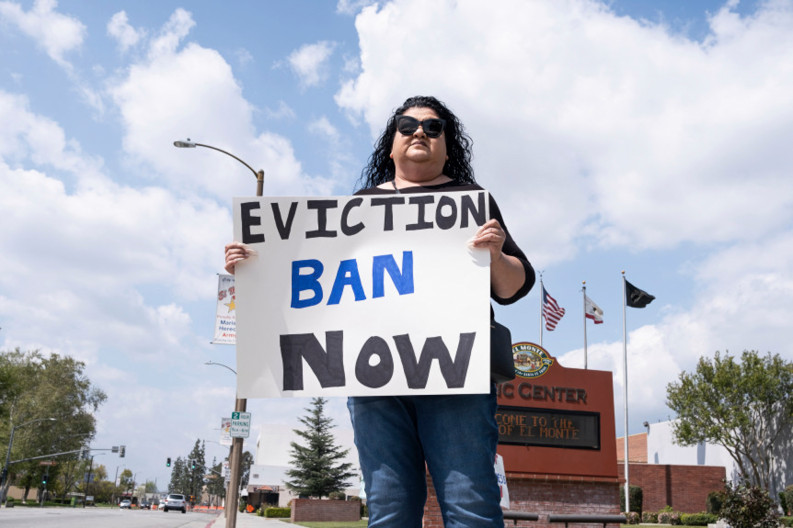
"caption": "Irma Zamorano, an El Monte resident, wants a stronger eviction moratorium.",
"description": null,
"title": "SCNG_evictions_01",
"credit": "Pierce Singgih/SCNG",
"status": "inherit",
"isLoading": false,
"fetchFailed": false
},
"news_11809857": {
"type": "attachments",
"id": "news_11809857",
"meta": {
"index": "attachments_1716263798",
"site": "news",
"id": "11809857",
"found": true
},
"parent": 11809844,
"imgSizes": {
"apple_news_ca_square_4_0": {
"file": "https://ww2.kqed.org/app/uploads/sites/10/2020/03/031920_SeniorFoodPantry_AW_sized_08-470x470.jpg",
"width": 470,
"mimeType": "image/jpeg",
"height": 470
},
"thumbnail": {
"file": "https://ww2.kqed.org/app/uploads/sites/10/2020/03/031920_SeniorFoodPantry_AW_sized_08-160x107.jpg",
"width": 160,
"mimeType": "image/jpeg",
"height": 107
},
"post-thumbnail": {
"file": "https://ww2.kqed.org/app/uploads/sites/10/2020/03/031920_SeniorFoodPantry_AW_sized_08-672x372.jpg",
"width": 672,
"mimeType": "image/jpeg",
"height": 372
},
"kqedFullSize": {
"file": "https://ww2.kqed.org/app/uploads/sites/10/2020/03/031920_SeniorFoodPantry_AW_sized_08.jpg",
"width": 794,
"height": 529
},
"apple_news_ca_landscape_4_7": {
"file": "https://ww2.kqed.org/app/uploads/sites/10/2020/03/031920_SeniorFoodPantry_AW_sized_08-632x474.jpg",
"width": 632,
"mimeType": "image/jpeg",
"height": 474
},
"apple_news_ca_portrait_4_7": {
"file": "https://ww2.kqed.org/app/uploads/sites/10/2020/03/031920_SeniorFoodPantry_AW_sized_08-414x529.jpg",
"width": 414,
"mimeType": "image/jpeg",
"height": 529
},
"apple_news_ca_portrait_5_5": {
"file": "https://ww2.kqed.org/app/uploads/sites/10/2020/03/031920_SeniorFoodPantry_AW_sized_08-687x529.jpg",
"width": 687,
"mimeType": "image/jpeg",
"height": 529
},
"apple_news_ca_square_4_7": {
"file": "https://ww2.kqed.org/app/uploads/sites/10/2020/03/031920_SeniorFoodPantry_AW_sized_08-550x529.jpg",
"width": 550,
"mimeType": "image/jpeg",
"height": 529
},
"apple_news_ca_landscape_4_0": {
"file": "https://ww2.kqed.org/app/uploads/sites/10/2020/03/031920_SeniorFoodPantry_AW_sized_08-536x402.jpg",
"width": 536,
"mimeType": "image/jpeg",
"height": 402
},
"apple_news_ca_portrait_4_0": {
"file": "https://ww2.kqed.org/app/uploads/sites/10/2020/03/031920_SeniorFoodPantry_AW_sized_08-354x472.jpg",
"width": 354,
"mimeType": "image/jpeg",
"height": 472
}
},
"publishDate": 1585684868,
"modified": 1585684892,
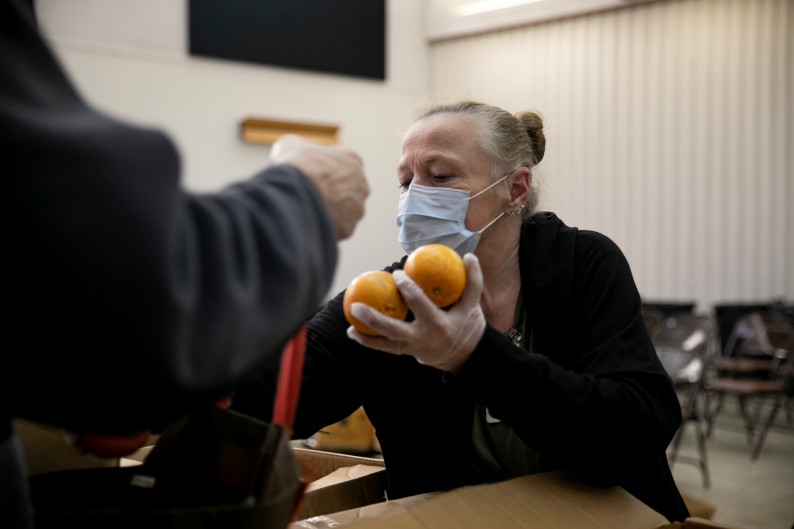
"caption": "Food bank volunteer Betty Kimmel wears a protective mask as she hands out oranges to seniors at Teamsters 315 Hall in Martinez on March 19, 2020.",
"description": null,
"title": "031920_SeniorFoodPantry_AW_sized_08",
"credit": "Anne Wernikoff/CalMatters",
"status": "inherit",
"isLoading": false,
"fetchFailed": false
},
"news_11806306": {
"type": "attachments",
"id": "news_11806306",
"meta": {
"index": "attachments_1716263798",
"site": "news",
"id": "11806306",
"found": true
},
"parent": 11806207,
"imgSizes": {
"apple_news_ca_landscape_5_5": {
"file": "https://ww2.kqed.org/app/uploads/sites/10/2020/03/RS41967_GettyImages-1210619679-qut-1044x783.jpg",
"width": 1044,
"mimeType": "image/jpeg",
"height": 783
},
"apple_news_ca_square_4_0": {
"file": "https://ww2.kqed.org/app/uploads/sites/10/2020/03/RS41967_GettyImages-1210619679-qut-470x470.jpg",
"width": 470,
"mimeType": "image/jpeg",
"height": 470
},
"twentyfourteen-full-width": {
"file": "https://ww2.kqed.org/app/uploads/sites/10/2020/03/RS41967_GettyImages-1210619679-qut-1038x576.jpg",
"width": 1038,
"mimeType": "image/jpeg",
"height": 576
},
"thumbnail": {
"file": "https://ww2.kqed.org/app/uploads/sites/10/2020/03/RS41967_GettyImages-1210619679-qut-160x103.jpg",
"width": 160,
"mimeType": "image/jpeg",
"height": 103
},
"post-thumbnail": {
"file": "https://ww2.kqed.org/app/uploads/sites/10/2020/03/RS41967_GettyImages-1210619679-qut-672x372.jpg",
"width": 672,
"mimeType": "image/jpeg",
"height": 372
},
"kqedFullSize": {
"file": "https://ww2.kqed.org/app/uploads/sites/10/2020/03/RS41967_GettyImages-1210619679-qut.jpg",
"width": 1920,
"height": 1238
},
"apple_news_ca_landscape_4_7": {
"file": "https://ww2.kqed.org/app/uploads/sites/10/2020/03/RS41967_GettyImages-1210619679-qut-632x474.jpg",
"width": 632,
"mimeType": "image/jpeg",
"height": 474
},
"large": {
"file": "https://ww2.kqed.org/app/uploads/sites/10/2020/03/RS41967_GettyImages-1210619679-qut-1020x658.jpg",
"width": 1020,
"mimeType": "image/jpeg",
"height": 658
},
"apple_news_ca_landscape_4_0": {
"file": "https://ww2.kqed.org/app/uploads/sites/10/2020/03/RS41967_GettyImages-1210619679-qut-536x402.jpg",
"width": 536,
"mimeType": "image/jpeg",
"height": 402
},
"apple_news_ca_portrait_12_9": {
"file": "https://ww2.kqed.org/app/uploads/sites/10/2020/03/RS41967_GettyImages-1210619679-qut-1122x1238.jpg",
"width": 1122,
"mimeType": "image/jpeg",
"height": 1238
},
"medium": {
"file": "https://ww2.kqed.org/app/uploads/sites/10/2020/03/RS41967_GettyImages-1210619679-qut-800x516.jpg",
"width": 800,
"mimeType": "image/jpeg",
"height": 516
},
"apple_news_ca_portrait_4_0": {
"file": "https://ww2.kqed.org/app/uploads/sites/10/2020/03/RS41967_GettyImages-1210619679-qut-354x472.jpg",
"width": 354,
"mimeType": "image/jpeg",
"height": 472
},
"apple_news_ca_portrait_9_7": {
"file": "https://ww2.kqed.org/app/uploads/sites/10/2020/03/RS41967_GettyImages-1210619679-qut-840x1120.jpg",
"width": 840,
"mimeType": "image/jpeg",
"height": 1120
},
"apple_news_ca_landscape_12_9": {
"file": "https://ww2.kqed.org/app/uploads/sites/10/2020/03/RS41967_GettyImages-1210619679-qut-1832x1238.jpg",
"width": 1832,
"mimeType": "image/jpeg",
"height": 1238
},
"apple_news_ca_square_9_7": {
"file": "https://ww2.kqed.org/app/uploads/sites/10/2020/03/RS41967_GettyImages-1210619679-qut-1104x1104.jpg",
"width": 1104,
"mimeType": "image/jpeg",
"height": 1104
},
"apple_news_ca_portrait_4_7": {
"file": "https://ww2.kqed.org/app/uploads/sites/10/2020/03/RS41967_GettyImages-1210619679-qut-414x552.jpg",
"width": 414,
"mimeType": "image/jpeg",
"height": 552
},
"apple_news_ca_square_12_9": {
"file": "https://ww2.kqed.org/app/uploads/sites/10/2020/03/RS41967_GettyImages-1210619679-qut-1472x1238.jpg",
"width": 1472,
"mimeType": "image/jpeg",
"height": 1238
},
"apple_news_ca_portrait_5_5": {
"file": "https://ww2.kqed.org/app/uploads/sites/10/2020/03/RS41967_GettyImages-1210619679-qut-687x916.jpg",
"width": 687,
"mimeType": "image/jpeg",
"height": 916
},
"full-width": {
"file": "https://ww2.kqed.org/app/uploads/sites/10/2020/03/RS41967_GettyImages-1210619679-qut-1920x1238.jpg",
"width": 1920,
"mimeType": "image/jpeg",
"height": 1238
},
"apple_news_ca_square_4_7": {
"file": "https://ww2.kqed.org/app/uploads/sites/10/2020/03/RS41967_GettyImages-1210619679-qut-550x550.jpg",
"width": 550,
"mimeType": "image/jpeg",
"height": 550
},
"apple_news_ca_landscape_9_7": {
"file": "https://ww2.kqed.org/app/uploads/sites/10/2020/03/RS41967_GettyImages-1210619679-qut-1376x1032.jpg",
"width": 1376,
"mimeType": "image/jpeg",
"height": 1032
},
"apple_news_ca_square_5_5": {
"file": "https://ww2.kqed.org/app/uploads/sites/10/2020/03/RS41967_GettyImages-1210619679-qut-912x912.jpg",
"width": 912,
"mimeType": "image/jpeg",
"height": 912
}
},
"publishDate": 1583973005,
"modified": 1583973129,
"caption": "Bonnie Castillo, executive director of National Nurses United, speaks during a news conference at the National Nurses United offices on March 05, 2020 in Oakland, California. ",
"description": null,
"title": "National Nurses United Speak To The Press On Coronavirus Preparedness",
"credit": "Justin Sullivan/Getty Images",
"status": "inherit",
"isLoading": false,
"fetchFailed": false
},
"news_11803105": {
"type": "attachments",
"id": "news_11803105",
"meta": {
"index": "attachments_1716263798",
"site": "news",
"id": "11803105",
"found": true
},
"parent": 11803103,
"imgSizes": {
"apple_news_ca_landscape_5_5": {
"file": "https://ww2.kqed.org/app/uploads/sites/10/2020/02/CRIMINAL-FEES-photo-1-1-1044x783.jpg",
"width": 1044,
"mimeType": "image/jpeg",
"height": 783
},
"apple_news_ca_square_4_0": {
"file": "https://ww2.kqed.org/app/uploads/sites/10/2020/02/CRIMINAL-FEES-photo-1-1-470x470.jpg",
"width": 470,
"mimeType": "image/jpeg",
"height": 470
},
"twentyfourteen-full-width": {
"file": "https://ww2.kqed.org/app/uploads/sites/10/2020/02/CRIMINAL-FEES-photo-1-1-1038x576.jpg",
"width": 1038,
"mimeType": "image/jpeg",
"height": 576
},
"thumbnail": {
"file": "https://ww2.kqed.org/app/uploads/sites/10/2020/02/CRIMINAL-FEES-photo-1-1-160x120.jpg",
"width": 160,
"mimeType": "image/jpeg",
"height": 120
},
"post-thumbnail": {
"file": "https://ww2.kqed.org/app/uploads/sites/10/2020/02/CRIMINAL-FEES-photo-1-1-672x372.jpg",
"width": 672,
"mimeType": "image/jpeg",
"height": 372
},
"kqedFullSize": {
"file": "https://ww2.kqed.org/app/uploads/sites/10/2020/02/CRIMINAL-FEES-photo-1-1.jpg",
"width": 1920,
"height": 1440
},
"apple_news_ca_landscape_4_7": {
"file": "https://ww2.kqed.org/app/uploads/sites/10/2020/02/CRIMINAL-FEES-photo-1-1-632x474.jpg",
"width": 632,
"mimeType": "image/jpeg",
"height": 474
},
"large": {
"file": "https://ww2.kqed.org/app/uploads/sites/10/2020/02/CRIMINAL-FEES-photo-1-1-1020x765.jpg",
"width": 1020,
"mimeType": "image/jpeg",
"height": 765
},
"apple_news_ca_landscape_4_0": {
"file": "https://ww2.kqed.org/app/uploads/sites/10/2020/02/CRIMINAL-FEES-photo-1-1-536x402.jpg",
"width": 536,
"mimeType": "image/jpeg",
"height": 402
},
"apple_news_ca_portrait_12_9": {
"file": "https://ww2.kqed.org/app/uploads/sites/10/2020/02/CRIMINAL-FEES-photo-1-1-1122x1440.jpg",
"width": 1122,
"mimeType": "image/jpeg",
"height": 1440
},
"medium": {
"file": "https://ww2.kqed.org/app/uploads/sites/10/2020/02/CRIMINAL-FEES-photo-1-1-800x600.jpg",
"width": 800,
"mimeType": "image/jpeg",
"height": 600
},
"apple_news_ca_portrait_4_0": {
"file": "https://ww2.kqed.org/app/uploads/sites/10/2020/02/CRIMINAL-FEES-photo-1-1-354x472.jpg",
"width": 354,
"mimeType": "image/jpeg",
"height": 472
},
"apple_news_ca_portrait_9_7": {
"file": "https://ww2.kqed.org/app/uploads/sites/10/2020/02/CRIMINAL-FEES-photo-1-1-840x1120.jpg",
"width": 840,
"mimeType": "image/jpeg",
"height": 1120
},
"apple_news_ca_landscape_12_9": {
"file": "https://ww2.kqed.org/app/uploads/sites/10/2020/02/CRIMINAL-FEES-photo-1-1-1832x1374.jpg",
"width": 1832,
"mimeType": "image/jpeg",
"height": 1374
},
"apple_news_ca_square_9_7": {
"file": "https://ww2.kqed.org/app/uploads/sites/10/2020/02/CRIMINAL-FEES-photo-1-1-1104x1104.jpg",
"width": 1104,
"mimeType": "image/jpeg",
"height": 1104
},
"apple_news_ca_portrait_4_7": {
"file": "https://ww2.kqed.org/app/uploads/sites/10/2020/02/CRIMINAL-FEES-photo-1-1-414x552.jpg",
"width": 414,
"mimeType": "image/jpeg",
"height": 552
},
"apple_news_ca_square_12_9": {
"file": "https://ww2.kqed.org/app/uploads/sites/10/2020/02/CRIMINAL-FEES-photo-1-1-1472x1440.jpg",
"width": 1472,
"mimeType": "image/jpeg",
"height": 1440
},
"apple_news_ca_portrait_5_5": {
"file": "https://ww2.kqed.org/app/uploads/sites/10/2020/02/CRIMINAL-FEES-photo-1-1-687x916.jpg",
"width": 687,
"mimeType": "image/jpeg",
"height": 916
},
"full-width": {
"file": "https://ww2.kqed.org/app/uploads/sites/10/2020/02/CRIMINAL-FEES-photo-1-1-1920x1440.jpg",
"width": 1920,
"mimeType": "image/jpeg",
"height": 1440
},
"apple_news_ca_square_4_7": {
"file": "https://ww2.kqed.org/app/uploads/sites/10/2020/02/CRIMINAL-FEES-photo-1-1-550x550.jpg",
"width": 550,
"mimeType": "image/jpeg",
"height": 550
},
"apple_news_ca_landscape_9_7": {
"file": "https://ww2.kqed.org/app/uploads/sites/10/2020/02/CRIMINAL-FEES-photo-1-1-1376x1032.jpg",
"width": 1376,
"mimeType": "image/jpeg",
"height": 1032
},
"apple_news_ca_square_5_5": {
"file": "https://ww2.kqed.org/app/uploads/sites/10/2020/02/CRIMINAL-FEES-photo-1-1-912x912.jpg",
"width": 912,
"mimeType": "image/jpeg",
"height": 912
}
},
"publishDate": 1582505039,
"modified": 1582581414,
"caption": "A coalition of criminal justice reform organizations urged Los Angeles County supervisors to eliminate criminal justice fees.",
"description": null,
"title": "CRIMINAL FEES photo 1 (1)",
"credit": "Jackie Botts/CalMatters",
"status": "inherit",
"isLoading": false,
"fetchFailed": false
},
"news_11803066": {
"type": "attachments",
"id": "news_11803066",
"meta": {
"index": "attachments_1716263798",
"site": "news",
"id": "11803066",
"found": true
},
"parent": 11803063,
"imgSizes": {
"apple_news_ca_landscape_5_5": {
"file": "https://ww2.kqed.org/app/uploads/sites/10/2020/02/TING-photo-1-1-1044x783.jpg",
"width": 1044,
"mimeType": "image/jpeg",
"height": 783
},
"apple_news_ca_square_4_0": {
"file": "https://ww2.kqed.org/app/uploads/sites/10/2020/02/TING-photo-1-1-470x470.jpg",
"width": 470,
"mimeType": "image/jpeg",
"height": 470
},
"twentyfourteen-full-width": {
"file": "https://ww2.kqed.org/app/uploads/sites/10/2020/02/TING-photo-1-1-1038x576.jpg",
"width": 1038,
"mimeType": "image/jpeg",
"height": 576
},
"thumbnail": {
"file": "https://ww2.kqed.org/app/uploads/sites/10/2020/02/TING-photo-1-1-160x107.jpg",
"width": 160,
"mimeType": "image/jpeg",
"height": 107
},
"post-thumbnail": {
"file": "https://ww2.kqed.org/app/uploads/sites/10/2020/02/TING-photo-1-1-672x372.jpg",
"width": 672,
"mimeType": "image/jpeg",
"height": 372
},
"kqedFullSize": {
"file": "https://ww2.kqed.org/app/uploads/sites/10/2020/02/TING-photo-1-1.jpg",
"width": 1920,
"height": 1280
},
"apple_news_ca_landscape_4_7": {
"file": "https://ww2.kqed.org/app/uploads/sites/10/2020/02/TING-photo-1-1-632x474.jpg",
"width": 632,
"mimeType": "image/jpeg",
"height": 474
},
"large": {
"file": "https://ww2.kqed.org/app/uploads/sites/10/2020/02/TING-photo-1-1-1020x680.jpg",
"width": 1020,
"mimeType": "image/jpeg",
"height": 680
},
"apple_news_ca_landscape_4_0": {
"file": "https://ww2.kqed.org/app/uploads/sites/10/2020/02/TING-photo-1-1-536x402.jpg",
"width": 536,
"mimeType": "image/jpeg",
"height": 402
},
"apple_news_ca_portrait_12_9": {
"file": "https://ww2.kqed.org/app/uploads/sites/10/2020/02/TING-photo-1-1-1122x1280.jpg",
"width": 1122,
"mimeType": "image/jpeg",
"height": 1280
},
"medium": {
"file": "https://ww2.kqed.org/app/uploads/sites/10/2020/02/TING-photo-1-1-800x533.jpg",
"width": 800,
"mimeType": "image/jpeg",
"height": 533
},
"apple_news_ca_portrait_4_0": {
"file": "https://ww2.kqed.org/app/uploads/sites/10/2020/02/TING-photo-1-1-354x472.jpg",
"width": 354,
"mimeType": "image/jpeg",
"height": 472
},
"apple_news_ca_portrait_9_7": {
"file": "https://ww2.kqed.org/app/uploads/sites/10/2020/02/TING-photo-1-1-840x1120.jpg",
"width": 840,
"mimeType": "image/jpeg",
"height": 1120
},
"apple_news_ca_landscape_12_9": {
"file": "https://ww2.kqed.org/app/uploads/sites/10/2020/02/TING-photo-1-1-1832x1280.jpg",
"width": 1832,
"mimeType": "image/jpeg",
"height": 1280
},
"apple_news_ca_square_9_7": {
"file": "https://ww2.kqed.org/app/uploads/sites/10/2020/02/TING-photo-1-1-1104x1104.jpg",
"width": 1104,
"mimeType": "image/jpeg",
"height": 1104
},
"apple_news_ca_portrait_4_7": {
"file": "https://ww2.kqed.org/app/uploads/sites/10/2020/02/TING-photo-1-1-414x552.jpg",
"width": 414,
"mimeType": "image/jpeg",
"height": 552
},
"apple_news_ca_square_12_9": {
"file": "https://ww2.kqed.org/app/uploads/sites/10/2020/02/TING-photo-1-1-1472x1280.jpg",
"width": 1472,
"mimeType": "image/jpeg",
"height": 1280
},
"apple_news_ca_portrait_5_5": {
"file": "https://ww2.kqed.org/app/uploads/sites/10/2020/02/TING-photo-1-1-687x916.jpg",
"width": 687,
"mimeType": "image/jpeg",
"height": 916
},
"full-width": {
"file": "https://ww2.kqed.org/app/uploads/sites/10/2020/02/TING-photo-1-1-1920x1280.jpg",
"width": 1920,
"mimeType": "image/jpeg",
"height": 1280
},
"apple_news_ca_square_4_7": {
"file": "https://ww2.kqed.org/app/uploads/sites/10/2020/02/TING-photo-1-1-550x550.jpg",
"width": 550,
"mimeType": "image/jpeg",
"height": 550
},
"apple_news_ca_landscape_9_7": {
"file": "https://ww2.kqed.org/app/uploads/sites/10/2020/02/TING-photo-1-1-1376x1032.jpg",
"width": 1376,
"mimeType": "image/jpeg",
"height": 1032
},
"apple_news_ca_square_5_5": {
"file": "https://ww2.kqed.org/app/uploads/sites/10/2020/02/TING-photo-1-1-912x912.jpg",
"width": 912,
"mimeType": "image/jpeg",
"height": 912
}
},
"publishDate": 1582488074,
"modified": 1582488110,
"caption": "Assemblyman Phil Ting in the rose garden at the California Capitol.",
"description": null,
"title": "TING photo 1 (1)",
"credit": "Anne Wernikoff/CalMatters",
"status": "inherit",
"isLoading": false,
"fetchFailed": false
},
"news_11803008": {
"type": "attachments",
"id": "news_11803008",
"meta": {
"index": "attachments_1716263798",
"site": "news",
"id": "11803008",
"found": true
},
"parent": 11803006,
"imgSizes": {
"apple_news_ca_landscape_5_5": {
"file": "https://ww2.kqed.org/app/uploads/sites/10/2020/02/jp-valery-lVFoIi3SJq8-unsplash-1044x783.jpg",
"width": 1044,
"mimeType": "image/jpeg",
"height": 783
},
"apple_news_ca_square_4_0": {
"file": "https://ww2.kqed.org/app/uploads/sites/10/2020/02/jp-valery-lVFoIi3SJq8-unsplash-470x470.jpg",
"width": 470,
"mimeType": "image/jpeg",
"height": 470
},
"twentyfourteen-full-width": {
"file": "https://ww2.kqed.org/app/uploads/sites/10/2020/02/jp-valery-lVFoIi3SJq8-unsplash-1038x576.jpg",
"width": 1038,
"mimeType": "image/jpeg",
"height": 576
},
"thumbnail": {
"file": "https://ww2.kqed.org/app/uploads/sites/10/2020/02/jp-valery-lVFoIi3SJq8-unsplash-160x107.jpg",
"width": 160,
"mimeType": "image/jpeg",
"height": 107
},
"post-thumbnail": {
"file": "https://ww2.kqed.org/app/uploads/sites/10/2020/02/jp-valery-lVFoIi3SJq8-unsplash-672x372.jpg",
"width": 672,
"mimeType": "image/jpeg",
"height": 372
},
"kqedFullSize": {
"file": "https://ww2.kqed.org/app/uploads/sites/10/2020/02/jp-valery-lVFoIi3SJq8-unsplash.jpg",
"width": 1920,
"height": 1280
},
"apple_news_ca_landscape_4_7": {
"file": "https://ww2.kqed.org/app/uploads/sites/10/2020/02/jp-valery-lVFoIi3SJq8-unsplash-632x474.jpg",
"width": 632,
"mimeType": "image/jpeg",
"height": 474
},
"large": {
"file": "https://ww2.kqed.org/app/uploads/sites/10/2020/02/jp-valery-lVFoIi3SJq8-unsplash-1020x680.jpg",
"width": 1020,
"mimeType": "image/jpeg",
"height": 680
},
"apple_news_ca_landscape_4_0": {
"file": "https://ww2.kqed.org/app/uploads/sites/10/2020/02/jp-valery-lVFoIi3SJq8-unsplash-536x402.jpg",
"width": 536,
"mimeType": "image/jpeg",
"height": 402
},
"apple_news_ca_portrait_12_9": {
"file": "https://ww2.kqed.org/app/uploads/sites/10/2020/02/jp-valery-lVFoIi3SJq8-unsplash-1122x1280.jpg",
"width": 1122,
"mimeType": "image/jpeg",
"height": 1280
},
"medium": {
"file": "https://ww2.kqed.org/app/uploads/sites/10/2020/02/jp-valery-lVFoIi3SJq8-unsplash-800x533.jpg",
"width": 800,
"mimeType": "image/jpeg",
"height": 533
},
"apple_news_ca_portrait_4_0": {
"file": "https://ww2.kqed.org/app/uploads/sites/10/2020/02/jp-valery-lVFoIi3SJq8-unsplash-354x472.jpg",
"width": 354,
"mimeType": "image/jpeg",
"height": 472
},
"apple_news_ca_portrait_9_7": {
"file": "https://ww2.kqed.org/app/uploads/sites/10/2020/02/jp-valery-lVFoIi3SJq8-unsplash-840x1120.jpg",
"width": 840,
"mimeType": "image/jpeg",
"height": 1120
},
"apple_news_ca_landscape_12_9": {
"file": "https://ww2.kqed.org/app/uploads/sites/10/2020/02/jp-valery-lVFoIi3SJq8-unsplash-1832x1280.jpg",
"width": 1832,
"mimeType": "image/jpeg",
"height": 1280
},
"apple_news_ca_square_9_7": {
"file": "https://ww2.kqed.org/app/uploads/sites/10/2020/02/jp-valery-lVFoIi3SJq8-unsplash-1104x1104.jpg",
"width": 1104,
"mimeType": "image/jpeg",
"height": 1104
},
"apple_news_ca_portrait_4_7": {
"file": "https://ww2.kqed.org/app/uploads/sites/10/2020/02/jp-valery-lVFoIi3SJq8-unsplash-414x552.jpg",
"width": 414,
"mimeType": "image/jpeg",
"height": 552
},
"apple_news_ca_square_12_9": {
"file": "https://ww2.kqed.org/app/uploads/sites/10/2020/02/jp-valery-lVFoIi3SJq8-unsplash-1472x1280.jpg",
"width": 1472,
"mimeType": "image/jpeg",
"height": 1280
},
"apple_news_ca_portrait_5_5": {
"file": "https://ww2.kqed.org/app/uploads/sites/10/2020/02/jp-valery-lVFoIi3SJq8-unsplash-687x916.jpg",
"width": 687,
"mimeType": "image/jpeg",
"height": 916
},
"full-width": {
"file": "https://ww2.kqed.org/app/uploads/sites/10/2020/02/jp-valery-lVFoIi3SJq8-unsplash-1920x1280.jpg",
"width": 1920,
"mimeType": "image/jpeg",
"height": 1280
},
"apple_news_ca_square_4_7": {
"file": "https://ww2.kqed.org/app/uploads/sites/10/2020/02/jp-valery-lVFoIi3SJq8-unsplash-550x550.jpg",
"width": 550,
"mimeType": "image/jpeg",
"height": 550
},
"apple_news_ca_landscape_9_7": {
"file": "https://ww2.kqed.org/app/uploads/sites/10/2020/02/jp-valery-lVFoIi3SJq8-unsplash-1376x1032.jpg",
"width": 1376,
"mimeType": "image/jpeg",
"height": 1032
},
"apple_news_ca_square_5_5": {
"file": "https://ww2.kqed.org/app/uploads/sites/10/2020/02/jp-valery-lVFoIi3SJq8-unsplash-912x912.jpg",
"width": 912,
"mimeType": "image/jpeg",
"height": 912
}
},
"publishDate": 1582397446,
"modified": 1582397484,
"caption": "With California's 2020 primary fast approaching, outside spending on California legislative campaigns is ramping up.",
"description": null,
"title": "jp-valery-lVFoIi3SJq8-unsplash",
"credit": "Jp Valery/Unsplash",
"status": "inherit",
"isLoading": false,
"fetchFailed": false
},
"news_11801331": {
"type": "attachments",
"id": "news_11801331",
"meta": {
"index": "attachments_1716263798",
"site": "news",
"id": "11801331",
"found": true
},
"parent": 11801313,
"imgSizes": {
"apple_news_ca_landscape_5_5": {
"file": "https://ww2.kqed.org/app/uploads/sites/10/2020/02/RS41318_STATE-SHELTERS-photo-3-qut-1044x783.jpg",
"width": 1044,
"mimeType": "image/jpeg",
"height": 783
},
"apple_news_ca_square_4_0": {
"file": "https://ww2.kqed.org/app/uploads/sites/10/2020/02/RS41318_STATE-SHELTERS-photo-3-qut-470x470.jpg",
"width": 470,
"mimeType": "image/jpeg",
"height": 470
},
"twentyfourteen-full-width": {
"file": "https://ww2.kqed.org/app/uploads/sites/10/2020/02/RS41318_STATE-SHELTERS-photo-3-qut-1038x576.jpg",
"width": 1038,
"mimeType": "image/jpeg",
"height": 576
},
"thumbnail": {
"file": "https://ww2.kqed.org/app/uploads/sites/10/2020/02/RS41318_STATE-SHELTERS-photo-3-qut-160x107.jpg",
"width": 160,
"mimeType": "image/jpeg",
"height": 107
},
"post-thumbnail": {
"file": "https://ww2.kqed.org/app/uploads/sites/10/2020/02/RS41318_STATE-SHELTERS-photo-3-qut-672x372.jpg",
"width": 672,
"mimeType": "image/jpeg",
"height": 372
},
"kqedFullSize": {
"file": "https://ww2.kqed.org/app/uploads/sites/10/2020/02/RS41318_STATE-SHELTERS-photo-3-qut.jpg",
"width": 1920,
"height": 1280
},
"apple_news_ca_landscape_4_7": {
"file": "https://ww2.kqed.org/app/uploads/sites/10/2020/02/RS41318_STATE-SHELTERS-photo-3-qut-632x474.jpg",
"width": 632,
"mimeType": "image/jpeg",
"height": 474
},
"large": {
"file": "https://ww2.kqed.org/app/uploads/sites/10/2020/02/RS41318_STATE-SHELTERS-photo-3-qut-1020x680.jpg",
"width": 1020,
"mimeType": "image/jpeg",
"height": 680
},
"apple_news_ca_landscape_4_0": {
"file": "https://ww2.kqed.org/app/uploads/sites/10/2020/02/RS41318_STATE-SHELTERS-photo-3-qut-536x402.jpg",
"width": 536,
"mimeType": "image/jpeg",
"height": 402
},
"apple_news_ca_portrait_12_9": {
"file": "https://ww2.kqed.org/app/uploads/sites/10/2020/02/RS41318_STATE-SHELTERS-photo-3-qut-1122x1280.jpg",
"width": 1122,
"mimeType": "image/jpeg",
"height": 1280
},
"medium": {
"file": "https://ww2.kqed.org/app/uploads/sites/10/2020/02/RS41318_STATE-SHELTERS-photo-3-qut-800x533.jpg",
"width": 800,
"mimeType": "image/jpeg",
"height": 533
},
"apple_news_ca_portrait_4_0": {
"file": "https://ww2.kqed.org/app/uploads/sites/10/2020/02/RS41318_STATE-SHELTERS-photo-3-qut-354x472.jpg",
"width": 354,
"mimeType": "image/jpeg",
"height": 472
},
"apple_news_ca_portrait_9_7": {
"file": "https://ww2.kqed.org/app/uploads/sites/10/2020/02/RS41318_STATE-SHELTERS-photo-3-qut-840x1120.jpg",
"width": 840,
"mimeType": "image/jpeg",
"height": 1120
},
"apple_news_ca_landscape_12_9": {
"file": "https://ww2.kqed.org/app/uploads/sites/10/2020/02/RS41318_STATE-SHELTERS-photo-3-qut-1832x1280.jpg",
"width": 1832,
"mimeType": "image/jpeg",
"height": 1280
},
"apple_news_ca_square_9_7": {
"file": "https://ww2.kqed.org/app/uploads/sites/10/2020/02/RS41318_STATE-SHELTERS-photo-3-qut-1104x1104.jpg",
"width": 1104,
"mimeType": "image/jpeg",
"height": 1104
},
"apple_news_ca_portrait_4_7": {
"file": "https://ww2.kqed.org/app/uploads/sites/10/2020/02/RS41318_STATE-SHELTERS-photo-3-qut-414x552.jpg",
"width": 414,
"mimeType": "image/jpeg",
"height": 552
},
"apple_news_ca_square_12_9": {
"file": "https://ww2.kqed.org/app/uploads/sites/10/2020/02/RS41318_STATE-SHELTERS-photo-3-qut-1472x1280.jpg",
"width": 1472,
"mimeType": "image/jpeg",
"height": 1280
},
"apple_news_ca_portrait_5_5": {
"file": "https://ww2.kqed.org/app/uploads/sites/10/2020/02/RS41318_STATE-SHELTERS-photo-3-qut-687x916.jpg",
"width": 687,
"mimeType": "image/jpeg",
"height": 916
},
"full-width": {
"file": "https://ww2.kqed.org/app/uploads/sites/10/2020/02/RS41318_STATE-SHELTERS-photo-3-qut-1920x1280.jpg",
"width": 1920,
"mimeType": "image/jpeg",
"height": 1280
},
"apple_news_ca_square_4_7": {
"file": "https://ww2.kqed.org/app/uploads/sites/10/2020/02/RS41318_STATE-SHELTERS-photo-3-qut-550x550.jpg",
"width": 550,
"mimeType": "image/jpeg",
"height": 550
},
"apple_news_ca_landscape_9_7": {
"file": "https://ww2.kqed.org/app/uploads/sites/10/2020/02/RS41318_STATE-SHELTERS-photo-3-qut-1376x1032.jpg",
"width": 1376,
"mimeType": "image/jpeg",
"height": 1032
},
"apple_news_ca_square_5_5": {
"file": "https://ww2.kqed.org/app/uploads/sites/10/2020/02/RS41318_STATE-SHELTERS-photo-3-qut-912x912.jpg",
"width": 912,
"mimeType": "image/jpeg",
"height": 912
}
},
"publishDate": 1581541956,
"modified": 1581544056,
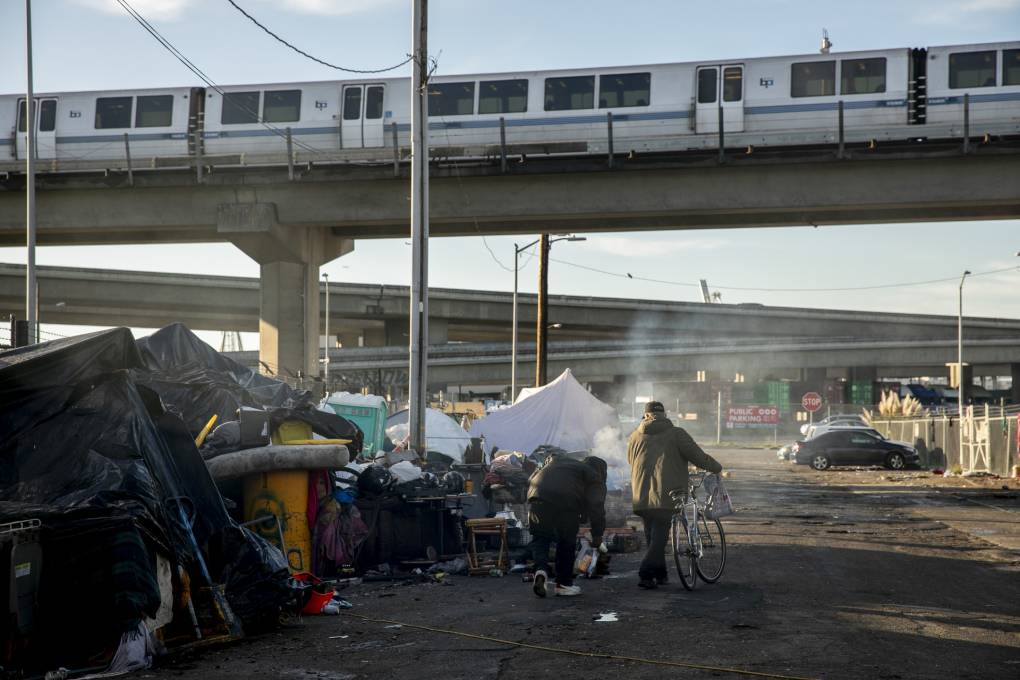
"caption": "A ten encampment has formed under BART tracks in West Oakland. ",
"description": "A tent encampment in West Oakland. ",
"title": "A tent encampment in West Oakland. Photo by Anne Wernikoff for CalMatters",
"credit": "Anne Wernikoff/CalMatters",
"status": "inherit",
"isLoading": false,
"fetchFailed": false
},
"news_11800903": {
"type": "attachments",
"id": "news_11800903",
"meta": {
"index": "attachments_1716263798",
"site": "news",
"id": "11800903",
"found": true
},
"parent": 11800884,
"imgSizes": {
"apple_news_ca_landscape_5_5": {
"file": "https://ww2.kqed.org/app/uploads/sites/10/2020/02/RS41280_VAPING-photo-qut-1044x783.jpg",
"width": 1044,
"mimeType": "image/jpeg",
"height": 783
},
"apple_news_ca_square_4_0": {
"file": "https://ww2.kqed.org/app/uploads/sites/10/2020/02/RS41280_VAPING-photo-qut-470x470.jpg",
"width": 470,
"mimeType": "image/jpeg",
"height": 470
},
"twentyfourteen-full-width": {
"file": "https://ww2.kqed.org/app/uploads/sites/10/2020/02/RS41280_VAPING-photo-qut-1038x576.jpg",
"width": 1038,
"mimeType": "image/jpeg",
"height": 576
},
"thumbnail": {
"file": "https://ww2.kqed.org/app/uploads/sites/10/2020/02/RS41280_VAPING-photo-qut-160x113.jpg",
"width": 160,
"mimeType": "image/jpeg",
"height": 113
},
"post-thumbnail": {
"file": "https://ww2.kqed.org/app/uploads/sites/10/2020/02/RS41280_VAPING-photo-qut-672x372.jpg",
"width": 672,
"mimeType": "image/jpeg",
"height": 372
},
"kqedFullSize": {
"file": "https://ww2.kqed.org/app/uploads/sites/10/2020/02/RS41280_VAPING-photo-qut.jpg",
"width": 1920,
"height": 1351
},
"apple_news_ca_landscape_4_7": {
"file": "https://ww2.kqed.org/app/uploads/sites/10/2020/02/RS41280_VAPING-photo-qut-632x474.jpg",
"width": 632,
"mimeType": "image/jpeg",
"height": 474
},
"large": {
"file": "https://ww2.kqed.org/app/uploads/sites/10/2020/02/RS41280_VAPING-photo-qut-1020x718.jpg",
"width": 1020,
"mimeType": "image/jpeg",
"height": 718
},
"apple_news_ca_landscape_4_0": {
"file": "https://ww2.kqed.org/app/uploads/sites/10/2020/02/RS41280_VAPING-photo-qut-536x402.jpg",
"width": 536,
"mimeType": "image/jpeg",
"height": 402
},
"apple_news_ca_portrait_12_9": {
"file": "https://ww2.kqed.org/app/uploads/sites/10/2020/02/RS41280_VAPING-photo-qut-1122x1351.jpg",
"width": 1122,
"mimeType": "image/jpeg",
"height": 1351
},
"medium": {
"file": "https://ww2.kqed.org/app/uploads/sites/10/2020/02/RS41280_VAPING-photo-qut-800x563.jpg",
"width": 800,
"mimeType": "image/jpeg",
"height": 563
},
"apple_news_ca_portrait_4_0": {
"file": "https://ww2.kqed.org/app/uploads/sites/10/2020/02/RS41280_VAPING-photo-qut-354x472.jpg",
"width": 354,
"mimeType": "image/jpeg",
"height": 472
},
"apple_news_ca_portrait_9_7": {
"file": "https://ww2.kqed.org/app/uploads/sites/10/2020/02/RS41280_VAPING-photo-qut-840x1120.jpg",
"width": 840,
"mimeType": "image/jpeg",
"height": 1120
},
"apple_news_ca_landscape_12_9": {
"file": "https://ww2.kqed.org/app/uploads/sites/10/2020/02/RS41280_VAPING-photo-qut-1832x1351.jpg",
"width": 1832,
"mimeType": "image/jpeg",
"height": 1351
},
"apple_news_ca_square_9_7": {
"file": "https://ww2.kqed.org/app/uploads/sites/10/2020/02/RS41280_VAPING-photo-qut-1104x1104.jpg",
"width": 1104,
"mimeType": "image/jpeg",
"height": 1104
},
"apple_news_ca_portrait_4_7": {
"file": "https://ww2.kqed.org/app/uploads/sites/10/2020/02/RS41280_VAPING-photo-qut-414x552.jpg",
"width": 414,
"mimeType": "image/jpeg",
"height": 552
},
"apple_news_ca_square_12_9": {
"file": "https://ww2.kqed.org/app/uploads/sites/10/2020/02/RS41280_VAPING-photo-qut-1472x1351.jpg",
"width": 1472,
"mimeType": "image/jpeg",
"height": 1351
},
"apple_news_ca_portrait_5_5": {
"file": "https://ww2.kqed.org/app/uploads/sites/10/2020/02/RS41280_VAPING-photo-qut-687x916.jpg",
"width": 687,
"mimeType": "image/jpeg",
"height": 916
},
"full-width": {
"file": "https://ww2.kqed.org/app/uploads/sites/10/2020/02/RS41280_VAPING-photo-qut-1920x1351.jpg",
"width": 1920,
"mimeType": "image/jpeg",
"height": 1351
},
"apple_news_ca_square_4_7": {
"file": "https://ww2.kqed.org/app/uploads/sites/10/2020/02/RS41280_VAPING-photo-qut-550x550.jpg",
"width": 550,
"mimeType": "image/jpeg",
"height": 550
},
"apple_news_ca_landscape_9_7": {
"file": "https://ww2.kqed.org/app/uploads/sites/10/2020/02/RS41280_VAPING-photo-qut-1376x1032.jpg",
"width": 1376,
"mimeType": "image/jpeg",
"height": 1032
},
"apple_news_ca_square_5_5": {
"file": "https://ww2.kqed.org/app/uploads/sites/10/2020/02/RS41280_VAPING-photo-qut-912x912.jpg",
"width": 912,
"mimeType": "image/jpeg",
"height": 912
}
},
"publishDate": 1581368220,
"modified": 1581368274,
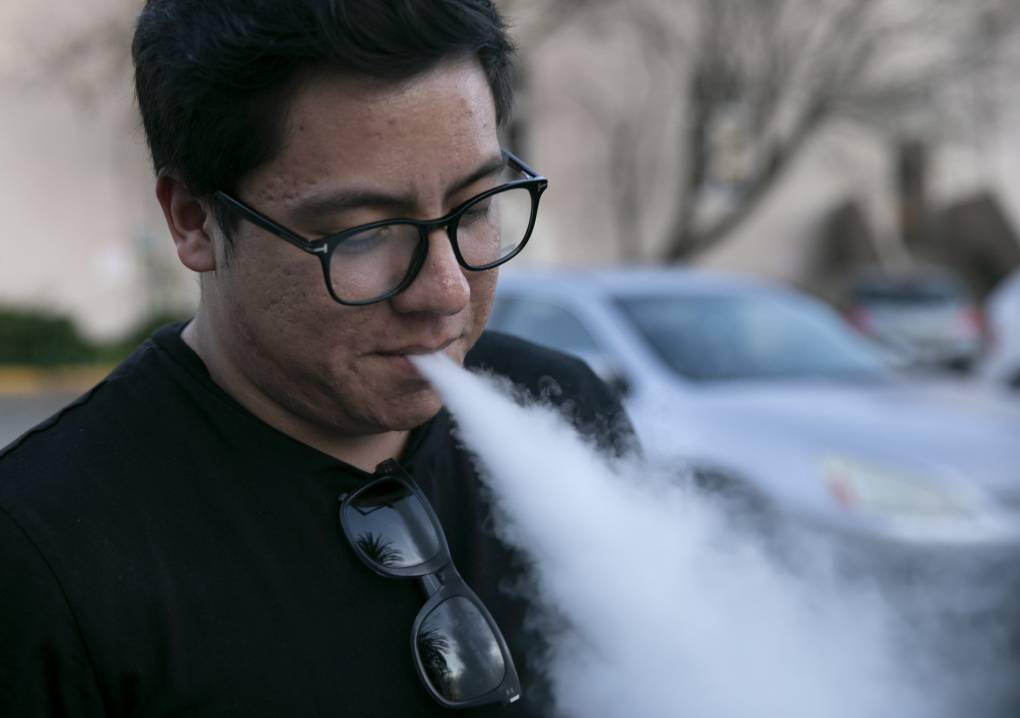
"caption": "Jorge Hernandez, 21, vapes near UC Berkeley campus. Hernandez has been vaping for a year and half.",
"description": null,
"title": "RS41280_VAPING photo-qut",
"credit": "Anne Wernikoff/CalMatters",
"status": "inherit",
"isLoading": false,
"fetchFailed": false
},
"news_11799392": {
"type": "attachments",
"id": "news_11799392",
"meta": {
"index": "attachments_1716263798",
"site": "news",
"id": "11799392",
"found": true
},
"parent": 11799308,
"imgSizes": {
"apple_news_ca_landscape_5_5": {
"file": "https://ww2.kqed.org/app/uploads/sites/10/2020/01/Homeless-San-Francisco-Income-Inequality-1044x783.jpg",
"width": 1044,
"mimeType": "image/jpeg",
"height": 783
},
"apple_news_ca_square_4_0": {
"file": "https://ww2.kqed.org/app/uploads/sites/10/2020/01/Homeless-San-Francisco-Income-Inequality-470x470.jpg",
"width": 470,
"mimeType": "image/jpeg",
"height": 470
},
"twentyfourteen-full-width": {
"file": "https://ww2.kqed.org/app/uploads/sites/10/2020/01/Homeless-San-Francisco-Income-Inequality-1038x576.jpg",
"width": 1038,
"mimeType": "image/jpeg",
"height": 576
},
"thumbnail": {
"file": "https://ww2.kqed.org/app/uploads/sites/10/2020/01/Homeless-San-Francisco-Income-Inequality-160x106.jpg",
"width": 160,
"mimeType": "image/jpeg",
"height": 106
},
"post-thumbnail": {
"file": "https://ww2.kqed.org/app/uploads/sites/10/2020/01/Homeless-San-Francisco-Income-Inequality-672x372.jpg",
"width": 672,
"mimeType": "image/jpeg",
"height": 372
},
"kqedFullSize": {
"file": "https://ww2.kqed.org/app/uploads/sites/10/2020/01/Homeless-San-Francisco-Income-Inequality.jpg",
"width": 1920,
"height": 1274
},
"apple_news_ca_landscape_4_7": {
"file": "https://ww2.kqed.org/app/uploads/sites/10/2020/01/Homeless-San-Francisco-Income-Inequality-632x474.jpg",
"width": 632,
"mimeType": "image/jpeg",
"height": 474
},
"large": {
"file": "https://ww2.kqed.org/app/uploads/sites/10/2020/01/Homeless-San-Francisco-Income-Inequality-1020x677.jpg",
"width": 1020,
"mimeType": "image/jpeg",
"height": 677
},
"apple_news_ca_landscape_4_0": {
"file": "https://ww2.kqed.org/app/uploads/sites/10/2020/01/Homeless-San-Francisco-Income-Inequality-536x402.jpg",
"width": 536,
"mimeType": "image/jpeg",
"height": 402
},
"apple_news_ca_portrait_12_9": {
"file": "https://ww2.kqed.org/app/uploads/sites/10/2020/01/Homeless-San-Francisco-Income-Inequality-1122x1274.jpg",
"width": 1122,
"mimeType": "image/jpeg",
"height": 1274
},
"medium": {
"file": "https://ww2.kqed.org/app/uploads/sites/10/2020/01/Homeless-San-Francisco-Income-Inequality-800x531.jpg",
"width": 800,
"mimeType": "image/jpeg",
"height": 531
},
"apple_news_ca_portrait_4_0": {
"file": "https://ww2.kqed.org/app/uploads/sites/10/2020/01/Homeless-San-Francisco-Income-Inequality-354x472.jpg",
"width": 354,
"mimeType": "image/jpeg",
"height": 472
},
"apple_news_ca_portrait_9_7": {
"file": "https://ww2.kqed.org/app/uploads/sites/10/2020/01/Homeless-San-Francisco-Income-Inequality-840x1120.jpg",
"width": 840,
"mimeType": "image/jpeg",
"height": 1120
},
"apple_news_ca_landscape_12_9": {
"file": "https://ww2.kqed.org/app/uploads/sites/10/2020/01/Homeless-San-Francisco-Income-Inequality-1832x1274.jpg",
"width": 1832,
"mimeType": "image/jpeg",
"height": 1274
},
"apple_news_ca_square_9_7": {
"file": "https://ww2.kqed.org/app/uploads/sites/10/2020/01/Homeless-San-Francisco-Income-Inequality-1104x1104.jpg",
"width": 1104,
"mimeType": "image/jpeg",
"height": 1104
},
"apple_news_ca_portrait_4_7": {
"file": "https://ww2.kqed.org/app/uploads/sites/10/2020/01/Homeless-San-Francisco-Income-Inequality-414x552.jpg",
"width": 414,
"mimeType": "image/jpeg",
"height": 552
},
"apple_news_ca_square_12_9": {
"file": "https://ww2.kqed.org/app/uploads/sites/10/2020/01/Homeless-San-Francisco-Income-Inequality-1472x1274.jpg",
"width": 1472,
"mimeType": "image/jpeg",
"height": 1274
},
"apple_news_ca_portrait_5_5": {
"file": "https://ww2.kqed.org/app/uploads/sites/10/2020/01/Homeless-San-Francisco-Income-Inequality-687x916.jpg",
"width": 687,
"mimeType": "image/jpeg",
"height": 916
},
"full-width": {
"file": "https://ww2.kqed.org/app/uploads/sites/10/2020/01/Homeless-San-Francisco-Income-Inequality-1920x1274.jpg",
"width": 1920,
"mimeType": "image/jpeg",
"height": 1274
},
"apple_news_ca_square_4_7": {
"file": "https://ww2.kqed.org/app/uploads/sites/10/2020/01/Homeless-San-Francisco-Income-Inequality-550x550.jpg",
"width": 550,
"mimeType": "image/jpeg",
"height": 550
},
"apple_news_ca_landscape_9_7": {
"file": "https://ww2.kqed.org/app/uploads/sites/10/2020/01/Homeless-San-Francisco-Income-Inequality-1376x1032.jpg",
"width": 1376,
"mimeType": "image/jpeg",
"height": 1032
},
"apple_news_ca_square_5_5": {
"file": "https://ww2.kqed.org/app/uploads/sites/10/2020/01/Homeless-San-Francisco-Income-Inequality-912x912.jpg",
"width": 912,
"mimeType": "image/jpeg",
"height": 912
}
},
"publishDate": 1580505886,
"modified": 1580511388,
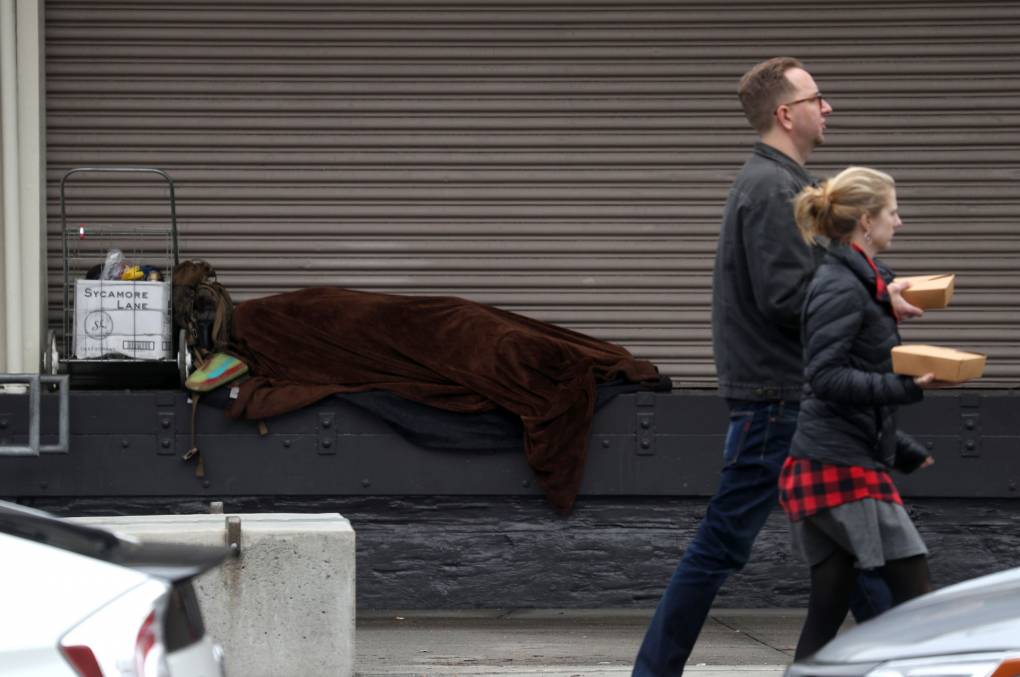
"caption": "A homeless person sleeps on a loading dock on Dec. 5, 2019, in San Francisco.",
"description": "A homeless person sleeps on a loading dock on Dec. 5, 2019 in San Francisco.",
"title": "Homeless-San-Francisco-Income-Inequality",
"credit": "Justin Sullivan/Getty Images",
"status": "inherit",
"isLoading": false,
"fetchFailed": false
},
"news_11798087": {
"type": "attachments",
"id": "news_11798087",
"meta": {
"index": "attachments_1716263798",
"site": "news",
"id": "11798087",
"found": true
},
"parent": 11798083,
"imgSizes": {
"apple_news_ca_landscape_5_5": {
"file": "https://ww2.kqed.org/app/uploads/sites/10/2020/01/GettyImages-1193798699-2-1044x783.jpg",
"width": 1044,
"mimeType": "image/jpeg",
"height": 783
},
"apple_news_ca_square_4_0": {
"file": "https://ww2.kqed.org/app/uploads/sites/10/2020/01/GettyImages-1193798699-2-470x470.jpg",
"width": 470,
"mimeType": "image/jpeg",
"height": 470
},
"twentyfourteen-full-width": {
"file": "https://ww2.kqed.org/app/uploads/sites/10/2020/01/GettyImages-1193798699-2-1038x576.jpg",
"width": 1038,
"mimeType": "image/jpeg",
"height": 576
},
"thumbnail": {
"file": "https://ww2.kqed.org/app/uploads/sites/10/2020/01/GettyImages-1193798699-2-160x106.jpg",
"width": 160,
"mimeType": "image/jpeg",
"height": 106
},
"post-thumbnail": {
"file": "https://ww2.kqed.org/app/uploads/sites/10/2020/01/GettyImages-1193798699-2-672x372.jpg",
"width": 672,
"mimeType": "image/jpeg",
"height": 372
},
"kqedFullSize": {
"file": "https://ww2.kqed.org/app/uploads/sites/10/2020/01/GettyImages-1193798699-2.jpg",
"width": 1920,
"height": 1277
},
"apple_news_ca_landscape_4_7": {
"file": "https://ww2.kqed.org/app/uploads/sites/10/2020/01/GettyImages-1193798699-2-632x474.jpg",
"width": 632,
"mimeType": "image/jpeg",
"height": 474
},
"large": {
"file": "https://ww2.kqed.org/app/uploads/sites/10/2020/01/GettyImages-1193798699-2-1020x678.jpg",
"width": 1020,
"mimeType": "image/jpeg",
"height": 678
},
"apple_news_ca_landscape_4_0": {
"file": "https://ww2.kqed.org/app/uploads/sites/10/2020/01/GettyImages-1193798699-2-536x402.jpg",
"width": 536,
"mimeType": "image/jpeg",
"height": 402
},
"apple_news_ca_portrait_12_9": {
"file": "https://ww2.kqed.org/app/uploads/sites/10/2020/01/GettyImages-1193798699-2-1122x1277.jpg",
"width": 1122,
"mimeType": "image/jpeg",
"height": 1277
},
"medium": {
"file": "https://ww2.kqed.org/app/uploads/sites/10/2020/01/GettyImages-1193798699-2-800x532.jpg",
"width": 800,
"mimeType": "image/jpeg",
"height": 532
},
"apple_news_ca_portrait_4_0": {
"file": "https://ww2.kqed.org/app/uploads/sites/10/2020/01/GettyImages-1193798699-2-354x472.jpg",
"width": 354,
"mimeType": "image/jpeg",
"height": 472
},
"apple_news_ca_portrait_9_7": {
"file": "https://ww2.kqed.org/app/uploads/sites/10/2020/01/GettyImages-1193798699-2-840x1120.jpg",
"width": 840,
"mimeType": "image/jpeg",
"height": 1120
},
"apple_news_ca_landscape_12_9": {
"file": "https://ww2.kqed.org/app/uploads/sites/10/2020/01/GettyImages-1193798699-2-1832x1277.jpg",
"width": 1832,
"mimeType": "image/jpeg",
"height": 1277
},
"apple_news_ca_square_9_7": {
"file": "https://ww2.kqed.org/app/uploads/sites/10/2020/01/GettyImages-1193798699-2-1104x1104.jpg",
"width": 1104,
"mimeType": "image/jpeg",
"height": 1104
},
"apple_news_ca_portrait_4_7": {
"file": "https://ww2.kqed.org/app/uploads/sites/10/2020/01/GettyImages-1193798699-2-414x552.jpg",
"width": 414,
"mimeType": "image/jpeg",
"height": 552
},
"apple_news_ca_square_12_9": {
"file": "https://ww2.kqed.org/app/uploads/sites/10/2020/01/GettyImages-1193798699-2-1472x1277.jpg",
"width": 1472,
"mimeType": "image/jpeg",
"height": 1277
},
"apple_news_ca_portrait_5_5": {
"file": "https://ww2.kqed.org/app/uploads/sites/10/2020/01/GettyImages-1193798699-2-687x916.jpg",
"width": 687,
"mimeType": "image/jpeg",
"height": 916
},
"full-width": {
"file": "https://ww2.kqed.org/app/uploads/sites/10/2020/01/GettyImages-1193798699-2-1920x1277.jpg",
"width": 1920,
"mimeType": "image/jpeg",
"height": 1277
},
"apple_news_ca_square_4_7": {
"file": "https://ww2.kqed.org/app/uploads/sites/10/2020/01/GettyImages-1193798699-2-550x550.jpg",
"width": 550,
"mimeType": "image/jpeg",
"height": 550
},
"apple_news_ca_landscape_9_7": {
"file": "https://ww2.kqed.org/app/uploads/sites/10/2020/01/GettyImages-1193798699-2-1376x1032.jpg",
"width": 1376,
"mimeType": "image/jpeg",
"height": 1032
},
"apple_news_ca_square_5_5": {
"file": "https://ww2.kqed.org/app/uploads/sites/10/2020/01/GettyImages-1193798699-2-912x912.jpg",
"width": 912,
"mimeType": "image/jpeg",
"height": 912
}
},
"publishDate": 1580068583,
"modified": 1580068658,
"caption": "Democratic presidential hopefuls billionaire-philanthropist Tom Steyer, Massachusetts Senator Elizabeth Warren, Former Vice President Joe Biden, Vermont Senator Bernie Sanders, Mayor of South Bend, Indiana, Pete Buttigieg and Minnesota Senator Amy Klobuchar speak during the seventh Democratic primary debate of the 2020 presidential campaign season co-hosted by CNN and the Des Moines Register at the Drake University campus in Des Moines, Iowa on Jan. 14.",
"description": null,
"title": "GettyImages-1193798699 (2)",
"credit": null,
"status": "inherit",
"isLoading": false,
"fetchFailed": false
},
"news_11797969": {
"type": "attachments",
"id": "news_11797969",
"meta": {
"index": "attachments_1716263798",
"site": "news",
"id": "11797969",
"found": true
},
"parent": 11797968,
"imgSizes": {
"apple_news_ca_landscape_5_5": {
"file": "https://ww2.kqed.org/app/uploads/sites/10/2020/01/DISASTER-RELIEF-SCHOOL-photo-1-1044x783.jpg",
"width": 1044,
"mimeType": "image/jpeg",
"height": 783
},
"apple_news_ca_square_4_0": {
"file": "https://ww2.kqed.org/app/uploads/sites/10/2020/01/DISASTER-RELIEF-SCHOOL-photo-1-470x470.jpg",
"width": 470,
"mimeType": "image/jpeg",
"height": 470
},
"twentyfourteen-full-width": {
"file": "https://ww2.kqed.org/app/uploads/sites/10/2020/01/DISASTER-RELIEF-SCHOOL-photo-1-1038x576.jpg",
"width": 1038,
"mimeType": "image/jpeg",
"height": 576
},
"thumbnail": {
"file": "https://ww2.kqed.org/app/uploads/sites/10/2020/01/DISASTER-RELIEF-SCHOOL-photo-1-160x107.jpg",
"width": 160,
"mimeType": "image/jpeg",
"height": 107
},
"post-thumbnail": {
"file": "https://ww2.kqed.org/app/uploads/sites/10/2020/01/DISASTER-RELIEF-SCHOOL-photo-1-672x372.jpg",
"width": 672,
"mimeType": "image/jpeg",
"height": 372
},
"kqedFullSize": {
"file": "https://ww2.kqed.org/app/uploads/sites/10/2020/01/DISASTER-RELIEF-SCHOOL-photo-1.jpg",
"width": 1920,
"height": 1280
},
"apple_news_ca_landscape_4_7": {
"file": "https://ww2.kqed.org/app/uploads/sites/10/2020/01/DISASTER-RELIEF-SCHOOL-photo-1-632x474.jpg",
"width": 632,
"mimeType": "image/jpeg",
"height": 474
},
"large": {
"file": "https://ww2.kqed.org/app/uploads/sites/10/2020/01/DISASTER-RELIEF-SCHOOL-photo-1-1020x680.jpg",
"width": 1020,
"mimeType": "image/jpeg",
"height": 680
},
"apple_news_ca_landscape_4_0": {
"file": "https://ww2.kqed.org/app/uploads/sites/10/2020/01/DISASTER-RELIEF-SCHOOL-photo-1-536x402.jpg",
"width": 536,
"mimeType": "image/jpeg",
"height": 402
},
"apple_news_ca_portrait_12_9": {
"file": "https://ww2.kqed.org/app/uploads/sites/10/2020/01/DISASTER-RELIEF-SCHOOL-photo-1-1122x1280.jpg",
"width": 1122,
"mimeType": "image/jpeg",
"height": 1280
},
"medium": {
"file": "https://ww2.kqed.org/app/uploads/sites/10/2020/01/DISASTER-RELIEF-SCHOOL-photo-1-800x533.jpg",
"width": 800,
"mimeType": "image/jpeg",
"height": 533
},
"apple_news_ca_portrait_4_0": {
"file": "https://ww2.kqed.org/app/uploads/sites/10/2020/01/DISASTER-RELIEF-SCHOOL-photo-1-354x472.jpg",
"width": 354,
"mimeType": "image/jpeg",
"height": 472
},
"apple_news_ca_portrait_9_7": {
"file": "https://ww2.kqed.org/app/uploads/sites/10/2020/01/DISASTER-RELIEF-SCHOOL-photo-1-840x1120.jpg",
"width": 840,
"mimeType": "image/jpeg",
"height": 1120
},
"apple_news_ca_landscape_12_9": {
"file": "https://ww2.kqed.org/app/uploads/sites/10/2020/01/DISASTER-RELIEF-SCHOOL-photo-1-1832x1280.jpg",
"width": 1832,
"mimeType": "image/jpeg",
"height": 1280
},
"apple_news_ca_square_9_7": {
"file": "https://ww2.kqed.org/app/uploads/sites/10/2020/01/DISASTER-RELIEF-SCHOOL-photo-1-1104x1104.jpg",
"width": 1104,
"mimeType": "image/jpeg",
"height": 1104
},
"apple_news_ca_portrait_4_7": {
"file": "https://ww2.kqed.org/app/uploads/sites/10/2020/01/DISASTER-RELIEF-SCHOOL-photo-1-414x552.jpg",
"width": 414,
"mimeType": "image/jpeg",
"height": 552
},
"apple_news_ca_square_12_9": {
"file": "https://ww2.kqed.org/app/uploads/sites/10/2020/01/DISASTER-RELIEF-SCHOOL-photo-1-1472x1280.jpg",
"width": 1472,
"mimeType": "image/jpeg",
"height": 1280
},
"apple_news_ca_portrait_5_5": {
"file": "https://ww2.kqed.org/app/uploads/sites/10/2020/01/DISASTER-RELIEF-SCHOOL-photo-1-687x916.jpg",
"width": 687,
"mimeType": "image/jpeg",
"height": 916
},
"full-width": {
"file": "https://ww2.kqed.org/app/uploads/sites/10/2020/01/DISASTER-RELIEF-SCHOOL-photo-1-1920x1280.jpg",
"width": 1920,
"mimeType": "image/jpeg",
"height": 1280
},
"apple_news_ca_square_4_7": {
"file": "https://ww2.kqed.org/app/uploads/sites/10/2020/01/DISASTER-RELIEF-SCHOOL-photo-1-550x550.jpg",
"width": 550,
"mimeType": "image/jpeg",
"height": 550
},
"apple_news_ca_landscape_9_7": {
"file": "https://ww2.kqed.org/app/uploads/sites/10/2020/01/DISASTER-RELIEF-SCHOOL-photo-1-1376x1032.jpg",
"width": 1376,
"mimeType": "image/jpeg",
"height": 1032
},
"apple_news_ca_square_5_5": {
"file": "https://ww2.kqed.org/app/uploads/sites/10/2020/01/DISASTER-RELIEF-SCHOOL-photo-1-912x912.jpg",
"width": 912,
"mimeType": "image/jpeg",
"height": 912
}
},
"publishDate": 1579969224,
"modified": 1579969272,
"caption": "Sen. Bill Dodd discusses wildfire related power shutoffs in American Canyon in 2019.",
"description": null,
"title": "DISASTER RELIEF SCHOOL photo (1)",
"credit": "Anne Wernikoff/CalMatters",
"status": "inherit",
"isLoading": false,
"fetchFailed": false
},
"news_11796716": {
"type": "attachments",
"id": "news_11796716",
"meta": {
"index": "attachments_1716263798",
"site": "news",
"id": "11796716",
"found": true
},
"parent": 11796627,
"imgSizes": {
"apple_news_ca_landscape_5_5": {
"file": "https://ww2.kqed.org/app/uploads/sites/10/2020/01/RS40760_1-qut-1-1044x783.jpg",
"width": 1044,
"mimeType": "image/jpeg",
"height": 783
},
"apple_news_ca_square_4_0": {
"file": "https://ww2.kqed.org/app/uploads/sites/10/2020/01/RS40760_1-qut-1-470x470.jpg",
"width": 470,
"mimeType": "image/jpeg",
"height": 470
},
"twentyfourteen-full-width": {
"file": "https://ww2.kqed.org/app/uploads/sites/10/2020/01/RS40760_1-qut-1-1038x576.jpg",
"width": 1038,
"mimeType": "image/jpeg",
"height": 576
},
"thumbnail": {
"file": "https://ww2.kqed.org/app/uploads/sites/10/2020/01/RS40760_1-qut-1-160x109.jpg",
"width": 160,
"mimeType": "image/jpeg",
"height": 109
},
"post-thumbnail": {
"file": "https://ww2.kqed.org/app/uploads/sites/10/2020/01/RS40760_1-qut-1-672x372.jpg",
"width": 672,
"mimeType": "image/jpeg",
"height": 372
},
"kqedFullSize": {
"file": "https://ww2.kqed.org/app/uploads/sites/10/2020/01/RS40760_1-qut-1.jpg",
"width": 1920,
"height": 1308
},
"apple_news_ca_landscape_4_7": {
"file": "https://ww2.kqed.org/app/uploads/sites/10/2020/01/RS40760_1-qut-1-632x474.jpg",
"width": 632,
"mimeType": "image/jpeg",
"height": 474
},
"large": {
"file": "https://ww2.kqed.org/app/uploads/sites/10/2020/01/RS40760_1-qut-1-1020x695.jpg",
"width": 1020,
"mimeType": "image/jpeg",
"height": 695
},
"apple_news_ca_landscape_4_0": {
"file": "https://ww2.kqed.org/app/uploads/sites/10/2020/01/RS40760_1-qut-1-536x402.jpg",
"width": 536,
"mimeType": "image/jpeg",
"height": 402
},
"apple_news_ca_portrait_12_9": {
"file": "https://ww2.kqed.org/app/uploads/sites/10/2020/01/RS40760_1-qut-1-1122x1308.jpg",
"width": 1122,
"mimeType": "image/jpeg",
"height": 1308
},
"medium": {
"file": "https://ww2.kqed.org/app/uploads/sites/10/2020/01/RS40760_1-qut-1-800x545.jpg",
"width": 800,
"mimeType": "image/jpeg",
"height": 545
},
"apple_news_ca_portrait_4_0": {
"file": "https://ww2.kqed.org/app/uploads/sites/10/2020/01/RS40760_1-qut-1-354x472.jpg",
"width": 354,
"mimeType": "image/jpeg",
"height": 472
},
"apple_news_ca_portrait_9_7": {
"file": "https://ww2.kqed.org/app/uploads/sites/10/2020/01/RS40760_1-qut-1-840x1120.jpg",
"width": 840,
"mimeType": "image/jpeg",
"height": 1120
},
"apple_news_ca_landscape_12_9": {
"file": "https://ww2.kqed.org/app/uploads/sites/10/2020/01/RS40760_1-qut-1-1832x1308.jpg",
"width": 1832,
"mimeType": "image/jpeg",
"height": 1308
},
"apple_news_ca_square_9_7": {
"file": "https://ww2.kqed.org/app/uploads/sites/10/2020/01/RS40760_1-qut-1-1104x1104.jpg",
"width": 1104,
"mimeType": "image/jpeg",
"height": 1104
},
"apple_news_ca_portrait_4_7": {
"file": "https://ww2.kqed.org/app/uploads/sites/10/2020/01/RS40760_1-qut-1-414x552.jpg",
"width": 414,
"mimeType": "image/jpeg",
"height": 552
},
"apple_news_ca_square_12_9": {
"file": "https://ww2.kqed.org/app/uploads/sites/10/2020/01/RS40760_1-qut-1-1472x1308.jpg",
"width": 1472,
"mimeType": "image/jpeg",
"height": 1308
},
"apple_news_ca_portrait_5_5": {
"file": "https://ww2.kqed.org/app/uploads/sites/10/2020/01/RS40760_1-qut-1-687x916.jpg",
"width": 687,
"mimeType": "image/jpeg",
"height": 916
},
"full-width": {
"file": "https://ww2.kqed.org/app/uploads/sites/10/2020/01/RS40760_1-qut-1-1920x1308.jpg",
"width": 1920,
"mimeType": "image/jpeg",
"height": 1308
},
"apple_news_ca_square_4_7": {
"file": "https://ww2.kqed.org/app/uploads/sites/10/2020/01/RS40760_1-qut-1-550x550.jpg",
"width": 550,
"mimeType": "image/jpeg",
"height": 550
},
"apple_news_ca_landscape_9_7": {
"file": "https://ww2.kqed.org/app/uploads/sites/10/2020/01/RS40760_1-qut-1-1376x1032.jpg",
"width": 1376,
"mimeType": "image/jpeg",
"height": 1032
},
"apple_news_ca_square_5_5": {
"file": "https://ww2.kqed.org/app/uploads/sites/10/2020/01/RS40760_1-qut-1-912x912.jpg",
"width": 912,
"mimeType": "image/jpeg",
"height": 912
}
},
"publishDate": 1579295579,
"modified": 1579295629,
"caption": "Antoinette Martinez uses CalFresh to pay for her groceries at FoodMaxx. ",
"description": null,
"title": "RS40760_1-qut (1)",
"credit": "Anne Wernikoff/CalMatters",
"status": "inherit",
"isLoading": false,
"fetchFailed": false
}
},
"audioPlayerReducer": {
"postId": "stream_live",
"isPaused": true,
"isPlaying": false,
"pfsActive": false,
"pledgeModalIsOpen": true,
"playerDrawerIsOpen": false,
"liveAudioPlayStartedAt": 0,
"liveAudioPlayContext": ""
},
"authorsReducer": {
"byline_news_11810827": {
"type": "authors",
"id": "byline_news_11810827",
"meta": {
"override": true
},
"slug": "byline_news_11810827",
"name": "\u003ca href=\"https://calmatters.org/author/matt-levin/\"> Matt Levin \u003ca />",
"isLoading": false
},
"byline_news_11809844": {
"type": "authors",
"id": "byline_news_11809844",
"meta": {
"override": true
},
"slug": "byline_news_11809844",
"name": "\u003ca href=\"https://calmatters.org/author/erica-hellerstein/\"> Erica Hellerstein \u003ca />",
"isLoading": false
},
"byline_news_11806207": {
"type": "authors",
"id": "byline_news_11806207",
"meta": {
"override": true
},
"slug": "byline_news_11806207",
"name": "\u003ca href=\"https://calmatters.org/author/anaibarra/\">Ana B. Ibarra\u003c/a>",
"isLoading": false
},
"byline_news_11803103": {
"type": "authors",
"id": "byline_news_11803103",
"meta": {
"override": true
},
"slug": "byline_news_11803103",
"name": "\u003ca href=\"https://calmatters.org/author/jackie-botts/\">Jackie Botts\u003c/a>",
"isLoading": false
},
"byline_news_11803063": {
"type": "authors",
"id": "byline_news_11803063",
"meta": {
"override": true
},
"slug": "byline_news_11803063",
"name": "\u003ca href=\"https://calmatters.org/author/julie-cart/\">Julie Cart\u003c/a>",
"isLoading": false
},
"byline_news_11803006": {
"type": "authors",
"id": "byline_news_11803006",
"meta": {
"override": true
},
"slug": "byline_news_11803006",
"name": "Ben Christopher",
"isLoading": false
},
"byline_news_11801313": {
"type": "authors",
"id": "byline_news_11801313",
"meta": {
"override": true
},
"slug": "byline_news_11801313",
"name": "\u003ca href=\"https://calmatters.org/author/nigelduara/\"> Nigel Duara \u003ca />",
"isLoading": false
},
"byline_news_11800884": {
"type": "authors",
"id": "byline_news_11800884",
"meta": {
"override": true
},
"slug": "byline_news_11800884",
"name": "\u003ca href=\"https://calmatters.org/author/elizabeth-aguilera/\"> Elizabeth Aguilera \u003ca />",
"isLoading": false
},
"byline_news_11799308": {
"type": "authors",
"id": "byline_news_11799308",
"meta": {
"override": true
},
"slug": "byline_news_11799308",
"name": "\u003ca href=\"https://calmatters.org/author/erica-hellerstein/\"> Erica Hellerstein \u003ca />",
"isLoading": false
},
"byline_news_11798083": {
"type": "authors",
"id": "byline_news_11798083",
"meta": {
"override": true
},
"slug": "byline_news_11798083",
"name": "\u003ca href=\"https://calmatters.org/author/ben-christopher\"> Ben Christopher \u003ca />",
"isLoading": false
},
"byline_news_11797968": {
"type": "authors",
"id": "byline_news_11797968",
"meta": {
"override": true
},
"slug": "byline_news_11797968",
"name": "\u003ca href=\"https://calmatters.org/author/ricardo-cano/\"> Ricardo Cano \u003ca />",
"isLoading": false
},
"byline_news_11796627": {
"type": "authors",
"id": "byline_news_11796627",
"meta": {
"override": true
},
"slug": "byline_news_11796627",
"name": "\u003ca href=\"https://calmatters.org/author/jackie-botts/\"> Jackie Botts \u003ca />",
"isLoading": false
}
},
"pagesReducer": {
"news_affiliate_calmatters": {
"type": "terms",
"id": "news_18481",
"meta": {
"index": "terms_1716263798",
"site": "news",
"id": "18481",
"score": 15.355862
},
"featImg": null,
"name": "CALmatters",
"description": null,
"taxonomy": "affiliate",
"headData": {
"twImgId": null,
"twTitle": null,
"ogTitle": null,
"ogImgId": null,
"twDescription": null,
"description": null,
"title": "CALmatters Archives | KQED Arts",
"ogDescription": null
},
"ttid": 18515,
"slug": "calmatters",
"isLoading": false,
"title": "CALmatters",
"pageMeta": {
"site": "news",
"WpPageTemplate": "page-topic-editorial",
"currentPage": 61
},
"blocks": [
{
"blockName": "kqed/post-list",
"attrs": {
"layout": "cardArticle2",
"query": "posts/news?affiliate=calmatters",
"seeMore": false,
"paginated": true,
"page": 61
}
},
{
"blockName": "kqed/ad"
}
]
}
},
"pfsSessionReducer": {},
"postsReducer": {
"stream_live": {
"type": "live",
"id": "stream_live",
"audioUrl": "https://streams.kqed.org/kqedradio",
"title": "Live Stream",
"excerpt": "Live Stream information currently unavailable.",
"link": "/radio",
"featImg": "",
"label": {
"name": "KQED Live",
"link": "/"
}
},
"stream_kqedNewscast": {
"type": "posts",
"id": "stream_kqedNewscast",
"audioUrl": "https://www.kqed.org/.stream/anon/radio/RDnews/newscast.mp3?_=1",
"title": "KQED Newscast",
"featImg": "",
"label": {
"name": "88.5 FM",
"link": "/"
}
},
"news_11810827": {
"type": "posts",
"id": "news_11810827",
"meta": {
"index": "posts_1716263798",
"site": "news",
"id": "11810827",
"score": null,
"sort": [
1586206543000
]
},
"parent": 0,
"labelTerm": {},
"blocks": [],
"publishDate": 1586206543,
"format": "standard",
"disqusTitle": "Amid Pandemic, Some California Sheriffs’ Departments Still Evicting Renters",
"title": "Amid Pandemic, Some California Sheriffs’ Departments Still Evicting Renters",
"headTitle": "CALmatters | KQED News",
"content": "\u003cp>Lori Waldman got lucky. She thought she and her 87-year-old father would be sleeping in her car tonight.\u003c/p>\n\u003cp>As recently as yesterday, the 58 year old expected to be locked out of her apartment by Riverside County sheriff’s deputies. The eviction notice they received last week said they had to be out by April 1. But Waldman didn’t know where they were supposed to go in the middle of a pandemic.\u003c/p>\n\u003cp>“I’m scared to death for my father because of his age,” said Waldman, who said she had been withholding rent from her landlord for months because of disagreements about various repairs. “I’m real worried about him.”\u003c/p>\n\u003cp>After CalMatters contacted the real estate firm that owned her apartment complex, the eviction was postponed. But that decision was the landlord’s — not the sheriff’s.\u003c/p>\n\u003cp>Nearly two weeks after Gov. Gavin Newsom ordered 40 million Californians to “\u003ca href=\"https://www.kqed.org/news/11806988/sheltering-in-place-what-you-need-to-know\">shelter in place\u003c/a>” to avoid spreading COVID-19, and just days after he issued an executive order declaring a “\u003ca href=\"https://www.kqed.org/news/11809833/stressed-about-paying-your-april-rent-check-here-first\">statewide eviction moratorium\u003c/a>,” some sheriffs’ departments across California were still forcibly removing or planning to forcibly remove renters like Waldman. Their evictions are not protected by state or local emergency measures because they are not directly related to financial fallout from the coronavirus.\u003c/p>\n\u003cp>[ad fullwidth]\u003c/p>\n\u003cp>Kimball Tirey and St. John, a law firm that provides legal services for landlords across the state and has been tracking changes to local eviction rules, could confirm to CalMatters that \u003ca href=\"http://clientportal.kts-law.com/resource_library/docs/LegalAlerts/SpreadsheetofCourtUpdates3.17.20.pdf\">only 27\u003c/a> of California’s 58 county sheriffs’ departments — the law enforcement agency responsible for lockouts — had stopped them as of late last week.\u003c/p>\n\u003cp>[pullquote size=\"medium\" align=\"right\" citation=\"Madeline Howard, a senior attorney for the Western Center on Law and Poverty\"]'We need the governor to step in and do a real moratorium, because this is happening, people are being kicked out when they’re being told to shelter in place.' [/pullquote]\u003c/p>\n\u003cp>The Riverside County Sheriff’s Department, which declined to comment for this story, is still performing “writs” — legalese for court-ordered lockouts — for eviction cases in its queue. \u003ca href=\"https://calmatters.org/california-divide/2020/04/fresno-first-homeless-coronavirus-patient/\">Fresno County\u003c/a> sheriff’s deputies completed 20 lockouts in the last week and a half before clearing their backlog April 1, according to department spokesperson Tony Botti. Imperial County sheriff’s deputies just finished their evictions caseload two days ago.\u003c/p>\n\u003cp>“We hope they saw this coming and maybe already have a plan in place to seek resources that might help them,” Botti said.\u003c/p>\n\u003cp>While tenant-rights groups say sheriffs and local governments can and should stop lockouts immediately, they lay much of the blame for the continued evictions on Newsom. They criticize his efforts to protect renters as limited, confusing and insufficient.\u003c/p>\n\u003cp>“We need leadership,” said Madeline Howard, a senior attorney for the Western Center on Law and Poverty. “We need the governor to step in and do a real moratorium, because this is happening, people are being kicked out when they’re being told to shelter-in-place.”\u003c/p>\n\u003cp>The Newsom administration did not respond to repeated requests for comment.\u003c/p>\n\u003ch3>A Moratorium ... With Many Exceptions\u003c/h3>\n\u003cp>Waldman spent the past few days scrambling to prepare for the lockout, leaving and returning to the Boulder Creek Apartments complex despite the \u003ca href=\"https://www.pe.com/2020/04/01/riverside-county-coronavirus-cases-now-at-429-still-13-dead/\">rising number\u003c/a> of coronavirus infections in Riverside County and \u003ca href=\"https://www.pe.com/2020/03/31/riverside-county-recommends-covering-face-in-public-to-prevent-coronavirus/\">its warnings to wear a mask\u003c/a> whenever venturing outside.\u003c/p>\n\u003cp>She made a half-hour drive to Yucaipa — where the virus broke out recently in a \u003ca href=\"https://www.sbsun.com/2020/03/31/51-residents-6-staff-at-yucaipa-nursing-home-test-positive-for-coronavirus/\">nursing home\u003c/a> — to have her father’s tax return prepared in the vain hope a refund could forestall the eviction. Waldman also made trips back and forth to a self-storage complex to drop off boxes.\u003c/p>\n\u003cp>The stress has weighed on her father, who has memory problems.\u003c/p>\n\u003cp>“He’s gotten up like 20 times already today, asking me, ‘What about this? What about that?’ ” she said. “It’s almost like he’s forgotten everything, he barely knows me.”\u003c/p>\n\u003cp>Waldman described herself as surprised when she received the lockout notice last week. She says she had agreed to a court settlement with her landlord — an Orange County-based investment firm called Raintree Partners — that she would move out in the near future. But considering the circumstances, she thought she would be given more time.\u003c/p>\n\u003cfigure id=\"attachment_11810837\" class=\"wp-caption alignright\" style=\"max-width: 1000px\">\u003cimg class=\"size-full wp-image-11810837\" src=\"https://ww2.kqed.org/app/uploads/sites/10/2020/04/CalMatters-eviction-lockouts-photo-1-.jpg\" alt=\"\" width=\"1000\" height=\"1334\" srcset=\"https://ww2.kqed.org/app/uploads/sites/10/2020/04/CalMatters-eviction-lockouts-photo-1-.jpg 1000w, https://ww2.kqed.org/app/uploads/sites/10/2020/04/CalMatters-eviction-lockouts-photo-1--160x213.jpg 160w, https://ww2.kqed.org/app/uploads/sites/10/2020/04/CalMatters-eviction-lockouts-photo-1--800x1067.jpg 800w, https://ww2.kqed.org/app/uploads/sites/10/2020/04/CalMatters-eviction-lockouts-photo-1--840x1120.jpg 840w, https://ww2.kqed.org/app/uploads/sites/10/2020/04/CalMatters-eviction-lockouts-photo-1--687x916.jpg 687w, https://ww2.kqed.org/app/uploads/sites/10/2020/04/CalMatters-eviction-lockouts-photo-1--414x552.jpg 414w, https://ww2.kqed.org/app/uploads/sites/10/2020/04/CalMatters-eviction-lockouts-photo-1--354x472.jpg 354w\" sizes=\"(max-width: 1000px) 100vw, 1000px\">\u003cfigcaption class=\"wp-caption-text\">Lori Waldman holds up her eviction notice from the Riverside County Sheriff’s Department. \u003ccite>(Courtesy of Lori Waldman)\u003c/cite>\u003c/figcaption>\u003c/figure>\n\u003cp>“I was shocked,” said Waldman, who relies on Social Security disability benefits for income. “I was absolutely horrified because I heard they weren’t doing any lockouts.”\u003c/p>\n\u003cp>On paper, Newsom’s most recent executive order on evictions does prohibit lockouts through the end of May — but only for cases where renters can demonstrate they have been financially impacted by the virus, either because of layoffs, reduced work hours or the need to take care of a child or family member.\u003c/p>\n\u003cp>Evictions that have already made their way through the court system — for a missed March 1 rent payment, for example — are not banned.\u003c/p>\n\u003cp>Neither are evictions for other reasons, like having people in your apartment not on your lease, causing a nuisance or when a landlord decides to move back into a unit.\u003c/p>\n\u003cp>In the absence of stronger statewide action from Newsom, tenant advocates have petitioned the attorney general, the statewide sheriffs’ association and individual sheriff’s departments to stop lockouts, arguing they unnecessarily pose a risk to public health.\u003c/p>\n\u003cp>“The sheriff is going from one low-income area to another low-income area, so they could be getting (the virus) or passing it,” said Ernie Reguly, staff attorney with Riverside Legal Aid. “It is inconsistent with the governor’s stay-at-home order.”\u003c/p>\n\u003cp>Once a lockout notice has been posted to a tenant’s door, some renters can request an emergency stay from a judge to delay the eviction. Renters have to pay for the extra time they’re asking for.\u003c/p>\n\u003cp>Some cities and counties have imposed their own eviction moratoriums that go further than Newsom’s order, banning evictions and lockouts not related to the economic impact of COVID-19.\u003c/p>\n\u003cp>[pullquote size=\"medium\" align=\"right\" citation=\"Debra Carlton, executive vice president for California Apartment Association\"]'He’s trying to balance the challenges we all face. If it’s not related to COVID, we think a tenant should be paying, and I think that’s what he’s trying to say and what he did say with that executive order.' [/pullquote]\u003c/p>\n\u003cp>Additionally, some sheriff’s departments took initiative even without clear state or local directives. Sgt. Lydia Montoya, who oversees evictions in the Kings County Sheriff’s Office, pushed her department to stop lockouts immediately after Newsom’s shelter-in-place directive on March 19.\u003c/p>\n\u003cp>“I understand there are landlords and owners out there that are financially suffering because these tenants weren’t kicked out,” said Montoya. “But the long-term damage of these people going out and looking for new apartments, or moving in with another family member, the potential contamination with COVID — the danger is real.”\u003c/p>\n\u003ch3>The Landlord Perspective\u003c/h3>\n\u003cp>Debra Carlton, executive vice president for the landlord lobbying group the California Apartment Association, said for the most part landlords support the spirit of Newsom’s executive order.\u003c/p>\n\u003cp>“He’s trying to balance the challenges we all face,” said Carlton. “If it’s not related to COVID, we think a tenant should be paying, and I think that’s what he’s trying to say and what he did say with that executive order.”\u003c/p>\n\u003cp>Newsom’s executive order does not free pandemic-affected residents from paying rent; it only extends the time they have to respond to an eviction lawsuit from five days to 65 days.\u003c/p>\n\u003cp>Carlton said her organization also has recommended landlords be flexible with tenants when it comes to missed rent payments, late fees and other issues in coming months. She said landlord attorneys are reporting a drop in activity since the pandemic broke.\u003c/p>\n\u003cp>Annette Thurman, senior director of asset management at Raintree Partners, the firm that owns Waldman’s apartment, said she was surprised to learn of an eviction lockout happening on one of the firm’s properties.\u003c/p>\n\u003cp>“Home comes first, and we have been focused since late February, when we first saw potential signs of hardship on the horizon, on developing and instituting internal policies to ensure our residents have a safe and comfortable roof over their head during this challenging time,” Thurman said in an emailed statement.\u003c/p>\n\u003cp>Thurman said that weeks ago Raintree had directed its property management company to postpone all eviction lockouts until the statewide state of emergency had been lifted. She declined to share any emails or documentation to that effect.\u003c/p>\n\u003ch3>Renter Groups See Other Flaws in Newsom Eviction Ban\u003c/h3>\n\u003cp>Beyond the many other types of evictions not subject to Newsom’s “moratorium,” tenant lawyers argue the wording of the executive order is deeply flawed and impractical.\u003c/p>\n\u003cp>“This makes it worse,” said Reguly, the Riverside Legal Aid attorney. “This makes my job harder to help my client.”\u003c/p>\n\u003cp>[aside postID=\"news_11809833,news_11809328\" label=\"more on eviction moratoriums\" hero=\"https://cdn.kqed.org/wp-content/uploads/sites/10/2020/03/for-rent-san-francisco-rent-1020x680.jpg\"]\u003c/p>\n\u003cp>On paper, Newsom’s executive order extends the amount of time renters have to respond to eviction lawsuits to 65 days, if the renter informs a landlord within a week of a missed rent payment that they are financially suffering from COVID-19.\u003c/p>\n\u003cp>But landlords will still be allowed to post three-day or quit notices on renters’ doors after a missed April 1 rent payment, leading tenant groups to fear renters unaware of their rights will simply move out. Landlords will also still be allowed to file an eviction lawsuit against renters if the local courts are accepting them, and it’s unclear how courts will distinguish which renters should receive a longer period to respond.\u003c/p>\n\u003cp>Most galling to tenant attorneys, Newsom’s executive order does not allow tenants to claim financial hardship from COVID-19 as a defense against an eviction case — even if the tenant can come up with the rent later on. So despite the extended response time, they’ll still lose and eventually have to move out.\u003c/p>\n\u003cp>Tenant advocates fear a flood of evictions once Newsom’s order expires at the end of May.\u003c/p>\n\u003cp>A group of state Democratic lawmakers have introduced legislation to \u003ca href=\"https://www.sacbee.com/news/politics-government/capitol-alert/article241148446.html\">toughen eviction protections\u003c/a>, but those bills are on hold until the Legislature returns, no sooner than April 13.\u003c/p>\n\u003cp>Today, Waldman is thankful she gets to stay in the apartment for the time being.\u003c/p>\n\u003cp>[ad floatright]\u003c/p>\n\u003cp>“Oh my God, oh my God, I’m so relieved,” she said.\u003c/p>\n\n",
"disqusIdentifier": "11810827 https://ww2.kqed.org/news/?p=11810827",
"disqusUrl": "https://ww2.kqed.org/news/2020/04/06/amid-pandemic-some-california-sheriffs-departments-still-evicting-renters/",
"stats": {
"hasVideo": false,
"hasChartOrMap": false,
"hasAudio": false,
"hasPolis": false,
"wordCount": 1877,
"hasGoogleForm": false,
"hasGallery": false,
"hasHearkenModule": false,
"iframeSrcs": [],
"paragraphCount": 47
},
"modified": 1586211840,
"excerpt": "Fresno County alone performed 20 lockouts over the past week and a half. Tenant groups say Gov. Gavin Newsom is to blame.",
"headData": {
"twImgId": "",
"twTitle": "",
"ogTitle": "",
"ogImgId": "",
"twDescription": "",
"description": "Fresno County alone performed 20 lockouts over the past week and a half. Tenant groups say Gov. Gavin Newsom is to blame.",
"title": "Amid Pandemic, Some California Sheriffs’ Departments Still Evicting Renters | KQED",
"ogDescription": "",
"schema": {
"@context": "https://schema.org",
"@type": "NewsArticle",
"headline": "Amid Pandemic, Some California Sheriffs’ Departments Still Evicting Renters",
"datePublished": "2020-04-06T13:55:43-07:00",
"dateModified": "2020-04-06T15:24:00-07:00",
"image": "https://cdn.kqed.org/wp-content/uploads/2020/02/KQED-OG-Image@1x.png",
"isAccessibleForFree": "True",
"publisher": {
"@type": "NewsMediaOrganization",
"@id": "https://www.kqed.org/#organization",
"name": "KQED",
"logo": "https://cdn.kqed.org/wp-content/uploads/2020/02/KQED-OG-Image@1x.png",
"url": "https://www.kqed.org",
"sameAs": [
"https://www.facebook.com/KQED",
"https://twitter.com/KQED",
"https://www.instagram.com/kqed/",
"https://www.tiktok.com/@kqedofficial",
"https://www.linkedin.com/company/kqed",
"https://www.youtube.com/channel/UCeC0IOo7i1P_61zVUWbJ4nw"
]
}
}
},
"guestAuthors": [],
"slug": "amid-pandemic-some-california-sheriffs-departments-still-evicting-renters",
"status": "publish",
"sourceUrl": "calmatters.org",
"nprByline": "\u003ca href=\"https://calmatters.org/author/matt-levin/\"> Matt Levin \u003ca />",
"source": "CalMatters",
"path": "/news/11810827/amid-pandemic-some-california-sheriffs-departments-still-evicting-renters",
"audioTrackLength": null,
"parsedContent": [
{
"type": "contentString",
"content": "\u003cdiv class=\"post-body\">\u003cp>\u003cp>Lori Waldman got lucky. She thought she and her 87-year-old father would be sleeping in her car tonight.\u003c/p>\n\u003cp>As recently as yesterday, the 58 year old expected to be locked out of her apartment by Riverside County sheriff’s deputies. The eviction notice they received last week said they had to be out by April 1. But Waldman didn’t know where they were supposed to go in the middle of a pandemic.\u003c/p>\n\u003cp>“I’m scared to death for my father because of his age,” said Waldman, who said she had been withholding rent from her landlord for months because of disagreements about various repairs. “I’m real worried about him.”\u003c/p>\n\u003cp>After CalMatters contacted the real estate firm that owned her apartment complex, the eviction was postponed. But that decision was the landlord’s — not the sheriff’s.\u003c/p>\n\u003cp>Nearly two weeks after Gov. Gavin Newsom ordered 40 million Californians to “\u003ca href=\"https://www.kqed.org/news/11806988/sheltering-in-place-what-you-need-to-know\">shelter in place\u003c/a>” to avoid spreading COVID-19, and just days after he issued an executive order declaring a “\u003ca href=\"https://www.kqed.org/news/11809833/stressed-about-paying-your-april-rent-check-here-first\">statewide eviction moratorium\u003c/a>,” some sheriffs’ departments across California were still forcibly removing or planning to forcibly remove renters like Waldman. Their evictions are not protected by state or local emergency measures because they are not directly related to financial fallout from the coronavirus.\u003c/p>\n\u003cp>\u003c/p>\u003c/div>",
"attributes": {
"named": {},
"numeric": []
}
},
{
"type": "component",
"content": "",
"name": "ad",
"attributes": {
"named": {
"label": "fullwidth"
},
"numeric": [
"fullwidth"
]
}
},
{
"type": "contentString",
"content": "\u003cdiv class=\"post-body\">\u003cp>\u003c/p>\n\u003cp>Kimball Tirey and St. John, a law firm that provides legal services for landlords across the state and has been tracking changes to local eviction rules, could confirm to CalMatters that \u003ca href=\"http://clientportal.kts-law.com/resource_library/docs/LegalAlerts/SpreadsheetofCourtUpdates3.17.20.pdf\">only 27\u003c/a> of California’s 58 county sheriffs’ departments — the law enforcement agency responsible for lockouts — had stopped them as of late last week.\u003c/p>\n\u003cp>\u003c/p>\u003c/div>",
"attributes": {
"named": {},
"numeric": []
}
},
{
"type": "component",
"content": "'We need the governor to step in and do a real moratorium, because this is happening, people are being kicked out when they’re being told to shelter in place.' ",
"name": "pullquote",
"attributes": {
"named": {
"size": "medium",
"align": "right",
"citation": "Madeline Howard, a senior attorney for the Western Center on Law and Poverty",
"label": ""
},
"numeric": []
}
},
{
"type": "contentString",
"content": "\u003cdiv class=\"post-body\">\u003cp>\u003c/p>\n\u003cp>The Riverside County Sheriff’s Department, which declined to comment for this story, is still performing “writs” — legalese for court-ordered lockouts — for eviction cases in its queue. \u003ca href=\"https://calmatters.org/california-divide/2020/04/fresno-first-homeless-coronavirus-patient/\">Fresno County\u003c/a> sheriff’s deputies completed 20 lockouts in the last week and a half before clearing their backlog April 1, according to department spokesperson Tony Botti. Imperial County sheriff’s deputies just finished their evictions caseload two days ago.\u003c/p>\n\u003cp>“We hope they saw this coming and maybe already have a plan in place to seek resources that might help them,” Botti said.\u003c/p>\n\u003cp>While tenant-rights groups say sheriffs and local governments can and should stop lockouts immediately, they lay much of the blame for the continued evictions on Newsom. They criticize his efforts to protect renters as limited, confusing and insufficient.\u003c/p>\n\u003cp>“We need leadership,” said Madeline Howard, a senior attorney for the Western Center on Law and Poverty. “We need the governor to step in and do a real moratorium, because this is happening, people are being kicked out when they’re being told to shelter-in-place.”\u003c/p>\n\u003cp>The Newsom administration did not respond to repeated requests for comment.\u003c/p>\n\u003ch3>A Moratorium ... With Many Exceptions\u003c/h3>\n\u003cp>Waldman spent the past few days scrambling to prepare for the lockout, leaving and returning to the Boulder Creek Apartments complex despite the \u003ca href=\"https://www.pe.com/2020/04/01/riverside-county-coronavirus-cases-now-at-429-still-13-dead/\">rising number\u003c/a> of coronavirus infections in Riverside County and \u003ca href=\"https://www.pe.com/2020/03/31/riverside-county-recommends-covering-face-in-public-to-prevent-coronavirus/\">its warnings to wear a mask\u003c/a> whenever venturing outside.\u003c/p>\n\u003cp>She made a half-hour drive to Yucaipa — where the virus broke out recently in a \u003ca href=\"https://www.sbsun.com/2020/03/31/51-residents-6-staff-at-yucaipa-nursing-home-test-positive-for-coronavirus/\">nursing home\u003c/a> — to have her father’s tax return prepared in the vain hope a refund could forestall the eviction. Waldman also made trips back and forth to a self-storage complex to drop off boxes.\u003c/p>\n\u003cp>The stress has weighed on her father, who has memory problems.\u003c/p>\n\u003cp>“He’s gotten up like 20 times already today, asking me, ‘What about this? What about that?’ ” she said. “It’s almost like he’s forgotten everything, he barely knows me.”\u003c/p>\n\u003cp>Waldman described herself as surprised when she received the lockout notice last week. She says she had agreed to a court settlement with her landlord — an Orange County-based investment firm called Raintree Partners — that she would move out in the near future. But considering the circumstances, she thought she would be given more time.\u003c/p>\n\u003cfigure id=\"attachment_11810837\" class=\"wp-caption alignright\" style=\"max-width: 1000px\">\u003cimg class=\"size-full wp-image-11810837\" src=\"https://ww2.kqed.org/app/uploads/sites/10/2020/04/CalMatters-eviction-lockouts-photo-1-.jpg\" alt=\"\" width=\"1000\" height=\"1334\" srcset=\"https://ww2.kqed.org/app/uploads/sites/10/2020/04/CalMatters-eviction-lockouts-photo-1-.jpg 1000w, https://ww2.kqed.org/app/uploads/sites/10/2020/04/CalMatters-eviction-lockouts-photo-1--160x213.jpg 160w, https://ww2.kqed.org/app/uploads/sites/10/2020/04/CalMatters-eviction-lockouts-photo-1--800x1067.jpg 800w, https://ww2.kqed.org/app/uploads/sites/10/2020/04/CalMatters-eviction-lockouts-photo-1--840x1120.jpg 840w, https://ww2.kqed.org/app/uploads/sites/10/2020/04/CalMatters-eviction-lockouts-photo-1--687x916.jpg 687w, https://ww2.kqed.org/app/uploads/sites/10/2020/04/CalMatters-eviction-lockouts-photo-1--414x552.jpg 414w, https://ww2.kqed.org/app/uploads/sites/10/2020/04/CalMatters-eviction-lockouts-photo-1--354x472.jpg 354w\" sizes=\"(max-width: 1000px) 100vw, 1000px\">\u003cfigcaption class=\"wp-caption-text\">Lori Waldman holds up her eviction notice from the Riverside County Sheriff’s Department. \u003ccite>(Courtesy of Lori Waldman)\u003c/cite>\u003c/figcaption>\u003c/figure>\n\u003cp>“I was shocked,” said Waldman, who relies on Social Security disability benefits for income. “I was absolutely horrified because I heard they weren’t doing any lockouts.”\u003c/p>\n\u003cp>On paper, Newsom’s most recent executive order on evictions does prohibit lockouts through the end of May — but only for cases where renters can demonstrate they have been financially impacted by the virus, either because of layoffs, reduced work hours or the need to take care of a child or family member.\u003c/p>\n\u003cp>Evictions that have already made their way through the court system — for a missed March 1 rent payment, for example — are not banned.\u003c/p>\n\u003cp>Neither are evictions for other reasons, like having people in your apartment not on your lease, causing a nuisance or when a landlord decides to move back into a unit.\u003c/p>\n\u003cp>In the absence of stronger statewide action from Newsom, tenant advocates have petitioned the attorney general, the statewide sheriffs’ association and individual sheriff’s departments to stop lockouts, arguing they unnecessarily pose a risk to public health.\u003c/p>\n\u003cp>“The sheriff is going from one low-income area to another low-income area, so they could be getting (the virus) or passing it,” said Ernie Reguly, staff attorney with Riverside Legal Aid. “It is inconsistent with the governor’s stay-at-home order.”\u003c/p>\n\u003cp>Once a lockout notice has been posted to a tenant’s door, some renters can request an emergency stay from a judge to delay the eviction. Renters have to pay for the extra time they’re asking for.\u003c/p>\n\u003cp>Some cities and counties have imposed their own eviction moratoriums that go further than Newsom’s order, banning evictions and lockouts not related to the economic impact of COVID-19.\u003c/p>\n\u003cp>\u003c/p>\u003c/div>",
"attributes": {
"named": {},
"numeric": []
}
},
{
"type": "component",
"content": "'He’s trying to balance the challenges we all face. If it’s not related to COVID, we think a tenant should be paying, and I think that’s what he’s trying to say and what he did say with that executive order.' ",
"name": "pullquote",
"attributes": {
"named": {
"size": "medium",
"align": "right",
"citation": "Debra Carlton, executive vice president for California Apartment Association",
"label": ""
},
"numeric": []
}
},
{
"type": "contentString",
"content": "\u003cdiv class=\"post-body\">\u003cp>\u003c/p>\n\u003cp>Additionally, some sheriff’s departments took initiative even without clear state or local directives. Sgt. Lydia Montoya, who oversees evictions in the Kings County Sheriff’s Office, pushed her department to stop lockouts immediately after Newsom’s shelter-in-place directive on March 19.\u003c/p>\n\u003cp>“I understand there are landlords and owners out there that are financially suffering because these tenants weren’t kicked out,” said Montoya. “But the long-term damage of these people going out and looking for new apartments, or moving in with another family member, the potential contamination with COVID — the danger is real.”\u003c/p>\n\u003ch3>The Landlord Perspective\u003c/h3>\n\u003cp>Debra Carlton, executive vice president for the landlord lobbying group the California Apartment Association, said for the most part landlords support the spirit of Newsom’s executive order.\u003c/p>\n\u003cp>“He’s trying to balance the challenges we all face,” said Carlton. “If it’s not related to COVID, we think a tenant should be paying, and I think that’s what he’s trying to say and what he did say with that executive order.”\u003c/p>\n\u003cp>Newsom’s executive order does not free pandemic-affected residents from paying rent; it only extends the time they have to respond to an eviction lawsuit from five days to 65 days.\u003c/p>\n\u003cp>Carlton said her organization also has recommended landlords be flexible with tenants when it comes to missed rent payments, late fees and other issues in coming months. She said landlord attorneys are reporting a drop in activity since the pandemic broke.\u003c/p>\n\u003cp>Annette Thurman, senior director of asset management at Raintree Partners, the firm that owns Waldman’s apartment, said she was surprised to learn of an eviction lockout happening on one of the firm’s properties.\u003c/p>\n\u003cp>“Home comes first, and we have been focused since late February, when we first saw potential signs of hardship on the horizon, on developing and instituting internal policies to ensure our residents have a safe and comfortable roof over their head during this challenging time,” Thurman said in an emailed statement.\u003c/p>\n\u003cp>Thurman said that weeks ago Raintree had directed its property management company to postpone all eviction lockouts until the statewide state of emergency had been lifted. She declined to share any emails or documentation to that effect.\u003c/p>\n\u003ch3>Renter Groups See Other Flaws in Newsom Eviction Ban\u003c/h3>\n\u003cp>Beyond the many other types of evictions not subject to Newsom’s “moratorium,” tenant lawyers argue the wording of the executive order is deeply flawed and impractical.\u003c/p>\n\u003cp>“This makes it worse,” said Reguly, the Riverside Legal Aid attorney. “This makes my job harder to help my client.”\u003c/p>\n\u003cp>\u003c/p>\u003c/div>",
"attributes": {
"named": {},
"numeric": []
}
},
{
"type": "component",
"content": "",
"name": "aside",
"attributes": {
"named": {
"postid": "news_11809833,news_11809328",
"label": "more on eviction moratoriums ",
"hero": "https://cdn.kqed.org/wp-content/uploads/sites/10/2020/03/for-rent-san-francisco-rent-1020x680.jpg"
},
"numeric": []
}
},
{
"type": "contentString",
"content": "\u003cdiv class=\"post-body\">\u003cp>\u003c/p>\n\u003cp>On paper, Newsom’s executive order extends the amount of time renters have to respond to eviction lawsuits to 65 days, if the renter informs a landlord within a week of a missed rent payment that they are financially suffering from COVID-19.\u003c/p>\n\u003cp>But landlords will still be allowed to post three-day or quit notices on renters’ doors after a missed April 1 rent payment, leading tenant groups to fear renters unaware of their rights will simply move out. Landlords will also still be allowed to file an eviction lawsuit against renters if the local courts are accepting them, and it’s unclear how courts will distinguish which renters should receive a longer period to respond.\u003c/p>\n\u003cp>Most galling to tenant attorneys, Newsom’s executive order does not allow tenants to claim financial hardship from COVID-19 as a defense against an eviction case — even if the tenant can come up with the rent later on. So despite the extended response time, they’ll still lose and eventually have to move out.\u003c/p>\n\u003cp>Tenant advocates fear a flood of evictions once Newsom’s order expires at the end of May.\u003c/p>\n\u003cp>A group of state Democratic lawmakers have introduced legislation to \u003ca href=\"https://www.sacbee.com/news/politics-government/capitol-alert/article241148446.html\">toughen eviction protections\u003c/a>, but those bills are on hold until the Legislature returns, no sooner than April 13.\u003c/p>\n\u003cp>Today, Waldman is thankful she gets to stay in the apartment for the time being.\u003c/p>\n\u003cp>\u003c/p>\u003c/div>",
"attributes": {
"named": {},
"numeric": []
}
},
{
"type": "component",
"content": "",
"name": "ad",
"attributes": {
"named": {
"label": "floatright"
},
"numeric": [
"floatright"
]
}
},
{
"type": "contentString",
"content": "\u003cdiv class=\"post-body\">\u003cp>\u003c/p>\n\u003cp>“Oh my God, oh my God, I’m so relieved,” she said.\u003c/p>\n\n\u003c/div>\u003c/p>",
"attributes": {
"named": {},
"numeric": []
}
}
],
"link": "/news/11810827/amid-pandemic-some-california-sheriffs-departments-still-evicting-renters",
"authors": [
"byline_news_11810827"
],
"categories": [
"news_6266",
"news_8"
],
"tags": [
"news_27350",
"news_27701",
"news_16"
],
"affiliates": [
"news_18481"
],
"featImg": "news_11810835",
"label": "source_news_11810827"
},
"news_11809844": {
"type": "posts",
"id": "news_11809844",
"meta": {
"index": "posts_1716263798",
"site": "news",
"id": "11809844",
"score": null,
"sort": [
1585686108000
]
},
"parent": 0,
"labelTerm": {},
"blocks": [],
"publishDate": 1585686108,
"format": "standard",
"disqusTitle": "‘Am I Going to Die?’ Alone and Scared, Confined Seniors Struggle With Anxiety",
"title": "‘Am I Going to Die?’ Alone and Scared, Confined Seniors Struggle With Anxiety",
"headTitle": "CALmatters | KQED News",
"content": "\u003cp>For the past few weeks, as coronavirus radically altered daily life, 79-year-old Diana Fernandes has been struggling quietly inside her San Francisco home, weathering a challenge from within.\u003c/p>\n\u003cp>Fernandes lives alone — her husband died in 2017 — and has been left to manage a painful foot injury and the threat of the virus on her own. As an asthmatic, she is already in a higher risk category so she has been avoiding contact with people. She hasn’t seen another person since March 14.\u003c/p>\n\u003cp>She misses watering her plants outside and shopping at Trader Joe’s for her favorite foods: apricots, figs, English muffins, mozzarella and sun-dried tomatoes. Now, she’s relying on regular deliveries from Meals on Wheels for food.\u003c/p>\n\u003cp>“I have to live with what I can,” said Fernandes over the phone from her home. “It would be nice to have someone to take care of me but it is expensive so not to worry. I do my best.”\u003c/p>\n\u003cp>Fernandes is among the millions of elderly Californians who live alone amid a strange new reality imposed by the coronavirus. Confined indoors, they are safer from the threat of the virus, but increasingly vulnerable to isolation, fear and anxiety as their connections to the outside world shut down. Friends and volunteers can’t visit, and most senior centers are closed.\u003c/p>\n\u003cp>[pullquote size=\"medium\" align=\"right\" citation=\"California Department of Aging director Kim McCoy Wade\"]'If I have one message, it’s for us all to be checking in on each other. Somebody you might not have called last week or two weeks ago, call them now.'[/pullquote]\u003c/p>\n\u003cp>Already, social service providers are fielding heart-breaking calls from seniors, alone, hungry, some disabled and without the financial or community support needed to get through a lockdown with no end in sight.\u003c/p>\n\u003cp>“One elder called and said, ‘Am I going to die?’ That was how she opened her conversation with me,” said Cathy Michalec, executive director of Little Brothers-Friends of the Elderly San Francisco, a nonprofit aimed at reducing senior isolation that is sending \u003ca href=\"https://littlebrotherssf.networkforgood.com/projects/95387-help-an-elderly-sf-citizen-during-the-covid19-outbreak\">care kits\u003c/a> to elderly residents. “Seniors are isolated always. I think for some seniors really it just amplified the fact that they are alone.”\u003c/p>\n\u003cp>Experts say isolation can pose a significant risk to seniors. Statewide, there are about 5.7 million Californians over the age of 65, according to the California Department of Aging. Roughly one-fifth live alone.\u003c/p>\n\u003cp>“Nutrition and isolation are two of our top concerns right now,” said California Department of Aging Director Kim McCoy Wade. “If I have one message, it’s for us all to be checking in on each other. Somebody you might not have called last week or two weeks ago, call them now.”\u003c/p>\n\u003cp>Sally, a San Francisco 80 year old who asked to be identified by her first name only, spends so much time on the phone now she sometimes feels “like a teenager.” But the daily calls that have become a staple of her quarantine can’t replace the face-to-face interactions with friends that were part of her life before the virus swept through the Bay Area.\u003c/p>\n\u003cp>“I didn’t know what an extrovert I was,” she said. “I always thought I was an introvert. But I’m not. I really miss my friends. I had a really good life before, I didn’t realize it. Now I feel like I’m a prisoner.”\u003c/p>\n\u003cp>As she struggles to cope with the isolation imposed by the virus, she has a growing list of worries: running low on food and supplies; declining physical and mental health; missing out on exercise and walks that were a part of her routine; and of course, contracting the virus. She takes her temperature every morning.\u003c/p>\n\u003cp>[ad fullwidth]\u003c/p>\n\u003cp>Still, she has found some bright spots. She is a poet and recently hosted a reading over the phone for about 15 people — an event she said was a “big success.” She’s also making sure to catalog her experiences and hopes to submit them to a local library’s archive.\u003c/p>\n\u003cp>Social service agencies, nonprofits and volunteers who work with seniors are also scrambling to adapt as more older people seek food and emotional support. With tens of thousands of home-bound seniors across the Bay Area, local service providers are seeing two patterns play out at once. The first is a spike in need among seniors who may not have previously required help from food relief organizations. The second is a declining number of volunteers, particularly at local food banks and Meals on Wheels chapters, where a significant portion of the volunteer base is over 65.\u003c/p>\n\u003cp>On a typical day, Contra Costa County’s Meals on Wheels program serves about 2,300 meals to home-bound seniors and people in senior living centers. That’s already grown to 2,800 meals daily. Santa Clara County’s Health Trust Meals on Wheels program has more than doubled its weekly meal distribution, too, and seen a jump in the number of people calling for help, said director Teresa Johnson.\u003c/p>\n\u003cp>[aside postID=\"news_11807409\" label=\"Look Up Local Food Banks That Need Your Help\" hero=\"https://cdn.kqed.org/wp-content/uploads/sites/10/2020/03/RS42178_012_KQED_SanFranciscoMarinFoodBank_03182020_-qut-1020x680.jpg\"]\u003c/p>\n\u003cp>But even as the need for support rises, visitation and activity programs have been cut by shelter-in-place orders. Brendon Coates, 37, a volunteer with Little Brothers-Friends of the Elderly-San Francisco, can’t see the senior he has been visiting twice a month since 2018. Usually, when Coates stops by, they talk about old Hollywood movies and swap sugar-free chocolates. Coates has been calling regularly and checking in, but said he does sometimes worry about how his older friend is doing, isolated and with no family nearby.\u003c/p>\n\u003cp>Phone lines and DIY volunteer groups that have sprung up to help Bay Area seniors have also seen a flood of calls. Paige Wheeler Fleury, who helped found the volunteer-led \u003ca href=\"https://www.oaklandatrisk.com/\">Oakland at Risk\u003c/a> website, which connects healthy young people in Alameda County with seniors and other high-risk community members who need help with groceries, supplies or phone check-ins, described “heartbreaking” situations: a 94-year-old disabled woman with no friends or family members who doesn’t have money for food; a blind man in his late 70s who has no microwave, refrigerator or stove and relied on a now-closed senior center for daily meals, with no money until April 1.\u003c/p>\n\u003cp>“He called us about three times and said, ‘I’m hungry and I have no one to help me.’ It was pretty emotional when I spoke to him,” she said. The group was able to send out an emergency delivery of food, but Wheeler Fleury said she is short on sign-ups for volunteers in his area — Oakland’s San Antonio neighborhood — who could continue to help get him groceries.\u003c/p>\n\u003cp>Dr. Patrick Arbore, an expert in elderly suicide prevention and isolation and founder of the San Francisco-based Friendship Line, a crisis intervention and support phone hotline for seniors and people with disabilities, said the line has seen an uptick in calls as seniors navigate the loneliness of coronavirus. He recommends people who live in buildings with seniors slip the (800) 971-0016 phone number of the \u003ca href=\"https://www.ioaging.org/services/all-inclusive-health-care/friendship-line\">Friendship Line\u003c/a> — which serves people across California — under their doors.\u003c/p>\n\u003cp>“It can be a life-sustaining link for them,” he says. “It’s a very stressful time, and when I talk to older people over a period of six hours as I did today and I hear them, I hear the fear. They will say, ‘I’m scared.’ And their routines are just totally altered. And that’s the thing that I can hear is that they’re alone.”\u003c/p>\n\u003cp>\u003cem>Erica Hellerstein is a reporter with the Mercury News. This article is part of \u003ca href=\"https://calmatters.org/projects/the-california-divide/\">The California Divide\u003c/a>, a collaboration among newsrooms examining income inequity and economic survival in California.\u003c/em>\u003c/p>\n\u003cp>[ad floatright]\u003c/p>\n",
"disqusIdentifier": "11809844 https://ww2.kqed.org/news/?p=11809844",
"disqusUrl": "https://ww2.kqed.org/news/2020/03/31/am-i-going-to-die-alone-and-scared-confined-seniors-struggle-with-anxiety/",
"stats": {
"hasVideo": false,
"hasChartOrMap": false,
"hasAudio": false,
"hasPolis": false,
"wordCount": 1392,
"hasGoogleForm": false,
"hasGallery": false,
"hasHearkenModule": false,
"iframeSrcs": [],
"paragraphCount": 25
},
"modified": 1585694532,
"excerpt": "Millions of elderly Californians who live alone are vulnerable to isolation and fear as their connections to the outside world shut down.",
"headData": {
"twImgId": "",
"twTitle": "",
"ogTitle": "",
"ogImgId": "",
"twDescription": "",
"description": "Millions of elderly Californians who live alone are vulnerable to isolation and fear as their connections to the outside world shut down.",
"title": "‘Am I Going to Die?’ Alone and Scared, Confined Seniors Struggle With Anxiety | KQED",
"ogDescription": "",
"schema": {
"@context": "https://schema.org",
"@type": "NewsArticle",
"headline": "‘Am I Going to Die?’ Alone and Scared, Confined Seniors Struggle With Anxiety",
"datePublished": "2020-03-31T13:21:48-07:00",
"dateModified": "2020-03-31T15:42:12-07:00",
"image": "https://cdn.kqed.org/wp-content/uploads/2020/02/KQED-OG-Image@1x.png",
"isAccessibleForFree": "True",
"publisher": {
"@type": "NewsMediaOrganization",
"@id": "https://www.kqed.org/#organization",
"name": "KQED",
"logo": "https://cdn.kqed.org/wp-content/uploads/2020/02/KQED-OG-Image@1x.png",
"url": "https://www.kqed.org",
"sameAs": [
"https://www.facebook.com/KQED",
"https://twitter.com/KQED",
"https://www.instagram.com/kqed/",
"https://www.tiktok.com/@kqedofficial",
"https://www.linkedin.com/company/kqed",
"https://www.youtube.com/channel/UCeC0IOo7i1P_61zVUWbJ4nw"
]
}
}
},
"guestAuthors": [],
"slug": "am-i-going-to-die-alone-and-scared-confined-seniors-struggle-with-anxiety",
"status": "publish",
"sourceUrl": "calmatters.org",
"nprByline": "\u003ca href=\"https://calmatters.org/author/erica-hellerstein/\"> Erica Hellerstein \u003ca />",
"source": "CalMatters",
"path": "/news/11809844/am-i-going-to-die-alone-and-scared-confined-seniors-struggle-with-anxiety",
"audioTrackLength": null,
"parsedContent": [
{
"type": "contentString",
"content": "\u003cdiv class=\"post-body\">\u003cp>\u003cp>For the past few weeks, as coronavirus radically altered daily life, 79-year-old Diana Fernandes has been struggling quietly inside her San Francisco home, weathering a challenge from within.\u003c/p>\n\u003cp>Fernandes lives alone — her husband died in 2017 — and has been left to manage a painful foot injury and the threat of the virus on her own. As an asthmatic, she is already in a higher risk category so she has been avoiding contact with people. She hasn’t seen another person since March 14.\u003c/p>\n\u003cp>She misses watering her plants outside and shopping at Trader Joe’s for her favorite foods: apricots, figs, English muffins, mozzarella and sun-dried tomatoes. Now, she’s relying on regular deliveries from Meals on Wheels for food.\u003c/p>\n\u003cp>“I have to live with what I can,” said Fernandes over the phone from her home. “It would be nice to have someone to take care of me but it is expensive so not to worry. I do my best.”\u003c/p>\n\u003cp>Fernandes is among the millions of elderly Californians who live alone amid a strange new reality imposed by the coronavirus. Confined indoors, they are safer from the threat of the virus, but increasingly vulnerable to isolation, fear and anxiety as their connections to the outside world shut down. Friends and volunteers can’t visit, and most senior centers are closed.\u003c/p>\n\u003cp>\u003c/p>\u003c/div>",
"attributes": {
"named": {},
"numeric": []
}
},
{
"type": "component",
"content": "'If I have one message, it’s for us all to be checking in on each other. Somebody you might not have called last week or two weeks ago, call them now.'",
"name": "pullquote",
"attributes": {
"named": {
"size": "medium",
"align": "right",
"citation": "California Department of Aging director Kim McCoy Wade",
"label": ""
},
"numeric": []
}
},
{
"type": "contentString",
"content": "\u003cdiv class=\"post-body\">\u003cp>\u003c/p>\n\u003cp>Already, social service providers are fielding heart-breaking calls from seniors, alone, hungry, some disabled and without the financial or community support needed to get through a lockdown with no end in sight.\u003c/p>\n\u003cp>“One elder called and said, ‘Am I going to die?’ That was how she opened her conversation with me,” said Cathy Michalec, executive director of Little Brothers-Friends of the Elderly San Francisco, a nonprofit aimed at reducing senior isolation that is sending \u003ca href=\"https://littlebrotherssf.networkforgood.com/projects/95387-help-an-elderly-sf-citizen-during-the-covid19-outbreak\">care kits\u003c/a> to elderly residents. “Seniors are isolated always. I think for some seniors really it just amplified the fact that they are alone.”\u003c/p>\n\u003cp>Experts say isolation can pose a significant risk to seniors. Statewide, there are about 5.7 million Californians over the age of 65, according to the California Department of Aging. Roughly one-fifth live alone.\u003c/p>\n\u003cp>“Nutrition and isolation are two of our top concerns right now,” said California Department of Aging Director Kim McCoy Wade. “If I have one message, it’s for us all to be checking in on each other. Somebody you might not have called last week or two weeks ago, call them now.”\u003c/p>\n\u003cp>Sally, a San Francisco 80 year old who asked to be identified by her first name only, spends so much time on the phone now she sometimes feels “like a teenager.” But the daily calls that have become a staple of her quarantine can’t replace the face-to-face interactions with friends that were part of her life before the virus swept through the Bay Area.\u003c/p>\n\u003cp>“I didn’t know what an extrovert I was,” she said. “I always thought I was an introvert. But I’m not. I really miss my friends. I had a really good life before, I didn’t realize it. Now I feel like I’m a prisoner.”\u003c/p>\n\u003cp>As she struggles to cope with the isolation imposed by the virus, she has a growing list of worries: running low on food and supplies; declining physical and mental health; missing out on exercise and walks that were a part of her routine; and of course, contracting the virus. She takes her temperature every morning.\u003c/p>\n\u003cp>\u003c/p>\u003c/div>",
"attributes": {
"named": {},
"numeric": []
}
},
{
"type": "component",
"content": "",
"name": "ad",
"attributes": {
"named": {
"label": "fullwidth"
},
"numeric": [
"fullwidth"
]
}
},
{
"type": "contentString",
"content": "\u003cdiv class=\"post-body\">\u003cp>\u003c/p>\n\u003cp>Still, she has found some bright spots. She is a poet and recently hosted a reading over the phone for about 15 people — an event she said was a “big success.” She’s also making sure to catalog her experiences and hopes to submit them to a local library’s archive.\u003c/p>\n\u003cp>Social service agencies, nonprofits and volunteers who work with seniors are also scrambling to adapt as more older people seek food and emotional support. With tens of thousands of home-bound seniors across the Bay Area, local service providers are seeing two patterns play out at once. The first is a spike in need among seniors who may not have previously required help from food relief organizations. The second is a declining number of volunteers, particularly at local food banks and Meals on Wheels chapters, where a significant portion of the volunteer base is over 65.\u003c/p>\n\u003cp>On a typical day, Contra Costa County’s Meals on Wheels program serves about 2,300 meals to home-bound seniors and people in senior living centers. That’s already grown to 2,800 meals daily. Santa Clara County’s Health Trust Meals on Wheels program has more than doubled its weekly meal distribution, too, and seen a jump in the number of people calling for help, said director Teresa Johnson.\u003c/p>\n\u003cp>\u003c/p>\u003c/div>",
"attributes": {
"named": {},
"numeric": []
}
},
{
"type": "component",
"content": "",
"name": "aside",
"attributes": {
"named": {
"postid": "news_11807409",
"label": "Look Up Local Food Banks That Need Your Help ",
"hero": "https://cdn.kqed.org/wp-content/uploads/sites/10/2020/03/RS42178_012_KQED_SanFranciscoMarinFoodBank_03182020_-qut-1020x680.jpg"
},
"numeric": []
}
},
{
"type": "contentString",
"content": "\u003cdiv class=\"post-body\">\u003cp>\u003c/p>\n\u003cp>But even as the need for support rises, visitation and activity programs have been cut by shelter-in-place orders. Brendon Coates, 37, a volunteer with Little Brothers-Friends of the Elderly-San Francisco, can’t see the senior he has been visiting twice a month since 2018. Usually, when Coates stops by, they talk about old Hollywood movies and swap sugar-free chocolates. Coates has been calling regularly and checking in, but said he does sometimes worry about how his older friend is doing, isolated and with no family nearby.\u003c/p>\n\u003cp>Phone lines and DIY volunteer groups that have sprung up to help Bay Area seniors have also seen a flood of calls. Paige Wheeler Fleury, who helped found the volunteer-led \u003ca href=\"https://www.oaklandatrisk.com/\">Oakland at Risk\u003c/a> website, which connects healthy young people in Alameda County with seniors and other high-risk community members who need help with groceries, supplies or phone check-ins, described “heartbreaking” situations: a 94-year-old disabled woman with no friends or family members who doesn’t have money for food; a blind man in his late 70s who has no microwave, refrigerator or stove and relied on a now-closed senior center for daily meals, with no money until April 1.\u003c/p>\n\u003cp>“He called us about three times and said, ‘I’m hungry and I have no one to help me.’ It was pretty emotional when I spoke to him,” she said. The group was able to send out an emergency delivery of food, but Wheeler Fleury said she is short on sign-ups for volunteers in his area — Oakland’s San Antonio neighborhood — who could continue to help get him groceries.\u003c/p>\n\u003cp>Dr. Patrick Arbore, an expert in elderly suicide prevention and isolation and founder of the San Francisco-based Friendship Line, a crisis intervention and support phone hotline for seniors and people with disabilities, said the line has seen an uptick in calls as seniors navigate the loneliness of coronavirus. He recommends people who live in buildings with seniors slip the (800) 971-0016 phone number of the \u003ca href=\"https://www.ioaging.org/services/all-inclusive-health-care/friendship-line\">Friendship Line\u003c/a> — which serves people across California — under their doors.\u003c/p>\n\u003cp>“It can be a life-sustaining link for them,” he says. “It’s a very stressful time, and when I talk to older people over a period of six hours as I did today and I hear them, I hear the fear. They will say, ‘I’m scared.’ And their routines are just totally altered. And that’s the thing that I can hear is that they’re alone.”\u003c/p>\n\u003cp>\u003cem>Erica Hellerstein is a reporter with the Mercury News. This article is part of \u003ca href=\"https://calmatters.org/projects/the-california-divide/\">The California Divide\u003c/a>, a collaboration among newsrooms examining income inequity and economic survival in California.\u003c/em>\u003c/p>\n\u003cp>\u003c/p>\u003c/div>",
"attributes": {
"named": {},
"numeric": []
}
},
{
"type": "component",
"content": "",
"name": "ad",
"attributes": {
"named": {
"label": "floatright"
},
"numeric": [
"floatright"
]
}
},
{
"type": "contentString",
"content": "\u003cdiv class=\"post-body\">\u003cp>\u003c/p>\n\u003c/div>\u003c/p>",
"attributes": {
"named": {},
"numeric": []
}
}
],
"link": "/news/11809844/am-i-going-to-die-alone-and-scared-confined-seniors-struggle-with-anxiety",
"authors": [
"byline_news_11809844"
],
"categories": [
"news_457",
"news_8"
],
"tags": [
"news_27350",
"news_25798"
],
"affiliates": [
"news_18481"
],
"featImg": "news_11809857",
"label": "source_news_11809844"
},
"news_11806207": {
"type": "posts",
"id": "news_11806207",
"meta": {
"index": "posts_1716263798",
"site": "news",
"id": "11806207",
"score": null,
"sort": [
1584019811000
]
},
"parent": 0,
"labelTerm": {},
"blocks": [],
"publishDate": 1584019811,
"format": "standard",
"disqusTitle": "As Coronavirus Toll Rises, California Health Care Workers Sound Alarm for Their Safety",
"title": "As Coronavirus Toll Rises, California Health Care Workers Sound Alarm for Their Safety",
"headTitle": "CALmatters | KQED News",
"content": "\u003cp>When the novel coronavirus hit California, Jamille Cabacungan, a registered nurse at UCSF Medical Center, rushed to sign up as a volunteer to treat infected patients. She hesitated to answer, however, when asked recently about her preparation for that job. \u003c/p>\n\u003cp>The hospital is providing the necessary gear, she said, and more heightened training for some nurses. But not for all, and much of her training is coming from videos forwarded to her by the hospital, as opposed to hands-on learning-by-doing. Her colleagues are depending on her — “we don’t want to put our pregnant coworkers or those who live with elderly people at risk,” she added — but the preparation is less intense than she expected, considering the risk involved.\u003c/p>\n\u003cp>As \u003ca href=\"https://calmatters.org/multimedia/video/2020/03/california-coronavirus-response-cases-test-kits/\">California’s coronavirus strategy\u003c/a> has moved from containment to mitigation, the health care workers on the first line of response to the epidemic are also finding themselves on the front line of potential infection. From internal conversations to calls for action from their unions, nurses, first responders and hospital staffers have sounded the alarm, raising questions about the safety protocols and spotlighting flaws and lags in response, in this state and nationally.\u003c/p>\n\u003cp>“Nurses are eager to take care of patients and make sure that our communities are safe, but we need the right staffing, equipment, supplies, communication and training to do this safely,” Deborah Burger, president of the National Nurses United, which represents about 150,000 nurses around the country, said during a public health roundtable earlier this week. \u003c/p>\n\u003cp>“Put simply if we are not protected, our patients are at risk,” Burger said. \u003c/p>\n\u003cp>[ad fullwidth]\u003c/p>\n\u003cp>The union has asked the state to notify nurses when patients sickened by the virus are sent to their health care facilities. They are also petitioning the state to release a full account of the protective gear in stock statewide, including respirators and information about where these respirators are stored, citing concerns over a shortage of respirators and other personal protective equipment.\u003c/p>\n\u003cp>[pullquote size=\"medium\" align=\"right\" citation=\"Deborah Burger, National Nurses United\"]'Nurses are eager to take care of patients and make sure that our communities are safe, but we need the right staffing, equipment, supplies, communication and training to do this safely.'[/pullquote]\u003c/p>\n\u003cp>The nurses, who are staging a day of protest throughout California on Wednesday, say that some of the workplace safety guidelines for states recommended by the Centers for Disease Control and Prevention are not rigorous enough to sufficiently protect health care workers and their patients.\u003c/p>\n\u003cp>Earlier this month, the union released a \u003ca href=\"https://www.nationalnursesunited.org/press/survey-nations-frontline-registered-nurses-shows-hospitals-unprepared-covid-19\">nationwide survey\u003c/a> of 6,500 nurses in which only 29% said their hospitals had a plan in place to isolate potential coronavirus patients, and only 44% said they had gotten information from their employers about how to recognize and handle the virus.\u003c/p>\n\u003cp>As sick people turn up in emergency rooms, community clinics and school nurses’ offices, the workers who initially treat them run a high risk of infection. After a Vacaville hospital reported the first U.S. instance of community transmission and the patient was transferred to UC Davis Medical Center in Sacramento, for example, health care workers’ unions reported 124 workers were placed under quarantine. (UC Davis Medical Center later said that number was inaccurate but did not provide an estimate.) Concerns have also been raised about health care workers inadvertently spreading the virus.\u003c/p>\n\u003cp>Dr. Sonia Angell, director of the California Department of Public Health said her department is collaborating with all groups involved in response and checking regularly with hospitals and health care facilities to learn where their needs are. \u003c/p>\n\u003cp>Gov. Gavin Newsom said Tuesday that the collaboration has extended to health care workers’ unions. \u003c/p>\n\u003cp>“We certainly can strengthen those lines of communication but they are open lines of communication, very directly with the governor himself,” Newsom said. \u003c/p>\n\u003cp>SEIU-United Healthcare Workers West, which represents nearly 150,000 workers across California, is also asking the state to help increase access to coronavirus testing for both workers and the general public. Spokesman Sean Wherley said the union also wants hospitals to make it easier to track workers sent home for possible exposure to the virus, and to provide clearer follow-up.\u003c/p>\n\u003cp>“They were sent home as a precaution, but not all of them were tested before they were sent home, so what about the risk posed to their families?” Wherley said. \u003c/p>\n\u003cp>[aside label='Related Coverage' tag='coronavirus']In California and nationally, testing has been an ongoing issue. Though thousands of Californians are self-monitoring and self-quarantining, only 1,075 people have been tested in the state, with a backlog of about 200 tests, Newsom said Tuesday. Commercial labs are supposed to help relieve some of that load. \u003c/p>\n\u003cp>Workforce shortage is also a concern. “If each positive patient results in five to 10 workers being sent home, how many times can that happen before you have a staffing crisis?” Wherley said. \u003c/p>\n\u003cp>The California Hospital Association said health care staffing hasn’t become an issue at this point, “but it is certainly something everybody has to be cognizant of,” said Jan Emerson-Shea, spokesperson for the group.\u003c/p>\n\u003cp>“The discussion has moved from containment to accepting the fact that this virus is here, so there is certainly some concern about how it will affect staff and the ability to continue operating,” she said. \u003c/p>\n\u003cp>Newsom’s \u003ca href=\"https://www.gov.ca.gov/2020/03/04/governor-newsom-declares-state-of-emergency-to-help-state-prepare-for-broader-spread-of-covid-19/\">emergency declaration\u003c/a> earlier this month on coronavirus allows health care workers to come from out of state to fill any gaps should California experience a crisis in staffing. Still, state lawmakers — the majority of whom, like Newsom, were elected with the support of organized labor — have been sensitive to health care workplace concerns.\u003c/p>\n\u003cp>\u003c/p>\n\u003cp>“Making sure we protect health care workers is extremely critical because we depend on these very same health care workers to take care of the patients who may end up in the hospital,” said state Sen. Richard Pan, chair of the Senate Health Committee. “If there are any resources [state public health officials] need, the Legislature would want to make sure they have those resources.”\u003c/p>\n\n",
"disqusIdentifier": "11806207 https://ww2.kqed.org/news/?p=11806207",
"disqusUrl": "https://ww2.kqed.org/news/2020/03/12/as-coronavirus-toll-rises-california-health-care-workers-sound-alarm-for-their-safety/",
"stats": {
"hasVideo": false,
"hasChartOrMap": false,
"hasAudio": false,
"hasPolis": false,
"wordCount": 1038,
"hasGoogleForm": false,
"hasGallery": false,
"hasHearkenModule": false,
"iframeSrcs": [],
"paragraphCount": 23
},
"modified": 1584049996,
"excerpt": "Health care has become a high-risk job in the wake of the coronavirus, and workers are nervous. In California, unions are rallying to the cause.",
"headData": {
"twImgId": "",
"twTitle": "",
"ogTitle": "",
"ogImgId": "",
"twDescription": "",
"description": "Health care has become a high-risk job in the wake of the coronavirus, and workers are nervous. In California, unions are rallying to the cause.",
"title": "As Coronavirus Toll Rises, California Health Care Workers Sound Alarm for Their Safety | KQED",
"ogDescription": "",
"schema": {
"@context": "https://schema.org",
"@type": "NewsArticle",
"headline": "As Coronavirus Toll Rises, California Health Care Workers Sound Alarm for Their Safety",
"datePublished": "2020-03-12T06:30:11-07:00",
"dateModified": "2020-03-12T14:53:16-07:00",
"image": "https://cdn.kqed.org/wp-content/uploads/2020/02/KQED-OG-Image@1x.png",
"isAccessibleForFree": "True",
"publisher": {
"@type": "NewsMediaOrganization",
"@id": "https://www.kqed.org/#organization",
"name": "KQED",
"logo": "https://cdn.kqed.org/wp-content/uploads/2020/02/KQED-OG-Image@1x.png",
"url": "https://www.kqed.org",
"sameAs": [
"https://www.facebook.com/KQED",
"https://twitter.com/KQED",
"https://www.instagram.com/kqed/",
"https://www.tiktok.com/@kqedofficial",
"https://www.linkedin.com/company/kqed",
"https://www.youtube.com/channel/UCeC0IOo7i1P_61zVUWbJ4nw"
]
}
}
},
"guestAuthors": [],
"slug": "as-coronavirus-toll-rises-california-health-care-workers-sound-alarm-for-their-safety",
"status": "publish",
"sourceUrl": "https://calmatters.org/",
"nprByline": "\u003ca href=\"https://calmatters.org/author/anaibarra/\">Ana B. Ibarra\u003c/a>",
"source": "CalMatters",
"path": "/news/11806207/as-coronavirus-toll-rises-california-health-care-workers-sound-alarm-for-their-safety",
"audioTrackLength": null,
"parsedContent": [
{
"type": "contentString",
"content": "\u003cdiv class=\"post-body\">\u003cp>\u003cp>When the novel coronavirus hit California, Jamille Cabacungan, a registered nurse at UCSF Medical Center, rushed to sign up as a volunteer to treat infected patients. She hesitated to answer, however, when asked recently about her preparation for that job. \u003c/p>\n\u003cp>The hospital is providing the necessary gear, she said, and more heightened training for some nurses. But not for all, and much of her training is coming from videos forwarded to her by the hospital, as opposed to hands-on learning-by-doing. Her colleagues are depending on her — “we don’t want to put our pregnant coworkers or those who live with elderly people at risk,” she added — but the preparation is less intense than she expected, considering the risk involved.\u003c/p>\n\u003cp>As \u003ca href=\"https://calmatters.org/multimedia/video/2020/03/california-coronavirus-response-cases-test-kits/\">California’s coronavirus strategy\u003c/a> has moved from containment to mitigation, the health care workers on the first line of response to the epidemic are also finding themselves on the front line of potential infection. From internal conversations to calls for action from their unions, nurses, first responders and hospital staffers have sounded the alarm, raising questions about the safety protocols and spotlighting flaws and lags in response, in this state and nationally.\u003c/p>\n\u003cp>“Nurses are eager to take care of patients and make sure that our communities are safe, but we need the right staffing, equipment, supplies, communication and training to do this safely,” Deborah Burger, president of the National Nurses United, which represents about 150,000 nurses around the country, said during a public health roundtable earlier this week. \u003c/p>\n\u003cp>“Put simply if we are not protected, our patients are at risk,” Burger said. \u003c/p>\n\u003cp>\u003c/p>\u003c/div>",
"attributes": {
"named": {},
"numeric": []
}
},
{
"type": "component",
"content": "",
"name": "ad",
"attributes": {
"named": {
"label": "fullwidth"
},
"numeric": [
"fullwidth"
]
}
},
{
"type": "contentString",
"content": "\u003cdiv class=\"post-body\">\u003cp>\u003c/p>\n\u003cp>The union has asked the state to notify nurses when patients sickened by the virus are sent to their health care facilities. They are also petitioning the state to release a full account of the protective gear in stock statewide, including respirators and information about where these respirators are stored, citing concerns over a shortage of respirators and other personal protective equipment.\u003c/p>\n\u003cp>\u003c/p>\u003c/div>",
"attributes": {
"named": {},
"numeric": []
}
},
{
"type": "component",
"content": "'Nurses are eager to take care of patients and make sure that our communities are safe, but we need the right staffing, equipment, supplies, communication and training to do this safely.'",
"name": "pullquote",
"attributes": {
"named": {
"size": "medium",
"align": "right",
"citation": "Deborah Burger, National Nurses United",
"label": ""
},
"numeric": []
}
},
{
"type": "contentString",
"content": "\u003cdiv class=\"post-body\">\u003cp>\u003c/p>\n\u003cp>The nurses, who are staging a day of protest throughout California on Wednesday, say that some of the workplace safety guidelines for states recommended by the Centers for Disease Control and Prevention are not rigorous enough to sufficiently protect health care workers and their patients.\u003c/p>\n\u003cp>Earlier this month, the union released a \u003ca href=\"https://www.nationalnursesunited.org/press/survey-nations-frontline-registered-nurses-shows-hospitals-unprepared-covid-19\">nationwide survey\u003c/a> of 6,500 nurses in which only 29% said their hospitals had a plan in place to isolate potential coronavirus patients, and only 44% said they had gotten information from their employers about how to recognize and handle the virus.\u003c/p>\n\u003cp>As sick people turn up in emergency rooms, community clinics and school nurses’ offices, the workers who initially treat them run a high risk of infection. After a Vacaville hospital reported the first U.S. instance of community transmission and the patient was transferred to UC Davis Medical Center in Sacramento, for example, health care workers’ unions reported 124 workers were placed under quarantine. (UC Davis Medical Center later said that number was inaccurate but did not provide an estimate.) Concerns have also been raised about health care workers inadvertently spreading the virus.\u003c/p>\n\u003cp>Dr. Sonia Angell, director of the California Department of Public Health said her department is collaborating with all groups involved in response and checking regularly with hospitals and health care facilities to learn where their needs are. \u003c/p>\n\u003cp>Gov. Gavin Newsom said Tuesday that the collaboration has extended to health care workers’ unions. \u003c/p>\n\u003cp>“We certainly can strengthen those lines of communication but they are open lines of communication, very directly with the governor himself,” Newsom said. \u003c/p>\n\u003cp>SEIU-United Healthcare Workers West, which represents nearly 150,000 workers across California, is also asking the state to help increase access to coronavirus testing for both workers and the general public. Spokesman Sean Wherley said the union also wants hospitals to make it easier to track workers sent home for possible exposure to the virus, and to provide clearer follow-up.\u003c/p>\n\u003cp>“They were sent home as a precaution, but not all of them were tested before they were sent home, so what about the risk posed to their families?” Wherley said. \u003c/p>\n\u003cp>\u003c/p>\u003c/div>",
"attributes": {
"named": {},
"numeric": []
}
},
{
"type": "component",
"content": "",
"name": "aside",
"attributes": {
"named": {
"label": "Related Coverage ",
"tag": "coronavirus"
},
"numeric": []
}
},
{
"type": "contentString",
"content": "\u003cdiv class=\"post-body\">\u003cp>In California and nationally, testing has been an ongoing issue. Though thousands of Californians are self-monitoring and self-quarantining, only 1,075 people have been tested in the state, with a backlog of about 200 tests, Newsom said Tuesday. Commercial labs are supposed to help relieve some of that load. \u003c/p>\n\u003cp>Workforce shortage is also a concern. “If each positive patient results in five to 10 workers being sent home, how many times can that happen before you have a staffing crisis?” Wherley said. \u003c/p>\n\u003cp>The California Hospital Association said health care staffing hasn’t become an issue at this point, “but it is certainly something everybody has to be cognizant of,” said Jan Emerson-Shea, spokesperson for the group.\u003c/p>\n\u003cp>“The discussion has moved from containment to accepting the fact that this virus is here, so there is certainly some concern about how it will affect staff and the ability to continue operating,” she said. \u003c/p>\n\u003cp>Newsom’s \u003ca href=\"https://www.gov.ca.gov/2020/03/04/governor-newsom-declares-state-of-emergency-to-help-state-prepare-for-broader-spread-of-covid-19/\">emergency declaration\u003c/a> earlier this month on coronavirus allows health care workers to come from out of state to fill any gaps should California experience a crisis in staffing. Still, state lawmakers — the majority of whom, like Newsom, were elected with the support of organized labor — have been sensitive to health care workplace concerns.\u003c/p>\n\u003cp>\u003c/p>\n\u003cp>“Making sure we protect health care workers is extremely critical because we depend on these very same health care workers to take care of the patients who may end up in the hospital,” said state Sen. Richard Pan, chair of the Senate Health Committee. “If there are any resources [state public health officials] need, the Legislature would want to make sure they have those resources.”\u003c/p>\n\n\u003c/div>\u003c/p>",
"attributes": {
"named": {},
"numeric": []
}
}
],
"link": "/news/11806207/as-coronavirus-toll-rises-california-health-care-workers-sound-alarm-for-their-safety",
"authors": [
"byline_news_11806207"
],
"categories": [
"news_457",
"news_8",
"news_356"
],
"tags": [
"news_18538",
"news_27350",
"news_27504",
"news_18543"
],
"affiliates": [
"news_18481"
],
"featImg": "news_11806306",
"label": "source_news_11806207"
},
"news_11803103": {
"type": "posts",
"id": "news_11803103",
"meta": {
"index": "posts_1716263798",
"site": "news",
"id": "11803103",
"score": null,
"sort": [
1582505444000
]
},
"parent": 0,
"labelTerm": {},
"blocks": [],
"publishDate": 1582505444,
"format": "standard",
"disqusTitle": "Los Angeles County Eliminates Criminal Fees. Will California Follow?",
"title": "Los Angeles County Eliminates Criminal Fees. Will California Follow?",
"headTitle": "CALmatters | KQED News",
"content": "\u003cp>Los Angeles County will stop billing people millions of dollars a year for the costs of their incarceration in an effort to lighten the financial burden on former inmates.\u003c/p>\n\u003cp>The Los Angeles County Board of Supervisors voted unanimously Tuesday to \u003ca href=\"http://file.lacounty.gov/SDSInter/bos/supdocs/144092.pdf\" target=\"_blank\" rel=\"noopener noreferrer\">eliminate all criminal administrative fees\u003c/a> over which the county has discretion after hearing testimony from dozens of formerly incarcerated residents.\u003c/p>\n\u003cp>The county is the fourth in California to eliminate the fees. If a \u003ca href=\"https://leginfo.legislature.ca.gov/faces/billTextClient.xhtml?bill_id=201920200SB144\" target=\"_blank\" rel=\"noopener noreferrer\">bill\u003c/a> introduced in the state Senate is approved, the rest of California could soon follow.\u003c/p>\n\u003cp>“Most of the people who have contact with the criminal justice system are already struggling to make ends meet,” said Supervisor Hilda Solis, who co-wrote the measure. “It’s most definitely not the purpose of the justice system to punish poor people for their poverty.”\u003c/p>\n\u003cp>Among the fees that Los Angeles will no longer collect are a monthly $155 charge for probation supervision, $769 for a pre-sentence report, $50 for alcohol testing and legal counsel fees that can reach hundreds of dollars, according to a\u003ca href=\"https://www.aclusocal.org/sites/default/files/aclu_socal_costs_of_injustice.pdf\" target=\"_blank\" rel=\"noopener noreferrer\"> November report\u003c/a> from a coalition of criminal justice reform advocacy groups.\u003c/p>\n\u003cp>“It’s just never-ending. It’s a revolving door of fees and stipulations,” Cynthia Blake told the supervisors. A mother of seven, Blake said she was homeless when she was assessed more than $5,000 in probation fees nearly a decade ago. Unable to pay, she “ducked and dodged” the probation department, ultimately ending up in prison.\u003c/p>\n\u003cp>The vote followed a \u003ca href=\"http://file.lacounty.gov/SDSInter/bos/bc/1065611_121319.B101299.FinesandFees.bm.pdf\" target=\"_blank\" rel=\"noopener noreferrer\">December report\u003c/a> from the county’s Chief Executive Office finding that the county assessed an average of $121 million in fines and fees each year since 2014, but collected about $11.4 million annually, or 9%.\u003c/p>\n\u003cp>Including all fees, fines and restitution, Los Angeles still has over $1.8 billion in outstanding debt on the books, dating back 50 years. The measure doesn’t touch restitution or fees and fines required by state law, however.\u003c/p>\n\u003cp>The county’s \u003ca href=\"https://ceo.lacounty.gov/wp-content/uploads/2019/11/2019-20-Final-Adopted-Budget-Charts.pdf\" target=\"_blank\" rel=\"noopener noreferrer\">2019-2020 budget\u003c/a> for public protection — which includes the Sheriff’s Department, which operates county jails, probation and the courts — is $8.9 billion.\u003c/p>\n\u003cp>Los Angeles follows the lead of San Francisco, Alameda and Contra Costa counties, which have passed similar measures in the past two years. More than 30% of California’s nearly 73,000 jailed inmates and 356,000 probationers reside in the four counties that have eliminated fees, according to data from the \u003ca href=\"https://public.tableau.com/profile/kstevens#!/vizhome/ACJROctober2013/About\" target=\"_blank\" rel=\"noopener noreferrer\">Board of State and Community Corrections\u003c/a> and \u003ca href=\"https://public.tableau.com/profile/oconnellresearch#!/vizhome/ChiefProbationOfficersofCaliforniaAnnualDataSurvey_0/CPOCProbationSurvey\" target=\"_blank\" rel=\"noopener noreferrer\">Chief Probation Officers of California\u003c/a>. Another 127,000 inmates are in state prisons and 45,000 are on state-run parole.\u003c/p>\n\u003cfigure id=\"attachment_11803106\" class=\"wp-caption aligncenter\" style=\"max-width: 640px\">\u003cimg class=\"size-large wp-image-11803106\" src=\"https://ww2.kqed.org/app/uploads/sites/10/2020/02/CRIMINAL-FEES-photo-2-1020x765.jpg\" alt=\"\" width=\"640\" height=\"480\" srcset=\"https://ww2.kqed.org/app/uploads/sites/10/2020/02/CRIMINAL-FEES-photo-2-1020x765.jpg 1020w, https://ww2.kqed.org/app/uploads/sites/10/2020/02/CRIMINAL-FEES-photo-2-160x120.jpg 160w, https://ww2.kqed.org/app/uploads/sites/10/2020/02/CRIMINAL-FEES-photo-2-800x600.jpg 800w, https://ww2.kqed.org/app/uploads/sites/10/2020/02/CRIMINAL-FEES-photo-2-1920x1440.jpg 1920w, https://ww2.kqed.org/app/uploads/sites/10/2020/02/CRIMINAL-FEES-photo-2-1832x1374.jpg 1832w, https://ww2.kqed.org/app/uploads/sites/10/2020/02/CRIMINAL-FEES-photo-2-1376x1032.jpg 1376w, https://ww2.kqed.org/app/uploads/sites/10/2020/02/CRIMINAL-FEES-photo-2-1044x783.jpg 1044w, https://ww2.kqed.org/app/uploads/sites/10/2020/02/CRIMINAL-FEES-photo-2-632x474.jpg 632w, https://ww2.kqed.org/app/uploads/sites/10/2020/02/CRIMINAL-FEES-photo-2-536x402.jpg 536w\" sizes=\"(max-width: 640px) 100vw, 640px\">\u003cfigcaption class=\"wp-caption-text\">Los Angeles County Supervisor Hilda Solis (right) authored the measure to eliminate the fees. \u003ccite>(Jackie Botts/CalMatter)\u003c/cite>\u003c/figcaption>\u003c/figure>\n\u003cp>The supervisors also resolved to write Gov. Gavin Newsom and legislators in support of Senate Bill 144, which would eliminate several of the most common and costly criminal administrative fees charged by counties and the state prison system.\u003c/p>\n\u003cp>“We are further hampering an already fragile family or community economically,” said state Sen. Holly Mitchell, a Los Angeles Democrat who authored the bill.\u003c/p>\n\u003cp>The bill is opposed by counties and law enforcement groups, which say that eliminating fees would leave gaping funding holes.\u003c/p>\n\u003cp>“One of the problems is that the Legislature passes laws that have to be paid for ... When they didn’t want to use general funds, they allowed it to be done as a fine or fee,” said Darby Kernan, deputy executive director of the California State Association of Counties. “That’s what holds the system together, and minus those dollars, the system will collapse.”\u003c/p>\n\u003cp>Kernan pointed to a \u003ca href=\"https://leginfo.legislature.ca.gov/faces/billAnalysisClient.xhtml?bill_id=201520160SB1046\" target=\"_blank\" rel=\"noopener noreferrer\">2016 state law that required\u003c/a> people convicted of driving under the influence to install in their cars an interlock device — a breathalyzer that must be passed to turn on the ignition — and pay an administrative fee to cover the cost.\u003c/p>\n\u003cp>But Mitchell urged the governor to recognize that criminal fees are a “self-defeating, anemic source of revenue,” in a statement Tuesday.\u003c/p>\n\u003cp>“If LA can afford it, California can to,” Mitchell said.\u003c/p>\n\u003cp>Los Angeles’ move may bode well for Mitchell’s bill, if history is an indication. The county was a trendsetter when it \u003ca href=\"http://file.lacounty.gov/SDSInter/bos/supdocs/48284.pdf\" target=\"_blank\" rel=\"noopener noreferrer\">stopped charging fees to parents\u003c/a> for their kids’ time in the juvenile justice system in 2009. Three Bay Area counties followed, Mitchell introduced a bill to do so statewide and in 2018, California became the first state in the nation to abolish juvenile fees.\u003c/p>\n\u003cp>But that law didn’t do away with preexisting debt from the juvenile fees. While most counties, including Los Angeles, stopped collecting the old fees from parents, \u003ca href=\"https://calmatters.org/projects/california-counties-still-collecting-juvenile-justice-fee-debt-from-parents/\" target=\"_blank\" rel=\"noopener noreferrer\">22 counties haven’t\u003c/a>.\u003c/p>\n\u003cp>Both the Los Angeles ordinance and Mitchell’s proposal make old administrative fees uncollectible.\u003c/p>\n\u003cfigure id=\"attachment_11803107\" class=\"wp-caption aligncenter\" style=\"max-width: 640px\">\u003cimg class=\"size-large wp-image-11803107\" src=\"https://ww2.kqed.org/app/uploads/sites/10/2020/02/CRIMINAL-FEES-photo-3-1020x764.jpg\" alt=\"\" width=\"640\" height=\"479\" srcset=\"https://ww2.kqed.org/app/uploads/sites/10/2020/02/CRIMINAL-FEES-photo-3-1020x764.jpg 1020w, https://ww2.kqed.org/app/uploads/sites/10/2020/02/CRIMINAL-FEES-photo-3-160x120.jpg 160w, https://ww2.kqed.org/app/uploads/sites/10/2020/02/CRIMINAL-FEES-photo-3-800x599.jpg 800w, https://ww2.kqed.org/app/uploads/sites/10/2020/02/CRIMINAL-FEES-photo-3-1920x1439.jpg 1920w, https://ww2.kqed.org/app/uploads/sites/10/2020/02/CRIMINAL-FEES-photo-3-1832x1374.jpg 1832w, https://ww2.kqed.org/app/uploads/sites/10/2020/02/CRIMINAL-FEES-photo-3-1376x1032.jpg 1376w, https://ww2.kqed.org/app/uploads/sites/10/2020/02/CRIMINAL-FEES-photo-3-1044x783.jpg 1044w, https://ww2.kqed.org/app/uploads/sites/10/2020/02/CRIMINAL-FEES-photo-3-632x474.jpg 632w, https://ww2.kqed.org/app/uploads/sites/10/2020/02/CRIMINAL-FEES-photo-3-536x402.jpg 536w\" sizes=\"(max-width: 640px) 100vw, 640px\">\u003cfigcaption class=\"wp-caption-text\">Marquies Nunez has struggled to pay off his county criminal justice fees. \u003ccite>(Jackie Botts/CalMatters)\u003c/cite>\u003c/figcaption>\u003c/figure>\n\u003cp>That could make a big difference for Marquies Nunez. When the 28 year old finished a 13-year sentence four months ago, he received a new bill for $1,000 from Los Angeles County. That was on top of the $12,000 he already owed in restitution fees, $2,000 of which he had paid off by working for 30 to 60 cents per hour while imprisoned.\u003c/p>\n\u003cp>“I was actually devastated and hurt ... knowing that I worked so hard while I was in jail to pay off my restitution and now here it is, I got bumped up an extra $1,000,” Nunez said.\u003c/p>\n\u003cp>After Los Angeles’ vote, Nunez is optimistic about spreading the wave of reform to the rest of the state.\u003c/p>\n\u003cp>\"We’re going in the right direction. We got a good governor, we got good people outside here voting for these laws, good people in the Senate,” Nunez said. “We’ve got a bright future ahead of us.”\u003c/p>\n\u003cp>\u003cem>Jackie Botts is a reporter with CalMatters. This article is part of \u003ca href=\"https://calmatters.org/divide/\" target=\"_blank\" rel=\"noopener noreferrer\">The California Divide\u003c/a>, a collaboration among newsrooms examining income inequity and economic survival in California.\u003c/em>\u003c/p>\n\u003cp>[ad fullwidth]\u003c/p>\n\u003cp>\u003c/p>\n",
"disqusIdentifier": "11803103 https://ww2.kqed.org/news/?p=11803103",
"disqusUrl": "https://ww2.kqed.org/news/2020/02/23/los-angeles-county-eliminates-criminal-fees-will-california-follow/",
"stats": {
"hasVideo": false,
"hasChartOrMap": false,
"hasAudio": false,
"hasPolis": false,
"wordCount": 1031,
"hasGoogleForm": false,
"hasGallery": false,
"hasHearkenModule": false,
"iframeSrcs": [],
"paragraphCount": 27
},
"modified": 1582581423,
"excerpt": "The county will stop collecting fees that often amount to thousands of dollars per person.\r\n",
"headData": {
"twImgId": "",
"twTitle": "",
"ogTitle": "",
"ogImgId": "",
"twDescription": "",
"description": "The county will stop collecting fees that often amount to thousands of dollars per person.\r\n",
"title": "Los Angeles County Eliminates Criminal Fees. Will California Follow? | KQED",
"ogDescription": "",
"schema": {
"@context": "https://schema.org",
"@type": "NewsArticle",
"headline": "Los Angeles County Eliminates Criminal Fees. Will California Follow?",
"datePublished": "2020-02-23T16:50:44-08:00",
"dateModified": "2020-02-24T13:57:03-08:00",
"image": "https://cdn.kqed.org/wp-content/uploads/2020/02/KQED-OG-Image@1x.png",
"isAccessibleForFree": "True",
"publisher": {
"@type": "NewsMediaOrganization",
"@id": "https://www.kqed.org/#organization",
"name": "KQED",
"logo": "https://cdn.kqed.org/wp-content/uploads/2020/02/KQED-OG-Image@1x.png",
"url": "https://www.kqed.org",
"sameAs": [
"https://www.facebook.com/KQED",
"https://twitter.com/KQED",
"https://www.instagram.com/kqed/",
"https://www.tiktok.com/@kqedofficial",
"https://www.linkedin.com/company/kqed",
"https://www.youtube.com/channel/UCeC0IOo7i1P_61zVUWbJ4nw"
]
}
}
},
"guestAuthors": [],
"slug": "los-angeles-county-eliminates-criminal-fees-will-california-follow",
"status": "publish",
"sourceUrl": "https://calmatters.org/",
"nprByline": "\u003ca href=\"https://calmatters.org/author/jackie-botts/\">Jackie Botts\u003c/a>",
"source": "CalMatters",
"path": "/news/11803103/los-angeles-county-eliminates-criminal-fees-will-california-follow",
"audioTrackLength": null,
"parsedContent": [
{
"type": "contentString",
"content": "\u003cdiv class=\"post-body\">\u003cp>\u003cp>Los Angeles County will stop billing people millions of dollars a year for the costs of their incarceration in an effort to lighten the financial burden on former inmates.\u003c/p>\n\u003cp>The Los Angeles County Board of Supervisors voted unanimously Tuesday to \u003ca href=\"http://file.lacounty.gov/SDSInter/bos/supdocs/144092.pdf\" target=\"_blank\" rel=\"noopener noreferrer\">eliminate all criminal administrative fees\u003c/a> over which the county has discretion after hearing testimony from dozens of formerly incarcerated residents.\u003c/p>\n\u003cp>The county is the fourth in California to eliminate the fees. If a \u003ca href=\"https://leginfo.legislature.ca.gov/faces/billTextClient.xhtml?bill_id=201920200SB144\" target=\"_blank\" rel=\"noopener noreferrer\">bill\u003c/a> introduced in the state Senate is approved, the rest of California could soon follow.\u003c/p>\n\u003cp>“Most of the people who have contact with the criminal justice system are already struggling to make ends meet,” said Supervisor Hilda Solis, who co-wrote the measure. “It’s most definitely not the purpose of the justice system to punish poor people for their poverty.”\u003c/p>\n\u003cp>Among the fees that Los Angeles will no longer collect are a monthly $155 charge for probation supervision, $769 for a pre-sentence report, $50 for alcohol testing and legal counsel fees that can reach hundreds of dollars, according to a\u003ca href=\"https://www.aclusocal.org/sites/default/files/aclu_socal_costs_of_injustice.pdf\" target=\"_blank\" rel=\"noopener noreferrer\"> November report\u003c/a> from a coalition of criminal justice reform advocacy groups.\u003c/p>\n\u003cp>“It’s just never-ending. It’s a revolving door of fees and stipulations,” Cynthia Blake told the supervisors. A mother of seven, Blake said she was homeless when she was assessed more than $5,000 in probation fees nearly a decade ago. Unable to pay, she “ducked and dodged” the probation department, ultimately ending up in prison.\u003c/p>\n\u003cp>The vote followed a \u003ca href=\"http://file.lacounty.gov/SDSInter/bos/bc/1065611_121319.B101299.FinesandFees.bm.pdf\" target=\"_blank\" rel=\"noopener noreferrer\">December report\u003c/a> from the county’s Chief Executive Office finding that the county assessed an average of $121 million in fines and fees each year since 2014, but collected about $11.4 million annually, or 9%.\u003c/p>\n\u003cp>Including all fees, fines and restitution, Los Angeles still has over $1.8 billion in outstanding debt on the books, dating back 50 years. The measure doesn’t touch restitution or fees and fines required by state law, however.\u003c/p>\n\u003cp>The county’s \u003ca href=\"https://ceo.lacounty.gov/wp-content/uploads/2019/11/2019-20-Final-Adopted-Budget-Charts.pdf\" target=\"_blank\" rel=\"noopener noreferrer\">2019-2020 budget\u003c/a> for public protection — which includes the Sheriff’s Department, which operates county jails, probation and the courts — is $8.9 billion.\u003c/p>\n\u003cp>Los Angeles follows the lead of San Francisco, Alameda and Contra Costa counties, which have passed similar measures in the past two years. More than 30% of California’s nearly 73,000 jailed inmates and 356,000 probationers reside in the four counties that have eliminated fees, according to data from the \u003ca href=\"https://public.tableau.com/profile/kstevens#!/vizhome/ACJROctober2013/About\" target=\"_blank\" rel=\"noopener noreferrer\">Board of State and Community Corrections\u003c/a> and \u003ca href=\"https://public.tableau.com/profile/oconnellresearch#!/vizhome/ChiefProbationOfficersofCaliforniaAnnualDataSurvey_0/CPOCProbationSurvey\" target=\"_blank\" rel=\"noopener noreferrer\">Chief Probation Officers of California\u003c/a>. Another 127,000 inmates are in state prisons and 45,000 are on state-run parole.\u003c/p>\n\u003cfigure id=\"attachment_11803106\" class=\"wp-caption aligncenter\" style=\"max-width: 640px\">\u003cimg class=\"size-large wp-image-11803106\" src=\"https://ww2.kqed.org/app/uploads/sites/10/2020/02/CRIMINAL-FEES-photo-2-1020x765.jpg\" alt=\"\" width=\"640\" height=\"480\" srcset=\"https://ww2.kqed.org/app/uploads/sites/10/2020/02/CRIMINAL-FEES-photo-2-1020x765.jpg 1020w, https://ww2.kqed.org/app/uploads/sites/10/2020/02/CRIMINAL-FEES-photo-2-160x120.jpg 160w, https://ww2.kqed.org/app/uploads/sites/10/2020/02/CRIMINAL-FEES-photo-2-800x600.jpg 800w, https://ww2.kqed.org/app/uploads/sites/10/2020/02/CRIMINAL-FEES-photo-2-1920x1440.jpg 1920w, https://ww2.kqed.org/app/uploads/sites/10/2020/02/CRIMINAL-FEES-photo-2-1832x1374.jpg 1832w, https://ww2.kqed.org/app/uploads/sites/10/2020/02/CRIMINAL-FEES-photo-2-1376x1032.jpg 1376w, https://ww2.kqed.org/app/uploads/sites/10/2020/02/CRIMINAL-FEES-photo-2-1044x783.jpg 1044w, https://ww2.kqed.org/app/uploads/sites/10/2020/02/CRIMINAL-FEES-photo-2-632x474.jpg 632w, https://ww2.kqed.org/app/uploads/sites/10/2020/02/CRIMINAL-FEES-photo-2-536x402.jpg 536w\" sizes=\"(max-width: 640px) 100vw, 640px\">\u003cfigcaption class=\"wp-caption-text\">Los Angeles County Supervisor Hilda Solis (right) authored the measure to eliminate the fees. \u003ccite>(Jackie Botts/CalMatter)\u003c/cite>\u003c/figcaption>\u003c/figure>\n\u003cp>The supervisors also resolved to write Gov. Gavin Newsom and legislators in support of Senate Bill 144, which would eliminate several of the most common and costly criminal administrative fees charged by counties and the state prison system.\u003c/p>\n\u003cp>“We are further hampering an already fragile family or community economically,” said state Sen. Holly Mitchell, a Los Angeles Democrat who authored the bill.\u003c/p>\n\u003cp>The bill is opposed by counties and law enforcement groups, which say that eliminating fees would leave gaping funding holes.\u003c/p>\n\u003cp>“One of the problems is that the Legislature passes laws that have to be paid for ... When they didn’t want to use general funds, they allowed it to be done as a fine or fee,” said Darby Kernan, deputy executive director of the California State Association of Counties. “That’s what holds the system together, and minus those dollars, the system will collapse.”\u003c/p>\n\u003cp>Kernan pointed to a \u003ca href=\"https://leginfo.legislature.ca.gov/faces/billAnalysisClient.xhtml?bill_id=201520160SB1046\" target=\"_blank\" rel=\"noopener noreferrer\">2016 state law that required\u003c/a> people convicted of driving under the influence to install in their cars an interlock device — a breathalyzer that must be passed to turn on the ignition — and pay an administrative fee to cover the cost.\u003c/p>\n\u003cp>But Mitchell urged the governor to recognize that criminal fees are a “self-defeating, anemic source of revenue,” in a statement Tuesday.\u003c/p>\n\u003cp>“If LA can afford it, California can to,” Mitchell said.\u003c/p>\n\u003cp>Los Angeles’ move may bode well for Mitchell’s bill, if history is an indication. The county was a trendsetter when it \u003ca href=\"http://file.lacounty.gov/SDSInter/bos/supdocs/48284.pdf\" target=\"_blank\" rel=\"noopener noreferrer\">stopped charging fees to parents\u003c/a> for their kids’ time in the juvenile justice system in 2009. Three Bay Area counties followed, Mitchell introduced a bill to do so statewide and in 2018, California became the first state in the nation to abolish juvenile fees.\u003c/p>\n\u003cp>But that law didn’t do away with preexisting debt from the juvenile fees. While most counties, including Los Angeles, stopped collecting the old fees from parents, \u003ca href=\"https://calmatters.org/projects/california-counties-still-collecting-juvenile-justice-fee-debt-from-parents/\" target=\"_blank\" rel=\"noopener noreferrer\">22 counties haven’t\u003c/a>.\u003c/p>\n\u003cp>Both the Los Angeles ordinance and Mitchell’s proposal make old administrative fees uncollectible.\u003c/p>\n\u003cfigure id=\"attachment_11803107\" class=\"wp-caption aligncenter\" style=\"max-width: 640px\">\u003cimg class=\"size-large wp-image-11803107\" src=\"https://ww2.kqed.org/app/uploads/sites/10/2020/02/CRIMINAL-FEES-photo-3-1020x764.jpg\" alt=\"\" width=\"640\" height=\"479\" srcset=\"https://ww2.kqed.org/app/uploads/sites/10/2020/02/CRIMINAL-FEES-photo-3-1020x764.jpg 1020w, https://ww2.kqed.org/app/uploads/sites/10/2020/02/CRIMINAL-FEES-photo-3-160x120.jpg 160w, https://ww2.kqed.org/app/uploads/sites/10/2020/02/CRIMINAL-FEES-photo-3-800x599.jpg 800w, https://ww2.kqed.org/app/uploads/sites/10/2020/02/CRIMINAL-FEES-photo-3-1920x1439.jpg 1920w, https://ww2.kqed.org/app/uploads/sites/10/2020/02/CRIMINAL-FEES-photo-3-1832x1374.jpg 1832w, https://ww2.kqed.org/app/uploads/sites/10/2020/02/CRIMINAL-FEES-photo-3-1376x1032.jpg 1376w, https://ww2.kqed.org/app/uploads/sites/10/2020/02/CRIMINAL-FEES-photo-3-1044x783.jpg 1044w, https://ww2.kqed.org/app/uploads/sites/10/2020/02/CRIMINAL-FEES-photo-3-632x474.jpg 632w, https://ww2.kqed.org/app/uploads/sites/10/2020/02/CRIMINAL-FEES-photo-3-536x402.jpg 536w\" sizes=\"(max-width: 640px) 100vw, 640px\">\u003cfigcaption class=\"wp-caption-text\">Marquies Nunez has struggled to pay off his county criminal justice fees. \u003ccite>(Jackie Botts/CalMatters)\u003c/cite>\u003c/figcaption>\u003c/figure>\n\u003cp>That could make a big difference for Marquies Nunez. When the 28 year old finished a 13-year sentence four months ago, he received a new bill for $1,000 from Los Angeles County. That was on top of the $12,000 he already owed in restitution fees, $2,000 of which he had paid off by working for 30 to 60 cents per hour while imprisoned.\u003c/p>\n\u003cp>“I was actually devastated and hurt ... knowing that I worked so hard while I was in jail to pay off my restitution and now here it is, I got bumped up an extra $1,000,” Nunez said.\u003c/p>\n\u003cp>After Los Angeles’ vote, Nunez is optimistic about spreading the wave of reform to the rest of the state.\u003c/p>\n\u003cp>\"We’re going in the right direction. We got a good governor, we got good people outside here voting for these laws, good people in the Senate,” Nunez said. “We’ve got a bright future ahead of us.”\u003c/p>\n\u003cp>\u003cem>Jackie Botts is a reporter with CalMatters. This article is part of \u003ca href=\"https://calmatters.org/divide/\" target=\"_blank\" rel=\"noopener noreferrer\">The California Divide\u003c/a>, a collaboration among newsrooms examining income inequity and economic survival in California.\u003c/em>\u003c/p>\n\u003cp>\u003c/p>\u003c/div>",
"attributes": {
"named": {},
"numeric": []
}
},
{
"type": "component",
"content": "",
"name": "ad",
"attributes": {
"named": {
"label": "fullwidth"
},
"numeric": [
"fullwidth"
]
}
},
{
"type": "contentString",
"content": "\u003cdiv class=\"post-body\">\u003cp>\u003c/p>\n\u003cp>\u003c/p>\n\u003c/div>\u003c/p>",
"attributes": {
"named": {},
"numeric": []
}
}
],
"link": "/news/11803103/los-angeles-county-eliminates-criminal-fees-will-california-follow",
"authors": [
"byline_news_11803103"
],
"categories": [
"news_6188",
"news_8"
],
"tags": [
"news_2842"
],
"affiliates": [
"news_18481"
],
"featImg": "news_11803105",
"label": "source_news_11803103"
},
"news_11803063": {
"type": "posts",
"id": "news_11803063",
"meta": {
"index": "posts_1716263798",
"site": "news",
"id": "11803063",
"score": null,
"sort": [
1582491270000
]
},
"parent": 0,
"labelTerm": {},
"blocks": [],
"publishDate": 1582491270,
"format": "standard",
"disqusTitle": "California’s Phil Ting Tilts at Windmills — Ban Gas-Powered Cars! — Hoping to Start a Conversation",
"title": "California’s Phil Ting Tilts at Windmills — Ban Gas-Powered Cars! — Hoping to Start a Conversation",
"headTitle": "CALmatters | KQED News",
"content": "\u003cp>Dale Carnegie could have been talking about Phil Ting when the positive-thinking guru said, decades ago, “Most of the important things in the world have been accomplished by people who have kept on trying when there seemed to be no hope at all.”\u003c/p>\n\u003cp>Ting is that person. Sometimes he’s the California Assembly’s Don Quixote, chasing seemingly impossible dreams. He has tried to persuade skeptical colleagues to punish companies that do business with the Trump administration and to tell Californians to park their gas-fueled cars forever — even as he performs the more practical task of managing the Assembly’s purse strings as chairman of the powerful budget committee.\u003c/p>\n\u003cp>For some practitioners, political accomplishment is a zero-sum proposition, with success measured by wins — legislation signed into law — and losses — bills that may die a lonely death in committee.\u003c/p>\n\u003cp>But Ting doesn’t see his work that way. He’s playing the long game. It’s a win, says Ting — a key figure in California’s fight to slash auto emissions in the battle against climate change and — if his legislation does nothing more than start a conversation.\u003c/p>\n\u003cp>“I’d much rather raise the issue and have people pay attention,” he says. “Sometimes behavior changes.”\u003c/p>\n\u003cfigure id=\"attachment_11803067\" class=\"wp-caption aligncenter\" style=\"max-width: 640px\">\u003cimg class=\"wp-image-11803067 size-large\" src=\"https://ww2.kqed.org/app/uploads/sites/10/2020/02/TING-photo-2-1-1020x680.jpg\" alt=\"\" width=\"640\" height=\"427\" srcset=\"https://ww2.kqed.org/app/uploads/sites/10/2020/02/TING-photo-2-1-1020x680.jpg 1020w, https://ww2.kqed.org/app/uploads/sites/10/2020/02/TING-photo-2-1-160x107.jpg 160w, https://ww2.kqed.org/app/uploads/sites/10/2020/02/TING-photo-2-1-800x533.jpg 800w, https://ww2.kqed.org/app/uploads/sites/10/2020/02/TING-photo-2-1.jpg 1920w\" sizes=\"(max-width: 640px) 100vw, 640px\">\u003cfigcaption class=\"wp-caption-text\">Ting confers with fellow San Francisco Democrat David Chiu. \u003ccite>(Robbie Short/CalMatters)\u003c/cite>\u003c/figcaption>\u003c/figure>\n\u003cp>Ting is perhaps best known for environmental legislation, but he also has a particular interest in California’s housing crisis. In that arena, he’s opted for an incremental approach, crafting small but consequential solutions. His bills helped make it easier for homeowners to construct backyard “\u003ca href=\"https://leginfo.legislature.ca.gov/faces/billNavClient.xhtml?bill_id=201920200AB68\" target=\"_blank\" rel=\"noopener noreferrer\">granny flats\u003c/a>” and made sure \u003ca href=\"http://leginfo.legislature.ca.gov/faces/billTextClient.xhtml?bill_id=201920200AB1486\" target=\"_blank\" rel=\"noopener noreferrer\">affordable housing projects\u003c/a> get priority when surplus government land becomes available. Both took effect Jan. 1.\u003c/p>\n\u003cp>The 51-year-old San Francisco Democrat is a happy warrior as he works in his cluttered and busy Capitol office. Ting’s distinctive neckwear affords him a place in the Legislature’s Bow Tie Caucus and has the effect of making him appear whimsical. But colleagues have learned he’s a serious lawmaker.\u003c/p>\n\u003cp>“Any meaningful thing takes time, and it takes persistence and it takes the ability to be strategic,” said Hannah-Beth Jackson, a Democratic senator from Santa Barbara. “Phil is one of those guys.”\u003c/p>\n\u003cp>Ting worked with Jackson and Assemblyman Adam Gray, D-Merced, for years to establish an \u003ca href=\"https://sd19.senate.ca.gov/news/2018-10-01-governor-signs-jackson-bill-create-first-statewide-industry-funded-drug-needles-take\" target=\"_blank\" rel=\"noopener noreferrer\">industry-funded program\u003c/a> to provide safe disposal sites for pharmaceutical drugs and medical needles.\u003c/p>\n\u003cp>A Ting-fostered conversation may take a year or two, or three, but no matter. Peruse Ting’s website, and it’s possible to find the same \u003ca href=\"https://a19.asmdc.org/legislation\" target=\"_blank\" rel=\"noopener noreferrer\">proposals\u003c/a>, reframed and reintroduced, over and over again.\u003c/p>\n\u003cp>“Every time we do legislation, we hope to change the world,” Ting said. “That’s what we are always after. But for me it’s about the end result ... . I’m a realist. I know that we can get small ideas done in a year. Big ideas or major changes will take longer.”\u003c/p>\n\u003cp>Ting has a secret weapon: his Bay Area constituents, who have sent him to Sacramento four times with overwhelming electoral wins. In his 2018 race, he received \u003ca href=\"https://elections.cdn.sos.ca.gov/sov/2018-general/sov/68-state-assemblymember.pdf\" target=\"_blank\" rel=\"noopener noreferrer\">nearly 84% of the vote\u003c/a>.\u003c/p>\n\u003cp>That support gives him a wide ledge to balance on when his proposals, even the extreme, face significant obstacles.\u003c/p>\n\u003cp>Take, for example, his 2018 \u003ca href=\"https://leginfo.legislature.ca.gov/faces/billTextClient.xhtml?bill_id=201720180AB1745\" target=\"_blank\" rel=\"noopener noreferrer\">Clean Cars 2040 Act\u003c/a>, which would have required that all new passenger cars registered in the state after Jan. 1, 2040, be zero-emission vehicles — cars that don’t run on gasoline. The Western States Petroleum Association, an oil-industry group, dismissed the proposal as “crude and overly simplistic.”\u003c/p>\n\u003cp>\u003cimg class=\"alignleft size-full wp-image-11803068\" src=\"https://ww2.kqed.org/app/uploads/sites/10/2020/02/Graphic-1-2.jpg\" alt=\"\" width=\"550\" height=\"802\" srcset=\"https://ww2.kqed.org/app/uploads/sites/10/2020/02/Graphic-1-2.jpg 550w, https://ww2.kqed.org/app/uploads/sites/10/2020/02/Graphic-1-2-160x233.jpg 160w\" sizes=\"(max-width: 550px) 100vw, 550px\">\u003c/p>\n\u003cp>Taking on powerful oil interests would send some lawmakers fleeing. But Ting is undeterred; he hopes to maintain robust state rebates for buyers of electric vehicles and expand the network of charging stations for zero-emission cars.\u003c/p>\n\u003cp>“It’s very clear we have to reduce our dependence on fossil fuel in transportation,” he said. “There are billions of dollars at stake in the fossil-fuel industry; they are fighting for survival. (But) for me, it’s absolutely clear, this is what we need to do; it’s what is right.”\u003c/p>\n\u003cp>He points out that forward-gazing former Gov. Jerry Brown was once called Governor Moonbeam, mocked for radical ideas that are now mainstream. “All those things he talked about became reality” later, Ting said.\u003c/p>\n\u003cp>“You can’t have your whole legislative package so forward-thinking that it’s way too far ahead of its time,” he said. “But to have none of your bills do that is a travesty for the pulpit that we have.”\u003c/p>\n\u003cp>Ting used that legislative platform to offer a “\u003ca href=\"https://leginfo.legislature.ca.gov/faces/billTextClient.xhtml?bill_id=201720180AB2355\" target=\"_blank\" rel=\"noopener noreferrer\">border wall resistance\u003c/a>” measure in 2018 that would have barred companies from claiming tax credits and other California exemptions if they contracted to build President Trump’s wall along the southern border. But lacking sufficient support, Ting withdrew the proposal.\u003c/p>\n\u003cp>“I’m fortunate I come from a district that allows me to do more of the shooting-for-the-moon bills than other places, because those reflect my constituents’ values. I don’t go home and get yelled at for doing those bills. They wonder why they didn’t pass: What is everyone else thinking?”\u003c/p>\n\u003cp>Ting is an ardent supporter of electric vehicles (yes, he drives one). He has been tenacious in helping build California’s electric-vehicle charging network and wrote a law that \u003ca href=\"https://leginfo.legislature.ca.gov/faces/billTextClient.xhtml?bill_id=201720180AB2127\" target=\"_blank\" rel=\"noopener noreferrer\">requested a state analysis\u003c/a> of how to increase adoption of electric cars. But his legislation directing air authorities to create a strategy for phasing out polluting cars failed, as did a move to punish automobile manufacturers that don’t conform to California’s tailpipe-emissions standards.\u003c/p>\n\u003cp>Bill Magavern, policy director for the advocacy group \u003ca href=\"https://www.ccair.org/\" target=\"_blank\" rel=\"noopener noreferrer\">Coalition for Clean Air\u003c/a>, has lobbied Ting in support of zero-emission vehicles and has observed the lawmaker’s penchant for swinging for the fences.\u003c/p>\n\u003cp>\u003cimg class=\"size-full wp-image-11803069 aligncenter\" src=\"https://ww2.kqed.org/app/uploads/sites/10/2020/02/Graphic-2-1.jpg\" alt=\"\" width=\"725\" height=\"963\" srcset=\"https://ww2.kqed.org/app/uploads/sites/10/2020/02/Graphic-2-1.jpg 725w, https://ww2.kqed.org/app/uploads/sites/10/2020/02/Graphic-2-1-160x213.jpg 160w\" sizes=\"(max-width: 725px) 100vw, 725px\">\u003c/p>\n\u003cp>“He’s shown he’s willing to push big ideas and think about the long term,” Magavern said, “in a building where a lot of people are only focused on the next election.”\u003c/p>\n\u003cp>Ting did not start out toward a life of public service. His parents fled political instability in their native Taiwan, arriving in California and starting a family. They wished for their son nothing less than a quiet, prosperous, safe life below the world’s radar.\u003c/p>\n\u003cp>He grew up in the Southern California beach town of Torrance, where he could be easily overlooked in a sea of white faces. He said he rarely saw other Chinese Americans.\u003c/p>\n\u003cp>It wasn’t until he arrived at UC Berkeley and merged with the Bay Area’s populous Asian community that he experienced what he describes as a cultural awakening. Ting took Asian Studies classes and read about the historical and social contributions of people who looked like him, discovering a rich ethnic history that until then, he said, had been “a blind spot for me.”\u003c/p>\n\u003cp>“College is a time when many people find their identity,” Ting said. “My awakening was that I could make change happen. It gave me a purpose.”\u003c/p>\n\u003cp>After graduating from Berkeley, Ting attended Harvard University’s John F. Kennedy School of Government. He spent a summer organizing renters, advocating for affordable housing.\u003c/p>\n\u003cp>Returning to California, Ting was appointed assessor-recorder of San Francisco in 2005 by a young mayor he didn’t know, Gavin Newsom. The two coalesced over a shared interest in the environment and transformed San Francisco from a city with dormant participation in solar-power generation to one of the nation’s clean-energy leaders.\u003c/p>\n\u003cp>In the Capitol, from his position at the helm of the budget committee, Ting is able to collect political chits, a stockpile he can go to in search of supporters for new proposals on homelessness, the state’s recycling programs and new forms of energy storage, not all of which are in bill form at this point.\u003c/p>\n\u003cp>[aside tag='climate' label='Related Coverage']\u003c/p>\n\u003cp>Jay Obernolte will likely oppose many of those proposals. The Republican Assemblyman from Big Bear, who is vice chair of the budget committee, sits at the opposite end of California’s political spectrum. But he said he appreciates Ting’s collegial approach.\u003c/p>\n\u003cp>“He’s a progressive liberal from the Bay Area; I’m a pretty conservative Republican from rural California. He’s got one of the biggest districts, and I represent one of the smallest,” Obernolte said.\u003c/p>\n\u003cp>Still, the pair worked together on legislation that would have allowed cyclists in bike lanes to yield rather than come to a full halt at stop signs, a common practice.\u003c/p>\n\u003cp>“The fact that we are able to have constructive discussions about the issues is a testament to the power of a bipartisan approach,” Obernolte said.\u003c/p>\n\u003cp>The bill proved unpopular — opponents said it was dangerous — and in the end the authors pulled it.\u003c/p>\n\u003cp>That was not a defeat, Ting said, but the start of a conversation.\u003c/p>\n\u003cp>\u003cem>\u003ca href=\"http://calmatters.org\">CalMatters.org\u003c/a> is a nonprofit, nonpartisan media venture explaining California policies and politics.\u003c/em>\u003c/p>\n\u003cp>[ad fullwidth]\u003c/p>\n\u003cp>[ad floatright]\u003c/p>\n",
"disqusIdentifier": "11803063 https://ww2.kqed.org/news/?p=11803063",
"disqusUrl": "https://ww2.kqed.org/news/2020/02/23/californias-phil-ting-tilts-at-windmills-ban-gas-powered-cars-hoping-to-start-a-conversation/",
"stats": {
"hasVideo": false,
"hasChartOrMap": false,
"hasAudio": false,
"hasPolis": false,
"wordCount": 1597,
"hasGoogleForm": false,
"hasGallery": false,
"hasHearkenModule": false,
"iframeSrcs": [],
"paragraphCount": 42
},
"modified": 1584742599,
"excerpt": "Ting may sometimes be the California Assembly’s Don Quixote, chasing seemingly impossible ideas. But he’s playing the long game. It’s a win, the lawmaker says, if he simply gets people talking.\r\n",
"headData": {
"twImgId": "",
"twTitle": "",
"ogTitle": "",
"ogImgId": "",
"twDescription": "",
"description": "Ting may sometimes be the California Assembly’s Don Quixote, chasing seemingly impossible ideas. But he’s playing the long game. It’s a win, the lawmaker says, if he simply gets people talking.\r\n",
"title": "California’s Phil Ting Tilts at Windmills — Ban Gas-Powered Cars! — Hoping to Start a Conversation | KQED",
"ogDescription": "",
"schema": {
"@context": "https://schema.org",
"@type": "NewsArticle",
"headline": "California’s Phil Ting Tilts at Windmills — Ban Gas-Powered Cars! — Hoping to Start a Conversation",
"datePublished": "2020-02-23T12:54:30-08:00",
"dateModified": "2020-03-20T15:16:39-07:00",
"image": "https://cdn.kqed.org/wp-content/uploads/2020/02/KQED-OG-Image@1x.png",
"isAccessibleForFree": "True",
"publisher": {
"@type": "NewsMediaOrganization",
"@id": "https://www.kqed.org/#organization",
"name": "KQED",
"logo": "https://cdn.kqed.org/wp-content/uploads/2020/02/KQED-OG-Image@1x.png",
"url": "https://www.kqed.org",
"sameAs": [
"https://www.facebook.com/KQED",
"https://twitter.com/KQED",
"https://www.instagram.com/kqed/",
"https://www.tiktok.com/@kqedofficial",
"https://www.linkedin.com/company/kqed",
"https://www.youtube.com/channel/UCeC0IOo7i1P_61zVUWbJ4nw"
]
}
}
},
"guestAuthors": [],
"slug": "californias-phil-ting-tilts-at-windmills-ban-gas-powered-cars-hoping-to-start-a-conversation",
"status": "publish",
"sourceUrl": "https://calmatters.org/",
"nprByline": "\u003ca href=\"https://calmatters.org/author/julie-cart/\">Julie Cart\u003c/a>",
"source": "CalMatters",
"path": "/news/11803063/californias-phil-ting-tilts-at-windmills-ban-gas-powered-cars-hoping-to-start-a-conversation",
"audioTrackLength": null,
"parsedContent": [
{
"type": "contentString",
"content": "\u003cdiv class=\"post-body\">\u003cp>\u003cp>Dale Carnegie could have been talking about Phil Ting when the positive-thinking guru said, decades ago, “Most of the important things in the world have been accomplished by people who have kept on trying when there seemed to be no hope at all.”\u003c/p>\n\u003cp>Ting is that person. Sometimes he’s the California Assembly’s Don Quixote, chasing seemingly impossible dreams. He has tried to persuade skeptical colleagues to punish companies that do business with the Trump administration and to tell Californians to park their gas-fueled cars forever — even as he performs the more practical task of managing the Assembly’s purse strings as chairman of the powerful budget committee.\u003c/p>\n\u003cp>For some practitioners, political accomplishment is a zero-sum proposition, with success measured by wins — legislation signed into law — and losses — bills that may die a lonely death in committee.\u003c/p>\n\u003cp>But Ting doesn’t see his work that way. He’s playing the long game. It’s a win, says Ting — a key figure in California’s fight to slash auto emissions in the battle against climate change and — if his legislation does nothing more than start a conversation.\u003c/p>\n\u003cp>“I’d much rather raise the issue and have people pay attention,” he says. “Sometimes behavior changes.”\u003c/p>\n\u003cfigure id=\"attachment_11803067\" class=\"wp-caption aligncenter\" style=\"max-width: 640px\">\u003cimg class=\"wp-image-11803067 size-large\" src=\"https://ww2.kqed.org/app/uploads/sites/10/2020/02/TING-photo-2-1-1020x680.jpg\" alt=\"\" width=\"640\" height=\"427\" srcset=\"https://ww2.kqed.org/app/uploads/sites/10/2020/02/TING-photo-2-1-1020x680.jpg 1020w, https://ww2.kqed.org/app/uploads/sites/10/2020/02/TING-photo-2-1-160x107.jpg 160w, https://ww2.kqed.org/app/uploads/sites/10/2020/02/TING-photo-2-1-800x533.jpg 800w, https://ww2.kqed.org/app/uploads/sites/10/2020/02/TING-photo-2-1.jpg 1920w\" sizes=\"(max-width: 640px) 100vw, 640px\">\u003cfigcaption class=\"wp-caption-text\">Ting confers with fellow San Francisco Democrat David Chiu. \u003ccite>(Robbie Short/CalMatters)\u003c/cite>\u003c/figcaption>\u003c/figure>\n\u003cp>Ting is perhaps best known for environmental legislation, but he also has a particular interest in California’s housing crisis. In that arena, he’s opted for an incremental approach, crafting small but consequential solutions. His bills helped make it easier for homeowners to construct backyard “\u003ca href=\"https://leginfo.legislature.ca.gov/faces/billNavClient.xhtml?bill_id=201920200AB68\" target=\"_blank\" rel=\"noopener noreferrer\">granny flats\u003c/a>” and made sure \u003ca href=\"http://leginfo.legislature.ca.gov/faces/billTextClient.xhtml?bill_id=201920200AB1486\" target=\"_blank\" rel=\"noopener noreferrer\">affordable housing projects\u003c/a> get priority when surplus government land becomes available. Both took effect Jan. 1.\u003c/p>\n\u003cp>The 51-year-old San Francisco Democrat is a happy warrior as he works in his cluttered and busy Capitol office. Ting’s distinctive neckwear affords him a place in the Legislature’s Bow Tie Caucus and has the effect of making him appear whimsical. But colleagues have learned he’s a serious lawmaker.\u003c/p>\n\u003cp>“Any meaningful thing takes time, and it takes persistence and it takes the ability to be strategic,” said Hannah-Beth Jackson, a Democratic senator from Santa Barbara. “Phil is one of those guys.”\u003c/p>\n\u003cp>Ting worked with Jackson and Assemblyman Adam Gray, D-Merced, for years to establish an \u003ca href=\"https://sd19.senate.ca.gov/news/2018-10-01-governor-signs-jackson-bill-create-first-statewide-industry-funded-drug-needles-take\" target=\"_blank\" rel=\"noopener noreferrer\">industry-funded program\u003c/a> to provide safe disposal sites for pharmaceutical drugs and medical needles.\u003c/p>\n\u003cp>A Ting-fostered conversation may take a year or two, or three, but no matter. Peruse Ting’s website, and it’s possible to find the same \u003ca href=\"https://a19.asmdc.org/legislation\" target=\"_blank\" rel=\"noopener noreferrer\">proposals\u003c/a>, reframed and reintroduced, over and over again.\u003c/p>\n\u003cp>“Every time we do legislation, we hope to change the world,” Ting said. “That’s what we are always after. But for me it’s about the end result ... . I’m a realist. I know that we can get small ideas done in a year. Big ideas or major changes will take longer.”\u003c/p>\n\u003cp>Ting has a secret weapon: his Bay Area constituents, who have sent him to Sacramento four times with overwhelming electoral wins. In his 2018 race, he received \u003ca href=\"https://elections.cdn.sos.ca.gov/sov/2018-general/sov/68-state-assemblymember.pdf\" target=\"_blank\" rel=\"noopener noreferrer\">nearly 84% of the vote\u003c/a>.\u003c/p>\n\u003cp>That support gives him a wide ledge to balance on when his proposals, even the extreme, face significant obstacles.\u003c/p>\n\u003cp>Take, for example, his 2018 \u003ca href=\"https://leginfo.legislature.ca.gov/faces/billTextClient.xhtml?bill_id=201720180AB1745\" target=\"_blank\" rel=\"noopener noreferrer\">Clean Cars 2040 Act\u003c/a>, which would have required that all new passenger cars registered in the state after Jan. 1, 2040, be zero-emission vehicles — cars that don’t run on gasoline. The Western States Petroleum Association, an oil-industry group, dismissed the proposal as “crude and overly simplistic.”\u003c/p>\n\u003cp>\u003cimg class=\"alignleft size-full wp-image-11803068\" src=\"https://ww2.kqed.org/app/uploads/sites/10/2020/02/Graphic-1-2.jpg\" alt=\"\" width=\"550\" height=\"802\" srcset=\"https://ww2.kqed.org/app/uploads/sites/10/2020/02/Graphic-1-2.jpg 550w, https://ww2.kqed.org/app/uploads/sites/10/2020/02/Graphic-1-2-160x233.jpg 160w\" sizes=\"(max-width: 550px) 100vw, 550px\">\u003c/p>\n\u003cp>Taking on powerful oil interests would send some lawmakers fleeing. But Ting is undeterred; he hopes to maintain robust state rebates for buyers of electric vehicles and expand the network of charging stations for zero-emission cars.\u003c/p>\n\u003cp>“It’s very clear we have to reduce our dependence on fossil fuel in transportation,” he said. “There are billions of dollars at stake in the fossil-fuel industry; they are fighting for survival. (But) for me, it’s absolutely clear, this is what we need to do; it’s what is right.”\u003c/p>\n\u003cp>He points out that forward-gazing former Gov. Jerry Brown was once called Governor Moonbeam, mocked for radical ideas that are now mainstream. “All those things he talked about became reality” later, Ting said.\u003c/p>\n\u003cp>“You can’t have your whole legislative package so forward-thinking that it’s way too far ahead of its time,” he said. “But to have none of your bills do that is a travesty for the pulpit that we have.”\u003c/p>\n\u003cp>Ting used that legislative platform to offer a “\u003ca href=\"https://leginfo.legislature.ca.gov/faces/billTextClient.xhtml?bill_id=201720180AB2355\" target=\"_blank\" rel=\"noopener noreferrer\">border wall resistance\u003c/a>” measure in 2018 that would have barred companies from claiming tax credits and other California exemptions if they contracted to build President Trump’s wall along the southern border. But lacking sufficient support, Ting withdrew the proposal.\u003c/p>\n\u003cp>“I’m fortunate I come from a district that allows me to do more of the shooting-for-the-moon bills than other places, because those reflect my constituents’ values. I don’t go home and get yelled at for doing those bills. They wonder why they didn’t pass: What is everyone else thinking?”\u003c/p>\n\u003cp>Ting is an ardent supporter of electric vehicles (yes, he drives one). He has been tenacious in helping build California’s electric-vehicle charging network and wrote a law that \u003ca href=\"https://leginfo.legislature.ca.gov/faces/billTextClient.xhtml?bill_id=201720180AB2127\" target=\"_blank\" rel=\"noopener noreferrer\">requested a state analysis\u003c/a> of how to increase adoption of electric cars. But his legislation directing air authorities to create a strategy for phasing out polluting cars failed, as did a move to punish automobile manufacturers that don’t conform to California’s tailpipe-emissions standards.\u003c/p>\n\u003cp>Bill Magavern, policy director for the advocacy group \u003ca href=\"https://www.ccair.org/\" target=\"_blank\" rel=\"noopener noreferrer\">Coalition for Clean Air\u003c/a>, has lobbied Ting in support of zero-emission vehicles and has observed the lawmaker’s penchant for swinging for the fences.\u003c/p>\n\u003cp>\u003cimg class=\"size-full wp-image-11803069 aligncenter\" src=\"https://ww2.kqed.org/app/uploads/sites/10/2020/02/Graphic-2-1.jpg\" alt=\"\" width=\"725\" height=\"963\" srcset=\"https://ww2.kqed.org/app/uploads/sites/10/2020/02/Graphic-2-1.jpg 725w, https://ww2.kqed.org/app/uploads/sites/10/2020/02/Graphic-2-1-160x213.jpg 160w\" sizes=\"(max-width: 725px) 100vw, 725px\">\u003c/p>\n\u003cp>“He’s shown he’s willing to push big ideas and think about the long term,” Magavern said, “in a building where a lot of people are only focused on the next election.”\u003c/p>\n\u003cp>Ting did not start out toward a life of public service. His parents fled political instability in their native Taiwan, arriving in California and starting a family. They wished for their son nothing less than a quiet, prosperous, safe life below the world’s radar.\u003c/p>\n\u003cp>He grew up in the Southern California beach town of Torrance, where he could be easily overlooked in a sea of white faces. He said he rarely saw other Chinese Americans.\u003c/p>\n\u003cp>It wasn’t until he arrived at UC Berkeley and merged with the Bay Area’s populous Asian community that he experienced what he describes as a cultural awakening. Ting took Asian Studies classes and read about the historical and social contributions of people who looked like him, discovering a rich ethnic history that until then, he said, had been “a blind spot for me.”\u003c/p>\n\u003cp>“College is a time when many people find their identity,” Ting said. “My awakening was that I could make change happen. It gave me a purpose.”\u003c/p>\n\u003cp>After graduating from Berkeley, Ting attended Harvard University’s John F. Kennedy School of Government. He spent a summer organizing renters, advocating for affordable housing.\u003c/p>\n\u003cp>Returning to California, Ting was appointed assessor-recorder of San Francisco in 2005 by a young mayor he didn’t know, Gavin Newsom. The two coalesced over a shared interest in the environment and transformed San Francisco from a city with dormant participation in solar-power generation to one of the nation’s clean-energy leaders.\u003c/p>\n\u003cp>In the Capitol, from his position at the helm of the budget committee, Ting is able to collect political chits, a stockpile he can go to in search of supporters for new proposals on homelessness, the state’s recycling programs and new forms of energy storage, not all of which are in bill form at this point.\u003c/p>\n\u003cp>\u003c/p>\u003c/div>",
"attributes": {
"named": {},
"numeric": []
}
},
{
"type": "component",
"content": "",
"name": "aside",
"attributes": {
"named": {
"tag": "climate",
"label": "Related Coverage "
},
"numeric": []
}
},
{
"type": "contentString",
"content": "\u003cdiv class=\"post-body\">\u003cp>\u003c/p>\n\u003cp>Jay Obernolte will likely oppose many of those proposals. The Republican Assemblyman from Big Bear, who is vice chair of the budget committee, sits at the opposite end of California’s political spectrum. But he said he appreciates Ting’s collegial approach.\u003c/p>\n\u003cp>“He’s a progressive liberal from the Bay Area; I’m a pretty conservative Republican from rural California. He’s got one of the biggest districts, and I represent one of the smallest,” Obernolte said.\u003c/p>\n\u003cp>Still, the pair worked together on legislation that would have allowed cyclists in bike lanes to yield rather than come to a full halt at stop signs, a common practice.\u003c/p>\n\u003cp>“The fact that we are able to have constructive discussions about the issues is a testament to the power of a bipartisan approach,” Obernolte said.\u003c/p>\n\u003cp>The bill proved unpopular — opponents said it was dangerous — and in the end the authors pulled it.\u003c/p>\n\u003cp>That was not a defeat, Ting said, but the start of a conversation.\u003c/p>\n\u003cp>\u003cem>\u003ca href=\"http://calmatters.org\">CalMatters.org\u003c/a> is a nonprofit, nonpartisan media venture explaining California policies and politics.\u003c/em>\u003c/p>\n\u003cp>\u003c/p>\u003c/div>",
"attributes": {
"named": {},
"numeric": []
}
},
{
"type": "component",
"content": "",
"name": "ad",
"attributes": {
"named": {
"label": "fullwidth"
},
"numeric": [
"fullwidth"
]
}
},
{
"type": "contentString",
"content": "\u003cdiv class=\"post-body\">\u003cp>\u003c/p>\n\u003cp>\u003c/p>\u003c/div>",
"attributes": {
"named": {},
"numeric": []
}
},
{
"type": "component",
"content": "",
"name": "ad",
"attributes": {
"named": {
"label": "floatright"
},
"numeric": [
"floatright"
]
}
},
{
"type": "contentString",
"content": "\u003cdiv class=\"post-body\">\u003cp>\u003c/p>\n\u003c/div>\u003c/p>",
"attributes": {
"named": {},
"numeric": []
}
}
],
"link": "/news/11803063/californias-phil-ting-tilts-at-windmills-ban-gas-powered-cars-hoping-to-start-a-conversation",
"authors": [
"byline_news_11803063"
],
"categories": [
"news_8",
"news_13"
],
"tags": [
"news_22457",
"news_3273",
"news_20720",
"news_17968"
],
"affiliates": [
"news_18481"
],
"featImg": "news_11803066",
"label": "source_news_11803063"
},
"news_11803006": {
"type": "posts",
"id": "news_11803006",
"meta": {
"index": "posts_1716263798",
"site": "news",
"id": "11803006",
"score": null,
"sort": [
1582398971000
]
},
"parent": 0,
"labelTerm": {},
"blocks": [],
"publishDate": 1582398971,
"format": "standard",
"disqusTitle": "Brace for the Deluge: Special Interests Are Spending Millions to Get the California Legislators They Want",
"title": "Brace for the Deluge: Special Interests Are Spending Millions to Get the California Legislators They Want",
"headTitle": "The California Report | KQED News",
"content": "\u003cp>With two weeks to go before Election Day in California, businesses, labor unions, mega-wealthy political donors and other coalitions of deep-pocketed interests seeking a say in state lawmaking have opened the spigots.\u003c/p>\n\u003cp>Adopting benign names like “Coalition to Restore California’s Middle Class,” “Keep California Golden” and “Taxpayers for Ethical Government,” groups are allowed to raise and spend unlimited sums of cash in state elections so long as they don’t coordinate their activities with any candidate. From the beginning of the year through Wednesday, these “independent expenditure” committees have spent $12.5 million to determine who wins seats in the state Legislature.\u003c/p>\n\u003cp>And though California may be known as a bastion of green, progressive policy making, this year’s money wars are dominated by the industries of the old guard: Together, oil and gas producers, Realtors and car dealers are responsible for nearly half of all outside spending.\u003c/p>\n\u003cp>Following the money traces the fault lines of California politics, where the biggest conflicts aren’t Democrat versus Republican, but different shades of blue. The most expensive race so far is not a purple swing seat in coastal Orange County or the burbs of San Diego, but a Democratic lock in east Los Angeles County. The main players: organized labor versus virtually every business interest in the state.\u003c/p>\n\u003cp>The $12.5 million-and-counting on legislative races isn’t much by presidential standards. Last year, White House contenders spent roughly \u003ca href=\"https://calmatters.org/projects/california-presidential-campaign-donations-data-visualizations-primary-campaign-zip-code/\">eight times that sum in California\u003c/a> — $99.3 million.\u003c/p>\n\u003cp>But in less publicized contests further down the ballot, where the outcome may hinge on name recognition alone, that kind of money can go a long way, said Doug Morrow, who runs the political research group DSM Analytics.\u003c/p>\n\u003cp>That’s particularly true if the fire hose of cash is aimed at just a handful of contested seats. Which it is.\u003c/p>\n\u003cp>According to campaign finance data published by the state and tabulated by Morrow, seven races — four for the state Senate and three for Assembly seats — have received nearly three-quarters of all the money spent by outside groups so far.\u003c/p>\n\u003cp>State law caps the amount that anyone can contribute directly to a legislative campaign at $4,700 per election (primary and general contests are considered separate elections). Because independent expenditure committees can spend as much as they can raise, they are the preferred avenue for interest groups hoping to have their say before Election Day.\u003c/p>\n\u003cp>Morrow said he has never seen so much money pumped into California legislative races this early in the year. Why the mad dash? California’s earlier-than-usual presidential primary and voters’ habit of casting their ballots weeks out from Election Day.\u003c/p>\n\u003cp>“They know people are going to put their ballots in the mail,” he said. “You’ve got to make your case and close that deal early on.”\u003c/p>\n\u003ch3>Picking the right 'brand' of Democrat\u003c/h3>\n\u003cp>In the most heated (and expensive) battles for California legislative seats, the key question for big outside spenders isn’t whether to back a Republican or a Democrat — but which kind of Democrat.\u003c/p>\n\u003cp>It’s a reflection of the Democratic Party’s dominance of state politics in California. For businesses that might have once prioritized the election of Republicans, backing a business-inclined Democrat is now often their best bet for ensuring a friendly vote in Sacramento.\u003c/p>\n\u003cp>“The goal is to get your particular brand of Democrat to emerge in the run off,” said David Townsend, who directs the Californians for Jobs and a Strong Economy, a committee that backs moderate Democrats. In races where business interests and organized labor pick different candidates, he said, “it’s an arms race. When one side spends more, you have to spend more.”\u003c/p>\n\u003cdiv id=\"bp-page-2\" class=\"page\" data-page-number=\"2\" data-loaded=\"true\">\n\u003cdiv class=\"textLayer\">\n\u003cp>\u003cimg class=\"alignleft wp-image-11803015 size-full\" src=\"https://ww2.kqed.org/app/uploads/sites/10/2020/02/Graphic-1-1.jpg\" alt=\"\" width=\"550\" height=\"1462\" srcset=\"https://ww2.kqed.org/app/uploads/sites/10/2020/02/Graphic-1-1.jpg 550w, https://ww2.kqed.org/app/uploads/sites/10/2020/02/Graphic-1-1-160x425.jpg 160w\" sizes=\"(max-width: 550px) 100vw, 550px\">\u003c/p>\n\u003c/div>\n\u003cdiv>\u003c/div>\n\u003c/div>\n\u003cp>As of this week, the most expensive arms race in the state is the \u003ca href=\"https://calmatters.org/projects/california-assembly-elections-2020-voter-guide/#AD57\">contest to replace Assemblyman Ian Calderon\u003c/a>, a Democrat from Whittier in southeast Los Angeles County. The outside money tally so far: more than $2 million.\u003c/p>\n\u003cp>Two dynastic names have attracted all the outside spending. Lisa Calderon, the incumbent’s stepmother, has the backing of labor groups like the Service Employees International Union, while Sylvia Rubio, the sister of two state lawmakers, has financial supporters that include oil and gas producers, credit unions and charter school advocates.\u003c/p>\n\u003cp>But it’s a crowded field. Calderon and Rubio are running against six other Democrats and one Republican. In state and congressional races in California, only the top two candidates move on to the November general election. And though registered Democrats outnumber Republicans in the district by more than two-to-one, the sheer number of Democrats in the field may sufficiently dice up the Democratic vote to give Delphine Martinez, the lone GOP candidate, one of those two spots.\u003c/p>\n\u003cp>Thus, the race is on to pump campaign cash into the district now, while the contest is still up for grabs.\u003c/p>\n\u003cp>According to Morrow’s “independent expenditure” tabulations, more than $1.1 million has been spent to boost Rubio, making her the biggest beneficiary of outside spending in any legislative race in California this year. More than $218,000 has been spent opposing her.\u003c/p>\n\u003cp>Labor groups have spent some $615,000 to help Calderon.\u003c/p>\n\u003cp>“In a race like that, where fewer than 100,000 people are going to vote, that’s a lot of money,” said Townsend, whose PAC is backing Rubio.\u003c/p>\n\u003ch3>Oil is king\u003c/h3>\n\u003cp>Nevermind California’s green cred; the petroleum industry has been the state’s biggest source of independent campaign spending this year.\u003c/p>\n\u003cp>The California Independent Petroleum Association’s two major committees (somewhat duplicatively called the “Coalition to Restore California’s Middle Class” and the “Restore California’s Middle Class Coalition,” respectively) have spent more than $3.7 million on state legislative races. That’s 29% of all independent spending in the state.\u003c/p>\n\u003cp>\u003cimg class=\"alignleft wp-image-11803016 size-full\" src=\"https://ww2.kqed.org/app/uploads/sites/10/2020/02/Graphic-2.jpg\" alt=\"\" width=\"550\" height=\"788\" srcset=\"https://ww2.kqed.org/app/uploads/sites/10/2020/02/Graphic-2.jpg 550w, https://ww2.kqed.org/app/uploads/sites/10/2020/02/Graphic-2-160x229.jpg 160w\" sizes=\"(max-width: 550px) 100vw, 550px\">\u003c/p>\n\u003cp>Julie Roberts, a spokesperson for Coalition to Restore California’s Middle Class, declined a request for an interview, but said in a written statement that the committee “supports leaders who have protected California jobs and the middle class and share our commitment to policies that help businesses thrive.”\u003c/p>\n\u003cp>Even that number may understate the oil and gas industry’s financial footprint. Many of the state’s largest political action committees are not sponsored by a single industry, but are joint ventures that pool the political spending of like-minded businesses. Townsend’s committee, for example, has been the eighth biggest independent election spender this year. Over the last two campaign cycles, its largest contributor has been Chevron.\u003c/p>\n\u003cp>The industry probably can’t count on a wholesale reversal of state climate policy through their legislative spending. But in an era of Democratic supremacy in Sacramento, moderate Democrats have been a vital bulwark for oil and petroleum producers to check more progressive lawmakers’ most aggressively green impulses — for example, a \u003ca href=\"https://calmatters.org/environment/2020/02/california-phil-ting-electric-cars-climate-change/\">proposed ban on gas-powered cars\u003c/a>.\u003c/p>\n\u003cp>Together, the industry’s two political action committees have focused their spending on five races. And like their peers in other industries, they are supporting moderate Democrats in four of them: Rubio in Whittier, \u003ca href=\"https://calmatters.org/projects/california-senate-elections-2020-voter-guide/#SD15\">Nora Campos\u003c/a>, who is running to replace a termed-out Sen. Jim Beall in San Jose, and two Stockton-area Democrats: \u003ca href=\"https://calmatters.org/projects/california-senate-elections-2020-voter-guide/#SD05\">Mani Grewal\u003c/a> who is running for Senate and \u003ca href=\"https://calmatters.org/projects/california-assembly-elections-2020-voter-guide/#AD13\">Carlos Villapudua\u003c/a> who is running for Assembly.\u003c/p>\n\u003ch3>Spending may not always be what is seems\u003c/h3>\n\u003cp>When a candidate’s campaign spends its own money in a race, the goal is generally self-evident: to get its contender elected.\u003c/p>\n\u003cp>Independent spending can be harder to parse.\u003c/p>\n\u003cp>This week, a committee sponsored by the industry group representing the state’s landlords dropped nearly $45,000 in support of Jim Ridenour, a little-known Republican candidate for Senate in Modesto who has done next to no public campaigning and has raised only $7,900 on his own. That only adds to \u003ca href=\"https://calmatters.org/blogs/california-election-2020/2020/01/stockton-senate-california-top-two-dirty-tricks-sd5/\">ongoing speculation\u003c/a> that support for Ridenour may be a way to split up the Republican vote, ensuring that the moderate Democrat in the race, Mani Grewal, will make it into the general election.\u003c/p>\n\u003cp>Likewise, the state Association of Realtors’ decision to \u003ca href=\"http://cal-access.sos.ca.gov/PDFGen/pdfgen.prg?filingid=2454597&amendid=0\">spend more than $30,000\u003c/a> to help Simi Valley Democrat Steve Fox, who is hoping to beat vulnerable Republican Assemblyman Tom Lackey. But Fox is saddled with a history of sexual harassment allegations. That prompted an outraged response from Democratic consultant Bill Wong on Twitter.\u003c/p>\n\u003cp>https://twitter.com/BillWongLLC/status/1230535710886645762?ref_src=twsrc%5Etfw%7Ctwcamp%5Etweetembed%7Ctwterm%5E1230535710886645762&ref_url=https%3A%2F%2Fcalmatters.org%2Fblogs%2Fcalifornia-election-2020%2F2020%2F02%2Fcalifornia-legislative-campaigns-outside-spending-soars-oil-realtors-car-dealers%2F\u003c/p>\n\u003cp>And the California Alliance for Progress and Education, a committee sponsored by the state’s New Car Dealers Association, has spent some $468,000 alternately propping up, or dropping the hammer on, a wide ideological range of candidates.\u003c/p>\n\u003cp>In one race, the car dealers are attacking Andrew Kotyuk, a Republican running against Assemblyman Chad Mayes, who recently \u003ca href=\"https://calmatters.org/politics/2019/12/chad-mayes-leaves-california-gop-defection-former-party-leader/\">left the GOP\u003c/a> to become a political independent. In northeastern California, they’ve spent 10 times as much against another political independent, Paul Dhanuka, whose entry into the Assembly race there threatens to upend what would otherwise be a typical Democrat versus Republican standoff.\u003c/p>\n\u003cp>Another beneficiary of the group’s spending: Julie Mobley, a little-known Republican running a longshot race against Sen. Steve Glazer. Mobley is being backed by the car dealers, along with committees representing oil and gas producers and other major business interests, to the tune of about $155,000.\u003c/p>\n\u003cp>Thanks to California’s top two election system, improving Mobley’s chances of getting first or second place could end up helping the incumbent senator, who hopes to ward off a challenge from the left from progressive activist Marisol Rubio.\u003c/p>\n\u003cp>The California New Car Dealers Association wouldn’t say whether that was the group’s intent.\u003c/p>\n\u003cp>“We are going to decline to comment and let the campaign filings speak for themselves,” said spokesperson Jenny Dudikoff.\u003c/p>\n\u003cp>Sometimes the filings really do speak for themselves.\u003c/p>\n\u003cp>This week, a committee sponsored by Lyft spent more than $34,000 on a mailer attacking Republican Assemblyman Tyler Diep in Orange County.\u003c/p>\n\u003cp>Lyft did not respond to a request for comment, but it isn’t hard to read between the lines. Last year, Diep was the lone Republican to vote for \u003ca href=\"https://calmatters.org/economy/2019/09/whos-in-whos-out-of-ab-5/\">a bill\u003c/a> that makes it harder for the ride-hailing service to designate its drivers as independent contractors.\u003c/p>\n\u003ch3>A few tycoons are spending big\u003c/h3>\n\u003cp>Diep’s electoral fight for reelection was already bound to be an expensive one before Lyft weighed in. That’s thanks in part to Kieu Hoang, a Vietnamese immigrant who became a California pharmaceutical, nutritional supplement and wine magnate with a penchant for “\u003ca href=\"https://www.mercurynews.com/2017/03/03/whos-that-rich-vietnamese-guy-in-snazzy-pants-who-gave-5-million-to-san-jose-flood-victims/\">snazzy pants\u003c/a>.”\u003c/p>\n\u003cp>Independent expenditure committees typically give businesses, labor groups or other organized groups with political interests the chance to pool their resources and influence elections. But nowhere in California law does it say that a single wealthy individual with a particular electoral vision can’t do the same.\u003c/p>\n\u003cp>Beginning in January, two independent expenditure committees popped up to oppose Diep and to fund his conservative challenger, former state Sen. Janet Nguyen, a fellow Republican. Together, the two groups have spent more than $197,000. According to campaign finance filings, all but $8,000 has come from Hoang.\u003c/p>\n\u003cp>This isn’t Hoang’s only political venture. He has also contributed $100,000 to a Super PAC committed to reelecting President Trump and is currently \u003ca href=\"https://voiceofoc.org/2020/01/eleven-candidates-hope-to-replace-three-westminster-council-members-in-special-recall-election/\">funding the recall\u003c/a> efforts of local elected officials in Westminster.\u003c/p>\n\u003cp>“Unlike my opponent, I don’t have a billionaire from China funding my campaign,” said Diep. He’s referring to Hoang, who lives in California but whose company, RAAS Blood Products, is based in Shanghai. “I am proud that my reelection effort is being lifted by small businesses, healthcare providers and working people.”\u003c/p>\n\u003cp>So far, two committees have spent some $240,000 defending Diep. The largest donors to these committees are industry groups representing the state’s doctors, dentists and landlords, as well as Chevron.\u003c/p>\n\u003cp>Hoang is not the only person to plow some of his personal fortune into a competitive legislative race.\u003c/p>\n\u003cp>In the Silicon Valley senate race to replace outgoing Sen. Jerry Hill, a committee funded by venture capitalist Reid Hoffman has spent $366,000 to boost the candidacy of Josh Becker, a Democrat. And in the same race, Michael Brownrigg, a Burlingame city councilman and also a Democrat benefited from $457,400 in spending from a source that is “independent” only in the strictest legal sense: his mother, Linda Brownrigg.\u003c/p>\n\u003cp>Asked about the maternal support at a recent \u003ca href=\"https://www.paloaltoonline.com/news/2020/02/05/senate-candidates-clash-over-housing-policies-and-pges-future-at-palo-alto-forum\">town hall forum\u003c/a> co-sponsored by CalMatters, Brownrigg said it was better to be funded by a parent than a special interest group.\u003c/p>\n\u003cp>“You guys can all be sure that the most my mom will ask of me is that come visit more often.”\u003c/p>\n\u003cp>\u003cem>Get ready to cast your California ballot with our \u003ca href=\"https://calmatters.org/projects/voter-guide-2020-california-primary/\">insightful primary voter\u003c/a> guide. You’ll find our coverage of \u003ca href=\"https://calmatters.org/projects/california-assembly-elections-2020-voter-guide/\">hot state Assembly races here\u003c/a>, and \u003ca href=\"https://calmatters.org/projects/california-senate-elections-2020-voter-guide/\">hot state Senate races here\u003c/a>.\u003c/em>\u003c/p>\n\u003cp>\u003cem>\u003ca href=\"http://calmatters.org\">CalMatters.org\u003c/a> is a nonprofit, nonpartisan media venture explaining California policies and politics.\u003c/em>\u003c/p>\n\u003cp>[ad fullwidth]\u003c/p>\n\u003cp>[ad floatright]\u003c/p>\n",
"disqusIdentifier": "11803006 https://ww2.kqed.org/news/?p=11803006",
"disqusUrl": "https://ww2.kqed.org/news/2020/02/22/brace-for-the-deluge-special-interests-are-spending-millions-to-get-the-california-legislators-they-want/",
"stats": {
"hasVideo": false,
"hasChartOrMap": false,
"hasAudio": false,
"hasPolis": false,
"wordCount": 2275,
"hasGoogleForm": false,
"hasGallery": false,
"hasHearkenModule": false,
"iframeSrcs": [],
"paragraphCount": 56
},
"modified": 1584742621,
"excerpt": "Nearly half of all unlimited outside spending comes from old-guard industries — oil and gas, realtors, car dealers. Also some very rich folks.",
"headData": {
"twImgId": "",
"twTitle": "",
"ogTitle": "",
"ogImgId": "",
"twDescription": "",
"description": "Nearly half of all unlimited outside spending comes from old-guard industries — oil and gas, realtors, car dealers. Also some very rich folks.",
"title": "Brace for the Deluge: Special Interests Are Spending Millions to Get the California Legislators They Want | KQED",
"ogDescription": "",
"schema": {
"@context": "https://schema.org",
"@type": "NewsArticle",
"headline": "Brace for the Deluge: Special Interests Are Spending Millions to Get the California Legislators They Want",
"datePublished": "2020-02-22T11:16:11-08:00",
"dateModified": "2020-03-20T15:17:01-07:00",
"image": "https://cdn.kqed.org/wp-content/uploads/2020/02/KQED-OG-Image@1x.png",
"isAccessibleForFree": "True",
"publisher": {
"@type": "NewsMediaOrganization",
"@id": "https://www.kqed.org/#organization",
"name": "KQED",
"logo": "https://cdn.kqed.org/wp-content/uploads/2020/02/KQED-OG-Image@1x.png",
"url": "https://www.kqed.org",
"sameAs": [
"https://www.facebook.com/KQED",
"https://twitter.com/KQED",
"https://www.instagram.com/kqed/",
"https://www.tiktok.com/@kqedofficial",
"https://www.linkedin.com/company/kqed",
"https://www.youtube.com/channel/UCeC0IOo7i1P_61zVUWbJ4nw"
]
}
}
},
"guestAuthors": [],
"slug": "brace-for-the-deluge-special-interests-are-spending-millions-to-get-the-california-legislators-they-want",
"status": "publish",
"sourceUrl": "https://calmatters.org/",
"nprByline": "Ben Christopher",
"source": "CalMatters",
"path": "/news/11803006/brace-for-the-deluge-special-interests-are-spending-millions-to-get-the-california-legislators-they-want",
"audioTrackLength": null,
"parsedContent": [
{
"type": "contentString",
"content": "\u003cdiv class=\"post-body\">\u003cp>\u003cp>With two weeks to go before Election Day in California, businesses, labor unions, mega-wealthy political donors and other coalitions of deep-pocketed interests seeking a say in state lawmaking have opened the spigots.\u003c/p>\n\u003cp>Adopting benign names like “Coalition to Restore California’s Middle Class,” “Keep California Golden” and “Taxpayers for Ethical Government,” groups are allowed to raise and spend unlimited sums of cash in state elections so long as they don’t coordinate their activities with any candidate. From the beginning of the year through Wednesday, these “independent expenditure” committees have spent $12.5 million to determine who wins seats in the state Legislature.\u003c/p>\n\u003cp>And though California may be known as a bastion of green, progressive policy making, this year’s money wars are dominated by the industries of the old guard: Together, oil and gas producers, Realtors and car dealers are responsible for nearly half of all outside spending.\u003c/p>\n\u003cp>Following the money traces the fault lines of California politics, where the biggest conflicts aren’t Democrat versus Republican, but different shades of blue. The most expensive race so far is not a purple swing seat in coastal Orange County or the burbs of San Diego, but a Democratic lock in east Los Angeles County. The main players: organized labor versus virtually every business interest in the state.\u003c/p>\n\u003cp>The $12.5 million-and-counting on legislative races isn’t much by presidential standards. Last year, White House contenders spent roughly \u003ca href=\"https://calmatters.org/projects/california-presidential-campaign-donations-data-visualizations-primary-campaign-zip-code/\">eight times that sum in California\u003c/a> — $99.3 million.\u003c/p>\n\u003cp>But in less publicized contests further down the ballot, where the outcome may hinge on name recognition alone, that kind of money can go a long way, said Doug Morrow, who runs the political research group DSM Analytics.\u003c/p>\n\u003cp>That’s particularly true if the fire hose of cash is aimed at just a handful of contested seats. Which it is.\u003c/p>\n\u003cp>According to campaign finance data published by the state and tabulated by Morrow, seven races — four for the state Senate and three for Assembly seats — have received nearly three-quarters of all the money spent by outside groups so far.\u003c/p>\n\u003cp>State law caps the amount that anyone can contribute directly to a legislative campaign at $4,700 per election (primary and general contests are considered separate elections). Because independent expenditure committees can spend as much as they can raise, they are the preferred avenue for interest groups hoping to have their say before Election Day.\u003c/p>\n\u003cp>Morrow said he has never seen so much money pumped into California legislative races this early in the year. Why the mad dash? California’s earlier-than-usual presidential primary and voters’ habit of casting their ballots weeks out from Election Day.\u003c/p>\n\u003cp>“They know people are going to put their ballots in the mail,” he said. “You’ve got to make your case and close that deal early on.”\u003c/p>\n\u003ch3>Picking the right 'brand' of Democrat\u003c/h3>\n\u003cp>In the most heated (and expensive) battles for California legislative seats, the key question for big outside spenders isn’t whether to back a Republican or a Democrat — but which kind of Democrat.\u003c/p>\n\u003cp>It’s a reflection of the Democratic Party’s dominance of state politics in California. For businesses that might have once prioritized the election of Republicans, backing a business-inclined Democrat is now often their best bet for ensuring a friendly vote in Sacramento.\u003c/p>\n\u003cp>“The goal is to get your particular brand of Democrat to emerge in the run off,” said David Townsend, who directs the Californians for Jobs and a Strong Economy, a committee that backs moderate Democrats. In races where business interests and organized labor pick different candidates, he said, “it’s an arms race. When one side spends more, you have to spend more.”\u003c/p>\n\u003cdiv id=\"bp-page-2\" class=\"page\" data-page-number=\"2\" data-loaded=\"true\">\n\u003cdiv class=\"textLayer\">\n\u003cp>\u003cimg class=\"alignleft wp-image-11803015 size-full\" src=\"https://ww2.kqed.org/app/uploads/sites/10/2020/02/Graphic-1-1.jpg\" alt=\"\" width=\"550\" height=\"1462\" srcset=\"https://ww2.kqed.org/app/uploads/sites/10/2020/02/Graphic-1-1.jpg 550w, https://ww2.kqed.org/app/uploads/sites/10/2020/02/Graphic-1-1-160x425.jpg 160w\" sizes=\"(max-width: 550px) 100vw, 550px\">\u003c/p>\n\u003c/div>\n\u003cdiv>\u003c/div>\n\u003c/div>\n\u003cp>As of this week, the most expensive arms race in the state is the \u003ca href=\"https://calmatters.org/projects/california-assembly-elections-2020-voter-guide/#AD57\">contest to replace Assemblyman Ian Calderon\u003c/a>, a Democrat from Whittier in southeast Los Angeles County. The outside money tally so far: more than $2 million.\u003c/p>\n\u003cp>Two dynastic names have attracted all the outside spending. Lisa Calderon, the incumbent’s stepmother, has the backing of labor groups like the Service Employees International Union, while Sylvia Rubio, the sister of two state lawmakers, has financial supporters that include oil and gas producers, credit unions and charter school advocates.\u003c/p>\n\u003cp>But it’s a crowded field. Calderon and Rubio are running against six other Democrats and one Republican. In state and congressional races in California, only the top two candidates move on to the November general election. And though registered Democrats outnumber Republicans in the district by more than two-to-one, the sheer number of Democrats in the field may sufficiently dice up the Democratic vote to give Delphine Martinez, the lone GOP candidate, one of those two spots.\u003c/p>\n\u003cp>Thus, the race is on to pump campaign cash into the district now, while the contest is still up for grabs.\u003c/p>\n\u003cp>According to Morrow’s “independent expenditure” tabulations, more than $1.1 million has been spent to boost Rubio, making her the biggest beneficiary of outside spending in any legislative race in California this year. More than $218,000 has been spent opposing her.\u003c/p>\n\u003cp>Labor groups have spent some $615,000 to help Calderon.\u003c/p>\n\u003cp>“In a race like that, where fewer than 100,000 people are going to vote, that’s a lot of money,” said Townsend, whose PAC is backing Rubio.\u003c/p>\n\u003ch3>Oil is king\u003c/h3>\n\u003cp>Nevermind California’s green cred; the petroleum industry has been the state’s biggest source of independent campaign spending this year.\u003c/p>\n\u003cp>The California Independent Petroleum Association’s two major committees (somewhat duplicatively called the “Coalition to Restore California’s Middle Class” and the “Restore California’s Middle Class Coalition,” respectively) have spent more than $3.7 million on state legislative races. That’s 29% of all independent spending in the state.\u003c/p>\n\u003cp>\u003cimg class=\"alignleft wp-image-11803016 size-full\" src=\"https://ww2.kqed.org/app/uploads/sites/10/2020/02/Graphic-2.jpg\" alt=\"\" width=\"550\" height=\"788\" srcset=\"https://ww2.kqed.org/app/uploads/sites/10/2020/02/Graphic-2.jpg 550w, https://ww2.kqed.org/app/uploads/sites/10/2020/02/Graphic-2-160x229.jpg 160w\" sizes=\"(max-width: 550px) 100vw, 550px\">\u003c/p>\n\u003cp>Julie Roberts, a spokesperson for Coalition to Restore California’s Middle Class, declined a request for an interview, but said in a written statement that the committee “supports leaders who have protected California jobs and the middle class and share our commitment to policies that help businesses thrive.”\u003c/p>\n\u003cp>Even that number may understate the oil and gas industry’s financial footprint. Many of the state’s largest political action committees are not sponsored by a single industry, but are joint ventures that pool the political spending of like-minded businesses. Townsend’s committee, for example, has been the eighth biggest independent election spender this year. Over the last two campaign cycles, its largest contributor has been Chevron.\u003c/p>\n\u003cp>The industry probably can’t count on a wholesale reversal of state climate policy through their legislative spending. But in an era of Democratic supremacy in Sacramento, moderate Democrats have been a vital bulwark for oil and petroleum producers to check more progressive lawmakers’ most aggressively green impulses — for example, a \u003ca href=\"https://calmatters.org/environment/2020/02/california-phil-ting-electric-cars-climate-change/\">proposed ban on gas-powered cars\u003c/a>.\u003c/p>\n\u003cp>Together, the industry’s two political action committees have focused their spending on five races. And like their peers in other industries, they are supporting moderate Democrats in four of them: Rubio in Whittier, \u003ca href=\"https://calmatters.org/projects/california-senate-elections-2020-voter-guide/#SD15\">Nora Campos\u003c/a>, who is running to replace a termed-out Sen. Jim Beall in San Jose, and two Stockton-area Democrats: \u003ca href=\"https://calmatters.org/projects/california-senate-elections-2020-voter-guide/#SD05\">Mani Grewal\u003c/a> who is running for Senate and \u003ca href=\"https://calmatters.org/projects/california-assembly-elections-2020-voter-guide/#AD13\">Carlos Villapudua\u003c/a> who is running for Assembly.\u003c/p>\n\u003ch3>Spending may not always be what is seems\u003c/h3>\n\u003cp>When a candidate’s campaign spends its own money in a race, the goal is generally self-evident: to get its contender elected.\u003c/p>\n\u003cp>Independent spending can be harder to parse.\u003c/p>\n\u003cp>This week, a committee sponsored by the industry group representing the state’s landlords dropped nearly $45,000 in support of Jim Ridenour, a little-known Republican candidate for Senate in Modesto who has done next to no public campaigning and has raised only $7,900 on his own. That only adds to \u003ca href=\"https://calmatters.org/blogs/california-election-2020/2020/01/stockton-senate-california-top-two-dirty-tricks-sd5/\">ongoing speculation\u003c/a> that support for Ridenour may be a way to split up the Republican vote, ensuring that the moderate Democrat in the race, Mani Grewal, will make it into the general election.\u003c/p>\n\u003cp>Likewise, the state Association of Realtors’ decision to \u003ca href=\"http://cal-access.sos.ca.gov/PDFGen/pdfgen.prg?filingid=2454597&amendid=0\">spend more than $30,000\u003c/a> to help Simi Valley Democrat Steve Fox, who is hoping to beat vulnerable Republican Assemblyman Tom Lackey. But Fox is saddled with a history of sexual harassment allegations. That prompted an outraged response from Democratic consultant Bill Wong on Twitter.\u003c/p>\u003c/p>\u003c/div>",
"attributes": {
"named": {},
"numeric": []
}
},
{
"type": "component",
"content": "",
"name": "singleTwitterStatus",
"attributes": {
"named": {
"id": "1230535710886645762"
},
"numeric": []
}
},
{
"type": "contentString",
"content": "\u003cdiv class=\"post-body\">\u003cp>\n\u003cp>And the California Alliance for Progress and Education, a committee sponsored by the state’s New Car Dealers Association, has spent some $468,000 alternately propping up, or dropping the hammer on, a wide ideological range of candidates.\u003c/p>\n\u003cp>In one race, the car dealers are attacking Andrew Kotyuk, a Republican running against Assemblyman Chad Mayes, who recently \u003ca href=\"https://calmatters.org/politics/2019/12/chad-mayes-leaves-california-gop-defection-former-party-leader/\">left the GOP\u003c/a> to become a political independent. In northeastern California, they’ve spent 10 times as much against another political independent, Paul Dhanuka, whose entry into the Assembly race there threatens to upend what would otherwise be a typical Democrat versus Republican standoff.\u003c/p>\n\u003cp>Another beneficiary of the group’s spending: Julie Mobley, a little-known Republican running a longshot race against Sen. Steve Glazer. Mobley is being backed by the car dealers, along with committees representing oil and gas producers and other major business interests, to the tune of about $155,000.\u003c/p>\n\u003cp>Thanks to California’s top two election system, improving Mobley’s chances of getting first or second place could end up helping the incumbent senator, who hopes to ward off a challenge from the left from progressive activist Marisol Rubio.\u003c/p>\n\u003cp>The California New Car Dealers Association wouldn’t say whether that was the group’s intent.\u003c/p>\n\u003cp>“We are going to decline to comment and let the campaign filings speak for themselves,” said spokesperson Jenny Dudikoff.\u003c/p>\n\u003cp>Sometimes the filings really do speak for themselves.\u003c/p>\n\u003cp>This week, a committee sponsored by Lyft spent more than $34,000 on a mailer attacking Republican Assemblyman Tyler Diep in Orange County.\u003c/p>\n\u003cp>Lyft did not respond to a request for comment, but it isn’t hard to read between the lines. Last year, Diep was the lone Republican to vote for \u003ca href=\"https://calmatters.org/economy/2019/09/whos-in-whos-out-of-ab-5/\">a bill\u003c/a> that makes it harder for the ride-hailing service to designate its drivers as independent contractors.\u003c/p>\n\u003ch3>A few tycoons are spending big\u003c/h3>\n\u003cp>Diep’s electoral fight for reelection was already bound to be an expensive one before Lyft weighed in. That’s thanks in part to Kieu Hoang, a Vietnamese immigrant who became a California pharmaceutical, nutritional supplement and wine magnate with a penchant for “\u003ca href=\"https://www.mercurynews.com/2017/03/03/whos-that-rich-vietnamese-guy-in-snazzy-pants-who-gave-5-million-to-san-jose-flood-victims/\">snazzy pants\u003c/a>.”\u003c/p>\n\u003cp>Independent expenditure committees typically give businesses, labor groups or other organized groups with political interests the chance to pool their resources and influence elections. But nowhere in California law does it say that a single wealthy individual with a particular electoral vision can’t do the same.\u003c/p>\n\u003cp>Beginning in January, two independent expenditure committees popped up to oppose Diep and to fund his conservative challenger, former state Sen. Janet Nguyen, a fellow Republican. Together, the two groups have spent more than $197,000. According to campaign finance filings, all but $8,000 has come from Hoang.\u003c/p>\n\u003cp>This isn’t Hoang’s only political venture. He has also contributed $100,000 to a Super PAC committed to reelecting President Trump and is currently \u003ca href=\"https://voiceofoc.org/2020/01/eleven-candidates-hope-to-replace-three-westminster-council-members-in-special-recall-election/\">funding the recall\u003c/a> efforts of local elected officials in Westminster.\u003c/p>\n\u003cp>“Unlike my opponent, I don’t have a billionaire from China funding my campaign,” said Diep. He’s referring to Hoang, who lives in California but whose company, RAAS Blood Products, is based in Shanghai. “I am proud that my reelection effort is being lifted by small businesses, healthcare providers and working people.”\u003c/p>\n\u003cp>So far, two committees have spent some $240,000 defending Diep. The largest donors to these committees are industry groups representing the state’s doctors, dentists and landlords, as well as Chevron.\u003c/p>\n\u003cp>Hoang is not the only person to plow some of his personal fortune into a competitive legislative race.\u003c/p>\n\u003cp>In the Silicon Valley senate race to replace outgoing Sen. Jerry Hill, a committee funded by venture capitalist Reid Hoffman has spent $366,000 to boost the candidacy of Josh Becker, a Democrat. And in the same race, Michael Brownrigg, a Burlingame city councilman and also a Democrat benefited from $457,400 in spending from a source that is “independent” only in the strictest legal sense: his mother, Linda Brownrigg.\u003c/p>\n\u003cp>Asked about the maternal support at a recent \u003ca href=\"https://www.paloaltoonline.com/news/2020/02/05/senate-candidates-clash-over-housing-policies-and-pges-future-at-palo-alto-forum\">town hall forum\u003c/a> co-sponsored by CalMatters, Brownrigg said it was better to be funded by a parent than a special interest group.\u003c/p>\n\u003cp>“You guys can all be sure that the most my mom will ask of me is that come visit more often.”\u003c/p>\n\u003cp>\u003cem>Get ready to cast your California ballot with our \u003ca href=\"https://calmatters.org/projects/voter-guide-2020-california-primary/\">insightful primary voter\u003c/a> guide. You’ll find our coverage of \u003ca href=\"https://calmatters.org/projects/california-assembly-elections-2020-voter-guide/\">hot state Assembly races here\u003c/a>, and \u003ca href=\"https://calmatters.org/projects/california-senate-elections-2020-voter-guide/\">hot state Senate races here\u003c/a>.\u003c/em>\u003c/p>\n\u003cp>\u003cem>\u003ca href=\"http://calmatters.org\">CalMatters.org\u003c/a> is a nonprofit, nonpartisan media venture explaining California policies and politics.\u003c/em>\u003c/p>\n\u003cp>\u003c/p>\u003c/div>",
"attributes": {
"named": {},
"numeric": []
}
},
{
"type": "component",
"content": "",
"name": "ad",
"attributes": {
"named": {
"label": "fullwidth"
},
"numeric": [
"fullwidth"
]
}
},
{
"type": "contentString",
"content": "\u003cdiv class=\"post-body\">\u003cp>\u003c/p>\n\u003cp>\u003c/p>\u003c/div>",
"attributes": {
"named": {},
"numeric": []
}
},
{
"type": "component",
"content": "",
"name": "ad",
"attributes": {
"named": {
"label": "floatright"
},
"numeric": [
"floatright"
]
}
},
{
"type": "contentString",
"content": "\u003cdiv class=\"post-body\">\u003cp>\u003c/p>\n\u003c/div>\u003c/p>",
"attributes": {
"named": {},
"numeric": []
}
}
],
"link": "/news/11803006/brace-for-the-deluge-special-interests-are-spending-millions-to-get-the-california-legislators-they-want",
"authors": [
"byline_news_11803006"
],
"programs": [
"news_72"
],
"categories": [
"news_8",
"news_13"
],
"tags": [
"news_6317",
"news_27370",
"news_27419",
"news_17968"
],
"affiliates": [
"news_18481"
],
"featImg": "news_11803008",
"label": "source_news_11803006"
},
"news_11801313": {
"type": "posts",
"id": "news_11801313",
"meta": {
"index": "posts_1716263798",
"site": "news",
"id": "11801313",
"score": null,
"sort": [
1581544678000
]
},
"guestAuthors": [],
"slug": "newsom-offers-vacant-land-for-homeless-shelters-but-local-officials-worry-who-will-pay",
"title": "Newsom Offers Vacant Land for Homeless Shelters, but Local Officials Worry: Who Will Pay?",
"publishDate": 1581544678,
"format": "standard",
"headTitle": "Newsom Offers Vacant Land for Homeless Shelters, but Local Officials Worry: Who Will Pay? | KQED",
"labelTerm": {},
"content": "\u003cp>It was two hours after dusk in Santa Ana, and the temperature had dropped 10 degrees since sundown. A line of men and women bundled against the chill curled past the National Guard Armory’s entrance, around the side of the building and into the parking lot, about 150 in all.\u003c/p>\n\u003cp>Inside, the layout looked like something provided to evacuees after a disaster: row after row of black sleeping pads, lined up edge to edge. But for the people staying here, this is not temporary shelter: Each year for the last decade, from mid-December until the funding runs out in April or May, the same group calls the concrete floor and five bathrooms home.\u003c/p>\n\u003cp>This is Orange County’s answer to its growing, highly concentrated homeless population. On this day in January, the elderly, people with disabilities and a family were let in early and picked out their sleeping mats first. A trio of men, lined up at least an hour before the shelter doors opened, trickled in with camping gear.\u003c/p>\n\u003cp>Every December, when the shelter opens, “I’m always amazed. It’s like the first day of school,” said Larry Haynes, executive director of Mercy House, the nonprofit that operates the 10,000-square foot armory shelter. “Everyone says hello like they’re old friends.”\u003c/p>\n\u003cp>This shelter — on state land, run by a nonprofit agency — should serve as the basic model of what Gov. Gavin Newsom has called for across the state.\u003c/p>\n\u003cp>[ad fullwidth]\u003c/p>\n\u003cp>On Jan. 8, \u003ca href=\"https://www.gov.ca.gov/wp-content/uploads/2020/01/EO-N-23-20-Homelessness-Crisis-01.08.2020.pdf\" target=\"_blank\" rel=\"noopener noreferrer\">Newsom issued an executive order\u003c/a> that tasked state agencies with evaluating excess land for use as possible emergency homeless shelters. A state \u003ca href=\"https://cadgs.maps.arcgis.com/apps/webappviewer/index.html?id=392e5e687e9041bb8f20e3acc5b211c7\" target=\"_blank\" rel=\"noopener noreferrer\">map \u003c/a>created last year shows more than 1,000 parcels, ranging from a quarter-acre near a San Diego freeway to 70 acres next to a minimum-security prison in Chino.\u003c/p>\n\u003cp>But the Santa Ana armory has become a harbinger of the problems that mayors and county executives foresee with new emergency shelters in their backyards.\u003c/p>\n\u003ch3>\u003cstrong>Pushback from Local Leaders\u003c/strong>\u003c/h3>\n\u003cp>Last summer, a federal judge lauded Orange County for a cooperative plan to avoid arresting homeless people while directing them toward county housing and health services. The judge called the agreement between the county and homeless activists a model for the rest of the state, if not the nation.\u003c/p>\n\u003cp>The peace barely lasted into the new year. Santa Ana, the county’s poorest city, \u003ca href=\"https://local.nixle.com/alert/7760866/\" target=\"_blank\" rel=\"noopener noreferrer\">filed suit in January,\u003c/a> alleging that three other Orange County cities are dropping off their homeless population at the armory in a community that already has a disproportionate amount of shelters. The county has a 400-bed shelter in downtown Santa Ana, with plans to expand it, and the city has a 200-bed shelter.\u003c/p>\n\u003cp>“In recent years, the city of Santa Ana has been compelled to spend millions of dollars from its general fund to address health and safety concerns attributable to the homeless population now living here,” the city said in the lawsuit. “That money would otherwise have been spent on providing core services to residents.”\u003c/p>\n\u003cp>In several cities and counties contacted by CalMatters, local leaders expressed concern about the governor’s plan to open land for shelters in their jurisdictions. Some see it as ineffective and unfair — offering state land but not paying for the costs associated with a shelter.\u003c/p>\n\u003cp>[pullquote size=\"medium\" align=\"right\" citation=\"Richmond Mayor Tom Butt\"]‘The governor’s task force on homelessness decided that cities and counties should be responsible for this. I think that’s just wrong.’[/pullquote]\u003c/p>\n\u003cp>The elected leaders say they’ve received little information about how the shelters will operate or who will operate them. They don’t know how people will get to and from the sites. They don’t know how neighbors might react. And they’re still unclear who will pay for it all.\u003c/p>\n\u003cp>“It’s unlikely the governor is going to come to the city of Oceanside and say, here’s several million dollars to go build a new sobering center, or a new shelter. Just because the governor orders something doesn’t mean anything’s going to happen,” said Peter Weiss, mayor of Oceanside, in northern San Diego County.\u003c/p>\n\u003cp>The governor’s goals may run into the same not-in-my-backyard resistance that faces nearly every local plan for homeless shelters.\u003c/p>\n\u003cp>Caltrans identified a small piece of excess land in the Bay Area city of Richmond, next to Interstate 80, that could be an emergency shelter. But Richmond Mayor Tom Butt said he’s “not optimistic.”\u003c/p>\n\u003cp>“The governor’s task force on homelessness decided that cities and counties should be responsible for this,” Butt said. “I think that’s just wrong.”\u003c/p>\n\u003cp>The state expects to make 100 parcels available this year to governments that apply to use the sites.\u003c/p>\n\u003cfigure id=\"attachment_11801334\" class=\"wp-caption alignnone\" style=\"max-width: 1920px\">\u003cimg loading=\"lazy\" decoding=\"async\" class=\"size-full wp-image-11801334\" src=\"https://ww2.kqed.org/app/uploads/sites/10/2020/02/RS41320_STATE-SHELTERS-photo-1-qut.jpg\" alt=\"Will, who provided his first name only, sits on the sidewalk across the street from LAC+USC Medical Center to panhandle for money until he has enough to go to McDonalds down the block. Will has been homeless since he arrived in Los Angeles from Chicago in 1982. \" width=\"1920\" height=\"1364\" srcset=\"https://cdn.kqed.org/wp-content/uploads/sites/10/2020/02/RS41320_STATE-SHELTERS-photo-1-qut.jpg 1920w, https://cdn.kqed.org/wp-content/uploads/sites/10/2020/02/RS41320_STATE-SHELTERS-photo-1-qut-160x114.jpg 160w, https://cdn.kqed.org/wp-content/uploads/sites/10/2020/02/RS41320_STATE-SHELTERS-photo-1-qut-800x568.jpg 800w, https://cdn.kqed.org/wp-content/uploads/sites/10/2020/02/RS41320_STATE-SHELTERS-photo-1-qut-1020x725.jpg 1020w\" sizes=\"(max-width: 1920px) 100vw, 1920px\">\u003cfigcaption class=\"wp-caption-text\">Will, who provided his first name only, sits on the sidewalk across the street from LAC+USC Medical Center to panhandle for money until he has enough to go to McDonalds down the block. Will has been homeless since he arrived in Los Angeles from Chicago in 1982. \u003ccite>(Anne Wernikoff/CalMatters)\u003c/cite>\u003c/figcaption>\u003c/figure>\n\u003ch3>\u003cstrong>State Land, Local Burden\u003c/strong>:\u003cstrong> Each Shelter Costs Millions\u003c/strong>\u003c/h3>\n\u003cp>Nothing can compel a city or county to use the state land as a shelter; they would have to apply for permission to use the land. But if they do, the burden of operating it falls on their own shoulders. That includes food, bedding and transportation, liability arising from fire or violence and the cost of administrators and security.\u003c/p>\n\u003cp>The Newsom administration says the excess land plan will help offset shelter costs for cities and counties — at least, those willing to seek the help.\u003c/p>\n\u003cp>“Local government has a responsibility to put their hands up and be part of the solution,” said Jason Elliott, Newsom’s senior counselor on housing and homelessness. “A good number at the county and city level are answering the call by leaning forward and embracing solutions.”\u003c/p>\n\u003cp>Some state funding is available to local governments, and more is on the way.\u003c/p>\n\u003cp>[pullquote size=\"medium\" align=\"right\" citation=\"Jason Elliott, Gov. Gavin Newsom’s senior counselor on housing and homelessness\"]‘The governor has made available a historic amount of resources, in addition to the money that naturally goes to cities and counties for homelessness and mental health resources.’[/pullquote]\u003c/p>\n\u003cp>Last year, Newsom pledged $650 million to cities, counties and regional associations called Continuums of Care to fight homelessness. Of that, Newsom has made \u003ca href=\"https://www.bcsh.ca.gov/hcfc/documents/hhap_allocations.pdf\" target=\"_blank\" rel=\"noopener noreferrer\">$500 million\u003c/a> available; the other $150 million will be disbursed once the U.S. Department of Housing and Urban Development certifies the 2019 “point in time” count of homeless people. Newsom is asking the Legislature for another $750 million in this year’s budget, some of which would go to shelters.\u003c/p>\n\u003cp>“The governor has made available a historic amount of resources, in addition to the money that naturally goes to cities and counties for homelessness and mental health resources,” Elliott said.\u003c/p>\n\u003cp>But opening and running a homeless shelter for even just a short time can cost millions. A\u003ca href=\"https://www.modbee.com/news/local/article235394812.html\" target=\"_blank\" rel=\"noopener noreferrer\"> tent shelter underneath a bridge\u003c/a> for 420 people cost Modesto $1.6 million during the 10 months it was open. \u003ca href=\"https://www.sacbee.com/news/local/article230135694.html\" target=\"_blank\" rel=\"noopener noreferrer\">A shelter in Sacramento\u003c/a> with services focused on finding temporary or permanent housing cost the city $5 million in public and private money over 17 months, raising hackles on the City Council.\u003c/p>\n\u003cp>Homeless advocates say that the shelters will reduce the cost of jails, emergency room visits and other services that would result from people living outdoors.\u003c/p>\n\u003cp>“We’ve got to bring people indoors,” said Sacramento Mayor Darrell Steinberg, who is co-chair of the governor’s council on homelessness. “I view this as all new opportunity. Land is costly, and if the state’s willing to partner with us and provide land, I only have two words: thank you.”\u003c/p>\n\u003cp>But reducing homelessness and its associated issues, including mental health, are big challenges, said Weiss, mayor of Oceanside. Many residents have negative perceptions of homeless people because of crime, litter and frequent calls for police, so they may oppose a shelter.\u003c/p>\n\u003cp>Weiss said he would welcome a new shelter — but not the associated costs.\u003c/p>\n\u003cp>Caltrans identified a 17-acre parcel of excess land south of State Route 76 in Oceanside, but Weiss said he doesn’t know how the city or county would pay for a shelter there.\u003c/p>\n\u003cp>A \u003ca href=\"https://cchealth.org/h3/coc/pdf/2015-CoC-Application.pdf\">Richmond and Contra Costa County homeless coalition\u003c/a> will be allocated one-time funding of up to $2.7 million in emergency homeless aid from the state, along with another $2.5 million that’s available directly to the county as part of the state’s $650 million going directly to cities, counties and regional care associations.\u003c/p>\n\u003cp>However, Richmond’s mayor says that’s not nearly enough when counts show his city alone has at least 400 unsheltered people at any point.\u003c/p>\n\u003cp>“We’re either gonna continue to put Band-Aids on it and push these people into shelters and Tuff Sheds and that, or the state is going to pay up. California’s rich enough to afford it, the United States is rich enough to afford it,” Butt said.\u003c/p>\n\u003cp>“When I read this thing that the problem’s gonna get pushed down to cities and counties, that’s just crazy and it makes no sense. We’re either gonna solve it or we’re gonna keep pushing it down.”\u003c/p>\n\u003ch3>\u003cstrong>Whatever-It-Takes Mode\u003c/strong>\u003c/h3>\n\u003cp>Steinberg, Sacramento’s mayor, said the counties and regions could work together to solve the homeless crisis, but they haven’t.\u003c/p>\n\u003cp>“No one would ask the counties or cities to do what they can’t do, but we are in whatever-it-takes mode,” Steinberg said.\u003c/p>\n\u003cp>James Gore, a Sonoma County supervisor and first vice president of the California State Association of Counties, said there could be electoral consequences for officials that push forward with shelter plans. “Diving into homelessness and affordable housing is a good way for elected officials to get voted out of office in a world run by NIMBYs (Not In My Back Yard),” he said.\u003c/p>\n\u003cp>Nevertheless, Gore said the governor’s shelter plan is urgently necessary, especially since local efforts haven’t been effective.\u003c/p>\n\u003cp>“I would look at my colleagues who are criticizing the governor and say the time for criticism is over. There was local control, and there haven’t been results,” he said. “For cities and counties that think they don’t have enough money, they have a reckoning coming.”\u003c/p>\n\u003cp>Part of the problem, Steinberg said, is how Californians think about the word “shelter.”\u003c/p>\n\u003cp>“Shelter has been and in many ways continues to be a pejorative term,” Steinberg said. “It implies to people who are skeptics that the only kind of shelter is a long-term, dusty, mis-run facility where people are helpless without the ability to get long-term housing.\u003c/p>\n\u003cp>“That’s a stereotype and it may have been an accurate stereotype at one point. But now, when we say shelter, we’re talking about navigation centers, where the point is to gain stability to get off the streets permanently.”\u003c/p>\n\u003cfigure id=\"attachment_11801333\" class=\"wp-caption alignnone\" style=\"max-width: 1920px\">\u003cimg loading=\"lazy\" decoding=\"async\" class=\"size-full wp-image-11801333\" src=\"https://ww2.kqed.org/app/uploads/sites/10/2020/02/RS41319_STATE-SHELTERS-photo-2-qut.jpg\" alt=\"Esteban Gonzalez keeps watch over a dozen shopping carts full of personal items belonging to a group of homeless individuals across the street from Los Angeles City Hall on August 7, 2019. According to Gonzalez, someone must stay with the shopping carts at all times to avoid having their items taken away by authorities so he and the other participants take turns throughout the day never leaving the carts unattended. \" width=\"1920\" height=\"1393\" srcset=\"https://cdn.kqed.org/wp-content/uploads/sites/10/2020/02/RS41319_STATE-SHELTERS-photo-2-qut.jpg 1920w, https://cdn.kqed.org/wp-content/uploads/sites/10/2020/02/RS41319_STATE-SHELTERS-photo-2-qut-160x116.jpg 160w, https://cdn.kqed.org/wp-content/uploads/sites/10/2020/02/RS41319_STATE-SHELTERS-photo-2-qut-800x580.jpg 800w, https://cdn.kqed.org/wp-content/uploads/sites/10/2020/02/RS41319_STATE-SHELTERS-photo-2-qut-1020x740.jpg 1020w\" sizes=\"(max-width: 1920px) 100vw, 1920px\">\u003cfigcaption class=\"wp-caption-text\">Esteban Gonzalez keeps watch over a dozen shopping carts full of personal items belonging to a group of homeless individuals across the street from Los Angeles City Hall on Aug. 7, 2019. According to Gonzalez, someone must stay with the shopping carts at all times to avoid having their items taken away by authorities so he and the other participants take turns throughout the day never leaving the carts unattended. \u003ccite>(Anne Wernikoff/CalMatters)\u003c/cite>\u003c/figcaption>\u003c/figure>\n\u003cp>It’s unclear what kind of shelters would be built on excess state land. The governor’s office has mandated that they all have “service provisions” such as housing assistance and medical care.\u003c/p>\n\u003cp>Nothing yet compels cities and counties to work together to resolve their homelessness crises, but the Steinberg-led governor’s coalition wants to change that. \u003ca href=\"https://calmatters.org/housing/2020/01/gavin-newsom-homelessness-task-force/\" target=\"_blank\" rel=\"noopener noreferrer\">Under a coalition proposal,\u003c/a> the state could sue cities and counties that fail to house the majority of their homeless population. The Legislature would have to design the plan, and it would have to go before voters.\u003c/p>\n\u003cp>In the meantime, Newsom is pushing even further with the idea of turning government land into shelter space. On Jan. 21, \u003ca href=\"https://www.sfchronicle.com/politics/amp/Newsom-asks-to-have-surplus-federal-land-used-for-14995834.php\" target=\"_blank\" rel=\"noopener noreferrer\">the governor asked \u003c/a>U.S. Housing and Urban Development Secretary Ben Carson to “match our commitment by similarly providing surplus federal land to local governments across the state so they can build housing for the homeless.”\u003c/p>\n\u003ch3>\u003cstrong>Shelter 1.0: A Roof and a Bathroom\u003c/strong>\u003c/h3>\n\u003cp>Haynes, who runs the National Guard Armory shelter in Santa Ana, describes it as a “shelter 1.0,” which are deliberately temporary. “Here’s a roof, here’s a door, here’s a bathroom, do the best you can,” he said.\u003c/p>\n\u003cp>[aside tag=\"homelessness\" label=\"related coverage\"]\u003c/p>\n\u003cp>Since the armories are used by the Guard during the day, everything has to be picked up — and cleaned to military standards — by 8 a.m. daily. That means a predawn wake-up call for the people laid out elbow-to-elbow on the floor of the building.\u003c/p>\n\u003cp>“Is it difficult to get them up? It’s \u003cem>awful\u003c/em>,” Haynes said. “But that’s not our call. It’s got to be mopped, broomed, like no one was ever here.\u003c/p>\n\u003cp>“I think it’s time for this model [of shelter] to sunset. There are a lot of options out there. I think there’s a growing frustration with the lack of space, the lack of privacy, and as someone who operates this shelter, I can say, I get it.”\u003c/p>\n\u003cp>Shelters of more recent vintage, or in more permanent locations, afford better privileges. Some have bunk beds instead of mats. People have a designated spot so they don’t have to line up before the shelter opens. Some have housing assistance programs and a medical clinic.\u003c/p>\n\u003cp>Haynes gazed around at the 150 people inside the armory, shuffling from dinner — that day it was chicken noodle soup, bread and a salad — to the tightly packed mats on the concrete floor.\u003c/p>\n\u003cp>“At the end of the day, whether there’s going to be legal persuasion or not, at some point in time a policymaker — whether it’s a councilmember, a board of [supervisors] member, a governor, whatever — is going to have to take the heat for making the decision to have a shelter sited.”\u003c/p>\n\u003cp>[ad floatright]\u003c/p>\n\u003cp>\u003cem>Nigel Duara is a reporter at CalMatters. This article is part of\u003ca href=\"https://calmatters.org/divide/\" target=\"_blank\" rel=\"noopener noreferrer\"> The California Divide\u003c/a>, a collaboration among newsrooms examining income inequity and economic survival in California.\u003c/em>\u003c/p>\n\n",
"blocks": [],
"excerpt": "Gov. Gavin Newsom issued an executive order that tasks state agencies with evaluating excess land for use as possible emergency homeless shelters. But the governor's plan puts much of the burden on cities and counties. ",
"status": "publish",
"parent": 0,
"modified": 1721123789,
"stats": {
"hasAudio": false,
"hasVideo": false,
"hasChartOrMap": false,
"iframeSrcs": [],
"hasGoogleForm": false,
"hasGallery": false,
"hasHearkenModule": false,
"hasPolis": false,
"paragraphCount": 57,
"wordCount": 2541
},
"headData": {
"title": "Newsom Offers Vacant Land for Homeless Shelters, but Local Officials Worry: Who Will Pay? | KQED",
"description": "Gov. Gavin Newsom issued an executive order that tasks state agencies with evaluating excess land for use as possible emergency homeless shelters. But the governor's plan puts much of the burden on cities and counties. ",
"ogTitle": "",
"ogDescription": "",
"ogImgId": "",
"twTitle": "",
"twDescription": "",
"twImgId": "",
"schema": {
"@context": "https://schema.org",
"@type": "NewsArticle",
"headline": "Newsom Offers Vacant Land for Homeless Shelters, but Local Officials Worry: Who Will Pay?",
"datePublished": "2020-02-12T13:57:58-08:00",
"dateModified": "2024-07-16T02:56:29-07:00",
"image": "https://cdn.kqed.org/wp-content/uploads/2020/02/KQED-OG-Image@1x.png",
"isAccessibleForFree": "True",
"publisher": {
"@type": "NewsMediaOrganization",
"@id": "https://www.kqed.org/#organization",
"name": "KQED",
"logo": "https://cdn.kqed.org/wp-content/uploads/2020/02/KQED-OG-Image@1x.png",
"url": "https://www.kqed.org",
"sameAs": [
"https://www.facebook.com/KQED",
"https://twitter.com/KQED",
"https://www.instagram.com/kqed/",
"https://www.tiktok.com/@kqedofficial",
"https://www.linkedin.com/company/kqed",
"https://www.youtube.com/channel/UCeC0IOo7i1P_61zVUWbJ4nw"
]
}
}
},
"source": "CalMatters",
"sourceUrl": "calmatters.org",
"audioUrl": "https://traffic.omny.fm/d/clips/0af137ef-751e-4b19-a055-aaef00d2d578/ffca7e9f-6831-41c5-bcaf-aaef00f5a073/35f81a1b-af34-459f-ac99-ab5f01365648/audio.mp3",
"sticky": false,
"nprByline": "\u003ca href=\"https://calmatters.org/author/nigelduara/\"> Nigel Duara \u003ca />",
"audioTrackLength": 78,
"path": "/news/11801313/newsom-offers-vacant-land-for-homeless-shelters-but-local-officials-worry-who-will-pay",
"parsedContent": [
{
"type": "contentString",
"content": "\u003cdiv class=\"post-body\">\u003cp>\u003cp>It was two hours after dusk in Santa Ana, and the temperature had dropped 10 degrees since sundown. A line of men and women bundled against the chill curled past the National Guard Armory’s entrance, around the side of the building and into the parking lot, about 150 in all.\u003c/p>\n\u003cp>Inside, the layout looked like something provided to evacuees after a disaster: row after row of black sleeping pads, lined up edge to edge. But for the people staying here, this is not temporary shelter: Each year for the last decade, from mid-December until the funding runs out in April or May, the same group calls the concrete floor and five bathrooms home.\u003c/p>\n\u003cp>This is Orange County’s answer to its growing, highly concentrated homeless population. On this day in January, the elderly, people with disabilities and a family were let in early and picked out their sleeping mats first. A trio of men, lined up at least an hour before the shelter doors opened, trickled in with camping gear.\u003c/p>\n\u003cp>Every December, when the shelter opens, “I’m always amazed. It’s like the first day of school,” said Larry Haynes, executive director of Mercy House, the nonprofit that operates the 10,000-square foot armory shelter. “Everyone says hello like they’re old friends.”\u003c/p>\n\u003cp>This shelter — on state land, run by a nonprofit agency — should serve as the basic model of what Gov. Gavin Newsom has called for across the state.\u003c/p>\n\u003cp>\u003c/p>\u003c/div>",
"attributes": {
"named": {},
"numeric": []
}
},
{
"type": "component",
"content": "",
"name": "ad",
"attributes": {
"named": {
"label": "fullwidth"
},
"numeric": [
"fullwidth"
]
}
},
{
"type": "contentString",
"content": "\u003cdiv class=\"post-body\">\u003cp>\u003c/p>\n\u003cp>On Jan. 8, \u003ca href=\"https://www.gov.ca.gov/wp-content/uploads/2020/01/EO-N-23-20-Homelessness-Crisis-01.08.2020.pdf\" target=\"_blank\" rel=\"noopener noreferrer\">Newsom issued an executive order\u003c/a> that tasked state agencies with evaluating excess land for use as possible emergency homeless shelters. A state \u003ca href=\"https://cadgs.maps.arcgis.com/apps/webappviewer/index.html?id=392e5e687e9041bb8f20e3acc5b211c7\" target=\"_blank\" rel=\"noopener noreferrer\">map \u003c/a>created last year shows more than 1,000 parcels, ranging from a quarter-acre near a San Diego freeway to 70 acres next to a minimum-security prison in Chino.\u003c/p>\n\u003cp>But the Santa Ana armory has become a harbinger of the problems that mayors and county executives foresee with new emergency shelters in their backyards.\u003c/p>\n\u003ch3>\u003cstrong>Pushback from Local Leaders\u003c/strong>\u003c/h3>\n\u003cp>Last summer, a federal judge lauded Orange County for a cooperative plan to avoid arresting homeless people while directing them toward county housing and health services. The judge called the agreement between the county and homeless activists a model for the rest of the state, if not the nation.\u003c/p>\n\u003cp>The peace barely lasted into the new year. Santa Ana, the county’s poorest city, \u003ca href=\"https://local.nixle.com/alert/7760866/\" target=\"_blank\" rel=\"noopener noreferrer\">filed suit in January,\u003c/a> alleging that three other Orange County cities are dropping off their homeless population at the armory in a community that already has a disproportionate amount of shelters. The county has a 400-bed shelter in downtown Santa Ana, with plans to expand it, and the city has a 200-bed shelter.\u003c/p>\n\u003cp>“In recent years, the city of Santa Ana has been compelled to spend millions of dollars from its general fund to address health and safety concerns attributable to the homeless population now living here,” the city said in the lawsuit. “That money would otherwise have been spent on providing core services to residents.”\u003c/p>\n\u003cp>In several cities and counties contacted by CalMatters, local leaders expressed concern about the governor’s plan to open land for shelters in their jurisdictions. Some see it as ineffective and unfair — offering state land but not paying for the costs associated with a shelter.\u003c/p>\n\u003cp>\u003c/p>\u003c/div>",
"attributes": {
"named": {},
"numeric": []
}
},
{
"type": "component",
"content": "‘The governor’s task force on homelessness decided that cities and counties should be responsible for this. I think that’s just wrong.’",
"name": "pullquote",
"attributes": {
"named": {
"size": "medium",
"align": "right",
"citation": "Richmond Mayor Tom Butt",
"label": ""
},
"numeric": []
}
},
{
"type": "contentString",
"content": "\u003cdiv class=\"post-body\">\u003cp>\u003c/p>\n\u003cp>The elected leaders say they’ve received little information about how the shelters will operate or who will operate them. They don’t know how people will get to and from the sites. They don’t know how neighbors might react. And they’re still unclear who will pay for it all.\u003c/p>\n\u003cp>“It’s unlikely the governor is going to come to the city of Oceanside and say, here’s several million dollars to go build a new sobering center, or a new shelter. Just because the governor orders something doesn’t mean anything’s going to happen,” said Peter Weiss, mayor of Oceanside, in northern San Diego County.\u003c/p>\n\u003cp>The governor’s goals may run into the same not-in-my-backyard resistance that faces nearly every local plan for homeless shelters.\u003c/p>\n\u003cp>Caltrans identified a small piece of excess land in the Bay Area city of Richmond, next to Interstate 80, that could be an emergency shelter. But Richmond Mayor Tom Butt said he’s “not optimistic.”\u003c/p>\n\u003cp>“The governor’s task force on homelessness decided that cities and counties should be responsible for this,” Butt said. “I think that’s just wrong.”\u003c/p>\n\u003cp>The state expects to make 100 parcels available this year to governments that apply to use the sites.\u003c/p>\n\u003cfigure id=\"attachment_11801334\" class=\"wp-caption alignnone\" style=\"max-width: 1920px\">\u003cimg loading=\"lazy\" decoding=\"async\" class=\"size-full wp-image-11801334\" src=\"https://ww2.kqed.org/app/uploads/sites/10/2020/02/RS41320_STATE-SHELTERS-photo-1-qut.jpg\" alt=\"Will, who provided his first name only, sits on the sidewalk across the street from LAC+USC Medical Center to panhandle for money until he has enough to go to McDonalds down the block. Will has been homeless since he arrived in Los Angeles from Chicago in 1982. \" width=\"1920\" height=\"1364\" srcset=\"https://cdn.kqed.org/wp-content/uploads/sites/10/2020/02/RS41320_STATE-SHELTERS-photo-1-qut.jpg 1920w, https://cdn.kqed.org/wp-content/uploads/sites/10/2020/02/RS41320_STATE-SHELTERS-photo-1-qut-160x114.jpg 160w, https://cdn.kqed.org/wp-content/uploads/sites/10/2020/02/RS41320_STATE-SHELTERS-photo-1-qut-800x568.jpg 800w, https://cdn.kqed.org/wp-content/uploads/sites/10/2020/02/RS41320_STATE-SHELTERS-photo-1-qut-1020x725.jpg 1020w\" sizes=\"(max-width: 1920px) 100vw, 1920px\">\u003cfigcaption class=\"wp-caption-text\">Will, who provided his first name only, sits on the sidewalk across the street from LAC+USC Medical Center to panhandle for money until he has enough to go to McDonalds down the block. Will has been homeless since he arrived in Los Angeles from Chicago in 1982. \u003ccite>(Anne Wernikoff/CalMatters)\u003c/cite>\u003c/figcaption>\u003c/figure>\n\u003ch3>\u003cstrong>State Land, Local Burden\u003c/strong>:\u003cstrong> Each Shelter Costs Millions\u003c/strong>\u003c/h3>\n\u003cp>Nothing can compel a city or county to use the state land as a shelter; they would have to apply for permission to use the land. But if they do, the burden of operating it falls on their own shoulders. That includes food, bedding and transportation, liability arising from fire or violence and the cost of administrators and security.\u003c/p>\n\u003cp>The Newsom administration says the excess land plan will help offset shelter costs for cities and counties — at least, those willing to seek the help.\u003c/p>\n\u003cp>“Local government has a responsibility to put their hands up and be part of the solution,” said Jason Elliott, Newsom’s senior counselor on housing and homelessness. “A good number at the county and city level are answering the call by leaning forward and embracing solutions.”\u003c/p>\n\u003cp>Some state funding is available to local governments, and more is on the way.\u003c/p>\n\u003cp>\u003c/p>\u003c/div>",
"attributes": {
"named": {},
"numeric": []
}
},
{
"type": "component",
"content": "‘The governor has made available a historic amount of resources, in addition to the money that naturally goes to cities and counties for homelessness and mental health resources.’",
"name": "pullquote",
"attributes": {
"named": {
"size": "medium",
"align": "right",
"citation": "Jason Elliott, Gov. Gavin Newsom’s senior counselor on housing and homelessness",
"label": ""
},
"numeric": []
}
},
{
"type": "contentString",
"content": "\u003cdiv class=\"post-body\">\u003cp>\u003c/p>\n\u003cp>Last year, Newsom pledged $650 million to cities, counties and regional associations called Continuums of Care to fight homelessness. Of that, Newsom has made \u003ca href=\"https://www.bcsh.ca.gov/hcfc/documents/hhap_allocations.pdf\" target=\"_blank\" rel=\"noopener noreferrer\">$500 million\u003c/a> available; the other $150 million will be disbursed once the U.S. Department of Housing and Urban Development certifies the 2019 “point in time” count of homeless people. Newsom is asking the Legislature for another $750 million in this year’s budget, some of which would go to shelters.\u003c/p>\n\u003cp>“The governor has made available a historic amount of resources, in addition to the money that naturally goes to cities and counties for homelessness and mental health resources,” Elliott said.\u003c/p>\n\u003cp>But opening and running a homeless shelter for even just a short time can cost millions. A\u003ca href=\"https://www.modbee.com/news/local/article235394812.html\" target=\"_blank\" rel=\"noopener noreferrer\"> tent shelter underneath a bridge\u003c/a> for 420 people cost Modesto $1.6 million during the 10 months it was open. \u003ca href=\"https://www.sacbee.com/news/local/article230135694.html\" target=\"_blank\" rel=\"noopener noreferrer\">A shelter in Sacramento\u003c/a> with services focused on finding temporary or permanent housing cost the city $5 million in public and private money over 17 months, raising hackles on the City Council.\u003c/p>\n\u003cp>Homeless advocates say that the shelters will reduce the cost of jails, emergency room visits and other services that would result from people living outdoors.\u003c/p>\n\u003cp>“We’ve got to bring people indoors,” said Sacramento Mayor Darrell Steinberg, who is co-chair of the governor’s council on homelessness. “I view this as all new opportunity. Land is costly, and if the state’s willing to partner with us and provide land, I only have two words: thank you.”\u003c/p>\n\u003cp>But reducing homelessness and its associated issues, including mental health, are big challenges, said Weiss, mayor of Oceanside. Many residents have negative perceptions of homeless people because of crime, litter and frequent calls for police, so they may oppose a shelter.\u003c/p>\n\u003cp>Weiss said he would welcome a new shelter — but not the associated costs.\u003c/p>\n\u003cp>Caltrans identified a 17-acre parcel of excess land south of State Route 76 in Oceanside, but Weiss said he doesn’t know how the city or county would pay for a shelter there.\u003c/p>\n\u003cp>A \u003ca href=\"https://cchealth.org/h3/coc/pdf/2015-CoC-Application.pdf\">Richmond and Contra Costa County homeless coalition\u003c/a> will be allocated one-time funding of up to $2.7 million in emergency homeless aid from the state, along with another $2.5 million that’s available directly to the county as part of the state’s $650 million going directly to cities, counties and regional care associations.\u003c/p>\n\u003cp>However, Richmond’s mayor says that’s not nearly enough when counts show his city alone has at least 400 unsheltered people at any point.\u003c/p>\n\u003cp>“We’re either gonna continue to put Band-Aids on it and push these people into shelters and Tuff Sheds and that, or the state is going to pay up. California’s rich enough to afford it, the United States is rich enough to afford it,” Butt said.\u003c/p>\n\u003cp>“When I read this thing that the problem’s gonna get pushed down to cities and counties, that’s just crazy and it makes no sense. We’re either gonna solve it or we’re gonna keep pushing it down.”\u003c/p>\n\u003ch3>\u003cstrong>Whatever-It-Takes Mode\u003c/strong>\u003c/h3>\n\u003cp>Steinberg, Sacramento’s mayor, said the counties and regions could work together to solve the homeless crisis, but they haven’t.\u003c/p>\n\u003cp>“No one would ask the counties or cities to do what they can’t do, but we are in whatever-it-takes mode,” Steinberg said.\u003c/p>\n\u003cp>James Gore, a Sonoma County supervisor and first vice president of the California State Association of Counties, said there could be electoral consequences for officials that push forward with shelter plans. “Diving into homelessness and affordable housing is a good way for elected officials to get voted out of office in a world run by NIMBYs (Not In My Back Yard),” he said.\u003c/p>\n\u003cp>Nevertheless, Gore said the governor’s shelter plan is urgently necessary, especially since local efforts haven’t been effective.\u003c/p>\n\u003cp>“I would look at my colleagues who are criticizing the governor and say the time for criticism is over. There was local control, and there haven’t been results,” he said. “For cities and counties that think they don’t have enough money, they have a reckoning coming.”\u003c/p>\n\u003cp>Part of the problem, Steinberg said, is how Californians think about the word “shelter.”\u003c/p>\n\u003cp>“Shelter has been and in many ways continues to be a pejorative term,” Steinberg said. “It implies to people who are skeptics that the only kind of shelter is a long-term, dusty, mis-run facility where people are helpless without the ability to get long-term housing.\u003c/p>\n\u003cp>“That’s a stereotype and it may have been an accurate stereotype at one point. But now, when we say shelter, we’re talking about navigation centers, where the point is to gain stability to get off the streets permanently.”\u003c/p>\n\u003cfigure id=\"attachment_11801333\" class=\"wp-caption alignnone\" style=\"max-width: 1920px\">\u003cimg loading=\"lazy\" decoding=\"async\" class=\"size-full wp-image-11801333\" src=\"https://ww2.kqed.org/app/uploads/sites/10/2020/02/RS41319_STATE-SHELTERS-photo-2-qut.jpg\" alt=\"Esteban Gonzalez keeps watch over a dozen shopping carts full of personal items belonging to a group of homeless individuals across the street from Los Angeles City Hall on August 7, 2019. According to Gonzalez, someone must stay with the shopping carts at all times to avoid having their items taken away by authorities so he and the other participants take turns throughout the day never leaving the carts unattended. \" width=\"1920\" height=\"1393\" srcset=\"https://cdn.kqed.org/wp-content/uploads/sites/10/2020/02/RS41319_STATE-SHELTERS-photo-2-qut.jpg 1920w, https://cdn.kqed.org/wp-content/uploads/sites/10/2020/02/RS41319_STATE-SHELTERS-photo-2-qut-160x116.jpg 160w, https://cdn.kqed.org/wp-content/uploads/sites/10/2020/02/RS41319_STATE-SHELTERS-photo-2-qut-800x580.jpg 800w, https://cdn.kqed.org/wp-content/uploads/sites/10/2020/02/RS41319_STATE-SHELTERS-photo-2-qut-1020x740.jpg 1020w\" sizes=\"(max-width: 1920px) 100vw, 1920px\">\u003cfigcaption class=\"wp-caption-text\">Esteban Gonzalez keeps watch over a dozen shopping carts full of personal items belonging to a group of homeless individuals across the street from Los Angeles City Hall on Aug. 7, 2019. According to Gonzalez, someone must stay with the shopping carts at all times to avoid having their items taken away by authorities so he and the other participants take turns throughout the day never leaving the carts unattended. \u003ccite>(Anne Wernikoff/CalMatters)\u003c/cite>\u003c/figcaption>\u003c/figure>\n\u003cp>It’s unclear what kind of shelters would be built on excess state land. The governor’s office has mandated that they all have “service provisions” such as housing assistance and medical care.\u003c/p>\n\u003cp>Nothing yet compels cities and counties to work together to resolve their homelessness crises, but the Steinberg-led governor’s coalition wants to change that. \u003ca href=\"https://calmatters.org/housing/2020/01/gavin-newsom-homelessness-task-force/\" target=\"_blank\" rel=\"noopener noreferrer\">Under a coalition proposal,\u003c/a> the state could sue cities and counties that fail to house the majority of their homeless population. The Legislature would have to design the plan, and it would have to go before voters.\u003c/p>\n\u003cp>In the meantime, Newsom is pushing even further with the idea of turning government land into shelter space. On Jan. 21, \u003ca href=\"https://www.sfchronicle.com/politics/amp/Newsom-asks-to-have-surplus-federal-land-used-for-14995834.php\" target=\"_blank\" rel=\"noopener noreferrer\">the governor asked \u003c/a>U.S. Housing and Urban Development Secretary Ben Carson to “match our commitment by similarly providing surplus federal land to local governments across the state so they can build housing for the homeless.”\u003c/p>\n\u003ch3>\u003cstrong>Shelter 1.0: A Roof and a Bathroom\u003c/strong>\u003c/h3>\n\u003cp>Haynes, who runs the National Guard Armory shelter in Santa Ana, describes it as a “shelter 1.0,” which are deliberately temporary. “Here’s a roof, here’s a door, here’s a bathroom, do the best you can,” he said.\u003c/p>\n\u003cp>\u003c/p>\u003c/div>",
"attributes": {
"named": {},
"numeric": []
}
},
{
"type": "component",
"content": "",
"name": "aside",
"attributes": {
"named": {
"tag": "homelessness",
"label": "related coverage "
},
"numeric": []
}
},
{
"type": "contentString",
"content": "\u003cdiv class=\"post-body\">\u003cp>\u003c/p>\n\u003cp>Since the armories are used by the Guard during the day, everything has to be picked up — and cleaned to military standards — by 8 a.m. daily. That means a predawn wake-up call for the people laid out elbow-to-elbow on the floor of the building.\u003c/p>\n\u003cp>“Is it difficult to get them up? It’s \u003cem>awful\u003c/em>,” Haynes said. “But that’s not our call. It’s got to be mopped, broomed, like no one was ever here.\u003c/p>\n\u003cp>“I think it’s time for this model [of shelter] to sunset. There are a lot of options out there. I think there’s a growing frustration with the lack of space, the lack of privacy, and as someone who operates this shelter, I can say, I get it.”\u003c/p>\n\u003cp>Shelters of more recent vintage, or in more permanent locations, afford better privileges. Some have bunk beds instead of mats. People have a designated spot so they don’t have to line up before the shelter opens. Some have housing assistance programs and a medical clinic.\u003c/p>\n\u003cp>Haynes gazed around at the 150 people inside the armory, shuffling from dinner — that day it was chicken noodle soup, bread and a salad — to the tightly packed mats on the concrete floor.\u003c/p>\n\u003cp>“At the end of the day, whether there’s going to be legal persuasion or not, at some point in time a policymaker — whether it’s a councilmember, a board of [supervisors] member, a governor, whatever — is going to have to take the heat for making the decision to have a shelter sited.”\u003c/p>\n\u003cp>\u003c/p>\u003c/div>",
"attributes": {
"named": {},
"numeric": []
}
},
{
"type": "component",
"content": "",
"name": "ad",
"attributes": {
"named": {
"label": "floatright"
},
"numeric": [
"floatright"
]
}
},
{
"type": "contentString",
"content": "\u003cdiv class=\"post-body\">\u003cp>\u003c/p>\n\u003cp>\u003cem>Nigel Duara is a reporter at CalMatters. This article is part of\u003ca href=\"https://calmatters.org/divide/\" target=\"_blank\" rel=\"noopener noreferrer\"> The California Divide\u003c/a>, a collaboration among newsrooms examining income inequity and economic survival in California.\u003c/em>\u003c/p>\n\n\u003c/div>\u003c/p>",
"attributes": {
"named": {},
"numeric": []
}
}
],
"link": "/news/11801313/newsom-offers-vacant-land-for-homeless-shelters-but-local-officials-worry-who-will-pay",
"authors": [
"byline_news_11801313"
],
"programs": [
"news_72"
],
"categories": [
"news_6266",
"news_8",
"news_13"
],
"tags": [
"news_27017",
"news_16",
"news_4020",
"news_18371",
"news_20583",
"news_17041"
],
"affiliates": [
"news_18481"
],
"featImg": "news_11801331",
"label": "source_news_11801313"
},
"news_11800884": {
"type": "posts",
"id": "news_11800884",
"meta": {
"index": "posts_1716263798",
"site": "news",
"id": "11800884",
"score": null,
"sort": [
1581370068000
]
},
"parent": 0,
"labelTerm": {},
"blocks": [],
"publishDate": 1581370068,
"format": "standard",
"disqusTitle": "California Lawmakers Have Refused to Restrict Flavored Vaping — Is That About to Change?",
"title": "California Lawmakers Have Refused to Restrict Flavored Vaping — Is That About to Change?",
"headTitle": "The California Report | KQED News",
"content": "\u003cp>Milk and waters in kids’ meals. Smaller “Big Gulps.” No teens on tanning beds.\u003c/p>\n\u003cp>Officials here pride themselves as national leaders in protecting the health of Californians — so much so that conservatives deride it as the “nanny-state.” And that’s particularly true when it comes to its youth.\u003c/p>\n\u003cp>Yet California is behind some other states and the Trump administration when it comes to cracking down on flavored tobacco and e-cigarette use — nor has it moved to block the sale of flavored vape products containing cannabis. San Francisco-based Juul Labs Inc., maker of vape pens and nicotine pods, poured hundreds of thousands into lobbying and political campaigns — and until now successfully quashed bills to ban flavored tobacco in California.\u003c/p>\n\u003cp>This year could change that. The skyrocketing use of flavored vape products among kids, a rash of \u003ca href=\"https://www.cdc.gov/tobacco/basic_information/e-cigarettes/severe-lung-disease.html\" target=\"_blank\" rel=\"noopener noreferrer\">vape-related\u003c/a> hospitalizations and deaths, and the governor’s public support for a ban on flavors could turn the tide. So could a market shift at Juul, which amid \u003ca href=\"https://www.sciencedaily.com/releases/2019/10/191028075943.htm\" target=\"_blank\" rel=\"noopener noreferrer\">evidence\u003c/a> that flavors entice teen users, has stopped U.S. sales of flavored pods including mango and mint.\u003c/p>\n\u003cp>[pullquote size=\"medium\" align=\"right\" citation=\"Jim Knox, director of government relations for the American Cancer Society Cancer Action Network\"]'Politics gets down to money. The tobacco industry has been for decades, and remains, a very substantial power at the state Capitol.'[/pullquote]\u003c/p>\n\u003cp>Last year eight other states, temporarily at least, \u003ca href=\"https://www.tobaccofreekids.org/assets/factsheets/0398.pdf\" target=\"_blank\" rel=\"noopener noreferrer\">banned\u003c/a> flavored e-cigarettes, prompting legal challenges. Several states similarly \u003ca href=\"https://mjbizdaily.com/oregon-bans-flavored-marijuana-vaping-products-for-six-months/\" target=\"_blank\" rel=\"noopener noreferrer\">prohibited\u003c/a> the sale of flavored cannabis products. So far in 2020, of at least 184 vaping bills in 20 state legislatures, 47 include flavor restrictions, according to the National Conference of State Legislatures.\u003c/p>\n\u003cp>At least 60 California \u003ca href=\"https://www.tobaccofreekids.org/assets/factsheets/0398.pdf\" target=\"_blank\" rel=\"noopener noreferrer\">cities and counties\u003c/a> have taken matters into their own hands by banning flavors or restricting the sale of e-cigarettes. In San Francisco, \u003ca href=\"https://www.sfchronicle.com/business/article/SF-vape-shops-scramble-with-ban-taking-effect-15006119.php#\" target=\"_blank\" rel=\"noopener noreferrer\">the first e-cigarette sales ban in the nation\u003c/a> went into effect in January.\u003c/p>\n\u003cp>“Politics gets down to money,” said Jim Knox, director of government relations for the \u003ca href=\"https://www.fightcancer.org/\" target=\"_blank\" rel=\"noopener noreferrer\">American Cancer Society Cancer Action Network\u003c/a>. “The tobacco industry has been for decades, and remains, a very substantial power at the state Capitol.”\u003c/p>\n\u003ch3>\u003cstrong>Tempting Flavors Attract Younger Users\u003c/strong>\u003c/h3>\n\u003cp>When e-cigarettes hit the U.S. market \u003ca href=\"https://www.ncbi.nlm.nih.gov/pmc/articles/PMC5020143/\" target=\"_blank\" rel=\"noopener noreferrer\">in 2007\u003c/a>, there was little regulation of sales, advertising or use. They were typically touted as a tar-free alternative to smoking, a way to reduce cigarette consumption. But they also surged in popularity among new, younger users. As of last year, 1 in 10 middle-schoolers and a quarter of high-schoolers reported using e-cigarettes in 2019,\u003ca href=\"https://www.cdc.gov/tobacco/data_statistics/fact_sheets/youth_data/tobacco_use/index.htm\" target=\"_blank\" rel=\"noopener noreferrer\"> according\u003c/a> to the Centers for Disease Control and Prevention.\u003c/p>\n\u003cp>\u003cimg class=\"size-full wp-image-11800898 alignright\" src=\"https://ww2.kqed.org/app/uploads/sites/10/2020/02/VAPING-graphic-1-1-e1581367337462.jpg\" alt=\"\" width=\"400\" height=\"749\">\u003c/p>\n\u003cp>Among recent users in middle school, 49% said they used a flavored product in 2018. Among high school tobacco users that number was 67%.\u003c/p>\n\u003cp>That led some California legislators to try to regulate vaping — triggering fierce opposition from tobacco companies and the vape industry.\u003c/p>\n\u003cp>Last year in the Assembly, a bill to ban the sale of flavored tobacco products was killed without even a hearing in the Assembly’s Government Organization Committee, chaired by Merced Democrat Adam Gray.\u003c/p>\n\u003cp>The committee is “the main vise the legislative leadership has used to deliver for big tobacco,” said Stanton Glantz, UC San Francisco \u003ca href=\"https://tobacco.ucsf.edu/people/stanton-glantz-phd\" target=\"_blank\" rel=\"noopener noreferrer\">professor\u003c/a> of medicine and director of its Center for Tobacco Control Research and Education.\u003c/p>\n\u003cp>“Of all the tobacco control policies that are out there,” Glantz continued, “the one they are most desperate to stop is flavor bans. Because that goes to the key of how they get all of these kids addicted.”\u003c/p>\n\u003cp>A similar 2019 flavor ban proposal in the California Senate grew so weakened by amendments that its author abandoned the bill.\u003c/p>\n\u003cp>Then reports of vaping tragedies nationwide began mounting — as of last week, vaping had caused 2,600 hospitalizations and 60 deaths nationwide. The majority of those who became sick were vaping tetrahydrocannabinol, or THC, a cannabis product, \u003ca href=\"https://www.cdc.gov/tobacco/basic_information/e-cigarettes/severe-lung-disease.html\" target=\"_blank\" rel=\"noopener noreferrer\">according\u003c/a> to the Centers for Disease Control and Prevention, which identified the culprit as the additive vitamin E acetate. But the mounting health toll heightened awareness of the rising trend of teens vaping cannabis and tobacco.\u003c/p>\n\u003cp>President Trump initially called in September for a ban on all flavored e-cigarette products, but \u003ca href=\"https://www.nytimes.com/2019/11/17/health/trump-vaping-ban.html\" target=\"_blank\" rel=\"noopener noreferrer\">then backpedaled\u003c/a>. Instead, in January his administration \u003ca href=\"https://www.fda.gov/news-events/press-announcements/fda-finalizes-enforcement-policy-unauthorized-flavored-cartridge-based-e-cigarettes-appeal-children\" target=\"_blank\" rel=\"noopener noreferrer\">issued\u003c/a> a more limited mandate that manufacturers stop selling certain products, such as prefilled flavor pods. Exempted are menthol cartridges and also tank-based systems that allow users to refill vape pens with their choice of flavored liquid.\u003c/p>\n\u003cp>A few days after Trump’s September announcement, Gov. Gavin Newsom issued an executive order directing various California agencies to crack down on the vaping black market, research new ways to tax vape products and develop a $20 million awareness campaign about the risks of vaping.\u003c/p>\n\u003cp>The governor also has said he supports a new flavor-ban bill sponsored by the same senator whose bill was stymied last year — and like last year’s, the new state bill would bar more types of flavored products than the Trump administration has restricted.\u003c/p>\n\u003cp>[pullquote size=\"medium\" align=\"right\" citation=\"San Mateo Democratic Sen. Jerry Hill\"]'This is affecting our youth. The gateway is the flavored product, and we can’t leave it to the industry to police themselves, because they failed to do that.'[/pullquote]\u003c/p>\n\u003cp>San Mateo Democratic Sen. \u003ca href=\"https://sd13.senate.ca.gov/\" target=\"_blank\" rel=\"noopener noreferrer\">Jerry Hill’s\u003c/a> pending \u003ca href=\"https://leginfo.legislature.ca.gov/faces/billNavClient.xhtml?bill_id=201920200SB793\" target=\"_blank\" rel=\"noopener noreferrer\">Senate Bill 793\u003c/a> would prohibit the sale of all flavored tobacco products — not just pods for vape pens in flavors such as mint, fruit, cotton candy, but also tank-based systems, menthol cigarettes, chewing tobacco, cigars and hookah tobacco.\u003c/p>\n\u003cp>“This is affecting our youth,” Hill said. “The gateway is the flavored product, and we can’t leave it to the industry to police themselves, because they failed to do that.”\u003c/p>\n\u003cp>“We are going to do more than the federal government did on the flavors,” Newsom said when he released his proposed budget earlier this month. “And I just want to thank Jerry Hill and everybody else upstairs for their leadership on this. I’m all in on what they are doing.”\u003c/p>\n\u003ch3>\u003cstrong>A Costly Industry Fight\u003c/strong>\u003c/h3>\n\u003cp>Hill’s bill faces opposition from some quarters of the tobacco and vaping industries, and millions of smokers or vapers who oppose any restrictions.\u003c/p>\n\u003cp>“The unintended consequences of policies like these could be more young people smoking cigarettes or switching to illicit THC cartridges,” said Gregory Conley, president of the American Vaping Association, in a statement. “Prohibitionist groups can complain all day long but the reality is that flavored vaping products do help adult smokers quit.”\u003c/p>\n\u003cp>[pullquote size=\"medium\" align=\"right\" citation=\"Juul Labs Inc.\"]'Our customer base is the world’s 1 billion adult smokers and we do not intend to attract underage users.'[/pullquote]\u003c/p>\n\u003cp>Juul spokesman Ted Kwong said Juul does not have a position on the proposed flavor ban. The\u003ca href=\"https://newsroom.juul.com/juul-labs-stops-the-sale-of-mint-juulpods-in-the-united-states/\" target=\"_blank\" rel=\"noopener noreferrer\"> company\u003c/a> stopped its U.S. sales of mint-flavored pods in November and had previously ended sales of other flavors including mango. Only its menthol products would be directly affected by Hill’s flavor-ban bill, although critics note that teens who start vaping flavored pods made by other companies could eventually “outgrow” sweet flavors and switch to Juul’s products.\u003c/p>\n\u003cp>In a statement, Juul said, “We remain focused on resetting the vapor category in the U.S. and earning the trust of society by working cooperatively with lawmakers, regulators, public health officials, and other stakeholders to combat underage use and convert adult smokers from combustible cigarettes ... Our customer base is the world’s 1 billion adult smokers and we do not intend to attract underage users.”\u003c/p>\n\u003cp>Still, last year Juul spent more than $600,000 on political donations and lobbying activities in California, including $20,000 it gave to the Los Angeles Democratic Party, according to state records. At a state Democratic Party \u003ca href=\"https://www.kqed.org/news/11752126/a-california-democratic-convention-brought-to-you-by-e-cigarettes\" target=\"_blank\" rel=\"noopener noreferrer\">convention\u003c/a> last summer, logos identifying Juul as a sponsor flashed on big screens.\u003c/p>\n\u003cp>“The tobacco industry will make every conceivable effort to curry favor, and that makes them a very formidable adversary,” said Knox. “They have untold amounts of money and they are spending it on lobbying.”\u003c/p>\n\u003cp>\u003cimg class=\"size-full wp-image-11800901 alignright\" src=\"https://ww2.kqed.org/app/uploads/sites/10/2020/02/VAPING-graphic-2-e1581368110861.jpg\" alt=\"\" width=\"400\" height=\"625\">\u003c/p>\n\u003cp>Partial reports for last year indicate that Juul gave Assemblyman Gray’s Valley Solutions ballot committee $4,700. The year before, Gray received $8,000 and the committee received $25,000. In total, since 2014, Gray has received more than $200,000 from Juul, RJ Reynolds and other companies. On the American Cancer Society Cancer Action Network’s \u003ca href=\"http://action.fightcancer.org/site/PageNavigator/CA_tobacco_money_challenge_rejected.html\" target=\"_blank\" rel=\"noopener noreferrer\">tracker\u003c/a> of elected officials who take tobacco money, Gray is at the top of the list.\u003c/p>\n\u003cp>“Clearly we have a chair who is friendly to the tobacco industry,” Knox said. “And that’s not new, he carries on a tradition that has been going on for decades.”\u003c/p>\n\u003cp>Gray’s office said that his positions arise from him balancing the issues of adult choice, government interference and the rising risk of teens using tobacco.\u003c/p>\n\u003cp>In an email statement, he said, “If you want to support my agenda, my voting record, and the things I stand for, I’m happy to receive that support. But it has zero role in how I represent my district or how I make decisions on public policy.”\u003c/p>\n\u003cp>A pending \u003ca href=\"https://leginfo.legislature.ca.gov/faces/billTextClient.xhtml?bill_id=201920200AB1639\">bill\u003c/a> by Gray would treat vape products more like alcohol — with restrictions on ads and signs, and stronger penalties for retailers who sell to minors. It originally would have restricted candy and fruit flavors but not mint or menthol, but those provisions were struck from the bill in previous committees.\u003c/p>\n\u003cp>This year, Gray intends to amend the bill to include a tax on pods of nicotine used in e-cigarettes to match how packs of cigarettes are taxed, at about $2.87 a box, according to his legislative director, Adam Capper.\u003c/p>\n\u003cp>[ad fullwidth]\u003c/p>\n\u003ch3>\u003cstrong>Shifting Attention to Cannabis Vaping\u003c/strong>\u003c/h3>\n\u003cp>Gray has argued for focusing attention on what he has characterized as a critical but under-emphasized problem: cannabis vaping. In a \u003ca href=\"https://calmatters.org/commentary/vaping-health/\" target=\"_blank\" rel=\"noopener noreferrer\">commentary\u003c/a> for CalMatters last September, he stressed that vaping hospitalizations and deaths have primarily occurred after the person vaped marijuana products. Capper said his boss is considering options to regulate flavored cannabis vape products by including it in his existing bill or doing so through another vehicle.\u003c/p>\n\u003cp>Thus far, the Legislature hasn’t considered any bills to restrict flavored cannabis.\u003c/p>\n\u003cp>Flavored vape cartridges and liquids made with THC are used in vape pens and sold in legal vape shops, and illicitly. Like nicotine, they also come in a variety of fruit and candy flavors including grape, pineapple, sherbet and gelato.\u003c/p>\n\u003cp>It’s unclear how many Californians are vaping cannabis, but nationally, in five states including California where marijuana is legal, vapes made up nearly a quarter of the share of sales of cannabis in the first three quarters of 2019, according to BDS Analytics, a global cannabinoid market research and analytics company based in Colorado.\u003c/p>\n\u003cp>[aside tag=\"vaping\" label=\"related coverage\"]\u003c/p>\n\u003cp>The research links the vape-related lung illness outbreak last year to a drop in cannabis vape sales. The industry saw the monthly sales of cannabis vape products, including flavors, drop from a high of $160 million in August to $119 million in October, BDS Analytics reported for the states of California, Arizona, Colorado, Nevada and Oregon. And in California, cannabis vape sales dropped 20% between August and September, when sales totaled $66 million.\u003c/p>\n\u003cp>Those figures do not include the sales of illicit cannabis vaping products, which the federal government says are mainly to blame for the vape-related lung illness. In California, experts estimate that market is still larger than the legal market because of the challenges to enter the industry.\u003c/p>\n\u003cp>So far, none of the cases in California of vaping illness have been linked to legal marijuana shops, according to the state Bureau of Cannabis Control. There have been 204 cases of the illness and four deaths in California, according to the state Department of Public Health.\u003c/p>\n\u003cp>The Bureau of Cannabis Control has been \u003ca href=\"https://bcc.ca.gov/about_us/documents/media_20200127.pdf\" target=\"_blank\" rel=\"noopener noreferrer\">conducting\u003c/a> seizures at unlicensed marijuana shops, and in December confiscated more than 10,000 illegal vape pens in Los Angeles. Those products were tested and the state found they contained undisclosed additives and also had less THC than they claimed to have. To help consumers ensure they are buying from a legitimate cannabis retailer, the state has launched a campaign to get users to scan a QR code linking to the state’s online license database.\u003c/p>\n\u003cp>\u003cem>\u003ca href=\"http://CalMatters.org\" target=\"_blank\" rel=\"noopener noreferrer\">CalMatters\u003c/a> is a nonprofit, nonpartisan media venture explaining California policies and politics.\u003c/em>\u003c/p>\n\u003cp>[ad floatright]\u003c/p>\n",
"disqusIdentifier": "11800884 https://ww2.kqed.org/news/?p=11800884",
"disqusUrl": "https://ww2.kqed.org/news/2020/02/10/california-lawmakers-have-refused-to-restrict-flavored-vaping-is-that-about-to-change/",
"stats": {
"hasVideo": false,
"hasChartOrMap": false,
"hasAudio": false,
"hasPolis": false,
"wordCount": 2187,
"hasGoogleForm": false,
"hasGallery": false,
"hasHearkenModule": false,
"iframeSrcs": [],
"paragraphCount": 50
},
"modified": 1581373802,
"excerpt": "San Francisco-based Juul Labs Inc. has poured hundreds of thousands into lobbying and political campaigns — and until now successfully quashed bills to ban flavored tobacco in California. This year could change that.",
"headData": {
"twImgId": "",
"twTitle": "",
"ogTitle": "",
"ogImgId": "",
"twDescription": "",
"description": "San Francisco-based Juul Labs Inc. has poured hundreds of thousands into lobbying and political campaigns — and until now successfully quashed bills to ban flavored tobacco in California. This year could change that.",
"title": "California Lawmakers Have Refused to Restrict Flavored Vaping — Is That About to Change? | KQED",
"ogDescription": "",
"schema": {
"@context": "https://schema.org",
"@type": "NewsArticle",
"headline": "California Lawmakers Have Refused to Restrict Flavored Vaping — Is That About to Change?",
"datePublished": "2020-02-10T13:27:48-08:00",
"dateModified": "2020-02-10T14:30:02-08:00",
"image": "https://cdn.kqed.org/wp-content/uploads/2020/02/KQED-OG-Image@1x.png",
"isAccessibleForFree": "True",
"publisher": {
"@type": "NewsMediaOrganization",
"@id": "https://www.kqed.org/#organization",
"name": "KQED",
"logo": "https://cdn.kqed.org/wp-content/uploads/2020/02/KQED-OG-Image@1x.png",
"url": "https://www.kqed.org",
"sameAs": [
"https://www.facebook.com/KQED",
"https://twitter.com/KQED",
"https://www.instagram.com/kqed/",
"https://www.tiktok.com/@kqedofficial",
"https://www.linkedin.com/company/kqed",
"https://www.youtube.com/channel/UCeC0IOo7i1P_61zVUWbJ4nw"
]
}
}
},
"guestAuthors": [],
"slug": "california-lawmakers-have-refused-to-restrict-flavored-vaping-is-that-about-to-change",
"status": "publish",
"sourceUrl": "calmatters.org",
"nprByline": "\u003ca href=\"https://calmatters.org/author/elizabeth-aguilera/\"> Elizabeth Aguilera \u003ca />",
"source": "CalMatters",
"path": "/news/11800884/california-lawmakers-have-refused-to-restrict-flavored-vaping-is-that-about-to-change",
"audioTrackLength": null,
"parsedContent": [
{
"type": "contentString",
"content": "\u003cdiv class=\"post-body\">\u003cp>\u003cp>Milk and waters in kids’ meals. Smaller “Big Gulps.” No teens on tanning beds.\u003c/p>\n\u003cp>Officials here pride themselves as national leaders in protecting the health of Californians — so much so that conservatives deride it as the “nanny-state.” And that’s particularly true when it comes to its youth.\u003c/p>\n\u003cp>Yet California is behind some other states and the Trump administration when it comes to cracking down on flavored tobacco and e-cigarette use — nor has it moved to block the sale of flavored vape products containing cannabis. San Francisco-based Juul Labs Inc., maker of vape pens and nicotine pods, poured hundreds of thousands into lobbying and political campaigns — and until now successfully quashed bills to ban flavored tobacco in California.\u003c/p>\n\u003cp>This year could change that. The skyrocketing use of flavored vape products among kids, a rash of \u003ca href=\"https://www.cdc.gov/tobacco/basic_information/e-cigarettes/severe-lung-disease.html\" target=\"_blank\" rel=\"noopener noreferrer\">vape-related\u003c/a> hospitalizations and deaths, and the governor’s public support for a ban on flavors could turn the tide. So could a market shift at Juul, which amid \u003ca href=\"https://www.sciencedaily.com/releases/2019/10/191028075943.htm\" target=\"_blank\" rel=\"noopener noreferrer\">evidence\u003c/a> that flavors entice teen users, has stopped U.S. sales of flavored pods including mango and mint.\u003c/p>\n\u003cp>\u003c/p>\u003c/div>",
"attributes": {
"named": {},
"numeric": []
}
},
{
"type": "component",
"content": "'Politics gets down to money. The tobacco industry has been for decades, and remains, a very substantial power at the state Capitol.'",
"name": "pullquote",
"attributes": {
"named": {
"size": "medium",
"align": "right",
"citation": "Jim Knox, director of government relations for the American Cancer Society Cancer Action Network",
"label": ""
},
"numeric": []
}
},
{
"type": "contentString",
"content": "\u003cdiv class=\"post-body\">\u003cp>\u003c/p>\n\u003cp>Last year eight other states, temporarily at least, \u003ca href=\"https://www.tobaccofreekids.org/assets/factsheets/0398.pdf\" target=\"_blank\" rel=\"noopener noreferrer\">banned\u003c/a> flavored e-cigarettes, prompting legal challenges. Several states similarly \u003ca href=\"https://mjbizdaily.com/oregon-bans-flavored-marijuana-vaping-products-for-six-months/\" target=\"_blank\" rel=\"noopener noreferrer\">prohibited\u003c/a> the sale of flavored cannabis products. So far in 2020, of at least 184 vaping bills in 20 state legislatures, 47 include flavor restrictions, according to the National Conference of State Legislatures.\u003c/p>\n\u003cp>At least 60 California \u003ca href=\"https://www.tobaccofreekids.org/assets/factsheets/0398.pdf\" target=\"_blank\" rel=\"noopener noreferrer\">cities and counties\u003c/a> have taken matters into their own hands by banning flavors or restricting the sale of e-cigarettes. In San Francisco, \u003ca href=\"https://www.sfchronicle.com/business/article/SF-vape-shops-scramble-with-ban-taking-effect-15006119.php#\" target=\"_blank\" rel=\"noopener noreferrer\">the first e-cigarette sales ban in the nation\u003c/a> went into effect in January.\u003c/p>\n\u003cp>“Politics gets down to money,” said Jim Knox, director of government relations for the \u003ca href=\"https://www.fightcancer.org/\" target=\"_blank\" rel=\"noopener noreferrer\">American Cancer Society Cancer Action Network\u003c/a>. “The tobacco industry has been for decades, and remains, a very substantial power at the state Capitol.”\u003c/p>\n\u003ch3>\u003cstrong>Tempting Flavors Attract Younger Users\u003c/strong>\u003c/h3>\n\u003cp>When e-cigarettes hit the U.S. market \u003ca href=\"https://www.ncbi.nlm.nih.gov/pmc/articles/PMC5020143/\" target=\"_blank\" rel=\"noopener noreferrer\">in 2007\u003c/a>, there was little regulation of sales, advertising or use. They were typically touted as a tar-free alternative to smoking, a way to reduce cigarette consumption. But they also surged in popularity among new, younger users. As of last year, 1 in 10 middle-schoolers and a quarter of high-schoolers reported using e-cigarettes in 2019,\u003ca href=\"https://www.cdc.gov/tobacco/data_statistics/fact_sheets/youth_data/tobacco_use/index.htm\" target=\"_blank\" rel=\"noopener noreferrer\"> according\u003c/a> to the Centers for Disease Control and Prevention.\u003c/p>\n\u003cp>\u003cimg class=\"size-full wp-image-11800898 alignright\" src=\"https://ww2.kqed.org/app/uploads/sites/10/2020/02/VAPING-graphic-1-1-e1581367337462.jpg\" alt=\"\" width=\"400\" height=\"749\">\u003c/p>\n\u003cp>Among recent users in middle school, 49% said they used a flavored product in 2018. Among high school tobacco users that number was 67%.\u003c/p>\n\u003cp>That led some California legislators to try to regulate vaping — triggering fierce opposition from tobacco companies and the vape industry.\u003c/p>\n\u003cp>Last year in the Assembly, a bill to ban the sale of flavored tobacco products was killed without even a hearing in the Assembly’s Government Organization Committee, chaired by Merced Democrat Adam Gray.\u003c/p>\n\u003cp>The committee is “the main vise the legislative leadership has used to deliver for big tobacco,” said Stanton Glantz, UC San Francisco \u003ca href=\"https://tobacco.ucsf.edu/people/stanton-glantz-phd\" target=\"_blank\" rel=\"noopener noreferrer\">professor\u003c/a> of medicine and director of its Center for Tobacco Control Research and Education.\u003c/p>\n\u003cp>“Of all the tobacco control policies that are out there,” Glantz continued, “the one they are most desperate to stop is flavor bans. Because that goes to the key of how they get all of these kids addicted.”\u003c/p>\n\u003cp>A similar 2019 flavor ban proposal in the California Senate grew so weakened by amendments that its author abandoned the bill.\u003c/p>\n\u003cp>Then reports of vaping tragedies nationwide began mounting — as of last week, vaping had caused 2,600 hospitalizations and 60 deaths nationwide. The majority of those who became sick were vaping tetrahydrocannabinol, or THC, a cannabis product, \u003ca href=\"https://www.cdc.gov/tobacco/basic_information/e-cigarettes/severe-lung-disease.html\" target=\"_blank\" rel=\"noopener noreferrer\">according\u003c/a> to the Centers for Disease Control and Prevention, which identified the culprit as the additive vitamin E acetate. But the mounting health toll heightened awareness of the rising trend of teens vaping cannabis and tobacco.\u003c/p>\n\u003cp>President Trump initially called in September for a ban on all flavored e-cigarette products, but \u003ca href=\"https://www.nytimes.com/2019/11/17/health/trump-vaping-ban.html\" target=\"_blank\" rel=\"noopener noreferrer\">then backpedaled\u003c/a>. Instead, in January his administration \u003ca href=\"https://www.fda.gov/news-events/press-announcements/fda-finalizes-enforcement-policy-unauthorized-flavored-cartridge-based-e-cigarettes-appeal-children\" target=\"_blank\" rel=\"noopener noreferrer\">issued\u003c/a> a more limited mandate that manufacturers stop selling certain products, such as prefilled flavor pods. Exempted are menthol cartridges and also tank-based systems that allow users to refill vape pens with their choice of flavored liquid.\u003c/p>\n\u003cp>A few days after Trump’s September announcement, Gov. Gavin Newsom issued an executive order directing various California agencies to crack down on the vaping black market, research new ways to tax vape products and develop a $20 million awareness campaign about the risks of vaping.\u003c/p>\n\u003cp>The governor also has said he supports a new flavor-ban bill sponsored by the same senator whose bill was stymied last year — and like last year’s, the new state bill would bar more types of flavored products than the Trump administration has restricted.\u003c/p>\n\u003cp>\u003c/p>\u003c/div>",
"attributes": {
"named": {},
"numeric": []
}
},
{
"type": "component",
"content": "'This is affecting our youth. The gateway is the flavored product, and we can’t leave it to the industry to police themselves, because they failed to do that.'",
"name": "pullquote",
"attributes": {
"named": {
"size": "medium",
"align": "right",
"citation": "San Mateo Democratic Sen. Jerry Hill",
"label": ""
},
"numeric": []
}
},
{
"type": "contentString",
"content": "\u003cdiv class=\"post-body\">\u003cp>\u003c/p>\n\u003cp>San Mateo Democratic Sen. \u003ca href=\"https://sd13.senate.ca.gov/\" target=\"_blank\" rel=\"noopener noreferrer\">Jerry Hill’s\u003c/a> pending \u003ca href=\"https://leginfo.legislature.ca.gov/faces/billNavClient.xhtml?bill_id=201920200SB793\" target=\"_blank\" rel=\"noopener noreferrer\">Senate Bill 793\u003c/a> would prohibit the sale of all flavored tobacco products — not just pods for vape pens in flavors such as mint, fruit, cotton candy, but also tank-based systems, menthol cigarettes, chewing tobacco, cigars and hookah tobacco.\u003c/p>\n\u003cp>“This is affecting our youth,” Hill said. “The gateway is the flavored product, and we can’t leave it to the industry to police themselves, because they failed to do that.”\u003c/p>\n\u003cp>“We are going to do more than the federal government did on the flavors,” Newsom said when he released his proposed budget earlier this month. “And I just want to thank Jerry Hill and everybody else upstairs for their leadership on this. I’m all in on what they are doing.”\u003c/p>\n\u003ch3>\u003cstrong>A Costly Industry Fight\u003c/strong>\u003c/h3>\n\u003cp>Hill’s bill faces opposition from some quarters of the tobacco and vaping industries, and millions of smokers or vapers who oppose any restrictions.\u003c/p>\n\u003cp>“The unintended consequences of policies like these could be more young people smoking cigarettes or switching to illicit THC cartridges,” said Gregory Conley, president of the American Vaping Association, in a statement. “Prohibitionist groups can complain all day long but the reality is that flavored vaping products do help adult smokers quit.”\u003c/p>\n\u003cp>\u003c/p>\u003c/div>",
"attributes": {
"named": {},
"numeric": []
}
},
{
"type": "component",
"content": "'Our customer base is the world’s 1 billion adult smokers and we do not intend to attract underage users.'",
"name": "pullquote",
"attributes": {
"named": {
"size": "medium",
"align": "right",
"citation": "Juul Labs Inc.",
"label": ""
},
"numeric": []
}
},
{
"type": "contentString",
"content": "\u003cdiv class=\"post-body\">\u003cp>\u003c/p>\n\u003cp>Juul spokesman Ted Kwong said Juul does not have a position on the proposed flavor ban. The\u003ca href=\"https://newsroom.juul.com/juul-labs-stops-the-sale-of-mint-juulpods-in-the-united-states/\" target=\"_blank\" rel=\"noopener noreferrer\"> company\u003c/a> stopped its U.S. sales of mint-flavored pods in November and had previously ended sales of other flavors including mango. Only its menthol products would be directly affected by Hill’s flavor-ban bill, although critics note that teens who start vaping flavored pods made by other companies could eventually “outgrow” sweet flavors and switch to Juul’s products.\u003c/p>\n\u003cp>In a statement, Juul said, “We remain focused on resetting the vapor category in the U.S. and earning the trust of society by working cooperatively with lawmakers, regulators, public health officials, and other stakeholders to combat underage use and convert adult smokers from combustible cigarettes ... Our customer base is the world’s 1 billion adult smokers and we do not intend to attract underage users.”\u003c/p>\n\u003cp>Still, last year Juul spent more than $600,000 on political donations and lobbying activities in California, including $20,000 it gave to the Los Angeles Democratic Party, according to state records. At a state Democratic Party \u003ca href=\"https://www.kqed.org/news/11752126/a-california-democratic-convention-brought-to-you-by-e-cigarettes\" target=\"_blank\" rel=\"noopener noreferrer\">convention\u003c/a> last summer, logos identifying Juul as a sponsor flashed on big screens.\u003c/p>\n\u003cp>“The tobacco industry will make every conceivable effort to curry favor, and that makes them a very formidable adversary,” said Knox. “They have untold amounts of money and they are spending it on lobbying.”\u003c/p>\n\u003cp>\u003cimg class=\"size-full wp-image-11800901 alignright\" src=\"https://ww2.kqed.org/app/uploads/sites/10/2020/02/VAPING-graphic-2-e1581368110861.jpg\" alt=\"\" width=\"400\" height=\"625\">\u003c/p>\n\u003cp>Partial reports for last year indicate that Juul gave Assemblyman Gray’s Valley Solutions ballot committee $4,700. The year before, Gray received $8,000 and the committee received $25,000. In total, since 2014, Gray has received more than $200,000 from Juul, RJ Reynolds and other companies. On the American Cancer Society Cancer Action Network’s \u003ca href=\"http://action.fightcancer.org/site/PageNavigator/CA_tobacco_money_challenge_rejected.html\" target=\"_blank\" rel=\"noopener noreferrer\">tracker\u003c/a> of elected officials who take tobacco money, Gray is at the top of the list.\u003c/p>\n\u003cp>“Clearly we have a chair who is friendly to the tobacco industry,” Knox said. “And that’s not new, he carries on a tradition that has been going on for decades.”\u003c/p>\n\u003cp>Gray’s office said that his positions arise from him balancing the issues of adult choice, government interference and the rising risk of teens using tobacco.\u003c/p>\n\u003cp>In an email statement, he said, “If you want to support my agenda, my voting record, and the things I stand for, I’m happy to receive that support. But it has zero role in how I represent my district or how I make decisions on public policy.”\u003c/p>\n\u003cp>A pending \u003ca href=\"https://leginfo.legislature.ca.gov/faces/billTextClient.xhtml?bill_id=201920200AB1639\">bill\u003c/a> by Gray would treat vape products more like alcohol — with restrictions on ads and signs, and stronger penalties for retailers who sell to minors. It originally would have restricted candy and fruit flavors but not mint or menthol, but those provisions were struck from the bill in previous committees.\u003c/p>\n\u003cp>This year, Gray intends to amend the bill to include a tax on pods of nicotine used in e-cigarettes to match how packs of cigarettes are taxed, at about $2.87 a box, according to his legislative director, Adam Capper.\u003c/p>\n\u003cp>\u003c/p>\u003c/div>",
"attributes": {
"named": {},
"numeric": []
}
},
{
"type": "component",
"content": "",
"name": "ad",
"attributes": {
"named": {
"label": "fullwidth"
},
"numeric": [
"fullwidth"
]
}
},
{
"type": "contentString",
"content": "\u003cdiv class=\"post-body\">\u003cp>\u003c/p>\n\u003ch3>\u003cstrong>Shifting Attention to Cannabis Vaping\u003c/strong>\u003c/h3>\n\u003cp>Gray has argued for focusing attention on what he has characterized as a critical but under-emphasized problem: cannabis vaping. In a \u003ca href=\"https://calmatters.org/commentary/vaping-health/\" target=\"_blank\" rel=\"noopener noreferrer\">commentary\u003c/a> for CalMatters last September, he stressed that vaping hospitalizations and deaths have primarily occurred after the person vaped marijuana products. Capper said his boss is considering options to regulate flavored cannabis vape products by including it in his existing bill or doing so through another vehicle.\u003c/p>\n\u003cp>Thus far, the Legislature hasn’t considered any bills to restrict flavored cannabis.\u003c/p>\n\u003cp>Flavored vape cartridges and liquids made with THC are used in vape pens and sold in legal vape shops, and illicitly. Like nicotine, they also come in a variety of fruit and candy flavors including grape, pineapple, sherbet and gelato.\u003c/p>\n\u003cp>It’s unclear how many Californians are vaping cannabis, but nationally, in five states including California where marijuana is legal, vapes made up nearly a quarter of the share of sales of cannabis in the first three quarters of 2019, according to BDS Analytics, a global cannabinoid market research and analytics company based in Colorado.\u003c/p>\n\u003cp>\u003c/p>\u003c/div>",
"attributes": {
"named": {},
"numeric": []
}
},
{
"type": "component",
"content": "",
"name": "aside",
"attributes": {
"named": {
"tag": "vaping",
"label": "related coverage "
},
"numeric": []
}
},
{
"type": "contentString",
"content": "\u003cdiv class=\"post-body\">\u003cp>\u003c/p>\n\u003cp>The research links the vape-related lung illness outbreak last year to a drop in cannabis vape sales. The industry saw the monthly sales of cannabis vape products, including flavors, drop from a high of $160 million in August to $119 million in October, BDS Analytics reported for the states of California, Arizona, Colorado, Nevada and Oregon. And in California, cannabis vape sales dropped 20% between August and September, when sales totaled $66 million.\u003c/p>\n\u003cp>Those figures do not include the sales of illicit cannabis vaping products, which the federal government says are mainly to blame for the vape-related lung illness. In California, experts estimate that market is still larger than the legal market because of the challenges to enter the industry.\u003c/p>\n\u003cp>So far, none of the cases in California of vaping illness have been linked to legal marijuana shops, according to the state Bureau of Cannabis Control. There have been 204 cases of the illness and four deaths in California, according to the state Department of Public Health.\u003c/p>\n\u003cp>The Bureau of Cannabis Control has been \u003ca href=\"https://bcc.ca.gov/about_us/documents/media_20200127.pdf\" target=\"_blank\" rel=\"noopener noreferrer\">conducting\u003c/a> seizures at unlicensed marijuana shops, and in December confiscated more than 10,000 illegal vape pens in Los Angeles. Those products were tested and the state found they contained undisclosed additives and also had less THC than they claimed to have. To help consumers ensure they are buying from a legitimate cannabis retailer, the state has launched a campaign to get users to scan a QR code linking to the state’s online license database.\u003c/p>\n\u003cp>\u003cem>\u003ca href=\"http://CalMatters.org\" target=\"_blank\" rel=\"noopener noreferrer\">CalMatters\u003c/a> is a nonprofit, nonpartisan media venture explaining California policies and politics.\u003c/em>\u003c/p>\n\u003cp>\u003c/p>\u003c/div>",
"attributes": {
"named": {},
"numeric": []
}
},
{
"type": "component",
"content": "",
"name": "ad",
"attributes": {
"named": {
"label": "floatright"
},
"numeric": [
"floatright"
]
}
},
{
"type": "contentString",
"content": "\u003cdiv class=\"post-body\">\u003cp>\u003c/p>\n\u003c/div>\u003c/p>",
"attributes": {
"named": {},
"numeric": []
}
}
],
"link": "/news/11800884/california-lawmakers-have-refused-to-restrict-flavored-vaping-is-that-about-to-change",
"authors": [
"byline_news_11800884"
],
"programs": [
"news_72"
],
"categories": [
"news_457",
"news_8",
"news_13"
],
"tags": [
"news_22856",
"news_23477",
"news_16",
"news_19178",
"news_22857"
],
"affiliates": [
"news_18481"
],
"featImg": "news_11800903",
"label": "source_news_11800884"
},
"news_11799308": {
"type": "posts",
"id": "news_11799308",
"meta": {
"index": "posts_1716263798",
"site": "news",
"id": "11799308",
"score": null,
"sort": [
1580507161000
]
},
"parent": 0,
"labelTerm": {},
"blocks": [],
"publishDate": 1580507161,
"format": "standard",
"disqusTitle": "It's Official: Bay Area Has Highest Income Inequality in California",
"title": "It's Official: Bay Area Has Highest Income Inequality in California",
"headTitle": "The California Report | KQED News",
"content": "\u003cp>It’s official: The gap between the Bay Area’s haves and have-nots is wider than anywhere else in the state.\u003c/p>\n\u003cp>Top income earners in the Bay Area make 12.2 times as much as those at the bottom of the economic ladder, according to new research from the \u003ca href=\"https://www.ppic.org/\" target=\"_blank\" rel=\"noopener noreferrer\">Public Policy Institute of California\u003c/a>, which analyzed 2018 U.S. Census Bureau data, the most recent available.\u003c/p>\n\u003cp>Bay Area residents in the 90th percentile of incomes earned $384,000 a year, compared to just $32,000 for those in the bottom 10th percentile.\u003c/p>\n\u003cp>[pullquote size=\"medium\" align=\"right\" citation=\"Sarah E. Bohn, vice president of research at PPIC\"]'It’s clear that low-income families don’t seem to be able to make as much economic progress as we would like.'[/pullquote]\u003c/p>\n\u003cp>After the Bay Area, the income gap was widest in the Sacramento region, PPIC found, with the 90th percentile there earning $232,000 and the 10th percentile earning just $19,000. It was narrowest in the Inland Empire region, which includes Imperial, Riverside and San Bernardino counties. There, the 10th percentile earns $20,000 and the 90th makes $190,000.\u003c/p>\n\u003cp>The divisions have made California one of the most economically unequal states in the country. Nationally, just five other states — the District of Columbia, Missouri, New Mexico, New York and Louisiana — have higher levels of income inequality, according to PPIC.\u003c/p>\n\u003cp>“Unfortunately, I was looking for more of a story of improvement than we see in this data,” said Sarah E. Bohn, vice president of research at PPIC.\u003c/p>\n\u003cp>[ad fullwidth]\u003c/p>\n\u003cp>Despite California’s strong economy, low- and middle-income earners have seen fewer gains than those in the top bracket in recent decades. Incomes for families in the 90th percentile have increased 60% since 1980, PPIC found, while incomes for the 10th percentile increased by just 20% during the same time.\u003c/p>\n\u003cp>“It’s clear that low-income families don’t seem to be able to make as much economic progress as we would like,\" Bohn said.\u003c/p>\n\u003cp>[aside tag=\"income-inequality\" label=\"More on income inequality\"]A September analysis of census data from the California Budget and Policy Center found a similar gulf between the state’s rich and poor, but worsening economic outcomes for those at the bottom. Between 2006 and 2018, that report found income for the top 5% of households grew by 18.6%. For households in the bottom 20%, it fell 20%.\u003c/p>\n\u003cp>PPIC’s analysis did not include figures from individual counties, but 2018 census data shows the widest income disparities in the Bay Area are in San Francisco County, where the top 5% of households makes an average of $808,105 annually, compared with $16,184 for the lowest 20%. San Mateo County had the second-highest income gap in the region, with the richest earning $810,917 per year while the bottom fifth made $25,039.\u003c/p>\n\u003cp>“Economists think there are incentives to move up the economic ladder, but when the disparities are so large, does that incentive fade away because it’s not possible to make that leap, to invest in the things that move you up?” Bohn asked. “That’s the bigger concern that I have.”\u003c/p>\n\u003cp>\u003cem>Erica Hellerstein is a journalist with the Mercury News. This article is part of\u003c/em>\u003ca href=\"https://calmatters.org/category/california-divide/\">\u003cem> The California Divide\u003c/em>\u003c/a>\u003cem>, a collaboration among newsrooms examining income inequity and economic survival in California.\u003c/em>\u003c/p>\n\u003cp>\u003c/p>\n",
"disqusIdentifier": "11799308 https://ww2.kqed.org/news/?p=11799308",
"disqusUrl": "https://ww2.kqed.org/news/2020/01/31/bay-area-has-highest-income-inequality-in-california/",
"stats": {
"hasVideo": false,
"hasChartOrMap": false,
"hasAudio": false,
"hasPolis": false,
"wordCount": 583,
"hasGoogleForm": false,
"hasGallery": false,
"hasHearkenModule": false,
"iframeSrcs": [],
"paragraphCount": 15
},
"modified": 1581368198,
"excerpt": "A new analysis found that Bay Area residents in the 90th percentile of incomes earned $384,000 a year, compared to just $32,000 for those in the bottom 10th.",
"headData": {
"twImgId": "",
"twTitle": "",
"ogTitle": "",
"ogImgId": "",
"twDescription": "",
"description": "Bay Area residents in the 90th percentile of incomes earned $384,000 a year, compared to just $32,000 for those in the bottom 10th.",
"title": "It's Official: Bay Area Has Highest Income Inequality in California | KQED",
"ogDescription": "",
"schema": {
"@context": "https://schema.org",
"@type": "NewsArticle",
"headline": "It's Official: Bay Area Has Highest Income Inequality in California",
"datePublished": "2020-01-31T13:46:01-08:00",
"dateModified": "2020-02-10T12:56:38-08:00",
"image": "https://cdn.kqed.org/wp-content/uploads/2020/02/KQED-OG-Image@1x.png",
"isAccessibleForFree": "True",
"publisher": {
"@type": "NewsMediaOrganization",
"@id": "https://www.kqed.org/#organization",
"name": "KQED",
"logo": "https://cdn.kqed.org/wp-content/uploads/2020/02/KQED-OG-Image@1x.png",
"url": "https://www.kqed.org",
"sameAs": [
"https://www.facebook.com/KQED",
"https://twitter.com/KQED",
"https://www.instagram.com/kqed/",
"https://www.tiktok.com/@kqedofficial",
"https://www.linkedin.com/company/kqed",
"https://www.youtube.com/channel/UCeC0IOo7i1P_61zVUWbJ4nw"
]
}
}
},
"guestAuthors": [],
"slug": "bay-area-has-highest-income-inequality-in-california",
"status": "publish",
"sourceUrl": "calmatters.org",
"nprByline": "\u003ca href=\"https://calmatters.org/author/erica-hellerstein/\"> Erica Hellerstein \u003ca />",
"source": "Calmatters",
"path": "/news/11799308/bay-area-has-highest-income-inequality-in-california",
"audioTrackLength": null,
"parsedContent": [
{
"type": "contentString",
"content": "\u003cdiv class=\"post-body\">\u003cp>\u003cp>It’s official: The gap between the Bay Area’s haves and have-nots is wider than anywhere else in the state.\u003c/p>\n\u003cp>Top income earners in the Bay Area make 12.2 times as much as those at the bottom of the economic ladder, according to new research from the \u003ca href=\"https://www.ppic.org/\" target=\"_blank\" rel=\"noopener noreferrer\">Public Policy Institute of California\u003c/a>, which analyzed 2018 U.S. Census Bureau data, the most recent available.\u003c/p>\n\u003cp>Bay Area residents in the 90th percentile of incomes earned $384,000 a year, compared to just $32,000 for those in the bottom 10th percentile.\u003c/p>\n\u003cp>\u003c/p>\u003c/div>",
"attributes": {
"named": {},
"numeric": []
}
},
{
"type": "component",
"content": "'It’s clear that low-income families don’t seem to be able to make as much economic progress as we would like.'",
"name": "pullquote",
"attributes": {
"named": {
"size": "medium",
"align": "right",
"citation": "Sarah E. Bohn, vice president of research at PPIC",
"label": ""
},
"numeric": []
}
},
{
"type": "contentString",
"content": "\u003cdiv class=\"post-body\">\u003cp>\u003c/p>\n\u003cp>After the Bay Area, the income gap was widest in the Sacramento region, PPIC found, with the 90th percentile there earning $232,000 and the 10th percentile earning just $19,000. It was narrowest in the Inland Empire region, which includes Imperial, Riverside and San Bernardino counties. There, the 10th percentile earns $20,000 and the 90th makes $190,000.\u003c/p>\n\u003cp>The divisions have made California one of the most economically unequal states in the country. Nationally, just five other states — the District of Columbia, Missouri, New Mexico, New York and Louisiana — have higher levels of income inequality, according to PPIC.\u003c/p>\n\u003cp>“Unfortunately, I was looking for more of a story of improvement than we see in this data,” said Sarah E. Bohn, vice president of research at PPIC.\u003c/p>\n\u003cp>\u003c/p>\u003c/div>",
"attributes": {
"named": {},
"numeric": []
}
},
{
"type": "component",
"content": "",
"name": "ad",
"attributes": {
"named": {
"label": "fullwidth"
},
"numeric": [
"fullwidth"
]
}
},
{
"type": "contentString",
"content": "\u003cdiv class=\"post-body\">\u003cp>\u003c/p>\n\u003cp>Despite California’s strong economy, low- and middle-income earners have seen fewer gains than those in the top bracket in recent decades. Incomes for families in the 90th percentile have increased 60% since 1980, PPIC found, while incomes for the 10th percentile increased by just 20% during the same time.\u003c/p>\n\u003cp>“It’s clear that low-income families don’t seem to be able to make as much economic progress as we would like,\" Bohn said.\u003c/p>\n\u003cp>\u003c/p>\u003c/div>",
"attributes": {
"named": {},
"numeric": []
}
},
{
"type": "component",
"content": "",
"name": "aside",
"attributes": {
"named": {
"tag": "income-inequality",
"label": "More on income inequality "
},
"numeric": []
}
},
{
"type": "contentString",
"content": "\u003cdiv class=\"post-body\">\u003cp>A September analysis of census data from the California Budget and Policy Center found a similar gulf between the state’s rich and poor, but worsening economic outcomes for those at the bottom. Between 2006 and 2018, that report found income for the top 5% of households grew by 18.6%. For households in the bottom 20%, it fell 20%.\u003c/p>\n\u003cp>PPIC’s analysis did not include figures from individual counties, but 2018 census data shows the widest income disparities in the Bay Area are in San Francisco County, where the top 5% of households makes an average of $808,105 annually, compared with $16,184 for the lowest 20%. San Mateo County had the second-highest income gap in the region, with the richest earning $810,917 per year while the bottom fifth made $25,039.\u003c/p>\n\u003cp>“Economists think there are incentives to move up the economic ladder, but when the disparities are so large, does that incentive fade away because it’s not possible to make that leap, to invest in the things that move you up?” Bohn asked. “That’s the bigger concern that I have.”\u003c/p>\n\u003cp>\u003cem>Erica Hellerstein is a journalist with the Mercury News. This article is part of\u003c/em>\u003ca href=\"https://calmatters.org/category/california-divide/\">\u003cem> The California Divide\u003c/em>\u003c/a>\u003cem>, a collaboration among newsrooms examining income inequity and economic survival in California.\u003c/em>\u003c/p>\n\u003cp>\u003c/p>\n\u003c/div>\u003c/p>",
"attributes": {
"named": {},
"numeric": []
}
}
],
"link": "/news/11799308/bay-area-has-highest-income-inequality-in-california",
"authors": [
"byline_news_11799308"
],
"programs": [
"news_72"
],
"categories": [
"news_1758",
"news_6266",
"news_8"
],
"tags": [
"news_1775",
"news_5096",
"news_22362"
],
"affiliates": [
"news_18481"
],
"featImg": "news_11799392",
"label": "source_news_11799308"
},
"news_11798083": {
"type": "posts",
"id": "news_11798083",
"meta": {
"index": "posts_1716263798",
"site": "news",
"id": "11798083",
"score": null,
"sort": [
1580068908000
]
},
"guestAuthors": [],
"slug": "how-to-win-california-a-guide-to-the-nations-largest-presidential-primary",
"title": "How to Win California: A Guide to the Nation’s Largest Presidential Primary",
"publishDate": 1580068908,
"format": "standard",
"headTitle": "How to Win California: A Guide to the Nation’s Largest Presidential Primary | KQED",
"labelTerm": {},
"content": "\u003cp>Aspiring Democratic presidential candidates, welcome to California. You’re not in Iowa anymore.\u003c/p>\n\u003cp>Although a calendar packed with county fairs, barbecues and house parties might be enough to carry you through the early states that will vote and caucus in February, California — boasting the largest reserve of candidate-electing party delegates — is a different game.\u003c/p>\n\u003cp>Our electorate is diverse. Our election procedures, complex. Our population, enormous; our costs of campaigning, even more so. And now that California’s primary has been boosted to March 3, just after the first contests in Iowa, New Hampshire, Nevada and South Carolina, the qualities that make California politics unique might actually matter this time.\u003c/p>\n\u003cp>So consider this your primer. We spoke to five experts — two Democratic political consultants, a political data guru, a veteran campaign operator-turned-academic and a California elections researcher — to learn more about the dos and don’ts of California presidential campaigning.\u003c/p>\n\u003ch3>\u003cstrong>Tip #1: Every vote matters — but early votes may matter more\u003c/strong>\u003c/h3>\n\u003cp>On Feb. 3, hundreds of thousands of Iowans will head to their first-in-the-nation caucuses — and multiples more will start getting their ballots in the mail in California, where any registered voter can cast an absentee ballot for any reason. Campaigns have three reasons to get those vote-by-mail supporters to cast their ballots as early as possible.\u003c/p>\n\u003cp>First, early voters are campaign money-savers. Every California supporter who casts a vote in February is one fewer voter to target with expensive ads, phone calls and door knockers in March.\u003c/p>\n\u003cp>Second, early votes are locked in. Every passing day in February holds the possibility of a new attack ad, a new gaffe, a fresh primary defeat or something else that might give a fair-weather voter second thoughts.\u003c/p>\n\u003cp>But there’s a third, distinctly Californian reason to get voters to turn out early, said Paul Mitchell of Political Data Inc: Early votes are usually the first ballots to be counted — other votes can take days and days.\u003c/p>\n\u003cp>Veteran California election watchers are accustomed to waiting weeks for county election officials to publish their final vote counts. A lot can (and frequently does) change as the tally continues. Margins dwindle or cleave open, presumed winners go down in last-minute defeat.\u003c/p>\n\u003cp>But ballots mailed or turned in before Election Day make up the bulk of the initial count that officials announce on election night. That doesn’t matter for the final outcome — every valid ballot is counted eventually. But it does matter for the story that candidates can tell voters in other states, said Mitchell.\u003c/p>\n\u003cp>“The media narrative is going to be driven by who wins in that first 24 hours of the election,” he said. “If one of the presidential candidates is more heavily tilted toward the late portion of the electorate, they could see the impact of that vote weakened because it’s simply not reported in time to affect Florida and New York and the other coming primaries.”\u003c/p>\n\u003cfigure id=\"attachment_11798084\" class=\"wp-caption aligncenter\" style=\"max-width: 1024px\">\u003cimg loading=\"lazy\" decoding=\"async\" class=\"wp-image-11798084 size-full\" src=\"https://ww2.kqed.org/app/uploads/sites/10/2020/01/GettyImages-1201928781.jpg\" alt=\"\" width=\"1024\" height=\"701\" srcset=\"https://cdn.kqed.org/wp-content/uploads/sites/10/2020/01/GettyImages-1201928781.jpg 1024w, https://cdn.kqed.org/wp-content/uploads/sites/10/2020/01/GettyImages-1201928781-160x110.jpg 160w, https://cdn.kqed.org/wp-content/uploads/sites/10/2020/01/GettyImages-1201928781-800x548.jpg 800w, https://cdn.kqed.org/wp-content/uploads/sites/10/2020/01/GettyImages-1201928781-1020x698.jpg 1020w\" sizes=\"(max-width: 1024px) 100vw, 1024px\">\u003cfigcaption class=\"wp-caption-text\">Democratic presidential candidate former South Bend, Indiana Mayor Pete Buttigieg speaks to Iowa voters while campaigning during a town hall event on Jan. 25 in Fort Dodge, Iowa. \u003ccite>(Win McNamee/Getty Images)\u003c/cite>\u003c/figcaption>\u003c/figure>\n\u003ch3>\u003cstrong>Tip #2: California is less than half as white as Iowa\u003c/strong>\u003c/h3>\n\u003cp>If California Latinos turn out at the same rate they did in 2016, they will make up more than 1-in-5 voters this primary, according to an \u003ca href=\"https://ccep.usc.edu/fact-sheets\">analysis\u003c/a> by Mindy Romero, director of the California Civic Engagement Project at the University of Southern California.\u003c/p>\n\u003cp>“A candidate that wants to win a lot of the delegates in California can’t do it unless they pay significant attention to the Latino vote,” she said.\u003c/p>\n\u003cp>And that means pitching Latino Californias and other irregular voters on voting itself. Latino and Asian American citizens are much less likely to be registered to vote than non-Latino white Californias. The fact that the state now allows any eligible voter to register on Election Day could make it easier to turn out underrepresented segments of the potential electorate. That could work to the advantage of, say, Bernie Sanders, whose base is disproportionately made up of young and Latino Californians.\u003c/p>\n\u003cp>Of course in a state as diverse as California, appealing to demographic slices can be tricky.\u003c/p>\n\u003cp>“There are media markets within markets,” said Romero. “Take Los Angeles. There’s the whole world of non-English radio and other forms of media. As a campaign, you have to identify them, know that they’re there, know which outlets are most influential and impactful, and then make connections. Just buying an ad, especially if you don’t understand the political leadership in that community, isn’t going to work.”\u003c/p>\n\u003cp>And advertising to non-native English speakers can be a pricey proposition, said Rose Kapolczynski, a Democratic strategist.\u003c/p>\n\u003cp>“When you buy Spanish language radio,” she said, “you’re reaching voters, non-voters, non-citizens, and a lot of people who are under 18, because the Latino community trends young.”\u003c/p>\n\u003cp>That means the cost per voter reached is high.\u003c/p>\n\u003cp>A cheaper alternative: Take advantage of the fact that California data vendors collect more data about individual voters here (whether they’re registered, how they vote, where they live, what they do and buy and browse online) than virtually any other state. That allows for much more precise online advertising.\u003c/p>\n\u003cp>“You can target voters not only by the language they set their browser to, but with this rich data, match information,” Kapolczynski said. For example, campaigns can find out which language a voter has requested for their ballot and bombard them with ads accordingly.\u003c/p>\n\u003cfigure id=\"attachment_11798085\" class=\"wp-caption aligncenter\" style=\"max-width: 1024px\">\u003cimg loading=\"lazy\" decoding=\"async\" class=\"wp-image-11798085\" src=\"https://ww2.kqed.org/app/uploads/sites/10/2020/01/GettyImages-1202108897-1020x680.jpg\" alt=\"\" width=\"1024\" height=\"683\" srcset=\"https://cdn.kqed.org/wp-content/uploads/sites/10/2020/01/GettyImages-1202108897-1020x680.jpg 1020w, https://cdn.kqed.org/wp-content/uploads/sites/10/2020/01/GettyImages-1202108897-160x107.jpg 160w, https://cdn.kqed.org/wp-content/uploads/sites/10/2020/01/GettyImages-1202108897-800x533.jpg 800w, https://cdn.kqed.org/wp-content/uploads/sites/10/2020/01/GettyImages-1202108897-1920x1280.jpg 1920w\" sizes=\"(max-width: 1024px) 100vw, 1024px\">\u003cfigcaption class=\"wp-caption-text\">Democratic presidential candidate Sen. Elizabeth Warren (D-MA) speaks to guests during a campaign stop at Sudlow Middle School on Jan. 26 in Davenport, Iowa. \u003ccite>(Scott Olson/Getty Images)\u003c/cite>\u003c/figcaption>\u003c/figure>\n\u003ch3>\u003cstrong>Tip #3: Think local\u003c/strong>\u003c/h3>\n\u003cp>In most electoral contests, the math is simple: The candidate with the most votes wins. But in California’s Democratic presidential primary, votes are translated into delegates — party members who will convene at the national party convention in July to formally elect a nominee.\u003c/p>\n\u003cp>And the conversion from popular vote to electoral outcome is a\u003ca href=\"https://calmatters.org/projects/california-2020-presidential-primary-voting-rules-register-democrat-republican-independent/\"> \u003c/a>\u003ca href=\"https://calmatters.org/projects/california-2020-presidential-primary-voting-rules-register-democrat-republican-independent/\">little more complicated\u003c/a>.\u003c/p>\n\u003cp>That’s partly because more than half of the state’s delegates are awarded based not on the statewide vote, but on each candidate’s performance in the state’s 53 congressional districts.\u003c/p>\n\u003cp>So even smaller campaigns with little hope of competing everywhere in the state can still make a California congressional district into their own private Iowa.\u003c/p>\n\u003cp>“If you’re (Andrew) Yang and you want to ensure that you’re on that CNN big board on election night,” said Mitchell, “the easiest thing to do is go spend three days in (a single district in the Bay Area) and cobble together support from the Asian community, from across Silicon Valley and from other highly educated voters there.”\u003c/p>\n\u003cp>Even better if you can find a district outside the large metro areas and make a splash inland.\u003c/p>\n\u003cp>“In Los Angeles, you never know when there’s going to be a car chase or a wildfire or the mayor is doing a press conference, and that’s going to bump you off the news,” said Kapolczynski. Not so in Fresno. “It’s a red part of the state but there are still delegates there.”\u003c/p>\n\u003cp>Yet targeting a district with pinpoint precision isn’t always easy — or cheap. Many suburban and exurban districts still exist within the broadcast media market of their closest big city. Democratic strategist Garry South pointed to the western Riverside County district represented by GOP Rep. Ken Calvert.\u003c/p>\n\u003cp>“It’s crazy to buy (ads on) a very expensive radio station in the LA media market to try to beam signals in Congressional District 42,” he said. “You might think you can just cherry-pick a district here or a district there, but it just doesn’t work that way.”\u003c/p>\n\u003cfigure id=\"attachment_11798086\" class=\"wp-caption aligncenter\" style=\"max-width: 1024px\">\u003cimg loading=\"lazy\" decoding=\"async\" class=\"wp-image-11798086\" src=\"https://ww2.kqed.org/app/uploads/sites/10/2020/01/GettyImages-1201971516-1020x680.jpg\" alt=\"\" width=\"1024\" height=\"683\">\u003cfigcaption class=\"wp-caption-text\">Democratic presidential candidate former Vice President Joe Biden speaks during a campaign event inside the John Deere Exhibition Hall at the FFA Enrichment Center on Jan. 25 in Ankeny, Iowa. \u003ccite>(Chip Somodevilla/Getty Images)\u003c/cite>\u003c/figcaption>\u003c/figure>\n\u003ch3>\u003cstrong>Tip #4: Remember the crossovers\u003c/strong>\u003c/h3>\n\u003cp>Registered voters who don’t belong to a political party in California are allowed to vote in the Democratic primary —\u003ca href=\"https://calmatters.org/projects/california-2020-presidential-primary-voting-rules-register-democrat-republican-independent/\"> \u003c/a>\u003ca href=\"https://calmatters.org/projects/california-2020-presidential-primary-voting-rules-register-democrat-republican-independent/\">but only if they ask for the right ballot\u003c/a>.\u003c/p>\n\u003cp>For candidates whose appeal extends outside the partisan tent, the existence of “crossover voters” creates both the opportunity to grab more voters and the challenge of having to educate millions of people about the minutiae of California election procedure.\u003c/p>\n\u003cp>Targeting young voters and Californians of color (particularly Latinos) has been an\u003ca href=\"https://www.nytimes.com/2020/01/17/podcasts/the-daily/bernie-sanders-latino.html\"> \u003c/a>\u003ca href=\"https://www.nytimes.com/2020/01/17/podcasts/the-daily/bernie-sanders-latino.html\">integral\u003c/a> part of the Sanders campaign’s strategy across the state. These are also voting blocs that are disproportionately likely not to belong to any party.\u003c/p>\n\u003cp>“Sanders didn’t win in California last time potentially because his campaign wasn’t as adept at some of the nuances of the election system,” said Mitchell. “In a way, by being able to take a second bite at the apple, now the Sanders campaign is so much better armed to deal with these issues than they were in 2016.”\u003c/p>\n\u003cp>But California independents span the ideological spectrum. They include, said Kapolczynski, voters turned off by President Trump but without loyalties to either party — “moderates who don’t want a revolution or big structural change,” as promised by Sanders and Elizabeth Warren.\u003c/p>\n\u003cp>“I think independents are a natural target for (Joe) Biden, (Michael) Bloomberg, (Amy) Klobuchar and (Pete) Buttigieg,” she said.\u003c/p>\n\u003cp>“Older, more conservative Central Valley voters might like Biden or Buttigieg,” added Mitchell. “Higher-income white women in suburban areas might want to vote for Warren…Every campaign has someplace to gain.”\u003c/p>\n\u003ch3>\u003cstrong>Tip #5: If all else fails, plan on having a boatload of money…or hope all goes well in Iowa\u003c/strong>\u003c/h3>\n\u003cp>The sheer size of California means the hand-shaking, baby-kissing retail politics that defines the campaign trail from Des Moines to Manchester doesn’t get you very far out here.\u003c/p>\n\u003cp>“We have more registered voters than there are people living in 47 of the 49 other states — and they’re dispersed across a state almost a thousand miles long,” said South. “You couldn’t go to enough house parties in 20 years to make an impact here.”\u003c/p>\n\u003cp>Instead, candidates rely more on (really expensive) advertising.\u003c/p>\n\u003cp>“On TV alone, which doesn’t include digital or mail or field campaigns, it can cost more than $3 million per week for one ad statewide,” said Kapolczynski. That’s prohibitively expensive for some campaigns.\u003c/p>\n\u003cp>“Are you going to spend a major portion of your resources in California and risk losing in the early states?” she said. “For some candidates, like Amy Klobuchar, she just doesn’t have the money to do both. and is hoping for a better than expected finish in those early states.”\u003c/p>\n\u003cp>A better-than-expected finish in the early states can go a long way in California, said Bob Shrum, a former political operative now at the University of Southern California.\u003c/p>\n\u003cp>“It all depends on what happens in Iowa or New Hampshire. If any candidate wins in both — especially Biden — California might be in the position its always been in since 1972: It becomes a ratifying state rather than a deciding state,” he said.\u003c/p>\n\u003cp>But a jumble of results in the first four states with no clear frontrunner would give California voters a bit more sway. Bloomberg, who isn’t even competing in the early states is counting on exactly that.\u003c/p>\n\u003cp>“He either needs a mess in the early states,” Shrum said, “or he needs Sanders to emerge early on and he can become the moderate alternative.”\u003c/p>\n\u003cp>As for the candidates not named Bloomberg or Tom Steyer, the two billionaires in the race, said Kapolczynski: “The best way to win California is to win the first four states.”\u003c/p>\n\u003cp>\u003cem> \u003ca href=\"http://calmatters.org/\">CalMatters.org\u003c/a> is a nonprofit, nonpartisan media venture explaining California policies and politics.\u003c/em>\u003c/p>\n\u003cp>[ad fullwidth]\u003c/p>\n\u003cp>[ad floatright]\u003c/p>\n",
"blocks": [],
"excerpt": "The dos and don’ts of campaigning for president in the nation's largest state.",
"status": "publish",
"parent": 0,
"modified": 1721123994,
"stats": {
"hasAudio": false,
"hasVideo": false,
"hasChartOrMap": false,
"iframeSrcs": [],
"hasGoogleForm": false,
"hasGallery": false,
"hasHearkenModule": false,
"hasPolis": false,
"paragraphCount": 49,
"wordCount": 2109
},
"headData": {
"title": "How to Win California: A Guide to the Nation’s Largest Presidential Primary | KQED",
"description": "The dos and don’ts of campaigning for president in the nation's largest state.",
"ogTitle": "",
"ogDescription": "",
"ogImgId": "",
"twTitle": "",
"twDescription": "",
"twImgId": "",
"schema": {
"@context": "https://schema.org",
"@type": "NewsArticle",
"headline": "How to Win California: A Guide to the Nation’s Largest Presidential Primary",
"datePublished": "2020-01-26T12:01:48-08:00",
"dateModified": "2024-07-16T02:59:54-07:00",
"image": "https://cdn.kqed.org/wp-content/uploads/2020/02/KQED-OG-Image@1x.png",
"isAccessibleForFree": "True",
"publisher": {
"@type": "NewsMediaOrganization",
"@id": "https://www.kqed.org/#organization",
"name": "KQED",
"logo": "https://cdn.kqed.org/wp-content/uploads/2020/02/KQED-OG-Image@1x.png",
"url": "https://www.kqed.org",
"sameAs": [
"https://www.facebook.com/KQED",
"https://twitter.com/KQED",
"https://www.instagram.com/kqed/",
"https://www.tiktok.com/@kqedofficial",
"https://www.linkedin.com/company/kqed",
"https://www.youtube.com/channel/UCeC0IOo7i1P_61zVUWbJ4nw"
]
}
}
},
"source": "CalMatters",
"sourceUrl": "https://calmatters.org/",
"sticky": false,
"nprByline": "\u003ca href=\"https://calmatters.org/author/ben-christopher\"> Ben Christopher \u003ca />",
"path": "/news/11798083/how-to-win-california-a-guide-to-the-nations-largest-presidential-primary",
"audioTrackLength": null,
"parsedContent": [
{
"type": "contentString",
"content": "\u003cdiv class=\"post-body\">\u003cp>\u003cp>Aspiring Democratic presidential candidates, welcome to California. You’re not in Iowa anymore.\u003c/p>\n\u003cp>Although a calendar packed with county fairs, barbecues and house parties might be enough to carry you through the early states that will vote and caucus in February, California — boasting the largest reserve of candidate-electing party delegates — is a different game.\u003c/p>\n\u003cp>Our electorate is diverse. Our election procedures, complex. Our population, enormous; our costs of campaigning, even more so. And now that California’s primary has been boosted to March 3, just after the first contests in Iowa, New Hampshire, Nevada and South Carolina, the qualities that make California politics unique might actually matter this time.\u003c/p>\n\u003cp>So consider this your primer. We spoke to five experts — two Democratic political consultants, a political data guru, a veteran campaign operator-turned-academic and a California elections researcher — to learn more about the dos and don’ts of California presidential campaigning.\u003c/p>\n\u003ch3>\u003cstrong>Tip #1: Every vote matters — but early votes may matter more\u003c/strong>\u003c/h3>\n\u003cp>On Feb. 3, hundreds of thousands of Iowans will head to their first-in-the-nation caucuses — and multiples more will start getting their ballots in the mail in California, where any registered voter can cast an absentee ballot for any reason. Campaigns have three reasons to get those vote-by-mail supporters to cast their ballots as early as possible.\u003c/p>\n\u003cp>First, early voters are campaign money-savers. Every California supporter who casts a vote in February is one fewer voter to target with expensive ads, phone calls and door knockers in March.\u003c/p>\n\u003cp>Second, early votes are locked in. Every passing day in February holds the possibility of a new attack ad, a new gaffe, a fresh primary defeat or something else that might give a fair-weather voter second thoughts.\u003c/p>\n\u003cp>But there’s a third, distinctly Californian reason to get voters to turn out early, said Paul Mitchell of Political Data Inc: Early votes are usually the first ballots to be counted — other votes can take days and days.\u003c/p>\n\u003cp>Veteran California election watchers are accustomed to waiting weeks for county election officials to publish their final vote counts. A lot can (and frequently does) change as the tally continues. Margins dwindle or cleave open, presumed winners go down in last-minute defeat.\u003c/p>\n\u003cp>But ballots mailed or turned in before Election Day make up the bulk of the initial count that officials announce on election night. That doesn’t matter for the final outcome — every valid ballot is counted eventually. But it does matter for the story that candidates can tell voters in other states, said Mitchell.\u003c/p>\n\u003cp>“The media narrative is going to be driven by who wins in that first 24 hours of the election,” he said. “If one of the presidential candidates is more heavily tilted toward the late portion of the electorate, they could see the impact of that vote weakened because it’s simply not reported in time to affect Florida and New York and the other coming primaries.”\u003c/p>\n\u003cfigure id=\"attachment_11798084\" class=\"wp-caption aligncenter\" style=\"max-width: 1024px\">\u003cimg loading=\"lazy\" decoding=\"async\" class=\"wp-image-11798084 size-full\" src=\"https://ww2.kqed.org/app/uploads/sites/10/2020/01/GettyImages-1201928781.jpg\" alt=\"\" width=\"1024\" height=\"701\" srcset=\"https://cdn.kqed.org/wp-content/uploads/sites/10/2020/01/GettyImages-1201928781.jpg 1024w, https://cdn.kqed.org/wp-content/uploads/sites/10/2020/01/GettyImages-1201928781-160x110.jpg 160w, https://cdn.kqed.org/wp-content/uploads/sites/10/2020/01/GettyImages-1201928781-800x548.jpg 800w, https://cdn.kqed.org/wp-content/uploads/sites/10/2020/01/GettyImages-1201928781-1020x698.jpg 1020w\" sizes=\"(max-width: 1024px) 100vw, 1024px\">\u003cfigcaption class=\"wp-caption-text\">Democratic presidential candidate former South Bend, Indiana Mayor Pete Buttigieg speaks to Iowa voters while campaigning during a town hall event on Jan. 25 in Fort Dodge, Iowa. \u003ccite>(Win McNamee/Getty Images)\u003c/cite>\u003c/figcaption>\u003c/figure>\n\u003ch3>\u003cstrong>Tip #2: California is less than half as white as Iowa\u003c/strong>\u003c/h3>\n\u003cp>If California Latinos turn out at the same rate they did in 2016, they will make up more than 1-in-5 voters this primary, according to an \u003ca href=\"https://ccep.usc.edu/fact-sheets\">analysis\u003c/a> by Mindy Romero, director of the California Civic Engagement Project at the University of Southern California.\u003c/p>\n\u003cp>“A candidate that wants to win a lot of the delegates in California can’t do it unless they pay significant attention to the Latino vote,” she said.\u003c/p>\n\u003cp>And that means pitching Latino Californias and other irregular voters on voting itself. Latino and Asian American citizens are much less likely to be registered to vote than non-Latino white Californias. The fact that the state now allows any eligible voter to register on Election Day could make it easier to turn out underrepresented segments of the potential electorate. That could work to the advantage of, say, Bernie Sanders, whose base is disproportionately made up of young and Latino Californians.\u003c/p>\n\u003cp>Of course in a state as diverse as California, appealing to demographic slices can be tricky.\u003c/p>\n\u003cp>“There are media markets within markets,” said Romero. “Take Los Angeles. There’s the whole world of non-English radio and other forms of media. As a campaign, you have to identify them, know that they’re there, know which outlets are most influential and impactful, and then make connections. Just buying an ad, especially if you don’t understand the political leadership in that community, isn’t going to work.”\u003c/p>\n\u003cp>And advertising to non-native English speakers can be a pricey proposition, said Rose Kapolczynski, a Democratic strategist.\u003c/p>\n\u003cp>“When you buy Spanish language radio,” she said, “you’re reaching voters, non-voters, non-citizens, and a lot of people who are under 18, because the Latino community trends young.”\u003c/p>\n\u003cp>That means the cost per voter reached is high.\u003c/p>\n\u003cp>A cheaper alternative: Take advantage of the fact that California data vendors collect more data about individual voters here (whether they’re registered, how they vote, where they live, what they do and buy and browse online) than virtually any other state. That allows for much more precise online advertising.\u003c/p>\n\u003cp>“You can target voters not only by the language they set their browser to, but with this rich data, match information,” Kapolczynski said. For example, campaigns can find out which language a voter has requested for their ballot and bombard them with ads accordingly.\u003c/p>\n\u003cfigure id=\"attachment_11798085\" class=\"wp-caption aligncenter\" style=\"max-width: 1024px\">\u003cimg loading=\"lazy\" decoding=\"async\" class=\"wp-image-11798085\" src=\"https://ww2.kqed.org/app/uploads/sites/10/2020/01/GettyImages-1202108897-1020x680.jpg\" alt=\"\" width=\"1024\" height=\"683\" srcset=\"https://cdn.kqed.org/wp-content/uploads/sites/10/2020/01/GettyImages-1202108897-1020x680.jpg 1020w, https://cdn.kqed.org/wp-content/uploads/sites/10/2020/01/GettyImages-1202108897-160x107.jpg 160w, https://cdn.kqed.org/wp-content/uploads/sites/10/2020/01/GettyImages-1202108897-800x533.jpg 800w, https://cdn.kqed.org/wp-content/uploads/sites/10/2020/01/GettyImages-1202108897-1920x1280.jpg 1920w\" sizes=\"(max-width: 1024px) 100vw, 1024px\">\u003cfigcaption class=\"wp-caption-text\">Democratic presidential candidate Sen. Elizabeth Warren (D-MA) speaks to guests during a campaign stop at Sudlow Middle School on Jan. 26 in Davenport, Iowa. \u003ccite>(Scott Olson/Getty Images)\u003c/cite>\u003c/figcaption>\u003c/figure>\n\u003ch3>\u003cstrong>Tip #3: Think local\u003c/strong>\u003c/h3>\n\u003cp>In most electoral contests, the math is simple: The candidate with the most votes wins. But in California’s Democratic presidential primary, votes are translated into delegates — party members who will convene at the national party convention in July to formally elect a nominee.\u003c/p>\n\u003cp>And the conversion from popular vote to electoral outcome is a\u003ca href=\"https://calmatters.org/projects/california-2020-presidential-primary-voting-rules-register-democrat-republican-independent/\"> \u003c/a>\u003ca href=\"https://calmatters.org/projects/california-2020-presidential-primary-voting-rules-register-democrat-republican-independent/\">little more complicated\u003c/a>.\u003c/p>\n\u003cp>That’s partly because more than half of the state’s delegates are awarded based not on the statewide vote, but on each candidate’s performance in the state’s 53 congressional districts.\u003c/p>\n\u003cp>So even smaller campaigns with little hope of competing everywhere in the state can still make a California congressional district into their own private Iowa.\u003c/p>\n\u003cp>“If you’re (Andrew) Yang and you want to ensure that you’re on that CNN big board on election night,” said Mitchell, “the easiest thing to do is go spend three days in (a single district in the Bay Area) and cobble together support from the Asian community, from across Silicon Valley and from other highly educated voters there.”\u003c/p>\n\u003cp>Even better if you can find a district outside the large metro areas and make a splash inland.\u003c/p>\n\u003cp>“In Los Angeles, you never know when there’s going to be a car chase or a wildfire or the mayor is doing a press conference, and that’s going to bump you off the news,” said Kapolczynski. Not so in Fresno. “It’s a red part of the state but there are still delegates there.”\u003c/p>\n\u003cp>Yet targeting a district with pinpoint precision isn’t always easy — or cheap. Many suburban and exurban districts still exist within the broadcast media market of their closest big city. Democratic strategist Garry South pointed to the western Riverside County district represented by GOP Rep. Ken Calvert.\u003c/p>\n\u003cp>“It’s crazy to buy (ads on) a very expensive radio station in the LA media market to try to beam signals in Congressional District 42,” he said. “You might think you can just cherry-pick a district here or a district there, but it just doesn’t work that way.”\u003c/p>\n\u003cfigure id=\"attachment_11798086\" class=\"wp-caption aligncenter\" style=\"max-width: 1024px\">\u003cimg loading=\"lazy\" decoding=\"async\" class=\"wp-image-11798086\" src=\"https://ww2.kqed.org/app/uploads/sites/10/2020/01/GettyImages-1201971516-1020x680.jpg\" alt=\"\" width=\"1024\" height=\"683\">\u003cfigcaption class=\"wp-caption-text\">Democratic presidential candidate former Vice President Joe Biden speaks during a campaign event inside the John Deere Exhibition Hall at the FFA Enrichment Center on Jan. 25 in Ankeny, Iowa. \u003ccite>(Chip Somodevilla/Getty Images)\u003c/cite>\u003c/figcaption>\u003c/figure>\n\u003ch3>\u003cstrong>Tip #4: Remember the crossovers\u003c/strong>\u003c/h3>\n\u003cp>Registered voters who don’t belong to a political party in California are allowed to vote in the Democratic primary —\u003ca href=\"https://calmatters.org/projects/california-2020-presidential-primary-voting-rules-register-democrat-republican-independent/\"> \u003c/a>\u003ca href=\"https://calmatters.org/projects/california-2020-presidential-primary-voting-rules-register-democrat-republican-independent/\">but only if they ask for the right ballot\u003c/a>.\u003c/p>\n\u003cp>For candidates whose appeal extends outside the partisan tent, the existence of “crossover voters” creates both the opportunity to grab more voters and the challenge of having to educate millions of people about the minutiae of California election procedure.\u003c/p>\n\u003cp>Targeting young voters and Californians of color (particularly Latinos) has been an\u003ca href=\"https://www.nytimes.com/2020/01/17/podcasts/the-daily/bernie-sanders-latino.html\"> \u003c/a>\u003ca href=\"https://www.nytimes.com/2020/01/17/podcasts/the-daily/bernie-sanders-latino.html\">integral\u003c/a> part of the Sanders campaign’s strategy across the state. These are also voting blocs that are disproportionately likely not to belong to any party.\u003c/p>\n\u003cp>“Sanders didn’t win in California last time potentially because his campaign wasn’t as adept at some of the nuances of the election system,” said Mitchell. “In a way, by being able to take a second bite at the apple, now the Sanders campaign is so much better armed to deal with these issues than they were in 2016.”\u003c/p>\n\u003cp>But California independents span the ideological spectrum. They include, said Kapolczynski, voters turned off by President Trump but without loyalties to either party — “moderates who don’t want a revolution or big structural change,” as promised by Sanders and Elizabeth Warren.\u003c/p>\n\u003cp>“I think independents are a natural target for (Joe) Biden, (Michael) Bloomberg, (Amy) Klobuchar and (Pete) Buttigieg,” she said.\u003c/p>\n\u003cp>“Older, more conservative Central Valley voters might like Biden or Buttigieg,” added Mitchell. “Higher-income white women in suburban areas might want to vote for Warren…Every campaign has someplace to gain.”\u003c/p>\n\u003ch3>\u003cstrong>Tip #5: If all else fails, plan on having a boatload of money…or hope all goes well in Iowa\u003c/strong>\u003c/h3>\n\u003cp>The sheer size of California means the hand-shaking, baby-kissing retail politics that defines the campaign trail from Des Moines to Manchester doesn’t get you very far out here.\u003c/p>\n\u003cp>“We have more registered voters than there are people living in 47 of the 49 other states — and they’re dispersed across a state almost a thousand miles long,” said South. “You couldn’t go to enough house parties in 20 years to make an impact here.”\u003c/p>\n\u003cp>Instead, candidates rely more on (really expensive) advertising.\u003c/p>\n\u003cp>“On TV alone, which doesn’t include digital or mail or field campaigns, it can cost more than $3 million per week for one ad statewide,” said Kapolczynski. That’s prohibitively expensive for some campaigns.\u003c/p>\n\u003cp>“Are you going to spend a major portion of your resources in California and risk losing in the early states?” she said. “For some candidates, like Amy Klobuchar, she just doesn’t have the money to do both. and is hoping for a better than expected finish in those early states.”\u003c/p>\n\u003cp>A better-than-expected finish in the early states can go a long way in California, said Bob Shrum, a former political operative now at the University of Southern California.\u003c/p>\n\u003cp>“It all depends on what happens in Iowa or New Hampshire. If any candidate wins in both — especially Biden — California might be in the position its always been in since 1972: It becomes a ratifying state rather than a deciding state,” he said.\u003c/p>\n\u003cp>But a jumble of results in the first four states with no clear frontrunner would give California voters a bit more sway. Bloomberg, who isn’t even competing in the early states is counting on exactly that.\u003c/p>\n\u003cp>“He either needs a mess in the early states,” Shrum said, “or he needs Sanders to emerge early on and he can become the moderate alternative.”\u003c/p>\n\u003cp>As for the candidates not named Bloomberg or Tom Steyer, the two billionaires in the race, said Kapolczynski: “The best way to win California is to win the first four states.”\u003c/p>\n\u003cp>\u003cem> \u003ca href=\"http://calmatters.org/\">CalMatters.org\u003c/a> is a nonprofit, nonpartisan media venture explaining California policies and politics.\u003c/em>\u003c/p>\n\u003cp>\u003c/p>\u003c/div>",
"attributes": {
"named": {},
"numeric": []
}
},
{
"type": "component",
"content": "",
"name": "ad",
"attributes": {
"named": {
"label": "fullwidth"
},
"numeric": [
"fullwidth"
]
}
},
{
"type": "contentString",
"content": "\u003cdiv class=\"post-body\">\u003cp>\u003c/p>\n\u003cp>\u003c/p>\u003c/div>",
"attributes": {
"named": {},
"numeric": []
}
},
{
"type": "component",
"content": "",
"name": "ad",
"attributes": {
"named": {
"label": "floatright"
},
"numeric": [
"floatright"
]
}
},
{
"type": "contentString",
"content": "\u003cdiv class=\"post-body\">\u003cp>\u003c/p>\n\u003c/div>\u003c/p>",
"attributes": {
"named": {},
"numeric": []
}
}
],
"link": "/news/11798083/how-to-win-california-a-guide-to-the-nations-largest-presidential-primary",
"authors": [
"byline_news_11798083"
],
"categories": [
"news_8",
"news_13"
],
"tags": [
"news_6317",
"news_27370",
"news_23394"
],
"affiliates": [
"news_18481"
],
"featImg": "news_11798087",
"label": "source_news_11798083"
},
"news_11797968": {
"type": "posts",
"id": "news_11797968",
"meta": {
"index": "posts_1716263798",
"site": "news",
"id": "11797968",
"score": null,
"sort": [
1579969926000
]
},
"parent": 0,
"labelTerm": {},
"blocks": [],
"publishDate": 1579969926,
"format": "standard",
"disqusTitle": "Make up School Time Lost to Climate Disasters, Fire Country Lawmaker Says",
"title": "Make up School Time Lost to Climate Disasters, Fire Country Lawmaker Says",
"headTitle": "CALmatters | KQED News",
"content": "\u003cp>As climate-fueled natural disasters and power shutoffs have eroded the school year in an unprecedented swath of California, a lawmaker in wildfire country is proposing making up the lost instructional time for the most severely impacted students by funding “disaster relief” summer schools.\u003c/p>\n\u003cp>Formally dubbed the “Disaster Relief Instructional Recovery Program,” Senate Bill 884 by Democratic Sen. Bill Dodd of Napa would give schools the funding to make up instructional days lost to fires, natural disasters and attendant blackouts.\u003c/p>\n\u003cp>School districts would not be required to participate in the program, and neither students or teachers would be required to participate in disaster relief summer school if their school district opts into the program. District and charter schools would be eligible to participate if they lost five or more instructional days to disasters in one school year or, cumulatively, “at least 10 instructional days in two out of three consecutive school years,” according to the bill’s text.\u003c/p>\n\u003cp>The legislation, introduced Thursday, follows reporting and data \u003ca href=\"https://calmatters.org/projects/school-closures-california-wildfire-outage-flood-water-electricity-guns-snow-days-disaster/\" target=\"_blank\" rel=\"noopener noreferrer\">published last year by CalMatters\u003c/a> that detailed the \u003ca href=\"https://disasterdays.calmatters.org/california-school-closures\" target=\"_blank\" rel=\"noopener noreferrer\">heavy toll\u003c/a> that climate-driven fires –and the power shutoffs aimed at preventing them –have taken on students, teachers and public schools.\u003c/p>\n\u003cp>This school year alone, fires and utility power shutoffs forced emergency closures in \u003ca href=\"https://calmatters.org/projects/california-wildfires-school-closures-disaster-days-power-outages-blackouts-local-control/\" target=\"_blank\" rel=\"noopener noreferrer\">more than 1,500 public schools\u003c/a> across 34 counties that affected more than 800,000 kids, according to school-closure data gathered by CalMatters.\u003c/p>\n\u003cp>Though it isn’t required by state law, school districts can voluntarily budget emergency days into their academic calendars —a strategy the state Department of Education advised in the wake of this year’s widespread disruptions.\u003c/p>\n\u003cp>\u003cspan style=\"font-weight: 400\">[aside tag='wildfires' label='Related Coverage']\u003c/span>\u003c/p>\n\u003cp>But local officials overseeing schools most affected by disasters say they don’t have the finances to make up the days — and sometimes weeks — of lost instruction.\u003c/p>\n\u003cp>In a phone interview, Dodd said his bill would help alleviate the negative academic impact on students who miss school because of fires, disasters and power shutoffs.\u003c/p>\n\u003cp>“This is something that I think does impact students adversely and we have to provide some sort of framework,” Dodd said. Though he does not yet have a cost estimate, he said the state needs to step up support for schools and students whose education, in some cases, is now being annually disrupted “through no fault of their own.”\u003c/p>\n\u003cp>During the fall of the current 2019-20 school year, more than 360 schools closed for five school days or longer, with some students in Sonoma County losing as many as 15 instructional days –equivalent to three weeks of class time –due to mandatory wildfire evacuations and power shutoffs.\u003c/p>\n\u003cp>CalMatters identified at least 480 California public schools that have lost 10 or more instructional days for fire-related issues since the 2017-18 term, and thus would be eligible for disaster relief summer school under the bill’s provisions.\u003c/p>\n\u003cp>\u003cspan style=\"font-weight: 400\">[pullquote size='large' align='right' citation='Sonoma County Office of Education Superintendent Steve Herrington']'Students need to have educational opportunities, and if we’re to produce a student population that’s competitive in this environment, we need to provide them a minimum of 180 days of instruction.'[/pullquote]\u003c/span>\u003c/p>\n\u003cp>In California, school districts can apply for attendance waivers through the state Department of Education that protect them from financial penalty for having to shut down schools in the wake of disasters. However, while these waivers excuse schools for not meeting the state’s 180-day instructional requirement, the state does not require districts to make up those lost days.\u003c/p>\n\u003cp>In addition to creating a protocol and funding for make-up classes, Dodd’s proposal would add public safety power shutoffs to the list of disaster-related emergencies that let districts close schools without being financially penalized by the state.\u003c/p>\n\u003cp>Schools in some counties routinely have closed for fire-related issues in recent years, from mandatory evacuations to poor air quality and, more recently, utility power shutoffs.\u003c/p>\n\u003cp>Some schools in Sonoma County, for instance, have lost nearly 40 cumulative instructional days due to fires, disasters and outages.\u003c/p>\n\u003cp>And some schools in Lake County have lost instructional time every school year since 2015 —the year of the devastating Valley Fire —due to fires.\u003c/p>\n\u003cp>Steve Herrington, superintendent of the Sonoma County Office of Education and a proponent of SB 884, said these disruptions have set students back academically and have created lingering traumatic effects for those who lost homes or evacuated during the 2017 Tubbs Fire and last year’s Kincade Fire.\u003c/p>\n\u003cp>“My issue is equity,” Herrington said Thursday. “Students need to have educational opportunities, and if we’re to produce a student population that’s competitive in this environment, we need to provide them a minimum of 180 days of instruction.”\u003c/p>\n\u003cp>Dodd said CalMatters’ data on emergency school closures highlighted “how big of a problem it was” for schools across California.\u003c/p>\n\u003cp>“This is state legislation. We’re always willing to run local bills that protect people in our district, but knowing and understanding the gravity of the situation and how these problems were statewide, that really drove our discussion and interest of it in our office,” Dodd said.\u003c/p>\n\u003cp>[ad fullwidth]\u003c/p>\n\u003cp>\u003c/p>\n",
"disqusIdentifier": "11797968 https://ww2.kqed.org/news/?p=11797968",
"disqusUrl": "https://ww2.kqed.org/news/2020/01/25/make-up-school-time-lost-to-climate-disasters-fire-country-lawmaker-says/",
"stats": {
"hasVideo": false,
"hasChartOrMap": false,
"hasAudio": false,
"hasPolis": false,
"wordCount": 895,
"hasGoogleForm": false,
"hasGallery": false,
"hasHearkenModule": false,
"iframeSrcs": [],
"paragraphCount": 24
},
"modified": 1582144526,
"excerpt": "Democratic Sen. Bill Dodd of Napa is proposing making up the lost instructional time from wildfires for the most severely impacted students by funding “disaster relief” summer schools.",
"headData": {
"twImgId": "",
"twTitle": "",
"ogTitle": "",
"ogImgId": "",
"twDescription": "",
"description": "Democratic Sen. Bill Dodd of Napa is proposing making up the lost instructional time from wildfires for the most severely impacted students by funding “disaster relief” summer schools.",
"title": "Make up School Time Lost to Climate Disasters, Fire Country Lawmaker Says | KQED",
"ogDescription": "",
"schema": {
"@context": "https://schema.org",
"@type": "NewsArticle",
"headline": "Make up School Time Lost to Climate Disasters, Fire Country Lawmaker Says",
"datePublished": "2020-01-25T08:32:06-08:00",
"dateModified": "2020-02-19T12:35:26-08:00",
"image": "https://cdn.kqed.org/wp-content/uploads/2020/02/KQED-OG-Image@1x.png",
"isAccessibleForFree": "True",
"publisher": {
"@type": "NewsMediaOrganization",
"@id": "https://www.kqed.org/#organization",
"name": "KQED",
"logo": "https://cdn.kqed.org/wp-content/uploads/2020/02/KQED-OG-Image@1x.png",
"url": "https://www.kqed.org",
"sameAs": [
"https://www.facebook.com/KQED",
"https://twitter.com/KQED",
"https://www.instagram.com/kqed/",
"https://www.tiktok.com/@kqedofficial",
"https://www.linkedin.com/company/kqed",
"https://www.youtube.com/channel/UCeC0IOo7i1P_61zVUWbJ4nw"
]
}
}
},
"guestAuthors": [],
"slug": "make-up-school-time-lost-to-climate-disasters-fire-country-lawmaker-says",
"status": "publish",
"sourceUrl": "https://calmatters.org/",
"nprByline": "\u003ca href=\"https://calmatters.org/author/ricardo-cano/\"> Ricardo Cano \u003ca />",
"source": "CalMatters",
"path": "/news/11797968/make-up-school-time-lost-to-climate-disasters-fire-country-lawmaker-says",
"audioTrackLength": null,
"parsedContent": [
{
"type": "contentString",
"content": "\u003cdiv class=\"post-body\">\u003cp>\u003cp>As climate-fueled natural disasters and power shutoffs have eroded the school year in an unprecedented swath of California, a lawmaker in wildfire country is proposing making up the lost instructional time for the most severely impacted students by funding “disaster relief” summer schools.\u003c/p>\n\u003cp>Formally dubbed the “Disaster Relief Instructional Recovery Program,” Senate Bill 884 by Democratic Sen. Bill Dodd of Napa would give schools the funding to make up instructional days lost to fires, natural disasters and attendant blackouts.\u003c/p>\n\u003cp>School districts would not be required to participate in the program, and neither students or teachers would be required to participate in disaster relief summer school if their school district opts into the program. District and charter schools would be eligible to participate if they lost five or more instructional days to disasters in one school year or, cumulatively, “at least 10 instructional days in two out of three consecutive school years,” according to the bill’s text.\u003c/p>\n\u003cp>The legislation, introduced Thursday, follows reporting and data \u003ca href=\"https://calmatters.org/projects/school-closures-california-wildfire-outage-flood-water-electricity-guns-snow-days-disaster/\" target=\"_blank\" rel=\"noopener noreferrer\">published last year by CalMatters\u003c/a> that detailed the \u003ca href=\"https://disasterdays.calmatters.org/california-school-closures\" target=\"_blank\" rel=\"noopener noreferrer\">heavy toll\u003c/a> that climate-driven fires –and the power shutoffs aimed at preventing them –have taken on students, teachers and public schools.\u003c/p>\n\u003cp>This school year alone, fires and utility power shutoffs forced emergency closures in \u003ca href=\"https://calmatters.org/projects/california-wildfires-school-closures-disaster-days-power-outages-blackouts-local-control/\" target=\"_blank\" rel=\"noopener noreferrer\">more than 1,500 public schools\u003c/a> across 34 counties that affected more than 800,000 kids, according to school-closure data gathered by CalMatters.\u003c/p>\n\u003cp>Though it isn’t required by state law, school districts can voluntarily budget emergency days into their academic calendars —a strategy the state Department of Education advised in the wake of this year’s widespread disruptions.\u003c/p>\n\u003cp>\u003cspan style=\"font-weight: 400\">\u003c/p>\u003c/div>",
"attributes": {
"named": {},
"numeric": []
}
},
{
"type": "component",
"content": "",
"name": "aside",
"attributes": {
"named": {
"tag": "wildfires",
"label": "Related Coverage "
},
"numeric": []
}
},
{
"type": "contentString",
"content": "\u003cdiv class=\"post-body\">\u003cp>\u003c/span>\u003c/p>\n\u003cp>But local officials overseeing schools most affected by disasters say they don’t have the finances to make up the days — and sometimes weeks — of lost instruction.\u003c/p>\n\u003cp>In a phone interview, Dodd said his bill would help alleviate the negative academic impact on students who miss school because of fires, disasters and power shutoffs.\u003c/p>\n\u003cp>“This is something that I think does impact students adversely and we have to provide some sort of framework,” Dodd said. Though he does not yet have a cost estimate, he said the state needs to step up support for schools and students whose education, in some cases, is now being annually disrupted “through no fault of their own.”\u003c/p>\n\u003cp>During the fall of the current 2019-20 school year, more than 360 schools closed for five school days or longer, with some students in Sonoma County losing as many as 15 instructional days –equivalent to three weeks of class time –due to mandatory wildfire evacuations and power shutoffs.\u003c/p>\n\u003cp>CalMatters identified at least 480 California public schools that have lost 10 or more instructional days for fire-related issues since the 2017-18 term, and thus would be eligible for disaster relief summer school under the bill’s provisions.\u003c/p>\n\u003cp>\u003cspan style=\"font-weight: 400\">\u003c/p>\u003c/div>",
"attributes": {
"named": {},
"numeric": []
}
},
{
"type": "component",
"content": "'Students need to have educational opportunities, and if we’re to produce a student population that’s competitive in this environment, we need to provide them a minimum of 180 days of instruction.'",
"name": "pullquote",
"attributes": {
"named": {
"size": "large",
"align": "right",
"citation": "Sonoma County Office of Education Superintendent Steve Herrington",
"label": ""
},
"numeric": []
}
},
{
"type": "contentString",
"content": "\u003cdiv class=\"post-body\">\u003cp>\u003c/span>\u003c/p>\n\u003cp>In California, school districts can apply for attendance waivers through the state Department of Education that protect them from financial penalty for having to shut down schools in the wake of disasters. However, while these waivers excuse schools for not meeting the state’s 180-day instructional requirement, the state does not require districts to make up those lost days.\u003c/p>\n\u003cp>In addition to creating a protocol and funding for make-up classes, Dodd’s proposal would add public safety power shutoffs to the list of disaster-related emergencies that let districts close schools without being financially penalized by the state.\u003c/p>\n\u003cp>Schools in some counties routinely have closed for fire-related issues in recent years, from mandatory evacuations to poor air quality and, more recently, utility power shutoffs.\u003c/p>\n\u003cp>Some schools in Sonoma County, for instance, have lost nearly 40 cumulative instructional days due to fires, disasters and outages.\u003c/p>\n\u003cp>And some schools in Lake County have lost instructional time every school year since 2015 —the year of the devastating Valley Fire —due to fires.\u003c/p>\n\u003cp>Steve Herrington, superintendent of the Sonoma County Office of Education and a proponent of SB 884, said these disruptions have set students back academically and have created lingering traumatic effects for those who lost homes or evacuated during the 2017 Tubbs Fire and last year’s Kincade Fire.\u003c/p>\n\u003cp>“My issue is equity,” Herrington said Thursday. “Students need to have educational opportunities, and if we’re to produce a student population that’s competitive in this environment, we need to provide them a minimum of 180 days of instruction.”\u003c/p>\n\u003cp>Dodd said CalMatters’ data on emergency school closures highlighted “how big of a problem it was” for schools across California.\u003c/p>\n\u003cp>“This is state legislation. We’re always willing to run local bills that protect people in our district, but knowing and understanding the gravity of the situation and how these problems were statewide, that really drove our discussion and interest of it in our office,” Dodd said.\u003c/p>\n\u003cp>\u003c/p>\u003c/div>",
"attributes": {
"named": {},
"numeric": []
}
},
{
"type": "component",
"content": "",
"name": "ad",
"attributes": {
"named": {
"label": "fullwidth"
},
"numeric": [
"fullwidth"
]
}
},
{
"type": "contentString",
"content": "\u003cdiv class=\"post-body\">\u003cp>\u003c/p>\n\u003cp>\u003c/p>\n\u003c/div>\u003c/p>",
"attributes": {
"named": {},
"numeric": []
}
}
],
"link": "/news/11797968/make-up-school-time-lost-to-climate-disasters-fire-country-lawmaker-says",
"authors": [
"byline_news_11797968"
],
"categories": [
"news_18540",
"news_8",
"news_13"
],
"tags": [
"news_19204",
"news_20013",
"news_22602",
"news_4463"
],
"affiliates": [
"news_18481"
],
"featImg": "news_11797969",
"label": "source_news_11797968"
},
"news_11796627": {
"type": "posts",
"id": "news_11796627",
"meta": {
"index": "posts_1716263798",
"site": "news",
"id": "11796627",
"score": null,
"sort": [
1579365007000
]
},
"guestAuthors": [],
"slug": "california-13-other-states-sue-to-stop-trumps-food-stamp-cuts",
"title": "California, 13 Other States Sue to Stop Trump’s Food Stamp Cuts",
"publishDate": 1579365007,
"format": "standard",
"headTitle": "California, 13 Other States Sue to Stop Trump’s Food Stamp Cuts | KQED",
"labelTerm": {},
"content": "\u003cp>Fourteen states, including California, \u003ca href=\"https://oag.ca.gov/system/files/attachments/press-docs/2020-01-16%20Complaint%20-%20SNAP%20-%20Filed.pdf\" target=\"_blank\" rel=\"noopener noreferrer\">filed suit\u003c/a> Thursday against the Trump administration to block a rule that would eliminate food stamps for an estimated 688,000 Americans.\u003c/p>\n\u003cp>“No one should have to choose between a hot meal and paying their rent,” California Attorney General Xavier Becerra said in a \u003ca href=\"https://oag.ca.gov/news/press-releases/attorney-general-becerra-joins-multistate-lawsuit-challenging-federal-rule\" target=\"_blank\" rel=\"noopener noreferrer\">statement\u003c/a>. “Yet again, the Trump Administration has failed to offer any legitimate evidence to justify decisions that have real consequences for the health and well-being of our residents.”\u003c/p>\n\u003cp>The states plus Washington, D.C., and New York City are claiming that the Trump administration failed to follow the steps required to enact such a far-sweeping rule. It’s the latest in a \u003ca href=\"https://calmatters.org/politics/2018/03/becerra-v-trump-california-using-courts-fight-administration/\" target=\"_blank\" rel=\"noopener noreferrer\">record 65 lawsuits\u003c/a> that Becerra has brought against the Trump administration.\u003c/p>\n\u003cp>The new rule, scheduled to go into effect on April 1, requires that adults without children must work at least 20 hours per week to consistently receive food stamps. In California, that will initially affect about 400,000 Californians, or 11% of people currently getting food stamps, according to the state Department of Social Services.\u003c/p>\n\u003cp>The social services agency and county welfare departments are scrambling to prepare people who might lose their monthly grocery money from the federal Supplemental Nutrition Assistance Program, known as CalFresh here. Meanwhile, state lawmakers are floating possible work-arounds that could blunt the edge of the federal cuts.\u003cbr>\nHere’s what you need to know about the federal food stamp cuts, the lawsuit and how California is preparing.\u003c/p>\n\u003cp>\u003c!-- iframe plugin v.4.3 wordpress.org/plugins/iframe/ -->\u003cbr>\n\u003ciframe loading=\"lazy\" src=\"https://e.infogram.com/3451afa1-8943-46f2-8ed7-eba91aab4cc3?src=embed\" title=\"calfresh_trump_cuts\" width=\"550\" height=\"968\" scrolling=\"no\" frameborder=\"0\" style=\"border:none;\" class=\"iframe-class\">\u003c/iframe>\u003c/p>\n\u003ch3>What Exactly Does the Rule Do?\u003c/h3>\n\u003cp>Under current federal law, able-bodied adults under the age of 50 with no dependent children must either be working at least 20 hours a week or in vocational training to get food stamps consistently. Otherwise, they can only receive three months of the benefit every three years.\u003c/p>\n\u003cp>[pullquote size=\"medium\" align=\"right\" citation=\" U.S. Agriculture Secretary Sonny Perdue \"]We need to encourage people by giving them a helping hand but not allowing it to become an indefinitely giving hand.’[/pullquote]\u003c/p>\n\u003cp>For a decade, states and counties have gotten that limit waived by demonstrating that the local labor market made it hard for people to find jobs. All but six California counties—Alameda, Contra Costa, Marin, San Francisco, Santa Clara and San Mateo—have waivers.\u003c/p>\n\u003cp>The new federal rule makes that waiver much more elusive in most of the state. A city or county must have an unemployment rate of at least 6% to qualify. California closed 2019 with a \u003ca href=\"https://www.edd.ca.gov/newsroom/unemployment-december-2019.htm\" target=\"_blank\" rel=\"noopener noreferrer\">statewide unemployment rate\u003c/a> of just under 4%.\u003c/p>\n\u003cp>An estimated 40 California counties would be subject to the 20-hour work requirement starting April 1, while 18 central and northern counties would be spared initially due to their higher unemployment rates.\u003c/p>\n\u003ch3>Why Did the Trump Administration Do it?\u003c/h3>\n\u003cp>When he announced the rule in December, U.S. Agriculture Secretary Sonny Perdue said it will restore the original intent of food stamps: “self-sufficiency.”\u003c/p>\n\u003cp>“We need to encourage people by giving them a helping hand but not allowing it to become an indefinitely giving hand,” Perdue said in a statement.\u003c/p>\n\u003cp>But anti-poverty advocates reject the claim that limiting food stamps will encourage people to work more, citing \u003ca href=\"https://drive.google.com/file/d/1fyVWIkJIl4Ub2R8k8wV-YbncNTJ9sDB-/view\" target=\"_blank\" rel=\"noopener noreferrer\">evidence\u003c/a> that food stamp work requirements have failed in other places. The initial proposal spurred more \u003ca href=\"https://www.regulations.gov/docketBrowser?rpp=50&so=DESC&sb=postedDate&po=0&dct=PS&D=FNS-2018-0004\" target=\"_blank\" rel=\"noopener noreferrer\">than 140,000 public comments\u003c/a>, with many calling the policy outdated and cruel.\u003c/p>\n\u003cp>The Trump administration says the rule would shave $5.5 billion off the federal budget over 5 years. Critics counter that each food stamp dollar translates to \u003ca href=\"https://www.ers.usda.gov/amber-waves/2019/july/quantifying-the-impact-of-snap-benefits-on-the-us-economy-and-jobs/\" target=\"_blank\" rel=\"noopener noreferrer\">$1.54 in economic activity\u003c/a>, according to U.S. Department of Agriculture calculations.\u003c/p>\n\u003ch3>Why Do the States Say it’s Illegal?\u003c/h3>\n\u003cp>The attorneys general say the rule violates the Administrative Procedure Act, a federal law that lays out steps, including notification of the public and comment periods, required to make new rules. The Trump administration did not adequately assess the impact of the rule, or how to mitigate its effects, the suit claims.\u003c/p>\n\u003cp>Plus, the states argue that the rule defies long-standing policy and the original intent of the work requirement law by eliminating the states’ ability to decide whether childless adults must work given local labor markets conditions.\u003c/p>\n\u003cp>“The Rule unequivocally runs afoul of Congress’s intent to ensure food security for low-income individuals and to permit States, who have a better understanding of their labor markets and economic conditions, to apply for waivers and use exemptions where local or individual circumstances warrant relief,” the lawsuit states.\u003c/p>\n\u003ch3>Who Would be Most Affected?\u003c/h3>\n\u003cp>In the first year, more than 55,000 Californians are expected to lose the benefit, according to Becerra’s office, which amounts to more than $100 million in lost benefits. The lawsuit claims that women and people of color would be most affected because they face higher barriers to employment.\u003cbr>\n[pullquote size=\"medium\" align=\"right\" citation=\" Angela Shing, Deputy Director of Santa Clara County Social Services Agency\"]‘I want people to make sure that if they’re in need that they’re coming to the agency and that we are here to serve. And I fear that many of these new rules and changes that are coming out are negatively impacting our ability to do that.’[/pullquote]\u003cbr>\n\u003ca href=\"https://www.epi.org/data/#/?subject=underemp&r=*\" target=\"_blank\" rel=\"noopener noreferrer\">National underemployment data\u003c/a> reveals who might be at risk. Black adults are nearly twice as likely as their white counterparts to be out of a job or working part-time even though they’d prefer a full-time schedule. Hispanics, people without a high school degree and adults under 24 also face high rates of underemployment.\u003c/p>\n\u003cp>Other groups at risk of losing their food stamps include people experiencing homelessness, veterans, people recently out of jail or prison and former foster youth, according to Jessica Bartholow, a policy advocate at the Western Center on Law and Poverty.\u003c/p>\n\u003cp>For some, having to provide proof of working 20 hours per week may become a roadblock.\u003c/p>\n\u003cp>“They will have to go through a lot of hurdles to verify eligibility,” Bartholow said. “A lot of people don’t work in places that regularly provide a printed time-sheet.”\u003c/p>\n\u003ch3>What About Other Food Stamp Cuts?\u003c/h3>\n\u003cp>This is the first of three Trump proposals to cut food stamps. All are part of a broader set of policies aimed at reducing the country’s social safety net.\u003c/p>\n\u003cp>Another food stamp proposal would restrict the ability of states to raise the eligibility limit on income and assets, as \u003ca href=\"https://calmatters.org/poverty/2019/07/california-trump-food-stamp-cuts-poverty-income-inequality/\" target=\"_blank\" rel=\"noopener noreferrer\">California has done\u003c/a>. The other would set a national standard for deducting utility costs from a household budget to determine food stamp eligibility.\u003c/p>\n\u003cp>If all three rules go into effect, an estimated 3.7 million Americans, including about 625,700 Californians, would lose food stamps, according to an \u003ca href=\"https://www.urban.org/sites/default/files/publication/101368/estimated_effect_of_recent_proposed_changes_to_snap_regulations.pdf\" target=\"_blank\" rel=\"noopener noreferrer\">Urban Institute study\u003c/a>.\u003c/p>\n\u003ch3>How is the State Getting Ready for the Rule?\u003c/h3>\n\u003cp>State and county officials are reaching out to all recipients subject to the new requirements, alerting them of the change and getting as many as possible into local employment and training programs. Through those programs, affected adults can keep their CalFresh benefits.\u003c/p>\n\u003cp>Santa Clara County got a head start. Though it lost its waiver in late 2018, the Social Services Agency used banked exemptions to avoid having to cut anyone off food stamps. In the meantime, the agency has enrolled hundreds in employment programs. But the work ahead is still daunting: More than 600 residents could lose CalFresh this year if they don’t start working.\u003c/p>\n\u003cp>Deputy Director Angela Shing says she worries that the various federal proposals to cut food stamps are causing people to lose faith in her agency.\u003c/p>\n\u003cp>“I want people to make sure that if they’re in need that they’re coming to the agency and that we are here to serve,” said Shing. “And I fear that many of these new rules and changes that are coming out are negatively impacting our ability to do that.”\u003c/p>\n\u003ch3>What Else Could the State Do?\u003c/h3>\n\u003cp>State lawmakers and advisors to the governor are exploring ways that the state could provide a bandaid if the rule survives the courtroom.\u003c/p>\n\u003cp>[aside tag=\"food-stamps\" label=\"related coverage\"]\u003cbr>\nFor the first few months, the state plans to shield people from the new requirements using a backlog of month-long exemptions to the work requirement that the state has been banking. Under the new rule, those exemptions will disappear in the fall.\u003c/p>\n\u003cp>One solution is to use state funds to provide food stamps. That’s the idea behind a \u003ca href=\"https://leginfo.legislature.ca.gov/faces/billNavClient.xhtml?bill_id=201920200AB1022\">bill\u003c/a> introduced last year by Assemblywoman Buffy Wicks, a Democrat from Oakland.\u003c/p>\n\u003cp>That could be pricey. The state estimates it could lose as much as $400 million in federal funding for CalFresh if all three of the proposed food stamp rules go into effect.\u003c/p>\n\u003cp>“The state is not in a position to backfill directly the federal contributions by writing a $400 million check,” Governor Gavin Newsom said last week. But, he added, his administration is looking at ways “to significantly minimize” that cost. He said he had put $20 million for food banks in his proposed budget as a “placeholder.”\u003c/p>\n\u003ch3>What’s Next?\u003c/h3>\n\u003cp>All eyes will be on the courts. What are the odds that the states’ lawsuit pauses the food stamp cuts? Hard to say, but it’s been done before.\u003c/p>\n\u003cp>In October, the Trump administration’s “public charge” rule was halted just days before it would have gone into effect, after California and other states sued on similar grounds. That rule, which is still winding its way through the courts, would make it harder for legal immigrants to get green cards if they use, or are deemed likely to use, public assistance.\u003c/p>\n\u003cp>\u003cem>Jackie Botts is a reporter at CalMatters. This article is part of\u003ca href=\"https://calmatters.org/divide/\" target=\"_blank\" rel=\"noopener noreferrer\"> The California Divide\u003c/a>, a collaboration among newsrooms examining income inequity and economic survival in California.\u003c/em>\u003c/p>\n\u003cp>\u003cem>\u003ca href=\"http://calmatters.org/\" target=\"_blank\" rel=\"noopener noreferrer\">CalMatters.org\u003c/a> is a nonprofit, nonpartisan media venture explaining California policies and politics.\u003c/em>\u003c/p>\n\u003cp>[ad fullwidth]\u003c/p>\n\u003cp>[ad floatright]\u003c/p>\n",
"blocks": [],
"excerpt": "Adults would no longer receive grocery money under the Trump administration rule if they aren't working 20 or more hours per week. In California, about 400,000 would be affected in the first year.",
"status": "publish",
"parent": 0,
"modified": 1721123875,
"stats": {
"hasAudio": false,
"hasVideo": false,
"hasChartOrMap": true,
"iframeSrcs": [
"https://e.infogram.com/3451afa1-8943-46f2-8ed7-eba91aab4cc3"
],
"hasGoogleForm": false,
"hasGallery": false,
"hasHearkenModule": false,
"hasPolis": false,
"paragraphCount": 40,
"wordCount": 1710
},
"headData": {
"title": "California, 13 Other States Sue to Stop Trump’s Food Stamp Cuts | KQED",
"description": "Adults would no longer receive grocery money under the Trump administration rule if they aren't working 20 or more hours per week. In California, about 400,000 would be affected in the first year.",
"ogTitle": "",
"ogDescription": "",
"ogImgId": "",
"twTitle": "",
"twDescription": "",
"twImgId": "",
"schema": {
"@context": "https://schema.org",
"@type": "NewsArticle",
"headline": "California, 13 Other States Sue to Stop Trump’s Food Stamp Cuts",
"datePublished": "2020-01-18T08:30:07-08:00",
"dateModified": "2024-07-16T02:57:55-07:00",
"image": "https://cdn.kqed.org/wp-content/uploads/2020/02/KQED-OG-Image@1x.png",
"isAccessibleForFree": "True",
"publisher": {
"@type": "NewsMediaOrganization",
"@id": "https://www.kqed.org/#organization",
"name": "KQED",
"logo": "https://cdn.kqed.org/wp-content/uploads/2020/02/KQED-OG-Image@1x.png",
"url": "https://www.kqed.org",
"sameAs": [
"https://www.facebook.com/KQED",
"https://twitter.com/KQED",
"https://www.instagram.com/kqed/",
"https://www.tiktok.com/@kqedofficial",
"https://www.linkedin.com/company/kqed",
"https://www.youtube.com/channel/UCeC0IOo7i1P_61zVUWbJ4nw"
]
}
}
},
"source": "CALMATTERS",
"sourceUrl": "calmatters.org",
"sticky": false,
"nprByline": "\u003ca href=\"https://calmatters.org/author/jackie-botts/\"> Jackie Botts \u003ca />",
"path": "/news/11796627/california-13-other-states-sue-to-stop-trumps-food-stamp-cuts",
"audioTrackLength": null,
"parsedContent": [
{
"type": "contentString",
"content": "\u003cdiv class=\"post-body\">\u003cp>\u003cp>Fourteen states, including California, \u003ca href=\"https://oag.ca.gov/system/files/attachments/press-docs/2020-01-16%20Complaint%20-%20SNAP%20-%20Filed.pdf\" target=\"_blank\" rel=\"noopener noreferrer\">filed suit\u003c/a> Thursday against the Trump administration to block a rule that would eliminate food stamps for an estimated 688,000 Americans.\u003c/p>\n\u003cp>“No one should have to choose between a hot meal and paying their rent,” California Attorney General Xavier Becerra said in a \u003ca href=\"https://oag.ca.gov/news/press-releases/attorney-general-becerra-joins-multistate-lawsuit-challenging-federal-rule\" target=\"_blank\" rel=\"noopener noreferrer\">statement\u003c/a>. “Yet again, the Trump Administration has failed to offer any legitimate evidence to justify decisions that have real consequences for the health and well-being of our residents.”\u003c/p>\n\u003cp>The states plus Washington, D.C., and New York City are claiming that the Trump administration failed to follow the steps required to enact such a far-sweeping rule. It’s the latest in a \u003ca href=\"https://calmatters.org/politics/2018/03/becerra-v-trump-california-using-courts-fight-administration/\" target=\"_blank\" rel=\"noopener noreferrer\">record 65 lawsuits\u003c/a> that Becerra has brought against the Trump administration.\u003c/p>\n\u003cp>The new rule, scheduled to go into effect on April 1, requires that adults without children must work at least 20 hours per week to consistently receive food stamps. In California, that will initially affect about 400,000 Californians, or 11% of people currently getting food stamps, according to the state Department of Social Services.\u003c/p>\n\u003cp>The social services agency and county welfare departments are scrambling to prepare people who might lose their monthly grocery money from the federal Supplemental Nutrition Assistance Program, known as CalFresh here. Meanwhile, state lawmakers are floating possible work-arounds that could blunt the edge of the federal cuts.\u003cbr>\nHere’s what you need to know about the federal food stamp cuts, the lawsuit and how California is preparing.\u003c/p>\n\u003cp>\u003c!-- iframe plugin v.4.3 wordpress.org/plugins/iframe/ -->\u003cbr>\n\u003ciframe loading=\"lazy\" src=\"https://e.infogram.com/3451afa1-8943-46f2-8ed7-eba91aab4cc3?src=embed\" title=\"calfresh_trump_cuts\" width=\"550\" height=\"968\" scrolling=\"no\" frameborder=\"0\" style=\"border:none;\" class=\"iframe-class\">\u003c/iframe>\u003c/p>\n\u003ch3>What Exactly Does the Rule Do?\u003c/h3>\n\u003cp>Under current federal law, able-bodied adults under the age of 50 with no dependent children must either be working at least 20 hours a week or in vocational training to get food stamps consistently. Otherwise, they can only receive three months of the benefit every three years.\u003c/p>\n\u003cp>\u003c/p>\u003c/div>",
"attributes": {
"named": {},
"numeric": []
}
},
{
"type": "component",
"content": "We need to encourage people by giving them a helping hand but not allowing it to become an indefinitely giving hand.’",
"name": "pullquote",
"attributes": {
"named": {
"size": "medium",
"align": "right",
"citation": " U.S. Agriculture Secretary Sonny Perdue ",
"label": ""
},
"numeric": []
}
},
{
"type": "contentString",
"content": "\u003cdiv class=\"post-body\">\u003cp>\u003c/p>\n\u003cp>For a decade, states and counties have gotten that limit waived by demonstrating that the local labor market made it hard for people to find jobs. All but six California counties—Alameda, Contra Costa, Marin, San Francisco, Santa Clara and San Mateo—have waivers.\u003c/p>\n\u003cp>The new federal rule makes that waiver much more elusive in most of the state. A city or county must have an unemployment rate of at least 6% to qualify. California closed 2019 with a \u003ca href=\"https://www.edd.ca.gov/newsroom/unemployment-december-2019.htm\" target=\"_blank\" rel=\"noopener noreferrer\">statewide unemployment rate\u003c/a> of just under 4%.\u003c/p>\n\u003cp>An estimated 40 California counties would be subject to the 20-hour work requirement starting April 1, while 18 central and northern counties would be spared initially due to their higher unemployment rates.\u003c/p>\n\u003ch3>Why Did the Trump Administration Do it?\u003c/h3>\n\u003cp>When he announced the rule in December, U.S. Agriculture Secretary Sonny Perdue said it will restore the original intent of food stamps: “self-sufficiency.”\u003c/p>\n\u003cp>“We need to encourage people by giving them a helping hand but not allowing it to become an indefinitely giving hand,” Perdue said in a statement.\u003c/p>\n\u003cp>But anti-poverty advocates reject the claim that limiting food stamps will encourage people to work more, citing \u003ca href=\"https://drive.google.com/file/d/1fyVWIkJIl4Ub2R8k8wV-YbncNTJ9sDB-/view\" target=\"_blank\" rel=\"noopener noreferrer\">evidence\u003c/a> that food stamp work requirements have failed in other places. The initial proposal spurred more \u003ca href=\"https://www.regulations.gov/docketBrowser?rpp=50&so=DESC&sb=postedDate&po=0&dct=PS&D=FNS-2018-0004\" target=\"_blank\" rel=\"noopener noreferrer\">than 140,000 public comments\u003c/a>, with many calling the policy outdated and cruel.\u003c/p>\n\u003cp>The Trump administration says the rule would shave $5.5 billion off the federal budget over 5 years. Critics counter that each food stamp dollar translates to \u003ca href=\"https://www.ers.usda.gov/amber-waves/2019/july/quantifying-the-impact-of-snap-benefits-on-the-us-economy-and-jobs/\" target=\"_blank\" rel=\"noopener noreferrer\">$1.54 in economic activity\u003c/a>, according to U.S. Department of Agriculture calculations.\u003c/p>\n\u003ch3>Why Do the States Say it’s Illegal?\u003c/h3>\n\u003cp>The attorneys general say the rule violates the Administrative Procedure Act, a federal law that lays out steps, including notification of the public and comment periods, required to make new rules. The Trump administration did not adequately assess the impact of the rule, or how to mitigate its effects, the suit claims.\u003c/p>\n\u003cp>Plus, the states argue that the rule defies long-standing policy and the original intent of the work requirement law by eliminating the states’ ability to decide whether childless adults must work given local labor markets conditions.\u003c/p>\n\u003cp>“The Rule unequivocally runs afoul of Congress’s intent to ensure food security for low-income individuals and to permit States, who have a better understanding of their labor markets and economic conditions, to apply for waivers and use exemptions where local or individual circumstances warrant relief,” the lawsuit states.\u003c/p>\n\u003ch3>Who Would be Most Affected?\u003c/h3>\n\u003cp>In the first year, more than 55,000 Californians are expected to lose the benefit, according to Becerra’s office, which amounts to more than $100 million in lost benefits. The lawsuit claims that women and people of color would be most affected because they face higher barriers to employment.\u003cbr>\n\u003c/p>\u003c/div>",
"attributes": {
"named": {},
"numeric": []
}
},
{
"type": "component",
"content": "‘I want people to make sure that if they’re in need that they’re coming to the agency and that we are here to serve. And I fear that many of these new rules and changes that are coming out are negatively impacting our ability to do that.’",
"name": "pullquote",
"attributes": {
"named": {
"size": "medium",
"align": "right",
"citation": " Angela Shing, Deputy Director of Santa Clara County Social Services Agency",
"label": ""
},
"numeric": []
}
},
{
"type": "contentString",
"content": "\u003cdiv class=\"post-body\">\u003cp>\u003cbr>\n\u003ca href=\"https://www.epi.org/data/#/?subject=underemp&r=*\" target=\"_blank\" rel=\"noopener noreferrer\">National underemployment data\u003c/a> reveals who might be at risk. Black adults are nearly twice as likely as their white counterparts to be out of a job or working part-time even though they’d prefer a full-time schedule. Hispanics, people without a high school degree and adults under 24 also face high rates of underemployment.\u003c/p>\n\u003cp>Other groups at risk of losing their food stamps include people experiencing homelessness, veterans, people recently out of jail or prison and former foster youth, according to Jessica Bartholow, a policy advocate at the Western Center on Law and Poverty.\u003c/p>\n\u003cp>For some, having to provide proof of working 20 hours per week may become a roadblock.\u003c/p>\n\u003cp>“They will have to go through a lot of hurdles to verify eligibility,” Bartholow said. “A lot of people don’t work in places that regularly provide a printed time-sheet.”\u003c/p>\n\u003ch3>What About Other Food Stamp Cuts?\u003c/h3>\n\u003cp>This is the first of three Trump proposals to cut food stamps. All are part of a broader set of policies aimed at reducing the country’s social safety net.\u003c/p>\n\u003cp>Another food stamp proposal would restrict the ability of states to raise the eligibility limit on income and assets, as \u003ca href=\"https://calmatters.org/poverty/2019/07/california-trump-food-stamp-cuts-poverty-income-inequality/\" target=\"_blank\" rel=\"noopener noreferrer\">California has done\u003c/a>. The other would set a national standard for deducting utility costs from a household budget to determine food stamp eligibility.\u003c/p>\n\u003cp>If all three rules go into effect, an estimated 3.7 million Americans, including about 625,700 Californians, would lose food stamps, according to an \u003ca href=\"https://www.urban.org/sites/default/files/publication/101368/estimated_effect_of_recent_proposed_changes_to_snap_regulations.pdf\" target=\"_blank\" rel=\"noopener noreferrer\">Urban Institute study\u003c/a>.\u003c/p>\n\u003ch3>How is the State Getting Ready for the Rule?\u003c/h3>\n\u003cp>State and county officials are reaching out to all recipients subject to the new requirements, alerting them of the change and getting as many as possible into local employment and training programs. Through those programs, affected adults can keep their CalFresh benefits.\u003c/p>\n\u003cp>Santa Clara County got a head start. Though it lost its waiver in late 2018, the Social Services Agency used banked exemptions to avoid having to cut anyone off food stamps. In the meantime, the agency has enrolled hundreds in employment programs. But the work ahead is still daunting: More than 600 residents could lose CalFresh this year if they don’t start working.\u003c/p>\n\u003cp>Deputy Director Angela Shing says she worries that the various federal proposals to cut food stamps are causing people to lose faith in her agency.\u003c/p>\n\u003cp>“I want people to make sure that if they’re in need that they’re coming to the agency and that we are here to serve,” said Shing. “And I fear that many of these new rules and changes that are coming out are negatively impacting our ability to do that.”\u003c/p>\n\u003ch3>What Else Could the State Do?\u003c/h3>\n\u003cp>State lawmakers and advisors to the governor are exploring ways that the state could provide a bandaid if the rule survives the courtroom.\u003c/p>\n\u003cp>\u003c/p>\u003c/div>",
"attributes": {
"named": {},
"numeric": []
}
},
{
"type": "component",
"content": "",
"name": "aside",
"attributes": {
"named": {
"tag": "food-stamps",
"label": "related coverage "
},
"numeric": []
}
},
{
"type": "contentString",
"content": "\u003cdiv class=\"post-body\">\u003cp>\u003cbr>\nFor the first few months, the state plans to shield people from the new requirements using a backlog of month-long exemptions to the work requirement that the state has been banking. Under the new rule, those exemptions will disappear in the fall.\u003c/p>\n\u003cp>One solution is to use state funds to provide food stamps. That’s the idea behind a \u003ca href=\"https://leginfo.legislature.ca.gov/faces/billNavClient.xhtml?bill_id=201920200AB1022\">bill\u003c/a> introduced last year by Assemblywoman Buffy Wicks, a Democrat from Oakland.\u003c/p>\n\u003cp>That could be pricey. The state estimates it could lose as much as $400 million in federal funding for CalFresh if all three of the proposed food stamp rules go into effect.\u003c/p>\n\u003cp>“The state is not in a position to backfill directly the federal contributions by writing a $400 million check,” Governor Gavin Newsom said last week. But, he added, his administration is looking at ways “to significantly minimize” that cost. He said he had put $20 million for food banks in his proposed budget as a “placeholder.”\u003c/p>\n\u003ch3>What’s Next?\u003c/h3>\n\u003cp>All eyes will be on the courts. What are the odds that the states’ lawsuit pauses the food stamp cuts? Hard to say, but it’s been done before.\u003c/p>\n\u003cp>In October, the Trump administration’s “public charge” rule was halted just days before it would have gone into effect, after California and other states sued on similar grounds. That rule, which is still winding its way through the courts, would make it harder for legal immigrants to get green cards if they use, or are deemed likely to use, public assistance.\u003c/p>\n\u003cp>\u003cem>Jackie Botts is a reporter at CalMatters. This article is part of\u003ca href=\"https://calmatters.org/divide/\" target=\"_blank\" rel=\"noopener noreferrer\"> The California Divide\u003c/a>, a collaboration among newsrooms examining income inequity and economic survival in California.\u003c/em>\u003c/p>\n\u003cp>\u003cem>\u003ca href=\"http://calmatters.org/\" target=\"_blank\" rel=\"noopener noreferrer\">CalMatters.org\u003c/a> is a nonprofit, nonpartisan media venture explaining California policies and politics.\u003c/em>\u003c/p>\n\u003cp>\u003c/p>\u003c/div>",
"attributes": {
"named": {},
"numeric": []
}
},
{
"type": "component",
"content": "",
"name": "ad",
"attributes": {
"named": {
"label": "fullwidth"
},
"numeric": [
"fullwidth"
]
}
},
{
"type": "contentString",
"content": "\u003cdiv class=\"post-body\">\u003cp>\u003c/p>\n\u003cp>\u003c/p>\u003c/div>",
"attributes": {
"named": {},
"numeric": []
}
},
{
"type": "component",
"content": "",
"name": "ad",
"attributes": {
"named": {
"label": "floatright"
},
"numeric": [
"floatright"
]
}
},
{
"type": "contentString",
"content": "\u003cdiv class=\"post-body\">\u003cp>\u003c/p>\n\u003c/div>\u003c/p>",
"attributes": {
"named": {},
"numeric": []
}
}
],
"link": "/news/11796627/california-13-other-states-sue-to-stop-trumps-food-stamp-cuts",
"authors": [
"byline_news_11796627"
],
"programs": [
"news_72"
],
"categories": [
"news_24114",
"news_6188",
"news_8",
"news_13"
],
"tags": [
"news_22578",
"news_1323",
"news_21405",
"news_19994"
],
"affiliates": [
"news_18481"
],
"featImg": "news_11796716",
"label": "source_news_11796627"
}
},
"podcastsReducer": {
"isFetching": false,
"fetchFailed": false,
"hasFetched": false,
"podcasts": {}
},
"radioProgramsReducer": {
"isFetching": false,
"fetchFailed": false,
"hasFetched": false,
"radioPrograms": {}
},
"radioSearchSegmentsReducer": {},
"programsReducer": {
"all-things-considered": {
"id": "all-things-considered",
"title": "All Things Considered",
"info": "Every weekday, \u003cem>All Things Considered\u003c/em> hosts Robert Siegel, Audie Cornish, Ari Shapiro, and Kelly McEvers present the program's trademark mix of news, interviews, commentaries, reviews, and offbeat features. Michel Martin hosts on the weekends.",
"airtime": "MON-FRI 1pm-2pm, 4:30pm-6:30pm\u003cbr />SAT-SUN 5pm-6pm",
"imageSrc": "https://cdn.kqed.org/wp-content/uploads/2024/04/All-Things-Considered-Podcast-Tile-360x360-1.jpg",
"officialWebsiteLink": "https://www.npr.org/programs/all-things-considered/",
"meta": {
"site": "news",
"source": "npr"
},
"link": "/radio/program/all-things-considered"
},
"american-suburb-podcast": {
"id": "american-suburb-podcast",
"title": "American Suburb: The Podcast",
"tagline": "The flip side of gentrification, told through one town",
"info": "Gentrification is changing cities across America, forcing people from neighborhoods they have long called home. Call them the displaced. Now those priced out of the Bay Area are looking for a better life in an unlikely place. American Suburb follows this migration to one California town along the Delta, 45 miles from San Francisco. But is this once sleepy suburb ready for them?",
"imageSrc": "https://cdn.kqed.org/wp-content/uploads/2024/04/American-Suburb-Podcast-Tile-703x703-1.jpg",
"officialWebsiteLink": "/news/series/american-suburb-podcast",
"meta": {
"site": "news",
"source": "kqed",
"order": 19
},
"link": "/news/series/american-suburb-podcast/",
"subscribe": {
"npr": "https://rpb3r.app.goo.gl/RBrW",
"apple": "https://itunes.apple.com/WebObjects/MZStore.woa/wa/viewPodcast?mt=2&id=1287748328",
"tuneIn": "https://tunein.com/radio/American-Suburb-p1086805/",
"rss": "https://ww2.kqed.org/news/series/american-suburb-podcast/feed/podcast",
"google": "https://podcasts.google.com/feed/aHR0cHM6Ly9mZWVkcy5tZWdhcGhvbmUuZm0vS1FJTkMzMDExODgxNjA5"
}
},
"baycurious": {
"id": "baycurious",
"title": "Bay Curious",
"tagline": "Exploring the Bay Area, one question at a time",
"info": "KQED’s new podcast, Bay Curious, gets to the bottom of the mysteries — both profound and peculiar — that give the Bay Area its unique identity. And we’ll do it with your help! You ask the questions. You decide what Bay Curious investigates. And you join us on the journey to find the answers.",
"imageSrc": "https://cdn.kqed.org/wp-content/uploads/2024/04/Bay-Curious-Podcast-Tile-703x703-1.jpg",
"imageAlt": "KQED Bay Curious",
"officialWebsiteLink": "/news/series/baycurious",
"meta": {
"site": "news",
"source": "kqed",
"order": 3
},
"link": "/podcasts/baycurious",
"subscribe": {
"apple": "https://podcasts.apple.com/us/podcast/bay-curious/id1172473406",
"npr": "https://www.npr.org/podcasts/500557090/bay-curious",
"rss": "https://ww2.kqed.org/news/category/bay-curious-podcast/feed/podcast",
"amazon": "https://music.amazon.com/podcasts/9a90d476-aa04-455d-9a4c-0871ed6216d4/bay-curious",
"stitcher": "https://www.stitcher.com/podcast/kqed/bay-curious",
"spotify": "https://open.spotify.com/show/6O76IdmhixfijmhTZLIJ8k"
}
},
"bbc-world-service": {
"id": "bbc-world-service",
"title": "BBC World Service",
"info": "The day's top stories from BBC News compiled twice daily in the week, once at weekends.",
"airtime": "MON-FRI 9pm-10pm, TUE-FRI 1am-2am",
"imageSrc": "https://cdn.kqed.org/wp-content/uploads/2024/04/BBC-World-Service-Podcast-Tile-360x360-1.jpg",
"officialWebsiteLink": "https://www.bbc.co.uk/sounds/play/live:bbc_world_service",
"meta": {
"site": "news",
"source": "BBC World Service"
},
"link": "/radio/program/bbc-world-service",
"subscribe": {
"apple": "https://itunes.apple.com/us/podcast/global-news-podcast/id135067274?mt=2",
"tuneIn": "https://tunein.com/radio/BBC-World-Service-p455581/",
"rss": "https://podcasts.files.bbci.co.uk/p02nq0gn.rss"
}
},
"californiareport": {
"id": "californiareport",
"title": "The California Report",
"tagline": "California, day by day",
"info": "KQED’s statewide radio news program providing daily coverage of issues, trends and public policy decisions.",
"imageSrc": "https://cdn.kqed.org/wp-content/uploads/2024/04/The-California-Report-Podcast-Tile-703x703-1.jpg",
"imageAlt": "KQED The California Report",
"officialWebsiteLink": "/californiareport",
"meta": {
"site": "news",
"source": "kqed",
"order": 8
},
"link": "/californiareport",
"subscribe": {
"apple": "https://podcasts.apple.com/us/podcast/kqeds-the-california-report/id79681292",
"amazon": "https://music.amazon.com/podcasts/26099305-72af-4542-9dde-ac1807fe36d5/kqed-s-the-california-report",
"npr": "https://www.npr.org/podcasts/432285393/the-california-report",
"stitcher": "https://www.stitcher.com/podcast/kqedfm-kqeds-the-california-report-podcast-8838",
"rss": "https://ww2.kqed.org/news/tag/tcram/feed/podcast"
}
},
"californiareportmagazine": {
"id": "californiareportmagazine",
"title": "The California Report Magazine",
"tagline": "Your state, your stories",
"info": "Every week, The California Report Magazine takes you on a road trip for the ears: to visit the places and meet the people who make California unique. The in-depth storytelling podcast from the California Report.",
"airtime": "FRI 4:30pm-5pm, 6:30pm-7pm, 11pm-11:30pm",
"imageSrc": "https://cdn.kqed.org/wp-content/uploads/2024/04/The-California-Report-Magazine-Podcast-Tile-703x703-1.jpg",
"imageAlt": "KQED The California Report Magazine",
"officialWebsiteLink": "/californiareportmagazine",
"meta": {
"site": "news",
"source": "kqed",
"order": 10
},
"link": "/californiareportmagazine",
"subscribe": {
"apple": "https://podcasts.apple.com/us/podcast/the-california-report-magazine/id1314750545",
"google": "https://podcasts.google.com/feed/aHR0cHM6Ly9mZWVkcy5tZWdhcGhvbmUuZm0vS1FJTkM3NjkwNjk1OTAz",
"npr": "https://www.npr.org/podcasts/564733126/the-california-report-magazine",
"stitcher": "https://www.stitcher.com/podcast/kqed/the-california-report-magazine",
"rss": "https://ww2.kqed.org/news/tag/tcrmag/feed/podcast"
}
},
"city-arts": {
"id": "city-arts",
"title": "City Arts & Lectures",
"info": "A one-hour radio program to hear celebrated writers, artists and thinkers address contemporary ideas and values, often discussing the creative process. Please note: tapes or transcripts are not available",
"imageSrc": "https://ww2.kqed.org/radio/wp-content/uploads/sites/50/2018/05/cityartsandlecture-300x300.jpg",
"officialWebsiteLink": "https://www.cityarts.net/",
"airtime": "SUN 1pm-2pm, TUE 10pm, WED 1am",
"meta": {
"site": "news",
"source": "City Arts & Lectures"
},
"link": "https://www.cityarts.net",
"subscribe": {
"tuneIn": "https://tunein.com/radio/City-Arts-and-Lectures-p692/",
"rss": "https://www.cityarts.net/feed/"
}
},
"closealltabs": {
"id": "closealltabs",
"title": "Close All Tabs",
"tagline": "Your irreverent guide to the trends redefining our world",
"info": "Close All Tabs breaks down how digital culture shapes our world through thoughtful insights and irreverent humor.",
"imageSrc": "https://cdn.kqed.org/wp-content/uploads/2025/02/CAT_2_Tile-scaled.jpg",
"imageAlt": "KQED Close All Tabs",
"officialWebsiteLink": "/podcasts/closealltabs",
"meta": {
"site": "news",
"source": "kqed",
"order": 1
},
"link": "/podcasts/closealltabs",
"subscribe": {
"apple": "https://podcasts.apple.com/us/podcast/close-all-tabs/id214663465",
"rss": "https://feeds.megaphone.fm/KQINC6993880386",
"amazon": "https://music.amazon.com/podcasts/92d9d4ac-67a3-4eed-b10a-fb45d45b1ef2/close-all-tabs",
"spotify": "https://open.spotify.com/show/6LAJFHnGK1pYXYzv6SIol6?si=deb0cae19813417c"
}
},
"code-switch-life-kit": {
"id": "code-switch-life-kit",
"title": "Code Switch / Life Kit",
"info": "\u003cem>Code Switch\u003c/em>, which listeners will hear in the first part of the hour, has fearless and much-needed conversations about race. Hosted by journalists of color, the show tackles the subject of race head-on, exploring how it impacts every part of society — from politics and pop culture to history, sports and more.\u003cbr />\u003cbr />\u003cem>Life Kit\u003c/em>, which will be in the second part of the hour, guides you through spaces and feelings no one prepares you for — from finances to mental health, from workplace microaggressions to imposter syndrome, from relationships to parenting. The show features experts with real world experience and shares their knowledge. Because everyone needs a little help being human.\u003cbr />\u003cbr />\u003ca href=\"https://www.npr.org/podcasts/510312/codeswitch\">\u003cem>Code Switch\u003c/em> offical site and podcast\u003c/a>\u003cbr />\u003ca href=\"https://www.npr.org/lifekit\">\u003cem>Life Kit\u003c/em> offical site and podcast\u003c/a>\u003cbr />",
"airtime": "SUN 9pm-10pm",
"imageSrc": "https://cdn.kqed.org/wp-content/uploads/2024/04/Code-Switch-Life-Kit-Podcast-Tile-360x360-1.jpg",
"meta": {
"site": "radio",
"source": "npr"
},
"link": "/radio/program/code-switch-life-kit",
"subscribe": {
"apple": "https://podcasts.apple.com/podcast/1112190608?mt=2&at=11l79Y&ct=nprdirectory",
"google": "https://podcasts.google.com/feed/aHR0cHM6Ly93d3cubnByLm9yZy9yc3MvcG9kY2FzdC5waHA_aWQ9NTEwMzEy",
"spotify": "https://open.spotify.com/show/3bExJ9JQpkwNhoHvaIIuyV",
"rss": "https://feeds.npr.org/510312/podcast.xml"
}
},
"commonwealth-club": {
"id": "commonwealth-club",
"title": "Commonwealth Club of California Podcast",
"info": "The Commonwealth Club of California is the nation's oldest and largest public affairs forum. As a non-partisan forum, The Club brings to the public airwaves diverse viewpoints on important topics. The Club's weekly radio broadcast - the oldest in the U.S., dating back to 1924 - is carried across the nation on public radio stations and is now podcasting. Our website archive features audio of our recent programs, as well as selected speeches from our long and distinguished history. This podcast feed is usually updated twice a week and is always un-edited.",
"airtime": "THU 10pm, FRI 1am",
"imageSrc": "https://cdn.kqed.org/wp-content/uploads/2024/04/Commonwealth-Club-Podcast-Tile-360x360-1.jpg",
"officialWebsiteLink": "https://www.commonwealthclub.org/podcasts",
"meta": {
"site": "news",
"source": "Commonwealth Club of California"
},
"link": "/radio/program/commonwealth-club",
"subscribe": {
"apple": "https://itunes.apple.com/us/podcast/commonwealth-club-of-california-podcast/id976334034?mt=2",
"google": "https://podcasts.google.com/feed/aHR0cDovL3d3dy5jb21tb253ZWFsdGhjbHViLm9yZy9hdWRpby9wb2RjYXN0L3dlZWtseS54bWw",
"tuneIn": "https://tunein.com/radio/Commonwealth-Club-of-California-p1060/"
}
},
"forum": {
"id": "forum",
"title": "Forum",
"tagline": "The conversation starts here",
"info": "KQED’s live call-in program discussing local, state, national and international issues, as well as in-depth interviews.",
"airtime": "MON-FRI 9am-11am, 10pm-11pm",
"imageSrc": "https://cdn.kqed.org/wp-content/uploads/2024/04/Forum-Podcast-Tile-703x703-1.jpg",
"imageAlt": "KQED Forum with Mina Kim and Alexis Madrigal",
"officialWebsiteLink": "/forum",
"meta": {
"site": "news",
"source": "kqed",
"order": 9
},
"link": "/forum",
"subscribe": {
"apple": "https://podcasts.apple.com/us/podcast/kqeds-forum/id73329719",
"google": "https://podcasts.google.com/feed/aHR0cHM6Ly9mZWVkcy5tZWdhcGhvbmUuZm0vS1FJTkM5NTU3MzgxNjMz",
"npr": "https://www.npr.org/podcasts/432307980/forum",
"stitcher": "https://www.stitcher.com/podcast/kqedfm-kqeds-forum-podcast",
"rss": "https://feeds.megaphone.fm/KQINC9557381633"
}
},
"freakonomics-radio": {
"id": "freakonomics-radio",
"title": "Freakonomics Radio",
"info": "Freakonomics Radio is a one-hour award-winning podcast and public-radio project hosted by Stephen Dubner, with co-author Steve Levitt as a regular guest. It is produced in partnership with WNYC.",
"imageSrc": "https://ww2.kqed.org/news/wp-content/uploads/sites/10/2018/05/freakonomicsRadio.png",
"officialWebsiteLink": "http://freakonomics.com/",
"airtime": "SUN 1am-2am, SAT 3pm-4pm",
"meta": {
"site": "radio",
"source": "WNYC"
},
"link": "/radio/program/freakonomics-radio",
"subscribe": {
"npr": "https://rpb3r.app.goo.gl/4s8b",
"apple": "https://itunes.apple.com/us/podcast/freakonomics-radio/id354668519",
"tuneIn": "https://tunein.com/podcasts/WNYC-Podcasts/Freakonomics-Radio-p272293/",
"rss": "https://feeds.feedburner.com/freakonomicsradio"
}
},
"fresh-air": {
"id": "fresh-air",
"title": "Fresh Air",
"info": "Hosted by Terry Gross, \u003cem>Fresh Air from WHYY\u003c/em> is the Peabody Award-winning weekday magazine of contemporary arts and issues. One of public radio's most popular programs, Fresh Air features intimate conversations with today's biggest luminaries.",
"airtime": "MON-FRI 7pm-8pm",
"imageSrc": "https://cdn.kqed.org/wp-content/uploads/2024/04/Fresh-Air-Podcast-Tile-360x360-1.jpg",
"officialWebsiteLink": "https://www.npr.org/programs/fresh-air/",
"meta": {
"site": "radio",
"source": "npr"
},
"link": "/radio/program/fresh-air",
"subscribe": {
"npr": "https://rpb3r.app.goo.gl/4s8b",
"apple": "https://itunes.apple.com/WebObjects/MZStore.woa/wa/viewPodcast?s=143441&mt=2&id=214089682&at=11l79Y&ct=nprdirectory",
"tuneIn": "https://tunein.com/radio/Fresh-Air-p17/",
"rss": "https://feeds.npr.org/381444908/podcast.xml"
}
},
"here-and-now": {
"id": "here-and-now",
"title": "Here & Now",
"info": "A live production of NPR and WBUR Boston, in collaboration with stations across the country, Here & Now reflects the fluid world of news as it's happening in the middle of the day, with timely, in-depth news, interviews and conversation. Hosted by Robin Young, Jeremy Hobson and Tonya Mosley.",
"airtime": "MON-THU 11am-12pm",
"imageSrc": "https://cdn.kqed.org/wp-content/uploads/2024/04/Here-And-Now-Podcast-Tile-360x360-1.jpg",
"officialWebsiteLink": "http://www.wbur.org/hereandnow",
"meta": {
"site": "news",
"source": "npr"
},
"link": "/radio/program/here-and-now",
"subsdcribe": {
"apple": "https://itunes.apple.com/WebObjects/MZStore.woa/wa/viewPodcast?mt=2&id=426698661",
"tuneIn": "https://tunein.com/radio/Here--Now-p211/",
"rss": "https://feeds.npr.org/510051/podcast.xml"
}
},
"hidden-brain": {
"id": "hidden-brain",
"title": "Hidden Brain",
"info": "Shankar Vedantam uses science and storytelling to reveal the unconscious patterns that drive human behavior, shape our choices and direct our relationships.",
"imageSrc": "https://ww2.kqed.org/radio/wp-content/uploads/sites/50/2018/05/hiddenbrain.jpg",
"officialWebsiteLink": "https://www.npr.org/series/423302056/hidden-brain",
"airtime": "SUN 7pm-8pm",
"meta": {
"site": "news",
"source": "NPR"
},
"link": "/radio/program/hidden-brain",
"subscribe": {
"apple": "https://itunes.apple.com/us/podcast/hidden-brain/id1028908750?mt=2",
"tuneIn": "https://tunein.com/podcasts/Science-Podcasts/Hidden-Brain-p787503/",
"rss": "https://feeds.npr.org/510308/podcast.xml"
}
},
"how-i-built-this": {
"id": "how-i-built-this",
"title": "How I Built This with Guy Raz",
"info": "Guy Raz dives into the stories behind some of the world's best known companies. How I Built This weaves a narrative journey about innovators, entrepreneurs and idealists—and the movements they built.",
"imageSrc": "https://ww2.kqed.org/news/wp-content/uploads/sites/10/2018/05/howIBuiltThis.png",
"officialWebsiteLink": "https://www.npr.org/podcasts/510313/how-i-built-this",
"airtime": "SUN 7:30pm-8pm",
"meta": {
"site": "news",
"source": "npr"
},
"link": "/radio/program/how-i-built-this",
"subscribe": {
"npr": "https://rpb3r.app.goo.gl/3zxy",
"apple": "https://itunes.apple.com/us/podcast/how-i-built-this-with-guy-raz/id1150510297?mt=2",
"tuneIn": "https://tunein.com/podcasts/Arts--Culture-Podcasts/How-I-Built-This-p910896/",
"rss": "https://feeds.npr.org/510313/podcast.xml"
}
},
"hyphenacion": {
"id": "hyphenacion",
"title": "Hyphenación",
"tagline": "Where conversation and cultura meet",
"info": "What kind of no sabo word is Hyphenación? For us, it’s about living within a hyphenation. Like being a third-gen Mexican-American from the Texas border now living that Bay Area Chicano life. Like Xorje! Each week we bring together a couple of hyphenated Latinos to talk all about personal life choices: family, careers, relationships, belonging … everything is on the table. ",
"imageSrc": "https://cdn.kqed.org/wp-content/uploads/2025/03/Hyphenacion_FinalAssets_PodcastTile.png",
"imageAlt": "KQED Hyphenación",
"officialWebsiteLink": "/podcasts/hyphenacion",
"meta": {
"site": "news",
"source": "kqed",
"order": 15
},
"link": "/podcasts/hyphenacion",
"subscribe": {
"apple": "https://podcasts.apple.com/us/podcast/hyphenaci%C3%B3n/id1191591838",
"spotify": "https://open.spotify.com/show/2p3Fifq96nw9BPcmFdIq0o?si=39209f7b25774f38",
"youtube": "https://www.youtube.com/c/kqedarts",
"amazon": "https://music.amazon.com/podcasts/6c3dd23c-93fb-4aab-97ba-1725fa6315f1/hyphenaci%C3%B3n",
"rss": "https://feeds.megaphone.fm/KQINC2275451163"
}
},
"jerrybrown": {
"id": "jerrybrown",
"title": "The Political Mind of Jerry Brown",
"tagline": "Lessons from a lifetime in politics",
"info": "The Political Mind of Jerry Brown brings listeners the wisdom of the former Governor, Mayor, and presidential candidate. Scott Shafer interviewed Brown for more than 40 hours, covering the former governor's life and half-century in the political game – and Brown has some lessons he'd like to share. ",
"imageSrc": "https://cdn.kqed.org/wp-content/uploads/2024/04/The-Political-Mind-of-Jerry-Brown-Podcast-Tile-703x703-1.jpg",
"imageAlt": "KQED The Political Mind of Jerry Brown",
"officialWebsiteLink": "/podcasts/jerrybrown",
"meta": {
"site": "news",
"source": "kqed",
"order": 18
},
"link": "/podcasts/jerrybrown",
"subscribe": {
"npr": "https://www.npr.org/podcasts/790253322/the-political-mind-of-jerry-brown",
"apple": "https://itunes.apple.com/us/podcast/id1492194549",
"rss": "https://ww2.kqed.org/news/series/jerrybrown/feed/podcast/",
"tuneIn": "http://tun.in/pjGcK",
"stitcher": "https://www.stitcher.com/podcast/kqed/the-political-mind-of-jerry-brown",
"spotify": "https://open.spotify.com/show/54C1dmuyFyKMFttY6X2j6r?si=K8SgRCoISNK6ZbjpXrX5-w",
"amazon": "https://music.amazon.com/podcasts/44420f75-3b0e-4301-ab3b-16da6b09e543/the-political-mind-of-jerry-brown"
}
},
"latino-usa": {
"id": "latino-usa",
"title": "Latino USA",
"airtime": "MON 1am-2am, SUN 6pm-7pm",
"info": "Latino USA, the radio journal of news and culture, is the only national, English-language radio program produced from a Latino perspective.",
"imageSrc": "https://ww2.kqed.org/radio/wp-content/uploads/sites/50/2018/04/latinoUsa.jpg",
"officialWebsiteLink": "http://latinousa.org/",
"meta": {
"site": "news",
"source": "npr"
},
"link": "/radio/program/latino-usa",
"subscribe": {
"npr": "https://rpb3r.app.goo.gl/xtTd",
"apple": "https://itunes.apple.com/WebObjects/MZStore.woa/wa/viewPodcast?s=143441&mt=2&id=79681317&at=11l79Y&ct=nprdirectory",
"tuneIn": "https://tunein.com/radio/Latino-USA-p621/",
"rss": "https://feeds.npr.org/510016/podcast.xml"
}
},
"marketplace": {
"id": "marketplace",
"title": "Marketplace",
"info": "Our flagship program, helmed by Kai Ryssdal, examines what the day in money delivered, through stories, conversations, newsworthy numbers and more. Updated Monday through Friday at about 3:30 p.m. PT.",
"airtime": "MON-FRI 4pm-4:30pm, MON-WED 6:30pm-7pm",
"imageSrc": "https://cdn.kqed.org/wp-content/uploads/2024/04/Marketplace-Podcast-Tile-360x360-1.jpg",
"officialWebsiteLink": "https://www.marketplace.org/",
"meta": {
"site": "news",
"source": "American Public Media"
},
"link": "/radio/program/marketplace",
"subscribe": {
"apple": "https://itunes.apple.com/WebObjects/MZStore.woa/wa/viewPodcast?s=143441&mt=2&id=201853034&at=11l79Y&ct=nprdirectory",
"tuneIn": "https://tunein.com/radio/APM-Marketplace-p88/",
"rss": "https://feeds.publicradio.org/public_feeds/marketplace-pm/rss/rss"
}
},
"masters-of-scale": {
"id": "masters-of-scale",
"title": "Masters of Scale",
"info": "Masters of Scale is an original podcast in which LinkedIn co-founder and Greylock Partner Reid Hoffman sets out to describe and prove theories that explain how great entrepreneurs take their companies from zero to a gazillion in ingenious fashion.",
"airtime": "Every other Wednesday June 12 through October 16 at 8pm (repeats Thursdays at 2am)",
"imageSrc": "https://cdn.kqed.org/wp-content/uploads/2024/04/Masters-of-Scale-Podcast-Tile-360x360-1.jpg",
"officialWebsiteLink": "https://mastersofscale.com/",
"meta": {
"site": "radio",
"source": "WaitWhat"
},
"link": "/radio/program/masters-of-scale",
"subscribe": {
"apple": "http://mastersofscale.app.link/",
"rss": "https://rss.art19.com/masters-of-scale"
}
},
"mindshift": {
"id": "mindshift",
"title": "MindShift",
"tagline": "A podcast about the future of learning and how we raise our kids",
"info": "The MindShift podcast explores the innovations in education that are shaping how kids learn. Hosts Ki Sung and Katrina Schwartz introduce listeners to educators, researchers, parents and students who are developing effective ways to improve how kids learn. We cover topics like how fed-up administrators are developing surprising tactics to deal with classroom disruptions; how listening to podcasts are helping kids develop reading skills; the consequences of overparenting; and why interdisciplinary learning can engage students on all ends of the traditional achievement spectrum. This podcast is part of the MindShift education site, a division of KQED News. KQED is an NPR/PBS member station based in San Francisco. You can also visit the MindShift website for episodes and supplemental blog posts or tweet us \u003ca href=\"https://twitter.com/MindShiftKQED\">@MindShiftKQED\u003c/a> or visit us at \u003ca href=\"/mindshift\">MindShift.KQED.org\u003c/a>",
"imageSrc": "https://cdn.kqed.org/wp-content/uploads/2024/04/Mindshift-Podcast-Tile-703x703-1.jpg",
"imageAlt": "KQED MindShift: How We Will Learn",
"officialWebsiteLink": "/mindshift/",
"meta": {
"site": "news",
"source": "kqed",
"order": 12
},
"link": "/podcasts/mindshift",
"subscribe": {
"apple": "https://podcasts.apple.com/us/podcast/mindshift-podcast/id1078765985",
"google": "https://podcasts.google.com/feed/aHR0cHM6Ly9mZWVkcy5tZWdhcGhvbmUuZm0vS1FJTkM1NzY0NjAwNDI5",
"npr": "https://www.npr.org/podcasts/464615685/mind-shift-podcast",
"stitcher": "https://www.stitcher.com/podcast/kqed/stories-teachers-share",
"spotify": "https://open.spotify.com/show/0MxSpNYZKNprFLCl7eEtyx"
}
},
"morning-edition": {
"id": "morning-edition",
"title": "Morning Edition",
"info": "\u003cem>Morning Edition\u003c/em> takes listeners around the country and the world with multi-faceted stories and commentaries every weekday. Hosts Steve Inskeep, David Greene and Rachel Martin bring you the latest breaking news and features to prepare you for the day.",
"airtime": "MON-FRI 3am-9am",
"imageSrc": "https://cdn.kqed.org/wp-content/uploads/2024/04/Morning-Edition-Podcast-Tile-360x360-1.jpg",
"officialWebsiteLink": "https://www.npr.org/programs/morning-edition/",
"meta": {
"site": "news",
"source": "npr"
},
"link": "/radio/program/morning-edition"
},
"onourwatch": {
"id": "onourwatch",
"title": "On Our Watch",
"tagline": "Deeply-reported investigative journalism",
"info": "For decades, the process for how police police themselves has been inconsistent – if not opaque. In some states, like California, these proceedings were completely hidden. After a new police transparency law unsealed scores of internal affairs files, our reporters set out to examine these cases and the shadow world of police discipline. On Our Watch brings listeners into the rooms where officers are questioned and witnesses are interrogated to find out who this system is really protecting. Is it the officers, or the public they've sworn to serve?",
"imageSrc": "https://cdn.kqed.org/wp-content/uploads/2024/04/On-Our-Watch-Podcast-Tile-703x703-1.jpg",
"imageAlt": "On Our Watch from NPR and KQED",
"officialWebsiteLink": "/podcasts/onourwatch",
"meta": {
"site": "news",
"source": "kqed",
"order": 11
},
"link": "/podcasts/onourwatch",
"subscribe": {
"apple": "https://podcasts.apple.com/podcast/id1567098962",
"google": "https://podcasts.google.com/feed/aHR0cHM6Ly9mZWVkcy5ucHIub3JnLzUxMDM2MC9wb2RjYXN0LnhtbD9zYz1nb29nbGVwb2RjYXN0cw",
"npr": "https://rpb3r.app.goo.gl/onourwatch",
"spotify": "https://open.spotify.com/show/0OLWoyizopu6tY1XiuX70x",
"tuneIn": "https://tunein.com/radio/On-Our-Watch-p1436229/",
"stitcher": "https://www.stitcher.com/show/on-our-watch",
"rss": "https://feeds.npr.org/510360/podcast.xml"
}
},
"on-the-media": {
"id": "on-the-media",
"title": "On The Media",
"info": "Our weekly podcast explores how the media 'sausage' is made, casts an incisive eye on fluctuations in the marketplace of ideas, and examines threats to the freedom of information and expression in America and abroad. For one hour a week, the show tries to lift the veil from the process of \"making media,\" especially news media, because it's through that lens that we see the world and the world sees us",
"airtime": "SUN 2pm-3pm, MON 12am-1am",
"imageSrc": "https://ww2.kqed.org/radio/wp-content/uploads/sites/50/2018/04/onTheMedia.png",
"officialWebsiteLink": "https://www.wnycstudios.org/shows/otm",
"meta": {
"site": "news",
"source": "wnyc"
},
"link": "/radio/program/on-the-media",
"subscribe": {
"apple": "https://itunes.apple.com/us/podcast/on-the-media/id73330715?mt=2",
"tuneIn": "https://tunein.com/radio/On-the-Media-p69/",
"rss": "http://feeds.wnyc.org/onthemedia"
}
},
"pbs-newshour": {
"id": "pbs-newshour",
"title": "PBS NewsHour",
"info": "Analysis, background reports and updates from the PBS NewsHour putting today's news in context.",
"airtime": "MON-FRI 3pm-4pm",
"imageSrc": "https://cdn.kqed.org/wp-content/uploads/2024/04/PBS-News-Hour-Podcast-Tile-360x360-1.jpg",
"officialWebsiteLink": "https://www.pbs.org/newshour/",
"meta": {
"site": "news",
"source": "pbs"
},
"link": "/radio/program/pbs-newshour",
"subscribe": {
"apple": "https://itunes.apple.com/us/podcast/pbs-newshour-full-show/id394432287?mt=2",
"tuneIn": "https://tunein.com/radio/PBS-NewsHour---Full-Show-p425698/",
"rss": "https://www.pbs.org/newshour/feeds/rss/podcasts/show"
}
},
"perspectives": {
"id": "perspectives",
"title": "Perspectives",
"tagline": "KQED's series of daily listener commentaries since 1991",
"info": "KQED's series of daily listener commentaries since 1991.",
"imageSrc": "https://cdn.kqed.org/wp-content/uploads/2025/01/Perspectives_Tile_Final.jpg",
"imageAlt": "KQED Perspectives",
"officialWebsiteLink": "/perspectives/",
"meta": {
"site": "radio",
"source": "kqed",
"order": 14
},
"link": "/perspectives",
"subscribe": {
"apple": "https://podcasts.apple.com/us/podcast/id73801135",
"npr": "https://www.npr.org/podcasts/432309616/perspectives",
"rss": "https://ww2.kqed.org/perspectives/category/perspectives/feed/",
"google": "https://podcasts.google.com/feed/aHR0cHM6Ly93dzIua3FlZC5vcmcvcGVyc3BlY3RpdmVzL2NhdGVnb3J5L3BlcnNwZWN0aXZlcy9mZWVkLw"
}
},
"planet-money": {
"id": "planet-money",
"title": "Planet Money",
"info": "The economy explained. Imagine you could call up a friend and say, Meet me at the bar and tell me what's going on with the economy. Now imagine that's actually a fun evening.",
"airtime": "SUN 3pm-4pm",
"imageSrc": "https://ww2.kqed.org/radio/wp-content/uploads/sites/50/2018/04/planetmoney.jpg",
"officialWebsiteLink": "https://www.npr.org/sections/money/",
"meta": {
"site": "news",
"source": "npr"
},
"link": "/radio/program/planet-money",
"subscribe": {
"npr": "https://rpb3r.app.goo.gl/M4f5",
"apple": "https://itunes.apple.com/us/podcast/planet-money/id290783428?mt=2",
"tuneIn": "https://tunein.com/podcasts/Business--Economics-Podcasts/Planet-Money-p164680/",
"rss": "https://feeds.npr.org/510289/podcast.xml"
}
},
"politicalbreakdown": {
"id": "politicalbreakdown",
"title": "Political Breakdown",
"tagline": "Politics from a personal perspective",
"info": "Political Breakdown is a new series that explores the political intersection of California and the nation. Each week hosts Scott Shafer and Marisa Lagos are joined with a new special guest to unpack politics -- with personality — and offer an insider’s glimpse at how politics happens.",
"airtime": "THU 6:30pm-7pm",
"imageSrc": "https://cdn.kqed.org/wp-content/uploads/2024/04/Political-Breakdown-2024-Podcast-Tile-703x703-1.jpg",
"imageAlt": "KQED Political Breakdown",
"officialWebsiteLink": "/podcasts/politicalbreakdown",
"meta": {
"site": "radio",
"source": "kqed",
"order": 5
},
"link": "/podcasts/politicalbreakdown",
"subscribe": {
"apple": "https://podcasts.apple.com/us/podcast/political-breakdown/id1327641087",
"amazon": "https://music.amazon.com/podcasts/e0c2d153-ad36-4c8d-901d-f1da6a724824/political-breakdown",
"npr": "https://www.npr.org/podcasts/572155894/political-breakdown",
"stitcher": "https://www.stitcher.com/podcast/kqed/political-breakdown",
"spotify": "https://open.spotify.com/show/07RVyIjIdk2WDuVehvBMoN",
"rss": "https://ww2.kqed.org/news/tag/political-breakdown/feed/podcast"
}
},
"possible": {
"id": "possible",
"title": "Possible",
"info": "Possible is hosted by entrepreneur Reid Hoffman and writer Aria Finger. Together in Possible, Hoffman and Finger lead enlightening discussions about building a brighter collective future. The show features interviews with visionary guests like Trevor Noah, Sam Altman and Janette Sadik-Khan. Possible paints an optimistic portrait of the world we can create through science, policy, business, art and our shared humanity. It asks: What if everything goes right for once? How can we get there? Each episode also includes a short fiction story generated by advanced AI GPT-4, serving as a thought-provoking springboard to speculate how humanity could leverage technology for good.",
"airtime": "SUN 2pm",
"imageSrc": "https://cdn.kqed.org/wp-content/uploads/2024/04/Possible-Podcast-Tile-360x360-1.jpg",
"officialWebsiteLink": "https://www.possible.fm/",
"meta": {
"site": "news",
"source": "Possible"
},
"link": "/radio/program/possible",
"subscribe": {
"apple": "https://podcasts.apple.com/us/podcast/possible/id1677184070",
"spotify": "https://open.spotify.com/show/730YpdUSNlMyPQwNnyjp4k"
}
},
"pri-the-world": {
"id": "pri-the-world",
"title": "PRI's The World: Latest Edition",
"info": "Each weekday, host Marco Werman and his team of producers bring you the world's most interesting stories in an hour of radio that reminds us just how small our planet really is.",
"airtime": "MON-FRI 2pm-3pm",
"imageSrc": "https://cdn.kqed.org/wp-content/uploads/2024/04/The-World-Podcast-Tile-360x360-1.jpg",
"officialWebsiteLink": "https://www.pri.org/programs/the-world",
"meta": {
"site": "news",
"source": "PRI"
},
"link": "/radio/program/pri-the-world",
"subscribe": {
"apple": "https://itunes.apple.com/us/podcast/pris-the-world-latest-edition/id278196007?mt=2",
"tuneIn": "https://tunein.com/podcasts/News--Politics-Podcasts/PRIs-The-World-p24/",
"rss": "http://feeds.feedburner.com/pri/theworld"
}
},
"radiolab": {
"id": "radiolab",
"title": "Radiolab",
"info": "A two-time Peabody Award-winner, Radiolab is an investigation told through sounds and stories, and centered around one big idea. In the Radiolab world, information sounds like music and science and culture collide. Hosted by Jad Abumrad and Robert Krulwich, the show is designed for listeners who demand skepticism, but appreciate wonder. WNYC Studios is the producer of other leading podcasts including Freakonomics Radio, Death, Sex & Money, On the Media and many more.",
"airtime": "SUN 12am-1am, SAT 2pm-3pm",
"imageSrc": "https://ww2.kqed.org/radio/wp-content/uploads/sites/50/2018/04/radiolab1400.png",
"officialWebsiteLink": "https://www.wnycstudios.org/shows/radiolab/",
"meta": {
"site": "science",
"source": "WNYC"
},
"link": "/radio/program/radiolab",
"subscribe": {
"apple": "https://itunes.apple.com/us/podcast/radiolab/id152249110?mt=2",
"tuneIn": "https://tunein.com/radio/RadioLab-p68032/",
"rss": "https://feeds.wnyc.org/radiolab"
}
},
"reveal": {
"id": "reveal",
"title": "Reveal",
"info": "Created by The Center for Investigative Reporting and PRX, Reveal is public radios first one-hour weekly radio show and podcast dedicated to investigative reporting. Credible, fact based and without a partisan agenda, Reveal combines the power and artistry of driveway moment storytelling with data-rich reporting on critically important issues. The result is stories that inform and inspire, arming our listeners with information to right injustices, hold the powerful accountable and improve lives.Reveal is hosted by Al Letson and showcases the award-winning work of CIR and newsrooms large and small across the nation. In a radio and podcast market crowded with choices, Reveal focuses on important and often surprising stories that illuminate the world for our listeners.",
"airtime": "SAT 4pm-5pm",
"imageSrc": "https://ww2.kqed.org/radio/wp-content/uploads/sites/50/2018/04/reveal300px.png",
"officialWebsiteLink": "https://www.revealnews.org/episodes/",
"meta": {
"site": "news",
"source": "npr"
},
"link": "/radio/program/reveal",
"subscribe": {
"apple": "https://itunes.apple.com/us/podcast/reveal/id886009669",
"tuneIn": "https://tunein.com/radio/Reveal-p679597/",
"rss": "http://feeds.revealradio.org/revealpodcast"
}
},
"rightnowish": {
"id": "rightnowish",
"title": "Rightnowish",
"tagline": "Art is where you find it",
"info": "Rightnowish digs into life in the Bay Area right now… ish. Journalist Pendarvis Harshaw takes us to galleries painted on the sides of liquor stores in West Oakland. We'll dance in warehouses in the Bayview, make smoothies with kids in South Berkeley, and listen to classical music in a 1984 Cutlass Supreme in Richmond. Every week, Pen talks to movers and shakers about how the Bay Area shapes what they create, and how they shape the place we call home.",
"imageSrc": "https://cdn.kqed.org/wp-content/uploads/2024/04/Rightnowish-Podcast-Tile-500x500-1.jpg",
"imageAlt": "KQED Rightnowish with Pendarvis Harshaw",
"officialWebsiteLink": "/podcasts/rightnowish",
"meta": {
"site": "arts",
"source": "kqed",
"order": 16
},
"link": "/podcasts/rightnowish",
"subscribe": {
"npr": "https://www.npr.org/podcasts/721590300/rightnowish",
"rss": "https://ww2.kqed.org/arts/programs/rightnowish/feed/podcast",
"apple": "https://podcasts.apple.com/us/podcast/rightnowish/id1482187648",
"stitcher": "https://www.stitcher.com/podcast/kqed/rightnowish",
"google": "https://podcasts.google.com/feed/aHR0cHM6Ly9mZWVkcy5tZWdhcGhvbmUuZm0vS1FJTkMxMjU5MTY3NDc4",
"spotify": "https://open.spotify.com/show/7kEJuafTzTVan7B78ttz1I"
}
},
"science-friday": {
"id": "science-friday",
"title": "Science Friday",
"info": "Science Friday is a weekly science talk show, broadcast live over public radio stations nationwide. Each week, the show focuses on science topics that are in the news and tries to bring an educated, balanced discussion to bear on the scientific issues at hand. Panels of expert guests join host Ira Flatow, a veteran science journalist, to discuss science and to take questions from listeners during the call-in portion of the program.",
"airtime": "FRI 11am-1pm",
"imageSrc": "https://cdn.kqed.org/wp-content/uploads/2024/04/Science-Friday-Podcast-Tile-360x360-1.jpg",
"officialWebsiteLink": "https://www.wnycstudios.org/shows/science-friday",
"meta": {
"site": "news",
"source": "npr"
},
"link": "/radio/program/science-friday",
"subscribe": {
"apple": "https://itunes.apple.com/WebObjects/MZStore.woa/wa/viewPodcast?s=143441&mt=2&id=73329284&at=11l79Y&ct=nprdirectory",
"tuneIn": "https://tunein.com/radio/Science-Friday-p394/",
"rss": "http://feeds.wnyc.org/science-friday"
}
},
"snap-judgment": {
"id": "snap-judgment",
"title": "Snap Judgment",
"tagline": "Real stories with killer beats",
"info": "The Snap Judgment radio show and podcast mixes real stories with killer beats to produce cinematic, dramatic radio. Snap's musical brand of storytelling dares listeners to see the world through the eyes of another. This is storytelling... with a BEAT!! Snap first aired on public radio stations nationwide in July 2010. Today, Snap Judgment airs on over 450 public radio stations and is brought to the airwaves by KQED & PRX.",
"airtime": "SAT 1pm-2pm, 9pm-10pm",
"imageSrc": "https://cdn.kqed.org/wp-content/uploads/2024/05/Snap-Judgment-Podcast-Tile-703x703-1.jpg",
"imageAlt": "KQED Snap Judgment",
"officialWebsiteLink": "https://snapjudgment.org",
"meta": {
"site": "arts",
"source": "kqed",
"order": 4
},
"link": "https://snapjudgment.org",
"subscribe": {
"apple": "https://podcasts.apple.com/us/podcast/snap-judgment/id283657561",
"npr": "https://www.npr.org/podcasts/449018144/snap-judgment",
"stitcher": "https://www.pandora.com/podcast/snap-judgment/PC:241?source=stitcher-sunset",
"spotify": "https://open.spotify.com/show/3Cct7ZWmxHNAtLgBTqjC5v",
"rss": "https://snap.feed.snapjudgment.org/"
}
},
"soldout": {
"id": "soldout",
"title": "SOLD OUT: Rethinking Housing in America",
"tagline": "A new future for housing",
"info": "Sold Out: Rethinking Housing in America",
"imageSrc": "https://cdn.kqed.org/wp-content/uploads/2024/04/Sold-Out-Podcast-Tile-703x703-1.jpg",
"imageAlt": "KQED Sold Out: Rethinking Housing in America",
"officialWebsiteLink": "/podcasts/soldout",
"meta": {
"site": "news",
"source": "kqed",
"order": 13
},
"link": "/podcasts/soldout",
"subscribe": {
"npr": "https://www.npr.org/podcasts/911586047/s-o-l-d-o-u-t-a-new-future-for-housing",
"apple": "https://podcasts.apple.com/us/podcast/introducing-sold-out-rethinking-housing-in-america/id1531354937",
"rss": "https://feeds.megaphone.fm/soldout",
"spotify": "https://open.spotify.com/show/38dTBSk2ISFoPiyYNoKn1X",
"stitcher": "https://www.stitcher.com/podcast/kqed/sold-out-rethinking-housing-in-america",
"tunein": "https://tunein.com/radio/SOLD-OUT-Rethinking-Housing-in-America-p1365871/"
}
},
"spooked": {
"id": "spooked",
"title": "Spooked",
"tagline": "True-life supernatural stories",
"info": "",
"imageSrc": "https://cdn.kqed.org/wp-content/uploads/2024/10/Spooked-Podcast-Tile-703x703-1.jpg",
"imageAlt": "KQED Spooked",
"officialWebsiteLink": "https://spookedpodcast.org/",
"meta": {
"site": "news",
"source": "kqed",
"order": 7
},
"link": "https://spookedpodcast.org/",
"subscribe": {
"apple": "https://podcasts.apple.com/us/podcast/spooked/id1279361017",
"npr": "https://www.npr.org/podcasts/549547848/snap-judgment-presents-spooked",
"spotify": "https://open.spotify.com/show/76571Rfl3m7PLJQZKQIGCT",
"rss": "https://feeds.simplecast.com/TBotaapn"
}
},
"tech-nation": {
"id": "tech-nation",
"title": "Tech Nation Radio Podcast",
"info": "Tech Nation is a weekly public radio program, hosted by Dr. Moira Gunn. Founded in 1993, it has grown from a simple interview show to a multi-faceted production, featuring conversations with noted technology and science leaders, and a weekly science and technology-related commentary.",
"airtime": "FRI 10pm",
"imageSrc": "https://cdn.kqed.org/wp-content/uploads/2024/04/Tech-Nation-Radio-Podcast-Tile-360x360-1.jpg",
"officialWebsiteLink": "http://technation.podomatic.com/",
"meta": {
"site": "science",
"source": "Tech Nation Media"
},
"link": "/radio/program/tech-nation",
"subscribe": {
"rss": "https://technation.podomatic.com/rss2.xml"
}
},
"ted-radio-hour": {
"id": "ted-radio-hour",
"title": "TED Radio Hour",
"info": "The TED Radio Hour is a journey through fascinating ideas, astonishing inventions, fresh approaches to old problems, and new ways to think and create.",
"airtime": "SUN 3pm-4pm, SAT 10pm-11pm",
"imageSrc": "https://ww2.kqed.org/radio/wp-content/uploads/sites/50/2018/04/tedRadioHour.jpg",
"officialWebsiteLink": "https://www.npr.org/programs/ted-radio-hour/?showDate=2018-06-22",
"meta": {
"site": "news",
"source": "npr"
},
"link": "/radio/program/ted-radio-hour",
"subscribe": {
"npr": "https://rpb3r.app.goo.gl/8vsS",
"apple": "https://itunes.apple.com/WebObjects/MZStore.woa/wa/viewPodcast?s=143441&mt=2&id=523121474&at=11l79Y&ct=nprdirectory",
"tuneIn": "https://tunein.com/radio/TED-Radio-Hour-p418021/",
"rss": "https://feeds.npr.org/510298/podcast.xml"
}
},
"thebay": {
"id": "thebay",
"title": "The Bay",
"tagline": "Local news to keep you rooted",
"info": "Host Devin Katayama walks you through the biggest story of the day with reporters and newsmakers.",
"imageSrc": "https://cdn.kqed.org/wp-content/uploads/2024/04/The-Bay-Podcast-Tile-703x703-1.jpg",
"imageAlt": "KQED The Bay",
"officialWebsiteLink": "/podcasts/thebay",
"meta": {
"site": "radio",
"source": "kqed",
"order": 2
},
"link": "/podcasts/thebay",
"subscribe": {
"apple": "https://podcasts.apple.com/us/podcast/the-bay/id1350043452",
"amazon": "https://music.amazon.com/podcasts/d800ea4c-7a2c-42f2-b861-edaf78a5db0b/the-bay",
"npr": "https://www.npr.org/podcasts/586725995/the-bay",
"stitcher": "https://www.stitcher.com/podcast/kqed/the-bay",
"spotify": "https://open.spotify.com/show/4BIKBKIujizLHlIlBNaAqQ",
"rss": "https://feeds.megaphone.fm/KQINC8259786327"
}
},
"thelatest": {
"id": "thelatest",
"title": "The Latest",
"tagline": "Trusted local news in real time",
"info": "",
"imageSrc": "https://cdn.kqed.org/wp-content/uploads/2025/05/The-Latest-2025-Podcast-Tile-703x703-1.jpg",
"imageAlt": "KQED The Latest",
"officialWebsiteLink": "/thelatest",
"meta": {
"site": "news",
"source": "kqed",
"order": 6
},
"link": "/thelatest",
"subscribe": {
"apple": "https://podcasts.apple.com/us/podcast/the-latest-from-kqed/id1197721799",
"npr": "https://www.npr.org/podcasts/1257949365/the-latest-from-k-q-e-d",
"spotify": "https://open.spotify.com/show/5KIIXMgM9GTi5AepwOYvIZ?si=bd3053fec7244dba",
"rss": "https://feeds.megaphone.fm/KQINC9137121918"
}
},
"theleap": {
"id": "theleap",
"title": "The Leap",
"tagline": "What if you closed your eyes, and jumped?",
"info": "Stories about people making dramatic, risky changes, told by award-winning public radio reporter Judy Campbell.",
"imageSrc": "https://cdn.kqed.org/wp-content/uploads/2024/04/The-Leap-Podcast-Tile-703x703-1.jpg",
"imageAlt": "KQED The Leap",
"officialWebsiteLink": "/podcasts/theleap",
"meta": {
"site": "news",
"source": "kqed",
"order": 17
},
"link": "/podcasts/theleap",
"subscribe": {
"apple": "https://podcasts.apple.com/us/podcast/the-leap/id1046668171",
"npr": "https://www.npr.org/podcasts/447248267/the-leap",
"stitcher": "https://www.stitcher.com/podcast/kqed/the-leap",
"spotify": "https://open.spotify.com/show/3sSlVHHzU0ytLwuGs1SD1U",
"rss": "https://ww2.kqed.org/news/programs/the-leap/feed/podcast"
}
},
"the-moth-radio-hour": {
"id": "the-moth-radio-hour",
"title": "The Moth Radio Hour",
"info": "Since its launch in 1997, The Moth has presented thousands of true stories, told live and without notes, to standing-room-only crowds worldwide. Moth storytellers stand alone, under a spotlight, with only a microphone and a roomful of strangers. The storyteller and the audience embark on a high-wire act of shared experience which is both terrifying and exhilarating. Since 2008, The Moth podcast has featured many of our favorite stories told live on Moth stages around the country. For information on all of our programs and live events, visit themoth.org.",
"airtime": "SAT 8pm-9pm and SUN 11am-12pm",
"imageSrc": "https://ww2.kqed.org/radio/wp-content/uploads/sites/50/2018/04/theMoth.jpg",
"officialWebsiteLink": "https://themoth.org/",
"meta": {
"site": "arts",
"source": "prx"
},
"link": "/radio/program/the-moth-radio-hour",
"subscribe": {
"apple": "https://itunes.apple.com/us/podcast/the-moth-podcast/id275699983?mt=2",
"tuneIn": "https://tunein.com/radio/The-Moth-p273888/",
"rss": "http://feeds.themoth.org/themothpodcast"
}
},
"the-new-yorker-radio-hour": {
"id": "the-new-yorker-radio-hour",
"title": "The New Yorker Radio Hour",
"info": "The New Yorker Radio Hour is a weekly program presented by the magazine's editor, David Remnick, and produced by WNYC Studios and The New Yorker. Each episode features a diverse mix of interviews, profiles, storytelling, and an occasional burst of humor inspired by the magazine, and shaped by its writers, artists, and editors. This isn't a radio version of a magazine, but something all its own, reflecting the rich possibilities of audio storytelling and conversation. Theme music for the show was composed and performed by Merrill Garbus of tUnE-YArDs.",
"airtime": "SAT 10am-11am",
"imageSrc": "https://cdn.kqed.org/wp-content/uploads/2024/04/The-New-Yorker-Podcast-Tile-360x360-1.jpg",
"officialWebsiteLink": "https://www.wnycstudios.org/shows/tnyradiohour",
"meta": {
"site": "arts",
"source": "WNYC"
},
"link": "/radio/program/the-new-yorker-radio-hour",
"subscribe": {
"apple": "https://itunes.apple.com/us/podcast/id1050430296",
"tuneIn": "https://tunein.com/podcasts/WNYC-Podcasts/New-Yorker-Radio-Hour-p803804/",
"rss": "https://feeds.feedburner.com/newyorkerradiohour"
}
},
"the-sam-sanders-show": {
"id": "the-sam-sanders-show",
"title": "The Sam Sanders Show",
"info": "One of public radio's most dynamic voices, Sam Sanders helped launch The NPR Politics Podcast and hosted NPR's hit show It's Been A Minute. Now, the award-winning host returns with something brand new, The Sam Sanders Show. Every week, Sam Sanders and friends dig into the culture that shapes our lives: what's driving the biggest trends, how artists really think, and even the memes you can't stop scrolling past. Sam is beloved for his way of unpacking the world and bringing you up close to fresh currents and engaging conversations. The Sam Sanders Show is smart, funny and always a good time.",
"airtime": "FRI 12-1pm AND SAT 11am-12pm",
"imageSrc": "https://cdn.kqed.org/wp-content/uploads/2025/11/The-Sam-Sanders-Show-Podcast-Tile-400x400-1.jpg",
"officialWebsiteLink": "https://www.kcrw.com/shows/the-sam-sanders-show/latest",
"meta": {
"site": "arts",
"source": "KCRW"
},
"link": "https://www.kcrw.com/shows/the-sam-sanders-show/latest",
"subscribe": {
"rss": "https://feed.cdnstream1.com/zjb/feed/download/ac/28/59/ac28594c-e1d0-4231-8728-61865cdc80e8.xml"
}
},
"the-splendid-table": {
"id": "the-splendid-table",
"title": "The Splendid Table",
"info": "\u003cem>The Splendid Table\u003c/em> hosts our nation's conversations about cooking, sustainability and food culture.",
"imageSrc": "https://cdn.kqed.org/wp-content/uploads/2024/04/The-Splendid-Table-Podcast-Tile-360x360-1.jpg",
"officialWebsiteLink": "https://www.splendidtable.org/",
"airtime": "SUN 10-11 pm",
"meta": {
"site": "radio",
"source": "npr"
},
"link": "/radio/program/the-splendid-table"
},
"this-american-life": {
"id": "this-american-life",
"title": "This American Life",
"info": "This American Life is a weekly public radio show, heard by 2.2 million people on more than 500 stations. Another 2.5 million people download the weekly podcast. It is hosted by Ira Glass, produced in collaboration with Chicago Public Media, delivered to stations by PRX The Public Radio Exchange, and has won all of the major broadcasting awards.",
"airtime": "SAT 12pm-1pm, 7pm-8pm",
"imageSrc": "https://ww2.kqed.org/radio/wp-content/uploads/sites/50/2018/04/thisAmericanLife.png",
"officialWebsiteLink": "https://www.thisamericanlife.org/",
"meta": {
"site": "news",
"source": "wbez"
},
"link": "/radio/program/this-american-life",
"subscribe": {
"apple": "https://itunes.apple.com/WebObjects/MZStore.woa/wa/viewPodcast?s=143441&mt=2&id=201671138&at=11l79Y&ct=nprdirectory",
"rss": "https://www.thisamericanlife.org/podcast/rss.xml"
}
},
"tinydeskradio": {
"id": "tinydeskradio",
"title": "Tiny Desk Radio",
"info": "We're bringing the best of Tiny Desk to the airwaves, only on public radio.",
"airtime": "SUN 8pm and SAT 9pm",
"imageSrc": "https://cdn.kqed.org/wp-content/uploads/2025/04/300x300-For-Member-Station-Logo-Tiny-Desk-Radio-@2x.png",
"officialWebsiteLink": "https://www.npr.org/series/g-s1-52030/tiny-desk-radio",
"meta": {
"site": "news",
"source": "npr"
},
"link": "/radio/program/tinydeskradio",
"subscribe": {
"rss": "https://feeds.npr.org/g-s1-52030/rss.xml"
}
},
"wait-wait-dont-tell-me": {
"id": "wait-wait-dont-tell-me",
"title": "Wait Wait... Don't Tell Me!",
"info": "Peter Sagal and Bill Kurtis host the weekly NPR News quiz show alongside some of the best and brightest news and entertainment personalities.",
"airtime": "SUN 10am-11am, SAT 11am-12pm, SAT 6pm-7pm",
"imageSrc": "https://cdn.kqed.org/wp-content/uploads/2024/04/Wait-Wait-Podcast-Tile-300x300-1.jpg",
"officialWebsiteLink": "https://www.npr.org/programs/wait-wait-dont-tell-me/",
"meta": {
"site": "news",
"source": "npr"
},
"link": "/radio/program/wait-wait-dont-tell-me",
"subscribe": {
"npr": "https://rpb3r.app.goo.gl/Xogv",
"apple": "https://itunes.apple.com/WebObjects/MZStore.woa/wa/viewPodcast?s=143441&mt=2&id=121493804&at=11l79Y&ct=nprdirectory",
"tuneIn": "https://tunein.com/radio/Wait-Wait-Dont-Tell-Me-p46/",
"rss": "https://feeds.npr.org/344098539/podcast.xml"
}
},
"weekend-edition-saturday": {
"id": "weekend-edition-saturday",
"title": "Weekend Edition Saturday",
"info": "Weekend Edition Saturday wraps up the week's news and offers a mix of analysis and features on a wide range of topics, including arts, sports, entertainment, and human interest stories. The two-hour program is hosted by NPR's Peabody Award-winning Scott Simon.",
"airtime": "SAT 5am-10am",
"imageSrc": "https://cdn.kqed.org/wp-content/uploads/2024/04/Weekend-Edition-Podcast-Tile-360x360-1.jpg",
"officialWebsiteLink": "https://www.npr.org/programs/weekend-edition-saturday/",
"meta": {
"site": "news",
"source": "npr"
},
"link": "/radio/program/weekend-edition-saturday"
},
"weekend-edition-sunday": {
"id": "weekend-edition-sunday",
"title": "Weekend Edition Sunday",
"info": "Weekend Edition Sunday features interviews with newsmakers, artists, scientists, politicians, musicians, writers, theologians and historians. The program has covered news events from Nelson Mandela's 1990 release from a South African prison to the capture of Saddam Hussein.",
"airtime": "SUN 5am-10am",
"imageSrc": "https://cdn.kqed.org/wp-content/uploads/2024/04/Weekend-Edition-Podcast-Tile-360x360-1.jpg",
"officialWebsiteLink": "https://www.npr.org/programs/weekend-edition-sunday/",
"meta": {
"site": "news",
"source": "npr"
},
"link": "/radio/program/weekend-edition-sunday"
}
},
"racesReducer": {},
"racesGenElectionReducer": {},
"racesGenElection2026Reducer": {},
"racesGenElection2026PresidentialReducer": {},
"radioSchedulesReducer": {},
"listsReducer": {
"posts/news?affiliate=calmatters": {
"isFetching": false,
"latestQuery": {
"from": 720,
"size": 12
},
"vitalsOnly": false,
"totalRequested": 12,
"isLoading": false,
"isLoadingMore": true,
"total": {
"value": 1005,
"relation": "eq"
},
"items": [
"news_11810827",
"news_11809844",
"news_11806207",
"news_11803103",
"news_11803063",
"news_11803006",
"news_11801313",
"news_11800884",
"news_11799308",
"news_11798083",
"news_11797968",
"news_11796627"
],
"complete": true
}
},
"recallGuideReducer": {
"intros": {},
"policy": {},
"candidates": {}
},
"savedArticleReducer": {
"articles": [],
"status": {}
},
"newslettersReducer": {
"isFetching": false,
"fetchFailed": false,
"hasFetched": false,
"newsletters": {},
"isSubscribing": false,
"isUnsubscribing": false,
"subscribedNewsletters": {}
},
"termsReducer": {
"about": {
"name": "About",
"type": "terms",
"id": "about",
"slug": "about",
"link": "/about",
"taxonomy": "site"
},
"arts": {
"name": "Arts & Culture",
"grouping": [
"arts",
"pop",
"trulyca"
],
"description": "KQED Arts provides daily in-depth coverage of the Bay Area's music, art, film, performing arts, literature and arts news, as well as cultural commentary and criticism.",
"type": "terms",
"id": "arts",
"slug": "arts",
"link": "/arts",
"taxonomy": "site"
},
"artschool": {
"name": "Art School",
"parent": "arts",
"type": "terms",
"id": "artschool",
"slug": "artschool",
"link": "/artschool",
"taxonomy": "site"
},
"bayareabites": {
"name": "KQED food",
"grouping": [
"food",
"bayareabites",
"checkplease"
],
"parent": "food",
"type": "terms",
"id": "bayareabites",
"slug": "bayareabites",
"link": "/food",
"taxonomy": "site"
},
"bayareahiphop": {
"name": "Bay Area Hiphop",
"type": "terms",
"id": "bayareahiphop",
"slug": "bayareahiphop",
"link": "/bayareahiphop",
"taxonomy": "site"
},
"campaign21": {
"name": "Campaign 21",
"type": "terms",
"id": "campaign21",
"slug": "campaign21",
"link": "/campaign21",
"taxonomy": "site"
},
"careers": {
"name": "Careers",
"type": "terms",
"id": "careers",
"slug": "careers",
"link": "/careers",
"taxonomy": "site"
},
"checkplease": {
"name": "KQED food",
"grouping": [
"food",
"bayareabites",
"checkplease"
],
"parent": "food",
"type": "terms",
"id": "checkplease",
"slug": "checkplease",
"link": "/food",
"taxonomy": "site"
},
"education": {
"name": "Education",
"grouping": [
"education"
],
"type": "terms",
"id": "education",
"slug": "education",
"link": "/education",
"taxonomy": "site"
},
"elections": {
"name": "Elections",
"type": "terms",
"id": "elections",
"slug": "elections",
"link": "/elections",
"taxonomy": "site"
},
"events": {
"name": "Events",
"type": "terms",
"id": "events",
"slug": "events",
"link": "/events",
"taxonomy": "site"
},
"event": {
"name": "Event",
"alias": "events",
"type": "terms",
"id": "event",
"slug": "event",
"link": "/event",
"taxonomy": "site"
},
"filmschoolshorts": {
"name": "Film School Shorts",
"type": "terms",
"id": "filmschoolshorts",
"slug": "filmschoolshorts",
"link": "/filmschoolshorts",
"taxonomy": "site"
},
"food": {
"name": "KQED food",
"grouping": [
"food",
"bayareabites",
"checkplease"
],
"type": "terms",
"id": "food",
"slug": "food",
"link": "/food",
"taxonomy": "site"
},
"forum": {
"name": "Forum",
"relatedContentQuery": "posts/forum?",
"parent": "news",
"type": "terms",
"id": "forum",
"slug": "forum",
"link": "/forum",
"taxonomy": "site"
},
"futureofyou": {
"name": "Future of You",
"grouping": [
"science",
"futureofyou"
],
"parent": "science",
"type": "terms",
"id": "futureofyou",
"slug": "futureofyou",
"link": "/futureofyou",
"taxonomy": "site"
},
"jpepinheart": {
"name": "KQED food",
"relatedContentQuery": "posts/food,bayareabites,checkplease",
"parent": "food",
"type": "terms",
"id": "jpepinheart",
"slug": "jpepinheart",
"link": "/food",
"taxonomy": "site"
},
"liveblog": {
"name": "Live Blog",
"type": "terms",
"id": "liveblog",
"slug": "liveblog",
"link": "/liveblog",
"taxonomy": "site"
},
"livetv": {
"name": "Live TV",
"parent": "tv",
"type": "terms",
"id": "livetv",
"slug": "livetv",
"link": "/livetv",
"taxonomy": "site"
},
"lowdown": {
"name": "The Lowdown",
"relatedContentQuery": "posts/lowdown?",
"parent": "news",
"type": "terms",
"id": "lowdown",
"slug": "lowdown",
"link": "/lowdown",
"taxonomy": "site"
},
"mindshift": {
"name": "Mindshift",
"parent": "news",
"description": "MindShift explores the future of education by highlighting the innovative – and sometimes counterintuitive – ways educators and parents are helping all children succeed.",
"type": "terms",
"id": "mindshift",
"slug": "mindshift",
"link": "/mindshift",
"taxonomy": "site"
},
"news": {
"name": "News",
"grouping": [
"news",
"forum"
],
"type": "terms",
"id": "news",
"slug": "news",
"link": "/news",
"taxonomy": "site"
},
"newsletters": {
"name": "newsletters",
"type": "terms",
"id": "newsletters",
"slug": "newsletters",
"link": "/newsletters",
"taxonomy": "site"
},
"perspectives": {
"name": "Perspectives",
"parent": "radio",
"type": "terms",
"id": "perspectives",
"slug": "perspectives",
"link": "/perspectives",
"taxonomy": "site"
},
"podcasts": {
"name": "Podcasts",
"type": "terms",
"id": "podcasts",
"slug": "podcasts",
"link": "/podcasts",
"taxonomy": "site"
},
"pop": {
"name": "Pop",
"parent": "arts",
"type": "terms",
"id": "pop",
"slug": "pop",
"link": "/pop",
"taxonomy": "site"
},
"pressroom": {
"name": "Pressroom",
"type": "terms",
"id": "pressroom",
"slug": "pressroom",
"link": "/pressroom",
"taxonomy": "site"
},
"quest": {
"name": "Quest",
"parent": "science",
"type": "terms",
"id": "quest",
"slug": "quest",
"link": "/quest",
"taxonomy": "site"
},
"radio": {
"name": "Radio",
"grouping": [
"forum",
"perspectives"
],
"description": "Listen to KQED Public Radio – home of Forum and The California Report – on 88.5 FM in San Francisco, 89.3 FM in Sacramento, 88.3 FM in Santa Rosa and 88.1 FM in Martinez.",
"type": "terms",
"id": "radio",
"slug": "radio",
"link": "/radio",
"taxonomy": "site"
},
"root": {
"name": "KQED",
"image": "https://ww2.kqed.org/app/uploads/2020/02/KQED-OG-Image@1x.png",
"imageWidth": 1200,
"imageHeight": 630,
"headData": {
"title": "KQED | News, Radio, Podcasts, TV | Public Media for Northern California",
"description": "KQED provides public radio, television, and independent reporting on issues that matter to the Bay Area. We’re the NPR and PBS member station for Northern California."
},
"type": "terms",
"id": "root",
"slug": "root",
"link": "/root",
"taxonomy": "site"
},
"science": {
"name": "Science",
"grouping": [
"science",
"futureofyou"
],
"description": "KQED Science brings you award-winning science and environment coverage from the Bay Area and beyond.",
"type": "terms",
"id": "science",
"slug": "science",
"link": "/science",
"taxonomy": "site"
},
"stateofhealth": {
"name": "State of Health",
"parent": "science",
"type": "terms",
"id": "stateofhealth",
"slug": "stateofhealth",
"link": "/stateofhealth",
"taxonomy": "site"
},
"support": {
"name": "Support",
"type": "terms",
"id": "support",
"slug": "support",
"link": "/support",
"taxonomy": "site"
},
"thedolist": {
"name": "The Do List",
"parent": "arts",
"type": "terms",
"id": "thedolist",
"slug": "thedolist",
"link": "/thedolist",
"taxonomy": "site"
},
"trulyca": {
"name": "Truly CA",
"grouping": [
"arts",
"pop",
"trulyca"
],
"parent": "arts",
"type": "terms",
"id": "trulyca",
"slug": "trulyca",
"link": "/trulyca",
"taxonomy": "site"
},
"tv": {
"name": "TV",
"type": "terms",
"id": "tv",
"slug": "tv",
"link": "/tv",
"taxonomy": "site"
},
"voterguide": {
"name": "Voter Guide",
"parent": "elections",
"alias": "elections",
"type": "terms",
"id": "voterguide",
"slug": "voterguide",
"link": "/voterguide",
"taxonomy": "site"
},
"guiaelectoral": {
"name": "Guia Electoral",
"parent": "elections",
"alias": "elections",
"type": "terms",
"id": "guiaelectoral",
"slug": "guiaelectoral",
"link": "/guiaelectoral",
"taxonomy": "site"
},
"news_affiliate_calmatters": {
"isLoading": true
},
"news_18481": {
"type": "terms",
"id": "news_18481",
"meta": {
"index": "terms_1716263798",
"site": "news",
"id": "18481",
"found": true
},
"relationships": {},
"featImg": null,
"name": "CALmatters",
"description": null,
"taxonomy": "affiliate",
"headData": {
"twImgId": null,
"twTitle": null,
"ogTitle": null,
"ogImgId": null,
"twDescription": null,
"description": null,
"title": "CALmatters Archives | KQED Arts",
"ogDescription": null
},
"ttid": 18515,
"slug": "calmatters",
"isLoading": false,
"link": "/news/affiliate/calmatters"
},
"source_news_11810827": {
"type": "terms",
"id": "source_news_11810827",
"meta": {
"override": true
},
"name": "CalMatters",
"link": "calmatters.org",
"isLoading": false
},
"source_news_11809844": {
"type": "terms",
"id": "source_news_11809844",
"meta": {
"override": true
},
"name": "CalMatters",
"link": "calmatters.org",
"isLoading": false
},
"source_news_11806207": {
"type": "terms",
"id": "source_news_11806207",
"meta": {
"override": true
},
"name": "CalMatters",
"link": "https://calmatters.org/",
"isLoading": false
},
"source_news_11803103": {
"type": "terms",
"id": "source_news_11803103",
"meta": {
"override": true
},
"name": "CalMatters",
"link": "https://calmatters.org/",
"isLoading": false
},
"source_news_11803063": {
"type": "terms",
"id": "source_news_11803063",
"meta": {
"override": true
},
"name": "CalMatters",
"link": "https://calmatters.org/",
"isLoading": false
},
"source_news_11803006": {
"type": "terms",
"id": "source_news_11803006",
"meta": {
"override": true
},
"name": "CalMatters",
"link": "https://calmatters.org/",
"isLoading": false
},
"source_news_11801313": {
"type": "terms",
"id": "source_news_11801313",
"meta": {
"override": true
},
"name": "CalMatters",
"link": "calmatters.org",
"isLoading": false
},
"source_news_11800884": {
"type": "terms",
"id": "source_news_11800884",
"meta": {
"override": true
},
"name": "CalMatters",
"link": "calmatters.org",
"isLoading": false
},
"source_news_11799308": {
"type": "terms",
"id": "source_news_11799308",
"meta": {
"override": true
},
"name": "Calmatters",
"link": "calmatters.org",
"isLoading": false
},
"source_news_11798083": {
"type": "terms",
"id": "source_news_11798083",
"meta": {
"override": true
},
"name": "CalMatters",
"link": "https://calmatters.org/",
"isLoading": false
},
"source_news_11797968": {
"type": "terms",
"id": "source_news_11797968",
"meta": {
"override": true
},
"name": "CalMatters",
"link": "https://calmatters.org/",
"isLoading": false
},
"source_news_11796627": {
"type": "terms",
"id": "source_news_11796627",
"meta": {
"override": true
},
"name": "CALMATTERS",
"link": "calmatters.org",
"isLoading": false
},
"news_6266": {
"type": "terms",
"id": "news_6266",
"meta": {
"index": "terms_1716263798",
"site": "news",
"id": "6266",
"found": true
},
"relationships": {},
"featImg": null,
"name": "Housing",
"description": null,
"taxonomy": "category",
"headData": {
"twImgId": null,
"twTitle": null,
"ogTitle": null,
"ogImgId": null,
"twDescription": null,
"description": null,
"title": "Housing Archives | KQED News",
"ogDescription": null
},
"ttid": 6290,
"slug": "housing",
"isLoading": false,
"link": "/news/category/housing"
},
"news_8": {
"type": "terms",
"id": "news_8",
"meta": {
"index": "terms_1716263798",
"site": "news",
"id": "8",
"found": true
},
"relationships": {},
"featImg": null,
"name": "News",
"description": null,
"taxonomy": "category",
"headData": {
"twImgId": null,
"twTitle": null,
"ogTitle": null,
"ogImgId": null,
"twDescription": null,
"description": null,
"title": "News Archives | KQED News",
"ogDescription": null
},
"ttid": 8,
"slug": "news",
"isLoading": false,
"link": "/news/category/news"
},
"news_27350": {
"type": "terms",
"id": "news_27350",
"meta": {
"index": "terms_1716263798",
"site": "news",
"id": "27350",
"found": true
},
"relationships": {},
"featImg": null,
"name": "coronavirus",
"description": null,
"taxonomy": "tag",
"headData": {
"twImgId": null,
"twTitle": null,
"ogTitle": null,
"ogImgId": null,
"twDescription": null,
"description": null,
"title": "coronavirus Archives | KQED News",
"ogDescription": null
},
"ttid": 27367,
"slug": "coronavirus",
"isLoading": false,
"link": "/news/tag/coronavirus"
},
"news_27701": {
"type": "terms",
"id": "news_27701",
"meta": {
"index": "terms_1716263798",
"site": "news",
"id": "27701",
"found": true
},
"relationships": {},
"featImg": null,
"name": "eviction moratorium",
"description": null,
"taxonomy": "tag",
"headData": {
"twImgId": null,
"twTitle": null,
"ogTitle": null,
"ogImgId": null,
"twDescription": null,
"description": null,
"title": "eviction moratorium Archives | KQED News",
"ogDescription": null
},
"ttid": 27718,
"slug": "eviction-moratorium",
"isLoading": false,
"link": "/news/tag/eviction-moratorium"
},
"news_16": {
"type": "terms",
"id": "news_16",
"meta": {
"index": "terms_1716263798",
"site": "news",
"id": "16",
"found": true
},
"relationships": {},
"featImg": null,
"name": "Gavin Newsom",
"description": null,
"taxonomy": "tag",
"headData": {
"twImgId": null,
"twTitle": null,
"ogTitle": null,
"ogImgId": null,
"twDescription": null,
"description": null,
"title": "Gavin Newsom Archives | KQED News",
"ogDescription": null
},
"ttid": 16,
"slug": "gavin-newsom",
"isLoading": false,
"link": "/news/tag/gavin-newsom"
},
"news_457": {
"type": "terms",
"id": "news_457",
"meta": {
"index": "terms_1716263798",
"site": "news",
"id": "457",
"found": true
},
"relationships": {},
"featImg": null,
"name": "Health",
"description": null,
"taxonomy": "category",
"headData": {
"twImgId": null,
"twTitle": null,
"ogTitle": null,
"ogImgId": null,
"twDescription": null,
"description": null,
"title": "Health Archives | KQED News",
"ogDescription": null
},
"ttid": 16998,
"slug": "health",
"isLoading": false,
"link": "/news/category/health"
},
"news_25798": {
"type": "terms",
"id": "news_25798",
"meta": {
"index": "terms_1716263798",
"site": "news",
"id": "25798",
"found": true
},
"relationships": {},
"featImg": null,
"name": "senior citizens",
"description": null,
"taxonomy": "tag",
"headData": {
"twImgId": null,
"twTitle": null,
"ogTitle": null,
"ogImgId": null,
"twDescription": null,
"description": null,
"title": "senior citizens Archives | KQED News",
"ogDescription": null
},
"ttid": 25815,
"slug": "senior-citizens",
"isLoading": false,
"link": "/news/tag/senior-citizens"
},
"news_356": {
"type": "terms",
"id": "news_356",
"meta": {
"index": "terms_1716263798",
"site": "news",
"id": "356",
"found": true
},
"relationships": {},
"featImg": null,
"name": "Science",
"description": null,
"taxonomy": "category",
"headData": {
"twImgId": null,
"twTitle": null,
"ogTitle": null,
"ogImgId": null,
"twDescription": null,
"description": null,
"title": "Science Archives | KQED News",
"ogDescription": null
},
"ttid": 364,
"slug": "science",
"isLoading": false,
"link": "/news/category/science"
},
"news_18538": {
"type": "terms",
"id": "news_18538",
"meta": {
"index": "terms_1716263798",
"site": "news",
"id": "18538",
"found": true
},
"relationships": {},
"featImg": null,
"name": "California",
"description": null,
"taxonomy": "tag",
"headData": {
"twImgId": null,
"twTitle": null,
"ogTitle": null,
"ogImgId": null,
"twDescription": null,
"description": null,
"title": "California Archives | KQED News",
"ogDescription": null
},
"ttid": 31,
"slug": "california",
"isLoading": false,
"link": "/news/tag/california"
},
"news_27504": {
"type": "terms",
"id": "news_27504",
"meta": {
"index": "terms_1716263798",
"site": "news",
"id": "27504",
"found": true
},
"relationships": {},
"featImg": null,
"name": "covid-19",
"description": null,
"taxonomy": "tag",
"headData": {
"twImgId": null,
"twTitle": null,
"ogTitle": null,
"ogImgId": null,
"twDescription": null,
"description": null,
"title": "covid-19 Archives | KQED News",
"ogDescription": null
},
"ttid": 27521,
"slug": "covid-19",
"isLoading": false,
"link": "/news/tag/covid-19"
},
"news_18543": {
"type": "terms",
"id": "news_18543",
"meta": {
"index": "terms_1716263798",
"site": "news",
"id": "18543",
"found": true
},
"relationships": {},
"featImg": null,
"name": "Health",
"description": null,
"taxonomy": "tag",
"headData": {
"twImgId": null,
"twTitle": null,
"ogTitle": null,
"ogImgId": null,
"twDescription": null,
"description": null,
"title": "Health Archives | KQED News",
"ogDescription": null
},
"ttid": 466,
"slug": "health",
"isLoading": false,
"link": "/news/tag/health"
},
"news_6188": {
"type": "terms",
"id": "news_6188",
"meta": {
"index": "terms_1716263798",
"site": "news",
"id": "6188",
"found": true
},
"relationships": {},
"featImg": null,
"name": "Law and Justice",
"description": null,
"taxonomy": "category",
"headData": {
"twImgId": null,
"twTitle": null,
"ogTitle": null,
"ogImgId": null,
"twDescription": null,
"description": null,
"title": "Law and Justice Archives | KQED News",
"ogDescription": null
},
"ttid": 6212,
"slug": "law-and-justice",
"isLoading": false,
"link": "/news/category/law-and-justice"
},
"news_2842": {
"type": "terms",
"id": "news_2842",
"meta": {
"index": "terms_1716263798",
"site": "news",
"id": "2842",
"found": true
},
"relationships": {},
"featImg": null,
"name": "incarceration",
"description": null,
"taxonomy": "tag",
"headData": {
"twImgId": null,
"twTitle": null,
"ogTitle": null,
"ogImgId": null,
"twDescription": null,
"description": null,
"title": "incarceration Archives | KQED News",
"ogDescription": null
},
"ttid": 2860,
"slug": "incarceration",
"isLoading": false,
"link": "/news/tag/incarceration"
},
"news_13": {
"type": "terms",
"id": "news_13",
"meta": {
"index": "terms_1716263798",
"site": "news",
"id": "13",
"found": true
},
"relationships": {},
"name": "Politics",
"slug": "politics",
"taxonomy": "category",
"description": null,
"featImg": null,
"headData": {
"title": "Politics | KQED News",
"description": null,
"ogTitle": null,
"ogDescription": null,
"ogImgId": null,
"twTitle": null,
"twDescription": null,
"twImgId": null
},
"ttid": 13,
"isLoading": false,
"link": "/news/category/politics"
},
"news_22457": {
"type": "terms",
"id": "news_22457",
"meta": {
"index": "terms_1716263798",
"site": "news",
"id": "22457",
"found": true
},
"relationships": {},
"featImg": null,
"name": "electric cars",
"description": null,
"taxonomy": "tag",
"headData": {
"twImgId": null,
"twTitle": null,
"ogTitle": null,
"ogImgId": null,
"twDescription": null,
"description": null,
"title": "electric cars Archives | KQED News",
"ogDescription": null
},
"ttid": 22474,
"slug": "electric-cars",
"isLoading": false,
"link": "/news/tag/electric-cars"
},
"news_3273": {
"type": "terms",
"id": "news_3273",
"meta": {
"index": "terms_1716263798",
"site": "news",
"id": "3273",
"found": true
},
"relationships": {},
"featImg": null,
"name": "gasoline",
"description": null,
"taxonomy": "tag",
"headData": {
"twImgId": null,
"twTitle": null,
"ogTitle": null,
"ogImgId": null,
"twDescription": null,
"description": null,
"title": "gasoline Archives | KQED News",
"ogDescription": null
},
"ttid": 3291,
"slug": "gasoline",
"isLoading": false,
"link": "/news/tag/gasoline"
},
"news_20720": {
"type": "terms",
"id": "news_20720",
"meta": {
"index": "terms_1716263798",
"site": "news",
"id": "20720",
"found": true
},
"relationships": {},
"featImg": null,
"name": "Phil Ting",
"description": null,
"taxonomy": "tag",
"headData": {
"twImgId": null,
"twTitle": null,
"ogTitle": null,
"ogImgId": null,
"twDescription": null,
"description": null,
"title": "Phil Ting Archives | KQED News",
"ogDescription": null
},
"ttid": 20737,
"slug": "phil-ting",
"isLoading": false,
"link": "/news/tag/phil-ting"
},
"news_17968": {
"type": "terms",
"id": "news_17968",
"meta": {
"index": "terms_1716263798",
"site": "news",
"id": "17968",
"found": true
},
"relationships": {},
"name": "Politics",
"slug": "politics",
"taxonomy": "tag",
"description": null,
"featImg": null,
"headData": {
"title": "Politics | KQED News",
"description": null,
"ogTitle": null,
"ogDescription": null,
"ogImgId": null,
"twTitle": null,
"twDescription": null,
"twImgId": null
},
"ttid": 18002,
"isLoading": false,
"link": "/news/tag/politics"
},
"news_72": {
"type": "terms",
"id": "news_72",
"meta": {
"index": "terms_1716263798",
"site": "news",
"id": "72",
"found": true
},
"relationships": {},
"featImg": "https://ww2.kqed.org/app/uploads/sites/10/2014/10/TCR-2-Logo-Web-Banners-03.png",
"name": "The California Report",
"description": null,
"taxonomy": "program",
"headData": {
"twImgId": null,
"twTitle": null,
"ogTitle": null,
"ogImgId": null,
"twDescription": null,
"description": null,
"title": "The California Report Archives | KQED News",
"ogDescription": null
},
"ttid": 6969,
"slug": "the-california-report",
"isLoading": false,
"link": "/news/program/the-california-report"
},
"news_6317": {
"type": "terms",
"id": "news_6317",
"meta": {
"index": "terms_1716263798",
"site": "news",
"id": "6317",
"found": true
},
"relationships": {},
"featImg": null,
"name": "California primary",
"description": null,
"taxonomy": "tag",
"headData": {
"twImgId": null,
"twTitle": null,
"ogTitle": null,
"ogImgId": null,
"twDescription": null,
"description": null,
"title": "California primary Archives | KQED News",
"ogDescription": null
},
"ttid": 6341,
"slug": "california-primary",
"isLoading": false,
"link": "/news/tag/california-primary"
},
"news_27370": {
"type": "terms",
"id": "news_27370",
"meta": {
"index": "terms_1716263798",
"site": "news",
"id": "27370",
"found": true
},
"relationships": {},
"name": "Election2020",
"slug": "election2020",
"taxonomy": "tag",
"description": null,
"featImg": null,
"headData": {
"title": "Election2020 | KQED News",
"description": null,
"ogTitle": null,
"ogDescription": null,
"ogImgId": null,
"twTitle": null,
"twDescription": null,
"twImgId": null
},
"ttid": 27387,
"isLoading": false,
"link": "/news/tag/election2020"
},
"news_27419": {
"type": "terms",
"id": "news_27419",
"meta": {
"index": "terms_1716263798",
"site": "news",
"id": "27419",
"found": true
},
"relationships": {},
"featImg": null,
"name": "election2020-featured",
"description": null,
"taxonomy": "tag",
"headData": {
"twImgId": null,
"twTitle": null,
"ogTitle": null,
"ogImgId": null,
"twDescription": null,
"description": null,
"title": "election2020-featured Archives | KQED News",
"ogDescription": null
},
"ttid": 27436,
"slug": "election2020-featured",
"isLoading": false,
"link": "/news/tag/election2020-featured"
},
"news_27017": {
"type": "terms",
"id": "news_27017",
"meta": {
"index": "terms_1716263798",
"site": "news",
"id": "27017",
"found": true
},
"relationships": {},
"featImg": null,
"name": "emergency preparedness",
"description": null,
"taxonomy": "tag",
"headData": {
"twImgId": null,
"twTitle": null,
"ogTitle": null,
"ogImgId": null,
"twDescription": null,
"description": null,
"title": "emergency preparedness Archives | KQED News",
"ogDescription": null
},
"ttid": 27034,
"slug": "emergency-preparedness",
"isLoading": false,
"link": "/news/tag/emergency-preparedness"
},
"news_4020": {
"type": "terms",
"id": "news_4020",
"meta": {
"index": "terms_1716263798",
"site": "news",
"id": "4020",
"found": true
},
"relationships": {},
"name": "Homelessness",
"slug": "homelessness",
"taxonomy": "tag",
"description": null,
"featImg": null,
"headData": {
"title": "Homelessness | KQED News",
"description": null,
"ogTitle": null,
"ogDescription": null,
"ogImgId": null,
"twTitle": null,
"twDescription": null,
"twImgId": null,
"metaRobotsNoIndex": "index"
},
"ttid": 4039,
"isLoading": false,
"link": "/news/tag/homelessness"
},
"news_18371": {
"type": "terms",
"id": "news_18371",
"meta": {
"index": "terms_1716263798",
"site": "news",
"id": "18371",
"found": true
},
"relationships": {},
"featImg": null,
"name": "orange county",
"description": null,
"taxonomy": "tag",
"headData": {
"twImgId": null,
"twTitle": null,
"ogTitle": null,
"ogImgId": null,
"twDescription": null,
"description": null,
"title": "orange county Archives | KQED News",
"ogDescription": null
},
"ttid": 18405,
"slug": "orange-county",
"isLoading": false,
"link": "/news/tag/orange-county"
},
"news_20583": {
"type": "terms",
"id": "news_20583",
"meta": {
"index": "terms_1716263798",
"site": "news",
"id": "20583",
"found": true
},
"relationships": {},
"featImg": null,
"name": "Santa Ana",
"description": null,
"taxonomy": "tag",
"headData": {
"twImgId": null,
"twTitle": null,
"ogTitle": null,
"ogImgId": null,
"twDescription": null,
"description": null,
"title": "Santa Ana Archives | KQED News",
"ogDescription": null
},
"ttid": 20600,
"slug": "santa-ana",
"isLoading": false,
"link": "/news/tag/santa-ana"
},
"news_17041": {
"type": "terms",
"id": "news_17041",
"meta": {
"index": "terms_1716263798",
"site": "news",
"id": "17041",
"found": true
},
"relationships": {},
"featImg": null,
"name": "the-california-report-featured",
"description": null,
"taxonomy": "tag",
"headData": {
"twImgId": null,
"twTitle": null,
"ogTitle": null,
"ogImgId": null,
"twDescription": null,
"description": null,
"title": "the-california-report-featured Archives | KQED News",
"ogDescription": null
},
"ttid": 17067,
"slug": "the-california-report-featured",
"isLoading": false,
"link": "/news/tag/the-california-report-featured"
},
"news_22856": {
"type": "terms",
"id": "news_22856",
"meta": {
"index": "terms_1716263798",
"site": "news",
"id": "22856",
"found": true
},
"relationships": {},
"featImg": null,
"name": "e-cigarettes",
"description": null,
"taxonomy": "tag",
"headData": {
"twImgId": null,
"twTitle": null,
"ogTitle": null,
"ogImgId": null,
"twDescription": null,
"description": null,
"title": "e-cigarettes Archives | KQED News",
"ogDescription": null
},
"ttid": 22873,
"slug": "e-cigarettes",
"isLoading": false,
"link": "/news/tag/e-cigarettes"
},
"news_23477": {
"type": "terms",
"id": "news_23477",
"meta": {
"index": "terms_1716263798",
"site": "news",
"id": "23477",
"found": true
},
"relationships": {},
"featImg": null,
"name": "flavored tobacco",
"description": null,
"taxonomy": "tag",
"headData": {
"twImgId": null,
"twTitle": null,
"ogTitle": null,
"ogImgId": null,
"twDescription": null,
"description": null,
"title": "flavored tobacco Archives | KQED News",
"ogDescription": null
},
"ttid": 23494,
"slug": "flavored-tobacco",
"isLoading": false,
"link": "/news/tag/flavored-tobacco"
},
"news_19178": {
"type": "terms",
"id": "news_19178",
"meta": {
"index": "terms_1716263798",
"site": "news",
"id": "19178",
"found": true
},
"relationships": {},
"featImg": null,
"name": "Jerry Hill",
"description": null,
"taxonomy": "tag",
"headData": {
"twImgId": null,
"twTitle": null,
"ogTitle": null,
"ogImgId": null,
"twDescription": null,
"description": null,
"title": "Jerry Hill Archives | KQED News",
"ogDescription": null
},
"ttid": 19195,
"slug": "jerry-hill",
"isLoading": false,
"link": "/news/tag/jerry-hill"
},
"news_22857": {
"type": "terms",
"id": "news_22857",
"meta": {
"index": "terms_1716263798",
"site": "news",
"id": "22857",
"found": true
},
"relationships": {},
"featImg": null,
"name": "vaping",
"description": null,
"taxonomy": "tag",
"headData": {
"twImgId": null,
"twTitle": null,
"ogTitle": null,
"ogImgId": null,
"twDescription": null,
"description": null,
"title": "vaping Archives | KQED News",
"ogDescription": null
},
"ttid": 22874,
"slug": "vaping",
"isLoading": false,
"link": "/news/tag/vaping"
},
"news_1758": {
"type": "terms",
"id": "news_1758",
"meta": {
"index": "terms_1716263798",
"site": "news",
"id": "1758",
"found": true
},
"relationships": {},
"featImg": null,
"name": "Economy",
"description": null,
"taxonomy": "category",
"headData": {
"twImgId": null,
"twTitle": null,
"ogTitle": null,
"ogImgId": null,
"twDescription": null,
"description": "Full coverage of the economy",
"title": "Economy Archives | KQED News",
"ogDescription": null
},
"ttid": 2648,
"slug": "economy",
"isLoading": false,
"link": "/news/category/economy"
},
"news_1775": {
"type": "terms",
"id": "news_1775",
"meta": {
"index": "terms_1716263798",
"site": "news",
"id": "1775",
"found": true
},
"relationships": {},
"featImg": null,
"name": "housing",
"description": null,
"taxonomy": "tag",
"headData": {
"twImgId": null,
"twTitle": null,
"ogTitle": null,
"ogImgId": null,
"twDescription": null,
"description": null,
"title": "housing Archives | KQED News",
"ogDescription": null
},
"ttid": 1790,
"slug": "housing",
"isLoading": false,
"link": "/news/tag/housing"
},
"news_5096": {
"type": "terms",
"id": "news_5096",
"meta": {
"index": "terms_1716263798",
"site": "news",
"id": "5096",
"found": true
},
"relationships": {},
"featImg": null,
"name": "income inequality",
"description": null,
"taxonomy": "tag",
"headData": {
"twImgId": null,
"twTitle": null,
"ogTitle": null,
"ogImgId": null,
"twDescription": null,
"description": null,
"title": "income inequality Archives | KQED News",
"ogDescription": null
},
"ttid": 5117,
"slug": "income-inequality",
"isLoading": false,
"link": "/news/tag/income-inequality"
},
"news_22362": {
"type": "terms",
"id": "news_22362",
"meta": {
"index": "terms_1716263798",
"site": "news",
"id": "22362",
"found": true
},
"relationships": {},
"featImg": null,
"name": "Public Policy Institute of California",
"description": null,
"taxonomy": "tag",
"headData": {
"twImgId": null,
"twTitle": null,
"ogTitle": null,
"ogImgId": null,
"twDescription": null,
"description": null,
"title": "Public Policy Institute of California Archives | KQED News",
"ogDescription": null
},
"ttid": 22379,
"slug": "public-policy-institute-of-california",
"isLoading": false,
"link": "/news/tag/public-policy-institute-of-california"
},
"news_23394": {
"type": "terms",
"id": "news_23394",
"meta": {
"index": "terms_1716263798",
"site": "news",
"id": "23394",
"found": true
},
"relationships": {},
"featImg": null,
"name": "elections",
"description": null,
"taxonomy": "tag",
"headData": {
"twImgId": null,
"twTitle": null,
"ogTitle": null,
"ogImgId": null,
"twDescription": null,
"description": null,
"title": "elections Archives | KQED News",
"ogDescription": null
},
"ttid": 23411,
"slug": "elections",
"isLoading": false,
"link": "/news/tag/elections"
},
"news_18540": {
"type": "terms",
"id": "news_18540",
"meta": {
"index": "terms_1716263798",
"site": "news",
"id": "18540",
"found": true
},
"relationships": {},
"featImg": null,
"name": "Education",
"description": null,
"taxonomy": "category",
"headData": {
"twImgId": null,
"twTitle": null,
"ogTitle": null,
"ogImgId": null,
"twDescription": null,
"description": null,
"title": "Education Archives | KQED News",
"ogDescription": null
},
"ttid": 2595,
"slug": "education",
"isLoading": false,
"link": "/news/category/education"
},
"news_19204": {
"type": "terms",
"id": "news_19204",
"meta": {
"index": "terms_1716263798",
"site": "news",
"id": "19204",
"found": true
},
"relationships": {},
"featImg": null,
"name": "climate",
"description": null,
"taxonomy": "tag",
"headData": {
"twImgId": null,
"twTitle": null,
"ogTitle": null,
"ogImgId": null,
"twDescription": null,
"description": null,
"title": "climate Archives | KQED News",
"ogDescription": null
},
"ttid": 19221,
"slug": "climate",
"isLoading": false,
"link": "/news/tag/climate"
},
"news_20013": {
"type": "terms",
"id": "news_20013",
"meta": {
"index": "terms_1716263798",
"site": "news",
"id": "20013",
"found": true
},
"relationships": {},
"featImg": null,
"name": "education",
"description": null,
"taxonomy": "tag",
"headData": {
"twImgId": null,
"twTitle": null,
"ogTitle": null,
"ogImgId": null,
"twDescription": null,
"description": null,
"title": "education Archives | KQED News",
"ogDescription": null
},
"ttid": 20030,
"slug": "education",
"isLoading": false,
"link": "/news/tag/education"
},
"news_22602": {
"type": "terms",
"id": "news_22602",
"meta": {
"index": "terms_1716263798",
"site": "news",
"id": "22602",
"found": true
},
"relationships": {},
"featImg": null,
"name": "school",
"description": null,
"taxonomy": "tag",
"headData": {
"twImgId": null,
"twTitle": null,
"ogTitle": null,
"ogImgId": null,
"twDescription": null,
"description": null,
"title": "school Archives | KQED News",
"ogDescription": null
},
"ttid": 22619,
"slug": "school",
"isLoading": false,
"link": "/news/tag/school"
},
"news_4463": {
"type": "terms",
"id": "news_4463",
"meta": {
"index": "terms_1716263798",
"site": "news",
"id": "4463",
"found": true
},
"relationships": {},
"featImg": null,
"name": "wildfires",
"description": null,
"taxonomy": "tag",
"headData": {
"twImgId": null,
"twTitle": null,
"ogTitle": null,
"ogImgId": null,
"twDescription": null,
"description": null,
"title": "wildfires Archives | KQED News",
"ogDescription": null
},
"ttid": 4482,
"slug": "wildfires",
"isLoading": false,
"link": "/news/tag/wildfires"
},
"news_24114": {
"type": "terms",
"id": "news_24114",
"meta": {
"index": "terms_1716263798",
"site": "news",
"id": "24114",
"found": true
},
"relationships": {},
"featImg": null,
"name": "Food",
"description": null,
"taxonomy": "category",
"headData": {
"twImgId": null,
"twTitle": null,
"ogTitle": null,
"ogImgId": null,
"twDescription": null,
"description": null,
"title": "Food Archives | KQED News",
"ogDescription": null
},
"ttid": 24131,
"slug": "food",
"isLoading": false,
"link": "/news/category/food"
},
"news_22578": {
"type": "terms",
"id": "news_22578",
"meta": {
"index": "terms_1716263798",
"site": "news",
"id": "22578",
"found": true
},
"relationships": {},
"featImg": null,
"name": "CalFresh",
"description": null,
"taxonomy": "tag",
"headData": {
"twImgId": null,
"twTitle": null,
"ogTitle": null,
"ogImgId": null,
"twDescription": null,
"description": null,
"title": "CalFresh Archives | KQED News",
"ogDescription": null
},
"ttid": 22595,
"slug": "calfresh",
"isLoading": false,
"link": "/news/tag/calfresh"
},
"news_1323": {
"type": "terms",
"id": "news_1323",
"meta": {
"index": "terms_1716263798",
"site": "news",
"id": "1323",
"found": true
},
"relationships": {},
"featImg": null,
"name": "Donald Trump",
"description": null,
"taxonomy": "tag",
"headData": {
"twImgId": null,
"twTitle": null,
"ogTitle": null,
"ogImgId": null,
"twDescription": null,
"description": null,
"title": "Donald Trump Archives | KQED News",
"ogDescription": null
},
"ttid": 1335,
"slug": "donald-trump",
"isLoading": false,
"link": "/news/tag/donald-trump"
},
"news_21405": {
"type": "terms",
"id": "news_21405",
"meta": {
"index": "terms_1716263798",
"site": "news",
"id": "21405",
"found": true
},
"relationships": {},
"featImg": null,
"name": "equity",
"description": null,
"taxonomy": "tag",
"headData": {
"twImgId": null,
"twTitle": null,
"ogTitle": null,
"ogImgId": null,
"twDescription": null,
"description": null,
"title": "equity Archives | KQED News",
"ogDescription": null
},
"ttid": 21422,
"slug": "equity",
"isLoading": false,
"link": "/news/tag/equity"
},
"news_19994": {
"type": "terms",
"id": "news_19994",
"meta": {
"index": "terms_1716263798",
"site": "news",
"id": "19994",
"found": true
},
"relationships": {},
"featImg": null,
"name": "food stamps",
"description": null,
"taxonomy": "tag",
"headData": {
"twImgId": null,
"twTitle": null,
"ogTitle": null,
"ogImgId": null,
"twDescription": null,
"description": null,
"title": "food stamps Archives | KQED News",
"ogDescription": null
},
"ttid": 20011,
"slug": "food-stamps",
"isLoading": false,
"link": "/news/tag/food-stamps"
}
},
"userPermissionsReducer": {
"wpLoggedIn": false
},
"eventsReducer": {},
"fssReducer": {},
"tvDailyScheduleReducer": {},
"tvWeeklyScheduleReducer": {},
"tvPrimetimeScheduleReducer": {},
"tvMonthlyScheduleReducer": {},
"userAccountReducer": {
"user": {
"email": null,
"emailStatus": "EMAIL_UNVALIDATED",
"loggedStatus": "LOGGED_OUT",
"loggingChecked": false,
"articles": [],
"firstName": null,
"lastName": null,
"phoneNumber": null,
"fetchingMembership": false,
"membershipError": false,
"memberships": [
{
"id": null,
"startDate": null,
"firstName": null,
"lastName": null,
"familyNumber": null,
"memberNumber": null,
"memberSince": null,
"expirationDate": null,
"pfsEligible": false,
"isSustaining": false,
"membershipLevel": "Prospect",
"membershipStatus": "Non Member",
"lastGiftDate": null,
"renewalDate": null,
"lastDonationAmount": null
}
]
},
"authModal": {
"isOpen": false,
"view": "LANDING_VIEW"
},
"error": null
},
"youthMediaReducer": {},
"checkPleaseReducer": {
"filterData": {
"region": {
"key": "Restaurant Region",
"filters": [
"Any Region"
]
},
"cuisine": {
"key": "Restaurant Cuisine",
"filters": [
"Any Cuisine"
]
}
},
"restaurantDataById": {},
"restaurantIdsSorted": [],
"error": null
},
"userAgentReducer": {
"userAgent": "Mozilla/5.0 AppleWebKit/537.36 (KHTML, like Gecko; compatible; ClaudeBot/1.0; +claudebot@anthropic.com)",
"isBot": true
},
"requestOutcomesReducer": {
"notFound": []
}
}