window.__IS_SSR__=true
window.__INITIAL_STATE__={
"attachmentsReducer": {
"audio_0": {
"type": "attachments",
"id": "audio_0",
"imgSizes": {
"kqedFullSize": {
"file": "https://ww2.kqed.org/news/wp-content/themes/KQED-unified/img/audio_bgs/background0.jpg"
}
}
},
"audio_1": {
"type": "attachments",
"id": "audio_1",
"imgSizes": {
"kqedFullSize": {
"file": "https://ww2.kqed.org/news/wp-content/themes/KQED-unified/img/audio_bgs/background1.jpg"
}
}
},
"audio_2": {
"type": "attachments",
"id": "audio_2",
"imgSizes": {
"kqedFullSize": {
"file": "https://ww2.kqed.org/news/wp-content/themes/KQED-unified/img/audio_bgs/background2.jpg"
}
}
},
"audio_3": {
"type": "attachments",
"id": "audio_3",
"imgSizes": {
"kqedFullSize": {
"file": "https://ww2.kqed.org/news/wp-content/themes/KQED-unified/img/audio_bgs/background3.jpg"
}
}
},
"audio_4": {
"type": "attachments",
"id": "audio_4",
"imgSizes": {
"kqedFullSize": {
"file": "https://ww2.kqed.org/news/wp-content/themes/KQED-unified/img/audio_bgs/background4.jpg"
}
}
},
"placeholder": {
"type": "attachments",
"id": "placeholder",
"imgSizes": {
"thumbnail": {
"file": "https://cdn.kqed.org/wp-content/uploads/2024/12/KQED-Default-Image-816638274-2000x1333-1-160x107.jpg",
"width": 160,
"height": 107,
"mimeType": "image/jpeg"
},
"medium": {
"file": "https://cdn.kqed.org/wp-content/uploads/2024/12/KQED-Default-Image-816638274-2000x1333-1-800x533.jpg",
"width": 800,
"height": 533,
"mimeType": "image/jpeg"
},
"medium_large": {
"file": "https://cdn.kqed.org/wp-content/uploads/2024/12/KQED-Default-Image-816638274-2000x1333-1-768x512.jpg",
"width": 768,
"height": 512,
"mimeType": "image/jpeg"
},
"large": {
"file": "https://cdn.kqed.org/wp-content/uploads/2024/12/KQED-Default-Image-816638274-2000x1333-1-1020x680.jpg",
"width": 1020,
"height": 680,
"mimeType": "image/jpeg"
},
"1536x1536": {
"file": "https://cdn.kqed.org/wp-content/uploads/2024/12/KQED-Default-Image-816638274-2000x1333-1-1536x1024.jpg",
"width": 1536,
"height": 1024,
"mimeType": "image/jpeg"
},
"fd-lrg": {
"file": "https://cdn.kqed.org/wp-content/uploads/2024/12/KQED-Default-Image-816638274-2000x1333-1-1536x1024.jpg",
"width": 1536,
"height": 1024,
"mimeType": "image/jpeg"
},
"fd-med": {
"file": "https://cdn.kqed.org/wp-content/uploads/2024/12/KQED-Default-Image-816638274-2000x1333-1-1020x680.jpg",
"width": 1020,
"height": 680,
"mimeType": "image/jpeg"
},
"fd-sm": {
"file": "https://cdn.kqed.org/wp-content/uploads/2024/12/KQED-Default-Image-816638274-2000x1333-1-800x533.jpg",
"width": 800,
"height": 533,
"mimeType": "image/jpeg"
},
"post-thumbnail": {
"file": "https://cdn.kqed.org/wp-content/uploads/2024/12/KQED-Default-Image-816638274-2000x1333-1-672x372.jpg",
"width": 672,
"height": 372,
"mimeType": "image/jpeg"
},
"twentyfourteen-full-width": {
"file": "https://cdn.kqed.org/wp-content/uploads/2024/12/KQED-Default-Image-816638274-2000x1333-1-1038x576.jpg",
"width": 1038,
"height": 576,
"mimeType": "image/jpeg"
},
"xxsmall": {
"file": "https://cdn.kqed.org/wp-content/uploads/2024/12/KQED-Default-Image-816638274-2000x1333-1-160x107.jpg",
"width": 160,
"height": 107,
"mimeType": "image/jpeg"
},
"xsmall": {
"file": "https://cdn.kqed.org/wp-content/uploads/2024/12/KQED-Default-Image-816638274-2000x1333-1-672x372.jpg",
"width": 672,
"height": 372,
"mimeType": "image/jpeg"
},
"small": {
"file": "https://cdn.kqed.org/wp-content/uploads/2024/12/KQED-Default-Image-816638274-2000x1333-1-672x372.jpg",
"width": 672,
"height": 372,
"mimeType": "image/jpeg"
},
"xlarge": {
"file": "https://cdn.kqed.org/wp-content/uploads/2024/12/KQED-Default-Image-816638274-2000x1333-1-1020x680.jpg",
"width": 1020,
"height": 680,
"mimeType": "image/jpeg"
},
"full-width": {
"file": "https://cdn.kqed.org/wp-content/uploads/2024/12/KQED-Default-Image-816638274-2000x1333-1-1920x1280.jpg",
"width": 1920,
"height": 1280,
"mimeType": "image/jpeg"
},
"guest-author-32": {
"file": "https://cdn.kqed.org/wp-content/uploads/2025/01/KQED-Default-Image-816638274-1333x1333-1-160x160.jpg",
"width": 32,
"height": 32,
"mimeType": "image/jpeg"
},
"guest-author-50": {
"file": "https://cdn.kqed.org/wp-content/uploads/2025/01/KQED-Default-Image-816638274-1333x1333-1-160x160.jpg",
"width": 50,
"height": 50,
"mimeType": "image/jpeg"
},
"guest-author-64": {
"file": "https://cdn.kqed.org/wp-content/uploads/2025/01/KQED-Default-Image-816638274-1333x1333-1-160x160.jpg",
"width": 64,
"height": 64,
"mimeType": "image/jpeg"
},
"guest-author-96": {
"file": "https://cdn.kqed.org/wp-content/uploads/2025/01/KQED-Default-Image-816638274-1333x1333-1-160x160.jpg",
"width": 96,
"height": 96,
"mimeType": "image/jpeg"
},
"guest-author-128": {
"file": "https://cdn.kqed.org/wp-content/uploads/2025/01/KQED-Default-Image-816638274-1333x1333-1-160x160.jpg",
"width": 128,
"height": 128,
"mimeType": "image/jpeg"
},
"detail": {
"file": "https://cdn.kqed.org/wp-content/uploads/2025/01/KQED-Default-Image-816638274-1333x1333-1-160x160.jpg",
"width": 160,
"height": 160,
"mimeType": "image/jpeg"
},
"kqedFullSize": {
"file": "https://cdn.kqed.org/wp-content/uploads/2024/12/KQED-Default-Image-816638274-2000x1333-1.jpg",
"width": 2000,
"height": 1333
}
}
},
"news_11836348": {
"type": "attachments",
"id": "news_11836348",
"meta": {
"index": "attachments_1716263798",
"site": "news",
"id": "11836348",
"found": true
},
"parent": 11836346,
"imgSizes": {
"apple_news_ca_landscape_5_5": {
"file": "https://ww2.kqed.org/app/uploads/sites/10/2020/09/Fresno_Transit_082820_03-Spanish-Article-Use-Only-1044x742.jpg",
"width": 1044,
"mimeType": "image/jpeg",
"height": 742
},
"apple_news_ca_square_4_0": {
"file": "https://ww2.kqed.org/app/uploads/sites/10/2020/09/Fresno_Transit_082820_03-Spanish-Article-Use-Only-470x470.jpg",
"width": 470,
"mimeType": "image/jpeg",
"height": 470
},
"twentyfourteen-full-width": {
"file": "https://ww2.kqed.org/app/uploads/sites/10/2020/09/Fresno_Transit_082820_03-Spanish-Article-Use-Only-1038x576.jpg",
"width": 1038,
"mimeType": "image/jpeg",
"height": 576
},
"thumbnail": {
"file": "https://ww2.kqed.org/app/uploads/sites/10/2020/09/Fresno_Transit_082820_03-Spanish-Article-Use-Only-160x99.jpg",
"width": 160,
"mimeType": "image/jpeg",
"height": 99
},
"post-thumbnail": {
"file": "https://ww2.kqed.org/app/uploads/sites/10/2020/09/Fresno_Transit_082820_03-Spanish-Article-Use-Only-672x372.jpg",
"width": 672,
"mimeType": "image/jpeg",
"height": 372
},
"kqedFullSize": {
"file": "https://ww2.kqed.org/app/uploads/sites/10/2020/09/Fresno_Transit_082820_03-Spanish-Article-Use-Only.jpg",
"width": 1200,
"height": 742
},
"apple_news_ca_landscape_4_7": {
"file": "https://ww2.kqed.org/app/uploads/sites/10/2020/09/Fresno_Transit_082820_03-Spanish-Article-Use-Only-632x474.jpg",
"width": 632,
"mimeType": "image/jpeg",
"height": 474
},
"large": {
"file": "https://ww2.kqed.org/app/uploads/sites/10/2020/09/Fresno_Transit_082820_03-Spanish-Article-Use-Only-1020x631.jpg",
"width": 1020,
"mimeType": "image/jpeg",
"height": 631
},
"apple_news_ca_landscape_4_0": {
"file": "https://ww2.kqed.org/app/uploads/sites/10/2020/09/Fresno_Transit_082820_03-Spanish-Article-Use-Only-536x402.jpg",
"width": 536,
"mimeType": "image/jpeg",
"height": 402
},
"apple_news_ca_portrait_12_9": {
"file": "https://ww2.kqed.org/app/uploads/sites/10/2020/09/Fresno_Transit_082820_03-Spanish-Article-Use-Only-1122x742.jpg",
"width": 1122,
"mimeType": "image/jpeg",
"height": 742
},
"medium": {
"file": "https://ww2.kqed.org/app/uploads/sites/10/2020/09/Fresno_Transit_082820_03-Spanish-Article-Use-Only-800x495.jpg",
"width": 800,
"mimeType": "image/jpeg",
"height": 495
},
"apple_news_ca_portrait_4_0": {
"file": "https://ww2.kqed.org/app/uploads/sites/10/2020/09/Fresno_Transit_082820_03-Spanish-Article-Use-Only-354x472.jpg",
"width": 354,
"mimeType": "image/jpeg",
"height": 472
},
"apple_news_ca_portrait_9_7": {
"file": "https://ww2.kqed.org/app/uploads/sites/10/2020/09/Fresno_Transit_082820_03-Spanish-Article-Use-Only-840x742.jpg",
"width": 840,
"mimeType": "image/jpeg",
"height": 742
},
"apple_news_ca_square_9_7": {
"file": "https://ww2.kqed.org/app/uploads/sites/10/2020/09/Fresno_Transit_082820_03-Spanish-Article-Use-Only-1104x742.jpg",
"width": 1104,
"mimeType": "image/jpeg",
"height": 742
},
"apple_news_ca_portrait_4_7": {
"file": "https://ww2.kqed.org/app/uploads/sites/10/2020/09/Fresno_Transit_082820_03-Spanish-Article-Use-Only-414x552.jpg",
"width": 414,
"mimeType": "image/jpeg",
"height": 552
},
"apple_news_ca_portrait_5_5": {
"file": "https://ww2.kqed.org/app/uploads/sites/10/2020/09/Fresno_Transit_082820_03-Spanish-Article-Use-Only-687x742.jpg",
"width": 687,
"mimeType": "image/jpeg",
"height": 742
},
"apple_news_ca_square_4_7": {
"file": "https://ww2.kqed.org/app/uploads/sites/10/2020/09/Fresno_Transit_082820_03-Spanish-Article-Use-Only-550x550.jpg",
"width": 550,
"mimeType": "image/jpeg",
"height": 550
},
"apple_news_ca_square_5_5": {
"file": "https://ww2.kqed.org/app/uploads/sites/10/2020/09/Fresno_Transit_082820_03-Spanish-Article-Use-Only-912x742.jpg",
"width": 912,
"mimeType": "image/jpeg",
"height": 742
}
},
"publishDate": 1599065049,
"modified": 1599092720,
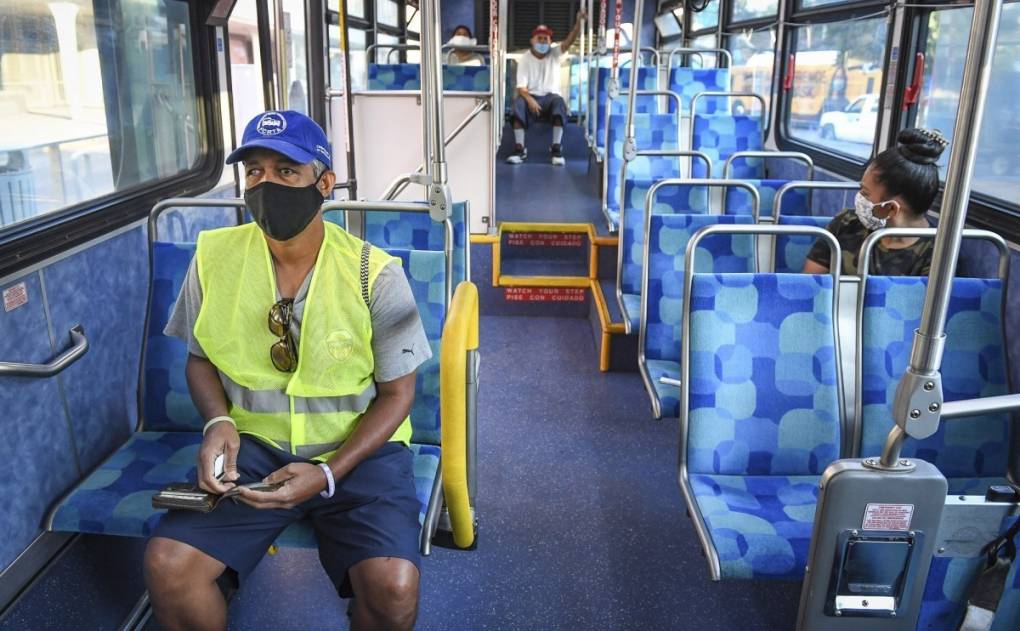
"caption": "Yonas Paulos, que tiene problemas de visión y depende de los autobuses para ir a sus citas médicas, toma asiento en un autobús de Fresno Area Express en el centro de Fresno el 28 de agosto de 2020. Le preocupa contraer el coronavirus mientras viaja en el autobús o espera en una parada.",
"description": "Yonas Paulos, que tiene problemas de visión y depende de los autobuses para ir a sus citas médicas, toma asiento en un autobús de Fresno Area Express en el centro de Fresno el 28 de agosto de 2020. Le preocupa contraer el coronavirus mientras viaja en el autobús o espera en una parada.",
"title": "COVID transit FAX",
"credit": "Fotografía de Craig Kohlruss, The Fresno Bee",
"status": "inherit",
"isLoading": false,
"fetchFailed": false
},
"news_11831215": {
"type": "attachments",
"id": "news_11831215",
"meta": {
"index": "attachments_1716263798",
"site": "news",
"id": "11831215",
"found": true
},
"parent": 11831210,
"imgSizes": {
"apple_news_ca_landscape_5_5": {
"file": "https://ww2.kqed.org/app/uploads/sites/10/2020/07/pexels-august-de-richelieu-4260325-1044x783.jpg",
"width": 1044,
"mimeType": "image/jpeg",
"height": 783
},
"apple_news_ca_square_4_0": {
"file": "https://ww2.kqed.org/app/uploads/sites/10/2020/07/pexels-august-de-richelieu-4260325-470x470.jpg",
"width": 470,
"mimeType": "image/jpeg",
"height": 470
},
"twentyfourteen-full-width": {
"file": "https://ww2.kqed.org/app/uploads/sites/10/2020/07/pexels-august-de-richelieu-4260325-1038x576.jpg",
"width": 1038,
"mimeType": "image/jpeg",
"height": 576
},
"thumbnail": {
"file": "https://ww2.kqed.org/app/uploads/sites/10/2020/07/pexels-august-de-richelieu-4260325-160x107.jpg",
"width": 160,
"mimeType": "image/jpeg",
"height": 107
},
"post-thumbnail": {
"file": "https://ww2.kqed.org/app/uploads/sites/10/2020/07/pexels-august-de-richelieu-4260325-672x372.jpg",
"width": 672,
"mimeType": "image/jpeg",
"height": 372
},
"kqedFullSize": {
"file": "https://ww2.kqed.org/app/uploads/sites/10/2020/07/pexels-august-de-richelieu-4260325.jpg",
"width": 1280,
"height": 854
},
"apple_news_ca_landscape_4_7": {
"file": "https://ww2.kqed.org/app/uploads/sites/10/2020/07/pexels-august-de-richelieu-4260325-632x474.jpg",
"width": 632,
"mimeType": "image/jpeg",
"height": 474
},
"large": {
"file": "https://ww2.kqed.org/app/uploads/sites/10/2020/07/pexels-august-de-richelieu-4260325-1020x681.jpg",
"width": 1020,
"mimeType": "image/jpeg",
"height": 681
},
"apple_news_ca_landscape_4_0": {
"file": "https://ww2.kqed.org/app/uploads/sites/10/2020/07/pexels-august-de-richelieu-4260325-536x402.jpg",
"width": 536,
"mimeType": "image/jpeg",
"height": 402
},
"apple_news_ca_portrait_12_9": {
"file": "https://ww2.kqed.org/app/uploads/sites/10/2020/07/pexels-august-de-richelieu-4260325-1122x854.jpg",
"width": 1122,
"mimeType": "image/jpeg",
"height": 854
},
"medium": {
"file": "https://ww2.kqed.org/app/uploads/sites/10/2020/07/pexels-august-de-richelieu-4260325-800x534.jpg",
"width": 800,
"mimeType": "image/jpeg",
"height": 534
},
"apple_news_ca_portrait_4_0": {
"file": "https://ww2.kqed.org/app/uploads/sites/10/2020/07/pexels-august-de-richelieu-4260325-354x472.jpg",
"width": 354,
"mimeType": "image/jpeg",
"height": 472
},
"apple_news_ca_portrait_9_7": {
"file": "https://ww2.kqed.org/app/uploads/sites/10/2020/07/pexels-august-de-richelieu-4260325-840x854.jpg",
"width": 840,
"mimeType": "image/jpeg",
"height": 854
},
"apple_news_ca_square_9_7": {
"file": "https://ww2.kqed.org/app/uploads/sites/10/2020/07/pexels-august-de-richelieu-4260325-1104x854.jpg",
"width": 1104,
"mimeType": "image/jpeg",
"height": 854
},
"apple_news_ca_portrait_4_7": {
"file": "https://ww2.kqed.org/app/uploads/sites/10/2020/07/pexels-august-de-richelieu-4260325-414x552.jpg",
"width": 414,
"mimeType": "image/jpeg",
"height": 552
},
"apple_news_ca_portrait_5_5": {
"file": "https://ww2.kqed.org/app/uploads/sites/10/2020/07/pexels-august-de-richelieu-4260325-687x854.jpg",
"width": 687,
"mimeType": "image/jpeg",
"height": 854
},
"apple_news_ca_square_4_7": {
"file": "https://ww2.kqed.org/app/uploads/sites/10/2020/07/pexels-august-de-richelieu-4260325-550x550.jpg",
"width": 550,
"mimeType": "image/jpeg",
"height": 550
},
"apple_news_ca_square_5_5": {
"file": "https://ww2.kqed.org/app/uploads/sites/10/2020/07/pexels-august-de-richelieu-4260325-912x854.jpg",
"width": 912,
"mimeType": "image/jpeg",
"height": 854
}
},
"publishDate": 1596125445,
"modified": 1596125466,
"caption": "La educación de al menos el 90% del estado se hará en línea. Las escuelas no pueden reabrir a menos que se estabilice la cantidad de casos de coronavirus y las hospitalizaciones del condado al que pertenecen.",
"description": "La educación de al menos el 90% del estado se hará en línea. Las escuelas no pueden reabrir a menos que se estabilice la cantidad de casos de coronavirus y las hospitalizaciones del condado al que pertenecen.",
"title": "pexels-august-de-richelieu-4260325",
"credit": "Pexels",
"status": "inherit",
"isLoading": false,
"fetchFailed": false
},
"news_11830057": {
"type": "attachments",
"id": "news_11830057",
"meta": {
"index": "attachments_1716263798",
"site": "news",
"id": "11830057",
"found": true
},
"parent": 11830052,
"imgSizes": {
"apple_news_ca_landscape_5_5": {
"file": "https://ww2.kqed.org/app/uploads/sites/10/2020/07/BolinasCovidtestingm-Spanish-Article-Use-Only-1044x783.jpg",
"width": 1044,
"mimeType": "image/jpeg",
"height": 783
},
"apple_news_ca_square_4_0": {
"file": "https://ww2.kqed.org/app/uploads/sites/10/2020/07/BolinasCovidtestingm-Spanish-Article-Use-Only-470x470.jpg",
"width": 470,
"mimeType": "image/jpeg",
"height": 470
},
"twentyfourteen-full-width": {
"file": "https://ww2.kqed.org/app/uploads/sites/10/2020/07/BolinasCovidtestingm-Spanish-Article-Use-Only-1038x576.jpg",
"width": 1038,
"mimeType": "image/jpeg",
"height": 576
},
"thumbnail": {
"file": "https://ww2.kqed.org/app/uploads/sites/10/2020/07/BolinasCovidtestingm-Spanish-Article-Use-Only-160x109.jpg",
"width": 160,
"mimeType": "image/jpeg",
"height": 109
},
"post-thumbnail": {
"file": "https://ww2.kqed.org/app/uploads/sites/10/2020/07/BolinasCovidtestingm-Spanish-Article-Use-Only-672x372.jpg",
"width": 672,
"mimeType": "image/jpeg",
"height": 372
},
"kqedFullSize": {
"file": "https://ww2.kqed.org/app/uploads/sites/10/2020/07/BolinasCovidtestingm-Spanish-Article-Use-Only.jpg",
"width": 1200,
"height": 818
},
"apple_news_ca_landscape_4_7": {
"file": "https://ww2.kqed.org/app/uploads/sites/10/2020/07/BolinasCovidtestingm-Spanish-Article-Use-Only-632x474.jpg",
"width": 632,
"mimeType": "image/jpeg",
"height": 474
},
"large": {
"file": "https://ww2.kqed.org/app/uploads/sites/10/2020/07/BolinasCovidtestingm-Spanish-Article-Use-Only-1020x695.jpg",
"width": 1020,
"mimeType": "image/jpeg",
"height": 695
},
"apple_news_ca_landscape_4_0": {
"file": "https://ww2.kqed.org/app/uploads/sites/10/2020/07/BolinasCovidtestingm-Spanish-Article-Use-Only-536x402.jpg",
"width": 536,
"mimeType": "image/jpeg",
"height": 402
},
"apple_news_ca_portrait_12_9": {
"file": "https://ww2.kqed.org/app/uploads/sites/10/2020/07/BolinasCovidtestingm-Spanish-Article-Use-Only-1122x818.jpg",
"width": 1122,
"mimeType": "image/jpeg",
"height": 818
},
"medium": {
"file": "https://ww2.kqed.org/app/uploads/sites/10/2020/07/BolinasCovidtestingm-Spanish-Article-Use-Only-800x545.jpg",
"width": 800,
"mimeType": "image/jpeg",
"height": 545
},
"apple_news_ca_portrait_4_0": {
"file": "https://ww2.kqed.org/app/uploads/sites/10/2020/07/BolinasCovidtestingm-Spanish-Article-Use-Only-354x472.jpg",
"width": 354,
"mimeType": "image/jpeg",
"height": 472
},
"apple_news_ca_portrait_9_7": {
"file": "https://ww2.kqed.org/app/uploads/sites/10/2020/07/BolinasCovidtestingm-Spanish-Article-Use-Only-840x818.jpg",
"width": 840,
"mimeType": "image/jpeg",
"height": 818
},
"apple_news_ca_square_9_7": {
"file": "https://ww2.kqed.org/app/uploads/sites/10/2020/07/BolinasCovidtestingm-Spanish-Article-Use-Only-1104x818.jpg",
"width": 1104,
"mimeType": "image/jpeg",
"height": 818
},
"apple_news_ca_portrait_4_7": {
"file": "https://ww2.kqed.org/app/uploads/sites/10/2020/07/BolinasCovidtestingm-Spanish-Article-Use-Only-414x552.jpg",
"width": 414,
"mimeType": "image/jpeg",
"height": 552
},
"apple_news_ca_portrait_5_5": {
"file": "https://ww2.kqed.org/app/uploads/sites/10/2020/07/BolinasCovidtestingm-Spanish-Article-Use-Only-687x818.jpg",
"width": 687,
"mimeType": "image/jpeg",
"height": 818
},
"apple_news_ca_square_4_7": {
"file": "https://ww2.kqed.org/app/uploads/sites/10/2020/07/BolinasCovidtestingm-Spanish-Article-Use-Only-550x550.jpg",
"width": 550,
"mimeType": "image/jpeg",
"height": 550
},
"apple_news_ca_square_5_5": {
"file": "https://ww2.kqed.org/app/uploads/sites/10/2020/07/BolinasCovidtestingm-Spanish-Article-Use-Only-912x818.jpg",
"width": 912,
"mimeType": "image/jpeg",
"height": 818
}
},
"publishDate": 1595372695,
"modified": 1595372765,
"caption": "Un flebotomista toma una muestra de sangre de un pinchazo de dedo un servicio al caro en Bolinas el 22 de abril de 2020. Bolinas está intentando hacer las pruebas en toda la ciudad junto con un estudio de la UCSF, lo cual constituye uno de los primeros esfuerzos de este tipo en California.",
"description": "Un flebotomista toma una muestra de sangre de un pinchazo de dedo un servicio al caro en Bolinas el 22 de abril de 2020. Bolinas está intentando hacer las pruebas en toda la ciudad junto con un estudio de la UCSF, lo cual constituye uno de los primeros esfuerzos de este tipo en California.",
"title": "BolinasCovidtestingm-Spanish-Article-Use-Only",
"credit": "Anne Wernikoff/CalMatters",
"status": "inherit",
"isLoading": false,
"fetchFailed": false
},
"news_11828920": {
"type": "attachments",
"id": "news_11828920",
"meta": {
"index": "attachments_1716263798",
"site": "news",
"id": "11828920",
"found": true
},
"parent": 11828902,
"imgSizes": {
"apple_news_ca_square_4_0": {
"file": "https://ww2.kqed.org/app/uploads/sites/10/2020/07/GettyImages-1211223331-470x470.jpg",
"width": 470,
"mimeType": "image/jpeg",
"height": 470
},
"twentyfourteen-full-width": {
"file": "https://ww2.kqed.org/app/uploads/sites/10/2020/07/GettyImages-1211223331-1024x576.jpg",
"width": 1024,
"mimeType": "image/jpeg",
"height": 576
},
"thumbnail": {
"file": "https://ww2.kqed.org/app/uploads/sites/10/2020/07/GettyImages-1211223331-160x106.jpg",
"width": 160,
"mimeType": "image/jpeg",
"height": 106
},
"post-thumbnail": {
"file": "https://ww2.kqed.org/app/uploads/sites/10/2020/07/GettyImages-1211223331-672x372.jpg",
"width": 672,
"mimeType": "image/jpeg",
"height": 372
},
"kqedFullSize": {
"file": "https://ww2.kqed.org/app/uploads/sites/10/2020/07/GettyImages-1211223331.jpg",
"width": 1024,
"height": 681
},
"apple_news_ca_landscape_4_7": {
"file": "https://ww2.kqed.org/app/uploads/sites/10/2020/07/GettyImages-1211223331-632x474.jpg",
"width": 632,
"mimeType": "image/jpeg",
"height": 474
},
"large": {
"file": "https://ww2.kqed.org/app/uploads/sites/10/2020/07/GettyImages-1211223331-1020x678.jpg",
"width": 1020,
"mimeType": "image/jpeg",
"height": 678
},
"apple_news_ca_landscape_4_0": {
"file": "https://ww2.kqed.org/app/uploads/sites/10/2020/07/GettyImages-1211223331-536x402.jpg",
"width": 536,
"mimeType": "image/jpeg",
"height": 402
},
"medium": {
"file": "https://ww2.kqed.org/app/uploads/sites/10/2020/07/GettyImages-1211223331-800x532.jpg",
"width": 800,
"mimeType": "image/jpeg",
"height": 532
},
"apple_news_ca_portrait_4_0": {
"file": "https://ww2.kqed.org/app/uploads/sites/10/2020/07/GettyImages-1211223331-354x472.jpg",
"width": 354,
"mimeType": "image/jpeg",
"height": 472
},
"apple_news_ca_portrait_9_7": {
"file": "https://ww2.kqed.org/app/uploads/sites/10/2020/07/GettyImages-1211223331-840x681.jpg",
"width": 840,
"mimeType": "image/jpeg",
"height": 681
},
"apple_news_ca_portrait_4_7": {
"file": "https://ww2.kqed.org/app/uploads/sites/10/2020/07/GettyImages-1211223331-414x552.jpg",
"width": 414,
"mimeType": "image/jpeg",
"height": 552
},
"apple_news_ca_portrait_5_5": {
"file": "https://ww2.kqed.org/app/uploads/sites/10/2020/07/GettyImages-1211223331-687x681.jpg",
"width": 687,
"mimeType": "image/jpeg",
"height": 681
},
"apple_news_ca_square_4_7": {
"file": "https://ww2.kqed.org/app/uploads/sites/10/2020/07/GettyImages-1211223331-550x550.jpg",
"width": 550,
"mimeType": "image/jpeg",
"height": 550
},
"apple_news_ca_square_5_5": {
"file": "https://ww2.kqed.org/app/uploads/sites/10/2020/07/GettyImages-1211223331-912x681.jpg",
"width": 912,
"mimeType": "image/jpeg",
"height": 681
}
},
"publishDate": 1594754715,
"modified": 1594754851,
"caption": "Jose Vatres con su hijo Aidin. ",
"description": "Jose Vatres con su hijo Aidin. ",
"title": "US-HEALTH-VIRUS-TESTING",
"credit": "ROBYN BECK/AFP via Getty Images",
"status": "inherit",
"isLoading": false,
"fetchFailed": false
},
"news_11828742": {
"type": "attachments",
"id": "news_11828742",
"meta": {
"index": "attachments_1716263798",
"site": "news",
"id": "11828742",
"found": true
},
"parent": 11828737,
"imgSizes": {
"apple_news_ca_landscape_5_5": {
"file": "https://ww2.kqed.org/app/uploads/sites/10/2020/07/042220_BolinasCovidtesting_AW_sized_08-1044x783.jpg",
"width": 1044,
"mimeType": "image/jpeg",
"height": 783
},
"apple_news_ca_square_4_0": {
"file": "https://ww2.kqed.org/app/uploads/sites/10/2020/07/042220_BolinasCovidtesting_AW_sized_08-470x470.jpg",
"width": 470,
"mimeType": "image/jpeg",
"height": 470
},
"twentyfourteen-full-width": {
"file": "https://ww2.kqed.org/app/uploads/sites/10/2020/07/042220_BolinasCovidtesting_AW_sized_08-1038x576.jpg",
"width": 1038,
"mimeType": "image/jpeg",
"height": 576
},
"thumbnail": {
"file": "https://ww2.kqed.org/app/uploads/sites/10/2020/07/042220_BolinasCovidtesting_AW_sized_08-160x109.jpg",
"width": 160,
"mimeType": "image/jpeg",
"height": 109
},
"post-thumbnail": {
"file": "https://ww2.kqed.org/app/uploads/sites/10/2020/07/042220_BolinasCovidtesting_AW_sized_08-672x372.jpg",
"width": 672,
"mimeType": "image/jpeg",
"height": 372
},
"kqedFullSize": {
"file": "https://ww2.kqed.org/app/uploads/sites/10/2020/07/042220_BolinasCovidtesting_AW_sized_08-e1594668728374.jpg",
"width": 1920,
"height": 1308
},
"apple_news_ca_landscape_4_7": {
"file": "https://ww2.kqed.org/app/uploads/sites/10/2020/07/042220_BolinasCovidtesting_AW_sized_08-632x474.jpg",
"width": 632,
"mimeType": "image/jpeg",
"height": 474
},
"large": {
"file": "https://ww2.kqed.org/app/uploads/sites/10/2020/07/042220_BolinasCovidtesting_AW_sized_08-1020x695.jpg",
"width": 1020,
"mimeType": "image/jpeg",
"height": 695
},
"apple_news_ca_landscape_4_0": {
"file": "https://ww2.kqed.org/app/uploads/sites/10/2020/07/042220_BolinasCovidtesting_AW_sized_08-536x402.jpg",
"width": 536,
"mimeType": "image/jpeg",
"height": 402
},
"apple_news_ca_portrait_12_9": {
"file": "https://ww2.kqed.org/app/uploads/sites/10/2020/07/042220_BolinasCovidtesting_AW_sized_08-1122x1363.jpg",
"width": 1122,
"mimeType": "image/jpeg",
"height": 1363
},
"medium": {
"file": "https://ww2.kqed.org/app/uploads/sites/10/2020/07/042220_BolinasCovidtesting_AW_sized_08-800x545.jpg",
"width": 800,
"mimeType": "image/jpeg",
"height": 545
},
"apple_news_ca_portrait_4_0": {
"file": "https://ww2.kqed.org/app/uploads/sites/10/2020/07/042220_BolinasCovidtesting_AW_sized_08-354x472.jpg",
"width": 354,
"mimeType": "image/jpeg",
"height": 472
},
"apple_news_ca_portrait_9_7": {
"file": "https://ww2.kqed.org/app/uploads/sites/10/2020/07/042220_BolinasCovidtesting_AW_sized_08-840x1120.jpg",
"width": 840,
"mimeType": "image/jpeg",
"height": 1120
},
"apple_news_ca_landscape_12_9": {
"file": "https://ww2.kqed.org/app/uploads/sites/10/2020/07/042220_BolinasCovidtesting_AW_sized_08-1832x1363.jpg",
"width": 1832,
"mimeType": "image/jpeg",
"height": 1363
},
"apple_news_ca_square_9_7": {
"file": "https://ww2.kqed.org/app/uploads/sites/10/2020/07/042220_BolinasCovidtesting_AW_sized_08-1104x1104.jpg",
"width": 1104,
"mimeType": "image/jpeg",
"height": 1104
},
"1536x1536": {
"file": "https://ww2.kqed.org/app/uploads/sites/10/2020/07/042220_BolinasCovidtesting_AW_sized_08-1536x1047.jpg",
"width": 1536,
"mimeType": "image/jpeg",
"height": 1047
},
"apple_news_ca_portrait_4_7": {
"file": "https://ww2.kqed.org/app/uploads/sites/10/2020/07/042220_BolinasCovidtesting_AW_sized_08-414x552.jpg",
"width": 414,
"mimeType": "image/jpeg",
"height": 552
},
"apple_news_ca_square_12_9": {
"file": "https://ww2.kqed.org/app/uploads/sites/10/2020/07/042220_BolinasCovidtesting_AW_sized_08-1472x1363.jpg",
"width": 1472,
"mimeType": "image/jpeg",
"height": 1363
},
"apple_news_ca_portrait_5_5": {
"file": "https://ww2.kqed.org/app/uploads/sites/10/2020/07/042220_BolinasCovidtesting_AW_sized_08-687x916.jpg",
"width": 687,
"mimeType": "image/jpeg",
"height": 916
},
"full-width": {
"file": "https://ww2.kqed.org/app/uploads/sites/10/2020/07/042220_BolinasCovidtesting_AW_sized_08-1920x1308.jpg",
"width": 1920,
"mimeType": "image/jpeg",
"height": 1308
},
"apple_news_ca_square_4_7": {
"file": "https://ww2.kqed.org/app/uploads/sites/10/2020/07/042220_BolinasCovidtesting_AW_sized_08-550x550.jpg",
"width": 550,
"mimeType": "image/jpeg",
"height": 550
},
"apple_news_ca_landscape_9_7": {
"file": "https://ww2.kqed.org/app/uploads/sites/10/2020/07/042220_BolinasCovidtesting_AW_sized_08-1376x1032.jpg",
"width": 1376,
"mimeType": "image/jpeg",
"height": 1032
},
"apple_news_ca_square_5_5": {
"file": "https://ww2.kqed.org/app/uploads/sites/10/2020/07/042220_BolinasCovidtesting_AW_sized_08-912x912.jpg",
"width": 912,
"mimeType": "image/jpeg",
"height": 912
}
},
"publishDate": 1594668573,
"modified": 1594668724,
"caption": "A phlebotomist takes a finger prick blood sample at a drive-through COVID-19 testing site in Bolinas on April 22, 2020. Bolinas is attempting to test the entire town in conjunction with a UCSF study, one of the first efforts of its kind in California. ",
"description": null,
"title": "042220_BolinasCovidtesting_AW_sized_08",
"credit": "Anne Wernikoff/CalMatters",
"status": "inherit",
"isLoading": false,
"fetchFailed": false
},
"news_11788525": {
"type": "attachments",
"id": "news_11788525",
"meta": {
"index": "attachments_1716263798",
"site": "news",
"id": "11788525",
"found": true
},
"parent": 11788237,
"imgSizes": {
"apple_news_ca_square_4_0": {
"file": "https://ww2.kqed.org/app/uploads/sites/10/2019/11/moms4housing-470x470.jpg",
"width": 470,
"mimeType": "image/jpeg",
"height": 470
},
"twentyfourteen-full-width": {
"file": "https://ww2.kqed.org/app/uploads/sites/10/2019/11/moms4housing-1037x576.jpg",
"width": 1037,
"mimeType": "image/jpeg",
"height": 576
},
"thumbnail": {
"file": "https://ww2.kqed.org/app/uploads/sites/10/2019/11/moms4housing-160x107.jpg",
"width": 160,
"mimeType": "image/jpeg",
"height": 107
},
"post-thumbnail": {
"file": "https://ww2.kqed.org/app/uploads/sites/10/2019/11/moms4housing-672x372.jpg",
"width": 672,
"mimeType": "image/jpeg",
"height": 372
},
"kqedFullSize": {
"file": "https://ww2.kqed.org/app/uploads/sites/10/2019/11/moms4housing.jpg",
"width": 1037,
"height": 692
},
"apple_news_ca_landscape_4_7": {
"file": "https://ww2.kqed.org/app/uploads/sites/10/2019/11/moms4housing-632x474.jpg",
"width": 632,
"mimeType": "image/jpeg",
"height": 474
},
"large": {
"file": "https://ww2.kqed.org/app/uploads/sites/10/2019/11/moms4housing-1020x681.jpg",
"width": 1020,
"mimeType": "image/jpeg",
"height": 681
},
"apple_news_ca_landscape_4_0": {
"file": "https://ww2.kqed.org/app/uploads/sites/10/2019/11/moms4housing-536x402.jpg",
"width": 536,
"mimeType": "image/jpeg",
"height": 402
},
"medium": {
"file": "https://ww2.kqed.org/app/uploads/sites/10/2019/11/moms4housing-800x534.jpg",
"width": 800,
"mimeType": "image/jpeg",
"height": 534
},
"apple_news_ca_portrait_4_0": {
"file": "https://ww2.kqed.org/app/uploads/sites/10/2019/11/moms4housing-354x472.jpg",
"width": 354,
"mimeType": "image/jpeg",
"height": 472
},
"apple_news_ca_portrait_9_7": {
"file": "https://ww2.kqed.org/app/uploads/sites/10/2019/11/moms4housing-840x692.jpg",
"width": 840,
"mimeType": "image/jpeg",
"height": 692
},
"apple_news_ca_portrait_4_7": {
"file": "https://ww2.kqed.org/app/uploads/sites/10/2019/11/moms4housing-414x552.jpg",
"width": 414,
"mimeType": "image/jpeg",
"height": 552
},
"apple_news_ca_portrait_5_5": {
"file": "https://ww2.kqed.org/app/uploads/sites/10/2019/11/moms4housing-687x692.jpg",
"width": 687,
"mimeType": "image/jpeg",
"height": 692
},
"apple_news_ca_square_4_7": {
"file": "https://ww2.kqed.org/app/uploads/sites/10/2019/11/moms4housing-550x550.jpg",
"width": 550,
"mimeType": "image/jpeg",
"height": 550
},
"apple_news_ca_square_5_5": {
"file": "https://ww2.kqed.org/app/uploads/sites/10/2019/11/moms4housing-912x692.jpg",
"width": 912,
"mimeType": "image/jpeg",
"height": 692
}
},
"publishDate": 1574716317,
"modified": 1592866294,
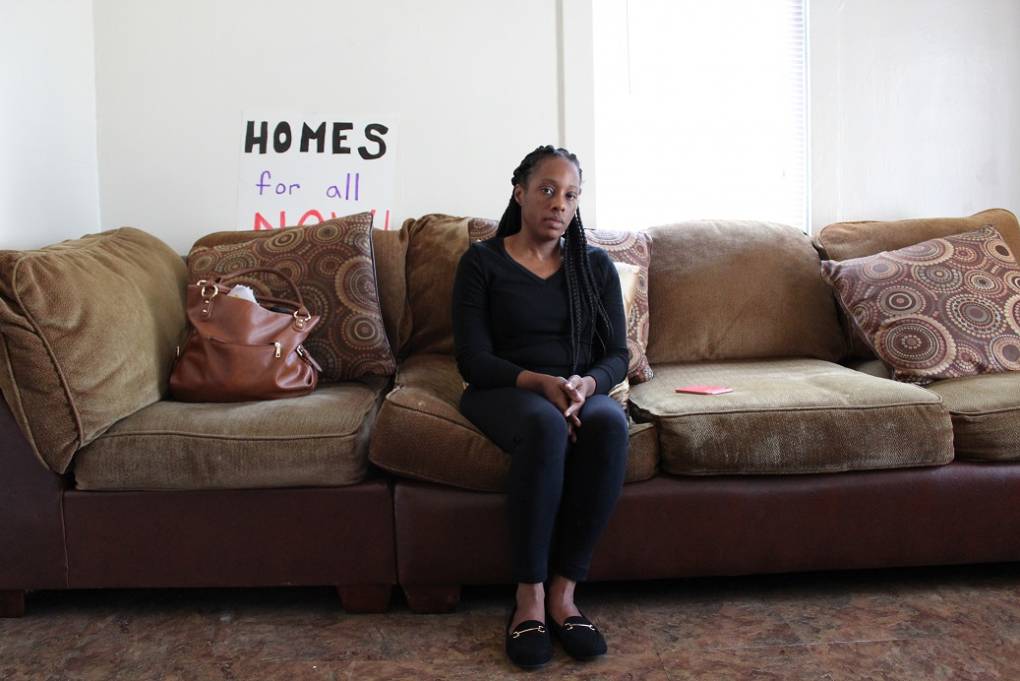
"caption": "Dominique Walker, a member of Moms 4 Housing, sits in a West Oakland home that's been vacant for two years. Walker and other homeless mothers have been occupying the home since November 2019. ",
"description": "Dominique Walker, a member of the group Moms 4 Housing, sits in a West Oakland home that's been vacant for two years. Walker and other homeless mothers have been occupying the home since November.",
"title": "moms4housing",
"credit": "Ericka Cruz Guevarra/KQED",
"status": "inherit",
"isLoading": false,
"fetchFailed": false
},
"news_11819564": {
"type": "attachments",
"id": "news_11819564",
"meta": {
"index": "attachments_1716263798",
"site": "news",
"id": "11819564",
"found": true
},
"parent": 11819549,
"imgSizes": {
"apple_news_ca_landscape_5_5": {
"file": "https://ww2.kqed.org/app/uploads/sites/10/2020/05/RS43261_FOOD-photo-qut-1044x783.jpg",
"width": 1044,
"mimeType": "image/jpeg",
"height": 783
},
"apple_news_ca_square_4_0": {
"file": "https://ww2.kqed.org/app/uploads/sites/10/2020/05/RS43261_FOOD-photo-qut-470x470.jpg",
"width": 470,
"mimeType": "image/jpeg",
"height": 470
},
"twentyfourteen-full-width": {
"file": "https://ww2.kqed.org/app/uploads/sites/10/2020/05/RS43261_FOOD-photo-qut-1038x576.jpg",
"width": 1038,
"mimeType": "image/jpeg",
"height": 576
},
"thumbnail": {
"file": "https://ww2.kqed.org/app/uploads/sites/10/2020/05/RS43261_FOOD-photo-qut-160x117.jpg",
"width": 160,
"mimeType": "image/jpeg",
"height": 117
},
"post-thumbnail": {
"file": "https://ww2.kqed.org/app/uploads/sites/10/2020/05/RS43261_FOOD-photo-qut-672x372.jpg",
"width": 672,
"mimeType": "image/jpeg",
"height": 372
},
"kqedFullSize": {
"file": "https://ww2.kqed.org/app/uploads/sites/10/2020/05/RS43261_FOOD-photo-qut.jpg",
"width": 1920,
"height": 1403
},
"apple_news_ca_landscape_4_7": {
"file": "https://ww2.kqed.org/app/uploads/sites/10/2020/05/RS43261_FOOD-photo-qut-632x474.jpg",
"width": 632,
"mimeType": "image/jpeg",
"height": 474
},
"large": {
"file": "https://ww2.kqed.org/app/uploads/sites/10/2020/05/RS43261_FOOD-photo-qut-1020x745.jpg",
"width": 1020,
"mimeType": "image/jpeg",
"height": 745
},
"apple_news_ca_landscape_4_0": {
"file": "https://ww2.kqed.org/app/uploads/sites/10/2020/05/RS43261_FOOD-photo-qut-536x402.jpg",
"width": 536,
"mimeType": "image/jpeg",
"height": 402
},
"apple_news_ca_portrait_12_9": {
"file": "https://ww2.kqed.org/app/uploads/sites/10/2020/05/RS43261_FOOD-photo-qut-1122x1403.jpg",
"width": 1122,
"mimeType": "image/jpeg",
"height": 1403
},
"medium": {
"file": "https://ww2.kqed.org/app/uploads/sites/10/2020/05/RS43261_FOOD-photo-qut-800x585.jpg",
"width": 800,
"mimeType": "image/jpeg",
"height": 585
},
"apple_news_ca_portrait_4_0": {
"file": "https://ww2.kqed.org/app/uploads/sites/10/2020/05/RS43261_FOOD-photo-qut-354x472.jpg",
"width": 354,
"mimeType": "image/jpeg",
"height": 472
},
"apple_news_ca_portrait_9_7": {
"file": "https://ww2.kqed.org/app/uploads/sites/10/2020/05/RS43261_FOOD-photo-qut-840x1120.jpg",
"width": 840,
"mimeType": "image/jpeg",
"height": 1120
},
"apple_news_ca_landscape_12_9": {
"file": "https://ww2.kqed.org/app/uploads/sites/10/2020/05/RS43261_FOOD-photo-qut-1832x1374.jpg",
"width": 1832,
"mimeType": "image/jpeg",
"height": 1374
},
"apple_news_ca_square_9_7": {
"file": "https://ww2.kqed.org/app/uploads/sites/10/2020/05/RS43261_FOOD-photo-qut-1104x1104.jpg",
"width": 1104,
"mimeType": "image/jpeg",
"height": 1104
},
"apple_news_ca_portrait_4_7": {
"file": "https://ww2.kqed.org/app/uploads/sites/10/2020/05/RS43261_FOOD-photo-qut-414x552.jpg",
"width": 414,
"mimeType": "image/jpeg",
"height": 552
},
"apple_news_ca_square_12_9": {
"file": "https://ww2.kqed.org/app/uploads/sites/10/2020/05/RS43261_FOOD-photo-qut-1472x1403.jpg",
"width": 1472,
"mimeType": "image/jpeg",
"height": 1403
},
"apple_news_ca_portrait_5_5": {
"file": "https://ww2.kqed.org/app/uploads/sites/10/2020/05/RS43261_FOOD-photo-qut-687x916.jpg",
"width": 687,
"mimeType": "image/jpeg",
"height": 916
},
"full-width": {
"file": "https://ww2.kqed.org/app/uploads/sites/10/2020/05/RS43261_FOOD-photo-qut-1920x1403.jpg",
"width": 1920,
"mimeType": "image/jpeg",
"height": 1403
},
"apple_news_ca_square_4_7": {
"file": "https://ww2.kqed.org/app/uploads/sites/10/2020/05/RS43261_FOOD-photo-qut-550x550.jpg",
"width": 550,
"mimeType": "image/jpeg",
"height": 550
},
"apple_news_ca_landscape_9_7": {
"file": "https://ww2.kqed.org/app/uploads/sites/10/2020/05/RS43261_FOOD-photo-qut-1376x1032.jpg",
"width": 1376,
"mimeType": "image/jpeg",
"height": 1032
},
"apple_news_ca_square_5_5": {
"file": "https://ww2.kqed.org/app/uploads/sites/10/2020/05/RS43261_FOOD-photo-qut-912x912.jpg",
"width": 912,
"mimeType": "image/jpeg",
"height": 912
}
},
"publishDate": 1590003525,
"modified": 1590014736,
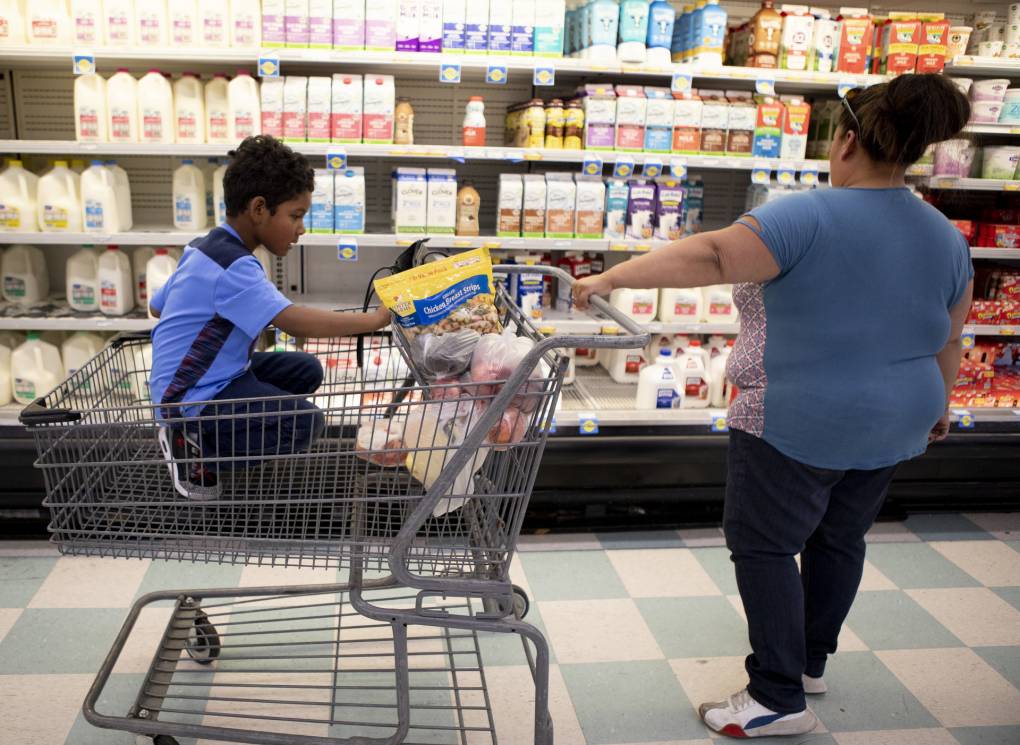
"caption": "Antionette Martinez and her son Caden, 5, who receive CalFresh, do their weekly grocery shopping at FoodMaxx on July 26, 2019. ",
"description": null,
"title": "RS43261_FOOD photo-qut",
"credit": "Anne Wernikoff/CalMatters",
"status": "inherit",
"isLoading": false,
"fetchFailed": false
},
"news_11815895": {
"type": "attachments",
"id": "news_11815895",
"meta": {
"index": "attachments_1716263798",
"site": "news",
"id": "11815895",
"found": true
},
"parent": 11815894,
"imgSizes": {
"apple_news_ca_landscape_5_5": {
"file": "https://ww2.kqed.org/app/uploads/sites/10/2020/05/GettyImages-1211485916-1044x783.jpg",
"width": 1044,
"mimeType": "image/jpeg",
"height": 783
},
"apple_news_ca_square_4_0": {
"file": "https://ww2.kqed.org/app/uploads/sites/10/2020/05/GettyImages-1211485916-470x470.jpg",
"width": 470,
"mimeType": "image/jpeg",
"height": 470
},
"twentyfourteen-full-width": {
"file": "https://ww2.kqed.org/app/uploads/sites/10/2020/05/GettyImages-1211485916-1038x576.jpg",
"width": 1038,
"mimeType": "image/jpeg",
"height": 576
},
"thumbnail": {
"file": "https://ww2.kqed.org/app/uploads/sites/10/2020/05/GettyImages-1211485916-160x98.jpg",
"width": 160,
"mimeType": "image/jpeg",
"height": 98
},
"post-thumbnail": {
"file": "https://ww2.kqed.org/app/uploads/sites/10/2020/05/GettyImages-1211485916-672x372.jpg",
"width": 672,
"mimeType": "image/jpeg",
"height": 372
},
"kqedFullSize": {
"file": "https://ww2.kqed.org/app/uploads/sites/10/2020/05/GettyImages-1211485916.jpg",
"width": 7449,
"height": 4541
},
"apple_news_ca_landscape_4_7": {
"file": "https://ww2.kqed.org/app/uploads/sites/10/2020/05/GettyImages-1211485916-632x474.jpg",
"width": 632,
"mimeType": "image/jpeg",
"height": 474
},
"large": {
"file": "https://ww2.kqed.org/app/uploads/sites/10/2020/05/GettyImages-1211485916-1020x622.jpg",
"width": 1020,
"mimeType": "image/jpeg",
"height": 622
},
"apple_news_ca_landscape_4_0": {
"file": "https://ww2.kqed.org/app/uploads/sites/10/2020/05/GettyImages-1211485916-536x402.jpg",
"width": 536,
"mimeType": "image/jpeg",
"height": 402
},
"apple_news_ca_portrait_12_9": {
"file": "https://ww2.kqed.org/app/uploads/sites/10/2020/05/GettyImages-1211485916-1122x1496.jpg",
"width": 1122,
"mimeType": "image/jpeg",
"height": 1496
},
"medium": {
"file": "https://ww2.kqed.org/app/uploads/sites/10/2020/05/GettyImages-1211485916-800x488.jpg",
"width": 800,
"mimeType": "image/jpeg",
"height": 488
},
"apple_news_ca_portrait_4_0": {
"file": "https://ww2.kqed.org/app/uploads/sites/10/2020/05/GettyImages-1211485916-354x472.jpg",
"width": 354,
"mimeType": "image/jpeg",
"height": 472
},
"apple_news_ca_portrait_9_7": {
"file": "https://ww2.kqed.org/app/uploads/sites/10/2020/05/GettyImages-1211485916-840x1120.jpg",
"width": 840,
"mimeType": "image/jpeg",
"height": 1120
},
"apple_news_ca_landscape_12_9": {
"file": "https://ww2.kqed.org/app/uploads/sites/10/2020/05/GettyImages-1211485916-1832x1374.jpg",
"width": 1832,
"mimeType": "image/jpeg",
"height": 1374
},
"apple_news_ca_square_9_7": {
"file": "https://ww2.kqed.org/app/uploads/sites/10/2020/05/GettyImages-1211485916-1104x1104.jpg",
"width": 1104,
"mimeType": "image/jpeg",
"height": 1104
},
"apple_news_ca_portrait_4_7": {
"file": "https://ww2.kqed.org/app/uploads/sites/10/2020/05/GettyImages-1211485916-414x552.jpg",
"width": 414,
"mimeType": "image/jpeg",
"height": 552
},
"apple_news_ca_square_12_9": {
"file": "https://ww2.kqed.org/app/uploads/sites/10/2020/05/GettyImages-1211485916-1472x1472.jpg",
"width": 1472,
"mimeType": "image/jpeg",
"height": 1472
},
"apple_news_ca_portrait_5_5": {
"file": "https://ww2.kqed.org/app/uploads/sites/10/2020/05/GettyImages-1211485916-687x916.jpg",
"width": 687,
"mimeType": "image/jpeg",
"height": 916
},
"full-width": {
"file": "https://ww2.kqed.org/app/uploads/sites/10/2020/05/GettyImages-1211485916-1920x1170.jpg",
"width": 1920,
"mimeType": "image/jpeg",
"height": 1170
},
"apple_news_ca_square_4_7": {
"file": "https://ww2.kqed.org/app/uploads/sites/10/2020/05/GettyImages-1211485916-550x550.jpg",
"width": 550,
"mimeType": "image/jpeg",
"height": 550
},
"apple_news_ca_landscape_9_7": {
"file": "https://ww2.kqed.org/app/uploads/sites/10/2020/05/GettyImages-1211485916-1376x1032.jpg",
"width": 1376,
"mimeType": "image/jpeg",
"height": 1032
},
"apple_news_ca_square_5_5": {
"file": "https://ww2.kqed.org/app/uploads/sites/10/2020/05/GettyImages-1211485916-912x912.jpg",
"width": 912,
"mimeType": "image/jpeg",
"height": 912
}
},
"publishDate": 1588385735,
"modified": 1588385841,
"caption": "Hundreds of people gather to protest the stay-at-home orders outside the state capitol building in Sacramento, California on May 1, 2020. Some people intentionally jammed roads while honking and holding out signs while others disrespected social distancing rules by gathering in close proximity, causing police to form skirmish lines to push back protesters.",
"description": null,
"title": "US-HEALTH-VIRUS-PROTEST",
"credit": "Josh Edelson/Getty Images",
"status": "inherit",
"isLoading": false,
"fetchFailed": false
},
"news_11817556": {
"type": "attachments",
"id": "news_11817556",
"meta": {
"index": "attachments_1716263798",
"site": "news",
"id": "11817556",
"found": true
},
"parent": 11817499,
"imgSizes": {
"apple_news_ca_landscape_5_5": {
"file": "https://ww2.kqed.org/app/uploads/sites/10/2020/05/RS43163_1-qut-1044x783.jpg",
"width": 1044,
"mimeType": "image/jpeg",
"height": 783
},
"apple_news_ca_square_4_0": {
"file": "https://ww2.kqed.org/app/uploads/sites/10/2020/05/RS43163_1-qut-470x470.jpg",
"width": 470,
"mimeType": "image/jpeg",
"height": 470
},
"twentyfourteen-full-width": {
"file": "https://ww2.kqed.org/app/uploads/sites/10/2020/05/RS43163_1-qut-1038x576.jpg",
"width": 1038,
"mimeType": "image/jpeg",
"height": 576
},
"thumbnail": {
"file": "https://ww2.kqed.org/app/uploads/sites/10/2020/05/RS43163_1-qut-160x112.jpg",
"width": 160,
"mimeType": "image/jpeg",
"height": 112
},
"post-thumbnail": {
"file": "https://ww2.kqed.org/app/uploads/sites/10/2020/05/RS43163_1-qut-672x372.jpg",
"width": 672,
"mimeType": "image/jpeg",
"height": 372
},
"kqedFullSize": {
"file": "https://ww2.kqed.org/app/uploads/sites/10/2020/05/RS43163_1-qut.jpg",
"width": 1920,
"height": 1343
},
"apple_news_ca_landscape_4_7": {
"file": "https://ww2.kqed.org/app/uploads/sites/10/2020/05/RS43163_1-qut-632x474.jpg",
"width": 632,
"mimeType": "image/jpeg",
"height": 474
},
"large": {
"file": "https://ww2.kqed.org/app/uploads/sites/10/2020/05/RS43163_1-qut-1020x713.jpg",
"width": 1020,
"mimeType": "image/jpeg",
"height": 713
},
"apple_news_ca_landscape_4_0": {
"file": "https://ww2.kqed.org/app/uploads/sites/10/2020/05/RS43163_1-qut-536x402.jpg",
"width": 536,
"mimeType": "image/jpeg",
"height": 402
},
"apple_news_ca_portrait_12_9": {
"file": "https://ww2.kqed.org/app/uploads/sites/10/2020/05/RS43163_1-qut-1122x1343.jpg",
"width": 1122,
"mimeType": "image/jpeg",
"height": 1343
},
"medium": {
"file": "https://ww2.kqed.org/app/uploads/sites/10/2020/05/RS43163_1-qut-800x560.jpg",
"width": 800,
"mimeType": "image/jpeg",
"height": 560
},
"apple_news_ca_portrait_4_0": {
"file": "https://ww2.kqed.org/app/uploads/sites/10/2020/05/RS43163_1-qut-354x472.jpg",
"width": 354,
"mimeType": "image/jpeg",
"height": 472
},
"apple_news_ca_portrait_9_7": {
"file": "https://ww2.kqed.org/app/uploads/sites/10/2020/05/RS43163_1-qut-840x1120.jpg",
"width": 840,
"mimeType": "image/jpeg",
"height": 1120
},
"apple_news_ca_landscape_12_9": {
"file": "https://ww2.kqed.org/app/uploads/sites/10/2020/05/RS43163_1-qut-1832x1343.jpg",
"width": 1832,
"mimeType": "image/jpeg",
"height": 1343
},
"apple_news_ca_square_9_7": {
"file": "https://ww2.kqed.org/app/uploads/sites/10/2020/05/RS43163_1-qut-1104x1104.jpg",
"width": 1104,
"mimeType": "image/jpeg",
"height": 1104
},
"apple_news_ca_portrait_4_7": {
"file": "https://ww2.kqed.org/app/uploads/sites/10/2020/05/RS43163_1-qut-414x552.jpg",
"width": 414,
"mimeType": "image/jpeg",
"height": 552
},
"apple_news_ca_square_12_9": {
"file": "https://ww2.kqed.org/app/uploads/sites/10/2020/05/RS43163_1-qut-1472x1343.jpg",
"width": 1472,
"mimeType": "image/jpeg",
"height": 1343
},
"apple_news_ca_portrait_5_5": {
"file": "https://ww2.kqed.org/app/uploads/sites/10/2020/05/RS43163_1-qut-687x916.jpg",
"width": 687,
"mimeType": "image/jpeg",
"height": 916
},
"full-width": {
"file": "https://ww2.kqed.org/app/uploads/sites/10/2020/05/RS43163_1-qut-1920x1343.jpg",
"width": 1920,
"mimeType": "image/jpeg",
"height": 1343
},
"apple_news_ca_square_4_7": {
"file": "https://ww2.kqed.org/app/uploads/sites/10/2020/05/RS43163_1-qut-550x550.jpg",
"width": 550,
"mimeType": "image/jpeg",
"height": 550
},
"apple_news_ca_landscape_9_7": {
"file": "https://ww2.kqed.org/app/uploads/sites/10/2020/05/RS43163_1-qut-1376x1032.jpg",
"width": 1376,
"mimeType": "image/jpeg",
"height": 1032
},
"apple_news_ca_square_5_5": {
"file": "https://ww2.kqed.org/app/uploads/sites/10/2020/05/RS43163_1-qut-912x912.jpg",
"width": 912,
"mimeType": "image/jpeg",
"height": 912
}
},
"publishDate": 1589228645,
"modified": 1589228699,
"caption": "Amanda Simoni, owner of Heritage School of Discovery in Oakdale, laughs while students play in the school yard mud pit. A new California child care website aims to connect essential workers with available options. ",
"description": null,
"title": "RS43163_1-qut",
"credit": "Anne Wernikoff/CalMatters",
"status": "inherit",
"isLoading": false,
"fetchFailed": false
},
"news_11816770": {
"type": "attachments",
"id": "news_11816770",
"meta": {
"index": "attachments_1716263798",
"site": "news",
"id": "11816770",
"found": true
},
"parent": 11816768,
"imgSizes": {
"apple_news_ca_landscape_5_5": {
"file": "https://ww2.kqed.org/app/uploads/sites/10/2020/05/AP_Newsom_pool_050520_11-1044x783.jpg",
"width": 1044,
"mimeType": "image/jpeg",
"height": 783
},
"apple_news_ca_square_4_0": {
"file": "https://ww2.kqed.org/app/uploads/sites/10/2020/05/AP_Newsom_pool_050520_11-470x470.jpg",
"width": 470,
"mimeType": "image/jpeg",
"height": 470
},
"twentyfourteen-full-width": {
"file": "https://ww2.kqed.org/app/uploads/sites/10/2020/05/AP_Newsom_pool_050520_11-1038x576.jpg",
"width": 1038,
"mimeType": "image/jpeg",
"height": 576
},
"thumbnail": {
"file": "https://ww2.kqed.org/app/uploads/sites/10/2020/05/AP_Newsom_pool_050520_11-160x107.jpg",
"width": 160,
"mimeType": "image/jpeg",
"height": 107
},
"post-thumbnail": {
"file": "https://ww2.kqed.org/app/uploads/sites/10/2020/05/AP_Newsom_pool_050520_11-672x372.jpg",
"width": 672,
"mimeType": "image/jpeg",
"height": 372
},
"kqedFullSize": {
"file": "https://ww2.kqed.org/app/uploads/sites/10/2020/05/AP_Newsom_pool_050520_11.jpg",
"width": 1536,
"height": 1023
},
"apple_news_ca_landscape_4_7": {
"file": "https://ww2.kqed.org/app/uploads/sites/10/2020/05/AP_Newsom_pool_050520_11-632x474.jpg",
"width": 632,
"mimeType": "image/jpeg",
"height": 474
},
"large": {
"file": "https://ww2.kqed.org/app/uploads/sites/10/2020/05/AP_Newsom_pool_050520_11-1020x679.jpg",
"width": 1020,
"mimeType": "image/jpeg",
"height": 679
},
"apple_news_ca_landscape_4_0": {
"file": "https://ww2.kqed.org/app/uploads/sites/10/2020/05/AP_Newsom_pool_050520_11-536x402.jpg",
"width": 536,
"mimeType": "image/jpeg",
"height": 402
},
"apple_news_ca_portrait_12_9": {
"file": "https://ww2.kqed.org/app/uploads/sites/10/2020/05/AP_Newsom_pool_050520_11-1122x1023.jpg",
"width": 1122,
"mimeType": "image/jpeg",
"height": 1023
},
"medium": {
"file": "https://ww2.kqed.org/app/uploads/sites/10/2020/05/AP_Newsom_pool_050520_11-800x533.jpg",
"width": 800,
"mimeType": "image/jpeg",
"height": 533
},
"apple_news_ca_portrait_4_0": {
"file": "https://ww2.kqed.org/app/uploads/sites/10/2020/05/AP_Newsom_pool_050520_11-354x472.jpg",
"width": 354,
"mimeType": "image/jpeg",
"height": 472
},
"apple_news_ca_portrait_9_7": {
"file": "https://ww2.kqed.org/app/uploads/sites/10/2020/05/AP_Newsom_pool_050520_11-840x1023.jpg",
"width": 840,
"mimeType": "image/jpeg",
"height": 1023
},
"apple_news_ca_square_9_7": {
"file": "https://ww2.kqed.org/app/uploads/sites/10/2020/05/AP_Newsom_pool_050520_11-1104x1023.jpg",
"width": 1104,
"mimeType": "image/jpeg",
"height": 1023
},
"apple_news_ca_portrait_4_7": {
"file": "https://ww2.kqed.org/app/uploads/sites/10/2020/05/AP_Newsom_pool_050520_11-414x552.jpg",
"width": 414,
"mimeType": "image/jpeg",
"height": 552
},
"apple_news_ca_square_12_9": {
"file": "https://ww2.kqed.org/app/uploads/sites/10/2020/05/AP_Newsom_pool_050520_11-1472x1023.jpg",
"width": 1472,
"mimeType": "image/jpeg",
"height": 1023
},
"apple_news_ca_portrait_5_5": {
"file": "https://ww2.kqed.org/app/uploads/sites/10/2020/05/AP_Newsom_pool_050520_11-687x916.jpg",
"width": 687,
"mimeType": "image/jpeg",
"height": 916
},
"apple_news_ca_square_4_7": {
"file": "https://ww2.kqed.org/app/uploads/sites/10/2020/05/AP_Newsom_pool_050520_11-550x550.jpg",
"width": 550,
"mimeType": "image/jpeg",
"height": 550
},
"apple_news_ca_landscape_9_7": {
"file": "https://ww2.kqed.org/app/uploads/sites/10/2020/05/AP_Newsom_pool_050520_11-1376x1023.jpg",
"width": 1376,
"mimeType": "image/jpeg",
"height": 1023
},
"apple_news_ca_square_5_5": {
"file": "https://ww2.kqed.org/app/uploads/sites/10/2020/05/AP_Newsom_pool_050520_11-912x912.jpg",
"width": 912,
"mimeType": "image/jpeg",
"height": 912
}
},
"publishDate": 1588830966,
"modified": 1588877890,
"caption": "Gov. Gavin Newsom, left, talks with Roshaun Davis, owner of Display California, about the locally made items he sells at his store in Sacramento. ",
"description": "Gov. Gavin Newsom, left, talks with Roshaun Davis, owner of Display California, about the locally made items he sells at his store in Sacramento. ",
"title": "Virus Outbreak California",
"credit": "Rich Pedroncelli, Pool/AP Photo",
"status": "inherit",
"isLoading": false,
"fetchFailed": false
},
"news_11816623": {
"type": "attachments",
"id": "news_11816623",
"meta": {
"index": "attachments_1716263798",
"site": "news",
"id": "11816623",
"found": true
},
"parent": 11816521,
"imgSizes": {
"apple_news_ca_landscape_5_5": {
"file": "https://ww2.kqed.org/app/uploads/sites/10/2020/05/RS43030_photo2-qut-1044x783.jpg",
"width": 1044,
"mimeType": "image/jpeg",
"height": 783
},
"apple_news_ca_square_4_0": {
"file": "https://ww2.kqed.org/app/uploads/sites/10/2020/05/RS43030_photo2-qut-470x470.jpg",
"width": 470,
"mimeType": "image/jpeg",
"height": 470
},
"twentyfourteen-full-width": {
"file": "https://ww2.kqed.org/app/uploads/sites/10/2020/05/RS43030_photo2-qut-1038x576.jpg",
"width": 1038,
"mimeType": "image/jpeg",
"height": 576
},
"thumbnail": {
"file": "https://ww2.kqed.org/app/uploads/sites/10/2020/05/RS43030_photo2-qut-160x107.jpg",
"width": 160,
"mimeType": "image/jpeg",
"height": 107
},
"post-thumbnail": {
"file": "https://ww2.kqed.org/app/uploads/sites/10/2020/05/RS43030_photo2-qut-672x372.jpg",
"width": 672,
"mimeType": "image/jpeg",
"height": 372
},
"kqedFullSize": {
"file": "https://ww2.kqed.org/app/uploads/sites/10/2020/05/RS43030_photo2-qut.jpg",
"width": 1920,
"height": 1280
},
"apple_news_ca_landscape_4_7": {
"file": "https://ww2.kqed.org/app/uploads/sites/10/2020/05/RS43030_photo2-qut-632x474.jpg",
"width": 632,
"mimeType": "image/jpeg",
"height": 474
},
"large": {
"file": "https://ww2.kqed.org/app/uploads/sites/10/2020/05/RS43030_photo2-qut-1020x680.jpg",
"width": 1020,
"mimeType": "image/jpeg",
"height": 680
},
"apple_news_ca_landscape_4_0": {
"file": "https://ww2.kqed.org/app/uploads/sites/10/2020/05/RS43030_photo2-qut-536x402.jpg",
"width": 536,
"mimeType": "image/jpeg",
"height": 402
},
"apple_news_ca_portrait_12_9": {
"file": "https://ww2.kqed.org/app/uploads/sites/10/2020/05/RS43030_photo2-qut-1122x1280.jpg",
"width": 1122,
"mimeType": "image/jpeg",
"height": 1280
},
"medium": {
"file": "https://ww2.kqed.org/app/uploads/sites/10/2020/05/RS43030_photo2-qut-800x533.jpg",
"width": 800,
"mimeType": "image/jpeg",
"height": 533
},
"apple_news_ca_portrait_4_0": {
"file": "https://ww2.kqed.org/app/uploads/sites/10/2020/05/RS43030_photo2-qut-354x472.jpg",
"width": 354,
"mimeType": "image/jpeg",
"height": 472
},
"apple_news_ca_portrait_9_7": {
"file": "https://ww2.kqed.org/app/uploads/sites/10/2020/05/RS43030_photo2-qut-840x1120.jpg",
"width": 840,
"mimeType": "image/jpeg",
"height": 1120
},
"apple_news_ca_landscape_12_9": {
"file": "https://ww2.kqed.org/app/uploads/sites/10/2020/05/RS43030_photo2-qut-1832x1280.jpg",
"width": 1832,
"mimeType": "image/jpeg",
"height": 1280
},
"apple_news_ca_square_9_7": {
"file": "https://ww2.kqed.org/app/uploads/sites/10/2020/05/RS43030_photo2-qut-1104x1104.jpg",
"width": 1104,
"mimeType": "image/jpeg",
"height": 1104
},
"apple_news_ca_portrait_4_7": {
"file": "https://ww2.kqed.org/app/uploads/sites/10/2020/05/RS43030_photo2-qut-414x552.jpg",
"width": 414,
"mimeType": "image/jpeg",
"height": 552
},
"apple_news_ca_square_12_9": {
"file": "https://ww2.kqed.org/app/uploads/sites/10/2020/05/RS43030_photo2-qut-1472x1280.jpg",
"width": 1472,
"mimeType": "image/jpeg",
"height": 1280
},
"apple_news_ca_portrait_5_5": {
"file": "https://ww2.kqed.org/app/uploads/sites/10/2020/05/RS43030_photo2-qut-687x916.jpg",
"width": 687,
"mimeType": "image/jpeg",
"height": 916
},
"full-width": {
"file": "https://ww2.kqed.org/app/uploads/sites/10/2020/05/RS43030_photo2-qut-1920x1280.jpg",
"width": 1920,
"mimeType": "image/jpeg",
"height": 1280
},
"apple_news_ca_square_4_7": {
"file": "https://ww2.kqed.org/app/uploads/sites/10/2020/05/RS43030_photo2-qut-550x550.jpg",
"width": 550,
"mimeType": "image/jpeg",
"height": 550
},
"apple_news_ca_landscape_9_7": {
"file": "https://ww2.kqed.org/app/uploads/sites/10/2020/05/RS43030_photo2-qut-1376x1032.jpg",
"width": 1376,
"mimeType": "image/jpeg",
"height": 1032
},
"apple_news_ca_square_5_5": {
"file": "https://ww2.kqed.org/app/uploads/sites/10/2020/05/RS43030_photo2-qut-912x912.jpg",
"width": 912,
"mimeType": "image/jpeg",
"height": 912
}
},
"publishDate": 1588804836,
"modified": 1588874278,
"caption": "Endocrinologist Dr. Raynald Samoa at the City of Hope Comprehensive Cancer Center in Duarte on April 25, 2020. Samoa, who tested positive for the novel coronavirus, just recently returned to his family home after being in an extended quarantine.",
"description": null,
"title": "RS43030_photo2-qut",
"credit": "Nancy Pastor/CalMatters",
"status": "inherit",
"isLoading": false,
"fetchFailed": false
},
"news_11814422": {
"type": "attachments",
"id": "news_11814422",
"meta": {
"index": "attachments_1716263798",
"site": "news",
"id": "11814422",
"found": true
},
"parent": 11814408,
"imgSizes": {
"apple_news_ca_landscape_5_5": {
"file": "https://ww2.kqed.org/app/uploads/sites/10/2020/04/042320_PrivatePhysician_AW_sized_02-1044x783.jpg",
"width": 1044,
"mimeType": "image/jpeg",
"height": 783
},
"apple_news_ca_square_4_0": {
"file": "https://ww2.kqed.org/app/uploads/sites/10/2020/04/042320_PrivatePhysician_AW_sized_02-470x470.jpg",
"width": 470,
"mimeType": "image/jpeg",
"height": 470
},
"twentyfourteen-full-width": {
"file": "https://ww2.kqed.org/app/uploads/sites/10/2020/04/042320_PrivatePhysician_AW_sized_02-1038x576.jpg",
"width": 1038,
"mimeType": "image/jpeg",
"height": 576
},
"thumbnail": {
"file": "https://ww2.kqed.org/app/uploads/sites/10/2020/04/042320_PrivatePhysician_AW_sized_02-160x111.jpg",
"width": 160,
"mimeType": "image/jpeg",
"height": 111
},
"post-thumbnail": {
"file": "https://ww2.kqed.org/app/uploads/sites/10/2020/04/042320_PrivatePhysician_AW_sized_02-672x372.jpg",
"width": 672,
"mimeType": "image/jpeg",
"height": 372
},
"kqedFullSize": {
"file": "https://ww2.kqed.org/app/uploads/sites/10/2020/04/042320_PrivatePhysician_AW_sized_02.jpg",
"width": 1152,
"height": 799
},
"apple_news_ca_landscape_4_7": {
"file": "https://ww2.kqed.org/app/uploads/sites/10/2020/04/042320_PrivatePhysician_AW_sized_02-632x474.jpg",
"width": 632,
"mimeType": "image/jpeg",
"height": 474
},
"large": {
"file": "https://ww2.kqed.org/app/uploads/sites/10/2020/04/042320_PrivatePhysician_AW_sized_02-1020x707.jpg",
"width": 1020,
"mimeType": "image/jpeg",
"height": 707
},
"apple_news_ca_landscape_4_0": {
"file": "https://ww2.kqed.org/app/uploads/sites/10/2020/04/042320_PrivatePhysician_AW_sized_02-536x402.jpg",
"width": 536,
"mimeType": "image/jpeg",
"height": 402
},
"apple_news_ca_portrait_12_9": {
"file": "https://ww2.kqed.org/app/uploads/sites/10/2020/04/042320_PrivatePhysician_AW_sized_02-1122x799.jpg",
"width": 1122,
"mimeType": "image/jpeg",
"height": 799
},
"medium": {
"file": "https://ww2.kqed.org/app/uploads/sites/10/2020/04/042320_PrivatePhysician_AW_sized_02-800x555.jpg",
"width": 800,
"mimeType": "image/jpeg",
"height": 555
},
"apple_news_ca_portrait_4_0": {
"file": "https://ww2.kqed.org/app/uploads/sites/10/2020/04/042320_PrivatePhysician_AW_sized_02-354x472.jpg",
"width": 354,
"mimeType": "image/jpeg",
"height": 472
},
"apple_news_ca_portrait_9_7": {
"file": "https://ww2.kqed.org/app/uploads/sites/10/2020/04/042320_PrivatePhysician_AW_sized_02-840x799.jpg",
"width": 840,
"mimeType": "image/jpeg",
"height": 799
},
"apple_news_ca_square_9_7": {
"file": "https://ww2.kqed.org/app/uploads/sites/10/2020/04/042320_PrivatePhysician_AW_sized_02-1104x799.jpg",
"width": 1104,
"mimeType": "image/jpeg",
"height": 799
},
"apple_news_ca_portrait_4_7": {
"file": "https://ww2.kqed.org/app/uploads/sites/10/2020/04/042320_PrivatePhysician_AW_sized_02-414x552.jpg",
"width": 414,
"mimeType": "image/jpeg",
"height": 552
},
"apple_news_ca_portrait_5_5": {
"file": "https://ww2.kqed.org/app/uploads/sites/10/2020/04/042320_PrivatePhysician_AW_sized_02-687x799.jpg",
"width": 687,
"mimeType": "image/jpeg",
"height": 799
},
"apple_news_ca_square_4_7": {
"file": "https://ww2.kqed.org/app/uploads/sites/10/2020/04/042320_PrivatePhysician_AW_sized_02-550x550.jpg",
"width": 550,
"mimeType": "image/jpeg",
"height": 550
},
"apple_news_ca_square_5_5": {
"file": "https://ww2.kqed.org/app/uploads/sites/10/2020/04/042320_PrivatePhysician_AW_sized_02-912x799.jpg",
"width": 912,
"mimeType": "image/jpeg",
"height": 799
}
},
"publishDate": 1587931448,
"modified": 1588008197,
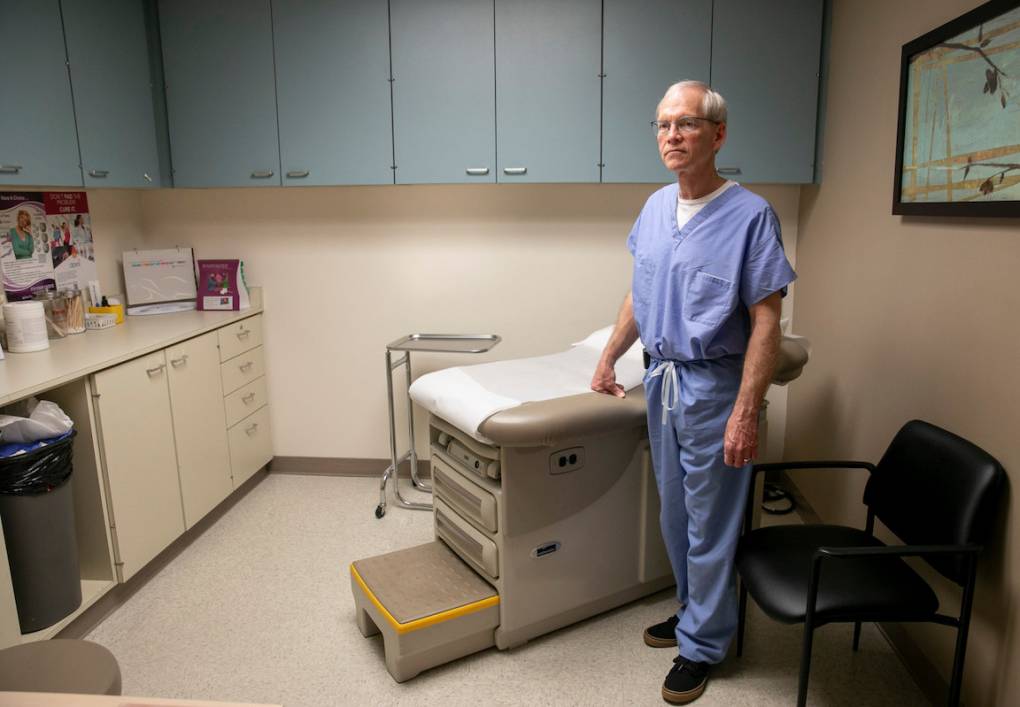
"caption": "Dr. George Scott in one of five examination rooms in his Manteca clinic. Dr. Scott’s private OB-GYN practice is being forced to move to a smaller clinic space after their landlord more than tripled their rent in early March. ",
"description": null,
"title": "042320_PrivatePhysician_AW_sized_02",
"credit": "Anne Wernikoff/CalMatters",
"status": "inherit",
"isLoading": false,
"fetchFailed": false
}
},
"audioPlayerReducer": {
"postId": "stream_live",
"isPaused": true,
"isPlaying": false,
"pfsActive": false,
"pledgeModalIsOpen": true,
"playerDrawerIsOpen": false,
"liveAudioPlayStartedAt": 0,
"liveAudioPlayContext": ""
},
"authorsReducer": {
"byline_news_11836346": {
"type": "authors",
"id": "byline_news_11836346",
"meta": {
"override": true
},
"slug": "byline_news_11836346",
"name": "Elizabeth Castillo, Cal Matters",
"isLoading": false
},
"byline_news_11830052": {
"type": "authors",
"id": "byline_news_11830052",
"meta": {
"override": true
},
"slug": "byline_news_11830052",
"name": "Ana B. Ibarra, CalMatters",
"isLoading": false
},
"byline_news_11828902": {
"type": "authors",
"id": "byline_news_11828902",
"meta": {
"override": true
},
"slug": "byline_news_11828902",
"name": "Elizabeth Aguilera, CalMatters",
"isLoading": false
},
"byline_news_11828737": {
"type": "authors",
"id": "byline_news_11828737",
"meta": {
"override": true
},
"slug": "byline_news_11828737",
"name": "\u003ca href=\"https://calmatters.org/author/anaibarra/?_gl=1*1vgm7lz*_ga*YW1wLWo5T3A4LVdPaXRaYzJvN1BOOWtFbnc.\">Ana B Ibarra\u003c/a>\u003cbr>CALmatters",
"isLoading": false
},
"byline_news_11825550": {
"type": "authors",
"id": "byline_news_11825550",
"meta": {
"override": true
},
"slug": "byline_news_11825550",
"name": "Matt Levin \u003cbr />CalMatters\u003cbr>",
"isLoading": false
},
"byline_news_11819549": {
"type": "authors",
"id": "byline_news_11819549",
"meta": {
"override": true
},
"slug": "byline_news_11819549",
"name": "\u003ca href=\"https://calmatters.org/author/jacqueline-garcia/\"> Jacqueline Garcia \u003ca />",
"isLoading": false
},
"byline_news_11817686": {
"type": "authors",
"id": "byline_news_11817686",
"meta": {
"override": true
},
"slug": "byline_news_11817686",
"name": "\u003ca href=\"https://calmatters.org/author/ben-christopher/\">Ben Christopher\u003c/a>",
"isLoading": false
},
"byline_news_11817499": {
"type": "authors",
"id": "byline_news_11817499",
"meta": {
"override": true
},
"slug": "byline_news_11817499",
"name": "\u003ca href=\"https://calmatters.org/author/elizabeth-aguilera/\"> Elizabeth Aguilera \u003ca />",
"isLoading": false
},
"byline_news_11816768": {
"type": "authors",
"id": "byline_news_11816768",
"meta": {
"override": true
},
"slug": "byline_news_11816768",
"name": "\u003ca href=\"https://calmatters.org/author/nigelduara/\">Nigel Duara\u003c/a>",
"isLoading": false
},
"byline_news_11816521": {
"type": "authors",
"id": "byline_news_11816521",
"meta": {
"override": true
},
"slug": "byline_news_11816521",
"name": "\u003ca href=\"https://calmatters.org/author/jackie-botts/\"> Jackie Botts \u003ca />",
"isLoading": false
},
"byline_news_11814408": {
"type": "authors",
"id": "byline_news_11814408",
"meta": {
"override": true
},
"slug": "byline_news_11814408",
"name": "\u003ca href=\"https://calmatters.org/author/kristen-hwang/\">Kristen Hwang\u003c/a>",
"isLoading": false
},
"kqed": {
"type": "authors",
"id": "236",
"meta": {
"index": "authors_1716337520",
"id": "236",
"found": true
},
"name": "KQED News Staff",
"firstName": "KQED News Staff",
"lastName": null,
"slug": "kqed",
"email": "faq@kqed.org",
"display_author_email": false,
"staff_mastheads": [],
"title": null,
"bio": null,
"avatar": "https://secure.gravatar.com/avatar/ef0e801a68c4c54afa9180db14084167?s=600&d=blank&r=g",
"twitter": null,
"facebook": null,
"instagram": null,
"linkedin": null,
"sites": [
{
"site": "arts",
"roles": [
"contributor"
]
},
{
"site": "news",
"roles": [
"editor"
]
},
{
"site": "futureofyou",
"roles": [
"author"
]
}
],
"headData": {
"title": "KQED News Staff | KQED",
"description": null,
"ogImgSrc": "https://secure.gravatar.com/avatar/ef0e801a68c4c54afa9180db14084167?s=600&d=blank&r=g",
"twImgSrc": "https://secure.gravatar.com/avatar/ef0e801a68c4c54afa9180db14084167?s=600&d=blank&r=g"
},
"isLoading": false,
"link": "/author/kqed"
}
},
"pagesReducer": {
"news_affiliate_calmatters": {
"type": "terms",
"id": "news_18481",
"meta": {
"index": "terms_1716263798",
"site": "news",
"id": "18481",
"score": 15.355904
},
"featImg": null,
"name": "CALmatters",
"description": null,
"taxonomy": "affiliate",
"headData": {
"twImgId": null,
"twTitle": null,
"ogTitle": null,
"ogImgId": null,
"twDescription": null,
"description": null,
"title": "CALmatters Archives | KQED Arts",
"ogDescription": null
},
"ttid": 18515,
"slug": "calmatters",
"isLoading": false,
"title": "CALmatters",
"pageMeta": {
"site": "news",
"WpPageTemplate": "page-topic-editorial",
"currentPage": 60
},
"blocks": [
{
"blockName": "kqed/post-list",
"attrs": {
"layout": "cardArticle2",
"query": "posts/news?affiliate=calmatters",
"seeMore": false,
"paginated": true,
"page": 60
}
},
{
"blockName": "kqed/ad"
}
]
}
},
"pfsSessionReducer": {},
"postsReducer": {
"stream_live": {
"type": "live",
"id": "stream_live",
"audioUrl": "https://streams.kqed.org/kqedradio",
"title": "Live Stream",
"excerpt": "Live Stream information currently unavailable.",
"link": "/radio",
"featImg": "",
"label": {
"name": "KQED Live",
"link": "/"
}
},
"stream_kqedNewscast": {
"type": "posts",
"id": "stream_kqedNewscast",
"audioUrl": "https://www.kqed.org/.stream/anon/radio/RDnews/newscast.mp3?_=1",
"title": "KQED Newscast",
"featImg": "",
"label": {
"name": "88.5 FM",
"link": "/"
}
},
"news_11836346": {
"type": "posts",
"id": "news_11836346",
"meta": {
"index": "posts_1716263798",
"site": "news",
"id": "11836346",
"score": null,
"sort": [
1599092886000
]
},
"parent": 0,
"labelTerm": {
"site": "news",
"term": 18481
},
"blocks": [],
"publishDate": 1599092886,
"format": "standard",
"disqusTitle": "Más esperas y menos autobuses: La pandemia empeora las deficiencias y los recortes de servicio",
"title": "Más esperas y menos autobuses: La pandemia empeora las deficiencias y los recortes de servicio",
"headTitle": "KQED en Espanol | CALmatters | KQED News",
"content": "\u003cp>\u003cem>Suscribáse al boletín semanal de KQED en Español \u003ca href=\"http://kqed.org/newsletters\">en este enlace\u003c/a>.\u003c/em>\u003c/p>\n\u003cp>Yonas Paulos, quien es discapacitado visual, depende de los autobuses de Fresno para llegar a sus citas con el doctor.\u003c/p>\n\u003cp>Pero ahora, durante la pandemia, sólo se permiten 10 pasajeros en cada autobús para lograr el distanciamiento social. Eso significa que Paulos, de 49 años, a veces tiene que esperar media hora más en una parada de autobús. La espera, dijo, puede ser cruel con el calor.\u003c/p>\n\u003cp>“Es muy difícil subir a un autobús en ciertas intersecciones”, explicó Paulos. “Trato de cumplir con todas mis citas por la mañana, así que ahora tengo un cambio en mi rutina”.\u003c/p>\n\u003cp>Además de los cambios en su agenda, teme contraer el virus en un autobús o en la parada del mismo. “Se suma a mi ansiedad, y se intensifica”, comentó Paulos.\u003c/p>\n\u003cp>[aside tag='elcoronavirus' label='Leer más noticias en español']\u003c/p>\n\u003cp>En todo California, las agencias de transporte están luchando simultáneamente con una disminución sin precedentes de los ingresos, un fuerte descenso en el número de pasajeros y un aumento de los gastos debido a las nuevas políticas de pandemia. Como resultado, los pasajeros como Paulos —especialmente los trabajadores esenciales de bajos ingresos y las personas con discapacidades— se ven afectados por el recorte del servicio de autobuses.\u003c/p>\n\u003cp>“Estamos lidiando con un número reducido de pasajeros del transporte público desde el comienzo de la pandemia”, dijo Michael Pimentel, director ejecutivo adjunto de la Asociación de Transporte Público de California, que representa a más de 80 agencias de transporte público. “Y ahora estamos lidiando con la segunda ola de impacto debido en gran parte a la disminución de los ingresos por impuestos de ventas”.\u003c/p>\n\u003cp>El número de pasajeros de autobús ha disminuido entre el 60 y el 90% comparado con el año pasado, según la agencia de transporte. Al mismo tiempo, se espera que los ingresos del impuesto sobre las ventas —una fuente importante de financiación para las agencias de transporte— disminuyan alrededor del 30%.\u003c/p>\n\u003cp>“Estamos hablando de miles de millones de dólares en impactos que están ocurriendo en los próximos años que realmente diezmarán los presupuestos operativos del transporte”, señaló Pimentel.\u003c/p>\n\u003cp>Las agencias de transporte dicen que están preocupadas por los recortes adicionales en el servicio de autobuses y ferrocarriles el próximo año, ya que la financiación federal de la Ley CARES se agota. A las agencias de transporte de California se les concedieron $3.75 mil millones en marzo, pero para algunas agencias, eso no será suficiente ya que continúan enfrentando déficits en el presupuesto por las pérdidas en los ingresos de tarifas e impuestos.\u003c/p>\n\u003cfigure id=\"attachment_11836356\" class=\"wp-caption alignnone\" style=\"max-width: 800px\">\u003cimg class=\"size-medium wp-image-11836356\" src=\"https://ww2.kqed.org/app/uploads/sites/10/2020/09/082720_SFTransit_AW_sized_01-800x547.jpg\" alt=\"\" width=\"800\" height=\"547\" srcset=\"https://ww2.kqed.org/app/uploads/sites/10/2020/09/082720_SFTransit_AW_sized_01-800x547.jpg 800w, https://ww2.kqed.org/app/uploads/sites/10/2020/09/082720_SFTransit_AW_sized_01-1020x697.jpg 1020w, https://ww2.kqed.org/app/uploads/sites/10/2020/09/082720_SFTransit_AW_sized_01-160x109.jpg 160w, https://ww2.kqed.org/app/uploads/sites/10/2020/09/082720_SFTransit_AW_sized_01.jpg 1024w\" sizes=\"(max-width: 800px) 100vw, 800px\">\u003cfigcaption class=\"wp-caption-text\">People wait for the 38 bus on Geary Blvd in San Francisco on Aug. 27, 2020. San Francisco eliminated all but 17 bus routes in April and risks permanently losing 40 of the original 68 lines running before the pandemic. Photo by Anne Wernikoff for CalMatters \u003ccite>(Fotografía de Anne Wernikoff para CalMatters)\u003c/cite>\u003c/figcaption>\u003c/figure>\n\u003cp>En respuesta, la Agencia de Transporte de California ha pedido al \u003ca href=\"https://calmatters.org/wp-content/uploads/2020/08/California-Transit-Association-Coalition-Letter.pdf\">gobernador y a los legisladores estatales\u003c/a> y \u003ca href=\"https://calmatters.org/wp-content/uploads/2020/08/California-Transit-Association-Federal-Coalition-Letter.pdf\">federales\u003c/a> $3.1 mil millones de dólares en fondos adicionales para asegurar que las caídas en el servicio no se vuelvan permanentes.\u003c/p>\n\u003cp>Pero los funcionarios estatales, que han estado luchando con múltiples emergencias y severos déficits presupuestarios, dicen que no hay alivio a la vista.\u003c/p>\n\u003cp>“No hay una fuente de financiación existente que el estado pueda aumentar para financiar las operaciones del transporte”, dijo Garin Casaleggio, un portavoz de la Agencia de Transporte del Estado de California, en una declaración escrita a CalMatters.\u003c/p>\n\u003cp>A pesar de la reducción de los ingresos, las agencias de transporte están gastando más durante la pandemia en limpiezas frecuentes de los autobuses, protección contra estornudos y otras barreras para los conductores de autobuses y mascarillas para los pasajeros.\u003c/p>\n\u003cp>Ganarse la confianza de los pasajeros durante la pandemia es esencial para el futuro del transporte público.\u003c/p>\n\u003cp>“Tendremos que seguir operando a un costo mucho más alto que es mucho menos eficiente para mantener a nuestros empleados y pasajeros seguros”, dijo Carl Sedoryk, director ejecutivo de Monterey-Salinas Transit.\u003c/p>\n\u003cp>En muchas áreas de California, los pasajeros de los autobuses han experimentado cortes en el servicio que aumentan sus tiempos de espera o eliminan rutas.\u003c/p>\n\u003cp>En Sacramento, los autobuses han estado funcionando al 75% del servicio pre-pandémico, declaró Jessica González, portavoz del Distrito Regional de Transporte de Sacramento. En las últimas semanas hubo un aumento constante en el número de pasajeros, así que el servicio completo, excepto al aeropuerto, comienza el domingo.\u003c/p>\n\u003cfigure id=\"attachment_11836357\" class=\"wp-caption alignright\" style=\"max-width: 400px\">\u003cimg class=\"size-full wp-image-11836357\" src=\"https://ww2.kqed.org/app/uploads/sites/10/2020/09/Angela_Tabarez.jpg\" alt=\"\" width=\"400\" height=\"300\" srcset=\"https://ww2.kqed.org/app/uploads/sites/10/2020/09/Angela_Tabarez.jpg 400w, https://ww2.kqed.org/app/uploads/sites/10/2020/09/Angela_Tabarez-160x120.jpg 160w\" sizes=\"(max-width: 400px) 100vw, 400px\">\u003cfigcaption class=\"wp-caption-text\">Ángela Tabárez ha viajado en autobús durante casi 20 años. Ella dijo que el servicio de Sacramento es confiable. \u003ccite>( Fotografía de Elizabeth Castillo para CalMatters)\u003c/cite>\u003c/figcaption>\u003c/figure>\n\u003cp>“Muchas personas tienen que esperar a otro autobús: personas en silla de ruedas, personas con movilidad reducida, personas con discapacidades”, dijo King Harris, quien usa un bastón. Comentó que ha esperado más de 30 minutos, a veces en días de temperatura de tres dígitos. “Su comida se estropea fácilmente cuando va al supermercado”.\u003c/p>\n\u003cp>Aaron Armer, otro pasajero, dijo que “a veces no hay suficiente espacio en el autobús. Así que me dejarán pasar, o dejaremos pasar a otras personas”.\u003c/p>\n\u003cp>Se permiten de 10 a 14 pasajeros en cada autobús de Sacramento, pero los conductores pueden pedir por radio un autobús “de relevo”. Se despachan de seis a ocho autobuses de reserva al día dependiendo de la disponibilidad de los operadores, lo que significa que los tiempos de espera pueden variar.\u003c/p>\n\u003cp>Ángela Tabárez, usuaria de autobús desde hace 18 años, dijo que depende de los autobuses así que no le importa esperar.\u003c/p>\n\u003cp>“El autobús siempre está ahí”, dijo. “Ha sido un salvavidas para mí”.\u003c/p>\n\u003ch3>\u003cstrong>Los Ángeles y San Francisco registran pérdidas sin precedentes\u003c/strong>\u003c/h3>\n\u003cp>El sistema de transporte más grande de California, LA Metro, prevé una pérdida sin precedentes de ingresos de $1.8 mil millones este año fiscal, mientras que sus costos operativos aumentarán más de $200 millones durante el próximo año fiscal.\u003c/p>\n\u003cp>A mediados de agosto, aproximadamente 550,000 pasajeros suben a bordo cada día en Los Ángeles.\u003c/p>\n\u003cp>“Normalmente tenemos 1.2 millones de pasajeros al día, por lo que es aproximadamente la mitad de lo que con normalidad tenemos diariamente”, explicó Dave Sotero, un portavoz de LA Metro. “Esta es la nueva normalidad”.\u003c/p>\n\u003cp>Las repercusiones en el transporte en Los Ángeles han superado con creces cualquier otra recesión económica.\u003c/p>\n\u003cp>[pullquote size='small' align='right' citation='Dave Sotero, Portavoz de la Metro']'Normalmente tenemos 1.2 millones de pasajeros al día, así que es aproximadamente la mitad de lo que con normalidad tenemos diariamente.'[/pullquote]\u003c/p>\n\u003cp>“Con los ingresos del impuesto sobre las ventas que constituyen un mayor porcentaje de nuestro presupuesto ahora que durante la Gran Recesión, esto resulta en un mayor impacto para Metro”, añadió. “Los efectos prolongados de la pandemia deteriorarán aún más nuestro pronóstico de pérdidas actuales”.\u003c/p>\n\u003cp>El sistema de autobuses funciona actualmente los siete días de la semana con un horario de servicio dominical modificado, lo que significa un 80% de servicio, y el transporte por tren se ha reducido en un 14%.\u003c/p>\n\u003cp>“Las agencias de transporte ya han reducido los servicios, pero sin fondos adicionales, no queremos que eso se convierta en la realidad de lo que podemos ofrecer al público mientras nos recuperamos de esto”, dijo Sotero.\u003c/p>\n\u003cp>Los residentes de bajos ingresos de Los Ángeles son los más afectados por el servicio reducido. El típico usuario del Metro de Los Ángeles tiene un ingreso familiar anual de $15,000, que está por debajo de la línea de pobreza federal para un hogar de dos personas. Muchos trabajadores de oficina pueden trabajar desde su casa, pero muchos de los que viajan en el Metro no pueden, y no tienen automóviles para ir a trabajar.\u003c/p>\n\u003cp>San Francisco está en una situación aún más difícil. Se prevé que su agencia de transporte pierda más de 500 millones de dólares en ingresos en los próximos cuatro años, y podría perder permanentemente unas 40 de sus 68 líneas de autobuses, dijo Jeffrey Tumlin, director de transporte de la Agencia Municipal de Transporte de San Francisco, en una reunión de la junta directiva celebrada en junio.\u003c/p>\n\u003cfigure id=\"attachment_11836358\" class=\"wp-caption alignnone\" style=\"max-width: 800px\">\u003cimg class=\"size-medium wp-image-11836358\" src=\"https://ww2.kqed.org/app/uploads/sites/10/2020/09/082720_SFTransit_AW_sized_03-800x533.jpg\" alt=\"\" width=\"800\" height=\"533\" srcset=\"https://ww2.kqed.org/app/uploads/sites/10/2020/09/082720_SFTransit_AW_sized_03-800x533.jpg 800w, https://ww2.kqed.org/app/uploads/sites/10/2020/09/082720_SFTransit_AW_sized_03-1020x679.jpg 1020w, https://ww2.kqed.org/app/uploads/sites/10/2020/09/082720_SFTransit_AW_sized_03-160x107.jpg 160w, https://ww2.kqed.org/app/uploads/sites/10/2020/09/082720_SFTransit_AW_sized_03.jpg 1024w\" sizes=\"(max-width: 800px) 100vw, 800px\">\u003cfigcaption class=\"wp-caption-text\">Un pasajero espera el autobús 44 en el Boulevard Geary en San Francisco el 27 de agosto de 2020. Fotografía de Anne Wernikoff para CalMatters.\u003c/figcaption>\u003c/figure>\n\u003cp>Un pasajero espera el autobús 44 en el Boulevard Geary en San Francisco el 27 de agosto de 2020. Fotografía de Anne Wernikoff para CalMatters.\u003cbr>\n“Los recortes que estamos haciendo son terriblemente dolorosos”, expresó.\u003c/p>\n\u003cp>A partir de junio, los ingresos de transporte han bajado un 93%.\u003c/p>\n\u003cp>“Incluso en enero, en el pico de una economía en auge, tuvimos un sustancial y creciente déficit estructural. Así que este año nuestro déficit es ahora de 200 millones de dólares”, dijo Tumlin en una reunión de la junta directiva este mes.\u003c/p>\n\u003ch3>Los autobuses en áreas rurales también están en riesgo\u003c/h3>\n\u003cp>Ya sea que el transporte público se encuentre en un centro urbano altamente poblado o en una parte más rural de California, el denominador común es que las personas de bajos ingresos dependen del transporte público y no tienen otras opciones. Cuesta casi $9.300 anuales tener un auto, según l\u003ca href=\"https://newsroom.aaa.com/auto/your-driving-costs/\">os cálculos\u003c/a> de la AAA.\u003c/p>\n\u003cp>Mariah Thompson, abogada del grupo de defensa California Rural Legal Assistance, dijo que para las personas que no tienen automóvil, el acceso limitado al transporte público ha sido un problema de larga data. Significa planificar las citas y los recados en torno a la disponibilidad de autobuses.\u003c/p>\n\u003cp>“Cuando el autobús sólo viene una vez al día, se planifica todo el día en torno a esa jornada única de autobús, y la vida no funciona así”, dijo.\u003c/p>\n\u003cp>En Fresno, el servicio no se interrumpió durante la pandemia, aunque los tiempos de espera han aumentado debido al distanciamiento social. La ciudad despacha uno o dos autobuses “de relevo” diariamente para recoger a los pasajeros que se quedan atrás cuando los autobuses están llenos.\u003c/p>\n\u003cp>[pullquote size='small' align='right' citation='MARIAH THOMPSON, ABOGADA DE CALIFORNIA RURAL LEGAL ASSISTANCE]'Cuando el autobús sólo viene una vez al día, se planifica todo el día en torno a esa jornada única, y la vida no funciona así.'[/pullquote]\u003c/p>\n\u003cp>Gregory Barfield, director del Departamento de Transporte de Fresno, dijo que el número de pasajeros se ha reducido a la mitad en comparación con el año pasado. El sistema ha incurrido en unos $2.7 millones en gastos relacionados con el coronavirus, pero tiene una caída del 37% en los ingresos. A pesar de los más de 32 millones de dólares en fondos de la Ley CARES, está preocupado por el próximo año.\u003c/p>\n\u003cp>En el condado de Monterey, la mayoría de los pasajeros de los autobuses son trabajadores agrícolas.\u003c/p>\n\u003cp>“El pasajero promedio es una familia con un ingreso familiar combinado de $20,000 o menos. Por lo general, hay alguien que trabaja en el campo agrícola y alguien que trabaja en la hostelería”, dijo Sedoryk. “No podemos teletrabajar con nuestros trabajadores agrícolas… Estos trabajos tienen que hacerse en persona. La demanda sigue existiendo”.\u003c/p>\n\u003cp>Varias rutas pasan por varias instalaciones militares en la zona de Monterey, pero los edificios se han cerrado en gran parte durante la pandemia. Esas rutas ya no funcionan, aunque también servían a los civiles.\u003c/p>\n\u003cp>El Sistema de Tránsito Metropolitano de San Diego, que recibió 220 millones de dólares en fondos de la Ley CARES, dice que ha resistido el impacto y restaurado el servicio completo a pesar de una caída del 58% en los ingresos por tarifas.\u003c/p>\n\u003cp>“Estábamos realmente fuertes financieramente al entrar en esto”, dijo Rob Schupp, un portavoz del sistema de autobuses.\u003c/p>\n\u003cp>“Esperemos que tengamos suficiente dinero de la Ley CARES para aguantar toda la tormenta, porque no creemos que los pasajeros vayan a volver rápidamente”, dijo. “Va a ser un largo y lento camino para volver a los números anteriores a COVID”.\u003c/p>\n\u003chr>\n\u003cp>\u003cem>La cobertura de atención médica de CalMatters está apoyada por una subvención por parte de la Fundación Blue Shield de California.\u003c/em>\u003c/p>\n\u003cp>\u003cem>\u003ca href=\"https://www.kqed.org/elcoronavirus\">Leer más reportes de KQED en Español.\u003c/a>\u003c/em>\u003c/p>\n\u003cp>\u003cem>Síga CalMatters en Twitter y Facebook. Siga su canal RSS para artículos en español.\u003c/em>\u003c/p>\n\u003cp>\u003cem>CalMatters.org es una organización de medios de comunicación sin fines de lucro, no partidista, que explica las políticas públicas y los temas políticos de California.\u003c/em>\u003c/p>\n\u003cp>[ad fullwidth]\u003c/p>\n\u003cp>[ad floatright]\u003c/p>\n",
"disqusIdentifier": "11836346 https://ww2.kqed.org/news/?p=11836346",
"disqusUrl": "https://ww2.kqed.org/news/2020/09/02/mas-esperas-y-menos-autobuses-la-pandemia-empeora-las-deficiencias-y-los-recortes-de-servicio/",
"stats": {
"hasVideo": false,
"hasChartOrMap": false,
"hasAudio": false,
"hasPolis": false,
"wordCount": 2506,
"hasGoogleForm": false,
"hasGallery": false,
"hasHearkenModule": false,
"iframeSrcs": [],
"paragraphCount": 55
},
"modified": 1599092886,
"excerpt": "En todo California, las agencias de transporte están luchando simultáneamente con una disminución sin precedentes de los ingresos, un fuerte descenso en el número de pasajeros y un aumento de los gastos debido a las nuevas políticas de pandemia. Y los trabajadores esenciales de bajos ingresos y las personas con discapacidades — se ven afectados por el recorte del servicio de autobuses.",
"headData": {
"twImgId": "",
"twTitle": "",
"ogTitle": "",
"ogImgId": "",
"twDescription": "",
"description": "En todo California, las agencias de transporte están luchando simultáneamente con una disminución sin precedentes de los ingresos, un fuerte descenso en el número de pasajeros y un aumento de los gastos debido a las nuevas políticas de pandemia. Y los trabajadores esenciales de bajos ingresos y las personas con discapacidades — se ven afectados por el recorte del servicio de autobuses.",
"title": "Más esperas y menos autobuses: La pandemia empeora las deficiencias y los recortes de servicio | KQED",
"ogDescription": "",
"schema": {
"@context": "https://schema.org",
"@type": "NewsArticle",
"headline": "Más esperas y menos autobuses: La pandemia empeora las deficiencias y los recortes de servicio",
"datePublished": "2020-09-02T17:28:06-07:00",
"dateModified": "2020-09-02T17:28:06-07:00",
"image": "https://cdn.kqed.org/wp-content/uploads/2020/02/KQED-OG-Image@1x.png",
"isAccessibleForFree": "True",
"publisher": {
"@type": "NewsMediaOrganization",
"@id": "https://www.kqed.org/#organization",
"name": "KQED",
"logo": "https://cdn.kqed.org/wp-content/uploads/2020/02/KQED-OG-Image@1x.png",
"url": "https://www.kqed.org",
"sameAs": [
"https://www.facebook.com/KQED",
"https://twitter.com/KQED",
"https://www.instagram.com/kqed/",
"https://www.tiktok.com/@kqedofficial",
"https://www.linkedin.com/company/kqed",
"https://www.youtube.com/channel/UCeC0IOo7i1P_61zVUWbJ4nw"
]
}
}
},
"guestAuthors": [],
"slug": "mas-esperas-y-menos-autobuses-la-pandemia-empeora-las-deficiencias-y-los-recortes-de-servicio",
"status": "publish",
"nprByline": "Elizabeth Castillo, Cal Matters",
"path": "/news/11836346/mas-esperas-y-menos-autobuses-la-pandemia-empeora-las-deficiencias-y-los-recortes-de-servicio",
"audioTrackLength": null,
"parsedContent": [
{
"type": "contentString",
"content": "\u003cdiv class=\"post-body\">\u003cp>\u003cp>\u003cem>Suscribáse al boletín semanal de KQED en Español \u003ca href=\"http://kqed.org/newsletters\">en este enlace\u003c/a>.\u003c/em>\u003c/p>\n\u003cp>Yonas Paulos, quien es discapacitado visual, depende de los autobuses de Fresno para llegar a sus citas con el doctor.\u003c/p>\n\u003cp>Pero ahora, durante la pandemia, sólo se permiten 10 pasajeros en cada autobús para lograr el distanciamiento social. Eso significa que Paulos, de 49 años, a veces tiene que esperar media hora más en una parada de autobús. La espera, dijo, puede ser cruel con el calor.\u003c/p>\n\u003cp>“Es muy difícil subir a un autobús en ciertas intersecciones”, explicó Paulos. “Trato de cumplir con todas mis citas por la mañana, así que ahora tengo un cambio en mi rutina”.\u003c/p>\n\u003cp>Además de los cambios en su agenda, teme contraer el virus en un autobús o en la parada del mismo. “Se suma a mi ansiedad, y se intensifica”, comentó Paulos.\u003c/p>\n\u003cp>\u003c/p>\u003c/div>",
"attributes": {
"named": {},
"numeric": []
}
},
{
"type": "component",
"content": "",
"name": "aside",
"attributes": {
"named": {
"tag": "elcoronavirus",
"label": "Leer más noticias en español "
},
"numeric": []
}
},
{
"type": "contentString",
"content": "\u003cdiv class=\"post-body\">\u003cp>\u003c/p>\n\u003cp>En todo California, las agencias de transporte están luchando simultáneamente con una disminución sin precedentes de los ingresos, un fuerte descenso en el número de pasajeros y un aumento de los gastos debido a las nuevas políticas de pandemia. Como resultado, los pasajeros como Paulos —especialmente los trabajadores esenciales de bajos ingresos y las personas con discapacidades— se ven afectados por el recorte del servicio de autobuses.\u003c/p>\n\u003cp>“Estamos lidiando con un número reducido de pasajeros del transporte público desde el comienzo de la pandemia”, dijo Michael Pimentel, director ejecutivo adjunto de la Asociación de Transporte Público de California, que representa a más de 80 agencias de transporte público. “Y ahora estamos lidiando con la segunda ola de impacto debido en gran parte a la disminución de los ingresos por impuestos de ventas”.\u003c/p>\n\u003cp>El número de pasajeros de autobús ha disminuido entre el 60 y el 90% comparado con el año pasado, según la agencia de transporte. Al mismo tiempo, se espera que los ingresos del impuesto sobre las ventas —una fuente importante de financiación para las agencias de transporte— disminuyan alrededor del 30%.\u003c/p>\n\u003cp>“Estamos hablando de miles de millones de dólares en impactos que están ocurriendo en los próximos años que realmente diezmarán los presupuestos operativos del transporte”, señaló Pimentel.\u003c/p>\n\u003cp>Las agencias de transporte dicen que están preocupadas por los recortes adicionales en el servicio de autobuses y ferrocarriles el próximo año, ya que la financiación federal de la Ley CARES se agota. A las agencias de transporte de California se les concedieron $3.75 mil millones en marzo, pero para algunas agencias, eso no será suficiente ya que continúan enfrentando déficits en el presupuesto por las pérdidas en los ingresos de tarifas e impuestos.\u003c/p>\n\u003cfigure id=\"attachment_11836356\" class=\"wp-caption alignnone\" style=\"max-width: 800px\">\u003cimg class=\"size-medium wp-image-11836356\" src=\"https://ww2.kqed.org/app/uploads/sites/10/2020/09/082720_SFTransit_AW_sized_01-800x547.jpg\" alt=\"\" width=\"800\" height=\"547\" srcset=\"https://ww2.kqed.org/app/uploads/sites/10/2020/09/082720_SFTransit_AW_sized_01-800x547.jpg 800w, https://ww2.kqed.org/app/uploads/sites/10/2020/09/082720_SFTransit_AW_sized_01-1020x697.jpg 1020w, https://ww2.kqed.org/app/uploads/sites/10/2020/09/082720_SFTransit_AW_sized_01-160x109.jpg 160w, https://ww2.kqed.org/app/uploads/sites/10/2020/09/082720_SFTransit_AW_sized_01.jpg 1024w\" sizes=\"(max-width: 800px) 100vw, 800px\">\u003cfigcaption class=\"wp-caption-text\">People wait for the 38 bus on Geary Blvd in San Francisco on Aug. 27, 2020. San Francisco eliminated all but 17 bus routes in April and risks permanently losing 40 of the original 68 lines running before the pandemic. Photo by Anne Wernikoff for CalMatters \u003ccite>(Fotografía de Anne Wernikoff para CalMatters)\u003c/cite>\u003c/figcaption>\u003c/figure>\n\u003cp>En respuesta, la Agencia de Transporte de California ha pedido al \u003ca href=\"https://calmatters.org/wp-content/uploads/2020/08/California-Transit-Association-Coalition-Letter.pdf\">gobernador y a los legisladores estatales\u003c/a> y \u003ca href=\"https://calmatters.org/wp-content/uploads/2020/08/California-Transit-Association-Federal-Coalition-Letter.pdf\">federales\u003c/a> $3.1 mil millones de dólares en fondos adicionales para asegurar que las caídas en el servicio no se vuelvan permanentes.\u003c/p>\n\u003cp>Pero los funcionarios estatales, que han estado luchando con múltiples emergencias y severos déficits presupuestarios, dicen que no hay alivio a la vista.\u003c/p>\n\u003cp>“No hay una fuente de financiación existente que el estado pueda aumentar para financiar las operaciones del transporte”, dijo Garin Casaleggio, un portavoz de la Agencia de Transporte del Estado de California, en una declaración escrita a CalMatters.\u003c/p>\n\u003cp>A pesar de la reducción de los ingresos, las agencias de transporte están gastando más durante la pandemia en limpiezas frecuentes de los autobuses, protección contra estornudos y otras barreras para los conductores de autobuses y mascarillas para los pasajeros.\u003c/p>\n\u003cp>Ganarse la confianza de los pasajeros durante la pandemia es esencial para el futuro del transporte público.\u003c/p>\n\u003cp>“Tendremos que seguir operando a un costo mucho más alto que es mucho menos eficiente para mantener a nuestros empleados y pasajeros seguros”, dijo Carl Sedoryk, director ejecutivo de Monterey-Salinas Transit.\u003c/p>\n\u003cp>En muchas áreas de California, los pasajeros de los autobuses han experimentado cortes en el servicio que aumentan sus tiempos de espera o eliminan rutas.\u003c/p>\n\u003cp>En Sacramento, los autobuses han estado funcionando al 75% del servicio pre-pandémico, declaró Jessica González, portavoz del Distrito Regional de Transporte de Sacramento. En las últimas semanas hubo un aumento constante en el número de pasajeros, así que el servicio completo, excepto al aeropuerto, comienza el domingo.\u003c/p>\n\u003cfigure id=\"attachment_11836357\" class=\"wp-caption alignright\" style=\"max-width: 400px\">\u003cimg class=\"size-full wp-image-11836357\" src=\"https://ww2.kqed.org/app/uploads/sites/10/2020/09/Angela_Tabarez.jpg\" alt=\"\" width=\"400\" height=\"300\" srcset=\"https://ww2.kqed.org/app/uploads/sites/10/2020/09/Angela_Tabarez.jpg 400w, https://ww2.kqed.org/app/uploads/sites/10/2020/09/Angela_Tabarez-160x120.jpg 160w\" sizes=\"(max-width: 400px) 100vw, 400px\">\u003cfigcaption class=\"wp-caption-text\">Ángela Tabárez ha viajado en autobús durante casi 20 años. Ella dijo que el servicio de Sacramento es confiable. \u003ccite>( Fotografía de Elizabeth Castillo para CalMatters)\u003c/cite>\u003c/figcaption>\u003c/figure>\n\u003cp>“Muchas personas tienen que esperar a otro autobús: personas en silla de ruedas, personas con movilidad reducida, personas con discapacidades”, dijo King Harris, quien usa un bastón. Comentó que ha esperado más de 30 minutos, a veces en días de temperatura de tres dígitos. “Su comida se estropea fácilmente cuando va al supermercado”.\u003c/p>\n\u003cp>Aaron Armer, otro pasajero, dijo que “a veces no hay suficiente espacio en el autobús. Así que me dejarán pasar, o dejaremos pasar a otras personas”.\u003c/p>\n\u003cp>Se permiten de 10 a 14 pasajeros en cada autobús de Sacramento, pero los conductores pueden pedir por radio un autobús “de relevo”. Se despachan de seis a ocho autobuses de reserva al día dependiendo de la disponibilidad de los operadores, lo que significa que los tiempos de espera pueden variar.\u003c/p>\n\u003cp>Ángela Tabárez, usuaria de autobús desde hace 18 años, dijo que depende de los autobuses así que no le importa esperar.\u003c/p>\n\u003cp>“El autobús siempre está ahí”, dijo. “Ha sido un salvavidas para mí”.\u003c/p>\n\u003ch3>\u003cstrong>Los Ángeles y San Francisco registran pérdidas sin precedentes\u003c/strong>\u003c/h3>\n\u003cp>El sistema de transporte más grande de California, LA Metro, prevé una pérdida sin precedentes de ingresos de $1.8 mil millones este año fiscal, mientras que sus costos operativos aumentarán más de $200 millones durante el próximo año fiscal.\u003c/p>\n\u003cp>A mediados de agosto, aproximadamente 550,000 pasajeros suben a bordo cada día en Los Ángeles.\u003c/p>\n\u003cp>“Normalmente tenemos 1.2 millones de pasajeros al día, por lo que es aproximadamente la mitad de lo que con normalidad tenemos diariamente”, explicó Dave Sotero, un portavoz de LA Metro. “Esta es la nueva normalidad”.\u003c/p>\n\u003cp>Las repercusiones en el transporte en Los Ángeles han superado con creces cualquier otra recesión económica.\u003c/p>\n\u003cp>\u003c/p>\u003c/div>",
"attributes": {
"named": {},
"numeric": []
}
},
{
"type": "component",
"content": "'Normalmente tenemos 1.2 millones de pasajeros al día, así que es aproximadamente la mitad de lo que con normalidad tenemos diariamente.'",
"name": "pullquote",
"attributes": {
"named": {
"size": "small",
"align": "right",
"citation": "Dave Sotero, Portavoz de la Metro",
"label": ""
},
"numeric": []
}
},
{
"type": "contentString",
"content": "\u003cdiv class=\"post-body\">\u003cp>\u003c/p>\n\u003cp>“Con los ingresos del impuesto sobre las ventas que constituyen un mayor porcentaje de nuestro presupuesto ahora que durante la Gran Recesión, esto resulta en un mayor impacto para Metro”, añadió. “Los efectos prolongados de la pandemia deteriorarán aún más nuestro pronóstico de pérdidas actuales”.\u003c/p>\n\u003cp>El sistema de autobuses funciona actualmente los siete días de la semana con un horario de servicio dominical modificado, lo que significa un 80% de servicio, y el transporte por tren se ha reducido en un 14%.\u003c/p>\n\u003cp>“Las agencias de transporte ya han reducido los servicios, pero sin fondos adicionales, no queremos que eso se convierta en la realidad de lo que podemos ofrecer al público mientras nos recuperamos de esto”, dijo Sotero.\u003c/p>\n\u003cp>Los residentes de bajos ingresos de Los Ángeles son los más afectados por el servicio reducido. El típico usuario del Metro de Los Ángeles tiene un ingreso familiar anual de $15,000, que está por debajo de la línea de pobreza federal para un hogar de dos personas. Muchos trabajadores de oficina pueden trabajar desde su casa, pero muchos de los que viajan en el Metro no pueden, y no tienen automóviles para ir a trabajar.\u003c/p>\n\u003cp>San Francisco está en una situación aún más difícil. Se prevé que su agencia de transporte pierda más de 500 millones de dólares en ingresos en los próximos cuatro años, y podría perder permanentemente unas 40 de sus 68 líneas de autobuses, dijo Jeffrey Tumlin, director de transporte de la Agencia Municipal de Transporte de San Francisco, en una reunión de la junta directiva celebrada en junio.\u003c/p>\n\u003cfigure id=\"attachment_11836358\" class=\"wp-caption alignnone\" style=\"max-width: 800px\">\u003cimg class=\"size-medium wp-image-11836358\" src=\"https://ww2.kqed.org/app/uploads/sites/10/2020/09/082720_SFTransit_AW_sized_03-800x533.jpg\" alt=\"\" width=\"800\" height=\"533\" srcset=\"https://ww2.kqed.org/app/uploads/sites/10/2020/09/082720_SFTransit_AW_sized_03-800x533.jpg 800w, https://ww2.kqed.org/app/uploads/sites/10/2020/09/082720_SFTransit_AW_sized_03-1020x679.jpg 1020w, https://ww2.kqed.org/app/uploads/sites/10/2020/09/082720_SFTransit_AW_sized_03-160x107.jpg 160w, https://ww2.kqed.org/app/uploads/sites/10/2020/09/082720_SFTransit_AW_sized_03.jpg 1024w\" sizes=\"(max-width: 800px) 100vw, 800px\">\u003cfigcaption class=\"wp-caption-text\">Un pasajero espera el autobús 44 en el Boulevard Geary en San Francisco el 27 de agosto de 2020. Fotografía de Anne Wernikoff para CalMatters.\u003c/figcaption>\u003c/figure>\n\u003cp>Un pasajero espera el autobús 44 en el Boulevard Geary en San Francisco el 27 de agosto de 2020. Fotografía de Anne Wernikoff para CalMatters.\u003cbr>\n“Los recortes que estamos haciendo son terriblemente dolorosos”, expresó.\u003c/p>\n\u003cp>A partir de junio, los ingresos de transporte han bajado un 93%.\u003c/p>\n\u003cp>“Incluso en enero, en el pico de una economía en auge, tuvimos un sustancial y creciente déficit estructural. Así que este año nuestro déficit es ahora de 200 millones de dólares”, dijo Tumlin en una reunión de la junta directiva este mes.\u003c/p>\n\u003ch3>Los autobuses en áreas rurales también están en riesgo\u003c/h3>\n\u003cp>Ya sea que el transporte público se encuentre en un centro urbano altamente poblado o en una parte más rural de California, el denominador común es que las personas de bajos ingresos dependen del transporte público y no tienen otras opciones. Cuesta casi $9.300 anuales tener un auto, según l\u003ca href=\"https://newsroom.aaa.com/auto/your-driving-costs/\">os cálculos\u003c/a> de la AAA.\u003c/p>\n\u003cp>Mariah Thompson, abogada del grupo de defensa California Rural Legal Assistance, dijo que para las personas que no tienen automóvil, el acceso limitado al transporte público ha sido un problema de larga data. Significa planificar las citas y los recados en torno a la disponibilidad de autobuses.\u003c/p>\n\u003cp>“Cuando el autobús sólo viene una vez al día, se planifica todo el día en torno a esa jornada única de autobús, y la vida no funciona así”, dijo.\u003c/p>\n\u003cp>En Fresno, el servicio no se interrumpió durante la pandemia, aunque los tiempos de espera han aumentado debido al distanciamiento social. La ciudad despacha uno o dos autobuses “de relevo” diariamente para recoger a los pasajeros que se quedan atrás cuando los autobuses están llenos.\u003c/p>\n\u003cp>\u003c/p>\u003c/div>",
"attributes": {
"named": {},
"numeric": []
}
},
{
"type": "component",
"content": "'Cuando el autobús sólo viene una vez al día, se planifica todo el día en torno a esa jornada única, y la vida no funciona así.'",
"name": "pullquote",
"attributes": {
"named": {
"size": "small",
"align": "right",
"label": "citation='MARIAH THOMPSON, ABOGADA DE CALIFORNIA RURAL LEGAL ASSISTANCE"
},
"numeric": [
"citation='MARIAH",
"THOMPSON,",
"ABOGADA",
"DE",
"CALIFORNIA",
"RURAL",
"LEGAL",
"ASSISTANCE"
]
}
},
{
"type": "contentString",
"content": "\u003cdiv class=\"post-body\">\u003cp>\u003c/p>\n\u003cp>Gregory Barfield, director del Departamento de Transporte de Fresno, dijo que el número de pasajeros se ha reducido a la mitad en comparación con el año pasado. El sistema ha incurrido en unos $2.7 millones en gastos relacionados con el coronavirus, pero tiene una caída del 37% en los ingresos. A pesar de los más de 32 millones de dólares en fondos de la Ley CARES, está preocupado por el próximo año.\u003c/p>\n\u003cp>En el condado de Monterey, la mayoría de los pasajeros de los autobuses son trabajadores agrícolas.\u003c/p>\n\u003cp>“El pasajero promedio es una familia con un ingreso familiar combinado de $20,000 o menos. Por lo general, hay alguien que trabaja en el campo agrícola y alguien que trabaja en la hostelería”, dijo Sedoryk. “No podemos teletrabajar con nuestros trabajadores agrícolas… Estos trabajos tienen que hacerse en persona. La demanda sigue existiendo”.\u003c/p>\n\u003cp>Varias rutas pasan por varias instalaciones militares en la zona de Monterey, pero los edificios se han cerrado en gran parte durante la pandemia. Esas rutas ya no funcionan, aunque también servían a los civiles.\u003c/p>\n\u003cp>El Sistema de Tránsito Metropolitano de San Diego, que recibió 220 millones de dólares en fondos de la Ley CARES, dice que ha resistido el impacto y restaurado el servicio completo a pesar de una caída del 58% en los ingresos por tarifas.\u003c/p>\n\u003cp>“Estábamos realmente fuertes financieramente al entrar en esto”, dijo Rob Schupp, un portavoz del sistema de autobuses.\u003c/p>\n\u003cp>“Esperemos que tengamos suficiente dinero de la Ley CARES para aguantar toda la tormenta, porque no creemos que los pasajeros vayan a volver rápidamente”, dijo. “Va a ser un largo y lento camino para volver a los números anteriores a COVID”.\u003c/p>\n\u003chr>\n\u003cp>\u003cem>La cobertura de atención médica de CalMatters está apoyada por una subvención por parte de la Fundación Blue Shield de California.\u003c/em>\u003c/p>\n\u003cp>\u003cem>\u003ca href=\"https://www.kqed.org/elcoronavirus\">Leer más reportes de KQED en Español.\u003c/a>\u003c/em>\u003c/p>\n\u003cp>\u003cem>Síga CalMatters en Twitter y Facebook. Siga su canal RSS para artículos en español.\u003c/em>\u003c/p>\n\u003cp>\u003cem>CalMatters.org es una organización de medios de comunicación sin fines de lucro, no partidista, que explica las políticas públicas y los temas políticos de California.\u003c/em>\u003c/p>\n\u003cp>\u003c/p>\u003c/div>",
"attributes": {
"named": {},
"numeric": []
}
},
{
"type": "component",
"content": "",
"name": "ad",
"attributes": {
"named": {
"label": "fullwidth"
},
"numeric": [
"fullwidth"
]
}
},
{
"type": "contentString",
"content": "\u003cdiv class=\"post-body\">\u003cp>\u003c/p>\n\u003cp>\u003c/p>\u003c/div>",
"attributes": {
"named": {},
"numeric": []
}
},
{
"type": "component",
"content": "",
"name": "ad",
"attributes": {
"named": {
"label": "floatright"
},
"numeric": [
"floatright"
]
}
},
{
"type": "contentString",
"content": "\u003cdiv class=\"post-body\">\u003cp>\u003c/p>\n\u003c/div>\u003c/p>",
"attributes": {
"named": {},
"numeric": []
}
}
],
"link": "/news/11836346/mas-esperas-y-menos-autobuses-la-pandemia-empeora-las-deficiencias-y-los-recortes-de-servicio",
"authors": [
"byline_news_11836346"
],
"series": [
"news_28487"
],
"categories": [
"news_28250",
"news_8",
"news_1397"
],
"tags": [
"news_22772",
"news_27735",
"news_27775",
"news_28444",
"news_27160"
],
"affiliates": [
"news_18481"
],
"featImg": "news_11836348",
"label": "news_18481"
},
"news_11831210": {
"type": "posts",
"id": "news_11831210",
"meta": {
"index": "posts_1716263798",
"site": "news",
"id": "11831210",
"score": null,
"sort": [
1596134406000
]
},
"guestAuthors": [],
"slug": "casi-todas-las-escuelas-de-california-tienen-orden-de-cerrar-las-clases-en-linea-son-obligatorias",
"title": "Casi Todas las Escuelas de California Tienen Orden de Cerrar. Las Clases en Línea son Obligatorias",
"publishDate": 1596134406,
"format": "standard",
"headTitle": "Casi Todas las Escuelas de California Tienen Orden de Cerrar. Las Clases en Línea son Obligatorias | KQED",
"labelTerm": {
"term": 18481,
"site": "news"
},
"content": "\u003cp>\u003ca href=\"https://www.kqed.org/news/11829438/newsom-outlines-strict-new-reopening-rules-for-california-schools\" target=\"_blank\" rel=\"noopener noreferrer\">\u003cem>Read KQED’s English version.\u003c/em>\u003c/a>\u003c/p>\n\u003cp>El gobernador Gavin Newsom anunció el 17 de junio que más de 5.5 millones de alumnos de California no podrán asistir a clases presenciales en otoño. En su lugar, toda la formación de al menos el 90% de los alumnos del estado deberá realizarse en línea.\u003c/p>\n\u003cp>\u003ca href=\"https://files.covid19.ca.gov/pdf/guidance-schools.pdf\">Según los requisitos\u003c/a>, los distritos escolares de California no podrán reabrir sus instalaciones hasta que se estabilice el contagio y las hospitalizaciones por coronavirus en sus respectivos condados.\u003c/p>\n\u003cp>El anuncio del gobernador es el resultado de semanas de \u003ca href=\"https://calmatters.org/commentary/dan-walters/2020/07/newsom-california-schools-reopen-covid-19/\">peticiones de los administradores escolares \u003c/a> para que se les indique cómo gestionar la reapertura. Este causará un \u003ca href=\"https://calmatters.org/education/2020/07/california-digital-divide-distance-learning/\">impacto extraordinario\u003c/a> sobres los padres trabajadores y sus hijos, quienes deben permanecer en casa, así como también sobre la maltrecha economía del estado.\u003c/p>\n\u003cp>La decisión marca una participación más enérgica del gobernador en lo referente a las escuelas.\u003c/p>\n\u003cp>[aside tag='elcoronavirus' label='Leer más artículos en español']“No se negocia con el aprendizaje. Las escuelas deben proporcionar una instrucción sólida durante la pandemia, independientemente de que estén abiertas físicamente o no. Todos preferimos el aprendizaje en clase, pero sólo si se puede hacer de forma segura. Creo en esto como padre que soy”, dijo Newsom.\u003c/p>\n\u003cp>El mandato se aplica a las escuelas públicas y privadas del kindergarten al grado 12, indicó.\u003c/p>\n\u003cp>Treinta y tres de los 58 condados de California —que abarcan alrededor del 90% de los niños en edad escolar del estado— están en la \u003ca href=\"https://covid19.ca.gov/roadmap-counties/\">lista de vigilancia\u003c/a> del estado y no cumplen con los \u003ca href=\"https://www.cdph.ca.gov/Programs/CID/DCDC/Pages/COVID-19/COVID19CountyDataTable.aspx\">criterios de referencia de contagio\u003c/a>, por lo que sus centros educativos tendrán que permanecer físicamente cerradas.\u003c/p>\n\u003cp>Esto incluye todo el sur de California y la mayor parte del área de la Bahía y el Valle Central.\u003c/p>\n\u003cp>Ya que en algunas escuelas comienzan el nuevo año lectivo el 3 de agosto, sería demasiado tarde para que la mayoría de estas cambien de rumbo para el otoño si sus condados no figuran en la lista.\u003c/p>\n\u003cp>[ad fullwidth]\u003c/p>\n\u003cp>Según los nuevos requisitos del estado, los planteles pueden ofrecer instrucción en persona sólo si su condado no figura en la lista de vigilancia de COVID-19 del estado por más de 14 días. Además, los distritos deben efectuar pruebas para detectar el coronavirus en los maestros cada dos meses.\u003c/p>\n\u003cp>\u003c!-- iframe plugin v.4.3 wordpress.org/plugins/iframe/ -->\u003cbr>\n\u003ciframe loading=\"lazy\" src=\"https://e.infogram.com/f7a2c335-568b-4474-bd63-f9a9e0e68b1c?src=embed\" title=\"Spanish Copy: Distance Learning Standards\" width=\"100%\" height=\"2000\" scrolling=\"no\" frameborder=\"0\" style=\"border:none;\" class=\"iframe-class\">\u003c/iframe>\u003c/p>\n\u003cp>\u003cem>\u003ca href=\"https://www.kqed.org/elcoronavirus\" target=\"_blank\" rel=\"noopener noreferrer\">Leer más reportes de KQED en Español. \u003c/a>\u003c/em>\u003c/p>\n\u003cp>\u003cem>Síga CalMatters en Twitter y Facebook. Siga su canal RSS para artículos en español.\u003c/em>\u003c/p>\n\u003cp>\u003cem>CalMatters.org es una organización de medios de comunicación sin fines de lucro, no partidista, que explica las políticas públicas y los temas políticos de California.\u003c/em>\u003c/p>\n\u003cp>\u003c/p>\n",
"blocks": [],
"excerpt": "La educación de al menos el 90% del estado se hará en línea. Las escuelas no pueden reabrir a menos que se estabilice la cantidad de casos de coronavirus y las hospitalizaciones del condado al que pertenecen.",
"status": "publish",
"parent": 0,
"modified": 1721125829,
"stats": {
"hasAudio": false,
"hasVideo": false,
"hasChartOrMap": true,
"iframeSrcs": [
"https://e.infogram.com/f7a2c335-568b-4474-bd63-f9a9e0e68b1c"
],
"hasGoogleForm": false,
"hasGallery": false,
"hasHearkenModule": false,
"hasPolis": false,
"paragraphCount": 17,
"wordCount": 541
},
"headData": {
"title": "Casi Todas las Escuelas de California Tienen Orden de Cerrar. Las Clases en Línea son Obligatorias | KQED",
"description": "La educación de al menos el 90% del estado se hará en línea. Las escuelas no pueden reabrir a menos que se estabilice la cantidad de casos de coronavirus y las hospitalizaciones del condado al que pertenecen.",
"ogTitle": "",
"ogDescription": "",
"ogImgId": "",
"twTitle": "",
"twDescription": "",
"twImgId": "",
"schema": {
"@context": "https://schema.org",
"@type": "NewsArticle",
"headline": "Casi Todas las Escuelas de California Tienen Orden de Cerrar. Las Clases en Línea son Obligatorias",
"datePublished": "2020-07-30T11:40:06-07:00",
"dateModified": "2024-07-16T03:30:29-07:00",
"image": "https://cdn.kqed.org/wp-content/uploads/2020/02/KQED-OG-Image@1x.png",
"isAccessibleForFree": "True",
"publisher": {
"@type": "NewsMediaOrganization",
"@id": "https://www.kqed.org/#organization",
"name": "KQED",
"logo": "https://cdn.kqed.org/wp-content/uploads/2020/02/KQED-OG-Image@1x.png",
"url": "https://www.kqed.org",
"sameAs": [
"https://www.facebook.com/KQED",
"https://twitter.com/KQED",
"https://www.instagram.com/kqed/",
"https://www.tiktok.com/@kqedofficial",
"https://www.linkedin.com/company/kqed",
"https://www.youtube.com/channel/UCeC0IOo7i1P_61zVUWbJ4nw"
]
}
}
},
"sticky": false,
"path": "/news/11831210/casi-todas-las-escuelas-de-california-tienen-orden-de-cerrar-las-clases-en-linea-son-obligatorias",
"audioTrackLength": null,
"parsedContent": [
{
"type": "contentString",
"content": "\u003cdiv class=\"post-body\">\u003cp>\u003cp>\u003ca href=\"https://www.kqed.org/news/11829438/newsom-outlines-strict-new-reopening-rules-for-california-schools\" target=\"_blank\" rel=\"noopener noreferrer\">\u003cem>Read KQED’s English version.\u003c/em>\u003c/a>\u003c/p>\n\u003cp>El gobernador Gavin Newsom anunció el 17 de junio que más de 5.5 millones de alumnos de California no podrán asistir a clases presenciales en otoño. En su lugar, toda la formación de al menos el 90% de los alumnos del estado deberá realizarse en línea.\u003c/p>\n\u003cp>\u003ca href=\"https://files.covid19.ca.gov/pdf/guidance-schools.pdf\">Según los requisitos\u003c/a>, los distritos escolares de California no podrán reabrir sus instalaciones hasta que se estabilice el contagio y las hospitalizaciones por coronavirus en sus respectivos condados.\u003c/p>\n\u003cp>El anuncio del gobernador es el resultado de semanas de \u003ca href=\"https://calmatters.org/commentary/dan-walters/2020/07/newsom-california-schools-reopen-covid-19/\">peticiones de los administradores escolares \u003c/a> para que se les indique cómo gestionar la reapertura. Este causará un \u003ca href=\"https://calmatters.org/education/2020/07/california-digital-divide-distance-learning/\">impacto extraordinario\u003c/a> sobres los padres trabajadores y sus hijos, quienes deben permanecer en casa, así como también sobre la maltrecha economía del estado.\u003c/p>\n\u003cp>La decisión marca una participación más enérgica del gobernador en lo referente a las escuelas.\u003c/p>\n\u003cp>\u003c/p>\u003c/div>",
"attributes": {
"named": {},
"numeric": []
}
},
{
"type": "component",
"content": "",
"name": "aside",
"attributes": {
"named": {
"tag": "elcoronavirus",
"label": "Leer más artículos en español "
},
"numeric": []
}
},
{
"type": "contentString",
"content": "\u003cdiv class=\"post-body\">\u003cp>“No se negocia con el aprendizaje. Las escuelas deben proporcionar una instrucción sólida durante la pandemia, independientemente de que estén abiertas físicamente o no. Todos preferimos el aprendizaje en clase, pero sólo si se puede hacer de forma segura. Creo en esto como padre que soy”, dijo Newsom.\u003c/p>\n\u003cp>El mandato se aplica a las escuelas públicas y privadas del kindergarten al grado 12, indicó.\u003c/p>\n\u003cp>Treinta y tres de los 58 condados de California —que abarcan alrededor del 90% de los niños en edad escolar del estado— están en la \u003ca href=\"https://covid19.ca.gov/roadmap-counties/\">lista de vigilancia\u003c/a> del estado y no cumplen con los \u003ca href=\"https://www.cdph.ca.gov/Programs/CID/DCDC/Pages/COVID-19/COVID19CountyDataTable.aspx\">criterios de referencia de contagio\u003c/a>, por lo que sus centros educativos tendrán que permanecer físicamente cerradas.\u003c/p>\n\u003cp>Esto incluye todo el sur de California y la mayor parte del área de la Bahía y el Valle Central.\u003c/p>\n\u003cp>Ya que en algunas escuelas comienzan el nuevo año lectivo el 3 de agosto, sería demasiado tarde para que la mayoría de estas cambien de rumbo para el otoño si sus condados no figuran en la lista.\u003c/p>\n\u003cp>\u003c/p>\u003c/div>",
"attributes": {
"named": {},
"numeric": []
}
},
{
"type": "component",
"content": "",
"name": "ad",
"attributes": {
"named": {
"label": "fullwidth"
},
"numeric": [
"fullwidth"
]
}
},
{
"type": "contentString",
"content": "\u003cdiv class=\"post-body\">\u003cp>\u003c/p>\n\u003cp>Según los nuevos requisitos del estado, los planteles pueden ofrecer instrucción en persona sólo si su condado no figura en la lista de vigilancia de COVID-19 del estado por más de 14 días. Además, los distritos deben efectuar pruebas para detectar el coronavirus en los maestros cada dos meses.\u003c/p>\n\u003cp>\u003c!-- iframe plugin v.4.3 wordpress.org/plugins/iframe/ -->\u003cbr>\n\u003ciframe loading=\"lazy\" src=\"https://e.infogram.com/f7a2c335-568b-4474-bd63-f9a9e0e68b1c?src=embed\" title=\"Spanish Copy: Distance Learning Standards\" width=\"100%\" height=\"2000\" scrolling=\"no\" frameborder=\"0\" style=\"border:none;\" class=\"iframe-class\">\u003c/iframe>\u003c/p>\n\u003cp>\u003cem>\u003ca href=\"https://www.kqed.org/elcoronavirus\" target=\"_blank\" rel=\"noopener noreferrer\">Leer más reportes de KQED en Español. \u003c/a>\u003c/em>\u003c/p>\n\u003cp>\u003cem>Síga CalMatters en Twitter y Facebook. Siga su canal RSS para artículos en español.\u003c/em>\u003c/p>\n\u003cp>\u003cem>CalMatters.org es una organización de medios de comunicación sin fines de lucro, no partidista, que explica las políticas públicas y los temas políticos de California.\u003c/em>\u003c/p>\n\u003cp>\u003c/p>\n\u003c/div>\u003c/p>",
"attributes": {
"named": {},
"numeric": []
}
}
],
"link": "/news/11831210/casi-todas-las-escuelas-de-california-tienen-orden-de-cerrar-las-clases-en-linea-son-obligatorias",
"authors": [
"236"
],
"categories": [
"news_18540",
"news_8"
],
"tags": [
"news_20013",
"news_28023",
"news_28056",
"news_27735",
"news_27775"
],
"affiliates": [
"news_18481"
],
"featImg": "news_11831215",
"label": "news_18481"
},
"news_11830052": {
"type": "posts",
"id": "news_11830052",
"meta": {
"index": "posts_1716263798",
"site": "news",
"id": "11830052",
"score": null,
"sort": [
1595462968000
]
},
"parent": 0,
"labelTerm": {
"site": "news",
"term": 18481
},
"blocks": [],
"publishDate": 1595462968,
"format": "standard",
"disqusTitle": "Éxito o fracaso: Los californianos describen experiencias muy diferentes con las pruebas de covid-19",
"title": "Éxito o fracaso: Los californianos describen experiencias muy diferentes con las pruebas de covid-19",
"headTitle": "CALmatters | KQED News",
"content": "\u003cp>\u003cem>\u003ca href=\"https://www.kqed.org/news/11828737/hit-or-miss-californians-describe-vastly-different-covid-19-testing-experiences\" target=\"_blank\" rel=\"noopener noreferrer\">Read in English. \u003c/a>\u003c/em>\u003c/p>\n\u003cp>Este es el nuevo iniciador de la conversación: ¿Le han realizado la prueba?\u003c/p>\n\u003cp>¿Ha sido difícil programar una cita? ¿Qué tan pronto obtuvo los resultados?\u003c/p>\n\u003cp>Mientras los californianos se apresuran a hacerse la prueba para asegurarse a sí mismos y a sus familias de que no son portadores del virus, muchos han manifestado frustraciones:\u003c/p>\n\u003cp>Citas a semanas de distancia. Pruebas rechazadas. Retrasos cada vez mayores para los resultados, y pruebas perdidas. Confusión acerca de qué seguro las cubrirá y qué seguro no las cubrirá.\u003c/p>\n\u003cp>Otros han tenido una experiencia prácticamente sin problemas—llegada y salida de un centro de pruebas en menos de 30 minutos y los resultados en un día o dos. Algunos incluso han optado por pagar más para una “prueba rápida” y obtuvieron resultados en una hora.\u003c/p>\n\u003cp>En una encuesta de CalMatters, 170 encuestados, desde los condados de Humboldt hasta San Diego, compartieron una gran cantidad de experiencias de pruebas de éxito o fracaso donde expresaban desde “¡es super fácil!” hasta “es un circo.”\u003c/p>\n\u003cp>La prueba del coronavirus en California ha sido un desafío desde el primer día. Desde el comienzo de la pandemia, la escasez de suministros permitió realizar pruebas muy limitadas y el estado estableció un objetivo modesto de 8,000 pruebas a fines de marzo. Desde entonces, las pruebas se expandieron, con un total mayor a 100,000 por día en el estado. Sin embargo, la demanda está presionando a la cadena de suministros, forzando al estado a volver a pensar en su estrategia.\u003c/p>\n\u003cp>Se espera que el Gob. Gavin Newsom anuncie un nuevo plan de pruebas el lunes.\u003c/p>\n\u003cp>“No hay suficientes máquinas ni equipamiento para satisfacer la actual necesidad nacional y mundial para las pruebas de diagnóstico,” dijo el Dr. David Witt, líder nacional de enfermedades infecciosas de Kaiser Permanente. “Dado el actual aumento de casos en curso, es altamente probable que las pruebas continúen siendo un desafío, el cual probablemente empeorará antes de mejorar”.\u003c/p>\n\u003cp>Mientras los suministros varían y los casos aumentan en las distintas comunidades, las prioridades de prueba pueden cambiar, dijo Witt.\u003c/p>\n\u003cp>Entre los encuestados en la encuesta de CalMatters, algunos informaron problemas técnicos que los forzaron a volver a un sitio en dos o más oportunidades antes de ser realmente testeados. Dos compañeros de cuarto de Fresno que pidieron al mismo tiempo realizarse una prueba en el mismo lugar obtuvieron citas con casi una semana de diferencia.\u003c/p>\n\u003cp>Carson Blaker de Los Ángeles estuvo sentado en su automóvil con las ventanillas levantadas durante una hora con 90 grados de calor, algo que le hubiera gustado haber sabido porque no tiene aire acondicionado. Los que no tienen automóvil dijeron que las pruebas llegando a pie pueden ser más difíciles de conseguir.\u003c/p>\n\u003cp>Miles Campbell de Woodland se enteró el 25 de junio que un compañero en el almacén del\u003c/p>\n\u003cp>supermercado en el que trabaja ha dado positivo para coronavirus. Él decidió hacerse la prueba porque vive con sus padres y no quiere exponerlos.\u003c/p>\n\u003cp>Aunque había escuchado que la prueba era gratuita, llamó a su seguro para cerciorarse de que no lo sorprendería una factura. Dijo que el representante le informó que únicamente le cubrirían el costo si la prueba fuera ordenada por su médico de cabecera.\u003c/p>\n\u003cp>[pullquote size='large' align='right' citation='Miles Campbell de Woodland']'Definitivamente no creo que haya valido la pena. Voy a ir mañana a trabajar, mis 14 días han terminado, y todavía no tengo los resultados.'[/pullquote]\u003c/p>\n\u003cp>Campbell, 23, no tiene médico de cabecera y no tenía síntomas; por lo tanto, encontrar un proveedor de atención médica que haga una receta para la prueba era un desafío.\u003c/p>\n\u003cp>Cuando le hicieron la prueba el 4 de julio, ya estaba hacía más de una semana en su período de cuarentena—todavía sin ir a trabajar y posiblemente exponiendo a sus padres.\u003c/p>\n\u003cp>“Definitivamente no creo que haya valido la pena. Voy a ir mañana a trabajar, mis 14 días han terminado, y todavía no tengo los resultados,” dijo el jueves pasado.\u003c/p>\n\u003cp>La historia de Campbell es también la de un “trabajador esencial,” que incluye a los empleados de la producción de alimentos y de las tiendas de comestibles. Aun así, no fue fácil para él acceder a una prueba. Los trabajadores esenciales, tengan o no síntomas, están en el “Nivel 1” de las \u003ca href=\"https://www.cdph.ca.gov/Programs/CID/DCDC/Pages/COVID-19/Expanding-Access-to-Testing-Updated-Interim-Guidance-on-Prioritization-for-COVID-19-Laboratory-Testing-0501.aspx\" target=\"_blank\" rel=\"noopener noreferrer\">pautas de prueba\u003c/a> (en inglés\u003cem>)\u003c/em> actuales del estado; eso significa que deberían tener prioridad.\u003c/p>\n\u003cp>Sherrie Totoki, 33, se hizo la prueba en San Francisco Community College. Le dijeron que tendría los resultados en dos o tres días, así que hizo planes para visitar a su hermana que recién había tenido un bebé en Los Ángeles. Luego de una semana sin tener resultados, le dijeron que el laboratorio nunca había recibido su prueba.\u003c/p>\n\u003cp>Ella dijo que cuando llegó a Los Ángeles se mantuvo alejada de su familia hasta que encontró un centro de atención urgente en Pasadena que ofrecía un nuevo tipo de prueba de diagnóstico, conocida como prueba de antígenos, diseñada para la detección rápida del virus.\u003c/p>\n\u003cp>Luego de una hora y de $125, obtuvo el resultado negativo. Ese mismo día más tarde, recibió un segundo mensaje con respecto a su prueba gratuita original en San Francisco donde le notificaban que habían encontrado su prueba. El resultado: negativo.\u003c/p>\n\u003cp>“Valió la pena porque quería conocer a mi sobrino, pero perdí mucho tiempo intentando que me hagan la prueba,” dijo Totoki.\u003c/p>\n\u003cp>Para Andy Lagomarsino de Stockton de 74 años, esperar los resultados no fue el problema— el problema fue la confusión en cuanto a cómo iniciar la prueba. Dijo que manejó hasta Sutter Gould Medical Foundation a fines de junio. Le indicaron que condujera hasta un estacionamiento y que llamara al número del puesto de estacionamiento para recibir más instrucciones. No se requería una cita; parecía bastante fácil, dijo.\u003c/p>\n\u003cp>Según Lagomarsino, estuvo más de una hora llamando por teléfono, pero nunca logró que nadie responda. Se fue y volvió el segundo día. Luego el tercero. “Eventualmente me hicieron la prueba, pero tuve que armar un gran escándalo,” dijo. “Procurar que me hagan la prueba fue el circo más grande”.\u003c/p>\n\u003cp>Sus resultados estuvieron al día siguiente.\u003c/p>\n\u003cp>Con el propósito de mejorar las pruebas, California ha establecido un sistema de más de 1,000 sitios de pruebas públicos y privados. El estado también puso en funcionamiento un sitio Web de información sobre las pruebas, donde la gente puede encontrar los lugares de realización de pruebas más cercanos. Muchos residentes aprovecharon la oportunidad, aunque solamente fuera para estar tranquilos. En la encuesta de CalMatters, el 84% de los encuestados dijeron que buscaban hacerse las pruebas a pesar de que no tenían síntomas.\u003c/p>\n\u003cp>California, junto con el resto del país, nuevamente está experimentando una escasez de los suministros necesarios para las pruebas, en consecuencia se producen la cancelación de citas, el cierre de sitios de pruebas y esperas más largas para los resultados.\u003c/p>\n\u003cp>El 4 de julio, los funcionarios de salud pública les pidieron a los laboratorios e California que prioricen a los pacientes con síntomas y a aquellos que están en los hospitales, hogares para adultos mayores o prisiones.\u003c/p>\n\u003cp>“Este es un momento interesante,” dijo Newsom durante una conferencia de prensa la semana pasada. “Hay algunos problemas con la cadena de suministros y, al mismo tiempo, estamos haciendo una cantidad récord de pruebas”.\u003c/p>\n\u003cp>En un adelanto de su próximo anuncio, Newsom dijo que el estado está buscando aumentar las pruebas en los hospitales y laboratorios locales.\u003c/p>\n\u003cp>Pero algunos de esos sistemas también han expresado preocupaciones. En UC Davis Health dijeron que no tienen suficientes kits para ayudar con las pruebas fuera de este sistema. Las pruebas para sus propios pacientes y sus empleados continuarán de la misma manera. En Sutter Health en el norte de California dijeron que también están buscando suministros de varios proveedores.\u003c/p>\n\u003cp>En Kaiser Permanente dijeron que están trabajando por una meta de 20,000 pruebas por día. “Sin embargo, seguimos preocupados por la disponibilidad de los suministros necesarios para las pruebas en las próximas semanas y en los próximos meses,” dijo Witt.\u003c/p>\n\u003cp>Newsom declaró que no quiere que la escasez y los retrasos disuadan a la gente de buscar hacerse las pruebas.\u003c/p>\n\u003cp>“Mire, si tiene síntomas, si está en una categoría de alto riesgo…le alentamos a que se haga la prueba, no se desanime en algunos casos por algunas de estas demoras,” dijo. “Sepa que tenemos un equipo trabajando horas extra para esto”.\u003c/p>\n\u003cp>La cobertura de atención médica de CalMatters está apoyada por una subvención por parte de la Fundación Blue Shield de California.\u003c/p>\n\u003cp>Este es el nuevo iniciador de la conversación: ¿Le han realizado la prueba?\u003c/p>\n\u003cp>¿Ha sido difícil programar una cita? ¿Qué tan pronto obtuvo los resultados?\u003c/p>\n\u003cp>Mientras los californianos se apresuran a hacerse la prueba para asegurarse a sí mismos y a sus familias de que no son portadores del virus, muchos han manifestado frustraciones:\u003c/p>\n\u003cp>Citas a semanas de distancia. Pruebas rechazadas. Retrasos cada vez mayores para los resultados, y pruebas perdidas. Confusión acerca de qué seguro las cubrirá y qué seguro no las cubrirá.\u003c/p>\n\u003cp>Otros han tenido una experiencia prácticamente sin problemas—llegada y salida de un centro de pruebas en menos de 30 minutos y los resultados en un día o dos. Algunos incluso han optado por pagar más para una “prueba rápida” y obtuvieron resultados en una hora.\u003c/p>\n\u003cp>En una encuesta de CalMatters, 170 encuestados, desde los condados de Humboldt hasta San Diego, compartieron una gran cantidad de experiencias de pruebas de éxito o fracaso donde expresaban desde “¡es super fácil!” hasta “es un circo.”\u003c/p>\n\u003cp>La prueba del coronavirus en California ha sido un desafío desde el primer día. Desde el comienzo de la pandemia, la escasez de suministros permitió realizar pruebas muy limitadas y el estado estableció un objetivo modesto de 8,000 pruebas a fines de marzo. Desde entonces, las pruebas se expandieron, con un total mayor a 100,000 por día en el estado. Sin embargo, la demanda está presionando a la cadena de suministros, forzando al estado a volver a pensar en su estrategia.\u003c/p>\n\u003cp>Se espera que el Gob. Gavin Newsom anuncie un nuevo plan de pruebas el lunes.\u003c/p>\n\u003cp>“No hay suficientes máquinas ni equipamiento para satisfacer la actual necesidad nacional y mundial para las pruebas de diagnóstico,” dijo el Dr. David Witt, líder nacional de enfermedades infecciosas de Kaiser Permanente. “Dado el actual aumento de casos en curso, es altamente probable que las pruebas continúen siendo un desafío, el cual probablemente empeorará antes de mejorar”.\u003c/p>\n\u003cp>Mientras los suministros varían y los casos aumentan en las distintas comunidades, las prioridades de prueba pueden cambiar, dijo Witt.\u003c/p>\n\u003cp>Entre los encuestados en la encuesta de CalMatters, algunos informaron problemas técnicos que los forzaron a volver a un sitio en dos o más oportunidades antes de ser realmente testeados. Dos compañeros de cuarto de Fresno que pidieron al mismo tiempo realizarse una prueba en el mismo lugar obtuvieron citas con casi una semana de diferencia.\u003c/p>\n\u003cp>Carson Blaker de Los Ángeles estuvo sentado en su automóvil con las ventanillas levantadas durante una hora con 90 grados de calor, algo que le hubiera gustado haber sabido porque no tiene aire acondicionado. Los que no tienen automóvil dijeron que las pruebas llegando a pie pueden ser más difíciles de conseguir.\u003c/p>\n\u003cp>Miles Campbell de Woodland se enteró el 25 de junio que un compañero en el almacén del\u003c/p>\n\u003cp>supermercado en el que trabaja ha dado positivo para coronavirus. Él decidió hacerse la prueba porque vive con sus padres y no quiere exponerlos.\u003c/p>\n\u003cp>Aunque había escuchado que la prueba era gratuita, llamó a su seguro para cerciorarse de que no lo sorprendería una factura. Dijo que el representante le informó que únicamente le cubrirían el costo si la prueba fuera ordenada por su médico de cabecera.\u003c/p>\n\u003cp>Campbell, 23, no tiene médico de cabecera y no tenía síntomas; por lo tanto, encontrar un proveedor de atención médica que haga una receta para la prueba era un desafío.\u003c/p>\n\u003cp>Cuando le hicieron la prueba el 4 de julio, ya estaba hacía más de una semana en su período de cuarentena—todavía sin ir a trabajar y posiblemente exponiendo a sus padres.\u003c/p>\n\u003cp>“Definitivamente no creo que haya valido la pena. Voy a ir mañana a trabajar, mis 14 días han terminado, y todavía no tengo los resultados,” dijo el jueves pasado.\u003c/p>\n\u003cp>La historia de Campbell es también la de un “trabajador esencial,” que incluye a los empleados de la producción de alimentos y de las tiendas de comestibles. Aun así, no fue fácil para él acceder a una prueba. Los trabajadores esenciales, tengan o no síntomas, están en el “Nivel 1” de las pautas de prueba actuales del estado; eso significa que deberían tener prioridad.\u003c/p>\n\u003cp>Sherrie Totoki, 33, se hizo la prueba en San Francisco Community College. Le dijeron que tendría los resultados en dos o tres días, así que hizo planes para visitar a su hermana que recién había tenido un bebé en Los Ángeles. Luego de una semana sin tener resultados, le dijeron que el laboratorio nunca había recibido su prueba.\u003c/p>\n\u003cp>[aside tag='elcoronavirus' label='Leer KQED en Español']\u003c/p>\n\u003cp>Ella dijo que cuando llegó a Los Ángeles se mantuvo alejada de su familia hasta que encontró un centro de atención urgente en Pasadena que ofrecía un nuevo tipo de prueba de diagnóstico, conocida como prueba de \u003ca href=\"https://www.mayoclinic.org/es-es/diseases-conditions/coronavirus/expert-answers/covid-antibody-tests/faq-20484429\" target=\"_blank\" rel=\"noopener noreferrer\">antígenos\u003c/a>, diseñada para la detección rápida del virus.\u003c/p>\n\u003cp>Luego de una hora y de $125, obtuvo el resultado negativo. Ese mismo día más tarde, recibió un segundo mensaje con respecto a su prueba gratuita original en San Francisco donde le notificaban que habían encontrado su prueba. El resultado: negativo.\u003c/p>\n\u003cp>“Valió la pena porque quería conocer a mi sobrino, pero perdí mucho tiempo intentando que me hagan la prueba,” dijo Totoki.\u003c/p>\n\u003cp>Para Andy Lagomarsino de Stockton de 74 años, esperar los resultados no fue el problema— el problema fue la confusión en cuanto a cómo iniciar la prueba. Dijo que manejó hasta Sutter Gould Medical Foundation a fines de junio. Le indicaron que condujera hasta un estacionamiento y que llamara al número del puesto de estacionamiento para recibir más instrucciones. No se requería una cita; parecía bastante fácil, dijo.\u003c/p>\n\u003cp>Según Lagomarsino, estuvo más de una hora llamando por teléfono, pero nunca logró que nadie responda. Se fue y volvió el segundo día. Luego el tercero. “Eventualmente me hicieron la prueba, pero tuve que armar un gran escándalo,” dijo. “Procurar que me hagan la prueba fue el circo más grande”.\u003c/p>\n\u003cp>Sus resultados estuvieron al día siguiente.\u003c/p>\n\u003cp>Con el propósito de mejorar las pruebas, California ha establecido un sistema de más de 1,000 sitios de pruebas públicos y privados. El estado también puso en funcionamiento \u003ca href=\"https://www.arcgis.com/apps/Nearby/index.html?appid=43118dc0d5d348d8ab20a81967a15401\" target=\"_blank\" rel=\"noopener noreferrer\">un sitio Web de información sobre las pruebas\u003c/a> (o \u003ca href=\"https://www.kqed.org/news/11822824/donde-me-puedo-hacer-la-prueba-de-covid-19-gratuita-en-el-area-de-la-bahia\" target=\"_blank\" rel=\"noopener noreferrer\">este mapa de KQED\u003c/a>), donde la gente puede encontrar los lugares de realización de pruebas más cercanos. Muchos residentes aprovecharon la oportunidad, aunque solamente fuera para estar tranquilos. En la encuesta de CalMatters, el 84% de los encuestados dijeron que buscaban hacerse las pruebas a pesar de que no tenían síntomas.\u003c/p>\n\u003cp>California, junto con el resto del país, nuevamente está experimentando una escasez de los suministros necesarios para las pruebas, en consecuencia se producen la cancelación de citas, el \u003ca href=\"https://www.sacbee.com/news/coronavirus/article244041392.html\" target=\"_blank\" rel=\"noopener noreferrer\">cierre de sitios de pruebas\u003c/a> (en inglés) y esperas más largas para los resultados.\u003c/p>\n\u003cp>El 4 de julio, los funcionarios de salud pública les pidieron a los laboratorios e California que prioricen a los pacientes con síntomas y a aquellos que están en los hospitales, hogares para adultos mayores o prisiones.\u003c/p>\n\u003cp>“Este es un momento interesante,” dijo Newsom durante una conferencia de prensa la semana pasada. “Hay algunos problemas con la cadena de suministros y, al mismo tiempo, estamos haciendo una cantidad récord de pruebas”.\u003c/p>\n\u003cp>En un adelanto de su próximo anuncio, Newsom dijo que el estado está buscando aumentar las pruebas en los hospitales y laboratorios locales.\u003c/p>\n\u003cp>Pero algunos de esos sistemas también han expresado preocupaciones. En UC Davis Health dijeron que no tienen suficientes kits para ayudar con las pruebas fuera de este sistema. Las pruebas para sus propios pacientes y sus empleados continuarán de la misma manera. En Sutter Health en el norte de California dijeron que también están buscando suministros de varios proveedores.\u003c/p>\n\u003cp>En Kaiser Permanente dijeron que están trabajando por una meta de 20,000 pruebas por día. “Sin embargo, seguimos preocupados por la disponibilidad de los suministros necesarios para las pruebas en las próximas semanas y en los próximos meses,” dijo Witt.\u003c/p>\n\u003cp>Newsom declaró que no quiere que la escasez y los retrasos disuadan a la gente de buscar hacerse las pruebas.\u003c/p>\n\u003cp>“Mire, si tiene síntomas, si está en una categoría de alto riesgo…le alentamos a que se haga la prueba, no se desanime en algunos casos por algunas de estas demoras,” dijo. “Sepa que tenemos un equipo trabajando horas extra para esto”.\u003c/p>\n\u003cp>La cobertura de atención médica de CalMatters está apoyada por una subvención por parte de la Fundación Blue Shield de California.\u003c/p>\n\u003chr>\n\u003cp>\u003cem>\u003ca href=\"https://www.kqed.org/elcoronavirus\" target=\"_blank\" rel=\"noopener noreferrer\">Leer más reportes de KQED en Español. \u003c/a>\u003c/em>\u003c/p>\n\u003cp>\u003cem>Síga CalMatters en Twitter y Facebook. Siga su canal RSS para artículos en español.\u003c/em>\u003c/p>\n\u003cp>\u003cem>CalMatters.org es una organización de medios de comunicación sin fines de lucro, no partidista, que explica las políticas públicas y los temas políticos de California.\u003c/em>\u003c/p>\n\u003cp>[ad fullwidth]\u003c/p>\n\u003cp>[ad floatright]\u003c/p>\n",
"disqusIdentifier": "11830052 https://ww2.kqed.org/news/?p=11830052",
"disqusUrl": "https://ww2.kqed.org/news/2020/07/22/exito-o-fracaso-los-californianos-describen-experiencias-muy-diferentes-con-las-pruebas-de-covid-19/",
"stats": {
"hasVideo": false,
"hasChartOrMap": false,
"hasAudio": false,
"hasPolis": false,
"wordCount": 3497,
"hasGoogleForm": false,
"hasGallery": false,
"hasHearkenModule": false,
"iframeSrcs": [],
"paragraphCount": 80
},
"modified": 1595462968,
"excerpt": "Las pruebas del coronavirus en California han sido un desafío desde el primer día, y se espera que el Gob. Gavin Newsom anuncie una nueva estrategia para las pruebas pronto.",
"headData": {
"twImgId": "",
"twTitle": "",
"ogTitle": "",
"ogImgId": "",
"twDescription": "",
"description": "Las pruebas del coronavirus en California han sido un desafío desde el primer día, y se espera que el Gob. Gavin Newsom anuncie una nueva estrategia para las pruebas pronto.",
"title": "Éxito o fracaso: Los californianos describen experiencias muy diferentes con las pruebas de covid-19 | KQED",
"ogDescription": "",
"schema": {
"@context": "https://schema.org",
"@type": "NewsArticle",
"headline": "Éxito o fracaso: Los californianos describen experiencias muy diferentes con las pruebas de covid-19",
"datePublished": "2020-07-22T17:09:28-07:00",
"dateModified": "2020-07-22T17:09:28-07:00",
"image": "https://cdn.kqed.org/wp-content/uploads/2020/02/KQED-OG-Image@1x.png",
"isAccessibleForFree": "True",
"publisher": {
"@type": "NewsMediaOrganization",
"@id": "https://www.kqed.org/#organization",
"name": "KQED",
"logo": "https://cdn.kqed.org/wp-content/uploads/2020/02/KQED-OG-Image@1x.png",
"url": "https://www.kqed.org",
"sameAs": [
"https://www.facebook.com/KQED",
"https://twitter.com/KQED",
"https://www.instagram.com/kqed/",
"https://www.tiktok.com/@kqedofficial",
"https://www.linkedin.com/company/kqed",
"https://www.youtube.com/channel/UCeC0IOo7i1P_61zVUWbJ4nw"
]
}
}
},
"guestAuthors": [],
"slug": "exito-o-fracaso-los-californianos-describen-experiencias-muy-diferentes-con-las-pruebas-de-covid-19",
"status": "publish",
"nprByline": "Ana B. Ibarra, CalMatters",
"path": "/news/11830052/exito-o-fracaso-los-californianos-describen-experiencias-muy-diferentes-con-las-pruebas-de-covid-19",
"audioTrackLength": null,
"parsedContent": [
{
"type": "contentString",
"content": "\u003cdiv class=\"post-body\">\u003cp>\u003cp>\u003cem>\u003ca href=\"https://www.kqed.org/news/11828737/hit-or-miss-californians-describe-vastly-different-covid-19-testing-experiences\" target=\"_blank\" rel=\"noopener noreferrer\">Read in English. \u003c/a>\u003c/em>\u003c/p>\n\u003cp>Este es el nuevo iniciador de la conversación: ¿Le han realizado la prueba?\u003c/p>\n\u003cp>¿Ha sido difícil programar una cita? ¿Qué tan pronto obtuvo los resultados?\u003c/p>\n\u003cp>Mientras los californianos se apresuran a hacerse la prueba para asegurarse a sí mismos y a sus familias de que no son portadores del virus, muchos han manifestado frustraciones:\u003c/p>\n\u003cp>Citas a semanas de distancia. Pruebas rechazadas. Retrasos cada vez mayores para los resultados, y pruebas perdidas. Confusión acerca de qué seguro las cubrirá y qué seguro no las cubrirá.\u003c/p>\n\u003cp>Otros han tenido una experiencia prácticamente sin problemas—llegada y salida de un centro de pruebas en menos de 30 minutos y los resultados en un día o dos. Algunos incluso han optado por pagar más para una “prueba rápida” y obtuvieron resultados en una hora.\u003c/p>\n\u003cp>En una encuesta de CalMatters, 170 encuestados, desde los condados de Humboldt hasta San Diego, compartieron una gran cantidad de experiencias de pruebas de éxito o fracaso donde expresaban desde “¡es super fácil!” hasta “es un circo.”\u003c/p>\n\u003cp>La prueba del coronavirus en California ha sido un desafío desde el primer día. Desde el comienzo de la pandemia, la escasez de suministros permitió realizar pruebas muy limitadas y el estado estableció un objetivo modesto de 8,000 pruebas a fines de marzo. Desde entonces, las pruebas se expandieron, con un total mayor a 100,000 por día en el estado. Sin embargo, la demanda está presionando a la cadena de suministros, forzando al estado a volver a pensar en su estrategia.\u003c/p>\n\u003cp>Se espera que el Gob. Gavin Newsom anuncie un nuevo plan de pruebas el lunes.\u003c/p>\n\u003cp>“No hay suficientes máquinas ni equipamiento para satisfacer la actual necesidad nacional y mundial para las pruebas de diagnóstico,” dijo el Dr. David Witt, líder nacional de enfermedades infecciosas de Kaiser Permanente. “Dado el actual aumento de casos en curso, es altamente probable que las pruebas continúen siendo un desafío, el cual probablemente empeorará antes de mejorar”.\u003c/p>\n\u003cp>Mientras los suministros varían y los casos aumentan en las distintas comunidades, las prioridades de prueba pueden cambiar, dijo Witt.\u003c/p>\n\u003cp>Entre los encuestados en la encuesta de CalMatters, algunos informaron problemas técnicos que los forzaron a volver a un sitio en dos o más oportunidades antes de ser realmente testeados. Dos compañeros de cuarto de Fresno que pidieron al mismo tiempo realizarse una prueba en el mismo lugar obtuvieron citas con casi una semana de diferencia.\u003c/p>\n\u003cp>Carson Blaker de Los Ángeles estuvo sentado en su automóvil con las ventanillas levantadas durante una hora con 90 grados de calor, algo que le hubiera gustado haber sabido porque no tiene aire acondicionado. Los que no tienen automóvil dijeron que las pruebas llegando a pie pueden ser más difíciles de conseguir.\u003c/p>\n\u003cp>Miles Campbell de Woodland se enteró el 25 de junio que un compañero en el almacén del\u003c/p>\n\u003cp>supermercado en el que trabaja ha dado positivo para coronavirus. Él decidió hacerse la prueba porque vive con sus padres y no quiere exponerlos.\u003c/p>\n\u003cp>Aunque había escuchado que la prueba era gratuita, llamó a su seguro para cerciorarse de que no lo sorprendería una factura. Dijo que el representante le informó que únicamente le cubrirían el costo si la prueba fuera ordenada por su médico de cabecera.\u003c/p>\n\u003cp>\u003c/p>\u003c/div>",
"attributes": {
"named": {},
"numeric": []
}
},
{
"type": "component",
"content": "'Definitivamente no creo que haya valido la pena. Voy a ir mañana a trabajar, mis 14 días han terminado, y todavía no tengo los resultados.'",
"name": "pullquote",
"attributes": {
"named": {
"size": "large",
"align": "right",
"citation": "Miles Campbell de Woodland",
"label": ""
},
"numeric": []
}
},
{
"type": "contentString",
"content": "\u003cdiv class=\"post-body\">\u003cp>\u003c/p>\n\u003cp>Campbell, 23, no tiene médico de cabecera y no tenía síntomas; por lo tanto, encontrar un proveedor de atención médica que haga una receta para la prueba era un desafío.\u003c/p>\n\u003cp>Cuando le hicieron la prueba el 4 de julio, ya estaba hacía más de una semana en su período de cuarentena—todavía sin ir a trabajar y posiblemente exponiendo a sus padres.\u003c/p>\n\u003cp>“Definitivamente no creo que haya valido la pena. Voy a ir mañana a trabajar, mis 14 días han terminado, y todavía no tengo los resultados,” dijo el jueves pasado.\u003c/p>\n\u003cp>La historia de Campbell es también la de un “trabajador esencial,” que incluye a los empleados de la producción de alimentos y de las tiendas de comestibles. Aun así, no fue fácil para él acceder a una prueba. Los trabajadores esenciales, tengan o no síntomas, están en el “Nivel 1” de las \u003ca href=\"https://www.cdph.ca.gov/Programs/CID/DCDC/Pages/COVID-19/Expanding-Access-to-Testing-Updated-Interim-Guidance-on-Prioritization-for-COVID-19-Laboratory-Testing-0501.aspx\" target=\"_blank\" rel=\"noopener noreferrer\">pautas de prueba\u003c/a> (en inglés\u003cem>)\u003c/em> actuales del estado; eso significa que deberían tener prioridad.\u003c/p>\n\u003cp>Sherrie Totoki, 33, se hizo la prueba en San Francisco Community College. Le dijeron que tendría los resultados en dos o tres días, así que hizo planes para visitar a su hermana que recién había tenido un bebé en Los Ángeles. Luego de una semana sin tener resultados, le dijeron que el laboratorio nunca había recibido su prueba.\u003c/p>\n\u003cp>Ella dijo que cuando llegó a Los Ángeles se mantuvo alejada de su familia hasta que encontró un centro de atención urgente en Pasadena que ofrecía un nuevo tipo de prueba de diagnóstico, conocida como prueba de antígenos, diseñada para la detección rápida del virus.\u003c/p>\n\u003cp>Luego de una hora y de $125, obtuvo el resultado negativo. Ese mismo día más tarde, recibió un segundo mensaje con respecto a su prueba gratuita original en San Francisco donde le notificaban que habían encontrado su prueba. El resultado: negativo.\u003c/p>\n\u003cp>“Valió la pena porque quería conocer a mi sobrino, pero perdí mucho tiempo intentando que me hagan la prueba,” dijo Totoki.\u003c/p>\n\u003cp>Para Andy Lagomarsino de Stockton de 74 años, esperar los resultados no fue el problema— el problema fue la confusión en cuanto a cómo iniciar la prueba. Dijo que manejó hasta Sutter Gould Medical Foundation a fines de junio. Le indicaron que condujera hasta un estacionamiento y que llamara al número del puesto de estacionamiento para recibir más instrucciones. No se requería una cita; parecía bastante fácil, dijo.\u003c/p>\n\u003cp>Según Lagomarsino, estuvo más de una hora llamando por teléfono, pero nunca logró que nadie responda. Se fue y volvió el segundo día. Luego el tercero. “Eventualmente me hicieron la prueba, pero tuve que armar un gran escándalo,” dijo. “Procurar que me hagan la prueba fue el circo más grande”.\u003c/p>\n\u003cp>Sus resultados estuvieron al día siguiente.\u003c/p>\n\u003cp>Con el propósito de mejorar las pruebas, California ha establecido un sistema de más de 1,000 sitios de pruebas públicos y privados. El estado también puso en funcionamiento un sitio Web de información sobre las pruebas, donde la gente puede encontrar los lugares de realización de pruebas más cercanos. Muchos residentes aprovecharon la oportunidad, aunque solamente fuera para estar tranquilos. En la encuesta de CalMatters, el 84% de los encuestados dijeron que buscaban hacerse las pruebas a pesar de que no tenían síntomas.\u003c/p>\n\u003cp>California, junto con el resto del país, nuevamente está experimentando una escasez de los suministros necesarios para las pruebas, en consecuencia se producen la cancelación de citas, el cierre de sitios de pruebas y esperas más largas para los resultados.\u003c/p>\n\u003cp>El 4 de julio, los funcionarios de salud pública les pidieron a los laboratorios e California que prioricen a los pacientes con síntomas y a aquellos que están en los hospitales, hogares para adultos mayores o prisiones.\u003c/p>\n\u003cp>“Este es un momento interesante,” dijo Newsom durante una conferencia de prensa la semana pasada. “Hay algunos problemas con la cadena de suministros y, al mismo tiempo, estamos haciendo una cantidad récord de pruebas”.\u003c/p>\n\u003cp>En un adelanto de su próximo anuncio, Newsom dijo que el estado está buscando aumentar las pruebas en los hospitales y laboratorios locales.\u003c/p>\n\u003cp>Pero algunos de esos sistemas también han expresado preocupaciones. En UC Davis Health dijeron que no tienen suficientes kits para ayudar con las pruebas fuera de este sistema. Las pruebas para sus propios pacientes y sus empleados continuarán de la misma manera. En Sutter Health en el norte de California dijeron que también están buscando suministros de varios proveedores.\u003c/p>\n\u003cp>En Kaiser Permanente dijeron que están trabajando por una meta de 20,000 pruebas por día. “Sin embargo, seguimos preocupados por la disponibilidad de los suministros necesarios para las pruebas en las próximas semanas y en los próximos meses,” dijo Witt.\u003c/p>\n\u003cp>Newsom declaró que no quiere que la escasez y los retrasos disuadan a la gente de buscar hacerse las pruebas.\u003c/p>\n\u003cp>“Mire, si tiene síntomas, si está en una categoría de alto riesgo…le alentamos a que se haga la prueba, no se desanime en algunos casos por algunas de estas demoras,” dijo. “Sepa que tenemos un equipo trabajando horas extra para esto”.\u003c/p>\n\u003cp>La cobertura de atención médica de CalMatters está apoyada por una subvención por parte de la Fundación Blue Shield de California.\u003c/p>\n\u003cp>Este es el nuevo iniciador de la conversación: ¿Le han realizado la prueba?\u003c/p>\n\u003cp>¿Ha sido difícil programar una cita? ¿Qué tan pronto obtuvo los resultados?\u003c/p>\n\u003cp>Mientras los californianos se apresuran a hacerse la prueba para asegurarse a sí mismos y a sus familias de que no son portadores del virus, muchos han manifestado frustraciones:\u003c/p>\n\u003cp>Citas a semanas de distancia. Pruebas rechazadas. Retrasos cada vez mayores para los resultados, y pruebas perdidas. Confusión acerca de qué seguro las cubrirá y qué seguro no las cubrirá.\u003c/p>\n\u003cp>Otros han tenido una experiencia prácticamente sin problemas—llegada y salida de un centro de pruebas en menos de 30 minutos y los resultados en un día o dos. Algunos incluso han optado por pagar más para una “prueba rápida” y obtuvieron resultados en una hora.\u003c/p>\n\u003cp>En una encuesta de CalMatters, 170 encuestados, desde los condados de Humboldt hasta San Diego, compartieron una gran cantidad de experiencias de pruebas de éxito o fracaso donde expresaban desde “¡es super fácil!” hasta “es un circo.”\u003c/p>\n\u003cp>La prueba del coronavirus en California ha sido un desafío desde el primer día. Desde el comienzo de la pandemia, la escasez de suministros permitió realizar pruebas muy limitadas y el estado estableció un objetivo modesto de 8,000 pruebas a fines de marzo. Desde entonces, las pruebas se expandieron, con un total mayor a 100,000 por día en el estado. Sin embargo, la demanda está presionando a la cadena de suministros, forzando al estado a volver a pensar en su estrategia.\u003c/p>\n\u003cp>Se espera que el Gob. Gavin Newsom anuncie un nuevo plan de pruebas el lunes.\u003c/p>\n\u003cp>“No hay suficientes máquinas ni equipamiento para satisfacer la actual necesidad nacional y mundial para las pruebas de diagnóstico,” dijo el Dr. David Witt, líder nacional de enfermedades infecciosas de Kaiser Permanente. “Dado el actual aumento de casos en curso, es altamente probable que las pruebas continúen siendo un desafío, el cual probablemente empeorará antes de mejorar”.\u003c/p>\n\u003cp>Mientras los suministros varían y los casos aumentan en las distintas comunidades, las prioridades de prueba pueden cambiar, dijo Witt.\u003c/p>\n\u003cp>Entre los encuestados en la encuesta de CalMatters, algunos informaron problemas técnicos que los forzaron a volver a un sitio en dos o más oportunidades antes de ser realmente testeados. Dos compañeros de cuarto de Fresno que pidieron al mismo tiempo realizarse una prueba en el mismo lugar obtuvieron citas con casi una semana de diferencia.\u003c/p>\n\u003cp>Carson Blaker de Los Ángeles estuvo sentado en su automóvil con las ventanillas levantadas durante una hora con 90 grados de calor, algo que le hubiera gustado haber sabido porque no tiene aire acondicionado. Los que no tienen automóvil dijeron que las pruebas llegando a pie pueden ser más difíciles de conseguir.\u003c/p>\n\u003cp>Miles Campbell de Woodland se enteró el 25 de junio que un compañero en el almacén del\u003c/p>\n\u003cp>supermercado en el que trabaja ha dado positivo para coronavirus. Él decidió hacerse la prueba porque vive con sus padres y no quiere exponerlos.\u003c/p>\n\u003cp>Aunque había escuchado que la prueba era gratuita, llamó a su seguro para cerciorarse de que no lo sorprendería una factura. Dijo que el representante le informó que únicamente le cubrirían el costo si la prueba fuera ordenada por su médico de cabecera.\u003c/p>\n\u003cp>Campbell, 23, no tiene médico de cabecera y no tenía síntomas; por lo tanto, encontrar un proveedor de atención médica que haga una receta para la prueba era un desafío.\u003c/p>\n\u003cp>Cuando le hicieron la prueba el 4 de julio, ya estaba hacía más de una semana en su período de cuarentena—todavía sin ir a trabajar y posiblemente exponiendo a sus padres.\u003c/p>\n\u003cp>“Definitivamente no creo que haya valido la pena. Voy a ir mañana a trabajar, mis 14 días han terminado, y todavía no tengo los resultados,” dijo el jueves pasado.\u003c/p>\n\u003cp>La historia de Campbell es también la de un “trabajador esencial,” que incluye a los empleados de la producción de alimentos y de las tiendas de comestibles. Aun así, no fue fácil para él acceder a una prueba. Los trabajadores esenciales, tengan o no síntomas, están en el “Nivel 1” de las pautas de prueba actuales del estado; eso significa que deberían tener prioridad.\u003c/p>\n\u003cp>Sherrie Totoki, 33, se hizo la prueba en San Francisco Community College. Le dijeron que tendría los resultados en dos o tres días, así que hizo planes para visitar a su hermana que recién había tenido un bebé en Los Ángeles. Luego de una semana sin tener resultados, le dijeron que el laboratorio nunca había recibido su prueba.\u003c/p>\n\u003cp>\u003c/p>\u003c/div>",
"attributes": {
"named": {},
"numeric": []
}
},
{
"type": "component",
"content": "",
"name": "aside",
"attributes": {
"named": {
"tag": "elcoronavirus",
"label": "Leer KQED en Español "
},
"numeric": []
}
},
{
"type": "contentString",
"content": "\u003cdiv class=\"post-body\">\u003cp>\u003c/p>\n\u003cp>Ella dijo que cuando llegó a Los Ángeles se mantuvo alejada de su familia hasta que encontró un centro de atención urgente en Pasadena que ofrecía un nuevo tipo de prueba de diagnóstico, conocida como prueba de \u003ca href=\"https://www.mayoclinic.org/es-es/diseases-conditions/coronavirus/expert-answers/covid-antibody-tests/faq-20484429\" target=\"_blank\" rel=\"noopener noreferrer\">antígenos\u003c/a>, diseñada para la detección rápida del virus.\u003c/p>\n\u003cp>Luego de una hora y de $125, obtuvo el resultado negativo. Ese mismo día más tarde, recibió un segundo mensaje con respecto a su prueba gratuita original en San Francisco donde le notificaban que habían encontrado su prueba. El resultado: negativo.\u003c/p>\n\u003cp>“Valió la pena porque quería conocer a mi sobrino, pero perdí mucho tiempo intentando que me hagan la prueba,” dijo Totoki.\u003c/p>\n\u003cp>Para Andy Lagomarsino de Stockton de 74 años, esperar los resultados no fue el problema— el problema fue la confusión en cuanto a cómo iniciar la prueba. Dijo que manejó hasta Sutter Gould Medical Foundation a fines de junio. Le indicaron que condujera hasta un estacionamiento y que llamara al número del puesto de estacionamiento para recibir más instrucciones. No se requería una cita; parecía bastante fácil, dijo.\u003c/p>\n\u003cp>Según Lagomarsino, estuvo más de una hora llamando por teléfono, pero nunca logró que nadie responda. Se fue y volvió el segundo día. Luego el tercero. “Eventualmente me hicieron la prueba, pero tuve que armar un gran escándalo,” dijo. “Procurar que me hagan la prueba fue el circo más grande”.\u003c/p>\n\u003cp>Sus resultados estuvieron al día siguiente.\u003c/p>\n\u003cp>Con el propósito de mejorar las pruebas, California ha establecido un sistema de más de 1,000 sitios de pruebas públicos y privados. El estado también puso en funcionamiento \u003ca href=\"https://www.arcgis.com/apps/Nearby/index.html?appid=43118dc0d5d348d8ab20a81967a15401\" target=\"_blank\" rel=\"noopener noreferrer\">un sitio Web de información sobre las pruebas\u003c/a> (o \u003ca href=\"https://www.kqed.org/news/11822824/donde-me-puedo-hacer-la-prueba-de-covid-19-gratuita-en-el-area-de-la-bahia\" target=\"_blank\" rel=\"noopener noreferrer\">este mapa de KQED\u003c/a>), donde la gente puede encontrar los lugares de realización de pruebas más cercanos. Muchos residentes aprovecharon la oportunidad, aunque solamente fuera para estar tranquilos. En la encuesta de CalMatters, el 84% de los encuestados dijeron que buscaban hacerse las pruebas a pesar de que no tenían síntomas.\u003c/p>\n\u003cp>California, junto con el resto del país, nuevamente está experimentando una escasez de los suministros necesarios para las pruebas, en consecuencia se producen la cancelación de citas, el \u003ca href=\"https://www.sacbee.com/news/coronavirus/article244041392.html\" target=\"_blank\" rel=\"noopener noreferrer\">cierre de sitios de pruebas\u003c/a> (en inglés) y esperas más largas para los resultados.\u003c/p>\n\u003cp>El 4 de julio, los funcionarios de salud pública les pidieron a los laboratorios e California que prioricen a los pacientes con síntomas y a aquellos que están en los hospitales, hogares para adultos mayores o prisiones.\u003c/p>\n\u003cp>“Este es un momento interesante,” dijo Newsom durante una conferencia de prensa la semana pasada. “Hay algunos problemas con la cadena de suministros y, al mismo tiempo, estamos haciendo una cantidad récord de pruebas”.\u003c/p>\n\u003cp>En un adelanto de su próximo anuncio, Newsom dijo que el estado está buscando aumentar las pruebas en los hospitales y laboratorios locales.\u003c/p>\n\u003cp>Pero algunos de esos sistemas también han expresado preocupaciones. En UC Davis Health dijeron que no tienen suficientes kits para ayudar con las pruebas fuera de este sistema. Las pruebas para sus propios pacientes y sus empleados continuarán de la misma manera. En Sutter Health en el norte de California dijeron que también están buscando suministros de varios proveedores.\u003c/p>\n\u003cp>En Kaiser Permanente dijeron que están trabajando por una meta de 20,000 pruebas por día. “Sin embargo, seguimos preocupados por la disponibilidad de los suministros necesarios para las pruebas en las próximas semanas y en los próximos meses,” dijo Witt.\u003c/p>\n\u003cp>Newsom declaró que no quiere que la escasez y los retrasos disuadan a la gente de buscar hacerse las pruebas.\u003c/p>\n\u003cp>“Mire, si tiene síntomas, si está en una categoría de alto riesgo…le alentamos a que se haga la prueba, no se desanime en algunos casos por algunas de estas demoras,” dijo. “Sepa que tenemos un equipo trabajando horas extra para esto”.\u003c/p>\n\u003cp>La cobertura de atención médica de CalMatters está apoyada por una subvención por parte de la Fundación Blue Shield de California.\u003c/p>\n\u003chr>\n\u003cp>\u003cem>\u003ca href=\"https://www.kqed.org/elcoronavirus\" target=\"_blank\" rel=\"noopener noreferrer\">Leer más reportes de KQED en Español. \u003c/a>\u003c/em>\u003c/p>\n\u003cp>\u003cem>Síga CalMatters en Twitter y Facebook. Siga su canal RSS para artículos en español.\u003c/em>\u003c/p>\n\u003cp>\u003cem>CalMatters.org es una organización de medios de comunicación sin fines de lucro, no partidista, que explica las políticas públicas y los temas políticos de California.\u003c/em>\u003c/p>\n\u003cp>\u003c/p>\u003c/div>",
"attributes": {
"named": {},
"numeric": []
}
},
{
"type": "component",
"content": "",
"name": "ad",
"attributes": {
"named": {
"label": "fullwidth"
},
"numeric": [
"fullwidth"
]
}
},
{
"type": "contentString",
"content": "\u003cdiv class=\"post-body\">\u003cp>\u003c/p>\n\u003cp>\u003c/p>\u003c/div>",
"attributes": {
"named": {},
"numeric": []
}
},
{
"type": "component",
"content": "",
"name": "ad",
"attributes": {
"named": {
"label": "floatright"
},
"numeric": [
"floatright"
]
}
},
{
"type": "contentString",
"content": "\u003cdiv class=\"post-body\">\u003cp>\u003c/p>\n\u003c/div>\u003c/p>",
"attributes": {
"named": {},
"numeric": []
}
}
],
"link": "/news/11830052/exito-o-fracaso-los-californianos-describen-experiencias-muy-diferentes-con-las-pruebas-de-covid-19",
"authors": [
"byline_news_11830052"
],
"categories": [
"news_8"
],
"tags": [
"news_22772",
"news_27989",
"news_27737",
"news_27735",
"news_27775"
],
"affiliates": [
"news_18481"
],
"featImg": "news_11830057",
"label": "news_18481"
},
"news_11828902": {
"type": "posts",
"id": "news_11828902",
"meta": {
"index": "posts_1716263798",
"site": "news",
"id": "11828902",
"score": null,
"sort": [
1594763706000
]
},
"parent": 0,
"labelTerm": {
"site": "news",
"term": 18481
},
"blocks": [],
"publishDate": 1594763706,
"format": "standard",
"disqusTitle": "El Virus y Los Vulnerables: Los Niños Latinos Sufren Mayor Porcentaje de COVID-19",
"title": "El Virus y Los Vulnerables: Los Niños Latinos Sufren Mayor Porcentaje de COVID-19",
"headTitle": "CALmatters | KQED News",
"content": "\u003cp>\u003cem>\u003ca href=\"https://www.kqed.org/news/11828620/the-virus-and-the-vulnerable-latino-children-suffer-higher-rates-of-covid-19\" target=\"_blank\" rel=\"noopener noreferrer\">Read in English. \u003c/a>\u003c/em>\u003c/p>\n\u003cp>\u003cem>\u003ca href=\"https://www.kqed.org/elcoronavirus\" target=\"_blank\" rel=\"noopener noreferrer\">Leer más reportes de KQED en Español. \u003c/a>\u003c/em>\u003c/p>\n\u003cp>El padre del bebé fue el primero en enfermar.\u003c/p>\n\u003cp>Como cocinero en Los Ángeles, Ramón López nunca dejó de ir a trabajar al restaurante mientras que otro tipo de trabajadores podían hacerlo desde su casa. Hacía todos los recados de la familia, la compra de comestibles y ponía gasolina en el coche.\u003c/p>\n\u003cp>Le dio fiebre, tos seca y dolor corporal. Cuando perdió el sentido del olfato, su esposa, Florida Santiago, lo llevó a un hospital donde dio positivo en la prueba de COVID-19, relató.\u003c/p>\n\u003cp>Una semana después, Jesús de 8 meses empezó a inquietarse y tuvo una tos seca similar durante varios días. Afortunadamente, nunca tuvo fiebre, dijo su madre, pero el niño Jesús dio positivo. Luego Santiago también se enfermó, y está esperando los resultados de las pruebas para ella y los otros tres hijos de la pareja.\u003c/p>\n\u003cp>“Desde que esto comenzó, hemos intentado con todas nuestras fuerzas cuidar de los niños y de nosotros mismos”, dijo Santiago, cuya familia de seis miembros comparte un apartamento de una habitación. “Lo único que podemos pensar es que sucedió cuando mi marido salió a trabajar. Pero no lo sabemos”.\u003c/p>\n\u003cp>[ad fullwidth]\u003c/p>\n\u003cp>Mientras COVID-19 hace estragos en California y en la nación, el número de niños infectados también aumenta, especialmente entre los niños latinos. Los resultados de las pruebas son más altos que los de otros grupos de niños, y representan la mayoría de los casos de California entre los menores de 18 años. Los menores latinos constituyen el 67% de los casos en los que se conoce la raza/etnia, a pesar de ser sólo el 48% de la población infantil del estado.\u003c/p>\n\u003cp>Son casi 9,700 niños latinos que han sido afectados por el virus, según\u003ca href=\"https://www.cdph.ca.gov/Programs/CID/DCDC/Pages/COVID-19/Race-Ethnicity.aspx\"> datos\u003c/a> del Departamento de Salud Pública de California. Casi una cuarta parte de ellos vive en el condado de Los Ángeles, y probablemente más, ya que ni el estado ni el condado tienen registros completos de raza y etnia de los niños que dan positivo.\u003c/p>\n\u003cp>En todo el estado, los niños menores de 18 años constituyen el 8% de todos los casos de coronavirus y, hasta ahora, ninguna de las muertes, según el estado. En todo el país, más de 165,000 niños han dado positivo en las pruebas, lo que representa el 7% del total de casos; al menos 58 han muerto,\u003ca href=\"https://downloads.aap.org/AAP/PDF/AAP%20COVID-19%20State-Level%20Data%20Report%207.2.20.pdf\"> según\u003c/a> la Academia Estadounidense de Pediatría.\u003c/p>\n\u003cp>Los expertos médicos dicen que el índice de infección entre los niños latinos es un reflejo de varios factores, puestos al descubierto por la pandemia.\u003c/p>\n\u003cp>“Una buena proporción de los latinos son trabajadores esenciales. Tienen que ir a trabajar en sectores que requieren que estén expuestos al virus y a menudo sin equipo de protección personal”, dijo el Dr. Sergio Aguilar-Gaxiola, director del Centro para la Reducción de Disparidades en Salud de la universidad UC Davis.\u003c/p>\n\u003cp>“Tienden a vivir en ambientes cerrados y reducidos, por lo que, si el sostén de la familia sale y vuelve a casa, a menudo llegan a un hogar en el que hay muchas personas y … no pueden mantener la distancia adecuada si son positivos”.\u003c/p>\n\u003cp>Muchos latinos también carecen de acceso a la atención de la salud y tienen mayores tasas de enfermedades crónicas como la diabetes y el asma, que pueden provocar complicaciones para quienes contraen COVID-19.\u003c/p>\n\u003cp>Entre los adultos, los latinos representan más de la mitad de los casos de California y el 42% de las muertes, a pesar de ser sólo el 36% de la población. A nivel nacional, los latinos representan el 35% de los casos positivos, y son el 18% de la población,\u003ca href=\"https://www.cdc.gov/covid-data-tracker/index.html#demographics\"> según\u003c/a> los Centros para el Control y la Prevención de Enfermedades.\u003c/p>\n\u003cp>Los médicos de California que tratan a las familias latinas dijeron que no les sorprendía ver a sus pacientes más pequeños reflejados en los números de casos, dadas las condiciones de trabajo y vivienda de sus padres.\u003c/p>\n\u003cp>“La buena noticia es que la mayoría de esos niños parecen estar clínicamente bien. La mayoría no están siendo hospitalizados o necesitan cuidados de apoyo”, dijo el Dr. Zarin Tejani, un pediatra de la Clínica Familiar de Venice. “Lo que observamos es que se contagian de alguien en su casa a la que están expuestos”.\u003c/p>\n\u003cp>[pullquote size='medium' align='right' citation='Florida Santiago, madre de cuatro niños']'Desde que esto comenzó hemos intentado con todas nuestras fuerzas de cuidar de los niños y de nosotros mismos'.[/pullquote]\u003c/p>\n\u003cp>Pero los médicos se preocupan de que si las cifras siguen subiendo, algunos niños podrían verse gravemente afectados. Se ha detectado un raro\u003ca href=\"https://calmatters.org/children-and-youth/2020/06/california-covid-kids-children-inflammatory-syndrome-kawasaki-schools-coronavirus/\"> síndrome inflamatorio multisistémico\u003c/a> posterior a la infección en un número creciente de niños de todo el país que ha sido relacionado con la infección por coronavirus. Los niños que contraen el síndrome llegan al hospital con síntomas que incluyen fiebre, sarpullido y dolor abdominal. Si no se trata adecuadamente, el corazón y los órganos principales de un niño pueden sufrir daños.\u003c/p>\n\u003cp>En California, el Departamento de Salud Pública dijo que no recibe información de los condados con respecto a todos los niños que han sido hospitalizados. De los datos que ha recibido, 143 niños que dieron positivo fueron hospitalizados. De ellos, 95 o 66% eran latinos.\u003c/p>\n\u003cp>“Como tenemos más niños que dan positivo, mi preocupación es que es cuestión de tiempo antes de que podamos ver un aumento de las muertes en nuestra población más joven y eso puede incluir a los niños”, dijo el Dr. Shunling Tsang, Director Médico Asociado de Calidad del Sistema de Salud de la Universidad de Riverside.\u003c/p>\n\u003cp>Los latinos no están genéticamente predispuestos al virus, pero las circunstancias de sus vidas los exponen al coronavirus más que a otros grupos, dijo la Dra. Margarita Loeza, médico de familia de la Clínica Familiar de Venice.\u003c/p>\n\u003cp>“Los más pobres llevarán la carga de la enfermedad”, dijo. “Nuestro país tiene una estructura tan injusta que aquí es donde nos encontramos”.\u003c/p>\n\u003cp>[aside tag='elcoronavirus' label='Más Información Sobre el Coronavirus']Muchos latinos trabajan en sectores de baja remuneración que requieren asistencia ‒ empleos en el sector de servicios y restaurantes, trabajos agrícolas, fábricas y trabajos de atención de la salud, lo que los pone en mayor riesgo.\u003c/p>\n\u003cp>Aunque no todos los latinos viven en la pobreza, muchos\u003ca href=\"https://www.ppic.org/publication/poverty-in-california/#:~:text=In%202017%2C%2023.6%25%20of%20Latinos,39.4%25%20of%20all%20Californians).\"> luchan\u003c/a> por llegar a fin de mes y muchos más se han visto al borde de la crisis financiera desde que comenzó la pandemia. Según\u003ca href=\"https://www.pewresearch.org/fact-tank/2020/04/03/u-s-latinos-among-hardest-hit-by-pay-cuts-job-losses-due-to-coronavirus/\"> una encuesta\u003c/a> realizada en abril por el Pew Research Center, cerca de la mitad de los latinos informan que ellos o alguien de su familia perdió un trabajo o sufrió un recorte salarial desde que comenzó la pandemia, en comparación con un tercio de todos los adultos.\u003c/p>\n\u003cp>Para Joanna, que pidió que no se usara su apellido, el coronavirus llegó a casa con su marido, que trabaja en la construcción en Los Ángeles.\u003c/p>\n\u003cp>Ella y su hija de 18 meses dieron positivo.\u003c/p>\n\u003cp>“Empezó con fiebre, y como su padre sólo tenía lo que pensábamos que era un virus estomacal, pensé que la fiebre era por su dentición”, dijo Joanna. “Fue muy aterrador porque entonces tuvo dos convulsiones y tuve que llevarla a la sala de emergencias”.\u003c/p>\n\u003cp>Su niña de 3 años no tiene síntomas y Joanna trata de que siga así manteniendo a los niños separados, usando una mascarilla y desinfectando su casa regularmente.\u003c/p>\n\u003cp>Las investigaciones muestran que, entre los que se enferman, ir a trabajar es el factor más importante. Un estudio en el Distrito de la Misión de San Francisco, realizado por la Universidad de California en San Francisco, con organizaciones comunitarias, analizó a 3,000 personas, alrededor del 44% de las cuales eran latinas. Los resultados\u003ca href=\"https://www.ucsf.edu/news/2020/05/417356/initial-results-mission-district-covid-19-testing-announced\"> mostraron\u003c/a> que los latinos representaban casi todas las infecciones, y casi todos ellos dijeron que no podían trabajar desde casa.\u003c/p>\n\u003cp>“El virus explota las vulnerabilidades preexistentes en nuestra sociedad”, dijo la Dra.\u003ca href=\"https://profiles.ucsf.edu/diane.havlir\"> Diane Havlir\u003c/a>, jefa de la División de VIH, Enfermedades Infecciosas y Medicina Global de UCSF en\u003ca href=\"https://zuckerbergsanfranciscogeneral.org/\"> el Hospital General y Centro de Trauma Zuckerberg de San Francisco\u003c/a>.\u003c/p>\n\u003cp>Una de esas vulnerabilidades son las\u003ca href=\"https://calmatters.org/projects/overcrowded-housing-california-coronavirus-essential-worker/\"> condiciones de vivienda\u003c/a>, dijo Aguilar-Gaxiola. Las familias latinas pueden vivir en hogares multigeneracionales o compartir apartamentos con otras familias, lo que hace que el distanciamiento social y el autoaislamiento sean inexistentes.\u003c/p>\n\u003cp>Algunas familias pueden separarse o quedarse con otros parientes, pero es raro, difícil de hacer y causa un aumento del estrés, dijo Michelle Aguilar, pediatra de la Clínica Familiar de Venice.\u003c/p>\n\u003cp>“No hay manera de hacer el aislamiento ideal en casas compartidas, con varios miembros de la familia compartiendo una sola habitación o en viviendas multigeneracionales”, explicó Aguilar. “Son tantas las capas de dificultad y estrés que esta pandemia conlleva para nuestras familias”.\u003c/p>\n\u003cp>Un\u003ca href=\"https://www.ppic.org/blog/overcrowded-housing-and-covid-19-risk-among-essential-workers/\"> estudio\u003c/a> del Instituto de Políticas Públicas de California, llevado a cabo en mayo, reveló que los trabajadores esenciales que no podían trabajar en casa con mayor frecuencia vivían en viviendas aglomeradas. Y es más común entre los latinos, especialmente los que trabajan en la agricultura y la preparación de alimentos.\u003c/p>\n\u003cp>Cuando el marido de Santiago fue diagnosticado ‒y su hijo de 8 meses resultó positivo‒ su marido dormía en la sala de estar. Ella tomó el dormitorio con los cuatro niños, pero mantener la distancia en un apartamento de una habitación ha sido difícil. Si los tres hijos mayores dan negativo, Santiago dijo que se quedarán con su hermana hasta que el resto de la familia salga libre.\u003c/p>\n\u003cp>Mientras el estado se centra en el creciente número de casos, el Gobernador Gavin Newsom anunció el jueves una nueva campaña de concienciación del servicio público. Incluye anuncios en la televisión y la radio en español y otros idiomas, así como vallas publicitarias para animar a la gente a llevar mascarillas y mantener la distancia.\u003c/p>\n\u003cp>Algunos funcionarios de salud del condado también están intensificando los esfuerzos para dirigirse a los latinos, especialmente en español, dijo Christine Ramsey, portavoz del Sistema de Salud de la Universidad de Riverside.\u003c/p>\n\u003cp>Riverside ya viene trabajando con anuncios de servicio público en español en la televisión y la radio y con vallas publicitarias, y ahora tiene la intención de intensificar esos esfuerzos. Hace poco, el condado lanzó un boletín electrónico semanal en español relacionado con COVID-19.\u003c/p>\n\u003cp>Tener esa información podría ser crítico, dado otro factor.\u003c/p>\n\u003cp>Los latinos tienen un mayor índice de enfermedades crónicas como la diabetes, la hipertensión, el asma y otras condiciones que llevan a más complicaciones cuando se combinan con COVID-19, dijo Aguilar-Gaxiola, quien llamó a la confluencia una “tormenta perfecta”.\u003c/p>\n\u003cp>Y eso también es cierto para los niños. Los niños latinos tienen\u003ca href=\"https://www.cdc.gov/diabetes/library/features/hispanic-diabetes.html#:~:text=Hispanic%2FLatino%20children%20and%20teens,best%20chance%20to%20prevent%20it.&text=More%20than%20half%20of%20Hispanic,2%20diabetes%20in%20their%20lifetime.\"> un mayor riesgo\u003c/a> de desarrollar diabetes y obesidad, lo que podría crear complicaciones si se infectan, dijo.\u003c/p>\n\u003cp>Aunque ningún menor latino ha muerto de la enfermedad en California, los adultos jóvenes y los que están en edad de ser padres se han enfermado gravemente y han muerto, dejando a los niños sin padres, explicó Aguilar-Gaxiola.\u003c/p>\n\u003cp>Los latinos de 18 a 34 años constituyen el 58% de los casos positivos y casi un tercio de las muertes, a pesar de ser el 45% de los californianos en este grupo de edad. Y entre las personas de 35 a 49 años, los latinos representan el 59% de los casos y más de tres cuartos de las muertes, mientras que sólo representan el 41% de los californianos de esta edad.\u003c/p>\n\u003cp>Cuando Joanna, de 30 años, estaba tan enferma con escalofríos, dolor de cabeza, fatiga y debilidad, que se tomó días libres para trabajar desde su casa y quedarse en cama. Dijo que se preguntaba qué pasaría si el virus se tornase peor.\u003c/p>\n\u003cp>“Te preocupas por tus hijos, te preguntas qué les pasará si algo sucede”, dijo. “Como madre, sé que nadie va a cuidar de mis hijos mejor que yo”.\u003c/p>\n\u003chr>\n\u003cp>\u003cem>Síga CalMatters en Twitter y Facebook. Siga su canal RSS para artículos en español. \u003c/em>\u003c/p>\n\u003cp>\u003cem>CalMatters.org es una organización de medios de comunicación sin fines de lucro, no partidista, que explica las políticas públicas y los temas políticos de California.\u003c/em>\u003c/p>\n\u003cp>[ad floatright]\u003c/p>\n",
"disqusIdentifier": "11828902 https://ww2.kqed.org/news/?p=11828902",
"disqusUrl": "https://ww2.kqed.org/news/2020/07/14/el-virus-y-los-vulnerables-los-ninos-latinos-sufren-mayor-porcentaje-de-covid-19/",
"stats": {
"hasVideo": false,
"hasChartOrMap": false,
"hasAudio": false,
"hasPolis": false,
"wordCount": 2491,
"hasGoogleForm": false,
"hasGallery": false,
"hasHearkenModule": false,
"iframeSrcs": [],
"paragraphCount": 50
},
"modified": 1594779856,
"excerpt": "Los resultados de las pruebas son más altos que los de otros grupos de niños, y representan la mayoría de los casos de California entre los menores de 18 años.",
"headData": {
"twImgId": "",
"twTitle": "",
"ogTitle": "",
"ogImgId": "",
"twDescription": "",
"description": "Los resultados de las pruebas son más altos que los de otros grupos de niños, y representan la mayoría de los casos de California entre los menores de 18 años.",
"title": "El Virus y Los Vulnerables: Los Niños Latinos Sufren Mayor Porcentaje de COVID-19 | KQED",
"ogDescription": "",
"schema": {
"@context": "https://schema.org",
"@type": "NewsArticle",
"headline": "El Virus y Los Vulnerables: Los Niños Latinos Sufren Mayor Porcentaje de COVID-19",
"datePublished": "2020-07-14T14:55:06-07:00",
"dateModified": "2020-07-14T19:24:16-07:00",
"image": "https://cdn.kqed.org/wp-content/uploads/2020/02/KQED-OG-Image@1x.png",
"isAccessibleForFree": "True",
"publisher": {
"@type": "NewsMediaOrganization",
"@id": "https://www.kqed.org/#organization",
"name": "KQED",
"logo": "https://cdn.kqed.org/wp-content/uploads/2020/02/KQED-OG-Image@1x.png",
"url": "https://www.kqed.org",
"sameAs": [
"https://www.facebook.com/KQED",
"https://twitter.com/KQED",
"https://www.instagram.com/kqed/",
"https://www.tiktok.com/@kqedofficial",
"https://www.linkedin.com/company/kqed",
"https://www.youtube.com/channel/UCeC0IOo7i1P_61zVUWbJ4nw"
]
}
}
},
"guestAuthors": [],
"slug": "el-virus-y-los-vulnerables-los-ninos-latinos-sufren-mayor-porcentaje-de-covid-19",
"status": "publish",
"nprByline": "Elizabeth Aguilera, CalMatters",
"path": "/news/11828902/el-virus-y-los-vulnerables-los-ninos-latinos-sufren-mayor-porcentaje-de-covid-19",
"audioTrackLength": null,
"parsedContent": [
{
"type": "contentString",
"content": "\u003cdiv class=\"post-body\">\u003cp>\u003cp>\u003cem>\u003ca href=\"https://www.kqed.org/news/11828620/the-virus-and-the-vulnerable-latino-children-suffer-higher-rates-of-covid-19\" target=\"_blank\" rel=\"noopener noreferrer\">Read in English. \u003c/a>\u003c/em>\u003c/p>\n\u003cp>\u003cem>\u003ca href=\"https://www.kqed.org/elcoronavirus\" target=\"_blank\" rel=\"noopener noreferrer\">Leer más reportes de KQED en Español. \u003c/a>\u003c/em>\u003c/p>\n\u003cp>El padre del bebé fue el primero en enfermar.\u003c/p>\n\u003cp>Como cocinero en Los Ángeles, Ramón López nunca dejó de ir a trabajar al restaurante mientras que otro tipo de trabajadores podían hacerlo desde su casa. Hacía todos los recados de la familia, la compra de comestibles y ponía gasolina en el coche.\u003c/p>\n\u003cp>Le dio fiebre, tos seca y dolor corporal. Cuando perdió el sentido del olfato, su esposa, Florida Santiago, lo llevó a un hospital donde dio positivo en la prueba de COVID-19, relató.\u003c/p>\n\u003cp>Una semana después, Jesús de 8 meses empezó a inquietarse y tuvo una tos seca similar durante varios días. Afortunadamente, nunca tuvo fiebre, dijo su madre, pero el niño Jesús dio positivo. Luego Santiago también se enfermó, y está esperando los resultados de las pruebas para ella y los otros tres hijos de la pareja.\u003c/p>\n\u003cp>“Desde que esto comenzó, hemos intentado con todas nuestras fuerzas cuidar de los niños y de nosotros mismos”, dijo Santiago, cuya familia de seis miembros comparte un apartamento de una habitación. “Lo único que podemos pensar es que sucedió cuando mi marido salió a trabajar. Pero no lo sabemos”.\u003c/p>\n\u003cp>\u003c/p>\u003c/div>",
"attributes": {
"named": {},
"numeric": []
}
},
{
"type": "component",
"content": "",
"name": "ad",
"attributes": {
"named": {
"label": "fullwidth"
},
"numeric": [
"fullwidth"
]
}
},
{
"type": "contentString",
"content": "\u003cdiv class=\"post-body\">\u003cp>\u003c/p>\n\u003cp>Mientras COVID-19 hace estragos en California y en la nación, el número de niños infectados también aumenta, especialmente entre los niños latinos. Los resultados de las pruebas son más altos que los de otros grupos de niños, y representan la mayoría de los casos de California entre los menores de 18 años. Los menores latinos constituyen el 67% de los casos en los que se conoce la raza/etnia, a pesar de ser sólo el 48% de la población infantil del estado.\u003c/p>\n\u003cp>Son casi 9,700 niños latinos que han sido afectados por el virus, según\u003ca href=\"https://www.cdph.ca.gov/Programs/CID/DCDC/Pages/COVID-19/Race-Ethnicity.aspx\"> datos\u003c/a> del Departamento de Salud Pública de California. Casi una cuarta parte de ellos vive en el condado de Los Ángeles, y probablemente más, ya que ni el estado ni el condado tienen registros completos de raza y etnia de los niños que dan positivo.\u003c/p>\n\u003cp>En todo el estado, los niños menores de 18 años constituyen el 8% de todos los casos de coronavirus y, hasta ahora, ninguna de las muertes, según el estado. En todo el país, más de 165,000 niños han dado positivo en las pruebas, lo que representa el 7% del total de casos; al menos 58 han muerto,\u003ca href=\"https://downloads.aap.org/AAP/PDF/AAP%20COVID-19%20State-Level%20Data%20Report%207.2.20.pdf\"> según\u003c/a> la Academia Estadounidense de Pediatría.\u003c/p>\n\u003cp>Los expertos médicos dicen que el índice de infección entre los niños latinos es un reflejo de varios factores, puestos al descubierto por la pandemia.\u003c/p>\n\u003cp>“Una buena proporción de los latinos son trabajadores esenciales. Tienen que ir a trabajar en sectores que requieren que estén expuestos al virus y a menudo sin equipo de protección personal”, dijo el Dr. Sergio Aguilar-Gaxiola, director del Centro para la Reducción de Disparidades en Salud de la universidad UC Davis.\u003c/p>\n\u003cp>“Tienden a vivir en ambientes cerrados y reducidos, por lo que, si el sostén de la familia sale y vuelve a casa, a menudo llegan a un hogar en el que hay muchas personas y … no pueden mantener la distancia adecuada si son positivos”.\u003c/p>\n\u003cp>Muchos latinos también carecen de acceso a la atención de la salud y tienen mayores tasas de enfermedades crónicas como la diabetes y el asma, que pueden provocar complicaciones para quienes contraen COVID-19.\u003c/p>\n\u003cp>Entre los adultos, los latinos representan más de la mitad de los casos de California y el 42% de las muertes, a pesar de ser sólo el 36% de la población. A nivel nacional, los latinos representan el 35% de los casos positivos, y son el 18% de la población,\u003ca href=\"https://www.cdc.gov/covid-data-tracker/index.html#demographics\"> según\u003c/a> los Centros para el Control y la Prevención de Enfermedades.\u003c/p>\n\u003cp>Los médicos de California que tratan a las familias latinas dijeron que no les sorprendía ver a sus pacientes más pequeños reflejados en los números de casos, dadas las condiciones de trabajo y vivienda de sus padres.\u003c/p>\n\u003cp>“La buena noticia es que la mayoría de esos niños parecen estar clínicamente bien. La mayoría no están siendo hospitalizados o necesitan cuidados de apoyo”, dijo el Dr. Zarin Tejani, un pediatra de la Clínica Familiar de Venice. “Lo que observamos es que se contagian de alguien en su casa a la que están expuestos”.\u003c/p>\n\u003cp>\u003c/p>\u003c/div>",
"attributes": {
"named": {},
"numeric": []
}
},
{
"type": "component",
"content": "'Desde que esto comenzó hemos intentado con todas nuestras fuerzas de cuidar de los niños y de nosotros mismos'.",
"name": "pullquote",
"attributes": {
"named": {
"size": "medium",
"align": "right",
"citation": "Florida Santiago, madre de cuatro niños",
"label": ""
},
"numeric": []
}
},
{
"type": "contentString",
"content": "\u003cdiv class=\"post-body\">\u003cp>\u003c/p>\n\u003cp>Pero los médicos se preocupan de que si las cifras siguen subiendo, algunos niños podrían verse gravemente afectados. Se ha detectado un raro\u003ca href=\"https://calmatters.org/children-and-youth/2020/06/california-covid-kids-children-inflammatory-syndrome-kawasaki-schools-coronavirus/\"> síndrome inflamatorio multisistémico\u003c/a> posterior a la infección en un número creciente de niños de todo el país que ha sido relacionado con la infección por coronavirus. Los niños que contraen el síndrome llegan al hospital con síntomas que incluyen fiebre, sarpullido y dolor abdominal. Si no se trata adecuadamente, el corazón y los órganos principales de un niño pueden sufrir daños.\u003c/p>\n\u003cp>En California, el Departamento de Salud Pública dijo que no recibe información de los condados con respecto a todos los niños que han sido hospitalizados. De los datos que ha recibido, 143 niños que dieron positivo fueron hospitalizados. De ellos, 95 o 66% eran latinos.\u003c/p>\n\u003cp>“Como tenemos más niños que dan positivo, mi preocupación es que es cuestión de tiempo antes de que podamos ver un aumento de las muertes en nuestra población más joven y eso puede incluir a los niños”, dijo el Dr. Shunling Tsang, Director Médico Asociado de Calidad del Sistema de Salud de la Universidad de Riverside.\u003c/p>\n\u003cp>Los latinos no están genéticamente predispuestos al virus, pero las circunstancias de sus vidas los exponen al coronavirus más que a otros grupos, dijo la Dra. Margarita Loeza, médico de familia de la Clínica Familiar de Venice.\u003c/p>\n\u003cp>“Los más pobres llevarán la carga de la enfermedad”, dijo. “Nuestro país tiene una estructura tan injusta que aquí es donde nos encontramos”.\u003c/p>\n\u003cp>\u003c/p>\u003c/div>",
"attributes": {
"named": {},
"numeric": []
}
},
{
"type": "component",
"content": "",
"name": "aside",
"attributes": {
"named": {
"tag": "elcoronavirus",
"label": "Más Información Sobre el Coronavirus "
},
"numeric": []
}
},
{
"type": "contentString",
"content": "\u003cdiv class=\"post-body\">\u003cp>Muchos latinos trabajan en sectores de baja remuneración que requieren asistencia ‒ empleos en el sector de servicios y restaurantes, trabajos agrícolas, fábricas y trabajos de atención de la salud, lo que los pone en mayor riesgo.\u003c/p>\n\u003cp>Aunque no todos los latinos viven en la pobreza, muchos\u003ca href=\"https://www.ppic.org/publication/poverty-in-california/#:~:text=In%202017%2C%2023.6%25%20of%20Latinos,39.4%25%20of%20all%20Californians).\"> luchan\u003c/a> por llegar a fin de mes y muchos más se han visto al borde de la crisis financiera desde que comenzó la pandemia. Según\u003ca href=\"https://www.pewresearch.org/fact-tank/2020/04/03/u-s-latinos-among-hardest-hit-by-pay-cuts-job-losses-due-to-coronavirus/\"> una encuesta\u003c/a> realizada en abril por el Pew Research Center, cerca de la mitad de los latinos informan que ellos o alguien de su familia perdió un trabajo o sufrió un recorte salarial desde que comenzó la pandemia, en comparación con un tercio de todos los adultos.\u003c/p>\n\u003cp>Para Joanna, que pidió que no se usara su apellido, el coronavirus llegó a casa con su marido, que trabaja en la construcción en Los Ángeles.\u003c/p>\n\u003cp>Ella y su hija de 18 meses dieron positivo.\u003c/p>\n\u003cp>“Empezó con fiebre, y como su padre sólo tenía lo que pensábamos que era un virus estomacal, pensé que la fiebre era por su dentición”, dijo Joanna. “Fue muy aterrador porque entonces tuvo dos convulsiones y tuve que llevarla a la sala de emergencias”.\u003c/p>\n\u003cp>Su niña de 3 años no tiene síntomas y Joanna trata de que siga así manteniendo a los niños separados, usando una mascarilla y desinfectando su casa regularmente.\u003c/p>\n\u003cp>Las investigaciones muestran que, entre los que se enferman, ir a trabajar es el factor más importante. Un estudio en el Distrito de la Misión de San Francisco, realizado por la Universidad de California en San Francisco, con organizaciones comunitarias, analizó a 3,000 personas, alrededor del 44% de las cuales eran latinas. Los resultados\u003ca href=\"https://www.ucsf.edu/news/2020/05/417356/initial-results-mission-district-covid-19-testing-announced\"> mostraron\u003c/a> que los latinos representaban casi todas las infecciones, y casi todos ellos dijeron que no podían trabajar desde casa.\u003c/p>\n\u003cp>“El virus explota las vulnerabilidades preexistentes en nuestra sociedad”, dijo la Dra.\u003ca href=\"https://profiles.ucsf.edu/diane.havlir\"> Diane Havlir\u003c/a>, jefa de la División de VIH, Enfermedades Infecciosas y Medicina Global de UCSF en\u003ca href=\"https://zuckerbergsanfranciscogeneral.org/\"> el Hospital General y Centro de Trauma Zuckerberg de San Francisco\u003c/a>.\u003c/p>\n\u003cp>Una de esas vulnerabilidades son las\u003ca href=\"https://calmatters.org/projects/overcrowded-housing-california-coronavirus-essential-worker/\"> condiciones de vivienda\u003c/a>, dijo Aguilar-Gaxiola. Las familias latinas pueden vivir en hogares multigeneracionales o compartir apartamentos con otras familias, lo que hace que el distanciamiento social y el autoaislamiento sean inexistentes.\u003c/p>\n\u003cp>Algunas familias pueden separarse o quedarse con otros parientes, pero es raro, difícil de hacer y causa un aumento del estrés, dijo Michelle Aguilar, pediatra de la Clínica Familiar de Venice.\u003c/p>\n\u003cp>“No hay manera de hacer el aislamiento ideal en casas compartidas, con varios miembros de la familia compartiendo una sola habitación o en viviendas multigeneracionales”, explicó Aguilar. “Son tantas las capas de dificultad y estrés que esta pandemia conlleva para nuestras familias”.\u003c/p>\n\u003cp>Un\u003ca href=\"https://www.ppic.org/blog/overcrowded-housing-and-covid-19-risk-among-essential-workers/\"> estudio\u003c/a> del Instituto de Políticas Públicas de California, llevado a cabo en mayo, reveló que los trabajadores esenciales que no podían trabajar en casa con mayor frecuencia vivían en viviendas aglomeradas. Y es más común entre los latinos, especialmente los que trabajan en la agricultura y la preparación de alimentos.\u003c/p>\n\u003cp>Cuando el marido de Santiago fue diagnosticado ‒y su hijo de 8 meses resultó positivo‒ su marido dormía en la sala de estar. Ella tomó el dormitorio con los cuatro niños, pero mantener la distancia en un apartamento de una habitación ha sido difícil. Si los tres hijos mayores dan negativo, Santiago dijo que se quedarán con su hermana hasta que el resto de la familia salga libre.\u003c/p>\n\u003cp>Mientras el estado se centra en el creciente número de casos, el Gobernador Gavin Newsom anunció el jueves una nueva campaña de concienciación del servicio público. Incluye anuncios en la televisión y la radio en español y otros idiomas, así como vallas publicitarias para animar a la gente a llevar mascarillas y mantener la distancia.\u003c/p>\n\u003cp>Algunos funcionarios de salud del condado también están intensificando los esfuerzos para dirigirse a los latinos, especialmente en español, dijo Christine Ramsey, portavoz del Sistema de Salud de la Universidad de Riverside.\u003c/p>\n\u003cp>Riverside ya viene trabajando con anuncios de servicio público en español en la televisión y la radio y con vallas publicitarias, y ahora tiene la intención de intensificar esos esfuerzos. Hace poco, el condado lanzó un boletín electrónico semanal en español relacionado con COVID-19.\u003c/p>\n\u003cp>Tener esa información podría ser crítico, dado otro factor.\u003c/p>\n\u003cp>Los latinos tienen un mayor índice de enfermedades crónicas como la diabetes, la hipertensión, el asma y otras condiciones que llevan a más complicaciones cuando se combinan con COVID-19, dijo Aguilar-Gaxiola, quien llamó a la confluencia una “tormenta perfecta”.\u003c/p>\n\u003cp>Y eso también es cierto para los niños. Los niños latinos tienen\u003ca href=\"https://www.cdc.gov/diabetes/library/features/hispanic-diabetes.html#:~:text=Hispanic%2FLatino%20children%20and%20teens,best%20chance%20to%20prevent%20it.&text=More%20than%20half%20of%20Hispanic,2%20diabetes%20in%20their%20lifetime.\"> un mayor riesgo\u003c/a> de desarrollar diabetes y obesidad, lo que podría crear complicaciones si se infectan, dijo.\u003c/p>\n\u003cp>Aunque ningún menor latino ha muerto de la enfermedad en California, los adultos jóvenes y los que están en edad de ser padres se han enfermado gravemente y han muerto, dejando a los niños sin padres, explicó Aguilar-Gaxiola.\u003c/p>\n\u003cp>Los latinos de 18 a 34 años constituyen el 58% de los casos positivos y casi un tercio de las muertes, a pesar de ser el 45% de los californianos en este grupo de edad. Y entre las personas de 35 a 49 años, los latinos representan el 59% de los casos y más de tres cuartos de las muertes, mientras que sólo representan el 41% de los californianos de esta edad.\u003c/p>\n\u003cp>Cuando Joanna, de 30 años, estaba tan enferma con escalofríos, dolor de cabeza, fatiga y debilidad, que se tomó días libres para trabajar desde su casa y quedarse en cama. Dijo que se preguntaba qué pasaría si el virus se tornase peor.\u003c/p>\n\u003cp>“Te preocupas por tus hijos, te preguntas qué les pasará si algo sucede”, dijo. “Como madre, sé que nadie va a cuidar de mis hijos mejor que yo”.\u003c/p>\n\u003chr>\n\u003cp>\u003cem>Síga CalMatters en Twitter y Facebook. Siga su canal RSS para artículos en español. \u003c/em>\u003c/p>\n\u003cp>\u003cem>CalMatters.org es una organización de medios de comunicación sin fines de lucro, no partidista, que explica las políticas públicas y los temas políticos de California.\u003c/em>\u003c/p>\n\u003cp>\u003c/p>\u003c/div>",
"attributes": {
"named": {},
"numeric": []
}
},
{
"type": "component",
"content": "",
"name": "ad",
"attributes": {
"named": {
"label": "floatright"
},
"numeric": [
"floatright"
]
}
},
{
"type": "contentString",
"content": "\u003cdiv class=\"post-body\">\u003cp>\u003c/p>\n\u003c/div>\u003c/p>",
"attributes": {
"named": {},
"numeric": []
}
}
],
"link": "/news/11828902/el-virus-y-los-vulnerables-los-ninos-latinos-sufren-mayor-porcentaje-de-covid-19",
"authors": [
"byline_news_11828902"
],
"categories": [
"news_457",
"news_8",
"news_356"
],
"tags": [
"news_28023",
"news_28056",
"news_27735",
"news_27775",
"news_28251"
],
"affiliates": [
"news_18481"
],
"featImg": "news_11828920",
"label": "news_18481"
},
"news_11828737": {
"type": "posts",
"id": "news_11828737",
"meta": {
"index": "posts_1716263798",
"site": "news",
"id": "11828737",
"score": null,
"sort": [
1594669129000
]
},
"parent": 0,
"labelTerm": {},
"blocks": [],
"publishDate": 1594669129,
"format": "standard",
"disqusTitle": "Hit or Miss: Californians Describe Vastly Different COVID-19 Testing Experiences",
"title": "Hit or Miss: Californians Describe Vastly Different COVID-19 Testing Experiences",
"headTitle": "CALmatters | KQED News",
"content": "\u003cp>It’s the new conversation starter: Have you been tested?\u003c/p>\n\u003cp>Was it hard to get an appointment? How quickly did you get results?\u003c/p>\n\u003cp>As Californians rush to get tested to reassure themselves and their families they aren’t carrying the virus, many have echoed frustrations: Appointments that are weeks out. Tests being denied. Growing delays for results, and lost tests. Confusion about what insurance will and will not cover.\u003c/p>\n\u003cp>Others have had a mostly seamless experience — in and out of a testing center in less than 30 minutes and results within a day or two. Some have even opted to pay more for a “rapid test” and had results within the hour.\u003c/p>\n\u003cp>In a CalMatters survey, 170 respondents from Humboldt to San Diego counties shared a wealth of hit-or-miss testing experiences from “super easy!” to “a circus.”\u003c/p>\n\u003cp>[ad fullwidth]\u003c/p>\n\u003cp>Coronavirus testing in California has been a challenge since day one. From the pandemic’s beginning, a shortage of supplies allowed for very limited testing and the state set a modest goal of 8,000 tests by the end of March. Testing has since expanded, with the state tallying more than 100,000 tests a day. The demand, however, is placing pressure on the supply chain, forcing the state to rethink its strategy.\u003c/p>\n\u003cp>Gov. Gavin Newsom is expected to announce a new testing game plan on Monday.\u003c/p>\n\u003cp>[pullquote size=\"medium\" align=\"right\" citation=\"Dr. David Witt, national infectious disease leader for Kaiser Permanente\"]'Given the current surge in cases under way, it is highly likely that testing will continue to be a challenge, one that is likely to get worse before it improves.'[/pullquote]\u003c/p>\n\u003cp>“There are not enough machines and equipment in existence to meet the current national and global need for diagnostic testing,” said Dr. David Witt, national infectious disease leader for Kaiser Permanente. “Given the current surge in cases under way, it is highly likely that testing will continue to be a challenge, one that is likely to get worse before it improves.”\u003c/p>\n\u003cp>As supplies fluctuate and cases surge in different communities, testing priorities can change, Witt said.\u003c/p>\n\u003cp>Among respondents in the CalMatters survey, some reported technical hiccups that forced them to return to a site twice or more before actually being tested. Two roommates from Fresno who requested a test at the same time from the same site got appointments almost a week apart.\u003c/p>\n\u003cp>Carson Blaker of Los Angeles sat in his car with his windows rolled up for over an hour in 90-degree heat, something he wished he’d known because his car doesn’t have air conditioning. Those without cars said walk-up testing can be harder to come by.\u003c/p>\n\u003cp>Miles Campbell of Woodland learned on June 25 that a coworker at the supermarket warehouse where he works had tested positive for the coronavirus. He decided to get tested because he lives with his parents and didn’t want to potentially expose them.\u003c/p>\n\u003cp>Although he’d heard testing was free, he called his insurance to make sure he wouldn’t be surprised by a bill. He said the representative told him it would cover the cost only if the test was ordered by his primary care provider.\u003c/p>\n\u003cp>Campbell, 23, doesn’t have a primary doctor and didn’t have symptoms, so finding a provider to prescribe the test was a challenge.\u003c/p>\n\u003cp>By the time he got tested on July 4, he was more than a week into his quarantine period — still not at work and potentially exposing his parents.\u003c/p>\n\u003cp>“I definitely don’t think it was worth it. I’m going to work tomorrow, my 14 days are up, and I still don’t have the results,” he said last Thursday.\u003c/p>\n\u003cp>[pullquote size=\"medium\" align=\"right\" citation=\"Gov. Gavin Newsom\"]'It’s an interesting moment. There’s some supply chain concerns, at the same time, we’re doing a record number of tests.'[/pullquote]\u003c/p>\n\u003cp>Campbell’s story is also one of an “essential worker,” which includes food production and grocery store employees. Yet accessing a test was no easier for him. Essential workers, with and without symptoms, are on “Tier 1” of the state’s current testing guidelines, which means they should be prioritized.\u003c/p>\n\u003cp>Sherrie Totoki, 33, got tested at San Francisco Community College. She was told she’d have results in two to three days, so she made plans to visit her sister who had just given birth in Los Angeles. After a week with no results, she was told the lab never received her test.\u003c/p>\n\u003cp>She said that when she got to Los Angeles, she kept away from her family until she found an urgent care center in Pasadena that offered a new type of diagnostic test, known as an antigen test, designed for rapid detection of the virus.\u003c/p>\n\u003cp>An hour and $125 later, she had a negative result. Later that day, she got a second message from her original free test in San Francisco, notifying her that her test had been found. The result: negative.\u003c/p>\n\u003cp>“It was worth it because I wanted to see my nephew, but I spent a lot of time trying to get tested,” Totoki said.\u003c/p>\n\u003cp>For 74-year-old Andy Lagomarsino of Stockton, waiting for results wasn’t the problem — it was the confusion around how to initiate the test. He said he drove to Sutter Gould Medical Foundation in late June. He was directed to drive up to a parking space and call the number on the parking post for further instructions. No appointment was required; it seemed easy enough, he said.\u003c/p>\n\u003cp>As Lagomarsino tells it, he spent more than an hour on the phone, but couldn’t get anyone to answer. He left and came back a second day. Then a third. “Eventually I got tested, but I had to make a big stink,” he said. “Trying to get tested was the biggest circus.”\u003c/p>\n\u003cp>His results came in the next day.\u003c/p>\n\u003cp>In an effort to improve testing, California has established a system of more than 1,000 public and private testing sites. The state also put out a testing information website, where people can find testing locations nearby. Many residents jumped at the chance, if only for peace of mind. In the CalMatters survey, 84% of respondents said they sought testing even though they didn’t have symptoms.\u003c/p>\n\u003cp>California, along with the rest of the country, is again experiencing a shortage of supplies needed for testing, resulting in canceled appointments, the closing of test sites and longer waits for results.\u003c/p>\n\u003cp>On July 4, public health officials asked California laboratories to prioritize patients with symptoms and those in hospitals, nursing homes or prisons.\u003c/p>\n\u003cp>“It’s an interesting moment,” Newsom said during a press briefing last week. “There’s some supply chain concerns, at the same time, we’re doing a record number of tests.”\u003c/p>\n\u003cp>[aside tag=\"coronavirus-testing\" label=\"related coverage\"]\u003c/p>\n\u003cp>In a preview of his coming announcement, Newsom said the state is looking to increase testing in local labs and hospitals.\u003c/p>\n\u003cp>But some of these systems have also expressed concerns. UC Davis Health said it doesn’t have enough kits to help with testing outside its system. Testing of its own patients and its employees will continue as is. Sutter Health in Northern California said it’s also looking for supplies from various vendors.\u003c/p>\n\u003cp>Kaiser Permanente said that it’s working toward a goal of 20,000 tests a day. “We remain concerned, however, about the availability of needed testing supplies in the coming weeks and months,” Witt said.\u003c/p>\n\u003cp>Newsom said he doesn’t want the shortages and backlogs to dissuade people from seeking testing.\u003c/p>\n\u003cp>“Look, if you have symptoms, if you’re in a high risk category … we want to encourage you to get tested, not be discouraged in some cases by some of these delays,” he said. “Know that we have a team working overtime on this.”\u003c/p>\n\u003cp>[ad floatright]\u003c/p>\n\u003cp>\u003cem>CalMatters health care coverage is supported by a grant from the Blue Shield of California Foundation.\u003c/em>\u003c/p>\n\n",
"disqusIdentifier": "11828737 https://ww2.kqed.org/news/?p=11828737",
"disqusUrl": "https://ww2.kqed.org/news/2020/07/13/hit-or-miss-californians-describe-vastly-different-covid-19-testing-experiences/",
"stats": {
"hasVideo": false,
"hasChartOrMap": false,
"hasAudio": false,
"hasPolis": false,
"wordCount": 1399,
"hasGoogleForm": false,
"hasGallery": false,
"hasHearkenModule": false,
"iframeSrcs": [],
"paragraphCount": 39
},
"modified": 1594685447,
"excerpt": "Coronavirus testing in California has been a challenge since day one, and Gov. Gavin Newsom is expected to announce a new testing strategy soon.",
"headData": {
"twImgId": "",
"twTitle": "",
"ogTitle": "",
"ogImgId": "",
"twDescription": "",
"description": "Coronavirus testing in California has been a challenge since day one, and Gov. Gavin Newsom is expected to announce a new testing strategy soon.",
"title": "Hit or Miss: Californians Describe Vastly Different COVID-19 Testing Experiences | KQED",
"ogDescription": "",
"schema": {
"@context": "https://schema.org",
"@type": "NewsArticle",
"headline": "Hit or Miss: Californians Describe Vastly Different COVID-19 Testing Experiences",
"datePublished": "2020-07-13T12:38:49-07:00",
"dateModified": "2020-07-13T17:10:47-07:00",
"image": "https://cdn.kqed.org/wp-content/uploads/2020/02/KQED-OG-Image@1x.png",
"isAccessibleForFree": "True",
"publisher": {
"@type": "NewsMediaOrganization",
"@id": "https://www.kqed.org/#organization",
"name": "KQED",
"logo": "https://cdn.kqed.org/wp-content/uploads/2020/02/KQED-OG-Image@1x.png",
"url": "https://www.kqed.org",
"sameAs": [
"https://www.facebook.com/KQED",
"https://twitter.com/KQED",
"https://www.instagram.com/kqed/",
"https://www.tiktok.com/@kqedofficial",
"https://www.linkedin.com/company/kqed",
"https://www.youtube.com/channel/UCeC0IOo7i1P_61zVUWbJ4nw"
]
}
}
},
"guestAuthors": [],
"slug": "hit-or-miss-californians-describe-vastly-different-covid-19-testing-experiences",
"status": "publish",
"sourceUrl": "https://www.kqed.org/coronavirus",
"nprByline": "\u003ca href=\"https://calmatters.org/author/anaibarra/?_gl=1*1vgm7lz*_ga*YW1wLWo5T3A4LVdPaXRaYzJvN1BOOWtFbnc.\">Ana B Ibarra\u003c/a>\u003cbr>CALmatters",
"source": "Coronavirus",
"path": "/news/11828737/hit-or-miss-californians-describe-vastly-different-covid-19-testing-experiences",
"audioTrackLength": null,
"parsedContent": [
{
"type": "contentString",
"content": "\u003cdiv class=\"post-body\">\u003cp>\u003cp>It’s the new conversation starter: Have you been tested?\u003c/p>\n\u003cp>Was it hard to get an appointment? How quickly did you get results?\u003c/p>\n\u003cp>As Californians rush to get tested to reassure themselves and their families they aren’t carrying the virus, many have echoed frustrations: Appointments that are weeks out. Tests being denied. Growing delays for results, and lost tests. Confusion about what insurance will and will not cover.\u003c/p>\n\u003cp>Others have had a mostly seamless experience — in and out of a testing center in less than 30 minutes and results within a day or two. Some have even opted to pay more for a “rapid test” and had results within the hour.\u003c/p>\n\u003cp>In a CalMatters survey, 170 respondents from Humboldt to San Diego counties shared a wealth of hit-or-miss testing experiences from “super easy!” to “a circus.”\u003c/p>\n\u003cp>\u003c/p>\u003c/div>",
"attributes": {
"named": {},
"numeric": []
}
},
{
"type": "component",
"content": "",
"name": "ad",
"attributes": {
"named": {
"label": "fullwidth"
},
"numeric": [
"fullwidth"
]
}
},
{
"type": "contentString",
"content": "\u003cdiv class=\"post-body\">\u003cp>\u003c/p>\n\u003cp>Coronavirus testing in California has been a challenge since day one. From the pandemic’s beginning, a shortage of supplies allowed for very limited testing and the state set a modest goal of 8,000 tests by the end of March. Testing has since expanded, with the state tallying more than 100,000 tests a day. The demand, however, is placing pressure on the supply chain, forcing the state to rethink its strategy.\u003c/p>\n\u003cp>Gov. Gavin Newsom is expected to announce a new testing game plan on Monday.\u003c/p>\n\u003cp>\u003c/p>\u003c/div>",
"attributes": {
"named": {},
"numeric": []
}
},
{
"type": "component",
"content": "'Given the current surge in cases under way, it is highly likely that testing will continue to be a challenge, one that is likely to get worse before it improves.'",
"name": "pullquote",
"attributes": {
"named": {
"size": "medium",
"align": "right",
"citation": "Dr. David Witt, national infectious disease leader for Kaiser Permanente",
"label": ""
},
"numeric": []
}
},
{
"type": "contentString",
"content": "\u003cdiv class=\"post-body\">\u003cp>\u003c/p>\n\u003cp>“There are not enough machines and equipment in existence to meet the current national and global need for diagnostic testing,” said Dr. David Witt, national infectious disease leader for Kaiser Permanente. “Given the current surge in cases under way, it is highly likely that testing will continue to be a challenge, one that is likely to get worse before it improves.”\u003c/p>\n\u003cp>As supplies fluctuate and cases surge in different communities, testing priorities can change, Witt said.\u003c/p>\n\u003cp>Among respondents in the CalMatters survey, some reported technical hiccups that forced them to return to a site twice or more before actually being tested. Two roommates from Fresno who requested a test at the same time from the same site got appointments almost a week apart.\u003c/p>\n\u003cp>Carson Blaker of Los Angeles sat in his car with his windows rolled up for over an hour in 90-degree heat, something he wished he’d known because his car doesn’t have air conditioning. Those without cars said walk-up testing can be harder to come by.\u003c/p>\n\u003cp>Miles Campbell of Woodland learned on June 25 that a coworker at the supermarket warehouse where he works had tested positive for the coronavirus. He decided to get tested because he lives with his parents and didn’t want to potentially expose them.\u003c/p>\n\u003cp>Although he’d heard testing was free, he called his insurance to make sure he wouldn’t be surprised by a bill. He said the representative told him it would cover the cost only if the test was ordered by his primary care provider.\u003c/p>\n\u003cp>Campbell, 23, doesn’t have a primary doctor and didn’t have symptoms, so finding a provider to prescribe the test was a challenge.\u003c/p>\n\u003cp>By the time he got tested on July 4, he was more than a week into his quarantine period — still not at work and potentially exposing his parents.\u003c/p>\n\u003cp>“I definitely don’t think it was worth it. I’m going to work tomorrow, my 14 days are up, and I still don’t have the results,” he said last Thursday.\u003c/p>\n\u003cp>\u003c/p>\u003c/div>",
"attributes": {
"named": {},
"numeric": []
}
},
{
"type": "component",
"content": "'It’s an interesting moment. There’s some supply chain concerns, at the same time, we’re doing a record number of tests.'",
"name": "pullquote",
"attributes": {
"named": {
"size": "medium",
"align": "right",
"citation": "Gov. Gavin Newsom",
"label": ""
},
"numeric": []
}
},
{
"type": "contentString",
"content": "\u003cdiv class=\"post-body\">\u003cp>\u003c/p>\n\u003cp>Campbell’s story is also one of an “essential worker,” which includes food production and grocery store employees. Yet accessing a test was no easier for him. Essential workers, with and without symptoms, are on “Tier 1” of the state’s current testing guidelines, which means they should be prioritized.\u003c/p>\n\u003cp>Sherrie Totoki, 33, got tested at San Francisco Community College. She was told she’d have results in two to three days, so she made plans to visit her sister who had just given birth in Los Angeles. After a week with no results, she was told the lab never received her test.\u003c/p>\n\u003cp>She said that when she got to Los Angeles, she kept away from her family until she found an urgent care center in Pasadena that offered a new type of diagnostic test, known as an antigen test, designed for rapid detection of the virus.\u003c/p>\n\u003cp>An hour and $125 later, she had a negative result. Later that day, she got a second message from her original free test in San Francisco, notifying her that her test had been found. The result: negative.\u003c/p>\n\u003cp>“It was worth it because I wanted to see my nephew, but I spent a lot of time trying to get tested,” Totoki said.\u003c/p>\n\u003cp>For 74-year-old Andy Lagomarsino of Stockton, waiting for results wasn’t the problem — it was the confusion around how to initiate the test. He said he drove to Sutter Gould Medical Foundation in late June. He was directed to drive up to a parking space and call the number on the parking post for further instructions. No appointment was required; it seemed easy enough, he said.\u003c/p>\n\u003cp>As Lagomarsino tells it, he spent more than an hour on the phone, but couldn’t get anyone to answer. He left and came back a second day. Then a third. “Eventually I got tested, but I had to make a big stink,” he said. “Trying to get tested was the biggest circus.”\u003c/p>\n\u003cp>His results came in the next day.\u003c/p>\n\u003cp>In an effort to improve testing, California has established a system of more than 1,000 public and private testing sites. The state also put out a testing information website, where people can find testing locations nearby. Many residents jumped at the chance, if only for peace of mind. In the CalMatters survey, 84% of respondents said they sought testing even though they didn’t have symptoms.\u003c/p>\n\u003cp>California, along with the rest of the country, is again experiencing a shortage of supplies needed for testing, resulting in canceled appointments, the closing of test sites and longer waits for results.\u003c/p>\n\u003cp>On July 4, public health officials asked California laboratories to prioritize patients with symptoms and those in hospitals, nursing homes or prisons.\u003c/p>\n\u003cp>“It’s an interesting moment,” Newsom said during a press briefing last week. “There’s some supply chain concerns, at the same time, we’re doing a record number of tests.”\u003c/p>\n\u003cp>\u003c/p>\u003c/div>",
"attributes": {
"named": {},
"numeric": []
}
},
{
"type": "component",
"content": "",
"name": "aside",
"attributes": {
"named": {
"tag": "coronavirus-testing",
"label": "related coverage "
},
"numeric": []
}
},
{
"type": "contentString",
"content": "\u003cdiv class=\"post-body\">\u003cp>\u003c/p>\n\u003cp>In a preview of his coming announcement, Newsom said the state is looking to increase testing in local labs and hospitals.\u003c/p>\n\u003cp>But some of these systems have also expressed concerns. UC Davis Health said it doesn’t have enough kits to help with testing outside its system. Testing of its own patients and its employees will continue as is. Sutter Health in Northern California said it’s also looking for supplies from various vendors.\u003c/p>\n\u003cp>Kaiser Permanente said that it’s working toward a goal of 20,000 tests a day. “We remain concerned, however, about the availability of needed testing supplies in the coming weeks and months,” Witt said.\u003c/p>\n\u003cp>Newsom said he doesn’t want the shortages and backlogs to dissuade people from seeking testing.\u003c/p>\n\u003cp>“Look, if you have symptoms, if you’re in a high risk category … we want to encourage you to get tested, not be discouraged in some cases by some of these delays,” he said. “Know that we have a team working overtime on this.”\u003c/p>\n\u003cp>\u003c/p>\u003c/div>",
"attributes": {
"named": {},
"numeric": []
}
},
{
"type": "component",
"content": "",
"name": "ad",
"attributes": {
"named": {
"label": "floatright"
},
"numeric": [
"floatright"
]
}
},
{
"type": "contentString",
"content": "\u003cdiv class=\"post-body\">\u003cp>\u003c/p>\n\u003cp>\u003cem>CalMatters health care coverage is supported by a grant from the Blue Shield of California Foundation.\u003c/em>\u003c/p>\n\n\u003c/div>\u003c/p>",
"attributes": {
"named": {},
"numeric": []
}
}
],
"link": "/news/11828737/hit-or-miss-californians-describe-vastly-different-covid-19-testing-experiences",
"authors": [
"byline_news_11828737"
],
"categories": [
"news_8",
"news_13",
"news_356"
],
"tags": [
"news_27350",
"news_27646",
"news_16"
],
"affiliates": [
"news_18481"
],
"featImg": "news_11828742",
"label": "source_news_11828737"
},
"news_11825550": {
"type": "posts",
"id": "news_11825550",
"meta": {
"index": "posts_1716263798",
"site": "news",
"id": "11825550",
"score": null,
"sort": [
1592701912000
]
},
"guestAuthors": [],
"slug": "black-californians-housing-crisis-by-the-numbers",
"title": "Black Californians’ Housing Crisis, by the Numbers",
"publishDate": 1592701912,
"format": "standard",
"headTitle": "Black Californians’ Housing Crisis, by the Numbers | KQED",
"labelTerm": {},
"content": "\u003cp>California’s housing crisis is nothing new for many Black Californians. Systemic racism in public policy and the private housing market has long made finding a safe, stable and affordable home in the Golden State a more difficult prospect for its roughly 2.2 million Black residents than for white people.\u003c/p>\n\u003cp>The legacy of New Deal-era \u003ca href=\"https://www.urbandisplacement.org/redlining\">redlining\u003c/a> — which deemed Black neighborhoods undesirable for federally-backed mortgages — is demonstrably visible not only where Black Californians live now, but where gentrification and displacement pressures across the state are most acute.\u003c/p>\n\u003cp>\u003ca href=\"https://www.latimes.com/politics/la-pol-ca-affordable-housing-constitution-20190203-story.html\">Article 34\u003c/a>, a still unrepealed clause in the state Constitution that requires local referendums before lower-income housing can be built in a California city, kept subsidized housing disproportionately utilized by Black and brown residents out of affluent, predominantly white communities for decades.\u003c/p>\n\u003cp>And while state leaders champion the strides the state has made toward diversity and equality relative to other parts of the country, evidence of overt racial bias in California’s housing market persists, including in its progressive coastal bastions. A home in a Black-majority part of the Bay Area is worth about \u003ca href=\"https://www.brookings.edu/research/devaluation-of-assets-in-black-neighborhoods/\">$164,000 less\u003c/a> than an equivalent home — same size, same quality of school system, same access to parks and other neighborhood amenities — in a neighborhood with very few Black people.\u003c/p>\n\u003cp>“When they say real estate is about location, location, location — it’s actually about race,” said Mary M. Lee, former deputy director for the equity-focused research and advocacy group PolicyLink and veteran advocate for fair housing policies in Los Angeles.\u003c/p>\n\u003cp>[ad fullwidth]\u003c/p>\n\u003cp>“It isn’t the South, it’s not Cleveland, but historically (Los Angeles) has been segregated,” said Lee. “And California — I like to say people live next to each other, not with each other.”\u003c/p>\n\u003cp>Over the past decade, the astronomical rise in California’s rent and home prices have added a new dimension to the housing crisis experienced by generations of Black Californians. Here’s what that looks like.\u003c/p>\n\u003cp>\u003cstrong>Over-represented in homeless counts\u003c/strong>\u003c/p>\n\u003cp>Overall, California has a relatively small Black population compared to other states. While non-Hispanic Black residents comprise more than 10% of highly-populated places like New York and Texas, they make up only about 5.5% of Californians, a proportion similar to the Black populations of Kansas or Wisconsin.[pullquote size=\"medium\" align=\"right\" citation=\"Mary M. Lee, deputy director, PolicyLink\"]‘The public sector, public systems are killing Black people everyday in broad daylight when they don’t house them.’[/pullquote]\u003c/p>\n\u003cp>But of the more than \u003ca href=\"https://calmatters.org/explainers/californias-homelessness-crisis-explained/\">150,000 Californians\u003c/a> who experience homelessness on any given night, nearly 30% are Black people. Several Bay Area regions, including San Francisco and Marin County, have some of the highest rates of Black homelessness in the country. No major California ethnic group is as over-represented in the state’s homeless count as Black people.\u003c/p>\n\u003cp>\u003cimg loading=\"lazy\" decoding=\"async\" class=\"alignnone size-medium wp-image-11825555\" src=\"https://ww2.kqed.org/app/uploads/sites/10/2020/06/CalMattersChart1-800x628.jpg\" alt=\"\" width=\"800\" height=\"628\" srcset=\"https://cdn.kqed.org/wp-content/uploads/sites/10/2020/06/CalMattersChart1-800x628.jpg 800w, https://cdn.kqed.org/wp-content/uploads/sites/10/2020/06/CalMattersChart1-160x126.jpg 160w, https://cdn.kqed.org/wp-content/uploads/sites/10/2020/06/CalMattersChart1.jpg 989w\" sizes=\"(max-width: 800px) 100vw, 800px\">\u003cbr>\nWhile the overrepresentation of Black people among the unhoused is a national trend, homeless Black Californians are more likely to be sleeping outside than unhoused Black residents of other states.\u003c/p>\n\u003cp>“The public sector, public systems are killing Black people everyday in broad daylight when they don’t house them,” said Lee.\u003c/p>\n\u003cp>A constellation of factors contribute to high rates of Black homelessness in California beyond the high cost of living: higher rates of poverty, lack of employment opportunities and systemic disparities in California’s mental health and criminal justice systems.[aside tag=\"housing, homelessness\" label=\"More housing coverage\"]\u003c/p>\n\u003cp>But racial disparities are also prevalent in efforts to keep Black Californians off the streets once they’ve been rehoused. \u003ca href=\"https://www.lahsa.org/news?article=514-groundbreaking-report-on-black-people-and-homelessness-released\">An analysis\u003c/a> of Black homelessness in Los Angeles County found that while Black people were rehoused at the same rates as other ethnic groups, they were more likely to return to homelessness than any other demographic.\u003c/p>\n\u003cp>\u003cstrong>Housing cost burden falls on Black Californians\u003c/strong>\u003c/p>\n\u003cp>California is an extremely expensive state. More than 40% of its households fit the federal definition of “housing cost-burdened,” with rent or mortgage payments eating up more than 30% of residents’ income.\u003c/p>\n\u003cp>On average, Black Californians see a larger chunk of their paychecks going to housing costs than any of the state’s other major demographic groups. Nearly 50% of Black Californians lived in households that were cost-burdened in 2018; nearly a quarter paid more than 50% of their income towards housing costs.\u003c/p>\n\u003cp>\u003cimg loading=\"lazy\" decoding=\"async\" class=\"alignnone size-medium wp-image-11825556\" src=\"https://ww2.kqed.org/app/uploads/sites/10/2020/06/CalMattersChart2-800x630.jpg\" alt=\"\" width=\"800\" height=\"630\" srcset=\"https://cdn.kqed.org/wp-content/uploads/sites/10/2020/06/CalMattersChart2-800x630.jpg 800w, https://cdn.kqed.org/wp-content/uploads/sites/10/2020/06/CalMattersChart2-160x126.jpg 160w, https://cdn.kqed.org/wp-content/uploads/sites/10/2020/06/CalMattersChart2.jpg 987w\" sizes=\"(max-width: 800px) 100vw, 800px\">\u003cbr>\n\u003cstrong>Black households pushed to suburbs\u003c/strong>\u003c/p>\n\u003cp>When comparing how far apart Black, white and other ethnic groups live from one another, California cities are typically less segregated than their counterparts in the Northeast or Midwest. Most parts of the state have also seen improving rates of residential integration over the past half-century, mirroring a national trend.\u003c/p>\n\u003cp>But part of the decline in California racial segregation is driven by gentrification and displacement pressures upon Black communities in urban cores.\u003c/p>\n\u003cp>It’s not just more affluent, younger, white Californians moving into recently redeveloped downtowns that are paradoxically driving down segregation rates. Rapid accelerations in housing costs over the past few decades have driven many Black renters out of larger coastal cities and into older, formerly predominantly white suburbs. While the Black populations of parts of major cities like Los Angeles and Oakland have declined, far-flung suburbs like Palmdale in Southern California and \u003ca href=\"https://www.urbandisplacement.org/past-projects\">Antioch in the Bay Area\u003c/a> have seen rising numbers of Black families.\u003c/p>\n\u003cp>“African Americans and to a lesser extent Latinos are moving to suburban areas at the fastest clip we’ve observed since the civil rights era,” said Michael Stoll, professor of public policy at the UCLA Luskin School of Public Affairs.\u003c/p>\n\u003cp>\u003cimg loading=\"lazy\" decoding=\"async\" class=\"alignnone size-medium wp-image-11825557\" src=\"https://ww2.kqed.org/app/uploads/sites/10/2020/06/CalMattersChart3-800x365.jpg\" alt=\"\" width=\"800\" height=\"365\" srcset=\"https://cdn.kqed.org/wp-content/uploads/sites/10/2020/06/CalMattersChart3-800x365.jpg 800w, https://cdn.kqed.org/wp-content/uploads/sites/10/2020/06/CalMattersChart3-160x73.jpg 160w, https://cdn.kqed.org/wp-content/uploads/sites/10/2020/06/CalMattersChart3.jpg 992w\" sizes=\"(max-width: 800px) 100vw, 800px\">\u003cbr>\nWhile more diverse now than they were in the mid-20th century, these suburbs are not the high-opportunity enclaves associated with high-quality school systems and upward economic mobility. And Stoll stresses that continued patterns of segregation, gentrification and displacement have practical impacts for how white, Black and other ethnic groups view one another.\u003c/p>\n\u003cp>“There are consequences to segregation,” said Stoll. “There are questions around social cohesion, and that can’t be any more important than what we’re observing in the current debates we’re having around racial and social justice. It’s hard to become a socially cohesive place if people are living in different neighborhoods and not being able to communicate and work together around common interests.”\u003c/p>\n\u003cp>\u003cstrong>Wealth gap starker than income gap\u003c/strong>\u003c/p>\n\u003cp>Income gaps aside, disparities in wealth are even starker — and more consequential.\u003c/p>\n\u003cp>“Wealth gives a cushion if something unexpected happens. If your car breaks down or something happens to your house, you don’t dip into your income, you dip into your savings” said Esi Hutchful, policy analyst at the California Budget and Policy Center. “It’s your wealth that allows you to invest in yourself, in your business, in the next generation.”\u003c/p>\n\u003cp>Reliable wealth data is unfortunately severely lacking at the state level. But results from one financial survey of households in the Los Angeles metro area illustrates just how dramatic the wealth gap is for Black households.\u003c/p>\n\u003cp>\u003cimg loading=\"lazy\" decoding=\"async\" class=\"alignnone size-medium wp-image-11825558\" src=\"https://ww2.kqed.org/app/uploads/sites/10/2020/06/CalMattersChart4-800x610.jpg\" alt=\"\" width=\"800\" height=\"610\" srcset=\"https://cdn.kqed.org/wp-content/uploads/sites/10/2020/06/CalMattersChart4-800x610.jpg 800w, https://cdn.kqed.org/wp-content/uploads/sites/10/2020/06/CalMattersChart4-160x122.jpg 160w, https://cdn.kqed.org/wp-content/uploads/sites/10/2020/06/CalMattersChart4.jpg 1002w\" sizes=\"(max-width: 800px) 100vw, 800px\">\u003cbr>\nThe key to wealth accumulation for most U.S. households is owning a home. That’s especially true in California, where skyrocketing home values have transformed homes in formerly middle-class neighborhoods into million-dollar nest eggs.\u003c/p>\n\u003cp>Those wealth gains have largely been accrued by non-Black homeowners. While more than 60% of white California households and 58% of Asian California households are homeowners, only 33% of Black households own the home they live in.\u003c/p>\n\u003cp>As predatory lenders disproportionately targeted Black would-be homeowners across the country, the late 2000’s foreclosure crisis decimated Black homeownership nationally. While homeownership rates have somewhat rebounded for other demographic groups, Black homeownership has flatlined (although \u003ca href=\"http://zillow.mediaroom.com/2020-02-18-Encouraging-Signs-For-Black-Homeownership-Rate-as-it-Rebounds-From-Historic-Lows\">very recent data\u003c/a> suggest some gains).\u003c/p>\n\u003cp>\u003cstrong>Lost equity in Black homes\u003c/strong>\u003c/p>\n\u003cp>You can also see signs of systemic racism in the home values for Black households that do own homes\u003c/p>\n\u003cp>Homes in majority Black neighborhoods across the country are \u003ca href=\"https://www.brookings.edu/research/devaluation-of-assets-in-black-neighborhoods/\">undervalued\u003c/a> compared to equivalent homes in neighborhoods with few Black residents, controlling for factors like the quality of the local school district and access to neighborhood amenities like parks.\u003c/p>\n\u003cp>The San Francisco Bay Area has the largest equity gap of any major metro area in the country between comparable homes in comparable Black and non-Black neighborhoods: On average, homes in Black-majority neighborhoods are devalued by about $164,000. In the Los Angeles area, homes in Black-majority neighborhoods are devalued by about $70,000.\u003c/p>\n\u003cp>“You have appraisals, you have lending practices, you have real estate agent behavior,” said Andre Perry, researcher at the Brookings Institute. “We clearly see that there is discrimination baked in the practices that come out in the research.”\u003c/p>\n\u003cp>How the pandemic could exacerbate the housing crisis\u003cbr>\nThe economic fallout from the novel coronavirus pandemic has added a new, pressing dimension to Black Californians’ housing crisis.\u003c/p>\n\u003cp>With Black households already disproportionately more likely to have high rent burdens, tenants’ rights groups fear a wave of evictions from missed rent payments could be coming as expanded unemployment benefits are scheduled to expire next month. In a Census survey conducted at the beginning of June, less than half of Black California renters who responded to the question expressed high confidence they would be able to make next month’s rent.\u003c/p>\n\u003cp>\u003cimg loading=\"lazy\" decoding=\"async\" class=\"alignnone size-medium wp-image-11825559\" src=\"https://ww2.kqed.org/app/uploads/sites/10/2020/06/CalMattersChart5-800x599.jpg\" alt=\"\" width=\"800\" height=\"599\" srcset=\"https://cdn.kqed.org/wp-content/uploads/sites/10/2020/06/CalMattersChart5-800x599.jpg 800w, https://cdn.kqed.org/wp-content/uploads/sites/10/2020/06/CalMattersChart5-160x120.jpg 160w, https://cdn.kqed.org/wp-content/uploads/sites/10/2020/06/CalMattersChart5-632x474.jpg 632w, https://cdn.kqed.org/wp-content/uploads/sites/10/2020/06/CalMattersChart5-536x402.jpg 536w, https://cdn.kqed.org/wp-content/uploads/sites/10/2020/06/CalMattersChart5.jpg 1004w\" sizes=\"(max-width: 800px) 100vw, 800px\">\u003cbr>\nLee says the pandemic has laid bare the racial divides the state has long struggled to close.\u003c/p>\n\u003cp>“These systems aren’t broken, this is how they were designed to work,” she said. “We’re catching up to the reality and understanding of how horrible that really is.”\u003c/p>\n\u003cp>[ad floatright]\u003c/p>\n\u003cp>\u003cem>\u003ca href=\"https://calmatters.org/\">CalMatters.org\u003c/a> is a nonprofit, nonpartisan media venture explaining California policies and politics.\u003c/em>\u003c/p>\n\n",
"blocks": [],
"excerpt": "The legacy of New Deal-era redlining — which deemed Black neighborhoods undesirable for federally-backed mortgages — is demonstrably visible not only where Black Californians live now, but where gentrification and displacement pressures across the state are most acute.",
"status": "publish",
"parent": 0,
"modified": 1721125406,
"stats": {
"hasAudio": false,
"hasVideo": false,
"hasChartOrMap": false,
"iframeSrcs": [],
"hasGoogleForm": false,
"hasGallery": false,
"hasHearkenModule": false,
"hasPolis": false,
"paragraphCount": 43,
"wordCount": 1661
},
"headData": {
"title": "Black Californians’ Housing Crisis, by the Numbers | KQED",
"description": "The legacy of New Deal-era redlining — which deemed Black neighborhoods undesirable for federally-backed mortgages — is demonstrably visible not only where Black Californians live now, but where gentrification and displacement pressures across the state are most acute.",
"ogTitle": "",
"ogDescription": "",
"ogImgId": "",
"twTitle": "",
"twDescription": "",
"twImgId": "",
"schema": {
"@context": "https://schema.org",
"@type": "NewsArticle",
"headline": "Black Californians’ Housing Crisis, by the Numbers",
"datePublished": "2020-06-20T18:11:52-07:00",
"dateModified": "2024-07-16T03:23:26-07:00",
"image": "https://cdn.kqed.org/wp-content/uploads/2020/02/KQED-OG-Image@1x.png",
"isAccessibleForFree": "True",
"publisher": {
"@type": "NewsMediaOrganization",
"@id": "https://www.kqed.org/#organization",
"name": "KQED",
"logo": "https://cdn.kqed.org/wp-content/uploads/2020/02/KQED-OG-Image@1x.png",
"url": "https://www.kqed.org",
"sameAs": [
"https://www.facebook.com/KQED",
"https://twitter.com/KQED",
"https://www.instagram.com/kqed/",
"https://www.tiktok.com/@kqedofficial",
"https://www.linkedin.com/company/kqed",
"https://www.youtube.com/channel/UCeC0IOo7i1P_61zVUWbJ4nw"
]
}
}
},
"source": "CalMatters",
"sourceUrl": "http://www.calmatters.org/",
"sticky": false,
"nprByline": "Matt Levin \u003cbr />CalMatters\u003cbr>",
"path": "/news/11825550/black-californians-housing-crisis-by-the-numbers",
"audioTrackLength": null,
"parsedContent": [
{
"type": "contentString",
"content": "\u003cdiv class=\"post-body\">\u003cp>\u003cp>California’s housing crisis is nothing new for many Black Californians. Systemic racism in public policy and the private housing market has long made finding a safe, stable and affordable home in the Golden State a more difficult prospect for its roughly 2.2 million Black residents than for white people.\u003c/p>\n\u003cp>The legacy of New Deal-era \u003ca href=\"https://www.urbandisplacement.org/redlining\">redlining\u003c/a> — which deemed Black neighborhoods undesirable for federally-backed mortgages — is demonstrably visible not only where Black Californians live now, but where gentrification and displacement pressures across the state are most acute.\u003c/p>\n\u003cp>\u003ca href=\"https://www.latimes.com/politics/la-pol-ca-affordable-housing-constitution-20190203-story.html\">Article 34\u003c/a>, a still unrepealed clause in the state Constitution that requires local referendums before lower-income housing can be built in a California city, kept subsidized housing disproportionately utilized by Black and brown residents out of affluent, predominantly white communities for decades.\u003c/p>\n\u003cp>And while state leaders champion the strides the state has made toward diversity and equality relative to other parts of the country, evidence of overt racial bias in California’s housing market persists, including in its progressive coastal bastions. A home in a Black-majority part of the Bay Area is worth about \u003ca href=\"https://www.brookings.edu/research/devaluation-of-assets-in-black-neighborhoods/\">$164,000 less\u003c/a> than an equivalent home — same size, same quality of school system, same access to parks and other neighborhood amenities — in a neighborhood with very few Black people.\u003c/p>\n\u003cp>“When they say real estate is about location, location, location — it’s actually about race,” said Mary M. Lee, former deputy director for the equity-focused research and advocacy group PolicyLink and veteran advocate for fair housing policies in Los Angeles.\u003c/p>\n\u003cp>\u003c/p>\u003c/div>",
"attributes": {
"named": {},
"numeric": []
}
},
{
"type": "component",
"content": "",
"name": "ad",
"attributes": {
"named": {
"label": "fullwidth"
},
"numeric": [
"fullwidth"
]
}
},
{
"type": "contentString",
"content": "\u003cdiv class=\"post-body\">\u003cp>\u003c/p>\n\u003cp>“It isn’t the South, it’s not Cleveland, but historically (Los Angeles) has been segregated,” said Lee. “And California — I like to say people live next to each other, not with each other.”\u003c/p>\n\u003cp>Over the past decade, the astronomical rise in California’s rent and home prices have added a new dimension to the housing crisis experienced by generations of Black Californians. Here’s what that looks like.\u003c/p>\n\u003cp>\u003cstrong>Over-represented in homeless counts\u003c/strong>\u003c/p>\n\u003cp>Overall, California has a relatively small Black population compared to other states. While non-Hispanic Black residents comprise more than 10% of highly-populated places like New York and Texas, they make up only about 5.5% of Californians, a proportion similar to the Black populations of Kansas or Wisconsin.\u003c/p>\u003c/div>",
"attributes": {
"named": {},
"numeric": []
}
},
{
"type": "component",
"content": "‘The public sector, public systems are killing Black people everyday in broad daylight when they don’t house them.’",
"name": "pullquote",
"attributes": {
"named": {
"size": "medium",
"align": "right",
"citation": "Mary M. Lee, deputy director, PolicyLink",
"label": ""
},
"numeric": []
}
},
{
"type": "contentString",
"content": "\u003cdiv class=\"post-body\">\u003cp>\u003c/p>\n\u003cp>But of the more than \u003ca href=\"https://calmatters.org/explainers/californias-homelessness-crisis-explained/\">150,000 Californians\u003c/a> who experience homelessness on any given night, nearly 30% are Black people. Several Bay Area regions, including San Francisco and Marin County, have some of the highest rates of Black homelessness in the country. No major California ethnic group is as over-represented in the state’s homeless count as Black people.\u003c/p>\n\u003cp>\u003cimg loading=\"lazy\" decoding=\"async\" class=\"alignnone size-medium wp-image-11825555\" src=\"https://ww2.kqed.org/app/uploads/sites/10/2020/06/CalMattersChart1-800x628.jpg\" alt=\"\" width=\"800\" height=\"628\" srcset=\"https://cdn.kqed.org/wp-content/uploads/sites/10/2020/06/CalMattersChart1-800x628.jpg 800w, https://cdn.kqed.org/wp-content/uploads/sites/10/2020/06/CalMattersChart1-160x126.jpg 160w, https://cdn.kqed.org/wp-content/uploads/sites/10/2020/06/CalMattersChart1.jpg 989w\" sizes=\"(max-width: 800px) 100vw, 800px\">\u003cbr>\nWhile the overrepresentation of Black people among the unhoused is a national trend, homeless Black Californians are more likely to be sleeping outside than unhoused Black residents of other states.\u003c/p>\n\u003cp>“The public sector, public systems are killing Black people everyday in broad daylight when they don’t house them,” said Lee.\u003c/p>\n\u003cp>A constellation of factors contribute to high rates of Black homelessness in California beyond the high cost of living: higher rates of poverty, lack of employment opportunities and systemic disparities in California’s mental health and criminal justice systems.\u003c/p>\u003c/div>",
"attributes": {
"named": {},
"numeric": []
}
},
{
"type": "component",
"content": "",
"name": "aside",
"attributes": {
"named": {
"tag": "housing, homelessness",
"label": "More housing coverage "
},
"numeric": []
}
},
{
"type": "contentString",
"content": "\u003cdiv class=\"post-body\">\u003cp>\u003c/p>\n\u003cp>But racial disparities are also prevalent in efforts to keep Black Californians off the streets once they’ve been rehoused. \u003ca href=\"https://www.lahsa.org/news?article=514-groundbreaking-report-on-black-people-and-homelessness-released\">An analysis\u003c/a> of Black homelessness in Los Angeles County found that while Black people were rehoused at the same rates as other ethnic groups, they were more likely to return to homelessness than any other demographic.\u003c/p>\n\u003cp>\u003cstrong>Housing cost burden falls on Black Californians\u003c/strong>\u003c/p>\n\u003cp>California is an extremely expensive state. More than 40% of its households fit the federal definition of “housing cost-burdened,” with rent or mortgage payments eating up more than 30% of residents’ income.\u003c/p>\n\u003cp>On average, Black Californians see a larger chunk of their paychecks going to housing costs than any of the state’s other major demographic groups. Nearly 50% of Black Californians lived in households that were cost-burdened in 2018; nearly a quarter paid more than 50% of their income towards housing costs.\u003c/p>\n\u003cp>\u003cimg loading=\"lazy\" decoding=\"async\" class=\"alignnone size-medium wp-image-11825556\" src=\"https://ww2.kqed.org/app/uploads/sites/10/2020/06/CalMattersChart2-800x630.jpg\" alt=\"\" width=\"800\" height=\"630\" srcset=\"https://cdn.kqed.org/wp-content/uploads/sites/10/2020/06/CalMattersChart2-800x630.jpg 800w, https://cdn.kqed.org/wp-content/uploads/sites/10/2020/06/CalMattersChart2-160x126.jpg 160w, https://cdn.kqed.org/wp-content/uploads/sites/10/2020/06/CalMattersChart2.jpg 987w\" sizes=\"(max-width: 800px) 100vw, 800px\">\u003cbr>\n\u003cstrong>Black households pushed to suburbs\u003c/strong>\u003c/p>\n\u003cp>When comparing how far apart Black, white and other ethnic groups live from one another, California cities are typically less segregated than their counterparts in the Northeast or Midwest. Most parts of the state have also seen improving rates of residential integration over the past half-century, mirroring a national trend.\u003c/p>\n\u003cp>But part of the decline in California racial segregation is driven by gentrification and displacement pressures upon Black communities in urban cores.\u003c/p>\n\u003cp>It’s not just more affluent, younger, white Californians moving into recently redeveloped downtowns that are paradoxically driving down segregation rates. Rapid accelerations in housing costs over the past few decades have driven many Black renters out of larger coastal cities and into older, formerly predominantly white suburbs. While the Black populations of parts of major cities like Los Angeles and Oakland have declined, far-flung suburbs like Palmdale in Southern California and \u003ca href=\"https://www.urbandisplacement.org/past-projects\">Antioch in the Bay Area\u003c/a> have seen rising numbers of Black families.\u003c/p>\n\u003cp>“African Americans and to a lesser extent Latinos are moving to suburban areas at the fastest clip we’ve observed since the civil rights era,” said Michael Stoll, professor of public policy at the UCLA Luskin School of Public Affairs.\u003c/p>\n\u003cp>\u003cimg loading=\"lazy\" decoding=\"async\" class=\"alignnone size-medium wp-image-11825557\" src=\"https://ww2.kqed.org/app/uploads/sites/10/2020/06/CalMattersChart3-800x365.jpg\" alt=\"\" width=\"800\" height=\"365\" srcset=\"https://cdn.kqed.org/wp-content/uploads/sites/10/2020/06/CalMattersChart3-800x365.jpg 800w, https://cdn.kqed.org/wp-content/uploads/sites/10/2020/06/CalMattersChart3-160x73.jpg 160w, https://cdn.kqed.org/wp-content/uploads/sites/10/2020/06/CalMattersChart3.jpg 992w\" sizes=\"(max-width: 800px) 100vw, 800px\">\u003cbr>\nWhile more diverse now than they were in the mid-20th century, these suburbs are not the high-opportunity enclaves associated with high-quality school systems and upward economic mobility. And Stoll stresses that continued patterns of segregation, gentrification and displacement have practical impacts for how white, Black and other ethnic groups view one another.\u003c/p>\n\u003cp>“There are consequences to segregation,” said Stoll. “There are questions around social cohesion, and that can’t be any more important than what we’re observing in the current debates we’re having around racial and social justice. It’s hard to become a socially cohesive place if people are living in different neighborhoods and not being able to communicate and work together around common interests.”\u003c/p>\n\u003cp>\u003cstrong>Wealth gap starker than income gap\u003c/strong>\u003c/p>\n\u003cp>Income gaps aside, disparities in wealth are even starker — and more consequential.\u003c/p>\n\u003cp>“Wealth gives a cushion if something unexpected happens. If your car breaks down or something happens to your house, you don’t dip into your income, you dip into your savings” said Esi Hutchful, policy analyst at the California Budget and Policy Center. “It’s your wealth that allows you to invest in yourself, in your business, in the next generation.”\u003c/p>\n\u003cp>Reliable wealth data is unfortunately severely lacking at the state level. But results from one financial survey of households in the Los Angeles metro area illustrates just how dramatic the wealth gap is for Black households.\u003c/p>\n\u003cp>\u003cimg loading=\"lazy\" decoding=\"async\" class=\"alignnone size-medium wp-image-11825558\" src=\"https://ww2.kqed.org/app/uploads/sites/10/2020/06/CalMattersChart4-800x610.jpg\" alt=\"\" width=\"800\" height=\"610\" srcset=\"https://cdn.kqed.org/wp-content/uploads/sites/10/2020/06/CalMattersChart4-800x610.jpg 800w, https://cdn.kqed.org/wp-content/uploads/sites/10/2020/06/CalMattersChart4-160x122.jpg 160w, https://cdn.kqed.org/wp-content/uploads/sites/10/2020/06/CalMattersChart4.jpg 1002w\" sizes=\"(max-width: 800px) 100vw, 800px\">\u003cbr>\nThe key to wealth accumulation for most U.S. households is owning a home. That’s especially true in California, where skyrocketing home values have transformed homes in formerly middle-class neighborhoods into million-dollar nest eggs.\u003c/p>\n\u003cp>Those wealth gains have largely been accrued by non-Black homeowners. While more than 60% of white California households and 58% of Asian California households are homeowners, only 33% of Black households own the home they live in.\u003c/p>\n\u003cp>As predatory lenders disproportionately targeted Black would-be homeowners across the country, the late 2000’s foreclosure crisis decimated Black homeownership nationally. While homeownership rates have somewhat rebounded for other demographic groups, Black homeownership has flatlined (although \u003ca href=\"http://zillow.mediaroom.com/2020-02-18-Encouraging-Signs-For-Black-Homeownership-Rate-as-it-Rebounds-From-Historic-Lows\">very recent data\u003c/a> suggest some gains).\u003c/p>\n\u003cp>\u003cstrong>Lost equity in Black homes\u003c/strong>\u003c/p>\n\u003cp>You can also see signs of systemic racism in the home values for Black households that do own homes\u003c/p>\n\u003cp>Homes in majority Black neighborhoods across the country are \u003ca href=\"https://www.brookings.edu/research/devaluation-of-assets-in-black-neighborhoods/\">undervalued\u003c/a> compared to equivalent homes in neighborhoods with few Black residents, controlling for factors like the quality of the local school district and access to neighborhood amenities like parks.\u003c/p>\n\u003cp>The San Francisco Bay Area has the largest equity gap of any major metro area in the country between comparable homes in comparable Black and non-Black neighborhoods: On average, homes in Black-majority neighborhoods are devalued by about $164,000. In the Los Angeles area, homes in Black-majority neighborhoods are devalued by about $70,000.\u003c/p>\n\u003cp>“You have appraisals, you have lending practices, you have real estate agent behavior,” said Andre Perry, researcher at the Brookings Institute. “We clearly see that there is discrimination baked in the practices that come out in the research.”\u003c/p>\n\u003cp>How the pandemic could exacerbate the housing crisis\u003cbr>\nThe economic fallout from the novel coronavirus pandemic has added a new, pressing dimension to Black Californians’ housing crisis.\u003c/p>\n\u003cp>With Black households already disproportionately more likely to have high rent burdens, tenants’ rights groups fear a wave of evictions from missed rent payments could be coming as expanded unemployment benefits are scheduled to expire next month. In a Census survey conducted at the beginning of June, less than half of Black California renters who responded to the question expressed high confidence they would be able to make next month’s rent.\u003c/p>\n\u003cp>\u003cimg loading=\"lazy\" decoding=\"async\" class=\"alignnone size-medium wp-image-11825559\" src=\"https://ww2.kqed.org/app/uploads/sites/10/2020/06/CalMattersChart5-800x599.jpg\" alt=\"\" width=\"800\" height=\"599\" srcset=\"https://cdn.kqed.org/wp-content/uploads/sites/10/2020/06/CalMattersChart5-800x599.jpg 800w, https://cdn.kqed.org/wp-content/uploads/sites/10/2020/06/CalMattersChart5-160x120.jpg 160w, https://cdn.kqed.org/wp-content/uploads/sites/10/2020/06/CalMattersChart5-632x474.jpg 632w, https://cdn.kqed.org/wp-content/uploads/sites/10/2020/06/CalMattersChart5-536x402.jpg 536w, https://cdn.kqed.org/wp-content/uploads/sites/10/2020/06/CalMattersChart5.jpg 1004w\" sizes=\"(max-width: 800px) 100vw, 800px\">\u003cbr>\nLee says the pandemic has laid bare the racial divides the state has long struggled to close.\u003c/p>\n\u003cp>“These systems aren’t broken, this is how they were designed to work,” she said. “We’re catching up to the reality and understanding of how horrible that really is.”\u003c/p>\n\u003cp>\u003c/p>\u003c/div>",
"attributes": {
"named": {},
"numeric": []
}
},
{
"type": "component",
"content": "",
"name": "ad",
"attributes": {
"named": {
"label": "floatright"
},
"numeric": [
"floatright"
]
}
},
{
"type": "contentString",
"content": "\u003cdiv class=\"post-body\">\u003cp>\u003c/p>\n\u003cp>\u003cem>\u003ca href=\"https://calmatters.org/\">CalMatters.org\u003c/a> is a nonprofit, nonpartisan media venture explaining California policies and politics.\u003c/em>\u003c/p>\n\n\u003c/div>\u003c/p>",
"attributes": {
"named": {},
"numeric": []
}
}
],
"link": "/news/11825550/black-californians-housing-crisis-by-the-numbers",
"authors": [
"byline_news_11825550"
],
"categories": [
"news_6266",
"news_8"
],
"tags": [
"news_19971",
"news_22772",
"news_22973",
"news_4020",
"news_1775",
"news_4611",
"news_21028"
],
"affiliates": [
"news_18481"
],
"featImg": "news_11788525",
"label": "source_news_11825550"
},
"news_11819549": {
"type": "posts",
"id": "news_11819549",
"meta": {
"index": "posts_1716263798",
"site": "news",
"id": "11819549",
"score": null,
"sort": [
1590004460000
]
},
"parent": 0,
"labelTerm": {},
"blocks": [],
"publishDate": 1590004460,
"format": "standard",
"disqusTitle": "Pandemic Food Stamps Offer Up to $365 Per Child",
"title": "Pandemic Food Stamps Offer Up to $365 Per Child",
"headTitle": "CALmatters | KQED News",
"content": "\u003cp>Families with children who qualify for free or reduced-price meals at their schools — regardless of immigration status — may notice something in the mail to help them buy groceries.\u003c/p>\n\u003cp>California is issuing one-time food stamps with credits of up to $365 per child to help qualifying families get through the coronavirus outbreak. The Pandemic-Electronic Benefit Transfer card, or P-EBT, from the Department of Social Services is an emergency disaster benefit that can be used to buy food and groceries, including online at Walmart and Amazon.\u003c/p>\n\u003cp>The first cards arrived last week for families receiving CalFresh, Medi-Cal or foster care benefits as a supplement to their EBT card. The second phase, which starts Friday, requires low-income families to apply \u003ca href=\"https://ca.p-ebt.org/\">here\u003c/a>.\u003c/p>\n\u003cp>The deadline to apply is June 30.\u003c/p>\n\u003cp>[pullquote size=\"medium\" align=\"right\" citation=\"Betzabe Castillo, mother to a 9-year-old son\"]'It is very difficult because rent does not wait, the bills do not either. We are surviving day to day.'[/pullquote]\u003c/p>\n\u003cp>The timing of this extra boost comes as many families struggle to provide nutritious meals for their children while schools are closed in response to the novel coronavirus.\u003c/p>\n\u003cp>Betzabe Castillo, who has a 9-year-old son at a public school in Stockton, California, was among the first to receive the P-EBT cards. She welcomes the help since her husband is the only one bringing in an income. Their rent is nearly $2,000 a month.\u003c/p>\n\u003cp>“It is very difficult because rent does not wait, the bills do not either,” Castillo said. “We are surviving day to day.”\u003c/p>\n\u003cp>Berenice Burgos, who has two children, ages 9 and 4, also received a P-EBT card last week. She wasn’t aware of the extra help but was grateful when it arrived in the mail.\u003c/p>\n\u003cp>“Right now I am not working and my husband, who is a mechanic, got his hours cut,” said Burgos, who lives in Concord, in Northern California. “It is very good help, especially for my children – to buy their milk, cereal and fruit because they want to eat all day.”\u003c/p>\n\u003cp>[ad fullwidth]\u003c/p>\n\u003ch3>Much Needed Help While Schools Are Closed\u003c/h3>\n\u003cp>Jason Montiel, a spokesman for the social services department, said the state is offering additional assistance to children who are eligible for free or reduced-price meals while school is closed.\u003c/p>\n\u003cp>The cards are distributed in two phases. The first batch of about 2 million went to families who enrolled in CalFresh, Medi-Cal or foster care.\u003c/p>\n\u003cp>“For this phase, the beneficiaries do not have to do anything and the card will be mailed to them,” Montiel said.\u003c/p>\n\u003cp>The second phase requires residents to apply. The state projects an additional 1.8 million more children are eligible.\u003c/p>\n\u003cp>[aside tag=\"resource\" label=\"coronavirus resources\"]\u003c/p>\n\u003cp>State officials say the card is available to eligible families regardless of a student’s immigration status or their parents’ status. It also doesn’t impact whether children are picking up grab-and-go meals from schools.\u003c/p>\n\u003cp>The food card isn’t considered a public charge by the Department of Homeland Security. However, the U.S. Citizenship and Immigration Services may consider several factors under its public charge test. Those who have questions should seek legal advice.\u003c/p>\n\u003cp>State officials also want recipients to be on alert for scams. Since the P-EBT cards began arriving in the mail, some recipients have received calls from people posing as social service representatives seeking personal information.\u003c/p>\n\u003cp>“The Department of Social Services will not contact clients or ask for personal information,” said Montiel. “We will not request a Social Security number or any document that is shared with us.”\u003c/p>\n\u003ch3>How Do I Learn More?\u003c/h3>\n\u003cp>For more information about the P-EBT card visit:\u003c/p>\n\u003cp>\u003ca href=\"https://ca.p-ebt.org/en/info\">https://ca.p-ebt.org/en/info\u003c/a>\u003c/p>\n\u003cp>Those interested should apply between May 22 and June 30:\u003c/p>\n\u003cp>\u003ca href=\"https://ca.p-ebt.org/\">https://ca.p-ebt.org/ \u003c/a>\u003c/p>\n\u003cp>If you have questions regarding public charge, visit:\u003c/p>\n\u003cp>\u003ca href=\"https://covid19.ca.gov/img/wp/listos_covid_19_immigrant_guidance_en_daf.pdf\">https://covid19.ca.gov/img/wp/listos_covid_19_immigrant_guidance_en_daf.pdf\u003c/a>\u003c/p>\n\u003cp>\u003cem>Jacqueline García is a reporter with La Opinión. This article is part of \u003ca href=\"https://calmatters.org/projects/the-california-divide/\">The California Divide\u003c/a>, a collaboration among newsrooms examining income inequity and economic survival in California.\u003c/em>\u003c/p>\n\u003cp>\u003c/p>\n",
"disqusIdentifier": "11819549 https://ww2.kqed.org/news/?p=11819549",
"disqusUrl": "https://ww2.kqed.org/news/2020/05/20/pandemic-food-stamps-offer-up-to-365-per-child/",
"stats": {
"hasVideo": false,
"hasChartOrMap": false,
"hasAudio": false,
"hasPolis": false,
"wordCount": 714,
"hasGoogleForm": false,
"hasGallery": false,
"hasHearkenModule": false,
"iframeSrcs": [],
"paragraphCount": 25
},
"modified": 1590014739,
"excerpt": "California issues one-time food stamps up to $365 per child to families with children who qualify for free or reduced-price meals at school.",
"headData": {
"twImgId": "",
"twTitle": "",
"ogTitle": "",
"ogImgId": "",
"twDescription": "",
"description": "California issues one-time food stamps up to $365 per child to families with children who qualify for free or reduced-price meals at school.",
"title": "Pandemic Food Stamps Offer Up to $365 Per Child | KQED",
"ogDescription": "",
"schema": {
"@context": "https://schema.org",
"@type": "NewsArticle",
"headline": "Pandemic Food Stamps Offer Up to $365 Per Child",
"datePublished": "2020-05-20T12:54:20-07:00",
"dateModified": "2020-05-20T15:45:39-07:00",
"image": "https://cdn.kqed.org/wp-content/uploads/2020/02/KQED-OG-Image@1x.png",
"isAccessibleForFree": "True",
"publisher": {
"@type": "NewsMediaOrganization",
"@id": "https://www.kqed.org/#organization",
"name": "KQED",
"logo": "https://cdn.kqed.org/wp-content/uploads/2020/02/KQED-OG-Image@1x.png",
"url": "https://www.kqed.org",
"sameAs": [
"https://www.facebook.com/KQED",
"https://twitter.com/KQED",
"https://www.instagram.com/kqed/",
"https://www.tiktok.com/@kqedofficial",
"https://www.linkedin.com/company/kqed",
"https://www.youtube.com/channel/UCeC0IOo7i1P_61zVUWbJ4nw"
]
}
}
},
"guestAuthors": [],
"slug": "pandemic-food-stamps-offer-up-to-365-per-child",
"status": "publish",
"sourceUrl": "calmatters.org",
"nprByline": "\u003ca href=\"https://calmatters.org/author/jacqueline-garcia/\"> Jacqueline Garcia \u003ca />",
"source": "CALmatters",
"path": "/news/11819549/pandemic-food-stamps-offer-up-to-365-per-child",
"audioTrackLength": null,
"parsedContent": [
{
"type": "contentString",
"content": "\u003cdiv class=\"post-body\">\u003cp>\u003cp>Families with children who qualify for free or reduced-price meals at their schools — regardless of immigration status — may notice something in the mail to help them buy groceries.\u003c/p>\n\u003cp>California is issuing one-time food stamps with credits of up to $365 per child to help qualifying families get through the coronavirus outbreak. The Pandemic-Electronic Benefit Transfer card, or P-EBT, from the Department of Social Services is an emergency disaster benefit that can be used to buy food and groceries, including online at Walmart and Amazon.\u003c/p>\n\u003cp>The first cards arrived last week for families receiving CalFresh, Medi-Cal or foster care benefits as a supplement to their EBT card. The second phase, which starts Friday, requires low-income families to apply \u003ca href=\"https://ca.p-ebt.org/\">here\u003c/a>.\u003c/p>\n\u003cp>The deadline to apply is June 30.\u003c/p>\n\u003cp>\u003c/p>\u003c/div>",
"attributes": {
"named": {},
"numeric": []
}
},
{
"type": "component",
"content": "'It is very difficult because rent does not wait, the bills do not either. We are surviving day to day.'",
"name": "pullquote",
"attributes": {
"named": {
"size": "medium",
"align": "right",
"citation": "Betzabe Castillo, mother to a 9-year-old son",
"label": ""
},
"numeric": []
}
},
{
"type": "contentString",
"content": "\u003cdiv class=\"post-body\">\u003cp>\u003c/p>\n\u003cp>The timing of this extra boost comes as many families struggle to provide nutritious meals for their children while schools are closed in response to the novel coronavirus.\u003c/p>\n\u003cp>Betzabe Castillo, who has a 9-year-old son at a public school in Stockton, California, was among the first to receive the P-EBT cards. She welcomes the help since her husband is the only one bringing in an income. Their rent is nearly $2,000 a month.\u003c/p>\n\u003cp>“It is very difficult because rent does not wait, the bills do not either,” Castillo said. “We are surviving day to day.”\u003c/p>\n\u003cp>Berenice Burgos, who has two children, ages 9 and 4, also received a P-EBT card last week. She wasn’t aware of the extra help but was grateful when it arrived in the mail.\u003c/p>\n\u003cp>“Right now I am not working and my husband, who is a mechanic, got his hours cut,” said Burgos, who lives in Concord, in Northern California. “It is very good help, especially for my children – to buy their milk, cereal and fruit because they want to eat all day.”\u003c/p>\n\u003cp>\u003c/p>\u003c/div>",
"attributes": {
"named": {},
"numeric": []
}
},
{
"type": "component",
"content": "",
"name": "ad",
"attributes": {
"named": {
"label": "fullwidth"
},
"numeric": [
"fullwidth"
]
}
},
{
"type": "contentString",
"content": "\u003cdiv class=\"post-body\">\u003cp>\u003c/p>\n\u003ch3>Much Needed Help While Schools Are Closed\u003c/h3>\n\u003cp>Jason Montiel, a spokesman for the social services department, said the state is offering additional assistance to children who are eligible for free or reduced-price meals while school is closed.\u003c/p>\n\u003cp>The cards are distributed in two phases. The first batch of about 2 million went to families who enrolled in CalFresh, Medi-Cal or foster care.\u003c/p>\n\u003cp>“For this phase, the beneficiaries do not have to do anything and the card will be mailed to them,” Montiel said.\u003c/p>\n\u003cp>The second phase requires residents to apply. The state projects an additional 1.8 million more children are eligible.\u003c/p>\n\u003cp>\u003c/p>\u003c/div>",
"attributes": {
"named": {},
"numeric": []
}
},
{
"type": "component",
"content": "",
"name": "aside",
"attributes": {
"named": {
"tag": "resource",
"label": "coronavirus resources "
},
"numeric": []
}
},
{
"type": "contentString",
"content": "\u003cdiv class=\"post-body\">\u003cp>\u003c/p>\n\u003cp>State officials say the card is available to eligible families regardless of a student’s immigration status or their parents’ status. It also doesn’t impact whether children are picking up grab-and-go meals from schools.\u003c/p>\n\u003cp>The food card isn’t considered a public charge by the Department of Homeland Security. However, the U.S. Citizenship and Immigration Services may consider several factors under its public charge test. Those who have questions should seek legal advice.\u003c/p>\n\u003cp>State officials also want recipients to be on alert for scams. Since the P-EBT cards began arriving in the mail, some recipients have received calls from people posing as social service representatives seeking personal information.\u003c/p>\n\u003cp>“The Department of Social Services will not contact clients or ask for personal information,” said Montiel. “We will not request a Social Security number or any document that is shared with us.”\u003c/p>\n\u003ch3>How Do I Learn More?\u003c/h3>\n\u003cp>For more information about the P-EBT card visit:\u003c/p>\n\u003cp>\u003ca href=\"https://ca.p-ebt.org/en/info\">https://ca.p-ebt.org/en/info\u003c/a>\u003c/p>\n\u003cp>Those interested should apply between May 22 and June 30:\u003c/p>\n\u003cp>\u003ca href=\"https://ca.p-ebt.org/\">https://ca.p-ebt.org/ \u003c/a>\u003c/p>\n\u003cp>If you have questions regarding public charge, visit:\u003c/p>\n\u003cp>\u003ca href=\"https://covid19.ca.gov/img/wp/listos_covid_19_immigrant_guidance_en_daf.pdf\">https://covid19.ca.gov/img/wp/listos_covid_19_immigrant_guidance_en_daf.pdf\u003c/a>\u003c/p>\n\u003cp>\u003cem>Jacqueline García is a reporter with La Opinión. This article is part of \u003ca href=\"https://calmatters.org/projects/the-california-divide/\">The California Divide\u003c/a>, a collaboration among newsrooms examining income inequity and economic survival in California.\u003c/em>\u003c/p>\n\u003cp>\u003c/p>\n\u003c/div>\u003c/p>",
"attributes": {
"named": {},
"numeric": []
}
}
],
"link": "/news/11819549/pandemic-food-stamps-offer-up-to-365-per-child",
"authors": [
"byline_news_11819549"
],
"categories": [
"news_24114",
"news_8"
],
"tags": [
"news_22578",
"news_27350",
"news_19994",
"news_27808"
],
"affiliates": [
"news_18481"
],
"featImg": "news_11819564",
"label": "source_news_11819549"
},
"news_11817686": {
"type": "posts",
"id": "news_11817686",
"meta": {
"index": "posts_1716263798",
"site": "news",
"id": "11817686",
"score": null,
"sort": [
1589310240000
]
},
"guestAuthors": [],
"slug": "churches-gunshops-and-angry-brides-all-the-shutdown-lawsuits-against-newsom-explained",
"title": "Churches, Gun Shops and Angry Brides: All the Shutdown Lawsuits Against Newsom, Explained",
"publishDate": 1589310240,
"format": "standard",
"headTitle": "Churches, Gun Shops and Angry Brides: All the Shutdown Lawsuits Against Newsom, Explained | KQED",
"labelTerm": {},
"content": "\u003cp>Alongside the beachgoers denied, the indignant gun shop owners and the house-bound pastors, Gov. Gavin Newsom now has yet another ticked-off challenger to face in court: an extremely disappointed bride-to-be.\u003c/p>\n\u003cp>In the latest filing to challenge the state’s response to the coronavirus pandemic, Monica Six, an Orange County resident, is suing California’s Democratic governor for civil rights violations after his executive order “caused her significant financial hardship as well as ruined her idyllic wedding plans to get married in a special anniversary.”\u003c/p>\n\u003cp>In suing the state, Six is in crowded company. The state of California, and Newsom in particular, are facing down more than a dozen lawsuits over their response to the coronavirus pandemic. \u003ca href=\"#tracker\">Find details on all of them in the tracker below\u003c/a>.\u003c/p>\n\u003cp>The courtroom backlash is no surprise. The restrictions that the governor’s March 19 stay-at-home order have imposed on California civic and economic life are without precedent in state history. Many public health experts, both inside and outside the administration, say such drastic measures are necessary to tamp down the coronavirus pandemic and keep hospitals from becoming overwhelmed. \u003c/p>\n\u003cp>But drastic measures they are. Beyond canceled weddings, it has spelled financial calamity for households, business owners, nonprofits and city governments across the state. They have also tested the limits of executive power and the negotiability of many constitutional rights.\u003c/p>\n\u003cp>[ad fullwidth]\u003c/p>\n\u003cp>Most of the lawsuits against Newsom challenge the broad restrictions imposed by the shelter-in-place orders. Others contest the governor’s offer of state assistance to undocumented immigrants, his targeted closure of beaches in Orange County, the refusal to list gun shops as essential services and the arrest of two protestors.\u003c/p>\n\u003cp>Though the state is taking flak from an array of aggrieved Californians — gondoliers, conservative politicians and a Butte County musician reduced to playing his saxophone over Zoom are among the plaintiffs — there is a common denominator for most of these lawsuits: Her name is Harmeet Dhillon. \u003c/p>\n\u003cp>Of the more than a dozen shutdown lawsuits against Newsom thus far, the San Francisco attorney and Republican Party bigwig is representing plaintiffs in nine of them.\u003c/p>\n\u003cp>The governor, Dhillon said, “went from ‘let’s flatten the curve for two weeks’ to ‘let’s put everyone under house arrest until we find a cure.’ ” \u003c/p>\n\u003cp>More than 2,500 Californians have died of COVID-19, the respiratory disease caused by the novel coronavirus. Dhillon said she does not make light of that tragedy, but does not believe it justifies shuttering society.\u003c/p>\n\u003cp>“We do not shut down our highways because people die in car accidents,” she said. “We do not ban commerce because people die of lung disease after buying cigarettes. There’s a whole range of health issues that we manage with an acceptable level of risk.”\u003c/p>\n\u003cfigure id=\"attachment_11817690\" class=\"wp-caption aligncenter\" style=\"max-width: 800px\">\u003cimg loading=\"lazy\" decoding=\"async\" src=\"https://ww2.kqed.org/app/uploads/sites/10/2020/05/BANG_Harmeet-Dhillon-James-Damore_051120-800x533.jpg\" alt=\"\" width=\"800\" height=\"533\" class=\"size-medium wp-image-11817690\" srcset=\"https://cdn.kqed.org/wp-content/uploads/sites/10/2020/05/BANG_Harmeet-Dhillon-James-Damore_051120-800x533.jpg 800w, https://cdn.kqed.org/wp-content/uploads/sites/10/2020/05/BANG_Harmeet-Dhillon-James-Damore_051120-160x107.jpg 160w, https://cdn.kqed.org/wp-content/uploads/sites/10/2020/05/BANG_Harmeet-Dhillon-James-Damore_051120-1020x680.jpg 1020w, https://cdn.kqed.org/wp-content/uploads/sites/10/2020/05/BANG_Harmeet-Dhillon-James-Damore_051120-1920x1280.jpg 1920w, https://cdn.kqed.org/wp-content/uploads/sites/10/2020/05/BANG_Harmeet-Dhillon-James-Damore_051120.jpg 2000w\" sizes=\"(max-width: 800px) 100vw, 800px\">\u003cfigcaption class=\"wp-caption-text\">James Damore, a former Google employee who wrote a controversial diversity memo, appears alongside attorney Harmeet Dhillon during a press conference on Jan. 8, 2018, in San Francisco, announcing a lawsuit against his former employer. \u003ccite>(Karl Mondon/Bay Area News Group)\u003c/cite>\u003c/figcaption>\u003c/figure>\n\u003cp>Public health experts \u003ca href=\"https://www.propublica.org/article/this-coronavirus-is-unlike-anything-in-our-lifetime-and-we-have-to-stop-comparing-it-to-the-flu\">argue\u003c/a> that because the coronavirus is so contagious, unlike car accidents and lung cancer, “managing” the risk of an overwhelmed medical system requires tighter restrictions on social control. \u003c/p>\n\u003cp>A recent study published with the \u003ca href=\"https://www.nber.org/papers/w26992?utm_campaign=Economic%20Studies&utm_medium=email&utm_content=87636981&utm_source=hs_email\">National Bureau of Economic Research\u003c/a> estimated that the state’s shelter-in-place order resulted in 1,661 fewer deaths, which, the authors reasoned, works out to “about 400 job losses per life saved.”\u003c/p>\n\u003cp>Dhillon has long played the role of counter-puncher to the progressive ambitions of state Democrats, who now hold every state constitutional office and a big supermajority in the Legislature. When lawmakers passed \u003ca href=\"https://calmatters.org/blogs/california-election-2020/2019/11/california-trump-tax-return-law-struck-down/\">a bill requiring President Trump\u003c/a> to publish his taxes in order to appear on the ballot, it was Dhillon, the Republican Party’s national committeewoman from California, who filed suit on behalf of the California GOP. Last year, she \u003ca href=\"https://calmatters.org/blogs/california-election-2020/2019/10/california-trump-taxes-illegal-votes-fraud-tax-return-conservatives-lawsuit/\">sued Secretary of State Alex Padilla\u003c/a> for, she argued, failing to do enough to exclude non-citizens from county voter rolls. \u003c/p>\n\u003cp>Along the way, Dhillon has cobbled together a small phalanx of California Republicans to help her wage war against the liberal powers that be. Mark Meuser, who ran for secretary of state in 2018 on an anti-voter-fraud plank, is on her team. In a handful of the pandemic-era cases she’s joined by Bill Essayli — a young former prosecutor \u003ca href=\"https://calmatters.org/blogs/2018/05/im-not-running-for-president-how-the-california-republican-party-tries-to-put-on-a-new-face-in-the-era-of-trump/\">who unsuccessfully ran for Assembly\u003c/a> in 2018.\u003c/p>\n\u003cp>[aside label=\"More Coronavirus Coverage\" tag=\"coronavirus\"]\u003c/p>\n\u003cp>Even when she isn’t suing the state, Dhillon’s name has a way of popping up whenever a new culture war flashpoint breaks out in California. \u003c/p>\n\u003cp>Recall when software engineer James Damore sued Google after being fired for \u003ca href=\"https://assets.documentcloud.org/documents/3914586/Googles-Ideological-Echo-Chamber.pdf\">circulating a memo\u003c/a> asserting that the underrepresentation of women in tech had a biological basis? Or the student groups who took \u003ca href=\"https://www.washingtonpost.com/news/grade-point/wp/2017/04/24/lawsuit-filed-against-uc-berkeley-for-canceling-ann-coulter-speech/\">UC Berkeley\u003c/a> to court for canceling a planned talk by conservative firebrand Ann Coulter, citing security concerns? Or the Trump supporters in San Jose who got roughed up by counter protesters and then \u003ca href=\"https://www.sfchronicle.com/crime/article/Trump-fans-assaulted-outside-San-Jose-rally-sue-8378730.php\">sued the police\u003c/a>? Or the Orange County \u003ca href=\"https://calmatters.org/politics/2019/11/abortion-law-california-settlement-nifla-becerra-daleiden-sekulow/\">anti-abortion activist\u003c/a> who sued a \u003ca href=\"http://www.centerformedicalprogress.org/wp-content/uploads/2019/11/DaleidenCMPvGinde.pdf\">former Planned Parenthood doctor\u003c/a> for badmouthing him during a TEDx talk?\u003c/p>\n\u003cp>Dhillon is the plaintiffs’ lawyer in each of these cases. \u003c/p>\n\u003cp>Dhillon is in fact a regular on the conservative media circuit. She’s a contributor to Fox News and a frequent guest on that network’s “Tucker Carlson Tonight,” and the “Ingraham Angle,” whose host, Laura Ingraham, Dhillon has cited as a “\u003ca href=\"https://www.dailysignal.com/2020/03/19/problematic-women-ladies-know-your-first-amendment-rights/\">long-time mentor\u003c/a>.” At the Conservative Political Action Conference last year, Dhillon earned what might be the most coveted of all endorsements on the American right: “She’s a great lawyer,” \u003ca href=\"https://www.c-span.org/video/?c4783817/user-clip-donald-trump-hayden-williams-cpac-speech&fbclid=IwAR3JAUiQUeswjWY2e9tuV8-ruobH2fb6lz4BbBoqz274XayhQAwVgaelkzc\">President Trump said to Hayden Williams\u003c/a>, a conservative activist who was physically assaulted on UC Berkeley’s campus. “Sue the college, the university, and maybe sue the state.” \u003c/p>\n\u003cp>She hasn’t. “Not yet,” she said.\u003c/p>\n\u003cp>Born in India, Dhillon grew up in North Carolina before going to Dartmouth College where, like many members of the American right’s intelligentsia, she edited the Dartmouth Review. \u003c/p>\n\u003cp>After going to the University of Virginia law school and working at various firms in New York and London, she opened her own office in San Francisco in 2006. Though her views have skewed right all her life, with a practice in the Bay Area, she has not always seamlessly fit in with the rest of her party. \u003c/p>\n\u003cp>For the one, there’s the fact that she is a Sikh woman of color in a party dominated by white men. \u003c/p>\n\u003cp>During the height of the War on Terror, she sat on the board of the American Civil Liberties Union’s Northern California chapter, to the \u003ca href=\"https://www.sfgate.com/politics/joegarofoli/article/S-F-GOP-leader-slammed-by-Republicans-4254447.php\">chagrin of some GOP stalwarts\u003c/a>. When she ran for state Senate in San Francisco in 2012, she \u003ca href=\"https://www.sfgate.com/politics/article/Republicans-seek-inroads-in-liberal-San-Francisco-3416932.php\">made an effort\u003c/a> to steer clear of incendiary social issues like abortion. \u003c/p>\n\u003cp>You don’t hear much aversion to controversy from her these days.\u003c/p>\n\u003cp>In fact, more shutdown lawsuits against Newsom may soon be on the way. Dhillon said her office has been inundated with requests from potential clients. \u003c/p>\n\u003cp>“We have some quality control. We don’t just crank these out like sausages, even if it seems that way.” she said. “People are getting fed up.”\u003c/p>\n\u003cp>[pullquote size='medium' align='right' citation=\"Harmeet Dhillon, lawyer\"]‘We have some quality control. We don’t just crank these out like sausages, even if it seems that way.’[/pullquote]\u003c/p>\n\u003cp>Many of the cases brought by Dhillon are paid for by a nonprofit she founded, the Center for American Liberty. Dhillon said her law office is one of many hired by the center and that her office in turn works with other clients.\u003c/p>\n\u003cp>Funding for the center, which pays for her office’s legal services, comes from individual donors whose contributions to the nonprofit are tax exempt. Dhillon said that she is probably the top donor and that “more than 50 percent” of the center’s money comes from her seed funding and three other major donors, whom she would not name.\u003c/p>\n\u003cp>Filings with the IRS show that the center, under its prior name Publius Lex, received less than $50,000 in contributions in 2018 and was therefore not required to itemize its contributors. The filing for 2019 has not yet been made available. \u003c/p>\n\u003cp>Since the pandemic began, Dhillon said that the nonprofit has received tens of thousands of dollars in donations, but that the legal bill incurred by repeatedly suing the state “significantly exceeds” that figure. \u003c/p>\n\u003cp>“I haven’t been paid a penny for these cases yet,” she insisted. “I’m not sure I will be.”\u003c/p>\n\u003cp>Many of the lawsuits filed against California’s shelter-in-place order are funded in part by conservative-leaning nonprofits. One of the challenges to Gov. Newsom’s allocation of state funds to undocumented immigrants is supported by Judicial Watch, Inc., a longtime legal antagonist of Bill and Hillary Clinton, which recently sued the U.S. Department of Justice for information regarding ties between former Vice President Joe Biden and Ukraine. \u003c/p>\n\u003cp>Other nonprofit backers of the cases filed against California include the National Center for Law & Policy, which made headlines in 2015 when it sued the Escondido public school district for treating its students as “religious ‘guinea pigs” by \u003ca href=\"https://www.latimes.com/local/lanow/la-me-ln-yoga-legal-fight-20150612-story.html\">subjecting them to yoga classes\u003c/a>, and Freedom X, a Los Angeles-based organization that lists combating “intellectual McCarthyism” and “creeping Sharia” as its main campaigns. \u003c/p>\n\u003cp>The lawsuits against California’s shelter-in-place orders are only just beginning to wind their way through the legal system. As both the state and counties begin to relax their various shelter-in-place orders, the complaints may be irrelevant before they reach a judicial conclusion. \u003c/p>\n\u003cp>But none have had much luck so far. Of those that have requested the court to freeze the state orders while the case plays itself out, none have been granted and — so far — four have been explicitly denied. \u003c/p>\n\u003cp>That isn’t surprising, said Erwin Chemerinsky, dean of the UC Berkeley Law School. \u003c/p>\n\u003cp>[pullquote size='medium' align='left' citation=\"Erwin Chemerinsky, dean of the UC Berkeley Law School\"]‘Simply put, these lawsuits are very likely to lose, as most of these challenges around the country have failed’[/pullquote]\u003c/p>\n\u003cp>“Simply put, these lawsuits are very likely to lose, as most of these challenges around the country have failed,” he said in an email. “The government has broad powers to take emergency actions to stop the spread of communicable diseases. This includes the power to order quarantine or shelter in place, to order closure of businesses, and to limit assemblies, including for religious purposes. So long as the government’s action is reasonably related to stopping the spread of COVID-19, the government is likely to prevail.”\u003c/p>\n\u003cp>Dhillon said she is playing the long game. A few state judges have slapped down her petitions to put the statewide order on hold — she said their rationales were “fairly lacking in analysis.” But where she loses, she may appeal to a higher court. \u003c/p>\n\u003cp>In the meantime, she looks to court rulings in \u003ca href=\"https://time.com/5823881/kansas-religious-gathering-people-limits/\">Kansas\u003c/a> and \u003ca href=\"https://www.cbsnews.com/news/illinois-stay-at-home-order-pritzker-extension-judge-blocks/\">Illinois\u003c/a>, where judges have pushed back against public health decrees. \u003c/p>\n\u003cp>“One day I hope to find a judge in California who has a similarly broad view of the Constitution,” she said.\u003c/p>\n\u003cp>\u003ca id=\"tracker\">\u003c/a>This lawsuit tracker is reported by Ben Christopher and created by web developer John Osborn D’Agostino.\u003c/p>\n\u003cp>[ad floatright]\u003c/p>\n\u003cp>\u003c!-- iframe plugin v.4.3 wordpress.org/plugins/iframe/ -->\u003cbr>\n\u003ciframe loading=\"lazy\" frameborder=\"0\" src=\"https://calmatters-covid-19-lawsuit-tracker.netlify.app/\" width=\"100%\" height=\"800\" scrolling=\"yes\" class=\"iframe-class\">\u003c/iframe>\u003c/p>\n\n",
"blocks": [],
"excerpt": "Though the state is taking flak from an array of aggrieved Californians, there is a common denominator to most of these lawsuits. Her name is Harmeet Dhillon.",
"status": "publish",
"parent": 0,
"modified": 1722643847,
"stats": {
"hasAudio": false,
"hasVideo": false,
"hasChartOrMap": true,
"iframeSrcs": [
"https://calmatters-covid-19-lawsuit-tracker.netlify.app/"
],
"hasGoogleForm": false,
"hasGallery": false,
"hasHearkenModule": false,
"hasPolis": false,
"paragraphCount": 48,
"wordCount": 1996
},
"headData": {
"title": "Churches, Gun Shops and Angry Brides: All the Shutdown Lawsuits Against Newsom, Explained | KQED",
"description": "Though the state is taking flak from an array of aggrieved Californians, there is a common denominator to most of these lawsuits. Her name is Harmeet Dhillon.",
"ogTitle": "",
"ogDescription": "",
"ogImgId": "",
"twTitle": "",
"twDescription": "",
"twImgId": "",
"canonicalUrl": "https://calmatters.org/health/coronavirus/2020/05/california-shutdown-lawsuits-newsom-dhillon-coronavirus-shelter-in-place-executive-orders/#lawsuits",
"schema": {
"@context": "https://schema.org",
"@type": "NewsArticle",
"headline": "Churches, Gun Shops and Angry Brides: All the Shutdown Lawsuits Against Newsom, Explained",
"datePublished": "2020-05-12T12:04:00-07:00",
"dateModified": "2024-08-02T17:10:47-07:00",
"image": "https://cdn.kqed.org/wp-content/uploads/2020/02/KQED-OG-Image@1x.png",
"isAccessibleForFree": "True",
"publisher": {
"@type": "NewsMediaOrganization",
"@id": "https://www.kqed.org/#organization",
"name": "KQED",
"logo": "https://cdn.kqed.org/wp-content/uploads/2020/02/KQED-OG-Image@1x.png",
"url": "https://www.kqed.org",
"sameAs": [
"https://www.facebook.com/KQED",
"https://twitter.com/KQED",
"https://www.instagram.com/kqed/",
"https://www.tiktok.com/@kqedofficial",
"https://www.linkedin.com/company/kqed",
"https://www.youtube.com/channel/UCeC0IOo7i1P_61zVUWbJ4nw"
]
}
}
},
"source": "CalMatters",
"sourceUrl": "https://calmatters.org/",
"sticky": false,
"nprByline": "\u003ca href=\"https://calmatters.org/author/ben-christopher/\">Ben Christopher\u003c/a>",
"path": "https://calmatters.org/health/coronavirus/2020/05/california-shutdown-lawsuits-newsom-dhillon-coronavirus-shelter-in-place-executive-orders/#lawsuits",
"redirect": {
"type": "external",
"url": "https://calmatters.org/health/coronavirus/2020/05/california-shutdown-lawsuits-newsom-dhillon-coronavirus-shelter-in-place-executive-orders/#lawsuits"
},
"audioTrackLength": null,
"parsedContent": [
{
"type": "contentString",
"content": "\u003cdiv class=\"post-body\">\u003cp>\u003cp>Alongside the beachgoers denied, the indignant gun shop owners and the house-bound pastors, Gov. Gavin Newsom now has yet another ticked-off challenger to face in court: an extremely disappointed bride-to-be.\u003c/p>\n\u003cp>In the latest filing to challenge the state’s response to the coronavirus pandemic, Monica Six, an Orange County resident, is suing California’s Democratic governor for civil rights violations after his executive order “caused her significant financial hardship as well as ruined her idyllic wedding plans to get married in a special anniversary.”\u003c/p>\n\u003cp>In suing the state, Six is in crowded company. The state of California, and Newsom in particular, are facing down more than a dozen lawsuits over their response to the coronavirus pandemic. \u003ca href=\"#tracker\">Find details on all of them in the tracker below\u003c/a>.\u003c/p>\n\u003cp>The courtroom backlash is no surprise. The restrictions that the governor’s March 19 stay-at-home order have imposed on California civic and economic life are without precedent in state history. Many public health experts, both inside and outside the administration, say such drastic measures are necessary to tamp down the coronavirus pandemic and keep hospitals from becoming overwhelmed. \u003c/p>\n\u003cp>But drastic measures they are. Beyond canceled weddings, it has spelled financial calamity for households, business owners, nonprofits and city governments across the state. They have also tested the limits of executive power and the negotiability of many constitutional rights.\u003c/p>\n\u003cp>\u003c/p>\u003c/div>",
"attributes": {
"named": {},
"numeric": []
}
},
{
"type": "component",
"content": "",
"name": "ad",
"attributes": {
"named": {
"label": "fullwidth"
},
"numeric": [
"fullwidth"
]
}
},
{
"type": "contentString",
"content": "\u003cdiv class=\"post-body\">\u003cp>\u003c/p>\n\u003cp>Most of the lawsuits against Newsom challenge the broad restrictions imposed by the shelter-in-place orders. Others contest the governor’s offer of state assistance to undocumented immigrants, his targeted closure of beaches in Orange County, the refusal to list gun shops as essential services and the arrest of two protestors.\u003c/p>\n\u003cp>Though the state is taking flak from an array of aggrieved Californians — gondoliers, conservative politicians and a Butte County musician reduced to playing his saxophone over Zoom are among the plaintiffs — there is a common denominator for most of these lawsuits: Her name is Harmeet Dhillon. \u003c/p>\n\u003cp>Of the more than a dozen shutdown lawsuits against Newsom thus far, the San Francisco attorney and Republican Party bigwig is representing plaintiffs in nine of them.\u003c/p>\n\u003cp>The governor, Dhillon said, “went from ‘let’s flatten the curve for two weeks’ to ‘let’s put everyone under house arrest until we find a cure.’ ” \u003c/p>\n\u003cp>More than 2,500 Californians have died of COVID-19, the respiratory disease caused by the novel coronavirus. Dhillon said she does not make light of that tragedy, but does not believe it justifies shuttering society.\u003c/p>\n\u003cp>“We do not shut down our highways because people die in car accidents,” she said. “We do not ban commerce because people die of lung disease after buying cigarettes. There’s a whole range of health issues that we manage with an acceptable level of risk.”\u003c/p>\n\u003cfigure id=\"attachment_11817690\" class=\"wp-caption aligncenter\" style=\"max-width: 800px\">\u003cimg loading=\"lazy\" decoding=\"async\" src=\"https://ww2.kqed.org/app/uploads/sites/10/2020/05/BANG_Harmeet-Dhillon-James-Damore_051120-800x533.jpg\" alt=\"\" width=\"800\" height=\"533\" class=\"size-medium wp-image-11817690\" srcset=\"https://cdn.kqed.org/wp-content/uploads/sites/10/2020/05/BANG_Harmeet-Dhillon-James-Damore_051120-800x533.jpg 800w, https://cdn.kqed.org/wp-content/uploads/sites/10/2020/05/BANG_Harmeet-Dhillon-James-Damore_051120-160x107.jpg 160w, https://cdn.kqed.org/wp-content/uploads/sites/10/2020/05/BANG_Harmeet-Dhillon-James-Damore_051120-1020x680.jpg 1020w, https://cdn.kqed.org/wp-content/uploads/sites/10/2020/05/BANG_Harmeet-Dhillon-James-Damore_051120-1920x1280.jpg 1920w, https://cdn.kqed.org/wp-content/uploads/sites/10/2020/05/BANG_Harmeet-Dhillon-James-Damore_051120.jpg 2000w\" sizes=\"(max-width: 800px) 100vw, 800px\">\u003cfigcaption class=\"wp-caption-text\">James Damore, a former Google employee who wrote a controversial diversity memo, appears alongside attorney Harmeet Dhillon during a press conference on Jan. 8, 2018, in San Francisco, announcing a lawsuit against his former employer. \u003ccite>(Karl Mondon/Bay Area News Group)\u003c/cite>\u003c/figcaption>\u003c/figure>\n\u003cp>Public health experts \u003ca href=\"https://www.propublica.org/article/this-coronavirus-is-unlike-anything-in-our-lifetime-and-we-have-to-stop-comparing-it-to-the-flu\">argue\u003c/a> that because the coronavirus is so contagious, unlike car accidents and lung cancer, “managing” the risk of an overwhelmed medical system requires tighter restrictions on social control. \u003c/p>\n\u003cp>A recent study published with the \u003ca href=\"https://www.nber.org/papers/w26992?utm_campaign=Economic%20Studies&utm_medium=email&utm_content=87636981&utm_source=hs_email\">National Bureau of Economic Research\u003c/a> estimated that the state’s shelter-in-place order resulted in 1,661 fewer deaths, which, the authors reasoned, works out to “about 400 job losses per life saved.”\u003c/p>\n\u003cp>Dhillon has long played the role of counter-puncher to the progressive ambitions of state Democrats, who now hold every state constitutional office and a big supermajority in the Legislature. When lawmakers passed \u003ca href=\"https://calmatters.org/blogs/california-election-2020/2019/11/california-trump-tax-return-law-struck-down/\">a bill requiring President Trump\u003c/a> to publish his taxes in order to appear on the ballot, it was Dhillon, the Republican Party’s national committeewoman from California, who filed suit on behalf of the California GOP. Last year, she \u003ca href=\"https://calmatters.org/blogs/california-election-2020/2019/10/california-trump-taxes-illegal-votes-fraud-tax-return-conservatives-lawsuit/\">sued Secretary of State Alex Padilla\u003c/a> for, she argued, failing to do enough to exclude non-citizens from county voter rolls. \u003c/p>\n\u003cp>Along the way, Dhillon has cobbled together a small phalanx of California Republicans to help her wage war against the liberal powers that be. Mark Meuser, who ran for secretary of state in 2018 on an anti-voter-fraud plank, is on her team. In a handful of the pandemic-era cases she’s joined by Bill Essayli — a young former prosecutor \u003ca href=\"https://calmatters.org/blogs/2018/05/im-not-running-for-president-how-the-california-republican-party-tries-to-put-on-a-new-face-in-the-era-of-trump/\">who unsuccessfully ran for Assembly\u003c/a> in 2018.\u003c/p>\n\u003cp>\u003c/p>\u003c/div>",
"attributes": {
"named": {},
"numeric": []
}
},
{
"type": "component",
"content": "",
"name": "aside",
"attributes": {
"named": {
"label": "More Coronavirus Coverage ",
"tag": "coronavirus"
},
"numeric": []
}
},
{
"type": "contentString",
"content": "\u003cdiv class=\"post-body\">\u003cp>\u003c/p>\n\u003cp>Even when she isn’t suing the state, Dhillon’s name has a way of popping up whenever a new culture war flashpoint breaks out in California. \u003c/p>\n\u003cp>Recall when software engineer James Damore sued Google after being fired for \u003ca href=\"https://assets.documentcloud.org/documents/3914586/Googles-Ideological-Echo-Chamber.pdf\">circulating a memo\u003c/a> asserting that the underrepresentation of women in tech had a biological basis? Or the student groups who took \u003ca href=\"https://www.washingtonpost.com/news/grade-point/wp/2017/04/24/lawsuit-filed-against-uc-berkeley-for-canceling-ann-coulter-speech/\">UC Berkeley\u003c/a> to court for canceling a planned talk by conservative firebrand Ann Coulter, citing security concerns? Or the Trump supporters in San Jose who got roughed up by counter protesters and then \u003ca href=\"https://www.sfchronicle.com/crime/article/Trump-fans-assaulted-outside-San-Jose-rally-sue-8378730.php\">sued the police\u003c/a>? Or the Orange County \u003ca href=\"https://calmatters.org/politics/2019/11/abortion-law-california-settlement-nifla-becerra-daleiden-sekulow/\">anti-abortion activist\u003c/a> who sued a \u003ca href=\"http://www.centerformedicalprogress.org/wp-content/uploads/2019/11/DaleidenCMPvGinde.pdf\">former Planned Parenthood doctor\u003c/a> for badmouthing him during a TEDx talk?\u003c/p>\n\u003cp>Dhillon is the plaintiffs’ lawyer in each of these cases. \u003c/p>\n\u003cp>Dhillon is in fact a regular on the conservative media circuit. She’s a contributor to Fox News and a frequent guest on that network’s “Tucker Carlson Tonight,” and the “Ingraham Angle,” whose host, Laura Ingraham, Dhillon has cited as a “\u003ca href=\"https://www.dailysignal.com/2020/03/19/problematic-women-ladies-know-your-first-amendment-rights/\">long-time mentor\u003c/a>.” At the Conservative Political Action Conference last year, Dhillon earned what might be the most coveted of all endorsements on the American right: “She’s a great lawyer,” \u003ca href=\"https://www.c-span.org/video/?c4783817/user-clip-donald-trump-hayden-williams-cpac-speech&fbclid=IwAR3JAUiQUeswjWY2e9tuV8-ruobH2fb6lz4BbBoqz274XayhQAwVgaelkzc\">President Trump said to Hayden Williams\u003c/a>, a conservative activist who was physically assaulted on UC Berkeley’s campus. “Sue the college, the university, and maybe sue the state.” \u003c/p>\n\u003cp>She hasn’t. “Not yet,” she said.\u003c/p>\n\u003cp>Born in India, Dhillon grew up in North Carolina before going to Dartmouth College where, like many members of the American right’s intelligentsia, she edited the Dartmouth Review. \u003c/p>\n\u003cp>After going to the University of Virginia law school and working at various firms in New York and London, she opened her own office in San Francisco in 2006. Though her views have skewed right all her life, with a practice in the Bay Area, she has not always seamlessly fit in with the rest of her party. \u003c/p>\n\u003cp>For the one, there’s the fact that she is a Sikh woman of color in a party dominated by white men. \u003c/p>\n\u003cp>During the height of the War on Terror, she sat on the board of the American Civil Liberties Union’s Northern California chapter, to the \u003ca href=\"https://www.sfgate.com/politics/joegarofoli/article/S-F-GOP-leader-slammed-by-Republicans-4254447.php\">chagrin of some GOP stalwarts\u003c/a>. When she ran for state Senate in San Francisco in 2012, she \u003ca href=\"https://www.sfgate.com/politics/article/Republicans-seek-inroads-in-liberal-San-Francisco-3416932.php\">made an effort\u003c/a> to steer clear of incendiary social issues like abortion. \u003c/p>\n\u003cp>You don’t hear much aversion to controversy from her these days.\u003c/p>\n\u003cp>In fact, more shutdown lawsuits against Newsom may soon be on the way. Dhillon said her office has been inundated with requests from potential clients. \u003c/p>\n\u003cp>“We have some quality control. We don’t just crank these out like sausages, even if it seems that way.” she said. “People are getting fed up.”\u003c/p>\n\u003cp>\u003c/p>\u003c/div>",
"attributes": {
"named": {},
"numeric": []
}
},
{
"type": "component",
"content": "‘We have some quality control. We don’t just crank these out like sausages, even if it seems that way.’",
"name": "pullquote",
"attributes": {
"named": {
"size": "medium",
"align": "right",
"citation": "Harmeet Dhillon, lawyer",
"label": ""
},
"numeric": []
}
},
{
"type": "contentString",
"content": "\u003cdiv class=\"post-body\">\u003cp>\u003c/p>\n\u003cp>Many of the cases brought by Dhillon are paid for by a nonprofit she founded, the Center for American Liberty. Dhillon said her law office is one of many hired by the center and that her office in turn works with other clients.\u003c/p>\n\u003cp>Funding for the center, which pays for her office’s legal services, comes from individual donors whose contributions to the nonprofit are tax exempt. Dhillon said that she is probably the top donor and that “more than 50 percent” of the center’s money comes from her seed funding and three other major donors, whom she would not name.\u003c/p>\n\u003cp>Filings with the IRS show that the center, under its prior name Publius Lex, received less than $50,000 in contributions in 2018 and was therefore not required to itemize its contributors. The filing for 2019 has not yet been made available. \u003c/p>\n\u003cp>Since the pandemic began, Dhillon said that the nonprofit has received tens of thousands of dollars in donations, but that the legal bill incurred by repeatedly suing the state “significantly exceeds” that figure. \u003c/p>\n\u003cp>“I haven’t been paid a penny for these cases yet,” she insisted. “I’m not sure I will be.”\u003c/p>\n\u003cp>Many of the lawsuits filed against California’s shelter-in-place order are funded in part by conservative-leaning nonprofits. One of the challenges to Gov. Newsom’s allocation of state funds to undocumented immigrants is supported by Judicial Watch, Inc., a longtime legal antagonist of Bill and Hillary Clinton, which recently sued the U.S. Department of Justice for information regarding ties between former Vice President Joe Biden and Ukraine. \u003c/p>\n\u003cp>Other nonprofit backers of the cases filed against California include the National Center for Law & Policy, which made headlines in 2015 when it sued the Escondido public school district for treating its students as “religious ‘guinea pigs” by \u003ca href=\"https://www.latimes.com/local/lanow/la-me-ln-yoga-legal-fight-20150612-story.html\">subjecting them to yoga classes\u003c/a>, and Freedom X, a Los Angeles-based organization that lists combating “intellectual McCarthyism” and “creeping Sharia” as its main campaigns. \u003c/p>\n\u003cp>The lawsuits against California’s shelter-in-place orders are only just beginning to wind their way through the legal system. As both the state and counties begin to relax their various shelter-in-place orders, the complaints may be irrelevant before they reach a judicial conclusion. \u003c/p>\n\u003cp>But none have had much luck so far. Of those that have requested the court to freeze the state orders while the case plays itself out, none have been granted and — so far — four have been explicitly denied. \u003c/p>\n\u003cp>That isn’t surprising, said Erwin Chemerinsky, dean of the UC Berkeley Law School. \u003c/p>\n\u003cp>\u003c/p>\u003c/div>",
"attributes": {
"named": {},
"numeric": []
}
},
{
"type": "component",
"content": "‘Simply put, these lawsuits are very likely to lose, as most of these challenges around the country have failed’",
"name": "pullquote",
"attributes": {
"named": {
"size": "medium",
"align": "left",
"citation": "Erwin Chemerinsky, dean of the UC Berkeley Law School",
"label": ""
},
"numeric": []
}
},
{
"type": "contentString",
"content": "\u003cdiv class=\"post-body\">\u003cp>\u003c/p>\n\u003cp>“Simply put, these lawsuits are very likely to lose, as most of these challenges around the country have failed,” he said in an email. “The government has broad powers to take emergency actions to stop the spread of communicable diseases. This includes the power to order quarantine or shelter in place, to order closure of businesses, and to limit assemblies, including for religious purposes. So long as the government’s action is reasonably related to stopping the spread of COVID-19, the government is likely to prevail.”\u003c/p>\n\u003cp>Dhillon said she is playing the long game. A few state judges have slapped down her petitions to put the statewide order on hold — she said their rationales were “fairly lacking in analysis.” But where she loses, she may appeal to a higher court. \u003c/p>\n\u003cp>In the meantime, she looks to court rulings in \u003ca href=\"https://time.com/5823881/kansas-religious-gathering-people-limits/\">Kansas\u003c/a> and \u003ca href=\"https://www.cbsnews.com/news/illinois-stay-at-home-order-pritzker-extension-judge-blocks/\">Illinois\u003c/a>, where judges have pushed back against public health decrees. \u003c/p>\n\u003cp>“One day I hope to find a judge in California who has a similarly broad view of the Constitution,” she said.\u003c/p>\n\u003cp>\u003ca id=\"tracker\">\u003c/a>This lawsuit tracker is reported by Ben Christopher and created by web developer John Osborn D’Agostino.\u003c/p>\n\u003cp>\u003c/p>\u003c/div>",
"attributes": {
"named": {},
"numeric": []
}
},
{
"type": "component",
"content": "",
"name": "ad",
"attributes": {
"named": {
"label": "floatright"
},
"numeric": [
"floatright"
]
}
},
{
"type": "contentString",
"content": "\u003cdiv class=\"post-body\">\u003cp>\u003c/p>\n\u003cp>\u003c!-- iframe plugin v.4.3 wordpress.org/plugins/iframe/ -->\u003cbr>\n\u003ciframe loading=\"lazy\" frameborder=\"0\" src=\"https://calmatters-covid-19-lawsuit-tracker.netlify.app/\" width=\"100%\" height=\"800\" scrolling=\"yes\" class=\"iframe-class\">\u003c/iframe>\u003c/p>\n\n\u003c/div>\u003c/p>",
"attributes": {
"named": {},
"numeric": []
}
}
],
"link": "https://calmatters.org/health/coronavirus/2020/05/california-shutdown-lawsuits-newsom-dhillon-coronavirus-shelter-in-place-executive-orders/#lawsuits",
"authors": [
"byline_news_11817686"
],
"categories": [
"news_19906",
"news_457",
"news_6188",
"news_8"
],
"tags": [
"news_18538",
"news_27350",
"news_27504",
"news_16",
"news_20359",
"news_27879"
],
"affiliates": [
"news_18481"
],
"featImg": "news_11815895",
"label": "source_news_11817686"
},
"news_11817499": {
"type": "posts",
"id": "news_11817499",
"meta": {
"index": "posts_1716263798",
"site": "news",
"id": "11817499",
"score": null,
"sort": [
1589239312000
]
},
"parent": 0,
"labelTerm": {},
"blocks": [],
"publishDate": 1589239312,
"format": "standard",
"disqusTitle": "California Launches New Child Care Website — But Where's the Crucial Info?",
"title": "California Launches New Child Care Website — But Where's the Crucial Info?",
"headTitle": "CALmatters | KQED News",
"content": "\u003cp>Gov. Gavin Newsom promised that the state’s new child care website would give \u003ca href=\"https://calmatters.org/health/2020/04/california-child-care-critical-workers-regulations-subsidies/\">essential workers\u003c/a> all the information they need to choose a provider for their kids.\u003c/p>\n\u003cp>It isn’t quite working out that way.\u003c/p>\n\u003cp>The portal Newsom \u003ca href=\"https://www.gov.ca.gov/2020/04/30/governor-newsom-announces-new-online-portal-to-help-parents-find-local-and-convenient-child-care-options/\">announced\u003c/a> a week ago, based on state licensing data, lacks key information. In many instances, hours of operation and available spots are missing. The \u003ca href=\"https://mychildcare.ca.gov/#/home\">site\u003c/a> doesn’t indicate whether providers accept subsidies or what they charge.\u003c/p>\n\u003cp>The number of complaints about a provider initially was listed, but the state removed that information within days of the portal’s debut. Citations also are absent. To find that crucial information, a user would need to locate and then click on the license number — which then links to the state’s main licensing \u003ca href=\"https://www.ccld.dss.ca.gov/carefacilitysearch/Search/ChildCare\">database\u003c/a>.\u003c/p>\n\u003cp>[aside postID=\"mindshift_55790\" label=\"The future of schools\" hero=\"https://cdn.kqed.org/wp-content/uploads/sites/23/2020/04/gettyimages-1209972908_slide-e66d48f25eb93420b7f647268e759d44c6085569-1020x680.jpg\"]\u003c/p>\n\u003cp>Across California, 72% of child care is provided by licensed private businesses — large centers and small and large family home care sites, \u003ca href=\"https://www.kidsdata.org/topic/101/child-care-spaces/table#fmt=261&loc=2,127,347,1763,331,348,336,171,321,345,357,332,324,369,358,362,360,337,327,364,356,217,353,328,354,323,352,320,339,334,365,343,330,367,344,355,366,368,265,349,361,4,273,59,370,326,333,322,341,338,350,342,329,325,359,351,363,340,335&tf=124&ch=222,223,224\">accounting\u003c/a> for nearly 1 million child care slots. Of those, 35% have a state or federal contract, such as Head Start. The rest get paid directly by parents or via vouchers.\u003c/p>\n\u003cp>Newsom said the portal was created to help working parents track down child care during the \u003ca href=\"https://calmatters.org/explainers/coronavirus-california-explained-newsom/\">COVID-19 pandemic\u003c/a>. The state’s shelter-in-place order never required private child care and preschool centers to close, but many have shut down for safety reasons or falling enrollment. Relatives who may have provided care or been backup babysitters \u003ca href=\"https://calmatters.org/health/2020/03/california-coronavirus-families-children-parents-school-districts-grandparents/\">are now in isolation\u003c/a>, and schools are out for the foreseeable future.\u003c/p>\n\u003cp>But the portal is not proving to be a one-stop shop, said Nina Buthee, executive director of EveryChild California, a statewide \u003ca href=\"https://www.everychildca.org/\">organization\u003c/a> supporting early childhood education programs.\u003c/p>\n\u003cp>“Any parent would still need to make quite a few phone calls and reach out to a number of different places,” Buthee said.\u003c/p>\n\u003cp>Instead, she called the new California child care website a “really good start for finding out where facilities are.”\u003c/p>\n\u003cp>The new portal allows a user to enter an address or ZIP code to see a map of nearby centers as well as a list of providers. From there a parent can choose a provider and access whatever information is available. The portal lists 41,000 sites and 464 new pop-up child care locations.\u003cbr>\n[pullquote size=\"medium\" align=\"right\" citation=\"Keisha Nzewi, whose network is building California’s new child care website\"]'I wish people could see how beautiful and user-friendly this site is going to be.'[/pullquote]\u003c/p>\n\u003cp>The state Department of Social Services already had a licensing database that is searchable, but it is more complex and doesn’t provide availability information.\u003c/p>\n\u003cp>“The purpose of the portal is to provide child care options that are convenient and reliable for their families located near their work, home or preferred location,” department spokesman Scott Murray said in an email.\u003c/p>\n\u003cp>About the missing information, Murray said the department is contacting providers regularly through an automated system to get updates regarding availability. If a center does not respond to text, email or phone calls the site indicates “availability unknown.”\u003c/p>\n\u003cp>Originally the new portal included the number of complaints a child care provider has received but the state removed that information within three days. Murray said that element was cut because the page has a link to the original licensing site, where users can explore complaints, citations and facility inspection reports.\u003c/p>\n\u003cp>Buthee said if the goal was to create the informative, user-friendly site that Newsom promised, it should include a list of recent citations and complaints with the date, reason and resolution. Or instead, the site should explicitly explain what parents can find if they follow the link to the licensing data.\u003c/p>\n\u003cp>Ironically, there is a more in-depth child care database in the works. In July, a long-awaited multimillion dollar website will launch that includes in-depth information and resources for families. This project was created in response to the requirements of a \u003ca href=\"https://www.cde.ca.gov/sp/cd/re/ccdf201921information.asp\">Child Care Development Block Grant\u003c/a> the state received in 2014.\u003c/p>\n\u003cp>[ad fullwidth]\u003c/p>\n\u003cp>The website was fully funded in last year’s budget, according to Keisha Nzewi, director of public policy for the California Child Care Resource and Referral \u003ca href=\"https://rrnetwork.org/\">Network\u003c/a>, which holds the contract and is building the site.\u003c/p>\n\u003cp>“It’s good to have something up,” said Nzewi about the state portal. “I wish people could see how beautiful and user-friendly this site is going to be. I wish COVID had held off or we had enough money to do this sooner.”\u003c/p>\n\u003cp>For now, the referral network is working with the state to infuse the portal with some of the features from the new site, like a more robust database of providers and availability.\u003cbr>\n[pullquote size=\"medium\" align=\"right\" citation=\"Maria Jandres, San Francisco parent\"]'That portal doesn’t give you any information. It doesn’t say where they are, how many spaces. For a new parent it has nothing. '[/pullquote]\u003c/p>\n\u003cp>The current California child care website has disappointed some parents and providers alike.\u003c/p>\n\u003cp>“It’s really bad,” said San Francisco mom Maria Jandres. “That portal doesn’t give you any information. It doesn’t say where they are, how many spaces. For a new parent it has nothing. It leaves you more lost and with even more questions.”\u003c/p>\n\u003cp>Jandres said her 4-year-old son’s regular child care site closed in March, around the time her work as a realtor and court translator was coming to a slow stop. She stayed home with him for three weeks before signing up as a food delivery driver for various apps. She now juggles his care with her partner when he is not working.\u003c/p>\n\u003cp>“We have to figure out our child care because we don’t have anyone else,” she said. “Without child care neither my partner or I would be able to survive.”\u003c/p>\n\u003cp>At the same time, she said she is afraid to send her child to a provider she doesn’t already know, even if there are slots for essential workers. She’d rather ask around in her community for a personal recommendation.\u003c/p>\n\u003cp>This comes as no surprise to preschool owner Amanda Simoni, who went from having 54 kids every day to the 10 she is taking care of now at Heritage School of Discovery in Oakdale. She said she has laid off half of her staff and hopes to bring them back as soon as more kids return.\u003c/p>\n\u003cp>Simoni said California’s new child care website “came too late and it does not give enough information.”\u003c/p>\n\u003cp>She reached out to her local nonprofit child care agency after perusing the site and finding her phone number was wrong. It also included three complaints against her program, all of which were three or more years old and had been resolved, she said.\u003c/p>\n\u003cfigure id=\"attachment_11817603\" class=\"wp-caption alignnone\" style=\"max-width: 800px\">\u003cimg class=\"size-medium wp-image-11817603\" src=\"https://ww2.kqed.org/app/uploads/sites/10/2020/05/ChildcarePortal_screenshot-800x552.png\" alt=\"\" width=\"800\" height=\"552\" srcset=\"https://ww2.kqed.org/app/uploads/sites/10/2020/05/ChildcarePortal_screenshot-800x552.png 800w, https://ww2.kqed.org/app/uploads/sites/10/2020/05/ChildcarePortal_screenshot-160x110.png 160w, https://ww2.kqed.org/app/uploads/sites/10/2020/05/ChildcarePortal_screenshot-1020x703.png 1020w, https://ww2.kqed.org/app/uploads/sites/10/2020/05/ChildcarePortal_screenshot.png 1024w\" sizes=\"(max-width: 800px) 100vw, 800px\">\u003cfigcaption class=\"wp-caption-text\">Screenshot of California’s child care portal.\u003c/figcaption>\u003c/figure>\n\u003cp>Simoni said parents should have all the information, but it should be listed in a comprehensive way. As is, she said, the portal is “just not giving accurate information, it’s not giving parents the opportunity to make a good decision.”\u003c/p>\n\u003cp>For parents seeking child care sites that are much smaller than Heritage School, and are operated out of a provider’s home, this portal is going to require some additional hoops.\u003c/p>\n\u003cp>[aside tag=\"resource\" label=\"coronavirus resources\"]\u003c/p>\n\u003cp>These so-called “small family homes,” where providers care for up to eight kids, are listed without the official name of the business, address or contact information. Department spokesman Murray said that the contact information is not listed for privacy reasons because these are individual homes. So in order to reach these providers, parents would have to call their local nonprofit referral agency that oversees child care.\u003c/p>\n\u003cp>Those extra steps could thwart a connection between a family and a small child care provider.\u003c/p>\n\u003cp>“They need to have as much of an advantage as anyone else,” Buthee said.\u003c/p>\n\u003cp>Child care advocates hope to resolve all of these concerns with the new site.\u003c/p>\n\u003cp>Eventually, any searches will direct web traffic to the new site, Nzewi said. She said she expects the need to find child care to continue to grow into the summer, as some centers reduce enrollment to meet social distancing guidelines — or close altogether.\u003c/p>\n\u003cp>“It’s going to become even more important for parents and providers,” she said. “Parents will have to seek out new care.”\u003c/p>\n\u003cp>[ad floatright]\u003c/p>\n",
"disqusIdentifier": "11817499 https://ww2.kqed.org/news/?p=11817499",
"disqusUrl": "https://ww2.kqed.org/news/2020/05/11/california-launches-new-child-care-website-but-wheres-the-crucial-info/",
"stats": {
"hasVideo": false,
"hasChartOrMap": false,
"hasAudio": false,
"hasPolis": false,
"wordCount": 1475,
"hasGoogleForm": false,
"hasGallery": false,
"hasHearkenModule": false,
"iframeSrcs": [],
"paragraphCount": 39
},
"modified": 1589312867,
"excerpt": "The state's new child care portal to help essential workers find child care during the pandemic lacks key information, including many providers' names, available slots, violations and cost. But a more elaborate site is slated to launch in July.",
"headData": {
"twImgId": "",
"twTitle": "",
"ogTitle": "",
"ogImgId": "",
"twDescription": "",
"description": "The state's new child care portal to help essential workers find child care during the pandemic lacks key information, including many providers' names, available slots, violations and cost. But a more elaborate site is slated to launch in July.",
"title": "California Launches New Child Care Website — But Where's the Crucial Info? | KQED",
"ogDescription": "",
"schema": {
"@context": "https://schema.org",
"@type": "NewsArticle",
"headline": "California Launches New Child Care Website — But Where's the Crucial Info?",
"datePublished": "2020-05-11T16:21:52-07:00",
"dateModified": "2020-05-12T12:47:47-07:00",
"image": "https://cdn.kqed.org/wp-content/uploads/2020/02/KQED-OG-Image@1x.png",
"isAccessibleForFree": "True",
"publisher": {
"@type": "NewsMediaOrganization",
"@id": "https://www.kqed.org/#organization",
"name": "KQED",
"logo": "https://cdn.kqed.org/wp-content/uploads/2020/02/KQED-OG-Image@1x.png",
"url": "https://www.kqed.org",
"sameAs": [
"https://www.facebook.com/KQED",
"https://twitter.com/KQED",
"https://www.instagram.com/kqed/",
"https://www.tiktok.com/@kqedofficial",
"https://www.linkedin.com/company/kqed",
"https://www.youtube.com/channel/UCeC0IOo7i1P_61zVUWbJ4nw"
]
}
}
},
"guestAuthors": [],
"slug": "california-launches-new-child-care-website-but-wheres-the-crucial-info",
"status": "publish",
"sourceUrl": "https://www.kqed.org/coronavirus",
"nprByline": "\u003ca href=\"https://calmatters.org/author/elizabeth-aguilera/\"> Elizabeth Aguilera \u003ca />",
"source": "Coronavirus",
"path": "/news/11817499/california-launches-new-child-care-website-but-wheres-the-crucial-info",
"audioTrackLength": null,
"parsedContent": [
{
"type": "contentString",
"content": "\u003cdiv class=\"post-body\">\u003cp>\u003cp>Gov. Gavin Newsom promised that the state’s new child care website would give \u003ca href=\"https://calmatters.org/health/2020/04/california-child-care-critical-workers-regulations-subsidies/\">essential workers\u003c/a> all the information they need to choose a provider for their kids.\u003c/p>\n\u003cp>It isn’t quite working out that way.\u003c/p>\n\u003cp>The portal Newsom \u003ca href=\"https://www.gov.ca.gov/2020/04/30/governor-newsom-announces-new-online-portal-to-help-parents-find-local-and-convenient-child-care-options/\">announced\u003c/a> a week ago, based on state licensing data, lacks key information. In many instances, hours of operation and available spots are missing. The \u003ca href=\"https://mychildcare.ca.gov/#/home\">site\u003c/a> doesn’t indicate whether providers accept subsidies or what they charge.\u003c/p>\n\u003cp>The number of complaints about a provider initially was listed, but the state removed that information within days of the portal’s debut. Citations also are absent. To find that crucial information, a user would need to locate and then click on the license number — which then links to the state’s main licensing \u003ca href=\"https://www.ccld.dss.ca.gov/carefacilitysearch/Search/ChildCare\">database\u003c/a>.\u003c/p>\n\u003cp>\u003c/p>\u003c/div>",
"attributes": {
"named": {},
"numeric": []
}
},
{
"type": "component",
"content": "",
"name": "aside",
"attributes": {
"named": {
"postid": "mindshift_55790",
"label": "The future of schools ",
"hero": "https://cdn.kqed.org/wp-content/uploads/sites/23/2020/04/gettyimages-1209972908_slide-e66d48f25eb93420b7f647268e759d44c6085569-1020x680.jpg"
},
"numeric": []
}
},
{
"type": "contentString",
"content": "\u003cdiv class=\"post-body\">\u003cp>\u003c/p>\n\u003cp>Across California, 72% of child care is provided by licensed private businesses — large centers and small and large family home care sites, \u003ca href=\"https://www.kidsdata.org/topic/101/child-care-spaces/table#fmt=261&loc=2,127,347,1763,331,348,336,171,321,345,357,332,324,369,358,362,360,337,327,364,356,217,353,328,354,323,352,320,339,334,365,343,330,367,344,355,366,368,265,349,361,4,273,59,370,326,333,322,341,338,350,342,329,325,359,351,363,340,335&tf=124&ch=222,223,224\">accounting\u003c/a> for nearly 1 million child care slots. Of those, 35% have a state or federal contract, such as Head Start. The rest get paid directly by parents or via vouchers.\u003c/p>\n\u003cp>Newsom said the portal was created to help working parents track down child care during the \u003ca href=\"https://calmatters.org/explainers/coronavirus-california-explained-newsom/\">COVID-19 pandemic\u003c/a>. The state’s shelter-in-place order never required private child care and preschool centers to close, but many have shut down for safety reasons or falling enrollment. Relatives who may have provided care or been backup babysitters \u003ca href=\"https://calmatters.org/health/2020/03/california-coronavirus-families-children-parents-school-districts-grandparents/\">are now in isolation\u003c/a>, and schools are out for the foreseeable future.\u003c/p>\n\u003cp>But the portal is not proving to be a one-stop shop, said Nina Buthee, executive director of EveryChild California, a statewide \u003ca href=\"https://www.everychildca.org/\">organization\u003c/a> supporting early childhood education programs.\u003c/p>\n\u003cp>“Any parent would still need to make quite a few phone calls and reach out to a number of different places,” Buthee said.\u003c/p>\n\u003cp>Instead, she called the new California child care website a “really good start for finding out where facilities are.”\u003c/p>\n\u003cp>The new portal allows a user to enter an address or ZIP code to see a map of nearby centers as well as a list of providers. From there a parent can choose a provider and access whatever information is available. The portal lists 41,000 sites and 464 new pop-up child care locations.\u003cbr>\n\u003c/p>\u003c/div>",
"attributes": {
"named": {},
"numeric": []
}
},
{
"type": "component",
"content": "'I wish people could see how beautiful and user-friendly this site is going to be.'",
"name": "pullquote",
"attributes": {
"named": {
"size": "medium",
"align": "right",
"citation": "Keisha Nzewi, whose network is building California’s new child care website",
"label": ""
},
"numeric": []
}
},
{
"type": "contentString",
"content": "\u003cdiv class=\"post-body\">\u003cp>\u003c/p>\n\u003cp>The state Department of Social Services already had a licensing database that is searchable, but it is more complex and doesn’t provide availability information.\u003c/p>\n\u003cp>“The purpose of the portal is to provide child care options that are convenient and reliable for their families located near their work, home or preferred location,” department spokesman Scott Murray said in an email.\u003c/p>\n\u003cp>About the missing information, Murray said the department is contacting providers regularly through an automated system to get updates regarding availability. If a center does not respond to text, email or phone calls the site indicates “availability unknown.”\u003c/p>\n\u003cp>Originally the new portal included the number of complaints a child care provider has received but the state removed that information within three days. Murray said that element was cut because the page has a link to the original licensing site, where users can explore complaints, citations and facility inspection reports.\u003c/p>\n\u003cp>Buthee said if the goal was to create the informative, user-friendly site that Newsom promised, it should include a list of recent citations and complaints with the date, reason and resolution. Or instead, the site should explicitly explain what parents can find if they follow the link to the licensing data.\u003c/p>\n\u003cp>Ironically, there is a more in-depth child care database in the works. In July, a long-awaited multimillion dollar website will launch that includes in-depth information and resources for families. This project was created in response to the requirements of a \u003ca href=\"https://www.cde.ca.gov/sp/cd/re/ccdf201921information.asp\">Child Care Development Block Grant\u003c/a> the state received in 2014.\u003c/p>\n\u003cp>\u003c/p>\u003c/div>",
"attributes": {
"named": {},
"numeric": []
}
},
{
"type": "component",
"content": "",
"name": "ad",
"attributes": {
"named": {
"label": "fullwidth"
},
"numeric": [
"fullwidth"
]
}
},
{
"type": "contentString",
"content": "\u003cdiv class=\"post-body\">\u003cp>\u003c/p>\n\u003cp>The website was fully funded in last year’s budget, according to Keisha Nzewi, director of public policy for the California Child Care Resource and Referral \u003ca href=\"https://rrnetwork.org/\">Network\u003c/a>, which holds the contract and is building the site.\u003c/p>\n\u003cp>“It’s good to have something up,” said Nzewi about the state portal. “I wish people could see how beautiful and user-friendly this site is going to be. I wish COVID had held off or we had enough money to do this sooner.”\u003c/p>\n\u003cp>For now, the referral network is working with the state to infuse the portal with some of the features from the new site, like a more robust database of providers and availability.\u003cbr>\n\u003c/p>\u003c/div>",
"attributes": {
"named": {},
"numeric": []
}
},
{
"type": "component",
"content": "'That portal doesn’t give you any information. It doesn’t say where they are, how many spaces. For a new parent it has nothing. '",
"name": "pullquote",
"attributes": {
"named": {
"size": "medium",
"align": "right",
"citation": "Maria Jandres, San Francisco parent",
"label": ""
},
"numeric": []
}
},
{
"type": "contentString",
"content": "\u003cdiv class=\"post-body\">\u003cp>\u003c/p>\n\u003cp>The current California child care website has disappointed some parents and providers alike.\u003c/p>\n\u003cp>“It’s really bad,” said San Francisco mom Maria Jandres. “That portal doesn’t give you any information. It doesn’t say where they are, how many spaces. For a new parent it has nothing. It leaves you more lost and with even more questions.”\u003c/p>\n\u003cp>Jandres said her 4-year-old son’s regular child care site closed in March, around the time her work as a realtor and court translator was coming to a slow stop. She stayed home with him for three weeks before signing up as a food delivery driver for various apps. She now juggles his care with her partner when he is not working.\u003c/p>\n\u003cp>“We have to figure out our child care because we don’t have anyone else,” she said. “Without child care neither my partner or I would be able to survive.”\u003c/p>\n\u003cp>At the same time, she said she is afraid to send her child to a provider she doesn’t already know, even if there are slots for essential workers. She’d rather ask around in her community for a personal recommendation.\u003c/p>\n\u003cp>This comes as no surprise to preschool owner Amanda Simoni, who went from having 54 kids every day to the 10 she is taking care of now at Heritage School of Discovery in Oakdale. She said she has laid off half of her staff and hopes to bring them back as soon as more kids return.\u003c/p>\n\u003cp>Simoni said California’s new child care website “came too late and it does not give enough information.”\u003c/p>\n\u003cp>She reached out to her local nonprofit child care agency after perusing the site and finding her phone number was wrong. It also included three complaints against her program, all of which were three or more years old and had been resolved, she said.\u003c/p>\n\u003cfigure id=\"attachment_11817603\" class=\"wp-caption alignnone\" style=\"max-width: 800px\">\u003cimg class=\"size-medium wp-image-11817603\" src=\"https://ww2.kqed.org/app/uploads/sites/10/2020/05/ChildcarePortal_screenshot-800x552.png\" alt=\"\" width=\"800\" height=\"552\" srcset=\"https://ww2.kqed.org/app/uploads/sites/10/2020/05/ChildcarePortal_screenshot-800x552.png 800w, https://ww2.kqed.org/app/uploads/sites/10/2020/05/ChildcarePortal_screenshot-160x110.png 160w, https://ww2.kqed.org/app/uploads/sites/10/2020/05/ChildcarePortal_screenshot-1020x703.png 1020w, https://ww2.kqed.org/app/uploads/sites/10/2020/05/ChildcarePortal_screenshot.png 1024w\" sizes=\"(max-width: 800px) 100vw, 800px\">\u003cfigcaption class=\"wp-caption-text\">Screenshot of California’s child care portal.\u003c/figcaption>\u003c/figure>\n\u003cp>Simoni said parents should have all the information, but it should be listed in a comprehensive way. As is, she said, the portal is “just not giving accurate information, it’s not giving parents the opportunity to make a good decision.”\u003c/p>\n\u003cp>For parents seeking child care sites that are much smaller than Heritage School, and are operated out of a provider’s home, this portal is going to require some additional hoops.\u003c/p>\n\u003cp>\u003c/p>\u003c/div>",
"attributes": {
"named": {},
"numeric": []
}
},
{
"type": "component",
"content": "",
"name": "aside",
"attributes": {
"named": {
"tag": "resource",
"label": "coronavirus resources "
},
"numeric": []
}
},
{
"type": "contentString",
"content": "\u003cdiv class=\"post-body\">\u003cp>\u003c/p>\n\u003cp>These so-called “small family homes,” where providers care for up to eight kids, are listed without the official name of the business, address or contact information. Department spokesman Murray said that the contact information is not listed for privacy reasons because these are individual homes. So in order to reach these providers, parents would have to call their local nonprofit referral agency that oversees child care.\u003c/p>\n\u003cp>Those extra steps could thwart a connection between a family and a small child care provider.\u003c/p>\n\u003cp>“They need to have as much of an advantage as anyone else,” Buthee said.\u003c/p>\n\u003cp>Child care advocates hope to resolve all of these concerns with the new site.\u003c/p>\n\u003cp>Eventually, any searches will direct web traffic to the new site, Nzewi said. She said she expects the need to find child care to continue to grow into the summer, as some centers reduce enrollment to meet social distancing guidelines — or close altogether.\u003c/p>\n\u003cp>“It’s going to become even more important for parents and providers,” she said. “Parents will have to seek out new care.”\u003c/p>\n\u003cp>\u003c/p>\u003c/div>",
"attributes": {
"named": {},
"numeric": []
}
},
{
"type": "component",
"content": "",
"name": "ad",
"attributes": {
"named": {
"label": "floatright"
},
"numeric": [
"floatright"
]
}
},
{
"type": "contentString",
"content": "\u003cdiv class=\"post-body\">\u003cp>\u003c/p>\n\u003c/div>\u003c/p>",
"attributes": {
"named": {},
"numeric": []
}
}
],
"link": "/news/11817499/california-launches-new-child-care-website-but-wheres-the-crucial-info",
"authors": [
"byline_news_11817499"
],
"categories": [
"news_18540",
"news_8",
"news_13"
],
"tags": [
"news_27350",
"news_20013",
"news_16",
"news_2998",
"news_27638"
],
"affiliates": [
"news_18481"
],
"featImg": "news_11817556",
"label": "source_news_11817499"
},
"news_11816768": {
"type": "posts",
"id": "news_11816768",
"meta": {
"index": "posts_1716263798",
"site": "news",
"id": "11816768",
"score": null,
"sort": [
1588877106000
]
},
"parent": 0,
"labelTerm": {},
"blocks": [],
"publishDate": 1588877106,
"format": "standard",
"disqusTitle": "Are California Businesses Getting a Fair Share of Coronavirus Loans?",
"title": "Are California Businesses Getting a Fair Share of Coronavirus Loans?",
"headTitle": "CALmatters | KQED News",
"content": "\u003cp>California businesses have received $66.6 billion in federal Paycheck Protection Program loans so far, about 13% of the nation’s total, according to federal loan data.\u003c/p>\n\u003cp>Gov. Gavin Newsom said the state’s businesses didn’t receive a proportional share of the federal money in the first round, but that it is now “punching above its weight” in the second round, so it’s starting to balance out.\u003c/p>\n\u003cp>The federal loan program is administered by the Small Business Administration to help cover payroll and expenses during the coronavirus pandemic.\u003c/p>\n\u003cp>Businesses and nonprofits with up to 500 employees are eligible for loans up to 2.5 times their monthly payroll, with a maximum of $10 million, to spend on wages, rent and utilities for eight weeks. If the business can show it spent the money on allowable expenditures, the loan will be forgiven. (\u003ca href=\"https://calmatters.org/blogs/inside-calmatters/2020/05/why-we-applied-for-a-loan/\">CalMatters\u003c/a> applied for and received a $535,000 PPP loan.)\u003c/p>\n\u003cp>California businesses received $33.4 billion in the first round of PPP funding, Newsom said, or less than 10% of the total disbursement. In the second round, which is only 60% complete, state businesses have already drawn $33.2 billion. That’s about 11% of PPP loans nationwide, and 13% of the money distributed.\u003c/p>\n\u003cp>[ad fullwidth]\u003c/p>\n\u003cp>The state so far has received more loans than any other state in the second round, and the 320,000 California businesses that got them made up 19% of all second-round recipients. The next-closest state, New York, received 164,000 loans for a total of $17 billion.\u003c/p>\n\u003cp>“The first round of dollars, Californians did not fare as well as we should have in terms of the percentage of the loans we were able to draw down and the amount of dollars we were able to draw down,” Newsom said during a visit to a Sacramento gift shop. “We are doing much better in this second round.” \u003c/p>\n\u003cp>Criticism of the program has centered on how unevenly it’s being distributed among the states. According to \u003ca href=\"https://www.nber.org/papers/w27095.pdf\">a study published this month\u003c/a> by economic researchers at MIT and the University of Chicago, the Small Business Administration loans weren’t appropriately targeted to the states that needed it most. \u003c/p>\n\u003cp>“We find little evidence that funds were targeted towards geographic regions more severely affected by the pandemic,” the authors wrote. “If anything, preliminary evidence indicates that the opposite is true and funds were targeted towards areas less severely affected by the virus.\u003c/p>\n\u003cp>“We find that PPP allocations across congressional districts are very weakly correlated to the impact of the epidemic crisis on labor markets and aggregate firm outcomes.”[pullquote size=\"medium\" align=\"right\" citation=\"Gov. Gavin Newsom\"]'The first round of dollars, Californians did not fare as well as we should have ... We are doing much better in this second round.'[/pullquote]\u003c/p>\n\u003cp>California by far has the nation’s largest economy, worth about 14.5% of the GDP in 2018, and 4.1 million Californians have applied for unemployment during the pandemic, according to numbers Newsom released Tuesday.\u003c/p>\n\u003cp>In the PPP’s first round of funding, \u003ca href=\"https://content.sba.gov/sites/default/files/2020-05/PPP%20Deck%20copy.pdf\">less-populous states did exceptionally well\u003c/a> compared to their unemployment numbers, while more-populous states languished. In mid-April, California had 2.8 million unemployment claims, or about 14% of all unemployment claims nationally, and received about 9.7% of PPP loans. South Dakota, by contrast, had about 0.1% of the nation’s unemployment claims in the same period, yet secured 0.4% of all PPP loans. \u003c/p>\n\u003cp>The program began distributing money in April and ran out in two weeks. \u003c/p>\n\u003cp>In its \u003ca href=\"https://content.sba.gov/sites/default/files/2020-05/PPP%20Deck%20copy.pdf\">first round of funding\u003c/a>, the PPP distributed $342 billion to more than 1.6 million businesses, making the average loan about $206,000. During the ongoing, \u003ca href=\"https://www.sba.gov/document/report--paycheck-protection-program-ppp-report\">second round of funding\u003c/a>, $175.7 billion has been loaned to more than 2.2 million businesses, and the average loan dropped to $79,000. \u003c/p>\n\u003cp>Tuesday afternoon, at a roundtable that Newsom held via video chat with manufacturers and small business owners, Susana Almack of Chatsworth-based clothing and fabric manufacturer Almack Liners said she had received PPP funding on Tuesday, after being denied in the first round. \u003c/p>\n\u003cp>“What do you think changed?” Newsom asked. “What did they say was the secret sauce?”\u003c/p>\n\u003cp>Almack said she thinks the program reacted to criticism that the PPP had been lending money to companies that could survive without it. \u003c/p>\n\u003cp>“I think what happened is they realized they helped – I don’t want to say the wrong companies – but maybe companies that didn’t need it,” Almack said. “I think that the SBA and the banks got the message that we need to help small companies and to work with that.”\u003c/p>\n\u003cp>[aside label='Coronavirus Coverage' tag='coronavirus']Earlier Tuesday, Newsom cautioned businesses to only apply for PPP loans if they truly need one. \u003c/p>\n\u003cp>“Critical for small businesses to be able to draw those dollars down, critical that people that don’t need it, don’t take advantage of that program,” Newsom said. “And critical for companies that are very large and have huge cash capacity not to compete with businesses like this, that must be the top priority of a program like that.” \u003c/p>\n\u003cp>Total COVID-19 cases in the state reached 56,212 Tuesday, a 2.3% increase, and 2,317 people have died. \u003c/p>\n\u003cp>Newsom on Monday announced that portions of the state’s economy will \u003ca href=\"https://calmatters.org/health/coronavirus/2020/05/newsom-reopen-california-shops-begins-shutdown-lifted/\">reopen\u003c/a> on Friday. Clothing outlets, bookstores, florists and other merchants across the state will be allowed to offer curbside pickup as long as they obey physical distancing guidelines. California companies that make clothing, furniture, toys and other goods those retailers sell can also resume operations, with appropriate worker protections. \u003c/p>\n\u003cp>“We have to maintain the core construct of our stay-at-home orders,” Newsom said Tuesday, “make sure we are appropriately doing the social distancing and physical distancing.”\u003c/p>\n\u003cp>He had harsh words for officials in Yuba and Sutter counties, who on Monday \u003ca href=\"https://www.suttercounty.org/assets/pdf/2020-05-04_COVID-19_Limit_Activities_Order.pdf\">announced plans to reopen\u003c/a> restaurants, gyms, retailers, playgrounds and libraries, among other places where people congregate. \u003c/p>\n\u003cp>“They’re making a big mistake,” Newsom said. “They’re putting their public at risk. They’re putting our progress at risk.”\u003c/p>\n\u003cp>\u003c/p>\n\u003cp>\u003cem>Editor's note: KQED is among the local businesses and media organizations that have received a PPP loan. This helps us continue to provide essential information and service to our audiences during the COVID-19 pandemic.\u003c/em>\u003c/p>\n\n",
"disqusIdentifier": "11816768 https://ww2.kqed.org/news/?p=11816768",
"disqusUrl": "https://ww2.kqed.org/news/2020/05/07/are-california-businesses-getting-a-fair-share-of-coronavirus-loans/",
"stats": {
"hasVideo": false,
"hasChartOrMap": false,
"hasAudio": false,
"hasPolis": false,
"wordCount": 1107,
"hasGoogleForm": false,
"hasGallery": false,
"hasHearkenModule": false,
"iframeSrcs": [],
"paragraphCount": 28
},
"modified": 1588890405,
"excerpt": "The state's share in the second round of the federal Paycheck Protection Program has increased dramatically. So far, California businesses have received 13% of the national total.",
"headData": {
"twImgId": "",
"twTitle": "",
"ogTitle": "",
"ogImgId": "",
"twDescription": "",
"description": "California's share in the second round of the Paycheck Protection Program has increased dramatically, with businesses getting 13% of the national total.",
"title": "Are California Businesses Getting a Fair Share of Coronavirus Loans? | KQED",
"ogDescription": "",
"schema": {
"@context": "https://schema.org",
"@type": "NewsArticle",
"headline": "Are California Businesses Getting a Fair Share of Coronavirus Loans?",
"datePublished": "2020-05-07T11:45:06-07:00",
"dateModified": "2020-05-07T15:26:45-07:00",
"image": "https://cdn.kqed.org/wp-content/uploads/2020/02/KQED-OG-Image@1x.png",
"isAccessibleForFree": "True",
"publisher": {
"@type": "NewsMediaOrganization",
"@id": "https://www.kqed.org/#organization",
"name": "KQED",
"logo": "https://cdn.kqed.org/wp-content/uploads/2020/02/KQED-OG-Image@1x.png",
"url": "https://www.kqed.org",
"sameAs": [
"https://www.facebook.com/KQED",
"https://twitter.com/KQED",
"https://www.instagram.com/kqed/",
"https://www.tiktok.com/@kqedofficial",
"https://www.linkedin.com/company/kqed",
"https://www.youtube.com/channel/UCeC0IOo7i1P_61zVUWbJ4nw"
]
}
}
},
"guestAuthors": [],
"slug": "are-california-businesses-getting-a-fair-share-of-coronavirus-loans",
"status": "publish",
"sourceUrl": "https://calmatters.org/",
"nprByline": "\u003ca href=\"https://calmatters.org/author/nigelduara/\">Nigel Duara\u003c/a>",
"source": "CalMatters",
"path": "/news/11816768/are-california-businesses-getting-a-fair-share-of-coronavirus-loans",
"audioTrackLength": null,
"parsedContent": [
{
"type": "contentString",
"content": "\u003cdiv class=\"post-body\">\u003cp>\u003cp>California businesses have received $66.6 billion in federal Paycheck Protection Program loans so far, about 13% of the nation’s total, according to federal loan data.\u003c/p>\n\u003cp>Gov. Gavin Newsom said the state’s businesses didn’t receive a proportional share of the federal money in the first round, but that it is now “punching above its weight” in the second round, so it’s starting to balance out.\u003c/p>\n\u003cp>The federal loan program is administered by the Small Business Administration to help cover payroll and expenses during the coronavirus pandemic.\u003c/p>\n\u003cp>Businesses and nonprofits with up to 500 employees are eligible for loans up to 2.5 times their monthly payroll, with a maximum of $10 million, to spend on wages, rent and utilities for eight weeks. If the business can show it spent the money on allowable expenditures, the loan will be forgiven. (\u003ca href=\"https://calmatters.org/blogs/inside-calmatters/2020/05/why-we-applied-for-a-loan/\">CalMatters\u003c/a> applied for and received a $535,000 PPP loan.)\u003c/p>\n\u003cp>California businesses received $33.4 billion in the first round of PPP funding, Newsom said, or less than 10% of the total disbursement. In the second round, which is only 60% complete, state businesses have already drawn $33.2 billion. That’s about 11% of PPP loans nationwide, and 13% of the money distributed.\u003c/p>\n\u003cp>\u003c/p>\u003c/div>",
"attributes": {
"named": {},
"numeric": []
}
},
{
"type": "component",
"content": "",
"name": "ad",
"attributes": {
"named": {
"label": "fullwidth"
},
"numeric": [
"fullwidth"
]
}
},
{
"type": "contentString",
"content": "\u003cdiv class=\"post-body\">\u003cp>\u003c/p>\n\u003cp>The state so far has received more loans than any other state in the second round, and the 320,000 California businesses that got them made up 19% of all second-round recipients. The next-closest state, New York, received 164,000 loans for a total of $17 billion.\u003c/p>\n\u003cp>“The first round of dollars, Californians did not fare as well as we should have in terms of the percentage of the loans we were able to draw down and the amount of dollars we were able to draw down,” Newsom said during a visit to a Sacramento gift shop. “We are doing much better in this second round.” \u003c/p>\n\u003cp>Criticism of the program has centered on how unevenly it’s being distributed among the states. According to \u003ca href=\"https://www.nber.org/papers/w27095.pdf\">a study published this month\u003c/a> by economic researchers at MIT and the University of Chicago, the Small Business Administration loans weren’t appropriately targeted to the states that needed it most. \u003c/p>\n\u003cp>“We find little evidence that funds were targeted towards geographic regions more severely affected by the pandemic,” the authors wrote. “If anything, preliminary evidence indicates that the opposite is true and funds were targeted towards areas less severely affected by the virus.\u003c/p>\n\u003cp>“We find that PPP allocations across congressional districts are very weakly correlated to the impact of the epidemic crisis on labor markets and aggregate firm outcomes.”\u003c/p>\u003c/div>",
"attributes": {
"named": {},
"numeric": []
}
},
{
"type": "component",
"content": "'The first round of dollars, Californians did not fare as well as we should have ... We are doing much better in this second round.'",
"name": "pullquote",
"attributes": {
"named": {
"size": "medium",
"align": "right",
"citation": "Gov. Gavin Newsom",
"label": ""
},
"numeric": []
}
},
{
"type": "contentString",
"content": "\u003cdiv class=\"post-body\">\u003cp>\u003c/p>\n\u003cp>California by far has the nation’s largest economy, worth about 14.5% of the GDP in 2018, and 4.1 million Californians have applied for unemployment during the pandemic, according to numbers Newsom released Tuesday.\u003c/p>\n\u003cp>In the PPP’s first round of funding, \u003ca href=\"https://content.sba.gov/sites/default/files/2020-05/PPP%20Deck%20copy.pdf\">less-populous states did exceptionally well\u003c/a> compared to their unemployment numbers, while more-populous states languished. In mid-April, California had 2.8 million unemployment claims, or about 14% of all unemployment claims nationally, and received about 9.7% of PPP loans. South Dakota, by contrast, had about 0.1% of the nation’s unemployment claims in the same period, yet secured 0.4% of all PPP loans. \u003c/p>\n\u003cp>The program began distributing money in April and ran out in two weeks. \u003c/p>\n\u003cp>In its \u003ca href=\"https://content.sba.gov/sites/default/files/2020-05/PPP%20Deck%20copy.pdf\">first round of funding\u003c/a>, the PPP distributed $342 billion to more than 1.6 million businesses, making the average loan about $206,000. During the ongoing, \u003ca href=\"https://www.sba.gov/document/report--paycheck-protection-program-ppp-report\">second round of funding\u003c/a>, $175.7 billion has been loaned to more than 2.2 million businesses, and the average loan dropped to $79,000. \u003c/p>\n\u003cp>Tuesday afternoon, at a roundtable that Newsom held via video chat with manufacturers and small business owners, Susana Almack of Chatsworth-based clothing and fabric manufacturer Almack Liners said she had received PPP funding on Tuesday, after being denied in the first round. \u003c/p>\n\u003cp>“What do you think changed?” Newsom asked. “What did they say was the secret sauce?”\u003c/p>\n\u003cp>Almack said she thinks the program reacted to criticism that the PPP had been lending money to companies that could survive without it. \u003c/p>\n\u003cp>“I think what happened is they realized they helped – I don’t want to say the wrong companies – but maybe companies that didn’t need it,” Almack said. “I think that the SBA and the banks got the message that we need to help small companies and to work with that.”\u003c/p>\n\u003cp>\u003c/p>\u003c/div>",
"attributes": {
"named": {},
"numeric": []
}
},
{
"type": "component",
"content": "",
"name": "aside",
"attributes": {
"named": {
"label": "Coronavirus Coverage ",
"tag": "coronavirus"
},
"numeric": []
}
},
{
"type": "contentString",
"content": "\u003cdiv class=\"post-body\">\u003cp>Earlier Tuesday, Newsom cautioned businesses to only apply for PPP loans if they truly need one. \u003c/p>\n\u003cp>“Critical for small businesses to be able to draw those dollars down, critical that people that don’t need it, don’t take advantage of that program,” Newsom said. “And critical for companies that are very large and have huge cash capacity not to compete with businesses like this, that must be the top priority of a program like that.” \u003c/p>\n\u003cp>Total COVID-19 cases in the state reached 56,212 Tuesday, a 2.3% increase, and 2,317 people have died. \u003c/p>\n\u003cp>Newsom on Monday announced that portions of the state’s economy will \u003ca href=\"https://calmatters.org/health/coronavirus/2020/05/newsom-reopen-california-shops-begins-shutdown-lifted/\">reopen\u003c/a> on Friday. Clothing outlets, bookstores, florists and other merchants across the state will be allowed to offer curbside pickup as long as they obey physical distancing guidelines. California companies that make clothing, furniture, toys and other goods those retailers sell can also resume operations, with appropriate worker protections. \u003c/p>\n\u003cp>“We have to maintain the core construct of our stay-at-home orders,” Newsom said Tuesday, “make sure we are appropriately doing the social distancing and physical distancing.”\u003c/p>\n\u003cp>He had harsh words for officials in Yuba and Sutter counties, who on Monday \u003ca href=\"https://www.suttercounty.org/assets/pdf/2020-05-04_COVID-19_Limit_Activities_Order.pdf\">announced plans to reopen\u003c/a> restaurants, gyms, retailers, playgrounds and libraries, among other places where people congregate. \u003c/p>\n\u003cp>“They’re making a big mistake,” Newsom said. “They’re putting their public at risk. They’re putting our progress at risk.”\u003c/p>\n\u003cp>\u003c/p>\n\u003cp>\u003cem>Editor's note: KQED is among the local businesses and media organizations that have received a PPP loan. This helps us continue to provide essential information and service to our audiences during the COVID-19 pandemic.\u003c/em>\u003c/p>\n\n\u003c/div>\u003c/p>",
"attributes": {
"named": {},
"numeric": []
}
}
],
"link": "/news/11816768/are-california-businesses-getting-a-fair-share-of-coronavirus-loans",
"authors": [
"byline_news_11816768"
],
"categories": [
"news_1758",
"news_8",
"news_13"
],
"tags": [
"news_17611",
"news_27350",
"news_27504",
"news_16",
"news_3424",
"news_20920"
],
"affiliates": [
"news_18481"
],
"featImg": "news_11816770",
"label": "source_news_11816768"
},
"news_11816521": {
"type": "posts",
"id": "news_11816521",
"meta": {
"index": "posts_1716263798",
"site": "news",
"id": "11816521",
"score": null,
"sort": [
1588813853000
]
},
"parent": 0,
"labelTerm": {},
"blocks": [],
"publishDate": 1588813853,
"format": "standard",
"disqusTitle": "Track Us Better: Overlooked Pacific Islanders Hit Hard by Coronavirus",
"title": "Track Us Better: Overlooked Pacific Islanders Hit Hard by Coronavirus",
"headTitle": "CALmatters | KQED News",
"content": "\u003cp>For two weeks in March, Dr. Raynald Samoa fought to move air through his lungs. After recovering from COVID-19, the Los Angeles-based diabetes specialist posted videos on Facebook urging others to stay home. His posts resonated with California’s small but tight-knit Pacific Islander community as questions and stories flooded his inbox.\u003c/p>\n\u003cp>One family described the anguish and guilt of watching a loved one struggle out of bed to the ambulance — “the least Pacific thing that you can do,” Samoa said — because the first responders wouldn’t come inside. Another family revealed how three breadwinners were hospitalized with the disease, unable to care for their kids.\u003c/p>\n\u003cp>Across the country, the novel coronavirus has laid bare the life-and-death consequences of racial inequality, which has disproportionately \u003ca href=\"https://www.washingtonpost.com/nation/2020/04/07/coronavirus-is-infecting-killing-black-americans-an-alarmingly-high-rate-post-analysis-shows/?arc404=true\">killed more African Americans\u003c/a>. Now, a stunningly similar pattern has emerged among Pacific Islanders in California, exposing a public health blind spot that will likely require re-evaluating coronavirus tracking for this small, communal population.\u003c/p>\n\u003cp>Already, the rate of infection among Pacific Islanders has alarmed public health experts and community leaders. As of Sunday, the novel coronavirus had infected Pacific Islanders at a rate more than twice that of the state as a whole — and killed them at a rate 2.6 times higher, the highest rates of any racial or ethnic group.\u003c/p>\n\u003cp>While the numbers are still small — California reported 416 known cases and 20 deaths among Pacific Islanders — they reveal a growing threat in a community that suffers disproportionately high rates of chronic illness, accustomed to living in multigenerational households and work higher-risk jobs such as food service, transportation and health care that can’t be done from home.\u003c/p>\n\u003cp>\u003c!-- iframe plugin v.4.3 wordpress.org/plugins/iframe/ -->\u003cbr>\n\u003ciframe width=\"868\" height=\"488\" src=\"https://www.youtube.com/embed/Bi6jSaKrSQ0\" frameborder=\"0\" allow=\"accelerometer; autoplay; encrypted-media; gyroscope; picture-in-picture\" scrolling=\"yes\" class=\"iframe-class\">\u003c/iframe>\u003c/p>\n\u003ch3>While Health Officials Debate, Advocates Sound Alarm\u003c/h3>\n\u003cp>In an email statement, the state Department of Public Health acknowledged it warrants attention but declined to elaborate how.\u003c/p>\n\u003cp>In Los Angeles County, where the infection rate is four times that of the general population and the death rate for Pacific Islanders is six times greater, county officials said they are reassessing outreach efforts.\u003c/p>\n\u003cp>Other counties, however, warned against jumping to conclusions.\u003c/p>\n\u003cp>“Even small changes in numbers can mean large changes in rates — and with just one death in this group, there is very little we can conclude,” said Sarah Sweeney of San Diego County’s health agency.\u003c/p>\n\u003cp>In recent weeks, Pacific Islander community leaders and health advocates have sprung into action, holding countless video conferences, requesting more granular data from county officials and leveraging the central role of faith in Pacific Islander cultures.\u003c/p>\n\u003cp>To Tana Lepule, that one San Diego death represented the loss of a family member. The longtime health advocate said that small numbers have always masked very real health issues among Pacific Islanders.\u003c/p>\n\u003cp>“The sadness and grief is just the same,” he said.\u003c/p>\n\u003cfigure id=\"attachment_11816567\" class=\"wp-caption alignnone\" style=\"max-width: 800px\">\u003cimg class=\"size-medium wp-image-11816567\" src=\"https://ww2.kqed.org/app/uploads/sites/10/2020/05/Screen-Shot-2020-05-06-at-1.34.41-PM-800x496.png\" alt=\"\" width=\"800\" height=\"496\" srcset=\"https://ww2.kqed.org/app/uploads/sites/10/2020/05/Screen-Shot-2020-05-06-at-1.34.41-PM-800x496.png 800w, https://ww2.kqed.org/app/uploads/sites/10/2020/05/Screen-Shot-2020-05-06-at-1.34.41-PM-160x99.png 160w, https://ww2.kqed.org/app/uploads/sites/10/2020/05/Screen-Shot-2020-05-06-at-1.34.41-PM-1020x632.png 1020w, https://ww2.kqed.org/app/uploads/sites/10/2020/05/Screen-Shot-2020-05-06-at-1.34.41-PM.png 1263w\" sizes=\"(max-width: 800px) 100vw, 800px\">\u003cfigcaption class=\"wp-caption-text\">Chart: CalMatters\u003c/figcaption>\u003c/figure>\n\u003ch3>Common Misconceptions\u003c/h3>\n\u003cp>Approximately 317,000 people with origins from Hawaii, Guam, Samoa, Fiji, the Marshall Islands or other Pacific islands live in California — less than 1% of the state’s population.\u003c/p>\n\u003cp>Though the official census category is Native Hawaiiwan or Pacific Islander, advocates use Pacific Islander to encompass the group. Most Pacific Islanders live in Los Angeles, San Diego, Sacramento, Alameda and Orange counties. However, there’s a cluster of 90,000 people with Pacific Islander heritage in the Bay Area’s nine-county area.\u003c/p>\n\u003cp>Common misconceptions that Pacific Islanders are Asian can muddy the data, said Ninez Ponce, director of the UCLA Center for Health Policy Research. So can variations in how hospitals classify Pacific Islanders, half of whom identify with another race.\u003c/p>\n\u003cp>But after controlling for a shortage of tests and other variables, Ponce and two other UCLA researchers concluded that the rate of infection in Pacific Islanders “is at least twice that of the state rate, and likely to be nearly three times as high.”\u003c/p>\n\u003cfigure id=\"attachment_11816568\" class=\"wp-caption alignnone\" style=\"max-width: 800px\">\u003cimg class=\"size-medium wp-image-11816568\" src=\"https://ww2.kqed.org/app/uploads/sites/10/2020/05/Screen-Shot-2020-05-06-at-1.31.10-PM-800x455.png\" alt=\"\" width=\"800\" height=\"455\" srcset=\"https://ww2.kqed.org/app/uploads/sites/10/2020/05/Screen-Shot-2020-05-06-at-1.31.10-PM-800x455.png 800w, https://ww2.kqed.org/app/uploads/sites/10/2020/05/Screen-Shot-2020-05-06-at-1.31.10-PM-160x91.png 160w, https://ww2.kqed.org/app/uploads/sites/10/2020/05/Screen-Shot-2020-05-06-at-1.31.10-PM-1020x580.png 1020w, https://ww2.kqed.org/app/uploads/sites/10/2020/05/Screen-Shot-2020-05-06-at-1.31.10-PM.png 1426w\" sizes=\"(max-width: 800px) 100vw, 800px\">\u003cfigcaption class=\"wp-caption-text\">Chart: CalMatters\u003c/figcaption>\u003c/figure>\n\u003cp>The heavy burden didn’t surprise Brittany Morey, a public health professor at UC Irvine researching social and health inequities in Pacific Islanders.\u003c/p>\n\u003cp>Pacific Islanders are likely more vulnerable to the coronavirus since they are more likely to face poverty, live in dense neighborhoods and crowded homes, and work low-wage essential jobs that increase their risk of exposure.\u003c/p>\n\u003cp>And while public health researchers lump Pacific Islander data with Asians, they probably share more social-economic traits and chronic conditions with African Americans, Morey said.\u003c/p>\n\u003cp>In California, about 23% of Pacific Islanders have experienced asthma, compared to about 16% of all residents, 2017 and 2018 \u003ca href=\"https://healthpolicy.ucla.edu/chis/Pages/default.aspx\">California Health Interview Survey\u003c/a> data shows. About 37% are obese compared to 27% of the overall population. Pacific Islanders are nearly twice as likely to smoke as the general population. \u003ca href=\"https://minorityhealth.hhs.gov/omh/browse.aspx?lvl=4&lvlid=78\">Across the U.S.\u003c/a>, Pacific Islanders are 2.5 times as likely to have diabetes as non-Hispanic whites.\u003c/p>\n\u003cp>[ad fullwidth]\u003c/p>\n\u003ch3>Asking for Better Tracking\u003c/h3>\n\u003cp>Even before a spike in infections and deaths in the Pacific Islander community, Natalie Ah Soon and Taunu’u Ve’e, co-founders of the Regional Pacific Islander Task Force, have been lobbying Bay Area counties to log birth and death statistics separately from Asians for years.\u003c/p>\n\u003cp>[pullquote size=\"medium\" align=\"right\" citation=\"Natalie Ah Soon, co-founder of the Regional Pacific Islander Task Force\"]'Given the spread like fire of this pandemic, the urgency has been magnified.'[/pullquote]\u003c/p>\n\u003cp>Their mission: Count us better.\u003c/p>\n\u003cp>“Given the spread like fire of this pandemic, the urgency has been magnified,” Ah Soon said.\u003c/p>\n\u003cp>Statewide, only a handful of counties disaggregate Pacific Islander data. Many don’t report race or ethnicity at all.\u003c/p>\n\u003cp>For example, Santa Clara combines data for Pacific Islanders with Asians. In Sacramento County, Pacific Islanders are counted as “Other.”\u003c/p>\n\u003cp>“We are not currently tailoring any outreach to this community because of the very small percentage it makes up of the population and impact,” said Sacramento County spokeswoman Janna Haynes. Pacific Islanders comprise 1.7% of the county population.\u003c/p>\n\u003cfigure id=\"attachment_11816626\" class=\"wp-caption alignnone\" style=\"max-width: 800px\">\u003cimg class=\"size-medium wp-image-11816626\" src=\"https://ww2.kqed.org/app/uploads/sites/10/2020/05/RS43029_photo-qut-800x533.jpg\" alt=\"\" width=\"800\" height=\"533\" srcset=\"https://ww2.kqed.org/app/uploads/sites/10/2020/05/RS43029_photo-qut-800x533.jpg 800w, https://ww2.kqed.org/app/uploads/sites/10/2020/05/RS43029_photo-qut-160x107.jpg 160w, https://ww2.kqed.org/app/uploads/sites/10/2020/05/RS43029_photo-qut-1020x680.jpg 1020w, https://ww2.kqed.org/app/uploads/sites/10/2020/05/RS43029_photo-qut.jpg 1920w\" sizes=\"(max-width: 800px) 100vw, 800px\">\u003cfigcaption class=\"wp-caption-text\">Dr. Raynald Samoa at the City of Hope Comprehensive Cancer Center in Duarte on April 25, 2020. Samoa stands among Wishing Trees, a place where City of Hope employees and visitors offer messages of health and hope to patients and their families. \u003ccite>(Nancy Pastor/CalMatters)\u003c/cite>\u003c/figcaption>\u003c/figure>\n\u003ch3>Mobilizing a Response, Leveraging Faith\u003c/h3>\n\u003cp>On one Sunday in April, Ve’e’s brother delivered a sermon in English and Samoan over the phone to about two dozen families spread across the Bay Area who belong to his parish of the Congregational Christian Church of American Samoa. With all lines muted, there was a feeling of mamalu, a Samoan word for solemnity.\u003c/p>\n\u003cp>Reverend Ulysses Ve’e urged families to listen to their doctors because they have been sent by God to keep their community safe.\u003cbr>\n[pullquote size=\"medium\" align=\"right\" citation=\"Alisi Tulua, who runs a youth health education program at Orange County Asian and Pacific Islander Community Alliance\"]'There hasn’t been targeted messaging to our community about the higher vulnerability that we have. That needs to happen.'[/pullquote]\u003c/p>\n\u003cp>“He’s our mouthpiece,” Taunu’u Ve’e said.\u003c/p>\n\u003cp>Over the past month, Pacific Islander health advocates have held frequent meetings with their counterparts across California and in \u003ca href=\"https://www.civilbeat.org/beat/pacific-islanders-in-oregon-have-the-highest-rate-of-covid-19/\">other states\u003c/a> facing \u003ca href=\"https://www.kuaf.com/post/coronavirus-spreads-arkansass-pacific-islander-community\">similar\u003c/a> disparities to coordinate a public health response.\u003c/p>\n\u003cp>Central to their efforts are churches.\u003c/p>\n\u003cp>One strategy, borrowed from several islands in the Pacific, is to use empty churches to temporarily house people who can’t safely isolate at home, said Dr. Samoa, who gained a Facebook following when he battled the virus. Another is to use churches as testing sites, and their congregations to track exposure.\u003c/p>\n\u003cp>However, some Pacific Islander churches continue to meet in person, and advocates had heard of people gathering for birthdays and funerals. Samoa said he is enlisting faith-based leaders to practice social distancing.\u003c/p>\n\u003cp>The continued gatherings reflect the island culture of spending time together, said ‘Alisi Tulua, who runs a youth health education program at Orange County Asian and Pacific Islander Community Alliance. But it’s also about access to information.\u003cbr>\n[aside postID=\"news_11813696\" label=\"COVID-19 by Race\" hero=\"https://cdn.kqed.org/wp-content/uploads/sites/10/2020/04/Mission-Street-pedestrians-1020x728.jpg\"]\u003c/p>\n\u003cp>“There hasn’t been targeted messaging to our community about the higher vulnerability that we have,” Tulua said. “That needs to happen.”\u003c/p>\n\u003cp>A native Tongan speaker, Tulua is coordinating the translation of basic information about coronavirus symptoms, risks and prevention for monolingual speakers of Samoan, Tongan and Fijian, Chamorro, Marshallese, Palauan, Yapese and Chuukese.\u003c/p>\n\u003cp>Tulua’s most urgent message, however, is for young Pacific Islanders to be careful for the sake of their elders.\u003c/p>\n\u003cp>“It’s not just their lives that we’re losing, it’s everything else that they hold as elders, the knowledge,” Tulua said. “Our main connection back to our homeland.”\u003c/p>\n\u003cp>\u003cem>This article is part of \u003ca href=\"https://calmatters.org/divide/\">The California Divide\u003c/a>, a collaboration among newsrooms examining income inequity and economic survival in California.\u003c/em>\u003c/p>\n\u003cp>[ad floatright]\u003c/p>\n",
"disqusIdentifier": "11816521 https://ww2.kqed.org/news/?p=11816521",
"disqusUrl": "https://ww2.kqed.org/news/2020/05/06/track-us-better-overlooked-pacific-islanders-hit-hard-by-coronavirus/",
"stats": {
"hasVideo": true,
"hasChartOrMap": false,
"hasAudio": false,
"hasPolis": false,
"wordCount": 1526,
"hasGoogleForm": false,
"hasGallery": false,
"hasHearkenModule": false,
"iframeSrcs": [],
"paragraphCount": 43
},
"modified": 1588874284,
"excerpt": "Pacific Islander communities in California have long faced economic and health disparities that make them uniquely vulnerable to the novel coronavirus. Often overlooked by public health officials, community leaders are mounting their own response.",
"headData": {
"twImgId": "",
"twTitle": "",
"ogTitle": "",
"ogImgId": "",
"twDescription": "",
"description": "Pacific Islander communities in California have long faced economic and health disparities that make them uniquely vulnerable to the novel coronavirus. Often overlooked by public health officials, community leaders are mounting their own response.",
"title": "Track Us Better: Overlooked Pacific Islanders Hit Hard by Coronavirus | KQED",
"ogDescription": "",
"schema": {
"@context": "https://schema.org",
"@type": "NewsArticle",
"headline": "Track Us Better: Overlooked Pacific Islanders Hit Hard by Coronavirus",
"datePublished": "2020-05-06T18:10:53-07:00",
"dateModified": "2020-05-07T10:58:04-07:00",
"image": "https://cdn.kqed.org/wp-content/uploads/2020/02/KQED-OG-Image@1x.png",
"isAccessibleForFree": "True",
"publisher": {
"@type": "NewsMediaOrganization",
"@id": "https://www.kqed.org/#organization",
"name": "KQED",
"logo": "https://cdn.kqed.org/wp-content/uploads/2020/02/KQED-OG-Image@1x.png",
"url": "https://www.kqed.org",
"sameAs": [
"https://www.facebook.com/KQED",
"https://twitter.com/KQED",
"https://www.instagram.com/kqed/",
"https://www.tiktok.com/@kqedofficial",
"https://www.linkedin.com/company/kqed",
"https://www.youtube.com/channel/UCeC0IOo7i1P_61zVUWbJ4nw"
]
}
}
},
"guestAuthors": [],
"slug": "track-us-better-overlooked-pacific-islanders-hit-hard-by-coronavirus",
"status": "publish",
"sourceUrl": "calmatters.org",
"nprByline": "\u003ca href=\"https://calmatters.org/author/jackie-botts/\"> Jackie Botts \u003ca />",
"source": "Calmatters",
"path": "/news/11816521/track-us-better-overlooked-pacific-islanders-hit-hard-by-coronavirus",
"audioTrackLength": null,
"parsedContent": [
{
"type": "contentString",
"content": "\u003cdiv class=\"post-body\">\u003cp>\u003cp>For two weeks in March, Dr. Raynald Samoa fought to move air through his lungs. After recovering from COVID-19, the Los Angeles-based diabetes specialist posted videos on Facebook urging others to stay home. His posts resonated with California’s small but tight-knit Pacific Islander community as questions and stories flooded his inbox.\u003c/p>\n\u003cp>One family described the anguish and guilt of watching a loved one struggle out of bed to the ambulance — “the least Pacific thing that you can do,” Samoa said — because the first responders wouldn’t come inside. Another family revealed how three breadwinners were hospitalized with the disease, unable to care for their kids.\u003c/p>\n\u003cp>Across the country, the novel coronavirus has laid bare the life-and-death consequences of racial inequality, which has disproportionately \u003ca href=\"https://www.washingtonpost.com/nation/2020/04/07/coronavirus-is-infecting-killing-black-americans-an-alarmingly-high-rate-post-analysis-shows/?arc404=true\">killed more African Americans\u003c/a>. Now, a stunningly similar pattern has emerged among Pacific Islanders in California, exposing a public health blind spot that will likely require re-evaluating coronavirus tracking for this small, communal population.\u003c/p>\n\u003cp>Already, the rate of infection among Pacific Islanders has alarmed public health experts and community leaders. As of Sunday, the novel coronavirus had infected Pacific Islanders at a rate more than twice that of the state as a whole — and killed them at a rate 2.6 times higher, the highest rates of any racial or ethnic group.\u003c/p>\n\u003cp>While the numbers are still small — California reported 416 known cases and 20 deaths among Pacific Islanders — they reveal a growing threat in a community that suffers disproportionately high rates of chronic illness, accustomed to living in multigenerational households and work higher-risk jobs such as food service, transportation and health care that can’t be done from home.\u003c/p>\n\u003cp>\u003c!-- iframe plugin v.4.3 wordpress.org/plugins/iframe/ -->\u003cbr>\n\u003ciframe width=\"868\" height=\"488\" src=\"https://www.youtube.com/embed/Bi6jSaKrSQ0\" frameborder=\"0\" allow=\"accelerometer; autoplay; encrypted-media; gyroscope; picture-in-picture\" scrolling=\"yes\" class=\"iframe-class\">\u003c/iframe>\u003c/p>\n\u003ch3>While Health Officials Debate, Advocates Sound Alarm\u003c/h3>\n\u003cp>In an email statement, the state Department of Public Health acknowledged it warrants attention but declined to elaborate how.\u003c/p>\n\u003cp>In Los Angeles County, where the infection rate is four times that of the general population and the death rate for Pacific Islanders is six times greater, county officials said they are reassessing outreach efforts.\u003c/p>\n\u003cp>Other counties, however, warned against jumping to conclusions.\u003c/p>\n\u003cp>“Even small changes in numbers can mean large changes in rates — and with just one death in this group, there is very little we can conclude,” said Sarah Sweeney of San Diego County’s health agency.\u003c/p>\n\u003cp>In recent weeks, Pacific Islander community leaders and health advocates have sprung into action, holding countless video conferences, requesting more granular data from county officials and leveraging the central role of faith in Pacific Islander cultures.\u003c/p>\n\u003cp>To Tana Lepule, that one San Diego death represented the loss of a family member. The longtime health advocate said that small numbers have always masked very real health issues among Pacific Islanders.\u003c/p>\n\u003cp>“The sadness and grief is just the same,” he said.\u003c/p>\n\u003cfigure id=\"attachment_11816567\" class=\"wp-caption alignnone\" style=\"max-width: 800px\">\u003cimg class=\"size-medium wp-image-11816567\" src=\"https://ww2.kqed.org/app/uploads/sites/10/2020/05/Screen-Shot-2020-05-06-at-1.34.41-PM-800x496.png\" alt=\"\" width=\"800\" height=\"496\" srcset=\"https://ww2.kqed.org/app/uploads/sites/10/2020/05/Screen-Shot-2020-05-06-at-1.34.41-PM-800x496.png 800w, https://ww2.kqed.org/app/uploads/sites/10/2020/05/Screen-Shot-2020-05-06-at-1.34.41-PM-160x99.png 160w, https://ww2.kqed.org/app/uploads/sites/10/2020/05/Screen-Shot-2020-05-06-at-1.34.41-PM-1020x632.png 1020w, https://ww2.kqed.org/app/uploads/sites/10/2020/05/Screen-Shot-2020-05-06-at-1.34.41-PM.png 1263w\" sizes=\"(max-width: 800px) 100vw, 800px\">\u003cfigcaption class=\"wp-caption-text\">Chart: CalMatters\u003c/figcaption>\u003c/figure>\n\u003ch3>Common Misconceptions\u003c/h3>\n\u003cp>Approximately 317,000 people with origins from Hawaii, Guam, Samoa, Fiji, the Marshall Islands or other Pacific islands live in California — less than 1% of the state’s population.\u003c/p>\n\u003cp>Though the official census category is Native Hawaiiwan or Pacific Islander, advocates use Pacific Islander to encompass the group. Most Pacific Islanders live in Los Angeles, San Diego, Sacramento, Alameda and Orange counties. However, there’s a cluster of 90,000 people with Pacific Islander heritage in the Bay Area’s nine-county area.\u003c/p>\n\u003cp>Common misconceptions that Pacific Islanders are Asian can muddy the data, said Ninez Ponce, director of the UCLA Center for Health Policy Research. So can variations in how hospitals classify Pacific Islanders, half of whom identify with another race.\u003c/p>\n\u003cp>But after controlling for a shortage of tests and other variables, Ponce and two other UCLA researchers concluded that the rate of infection in Pacific Islanders “is at least twice that of the state rate, and likely to be nearly three times as high.”\u003c/p>\n\u003cfigure id=\"attachment_11816568\" class=\"wp-caption alignnone\" style=\"max-width: 800px\">\u003cimg class=\"size-medium wp-image-11816568\" src=\"https://ww2.kqed.org/app/uploads/sites/10/2020/05/Screen-Shot-2020-05-06-at-1.31.10-PM-800x455.png\" alt=\"\" width=\"800\" height=\"455\" srcset=\"https://ww2.kqed.org/app/uploads/sites/10/2020/05/Screen-Shot-2020-05-06-at-1.31.10-PM-800x455.png 800w, https://ww2.kqed.org/app/uploads/sites/10/2020/05/Screen-Shot-2020-05-06-at-1.31.10-PM-160x91.png 160w, https://ww2.kqed.org/app/uploads/sites/10/2020/05/Screen-Shot-2020-05-06-at-1.31.10-PM-1020x580.png 1020w, https://ww2.kqed.org/app/uploads/sites/10/2020/05/Screen-Shot-2020-05-06-at-1.31.10-PM.png 1426w\" sizes=\"(max-width: 800px) 100vw, 800px\">\u003cfigcaption class=\"wp-caption-text\">Chart: CalMatters\u003c/figcaption>\u003c/figure>\n\u003cp>The heavy burden didn’t surprise Brittany Morey, a public health professor at UC Irvine researching social and health inequities in Pacific Islanders.\u003c/p>\n\u003cp>Pacific Islanders are likely more vulnerable to the coronavirus since they are more likely to face poverty, live in dense neighborhoods and crowded homes, and work low-wage essential jobs that increase their risk of exposure.\u003c/p>\n\u003cp>And while public health researchers lump Pacific Islander data with Asians, they probably share more social-economic traits and chronic conditions with African Americans, Morey said.\u003c/p>\n\u003cp>In California, about 23% of Pacific Islanders have experienced asthma, compared to about 16% of all residents, 2017 and 2018 \u003ca href=\"https://healthpolicy.ucla.edu/chis/Pages/default.aspx\">California Health Interview Survey\u003c/a> data shows. About 37% are obese compared to 27% of the overall population. Pacific Islanders are nearly twice as likely to smoke as the general population. \u003ca href=\"https://minorityhealth.hhs.gov/omh/browse.aspx?lvl=4&lvlid=78\">Across the U.S.\u003c/a>, Pacific Islanders are 2.5 times as likely to have diabetes as non-Hispanic whites.\u003c/p>\n\u003cp>\u003c/p>\u003c/div>",
"attributes": {
"named": {},
"numeric": []
}
},
{
"type": "component",
"content": "",
"name": "ad",
"attributes": {
"named": {
"label": "fullwidth"
},
"numeric": [
"fullwidth"
]
}
},
{
"type": "contentString",
"content": "\u003cdiv class=\"post-body\">\u003cp>\u003c/p>\n\u003ch3>Asking for Better Tracking\u003c/h3>\n\u003cp>Even before a spike in infections and deaths in the Pacific Islander community, Natalie Ah Soon and Taunu’u Ve’e, co-founders of the Regional Pacific Islander Task Force, have been lobbying Bay Area counties to log birth and death statistics separately from Asians for years.\u003c/p>\n\u003cp>\u003c/p>\u003c/div>",
"attributes": {
"named": {},
"numeric": []
}
},
{
"type": "component",
"content": "'Given the spread like fire of this pandemic, the urgency has been magnified.'",
"name": "pullquote",
"attributes": {
"named": {
"size": "medium",
"align": "right",
"citation": "Natalie Ah Soon, co-founder of the Regional Pacific Islander Task Force",
"label": ""
},
"numeric": []
}
},
{
"type": "contentString",
"content": "\u003cdiv class=\"post-body\">\u003cp>\u003c/p>\n\u003cp>Their mission: Count us better.\u003c/p>\n\u003cp>“Given the spread like fire of this pandemic, the urgency has been magnified,” Ah Soon said.\u003c/p>\n\u003cp>Statewide, only a handful of counties disaggregate Pacific Islander data. Many don’t report race or ethnicity at all.\u003c/p>\n\u003cp>For example, Santa Clara combines data for Pacific Islanders with Asians. In Sacramento County, Pacific Islanders are counted as “Other.”\u003c/p>\n\u003cp>“We are not currently tailoring any outreach to this community because of the very small percentage it makes up of the population and impact,” said Sacramento County spokeswoman Janna Haynes. Pacific Islanders comprise 1.7% of the county population.\u003c/p>\n\u003cfigure id=\"attachment_11816626\" class=\"wp-caption alignnone\" style=\"max-width: 800px\">\u003cimg class=\"size-medium wp-image-11816626\" src=\"https://ww2.kqed.org/app/uploads/sites/10/2020/05/RS43029_photo-qut-800x533.jpg\" alt=\"\" width=\"800\" height=\"533\" srcset=\"https://ww2.kqed.org/app/uploads/sites/10/2020/05/RS43029_photo-qut-800x533.jpg 800w, https://ww2.kqed.org/app/uploads/sites/10/2020/05/RS43029_photo-qut-160x107.jpg 160w, https://ww2.kqed.org/app/uploads/sites/10/2020/05/RS43029_photo-qut-1020x680.jpg 1020w, https://ww2.kqed.org/app/uploads/sites/10/2020/05/RS43029_photo-qut.jpg 1920w\" sizes=\"(max-width: 800px) 100vw, 800px\">\u003cfigcaption class=\"wp-caption-text\">Dr. Raynald Samoa at the City of Hope Comprehensive Cancer Center in Duarte on April 25, 2020. Samoa stands among Wishing Trees, a place where City of Hope employees and visitors offer messages of health and hope to patients and their families. \u003ccite>(Nancy Pastor/CalMatters)\u003c/cite>\u003c/figcaption>\u003c/figure>\n\u003ch3>Mobilizing a Response, Leveraging Faith\u003c/h3>\n\u003cp>On one Sunday in April, Ve’e’s brother delivered a sermon in English and Samoan over the phone to about two dozen families spread across the Bay Area who belong to his parish of the Congregational Christian Church of American Samoa. With all lines muted, there was a feeling of mamalu, a Samoan word for solemnity.\u003c/p>\n\u003cp>Reverend Ulysses Ve’e urged families to listen to their doctors because they have been sent by God to keep their community safe.\u003cbr>\n\u003c/p>\u003c/div>",
"attributes": {
"named": {},
"numeric": []
}
},
{
"type": "component",
"content": "'There hasn’t been targeted messaging to our community about the higher vulnerability that we have. That needs to happen.'",
"name": "pullquote",
"attributes": {
"named": {
"size": "medium",
"align": "right",
"citation": "Alisi Tulua, who runs a youth health education program at Orange County Asian and Pacific Islander Community Alliance",
"label": ""
},
"numeric": []
}
},
{
"type": "contentString",
"content": "\u003cdiv class=\"post-body\">\u003cp>\u003c/p>\n\u003cp>“He’s our mouthpiece,” Taunu’u Ve’e said.\u003c/p>\n\u003cp>Over the past month, Pacific Islander health advocates have held frequent meetings with their counterparts across California and in \u003ca href=\"https://www.civilbeat.org/beat/pacific-islanders-in-oregon-have-the-highest-rate-of-covid-19/\">other states\u003c/a> facing \u003ca href=\"https://www.kuaf.com/post/coronavirus-spreads-arkansass-pacific-islander-community\">similar\u003c/a> disparities to coordinate a public health response.\u003c/p>\n\u003cp>Central to their efforts are churches.\u003c/p>\n\u003cp>One strategy, borrowed from several islands in the Pacific, is to use empty churches to temporarily house people who can’t safely isolate at home, said Dr. Samoa, who gained a Facebook following when he battled the virus. Another is to use churches as testing sites, and their congregations to track exposure.\u003c/p>\n\u003cp>However, some Pacific Islander churches continue to meet in person, and advocates had heard of people gathering for birthdays and funerals. Samoa said he is enlisting faith-based leaders to practice social distancing.\u003c/p>\n\u003cp>The continued gatherings reflect the island culture of spending time together, said ‘Alisi Tulua, who runs a youth health education program at Orange County Asian and Pacific Islander Community Alliance. But it’s also about access to information.\u003cbr>\n\u003c/p>\u003c/div>",
"attributes": {
"named": {},
"numeric": []
}
},
{
"type": "component",
"content": "",
"name": "aside",
"attributes": {
"named": {
"postid": "news_11813696",
"label": "COVID-19 by Race ",
"hero": "https://cdn.kqed.org/wp-content/uploads/sites/10/2020/04/Mission-Street-pedestrians-1020x728.jpg"
},
"numeric": []
}
},
{
"type": "contentString",
"content": "\u003cdiv class=\"post-body\">\u003cp>\u003c/p>\n\u003cp>“There hasn’t been targeted messaging to our community about the higher vulnerability that we have,” Tulua said. “That needs to happen.”\u003c/p>\n\u003cp>A native Tongan speaker, Tulua is coordinating the translation of basic information about coronavirus symptoms, risks and prevention for monolingual speakers of Samoan, Tongan and Fijian, Chamorro, Marshallese, Palauan, Yapese and Chuukese.\u003c/p>\n\u003cp>Tulua’s most urgent message, however, is for young Pacific Islanders to be careful for the sake of their elders.\u003c/p>\n\u003cp>“It’s not just their lives that we’re losing, it’s everything else that they hold as elders, the knowledge,” Tulua said. “Our main connection back to our homeland.”\u003c/p>\n\u003cp>\u003cem>This article is part of \u003ca href=\"https://calmatters.org/divide/\">The California Divide\u003c/a>, a collaboration among newsrooms examining income inequity and economic survival in California.\u003c/em>\u003c/p>\n\u003cp>\u003c/p>\u003c/div>",
"attributes": {
"named": {},
"numeric": []
}
},
{
"type": "component",
"content": "",
"name": "ad",
"attributes": {
"named": {
"label": "floatright"
},
"numeric": [
"floatright"
]
}
},
{
"type": "contentString",
"content": "\u003cdiv class=\"post-body\">\u003cp>\u003c/p>\n\u003c/div>\u003c/p>",
"attributes": {
"named": {},
"numeric": []
}
}
],
"link": "/news/11816521/track-us-better-overlooked-pacific-islanders-hit-hard-by-coronavirus",
"authors": [
"byline_news_11816521"
],
"categories": [
"news_457",
"news_8"
],
"tags": [
"news_27350",
"news_24349",
"news_20219"
],
"affiliates": [
"news_18481"
],
"featImg": "news_11816623",
"label": "source_news_11816521"
},
"news_11814408": {
"type": "posts",
"id": "news_11814408",
"meta": {
"index": "posts_1716263798",
"site": "news",
"id": "11814408",
"score": null,
"sort": [
1587935345000
]
},
"guestAuthors": [],
"slug": "private-clinics-at-risk-of-closing-or-raising-patient-costs",
"title": "Private Clinics at Risk of Closing – Or Raising Patient Costs",
"publishDate": 1587935345,
"format": "standard",
"headTitle": "Private Clinics at Risk of Closing – Or Raising Patient Costs | KQED",
"labelTerm": {},
"content": "\u003cp>In a matter of weeks, Dr. William Goral, a private practice ear, nose and throat specialist in San Bernardino County, will be out of business.\u003c/p>\n\u003cp>His small, solo clinic, which has served patients throughout the Inland Empire for 30 years, postponed about 80% of patient visits due to coronavirus restrictions. That’s not enough revenue to pay rent, utilities or staff.\u003c/p>\n\u003cp>“We are going into the red even having laid off two-thirds of my employees,” Goral said.\u003c/p>\n\u003cp>At private practices and small clinics across the state, independent physicians are worried their businesses won’t survive the current crisis, forcing them to either close their doors or sell their practices, which could lead to higher patient costs. In either case, experts worry that will leave the health care system vastly diminished at a time when the state is facing \u003ca href=\"https://www.chcf.org/blog/ever-rising-health-costs-worsen-californias-coronavirus-threat/\">skyrocketing costs\u003c/a> and a \u003ca href=\"https://calmatters.org/projects/californias-worsening-physician-shortage-doctors/\">shortage of doctors\u003c/a>.\u003c/p>\n\u003cp>About one in three Californians get care from private practice physicians and specialists, according to the California Medical Association, which represents roughly 50,000 doctors across the state. In a \u003ca href=\"https://www.cmadocs.org/Portals/CMA/files/public/CMA%20COVID-19%20Financial%20Hardship%20Survey%20Summary.pdf?ver=2020-04-22-145742-467\">recent survey\u003c/a>, nearly 76% of members reported being extremely worried or very worried about finances.\u003c/p>\n\u003cp>[ad fullwidth]\u003c/p>\n\u003cp>Empty clinics triggered a cash crunch for doctors after Gov. Gavin Newsom issued a shelter-in-place order last month. That’s because the statewide lockdown forced a majority of medical procedures, from hip replacements to annual checkups, to be canceled or delayed unless they are deemed an emergency.\u003c/p>\n\u003ch3>A catastrophe for private practices\u003c/h3>\n\u003cp>On Wednesday, the governor \u003ca href=\"https://www.gov.ca.gov/2020/04/22/governor-newsom-announces-plan-to-resume-delayed-health-care-that-was-deferred-as-hospitals-prepared-for-covid-19-surge/\">announced\u003c/a> plans to resume some delayed medical care such as heart valve replacements, angioplasty and and tumor removals, but he warned the state remains far from reopening.\u003c/p>\n\u003cp>And though the federal government is providing aid, most say it’s not nearly enough.\u003c/p>\n\u003cp>“The whole situation is catastrophic for the entire profession in terms of economics,” said Dr. Thomas LaGrelius, a family medicine doctor in Torrance, California, and president of the American College of Private Physicians.\u003c/p>\n\u003cp>LaGrelius currently is only able to conduct about three in-person patient consults per day and has tried to switch as many appointments as possible to online video conferences. Unlike other doctors who received emergency grants this week from the U.S. Department of Health and Human Services, LaGrelius’ clinic has yet to get any relief from the federal Coronavirus Aid, Relief and Economic Security Act, or CARES Act.\u003c/p>\n\u003cp>HHS, which is doling out $100 billion to doctors based on the amount of patients they serve who are on Medicare, gave him a test deposit of $0 and told him a grant would come later.[pullquote size=\"medium\" align=\"right\" citation=\"Debbie Rood, private clinic business manager\"]‘If you lose all of your primary care doctors and your (obstetricians) because you can’t make a living, where are patients going to go?’[/pullquote]And while grants are certainly welcome, they’re a “drop in the bucket,” said Debbie Rood, business manager for her husband’s obstetrics and gynecology practice in Manteca. Rood’s husband, Dr. George Scott, said they received about $2,000 since most women over the age of 65 don’t see a gynecologist regularly.\u003c/p>\n\u003cp>His private practice’s finances are complicated by the fact that insurance companies won’t reimburse him until after patients give birth, leaving him and his staff performing unpaid labor for months. At the same time, their rent tripled, forcing them to downsize to a smaller clinic.\u003c/p>\n\u003ch3>Taking out a second mortgage\u003c/h3>\n\u003cp>Scott and Rood are determined to keep the business running but they may need to take a second mortgage on their home. They are also concerned about the long-term implications the economic crisis will have on access to care.\u003c/p>\n\u003cp>“If you lose all of your primary care doctors and your (obstetricians) because you can’t make a living,” Rood said, “where are patients going to go?”\u003c/p>\n\u003cp>It’s a question with a complicated answer, said James Robinson, professor of health economics at UC Berkeley. The economic fallout of the pandemic will lead to the closure of many private practices, but the implications are less clear.\u003c/p>\n\u003ch3>Consolidating practices\u003c/h3>\n\u003cp>Increasingly, in the past decade, independent doctors and private community hospitals have been swallowed by sprawling health care delivery systems through mergers and buyouts. Nearly 60% of Californians received care from an integrated health care system in 2018, which organizes doctors, hospitals, and sometimes insurance companies into one coordinated system, according to Let’s Get Healthy California, a state task force that monitors key health indicators including access to care.\u003c/p>\n\u003cp>Because small businesses like independent physicians typically don’t have the financial reserves to ride out severe economic downturns, the current pandemic will hasten the consolidation of health care, Robinson said.\u003c/p>\n\u003cp>“I think that it’s going to drive them into the arms of health plan places like Kaiser,” Robinson said.\u003c/p>\n\u003cp>The loss of private practices isn’t necessarily a bad thing, experts say. Consolidated health care can lead to better communication between doctors, more efficient use of testing and scans, and more cost-effective treatment, he added.\u003c/p>\n\u003cp>The problem is many of California’s rural counties, which often face provider shortages to begin with, still rely on private physicians and community health clinics. Forty of the state’s 58 counties had below-average access to consolidated health care in 2018, with as little as \u003ca href=\"https://letsgethealthy.ca.gov/goals/lowering-the-cost-of-care/receiving-care-in-an-integrated-system/\">10% of the population in Del Norte County\u003c/a> enrolled in a managed health care plan.\u003c/p>\n\u003ch3>Mergers raise costs on patients\u003c/h3>\n\u003cp>A large body of evidence shows that hospital mergers and physician buyouts have increased insurance prices throughout the state.[aside label='Related Coverage' tag='health']In areas with high hospital consolidation and high proportions of hospital-owned physician practices, health insurance premiums cost up to 12% more than in areas with average levels of consolidation, according to research published in Health Affairs, a peer-reviewed health policy journal.\u003c/p>\n\u003cp>“There was an uptick in merger activity right after 2008,” said Daniel Arnold, co-author of the paper and research director at the Nicholas C. Petris Center on Health Care Markets and Consumer Welfare at UC Berkeley. “I think you will see something similar here.”\u003c/p>\n\u003cp>Rood said she’s scared to death of what will happen to patients should her husband, Scott, become ill from coronavirus or should their private practice be forced out of business. Already, with only five obstetricians and gynecologists in their area and one planning to leave in June, Scott said there aren’t enough OB-GYNs to take emergency calls at the local hospital.\u003c/p>\n\u003cp>Like many other doctors and business owners, Rood and Scott applied to the Small Business Administration’s Paycheck Protection Program, a $350 billion emergency fund created by Congress to avert business closures and layoffs during the COVID-19 pandemic.\u003c/p>\n\u003ch3>Last hope hangs on second relief package\u003c/h3>\n\u003cp>Their bank, however, took 11 days to send the application to the first-come, first-serve relief program. The day after they submitted, the Small Business Administration announced it had run out of money.\u003c/p>\n\u003cp>Now, with Congress approving a second \u003ca href=\"https://www.washingtonpost.com/us-policy/2020/04/23/congress-coronavirus-small-business/\">$484-billion relief package\u003c/a> with $75 billion set aside for physicians and hospitals, independent physicians like Scott and Goral are hoping to save their life’s work.\u003c/p>\n\u003cp>Goral, the ear, nose and throat specialist, was unsuccessful in obtaining help in the first round of federal funding, but he hopes the second round of funding will buy time until patients return. Still, his position is precarious. Each passing day pushes his business further into debt and he fears he’ll close before ever seeing any money.\u003c/p>\n\u003cp>[ad floatright]\u003c/p>\n\u003cp>“If we have to shut our doors and we don’t have a practice anymore, then the opportunity has been missed,” Goral said.\u003c/p>\n\n",
"blocks": [],
"excerpt": "Faced with empty clinics and a cash crunch, independent physicians are worried about closing their doors or selling their private practices — a prospect that could lead to higher patient costs.",
"status": "publish",
"parent": 0,
"modified": 1721123813,
"stats": {
"hasAudio": false,
"hasVideo": false,
"hasChartOrMap": false,
"iframeSrcs": [],
"hasGoogleForm": false,
"hasGallery": false,
"hasHearkenModule": false,
"hasPolis": false,
"paragraphCount": 30,
"wordCount": 1326
},
"headData": {
"title": "Private Clinics at Risk of Closing – Or Raising Patient Costs | KQED",
"description": "Faced with empty clinics and a cash crunch, independent physicians are worried about closing their doors or selling their private practices — a prospect that could lead to higher patient costs.",
"ogTitle": "",
"ogDescription": "",
"ogImgId": "",
"twTitle": "",
"twDescription": "",
"twImgId": "",
"schema": {
"@context": "https://schema.org",
"@type": "NewsArticle",
"headline": "Private Clinics at Risk of Closing – Or Raising Patient Costs",
"datePublished": "2020-04-26T14:09:05-07:00",
"dateModified": "2024-07-16T02:56:53-07:00",
"image": "https://cdn.kqed.org/wp-content/uploads/2020/02/KQED-OG-Image@1x.png",
"isAccessibleForFree": "True",
"publisher": {
"@type": "NewsMediaOrganization",
"@id": "https://www.kqed.org/#organization",
"name": "KQED",
"logo": "https://cdn.kqed.org/wp-content/uploads/2020/02/KQED-OG-Image@1x.png",
"url": "https://www.kqed.org",
"sameAs": [
"https://www.facebook.com/KQED",
"https://twitter.com/KQED",
"https://www.instagram.com/kqed/",
"https://www.tiktok.com/@kqedofficial",
"https://www.linkedin.com/company/kqed",
"https://www.youtube.com/channel/UCeC0IOo7i1P_61zVUWbJ4nw"
]
}
}
},
"source": "CALMATTERS",
"sourceUrl": "https://calmatters.org/",
"sticky": false,
"nprByline": "\u003ca href=\"https://calmatters.org/author/kristen-hwang/\">Kristen Hwang\u003c/a>",
"path": "/news/11814408/private-clinics-at-risk-of-closing-or-raising-patient-costs",
"audioTrackLength": null,
"parsedContent": [
{
"type": "contentString",
"content": "\u003cdiv class=\"post-body\">\u003cp>\u003cp>In a matter of weeks, Dr. William Goral, a private practice ear, nose and throat specialist in San Bernardino County, will be out of business.\u003c/p>\n\u003cp>His small, solo clinic, which has served patients throughout the Inland Empire for 30 years, postponed about 80% of patient visits due to coronavirus restrictions. That’s not enough revenue to pay rent, utilities or staff.\u003c/p>\n\u003cp>“We are going into the red even having laid off two-thirds of my employees,” Goral said.\u003c/p>\n\u003cp>At private practices and small clinics across the state, independent physicians are worried their businesses won’t survive the current crisis, forcing them to either close their doors or sell their practices, which could lead to higher patient costs. In either case, experts worry that will leave the health care system vastly diminished at a time when the state is facing \u003ca href=\"https://www.chcf.org/blog/ever-rising-health-costs-worsen-californias-coronavirus-threat/\">skyrocketing costs\u003c/a> and a \u003ca href=\"https://calmatters.org/projects/californias-worsening-physician-shortage-doctors/\">shortage of doctors\u003c/a>.\u003c/p>\n\u003cp>About one in three Californians get care from private practice physicians and specialists, according to the California Medical Association, which represents roughly 50,000 doctors across the state. In a \u003ca href=\"https://www.cmadocs.org/Portals/CMA/files/public/CMA%20COVID-19%20Financial%20Hardship%20Survey%20Summary.pdf?ver=2020-04-22-145742-467\">recent survey\u003c/a>, nearly 76% of members reported being extremely worried or very worried about finances.\u003c/p>\n\u003cp>\u003c/p>\u003c/div>",
"attributes": {
"named": {},
"numeric": []
}
},
{
"type": "component",
"content": "",
"name": "ad",
"attributes": {
"named": {
"label": "fullwidth"
},
"numeric": [
"fullwidth"
]
}
},
{
"type": "contentString",
"content": "\u003cdiv class=\"post-body\">\u003cp>\u003c/p>\n\u003cp>Empty clinics triggered a cash crunch for doctors after Gov. Gavin Newsom issued a shelter-in-place order last month. That’s because the statewide lockdown forced a majority of medical procedures, from hip replacements to annual checkups, to be canceled or delayed unless they are deemed an emergency.\u003c/p>\n\u003ch3>A catastrophe for private practices\u003c/h3>\n\u003cp>On Wednesday, the governor \u003ca href=\"https://www.gov.ca.gov/2020/04/22/governor-newsom-announces-plan-to-resume-delayed-health-care-that-was-deferred-as-hospitals-prepared-for-covid-19-surge/\">announced\u003c/a> plans to resume some delayed medical care such as heart valve replacements, angioplasty and and tumor removals, but he warned the state remains far from reopening.\u003c/p>\n\u003cp>And though the federal government is providing aid, most say it’s not nearly enough.\u003c/p>\n\u003cp>“The whole situation is catastrophic for the entire profession in terms of economics,” said Dr. Thomas LaGrelius, a family medicine doctor in Torrance, California, and president of the American College of Private Physicians.\u003c/p>\n\u003cp>LaGrelius currently is only able to conduct about three in-person patient consults per day and has tried to switch as many appointments as possible to online video conferences. Unlike other doctors who received emergency grants this week from the U.S. Department of Health and Human Services, LaGrelius’ clinic has yet to get any relief from the federal Coronavirus Aid, Relief and Economic Security Act, or CARES Act.\u003c/p>\n\u003cp>HHS, which is doling out $100 billion to doctors based on the amount of patients they serve who are on Medicare, gave him a test deposit of $0 and told him a grant would come later.\u003c/p>\u003c/div>",
"attributes": {
"named": {},
"numeric": []
}
},
{
"type": "component",
"content": "‘If you lose all of your primary care doctors and your (obstetricians) because you can’t make a living, where are patients going to go?’",
"name": "pullquote",
"attributes": {
"named": {
"size": "medium",
"align": "right",
"citation": "Debbie Rood, private clinic business manager",
"label": ""
},
"numeric": []
}
},
{
"type": "contentString",
"content": "\u003cdiv class=\"post-body\">\u003cp>And while grants are certainly welcome, they’re a “drop in the bucket,” said Debbie Rood, business manager for her husband’s obstetrics and gynecology practice in Manteca. Rood’s husband, Dr. George Scott, said they received about $2,000 since most women over the age of 65 don’t see a gynecologist regularly.\u003c/p>\n\u003cp>His private practice’s finances are complicated by the fact that insurance companies won’t reimburse him until after patients give birth, leaving him and his staff performing unpaid labor for months. At the same time, their rent tripled, forcing them to downsize to a smaller clinic.\u003c/p>\n\u003ch3>Taking out a second mortgage\u003c/h3>\n\u003cp>Scott and Rood are determined to keep the business running but they may need to take a second mortgage on their home. They are also concerned about the long-term implications the economic crisis will have on access to care.\u003c/p>\n\u003cp>“If you lose all of your primary care doctors and your (obstetricians) because you can’t make a living,” Rood said, “where are patients going to go?”\u003c/p>\n\u003cp>It’s a question with a complicated answer, said James Robinson, professor of health economics at UC Berkeley. The economic fallout of the pandemic will lead to the closure of many private practices, but the implications are less clear.\u003c/p>\n\u003ch3>Consolidating practices\u003c/h3>\n\u003cp>Increasingly, in the past decade, independent doctors and private community hospitals have been swallowed by sprawling health care delivery systems through mergers and buyouts. Nearly 60% of Californians received care from an integrated health care system in 2018, which organizes doctors, hospitals, and sometimes insurance companies into one coordinated system, according to Let’s Get Healthy California, a state task force that monitors key health indicators including access to care.\u003c/p>\n\u003cp>Because small businesses like independent physicians typically don’t have the financial reserves to ride out severe economic downturns, the current pandemic will hasten the consolidation of health care, Robinson said.\u003c/p>\n\u003cp>“I think that it’s going to drive them into the arms of health plan places like Kaiser,” Robinson said.\u003c/p>\n\u003cp>The loss of private practices isn’t necessarily a bad thing, experts say. Consolidated health care can lead to better communication between doctors, more efficient use of testing and scans, and more cost-effective treatment, he added.\u003c/p>\n\u003cp>The problem is many of California’s rural counties, which often face provider shortages to begin with, still rely on private physicians and community health clinics. Forty of the state’s 58 counties had below-average access to consolidated health care in 2018, with as little as \u003ca href=\"https://letsgethealthy.ca.gov/goals/lowering-the-cost-of-care/receiving-care-in-an-integrated-system/\">10% of the population in Del Norte County\u003c/a> enrolled in a managed health care plan.\u003c/p>\n\u003ch3>Mergers raise costs on patients\u003c/h3>\n\u003cp>A large body of evidence shows that hospital mergers and physician buyouts have increased insurance prices throughout the state.\u003c/p>\u003c/div>",
"attributes": {
"named": {},
"numeric": []
}
},
{
"type": "component",
"content": "",
"name": "aside",
"attributes": {
"named": {
"label": "Related Coverage ",
"tag": "health"
},
"numeric": []
}
},
{
"type": "contentString",
"content": "\u003cdiv class=\"post-body\">\u003cp>In areas with high hospital consolidation and high proportions of hospital-owned physician practices, health insurance premiums cost up to 12% more than in areas with average levels of consolidation, according to research published in Health Affairs, a peer-reviewed health policy journal.\u003c/p>\n\u003cp>“There was an uptick in merger activity right after 2008,” said Daniel Arnold, co-author of the paper and research director at the Nicholas C. Petris Center on Health Care Markets and Consumer Welfare at UC Berkeley. “I think you will see something similar here.”\u003c/p>\n\u003cp>Rood said she’s scared to death of what will happen to patients should her husband, Scott, become ill from coronavirus or should their private practice be forced out of business. Already, with only five obstetricians and gynecologists in their area and one planning to leave in June, Scott said there aren’t enough OB-GYNs to take emergency calls at the local hospital.\u003c/p>\n\u003cp>Like many other doctors and business owners, Rood and Scott applied to the Small Business Administration’s Paycheck Protection Program, a $350 billion emergency fund created by Congress to avert business closures and layoffs during the COVID-19 pandemic.\u003c/p>\n\u003ch3>Last hope hangs on second relief package\u003c/h3>\n\u003cp>Their bank, however, took 11 days to send the application to the first-come, first-serve relief program. The day after they submitted, the Small Business Administration announced it had run out of money.\u003c/p>\n\u003cp>Now, with Congress approving a second \u003ca href=\"https://www.washingtonpost.com/us-policy/2020/04/23/congress-coronavirus-small-business/\">$484-billion relief package\u003c/a> with $75 billion set aside for physicians and hospitals, independent physicians like Scott and Goral are hoping to save their life’s work.\u003c/p>\n\u003cp>Goral, the ear, nose and throat specialist, was unsuccessful in obtaining help in the first round of federal funding, but he hopes the second round of funding will buy time until patients return. Still, his position is precarious. Each passing day pushes his business further into debt and he fears he’ll close before ever seeing any money.\u003c/p>\n\u003cp>\u003c/p>\u003c/div>",
"attributes": {
"named": {},
"numeric": []
}
},
{
"type": "component",
"content": "",
"name": "ad",
"attributes": {
"named": {
"label": "floatright"
},
"numeric": [
"floatright"
]
}
},
{
"type": "contentString",
"content": "\u003cdiv class=\"post-body\">\u003cp>\u003c/p>\n\u003cp>“If we have to shut our doors and we don’t have a practice anymore, then the opportunity has been missed,” Goral said.\u003c/p>\n\n\u003c/div>\u003c/p>",
"attributes": {
"named": {},
"numeric": []
}
}
],
"link": "/news/11814408/private-clinics-at-risk-of-closing-or-raising-patient-costs",
"authors": [
"byline_news_11814408"
],
"categories": [
"news_8"
],
"tags": [
"news_27350",
"news_17606",
"news_27626",
"news_18543"
],
"affiliates": [
"news_18481"
],
"featImg": "news_11814422",
"label": "source_news_11814408"
}
},
"podcastsReducer": {
"isFetching": false,
"fetchFailed": false,
"hasFetched": false,
"podcasts": {}
},
"radioProgramsReducer": {
"isFetching": false,
"fetchFailed": false,
"hasFetched": false,
"radioPrograms": {}
},
"radioSearchSegmentsReducer": {},
"programsReducer": {
"all-things-considered": {
"id": "all-things-considered",
"title": "All Things Considered",
"info": "Every weekday, \u003cem>All Things Considered\u003c/em> hosts Robert Siegel, Audie Cornish, Ari Shapiro, and Kelly McEvers present the program's trademark mix of news, interviews, commentaries, reviews, and offbeat features. Michel Martin hosts on the weekends.",
"airtime": "MON-FRI 1pm-2pm, 4:30pm-6:30pm\u003cbr />SAT-SUN 5pm-6pm",
"imageSrc": "https://cdn.kqed.org/wp-content/uploads/2024/04/All-Things-Considered-Podcast-Tile-360x360-1.jpg",
"officialWebsiteLink": "https://www.npr.org/programs/all-things-considered/",
"meta": {
"site": "news",
"source": "npr"
},
"link": "/radio/program/all-things-considered"
},
"american-suburb-podcast": {
"id": "american-suburb-podcast",
"title": "American Suburb: The Podcast",
"tagline": "The flip side of gentrification, told through one town",
"info": "Gentrification is changing cities across America, forcing people from neighborhoods they have long called home. Call them the displaced. Now those priced out of the Bay Area are looking for a better life in an unlikely place. American Suburb follows this migration to one California town along the Delta, 45 miles from San Francisco. But is this once sleepy suburb ready for them?",
"imageSrc": "https://cdn.kqed.org/wp-content/uploads/2024/04/American-Suburb-Podcast-Tile-703x703-1.jpg",
"officialWebsiteLink": "/news/series/american-suburb-podcast",
"meta": {
"site": "news",
"source": "kqed",
"order": 19
},
"link": "/news/series/american-suburb-podcast/",
"subscribe": {
"npr": "https://rpb3r.app.goo.gl/RBrW",
"apple": "https://itunes.apple.com/WebObjects/MZStore.woa/wa/viewPodcast?mt=2&id=1287748328",
"tuneIn": "https://tunein.com/radio/American-Suburb-p1086805/",
"rss": "https://ww2.kqed.org/news/series/american-suburb-podcast/feed/podcast",
"google": "https://podcasts.google.com/feed/aHR0cHM6Ly9mZWVkcy5tZWdhcGhvbmUuZm0vS1FJTkMzMDExODgxNjA5"
}
},
"baycurious": {
"id": "baycurious",
"title": "Bay Curious",
"tagline": "Exploring the Bay Area, one question at a time",
"info": "KQED’s new podcast, Bay Curious, gets to the bottom of the mysteries — both profound and peculiar — that give the Bay Area its unique identity. And we’ll do it with your help! You ask the questions. You decide what Bay Curious investigates. And you join us on the journey to find the answers.",
"imageSrc": "https://cdn.kqed.org/wp-content/uploads/2024/04/Bay-Curious-Podcast-Tile-703x703-1.jpg",
"imageAlt": "KQED Bay Curious",
"officialWebsiteLink": "/news/series/baycurious",
"meta": {
"site": "news",
"source": "kqed",
"order": 3
},
"link": "/podcasts/baycurious",
"subscribe": {
"apple": "https://podcasts.apple.com/us/podcast/bay-curious/id1172473406",
"npr": "https://www.npr.org/podcasts/500557090/bay-curious",
"rss": "https://ww2.kqed.org/news/category/bay-curious-podcast/feed/podcast",
"amazon": "https://music.amazon.com/podcasts/9a90d476-aa04-455d-9a4c-0871ed6216d4/bay-curious",
"stitcher": "https://www.stitcher.com/podcast/kqed/bay-curious",
"spotify": "https://open.spotify.com/show/6O76IdmhixfijmhTZLIJ8k"
}
},
"bbc-world-service": {
"id": "bbc-world-service",
"title": "BBC World Service",
"info": "The day's top stories from BBC News compiled twice daily in the week, once at weekends.",
"airtime": "MON-FRI 9pm-10pm, TUE-FRI 1am-2am",
"imageSrc": "https://cdn.kqed.org/wp-content/uploads/2024/04/BBC-World-Service-Podcast-Tile-360x360-1.jpg",
"officialWebsiteLink": "https://www.bbc.co.uk/sounds/play/live:bbc_world_service",
"meta": {
"site": "news",
"source": "BBC World Service"
},
"link": "/radio/program/bbc-world-service",
"subscribe": {
"apple": "https://itunes.apple.com/us/podcast/global-news-podcast/id135067274?mt=2",
"tuneIn": "https://tunein.com/radio/BBC-World-Service-p455581/",
"rss": "https://podcasts.files.bbci.co.uk/p02nq0gn.rss"
}
},
"californiareport": {
"id": "californiareport",
"title": "The California Report",
"tagline": "California, day by day",
"info": "KQED’s statewide radio news program providing daily coverage of issues, trends and public policy decisions.",
"imageSrc": "https://cdn.kqed.org/wp-content/uploads/2024/04/The-California-Report-Podcast-Tile-703x703-1.jpg",
"imageAlt": "KQED The California Report",
"officialWebsiteLink": "/californiareport",
"meta": {
"site": "news",
"source": "kqed",
"order": 8
},
"link": "/californiareport",
"subscribe": {
"apple": "https://podcasts.apple.com/us/podcast/kqeds-the-california-report/id79681292",
"amazon": "https://music.amazon.com/podcasts/26099305-72af-4542-9dde-ac1807fe36d5/kqed-s-the-california-report",
"npr": "https://www.npr.org/podcasts/432285393/the-california-report",
"stitcher": "https://www.stitcher.com/podcast/kqedfm-kqeds-the-california-report-podcast-8838",
"rss": "https://ww2.kqed.org/news/tag/tcram/feed/podcast"
}
},
"californiareportmagazine": {
"id": "californiareportmagazine",
"title": "The California Report Magazine",
"tagline": "Your state, your stories",
"info": "Every week, The California Report Magazine takes you on a road trip for the ears: to visit the places and meet the people who make California unique. The in-depth storytelling podcast from the California Report.",
"airtime": "FRI 4:30pm-5pm, 6:30pm-7pm, 11pm-11:30pm",
"imageSrc": "https://cdn.kqed.org/wp-content/uploads/2024/04/The-California-Report-Magazine-Podcast-Tile-703x703-1.jpg",
"imageAlt": "KQED The California Report Magazine",
"officialWebsiteLink": "/californiareportmagazine",
"meta": {
"site": "news",
"source": "kqed",
"order": 10
},
"link": "/californiareportmagazine",
"subscribe": {
"apple": "https://podcasts.apple.com/us/podcast/the-california-report-magazine/id1314750545",
"google": "https://podcasts.google.com/feed/aHR0cHM6Ly9mZWVkcy5tZWdhcGhvbmUuZm0vS1FJTkM3NjkwNjk1OTAz",
"npr": "https://www.npr.org/podcasts/564733126/the-california-report-magazine",
"stitcher": "https://www.stitcher.com/podcast/kqed/the-california-report-magazine",
"rss": "https://ww2.kqed.org/news/tag/tcrmag/feed/podcast"
}
},
"city-arts": {
"id": "city-arts",
"title": "City Arts & Lectures",
"info": "A one-hour radio program to hear celebrated writers, artists and thinkers address contemporary ideas and values, often discussing the creative process. Please note: tapes or transcripts are not available",
"imageSrc": "https://ww2.kqed.org/radio/wp-content/uploads/sites/50/2018/05/cityartsandlecture-300x300.jpg",
"officialWebsiteLink": "https://www.cityarts.net/",
"airtime": "SUN 1pm-2pm, TUE 10pm, WED 1am",
"meta": {
"site": "news",
"source": "City Arts & Lectures"
},
"link": "https://www.cityarts.net",
"subscribe": {
"tuneIn": "https://tunein.com/radio/City-Arts-and-Lectures-p692/",
"rss": "https://www.cityarts.net/feed/"
}
},
"closealltabs": {
"id": "closealltabs",
"title": "Close All Tabs",
"tagline": "Your irreverent guide to the trends redefining our world",
"info": "Close All Tabs breaks down how digital culture shapes our world through thoughtful insights and irreverent humor.",
"imageSrc": "https://cdn.kqed.org/wp-content/uploads/2025/02/CAT_2_Tile-scaled.jpg",
"imageAlt": "KQED Close All Tabs",
"officialWebsiteLink": "/podcasts/closealltabs",
"meta": {
"site": "news",
"source": "kqed",
"order": 1
},
"link": "/podcasts/closealltabs",
"subscribe": {
"apple": "https://podcasts.apple.com/us/podcast/close-all-tabs/id214663465",
"rss": "https://feeds.megaphone.fm/KQINC6993880386",
"amazon": "https://music.amazon.com/podcasts/92d9d4ac-67a3-4eed-b10a-fb45d45b1ef2/close-all-tabs",
"spotify": "https://open.spotify.com/show/6LAJFHnGK1pYXYzv6SIol6?si=deb0cae19813417c"
}
},
"code-switch-life-kit": {
"id": "code-switch-life-kit",
"title": "Code Switch / Life Kit",
"info": "\u003cem>Code Switch\u003c/em>, which listeners will hear in the first part of the hour, has fearless and much-needed conversations about race. Hosted by journalists of color, the show tackles the subject of race head-on, exploring how it impacts every part of society — from politics and pop culture to history, sports and more.\u003cbr />\u003cbr />\u003cem>Life Kit\u003c/em>, which will be in the second part of the hour, guides you through spaces and feelings no one prepares you for — from finances to mental health, from workplace microaggressions to imposter syndrome, from relationships to parenting. The show features experts with real world experience and shares their knowledge. Because everyone needs a little help being human.\u003cbr />\u003cbr />\u003ca href=\"https://www.npr.org/podcasts/510312/codeswitch\">\u003cem>Code Switch\u003c/em> offical site and podcast\u003c/a>\u003cbr />\u003ca href=\"https://www.npr.org/lifekit\">\u003cem>Life Kit\u003c/em> offical site and podcast\u003c/a>\u003cbr />",
"airtime": "SUN 9pm-10pm",
"imageSrc": "https://cdn.kqed.org/wp-content/uploads/2024/04/Code-Switch-Life-Kit-Podcast-Tile-360x360-1.jpg",
"meta": {
"site": "radio",
"source": "npr"
},
"link": "/radio/program/code-switch-life-kit",
"subscribe": {
"apple": "https://podcasts.apple.com/podcast/1112190608?mt=2&at=11l79Y&ct=nprdirectory",
"google": "https://podcasts.google.com/feed/aHR0cHM6Ly93d3cubnByLm9yZy9yc3MvcG9kY2FzdC5waHA_aWQ9NTEwMzEy",
"spotify": "https://open.spotify.com/show/3bExJ9JQpkwNhoHvaIIuyV",
"rss": "https://feeds.npr.org/510312/podcast.xml"
}
},
"commonwealth-club": {
"id": "commonwealth-club",
"title": "Commonwealth Club of California Podcast",
"info": "The Commonwealth Club of California is the nation's oldest and largest public affairs forum. As a non-partisan forum, The Club brings to the public airwaves diverse viewpoints on important topics. The Club's weekly radio broadcast - the oldest in the U.S., dating back to 1924 - is carried across the nation on public radio stations and is now podcasting. Our website archive features audio of our recent programs, as well as selected speeches from our long and distinguished history. This podcast feed is usually updated twice a week and is always un-edited.",
"airtime": "THU 10pm, FRI 1am",
"imageSrc": "https://cdn.kqed.org/wp-content/uploads/2024/04/Commonwealth-Club-Podcast-Tile-360x360-1.jpg",
"officialWebsiteLink": "https://www.commonwealthclub.org/podcasts",
"meta": {
"site": "news",
"source": "Commonwealth Club of California"
},
"link": "/radio/program/commonwealth-club",
"subscribe": {
"apple": "https://itunes.apple.com/us/podcast/commonwealth-club-of-california-podcast/id976334034?mt=2",
"google": "https://podcasts.google.com/feed/aHR0cDovL3d3dy5jb21tb253ZWFsdGhjbHViLm9yZy9hdWRpby9wb2RjYXN0L3dlZWtseS54bWw",
"tuneIn": "https://tunein.com/radio/Commonwealth-Club-of-California-p1060/"
}
},
"forum": {
"id": "forum",
"title": "Forum",
"tagline": "The conversation starts here",
"info": "KQED’s live call-in program discussing local, state, national and international issues, as well as in-depth interviews.",
"airtime": "MON-FRI 9am-11am, 10pm-11pm",
"imageSrc": "https://cdn.kqed.org/wp-content/uploads/2024/04/Forum-Podcast-Tile-703x703-1.jpg",
"imageAlt": "KQED Forum with Mina Kim and Alexis Madrigal",
"officialWebsiteLink": "/forum",
"meta": {
"site": "news",
"source": "kqed",
"order": 9
},
"link": "/forum",
"subscribe": {
"apple": "https://podcasts.apple.com/us/podcast/kqeds-forum/id73329719",
"google": "https://podcasts.google.com/feed/aHR0cHM6Ly9mZWVkcy5tZWdhcGhvbmUuZm0vS1FJTkM5NTU3MzgxNjMz",
"npr": "https://www.npr.org/podcasts/432307980/forum",
"stitcher": "https://www.stitcher.com/podcast/kqedfm-kqeds-forum-podcast",
"rss": "https://feeds.megaphone.fm/KQINC9557381633"
}
},
"freakonomics-radio": {
"id": "freakonomics-radio",
"title": "Freakonomics Radio",
"info": "Freakonomics Radio is a one-hour award-winning podcast and public-radio project hosted by Stephen Dubner, with co-author Steve Levitt as a regular guest. It is produced in partnership with WNYC.",
"imageSrc": "https://ww2.kqed.org/news/wp-content/uploads/sites/10/2018/05/freakonomicsRadio.png",
"officialWebsiteLink": "http://freakonomics.com/",
"airtime": "SUN 1am-2am, SAT 3pm-4pm",
"meta": {
"site": "radio",
"source": "WNYC"
},
"link": "/radio/program/freakonomics-radio",
"subscribe": {
"npr": "https://rpb3r.app.goo.gl/4s8b",
"apple": "https://itunes.apple.com/us/podcast/freakonomics-radio/id354668519",
"tuneIn": "https://tunein.com/podcasts/WNYC-Podcasts/Freakonomics-Radio-p272293/",
"rss": "https://feeds.feedburner.com/freakonomicsradio"
}
},
"fresh-air": {
"id": "fresh-air",
"title": "Fresh Air",
"info": "Hosted by Terry Gross, \u003cem>Fresh Air from WHYY\u003c/em> is the Peabody Award-winning weekday magazine of contemporary arts and issues. One of public radio's most popular programs, Fresh Air features intimate conversations with today's biggest luminaries.",
"airtime": "MON-FRI 7pm-8pm",
"imageSrc": "https://cdn.kqed.org/wp-content/uploads/2024/04/Fresh-Air-Podcast-Tile-360x360-1.jpg",
"officialWebsiteLink": "https://www.npr.org/programs/fresh-air/",
"meta": {
"site": "radio",
"source": "npr"
},
"link": "/radio/program/fresh-air",
"subscribe": {
"npr": "https://rpb3r.app.goo.gl/4s8b",
"apple": "https://itunes.apple.com/WebObjects/MZStore.woa/wa/viewPodcast?s=143441&mt=2&id=214089682&at=11l79Y&ct=nprdirectory",
"tuneIn": "https://tunein.com/radio/Fresh-Air-p17/",
"rss": "https://feeds.npr.org/381444908/podcast.xml"
}
},
"here-and-now": {
"id": "here-and-now",
"title": "Here & Now",
"info": "A live production of NPR and WBUR Boston, in collaboration with stations across the country, Here & Now reflects the fluid world of news as it's happening in the middle of the day, with timely, in-depth news, interviews and conversation. Hosted by Robin Young, Jeremy Hobson and Tonya Mosley.",
"airtime": "MON-THU 11am-12pm",
"imageSrc": "https://cdn.kqed.org/wp-content/uploads/2024/04/Here-And-Now-Podcast-Tile-360x360-1.jpg",
"officialWebsiteLink": "http://www.wbur.org/hereandnow",
"meta": {
"site": "news",
"source": "npr"
},
"link": "/radio/program/here-and-now",
"subsdcribe": {
"apple": "https://itunes.apple.com/WebObjects/MZStore.woa/wa/viewPodcast?mt=2&id=426698661",
"tuneIn": "https://tunein.com/radio/Here--Now-p211/",
"rss": "https://feeds.npr.org/510051/podcast.xml"
}
},
"hidden-brain": {
"id": "hidden-brain",
"title": "Hidden Brain",
"info": "Shankar Vedantam uses science and storytelling to reveal the unconscious patterns that drive human behavior, shape our choices and direct our relationships.",
"imageSrc": "https://ww2.kqed.org/radio/wp-content/uploads/sites/50/2018/05/hiddenbrain.jpg",
"officialWebsiteLink": "https://www.npr.org/series/423302056/hidden-brain",
"airtime": "SUN 7pm-8pm",
"meta": {
"site": "news",
"source": "NPR"
},
"link": "/radio/program/hidden-brain",
"subscribe": {
"apple": "https://itunes.apple.com/us/podcast/hidden-brain/id1028908750?mt=2",
"tuneIn": "https://tunein.com/podcasts/Science-Podcasts/Hidden-Brain-p787503/",
"rss": "https://feeds.npr.org/510308/podcast.xml"
}
},
"how-i-built-this": {
"id": "how-i-built-this",
"title": "How I Built This with Guy Raz",
"info": "Guy Raz dives into the stories behind some of the world's best known companies. How I Built This weaves a narrative journey about innovators, entrepreneurs and idealists—and the movements they built.",
"imageSrc": "https://ww2.kqed.org/news/wp-content/uploads/sites/10/2018/05/howIBuiltThis.png",
"officialWebsiteLink": "https://www.npr.org/podcasts/510313/how-i-built-this",
"airtime": "SUN 7:30pm-8pm",
"meta": {
"site": "news",
"source": "npr"
},
"link": "/radio/program/how-i-built-this",
"subscribe": {
"npr": "https://rpb3r.app.goo.gl/3zxy",
"apple": "https://itunes.apple.com/us/podcast/how-i-built-this-with-guy-raz/id1150510297?mt=2",
"tuneIn": "https://tunein.com/podcasts/Arts--Culture-Podcasts/How-I-Built-This-p910896/",
"rss": "https://feeds.npr.org/510313/podcast.xml"
}
},
"hyphenacion": {
"id": "hyphenacion",
"title": "Hyphenación",
"tagline": "Where conversation and cultura meet",
"info": "What kind of no sabo word is Hyphenación? For us, it’s about living within a hyphenation. Like being a third-gen Mexican-American from the Texas border now living that Bay Area Chicano life. Like Xorje! Each week we bring together a couple of hyphenated Latinos to talk all about personal life choices: family, careers, relationships, belonging … everything is on the table. ",
"imageSrc": "https://cdn.kqed.org/wp-content/uploads/2025/03/Hyphenacion_FinalAssets_PodcastTile.png",
"imageAlt": "KQED Hyphenación",
"officialWebsiteLink": "/podcasts/hyphenacion",
"meta": {
"site": "news",
"source": "kqed",
"order": 15
},
"link": "/podcasts/hyphenacion",
"subscribe": {
"apple": "https://podcasts.apple.com/us/podcast/hyphenaci%C3%B3n/id1191591838",
"spotify": "https://open.spotify.com/show/2p3Fifq96nw9BPcmFdIq0o?si=39209f7b25774f38",
"youtube": "https://www.youtube.com/c/kqedarts",
"amazon": "https://music.amazon.com/podcasts/6c3dd23c-93fb-4aab-97ba-1725fa6315f1/hyphenaci%C3%B3n",
"rss": "https://feeds.megaphone.fm/KQINC2275451163"
}
},
"jerrybrown": {
"id": "jerrybrown",
"title": "The Political Mind of Jerry Brown",
"tagline": "Lessons from a lifetime in politics",
"info": "The Political Mind of Jerry Brown brings listeners the wisdom of the former Governor, Mayor, and presidential candidate. Scott Shafer interviewed Brown for more than 40 hours, covering the former governor's life and half-century in the political game – and Brown has some lessons he'd like to share. ",
"imageSrc": "https://cdn.kqed.org/wp-content/uploads/2024/04/The-Political-Mind-of-Jerry-Brown-Podcast-Tile-703x703-1.jpg",
"imageAlt": "KQED The Political Mind of Jerry Brown",
"officialWebsiteLink": "/podcasts/jerrybrown",
"meta": {
"site": "news",
"source": "kqed",
"order": 18
},
"link": "/podcasts/jerrybrown",
"subscribe": {
"npr": "https://www.npr.org/podcasts/790253322/the-political-mind-of-jerry-brown",
"apple": "https://itunes.apple.com/us/podcast/id1492194549",
"rss": "https://ww2.kqed.org/news/series/jerrybrown/feed/podcast/",
"tuneIn": "http://tun.in/pjGcK",
"stitcher": "https://www.stitcher.com/podcast/kqed/the-political-mind-of-jerry-brown",
"spotify": "https://open.spotify.com/show/54C1dmuyFyKMFttY6X2j6r?si=K8SgRCoISNK6ZbjpXrX5-w",
"amazon": "https://music.amazon.com/podcasts/44420f75-3b0e-4301-ab3b-16da6b09e543/the-political-mind-of-jerry-brown"
}
},
"latino-usa": {
"id": "latino-usa",
"title": "Latino USA",
"airtime": "MON 1am-2am, SUN 6pm-7pm",
"info": "Latino USA, the radio journal of news and culture, is the only national, English-language radio program produced from a Latino perspective.",
"imageSrc": "https://ww2.kqed.org/radio/wp-content/uploads/sites/50/2018/04/latinoUsa.jpg",
"officialWebsiteLink": "http://latinousa.org/",
"meta": {
"site": "news",
"source": "npr"
},
"link": "/radio/program/latino-usa",
"subscribe": {
"npr": "https://rpb3r.app.goo.gl/xtTd",
"apple": "https://itunes.apple.com/WebObjects/MZStore.woa/wa/viewPodcast?s=143441&mt=2&id=79681317&at=11l79Y&ct=nprdirectory",
"tuneIn": "https://tunein.com/radio/Latino-USA-p621/",
"rss": "https://feeds.npr.org/510016/podcast.xml"
}
},
"marketplace": {
"id": "marketplace",
"title": "Marketplace",
"info": "Our flagship program, helmed by Kai Ryssdal, examines what the day in money delivered, through stories, conversations, newsworthy numbers and more. Updated Monday through Friday at about 3:30 p.m. PT.",
"airtime": "MON-FRI 4pm-4:30pm, MON-WED 6:30pm-7pm",
"imageSrc": "https://cdn.kqed.org/wp-content/uploads/2024/04/Marketplace-Podcast-Tile-360x360-1.jpg",
"officialWebsiteLink": "https://www.marketplace.org/",
"meta": {
"site": "news",
"source": "American Public Media"
},
"link": "/radio/program/marketplace",
"subscribe": {
"apple": "https://itunes.apple.com/WebObjects/MZStore.woa/wa/viewPodcast?s=143441&mt=2&id=201853034&at=11l79Y&ct=nprdirectory",
"tuneIn": "https://tunein.com/radio/APM-Marketplace-p88/",
"rss": "https://feeds.publicradio.org/public_feeds/marketplace-pm/rss/rss"
}
},
"masters-of-scale": {
"id": "masters-of-scale",
"title": "Masters of Scale",
"info": "Masters of Scale is an original podcast in which LinkedIn co-founder and Greylock Partner Reid Hoffman sets out to describe and prove theories that explain how great entrepreneurs take their companies from zero to a gazillion in ingenious fashion.",
"airtime": "Every other Wednesday June 12 through October 16 at 8pm (repeats Thursdays at 2am)",
"imageSrc": "https://cdn.kqed.org/wp-content/uploads/2024/04/Masters-of-Scale-Podcast-Tile-360x360-1.jpg",
"officialWebsiteLink": "https://mastersofscale.com/",
"meta": {
"site": "radio",
"source": "WaitWhat"
},
"link": "/radio/program/masters-of-scale",
"subscribe": {
"apple": "http://mastersofscale.app.link/",
"rss": "https://rss.art19.com/masters-of-scale"
}
},
"mindshift": {
"id": "mindshift",
"title": "MindShift",
"tagline": "A podcast about the future of learning and how we raise our kids",
"info": "The MindShift podcast explores the innovations in education that are shaping how kids learn. Hosts Ki Sung and Katrina Schwartz introduce listeners to educators, researchers, parents and students who are developing effective ways to improve how kids learn. We cover topics like how fed-up administrators are developing surprising tactics to deal with classroom disruptions; how listening to podcasts are helping kids develop reading skills; the consequences of overparenting; and why interdisciplinary learning can engage students on all ends of the traditional achievement spectrum. This podcast is part of the MindShift education site, a division of KQED News. KQED is an NPR/PBS member station based in San Francisco. You can also visit the MindShift website for episodes and supplemental blog posts or tweet us \u003ca href=\"https://twitter.com/MindShiftKQED\">@MindShiftKQED\u003c/a> or visit us at \u003ca href=\"/mindshift\">MindShift.KQED.org\u003c/a>",
"imageSrc": "https://cdn.kqed.org/wp-content/uploads/2024/04/Mindshift-Podcast-Tile-703x703-1.jpg",
"imageAlt": "KQED MindShift: How We Will Learn",
"officialWebsiteLink": "/mindshift/",
"meta": {
"site": "news",
"source": "kqed",
"order": 12
},
"link": "/podcasts/mindshift",
"subscribe": {
"apple": "https://podcasts.apple.com/us/podcast/mindshift-podcast/id1078765985",
"google": "https://podcasts.google.com/feed/aHR0cHM6Ly9mZWVkcy5tZWdhcGhvbmUuZm0vS1FJTkM1NzY0NjAwNDI5",
"npr": "https://www.npr.org/podcasts/464615685/mind-shift-podcast",
"stitcher": "https://www.stitcher.com/podcast/kqed/stories-teachers-share",
"spotify": "https://open.spotify.com/show/0MxSpNYZKNprFLCl7eEtyx"
}
},
"morning-edition": {
"id": "morning-edition",
"title": "Morning Edition",
"info": "\u003cem>Morning Edition\u003c/em> takes listeners around the country and the world with multi-faceted stories and commentaries every weekday. Hosts Steve Inskeep, David Greene and Rachel Martin bring you the latest breaking news and features to prepare you for the day.",
"airtime": "MON-FRI 3am-9am",
"imageSrc": "https://cdn.kqed.org/wp-content/uploads/2024/04/Morning-Edition-Podcast-Tile-360x360-1.jpg",
"officialWebsiteLink": "https://www.npr.org/programs/morning-edition/",
"meta": {
"site": "news",
"source": "npr"
},
"link": "/radio/program/morning-edition"
},
"onourwatch": {
"id": "onourwatch",
"title": "On Our Watch",
"tagline": "Deeply-reported investigative journalism",
"info": "For decades, the process for how police police themselves has been inconsistent – if not opaque. In some states, like California, these proceedings were completely hidden. After a new police transparency law unsealed scores of internal affairs files, our reporters set out to examine these cases and the shadow world of police discipline. On Our Watch brings listeners into the rooms where officers are questioned and witnesses are interrogated to find out who this system is really protecting. Is it the officers, or the public they've sworn to serve?",
"imageSrc": "https://cdn.kqed.org/wp-content/uploads/2024/04/On-Our-Watch-Podcast-Tile-703x703-1.jpg",
"imageAlt": "On Our Watch from NPR and KQED",
"officialWebsiteLink": "/podcasts/onourwatch",
"meta": {
"site": "news",
"source": "kqed",
"order": 11
},
"link": "/podcasts/onourwatch",
"subscribe": {
"apple": "https://podcasts.apple.com/podcast/id1567098962",
"google": "https://podcasts.google.com/feed/aHR0cHM6Ly9mZWVkcy5ucHIub3JnLzUxMDM2MC9wb2RjYXN0LnhtbD9zYz1nb29nbGVwb2RjYXN0cw",
"npr": "https://rpb3r.app.goo.gl/onourwatch",
"spotify": "https://open.spotify.com/show/0OLWoyizopu6tY1XiuX70x",
"tuneIn": "https://tunein.com/radio/On-Our-Watch-p1436229/",
"stitcher": "https://www.stitcher.com/show/on-our-watch",
"rss": "https://feeds.npr.org/510360/podcast.xml"
}
},
"on-the-media": {
"id": "on-the-media",
"title": "On The Media",
"info": "Our weekly podcast explores how the media 'sausage' is made, casts an incisive eye on fluctuations in the marketplace of ideas, and examines threats to the freedom of information and expression in America and abroad. For one hour a week, the show tries to lift the veil from the process of \"making media,\" especially news media, because it's through that lens that we see the world and the world sees us",
"airtime": "SUN 2pm-3pm, MON 12am-1am",
"imageSrc": "https://ww2.kqed.org/radio/wp-content/uploads/sites/50/2018/04/onTheMedia.png",
"officialWebsiteLink": "https://www.wnycstudios.org/shows/otm",
"meta": {
"site": "news",
"source": "wnyc"
},
"link": "/radio/program/on-the-media",
"subscribe": {
"apple": "https://itunes.apple.com/us/podcast/on-the-media/id73330715?mt=2",
"tuneIn": "https://tunein.com/radio/On-the-Media-p69/",
"rss": "http://feeds.wnyc.org/onthemedia"
}
},
"pbs-newshour": {
"id": "pbs-newshour",
"title": "PBS NewsHour",
"info": "Analysis, background reports and updates from the PBS NewsHour putting today's news in context.",
"airtime": "MON-FRI 3pm-4pm",
"imageSrc": "https://cdn.kqed.org/wp-content/uploads/2024/04/PBS-News-Hour-Podcast-Tile-360x360-1.jpg",
"officialWebsiteLink": "https://www.pbs.org/newshour/",
"meta": {
"site": "news",
"source": "pbs"
},
"link": "/radio/program/pbs-newshour",
"subscribe": {
"apple": "https://itunes.apple.com/us/podcast/pbs-newshour-full-show/id394432287?mt=2",
"tuneIn": "https://tunein.com/radio/PBS-NewsHour---Full-Show-p425698/",
"rss": "https://www.pbs.org/newshour/feeds/rss/podcasts/show"
}
},
"perspectives": {
"id": "perspectives",
"title": "Perspectives",
"tagline": "KQED's series of daily listener commentaries since 1991",
"info": "KQED's series of daily listener commentaries since 1991.",
"imageSrc": "https://cdn.kqed.org/wp-content/uploads/2025/01/Perspectives_Tile_Final.jpg",
"imageAlt": "KQED Perspectives",
"officialWebsiteLink": "/perspectives/",
"meta": {
"site": "radio",
"source": "kqed",
"order": 14
},
"link": "/perspectives",
"subscribe": {
"apple": "https://podcasts.apple.com/us/podcast/id73801135",
"npr": "https://www.npr.org/podcasts/432309616/perspectives",
"rss": "https://ww2.kqed.org/perspectives/category/perspectives/feed/",
"google": "https://podcasts.google.com/feed/aHR0cHM6Ly93dzIua3FlZC5vcmcvcGVyc3BlY3RpdmVzL2NhdGVnb3J5L3BlcnNwZWN0aXZlcy9mZWVkLw"
}
},
"planet-money": {
"id": "planet-money",
"title": "Planet Money",
"info": "The economy explained. Imagine you could call up a friend and say, Meet me at the bar and tell me what's going on with the economy. Now imagine that's actually a fun evening.",
"airtime": "SUN 3pm-4pm",
"imageSrc": "https://ww2.kqed.org/radio/wp-content/uploads/sites/50/2018/04/planetmoney.jpg",
"officialWebsiteLink": "https://www.npr.org/sections/money/",
"meta": {
"site": "news",
"source": "npr"
},
"link": "/radio/program/planet-money",
"subscribe": {
"npr": "https://rpb3r.app.goo.gl/M4f5",
"apple": "https://itunes.apple.com/us/podcast/planet-money/id290783428?mt=2",
"tuneIn": "https://tunein.com/podcasts/Business--Economics-Podcasts/Planet-Money-p164680/",
"rss": "https://feeds.npr.org/510289/podcast.xml"
}
},
"politicalbreakdown": {
"id": "politicalbreakdown",
"title": "Political Breakdown",
"tagline": "Politics from a personal perspective",
"info": "Political Breakdown is a new series that explores the political intersection of California and the nation. Each week hosts Scott Shafer and Marisa Lagos are joined with a new special guest to unpack politics -- with personality — and offer an insider’s glimpse at how politics happens.",
"airtime": "THU 6:30pm-7pm",
"imageSrc": "https://cdn.kqed.org/wp-content/uploads/2024/04/Political-Breakdown-2024-Podcast-Tile-703x703-1.jpg",
"imageAlt": "KQED Political Breakdown",
"officialWebsiteLink": "/podcasts/politicalbreakdown",
"meta": {
"site": "radio",
"source": "kqed",
"order": 5
},
"link": "/podcasts/politicalbreakdown",
"subscribe": {
"apple": "https://podcasts.apple.com/us/podcast/political-breakdown/id1327641087",
"amazon": "https://music.amazon.com/podcasts/e0c2d153-ad36-4c8d-901d-f1da6a724824/political-breakdown",
"npr": "https://www.npr.org/podcasts/572155894/political-breakdown",
"stitcher": "https://www.stitcher.com/podcast/kqed/political-breakdown",
"spotify": "https://open.spotify.com/show/07RVyIjIdk2WDuVehvBMoN",
"rss": "https://ww2.kqed.org/news/tag/political-breakdown/feed/podcast"
}
},
"possible": {
"id": "possible",
"title": "Possible",
"info": "Possible is hosted by entrepreneur Reid Hoffman and writer Aria Finger. Together in Possible, Hoffman and Finger lead enlightening discussions about building a brighter collective future. The show features interviews with visionary guests like Trevor Noah, Sam Altman and Janette Sadik-Khan. Possible paints an optimistic portrait of the world we can create through science, policy, business, art and our shared humanity. It asks: What if everything goes right for once? How can we get there? Each episode also includes a short fiction story generated by advanced AI GPT-4, serving as a thought-provoking springboard to speculate how humanity could leverage technology for good.",
"airtime": "SUN 2pm",
"imageSrc": "https://cdn.kqed.org/wp-content/uploads/2024/04/Possible-Podcast-Tile-360x360-1.jpg",
"officialWebsiteLink": "https://www.possible.fm/",
"meta": {
"site": "news",
"source": "Possible"
},
"link": "/radio/program/possible",
"subscribe": {
"apple": "https://podcasts.apple.com/us/podcast/possible/id1677184070",
"spotify": "https://open.spotify.com/show/730YpdUSNlMyPQwNnyjp4k"
}
},
"pri-the-world": {
"id": "pri-the-world",
"title": "PRI's The World: Latest Edition",
"info": "Each weekday, host Marco Werman and his team of producers bring you the world's most interesting stories in an hour of radio that reminds us just how small our planet really is.",
"airtime": "MON-FRI 2pm-3pm",
"imageSrc": "https://cdn.kqed.org/wp-content/uploads/2024/04/The-World-Podcast-Tile-360x360-1.jpg",
"officialWebsiteLink": "https://www.pri.org/programs/the-world",
"meta": {
"site": "news",
"source": "PRI"
},
"link": "/radio/program/pri-the-world",
"subscribe": {
"apple": "https://itunes.apple.com/us/podcast/pris-the-world-latest-edition/id278196007?mt=2",
"tuneIn": "https://tunein.com/podcasts/News--Politics-Podcasts/PRIs-The-World-p24/",
"rss": "http://feeds.feedburner.com/pri/theworld"
}
},
"radiolab": {
"id": "radiolab",
"title": "Radiolab",
"info": "A two-time Peabody Award-winner, Radiolab is an investigation told through sounds and stories, and centered around one big idea. In the Radiolab world, information sounds like music and science and culture collide. Hosted by Jad Abumrad and Robert Krulwich, the show is designed for listeners who demand skepticism, but appreciate wonder. WNYC Studios is the producer of other leading podcasts including Freakonomics Radio, Death, Sex & Money, On the Media and many more.",
"airtime": "SUN 12am-1am, SAT 2pm-3pm",
"imageSrc": "https://ww2.kqed.org/radio/wp-content/uploads/sites/50/2018/04/radiolab1400.png",
"officialWebsiteLink": "https://www.wnycstudios.org/shows/radiolab/",
"meta": {
"site": "science",
"source": "WNYC"
},
"link": "/radio/program/radiolab",
"subscribe": {
"apple": "https://itunes.apple.com/us/podcast/radiolab/id152249110?mt=2",
"tuneIn": "https://tunein.com/radio/RadioLab-p68032/",
"rss": "https://feeds.wnyc.org/radiolab"
}
},
"reveal": {
"id": "reveal",
"title": "Reveal",
"info": "Created by The Center for Investigative Reporting and PRX, Reveal is public radios first one-hour weekly radio show and podcast dedicated to investigative reporting. Credible, fact based and without a partisan agenda, Reveal combines the power and artistry of driveway moment storytelling with data-rich reporting on critically important issues. The result is stories that inform and inspire, arming our listeners with information to right injustices, hold the powerful accountable and improve lives.Reveal is hosted by Al Letson and showcases the award-winning work of CIR and newsrooms large and small across the nation. In a radio and podcast market crowded with choices, Reveal focuses on important and often surprising stories that illuminate the world for our listeners.",
"airtime": "SAT 4pm-5pm",
"imageSrc": "https://ww2.kqed.org/radio/wp-content/uploads/sites/50/2018/04/reveal300px.png",
"officialWebsiteLink": "https://www.revealnews.org/episodes/",
"meta": {
"site": "news",
"source": "npr"
},
"link": "/radio/program/reveal",
"subscribe": {
"apple": "https://itunes.apple.com/us/podcast/reveal/id886009669",
"tuneIn": "https://tunein.com/radio/Reveal-p679597/",
"rss": "http://feeds.revealradio.org/revealpodcast"
}
},
"rightnowish": {
"id": "rightnowish",
"title": "Rightnowish",
"tagline": "Art is where you find it",
"info": "Rightnowish digs into life in the Bay Area right now… ish. Journalist Pendarvis Harshaw takes us to galleries painted on the sides of liquor stores in West Oakland. We'll dance in warehouses in the Bayview, make smoothies with kids in South Berkeley, and listen to classical music in a 1984 Cutlass Supreme in Richmond. Every week, Pen talks to movers and shakers about how the Bay Area shapes what they create, and how they shape the place we call home.",
"imageSrc": "https://cdn.kqed.org/wp-content/uploads/2024/04/Rightnowish-Podcast-Tile-500x500-1.jpg",
"imageAlt": "KQED Rightnowish with Pendarvis Harshaw",
"officialWebsiteLink": "/podcasts/rightnowish",
"meta": {
"site": "arts",
"source": "kqed",
"order": 16
},
"link": "/podcasts/rightnowish",
"subscribe": {
"npr": "https://www.npr.org/podcasts/721590300/rightnowish",
"rss": "https://ww2.kqed.org/arts/programs/rightnowish/feed/podcast",
"apple": "https://podcasts.apple.com/us/podcast/rightnowish/id1482187648",
"stitcher": "https://www.stitcher.com/podcast/kqed/rightnowish",
"google": "https://podcasts.google.com/feed/aHR0cHM6Ly9mZWVkcy5tZWdhcGhvbmUuZm0vS1FJTkMxMjU5MTY3NDc4",
"spotify": "https://open.spotify.com/show/7kEJuafTzTVan7B78ttz1I"
}
},
"science-friday": {
"id": "science-friday",
"title": "Science Friday",
"info": "Science Friday is a weekly science talk show, broadcast live over public radio stations nationwide. Each week, the show focuses on science topics that are in the news and tries to bring an educated, balanced discussion to bear on the scientific issues at hand. Panels of expert guests join host Ira Flatow, a veteran science journalist, to discuss science and to take questions from listeners during the call-in portion of the program.",
"airtime": "FRI 11am-1pm",
"imageSrc": "https://cdn.kqed.org/wp-content/uploads/2024/04/Science-Friday-Podcast-Tile-360x360-1.jpg",
"officialWebsiteLink": "https://www.wnycstudios.org/shows/science-friday",
"meta": {
"site": "news",
"source": "npr"
},
"link": "/radio/program/science-friday",
"subscribe": {
"apple": "https://itunes.apple.com/WebObjects/MZStore.woa/wa/viewPodcast?s=143441&mt=2&id=73329284&at=11l79Y&ct=nprdirectory",
"tuneIn": "https://tunein.com/radio/Science-Friday-p394/",
"rss": "http://feeds.wnyc.org/science-friday"
}
},
"snap-judgment": {
"id": "snap-judgment",
"title": "Snap Judgment",
"tagline": "Real stories with killer beats",
"info": "The Snap Judgment radio show and podcast mixes real stories with killer beats to produce cinematic, dramatic radio. Snap's musical brand of storytelling dares listeners to see the world through the eyes of another. This is storytelling... with a BEAT!! Snap first aired on public radio stations nationwide in July 2010. Today, Snap Judgment airs on over 450 public radio stations and is brought to the airwaves by KQED & PRX.",
"airtime": "SAT 1pm-2pm, 9pm-10pm",
"imageSrc": "https://cdn.kqed.org/wp-content/uploads/2024/05/Snap-Judgment-Podcast-Tile-703x703-1.jpg",
"imageAlt": "KQED Snap Judgment",
"officialWebsiteLink": "https://snapjudgment.org",
"meta": {
"site": "arts",
"source": "kqed",
"order": 4
},
"link": "https://snapjudgment.org",
"subscribe": {
"apple": "https://podcasts.apple.com/us/podcast/snap-judgment/id283657561",
"npr": "https://www.npr.org/podcasts/449018144/snap-judgment",
"stitcher": "https://www.pandora.com/podcast/snap-judgment/PC:241?source=stitcher-sunset",
"spotify": "https://open.spotify.com/show/3Cct7ZWmxHNAtLgBTqjC5v",
"rss": "https://snap.feed.snapjudgment.org/"
}
},
"soldout": {
"id": "soldout",
"title": "SOLD OUT: Rethinking Housing in America",
"tagline": "A new future for housing",
"info": "Sold Out: Rethinking Housing in America",
"imageSrc": "https://cdn.kqed.org/wp-content/uploads/2024/04/Sold-Out-Podcast-Tile-703x703-1.jpg",
"imageAlt": "KQED Sold Out: Rethinking Housing in America",
"officialWebsiteLink": "/podcasts/soldout",
"meta": {
"site": "news",
"source": "kqed",
"order": 13
},
"link": "/podcasts/soldout",
"subscribe": {
"npr": "https://www.npr.org/podcasts/911586047/s-o-l-d-o-u-t-a-new-future-for-housing",
"apple": "https://podcasts.apple.com/us/podcast/introducing-sold-out-rethinking-housing-in-america/id1531354937",
"rss": "https://feeds.megaphone.fm/soldout",
"spotify": "https://open.spotify.com/show/38dTBSk2ISFoPiyYNoKn1X",
"stitcher": "https://www.stitcher.com/podcast/kqed/sold-out-rethinking-housing-in-america",
"tunein": "https://tunein.com/radio/SOLD-OUT-Rethinking-Housing-in-America-p1365871/"
}
},
"spooked": {
"id": "spooked",
"title": "Spooked",
"tagline": "True-life supernatural stories",
"info": "",
"imageSrc": "https://cdn.kqed.org/wp-content/uploads/2024/10/Spooked-Podcast-Tile-703x703-1.jpg",
"imageAlt": "KQED Spooked",
"officialWebsiteLink": "https://spookedpodcast.org/",
"meta": {
"site": "news",
"source": "kqed",
"order": 7
},
"link": "https://spookedpodcast.org/",
"subscribe": {
"apple": "https://podcasts.apple.com/us/podcast/spooked/id1279361017",
"npr": "https://www.npr.org/podcasts/549547848/snap-judgment-presents-spooked",
"spotify": "https://open.spotify.com/show/76571Rfl3m7PLJQZKQIGCT",
"rss": "https://feeds.simplecast.com/TBotaapn"
}
},
"tech-nation": {
"id": "tech-nation",
"title": "Tech Nation Radio Podcast",
"info": "Tech Nation is a weekly public radio program, hosted by Dr. Moira Gunn. Founded in 1993, it has grown from a simple interview show to a multi-faceted production, featuring conversations with noted technology and science leaders, and a weekly science and technology-related commentary.",
"airtime": "FRI 10pm",
"imageSrc": "https://cdn.kqed.org/wp-content/uploads/2024/04/Tech-Nation-Radio-Podcast-Tile-360x360-1.jpg",
"officialWebsiteLink": "http://technation.podomatic.com/",
"meta": {
"site": "science",
"source": "Tech Nation Media"
},
"link": "/radio/program/tech-nation",
"subscribe": {
"rss": "https://technation.podomatic.com/rss2.xml"
}
},
"ted-radio-hour": {
"id": "ted-radio-hour",
"title": "TED Radio Hour",
"info": "The TED Radio Hour is a journey through fascinating ideas, astonishing inventions, fresh approaches to old problems, and new ways to think and create.",
"airtime": "SUN 3pm-4pm, SAT 10pm-11pm",
"imageSrc": "https://ww2.kqed.org/radio/wp-content/uploads/sites/50/2018/04/tedRadioHour.jpg",
"officialWebsiteLink": "https://www.npr.org/programs/ted-radio-hour/?showDate=2018-06-22",
"meta": {
"site": "news",
"source": "npr"
},
"link": "/radio/program/ted-radio-hour",
"subscribe": {
"npr": "https://rpb3r.app.goo.gl/8vsS",
"apple": "https://itunes.apple.com/WebObjects/MZStore.woa/wa/viewPodcast?s=143441&mt=2&id=523121474&at=11l79Y&ct=nprdirectory",
"tuneIn": "https://tunein.com/radio/TED-Radio-Hour-p418021/",
"rss": "https://feeds.npr.org/510298/podcast.xml"
}
},
"thebay": {
"id": "thebay",
"title": "The Bay",
"tagline": "Local news to keep you rooted",
"info": "Host Devin Katayama walks you through the biggest story of the day with reporters and newsmakers.",
"imageSrc": "https://cdn.kqed.org/wp-content/uploads/2024/04/The-Bay-Podcast-Tile-703x703-1.jpg",
"imageAlt": "KQED The Bay",
"officialWebsiteLink": "/podcasts/thebay",
"meta": {
"site": "radio",
"source": "kqed",
"order": 2
},
"link": "/podcasts/thebay",
"subscribe": {
"apple": "https://podcasts.apple.com/us/podcast/the-bay/id1350043452",
"amazon": "https://music.amazon.com/podcasts/d800ea4c-7a2c-42f2-b861-edaf78a5db0b/the-bay",
"npr": "https://www.npr.org/podcasts/586725995/the-bay",
"stitcher": "https://www.stitcher.com/podcast/kqed/the-bay",
"spotify": "https://open.spotify.com/show/4BIKBKIujizLHlIlBNaAqQ",
"rss": "https://feeds.megaphone.fm/KQINC8259786327"
}
},
"thelatest": {
"id": "thelatest",
"title": "The Latest",
"tagline": "Trusted local news in real time",
"info": "",
"imageSrc": "https://cdn.kqed.org/wp-content/uploads/2025/05/The-Latest-2025-Podcast-Tile-703x703-1.jpg",
"imageAlt": "KQED The Latest",
"officialWebsiteLink": "/thelatest",
"meta": {
"site": "news",
"source": "kqed",
"order": 6
},
"link": "/thelatest",
"subscribe": {
"apple": "https://podcasts.apple.com/us/podcast/the-latest-from-kqed/id1197721799",
"npr": "https://www.npr.org/podcasts/1257949365/the-latest-from-k-q-e-d",
"spotify": "https://open.spotify.com/show/5KIIXMgM9GTi5AepwOYvIZ?si=bd3053fec7244dba",
"rss": "https://feeds.megaphone.fm/KQINC9137121918"
}
},
"theleap": {
"id": "theleap",
"title": "The Leap",
"tagline": "What if you closed your eyes, and jumped?",
"info": "Stories about people making dramatic, risky changes, told by award-winning public radio reporter Judy Campbell.",
"imageSrc": "https://cdn.kqed.org/wp-content/uploads/2024/04/The-Leap-Podcast-Tile-703x703-1.jpg",
"imageAlt": "KQED The Leap",
"officialWebsiteLink": "/podcasts/theleap",
"meta": {
"site": "news",
"source": "kqed",
"order": 17
},
"link": "/podcasts/theleap",
"subscribe": {
"apple": "https://podcasts.apple.com/us/podcast/the-leap/id1046668171",
"npr": "https://www.npr.org/podcasts/447248267/the-leap",
"stitcher": "https://www.stitcher.com/podcast/kqed/the-leap",
"spotify": "https://open.spotify.com/show/3sSlVHHzU0ytLwuGs1SD1U",
"rss": "https://ww2.kqed.org/news/programs/the-leap/feed/podcast"
}
},
"the-moth-radio-hour": {
"id": "the-moth-radio-hour",
"title": "The Moth Radio Hour",
"info": "Since its launch in 1997, The Moth has presented thousands of true stories, told live and without notes, to standing-room-only crowds worldwide. Moth storytellers stand alone, under a spotlight, with only a microphone and a roomful of strangers. The storyteller and the audience embark on a high-wire act of shared experience which is both terrifying and exhilarating. Since 2008, The Moth podcast has featured many of our favorite stories told live on Moth stages around the country. For information on all of our programs and live events, visit themoth.org.",
"airtime": "SAT 8pm-9pm and SUN 11am-12pm",
"imageSrc": "https://ww2.kqed.org/radio/wp-content/uploads/sites/50/2018/04/theMoth.jpg",
"officialWebsiteLink": "https://themoth.org/",
"meta": {
"site": "arts",
"source": "prx"
},
"link": "/radio/program/the-moth-radio-hour",
"subscribe": {
"apple": "https://itunes.apple.com/us/podcast/the-moth-podcast/id275699983?mt=2",
"tuneIn": "https://tunein.com/radio/The-Moth-p273888/",
"rss": "http://feeds.themoth.org/themothpodcast"
}
},
"the-new-yorker-radio-hour": {
"id": "the-new-yorker-radio-hour",
"title": "The New Yorker Radio Hour",
"info": "The New Yorker Radio Hour is a weekly program presented by the magazine's editor, David Remnick, and produced by WNYC Studios and The New Yorker. Each episode features a diverse mix of interviews, profiles, storytelling, and an occasional burst of humor inspired by the magazine, and shaped by its writers, artists, and editors. This isn't a radio version of a magazine, but something all its own, reflecting the rich possibilities of audio storytelling and conversation. Theme music for the show was composed and performed by Merrill Garbus of tUnE-YArDs.",
"airtime": "SAT 10am-11am",
"imageSrc": "https://cdn.kqed.org/wp-content/uploads/2024/04/The-New-Yorker-Podcast-Tile-360x360-1.jpg",
"officialWebsiteLink": "https://www.wnycstudios.org/shows/tnyradiohour",
"meta": {
"site": "arts",
"source": "WNYC"
},
"link": "/radio/program/the-new-yorker-radio-hour",
"subscribe": {
"apple": "https://itunes.apple.com/us/podcast/id1050430296",
"tuneIn": "https://tunein.com/podcasts/WNYC-Podcasts/New-Yorker-Radio-Hour-p803804/",
"rss": "https://feeds.feedburner.com/newyorkerradiohour"
}
},
"the-sam-sanders-show": {
"id": "the-sam-sanders-show",
"title": "The Sam Sanders Show",
"info": "One of public radio's most dynamic voices, Sam Sanders helped launch The NPR Politics Podcast and hosted NPR's hit show It's Been A Minute. Now, the award-winning host returns with something brand new, The Sam Sanders Show. Every week, Sam Sanders and friends dig into the culture that shapes our lives: what's driving the biggest trends, how artists really think, and even the memes you can't stop scrolling past. Sam is beloved for his way of unpacking the world and bringing you up close to fresh currents and engaging conversations. The Sam Sanders Show is smart, funny and always a good time.",
"airtime": "FRI 12-1pm AND SAT 11am-12pm",
"imageSrc": "https://cdn.kqed.org/wp-content/uploads/2025/11/The-Sam-Sanders-Show-Podcast-Tile-400x400-1.jpg",
"officialWebsiteLink": "https://www.kcrw.com/shows/the-sam-sanders-show/latest",
"meta": {
"site": "arts",
"source": "KCRW"
},
"link": "https://www.kcrw.com/shows/the-sam-sanders-show/latest",
"subscribe": {
"rss": "https://feed.cdnstream1.com/zjb/feed/download/ac/28/59/ac28594c-e1d0-4231-8728-61865cdc80e8.xml"
}
},
"the-splendid-table": {
"id": "the-splendid-table",
"title": "The Splendid Table",
"info": "\u003cem>The Splendid Table\u003c/em> hosts our nation's conversations about cooking, sustainability and food culture.",
"imageSrc": "https://cdn.kqed.org/wp-content/uploads/2024/04/The-Splendid-Table-Podcast-Tile-360x360-1.jpg",
"officialWebsiteLink": "https://www.splendidtable.org/",
"airtime": "SUN 10-11 pm",
"meta": {
"site": "radio",
"source": "npr"
},
"link": "/radio/program/the-splendid-table"
},
"this-american-life": {
"id": "this-american-life",
"title": "This American Life",
"info": "This American Life is a weekly public radio show, heard by 2.2 million people on more than 500 stations. Another 2.5 million people download the weekly podcast. It is hosted by Ira Glass, produced in collaboration with Chicago Public Media, delivered to stations by PRX The Public Radio Exchange, and has won all of the major broadcasting awards.",
"airtime": "SAT 12pm-1pm, 7pm-8pm",
"imageSrc": "https://ww2.kqed.org/radio/wp-content/uploads/sites/50/2018/04/thisAmericanLife.png",
"officialWebsiteLink": "https://www.thisamericanlife.org/",
"meta": {
"site": "news",
"source": "wbez"
},
"link": "/radio/program/this-american-life",
"subscribe": {
"apple": "https://itunes.apple.com/WebObjects/MZStore.woa/wa/viewPodcast?s=143441&mt=2&id=201671138&at=11l79Y&ct=nprdirectory",
"rss": "https://www.thisamericanlife.org/podcast/rss.xml"
}
},
"tinydeskradio": {
"id": "tinydeskradio",
"title": "Tiny Desk Radio",
"info": "We're bringing the best of Tiny Desk to the airwaves, only on public radio.",
"airtime": "SUN 8pm and SAT 9pm",
"imageSrc": "https://cdn.kqed.org/wp-content/uploads/2025/04/300x300-For-Member-Station-Logo-Tiny-Desk-Radio-@2x.png",
"officialWebsiteLink": "https://www.npr.org/series/g-s1-52030/tiny-desk-radio",
"meta": {
"site": "news",
"source": "npr"
},
"link": "/radio/program/tinydeskradio",
"subscribe": {
"rss": "https://feeds.npr.org/g-s1-52030/rss.xml"
}
},
"wait-wait-dont-tell-me": {
"id": "wait-wait-dont-tell-me",
"title": "Wait Wait... Don't Tell Me!",
"info": "Peter Sagal and Bill Kurtis host the weekly NPR News quiz show alongside some of the best and brightest news and entertainment personalities.",
"airtime": "SUN 10am-11am, SAT 11am-12pm, SAT 6pm-7pm",
"imageSrc": "https://cdn.kqed.org/wp-content/uploads/2024/04/Wait-Wait-Podcast-Tile-300x300-1.jpg",
"officialWebsiteLink": "https://www.npr.org/programs/wait-wait-dont-tell-me/",
"meta": {
"site": "news",
"source": "npr"
},
"link": "/radio/program/wait-wait-dont-tell-me",
"subscribe": {
"npr": "https://rpb3r.app.goo.gl/Xogv",
"apple": "https://itunes.apple.com/WebObjects/MZStore.woa/wa/viewPodcast?s=143441&mt=2&id=121493804&at=11l79Y&ct=nprdirectory",
"tuneIn": "https://tunein.com/radio/Wait-Wait-Dont-Tell-Me-p46/",
"rss": "https://feeds.npr.org/344098539/podcast.xml"
}
},
"weekend-edition-saturday": {
"id": "weekend-edition-saturday",
"title": "Weekend Edition Saturday",
"info": "Weekend Edition Saturday wraps up the week's news and offers a mix of analysis and features on a wide range of topics, including arts, sports, entertainment, and human interest stories. The two-hour program is hosted by NPR's Peabody Award-winning Scott Simon.",
"airtime": "SAT 5am-10am",
"imageSrc": "https://cdn.kqed.org/wp-content/uploads/2024/04/Weekend-Edition-Podcast-Tile-360x360-1.jpg",
"officialWebsiteLink": "https://www.npr.org/programs/weekend-edition-saturday/",
"meta": {
"site": "news",
"source": "npr"
},
"link": "/radio/program/weekend-edition-saturday"
},
"weekend-edition-sunday": {
"id": "weekend-edition-sunday",
"title": "Weekend Edition Sunday",
"info": "Weekend Edition Sunday features interviews with newsmakers, artists, scientists, politicians, musicians, writers, theologians and historians. The program has covered news events from Nelson Mandela's 1990 release from a South African prison to the capture of Saddam Hussein.",
"airtime": "SUN 5am-10am",
"imageSrc": "https://cdn.kqed.org/wp-content/uploads/2024/04/Weekend-Edition-Podcast-Tile-360x360-1.jpg",
"officialWebsiteLink": "https://www.npr.org/programs/weekend-edition-sunday/",
"meta": {
"site": "news",
"source": "npr"
},
"link": "/radio/program/weekend-edition-sunday"
}
},
"racesReducer": {},
"racesGenElectionReducer": {},
"racesGenElection2026Reducer": {},
"racesGenElection2026PresidentialReducer": {},
"radioSchedulesReducer": {},
"listsReducer": {
"posts/news?affiliate=calmatters": {
"isFetching": false,
"latestQuery": {
"from": 708,
"size": 12
},
"vitalsOnly": false,
"totalRequested": 12,
"isLoading": false,
"isLoadingMore": true,
"total": {
"value": 1005,
"relation": "eq"
},
"items": [
"news_11836346",
"news_11831210",
"news_11830052",
"news_11828902",
"news_11828737",
"news_11825550",
"news_11819549",
"news_11817686",
"news_11817499",
"news_11816768",
"news_11816521",
"news_11814408"
],
"complete": true
}
},
"recallGuideReducer": {
"intros": {},
"policy": {},
"candidates": {}
},
"savedArticleReducer": {
"articles": [],
"status": {}
},
"newslettersReducer": {
"isFetching": false,
"fetchFailed": false,
"hasFetched": false,
"newsletters": {},
"isSubscribing": false,
"isUnsubscribing": false,
"subscribedNewsletters": {}
},
"termsReducer": {
"about": {
"name": "About",
"type": "terms",
"id": "about",
"slug": "about",
"link": "/about",
"taxonomy": "site"
},
"arts": {
"name": "Arts & Culture",
"grouping": [
"arts",
"pop",
"trulyca"
],
"description": "KQED Arts provides daily in-depth coverage of the Bay Area's music, art, film, performing arts, literature and arts news, as well as cultural commentary and criticism.",
"type": "terms",
"id": "arts",
"slug": "arts",
"link": "/arts",
"taxonomy": "site"
},
"artschool": {
"name": "Art School",
"parent": "arts",
"type": "terms",
"id": "artschool",
"slug": "artschool",
"link": "/artschool",
"taxonomy": "site"
},
"bayareabites": {
"name": "KQED food",
"grouping": [
"food",
"bayareabites",
"checkplease"
],
"parent": "food",
"type": "terms",
"id": "bayareabites",
"slug": "bayareabites",
"link": "/food",
"taxonomy": "site"
},
"bayareahiphop": {
"name": "Bay Area Hiphop",
"type": "terms",
"id": "bayareahiphop",
"slug": "bayareahiphop",
"link": "/bayareahiphop",
"taxonomy": "site"
},
"campaign21": {
"name": "Campaign 21",
"type": "terms",
"id": "campaign21",
"slug": "campaign21",
"link": "/campaign21",
"taxonomy": "site"
},
"careers": {
"name": "Careers",
"type": "terms",
"id": "careers",
"slug": "careers",
"link": "/careers",
"taxonomy": "site"
},
"checkplease": {
"name": "KQED food",
"grouping": [
"food",
"bayareabites",
"checkplease"
],
"parent": "food",
"type": "terms",
"id": "checkplease",
"slug": "checkplease",
"link": "/food",
"taxonomy": "site"
},
"education": {
"name": "Education",
"grouping": [
"education"
],
"type": "terms",
"id": "education",
"slug": "education",
"link": "/education",
"taxonomy": "site"
},
"elections": {
"name": "Elections",
"type": "terms",
"id": "elections",
"slug": "elections",
"link": "/elections",
"taxonomy": "site"
},
"events": {
"name": "Events",
"type": "terms",
"id": "events",
"slug": "events",
"link": "/events",
"taxonomy": "site"
},
"event": {
"name": "Event",
"alias": "events",
"type": "terms",
"id": "event",
"slug": "event",
"link": "/event",
"taxonomy": "site"
},
"filmschoolshorts": {
"name": "Film School Shorts",
"type": "terms",
"id": "filmschoolshorts",
"slug": "filmschoolshorts",
"link": "/filmschoolshorts",
"taxonomy": "site"
},
"food": {
"name": "KQED food",
"grouping": [
"food",
"bayareabites",
"checkplease"
],
"type": "terms",
"id": "food",
"slug": "food",
"link": "/food",
"taxonomy": "site"
},
"forum": {
"name": "Forum",
"relatedContentQuery": "posts/forum?",
"parent": "news",
"type": "terms",
"id": "forum",
"slug": "forum",
"link": "/forum",
"taxonomy": "site"
},
"futureofyou": {
"name": "Future of You",
"grouping": [
"science",
"futureofyou"
],
"parent": "science",
"type": "terms",
"id": "futureofyou",
"slug": "futureofyou",
"link": "/futureofyou",
"taxonomy": "site"
},
"jpepinheart": {
"name": "KQED food",
"relatedContentQuery": "posts/food,bayareabites,checkplease",
"parent": "food",
"type": "terms",
"id": "jpepinheart",
"slug": "jpepinheart",
"link": "/food",
"taxonomy": "site"
},
"liveblog": {
"name": "Live Blog",
"type": "terms",
"id": "liveblog",
"slug": "liveblog",
"link": "/liveblog",
"taxonomy": "site"
},
"livetv": {
"name": "Live TV",
"parent": "tv",
"type": "terms",
"id": "livetv",
"slug": "livetv",
"link": "/livetv",
"taxonomy": "site"
},
"lowdown": {
"name": "The Lowdown",
"relatedContentQuery": "posts/lowdown?",
"parent": "news",
"type": "terms",
"id": "lowdown",
"slug": "lowdown",
"link": "/lowdown",
"taxonomy": "site"
},
"mindshift": {
"name": "Mindshift",
"parent": "news",
"description": "MindShift explores the future of education by highlighting the innovative – and sometimes counterintuitive – ways educators and parents are helping all children succeed.",
"type": "terms",
"id": "mindshift",
"slug": "mindshift",
"link": "/mindshift",
"taxonomy": "site"
},
"news": {
"name": "News",
"grouping": [
"news",
"forum"
],
"type": "terms",
"id": "news",
"slug": "news",
"link": "/news",
"taxonomy": "site"
},
"newsletters": {
"name": "newsletters",
"type": "terms",
"id": "newsletters",
"slug": "newsletters",
"link": "/newsletters",
"taxonomy": "site"
},
"perspectives": {
"name": "Perspectives",
"parent": "radio",
"type": "terms",
"id": "perspectives",
"slug": "perspectives",
"link": "/perspectives",
"taxonomy": "site"
},
"podcasts": {
"name": "Podcasts",
"type": "terms",
"id": "podcasts",
"slug": "podcasts",
"link": "/podcasts",
"taxonomy": "site"
},
"pop": {
"name": "Pop",
"parent": "arts",
"type": "terms",
"id": "pop",
"slug": "pop",
"link": "/pop",
"taxonomy": "site"
},
"pressroom": {
"name": "Pressroom",
"type": "terms",
"id": "pressroom",
"slug": "pressroom",
"link": "/pressroom",
"taxonomy": "site"
},
"quest": {
"name": "Quest",
"parent": "science",
"type": "terms",
"id": "quest",
"slug": "quest",
"link": "/quest",
"taxonomy": "site"
},
"radio": {
"name": "Radio",
"grouping": [
"forum",
"perspectives"
],
"description": "Listen to KQED Public Radio – home of Forum and The California Report – on 88.5 FM in San Francisco, 89.3 FM in Sacramento, 88.3 FM in Santa Rosa and 88.1 FM in Martinez.",
"type": "terms",
"id": "radio",
"slug": "radio",
"link": "/radio",
"taxonomy": "site"
},
"root": {
"name": "KQED",
"image": "https://ww2.kqed.org/app/uploads/2020/02/KQED-OG-Image@1x.png",
"imageWidth": 1200,
"imageHeight": 630,
"headData": {
"title": "KQED | News, Radio, Podcasts, TV | Public Media for Northern California",
"description": "KQED provides public radio, television, and independent reporting on issues that matter to the Bay Area. We’re the NPR and PBS member station for Northern California."
},
"type": "terms",
"id": "root",
"slug": "root",
"link": "/root",
"taxonomy": "site"
},
"science": {
"name": "Science",
"grouping": [
"science",
"futureofyou"
],
"description": "KQED Science brings you award-winning science and environment coverage from the Bay Area and beyond.",
"type": "terms",
"id": "science",
"slug": "science",
"link": "/science",
"taxonomy": "site"
},
"stateofhealth": {
"name": "State of Health",
"parent": "science",
"type": "terms",
"id": "stateofhealth",
"slug": "stateofhealth",
"link": "/stateofhealth",
"taxonomy": "site"
},
"support": {
"name": "Support",
"type": "terms",
"id": "support",
"slug": "support",
"link": "/support",
"taxonomy": "site"
},
"thedolist": {
"name": "The Do List",
"parent": "arts",
"type": "terms",
"id": "thedolist",
"slug": "thedolist",
"link": "/thedolist",
"taxonomy": "site"
},
"trulyca": {
"name": "Truly CA",
"grouping": [
"arts",
"pop",
"trulyca"
],
"parent": "arts",
"type": "terms",
"id": "trulyca",
"slug": "trulyca",
"link": "/trulyca",
"taxonomy": "site"
},
"tv": {
"name": "TV",
"type": "terms",
"id": "tv",
"slug": "tv",
"link": "/tv",
"taxonomy": "site"
},
"voterguide": {
"name": "Voter Guide",
"parent": "elections",
"alias": "elections",
"type": "terms",
"id": "voterguide",
"slug": "voterguide",
"link": "/voterguide",
"taxonomy": "site"
},
"guiaelectoral": {
"name": "Guia Electoral",
"parent": "elections",
"alias": "elections",
"type": "terms",
"id": "guiaelectoral",
"slug": "guiaelectoral",
"link": "/guiaelectoral",
"taxonomy": "site"
},
"news_affiliate_calmatters": {
"isLoading": true
},
"news_18481": {
"type": "terms",
"id": "news_18481",
"meta": {
"index": "terms_1716263798",
"site": "news",
"id": "18481",
"found": true
},
"relationships": {},
"featImg": null,
"name": "CALmatters",
"description": null,
"taxonomy": "affiliate",
"headData": {
"twImgId": null,
"twTitle": null,
"ogTitle": null,
"ogImgId": null,
"twDescription": null,
"description": null,
"title": "CALmatters Archives | KQED Arts",
"ogDescription": null
},
"ttid": 18515,
"slug": "calmatters",
"isLoading": false,
"link": "/news/affiliate/calmatters"
},
"source_news_11828737": {
"type": "terms",
"id": "source_news_11828737",
"meta": {
"override": true
},
"name": "Coronavirus",
"link": "https://www.kqed.org/coronavirus",
"isLoading": false
},
"source_news_11825550": {
"type": "terms",
"id": "source_news_11825550",
"meta": {
"override": true
},
"name": "CalMatters",
"link": "http://www.calmatters.org/",
"isLoading": false
},
"source_news_11819549": {
"type": "terms",
"id": "source_news_11819549",
"meta": {
"override": true
},
"name": "CALmatters",
"link": "calmatters.org",
"isLoading": false
},
"source_news_11817686": {
"type": "terms",
"id": "source_news_11817686",
"meta": {
"override": true
},
"name": "CalMatters",
"link": "https://calmatters.org/",
"isLoading": false
},
"source_news_11817499": {
"type": "terms",
"id": "source_news_11817499",
"meta": {
"override": true
},
"name": "Coronavirus",
"link": "https://www.kqed.org/coronavirus",
"isLoading": false
},
"source_news_11816768": {
"type": "terms",
"id": "source_news_11816768",
"meta": {
"override": true
},
"name": "CalMatters",
"link": "https://calmatters.org/",
"isLoading": false
},
"source_news_11816521": {
"type": "terms",
"id": "source_news_11816521",
"meta": {
"override": true
},
"name": "Calmatters",
"link": "calmatters.org",
"isLoading": false
},
"source_news_11814408": {
"type": "terms",
"id": "source_news_11814408",
"meta": {
"override": true
},
"name": "CALMATTERS",
"link": "https://calmatters.org/",
"isLoading": false
},
"news_28487": {
"type": "terms",
"id": "news_28487",
"meta": {
"index": "terms_1716263798",
"site": "news",
"id": "28487",
"found": true
},
"relationships": {},
"featImg": null,
"name": "KQED en Espanol",
"description": null,
"taxonomy": "series",
"headData": {
"twImgId": null,
"twTitle": null,
"ogTitle": null,
"ogImgId": null,
"twDescription": null,
"description": null,
"title": "KQED en Espanol Archives | KQED News",
"ogDescription": null
},
"ttid": 28504,
"slug": "kqed-en-espanol",
"isLoading": false,
"link": "/news/series/kqed-en-espanol"
},
"news_28250": {
"type": "terms",
"id": "news_28250",
"meta": {
"index": "terms_1716263798",
"site": "news",
"id": "28250",
"found": true
},
"relationships": {},
"featImg": null,
"name": "Local",
"description": null,
"taxonomy": "category",
"headData": {
"twImgId": null,
"twTitle": null,
"ogTitle": null,
"ogImgId": null,
"twDescription": null,
"description": null,
"title": "Local Archives | KQED News",
"ogDescription": null
},
"ttid": 28267,
"slug": "local",
"isLoading": false,
"link": "/news/category/local"
},
"news_8": {
"type": "terms",
"id": "news_8",
"meta": {
"index": "terms_1716263798",
"site": "news",
"id": "8",
"found": true
},
"relationships": {},
"featImg": null,
"name": "News",
"description": null,
"taxonomy": "category",
"headData": {
"twImgId": null,
"twTitle": null,
"ogTitle": null,
"ogImgId": null,
"twDescription": null,
"description": null,
"title": "News Archives | KQED News",
"ogDescription": null
},
"ttid": 8,
"slug": "news",
"isLoading": false,
"link": "/news/category/news"
},
"news_1397": {
"type": "terms",
"id": "news_1397",
"meta": {
"index": "terms_1716263798",
"site": "news",
"id": "1397",
"found": true
},
"relationships": {},
"featImg": null,
"name": "Transportation",
"description": null,
"taxonomy": "category",
"headData": {
"twImgId": null,
"twTitle": null,
"ogTitle": null,
"ogImgId": null,
"twDescription": null,
"description": null,
"title": "Transportation Archives | KQED News",
"ogDescription": null
},
"ttid": 1409,
"slug": "transportation",
"isLoading": false,
"link": "/news/category/transportation"
},
"news_22772": {
"type": "terms",
"id": "news_22772",
"meta": {
"index": "terms_1716263798",
"site": "news",
"id": "22772",
"found": true
},
"relationships": {},
"featImg": null,
"name": "CALmatters",
"description": null,
"taxonomy": "tag",
"headData": {
"twImgId": null,
"twTitle": null,
"ogTitle": null,
"ogImgId": null,
"twDescription": null,
"description": null,
"title": "CALmatters Archives | KQED News",
"ogDescription": null
},
"ttid": 22789,
"slug": "calmatters",
"isLoading": false,
"link": "/news/tag/calmatters"
},
"news_27735": {
"type": "terms",
"id": "news_27735",
"meta": {
"index": "terms_1716263798",
"site": "news",
"id": "27735",
"found": true
},
"relationships": {},
"featImg": null,
"name": "elcoronavirus",
"description": null,
"taxonomy": "tag",
"headData": {
"twImgId": null,
"twTitle": null,
"ogTitle": null,
"ogImgId": null,
"twDescription": null,
"description": null,
"title": "elcoronavirus Archives | KQED News",
"ogDescription": null
},
"ttid": 27752,
"slug": "elcoronavirus",
"isLoading": false,
"link": "/news/tag/elcoronavirus"
},
"news_27775": {
"type": "terms",
"id": "news_27775",
"meta": {
"index": "terms_1716263798",
"site": "news",
"id": "27775",
"found": true
},
"relationships": {},
"featImg": null,
"name": "kqed en español",
"description": null,
"taxonomy": "tag",
"headData": {
"twImgId": null,
"twTitle": null,
"ogTitle": null,
"ogImgId": null,
"twDescription": null,
"description": null,
"title": "kqed en español Archives | KQED News",
"ogDescription": null
},
"ttid": 27792,
"slug": "kqed-en-espanol",
"isLoading": false,
"link": "/news/tag/kqed-en-espanol"
},
"news_28444": {
"type": "terms",
"id": "news_28444",
"meta": {
"index": "terms_1716263798",
"site": "news",
"id": "28444",
"found": true
},
"relationships": {},
"featImg": null,
"name": "kqedenespanol",
"description": null,
"taxonomy": "tag",
"headData": {
"twImgId": null,
"twTitle": null,
"ogTitle": null,
"ogImgId": null,
"twDescription": null,
"description": null,
"title": "kqedenespanol Archives | KQED News",
"ogDescription": null
},
"ttid": 28461,
"slug": "kqedenespanol",
"isLoading": false,
"link": "/news/tag/kqedenespanol"
},
"news_27160": {
"type": "terms",
"id": "news_27160",
"meta": {
"index": "terms_1716263798",
"site": "news",
"id": "27160",
"found": true
},
"relationships": {},
"featImg": null,
"name": "Spanish",
"description": null,
"taxonomy": "tag",
"headData": {
"twImgId": null,
"twTitle": null,
"ogTitle": null,
"ogImgId": null,
"twDescription": null,
"description": null,
"title": "Spanish Archives | KQED News",
"ogDescription": null
},
"ttid": 27177,
"slug": "spanish",
"isLoading": false,
"link": "/news/tag/spanish"
},
"news_18540": {
"type": "terms",
"id": "news_18540",
"meta": {
"index": "terms_1716263798",
"site": "news",
"id": "18540",
"found": true
},
"relationships": {},
"featImg": null,
"name": "Education",
"description": null,
"taxonomy": "category",
"headData": {
"twImgId": null,
"twTitle": null,
"ogTitle": null,
"ogImgId": null,
"twDescription": null,
"description": null,
"title": "Education Archives | KQED News",
"ogDescription": null
},
"ttid": 2595,
"slug": "education",
"isLoading": false,
"link": "/news/category/education"
},
"news_20013": {
"type": "terms",
"id": "news_20013",
"meta": {
"index": "terms_1716263798",
"site": "news",
"id": "20013",
"found": true
},
"relationships": {},
"featImg": null,
"name": "education",
"description": null,
"taxonomy": "tag",
"headData": {
"twImgId": null,
"twTitle": null,
"ogTitle": null,
"ogImgId": null,
"twDescription": null,
"description": null,
"title": "education Archives | KQED News",
"ogDescription": null
},
"ttid": 20030,
"slug": "education",
"isLoading": false,
"link": "/news/tag/education"
},
"news_28023": {
"type": "terms",
"id": "news_28023",
"meta": {
"index": "terms_1716263798",
"site": "news",
"id": "28023",
"found": true
},
"relationships": {},
"featImg": null,
"name": "el corona",
"description": null,
"taxonomy": "tag",
"headData": {
"twImgId": null,
"twTitle": null,
"ogTitle": null,
"ogImgId": null,
"twDescription": null,
"description": null,
"title": "el corona Archives | KQED News",
"ogDescription": null
},
"ttid": 28040,
"slug": "el-corona",
"isLoading": false,
"link": "/news/tag/el-corona"
},
"news_28056": {
"type": "terms",
"id": "news_28056",
"meta": {
"index": "terms_1716263798",
"site": "news",
"id": "28056",
"found": true
},
"relationships": {},
"featImg": null,
"name": "el coronavirus",
"description": null,
"taxonomy": "tag",
"headData": {
"twImgId": null,
"twTitle": null,
"ogTitle": null,
"ogImgId": null,
"twDescription": null,
"description": null,
"title": "el coronavirus Archives | KQED News",
"ogDescription": null
},
"ttid": 28073,
"slug": "el-coronavirus",
"isLoading": false,
"link": "/news/tag/el-coronavirus"
},
"news_27989": {
"type": "terms",
"id": "news_27989",
"meta": {
"index": "terms_1716263798",
"site": "news",
"id": "27989",
"found": true
},
"relationships": {},
"featImg": null,
"name": "covid",
"description": null,
"taxonomy": "tag",
"headData": {
"twImgId": null,
"twTitle": null,
"ogTitle": null,
"ogImgId": null,
"twDescription": null,
"description": null,
"title": "covid Archives | KQED News",
"ogDescription": null
},
"ttid": 28006,
"slug": "covid",
"isLoading": false,
"link": "/news/tag/covid"
},
"news_27737": {
"type": "terms",
"id": "news_27737",
"meta": {
"index": "terms_1716263798",
"site": "news",
"id": "27737",
"found": true
},
"relationships": {},
"featImg": null,
"name": "elcorona",
"description": null,
"taxonomy": "tag",
"headData": {
"twImgId": null,
"twTitle": null,
"ogTitle": null,
"ogImgId": null,
"twDescription": null,
"description": null,
"title": "elcorona Archives | KQED News",
"ogDescription": null
},
"ttid": 27754,
"slug": "elcorona",
"isLoading": false,
"link": "/news/tag/elcorona"
},
"news_457": {
"type": "terms",
"id": "news_457",
"meta": {
"index": "terms_1716263798",
"site": "news",
"id": "457",
"found": true
},
"relationships": {},
"featImg": null,
"name": "Health",
"description": null,
"taxonomy": "category",
"headData": {
"twImgId": null,
"twTitle": null,
"ogTitle": null,
"ogImgId": null,
"twDescription": null,
"description": null,
"title": "Health Archives | KQED News",
"ogDescription": null
},
"ttid": 16998,
"slug": "health",
"isLoading": false,
"link": "/news/category/health"
},
"news_356": {
"type": "terms",
"id": "news_356",
"meta": {
"index": "terms_1716263798",
"site": "news",
"id": "356",
"found": true
},
"relationships": {},
"featImg": null,
"name": "Science",
"description": null,
"taxonomy": "category",
"headData": {
"twImgId": null,
"twTitle": null,
"ogTitle": null,
"ogImgId": null,
"twDescription": null,
"description": null,
"title": "Science Archives | KQED News",
"ogDescription": null
},
"ttid": 364,
"slug": "science",
"isLoading": false,
"link": "/news/category/science"
},
"news_13": {
"type": "terms",
"id": "news_13",
"meta": {
"index": "terms_1716263798",
"site": "news",
"id": "13",
"found": true
},
"relationships": {},
"name": "Politics",
"slug": "politics",
"taxonomy": "category",
"description": null,
"featImg": null,
"headData": {
"title": "Politics | KQED News",
"description": null,
"ogTitle": null,
"ogDescription": null,
"ogImgId": null,
"twTitle": null,
"twDescription": null,
"twImgId": null
},
"ttid": 13,
"isLoading": false,
"link": "/news/category/politics"
},
"news_27350": {
"type": "terms",
"id": "news_27350",
"meta": {
"index": "terms_1716263798",
"site": "news",
"id": "27350",
"found": true
},
"relationships": {},
"featImg": null,
"name": "coronavirus",
"description": null,
"taxonomy": "tag",
"headData": {
"twImgId": null,
"twTitle": null,
"ogTitle": null,
"ogImgId": null,
"twDescription": null,
"description": null,
"title": "coronavirus Archives | KQED News",
"ogDescription": null
},
"ttid": 27367,
"slug": "coronavirus",
"isLoading": false,
"link": "/news/tag/coronavirus"
},
"news_27646": {
"type": "terms",
"id": "news_27646",
"meta": {
"index": "terms_1716263798",
"site": "news",
"id": "27646",
"found": true
},
"relationships": {},
"featImg": null,
"name": "coronavirus testing",
"description": null,
"taxonomy": "tag",
"headData": {
"twImgId": null,
"twTitle": null,
"ogTitle": null,
"ogImgId": null,
"twDescription": null,
"description": null,
"title": "coronavirus testing Archives | KQED News",
"ogDescription": null
},
"ttid": 27663,
"slug": "coronavirus-testing",
"isLoading": false,
"link": "/news/tag/coronavirus-testing"
},
"news_16": {
"type": "terms",
"id": "news_16",
"meta": {
"index": "terms_1716263798",
"site": "news",
"id": "16",
"found": true
},
"relationships": {},
"featImg": null,
"name": "Gavin Newsom",
"description": null,
"taxonomy": "tag",
"headData": {
"twImgId": null,
"twTitle": null,
"ogTitle": null,
"ogImgId": null,
"twDescription": null,
"description": null,
"title": "Gavin Newsom Archives | KQED News",
"ogDescription": null
},
"ttid": 16,
"slug": "gavin-newsom",
"isLoading": false,
"link": "/news/tag/gavin-newsom"
},
"news_6266": {
"type": "terms",
"id": "news_6266",
"meta": {
"index": "terms_1716263798",
"site": "news",
"id": "6266",
"found": true
},
"relationships": {},
"featImg": null,
"name": "Housing",
"description": null,
"taxonomy": "category",
"headData": {
"twImgId": null,
"twTitle": null,
"ogTitle": null,
"ogImgId": null,
"twDescription": null,
"description": null,
"title": "Housing Archives | KQED News",
"ogDescription": null
},
"ttid": 6290,
"slug": "housing",
"isLoading": false,
"link": "/news/category/housing"
},
"news_19971": {
"type": "terms",
"id": "news_19971",
"meta": {
"index": "terms_1716263798",
"site": "news",
"id": "19971",
"found": true
},
"relationships": {},
"featImg": null,
"name": "black lives matter",
"description": null,
"taxonomy": "tag",
"headData": {
"twImgId": null,
"twTitle": null,
"ogTitle": null,
"ogImgId": null,
"twDescription": null,
"description": null,
"title": "black lives matter Archives | KQED News",
"ogDescription": null
},
"ttid": 19988,
"slug": "black-lives-matter",
"isLoading": false,
"link": "/news/tag/black-lives-matter"
},
"news_22973": {
"type": "terms",
"id": "news_22973",
"meta": {
"index": "terms_1716263798",
"site": "news",
"id": "22973",
"found": true
},
"relationships": {},
"featImg": null,
"name": "culture",
"description": null,
"taxonomy": "tag",
"headData": {
"twImgId": null,
"twTitle": null,
"ogTitle": null,
"ogImgId": null,
"twDescription": null,
"description": null,
"title": "culture Archives | KQED News",
"ogDescription": null
},
"ttid": 22990,
"slug": "culture",
"isLoading": false,
"link": "/news/tag/culture"
},
"news_4020": {
"type": "terms",
"id": "news_4020",
"meta": {
"index": "terms_1716263798",
"site": "news",
"id": "4020",
"found": true
},
"relationships": {},
"name": "Homelessness",
"slug": "homelessness",
"taxonomy": "tag",
"description": null,
"featImg": null,
"headData": {
"title": "Homelessness | KQED News",
"description": null,
"ogTitle": null,
"ogDescription": null,
"ogImgId": null,
"twTitle": null,
"twDescription": null,
"twImgId": null,
"metaRobotsNoIndex": "index"
},
"ttid": 4039,
"isLoading": false,
"link": "/news/tag/homelessness"
},
"news_1775": {
"type": "terms",
"id": "news_1775",
"meta": {
"index": "terms_1716263798",
"site": "news",
"id": "1775",
"found": true
},
"relationships": {},
"featImg": null,
"name": "housing",
"description": null,
"taxonomy": "tag",
"headData": {
"twImgId": null,
"twTitle": null,
"ogTitle": null,
"ogImgId": null,
"twDescription": null,
"description": null,
"title": "housing Archives | KQED News",
"ogDescription": null
},
"ttid": 1790,
"slug": "housing",
"isLoading": false,
"link": "/news/tag/housing"
},
"news_4611": {
"type": "terms",
"id": "news_4611",
"meta": {
"index": "terms_1716263798",
"site": "news",
"id": "4611",
"found": true
},
"relationships": {},
"featImg": null,
"name": "housing prices",
"description": null,
"taxonomy": "tag",
"headData": {
"twImgId": null,
"twTitle": null,
"ogTitle": null,
"ogImgId": null,
"twDescription": null,
"description": null,
"title": "housing prices Archives | KQED News",
"ogDescription": null
},
"ttid": 4630,
"slug": "housing-prices",
"isLoading": false,
"link": "/news/tag/housing-prices"
},
"news_21028": {
"type": "terms",
"id": "news_21028",
"meta": {
"index": "terms_1716263798",
"site": "news",
"id": "21028",
"found": true
},
"relationships": {},
"featImg": null,
"name": "redlining",
"description": null,
"taxonomy": "tag",
"headData": {
"twImgId": null,
"twTitle": null,
"ogTitle": null,
"ogImgId": null,
"twDescription": null,
"description": null,
"title": "redlining Archives | KQED News",
"ogDescription": null
},
"ttid": 21045,
"slug": "redlining",
"isLoading": false,
"link": "/news/tag/redlining"
},
"news_24114": {
"type": "terms",
"id": "news_24114",
"meta": {
"index": "terms_1716263798",
"site": "news",
"id": "24114",
"found": true
},
"relationships": {},
"featImg": null,
"name": "Food",
"description": null,
"taxonomy": "category",
"headData": {
"twImgId": null,
"twTitle": null,
"ogTitle": null,
"ogImgId": null,
"twDescription": null,
"description": null,
"title": "Food Archives | KQED News",
"ogDescription": null
},
"ttid": 24131,
"slug": "food",
"isLoading": false,
"link": "/news/category/food"
},
"news_22578": {
"type": "terms",
"id": "news_22578",
"meta": {
"index": "terms_1716263798",
"site": "news",
"id": "22578",
"found": true
},
"relationships": {},
"featImg": null,
"name": "CalFresh",
"description": null,
"taxonomy": "tag",
"headData": {
"twImgId": null,
"twTitle": null,
"ogTitle": null,
"ogImgId": null,
"twDescription": null,
"description": null,
"title": "CalFresh Archives | KQED News",
"ogDescription": null
},
"ttid": 22595,
"slug": "calfresh",
"isLoading": false,
"link": "/news/tag/calfresh"
},
"news_19994": {
"type": "terms",
"id": "news_19994",
"meta": {
"index": "terms_1716263798",
"site": "news",
"id": "19994",
"found": true
},
"relationships": {},
"featImg": null,
"name": "food stamps",
"description": null,
"taxonomy": "tag",
"headData": {
"twImgId": null,
"twTitle": null,
"ogTitle": null,
"ogImgId": null,
"twDescription": null,
"description": null,
"title": "food stamps Archives | KQED News",
"ogDescription": null
},
"ttid": 20011,
"slug": "food-stamps",
"isLoading": false,
"link": "/news/tag/food-stamps"
},
"news_27808": {
"type": "terms",
"id": "news_27808",
"meta": {
"index": "terms_1716263798",
"site": "news",
"id": "27808",
"found": true
},
"relationships": {},
"featImg": null,
"name": "resource",
"description": null,
"taxonomy": "tag",
"headData": {
"twImgId": null,
"twTitle": null,
"ogTitle": null,
"ogImgId": null,
"twDescription": null,
"description": null,
"title": "resource Archives | KQED News",
"ogDescription": null
},
"ttid": 27825,
"slug": "resource",
"isLoading": false,
"link": "/news/tag/resource"
},
"news_19906": {
"type": "terms",
"id": "news_19906",
"meta": {
"index": "terms_1716263798",
"site": "news",
"id": "19906",
"found": true
},
"relationships": {},
"featImg": null,
"name": "Environment",
"description": null,
"taxonomy": "category",
"headData": {
"twImgId": null,
"twTitle": null,
"ogTitle": null,
"ogImgId": null,
"twDescription": null,
"description": null,
"title": "Environment Archives | KQED News",
"ogDescription": null
},
"ttid": 19923,
"slug": "environment",
"isLoading": false,
"link": "/news/category/environment"
},
"news_6188": {
"type": "terms",
"id": "news_6188",
"meta": {
"index": "terms_1716263798",
"site": "news",
"id": "6188",
"found": true
},
"relationships": {},
"featImg": null,
"name": "Law and Justice",
"description": null,
"taxonomy": "category",
"headData": {
"twImgId": null,
"twTitle": null,
"ogTitle": null,
"ogImgId": null,
"twDescription": null,
"description": null,
"title": "Law and Justice Archives | KQED News",
"ogDescription": null
},
"ttid": 6212,
"slug": "law-and-justice",
"isLoading": false,
"link": "/news/category/law-and-justice"
},
"news_18538": {
"type": "terms",
"id": "news_18538",
"meta": {
"index": "terms_1716263798",
"site": "news",
"id": "18538",
"found": true
},
"relationships": {},
"featImg": null,
"name": "California",
"description": null,
"taxonomy": "tag",
"headData": {
"twImgId": null,
"twTitle": null,
"ogTitle": null,
"ogImgId": null,
"twDescription": null,
"description": null,
"title": "California Archives | KQED News",
"ogDescription": null
},
"ttid": 31,
"slug": "california",
"isLoading": false,
"link": "/news/tag/california"
},
"news_27504": {
"type": "terms",
"id": "news_27504",
"meta": {
"index": "terms_1716263798",
"site": "news",
"id": "27504",
"found": true
},
"relationships": {},
"featImg": null,
"name": "covid-19",
"description": null,
"taxonomy": "tag",
"headData": {
"twImgId": null,
"twTitle": null,
"ogTitle": null,
"ogImgId": null,
"twDescription": null,
"description": null,
"title": "covid-19 Archives | KQED News",
"ogDescription": null
},
"ttid": 27521,
"slug": "covid-19",
"isLoading": false,
"link": "/news/tag/covid-19"
},
"news_20359": {
"type": "terms",
"id": "news_20359",
"meta": {
"index": "terms_1716263798",
"site": "news",
"id": "20359",
"found": true
},
"relationships": {},
"featImg": null,
"name": "Harmeet Dhillon",
"description": null,
"taxonomy": "tag",
"headData": {
"twImgId": null,
"twTitle": null,
"ogTitle": null,
"ogImgId": null,
"twDescription": null,
"description": null,
"title": "Harmeet Dhillon Archives | KQED News",
"ogDescription": null
},
"ttid": 20376,
"slug": "harmeet-dhillon",
"isLoading": false,
"link": "/news/tag/harmeet-dhillon"
},
"news_27879": {
"type": "terms",
"id": "news_27879",
"meta": {
"index": "terms_1716263798",
"site": "news",
"id": "27879",
"found": true
},
"relationships": {},
"featImg": null,
"name": "stay-at-home",
"description": null,
"taxonomy": "tag",
"headData": {
"twImgId": null,
"twTitle": null,
"ogTitle": null,
"ogImgId": null,
"twDescription": null,
"description": null,
"title": "stay-at-home Archives | KQED News",
"ogDescription": null
},
"ttid": 27896,
"slug": "stay-at-home",
"isLoading": false,
"link": "/news/tag/stay-at-home"
},
"news_2998": {
"type": "terms",
"id": "news_2998",
"meta": {
"index": "terms_1716263798",
"site": "news",
"id": "2998",
"found": true
},
"relationships": {},
"featImg": null,
"name": "schools",
"description": null,
"taxonomy": "tag",
"headData": {
"twImgId": null,
"twTitle": null,
"ogTitle": null,
"ogImgId": null,
"twDescription": null,
"description": null,
"title": "schools Archives | KQED News",
"ogDescription": null
},
"ttid": 3016,
"slug": "schools",
"isLoading": false,
"link": "/news/tag/schools"
},
"news_27638": {
"type": "terms",
"id": "news_27638",
"meta": {
"index": "terms_1716263798",
"site": "news",
"id": "27638",
"found": true
},
"relationships": {},
"featImg": null,
"name": "shelter-in-place",
"description": null,
"taxonomy": "tag",
"headData": {
"twImgId": null,
"twTitle": null,
"ogTitle": null,
"ogImgId": null,
"twDescription": null,
"description": null,
"title": "shelter-in-place Archives | KQED News",
"ogDescription": null
},
"ttid": 27655,
"slug": "shelter-in-place",
"isLoading": false,
"link": "/news/tag/shelter-in-place"
},
"news_1758": {
"type": "terms",
"id": "news_1758",
"meta": {
"index": "terms_1716263798",
"site": "news",
"id": "1758",
"found": true
},
"relationships": {},
"featImg": null,
"name": "Economy",
"description": null,
"taxonomy": "category",
"headData": {
"twImgId": null,
"twTitle": null,
"ogTitle": null,
"ogImgId": null,
"twDescription": null,
"description": "Full coverage of the economy",
"title": "Economy Archives | KQED News",
"ogDescription": null
},
"ttid": 2648,
"slug": "economy",
"isLoading": false,
"link": "/news/category/economy"
},
"news_17611": {
"type": "terms",
"id": "news_17611",
"meta": {
"index": "terms_1716263798",
"site": "news",
"id": "17611",
"found": true
},
"relationships": {},
"featImg": null,
"name": "business",
"description": null,
"taxonomy": "tag",
"headData": {
"twImgId": null,
"twTitle": null,
"ogTitle": null,
"ogImgId": null,
"twDescription": null,
"description": null,
"title": "business Archives | KQED News",
"ogDescription": null
},
"ttid": 17645,
"slug": "business",
"isLoading": false,
"link": "/news/tag/business"
},
"news_3424": {
"type": "terms",
"id": "news_3424",
"meta": {
"index": "terms_1716263798",
"site": "news",
"id": "3424",
"found": true
},
"relationships": {},
"featImg": null,
"name": "nonprofits",
"description": null,
"taxonomy": "tag",
"headData": {
"twImgId": null,
"twTitle": null,
"ogTitle": null,
"ogImgId": null,
"twDescription": null,
"description": null,
"title": "nonprofits Archives | KQED News",
"ogDescription": null
},
"ttid": 3442,
"slug": "nonprofits",
"isLoading": false,
"link": "/news/tag/nonprofits"
},
"news_20920": {
"type": "terms",
"id": "news_20920",
"meta": {
"index": "terms_1716263798",
"site": "news",
"id": "20920",
"found": true
},
"relationships": {},
"featImg": null,
"name": "small business",
"description": null,
"taxonomy": "tag",
"headData": {
"twImgId": null,
"twTitle": null,
"ogTitle": null,
"ogImgId": null,
"twDescription": null,
"description": null,
"title": "small business Archives | KQED News",
"ogDescription": null
},
"ttid": 20937,
"slug": "small-business",
"isLoading": false,
"link": "/news/tag/small-business"
},
"news_24349": {
"type": "terms",
"id": "news_24349",
"meta": {
"index": "terms_1716263798",
"site": "news",
"id": "24349",
"found": true
},
"relationships": {},
"name": "pacific islanders",
"slug": "pacific-islanders",
"taxonomy": "tag",
"description": null,
"featImg": null,
"headData": {
"title": "pacific islanders | KQED News",
"description": null,
"ogTitle": null,
"ogDescription": null,
"ogImgId": null,
"twTitle": null,
"twDescription": null,
"twImgId": null,
"metaRobotsNoIndex": "noindex"
},
"ttid": 24366,
"isLoading": false,
"link": "/news/tag/pacific-islanders"
},
"news_20219": {
"type": "terms",
"id": "news_20219",
"meta": {
"index": "terms_1716263798",
"site": "news",
"id": "20219",
"found": true
},
"relationships": {},
"featImg": null,
"name": "race",
"description": null,
"taxonomy": "tag",
"headData": {
"twImgId": null,
"twTitle": null,
"ogTitle": null,
"ogImgId": null,
"twDescription": null,
"description": null,
"title": "race Archives | KQED News",
"ogDescription": null
},
"ttid": 20236,
"slug": "race",
"isLoading": false,
"link": "/news/tag/race"
},
"news_17606": {
"type": "terms",
"id": "news_17606",
"meta": {
"index": "terms_1716263798",
"site": "news",
"id": "17606",
"found": true
},
"relationships": {},
"featImg": null,
"name": "doctors",
"description": null,
"taxonomy": "tag",
"headData": {
"twImgId": null,
"twTitle": null,
"ogTitle": null,
"ogImgId": null,
"twDescription": null,
"description": null,
"title": "doctors Archives | KQED News",
"ogDescription": null
},
"ttid": 17640,
"slug": "doctors",
"isLoading": false,
"link": "/news/tag/doctors"
},
"news_27626": {
"type": "terms",
"id": "news_27626",
"meta": {
"index": "terms_1716263798",
"site": "news",
"id": "27626",
"found": true
},
"relationships": {},
"featImg": null,
"name": "featured-news",
"description": null,
"taxonomy": "tag",
"headData": {
"twImgId": null,
"twTitle": null,
"ogTitle": null,
"ogImgId": null,
"twDescription": null,
"description": null,
"title": "featured-news Archives | KQED News",
"ogDescription": null
},
"ttid": 27643,
"slug": "featured-news",
"isLoading": false,
"link": "/news/tag/featured-news"
},
"news_18543": {
"type": "terms",
"id": "news_18543",
"meta": {
"index": "terms_1716263798",
"site": "news",
"id": "18543",
"found": true
},
"relationships": {},
"featImg": null,
"name": "Health",
"description": null,
"taxonomy": "tag",
"headData": {
"twImgId": null,
"twTitle": null,
"ogTitle": null,
"ogImgId": null,
"twDescription": null,
"description": null,
"title": "Health Archives | KQED News",
"ogDescription": null
},
"ttid": 466,
"slug": "health",
"isLoading": false,
"link": "/news/tag/health"
}
},
"userPermissionsReducer": {
"wpLoggedIn": false
},
"eventsReducer": {},
"fssReducer": {},
"tvDailyScheduleReducer": {},
"tvWeeklyScheduleReducer": {},
"tvPrimetimeScheduleReducer": {},
"tvMonthlyScheduleReducer": {},
"userAccountReducer": {
"user": {
"email": null,
"emailStatus": "EMAIL_UNVALIDATED",
"loggedStatus": "LOGGED_OUT",
"loggingChecked": false,
"articles": [],
"firstName": null,
"lastName": null,
"phoneNumber": null,
"fetchingMembership": false,
"membershipError": false,
"memberships": [
{
"id": null,
"startDate": null,
"firstName": null,
"lastName": null,
"familyNumber": null,
"memberNumber": null,
"memberSince": null,
"expirationDate": null,
"pfsEligible": false,
"isSustaining": false,
"membershipLevel": "Prospect",
"membershipStatus": "Non Member",
"lastGiftDate": null,
"renewalDate": null,
"lastDonationAmount": null
}
]
},
"authModal": {
"isOpen": false,
"view": "LANDING_VIEW"
},
"error": null
},
"youthMediaReducer": {},
"checkPleaseReducer": {
"filterData": {
"region": {
"key": "Restaurant Region",
"filters": [
"Any Region"
]
},
"cuisine": {
"key": "Restaurant Cuisine",
"filters": [
"Any Cuisine"
]
}
},
"restaurantDataById": {},
"restaurantIdsSorted": [],
"error": null
},
"userAgentReducer": {
"userAgent": "Mozilla/5.0 AppleWebKit/537.36 (KHTML, like Gecko; compatible; ClaudeBot/1.0; +claudebot@anthropic.com)",
"isBot": true
},
"requestOutcomesReducer": {
"notFound": []
}
}