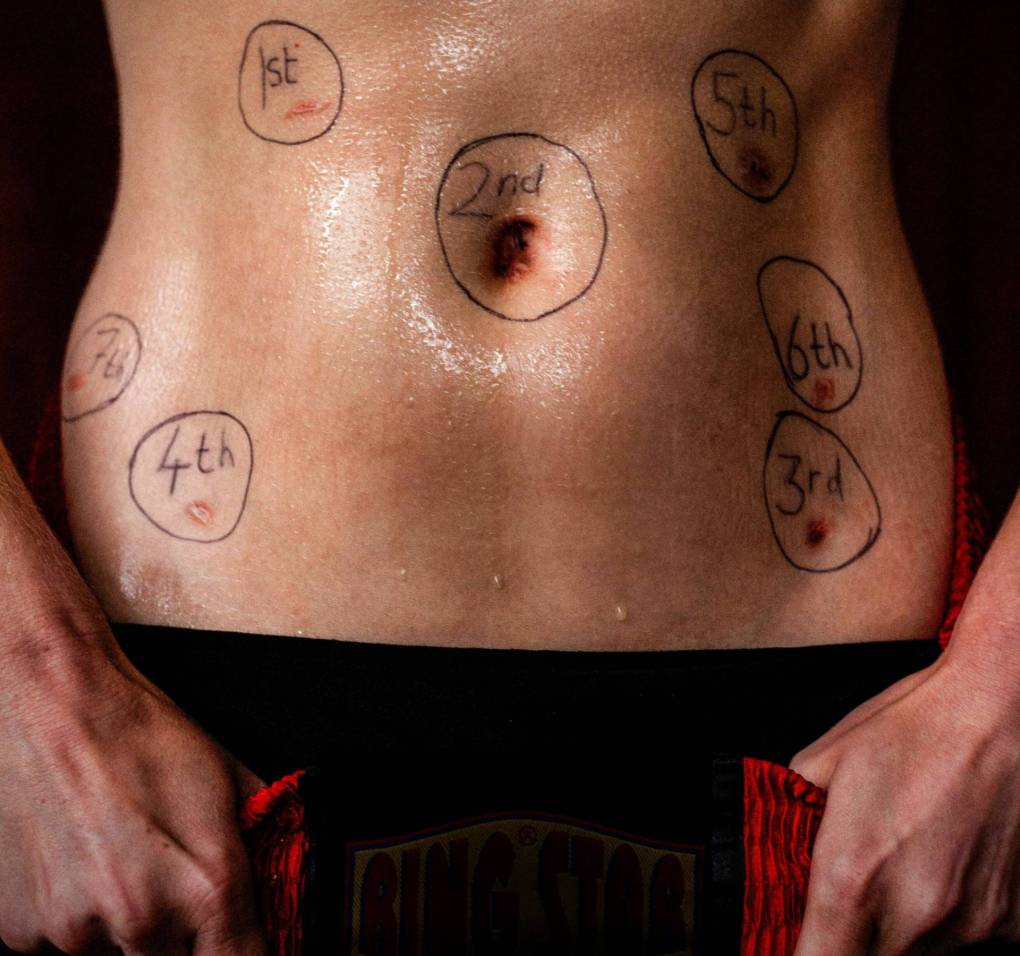
window.__IS_SSR__=true
window.__INITIAL_STATE__={
"attachmentsReducer": {
"audio_0": {
"type": "attachments",
"id": "audio_0",
"imgSizes": {
"kqedFullSize": {
"file": "https://ww2.kqed.org/news/wp-content/themes/KQED-unified/img/audio_bgs/background0.jpg"
}
}
},
"audio_1": {
"type": "attachments",
"id": "audio_1",
"imgSizes": {
"kqedFullSize": {
"file": "https://ww2.kqed.org/news/wp-content/themes/KQED-unified/img/audio_bgs/background1.jpg"
}
}
},
"audio_2": {
"type": "attachments",
"id": "audio_2",
"imgSizes": {
"kqedFullSize": {
"file": "https://ww2.kqed.org/news/wp-content/themes/KQED-unified/img/audio_bgs/background2.jpg"
}
}
},
"audio_3": {
"type": "attachments",
"id": "audio_3",
"imgSizes": {
"kqedFullSize": {
"file": "https://ww2.kqed.org/news/wp-content/themes/KQED-unified/img/audio_bgs/background3.jpg"
}
}
},
"audio_4": {
"type": "attachments",
"id": "audio_4",
"imgSizes": {
"kqedFullSize": {
"file": "https://ww2.kqed.org/news/wp-content/themes/KQED-unified/img/audio_bgs/background4.jpg"
}
}
},
"placeholder": {
"type": "attachments",
"id": "placeholder",
"imgSizes": {
"thumbnail": {
"file": "https://cdn.kqed.org/wp-content/uploads/2024/12/KQED-Default-Image-816638274-2000x1333-1-160x107.jpg",
"width": 160,
"height": 107,
"mimeType": "image/jpeg"
},
"medium": {
"file": "https://cdn.kqed.org/wp-content/uploads/2024/12/KQED-Default-Image-816638274-2000x1333-1-800x533.jpg",
"width": 800,
"height": 533,
"mimeType": "image/jpeg"
},
"medium_large": {
"file": "https://cdn.kqed.org/wp-content/uploads/2024/12/KQED-Default-Image-816638274-2000x1333-1-768x512.jpg",
"width": 768,
"height": 512,
"mimeType": "image/jpeg"
},
"large": {
"file": "https://cdn.kqed.org/wp-content/uploads/2024/12/KQED-Default-Image-816638274-2000x1333-1-1020x680.jpg",
"width": 1020,
"height": 680,
"mimeType": "image/jpeg"
},
"1536x1536": {
"file": "https://cdn.kqed.org/wp-content/uploads/2024/12/KQED-Default-Image-816638274-2000x1333-1-1536x1024.jpg",
"width": 1536,
"height": 1024,
"mimeType": "image/jpeg"
},
"fd-lrg": {
"file": "https://cdn.kqed.org/wp-content/uploads/2024/12/KQED-Default-Image-816638274-2000x1333-1-1536x1024.jpg",
"width": 1536,
"height": 1024,
"mimeType": "image/jpeg"
},
"fd-med": {
"file": "https://cdn.kqed.org/wp-content/uploads/2024/12/KQED-Default-Image-816638274-2000x1333-1-1020x680.jpg",
"width": 1020,
"height": 680,
"mimeType": "image/jpeg"
},
"fd-sm": {
"file": "https://cdn.kqed.org/wp-content/uploads/2024/12/KQED-Default-Image-816638274-2000x1333-1-800x533.jpg",
"width": 800,
"height": 533,
"mimeType": "image/jpeg"
},
"post-thumbnail": {
"file": "https://cdn.kqed.org/wp-content/uploads/2024/12/KQED-Default-Image-816638274-2000x1333-1-672x372.jpg",
"width": 672,
"height": 372,
"mimeType": "image/jpeg"
},
"twentyfourteen-full-width": {
"file": "https://cdn.kqed.org/wp-content/uploads/2024/12/KQED-Default-Image-816638274-2000x1333-1-1038x576.jpg",
"width": 1038,
"height": 576,
"mimeType": "image/jpeg"
},
"xxsmall": {
"file": "https://cdn.kqed.org/wp-content/uploads/2024/12/KQED-Default-Image-816638274-2000x1333-1-160x107.jpg",
"width": 160,
"height": 107,
"mimeType": "image/jpeg"
},
"xsmall": {
"file": "https://cdn.kqed.org/wp-content/uploads/2024/12/KQED-Default-Image-816638274-2000x1333-1-672x372.jpg",
"width": 672,
"height": 372,
"mimeType": "image/jpeg"
},
"small": {
"file": "https://cdn.kqed.org/wp-content/uploads/2024/12/KQED-Default-Image-816638274-2000x1333-1-672x372.jpg",
"width": 672,
"height": 372,
"mimeType": "image/jpeg"
},
"xlarge": {
"file": "https://cdn.kqed.org/wp-content/uploads/2024/12/KQED-Default-Image-816638274-2000x1333-1-1020x680.jpg",
"width": 1020,
"height": 680,
"mimeType": "image/jpeg"
},
"full-width": {
"file": "https://cdn.kqed.org/wp-content/uploads/2024/12/KQED-Default-Image-816638274-2000x1333-1-1920x1280.jpg",
"width": 1920,
"height": 1280,
"mimeType": "image/jpeg"
},
"guest-author-32": {
"file": "https://cdn.kqed.org/wp-content/uploads/2025/01/KQED-Default-Image-816638274-1333x1333-1-160x160.jpg",
"width": 32,
"height": 32,
"mimeType": "image/jpeg"
},
"guest-author-50": {
"file": "https://cdn.kqed.org/wp-content/uploads/2025/01/KQED-Default-Image-816638274-1333x1333-1-160x160.jpg",
"width": 50,
"height": 50,
"mimeType": "image/jpeg"
},
"guest-author-64": {
"file": "https://cdn.kqed.org/wp-content/uploads/2025/01/KQED-Default-Image-816638274-1333x1333-1-160x160.jpg",
"width": 64,
"height": 64,
"mimeType": "image/jpeg"
},
"guest-author-96": {
"file": "https://cdn.kqed.org/wp-content/uploads/2025/01/KQED-Default-Image-816638274-1333x1333-1-160x160.jpg",
"width": 96,
"height": 96,
"mimeType": "image/jpeg"
},
"guest-author-128": {
"file": "https://cdn.kqed.org/wp-content/uploads/2025/01/KQED-Default-Image-816638274-1333x1333-1-160x160.jpg",
"width": 128,
"height": 128,
"mimeType": "image/jpeg"
},
"detail": {
"file": "https://cdn.kqed.org/wp-content/uploads/2025/01/KQED-Default-Image-816638274-1333x1333-1-160x160.jpg",
"width": 160,
"height": 160,
"mimeType": "image/jpeg"
},
"kqedFullSize": {
"file": "https://cdn.kqed.org/wp-content/uploads/2024/12/KQED-Default-Image-816638274-2000x1333-1.jpg",
"width": 2000,
"height": 1333
}
}
},
"arts_13931719": {
"type": "attachments",
"id": "arts_13931719",
"meta": {
"index": "attachments_1716263798",
"site": "arts",
"id": "13931719",
"found": true
},
"parent": 13931718,
"imgSizes": {
"twentyfourteen-full-width": {
"file": "https://ww2.kqed.org/app/uploads/sites/2/2023/07/btb_art_textless-smaller_custom-b72ea6874476aaf1327e6e9927a71f415da2d204-scaled-e1689619816625-1038x576.jpg",
"width": 1038,
"mimeType": "image/jpeg",
"height": 576
},
"thumbnail": {
"file": "https://ww2.kqed.org/app/uploads/sites/2/2023/07/btb_art_textless-smaller_custom-b72ea6874476aaf1327e6e9927a71f415da2d204-scaled-e1689619816625-160x150.jpg",
"width": 160,
"mimeType": "image/jpeg",
"height": 150
},
"post-thumbnail": {
"file": "https://ww2.kqed.org/app/uploads/sites/2/2023/07/btb_art_textless-smaller_custom-b72ea6874476aaf1327e6e9927a71f415da2d204-scaled-e1689619816625-672x372.jpg",
"width": 672,
"mimeType": "image/jpeg",
"height": 372
},
"kqedFullSize": {
"file": "https://ww2.kqed.org/app/uploads/sites/2/2023/07/btb_art_textless-smaller_custom-b72ea6874476aaf1327e6e9927a71f415da2d204-scaled-e1689619816625.jpg",
"width": 1920,
"height": 1800
},
"2048x2048": {
"file": "https://ww2.kqed.org/app/uploads/sites/2/2023/07/btb_art_textless-smaller_custom-b72ea6874476aaf1327e6e9927a71f415da2d204-2048x1920.jpg",
"width": 2048,
"mimeType": "image/jpeg",
"height": 1920
},
"large": {
"file": "https://ww2.kqed.org/app/uploads/sites/2/2023/07/btb_art_textless-smaller_custom-b72ea6874476aaf1327e6e9927a71f415da2d204-scaled-e1689619816625-1020x956.jpg",
"width": 1020,
"mimeType": "image/jpeg",
"height": 956
},
"1536x1536": {
"file": "https://ww2.kqed.org/app/uploads/sites/2/2023/07/btb_art_textless-smaller_custom-b72ea6874476aaf1327e6e9927a71f415da2d204-scaled-e1689619816625-1536x1440.jpg",
"width": 1536,
"mimeType": "image/jpeg",
"height": 1440
},
"full-width": {
"file": "https://ww2.kqed.org/app/uploads/sites/2/2023/07/btb_art_textless-smaller_custom-b72ea6874476aaf1327e6e9927a71f415da2d204-1920x1800.jpg",
"width": 1920,
"mimeType": "image/jpeg",
"height": 1800
},
"medium": {
"file": "https://ww2.kqed.org/app/uploads/sites/2/2023/07/btb_art_textless-smaller_custom-b72ea6874476aaf1327e6e9927a71f415da2d204-scaled-e1689619816625-800x750.jpg",
"width": 800,
"mimeType": "image/jpeg",
"height": 750
},
"medium_large": {
"file": "https://ww2.kqed.org/app/uploads/sites/2/2023/07/btb_art_textless-smaller_custom-b72ea6874476aaf1327e6e9927a71f415da2d204-scaled-e1689619816625-768x720.jpg",
"width": 768,
"mimeType": "image/jpeg",
"height": 720
}
},
"publishDate": 1689616900,
"modified": 1689619920,
"caption": "‘Below the Belt’ is a documentary about endometriosis.",
"description": null,
"title": "‘Below the Belt’ is a documentary about endometriosis.",
"credit": "‘Below the Belt’",
"status": "inherit",
"altTag": "The sweat drenched torso of a woman is viewed in close up, with seven lesions visible around the belly button. Each is circled and numbered.",
"isLoading": false,
"fetchFailed": false
},
"arts_13931509": {
"type": "attachments",
"id": "arts_13931509",
"meta": {
"index": "attachments_1716263798",
"site": "arts",
"id": "13931509",
"found": true
},
"parent": 13931505,
"imgSizes": {
"twentyfourteen-full-width": {
"file": "https://ww2.kqed.org/app/uploads/sites/2/2023/07/GettyImages-1085767598-1038x576.jpg",
"width": 1038,
"mimeType": "image/jpeg",
"height": 576
},
"thumbnail": {
"file": "https://ww2.kqed.org/app/uploads/sites/2/2023/07/GettyImages-1085767598-160x107.jpg",
"width": 160,
"mimeType": "image/jpeg",
"height": 107
},
"post-thumbnail": {
"file": "https://ww2.kqed.org/app/uploads/sites/2/2023/07/GettyImages-1085767598-672x372.jpg",
"width": 672,
"mimeType": "image/jpeg",
"height": 372
},
"kqedFullSize": {
"file": "https://ww2.kqed.org/app/uploads/sites/2/2023/07/GettyImages-1085767598-scaled.jpg",
"width": 2560,
"height": 1712
},
"2048x2048": {
"file": "https://ww2.kqed.org/app/uploads/sites/2/2023/07/GettyImages-1085767598-2048x1369.jpg",
"width": 2048,
"mimeType": "image/jpeg",
"height": 1369
},
"large": {
"file": "https://ww2.kqed.org/app/uploads/sites/2/2023/07/GettyImages-1085767598-1020x682.jpg",
"width": 1020,
"mimeType": "image/jpeg",
"height": 682
},
"1536x1536": {
"file": "https://ww2.kqed.org/app/uploads/sites/2/2023/07/GettyImages-1085767598-1536x1027.jpg",
"width": 1536,
"mimeType": "image/jpeg",
"height": 1027
},
"full-width": {
"file": "https://ww2.kqed.org/app/uploads/sites/2/2023/07/GettyImages-1085767598-1920x1284.jpg",
"width": 1920,
"mimeType": "image/jpeg",
"height": 1284
},
"medium": {
"file": "https://ww2.kqed.org/app/uploads/sites/2/2023/07/GettyImages-1085767598-800x535.jpg",
"width": 800,
"mimeType": "image/jpeg",
"height": 535
},
"medium_large": {
"file": "https://ww2.kqed.org/app/uploads/sites/2/2023/07/GettyImages-1085767598-768x513.jpg",
"width": 768,
"mimeType": "image/jpeg",
"height": 513
}
},
"publishDate": 1689127462,
"modified": 1689127569,
"caption": "A woman in Brooklyn smokes crack in 1991.",
"description": null,
"title": "A woman in Brooklyn smokes crack in 1991.",
"credit": "Andrew Lichtenstein/Corbis via Getty Images",
"status": "inherit",
"altTag": null,
"isLoading": false,
"fetchFailed": false
},
"arts_13931441": {
"type": "attachments",
"id": "arts_13931441",
"meta": {
"index": "attachments_1716263798",
"site": "arts",
"id": "13931441",
"found": true
},
"parent": 13931440,
"imgSizes": {
"twentyfourteen-full-width": {
"file": "https://ww2.kqed.org/app/uploads/sites/2/2023/07/cheryl-dunye-1.26.14-fullbleed-photo-by-jamie-hopper-7de6c0fafe02fee18f1926837fc51559999d3e1e-e1689056706762-1038x576.jpg",
"width": 1038,
"mimeType": "image/jpeg",
"height": 576
},
"thumbnail": {
"file": "https://ww2.kqed.org/app/uploads/sites/2/2023/07/cheryl-dunye-1.26.14-fullbleed-photo-by-jamie-hopper-7de6c0fafe02fee18f1926837fc51559999d3e1e-e1689056706762-160x120.jpg",
"width": 160,
"mimeType": "image/jpeg",
"height": 120
},
"post-thumbnail": {
"file": "https://ww2.kqed.org/app/uploads/sites/2/2023/07/cheryl-dunye-1.26.14-fullbleed-photo-by-jamie-hopper-7de6c0fafe02fee18f1926837fc51559999d3e1e-e1689056706762-672x372.jpg",
"width": 672,
"mimeType": "image/jpeg",
"height": 372
},
"kqedFullSize": {
"file": "https://ww2.kqed.org/app/uploads/sites/2/2023/07/cheryl-dunye-1.26.14-fullbleed-photo-by-jamie-hopper-7de6c0fafe02fee18f1926837fc51559999d3e1e-e1689056706762.jpg",
"width": 1920,
"height": 1440
},
"2048x2048": {
"file": "https://ww2.kqed.org/app/uploads/sites/2/2023/07/cheryl-dunye-1.26.14-fullbleed-photo-by-jamie-hopper-7de6c0fafe02fee18f1926837fc51559999d3e1e-2048x1536.jpg",
"width": 2048,
"mimeType": "image/jpeg",
"height": 1536
},
"large": {
"file": "https://ww2.kqed.org/app/uploads/sites/2/2023/07/cheryl-dunye-1.26.14-fullbleed-photo-by-jamie-hopper-7de6c0fafe02fee18f1926837fc51559999d3e1e-e1689056706762-1020x765.jpg",
"width": 1020,
"mimeType": "image/jpeg",
"height": 765
},
"1536x1536": {
"file": "https://ww2.kqed.org/app/uploads/sites/2/2023/07/cheryl-dunye-1.26.14-fullbleed-photo-by-jamie-hopper-7de6c0fafe02fee18f1926837fc51559999d3e1e-e1689056706762-1536x1152.jpg",
"width": 1536,
"mimeType": "image/jpeg",
"height": 1152
},
"full-width": {
"file": "https://ww2.kqed.org/app/uploads/sites/2/2023/07/cheryl-dunye-1.26.14-fullbleed-photo-by-jamie-hopper-7de6c0fafe02fee18f1926837fc51559999d3e1e-1920x1440.jpg",
"width": 1920,
"mimeType": "image/jpeg",
"height": 1440
},
"medium": {
"file": "https://ww2.kqed.org/app/uploads/sites/2/2023/07/cheryl-dunye-1.26.14-fullbleed-photo-by-jamie-hopper-7de6c0fafe02fee18f1926837fc51559999d3e1e-e1689056706762-800x600.jpg",
"width": 800,
"mimeType": "image/jpeg",
"height": 600
},
"medium_large": {
"file": "https://ww2.kqed.org/app/uploads/sites/2/2023/07/cheryl-dunye-1.26.14-fullbleed-photo-by-jamie-hopper-7de6c0fafe02fee18f1926837fc51559999d3e1e-e1689056706762-768x576.jpg",
"width": 768,
"mimeType": "image/jpeg",
"height": 576
}
},
"publishDate": 1689055445,
"modified": 1689056856,
"caption": "Cheryl Dunye’s 1996 debut, ‘The Watermelon Woman,’ is being added to the Criterion Collection. It's a long overdue honor for the filmmaker who shaped how Black LGBTQ+ stories are told.",
"description": null,
"title": "Cheryl Dunye’s 1996 debut, ‘The Watermelon Woman,’ is being added to the Criterion Collection. It's a long overdue honor for the filmmaker who shaped how Black LGBTQ+ stories are told.",
"credit": "Jamie Hopper",
"status": "inherit",
"altTag": "A Black woman sits against a white wall wearing a white buttoned up shirt, small, round, green eye glasses and a red beanie. She rests one finger under her chin.",
"isLoading": false,
"fetchFailed": false
},
"arts_13931298": {
"type": "attachments",
"id": "arts_13931298",
"meta": {
"index": "attachments_1716263798",
"site": "arts",
"id": "13931298",
"found": true
},
"parent": 13931297,
"imgSizes": {
"twentyfourteen-full-width": {
"file": "https://ww2.kqed.org/app/uploads/sites/2/2023/07/xp2103_120919_56i4410-2048x2048_custom-377ab20c9c097fbde5f7afdaeedfc15bbf7763fb-e1688753146669-1038x576.jpg",
"width": 1038,
"mimeType": "image/jpeg",
"height": 576
},
"thumbnail": {
"file": "https://ww2.kqed.org/app/uploads/sites/2/2023/07/xp2103_120919_56i4410-2048x2048_custom-377ab20c9c097fbde5f7afdaeedfc15bbf7763fb-e1688753146669-160x107.jpg",
"width": 160,
"mimeType": "image/jpeg",
"height": 107
},
"post-thumbnail": {
"file": "https://ww2.kqed.org/app/uploads/sites/2/2023/07/xp2103_120919_56i4410-2048x2048_custom-377ab20c9c097fbde5f7afdaeedfc15bbf7763fb-e1688753146669-672x372.jpg",
"width": 672,
"mimeType": "image/jpeg",
"height": 372
},
"kqedFullSize": {
"file": "https://ww2.kqed.org/app/uploads/sites/2/2023/07/xp2103_120919_56i4410-2048x2048_custom-377ab20c9c097fbde5f7afdaeedfc15bbf7763fb-e1688753146669.jpg",
"width": 1920,
"height": 1279
},
"large": {
"file": "https://ww2.kqed.org/app/uploads/sites/2/2023/07/xp2103_120919_56i4410-2048x2048_custom-377ab20c9c097fbde5f7afdaeedfc15bbf7763fb-e1688753146669-1020x679.jpg",
"width": 1020,
"mimeType": "image/jpeg",
"height": 679
},
"1536x1536": {
"file": "https://ww2.kqed.org/app/uploads/sites/2/2023/07/xp2103_120919_56i4410-2048x2048_custom-377ab20c9c097fbde5f7afdaeedfc15bbf7763fb-e1688753146669-1536x1023.jpg",
"width": 1536,
"mimeType": "image/jpeg",
"height": 1023
},
"full-width": {
"file": "https://ww2.kqed.org/app/uploads/sites/2/2023/07/xp2103_120919_56i4410-2048x2048_custom-377ab20c9c097fbde5f7afdaeedfc15bbf7763fb-1920x1279.jpg",
"width": 1920,
"mimeType": "image/jpeg",
"height": 1279
},
"medium": {
"file": "https://ww2.kqed.org/app/uploads/sites/2/2023/07/xp2103_120919_56i4410-2048x2048_custom-377ab20c9c097fbde5f7afdaeedfc15bbf7763fb-e1688753146669-800x533.jpg",
"width": 800,
"mimeType": "image/jpeg",
"height": 533
},
"medium_large": {
"file": "https://ww2.kqed.org/app/uploads/sites/2/2023/07/xp2103_120919_56i4410-2048x2048_custom-377ab20c9c097fbde5f7afdaeedfc15bbf7763fb-e1688753146669-768x512.jpg",
"width": 768,
"mimeType": "image/jpeg",
"height": 512
}
},
"publishDate": 1688751466,
"modified": 1688753318,
"caption": "In the car racing show ‘Extreme E,’ electric SUVs try to outpace each other in remote parts of the world hit hard by climate change. Above, the ‘Extreme E’ drivers pose for a photo on the Russell Glacier in Greenland.",
"description": null,
"title": "In the car racing show ‘Extreme E,’ electric SUVs try to outpace each other in remote parts of the world hit hard by climate change. Above, the ‘Extreme E’ drivers pose for a photo on the Russell Glacier in Greenland.",
"credit": "Zak Mauger/Extreme E",
"status": "inherit",
"altTag": "A line of people stand in a V formation atop an icy surface.",
"isLoading": false,
"fetchFailed": false
},
"arts_13931228": {
"type": "attachments",
"id": "arts_13931228",
"meta": {
"index": "attachments_1716263798",
"site": "arts",
"id": "13931228",
"found": true
},
"parent": 13931227,
"imgSizes": {
"twentyfourteen-full-width": {
"file": "https://ww2.kqed.org/app/uploads/sites/2/2023/07/joyride-unit-210920-00588rc3-1-_custom-0115a81e0271da2ab318995655dcef7793e984c7-scaled-e1688661511628-1038x576.jpg",
"width": 1038,
"mimeType": "image/jpeg",
"height": 576
},
"thumbnail": {
"file": "https://ww2.kqed.org/app/uploads/sites/2/2023/07/joyride-unit-210920-00588rc3-1-_custom-0115a81e0271da2ab318995655dcef7793e984c7-scaled-e1688661511628-160x107.jpg",
"width": 160,
"mimeType": "image/jpeg",
"height": 107
},
"post-thumbnail": {
"file": "https://ww2.kqed.org/app/uploads/sites/2/2023/07/joyride-unit-210920-00588rc3-1-_custom-0115a81e0271da2ab318995655dcef7793e984c7-scaled-e1688661511628-672x372.jpg",
"width": 672,
"mimeType": "image/jpeg",
"height": 372
},
"kqedFullSize": {
"file": "https://ww2.kqed.org/app/uploads/sites/2/2023/07/joyride-unit-210920-00588rc3-1-_custom-0115a81e0271da2ab318995655dcef7793e984c7-scaled-e1688661511628.jpg",
"width": 1920,
"height": 1279
},
"2048x2048": {
"file": "https://ww2.kqed.org/app/uploads/sites/2/2023/07/joyride-unit-210920-00588rc3-1-_custom-0115a81e0271da2ab318995655dcef7793e984c7-2048x1364.jpg",
"width": 2048,
"mimeType": "image/jpeg",
"height": 1364
},
"large": {
"file": "https://ww2.kqed.org/app/uploads/sites/2/2023/07/joyride-unit-210920-00588rc3-1-_custom-0115a81e0271da2ab318995655dcef7793e984c7-scaled-e1688661511628-1020x679.jpg",
"width": 1020,
"mimeType": "image/jpeg",
"height": 679
},
"1536x1536": {
"file": "https://ww2.kqed.org/app/uploads/sites/2/2023/07/joyride-unit-210920-00588rc3-1-_custom-0115a81e0271da2ab318995655dcef7793e984c7-scaled-e1688661511628-1536x1023.jpg",
"width": 1536,
"mimeType": "image/jpeg",
"height": 1023
},
"full-width": {
"file": "https://ww2.kqed.org/app/uploads/sites/2/2023/07/joyride-unit-210920-00588rc3-1-_custom-0115a81e0271da2ab318995655dcef7793e984c7-1920x1278.jpg",
"width": 1920,
"mimeType": "image/jpeg",
"height": 1278
},
"medium": {
"file": "https://ww2.kqed.org/app/uploads/sites/2/2023/07/joyride-unit-210920-00588rc3-1-_custom-0115a81e0271da2ab318995655dcef7793e984c7-scaled-e1688661511628-800x533.jpg",
"width": 800,
"mimeType": "image/jpeg",
"height": 533
},
"medium_large": {
"file": "https://ww2.kqed.org/app/uploads/sites/2/2023/07/joyride-unit-210920-00588rc3-1-_custom-0115a81e0271da2ab318995655dcef7793e984c7-scaled-e1688661511628-768x512.jpg",
"width": 768,
"mimeType": "image/jpeg",
"height": 512
}
},
"publishDate": 1688660995,
"modified": 1688661647,
"caption": "Sabrina Wu as Deadeye, Ashley Park as Audrey, Sherry Cola as Lolo, and Stephanie Hsu as Kat in Joy Ride. Photo Credit: ",
"description": null,
"title": "Deadeye (Sabrina Wu), left, Audrey (Ashley Park), Lolo (Sherry Cola) and Kat (Stephanie Hsu) in ’Joy Ride.’",
"credit": "Ed Araquel",
"status": "inherit",
"altTag": "A nonbinary Asian person stands in the middle of a battered road alongside three Asian women. All four of them look very worried about what they see ahead of them.",
"isLoading": false,
"fetchFailed": false
},
"arts_13931190": {
"type": "attachments",
"id": "arts_13931190",
"meta": {
"index": "attachments_1716263798",
"site": "arts",
"id": "13931190",
"found": true
},
"parent": 13931189,
"imgSizes": {
"twentyfourteen-full-width": {
"file": "https://ww2.kqed.org/app/uploads/sites/2/2023/07/gettyimages-1346042126_custom-d594620bf3e7cfac4d55bf8d08888cc5cd7163d1-scaled-e1688422776934-1038x576.jpg",
"width": 1038,
"mimeType": "image/jpeg",
"height": 576
},
"thumbnail": {
"file": "https://ww2.kqed.org/app/uploads/sites/2/2023/07/gettyimages-1346042126_custom-d594620bf3e7cfac4d55bf8d08888cc5cd7163d1-scaled-e1688422776934-160x107.jpg",
"width": 160,
"mimeType": "image/jpeg",
"height": 107
},
"post-thumbnail": {
"file": "https://ww2.kqed.org/app/uploads/sites/2/2023/07/gettyimages-1346042126_custom-d594620bf3e7cfac4d55bf8d08888cc5cd7163d1-scaled-e1688422776934-672x372.jpg",
"width": 672,
"mimeType": "image/jpeg",
"height": 372
},
"kqedFullSize": {
"file": "https://ww2.kqed.org/app/uploads/sites/2/2023/07/gettyimages-1346042126_custom-d594620bf3e7cfac4d55bf8d08888cc5cd7163d1-scaled-e1688422776934.jpg",
"width": 1920,
"height": 1285
},
"2048x2048": {
"file": "https://ww2.kqed.org/app/uploads/sites/2/2023/07/gettyimages-1346042126_custom-d594620bf3e7cfac4d55bf8d08888cc5cd7163d1-2048x1371.jpg",
"width": 2048,
"mimeType": "image/jpeg",
"height": 1371
},
"large": {
"file": "https://ww2.kqed.org/app/uploads/sites/2/2023/07/gettyimages-1346042126_custom-d594620bf3e7cfac4d55bf8d08888cc5cd7163d1-scaled-e1688422776934-1020x683.jpg",
"width": 1020,
"mimeType": "image/jpeg",
"height": 683
},
"1536x1536": {
"file": "https://ww2.kqed.org/app/uploads/sites/2/2023/07/gettyimages-1346042126_custom-d594620bf3e7cfac4d55bf8d08888cc5cd7163d1-scaled-e1688422776934-1536x1028.jpg",
"width": 1536,
"mimeType": "image/jpeg",
"height": 1028
},
"full-width": {
"file": "https://ww2.kqed.org/app/uploads/sites/2/2023/07/gettyimages-1346042126_custom-d594620bf3e7cfac4d55bf8d08888cc5cd7163d1-1920x1285.jpg",
"width": 1920,
"mimeType": "image/jpeg",
"height": 1285
},
"medium": {
"file": "https://ww2.kqed.org/app/uploads/sites/2/2023/07/gettyimages-1346042126_custom-d594620bf3e7cfac4d55bf8d08888cc5cd7163d1-scaled-e1688422776934-800x535.jpg",
"width": 800,
"mimeType": "image/jpeg",
"height": 535
},
"medium_large": {
"file": "https://ww2.kqed.org/app/uploads/sites/2/2023/07/gettyimages-1346042126_custom-d594620bf3e7cfac4d55bf8d08888cc5cd7163d1-scaled-e1688422776934-768x514.jpg",
"width": 768,
"mimeType": "image/jpeg",
"height": 514
}
},
"publishDate": 1688422294,
"modified": 1688422926,
"caption": "Orson Welles in London, May 1973.",
"description": null,
"title": "Orson Welles in London, May 1973.",
"credit": "Len Trievnor/Express/Hulton Archive/Getty Images",
"status": "inherit",
"altTag": "A senior white man of large stature holds a cigar in his mouth and glances off to the side. He is wearing a suit and has a white beard.",
"isLoading": false,
"fetchFailed": false
},
"arts_13931177": {
"type": "attachments",
"id": "arts_13931177",
"meta": {
"index": "attachments_1716263798",
"site": "arts",
"id": "13931177",
"found": true
},
"parent": 13931168,
"imgSizes": {
"twentyfourteen-full-width": {
"file": "https://ww2.kqed.org/app/uploads/sites/2/2023/07/Screen-Shot-2023-07-03-at-11.49.20-AM-1038x576.png",
"width": 1038,
"mimeType": "image/png",
"height": 576
},
"thumbnail": {
"file": "https://ww2.kqed.org/app/uploads/sites/2/2023/07/Screen-Shot-2023-07-03-at-11.49.20-AM-160x88.png",
"width": 160,
"mimeType": "image/png",
"height": 88
},
"post-thumbnail": {
"file": "https://ww2.kqed.org/app/uploads/sites/2/2023/07/Screen-Shot-2023-07-03-at-11.49.20-AM-672x372.png",
"width": 672,
"mimeType": "image/png",
"height": 372
},
"kqedFullSize": {
"file": "https://ww2.kqed.org/app/uploads/sites/2/2023/07/Screen-Shot-2023-07-03-at-11.49.20-AM.png",
"width": 1390,
"height": 768
},
"large": {
"file": "https://ww2.kqed.org/app/uploads/sites/2/2023/07/Screen-Shot-2023-07-03-at-11.49.20-AM-1020x564.png",
"width": 1020,
"mimeType": "image/png",
"height": 564
},
"medium": {
"file": "https://ww2.kqed.org/app/uploads/sites/2/2023/07/Screen-Shot-2023-07-03-at-11.49.20-AM-800x442.png",
"width": 800,
"mimeType": "image/png",
"height": 442
},
"medium_large": {
"file": "https://ww2.kqed.org/app/uploads/sites/2/2023/07/Screen-Shot-2023-07-03-at-11.49.20-AM-768x424.png",
"width": 768,
"mimeType": "image/png",
"height": 424
}
},
"publishDate": 1688410186,
"modified": 1688410307,
"caption": "Mahsa Amini peers out from a mural by Rodrigo Pradel that covers an entire building side in a Washington, D.C. alley. Amini's death in police custody in Iran last year led to protests and a revolutionary movement.",
"description": null,
"title": "Screen Shot 2023-07-03 at 11.49.20 AM",
"credit": "Rodrigo Pradel",
"status": "inherit",
"altTag": "Mahsa Amini peers out from a mural by Rodrigo Pradel that covers an entire building side in a Washington, D.C. alley. Amini's death in police custody in Iran last year led to protests and a revolutionary movement.",
"isLoading": false,
"fetchFailed": false
},
"arts_13931033": {
"type": "attachments",
"id": "arts_13931033",
"meta": {
"index": "attachments_1716263798",
"site": "arts",
"id": "13931033",
"found": true
},
"parent": 13931031,
"imgSizes": {
"twentyfourteen-full-width": {
"file": "https://ww2.kqed.org/app/uploads/sites/2/2023/06/Screen-Shot-2023-06-28-at-10.59.32-PM-1038x576.png",
"width": 1038,
"mimeType": "image/png",
"height": 576
},
"thumbnail": {
"file": "https://ww2.kqed.org/app/uploads/sites/2/2023/06/Screen-Shot-2023-06-28-at-10.59.32-PM-160x103.png",
"width": 160,
"mimeType": "image/png",
"height": 103
},
"post-thumbnail": {
"file": "https://ww2.kqed.org/app/uploads/sites/2/2023/06/Screen-Shot-2023-06-28-at-10.59.32-PM-672x372.png",
"width": 672,
"mimeType": "image/png",
"height": 372
},
"kqedFullSize": {
"file": "https://ww2.kqed.org/app/uploads/sites/2/2023/06/Screen-Shot-2023-06-28-at-10.59.32-PM.png",
"width": 1776,
"height": 1144
},
"large": {
"file": "https://ww2.kqed.org/app/uploads/sites/2/2023/06/Screen-Shot-2023-06-28-at-10.59.32-PM-1020x657.png",
"width": 1020,
"mimeType": "image/png",
"height": 657
},
"1536x1536": {
"file": "https://ww2.kqed.org/app/uploads/sites/2/2023/06/Screen-Shot-2023-06-28-at-10.59.32-PM-1536x989.png",
"width": 1536,
"mimeType": "image/png",
"height": 989
},
"medium": {
"file": "https://ww2.kqed.org/app/uploads/sites/2/2023/06/Screen-Shot-2023-06-28-at-10.59.32-PM-800x515.png",
"width": 800,
"mimeType": "image/png",
"height": 515
},
"medium_large": {
"file": "https://ww2.kqed.org/app/uploads/sites/2/2023/06/Screen-Shot-2023-06-28-at-10.59.32-PM-768x495.png",
"width": 768,
"mimeType": "image/png",
"height": 495
}
},
"publishDate": 1688018557,
"modified": 1688018735,
"caption": "Production on ‘The Penguin’ — Max's new Batman spin-off series starring Colin Farrell — has been halted because of the ongoing writers’ strike.",
"description": null,
"title": "Production on ‘The Penguin’ — Max's new Batman spin-off series starring Colin Farrell — has been halted because of the ongoing writers’ strike.",
"credit": "‘The Penguin’/ Max",
"status": "inherit",
"altTag": "The silhouette of a man wearing an overcoat standing in large windows at dusk, a dramatic bridge in the background.",
"isLoading": false,
"fetchFailed": false
},
"arts_13931002": {
"type": "attachments",
"id": "arts_13931002",
"meta": {
"index": "attachments_1716263798",
"site": "arts",
"id": "13931002",
"found": true
},
"parent": 13930996,
"imgSizes": {
"twentyfourteen-full-width": {
"file": "https://ww2.kqed.org/app/uploads/sites/2/2023/06/Screen-Shot-2023-06-28-at-10.52.01-AM-1038x576.png",
"width": 1038,
"mimeType": "image/png",
"height": 576
},
"thumbnail": {
"file": "https://ww2.kqed.org/app/uploads/sites/2/2023/06/Screen-Shot-2023-06-28-at-10.52.01-AM-160x90.png",
"width": 160,
"mimeType": "image/png",
"height": 90
},
"post-thumbnail": {
"file": "https://ww2.kqed.org/app/uploads/sites/2/2023/06/Screen-Shot-2023-06-28-at-10.52.01-AM-672x372.png",
"width": 672,
"mimeType": "image/png",
"height": 372
},
"kqedFullSize": {
"file": "https://ww2.kqed.org/app/uploads/sites/2/2023/06/Screen-Shot-2023-06-28-at-10.52.01-AM.png",
"width": 1290,
"height": 722
},
"large": {
"file": "https://ww2.kqed.org/app/uploads/sites/2/2023/06/Screen-Shot-2023-06-28-at-10.52.01-AM-1020x571.png",
"width": 1020,
"mimeType": "image/png",
"height": 571
},
"medium": {
"file": "https://ww2.kqed.org/app/uploads/sites/2/2023/06/Screen-Shot-2023-06-28-at-10.52.01-AM-800x448.png",
"width": 800,
"mimeType": "image/png",
"height": 448
},
"medium_large": {
"file": "https://ww2.kqed.org/app/uploads/sites/2/2023/06/Screen-Shot-2023-06-28-at-10.52.01-AM-768x430.png",
"width": 768,
"mimeType": "image/png",
"height": 430
}
},
"publishDate": 1687974738,
"modified": 1687974923,
"caption": "A dress worn by actress Carrie Fisher in the 1977 film ‘Star Wars’ is one of 1,400 items up for sale at a live auction of film and TV memorabilia in Los Angeles this week.",
"description": null,
"title": "A dress worn by actress Carrie Fisher in the 1977 film ‘Star Wars’ is one of 1,400 items up for sale at a live auction of film and TV memorabilia in Los Angeles this week.",
"credit": "FREDERIC J. BROWN/AFP via Getty Images",
"status": "inherit",
"altTag": null,
"isLoading": false,
"fetchFailed": false
},
"arts_13930854": {
"type": "attachments",
"id": "arts_13930854",
"meta": {
"index": "attachments_1716263798",
"site": "arts",
"id": "13930854",
"found": true
},
"parent": 13930853,
"imgSizes": {
"twentyfourteen-full-width": {
"file": "https://ww2.kqed.org/app/uploads/sites/2/2023/06/gallery_thebear_s2_carmy_0446_re-v01_custom-f499b0de91e4ed4590a9bd365db1ebe646ef5df0-scaled-e1687543391248-1038x576.jpg",
"width": 1038,
"mimeType": "image/jpeg",
"height": 576
},
"thumbnail": {
"file": "https://ww2.kqed.org/app/uploads/sites/2/2023/06/gallery_thebear_s2_carmy_0446_re-v01_custom-f499b0de91e4ed4590a9bd365db1ebe646ef5df0-scaled-e1687543391248-160x107.jpg",
"width": 160,
"mimeType": "image/jpeg",
"height": 107
},
"post-thumbnail": {
"file": "https://ww2.kqed.org/app/uploads/sites/2/2023/06/gallery_thebear_s2_carmy_0446_re-v01_custom-f499b0de91e4ed4590a9bd365db1ebe646ef5df0-scaled-e1687543391248-672x372.jpg",
"width": 672,
"mimeType": "image/jpeg",
"height": 372
},
"kqedFullSize": {
"file": "https://ww2.kqed.org/app/uploads/sites/2/2023/06/gallery_thebear_s2_carmy_0446_re-v01_custom-f499b0de91e4ed4590a9bd365db1ebe646ef5df0-scaled-e1687543391248.jpg",
"width": 1920,
"height": 1280
},
"2048x2048": {
"file": "https://ww2.kqed.org/app/uploads/sites/2/2023/06/gallery_thebear_s2_carmy_0446_re-v01_custom-f499b0de91e4ed4590a9bd365db1ebe646ef5df0-2048x1366.jpg",
"width": 2048,
"mimeType": "image/jpeg",
"height": 1366
},
"large": {
"file": "https://ww2.kqed.org/app/uploads/sites/2/2023/06/gallery_thebear_s2_carmy_0446_re-v01_custom-f499b0de91e4ed4590a9bd365db1ebe646ef5df0-scaled-e1687543391248-1020x680.jpg",
"width": 1020,
"mimeType": "image/jpeg",
"height": 680
},
"1536x1536": {
"file": "https://ww2.kqed.org/app/uploads/sites/2/2023/06/gallery_thebear_s2_carmy_0446_re-v01_custom-f499b0de91e4ed4590a9bd365db1ebe646ef5df0-scaled-e1687543391248-1536x1024.jpg",
"width": 1536,
"mimeType": "image/jpeg",
"height": 1024
},
"full-width": {
"file": "https://ww2.kqed.org/app/uploads/sites/2/2023/06/gallery_thebear_s2_carmy_0446_re-v01_custom-f499b0de91e4ed4590a9bd365db1ebe646ef5df0-1920x1281.jpg",
"width": 1920,
"mimeType": "image/jpeg",
"height": 1281
},
"medium": {
"file": "https://ww2.kqed.org/app/uploads/sites/2/2023/06/gallery_thebear_s2_carmy_0446_re-v01_custom-f499b0de91e4ed4590a9bd365db1ebe646ef5df0-scaled-e1687543391248-800x533.jpg",
"width": 800,
"mimeType": "image/jpeg",
"height": 533
},
"medium_large": {
"file": "https://ww2.kqed.org/app/uploads/sites/2/2023/06/gallery_thebear_s2_carmy_0446_re-v01_custom-f499b0de91e4ed4590a9bd365db1ebe646ef5df0-scaled-e1687543391248-768x512.jpg",
"width": 768,
"mimeType": "image/jpeg",
"height": 512
}
},
"publishDate": 1687542692,
"modified": 1687543483,
"caption": "Season 2 of ‘The Bear’ is still Carmy's story, but the focus widens to the ensemble even more than before. Above, Jeremy Allen White as \"Carmy\" Berzatto.",
"description": null,
"title": "Season 2 of ‘The Bear’ is still Carmy's story, but the focus widens to the ensemble even more than before. Above, Jeremy Allen White as \"Carmy\" Berzatto.",
"credit": "Courtesy of FX",
"status": "inherit",
"altTag": "A man with shaggy hair pushed back, stands in a kitchen, wearing an apron and leaning on the nearest surface. His head is tilted as if listening to someone.",
"isLoading": false,
"fetchFailed": false
},
"arts_13930694": {
"type": "attachments",
"id": "arts_13930694",
"meta": {
"index": "attachments_1716263798",
"site": "arts",
"id": "13930694",
"found": true
},
"parent": 13930687,
"imgSizes": {
"twentyfourteen-full-width": {
"file": "https://ww2.kqed.org/app/uploads/sites/2/2023/06/Screen-Shot-2023-06-20-at-11.18.57-AM-1038x576.png",
"width": 1038,
"mimeType": "image/png",
"height": 576
},
"thumbnail": {
"file": "https://ww2.kqed.org/app/uploads/sites/2/2023/06/Screen-Shot-2023-06-20-at-11.18.57-AM-160x110.png",
"width": 160,
"mimeType": "image/png",
"height": 110
},
"post-thumbnail": {
"file": "https://ww2.kqed.org/app/uploads/sites/2/2023/06/Screen-Shot-2023-06-20-at-11.18.57-AM-672x372.png",
"width": 672,
"mimeType": "image/png",
"height": 372
},
"kqedFullSize": {
"file": "https://ww2.kqed.org/app/uploads/sites/2/2023/06/Screen-Shot-2023-06-20-at-11.18.57-AM.png",
"width": 1848,
"height": 1276
},
"large": {
"file": "https://ww2.kqed.org/app/uploads/sites/2/2023/06/Screen-Shot-2023-06-20-at-11.18.57-AM-1020x704.png",
"width": 1020,
"mimeType": "image/png",
"height": 704
},
"1536x1536": {
"file": "https://ww2.kqed.org/app/uploads/sites/2/2023/06/Screen-Shot-2023-06-20-at-11.18.57-AM-1536x1061.png",
"width": 1536,
"mimeType": "image/png",
"height": 1061
},
"medium": {
"file": "https://ww2.kqed.org/app/uploads/sites/2/2023/06/Screen-Shot-2023-06-20-at-11.18.57-AM-800x552.png",
"width": 800,
"mimeType": "image/png",
"height": 552
},
"medium_large": {
"file": "https://ww2.kqed.org/app/uploads/sites/2/2023/06/Screen-Shot-2023-06-20-at-11.18.57-AM-768x530.png",
"width": 768,
"mimeType": "image/png",
"height": 530
}
},
"publishDate": 1687285181,
"modified": 1687285181,
"caption": null,
"description": null,
"title": "Screen Shot 2023-06-20 at 11.18.57 AM",
"credit": null,
"status": "inherit",
"altTag": null,
"isLoading": false,
"fetchFailed": false
},
"arts_13930638": {
"type": "attachments",
"id": "arts_13930638",
"meta": {
"index": "attachments_1716263798",
"site": "arts",
"id": "13930638",
"found": true
},
"parent": 13930637,
"imgSizes": {
"twentyfourteen-full-width": {
"file": "https://ww2.kqed.org/app/uploads/sites/2/2023/06/black_mirror_n_s6_e5_00_52_07_06_custom-3d55dcb8e6592b81d71dc08038f26bde47cb7776-e1686937729361-1038x576.jpg",
"width": 1038,
"mimeType": "image/jpeg",
"height": 576
},
"thumbnail": {
"file": "https://ww2.kqed.org/app/uploads/sites/2/2023/06/black_mirror_n_s6_e5_00_52_07_06_custom-3d55dcb8e6592b81d71dc08038f26bde47cb7776-e1686937729361-160x80.jpg",
"width": 160,
"mimeType": "image/jpeg",
"height": 80
},
"post-thumbnail": {
"file": "https://ww2.kqed.org/app/uploads/sites/2/2023/06/black_mirror_n_s6_e5_00_52_07_06_custom-3d55dcb8e6592b81d71dc08038f26bde47cb7776-e1686937729361-672x372.jpg",
"width": 672,
"mimeType": "image/jpeg",
"height": 372
},
"kqedFullSize": {
"file": "https://ww2.kqed.org/app/uploads/sites/2/2023/06/black_mirror_n_s6_e5_00_52_07_06_custom-3d55dcb8e6592b81d71dc08038f26bde47cb7776-e1686937729361.jpg",
"width": 1920,
"height": 960
},
"large": {
"file": "https://ww2.kqed.org/app/uploads/sites/2/2023/06/black_mirror_n_s6_e5_00_52_07_06_custom-3d55dcb8e6592b81d71dc08038f26bde47cb7776-e1686937729361-1020x510.jpg",
"width": 1020,
"mimeType": "image/jpeg",
"height": 510
},
"1536x1536": {
"file": "https://ww2.kqed.org/app/uploads/sites/2/2023/06/black_mirror_n_s6_e5_00_52_07_06_custom-3d55dcb8e6592b81d71dc08038f26bde47cb7776-e1686937729361-1536x768.jpg",
"width": 1536,
"mimeType": "image/jpeg",
"height": 768
},
"full-width": {
"file": "https://ww2.kqed.org/app/uploads/sites/2/2023/06/black_mirror_n_s6_e5_00_52_07_06_custom-3d55dcb8e6592b81d71dc08038f26bde47cb7776-1920x960.jpg",
"width": 1920,
"mimeType": "image/jpeg",
"height": 960
},
"medium": {
"file": "https://ww2.kqed.org/app/uploads/sites/2/2023/06/black_mirror_n_s6_e5_00_52_07_06_custom-3d55dcb8e6592b81d71dc08038f26bde47cb7776-e1686937729361-800x400.jpg",
"width": 800,
"mimeType": "image/jpeg",
"height": 400
},
"medium_large": {
"file": "https://ww2.kqed.org/app/uploads/sites/2/2023/06/black_mirror_n_s6_e5_00_52_07_06_custom-3d55dcb8e6592b81d71dc08038f26bde47cb7776-e1686937729361-768x384.jpg",
"width": 768,
"mimeType": "image/jpeg",
"height": 384
}
},
"publishDate": 1686937104,
"modified": 1686937825,
"caption": "In episode \"Demon 79\" an employee at a department store (Anjana Vasan) is visited by an apprentice demon (Paapa Essiedu).",
"description": null,
"title": "In episode \"Demon 79\" an employee at a department store (Anjana Vasan) is visited by an apprentice demon (Paapa Essiedu).",
"credit": "Netflix",
"status": "inherit",
"altTag": "A woman of South Asian descent, plainly dressed, stands stiff against a wall, head slightly raised. Her eyes have turned completely white.",
"isLoading": false,
"fetchFailed": false
}
},
"audioPlayerReducer": {
"postId": "stream_live",
"isPaused": true,
"isPlaying": false,
"pfsActive": false,
"pledgeModalIsOpen": true,
"playerDrawerIsOpen": false,
"liveAudioPlayStartedAt": 0,
"liveAudioPlayContext": ""
},
"authorsReducer": {
"byline_arts_13931718": {
"type": "authors",
"id": "byline_arts_13931718",
"meta": {
"override": true
},
"slug": "byline_arts_13931718",
"name": "Andrea Muraskin",
"isLoading": false
},
"byline_arts_13931505": {
"type": "authors",
"id": "byline_arts_13931505",
"meta": {
"override": true
},
"slug": "byline_arts_13931505",
"name": "Ilana Masad",
"isLoading": false
},
"byline_arts_13931440": {
"type": "authors",
"id": "byline_arts_13931440",
"meta": {
"override": true
},
"slug": "byline_arts_13931440",
"name": "Allyson McCabe",
"isLoading": false
},
"byline_arts_13931297": {
"type": "authors",
"id": "byline_arts_13931297",
"meta": {
"override": true
},
"slug": "byline_arts_13931297",
"name": "Chloe Veltman",
"isLoading": false
},
"byline_arts_13931227": {
"type": "authors",
"id": "byline_arts_13931227",
"meta": {
"override": true
},
"slug": "byline_arts_13931227",
"name": "Justin Chang",
"isLoading": false
},
"byline_arts_13931189": {
"type": "authors",
"id": "byline_arts_13931189",
"meta": {
"override": true
},
"slug": "byline_arts_13931189",
"name": "Neda Ulaby",
"isLoading": false
},
"byline_arts_13931168": {
"type": "authors",
"id": "byline_arts_13931168",
"meta": {
"override": true
},
"slug": "byline_arts_13931168",
"name": "Majd Al-Waheidi",
"isLoading": false
},
"byline_arts_13931031": {
"type": "authors",
"id": "byline_arts_13931031",
"meta": {
"override": true
},
"slug": "byline_arts_13931031",
"name": "Mandalit del Barco",
"isLoading": false
},
"byline_arts_13930996": {
"type": "authors",
"id": "byline_arts_13930996",
"meta": {
"override": true
},
"slug": "byline_arts_13930996",
"name": "Emily Olson",
"isLoading": false
},
"byline_arts_13930853": {
"type": "authors",
"id": "byline_arts_13930853",
"meta": {
"override": true
},
"slug": "byline_arts_13930853",
"name": "Linda Holmes",
"isLoading": false
},
"byline_arts_13930687": {
"type": "authors",
"id": "byline_arts_13930687",
"meta": {
"override": true
},
"slug": "byline_arts_13930687",
"name": "Destinee Adams",
"isLoading": false
},
"byline_arts_13930637": {
"type": "authors",
"id": "byline_arts_13930637",
"meta": {
"override": true
},
"slug": "byline_arts_13930637",
"name": "David Bianculli",
"isLoading": false
}
},
"pagesReducer": {
"arts_affiliate_npr": {
"type": "terms",
"id": "arts_137",
"meta": {
"index": "terms_1716263798",
"site": "arts",
"id": "137",
"score": 14.257333
},
"featImg": "https://ww2.kqed.org/app/uploads/sites/2/2014/04/logo-npr-lg1.png",
"name": "NPR",
"description": null,
"taxonomy": "affiliate",
"headData": {
"twImgId": null,
"twTitle": null,
"ogTitle": null,
"ogImgId": null,
"twDescription": null,
"description": null,
"title": "NPR Archives | KQED Arts",
"ogDescription": null
},
"ttid": 138,
"slug": "npr",
"isLoading": false,
"title": "NPR",
"pageMeta": {
"site": "arts",
"WpPageTemplate": "page-topic-editorial",
"currentPage": 40
},
"blocks": [
{
"blockName": "kqed/post-list",
"attrs": {
"layout": "cardArticle2",
"query": "posts/arts?affiliate=npr",
"seeMore": false,
"paginated": true,
"page": 40
}
},
{
"blockName": "kqed/ad"
}
]
}
},
"pfsSessionReducer": {},
"postsReducer": {
"stream_live": {
"type": "live",
"id": "stream_live",
"audioUrl": "https://streams.kqed.org/kqedradio",
"title": "Live Stream",
"excerpt": "Live Stream information currently unavailable.",
"link": "/radio",
"featImg": "",
"label": {
"name": "KQED Live",
"link": "/"
}
},
"stream_kqedNewscast": {
"type": "posts",
"id": "stream_kqedNewscast",
"audioUrl": "https://www.kqed.org/.stream/anon/radio/RDnews/newscast.mp3?_=1",
"title": "KQED Newscast",
"featImg": "",
"label": {
"name": "88.5 FM",
"link": "/"
}
},
"arts_13931718": {
"type": "posts",
"id": "arts_13931718",
"meta": {
"index": "posts_1716263798",
"site": "arts",
"id": "13931718",
"score": null,
"sort": [
1689620393000
]
},
"parent": 0,
"labelTerm": {
"site": "arts",
"term": 137
},
"blocks": [],
"publishDate": 1689620393,
"format": "aside",
"title": "Endometriosis, a Painful, Often Overlooked Disease, Gets Attention in a New Film",
"headTitle": "Endometriosis, a Painful, Often Overlooked Disease, Gets Attention in a New Film | KQED",
"content": "\u003cfigure id=\"attachment_13931719\" class=\"wp-caption aligncenter\" style=\"max-width: 800px\">\u003cimg loading=\"lazy\" decoding=\"async\" class=\"size-medium wp-image-13931719\" src=\"https://ww2.kqed.org/app/uploads/sites/2/2023/07/btb_art_textless-smaller_custom-b72ea6874476aaf1327e6e9927a71f415da2d204-scaled-e1689619816625-800x750.jpg\" alt=\"The sweat drenched torso of a woman is viewed in close up, with seven lesions visible around the belly button. Each is circled and numbered.\" width=\"800\" height=\"750\" srcset=\"https://cdn.kqed.org/wp-content/uploads/sites/2/2023/07/btb_art_textless-smaller_custom-b72ea6874476aaf1327e6e9927a71f415da2d204-scaled-e1689619816625-800x750.jpg 800w, https://cdn.kqed.org/wp-content/uploads/sites/2/2023/07/btb_art_textless-smaller_custom-b72ea6874476aaf1327e6e9927a71f415da2d204-scaled-e1689619816625-1020x956.jpg 1020w, https://cdn.kqed.org/wp-content/uploads/sites/2/2023/07/btb_art_textless-smaller_custom-b72ea6874476aaf1327e6e9927a71f415da2d204-scaled-e1689619816625-160x150.jpg 160w, https://cdn.kqed.org/wp-content/uploads/sites/2/2023/07/btb_art_textless-smaller_custom-b72ea6874476aaf1327e6e9927a71f415da2d204-scaled-e1689619816625-768x720.jpg 768w, https://cdn.kqed.org/wp-content/uploads/sites/2/2023/07/btb_art_textless-smaller_custom-b72ea6874476aaf1327e6e9927a71f415da2d204-scaled-e1689619816625-1536x1440.jpg 1536w, https://cdn.kqed.org/wp-content/uploads/sites/2/2023/07/btb_art_textless-smaller_custom-b72ea6874476aaf1327e6e9927a71f415da2d204-scaled-e1689619816625.jpg 1920w\" sizes=\"(max-width: 800px) 100vw, 800px\">\u003cfigcaption class=\"wp-caption-text\">‘Below the Belt’ is a documentary about endometriosis. \u003ccite>(‘Below the Belt’)\u003c/cite>\u003c/figcaption>\u003c/figure>\n\u003cp>Jenneh Rishe, a registered nurse, is not the type to let a health mystery go unsolved.\u003c/p>\n\u003cp>At age 30 and living in Los Angeles, she was determined to suss out the cause of the abdominal pain that sent her to the ER seven times in two years, as well as other symptoms like shortness of breath. She’d seen specialists including OB/GYNs pulmonologists and cardiologists. But the tests always came back normal.\u003c/p>\n\u003cp>[aside postid='arts_13914530']“I thought maybe I’m dying or I have some kind of rare disease. But then I go online and find millions of women are going through exactly what I’m going through,” Rishe explained.\u003c/p>\n\u003cp>She shared the story in the first few minutes of \u003cem>Below the Belt: The Last Health Taboo,\u003c/em> a \u003ca href=\"https://www.belowthebelt.film/\">new documentary\u003c/a> that follows four people on a years-long search for effective treatment for endometriosis.\u003c/p>\n\u003cp>This chronic inflammatory disease, which often causes severe pain during menstruation, is often poorly understood. People with endometriosis have tissue similar to that found in the uterine lining growing outside of the uterus, sometimes on the ovaries, fallopian tubes, bowel or other organs.\u003c/p>\n\u003cp>[ad fullwidth]\u003c/p>\n\u003cp>In addition to sometimes debilitating menstrual pain, it can cause heavy bleeding and infertility. In one international study, \u003ca href=\"https://pubmed.ncbi.nlm.nih.gov/21718982/\">women lost an average of 10.8 hours per week of work\u003c/a> due to endometriosis symptoms.\u003c/p>\n\u003cp>“Even though endometriosis feels like a strange, foreign word and unfriendly to most people who’ve never heard of it, the fact of the matter is that it affects everyone,” said the film’s director Shannon Cohn, in an interview with NPR. “Either you have it or you love someone who has it.”\u003c/p>\n\u003cp>The disease affects an estimated 1 in 10 women of reproductive age according to the American College of Obstetricians and Gynecologists. Cohn says ignorance around the disease — both in the public and among medical professionals — is the result of historic undervaluing and underfunding of women’s health care.\u003c/p>\n\u003cp>https://www.youtube.com/watch?v=Z39-b4v6L1U\u003c/p>\n\u003cp>\u003cem>Below the Belt\u003c/em> aired on PBS last month is \u003ca href=\"https://www.pbs.org/show/below-belt-last-health-taboo/\">available to stream for free at PBS.org\u003c/a> and on the PBS streaming service until July 10, 2023.\u003c/p>\n\u003cp>Here are seven big takeaways from watching the film and speaking with Cohn.\u003c/p>\n\u003ch3>1. Endometriosis isn’t ‘just bad periods’\u003c/h3>\n\u003cp>“My first symptoms were actually GI symptoms,” says Cohn, who began experiencing symptoms at the age of 16. “I ran the whole gamut of why do I have stomach aches all the time? And that’s actually quite common that a lot of people with endometriosis first present with GI symptoms instead of painful periods,” says Cohn.\u003c/p>\n\u003cp>Other common symptoms include migraines, painful intercourse, chronic fatigue, abdominal swelling, and pelvic pain throughout the cycle.\u003c/p>\n\u003cp>The wide variety of symptoms can make it hard to diagnose — a doctor must perform surgery to make a definitive diagnosis. It typically takes a patient anywhere from\u003ca href=\"https://pubmed.ncbi.nlm.nih.gov/30625295/\"> four to 10 years from first experiencing symptoms\u003c/a> to receive an accurate diagnosis.\u003c/p>\n\u003ch3>2. Commonly prescribed meds often do little to help\u003c/h3>\n\u003cp>If a patient shows up at their OB/GYN’s office complaining of painful menstruation or other problems that appear or worsen during their period, the doctor typically prescribes medication to suppress the hormonal cycle — often a hormonal contraceptive such as a birth control pill. These medications mitigate symptoms by allowing the patient to have a lighter period, or stop the cycle entirely.\u003c/p>\n\u003cp>[aside postid='arts_13930824']It’s important to understand that if a patient has endometriosis, hormonal medications don’t actually treat the disease, says Iris Orbuch, an endometriosis specialist who appears in the film. “We’re using the same medicines that have been around for about 30 years. They don’t make endometriosis go away, they don’t melt endometriosis,” Orbuch said in the film. “But the side effects are probably worse than the benefits that the women are receiving from the medicine.”\u003c/p>\n\u003cp>Patients interviewed for the film describe side effects including brittle teeth, hot flashes, depression and “PMS on steroids, on crack, on cocaine, and every possible stimulant.”\u003c/p>\n\u003ch3>3. A hysterectomy won’t cure endometriosis. Neither will pregnancy\u003c/h3>\n\u003cfigure id=\"attachment_13931723\" class=\"wp-caption aligncenter\" style=\"max-width: 800px\">\u003cimg loading=\"lazy\" decoding=\"async\" class=\"size-medium wp-image-13931723\" src=\"https://ww2.kqed.org/app/uploads/sites/2/2023/07/brian-laura-hospital0_custom-438703e6f039925555c99e8d9a3a961a643298a5-800x521.jpg\" alt=\"A young woman wearing glasses lies in a hospital bed, visibly in pain, while an older man strokes her hair and kisses her forehead.\" width=\"800\" height=\"521\" srcset=\"https://cdn.kqed.org/wp-content/uploads/sites/2/2023/07/brian-laura-hospital0_custom-438703e6f039925555c99e8d9a3a961a643298a5-800x521.jpg 800w, https://cdn.kqed.org/wp-content/uploads/sites/2/2023/07/brian-laura-hospital0_custom-438703e6f039925555c99e8d9a3a961a643298a5-1020x664.jpg 1020w, https://cdn.kqed.org/wp-content/uploads/sites/2/2023/07/brian-laura-hospital0_custom-438703e6f039925555c99e8d9a3a961a643298a5-160x104.jpg 160w, https://cdn.kqed.org/wp-content/uploads/sites/2/2023/07/brian-laura-hospital0_custom-438703e6f039925555c99e8d9a3a961a643298a5-768x500.jpg 768w, https://cdn.kqed.org/wp-content/uploads/sites/2/2023/07/brian-laura-hospital0_custom-438703e6f039925555c99e8d9a3a961a643298a5-1536x1000.jpg 1536w, https://cdn.kqed.org/wp-content/uploads/sites/2/2023/07/brian-laura-hospital0_custom-438703e6f039925555c99e8d9a3a961a643298a5.jpg 1656w\" sizes=\"(max-width: 800px) 100vw, 800px\">\u003cfigcaption class=\"wp-caption-text\">A still from ‘Below the Belt’ shows Laura Cone of Saskatchewan, Canada with her father. She had four ablation surgeries with general OB/GYNs, but her condition kept deteriorating until she found a surgeon who did excision surgery. \u003ccite>(‘Below the Belt’)\u003c/cite>\u003c/figcaption>\u003c/figure>\n\u003cp>“Over 100,000 hysterectomies are performed every year for the disease and … most are unnecessary,” says \u003ca href=\"https://centerforendo.com/introduction-to-the-staff\">Heather Guidone\u003c/a>, surgical program director at the Center for Endometriosis Care in Atlanta, Ga. Another common myth is that if a person with endometriosis gets pregnant, their symptoms won’t return after their cycle resumes.\u003c/p>\n\u003cp>Guidone says the idea that both these false notions are based on an outdated theory that says if you stop periods, the disease goes away. A study of endometriosis patients who had hysterectomies and took painkillers \u003ca href=\"https://obgyn.onlinelibrary.wiley.com/doi/full/10.1111/1471-0528.16469\">showed no reduction in the amount of opioid and non-opioid painkillers\u003c/a> prescribed in the three years after surgery.\u003c/p>\n\u003cp>Why? One theory about the origin of endometriosis is that it’s the result of retrograde menstruation — meaning that during menstruation, some of the shed uterine lining travels through the fallopian tubes and implants in places where it shouldn’t be. People who ascribe to this theory think hysterectomy would help but still is not a cure.\u003c/p>\n\u003cp>But other surgeons like \u003ca href=\"https://endopaedia.info/redwine.html\">David Redwine\u003c/a>, who also appears in the film, point to evidence that endometriosis tissue actually appears during embryonic development. And so removing the uterus wouldn’t affect that tissue that’s been there since birth.\u003c/p>\n\u003cp>A hysterectomy is, however, the definitive treatment for adenomyosis — a disease where tissue from the uterine lining invades the muscle wall of the uterus. Adenomyosis also causes painful menstruation and infertility, and \u003ca href=\"https://nancysnookendo.com/hysterectomy-and-endometriosis/\">many patients have both conditions\u003c/a>.\u003c/p>\n\u003cp>https://www.youtube.com/watch?v=m28VUzDyaSs\u003c/p>\n\u003ch3>4. Endometriosis is responsible for up to 50% of infertility,\u003c/h3>\n\u003cp>Another of the film’s subjects is \u003ca href=\"https://www.kyung.com/\">Kyung Jeon-Miranda\u003c/a>, a Brooklyn-based artist whose paintings, featured in \u003cem>Below the Belt,\u003c/em> reflect her struggles with fertility and longing for motherhood. Jeon says she was told in her early twenties that she’d never be able to conceive. But at 39, she and her husband are trying for a baby.\u003c/p>\n\u003cp>\u003ca href=\"https://www.reproductivefacts.org/news-and-publications/fact-sheets-and-infographics/endometriosis-does-it-cause-infertility/\">Endometriosis can negatively impact fertility in several ways\u003c/a> including distorting the anatomy of the pelvis, causing scarring on the fallopian tubes and ovaries, changing the hormonal environment, and altering the functioning of the immune system. Surgery to remove endometriosis and fertility treatments may increase the likelihood of a successful pregnancy.\u003c/p>\n\u003ch3>5. Most surgeons are doing endometriosis surgery wrong\u003c/h3>\n\u003cp>\u003cem>Below the Belt\u003c/em> subject Laura Cone, 28, of Saskatchewan, Canada, had four surgeries with general OB/GYNs. But her condition kept deteriorating, impacting her ability to drive and run her business. Laura’s doctors had performed ablation — where an instrument is used to incinerate visible endometriosis tissue.\u003c/p>\n\u003cp>While ablation is the most common type of endometriosis surgery, it misses tissue hidden from the naked eye. Like Cone, many patients return for repeat ablations after their symptoms resume.\u003c/p>\n\u003cp>[aside postid='arts_13912974']“I use the analogy, if you have cancer and you have a tumor, do you want someone who’s not a specialist to burn off the surface of that tumor, or do you want a specialist to go in and cut it out?” the film’s director Cohn says.\u003c/p>\n\u003cp>The gold standard method of surgery is excision, where a surgeon removes endometriosis lesions and often adjacent tissue. Studies show a \u003ca href=\"https://pubmed.ncbi.nlm.nih.gov/28456617/\">greater reduction in symptoms\u003c/a> after excision compared with ablation, and fewer patients come back for repeat surgeries.\u003c/p>\n\u003cp>While many OB/GYNs who see patients for routine care perform ablation, excision surgery is done by surgeons with specialized training. And many of these specialists do not accept health insurance.\u003c/p>\n\u003cp>As the film explains, the medical billing codes for the two types of surgery are the same — even though ablation is typically performed in under an hour, while excision can take four hours or more. “You have a whole staff who are depending on you to pay their salaries and you have to pay the light bill,” says Ted Anderson, past president of ACOG, in the film. “There are a lot of economic pressures as well as do-the-right-thing-pressures.”\u003c/p>\n\u003cp>In the film, Cone’s father says he took out a second mortgage to raise the $25,000 needed to pay for his daughter’s excision surgery in the U.S.\u003c/p>\n\u003cp>There are surgeons qualified to do excision at teaching hospitals, Cohn points out, who do accept health insurance.\u003c/p>\n\u003ch3>6. To get proper care, patients need to take their health into their own hands.\u003c/h3>\n\u003cp>Both Laura Cone and Jenneh Rishe learned about excision surgery from other patients on the internet. Facebook groups like \u003ca href=\"https://www.facebook.com/groups/289078084538377\">Endometropolis \u003c/a>and \u003ca href=\"https://www.facebook.com/groups/418136991574617\">Nancy’s Nook\u003c/a> provide forums for patients to ask questions, compare experiences, recommend doctors, and even share surgery photos. Endometriosis specialists and nurses often answer questions in these groups as well. TikTok videos about endometriosis\u003ca href=\"https://www.newsweek.com/below-belt-endometriosis-movie-documentary-director-interview-1710510\"> have over 1 billion views\u003c/a>.\u003c/p>\n\u003cp>[aside postid='news_11951879']“When you’re not getting the answers that you need and, and want from a health care provider, you’re going to go somewhere else,” says Cohn. “Of course there’s misinformation everywhere and that includes online … But you can do some digging and try to put the pieces together and learn from other people who have been in your position,” she says.\u003c/p>\n\u003cp>Cohn also encourages patients to ask pointed questions in their doctors’ appointments, especially when considering surgery. She recommends asking the surgeon if they do excision, and how frequently they perform endometriosis surgery; as well as talking to other patients who have had surgeries performed by the specialist you’re working with.\u003c/p>\n\u003cp>In general, the earlier a patient receives excision surgery, the less they will suffer, because the symptoms tend to get worse over the female reproductive years. Endometriosis patients may find relief for their symptoms by many means, including \u003ca href=\"https://health.clevelandclinic.org/endometriosis-diet/\">changes to diet\u003c/a> and exercise, and receiving\u003ca href=\"https://www.sideeffectspublicmedia.org/personal-health/2013-12-29/can-abdominal-massage-help-painful-menstruation\"> massage\u003c/a> and \u003ca href=\"https://www.ncbi.nlm.nih.gov/pmc/articles/PMC5659600/\">acupuncture\u003c/a>. But experts say only excision surgery can halt progression of the disease.\u003c/p>\n\u003ch3>7. A bipartisan effort is working to secure more funding for endometriosis research.\u003c/h3>\n\u003cp>Emily Hatch, the youngest of the film’s subjects, is a high school senior from Massachusetts whose endometriosis threatens her ability to attend college. In one scene, Emily’s mother is on the phone with then Utah Senator Orrin Hatch — Emily’s grandfather. He says he wants to help.\u003c/p>\n\u003cp>Emily Hatch and her mother along with Project Endo, the organization behind \u003cem>Below the Belt,\u003c/em> worked with Senators Hatch and Sen. Elizabeth Warren to get \u003ca href=\"https://www.projectendo.org/research-funding\">$9.2 million in funding from the Department of Defense allocated for endometriosis research\u003c/a> in 2018. After Hatch’s retirement in 2019, Sen. Mitt Romney has worked alongside Warren to press for funding from the National Institutes of Health.\u003c/p>\n\u003cp>[aside postid='arts_13931543']This March, Warren and Romney \u003ca href=\"https://thehill.com/blogs/in-the-know/3881454-senate-screening-of-below-the-belt-spotlights-fight-against-endometriosis/\">hosted a screening of the documentary\u003c/a> before the Senate. Hillary Clinton is one of the film’s executive producers.\u003c/p>\n\u003cp>Cohn says more research funding is sorely needed to address the disease’s many unknowns. “I hope that we can do things like trying to find … what is actually causing endometriosis. Because until we find that out, it’s hard to really find ways to treat it. I hope that we can find a non-invasive diagnostic tool, so that women don’t have to go years and years without understanding what is going on in their body. I hope that research can yield non-hormonal treatment options,” Cohn says.\u003c/p>\n\u003cp>[ad floatright]\u003c/p>\n\u003cp>\u003cem>Andrea Muraskin is a podcast producer and writer living in Boston. She writes the NPR Health newsletter, and is the host and creator of the podcast\u003c/em>\u003ca href=\"https://www.andreamuraskin.com/lady-parts-podcast\">\u003cem> LADYPARTS: Taking a Wide View on Women’s Health\u003c/em>\u003c/a>\u003cem>. \u003c/em>\u003c/p>\n\u003cdiv class=\"fullattribution\">\u003cem>Copyright 2023 NPR. To see more, \u003ca href=\"https://www.npr.org\">visit NPR\u003c/a>.\u003cimg decoding=\"async\" src=\"https://www.google-analytics.com/__utm.gif?utmac=UA-5828686-4&utmdt=Endometriosis%2C+a+painful+and+often+overlooked+disease%2C+gets+attention+in+a+new+film&utme=8(APIKey)9(MDAxOTAwOTE4MDEyMTkxMDAzNjczZDljZA004)\">\u003c/em>\u003c/div>\n\n",
"stats": {
"hasVideo": true,
"hasChartOrMap": false,
"hasAudio": false,
"hasPolis": false,
"wordCount": 2074,
"hasGoogleForm": false,
"hasGallery": false,
"hasHearkenModule": false,
"iframeSrcs": [],
"paragraphCount": 42
},
"modified": 1705005266,
"excerpt": "‘Below the Belt’ highlights patients' stories and the push for new research dollars for this poorly understood disease.",
"headData": {
"twImgId": "",
"twTitle": "Endometriosis, a Painful, Often Overlooked Disease, Gets Attention in a New Film",
"socialTitle": "’Below the Belt’ Documentary Highlights Pain of Endometriosis %%page%% %%sep%% KQED",
"ogTitle": "Endometriosis, a Painful, Often Overlooked Disease, Gets Attention in a New Film",
"ogImgId": "",
"twDescription": "",
"description": "‘Below the Belt’ highlights patients' stories and the push for new research dollars for this poorly understood disease.",
"title": "’Below the Belt’ Documentary Highlights Pain of Endometriosis | KQED",
"ogDescription": "",
"schema": {
"@context": "https://schema.org",
"@type": "Article",
"headline": "Endometriosis, a Painful, Often Overlooked Disease, Gets Attention in a New Film",
"datePublished": "2023-07-17T11:59:53-07:00",
"dateModified": "2024-01-11T12:34:26-08:00",
"image": "https://cdn.kqed.org/wp-content/uploads/2020/02/KQED-OG-Image@1x.png"
}
},
"guestAuthors": [],
"slug": "endometriosis-a-painful-often-overlooked-disease-gets-attention-in-a-new-film",
"status": "publish",
"nprApiLink": "http://api.npr.org/query?id=1186533247&apiKey=MDAxOTAwOTE4MDEyMTkxMDAzNjczZDljZA004",
"templateType": "standard",
"nprStoryDate": "Sun, 16 Jul 2023 06:00:21 -0400",
"excludeFromSiteSearch": "Include",
"nprLastModifiedDate": "Mon, 17 Jul 2023 08:05:06 -0400",
"featuredImageType": "standard",
"nprHtmlLink": "https://www.npr.org/sections/health-shots/2023/07/16/1186533247/endometriosis-a-painful-and-often-overlooked-disease-gets-attention-in-a-new-fil?ft=nprml&f=1186533247",
"nprImageAgency": "Below the Belt",
"nprStoryId": "1186533247",
"nprByline": "Andrea Muraskin",
"sticky": false,
"showOnAuthorArchivePages": "No",
"articleAge": "0",
"nprRetrievedStory": "1",
"nprPubDate": "Mon, 17 Jul 2023 08:05:00 -0400",
"path": "/arts/13931718/endometriosis-a-painful-often-overlooked-disease-gets-attention-in-a-new-film",
"audioTrackLength": null,
"parsedContent": [
{
"type": "contentString",
"content": "\u003cdiv class=\"post-body\">\u003cp>\u003cfigure id=\"attachment_13931719\" class=\"wp-caption aligncenter\" style=\"max-width: 800px\">\u003cimg loading=\"lazy\" decoding=\"async\" class=\"size-medium wp-image-13931719\" src=\"https://ww2.kqed.org/app/uploads/sites/2/2023/07/btb_art_textless-smaller_custom-b72ea6874476aaf1327e6e9927a71f415da2d204-scaled-e1689619816625-800x750.jpg\" alt=\"The sweat drenched torso of a woman is viewed in close up, with seven lesions visible around the belly button. Each is circled and numbered.\" width=\"800\" height=\"750\" srcset=\"https://cdn.kqed.org/wp-content/uploads/sites/2/2023/07/btb_art_textless-smaller_custom-b72ea6874476aaf1327e6e9927a71f415da2d204-scaled-e1689619816625-800x750.jpg 800w, https://cdn.kqed.org/wp-content/uploads/sites/2/2023/07/btb_art_textless-smaller_custom-b72ea6874476aaf1327e6e9927a71f415da2d204-scaled-e1689619816625-1020x956.jpg 1020w, https://cdn.kqed.org/wp-content/uploads/sites/2/2023/07/btb_art_textless-smaller_custom-b72ea6874476aaf1327e6e9927a71f415da2d204-scaled-e1689619816625-160x150.jpg 160w, https://cdn.kqed.org/wp-content/uploads/sites/2/2023/07/btb_art_textless-smaller_custom-b72ea6874476aaf1327e6e9927a71f415da2d204-scaled-e1689619816625-768x720.jpg 768w, https://cdn.kqed.org/wp-content/uploads/sites/2/2023/07/btb_art_textless-smaller_custom-b72ea6874476aaf1327e6e9927a71f415da2d204-scaled-e1689619816625-1536x1440.jpg 1536w, https://cdn.kqed.org/wp-content/uploads/sites/2/2023/07/btb_art_textless-smaller_custom-b72ea6874476aaf1327e6e9927a71f415da2d204-scaled-e1689619816625.jpg 1920w\" sizes=\"(max-width: 800px) 100vw, 800px\">\u003cfigcaption class=\"wp-caption-text\">‘Below the Belt’ is a documentary about endometriosis. \u003ccite>(‘Below the Belt’)\u003c/cite>\u003c/figcaption>\u003c/figure>\n\u003cp>Jenneh Rishe, a registered nurse, is not the type to let a health mystery go unsolved.\u003c/p>\n\u003cp>At age 30 and living in Los Angeles, she was determined to suss out the cause of the abdominal pain that sent her to the ER seven times in two years, as well as other symptoms like shortness of breath. She’d seen specialists including OB/GYNs pulmonologists and cardiologists. But the tests always came back normal.\u003c/p>\n\u003cp>\u003c/p>\u003c/div>",
"attributes": {
"named": {},
"numeric": []
}
},
{
"type": "component",
"content": "",
"name": "aside",
"attributes": {
"named": {
"postid": "arts_13914530",
"label": ""
},
"numeric": []
}
},
{
"type": "contentString",
"content": "\u003cdiv class=\"post-body\">\u003cp>“I thought maybe I’m dying or I have some kind of rare disease. But then I go online and find millions of women are going through exactly what I’m going through,” Rishe explained.\u003c/p>\n\u003cp>She shared the story in the first few minutes of \u003cem>Below the Belt: The Last Health Taboo,\u003c/em> a \u003ca href=\"https://www.belowthebelt.film/\">new documentary\u003c/a> that follows four people on a years-long search for effective treatment for endometriosis.\u003c/p>\n\u003cp>This chronic inflammatory disease, which often causes severe pain during menstruation, is often poorly understood. People with endometriosis have tissue similar to that found in the uterine lining growing outside of the uterus, sometimes on the ovaries, fallopian tubes, bowel or other organs.\u003c/p>\n\u003cp>\u003c/p>\u003c/div>",
"attributes": {
"named": {},
"numeric": []
}
},
{
"type": "component",
"content": "",
"name": "ad",
"attributes": {
"named": {
"label": "fullwidth"
},
"numeric": [
"fullwidth"
]
}
},
{
"type": "contentString",
"content": "\u003cdiv class=\"post-body\">\u003cp>\u003c/p>\n\u003cp>In addition to sometimes debilitating menstrual pain, it can cause heavy bleeding and infertility. In one international study, \u003ca href=\"https://pubmed.ncbi.nlm.nih.gov/21718982/\">women lost an average of 10.8 hours per week of work\u003c/a> due to endometriosis symptoms.\u003c/p>\n\u003cp>“Even though endometriosis feels like a strange, foreign word and unfriendly to most people who’ve never heard of it, the fact of the matter is that it affects everyone,” said the film’s director Shannon Cohn, in an interview with NPR. “Either you have it or you love someone who has it.”\u003c/p>\n\u003cp>The disease affects an estimated 1 in 10 women of reproductive age according to the American College of Obstetricians and Gynecologists. Cohn says ignorance around the disease — both in the public and among medical professionals — is the result of historic undervaluing and underfunding of women’s health care.\u003c/p>\u003c/p>\u003cp>\u003cspan class='utils-parseShortcode-shortcodes-__youtubeShortcode__embedYoutube'>\n \u003cspan class='utils-parseShortcode-shortcodes-__youtubeShortcode__embedYoutubeInside'>\n \u003ciframe\n loading='lazy'\n class='utils-parseShortcode-shortcodes-__youtubeShortcode__youtubePlayer'\n type='text/html'\n src='//www.youtube.com/embed/Z39-b4v6L1U'\n title='//www.youtube.com/embed/Z39-b4v6L1U'\n allowfullscreen='true'\n style='border:0;'>\u003c/iframe>\n \u003c/span>\n \u003c/span>\u003c/p>\u003cp>\u003cp>\u003cem>Below the Belt\u003c/em> aired on PBS last month is \u003ca href=\"https://www.pbs.org/show/below-belt-last-health-taboo/\">available to stream for free at PBS.org\u003c/a> and on the PBS streaming service until July 10, 2023.\u003c/p>\n\u003cp>Here are seven big takeaways from watching the film and speaking with Cohn.\u003c/p>\n\u003ch3>1. Endometriosis isn’t ‘just bad periods’\u003c/h3>\n\u003cp>“My first symptoms were actually GI symptoms,” says Cohn, who began experiencing symptoms at the age of 16. “I ran the whole gamut of why do I have stomach aches all the time? And that’s actually quite common that a lot of people with endometriosis first present with GI symptoms instead of painful periods,” says Cohn.\u003c/p>\n\u003cp>Other common symptoms include migraines, painful intercourse, chronic fatigue, abdominal swelling, and pelvic pain throughout the cycle.\u003c/p>\n\u003cp>The wide variety of symptoms can make it hard to diagnose — a doctor must perform surgery to make a definitive diagnosis. It typically takes a patient anywhere from\u003ca href=\"https://pubmed.ncbi.nlm.nih.gov/30625295/\"> four to 10 years from first experiencing symptoms\u003c/a> to receive an accurate diagnosis.\u003c/p>\n\u003ch3>2. Commonly prescribed meds often do little to help\u003c/h3>\n\u003cp>If a patient shows up at their OB/GYN’s office complaining of painful menstruation or other problems that appear or worsen during their period, the doctor typically prescribes medication to suppress the hormonal cycle — often a hormonal contraceptive such as a birth control pill. These medications mitigate symptoms by allowing the patient to have a lighter period, or stop the cycle entirely.\u003c/p>\n\u003cp>\u003c/p>\u003c/div>",
"attributes": {
"named": {},
"numeric": []
}
},
{
"type": "component",
"content": "",
"name": "aside",
"attributes": {
"named": {
"postid": "arts_13930824",
"label": ""
},
"numeric": []
}
},
{
"type": "contentString",
"content": "\u003cdiv class=\"post-body\">\u003cp>It’s important to understand that if a patient has endometriosis, hormonal medications don’t actually treat the disease, says Iris Orbuch, an endometriosis specialist who appears in the film. “We’re using the same medicines that have been around for about 30 years. They don’t make endometriosis go away, they don’t melt endometriosis,” Orbuch said in the film. “But the side effects are probably worse than the benefits that the women are receiving from the medicine.”\u003c/p>\n\u003cp>Patients interviewed for the film describe side effects including brittle teeth, hot flashes, depression and “PMS on steroids, on crack, on cocaine, and every possible stimulant.”\u003c/p>\n\u003ch3>3. A hysterectomy won’t cure endometriosis. Neither will pregnancy\u003c/h3>\n\u003cfigure id=\"attachment_13931723\" class=\"wp-caption aligncenter\" style=\"max-width: 800px\">\u003cimg loading=\"lazy\" decoding=\"async\" class=\"size-medium wp-image-13931723\" src=\"https://ww2.kqed.org/app/uploads/sites/2/2023/07/brian-laura-hospital0_custom-438703e6f039925555c99e8d9a3a961a643298a5-800x521.jpg\" alt=\"A young woman wearing glasses lies in a hospital bed, visibly in pain, while an older man strokes her hair and kisses her forehead.\" width=\"800\" height=\"521\" srcset=\"https://cdn.kqed.org/wp-content/uploads/sites/2/2023/07/brian-laura-hospital0_custom-438703e6f039925555c99e8d9a3a961a643298a5-800x521.jpg 800w, https://cdn.kqed.org/wp-content/uploads/sites/2/2023/07/brian-laura-hospital0_custom-438703e6f039925555c99e8d9a3a961a643298a5-1020x664.jpg 1020w, https://cdn.kqed.org/wp-content/uploads/sites/2/2023/07/brian-laura-hospital0_custom-438703e6f039925555c99e8d9a3a961a643298a5-160x104.jpg 160w, https://cdn.kqed.org/wp-content/uploads/sites/2/2023/07/brian-laura-hospital0_custom-438703e6f039925555c99e8d9a3a961a643298a5-768x500.jpg 768w, https://cdn.kqed.org/wp-content/uploads/sites/2/2023/07/brian-laura-hospital0_custom-438703e6f039925555c99e8d9a3a961a643298a5-1536x1000.jpg 1536w, https://cdn.kqed.org/wp-content/uploads/sites/2/2023/07/brian-laura-hospital0_custom-438703e6f039925555c99e8d9a3a961a643298a5.jpg 1656w\" sizes=\"(max-width: 800px) 100vw, 800px\">\u003cfigcaption class=\"wp-caption-text\">A still from ‘Below the Belt’ shows Laura Cone of Saskatchewan, Canada with her father. She had four ablation surgeries with general OB/GYNs, but her condition kept deteriorating until she found a surgeon who did excision surgery. \u003ccite>(‘Below the Belt’)\u003c/cite>\u003c/figcaption>\u003c/figure>\n\u003cp>“Over 100,000 hysterectomies are performed every year for the disease and … most are unnecessary,” says \u003ca href=\"https://centerforendo.com/introduction-to-the-staff\">Heather Guidone\u003c/a>, surgical program director at the Center for Endometriosis Care in Atlanta, Ga. Another common myth is that if a person with endometriosis gets pregnant, their symptoms won’t return after their cycle resumes.\u003c/p>\n\u003cp>Guidone says the idea that both these false notions are based on an outdated theory that says if you stop periods, the disease goes away. A study of endometriosis patients who had hysterectomies and took painkillers \u003ca href=\"https://obgyn.onlinelibrary.wiley.com/doi/full/10.1111/1471-0528.16469\">showed no reduction in the amount of opioid and non-opioid painkillers\u003c/a> prescribed in the three years after surgery.\u003c/p>\n\u003cp>Why? One theory about the origin of endometriosis is that it’s the result of retrograde menstruation — meaning that during menstruation, some of the shed uterine lining travels through the fallopian tubes and implants in places where it shouldn’t be. People who ascribe to this theory think hysterectomy would help but still is not a cure.\u003c/p>\n\u003cp>But other surgeons like \u003ca href=\"https://endopaedia.info/redwine.html\">David Redwine\u003c/a>, who also appears in the film, point to evidence that endometriosis tissue actually appears during embryonic development. And so removing the uterus wouldn’t affect that tissue that’s been there since birth.\u003c/p>\n\u003cp>A hysterectomy is, however, the definitive treatment for adenomyosis — a disease where tissue from the uterine lining invades the muscle wall of the uterus. Adenomyosis also causes painful menstruation and infertility, and \u003ca href=\"https://nancysnookendo.com/hysterectomy-and-endometriosis/\">many patients have both conditions\u003c/a>.\u003c/p>\u003c/p>\u003cp>\u003cspan class='utils-parseShortcode-shortcodes-__youtubeShortcode__embedYoutube'>\n \u003cspan class='utils-parseShortcode-shortcodes-__youtubeShortcode__embedYoutubeInside'>\n \u003ciframe\n loading='lazy'\n class='utils-parseShortcode-shortcodes-__youtubeShortcode__youtubePlayer'\n type='text/html'\n src='//www.youtube.com/embed/m28VUzDyaSs'\n title='//www.youtube.com/embed/m28VUzDyaSs'\n allowfullscreen='true'\n style='border:0;'>\u003c/iframe>\n \u003c/span>\n \u003c/span>\u003c/p>\u003cp>\u003ch3>4. Endometriosis is responsible for up to 50% of infertility,\u003c/h3>\n\u003cp>Another of the film’s subjects is \u003ca href=\"https://www.kyung.com/\">Kyung Jeon-Miranda\u003c/a>, a Brooklyn-based artist whose paintings, featured in \u003cem>Below the Belt,\u003c/em> reflect her struggles with fertility and longing for motherhood. Jeon says she was told in her early twenties that she’d never be able to conceive. But at 39, she and her husband are trying for a baby.\u003c/p>\n\u003cp>\u003ca href=\"https://www.reproductivefacts.org/news-and-publications/fact-sheets-and-infographics/endometriosis-does-it-cause-infertility/\">Endometriosis can negatively impact fertility in several ways\u003c/a> including distorting the anatomy of the pelvis, causing scarring on the fallopian tubes and ovaries, changing the hormonal environment, and altering the functioning of the immune system. Surgery to remove endometriosis and fertility treatments may increase the likelihood of a successful pregnancy.\u003c/p>\n\u003ch3>5. Most surgeons are doing endometriosis surgery wrong\u003c/h3>\n\u003cp>\u003cem>Below the Belt\u003c/em> subject Laura Cone, 28, of Saskatchewan, Canada, had four surgeries with general OB/GYNs. But her condition kept deteriorating, impacting her ability to drive and run her business. Laura’s doctors had performed ablation — where an instrument is used to incinerate visible endometriosis tissue.\u003c/p>\n\u003cp>While ablation is the most common type of endometriosis surgery, it misses tissue hidden from the naked eye. Like Cone, many patients return for repeat ablations after their symptoms resume.\u003c/p>\n\u003cp>\u003c/p>\u003c/div>",
"attributes": {
"named": {},
"numeric": []
}
},
{
"type": "component",
"content": "",
"name": "aside",
"attributes": {
"named": {
"postid": "arts_13912974",
"label": ""
},
"numeric": []
}
},
{
"type": "contentString",
"content": "\u003cdiv class=\"post-body\">\u003cp>“I use the analogy, if you have cancer and you have a tumor, do you want someone who’s not a specialist to burn off the surface of that tumor, or do you want a specialist to go in and cut it out?” the film’s director Cohn says.\u003c/p>\n\u003cp>The gold standard method of surgery is excision, where a surgeon removes endometriosis lesions and often adjacent tissue. Studies show a \u003ca href=\"https://pubmed.ncbi.nlm.nih.gov/28456617/\">greater reduction in symptoms\u003c/a> after excision compared with ablation, and fewer patients come back for repeat surgeries.\u003c/p>\n\u003cp>While many OB/GYNs who see patients for routine care perform ablation, excision surgery is done by surgeons with specialized training. And many of these specialists do not accept health insurance.\u003c/p>\n\u003cp>As the film explains, the medical billing codes for the two types of surgery are the same — even though ablation is typically performed in under an hour, while excision can take four hours or more. “You have a whole staff who are depending on you to pay their salaries and you have to pay the light bill,” says Ted Anderson, past president of ACOG, in the film. “There are a lot of economic pressures as well as do-the-right-thing-pressures.”\u003c/p>\n\u003cp>In the film, Cone’s father says he took out a second mortgage to raise the $25,000 needed to pay for his daughter’s excision surgery in the U.S.\u003c/p>\n\u003cp>There are surgeons qualified to do excision at teaching hospitals, Cohn points out, who do accept health insurance.\u003c/p>\n\u003ch3>6. To get proper care, patients need to take their health into their own hands.\u003c/h3>\n\u003cp>Both Laura Cone and Jenneh Rishe learned about excision surgery from other patients on the internet. Facebook groups like \u003ca href=\"https://www.facebook.com/groups/289078084538377\">Endometropolis \u003c/a>and \u003ca href=\"https://www.facebook.com/groups/418136991574617\">Nancy’s Nook\u003c/a> provide forums for patients to ask questions, compare experiences, recommend doctors, and even share surgery photos. Endometriosis specialists and nurses often answer questions in these groups as well. TikTok videos about endometriosis\u003ca href=\"https://www.newsweek.com/below-belt-endometriosis-movie-documentary-director-interview-1710510\"> have over 1 billion views\u003c/a>.\u003c/p>\n\u003cp>\u003c/p>\u003c/div>",
"attributes": {
"named": {},
"numeric": []
}
},
{
"type": "component",
"content": "",
"name": "aside",
"attributes": {
"named": {
"postid": "news_11951879",
"label": ""
},
"numeric": []
}
},
{
"type": "contentString",
"content": "\u003cdiv class=\"post-body\">\u003cp>“When you’re not getting the answers that you need and, and want from a health care provider, you’re going to go somewhere else,” says Cohn. “Of course there’s misinformation everywhere and that includes online … But you can do some digging and try to put the pieces together and learn from other people who have been in your position,” she says.\u003c/p>\n\u003cp>Cohn also encourages patients to ask pointed questions in their doctors’ appointments, especially when considering surgery. She recommends asking the surgeon if they do excision, and how frequently they perform endometriosis surgery; as well as talking to other patients who have had surgeries performed by the specialist you’re working with.\u003c/p>\n\u003cp>In general, the earlier a patient receives excision surgery, the less they will suffer, because the symptoms tend to get worse over the female reproductive years. Endometriosis patients may find relief for their symptoms by many means, including \u003ca href=\"https://health.clevelandclinic.org/endometriosis-diet/\">changes to diet\u003c/a> and exercise, and receiving\u003ca href=\"https://www.sideeffectspublicmedia.org/personal-health/2013-12-29/can-abdominal-massage-help-painful-menstruation\"> massage\u003c/a> and \u003ca href=\"https://www.ncbi.nlm.nih.gov/pmc/articles/PMC5659600/\">acupuncture\u003c/a>. But experts say only excision surgery can halt progression of the disease.\u003c/p>\n\u003ch3>7. A bipartisan effort is working to secure more funding for endometriosis research.\u003c/h3>\n\u003cp>Emily Hatch, the youngest of the film’s subjects, is a high school senior from Massachusetts whose endometriosis threatens her ability to attend college. In one scene, Emily’s mother is on the phone with then Utah Senator Orrin Hatch — Emily’s grandfather. He says he wants to help.\u003c/p>\n\u003cp>Emily Hatch and her mother along with Project Endo, the organization behind \u003cem>Below the Belt,\u003c/em> worked with Senators Hatch and Sen. Elizabeth Warren to get \u003ca href=\"https://www.projectendo.org/research-funding\">$9.2 million in funding from the Department of Defense allocated for endometriosis research\u003c/a> in 2018. After Hatch’s retirement in 2019, Sen. Mitt Romney has worked alongside Warren to press for funding from the National Institutes of Health.\u003c/p>\n\u003cp>\u003c/p>\u003c/div>",
"attributes": {
"named": {},
"numeric": []
}
},
{
"type": "component",
"content": "",
"name": "aside",
"attributes": {
"named": {
"postid": "arts_13931543",
"label": ""
},
"numeric": []
}
},
{
"type": "contentString",
"content": "\u003cdiv class=\"post-body\">\u003cp>This March, Warren and Romney \u003ca href=\"https://thehill.com/blogs/in-the-know/3881454-senate-screening-of-below-the-belt-spotlights-fight-against-endometriosis/\">hosted a screening of the documentary\u003c/a> before the Senate. Hillary Clinton is one of the film’s executive producers.\u003c/p>\n\u003cp>Cohn says more research funding is sorely needed to address the disease’s many unknowns. “I hope that we can do things like trying to find … what is actually causing endometriosis. Because until we find that out, it’s hard to really find ways to treat it. I hope that we can find a non-invasive diagnostic tool, so that women don’t have to go years and years without understanding what is going on in their body. I hope that research can yield non-hormonal treatment options,” Cohn says.\u003c/p>\n\u003cp>\u003c/p>\u003c/div>",
"attributes": {
"named": {},
"numeric": []
}
},
{
"type": "component",
"content": "",
"name": "ad",
"attributes": {
"named": {
"label": "floatright"
},
"numeric": [
"floatright"
]
}
},
{
"type": "contentString",
"content": "\u003cdiv class=\"post-body\">\u003cp>\u003c/p>\n\u003cp>\u003cem>Andrea Muraskin is a podcast producer and writer living in Boston. She writes the NPR Health newsletter, and is the host and creator of the podcast\u003c/em>\u003ca href=\"https://www.andreamuraskin.com/lady-parts-podcast\">\u003cem> LADYPARTS: Taking a Wide View on Women’s Health\u003c/em>\u003c/a>\u003cem>. \u003c/em>\u003c/p>\n\u003cdiv class=\"fullattribution\">\u003cem>Copyright 2023 NPR. To see more, \u003ca href=\"https://www.npr.org\">visit NPR\u003c/a>.\u003cimg decoding=\"async\" src=\"https://www.google-analytics.com/__utm.gif?utmac=UA-5828686-4&utmdt=Endometriosis%2C+a+painful+and+often+overlooked+disease%2C+gets+attention+in+a+new+film&utme=8(APIKey)9(MDAxOTAwOTE4MDEyMTkxMDAzNjczZDljZA004)\">\u003c/em>\u003c/div>\n\n\u003c/div>\u003c/p>",
"attributes": {
"named": {},
"numeric": []
}
}
],
"link": "/arts/13931718/endometriosis-a-painful-often-overlooked-disease-gets-attention-in-a-new-film",
"authors": [
"byline_arts_13931718"
],
"categories": [
"arts_1",
"arts_74"
],
"tags": [
"arts_7570",
"arts_1934",
"arts_1962",
"arts_9598",
"arts_4565",
"arts_5826",
"arts_973",
"arts_9325"
],
"affiliates": [
"arts_137"
],
"featImg": "arts_13931719",
"label": "arts_137"
},
"arts_13931505": {
"type": "posts",
"id": "arts_13931505",
"meta": {
"index": "posts_1716263798",
"site": "arts",
"id": "13931505",
"score": null,
"sort": [
1689181720000
]
},
"parent": 0,
"labelTerm": {
"site": "arts",
"term": 140
},
"blocks": [],
"publishDate": 1689181720,
"format": "aside",
"title": "‘When Crack Was King’ Follows Four People Who Lived Through the Drug Epidemic",
"headTitle": "‘When Crack Was King’ Follows Four People Who Lived Through the Drug Epidemic | KQED",
"content": "\u003cfigure id=\"attachment_13931506\" class=\"wp-caption aligncenter\" style=\"max-width: 800px\">\u003cimg loading=\"lazy\" decoding=\"async\" class=\"size-medium wp-image-13931506\" src=\"https://ww2.kqed.org/app/uploads/sites/2/2023/07/crack_custom-4e311bae931526d9ae5d7c2b6e5576a040fddef8-800x1221.jpg\" alt='An orange book cover with white writing that says \"When Crack Was King.\" In the lower left corner is a Black teen overlooking a bleak cityscape.' width=\"800\" height=\"1221\" srcset=\"https://cdn.kqed.org/wp-content/uploads/sites/2/2023/07/crack_custom-4e311bae931526d9ae5d7c2b6e5576a040fddef8-800x1221.jpg 800w, https://cdn.kqed.org/wp-content/uploads/sites/2/2023/07/crack_custom-4e311bae931526d9ae5d7c2b6e5576a040fddef8-1020x1556.jpg 1020w, https://cdn.kqed.org/wp-content/uploads/sites/2/2023/07/crack_custom-4e311bae931526d9ae5d7c2b6e5576a040fddef8-160x244.jpg 160w, https://cdn.kqed.org/wp-content/uploads/sites/2/2023/07/crack_custom-4e311bae931526d9ae5d7c2b6e5576a040fddef8-768x1172.jpg 768w, https://cdn.kqed.org/wp-content/uploads/sites/2/2023/07/crack_custom-4e311bae931526d9ae5d7c2b6e5576a040fddef8-1007x1536.jpg 1007w, https://cdn.kqed.org/wp-content/uploads/sites/2/2023/07/crack_custom-4e311bae931526d9ae5d7c2b6e5576a040fddef8-1342x2048.jpg 1342w, https://cdn.kqed.org/wp-content/uploads/sites/2/2023/07/crack_custom-4e311bae931526d9ae5d7c2b6e5576a040fddef8.jpg 1674w\" sizes=\"(max-width: 800px) 100vw, 800px\">\u003cfigcaption class=\"wp-caption-text\">‘When Crack Was King’ by Donovan X. Ramsey. \u003ccite>(One World)\u003c/cite>\u003c/figcaption>\u003c/figure>\n\u003cp>In the introduction to his new book, \u003cem>When Crack Was King: A People’s History of a Misunderstood Era\u003c/em>, journalist Donovan X. Ramsey recalls how during his childhood in the early 1990s, the term “crackhead” was used as an insult.\u003c/p>\n\u003cp>[aside postid='arts_13930279']“I suppose we made it a slur,” he writes, “because we feared what it represented, a rock bottom to which any of us could sink. That’s what children do when they’re in search of power over things that frighten us. We reduce them to words, bite-size things that can be spat out at a moment’s notice.”\u003c/p>\n\u003cp>If only that same urge wasn’t so common among adults, especially those in positions of power. But as Ramsey details in \u003cem>King\u003c/em>, the crack epidemic is (still) misunderstood in large part due to the willful ignorance reflected in mainstream media coverage in the 1980s and ’90s, as well as the political convenience of soundbites like “crack baby” and “superpredator,” which were actively used to pass legislation that further policed and controlled poor communities of color, and Black people in particular.\u003c/p>\n\u003cp>Crack is the common term for cocaine that’s been processed using baking soda or ammonia and water in order to make it smokable. This method of cocaine use is highly addictive in part because it provides an intense and fast high that requires frequent use in order to maintain. As with other drug epidemics, there is no single event that led to crack’s popularity and its disastrous effects on so many of its users and dealers.\u003c/p>\n\u003cp>Rather, the epidemic spread due to a multitude of reasons such as government policies that economically isolated poor communities of color, the so-called War on Drugs and its focus on criminalization, and the falling price of cocaine and the ease with which it could be turned to crack. Ramsey focuses, too, on another important element: grief. The \u003ca href=\"https://news.arizona.edu/story/understanding-black-grief\">generational trauma\u003c/a> and grief Black Americans live with is part of that, of course, but Ramsey focuses as well on the “profound grief [which was the] result of everything they lost in the sixties and seventies — assassinations of leaders, destruction of their communities from riots, a Civil Rights Movement that cost them so much but ultimately missed the mark securing opportunity and freedom.”\u003c/p>\n\u003cp>[ad fullwidth]\u003c/p>\n\u003cp>\u003cem>When Crack Was King\u003c/em> follows four people who lived through the epidemic in various ways. Lennie Woodley, now a substance abuse counselor for LA county, grew up in a tumultuous and abusive home, with a mother who yelled and beat her and an uncle who started as a source of solace before he began molesting her. She started using cocaine, first as powder and then as crack, during her early adolescence, and spent nearly three decades in the grips of her addiction. Through her story, Ramsey looks at how “[w]omen users, black women in particular, fell to the absolute lowest rung on the nation’s social ladder” and how these women users had “fewer avenues for income and were often steered into sex work, if they weren’t sex workers already.”\u003c/p>\n\u003cp>[aside postid='arts_13931389']Ramsey also follows the stories of Elgin Swift and Shawn McCray, two men who worked for a time as dealers, though in different ways and with different scopes. Swift grew up in Yonkers, NY, with a single father who became addicted to crack while Swift was still young, leaving him to largely fend for himself, which included, eventually, dealing small amounts of crack. McCray, on the other hand, was part of Zoo Crew, a now-legendary drug trafficking ring in Newark, NJ, which spun off to become a local apparel brand name as well as, eventually, the name of McCray’s successful youth basketball program.\u003c/p>\n\u003cp>Through these men’s narratives, Ramsey highlights the nuances of drug dealing, how for many it’s less a chosen career and more a way to make money when there are no other jobs to be found. Additionally, despite the well-worn stereotype of morally corrupt dealers, these men weren’t trying to broaden their customer base by encouraging addiction in young people. By the height of the crack epidemic in the mid-1980s, there simply weren’t many casual users of the drug, and young people in the 1990s were disdainful of the substance and turning away from it and heroin as well.\u003c/p>\n\u003cp>The final character Ramsey follows is Kurt Schmoke, who served as the mayor of Baltimore during much of the 1980s and who advocated for drug decriminalization long before there was support for such an approach.\u003c/p>\n\u003cp>[aside postid='arts_13931196']Threaded through the four character studies are details of the era’s politics, the crime bills that led to the drastic increase in mass incarceration, legacy media’s insistence on sensationalizing crack and deploring its users, the ineffective War on Drugs and its disastrous consequences, and more, always in clear prose that focuses as much as possible on the flesh and blood individuals who were harmed by the epidemic.\u003c/p>\n\u003cp>An excellent work of people-first journalism, \u003cem>When Crack Was King \u003c/em>offers not only a vivid and frank history, but points to the way communities tend to save themselves even as they’re being actively targeted by state policy and violence. The crack epidemic may be over, Ramsey notes at book’s end, but drug fads and epidemics come and go, and our government and media apparatus must learn to respond to them better — which, judging by \u003ca href=\"https://theappeal.org/media-frame-fentanyl-panic-is-worsening-the-overdose-crisis/\">the coverage of\u003c/a> \u003ca href=\"https://theappeal.org/pulitzer-prize-matt-bevin-commutations/\">and response to\u003c/a> \u003ca href=\"https://www.npr.org/2019/09/16/761329037/lawsuits-highlight-government-failures-in-opioid-crisis\">the opioid\u003c/a> \u003ca href=\"https://www.michigandaily.com/opinion/as-overdose-deaths-rise-the-opioid-crisis-response-fails/\">epidemic\u003c/a>, may yet take some time.\u003c/p>\n\u003cp>\u003c/p>\n\u003cp>\u003cem>Ilana Masad is a fiction writer, book critic, and author of the novel ‘All My Mother’s Lovers.’\u003c/em>\u003c/p>\n\u003cdiv class=\"fullattribution\">\u003cem>Copyright 2023 NPR. To see more, \u003ca href=\"https://www.npr.org\">visit NPR\u003c/a>.\u003cimg decoding=\"async\" src=\"https://www.google-analytics.com/__utm.gif?utmac=UA-5828686-4&utmdt=%27When+Crack+Was+King%27+follows+four+people+who+lived+through+the+drug+epidemic&utme=8(APIKey)9(MDAxOTAwOTE4MDEyMTkxMDAzNjczZDljZA004)\">\u003c/em>\u003c/div>\n\n",
"stats": {
"hasVideo": false,
"hasChartOrMap": false,
"hasAudio": false,
"hasPolis": false,
"wordCount": 1005,
"hasGoogleForm": false,
"hasGallery": false,
"hasHearkenModule": false,
"iframeSrcs": [],
"paragraphCount": 14
},
"modified": 1705005283,
"excerpt": "An excellent work of people-first journalism, Donovan X. Ramsey's book offers a vivid history of the ’80s drug crisis.",
"headData": {
"twImgId": "",
"twTitle": "‘When Crack Was King’ Follows Four People Who Lived Through the Drug Epidemic",
"socialTitle": "Donovan X. Ramsey’s New Book Chronicles the Crack Epidemic %%page%% %%sep%% KQED",
"ogTitle": "‘When Crack Was King’ Follows Four People Who Lived Through the Drug Epidemic",
"ogImgId": "",
"twDescription": "",
"description": "An excellent work of people-first journalism, Donovan X. Ramsey's book offers a vivid history of the ’80s drug crisis.",
"title": "Donovan X. Ramsey’s New Book Chronicles the Crack Epidemic | KQED",
"ogDescription": "",
"schema": {
"@context": "https://schema.org",
"@type": "Article",
"headline": "‘When Crack Was King’ Follows Four People Who Lived Through the Drug Epidemic",
"datePublished": "2023-07-12T10:08:40-07:00",
"dateModified": "2024-01-11T12:34:43-08:00",
"image": "https://cdn.kqed.org/wp-content/uploads/2020/02/KQED-OG-Image@1x.png"
}
},
"guestAuthors": [],
"slug": "when-crack-was-king-donovan-x-ramsey-review-drug-epidemic",
"status": "publish",
"nprApiLink": "http://api.npr.org/query?id=1186750331&apiKey=MDAxOTAwOTE4MDEyMTkxMDAzNjczZDljZA004",
"templateType": "standard",
"nprStoryDate": "Tue, 11 Jul 2023 08:07:13 -0400",
"excludeFromSiteSearch": "Include",
"nprLastModifiedDate": "Tue, 11 Jul 2023 08:07:13 -0400",
"featuredImageType": "standard",
"nprHtmlLink": "https://www.npr.org/2023/07/11/1186750331/when-crack-was-king-follows-four-people-who-lived-through-the-drug-epidemic?ft=nprml&f=1186750331",
"nprImageAgency": "One World",
"nprStoryId": "1186750331",
"nprByline": "Ilana Masad",
"sticky": false,
"showOnAuthorArchivePages": "No",
"articleAge": "0",
"nprRetrievedStory": "1",
"nprPubDate": "Tue, 11 Jul 2023 08:07:00 -0400",
"path": "/arts/13931505/when-crack-was-king-donovan-x-ramsey-review-drug-epidemic",
"audioTrackLength": null,
"parsedContent": [
{
"type": "contentString",
"content": "\u003cdiv class=\"post-body\">\u003cp>\u003cfigure id=\"attachment_13931506\" class=\"wp-caption aligncenter\" style=\"max-width: 800px\">\u003cimg loading=\"lazy\" decoding=\"async\" class=\"size-medium wp-image-13931506\" src=\"https://ww2.kqed.org/app/uploads/sites/2/2023/07/crack_custom-4e311bae931526d9ae5d7c2b6e5576a040fddef8-800x1221.jpg\" alt='An orange book cover with white writing that says \"When Crack Was King.\" In the lower left corner is a Black teen overlooking a bleak cityscape.' width=\"800\" height=\"1221\" srcset=\"https://cdn.kqed.org/wp-content/uploads/sites/2/2023/07/crack_custom-4e311bae931526d9ae5d7c2b6e5576a040fddef8-800x1221.jpg 800w, https://cdn.kqed.org/wp-content/uploads/sites/2/2023/07/crack_custom-4e311bae931526d9ae5d7c2b6e5576a040fddef8-1020x1556.jpg 1020w, https://cdn.kqed.org/wp-content/uploads/sites/2/2023/07/crack_custom-4e311bae931526d9ae5d7c2b6e5576a040fddef8-160x244.jpg 160w, https://cdn.kqed.org/wp-content/uploads/sites/2/2023/07/crack_custom-4e311bae931526d9ae5d7c2b6e5576a040fddef8-768x1172.jpg 768w, https://cdn.kqed.org/wp-content/uploads/sites/2/2023/07/crack_custom-4e311bae931526d9ae5d7c2b6e5576a040fddef8-1007x1536.jpg 1007w, https://cdn.kqed.org/wp-content/uploads/sites/2/2023/07/crack_custom-4e311bae931526d9ae5d7c2b6e5576a040fddef8-1342x2048.jpg 1342w, https://cdn.kqed.org/wp-content/uploads/sites/2/2023/07/crack_custom-4e311bae931526d9ae5d7c2b6e5576a040fddef8.jpg 1674w\" sizes=\"(max-width: 800px) 100vw, 800px\">\u003cfigcaption class=\"wp-caption-text\">‘When Crack Was King’ by Donovan X. Ramsey. \u003ccite>(One World)\u003c/cite>\u003c/figcaption>\u003c/figure>\n\u003cp>In the introduction to his new book, \u003cem>When Crack Was King: A People’s History of a Misunderstood Era\u003c/em>, journalist Donovan X. Ramsey recalls how during his childhood in the early 1990s, the term “crackhead” was used as an insult.\u003c/p>\n\u003cp>\u003c/p>\u003c/div>",
"attributes": {
"named": {},
"numeric": []
}
},
{
"type": "component",
"content": "",
"name": "aside",
"attributes": {
"named": {
"postid": "arts_13930279",
"label": ""
},
"numeric": []
}
},
{
"type": "contentString",
"content": "\u003cdiv class=\"post-body\">\u003cp>“I suppose we made it a slur,” he writes, “because we feared what it represented, a rock bottom to which any of us could sink. That’s what children do when they’re in search of power over things that frighten us. We reduce them to words, bite-size things that can be spat out at a moment’s notice.”\u003c/p>\n\u003cp>If only that same urge wasn’t so common among adults, especially those in positions of power. But as Ramsey details in \u003cem>King\u003c/em>, the crack epidemic is (still) misunderstood in large part due to the willful ignorance reflected in mainstream media coverage in the 1980s and ’90s, as well as the political convenience of soundbites like “crack baby” and “superpredator,” which were actively used to pass legislation that further policed and controlled poor communities of color, and Black people in particular.\u003c/p>\n\u003cp>Crack is the common term for cocaine that’s been processed using baking soda or ammonia and water in order to make it smokable. This method of cocaine use is highly addictive in part because it provides an intense and fast high that requires frequent use in order to maintain. As with other drug epidemics, there is no single event that led to crack’s popularity and its disastrous effects on so many of its users and dealers.\u003c/p>\n\u003cp>Rather, the epidemic spread due to a multitude of reasons such as government policies that economically isolated poor communities of color, the so-called War on Drugs and its focus on criminalization, and the falling price of cocaine and the ease with which it could be turned to crack. Ramsey focuses, too, on another important element: grief. The \u003ca href=\"https://news.arizona.edu/story/understanding-black-grief\">generational trauma\u003c/a> and grief Black Americans live with is part of that, of course, but Ramsey focuses as well on the “profound grief [which was the] result of everything they lost in the sixties and seventies — assassinations of leaders, destruction of their communities from riots, a Civil Rights Movement that cost them so much but ultimately missed the mark securing opportunity and freedom.”\u003c/p>\n\u003cp>\u003c/p>\u003c/div>",
"attributes": {
"named": {},
"numeric": []
}
},
{
"type": "component",
"content": "",
"name": "ad",
"attributes": {
"named": {
"label": "fullwidth"
},
"numeric": [
"fullwidth"
]
}
},
{
"type": "contentString",
"content": "\u003cdiv class=\"post-body\">\u003cp>\u003c/p>\n\u003cp>\u003cem>When Crack Was King\u003c/em> follows four people who lived through the epidemic in various ways. Lennie Woodley, now a substance abuse counselor for LA county, grew up in a tumultuous and abusive home, with a mother who yelled and beat her and an uncle who started as a source of solace before he began molesting her. She started using cocaine, first as powder and then as crack, during her early adolescence, and spent nearly three decades in the grips of her addiction. Through her story, Ramsey looks at how “[w]omen users, black women in particular, fell to the absolute lowest rung on the nation’s social ladder” and how these women users had “fewer avenues for income and were often steered into sex work, if they weren’t sex workers already.”\u003c/p>\n\u003cp>\u003c/p>\u003c/div>",
"attributes": {
"named": {},
"numeric": []
}
},
{
"type": "component",
"content": "",
"name": "aside",
"attributes": {
"named": {
"postid": "arts_13931389",
"label": ""
},
"numeric": []
}
},
{
"type": "contentString",
"content": "\u003cdiv class=\"post-body\">\u003cp>Ramsey also follows the stories of Elgin Swift and Shawn McCray, two men who worked for a time as dealers, though in different ways and with different scopes. Swift grew up in Yonkers, NY, with a single father who became addicted to crack while Swift was still young, leaving him to largely fend for himself, which included, eventually, dealing small amounts of crack. McCray, on the other hand, was part of Zoo Crew, a now-legendary drug trafficking ring in Newark, NJ, which spun off to become a local apparel brand name as well as, eventually, the name of McCray’s successful youth basketball program.\u003c/p>\n\u003cp>Through these men’s narratives, Ramsey highlights the nuances of drug dealing, how for many it’s less a chosen career and more a way to make money when there are no other jobs to be found. Additionally, despite the well-worn stereotype of morally corrupt dealers, these men weren’t trying to broaden their customer base by encouraging addiction in young people. By the height of the crack epidemic in the mid-1980s, there simply weren’t many casual users of the drug, and young people in the 1990s were disdainful of the substance and turning away from it and heroin as well.\u003c/p>\n\u003cp>The final character Ramsey follows is Kurt Schmoke, who served as the mayor of Baltimore during much of the 1980s and who advocated for drug decriminalization long before there was support for such an approach.\u003c/p>\n\u003cp>\u003c/p>\u003c/div>",
"attributes": {
"named": {},
"numeric": []
}
},
{
"type": "component",
"content": "",
"name": "aside",
"attributes": {
"named": {
"postid": "arts_13931196",
"label": ""
},
"numeric": []
}
},
{
"type": "contentString",
"content": "\u003cdiv class=\"post-body\">\u003cp>Threaded through the four character studies are details of the era’s politics, the crime bills that led to the drastic increase in mass incarceration, legacy media’s insistence on sensationalizing crack and deploring its users, the ineffective War on Drugs and its disastrous consequences, and more, always in clear prose that focuses as much as possible on the flesh and blood individuals who were harmed by the epidemic.\u003c/p>\n\u003cp>An excellent work of people-first journalism, \u003cem>When Crack Was King \u003c/em>offers not only a vivid and frank history, but points to the way communities tend to save themselves even as they’re being actively targeted by state policy and violence. The crack epidemic may be over, Ramsey notes at book’s end, but drug fads and epidemics come and go, and our government and media apparatus must learn to respond to them better — which, judging by \u003ca href=\"https://theappeal.org/media-frame-fentanyl-panic-is-worsening-the-overdose-crisis/\">the coverage of\u003c/a> \u003ca href=\"https://theappeal.org/pulitzer-prize-matt-bevin-commutations/\">and response to\u003c/a> \u003ca href=\"https://www.npr.org/2019/09/16/761329037/lawsuits-highlight-government-failures-in-opioid-crisis\">the opioid\u003c/a> \u003ca href=\"https://www.michigandaily.com/opinion/as-overdose-deaths-rise-the-opioid-crisis-response-fails/\">epidemic\u003c/a>, may yet take some time.\u003c/p>\n\u003cp>\u003c/p>\n\u003cp>\u003cem>Ilana Masad is a fiction writer, book critic, and author of the novel ‘All My Mother’s Lovers.’\u003c/em>\u003c/p>\n\u003cdiv class=\"fullattribution\">\u003cem>Copyright 2023 NPR. To see more, \u003ca href=\"https://www.npr.org\">visit NPR\u003c/a>.\u003cimg decoding=\"async\" src=\"https://www.google-analytics.com/__utm.gif?utmac=UA-5828686-4&utmdt=%27When+Crack+Was+King%27+follows+four+people+who+lived+through+the+drug+epidemic&utme=8(APIKey)9(MDAxOTAwOTE4MDEyMTkxMDAzNjczZDljZA004)\">\u003c/em>\u003c/div>\n\n\u003c/div>\u003c/p>",
"attributes": {
"named": {},
"numeric": []
}
}
],
"link": "/arts/13931505/when-crack-was-king-donovan-x-ramsey-review-drug-epidemic",
"authors": [
"byline_arts_13931505"
],
"programs": [
"arts_140"
],
"categories": [
"arts_1",
"arts_73",
"arts_7862"
],
"tags": [
"arts_10493",
"arts_8054",
"arts_11994",
"arts_7131",
"arts_585"
],
"affiliates": [
"arts_137"
],
"featImg": "arts_13931509",
"label": "arts_140"
},
"arts_13931440": {
"type": "posts",
"id": "arts_13931440",
"meta": {
"index": "posts_1716263798",
"site": "arts",
"id": "13931440",
"score": null,
"sort": [
1689092160000
]
},
"guestAuthors": [],
"slug": "oakland-filmmaker-cheryl-dunye-watermelon-woman-criterion-collection",
"title": "Oakland-Based Filmmaker Cheryl Dunye Advises: 'Put Yourself Out Where You Belong'",
"publishDate": 1689092160,
"format": "standard",
"headTitle": "Oakland-Based Filmmaker Cheryl Dunye Advises: ‘Put Yourself Out Where You Belong’ | KQED",
"labelTerm": {
"term": 137,
"site": "arts"
},
"content": "\u003cp>Growing up in Philadelphia, Cheryl Dunye says she was fascinated by the stories reflected in her mother’s scrapbook photos. She studied filmmaking in college and graduate school but didn’t see people who looked like her on screen.\u003c/p>\n\u003cp>Dunye changed that with her 1996 debut, \u003cem>The Watermelon Woman.\u003c/em> It is the first feature-length film written and directed by a Black lesbian. In it, Dunye plays a fictionalized version of her 25-year-old self, a video store clerk aspiring to become a filmmaker. In her off hours, she watches films from the 1930s and ’40s with Black actresses such as Hattie McDaniel and Louise Beavers. However, they’re often relegated to racially stereotyped roles; some aren’t even listed in the credits.\u003c/p>\n\u003cp>https://www.youtube.com/watch?v=uwJc6hVgMDk\u003c/p>\n\u003cp>Cheryl decides to make a documentary about an actress who’d been typecast as a mammy in a movie called \u003cem>Plantation Memories\u003c/em> and credited as “the watermelon woman.” Her quest mirrored that of the real life Dunye, who says archival records about Black actresses of that era were hard to come by. Even then, she often came up empty-handed.\u003c/p>\n\u003cfigure id=\"attachment_13931448\" class=\"wp-caption aligncenter\" style=\"max-width: 800px\">\u003cimg loading=\"lazy\" decoding=\"async\" class=\"size-medium wp-image-13931448\" src=\"https://ww2.kqed.org/app/uploads/sites/2/2023/07/Screen-Shot-2023-07-10-at-11.07.48-PM-800x607.png\" alt='A hand holding up a pile of photos. The top image shows a Black woman facing the camera with a startled expression. Handwriting underneath the image says \"Woman holding flowers (full frame).\"' width=\"800\" height=\"607\" srcset=\"https://cdn.kqed.org/wp-content/uploads/sites/2/2023/07/Screen-Shot-2023-07-10-at-11.07.48-PM-800x607.png 800w, https://cdn.kqed.org/wp-content/uploads/sites/2/2023/07/Screen-Shot-2023-07-10-at-11.07.48-PM-1020x774.png 1020w, https://cdn.kqed.org/wp-content/uploads/sites/2/2023/07/Screen-Shot-2023-07-10-at-11.07.48-PM-160x121.png 160w, https://cdn.kqed.org/wp-content/uploads/sites/2/2023/07/Screen-Shot-2023-07-10-at-11.07.48-PM-768x583.png 768w, https://cdn.kqed.org/wp-content/uploads/sites/2/2023/07/Screen-Shot-2023-07-10-at-11.07.48-PM.png 1294w\" sizes=\"(max-width: 800px) 100vw, 800px\">\u003cfigcaption class=\"wp-caption-text\">In ‘The Watermelon Woman,’ Dunye reconstructs the story of Fae Richards through personal photos, home movies, and the memories of those who knew her. \u003ccite>(The Criterion Collection)\u003c/cite>\u003c/figcaption>\u003c/figure>\n\u003cp>In the film, Cheryl reconstructs the actress’ story through personal photos, home movies, and the memories of those who knew her. We learn that Fae Richards, like Cheryl, was from Philadelphia. She had a fraught relationship with the white female director of \u003cem>Plantation Memories\u003c/em>. Her acting career stymied by racism, Faye later found lasting love with a Black woman named June. In a letter written from her hospital bed at the end of her life, June encourages Cheryl to “make our history before we are all dead and gone.”\u003c/p>\n\u003cp>[ad fullwidth]\u003c/p>\n\u003cp>The experience leads Cheryl to take stock of her relationship with a white woman \u003ca href=\"https://www.youtube.com/watch?v=pq22qx9dJhY\">she met at the video store \u003c/a>and what she’s learned about herself while searching for Fae. Speaking into the camera at the close of the film, she says, “Most importantly, what I understand is that I’m gonna be the one who says ‘I am a Black lesbian filmmaker who’s just beginning, but I’m gonna say a lot more and have a lot more work to do.'”\u003c/p>\n\u003cfigure id=\"attachment_13931449\" class=\"wp-caption aligncenter\" style=\"max-width: 800px\">\u003cimg loading=\"lazy\" decoding=\"async\" class=\"size-medium wp-image-13931449\" src=\"https://ww2.kqed.org/app/uploads/sites/2/2023/07/Screen-Shot-2023-07-10-at-11.13.47-PM-800x608.png\" alt=\"A Black woman with very short hair sits in front of a wall of images, pins messily to a wall. She is in the middle of talking.\" width=\"800\" height=\"608\" srcset=\"https://cdn.kqed.org/wp-content/uploads/sites/2/2023/07/Screen-Shot-2023-07-10-at-11.13.47-PM-800x608.png 800w, https://cdn.kqed.org/wp-content/uploads/sites/2/2023/07/Screen-Shot-2023-07-10-at-11.13.47-PM-1020x775.png 1020w, https://cdn.kqed.org/wp-content/uploads/sites/2/2023/07/Screen-Shot-2023-07-10-at-11.13.47-PM-160x122.png 160w, https://cdn.kqed.org/wp-content/uploads/sites/2/2023/07/Screen-Shot-2023-07-10-at-11.13.47-PM-768x583.png 768w, https://cdn.kqed.org/wp-content/uploads/sites/2/2023/07/Screen-Shot-2023-07-10-at-11.13.47-PM.png 1290w\" sizes=\"(max-width: 800px) 100vw, 800px\">\u003cfigcaption class=\"wp-caption-text\">A still from Cheryl Dunye’s film ‘The Watermelon Woman.’ \u003ccite>(The Criterion Collection)\u003c/cite>\u003c/figcaption>\u003c/figure>\n\u003cp>After presenting what she discovered about Fae, a title card reveals that the watermelon woman is a fiction invented to tell a true story about the invisibility and erasure of Black lesbian lives. (In real life, Dunye conjured Fae Richards with the help of \u003ca href=\"https://digitalcollections.saic.edu/islandora/object/islandora%3Ajfabc_9041\">a faux archive\u003c/a> co-created by the photographer Zoe Leonard, parts of which were sold to raise money for the completion of the film.)\u003c/p>\n\u003cp>[aside postid='arts_13894145']Filmmaker and historian \u003ca href=\"http://yvonnewelbon.com/\">Yvonne Welbon\u003c/a> says Dunye’s film reflected history and possibility. “There’s so many ways that we are seeing Black women. We are seeing this Black woman as a filmmaker, and we know the film is made by a Black woman who is searching for a Black woman in film on the other side of the camera, and so it’s reminding us all along about Cheryl’s agency as a director. It just really drives home the point that sometimes we have to take it upon ourselves to tell our own stories.”\u003c/p>\n\u003cp>But Welbon points out that even today, only about \u003ca href=\"https://assets.uscannenberg.org/docs/aii-inclusion-directors-chair-2022.pdf\">10% of directors are women\u003c/a>. “Then you drill down to our other identities around race and around our orientation,” she says. “Cheryl put herself in the film so that filmmakers could see what a \u003ca href=\"http://sistersinthelife.com/\">Black queer media maker \u003c/a>looked like. I don’t know if that’s why she did it, but we could see her, and in seeing her, it made it possible for other people to believe that they could be just like her.”\u003c/p>\n\u003cp>When \u003cem>The Watermelon Woman\u003c/em> premiered in 1996 at the Berlin International Film Festival, it won the prestigious \u003ca href=\"https://www.berlinale.de/en/festival/awards-and-juries/further-prizes.html\">Teddy Prize\u003c/a>. It went on to win awards at Italy’s Torino Film Festival, France’s Cretéil International Women’s Film Festival, and LA’s OutFest. \u003cem>Newsday\u003c/em> called Dunye “the lesbian Spike Lee,” but the culture wars were raging, and in 1997 Michigan Republican Congressman Pete Hoekstra derided \u003cem>The Watermelon Woman\u003c/em> as “possibly pornographic.” \u003ca href=\"https://www.c-span.org/video/?c4722291/user-clip-house-debate-cheryl-dunyes-watermelon-woman\">During a House debate\u003c/a> on an appropriations bill, he decried that the film had been funded by taxpayers — referring to a $31,500 NEA grant that made up roughly a tenth of its shoestring budget.\u003c/p>\n\u003cp>\u003cimg loading=\"lazy\" decoding=\"async\" class=\"size-full wp-image-13931450 aligncenter\" src=\"https://ww2.kqed.org/app/uploads/sites/2/2023/07/Screen-Shot-2023-07-10-at-11.18.52-PM.png\" alt=\"The pink cover of 'The Watermelon Woman,' showing a Black woman's face obscured by an image of another Black woman wearing a headscarf. \" width=\"556\" height=\"694\" srcset=\"https://cdn.kqed.org/wp-content/uploads/sites/2/2023/07/Screen-Shot-2023-07-10-at-11.18.52-PM.png 556w, https://cdn.kqed.org/wp-content/uploads/sites/2/2023/07/Screen-Shot-2023-07-10-at-11.18.52-PM-160x200.png 160w\" sizes=\"(max-width: 556px) 100vw, 556px\">\u003c/p>\n\u003cp>Most of Dunye’s subsequent films — \u003ca href=\"https://www.imdb.com/name/nm0243109/\">including nearly a half dozen features\u003c/a> — were made outside Hollywood. Yet \u003cem>The Watermelon Woman\u003c/em> was often screened at festivals and colleges, leading to its \u003ca href=\"https://firstrunfeatures.com/watermelonwomandvd.html\">20th anniversary restoration and re-release\u003c/a>. Columbia University film Professor \u003ca href=\"https://www.racquelgates.com/\">Racquel J. Gates\u003c/a> says its staying power is a testament to Dunye’s voice and vision: “She’s talking about issues of lesbian identity, but she’s also thinking through the politics of race and interracial relationships and friendships, generational differences within lesbian communities, and she’s also interweaving that with an interesting, speculative history of Black representation in Hollywood.”\u003c/p>\n\u003cp>[aside postid='arts_13930047']As opportunities opened in cable and streaming, Ava Duvernay tapped Dunye to direct episodes of \u003cem>Queen Sugar\u003c/em> in 2017. Since then, she’s worked on scores of other TV shows, including \u003cem>The Chi\u003c/em>, \u003cem>Lovecraft Country\u003c/em> and \u003cem>David Makes Man\u003c/em>. Series creator \u003ca href=\"https://www.drama.yale.edu/bios/tarell-mccraney-2/\">Tarell Alvin McCraney\u003c/a> says Dunye expanded how Black LGBTQ+ stories are told and by whom, building a legacy for future generations. “She gave me this shirt that is a replica of \u003ca href=\"https://www.youtube.com/watch?v=qyVmaX4uQNU\">\u003cem>Brother to Brother\u003c/em>\u003c/a>, which is also a seminal documentary about queer Black love. Whenever I’m on a set, or I have a meeting, I just wear that shirt because it feels like I’m connected to something bigger than myself. I’m connected to a community of artists who have my back from time immemorial.”\u003c/p>\n\u003cp>Added to \u003ca href=\"https://www.moma.org/collection/works/312266\">the permanent collection of New York’s Museum of Modern Art\u003c/a>, and inducted into the \u003ca href=\"https://www.loc.gov/programs/national-film-preservation-board/film-registry/inductee-gallery/\">National Film Registry\u003c/a>, \u003cem>The Watermelon Woman\u003c/em> is now coming to the \u003ca href=\"https://www.criterion.com/films/30705-the-watermelon-woman\">Criterion Collection\u003c/a>. McCraney says becoming part of the canon of films past and present is more than symbolic, particularly in light of the current political climate. “It’s making sure that our stories are being told and our voices are still being heard, and that a thread in the fabric is not being unwoven or cut out.”\u003c/p>\n\u003cp>Dunye says her upcoming plans include directing a feature film based on Audre Lorde’s 1982 biomythography \u003ca href=\"https://www.penguinrandomhouse.com/books/198090/zami-a-new-spelling-of-my-name-by-audre-lorde/\">\u003cem>Zami: A New Spelling of My Name\u003c/em>\u003c/a> and collaborating with \u003ca href=\"http://jewellegomez.com/\">Jewelle Gomez\u003c/a> to adapt \u003ca href=\"http://jewellegomez.com/506-2/the-gilda-stories/\">\u003cem>The Gilda Stories\u003c/em>\u003c/a>, Gomez’s trailblazing 1991 novel about a Black lesbian vampire who travels through 200 years of American history, as an episodic television series.\u003c/p>\n\u003cp>[ad floatright]\u003c/p>\n\u003cp>Citing both authors as inspirations for her own journey, Dunye says they also carry a message for others. “Making work is a privilege, a right,” Dunye says. “Getting that out there is just connecting with people and community. You have to constantly keep putting yourself out where you belong. There’s a loop to it.”\u003c/p>\n\u003cdiv class=\"fullattribution\">\u003cem>Copyright 2023 NPR. To see more, \u003ca href=\"https://www.npr.org\">visit NPR\u003c/a>.\u003cimg decoding=\"async\" src=\"https://www.google-analytics.com/__utm.gif?utmac=UA-5828686-4&utmdt=Some+advice+from+filmmaker+Cheryl+Dunye%3A+%27Keep+putting+yourself+out+where+you+belong%27&utme=8(APIKey)9(MDAxOTAwOTE4MDEyMTkxMDAzNjczZDljZA004)\">\u003c/em>\u003c/div>\n\n",
"blocks": [],
"excerpt": "Cheryl Dunye’s 1996 debut ‘The Watermelon Woman’ is being added to the Criterion Collection.",
"status": "publish",
"parent": 0,
"modified": 1726771094,
"stats": {
"hasAudio": false,
"hasVideo": true,
"hasChartOrMap": false,
"iframeSrcs": [],
"hasGoogleForm": false,
"hasGallery": false,
"hasHearkenModule": false,
"hasPolis": false,
"paragraphCount": 17,
"wordCount": 1274
},
"headData": {
"title": "Oakland-Based Filmmaker Cheryl Dunye Advises: 'Put Yourself Out Where You Belong' | KQED",
"description": "Cheryl Dunye’s 1996 debut ‘The Watermelon Woman’ is being added to the Criterion Collection.",
"ogTitle": "",
"ogDescription": "",
"ogImgId": "",
"twTitle": "",
"twDescription": "",
"twImgId": "",
"schema": {
"@context": "https://schema.org",
"@type": "Article",
"headline": "Oakland-Based Filmmaker Cheryl Dunye Advises: 'Put Yourself Out Where You Belong'",
"datePublished": "2023-07-11T09:16:00-07:00",
"dateModified": "2024-09-19T11:38:14-07:00",
"image": "https://cdn.kqed.org/wp-content/uploads/2020/02/KQED-OG-Image@1x.png"
}
},
"sticky": false,
"nprByline": "Allyson McCabe",
"nprImageAgency": "Jamie Hopper",
"nprStoryId": "1186387526",
"nprApiLink": "http://api.npr.org/query?id=1186387526&apiKey=MDAxOTAwOTE4MDEyMTkxMDAzNjczZDljZA004",
"nprHtmlLink": "https://www.npr.org/2023/07/08/1186387526/cheryl-dunye-the-watermelon-woman?ft=nprml&f=1186387526",
"nprRetrievedStory": "1",
"nprPubDate": "Sat, 08 Jul 2023 11:23:00 -0400",
"nprStoryDate": "Sat, 08 Jul 2023 05:00:42 -0400",
"nprLastModifiedDate": "Sat, 08 Jul 2023 05:00:42 -0400",
"nprAudio": "https://ondemand.npr.org/anon.npr-mp3/npr/wesat/2023/07/20230708_wesat_some_advice_from_filmmaker_cheryl_dunye_keep_putting_yourself_out_where_you_belong.mp3?orgId=1&topicId=1045&d=327&p=7&story=1186387526&ft=nprml&f=1186387526",
"nprAudioM3u": "http://api.npr.org/m3u/11186631661-213772.m3u?orgId=1&topicId=1045&d=327&p=7&story=1186387526&ft=nprml&f=1186387526",
"templateType": "standard",
"featuredImageType": "standard",
"excludeFromSiteSearch": "Include",
"showOnAuthorArchivePages": "No",
"articleAge": "0",
"path": "/arts/13931440/oakland-filmmaker-cheryl-dunye-watermelon-woman-criterion-collection",
"audioUrl": "https://ondemand.npr.org/anon.npr-mp3/npr/wesat/2023/07/20230708_wesat_some_advice_from_filmmaker_cheryl_dunye_keep_putting_yourself_out_where_you_belong.mp3?orgId=1&topicId=1045&d=327&p=7&story=1186387526&ft=nprml&f=1186387526",
"audioTrackLength": null,
"parsedContent": [
{
"type": "contentString",
"content": "\u003cdiv class=\"post-body\">\u003cp>\u003cp>Growing up in Philadelphia, Cheryl Dunye says she was fascinated by the stories reflected in her mother’s scrapbook photos. She studied filmmaking in college and graduate school but didn’t see people who looked like her on screen.\u003c/p>\n\u003cp>Dunye changed that with her 1996 debut, \u003cem>The Watermelon Woman.\u003c/em> It is the first feature-length film written and directed by a Black lesbian. In it, Dunye plays a fictionalized version of her 25-year-old self, a video store clerk aspiring to become a filmmaker. In her off hours, she watches films from the 1930s and ’40s with Black actresses such as Hattie McDaniel and Louise Beavers. However, they’re often relegated to racially stereotyped roles; some aren’t even listed in the credits.\u003c/p>\u003c/p>\u003cp>\u003cspan class='utils-parseShortcode-shortcodes-__youtubeShortcode__embedYoutube'>\n \u003cspan class='utils-parseShortcode-shortcodes-__youtubeShortcode__embedYoutubeInside'>\n \u003ciframe\n loading='lazy'\n class='utils-parseShortcode-shortcodes-__youtubeShortcode__youtubePlayer'\n type='text/html'\n src='//www.youtube.com/embed/uwJc6hVgMDk'\n title='//www.youtube.com/embed/uwJc6hVgMDk'\n allowfullscreen='true'\n style='border:0;'>\u003c/iframe>\n \u003c/span>\n \u003c/span>\u003c/p>\u003cp>\u003cp>Cheryl decides to make a documentary about an actress who’d been typecast as a mammy in a movie called \u003cem>Plantation Memories\u003c/em> and credited as “the watermelon woman.” Her quest mirrored that of the real life Dunye, who says archival records about Black actresses of that era were hard to come by. Even then, she often came up empty-handed.\u003c/p>\n\u003cfigure id=\"attachment_13931448\" class=\"wp-caption aligncenter\" style=\"max-width: 800px\">\u003cimg loading=\"lazy\" decoding=\"async\" class=\"size-medium wp-image-13931448\" src=\"https://ww2.kqed.org/app/uploads/sites/2/2023/07/Screen-Shot-2023-07-10-at-11.07.48-PM-800x607.png\" alt='A hand holding up a pile of photos. The top image shows a Black woman facing the camera with a startled expression. Handwriting underneath the image says \"Woman holding flowers (full frame).\"' width=\"800\" height=\"607\" srcset=\"https://cdn.kqed.org/wp-content/uploads/sites/2/2023/07/Screen-Shot-2023-07-10-at-11.07.48-PM-800x607.png 800w, https://cdn.kqed.org/wp-content/uploads/sites/2/2023/07/Screen-Shot-2023-07-10-at-11.07.48-PM-1020x774.png 1020w, https://cdn.kqed.org/wp-content/uploads/sites/2/2023/07/Screen-Shot-2023-07-10-at-11.07.48-PM-160x121.png 160w, https://cdn.kqed.org/wp-content/uploads/sites/2/2023/07/Screen-Shot-2023-07-10-at-11.07.48-PM-768x583.png 768w, https://cdn.kqed.org/wp-content/uploads/sites/2/2023/07/Screen-Shot-2023-07-10-at-11.07.48-PM.png 1294w\" sizes=\"(max-width: 800px) 100vw, 800px\">\u003cfigcaption class=\"wp-caption-text\">In ‘The Watermelon Woman,’ Dunye reconstructs the story of Fae Richards through personal photos, home movies, and the memories of those who knew her. \u003ccite>(The Criterion Collection)\u003c/cite>\u003c/figcaption>\u003c/figure>\n\u003cp>In the film, Cheryl reconstructs the actress’ story through personal photos, home movies, and the memories of those who knew her. We learn that Fae Richards, like Cheryl, was from Philadelphia. She had a fraught relationship with the white female director of \u003cem>Plantation Memories\u003c/em>. Her acting career stymied by racism, Faye later found lasting love with a Black woman named June. In a letter written from her hospital bed at the end of her life, June encourages Cheryl to “make our history before we are all dead and gone.”\u003c/p>\n\u003cp>\u003c/p>\u003c/div>",
"attributes": {
"named": {},
"numeric": []
}
},
{
"type": "component",
"content": "",
"name": "ad",
"attributes": {
"named": {
"label": "fullwidth"
},
"numeric": [
"fullwidth"
]
}
},
{
"type": "contentString",
"content": "\u003cdiv class=\"post-body\">\u003cp>\u003c/p>\n\u003cp>The experience leads Cheryl to take stock of her relationship with a white woman \u003ca href=\"https://www.youtube.com/watch?v=pq22qx9dJhY\">she met at the video store \u003c/a>and what she’s learned about herself while searching for Fae. Speaking into the camera at the close of the film, she says, “Most importantly, what I understand is that I’m gonna be the one who says ‘I am a Black lesbian filmmaker who’s just beginning, but I’m gonna say a lot more and have a lot more work to do.'”\u003c/p>\n\u003cfigure id=\"attachment_13931449\" class=\"wp-caption aligncenter\" style=\"max-width: 800px\">\u003cimg loading=\"lazy\" decoding=\"async\" class=\"size-medium wp-image-13931449\" src=\"https://ww2.kqed.org/app/uploads/sites/2/2023/07/Screen-Shot-2023-07-10-at-11.13.47-PM-800x608.png\" alt=\"A Black woman with very short hair sits in front of a wall of images, pins messily to a wall. She is in the middle of talking.\" width=\"800\" height=\"608\" srcset=\"https://cdn.kqed.org/wp-content/uploads/sites/2/2023/07/Screen-Shot-2023-07-10-at-11.13.47-PM-800x608.png 800w, https://cdn.kqed.org/wp-content/uploads/sites/2/2023/07/Screen-Shot-2023-07-10-at-11.13.47-PM-1020x775.png 1020w, https://cdn.kqed.org/wp-content/uploads/sites/2/2023/07/Screen-Shot-2023-07-10-at-11.13.47-PM-160x122.png 160w, https://cdn.kqed.org/wp-content/uploads/sites/2/2023/07/Screen-Shot-2023-07-10-at-11.13.47-PM-768x583.png 768w, https://cdn.kqed.org/wp-content/uploads/sites/2/2023/07/Screen-Shot-2023-07-10-at-11.13.47-PM.png 1290w\" sizes=\"(max-width: 800px) 100vw, 800px\">\u003cfigcaption class=\"wp-caption-text\">A still from Cheryl Dunye’s film ‘The Watermelon Woman.’ \u003ccite>(The Criterion Collection)\u003c/cite>\u003c/figcaption>\u003c/figure>\n\u003cp>After presenting what she discovered about Fae, a title card reveals that the watermelon woman is a fiction invented to tell a true story about the invisibility and erasure of Black lesbian lives. (In real life, Dunye conjured Fae Richards with the help of \u003ca href=\"https://digitalcollections.saic.edu/islandora/object/islandora%3Ajfabc_9041\">a faux archive\u003c/a> co-created by the photographer Zoe Leonard, parts of which were sold to raise money for the completion of the film.)\u003c/p>\n\u003cp>\u003c/p>\u003c/div>",
"attributes": {
"named": {},
"numeric": []
}
},
{
"type": "component",
"content": "",
"name": "aside",
"attributes": {
"named": {
"postid": "arts_13894145",
"label": ""
},
"numeric": []
}
},
{
"type": "contentString",
"content": "\u003cdiv class=\"post-body\">\u003cp>Filmmaker and historian \u003ca href=\"http://yvonnewelbon.com/\">Yvonne Welbon\u003c/a> says Dunye’s film reflected history and possibility. “There’s so many ways that we are seeing Black women. We are seeing this Black woman as a filmmaker, and we know the film is made by a Black woman who is searching for a Black woman in film on the other side of the camera, and so it’s reminding us all along about Cheryl’s agency as a director. It just really drives home the point that sometimes we have to take it upon ourselves to tell our own stories.”\u003c/p>\n\u003cp>But Welbon points out that even today, only about \u003ca href=\"https://assets.uscannenberg.org/docs/aii-inclusion-directors-chair-2022.pdf\">10% of directors are women\u003c/a>. “Then you drill down to our other identities around race and around our orientation,” she says. “Cheryl put herself in the film so that filmmakers could see what a \u003ca href=\"http://sistersinthelife.com/\">Black queer media maker \u003c/a>looked like. I don’t know if that’s why she did it, but we could see her, and in seeing her, it made it possible for other people to believe that they could be just like her.”\u003c/p>\n\u003cp>When \u003cem>The Watermelon Woman\u003c/em> premiered in 1996 at the Berlin International Film Festival, it won the prestigious \u003ca href=\"https://www.berlinale.de/en/festival/awards-and-juries/further-prizes.html\">Teddy Prize\u003c/a>. It went on to win awards at Italy’s Torino Film Festival, France’s Cretéil International Women’s Film Festival, and LA’s OutFest. \u003cem>Newsday\u003c/em> called Dunye “the lesbian Spike Lee,” but the culture wars were raging, and in 1997 Michigan Republican Congressman Pete Hoekstra derided \u003cem>The Watermelon Woman\u003c/em> as “possibly pornographic.” \u003ca href=\"https://www.c-span.org/video/?c4722291/user-clip-house-debate-cheryl-dunyes-watermelon-woman\">During a House debate\u003c/a> on an appropriations bill, he decried that the film had been funded by taxpayers — referring to a $31,500 NEA grant that made up roughly a tenth of its shoestring budget.\u003c/p>\n\u003cp>\u003cimg loading=\"lazy\" decoding=\"async\" class=\"size-full wp-image-13931450 aligncenter\" src=\"https://ww2.kqed.org/app/uploads/sites/2/2023/07/Screen-Shot-2023-07-10-at-11.18.52-PM.png\" alt=\"The pink cover of 'The Watermelon Woman,' showing a Black woman's face obscured by an image of another Black woman wearing a headscarf. \" width=\"556\" height=\"694\" srcset=\"https://cdn.kqed.org/wp-content/uploads/sites/2/2023/07/Screen-Shot-2023-07-10-at-11.18.52-PM.png 556w, https://cdn.kqed.org/wp-content/uploads/sites/2/2023/07/Screen-Shot-2023-07-10-at-11.18.52-PM-160x200.png 160w\" sizes=\"(max-width: 556px) 100vw, 556px\">\u003c/p>\n\u003cp>Most of Dunye’s subsequent films — \u003ca href=\"https://www.imdb.com/name/nm0243109/\">including nearly a half dozen features\u003c/a> — were made outside Hollywood. Yet \u003cem>The Watermelon Woman\u003c/em> was often screened at festivals and colleges, leading to its \u003ca href=\"https://firstrunfeatures.com/watermelonwomandvd.html\">20th anniversary restoration and re-release\u003c/a>. Columbia University film Professor \u003ca href=\"https://www.racquelgates.com/\">Racquel J. Gates\u003c/a> says its staying power is a testament to Dunye’s voice and vision: “She’s talking about issues of lesbian identity, but she’s also thinking through the politics of race and interracial relationships and friendships, generational differences within lesbian communities, and she’s also interweaving that with an interesting, speculative history of Black representation in Hollywood.”\u003c/p>\n\u003cp>\u003c/p>\u003c/div>",
"attributes": {
"named": {},
"numeric": []
}
},
{
"type": "component",
"content": "",
"name": "aside",
"attributes": {
"named": {
"postid": "arts_13930047",
"label": ""
},
"numeric": []
}
},
{
"type": "contentString",
"content": "\u003cdiv class=\"post-body\">\u003cp>As opportunities opened in cable and streaming, Ava Duvernay tapped Dunye to direct episodes of \u003cem>Queen Sugar\u003c/em> in 2017. Since then, she’s worked on scores of other TV shows, including \u003cem>The Chi\u003c/em>, \u003cem>Lovecraft Country\u003c/em> and \u003cem>David Makes Man\u003c/em>. Series creator \u003ca href=\"https://www.drama.yale.edu/bios/tarell-mccraney-2/\">Tarell Alvin McCraney\u003c/a> says Dunye expanded how Black LGBTQ+ stories are told and by whom, building a legacy for future generations. “She gave me this shirt that is a replica of \u003ca href=\"https://www.youtube.com/watch?v=qyVmaX4uQNU\">\u003cem>Brother to Brother\u003c/em>\u003c/a>, which is also a seminal documentary about queer Black love. Whenever I’m on a set, or I have a meeting, I just wear that shirt because it feels like I’m connected to something bigger than myself. I’m connected to a community of artists who have my back from time immemorial.”\u003c/p>\n\u003cp>Added to \u003ca href=\"https://www.moma.org/collection/works/312266\">the permanent collection of New York’s Museum of Modern Art\u003c/a>, and inducted into the \u003ca href=\"https://www.loc.gov/programs/national-film-preservation-board/film-registry/inductee-gallery/\">National Film Registry\u003c/a>, \u003cem>The Watermelon Woman\u003c/em> is now coming to the \u003ca href=\"https://www.criterion.com/films/30705-the-watermelon-woman\">Criterion Collection\u003c/a>. McCraney says becoming part of the canon of films past and present is more than symbolic, particularly in light of the current political climate. “It’s making sure that our stories are being told and our voices are still being heard, and that a thread in the fabric is not being unwoven or cut out.”\u003c/p>\n\u003cp>Dunye says her upcoming plans include directing a feature film based on Audre Lorde’s 1982 biomythography \u003ca href=\"https://www.penguinrandomhouse.com/books/198090/zami-a-new-spelling-of-my-name-by-audre-lorde/\">\u003cem>Zami: A New Spelling of My Name\u003c/em>\u003c/a> and collaborating with \u003ca href=\"http://jewellegomez.com/\">Jewelle Gomez\u003c/a> to adapt \u003ca href=\"http://jewellegomez.com/506-2/the-gilda-stories/\">\u003cem>The Gilda Stories\u003c/em>\u003c/a>, Gomez’s trailblazing 1991 novel about a Black lesbian vampire who travels through 200 years of American history, as an episodic television series.\u003c/p>\n\u003cp>\u003c/p>\u003c/div>",
"attributes": {
"named": {},
"numeric": []
}
},
{
"type": "component",
"content": "",
"name": "ad",
"attributes": {
"named": {
"label": "floatright"
},
"numeric": [
"floatright"
]
}
},
{
"type": "contentString",
"content": "\u003cdiv class=\"post-body\">\u003cp>\u003c/p>\n\u003cp>Citing both authors as inspirations for her own journey, Dunye says they also carry a message for others. “Making work is a privilege, a right,” Dunye says. “Getting that out there is just connecting with people and community. You have to constantly keep putting yourself out where you belong. There’s a loop to it.”\u003c/p>\n\u003cdiv class=\"fullattribution\">\u003cem>Copyright 2023 NPR. To see more, \u003ca href=\"https://www.npr.org\">visit NPR\u003c/a>.\u003cimg decoding=\"async\" src=\"https://www.google-analytics.com/__utm.gif?utmac=UA-5828686-4&utmdt=Some+advice+from+filmmaker+Cheryl+Dunye%3A+%27Keep+putting+yourself+out+where+you+belong%27&utme=8(APIKey)9(MDAxOTAwOTE4MDEyMTkxMDAzNjczZDljZA004)\">\u003c/em>\u003c/div>\n\n\u003c/div>\u003c/p>",
"attributes": {
"named": {},
"numeric": []
}
}
],
"link": "/arts/13931440/oakland-filmmaker-cheryl-dunye-watermelon-woman-criterion-collection",
"authors": [
"byline_arts_13931440"
],
"categories": [
"arts_1",
"arts_74",
"arts_75"
],
"tags": [
"arts_3226",
"arts_1143",
"arts_17559",
"arts_9303"
],
"affiliates": [
"arts_137"
],
"featImg": "arts_13931441",
"label": "arts_137"
},
"arts_13931297": {
"type": "posts",
"id": "arts_13931297",
"meta": {
"index": "posts_1716263798",
"site": "arts",
"id": "13931297",
"score": null,
"sort": [
1688753812000
]
},
"guestAuthors": [],
"slug": "climate-change-reality-tv-shark-tank-extreme-e-recipe-for-disaster",
"title": "Climate Change Is Our Reality — So Why Wouldn't It Appear on Reality TV?",
"publishDate": 1688753812,
"format": "standard",
"headTitle": "Climate Change Is Our Reality — So Why Wouldn’t It Appear on Reality TV? | KQED",
"labelTerm": {
"term": 137,
"site": "arts"
},
"content": "\u003cp>When \u003ca href=\"https://www.nexstar.tv/the-cw-network-announces-slate-of-original-scripted-and-unscripted-programming-for-summer-2023/#:~:text=In%20each%20episode%20of%20RECIPE,in%20ways%20they%20never%20imagined.\">\u003cem>Recipe for Disaster\u003c/em>\u003c/a> premieres on the \u003ca href=\"https://www.cwtv.com/?utm_medium=ppc&utm_source=google&utm_campaign=da-non_brand-generic-search-exact&utm_content=genetic-na-copy1&%243p=a_google_adwords&%24always_deeplink=false&gclid=CjwKCAjwqZSlBhBwEiwAfoZUIBgYW3sRr-BKT3QJCnJUtoZ0rnRLQY_H3hlJ2iN3uRwmnxE76NllthoClawQAvD_BwE&lpurl=https%3A%2F%2Fwww.cwtv.com%2F%3Futm_medium%3Dcpc%26utm_source%3Dgoogle%26utm_campaign%3Dda-search-nb-web-generic%26utm_content%3Dgeneric-na-copy1%26utm_term%3Dstreaming%2520tv&~ad_set_id=127673001556&~campaign_id=14740285412&~channel=g&~keyword=streaming%20tv&~placement&_branch_match_id=1118927780865774800&_branch_referrer=H4sIAAAAAAAAAz2QXU%2FCMBSGf824MYPRwqYmi9kAo2gwoEbhZilt7Yb9su1W%2BfeuiCbn5jzvOe%2F5qJ3T9no0SoU%2FDpHWQ97Iz9HTPXs%2FXJEVEfubCEygzlHFlGKcVoh4ZYgd9Bhxj462IpTq0JV%2FIG7pgGHekHx28A%2Bz4uC%2Fds%2B8rEu%2FaHzxoXav9yXbvkG7MXH58ALXy5lcvjq1S4zcPK631R2s%2BRI0K9huvJDfiyxdce5qNePIr4tuXvVOA65bw%2FM6bB7BIgK3fXjvh9i7boiVCATetk5UgpKmFRGcY40jkAZkVWsw7dHvPWeKkdCoYbLnBMWWIoPrWO5jT%2Fcxo5Ka5q8fK%2BmodMHgl8cSxVjp4%2Fhc4KgJE60zFIlGsghMQeK6QZQtEKksdVX%2FnjHI0gwmyXg6TYPyN%2F%2BkTbJJAi6nkzE4STWSkvKcheSTHsP783%2F3C9f9AKYFoafDAQAA\">CW Network\u003c/a> next month, it’ll dish up plenty of the sugary and salty ingredients viewers have come to expect from cooking contests on reality TV. The show pairs professional chefs with a friend or family member who is hopeless in the kitchen. The contestants will “compete to make spectacular dishes while battling ridiculous disasters.”\u003c/p>\n\u003cp>But the show’s producers also mix in the reality TV equivalent of lean proteins and veggies. \u003cem>Recipe for Disaster\u003c/em> will feature chefs who cook with sustainable ingredients, compete to win meat and dairy-free cooking challenges, and even tell a joke about climate change being responsible for the sudden tropical rainstorm that soaks them as they try to cook.\u003c/p>\n\u003cfigure id=\"attachment_13931315\" class=\"wp-caption aligncenter\" style=\"max-width: 800px\">\u003cimg loading=\"lazy\" decoding=\"async\" class=\"size-medium wp-image-13931315\" src=\"https://ww2.kqed.org/app/uploads/sites/2/2023/07/Screen-Shot-2023-07-07-at-11.09.27-AM-800x539.png\" alt=\"Two pairs of people hover closely over cooking stations while holding transparent umbrellas over their heads.\" width=\"800\" height=\"539\" srcset=\"https://cdn.kqed.org/wp-content/uploads/sites/2/2023/07/Screen-Shot-2023-07-07-at-11.09.27-AM-800x539.png 800w, https://cdn.kqed.org/wp-content/uploads/sites/2/2023/07/Screen-Shot-2023-07-07-at-11.09.27-AM-1020x687.png 1020w, https://cdn.kqed.org/wp-content/uploads/sites/2/2023/07/Screen-Shot-2023-07-07-at-11.09.27-AM-160x108.png 160w, https://cdn.kqed.org/wp-content/uploads/sites/2/2023/07/Screen-Shot-2023-07-07-at-11.09.27-AM-768x517.png 768w, https://cdn.kqed.org/wp-content/uploads/sites/2/2023/07/Screen-Shot-2023-07-07-at-11.09.27-AM.png 1372w\" sizes=\"(max-width: 800px) 100vw, 800px\">\u003cfigcaption class=\"wp-caption-text\">On ‘Recipe for Disaster,’ contestants must “make spectacular dishes while battling ridiculous disasters.” It premieres in August on The CW. \u003ccite>(Alameda Productions)\u003c/cite>\u003c/figcaption>\u003c/figure>\n\u003cp>Lately, the creators of everything from celebrity gabfests to car racing competitions — the realm of so-called “unscripted TV” — have been finding ways to slip information about human-caused climate change and sustainable living onto our screens.\u003c/p>\n\u003cp>Data from \u003ca href=\"https://www.statista.com/forecasts/229112/tv-viewers-who-typically-watch-dating-reality-shows-usa#:~:text=This%20statistic%20presents%20the%20share,in%202023%2C%20among%206%2C440%20respondents.\">Statistica\u003c/a> shows roughly a third of U.S. adults between 18 and 64 currently watch reality TV. But \u003cem>Recipe for Disaster \u003c/em>executive producer Cyle Zezo says even though climate change is very much part of everyone’s everyday reality, reality TV executives themselves have long shied away from the topic.\u003c/p>\n\u003cp>“A couple of years ago, if you’d brought up talking about climate on screen, people would think it was crazy and they wouldn’t even touch the subject,” Zezo told NPR at the recent \u003ca href=\"https://www.hollywoodclimatesummit.com/summit\">Hollywood Climate Summit\u003c/a>.\u003c/p>\n\u003cp>[ad fullwidth]\u003c/p>\n\u003cp>But Zezo said attitudes have started to shift toward featuring climate change on shows.\u003c/p>\n\u003cp>“When you talk to buyers now, maybe they don’t exactly know how to do it, but the door is more open to it,” he said. “And I’m excited to follow that where it goes.”\u003c/p>\n\u003cp>Scenes modeling sustainable behaviors or highlighting the impact of climate change have been cropping up lately in shows as diverse as the paranormal reality series \u003ca href=\"https://www.travelchannel.com/shows/ghost-adventures\">\u003cem>Ghost Adventures\u003c/em>\u003c/a>\u003cem>, (\u003c/em>in one episode, an anthropologist suggests climate change might be responsible for the unexpected sighting of a massive unidentified sea creature); talk shows, such as Jane Fonda’s appearance a few months ago on \u003ca href=\"https://www.nbc.com/the-kelly-clarkson-show\">\u003cem>The Kelly Clarkson Show\u003c/em>\u003c/a>; and the business startup contest \u003ca href=\"https://abc.com/shows/shark-tank\">\u003cem>Shark Tank\u003c/em>\u003c/a> (for example, Gwyneth Paltrow buys into a sustainable diaper company).\u003c/p>\n\u003cp>https://www.youtube.com/watch?v=d3xdEGiypvc\u003c/p>\n\u003cp>According to a \u003ca href=\"https://www.usc.edu/\">University of Southern California\u003c/a> study shared with NPR ahead of its fall publish date, nearly 30,000 mentions of climate change-related keywords appeared across every category of unscripted TV between last August and this February.\u003c/p>\n\u003cp>“That included home shows, food shows, docuseries, even sports,” said Erica Rosenthal, director of research at the university’s \u003ca href=\"https://learcenter.org/\">Norman Lear Center\u003c/a>, the group behind the study. “So that was really a surprising and exciting finding.”\u003c/p>\n\u003ch3>An unlikely climate change reality star\u003c/h3>\n\u003cp>One unlikely example of the new openness to climate change programing is the car racing show \u003ca href=\"https://www.extreme-e.com/\">\u003cem>Extreme E\u003c/em>\u003c/a>.\u003c/p>\n\u003cp>In the series, electric SUVs try to outpace each other in remote parts of the world hit hard by climate change. Season one included a race in Greenland that passed by a retreating glacier.\u003c/p>\n\u003cp>https://www.youtube.com/watch?v=4Od4i1OGStE\u003c/p>\n\u003cp>The show also includes many direct mentions of the term “climate change,” such as, “In climate change, everyone needs to win, or we all lose.” Last year, according to the producer’s \u003ca href=\"https://www.extreme-e.com/en/news/768_Extreme-E-reveals-strong-audience-growth-in-second-season#:~:text=As%20pioneering%20electric%20racing%20series,its%20inaugural%20season%20in%202021\">audience growth report\u003c/a>, the show reached 135 million viewers across the globe.\u003c/p>\n\u003cp>[aside postid='arts_13931005']But unscripted shows like this one that center climate change as a topic — or even mention the term directly — are still relatively rare.\u003c/p>\n\u003cp>“What we’re seeing is plenty of fleeting mentions of terms that are climate-adjacent,” USC’s Rosenthal said. “But not necessarily explicitly climate change.”\u003c/p>\n\u003cp>Rosenthal said the most commonly used terms in the study were “vegan,” “vegetarian,” “insulation” and “solar.”\u003c/p>\n\u003cp>“The term ‘climate change’ itself represented just 4% of all of the keyword mentions we came across,” Rosenthal said, though he added that the term did make it into the top 10 of the keywords the study covered.\u003c/p>\n\u003cp>This baseline analysis of unscripted TV was created as a follow-up to \u003ca href=\"https://www.goodenergystories.com/playbook/research-findings-climate-silence-in-tv-and-film\">research published last year\u003c/a> on scripted TV and movies. As with this previous study, the new findings are based on the analysis of show scripts. This means it excludes most non-verbal references to sustainable behaviors or climate change depicted on screen, such as, for instance, \u003cem>Recipe for Disaster\u003c/em>‘s use of compost bins on set.\u003c/p>\n\u003cp>“When people are talking about climate change and global warming, they’re talking about it through other ways,” said University of Colorado Boulder environmental studies professor, \u003ca href=\"https://www.colorado.edu/envs/maxwell-boykoff\">Max Boykoff\u003c/a>.\u003c/p>\n\u003cp>Boykoff, who studies the intersection of mass media and climate change, said he’s not surprised that unscripted TV producers tend to sneak climate change-adjacent material into their shows, rather than address the topic head on.\u003c/p>\n\u003cp>[aside postid='arts_13930923']“Unscripted television is a way to get into the homes of people who otherwise may not take interest in climate change,” Boykoff said. “Those who otherwise may see it as yet another set of challenges that they just don’t want to have to deal with.”\u003c/p>\n\u003cp>But Boykoff said producers need to be bolder, since the medium has the power to reach so many people. Using that influence \u003cem>only\u003c/em> to focus on small behavioral changes isn’t enough.\u003c/p>\n\u003cp>\u003c/p>\n\u003cp>“Climate change is a collective action problem at a global scale,” Boykoff said. “We ought not get caught up in just using a mug instead of a paper cup and thinking that we’ve done our job.”\u003c/p>\n\u003cdiv class=\"fullattribution\">\u003cem>Copyright 2023 NPR. To see more, \u003ca href=\"https://www.npr.org\">visit NPR\u003c/a>.\u003cimg decoding=\"async\" src=\"https://www.google-analytics.com/__utm.gif?utmac=UA-5828686-4&utmdt=Climate+change+is+our+reality+%E2%80%94+so+why+wouldn%27t+it+appear+on+reality+TV%3F&utme=8(APIKey)9(MDAxOTAwOTE4MDEyMTkxMDAzNjczZDljZA004)\">\u003c/em>\u003c/div>\n\n",
"blocks": [],
"excerpt": "Scenes highlighting climate change have recently been cropping up in everything from cooking shows to extreme sports series.",
"status": "publish",
"parent": 0,
"modified": 1729111661,
"stats": {
"hasAudio": false,
"hasVideo": true,
"hasChartOrMap": false,
"iframeSrcs": [],
"hasGoogleForm": false,
"hasGallery": false,
"hasHearkenModule": false,
"hasPolis": false,
"paragraphCount": 25,
"wordCount": 1031
},
"headData": {
"title": "Reality TV is Beginning to Highlight Climate Change | KQED",
"description": "Scenes highlighting climate change have recently been cropping up in everything from cooking shows to extreme sports series.",
"ogTitle": "Climate Change is Our Reality — So Why Wouldn't it Appear on Reality TV?",
"ogDescription": "",
"ogImgId": "",
"twTitle": "Climate Change is Our Reality — So Why Wouldn't it Appear on Reality TV?",
"twDescription": "",
"twImgId": "",
"socialTitle": "Reality TV is Beginning to Highlight Climate Change %%page%% %%sep%% KQED",
"schema": {
"@context": "https://schema.org",
"@type": "Article",
"headline": "Climate Change Is Our Reality — So Why Wouldn't It Appear on Reality TV?",
"datePublished": "2023-07-07T11:16:52-07:00",
"dateModified": "2024-10-16T13:47:41-07:00",
"image": "https://cdn.kqed.org/wp-content/uploads/2020/02/KQED-OG-Image@1x.png"
}
},
"sticky": false,
"nprImageCredit": "Zak Mauger",
"nprByline": "Chloe Veltman",
"nprImageAgency": "Extreme E",
"nprStoryId": "1186044585",
"nprApiLink": "http://api.npr.org/query?id=1186044585&apiKey=MDAxOTAwOTE4MDEyMTkxMDAzNjczZDljZA004",
"nprHtmlLink": "https://www.npr.org/2023/07/07/1186044585/reality-tv-climate-change?ft=nprml&f=1186044585",
"nprRetrievedStory": "1",
"nprPubDate": "Fri, 07 Jul 2023 09:33:00 -0400",
"nprStoryDate": "Fri, 07 Jul 2023 05:00:28 -0400",
"nprLastModifiedDate": "Fri, 07 Jul 2023 05:00:28 -0400",
"nprAudio": "https://ondemand.npr.org/anon.npr-mp3/npr/me/2023/07/20230707_me_climate_change_is_our_reality_so_why_wouldnt_it_appear_on_reality_tv.mp3?orgId=1&topicId=1167&d=254&p=3&story=1186044585&ft=nprml&f=1186044585",
"nprAudioM3u": "http://api.npr.org/m3u/11186338467-c29d10.m3u?orgId=1&topicId=1167&d=254&p=3&story=1186044585&ft=nprml&f=1186044585",
"templateType": "standard",
"featuredImageType": "standard",
"excludeFromSiteSearch": "Include",
"showOnAuthorArchivePages": "No",
"articleAge": "0",
"path": "/arts/13931297/climate-change-reality-tv-shark-tank-extreme-e-recipe-for-disaster",
"audioUrl": "https://ondemand.npr.org/anon.npr-mp3/npr/me/2023/07/20230707_me_climate_change_is_our_reality_so_why_wouldnt_it_appear_on_reality_tv.mp3?orgId=1&topicId=1167&d=254&p=3&story=1186044585&ft=nprml&f=1186044585",
"audioTrackLength": null,
"parsedContent": [
{
"type": "contentString",
"content": "\u003cdiv class=\"post-body\">\u003cp>\u003cp>When \u003ca href=\"https://www.nexstar.tv/the-cw-network-announces-slate-of-original-scripted-and-unscripted-programming-for-summer-2023/#:~:text=In%20each%20episode%20of%20RECIPE,in%20ways%20they%20never%20imagined.\">\u003cem>Recipe for Disaster\u003c/em>\u003c/a> premieres on the \u003ca href=\"https://www.cwtv.com/?utm_medium=ppc&utm_source=google&utm_campaign=da-non_brand-generic-search-exact&utm_content=genetic-na-copy1&%243p=a_google_adwords&%24always_deeplink=false&gclid=CjwKCAjwqZSlBhBwEiwAfoZUIBgYW3sRr-BKT3QJCnJUtoZ0rnRLQY_H3hlJ2iN3uRwmnxE76NllthoClawQAvD_BwE&lpurl=https%3A%2F%2Fwww.cwtv.com%2F%3Futm_medium%3Dcpc%26utm_source%3Dgoogle%26utm_campaign%3Dda-search-nb-web-generic%26utm_content%3Dgeneric-na-copy1%26utm_term%3Dstreaming%2520tv&~ad_set_id=127673001556&~campaign_id=14740285412&~channel=g&~keyword=streaming%20tv&~placement&_branch_match_id=1118927780865774800&_branch_referrer=H4sIAAAAAAAAAz2QXU%2FCMBSGf824MYPRwqYmi9kAo2gwoEbhZilt7Yb9su1W%2BfeuiCbn5jzvOe%2F5qJ3T9no0SoU%2FDpHWQ97Iz9HTPXs%2FXJEVEfubCEygzlHFlGKcVoh4ZYgd9Bhxj462IpTq0JV%2FIG7pgGHekHx28A%2Bz4uC%2Fds%2B8rEu%2FaHzxoXav9yXbvkG7MXH58ALXy5lcvjq1S4zcPK631R2s%2BRI0K9huvJDfiyxdce5qNePIr4tuXvVOA65bw%2FM6bB7BIgK3fXjvh9i7boiVCATetk5UgpKmFRGcY40jkAZkVWsw7dHvPWeKkdCoYbLnBMWWIoPrWO5jT%2Fcxo5Ka5q8fK%2BmodMHgl8cSxVjp4%2Fhc4KgJE60zFIlGsghMQeK6QZQtEKksdVX%2FnjHI0gwmyXg6TYPyN%2F%2BkTbJJAi6nkzE4STWSkvKcheSTHsP783%2F3C9f9AKYFoafDAQAA\">CW Network\u003c/a> next month, it’ll dish up plenty of the sugary and salty ingredients viewers have come to expect from cooking contests on reality TV. The show pairs professional chefs with a friend or family member who is hopeless in the kitchen. The contestants will “compete to make spectacular dishes while battling ridiculous disasters.”\u003c/p>\n\u003cp>But the show’s producers also mix in the reality TV equivalent of lean proteins and veggies. \u003cem>Recipe for Disaster\u003c/em> will feature chefs who cook with sustainable ingredients, compete to win meat and dairy-free cooking challenges, and even tell a joke about climate change being responsible for the sudden tropical rainstorm that soaks them as they try to cook.\u003c/p>\n\u003cfigure id=\"attachment_13931315\" class=\"wp-caption aligncenter\" style=\"max-width: 800px\">\u003cimg loading=\"lazy\" decoding=\"async\" class=\"size-medium wp-image-13931315\" src=\"https://ww2.kqed.org/app/uploads/sites/2/2023/07/Screen-Shot-2023-07-07-at-11.09.27-AM-800x539.png\" alt=\"Two pairs of people hover closely over cooking stations while holding transparent umbrellas over their heads.\" width=\"800\" height=\"539\" srcset=\"https://cdn.kqed.org/wp-content/uploads/sites/2/2023/07/Screen-Shot-2023-07-07-at-11.09.27-AM-800x539.png 800w, https://cdn.kqed.org/wp-content/uploads/sites/2/2023/07/Screen-Shot-2023-07-07-at-11.09.27-AM-1020x687.png 1020w, https://cdn.kqed.org/wp-content/uploads/sites/2/2023/07/Screen-Shot-2023-07-07-at-11.09.27-AM-160x108.png 160w, https://cdn.kqed.org/wp-content/uploads/sites/2/2023/07/Screen-Shot-2023-07-07-at-11.09.27-AM-768x517.png 768w, https://cdn.kqed.org/wp-content/uploads/sites/2/2023/07/Screen-Shot-2023-07-07-at-11.09.27-AM.png 1372w\" sizes=\"(max-width: 800px) 100vw, 800px\">\u003cfigcaption class=\"wp-caption-text\">On ‘Recipe for Disaster,’ contestants must “make spectacular dishes while battling ridiculous disasters.” It premieres in August on The CW. \u003ccite>(Alameda Productions)\u003c/cite>\u003c/figcaption>\u003c/figure>\n\u003cp>Lately, the creators of everything from celebrity gabfests to car racing competitions — the realm of so-called “unscripted TV” — have been finding ways to slip information about human-caused climate change and sustainable living onto our screens.\u003c/p>\n\u003cp>Data from \u003ca href=\"https://www.statista.com/forecasts/229112/tv-viewers-who-typically-watch-dating-reality-shows-usa#:~:text=This%20statistic%20presents%20the%20share,in%202023%2C%20among%206%2C440%20respondents.\">Statistica\u003c/a> shows roughly a third of U.S. adults between 18 and 64 currently watch reality TV. But \u003cem>Recipe for Disaster \u003c/em>executive producer Cyle Zezo says even though climate change is very much part of everyone’s everyday reality, reality TV executives themselves have long shied away from the topic.\u003c/p>\n\u003cp>“A couple of years ago, if you’d brought up talking about climate on screen, people would think it was crazy and they wouldn’t even touch the subject,” Zezo told NPR at the recent \u003ca href=\"https://www.hollywoodclimatesummit.com/summit\">Hollywood Climate Summit\u003c/a>.\u003c/p>\n\u003cp>\u003c/p>\u003c/div>",
"attributes": {
"named": {},
"numeric": []
}
},
{
"type": "component",
"content": "",
"name": "ad",
"attributes": {
"named": {
"label": "fullwidth"
},
"numeric": [
"fullwidth"
]
}
},
{
"type": "contentString",
"content": "\u003cdiv class=\"post-body\">\u003cp>\u003c/p>\n\u003cp>But Zezo said attitudes have started to shift toward featuring climate change on shows.\u003c/p>\n\u003cp>“When you talk to buyers now, maybe they don’t exactly know how to do it, but the door is more open to it,” he said. “And I’m excited to follow that where it goes.”\u003c/p>\n\u003cp>Scenes modeling sustainable behaviors or highlighting the impact of climate change have been cropping up lately in shows as diverse as the paranormal reality series \u003ca href=\"https://www.travelchannel.com/shows/ghost-adventures\">\u003cem>Ghost Adventures\u003c/em>\u003c/a>\u003cem>, (\u003c/em>in one episode, an anthropologist suggests climate change might be responsible for the unexpected sighting of a massive unidentified sea creature); talk shows, such as Jane Fonda’s appearance a few months ago on \u003ca href=\"https://www.nbc.com/the-kelly-clarkson-show\">\u003cem>The Kelly Clarkson Show\u003c/em>\u003c/a>; and the business startup contest \u003ca href=\"https://abc.com/shows/shark-tank\">\u003cem>Shark Tank\u003c/em>\u003c/a> (for example, Gwyneth Paltrow buys into a sustainable diaper company).\u003c/p>\u003c/p>\u003cp>\u003cspan class='utils-parseShortcode-shortcodes-__youtubeShortcode__embedYoutube'>\n \u003cspan class='utils-parseShortcode-shortcodes-__youtubeShortcode__embedYoutubeInside'>\n \u003ciframe\n loading='lazy'\n class='utils-parseShortcode-shortcodes-__youtubeShortcode__youtubePlayer'\n type='text/html'\n src='//www.youtube.com/embed/d3xdEGiypvc'\n title='//www.youtube.com/embed/d3xdEGiypvc'\n allowfullscreen='true'\n style='border:0;'>\u003c/iframe>\n \u003c/span>\n \u003c/span>\u003c/p>\u003cp>\u003cp>According to a \u003ca href=\"https://www.usc.edu/\">University of Southern California\u003c/a> study shared with NPR ahead of its fall publish date, nearly 30,000 mentions of climate change-related keywords appeared across every category of unscripted TV between last August and this February.\u003c/p>\n\u003cp>“That included home shows, food shows, docuseries, even sports,” said Erica Rosenthal, director of research at the university’s \u003ca href=\"https://learcenter.org/\">Norman Lear Center\u003c/a>, the group behind the study. “So that was really a surprising and exciting finding.”\u003c/p>\n\u003ch3>An unlikely climate change reality star\u003c/h3>\n\u003cp>One unlikely example of the new openness to climate change programing is the car racing show \u003ca href=\"https://www.extreme-e.com/\">\u003cem>Extreme E\u003c/em>\u003c/a>.\u003c/p>\n\u003cp>In the series, electric SUVs try to outpace each other in remote parts of the world hit hard by climate change. Season one included a race in Greenland that passed by a retreating glacier.\u003c/p>\u003c/p>\u003cp>\u003cspan class='utils-parseShortcode-shortcodes-__youtubeShortcode__embedYoutube'>\n \u003cspan class='utils-parseShortcode-shortcodes-__youtubeShortcode__embedYoutubeInside'>\n \u003ciframe\n loading='lazy'\n class='utils-parseShortcode-shortcodes-__youtubeShortcode__youtubePlayer'\n type='text/html'\n src='//www.youtube.com/embed/4Od4i1OGStE'\n title='//www.youtube.com/embed/4Od4i1OGStE'\n allowfullscreen='true'\n style='border:0;'>\u003c/iframe>\n \u003c/span>\n \u003c/span>\u003c/p>\u003cp>\u003cp>The show also includes many direct mentions of the term “climate change,” such as, “In climate change, everyone needs to win, or we all lose.” Last year, according to the producer’s \u003ca href=\"https://www.extreme-e.com/en/news/768_Extreme-E-reveals-strong-audience-growth-in-second-season#:~:text=As%20pioneering%20electric%20racing%20series,its%20inaugural%20season%20in%202021\">audience growth report\u003c/a>, the show reached 135 million viewers across the globe.\u003c/p>\n\u003cp>\u003c/p>\u003c/div>",
"attributes": {
"named": {},
"numeric": []
}
},
{
"type": "component",
"content": "",
"name": "aside",
"attributes": {
"named": {
"postid": "arts_13931005",
"label": ""
},
"numeric": []
}
},
{
"type": "contentString",
"content": "\u003cdiv class=\"post-body\">\u003cp>But unscripted shows like this one that center climate change as a topic — or even mention the term directly — are still relatively rare.\u003c/p>\n\u003cp>“What we’re seeing is plenty of fleeting mentions of terms that are climate-adjacent,” USC’s Rosenthal said. “But not necessarily explicitly climate change.”\u003c/p>\n\u003cp>Rosenthal said the most commonly used terms in the study were “vegan,” “vegetarian,” “insulation” and “solar.”\u003c/p>\n\u003cp>“The term ‘climate change’ itself represented just 4% of all of the keyword mentions we came across,” Rosenthal said, though he added that the term did make it into the top 10 of the keywords the study covered.\u003c/p>\n\u003cp>This baseline analysis of unscripted TV was created as a follow-up to \u003ca href=\"https://www.goodenergystories.com/playbook/research-findings-climate-silence-in-tv-and-film\">research published last year\u003c/a> on scripted TV and movies. As with this previous study, the new findings are based on the analysis of show scripts. This means it excludes most non-verbal references to sustainable behaviors or climate change depicted on screen, such as, for instance, \u003cem>Recipe for Disaster\u003c/em>‘s use of compost bins on set.\u003c/p>\n\u003cp>“When people are talking about climate change and global warming, they’re talking about it through other ways,” said University of Colorado Boulder environmental studies professor, \u003ca href=\"https://www.colorado.edu/envs/maxwell-boykoff\">Max Boykoff\u003c/a>.\u003c/p>\n\u003cp>Boykoff, who studies the intersection of mass media and climate change, said he’s not surprised that unscripted TV producers tend to sneak climate change-adjacent material into their shows, rather than address the topic head on.\u003c/p>\n\u003cp>\u003c/p>\u003c/div>",
"attributes": {
"named": {},
"numeric": []
}
},
{
"type": "component",
"content": "",
"name": "aside",
"attributes": {
"named": {
"postid": "arts_13930923",
"label": ""
},
"numeric": []
}
},
{
"type": "contentString",
"content": "\u003cdiv class=\"post-body\">\u003cp>“Unscripted television is a way to get into the homes of people who otherwise may not take interest in climate change,” Boykoff said. “Those who otherwise may see it as yet another set of challenges that they just don’t want to have to deal with.”\u003c/p>\n\u003cp>But Boykoff said producers need to be bolder, since the medium has the power to reach so many people. Using that influence \u003cem>only\u003c/em> to focus on small behavioral changes isn’t enough.\u003c/p>\n\u003cp>\u003c/p>\n\u003cp>“Climate change is a collective action problem at a global scale,” Boykoff said. “We ought not get caught up in just using a mug instead of a paper cup and thinking that we’ve done our job.”\u003c/p>\n\u003cdiv class=\"fullattribution\">\u003cem>Copyright 2023 NPR. To see more, \u003ca href=\"https://www.npr.org\">visit NPR\u003c/a>.\u003cimg decoding=\"async\" src=\"https://www.google-analytics.com/__utm.gif?utmac=UA-5828686-4&utmdt=Climate+change+is+our+reality+%E2%80%94+so+why+wouldn%27t+it+appear+on+reality+TV%3F&utme=8(APIKey)9(MDAxOTAwOTE4MDEyMTkxMDAzNjczZDljZA004)\">\u003c/em>\u003c/div>\n\n\u003c/div>\u003c/p>",
"attributes": {
"named": {},
"numeric": []
}
}
],
"link": "/arts/13931297/climate-change-reality-tv-shark-tank-extreme-e-recipe-for-disaster",
"authors": [
"byline_arts_13931297"
],
"categories": [
"arts_1",
"arts_22351",
"arts_75",
"arts_990"
],
"tags": [
"arts_1407",
"arts_2792"
],
"affiliates": [
"arts_137"
],
"featImg": "arts_13931298",
"label": "arts_137"
},
"arts_13931227": {
"type": "posts",
"id": "arts_13931227",
"meta": {
"index": "posts_1716263798",
"site": "arts",
"id": "13931227",
"score": null,
"sort": [
1688662264000
]
},
"parent": 0,
"labelTerm": {
"site": "arts",
"term": 140
},
"blocks": [],
"publishDate": 1688662264,
"format": "standard",
"title": "Buckle Up: This Mile-a-Minute ‘Joy Ride’ Across China is a Raunchy Romp",
"headTitle": "Buckle Up: This Mile-a-Minute ‘Joy Ride’ Across China is a Raunchy Romp | KQED",
"content": "\u003cp>There’s an early moment in \u003cem>Joy Ride \u003c/em>when you’ll know if you’re on board with this exuberantly raunchy comedy or not. On a neighborhood playground, a white kid tells a young Chinese American girl named Lolo that the place is off-limits to “ching chongs.”\u003c/p>\n\u003cp>Lolo then does something that maybe a lot of us who’ve been on the receiving end of racist bullying have fantasized about doing: She drops an F-bomb and punches him in the face. It’s an extreme response, but also a hilarious and, frankly, cathartic one — a blissfully efficient counter to every stereotype of the shy, docile Asian kid.\u003c/p>\n\u003cp>[aside postid='arts_13930824']Lolo soon becomes best friends with Audrey, one of the only other Asian American girls in their Washington state suburb. That aside, the two could hardly be more different: Where Lolo is unapologetically crude and outspoken, Audrey is quiet and eager-to-please. And while Lolo speaks Mandarin fluently and grew up steeped in Chinese culture, Audrey is more westernized, having been adopted as a baby in China and raised by white parents.\u003c/p>\n\u003cp>Years later, they’re still best friends and total opposites: Audrey, played by Ashley Park, is a lawyer on the fast track to making partner at her firm, while Lolo, played by Sherry Cola, is a broke artist who makes sexually explicit sculptures.\u003c/p>\n\u003cp>The story gets going when Audrey is sent on a business trip to Beijing to woo a potential client. Lolo comes along for fun, and to serve as Audrey’s translator. Lolo also brings along her K-pop-obsessed cousin, nicknamed Deadeye, who’s played by the non-binary actor Sabrina Wu.\u003c/p>\n\u003cp>[ad fullwidth]\u003c/p>\n\u003cp>The script, written by Cherry Chevapravatdumrong and Teresa Hsiao, is heavy on contrivance: Thanks to Lolo’s meddling, Audrey winds up putting her work on hold and trying to track down her birth mother. But the director Adele Lim keeps the twists and the laughs coming so swiftly that it’s hard not to get swept up in the adventure.\u003c/p>\n\u003cp>https://www.youtube.com/watch?v=UCtE8zur6CM\u003c/p>\n\u003cp>The comedy kicks up a notch once Audrey looks up her old college pal Kat, who’s now a successful actor on a Chinese soap opera. Kat is played by \u003ca href=\"https://www.npr.org/2023/01/23/1150819757/oscar-nominee-stephanie-hsu-is-everywhere-all-at-once\">Stephanie Hsu\u003c/a>, who, after her melancholy breakout performance in \u003ca href=\"https://www.npr.org/2022/03/25/1088531021/everything-everywhere-all-at-once-movie-review\">\u003cem>Everything Everywhere All at Once\u003c/em>\u003c/a>, gets to show off some dazzling comedic chops here\u003cem>. \u003c/em>\u003c/p>\n\u003cp>Like Lolo, with whom she initially butts heads, Kat has had a lot of sex, something she’s trying to hide from her strictly Christian fiancé. But no one in \u003cem>Joy Ride\u003c/em> holds onto their secrets, or their inhibitions, for very long. As they make their way through the scenic countryside, Audrey, Lolo, Kat and Deadeye run afoul of a drug dealer, hook up with some hunky Chinese basketball players and disguise themselves as a fledgling K-pop group for reasons too outlandish to get into here.\u003c/p>\n\u003cp>In a way, \u003cem>Joy Ride\u003c/em> — which counts\u003ca href=\"https://www.npr.org/2021/05/18/997827530/seth-rogen-on-the-comedy-advice-he-got-at-12-that-he-still-thinks-about\"> Seth Rogen\u003c/a> as one its producers — marks the latest step in a logical progression for the mainstream Hollywood comedy. If \u003ca href=\"https://www.npr.org/2011/05/12/136145907/in-bridesmaids-a-divorce-from-chick-flick-norms\">\u003cem>Bridesmaids\u003c/em> \u003c/a>and \u003ca href=\"https://www.npr.org/2017/07/20/538152967/filthy-freewheeling-girls-trip-features-the-summers-breakout-performance\">\u003cem>Girls Trip\u003c/em>\u003c/a> set out to prove that women could be as gleefully gross as, say, the men in\u003ca href=\"https://www.npr.org/2009/06/04/104713733/the-hangover-a-night-to-not-remember\"> \u003cem>The Hangover\u003c/em>\u003c/a> movies, this one is clearly bent on doing the same for Asian American women and non-binary characters.\u003c/p>\n\u003cp>[aside postid='arts_13930502']Like many of those earlier models, \u003cem>Joy Ride\u003c/em> boasts mile-a-minute pop-culture references, filthy one-liners and a few priceless sight gags, including some strategic full-frontal nudity. Naturally, it also forces Audrey and Lolo to confront their differences in ways that put their friendship to the test.\u003c/p>\n\u003cp>If it doesn’t all work, the hit-to-miss ratio is still impressively high. \u003cem>Joy Ride\u003c/em> may be reworking a formula, but it does so with disarming energy and verve, plus a level of savvy about Asian culture that we still rarely see in Hollywood movies. Director Lim can stage a gross-out moment or a frisky montage as well as anyone. But she also gives the comedy a subversive edge, whether she’s pushing back on lazy assumptions about Asian masculinity or — in one queasily funny scene — making clear just how racist Asians can be toward other Asians.\u003c/p>\n\u003cp>\u003c/p>\n\u003cp>The actors are terrific. Deadeye is named Deadeye for their seeming lack of expression, but Wu makes this character, in some ways, the emotional glue that holds the group together. You can hear Cola’s past stand-up experience in just about every one of Lolo’s foul-mouthed zingers. And Park gives the movie’s trickiest performance as Audrey, an insecure overachiever who, as the movie progresses, learns a lot about herself. Maybe that’s a cliché, too, but \u003cem>Joy Ride\u003c/em> gives it just the punch it needs.\u003c/p>\n\u003cdiv class=\"fullattribution\">\u003cem>Copyright 2023 Fresh Air. To see more, visit \u003ca href=\"http://www.npr.org/programs/fresh-air/\">Fresh Air\u003c/a>.\u003cimg decoding=\"async\" src=\"https://www.google-analytics.com/__utm.gif?utmac=UA-5828686-4&utmdt=Buckle+up%3A+This+mile-a-minute+%27Joy+Ride%27+across+China+is+a+raunchy+romp&utme=8(APIKey)9(MDAxOTAwOTE4MDEyMTkxMDAzNjczZDljZA004)\">\u003c/em>\u003c/div>\n\n",
"stats": {
"hasVideo": true,
"hasChartOrMap": false,
"hasAudio": false,
"hasPolis": false,
"wordCount": 835,
"hasGoogleForm": false,
"hasGallery": false,
"hasHearkenModule": false,
"iframeSrcs": [],
"paragraphCount": 14
},
"modified": 1705005311,
"excerpt": "It's hard not to get swept up in this journey — full of filthy one-liners and priceless sight gags.",
"headData": {
"twImgId": "",
"twTitle": "Buckle Up: This Mile-a-Minute ’Joy Ride’ Across China is a Raunchy Romp",
"socialTitle": "‘Joy Ride’ Review: Energetic Comedy That’s Asian Culture Savvy %%page%% %%sep%% KQED",
"ogTitle": "Buckle Up: This Mile-a-Minute ’Joy Ride’ Across China is a Raunchy Romp",
"ogImgId": "",
"twDescription": "",
"description": "It's hard not to get swept up in this journey — full of filthy one-liners and priceless sight gags.",
"title": "‘Joy Ride’ Review: Energetic Comedy That’s Asian Culture Savvy | KQED",
"ogDescription": "",
"schema": {
"@context": "https://schema.org",
"@type": "Article",
"headline": "Buckle Up: This Mile-a-Minute ‘Joy Ride’ Across China is a Raunchy Romp",
"datePublished": "2023-07-06T09:51:04-07:00",
"dateModified": "2024-01-11T12:35:11-08:00",
"image": "https://cdn.kqed.org/wp-content/uploads/2020/02/KQED-OG-Image@1x.png"
}
},
"guestAuthors": [],
"slug": "buckle-up-this-mile-a-minute-joy-ride-across-china-is-a-raunchy-romp",
"status": "publish",
"nprApiLink": "http://api.npr.org/query?id=1186024981&apiKey=MDAxOTAwOTE4MDEyMTkxMDAzNjczZDljZA004",
"templateType": "standard",
"nprStoryDate": "Thu, 06 Jul 2023 05:00:57 -0400",
"excludeFromSiteSearch": "Include",
"nprLastModifiedDate": "Thu, 06 Jul 2023 05:00:57 -0400",
"featuredImageType": "standard",
"nprHtmlLink": "https://www.npr.org/2023/07/07/1186024981/joy-ride-review?ft=nprml&f=1186024981",
"nprImageAgency": "Lionsgate",
"nprStoryId": "1186024981",
"nprByline": "Justin Chang",
"sticky": false,
"nprImageCredit": "Ed Araquel",
"showOnAuthorArchivePages": "No",
"articleAge": "0",
"nprRetrievedStory": "1",
"nprPubDate": "Thu, 06 Jul 2023 05:00:00 -0400",
"path": "/arts/13931227/buckle-up-this-mile-a-minute-joy-ride-across-china-is-a-raunchy-romp",
"audioTrackLength": null,
"parsedContent": [
{
"type": "contentString",
"content": "\u003cdiv class=\"post-body\">\u003cp>\u003cp>There’s an early moment in \u003cem>Joy Ride \u003c/em>when you’ll know if you’re on board with this exuberantly raunchy comedy or not. On a neighborhood playground, a white kid tells a young Chinese American girl named Lolo that the place is off-limits to “ching chongs.”\u003c/p>\n\u003cp>Lolo then does something that maybe a lot of us who’ve been on the receiving end of racist bullying have fantasized about doing: She drops an F-bomb and punches him in the face. It’s an extreme response, but also a hilarious and, frankly, cathartic one — a blissfully efficient counter to every stereotype of the shy, docile Asian kid.\u003c/p>\n\u003cp>\u003c/p>\u003c/div>",
"attributes": {
"named": {},
"numeric": []
}
},
{
"type": "component",
"content": "",
"name": "aside",
"attributes": {
"named": {
"postid": "arts_13930824",
"label": ""
},
"numeric": []
}
},
{
"type": "contentString",
"content": "\u003cdiv class=\"post-body\">\u003cp>Lolo soon becomes best friends with Audrey, one of the only other Asian American girls in their Washington state suburb. That aside, the two could hardly be more different: Where Lolo is unapologetically crude and outspoken, Audrey is quiet and eager-to-please. And while Lolo speaks Mandarin fluently and grew up steeped in Chinese culture, Audrey is more westernized, having been adopted as a baby in China and raised by white parents.\u003c/p>\n\u003cp>Years later, they’re still best friends and total opposites: Audrey, played by Ashley Park, is a lawyer on the fast track to making partner at her firm, while Lolo, played by Sherry Cola, is a broke artist who makes sexually explicit sculptures.\u003c/p>\n\u003cp>The story gets going when Audrey is sent on a business trip to Beijing to woo a potential client. Lolo comes along for fun, and to serve as Audrey’s translator. Lolo also brings along her K-pop-obsessed cousin, nicknamed Deadeye, who’s played by the non-binary actor Sabrina Wu.\u003c/p>\n\u003cp>\u003c/p>\u003c/div>",
"attributes": {
"named": {},
"numeric": []
}
},
{
"type": "component",
"content": "",
"name": "ad",
"attributes": {
"named": {
"label": "fullwidth"
},
"numeric": [
"fullwidth"
]
}
},
{
"type": "contentString",
"content": "\u003cdiv class=\"post-body\">\u003cp>\u003c/p>\n\u003cp>The script, written by Cherry Chevapravatdumrong and Teresa Hsiao, is heavy on contrivance: Thanks to Lolo’s meddling, Audrey winds up putting her work on hold and trying to track down her birth mother. But the director Adele Lim keeps the twists and the laughs coming so swiftly that it’s hard not to get swept up in the adventure.\u003c/p>\u003c/p>\u003cp>\u003cspan class='utils-parseShortcode-shortcodes-__youtubeShortcode__embedYoutube'>\n \u003cspan class='utils-parseShortcode-shortcodes-__youtubeShortcode__embedYoutubeInside'>\n \u003ciframe\n loading='lazy'\n class='utils-parseShortcode-shortcodes-__youtubeShortcode__youtubePlayer'\n type='text/html'\n src='//www.youtube.com/embed/UCtE8zur6CM'\n title='//www.youtube.com/embed/UCtE8zur6CM'\n allowfullscreen='true'\n style='border:0;'>\u003c/iframe>\n \u003c/span>\n \u003c/span>\u003c/p>\u003cp>\u003cp>The comedy kicks up a notch once Audrey looks up her old college pal Kat, who’s now a successful actor on a Chinese soap opera. Kat is played by \u003ca href=\"https://www.npr.org/2023/01/23/1150819757/oscar-nominee-stephanie-hsu-is-everywhere-all-at-once\">Stephanie Hsu\u003c/a>, who, after her melancholy breakout performance in \u003ca href=\"https://www.npr.org/2022/03/25/1088531021/everything-everywhere-all-at-once-movie-review\">\u003cem>Everything Everywhere All at Once\u003c/em>\u003c/a>, gets to show off some dazzling comedic chops here\u003cem>. \u003c/em>\u003c/p>\n\u003cp>Like Lolo, with whom she initially butts heads, Kat has had a lot of sex, something she’s trying to hide from her strictly Christian fiancé. But no one in \u003cem>Joy Ride\u003c/em> holds onto their secrets, or their inhibitions, for very long. As they make their way through the scenic countryside, Audrey, Lolo, Kat and Deadeye run afoul of a drug dealer, hook up with some hunky Chinese basketball players and disguise themselves as a fledgling K-pop group for reasons too outlandish to get into here.\u003c/p>\n\u003cp>In a way, \u003cem>Joy Ride\u003c/em> — which counts\u003ca href=\"https://www.npr.org/2021/05/18/997827530/seth-rogen-on-the-comedy-advice-he-got-at-12-that-he-still-thinks-about\"> Seth Rogen\u003c/a> as one its producers — marks the latest step in a logical progression for the mainstream Hollywood comedy. If \u003ca href=\"https://www.npr.org/2011/05/12/136145907/in-bridesmaids-a-divorce-from-chick-flick-norms\">\u003cem>Bridesmaids\u003c/em> \u003c/a>and \u003ca href=\"https://www.npr.org/2017/07/20/538152967/filthy-freewheeling-girls-trip-features-the-summers-breakout-performance\">\u003cem>Girls Trip\u003c/em>\u003c/a> set out to prove that women could be as gleefully gross as, say, the men in\u003ca href=\"https://www.npr.org/2009/06/04/104713733/the-hangover-a-night-to-not-remember\"> \u003cem>The Hangover\u003c/em>\u003c/a> movies, this one is clearly bent on doing the same for Asian American women and non-binary characters.\u003c/p>\n\u003cp>\u003c/p>\u003c/div>",
"attributes": {
"named": {},
"numeric": []
}
},
{
"type": "component",
"content": "",
"name": "aside",
"attributes": {
"named": {
"postid": "arts_13930502",
"label": ""
},
"numeric": []
}
},
{
"type": "contentString",
"content": "\u003cdiv class=\"post-body\">\u003cp>Like many of those earlier models, \u003cem>Joy Ride\u003c/em> boasts mile-a-minute pop-culture references, filthy one-liners and a few priceless sight gags, including some strategic full-frontal nudity. Naturally, it also forces Audrey and Lolo to confront their differences in ways that put their friendship to the test.\u003c/p>\n\u003cp>If it doesn’t all work, the hit-to-miss ratio is still impressively high. \u003cem>Joy Ride\u003c/em> may be reworking a formula, but it does so with disarming energy and verve, plus a level of savvy about Asian culture that we still rarely see in Hollywood movies. Director Lim can stage a gross-out moment or a frisky montage as well as anyone. But she also gives the comedy a subversive edge, whether she’s pushing back on lazy assumptions about Asian masculinity or — in one queasily funny scene — making clear just how racist Asians can be toward other Asians.\u003c/p>\n\u003cp>\u003c/p>\n\u003cp>The actors are terrific. Deadeye is named Deadeye for their seeming lack of expression, but Wu makes this character, in some ways, the emotional glue that holds the group together. You can hear Cola’s past stand-up experience in just about every one of Lolo’s foul-mouthed zingers. And Park gives the movie’s trickiest performance as Audrey, an insecure overachiever who, as the movie progresses, learns a lot about herself. Maybe that’s a cliché, too, but \u003cem>Joy Ride\u003c/em> gives it just the punch it needs.\u003c/p>\n\u003cdiv class=\"fullattribution\">\u003cem>Copyright 2023 Fresh Air. To see more, visit \u003ca href=\"http://www.npr.org/programs/fresh-air/\">Fresh Air\u003c/a>.\u003cimg decoding=\"async\" src=\"https://www.google-analytics.com/__utm.gif?utmac=UA-5828686-4&utmdt=Buckle+up%3A+This+mile-a-minute+%27Joy+Ride%27+across+China+is+a+raunchy+romp&utme=8(APIKey)9(MDAxOTAwOTE4MDEyMTkxMDAzNjczZDljZA004)\">\u003c/em>\u003c/div>\n\n\u003c/div>\u003c/p>",
"attributes": {
"named": {},
"numeric": []
}
}
],
"link": "/arts/13931227/buckle-up-this-mile-a-minute-joy-ride-across-china-is-a-raunchy-romp",
"authors": [
"byline_arts_13931227"
],
"programs": [
"arts_140"
],
"categories": [
"arts_1",
"arts_968",
"arts_74",
"arts_75"
],
"tags": [
"arts_13689",
"arts_549",
"arts_585"
],
"affiliates": [
"arts_137"
],
"featImg": "arts_13931228",
"label": "arts_140"
},
"arts_13931189": {
"type": "posts",
"id": "arts_13931189",
"meta": {
"index": "posts_1716263798",
"site": "arts",
"id": "13931189",
"score": null,
"sort": [
1688422950000
]
},
"parent": 0,
"labelTerm": {
"site": "arts",
"term": 137
},
"blocks": [],
"publishDate": 1688422950,
"format": "standard",
"title": "An Orson Welles Film Was Horribly Edited — Will Cinematic Justice Finally Be Done?",
"headTitle": "An Orson Welles Film Was Horribly Edited — Will Cinematic Justice Finally Be Done? | KQED",
"content": "\u003cp>One of the greatest American directors of the 20th century is known for only a few films.\u003c/p>\n\u003cp>After Orson Welles made \u003ca href=\"https://www.npr.org/2011/09/13/140436786/citizen-kane-at-70-film-school-in-a-box-for-the-serious-cinephile\">his masterpiece \u003cem>Citizen Kane\u003c/em>\u003c/a> in 1941\u003cem>,\u003c/em> he fought bitterly with the studios that released his subsequent films — often after they bowdlerized Welles’ work. Films such as \u003cem>The Lady from Shanghai \u003c/em>and\u003cem> The Magnificent Ambersons \u003c/em>were drastically changed and cut, altering the auteur’s vision.\u003c/p>\n\u003cp>Now, a Welles superfan named \u003ca href=\"https://www.instagram.com/theambersonsproject/\">Brian Rose\u003c/a> — himself an accomplished filmmaker — has used animation and countless hours of painstaking research to recreate missing footage from \u003cem>The Magnificent Ambersons.\u003c/em>\u003c/p>\n\u003cp>https://www.instagram.com/reel/CqRu31tD2nh\u003c/p>\n\u003cp>Welles started filming what was intended to be his second masterpiece in 1941, hot from the success of \u003cem>Citizen Kane\u003c/em>. The movie is based on a Pulitzer Prize-winning novel by Booth Tarkington.\u003c/p>\n\u003cp>[ad fullwidth]\u003c/p>\n\u003cp>Welles, who had already adapted the novel for radio, wanted to tell a timeless story about Americans buffeted by unsettling new technology and economic decline through the fortunes of a small town’s richest family. He was given a princely budget and built an entire mansion with moveable walls for filming. But costs kept mounting and RKO studio executives disliked the film’s dark take on American aristocracy, especially in the jingoistic era before World War II.\u003c/p>\n\u003cp>[aside postid='futureofyou_202943']“The studio took his 131-minute version of \u003cem>The Magnificent Ambersons\u003c/em>. They cut it down to 88 minutes,” says \u003ca href=\"https://www.wellesnet.com/author/ray-kelly/\">Ray Kelly\u003c/a>, who runs \u003ca href=\"https://www.wellesnet.com/\">the Orson Welles fansite Wellesnet\u003c/a>. “Not only that, they took out the ending, which was rather bleak, and replaced it with a very Hollywood happy ending that doesn’t seem to fit the mood of the film in total.”\u003c/p>\n\u003cp>All in all, Kelly says, only 13 scenes out of 73 were left untouched. And despite all the studio’s re-editing and the unconvincing happy ending, \u003cem>The Magnificent Ambersons\u003c/em> was still a massive flop. RKO burned its silver nitrate negatives to salvage the silver and make space to store other movies.\u003c/p>\n\u003cp>“So Welles’ version has been lost to history,” Kelly says.\u003c/p>\n\u003cp>Not so fast, says filmmaker Brian Rose. “Fortunately, the film is remarkably well-documented for a film that was so badly altered,” he says. “There is quite a lot that can be inferred from the surviving materials.”\u003c/p>\n\u003cp>So that’s what he’s doing, using animation and voice actors to fill the gaps.\u003c/p>\n\u003cp>https://www.instagram.com/reel/CptsxGHj52l\u003c/p>\n\u003cp>Rose is not the first to attempt to reconstruct \u003cem>The Magnificent Ambersons\u003c/em>. Several other Welles enthusiasts have attempted to correct what Kelly calls “the challenge of undoing a cinematic injustice” through various means. But none have used animation.\u003c/p>\n\u003cp>[aside postid='arts_10134762']“A lot of it was based on photographs and on diagrams of camera placements and descriptions of scenes,” Rose explains. Plus, new technology.\u003c/p>\n\u003cp>“Basically, in a 3D environment, I rebuilt all the sets from diagrams and photographs,” he continues. “The challenge was populating them with characters. I took for inspiration the original storyboards, which were hand-drawn pencil and charcoal, very ethereal looking, kind of like the world of the Ambersons. They feel like there’s a haze over them. So even when I do take the artistic license of creating these scenes in animation, they still draw a reference to Welles’ original artistic vision.”\u003c/p>\n\u003cp>There is also a bit of a haze over this project regarding intellectual property rights and how legal it is to be animating this fan version of\u003cem> The Magnificent Ambersons\u003c/em>. “The thought was to beg forgiveness later,” Rose admits.\u003c/p>\n\u003cp>https://www.instagram.com/p/CcBDDb2uv8_/\u003c/p>\n\u003cp>The filmmaker is not going to get rich with this passion project. Indeed, he’s sunk a considerable amount of his own resources into what he hopes is a respectful and scholarly transformational work.\u003c/p>\n\u003cp>Rose hopes to eventually share his version of \u003cem>The Magnificent Ambersons \u003c/em>with other Orson Welles fanatics. A screening is planned \u003ca href=\"http://libwww.freelibrary.org/blog/post/5041\">as part of a series at the Free Library of Philadelphia\u003c/a>. And he’d love for it to be packaged as part of a Criterion Collection edition. In the era of TikTok, it’s an homage to a wounded film.\u003c/p>\n\u003cp>\u003cem>Edited by \u003c/em>\u003ca href=\"https://www.npr.org/people/881642560/ciera-crawford\">\u003cem>Ciera Crawford\u003c/em>\u003c/a>\u003c/p>\n\u003cp>\u003c/p>\n\u003cp>\u003cem>Produced by \u003c/em>\u003ca href=\"https://www.npr.org/people/766798576/isabella-gomez-sarmiento\">\u003cem>Isabella Gomez Sarmiento \u003c/em>\u003c/a>\u003c/p>\n\u003cdiv class=\"fullattribution\">\u003cem>Copyright 2023 NPR. To see more, \u003ca href=\"https://www.npr.org\">visit NPR\u003c/a>.\u003cimg decoding=\"async\" src=\"https://www.google-analytics.com/__utm.gif?utmac=UA-5828686-4&utmdt=An+Orson+Welles+film+was+horribly+edited+%E2%80%94+will+cinematic+justice+finally+be+done%3F&utme=8(APIKey)9(MDAxOTAwOTE4MDEyMTkxMDAzNjczZDljZA004)\">\u003c/em>\u003c/div>\n\n",
"stats": {
"hasVideo": false,
"hasChartOrMap": false,
"hasAudio": false,
"hasPolis": false,
"wordCount": 736,
"hasGoogleForm": false,
"hasGallery": false,
"hasHearkenModule": false,
"iframeSrcs": [],
"paragraphCount": 20
},
"modified": 1705005315,
"excerpt": "Orson Welles‘ follow-up to ‘Citizen Kane’ was ‘The Magnificent Ambersons’ — but it was edited into incoherence by the studio.",
"headData": {
"twImgId": "",
"twTitle": "An Orson Welles Film Was Horribly Edited — Will Cinematic Justice Finally Be Done?",
"socialTitle": "Orson Welles’ ‘Magnificent Ambersons’ Gets a Fresh Edit %%page%% %%sep%% KQED",
"ogTitle": "An Orson Welles Film Was Horribly Edited — Will Cinematic Justice Finally Be Done?",
"ogImgId": "",
"twDescription": "",
"description": "Orson Welles‘ follow-up to ‘Citizen Kane’ was ‘The Magnificent Ambersons’ — but it was edited into incoherence by the studio.",
"title": "Orson Welles’ ‘Magnificent Ambersons’ Gets a Fresh Edit | KQED",
"ogDescription": "",
"schema": {
"@context": "https://schema.org",
"@type": "Article",
"headline": "An Orson Welles Film Was Horribly Edited — Will Cinematic Justice Finally Be Done?",
"datePublished": "2023-07-03T15:22:30-07:00",
"dateModified": "2024-01-11T12:35:15-08:00",
"image": "https://cdn.kqed.org/wp-content/uploads/2020/02/KQED-OG-Image@1x.png"
}
},
"guestAuthors": [],
"slug": "orson-welles-magnificent-ambersons-new-edit-brian-rose",
"status": "publish",
"nprApiLink": "http://api.npr.org/query?id=1184839653&apiKey=MDAxOTAwOTE4MDEyMTkxMDAzNjczZDljZA004",
"templateType": "standard",
"nprStoryDate": "Mon, 03 Jul 2023 05:00:25 -0400",
"excludeFromSiteSearch": "Include",
"nprLastModifiedDate": "Mon, 03 Jul 2023 11:04:15 -0400",
"featuredImageType": "standard",
"nprHtmlLink": "https://www.npr.org/2023/07/03/1184839653/orson-welles-the-magnificent-ambersons?ft=nprml&f=1184839653",
"nprAudio": "https://ondemand.npr.org/anon.npr-mp3/npr/me/2023/07/20230703_me_an_orson_welles_film_was_horribly_edited_will_cinematic_justice_finally_be_done.mp3?orgId=1&topicId=1045&d=228&p=3&story=1184839653&ft=nprml&f=1184839653",
"nprImageAgency": "Express/Hulton Archive/Getty Images",
"nprAudioM3u": "http://api.npr.org/m3u/11185740822-e07d4a.m3u?orgId=1&topicId=1045&d=228&p=3&story=1184839653&ft=nprml&f=1184839653",
"nprStoryId": "1184839653",
"nprByline": "Neda Ulaby",
"sticky": false,
"nprImageCredit": "Len Trievnor",
"showOnAuthorArchivePages": "No",
"articleAge": "0",
"nprRetrievedStory": "1",
"nprPubDate": "Mon, 03 Jul 2023 11:03:00 -0400",
"path": "/arts/13931189/orson-welles-magnificent-ambersons-new-edit-brian-rose",
"audioUrl": "https://ondemand.npr.org/anon.npr-mp3/npr/me/2023/07/20230703_me_an_orson_welles_film_was_horribly_edited_will_cinematic_justice_finally_be_done.mp3?orgId=1&topicId=1045&d=228&p=3&story=1184839653&ft=nprml&f=1184839653",
"audioTrackLength": null,
"parsedContent": [
{
"type": "contentString",
"content": "\u003cdiv class=\"post-body\">\u003cp>\u003cp>One of the greatest American directors of the 20th century is known for only a few films.\u003c/p>\n\u003cp>After Orson Welles made \u003ca href=\"https://www.npr.org/2011/09/13/140436786/citizen-kane-at-70-film-school-in-a-box-for-the-serious-cinephile\">his masterpiece \u003cem>Citizen Kane\u003c/em>\u003c/a> in 1941\u003cem>,\u003c/em> he fought bitterly with the studios that released his subsequent films — often after they bowdlerized Welles’ work. Films such as \u003cem>The Lady from Shanghai \u003c/em>and\u003cem> The Magnificent Ambersons \u003c/em>were drastically changed and cut, altering the auteur’s vision.\u003c/p>\n\u003cp>Now, a Welles superfan named \u003ca href=\"https://www.instagram.com/theambersonsproject/\">Brian Rose\u003c/a> — himself an accomplished filmmaker — has used animation and countless hours of painstaking research to recreate missing footage from \u003cem>The Magnificent Ambersons.\u003c/em>\u003c/p>\u003c/p>\u003c/div>",
"attributes": {
"named": {},
"numeric": []
}
},
{
"type": "component",
"content": "",
"name": "instagramLink",
"attributes": {
"named": {
"instagramUrl": "https://www.instagram.com/reel/CqRu31tD2nh"
},
"numeric": []
}
},
{
"type": "contentString",
"content": "\u003cdiv class=\"post-body\">\u003cp>\u003cp>Welles started filming what was intended to be his second masterpiece in 1941, hot from the success of \u003cem>Citizen Kane\u003c/em>. The movie is based on a Pulitzer Prize-winning novel by Booth Tarkington.\u003c/p>\n\u003cp>\u003c/p>\u003c/div>",
"attributes": {
"named": {},
"numeric": []
}
},
{
"type": "component",
"content": "",
"name": "ad",
"attributes": {
"named": {
"label": "fullwidth"
},
"numeric": [
"fullwidth"
]
}
},
{
"type": "contentString",
"content": "\u003cdiv class=\"post-body\">\u003cp>\u003c/p>\n\u003cp>Welles, who had already adapted the novel for radio, wanted to tell a timeless story about Americans buffeted by unsettling new technology and economic decline through the fortunes of a small town’s richest family. He was given a princely budget and built an entire mansion with moveable walls for filming. But costs kept mounting and RKO studio executives disliked the film’s dark take on American aristocracy, especially in the jingoistic era before World War II.\u003c/p>\n\u003cp>\u003c/p>\u003c/div>",
"attributes": {
"named": {},
"numeric": []
}
},
{
"type": "component",
"content": "",
"name": "aside",
"attributes": {
"named": {
"postid": "futureofyou_202943",
"label": ""
},
"numeric": []
}
},
{
"type": "contentString",
"content": "\u003cdiv class=\"post-body\">\u003cp>“The studio took his 131-minute version of \u003cem>The Magnificent Ambersons\u003c/em>. They cut it down to 88 minutes,” says \u003ca href=\"https://www.wellesnet.com/author/ray-kelly/\">Ray Kelly\u003c/a>, who runs \u003ca href=\"https://www.wellesnet.com/\">the Orson Welles fansite Wellesnet\u003c/a>. “Not only that, they took out the ending, which was rather bleak, and replaced it with a very Hollywood happy ending that doesn’t seem to fit the mood of the film in total.”\u003c/p>\n\u003cp>All in all, Kelly says, only 13 scenes out of 73 were left untouched. And despite all the studio’s re-editing and the unconvincing happy ending, \u003cem>The Magnificent Ambersons\u003c/em> was still a massive flop. RKO burned its silver nitrate negatives to salvage the silver and make space to store other movies.\u003c/p>\n\u003cp>“So Welles’ version has been lost to history,” Kelly says.\u003c/p>\n\u003cp>Not so fast, says filmmaker Brian Rose. “Fortunately, the film is remarkably well-documented for a film that was so badly altered,” he says. “There is quite a lot that can be inferred from the surviving materials.”\u003c/p>\n\u003cp>So that’s what he’s doing, using animation and voice actors to fill the gaps.\u003c/p>\u003c/p>\u003c/div>",
"attributes": {
"named": {},
"numeric": []
}
},
{
"type": "component",
"content": "",
"name": "instagramLink",
"attributes": {
"named": {
"instagramUrl": "https://www.instagram.com/reel/CptsxGHj52l"
},
"numeric": []
}
},
{
"type": "contentString",
"content": "\u003cdiv class=\"post-body\">\u003cp>\u003cp>Rose is not the first to attempt to reconstruct \u003cem>The Magnificent Ambersons\u003c/em>. Several other Welles enthusiasts have attempted to correct what Kelly calls “the challenge of undoing a cinematic injustice” through various means. But none have used animation.\u003c/p>\n\u003cp>\u003c/p>\u003c/div>",
"attributes": {
"named": {},
"numeric": []
}
},
{
"type": "component",
"content": "",
"name": "aside",
"attributes": {
"named": {
"postid": "arts_10134762",
"label": ""
},
"numeric": []
}
},
{
"type": "contentString",
"content": "\u003cdiv class=\"post-body\">\u003cp>“A lot of it was based on photographs and on diagrams of camera placements and descriptions of scenes,” Rose explains. Plus, new technology.\u003c/p>\n\u003cp>“Basically, in a 3D environment, I rebuilt all the sets from diagrams and photographs,” he continues. “The challenge was populating them with characters. I took for inspiration the original storyboards, which were hand-drawn pencil and charcoal, very ethereal looking, kind of like the world of the Ambersons. They feel like there’s a haze over them. So even when I do take the artistic license of creating these scenes in animation, they still draw a reference to Welles’ original artistic vision.”\u003c/p>\n\u003cp>There is also a bit of a haze over this project regarding intellectual property rights and how legal it is to be animating this fan version of\u003cem> The Magnificent Ambersons\u003c/em>. “The thought was to beg forgiveness later,” Rose admits.\u003c/p>\u003c/p>\u003c/div>",
"attributes": {
"named": {},
"numeric": []
}
},
{
"type": "component",
"content": "",
"name": "instagramLink",
"attributes": {
"named": {
"instagramUrl": "https://www.instagram.com/p/CcBDDb2uv8_/"
},
"numeric": []
}
},
{
"type": "contentString",
"content": "\u003cdiv class=\"post-body\">\u003cp>\u003cp>The filmmaker is not going to get rich with this passion project. Indeed, he’s sunk a considerable amount of his own resources into what he hopes is a respectful and scholarly transformational work.\u003c/p>\n\u003cp>Rose hopes to eventually share his version of \u003cem>The Magnificent Ambersons \u003c/em>with other Orson Welles fanatics. A screening is planned \u003ca href=\"http://libwww.freelibrary.org/blog/post/5041\">as part of a series at the Free Library of Philadelphia\u003c/a>. And he’d love for it to be packaged as part of a Criterion Collection edition. In the era of TikTok, it’s an homage to a wounded film.\u003c/p>\n\u003cp>\u003cem>Edited by \u003c/em>\u003ca href=\"https://www.npr.org/people/881642560/ciera-crawford\">\u003cem>Ciera Crawford\u003c/em>\u003c/a>\u003c/p>\n\u003cp>\u003c/p>\n\u003cp>\u003cem>Produced by \u003c/em>\u003ca href=\"https://www.npr.org/people/766798576/isabella-gomez-sarmiento\">\u003cem>Isabella Gomez Sarmiento \u003c/em>\u003c/a>\u003c/p>\n\u003cdiv class=\"fullattribution\">\u003cem>Copyright 2023 NPR. To see more, \u003ca href=\"https://www.npr.org\">visit NPR\u003c/a>.\u003cimg decoding=\"async\" src=\"https://www.google-analytics.com/__utm.gif?utmac=UA-5828686-4&utmdt=An+Orson+Welles+film+was+horribly+edited+%E2%80%94+will+cinematic+justice+finally+be+done%3F&utme=8(APIKey)9(MDAxOTAwOTE4MDEyMTkxMDAzNjczZDljZA004)\">\u003c/em>\u003c/div>\n\n\u003c/div>\u003c/p>",
"attributes": {
"named": {},
"numeric": []
}
}
],
"link": "/arts/13931189/orson-welles-magnificent-ambersons-new-edit-brian-rose",
"authors": [
"byline_arts_13931189"
],
"categories": [
"arts_1",
"arts_74",
"arts_75"
],
"tags": [
"arts_12927"
],
"affiliates": [
"arts_137"
],
"featImg": "arts_13931190",
"label": "arts_137"
},
"arts_13931168": {
"type": "posts",
"id": "arts_13931168",
"meta": {
"index": "posts_1716263798",
"site": "arts",
"id": "13931168",
"score": null,
"sort": [
1688410670000
]
},
"parent": 0,
"labelTerm": {
"site": "arts",
"term": 137
},
"blocks": [],
"publishDate": 1688410670,
"format": "aside",
"title": "'It's Not Over Yet': Artists Work to Keep Iran's Protests in View",
"headTitle": "‘It’s Not Over Yet’: Artists Work to Keep Iran’s Protests in View | KQED",
"content": "\u003cfigure id=\"attachment_13931169\" class=\"wp-caption aligncenter\" style=\"max-width: 800px\">\u003cimg loading=\"lazy\" decoding=\"async\" src=\"https://ww2.kqed.org/app/uploads/sites/2/2023/07/credit-pradel_custom-57caa161cd4385bbc76f3e40f576072f078a94a1-800x1040.jpg\" alt=\"\" width=\"800\" height=\"1040\" class=\"size-medium wp-image-13931169\" srcset=\"https://cdn.kqed.org/wp-content/uploads/sites/2/2023/07/credit-pradel_custom-57caa161cd4385bbc76f3e40f576072f078a94a1-800x1040.jpg 800w, https://cdn.kqed.org/wp-content/uploads/sites/2/2023/07/credit-pradel_custom-57caa161cd4385bbc76f3e40f576072f078a94a1-1020x1326.jpg 1020w, https://cdn.kqed.org/wp-content/uploads/sites/2/2023/07/credit-pradel_custom-57caa161cd4385bbc76f3e40f576072f078a94a1-160x208.jpg 160w, https://cdn.kqed.org/wp-content/uploads/sites/2/2023/07/credit-pradel_custom-57caa161cd4385bbc76f3e40f576072f078a94a1-768x998.jpg 768w, https://cdn.kqed.org/wp-content/uploads/sites/2/2023/07/credit-pradel_custom-57caa161cd4385bbc76f3e40f576072f078a94a1-1182x1536.jpg 1182w, https://cdn.kqed.org/wp-content/uploads/sites/2/2023/07/credit-pradel_custom-57caa161cd4385bbc76f3e40f576072f078a94a1-1576x2048.jpg 1576w, https://cdn.kqed.org/wp-content/uploads/sites/2/2023/07/credit-pradel_custom-57caa161cd4385bbc76f3e40f576072f078a94a1.jpg 1814w\" sizes=\"(max-width: 800px) 100vw, 800px\">\u003cfigcaption class=\"wp-caption-text\">Mahsa Amini peers out from a mural by Rodrigo Pradel that covers an entire building side in a Washington, D.C. alley. Amini’s death in police custody in Iran last year led to protests and a revolutionary movement. \u003ccite>(Rodrigo Pradel)\u003c/cite>\u003c/figcaption>\u003c/figure>\n\u003cp>Mahsa Amini peers out from a mural that covers an entire building side in a Washington, D.C. alley, her head and shoulders floating over the words “Woman, Freedom, Life,” and a lion and lioness flanking her.\u003c/p>\n\u003cp>The mural’s painter is \u003ca href=\"https://rodrigopradel.com/ver2/\">Rodrigo Pradel\u003c/a>, a Chilean immigrant. He had no links to Iran or the large protests that erupted there when Amini, a young Kurdish woman, died in police custody last year. But it was his friend, Yasi Farazad, who inspired him to bring the movement half a world away to the streets of D.C., after seeing a similar piece in Los Angeles.\u003c/p>\n\u003cp>The project was a challenge. Unable to participate in the city’s official mural program, Farazad had to seek out a site on her own, and finally found one with the help of a friend in a building that was owned by an Iranian American man. Pradel painted the mural in under 20 hours. \u003c/p>\n\u003cp>The mural shows Amini in the center with the colors of the Iranian flag. The lioness is a symbol of strong women in Persian culture.\u003c/p>\n\u003cfigure id=\"attachment_13931170\" class=\"wp-caption aligncenter\" style=\"max-width: 800px\">\u003cimg loading=\"lazy\" decoding=\"async\" src=\"https://ww2.kqed.org/app/uploads/sites/2/2023/07/2.-credit-yasi-farazad_custom-f666baf0d7c2f72c4866d4ba36b03aa483a7b8ce-800x811.jpe\" alt=\"a man and woman stand in front of a colorful mural\" width=\"800\" height=\"811\" class=\"size-medium wp-image-13931170\" srcset=\"https://cdn.kqed.org/wp-content/uploads/sites/2/2023/07/2.-credit-yasi-farazad_custom-f666baf0d7c2f72c4866d4ba36b03aa483a7b8ce-800x811.jpe 800w, https://cdn.kqed.org/wp-content/uploads/sites/2/2023/07/2.-credit-yasi-farazad_custom-f666baf0d7c2f72c4866d4ba36b03aa483a7b8ce-1020x1034.jpe 1020w, https://cdn.kqed.org/wp-content/uploads/sites/2/2023/07/2.-credit-yasi-farazad_custom-f666baf0d7c2f72c4866d4ba36b03aa483a7b8ce-160x162.jpe 160w, https://cdn.kqed.org/wp-content/uploads/sites/2/2023/07/2.-credit-yasi-farazad_custom-f666baf0d7c2f72c4866d4ba36b03aa483a7b8ce-768x778.jpe 768w, https://cdn.kqed.org/wp-content/uploads/sites/2/2023/07/2.-credit-yasi-farazad_custom-f666baf0d7c2f72c4866d4ba36b03aa483a7b8ce.jpe 1200w\" sizes=\"(max-width: 800px) 100vw, 800px\">\u003cfigcaption class=\"wp-caption-text\">Rodrigo Pradel and Yasi Farazad stand in front of the mural Pradel painted in Washington, D.C. during the unveiling event of the mural on Jan. 15. \u003ccite>(Yasi Farazad)\u003c/cite>\u003c/figcaption>\u003c/figure>\n\u003cp>“Mahsa is in the middle of it but she’s not the only one who needs protection,” Farazad told NPR. “I wanted this painting to represent all of us protecting women and men.”\u003c/p>\n\u003cp>[ad fullwidth]\u003c/p>\n\u003cp>[aside postID='arts_13922777']Before Pradel spraypainted the wall, a craft he has employed since the ’90s, Farazad explained the history and context of revolutionary movements and protests in Iran to him. \u003c/p>\n\u003cp>“I felt honored to paint among many great muralists in D.C. but also be the extended paintbrush for all people who support life and liberty in Iran,” he said.\u003c/p>\n\u003cp>Pradel then met local Iranian artists in the D.C. area and learned about their street art. \u003c/p>\n\u003ch3>Keeping the fight from fading from view\u003c/h3>\n\u003cp>Many artists are fueled right now by the protests, working out their thoughts and emotions in bold, colorful pieces and trying to keep\u003cstrong> \u003c/strong>the fight of Iranian women from fading from view.\u003c/p>\n\u003cp>Amini was detained in Tehran on Sept. 16 by Iran’s “morality police” for allegedly\u003cstrong> \u003c/strong>violating the country’s dress rules. She died three days\u003cstrong> \u003c/strong>later in police custody. Her birth name was \u003cem>Jîna\u003c/em>, which means ‘life’ in Kurdish. \u003c/p>\n\u003cp>Protesters flocked into the streets, often shouting the slogan “woman, freedom, life,” and men and women all across the world expressed their support. The #MahsaAmini hashtag was one of the most popular in Twitter history. \u003c/p>\n\u003cp>In the United States, artists were among the first to demonstrate their support in both traditional and innovative ways. \u003c/p>\n\u003cp>[aside postID='news_11931255']Art in major cities and globally “has awakened people about the struggle in Iran and kept them engaged with the ongoing fight of the Iranian people even when it stopped making headlines and the U.S. media largely stopped covering it,” said Persis Karim, director of the Center for Iranian Diaspora Studies at San Francisco State University. \u003c/p>\n\u003cp>It has become an important vehicle to show what people in Iran are enduring, said Karim. She believes social media, particularly Instagram, has made Iranian art more accessible online. She highlighted \u003ca href=\"https://mozaikphilanthropy.org/faa/\">MOZAIK’s digital exhibitions\u003c/a> as a significant example of collaboration between the diaspora around the world and local artists in Iran.\u003c/p>\n\u003cp>“It’s not a revolution,” she said. “It’s a revolutionary movement, and it’s not over yet.”\u003c/p>\n\u003ch3>‘This wall is like my dream’\u003c/h3>\n\u003cp>The wall at 14th and U Streets in what is known as D.C.’s Harlem has already been vandalized twice, and Pradel is planning to repaint it.\u003c/p>\n\u003cp>For Farazad, who was born in Iran and had to leave when she was just 15 months old, everything about this wall is deeply personal. \u003c/p>\n\u003cp>Like the current revolution in Iran, this art has brought people together in ways she had never seen before, she said. \u003c/p>\n\u003cp>“There were two times in my life when I was really proud of myself,” she said. “One was when my daughter was born. The second time was that evening when we finished painting the wall.”\u003c/p>\n\u003cp>Since her family left Iran in 1979, Farazad has never been able to return. \u003c/p>\n\u003cp>“This wall is like my dream,” she said. “I want to be able to go to Iran one day, not in shackles, not caged. I am raising a little girl to be a strong woman. I want all those little girls to have the same opportunities as my daughter does in America. And they don’t.”\u003c/p>\n\u003cfigure id=\"attachment_13931171\" class=\"wp-caption aligncenter\" style=\"max-width: 581px\">\u003cimg loading=\"lazy\" decoding=\"async\" src=\"https://ww2.kqed.org/app/uploads/sites/2/2023/07/0606ed03-0c9c-4af9-bab0-900ed9680a3a-d8cc560ccc1fae8c163691806bca22e8e491794a.jpg\" alt=\"A row of city bikes with protest art on them\" width=\"581\" height=\"436\" class=\"size-full wp-image-13931171\" srcset=\"https://cdn.kqed.org/wp-content/uploads/sites/2/2023/07/0606ed03-0c9c-4af9-bab0-900ed9680a3a-d8cc560ccc1fae8c163691806bca22e8e491794a.jpg 581w, https://cdn.kqed.org/wp-content/uploads/sites/2/2023/07/0606ed03-0c9c-4af9-bab0-900ed9680a3a-d8cc560ccc1fae8c163691806bca22e8e491794a-160x120.jpg 160w\" sizes=\"(max-width: 581px) 100vw, 581px\">\u003cfigcaption class=\"wp-caption-text\">Art supporting the protests in Iran has moved to the streets, affixed here on bikeshares in Washington, D.C. \u003ccite>(Hesam Mostafavi/Mina M. Jafari)\u003c/cite>\u003c/figcaption>\u003c/figure>\n\u003ch3>Street art from Tehran to D.C.\u003c/h3>\n\u003cp>Iranians have always used art to protest and communicate their ideas, said Mina M. Jafari, a Washington, D.C.-born Iranian American artist. \u003c/p>\n\u003cp>Since the protests last year, Jafari has noticed that Iranian art is moving out of the galleries and museums and onto the streets. \u003c/p>\n\u003cp>In Iran many artists don’t have the luxury of exhibiting their work privately and they are constantly policed and censored, she said. So now they produce visual and performing art pieces literally in the street and at small community events. \u003c/p>\n\u003cp>[aside postID='arts_13928089']“In Iran, art is many things. Sometimes it’s a performance, sometimes it’s a dream, sometimes it’s anger and desperation, but it’s always a way to live freely,” she said.\u003c/p>\n\u003cp>Jafari quit her job working on Iranian-American issues at a progressive think tank because she thought Iranian voices, especially those of women, were being “ignored and excluded,” she said. She and her Iranian husband now\u003ca href=\"https://www.instagram.com/kuchehdc/\"> own an art studio\u003c/a> called “Kucheh,” which means “alley” in Farsi, less than three miles from Pradel’s mural. \u003c/p>\n\u003cp>Jafari says her work is more nuanced than “hijab or removing the hijab.” \u003c/p>\n\u003cp>In a bold, graphical piece called “Woman, Life, Freedom!” Jafari used black, white and red to relay a deeper meaning of the current revolution. \u003c/p>\n\u003cp>Two minarets of a masjid, or mosque, are formed by large hands, with a woman’s face taking the place of the masjid’s dome. A middle finger rises at the top of each minaret and flames flow from the mouth. The flames say “woman, life, freedom,” in Persian, and Amini’s name appears among the stars. \u003c/p>\n\u003cp>The face’s unibrow represents all Iranian women, including queer Iranians, without eurocentric and gendered beauty standards, said Jafari.\u003c/p>\n\u003cfigure id=\"attachment_13931172\" class=\"wp-caption aligncenter\" style=\"max-width: 800px\">\u003cimg loading=\"lazy\" decoding=\"async\" src=\"https://ww2.kqed.org/app/uploads/sites/2/2023/07/1.-credit-mina-m.-jafari-bf6c03458631e0131a4afe82aebc5ce3750f0bed-800x600.jpg\" alt=\"\" width=\"800\" height=\"600\" class=\"size-medium wp-image-13931172\" srcset=\"https://cdn.kqed.org/wp-content/uploads/sites/2/2023/07/1.-credit-mina-m.-jafari-bf6c03458631e0131a4afe82aebc5ce3750f0bed-800x600.jpg 800w, https://cdn.kqed.org/wp-content/uploads/sites/2/2023/07/1.-credit-mina-m.-jafari-bf6c03458631e0131a4afe82aebc5ce3750f0bed-1020x765.jpg 1020w, https://cdn.kqed.org/wp-content/uploads/sites/2/2023/07/1.-credit-mina-m.-jafari-bf6c03458631e0131a4afe82aebc5ce3750f0bed-160x120.jpg 160w, https://cdn.kqed.org/wp-content/uploads/sites/2/2023/07/1.-credit-mina-m.-jafari-bf6c03458631e0131a4afe82aebc5ce3750f0bed-768x576.jpg 768w, https://cdn.kqed.org/wp-content/uploads/sites/2/2023/07/1.-credit-mina-m.-jafari-bf6c03458631e0131a4afe82aebc5ce3750f0bed-1536x1152.jpg 1536w, https://cdn.kqed.org/wp-content/uploads/sites/2/2023/07/1.-credit-mina-m.-jafari-bf6c03458631e0131a4afe82aebc5ce3750f0bed-2048x1535.jpg 2048w, https://cdn.kqed.org/wp-content/uploads/sites/2/2023/07/1.-credit-mina-m.-jafari-bf6c03458631e0131a4afe82aebc5ce3750f0bed-1920x1439.jpg 1920w\" sizes=\"(max-width: 800px) 100vw, 800px\">\u003cfigcaption class=\"wp-caption-text\">Artist Mina M. Jafari uses a female head and arms to represent a masjid, or mosque, in this piece. \u003ccite>(Mina M. Jafari)\u003c/cite>\u003c/figcaption>\u003c/figure>\n\u003cp>“My intention with this piece was to show that religion belongs to people,” she said. “We deserve to take back our religion from those who use and abuse it for power.”\u003c/p>\n\u003ch3>Art vs. sanctions\u003c/h3>\n\u003cp>The revolution begun less than a year ago is fizzling out, some scholars and observers say, not because the people have reached their aspirations but because of their economic struggles. \u003c/p>\n\u003cp>Many Iranians simply can’t afford to sustain protests or strikes, said Assal Rad, author of \u003cem>State of Resistance: Politics, Culture & Identity in Modern Iran.\u003c/em>\u003c/p>\n\u003cp>There are many pressures: U.S. sanctions, a record-high inflation rate of almost 50%, soaring youth unemployment. Over half of Iranians are now living in poverty, according to data from Iran’s Statistics Center. On top of that, many Iranian artists who move to the U.S. say it is almost impossible to sell their work or send money home to their families’ bank accounts.\u003c/p>\n\u003cp>In comparison to all past revolutions in Iran, this one was “leaderless,” primarily spearheaded by young women, said Alex Shams, editor-in-chief of Ajam Media Collective, a platform focused on culture and society in Iran as well as Central and South Asia.\u003c/p>\n\u003cp>[aside postID='forum_2010101892959']That fluidity has made the roles of artists even more important, he said. \u003c/p>\n\u003cp>“The artist movement outside of Iran\u003cstrong> \u003c/strong>can echo the voices inside of Iran and eventually create these connections across borders that both the Iranian government and the U.S. government have done a lot to prevent,” he said.\u003c/p>\n\u003cp>Back to Jafari’s painting of the woman and the mosque. At the time it was painted, an anonymous Iranian artist was dyeing fountains in Tehran blood-red. Jafari said, though, she also designed the flame coming out of the mouth of the woman to depict an Iranian symbol of rebirth.\u003c/p>\n\u003cp>“My art is not about destruction, but about bringing new life and leaving room for something else to grow,” she said, adding that the women’s revolution embodies that idea. \u003c/p>\n\u003cp>“It’s infinite because it planted new seeds in us. Those who have lost their lives believed in women, life and freedom. And it’s something that lives inside every Iranian,” she said. \u003c/p>\n\u003cfigure id=\"attachment_13931173\" class=\"wp-caption aligncenter\" style=\"max-width: 800px\">\u003cimg loading=\"lazy\" decoding=\"async\" src=\"https://ww2.kqed.org/app/uploads/sites/2/2023/07/credit-mina-m.-jafari_custom-814c157e6e84fe9b162acea408d43120a6c3614d-800x587.jpg\" alt=\"Shirts hang on a line with the words Woman, Life Freedom printed on them \" width=\"800\" height=\"587\" class=\"size-medium wp-image-13931173\" srcset=\"https://cdn.kqed.org/wp-content/uploads/sites/2/2023/07/credit-mina-m.-jafari_custom-814c157e6e84fe9b162acea408d43120a6c3614d-800x587.jpg 800w, https://cdn.kqed.org/wp-content/uploads/sites/2/2023/07/credit-mina-m.-jafari_custom-814c157e6e84fe9b162acea408d43120a6c3614d-1020x749.jpg 1020w, https://cdn.kqed.org/wp-content/uploads/sites/2/2023/07/credit-mina-m.-jafari_custom-814c157e6e84fe9b162acea408d43120a6c3614d-160x117.jpg 160w, https://cdn.kqed.org/wp-content/uploads/sites/2/2023/07/credit-mina-m.-jafari_custom-814c157e6e84fe9b162acea408d43120a6c3614d-768x564.jpg 768w, https://cdn.kqed.org/wp-content/uploads/sites/2/2023/07/credit-mina-m.-jafari_custom-814c157e6e84fe9b162acea408d43120a6c3614d-1536x1127.jpg 1536w, https://cdn.kqed.org/wp-content/uploads/sites/2/2023/07/credit-mina-m.-jafari_custom-814c157e6e84fe9b162acea408d43120a6c3614d-2048x1503.jpg 2048w, https://cdn.kqed.org/wp-content/uploads/sites/2/2023/07/credit-mina-m.-jafari_custom-814c157e6e84fe9b162acea408d43120a6c3614d-1920x1409.jpg 1920w\" sizes=\"(max-width: 800px) 100vw, 800px\">\u003cfigcaption class=\"wp-caption-text\">The slogan of the women’s revolution on shirts hanging in Kucheh Art Studio + Shop in Washington, D.C. \u003ccite>(Hesam Mostafavi/Mina M. Jafari)\u003c/cite>\u003c/figcaption>\u003c/figure>\n\u003cp>[ad floatright]\u003c/p>\n\u003cp>\u003cem>This digital story was edited by Lisa Lambert.\u003c/em>\u003c/p>\n\u003cdiv class=\"fullattribution\">Copyright 2023 NPR. To see more, visit \u003ca href=\"https://www.npr.org\" rel=\"noopener\" target=\"_blank\">NPR\u003c/a>.\u003cimg decoding=\"async\" src=\"https://www.google-analytics.com/__utm.gif?utmac=UA-5828686-4&utmdt=%27It%27s+not+over+yet%27%3A+Artists+work+to+keep+Iran%27s+protests+in+view&utme=8(APIKey)9(MDAxOTAwOTE4MDEyMTkxMDAzNjczZDljZA004)\">\u003c/div>\n\n",
"stats": {
"hasVideo": false,
"hasChartOrMap": false,
"hasAudio": false,
"hasPolis": false,
"wordCount": 1655,
"hasGoogleForm": false,
"hasGallery": false,
"hasHearkenModule": false,
"iframeSrcs": [],
"paragraphCount": 43
},
"modified": 1705005317,
"excerpt": "Mahsa Amini's death in Iran sparked a global movement on women's issues. Artists in the U.S. are working to keep it from fading from view.",
"headData": {
"twImgId": "",
"twTitle": "",
"ogTitle": "",
"ogImgId": "",
"twDescription": "",
"description": "Mahsa Amini's death in Iran sparked a global movement on women's issues. Artists in the U.S. are working to keep it from fading from view.",
"title": "'It's Not Over Yet': Artists Work to Keep Iran's Protests in View | KQED",
"ogDescription": "",
"schema": {
"@context": "https://schema.org",
"@type": "Article",
"headline": "'It's Not Over Yet': Artists Work to Keep Iran's Protests in View",
"datePublished": "2023-07-03T11:57:50-07:00",
"dateModified": "2024-01-11T12:35:17-08:00",
"image": "https://cdn.kqed.org/wp-content/uploads/2020/02/KQED-OG-Image@1x.png"
}
},
"guestAuthors": [],
"slug": "iran-artists-women-protests",
"status": "publish",
"nprApiLink": "http://api.npr.org/query?id=1185774167&apiKey=MDAxOTAwOTE4MDEyMTkxMDAzNjczZDljZA004",
"templateType": "standard",
"nprStoryDate": "Mon, 03 Jul 2023 13:30:17 -0400",
"excludeFromSiteSearch": "Include",
"nprLastModifiedDate": "Mon, 03 Jul 2023 14:07:09 -0400",
"featuredImageType": "standard",
"nprHtmlLink": "https://www.npr.org/2023/07/03/1185774167/iran-mahsa-amini-woman-life-freedom-art-mural-washington-us?ft=nprml&f=1185774167",
"nprImageAgency": "Rodrigo Pradel",
"nprStoryId": "1185774167",
"nprByline": "Majd Al-Waheidi",
"sticky": false,
"showOnAuthorArchivePages": "No",
"articleAge": "0",
"nprRetrievedStory": "1",
"nprPubDate": "Mon, 03 Jul 2023 14:07:00 -0400",
"path": "/arts/13931168/iran-artists-women-protests",
"audioTrackLength": null,
"parsedContent": [
{
"type": "contentString",
"content": "\u003cdiv class=\"post-body\">\u003cp>\u003cfigure id=\"attachment_13931169\" class=\"wp-caption aligncenter\" style=\"max-width: 800px\">\u003cimg loading=\"lazy\" decoding=\"async\" src=\"https://ww2.kqed.org/app/uploads/sites/2/2023/07/credit-pradel_custom-57caa161cd4385bbc76f3e40f576072f078a94a1-800x1040.jpg\" alt=\"\" width=\"800\" height=\"1040\" class=\"size-medium wp-image-13931169\" srcset=\"https://cdn.kqed.org/wp-content/uploads/sites/2/2023/07/credit-pradel_custom-57caa161cd4385bbc76f3e40f576072f078a94a1-800x1040.jpg 800w, https://cdn.kqed.org/wp-content/uploads/sites/2/2023/07/credit-pradel_custom-57caa161cd4385bbc76f3e40f576072f078a94a1-1020x1326.jpg 1020w, https://cdn.kqed.org/wp-content/uploads/sites/2/2023/07/credit-pradel_custom-57caa161cd4385bbc76f3e40f576072f078a94a1-160x208.jpg 160w, https://cdn.kqed.org/wp-content/uploads/sites/2/2023/07/credit-pradel_custom-57caa161cd4385bbc76f3e40f576072f078a94a1-768x998.jpg 768w, https://cdn.kqed.org/wp-content/uploads/sites/2/2023/07/credit-pradel_custom-57caa161cd4385bbc76f3e40f576072f078a94a1-1182x1536.jpg 1182w, https://cdn.kqed.org/wp-content/uploads/sites/2/2023/07/credit-pradel_custom-57caa161cd4385bbc76f3e40f576072f078a94a1-1576x2048.jpg 1576w, https://cdn.kqed.org/wp-content/uploads/sites/2/2023/07/credit-pradel_custom-57caa161cd4385bbc76f3e40f576072f078a94a1.jpg 1814w\" sizes=\"(max-width: 800px) 100vw, 800px\">\u003cfigcaption class=\"wp-caption-text\">Mahsa Amini peers out from a mural by Rodrigo Pradel that covers an entire building side in a Washington, D.C. alley. Amini’s death in police custody in Iran last year led to protests and a revolutionary movement. \u003ccite>(Rodrigo Pradel)\u003c/cite>\u003c/figcaption>\u003c/figure>\n\u003cp>Mahsa Amini peers out from a mural that covers an entire building side in a Washington, D.C. alley, her head and shoulders floating over the words “Woman, Freedom, Life,” and a lion and lioness flanking her.\u003c/p>\n\u003cp>The mural’s painter is \u003ca href=\"https://rodrigopradel.com/ver2/\">Rodrigo Pradel\u003c/a>, a Chilean immigrant. He had no links to Iran or the large protests that erupted there when Amini, a young Kurdish woman, died in police custody last year. But it was his friend, Yasi Farazad, who inspired him to bring the movement half a world away to the streets of D.C., after seeing a similar piece in Los Angeles.\u003c/p>\n\u003cp>The project was a challenge. Unable to participate in the city’s official mural program, Farazad had to seek out a site on her own, and finally found one with the help of a friend in a building that was owned by an Iranian American man. Pradel painted the mural in under 20 hours. \u003c/p>\n\u003cp>The mural shows Amini in the center with the colors of the Iranian flag. The lioness is a symbol of strong women in Persian culture.\u003c/p>\n\u003cfigure id=\"attachment_13931170\" class=\"wp-caption aligncenter\" style=\"max-width: 800px\">\u003cimg loading=\"lazy\" decoding=\"async\" src=\"https://ww2.kqed.org/app/uploads/sites/2/2023/07/2.-credit-yasi-farazad_custom-f666baf0d7c2f72c4866d4ba36b03aa483a7b8ce-800x811.jpe\" alt=\"a man and woman stand in front of a colorful mural\" width=\"800\" height=\"811\" class=\"size-medium wp-image-13931170\" srcset=\"https://cdn.kqed.org/wp-content/uploads/sites/2/2023/07/2.-credit-yasi-farazad_custom-f666baf0d7c2f72c4866d4ba36b03aa483a7b8ce-800x811.jpe 800w, https://cdn.kqed.org/wp-content/uploads/sites/2/2023/07/2.-credit-yasi-farazad_custom-f666baf0d7c2f72c4866d4ba36b03aa483a7b8ce-1020x1034.jpe 1020w, https://cdn.kqed.org/wp-content/uploads/sites/2/2023/07/2.-credit-yasi-farazad_custom-f666baf0d7c2f72c4866d4ba36b03aa483a7b8ce-160x162.jpe 160w, https://cdn.kqed.org/wp-content/uploads/sites/2/2023/07/2.-credit-yasi-farazad_custom-f666baf0d7c2f72c4866d4ba36b03aa483a7b8ce-768x778.jpe 768w, https://cdn.kqed.org/wp-content/uploads/sites/2/2023/07/2.-credit-yasi-farazad_custom-f666baf0d7c2f72c4866d4ba36b03aa483a7b8ce.jpe 1200w\" sizes=\"(max-width: 800px) 100vw, 800px\">\u003cfigcaption class=\"wp-caption-text\">Rodrigo Pradel and Yasi Farazad stand in front of the mural Pradel painted in Washington, D.C. during the unveiling event of the mural on Jan. 15. \u003ccite>(Yasi Farazad)\u003c/cite>\u003c/figcaption>\u003c/figure>\n\u003cp>“Mahsa is in the middle of it but she’s not the only one who needs protection,” Farazad told NPR. “I wanted this painting to represent all of us protecting women and men.”\u003c/p>\n\u003cp>\u003c/p>\u003c/div>",
"attributes": {
"named": {},
"numeric": []
}
},
{
"type": "component",
"content": "",
"name": "ad",
"attributes": {
"named": {
"label": "fullwidth"
},
"numeric": [
"fullwidth"
]
}
},
{
"type": "contentString",
"content": "\u003cdiv class=\"post-body\">\u003cp>\u003c/p>\n\u003cp>\u003c/p>\u003c/div>",
"attributes": {
"named": {},
"numeric": []
}
},
{
"type": "component",
"content": "",
"name": "aside",
"attributes": {
"named": {
"postid": "arts_13922777",
"label": ""
},
"numeric": []
}
},
{
"type": "contentString",
"content": "\u003cdiv class=\"post-body\">\u003cp>Before Pradel spraypainted the wall, a craft he has employed since the ’90s, Farazad explained the history and context of revolutionary movements and protests in Iran to him. \u003c/p>\n\u003cp>“I felt honored to paint among many great muralists in D.C. but also be the extended paintbrush for all people who support life and liberty in Iran,” he said.\u003c/p>\n\u003cp>Pradel then met local Iranian artists in the D.C. area and learned about their street art. \u003c/p>\n\u003ch3>Keeping the fight from fading from view\u003c/h3>\n\u003cp>Many artists are fueled right now by the protests, working out their thoughts and emotions in bold, colorful pieces and trying to keep\u003cstrong> \u003c/strong>the fight of Iranian women from fading from view.\u003c/p>\n\u003cp>Amini was detained in Tehran on Sept. 16 by Iran’s “morality police” for allegedly\u003cstrong> \u003c/strong>violating the country’s dress rules. She died three days\u003cstrong> \u003c/strong>later in police custody. Her birth name was \u003cem>Jîna\u003c/em>, which means ‘life’ in Kurdish. \u003c/p>\n\u003cp>Protesters flocked into the streets, often shouting the slogan “woman, freedom, life,” and men and women all across the world expressed their support. The #MahsaAmini hashtag was one of the most popular in Twitter history. \u003c/p>\n\u003cp>In the United States, artists were among the first to demonstrate their support in both traditional and innovative ways. \u003c/p>\n\u003cp>\u003c/p>\u003c/div>",
"attributes": {
"named": {},
"numeric": []
}
},
{
"type": "component",
"content": "",
"name": "aside",
"attributes": {
"named": {
"postid": "news_11931255",
"label": ""
},
"numeric": []
}
},
{
"type": "contentString",
"content": "\u003cdiv class=\"post-body\">\u003cp>Art in major cities and globally “has awakened people about the struggle in Iran and kept them engaged with the ongoing fight of the Iranian people even when it stopped making headlines and the U.S. media largely stopped covering it,” said Persis Karim, director of the Center for Iranian Diaspora Studies at San Francisco State University. \u003c/p>\n\u003cp>It has become an important vehicle to show what people in Iran are enduring, said Karim. She believes social media, particularly Instagram, has made Iranian art more accessible online. She highlighted \u003ca href=\"https://mozaikphilanthropy.org/faa/\">MOZAIK’s digital exhibitions\u003c/a> as a significant example of collaboration between the diaspora around the world and local artists in Iran.\u003c/p>\n\u003cp>“It’s not a revolution,” she said. “It’s a revolutionary movement, and it’s not over yet.”\u003c/p>\n\u003ch3>‘This wall is like my dream’\u003c/h3>\n\u003cp>The wall at 14th and U Streets in what is known as D.C.’s Harlem has already been vandalized twice, and Pradel is planning to repaint it.\u003c/p>\n\u003cp>For Farazad, who was born in Iran and had to leave when she was just 15 months old, everything about this wall is deeply personal. \u003c/p>\n\u003cp>Like the current revolution in Iran, this art has brought people together in ways she had never seen before, she said. \u003c/p>\n\u003cp>“There were two times in my life when I was really proud of myself,” she said. “One was when my daughter was born. The second time was that evening when we finished painting the wall.”\u003c/p>\n\u003cp>Since her family left Iran in 1979, Farazad has never been able to return. \u003c/p>\n\u003cp>“This wall is like my dream,” she said. “I want to be able to go to Iran one day, not in shackles, not caged. I am raising a little girl to be a strong woman. I want all those little girls to have the same opportunities as my daughter does in America. And they don’t.”\u003c/p>\n\u003cfigure id=\"attachment_13931171\" class=\"wp-caption aligncenter\" style=\"max-width: 581px\">\u003cimg loading=\"lazy\" decoding=\"async\" src=\"https://ww2.kqed.org/app/uploads/sites/2/2023/07/0606ed03-0c9c-4af9-bab0-900ed9680a3a-d8cc560ccc1fae8c163691806bca22e8e491794a.jpg\" alt=\"A row of city bikes with protest art on them\" width=\"581\" height=\"436\" class=\"size-full wp-image-13931171\" srcset=\"https://cdn.kqed.org/wp-content/uploads/sites/2/2023/07/0606ed03-0c9c-4af9-bab0-900ed9680a3a-d8cc560ccc1fae8c163691806bca22e8e491794a.jpg 581w, https://cdn.kqed.org/wp-content/uploads/sites/2/2023/07/0606ed03-0c9c-4af9-bab0-900ed9680a3a-d8cc560ccc1fae8c163691806bca22e8e491794a-160x120.jpg 160w\" sizes=\"(max-width: 581px) 100vw, 581px\">\u003cfigcaption class=\"wp-caption-text\">Art supporting the protests in Iran has moved to the streets, affixed here on bikeshares in Washington, D.C. \u003ccite>(Hesam Mostafavi/Mina M. Jafari)\u003c/cite>\u003c/figcaption>\u003c/figure>\n\u003ch3>Street art from Tehran to D.C.\u003c/h3>\n\u003cp>Iranians have always used art to protest and communicate their ideas, said Mina M. Jafari, a Washington, D.C.-born Iranian American artist. \u003c/p>\n\u003cp>Since the protests last year, Jafari has noticed that Iranian art is moving out of the galleries and museums and onto the streets. \u003c/p>\n\u003cp>In Iran many artists don’t have the luxury of exhibiting their work privately and they are constantly policed and censored, she said. So now they produce visual and performing art pieces literally in the street and at small community events. \u003c/p>\n\u003cp>\u003c/p>\u003c/div>",
"attributes": {
"named": {},
"numeric": []
}
},
{
"type": "component",
"content": "",
"name": "aside",
"attributes": {
"named": {
"postid": "arts_13928089",
"label": ""
},
"numeric": []
}
},
{
"type": "contentString",
"content": "\u003cdiv class=\"post-body\">\u003cp>“In Iran, art is many things. Sometimes it’s a performance, sometimes it’s a dream, sometimes it’s anger and desperation, but it’s always a way to live freely,” she said.\u003c/p>\n\u003cp>Jafari quit her job working on Iranian-American issues at a progressive think tank because she thought Iranian voices, especially those of women, were being “ignored and excluded,” she said. She and her Iranian husband now\u003ca href=\"https://www.instagram.com/kuchehdc/\"> own an art studio\u003c/a> called “Kucheh,” which means “alley” in Farsi, less than three miles from Pradel’s mural. \u003c/p>\n\u003cp>Jafari says her work is more nuanced than “hijab or removing the hijab.” \u003c/p>\n\u003cp>In a bold, graphical piece called “Woman, Life, Freedom!” Jafari used black, white and red to relay a deeper meaning of the current revolution. \u003c/p>\n\u003cp>Two minarets of a masjid, or mosque, are formed by large hands, with a woman’s face taking the place of the masjid’s dome. A middle finger rises at the top of each minaret and flames flow from the mouth. The flames say “woman, life, freedom,” in Persian, and Amini’s name appears among the stars. \u003c/p>\n\u003cp>The face’s unibrow represents all Iranian women, including queer Iranians, without eurocentric and gendered beauty standards, said Jafari.\u003c/p>\n\u003cfigure id=\"attachment_13931172\" class=\"wp-caption aligncenter\" style=\"max-width: 800px\">\u003cimg loading=\"lazy\" decoding=\"async\" src=\"https://ww2.kqed.org/app/uploads/sites/2/2023/07/1.-credit-mina-m.-jafari-bf6c03458631e0131a4afe82aebc5ce3750f0bed-800x600.jpg\" alt=\"\" width=\"800\" height=\"600\" class=\"size-medium wp-image-13931172\" srcset=\"https://cdn.kqed.org/wp-content/uploads/sites/2/2023/07/1.-credit-mina-m.-jafari-bf6c03458631e0131a4afe82aebc5ce3750f0bed-800x600.jpg 800w, https://cdn.kqed.org/wp-content/uploads/sites/2/2023/07/1.-credit-mina-m.-jafari-bf6c03458631e0131a4afe82aebc5ce3750f0bed-1020x765.jpg 1020w, https://cdn.kqed.org/wp-content/uploads/sites/2/2023/07/1.-credit-mina-m.-jafari-bf6c03458631e0131a4afe82aebc5ce3750f0bed-160x120.jpg 160w, https://cdn.kqed.org/wp-content/uploads/sites/2/2023/07/1.-credit-mina-m.-jafari-bf6c03458631e0131a4afe82aebc5ce3750f0bed-768x576.jpg 768w, https://cdn.kqed.org/wp-content/uploads/sites/2/2023/07/1.-credit-mina-m.-jafari-bf6c03458631e0131a4afe82aebc5ce3750f0bed-1536x1152.jpg 1536w, https://cdn.kqed.org/wp-content/uploads/sites/2/2023/07/1.-credit-mina-m.-jafari-bf6c03458631e0131a4afe82aebc5ce3750f0bed-2048x1535.jpg 2048w, https://cdn.kqed.org/wp-content/uploads/sites/2/2023/07/1.-credit-mina-m.-jafari-bf6c03458631e0131a4afe82aebc5ce3750f0bed-1920x1439.jpg 1920w\" sizes=\"(max-width: 800px) 100vw, 800px\">\u003cfigcaption class=\"wp-caption-text\">Artist Mina M. Jafari uses a female head and arms to represent a masjid, or mosque, in this piece. \u003ccite>(Mina M. Jafari)\u003c/cite>\u003c/figcaption>\u003c/figure>\n\u003cp>“My intention with this piece was to show that religion belongs to people,” she said. “We deserve to take back our religion from those who use and abuse it for power.”\u003c/p>\n\u003ch3>Art vs. sanctions\u003c/h3>\n\u003cp>The revolution begun less than a year ago is fizzling out, some scholars and observers say, not because the people have reached their aspirations but because of their economic struggles. \u003c/p>\n\u003cp>Many Iranians simply can’t afford to sustain protests or strikes, said Assal Rad, author of \u003cem>State of Resistance: Politics, Culture & Identity in Modern Iran.\u003c/em>\u003c/p>\n\u003cp>There are many pressures: U.S. sanctions, a record-high inflation rate of almost 50%, soaring youth unemployment. Over half of Iranians are now living in poverty, according to data from Iran’s Statistics Center. On top of that, many Iranian artists who move to the U.S. say it is almost impossible to sell their work or send money home to their families’ bank accounts.\u003c/p>\n\u003cp>In comparison to all past revolutions in Iran, this one was “leaderless,” primarily spearheaded by young women, said Alex Shams, editor-in-chief of Ajam Media Collective, a platform focused on culture and society in Iran as well as Central and South Asia.\u003c/p>\n\u003cp>\u003c/p>\u003c/div>",
"attributes": {
"named": {},
"numeric": []
}
},
{
"type": "component",
"content": "",
"name": "aside",
"attributes": {
"named": {
"postid": "forum_2010101892959",
"label": ""
},
"numeric": []
}
},
{
"type": "contentString",
"content": "\u003cdiv class=\"post-body\">\u003cp>That fluidity has made the roles of artists even more important, he said. \u003c/p>\n\u003cp>“The artist movement outside of Iran\u003cstrong> \u003c/strong>can echo the voices inside of Iran and eventually create these connections across borders that both the Iranian government and the U.S. government have done a lot to prevent,” he said.\u003c/p>\n\u003cp>Back to Jafari’s painting of the woman and the mosque. At the time it was painted, an anonymous Iranian artist was dyeing fountains in Tehran blood-red. Jafari said, though, she also designed the flame coming out of the mouth of the woman to depict an Iranian symbol of rebirth.\u003c/p>\n\u003cp>“My art is not about destruction, but about bringing new life and leaving room for something else to grow,” she said, adding that the women’s revolution embodies that idea. \u003c/p>\n\u003cp>“It’s infinite because it planted new seeds in us. Those who have lost their lives believed in women, life and freedom. And it’s something that lives inside every Iranian,” she said. \u003c/p>\n\u003cfigure id=\"attachment_13931173\" class=\"wp-caption aligncenter\" style=\"max-width: 800px\">\u003cimg loading=\"lazy\" decoding=\"async\" src=\"https://ww2.kqed.org/app/uploads/sites/2/2023/07/credit-mina-m.-jafari_custom-814c157e6e84fe9b162acea408d43120a6c3614d-800x587.jpg\" alt=\"Shirts hang on a line with the words Woman, Life Freedom printed on them \" width=\"800\" height=\"587\" class=\"size-medium wp-image-13931173\" srcset=\"https://cdn.kqed.org/wp-content/uploads/sites/2/2023/07/credit-mina-m.-jafari_custom-814c157e6e84fe9b162acea408d43120a6c3614d-800x587.jpg 800w, https://cdn.kqed.org/wp-content/uploads/sites/2/2023/07/credit-mina-m.-jafari_custom-814c157e6e84fe9b162acea408d43120a6c3614d-1020x749.jpg 1020w, https://cdn.kqed.org/wp-content/uploads/sites/2/2023/07/credit-mina-m.-jafari_custom-814c157e6e84fe9b162acea408d43120a6c3614d-160x117.jpg 160w, https://cdn.kqed.org/wp-content/uploads/sites/2/2023/07/credit-mina-m.-jafari_custom-814c157e6e84fe9b162acea408d43120a6c3614d-768x564.jpg 768w, https://cdn.kqed.org/wp-content/uploads/sites/2/2023/07/credit-mina-m.-jafari_custom-814c157e6e84fe9b162acea408d43120a6c3614d-1536x1127.jpg 1536w, https://cdn.kqed.org/wp-content/uploads/sites/2/2023/07/credit-mina-m.-jafari_custom-814c157e6e84fe9b162acea408d43120a6c3614d-2048x1503.jpg 2048w, https://cdn.kqed.org/wp-content/uploads/sites/2/2023/07/credit-mina-m.-jafari_custom-814c157e6e84fe9b162acea408d43120a6c3614d-1920x1409.jpg 1920w\" sizes=\"(max-width: 800px) 100vw, 800px\">\u003cfigcaption class=\"wp-caption-text\">The slogan of the women’s revolution on shirts hanging in Kucheh Art Studio + Shop in Washington, D.C. \u003ccite>(Hesam Mostafavi/Mina M. Jafari)\u003c/cite>\u003c/figcaption>\u003c/figure>\n\u003cp>\u003c/p>\u003c/div>",
"attributes": {
"named": {},
"numeric": []
}
},
{
"type": "component",
"content": "",
"name": "ad",
"attributes": {
"named": {
"label": "floatright"
},
"numeric": [
"floatright"
]
}
},
{
"type": "contentString",
"content": "\u003cdiv class=\"post-body\">\u003cp>\u003c/p>\n\u003cp>\u003cem>This digital story was edited by Lisa Lambert.\u003c/em>\u003c/p>\n\u003cdiv class=\"fullattribution\">Copyright 2023 NPR. To see more, visit \u003ca href=\"https://www.npr.org\" rel=\"noopener\" target=\"_blank\">NPR\u003c/a>.\u003cimg decoding=\"async\" src=\"https://www.google-analytics.com/__utm.gif?utmac=UA-5828686-4&utmdt=%27It%27s+not+over+yet%27%3A+Artists+work+to+keep+Iran%27s+protests+in+view&utme=8(APIKey)9(MDAxOTAwOTE4MDEyMTkxMDAzNjczZDljZA004)\">\u003c/div>\n\n\u003c/div>\u003c/p>",
"attributes": {
"named": {},
"numeric": []
}
}
],
"link": "/arts/13931168/iran-artists-women-protests",
"authors": [
"byline_arts_13931168"
],
"categories": [
"arts_1"
],
"tags": [
"arts_12134",
"arts_1494",
"arts_19000",
"arts_8263"
],
"affiliates": [
"arts_137"
],
"featImg": "arts_13931177",
"label": "arts_137"
},
"arts_13931031": {
"type": "posts",
"id": "arts_13931031",
"meta": {
"index": "posts_1716263798",
"site": "arts",
"id": "13931031",
"score": null,
"sort": [
1688047875000
]
},
"parent": 0,
"labelTerm": {
"site": "arts",
"term": 137
},
"blocks": [],
"publishDate": 1688047875,
"format": "standard",
"title": "Not Coming to a Screen Near You – Viewers Will Soon Feel Effects of the Writers Strike",
"headTitle": "Not Coming to a Screen Near You – Viewers Will Soon Feel Effects of the Writers Strike | KQED",
"content": "\u003cp>A slate of big-budget summer movies from \u003cem>Indiana Jones and the Dial of Destiny\u003c/em> to a live-action \u003cem>Barbie\u003c/em> film will be released in the coming weeks as Hollywood gears up for blockbuster season. But behind the scenes, as the Hollywood writers strike enters its third month, the impact of the current conflict between screenwriters and major film studios and streamers is coming into focus. Most productions have ground to a halt as future films and TV series are being delayed, if not canceled.\u003c/p>\n\u003cp>One of the most high-profile productions canceled by the strike is a \u003ca href=\"https://www.indiewire.com/news/breaking-news/sam-esmail-metropolis-series-scrapped-1234876313/\">new TV adaptation of Fritz Lang’s classic 1927 sci-fi film \u003cem>Metropolis\u003c/em>\u003c/a>. Apple TV+ reportedly scrapped acclaimed showrunner Sam Esmail’s years-in-the-making series just as it was supposed to begin filming this summer in Australia. Max’s new Batman spin-off series, \u003cem>The Penguin,\u003c/em> starring Colin Farrell, has also been halted, even through a teaser for the show had been released.\u003c/p>\n\u003cp>https://www.youtube.com/watch?v=zAPifwlWBP0\u003c/p>\n\u003cp>With many writers on the picket lines no longer participating in any scripting or revisions, many existing series are no longer filming. Shooting for the next season of the \u003cem>Yellowstone\u003c/em> prequel 1\u003cem>923\u003c/em> on Paramount+, starring Harrison Ford and Helen Mirren, has been suspended until the writers strike ends. Other popular shows that are not currently filming include future seasons of \u003cem>Severance\u003c/em>, \u003cem>Abbott Elementary\u003c/em>, \u003cem>Euphoria\u003c/em>, \u003cem>The Last of Us\u003c/em>, \u003cem>Cobra Kai\u003c/em> and the final season of Netflix’s \u003cem>Stranger Things\u003c/em>.\u003c/p>\n\u003cp>https://twitter.com/strangerwriters/status/1654955071631765506\u003c/p>\n\u003cp>[ad fullwidth]\u003c/p>\n\u003cp>But the delays aren’t all necessarily due to the strike. In recent months, studios and streamers have been consolidating and cutting costs through layoffs and cancelations. Some insiders speculate the studios may use the strike as an excuse to enact “force majeure,” contract clauses allowing them to cancel deals with creators and showrunners.\u003c/p>\n\u003cp>[aside postid='arts_13930931']It remains unclear how long the Writers Guild of America strike against studios and streamers in the Alliance of Motion Picture and Television Producers will continue, but many in Hollywood estimate it won’t be resolved before September.\u003c/p>\n\u003cp>This week, leaders of the other major Hollywood Union, SAG-AFTRA, which represents actors and other performers, \u003ca href=\"https://www.youtube.com/watch?v=iQv94Odx7DI&t=2s\">tried to assure members that their contract negotiations with the AMPTP were going well\u003c/a>. Almost immediately, more than 300 actors, including Meryl Streep, Jennifer Lawrence and Quinta Brunson, \u003ca href=\"https://www.rollingstone.com/tv-movies/tv-movie-news/jennifer-lawrence-meryl-streep-actors-threaten-strike-sag-aftra-letter-exclusive-1234779586/\">sent a letter to their union\u003c/a> saying they’re ready to strike for the best deal possible. Their current contract ends Friday and members have already overwhelmingly voted to authorize a strike. (Many of NPR’s employees are members of SAG-AFTRA. Broadcast members are covered by a different contract than TV/Theatrical members though, so we won’t be on strike if one is called, and our own contract is not affected by these negotiations.)\u003c/p>\n\u003cp>The writers strike and the looming possibility of an actors strike is also significantly affecting film and TV marketing plans as well as the upcoming awards season.\u003c/p>\n\u003cp>Every year at Comic-Con International: San Diego — the big annual convention for comic book and sci fi fans — Hollywood studios host filled-to-capacity presentations of their upcoming movies. Last year in the convention’s renowned Hall H, Marvel brought out the stars of its film franchises \u003cem>Ant Man \u003c/em>and \u003cem>Guardians of the Galaxy\u003c/em>. \u003ca href=\"https://www.youtube.com/watch?v=mwPTfpSTGzk\">\u003cem>Black Panther\u003c/em> director Ryan Coogler was onstage with his cast and offered the crowd the first sneak peak of \u003cem>Black Panther: Wakanda Forever\u003c/em>\u003c/a>. But this year, Marvel and Disney are not making any big presentations. Neither are Netflix, Sony or Universal.\u003c/p>\n\u003cp>[aside postid='arts_13928702']The Emmy Awards, which are set to air on FOX in September, could be delayed for months. \u003ca href=\"https://www.nytimes.com/2023/06/21/business/media/emmy-awards-writers-strike.html?partner=slack&smid=sl-share\">Reports in \u003cem>The New York Times\u003c/em>\u003c/a>, \u003cem>The Hollywood Reporter\u003c/em> and other outlets suggest the organizers are discussing various contingency plans if the writers strike isn’t resolved this summer. Nominations are still scheduled to be announced Tuesday, July 12.\u003c/p>\n\u003cp>To manage the personal financial costs of a prolonged strike, many writers on the picket lines say they are relying on their fast-dwindling savings. Industry guilds, the Entertainment Community Fund, Women in Film and others have created emergency relief funds to support members.\u003c/p>\n\u003cp>https://twitter.com/jonhurwitz/status/1657094421396201473\u003c/p>\n\u003cp>The shutdowns are also impacting many others working behind the scenes on film crews, including cinematographers, editors, grips, costumers, caterers and truck drivers. According to Film LA, which handles permits for film shoots on city streets and other locations, there were only two scripted TV series shooting in Los Angeles this week. Normally at this time of year, there would be dozens of TV projects in production.\u003c/p>\n\u003cp>[aside postid='arts_13930083']The work stoppage affects many businesses that rely on the Hollywood economy, including restaurants, hotels and transportation. According to the Milken Institute, the 2008 writers strike, which lasted 100 days, cost the LA economy more than $2 billion in lost revenue.\u003c/p>\n\u003cp>\u003c/p>\n\u003cp>For audiences accustomed to a steady — and at times overflowing — stream of new films and TV series, this dramatic slowdown in productions will have a palpable impact in the year to come.\u003c/p>\n\u003cdiv class=\"fullattribution\">\u003cem>Copyright 2023 NPR. To see more, \u003ca href=\"https://www.npr.org\">visit NPR\u003c/a>.\u003cimg decoding=\"async\" src=\"https://www.google-analytics.com/__utm.gif?utmac=UA-5828686-4&utmdt=Not+coming+to+a+screen+near+you+%E2%80%93+viewers+will+soon+feel+effects+of+the+writers+strike&utme=8(APIKey)9(MDAxOTAwOTE4MDEyMTkxMDAzNjczZDljZA004)\">\u003c/em>\u003c/div>\n\n",
"stats": {
"hasVideo": true,
"hasChartOrMap": false,
"hasAudio": false,
"hasPolis": false,
"wordCount": 873,
"hasGoogleForm": false,
"hasGallery": false,
"hasHearkenModule": false,
"iframeSrcs": [],
"paragraphCount": 15
},
"modified": 1705005329,
"excerpt": "Future films and TV series are being delayed, if not canceled. The slowdown will have a major impact in the year to come.",
"headData": {
"twImgId": "",
"twTitle": "Not Coming to a Screen Near You – Viewers Will Soon Feel Effects of the Writers Strike",
"socialTitle": "The Writers’ Strike Has Halted Production on Some Major Projects%%page%% %%sep%% KQED",
"ogTitle": "Not Coming to a Screen Near You – Viewers Will Soon Feel Effects of the Writers Strike",
"ogImgId": "",
"twDescription": "",
"description": "Future films and TV series are being delayed, if not canceled. The slowdown will have a major impact in the year to come.",
"title": "The Writers’ Strike Has Halted Production on Some Major Projects | KQED",
"ogDescription": "",
"schema": {
"@context": "https://schema.org",
"@type": "Article",
"headline": "Not Coming to a Screen Near You – Viewers Will Soon Feel Effects of the Writers Strike",
"datePublished": "2023-06-29T07:11:15-07:00",
"dateModified": "2024-01-11T12:35:29-08:00",
"image": "https://cdn.kqed.org/wp-content/uploads/2020/02/KQED-OG-Image@1x.png"
}
},
"guestAuthors": [],
"slug": "writers-strike-canceled-shows-movies-hollywood-metropolis-sam-esmail-penguin",
"status": "publish",
"nprApiLink": "http://api.npr.org/query?id=1184854315&apiKey=MDAxOTAwOTE4MDEyMTkxMDAzNjczZDljZA004",
"templateType": "standard",
"nprStoryDate": "Wed, 28 Jun 2023 15:50:27 -0400",
"excludeFromSiteSearch": "Include",
"nprLastModifiedDate": "Wed, 28 Jun 2023 15:51:21 -0400",
"featuredImageType": "standard",
"nprHtmlLink": "https://www.npr.org/2023/06/28/1184854315/writers-strike-production-standstill?ft=nprml&f=1184854315",
"nprAudio": "https://ondemand.npr.org/anon.npr-mp3/npr/atc/2023/06/20230628_atc_not_coming_to_a_screen_near_you_viewers_will_soon_feel_effects_of_the_writers_strike.mp3?orgId=1&topicId=1008&d=226&p=2&story=1184854315&ft=nprml&f=1184854315",
"nprAudioM3u": "http://api.npr.org/m3u/11184894615-e478a4.m3u?orgId=1&topicId=1008&d=226&p=2&story=1184854315&ft=nprml&f=1184854315",
"nprStoryId": "1184854315",
"nprByline": "Mandalit del Barco",
"sticky": false,
"showOnAuthorArchivePages": "No",
"articleAge": "0",
"nprRetrievedStory": "1",
"nprPubDate": "Wed, 28 Jun 2023 20:22:00 -0400",
"path": "/arts/13931031/writers-strike-canceled-shows-movies-hollywood-metropolis-sam-esmail-penguin",
"audioUrl": "https://ondemand.npr.org/anon.npr-mp3/npr/atc/2023/06/20230628_atc_not_coming_to_a_screen_near_you_viewers_will_soon_feel_effects_of_the_writers_strike.mp3?orgId=1&topicId=1008&d=226&p=2&story=1184854315&ft=nprml&f=1184854315",
"audioTrackLength": null,
"parsedContent": [
{
"type": "contentString",
"content": "\u003cdiv class=\"post-body\">\u003cp>\u003cp>A slate of big-budget summer movies from \u003cem>Indiana Jones and the Dial of Destiny\u003c/em> to a live-action \u003cem>Barbie\u003c/em> film will be released in the coming weeks as Hollywood gears up for blockbuster season. But behind the scenes, as the Hollywood writers strike enters its third month, the impact of the current conflict between screenwriters and major film studios and streamers is coming into focus. Most productions have ground to a halt as future films and TV series are being delayed, if not canceled.\u003c/p>\n\u003cp>One of the most high-profile productions canceled by the strike is a \u003ca href=\"https://www.indiewire.com/news/breaking-news/sam-esmail-metropolis-series-scrapped-1234876313/\">new TV adaptation of Fritz Lang’s classic 1927 sci-fi film \u003cem>Metropolis\u003c/em>\u003c/a>. Apple TV+ reportedly scrapped acclaimed showrunner Sam Esmail’s years-in-the-making series just as it was supposed to begin filming this summer in Australia. Max’s new Batman spin-off series, \u003cem>The Penguin,\u003c/em> starring Colin Farrell, has also been halted, even through a teaser for the show had been released.\u003c/p>\u003c/p>\u003cp>\u003cspan class='utils-parseShortcode-shortcodes-__youtubeShortcode__embedYoutube'>\n \u003cspan class='utils-parseShortcode-shortcodes-__youtubeShortcode__embedYoutubeInside'>\n \u003ciframe\n loading='lazy'\n class='utils-parseShortcode-shortcodes-__youtubeShortcode__youtubePlayer'\n type='text/html'\n src='//www.youtube.com/embed/zAPifwlWBP0'\n title='//www.youtube.com/embed/zAPifwlWBP0'\n allowfullscreen='true'\n style='border:0;'>\u003c/iframe>\n \u003c/span>\n \u003c/span>\u003c/p>\u003cp>\u003cp>With many writers on the picket lines no longer participating in any scripting or revisions, many existing series are no longer filming. Shooting for the next season of the \u003cem>Yellowstone\u003c/em> prequel 1\u003cem>923\u003c/em> on Paramount+, starring Harrison Ford and Helen Mirren, has been suspended until the writers strike ends. Other popular shows that are not currently filming include future seasons of \u003cem>Severance\u003c/em>, \u003cem>Abbott Elementary\u003c/em>, \u003cem>Euphoria\u003c/em>, \u003cem>The Last of Us\u003c/em>, \u003cem>Cobra Kai\u003c/em> and the final season of Netflix’s \u003cem>Stranger Things\u003c/em>.\u003c/p>\u003c/p>\u003c/div>",
"attributes": {
"named": {},
"numeric": []
}
},
{
"type": "component",
"content": "",
"name": "singleTwitterStatus",
"attributes": {
"named": {
"id": "1654955071631765506"
},
"numeric": []
}
},
{
"type": "contentString",
"content": "\u003cdiv class=\"post-body\">\u003cp>\n\u003cp>\u003c/p>\u003c/div>",
"attributes": {
"named": {},
"numeric": []
}
},
{
"type": "component",
"content": "",
"name": "ad",
"attributes": {
"named": {
"label": "fullwidth"
},
"numeric": [
"fullwidth"
]
}
},
{
"type": "contentString",
"content": "\u003cdiv class=\"post-body\">\u003cp>\u003c/p>\n\u003cp>But the delays aren’t all necessarily due to the strike. In recent months, studios and streamers have been consolidating and cutting costs through layoffs and cancelations. Some insiders speculate the studios may use the strike as an excuse to enact “force majeure,” contract clauses allowing them to cancel deals with creators and showrunners.\u003c/p>\n\u003cp>\u003c/p>\u003c/div>",
"attributes": {
"named": {},
"numeric": []
}
},
{
"type": "component",
"content": "",
"name": "aside",
"attributes": {
"named": {
"postid": "arts_13930931",
"label": ""
},
"numeric": []
}
},
{
"type": "contentString",
"content": "\u003cdiv class=\"post-body\">\u003cp>It remains unclear how long the Writers Guild of America strike against studios and streamers in the Alliance of Motion Picture and Television Producers will continue, but many in Hollywood estimate it won’t be resolved before September.\u003c/p>\n\u003cp>This week, leaders of the other major Hollywood Union, SAG-AFTRA, which represents actors and other performers, \u003ca href=\"https://www.youtube.com/watch?v=iQv94Odx7DI&t=2s\">tried to assure members that their contract negotiations with the AMPTP were going well\u003c/a>. Almost immediately, more than 300 actors, including Meryl Streep, Jennifer Lawrence and Quinta Brunson, \u003ca href=\"https://www.rollingstone.com/tv-movies/tv-movie-news/jennifer-lawrence-meryl-streep-actors-threaten-strike-sag-aftra-letter-exclusive-1234779586/\">sent a letter to their union\u003c/a> saying they’re ready to strike for the best deal possible. Their current contract ends Friday and members have already overwhelmingly voted to authorize a strike. (Many of NPR’s employees are members of SAG-AFTRA. Broadcast members are covered by a different contract than TV/Theatrical members though, so we won’t be on strike if one is called, and our own contract is not affected by these negotiations.)\u003c/p>\n\u003cp>The writers strike and the looming possibility of an actors strike is also significantly affecting film and TV marketing plans as well as the upcoming awards season.\u003c/p>\n\u003cp>Every year at Comic-Con International: San Diego — the big annual convention for comic book and sci fi fans — Hollywood studios host filled-to-capacity presentations of their upcoming movies. Last year in the convention’s renowned Hall H, Marvel brought out the stars of its film franchises \u003cem>Ant Man \u003c/em>and \u003cem>Guardians of the Galaxy\u003c/em>. \u003ca href=\"https://www.youtube.com/watch?v=mwPTfpSTGzk\">\u003cem>Black Panther\u003c/em> director Ryan Coogler was onstage with his cast and offered the crowd the first sneak peak of \u003cem>Black Panther: Wakanda Forever\u003c/em>\u003c/a>. But this year, Marvel and Disney are not making any big presentations. Neither are Netflix, Sony or Universal.\u003c/p>\n\u003cp>\u003c/p>\u003c/div>",
"attributes": {
"named": {},
"numeric": []
}
},
{
"type": "component",
"content": "",
"name": "aside",
"attributes": {
"named": {
"postid": "arts_13928702",
"label": ""
},
"numeric": []
}
},
{
"type": "contentString",
"content": "\u003cdiv class=\"post-body\">\u003cp>The Emmy Awards, which are set to air on FOX in September, could be delayed for months. \u003ca href=\"https://www.nytimes.com/2023/06/21/business/media/emmy-awards-writers-strike.html?partner=slack&smid=sl-share\">Reports in \u003cem>The New York Times\u003c/em>\u003c/a>, \u003cem>The Hollywood Reporter\u003c/em> and other outlets suggest the organizers are discussing various contingency plans if the writers strike isn’t resolved this summer. Nominations are still scheduled to be announced Tuesday, July 12.\u003c/p>\n\u003cp>To manage the personal financial costs of a prolonged strike, many writers on the picket lines say they are relying on their fast-dwindling savings. Industry guilds, the Entertainment Community Fund, Women in Film and others have created emergency relief funds to support members.\u003c/p>\u003c/p>\u003c/div>",
"attributes": {
"named": {},
"numeric": []
}
},
{
"type": "component",
"content": "",
"name": "singleTwitterStatus",
"attributes": {
"named": {
"id": "1657094421396201473"
},
"numeric": []
}
},
{
"type": "contentString",
"content": "\u003cdiv class=\"post-body\">\u003cp>\n\u003cp>The shutdowns are also impacting many others working behind the scenes on film crews, including cinematographers, editors, grips, costumers, caterers and truck drivers. According to Film LA, which handles permits for film shoots on city streets and other locations, there were only two scripted TV series shooting in Los Angeles this week. Normally at this time of year, there would be dozens of TV projects in production.\u003c/p>\n\u003cp>\u003c/p>\u003c/div>",
"attributes": {
"named": {},
"numeric": []
}
},
{
"type": "component",
"content": "",
"name": "aside",
"attributes": {
"named": {
"postid": "arts_13930083",
"label": ""
},
"numeric": []
}
},
{
"type": "contentString",
"content": "\u003cdiv class=\"post-body\">\u003cp>The work stoppage affects many businesses that rely on the Hollywood economy, including restaurants, hotels and transportation. According to the Milken Institute, the 2008 writers strike, which lasted 100 days, cost the LA economy more than $2 billion in lost revenue.\u003c/p>\n\u003cp>\u003c/p>\n\u003cp>For audiences accustomed to a steady — and at times overflowing — stream of new films and TV series, this dramatic slowdown in productions will have a palpable impact in the year to come.\u003c/p>\n\u003cdiv class=\"fullattribution\">\u003cem>Copyright 2023 NPR. To see more, \u003ca href=\"https://www.npr.org\">visit NPR\u003c/a>.\u003cimg decoding=\"async\" src=\"https://www.google-analytics.com/__utm.gif?utmac=UA-5828686-4&utmdt=Not+coming+to+a+screen+near+you+%E2%80%93+viewers+will+soon+feel+effects+of+the+writers+strike&utme=8(APIKey)9(MDAxOTAwOTE4MDEyMTkxMDAzNjczZDljZA004)\">\u003c/em>\u003c/div>\n\n\u003c/div>\u003c/p>",
"attributes": {
"named": {},
"numeric": []
}
}
],
"link": "/arts/13931031/writers-strike-canceled-shows-movies-hollywood-metropolis-sam-esmail-penguin",
"authors": [
"byline_arts_13931031"
],
"categories": [
"arts_1",
"arts_74",
"arts_75",
"arts_990"
],
"tags": [
"arts_17654",
"arts_8393",
"arts_20439",
"arts_2792",
"arts_20435",
"arts_20434"
],
"affiliates": [
"arts_137"
],
"featImg": "arts_13931033",
"label": "arts_137"
},
"arts_13930996": {
"type": "posts",
"id": "arts_13930996",
"meta": {
"index": "posts_1716263798",
"site": "arts",
"id": "13930996",
"score": null,
"sort": [
1687975330000
]
},
"parent": 0,
"labelTerm": {
"site": "arts",
"term": 137
},
"blocks": [],
"publishDate": 1687975330,
"format": "aside",
"title": "An Original Princess Leia Dress Found in an Attic Could Be Yours — for as Much as $2M",
"headTitle": "An Original Princess Leia Dress Found in an Attic Could Be Yours — for as Much as $2M | KQED",
"content": "\u003cfigure id=\"attachment_13930997\" class=\"wp-caption aligncenter\" style=\"max-width: 800px\">\u003cimg loading=\"lazy\" decoding=\"async\" class=\"size-medium wp-image-13930997\" src=\"https://ww2.kqed.org/app/uploads/sites/2/2023/06/gettyimages-1257681638-1ab1977a31eb0d877cdee78173928100dbc65fcd-scaled-e1687974945462-800x600.jpg\" alt=\"The white Princess Leia dress worn by Carrie Fisher in ‘Star Wars’ is displayed between the General Maximus armor worn by Russell Crowe in ‘Gladiator,’ and the clown doll from ‘Poltergeist.’\" width=\"800\" height=\"600\" srcset=\"https://cdn.kqed.org/wp-content/uploads/sites/2/2023/06/gettyimages-1257681638-1ab1977a31eb0d877cdee78173928100dbc65fcd-scaled-e1687974945462-800x600.jpg 800w, https://cdn.kqed.org/wp-content/uploads/sites/2/2023/06/gettyimages-1257681638-1ab1977a31eb0d877cdee78173928100dbc65fcd-scaled-e1687974945462-1020x764.jpg 1020w, https://cdn.kqed.org/wp-content/uploads/sites/2/2023/06/gettyimages-1257681638-1ab1977a31eb0d877cdee78173928100dbc65fcd-scaled-e1687974945462-160x120.jpg 160w, https://cdn.kqed.org/wp-content/uploads/sites/2/2023/06/gettyimages-1257681638-1ab1977a31eb0d877cdee78173928100dbc65fcd-scaled-e1687974945462-768x576.jpg 768w, https://cdn.kqed.org/wp-content/uploads/sites/2/2023/06/gettyimages-1257681638-1ab1977a31eb0d877cdee78173928100dbc65fcd-scaled-e1687974945462-1536x1151.jpg 1536w, https://cdn.kqed.org/wp-content/uploads/sites/2/2023/06/gettyimages-1257681638-1ab1977a31eb0d877cdee78173928100dbc65fcd-scaled-e1687974945462.jpg 1920w\" sizes=\"(max-width: 800px) 100vw, 800px\">\u003cfigcaption class=\"wp-caption-text\">A dress worn by actress Carrie Fisher in the 1977 film ‘Star Wars’ is one of 1,400 items up for sale at a live auction of film and TV memorabilia in Los Angeles this week. \u003ccite>(FREDERIC J. BROWN/AFP via Getty Images)\u003c/cite>\u003c/figcaption>\u003c/figure>\n\u003cp>Those who’ve ever dreamt of dressing like an authentic \u003cem>Star Wars\u003c/em> princess might find they have a little “New Hope”: A gown worn by Princess Leia (played by the late actress Carrie Fisher) in the first film of the blockbuster space saga is up for sale at this week’s Entertainment Memorabilia Live Auction.\u003c/p>\n\u003cp>But it comes with no small price tag. The gown is expected to fetch \u003ca href=\"https://propstoreauction.com/lot-details/index/catalog/347/lot/113092?url=%2Fauctions%2Fcatalog%2Fid%2F347%3Fpage%3D1%26view%3Dgrid%26catm%3Dany%26order%3Dorder_num%26xclosed%3Dyes%26featured%3Dno%26key%3Dstar%2Bwars\">up to $2 million\u003c/a>, with bids closing Wednesday.\u003c/p>\n\u003cp>The costume is believed to be the only surviving Princess Leia look from the film that launched a cultural phenomenon.\u003c/p>\n\u003ch3>The slim-fitting silk gown features in the final scene of \u003cem>A New Hope \u003c/em>\u003c/h3>\n\u003cp>The 1977 film, later subtitled \u003cem>Episode IV — a New Hope\u003c/em>, features the gown in \u003ca href=\"https://www.youtube.com/watch?v=yixG8pfncOs\">its final scene\u003c/a>, in which Princess Leia presents medals of honor to the newly minted heroes of the rebel alliance, Han Solo and Luke Skywalker.\u003c/p>\n\u003cp>https://www.youtube.com/watch?v=yixG8pfncOs\u003c/p>\n\u003cp>[ad fullwidth]\u003c/p>\n\u003cp>The white gown serves as the focal point of the mise-en-scène. It’s even the last object visible as the final shot transitions to the director’s credit, in the movie equivalent of what’d be a final bow on stage.\u003c/p>\n\u003cp>“The dress is a real relic. It’s an absolute piece of film history,” said Brandon Alinger, the chief operating officer of Propstore, the company behind Wednesday’s auction.\u003c/p>\n\u003cp>“When \u003cem>Star Wars\u003c/em> fans see it, they stop in their tracks, they gasp a bit at the sight of it, because they recognize the significance of it,” Alinger said.\u003c/p>\n\u003cp>[aside postid='pop_50308']The tone-setting dress helped its designer, John Mollo, win the Oscar for best costume design at \u003ca href=\"https://www.oscars.org/oscars/ceremonies/1978\">the 50th annual Academy Awards in March 1978. \u003c/a>\u003c/p>\n\u003cp>Referred to as Princess Leia’s ceremonial gown, the floor-sweeping frock is made of slim-fitting silk and adorned with a single silver-plated belt.\u003c/p>\n\u003cp>It’s in the senator’s signature color (white), but, notably, features a scooped neckline and empire waist, which leave it less conservative than the hooded, roomy garments Leia wears for most of the franchise.\u003c/p>\n\u003cp>(That excludes the gold bikini get-up, trademarked as “Slave Leia,” that’d come to define her later character transformation. The fact that \u003ca href=\"https://www.theguardian.com/film/2015/nov/05/slave-leia-controversy-star-wars-objectification\">the arguably more iconic\u003c/a> look \u003ca href=\"https://money.cnn.com/2015/10/02/news/princess-leia-bikini-auctioned-for-96000/\">only sold for $96,000 in 2015\u003c/a> underscores the significance of the ceremonial gown.)\u003c/p>\n\u003cfigure id=\"attachment_13930998\" class=\"wp-caption aligncenter\" style=\"max-width: 800px\">\u003cimg loading=\"lazy\" decoding=\"async\" class=\"size-medium wp-image-13930998\" src=\"https://ww2.kqed.org/app/uploads/sites/2/2023/06/gettyimages-473041644-f114f9b653cc82396a80722bca0746271b627c58-scaled-e1687974202250-800x600.jpg\" alt=\"A wax figure of a white woman seated on the ground wearing a gold bikini with purple skirt attachment. Behind her is a large monster that resembles a slug.\" width=\"800\" height=\"600\" srcset=\"https://cdn.kqed.org/wp-content/uploads/sites/2/2023/06/gettyimages-473041644-f114f9b653cc82396a80722bca0746271b627c58-scaled-e1687974202250-800x600.jpg 800w, https://cdn.kqed.org/wp-content/uploads/sites/2/2023/06/gettyimages-473041644-f114f9b653cc82396a80722bca0746271b627c58-scaled-e1687974202250-1020x765.jpg 1020w, https://cdn.kqed.org/wp-content/uploads/sites/2/2023/06/gettyimages-473041644-f114f9b653cc82396a80722bca0746271b627c58-scaled-e1687974202250-160x120.jpg 160w, https://cdn.kqed.org/wp-content/uploads/sites/2/2023/06/gettyimages-473041644-f114f9b653cc82396a80722bca0746271b627c58-scaled-e1687974202250-768x576.jpg 768w, https://cdn.kqed.org/wp-content/uploads/sites/2/2023/06/gettyimages-473041644-f114f9b653cc82396a80722bca0746271b627c58-scaled-e1687974202250-1536x1152.jpg 1536w, https://cdn.kqed.org/wp-content/uploads/sites/2/2023/06/gettyimages-473041644-f114f9b653cc82396a80722bca0746271b627c58-scaled-e1687974202250.jpg 1920w\" sizes=\"(max-width: 800px) 100vw, 800px\">\u003cfigcaption class=\"wp-caption-text\">A wax recreation of the famous scene featuring Princess Leia in a gold bikini was displayed at London’s Madame Tussauds in May 2015. \u003ccite>(Stuart C. Wilson/ Getty Images)\u003c/cite>\u003c/figcaption>\u003c/figure>\n\u003cp>The original production had only \u003ca href=\"https://www.slashfilm.com/1231937/george-lucas-first-star-wars-draft-was-completely-different-from-a-new-hope/\">a humble budget of $11 million\u003c/a>, which may be why the costume team made just one single version of the ceremonial gown for filming and photos.\u003c/p>\n\u003cp>Those involved with the film thought that the piece had been destroyed alongside the original sets — until word got out that it was intact, collecting dust in a London attic.\u003c/p>\n\u003ch3>The dress, long thought to be gone, was swiped from the set and stored in an attic\u003c/h3>\n\u003cp>A crew member had swiped the dress from the burn pile, according to Alinger.\u003c/p>\n\u003cp>“It was 10 or 12 years ago that we first became aware of the piece,” he added. “It was such a moment when we first learned of this and then, ultimately, when the Star Wars fandom learned that this piece still existed.”\u003c/p>\n\u003cfigure id=\"attachment_13930999\" class=\"wp-caption aligncenter\" style=\"max-width: 800px\">\u003cimg loading=\"lazy\" decoding=\"async\" class=\"size-medium wp-image-13930999\" src=\"https://ww2.kqed.org/app/uploads/sites/2/2023/06/gettyimages-1252647808-c5332b718901ad4e9327414882779e89ab352ad9-scaled-e1687974451123-800x600.jpg\" alt=\"\" width=\"800\" height=\"600\" srcset=\"https://cdn.kqed.org/wp-content/uploads/sites/2/2023/06/gettyimages-1252647808-c5332b718901ad4e9327414882779e89ab352ad9-scaled-e1687974451123-800x600.jpg 800w, https://cdn.kqed.org/wp-content/uploads/sites/2/2023/06/gettyimages-1252647808-c5332b718901ad4e9327414882779e89ab352ad9-scaled-e1687974451123-1020x764.jpg 1020w, https://cdn.kqed.org/wp-content/uploads/sites/2/2023/06/gettyimages-1252647808-c5332b718901ad4e9327414882779e89ab352ad9-scaled-e1687974451123-160x120.jpg 160w, https://cdn.kqed.org/wp-content/uploads/sites/2/2023/06/gettyimages-1252647808-c5332b718901ad4e9327414882779e89ab352ad9-scaled-e1687974451123-768x576.jpg 768w, https://cdn.kqed.org/wp-content/uploads/sites/2/2023/06/gettyimages-1252647808-c5332b718901ad4e9327414882779e89ab352ad9-scaled-e1687974451123-1536x1151.jpg 1536w, https://cdn.kqed.org/wp-content/uploads/sites/2/2023/06/gettyimages-1252647808-c5332b718901ad4e9327414882779e89ab352ad9-scaled-e1687974451123.jpg 1920w\" sizes=\"(max-width: 800px) 100vw, 800px\">\u003cfigcaption class=\"wp-caption-text\">A poster of ‘Star Wars’ character Princess Leia and the refection of a storm trooper are seen at the ceremony for Carrie Fisher being honored posthumously with a star on the Hollywood Walk of Fame on May 04, 2023. \u003ccite>(VALERIE MACON/AFP via Getty Images)\u003c/cite>\u003c/figcaption>\u003c/figure>\n\u003cp>Professional textile conservators conducted a “meticulous, museum-caliber” restoration of the garment, according to its auction description. It took a total of eight months for teams to remove the dust that had accumulated on the gown and patch tiny holes that’d appeared in the fabric’s fragile areas.\u003c/p>\n\u003cp>[aside postid='pop_103268']The hem and seams were restitched and restored with the highest archival standards — which ultimately means, the auction catalog implies, you could let the seams out if Fisher’s dimensions don’t match you perfectly.\u003c/p>\n\u003cp>But there’s a decent chance the piece is destined for a display collection and not for personal wear, given the prices.\u003c/p>\n\u003cp>Bidding, which is expected to end on Wednesday evening, opened at $500,000 and had already reached $750,000 in a special preview window as of 11 a.m. ET.\u003c/p>\n\u003cp>\u003c/p>\n\u003cp>If your tastes match the dress, but not the price, there’s always \u003ca href=\"https://www.shopdisney.com/princess-leia-dress-for-adults-star-wars-2840057900342M.html?CMP=KNC-DSSGoogle&efc=179006\">the official Disney costume\u003c/a>, available in adult sizes, for a relative bargain: $129.99.\u003c/p>\n\u003cdiv class=\"fullattribution\">\u003cem>Copyright 2023 NPR. To see more, \u003ca href=\"https://www.npr.org\">visit NPR\u003c/a>.\u003cimg decoding=\"async\" src=\"https://www.google-analytics.com/__utm.gif?utmac=UA-5828686-4&utmdt=An+original+Princess+Leia+dress+found+in+an+attic+could+be+yours+%E2%80%94+for+as+much+as+%242M&utme=8(APIKey)9(MDAxOTAwOTE4MDEyMTkxMDAzNjczZDljZA004)\">\u003c/em>\u003c/div>\n\n",
"stats": {
"hasVideo": true,
"hasChartOrMap": false,
"hasAudio": false,
"hasPolis": false,
"wordCount": 857,
"hasGoogleForm": false,
"hasGallery": false,
"hasHearkenModule": false,
"iframeSrcs": [],
"paragraphCount": 22
},
"modified": 1705005333,
"excerpt": "Film crews though the gown had been destroyed. Now it's up for sale alongside 1,400 other items at a Hollywood auction.",
"headData": {
"twImgId": "",
"twTitle": "An Original Princess Leia Dress Found in an Attic Could Be Yours — for as Much as $2M",
"socialTitle": "Princess Leia’s White ‘Star Wars’ Gown is Up for Auction %%page%% %%sep%% KQED",
"ogTitle": "An Original Princess Leia Dress Found in an Attic Could Be Yours — for as Much as $2M",
"ogImgId": "",
"twDescription": "",
"description": "Film crews though the gown had been destroyed. Now it's up for sale alongside 1,400 other items at a Hollywood auction.",
"title": "Princess Leia’s White ‘Star Wars’ Gown is Up for Auction | KQED",
"ogDescription": "",
"schema": {
"@context": "https://schema.org",
"@type": "Article",
"headline": "An Original Princess Leia Dress Found in an Attic Could Be Yours — for as Much as $2M",
"datePublished": "2023-06-28T11:02:10-07:00",
"dateModified": "2024-01-11T12:35:33-08:00",
"image": "https://cdn.kqed.org/wp-content/uploads/2020/02/KQED-OG-Image@1x.png"
}
},
"guestAuthors": [],
"slug": "princess-leia-white-dress-at-auction-star-wars-a-new-hope-costume",
"status": "publish",
"nprApiLink": "http://api.npr.org/query?id=1184781055&apiKey=MDAxOTAwOTE4MDEyMTkxMDAzNjczZDljZA004",
"templateType": "standard",
"nprStoryDate": "Wed, 28 Jun 2023 12:29:26 -0400",
"excludeFromSiteSearch": "Include",
"nprLastModifiedDate": "Wed, 28 Jun 2023 12:29:26 -0400",
"featuredImageType": "standard",
"nprHtmlLink": "https://www.npr.org/2023/06/28/1184781055/princess-leia-dress-star-wars-auction?ft=nprml&f=1184781055",
"nprImageAgency": "AFP via Getty Images",
"nprStoryId": "1184781055",
"nprByline": "Emily Olson",
"sticky": false,
"nprImageCredit": "Frederic J. Brown",
"showOnAuthorArchivePages": "No",
"articleAge": "0",
"nprRetrievedStory": "1",
"nprPubDate": "Wed, 28 Jun 2023 12:29:00 -0400",
"path": "/arts/13930996/princess-leia-white-dress-at-auction-star-wars-a-new-hope-costume",
"audioTrackLength": null,
"parsedContent": [
{
"type": "contentString",
"content": "\u003cdiv class=\"post-body\">\u003cp>\u003cfigure id=\"attachment_13930997\" class=\"wp-caption aligncenter\" style=\"max-width: 800px\">\u003cimg loading=\"lazy\" decoding=\"async\" class=\"size-medium wp-image-13930997\" src=\"https://ww2.kqed.org/app/uploads/sites/2/2023/06/gettyimages-1257681638-1ab1977a31eb0d877cdee78173928100dbc65fcd-scaled-e1687974945462-800x600.jpg\" alt=\"The white Princess Leia dress worn by Carrie Fisher in ‘Star Wars’ is displayed between the General Maximus armor worn by Russell Crowe in ‘Gladiator,’ and the clown doll from ‘Poltergeist.’\" width=\"800\" height=\"600\" srcset=\"https://cdn.kqed.org/wp-content/uploads/sites/2/2023/06/gettyimages-1257681638-1ab1977a31eb0d877cdee78173928100dbc65fcd-scaled-e1687974945462-800x600.jpg 800w, https://cdn.kqed.org/wp-content/uploads/sites/2/2023/06/gettyimages-1257681638-1ab1977a31eb0d877cdee78173928100dbc65fcd-scaled-e1687974945462-1020x764.jpg 1020w, https://cdn.kqed.org/wp-content/uploads/sites/2/2023/06/gettyimages-1257681638-1ab1977a31eb0d877cdee78173928100dbc65fcd-scaled-e1687974945462-160x120.jpg 160w, https://cdn.kqed.org/wp-content/uploads/sites/2/2023/06/gettyimages-1257681638-1ab1977a31eb0d877cdee78173928100dbc65fcd-scaled-e1687974945462-768x576.jpg 768w, https://cdn.kqed.org/wp-content/uploads/sites/2/2023/06/gettyimages-1257681638-1ab1977a31eb0d877cdee78173928100dbc65fcd-scaled-e1687974945462-1536x1151.jpg 1536w, https://cdn.kqed.org/wp-content/uploads/sites/2/2023/06/gettyimages-1257681638-1ab1977a31eb0d877cdee78173928100dbc65fcd-scaled-e1687974945462.jpg 1920w\" sizes=\"(max-width: 800px) 100vw, 800px\">\u003cfigcaption class=\"wp-caption-text\">A dress worn by actress Carrie Fisher in the 1977 film ‘Star Wars’ is one of 1,400 items up for sale at a live auction of film and TV memorabilia in Los Angeles this week. \u003ccite>(FREDERIC J. BROWN/AFP via Getty Images)\u003c/cite>\u003c/figcaption>\u003c/figure>\n\u003cp>Those who’ve ever dreamt of dressing like an authentic \u003cem>Star Wars\u003c/em> princess might find they have a little “New Hope”: A gown worn by Princess Leia (played by the late actress Carrie Fisher) in the first film of the blockbuster space saga is up for sale at this week’s Entertainment Memorabilia Live Auction.\u003c/p>\n\u003cp>But it comes with no small price tag. The gown is expected to fetch \u003ca href=\"https://propstoreauction.com/lot-details/index/catalog/347/lot/113092?url=%2Fauctions%2Fcatalog%2Fid%2F347%3Fpage%3D1%26view%3Dgrid%26catm%3Dany%26order%3Dorder_num%26xclosed%3Dyes%26featured%3Dno%26key%3Dstar%2Bwars\">up to $2 million\u003c/a>, with bids closing Wednesday.\u003c/p>\n\u003cp>The costume is believed to be the only surviving Princess Leia look from the film that launched a cultural phenomenon.\u003c/p>\n\u003ch3>The slim-fitting silk gown features in the final scene of \u003cem>A New Hope \u003c/em>\u003c/h3>\n\u003cp>The 1977 film, later subtitled \u003cem>Episode IV — a New Hope\u003c/em>, features the gown in \u003ca href=\"https://www.youtube.com/watch?v=yixG8pfncOs\">its final scene\u003c/a>, in which Princess Leia presents medals of honor to the newly minted heroes of the rebel alliance, Han Solo and Luke Skywalker.\u003c/p>\u003c/p>\u003cp>\u003cspan class='utils-parseShortcode-shortcodes-__youtubeShortcode__embedYoutube'>\n \u003cspan class='utils-parseShortcode-shortcodes-__youtubeShortcode__embedYoutubeInside'>\n \u003ciframe\n loading='lazy'\n class='utils-parseShortcode-shortcodes-__youtubeShortcode__youtubePlayer'\n type='text/html'\n src='//www.youtube.com/embed/yixG8pfncOs'\n title='//www.youtube.com/embed/yixG8pfncOs'\n allowfullscreen='true'\n style='border:0;'>\u003c/iframe>\n \u003c/span>\n \u003c/span>\u003c/p>\u003cp>\u003cp>\u003c/p>\u003c/div>",
"attributes": {
"named": {},
"numeric": []
}
},
{
"type": "component",
"content": "",
"name": "ad",
"attributes": {
"named": {
"label": "fullwidth"
},
"numeric": [
"fullwidth"
]
}
},
{
"type": "contentString",
"content": "\u003cdiv class=\"post-body\">\u003cp>\u003c/p>\n\u003cp>The white gown serves as the focal point of the mise-en-scène. It’s even the last object visible as the final shot transitions to the director’s credit, in the movie equivalent of what’d be a final bow on stage.\u003c/p>\n\u003cp>“The dress is a real relic. It’s an absolute piece of film history,” said Brandon Alinger, the chief operating officer of Propstore, the company behind Wednesday’s auction.\u003c/p>\n\u003cp>“When \u003cem>Star Wars\u003c/em> fans see it, they stop in their tracks, they gasp a bit at the sight of it, because they recognize the significance of it,” Alinger said.\u003c/p>\n\u003cp>\u003c/p>\u003c/div>",
"attributes": {
"named": {},
"numeric": []
}
},
{
"type": "component",
"content": "",
"name": "aside",
"attributes": {
"named": {
"postid": "pop_50308",
"label": ""
},
"numeric": []
}
},
{
"type": "contentString",
"content": "\u003cdiv class=\"post-body\">\u003cp>The tone-setting dress helped its designer, John Mollo, win the Oscar for best costume design at \u003ca href=\"https://www.oscars.org/oscars/ceremonies/1978\">the 50th annual Academy Awards in March 1978. \u003c/a>\u003c/p>\n\u003cp>Referred to as Princess Leia’s ceremonial gown, the floor-sweeping frock is made of slim-fitting silk and adorned with a single silver-plated belt.\u003c/p>\n\u003cp>It’s in the senator’s signature color (white), but, notably, features a scooped neckline and empire waist, which leave it less conservative than the hooded, roomy garments Leia wears for most of the franchise.\u003c/p>\n\u003cp>(That excludes the gold bikini get-up, trademarked as “Slave Leia,” that’d come to define her later character transformation. The fact that \u003ca href=\"https://www.theguardian.com/film/2015/nov/05/slave-leia-controversy-star-wars-objectification\">the arguably more iconic\u003c/a> look \u003ca href=\"https://money.cnn.com/2015/10/02/news/princess-leia-bikini-auctioned-for-96000/\">only sold for $96,000 in 2015\u003c/a> underscores the significance of the ceremonial gown.)\u003c/p>\n\u003cfigure id=\"attachment_13930998\" class=\"wp-caption aligncenter\" style=\"max-width: 800px\">\u003cimg loading=\"lazy\" decoding=\"async\" class=\"size-medium wp-image-13930998\" src=\"https://ww2.kqed.org/app/uploads/sites/2/2023/06/gettyimages-473041644-f114f9b653cc82396a80722bca0746271b627c58-scaled-e1687974202250-800x600.jpg\" alt=\"A wax figure of a white woman seated on the ground wearing a gold bikini with purple skirt attachment. Behind her is a large monster that resembles a slug.\" width=\"800\" height=\"600\" srcset=\"https://cdn.kqed.org/wp-content/uploads/sites/2/2023/06/gettyimages-473041644-f114f9b653cc82396a80722bca0746271b627c58-scaled-e1687974202250-800x600.jpg 800w, https://cdn.kqed.org/wp-content/uploads/sites/2/2023/06/gettyimages-473041644-f114f9b653cc82396a80722bca0746271b627c58-scaled-e1687974202250-1020x765.jpg 1020w, https://cdn.kqed.org/wp-content/uploads/sites/2/2023/06/gettyimages-473041644-f114f9b653cc82396a80722bca0746271b627c58-scaled-e1687974202250-160x120.jpg 160w, https://cdn.kqed.org/wp-content/uploads/sites/2/2023/06/gettyimages-473041644-f114f9b653cc82396a80722bca0746271b627c58-scaled-e1687974202250-768x576.jpg 768w, https://cdn.kqed.org/wp-content/uploads/sites/2/2023/06/gettyimages-473041644-f114f9b653cc82396a80722bca0746271b627c58-scaled-e1687974202250-1536x1152.jpg 1536w, https://cdn.kqed.org/wp-content/uploads/sites/2/2023/06/gettyimages-473041644-f114f9b653cc82396a80722bca0746271b627c58-scaled-e1687974202250.jpg 1920w\" sizes=\"(max-width: 800px) 100vw, 800px\">\u003cfigcaption class=\"wp-caption-text\">A wax recreation of the famous scene featuring Princess Leia in a gold bikini was displayed at London’s Madame Tussauds in May 2015. \u003ccite>(Stuart C. Wilson/ Getty Images)\u003c/cite>\u003c/figcaption>\u003c/figure>\n\u003cp>The original production had only \u003ca href=\"https://www.slashfilm.com/1231937/george-lucas-first-star-wars-draft-was-completely-different-from-a-new-hope/\">a humble budget of $11 million\u003c/a>, which may be why the costume team made just one single version of the ceremonial gown for filming and photos.\u003c/p>\n\u003cp>Those involved with the film thought that the piece had been destroyed alongside the original sets — until word got out that it was intact, collecting dust in a London attic.\u003c/p>\n\u003ch3>The dress, long thought to be gone, was swiped from the set and stored in an attic\u003c/h3>\n\u003cp>A crew member had swiped the dress from the burn pile, according to Alinger.\u003c/p>\n\u003cp>“It was 10 or 12 years ago that we first became aware of the piece,” he added. “It was such a moment when we first learned of this and then, ultimately, when the Star Wars fandom learned that this piece still existed.”\u003c/p>\n\u003cfigure id=\"attachment_13930999\" class=\"wp-caption aligncenter\" style=\"max-width: 800px\">\u003cimg loading=\"lazy\" decoding=\"async\" class=\"size-medium wp-image-13930999\" src=\"https://ww2.kqed.org/app/uploads/sites/2/2023/06/gettyimages-1252647808-c5332b718901ad4e9327414882779e89ab352ad9-scaled-e1687974451123-800x600.jpg\" alt=\"\" width=\"800\" height=\"600\" srcset=\"https://cdn.kqed.org/wp-content/uploads/sites/2/2023/06/gettyimages-1252647808-c5332b718901ad4e9327414882779e89ab352ad9-scaled-e1687974451123-800x600.jpg 800w, https://cdn.kqed.org/wp-content/uploads/sites/2/2023/06/gettyimages-1252647808-c5332b718901ad4e9327414882779e89ab352ad9-scaled-e1687974451123-1020x764.jpg 1020w, https://cdn.kqed.org/wp-content/uploads/sites/2/2023/06/gettyimages-1252647808-c5332b718901ad4e9327414882779e89ab352ad9-scaled-e1687974451123-160x120.jpg 160w, https://cdn.kqed.org/wp-content/uploads/sites/2/2023/06/gettyimages-1252647808-c5332b718901ad4e9327414882779e89ab352ad9-scaled-e1687974451123-768x576.jpg 768w, https://cdn.kqed.org/wp-content/uploads/sites/2/2023/06/gettyimages-1252647808-c5332b718901ad4e9327414882779e89ab352ad9-scaled-e1687974451123-1536x1151.jpg 1536w, https://cdn.kqed.org/wp-content/uploads/sites/2/2023/06/gettyimages-1252647808-c5332b718901ad4e9327414882779e89ab352ad9-scaled-e1687974451123.jpg 1920w\" sizes=\"(max-width: 800px) 100vw, 800px\">\u003cfigcaption class=\"wp-caption-text\">A poster of ‘Star Wars’ character Princess Leia and the refection of a storm trooper are seen at the ceremony for Carrie Fisher being honored posthumously with a star on the Hollywood Walk of Fame on May 04, 2023. \u003ccite>(VALERIE MACON/AFP via Getty Images)\u003c/cite>\u003c/figcaption>\u003c/figure>\n\u003cp>Professional textile conservators conducted a “meticulous, museum-caliber” restoration of the garment, according to its auction description. It took a total of eight months for teams to remove the dust that had accumulated on the gown and patch tiny holes that’d appeared in the fabric’s fragile areas.\u003c/p>\n\u003cp>\u003c/p>\u003c/div>",
"attributes": {
"named": {},
"numeric": []
}
},
{
"type": "component",
"content": "",
"name": "aside",
"attributes": {
"named": {
"postid": "pop_103268",
"label": ""
},
"numeric": []
}
},
{
"type": "contentString",
"content": "\u003cdiv class=\"post-body\">\u003cp>The hem and seams were restitched and restored with the highest archival standards — which ultimately means, the auction catalog implies, you could let the seams out if Fisher’s dimensions don’t match you perfectly.\u003c/p>\n\u003cp>But there’s a decent chance the piece is destined for a display collection and not for personal wear, given the prices.\u003c/p>\n\u003cp>Bidding, which is expected to end on Wednesday evening, opened at $500,000 and had already reached $750,000 in a special preview window as of 11 a.m. ET.\u003c/p>\n\u003cp>\u003c/p>\n\u003cp>If your tastes match the dress, but not the price, there’s always \u003ca href=\"https://www.shopdisney.com/princess-leia-dress-for-adults-star-wars-2840057900342M.html?CMP=KNC-DSSGoogle&efc=179006\">the official Disney costume\u003c/a>, available in adult sizes, for a relative bargain: $129.99.\u003c/p>\n\u003cdiv class=\"fullattribution\">\u003cem>Copyright 2023 NPR. To see more, \u003ca href=\"https://www.npr.org\">visit NPR\u003c/a>.\u003cimg decoding=\"async\" src=\"https://www.google-analytics.com/__utm.gif?utmac=UA-5828686-4&utmdt=An+original+Princess+Leia+dress+found+in+an+attic+could+be+yours+%E2%80%94+for+as+much+as+%242M&utme=8(APIKey)9(MDAxOTAwOTE4MDEyMTkxMDAzNjczZDljZA004)\">\u003c/em>\u003c/div>\n\n\u003c/div>\u003c/p>",
"attributes": {
"named": {},
"numeric": []
}
}
],
"link": "/arts/13930996/princess-leia-white-dress-at-auction-star-wars-a-new-hope-costume",
"authors": [
"byline_arts_13930996"
],
"categories": [
"arts_1",
"arts_74",
"arts_75"
],
"tags": [
"arts_10744",
"arts_977",
"arts_3241"
],
"affiliates": [
"arts_137"
],
"featImg": "arts_13931002",
"label": "arts_137"
},
"arts_13930853": {
"type": "posts",
"id": "arts_13930853",
"meta": {
"index": "posts_1716263798",
"site": "arts",
"id": "13930853",
"score": null,
"sort": [
1687544390000
]
},
"parent": 0,
"labelTerm": {
"site": "arts",
"term": 140
},
"blocks": [],
"publishDate": 1687544390,
"format": "standard",
"title": "'The Bear' Deftly Turns the 'CORNER!' Into Season 2",
"headTitle": "‘The Bear’ Deftly Turns the ‘CORNER!’ Into Season 2 | KQED",
"content": "\u003cp>It’s hard to maintain the level of enthusiasm that critics and audiences worked up over \u003cem>The Bear \u003c/em>last summer. The impeccably made story of Carmy (Jeremy Allen White), who takes over the family beef-sandwich shop after the death of his brother, not only had people chanting “Yes, chef,” but it brought attention to the whole company — particularly White, Ayo Edebiri as Carmy’s new sous chef, and Ebon Moss-Bachrach as Carmy’s cousin Richie, who worked in the shop for years while Carmy was off training for fine dining.\u003c/p>\n\u003cp>The second season arrived this week, and the bottom line is that it avoids just about every pitfall that second seasons can encounter. It’s one of the most successful follow-ups I can remember to a first season that generated this much heat.\u003c/p>\n\u003cp>[aside postid='arts_13930637']\u003cem>The Bear \u003c/em>is still Carmy’s story at heart, but rather than intensify its focus on him (particularly in the wake of the perhaps unanticipated levels of pure erotic enthusiasm that White generated), Season 2 widens its attention to the ensemble even more than before. Sydney has her own stories, Richie has his — but so do the shop’s longtime cook Tina (Liza Colón-Zayas), pastry chef Marcus (Lionel Boyce), and Carmy’s sister Natalie (Abby Elliott). It would have been easy for creator Christopher Storer and the rest of the team to “yes, chef” their way through this set of 10 new episodes, focusing on fan service and flexing the muscles of a show with a lot of goodwill on its side.\u003c/p>\n\u003cp>But they don’t do that at all. Instead, there are experiments with what Kathryn VanArendonk at \u003cem>Vulture\u003c/em> \u003ca href=\"https://www.vulture.com/article/last-of-us-long-long-time-bottle-departure-episode.html\">has helpfully termed\u003c/a> “departure episodes,” where you get a chance to explore what’s going on with a sharp focus on particular characters outside the most common settings and rhythms of the show — here, one example would be an episode where Marcus goes off to improve his skills and works with a chef played by Will Poulter. There are others; I wouldn’t dare spoil them.\u003c/p>\n\u003cp>https://www.youtube.com/watch?v=i5U-w1yL4r0\u003c/p>\n\u003cp>[ad fullwidth]\u003c/p>\n\u003cp>One of the things the show does this season that I suspect will be differently received in different corners is its deployment of unpublicized guest stars — which goes back to Season 1 and the fact that it wasn’t publicized ahead of time that Jon Bernthal would be playing Carmy’s late brother Mikey in flashbacks. \u003cem>The Bear \u003c/em>has become, for lack of a more exact term, a very cool show, and it’s able to nail down some pretty impressive guest stars, most of whom you should encounter on your own (don’t read any of the lists that are circulating; consider them true spoilers).\u003c/p>\n\u003cp>But these don’t feel show-offy, like mere “hey, look who we can get now” demonstrations. \u003cem>The Bear \u003c/em>does a very, very smart thing with guest stars, which is that it uses people with big, well-established personas and reputations to play characters who loom large in the minds of characters we already know.\u003c/p>\n\u003cp>[aside postid='arts_13930048']Think of, for instance, when Marlon Brando played Superman’s father in the Christopher Reeve \u003cem>Superman \u003c/em>movie. (Stay with me.) The character of Jor-El needs to be big, important, indelible, the kind of person who could potentially bestow a superhuman upon Earth. So no matter what you think of the long and fairly ponderous Krypton sequence, it makes perfect sense that it’s Marlon Brando. If it were just Some Actor, would it really work the same way? It’s a fiction that actors ever really disappear into roles (with very rare exceptions). They bring with them your sense of who they are, and they hit additional notes just by being accompanied by their own history. (See: \u003ca href=\"https://www.npr.org/2016/09/09/493150297/in-sully-a-pilots-heroic-water-landing-and-its-real-life-fallout\">casting Tom Hanks as “Sully” Sullenberger\u003c/a>, the hero pilot, which did half the work in establishing Sullenberger as an outsize good-doer.)\u003c/p>\n\u003cp>When you watch \u003cem>The Bear \u003c/em>and you watch these performances, ask yourself whether the effect would be the same if it were a character actor you didn’t recognize. Not because there’s anything lacking in the skills of character actors, who make enormous contributions to this season of \u003cem>The Bear\u003c/em>, the last season of \u003cem>The Bear\u003c/em>, and television generally. But with these particular characters, as you watch, think about what it accomplishes to cast a familiar face rather than one that asks the audience to start from scratch.\u003c/p>\n\u003cfigure id=\"attachment_13930861\" class=\"wp-caption aligncenter\" style=\"max-width: 800px\">\u003cimg loading=\"lazy\" decoding=\"async\" class=\"size-medium wp-image-13930861\" src=\"https://ww2.kqed.org/app/uploads/sites/2/2023/06/Screen-Shot-2023-06-23-at-11.06.27-AM-800x532.png\" alt=\"A young Black woman with long braids pulled back looks concerned while talking to a man close to her. She is wearing a man's white shirt with a black T-shirt underneath.\" width=\"800\" height=\"532\" srcset=\"https://cdn.kqed.org/wp-content/uploads/sites/2/2023/06/Screen-Shot-2023-06-23-at-11.06.27-AM-800x532.png 800w, https://cdn.kqed.org/wp-content/uploads/sites/2/2023/06/Screen-Shot-2023-06-23-at-11.06.27-AM-1020x678.png 1020w, https://cdn.kqed.org/wp-content/uploads/sites/2/2023/06/Screen-Shot-2023-06-23-at-11.06.27-AM-160x106.png 160w, https://cdn.kqed.org/wp-content/uploads/sites/2/2023/06/Screen-Shot-2023-06-23-at-11.06.27-AM-768x510.png 768w, https://cdn.kqed.org/wp-content/uploads/sites/2/2023/06/Screen-Shot-2023-06-23-at-11.06.27-AM.png 1294w\" sizes=\"(max-width: 800px) 100vw, 800px\">\u003cfigcaption class=\"wp-caption-text\">Ayo Edebiri as Sydney Adamu. \u003ccite>(Chuck Hodes/ FX)\u003c/cite>\u003c/figcaption>\u003c/figure>\n\u003cp>This season also finds the right balance between sticking with what works and immediately pushing the story forward. At the end of last season, we saw that Carmy and Sydney intended to close The Beef and open a new restaurant called The Bear. This season is … well, I was about to say it’s the Build-The-Bear Workshop, but I wouldn’t do that to you. It is, however, the story of building something new, and the focus on the new place means the show retains some of The Beef’s high pressure and hard work, but moves those rhythms to a very different process — the process of creating a restaurant rather than running one.\u003c/p>\n\u003cp>In doing so, \u003cem>The Bear \u003c/em>dispenses with any fantasy that just because Carmy’s staff is talented and capable, they could instantly pivot from a sandwich shop to fine dining without any adjustments. It respects the fact that they would need to develop some different skills — some of the ones that Carmy brought with him last season before he learned to master sandwich-shop life from them. We’ve seen Carmy barge into Richie’s world; we now see what might happen if Richie were transported into Carmy’s world. It makes use of the same complex characters and the same deeply developed relationships, but it also shakes up the specifics enough that you’d never mistake a scene from this run of episodes for a scene from the last. It was before, and it remains now, a show about \u003cem>work\u003c/em>, one that is about training and not just natural genius. People are allowed to fail, sometimes more than once, because learning is not magic; it is repetition, attention and persistence.\u003c/p>\n\u003cfigure id=\"attachment_13930863\" class=\"wp-caption aligncenter\" style=\"max-width: 800px\">\u003cimg loading=\"lazy\" decoding=\"async\" class=\"size-medium wp-image-13930863\" src=\"https://ww2.kqed.org/app/uploads/sites/2/2023/06/Screen-Shot-2023-06-23-at-11.09.35-AM-800x535.png\" alt=\"A white man wearing blue t-shirt and black apron stands in a kitchen and pours a green liquid from a blender into a saucepan. Next to him is a Black man wearing the same outfit, plus a black beanie. Both men are deep in concentration.\" width=\"800\" height=\"535\" srcset=\"https://cdn.kqed.org/wp-content/uploads/sites/2/2023/06/Screen-Shot-2023-06-23-at-11.09.35-AM-800x535.png 800w, https://cdn.kqed.org/wp-content/uploads/sites/2/2023/06/Screen-Shot-2023-06-23-at-11.09.35-AM-1020x682.png 1020w, https://cdn.kqed.org/wp-content/uploads/sites/2/2023/06/Screen-Shot-2023-06-23-at-11.09.35-AM-160x107.png 160w, https://cdn.kqed.org/wp-content/uploads/sites/2/2023/06/Screen-Shot-2023-06-23-at-11.09.35-AM-768x514.png 768w, https://cdn.kqed.org/wp-content/uploads/sites/2/2023/06/Screen-Shot-2023-06-23-at-11.09.35-AM.png 1286w\" sizes=\"(max-width: 800px) 100vw, 800px\">\u003cfigcaption class=\"wp-caption-text\">Will Poulter, left, as Luca, and Lionel Boyce as Marcus. \u003ccite>(Chuck Hodes/FX)\u003c/cite>\u003c/figcaption>\u003c/figure>\n\u003cp>I have quibbles here and there — for one, there is a new character who appears as a potential love interest for Carmy who is not as developed as the rest of the characters on the show, which is a regrettably common problem with Potential Love Interest characters. And more than anything, I dearly wish this show were being put out week by week rather than all at once, because it is a perfect candidate for a degree of molecular dissection that, as something dropping all at once, it probably won’t get simply because of the nature of an all-episodes release.\u003c/p>\n\u003cp>[aside postid='arts_13928702']At the same time, I watched all 10 episodes in one day, so how can I complain?\u003c/p>\n\u003cp>\u003cem>This piece also appeared in NPR’s Pop Culture Happy Hour newsletter. \u003c/em>\u003ca href=\"https://www.npr.org/newsletter/pop-culture\">\u003cem>Sign up for the newsletter\u003c/em>\u003c/a>\u003cem> so you don’t miss the next one, plus get weekly recommendations about what’s making us happy.\u003c/em>\u003c/p>\n\u003cp>[ad floatright]\u003c/p>\n\u003cp>\u003cem>Listen to Pop Culture Happy Hour on \u003c/em>\u003ca href=\"http://n.pr/3xNgYt9\">\u003cem>Apple Podcasts\u003c/em>\u003c/a>\u003cem> and \u003c/em>\u003ca href=\"http://n.pr/3ELR3n6\">\u003cem>Spotify\u003c/em>\u003c/a>\u003cem>.\u003c/em>\u003c/p>\n\u003cdiv class=\"fullattribution\">\u003cem>Copyright 2023 NPR. To see more,\u003ca href=\"https://www.npr.org\"> visit NPR\u003c/a>.\u003cimg decoding=\"async\" src=\"https://www.google-analytics.com/__utm.gif?utmac=UA-5828686-4&utmdt=%27The+Bear%27+deftly+turns+the+%27CORNER%21%27+into+Season+2&utme=8(APIKey)9(MDAxOTAwOTE4MDEyMTkxMDAzNjczZDljZA004)\">\u003c/em>\u003c/div>\n\n",
"stats": {
"hasVideo": true,
"hasChartOrMap": false,
"hasAudio": false,
"hasPolis": false,
"wordCount": 1287,
"hasGoogleForm": false,
"hasGallery": false,
"hasHearkenModule": false,
"iframeSrcs": [],
"paragraphCount": 16
},
"modified": 1705005346,
"excerpt": "These 10 new episodes maintain all the heat of the first season, skillfully avoiding common pitfalls.",
"headData": {
"twImgId": "",
"twTitle": "'The Bear' Deftly Turns the 'CORNER!' Into Season 2",
"socialTitle": "‘The Bear’ Season 2 Review: The FX Show Triumphs Again %%page%% %%sep%% KQED",
"ogTitle": "'The Bear' Deftly Turns the 'CORNER!' Into Season 2",
"ogImgId": "",
"twDescription": "",
"description": "These 10 new episodes maintain all the heat of the first season, skillfully avoiding common pitfalls.",
"title": "‘The Bear’ Season 2 Review: The FX Show Triumphs Again | KQED",
"ogDescription": "",
"schema": {
"@context": "https://schema.org",
"@type": "Article",
"headline": "'The Bear' Deftly Turns the 'CORNER!' Into Season 2",
"datePublished": "2023-06-23T11:19:50-07:00",
"dateModified": "2024-01-11T12:35:46-08:00",
"image": "https://cdn.kqed.org/wp-content/uploads/2020/02/KQED-OG-Image@1x.png"
}
},
"guestAuthors": [],
"slug": "the-bear-deftly-turns-the-corner-into-season-2",
"status": "publish",
"nprApiLink": "http://api.npr.org/query?id=1184000989&apiKey=MDAxOTAwOTE4MDEyMTkxMDAzNjczZDljZA004",
"templateType": "standard",
"nprStoryDate": "Fri, 23 Jun 2023 13:16:11 -0400",
"excludeFromSiteSearch": "Include",
"nprLastModifiedDate": "Fri, 23 Jun 2023 13:16:11 -0400",
"featuredImageType": "standard",
"nprHtmlLink": "https://www.npr.org/2023/06/23/1184000989/the-bear-season-2-review?ft=nprml&f=1184000989",
"nprImageAgency": "FX",
"nprStoryId": "1184000989",
"nprByline": "Linda Holmes",
"sticky": false,
"showOnAuthorArchivePages": "No",
"articleAge": "0",
"nprRetrievedStory": "1",
"nprPubDate": "Fri, 23 Jun 2023 13:16:00 -0400",
"path": "/arts/13930853/the-bear-deftly-turns-the-corner-into-season-2",
"audioTrackLength": null,
"parsedContent": [
{
"type": "contentString",
"content": "\u003cdiv class=\"post-body\">\u003cp>\u003cp>It’s hard to maintain the level of enthusiasm that critics and audiences worked up over \u003cem>The Bear \u003c/em>last summer. The impeccably made story of Carmy (Jeremy Allen White), who takes over the family beef-sandwich shop after the death of his brother, not only had people chanting “Yes, chef,” but it brought attention to the whole company — particularly White, Ayo Edebiri as Carmy’s new sous chef, and Ebon Moss-Bachrach as Carmy’s cousin Richie, who worked in the shop for years while Carmy was off training for fine dining.\u003c/p>\n\u003cp>The second season arrived this week, and the bottom line is that it avoids just about every pitfall that second seasons can encounter. It’s one of the most successful follow-ups I can remember to a first season that generated this much heat.\u003c/p>\n\u003cp>\u003c/p>\u003c/div>",
"attributes": {
"named": {},
"numeric": []
}
},
{
"type": "component",
"content": "",
"name": "aside",
"attributes": {
"named": {
"postid": "arts_13930637",
"label": ""
},
"numeric": []
}
},
{
"type": "contentString",
"content": "\u003cdiv class=\"post-body\">\u003cp>\u003cem>The Bear \u003c/em>is still Carmy’s story at heart, but rather than intensify its focus on him (particularly in the wake of the perhaps unanticipated levels of pure erotic enthusiasm that White generated), Season 2 widens its attention to the ensemble even more than before. Sydney has her own stories, Richie has his — but so do the shop’s longtime cook Tina (Liza Colón-Zayas), pastry chef Marcus (Lionel Boyce), and Carmy’s sister Natalie (Abby Elliott). It would have been easy for creator Christopher Storer and the rest of the team to “yes, chef” their way through this set of 10 new episodes, focusing on fan service and flexing the muscles of a show with a lot of goodwill on its side.\u003c/p>\n\u003cp>But they don’t do that at all. Instead, there are experiments with what Kathryn VanArendonk at \u003cem>Vulture\u003c/em> \u003ca href=\"https://www.vulture.com/article/last-of-us-long-long-time-bottle-departure-episode.html\">has helpfully termed\u003c/a> “departure episodes,” where you get a chance to explore what’s going on with a sharp focus on particular characters outside the most common settings and rhythms of the show — here, one example would be an episode where Marcus goes off to improve his skills and works with a chef played by Will Poulter. There are others; I wouldn’t dare spoil them.\u003c/p>\u003c/p>\u003cp>\u003cspan class='utils-parseShortcode-shortcodes-__youtubeShortcode__embedYoutube'>\n \u003cspan class='utils-parseShortcode-shortcodes-__youtubeShortcode__embedYoutubeInside'>\n \u003ciframe\n loading='lazy'\n class='utils-parseShortcode-shortcodes-__youtubeShortcode__youtubePlayer'\n type='text/html'\n src='//www.youtube.com/embed/i5U-w1yL4r0'\n title='//www.youtube.com/embed/i5U-w1yL4r0'\n allowfullscreen='true'\n style='border:0;'>\u003c/iframe>\n \u003c/span>\n \u003c/span>\u003c/p>\u003cp>\u003cp>\u003c/p>\u003c/div>",
"attributes": {
"named": {},
"numeric": []
}
},
{
"type": "component",
"content": "",
"name": "ad",
"attributes": {
"named": {
"label": "fullwidth"
},
"numeric": [
"fullwidth"
]
}
},
{
"type": "contentString",
"content": "\u003cdiv class=\"post-body\">\u003cp>\u003c/p>\n\u003cp>One of the things the show does this season that I suspect will be differently received in different corners is its deployment of unpublicized guest stars — which goes back to Season 1 and the fact that it wasn’t publicized ahead of time that Jon Bernthal would be playing Carmy’s late brother Mikey in flashbacks. \u003cem>The Bear \u003c/em>has become, for lack of a more exact term, a very cool show, and it’s able to nail down some pretty impressive guest stars, most of whom you should encounter on your own (don’t read any of the lists that are circulating; consider them true spoilers).\u003c/p>\n\u003cp>But these don’t feel show-offy, like mere “hey, look who we can get now” demonstrations. \u003cem>The Bear \u003c/em>does a very, very smart thing with guest stars, which is that it uses people with big, well-established personas and reputations to play characters who loom large in the minds of characters we already know.\u003c/p>\n\u003cp>\u003c/p>\u003c/div>",
"attributes": {
"named": {},
"numeric": []
}
},
{
"type": "component",
"content": "",
"name": "aside",
"attributes": {
"named": {
"postid": "arts_13930048",
"label": ""
},
"numeric": []
}
},
{
"type": "contentString",
"content": "\u003cdiv class=\"post-body\">\u003cp>Think of, for instance, when Marlon Brando played Superman’s father in the Christopher Reeve \u003cem>Superman \u003c/em>movie. (Stay with me.) The character of Jor-El needs to be big, important, indelible, the kind of person who could potentially bestow a superhuman upon Earth. So no matter what you think of the long and fairly ponderous Krypton sequence, it makes perfect sense that it’s Marlon Brando. If it were just Some Actor, would it really work the same way? It’s a fiction that actors ever really disappear into roles (with very rare exceptions). They bring with them your sense of who they are, and they hit additional notes just by being accompanied by their own history. (See: \u003ca href=\"https://www.npr.org/2016/09/09/493150297/in-sully-a-pilots-heroic-water-landing-and-its-real-life-fallout\">casting Tom Hanks as “Sully” Sullenberger\u003c/a>, the hero pilot, which did half the work in establishing Sullenberger as an outsize good-doer.)\u003c/p>\n\u003cp>When you watch \u003cem>The Bear \u003c/em>and you watch these performances, ask yourself whether the effect would be the same if it were a character actor you didn’t recognize. Not because there’s anything lacking in the skills of character actors, who make enormous contributions to this season of \u003cem>The Bear\u003c/em>, the last season of \u003cem>The Bear\u003c/em>, and television generally. But with these particular characters, as you watch, think about what it accomplishes to cast a familiar face rather than one that asks the audience to start from scratch.\u003c/p>\n\u003cfigure id=\"attachment_13930861\" class=\"wp-caption aligncenter\" style=\"max-width: 800px\">\u003cimg loading=\"lazy\" decoding=\"async\" class=\"size-medium wp-image-13930861\" src=\"https://ww2.kqed.org/app/uploads/sites/2/2023/06/Screen-Shot-2023-06-23-at-11.06.27-AM-800x532.png\" alt=\"A young Black woman with long braids pulled back looks concerned while talking to a man close to her. She is wearing a man's white shirt with a black T-shirt underneath.\" width=\"800\" height=\"532\" srcset=\"https://cdn.kqed.org/wp-content/uploads/sites/2/2023/06/Screen-Shot-2023-06-23-at-11.06.27-AM-800x532.png 800w, https://cdn.kqed.org/wp-content/uploads/sites/2/2023/06/Screen-Shot-2023-06-23-at-11.06.27-AM-1020x678.png 1020w, https://cdn.kqed.org/wp-content/uploads/sites/2/2023/06/Screen-Shot-2023-06-23-at-11.06.27-AM-160x106.png 160w, https://cdn.kqed.org/wp-content/uploads/sites/2/2023/06/Screen-Shot-2023-06-23-at-11.06.27-AM-768x510.png 768w, https://cdn.kqed.org/wp-content/uploads/sites/2/2023/06/Screen-Shot-2023-06-23-at-11.06.27-AM.png 1294w\" sizes=\"(max-width: 800px) 100vw, 800px\">\u003cfigcaption class=\"wp-caption-text\">Ayo Edebiri as Sydney Adamu. \u003ccite>(Chuck Hodes/ FX)\u003c/cite>\u003c/figcaption>\u003c/figure>\n\u003cp>This season also finds the right balance between sticking with what works and immediately pushing the story forward. At the end of last season, we saw that Carmy and Sydney intended to close The Beef and open a new restaurant called The Bear. This season is … well, I was about to say it’s the Build-The-Bear Workshop, but I wouldn’t do that to you. It is, however, the story of building something new, and the focus on the new place means the show retains some of The Beef’s high pressure and hard work, but moves those rhythms to a very different process — the process of creating a restaurant rather than running one.\u003c/p>\n\u003cp>In doing so, \u003cem>The Bear \u003c/em>dispenses with any fantasy that just because Carmy’s staff is talented and capable, they could instantly pivot from a sandwich shop to fine dining without any adjustments. It respects the fact that they would need to develop some different skills — some of the ones that Carmy brought with him last season before he learned to master sandwich-shop life from them. We’ve seen Carmy barge into Richie’s world; we now see what might happen if Richie were transported into Carmy’s world. It makes use of the same complex characters and the same deeply developed relationships, but it also shakes up the specifics enough that you’d never mistake a scene from this run of episodes for a scene from the last. It was before, and it remains now, a show about \u003cem>work\u003c/em>, one that is about training and not just natural genius. People are allowed to fail, sometimes more than once, because learning is not magic; it is repetition, attention and persistence.\u003c/p>\n\u003cfigure id=\"attachment_13930863\" class=\"wp-caption aligncenter\" style=\"max-width: 800px\">\u003cimg loading=\"lazy\" decoding=\"async\" class=\"size-medium wp-image-13930863\" src=\"https://ww2.kqed.org/app/uploads/sites/2/2023/06/Screen-Shot-2023-06-23-at-11.09.35-AM-800x535.png\" alt=\"A white man wearing blue t-shirt and black apron stands in a kitchen and pours a green liquid from a blender into a saucepan. Next to him is a Black man wearing the same outfit, plus a black beanie. Both men are deep in concentration.\" width=\"800\" height=\"535\" srcset=\"https://cdn.kqed.org/wp-content/uploads/sites/2/2023/06/Screen-Shot-2023-06-23-at-11.09.35-AM-800x535.png 800w, https://cdn.kqed.org/wp-content/uploads/sites/2/2023/06/Screen-Shot-2023-06-23-at-11.09.35-AM-1020x682.png 1020w, https://cdn.kqed.org/wp-content/uploads/sites/2/2023/06/Screen-Shot-2023-06-23-at-11.09.35-AM-160x107.png 160w, https://cdn.kqed.org/wp-content/uploads/sites/2/2023/06/Screen-Shot-2023-06-23-at-11.09.35-AM-768x514.png 768w, https://cdn.kqed.org/wp-content/uploads/sites/2/2023/06/Screen-Shot-2023-06-23-at-11.09.35-AM.png 1286w\" sizes=\"(max-width: 800px) 100vw, 800px\">\u003cfigcaption class=\"wp-caption-text\">Will Poulter, left, as Luca, and Lionel Boyce as Marcus. \u003ccite>(Chuck Hodes/FX)\u003c/cite>\u003c/figcaption>\u003c/figure>\n\u003cp>I have quibbles here and there — for one, there is a new character who appears as a potential love interest for Carmy who is not as developed as the rest of the characters on the show, which is a regrettably common problem with Potential Love Interest characters. And more than anything, I dearly wish this show were being put out week by week rather than all at once, because it is a perfect candidate for a degree of molecular dissection that, as something dropping all at once, it probably won’t get simply because of the nature of an all-episodes release.\u003c/p>\n\u003cp>\u003c/p>\u003c/div>",
"attributes": {
"named": {},
"numeric": []
}
},
{
"type": "component",
"content": "",
"name": "aside",
"attributes": {
"named": {
"postid": "arts_13928702",
"label": ""
},
"numeric": []
}
},
{
"type": "contentString",
"content": "\u003cdiv class=\"post-body\">\u003cp>At the same time, I watched all 10 episodes in one day, so how can I complain?\u003c/p>\n\u003cp>\u003cem>This piece also appeared in NPR’s Pop Culture Happy Hour newsletter. \u003c/em>\u003ca href=\"https://www.npr.org/newsletter/pop-culture\">\u003cem>Sign up for the newsletter\u003c/em>\u003c/a>\u003cem> so you don’t miss the next one, plus get weekly recommendations about what’s making us happy.\u003c/em>\u003c/p>\n\u003cp>\u003c/p>\u003c/div>",
"attributes": {
"named": {},
"numeric": []
}
},
{
"type": "component",
"content": "",
"name": "ad",
"attributes": {
"named": {
"label": "floatright"
},
"numeric": [
"floatright"
]
}
},
{
"type": "contentString",
"content": "\u003cdiv class=\"post-body\">\u003cp>\u003c/p>\n\u003cp>\u003cem>Listen to Pop Culture Happy Hour on \u003c/em>\u003ca href=\"http://n.pr/3xNgYt9\">\u003cem>Apple Podcasts\u003c/em>\u003c/a>\u003cem> and \u003c/em>\u003ca href=\"http://n.pr/3ELR3n6\">\u003cem>Spotify\u003c/em>\u003c/a>\u003cem>.\u003c/em>\u003c/p>\n\u003cdiv class=\"fullattribution\">\u003cem>Copyright 2023 NPR. To see more,\u003ca href=\"https://www.npr.org\"> visit NPR\u003c/a>.\u003cimg decoding=\"async\" src=\"https://www.google-analytics.com/__utm.gif?utmac=UA-5828686-4&utmdt=%27The+Bear%27+deftly+turns+the+%27CORNER%21%27+into+Season+2&utme=8(APIKey)9(MDAxOTAwOTE4MDEyMTkxMDAzNjczZDljZA004)\">\u003c/em>\u003c/div>\n\n\u003c/div>\u003c/p>",
"attributes": {
"named": {},
"numeric": []
}
}
],
"link": "/arts/13930853/the-bear-deftly-turns-the-corner-into-season-2",
"authors": [
"byline_arts_13930853"
],
"programs": [
"arts_140"
],
"categories": [
"arts_1",
"arts_75",
"arts_990"
],
"tags": [
"arts_20975",
"arts_8237",
"arts_585"
],
"affiliates": [
"arts_137"
],
"featImg": "arts_13930854",
"label": "arts_140"
},
"arts_13930687": {
"type": "posts",
"id": "arts_13930687",
"meta": {
"index": "posts_1716263798",
"site": "arts",
"id": "13930687",
"score": null,
"sort": [
1687287298000
]
},
"guestAuthors": [],
"slug": "crowned-fairy-tales-black-children-kahran-regis-bethencourt",
"title": "A Husband and Wife Reimagine Fairy Tales with Black Children in Mind",
"publishDate": 1687287298,
"format": "aside",
"headTitle": "A Husband and Wife Reimagine Fairy Tales with Black Children in Mind | KQED",
"labelTerm": {
"term": 137,
"site": "arts"
},
"content": "\u003cfigure id=\"attachment_13930688\" class=\"wp-caption aligncenter\" style=\"max-width: 800px\">\u003cimg loading=\"lazy\" decoding=\"async\" class=\"size-medium wp-image-13930688\" src=\"https://ww2.kqed.org/app/uploads/sites/2/2023/06/golden-locks_custom-9aaf06bccab6c7fdea1d5e54cd9dd44ad1442d37-800x998.jpg\" alt=\"A young Black girl sits on a gold throne, wearing a cream and gold gown, her long hair in perfect red locks. She is holding up a tea cup and saucer, as if poised to drink.\" width=\"800\" height=\"998\" srcset=\"https://cdn.kqed.org/wp-content/uploads/sites/2/2023/06/golden-locks_custom-9aaf06bccab6c7fdea1d5e54cd9dd44ad1442d37-800x998.jpg 800w, https://cdn.kqed.org/wp-content/uploads/sites/2/2023/06/golden-locks_custom-9aaf06bccab6c7fdea1d5e54cd9dd44ad1442d37-1020x1273.jpg 1020w, https://cdn.kqed.org/wp-content/uploads/sites/2/2023/06/golden-locks_custom-9aaf06bccab6c7fdea1d5e54cd9dd44ad1442d37-160x200.jpg 160w, https://cdn.kqed.org/wp-content/uploads/sites/2/2023/06/golden-locks_custom-9aaf06bccab6c7fdea1d5e54cd9dd44ad1442d37-768x959.jpg 768w, https://cdn.kqed.org/wp-content/uploads/sites/2/2023/06/golden-locks_custom-9aaf06bccab6c7fdea1d5e54cd9dd44ad1442d37.jpg 1197w\" sizes=\"(max-width: 800px) 100vw, 800px\">\u003cfigcaption class=\"wp-caption-text\">A new vision of Goldilocks, sipping tea. \u003ccite>(CROWNED)\u003c/cite>\u003c/figcaption>\u003c/figure>\n\u003cp>This is Goldilocks like you’ve never seen her.\u003c/p>\n\u003cp>Bathed in a golden light, she looks out from a photo resembling a fashion magazine spread with a commanding stare, surrounded by massive teddy bears. Instead of yellow curly hair, she wears thick, afro-textured, honey blonde locs.\u003c/p>\n\u003cp>[aside postid='arts_13894928']This is the Goldilocks of \u003cem> from the Diaspora\u003c/em> by husband and wife photographers Kahran and Regis Bethencourt. The two have reimagined familiar stories with photographs of Black children and, occasionally, new plot points, in an elaborate book of 141 photos.\u003c/p>\n\u003cp>It’s the sequel to 2021’s \u003cem>GLORY: Magical Visions of Black Beauty.\u003c/em>\u003c/p>\n\u003cp>The book is broken down into three categories: Classic fairy tales, African and African American Folktales and original stories. The couple intentionally casts Black children of different ages, skin tones and hair textures in traditionally white roles, like Cinderella.\u003c/p>\n\u003cfigure id=\"attachment_13930696\" class=\"wp-caption aligncenter\" style=\"max-width: 800px\">\u003cimg loading=\"lazy\" decoding=\"async\" class=\"size-medium wp-image-13930696\" src=\"https://ww2.kqed.org/app/uploads/sites/2/2023/06/Screen-Shot-2023-06-20-at-11.22.50-AM-800x1001.png\" alt=\"A young Black girl stands proudly before a regal blue curtain. She is wearing a blue, green and pink gown.\" width=\"800\" height=\"1001\" srcset=\"https://cdn.kqed.org/wp-content/uploads/sites/2/2023/06/Screen-Shot-2023-06-20-at-11.22.50-AM-800x1001.png 800w, https://cdn.kqed.org/wp-content/uploads/sites/2/2023/06/Screen-Shot-2023-06-20-at-11.22.50-AM-1020x1276.png 1020w, https://cdn.kqed.org/wp-content/uploads/sites/2/2023/06/Screen-Shot-2023-06-20-at-11.22.50-AM-160x200.png 160w, https://cdn.kqed.org/wp-content/uploads/sites/2/2023/06/Screen-Shot-2023-06-20-at-11.22.50-AM-768x961.png 768w, https://cdn.kqed.org/wp-content/uploads/sites/2/2023/06/Screen-Shot-2023-06-20-at-11.22.50-AM.png 1036w\" sizes=\"(max-width: 800px) 100vw, 800px\">\u003cfigcaption class=\"wp-caption-text\">Cinderella becomes Asha in this retelling. \u003ccite>(CROWNED)\u003c/cite>\u003c/figcaption>\u003c/figure>\n\u003cp>In the retelling of Cinderella, “Asha the Little Cinder Girl,” Asha wears an extravagant blue gown with purple tulle shooting from the bottom as Jamal, her Prince Charming, slides on a white high-top sneaker instead of a glass slipper.\u003c/p>\n\u003cp>[ad fullwidth]\u003c/p>\n\u003cp>Perhaps the most striking element in the picture is Asha’s hair, a structure of carefully placed black braids and white pearls piled high on top of her head.\u003c/p>\n\u003cp>“I think it’s important for, specifically, Black and brown kids to be able to see themselves reflected in the stories that they read growing up,” Kahran said.\u003c/p>\n\u003cp>The Bethencourts began their photography careers in Atlanta in 2009. For a while, they worked in the children’s fashion industry, capturing headshots for adolescent actors and shooting campaigns for kids’ brands. But they noticed a specific and unsettling pattern among Black children in the industry.\u003c/p>\n\u003cfigure id=\"attachment_13930697\" class=\"wp-caption aligncenter\" style=\"max-width: 800px\">\u003cimg loading=\"lazy\" decoding=\"async\" class=\"size-medium wp-image-13930697\" src=\"https://ww2.kqed.org/app/uploads/sites/2/2023/06/Screen-Shot-2023-06-20-at-11.24.47-AM-800x1003.png\" alt=\"A young Black boy wears a gold crown and read leather top featuring traditional African textile detailing.\" width=\"800\" height=\"1003\" srcset=\"https://cdn.kqed.org/wp-content/uploads/sites/2/2023/06/Screen-Shot-2023-06-20-at-11.24.47-AM-800x1003.png 800w, https://cdn.kqed.org/wp-content/uploads/sites/2/2023/06/Screen-Shot-2023-06-20-at-11.24.47-AM-1020x1279.png 1020w, https://cdn.kqed.org/wp-content/uploads/sites/2/2023/06/Screen-Shot-2023-06-20-at-11.24.47-AM-160x201.png 160w, https://cdn.kqed.org/wp-content/uploads/sites/2/2023/06/Screen-Shot-2023-06-20-at-11.24.47-AM-768x963.png 768w, https://cdn.kqed.org/wp-content/uploads/sites/2/2023/06/Screen-Shot-2023-06-20-at-11.24.47-AM.png 1032w\" sizes=\"(max-width: 800px) 100vw, 800px\">\u003cfigcaption class=\"wp-caption-text\">Poisoned Apple, from the book CROWNED, which casts Black children as the central characters in fairy and folk tales. \u003ccite>(CROWNED)\u003c/cite>\u003c/figcaption>\u003c/figure>\n\u003cp>“We realized that a lot of the kids that had natural Afro hair would come in to get their headshots and the parents would have their hair straightened because they thought that’s what they needed to do to get their kids into the industry,” Kahran said.\u003c/p>\n\u003cp>[aside postid='arts_13872372']“We thought, ‘Gosh, wow! At an early age we’re teaching our kids that they’re not acceptable, that their looks are not good enough.'”\u003c/p>\n\u003cp>The two began doing personal projects where Black children were encouraged to wear their natural hair in fashionable settings. Staying connected to the industry helped them build enough clientele to create their own photography company, CreativeSoul.\u003c/p>\n\u003cfigure id=\"attachment_13930699\" class=\"wp-caption aligncenter\" style=\"max-width: 800px\">\u003cimg loading=\"lazy\" decoding=\"async\" class=\"size-medium wp-image-13930699\" src=\"https://ww2.kqed.org/app/uploads/sites/2/2023/06/Screen-Shot-2023-06-20-at-11.27.25-AM-800x1003.png\" alt=\"A young Black girl wears a puffy gown that appears to be made from candy, wrappers and tulle. She is clutching a miniature cake in her hands.\" width=\"800\" height=\"1003\" srcset=\"https://cdn.kqed.org/wp-content/uploads/sites/2/2023/06/Screen-Shot-2023-06-20-at-11.27.25-AM-800x1003.png 800w, https://cdn.kqed.org/wp-content/uploads/sites/2/2023/06/Screen-Shot-2023-06-20-at-11.27.25-AM-1020x1279.png 1020w, https://cdn.kqed.org/wp-content/uploads/sites/2/2023/06/Screen-Shot-2023-06-20-at-11.27.25-AM-160x201.png 160w, https://cdn.kqed.org/wp-content/uploads/sites/2/2023/06/Screen-Shot-2023-06-20-at-11.27.25-AM-768x963.png 768w, https://cdn.kqed.org/wp-content/uploads/sites/2/2023/06/Screen-Shot-2023-06-20-at-11.27.25-AM.png 1032w\" sizes=\"(max-width: 800px) 100vw, 800px\">\u003cfigcaption class=\"wp-caption-text\">Candyland, from the book ‘CROWNED’, which retells familiar stories with Black children. \u003ccite>(CROWNED)\u003c/cite>\u003c/figcaption>\u003c/figure>\n\u003cp>\u003cem>CROWNED\u003c/em> is a visual representation of the CreativeSoul original mission: celebrate and embrace natural Black beauty. But the book also showcases Regis and Kahran’s ability to imagine and translate new worlds.\u003c/p>\n\u003cp>[aside postid='arts_13919105']“Goldi: The Girl with the Golden Locks” was the favorite story for Regis to retell because the original story “didn’t really have a lesson at the end.”\u003c/p>\n\u003cp>“It pretty much was a story about a privileged girl going in and just eating everything and just leaving and going back home,” he said. “No lesson learned.”\u003c/p>\n\u003cp>In \u003cem>CROWNED\u003c/em>, Goldi is still a privileged girl, but she is welcomed into the bears’ home. The bears don’t have much, but they have each other and a once-haughty Goldi leaves the house with three new friends and an appreciation for nurturing her relationships.\u003c/p>\n\u003cp>Changing the ending “was so cool for me because I feel like we’re actually changing history,” Regis said.\u003c/p>\n\u003cfigure id=\"attachment_13930701\" class=\"wp-caption aligncenter\" style=\"max-width: 800px\">\u003cimg loading=\"lazy\" decoding=\"async\" class=\"size-medium wp-image-13930701\" src=\"https://ww2.kqed.org/app/uploads/sites/2/2023/06/Screen-Shot-2023-06-20-at-11.38.46-AM-800x1003.png\" alt=\"A little Black girl, dressed as a mermaid with an exaggeratedly large hairdo stands in a sea scape, looking poised.\" width=\"800\" height=\"1003\" srcset=\"https://cdn.kqed.org/wp-content/uploads/sites/2/2023/06/Screen-Shot-2023-06-20-at-11.38.46-AM-800x1003.png 800w, https://cdn.kqed.org/wp-content/uploads/sites/2/2023/06/Screen-Shot-2023-06-20-at-11.38.46-AM-1020x1278.png 1020w, https://cdn.kqed.org/wp-content/uploads/sites/2/2023/06/Screen-Shot-2023-06-20-at-11.38.46-AM-160x201.png 160w, https://cdn.kqed.org/wp-content/uploads/sites/2/2023/06/Screen-Shot-2023-06-20-at-11.38.46-AM-768x963.png 768w, https://cdn.kqed.org/wp-content/uploads/sites/2/2023/06/Screen-Shot-2023-06-20-at-11.38.46-AM.png 1034w\" sizes=\"(max-width: 800px) 100vw, 800px\">\u003cfigcaption class=\"wp-caption-text\">Treasures from the sea nestle in the little mermaid’s rosy hair as she strikes a royal pose. \u003ccite>(CROWNED)\u003c/cite>\u003c/figcaption>\u003c/figure>\n\u003cp>The book was released May 23, three days before the live action film \u003cem>The Little Mermaid\u003c/em> premiered with Halle Bailey, a Black woman with natural locs, as Ariel, a princess and the main character.\u003c/p>\n\u003cp>[aside postid='arts_13926336']Like the live-action adaption of \u003cem>The Little Mermaid\u003c/em>, the Bethencourts’ version is setting the standard for Black representation in traditionally white spaces.\u003c/p>\n\u003cp>The husband and wife duo dress Aliyah, the little mermaid, in silver jewels and colorful pearls from head-to-toe. As she floats under the sea, she plays in her big red flowing hair filled with loose braids, shells, leaves and bright red tulle.\u003c/p>\n\u003cp>\u003c/p>\n\u003cp>Aliyah holds her head high in every shot like the most confident, royal figures. She stares off into the distance and also directly at the camera, as if to say this story was always her own.\u003c/p>\n\u003cdiv class=\"fullattribution\">\u003cem>Copyright 2023 NPR. To see more, \u003ca href=\"https://www.npr.org\">visit NPR\u003c/a>.\u003cimg decoding=\"async\" src=\"https://www.google-analytics.com/__utm.gif?utmac=UA-5828686-4&utmdt=A+husband+and+wife+reimagine+fairy+tales+with+Black+children+in+mind&utme=8(APIKey)9(MDAxOTAwOTE4MDEyMTkxMDAzNjczZDljZA004)\">\u003c/em>\u003c/div>\n\n",
"blocks": [],
"excerpt": "In ‘CROWNED: Magical Folk and Fairy Tales,’ Kahran and Regis Bethencourt retell classic stories, with Black children at the center.",
"status": "publish",
"parent": 0,
"modified": 1726758518,
"stats": {
"hasAudio": false,
"hasVideo": false,
"hasChartOrMap": false,
"iframeSrcs": [],
"hasGoogleForm": false,
"hasGallery": false,
"hasHearkenModule": false,
"hasPolis": false,
"paragraphCount": 23,
"wordCount": 808
},
"headData": {
"title": "Black Children Take Center Stage in New ‘CROWNED’ Book | KQED",
"description": "In ‘CROWNED: Magical Folk and Fairy Tales,’ Kahran and Regis Bethencourt retell classic stories, with Black children at the center.",
"ogTitle": "A Husband and Wife Reimagine Fairy Tales with Black Children in Mind",
"ogDescription": "",
"ogImgId": "",
"twTitle": "A Husband and Wife Reimagine Fairy Tales with Black Children in Mind",
"twDescription": "",
"twImgId": "",
"socialTitle": "Black Children Take Center Stage in New ‘CROWNED’ Book %%page%% %%sep%% KQED",
"schema": {
"@context": "https://schema.org",
"@type": "Article",
"headline": "A Husband and Wife Reimagine Fairy Tales with Black Children in Mind",
"datePublished": "2023-06-20T11:54:58-07:00",
"dateModified": "2024-09-19T08:08:38-07:00",
"image": "https://cdn.kqed.org/wp-content/uploads/2020/02/KQED-OG-Image@1x.png"
}
},
"sticky": false,
"nprByline": "Destinee Adams",
"nprImageAgency": "CROWNED",
"nprStoryId": "1182399651",
"nprApiLink": "http://api.npr.org/query?id=1182399651&apiKey=MDAxOTAwOTE4MDEyMTkxMDAzNjczZDljZA004",
"nprHtmlLink": "https://www.npr.org/2023/06/16/1182399651/crowned-book-fairy-tales-black-cinderella-goldilocks-little-mermaid-bethencourt?ft=nprml&f=1182399651",
"nprRetrievedStory": "1",
"nprPubDate": "Fri, 16 Jun 2023 05:00:00 -0400",
"nprStoryDate": "Fri, 16 Jun 2023 05:00:30 -0400",
"nprLastModifiedDate": "Fri, 16 Jun 2023 05:00:30 -0400",
"templateType": "standard",
"featuredImageType": "standard",
"excludeFromSiteSearch": "Include",
"showOnAuthorArchivePages": "No",
"articleAge": "0",
"path": "/arts/13930687/crowned-fairy-tales-black-children-kahran-regis-bethencourt",
"audioTrackLength": null,
"parsedContent": [
{
"type": "contentString",
"content": "\u003cdiv class=\"post-body\">\u003cp>\u003cfigure id=\"attachment_13930688\" class=\"wp-caption aligncenter\" style=\"max-width: 800px\">\u003cimg loading=\"lazy\" decoding=\"async\" class=\"size-medium wp-image-13930688\" src=\"https://ww2.kqed.org/app/uploads/sites/2/2023/06/golden-locks_custom-9aaf06bccab6c7fdea1d5e54cd9dd44ad1442d37-800x998.jpg\" alt=\"A young Black girl sits on a gold throne, wearing a cream and gold gown, her long hair in perfect red locks. She is holding up a tea cup and saucer, as if poised to drink.\" width=\"800\" height=\"998\" srcset=\"https://cdn.kqed.org/wp-content/uploads/sites/2/2023/06/golden-locks_custom-9aaf06bccab6c7fdea1d5e54cd9dd44ad1442d37-800x998.jpg 800w, https://cdn.kqed.org/wp-content/uploads/sites/2/2023/06/golden-locks_custom-9aaf06bccab6c7fdea1d5e54cd9dd44ad1442d37-1020x1273.jpg 1020w, https://cdn.kqed.org/wp-content/uploads/sites/2/2023/06/golden-locks_custom-9aaf06bccab6c7fdea1d5e54cd9dd44ad1442d37-160x200.jpg 160w, https://cdn.kqed.org/wp-content/uploads/sites/2/2023/06/golden-locks_custom-9aaf06bccab6c7fdea1d5e54cd9dd44ad1442d37-768x959.jpg 768w, https://cdn.kqed.org/wp-content/uploads/sites/2/2023/06/golden-locks_custom-9aaf06bccab6c7fdea1d5e54cd9dd44ad1442d37.jpg 1197w\" sizes=\"(max-width: 800px) 100vw, 800px\">\u003cfigcaption class=\"wp-caption-text\">A new vision of Goldilocks, sipping tea. \u003ccite>(CROWNED)\u003c/cite>\u003c/figcaption>\u003c/figure>\n\u003cp>This is Goldilocks like you’ve never seen her.\u003c/p>\n\u003cp>Bathed in a golden light, she looks out from a photo resembling a fashion magazine spread with a commanding stare, surrounded by massive teddy bears. Instead of yellow curly hair, she wears thick, afro-textured, honey blonde locs.\u003c/p>\n\u003cp>\u003c/p>\u003c/div>",
"attributes": {
"named": {},
"numeric": []
}
},
{
"type": "component",
"content": "",
"name": "aside",
"attributes": {
"named": {
"postid": "arts_13894928",
"label": ""
},
"numeric": []
}
},
{
"type": "contentString",
"content": "\u003cdiv class=\"post-body\">\u003cp>This is the Goldilocks of \u003cem> from the Diaspora\u003c/em> by husband and wife photographers Kahran and Regis Bethencourt. The two have reimagined familiar stories with photographs of Black children and, occasionally, new plot points, in an elaborate book of 141 photos.\u003c/p>\n\u003cp>It’s the sequel to 2021’s \u003cem>GLORY: Magical Visions of Black Beauty.\u003c/em>\u003c/p>\n\u003cp>The book is broken down into three categories: Classic fairy tales, African and African American Folktales and original stories. The couple intentionally casts Black children of different ages, skin tones and hair textures in traditionally white roles, like Cinderella.\u003c/p>\n\u003cfigure id=\"attachment_13930696\" class=\"wp-caption aligncenter\" style=\"max-width: 800px\">\u003cimg loading=\"lazy\" decoding=\"async\" class=\"size-medium wp-image-13930696\" src=\"https://ww2.kqed.org/app/uploads/sites/2/2023/06/Screen-Shot-2023-06-20-at-11.22.50-AM-800x1001.png\" alt=\"A young Black girl stands proudly before a regal blue curtain. She is wearing a blue, green and pink gown.\" width=\"800\" height=\"1001\" srcset=\"https://cdn.kqed.org/wp-content/uploads/sites/2/2023/06/Screen-Shot-2023-06-20-at-11.22.50-AM-800x1001.png 800w, https://cdn.kqed.org/wp-content/uploads/sites/2/2023/06/Screen-Shot-2023-06-20-at-11.22.50-AM-1020x1276.png 1020w, https://cdn.kqed.org/wp-content/uploads/sites/2/2023/06/Screen-Shot-2023-06-20-at-11.22.50-AM-160x200.png 160w, https://cdn.kqed.org/wp-content/uploads/sites/2/2023/06/Screen-Shot-2023-06-20-at-11.22.50-AM-768x961.png 768w, https://cdn.kqed.org/wp-content/uploads/sites/2/2023/06/Screen-Shot-2023-06-20-at-11.22.50-AM.png 1036w\" sizes=\"(max-width: 800px) 100vw, 800px\">\u003cfigcaption class=\"wp-caption-text\">Cinderella becomes Asha in this retelling. \u003ccite>(CROWNED)\u003c/cite>\u003c/figcaption>\u003c/figure>\n\u003cp>In the retelling of Cinderella, “Asha the Little Cinder Girl,” Asha wears an extravagant blue gown with purple tulle shooting from the bottom as Jamal, her Prince Charming, slides on a white high-top sneaker instead of a glass slipper.\u003c/p>\n\u003cp>\u003c/p>\u003c/div>",
"attributes": {
"named": {},
"numeric": []
}
},
{
"type": "component",
"content": "",
"name": "ad",
"attributes": {
"named": {
"label": "fullwidth"
},
"numeric": [
"fullwidth"
]
}
},
{
"type": "contentString",
"content": "\u003cdiv class=\"post-body\">\u003cp>\u003c/p>\n\u003cp>Perhaps the most striking element in the picture is Asha’s hair, a structure of carefully placed black braids and white pearls piled high on top of her head.\u003c/p>\n\u003cp>“I think it’s important for, specifically, Black and brown kids to be able to see themselves reflected in the stories that they read growing up,” Kahran said.\u003c/p>\n\u003cp>The Bethencourts began their photography careers in Atlanta in 2009. For a while, they worked in the children’s fashion industry, capturing headshots for adolescent actors and shooting campaigns for kids’ brands. But they noticed a specific and unsettling pattern among Black children in the industry.\u003c/p>\n\u003cfigure id=\"attachment_13930697\" class=\"wp-caption aligncenter\" style=\"max-width: 800px\">\u003cimg loading=\"lazy\" decoding=\"async\" class=\"size-medium wp-image-13930697\" src=\"https://ww2.kqed.org/app/uploads/sites/2/2023/06/Screen-Shot-2023-06-20-at-11.24.47-AM-800x1003.png\" alt=\"A young Black boy wears a gold crown and read leather top featuring traditional African textile detailing.\" width=\"800\" height=\"1003\" srcset=\"https://cdn.kqed.org/wp-content/uploads/sites/2/2023/06/Screen-Shot-2023-06-20-at-11.24.47-AM-800x1003.png 800w, https://cdn.kqed.org/wp-content/uploads/sites/2/2023/06/Screen-Shot-2023-06-20-at-11.24.47-AM-1020x1279.png 1020w, https://cdn.kqed.org/wp-content/uploads/sites/2/2023/06/Screen-Shot-2023-06-20-at-11.24.47-AM-160x201.png 160w, https://cdn.kqed.org/wp-content/uploads/sites/2/2023/06/Screen-Shot-2023-06-20-at-11.24.47-AM-768x963.png 768w, https://cdn.kqed.org/wp-content/uploads/sites/2/2023/06/Screen-Shot-2023-06-20-at-11.24.47-AM.png 1032w\" sizes=\"(max-width: 800px) 100vw, 800px\">\u003cfigcaption class=\"wp-caption-text\">Poisoned Apple, from the book CROWNED, which casts Black children as the central characters in fairy and folk tales. \u003ccite>(CROWNED)\u003c/cite>\u003c/figcaption>\u003c/figure>\n\u003cp>“We realized that a lot of the kids that had natural Afro hair would come in to get their headshots and the parents would have their hair straightened because they thought that’s what they needed to do to get their kids into the industry,” Kahran said.\u003c/p>\n\u003cp>\u003c/p>\u003c/div>",
"attributes": {
"named": {},
"numeric": []
}
},
{
"type": "component",
"content": "",
"name": "aside",
"attributes": {
"named": {
"postid": "arts_13872372",
"label": ""
},
"numeric": []
}
},
{
"type": "contentString",
"content": "\u003cdiv class=\"post-body\">\u003cp>“We thought, ‘Gosh, wow! At an early age we’re teaching our kids that they’re not acceptable, that their looks are not good enough.'”\u003c/p>\n\u003cp>The two began doing personal projects where Black children were encouraged to wear their natural hair in fashionable settings. Staying connected to the industry helped them build enough clientele to create their own photography company, CreativeSoul.\u003c/p>\n\u003cfigure id=\"attachment_13930699\" class=\"wp-caption aligncenter\" style=\"max-width: 800px\">\u003cimg loading=\"lazy\" decoding=\"async\" class=\"size-medium wp-image-13930699\" src=\"https://ww2.kqed.org/app/uploads/sites/2/2023/06/Screen-Shot-2023-06-20-at-11.27.25-AM-800x1003.png\" alt=\"A young Black girl wears a puffy gown that appears to be made from candy, wrappers and tulle. She is clutching a miniature cake in her hands.\" width=\"800\" height=\"1003\" srcset=\"https://cdn.kqed.org/wp-content/uploads/sites/2/2023/06/Screen-Shot-2023-06-20-at-11.27.25-AM-800x1003.png 800w, https://cdn.kqed.org/wp-content/uploads/sites/2/2023/06/Screen-Shot-2023-06-20-at-11.27.25-AM-1020x1279.png 1020w, https://cdn.kqed.org/wp-content/uploads/sites/2/2023/06/Screen-Shot-2023-06-20-at-11.27.25-AM-160x201.png 160w, https://cdn.kqed.org/wp-content/uploads/sites/2/2023/06/Screen-Shot-2023-06-20-at-11.27.25-AM-768x963.png 768w, https://cdn.kqed.org/wp-content/uploads/sites/2/2023/06/Screen-Shot-2023-06-20-at-11.27.25-AM.png 1032w\" sizes=\"(max-width: 800px) 100vw, 800px\">\u003cfigcaption class=\"wp-caption-text\">Candyland, from the book ‘CROWNED’, which retells familiar stories with Black children. \u003ccite>(CROWNED)\u003c/cite>\u003c/figcaption>\u003c/figure>\n\u003cp>\u003cem>CROWNED\u003c/em> is a visual representation of the CreativeSoul original mission: celebrate and embrace natural Black beauty. But the book also showcases Regis and Kahran’s ability to imagine and translate new worlds.\u003c/p>\n\u003cp>\u003c/p>\u003c/div>",
"attributes": {
"named": {},
"numeric": []
}
},
{
"type": "component",
"content": "",
"name": "aside",
"attributes": {
"named": {
"postid": "arts_13919105",
"label": ""
},
"numeric": []
}
},
{
"type": "contentString",
"content": "\u003cdiv class=\"post-body\">\u003cp>“Goldi: The Girl with the Golden Locks” was the favorite story for Regis to retell because the original story “didn’t really have a lesson at the end.”\u003c/p>\n\u003cp>“It pretty much was a story about a privileged girl going in and just eating everything and just leaving and going back home,” he said. “No lesson learned.”\u003c/p>\n\u003cp>In \u003cem>CROWNED\u003c/em>, Goldi is still a privileged girl, but she is welcomed into the bears’ home. The bears don’t have much, but they have each other and a once-haughty Goldi leaves the house with three new friends and an appreciation for nurturing her relationships.\u003c/p>\n\u003cp>Changing the ending “was so cool for me because I feel like we’re actually changing history,” Regis said.\u003c/p>\n\u003cfigure id=\"attachment_13930701\" class=\"wp-caption aligncenter\" style=\"max-width: 800px\">\u003cimg loading=\"lazy\" decoding=\"async\" class=\"size-medium wp-image-13930701\" src=\"https://ww2.kqed.org/app/uploads/sites/2/2023/06/Screen-Shot-2023-06-20-at-11.38.46-AM-800x1003.png\" alt=\"A little Black girl, dressed as a mermaid with an exaggeratedly large hairdo stands in a sea scape, looking poised.\" width=\"800\" height=\"1003\" srcset=\"https://cdn.kqed.org/wp-content/uploads/sites/2/2023/06/Screen-Shot-2023-06-20-at-11.38.46-AM-800x1003.png 800w, https://cdn.kqed.org/wp-content/uploads/sites/2/2023/06/Screen-Shot-2023-06-20-at-11.38.46-AM-1020x1278.png 1020w, https://cdn.kqed.org/wp-content/uploads/sites/2/2023/06/Screen-Shot-2023-06-20-at-11.38.46-AM-160x201.png 160w, https://cdn.kqed.org/wp-content/uploads/sites/2/2023/06/Screen-Shot-2023-06-20-at-11.38.46-AM-768x963.png 768w, https://cdn.kqed.org/wp-content/uploads/sites/2/2023/06/Screen-Shot-2023-06-20-at-11.38.46-AM.png 1034w\" sizes=\"(max-width: 800px) 100vw, 800px\">\u003cfigcaption class=\"wp-caption-text\">Treasures from the sea nestle in the little mermaid’s rosy hair as she strikes a royal pose. \u003ccite>(CROWNED)\u003c/cite>\u003c/figcaption>\u003c/figure>\n\u003cp>The book was released May 23, three days before the live action film \u003cem>The Little Mermaid\u003c/em> premiered with Halle Bailey, a Black woman with natural locs, as Ariel, a princess and the main character.\u003c/p>\n\u003cp>\u003c/p>\u003c/div>",
"attributes": {
"named": {},
"numeric": []
}
},
{
"type": "component",
"content": "",
"name": "aside",
"attributes": {
"named": {
"postid": "arts_13926336",
"label": ""
},
"numeric": []
}
},
{
"type": "contentString",
"content": "\u003cdiv class=\"post-body\">\u003cp>Like the live-action adaption of \u003cem>The Little Mermaid\u003c/em>, the Bethencourts’ version is setting the standard for Black representation in traditionally white spaces.\u003c/p>\n\u003cp>The husband and wife duo dress Aliyah, the little mermaid, in silver jewels and colorful pearls from head-to-toe. As she floats under the sea, she plays in her big red flowing hair filled with loose braids, shells, leaves and bright red tulle.\u003c/p>\n\u003cp>\u003c/p>\n\u003cp>Aliyah holds her head high in every shot like the most confident, royal figures. She stares off into the distance and also directly at the camera, as if to say this story was always her own.\u003c/p>\n\u003cdiv class=\"fullattribution\">\u003cem>Copyright 2023 NPR. To see more, \u003ca href=\"https://www.npr.org\">visit NPR\u003c/a>.\u003cimg decoding=\"async\" src=\"https://www.google-analytics.com/__utm.gif?utmac=UA-5828686-4&utmdt=A+husband+and+wife+reimagine+fairy+tales+with+Black+children+in+mind&utme=8(APIKey)9(MDAxOTAwOTE4MDEyMTkxMDAzNjczZDljZA004)\">\u003c/em>\u003c/div>\n\n\u003c/div>\u003c/p>",
"attributes": {
"named": {},
"numeric": []
}
}
],
"link": "/arts/13930687/crowned-fairy-tales-black-children-kahran-regis-bethencourt",
"authors": [
"byline_arts_13930687"
],
"categories": [
"arts_1",
"arts_73"
],
"tags": [
"arts_977",
"arts_930",
"arts_822"
],
"affiliates": [
"arts_137"
],
"featImg": "arts_13930694",
"label": "arts_137"
},
"arts_13930637": {
"type": "posts",
"id": "arts_13930637",
"meta": {
"index": "posts_1716263798",
"site": "arts",
"id": "13930637",
"score": null,
"sort": [
1686938141000
]
},
"parent": 0,
"labelTerm": {
"site": "arts",
"term": 140
},
"blocks": [],
"publishDate": 1686938141,
"format": "standard",
"title": "5 New ‘Black Mirror’ Episodes Have Dropped — and There’s Not a Dud in the Bunch",
"headTitle": "5 New ‘Black Mirror’ Episodes Have Dropped — and There’s Not a Dud in the Bunch | KQED",
"content": "\u003cp>The Netflix anthology series \u003cem>Black Mirror\u003c/em> hasn’t presented any new episodes since 2019. But now it’s back, with a new season of five fresh episodes from writer-producer Charlie Brooker and company. They all premiered Thursday on Netflix — and I’ve seen them all. Which was a treat, because there haven’t been any new \u003cem>Black Mirror\u003c/em> episodes since before the pandemic — and even then, season five presented only three new episodes.\u003c/p>\n\u003cp>[aside postid='arts_13928545']I don’t mean to complain about either the infrequency or the relatively small portions dished out by this Netflix show — because \u003cem>Black Mirror\u003c/em> continues to be among the best anthology TV series ever made. Futuristic technology figures into many of the storylines, so it’s part science fiction. But it’s also wide-ranging enough to tap into other genres and styles. It’s part \u003cem>Outer Limits,\u003c/em> part \u003cem>Alfred Hitchcock Presents,\u003c/em> part\u003cem> Twilight Zone\u003c/em> — the classic one from Rod Serling, not the disappointing recent remake — and completely, delightfully entertaining.\u003c/p>\n\u003cp>https://www.youtube.com/watch?v=5jY1ecibLYo\u003c/p>\n\u003cp>My challenge here is to convey how much I love this new sixth season of \u003cem>Black Mirror\u003c/em> without revealing any spoilers about the five individual installments. The show’s executive producers, Charlie Brooker and Annabel Jones, have crafted an environment in which, as with the best anthologies, anything can happen at any time. Characters don’t have to live, because they’re not coming back for a second episode, so any suspense is real, and earned. And Brooker, who wrote four of this season’s episodes and co-wrote the fifth, has doubled down on the unpredictability across the board. This year’s shows can begin with a comic tone but end darkly — or start off as one genre, and lurch unexpectedly into another. And without fail, they’re fun to watch, almost impossible to predict, and equally impossible to forget afterward.\u003c/p>\n\u003cp>[aside postid='arts_13930117']The first episode on this season’s Netflix list is titled “Joan Is Awful.” It stars Annie Murphy from \u003cem>Schitt’s Creek\u003c/em> as a woman named Joan, who is, well, awful. We see her cold-bloodedly firing an employee at work, betraying her boyfriend by reconnecting with an old flame, then returning to her boyfriend (Himesh Patel) for a quiet meal at home — which he’s lovingly prepared — before settling down on the couch to watch some TV together. But because this is \u003cem>Black Mirror,\u003c/em> the TV they’re watching is a streaming service that looks almost exactly like Netflix. Except it’s called “Streamberry,” and the title of one new offering on the scroll-down menu catches his eye. Once they hit play, this episode of \u003cem>Black Mirror\u003c/em> goes into unexpected territory — and a very wild, technologically topical ride.\u003c/p>\n\u003cp>[ad fullwidth]\u003c/p>\n\u003cp>Another episode, “Demon 79,” is a weird one that’s all the more charming for being so offbeat. Anjana Vasan, from Peacock’s \u003cem>We Are Lady Parts,\u003c/em> plays a meek employee at a department store who’s visited by an apprentice demon — sort of like the flip side of Clarence the angel in \u003cem>It’s a Wonderful Life.\u003c/em> Only this demon has to persuade her to kill three people in as many days, or the world will end. She tries to run from him, but he keeps popping in wherever she goes to continue the conversation. Paapa Essiedu plays the fast-moving, faster-talking demon.\u003c/p>\n\u003cp>\u003c/p>\n\u003cp>From there, this episode, too, goes to places that are not at all easily predicted. Brooker co-wrote “Demon 79” with Bisha K. Ali, wrote all the others himself and each installment is gloriously different. “Mazey Day” is about paparazzi chasing an actress. “Loch Henry” — a title, if you look closely, actually included in the Streamberry program menu during “Joan Is Awful” — is about an old murder case in a small Scottish town. And “Beyond the Sea,” the most haunting of them all, stars Aaron Paul and Josh Hartnett as astronauts on a long, remote space mission. There’s not a dud in the bunch. “Joan Is Awful” and “Beyond the Sea” may be my favorites from this cycle — but I scarfed up and loved all five, and predict you will, too. When it comes to the imagination behind \u003cem>Black Mirror,\u003c/em> that’s about the only type of prediction that’s safe to make.\u003c/p>\n\u003cdiv class=\"fullattribution\">\u003cem>Copyright 2023 Fresh Air. To see more, visit \u003ca href=\"http://www.npr.org/programs/fresh-air/\">Fresh Air\u003c/a>.\u003cimg decoding=\"async\" src=\"https://www.google-analytics.com/__utm.gif?utmac=UA-5828686-4&utmdt=5+new+%27Black+Mirror%27+episodes+have+dropped+%E2%80%94+and+there%27s+not+a+dud+in+the+bunch&utme=8(APIKey)9(MDAxOTAwOTE4MDEyMTkxMDAzNjczZDljZA004)\">\u003c/em>\u003c/div>\n\n",
"stats": {
"hasVideo": true,
"hasChartOrMap": false,
"hasAudio": false,
"hasPolis": false,
"wordCount": 789,
"hasGoogleForm": false,
"hasGallery": false,
"hasHearkenModule": false,
"iframeSrcs": [],
"paragraphCount": 8
},
"modified": 1705005364,
"excerpt": "The first new ‘Black Mirror’ episodes since the pandemic are some of the best ever. One starring Aaron Paul will haunt you.",
"headData": {
"twImgId": "",
"twTitle": "",
"socialTitle": "‘Black Mirror’ Season 6 is a Near-Perfect Collection of Episodes %%page%% %%sep%% KQED",
"ogTitle": "",
"ogImgId": "",
"twDescription": "",
"description": "The first new ‘Black Mirror’ episodes since the pandemic are some of the best ever. One starring Aaron Paul will haunt you.",
"title": "‘Black Mirror’ Season 6 is a Near-Perfect Collection of Episodes | KQED",
"ogDescription": "",
"schema": {
"@context": "https://schema.org",
"@type": "Article",
"headline": "5 New ‘Black Mirror’ Episodes Have Dropped — and There’s Not a Dud in the Bunch",
"datePublished": "2023-06-16T10:55:41-07:00",
"dateModified": "2024-01-11T12:36:04-08:00",
"image": "https://cdn.kqed.org/wp-content/uploads/2020/02/KQED-OG-Image@1x.png"
}
},
"guestAuthors": [],
"slug": "5-new-black-mirror-episodes-have-dropped-and-theres-not-a-dud-in-the-bunch",
"status": "publish",
"nprApiLink": "http://api.npr.org/query?id=1182425919&apiKey=MDAxOTAwOTE4MDEyMTkxMDAzNjczZDljZA004",
"templateType": "standard",
"nprStoryDate": "Fri, 16 Jun 2023 09:38:12 -0400",
"excludeFromSiteSearch": "Include",
"nprLastModifiedDate": "Fri, 16 Jun 2023 09:38:12 -0400",
"featuredImageType": "standard",
"nprHtmlLink": "https://www.npr.org/2023/06/16/1182425919/black-mirror-season-6-review-netflix?ft=nprml&f=1182425919",
"nprImageAgency": "Netflix",
"nprStoryId": "1182425919",
"nprByline": "David Bianculli",
"sticky": false,
"showOnAuthorArchivePages": "No",
"articleAge": "0",
"nprRetrievedStory": "1",
"nprPubDate": "Fri, 16 Jun 2023 09:38:00 -0400",
"path": "/arts/13930637/5-new-black-mirror-episodes-have-dropped-and-theres-not-a-dud-in-the-bunch",
"audioTrackLength": null,
"parsedContent": [
{
"type": "contentString",
"content": "\u003cdiv class=\"post-body\">\u003cp>\u003cp>The Netflix anthology series \u003cem>Black Mirror\u003c/em> hasn’t presented any new episodes since 2019. But now it’s back, with a new season of five fresh episodes from writer-producer Charlie Brooker and company. They all premiered Thursday on Netflix — and I’ve seen them all. Which was a treat, because there haven’t been any new \u003cem>Black Mirror\u003c/em> episodes since before the pandemic — and even then, season five presented only three new episodes.\u003c/p>\n\u003cp>\u003c/p>\u003c/div>",
"attributes": {
"named": {},
"numeric": []
}
},
{
"type": "component",
"content": "",
"name": "aside",
"attributes": {
"named": {
"postid": "arts_13928545",
"label": ""
},
"numeric": []
}
},
{
"type": "contentString",
"content": "\u003cdiv class=\"post-body\">\u003cp>I don’t mean to complain about either the infrequency or the relatively small portions dished out by this Netflix show — because \u003cem>Black Mirror\u003c/em> continues to be among the best anthology TV series ever made. Futuristic technology figures into many of the storylines, so it’s part science fiction. But it’s also wide-ranging enough to tap into other genres and styles. It’s part \u003cem>Outer Limits,\u003c/em> part \u003cem>Alfred Hitchcock Presents,\u003c/em> part\u003cem> Twilight Zone\u003c/em> — the classic one from Rod Serling, not the disappointing recent remake — and completely, delightfully entertaining.\u003c/p>\u003c/p>\u003cp>\u003cspan class='utils-parseShortcode-shortcodes-__youtubeShortcode__embedYoutube'>\n \u003cspan class='utils-parseShortcode-shortcodes-__youtubeShortcode__embedYoutubeInside'>\n \u003ciframe\n loading='lazy'\n class='utils-parseShortcode-shortcodes-__youtubeShortcode__youtubePlayer'\n type='text/html'\n src='//www.youtube.com/embed/5jY1ecibLYo'\n title='//www.youtube.com/embed/5jY1ecibLYo'\n allowfullscreen='true'\n style='border:0;'>\u003c/iframe>\n \u003c/span>\n \u003c/span>\u003c/p>\u003cp>\u003cp>My challenge here is to convey how much I love this new sixth season of \u003cem>Black Mirror\u003c/em> without revealing any spoilers about the five individual installments. The show’s executive producers, Charlie Brooker and Annabel Jones, have crafted an environment in which, as with the best anthologies, anything can happen at any time. Characters don’t have to live, because they’re not coming back for a second episode, so any suspense is real, and earned. And Brooker, who wrote four of this season’s episodes and co-wrote the fifth, has doubled down on the unpredictability across the board. This year’s shows can begin with a comic tone but end darkly — or start off as one genre, and lurch unexpectedly into another. And without fail, they’re fun to watch, almost impossible to predict, and equally impossible to forget afterward.\u003c/p>\n\u003cp>\u003c/p>\u003c/div>",
"attributes": {
"named": {},
"numeric": []
}
},
{
"type": "component",
"content": "",
"name": "aside",
"attributes": {
"named": {
"postid": "arts_13930117",
"label": ""
},
"numeric": []
}
},
{
"type": "contentString",
"content": "\u003cdiv class=\"post-body\">\u003cp>The first episode on this season’s Netflix list is titled “Joan Is Awful.” It stars Annie Murphy from \u003cem>Schitt’s Creek\u003c/em> as a woman named Joan, who is, well, awful. We see her cold-bloodedly firing an employee at work, betraying her boyfriend by reconnecting with an old flame, then returning to her boyfriend (Himesh Patel) for a quiet meal at home — which he’s lovingly prepared — before settling down on the couch to watch some TV together. But because this is \u003cem>Black Mirror,\u003c/em> the TV they’re watching is a streaming service that looks almost exactly like Netflix. Except it’s called “Streamberry,” and the title of one new offering on the scroll-down menu catches his eye. Once they hit play, this episode of \u003cem>Black Mirror\u003c/em> goes into unexpected territory — and a very wild, technologically topical ride.\u003c/p>\n\u003cp>\u003c/p>\u003c/div>",
"attributes": {
"named": {},
"numeric": []
}
},
{
"type": "component",
"content": "",
"name": "ad",
"attributes": {
"named": {
"label": "fullwidth"
},
"numeric": [
"fullwidth"
]
}
},
{
"type": "contentString",
"content": "\u003cdiv class=\"post-body\">\u003cp>\u003c/p>\n\u003cp>Another episode, “Demon 79,” is a weird one that’s all the more charming for being so offbeat. Anjana Vasan, from Peacock’s \u003cem>We Are Lady Parts,\u003c/em> plays a meek employee at a department store who’s visited by an apprentice demon — sort of like the flip side of Clarence the angel in \u003cem>It’s a Wonderful Life.\u003c/em> Only this demon has to persuade her to kill three people in as many days, or the world will end. She tries to run from him, but he keeps popping in wherever she goes to continue the conversation. Paapa Essiedu plays the fast-moving, faster-talking demon.\u003c/p>\n\u003cp>\u003c/p>\n\u003cp>From there, this episode, too, goes to places that are not at all easily predicted. Brooker co-wrote “Demon 79” with Bisha K. Ali, wrote all the others himself and each installment is gloriously different. “Mazey Day” is about paparazzi chasing an actress. “Loch Henry” — a title, if you look closely, actually included in the Streamberry program menu during “Joan Is Awful” — is about an old murder case in a small Scottish town. And “Beyond the Sea,” the most haunting of them all, stars Aaron Paul and Josh Hartnett as astronauts on a long, remote space mission. There’s not a dud in the bunch. “Joan Is Awful” and “Beyond the Sea” may be my favorites from this cycle — but I scarfed up and loved all five, and predict you will, too. When it comes to the imagination behind \u003cem>Black Mirror,\u003c/em> that’s about the only type of prediction that’s safe to make.\u003c/p>\n\u003cdiv class=\"fullattribution\">\u003cem>Copyright 2023 Fresh Air. To see more, visit \u003ca href=\"http://www.npr.org/programs/fresh-air/\">Fresh Air\u003c/a>.\u003cimg decoding=\"async\" src=\"https://www.google-analytics.com/__utm.gif?utmac=UA-5828686-4&utmdt=5+new+%27Black+Mirror%27+episodes+have+dropped+%E2%80%94+and+there%27s+not+a+dud+in+the+bunch&utme=8(APIKey)9(MDAxOTAwOTE4MDEyMTkxMDAzNjczZDljZA004)\">\u003c/em>\u003c/div>\n\n\u003c/div>\u003c/p>",
"attributes": {
"named": {},
"numeric": []
}
}
],
"link": "/arts/13930637/5-new-black-mirror-episodes-have-dropped-and-theres-not-a-dud-in-the-bunch",
"authors": [
"byline_arts_13930637"
],
"programs": [
"arts_140"
],
"categories": [
"arts_1",
"arts_75",
"arts_990"
],
"tags": [
"arts_3324",
"arts_3797",
"arts_1884",
"arts_585"
],
"affiliates": [
"arts_137"
],
"featImg": "arts_13930638",
"label": "arts_140"
}
},
"podcastsReducer": {
"isFetching": false,
"fetchFailed": false,
"hasFetched": false,
"podcasts": {}
},
"radioProgramsReducer": {
"isFetching": false,
"fetchFailed": false,
"hasFetched": false,
"radioPrograms": {}
},
"radioSearchSegmentsReducer": {},
"programsReducer": {
"all-things-considered": {
"id": "all-things-considered",
"title": "All Things Considered",
"info": "Every weekday, \u003cem>All Things Considered\u003c/em> hosts Robert Siegel, Audie Cornish, Ari Shapiro, and Kelly McEvers present the program's trademark mix of news, interviews, commentaries, reviews, and offbeat features. Michel Martin hosts on the weekends.",
"airtime": "MON-FRI 1pm-2pm, 4:30pm-6:30pm\u003cbr />SAT-SUN 5pm-6pm",
"imageSrc": "https://cdn.kqed.org/wp-content/uploads/2024/04/All-Things-Considered-Podcast-Tile-360x360-1.jpg",
"officialWebsiteLink": "https://www.npr.org/programs/all-things-considered/",
"meta": {
"site": "news",
"source": "npr"
},
"link": "/radio/program/all-things-considered"
},
"american-suburb-podcast": {
"id": "american-suburb-podcast",
"title": "American Suburb: The Podcast",
"tagline": "The flip side of gentrification, told through one town",
"info": "Gentrification is changing cities across America, forcing people from neighborhoods they have long called home. Call them the displaced. Now those priced out of the Bay Area are looking for a better life in an unlikely place. American Suburb follows this migration to one California town along the Delta, 45 miles from San Francisco. But is this once sleepy suburb ready for them?",
"imageSrc": "https://cdn.kqed.org/wp-content/uploads/2024/04/American-Suburb-Podcast-Tile-703x703-1.jpg",
"officialWebsiteLink": "/news/series/american-suburb-podcast",
"meta": {
"site": "news",
"source": "kqed",
"order": 19
},
"link": "/news/series/american-suburb-podcast/",
"subscribe": {
"npr": "https://rpb3r.app.goo.gl/RBrW",
"apple": "https://itunes.apple.com/WebObjects/MZStore.woa/wa/viewPodcast?mt=2&id=1287748328",
"tuneIn": "https://tunein.com/radio/American-Suburb-p1086805/",
"rss": "https://ww2.kqed.org/news/series/american-suburb-podcast/feed/podcast",
"google": "https://podcasts.google.com/feed/aHR0cHM6Ly9mZWVkcy5tZWdhcGhvbmUuZm0vS1FJTkMzMDExODgxNjA5"
}
},
"baycurious": {
"id": "baycurious",
"title": "Bay Curious",
"tagline": "Exploring the Bay Area, one question at a time",
"info": "KQED’s new podcast, Bay Curious, gets to the bottom of the mysteries — both profound and peculiar — that give the Bay Area its unique identity. And we’ll do it with your help! You ask the questions. You decide what Bay Curious investigates. And you join us on the journey to find the answers.",
"imageSrc": "https://cdn.kqed.org/wp-content/uploads/2024/04/Bay-Curious-Podcast-Tile-703x703-1.jpg",
"imageAlt": "KQED Bay Curious",
"officialWebsiteLink": "/news/series/baycurious",
"meta": {
"site": "news",
"source": "kqed",
"order": 3
},
"link": "/podcasts/baycurious",
"subscribe": {
"apple": "https://podcasts.apple.com/us/podcast/bay-curious/id1172473406",
"npr": "https://www.npr.org/podcasts/500557090/bay-curious",
"rss": "https://ww2.kqed.org/news/category/bay-curious-podcast/feed/podcast",
"amazon": "https://music.amazon.com/podcasts/9a90d476-aa04-455d-9a4c-0871ed6216d4/bay-curious",
"stitcher": "https://www.stitcher.com/podcast/kqed/bay-curious",
"spotify": "https://open.spotify.com/show/6O76IdmhixfijmhTZLIJ8k"
}
},
"bbc-world-service": {
"id": "bbc-world-service",
"title": "BBC World Service",
"info": "The day's top stories from BBC News compiled twice daily in the week, once at weekends.",
"airtime": "MON-FRI 9pm-10pm, TUE-FRI 1am-2am",
"imageSrc": "https://cdn.kqed.org/wp-content/uploads/2024/04/BBC-World-Service-Podcast-Tile-360x360-1.jpg",
"officialWebsiteLink": "https://www.bbc.co.uk/sounds/play/live:bbc_world_service",
"meta": {
"site": "news",
"source": "BBC World Service"
},
"link": "/radio/program/bbc-world-service",
"subscribe": {
"apple": "https://itunes.apple.com/us/podcast/global-news-podcast/id135067274?mt=2",
"tuneIn": "https://tunein.com/radio/BBC-World-Service-p455581/",
"rss": "https://podcasts.files.bbci.co.uk/p02nq0gn.rss"
}
},
"californiareport": {
"id": "californiareport",
"title": "The California Report",
"tagline": "California, day by day",
"info": "KQED’s statewide radio news program providing daily coverage of issues, trends and public policy decisions.",
"imageSrc": "https://cdn.kqed.org/wp-content/uploads/2024/04/The-California-Report-Podcast-Tile-703x703-1.jpg",
"imageAlt": "KQED The California Report",
"officialWebsiteLink": "/californiareport",
"meta": {
"site": "news",
"source": "kqed",
"order": 8
},
"link": "/californiareport",
"subscribe": {
"apple": "https://podcasts.apple.com/us/podcast/kqeds-the-california-report/id79681292",
"amazon": "https://music.amazon.com/podcasts/26099305-72af-4542-9dde-ac1807fe36d5/kqed-s-the-california-report",
"npr": "https://www.npr.org/podcasts/432285393/the-california-report",
"stitcher": "https://www.stitcher.com/podcast/kqedfm-kqeds-the-california-report-podcast-8838",
"rss": "https://ww2.kqed.org/news/tag/tcram/feed/podcast"
}
},
"californiareportmagazine": {
"id": "californiareportmagazine",
"title": "The California Report Magazine",
"tagline": "Your state, your stories",
"info": "Every week, The California Report Magazine takes you on a road trip for the ears: to visit the places and meet the people who make California unique. The in-depth storytelling podcast from the California Report.",
"airtime": "FRI 4:30pm-5pm, 6:30pm-7pm, 11pm-11:30pm",
"imageSrc": "https://cdn.kqed.org/wp-content/uploads/2024/04/The-California-Report-Magazine-Podcast-Tile-703x703-1.jpg",
"imageAlt": "KQED The California Report Magazine",
"officialWebsiteLink": "/californiareportmagazine",
"meta": {
"site": "news",
"source": "kqed",
"order": 10
},
"link": "/californiareportmagazine",
"subscribe": {
"apple": "https://podcasts.apple.com/us/podcast/the-california-report-magazine/id1314750545",
"google": "https://podcasts.google.com/feed/aHR0cHM6Ly9mZWVkcy5tZWdhcGhvbmUuZm0vS1FJTkM3NjkwNjk1OTAz",
"npr": "https://www.npr.org/podcasts/564733126/the-california-report-magazine",
"stitcher": "https://www.stitcher.com/podcast/kqed/the-california-report-magazine",
"rss": "https://ww2.kqed.org/news/tag/tcrmag/feed/podcast"
}
},
"city-arts": {
"id": "city-arts",
"title": "City Arts & Lectures",
"info": "A one-hour radio program to hear celebrated writers, artists and thinkers address contemporary ideas and values, often discussing the creative process. Please note: tapes or transcripts are not available",
"imageSrc": "https://ww2.kqed.org/radio/wp-content/uploads/sites/50/2018/05/cityartsandlecture-300x300.jpg",
"officialWebsiteLink": "https://www.cityarts.net/",
"airtime": "SUN 1pm-2pm, TUE 10pm, WED 1am",
"meta": {
"site": "news",
"source": "City Arts & Lectures"
},
"link": "https://www.cityarts.net",
"subscribe": {
"tuneIn": "https://tunein.com/radio/City-Arts-and-Lectures-p692/",
"rss": "https://www.cityarts.net/feed/"
}
},
"closealltabs": {
"id": "closealltabs",
"title": "Close All Tabs",
"tagline": "Your irreverent guide to the trends redefining our world",
"info": "Close All Tabs breaks down how digital culture shapes our world through thoughtful insights and irreverent humor.",
"imageSrc": "https://cdn.kqed.org/wp-content/uploads/2025/02/CAT_2_Tile-scaled.jpg",
"imageAlt": "KQED Close All Tabs",
"officialWebsiteLink": "/podcasts/closealltabs",
"meta": {
"site": "news",
"source": "kqed",
"order": 1
},
"link": "/podcasts/closealltabs",
"subscribe": {
"apple": "https://podcasts.apple.com/us/podcast/close-all-tabs/id214663465",
"rss": "https://feeds.megaphone.fm/KQINC6993880386",
"amazon": "https://music.amazon.com/podcasts/92d9d4ac-67a3-4eed-b10a-fb45d45b1ef2/close-all-tabs",
"spotify": "https://open.spotify.com/show/6LAJFHnGK1pYXYzv6SIol6?si=deb0cae19813417c"
}
},
"code-switch-life-kit": {
"id": "code-switch-life-kit",
"title": "Code Switch / Life Kit",
"info": "\u003cem>Code Switch\u003c/em>, which listeners will hear in the first part of the hour, has fearless and much-needed conversations about race. Hosted by journalists of color, the show tackles the subject of race head-on, exploring how it impacts every part of society — from politics and pop culture to history, sports and more.\u003cbr />\u003cbr />\u003cem>Life Kit\u003c/em>, which will be in the second part of the hour, guides you through spaces and feelings no one prepares you for — from finances to mental health, from workplace microaggressions to imposter syndrome, from relationships to parenting. The show features experts with real world experience and shares their knowledge. Because everyone needs a little help being human.\u003cbr />\u003cbr />\u003ca href=\"https://www.npr.org/podcasts/510312/codeswitch\">\u003cem>Code Switch\u003c/em> offical site and podcast\u003c/a>\u003cbr />\u003ca href=\"https://www.npr.org/lifekit\">\u003cem>Life Kit\u003c/em> offical site and podcast\u003c/a>\u003cbr />",
"airtime": "SUN 9pm-10pm",
"imageSrc": "https://cdn.kqed.org/wp-content/uploads/2024/04/Code-Switch-Life-Kit-Podcast-Tile-360x360-1.jpg",
"meta": {
"site": "radio",
"source": "npr"
},
"link": "/radio/program/code-switch-life-kit",
"subscribe": {
"apple": "https://podcasts.apple.com/podcast/1112190608?mt=2&at=11l79Y&ct=nprdirectory",
"google": "https://podcasts.google.com/feed/aHR0cHM6Ly93d3cubnByLm9yZy9yc3MvcG9kY2FzdC5waHA_aWQ9NTEwMzEy",
"spotify": "https://open.spotify.com/show/3bExJ9JQpkwNhoHvaIIuyV",
"rss": "https://feeds.npr.org/510312/podcast.xml"
}
},
"commonwealth-club": {
"id": "commonwealth-club",
"title": "Commonwealth Club of California Podcast",
"info": "The Commonwealth Club of California is the nation's oldest and largest public affairs forum. As a non-partisan forum, The Club brings to the public airwaves diverse viewpoints on important topics. The Club's weekly radio broadcast - the oldest in the U.S., dating back to 1924 - is carried across the nation on public radio stations and is now podcasting. Our website archive features audio of our recent programs, as well as selected speeches from our long and distinguished history. This podcast feed is usually updated twice a week and is always un-edited.",
"airtime": "THU 10pm, FRI 1am",
"imageSrc": "https://cdn.kqed.org/wp-content/uploads/2024/04/Commonwealth-Club-Podcast-Tile-360x360-1.jpg",
"officialWebsiteLink": "https://www.commonwealthclub.org/podcasts",
"meta": {
"site": "news",
"source": "Commonwealth Club of California"
},
"link": "/radio/program/commonwealth-club",
"subscribe": {
"apple": "https://itunes.apple.com/us/podcast/commonwealth-club-of-california-podcast/id976334034?mt=2",
"google": "https://podcasts.google.com/feed/aHR0cDovL3d3dy5jb21tb253ZWFsdGhjbHViLm9yZy9hdWRpby9wb2RjYXN0L3dlZWtseS54bWw",
"tuneIn": "https://tunein.com/radio/Commonwealth-Club-of-California-p1060/"
}
},
"forum": {
"id": "forum",
"title": "Forum",
"tagline": "The conversation starts here",
"info": "KQED’s live call-in program discussing local, state, national and international issues, as well as in-depth interviews.",
"airtime": "MON-FRI 9am-11am, 10pm-11pm",
"imageSrc": "https://cdn.kqed.org/wp-content/uploads/2024/04/Forum-Podcast-Tile-703x703-1.jpg",
"imageAlt": "KQED Forum with Mina Kim and Alexis Madrigal",
"officialWebsiteLink": "/forum",
"meta": {
"site": "news",
"source": "kqed",
"order": 9
},
"link": "/forum",
"subscribe": {
"apple": "https://podcasts.apple.com/us/podcast/kqeds-forum/id73329719",
"google": "https://podcasts.google.com/feed/aHR0cHM6Ly9mZWVkcy5tZWdhcGhvbmUuZm0vS1FJTkM5NTU3MzgxNjMz",
"npr": "https://www.npr.org/podcasts/432307980/forum",
"stitcher": "https://www.stitcher.com/podcast/kqedfm-kqeds-forum-podcast",
"rss": "https://feeds.megaphone.fm/KQINC9557381633"
}
},
"freakonomics-radio": {
"id": "freakonomics-radio",
"title": "Freakonomics Radio",
"info": "Freakonomics Radio is a one-hour award-winning podcast and public-radio project hosted by Stephen Dubner, with co-author Steve Levitt as a regular guest. It is produced in partnership with WNYC.",
"imageSrc": "https://ww2.kqed.org/news/wp-content/uploads/sites/10/2018/05/freakonomicsRadio.png",
"officialWebsiteLink": "http://freakonomics.com/",
"airtime": "SUN 1am-2am, SAT 3pm-4pm",
"meta": {
"site": "radio",
"source": "WNYC"
},
"link": "/radio/program/freakonomics-radio",
"subscribe": {
"npr": "https://rpb3r.app.goo.gl/4s8b",
"apple": "https://itunes.apple.com/us/podcast/freakonomics-radio/id354668519",
"tuneIn": "https://tunein.com/podcasts/WNYC-Podcasts/Freakonomics-Radio-p272293/",
"rss": "https://feeds.feedburner.com/freakonomicsradio"
}
},
"fresh-air": {
"id": "fresh-air",
"title": "Fresh Air",
"info": "Hosted by Terry Gross, \u003cem>Fresh Air from WHYY\u003c/em> is the Peabody Award-winning weekday magazine of contemporary arts and issues. One of public radio's most popular programs, Fresh Air features intimate conversations with today's biggest luminaries.",
"airtime": "MON-FRI 7pm-8pm",
"imageSrc": "https://cdn.kqed.org/wp-content/uploads/2024/04/Fresh-Air-Podcast-Tile-360x360-1.jpg",
"officialWebsiteLink": "https://www.npr.org/programs/fresh-air/",
"meta": {
"site": "radio",
"source": "npr"
},
"link": "/radio/program/fresh-air",
"subscribe": {
"npr": "https://rpb3r.app.goo.gl/4s8b",
"apple": "https://itunes.apple.com/WebObjects/MZStore.woa/wa/viewPodcast?s=143441&mt=2&id=214089682&at=11l79Y&ct=nprdirectory",
"tuneIn": "https://tunein.com/radio/Fresh-Air-p17/",
"rss": "https://feeds.npr.org/381444908/podcast.xml"
}
},
"here-and-now": {
"id": "here-and-now",
"title": "Here & Now",
"info": "A live production of NPR and WBUR Boston, in collaboration with stations across the country, Here & Now reflects the fluid world of news as it's happening in the middle of the day, with timely, in-depth news, interviews and conversation. Hosted by Robin Young, Jeremy Hobson and Tonya Mosley.",
"airtime": "MON-THU 11am-12pm",
"imageSrc": "https://cdn.kqed.org/wp-content/uploads/2024/04/Here-And-Now-Podcast-Tile-360x360-1.jpg",
"officialWebsiteLink": "http://www.wbur.org/hereandnow",
"meta": {
"site": "news",
"source": "npr"
},
"link": "/radio/program/here-and-now",
"subsdcribe": {
"apple": "https://itunes.apple.com/WebObjects/MZStore.woa/wa/viewPodcast?mt=2&id=426698661",
"tuneIn": "https://tunein.com/radio/Here--Now-p211/",
"rss": "https://feeds.npr.org/510051/podcast.xml"
}
},
"hidden-brain": {
"id": "hidden-brain",
"title": "Hidden Brain",
"info": "Shankar Vedantam uses science and storytelling to reveal the unconscious patterns that drive human behavior, shape our choices and direct our relationships.",
"imageSrc": "https://ww2.kqed.org/radio/wp-content/uploads/sites/50/2018/05/hiddenbrain.jpg",
"officialWebsiteLink": "https://www.npr.org/series/423302056/hidden-brain",
"airtime": "SUN 7pm-8pm",
"meta": {
"site": "news",
"source": "NPR"
},
"link": "/radio/program/hidden-brain",
"subscribe": {
"apple": "https://itunes.apple.com/us/podcast/hidden-brain/id1028908750?mt=2",
"tuneIn": "https://tunein.com/podcasts/Science-Podcasts/Hidden-Brain-p787503/",
"rss": "https://feeds.npr.org/510308/podcast.xml"
}
},
"how-i-built-this": {
"id": "how-i-built-this",
"title": "How I Built This with Guy Raz",
"info": "Guy Raz dives into the stories behind some of the world's best known companies. How I Built This weaves a narrative journey about innovators, entrepreneurs and idealists—and the movements they built.",
"imageSrc": "https://ww2.kqed.org/news/wp-content/uploads/sites/10/2018/05/howIBuiltThis.png",
"officialWebsiteLink": "https://www.npr.org/podcasts/510313/how-i-built-this",
"airtime": "SUN 7:30pm-8pm",
"meta": {
"site": "news",
"source": "npr"
},
"link": "/radio/program/how-i-built-this",
"subscribe": {
"npr": "https://rpb3r.app.goo.gl/3zxy",
"apple": "https://itunes.apple.com/us/podcast/how-i-built-this-with-guy-raz/id1150510297?mt=2",
"tuneIn": "https://tunein.com/podcasts/Arts--Culture-Podcasts/How-I-Built-This-p910896/",
"rss": "https://feeds.npr.org/510313/podcast.xml"
}
},
"hyphenacion": {
"id": "hyphenacion",
"title": "Hyphenación",
"tagline": "Where conversation and cultura meet",
"info": "What kind of no sabo word is Hyphenación? For us, it’s about living within a hyphenation. Like being a third-gen Mexican-American from the Texas border now living that Bay Area Chicano life. Like Xorje! Each week we bring together a couple of hyphenated Latinos to talk all about personal life choices: family, careers, relationships, belonging … everything is on the table. ",
"imageSrc": "https://cdn.kqed.org/wp-content/uploads/2025/03/Hyphenacion_FinalAssets_PodcastTile.png",
"imageAlt": "KQED Hyphenación",
"officialWebsiteLink": "/podcasts/hyphenacion",
"meta": {
"site": "news",
"source": "kqed",
"order": 15
},
"link": "/podcasts/hyphenacion",
"subscribe": {
"apple": "https://podcasts.apple.com/us/podcast/hyphenaci%C3%B3n/id1191591838",
"spotify": "https://open.spotify.com/show/2p3Fifq96nw9BPcmFdIq0o?si=39209f7b25774f38",
"youtube": "https://www.youtube.com/c/kqedarts",
"amazon": "https://music.amazon.com/podcasts/6c3dd23c-93fb-4aab-97ba-1725fa6315f1/hyphenaci%C3%B3n",
"rss": "https://feeds.megaphone.fm/KQINC2275451163"
}
},
"jerrybrown": {
"id": "jerrybrown",
"title": "The Political Mind of Jerry Brown",
"tagline": "Lessons from a lifetime in politics",
"info": "The Political Mind of Jerry Brown brings listeners the wisdom of the former Governor, Mayor, and presidential candidate. Scott Shafer interviewed Brown for more than 40 hours, covering the former governor's life and half-century in the political game – and Brown has some lessons he'd like to share. ",
"imageSrc": "https://cdn.kqed.org/wp-content/uploads/2024/04/The-Political-Mind-of-Jerry-Brown-Podcast-Tile-703x703-1.jpg",
"imageAlt": "KQED The Political Mind of Jerry Brown",
"officialWebsiteLink": "/podcasts/jerrybrown",
"meta": {
"site": "news",
"source": "kqed",
"order": 18
},
"link": "/podcasts/jerrybrown",
"subscribe": {
"npr": "https://www.npr.org/podcasts/790253322/the-political-mind-of-jerry-brown",
"apple": "https://itunes.apple.com/us/podcast/id1492194549",
"rss": "https://ww2.kqed.org/news/series/jerrybrown/feed/podcast/",
"tuneIn": "http://tun.in/pjGcK",
"stitcher": "https://www.stitcher.com/podcast/kqed/the-political-mind-of-jerry-brown",
"spotify": "https://open.spotify.com/show/54C1dmuyFyKMFttY6X2j6r?si=K8SgRCoISNK6ZbjpXrX5-w",
"amazon": "https://music.amazon.com/podcasts/44420f75-3b0e-4301-ab3b-16da6b09e543/the-political-mind-of-jerry-brown"
}
},
"latino-usa": {
"id": "latino-usa",
"title": "Latino USA",
"airtime": "MON 1am-2am, SUN 6pm-7pm",
"info": "Latino USA, the radio journal of news and culture, is the only national, English-language radio program produced from a Latino perspective.",
"imageSrc": "https://ww2.kqed.org/radio/wp-content/uploads/sites/50/2018/04/latinoUsa.jpg",
"officialWebsiteLink": "http://latinousa.org/",
"meta": {
"site": "news",
"source": "npr"
},
"link": "/radio/program/latino-usa",
"subscribe": {
"npr": "https://rpb3r.app.goo.gl/xtTd",
"apple": "https://itunes.apple.com/WebObjects/MZStore.woa/wa/viewPodcast?s=143441&mt=2&id=79681317&at=11l79Y&ct=nprdirectory",
"tuneIn": "https://tunein.com/radio/Latino-USA-p621/",
"rss": "https://feeds.npr.org/510016/podcast.xml"
}
},
"marketplace": {
"id": "marketplace",
"title": "Marketplace",
"info": "Our flagship program, helmed by Kai Ryssdal, examines what the day in money delivered, through stories, conversations, newsworthy numbers and more. Updated Monday through Friday at about 3:30 p.m. PT.",
"airtime": "MON-FRI 4pm-4:30pm, MON-WED 6:30pm-7pm",
"imageSrc": "https://cdn.kqed.org/wp-content/uploads/2024/04/Marketplace-Podcast-Tile-360x360-1.jpg",
"officialWebsiteLink": "https://www.marketplace.org/",
"meta": {
"site": "news",
"source": "American Public Media"
},
"link": "/radio/program/marketplace",
"subscribe": {
"apple": "https://itunes.apple.com/WebObjects/MZStore.woa/wa/viewPodcast?s=143441&mt=2&id=201853034&at=11l79Y&ct=nprdirectory",
"tuneIn": "https://tunein.com/radio/APM-Marketplace-p88/",
"rss": "https://feeds.publicradio.org/public_feeds/marketplace-pm/rss/rss"
}
},
"masters-of-scale": {
"id": "masters-of-scale",
"title": "Masters of Scale",
"info": "Masters of Scale is an original podcast in which LinkedIn co-founder and Greylock Partner Reid Hoffman sets out to describe and prove theories that explain how great entrepreneurs take their companies from zero to a gazillion in ingenious fashion.",
"airtime": "Every other Wednesday June 12 through October 16 at 8pm (repeats Thursdays at 2am)",
"imageSrc": "https://cdn.kqed.org/wp-content/uploads/2024/04/Masters-of-Scale-Podcast-Tile-360x360-1.jpg",
"officialWebsiteLink": "https://mastersofscale.com/",
"meta": {
"site": "radio",
"source": "WaitWhat"
},
"link": "/radio/program/masters-of-scale",
"subscribe": {
"apple": "http://mastersofscale.app.link/",
"rss": "https://rss.art19.com/masters-of-scale"
}
},
"mindshift": {
"id": "mindshift",
"title": "MindShift",
"tagline": "A podcast about the future of learning and how we raise our kids",
"info": "The MindShift podcast explores the innovations in education that are shaping how kids learn. Hosts Ki Sung and Katrina Schwartz introduce listeners to educators, researchers, parents and students who are developing effective ways to improve how kids learn. We cover topics like how fed-up administrators are developing surprising tactics to deal with classroom disruptions; how listening to podcasts are helping kids develop reading skills; the consequences of overparenting; and why interdisciplinary learning can engage students on all ends of the traditional achievement spectrum. This podcast is part of the MindShift education site, a division of KQED News. KQED is an NPR/PBS member station based in San Francisco. You can also visit the MindShift website for episodes and supplemental blog posts or tweet us \u003ca href=\"https://twitter.com/MindShiftKQED\">@MindShiftKQED\u003c/a> or visit us at \u003ca href=\"/mindshift\">MindShift.KQED.org\u003c/a>",
"imageSrc": "https://cdn.kqed.org/wp-content/uploads/2024/04/Mindshift-Podcast-Tile-703x703-1.jpg",
"imageAlt": "KQED MindShift: How We Will Learn",
"officialWebsiteLink": "/mindshift/",
"meta": {
"site": "news",
"source": "kqed",
"order": 12
},
"link": "/podcasts/mindshift",
"subscribe": {
"apple": "https://podcasts.apple.com/us/podcast/mindshift-podcast/id1078765985",
"google": "https://podcasts.google.com/feed/aHR0cHM6Ly9mZWVkcy5tZWdhcGhvbmUuZm0vS1FJTkM1NzY0NjAwNDI5",
"npr": "https://www.npr.org/podcasts/464615685/mind-shift-podcast",
"stitcher": "https://www.stitcher.com/podcast/kqed/stories-teachers-share",
"spotify": "https://open.spotify.com/show/0MxSpNYZKNprFLCl7eEtyx"
}
},
"morning-edition": {
"id": "morning-edition",
"title": "Morning Edition",
"info": "\u003cem>Morning Edition\u003c/em> takes listeners around the country and the world with multi-faceted stories and commentaries every weekday. Hosts Steve Inskeep, David Greene and Rachel Martin bring you the latest breaking news and features to prepare you for the day.",
"airtime": "MON-FRI 3am-9am",
"imageSrc": "https://cdn.kqed.org/wp-content/uploads/2024/04/Morning-Edition-Podcast-Tile-360x360-1.jpg",
"officialWebsiteLink": "https://www.npr.org/programs/morning-edition/",
"meta": {
"site": "news",
"source": "npr"
},
"link": "/radio/program/morning-edition"
},
"onourwatch": {
"id": "onourwatch",
"title": "On Our Watch",
"tagline": "Deeply-reported investigative journalism",
"info": "For decades, the process for how police police themselves has been inconsistent – if not opaque. In some states, like California, these proceedings were completely hidden. After a new police transparency law unsealed scores of internal affairs files, our reporters set out to examine these cases and the shadow world of police discipline. On Our Watch brings listeners into the rooms where officers are questioned and witnesses are interrogated to find out who this system is really protecting. Is it the officers, or the public they've sworn to serve?",
"imageSrc": "https://cdn.kqed.org/wp-content/uploads/2024/04/On-Our-Watch-Podcast-Tile-703x703-1.jpg",
"imageAlt": "On Our Watch from NPR and KQED",
"officialWebsiteLink": "/podcasts/onourwatch",
"meta": {
"site": "news",
"source": "kqed",
"order": 11
},
"link": "/podcasts/onourwatch",
"subscribe": {
"apple": "https://podcasts.apple.com/podcast/id1567098962",
"google": "https://podcasts.google.com/feed/aHR0cHM6Ly9mZWVkcy5ucHIub3JnLzUxMDM2MC9wb2RjYXN0LnhtbD9zYz1nb29nbGVwb2RjYXN0cw",
"npr": "https://rpb3r.app.goo.gl/onourwatch",
"spotify": "https://open.spotify.com/show/0OLWoyizopu6tY1XiuX70x",
"tuneIn": "https://tunein.com/radio/On-Our-Watch-p1436229/",
"stitcher": "https://www.stitcher.com/show/on-our-watch",
"rss": "https://feeds.npr.org/510360/podcast.xml"
}
},
"on-the-media": {
"id": "on-the-media",
"title": "On The Media",
"info": "Our weekly podcast explores how the media 'sausage' is made, casts an incisive eye on fluctuations in the marketplace of ideas, and examines threats to the freedom of information and expression in America and abroad. For one hour a week, the show tries to lift the veil from the process of \"making media,\" especially news media, because it's through that lens that we see the world and the world sees us",
"airtime": "SUN 2pm-3pm, MON 12am-1am",
"imageSrc": "https://ww2.kqed.org/radio/wp-content/uploads/sites/50/2018/04/onTheMedia.png",
"officialWebsiteLink": "https://www.wnycstudios.org/shows/otm",
"meta": {
"site": "news",
"source": "wnyc"
},
"link": "/radio/program/on-the-media",
"subscribe": {
"apple": "https://itunes.apple.com/us/podcast/on-the-media/id73330715?mt=2",
"tuneIn": "https://tunein.com/radio/On-the-Media-p69/",
"rss": "http://feeds.wnyc.org/onthemedia"
}
},
"pbs-newshour": {
"id": "pbs-newshour",
"title": "PBS NewsHour",
"info": "Analysis, background reports and updates from the PBS NewsHour putting today's news in context.",
"airtime": "MON-FRI 3pm-4pm",
"imageSrc": "https://cdn.kqed.org/wp-content/uploads/2024/04/PBS-News-Hour-Podcast-Tile-360x360-1.jpg",
"officialWebsiteLink": "https://www.pbs.org/newshour/",
"meta": {
"site": "news",
"source": "pbs"
},
"link": "/radio/program/pbs-newshour",
"subscribe": {
"apple": "https://itunes.apple.com/us/podcast/pbs-newshour-full-show/id394432287?mt=2",
"tuneIn": "https://tunein.com/radio/PBS-NewsHour---Full-Show-p425698/",
"rss": "https://www.pbs.org/newshour/feeds/rss/podcasts/show"
}
},
"perspectives": {
"id": "perspectives",
"title": "Perspectives",
"tagline": "KQED's series of daily listener commentaries since 1991",
"info": "KQED's series of daily listener commentaries since 1991.",
"imageSrc": "https://cdn.kqed.org/wp-content/uploads/2025/01/Perspectives_Tile_Final.jpg",
"imageAlt": "KQED Perspectives",
"officialWebsiteLink": "/perspectives/",
"meta": {
"site": "radio",
"source": "kqed",
"order": 14
},
"link": "/perspectives",
"subscribe": {
"apple": "https://podcasts.apple.com/us/podcast/id73801135",
"npr": "https://www.npr.org/podcasts/432309616/perspectives",
"rss": "https://ww2.kqed.org/perspectives/category/perspectives/feed/",
"google": "https://podcasts.google.com/feed/aHR0cHM6Ly93dzIua3FlZC5vcmcvcGVyc3BlY3RpdmVzL2NhdGVnb3J5L3BlcnNwZWN0aXZlcy9mZWVkLw"
}
},
"planet-money": {
"id": "planet-money",
"title": "Planet Money",
"info": "The economy explained. Imagine you could call up a friend and say, Meet me at the bar and tell me what's going on with the economy. Now imagine that's actually a fun evening.",
"airtime": "SUN 3pm-4pm",
"imageSrc": "https://ww2.kqed.org/radio/wp-content/uploads/sites/50/2018/04/planetmoney.jpg",
"officialWebsiteLink": "https://www.npr.org/sections/money/",
"meta": {
"site": "news",
"source": "npr"
},
"link": "/radio/program/planet-money",
"subscribe": {
"npr": "https://rpb3r.app.goo.gl/M4f5",
"apple": "https://itunes.apple.com/us/podcast/planet-money/id290783428?mt=2",
"tuneIn": "https://tunein.com/podcasts/Business--Economics-Podcasts/Planet-Money-p164680/",
"rss": "https://feeds.npr.org/510289/podcast.xml"
}
},
"politicalbreakdown": {
"id": "politicalbreakdown",
"title": "Political Breakdown",
"tagline": "Politics from a personal perspective",
"info": "Political Breakdown is a new series that explores the political intersection of California and the nation. Each week hosts Scott Shafer and Marisa Lagos are joined with a new special guest to unpack politics -- with personality — and offer an insider’s glimpse at how politics happens.",
"airtime": "THU 6:30pm-7pm",
"imageSrc": "https://cdn.kqed.org/wp-content/uploads/2024/04/Political-Breakdown-2024-Podcast-Tile-703x703-1.jpg",
"imageAlt": "KQED Political Breakdown",
"officialWebsiteLink": "/podcasts/politicalbreakdown",
"meta": {
"site": "radio",
"source": "kqed",
"order": 5
},
"link": "/podcasts/politicalbreakdown",
"subscribe": {
"apple": "https://podcasts.apple.com/us/podcast/political-breakdown/id1327641087",
"amazon": "https://music.amazon.com/podcasts/e0c2d153-ad36-4c8d-901d-f1da6a724824/political-breakdown",
"npr": "https://www.npr.org/podcasts/572155894/political-breakdown",
"stitcher": "https://www.stitcher.com/podcast/kqed/political-breakdown",
"spotify": "https://open.spotify.com/show/07RVyIjIdk2WDuVehvBMoN",
"rss": "https://ww2.kqed.org/news/tag/political-breakdown/feed/podcast"
}
},
"possible": {
"id": "possible",
"title": "Possible",
"info": "Possible is hosted by entrepreneur Reid Hoffman and writer Aria Finger. Together in Possible, Hoffman and Finger lead enlightening discussions about building a brighter collective future. The show features interviews with visionary guests like Trevor Noah, Sam Altman and Janette Sadik-Khan. Possible paints an optimistic portrait of the world we can create through science, policy, business, art and our shared humanity. It asks: What if everything goes right for once? How can we get there? Each episode also includes a short fiction story generated by advanced AI GPT-4, serving as a thought-provoking springboard to speculate how humanity could leverage technology for good.",
"airtime": "SUN 2pm",
"imageSrc": "https://cdn.kqed.org/wp-content/uploads/2024/04/Possible-Podcast-Tile-360x360-1.jpg",
"officialWebsiteLink": "https://www.possible.fm/",
"meta": {
"site": "news",
"source": "Possible"
},
"link": "/radio/program/possible",
"subscribe": {
"apple": "https://podcasts.apple.com/us/podcast/possible/id1677184070",
"spotify": "https://open.spotify.com/show/730YpdUSNlMyPQwNnyjp4k"
}
},
"pri-the-world": {
"id": "pri-the-world",
"title": "PRI's The World: Latest Edition",
"info": "Each weekday, host Marco Werman and his team of producers bring you the world's most interesting stories in an hour of radio that reminds us just how small our planet really is.",
"airtime": "MON-FRI 2pm-3pm",
"imageSrc": "https://cdn.kqed.org/wp-content/uploads/2024/04/The-World-Podcast-Tile-360x360-1.jpg",
"officialWebsiteLink": "https://www.pri.org/programs/the-world",
"meta": {
"site": "news",
"source": "PRI"
},
"link": "/radio/program/pri-the-world",
"subscribe": {
"apple": "https://itunes.apple.com/us/podcast/pris-the-world-latest-edition/id278196007?mt=2",
"tuneIn": "https://tunein.com/podcasts/News--Politics-Podcasts/PRIs-The-World-p24/",
"rss": "http://feeds.feedburner.com/pri/theworld"
}
},
"radiolab": {
"id": "radiolab",
"title": "Radiolab",
"info": "A two-time Peabody Award-winner, Radiolab is an investigation told through sounds and stories, and centered around one big idea. In the Radiolab world, information sounds like music and science and culture collide. Hosted by Jad Abumrad and Robert Krulwich, the show is designed for listeners who demand skepticism, but appreciate wonder. WNYC Studios is the producer of other leading podcasts including Freakonomics Radio, Death, Sex & Money, On the Media and many more.",
"airtime": "SUN 12am-1am, SAT 2pm-3pm",
"imageSrc": "https://ww2.kqed.org/radio/wp-content/uploads/sites/50/2018/04/radiolab1400.png",
"officialWebsiteLink": "https://www.wnycstudios.org/shows/radiolab/",
"meta": {
"site": "science",
"source": "WNYC"
},
"link": "/radio/program/radiolab",
"subscribe": {
"apple": "https://itunes.apple.com/us/podcast/radiolab/id152249110?mt=2",
"tuneIn": "https://tunein.com/radio/RadioLab-p68032/",
"rss": "https://feeds.wnyc.org/radiolab"
}
},
"reveal": {
"id": "reveal",
"title": "Reveal",
"info": "Created by The Center for Investigative Reporting and PRX, Reveal is public radios first one-hour weekly radio show and podcast dedicated to investigative reporting. Credible, fact based and without a partisan agenda, Reveal combines the power and artistry of driveway moment storytelling with data-rich reporting on critically important issues. The result is stories that inform and inspire, arming our listeners with information to right injustices, hold the powerful accountable and improve lives.Reveal is hosted by Al Letson and showcases the award-winning work of CIR and newsrooms large and small across the nation. In a radio and podcast market crowded with choices, Reveal focuses on important and often surprising stories that illuminate the world for our listeners.",
"airtime": "SAT 4pm-5pm",
"imageSrc": "https://ww2.kqed.org/radio/wp-content/uploads/sites/50/2018/04/reveal300px.png",
"officialWebsiteLink": "https://www.revealnews.org/episodes/",
"meta": {
"site": "news",
"source": "npr"
},
"link": "/radio/program/reveal",
"subscribe": {
"apple": "https://itunes.apple.com/us/podcast/reveal/id886009669",
"tuneIn": "https://tunein.com/radio/Reveal-p679597/",
"rss": "http://feeds.revealradio.org/revealpodcast"
}
},
"rightnowish": {
"id": "rightnowish",
"title": "Rightnowish",
"tagline": "Art is where you find it",
"info": "Rightnowish digs into life in the Bay Area right now… ish. Journalist Pendarvis Harshaw takes us to galleries painted on the sides of liquor stores in West Oakland. We'll dance in warehouses in the Bayview, make smoothies with kids in South Berkeley, and listen to classical music in a 1984 Cutlass Supreme in Richmond. Every week, Pen talks to movers and shakers about how the Bay Area shapes what they create, and how they shape the place we call home.",
"imageSrc": "https://cdn.kqed.org/wp-content/uploads/2024/04/Rightnowish-Podcast-Tile-500x500-1.jpg",
"imageAlt": "KQED Rightnowish with Pendarvis Harshaw",
"officialWebsiteLink": "/podcasts/rightnowish",
"meta": {
"site": "arts",
"source": "kqed",
"order": 16
},
"link": "/podcasts/rightnowish",
"subscribe": {
"npr": "https://www.npr.org/podcasts/721590300/rightnowish",
"rss": "https://ww2.kqed.org/arts/programs/rightnowish/feed/podcast",
"apple": "https://podcasts.apple.com/us/podcast/rightnowish/id1482187648",
"stitcher": "https://www.stitcher.com/podcast/kqed/rightnowish",
"google": "https://podcasts.google.com/feed/aHR0cHM6Ly9mZWVkcy5tZWdhcGhvbmUuZm0vS1FJTkMxMjU5MTY3NDc4",
"spotify": "https://open.spotify.com/show/7kEJuafTzTVan7B78ttz1I"
}
},
"science-friday": {
"id": "science-friday",
"title": "Science Friday",
"info": "Science Friday is a weekly science talk show, broadcast live over public radio stations nationwide. Each week, the show focuses on science topics that are in the news and tries to bring an educated, balanced discussion to bear on the scientific issues at hand. Panels of expert guests join host Ira Flatow, a veteran science journalist, to discuss science and to take questions from listeners during the call-in portion of the program.",
"airtime": "FRI 11am-1pm",
"imageSrc": "https://cdn.kqed.org/wp-content/uploads/2024/04/Science-Friday-Podcast-Tile-360x360-1.jpg",
"officialWebsiteLink": "https://www.wnycstudios.org/shows/science-friday",
"meta": {
"site": "news",
"source": "npr"
},
"link": "/radio/program/science-friday",
"subscribe": {
"apple": "https://itunes.apple.com/WebObjects/MZStore.woa/wa/viewPodcast?s=143441&mt=2&id=73329284&at=11l79Y&ct=nprdirectory",
"tuneIn": "https://tunein.com/radio/Science-Friday-p394/",
"rss": "http://feeds.wnyc.org/science-friday"
}
},
"snap-judgment": {
"id": "snap-judgment",
"title": "Snap Judgment",
"tagline": "Real stories with killer beats",
"info": "The Snap Judgment radio show and podcast mixes real stories with killer beats to produce cinematic, dramatic radio. Snap's musical brand of storytelling dares listeners to see the world through the eyes of another. This is storytelling... with a BEAT!! Snap first aired on public radio stations nationwide in July 2010. Today, Snap Judgment airs on over 450 public radio stations and is brought to the airwaves by KQED & PRX.",
"airtime": "SAT 1pm-2pm, 9pm-10pm",
"imageSrc": "https://cdn.kqed.org/wp-content/uploads/2024/05/Snap-Judgment-Podcast-Tile-703x703-1.jpg",
"imageAlt": "KQED Snap Judgment",
"officialWebsiteLink": "https://snapjudgment.org",
"meta": {
"site": "arts",
"source": "kqed",
"order": 4
},
"link": "https://snapjudgment.org",
"subscribe": {
"apple": "https://podcasts.apple.com/us/podcast/snap-judgment/id283657561",
"npr": "https://www.npr.org/podcasts/449018144/snap-judgment",
"stitcher": "https://www.pandora.com/podcast/snap-judgment/PC:241?source=stitcher-sunset",
"spotify": "https://open.spotify.com/show/3Cct7ZWmxHNAtLgBTqjC5v",
"rss": "https://snap.feed.snapjudgment.org/"
}
},
"soldout": {
"id": "soldout",
"title": "SOLD OUT: Rethinking Housing in America",
"tagline": "A new future for housing",
"info": "Sold Out: Rethinking Housing in America",
"imageSrc": "https://cdn.kqed.org/wp-content/uploads/2024/04/Sold-Out-Podcast-Tile-703x703-1.jpg",
"imageAlt": "KQED Sold Out: Rethinking Housing in America",
"officialWebsiteLink": "/podcasts/soldout",
"meta": {
"site": "news",
"source": "kqed",
"order": 13
},
"link": "/podcasts/soldout",
"subscribe": {
"npr": "https://www.npr.org/podcasts/911586047/s-o-l-d-o-u-t-a-new-future-for-housing",
"apple": "https://podcasts.apple.com/us/podcast/introducing-sold-out-rethinking-housing-in-america/id1531354937",
"rss": "https://feeds.megaphone.fm/soldout",
"spotify": "https://open.spotify.com/show/38dTBSk2ISFoPiyYNoKn1X",
"stitcher": "https://www.stitcher.com/podcast/kqed/sold-out-rethinking-housing-in-america",
"tunein": "https://tunein.com/radio/SOLD-OUT-Rethinking-Housing-in-America-p1365871/"
}
},
"spooked": {
"id": "spooked",
"title": "Spooked",
"tagline": "True-life supernatural stories",
"info": "",
"imageSrc": "https://cdn.kqed.org/wp-content/uploads/2024/10/Spooked-Podcast-Tile-703x703-1.jpg",
"imageAlt": "KQED Spooked",
"officialWebsiteLink": "https://spookedpodcast.org/",
"meta": {
"site": "news",
"source": "kqed",
"order": 7
},
"link": "https://spookedpodcast.org/",
"subscribe": {
"apple": "https://podcasts.apple.com/us/podcast/spooked/id1279361017",
"npr": "https://www.npr.org/podcasts/549547848/snap-judgment-presents-spooked",
"spotify": "https://open.spotify.com/show/76571Rfl3m7PLJQZKQIGCT",
"rss": "https://feeds.simplecast.com/TBotaapn"
}
},
"tech-nation": {
"id": "tech-nation",
"title": "Tech Nation Radio Podcast",
"info": "Tech Nation is a weekly public radio program, hosted by Dr. Moira Gunn. Founded in 1993, it has grown from a simple interview show to a multi-faceted production, featuring conversations with noted technology and science leaders, and a weekly science and technology-related commentary.",
"airtime": "FRI 10pm",
"imageSrc": "https://cdn.kqed.org/wp-content/uploads/2024/04/Tech-Nation-Radio-Podcast-Tile-360x360-1.jpg",
"officialWebsiteLink": "http://technation.podomatic.com/",
"meta": {
"site": "science",
"source": "Tech Nation Media"
},
"link": "/radio/program/tech-nation",
"subscribe": {
"rss": "https://technation.podomatic.com/rss2.xml"
}
},
"ted-radio-hour": {
"id": "ted-radio-hour",
"title": "TED Radio Hour",
"info": "The TED Radio Hour is a journey through fascinating ideas, astonishing inventions, fresh approaches to old problems, and new ways to think and create.",
"airtime": "SUN 3pm-4pm, SAT 10pm-11pm",
"imageSrc": "https://ww2.kqed.org/radio/wp-content/uploads/sites/50/2018/04/tedRadioHour.jpg",
"officialWebsiteLink": "https://www.npr.org/programs/ted-radio-hour/?showDate=2018-06-22",
"meta": {
"site": "news",
"source": "npr"
},
"link": "/radio/program/ted-radio-hour",
"subscribe": {
"npr": "https://rpb3r.app.goo.gl/8vsS",
"apple": "https://itunes.apple.com/WebObjects/MZStore.woa/wa/viewPodcast?s=143441&mt=2&id=523121474&at=11l79Y&ct=nprdirectory",
"tuneIn": "https://tunein.com/radio/TED-Radio-Hour-p418021/",
"rss": "https://feeds.npr.org/510298/podcast.xml"
}
},
"thebay": {
"id": "thebay",
"title": "The Bay",
"tagline": "Local news to keep you rooted",
"info": "Host Devin Katayama walks you through the biggest story of the day with reporters and newsmakers.",
"imageSrc": "https://cdn.kqed.org/wp-content/uploads/2024/04/The-Bay-Podcast-Tile-703x703-1.jpg",
"imageAlt": "KQED The Bay",
"officialWebsiteLink": "/podcasts/thebay",
"meta": {
"site": "radio",
"source": "kqed",
"order": 2
},
"link": "/podcasts/thebay",
"subscribe": {
"apple": "https://podcasts.apple.com/us/podcast/the-bay/id1350043452",
"amazon": "https://music.amazon.com/podcasts/d800ea4c-7a2c-42f2-b861-edaf78a5db0b/the-bay",
"npr": "https://www.npr.org/podcasts/586725995/the-bay",
"stitcher": "https://www.stitcher.com/podcast/kqed/the-bay",
"spotify": "https://open.spotify.com/show/4BIKBKIujizLHlIlBNaAqQ",
"rss": "https://feeds.megaphone.fm/KQINC8259786327"
}
},
"thelatest": {
"id": "thelatest",
"title": "The Latest",
"tagline": "Trusted local news in real time",
"info": "",
"imageSrc": "https://cdn.kqed.org/wp-content/uploads/2025/05/The-Latest-2025-Podcast-Tile-703x703-1.jpg",
"imageAlt": "KQED The Latest",
"officialWebsiteLink": "/thelatest",
"meta": {
"site": "news",
"source": "kqed",
"order": 6
},
"link": "/thelatest",
"subscribe": {
"apple": "https://podcasts.apple.com/us/podcast/the-latest-from-kqed/id1197721799",
"npr": "https://www.npr.org/podcasts/1257949365/the-latest-from-k-q-e-d",
"spotify": "https://open.spotify.com/show/5KIIXMgM9GTi5AepwOYvIZ?si=bd3053fec7244dba",
"rss": "https://feeds.megaphone.fm/KQINC9137121918"
}
},
"theleap": {
"id": "theleap",
"title": "The Leap",
"tagline": "What if you closed your eyes, and jumped?",
"info": "Stories about people making dramatic, risky changes, told by award-winning public radio reporter Judy Campbell.",
"imageSrc": "https://cdn.kqed.org/wp-content/uploads/2024/04/The-Leap-Podcast-Tile-703x703-1.jpg",
"imageAlt": "KQED The Leap",
"officialWebsiteLink": "/podcasts/theleap",
"meta": {
"site": "news",
"source": "kqed",
"order": 17
},
"link": "/podcasts/theleap",
"subscribe": {
"apple": "https://podcasts.apple.com/us/podcast/the-leap/id1046668171",
"npr": "https://www.npr.org/podcasts/447248267/the-leap",
"stitcher": "https://www.stitcher.com/podcast/kqed/the-leap",
"spotify": "https://open.spotify.com/show/3sSlVHHzU0ytLwuGs1SD1U",
"rss": "https://ww2.kqed.org/news/programs/the-leap/feed/podcast"
}
},
"the-moth-radio-hour": {
"id": "the-moth-radio-hour",
"title": "The Moth Radio Hour",
"info": "Since its launch in 1997, The Moth has presented thousands of true stories, told live and without notes, to standing-room-only crowds worldwide. Moth storytellers stand alone, under a spotlight, with only a microphone and a roomful of strangers. The storyteller and the audience embark on a high-wire act of shared experience which is both terrifying and exhilarating. Since 2008, The Moth podcast has featured many of our favorite stories told live on Moth stages around the country. For information on all of our programs and live events, visit themoth.org.",
"airtime": "SAT 8pm-9pm and SUN 11am-12pm",
"imageSrc": "https://ww2.kqed.org/radio/wp-content/uploads/sites/50/2018/04/theMoth.jpg",
"officialWebsiteLink": "https://themoth.org/",
"meta": {
"site": "arts",
"source": "prx"
},
"link": "/radio/program/the-moth-radio-hour",
"subscribe": {
"apple": "https://itunes.apple.com/us/podcast/the-moth-podcast/id275699983?mt=2",
"tuneIn": "https://tunein.com/radio/The-Moth-p273888/",
"rss": "http://feeds.themoth.org/themothpodcast"
}
},
"the-new-yorker-radio-hour": {
"id": "the-new-yorker-radio-hour",
"title": "The New Yorker Radio Hour",
"info": "The New Yorker Radio Hour is a weekly program presented by the magazine's editor, David Remnick, and produced by WNYC Studios and The New Yorker. Each episode features a diverse mix of interviews, profiles, storytelling, and an occasional burst of humor inspired by the magazine, and shaped by its writers, artists, and editors. This isn't a radio version of a magazine, but something all its own, reflecting the rich possibilities of audio storytelling and conversation. Theme music for the show was composed and performed by Merrill Garbus of tUnE-YArDs.",
"airtime": "SAT 10am-11am",
"imageSrc": "https://cdn.kqed.org/wp-content/uploads/2024/04/The-New-Yorker-Podcast-Tile-360x360-1.jpg",
"officialWebsiteLink": "https://www.wnycstudios.org/shows/tnyradiohour",
"meta": {
"site": "arts",
"source": "WNYC"
},
"link": "/radio/program/the-new-yorker-radio-hour",
"subscribe": {
"apple": "https://itunes.apple.com/us/podcast/id1050430296",
"tuneIn": "https://tunein.com/podcasts/WNYC-Podcasts/New-Yorker-Radio-Hour-p803804/",
"rss": "https://feeds.feedburner.com/newyorkerradiohour"
}
},
"the-sam-sanders-show": {
"id": "the-sam-sanders-show",
"title": "The Sam Sanders Show",
"info": "One of public radio's most dynamic voices, Sam Sanders helped launch The NPR Politics Podcast and hosted NPR's hit show It's Been A Minute. Now, the award-winning host returns with something brand new, The Sam Sanders Show. Every week, Sam Sanders and friends dig into the culture that shapes our lives: what's driving the biggest trends, how artists really think, and even the memes you can't stop scrolling past. Sam is beloved for his way of unpacking the world and bringing you up close to fresh currents and engaging conversations. The Sam Sanders Show is smart, funny and always a good time.",
"airtime": "FRI 12-1pm AND SAT 11am-12pm",
"imageSrc": "https://cdn.kqed.org/wp-content/uploads/2025/11/The-Sam-Sanders-Show-Podcast-Tile-400x400-1.jpg",
"officialWebsiteLink": "https://www.kcrw.com/shows/the-sam-sanders-show/latest",
"meta": {
"site": "arts",
"source": "KCRW"
},
"link": "https://www.kcrw.com/shows/the-sam-sanders-show/latest",
"subscribe": {
"rss": "https://feed.cdnstream1.com/zjb/feed/download/ac/28/59/ac28594c-e1d0-4231-8728-61865cdc80e8.xml"
}
},
"the-splendid-table": {
"id": "the-splendid-table",
"title": "The Splendid Table",
"info": "\u003cem>The Splendid Table\u003c/em> hosts our nation's conversations about cooking, sustainability and food culture.",
"imageSrc": "https://cdn.kqed.org/wp-content/uploads/2024/04/The-Splendid-Table-Podcast-Tile-360x360-1.jpg",
"officialWebsiteLink": "https://www.splendidtable.org/",
"airtime": "SUN 10-11 pm",
"meta": {
"site": "radio",
"source": "npr"
},
"link": "/radio/program/the-splendid-table"
},
"this-american-life": {
"id": "this-american-life",
"title": "This American Life",
"info": "This American Life is a weekly public radio show, heard by 2.2 million people on more than 500 stations. Another 2.5 million people download the weekly podcast. It is hosted by Ira Glass, produced in collaboration with Chicago Public Media, delivered to stations by PRX The Public Radio Exchange, and has won all of the major broadcasting awards.",
"airtime": "SAT 12pm-1pm, 7pm-8pm",
"imageSrc": "https://ww2.kqed.org/radio/wp-content/uploads/sites/50/2018/04/thisAmericanLife.png",
"officialWebsiteLink": "https://www.thisamericanlife.org/",
"meta": {
"site": "news",
"source": "wbez"
},
"link": "/radio/program/this-american-life",
"subscribe": {
"apple": "https://itunes.apple.com/WebObjects/MZStore.woa/wa/viewPodcast?s=143441&mt=2&id=201671138&at=11l79Y&ct=nprdirectory",
"rss": "https://www.thisamericanlife.org/podcast/rss.xml"
}
},
"tinydeskradio": {
"id": "tinydeskradio",
"title": "Tiny Desk Radio",
"info": "We're bringing the best of Tiny Desk to the airwaves, only on public radio.",
"airtime": "SUN 8pm and SAT 9pm",
"imageSrc": "https://cdn.kqed.org/wp-content/uploads/2025/04/300x300-For-Member-Station-Logo-Tiny-Desk-Radio-@2x.png",
"officialWebsiteLink": "https://www.npr.org/series/g-s1-52030/tiny-desk-radio",
"meta": {
"site": "news",
"source": "npr"
},
"link": "/radio/program/tinydeskradio",
"subscribe": {
"rss": "https://feeds.npr.org/g-s1-52030/rss.xml"
}
},
"wait-wait-dont-tell-me": {
"id": "wait-wait-dont-tell-me",
"title": "Wait Wait... Don't Tell Me!",
"info": "Peter Sagal and Bill Kurtis host the weekly NPR News quiz show alongside some of the best and brightest news and entertainment personalities.",
"airtime": "SUN 10am-11am, SAT 11am-12pm, SAT 6pm-7pm",
"imageSrc": "https://cdn.kqed.org/wp-content/uploads/2024/04/Wait-Wait-Podcast-Tile-300x300-1.jpg",
"officialWebsiteLink": "https://www.npr.org/programs/wait-wait-dont-tell-me/",
"meta": {
"site": "news",
"source": "npr"
},
"link": "/radio/program/wait-wait-dont-tell-me",
"subscribe": {
"npr": "https://rpb3r.app.goo.gl/Xogv",
"apple": "https://itunes.apple.com/WebObjects/MZStore.woa/wa/viewPodcast?s=143441&mt=2&id=121493804&at=11l79Y&ct=nprdirectory",
"tuneIn": "https://tunein.com/radio/Wait-Wait-Dont-Tell-Me-p46/",
"rss": "https://feeds.npr.org/344098539/podcast.xml"
}
},
"weekend-edition-saturday": {
"id": "weekend-edition-saturday",
"title": "Weekend Edition Saturday",
"info": "Weekend Edition Saturday wraps up the week's news and offers a mix of analysis and features on a wide range of topics, including arts, sports, entertainment, and human interest stories. The two-hour program is hosted by NPR's Peabody Award-winning Scott Simon.",
"airtime": "SAT 5am-10am",
"imageSrc": "https://cdn.kqed.org/wp-content/uploads/2024/04/Weekend-Edition-Podcast-Tile-360x360-1.jpg",
"officialWebsiteLink": "https://www.npr.org/programs/weekend-edition-saturday/",
"meta": {
"site": "news",
"source": "npr"
},
"link": "/radio/program/weekend-edition-saturday"
},
"weekend-edition-sunday": {
"id": "weekend-edition-sunday",
"title": "Weekend Edition Sunday",
"info": "Weekend Edition Sunday features interviews with newsmakers, artists, scientists, politicians, musicians, writers, theologians and historians. The program has covered news events from Nelson Mandela's 1990 release from a South African prison to the capture of Saddam Hussein.",
"airtime": "SUN 5am-10am",
"imageSrc": "https://cdn.kqed.org/wp-content/uploads/2024/04/Weekend-Edition-Podcast-Tile-360x360-1.jpg",
"officialWebsiteLink": "https://www.npr.org/programs/weekend-edition-sunday/",
"meta": {
"site": "news",
"source": "npr"
},
"link": "/radio/program/weekend-edition-sunday"
}
},
"racesReducer": {},
"racesGenElectionReducer": {},
"racesGenElection2026Reducer": {},
"racesGenElection2026PresidentialReducer": {},
"radioSchedulesReducer": {},
"listsReducer": {
"posts/arts?affiliate=npr": {
"isFetching": false,
"latestQuery": {
"from": 468,
"size": 12
},
"vitalsOnly": false,
"totalRequested": 12,
"isLoading": false,
"isLoadingMore": true,
"total": {
"value": 2513,
"relation": "eq"
},
"items": [
"arts_13931718",
"arts_13931505",
"arts_13931440",
"arts_13931297",
"arts_13931227",
"arts_13931189",
"arts_13931168",
"arts_13931031",
"arts_13930996",
"arts_13930853",
"arts_13930687",
"arts_13930637"
],
"complete": true
}
},
"recallGuideReducer": {
"intros": {},
"policy": {},
"candidates": {}
},
"savedArticleReducer": {
"articles": [],
"status": {}
},
"newslettersReducer": {
"isFetching": false,
"fetchFailed": false,
"hasFetched": false,
"newsletters": {},
"isSubscribing": false,
"isUnsubscribing": false,
"subscribedNewsletters": {}
},
"termsReducer": {
"about": {
"name": "About",
"type": "terms",
"id": "about",
"slug": "about",
"link": "/about",
"taxonomy": "site"
},
"arts": {
"name": "Arts & Culture",
"grouping": [
"arts",
"pop",
"trulyca"
],
"description": "KQED Arts provides daily in-depth coverage of the Bay Area's music, art, film, performing arts, literature and arts news, as well as cultural commentary and criticism.",
"type": "terms",
"id": "arts",
"slug": "arts",
"link": "/arts",
"taxonomy": "site"
},
"artschool": {
"name": "Art School",
"parent": "arts",
"type": "terms",
"id": "artschool",
"slug": "artschool",
"link": "/artschool",
"taxonomy": "site"
},
"bayareabites": {
"name": "KQED food",
"grouping": [
"food",
"bayareabites",
"checkplease"
],
"parent": "food",
"type": "terms",
"id": "bayareabites",
"slug": "bayareabites",
"link": "/food",
"taxonomy": "site"
},
"bayareahiphop": {
"name": "Bay Area Hiphop",
"type": "terms",
"id": "bayareahiphop",
"slug": "bayareahiphop",
"link": "/bayareahiphop",
"taxonomy": "site"
},
"campaign21": {
"name": "Campaign 21",
"type": "terms",
"id": "campaign21",
"slug": "campaign21",
"link": "/campaign21",
"taxonomy": "site"
},
"careers": {
"name": "Careers",
"type": "terms",
"id": "careers",
"slug": "careers",
"link": "/careers",
"taxonomy": "site"
},
"checkplease": {
"name": "KQED food",
"grouping": [
"food",
"bayareabites",
"checkplease"
],
"parent": "food",
"type": "terms",
"id": "checkplease",
"slug": "checkplease",
"link": "/food",
"taxonomy": "site"
},
"education": {
"name": "Education",
"grouping": [
"education"
],
"type": "terms",
"id": "education",
"slug": "education",
"link": "/education",
"taxonomy": "site"
},
"elections": {
"name": "Elections",
"type": "terms",
"id": "elections",
"slug": "elections",
"link": "/elections",
"taxonomy": "site"
},
"events": {
"name": "Events",
"type": "terms",
"id": "events",
"slug": "events",
"link": "/events",
"taxonomy": "site"
},
"event": {
"name": "Event",
"alias": "events",
"type": "terms",
"id": "event",
"slug": "event",
"link": "/event",
"taxonomy": "site"
},
"filmschoolshorts": {
"name": "Film School Shorts",
"type": "terms",
"id": "filmschoolshorts",
"slug": "filmschoolshorts",
"link": "/filmschoolshorts",
"taxonomy": "site"
},
"food": {
"name": "KQED food",
"grouping": [
"food",
"bayareabites",
"checkplease"
],
"type": "terms",
"id": "food",
"slug": "food",
"link": "/food",
"taxonomy": "site"
},
"forum": {
"name": "Forum",
"relatedContentQuery": "posts/forum?",
"parent": "news",
"type": "terms",
"id": "forum",
"slug": "forum",
"link": "/forum",
"taxonomy": "site"
},
"futureofyou": {
"name": "Future of You",
"grouping": [
"science",
"futureofyou"
],
"parent": "science",
"type": "terms",
"id": "futureofyou",
"slug": "futureofyou",
"link": "/futureofyou",
"taxonomy": "site"
},
"jpepinheart": {
"name": "KQED food",
"relatedContentQuery": "posts/food,bayareabites,checkplease",
"parent": "food",
"type": "terms",
"id": "jpepinheart",
"slug": "jpepinheart",
"link": "/food",
"taxonomy": "site"
},
"liveblog": {
"name": "Live Blog",
"type": "terms",
"id": "liveblog",
"slug": "liveblog",
"link": "/liveblog",
"taxonomy": "site"
},
"livetv": {
"name": "Live TV",
"parent": "tv",
"type": "terms",
"id": "livetv",
"slug": "livetv",
"link": "/livetv",
"taxonomy": "site"
},
"lowdown": {
"name": "The Lowdown",
"relatedContentQuery": "posts/lowdown?",
"parent": "news",
"type": "terms",
"id": "lowdown",
"slug": "lowdown",
"link": "/lowdown",
"taxonomy": "site"
},
"mindshift": {
"name": "Mindshift",
"parent": "news",
"description": "MindShift explores the future of education by highlighting the innovative – and sometimes counterintuitive – ways educators and parents are helping all children succeed.",
"type": "terms",
"id": "mindshift",
"slug": "mindshift",
"link": "/mindshift",
"taxonomy": "site"
},
"news": {
"name": "News",
"grouping": [
"news",
"forum"
],
"type": "terms",
"id": "news",
"slug": "news",
"link": "/news",
"taxonomy": "site"
},
"newsletters": {
"name": "newsletters",
"type": "terms",
"id": "newsletters",
"slug": "newsletters",
"link": "/newsletters",
"taxonomy": "site"
},
"perspectives": {
"name": "Perspectives",
"parent": "radio",
"type": "terms",
"id": "perspectives",
"slug": "perspectives",
"link": "/perspectives",
"taxonomy": "site"
},
"podcasts": {
"name": "Podcasts",
"type": "terms",
"id": "podcasts",
"slug": "podcasts",
"link": "/podcasts",
"taxonomy": "site"
},
"pop": {
"name": "Pop",
"parent": "arts",
"type": "terms",
"id": "pop",
"slug": "pop",
"link": "/pop",
"taxonomy": "site"
},
"pressroom": {
"name": "Pressroom",
"type": "terms",
"id": "pressroom",
"slug": "pressroom",
"link": "/pressroom",
"taxonomy": "site"
},
"quest": {
"name": "Quest",
"parent": "science",
"type": "terms",
"id": "quest",
"slug": "quest",
"link": "/quest",
"taxonomy": "site"
},
"radio": {
"name": "Radio",
"grouping": [
"forum",
"perspectives"
],
"description": "Listen to KQED Public Radio – home of Forum and The California Report – on 88.5 FM in San Francisco, 89.3 FM in Sacramento, 88.3 FM in Santa Rosa and 88.1 FM in Martinez.",
"type": "terms",
"id": "radio",
"slug": "radio",
"link": "/radio",
"taxonomy": "site"
},
"root": {
"name": "KQED",
"image": "https://ww2.kqed.org/app/uploads/2020/02/KQED-OG-Image@1x.png",
"imageWidth": 1200,
"imageHeight": 630,
"headData": {
"title": "KQED | News, Radio, Podcasts, TV | Public Media for Northern California",
"description": "KQED provides public radio, television, and independent reporting on issues that matter to the Bay Area. We’re the NPR and PBS member station for Northern California."
},
"type": "terms",
"id": "root",
"slug": "root",
"link": "/root",
"taxonomy": "site"
},
"science": {
"name": "Science",
"grouping": [
"science",
"futureofyou"
],
"description": "KQED Science brings you award-winning science and environment coverage from the Bay Area and beyond.",
"type": "terms",
"id": "science",
"slug": "science",
"link": "/science",
"taxonomy": "site"
},
"stateofhealth": {
"name": "State of Health",
"parent": "science",
"type": "terms",
"id": "stateofhealth",
"slug": "stateofhealth",
"link": "/stateofhealth",
"taxonomy": "site"
},
"support": {
"name": "Support",
"type": "terms",
"id": "support",
"slug": "support",
"link": "/support",
"taxonomy": "site"
},
"thedolist": {
"name": "The Do List",
"parent": "arts",
"type": "terms",
"id": "thedolist",
"slug": "thedolist",
"link": "/thedolist",
"taxonomy": "site"
},
"trulyca": {
"name": "Truly CA",
"grouping": [
"arts",
"pop",
"trulyca"
],
"parent": "arts",
"type": "terms",
"id": "trulyca",
"slug": "trulyca",
"link": "/trulyca",
"taxonomy": "site"
},
"tv": {
"name": "TV",
"type": "terms",
"id": "tv",
"slug": "tv",
"link": "/tv",
"taxonomy": "site"
},
"voterguide": {
"name": "Voter Guide",
"parent": "elections",
"alias": "elections",
"type": "terms",
"id": "voterguide",
"slug": "voterguide",
"link": "/voterguide",
"taxonomy": "site"
},
"guiaelectoral": {
"name": "Guia Electoral",
"parent": "elections",
"alias": "elections",
"type": "terms",
"id": "guiaelectoral",
"slug": "guiaelectoral",
"link": "/guiaelectoral",
"taxonomy": "site"
},
"arts_affiliate_npr": {
"isLoading": true
},
"arts_137": {
"type": "terms",
"id": "arts_137",
"meta": {
"index": "terms_1716263798",
"site": "arts",
"id": "137",
"found": true
},
"relationships": {},
"featImg": "https://ww2.kqed.org/app/uploads/sites/2/2014/04/logo-npr-lg1.png",
"name": "NPR",
"description": null,
"taxonomy": "affiliate",
"headData": {
"twImgId": null,
"twTitle": null,
"ogTitle": null,
"ogImgId": null,
"twDescription": null,
"description": null,
"title": "NPR Archives | KQED Arts",
"ogDescription": null
},
"ttid": 138,
"slug": "npr",
"isLoading": false,
"link": "/arts/affiliate/npr"
},
"arts_1": {
"type": "terms",
"id": "arts_1",
"meta": {
"index": "terms_1716263798",
"site": "arts",
"id": "1",
"found": true
},
"relationships": {},
"featImg": null,
"name": "Arts",
"description": null,
"taxonomy": "category",
"headData": {
"twImgId": null,
"twTitle": null,
"ogTitle": null,
"ogImgId": null,
"twDescription": null,
"description": null,
"title": "Arts Archives | KQED Arts",
"ogDescription": null
},
"ttid": 1,
"slug": "arts",
"isLoading": false,
"link": "/arts/category/arts"
},
"arts_74": {
"type": "terms",
"id": "arts_74",
"meta": {
"index": "terms_1716263798",
"site": "arts",
"id": "74",
"found": true
},
"relationships": {},
"featImg": null,
"name": "Movies",
"description": null,
"taxonomy": "category",
"headData": {
"twImgId": null,
"twTitle": null,
"ogTitle": null,
"ogImgId": null,
"twDescription": null,
"description": null,
"title": "Movies Archives | KQED Arts",
"ogDescription": null
},
"ttid": 75,
"slug": "movies",
"isLoading": false,
"link": "/arts/category/movies"
},
"arts_7570": {
"type": "terms",
"id": "arts_7570",
"meta": {
"index": "terms_1716263798",
"site": "arts",
"id": "7570",
"found": true
},
"relationships": {},
"featImg": null,
"name": "elizabeth warren",
"description": null,
"taxonomy": "tag",
"headData": {
"twImgId": null,
"twTitle": null,
"ogTitle": null,
"ogImgId": null,
"twDescription": null,
"description": null,
"title": "elizabeth warren Archives | KQED Arts",
"ogDescription": null
},
"ttid": 7582,
"slug": "elizabeth-warren",
"isLoading": false,
"link": "/arts/tag/elizabeth-warren"
},
"arts_1934": {
"type": "terms",
"id": "arts_1934",
"meta": {
"index": "terms_1716263798",
"site": "arts",
"id": "1934",
"found": true
},
"relationships": {},
"featImg": null,
"name": "facebook",
"description": null,
"taxonomy": "tag",
"headData": {
"twImgId": null,
"twTitle": null,
"ogTitle": null,
"ogImgId": null,
"twDescription": null,
"description": null,
"title": "facebook Archives | KQED Arts",
"ogDescription": null
},
"ttid": 1946,
"slug": "facebook",
"isLoading": false,
"link": "/arts/tag/facebook"
},
"arts_1962": {
"type": "terms",
"id": "arts_1962",
"meta": {
"index": "terms_1716263798",
"site": "arts",
"id": "1962",
"found": true
},
"relationships": {},
"featImg": null,
"name": "feminism",
"description": null,
"taxonomy": "tag",
"headData": {
"twImgId": null,
"twTitle": null,
"ogTitle": null,
"ogImgId": null,
"twDescription": null,
"description": null,
"title": "feminism Archives | KQED Arts",
"ogDescription": null
},
"ttid": 1974,
"slug": "feminism",
"isLoading": false,
"link": "/arts/tag/feminism"
},
"arts_9598": {
"type": "terms",
"id": "arts_9598",
"meta": {
"index": "terms_1716263798",
"site": "arts",
"id": "9598",
"found": true
},
"relationships": {},
"featImg": null,
"name": "health",
"description": null,
"taxonomy": "tag",
"headData": {
"twImgId": null,
"twTitle": null,
"ogTitle": null,
"ogImgId": null,
"twDescription": null,
"description": null,
"title": "health Archives | KQED Arts",
"ogDescription": null
},
"ttid": 9610,
"slug": "health",
"isLoading": false,
"link": "/arts/tag/health"
},
"arts_4565": {
"type": "terms",
"id": "arts_4565",
"meta": {
"index": "terms_1716263798",
"site": "arts",
"id": "4565",
"found": true
},
"relationships": {},
"featImg": null,
"name": "pbs",
"description": null,
"taxonomy": "tag",
"headData": {
"twImgId": null,
"twTitle": null,
"ogTitle": null,
"ogImgId": null,
"twDescription": null,
"description": null,
"title": "pbs Archives | KQED Arts",
"ogDescription": null
},
"ttid": 4577,
"slug": "pbs",
"isLoading": false,
"link": "/arts/tag/pbs"
},
"arts_5826": {
"type": "terms",
"id": "arts_5826",
"meta": {
"index": "terms_1716263798",
"site": "arts",
"id": "5826",
"found": true
},
"relationships": {},
"featImg": null,
"name": "politics",
"description": null,
"taxonomy": "tag",
"headData": {
"twImgId": null,
"twTitle": null,
"ogTitle": null,
"ogImgId": null,
"twDescription": null,
"description": null,
"title": "politics Archives | KQED Arts",
"ogDescription": null
},
"ttid": 5838,
"slug": "politics",
"isLoading": false,
"link": "/arts/tag/politics"
},
"arts_973": {
"type": "terms",
"id": "arts_973",
"meta": {
"index": "terms_1716263798",
"site": "arts",
"id": "973",
"found": true
},
"relationships": {},
"featImg": null,
"name": "science",
"description": null,
"taxonomy": "tag",
"headData": {
"twImgId": null,
"twTitle": null,
"ogTitle": null,
"ogImgId": null,
"twDescription": null,
"description": null,
"title": "science Archives | KQED Arts",
"ogDescription": null
},
"ttid": 991,
"slug": "science",
"isLoading": false,
"link": "/arts/tag/science"
},
"arts_9325": {
"type": "terms",
"id": "arts_9325",
"meta": {
"index": "terms_1716263798",
"site": "arts",
"id": "9325",
"found": true
},
"relationships": {},
"featImg": null,
"name": "women's health",
"description": null,
"taxonomy": "tag",
"headData": {
"twImgId": null,
"twTitle": null,
"ogTitle": null,
"ogImgId": null,
"twDescription": null,
"description": null,
"title": "women's health Archives | KQED Arts",
"ogDescription": null
},
"ttid": 9337,
"slug": "womens-health",
"isLoading": false,
"link": "/arts/tag/womens-health"
},
"arts_140": {
"type": "terms",
"id": "arts_140",
"meta": {
"index": "terms_1716263798",
"site": "arts",
"id": "140",
"found": true
},
"relationships": {},
"name": "The Do List",
"slug": "the-do-list",
"taxonomy": "program",
"description": null,
"featImg": "https://cdn.kqed.org/wp-content/uploads/sites/2/2015/11/The-Do-LIst-logo-2014-horizontal-015.png",
"headData": {
"title": "The Do List Archives | KQED Arts",
"description": null,
"ogTitle": null,
"ogDescription": null,
"ogImgId": null,
"twTitle": null,
"twDescription": null,
"twImgId": null
},
"ttid": 141,
"isLoading": false,
"link": "/arts/program/the-do-list"
},
"arts_73": {
"type": "terms",
"id": "arts_73",
"meta": {
"index": "terms_1716263798",
"site": "arts",
"id": "73",
"found": true
},
"relationships": {},
"featImg": null,
"name": "Books",
"description": null,
"taxonomy": "category",
"headData": {
"twImgId": null,
"twTitle": null,
"ogTitle": null,
"ogImgId": null,
"twDescription": null,
"description": null,
"title": "Books Archives | KQED Arts",
"ogDescription": null
},
"ttid": 74,
"slug": "literature",
"isLoading": false,
"link": "/arts/category/literature"
},
"arts_7862": {
"type": "terms",
"id": "arts_7862",
"meta": {
"index": "terms_1716263798",
"site": "arts",
"id": "7862",
"found": true
},
"relationships": {},
"featImg": null,
"name": "History",
"description": null,
"taxonomy": "category",
"headData": {
"twImgId": null,
"twTitle": null,
"ogTitle": null,
"ogImgId": null,
"twDescription": null,
"description": null,
"title": "History Archives | KQED Arts",
"ogDescription": null
},
"ttid": 7874,
"slug": "history",
"isLoading": false,
"link": "/arts/category/history"
},
"arts_10493": {
"type": "terms",
"id": "arts_10493",
"meta": {
"index": "terms_1716263798",
"site": "arts",
"id": "10493",
"found": true
},
"relationships": {},
"featImg": null,
"name": "1980s",
"description": null,
"taxonomy": "tag",
"headData": {
"twImgId": null,
"twTitle": null,
"ogTitle": null,
"ogImgId": null,
"twDescription": null,
"description": null,
"title": "1980s Archives | KQED Arts",
"ogDescription": null
},
"ttid": 10505,
"slug": "1980s",
"isLoading": false,
"link": "/arts/tag/1980s"
},
"arts_8054": {
"type": "terms",
"id": "arts_8054",
"meta": {
"index": "terms_1716263798",
"site": "arts",
"id": "8054",
"found": true
},
"relationships": {},
"featImg": null,
"name": "1990s",
"description": null,
"taxonomy": "tag",
"headData": {
"twImgId": null,
"twTitle": null,
"ogTitle": null,
"ogImgId": null,
"twDescription": null,
"description": null,
"title": "1990s Archives | KQED Arts",
"ogDescription": null
},
"ttid": 8066,
"slug": "1990s",
"isLoading": false,
"link": "/arts/tag/1990s"
},
"arts_11994": {
"type": "terms",
"id": "arts_11994",
"meta": {
"index": "terms_1716263798",
"site": "arts",
"id": "11994",
"found": true
},
"relationships": {},
"featImg": null,
"name": "New Jersey",
"description": null,
"taxonomy": "tag",
"headData": {
"twImgId": null,
"twTitle": null,
"ogTitle": null,
"ogImgId": null,
"twDescription": null,
"description": null,
"title": "New Jersey Archives | KQED Arts",
"ogDescription": null
},
"ttid": 12006,
"slug": "new-jersey",
"isLoading": false,
"link": "/arts/tag/new-jersey"
},
"arts_7131": {
"type": "terms",
"id": "arts_7131",
"meta": {
"index": "terms_1716263798",
"site": "arts",
"id": "7131",
"found": true
},
"relationships": {},
"featImg": null,
"name": "new york",
"description": null,
"taxonomy": "tag",
"headData": {
"twImgId": null,
"twTitle": null,
"ogTitle": null,
"ogImgId": null,
"twDescription": null,
"description": null,
"title": "new york Archives | KQED Arts",
"ogDescription": null
},
"ttid": 7143,
"slug": "new-york",
"isLoading": false,
"link": "/arts/tag/new-york"
},
"arts_585": {
"type": "terms",
"id": "arts_585",
"meta": {
"index": "terms_1716263798",
"site": "arts",
"id": "585",
"found": true
},
"relationships": {},
"featImg": null,
"name": "thedolist",
"description": null,
"taxonomy": "tag",
"headData": {
"twImgId": null,
"twTitle": null,
"ogTitle": null,
"ogImgId": null,
"twDescription": null,
"description": null,
"title": "thedolist Archives | KQED Arts",
"ogDescription": null
},
"ttid": 590,
"slug": "thedolist",
"isLoading": false,
"link": "/arts/tag/thedolist"
},
"arts_75": {
"type": "terms",
"id": "arts_75",
"meta": {
"index": "terms_1716263798",
"site": "arts",
"id": "75",
"found": true
},
"relationships": {},
"featImg": null,
"name": "Pop Culture",
"description": null,
"taxonomy": "category",
"headData": {
"twImgId": null,
"twTitle": null,
"ogTitle": null,
"ogImgId": null,
"twDescription": null,
"description": null,
"title": "Pop Culture Archives | KQED Arts",
"ogDescription": null
},
"ttid": 76,
"slug": "popculture",
"isLoading": false,
"link": "/arts/category/popculture"
},
"arts_3226": {
"type": "terms",
"id": "arts_3226",
"meta": {
"index": "terms_1716263798",
"site": "arts",
"id": "3226",
"found": true
},
"relationships": {},
"name": "LGBTQ+",
"slug": "lgbtq",
"taxonomy": "tag",
"description": null,
"featImg": null,
"headData": {
"title": "LGBTQ+ | KQED Arts",
"description": null,
"ogTitle": null,
"ogDescription": null,
"ogImgId": null,
"twTitle": null,
"twDescription": null,
"twImgId": null
},
"ttid": 3238,
"isLoading": false,
"link": "/arts/tag/lgbtq"
},
"arts_1143": {
"type": "terms",
"id": "arts_1143",
"meta": {
"index": "terms_1716263798",
"site": "arts",
"id": "1143",
"found": true
},
"relationships": {},
"featImg": null,
"name": "Oakland",
"description": null,
"taxonomy": "tag",
"headData": {
"twImgId": null,
"twTitle": null,
"ogTitle": null,
"ogImgId": null,
"twDescription": null,
"description": null,
"title": "Oakland Archives | KQED Arts",
"ogDescription": null
},
"ttid": 692,
"slug": "oakland",
"isLoading": false,
"link": "/arts/tag/oakland"
},
"arts_17559": {
"type": "terms",
"id": "arts_17559",
"meta": {
"index": "terms_1716263798",
"site": "arts",
"id": "17559",
"found": true
},
"relationships": {},
"featImg": null,
"name": "Queen Sugar",
"description": null,
"taxonomy": "tag",
"headData": {
"twImgId": null,
"twTitle": null,
"ogTitle": null,
"ogImgId": null,
"twDescription": null,
"description": null,
"title": "Queen Sugar Archives | KQED Arts",
"ogDescription": null
},
"ttid": 17571,
"slug": "queen-sugar",
"isLoading": false,
"link": "/arts/tag/queen-sugar"
},
"arts_9303": {
"type": "terms",
"id": "arts_9303",
"meta": {
"index": "terms_1716263798",
"site": "arts",
"id": "9303",
"found": true
},
"relationships": {},
"featImg": null,
"name": "The Chi",
"description": null,
"taxonomy": "tag",
"headData": {
"twImgId": null,
"twTitle": null,
"ogTitle": null,
"ogImgId": null,
"twDescription": null,
"description": null,
"title": "The Chi Archives | KQED Arts",
"ogDescription": null
},
"ttid": 9315,
"slug": "the-chi",
"isLoading": false,
"link": "/arts/tag/the-chi"
},
"arts_22351": {
"type": "terms",
"id": "arts_22351",
"meta": {
"index": "terms_1716263798",
"site": "arts",
"id": "22351",
"found": true
},
"relationships": {},
"name": "Climate",
"slug": "climate",
"taxonomy": "category",
"description": null,
"featImg": null,
"headData": {
"title": "Climate | KQED Arts",
"description": null,
"ogTitle": null,
"ogDescription": null,
"ogImgId": null,
"twTitle": null,
"twDescription": null,
"twImgId": null
},
"ttid": 22363,
"isLoading": false,
"link": "/arts/category/climate"
},
"arts_990": {
"type": "terms",
"id": "arts_990",
"meta": {
"index": "terms_1716263798",
"site": "arts",
"id": "990",
"found": true
},
"relationships": {},
"featImg": null,
"name": "TV",
"description": null,
"taxonomy": "category",
"headData": {
"twImgId": null,
"twTitle": null,
"ogTitle": null,
"ogImgId": null,
"twDescription": null,
"description": null,
"title": "TV Archives | KQED Arts",
"ogDescription": null
},
"ttid": 1008,
"slug": "tv",
"isLoading": false,
"link": "/arts/category/tv"
},
"arts_1407": {
"type": "terms",
"id": "arts_1407",
"meta": {
"index": "terms_1716263798",
"site": "arts",
"id": "1407",
"found": true
},
"relationships": {},
"featImg": null,
"name": "climate change",
"description": null,
"taxonomy": "tag",
"headData": {
"twImgId": null,
"twTitle": null,
"ogTitle": null,
"ogImgId": null,
"twDescription": null,
"description": null,
"title": "climate change Archives | KQED Arts",
"ogDescription": null
},
"ttid": 1419,
"slug": "climate-change",
"isLoading": false,
"link": "/arts/tag/climate-change"
},
"arts_2792": {
"type": "terms",
"id": "arts_2792",
"meta": {
"index": "terms_1716263798",
"site": "arts",
"id": "2792",
"found": true
},
"relationships": {},
"featImg": null,
"name": "tv",
"description": null,
"taxonomy": "tag",
"headData": {
"twImgId": null,
"twTitle": null,
"ogTitle": null,
"ogImgId": null,
"twDescription": null,
"description": null,
"title": "tv Archives | KQED Arts",
"ogDescription": null
},
"ttid": 2804,
"slug": "tv",
"isLoading": false,
"link": "/arts/tag/tv"
},
"arts_968": {
"type": "terms",
"id": "arts_968",
"meta": {
"index": "terms_1716263798",
"site": "arts",
"id": "968",
"found": true
},
"relationships": {},
"featImg": null,
"name": "Comedy",
"description": null,
"taxonomy": "category",
"headData": {
"twImgId": null,
"twTitle": null,
"ogTitle": null,
"ogImgId": null,
"twDescription": null,
"description": null,
"title": "Comedy Archives | KQED Arts",
"ogDescription": null
},
"ttid": 986,
"slug": "comedy",
"isLoading": false,
"link": "/arts/category/comedy"
},
"arts_13689": {
"type": "terms",
"id": "arts_13689",
"meta": {
"index": "terms_1716263798",
"site": "arts",
"id": "13689",
"found": true
},
"relationships": {},
"featImg": null,
"name": "Adele Lim",
"description": null,
"taxonomy": "tag",
"headData": {
"twImgId": null,
"twTitle": null,
"ogTitle": null,
"ogImgId": null,
"twDescription": null,
"description": null,
"title": "Adele Lim Archives | KQED Arts",
"ogDescription": null
},
"ttid": 13701,
"slug": "adele-lim",
"isLoading": false,
"link": "/arts/tag/adele-lim"
},
"arts_549": {
"type": "terms",
"id": "arts_549",
"meta": {
"index": "terms_1716263798",
"site": "arts",
"id": "549",
"found": true
},
"relationships": {},
"featImg": null,
"name": "comedy",
"description": null,
"taxonomy": "tag",
"headData": {
"twImgId": null,
"twTitle": null,
"ogTitle": null,
"ogImgId": null,
"twDescription": null,
"description": null,
"title": "comedy Archives | KQED Arts",
"ogDescription": null
},
"ttid": 550,
"slug": "comedy",
"isLoading": false,
"link": "/arts/tag/comedy"
},
"arts_12927": {
"type": "terms",
"id": "arts_12927",
"meta": {
"index": "terms_1716263798",
"site": "arts",
"id": "12927",
"found": true
},
"relationships": {},
"featImg": null,
"name": "Orson Welles",
"description": null,
"taxonomy": "tag",
"headData": {
"twImgId": null,
"twTitle": null,
"ogTitle": null,
"ogImgId": null,
"twDescription": null,
"description": null,
"title": "Orson Welles Archives | KQED Arts",
"ogDescription": null
},
"ttid": 12939,
"slug": "orson-welles",
"isLoading": false,
"link": "/arts/tag/orson-welles"
},
"arts_12134": {
"type": "terms",
"id": "arts_12134",
"meta": {
"index": "terms_1716263798",
"site": "arts",
"id": "12134",
"found": true
},
"relationships": {},
"featImg": null,
"name": "human rights",
"description": null,
"taxonomy": "tag",
"headData": {
"twImgId": null,
"twTitle": null,
"ogTitle": null,
"ogImgId": null,
"twDescription": null,
"description": null,
"title": "human rights Archives | KQED Arts",
"ogDescription": null
},
"ttid": 12146,
"slug": "human-rights",
"isLoading": false,
"link": "/arts/tag/human-rights"
},
"arts_1494": {
"type": "terms",
"id": "arts_1494",
"meta": {
"index": "terms_1716263798",
"site": "arts",
"id": "1494",
"found": true
},
"relationships": {},
"featImg": null,
"name": "Iran",
"description": null,
"taxonomy": "tag",
"headData": {
"twImgId": null,
"twTitle": null,
"ogTitle": null,
"ogImgId": null,
"twDescription": null,
"description": null,
"title": "Iran Archives | KQED Arts",
"ogDescription": null
},
"ttid": 1506,
"slug": "iran",
"isLoading": false,
"link": "/arts/tag/iran"
},
"arts_19000": {
"type": "terms",
"id": "arts_19000",
"meta": {
"index": "terms_1716263798",
"site": "arts",
"id": "19000",
"found": true
},
"relationships": {},
"featImg": null,
"name": "Mahsa Amini",
"description": null,
"taxonomy": "tag",
"headData": {
"twImgId": null,
"twTitle": null,
"ogTitle": null,
"ogImgId": null,
"twDescription": null,
"description": null,
"title": "Mahsa Amini Archives | KQED Arts",
"ogDescription": null
},
"ttid": 19012,
"slug": "mahsa-amini",
"isLoading": false,
"link": "/arts/tag/mahsa-amini"
},
"arts_8263": {
"type": "terms",
"id": "arts_8263",
"meta": {
"index": "terms_1716263798",
"site": "arts",
"id": "8263",
"found": true
},
"relationships": {},
"featImg": null,
"name": "women's rights",
"description": null,
"taxonomy": "tag",
"headData": {
"twImgId": null,
"twTitle": null,
"ogTitle": null,
"ogImgId": null,
"twDescription": null,
"description": null,
"title": "women's rights Archives | KQED Arts",
"ogDescription": null
},
"ttid": 8275,
"slug": "womens-rights",
"isLoading": false,
"link": "/arts/tag/womens-rights"
},
"arts_17654": {
"type": "terms",
"id": "arts_17654",
"meta": {
"index": "terms_1716263798",
"site": "arts",
"id": "17654",
"found": true
},
"relationships": {},
"featImg": null,
"name": "Duffer brothers",
"description": null,
"taxonomy": "tag",
"headData": {
"twImgId": null,
"twTitle": null,
"ogTitle": null,
"ogImgId": null,
"twDescription": null,
"description": null,
"title": "Duffer brothers Archives | KQED Arts",
"ogDescription": null
},
"ttid": 17666,
"slug": "duffer-brothers",
"isLoading": false,
"link": "/arts/tag/duffer-brothers"
},
"arts_8393": {
"type": "terms",
"id": "arts_8393",
"meta": {
"index": "terms_1716263798",
"site": "arts",
"id": "8393",
"found": true
},
"relationships": {},
"featImg": null,
"name": "hollywood",
"description": null,
"taxonomy": "tag",
"headData": {
"twImgId": null,
"twTitle": null,
"ogTitle": null,
"ogImgId": null,
"twDescription": null,
"description": null,
"title": "hollywood Archives | KQED Arts",
"ogDescription": null
},
"ttid": 8405,
"slug": "hollywood",
"isLoading": false,
"link": "/arts/tag/hollywood"
},
"arts_20439": {
"type": "terms",
"id": "arts_20439",
"meta": {
"index": "terms_1716263798",
"site": "arts",
"id": "20439",
"found": true
},
"relationships": {},
"featImg": null,
"name": "SAG-AFTRA",
"description": null,
"taxonomy": "tag",
"headData": {
"twImgId": null,
"twTitle": null,
"ogTitle": null,
"ogImgId": null,
"twDescription": null,
"description": null,
"title": "SAG-AFTRA Archives | KQED Arts",
"ogDescription": null
},
"ttid": 20451,
"slug": "sag-aftra",
"isLoading": false,
"link": "/arts/tag/sag-aftra"
},
"arts_20435": {
"type": "terms",
"id": "arts_20435",
"meta": {
"index": "terms_1716263798",
"site": "arts",
"id": "20435",
"found": true
},
"relationships": {},
"featImg": null,
"name": "Writers Guild of America",
"description": null,
"taxonomy": "tag",
"headData": {
"twImgId": null,
"twTitle": null,
"ogTitle": null,
"ogImgId": null,
"twDescription": null,
"description": null,
"title": "Writers Guild of America Archives | KQED Arts",
"ogDescription": null
},
"ttid": 20447,
"slug": "writers-guild-of-america",
"isLoading": false,
"link": "/arts/tag/writers-guild-of-america"
},
"arts_20434": {
"type": "terms",
"id": "arts_20434",
"meta": {
"index": "terms_1716263798",
"site": "arts",
"id": "20434",
"found": true
},
"relationships": {},
"featImg": null,
"name": "writers strike",
"description": null,
"taxonomy": "tag",
"headData": {
"twImgId": null,
"twTitle": null,
"ogTitle": null,
"ogImgId": null,
"twDescription": null,
"description": null,
"title": "writers strike Archives | KQED Arts",
"ogDescription": null
},
"ttid": 20446,
"slug": "writers-strike",
"isLoading": false,
"link": "/arts/tag/writers-strike"
},
"arts_10744": {
"type": "terms",
"id": "arts_10744",
"meta": {
"index": "terms_1716263798",
"site": "arts",
"id": "10744",
"found": true
},
"relationships": {},
"featImg": null,
"name": "auction",
"description": null,
"taxonomy": "tag",
"headData": {
"twImgId": null,
"twTitle": null,
"ogTitle": null,
"ogImgId": null,
"twDescription": null,
"description": null,
"title": "auction Archives | KQED Arts",
"ogDescription": null
},
"ttid": 10756,
"slug": "auction",
"isLoading": false,
"link": "/arts/tag/auction"
},
"arts_977": {
"type": "terms",
"id": "arts_977",
"meta": {
"index": "terms_1716263798",
"site": "arts",
"id": "977",
"found": true
},
"relationships": {},
"name": "Film",
"slug": "film",
"taxonomy": "tag",
"description": null,
"featImg": null,
"headData": {
"title": "Film Archives | KQED Arts",
"description": null,
"ogTitle": null,
"ogDescription": null,
"ogImgId": null,
"twTitle": null,
"twDescription": null,
"twImgId": null
},
"ttid": 995,
"isLoading": false,
"link": "/arts/tag/film"
},
"arts_3241": {
"type": "terms",
"id": "arts_3241",
"meta": {
"index": "terms_1716263798",
"site": "arts",
"id": "3241",
"found": true
},
"relationships": {},
"featImg": null,
"name": "Star Wars",
"description": null,
"taxonomy": "tag",
"headData": {
"twImgId": null,
"twTitle": null,
"ogTitle": null,
"ogImgId": null,
"twDescription": null,
"description": null,
"title": "Star Wars Archives | KQED Arts",
"ogDescription": null
},
"ttid": 3253,
"slug": "star-wars",
"isLoading": false,
"link": "/arts/tag/star-wars"
},
"arts_20975": {
"type": "terms",
"id": "arts_20975",
"meta": {
"index": "terms_1716263798",
"site": "arts",
"id": "20975",
"found": true
},
"relationships": {},
"featImg": null,
"name": "Ayo Edebiri",
"description": null,
"taxonomy": "tag",
"headData": {
"twImgId": null,
"twTitle": null,
"ogTitle": null,
"ogImgId": null,
"twDescription": null,
"description": null,
"title": "Ayo Edebiri Archives | KQED Arts",
"ogDescription": null
},
"ttid": 20987,
"slug": "ayo-edebiri",
"isLoading": false,
"link": "/arts/tag/ayo-edebiri"
},
"arts_8237": {
"type": "terms",
"id": "arts_8237",
"meta": {
"index": "terms_1716263798",
"site": "arts",
"id": "8237",
"found": true
},
"relationships": {},
"featImg": null,
"name": "FX",
"description": null,
"taxonomy": "tag",
"headData": {
"twImgId": null,
"twTitle": null,
"ogTitle": null,
"ogImgId": null,
"twDescription": null,
"description": null,
"title": "FX Archives | KQED Arts",
"ogDescription": null
},
"ttid": 8249,
"slug": "fx",
"isLoading": false,
"link": "/arts/tag/fx"
},
"arts_930": {
"type": "terms",
"id": "arts_930",
"meta": {
"index": "terms_1716263798",
"site": "arts",
"id": "930",
"found": true
},
"relationships": {},
"featImg": null,
"name": "kids",
"description": null,
"taxonomy": "tag",
"headData": {
"twImgId": null,
"twTitle": null,
"ogTitle": null,
"ogImgId": null,
"twDescription": null,
"description": null,
"title": "kids Archives | KQED Arts",
"ogDescription": null
},
"ttid": 948,
"slug": "kids",
"isLoading": false,
"link": "/arts/tag/kids"
},
"arts_822": {
"type": "terms",
"id": "arts_822",
"meta": {
"index": "terms_1716263798",
"site": "arts",
"id": "822",
"found": true
},
"relationships": {},
"featImg": null,
"name": "photography",
"description": null,
"taxonomy": "tag",
"headData": {
"twImgId": null,
"twTitle": null,
"ogTitle": null,
"ogImgId": null,
"twDescription": null,
"description": null,
"title": "photography Archives | KQED Arts",
"ogDescription": null
},
"ttid": 840,
"slug": "photography",
"isLoading": false,
"link": "/arts/tag/photography"
},
"arts_3324": {
"type": "terms",
"id": "arts_3324",
"meta": {
"index": "terms_1716263798",
"site": "arts",
"id": "3324",
"found": true
},
"relationships": {},
"featImg": null,
"name": "Netflix",
"description": null,
"taxonomy": "tag",
"headData": {
"twImgId": null,
"twTitle": null,
"ogTitle": null,
"ogImgId": null,
"twDescription": null,
"description": null,
"title": "Netflix Archives | KQED Arts",
"ogDescription": null
},
"ttid": 3336,
"slug": "netflix",
"isLoading": false,
"link": "/arts/tag/netflix"
},
"arts_3797": {
"type": "terms",
"id": "arts_3797",
"meta": {
"index": "terms_1716263798",
"site": "arts",
"id": "3797",
"found": true
},
"relationships": {},
"featImg": null,
"name": "sci-fi",
"description": null,
"taxonomy": "tag",
"headData": {
"twImgId": null,
"twTitle": null,
"ogTitle": null,
"ogImgId": null,
"twDescription": null,
"description": null,
"title": "sci-fi Archives | KQED Arts",
"ogDescription": null
},
"ttid": 3809,
"slug": "sci-fi",
"isLoading": false,
"link": "/arts/tag/sci-fi"
},
"arts_1884": {
"type": "terms",
"id": "arts_1884",
"meta": {
"index": "terms_1716263798",
"site": "arts",
"id": "1884",
"found": true
},
"relationships": {},
"featImg": null,
"name": "science fiction",
"description": null,
"taxonomy": "tag",
"headData": {
"twImgId": null,
"twTitle": null,
"ogTitle": null,
"ogImgId": null,
"twDescription": null,
"description": null,
"title": "science fiction Archives | KQED Arts",
"ogDescription": null
},
"ttid": 1896,
"slug": "science-fiction",
"isLoading": false,
"link": "/arts/tag/science-fiction"
}
},
"userPermissionsReducer": {
"wpLoggedIn": false
},
"eventsReducer": {},
"fssReducer": {},
"tvDailyScheduleReducer": {},
"tvWeeklyScheduleReducer": {},
"tvPrimetimeScheduleReducer": {},
"tvMonthlyScheduleReducer": {},
"userAccountReducer": {
"user": {
"email": null,
"emailStatus": "EMAIL_UNVALIDATED",
"loggedStatus": "LOGGED_OUT",
"loggingChecked": false,
"articles": [],
"firstName": null,
"lastName": null,
"phoneNumber": null,
"fetchingMembership": false,
"membershipError": false,
"memberships": [
{
"id": null,
"startDate": null,
"firstName": null,
"lastName": null,
"familyNumber": null,
"memberNumber": null,
"memberSince": null,
"expirationDate": null,
"pfsEligible": false,
"isSustaining": false,
"membershipLevel": "Prospect",
"membershipStatus": "Non Member",
"lastGiftDate": null,
"renewalDate": null,
"lastDonationAmount": null
}
]
},
"authModal": {
"isOpen": false,
"view": "LANDING_VIEW"
},
"error": null
},
"youthMediaReducer": {},
"checkPleaseReducer": {
"filterData": {
"region": {
"key": "Restaurant Region",
"filters": [
"Any Region"
]
},
"cuisine": {
"key": "Restaurant Cuisine",
"filters": [
"Any Cuisine"
]
}
},
"restaurantDataById": {},
"restaurantIdsSorted": [],
"error": null
},
"userAgentReducer": {
"userAgent": "Mozilla/5.0 AppleWebKit/537.36 (KHTML, like Gecko; compatible; ClaudeBot/1.0; +claudebot@anthropic.com)",
"isBot": true
},
"requestOutcomesReducer": {
"notFound": []
}
}