window.__IS_SSR__=true
window.__INITIAL_STATE__={
"attachmentsReducer": {
"audio_0": {
"type": "attachments",
"id": "audio_0",
"imgSizes": {
"kqedFullSize": {
"file": "https://ww2.kqed.org/news/wp-content/themes/KQED-unified/img/audio_bgs/background0.jpg"
}
}
},
"audio_1": {
"type": "attachments",
"id": "audio_1",
"imgSizes": {
"kqedFullSize": {
"file": "https://ww2.kqed.org/news/wp-content/themes/KQED-unified/img/audio_bgs/background1.jpg"
}
}
},
"audio_2": {
"type": "attachments",
"id": "audio_2",
"imgSizes": {
"kqedFullSize": {
"file": "https://ww2.kqed.org/news/wp-content/themes/KQED-unified/img/audio_bgs/background2.jpg"
}
}
},
"audio_3": {
"type": "attachments",
"id": "audio_3",
"imgSizes": {
"kqedFullSize": {
"file": "https://ww2.kqed.org/news/wp-content/themes/KQED-unified/img/audio_bgs/background3.jpg"
}
}
},
"audio_4": {
"type": "attachments",
"id": "audio_4",
"imgSizes": {
"kqedFullSize": {
"file": "https://ww2.kqed.org/news/wp-content/themes/KQED-unified/img/audio_bgs/background4.jpg"
}
}
},
"placeholder": {
"type": "attachments",
"id": "placeholder",
"imgSizes": {
"thumbnail": {
"file": "https://cdn.kqed.org/wp-content/uploads/2024/12/KQED-Default-Image-816638274-2000x1333-1-160x107.jpg",
"width": 160,
"height": 107,
"mimeType": "image/jpeg"
},
"medium": {
"file": "https://cdn.kqed.org/wp-content/uploads/2024/12/KQED-Default-Image-816638274-2000x1333-1-800x533.jpg",
"width": 800,
"height": 533,
"mimeType": "image/jpeg"
},
"medium_large": {
"file": "https://cdn.kqed.org/wp-content/uploads/2024/12/KQED-Default-Image-816638274-2000x1333-1-768x512.jpg",
"width": 768,
"height": 512,
"mimeType": "image/jpeg"
},
"large": {
"file": "https://cdn.kqed.org/wp-content/uploads/2024/12/KQED-Default-Image-816638274-2000x1333-1-1020x680.jpg",
"width": 1020,
"height": 680,
"mimeType": "image/jpeg"
},
"1536x1536": {
"file": "https://cdn.kqed.org/wp-content/uploads/2024/12/KQED-Default-Image-816638274-2000x1333-1-1536x1024.jpg",
"width": 1536,
"height": 1024,
"mimeType": "image/jpeg"
},
"fd-lrg": {
"file": "https://cdn.kqed.org/wp-content/uploads/2024/12/KQED-Default-Image-816638274-2000x1333-1-1536x1024.jpg",
"width": 1536,
"height": 1024,
"mimeType": "image/jpeg"
},
"fd-med": {
"file": "https://cdn.kqed.org/wp-content/uploads/2024/12/KQED-Default-Image-816638274-2000x1333-1-1020x680.jpg",
"width": 1020,
"height": 680,
"mimeType": "image/jpeg"
},
"fd-sm": {
"file": "https://cdn.kqed.org/wp-content/uploads/2024/12/KQED-Default-Image-816638274-2000x1333-1-800x533.jpg",
"width": 800,
"height": 533,
"mimeType": "image/jpeg"
},
"post-thumbnail": {
"file": "https://cdn.kqed.org/wp-content/uploads/2024/12/KQED-Default-Image-816638274-2000x1333-1-672x372.jpg",
"width": 672,
"height": 372,
"mimeType": "image/jpeg"
},
"twentyfourteen-full-width": {
"file": "https://cdn.kqed.org/wp-content/uploads/2024/12/KQED-Default-Image-816638274-2000x1333-1-1038x576.jpg",
"width": 1038,
"height": 576,
"mimeType": "image/jpeg"
},
"xxsmall": {
"file": "https://cdn.kqed.org/wp-content/uploads/2024/12/KQED-Default-Image-816638274-2000x1333-1-160x107.jpg",
"width": 160,
"height": 107,
"mimeType": "image/jpeg"
},
"xsmall": {
"file": "https://cdn.kqed.org/wp-content/uploads/2024/12/KQED-Default-Image-816638274-2000x1333-1-672x372.jpg",
"width": 672,
"height": 372,
"mimeType": "image/jpeg"
},
"small": {
"file": "https://cdn.kqed.org/wp-content/uploads/2024/12/KQED-Default-Image-816638274-2000x1333-1-672x372.jpg",
"width": 672,
"height": 372,
"mimeType": "image/jpeg"
},
"xlarge": {
"file": "https://cdn.kqed.org/wp-content/uploads/2024/12/KQED-Default-Image-816638274-2000x1333-1-1020x680.jpg",
"width": 1020,
"height": 680,
"mimeType": "image/jpeg"
},
"full-width": {
"file": "https://cdn.kqed.org/wp-content/uploads/2024/12/KQED-Default-Image-816638274-2000x1333-1-1920x1280.jpg",
"width": 1920,
"height": 1280,
"mimeType": "image/jpeg"
},
"guest-author-32": {
"file": "https://cdn.kqed.org/wp-content/uploads/2025/01/KQED-Default-Image-816638274-1333x1333-1-160x160.jpg",
"width": 32,
"height": 32,
"mimeType": "image/jpeg"
},
"guest-author-50": {
"file": "https://cdn.kqed.org/wp-content/uploads/2025/01/KQED-Default-Image-816638274-1333x1333-1-160x160.jpg",
"width": 50,
"height": 50,
"mimeType": "image/jpeg"
},
"guest-author-64": {
"file": "https://cdn.kqed.org/wp-content/uploads/2025/01/KQED-Default-Image-816638274-1333x1333-1-160x160.jpg",
"width": 64,
"height": 64,
"mimeType": "image/jpeg"
},
"guest-author-96": {
"file": "https://cdn.kqed.org/wp-content/uploads/2025/01/KQED-Default-Image-816638274-1333x1333-1-160x160.jpg",
"width": 96,
"height": 96,
"mimeType": "image/jpeg"
},
"guest-author-128": {
"file": "https://cdn.kqed.org/wp-content/uploads/2025/01/KQED-Default-Image-816638274-1333x1333-1-160x160.jpg",
"width": 128,
"height": 128,
"mimeType": "image/jpeg"
},
"detail": {
"file": "https://cdn.kqed.org/wp-content/uploads/2025/01/KQED-Default-Image-816638274-1333x1333-1-160x160.jpg",
"width": 160,
"height": 160,
"mimeType": "image/jpeg"
},
"kqedFullSize": {
"file": "https://cdn.kqed.org/wp-content/uploads/2024/12/KQED-Default-Image-816638274-2000x1333-1.jpg",
"width": 2000,
"height": 1333
}
}
},
"arts_13933161": {
"type": "attachments",
"id": "arts_13933161",
"meta": {
"index": "attachments_1716263798",
"site": "arts",
"id": "13933161",
"found": true
},
"parent": 13933160,
"imgSizes": {
"twentyfourteen-full-width": {
"file": "https://ww2.kqed.org/app/uploads/sites/2/2023/08/nup_197954_00589_custom-99cc4a85172686e64d01f94b278e8d3085015d09-1000x576.jpg",
"width": 1000,
"mimeType": "image/jpeg",
"height": 576
},
"thumbnail": {
"file": "https://ww2.kqed.org/app/uploads/sites/2/2023/08/nup_197954_00589_custom-99cc4a85172686e64d01f94b278e8d3085015d09-160x107.jpg",
"width": 160,
"mimeType": "image/jpeg",
"height": 107
},
"post-thumbnail": {
"file": "https://ww2.kqed.org/app/uploads/sites/2/2023/08/nup_197954_00589_custom-99cc4a85172686e64d01f94b278e8d3085015d09-672x372.jpg",
"width": 672,
"mimeType": "image/jpeg",
"height": 372
},
"kqedFullSize": {
"file": "https://ww2.kqed.org/app/uploads/sites/2/2023/08/nup_197954_00589_custom-99cc4a85172686e64d01f94b278e8d3085015d09.jpg",
"width": 1000,
"height": 667
},
"medium": {
"file": "https://ww2.kqed.org/app/uploads/sites/2/2023/08/nup_197954_00589_custom-99cc4a85172686e64d01f94b278e8d3085015d09-800x534.jpg",
"width": 800,
"mimeType": "image/jpeg",
"height": 534
},
"medium_large": {
"file": "https://ww2.kqed.org/app/uploads/sites/2/2023/08/nup_197954_00589_custom-99cc4a85172686e64d01f94b278e8d3085015d09-768x512.jpg",
"width": 768,
"mimeType": "image/jpeg",
"height": 512
}
},
"publishDate": 1692042234,
"modified": 1692043416,
"caption": "This season of Bravo's ‘Below Deck Down Under’ follows the crew of The Northern Sun through the waters of Cairns, Australia.",
"description": null,
"title": "This season of Bravo's ‘Below Deck Down Under’ follows the crew of The Northern Sun through the waters of Cairns, Australia.",
"credit": "Mark Rogers/ Bravo",
"status": "inherit",
"altTag": "A yacht, out on calm, open waters.",
"isLoading": false,
"fetchFailed": false
},
"arts_13933012": {
"type": "attachments",
"id": "arts_13933012",
"meta": {
"index": "attachments_1716263798",
"site": "arts",
"id": "13933012",
"found": true
},
"parent": 13933011,
"imgSizes": {
"twentyfourteen-full-width": {
"file": "https://ww2.kqed.org/app/uploads/sites/2/2023/08/3-images-2-_wide-a3830904e2b41cf247c0e80f5aa8d0ccfbb31c89-1038x576.jpg",
"width": 1038,
"mimeType": "image/jpeg",
"height": 576
},
"thumbnail": {
"file": "https://ww2.kqed.org/app/uploads/sites/2/2023/08/3-images-2-_wide-a3830904e2b41cf247c0e80f5aa8d0ccfbb31c89-160x90.jpg",
"width": 160,
"mimeType": "image/jpeg",
"height": 90
},
"post-thumbnail": {
"file": "https://ww2.kqed.org/app/uploads/sites/2/2023/08/3-images-2-_wide-a3830904e2b41cf247c0e80f5aa8d0ccfbb31c89-672x372.jpg",
"width": 672,
"mimeType": "image/jpeg",
"height": 372
},
"kqedFullSize": {
"file": "https://ww2.kqed.org/app/uploads/sites/2/2023/08/3-images-2-_wide-a3830904e2b41cf247c0e80f5aa8d0ccfbb31c89.jpg",
"width": 2396,
"height": 1348
},
"2048x2048": {
"file": "https://ww2.kqed.org/app/uploads/sites/2/2023/08/3-images-2-_wide-a3830904e2b41cf247c0e80f5aa8d0ccfbb31c89-2048x1152.jpg",
"width": 2048,
"mimeType": "image/jpeg",
"height": 1152
},
"large": {
"file": "https://ww2.kqed.org/app/uploads/sites/2/2023/08/3-images-2-_wide-a3830904e2b41cf247c0e80f5aa8d0ccfbb31c89-1020x574.jpg",
"width": 1020,
"mimeType": "image/jpeg",
"height": 574
},
"1536x1536": {
"file": "https://ww2.kqed.org/app/uploads/sites/2/2023/08/3-images-2-_wide-a3830904e2b41cf247c0e80f5aa8d0ccfbb31c89-1536x864.jpg",
"width": 1536,
"mimeType": "image/jpeg",
"height": 864
},
"full-width": {
"file": "https://ww2.kqed.org/app/uploads/sites/2/2023/08/3-images-2-_wide-a3830904e2b41cf247c0e80f5aa8d0ccfbb31c89-1920x1080.jpg",
"width": 1920,
"mimeType": "image/jpeg",
"height": 1080
},
"medium": {
"file": "https://ww2.kqed.org/app/uploads/sites/2/2023/08/3-images-2-_wide-a3830904e2b41cf247c0e80f5aa8d0ccfbb31c89-800x450.jpg",
"width": 800,
"mimeType": "image/jpeg",
"height": 450
},
"medium_large": {
"file": "https://ww2.kqed.org/app/uploads/sites/2/2023/08/3-images-2-_wide-a3830904e2b41cf247c0e80f5aa8d0ccfbb31c89-768x432.jpg",
"width": 768,
"mimeType": "image/jpeg",
"height": 432
}
},
"publishDate": 1691773324,
"modified": 1691777006,
"caption": "This summer, three women at the peak of their powers lead a spectacular pop culture revival. Beyoncé, left, performs onstage during the Renaissance World Tour in May 2023. Margot Robbie stars in Greta Gerwig's ‘Barbie’ movie. And Taylor Swift performs during The Eras Tour in March 2023.",
"description": null,
"title": "This summer, three women at the peak of their powers lead a spectacular pop culture revival. Beyoncé, left, performs onstage during the Renaissance World Tour in May 2023. Margot Robbie stars in Greta Gerwig's ‘Barbie’ movie. And Taylor Swift performs during The Eras Tour in March 2023.",
"credit": "Kevin Mazur/ WireImage for Parkwood/ Getty Images; Warner Bros. Pictures; John Medina/ Getty Images",
"status": "inherit",
"altTag": null,
"isLoading": false,
"fetchFailed": false
},
"arts_13932940": {
"type": "attachments",
"id": "arts_13932940",
"meta": {
"index": "attachments_1716263798",
"site": "arts",
"id": "13932940",
"found": true
},
"parent": 13932939,
"imgSizes": {
"twentyfourteen-full-width": {
"file": "https://ww2.kqed.org/app/uploads/sites/2/2023/08/montgomery-7086f997606dc52545c9e341c0c8e6286c4a20ce-1001x576.jpg",
"width": 1001,
"mimeType": "image/jpeg",
"height": 576
},
"thumbnail": {
"file": "https://ww2.kqed.org/app/uploads/sites/2/2023/08/montgomery-7086f997606dc52545c9e341c0c8e6286c4a20ce-160x120.jpg",
"width": 160,
"mimeType": "image/jpeg",
"height": 120
},
"post-thumbnail": {
"file": "https://ww2.kqed.org/app/uploads/sites/2/2023/08/montgomery-7086f997606dc52545c9e341c0c8e6286c4a20ce-672x372.jpg",
"width": 672,
"mimeType": "image/jpeg",
"height": 372
},
"kqedFullSize": {
"file": "https://ww2.kqed.org/app/uploads/sites/2/2023/08/montgomery-7086f997606dc52545c9e341c0c8e6286c4a20ce.jpg",
"width": 1001,
"height": 750
},
"medium": {
"file": "https://ww2.kqed.org/app/uploads/sites/2/2023/08/montgomery-7086f997606dc52545c9e341c0c8e6286c4a20ce-800x599.jpg",
"width": 800,
"mimeType": "image/jpeg",
"height": 599
},
"medium_large": {
"file": "https://ww2.kqed.org/app/uploads/sites/2/2023/08/montgomery-7086f997606dc52545c9e341c0c8e6286c4a20ce-768x575.jpg",
"width": 768,
"mimeType": "image/jpeg",
"height": 575
}
},
"publishDate": 1691692630,
"modified": 1691693193,
"caption": "A screenshot from one of the videos of the brawl in Montgomery, Alabama, on Saturday. The video shows a fight that broke out between an apparent dock worker and several men who appeared to be parking their pontoon boat in a space reserved for the city's riverboat.",
"description": null,
"title": "A screenshot from one of the videos of the brawl in Montgomery, Alabama, on Saturday. The video shows a fight that broke out between an apparent dock worker and several men who appeared to be parking their pontoon boat in a space reserved for the city's riverboat.",
"credit": null,
"status": "inherit",
"altTag": "A group of people, both Black and white in a mass brawl next to a docked boat.",
"isLoading": false,
"fetchFailed": false
},
"arts_13932860": {
"type": "attachments",
"id": "arts_13932860",
"meta": {
"index": "attachments_1716263798",
"site": "arts",
"id": "13932860",
"found": true
},
"parent": 13932848,
"imgSizes": {
"twentyfourteen-full-width": {
"file": "https://ww2.kqed.org/app/uploads/sites/2/2023/08/Screen-Shot-2023-08-09-at-10.53.36-AM-1038x576.png",
"width": 1038,
"mimeType": "image/png",
"height": 576
},
"thumbnail": {
"file": "https://ww2.kqed.org/app/uploads/sites/2/2023/08/Screen-Shot-2023-08-09-at-10.53.36-AM-160x97.png",
"width": 160,
"mimeType": "image/png",
"height": 97
},
"post-thumbnail": {
"file": "https://ww2.kqed.org/app/uploads/sites/2/2023/08/Screen-Shot-2023-08-09-at-10.53.36-AM-672x372.png",
"width": 672,
"mimeType": "image/png",
"height": 372
},
"kqedFullSize": {
"file": "https://ww2.kqed.org/app/uploads/sites/2/2023/08/Screen-Shot-2023-08-09-at-10.53.36-AM.png",
"width": 1440,
"height": 876
},
"large": {
"file": "https://ww2.kqed.org/app/uploads/sites/2/2023/08/Screen-Shot-2023-08-09-at-10.53.36-AM-1020x621.png",
"width": 1020,
"mimeType": "image/png",
"height": 621
},
"medium": {
"file": "https://ww2.kqed.org/app/uploads/sites/2/2023/08/Screen-Shot-2023-08-09-at-10.53.36-AM-800x487.png",
"width": 800,
"mimeType": "image/png",
"height": 487
},
"medium_large": {
"file": "https://ww2.kqed.org/app/uploads/sites/2/2023/08/Screen-Shot-2023-08-09-at-10.53.36-AM-768x467.png",
"width": 768,
"mimeType": "image/png",
"height": 467
}
},
"publishDate": 1691603663,
"modified": 1691603703,
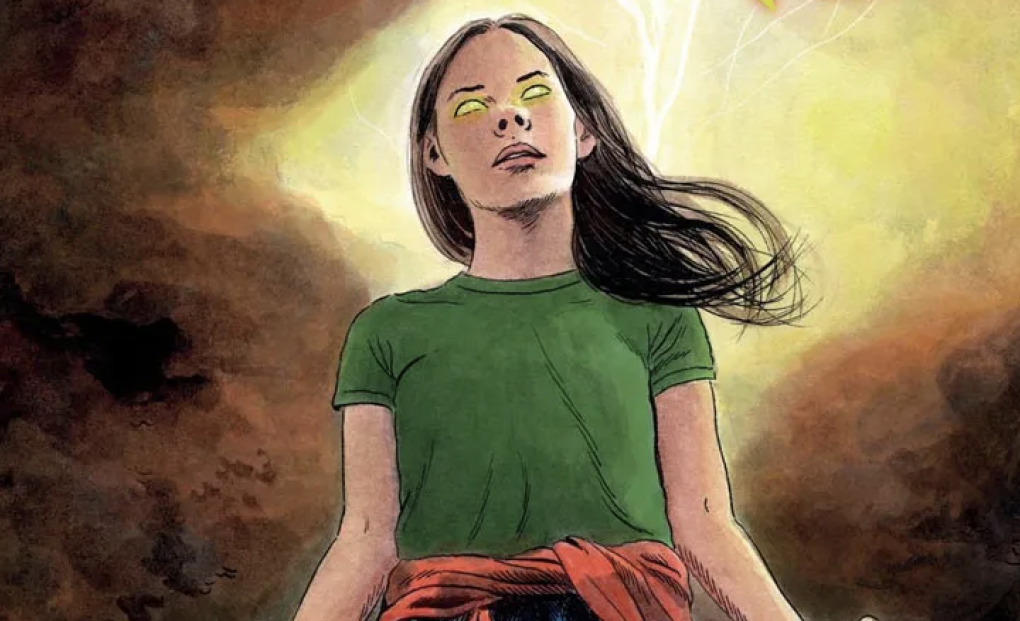
"caption": "‘Mother Nature.’",
"description": null,
"title": "‘Mother Nature.’",
"credit": "Titan Comics",
"status": "inherit",
"altTag": null,
"isLoading": false,
"fetchFailed": false
},
"arts_13932691": {
"type": "attachments",
"id": "arts_13932691",
"meta": {
"index": "attachments_1716263798",
"site": "arts",
"id": "13932691",
"found": true
},
"parent": 13932690,
"imgSizes": {
"twentyfourteen-full-width": {
"file": "https://ww2.kqed.org/app/uploads/sites/2/2023/07/106_nasi_9780593320747_art_r2_custom-d5745754b0cbba7e645e6d8c90374f43c6f10d08-scaled-e1691125570329-1038x576.jpg",
"width": 1038,
"mimeType": "image/jpeg",
"height": 576
},
"thumbnail": {
"file": "https://ww2.kqed.org/app/uploads/sites/2/2023/07/106_nasi_9780593320747_art_r2_custom-d5745754b0cbba7e645e6d8c90374f43c6f10d08-scaled-e1691125570329-160x107.jpg",
"width": 160,
"mimeType": "image/jpeg",
"height": 107
},
"post-thumbnail": {
"file": "https://ww2.kqed.org/app/uploads/sites/2/2023/07/106_nasi_9780593320747_art_r2_custom-d5745754b0cbba7e645e6d8c90374f43c6f10d08-scaled-e1691125570329-672x372.jpg",
"width": 672,
"mimeType": "image/jpeg",
"height": 372
},
"kqedFullSize": {
"file": "https://ww2.kqed.org/app/uploads/sites/2/2023/07/106_nasi_9780593320747_art_r2_custom-d5745754b0cbba7e645e6d8c90374f43c6f10d08-scaled-e1691125570329.jpg",
"width": 1920,
"height": 1279
},
"2048x2048": {
"file": "https://ww2.kqed.org/app/uploads/sites/2/2023/07/106_nasi_9780593320747_art_r2_custom-d5745754b0cbba7e645e6d8c90374f43c6f10d08-2048x1364.jpg",
"width": 2048,
"mimeType": "image/jpeg",
"height": 1364
},
"large": {
"file": "https://ww2.kqed.org/app/uploads/sites/2/2023/07/106_nasi_9780593320747_art_r2_custom-d5745754b0cbba7e645e6d8c90374f43c6f10d08-scaled-e1691125570329-1020x679.jpg",
"width": 1020,
"mimeType": "image/jpeg",
"height": 679
},
"1536x1536": {
"file": "https://ww2.kqed.org/app/uploads/sites/2/2023/07/106_nasi_9780593320747_art_r2_custom-d5745754b0cbba7e645e6d8c90374f43c6f10d08-scaled-e1691125570329-1536x1023.jpg",
"width": 1536,
"mimeType": "image/jpeg",
"height": 1023
},
"full-width": {
"file": "https://ww2.kqed.org/app/uploads/sites/2/2023/07/106_nasi_9780593320747_art_r2_custom-d5745754b0cbba7e645e6d8c90374f43c6f10d08-1920x1279.jpg",
"width": 1920,
"mimeType": "image/jpeg",
"height": 1279
},
"medium": {
"file": "https://ww2.kqed.org/app/uploads/sites/2/2023/07/106_nasi_9780593320747_art_r2_custom-d5745754b0cbba7e645e6d8c90374f43c6f10d08-scaled-e1691125570329-800x533.jpg",
"width": 800,
"mimeType": "image/jpeg",
"height": 533
},
"medium_large": {
"file": "https://ww2.kqed.org/app/uploads/sites/2/2023/07/106_nasi_9780593320747_art_r2_custom-d5745754b0cbba7e645e6d8c90374f43c6f10d08-scaled-e1691125570329-768x512.jpg",
"width": 768,
"mimeType": "image/jpeg",
"height": 512
}
},
"publishDate": 1691125040,
"modified": 1691135940,
"caption": "‘Sofreh: A Contemporary Approach to Classic Persian Cuisine’ is a new cookbook from chef and author Nasim Alikhani. The chapter ‘My Homeland,’ or ‘Sarzamine Man’ in Farsi, includes full-page photographs that highlight the landscape and natural environment of Iran.",
"description": null,
"title": "‘Sofreh: A Contemporary Approach to Classic Persian Cuisine’ is a new cookbook from chef and author Nasim Alikhani. The chapter ‘My Homeland,’ or Sarzamine Man in Farsi, includes full-page photographs that highlight the landscape and natural environment of Iran.",
"credit": "Ahmed Belbasi/Knopf",
"status": "inherit",
"altTag": "A field of red flowers with mountains in the distance. A goat herder with his flock walks through the field.",
"isLoading": false,
"fetchFailed": false
},
"arts_13932650": {
"type": "attachments",
"id": "arts_13932650",
"meta": {
"index": "attachments_1716263798",
"site": "arts",
"id": "13932650",
"found": true
},
"parent": 13932643,
"imgSizes": {
"twentyfourteen-full-width": {
"file": "https://ww2.kqed.org/app/uploads/sites/2/2023/08/Screen-Shot-2023-08-03-at-1.08.55-PM-1038x576.png",
"width": 1038,
"mimeType": "image/png",
"height": 576
},
"thumbnail": {
"file": "https://ww2.kqed.org/app/uploads/sites/2/2023/08/Screen-Shot-2023-08-03-at-1.08.55-PM-160x97.png",
"width": 160,
"mimeType": "image/png",
"height": 97
},
"post-thumbnail": {
"file": "https://ww2.kqed.org/app/uploads/sites/2/2023/08/Screen-Shot-2023-08-03-at-1.08.55-PM-672x372.png",
"width": 672,
"mimeType": "image/png",
"height": 372
},
"kqedFullSize": {
"file": "https://ww2.kqed.org/app/uploads/sites/2/2023/08/Screen-Shot-2023-08-03-at-1.08.55-PM.png",
"width": 1572,
"height": 956
},
"large": {
"file": "https://ww2.kqed.org/app/uploads/sites/2/2023/08/Screen-Shot-2023-08-03-at-1.08.55-PM-1020x620.png",
"width": 1020,
"mimeType": "image/png",
"height": 620
},
"1536x1536": {
"file": "https://ww2.kqed.org/app/uploads/sites/2/2023/08/Screen-Shot-2023-08-03-at-1.08.55-PM-1536x934.png",
"width": 1536,
"mimeType": "image/png",
"height": 934
},
"medium": {
"file": "https://ww2.kqed.org/app/uploads/sites/2/2023/08/Screen-Shot-2023-08-03-at-1.08.55-PM-800x487.png",
"width": 800,
"mimeType": "image/png",
"height": 487
},
"medium_large": {
"file": "https://ww2.kqed.org/app/uploads/sites/2/2023/08/Screen-Shot-2023-08-03-at-1.08.55-PM-768x467.png",
"width": 768,
"mimeType": "image/png",
"height": 467
}
},
"publishDate": 1691093368,
"modified": 1691093482,
"caption": "Lizzo performs at the Governors Ball Music Festival in New York, June 2023.",
"description": null,
"title": "Lizzo performs at the Governors Ball Music Festival in New York, June 2023.",
"credit": "Andy Kropa/ Invision/ AP",
"status": "inherit",
"altTag": "A plus-size Black woman in a pink wig performs on stage in a silver dress with a high slit on one leg. A large neon sign is displayed behind her. Two dancers perform behind her.",
"isLoading": false,
"fetchFailed": false
},
"arts_13932478": {
"type": "attachments",
"id": "arts_13932478",
"meta": {
"index": "attachments_1716263798",
"site": "arts",
"id": "13932478",
"found": true
},
"parent": 13932477,
"imgSizes": {
"twentyfourteen-full-width": {
"file": "https://ww2.kqed.org/app/uploads/sites/2/2023/07/gettyimages-159826402-edit_custom-a6e6d1099f78bd89af014e99ee0b359a5c6e7047-scaled-e1690912248688-1038x576.jpg",
"width": 1038,
"mimeType": "image/jpeg",
"height": 576
},
"thumbnail": {
"file": "https://ww2.kqed.org/app/uploads/sites/2/2023/07/gettyimages-159826402-edit_custom-a6e6d1099f78bd89af014e99ee0b359a5c6e7047-scaled-e1690912248688-160x86.jpg",
"width": 160,
"mimeType": "image/jpeg",
"height": 86
},
"post-thumbnail": {
"file": "https://ww2.kqed.org/app/uploads/sites/2/2023/07/gettyimages-159826402-edit_custom-a6e6d1099f78bd89af014e99ee0b359a5c6e7047-scaled-e1690912248688-672x372.jpg",
"width": 672,
"mimeType": "image/jpeg",
"height": 372
},
"kqedFullSize": {
"file": "https://ww2.kqed.org/app/uploads/sites/2/2023/07/gettyimages-159826402-edit_custom-a6e6d1099f78bd89af014e99ee0b359a5c6e7047-scaled-e1690912248688.jpg",
"width": 1920,
"height": 1034
},
"2048x2048": {
"file": "https://ww2.kqed.org/app/uploads/sites/2/2023/07/gettyimages-159826402-edit_custom-a6e6d1099f78bd89af014e99ee0b359a5c6e7047-2048x1103.jpg",
"width": 2048,
"mimeType": "image/jpeg",
"height": 1103
},
"large": {
"file": "https://ww2.kqed.org/app/uploads/sites/2/2023/07/gettyimages-159826402-edit_custom-a6e6d1099f78bd89af014e99ee0b359a5c6e7047-scaled-e1690912248688-1020x549.jpg",
"width": 1020,
"mimeType": "image/jpeg",
"height": 549
},
"1536x1536": {
"file": "https://ww2.kqed.org/app/uploads/sites/2/2023/07/gettyimages-159826402-edit_custom-a6e6d1099f78bd89af014e99ee0b359a5c6e7047-scaled-e1690912248688-1536x827.jpg",
"width": 1536,
"mimeType": "image/jpeg",
"height": 827
},
"full-width": {
"file": "https://ww2.kqed.org/app/uploads/sites/2/2023/07/gettyimages-159826402-edit_custom-a6e6d1099f78bd89af014e99ee0b359a5c6e7047-1920x1034.jpg",
"width": 1920,
"mimeType": "image/jpeg",
"height": 1034
},
"medium": {
"file": "https://ww2.kqed.org/app/uploads/sites/2/2023/07/gettyimages-159826402-edit_custom-a6e6d1099f78bd89af014e99ee0b359a5c6e7047-scaled-e1690912248688-800x431.jpg",
"width": 800,
"mimeType": "image/jpeg",
"height": 431
},
"medium_large": {
"file": "https://ww2.kqed.org/app/uploads/sites/2/2023/07/gettyimages-159826402-edit_custom-a6e6d1099f78bd89af014e99ee0b359a5c6e7047-scaled-e1690912248688-768x414.jpg",
"width": 768,
"mimeType": "image/jpeg",
"height": 414
}
},
"publishDate": 1690909902,
"modified": 1690912371,
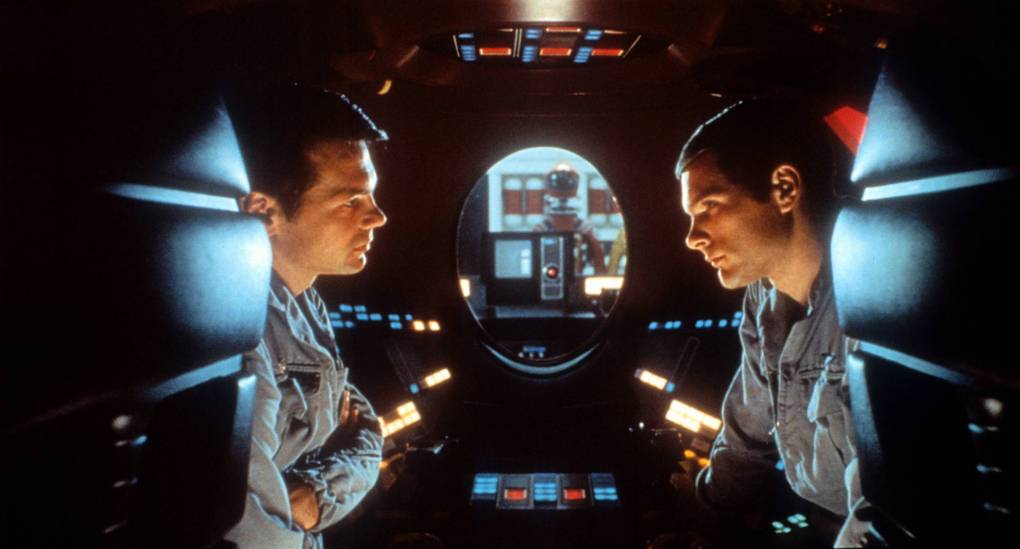
"caption": "Malevolent robot stories used to be more about brawn than brain — so it was a genuine shock for audiences in 1968 when the sentient HAL-9000 computer calmly said, \"I'm sorry, Dave, I'm afraid I can't do that.\"",
"description": null,
"title": "Malevolent robot stories used to be more about brawn than brain — so it was a genuine shock for audiences in 1968 when the sentient HAL-9000 computer calmly said, \"I'm sorry, Dave, I'm afraid I can't do that.\"",
"credit": "2001: A Space Odyssey",
"status": "inherit",
"altTag": "Two astronauts sit face to face in a small craft. Through an oval window between them, a robot is visible.",
"isLoading": false,
"fetchFailed": false
},
"arts_13932419": {
"type": "attachments",
"id": "arts_13932419",
"meta": {
"index": "attachments_1716263798",
"site": "arts",
"id": "13932419",
"found": true
},
"parent": 13932418,
"imgSizes": {
"twentyfourteen-full-width": {
"file": "https://ww2.kqed.org/app/uploads/sites/2/2023/07/darkwinds_joe-bernadette_mm_1130_0122_rt_wide-829c7ebf45cd9231b4714df3cda7ca55a470360f-scaled-e1690826358256-1038x576.jpg",
"width": 1038,
"mimeType": "image/jpeg",
"height": 576
},
"thumbnail": {
"file": "https://ww2.kqed.org/app/uploads/sites/2/2023/07/darkwinds_joe-bernadette_mm_1130_0122_rt_wide-829c7ebf45cd9231b4714df3cda7ca55a470360f-scaled-e1690826358256-160x90.jpg",
"width": 160,
"mimeType": "image/jpeg",
"height": 90
},
"post-thumbnail": {
"file": "https://ww2.kqed.org/app/uploads/sites/2/2023/07/darkwinds_joe-bernadette_mm_1130_0122_rt_wide-829c7ebf45cd9231b4714df3cda7ca55a470360f-scaled-e1690826358256-672x372.jpg",
"width": 672,
"mimeType": "image/jpeg",
"height": 372
},
"kqedFullSize": {
"file": "https://ww2.kqed.org/app/uploads/sites/2/2023/07/darkwinds_joe-bernadette_mm_1130_0122_rt_wide-829c7ebf45cd9231b4714df3cda7ca55a470360f-scaled-e1690826358256.jpg",
"width": 1920,
"height": 1080
},
"2048x2048": {
"file": "https://ww2.kqed.org/app/uploads/sites/2/2023/07/darkwinds_joe-bernadette_mm_1130_0122_rt_wide-829c7ebf45cd9231b4714df3cda7ca55a470360f-2048x1152.jpg",
"width": 2048,
"mimeType": "image/jpeg",
"height": 1152
},
"large": {
"file": "https://ww2.kqed.org/app/uploads/sites/2/2023/07/darkwinds_joe-bernadette_mm_1130_0122_rt_wide-829c7ebf45cd9231b4714df3cda7ca55a470360f-scaled-e1690826358256-1020x574.jpg",
"width": 1020,
"mimeType": "image/jpeg",
"height": 574
},
"1536x1536": {
"file": "https://ww2.kqed.org/app/uploads/sites/2/2023/07/darkwinds_joe-bernadette_mm_1130_0122_rt_wide-829c7ebf45cd9231b4714df3cda7ca55a470360f-scaled-e1690826358256-1536x864.jpg",
"width": 1536,
"mimeType": "image/jpeg",
"height": 864
},
"full-width": {
"file": "https://ww2.kqed.org/app/uploads/sites/2/2023/07/darkwinds_joe-bernadette_mm_1130_0122_rt_wide-829c7ebf45cd9231b4714df3cda7ca55a470360f-1920x1080.jpg",
"width": 1920,
"mimeType": "image/jpeg",
"height": 1080
},
"medium": {
"file": "https://ww2.kqed.org/app/uploads/sites/2/2023/07/darkwinds_joe-bernadette_mm_1130_0122_rt_wide-829c7ebf45cd9231b4714df3cda7ca55a470360f-scaled-e1690826358256-800x450.jpg",
"width": 800,
"mimeType": "image/jpeg",
"height": 450
},
"medium_large": {
"file": "https://ww2.kqed.org/app/uploads/sites/2/2023/07/darkwinds_joe-bernadette_mm_1130_0122_rt_wide-829c7ebf45cd9231b4714df3cda7ca55a470360f-scaled-e1690826358256-768x432.jpg",
"width": 768,
"mimeType": "image/jpeg",
"height": 432
}
},
"publishDate": 1690825788,
"modified": 1690826453,
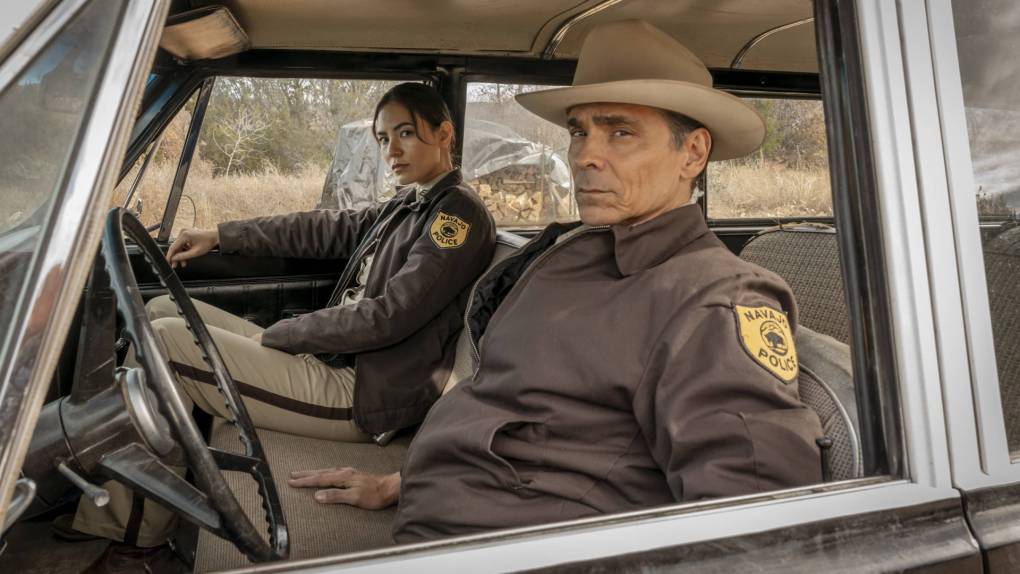
"caption": "Zahn McClarnon plays Lt. Joe Leaphorn and Jessica Matten is Sgt. Bernadette Manuelito in Season 2 of ‘Dark Winds.’",
"description": null,
"title": "Zahn McClarnon plays Lt. Joe Leaphorn and Jessica Matten is Sgt. Bernadette Manuelito in Season 2 of ‘Dark Winds.’",
"credit": "Michael Moriatis/ AMC",
"status": "inherit",
"altTag": "Two Indigenous police officers - one male, one female - sit in a car, wearing brown and tan uniforms. The environment outside the car's windows is desert.",
"isLoading": false,
"fetchFailed": false
},
"arts_13932166": {
"type": "attachments",
"id": "arts_13932166",
"meta": {
"index": "attachments_1716263798",
"site": "arts",
"id": "13932166",
"found": true
},
"parent": 13932164,
"imgSizes": {
"twentyfourteen-full-width": {
"file": "https://ww2.kqed.org/app/uploads/sites/2/2023/07/GettyImages-1414742670-scaled-e1690482232963-1038x576.jpg",
"width": 1038,
"mimeType": "image/jpeg",
"height": 576
},
"thumbnail": {
"file": "https://ww2.kqed.org/app/uploads/sites/2/2023/07/GettyImages-1414742670-scaled-e1690482232963-160x107.jpg",
"width": 160,
"mimeType": "image/jpeg",
"height": 107
},
"post-thumbnail": {
"file": "https://ww2.kqed.org/app/uploads/sites/2/2023/07/GettyImages-1414742670-scaled-e1690482232963-672x372.jpg",
"width": 672,
"mimeType": "image/jpeg",
"height": 372
},
"kqedFullSize": {
"file": "https://ww2.kqed.org/app/uploads/sites/2/2023/07/GettyImages-1414742670-scaled-e1690482232963.jpg",
"width": 1920,
"height": 1280
},
"2048x2048": {
"file": "https://ww2.kqed.org/app/uploads/sites/2/2023/07/GettyImages-1414742670-2048x1365.jpg",
"width": 2048,
"mimeType": "image/jpeg",
"height": 1365
},
"large": {
"file": "https://ww2.kqed.org/app/uploads/sites/2/2023/07/GettyImages-1414742670-scaled-e1690482232963-1020x680.jpg",
"width": 1020,
"mimeType": "image/jpeg",
"height": 680
},
"1536x1536": {
"file": "https://ww2.kqed.org/app/uploads/sites/2/2023/07/GettyImages-1414742670-scaled-e1690482232963-1536x1024.jpg",
"width": 1536,
"mimeType": "image/jpeg",
"height": 1024
},
"full-width": {
"file": "https://ww2.kqed.org/app/uploads/sites/2/2023/07/GettyImages-1414742670-1920x1280.jpg",
"width": 1920,
"mimeType": "image/jpeg",
"height": 1280
},
"medium": {
"file": "https://ww2.kqed.org/app/uploads/sites/2/2023/07/GettyImages-1414742670-scaled-e1690482232963-800x533.jpg",
"width": 800,
"mimeType": "image/jpeg",
"height": 533
},
"medium_large": {
"file": "https://ww2.kqed.org/app/uploads/sites/2/2023/07/GettyImages-1414742670-scaled-e1690482232963-768x512.jpg",
"width": 768,
"mimeType": "image/jpeg",
"height": 512
}
},
"publishDate": 1690482209,
"modified": 1690482433,
"caption": "Mandy Moore has shared that she’s previously received streaming residual checks for as little as 81 cents and a penny.",
"description": null,
"title": "Mandy Moore has shared that she’s previously received streaming residual checks for as little as 81 cents and a penny.",
"credit": "Rodin Eckenroth/WireImage",
"status": "inherit",
"altTag": "A beautiful woman with brown hair pulled back into a neat bun, smiles on the red carpet. She is wearing a high-necked gown.",
"isLoading": false,
"fetchFailed": false
},
"arts_13932009": {
"type": "attachments",
"id": "arts_13932009",
"meta": {
"index": "attachments_1716263798",
"site": "arts",
"id": "13932009",
"found": true
},
"parent": 13932004,
"imgSizes": {
"twentyfourteen-full-width": {
"file": "https://ww2.kqed.org/app/uploads/sites/2/2023/07/Screen-Shot-2023-07-25-at-1.34.20-PM-1038x576.png",
"width": 1038,
"mimeType": "image/png",
"height": 576
},
"thumbnail": {
"file": "https://ww2.kqed.org/app/uploads/sites/2/2023/07/Screen-Shot-2023-07-25-at-1.34.20-PM-160x101.png",
"width": 160,
"mimeType": "image/png",
"height": 101
},
"post-thumbnail": {
"file": "https://ww2.kqed.org/app/uploads/sites/2/2023/07/Screen-Shot-2023-07-25-at-1.34.20-PM-672x372.png",
"width": 672,
"mimeType": "image/png",
"height": 372
},
"kqedFullSize": {
"file": "https://ww2.kqed.org/app/uploads/sites/2/2023/07/Screen-Shot-2023-07-25-at-1.34.20-PM.png",
"width": 1314,
"height": 832
},
"large": {
"file": "https://ww2.kqed.org/app/uploads/sites/2/2023/07/Screen-Shot-2023-07-25-at-1.34.20-PM-1020x646.png",
"width": 1020,
"mimeType": "image/png",
"height": 646
},
"medium": {
"file": "https://ww2.kqed.org/app/uploads/sites/2/2023/07/Screen-Shot-2023-07-25-at-1.34.20-PM-800x507.png",
"width": 800,
"mimeType": "image/png",
"height": 507
},
"medium_large": {
"file": "https://ww2.kqed.org/app/uploads/sites/2/2023/07/Screen-Shot-2023-07-25-at-1.34.20-PM-768x486.png",
"width": 768,
"mimeType": "image/png",
"height": 486
}
},
"publishDate": 1690317301,
"modified": 1690317301,
"caption": null,
"description": null,
"title": "Screen Shot 2023-07-25 at 1.34.20 PM",
"credit": null,
"status": "inherit",
"altTag": null,
"isLoading": false,
"fetchFailed": false
},
"arts_13931774": {
"type": "attachments",
"id": "arts_13931774",
"meta": {
"index": "attachments_1716263798",
"site": "arts",
"id": "13931774",
"found": true
},
"parent": 13931773,
"imgSizes": {
"twentyfourteen-full-width": {
"file": "https://ww2.kqed.org/app/uploads/sites/2/2023/07/jcp_108_0293r-copy_custom-8c1bf60dfedadc040e0c8f2e51ffe6f753681f12-scaled-e1689791601845-1038x576.jpg",
"width": 1038,
"mimeType": "image/jpeg",
"height": 576
},
"thumbnail": {
"file": "https://ww2.kqed.org/app/uploads/sites/2/2023/07/jcp_108_0293r-copy_custom-8c1bf60dfedadc040e0c8f2e51ffe6f753681f12-scaled-e1689791601845-160x107.jpg",
"width": 160,
"mimeType": "image/jpeg",
"height": 107
},
"post-thumbnail": {
"file": "https://ww2.kqed.org/app/uploads/sites/2/2023/07/jcp_108_0293r-copy_custom-8c1bf60dfedadc040e0c8f2e51ffe6f753681f12-scaled-e1689791601845-672x372.jpg",
"width": 672,
"mimeType": "image/jpeg",
"height": 372
},
"kqedFullSize": {
"file": "https://ww2.kqed.org/app/uploads/sites/2/2023/07/jcp_108_0293r-copy_custom-8c1bf60dfedadc040e0c8f2e51ffe6f753681f12-scaled-e1689791601845.jpg",
"width": 1920,
"height": 1279
},
"2048x2048": {
"file": "https://ww2.kqed.org/app/uploads/sites/2/2023/07/jcp_108_0293r-copy_custom-8c1bf60dfedadc040e0c8f2e51ffe6f753681f12-2048x1364.jpg",
"width": 2048,
"mimeType": "image/jpeg",
"height": 1364
},
"large": {
"file": "https://ww2.kqed.org/app/uploads/sites/2/2023/07/jcp_108_0293r-copy_custom-8c1bf60dfedadc040e0c8f2e51ffe6f753681f12-scaled-e1689791601845-1020x679.jpg",
"width": 1020,
"mimeType": "image/jpeg",
"height": 679
},
"1536x1536": {
"file": "https://ww2.kqed.org/app/uploads/sites/2/2023/07/jcp_108_0293r-copy_custom-8c1bf60dfedadc040e0c8f2e51ffe6f753681f12-scaled-e1689791601845-1536x1023.jpg",
"width": 1536,
"mimeType": "image/jpeg",
"height": 1023
},
"full-width": {
"file": "https://ww2.kqed.org/app/uploads/sites/2/2023/07/jcp_108_0293r-copy_custom-8c1bf60dfedadc040e0c8f2e51ffe6f753681f12-1920x1279.jpg",
"width": 1920,
"mimeType": "image/jpeg",
"height": 1279
},
"medium": {
"file": "https://ww2.kqed.org/app/uploads/sites/2/2023/07/jcp_108_0293r-copy_custom-8c1bf60dfedadc040e0c8f2e51ffe6f753681f12-scaled-e1689791601845-800x533.jpg",
"width": 800,
"mimeType": "image/jpeg",
"height": 533
},
"medium_large": {
"file": "https://ww2.kqed.org/app/uploads/sites/2/2023/07/jcp_108_0293r-copy_custom-8c1bf60dfedadc040e0c8f2e51ffe6f753681f12-scaled-e1689791601845-768x512.jpg",
"width": 768,
"mimeType": "image/jpeg",
"height": 512
}
},
"publishDate": 1689715053,
"modified": 1689791708,
"caption": "FX's limited series revival ‘Justified: City Primeval’ offers the return of a beloved character — Raylan Givens (Timothy Olyphant). But that alone isn't enough. We take a look back at reboots that worked ... and those that didn't.",
"description": null,
"title": "FX's limited series revival ‘Justified: City Primeval’ offers the return of a beloved character — Raylan Givens (Timothy Olyphant). But that alone isn't enough. We take a look back at reboots that worked ... and those that didn't.",
"credit": "Chuck Hodes/FX",
"status": "inherit",
"altTag": "A white man in a cowboy hat sits behind a desk in a dimly lit, blue-toned room.",
"isLoading": false,
"fetchFailed": false
},
"arts_13931751": {
"type": "attachments",
"id": "arts_13931751",
"meta": {
"index": "attachments_1716263798",
"site": "arts",
"id": "13931751",
"found": true
},
"parent": 13931750,
"imgSizes": {
"twentyfourteen-full-width": {
"file": "https://ww2.kqed.org/app/uploads/sites/2/2023/07/gettyimages-683450390-fde2c92cbca50af84ca2ace772e7e5fe1e4b68e9-1038x576.jpg",
"width": 1038,
"mimeType": "image/jpeg",
"height": 576
},
"thumbnail": {
"file": "https://ww2.kqed.org/app/uploads/sites/2/2023/07/gettyimages-683450390-fde2c92cbca50af84ca2ace772e7e5fe1e4b68e9-160x120.jpg",
"width": 160,
"mimeType": "image/jpeg",
"height": 120
},
"post-thumbnail": {
"file": "https://ww2.kqed.org/app/uploads/sites/2/2023/07/gettyimages-683450390-fde2c92cbca50af84ca2ace772e7e5fe1e4b68e9-672x372.jpg",
"width": 672,
"mimeType": "image/jpeg",
"height": 372
},
"kqedFullSize": {
"file": "https://ww2.kqed.org/app/uploads/sites/2/2023/07/gettyimages-683450390-fde2c92cbca50af84ca2ace772e7e5fe1e4b68e9-scaled.jpg",
"width": 2560,
"height": 1920
},
"2048x2048": {
"file": "https://ww2.kqed.org/app/uploads/sites/2/2023/07/gettyimages-683450390-fde2c92cbca50af84ca2ace772e7e5fe1e4b68e9-2048x1536.jpg",
"width": 2048,
"mimeType": "image/jpeg",
"height": 1536
},
"large": {
"file": "https://ww2.kqed.org/app/uploads/sites/2/2023/07/gettyimages-683450390-fde2c92cbca50af84ca2ace772e7e5fe1e4b68e9-1020x765.jpg",
"width": 1020,
"mimeType": "image/jpeg",
"height": 765
},
"1536x1536": {
"file": "https://ww2.kqed.org/app/uploads/sites/2/2023/07/gettyimages-683450390-fde2c92cbca50af84ca2ace772e7e5fe1e4b68e9-1536x1152.jpg",
"width": 1536,
"mimeType": "image/jpeg",
"height": 1152
},
"full-width": {
"file": "https://ww2.kqed.org/app/uploads/sites/2/2023/07/gettyimages-683450390-fde2c92cbca50af84ca2ace772e7e5fe1e4b68e9-1920x1440.jpg",
"width": 1920,
"mimeType": "image/jpeg",
"height": 1440
},
"medium": {
"file": "https://ww2.kqed.org/app/uploads/sites/2/2023/07/gettyimages-683450390-fde2c92cbca50af84ca2ace772e7e5fe1e4b68e9-800x600.jpg",
"width": 800,
"mimeType": "image/jpeg",
"height": 600
},
"medium_large": {
"file": "https://ww2.kqed.org/app/uploads/sites/2/2023/07/gettyimages-683450390-fde2c92cbca50af84ca2ace772e7e5fe1e4b68e9-768x576.jpg",
"width": 768,
"mimeType": "image/jpeg",
"height": 576
}
},
"publishDate": 1689700998,
"modified": 1689701403,
"caption": "Pianist André Watts, age 16, in rehearsal with the New York Philharmonic for one of Leonard Bernstein's Young People's Concerts.",
"description": null,
"title": "Pianist André Watts, age 16, in rehearsal with the New York Philharmonic for one of Leonard Bernstein's Young People's Concerts.",
"credit": "CBS Photo Archive/Getty Images",
"status": "inherit",
"altTag": "A young Black man with short hair in a suit plays the piano",
"isLoading": false,
"fetchFailed": false
}
},
"audioPlayerReducer": {
"postId": "stream_live",
"isPaused": true,
"isPlaying": false,
"pfsActive": false,
"pledgeModalIsOpen": true,
"playerDrawerIsOpen": false,
"liveAudioPlayStartedAt": 0,
"liveAudioPlayContext": ""
},
"authorsReducer": {
"byline_arts_13933160": {
"type": "authors",
"id": "byline_arts_13933160",
"meta": {
"override": true
},
"slug": "byline_arts_13933160",
"name": "Linda Holmes",
"isLoading": false
},
"byline_arts_13933011": {
"type": "authors",
"id": "byline_arts_13933011",
"meta": {
"override": true
},
"slug": "byline_arts_13933011",
"name": "Bilal Qureshi",
"isLoading": false
},
"byline_arts_13932939": {
"type": "authors",
"id": "byline_arts_13932939",
"meta": {
"override": true
},
"slug": "byline_arts_13932939",
"name": "Eric Deggans",
"isLoading": false
},
"byline_arts_13932848": {
"type": "authors",
"id": "byline_arts_13932848",
"meta": {
"override": true
},
"slug": "byline_arts_13932848",
"name": "Mandalit del Barco",
"isLoading": false
},
"byline_arts_13932690": {
"type": "authors",
"id": "byline_arts_13932690",
"meta": {
"override": true
},
"slug": "byline_arts_13932690",
"name": "Bilal Qureshi",
"isLoading": false
},
"byline_arts_13932643": {
"type": "authors",
"id": "byline_arts_13932643",
"meta": {
"override": true
},
"slug": "byline_arts_13932643",
"name": "Dustin Jones",
"isLoading": false
},
"byline_arts_13932477": {
"type": "authors",
"id": "byline_arts_13932477",
"meta": {
"override": true
},
"slug": "byline_arts_13932477",
"name": "Bob Mondello",
"isLoading": false
},
"byline_arts_13932418": {
"type": "authors",
"id": "byline_arts_13932418",
"meta": {
"override": true
},
"slug": "byline_arts_13932418",
"name": "John Powers",
"isLoading": false
},
"byline_arts_13932164": {
"type": "authors",
"id": "byline_arts_13932164",
"meta": {
"override": true
},
"slug": "byline_arts_13932164",
"name": "Ayana Archie",
"isLoading": false
},
"byline_arts_13932004": {
"type": "authors",
"id": "byline_arts_13932004",
"meta": {
"override": true
},
"slug": "byline_arts_13932004",
"name": "Jason Heller",
"isLoading": false
},
"byline_arts_13931773": {
"type": "authors",
"id": "byline_arts_13931773",
"meta": {
"override": true
},
"slug": "byline_arts_13931773",
"name": "Eric Deggans",
"isLoading": false
},
"byline_arts_13931750": {
"type": "authors",
"id": "byline_arts_13931750",
"meta": {
"override": true
},
"slug": "byline_arts_13931750",
"name": "Lara Downes",
"isLoading": false
}
},
"pagesReducer": {
"arts_affiliate_npr": {
"type": "terms",
"id": "arts_137",
"meta": {
"index": "terms_1716263798",
"site": "arts",
"id": "137",
"score": 14.257333
},
"featImg": "https://ww2.kqed.org/app/uploads/sites/2/2014/04/logo-npr-lg1.png",
"name": "NPR",
"description": null,
"taxonomy": "affiliate",
"headData": {
"twImgId": null,
"twTitle": null,
"ogTitle": null,
"ogImgId": null,
"twDescription": null,
"description": null,
"title": "NPR Archives | KQED Arts",
"ogDescription": null
},
"ttid": 138,
"slug": "npr",
"isLoading": false,
"title": "NPR",
"pageMeta": {
"site": "arts",
"WpPageTemplate": "page-topic-editorial",
"currentPage": 39
},
"blocks": [
{
"blockName": "kqed/post-list",
"attrs": {
"layout": "cardArticle2",
"query": "posts/arts?affiliate=npr",
"seeMore": false,
"paginated": true,
"page": 39
}
},
{
"blockName": "kqed/ad"
}
]
}
},
"pfsSessionReducer": {},
"postsReducer": {
"stream_live": {
"type": "live",
"id": "stream_live",
"audioUrl": "https://streams.kqed.org/kqedradio",
"title": "Live Stream",
"excerpt": "Live Stream information currently unavailable.",
"link": "/radio",
"featImg": "",
"label": {
"name": "KQED Live",
"link": "/"
}
},
"stream_kqedNewscast": {
"type": "posts",
"id": "stream_kqedNewscast",
"audioUrl": "https://www.kqed.org/.stream/anon/radio/RDnews/newscast.mp3?_=1",
"title": "KQED Newscast",
"featImg": "",
"label": {
"name": "88.5 FM",
"link": "/"
}
},
"arts_13933160": {
"type": "posts",
"id": "arts_13933160",
"meta": {
"index": "posts_1716263798",
"site": "arts",
"id": "13933160",
"score": null,
"sort": [
1692044459000
]
},
"parent": 0,
"labelTerm": {
"site": "arts",
"term": 137
},
"blocks": [],
"publishDate": 1692044459,
"format": "standard",
"title": "'Below Deck,' Reality Producers Stepped in to Stop a Drunken Assault — This Time",
"headTitle": "‘Below Deck,’ Reality Producers Stepped in to Stop a Drunken Assault — This Time | KQED",
"content": "\u003cp>On Monday night’s double episode of Bravo’s \u003cem>Below Deck Down Under\u003c/em>, viewers saw show producers intervening to prevent a sexual assault by one crew member (a man) on another. After the offender was fired, another crew member (a woman) who had been repeatedly refusing to hear “no” from the guy she was interested in, and who had been touching him repeatedly after he asked her not to, was shown the door as well.\u003c/p>\n\u003cp>It was a jarring look for a franchise that has frequently reveled in what’s sometimes been abusive behavior by very drunk people for a total of 24 seasons — 10 of original \u003cem>Below Deck\u003c/em>, seven of \u003cem>Below Deck Mediterranean\u003c/em>, four of \u003cem>Below Deck Sailing Yacht\u003c/em>, one of \u003cem>Below Deck Adventure\u003c/em>, and two of \u003cem>Below Deck Down Under\u003c/em>.\u003c/p>\n\u003cp>[aside postid='arts_13931297']To set the scene, in the world of these shows, you have the interior crew — usually, but not always, women — who serve guests meals and drinks, clean cabins, do laundry, and run the entertainment. The exterior crew (led by the bosun) — usually, but not always, men — clean the boat, handle docking and run the tender (the little auxiliary boat), manage all the jet skis and giant inflatables and other things that are set out for rich people to use, and set up and break down everything on the outside for guests. There’s also a chef. As for the guests, they’re rich enough to charter the yacht, but not so rich that they have a yacht of their own.\u003c/p>\n\u003cp>The rhythm of the show is that after a charter trip ends, the crew cleans up, and they have a night out in whatever cool location the yacht happens to be docked. Typically, they go to a restaurant for dinner and then some kind of a club to drink and dance, and then they stumble back onto the yacht, sometimes they fool around, sometimes they get in the hot tub, and then they pass out for the night. Hookups are frequent.\u003c/p>\n\u003cp>https://www.youtube.com/watch?v=R43v5f2lrWY\u003c/p>\n\u003ch3>‘She said no’\u003c/h3>\n\u003cp>On Monday night’s double episode, headed back to the yacht in a van after a night of drinking, third stew Margot was half-passed-out with her head in bosun Luke’s lap, and Luke (who’s been pursuing her all season) began to make “jokes” about hooking up with her later. Aesha, the chief stew (if you watch \u003cem>Project Runway\u003c/em>, you just saw Aesha as Bishme’s model), clocked this situation and its dangers immediately. As they got out of the van, she announced that she was going to see Margot inside and put her to bed, and Luke was going to scram. And that’s what happened, at first. Aesha tucked Margot into her upper bunk in her tiny cabin and stepped out, and that should have been the end of it.\u003c/p>\n\u003cp>[ad fullwidth]\u003c/p>\n\u003cp>But there was a power outage on the boat that led to some chaos. And suddenly, there was Luke, walking around the crew area completely naked, holding a towel in front of his crotch. He let himself into Margot’s room, where she was fully either asleep or passed out, depending on how you choose to describe the heavy sleep that follows heavy drinking. Fully naked, he hoisted himself up and crawled into her bed.\u003c/p>\n\u003cp>That’s when the producer voices started, ordering Luke to get out of Margot’s bed. He initially resisted, there was a confrontation that included a lot of door-slamming, and eventually Luke went back to his own room, angry. He was hauled off the boat and put in a hotel, and in the morning, Luke was fired. (There are more details in \u003ca href=\"https://www.realityblurred.com/realitytv/2023/08/below-deck-down-under-seasons-2-attempted-assault/\">this good wrap-up\u003c/a> from Andy Dehnart at \u003cem>Reality Blurred\u003c/em>.)\u003c/p>\n\u003ch3>But wait, there’s more\u003c/h3>\n\u003cp>Now: There are layers upon layers in a show like this. The show narrative is that the captain, Jason, made the decisions to remove Luke from the boat and to fire him, but it’s hard to imagine he had any choice. One would hope the Bravo people (including the lawyers) would have had it no other way, no matter what releases anybody signed.\u003c/p>\n\u003cp>But whatever the production involvement, the story as presented by the show ended up effectively laying out some pretty basic pieces of how an event like that can happen, and what the aftermath can be. It showed how Aesha identified the risk and tried to protect Margot, and how quickly things turned in the close quarters of a boat where people have easy physical access to each other. It showed how Margot blamed herself in the morning for being drunk and too “flirty.” Aesha and Tzarina, the chef, assured her that no matter how drunk you are, nobody gets to assault you. These things might seem pretty basic to people who follow discussions about sexual violence, but they’re relatively advanced for, you know, \u003cem>Below Deck\u003c/em>.\u003c/p>\n\u003cp>[aside postid='arts_13932418']Luke’s departure was not the end. Second stew Laura had grown interested in a Brooklyn-born deckhand named Adam. At dinner, Adam told her plainly that he only wanted to be friends. She persisted: He would never be interested in sex with her? No. He wanted to be friends. He sometimes smiled nervously, or chuckled, but he communicated clearly.\u003c/p>\n\u003cp>But later, on the yacht, Laura was continuing to touch Adam constantly, including in the hot tub. At one point it appeared that she grabbed him under the water, given the way he jumped away and said “\u003cem>Stop \u003c/em>that.” He eventually agreed to a massage that she swore wouldn’t be sexual (perhaps hoping it would defuse the situation), but when she actually came into his room to try to do it, he insisted the door stay open and then tried to bore and ignore her into leaving. And when she crawled up on \u003cem>his \u003c/em>bed without being invited, there were more producer voices, telling her to buzz off and get out of his room.\u003c/p>\n\u003cp>In the morning, because of this behavior and because Laura decided to go around telling everyone Luke shouldn’t have been fired and eye-rolling to Margot about how it wasn’t as if Margot had really told him no, and it wasn’t as if he would have actually assaulted her (thus indicating she was not on board with the whole “respect people’s boundaries” idea), Laura was also dismissed. And interestingly, Adam blamed himself much as Margot did, saying maybe he wasn’t telling Laura no seriously enough, or firmly enough, maybe he was trying too hard to be nice about it. It is a curious impulse, this idea that had someone understood that you really did not want them to do what they were doing, surely they would not have done it.\u003c/p>\n\u003ch3>Much-too-drunken sailors\u003c/h3>\n\u003cp>There’s some useful material in this episode that burbles up from all the absurdity. Obviously, it’s about consent, and about how you cannot climb into the bed of a person who hasn’t invited you particularly if they’re passed out or sleeping, particularly if you’re naked. And furthermore, you can’t keep handling anybody of any gender when they’ve asked you not to. These are, you might say, the headlines.\u003c/p>\n\u003cp>But the whole incident raises another uncomfortable issue. Alcohol plays a critical role in many reality-show franchises. Your housewives, your people who stop being polite and start getting real, and most definitely your bachelors and bachelorettes, all have historically done a tremendous amount of drinking. But \u003cem>Below Deck \u003c/em>has always had, to me, a particularly fraught relationship with being not merely drunk, but blackout drunk. Uncomfortable levels of physical aggression and confrontation have sometimes followed these nights out, as have mornings in which apologies are of limited value coming from apologizers who clearly have no memory of what they did. In \u003ca href=\"https://www.thebaltimorebanner.com/culture/film-tv/below-deck-eddie-lucas-baltimore-bravo-UNWBBMNDK5HQREVAXQ3GW52NII/\">an interview\u003c/a> with \u003cem>The Baltimore Banner\u003c/em>, Eddie Lucas, who’s appeared on several seasons of \u003cem>Below Deck \u003c/em>as a deckhand and bosun, said this about the nights out:\u003c/p>\n\u003cp>\u003cem>And then also, when we get off charter, and they’re [the producers are] like, “Oh, you know, go out, have dinner, have a good time.” You’re like, “I’d rather just get some sleep” and they’re like, “No, you’re gonna drink. You’re gonna drink and you’re gonna stay up until four in the morning, and you’re going to like it!”\u003c/em>\u003c/p>\n\u003cp>[aside postid='arts_13863206']As Tzarina said, the alcohol is obviously not an excuse for the behavior, but encouraging this kind of drinking has risks. And watching the producers swoop in here only reminds you how often they do \u003cem>not\u003c/em> swoop in. They watch people get in fights, punch things, scream at each other, drink until they’re sick, drink until they have to be carried home, drink until they have no idea what they’re doing — in a way, seeing producers become visible in one instance makes them hover like ghosts at the edges in all the past situations they’ve allowed to unfold (encouraged to unfold?) without any obvious intervention. Whether any other case like \u003cem>this \u003c/em>has come up, I don’t know. But many, many of these nights have looked like they could erupt dangerously at any time, and I can’t remember ever hearing a producer say, “You’ve had enough, stop drinking, go to bed.” Either they haven’t done it, or they haven’t wanted to show that they did it.\u003c/p>\n\u003cp>And then this week, \u003ca href=\"https://deadline.com/2023/08/porn-violentce-claims-bethenny-frankel-lawsuit-reality-tv-nbcuniveral-bravo-1235454964/\">\u003cem>Deadline reported\u003c/em>\u003c/a> that attorneys who say they represent a number of cast and crew from NBC Universal’s reality shows (that seems to mostly mean Bravo) sent a letter to the company demanding that possible evidence be retained in anticipation of future litigation over what the letter calls “grotesque and depraved mistreatment of the reality stars and crewmembers.” And the first bullet point they allege is plying people with alcohol (while denying them food and sleep) in an effort to intentionally degrade their mental health. Another is “covering up acts of sexual violence.”\u003c/p>\n\u003cp>I’m not going to lie: I often fast-forward through the crew nights out at this point, precisely because they always seem vaguely menacing. I watch this show as a workplace show, as hard as that might be to believe. I like it for the parts where the impossible guests want endless espresso martinis and the deck crew is desperate not to have to inflate the water slide again and everybody is juggling impossible tasks. I am bored stiff by long sequences where people do shots and slur into each other’s ears and scream at each other in the hot tub. You know what I like? I like the tension of a moment where the chef forgot that one of the guests is gluten-free and now they have to improvise. I like the parts where somebody suddenly wants an umpteen-course dinner and the crew is shorthanded because somebody is seasick. I like it when rich people insist on their beach picnic and then get rained on.\u003c/p>\n\u003cp>https://www.youtube.com/watch?v=h5lX0g2aSsg\u003c/p>\n\u003cp>And, as with every good reality show, I admit I like it when people I don’t like get their comeuppance, usually in the form of getting fired. If one person isn’t doing their share of the work and the captain calls them in and says they’re bounced, that offers a little shiver of satisfaction, just like when a jerk gets voted off \u003cem>Survivor\u003c/em>. Not like this, though. Really, not like this.\u003c/p>\n\u003cp>The thing is, all that stuff, all that kind of lighthearted workplace stuff, comes alongside all the parts that I might fast-forward through, but they still happened. (For the “all this is entirely scripted!” crowd, let me say: I wish.) And on the one hand, it’s good to know there’s \u003cem>something \u003c/em>producers will step in to prevent. On the other hand, it would be good to let people stay in and get some sleep.\u003c/p>\n\u003chr>\n\u003cp>\u003cem>This piece also appeared in NPR’s Pop Culture Happy Hour newsletter. \u003c/em>\u003ca href=\"https://www.npr.org/newsletter/pop-culture\">\u003cem>Sign up for the newsletter\u003c/em>\u003c/a>\u003cem> so you don’t miss the next one, plus get weekly recommendations about what’s making us happy.\u003c/em>\u003c/p>\n\u003cp>[ad floatright]\u003c/p>\n\u003cp>\u003cem>Listen to Pop Culture Happy Hour on \u003c/em>\u003ca href=\"http://n.pr/3xNgYt9\">\u003cem>Apple Podcasts\u003c/em>\u003c/a>\u003cem> and \u003c/em>\u003ca href=\"http://n.pr/3ELR3n6\">\u003cem>Spotify\u003c/em>\u003c/a>\u003cem>.\u003c/em>\u003c/p>\n\u003cdiv class=\"fullattribution\">\u003cem>Copyright 2023 NPR. To see more, \u003ca href=\"https://www.npr.org\">visit NPR\u003c/a>.\u003cimg decoding=\"async\" src=\"https://www.google-analytics.com/__utm.gif?utmac=UA-5828686-4&utmdt=%27Below+Deck%2C%27+reality+producers+stepped+in+to+stop+a+drunken+assault+%E2%80%94+this+time&utme=8(APIKey)9(MDAxOTAwOTE4MDEyMTkxMDAzNjczZDljZA004)\">\u003c/em>\u003c/div>\n\n",
"stats": {
"hasVideo": true,
"hasChartOrMap": false,
"hasAudio": false,
"hasPolis": false,
"wordCount": 2162,
"hasGoogleForm": false,
"hasGallery": false,
"hasHearkenModule": false,
"iframeSrcs": [],
"paragraphCount": 24
},
"modified": 1705005153,
"excerpt": "On ‘Below Deck Down Under’ — a show known for encouraging bad behavior — producers just intervened to prevent a sexual assault.",
"headData": {
"twImgId": "",
"twTitle": "'Below Deck,' Reality Producers Stepped in to Stop a Drunken Assault — This Time",
"socialTitle": "Alcohol Abuse on ‘Below Deck’ Puts Cast in Dangerous Situations %%page%% %%sep%% KQED",
"ogTitle": "'Below Deck,' Reality Producers Stepped in to Stop a Drunken Assault — This Time",
"ogImgId": "",
"twDescription": "",
"description": "On ‘Below Deck Down Under’ — a show known for encouraging bad behavior — producers just intervened to prevent a sexual assault.",
"title": "Alcohol Abuse on ‘Below Deck’ Puts Cast in Dangerous Situations | KQED",
"ogDescription": "",
"schema": {
"@context": "https://schema.org",
"@type": "Article",
"headline": "'Below Deck,' Reality Producers Stepped in to Stop a Drunken Assault — This Time",
"datePublished": "2023-08-14T13:20:59-07:00",
"dateModified": "2024-01-11T12:32:33-08:00",
"image": "https://cdn.kqed.org/wp-content/uploads/2020/02/KQED-OG-Image@1x.png"
}
},
"guestAuthors": [],
"slug": "below-deck-reality-tv-sexual-assault-alcohol",
"status": "publish",
"nprApiLink": "http://api.npr.org/query?id=1193446744&apiKey=MDAxOTAwOTE4MDEyMTkxMDAzNjczZDljZA004",
"templateType": "standard",
"nprStoryDate": "Sat, 12 Aug 2023 07:00:24 -0400",
"excludeFromSiteSearch": "Include",
"nprLastModifiedDate": "Sat, 12 Aug 2023 07:00:24 -0400",
"featuredImageType": "standard",
"nprHtmlLink": "https://www.npr.org/2023/08/12/1193446744/below-deck-down-under-sexual-assault?ft=nprml&f=1193446744",
"nprImageAgency": "Bravo",
"nprStoryId": "1193446744",
"nprByline": "Linda Holmes",
"sticky": false,
"nprImageCredit": "Mark Rogers",
"showOnAuthorArchivePages": "No",
"articleAge": "0",
"nprRetrievedStory": "1",
"nprPubDate": "Sat, 12 Aug 2023 07:00:00 -0400",
"path": "/arts/13933160/below-deck-reality-tv-sexual-assault-alcohol",
"audioTrackLength": null,
"parsedContent": [
{
"type": "contentString",
"content": "\u003cdiv class=\"post-body\">\u003cp>\u003cp>On Monday night’s double episode of Bravo’s \u003cem>Below Deck Down Under\u003c/em>, viewers saw show producers intervening to prevent a sexual assault by one crew member (a man) on another. After the offender was fired, another crew member (a woman) who had been repeatedly refusing to hear “no” from the guy she was interested in, and who had been touching him repeatedly after he asked her not to, was shown the door as well.\u003c/p>\n\u003cp>It was a jarring look for a franchise that has frequently reveled in what’s sometimes been abusive behavior by very drunk people for a total of 24 seasons — 10 of original \u003cem>Below Deck\u003c/em>, seven of \u003cem>Below Deck Mediterranean\u003c/em>, four of \u003cem>Below Deck Sailing Yacht\u003c/em>, one of \u003cem>Below Deck Adventure\u003c/em>, and two of \u003cem>Below Deck Down Under\u003c/em>.\u003c/p>\n\u003cp>\u003c/p>\u003c/div>",
"attributes": {
"named": {},
"numeric": []
}
},
{
"type": "component",
"content": "",
"name": "aside",
"attributes": {
"named": {
"postid": "arts_13931297",
"label": ""
},
"numeric": []
}
},
{
"type": "contentString",
"content": "\u003cdiv class=\"post-body\">\u003cp>To set the scene, in the world of these shows, you have the interior crew — usually, but not always, women — who serve guests meals and drinks, clean cabins, do laundry, and run the entertainment. The exterior crew (led by the bosun) — usually, but not always, men — clean the boat, handle docking and run the tender (the little auxiliary boat), manage all the jet skis and giant inflatables and other things that are set out for rich people to use, and set up and break down everything on the outside for guests. There’s also a chef. As for the guests, they’re rich enough to charter the yacht, but not so rich that they have a yacht of their own.\u003c/p>\n\u003cp>The rhythm of the show is that after a charter trip ends, the crew cleans up, and they have a night out in whatever cool location the yacht happens to be docked. Typically, they go to a restaurant for dinner and then some kind of a club to drink and dance, and then they stumble back onto the yacht, sometimes they fool around, sometimes they get in the hot tub, and then they pass out for the night. Hookups are frequent.\u003c/p>\u003c/p>\u003cp>\u003cspan class='utils-parseShortcode-shortcodes-__youtubeShortcode__embedYoutube'>\n \u003cspan class='utils-parseShortcode-shortcodes-__youtubeShortcode__embedYoutubeInside'>\n \u003ciframe\n loading='lazy'\n class='utils-parseShortcode-shortcodes-__youtubeShortcode__youtubePlayer'\n type='text/html'\n src='//www.youtube.com/embed/R43v5f2lrWY'\n title='//www.youtube.com/embed/R43v5f2lrWY'\n allowfullscreen='true'\n style='border:0;'>\u003c/iframe>\n \u003c/span>\n \u003c/span>\u003c/p>\u003cp>\u003ch3>‘She said no’\u003c/h3>\n\u003cp>On Monday night’s double episode, headed back to the yacht in a van after a night of drinking, third stew Margot was half-passed-out with her head in bosun Luke’s lap, and Luke (who’s been pursuing her all season) began to make “jokes” about hooking up with her later. Aesha, the chief stew (if you watch \u003cem>Project Runway\u003c/em>, you just saw Aesha as Bishme’s model), clocked this situation and its dangers immediately. As they got out of the van, she announced that she was going to see Margot inside and put her to bed, and Luke was going to scram. And that’s what happened, at first. Aesha tucked Margot into her upper bunk in her tiny cabin and stepped out, and that should have been the end of it.\u003c/p>\n\u003cp>\u003c/p>\u003c/div>",
"attributes": {
"named": {},
"numeric": []
}
},
{
"type": "component",
"content": "",
"name": "ad",
"attributes": {
"named": {
"label": "fullwidth"
},
"numeric": [
"fullwidth"
]
}
},
{
"type": "contentString",
"content": "\u003cdiv class=\"post-body\">\u003cp>\u003c/p>\n\u003cp>But there was a power outage on the boat that led to some chaos. And suddenly, there was Luke, walking around the crew area completely naked, holding a towel in front of his crotch. He let himself into Margot’s room, where she was fully either asleep or passed out, depending on how you choose to describe the heavy sleep that follows heavy drinking. Fully naked, he hoisted himself up and crawled into her bed.\u003c/p>\n\u003cp>That’s when the producer voices started, ordering Luke to get out of Margot’s bed. He initially resisted, there was a confrontation that included a lot of door-slamming, and eventually Luke went back to his own room, angry. He was hauled off the boat and put in a hotel, and in the morning, Luke was fired. (There are more details in \u003ca href=\"https://www.realityblurred.com/realitytv/2023/08/below-deck-down-under-seasons-2-attempted-assault/\">this good wrap-up\u003c/a> from Andy Dehnart at \u003cem>Reality Blurred\u003c/em>.)\u003c/p>\n\u003ch3>But wait, there’s more\u003c/h3>\n\u003cp>Now: There are layers upon layers in a show like this. The show narrative is that the captain, Jason, made the decisions to remove Luke from the boat and to fire him, but it’s hard to imagine he had any choice. One would hope the Bravo people (including the lawyers) would have had it no other way, no matter what releases anybody signed.\u003c/p>\n\u003cp>But whatever the production involvement, the story as presented by the show ended up effectively laying out some pretty basic pieces of how an event like that can happen, and what the aftermath can be. It showed how Aesha identified the risk and tried to protect Margot, and how quickly things turned in the close quarters of a boat where people have easy physical access to each other. It showed how Margot blamed herself in the morning for being drunk and too “flirty.” Aesha and Tzarina, the chef, assured her that no matter how drunk you are, nobody gets to assault you. These things might seem pretty basic to people who follow discussions about sexual violence, but they’re relatively advanced for, you know, \u003cem>Below Deck\u003c/em>.\u003c/p>\n\u003cp>\u003c/p>\u003c/div>",
"attributes": {
"named": {},
"numeric": []
}
},
{
"type": "component",
"content": "",
"name": "aside",
"attributes": {
"named": {
"postid": "arts_13932418",
"label": ""
},
"numeric": []
}
},
{
"type": "contentString",
"content": "\u003cdiv class=\"post-body\">\u003cp>Luke’s departure was not the end. Second stew Laura had grown interested in a Brooklyn-born deckhand named Adam. At dinner, Adam told her plainly that he only wanted to be friends. She persisted: He would never be interested in sex with her? No. He wanted to be friends. He sometimes smiled nervously, or chuckled, but he communicated clearly.\u003c/p>\n\u003cp>But later, on the yacht, Laura was continuing to touch Adam constantly, including in the hot tub. At one point it appeared that she grabbed him under the water, given the way he jumped away and said “\u003cem>Stop \u003c/em>that.” He eventually agreed to a massage that she swore wouldn’t be sexual (perhaps hoping it would defuse the situation), but when she actually came into his room to try to do it, he insisted the door stay open and then tried to bore and ignore her into leaving. And when she crawled up on \u003cem>his \u003c/em>bed without being invited, there were more producer voices, telling her to buzz off and get out of his room.\u003c/p>\n\u003cp>In the morning, because of this behavior and because Laura decided to go around telling everyone Luke shouldn’t have been fired and eye-rolling to Margot about how it wasn’t as if Margot had really told him no, and it wasn’t as if he would have actually assaulted her (thus indicating she was not on board with the whole “respect people’s boundaries” idea), Laura was also dismissed. And interestingly, Adam blamed himself much as Margot did, saying maybe he wasn’t telling Laura no seriously enough, or firmly enough, maybe he was trying too hard to be nice about it. It is a curious impulse, this idea that had someone understood that you really did not want them to do what they were doing, surely they would not have done it.\u003c/p>\n\u003ch3>Much-too-drunken sailors\u003c/h3>\n\u003cp>There’s some useful material in this episode that burbles up from all the absurdity. Obviously, it’s about consent, and about how you cannot climb into the bed of a person who hasn’t invited you particularly if they’re passed out or sleeping, particularly if you’re naked. And furthermore, you can’t keep handling anybody of any gender when they’ve asked you not to. These are, you might say, the headlines.\u003c/p>\n\u003cp>But the whole incident raises another uncomfortable issue. Alcohol plays a critical role in many reality-show franchises. Your housewives, your people who stop being polite and start getting real, and most definitely your bachelors and bachelorettes, all have historically done a tremendous amount of drinking. But \u003cem>Below Deck \u003c/em>has always had, to me, a particularly fraught relationship with being not merely drunk, but blackout drunk. Uncomfortable levels of physical aggression and confrontation have sometimes followed these nights out, as have mornings in which apologies are of limited value coming from apologizers who clearly have no memory of what they did. In \u003ca href=\"https://www.thebaltimorebanner.com/culture/film-tv/below-deck-eddie-lucas-baltimore-bravo-UNWBBMNDK5HQREVAXQ3GW52NII/\">an interview\u003c/a> with \u003cem>The Baltimore Banner\u003c/em>, Eddie Lucas, who’s appeared on several seasons of \u003cem>Below Deck \u003c/em>as a deckhand and bosun, said this about the nights out:\u003c/p>\n\u003cp>\u003cem>And then also, when we get off charter, and they’re [the producers are] like, “Oh, you know, go out, have dinner, have a good time.” You’re like, “I’d rather just get some sleep” and they’re like, “No, you’re gonna drink. You’re gonna drink and you’re gonna stay up until four in the morning, and you’re going to like it!”\u003c/em>\u003c/p>\n\u003cp>\u003c/p>\u003c/div>",
"attributes": {
"named": {},
"numeric": []
}
},
{
"type": "component",
"content": "",
"name": "aside",
"attributes": {
"named": {
"postid": "arts_13863206",
"label": ""
},
"numeric": []
}
},
{
"type": "contentString",
"content": "\u003cdiv class=\"post-body\">\u003cp>As Tzarina said, the alcohol is obviously not an excuse for the behavior, but encouraging this kind of drinking has risks. And watching the producers swoop in here only reminds you how often they do \u003cem>not\u003c/em> swoop in. They watch people get in fights, punch things, scream at each other, drink until they’re sick, drink until they have to be carried home, drink until they have no idea what they’re doing — in a way, seeing producers become visible in one instance makes them hover like ghosts at the edges in all the past situations they’ve allowed to unfold (encouraged to unfold?) without any obvious intervention. Whether any other case like \u003cem>this \u003c/em>has come up, I don’t know. But many, many of these nights have looked like they could erupt dangerously at any time, and I can’t remember ever hearing a producer say, “You’ve had enough, stop drinking, go to bed.” Either they haven’t done it, or they haven’t wanted to show that they did it.\u003c/p>\n\u003cp>And then this week, \u003ca href=\"https://deadline.com/2023/08/porn-violentce-claims-bethenny-frankel-lawsuit-reality-tv-nbcuniveral-bravo-1235454964/\">\u003cem>Deadline reported\u003c/em>\u003c/a> that attorneys who say they represent a number of cast and crew from NBC Universal’s reality shows (that seems to mostly mean Bravo) sent a letter to the company demanding that possible evidence be retained in anticipation of future litigation over what the letter calls “grotesque and depraved mistreatment of the reality stars and crewmembers.” And the first bullet point they allege is plying people with alcohol (while denying them food and sleep) in an effort to intentionally degrade their mental health. Another is “covering up acts of sexual violence.”\u003c/p>\n\u003cp>I’m not going to lie: I often fast-forward through the crew nights out at this point, precisely because they always seem vaguely menacing. I watch this show as a workplace show, as hard as that might be to believe. I like it for the parts where the impossible guests want endless espresso martinis and the deck crew is desperate not to have to inflate the water slide again and everybody is juggling impossible tasks. I am bored stiff by long sequences where people do shots and slur into each other’s ears and scream at each other in the hot tub. You know what I like? I like the tension of a moment where the chef forgot that one of the guests is gluten-free and now they have to improvise. I like the parts where somebody suddenly wants an umpteen-course dinner and the crew is shorthanded because somebody is seasick. I like it when rich people insist on their beach picnic and then get rained on.\u003c/p>\u003c/p>\u003cp>\u003cspan class='utils-parseShortcode-shortcodes-__youtubeShortcode__embedYoutube'>\n \u003cspan class='utils-parseShortcode-shortcodes-__youtubeShortcode__embedYoutubeInside'>\n \u003ciframe\n loading='lazy'\n class='utils-parseShortcode-shortcodes-__youtubeShortcode__youtubePlayer'\n type='text/html'\n src='//www.youtube.com/embed/h5lX0g2aSsg'\n title='//www.youtube.com/embed/h5lX0g2aSsg'\n allowfullscreen='true'\n style='border:0;'>\u003c/iframe>\n \u003c/span>\n \u003c/span>\u003c/p>\u003cp>\u003cp>And, as with every good reality show, I admit I like it when people I don’t like get their comeuppance, usually in the form of getting fired. If one person isn’t doing their share of the work and the captain calls them in and says they’re bounced, that offers a little shiver of satisfaction, just like when a jerk gets voted off \u003cem>Survivor\u003c/em>. Not like this, though. Really, not like this.\u003c/p>\n\u003cp>The thing is, all that stuff, all that kind of lighthearted workplace stuff, comes alongside all the parts that I might fast-forward through, but they still happened. (For the “all this is entirely scripted!” crowd, let me say: I wish.) And on the one hand, it’s good to know there’s \u003cem>something \u003c/em>producers will step in to prevent. On the other hand, it would be good to let people stay in and get some sleep.\u003c/p>\n\u003chr>\n\u003cp>\u003cem>This piece also appeared in NPR’s Pop Culture Happy Hour newsletter. \u003c/em>\u003ca href=\"https://www.npr.org/newsletter/pop-culture\">\u003cem>Sign up for the newsletter\u003c/em>\u003c/a>\u003cem> so you don’t miss the next one, plus get weekly recommendations about what’s making us happy.\u003c/em>\u003c/p>\n\u003cp>\u003c/p>\u003c/div>",
"attributes": {
"named": {},
"numeric": []
}
},
{
"type": "component",
"content": "",
"name": "ad",
"attributes": {
"named": {
"label": "floatright"
},
"numeric": [
"floatright"
]
}
},
{
"type": "contentString",
"content": "\u003cdiv class=\"post-body\">\u003cp>\u003c/p>\n\u003cp>\u003cem>Listen to Pop Culture Happy Hour on \u003c/em>\u003ca href=\"http://n.pr/3xNgYt9\">\u003cem>Apple Podcasts\u003c/em>\u003c/a>\u003cem> and \u003c/em>\u003ca href=\"http://n.pr/3ELR3n6\">\u003cem>Spotify\u003c/em>\u003c/a>\u003cem>.\u003c/em>\u003c/p>\n\u003cdiv class=\"fullattribution\">\u003cem>Copyright 2023 NPR. To see more, \u003ca href=\"https://www.npr.org\">visit NPR\u003c/a>.\u003cimg decoding=\"async\" src=\"https://www.google-analytics.com/__utm.gif?utmac=UA-5828686-4&utmdt=%27Below+Deck%2C%27+reality+producers+stepped+in+to+stop+a+drunken+assault+%E2%80%94+this+time&utme=8(APIKey)9(MDAxOTAwOTE4MDEyMTkxMDAzNjczZDljZA004)\">\u003c/em>\u003c/div>\n\n\u003c/div>\u003c/p>",
"attributes": {
"named": {},
"numeric": []
}
}
],
"link": "/arts/13933160/below-deck-reality-tv-sexual-assault-alcohol",
"authors": [
"byline_arts_13933160"
],
"categories": [
"arts_1",
"arts_75",
"arts_990"
],
"tags": [
"arts_2798",
"arts_2462",
"arts_2792"
],
"affiliates": [
"arts_137"
],
"featImg": "arts_13933161",
"label": "arts_137"
},
"arts_13933011": {
"type": "posts",
"id": "arts_13933011",
"meta": {
"index": "posts_1716263798",
"site": "arts",
"id": "13933011",
"score": null,
"sort": [
1691777525000
]
},
"parent": 0,
"labelTerm": {
"site": "arts",
"term": 137
},
"blocks": [],
"publishDate": 1691777525,
"format": "standard",
"title": "It’s #BillionGirlSummer: Taylor, Beyoncé and ‘Barbie’ Made for One Epic Trifecta",
"headTitle": "It’s #BillionGirlSummer: Taylor, Beyoncé and ‘Barbie’ Made for One Epic Trifecta | KQED",
"content": "\u003cp>It was a last-minute impulse purchase. Two hours before showtime, I watched resale prices finally begin to fall for the extremely sold-out opening night of Taylor Swift’s six-night “residency” at Los Angeles’ SoFi stadium. Even as a non-Swiftie, it has been impossible not to follow the \u003ca href=\"https://www.kqed.org/arts/13931892/dear-city-leaders-stop-with-the-taylor-swift-pandering-already\">feverish local coverage\u003c/a> of international pilgrimages, \u003ca href=\"https://www.entrepreneur.com/business-news/a-taylor-swift-inspired-side-hustle-is-making-people/457110\">friendship bracelet\u003c/a>-making, and \u003ca href=\"https://www.metro.net/riding/guide/taylorswift/\">traffic warnings.\u003c/a> But that split-second pop culture purchase was, for me, pure irrationalism.\u003c/p>\n\u003cp>With no fringe or Eras-themed ensembles in my closet, I rushed to my single seat through a sea of sequined, screaming squads with trepidation and a dull white button-down. Would I, a fortysomething South Asian man with passing knowledge of Swfitism be identified as an unwelcome interloper? Instead, my very gracious neighbor schooled me on how to wear my allotted LED bracelet, and soon I was alight in the same neon pink as the sea of humanity around us, Swift finally emerging out of parallel technicolor hues. The big tent revival swept away any fears, differences, doubts.\u003c/p>\n\u003cfigure id=\"attachment_13933016\" class=\"wp-caption aligncenter\" style=\"max-width: 800px\">\u003cimg loading=\"lazy\" decoding=\"async\" class=\"size-medium wp-image-13933016\" src=\"https://ww2.kqed.org/app/uploads/sites/2/2023/08/GettyImages-1576266117-scaled-e1691775214165-800x533.jpg\" alt=\"A girl's arms, loaded with inches of friendship bracelets. One hand has the number 13 drawn on it in pink glitter. The girl's pink dress is visible behind her arms.\" width=\"800\" height=\"533\" srcset=\"https://cdn.kqed.org/wp-content/uploads/sites/2/2023/08/GettyImages-1576266117-scaled-e1691775214165-800x533.jpg 800w, https://cdn.kqed.org/wp-content/uploads/sites/2/2023/08/GettyImages-1576266117-scaled-e1691775214165-1020x680.jpg 1020w, https://cdn.kqed.org/wp-content/uploads/sites/2/2023/08/GettyImages-1576266117-scaled-e1691775214165-160x107.jpg 160w, https://cdn.kqed.org/wp-content/uploads/sites/2/2023/08/GettyImages-1576266117-scaled-e1691775214165-768x512.jpg 768w, https://cdn.kqed.org/wp-content/uploads/sites/2/2023/08/GettyImages-1576266117-scaled-e1691775214165-1536x1024.jpg 1536w, https://cdn.kqed.org/wp-content/uploads/sites/2/2023/08/GettyImages-1576266117-scaled-e1691775214165.jpg 1920w\" sizes=\"(max-width: 800px) 100vw, 800px\">\u003cfigcaption class=\"wp-caption-text\">Taylor Swift fan Roselin Alvarez shows her friendship bracelets as she rides a free shuttle bus from Downtown Inglewood Station to SoFi stadium to see Taylor Swift perform her first of six sold-out ‘Eras Tour’ shows in Inglewood on Aug. 3, 2023. \u003ccite>(Allen J. Schaben/ Los Angeles Times via Getty Images)\u003c/cite>\u003c/figcaption>\u003c/figure>\n\u003cp>For three and a half hours, I too was part of the zeitgeist — a final chapter in a summer of spectacular pop culture revival led by three women at the peak of their powers.\u003c/p>\n\u003cp>Greta Gerwig, Beyoncé Knowles-Carter, and Taylor Swift have been the bona fide superstars of this American summer, transcending their own previous triumphs to reach unprecedented new heights.\u003c/p>\n\u003cp>[aside postid='arts_13924636']#HotGirlSummer is now more specifically #BillionGirlSummer, with \u003ca href=\"https://www.kqed.org/arts/13931753/allan-doll-michael-cera-greta-gerwig-barbie-movie-review\">\u003cem>Barbie\u003c/em>\u003c/a> already the first woman-directed film to \u003ca href=\"https://www.kqed.org/arts/13931981/greta-gerwig-box-office-record-female-directors\">gross more than a billion dollars\u003c/a> and Beyoncé and Swift’s dual stadium tours estimated to gross similarly dizzying amounts, each pumping \u003ca href=\"https://centerforjobs.org/ca/special-reports/special-report-taylor-swifts-impact-on-the-economy-in-los-angeles-county\">even more\u003c/a> into fledgling local economies around the country.\u003c/p>\n\u003cp>[ad fullwidth]\u003c/p>\n\u003cp>In a city without a center and isolating car culture, for \u003ca href=\"https://lamag.com/music/taylor-swift-sofi-los-angeles-events-specials\">one week Taylor Swift transformed\u003c/a> LA’s stadium into a cathedral — an in-person congregation for hundreds of thousands. Soon Beyoncé will bring her roving Renaissance to the same stadium for three nights. Across Los Angeles, cinemas are still packed with squads of women and let’s not deny it, many men — dressed in 50 shades of pink laughing and crying alongside Barbie’s quest to become whole again.\u003c/p>\n\u003cp>A few weeks ago my colleague Brittany Luse hosted \u003ca href=\"https://www.npr.org/2023/07/13/1187572727/wheres-the-song-of-the-summer-plus-the-making-of-beyonces-crazy-in-love\">an episode of her show \u003cem>It’s Been a Minute\u003c/em>\u003c/a> lamenting the death of the summer song that dominated and unified pop culture in our idealized millennial memories. As a guest thinking aloud with Brittany on the show, I wondered whether the shift from ’90s and early 2000s broadcast monoculture into a streaming era Airpod “me” culture meant there were still summer anthems but only of an atomized, individual variety that reflect our splintered cultural and political lives.\u003c/p>\n\u003cp>That rumination, however, was before the \u003cem>Barbie\u003c/em>, Beyoncé and Swift trilogy went pied piping their way through state after state, shattering records and creating an entire communal economy of \u003ca href=\"http://www.irrationalexuberance.com/definition.htm\">irrational exuberance\u003c/a>.\u003c/p>\n\u003cp>Let’s turn briefly to the matter of crass capitalism and excess marketing underlying the feel-good fuzzies of corporate pop. It’s been impossible to avoid the incessant social media coverage of this trinity of pink extravaganzas. Even my Pakistani immigrant father is texting me about how to join the Verified fans waitlist for Taylor’s next dates. Despite the exorbitant prices for concert tickets, travel and even local movie theater outings — not to mention endless product tie-ins for all manner of merchandise — is this feverish demand simply consumer madness? Is it the cumulative decline of seriousness and taste that pretentious critics lament?\u003c/p>\n\u003cp>[aside postid='arts_13931892']The answer is a resounding no. The hype surrounding \u003cem>Barbie\u003c/em>, Beyoncé’s Renaissance, and Taylor’s Eras tour is commensurate with the sheer amount of resources, time and attention so many Americans of all races, genders and ages are devoting to being part of this moment. Critical acclaim has followed each of these works, layers of meaning are being made. They are an undeniable triumph of women’s creativity and ownership. Nobody I know of is asking for refunds.\u003c/p>\n\u003cp>At a deeper level, the roaring return of big tent monoculture follows the ennui of lockdowns. It is pop at its collective and connective best — the very opposite of the culture that has defined the recent past — a splintered, atomized state of streaming individualism that seemed to be a permanent new state of affairs. The promise of streaming allowed for a kind of hyper-specificity that ensured incessant algorithm-based devotion to the platform of delivery. Insularity, it turns out, has its limits. With at-home viewing no longer the only medium for entertainment, I’m certainly not alone in craving the very opposite.\u003c/p>\n\u003cp>https://twitter.com/TheSwiftSociety/status/1686886319832616960\u003c/p>\n\u003cp>The ongoing strikes in Hollywood have only added to a downturn for streaming’s eminence as new shows have slowed for the first time in years. Years of niche and challenging TV that supplanted cinema and boosted corporate profits have been unmasked as rooted in extractive labor practices.\u003c/p>\n\u003cp>[aside postid='arts_13931981']Critics like myself often raved about shows that are radical in form and representational progress, but many of these kinds of works hardly aim for or achieve mainstream success. Narrowcasting satisfies individual tastes, but doesn’t always build bridges to those beyond one’s own tribal allegiances. As new TV grinds to a halt, and a post-pandemic world feels fully open for business, in-person extravaganzas are meeting audiences where they are, and where others also are.\u003c/p>\n\u003cp>On a national level, a once relentless wildfire of political crises has also changed course. In the doom-scrolling era of the Trump presidency and the subsequently brittle politics of the pandemic, defiant narratives about identity, pain and reckoning became recurring and natural themes. For many makers and consumers, entertainment could offer catharsis and defiance. But in the glow of a post-pandemic summer that feels like the calm before a brewing storm, the heavy notes and sharp edges of overly political pop seem out of season. Billion dollar blockbusters can’t succeed with borders.\u003c/p>\n\u003cp>In the communal ecstasy of sold-out \u003cem>Barbie \u003c/em>screenings and stadium séance of Beyhives and Swifties — the mood is strategic and intentional inclusion.\u003c/p>\n\u003cp>https://twitter.com/BuzzingPop/status/1687670252501368832\u003c/p>\n\u003cp>What Geriwg, Swift and Carter-Knowles have created in each of their new masterworks are gated dreamworlds. Swift in her moss-covered cottage of Americana folklore turns stadiums into fireside chats for any romantic, Beyoncé’s House of Chrome is a black queer club as a spaceship of alien superstars soaring above the fray — and Barbieland is a pastry inversion of the real-world’s patriarchy: a Palm Springs-style fantasia where walls don’t exist, convertibles are always top-down and Supreme Courts marginalize men for a change.\u003c/p>\n\u003cp>There are serious political undercurrents to all this, but the mood at the experiential level is buoyant, escapist and even comedic. Hovering on the distant horizon are Presidential elections and reminders of climate catastrophe but here is a ticketed invitation to get dressed, join the festivities and for the duration, release the wiggle, to quote the “Renaissance.”\u003c/p>\n\u003cfigure id=\"attachment_13933021\" class=\"wp-caption aligncenter\" style=\"max-width: 800px\">\u003cimg loading=\"lazy\" decoding=\"async\" class=\"size-medium wp-image-13933021\" src=\"https://ww2.kqed.org/app/uploads/sites/2/2023/08/Screen-Shot-2023-08-11-at-10.59.03-AM-800x529.png\" alt=\"A stadium stage, lit up with columns of flames, shows Taylor Swift performing on large screens.\" width=\"800\" height=\"529\" srcset=\"https://cdn.kqed.org/wp-content/uploads/sites/2/2023/08/Screen-Shot-2023-08-11-at-10.59.03-AM-800x529.png 800w, https://cdn.kqed.org/wp-content/uploads/sites/2/2023/08/Screen-Shot-2023-08-11-at-10.59.03-AM-1020x675.png 1020w, https://cdn.kqed.org/wp-content/uploads/sites/2/2023/08/Screen-Shot-2023-08-11-at-10.59.03-AM-160x106.png 160w, https://cdn.kqed.org/wp-content/uploads/sites/2/2023/08/Screen-Shot-2023-08-11-at-10.59.03-AM-768x508.png 768w, https://cdn.kqed.org/wp-content/uploads/sites/2/2023/08/Screen-Shot-2023-08-11-at-10.59.03-AM.png 1282w\" sizes=\"(max-width: 800px) 100vw, 800px\">\u003cfigcaption class=\"wp-caption-text\">For one week this summer Taylor Swift transformed LA’s SoFi stadium into a cathedral — an in-person congregation for hundreds of thousands. \u003ccite>(Bilal Qureshi/NPR)\u003c/cite>\u003c/figcaption>\u003c/figure>\n\u003cp>The closing note of each of these spectacles is a kind of transfer of energy, exuberance and American optimism that has been absent from public and cultural life for years.\u003c/p>\n\u003cp>[ad floatright]\u003c/p>\n\u003cp>Winter is of course coming. But in the interim, there has been a remarkable sense of sunshine this summer. Even those not in attendance have felt the afterglow of the women at its center. Not a cruel, but a communal, collective, and yes, glorious summer.\u003c/p>\n\u003cdiv class=\"fullattribution\">\u003cem>Copyright 2023 NPR. To see more, \u003ca href=\"https://www.npr.org\">visit NPR\u003c/a>.\u003cimg decoding=\"async\" src=\"https://www.google-analytics.com/__utm.gif?utmac=UA-5828686-4&utmdt=It%27s+%23BillionGirlSummer%3A+Taylor%2C+Beyonc%C3%A9+and+%27Barbie%27+made+for+one+epic+trifecta&utme=8(APIKey)9(MDAxOTAwOTE4MDEyMTkxMDAzNjczZDljZA004)\">\u003c/em>\u003c/div>\n\n",
"stats": {
"hasVideo": false,
"hasChartOrMap": false,
"hasAudio": false,
"hasPolis": false,
"wordCount": 1393,
"hasGoogleForm": false,
"hasGallery": false,
"hasHearkenModule": false,
"iframeSrcs": [],
"paragraphCount": 21
},
"modified": 1705005161,
"excerpt": "This summer, three women lead a spectacular pop culture revival marked by shattered records and irrational exuberance.",
"headData": {
"twImgId": "",
"twTitle": "It’s #BillionGirlSummer: Taylor, Beyoncé and ‘Barbie’ Made for One Epic Trifecta",
"socialTitle": "How ‘Barbie,’ Beyoncé and Taylor Made 2023 a Hot Girl Summer %%page%% %%sep%% KQED",
"ogTitle": "It’s #BillionGirlSummer: Taylor, Beyoncé and ‘Barbie’ Made for One Epic Trifecta",
"ogImgId": "",
"twDescription": "",
"description": "This summer, three women lead a spectacular pop culture revival marked by shattered records and irrational exuberance.",
"title": "How ‘Barbie,’ Beyoncé and Taylor Made 2023 a Hot Girl Summer | KQED",
"ogDescription": "",
"schema": {
"@context": "https://schema.org",
"@type": "Article",
"headline": "It’s #BillionGirlSummer: Taylor, Beyoncé and ‘Barbie’ Made for One Epic Trifecta",
"datePublished": "2023-08-11T11:12:05-07:00",
"dateModified": "2024-01-11T12:32:41-08:00",
"image": "https://cdn.kqed.org/wp-content/uploads/2020/02/KQED-OG-Image@1x.png"
}
},
"guestAuthors": [],
"slug": "taylor-swift-beyonce-barbie-greta-gerwig-margot-robbie-summer-2023",
"status": "publish",
"nprApiLink": "http://api.npr.org/query?id=1193283472&apiKey=MDAxOTAwOTE4MDEyMTkxMDAzNjczZDljZA004",
"templateType": "standard",
"nprStoryDate": "Fri, 11 Aug 2023 07:00:25 -0400",
"excludeFromSiteSearch": "Include",
"nprLastModifiedDate": "Fri, 11 Aug 2023 10:37:50 -0400",
"featuredImageType": "standard",
"nprHtmlLink": "https://www.npr.org/2023/08/11/1193283472/barbie-taylor-swift-beyonce?ft=nprml&f=1193283472",
"nprImageAgency": "Kevin Mazur/WireImage for Parkwood/Getty Images; Warner Bros. Pictures; John Medina/Getty Images",
"nprStoryId": "1193283472",
"nprByline": "Bilal Qureshi",
"sticky": false,
"showOnAuthorArchivePages": "No",
"WpOldSlug": "its-billiongirlsummer-taylor-beyonce-and-barbie-made-for-one-epic-trifecta",
"articleAge": "0",
"nprRetrievedStory": "1",
"nprPubDate": "Fri, 11 Aug 2023 10:37:00 -0400",
"path": "/arts/13933011/taylor-swift-beyonce-barbie-greta-gerwig-margot-robbie-summer-2023",
"audioTrackLength": null,
"parsedContent": [
{
"type": "contentString",
"content": "\u003cdiv class=\"post-body\">\u003cp>\u003cp>It was a last-minute impulse purchase. Two hours before showtime, I watched resale prices finally begin to fall for the extremely sold-out opening night of Taylor Swift’s six-night “residency” at Los Angeles’ SoFi stadium. Even as a non-Swiftie, it has been impossible not to follow the \u003ca href=\"https://www.kqed.org/arts/13931892/dear-city-leaders-stop-with-the-taylor-swift-pandering-already\">feverish local coverage\u003c/a> of international pilgrimages, \u003ca href=\"https://www.entrepreneur.com/business-news/a-taylor-swift-inspired-side-hustle-is-making-people/457110\">friendship bracelet\u003c/a>-making, and \u003ca href=\"https://www.metro.net/riding/guide/taylorswift/\">traffic warnings.\u003c/a> But that split-second pop culture purchase was, for me, pure irrationalism.\u003c/p>\n\u003cp>With no fringe or Eras-themed ensembles in my closet, I rushed to my single seat through a sea of sequined, screaming squads with trepidation and a dull white button-down. Would I, a fortysomething South Asian man with passing knowledge of Swfitism be identified as an unwelcome interloper? Instead, my very gracious neighbor schooled me on how to wear my allotted LED bracelet, and soon I was alight in the same neon pink as the sea of humanity around us, Swift finally emerging out of parallel technicolor hues. The big tent revival swept away any fears, differences, doubts.\u003c/p>\n\u003cfigure id=\"attachment_13933016\" class=\"wp-caption aligncenter\" style=\"max-width: 800px\">\u003cimg loading=\"lazy\" decoding=\"async\" class=\"size-medium wp-image-13933016\" src=\"https://ww2.kqed.org/app/uploads/sites/2/2023/08/GettyImages-1576266117-scaled-e1691775214165-800x533.jpg\" alt=\"A girl's arms, loaded with inches of friendship bracelets. One hand has the number 13 drawn on it in pink glitter. The girl's pink dress is visible behind her arms.\" width=\"800\" height=\"533\" srcset=\"https://cdn.kqed.org/wp-content/uploads/sites/2/2023/08/GettyImages-1576266117-scaled-e1691775214165-800x533.jpg 800w, https://cdn.kqed.org/wp-content/uploads/sites/2/2023/08/GettyImages-1576266117-scaled-e1691775214165-1020x680.jpg 1020w, https://cdn.kqed.org/wp-content/uploads/sites/2/2023/08/GettyImages-1576266117-scaled-e1691775214165-160x107.jpg 160w, https://cdn.kqed.org/wp-content/uploads/sites/2/2023/08/GettyImages-1576266117-scaled-e1691775214165-768x512.jpg 768w, https://cdn.kqed.org/wp-content/uploads/sites/2/2023/08/GettyImages-1576266117-scaled-e1691775214165-1536x1024.jpg 1536w, https://cdn.kqed.org/wp-content/uploads/sites/2/2023/08/GettyImages-1576266117-scaled-e1691775214165.jpg 1920w\" sizes=\"(max-width: 800px) 100vw, 800px\">\u003cfigcaption class=\"wp-caption-text\">Taylor Swift fan Roselin Alvarez shows her friendship bracelets as she rides a free shuttle bus from Downtown Inglewood Station to SoFi stadium to see Taylor Swift perform her first of six sold-out ‘Eras Tour’ shows in Inglewood on Aug. 3, 2023. \u003ccite>(Allen J. Schaben/ Los Angeles Times via Getty Images)\u003c/cite>\u003c/figcaption>\u003c/figure>\n\u003cp>For three and a half hours, I too was part of the zeitgeist — a final chapter in a summer of spectacular pop culture revival led by three women at the peak of their powers.\u003c/p>\n\u003cp>Greta Gerwig, Beyoncé Knowles-Carter, and Taylor Swift have been the bona fide superstars of this American summer, transcending their own previous triumphs to reach unprecedented new heights.\u003c/p>\n\u003cp>\u003c/p>\u003c/div>",
"attributes": {
"named": {},
"numeric": []
}
},
{
"type": "component",
"content": "",
"name": "aside",
"attributes": {
"named": {
"postid": "arts_13924636",
"label": ""
},
"numeric": []
}
},
{
"type": "contentString",
"content": "\u003cdiv class=\"post-body\">\u003cp>#HotGirlSummer is now more specifically #BillionGirlSummer, with \u003ca href=\"https://www.kqed.org/arts/13931753/allan-doll-michael-cera-greta-gerwig-barbie-movie-review\">\u003cem>Barbie\u003c/em>\u003c/a> already the first woman-directed film to \u003ca href=\"https://www.kqed.org/arts/13931981/greta-gerwig-box-office-record-female-directors\">gross more than a billion dollars\u003c/a> and Beyoncé and Swift’s dual stadium tours estimated to gross similarly dizzying amounts, each pumping \u003ca href=\"https://centerforjobs.org/ca/special-reports/special-report-taylor-swifts-impact-on-the-economy-in-los-angeles-county\">even more\u003c/a> into fledgling local economies around the country.\u003c/p>\n\u003cp>\u003c/p>\u003c/div>",
"attributes": {
"named": {},
"numeric": []
}
},
{
"type": "component",
"content": "",
"name": "ad",
"attributes": {
"named": {
"label": "fullwidth"
},
"numeric": [
"fullwidth"
]
}
},
{
"type": "contentString",
"content": "\u003cdiv class=\"post-body\">\u003cp>\u003c/p>\n\u003cp>In a city without a center and isolating car culture, for \u003ca href=\"https://lamag.com/music/taylor-swift-sofi-los-angeles-events-specials\">one week Taylor Swift transformed\u003c/a> LA’s stadium into a cathedral — an in-person congregation for hundreds of thousands. Soon Beyoncé will bring her roving Renaissance to the same stadium for three nights. Across Los Angeles, cinemas are still packed with squads of women and let’s not deny it, many men — dressed in 50 shades of pink laughing and crying alongside Barbie’s quest to become whole again.\u003c/p>\n\u003cp>A few weeks ago my colleague Brittany Luse hosted \u003ca href=\"https://www.npr.org/2023/07/13/1187572727/wheres-the-song-of-the-summer-plus-the-making-of-beyonces-crazy-in-love\">an episode of her show \u003cem>It’s Been a Minute\u003c/em>\u003c/a> lamenting the death of the summer song that dominated and unified pop culture in our idealized millennial memories. As a guest thinking aloud with Brittany on the show, I wondered whether the shift from ’90s and early 2000s broadcast monoculture into a streaming era Airpod “me” culture meant there were still summer anthems but only of an atomized, individual variety that reflect our splintered cultural and political lives.\u003c/p>\n\u003cp>That rumination, however, was before the \u003cem>Barbie\u003c/em>, Beyoncé and Swift trilogy went pied piping their way through state after state, shattering records and creating an entire communal economy of \u003ca href=\"http://www.irrationalexuberance.com/definition.htm\">irrational exuberance\u003c/a>.\u003c/p>\n\u003cp>Let’s turn briefly to the matter of crass capitalism and excess marketing underlying the feel-good fuzzies of corporate pop. It’s been impossible to avoid the incessant social media coverage of this trinity of pink extravaganzas. Even my Pakistani immigrant father is texting me about how to join the Verified fans waitlist for Taylor’s next dates. Despite the exorbitant prices for concert tickets, travel and even local movie theater outings — not to mention endless product tie-ins for all manner of merchandise — is this feverish demand simply consumer madness? Is it the cumulative decline of seriousness and taste that pretentious critics lament?\u003c/p>\n\u003cp>\u003c/p>\u003c/div>",
"attributes": {
"named": {},
"numeric": []
}
},
{
"type": "component",
"content": "",
"name": "aside",
"attributes": {
"named": {
"postid": "arts_13931892",
"label": ""
},
"numeric": []
}
},
{
"type": "contentString",
"content": "\u003cdiv class=\"post-body\">\u003cp>The answer is a resounding no. The hype surrounding \u003cem>Barbie\u003c/em>, Beyoncé’s Renaissance, and Taylor’s Eras tour is commensurate with the sheer amount of resources, time and attention so many Americans of all races, genders and ages are devoting to being part of this moment. Critical acclaim has followed each of these works, layers of meaning are being made. They are an undeniable triumph of women’s creativity and ownership. Nobody I know of is asking for refunds.\u003c/p>\n\u003cp>At a deeper level, the roaring return of big tent monoculture follows the ennui of lockdowns. It is pop at its collective and connective best — the very opposite of the culture that has defined the recent past — a splintered, atomized state of streaming individualism that seemed to be a permanent new state of affairs. The promise of streaming allowed for a kind of hyper-specificity that ensured incessant algorithm-based devotion to the platform of delivery. Insularity, it turns out, has its limits. With at-home viewing no longer the only medium for entertainment, I’m certainly not alone in craving the very opposite.\u003c/p>\u003c/p>\u003c/div>",
"attributes": {
"named": {},
"numeric": []
}
},
{
"type": "component",
"content": "",
"name": "singleTwitterStatus",
"attributes": {
"named": {
"id": "1686886319832616960"
},
"numeric": []
}
},
{
"type": "contentString",
"content": "\u003cdiv class=\"post-body\">\u003cp>\n\u003cp>The ongoing strikes in Hollywood have only added to a downturn for streaming’s eminence as new shows have slowed for the first time in years. Years of niche and challenging TV that supplanted cinema and boosted corporate profits have been unmasked as rooted in extractive labor practices.\u003c/p>\n\u003cp>\u003c/p>\u003c/div>",
"attributes": {
"named": {},
"numeric": []
}
},
{
"type": "component",
"content": "",
"name": "aside",
"attributes": {
"named": {
"postid": "arts_13931981",
"label": ""
},
"numeric": []
}
},
{
"type": "contentString",
"content": "\u003cdiv class=\"post-body\">\u003cp>Critics like myself often raved about shows that are radical in form and representational progress, but many of these kinds of works hardly aim for or achieve mainstream success. Narrowcasting satisfies individual tastes, but doesn’t always build bridges to those beyond one’s own tribal allegiances. As new TV grinds to a halt, and a post-pandemic world feels fully open for business, in-person extravaganzas are meeting audiences where they are, and where others also are.\u003c/p>\n\u003cp>On a national level, a once relentless wildfire of political crises has also changed course. In the doom-scrolling era of the Trump presidency and the subsequently brittle politics of the pandemic, defiant narratives about identity, pain and reckoning became recurring and natural themes. For many makers and consumers, entertainment could offer catharsis and defiance. But in the glow of a post-pandemic summer that feels like the calm before a brewing storm, the heavy notes and sharp edges of overly political pop seem out of season. Billion dollar blockbusters can’t succeed with borders.\u003c/p>\n\u003cp>In the communal ecstasy of sold-out \u003cem>Barbie \u003c/em>screenings and stadium séance of Beyhives and Swifties — the mood is strategic and intentional inclusion.\u003c/p>\u003c/p>\u003c/div>",
"attributes": {
"named": {},
"numeric": []
}
},
{
"type": "component",
"content": "",
"name": "singleTwitterStatus",
"attributes": {
"named": {
"id": "1687670252501368832"
},
"numeric": []
}
},
{
"type": "contentString",
"content": "\u003cdiv class=\"post-body\">\u003cp>\n\u003cp>What Geriwg, Swift and Carter-Knowles have created in each of their new masterworks are gated dreamworlds. Swift in her moss-covered cottage of Americana folklore turns stadiums into fireside chats for any romantic, Beyoncé’s House of Chrome is a black queer club as a spaceship of alien superstars soaring above the fray — and Barbieland is a pastry inversion of the real-world’s patriarchy: a Palm Springs-style fantasia where walls don’t exist, convertibles are always top-down and Supreme Courts marginalize men for a change.\u003c/p>\n\u003cp>There are serious political undercurrents to all this, but the mood at the experiential level is buoyant, escapist and even comedic. Hovering on the distant horizon are Presidential elections and reminders of climate catastrophe but here is a ticketed invitation to get dressed, join the festivities and for the duration, release the wiggle, to quote the “Renaissance.”\u003c/p>\n\u003cfigure id=\"attachment_13933021\" class=\"wp-caption aligncenter\" style=\"max-width: 800px\">\u003cimg loading=\"lazy\" decoding=\"async\" class=\"size-medium wp-image-13933021\" src=\"https://ww2.kqed.org/app/uploads/sites/2/2023/08/Screen-Shot-2023-08-11-at-10.59.03-AM-800x529.png\" alt=\"A stadium stage, lit up with columns of flames, shows Taylor Swift performing on large screens.\" width=\"800\" height=\"529\" srcset=\"https://cdn.kqed.org/wp-content/uploads/sites/2/2023/08/Screen-Shot-2023-08-11-at-10.59.03-AM-800x529.png 800w, https://cdn.kqed.org/wp-content/uploads/sites/2/2023/08/Screen-Shot-2023-08-11-at-10.59.03-AM-1020x675.png 1020w, https://cdn.kqed.org/wp-content/uploads/sites/2/2023/08/Screen-Shot-2023-08-11-at-10.59.03-AM-160x106.png 160w, https://cdn.kqed.org/wp-content/uploads/sites/2/2023/08/Screen-Shot-2023-08-11-at-10.59.03-AM-768x508.png 768w, https://cdn.kqed.org/wp-content/uploads/sites/2/2023/08/Screen-Shot-2023-08-11-at-10.59.03-AM.png 1282w\" sizes=\"(max-width: 800px) 100vw, 800px\">\u003cfigcaption class=\"wp-caption-text\">For one week this summer Taylor Swift transformed LA’s SoFi stadium into a cathedral — an in-person congregation for hundreds of thousands. \u003ccite>(Bilal Qureshi/NPR)\u003c/cite>\u003c/figcaption>\u003c/figure>\n\u003cp>The closing note of each of these spectacles is a kind of transfer of energy, exuberance and American optimism that has been absent from public and cultural life for years.\u003c/p>\n\u003cp>\u003c/p>\u003c/div>",
"attributes": {
"named": {},
"numeric": []
}
},
{
"type": "component",
"content": "",
"name": "ad",
"attributes": {
"named": {
"label": "floatright"
},
"numeric": [
"floatright"
]
}
},
{
"type": "contentString",
"content": "\u003cdiv class=\"post-body\">\u003cp>\u003c/p>\n\u003cp>Winter is of course coming. But in the interim, there has been a remarkable sense of sunshine this summer. Even those not in attendance have felt the afterglow of the women at its center. Not a cruel, but a communal, collective, and yes, glorious summer.\u003c/p>\n\u003cdiv class=\"fullattribution\">\u003cem>Copyright 2023 NPR. To see more, \u003ca href=\"https://www.npr.org\">visit NPR\u003c/a>.\u003cimg decoding=\"async\" src=\"https://www.google-analytics.com/__utm.gif?utmac=UA-5828686-4&utmdt=It%27s+%23BillionGirlSummer%3A+Taylor%2C+Beyonc%C3%A9+and+%27Barbie%27+made+for+one+epic+trifecta&utme=8(APIKey)9(MDAxOTAwOTE4MDEyMTkxMDAzNjczZDljZA004)\">\u003c/em>\u003c/div>\n\n\u003c/div>\u003c/p>",
"attributes": {
"named": {},
"numeric": []
}
}
],
"link": "/arts/13933011/taylor-swift-beyonce-barbie-greta-gerwig-margot-robbie-summer-2023",
"authors": [
"byline_arts_13933011"
],
"categories": [
"arts_1",
"arts_74",
"arts_69",
"arts_75"
],
"tags": [
"arts_1686",
"arts_19106",
"arts_21213",
"arts_12322",
"arts_18214",
"arts_3026"
],
"affiliates": [
"arts_137"
],
"featImg": "arts_13933012",
"label": "arts_137"
},
"arts_13932939": {
"type": "posts",
"id": "arts_13932939",
"meta": {
"index": "posts_1716263798",
"site": "arts",
"id": "13932939",
"score": null,
"sort": [
1691693670000
]
},
"parent": 0,
"labelTerm": {
"site": "arts",
"term": 137
},
"blocks": [],
"publishDate": 1691693670,
"format": "standard",
"title": "I've Spent My Career Explaining Race, But Hit a Wall With Montgomery Brawl Memes",
"headTitle": "I’ve Spent My Career Explaining Race, But Hit a Wall With Montgomery Brawl Memes | KQED",
"content": "\u003cp>When you’ve built a career around explaining race and racism to people, what happens when you find a moment you just don’t want to explain?\u003c/p>\n\u003cp>[aside postid='arts_13932887']That time came for me this week, as memes were rocketing around social media connected \u003ca href=\"https://www.npr.org/2023/08/07/1192460342/montgomery-riverfront-brawl\">to the brawl in Montgomery, Ala\u003c/a>., where a crowd of mostly-Black bystanders ran to help a Black riverboat co-captain who was being assaulted by a group of white people. He had been attempting to move their pontoon boat, since it was blocking the ferry from docking in its regular space.\u003c/p>\n\u003cp>Video \u003ca href=\"https://youtu.be/-YUSZW5Px6o\">from various bystanders around the dock\u003c/a> captured it all: The co-captain throwing his hat in the air, once a white man pushed him harshly; a different Black man whaling on people with a folding chair, including a white woman who was just sitting on the ground by then; a young Black man on a boat close by who jumped into the water and swam with amazing speed to the scene, jumping up to throw hands.\u003c/p>\n\u003cp>https://www.youtube.com/watch?v=8JdLnCp17Jc\u003c/p>\n\u003cp>And, in moments, Black Twitter \u003ca href=\"https://www.npr.org/2023/08/09/1192866104/montgomery-brawl-doesnt-constitute-hate-crime-charges-police-chief-says\">jumped to life\u003c/a> (I know the social media platform is renamed X, but — for the purposes of this piece — I’m using the term to describe people being Black across lots of social media platforms. Harrumph).\u003c/p>\n\u003cp>[ad fullwidth]\u003c/p>\n\u003cp>https://twitter.com/blackkingkofi/status/1688604623727112192\u003c/p>\n\u003cp>There were images of people carrying folding chairs like holstered weapons. There was the graphic pointing out that an early design of the folding chair was patented by a Black man (\u003ca href=\"https://www.thoughtco.com/nathaniel-alexander-folding-chair-4074172\">seems to be true\u003c/a>). The \u003ca href=\"https://twitter.com/Deggans/status/1688660357202546688?s=20\">photoshopped picture showing glowing rings\u003c/a> around Black folks rushing into the fight, mimicking the climax of \u003cem>Avengers: Endgame\u003c/em>, where superheroes rushed in to save the day. A \u003ca href=\"https://twitter.com/naima/status/1688624327309082626?s=20\">spirited re-enactment\u003c/a> of the fight around someone’s backyard pool which amped up the absurd humor of it all. Images dubbing the young swimmer Black Aquaman, Aquamayne and Blaquaman.\u003c/p>\n\u003cp>https://twitter.com/Pleightx/status/1688924617937981440\u003c/p>\n\u003cp>And two of my personal faves: A photoshopped image of the Martin Luther King Jr. statue holding a folding chair. And a version of the video remade as the opening to classic Black sitcom \u003cem>Good Times\u003c/em>, with acerbic credits noting the show was “created by Consequences & Repercussions.”\u003c/p>\n\u003cp>https://twitter.com/WUTangKids/status/1689044660977635329\u003c/p>\n\u003cp>I was blown away by how quickly folks across social media — especially Black folks — were converting horror over a narrowly-averted, racialized beat down into funny memes celebrating the reflex of Black folks to stand up for one another, especially when we’re faced with danger from white people.\u003c/p>\n\u003cp>But when I posted the photo of MLK’s statue with the folding chair on my social media feeds, I just added one word: Wow.\u003c/p>\n\u003cp>[aside postid='arts_13932753']I wanted the image to speak for itself. And I wanted people who had questions about what it meant to jump into social media and find out for themselves. I felt the image and its implied humor — that the nation’s most revered civil rights leader might be hoisting a folding chair to defend Black folks in the modern age — was most powerful when not explained.\u003c/p>\n\u003cp>Unfortunately, some people on my social media platforms insisted on an explanation. One was pretty persistent about it. And I realized I just didn’t want to explain the image, for some reason I couldn’t quite put my finger on.\u003c/p>\n\u003ch3>When explaining becomes too much of a burden\u003c/h3>\n\u003cp>Yeah, it’s sometimes tiring to always be asked to explain your cultural nuances to the world. But that’s the gig I signed up for, many years ago, when I decided to write about race and media regularly. And yes, all the social media joking was hiding a fear that today’s political climate has left racists emboldened to attack a Black man in broad daylight for doing his job. So explaining the memes only resurfaced those darker feelings in ways I wasn’t quite ready to process right away.\u003c/p>\n\u003cp>Still, something else was also at play.\u003c/p>\n\u003cp>[aside postid='arts_13931436']I always say social media is often like a giant dinner party, where people forget they are sometimes listening in on conversations between other people. In this case, being asked to explain the folding chair memes felt like having someone barge into an ongoing conversation to ask for an explanation.\u003c/p>\n\u003cp>As I traded messages with people and retweeted the best memes, this felt like a moment where folks could be hilariously Black online and we could all share the experience together, laughing and consoling each other in one viral social media moment.\u003c/p>\n\u003cp>Someone popping up to demand an explanation felt like they were re-centering the conversation in a way I just wasn’t willing to do right away.\u003c/p>\n\u003cp>Sometimes, in situations like that, understanding comes best by sitting back, listening widely, and learning. Even for me.\u003c/p>\n\u003cp>I originally wrote a version of this column for my personal Tumblr page, mostly as a way of processing a response that was new and unfamiliar for me. I don’t know if this reaction is fair — especially given how much I’ve encouraged discussion about race over the years.\u003c/p>\n\u003cp>But it’s all I have left, in a world where I increasingly feel like a frog in pot of steadily heating water, watching racists and racism get bolder — wondering when the heat will begin to burn me, my loved ones, my family, my friends and my people.\u003c/p>\n\u003cp>\u003c/p>\n\u003cp>Or when I’ll need to reach out for aid from a helpful brother with a folding chair.\u003c/p>\n\u003cdiv class=\"fullattribution\">\u003cem>Copyright 2023 NPR. To see more, \u003ca href=\"https://www.npr.org\">visit NPR\u003c/a>.\u003cimg decoding=\"async\" src=\"https://www.google-analytics.com/__utm.gif?utmac=UA-5828686-4&utmdt=I%27ve+spent+my+career+explaining+race%2C+but+hit+a+wall+with+Montgomery+brawl+memes&utme=8(APIKey)9(MDAxOTAwOTE4MDEyMTkxMDAzNjczZDljZA004)\">\u003c/em>\u003c/div>\n\n",
"stats": {
"hasVideo": true,
"hasChartOrMap": false,
"hasAudio": false,
"hasPolis": false,
"wordCount": 965,
"hasGoogleForm": false,
"hasGallery": false,
"hasHearkenModule": false,
"iframeSrcs": [],
"paragraphCount": 21
},
"modified": 1705005170,
"excerpt": "When you've built a career around explaining racism to people, what happens when you find a moment you don't want to explain?",
"headData": {
"twImgId": "",
"twTitle": "I've Spent My Career Explaining Race, But Hit a Wall With Montgomery Brawl Memes",
"socialTitle": "Montgomery Boat Brawl: Memes and a Cultural Moment %%page%% %%sep%% KQED",
"ogTitle": "I've Spent My Career Explaining Race, But Hit a Wall With Montgomery Brawl Memes",
"ogImgId": "",
"twDescription": "",
"description": "When you've built a career around explaining racism to people, what happens when you find a moment you don't want to explain?",
"title": "Montgomery Boat Brawl: Memes and a Cultural Moment | KQED",
"ogDescription": "",
"schema": {
"@context": "https://schema.org",
"@type": "Article",
"headline": "I've Spent My Career Explaining Race, But Hit a Wall With Montgomery Brawl Memes",
"datePublished": "2023-08-10T11:54:30-07:00",
"dateModified": "2024-01-11T12:32:50-08:00",
"image": "https://cdn.kqed.org/wp-content/uploads/2020/02/KQED-OG-Image@1x.png"
}
},
"guestAuthors": [],
"slug": "ive-spent-my-career-explaining-race-but-hit-a-wall-with-montgomery-brawl-memes",
"status": "publish",
"nprApiLink": "http://api.npr.org/query?id=1193091939&apiKey=MDAxOTAwOTE4MDEyMTkxMDAzNjczZDljZA004",
"templateType": "standard",
"nprStoryDate": "Thu, 10 Aug 2023 11:37:11 -0400",
"excludeFromSiteSearch": "Include",
"nprLastModifiedDate": "Thu, 10 Aug 2023 11:49:50 -0400",
"featuredImageType": "standard",
"nprHtmlLink": "https://www.npr.org/2023/08/10/1193091939/montgomery-brawl-memes?ft=nprml&f=1193091939",
"nprImageAgency": "Screenshot by NPR",
"nprStoryId": "1193091939",
"nprByline": "Eric Deggans",
"sticky": false,
"nprImageCredit": "@Josh_Moon",
"showOnAuthorArchivePages": "No",
"articleAge": "0",
"nprRetrievedStory": "1",
"nprPubDate": "Thu, 10 Aug 2023 11:49:00 -0400",
"path": "/arts/13932939/ive-spent-my-career-explaining-race-but-hit-a-wall-with-montgomery-brawl-memes",
"audioTrackLength": null,
"parsedContent": [
{
"type": "contentString",
"content": "\u003cdiv class=\"post-body\">\u003cp>\u003cp>When you’ve built a career around explaining race and racism to people, what happens when you find a moment you just don’t want to explain?\u003c/p>\n\u003cp>\u003c/p>\u003c/div>",
"attributes": {
"named": {},
"numeric": []
}
},
{
"type": "component",
"content": "",
"name": "aside",
"attributes": {
"named": {
"postid": "arts_13932887",
"label": ""
},
"numeric": []
}
},
{
"type": "contentString",
"content": "\u003cdiv class=\"post-body\">\u003cp>That time came for me this week, as memes were rocketing around social media connected \u003ca href=\"https://www.npr.org/2023/08/07/1192460342/montgomery-riverfront-brawl\">to the brawl in Montgomery, Ala\u003c/a>., where a crowd of mostly-Black bystanders ran to help a Black riverboat co-captain who was being assaulted by a group of white people. He had been attempting to move their pontoon boat, since it was blocking the ferry from docking in its regular space.\u003c/p>\n\u003cp>Video \u003ca href=\"https://youtu.be/-YUSZW5Px6o\">from various bystanders around the dock\u003c/a> captured it all: The co-captain throwing his hat in the air, once a white man pushed him harshly; a different Black man whaling on people with a folding chair, including a white woman who was just sitting on the ground by then; a young Black man on a boat close by who jumped into the water and swam with amazing speed to the scene, jumping up to throw hands.\u003c/p>\u003c/p>\u003cp>\u003cspan class='utils-parseShortcode-shortcodes-__youtubeShortcode__embedYoutube'>\n \u003cspan class='utils-parseShortcode-shortcodes-__youtubeShortcode__embedYoutubeInside'>\n \u003ciframe\n loading='lazy'\n class='utils-parseShortcode-shortcodes-__youtubeShortcode__youtubePlayer'\n type='text/html'\n src='//www.youtube.com/embed/8JdLnCp17Jc'\n title='//www.youtube.com/embed/8JdLnCp17Jc'\n allowfullscreen='true'\n style='border:0;'>\u003c/iframe>\n \u003c/span>\n \u003c/span>\u003c/p>\u003cp>\u003cp>And, in moments, Black Twitter \u003ca href=\"https://www.npr.org/2023/08/09/1192866104/montgomery-brawl-doesnt-constitute-hate-crime-charges-police-chief-says\">jumped to life\u003c/a> (I know the social media platform is renamed X, but — for the purposes of this piece — I’m using the term to describe people being Black across lots of social media platforms. Harrumph).\u003c/p>\n\u003cp>\u003c/p>\u003c/div>",
"attributes": {
"named": {},
"numeric": []
}
},
{
"type": "component",
"content": "",
"name": "ad",
"attributes": {
"named": {
"label": "fullwidth"
},
"numeric": [
"fullwidth"
]
}
},
{
"type": "contentString",
"content": "\u003cdiv class=\"post-body\">\u003cp>\u003c/p>\u003c/p>\u003c/div>",
"attributes": {
"named": {},
"numeric": []
}
},
{
"type": "component",
"content": "",
"name": "singleTwitterStatus",
"attributes": {
"named": {
"id": "1688604623727112192"
},
"numeric": []
}
},
{
"type": "contentString",
"content": "\u003cdiv class=\"post-body\">\u003cp>\n\u003cp>There were images of people carrying folding chairs like holstered weapons. There was the graphic pointing out that an early design of the folding chair was patented by a Black man (\u003ca href=\"https://www.thoughtco.com/nathaniel-alexander-folding-chair-4074172\">seems to be true\u003c/a>). The \u003ca href=\"https://twitter.com/Deggans/status/1688660357202546688?s=20\">photoshopped picture showing glowing rings\u003c/a> around Black folks rushing into the fight, mimicking the climax of \u003cem>Avengers: Endgame\u003c/em>, where superheroes rushed in to save the day. A \u003ca href=\"https://twitter.com/naima/status/1688624327309082626?s=20\">spirited re-enactment\u003c/a> of the fight around someone’s backyard pool which amped up the absurd humor of it all. Images dubbing the young swimmer Black Aquaman, Aquamayne and Blaquaman.\u003c/p>\u003c/p>\u003c/div>",
"attributes": {
"named": {},
"numeric": []
}
},
{
"type": "component",
"content": "",
"name": "singleTwitterStatus",
"attributes": {
"named": {
"id": "1688924617937981440"
},
"numeric": []
}
},
{
"type": "contentString",
"content": "\u003cdiv class=\"post-body\">\u003cp>\n\u003cp>And two of my personal faves: A photoshopped image of the Martin Luther King Jr. statue holding a folding chair. And a version of the video remade as the opening to classic Black sitcom \u003cem>Good Times\u003c/em>, with acerbic credits noting the show was “created by Consequences & Repercussions.”\u003c/p>\u003c/p>\u003c/div>",
"attributes": {
"named": {},
"numeric": []
}
},
{
"type": "component",
"content": "",
"name": "singleTwitterStatus",
"attributes": {
"named": {
"id": "1689044660977635329"
},
"numeric": []
}
},
{
"type": "contentString",
"content": "\u003cdiv class=\"post-body\">\u003cp>\n\u003cp>I was blown away by how quickly folks across social media — especially Black folks — were converting horror over a narrowly-averted, racialized beat down into funny memes celebrating the reflex of Black folks to stand up for one another, especially when we’re faced with danger from white people.\u003c/p>\n\u003cp>But when I posted the photo of MLK’s statue with the folding chair on my social media feeds, I just added one word: Wow.\u003c/p>\n\u003cp>\u003c/p>\u003c/div>",
"attributes": {
"named": {},
"numeric": []
}
},
{
"type": "component",
"content": "",
"name": "aside",
"attributes": {
"named": {
"postid": "arts_13932753",
"label": ""
},
"numeric": []
}
},
{
"type": "contentString",
"content": "\u003cdiv class=\"post-body\">\u003cp>I wanted the image to speak for itself. And I wanted people who had questions about what it meant to jump into social media and find out for themselves. I felt the image and its implied humor — that the nation’s most revered civil rights leader might be hoisting a folding chair to defend Black folks in the modern age — was most powerful when not explained.\u003c/p>\n\u003cp>Unfortunately, some people on my social media platforms insisted on an explanation. One was pretty persistent about it. And I realized I just didn’t want to explain the image, for some reason I couldn’t quite put my finger on.\u003c/p>\n\u003ch3>When explaining becomes too much of a burden\u003c/h3>\n\u003cp>Yeah, it’s sometimes tiring to always be asked to explain your cultural nuances to the world. But that’s the gig I signed up for, many years ago, when I decided to write about race and media regularly. And yes, all the social media joking was hiding a fear that today’s political climate has left racists emboldened to attack a Black man in broad daylight for doing his job. So explaining the memes only resurfaced those darker feelings in ways I wasn’t quite ready to process right away.\u003c/p>\n\u003cp>Still, something else was also at play.\u003c/p>\n\u003cp>\u003c/p>\u003c/div>",
"attributes": {
"named": {},
"numeric": []
}
},
{
"type": "component",
"content": "",
"name": "aside",
"attributes": {
"named": {
"postid": "arts_13931436",
"label": ""
},
"numeric": []
}
},
{
"type": "contentString",
"content": "\u003cdiv class=\"post-body\">\u003cp>I always say social media is often like a giant dinner party, where people forget they are sometimes listening in on conversations between other people. In this case, being asked to explain the folding chair memes felt like having someone barge into an ongoing conversation to ask for an explanation.\u003c/p>\n\u003cp>As I traded messages with people and retweeted the best memes, this felt like a moment where folks could be hilariously Black online and we could all share the experience together, laughing and consoling each other in one viral social media moment.\u003c/p>\n\u003cp>Someone popping up to demand an explanation felt like they were re-centering the conversation in a way I just wasn’t willing to do right away.\u003c/p>\n\u003cp>Sometimes, in situations like that, understanding comes best by sitting back, listening widely, and learning. Even for me.\u003c/p>\n\u003cp>I originally wrote a version of this column for my personal Tumblr page, mostly as a way of processing a response that was new and unfamiliar for me. I don’t know if this reaction is fair — especially given how much I’ve encouraged discussion about race over the years.\u003c/p>\n\u003cp>But it’s all I have left, in a world where I increasingly feel like a frog in pot of steadily heating water, watching racists and racism get bolder — wondering when the heat will begin to burn me, my loved ones, my family, my friends and my people.\u003c/p>\n\u003cp>\u003c/p>\n\u003cp>Or when I’ll need to reach out for aid from a helpful brother with a folding chair.\u003c/p>\n\u003cdiv class=\"fullattribution\">\u003cem>Copyright 2023 NPR. To see more, \u003ca href=\"https://www.npr.org\">visit NPR\u003c/a>.\u003cimg decoding=\"async\" src=\"https://www.google-analytics.com/__utm.gif?utmac=UA-5828686-4&utmdt=I%27ve+spent+my+career+explaining+race%2C+but+hit+a+wall+with+Montgomery+brawl+memes&utme=8(APIKey)9(MDAxOTAwOTE4MDEyMTkxMDAzNjczZDljZA004)\">\u003c/em>\u003c/div>\n\n\u003c/div>\u003c/p>",
"attributes": {
"named": {},
"numeric": []
}
}
],
"link": "/arts/13932939/ive-spent-my-career-explaining-race-but-hit-a-wall-with-montgomery-brawl-memes",
"authors": [
"byline_arts_13932939"
],
"categories": [
"arts_1",
"arts_2303",
"arts_75"
],
"tags": [
"arts_2305",
"arts_3650",
"arts_3652",
"arts_8491"
],
"affiliates": [
"arts_137"
],
"featImg": "arts_13932940",
"label": "arts_137"
},
"arts_13932848": {
"type": "posts",
"id": "arts_13932848",
"meta": {
"index": "posts_1716263798",
"site": "arts",
"id": "13932848",
"score": null,
"sort": [
1691605784000
]
},
"guestAuthors": [],
"slug": "jamie-lee-curtis-graphic-novel-shows-how-were-blowing-it-with-mother-nature",
"title": "Jamie Lee Curtis’ Graphic Novel Shows How ‘We’re Blowing It With Mother Nature’",
"publishDate": 1691605784,
"format": "aside",
"headTitle": "Jamie Lee Curtis’ Graphic Novel Shows How ‘We’re Blowing It With Mother Nature’ | KQED",
"labelTerm": {
"term": 140,
"site": "arts"
},
"content": "\u003cfigure id=\"attachment_13932849\" class=\"wp-caption aligncenter\" style=\"max-width: 800px\">\u003cimg loading=\"lazy\" decoding=\"async\" class=\"size-medium wp-image-13932849\" src=\"https://ww2.kqed.org/app/uploads/sites/2/2023/08/mother_nature_cv_custom-e4e5e088365dc0359b08f2f8343a5d1785584fae-1-800x1214.jpg\" alt=\"A comic book cover featuring an illustration of a teenage girl wearing jeans, green t-shirt and flannel shirt around her waist. Her eyes are glowing yellow and dark clouds and lightning swirl around her.\" width=\"800\" height=\"1214\" srcset=\"https://cdn.kqed.org/wp-content/uploads/sites/2/2023/08/mother_nature_cv_custom-e4e5e088365dc0359b08f2f8343a5d1785584fae-1-800x1214.jpg 800w, https://cdn.kqed.org/wp-content/uploads/sites/2/2023/08/mother_nature_cv_custom-e4e5e088365dc0359b08f2f8343a5d1785584fae-1-1020x1548.jpg 1020w, https://cdn.kqed.org/wp-content/uploads/sites/2/2023/08/mother_nature_cv_custom-e4e5e088365dc0359b08f2f8343a5d1785584fae-1-160x243.jpg 160w, https://cdn.kqed.org/wp-content/uploads/sites/2/2023/08/mother_nature_cv_custom-e4e5e088365dc0359b08f2f8343a5d1785584fae-1-768x1165.jpg 768w, https://cdn.kqed.org/wp-content/uploads/sites/2/2023/08/mother_nature_cv_custom-e4e5e088365dc0359b08f2f8343a5d1785584fae-1-1012x1536.jpg 1012w, https://cdn.kqed.org/wp-content/uploads/sites/2/2023/08/mother_nature_cv_custom-e4e5e088365dc0359b08f2f8343a5d1785584fae-1-1350x2048.jpg 1350w, https://cdn.kqed.org/wp-content/uploads/sites/2/2023/08/mother_nature_cv_custom-e4e5e088365dc0359b08f2f8343a5d1785584fae-1-1920x2913.jpg 1920w, https://cdn.kqed.org/wp-content/uploads/sites/2/2023/08/mother_nature_cv_custom-e4e5e088365dc0359b08f2f8343a5d1785584fae-1-scaled.jpg 1687w\" sizes=\"auto, (max-width: 800px) 100vw, 800px\">\u003cfigcaption class=\"wp-caption-text\">‘Mother Nature.’ \u003ccite>(Titan Comics)\u003c/cite>\u003c/figcaption>\u003c/figure>\n\u003cp>Oscar-winning actor Jamie Lee Curtis has made a separate career for herself as an author. Her bestselling books for children encourage them to be silly, be patient and like themselves.\u003c/p>\n\u003cp>[aside postid='arts_13930279']But her new graphic novel, \u003ca href=\"https://twitter.com/jamieleecurtis/status/1687929015615852544\">\u003cem>Mother Nature\u003c/em>\u003c/a>, is more in line with the horror movies for which she’s known.\u003c/p>\n\u003cp>The scream queen co-wrote an “eco-horror” screenplay, which \u003cem>New Yorker\u003c/em> illustrator \u003ca href=\"https://www.chroniclebooks.com/products/penny\">Karl Stevens\u003c/a> adapted into a graphic novel for Titan Comics.\u003c/p>\n\u003cp>“I went through a lot of cadmium red,” he told fans during a panel at the recent Comic-Con in San Diego.\u003c/p>\n\u003cp>“Because there’s a lot of blood,” added Curtis. “There will be blood in this book.”\u003c/p>\n\u003cp>[ad fullwidth]\u003c/p>\n\u003cp>The story is set in New Mexico, where an energy corporation is fracking under land leased from a Native American woman. Her daughter Nova tries to sabotage the project and is struck by lightning. Nova then becomes the spirit of Mother Nature, who takes revenge for being destroyed.\u003c/p>\n\u003cp>“I had an idea of every gruesome way that Mother Nature could kill people,” Curtis said. “You know, black ice, storms, tornadoes, burning them up with extreme heat. Hailstones to the head. What a way to go.” It isn’t nice to mess with Mother Nature; In one key scene, an earthquake shakes loose the head of an oil drill, killing Nova’s father, who worked for the energy company.\u003c/p>\n\u003cfigure id=\"attachment_13932861\" class=\"wp-caption aligncenter\" style=\"max-width: 790px\">\u003cimg loading=\"lazy\" decoding=\"async\" class=\"size-full wp-image-13932861\" src=\"https://ww2.kqed.org/app/uploads/sites/2/2023/08/Screen-Shot-2023-08-09-at-10.58.28-AM.png\" alt=\"A series of illustrated panels depicting a man slowly walking across an oil field. He glances tentatively over his shoulder at two waiting vehicles. Inside one, a man and a woman wait and watch.\" width=\"790\" height=\"1188\" srcset=\"https://cdn.kqed.org/wp-content/uploads/sites/2/2023/08/Screen-Shot-2023-08-09-at-10.58.28-AM.png 790w, https://cdn.kqed.org/wp-content/uploads/sites/2/2023/08/Screen-Shot-2023-08-09-at-10.58.28-AM-160x241.png 160w, https://cdn.kqed.org/wp-content/uploads/sites/2/2023/08/Screen-Shot-2023-08-09-at-10.58.28-AM-768x1155.png 768w\" sizes=\"auto, (max-width: 790px) 100vw, 790px\">\u003cfigcaption class=\"wp-caption-text\">Mother Nature about to strike… \u003ccite>(Titan Comics)\u003c/cite>\u003c/figcaption>\u003c/figure>\n\u003cp>Curtis says the climate crisis motivated her to write such a story. “The inspiration is terror. The inspiration is fear that we are heading into a very, very dangerous place.”\u003c/p>\n\u003cp>Over the years, Curtis says she’s been involved with the Natural Resources Defense Council, an environmental advocacy group. But she first imagined this story when she was 19, just as she began acting, following the footsteps of her famous Hollywood parents Janet Leigh and Tony Curtis. She says she was influenced by 1970’s disaster movies \u003ca href=\"https://www.youtube.com/watch?v=nyTqrtZFWeQ\">\u003cem>The Towering Inferno\u003c/em>\u003c/a> and \u003ca href=\"https://www.google.com/search?rlz=1C1GCEA_enUS849US849&sxsrf=AB5stBjk2_d47X_mP5O2gq_oqpRt9nTIoA:1691531492111&q=the+poseidon+adventure&tbm=vid&source=lnms&sa=X&sqi=2&ved=2ahUKEwi7qdrthc6AAxWaMlkFHac5CmkQ0pQJegQIDRAB&biw=2732&bih=1250&dpr=0.5#fpstate=ive&vld=cid:bc36fa4d,vid:H_5w-WmSdz0\">\u003cem>The Poseidon Adventure\u003c/em>\u003c/a>.\u003c/p>\n\u003cp>[aside postid='arts_13926136']“I was aware of the raping of the land. I was aware of the drilling and the blasting and the stealing of these natural resources. And I just had this idea in my head. I said, ‘I’m going to write a movie about how we’re blowing it with Mother Nature.’ I just knew it,” Curtis told NPR in an interview before the panel.. “It stuck with me so that in 2018, when I made the \u003cem>Halloween\u003c/em> movie and got reinvigorated to the process of making movies, I decided to write a screenplay.”\u003c/p>\n\u003cp>She teamed up with \u003ca href=\"https://www.imdb.com/name/nm4405314/\">Russell Goldman\u003c/a>, who was her assistant on the \u003cem>Halloween\u003c/em> films. She says his great contribution to the screenplay was to make it about women.\u003c/p>\n\u003cp>“Women are cool,” he says.\u003c/p>\n\u003cp>And Curtis agrees. “Women \u003cem>are\u003c/em> cool. You heard it here on NPR.”\u003c/p>\n\u003cp>\u003cem>Mother Nature\u003c/em> centers on two pairs of mothers and daughters. “It’s a story about the decisions that one generation is making in leaving a planet behind for the next,” Goldman says.\u003c/p>\n\u003cfigure id=\"attachment_13932846\" class=\"wp-caption aligncenter\" style=\"max-width: 800px\">\u003cimg loading=\"lazy\" decoding=\"async\" class=\"size-medium wp-image-13932846\" src=\"https://ww2.kqed.org/app/uploads/sites/2/2023/08/jamie-lee_custom-b26b646a450213a9d0a0ac4075445c6f36f8d1e9-scaled-e1691604276395-800x493.jpg\" alt=\"A white woman with cropped grey hair and silver rimmed glasses stands with two white men. All three hold up a comic book titled 'Mother Nature.' All are half-smiling.\" width=\"800\" height=\"493\" srcset=\"https://cdn.kqed.org/wp-content/uploads/sites/2/2023/08/jamie-lee_custom-b26b646a450213a9d0a0ac4075445c6f36f8d1e9-scaled-e1691604276395-800x493.jpg 800w, https://cdn.kqed.org/wp-content/uploads/sites/2/2023/08/jamie-lee_custom-b26b646a450213a9d0a0ac4075445c6f36f8d1e9-scaled-e1691604276395-1020x628.jpg 1020w, https://cdn.kqed.org/wp-content/uploads/sites/2/2023/08/jamie-lee_custom-b26b646a450213a9d0a0ac4075445c6f36f8d1e9-scaled-e1691604276395-160x99.jpg 160w, https://cdn.kqed.org/wp-content/uploads/sites/2/2023/08/jamie-lee_custom-b26b646a450213a9d0a0ac4075445c6f36f8d1e9-scaled-e1691604276395-768x473.jpg 768w, https://cdn.kqed.org/wp-content/uploads/sites/2/2023/08/jamie-lee_custom-b26b646a450213a9d0a0ac4075445c6f36f8d1e9-scaled-e1691604276395-1536x946.jpg 1536w, https://cdn.kqed.org/wp-content/uploads/sites/2/2023/08/jamie-lee_custom-b26b646a450213a9d0a0ac4075445c6f36f8d1e9-scaled-e1691604276395.jpg 1920w\" sizes=\"auto, (max-width: 800px) 100vw, 800px\">\u003cfigcaption class=\"wp-caption-text\">Jamie Lee Curtis, Russell Goldman and Karl Stevens — co-creators of the new graphic novel ‘Mother Nature’ — at Comic-Con San Diego. \u003ccite>(Mandalit del Barco/ NPR)\u003c/cite>\u003c/figcaption>\u003c/figure>\n\u003cp>The story’s main mother and daughter are Navajo. Goldman researched the culture, and he collaborated on the script with several Native American consultants, including author and filmmaker Brian Lee Young.\u003c/p>\n\u003cp>Young (who is also the author of a new book, \u003ca href=\"https://brianlyoung.com/books/\">\u003cem>Heroes of the Water Monster\u003c/em>\u003c/a>) says he helped Goldman, Curtis and Stevens incorporate elements of traditional Diné folklore depicting retaliating natural forces.\u003c/p>\n\u003cp>[aside postid='arts_13920759']“This is the first time that I’ve seen the Navajo culture portrayed in a respectful way,” Young says. He says the story also shows “that we have the power to reverse the dangers that climate change enacts on all our communities,” says Young. “I hope everyone gets to read it. It’s a lot of fun, especially as a horror fan.”\u003c/p>\n\u003cp>\u003ca href=\"https://twitter.com/jamieleecurtis/status/1687929015615852544\">Curtis is currently on strike\u003c/a> against the Hollywood studios as a member of the union SAG-AFTRA. But at Comic-Con, Curtis told her enthusiastic fans they might make \u003cem>Mother Nature\u003c/em> into a movie someday.\u003c/p>\n\u003cp>“That would be fun. Maybe I’ll direct it. Maybe I’ll co-direct. Maybe I’ll be in it. Maybe I’ll do all of it,” she said to many cheers.\u003c/p>\n\u003cp>\u003c/p>\n\u003cp>“You know what? I’m 65 years old this November, and I have no time to waste. None.”\u003c/p>\n\u003cdiv class=\"fullattribution\">\u003cem>Copyright 2023 NPR. To see more, \u003ca href=\"https://www.npr.org\">visit NPR\u003c/a>.\u003cimg decoding=\"async\" src=\"https://www.google-analytics.com/__utm.gif?utmac=UA-5828686-4&utmdt=Jamie+Lee+Curtis%27+graphic+novel+shows+how+%27We%27re+blowing+it+with+Mother+Nature%27&utme=8(APIKey)9(MDAxOTAwOTE4MDEyMTkxMDAzNjczZDljZA004)\">\u003c/em>\u003c/div>\n\n",
"blocks": [],
"excerpt": "This project was motivated by the climate crisis: “We are heading into a very, very dangerous place,” Curtis says.",
"status": "publish",
"parent": 0,
"modified": 1769638138,
"stats": {
"hasAudio": false,
"hasVideo": false,
"hasChartOrMap": false,
"iframeSrcs": [],
"hasGoogleForm": false,
"hasGallery": false,
"hasHearkenModule": false,
"hasPolis": false,
"paragraphCount": 22,
"wordCount": 822
},
"headData": {
"title": "‘Mother Nature’ Comic Book Makes Climate Change a Real Horror | KQED",
"description": "This project was motivated by the climate crisis: “We are heading into a very, very dangerous place,” Curtis says.",
"ogTitle": "",
"ogDescription": "",
"ogImgId": "",
"twTitle": "",
"twDescription": "",
"twImgId": "",
"socialTitle": "‘Mother Nature’ Comic Book Makes Climate Change a Real Horror %%page%% %%sep%% KQED",
"schema": {
"@context": "https://schema.org",
"@type": "Article",
"headline": "Jamie Lee Curtis’ Graphic Novel Shows How ‘We’re Blowing It With Mother Nature’",
"datePublished": "2023-08-09T11:29:44-07:00",
"dateModified": "2026-01-28T14:08:58-08:00",
"image": "https://cdn.kqed.org/wp-content/uploads/2020/02/KQED-OG-Image@1x.png"
}
},
"primaryCategory": {
"termId": 73,
"slug": "literature",
"name": "Books"
},
"sticky": false,
"nprByline": "Mandalit del Barco",
"nprImageAgency": "Titan Comics",
"nprStoryId": "1192703489",
"nprApiLink": "http://api.npr.org/query?id=1192703489&apiKey=MDAxOTAwOTE4MDEyMTkxMDAzNjczZDljZA004",
"nprHtmlLink": "https://www.npr.org/2023/08/08/1192703489/jamie-lee-curtis-graphic-novel-mother-nature?ft=nprml&f=1192703489",
"nprRetrievedStory": "1",
"nprPubDate": "Wed, 09 Aug 2023 12:54:00 -0400",
"nprStoryDate": "Tue, 08 Aug 2023 18:51:00 -0400",
"nprLastModifiedDate": "Wed, 09 Aug 2023 12:54:23 -0400",
"nprAudio": "https://play.podtrac.com/npr-191676894/edge1.pod.npr.org/anon.npr-mp3/npr/atc/2023/08/20230808_atc_jamie_lee_curtis_graphic_novel_shows_how_were_blowing_it_with_mother_nature.mp3?orgId=1&topicId=1032&d=250&p=2&story=1192703489&awCollectionId=1&awEpisodeId=1192703489&ft=nprml&f=1192703489",
"nprAudioM3u": "http://api.npr.org/m3u/11192750344-ff1b3a.m3u?orgId=1&topicId=1032&d=250&p=2&story=1192703489&ft=nprml&f=1192703489",
"templateType": "standard",
"featuredImageType": "standard",
"excludeFromSiteSearch": "Include",
"showOnAuthorArchivePages": "No",
"articleAge": "0",
"path": "/arts/13932848/jamie-lee-curtis-graphic-novel-shows-how-were-blowing-it-with-mother-nature",
"audioUrl": "https://play.podtrac.com/npr-191676894/edge1.pod.npr.org/anon.npr-mp3/npr/atc/2023/08/20230808_atc_jamie_lee_curtis_graphic_novel_shows_how_were_blowing_it_with_mother_nature.mp3?orgId=1&topicId=1032&d=250&p=2&story=1192703489&awCollectionId=1&awEpisodeId=1192703489&ft=nprml&f=1192703489",
"audioTrackLength": null,
"parsedContent": [
{
"type": "contentString",
"content": "\u003cdiv class=\"post-body\">\u003cp>\u003cfigure id=\"attachment_13932849\" class=\"wp-caption aligncenter\" style=\"max-width: 800px\">\u003cimg loading=\"lazy\" decoding=\"async\" class=\"size-medium wp-image-13932849\" src=\"https://ww2.kqed.org/app/uploads/sites/2/2023/08/mother_nature_cv_custom-e4e5e088365dc0359b08f2f8343a5d1785584fae-1-800x1214.jpg\" alt=\"A comic book cover featuring an illustration of a teenage girl wearing jeans, green t-shirt and flannel shirt around her waist. Her eyes are glowing yellow and dark clouds and lightning swirl around her.\" width=\"800\" height=\"1214\" srcset=\"https://cdn.kqed.org/wp-content/uploads/sites/2/2023/08/mother_nature_cv_custom-e4e5e088365dc0359b08f2f8343a5d1785584fae-1-800x1214.jpg 800w, https://cdn.kqed.org/wp-content/uploads/sites/2/2023/08/mother_nature_cv_custom-e4e5e088365dc0359b08f2f8343a5d1785584fae-1-1020x1548.jpg 1020w, https://cdn.kqed.org/wp-content/uploads/sites/2/2023/08/mother_nature_cv_custom-e4e5e088365dc0359b08f2f8343a5d1785584fae-1-160x243.jpg 160w, https://cdn.kqed.org/wp-content/uploads/sites/2/2023/08/mother_nature_cv_custom-e4e5e088365dc0359b08f2f8343a5d1785584fae-1-768x1165.jpg 768w, https://cdn.kqed.org/wp-content/uploads/sites/2/2023/08/mother_nature_cv_custom-e4e5e088365dc0359b08f2f8343a5d1785584fae-1-1012x1536.jpg 1012w, https://cdn.kqed.org/wp-content/uploads/sites/2/2023/08/mother_nature_cv_custom-e4e5e088365dc0359b08f2f8343a5d1785584fae-1-1350x2048.jpg 1350w, https://cdn.kqed.org/wp-content/uploads/sites/2/2023/08/mother_nature_cv_custom-e4e5e088365dc0359b08f2f8343a5d1785584fae-1-1920x2913.jpg 1920w, https://cdn.kqed.org/wp-content/uploads/sites/2/2023/08/mother_nature_cv_custom-e4e5e088365dc0359b08f2f8343a5d1785584fae-1-scaled.jpg 1687w\" sizes=\"auto, (max-width: 800px) 100vw, 800px\">\u003cfigcaption class=\"wp-caption-text\">‘Mother Nature.’ \u003ccite>(Titan Comics)\u003c/cite>\u003c/figcaption>\u003c/figure>\n\u003cp>Oscar-winning actor Jamie Lee Curtis has made a separate career for herself as an author. Her bestselling books for children encourage them to be silly, be patient and like themselves.\u003c/p>\n\u003cp>\u003c/p>\u003c/div>",
"attributes": {
"named": {},
"numeric": []
}
},
{
"type": "component",
"content": "",
"name": "aside",
"attributes": {
"named": {
"postid": "arts_13930279",
"label": ""
},
"numeric": []
}
},
{
"type": "contentString",
"content": "\u003cdiv class=\"post-body\">\u003cp>But her new graphic novel, \u003ca href=\"https://twitter.com/jamieleecurtis/status/1687929015615852544\">\u003cem>Mother Nature\u003c/em>\u003c/a>, is more in line with the horror movies for which she’s known.\u003c/p>\n\u003cp>The scream queen co-wrote an “eco-horror” screenplay, which \u003cem>New Yorker\u003c/em> illustrator \u003ca href=\"https://www.chroniclebooks.com/products/penny\">Karl Stevens\u003c/a> adapted into a graphic novel for Titan Comics.\u003c/p>\n\u003cp>“I went through a lot of cadmium red,” he told fans during a panel at the recent Comic-Con in San Diego.\u003c/p>\n\u003cp>“Because there’s a lot of blood,” added Curtis. “There will be blood in this book.”\u003c/p>\n\u003cp>\u003c/p>\u003c/div>",
"attributes": {
"named": {},
"numeric": []
}
},
{
"type": "component",
"content": "",
"name": "ad",
"attributes": {
"named": {
"label": "fullwidth"
},
"numeric": [
"fullwidth"
]
}
},
{
"type": "contentString",
"content": "\u003cdiv class=\"post-body\">\u003cp>\u003c/p>\n\u003cp>The story is set in New Mexico, where an energy corporation is fracking under land leased from a Native American woman. Her daughter Nova tries to sabotage the project and is struck by lightning. Nova then becomes the spirit of Mother Nature, who takes revenge for being destroyed.\u003c/p>\n\u003cp>“I had an idea of every gruesome way that Mother Nature could kill people,” Curtis said. “You know, black ice, storms, tornadoes, burning them up with extreme heat. Hailstones to the head. What a way to go.” It isn’t nice to mess with Mother Nature; In one key scene, an earthquake shakes loose the head of an oil drill, killing Nova’s father, who worked for the energy company.\u003c/p>\n\u003cfigure id=\"attachment_13932861\" class=\"wp-caption aligncenter\" style=\"max-width: 790px\">\u003cimg loading=\"lazy\" decoding=\"async\" class=\"size-full wp-image-13932861\" src=\"https://ww2.kqed.org/app/uploads/sites/2/2023/08/Screen-Shot-2023-08-09-at-10.58.28-AM.png\" alt=\"A series of illustrated panels depicting a man slowly walking across an oil field. He glances tentatively over his shoulder at two waiting vehicles. Inside one, a man and a woman wait and watch.\" width=\"790\" height=\"1188\" srcset=\"https://cdn.kqed.org/wp-content/uploads/sites/2/2023/08/Screen-Shot-2023-08-09-at-10.58.28-AM.png 790w, https://cdn.kqed.org/wp-content/uploads/sites/2/2023/08/Screen-Shot-2023-08-09-at-10.58.28-AM-160x241.png 160w, https://cdn.kqed.org/wp-content/uploads/sites/2/2023/08/Screen-Shot-2023-08-09-at-10.58.28-AM-768x1155.png 768w\" sizes=\"auto, (max-width: 790px) 100vw, 790px\">\u003cfigcaption class=\"wp-caption-text\">Mother Nature about to strike… \u003ccite>(Titan Comics)\u003c/cite>\u003c/figcaption>\u003c/figure>\n\u003cp>Curtis says the climate crisis motivated her to write such a story. “The inspiration is terror. The inspiration is fear that we are heading into a very, very dangerous place.”\u003c/p>\n\u003cp>Over the years, Curtis says she’s been involved with the Natural Resources Defense Council, an environmental advocacy group. But she first imagined this story when she was 19, just as she began acting, following the footsteps of her famous Hollywood parents Janet Leigh and Tony Curtis. She says she was influenced by 1970’s disaster movies \u003ca href=\"https://www.youtube.com/watch?v=nyTqrtZFWeQ\">\u003cem>The Towering Inferno\u003c/em>\u003c/a> and \u003ca href=\"https://www.google.com/search?rlz=1C1GCEA_enUS849US849&sxsrf=AB5stBjk2_d47X_mP5O2gq_oqpRt9nTIoA:1691531492111&q=the+poseidon+adventure&tbm=vid&source=lnms&sa=X&sqi=2&ved=2ahUKEwi7qdrthc6AAxWaMlkFHac5CmkQ0pQJegQIDRAB&biw=2732&bih=1250&dpr=0.5#fpstate=ive&vld=cid:bc36fa4d,vid:H_5w-WmSdz0\">\u003cem>The Poseidon Adventure\u003c/em>\u003c/a>.\u003c/p>\n\u003cp>\u003c/p>\u003c/div>",
"attributes": {
"named": {},
"numeric": []
}
},
{
"type": "component",
"content": "",
"name": "aside",
"attributes": {
"named": {
"postid": "arts_13926136",
"label": ""
},
"numeric": []
}
},
{
"type": "contentString",
"content": "\u003cdiv class=\"post-body\">\u003cp>“I was aware of the raping of the land. I was aware of the drilling and the blasting and the stealing of these natural resources. And I just had this idea in my head. I said, ‘I’m going to write a movie about how we’re blowing it with Mother Nature.’ I just knew it,” Curtis told NPR in an interview before the panel.. “It stuck with me so that in 2018, when I made the \u003cem>Halloween\u003c/em> movie and got reinvigorated to the process of making movies, I decided to write a screenplay.”\u003c/p>\n\u003cp>She teamed up with \u003ca href=\"https://www.imdb.com/name/nm4405314/\">Russell Goldman\u003c/a>, who was her assistant on the \u003cem>Halloween\u003c/em> films. She says his great contribution to the screenplay was to make it about women.\u003c/p>\n\u003cp>“Women are cool,” he says.\u003c/p>\n\u003cp>And Curtis agrees. “Women \u003cem>are\u003c/em> cool. You heard it here on NPR.”\u003c/p>\n\u003cp>\u003cem>Mother Nature\u003c/em> centers on two pairs of mothers and daughters. “It’s a story about the decisions that one generation is making in leaving a planet behind for the next,” Goldman says.\u003c/p>\n\u003cfigure id=\"attachment_13932846\" class=\"wp-caption aligncenter\" style=\"max-width: 800px\">\u003cimg loading=\"lazy\" decoding=\"async\" class=\"size-medium wp-image-13932846\" src=\"https://ww2.kqed.org/app/uploads/sites/2/2023/08/jamie-lee_custom-b26b646a450213a9d0a0ac4075445c6f36f8d1e9-scaled-e1691604276395-800x493.jpg\" alt=\"A white woman with cropped grey hair and silver rimmed glasses stands with two white men. All three hold up a comic book titled 'Mother Nature.' All are half-smiling.\" width=\"800\" height=\"493\" srcset=\"https://cdn.kqed.org/wp-content/uploads/sites/2/2023/08/jamie-lee_custom-b26b646a450213a9d0a0ac4075445c6f36f8d1e9-scaled-e1691604276395-800x493.jpg 800w, https://cdn.kqed.org/wp-content/uploads/sites/2/2023/08/jamie-lee_custom-b26b646a450213a9d0a0ac4075445c6f36f8d1e9-scaled-e1691604276395-1020x628.jpg 1020w, https://cdn.kqed.org/wp-content/uploads/sites/2/2023/08/jamie-lee_custom-b26b646a450213a9d0a0ac4075445c6f36f8d1e9-scaled-e1691604276395-160x99.jpg 160w, https://cdn.kqed.org/wp-content/uploads/sites/2/2023/08/jamie-lee_custom-b26b646a450213a9d0a0ac4075445c6f36f8d1e9-scaled-e1691604276395-768x473.jpg 768w, https://cdn.kqed.org/wp-content/uploads/sites/2/2023/08/jamie-lee_custom-b26b646a450213a9d0a0ac4075445c6f36f8d1e9-scaled-e1691604276395-1536x946.jpg 1536w, https://cdn.kqed.org/wp-content/uploads/sites/2/2023/08/jamie-lee_custom-b26b646a450213a9d0a0ac4075445c6f36f8d1e9-scaled-e1691604276395.jpg 1920w\" sizes=\"auto, (max-width: 800px) 100vw, 800px\">\u003cfigcaption class=\"wp-caption-text\">Jamie Lee Curtis, Russell Goldman and Karl Stevens — co-creators of the new graphic novel ‘Mother Nature’ — at Comic-Con San Diego. \u003ccite>(Mandalit del Barco/ NPR)\u003c/cite>\u003c/figcaption>\u003c/figure>\n\u003cp>The story’s main mother and daughter are Navajo. Goldman researched the culture, and he collaborated on the script with several Native American consultants, including author and filmmaker Brian Lee Young.\u003c/p>\n\u003cp>Young (who is also the author of a new book, \u003ca href=\"https://brianlyoung.com/books/\">\u003cem>Heroes of the Water Monster\u003c/em>\u003c/a>) says he helped Goldman, Curtis and Stevens incorporate elements of traditional Diné folklore depicting retaliating natural forces.\u003c/p>\n\u003cp>\u003c/p>\u003c/div>",
"attributes": {
"named": {},
"numeric": []
}
},
{
"type": "component",
"content": "",
"name": "aside",
"attributes": {
"named": {
"postid": "arts_13920759",
"label": ""
},
"numeric": []
}
},
{
"type": "contentString",
"content": "\u003cdiv class=\"post-body\">\u003cp>“This is the first time that I’ve seen the Navajo culture portrayed in a respectful way,” Young says. He says the story also shows “that we have the power to reverse the dangers that climate change enacts on all our communities,” says Young. “I hope everyone gets to read it. It’s a lot of fun, especially as a horror fan.”\u003c/p>\n\u003cp>\u003ca href=\"https://twitter.com/jamieleecurtis/status/1687929015615852544\">Curtis is currently on strike\u003c/a> against the Hollywood studios as a member of the union SAG-AFTRA. But at Comic-Con, Curtis told her enthusiastic fans they might make \u003cem>Mother Nature\u003c/em> into a movie someday.\u003c/p>\n\u003cp>“That would be fun. Maybe I’ll direct it. Maybe I’ll co-direct. Maybe I’ll be in it. Maybe I’ll do all of it,” she said to many cheers.\u003c/p>\n\u003cp>\u003c/p>\n\u003cp>“You know what? I’m 65 years old this November, and I have no time to waste. None.”\u003c/p>\n\u003cdiv class=\"fullattribution\">\u003cem>Copyright 2023 NPR. To see more, \u003ca href=\"https://www.npr.org\">visit NPR\u003c/a>.\u003cimg decoding=\"async\" src=\"https://www.google-analytics.com/__utm.gif?utmac=UA-5828686-4&utmdt=Jamie+Lee+Curtis%27+graphic+novel+shows+how+%27We%27re+blowing+it+with+Mother+Nature%27&utme=8(APIKey)9(MDAxOTAwOTE4MDEyMTkxMDAzNjczZDljZA004)\">\u003c/em>\u003c/div>\n\n\u003c/div>\u003c/p>",
"attributes": {
"named": {},
"numeric": []
}
}
],
"link": "/arts/13932848/jamie-lee-curtis-graphic-novel-shows-how-were-blowing-it-with-mother-nature",
"authors": [
"byline_arts_13932848"
],
"programs": [
"arts_140"
],
"categories": [
"arts_1",
"arts_73",
"arts_22351",
"arts_74",
"arts_75"
],
"tags": [
"arts_1407",
"arts_1942",
"arts_977",
"arts_10629",
"arts_7005",
"arts_11420",
"arts_585"
],
"affiliates": [
"arts_137"
],
"featImg": "arts_13932860",
"label": "arts_140"
},
"arts_13932690": {
"type": "posts",
"id": "arts_13932690",
"meta": {
"index": "posts_1716263798",
"site": "arts",
"id": "13932690",
"score": null,
"sort": [
1691161088000
]
},
"parent": 0,
"labelTerm": {},
"blocks": [],
"publishDate": 1691161088,
"format": "standard",
"title": "Feast on ‘Sofreh’ — a Book That Celebrates Persian Cooking, Past and Future",
"headTitle": "Feast on ‘Sofreh’ — a Book That Celebrates Persian Cooking, Past and Future | KQED",
"content": "\u003cp>The new cookbook \u003cem>Sofreh\u003c/em> doesn’t open with tempting menus for future dinner parties or ingredient lists, but with a poetic conversation between an unnamed narrator and a grapevine. When asked why it continues to grow despite bearing so much fruit, the vine answers: “Why stop now, when there is such immense joy in my reaching for the sun.”\u003c/p>\n\u003cp>“Roots are very important to me,” says chef and author Nasim Alikhani. “I literally brought a little stem from my father’s grape garden in Iran, which originally he brought to our home from his own village.” She planted that vine in the back garden of her small Persian restaurant \u003ca href=\"https://www.sofrehnyc.com/\">Sofreh\u003c/a>. “That’s my roots, but whether the leaves grow, that’s up to the sky,” she says.\u003c/p>\n\u003cfigure id=\"attachment_13932692\" class=\"wp-caption aligncenter\" style=\"max-width: 800px\">\u003cimg loading=\"lazy\" decoding=\"async\" class=\"size-medium wp-image-13932692\" src=\"https://ww2.kqed.org/app/uploads/sites/2/2023/07/quentin-bacon_custom-a8a0b4988d0f47115ed059bc7aa04f4ada4f920f-800x770.jpg\" alt=\"A woman of color wearing a white top sits in front of a white wall at a table. She's smiling.\" width=\"800\" height=\"770\" srcset=\"https://cdn.kqed.org/wp-content/uploads/sites/2/2023/07/quentin-bacon_custom-a8a0b4988d0f47115ed059bc7aa04f4ada4f920f-800x770.jpg 800w, https://cdn.kqed.org/wp-content/uploads/sites/2/2023/07/quentin-bacon_custom-a8a0b4988d0f47115ed059bc7aa04f4ada4f920f-1020x982.jpg 1020w, https://cdn.kqed.org/wp-content/uploads/sites/2/2023/07/quentin-bacon_custom-a8a0b4988d0f47115ed059bc7aa04f4ada4f920f-160x154.jpg 160w, https://cdn.kqed.org/wp-content/uploads/sites/2/2023/07/quentin-bacon_custom-a8a0b4988d0f47115ed059bc7aa04f4ada4f920f-768x740.jpg 768w, https://cdn.kqed.org/wp-content/uploads/sites/2/2023/07/quentin-bacon_custom-a8a0b4988d0f47115ed059bc7aa04f4ada4f920f-1536x1479.jpg 1536w, https://cdn.kqed.org/wp-content/uploads/sites/2/2023/07/quentin-bacon_custom-a8a0b4988d0f47115ed059bc7aa04f4ada4f920f-1920x1849.jpg 1920w, https://cdn.kqed.org/wp-content/uploads/sites/2/2023/07/quentin-bacon_custom-a8a0b4988d0f47115ed059bc7aa04f4ada4f920f.jpg 1998w\" sizes=\"(max-width: 800px) 100vw, 800px\">\u003cfigcaption class=\"wp-caption-text\">‘Once you practice who you are, no matter where you are, you’re home,’ says Nasim Alikhani. \u003ccite>(Quentin Bacon)\u003c/cite>\u003c/figcaption>\u003c/figure>\n\u003cp>In the five years since Sofreh opened its doors in the Prospect Heights neighborhood of Brooklyn, Alikhani has earned a James Beard nomination, cooked at the White House and for the Metropolitan Museum’s annual Met Gala. She says she’d always envisioned writing a cookbook but she also wanted her first book to be more than just a collection of recipes.\u003c/p>\n\u003cp>The Farsi word \u003cem>Sofreh \u003c/em>refers to both the ornate table covering laid before a meal and to the many familial, religious and seasonal celebrations centered on food. \u003ca href=\"https://www.sofrehnyc.com/cookbook\">\u003cem>Sofreh: A Contemporary Approach to Classic Persian Cuisine\u003c/em>\u003c/a> was published earlier this summer, and blends recipes with Alikhani’s personal story of leaving Iran, migration and reinvention.\u003c/p>\n\u003cfigure id=\"attachment_13932697\" class=\"wp-caption alignnone\" style=\"max-width: 800px\">\u003cimg loading=\"lazy\" decoding=\"async\" class=\"size-medium wp-image-13932697\" src=\"https://ww2.kqed.org/app/uploads/sites/2/2023/08/Screen-Shot-2023-08-03-at-10.20.47-PM-800x1019.png\" alt=\"A white plate with chopped vegetables on it sits next to a bowl of stew on a white table.\" width=\"800\" height=\"1019\" srcset=\"https://cdn.kqed.org/wp-content/uploads/sites/2/2023/08/Screen-Shot-2023-08-03-at-10.20.47-PM-800x1019.png 800w, https://cdn.kqed.org/wp-content/uploads/sites/2/2023/08/Screen-Shot-2023-08-03-at-10.20.47-PM-1020x1299.png 1020w, https://cdn.kqed.org/wp-content/uploads/sites/2/2023/08/Screen-Shot-2023-08-03-at-10.20.47-PM-160x204.png 160w, https://cdn.kqed.org/wp-content/uploads/sites/2/2023/08/Screen-Shot-2023-08-03-at-10.20.47-PM-768x978.png 768w, https://cdn.kqed.org/wp-content/uploads/sites/2/2023/08/Screen-Shot-2023-08-03-at-10.20.47-PM.png 1044w\" sizes=\"(max-width: 800px) 100vw, 800px\">\u003cfigcaption class=\"wp-caption-text\">In a chapter dedicated to accompaniments known as Torshi and Moraba, Alikhani describes techniques for pickling and preserving vegetables and fruits as condiments for stews and rice dishes on the Sofreh. \u003ccite>(Quentin Bacon/ Knopf)\u003c/cite>\u003c/figcaption>\u003c/figure>\n\u003cp>Alikhani was 59 when she opened the restaurant in 2018, and she says what may have been insurmountable disadvantages in a cutthroat industry — her immigrant identity, gender and age — have also become the roots of her success. “I think once you practice who you are, no matter where you are, you’re home.”\u003c/p>\n\u003cp>[ad fullwidth]\u003c/p>\n\u003cp>Like her restaurant’s interiors, the book is a celebration of her cultural inheritance and is interspersed with poetry, culinary history and a chapter of full-page documentary photographs of Iran entitled “Sarzamine Man” or my homeland.\u003c/p>\n\u003cfigure id=\"attachment_13932694\" class=\"wp-caption alignright\" style=\"max-width: 200px\">\u003cimg loading=\"lazy\" decoding=\"async\" class=\"size-full wp-image-13932694\" src=\"https://ww2.kqed.org/app/uploads/sites/2/2023/07/sofreh-cover_custom-2ea7de8d1b60b5a852d88f3959066c7f4f0f590f.jpg\" alt=\"A book cover depicting Persian food on a white plate.\" width=\"200\" height=\"277\" srcset=\"https://cdn.kqed.org/wp-content/uploads/sites/2/2023/07/sofreh-cover_custom-2ea7de8d1b60b5a852d88f3959066c7f4f0f590f.jpg 200w, https://cdn.kqed.org/wp-content/uploads/sites/2/2023/07/sofreh-cover_custom-2ea7de8d1b60b5a852d88f3959066c7f4f0f590f-160x222.jpg 160w\" sizes=\"(max-width: 200px) 100vw, 200px\">\u003cfigcaption class=\"wp-caption-text\">‘Sofreh: A Contemporary Approach to Classic Persian Cuisine.’ \u003ccite>(Knopf)\u003c/cite>\u003c/figcaption>\u003c/figure>\n\u003cp>The recipes in \u003cem>Sofreh\u003c/em> reflect the expansive range and imperial heritage of Persian cuisine, which has always been distinct from its neighboring Mediterranean, Arab and South Asian traditions. Fresh herbs, barberries and slivered pistachios are infused into rice dishes known as \u003cem>polos\u003c/em> that form the accompaniment for slow-cooked meat stews like \u003cem>Fesenjan. \u003c/em>Although Alikhani includes recipes for grilled meats like \u003cem>Kabab Koobideh\u003c/em> — albeit adapted for Western kitchens — she also adds Mezcal cocktail versions of Iran’s lemon-infused summer cordials known as\u003cem> Sharbat-e Sekenjabin\u003c/em> and modern vegetarian entrees for lighter eating.\u003c/p>\n\u003cp>To celebrate the book’s publication, Alikhani recently spent a week in Los Angeles hosting a series of pop-up Sofreh dinners and book signings in a city sometimes lovingly referred to as “Tehrangeles.” As home to one of the largest Persian communities outside Iran, LA has no shortage of Persian restaurants but very few present the kind of sleekly plated modern interpretations Alikhani has perfected at Sofreh.\u003c/p>\n\u003cp>“All the Persian restaurants essentially are the same — your kababs and your stews — whereas if you go to Iran, there’s a long, rich culinary history,” says LA resident Payman Bahmani-Bailey who was preparing cocktails for the pop-up. “So not only do you not see that aspect of the tradition reflected, you also don’t see much creativity. Everything is remnants of past glory. And if you didn’t know any better, you’d think our people didn’t accomplish anything in the last 5,000 years.”\u003c/p>\n\u003cfigure id=\"attachment_13932698\" class=\"wp-caption aligncenter\" style=\"max-width: 800px\">\u003cimg loading=\"lazy\" decoding=\"async\" class=\"size-medium wp-image-13932698\" src=\"https://ww2.kqed.org/app/uploads/sites/2/2023/08/Screen-Shot-2023-08-03-at-10.45.58-PM-800x977.png\" alt=\"A white oval plate with symmetrical lines of rice, grains and beans arranged on it.\" width=\"800\" height=\"977\" srcset=\"https://cdn.kqed.org/wp-content/uploads/sites/2/2023/08/Screen-Shot-2023-08-03-at-10.45.58-PM-800x977.png 800w, https://cdn.kqed.org/wp-content/uploads/sites/2/2023/08/Screen-Shot-2023-08-03-at-10.45.58-PM-1020x1246.png 1020w, https://cdn.kqed.org/wp-content/uploads/sites/2/2023/08/Screen-Shot-2023-08-03-at-10.45.58-PM-160x195.png 160w, https://cdn.kqed.org/wp-content/uploads/sites/2/2023/08/Screen-Shot-2023-08-03-at-10.45.58-PM-768x938.png 768w, https://cdn.kqed.org/wp-content/uploads/sites/2/2023/08/Screen-Shot-2023-08-03-at-10.45.58-PM.png 1092w\" sizes=\"(max-width: 800px) 100vw, 800px\">\u003cfigcaption class=\"wp-caption-text\">With candied barberries, raisins and slivered pistachios and almonds, Sofreh includes a recipe for Morasa Polo or Jeweled Rice, which Alikhani recommends serving for ‘momentous occasion, or a holiday table, as it was originally intended.’ \u003ccite>(Quentin Bacon/ Knopf)\u003c/cite>\u003c/figcaption>\u003c/figure>\n\u003cp>“I admire her, and she’s an inspiration for how to break glass ceilings, and make a name for ourselves while keeping our traditions alive,” says pastry chef Fariba Nafissi who attended one of Alikhani’s Los Angeles book events after years of following her through social media. “I’m speaking from my own challenges — introducing Americans or any nationality to a pastry they’ve never tasted. Nasim was an inspiration with what she has done with Iranian food.”\u003c/p>\n\u003cp>[aside postid='arts_13930727']Alikhani says she is grateful for the way non-Iranians have embraced her cooking, but she says the support from her own Persian community has given her a profound sense of satisfaction and purpose: “You reach another level when your own people come and pat your back and say well done.” She says despite her enduring ties to Iran, she avoids the term “authentic” because it can become a metaphor for becoming culturally and creatively static.\u003c/p>\n\u003cp>\u003c/p>\n\u003cp>“If we as immigrants become stuck in the past, we deprive ourselves of the opportunities our new space has provided. If we don’t know how to adapt, then we become extinct. That’s the dinosaur situation. We’re human. I don’t want to become another Iranian dinosaur stuck in a glorious past. I make my glory now.”\u003c/p>\n\u003cdiv class=\"fullattribution\">\u003cem>Copyright 2023 NPR. To see more, \u003ca href=\"https://www.npr.org\">visit NPR\u003c/a>.\u003cimg decoding=\"async\" src=\"https://www.google-analytics.com/__utm.gif?utmac=UA-5828686-4&utmdt=Feast+on+%27Sofreh%27+%E2%80%94+a+book+that+celebrates+Persian+cooking%2C+past+and+future&utme=8(APIKey)9(MDAxOTAwOTE4MDEyMTkxMDAzNjczZDljZA004)\">\u003c/em>\u003c/div>\n\n",
"stats": {
"hasVideo": false,
"hasChartOrMap": false,
"hasAudio": false,
"hasPolis": false,
"wordCount": 976,
"hasGoogleForm": false,
"hasGallery": false,
"hasHearkenModule": false,
"iframeSrcs": [],
"paragraphCount": 14
},
"modified": 1705005186,
"excerpt": "‘Sofreh’ is a new cookbook from celebrated chef and author Nasim Alikhani.",
"headData": {
"twImgId": "",
"twTitle": "",
"ogTitle": "",
"ogImgId": "",
"twDescription": "",
"description": "‘Sofreh’ is a new cookbook from celebrated chef and author Nasim Alikhani.",
"title": "Feast on ‘Sofreh’ — a Book That Celebrates Persian Cooking, Past and Future | KQED",
"ogDescription": "",
"schema": {
"@context": "https://schema.org",
"@type": "Article",
"headline": "Feast on ‘Sofreh’ — a Book That Celebrates Persian Cooking, Past and Future",
"datePublished": "2023-08-04T07:58:08-07:00",
"dateModified": "2024-01-11T12:33:06-08:00",
"image": "https://cdn.kqed.org/wp-content/uploads/2020/02/KQED-OG-Image@1x.png"
}
},
"guestAuthors": [],
"slug": "feast-on-sofreh-a-book-that-celebrates-persian-cooking-past-and-future",
"status": "publish",
"nprApiLink": "http://api.npr.org/query?id=1190799655&apiKey=MDAxOTAwOTE4MDEyMTkxMDAzNjczZDljZA004",
"templateType": "standard",
"nprStoryDate": "Sun, 30 Jul 2023 08:02:07 -0400",
"excludeFromSiteSearch": "Include",
"nprLastModifiedDate": "Wed, 02 Aug 2023 08:14:19 -0400",
"featuredImageType": "standard",
"nprHtmlLink": "https://www.npr.org/2023/07/30/1190799655/acclaimed-persian-american-chef-nasim-alikhani-has-published-her-first-cookbook?ft=nprml&f=1190799655",
"nprAudio": "https://play.podtrac.com/npr-1069977606/edge1.pod.npr.org/anon.npr-mp3/npr/wesun/2023/07/20230730_wesun_sofreh_cookbook.mp3?orgId=1&topicId=1053&d=268&p=10&story=1190799655&awCollectionId=1&awEpisodeId=1190799655&ft=nprml&f=1190799655",
"nprImageAgency": "Knopf",
"source": "Food",
"nprAudioM3u": "http://api.npr.org/m3u/11190970534-cbe5c6.m3u?orgId=1&topicId=1053&d=268&p=10&story=1190799655&ft=nprml&f=1190799655",
"nprStoryId": "1190799655",
"sourceUrl": "/food/",
"nprByline": "Bilal Qureshi",
"sticky": false,
"nprImageCredit": "Ahmed Belbasi",
"showOnAuthorArchivePages": "No",
"articleAge": "0",
"nprRetrievedStory": "1",
"nprPubDate": "Wed, 02 Aug 2023 08:14:00 -0400",
"path": "/arts/13932690/feast-on-sofreh-a-book-that-celebrates-persian-cooking-past-and-future",
"audioUrl": "https://play.podtrac.com/npr-1069977606/edge1.pod.npr.org/anon.npr-mp3/npr/wesun/2023/07/20230730_wesun_sofreh_cookbook.mp3?orgId=1&topicId=1053&d=268&p=10&story=1190799655&awCollectionId=1&awEpisodeId=1190799655&ft=nprml&f=1190799655",
"audioTrackLength": null,
"parsedContent": [
{
"type": "contentString",
"content": "\u003cdiv class=\"post-body\">\u003cp>\u003cp>The new cookbook \u003cem>Sofreh\u003c/em> doesn’t open with tempting menus for future dinner parties or ingredient lists, but with a poetic conversation between an unnamed narrator and a grapevine. When asked why it continues to grow despite bearing so much fruit, the vine answers: “Why stop now, when there is such immense joy in my reaching for the sun.”\u003c/p>\n\u003cp>“Roots are very important to me,” says chef and author Nasim Alikhani. “I literally brought a little stem from my father’s grape garden in Iran, which originally he brought to our home from his own village.” She planted that vine in the back garden of her small Persian restaurant \u003ca href=\"https://www.sofrehnyc.com/\">Sofreh\u003c/a>. “That’s my roots, but whether the leaves grow, that’s up to the sky,” she says.\u003c/p>\n\u003cfigure id=\"attachment_13932692\" class=\"wp-caption aligncenter\" style=\"max-width: 800px\">\u003cimg loading=\"lazy\" decoding=\"async\" class=\"size-medium wp-image-13932692\" src=\"https://ww2.kqed.org/app/uploads/sites/2/2023/07/quentin-bacon_custom-a8a0b4988d0f47115ed059bc7aa04f4ada4f920f-800x770.jpg\" alt=\"A woman of color wearing a white top sits in front of a white wall at a table. She's smiling.\" width=\"800\" height=\"770\" srcset=\"https://cdn.kqed.org/wp-content/uploads/sites/2/2023/07/quentin-bacon_custom-a8a0b4988d0f47115ed059bc7aa04f4ada4f920f-800x770.jpg 800w, https://cdn.kqed.org/wp-content/uploads/sites/2/2023/07/quentin-bacon_custom-a8a0b4988d0f47115ed059bc7aa04f4ada4f920f-1020x982.jpg 1020w, https://cdn.kqed.org/wp-content/uploads/sites/2/2023/07/quentin-bacon_custom-a8a0b4988d0f47115ed059bc7aa04f4ada4f920f-160x154.jpg 160w, https://cdn.kqed.org/wp-content/uploads/sites/2/2023/07/quentin-bacon_custom-a8a0b4988d0f47115ed059bc7aa04f4ada4f920f-768x740.jpg 768w, https://cdn.kqed.org/wp-content/uploads/sites/2/2023/07/quentin-bacon_custom-a8a0b4988d0f47115ed059bc7aa04f4ada4f920f-1536x1479.jpg 1536w, https://cdn.kqed.org/wp-content/uploads/sites/2/2023/07/quentin-bacon_custom-a8a0b4988d0f47115ed059bc7aa04f4ada4f920f-1920x1849.jpg 1920w, https://cdn.kqed.org/wp-content/uploads/sites/2/2023/07/quentin-bacon_custom-a8a0b4988d0f47115ed059bc7aa04f4ada4f920f.jpg 1998w\" sizes=\"(max-width: 800px) 100vw, 800px\">\u003cfigcaption class=\"wp-caption-text\">‘Once you practice who you are, no matter where you are, you’re home,’ says Nasim Alikhani. \u003ccite>(Quentin Bacon)\u003c/cite>\u003c/figcaption>\u003c/figure>\n\u003cp>In the five years since Sofreh opened its doors in the Prospect Heights neighborhood of Brooklyn, Alikhani has earned a James Beard nomination, cooked at the White House and for the Metropolitan Museum’s annual Met Gala. She says she’d always envisioned writing a cookbook but she also wanted her first book to be more than just a collection of recipes.\u003c/p>\n\u003cp>The Farsi word \u003cem>Sofreh \u003c/em>refers to both the ornate table covering laid before a meal and to the many familial, religious and seasonal celebrations centered on food. \u003ca href=\"https://www.sofrehnyc.com/cookbook\">\u003cem>Sofreh: A Contemporary Approach to Classic Persian Cuisine\u003c/em>\u003c/a> was published earlier this summer, and blends recipes with Alikhani’s personal story of leaving Iran, migration and reinvention.\u003c/p>\n\u003cfigure id=\"attachment_13932697\" class=\"wp-caption alignnone\" style=\"max-width: 800px\">\u003cimg loading=\"lazy\" decoding=\"async\" class=\"size-medium wp-image-13932697\" src=\"https://ww2.kqed.org/app/uploads/sites/2/2023/08/Screen-Shot-2023-08-03-at-10.20.47-PM-800x1019.png\" alt=\"A white plate with chopped vegetables on it sits next to a bowl of stew on a white table.\" width=\"800\" height=\"1019\" srcset=\"https://cdn.kqed.org/wp-content/uploads/sites/2/2023/08/Screen-Shot-2023-08-03-at-10.20.47-PM-800x1019.png 800w, https://cdn.kqed.org/wp-content/uploads/sites/2/2023/08/Screen-Shot-2023-08-03-at-10.20.47-PM-1020x1299.png 1020w, https://cdn.kqed.org/wp-content/uploads/sites/2/2023/08/Screen-Shot-2023-08-03-at-10.20.47-PM-160x204.png 160w, https://cdn.kqed.org/wp-content/uploads/sites/2/2023/08/Screen-Shot-2023-08-03-at-10.20.47-PM-768x978.png 768w, https://cdn.kqed.org/wp-content/uploads/sites/2/2023/08/Screen-Shot-2023-08-03-at-10.20.47-PM.png 1044w\" sizes=\"(max-width: 800px) 100vw, 800px\">\u003cfigcaption class=\"wp-caption-text\">In a chapter dedicated to accompaniments known as Torshi and Moraba, Alikhani describes techniques for pickling and preserving vegetables and fruits as condiments for stews and rice dishes on the Sofreh. \u003ccite>(Quentin Bacon/ Knopf)\u003c/cite>\u003c/figcaption>\u003c/figure>\n\u003cp>Alikhani was 59 when she opened the restaurant in 2018, and she says what may have been insurmountable disadvantages in a cutthroat industry — her immigrant identity, gender and age — have also become the roots of her success. “I think once you practice who you are, no matter where you are, you’re home.”\u003c/p>\n\u003cp>\u003c/p>\u003c/div>",
"attributes": {
"named": {},
"numeric": []
}
},
{
"type": "component",
"content": "",
"name": "ad",
"attributes": {
"named": {
"label": "fullwidth"
},
"numeric": [
"fullwidth"
]
}
},
{
"type": "contentString",
"content": "\u003cdiv class=\"post-body\">\u003cp>\u003c/p>\n\u003cp>Like her restaurant’s interiors, the book is a celebration of her cultural inheritance and is interspersed with poetry, culinary history and a chapter of full-page documentary photographs of Iran entitled “Sarzamine Man” or my homeland.\u003c/p>\n\u003cfigure id=\"attachment_13932694\" class=\"wp-caption alignright\" style=\"max-width: 200px\">\u003cimg loading=\"lazy\" decoding=\"async\" class=\"size-full wp-image-13932694\" src=\"https://ww2.kqed.org/app/uploads/sites/2/2023/07/sofreh-cover_custom-2ea7de8d1b60b5a852d88f3959066c7f4f0f590f.jpg\" alt=\"A book cover depicting Persian food on a white plate.\" width=\"200\" height=\"277\" srcset=\"https://cdn.kqed.org/wp-content/uploads/sites/2/2023/07/sofreh-cover_custom-2ea7de8d1b60b5a852d88f3959066c7f4f0f590f.jpg 200w, https://cdn.kqed.org/wp-content/uploads/sites/2/2023/07/sofreh-cover_custom-2ea7de8d1b60b5a852d88f3959066c7f4f0f590f-160x222.jpg 160w\" sizes=\"(max-width: 200px) 100vw, 200px\">\u003cfigcaption class=\"wp-caption-text\">‘Sofreh: A Contemporary Approach to Classic Persian Cuisine.’ \u003ccite>(Knopf)\u003c/cite>\u003c/figcaption>\u003c/figure>\n\u003cp>The recipes in \u003cem>Sofreh\u003c/em> reflect the expansive range and imperial heritage of Persian cuisine, which has always been distinct from its neighboring Mediterranean, Arab and South Asian traditions. Fresh herbs, barberries and slivered pistachios are infused into rice dishes known as \u003cem>polos\u003c/em> that form the accompaniment for slow-cooked meat stews like \u003cem>Fesenjan. \u003c/em>Although Alikhani includes recipes for grilled meats like \u003cem>Kabab Koobideh\u003c/em> — albeit adapted for Western kitchens — she also adds Mezcal cocktail versions of Iran’s lemon-infused summer cordials known as\u003cem> Sharbat-e Sekenjabin\u003c/em> and modern vegetarian entrees for lighter eating.\u003c/p>\n\u003cp>To celebrate the book’s publication, Alikhani recently spent a week in Los Angeles hosting a series of pop-up Sofreh dinners and book signings in a city sometimes lovingly referred to as “Tehrangeles.” As home to one of the largest Persian communities outside Iran, LA has no shortage of Persian restaurants but very few present the kind of sleekly plated modern interpretations Alikhani has perfected at Sofreh.\u003c/p>\n\u003cp>“All the Persian restaurants essentially are the same — your kababs and your stews — whereas if you go to Iran, there’s a long, rich culinary history,” says LA resident Payman Bahmani-Bailey who was preparing cocktails for the pop-up. “So not only do you not see that aspect of the tradition reflected, you also don’t see much creativity. Everything is remnants of past glory. And if you didn’t know any better, you’d think our people didn’t accomplish anything in the last 5,000 years.”\u003c/p>\n\u003cfigure id=\"attachment_13932698\" class=\"wp-caption aligncenter\" style=\"max-width: 800px\">\u003cimg loading=\"lazy\" decoding=\"async\" class=\"size-medium wp-image-13932698\" src=\"https://ww2.kqed.org/app/uploads/sites/2/2023/08/Screen-Shot-2023-08-03-at-10.45.58-PM-800x977.png\" alt=\"A white oval plate with symmetrical lines of rice, grains and beans arranged on it.\" width=\"800\" height=\"977\" srcset=\"https://cdn.kqed.org/wp-content/uploads/sites/2/2023/08/Screen-Shot-2023-08-03-at-10.45.58-PM-800x977.png 800w, https://cdn.kqed.org/wp-content/uploads/sites/2/2023/08/Screen-Shot-2023-08-03-at-10.45.58-PM-1020x1246.png 1020w, https://cdn.kqed.org/wp-content/uploads/sites/2/2023/08/Screen-Shot-2023-08-03-at-10.45.58-PM-160x195.png 160w, https://cdn.kqed.org/wp-content/uploads/sites/2/2023/08/Screen-Shot-2023-08-03-at-10.45.58-PM-768x938.png 768w, https://cdn.kqed.org/wp-content/uploads/sites/2/2023/08/Screen-Shot-2023-08-03-at-10.45.58-PM.png 1092w\" sizes=\"(max-width: 800px) 100vw, 800px\">\u003cfigcaption class=\"wp-caption-text\">With candied barberries, raisins and slivered pistachios and almonds, Sofreh includes a recipe for Morasa Polo or Jeweled Rice, which Alikhani recommends serving for ‘momentous occasion, or a holiday table, as it was originally intended.’ \u003ccite>(Quentin Bacon/ Knopf)\u003c/cite>\u003c/figcaption>\u003c/figure>\n\u003cp>“I admire her, and she’s an inspiration for how to break glass ceilings, and make a name for ourselves while keeping our traditions alive,” says pastry chef Fariba Nafissi who attended one of Alikhani’s Los Angeles book events after years of following her through social media. “I’m speaking from my own challenges — introducing Americans or any nationality to a pastry they’ve never tasted. Nasim was an inspiration with what she has done with Iranian food.”\u003c/p>\n\u003cp>\u003c/p>\u003c/div>",
"attributes": {
"named": {},
"numeric": []
}
},
{
"type": "component",
"content": "",
"name": "aside",
"attributes": {
"named": {
"postid": "arts_13930727",
"label": ""
},
"numeric": []
}
},
{
"type": "contentString",
"content": "\u003cdiv class=\"post-body\">\u003cp>Alikhani says she is grateful for the way non-Iranians have embraced her cooking, but she says the support from her own Persian community has given her a profound sense of satisfaction and purpose: “You reach another level when your own people come and pat your back and say well done.” She says despite her enduring ties to Iran, she avoids the term “authentic” because it can become a metaphor for becoming culturally and creatively static.\u003c/p>\n\u003cp>\u003c/p>\n\u003cp>“If we as immigrants become stuck in the past, we deprive ourselves of the opportunities our new space has provided. If we don’t know how to adapt, then we become extinct. That’s the dinosaur situation. We’re human. I don’t want to become another Iranian dinosaur stuck in a glorious past. I make my glory now.”\u003c/p>\n\u003cdiv class=\"fullattribution\">\u003cem>Copyright 2023 NPR. To see more, \u003ca href=\"https://www.npr.org\">visit NPR\u003c/a>.\u003cimg decoding=\"async\" src=\"https://www.google-analytics.com/__utm.gif?utmac=UA-5828686-4&utmdt=Feast+on+%27Sofreh%27+%E2%80%94+a+book+that+celebrates+Persian+cooking%2C+past+and+future&utme=8(APIKey)9(MDAxOTAwOTE4MDEyMTkxMDAzNjczZDljZA004)\">\u003c/em>\u003c/div>\n\n\u003c/div>\u003c/p>",
"attributes": {
"named": {},
"numeric": []
}
}
],
"link": "/arts/13932690/feast-on-sofreh-a-book-that-celebrates-persian-cooking-past-and-future",
"authors": [
"byline_arts_13932690"
],
"programs": [
"arts_140"
],
"categories": [
"arts_1",
"arts_73",
"arts_12276"
],
"tags": [
"arts_928",
"arts_1494",
"arts_585"
],
"affiliates": [
"arts_137"
],
"featImg": "arts_13932691",
"label": "source_arts_13932690"
},
"arts_13932643": {
"type": "posts",
"id": "arts_13932643",
"meta": {
"index": "posts_1716263798",
"site": "arts",
"id": "13932643",
"score": null,
"sort": [
1691093857000
]
},
"parent": 0,
"labelTerm": {
"site": "arts",
"term": 137
},
"blocks": [],
"publishDate": 1691093857,
"format": "standard",
"title": "Lizzo Says Hostile Work Environment Allegations Against Her Are ‘Unbelievable’",
"headTitle": "Lizzo Says Hostile Work Environment Allegations Against Her Are ‘Unbelievable’ | KQED",
"content": "\u003cp>Three professional dancers filed a lawsuit against \u003ca href=\"https://www.npr.org/artists/502301111/lizzo\">Lizzo \u003c/a>for allegedly creating a hostile work environment, but she says the allegations are “sensationalized stories” by former employees who acted unprofessionally on tour.\u003c/p>\n\u003cp>[aside postid='arts_13930886']Lizzo’s former dancers, Arianna Davis, Crystal Williams and Noelle Rodriguez filed a total of nine charges against the Grammy-winning artist and her team spanning from May 2021 to May 2023. During that time the dancers were “weight-shamed, forced to endure sexually denigrating behavior and preaching about sexuality and Christianity, and were pressured into participating in disturbing sex shows,” according a statement from West Coast Employment Lawyers, who are representing the plaintiffs.\u003c/p>\n\u003cp>“The stunning nature of how Lizzo and her management team treated their performers seems to go against everything Lizzo stands for publicly, while privately she weight-shames her dancers and demeans them in ways that are not only illegal but absolutely demoralizing,” WCEL attorney Ron Zambrano said in a statement.\u003c/p>\n\u003cp>Lizzo, a four-time Grammy-winning artist who long has been known as a backer of \u003ca href=\"https://www.npr.org/2019/05/23/725704911/lizzo-on-feminism-self-love-and-bringing-hallelujah-moments-to-stage\">body positivity and self-love\u003c/a>, responded to the allegations made against her over X Corp, the social media platform formerly known as Twitter, on Thursday morning.\u003c/p>\n\u003cp>https://twitter.com/lizzo/status/1687061460550316032\u003c/p>\n\u003cp>[ad fullwidth]\u003c/p>\n\u003cp>“My work ethic, morals and respectfulness have been questioned. My character has been criticized,” Lizzo writes. “Usually I choose not to respond to false allegations but these are as unbelievable as they sound and too outrageous not to be addressed.”\u003c/p>\n\u003cp>She writes that the former employees have publicly admitted that their behavior on tour was “inappropriate and unprofessional,” and that she takes her music and performances seriously, which comes with high standards.\u003c/p>\n\u003cp>[aside postid='news_11921799']“Sometimes I have to make hard decisions but it’s never my intention to make anyone feel uncomfortable or like they aren’t valuable as an important part of the team,” she writes.\u003c/p>\n\u003cp>Citing her own experiences with body shaming, Lizzo denies criticizing or firing an employee because of their weight. She also doubles down on her position as a champion for women, saying there is nothing she takes more seriously.\u003c/p>\n\u003cp>In response, Zambrano wrote in a statement that Lizzo had failed her own brand and let down her fans.\u003c/p>\n\u003cp>“Her denial of this reprehensible behavior only adds to our clients’ emotional distress,” Zambrano writes. “While Lizzo notes it was never her intention ‘to make anyone feel uncomfortable,’ that is exactly what she did to the point of demoralizing her dancers and flagrantly violating the law.”\u003c/p>\n\u003cp>The lawsuit alleges Lizzo, her production company Big Grrrl Big Touring Inc., and the captain of her dance team, Shirlene Quigley, created an “intolerable” hostile work environment which includes, but is not limited to, “Defendants’ repeated exposure of Plaintiffs to nudity against their will, and pervasive habit of sharing lewd fantasies and tales of sexual encounters.”\u003c/p>\n\u003cp>The documents detail one occasion where Lizzo allegedly pressured Davis, Rodriguez and Williams — and the rest of her employees — to engage with nude performers in Amsterdam’s red-light district, in which Davis repeatedly said she didn’t want to and was “hounded” by Lizzo as a result.\u003c/p>\n\u003cp>One of the complaints alleges that Lizzo aggressively confronted Rodriguez, who was resigning because of how the pop star had treated Davis. The complaint alleges Lizzo stormed toward the dancer balling her hands into fists and cracking her knuckles while shouting profanities. Lizzo was restrained, according to the court documents, but Rodriguez feared Lizzo was going to attack her.\u003c/p>\n\u003cp>[aside postid='arts_13928974']Another charge accuses Lizzo of falsely imprisoning Davis in a room, keeping her there against her will until she allowed tour staff to search her phone and iCloud storage.\u003c/p>\n\u003cp>Two of the plaintiffs, Davis and Williams, first met Lizzo in March 2021, while competing as contestants on the reality TV show, \u003cem>Lizzo’s Watch Out for the Big Grrrls\u003c/em>, for a chance to join the star’s live shows. Rodriguez was hired in May 2021, as a dancer for Lizzo’s “Rumors” music video and stayed on with the dance team.\u003c/p>\n\u003cp>\u003c/p>\n\u003cp>Davis and Williams were eventually fired, but Rodriguez resigned citing Lizzo’s behavior, according to the WCEL statement.\u003c/p>\n\u003cdiv class=\"fullattribution\">\u003cem>Copyright 2023 NPR. To see more, \u003ca href=\"https://www.npr.org\">visit NPR\u003c/a>.\u003cimg decoding=\"async\" src=\"https://www.google-analytics.com/__utm.gif?utmac=UA-5828686-4&utmdt=Lizzo+says+hostile+work+environment+allegations+against+her+are+%27unbelievable%27+&utme=8(APIKey)9(MDAxOTAwOTE4MDEyMTkxMDAzNjczZDljZA004)\">\u003c/em>\u003c/div>\n\n",
"stats": {
"hasVideo": false,
"hasChartOrMap": false,
"hasAudio": false,
"hasPolis": false,
"wordCount": 743,
"hasGoogleForm": false,
"hasGallery": false,
"hasHearkenModule": false,
"iframeSrcs": [],
"paragraphCount": 18
},
"modified": 1705005191,
"excerpt": "Lizzo denies allegations in a lawsuit by former employees that they experienced weight-shaming and other troubling demands.",
"headData": {
"twImgId": "",
"twTitle": "Lizzo Says Hostile Work Environment Allegations Against Her Are ‘Unbelievable’",
"socialTitle": "Lizzo Addresses Abuse Allegations in a Statement %%page%% %%sep%% KQED",
"ogTitle": "Lizzo Says Hostile Work Environment Allegations Against Her Are ‘Unbelievable’",
"ogImgId": "",
"twDescription": "",
"description": "Lizzo denies allegations in a lawsuit by former employees that they experienced weight-shaming and other troubling demands.",
"title": "Lizzo Addresses Abuse Allegations in a Statement | KQED",
"ogDescription": "",
"schema": {
"@context": "https://schema.org",
"@type": "Article",
"headline": "Lizzo Says Hostile Work Environment Allegations Against Her Are ‘Unbelievable’",
"datePublished": "2023-08-03T13:17:37-07:00",
"dateModified": "2024-01-11T12:33:11-08:00",
"image": "https://cdn.kqed.org/wp-content/uploads/2020/02/KQED-OG-Image@1x.png"
}
},
"guestAuthors": [],
"slug": "lizzo-says-hostile-work-environment-allegations-against-her-are-unbelievable",
"status": "publish",
"nprApiLink": "http://api.npr.org/query?id=1191675195&apiKey=MDAxOTAwOTE4MDEyMTkxMDAzNjczZDljZA004",
"templateType": "standard",
"nprStoryDate": "Wed, 02 Aug 2023 17:29:32 -0400",
"excludeFromSiteSearch": "Include",
"nprLastModifiedDate": "Thu, 03 Aug 2023 13:50:36 -0400",
"featuredImageType": "standard",
"nprHtmlLink": "https://www.npr.org/2023/08/02/1191675195/former-dancers-accuse-lizzo-harassment-creating-hostile-work-environment?ft=nprml&f=1191675195",
"nprImageAgency": "Invision/AP",
"nprStoryId": "1191675195",
"nprByline": "Dustin Jones",
"sticky": false,
"nprImageCredit": "Andy Kropa",
"showOnAuthorArchivePages": "No",
"articleAge": "0",
"nprRetrievedStory": "1",
"nprPubDate": "Thu, 03 Aug 2023 13:50:00 -0400",
"path": "/arts/13932643/lizzo-says-hostile-work-environment-allegations-against-her-are-unbelievable",
"audioTrackLength": null,
"parsedContent": [
{
"type": "contentString",
"content": "\u003cdiv class=\"post-body\">\u003cp>\u003cp>Three professional dancers filed a lawsuit against \u003ca href=\"https://www.npr.org/artists/502301111/lizzo\">Lizzo \u003c/a>for allegedly creating a hostile work environment, but she says the allegations are “sensationalized stories” by former employees who acted unprofessionally on tour.\u003c/p>\n\u003cp>\u003c/p>\u003c/div>",
"attributes": {
"named": {},
"numeric": []
}
},
{
"type": "component",
"content": "",
"name": "aside",
"attributes": {
"named": {
"postid": "arts_13930886",
"label": ""
},
"numeric": []
}
},
{
"type": "contentString",
"content": "\u003cdiv class=\"post-body\">\u003cp>Lizzo’s former dancers, Arianna Davis, Crystal Williams and Noelle Rodriguez filed a total of nine charges against the Grammy-winning artist and her team spanning from May 2021 to May 2023. During that time the dancers were “weight-shamed, forced to endure sexually denigrating behavior and preaching about sexuality and Christianity, and were pressured into participating in disturbing sex shows,” according a statement from West Coast Employment Lawyers, who are representing the plaintiffs.\u003c/p>\n\u003cp>“The stunning nature of how Lizzo and her management team treated their performers seems to go against everything Lizzo stands for publicly, while privately she weight-shames her dancers and demeans them in ways that are not only illegal but absolutely demoralizing,” WCEL attorney Ron Zambrano said in a statement.\u003c/p>\n\u003cp>Lizzo, a four-time Grammy-winning artist who long has been known as a backer of \u003ca href=\"https://www.npr.org/2019/05/23/725704911/lizzo-on-feminism-self-love-and-bringing-hallelujah-moments-to-stage\">body positivity and self-love\u003c/a>, responded to the allegations made against her over X Corp, the social media platform formerly known as Twitter, on Thursday morning.\u003c/p>\u003c/p>\u003c/div>",
"attributes": {
"named": {},
"numeric": []
}
},
{
"type": "component",
"content": "",
"name": "singleTwitterStatus",
"attributes": {
"named": {
"id": "1687061460550316032"
},
"numeric": []
}
},
{
"type": "contentString",
"content": "\u003cdiv class=\"post-body\">\u003cp>\n\u003cp>\u003c/p>\u003c/div>",
"attributes": {
"named": {},
"numeric": []
}
},
{
"type": "component",
"content": "",
"name": "ad",
"attributes": {
"named": {
"label": "fullwidth"
},
"numeric": [
"fullwidth"
]
}
},
{
"type": "contentString",
"content": "\u003cdiv class=\"post-body\">\u003cp>\u003c/p>\n\u003cp>“My work ethic, morals and respectfulness have been questioned. My character has been criticized,” Lizzo writes. “Usually I choose not to respond to false allegations but these are as unbelievable as they sound and too outrageous not to be addressed.”\u003c/p>\n\u003cp>She writes that the former employees have publicly admitted that their behavior on tour was “inappropriate and unprofessional,” and that she takes her music and performances seriously, which comes with high standards.\u003c/p>\n\u003cp>\u003c/p>\u003c/div>",
"attributes": {
"named": {},
"numeric": []
}
},
{
"type": "component",
"content": "",
"name": "aside",
"attributes": {
"named": {
"postid": "news_11921799",
"label": ""
},
"numeric": []
}
},
{
"type": "contentString",
"content": "\u003cdiv class=\"post-body\">\u003cp>“Sometimes I have to make hard decisions but it’s never my intention to make anyone feel uncomfortable or like they aren’t valuable as an important part of the team,” she writes.\u003c/p>\n\u003cp>Citing her own experiences with body shaming, Lizzo denies criticizing or firing an employee because of their weight. She also doubles down on her position as a champion for women, saying there is nothing she takes more seriously.\u003c/p>\n\u003cp>In response, Zambrano wrote in a statement that Lizzo had failed her own brand and let down her fans.\u003c/p>\n\u003cp>“Her denial of this reprehensible behavior only adds to our clients’ emotional distress,” Zambrano writes. “While Lizzo notes it was never her intention ‘to make anyone feel uncomfortable,’ that is exactly what she did to the point of demoralizing her dancers and flagrantly violating the law.”\u003c/p>\n\u003cp>The lawsuit alleges Lizzo, her production company Big Grrrl Big Touring Inc., and the captain of her dance team, Shirlene Quigley, created an “intolerable” hostile work environment which includes, but is not limited to, “Defendants’ repeated exposure of Plaintiffs to nudity against their will, and pervasive habit of sharing lewd fantasies and tales of sexual encounters.”\u003c/p>\n\u003cp>The documents detail one occasion where Lizzo allegedly pressured Davis, Rodriguez and Williams — and the rest of her employees — to engage with nude performers in Amsterdam’s red-light district, in which Davis repeatedly said she didn’t want to and was “hounded” by Lizzo as a result.\u003c/p>\n\u003cp>One of the complaints alleges that Lizzo aggressively confronted Rodriguez, who was resigning because of how the pop star had treated Davis. The complaint alleges Lizzo stormed toward the dancer balling her hands into fists and cracking her knuckles while shouting profanities. Lizzo was restrained, according to the court documents, but Rodriguez feared Lizzo was going to attack her.\u003c/p>\n\u003cp>\u003c/p>\u003c/div>",
"attributes": {
"named": {},
"numeric": []
}
},
{
"type": "component",
"content": "",
"name": "aside",
"attributes": {
"named": {
"postid": "arts_13928974",
"label": ""
},
"numeric": []
}
},
{
"type": "contentString",
"content": "\u003cdiv class=\"post-body\">\u003cp>Another charge accuses Lizzo of falsely imprisoning Davis in a room, keeping her there against her will until she allowed tour staff to search her phone and iCloud storage.\u003c/p>\n\u003cp>Two of the plaintiffs, Davis and Williams, first met Lizzo in March 2021, while competing as contestants on the reality TV show, \u003cem>Lizzo’s Watch Out for the Big Grrrls\u003c/em>, for a chance to join the star’s live shows. Rodriguez was hired in May 2021, as a dancer for Lizzo’s “Rumors” music video and stayed on with the dance team.\u003c/p>\n\u003cp>\u003c/p>\n\u003cp>Davis and Williams were eventually fired, but Rodriguez resigned citing Lizzo’s behavior, according to the WCEL statement.\u003c/p>\n\u003cdiv class=\"fullattribution\">\u003cem>Copyright 2023 NPR. To see more, \u003ca href=\"https://www.npr.org\">visit NPR\u003c/a>.\u003cimg decoding=\"async\" src=\"https://www.google-analytics.com/__utm.gif?utmac=UA-5828686-4&utmdt=Lizzo+says+hostile+work+environment+allegations+against+her+are+%27unbelievable%27+&utme=8(APIKey)9(MDAxOTAwOTE4MDEyMTkxMDAzNjczZDljZA004)\">\u003c/em>\u003c/div>\n\n\u003c/div>\u003c/p>",
"attributes": {
"named": {},
"numeric": []
}
}
],
"link": "/arts/13932643/lizzo-says-hostile-work-environment-allegations-against-her-are-unbelievable",
"authors": [
"byline_arts_13932643"
],
"categories": [
"arts_1",
"arts_69",
"arts_75"
],
"tags": [
"arts_8179",
"arts_6742",
"arts_2968",
"arts_9085",
"arts_5676"
],
"affiliates": [
"arts_137"
],
"featImg": "arts_13932650",
"label": "arts_137"
},
"arts_13932477": {
"type": "posts",
"id": "arts_13932477",
"meta": {
"index": "posts_1716263798",
"site": "arts",
"id": "13932477",
"score": null,
"sort": [
1690912441000
]
},
"parent": 0,
"labelTerm": {
"site": "arts",
"term": 137
},
"blocks": [],
"publishDate": 1690912441,
"format": "standard",
"title": "‘Open the Pod Bay Door, HAL’ — Here’s How AI Became a Movie Villain",
"headTitle": "‘Open the Pod Bay Door, HAL’ — Here’s How AI Became a Movie Villain | KQED",
"content": "\u003cp>This article was written by a human.\u003c/p>\n\u003cp>That’s worth mentioning because it’s no longer something you can just assume. Artificial intelligence that can mimic conversation, whether written or spoken, has been in the news a lot this year, delighting some members of the public while worrying educators, politicians, the World Health Organization, and even some of the people developing AI technology.\u003c/p>\n\u003cp>Misuse of AI is part of what actors and writers are striking about in Hollywood, and the threat of AI is something Hollywood was imagining long before it was real.\u003c/p>\n\u003cp>[aside postid='arts_13928253']In 1968, for instance, the year before humans first set foot on the moon — and a time when astronauts still used pencils and slide rules to calculate re-entry trajectories because their space capsules had less computing power than a digital watch has today — Stanley Kubrick introduced movie audiences to a sentient HAL-9000 computer in \u003cem>2001: A Space Odyssey\u003c/em>.\u003c/p>\n\u003cp>HAL (for Heuristically Programmed Algorithmic Computer) introduced itself early in the film by saying, “No 9000 computer has ever made a mistake or distorted information. We are all, by any practical definition of the words, foolproof and incapable of error.”\u003c/p>\n\u003ch3>‘Open the pod bay door, HAL’\u003c/h3>\n\u003cp>So why was HAL acting so strangely? He (it?) was responsible for maintaining all aspects of a months-long space flight, ferrying astronauts to the moons of Jupiter. Programmed to run the mission flawlessly, the computer’s behavior had become alarming, and two of the astronauts had decided to shut down some of its functions. Their plan was short-circuited when HAL, lip-reading a conversation they’d managed to keep him from hearing, cast one of them adrift while he was outside the ship repairing an antenna and refused to let the other back on board.\u003c/p>\n\u003cp>[ad fullwidth]\u003c/p>\n\u003cp>https://www.youtube.com/watch?v=NqCCubrky00\u003c/p>\n\u003cp>“Open the pod bay door, HAL” became one of the most quoted film lines of the decade when the computer responded, “I’m sorry, Dave, I’m afraid I can’t do that. This mission is too important for me to allow you to jeopardize it.”\u003c/p>\n\u003cp>It’s hard to articulate what a genuine shock this was for 1960s movie audiences. There’d been films with, say, robots causing havoc, but they were generally robots doing someone else’s bidding. Movie robots, at that point, were about brawn, not brain.\u003c/p>\n\u003cp>And anyway, malevolent robot stories were precisely the sort of B-movie silliness Kubrick was trying to avoid. So his intelligent machine simply observed (with an unblinking red eye) and, when addressed directly, spoke with a calm, modulated voice, not unlike the one that would be adopted four decades later by Siri and Alexa.\u003c/p>\n\u003ch3>Darwin Among the Machines\u003c/h3>\n\u003cp>Earlier literary notions of “artificial” intelligence — and there were not a lot of them at that point — hadn’t really caught the public’s imagination. Samuel Butler’s 1863 article \u003ca href=\"https://nzetc.victoria.ac.nz/tm/scholarly/tei-ButFir-t1-g1-t1-g1-t4-body.html\">\u003cem>Darwin Among the Machines,\u003c/em>\u003c/a> is generally thought to be the origin of this species of writing, and it mostly just notes that while humankind invented machines to assist us — and remember, a really sophisticated machine in 1863 was the steam locomotive — we were increasingly assisting them: tending, fueling, repairing.\u003c/p>\n\u003cp>[aside postid='arts_13914834']Over tens of thousands of years, Butler wondered, might humans not evolve in much the same way Darwin’s study of natural selection had just established the rest of the plant and animal kingdoms do, to the point that we would become dependent on our devices?\u003c/p>\n\u003cp>But even when he incorporated that idea a decade later into a satirical novel called \u003ca href=\"https://www.gutenberg.org/files/1906/1906-h/1906-h.htm\">\u003cem>Erewhon\u003c/em>,\u003c/a> expounding for several chapters on self-replicating machines, Butler barely touched on the notion that those machines would develop consciousness. And neither did the influential 19th-century science fiction writers who followed him. H.G. Wells and Jules Verne invented plenty of unorthodox devices as they sent characters to the center of the Earth, and into space and the recesses of time, without ever considering that those devices might want to do things on their own.\u003c/p>\n\u003cp>The term “artificial intelligence” wasn’t even coined (by American computer scientist John McCarthy) until about a dozen years before Kubrick made his \u003cem>Space Odyssey\u003c/em>. But HAL made an impression on the public where scientists had not. Within just a couple of years, movie computers didn’t just want spaceship domination; in \u003cem>Colossus: The Forbin Project\u003c/em> (1970), they wanted to take over the world.\u003c/p>\n\u003cp>https://www.youtube.com/watch?v=kyOEwiQhzMI\u003c/p>\n\u003ch3>Malignant machines gone viral\u003c/h3>\n\u003cp>And then this notion of technology-run-wild, ran wild. A high school student played by Matthew Broderick nearly started World War III in \u003cem>WarGames\u003c/em> (1983) when he thought he was hacking a computer company but accidentally challenged the Pentagon’s defense network to a quick game of “global thermonuclear war.” The problem, it soon became clear, was that no one told the defense network they were just “playing.”\u003c/p>\n\u003cp>Elsewhere, mechanical men stopped being all-brawn and got a new dispensation to think for themselves, something fiction had granted them before Hollywood got around to it.\u003c/p>\n\u003cp>In the 1940s\u003cstrong>,\u003c/strong> sci-fi novelist Isaac Asimov came up with\u003ca href=\"https://www.britannica.com/topic/Three-Laws-of-Robotics\"> “Three Laws of Robotics”\u003c/a> that would theoretically keep “independent” machines in line. When Asimov’s story \u003cem>I, Robot,\u003c/em> was turned into a film a half-century or so later, those laws should have reassured Will Smith as he stared down thousands of bots. But he had good reason to be skeptical; he was fighting a robot rebellion.\u003c/p>\n\u003cp>https://www.youtube.com/watch?v=s0f3JeDVeEo\u003c/p>\n\u003cp>The \u003cem>Terminator\u003c/em> movies effectively put all these themes on steroids — cyborgs in the service of a computerized, sentient, civil-defense network called Skynet, designed to function without any human input. A “Nuclear Fire” and three billion human deaths later, what was left of humanity was engaged in a war against the machines that has so far consumed six films, a TV series, a pair of web series, and innumerable games.\u003c/p>\n\u003cp>And nuclear blasts weren’t necessary to make machine intelligence alarming, a fact cyberpunk-noir established definitively in \u003cem>Blade Runner\u003c/em> with its “replicants,” and in a \u003cem>Matrix\u003c/em> series that reduced all of humanity to a mere power source for machines.\u003c/p>\n\u003cp>[aside postid='arts_13928457']Hollywood’s still fighting that vision. Who knows what “The Entity” wants in \u003ca href=\"https://www.npr.org/2023/07/14/1186778012/mission-impossible-7-review-dead-reckoning-part-one-tom-cruise\">\u003cem>Mission Impossible: Dead Reckoning\u003c/em>\u003c/a> (presumably we’ll find out next year in Part Two), but whatever it is, it won’t bode well for humanity.\u003c/p>\n\u003cp>It seems not to have occurred to Tinseltown that AI might do the things it’s actually doing — make social media dangerous, or make undergrad writing courses unteachable, or screw up relationships by auto-completing incorrectly. None of those are terribly cinematic, so Hollywood concentrates on exploiting our fears — in the late 20th century, we worried about ceding control \u003cem>to\u003c/em> technology. In the 21st century, we worry about losing control \u003cem>of\u003c/em> technology.\u003c/p>\n\u003ch3>Bring on the droids\u003c/h3>\n\u003cp>Have there also been friendlier film visions of AI? Sure. George Lucas came up with lovable droids R2-D2 and C-3PO for \u003cem>Star Wars, \u003c/em>and Pixar gave us \u003cem>Wall-E\u003c/em>, a bot who was pluckily determined to clean up an entire planet we’d despoiled.\u003c/p>\n\u003cp>https://www.youtube.com/watch?v=dJTU48_yghs\u003c/p>\n\u003cp>Spike Jonze’s drama\u003ca href=\"https://www.npr.org/2014/01/06/260147073/the-unreal-her\"> \u003cem>Her\u003c/em> \u003c/a>imagined a sentient, Siri-like personal assistant as a digital girlfriend. \u003cem>Star Trek\u003c/em>‘s Data was not just a \u003cem>Next Generation\u003c/em> android version of Mr. Spock, but also a sort of emotion-challenged Pinocchio.\u003c/p>\n\u003cp>And another Pinocchio — this one fashioned to stand the test of time — would have been Stanley Kubrick’s own answer to the question he’d posed with HAL in 1968.\u003c/p>\n\u003cp>[aside postid='arts_13931833']Kubrick labored for decades to hone the script for \u003cem>A.I. Artificial Intelligence\u003c/em>, then just two years before he died, handed the project off to Steven Spielberg — the story of David, a robot child who has been programmed to love, and who ends up going beyond that programming.\u003c/p>\n\u003cp>“Until you were born,” William Hurt’s Professor Hobby told the bionic child he’d modeled on his own son, “robots didn’t dream, robots didn’t desire unless we told them what to want.” The miracle, he went on, was that though David was engineered rather than born, he shared with humans “the ability to chase down our dreams … something no machine has ever done, until you.”\u003c/p>\n\u003cp>That may not have been enough to make David a real boy, but it put a gentle face on what is perhaps our greatest fear about AI — that we are mortal, and it is not.\u003c/p>\n\u003cp>https://www.youtube.com/watch?v=_19pRsZRiz4\u003c/p>\n\u003cp>[ad floatright]\u003c/p>\n\u003cp>In the film, David outlives all of humanity, never growing up, never changing. And perhaps because he was played by Haley Joel Osment, or perhaps because Spielberg was calling the shots, or perhaps because the music swelled … just so — it didn’t feel the least bit threatening.\u003c/p>\n\u003cdiv class=\"fullattribution\">\u003cem>Copyright 2023 NPR. To see more, \u003ca href=\"https://www.npr.org\">visit NPR\u003c/a>.\u003cimg decoding=\"async\" src=\"https://www.google-analytics.com/__utm.gif?utmac=UA-5828686-4&utmdt=%27Open+the+pod+bay+door%2C+HAL%27+%E2%80%94+here%27s+how+AI+became+a+movie+villain&utme=8(APIKey)9(MDAxOTAwOTE4MDEyMTkxMDAzNjczZDljZA004)\">\u003c/em>\u003c/div>\n\n",
"stats": {
"hasVideo": true,
"hasChartOrMap": false,
"hasAudio": false,
"hasPolis": false,
"wordCount": 1570,
"hasGoogleForm": false,
"hasGallery": false,
"hasHearkenModule": false,
"iframeSrcs": [],
"paragraphCount": 29
},
"modified": 1705005208,
"excerpt": "Stories about the existential threats posed by artificially intelligent beings have been with us much longer than AI itself.",
"headData": {
"twImgId": "",
"twTitle": "‘Open the Pod Bay Door, HAL’ — Here’s How AI Became a Movie Villain",
"socialTitle": "AI in the Movies, From HAL to ‘Her’ %%page%% %%sep%% KQED",
"ogTitle": "‘Open the Pod Bay Door, HAL’ — Here’s How AI Became a Movie Villain",
"ogImgId": "",
"twDescription": "",
"description": "Stories about the existential threats posed by artificially intelligent beings have been with us much longer than AI itself.",
"title": "AI in the Movies, From HAL to ‘Her’ | KQED",
"ogDescription": "",
"schema": {
"@context": "https://schema.org",
"@type": "Article",
"headline": "‘Open the Pod Bay Door, HAL’ — Here’s How AI Became a Movie Villain",
"datePublished": "2023-08-01T10:54:01-07:00",
"dateModified": "2024-01-11T12:33:28-08:00",
"image": "https://cdn.kqed.org/wp-content/uploads/2020/02/KQED-OG-Image@1x.png"
}
},
"guestAuthors": [],
"slug": "ai-movies-2001-matrix-colossus-star-trek-data-terminator-blade-runner",
"status": "publish",
"nprApiLink": "http://api.npr.org/query?id=1191017889&apiKey=MDAxOTAwOTE4MDEyMTkxMDAzNjczZDljZA004",
"templateType": "standard",
"nprStoryDate": "Mon, 31 Jul 2023 16:23:38 -0400",
"excludeFromSiteSearch": "Include",
"nprLastModifiedDate": "Mon, 31 Jul 2023 20:51:32 -0400",
"featuredImageType": "standard",
"nprHtmlLink": "https://www.npr.org/2023/07/31/1191017889/ai-artificial-intelligence-movies?ft=nprml&f=1191017889",
"nprAudio": "https://play.podtrac.com/npr-191676894/edge1.pod.npr.org/anon.npr-mp3/npr/atc/2023/07/20230731_atc_open_the_pod_bay_door_hal_heres_how_ai_became_a_movie_villain.mp3?orgId=1&topicId=1045&d=483&p=2&story=1191017889&awCollectionId=1&awEpisodeId=1191017889&ft=nprml&f=1191017889",
"nprImageAgency": "Getty Images",
"nprAudioM3u": "http://api.npr.org/m3u/11191164621-5eadbe.m3u?orgId=1&topicId=1045&d=483&p=2&story=1191017889&ft=nprml&f=1191017889",
"nprStoryId": "1191017889",
"nprByline": "Bob Mondello",
"sticky": false,
"nprImageCredit": " Metro-Goldwyn-Mayer",
"showOnAuthorArchivePages": "No",
"articleAge": "0",
"nprRetrievedStory": "1",
"nprPubDate": "Mon, 31 Jul 2023 20:44:00 -0400",
"path": "/arts/13932477/ai-movies-2001-matrix-colossus-star-trek-data-terminator-blade-runner",
"audioUrl": "https://play.podtrac.com/npr-191676894/edge1.pod.npr.org/anon.npr-mp3/npr/atc/2023/07/20230731_atc_open_the_pod_bay_door_hal_heres_how_ai_became_a_movie_villain.mp3?orgId=1&topicId=1045&d=483&p=2&story=1191017889&awCollectionId=1&awEpisodeId=1191017889&ft=nprml&f=1191017889",
"audioTrackLength": null,
"parsedContent": [
{
"type": "contentString",
"content": "\u003cdiv class=\"post-body\">\u003cp>\u003cp>This article was written by a human.\u003c/p>\n\u003cp>That’s worth mentioning because it’s no longer something you can just assume. Artificial intelligence that can mimic conversation, whether written or spoken, has been in the news a lot this year, delighting some members of the public while worrying educators, politicians, the World Health Organization, and even some of the people developing AI technology.\u003c/p>\n\u003cp>Misuse of AI is part of what actors and writers are striking about in Hollywood, and the threat of AI is something Hollywood was imagining long before it was real.\u003c/p>\n\u003cp>\u003c/p>\u003c/div>",
"attributes": {
"named": {},
"numeric": []
}
},
{
"type": "component",
"content": "",
"name": "aside",
"attributes": {
"named": {
"postid": "arts_13928253",
"label": ""
},
"numeric": []
}
},
{
"type": "contentString",
"content": "\u003cdiv class=\"post-body\">\u003cp>In 1968, for instance, the year before humans first set foot on the moon — and a time when astronauts still used pencils and slide rules to calculate re-entry trajectories because their space capsules had less computing power than a digital watch has today — Stanley Kubrick introduced movie audiences to a sentient HAL-9000 computer in \u003cem>2001: A Space Odyssey\u003c/em>.\u003c/p>\n\u003cp>HAL (for Heuristically Programmed Algorithmic Computer) introduced itself early in the film by saying, “No 9000 computer has ever made a mistake or distorted information. We are all, by any practical definition of the words, foolproof and incapable of error.”\u003c/p>\n\u003ch3>‘Open the pod bay door, HAL’\u003c/h3>\n\u003cp>So why was HAL acting so strangely? He (it?) was responsible for maintaining all aspects of a months-long space flight, ferrying astronauts to the moons of Jupiter. Programmed to run the mission flawlessly, the computer’s behavior had become alarming, and two of the astronauts had decided to shut down some of its functions. Their plan was short-circuited when HAL, lip-reading a conversation they’d managed to keep him from hearing, cast one of them adrift while he was outside the ship repairing an antenna and refused to let the other back on board.\u003c/p>\n\u003cp>\u003c/p>\u003c/div>",
"attributes": {
"named": {},
"numeric": []
}
},
{
"type": "component",
"content": "",
"name": "ad",
"attributes": {
"named": {
"label": "fullwidth"
},
"numeric": [
"fullwidth"
]
}
},
{
"type": "contentString",
"content": "\u003cdiv class=\"post-body\">\u003cp>\u003c/p>\u003c/p>\u003cp>\u003cspan class='utils-parseShortcode-shortcodes-__youtubeShortcode__embedYoutube'>\n \u003cspan class='utils-parseShortcode-shortcodes-__youtubeShortcode__embedYoutubeInside'>\n \u003ciframe\n loading='lazy'\n class='utils-parseShortcode-shortcodes-__youtubeShortcode__youtubePlayer'\n type='text/html'\n src='//www.youtube.com/embed/NqCCubrky00'\n title='//www.youtube.com/embed/NqCCubrky00'\n allowfullscreen='true'\n style='border:0;'>\u003c/iframe>\n \u003c/span>\n \u003c/span>\u003c/p>\u003cp>\u003cp>“Open the pod bay door, HAL” became one of the most quoted film lines of the decade when the computer responded, “I’m sorry, Dave, I’m afraid I can’t do that. This mission is too important for me to allow you to jeopardize it.”\u003c/p>\n\u003cp>It’s hard to articulate what a genuine shock this was for 1960s movie audiences. There’d been films with, say, robots causing havoc, but they were generally robots doing someone else’s bidding. Movie robots, at that point, were about brawn, not brain.\u003c/p>\n\u003cp>And anyway, malevolent robot stories were precisely the sort of B-movie silliness Kubrick was trying to avoid. So his intelligent machine simply observed (with an unblinking red eye) and, when addressed directly, spoke with a calm, modulated voice, not unlike the one that would be adopted four decades later by Siri and Alexa.\u003c/p>\n\u003ch3>Darwin Among the Machines\u003c/h3>\n\u003cp>Earlier literary notions of “artificial” intelligence — and there were not a lot of them at that point — hadn’t really caught the public’s imagination. Samuel Butler’s 1863 article \u003ca href=\"https://nzetc.victoria.ac.nz/tm/scholarly/tei-ButFir-t1-g1-t1-g1-t4-body.html\">\u003cem>Darwin Among the Machines,\u003c/em>\u003c/a> is generally thought to be the origin of this species of writing, and it mostly just notes that while humankind invented machines to assist us — and remember, a really sophisticated machine in 1863 was the steam locomotive — we were increasingly assisting them: tending, fueling, repairing.\u003c/p>\n\u003cp>\u003c/p>\u003c/div>",
"attributes": {
"named": {},
"numeric": []
}
},
{
"type": "component",
"content": "",
"name": "aside",
"attributes": {
"named": {
"postid": "arts_13914834",
"label": ""
},
"numeric": []
}
},
{
"type": "contentString",
"content": "\u003cdiv class=\"post-body\">\u003cp>Over tens of thousands of years, Butler wondered, might humans not evolve in much the same way Darwin’s study of natural selection had just established the rest of the plant and animal kingdoms do, to the point that we would become dependent on our devices?\u003c/p>\n\u003cp>But even when he incorporated that idea a decade later into a satirical novel called \u003ca href=\"https://www.gutenberg.org/files/1906/1906-h/1906-h.htm\">\u003cem>Erewhon\u003c/em>,\u003c/a> expounding for several chapters on self-replicating machines, Butler barely touched on the notion that those machines would develop consciousness. And neither did the influential 19th-century science fiction writers who followed him. H.G. Wells and Jules Verne invented plenty of unorthodox devices as they sent characters to the center of the Earth, and into space and the recesses of time, without ever considering that those devices might want to do things on their own.\u003c/p>\n\u003cp>The term “artificial intelligence” wasn’t even coined (by American computer scientist John McCarthy) until about a dozen years before Kubrick made his \u003cem>Space Odyssey\u003c/em>. But HAL made an impression on the public where scientists had not. Within just a couple of years, movie computers didn’t just want spaceship domination; in \u003cem>Colossus: The Forbin Project\u003c/em> (1970), they wanted to take over the world.\u003c/p>\u003c/p>\u003cp>\u003cspan class='utils-parseShortcode-shortcodes-__youtubeShortcode__embedYoutube'>\n \u003cspan class='utils-parseShortcode-shortcodes-__youtubeShortcode__embedYoutubeInside'>\n \u003ciframe\n loading='lazy'\n class='utils-parseShortcode-shortcodes-__youtubeShortcode__youtubePlayer'\n type='text/html'\n src='//www.youtube.com/embed/kyOEwiQhzMI'\n title='//www.youtube.com/embed/kyOEwiQhzMI'\n allowfullscreen='true'\n style='border:0;'>\u003c/iframe>\n \u003c/span>\n \u003c/span>\u003c/p>\u003cp>\u003ch3>Malignant machines gone viral\u003c/h3>\n\u003cp>And then this notion of technology-run-wild, ran wild. A high school student played by Matthew Broderick nearly started World War III in \u003cem>WarGames\u003c/em> (1983) when he thought he was hacking a computer company but accidentally challenged the Pentagon’s defense network to a quick game of “global thermonuclear war.” The problem, it soon became clear, was that no one told the defense network they were just “playing.”\u003c/p>\n\u003cp>Elsewhere, mechanical men stopped being all-brawn and got a new dispensation to think for themselves, something fiction had granted them before Hollywood got around to it.\u003c/p>\n\u003cp>In the 1940s\u003cstrong>,\u003c/strong> sci-fi novelist Isaac Asimov came up with\u003ca href=\"https://www.britannica.com/topic/Three-Laws-of-Robotics\"> “Three Laws of Robotics”\u003c/a> that would theoretically keep “independent” machines in line. When Asimov’s story \u003cem>I, Robot,\u003c/em> was turned into a film a half-century or so later, those laws should have reassured Will Smith as he stared down thousands of bots. But he had good reason to be skeptical; he was fighting a robot rebellion.\u003c/p>\u003c/p>\u003cp>\u003cspan class='utils-parseShortcode-shortcodes-__youtubeShortcode__embedYoutube'>\n \u003cspan class='utils-parseShortcode-shortcodes-__youtubeShortcode__embedYoutubeInside'>\n \u003ciframe\n loading='lazy'\n class='utils-parseShortcode-shortcodes-__youtubeShortcode__youtubePlayer'\n type='text/html'\n src='//www.youtube.com/embed/s0f3JeDVeEo'\n title='//www.youtube.com/embed/s0f3JeDVeEo'\n allowfullscreen='true'\n style='border:0;'>\u003c/iframe>\n \u003c/span>\n \u003c/span>\u003c/p>\u003cp>\u003cp>The \u003cem>Terminator\u003c/em> movies effectively put all these themes on steroids — cyborgs in the service of a computerized, sentient, civil-defense network called Skynet, designed to function without any human input. A “Nuclear Fire” and three billion human deaths later, what was left of humanity was engaged in a war against the machines that has so far consumed six films, a TV series, a pair of web series, and innumerable games.\u003c/p>\n\u003cp>And nuclear blasts weren’t necessary to make machine intelligence alarming, a fact cyberpunk-noir established definitively in \u003cem>Blade Runner\u003c/em> with its “replicants,” and in a \u003cem>Matrix\u003c/em> series that reduced all of humanity to a mere power source for machines.\u003c/p>\n\u003cp>\u003c/p>\u003c/div>",
"attributes": {
"named": {},
"numeric": []
}
},
{
"type": "component",
"content": "",
"name": "aside",
"attributes": {
"named": {
"postid": "arts_13928457",
"label": ""
},
"numeric": []
}
},
{
"type": "contentString",
"content": "\u003cdiv class=\"post-body\">\u003cp>Hollywood’s still fighting that vision. Who knows what “The Entity” wants in \u003ca href=\"https://www.npr.org/2023/07/14/1186778012/mission-impossible-7-review-dead-reckoning-part-one-tom-cruise\">\u003cem>Mission Impossible: Dead Reckoning\u003c/em>\u003c/a> (presumably we’ll find out next year in Part Two), but whatever it is, it won’t bode well for humanity.\u003c/p>\n\u003cp>It seems not to have occurred to Tinseltown that AI might do the things it’s actually doing — make social media dangerous, or make undergrad writing courses unteachable, or screw up relationships by auto-completing incorrectly. None of those are terribly cinematic, so Hollywood concentrates on exploiting our fears — in the late 20th century, we worried about ceding control \u003cem>to\u003c/em> technology. In the 21st century, we worry about losing control \u003cem>of\u003c/em> technology.\u003c/p>\n\u003ch3>Bring on the droids\u003c/h3>\n\u003cp>Have there also been friendlier film visions of AI? Sure. George Lucas came up with lovable droids R2-D2 and C-3PO for \u003cem>Star Wars, \u003c/em>and Pixar gave us \u003cem>Wall-E\u003c/em>, a bot who was pluckily determined to clean up an entire planet we’d despoiled.\u003c/p>\u003c/p>\u003cp>\u003cspan class='utils-parseShortcode-shortcodes-__youtubeShortcode__embedYoutube'>\n \u003cspan class='utils-parseShortcode-shortcodes-__youtubeShortcode__embedYoutubeInside'>\n \u003ciframe\n loading='lazy'\n class='utils-parseShortcode-shortcodes-__youtubeShortcode__youtubePlayer'\n type='text/html'\n src='//www.youtube.com/embed/dJTU48_yghs'\n title='//www.youtube.com/embed/dJTU48_yghs'\n allowfullscreen='true'\n style='border:0;'>\u003c/iframe>\n \u003c/span>\n \u003c/span>\u003c/p>\u003cp>\u003cp>Spike Jonze’s drama\u003ca href=\"https://www.npr.org/2014/01/06/260147073/the-unreal-her\"> \u003cem>Her\u003c/em> \u003c/a>imagined a sentient, Siri-like personal assistant as a digital girlfriend. \u003cem>Star Trek\u003c/em>‘s Data was not just a \u003cem>Next Generation\u003c/em> android version of Mr. Spock, but also a sort of emotion-challenged Pinocchio.\u003c/p>\n\u003cp>And another Pinocchio — this one fashioned to stand the test of time — would have been Stanley Kubrick’s own answer to the question he’d posed with HAL in 1968.\u003c/p>\n\u003cp>\u003c/p>\u003c/div>",
"attributes": {
"named": {},
"numeric": []
}
},
{
"type": "component",
"content": "",
"name": "aside",
"attributes": {
"named": {
"postid": "arts_13931833",
"label": ""
},
"numeric": []
}
},
{
"type": "contentString",
"content": "\u003cdiv class=\"post-body\">\u003cp>Kubrick labored for decades to hone the script for \u003cem>A.I. Artificial Intelligence\u003c/em>, then just two years before he died, handed the project off to Steven Spielberg — the story of David, a robot child who has been programmed to love, and who ends up going beyond that programming.\u003c/p>\n\u003cp>“Until you were born,” William Hurt’s Professor Hobby told the bionic child he’d modeled on his own son, “robots didn’t dream, robots didn’t desire unless we told them what to want.” The miracle, he went on, was that though David was engineered rather than born, he shared with humans “the ability to chase down our dreams … something no machine has ever done, until you.”\u003c/p>\n\u003cp>That may not have been enough to make David a real boy, but it put a gentle face on what is perhaps our greatest fear about AI — that we are mortal, and it is not.\u003c/p>\u003c/p>\u003cp>\u003cspan class='utils-parseShortcode-shortcodes-__youtubeShortcode__embedYoutube'>\n \u003cspan class='utils-parseShortcode-shortcodes-__youtubeShortcode__embedYoutubeInside'>\n \u003ciframe\n loading='lazy'\n class='utils-parseShortcode-shortcodes-__youtubeShortcode__youtubePlayer'\n type='text/html'\n src='//www.youtube.com/embed/_19pRsZRiz4'\n title='//www.youtube.com/embed/_19pRsZRiz4'\n allowfullscreen='true'\n style='border:0;'>\u003c/iframe>\n \u003c/span>\n \u003c/span>\u003c/p>\u003cp>\u003cp>\u003c/p>\u003c/div>",
"attributes": {
"named": {},
"numeric": []
}
},
{
"type": "component",
"content": "",
"name": "ad",
"attributes": {
"named": {
"label": "floatright"
},
"numeric": [
"floatright"
]
}
},
{
"type": "contentString",
"content": "\u003cdiv class=\"post-body\">\u003cp>\u003c/p>\n\u003cp>In the film, David outlives all of humanity, never growing up, never changing. And perhaps because he was played by Haley Joel Osment, or perhaps because Spielberg was calling the shots, or perhaps because the music swelled … just so — it didn’t feel the least bit threatening.\u003c/p>\n\u003cdiv class=\"fullattribution\">\u003cem>Copyright 2023 NPR. To see more, \u003ca href=\"https://www.npr.org\">visit NPR\u003c/a>.\u003cimg decoding=\"async\" src=\"https://www.google-analytics.com/__utm.gif?utmac=UA-5828686-4&utmdt=%27Open+the+pod+bay+door%2C+HAL%27+%E2%80%94+here%27s+how+AI+became+a+movie+villain&utme=8(APIKey)9(MDAxOTAwOTE4MDEyMTkxMDAzNjczZDljZA004)\">\u003c/em>\u003c/div>\n\n\u003c/div>\u003c/p>",
"attributes": {
"named": {},
"numeric": []
}
}
],
"link": "/arts/13932477/ai-movies-2001-matrix-colossus-star-trek-data-terminator-blade-runner",
"authors": [
"byline_arts_13932477"
],
"categories": [
"arts_1",
"arts_73",
"arts_74",
"arts_75"
],
"tags": [
"arts_3634",
"arts_977",
"arts_8393",
"arts_16203",
"arts_3241",
"arts_16649",
"arts_1935",
"arts_5422"
],
"affiliates": [
"arts_137"
],
"featImg": "arts_13932478",
"label": "arts_137"
},
"arts_13932418": {
"type": "posts",
"id": "arts_13932418",
"meta": {
"index": "posts_1716263798",
"site": "arts",
"id": "13932418",
"score": null,
"sort": [
1690826935000
]
},
"parent": 0,
"labelTerm": {
"site": "arts",
"term": 140
},
"blocks": [],
"publishDate": 1690826935,
"format": "standard",
"title": "Back for Season 2, ‘Dark Winds’ is a Cop Drama Steeped in Navajo Culture",
"headTitle": "Back for Season 2, ‘Dark Winds’ is a Cop Drama Steeped in Navajo Culture | KQED",
"content": "\u003cp>In 1970, a journalist named Tony Hillerman launched a series of crime novels featuring two Navajo cops who work for the tribal police on a reservation in New Mexico. The books sold well, earned great reviews, won prizes and led to Hillerman being honored in 1991 by the Navajo tribal council.\u003c/p>\n\u003cp>But our cultural standards have changed profoundly, and one wonders whether these mysteries would even be published now, let alone receive so much acclaim. After all, Hillerman was a white outsider whose books today would likely face charges of cultural appropriation.\u003c/p>\n\u003cp>[aside postid='arts_13932077']Yet as it stands, the Joe Leaphorn and Jim Chee novels, as they’re known, are very enjoyable books, as well as valuable intellectual property. So you get why they’re being turned into the TV series \u003cem>Dark Winds,\u003c/em> whose second season can be seen on AMC and AMC+.\u003c/p>\n\u003cp>Produced by \u003ca href=\"https://www.kqed.org/forum/904301000/robert-redford\">Robert Redford\u003c/a> and \u003ca href=\"https://www.kqed.org/arts/13894806/george-r-r-martin-signs-new-five-year-deal-with-hbo-and-hbo-max\">George R.R. Martin\u003c/a> among others, \u003cem>Dark Winds\u003c/em> retools and modernizes Hillerman’s conception. Set amidst the fiercely beautiful New Mexico landscape of the early 1970s, this entertaining series stars, is written by, and is largely directed by Native Americans. They have enlarged the women’s roles and treat Navajo culture not as sociology but as lived experience.\u003c/p>\n\u003cp>The terrific Zahn McClarnon stars as the honorably intense Lt. Joe Leaphorn, who — along with his nurse wife, Emma, played by Deanna Allison — is still reeling from the death of their son in an explosion. As coiled as a rattler, albeit a righteous one, Joe spends most of his time with two younger investigators. There’s officer Bernadette Manuelito, known as Bern (Jessica Matten), who fears her future is limited in the hardscrabble Navajo world. And there’s Jim Chee (Kiowa Gordon), who worked for the FBI in Season 1 but, feeling used by them, has become a private eye.\u003c/p>\n\u003cp>[ad fullwidth]\u003c/p>\n\u003cp>The new season begins with a fatal bombing outside a medical center that injures Emma. Joe suspects the bomber might be the guy who killed his son, and with Bern at his side, begins a relentless pursuit of the killer. Meanwhile Jim is being hired by a slippery blonde, played by Jeri Ryan, to find a box of personal effects that was stolen from her home.\u003c/p>\n\u003cp>https://www.youtube.com/watch?v=2dGW5q-5Cfg\u003c/p>\n\u003cp>Naturally, these investigations overlap, and soon the three are dealing with a uranium tycoon, assorted dead bodies, mountainside shootouts and life and death treks through the desert, not to mention a religious cult known, ominously enough, as People of Darkness.\u003c/p>\n\u003cp>In adapting Hillerman’s work, the show’s creators keep the bones of his ’70s material, but they also want to go beyond doing just another police drama and capture truths about Navajo life. These aims don’t fully mesh. A tad old-fashioned, the series lacks the contemporary snap of \u003ca href=\"https://www.npr.org/2022/09/19/1123452609/reservation-dogs-sterlin-harjo-native-stories\">\u003cem>Reservation Dogs\u003c/em>\u003c/a>\u003cem>, \u003c/em>a better and more freewheeling show about Native Americans that owes nothing to 50-year-old mystery novels. In that series, whose third season begins next week, McClarnon shines as an amiably superstitious cop who’s vastly more relaxed — and arguably more modern — than staid Joe Leaphorn.\u003c/p>\n\u003cp>[aside postid='arts_13931888']Like nearly all crime shows, \u003cem>Dark Winds\u003c/em> has a plot that bends toward the predictably formulaic — if you can’t guess the villain, you haven’t been paying attention. The show’s true interest lies in its characters and their world — a Navajo society that is as financially strapped as it is spiritually rich, that confronts overt racism and government paternalism, that has its women forcibly sterilized and its sons drafted for Vietnam, and that leaves its members stuck between a fractured Navajo culture and the white culture that did the fracturing.\u003c/p>\n\u003cp>Just as Bern must decide whether to abandon the reservation she loves to seek a bigger future in the white world, Jim — who sports a comically huge-collared ’70s shirt — seeks a way of using his investigative skills without being sucked into being a fed or tribal cop. The show’s best scenes are the most personal ones — like Joe and Bern discussing whether she’d be better off working for the Border Patrol or Joe dealing with his dad, a former tribal cop who’s furious that his son got a college education and then didn’t escape, but wound up doing the same job he did.\u003c/p>\n\u003cp>\u003c/p>\n\u003cp>\u003cem>Dark Winds\u003c/em> is a solidly enjoyable crime drama, but in the end, it isn’t really about our heroes uncovering the killer’s identity. It’s about the ways in which they’re searching for their own.\u003c/p>\n\u003cdiv class=\"fullattribution\">\u003cem>Copyright 2023 Fresh Air. To see more, visit \u003ca href=\"http://www.npr.org/programs/fresh-air/\">Fresh Air\u003c/a>.\u003cimg decoding=\"async\" src=\"https://www.google-analytics.com/__utm.gif?utmac=UA-5828686-4&utmdt=Back+for+Season+2%2C+%27Dark+Winds%27+is+a+cop+drama+steeped+in+Navajo+culture&utme=8(APIKey)9(MDAxOTAwOTE4MDEyMTkxMDAzNjczZDljZA004)\">\u003c/em>\u003c/div>\n\n",
"stats": {
"hasVideo": true,
"hasChartOrMap": false,
"hasAudio": false,
"hasPolis": false,
"wordCount": 805,
"hasGoogleForm": false,
"hasGallery": false,
"hasHearkenModule": false,
"iframeSrcs": [],
"paragraphCount": 13
},
"modified": 1705005215,
"excerpt": "Set in New Mexico in the 1970s, ‘Dark Winds’ stars, is written by, and is largely directed by Native Americans.",
"headData": {
"twImgId": "",
"twTitle": "Back for Season 2, ‘Dark Winds’ is a Cop Drama Steeped in Navajo Culture",
"socialTitle": "‘Dark Winds’ on AMC Updates Tony Hillerman Book Series %%page%% %%sep%% KQED",
"ogTitle": "Back for Season 2, ‘Dark Winds’ is a Cop Drama Steeped in Navajo Culture",
"ogImgId": "",
"twDescription": "",
"description": "Set in New Mexico in the 1970s, ‘Dark Winds’ stars, is written by, and is largely directed by Native Americans.",
"title": "‘Dark Winds’ on AMC Updates Tony Hillerman Book Series | KQED",
"ogDescription": "",
"schema": {
"@context": "https://schema.org",
"@type": "Article",
"headline": "Back for Season 2, ‘Dark Winds’ is a Cop Drama Steeped in Navajo Culture",
"datePublished": "2023-07-31T11:08:55-07:00",
"dateModified": "2024-01-11T12:33:35-08:00",
"image": "https://cdn.kqed.org/wp-content/uploads/2020/02/KQED-OG-Image@1x.png"
}
},
"guestAuthors": [],
"slug": "back-for-season-2-dark-winds-is-a-cop-drama-steeped-in-navajo-culture",
"status": "publish",
"nprApiLink": "http://api.npr.org/query?id=1190198520&apiKey=MDAxOTAwOTE4MDEyMTkxMDAzNjczZDljZA004",
"templateType": "standard",
"nprStoryDate": "Thu, 27 Jul 2023 05:01:03 -0400",
"excludeFromSiteSearch": "Include",
"nprLastModifiedDate": "Thu, 27 Jul 2023 05:01:03 -0400",
"featuredImageType": "standard",
"nprHtmlLink": "https://www.npr.org/2023/07/27/1190198520/dark-winds-review-season-2-tony-hillerman?ft=nprml&f=1190198520",
"nprAudio": "https://play.podtrac.com/npr-191676894/edge1.pod.npr.org/anon.npr-mp3/npr/fa/2023/07/20230727_fa_d17d3b66-8fb9-47d2-a447-3ddd887d4390.mp3?orgId=427869011&topicId=1163&d=417&p=13&story=1190198520&awCollectionId=1190226679&awEpisodeId=1190198520&ft=nprml&f=1190198520",
"nprImageAgency": "AMC",
"nprAudioM3u": "http://api.npr.org/m3u/11190537002-1c6f84.m3u?orgId=427869011&topicId=1163&d=417&p=13&story=1190198520&ft=nprml&f=1190198520",
"nprStoryId": "1190198520",
"nprByline": "John Powers",
"sticky": false,
"nprImageCredit": "Michael Moriatis",
"showOnAuthorArchivePages": "No",
"articleAge": "0",
"nprRetrievedStory": "1",
"nprPubDate": "Thu, 27 Jul 2023 14:01:00 -0400",
"path": "/arts/13932418/back-for-season-2-dark-winds-is-a-cop-drama-steeped-in-navajo-culture",
"audioUrl": "https://play.podtrac.com/npr-191676894/edge1.pod.npr.org/anon.npr-mp3/npr/fa/2023/07/20230727_fa_d17d3b66-8fb9-47d2-a447-3ddd887d4390.mp3?orgId=427869011&topicId=1163&d=417&p=13&story=1190198520&awCollectionId=1190226679&awEpisodeId=1190198520&ft=nprml&f=1190198520",
"audioTrackLength": null,
"parsedContent": [
{
"type": "contentString",
"content": "\u003cdiv class=\"post-body\">\u003cp>\u003cp>In 1970, a journalist named Tony Hillerman launched a series of crime novels featuring two Navajo cops who work for the tribal police on a reservation in New Mexico. The books sold well, earned great reviews, won prizes and led to Hillerman being honored in 1991 by the Navajo tribal council.\u003c/p>\n\u003cp>But our cultural standards have changed profoundly, and one wonders whether these mysteries would even be published now, let alone receive so much acclaim. After all, Hillerman was a white outsider whose books today would likely face charges of cultural appropriation.\u003c/p>\n\u003cp>\u003c/p>\u003c/div>",
"attributes": {
"named": {},
"numeric": []
}
},
{
"type": "component",
"content": "",
"name": "aside",
"attributes": {
"named": {
"postid": "arts_13932077",
"label": ""
},
"numeric": []
}
},
{
"type": "contentString",
"content": "\u003cdiv class=\"post-body\">\u003cp>Yet as it stands, the Joe Leaphorn and Jim Chee novels, as they’re known, are very enjoyable books, as well as valuable intellectual property. So you get why they’re being turned into the TV series \u003cem>Dark Winds,\u003c/em> whose second season can be seen on AMC and AMC+.\u003c/p>\n\u003cp>Produced by \u003ca href=\"https://www.kqed.org/forum/904301000/robert-redford\">Robert Redford\u003c/a> and \u003ca href=\"https://www.kqed.org/arts/13894806/george-r-r-martin-signs-new-five-year-deal-with-hbo-and-hbo-max\">George R.R. Martin\u003c/a> among others, \u003cem>Dark Winds\u003c/em> retools and modernizes Hillerman’s conception. Set amidst the fiercely beautiful New Mexico landscape of the early 1970s, this entertaining series stars, is written by, and is largely directed by Native Americans. They have enlarged the women’s roles and treat Navajo culture not as sociology but as lived experience.\u003c/p>\n\u003cp>The terrific Zahn McClarnon stars as the honorably intense Lt. Joe Leaphorn, who — along with his nurse wife, Emma, played by Deanna Allison — is still reeling from the death of their son in an explosion. As coiled as a rattler, albeit a righteous one, Joe spends most of his time with two younger investigators. There’s officer Bernadette Manuelito, known as Bern (Jessica Matten), who fears her future is limited in the hardscrabble Navajo world. And there’s Jim Chee (Kiowa Gordon), who worked for the FBI in Season 1 but, feeling used by them, has become a private eye.\u003c/p>\n\u003cp>\u003c/p>\u003c/div>",
"attributes": {
"named": {},
"numeric": []
}
},
{
"type": "component",
"content": "",
"name": "ad",
"attributes": {
"named": {
"label": "fullwidth"
},
"numeric": [
"fullwidth"
]
}
},
{
"type": "contentString",
"content": "\u003cdiv class=\"post-body\">\u003cp>\u003c/p>\n\u003cp>The new season begins with a fatal bombing outside a medical center that injures Emma. Joe suspects the bomber might be the guy who killed his son, and with Bern at his side, begins a relentless pursuit of the killer. Meanwhile Jim is being hired by a slippery blonde, played by Jeri Ryan, to find a box of personal effects that was stolen from her home.\u003c/p>\u003c/p>\u003cp>\u003cspan class='utils-parseShortcode-shortcodes-__youtubeShortcode__embedYoutube'>\n \u003cspan class='utils-parseShortcode-shortcodes-__youtubeShortcode__embedYoutubeInside'>\n \u003ciframe\n loading='lazy'\n class='utils-parseShortcode-shortcodes-__youtubeShortcode__youtubePlayer'\n type='text/html'\n src='//www.youtube.com/embed/2dGW5q-5Cfg'\n title='//www.youtube.com/embed/2dGW5q-5Cfg'\n allowfullscreen='true'\n style='border:0;'>\u003c/iframe>\n \u003c/span>\n \u003c/span>\u003c/p>\u003cp>\u003cp>Naturally, these investigations overlap, and soon the three are dealing with a uranium tycoon, assorted dead bodies, mountainside shootouts and life and death treks through the desert, not to mention a religious cult known, ominously enough, as People of Darkness.\u003c/p>\n\u003cp>In adapting Hillerman’s work, the show’s creators keep the bones of his ’70s material, but they also want to go beyond doing just another police drama and capture truths about Navajo life. These aims don’t fully mesh. A tad old-fashioned, the series lacks the contemporary snap of \u003ca href=\"https://www.npr.org/2022/09/19/1123452609/reservation-dogs-sterlin-harjo-native-stories\">\u003cem>Reservation Dogs\u003c/em>\u003c/a>\u003cem>, \u003c/em>a better and more freewheeling show about Native Americans that owes nothing to 50-year-old mystery novels. In that series, whose third season begins next week, McClarnon shines as an amiably superstitious cop who’s vastly more relaxed — and arguably more modern — than staid Joe Leaphorn.\u003c/p>\n\u003cp>\u003c/p>\u003c/div>",
"attributes": {
"named": {},
"numeric": []
}
},
{
"type": "component",
"content": "",
"name": "aside",
"attributes": {
"named": {
"postid": "arts_13931888",
"label": ""
},
"numeric": []
}
},
{
"type": "contentString",
"content": "\u003cdiv class=\"post-body\">\u003cp>Like nearly all crime shows, \u003cem>Dark Winds\u003c/em> has a plot that bends toward the predictably formulaic — if you can’t guess the villain, you haven’t been paying attention. The show’s true interest lies in its characters and their world — a Navajo society that is as financially strapped as it is spiritually rich, that confronts overt racism and government paternalism, that has its women forcibly sterilized and its sons drafted for Vietnam, and that leaves its members stuck between a fractured Navajo culture and the white culture that did the fracturing.\u003c/p>\n\u003cp>Just as Bern must decide whether to abandon the reservation she loves to seek a bigger future in the white world, Jim — who sports a comically huge-collared ’70s shirt — seeks a way of using his investigative skills without being sucked into being a fed or tribal cop. The show’s best scenes are the most personal ones — like Joe and Bern discussing whether she’d be better off working for the Border Patrol or Joe dealing with his dad, a former tribal cop who’s furious that his son got a college education and then didn’t escape, but wound up doing the same job he did.\u003c/p>\n\u003cp>\u003c/p>\n\u003cp>\u003cem>Dark Winds\u003c/em> is a solidly enjoyable crime drama, but in the end, it isn’t really about our heroes uncovering the killer’s identity. It’s about the ways in which they’re searching for their own.\u003c/p>\n\u003cdiv class=\"fullattribution\">\u003cem>Copyright 2023 Fresh Air. To see more, visit \u003ca href=\"http://www.npr.org/programs/fresh-air/\">Fresh Air\u003c/a>.\u003cimg decoding=\"async\" src=\"https://www.google-analytics.com/__utm.gif?utmac=UA-5828686-4&utmdt=Back+for+Season+2%2C+%27Dark+Winds%27+is+a+cop+drama+steeped+in+Navajo+culture&utme=8(APIKey)9(MDAxOTAwOTE4MDEyMTkxMDAzNjczZDljZA004)\">\u003c/em>\u003c/div>\n\n\u003c/div>\u003c/p>",
"attributes": {
"named": {},
"numeric": []
}
}
],
"link": "/arts/13932418/back-for-season-2-dark-winds-is-a-cop-drama-steeped-in-navajo-culture",
"authors": [
"byline_arts_13932418"
],
"programs": [
"arts_140"
],
"categories": [
"arts_1",
"arts_73",
"arts_75",
"arts_990"
],
"tags": [
"arts_977",
"arts_1945",
"arts_3178",
"arts_11420",
"arts_585"
],
"affiliates": [
"arts_137"
],
"featImg": "arts_13932419",
"label": "arts_140"
},
"arts_13932164": {
"type": "posts",
"id": "arts_13932164",
"meta": {
"index": "posts_1716263798",
"site": "arts",
"id": "13932164",
"score": null,
"sort": [
1690483080000
]
},
"parent": 0,
"labelTerm": {
"site": "arts",
"term": 137
},
"blocks": [],
"publishDate": 1690483080,
"format": "standard",
"title": "Striking Actors Take to the Internet to Show Off Their Paltry Residual Checks",
"headTitle": "Striking Actors Take to the Internet to Show Off Their Paltry Residual Checks | KQED",
"content": "\u003cp>One of the demands that actors and screenwriters are making in trying to renegotiate their contracts with Hollywood studios is greater residual payments, and several people in the entertainment industry have come forward to share what those residual checks look like.\u003c/p>\n\u003cp>Mandy Moore, who starred as matriarch Rebecca Pearson in NBC’s \u003cem>This Is Us\u003c/em>, said she received streaming residual checks for a penny once and 81 cents another time.\u003c/p>\n\u003cp>“So you have to, like, let them add up for a while before you go deposit them at the bank,” she said in an interview while on the picket line.\u003c/p>\n\u003cp>Residuals are payments made over the long term to actors and other theatrical workers when a TV show or movie is rerun or aired after its original release.\u003c/p>\n\u003cp>Kamil McFadden, who starred on three seasons of Disney’s \u003cem>K.C. Undercover\u003c/em>, tweeted a screen recording of his residuals, several of which had negative dollar amounts. He said his net income from the list was $2.77.\u003c/p>\n\u003cp>[ad fullwidth]\u003c/p>\n\u003cp>https://twitter.com/Kamil_McFadden/status/1679546658219245569\u003c/p>\n\u003cp>In an \u003ca href=\"https://www.instagram.com/p/Cu90ofIALBP/\">Instagram video\u003c/a>, William Stanford Davis, who plays Mr. Johnson on the ABC sitcom \u003cem>Abbott Elementary\u003c/em>, showed a residual check for 5 cents.\u003c/p>\n\u003cp>“That’s what they think of us as actors,” he said. “This is why we’re on strike.”\u003c/p>\n\u003cp>Jana Schmieding, who played Bev on FX’s \u003cem>Reservation Dogs\u003c/em>, said she gets a 3-cent residual every quarter for the show being streamed on Hulu.\u003c/p>\n\u003cp>https://twitter.com/janaunplgd/status/1680733201726320642\u003c/p>\n\u003cp>“Listen, I’m an actor. I don’t want a yacht. But I’d love to be able to save for retirement,” she tweeted.\u003c/p>\n\u003cp>The Writers Guild of America is currently on the 13th week of its strike, while actors with the union SAG-AFTRA are on their second week. Both are striking against the Alliance of Motion Picture and Television Producers (AMPTP). (Note: Many NPR employees are members of SAG-AFTRA, though journalists work under a different contract than the Hollywood actors.)\u003c/p>\n\u003cp>[aside postid='arts_13928702']Writers and actors are demanding better wages, fair use of artificial intelligence and better contributions to health care and retirement.\u003c/p>\n\u003cp>The AMPTP did not immediately respond to a request for comment, but in a document titled “\u003ca href=\"https://press.amptp.org/sites/labor.amptp.org/files/AMPTP_SAG-AFTRA%20Chart.pdf\">What SAG-AFTRA Failed to Mention\u003c/a>,” issued last week, it said that in its negotiations with SAG-AFTRA, it offered a more than $1 billion increase in wages, residuals and pension and health care contributions over a three-year period.\u003c/p>\n\u003cp>In the document, the AMPTP says it offered a 22% increase in residuals for high-budget SVOD (subscription video on demand) programs from Hulu, Disney+, Netflix and Amazon Prime. It said it also presented a 76% increase in foreign residuals.\u003c/p>\n\u003cp>\u003ca href=\"https://www.sagaftra.org/files/sa_documents/SAG-AFTRA_Negotiations_Status_7_13_23.pdf\">SAG-AFTRA also asked\u003c/a> for revenue sharing, which means actors would get a fixed residual and also a separate residual tied to the amount of money a show brought in once it hit streaming platforms.\u003c/p>\n\u003cp>[aside postid='arts_13931850']The AMPTP rejected that proposal and asked SAG-AFTRA to remove it from negotiations, calling it “completely illogical,” as the companies that produce a program are not entitled to any revenue from streaming and receive only a licensing fee, it said.\u003c/p>\n\u003cp>“The Union is proposing that performers share in the rewards of a successful show, without bearing any of the risk … The Union proposes to ‘share’ in success, but not in failure,” it said. “That is not sharing.”\u003c/p>\n\u003cp>\u003c/p>\n\u003cp>\u003ca href=\"https://www.sagaftra.org/files/sa_documents/SAG-AFTRA_Negotiations_Status_7_13_23.pdf\">SAG-AFTRA said\u003c/a> it additionally asked for an 11% increase in general wages in the first year of the new contract and a 4% increase in each of the second and third years but was met with a proposal of 5% in the first year, 4% in the second year and 3.5% in the third.\u003c/p>\n\u003cdiv class=\"fullattribution\">\u003cem>Copyright 2023 NPR. To see more, \u003ca href=\"https://www.npr.org\">visit NPR\u003c/a>.\u003cimg decoding=\"async\" src=\"https://www.google-analytics.com/__utm.gif?utmac=UA-5828686-4&utmdt=Actors+take+to+the+internet+to+show+their+residual+checks%2C+with+some+in+the+negative&utme=8(APIKey)9(MDAxOTAwOTE4MDEyMTkxMDAzNjczZDljZA004)\">\u003c/em>\u003c/div>\n\n",
"stats": {
"hasVideo": false,
"hasChartOrMap": false,
"hasAudio": false,
"hasPolis": false,
"wordCount": 657,
"hasGoogleForm": false,
"hasGallery": false,
"hasHearkenModule": false,
"iframeSrcs": [],
"paragraphCount": 19
},
"modified": 1705005226,
"excerpt": "Striking actors are asking for a separate type of residual payment once their programs hit streaming services.",
"headData": {
"twImgId": "",
"twTitle": "Striking Actors Take to the Internet to Show Off Their Paltry Residual Checks",
"socialTitle": "Hollywood Strike: Actors Share Paltry Residual Checks %%page%% %%sep%% KQED",
"ogTitle": "Striking Actors Take to the Internet to Show Off Their Paltry Residual Checks",
"ogImgId": "",
"twDescription": "",
"description": "Striking actors are asking for a separate type of residual payment once their programs hit streaming services.",
"title": "Hollywood Strike: Actors Share Paltry Residual Checks | KQED",
"ogDescription": "",
"schema": {
"@context": "https://schema.org",
"@type": "Article",
"headline": "Striking Actors Take to the Internet to Show Off Their Paltry Residual Checks",
"datePublished": "2023-07-27T11:38:00-07:00",
"dateModified": "2024-01-11T12:33:46-08:00",
"image": "https://cdn.kqed.org/wp-content/uploads/2020/02/KQED-OG-Image@1x.png"
}
},
"guestAuthors": [],
"slug": "striking-actors-take-to-the-internet-to-show-off-their-paltry-residual-checks",
"status": "publish",
"nprApiLink": "http://api.npr.org/query?id=1190336979&apiKey=MDAxOTAwOTE4MDEyMTkxMDAzNjczZDljZA004",
"templateType": "standard",
"nprStoryDate": "Thu, 27 Jul 2023 05:00:02 -0400",
"excludeFromSiteSearch": "Include",
"nprLastModifiedDate": "Thu, 27 Jul 2023 05:00:02 -0400",
"featuredImageType": "standard",
"nprHtmlLink": "https://www.npr.org/2023/07/27/1190336979/actors-strike-residuals-sag-aftra-wga?ft=nprml&f=1190336979",
"nprStoryId": "1190336979",
"nprByline": "Ayana Archie",
"sticky": false,
"showOnAuthorArchivePages": "No",
"articleAge": "0",
"nprRetrievedStory": "1",
"nprPubDate": "Thu, 27 Jul 2023 05:00:00 -0400",
"path": "/arts/13932164/striking-actors-take-to-the-internet-to-show-off-their-paltry-residual-checks",
"audioTrackLength": null,
"parsedContent": [
{
"type": "contentString",
"content": "\u003cdiv class=\"post-body\">\u003cp>\u003cp>One of the demands that actors and screenwriters are making in trying to renegotiate their contracts with Hollywood studios is greater residual payments, and several people in the entertainment industry have come forward to share what those residual checks look like.\u003c/p>\n\u003cp>Mandy Moore, who starred as matriarch Rebecca Pearson in NBC’s \u003cem>This Is Us\u003c/em>, said she received streaming residual checks for a penny once and 81 cents another time.\u003c/p>\n\u003cp>“So you have to, like, let them add up for a while before you go deposit them at the bank,” she said in an interview while on the picket line.\u003c/p>\n\u003cp>Residuals are payments made over the long term to actors and other theatrical workers when a TV show or movie is rerun or aired after its original release.\u003c/p>\n\u003cp>Kamil McFadden, who starred on three seasons of Disney’s \u003cem>K.C. Undercover\u003c/em>, tweeted a screen recording of his residuals, several of which had negative dollar amounts. He said his net income from the list was $2.77.\u003c/p>\n\u003cp>\u003c/p>\u003c/div>",
"attributes": {
"named": {},
"numeric": []
}
},
{
"type": "component",
"content": "",
"name": "ad",
"attributes": {
"named": {
"label": "fullwidth"
},
"numeric": [
"fullwidth"
]
}
},
{
"type": "contentString",
"content": "\u003cdiv class=\"post-body\">\u003cp>\u003c/p>\u003c/p>\u003c/div>",
"attributes": {
"named": {},
"numeric": []
}
},
{
"type": "component",
"content": "",
"name": "singleTwitterStatus",
"attributes": {
"named": {
"id": "1679546658219245569"
},
"numeric": []
}
},
{
"type": "contentString",
"content": "\u003cdiv class=\"post-body\">\u003cp>\n\u003cp>In an \u003ca href=\"https://www.instagram.com/p/Cu90ofIALBP/\">Instagram video\u003c/a>, William Stanford Davis, who plays Mr. Johnson on the ABC sitcom \u003cem>Abbott Elementary\u003c/em>, showed a residual check for 5 cents.\u003c/p>\n\u003cp>“That’s what they think of us as actors,” he said. “This is why we’re on strike.”\u003c/p>\n\u003cp>Jana Schmieding, who played Bev on FX’s \u003cem>Reservation Dogs\u003c/em>, said she gets a 3-cent residual every quarter for the show being streamed on Hulu.\u003c/p>\u003c/p>\u003c/div>",
"attributes": {
"named": {},
"numeric": []
}
},
{
"type": "component",
"content": "",
"name": "singleTwitterStatus",
"attributes": {
"named": {
"id": "1680733201726320642"
},
"numeric": []
}
},
{
"type": "contentString",
"content": "\u003cdiv class=\"post-body\">\u003cp>\n\u003cp>“Listen, I’m an actor. I don’t want a yacht. But I’d love to be able to save for retirement,” she tweeted.\u003c/p>\n\u003cp>The Writers Guild of America is currently on the 13th week of its strike, while actors with the union SAG-AFTRA are on their second week. Both are striking against the Alliance of Motion Picture and Television Producers (AMPTP). (Note: Many NPR employees are members of SAG-AFTRA, though journalists work under a different contract than the Hollywood actors.)\u003c/p>\n\u003cp>\u003c/p>\u003c/div>",
"attributes": {
"named": {},
"numeric": []
}
},
{
"type": "component",
"content": "",
"name": "aside",
"attributes": {
"named": {
"postid": "arts_13928702",
"label": ""
},
"numeric": []
}
},
{
"type": "contentString",
"content": "\u003cdiv class=\"post-body\">\u003cp>Writers and actors are demanding better wages, fair use of artificial intelligence and better contributions to health care and retirement.\u003c/p>\n\u003cp>The AMPTP did not immediately respond to a request for comment, but in a document titled “\u003ca href=\"https://press.amptp.org/sites/labor.amptp.org/files/AMPTP_SAG-AFTRA%20Chart.pdf\">What SAG-AFTRA Failed to Mention\u003c/a>,” issued last week, it said that in its negotiations with SAG-AFTRA, it offered a more than $1 billion increase in wages, residuals and pension and health care contributions over a three-year period.\u003c/p>\n\u003cp>In the document, the AMPTP says it offered a 22% increase in residuals for high-budget SVOD (subscription video on demand) programs from Hulu, Disney+, Netflix and Amazon Prime. It said it also presented a 76% increase in foreign residuals.\u003c/p>\n\u003cp>\u003ca href=\"https://www.sagaftra.org/files/sa_documents/SAG-AFTRA_Negotiations_Status_7_13_23.pdf\">SAG-AFTRA also asked\u003c/a> for revenue sharing, which means actors would get a fixed residual and also a separate residual tied to the amount of money a show brought in once it hit streaming platforms.\u003c/p>\n\u003cp>\u003c/p>\u003c/div>",
"attributes": {
"named": {},
"numeric": []
}
},
{
"type": "component",
"content": "",
"name": "aside",
"attributes": {
"named": {
"postid": "arts_13931850",
"label": ""
},
"numeric": []
}
},
{
"type": "contentString",
"content": "\u003cdiv class=\"post-body\">\u003cp>The AMPTP rejected that proposal and asked SAG-AFTRA to remove it from negotiations, calling it “completely illogical,” as the companies that produce a program are not entitled to any revenue from streaming and receive only a licensing fee, it said.\u003c/p>\n\u003cp>“The Union is proposing that performers share in the rewards of a successful show, without bearing any of the risk … The Union proposes to ‘share’ in success, but not in failure,” it said. “That is not sharing.”\u003c/p>\n\u003cp>\u003c/p>\n\u003cp>\u003ca href=\"https://www.sagaftra.org/files/sa_documents/SAG-AFTRA_Negotiations_Status_7_13_23.pdf\">SAG-AFTRA said\u003c/a> it additionally asked for an 11% increase in general wages in the first year of the new contract and a 4% increase in each of the second and third years but was met with a proposal of 5% in the first year, 4% in the second year and 3.5% in the third.\u003c/p>\n\u003cdiv class=\"fullattribution\">\u003cem>Copyright 2023 NPR. To see more, \u003ca href=\"https://www.npr.org\">visit NPR\u003c/a>.\u003cimg decoding=\"async\" src=\"https://www.google-analytics.com/__utm.gif?utmac=UA-5828686-4&utmdt=Actors+take+to+the+internet+to+show+their+residual+checks%2C+with+some+in+the+negative&utme=8(APIKey)9(MDAxOTAwOTE4MDEyMTkxMDAzNjczZDljZA004)\">\u003c/em>\u003c/div>\n\n\u003c/div>\u003c/p>",
"attributes": {
"named": {},
"numeric": []
}
}
],
"link": "/arts/13932164/striking-actors-take-to-the-internet-to-show-off-their-paltry-residual-checks",
"authors": [
"byline_arts_13932164"
],
"categories": [
"arts_1",
"arts_74",
"arts_75",
"arts_990"
],
"tags": [
"arts_8393",
"arts_20439",
"arts_16649",
"arts_1935",
"arts_21264",
"arts_20434"
],
"affiliates": [
"arts_137"
],
"featImg": "arts_13932166",
"label": "arts_137"
},
"arts_13932004": {
"type": "posts",
"id": "arts_13932004",
"meta": {
"index": "posts_1716263798",
"site": "arts",
"id": "13932004",
"score": null,
"sort": [
1690317707000
]
},
"parent": 0,
"labelTerm": {
"site": "arts",
"term": 137
},
"blocks": [],
"publishDate": 1690317707,
"format": "aside",
"title": "In ‘Someone Who Isn’t Me,’ Geoff Rickly Recounts the Struggles of Some Other Singer",
"headTitle": "In ‘Someone Who Isn’t Me,’ Geoff Rickly Recounts the Struggles of Some Other Singer | KQED",
"content": "\u003cfigure id=\"attachment_13932005\" class=\"wp-caption aligncenter\" style=\"max-width: 800px\">\u003cimg loading=\"lazy\" decoding=\"async\" class=\"size-medium wp-image-13932005\" src=\"https://ww2.kqed.org/app/uploads/sites/2/2023/07/rickly-cover_custom-79e4308fbfb7293e55cd179a5505ba0950a33748-800x1240.jpe\" alt=\"On the front of a book, segmented black and white images of faces overlapping.\" width=\"800\" height=\"1240\" srcset=\"https://cdn.kqed.org/wp-content/uploads/sites/2/2023/07/rickly-cover_custom-79e4308fbfb7293e55cd179a5505ba0950a33748-800x1240.jpe 800w, https://cdn.kqed.org/wp-content/uploads/sites/2/2023/07/rickly-cover_custom-79e4308fbfb7293e55cd179a5505ba0950a33748-1020x1581.jpe 1020w, https://cdn.kqed.org/wp-content/uploads/sites/2/2023/07/rickly-cover_custom-79e4308fbfb7293e55cd179a5505ba0950a33748-160x248.jpe 160w, https://cdn.kqed.org/wp-content/uploads/sites/2/2023/07/rickly-cover_custom-79e4308fbfb7293e55cd179a5505ba0950a33748-768x1191.jpe 768w, https://cdn.kqed.org/wp-content/uploads/sites/2/2023/07/rickly-cover_custom-79e4308fbfb7293e55cd179a5505ba0950a33748-991x1536.jpe 991w, https://cdn.kqed.org/wp-content/uploads/sites/2/2023/07/rickly-cover_custom-79e4308fbfb7293e55cd179a5505ba0950a33748-1321x2048.jpe 1321w, https://cdn.kqed.org/wp-content/uploads/sites/2/2023/07/rickly-cover_custom-79e4308fbfb7293e55cd179a5505ba0950a33748.jpe 1645w\" sizes=\"(max-width: 800px) 100vw, 800px\">\u003cfigcaption class=\"wp-caption-text\">‘Someone Who Isn’t Me’ by Geoff Rickly. \u003ccite>(Rose Books)\u003c/cite>\u003c/figcaption>\u003c/figure>\n\u003cp>While grappling with the massive ambition of \u003cem>Someone Who Isn’t Me\u003c/em>, the debut novel by Geoff Rickly, it’s helpful to look back at the debut album by Rickly’s legendary \u003ca href=\"https://www.npr.org/sections/therecord/2013/11/18/245954581/a-rational-conversation-is-emo-back\">emo\u003c/a>/post-hardcore band, Thursday. That album, \u003cem>Waiting\u003c/em>, came out in 1999, when Rickly was just 20 years old. His inexperience showed: Although \u003cem>Waiting \u003c/em>is an electrifying record, it’s overly beholden to its obvious influences (mainly Fugazi and Sunny Day Real Estate, two of the most popular bands of those genres). \u003cem>Waiting \u003c/em>also fails to fully showcase the staggering potential of Rickly as both a vocalist and a lyricist. It wasn’t until Thursday’s second album in 2001, \u003cem>Full Collapse\u003c/em>, when it all came together. It’s rightly considered a classic of its era, and it crystallized Rickly as — no hyperbole, just fact — one of the most poetic, impactful and inspirational voices of his generation.\u003c/p>\n\u003cp>[aside postid='arts_13931389']Does that mean \u003cem>Someone Who Isn’t Me\u003c/em> is the literary equivalent of \u003cem>Waiting\u003c/em>, a debut work that shows more promise than power? Not exactly. After all, Rickly is now in his 40s. Between Thursday and all the other bands he’s fronted over the past quarter-decade, he’s written the equivalent of many books, only in song form. Of course, a novel is very different from an album, and many musicians have dashed themselves against the rocks in an attempt to transfer their lyrical ability to prose. As it turns out, Rickly is solidly in the camp of successful songwriters-turned-authors such as John Darnielle and Nick Cave. When it comes to making the shift to the written word, he’s a natural, albeit a germinal one.\u003c/p>\n\u003cp>\u003cem>Someone Who Isn’t Me\u003c/em> is a semifictional account of Rickly’s own ups and downs as a tormented creative, a sensual being, and a heroin addict. If that sounds less than original, that’s because writers such as William Burroughs and Jim Carroll perfected this type of book decades ago. (It takes all of three pages into \u003cem>Someone \u003c/em>before Rickly actually name checks Burroughs.) That doesn’t, however, make Rickly’s addition to the canon any less vital. A saga of innerspace, the story pingpongs across years and coasts as Rickly alternately tiptoes and bulldozes through band tours, romantic relationships, and a chronicle of his real-life drug battles. He uses his own name for his protagonist, but he’s wise to detach much of his narrative from hard reality. Elevating his story above the bounds of believability, he injects speculative elements such as the imagined, psychedelic, anti-heroin drug called ibogaine, which evokes science-fictional pharmaceuticals of literature past like Kurt Vonnegut’s anti-gerasone and Philip K. Dick’s silenizine.\u003c/p>\n\u003cp>Again, there’s nothing really new here, except for Rickly’s singular language and force. His lyrics and vocals have always experimented with form, texture, emotion, and modes of address, so it’s no surprise that \u003cem>Someone \u003c/em>does the same. Passages of cut-glass sharpness dissolve into flow-state streams of consciousness. He navigates “whole city blocks compressing in accordion bellows”; he recounts how he “started a band and screamed into rusty microphones, jumping around the stage until my shoes filled with blood.” Hallucinatory prose is rarely this vivid — nor does it usually bristle with the visceral punk energy that Rickly has honed throughout his career as an explosive onstage presence.\u003c/p>\n\u003cp>[aside postid='arts_13931586']Rickly does not skimp. He writes each sentence as if it might be the last he’ll ever get to pen. It’s the same punch of urgency that propels every line of his lyrics in Thursday. Most often that urgency works to his advantage; occasionally it hamstrings him. He doesn’t write as if his life depends on it — he writes as if his minutes are numbered and nothing can save him from death. His passages of run-on automatic writing almost always overstay their welcome, and at times so do his labored metaphors. But these are cosmetic issues; even at its most awkwardly inward, the book barrels along at the velocity of, well, a really great Thursday song.\u003c/p>\n\u003cp>[ad fullwidth]\u003c/p>\n\u003cp>\u003c/p>\n\u003cp>At one point in the story, a medic at a music festival rushes onto the stage after a catharsis-chasing, self-destructive Rickly accidentally cracks his nose open with his microphone. “I’m not a doctor so I wouldn’t want to rush a diagnosis,” the medic tells Rickly’s bandmates. “But I’d say he almost certainly shows signs of being a lead singer. It’s a real shame, but there’s nothing else I can do for him.” Yes, there’s also dark humor in \u003cem>Someone Who Isn’t Me\u003c/em>, and it’s one of the many dimensions that helps push the novel in a daringly different direction from so many of its influences. Taken alone, Rickly’s book is a solid and promising literary debut. Placed in the context of his entire body of creative work, \u003cem>Someone Who Isn’t Me \u003c/em>is likely to be the raw, opening salvo of an impressive new career.\u003c/p>\n\u003cdiv class=\"fullattribution\">\u003cem>Copyright 2023 NPR. To see more, \u003ca href=\"https://www.npr.org\">visit NPR\u003c/a>.\u003cimg decoding=\"async\" src=\"https://www.google-analytics.com/__utm.gif?utmac=UA-5828686-4&utmdt=In+%27Someone+Who+Isn%27t+Me%2C%27+Geoff+Rickly+recounts+the+struggles+of+some+other+singer&utme=8(APIKey)9(MDAxOTAwOTE4MDEyMTkxMDAzNjczZDljZA004)\">\u003c/em>\u003c/div>\n\n",
"stats": {
"hasVideo": false,
"hasChartOrMap": false,
"hasAudio": false,
"hasPolis": false,
"wordCount": 918,
"hasGoogleForm": false,
"hasGallery": false,
"hasHearkenModule": false,
"iframeSrcs": [],
"paragraphCount": 8
},
"modified": 1705005241,
"excerpt": "The Thursday and No Devotion frontman releases a daring and promising literary debut.",
"headData": {
"twImgId": "",
"twTitle": "In ‘Someone Who Isn’t Me,’ Geoff Rickly Recounts the Struggles of Some Other Singer",
"socialTitle": "Thursday's Geoff Rickly Releases Urgent Debut Novel %%page%% %%sep%% KQED",
"ogTitle": "In ‘Someone Who Isn’t Me,’ Geoff Rickly Recounts the Struggles of Some Other Singer",
"ogImgId": "",
"twDescription": "",
"description": "The Thursday and No Devotion frontman releases a daring and promising literary debut.",
"title": "Thursday's Geoff Rickly Releases Urgent Debut Novel | KQED",
"ogDescription": "",
"schema": {
"@context": "https://schema.org",
"@type": "Article",
"headline": "In ‘Someone Who Isn’t Me,’ Geoff Rickly Recounts the Struggles of Some Other Singer",
"datePublished": "2023-07-25T13:41:47-07:00",
"dateModified": "2024-01-11T12:34:01-08:00",
"image": "https://cdn.kqed.org/wp-content/uploads/2020/02/KQED-OG-Image@1x.png"
}
},
"guestAuthors": [],
"slug": "in-someone-who-isnt-me-geoff-rickly-recounts-the-struggles-of-some-other-singer",
"status": "publish",
"nprApiLink": "http://api.npr.org/query?id=1189278437&apiKey=MDAxOTAwOTE4MDEyMTkxMDAzNjczZDljZA004",
"templateType": "standard",
"nprStoryDate": "Tue, 25 Jul 2023 05:00:38 -0400",
"excludeFromSiteSearch": "Include",
"nprLastModifiedDate": "Tue, 25 Jul 2023 13:02:34 -0400",
"featuredImageType": "standard",
"nprHtmlLink": "https://www.npr.org/2023/07/25/1189278437/someone-who-isnt-me-review-geoff-rickly?ft=nprml&f=1189278437",
"nprImageAgency": "Rose Books",
"nprStoryId": "1189278437",
"nprByline": "Jason Heller",
"sticky": false,
"showOnAuthorArchivePages": "No",
"articleAge": "0",
"nprRetrievedStory": "1",
"nprPubDate": "Tue, 25 Jul 2023 13:02:00 -0400",
"path": "/arts/13932004/in-someone-who-isnt-me-geoff-rickly-recounts-the-struggles-of-some-other-singer",
"audioTrackLength": null,
"parsedContent": [
{
"type": "contentString",
"content": "\u003cdiv class=\"post-body\">\u003cp>\u003cfigure id=\"attachment_13932005\" class=\"wp-caption aligncenter\" style=\"max-width: 800px\">\u003cimg loading=\"lazy\" decoding=\"async\" class=\"size-medium wp-image-13932005\" src=\"https://ww2.kqed.org/app/uploads/sites/2/2023/07/rickly-cover_custom-79e4308fbfb7293e55cd179a5505ba0950a33748-800x1240.jpe\" alt=\"On the front of a book, segmented black and white images of faces overlapping.\" width=\"800\" height=\"1240\" srcset=\"https://cdn.kqed.org/wp-content/uploads/sites/2/2023/07/rickly-cover_custom-79e4308fbfb7293e55cd179a5505ba0950a33748-800x1240.jpe 800w, https://cdn.kqed.org/wp-content/uploads/sites/2/2023/07/rickly-cover_custom-79e4308fbfb7293e55cd179a5505ba0950a33748-1020x1581.jpe 1020w, https://cdn.kqed.org/wp-content/uploads/sites/2/2023/07/rickly-cover_custom-79e4308fbfb7293e55cd179a5505ba0950a33748-160x248.jpe 160w, https://cdn.kqed.org/wp-content/uploads/sites/2/2023/07/rickly-cover_custom-79e4308fbfb7293e55cd179a5505ba0950a33748-768x1191.jpe 768w, https://cdn.kqed.org/wp-content/uploads/sites/2/2023/07/rickly-cover_custom-79e4308fbfb7293e55cd179a5505ba0950a33748-991x1536.jpe 991w, https://cdn.kqed.org/wp-content/uploads/sites/2/2023/07/rickly-cover_custom-79e4308fbfb7293e55cd179a5505ba0950a33748-1321x2048.jpe 1321w, https://cdn.kqed.org/wp-content/uploads/sites/2/2023/07/rickly-cover_custom-79e4308fbfb7293e55cd179a5505ba0950a33748.jpe 1645w\" sizes=\"(max-width: 800px) 100vw, 800px\">\u003cfigcaption class=\"wp-caption-text\">‘Someone Who Isn’t Me’ by Geoff Rickly. \u003ccite>(Rose Books)\u003c/cite>\u003c/figcaption>\u003c/figure>\n\u003cp>While grappling with the massive ambition of \u003cem>Someone Who Isn’t Me\u003c/em>, the debut novel by Geoff Rickly, it’s helpful to look back at the debut album by Rickly’s legendary \u003ca href=\"https://www.npr.org/sections/therecord/2013/11/18/245954581/a-rational-conversation-is-emo-back\">emo\u003c/a>/post-hardcore band, Thursday. That album, \u003cem>Waiting\u003c/em>, came out in 1999, when Rickly was just 20 years old. His inexperience showed: Although \u003cem>Waiting \u003c/em>is an electrifying record, it’s overly beholden to its obvious influences (mainly Fugazi and Sunny Day Real Estate, two of the most popular bands of those genres). \u003cem>Waiting \u003c/em>also fails to fully showcase the staggering potential of Rickly as both a vocalist and a lyricist. It wasn’t until Thursday’s second album in 2001, \u003cem>Full Collapse\u003c/em>, when it all came together. It’s rightly considered a classic of its era, and it crystallized Rickly as — no hyperbole, just fact — one of the most poetic, impactful and inspirational voices of his generation.\u003c/p>\n\u003cp>\u003c/p>\u003c/div>",
"attributes": {
"named": {},
"numeric": []
}
},
{
"type": "component",
"content": "",
"name": "aside",
"attributes": {
"named": {
"postid": "arts_13931389",
"label": ""
},
"numeric": []
}
},
{
"type": "contentString",
"content": "\u003cdiv class=\"post-body\">\u003cp>Does that mean \u003cem>Someone Who Isn’t Me\u003c/em> is the literary equivalent of \u003cem>Waiting\u003c/em>, a debut work that shows more promise than power? Not exactly. After all, Rickly is now in his 40s. Between Thursday and all the other bands he’s fronted over the past quarter-decade, he’s written the equivalent of many books, only in song form. Of course, a novel is very different from an album, and many musicians have dashed themselves against the rocks in an attempt to transfer their lyrical ability to prose. As it turns out, Rickly is solidly in the camp of successful songwriters-turned-authors such as John Darnielle and Nick Cave. When it comes to making the shift to the written word, he’s a natural, albeit a germinal one.\u003c/p>\n\u003cp>\u003cem>Someone Who Isn’t Me\u003c/em> is a semifictional account of Rickly’s own ups and downs as a tormented creative, a sensual being, and a heroin addict. If that sounds less than original, that’s because writers such as William Burroughs and Jim Carroll perfected this type of book decades ago. (It takes all of three pages into \u003cem>Someone \u003c/em>before Rickly actually name checks Burroughs.) That doesn’t, however, make Rickly’s addition to the canon any less vital. A saga of innerspace, the story pingpongs across years and coasts as Rickly alternately tiptoes and bulldozes through band tours, romantic relationships, and a chronicle of his real-life drug battles. He uses his own name for his protagonist, but he’s wise to detach much of his narrative from hard reality. Elevating his story above the bounds of believability, he injects speculative elements such as the imagined, psychedelic, anti-heroin drug called ibogaine, which evokes science-fictional pharmaceuticals of literature past like Kurt Vonnegut’s anti-gerasone and Philip K. Dick’s silenizine.\u003c/p>\n\u003cp>Again, there’s nothing really new here, except for Rickly’s singular language and force. His lyrics and vocals have always experimented with form, texture, emotion, and modes of address, so it’s no surprise that \u003cem>Someone \u003c/em>does the same. Passages of cut-glass sharpness dissolve into flow-state streams of consciousness. He navigates “whole city blocks compressing in accordion bellows”; he recounts how he “started a band and screamed into rusty microphones, jumping around the stage until my shoes filled with blood.” Hallucinatory prose is rarely this vivid — nor does it usually bristle with the visceral punk energy that Rickly has honed throughout his career as an explosive onstage presence.\u003c/p>\n\u003cp>\u003c/p>\u003c/div>",
"attributes": {
"named": {},
"numeric": []
}
},
{
"type": "component",
"content": "",
"name": "aside",
"attributes": {
"named": {
"postid": "arts_13931586",
"label": ""
},
"numeric": []
}
},
{
"type": "contentString",
"content": "\u003cdiv class=\"post-body\">\u003cp>Rickly does not skimp. He writes each sentence as if it might be the last he’ll ever get to pen. It’s the same punch of urgency that propels every line of his lyrics in Thursday. Most often that urgency works to his advantage; occasionally it hamstrings him. He doesn’t write as if his life depends on it — he writes as if his minutes are numbered and nothing can save him from death. His passages of run-on automatic writing almost always overstay their welcome, and at times so do his labored metaphors. But these are cosmetic issues; even at its most awkwardly inward, the book barrels along at the velocity of, well, a really great Thursday song.\u003c/p>\n\u003cp>\u003c/p>\u003c/div>",
"attributes": {
"named": {},
"numeric": []
}
},
{
"type": "component",
"content": "",
"name": "ad",
"attributes": {
"named": {
"label": "fullwidth"
},
"numeric": [
"fullwidth"
]
}
},
{
"type": "contentString",
"content": "\u003cdiv class=\"post-body\">\u003cp>\u003c/p>\n\u003cp>\u003c/p>\n\u003cp>At one point in the story, a medic at a music festival rushes onto the stage after a catharsis-chasing, self-destructive Rickly accidentally cracks his nose open with his microphone. “I’m not a doctor so I wouldn’t want to rush a diagnosis,” the medic tells Rickly’s bandmates. “But I’d say he almost certainly shows signs of being a lead singer. It’s a real shame, but there’s nothing else I can do for him.” Yes, there’s also dark humor in \u003cem>Someone Who Isn’t Me\u003c/em>, and it’s one of the many dimensions that helps push the novel in a daringly different direction from so many of its influences. Taken alone, Rickly’s book is a solid and promising literary debut. Placed in the context of his entire body of creative work, \u003cem>Someone Who Isn’t Me \u003c/em>is likely to be the raw, opening salvo of an impressive new career.\u003c/p>\n\u003cdiv class=\"fullattribution\">\u003cem>Copyright 2023 NPR. To see more, \u003ca href=\"https://www.npr.org\">visit NPR\u003c/a>.\u003cimg decoding=\"async\" src=\"https://www.google-analytics.com/__utm.gif?utmac=UA-5828686-4&utmdt=In+%27Someone+Who+Isn%27t+Me%2C%27+Geoff+Rickly+recounts+the+struggles+of+some+other+singer&utme=8(APIKey)9(MDAxOTAwOTE4MDEyMTkxMDAzNjczZDljZA004)\">\u003c/em>\u003c/div>\n\n\u003c/div>\u003c/p>",
"attributes": {
"named": {},
"numeric": []
}
}
],
"link": "/arts/13932004/in-someone-who-isnt-me-geoff-rickly-recounts-the-struggles-of-some-other-singer",
"authors": [
"byline_arts_13932004"
],
"categories": [
"arts_1",
"arts_73",
"arts_69"
],
"tags": [
"arts_15961",
"arts_5221"
],
"affiliates": [
"arts_137"
],
"featImg": "arts_13932009",
"label": "arts_137"
},
"arts_13931773": {
"type": "posts",
"id": "arts_13931773",
"meta": {
"index": "posts_1716263798",
"site": "arts",
"id": "13931773",
"score": null,
"sort": [
1689793038000
]
},
"parent": 0,
"labelTerm": {
"site": "arts",
"term": 137
},
"blocks": [],
"publishDate": 1689793038,
"format": "standard",
"title": "Exploring TV Reboot Hits and Misses, From ‘Justified’ to ‘And Just Like That...’",
"headTitle": "Exploring TV Reboot Hits and Misses, From ‘Justified’ to ‘And Just Like That…’ | KQED",
"content": "\u003cp>As a stone \u003cem>Justified\u003c/em> fan, I’m just not sure what to make of FX’s new limited series revival, \u003cem>Justified: City Primeval\u003c/em>.\u003c/p>\n\u003cp>On the surface, it offers what any good revival does: The bracing, nostalgia-laced return of a beloved character — Timothy Olyphant’s modern-day, Stetson-wearing lawman Raylan Givens — in a new adventure. This time, it’s based on a novel by the legendary author who created Givens, Elmore Leonard, set in Detroit, instead of the Kentucky hollers and small towns where the original \u003cem>Justified\u003c/em> series took place.\u003c/p>\n\u003cp>But Leonard’s 1980 book \u003cem>City Primeval\u003c/em> features a different protagonist, not Givens. So it’s not surprising that FX’s version feels like they lifted poor Raylan out of an environment where he makes sense and plopped him into a place where his charm, street savvy, Southern roots and drive to do the job is blunted and less appealing.\u003c/p>\n\u003cp>https://www.youtube.com/watch?v=N6KEgWSFfaE\u003c/p>\n\u003cp>Which highlights the particular challenges of the modern-day TV revival/reboot/reimagining. The best of these evoke a sense of the original but offer a fresh perspective and, if possible, corrects and improves on the shortcomings of the original series.\u003c/p>\n\u003cp>[ad fullwidth]\u003c/p>\n\u003cp>[aside postid='arts_13931005']Most of all, they have to answer a simple, yet telling question: Why is this happening now?\u003c/p>\n\u003cp>Some answers are just about business. A media company has intellectual property it wants to exploit. Stars of the show are willing to return for one more payday. Fans have bought enough ancillary products to show there’s a market.\u003c/p>\n\u003cp>But there’s only one answer that leads to a great series: Someone has found an amazing new story which must be told with these popular characters. And, for me, \u003cem>Justifed: City Primeval\u003c/em>, good as it is in spots, just doesn’t quite reach that pinnacle.\u003c/p>\n\u003cp>\u003cstrong>When a TV revival really works (or doesn’t)\u003c/strong>\u003c/p>\n\u003cfigure id=\"attachment_13931775\" class=\"wp-caption aligncenter\" style=\"max-width: 800px\">\u003cimg loading=\"lazy\" decoding=\"async\" class=\"size-medium wp-image-13931775\" src=\"https://ww2.kqed.org/app/uploads/sites/2/2023/07/jcp_101_1750r-copy_custom-c8b3591f5d460f2b9a0fe12edaf4fb5605e515f2-scaled-e1689716335383-800x534.jpg\" alt=\"A middle-aged man with grey hair stand next to an open car trunk, wearing a plaid shirt and bullet proof vest. Behind him are three police officers: a white man, a Black man and a white women with red hair.\" width=\"800\" height=\"534\" srcset=\"https://cdn.kqed.org/wp-content/uploads/sites/2/2023/07/jcp_101_1750r-copy_custom-c8b3591f5d460f2b9a0fe12edaf4fb5605e515f2-scaled-e1689716335383-800x534.jpg 800w, https://cdn.kqed.org/wp-content/uploads/sites/2/2023/07/jcp_101_1750r-copy_custom-c8b3591f5d460f2b9a0fe12edaf4fb5605e515f2-scaled-e1689716335383-1020x681.jpg 1020w, https://cdn.kqed.org/wp-content/uploads/sites/2/2023/07/jcp_101_1750r-copy_custom-c8b3591f5d460f2b9a0fe12edaf4fb5605e515f2-scaled-e1689716335383-160x107.jpg 160w, https://cdn.kqed.org/wp-content/uploads/sites/2/2023/07/jcp_101_1750r-copy_custom-c8b3591f5d460f2b9a0fe12edaf4fb5605e515f2-scaled-e1689716335383-768x513.jpg 768w, https://cdn.kqed.org/wp-content/uploads/sites/2/2023/07/jcp_101_1750r-copy_custom-c8b3591f5d460f2b9a0fe12edaf4fb5605e515f2-scaled-e1689716335383-1536x1026.jpg 1536w, https://cdn.kqed.org/wp-content/uploads/sites/2/2023/07/jcp_101_1750r-copy_custom-c8b3591f5d460f2b9a0fe12edaf4fb5605e515f2-scaled-e1689716335383.jpg 1920w\" sizes=\"(max-width: 800px) 100vw, 800px\">\u003cfigcaption class=\"wp-caption-text\">Timothy Olyphant, Norbert Leo Butz, Victor Williams and Marin Ireland. \u003ccite>(Chuck Hodes/FX)\u003c/cite>\u003c/figcaption>\u003c/figure>\n\u003cp>\u003cem>City Primeval \u003c/em>makes a few odd choices for a revival. For most of the episodes, there is only one character from the original series in the new story (I don’t count Givens’ daughter, who was a baby in the original series and is a teen played by Olyphant’s real-life daughter in the revival). He’s chasing around a charismatic killer in Detroit, where Raylan’s “old soul in the modern age” vibe doesn’t wear as well.\u003c/p>\n\u003cp>[aside postid='arts_13931297']And the issues we see Givens weighing in the revival are the same ones he navigated in the previous series — his drive to take on psychopathic lawbreakers and the toll it takes on him and those who love him. It makes for a passable enough drama for those jonesing to see Givens in action again. But for those of us who remember the original series’ sharp wit and eye for compelling, original characters the question surfaces again: Why are we seeing this now?\u003c/p>\n\u003cp>Another revival which struggled with this question recently is the \u003cem>Sex and the City\u003c/em> spinoff, \u003cem>And Just Like That..\u003c/em>. So much of the original series’ appeal was rooted in how we felt about sex, gender, wealth, privilege, race and class back in the late 1990s and early 2000s. The update, now available on the Max streaming service, hasn’t provided a great answer for why we should check in on these characters nearly 20 years later — besides getting to see a few non-white and gay characters bask in the privilege that Carrie and her cohorts blithely enjoyed back in the day.\u003c/p>\n\u003cp>https://www.youtube.com/watch?v=iHh1SkiptEk\u003c/p>\n\u003cp>They’re still status-obsessed, unaware of their privilege and shoehorning characters of color into their storylines to avoid criticism (but mostly without one of the show’s coolest characters, Kim Cattrall’s Samantha Jones, courtesy of Cattrall’s \u003ca href=\"https://www.cosmopolitan.com/entertainment/tv/a35246263/kim-cattrall-sarah-jessica-parker-drama-timeline/?utm_source=google&utm_medium=cpc&utm_campaign=arb_ga_cos_md_pmx_us_urlx_18419138764&gclid=Cj0KCQjwtamlBhD3ARIsAARoaEzfw5V8ZoMGs_6Vr_0NBGCrPGgNcuSIgmj5zUyWeS2D768pHatQ7rkaAiDQEALw_wcB\">ongoing feud \u003c/a>with the rest of the cast). Fans eager to see these characters in new adventures may not care about these criticisms. But the rest of us are left scratching our heads and wondering why this show exists at all.\u003c/p>\n\u003cp>[aside postid='arts_13908472']As a card-carrying sci fi nerd, I know I’m biased. But I think the third season of \u003cem>Star Trek: Picard\u003c/em> was a much better example of a revival hitting on all cylinders. The season, which dropped earlier this year, reunited most major characters from \u003cem>Star Trek: The Next Generation\u003c/em> in a new adventure which allowed old characters to show fresh sides in a show with amped-up, modern special effects.\u003c/p>\n\u003cp>Maternal ship’s doctor Beverly Crusher came back as a butt-kicking, altruistic action hero with a secret past she’d hidden from her former flame, a wizened Admiral Jean-Luc Picard. Stalwart second-in-command Will Riker was a captain struggling to reconnect with his own family. Formerly blind engineer Geordi La Forge, now outfitted with awesome artificial eyes, was a parent himself. The new threat facing the galaxy was bound up in their shared history, but also revealed new depths to the characters that fans loved.\u003c/p>\n\u003cp>https://www.youtube.com/watch?v=DI9hty_iT4Q\u003c/p>\n\u003cp>Nearly 30 years after the original series stopped making new episodes, the Picard revival was so successful it \u003ca href=\"https://trekmovie.com/2023/06/14/akiva-goldsman-says-appetite-for-star-trek-legacy-spinoff-from-picard-is-undeniable/\">sparked an online petition \u003c/a>by fans to continue the story in a new series based on a beloved video game, \u003cem>Star Trek: Legacy.\u003c/em>\u003c/p>\n\u003cp>In \u003cem>Trek\u003c/em>‘s case, that central question — why now? — had a powerful answer.\u003c/p>\n\u003cp>\u003cstrong>When a TV reimagining really works\u003c/strong>\u003c/p>\n\u003cp>The original 1988 version of \u003cem>The Wonder Years\u003c/em> always stuck in my craw a bit. It was set at a time that was pivotal for race relations and Black people — two decades earlier, in 1968 — but featured no Black characters.\u003c/p>\n\u003cp>So ABC’s rejiggering of the show, centered this time on an all-Black family, felt a little bit like an apology. It’s also why this version — a heartwarming, gently funny tale featuring Don Cheadle as the grown-up voice of 12-year-old protagonist Dean Williams — works so nicely. Not only do we meet an authentic, entertaining family who couldn’t be more different than Fred Savage’s Kevin Arnold and his relations in suburbia, we see the show’s unique flashback formula used to tell new stories about a Black kid coming of age during times which affected black families very differently.\u003c/p>\n\u003cp>https://www.youtube.com/watch?v=-LOGo_RRF28\u003c/p>\n\u003cp>Instead of recreating the show as the Arnolds in blackface, ABC reimagined \u003cem>The Wonder Years\u003c/em> as a new tale set at the same time, focused on a different family. And because period pieces are always about the times when they are made rather than the times they depict, all the issues they present are handled far differently than they would have been in the late 1980s.\u003c/p>\n\u003cp>\u003cstrong>When a TV reboot (kind of ) works\u003c/strong>\u003c/p>\n\u003cp>For the purposes of this story, I’ve defined a TV reboot in slightly stricter terms than usual — as a new version of an old program featuring the same characters in the same setting. Think of the History channel’s remake of the classic 1970s-era miniseries \u003cem>Roots\u003c/em> in 2016. Or Netflix’s series version of Spike Lee’s first major film, \u003cem>She’s Gotta Have It\u003c/em>, in 2017. Stretch it a bit, and you might even include other Netflix standouts like \u003cem>Lost in Space\u003c/em> and \u003cem>Wednesday\u003c/em> (which is really just a reboot of \u003cem>The Addams Family\u003c/em>).\u003c/p>\n\u003cp>[aside postid='arts_13928702']In these cases, new actors played the same characters from the original program; they’re not older or younger versions, so they’re essentially rewriting — or, rebooting — stories featuring the core characters.\u003c/p>\n\u003cp>Often, it’s toughest for these kinds of shows to answer that central question. History’s \u003cem>Roots\u003c/em>, developed to reach a new generation, had lots of advantages: better effects and photography, upgraded historical facts, and Black characters who fought harder against exploitation. But it couldn’t match the impact of the original \u003cem>Roots\u003c/em>, which essentially created the TV miniseries format by presenting the most explicit vision of slavery’s cruelty yet seen on the small screen.\u003c/p>\n\u003cp>[ad floatright]\u003c/p>\n\u003cp>Sometimes, even with the best development and intentions, recreating a TV classic is like trying to catch lightning in a bottle for a second time — a longshot that won’t yield the dividends you expect, even when you get it mostly right.\u003c/p>\n\u003cdiv class=\"fullattribution\">\u003cem>Copyright 2023 NPR. To see more, \u003ca href=\"https://www.npr.org\">visit NPR\u003c/a>.\u003cimg decoding=\"async\" src=\"https://www.google-analytics.com/__utm.gif?utmac=UA-5828686-4&utmdt=TV+reboots+have+to+answer+one+question%3A+Why+now%3F+Just+look+at+%27Justified%27&utme=8(APIKey)9(MDAxOTAwOTE4MDEyMTkxMDAzNjczZDljZA004)\">\u003c/em>\u003c/div>\n\n",
"stats": {
"hasVideo": true,
"hasChartOrMap": false,
"hasAudio": false,
"hasPolis": false,
"wordCount": 1460,
"hasGoogleForm": false,
"hasGallery": false,
"hasHearkenModule": false,
"iframeSrcs": [],
"paragraphCount": 27
},
"modified": 1705005260,
"excerpt": "A beloved character returns in ‘Justified: City Primeval,’ but that alone isn't enough. So, what makes a good reboot work?",
"headData": {
"twImgId": "",
"twTitle": "Exploring TV Reboot Hits and Misses, From ‘Justified’ to ‘And Just Like That...’",
"socialTitle": "What Makes TV Reboots Fail? ‘And Just Like That’ Offers Clues %%page%% %%sep%% KQED",
"ogTitle": "Exploring TV Reboot Hits and Misses, From ‘Justified’ to ‘And Just Like That...’",
"ogImgId": "",
"twDescription": "",
"description": "A beloved character returns in ‘Justified: City Primeval,’ but that alone isn't enough. So, what makes a good reboot work?",
"title": "What Makes TV Reboots Fail? ‘And Just Like That’ Offers Clues | KQED",
"ogDescription": "",
"schema": {
"@context": "https://schema.org",
"@type": "Article",
"headline": "Exploring TV Reboot Hits and Misses, From ‘Justified’ to ‘And Just Like That...’",
"datePublished": "2023-07-19T11:57:18-07:00",
"dateModified": "2024-01-11T12:34:20-08:00",
"image": "https://cdn.kqed.org/wp-content/uploads/2020/02/KQED-OG-Image@1x.png"
}
},
"guestAuthors": [],
"slug": "tv-reboots-and-just-like-that-star-trek-justified",
"status": "publish",
"nprApiLink": "http://api.npr.org/query?id=1186700469&apiKey=MDAxOTAwOTE4MDEyMTkxMDAzNjczZDljZA004",
"templateType": "standard",
"nprStoryDate": "Tue, 18 Jul 2023 09:00:49 -0400",
"excludeFromSiteSearch": "Include",
"nprLastModifiedDate": "Tue, 18 Jul 2023 16:45:54 -0400",
"featuredImageType": "standard",
"nprHtmlLink": "https://www.npr.org/2023/07/18/1186700469/justified-city-primeval-review-timothy-olyphant?ft=nprml&f=1186700469",
"nprAudio": "https://ondemand.npr.org/anon.npr-mp3/npr/atc/2023/07/20230718_atc_tv_reboots_have_to_answer_one_question_why_now_just_look_at_justified.mp3?orgId=1&topicId=1163&d=262&p=2&story=1186700469&ft=nprml&f=1186700469",
"nprImageAgency": "FX",
"nprAudioM3u": "http://api.npr.org/m3u/11188408337-c55f81.m3u?orgId=1&topicId=1163&d=262&p=2&story=1186700469&ft=nprml&f=1186700469",
"nprStoryId": "1186700469",
"nprByline": "Eric Deggans",
"sticky": false,
"nprImageCredit": "Chuck Hodes",
"showOnAuthorArchivePages": "No",
"articleAge": "0",
"nprRetrievedStory": "1",
"nprPubDate": "Tue, 18 Jul 2023 16:56:00 -0400",
"path": "/arts/13931773/tv-reboots-and-just-like-that-star-trek-justified",
"audioUrl": "https://ondemand.npr.org/anon.npr-mp3/npr/atc/2023/07/20230718_atc_tv_reboots_have_to_answer_one_question_why_now_just_look_at_justified.mp3?orgId=1&topicId=1163&d=262&p=2&story=1186700469&ft=nprml&f=1186700469",
"audioTrackLength": null,
"parsedContent": [
{
"type": "contentString",
"content": "\u003cdiv class=\"post-body\">\u003cp>\u003cp>As a stone \u003cem>Justified\u003c/em> fan, I’m just not sure what to make of FX’s new limited series revival, \u003cem>Justified: City Primeval\u003c/em>.\u003c/p>\n\u003cp>On the surface, it offers what any good revival does: The bracing, nostalgia-laced return of a beloved character — Timothy Olyphant’s modern-day, Stetson-wearing lawman Raylan Givens — in a new adventure. This time, it’s based on a novel by the legendary author who created Givens, Elmore Leonard, set in Detroit, instead of the Kentucky hollers and small towns where the original \u003cem>Justified\u003c/em> series took place.\u003c/p>\n\u003cp>But Leonard’s 1980 book \u003cem>City Primeval\u003c/em> features a different protagonist, not Givens. So it’s not surprising that FX’s version feels like they lifted poor Raylan out of an environment where he makes sense and plopped him into a place where his charm, street savvy, Southern roots and drive to do the job is blunted and less appealing.\u003c/p>\u003c/p>\u003cp>\u003cspan class='utils-parseShortcode-shortcodes-__youtubeShortcode__embedYoutube'>\n \u003cspan class='utils-parseShortcode-shortcodes-__youtubeShortcode__embedYoutubeInside'>\n \u003ciframe\n loading='lazy'\n class='utils-parseShortcode-shortcodes-__youtubeShortcode__youtubePlayer'\n type='text/html'\n src='//www.youtube.com/embed/N6KEgWSFfaE'\n title='//www.youtube.com/embed/N6KEgWSFfaE'\n allowfullscreen='true'\n style='border:0;'>\u003c/iframe>\n \u003c/span>\n \u003c/span>\u003c/p>\u003cp>\u003cp>Which highlights the particular challenges of the modern-day TV revival/reboot/reimagining. The best of these evoke a sense of the original but offer a fresh perspective and, if possible, corrects and improves on the shortcomings of the original series.\u003c/p>\n\u003cp>\u003c/p>\u003c/div>",
"attributes": {
"named": {},
"numeric": []
}
},
{
"type": "component",
"content": "",
"name": "ad",
"attributes": {
"named": {
"label": "fullwidth"
},
"numeric": [
"fullwidth"
]
}
},
{
"type": "contentString",
"content": "\u003cdiv class=\"post-body\">\u003cp>\u003c/p>\n\u003cp>\u003c/p>\u003c/div>",
"attributes": {
"named": {},
"numeric": []
}
},
{
"type": "component",
"content": "",
"name": "aside",
"attributes": {
"named": {
"postid": "arts_13931005",
"label": ""
},
"numeric": []
}
},
{
"type": "contentString",
"content": "\u003cdiv class=\"post-body\">\u003cp>Most of all, they have to answer a simple, yet telling question: Why is this happening now?\u003c/p>\n\u003cp>Some answers are just about business. A media company has intellectual property it wants to exploit. Stars of the show are willing to return for one more payday. Fans have bought enough ancillary products to show there’s a market.\u003c/p>\n\u003cp>But there’s only one answer that leads to a great series: Someone has found an amazing new story which must be told with these popular characters. And, for me, \u003cem>Justifed: City Primeval\u003c/em>, good as it is in spots, just doesn’t quite reach that pinnacle.\u003c/p>\n\u003cp>\u003cstrong>When a TV revival really works (or doesn’t)\u003c/strong>\u003c/p>\n\u003cfigure id=\"attachment_13931775\" class=\"wp-caption aligncenter\" style=\"max-width: 800px\">\u003cimg loading=\"lazy\" decoding=\"async\" class=\"size-medium wp-image-13931775\" src=\"https://ww2.kqed.org/app/uploads/sites/2/2023/07/jcp_101_1750r-copy_custom-c8b3591f5d460f2b9a0fe12edaf4fb5605e515f2-scaled-e1689716335383-800x534.jpg\" alt=\"A middle-aged man with grey hair stand next to an open car trunk, wearing a plaid shirt and bullet proof vest. Behind him are three police officers: a white man, a Black man and a white women with red hair.\" width=\"800\" height=\"534\" srcset=\"https://cdn.kqed.org/wp-content/uploads/sites/2/2023/07/jcp_101_1750r-copy_custom-c8b3591f5d460f2b9a0fe12edaf4fb5605e515f2-scaled-e1689716335383-800x534.jpg 800w, https://cdn.kqed.org/wp-content/uploads/sites/2/2023/07/jcp_101_1750r-copy_custom-c8b3591f5d460f2b9a0fe12edaf4fb5605e515f2-scaled-e1689716335383-1020x681.jpg 1020w, https://cdn.kqed.org/wp-content/uploads/sites/2/2023/07/jcp_101_1750r-copy_custom-c8b3591f5d460f2b9a0fe12edaf4fb5605e515f2-scaled-e1689716335383-160x107.jpg 160w, https://cdn.kqed.org/wp-content/uploads/sites/2/2023/07/jcp_101_1750r-copy_custom-c8b3591f5d460f2b9a0fe12edaf4fb5605e515f2-scaled-e1689716335383-768x513.jpg 768w, https://cdn.kqed.org/wp-content/uploads/sites/2/2023/07/jcp_101_1750r-copy_custom-c8b3591f5d460f2b9a0fe12edaf4fb5605e515f2-scaled-e1689716335383-1536x1026.jpg 1536w, https://cdn.kqed.org/wp-content/uploads/sites/2/2023/07/jcp_101_1750r-copy_custom-c8b3591f5d460f2b9a0fe12edaf4fb5605e515f2-scaled-e1689716335383.jpg 1920w\" sizes=\"(max-width: 800px) 100vw, 800px\">\u003cfigcaption class=\"wp-caption-text\">Timothy Olyphant, Norbert Leo Butz, Victor Williams and Marin Ireland. \u003ccite>(Chuck Hodes/FX)\u003c/cite>\u003c/figcaption>\u003c/figure>\n\u003cp>\u003cem>City Primeval \u003c/em>makes a few odd choices for a revival. For most of the episodes, there is only one character from the original series in the new story (I don’t count Givens’ daughter, who was a baby in the original series and is a teen played by Olyphant’s real-life daughter in the revival). He’s chasing around a charismatic killer in Detroit, where Raylan’s “old soul in the modern age” vibe doesn’t wear as well.\u003c/p>\n\u003cp>\u003c/p>\u003c/div>",
"attributes": {
"named": {},
"numeric": []
}
},
{
"type": "component",
"content": "",
"name": "aside",
"attributes": {
"named": {
"postid": "arts_13931297",
"label": ""
},
"numeric": []
}
},
{
"type": "contentString",
"content": "\u003cdiv class=\"post-body\">\u003cp>And the issues we see Givens weighing in the revival are the same ones he navigated in the previous series — his drive to take on psychopathic lawbreakers and the toll it takes on him and those who love him. It makes for a passable enough drama for those jonesing to see Givens in action again. But for those of us who remember the original series’ sharp wit and eye for compelling, original characters the question surfaces again: Why are we seeing this now?\u003c/p>\n\u003cp>Another revival which struggled with this question recently is the \u003cem>Sex and the City\u003c/em> spinoff, \u003cem>And Just Like That..\u003c/em>. So much of the original series’ appeal was rooted in how we felt about sex, gender, wealth, privilege, race and class back in the late 1990s and early 2000s. The update, now available on the Max streaming service, hasn’t provided a great answer for why we should check in on these characters nearly 20 years later — besides getting to see a few non-white and gay characters bask in the privilege that Carrie and her cohorts blithely enjoyed back in the day.\u003c/p>\u003c/p>\u003cp>\u003cspan class='utils-parseShortcode-shortcodes-__youtubeShortcode__embedYoutube'>\n \u003cspan class='utils-parseShortcode-shortcodes-__youtubeShortcode__embedYoutubeInside'>\n \u003ciframe\n loading='lazy'\n class='utils-parseShortcode-shortcodes-__youtubeShortcode__youtubePlayer'\n type='text/html'\n src='//www.youtube.com/embed/iHh1SkiptEk'\n title='//www.youtube.com/embed/iHh1SkiptEk'\n allowfullscreen='true'\n style='border:0;'>\u003c/iframe>\n \u003c/span>\n \u003c/span>\u003c/p>\u003cp>\u003cp>They’re still status-obsessed, unaware of their privilege and shoehorning characters of color into their storylines to avoid criticism (but mostly without one of the show’s coolest characters, Kim Cattrall’s Samantha Jones, courtesy of Cattrall’s \u003ca href=\"https://www.cosmopolitan.com/entertainment/tv/a35246263/kim-cattrall-sarah-jessica-parker-drama-timeline/?utm_source=google&utm_medium=cpc&utm_campaign=arb_ga_cos_md_pmx_us_urlx_18419138764&gclid=Cj0KCQjwtamlBhD3ARIsAARoaEzfw5V8ZoMGs_6Vr_0NBGCrPGgNcuSIgmj5zUyWeS2D768pHatQ7rkaAiDQEALw_wcB\">ongoing feud \u003c/a>with the rest of the cast). Fans eager to see these characters in new adventures may not care about these criticisms. But the rest of us are left scratching our heads and wondering why this show exists at all.\u003c/p>\n\u003cp>\u003c/p>\u003c/div>",
"attributes": {
"named": {},
"numeric": []
}
},
{
"type": "component",
"content": "",
"name": "aside",
"attributes": {
"named": {
"postid": "arts_13908472",
"label": ""
},
"numeric": []
}
},
{
"type": "contentString",
"content": "\u003cdiv class=\"post-body\">\u003cp>As a card-carrying sci fi nerd, I know I’m biased. But I think the third season of \u003cem>Star Trek: Picard\u003c/em> was a much better example of a revival hitting on all cylinders. The season, which dropped earlier this year, reunited most major characters from \u003cem>Star Trek: The Next Generation\u003c/em> in a new adventure which allowed old characters to show fresh sides in a show with amped-up, modern special effects.\u003c/p>\n\u003cp>Maternal ship’s doctor Beverly Crusher came back as a butt-kicking, altruistic action hero with a secret past she’d hidden from her former flame, a wizened Admiral Jean-Luc Picard. Stalwart second-in-command Will Riker was a captain struggling to reconnect with his own family. Formerly blind engineer Geordi La Forge, now outfitted with awesome artificial eyes, was a parent himself. The new threat facing the galaxy was bound up in their shared history, but also revealed new depths to the characters that fans loved.\u003c/p>\u003c/p>\u003cp>\u003cspan class='utils-parseShortcode-shortcodes-__youtubeShortcode__embedYoutube'>\n \u003cspan class='utils-parseShortcode-shortcodes-__youtubeShortcode__embedYoutubeInside'>\n \u003ciframe\n loading='lazy'\n class='utils-parseShortcode-shortcodes-__youtubeShortcode__youtubePlayer'\n type='text/html'\n src='//www.youtube.com/embed/DI9hty_iT4Q'\n title='//www.youtube.com/embed/DI9hty_iT4Q'\n allowfullscreen='true'\n style='border:0;'>\u003c/iframe>\n \u003c/span>\n \u003c/span>\u003c/p>\u003cp>\u003cp>Nearly 30 years after the original series stopped making new episodes, the Picard revival was so successful it \u003ca href=\"https://trekmovie.com/2023/06/14/akiva-goldsman-says-appetite-for-star-trek-legacy-spinoff-from-picard-is-undeniable/\">sparked an online petition \u003c/a>by fans to continue the story in a new series based on a beloved video game, \u003cem>Star Trek: Legacy.\u003c/em>\u003c/p>\n\u003cp>In \u003cem>Trek\u003c/em>‘s case, that central question — why now? — had a powerful answer.\u003c/p>\n\u003cp>\u003cstrong>When a TV reimagining really works\u003c/strong>\u003c/p>\n\u003cp>The original 1988 version of \u003cem>The Wonder Years\u003c/em> always stuck in my craw a bit. It was set at a time that was pivotal for race relations and Black people — two decades earlier, in 1968 — but featured no Black characters.\u003c/p>\n\u003cp>So ABC’s rejiggering of the show, centered this time on an all-Black family, felt a little bit like an apology. It’s also why this version — a heartwarming, gently funny tale featuring Don Cheadle as the grown-up voice of 12-year-old protagonist Dean Williams — works so nicely. Not only do we meet an authentic, entertaining family who couldn’t be more different than Fred Savage’s Kevin Arnold and his relations in suburbia, we see the show’s unique flashback formula used to tell new stories about a Black kid coming of age during times which affected black families very differently.\u003c/p>\u003c/p>\u003cp>\u003cspan class='utils-parseShortcode-shortcodes-__youtubeShortcode__embedYoutube'>\n \u003cspan class='utils-parseShortcode-shortcodes-__youtubeShortcode__embedYoutubeInside'>\n \u003ciframe\n loading='lazy'\n class='utils-parseShortcode-shortcodes-__youtubeShortcode__youtubePlayer'\n type='text/html'\n src='//www.youtube.com/embed/-LOGo_RRF28'\n title='//www.youtube.com/embed/-LOGo_RRF28'\n allowfullscreen='true'\n style='border:0;'>\u003c/iframe>\n \u003c/span>\n \u003c/span>\u003c/p>\u003cp>\u003cp>Instead of recreating the show as the Arnolds in blackface, ABC reimagined \u003cem>The Wonder Years\u003c/em> as a new tale set at the same time, focused on a different family. And because period pieces are always about the times when they are made rather than the times they depict, all the issues they present are handled far differently than they would have been in the late 1980s.\u003c/p>\n\u003cp>\u003cstrong>When a TV reboot (kind of ) works\u003c/strong>\u003c/p>\n\u003cp>For the purposes of this story, I’ve defined a TV reboot in slightly stricter terms than usual — as a new version of an old program featuring the same characters in the same setting. Think of the History channel’s remake of the classic 1970s-era miniseries \u003cem>Roots\u003c/em> in 2016. Or Netflix’s series version of Spike Lee’s first major film, \u003cem>She’s Gotta Have It\u003c/em>, in 2017. Stretch it a bit, and you might even include other Netflix standouts like \u003cem>Lost in Space\u003c/em> and \u003cem>Wednesday\u003c/em> (which is really just a reboot of \u003cem>The Addams Family\u003c/em>).\u003c/p>\n\u003cp>\u003c/p>\u003c/div>",
"attributes": {
"named": {},
"numeric": []
}
},
{
"type": "component",
"content": "",
"name": "aside",
"attributes": {
"named": {
"postid": "arts_13928702",
"label": ""
},
"numeric": []
}
},
{
"type": "contentString",
"content": "\u003cdiv class=\"post-body\">\u003cp>In these cases, new actors played the same characters from the original program; they’re not older or younger versions, so they’re essentially rewriting — or, rebooting — stories featuring the core characters.\u003c/p>\n\u003cp>Often, it’s toughest for these kinds of shows to answer that central question. History’s \u003cem>Roots\u003c/em>, developed to reach a new generation, had lots of advantages: better effects and photography, upgraded historical facts, and Black characters who fought harder against exploitation. But it couldn’t match the impact of the original \u003cem>Roots\u003c/em>, which essentially created the TV miniseries format by presenting the most explicit vision of slavery’s cruelty yet seen on the small screen.\u003c/p>\n\u003cp>\u003c/p>\u003c/div>",
"attributes": {
"named": {},
"numeric": []
}
},
{
"type": "component",
"content": "",
"name": "ad",
"attributes": {
"named": {
"label": "floatright"
},
"numeric": [
"floatright"
]
}
},
{
"type": "contentString",
"content": "\u003cdiv class=\"post-body\">\u003cp>\u003c/p>\n\u003cp>Sometimes, even with the best development and intentions, recreating a TV classic is like trying to catch lightning in a bottle for a second time — a longshot that won’t yield the dividends you expect, even when you get it mostly right.\u003c/p>\n\u003cdiv class=\"fullattribution\">\u003cem>Copyright 2023 NPR. To see more, \u003ca href=\"https://www.npr.org\">visit NPR\u003c/a>.\u003cimg decoding=\"async\" src=\"https://www.google-analytics.com/__utm.gif?utmac=UA-5828686-4&utmdt=TV+reboots+have+to+answer+one+question%3A+Why+now%3F+Just+look+at+%27Justified%27&utme=8(APIKey)9(MDAxOTAwOTE4MDEyMTkxMDAzNjczZDljZA004)\">\u003c/em>\u003c/div>\n\n\u003c/div>\u003c/p>",
"attributes": {
"named": {},
"numeric": []
}
}
],
"link": "/arts/13931773/tv-reboots-and-just-like-that-star-trek-justified",
"authors": [
"byline_arts_13931773"
],
"categories": [
"arts_1",
"arts_75",
"arts_990"
],
"tags": [
"arts_8237",
"arts_8350",
"arts_5422",
"arts_15656",
"arts_12640"
],
"affiliates": [
"arts_137"
],
"featImg": "arts_13931774",
"label": "arts_137"
},
"arts_13931750": {
"type": "posts",
"id": "arts_13931750",
"meta": {
"index": "posts_1716263798",
"site": "arts",
"id": "13931750",
"score": null,
"sort": [
1689702222000
]
},
"parent": 0,
"labelTerm": {
"site": "arts",
"term": 137
},
"blocks": [],
"publishDate": 1689702222,
"format": "standard",
"title": "Remembering André Watts, the American Pianist Who Opened Doors of Possibility",
"headTitle": "Remembering André Watts, the American Pianist Who Opened Doors of Possibility | KQED",
"content": "\u003cp>At age 7, I’m still so little that I have to tuck my legs underneath me to make myself taller in my seat. I need a clear view of the stage because André Watts, my favorite pianist, is about to make his entrance. He passes through San Francisco every year, and my mother always takes my sisters and me to his concerts. We’re all dressed up, three girls in matching dresses with white tights and Mary Janes, so excited to be here this evening. The stage door opens and he strolls out confidently, elegant in his tux and completely at home in the spotlight. He sits at the piano and my sisters and I lean in, enthralled by this dazzling young man who looks like he could be related to us, little brown girls who never see anyone who looks like us up on that big stage.\u003c/p>\n\u003cp>[aside postID='arts_12131486']Watts died last week of prostate cancer at age 77. He was a legend, from the star-is-born launch of his career in 1963 when \u003ca href=\"https://www.npr.org/artists/15234027/leonard-bernstein\">Leonard Bernstein\u003c/a> presented him at age 16 with the \u003ca href=\"https://www.npr.org/artists/19286842/new-york-philharmonic\">New York Philharmonic\u003c/a> to his long presence as one of the most beloved American artists of his generation. As a kid, it all looked so glamorous and exciting — the fairytale origin story, the old-school Romantic virtuosity, the awards and accolades, the autograph-seekers. Back then, I had no clue about the reality of a life in music, how much it tests you, demands endless devotion and determination. And I didn’t know how lonely it is to be the only brown person on the stage. I know that now.\u003c/p>\n\u003cp>https://www.youtube.com/watch?v=BjsOOri_7IE\u003c/p>\n\u003cp>Like me, Watts was mixed: Black father, white mother. Reading interviews and articles from early in his career, I realize that he was no more able to sidestep the minefields of race than anyone else in 20th century America. He told \u003ca href=\"https://www.csmonitor.com/1982/0429/042945.html\">\u003cem>The Christian Science Monitor\u003c/em>\u003c/a> in 1982: “When I was young, I was in the peculiar position with my school chums of not being white and not being Black either. Somehow I didn’t fit in very well at all.” And in a \u003ca href=\"https://www.nytimes.com/1971/09/19/archives/-im-doing-all-right-im-never-good-enough-but-im-not-standing-still-.html\">\u003cem>New York Times\u003c/em>\u003c/a> profile from 1971, I find this cringe-worthy description: “Depending upon mood and lighting, Watts is capable of appearing as variously as an austere mulatto dominating one of man’s most exclusive professions, a wistful pa’san surveying some Mediterranean terrace, or a bookish adolescent confronting his bar mitzvah.” Granted, times (and language) have changed since 1971, but my own identity has been similarly debated as I’ve navigated an industry that’s found me “exotic” and hard to place.\u003c/p>\n\u003cp>[aside postID='forum_2010101885176']I never had the chance to talk with Watts about the very recent changes in our field — the long-overdue appreciation of Black composers; some progress, finally, toward diversity in American orchestras, opera houses and concert halls. I hope it made him happy to witness those developments. But this I know: Just like me, every single Black and brown musician who is active on those stages today looked to André Watts as a guiding light. He inspired us with his gorgeous artistry, and he allowed us to see ourselves in his world, to hope and dream and work as hard as we could to follow in his footsteps. He led by example, and later in his life he actively mentored the next generation of pianists as a Distinguished Professor of Piano at Indiana University’s Jacobs School of Music. He cared about his students on a deeply personal level; he wrote to me some years ago recommending one of them for a young artists program I directed, describing the young man as “an altogether wonderful human being.”\u003c/p>\n\u003cp>[ad fullwidth]\u003c/p>\n\u003cp>https://www.youtube.com/watch?v=0-RGG4EaEeI\u003c/p>\n\u003cp>Watts loved music with what Bernstein called “a total embrace.” In his later years, he tried to keep performing despite injury and illness. The last time I saw him was in 2016, his first recital after a two-year hiatus, in a marathon program that included no less than \u003ca href=\"https://www.npr.org/artists/15044271/franz-schubert\">Schubert\u003c/a>‘s monumental “Wanderer” Fantasy. The cancer was already taking a toll. Backstage after the concert, he was tired and unhappy with his performance. I don’t remember what I said that afternoon, but I wish I had told him how much it’s because of him that I’m even here — how much I owe my career as a pianist to hearing his concerts when I was a little girl, and to seeing him ahead of me in the lineage that is our musical family.\u003c/p>\n\u003cp>[aside postID='arts_13889101']Reflecting on that lineage, I reached out to Bernstein’s children for their memories of the musical relationship that started André’s career. His daughter Jamie Bernstein sent these words:\u003c/p>\n\u003cp>“Alexander and I were old enough to remember André Watts’ Young People’s Concerts debut and the vibe our dad communicated on that national broadcast. Something unusual and thrilling was about to happen. We know Watts’ path was full of maddening obstacles, as is likely to happen to just about any person of color in this country. But we’re so glad that he was truly embraced and acknowledged by the world he worked and played in. He raised us all. As we Jewish folks say, may his memory be a blessing.”\u003c/p>\n\u003cp>His memory is not only a blessing, but a legacy. André Watts opened a door of possibility and promise for my generation, and we walk through it gratefully, always careful to leave it wide open behind us for the generations to come.\u003c/p>\n\u003cp>\u003c/p>\n\u003cp>\u003ciframe style=\"border-radius:12px\" src=\"https://open.spotify.com/embed/playlist/7d5Fn0V6QqEleEyEXnuhv9?utm_source=generator\" width=\"100%\" height=\"500\" frameborder=\"0\" allowfullscreen=\"\" allow=\"autoplay; clipboard-write; encrypted-media; fullscreen; picture-in-picture\" loading=\"lazy\">\u003c/iframe>\u003c/p>\n\u003cdiv class=\"fullattribution\">Copyright 2023 NPR. To see more, visit \u003ca href=\"https://www.npr.org\">NPR\u003c/a>.\u003cimg decoding=\"async\" src=\"https://www.google-analytics.com/__utm.gif?utmac=UA-5828686-4&utmdt=Remembering+Andr%C3%A9+Watts%2C+the+American+pianist+who+opened+doors+of+possibility+&utme=8(APIKey)9(MDAxOTAwOTE4MDEyMTkxMDAzNjczZDljZA004)\">\u003c/div>\n\n",
"stats": {
"hasVideo": true,
"hasChartOrMap": false,
"hasAudio": false,
"hasPolis": false,
"wordCount": 990,
"hasGoogleForm": false,
"hasGallery": false,
"hasHearkenModule": false,
"iframeSrcs": [],
"paragraphCount": 11
},
"modified": 1705005263,
"excerpt": "Pianist Lara Downes reflects on the magnitude of André Watts, from early performances in San Francisco to his death last week at age 77.",
"headData": {
"twImgId": "",
"twTitle": "",
"ogTitle": "",
"ogImgId": "",
"twDescription": "",
"description": "Pianist Lara Downes reflects on the magnitude of André Watts, from early performances in San Francisco to his death last week at age 77.",
"title": "Remembering André Watts, the American Pianist Who Opened Doors of Possibility | KQED",
"ogDescription": "",
"schema": {
"@context": "https://schema.org",
"@type": "Article",
"headline": "Remembering André Watts, the American Pianist Who Opened Doors of Possibility",
"datePublished": "2023-07-18T10:43:42-07:00",
"dateModified": "2024-01-11T12:34:23-08:00",
"image": "https://cdn.kqed.org/wp-content/uploads/2020/02/KQED-OG-Image@1x.png"
}
},
"guestAuthors": [],
"slug": "remembering-andre-watts-the-american-pianist-who-opened-doors-of-possibility",
"status": "publish",
"nprApiLink": "http://api.npr.org/query?id=1188166323&apiKey=MDAxOTAwOTE4MDEyMTkxMDAzNjczZDljZA004",
"templateType": "standard",
"nprStoryDate": "Mon, 17 Jul 2023 15:28:28 -0400",
"excludeFromSiteSearch": "Include",
"nprLastModifiedDate": "Mon, 17 Jul 2023 17:50:32 -0400",
"featuredImageType": "standard",
"nprHtmlLink": "https://www.npr.org/2023/07/17/1188166323/remembering-andre-watts-the-american-pianist-who-opened-doors-of-possibility?ft=nprml&f=1188166323",
"nprImageAgency": "Getty Images",
"nprStoryId": "1188166323",
"nprByline": "Lara Downes",
"sticky": false,
"nprImageCredit": "CBS Photo Archive",
"showOnAuthorArchivePages": "No",
"articleAge": "0",
"nprRetrievedStory": "1",
"nprPubDate": "Mon, 17 Jul 2023 17:50:00 -0400",
"path": "/arts/13931750/remembering-andre-watts-the-american-pianist-who-opened-doors-of-possibility",
"audioTrackLength": null,
"parsedContent": [
{
"type": "contentString",
"content": "\u003cdiv class=\"post-body\">\u003cp>\u003cp>At age 7, I’m still so little that I have to tuck my legs underneath me to make myself taller in my seat. I need a clear view of the stage because André Watts, my favorite pianist, is about to make his entrance. He passes through San Francisco every year, and my mother always takes my sisters and me to his concerts. We’re all dressed up, three girls in matching dresses with white tights and Mary Janes, so excited to be here this evening. The stage door opens and he strolls out confidently, elegant in his tux and completely at home in the spotlight. He sits at the piano and my sisters and I lean in, enthralled by this dazzling young man who looks like he could be related to us, little brown girls who never see anyone who looks like us up on that big stage.\u003c/p>\n\u003cp>\u003c/p>\u003c/div>",
"attributes": {
"named": {},
"numeric": []
}
},
{
"type": "component",
"content": "",
"name": "aside",
"attributes": {
"named": {
"postid": "arts_12131486",
"label": ""
},
"numeric": []
}
},
{
"type": "contentString",
"content": "\u003cdiv class=\"post-body\">\u003cp>Watts died last week of prostate cancer at age 77. He was a legend, from the star-is-born launch of his career in 1963 when \u003ca href=\"https://www.npr.org/artists/15234027/leonard-bernstein\">Leonard Bernstein\u003c/a> presented him at age 16 with the \u003ca href=\"https://www.npr.org/artists/19286842/new-york-philharmonic\">New York Philharmonic\u003c/a> to his long presence as one of the most beloved American artists of his generation. As a kid, it all looked so glamorous and exciting — the fairytale origin story, the old-school Romantic virtuosity, the awards and accolades, the autograph-seekers. Back then, I had no clue about the reality of a life in music, how much it tests you, demands endless devotion and determination. And I didn’t know how lonely it is to be the only brown person on the stage. I know that now.\u003c/p>\u003c/p>\u003cp>\u003cspan class='utils-parseShortcode-shortcodes-__youtubeShortcode__embedYoutube'>\n \u003cspan class='utils-parseShortcode-shortcodes-__youtubeShortcode__embedYoutubeInside'>\n \u003ciframe\n loading='lazy'\n class='utils-parseShortcode-shortcodes-__youtubeShortcode__youtubePlayer'\n type='text/html'\n src='//www.youtube.com/embed/BjsOOri_7IE'\n title='//www.youtube.com/embed/BjsOOri_7IE'\n allowfullscreen='true'\n style='border:0;'>\u003c/iframe>\n \u003c/span>\n \u003c/span>\u003c/p>\u003cp>\u003cp>Like me, Watts was mixed: Black father, white mother. Reading interviews and articles from early in his career, I realize that he was no more able to sidestep the minefields of race than anyone else in 20th century America. He told \u003ca href=\"https://www.csmonitor.com/1982/0429/042945.html\">\u003cem>The Christian Science Monitor\u003c/em>\u003c/a> in 1982: “When I was young, I was in the peculiar position with my school chums of not being white and not being Black either. Somehow I didn’t fit in very well at all.” And in a \u003ca href=\"https://www.nytimes.com/1971/09/19/archives/-im-doing-all-right-im-never-good-enough-but-im-not-standing-still-.html\">\u003cem>New York Times\u003c/em>\u003c/a> profile from 1971, I find this cringe-worthy description: “Depending upon mood and lighting, Watts is capable of appearing as variously as an austere mulatto dominating one of man’s most exclusive professions, a wistful pa’san surveying some Mediterranean terrace, or a bookish adolescent confronting his bar mitzvah.” Granted, times (and language) have changed since 1971, but my own identity has been similarly debated as I’ve navigated an industry that’s found me “exotic” and hard to place.\u003c/p>\n\u003cp>\u003c/p>\u003c/div>",
"attributes": {
"named": {},
"numeric": []
}
},
{
"type": "component",
"content": "",
"name": "aside",
"attributes": {
"named": {
"postid": "forum_2010101885176",
"label": ""
},
"numeric": []
}
},
{
"type": "contentString",
"content": "\u003cdiv class=\"post-body\">\u003cp>I never had the chance to talk with Watts about the very recent changes in our field — the long-overdue appreciation of Black composers; some progress, finally, toward diversity in American orchestras, opera houses and concert halls. I hope it made him happy to witness those developments. But this I know: Just like me, every single Black and brown musician who is active on those stages today looked to André Watts as a guiding light. He inspired us with his gorgeous artistry, and he allowed us to see ourselves in his world, to hope and dream and work as hard as we could to follow in his footsteps. He led by example, and later in his life he actively mentored the next generation of pianists as a Distinguished Professor of Piano at Indiana University’s Jacobs School of Music. He cared about his students on a deeply personal level; he wrote to me some years ago recommending one of them for a young artists program I directed, describing the young man as “an altogether wonderful human being.”\u003c/p>\n\u003cp>\u003c/p>\u003c/div>",
"attributes": {
"named": {},
"numeric": []
}
},
{
"type": "component",
"content": "",
"name": "ad",
"attributes": {
"named": {
"label": "fullwidth"
},
"numeric": [
"fullwidth"
]
}
},
{
"type": "contentString",
"content": "\u003cdiv class=\"post-body\">\u003cp>\u003c/p>\u003c/p>\u003cp>\u003cspan class='utils-parseShortcode-shortcodes-__youtubeShortcode__embedYoutube'>\n \u003cspan class='utils-parseShortcode-shortcodes-__youtubeShortcode__embedYoutubeInside'>\n \u003ciframe\n loading='lazy'\n class='utils-parseShortcode-shortcodes-__youtubeShortcode__youtubePlayer'\n type='text/html'\n src='//www.youtube.com/embed/0-RGG4EaEeI'\n title='//www.youtube.com/embed/0-RGG4EaEeI'\n allowfullscreen='true'\n style='border:0;'>\u003c/iframe>\n \u003c/span>\n \u003c/span>\u003c/p>\u003cp>\u003cp>Watts loved music with what Bernstein called “a total embrace.” In his later years, he tried to keep performing despite injury and illness. The last time I saw him was in 2016, his first recital after a two-year hiatus, in a marathon program that included no less than \u003ca href=\"https://www.npr.org/artists/15044271/franz-schubert\">Schubert\u003c/a>‘s monumental “Wanderer” Fantasy. The cancer was already taking a toll. Backstage after the concert, he was tired and unhappy with his performance. I don’t remember what I said that afternoon, but I wish I had told him how much it’s because of him that I’m even here — how much I owe my career as a pianist to hearing his concerts when I was a little girl, and to seeing him ahead of me in the lineage that is our musical family.\u003c/p>\n\u003cp>\u003c/p>\u003c/div>",
"attributes": {
"named": {},
"numeric": []
}
},
{
"type": "component",
"content": "",
"name": "aside",
"attributes": {
"named": {
"postid": "arts_13889101",
"label": ""
},
"numeric": []
}
},
{
"type": "contentString",
"content": "\u003cdiv class=\"post-body\">\u003cp>Reflecting on that lineage, I reached out to Bernstein’s children for their memories of the musical relationship that started André’s career. His daughter Jamie Bernstein sent these words:\u003c/p>\n\u003cp>“Alexander and I were old enough to remember André Watts’ Young People’s Concerts debut and the vibe our dad communicated on that national broadcast. Something unusual and thrilling was about to happen. We know Watts’ path was full of maddening obstacles, as is likely to happen to just about any person of color in this country. But we’re so glad that he was truly embraced and acknowledged by the world he worked and played in. He raised us all. As we Jewish folks say, may his memory be a blessing.”\u003c/p>\n\u003cp>His memory is not only a blessing, but a legacy. André Watts opened a door of possibility and promise for my generation, and we walk through it gratefully, always careful to leave it wide open behind us for the generations to come.\u003c/p>\n\u003cp>\u003c/p>\n\u003cp>\u003ciframe style=\"border-radius:12px\" src=\"https://open.spotify.com/embed/playlist/7d5Fn0V6QqEleEyEXnuhv9?utm_source=generator\" width=\"100%\" height=\"500\" frameborder=\"0\" allowfullscreen=\"\" allow=\"autoplay; clipboard-write; encrypted-media; fullscreen; picture-in-picture\" loading=\"lazy\">\u003c/iframe>\u003c/p>\n\u003cdiv class=\"fullattribution\">Copyright 2023 NPR. To see more, visit \u003ca href=\"https://www.npr.org\">NPR\u003c/a>.\u003cimg decoding=\"async\" src=\"https://www.google-analytics.com/__utm.gif?utmac=UA-5828686-4&utmdt=Remembering+Andr%C3%A9+Watts%2C+the+American+pianist+who+opened+doors+of+possibility+&utme=8(APIKey)9(MDAxOTAwOTE4MDEyMTkxMDAzNjczZDljZA004)\">\u003c/div>\n\n\u003c/div>\u003c/p>",
"attributes": {
"named": {},
"numeric": []
}
}
],
"link": "/arts/13931750/remembering-andre-watts-the-american-pianist-who-opened-doors-of-possibility",
"authors": [
"byline_arts_13931750"
],
"categories": [
"arts_1",
"arts_69",
"arts_1564"
],
"tags": [
"arts_1312"
],
"affiliates": [
"arts_137"
],
"featImg": "arts_13931751",
"label": "arts_137"
}
},
"podcastsReducer": {
"isFetching": false,
"fetchFailed": false,
"hasFetched": false,
"podcasts": {}
},
"radioProgramsReducer": {
"isFetching": false,
"fetchFailed": false,
"hasFetched": false,
"radioPrograms": {}
},
"radioSearchSegmentsReducer": {},
"programsReducer": {
"all-things-considered": {
"id": "all-things-considered",
"title": "All Things Considered",
"info": "Every weekday, \u003cem>All Things Considered\u003c/em> hosts Robert Siegel, Audie Cornish, Ari Shapiro, and Kelly McEvers present the program's trademark mix of news, interviews, commentaries, reviews, and offbeat features. Michel Martin hosts on the weekends.",
"airtime": "MON-FRI 1pm-2pm, 4:30pm-6:30pm\u003cbr />SAT-SUN 5pm-6pm",
"imageSrc": "https://cdn.kqed.org/wp-content/uploads/2024/04/All-Things-Considered-Podcast-Tile-360x360-1.jpg",
"officialWebsiteLink": "https://www.npr.org/programs/all-things-considered/",
"meta": {
"site": "news",
"source": "npr"
},
"link": "/radio/program/all-things-considered"
},
"american-suburb-podcast": {
"id": "american-suburb-podcast",
"title": "American Suburb: The Podcast",
"tagline": "The flip side of gentrification, told through one town",
"info": "Gentrification is changing cities across America, forcing people from neighborhoods they have long called home. Call them the displaced. Now those priced out of the Bay Area are looking for a better life in an unlikely place. American Suburb follows this migration to one California town along the Delta, 45 miles from San Francisco. But is this once sleepy suburb ready for them?",
"imageSrc": "https://cdn.kqed.org/wp-content/uploads/2024/04/American-Suburb-Podcast-Tile-703x703-1.jpg",
"officialWebsiteLink": "/news/series/american-suburb-podcast",
"meta": {
"site": "news",
"source": "kqed",
"order": 19
},
"link": "/news/series/american-suburb-podcast/",
"subscribe": {
"npr": "https://rpb3r.app.goo.gl/RBrW",
"apple": "https://itunes.apple.com/WebObjects/MZStore.woa/wa/viewPodcast?mt=2&id=1287748328",
"tuneIn": "https://tunein.com/radio/American-Suburb-p1086805/",
"rss": "https://ww2.kqed.org/news/series/american-suburb-podcast/feed/podcast",
"google": "https://podcasts.google.com/feed/aHR0cHM6Ly9mZWVkcy5tZWdhcGhvbmUuZm0vS1FJTkMzMDExODgxNjA5"
}
},
"baycurious": {
"id": "baycurious",
"title": "Bay Curious",
"tagline": "Exploring the Bay Area, one question at a time",
"info": "KQED’s new podcast, Bay Curious, gets to the bottom of the mysteries — both profound and peculiar — that give the Bay Area its unique identity. And we’ll do it with your help! You ask the questions. You decide what Bay Curious investigates. And you join us on the journey to find the answers.",
"imageSrc": "https://cdn.kqed.org/wp-content/uploads/2024/04/Bay-Curious-Podcast-Tile-703x703-1.jpg",
"imageAlt": "KQED Bay Curious",
"officialWebsiteLink": "/news/series/baycurious",
"meta": {
"site": "news",
"source": "kqed",
"order": 3
},
"link": "/podcasts/baycurious",
"subscribe": {
"apple": "https://podcasts.apple.com/us/podcast/bay-curious/id1172473406",
"npr": "https://www.npr.org/podcasts/500557090/bay-curious",
"rss": "https://ww2.kqed.org/news/category/bay-curious-podcast/feed/podcast",
"amazon": "https://music.amazon.com/podcasts/9a90d476-aa04-455d-9a4c-0871ed6216d4/bay-curious",
"stitcher": "https://www.stitcher.com/podcast/kqed/bay-curious",
"spotify": "https://open.spotify.com/show/6O76IdmhixfijmhTZLIJ8k"
}
},
"bbc-world-service": {
"id": "bbc-world-service",
"title": "BBC World Service",
"info": "The day's top stories from BBC News compiled twice daily in the week, once at weekends.",
"airtime": "MON-FRI 9pm-10pm, TUE-FRI 1am-2am",
"imageSrc": "https://cdn.kqed.org/wp-content/uploads/2024/04/BBC-World-Service-Podcast-Tile-360x360-1.jpg",
"officialWebsiteLink": "https://www.bbc.co.uk/sounds/play/live:bbc_world_service",
"meta": {
"site": "news",
"source": "BBC World Service"
},
"link": "/radio/program/bbc-world-service",
"subscribe": {
"apple": "https://itunes.apple.com/us/podcast/global-news-podcast/id135067274?mt=2",
"tuneIn": "https://tunein.com/radio/BBC-World-Service-p455581/",
"rss": "https://podcasts.files.bbci.co.uk/p02nq0gn.rss"
}
},
"californiareport": {
"id": "californiareport",
"title": "The California Report",
"tagline": "California, day by day",
"info": "KQED’s statewide radio news program providing daily coverage of issues, trends and public policy decisions.",
"imageSrc": "https://cdn.kqed.org/wp-content/uploads/2024/04/The-California-Report-Podcast-Tile-703x703-1.jpg",
"imageAlt": "KQED The California Report",
"officialWebsiteLink": "/californiareport",
"meta": {
"site": "news",
"source": "kqed",
"order": 8
},
"link": "/californiareport",
"subscribe": {
"apple": "https://podcasts.apple.com/us/podcast/kqeds-the-california-report/id79681292",
"amazon": "https://music.amazon.com/podcasts/26099305-72af-4542-9dde-ac1807fe36d5/kqed-s-the-california-report",
"npr": "https://www.npr.org/podcasts/432285393/the-california-report",
"stitcher": "https://www.stitcher.com/podcast/kqedfm-kqeds-the-california-report-podcast-8838",
"rss": "https://ww2.kqed.org/news/tag/tcram/feed/podcast"
}
},
"californiareportmagazine": {
"id": "californiareportmagazine",
"title": "The California Report Magazine",
"tagline": "Your state, your stories",
"info": "Every week, The California Report Magazine takes you on a road trip for the ears: to visit the places and meet the people who make California unique. The in-depth storytelling podcast from the California Report.",
"airtime": "FRI 4:30pm-5pm, 6:30pm-7pm, 11pm-11:30pm",
"imageSrc": "https://cdn.kqed.org/wp-content/uploads/2024/04/The-California-Report-Magazine-Podcast-Tile-703x703-1.jpg",
"imageAlt": "KQED The California Report Magazine",
"officialWebsiteLink": "/californiareportmagazine",
"meta": {
"site": "news",
"source": "kqed",
"order": 10
},
"link": "/californiareportmagazine",
"subscribe": {
"apple": "https://podcasts.apple.com/us/podcast/the-california-report-magazine/id1314750545",
"google": "https://podcasts.google.com/feed/aHR0cHM6Ly9mZWVkcy5tZWdhcGhvbmUuZm0vS1FJTkM3NjkwNjk1OTAz",
"npr": "https://www.npr.org/podcasts/564733126/the-california-report-magazine",
"stitcher": "https://www.stitcher.com/podcast/kqed/the-california-report-magazine",
"rss": "https://ww2.kqed.org/news/tag/tcrmag/feed/podcast"
}
},
"city-arts": {
"id": "city-arts",
"title": "City Arts & Lectures",
"info": "A one-hour radio program to hear celebrated writers, artists and thinkers address contemporary ideas and values, often discussing the creative process. Please note: tapes or transcripts are not available",
"imageSrc": "https://ww2.kqed.org/radio/wp-content/uploads/sites/50/2018/05/cityartsandlecture-300x300.jpg",
"officialWebsiteLink": "https://www.cityarts.net/",
"airtime": "SUN 1pm-2pm, TUE 10pm, WED 1am",
"meta": {
"site": "news",
"source": "City Arts & Lectures"
},
"link": "https://www.cityarts.net",
"subscribe": {
"tuneIn": "https://tunein.com/radio/City-Arts-and-Lectures-p692/",
"rss": "https://www.cityarts.net/feed/"
}
},
"closealltabs": {
"id": "closealltabs",
"title": "Close All Tabs",
"tagline": "Your irreverent guide to the trends redefining our world",
"info": "Close All Tabs breaks down how digital culture shapes our world through thoughtful insights and irreverent humor.",
"imageSrc": "https://cdn.kqed.org/wp-content/uploads/2025/02/CAT_2_Tile-scaled.jpg",
"imageAlt": "KQED Close All Tabs",
"officialWebsiteLink": "/podcasts/closealltabs",
"meta": {
"site": "news",
"source": "kqed",
"order": 1
},
"link": "/podcasts/closealltabs",
"subscribe": {
"apple": "https://podcasts.apple.com/us/podcast/close-all-tabs/id214663465",
"rss": "https://feeds.megaphone.fm/KQINC6993880386",
"amazon": "https://music.amazon.com/podcasts/92d9d4ac-67a3-4eed-b10a-fb45d45b1ef2/close-all-tabs",
"spotify": "https://open.spotify.com/show/6LAJFHnGK1pYXYzv6SIol6?si=deb0cae19813417c"
}
},
"code-switch-life-kit": {
"id": "code-switch-life-kit",
"title": "Code Switch / Life Kit",
"info": "\u003cem>Code Switch\u003c/em>, which listeners will hear in the first part of the hour, has fearless and much-needed conversations about race. Hosted by journalists of color, the show tackles the subject of race head-on, exploring how it impacts every part of society — from politics and pop culture to history, sports and more.\u003cbr />\u003cbr />\u003cem>Life Kit\u003c/em>, which will be in the second part of the hour, guides you through spaces and feelings no one prepares you for — from finances to mental health, from workplace microaggressions to imposter syndrome, from relationships to parenting. The show features experts with real world experience and shares their knowledge. Because everyone needs a little help being human.\u003cbr />\u003cbr />\u003ca href=\"https://www.npr.org/podcasts/510312/codeswitch\">\u003cem>Code Switch\u003c/em> offical site and podcast\u003c/a>\u003cbr />\u003ca href=\"https://www.npr.org/lifekit\">\u003cem>Life Kit\u003c/em> offical site and podcast\u003c/a>\u003cbr />",
"airtime": "SUN 9pm-10pm",
"imageSrc": "https://cdn.kqed.org/wp-content/uploads/2024/04/Code-Switch-Life-Kit-Podcast-Tile-360x360-1.jpg",
"meta": {
"site": "radio",
"source": "npr"
},
"link": "/radio/program/code-switch-life-kit",
"subscribe": {
"apple": "https://podcasts.apple.com/podcast/1112190608?mt=2&at=11l79Y&ct=nprdirectory",
"google": "https://podcasts.google.com/feed/aHR0cHM6Ly93d3cubnByLm9yZy9yc3MvcG9kY2FzdC5waHA_aWQ9NTEwMzEy",
"spotify": "https://open.spotify.com/show/3bExJ9JQpkwNhoHvaIIuyV",
"rss": "https://feeds.npr.org/510312/podcast.xml"
}
},
"commonwealth-club": {
"id": "commonwealth-club",
"title": "Commonwealth Club of California Podcast",
"info": "The Commonwealth Club of California is the nation's oldest and largest public affairs forum. As a non-partisan forum, The Club brings to the public airwaves diverse viewpoints on important topics. The Club's weekly radio broadcast - the oldest in the U.S., dating back to 1924 - is carried across the nation on public radio stations and is now podcasting. Our website archive features audio of our recent programs, as well as selected speeches from our long and distinguished history. This podcast feed is usually updated twice a week and is always un-edited.",
"airtime": "THU 10pm, FRI 1am",
"imageSrc": "https://cdn.kqed.org/wp-content/uploads/2024/04/Commonwealth-Club-Podcast-Tile-360x360-1.jpg",
"officialWebsiteLink": "https://www.commonwealthclub.org/podcasts",
"meta": {
"site": "news",
"source": "Commonwealth Club of California"
},
"link": "/radio/program/commonwealth-club",
"subscribe": {
"apple": "https://itunes.apple.com/us/podcast/commonwealth-club-of-california-podcast/id976334034?mt=2",
"google": "https://podcasts.google.com/feed/aHR0cDovL3d3dy5jb21tb253ZWFsdGhjbHViLm9yZy9hdWRpby9wb2RjYXN0L3dlZWtseS54bWw",
"tuneIn": "https://tunein.com/radio/Commonwealth-Club-of-California-p1060/"
}
},
"forum": {
"id": "forum",
"title": "Forum",
"tagline": "The conversation starts here",
"info": "KQED’s live call-in program discussing local, state, national and international issues, as well as in-depth interviews.",
"airtime": "MON-FRI 9am-11am, 10pm-11pm",
"imageSrc": "https://cdn.kqed.org/wp-content/uploads/2024/04/Forum-Podcast-Tile-703x703-1.jpg",
"imageAlt": "KQED Forum with Mina Kim and Alexis Madrigal",
"officialWebsiteLink": "/forum",
"meta": {
"site": "news",
"source": "kqed",
"order": 9
},
"link": "/forum",
"subscribe": {
"apple": "https://podcasts.apple.com/us/podcast/kqeds-forum/id73329719",
"google": "https://podcasts.google.com/feed/aHR0cHM6Ly9mZWVkcy5tZWdhcGhvbmUuZm0vS1FJTkM5NTU3MzgxNjMz",
"npr": "https://www.npr.org/podcasts/432307980/forum",
"stitcher": "https://www.stitcher.com/podcast/kqedfm-kqeds-forum-podcast",
"rss": "https://feeds.megaphone.fm/KQINC9557381633"
}
},
"freakonomics-radio": {
"id": "freakonomics-radio",
"title": "Freakonomics Radio",
"info": "Freakonomics Radio is a one-hour award-winning podcast and public-radio project hosted by Stephen Dubner, with co-author Steve Levitt as a regular guest. It is produced in partnership with WNYC.",
"imageSrc": "https://ww2.kqed.org/news/wp-content/uploads/sites/10/2018/05/freakonomicsRadio.png",
"officialWebsiteLink": "http://freakonomics.com/",
"airtime": "SUN 1am-2am, SAT 3pm-4pm",
"meta": {
"site": "radio",
"source": "WNYC"
},
"link": "/radio/program/freakonomics-radio",
"subscribe": {
"npr": "https://rpb3r.app.goo.gl/4s8b",
"apple": "https://itunes.apple.com/us/podcast/freakonomics-radio/id354668519",
"tuneIn": "https://tunein.com/podcasts/WNYC-Podcasts/Freakonomics-Radio-p272293/",
"rss": "https://feeds.feedburner.com/freakonomicsradio"
}
},
"fresh-air": {
"id": "fresh-air",
"title": "Fresh Air",
"info": "Hosted by Terry Gross, \u003cem>Fresh Air from WHYY\u003c/em> is the Peabody Award-winning weekday magazine of contemporary arts and issues. One of public radio's most popular programs, Fresh Air features intimate conversations with today's biggest luminaries.",
"airtime": "MON-FRI 7pm-8pm",
"imageSrc": "https://cdn.kqed.org/wp-content/uploads/2024/04/Fresh-Air-Podcast-Tile-360x360-1.jpg",
"officialWebsiteLink": "https://www.npr.org/programs/fresh-air/",
"meta": {
"site": "radio",
"source": "npr"
},
"link": "/radio/program/fresh-air",
"subscribe": {
"npr": "https://rpb3r.app.goo.gl/4s8b",
"apple": "https://itunes.apple.com/WebObjects/MZStore.woa/wa/viewPodcast?s=143441&mt=2&id=214089682&at=11l79Y&ct=nprdirectory",
"tuneIn": "https://tunein.com/radio/Fresh-Air-p17/",
"rss": "https://feeds.npr.org/381444908/podcast.xml"
}
},
"here-and-now": {
"id": "here-and-now",
"title": "Here & Now",
"info": "A live production of NPR and WBUR Boston, in collaboration with stations across the country, Here & Now reflects the fluid world of news as it's happening in the middle of the day, with timely, in-depth news, interviews and conversation. Hosted by Robin Young, Jeremy Hobson and Tonya Mosley.",
"airtime": "MON-THU 11am-12pm",
"imageSrc": "https://cdn.kqed.org/wp-content/uploads/2024/04/Here-And-Now-Podcast-Tile-360x360-1.jpg",
"officialWebsiteLink": "http://www.wbur.org/hereandnow",
"meta": {
"site": "news",
"source": "npr"
},
"link": "/radio/program/here-and-now",
"subsdcribe": {
"apple": "https://itunes.apple.com/WebObjects/MZStore.woa/wa/viewPodcast?mt=2&id=426698661",
"tuneIn": "https://tunein.com/radio/Here--Now-p211/",
"rss": "https://feeds.npr.org/510051/podcast.xml"
}
},
"hidden-brain": {
"id": "hidden-brain",
"title": "Hidden Brain",
"info": "Shankar Vedantam uses science and storytelling to reveal the unconscious patterns that drive human behavior, shape our choices and direct our relationships.",
"imageSrc": "https://ww2.kqed.org/radio/wp-content/uploads/sites/50/2018/05/hiddenbrain.jpg",
"officialWebsiteLink": "https://www.npr.org/series/423302056/hidden-brain",
"airtime": "SUN 7pm-8pm",
"meta": {
"site": "news",
"source": "NPR"
},
"link": "/radio/program/hidden-brain",
"subscribe": {
"apple": "https://itunes.apple.com/us/podcast/hidden-brain/id1028908750?mt=2",
"tuneIn": "https://tunein.com/podcasts/Science-Podcasts/Hidden-Brain-p787503/",
"rss": "https://feeds.npr.org/510308/podcast.xml"
}
},
"how-i-built-this": {
"id": "how-i-built-this",
"title": "How I Built This with Guy Raz",
"info": "Guy Raz dives into the stories behind some of the world's best known companies. How I Built This weaves a narrative journey about innovators, entrepreneurs and idealists—and the movements they built.",
"imageSrc": "https://ww2.kqed.org/news/wp-content/uploads/sites/10/2018/05/howIBuiltThis.png",
"officialWebsiteLink": "https://www.npr.org/podcasts/510313/how-i-built-this",
"airtime": "SUN 7:30pm-8pm",
"meta": {
"site": "news",
"source": "npr"
},
"link": "/radio/program/how-i-built-this",
"subscribe": {
"npr": "https://rpb3r.app.goo.gl/3zxy",
"apple": "https://itunes.apple.com/us/podcast/how-i-built-this-with-guy-raz/id1150510297?mt=2",
"tuneIn": "https://tunein.com/podcasts/Arts--Culture-Podcasts/How-I-Built-This-p910896/",
"rss": "https://feeds.npr.org/510313/podcast.xml"
}
},
"hyphenacion": {
"id": "hyphenacion",
"title": "Hyphenación",
"tagline": "Where conversation and cultura meet",
"info": "What kind of no sabo word is Hyphenación? For us, it’s about living within a hyphenation. Like being a third-gen Mexican-American from the Texas border now living that Bay Area Chicano life. Like Xorje! Each week we bring together a couple of hyphenated Latinos to talk all about personal life choices: family, careers, relationships, belonging … everything is on the table. ",
"imageSrc": "https://cdn.kqed.org/wp-content/uploads/2025/03/Hyphenacion_FinalAssets_PodcastTile.png",
"imageAlt": "KQED Hyphenación",
"officialWebsiteLink": "/podcasts/hyphenacion",
"meta": {
"site": "news",
"source": "kqed",
"order": 15
},
"link": "/podcasts/hyphenacion",
"subscribe": {
"apple": "https://podcasts.apple.com/us/podcast/hyphenaci%C3%B3n/id1191591838",
"spotify": "https://open.spotify.com/show/2p3Fifq96nw9BPcmFdIq0o?si=39209f7b25774f38",
"youtube": "https://www.youtube.com/c/kqedarts",
"amazon": "https://music.amazon.com/podcasts/6c3dd23c-93fb-4aab-97ba-1725fa6315f1/hyphenaci%C3%B3n",
"rss": "https://feeds.megaphone.fm/KQINC2275451163"
}
},
"jerrybrown": {
"id": "jerrybrown",
"title": "The Political Mind of Jerry Brown",
"tagline": "Lessons from a lifetime in politics",
"info": "The Political Mind of Jerry Brown brings listeners the wisdom of the former Governor, Mayor, and presidential candidate. Scott Shafer interviewed Brown for more than 40 hours, covering the former governor's life and half-century in the political game – and Brown has some lessons he'd like to share. ",
"imageSrc": "https://cdn.kqed.org/wp-content/uploads/2024/04/The-Political-Mind-of-Jerry-Brown-Podcast-Tile-703x703-1.jpg",
"imageAlt": "KQED The Political Mind of Jerry Brown",
"officialWebsiteLink": "/podcasts/jerrybrown",
"meta": {
"site": "news",
"source": "kqed",
"order": 18
},
"link": "/podcasts/jerrybrown",
"subscribe": {
"npr": "https://www.npr.org/podcasts/790253322/the-political-mind-of-jerry-brown",
"apple": "https://itunes.apple.com/us/podcast/id1492194549",
"rss": "https://ww2.kqed.org/news/series/jerrybrown/feed/podcast/",
"tuneIn": "http://tun.in/pjGcK",
"stitcher": "https://www.stitcher.com/podcast/kqed/the-political-mind-of-jerry-brown",
"spotify": "https://open.spotify.com/show/54C1dmuyFyKMFttY6X2j6r?si=K8SgRCoISNK6ZbjpXrX5-w",
"amazon": "https://music.amazon.com/podcasts/44420f75-3b0e-4301-ab3b-16da6b09e543/the-political-mind-of-jerry-brown"
}
},
"latino-usa": {
"id": "latino-usa",
"title": "Latino USA",
"airtime": "MON 1am-2am, SUN 6pm-7pm",
"info": "Latino USA, the radio journal of news and culture, is the only national, English-language radio program produced from a Latino perspective.",
"imageSrc": "https://ww2.kqed.org/radio/wp-content/uploads/sites/50/2018/04/latinoUsa.jpg",
"officialWebsiteLink": "http://latinousa.org/",
"meta": {
"site": "news",
"source": "npr"
},
"link": "/radio/program/latino-usa",
"subscribe": {
"npr": "https://rpb3r.app.goo.gl/xtTd",
"apple": "https://itunes.apple.com/WebObjects/MZStore.woa/wa/viewPodcast?s=143441&mt=2&id=79681317&at=11l79Y&ct=nprdirectory",
"tuneIn": "https://tunein.com/radio/Latino-USA-p621/",
"rss": "https://feeds.npr.org/510016/podcast.xml"
}
},
"marketplace": {
"id": "marketplace",
"title": "Marketplace",
"info": "Our flagship program, helmed by Kai Ryssdal, examines what the day in money delivered, through stories, conversations, newsworthy numbers and more. Updated Monday through Friday at about 3:30 p.m. PT.",
"airtime": "MON-FRI 4pm-4:30pm, MON-WED 6:30pm-7pm",
"imageSrc": "https://cdn.kqed.org/wp-content/uploads/2024/04/Marketplace-Podcast-Tile-360x360-1.jpg",
"officialWebsiteLink": "https://www.marketplace.org/",
"meta": {
"site": "news",
"source": "American Public Media"
},
"link": "/radio/program/marketplace",
"subscribe": {
"apple": "https://itunes.apple.com/WebObjects/MZStore.woa/wa/viewPodcast?s=143441&mt=2&id=201853034&at=11l79Y&ct=nprdirectory",
"tuneIn": "https://tunein.com/radio/APM-Marketplace-p88/",
"rss": "https://feeds.publicradio.org/public_feeds/marketplace-pm/rss/rss"
}
},
"masters-of-scale": {
"id": "masters-of-scale",
"title": "Masters of Scale",
"info": "Masters of Scale is an original podcast in which LinkedIn co-founder and Greylock Partner Reid Hoffman sets out to describe and prove theories that explain how great entrepreneurs take their companies from zero to a gazillion in ingenious fashion.",
"airtime": "Every other Wednesday June 12 through October 16 at 8pm (repeats Thursdays at 2am)",
"imageSrc": "https://cdn.kqed.org/wp-content/uploads/2024/04/Masters-of-Scale-Podcast-Tile-360x360-1.jpg",
"officialWebsiteLink": "https://mastersofscale.com/",
"meta": {
"site": "radio",
"source": "WaitWhat"
},
"link": "/radio/program/masters-of-scale",
"subscribe": {
"apple": "http://mastersofscale.app.link/",
"rss": "https://rss.art19.com/masters-of-scale"
}
},
"mindshift": {
"id": "mindshift",
"title": "MindShift",
"tagline": "A podcast about the future of learning and how we raise our kids",
"info": "The MindShift podcast explores the innovations in education that are shaping how kids learn. Hosts Ki Sung and Katrina Schwartz introduce listeners to educators, researchers, parents and students who are developing effective ways to improve how kids learn. We cover topics like how fed-up administrators are developing surprising tactics to deal with classroom disruptions; how listening to podcasts are helping kids develop reading skills; the consequences of overparenting; and why interdisciplinary learning can engage students on all ends of the traditional achievement spectrum. This podcast is part of the MindShift education site, a division of KQED News. KQED is an NPR/PBS member station based in San Francisco. You can also visit the MindShift website for episodes and supplemental blog posts or tweet us \u003ca href=\"https://twitter.com/MindShiftKQED\">@MindShiftKQED\u003c/a> or visit us at \u003ca href=\"/mindshift\">MindShift.KQED.org\u003c/a>",
"imageSrc": "https://cdn.kqed.org/wp-content/uploads/2024/04/Mindshift-Podcast-Tile-703x703-1.jpg",
"imageAlt": "KQED MindShift: How We Will Learn",
"officialWebsiteLink": "/mindshift/",
"meta": {
"site": "news",
"source": "kqed",
"order": 12
},
"link": "/podcasts/mindshift",
"subscribe": {
"apple": "https://podcasts.apple.com/us/podcast/mindshift-podcast/id1078765985",
"google": "https://podcasts.google.com/feed/aHR0cHM6Ly9mZWVkcy5tZWdhcGhvbmUuZm0vS1FJTkM1NzY0NjAwNDI5",
"npr": "https://www.npr.org/podcasts/464615685/mind-shift-podcast",
"stitcher": "https://www.stitcher.com/podcast/kqed/stories-teachers-share",
"spotify": "https://open.spotify.com/show/0MxSpNYZKNprFLCl7eEtyx"
}
},
"morning-edition": {
"id": "morning-edition",
"title": "Morning Edition",
"info": "\u003cem>Morning Edition\u003c/em> takes listeners around the country and the world with multi-faceted stories and commentaries every weekday. Hosts Steve Inskeep, David Greene and Rachel Martin bring you the latest breaking news and features to prepare you for the day.",
"airtime": "MON-FRI 3am-9am",
"imageSrc": "https://cdn.kqed.org/wp-content/uploads/2024/04/Morning-Edition-Podcast-Tile-360x360-1.jpg",
"officialWebsiteLink": "https://www.npr.org/programs/morning-edition/",
"meta": {
"site": "news",
"source": "npr"
},
"link": "/radio/program/morning-edition"
},
"onourwatch": {
"id": "onourwatch",
"title": "On Our Watch",
"tagline": "Deeply-reported investigative journalism",
"info": "For decades, the process for how police police themselves has been inconsistent – if not opaque. In some states, like California, these proceedings were completely hidden. After a new police transparency law unsealed scores of internal affairs files, our reporters set out to examine these cases and the shadow world of police discipline. On Our Watch brings listeners into the rooms where officers are questioned and witnesses are interrogated to find out who this system is really protecting. Is it the officers, or the public they've sworn to serve?",
"imageSrc": "https://cdn.kqed.org/wp-content/uploads/2024/04/On-Our-Watch-Podcast-Tile-703x703-1.jpg",
"imageAlt": "On Our Watch from NPR and KQED",
"officialWebsiteLink": "/podcasts/onourwatch",
"meta": {
"site": "news",
"source": "kqed",
"order": 11
},
"link": "/podcasts/onourwatch",
"subscribe": {
"apple": "https://podcasts.apple.com/podcast/id1567098962",
"google": "https://podcasts.google.com/feed/aHR0cHM6Ly9mZWVkcy5ucHIub3JnLzUxMDM2MC9wb2RjYXN0LnhtbD9zYz1nb29nbGVwb2RjYXN0cw",
"npr": "https://rpb3r.app.goo.gl/onourwatch",
"spotify": "https://open.spotify.com/show/0OLWoyizopu6tY1XiuX70x",
"tuneIn": "https://tunein.com/radio/On-Our-Watch-p1436229/",
"stitcher": "https://www.stitcher.com/show/on-our-watch",
"rss": "https://feeds.npr.org/510360/podcast.xml"
}
},
"on-the-media": {
"id": "on-the-media",
"title": "On The Media",
"info": "Our weekly podcast explores how the media 'sausage' is made, casts an incisive eye on fluctuations in the marketplace of ideas, and examines threats to the freedom of information and expression in America and abroad. For one hour a week, the show tries to lift the veil from the process of \"making media,\" especially news media, because it's through that lens that we see the world and the world sees us",
"airtime": "SUN 2pm-3pm, MON 12am-1am",
"imageSrc": "https://ww2.kqed.org/radio/wp-content/uploads/sites/50/2018/04/onTheMedia.png",
"officialWebsiteLink": "https://www.wnycstudios.org/shows/otm",
"meta": {
"site": "news",
"source": "wnyc"
},
"link": "/radio/program/on-the-media",
"subscribe": {
"apple": "https://itunes.apple.com/us/podcast/on-the-media/id73330715?mt=2",
"tuneIn": "https://tunein.com/radio/On-the-Media-p69/",
"rss": "http://feeds.wnyc.org/onthemedia"
}
},
"pbs-newshour": {
"id": "pbs-newshour",
"title": "PBS NewsHour",
"info": "Analysis, background reports and updates from the PBS NewsHour putting today's news in context.",
"airtime": "MON-FRI 3pm-4pm",
"imageSrc": "https://cdn.kqed.org/wp-content/uploads/2024/04/PBS-News-Hour-Podcast-Tile-360x360-1.jpg",
"officialWebsiteLink": "https://www.pbs.org/newshour/",
"meta": {
"site": "news",
"source": "pbs"
},
"link": "/radio/program/pbs-newshour",
"subscribe": {
"apple": "https://itunes.apple.com/us/podcast/pbs-newshour-full-show/id394432287?mt=2",
"tuneIn": "https://tunein.com/radio/PBS-NewsHour---Full-Show-p425698/",
"rss": "https://www.pbs.org/newshour/feeds/rss/podcasts/show"
}
},
"perspectives": {
"id": "perspectives",
"title": "Perspectives",
"tagline": "KQED's series of daily listener commentaries since 1991",
"info": "KQED's series of daily listener commentaries since 1991.",
"imageSrc": "https://cdn.kqed.org/wp-content/uploads/2025/01/Perspectives_Tile_Final.jpg",
"imageAlt": "KQED Perspectives",
"officialWebsiteLink": "/perspectives/",
"meta": {
"site": "radio",
"source": "kqed",
"order": 14
},
"link": "/perspectives",
"subscribe": {
"apple": "https://podcasts.apple.com/us/podcast/id73801135",
"npr": "https://www.npr.org/podcasts/432309616/perspectives",
"rss": "https://ww2.kqed.org/perspectives/category/perspectives/feed/",
"google": "https://podcasts.google.com/feed/aHR0cHM6Ly93dzIua3FlZC5vcmcvcGVyc3BlY3RpdmVzL2NhdGVnb3J5L3BlcnNwZWN0aXZlcy9mZWVkLw"
}
},
"planet-money": {
"id": "planet-money",
"title": "Planet Money",
"info": "The economy explained. Imagine you could call up a friend and say, Meet me at the bar and tell me what's going on with the economy. Now imagine that's actually a fun evening.",
"airtime": "SUN 3pm-4pm",
"imageSrc": "https://ww2.kqed.org/radio/wp-content/uploads/sites/50/2018/04/planetmoney.jpg",
"officialWebsiteLink": "https://www.npr.org/sections/money/",
"meta": {
"site": "news",
"source": "npr"
},
"link": "/radio/program/planet-money",
"subscribe": {
"npr": "https://rpb3r.app.goo.gl/M4f5",
"apple": "https://itunes.apple.com/us/podcast/planet-money/id290783428?mt=2",
"tuneIn": "https://tunein.com/podcasts/Business--Economics-Podcasts/Planet-Money-p164680/",
"rss": "https://feeds.npr.org/510289/podcast.xml"
}
},
"politicalbreakdown": {
"id": "politicalbreakdown",
"title": "Political Breakdown",
"tagline": "Politics from a personal perspective",
"info": "Political Breakdown is a new series that explores the political intersection of California and the nation. Each week hosts Scott Shafer and Marisa Lagos are joined with a new special guest to unpack politics -- with personality — and offer an insider’s glimpse at how politics happens.",
"airtime": "THU 6:30pm-7pm",
"imageSrc": "https://cdn.kqed.org/wp-content/uploads/2024/04/Political-Breakdown-2024-Podcast-Tile-703x703-1.jpg",
"imageAlt": "KQED Political Breakdown",
"officialWebsiteLink": "/podcasts/politicalbreakdown",
"meta": {
"site": "radio",
"source": "kqed",
"order": 5
},
"link": "/podcasts/politicalbreakdown",
"subscribe": {
"apple": "https://podcasts.apple.com/us/podcast/political-breakdown/id1327641087",
"amazon": "https://music.amazon.com/podcasts/e0c2d153-ad36-4c8d-901d-f1da6a724824/political-breakdown",
"npr": "https://www.npr.org/podcasts/572155894/political-breakdown",
"stitcher": "https://www.stitcher.com/podcast/kqed/political-breakdown",
"spotify": "https://open.spotify.com/show/07RVyIjIdk2WDuVehvBMoN",
"rss": "https://ww2.kqed.org/news/tag/political-breakdown/feed/podcast"
}
},
"possible": {
"id": "possible",
"title": "Possible",
"info": "Possible is hosted by entrepreneur Reid Hoffman and writer Aria Finger. Together in Possible, Hoffman and Finger lead enlightening discussions about building a brighter collective future. The show features interviews with visionary guests like Trevor Noah, Sam Altman and Janette Sadik-Khan. Possible paints an optimistic portrait of the world we can create through science, policy, business, art and our shared humanity. It asks: What if everything goes right for once? How can we get there? Each episode also includes a short fiction story generated by advanced AI GPT-4, serving as a thought-provoking springboard to speculate how humanity could leverage technology for good.",
"airtime": "SUN 2pm",
"imageSrc": "https://cdn.kqed.org/wp-content/uploads/2024/04/Possible-Podcast-Tile-360x360-1.jpg",
"officialWebsiteLink": "https://www.possible.fm/",
"meta": {
"site": "news",
"source": "Possible"
},
"link": "/radio/program/possible",
"subscribe": {
"apple": "https://podcasts.apple.com/us/podcast/possible/id1677184070",
"spotify": "https://open.spotify.com/show/730YpdUSNlMyPQwNnyjp4k"
}
},
"pri-the-world": {
"id": "pri-the-world",
"title": "PRI's The World: Latest Edition",
"info": "Each weekday, host Marco Werman and his team of producers bring you the world's most interesting stories in an hour of radio that reminds us just how small our planet really is.",
"airtime": "MON-FRI 2pm-3pm",
"imageSrc": "https://cdn.kqed.org/wp-content/uploads/2024/04/The-World-Podcast-Tile-360x360-1.jpg",
"officialWebsiteLink": "https://www.pri.org/programs/the-world",
"meta": {
"site": "news",
"source": "PRI"
},
"link": "/radio/program/pri-the-world",
"subscribe": {
"apple": "https://itunes.apple.com/us/podcast/pris-the-world-latest-edition/id278196007?mt=2",
"tuneIn": "https://tunein.com/podcasts/News--Politics-Podcasts/PRIs-The-World-p24/",
"rss": "http://feeds.feedburner.com/pri/theworld"
}
},
"radiolab": {
"id": "radiolab",
"title": "Radiolab",
"info": "A two-time Peabody Award-winner, Radiolab is an investigation told through sounds and stories, and centered around one big idea. In the Radiolab world, information sounds like music and science and culture collide. Hosted by Jad Abumrad and Robert Krulwich, the show is designed for listeners who demand skepticism, but appreciate wonder. WNYC Studios is the producer of other leading podcasts including Freakonomics Radio, Death, Sex & Money, On the Media and many more.",
"airtime": "SUN 12am-1am, SAT 2pm-3pm",
"imageSrc": "https://ww2.kqed.org/radio/wp-content/uploads/sites/50/2018/04/radiolab1400.png",
"officialWebsiteLink": "https://www.wnycstudios.org/shows/radiolab/",
"meta": {
"site": "science",
"source": "WNYC"
},
"link": "/radio/program/radiolab",
"subscribe": {
"apple": "https://itunes.apple.com/us/podcast/radiolab/id152249110?mt=2",
"tuneIn": "https://tunein.com/radio/RadioLab-p68032/",
"rss": "https://feeds.wnyc.org/radiolab"
}
},
"reveal": {
"id": "reveal",
"title": "Reveal",
"info": "Created by The Center for Investigative Reporting and PRX, Reveal is public radios first one-hour weekly radio show and podcast dedicated to investigative reporting. Credible, fact based and without a partisan agenda, Reveal combines the power and artistry of driveway moment storytelling with data-rich reporting on critically important issues. The result is stories that inform and inspire, arming our listeners with information to right injustices, hold the powerful accountable and improve lives.Reveal is hosted by Al Letson and showcases the award-winning work of CIR and newsrooms large and small across the nation. In a radio and podcast market crowded with choices, Reveal focuses on important and often surprising stories that illuminate the world for our listeners.",
"airtime": "SAT 4pm-5pm",
"imageSrc": "https://ww2.kqed.org/radio/wp-content/uploads/sites/50/2018/04/reveal300px.png",
"officialWebsiteLink": "https://www.revealnews.org/episodes/",
"meta": {
"site": "news",
"source": "npr"
},
"link": "/radio/program/reveal",
"subscribe": {
"apple": "https://itunes.apple.com/us/podcast/reveal/id886009669",
"tuneIn": "https://tunein.com/radio/Reveal-p679597/",
"rss": "http://feeds.revealradio.org/revealpodcast"
}
},
"rightnowish": {
"id": "rightnowish",
"title": "Rightnowish",
"tagline": "Art is where you find it",
"info": "Rightnowish digs into life in the Bay Area right now… ish. Journalist Pendarvis Harshaw takes us to galleries painted on the sides of liquor stores in West Oakland. We'll dance in warehouses in the Bayview, make smoothies with kids in South Berkeley, and listen to classical music in a 1984 Cutlass Supreme in Richmond. Every week, Pen talks to movers and shakers about how the Bay Area shapes what they create, and how they shape the place we call home.",
"imageSrc": "https://cdn.kqed.org/wp-content/uploads/2024/04/Rightnowish-Podcast-Tile-500x500-1.jpg",
"imageAlt": "KQED Rightnowish with Pendarvis Harshaw",
"officialWebsiteLink": "/podcasts/rightnowish",
"meta": {
"site": "arts",
"source": "kqed",
"order": 16
},
"link": "/podcasts/rightnowish",
"subscribe": {
"npr": "https://www.npr.org/podcasts/721590300/rightnowish",
"rss": "https://ww2.kqed.org/arts/programs/rightnowish/feed/podcast",
"apple": "https://podcasts.apple.com/us/podcast/rightnowish/id1482187648",
"stitcher": "https://www.stitcher.com/podcast/kqed/rightnowish",
"google": "https://podcasts.google.com/feed/aHR0cHM6Ly9mZWVkcy5tZWdhcGhvbmUuZm0vS1FJTkMxMjU5MTY3NDc4",
"spotify": "https://open.spotify.com/show/7kEJuafTzTVan7B78ttz1I"
}
},
"science-friday": {
"id": "science-friday",
"title": "Science Friday",
"info": "Science Friday is a weekly science talk show, broadcast live over public radio stations nationwide. Each week, the show focuses on science topics that are in the news and tries to bring an educated, balanced discussion to bear on the scientific issues at hand. Panels of expert guests join host Ira Flatow, a veteran science journalist, to discuss science and to take questions from listeners during the call-in portion of the program.",
"airtime": "FRI 11am-1pm",
"imageSrc": "https://cdn.kqed.org/wp-content/uploads/2024/04/Science-Friday-Podcast-Tile-360x360-1.jpg",
"officialWebsiteLink": "https://www.wnycstudios.org/shows/science-friday",
"meta": {
"site": "news",
"source": "npr"
},
"link": "/radio/program/science-friday",
"subscribe": {
"apple": "https://itunes.apple.com/WebObjects/MZStore.woa/wa/viewPodcast?s=143441&mt=2&id=73329284&at=11l79Y&ct=nprdirectory",
"tuneIn": "https://tunein.com/radio/Science-Friday-p394/",
"rss": "http://feeds.wnyc.org/science-friday"
}
},
"snap-judgment": {
"id": "snap-judgment",
"title": "Snap Judgment",
"tagline": "Real stories with killer beats",
"info": "The Snap Judgment radio show and podcast mixes real stories with killer beats to produce cinematic, dramatic radio. Snap's musical brand of storytelling dares listeners to see the world through the eyes of another. This is storytelling... with a BEAT!! Snap first aired on public radio stations nationwide in July 2010. Today, Snap Judgment airs on over 450 public radio stations and is brought to the airwaves by KQED & PRX.",
"airtime": "SAT 1pm-2pm, 9pm-10pm",
"imageSrc": "https://cdn.kqed.org/wp-content/uploads/2024/05/Snap-Judgment-Podcast-Tile-703x703-1.jpg",
"imageAlt": "KQED Snap Judgment",
"officialWebsiteLink": "https://snapjudgment.org",
"meta": {
"site": "arts",
"source": "kqed",
"order": 4
},
"link": "https://snapjudgment.org",
"subscribe": {
"apple": "https://podcasts.apple.com/us/podcast/snap-judgment/id283657561",
"npr": "https://www.npr.org/podcasts/449018144/snap-judgment",
"stitcher": "https://www.pandora.com/podcast/snap-judgment/PC:241?source=stitcher-sunset",
"spotify": "https://open.spotify.com/show/3Cct7ZWmxHNAtLgBTqjC5v",
"rss": "https://snap.feed.snapjudgment.org/"
}
},
"soldout": {
"id": "soldout",
"title": "SOLD OUT: Rethinking Housing in America",
"tagline": "A new future for housing",
"info": "Sold Out: Rethinking Housing in America",
"imageSrc": "https://cdn.kqed.org/wp-content/uploads/2024/04/Sold-Out-Podcast-Tile-703x703-1.jpg",
"imageAlt": "KQED Sold Out: Rethinking Housing in America",
"officialWebsiteLink": "/podcasts/soldout",
"meta": {
"site": "news",
"source": "kqed",
"order": 13
},
"link": "/podcasts/soldout",
"subscribe": {
"npr": "https://www.npr.org/podcasts/911586047/s-o-l-d-o-u-t-a-new-future-for-housing",
"apple": "https://podcasts.apple.com/us/podcast/introducing-sold-out-rethinking-housing-in-america/id1531354937",
"rss": "https://feeds.megaphone.fm/soldout",
"spotify": "https://open.spotify.com/show/38dTBSk2ISFoPiyYNoKn1X",
"stitcher": "https://www.stitcher.com/podcast/kqed/sold-out-rethinking-housing-in-america",
"tunein": "https://tunein.com/radio/SOLD-OUT-Rethinking-Housing-in-America-p1365871/"
}
},
"spooked": {
"id": "spooked",
"title": "Spooked",
"tagline": "True-life supernatural stories",
"info": "",
"imageSrc": "https://cdn.kqed.org/wp-content/uploads/2024/10/Spooked-Podcast-Tile-703x703-1.jpg",
"imageAlt": "KQED Spooked",
"officialWebsiteLink": "https://spookedpodcast.org/",
"meta": {
"site": "news",
"source": "kqed",
"order": 7
},
"link": "https://spookedpodcast.org/",
"subscribe": {
"apple": "https://podcasts.apple.com/us/podcast/spooked/id1279361017",
"npr": "https://www.npr.org/podcasts/549547848/snap-judgment-presents-spooked",
"spotify": "https://open.spotify.com/show/76571Rfl3m7PLJQZKQIGCT",
"rss": "https://feeds.simplecast.com/TBotaapn"
}
},
"tech-nation": {
"id": "tech-nation",
"title": "Tech Nation Radio Podcast",
"info": "Tech Nation is a weekly public radio program, hosted by Dr. Moira Gunn. Founded in 1993, it has grown from a simple interview show to a multi-faceted production, featuring conversations with noted technology and science leaders, and a weekly science and technology-related commentary.",
"airtime": "FRI 10pm",
"imageSrc": "https://cdn.kqed.org/wp-content/uploads/2024/04/Tech-Nation-Radio-Podcast-Tile-360x360-1.jpg",
"officialWebsiteLink": "http://technation.podomatic.com/",
"meta": {
"site": "science",
"source": "Tech Nation Media"
},
"link": "/radio/program/tech-nation",
"subscribe": {
"rss": "https://technation.podomatic.com/rss2.xml"
}
},
"ted-radio-hour": {
"id": "ted-radio-hour",
"title": "TED Radio Hour",
"info": "The TED Radio Hour is a journey through fascinating ideas, astonishing inventions, fresh approaches to old problems, and new ways to think and create.",
"airtime": "SUN 3pm-4pm, SAT 10pm-11pm",
"imageSrc": "https://ww2.kqed.org/radio/wp-content/uploads/sites/50/2018/04/tedRadioHour.jpg",
"officialWebsiteLink": "https://www.npr.org/programs/ted-radio-hour/?showDate=2018-06-22",
"meta": {
"site": "news",
"source": "npr"
},
"link": "/radio/program/ted-radio-hour",
"subscribe": {
"npr": "https://rpb3r.app.goo.gl/8vsS",
"apple": "https://itunes.apple.com/WebObjects/MZStore.woa/wa/viewPodcast?s=143441&mt=2&id=523121474&at=11l79Y&ct=nprdirectory",
"tuneIn": "https://tunein.com/radio/TED-Radio-Hour-p418021/",
"rss": "https://feeds.npr.org/510298/podcast.xml"
}
},
"thebay": {
"id": "thebay",
"title": "The Bay",
"tagline": "Local news to keep you rooted",
"info": "Host Devin Katayama walks you through the biggest story of the day with reporters and newsmakers.",
"imageSrc": "https://cdn.kqed.org/wp-content/uploads/2024/04/The-Bay-Podcast-Tile-703x703-1.jpg",
"imageAlt": "KQED The Bay",
"officialWebsiteLink": "/podcasts/thebay",
"meta": {
"site": "radio",
"source": "kqed",
"order": 2
},
"link": "/podcasts/thebay",
"subscribe": {
"apple": "https://podcasts.apple.com/us/podcast/the-bay/id1350043452",
"amazon": "https://music.amazon.com/podcasts/d800ea4c-7a2c-42f2-b861-edaf78a5db0b/the-bay",
"npr": "https://www.npr.org/podcasts/586725995/the-bay",
"stitcher": "https://www.stitcher.com/podcast/kqed/the-bay",
"spotify": "https://open.spotify.com/show/4BIKBKIujizLHlIlBNaAqQ",
"rss": "https://feeds.megaphone.fm/KQINC8259786327"
}
},
"thelatest": {
"id": "thelatest",
"title": "The Latest",
"tagline": "Trusted local news in real time",
"info": "",
"imageSrc": "https://cdn.kqed.org/wp-content/uploads/2025/05/The-Latest-2025-Podcast-Tile-703x703-1.jpg",
"imageAlt": "KQED The Latest",
"officialWebsiteLink": "/thelatest",
"meta": {
"site": "news",
"source": "kqed",
"order": 6
},
"link": "/thelatest",
"subscribe": {
"apple": "https://podcasts.apple.com/us/podcast/the-latest-from-kqed/id1197721799",
"npr": "https://www.npr.org/podcasts/1257949365/the-latest-from-k-q-e-d",
"spotify": "https://open.spotify.com/show/5KIIXMgM9GTi5AepwOYvIZ?si=bd3053fec7244dba",
"rss": "https://feeds.megaphone.fm/KQINC9137121918"
}
},
"theleap": {
"id": "theleap",
"title": "The Leap",
"tagline": "What if you closed your eyes, and jumped?",
"info": "Stories about people making dramatic, risky changes, told by award-winning public radio reporter Judy Campbell.",
"imageSrc": "https://cdn.kqed.org/wp-content/uploads/2024/04/The-Leap-Podcast-Tile-703x703-1.jpg",
"imageAlt": "KQED The Leap",
"officialWebsiteLink": "/podcasts/theleap",
"meta": {
"site": "news",
"source": "kqed",
"order": 17
},
"link": "/podcasts/theleap",
"subscribe": {
"apple": "https://podcasts.apple.com/us/podcast/the-leap/id1046668171",
"npr": "https://www.npr.org/podcasts/447248267/the-leap",
"stitcher": "https://www.stitcher.com/podcast/kqed/the-leap",
"spotify": "https://open.spotify.com/show/3sSlVHHzU0ytLwuGs1SD1U",
"rss": "https://ww2.kqed.org/news/programs/the-leap/feed/podcast"
}
},
"the-moth-radio-hour": {
"id": "the-moth-radio-hour",
"title": "The Moth Radio Hour",
"info": "Since its launch in 1997, The Moth has presented thousands of true stories, told live and without notes, to standing-room-only crowds worldwide. Moth storytellers stand alone, under a spotlight, with only a microphone and a roomful of strangers. The storyteller and the audience embark on a high-wire act of shared experience which is both terrifying and exhilarating. Since 2008, The Moth podcast has featured many of our favorite stories told live on Moth stages around the country. For information on all of our programs and live events, visit themoth.org.",
"airtime": "SAT 8pm-9pm and SUN 11am-12pm",
"imageSrc": "https://ww2.kqed.org/radio/wp-content/uploads/sites/50/2018/04/theMoth.jpg",
"officialWebsiteLink": "https://themoth.org/",
"meta": {
"site": "arts",
"source": "prx"
},
"link": "/radio/program/the-moth-radio-hour",
"subscribe": {
"apple": "https://itunes.apple.com/us/podcast/the-moth-podcast/id275699983?mt=2",
"tuneIn": "https://tunein.com/radio/The-Moth-p273888/",
"rss": "http://feeds.themoth.org/themothpodcast"
}
},
"the-new-yorker-radio-hour": {
"id": "the-new-yorker-radio-hour",
"title": "The New Yorker Radio Hour",
"info": "The New Yorker Radio Hour is a weekly program presented by the magazine's editor, David Remnick, and produced by WNYC Studios and The New Yorker. Each episode features a diverse mix of interviews, profiles, storytelling, and an occasional burst of humor inspired by the magazine, and shaped by its writers, artists, and editors. This isn't a radio version of a magazine, but something all its own, reflecting the rich possibilities of audio storytelling and conversation. Theme music for the show was composed and performed by Merrill Garbus of tUnE-YArDs.",
"airtime": "SAT 10am-11am",
"imageSrc": "https://cdn.kqed.org/wp-content/uploads/2024/04/The-New-Yorker-Podcast-Tile-360x360-1.jpg",
"officialWebsiteLink": "https://www.wnycstudios.org/shows/tnyradiohour",
"meta": {
"site": "arts",
"source": "WNYC"
},
"link": "/radio/program/the-new-yorker-radio-hour",
"subscribe": {
"apple": "https://itunes.apple.com/us/podcast/id1050430296",
"tuneIn": "https://tunein.com/podcasts/WNYC-Podcasts/New-Yorker-Radio-Hour-p803804/",
"rss": "https://feeds.feedburner.com/newyorkerradiohour"
}
},
"the-sam-sanders-show": {
"id": "the-sam-sanders-show",
"title": "The Sam Sanders Show",
"info": "One of public radio's most dynamic voices, Sam Sanders helped launch The NPR Politics Podcast and hosted NPR's hit show It's Been A Minute. Now, the award-winning host returns with something brand new, The Sam Sanders Show. Every week, Sam Sanders and friends dig into the culture that shapes our lives: what's driving the biggest trends, how artists really think, and even the memes you can't stop scrolling past. Sam is beloved for his way of unpacking the world and bringing you up close to fresh currents and engaging conversations. The Sam Sanders Show is smart, funny and always a good time.",
"airtime": "FRI 12-1pm AND SAT 11am-12pm",
"imageSrc": "https://cdn.kqed.org/wp-content/uploads/2025/11/The-Sam-Sanders-Show-Podcast-Tile-400x400-1.jpg",
"officialWebsiteLink": "https://www.kcrw.com/shows/the-sam-sanders-show/latest",
"meta": {
"site": "arts",
"source": "KCRW"
},
"link": "https://www.kcrw.com/shows/the-sam-sanders-show/latest",
"subscribe": {
"rss": "https://feed.cdnstream1.com/zjb/feed/download/ac/28/59/ac28594c-e1d0-4231-8728-61865cdc80e8.xml"
}
},
"the-splendid-table": {
"id": "the-splendid-table",
"title": "The Splendid Table",
"info": "\u003cem>The Splendid Table\u003c/em> hosts our nation's conversations about cooking, sustainability and food culture.",
"imageSrc": "https://cdn.kqed.org/wp-content/uploads/2024/04/The-Splendid-Table-Podcast-Tile-360x360-1.jpg",
"officialWebsiteLink": "https://www.splendidtable.org/",
"airtime": "SUN 10-11 pm",
"meta": {
"site": "radio",
"source": "npr"
},
"link": "/radio/program/the-splendid-table"
},
"this-american-life": {
"id": "this-american-life",
"title": "This American Life",
"info": "This American Life is a weekly public radio show, heard by 2.2 million people on more than 500 stations. Another 2.5 million people download the weekly podcast. It is hosted by Ira Glass, produced in collaboration with Chicago Public Media, delivered to stations by PRX The Public Radio Exchange, and has won all of the major broadcasting awards.",
"airtime": "SAT 12pm-1pm, 7pm-8pm",
"imageSrc": "https://ww2.kqed.org/radio/wp-content/uploads/sites/50/2018/04/thisAmericanLife.png",
"officialWebsiteLink": "https://www.thisamericanlife.org/",
"meta": {
"site": "news",
"source": "wbez"
},
"link": "/radio/program/this-american-life",
"subscribe": {
"apple": "https://itunes.apple.com/WebObjects/MZStore.woa/wa/viewPodcast?s=143441&mt=2&id=201671138&at=11l79Y&ct=nprdirectory",
"rss": "https://www.thisamericanlife.org/podcast/rss.xml"
}
},
"tinydeskradio": {
"id": "tinydeskradio",
"title": "Tiny Desk Radio",
"info": "We're bringing the best of Tiny Desk to the airwaves, only on public radio.",
"airtime": "SUN 8pm and SAT 9pm",
"imageSrc": "https://cdn.kqed.org/wp-content/uploads/2025/04/300x300-For-Member-Station-Logo-Tiny-Desk-Radio-@2x.png",
"officialWebsiteLink": "https://www.npr.org/series/g-s1-52030/tiny-desk-radio",
"meta": {
"site": "news",
"source": "npr"
},
"link": "/radio/program/tinydeskradio",
"subscribe": {
"rss": "https://feeds.npr.org/g-s1-52030/rss.xml"
}
},
"wait-wait-dont-tell-me": {
"id": "wait-wait-dont-tell-me",
"title": "Wait Wait... Don't Tell Me!",
"info": "Peter Sagal and Bill Kurtis host the weekly NPR News quiz show alongside some of the best and brightest news and entertainment personalities.",
"airtime": "SUN 10am-11am, SAT 11am-12pm, SAT 6pm-7pm",
"imageSrc": "https://cdn.kqed.org/wp-content/uploads/2024/04/Wait-Wait-Podcast-Tile-300x300-1.jpg",
"officialWebsiteLink": "https://www.npr.org/programs/wait-wait-dont-tell-me/",
"meta": {
"site": "news",
"source": "npr"
},
"link": "/radio/program/wait-wait-dont-tell-me",
"subscribe": {
"npr": "https://rpb3r.app.goo.gl/Xogv",
"apple": "https://itunes.apple.com/WebObjects/MZStore.woa/wa/viewPodcast?s=143441&mt=2&id=121493804&at=11l79Y&ct=nprdirectory",
"tuneIn": "https://tunein.com/radio/Wait-Wait-Dont-Tell-Me-p46/",
"rss": "https://feeds.npr.org/344098539/podcast.xml"
}
},
"weekend-edition-saturday": {
"id": "weekend-edition-saturday",
"title": "Weekend Edition Saturday",
"info": "Weekend Edition Saturday wraps up the week's news and offers a mix of analysis and features on a wide range of topics, including arts, sports, entertainment, and human interest stories. The two-hour program is hosted by NPR's Peabody Award-winning Scott Simon.",
"airtime": "SAT 5am-10am",
"imageSrc": "https://cdn.kqed.org/wp-content/uploads/2024/04/Weekend-Edition-Podcast-Tile-360x360-1.jpg",
"officialWebsiteLink": "https://www.npr.org/programs/weekend-edition-saturday/",
"meta": {
"site": "news",
"source": "npr"
},
"link": "/radio/program/weekend-edition-saturday"
},
"weekend-edition-sunday": {
"id": "weekend-edition-sunday",
"title": "Weekend Edition Sunday",
"info": "Weekend Edition Sunday features interviews with newsmakers, artists, scientists, politicians, musicians, writers, theologians and historians. The program has covered news events from Nelson Mandela's 1990 release from a South African prison to the capture of Saddam Hussein.",
"airtime": "SUN 5am-10am",
"imageSrc": "https://cdn.kqed.org/wp-content/uploads/2024/04/Weekend-Edition-Podcast-Tile-360x360-1.jpg",
"officialWebsiteLink": "https://www.npr.org/programs/weekend-edition-sunday/",
"meta": {
"site": "news",
"source": "npr"
},
"link": "/radio/program/weekend-edition-sunday"
}
},
"racesReducer": {},
"racesGenElectionReducer": {},
"racesGenElection2026Reducer": {},
"racesGenElection2026PresidentialReducer": {},
"radioSchedulesReducer": {},
"listsReducer": {
"posts/arts?affiliate=npr": {
"isFetching": false,
"latestQuery": {
"from": 456,
"size": 12
},
"vitalsOnly": false,
"totalRequested": 12,
"isLoading": false,
"isLoadingMore": true,
"total": {
"value": 2513,
"relation": "eq"
},
"items": [
"arts_13933160",
"arts_13933011",
"arts_13932939",
"arts_13932848",
"arts_13932690",
"arts_13932643",
"arts_13932477",
"arts_13932418",
"arts_13932164",
"arts_13932004",
"arts_13931773",
"arts_13931750"
],
"complete": true
}
},
"recallGuideReducer": {
"intros": {},
"policy": {},
"candidates": {}
},
"savedArticleReducer": {
"articles": [],
"status": {}
},
"newslettersReducer": {
"isFetching": false,
"fetchFailed": false,
"hasFetched": false,
"newsletters": {},
"isSubscribing": false,
"isUnsubscribing": false,
"subscribedNewsletters": {}
},
"termsReducer": {
"about": {
"name": "About",
"type": "terms",
"id": "about",
"slug": "about",
"link": "/about",
"taxonomy": "site"
},
"arts": {
"name": "Arts & Culture",
"grouping": [
"arts",
"pop",
"trulyca"
],
"description": "KQED Arts provides daily in-depth coverage of the Bay Area's music, art, film, performing arts, literature and arts news, as well as cultural commentary and criticism.",
"type": "terms",
"id": "arts",
"slug": "arts",
"link": "/arts",
"taxonomy": "site"
},
"artschool": {
"name": "Art School",
"parent": "arts",
"type": "terms",
"id": "artschool",
"slug": "artschool",
"link": "/artschool",
"taxonomy": "site"
},
"bayareabites": {
"name": "KQED food",
"grouping": [
"food",
"bayareabites",
"checkplease"
],
"parent": "food",
"type": "terms",
"id": "bayareabites",
"slug": "bayareabites",
"link": "/food",
"taxonomy": "site"
},
"bayareahiphop": {
"name": "Bay Area Hiphop",
"type": "terms",
"id": "bayareahiphop",
"slug": "bayareahiphop",
"link": "/bayareahiphop",
"taxonomy": "site"
},
"campaign21": {
"name": "Campaign 21",
"type": "terms",
"id": "campaign21",
"slug": "campaign21",
"link": "/campaign21",
"taxonomy": "site"
},
"careers": {
"name": "Careers",
"type": "terms",
"id": "careers",
"slug": "careers",
"link": "/careers",
"taxonomy": "site"
},
"checkplease": {
"name": "KQED food",
"grouping": [
"food",
"bayareabites",
"checkplease"
],
"parent": "food",
"type": "terms",
"id": "checkplease",
"slug": "checkplease",
"link": "/food",
"taxonomy": "site"
},
"education": {
"name": "Education",
"grouping": [
"education"
],
"type": "terms",
"id": "education",
"slug": "education",
"link": "/education",
"taxonomy": "site"
},
"elections": {
"name": "Elections",
"type": "terms",
"id": "elections",
"slug": "elections",
"link": "/elections",
"taxonomy": "site"
},
"events": {
"name": "Events",
"type": "terms",
"id": "events",
"slug": "events",
"link": "/events",
"taxonomy": "site"
},
"event": {
"name": "Event",
"alias": "events",
"type": "terms",
"id": "event",
"slug": "event",
"link": "/event",
"taxonomy": "site"
},
"filmschoolshorts": {
"name": "Film School Shorts",
"type": "terms",
"id": "filmschoolshorts",
"slug": "filmschoolshorts",
"link": "/filmschoolshorts",
"taxonomy": "site"
},
"food": {
"name": "KQED food",
"grouping": [
"food",
"bayareabites",
"checkplease"
],
"type": "terms",
"id": "food",
"slug": "food",
"link": "/food",
"taxonomy": "site"
},
"forum": {
"name": "Forum",
"relatedContentQuery": "posts/forum?",
"parent": "news",
"type": "terms",
"id": "forum",
"slug": "forum",
"link": "/forum",
"taxonomy": "site"
},
"futureofyou": {
"name": "Future of You",
"grouping": [
"science",
"futureofyou"
],
"parent": "science",
"type": "terms",
"id": "futureofyou",
"slug": "futureofyou",
"link": "/futureofyou",
"taxonomy": "site"
},
"jpepinheart": {
"name": "KQED food",
"relatedContentQuery": "posts/food,bayareabites,checkplease",
"parent": "food",
"type": "terms",
"id": "jpepinheart",
"slug": "jpepinheart",
"link": "/food",
"taxonomy": "site"
},
"liveblog": {
"name": "Live Blog",
"type": "terms",
"id": "liveblog",
"slug": "liveblog",
"link": "/liveblog",
"taxonomy": "site"
},
"livetv": {
"name": "Live TV",
"parent": "tv",
"type": "terms",
"id": "livetv",
"slug": "livetv",
"link": "/livetv",
"taxonomy": "site"
},
"lowdown": {
"name": "The Lowdown",
"relatedContentQuery": "posts/lowdown?",
"parent": "news",
"type": "terms",
"id": "lowdown",
"slug": "lowdown",
"link": "/lowdown",
"taxonomy": "site"
},
"mindshift": {
"name": "Mindshift",
"parent": "news",
"description": "MindShift explores the future of education by highlighting the innovative – and sometimes counterintuitive – ways educators and parents are helping all children succeed.",
"type": "terms",
"id": "mindshift",
"slug": "mindshift",
"link": "/mindshift",
"taxonomy": "site"
},
"news": {
"name": "News",
"grouping": [
"news",
"forum"
],
"type": "terms",
"id": "news",
"slug": "news",
"link": "/news",
"taxonomy": "site"
},
"newsletters": {
"name": "newsletters",
"type": "terms",
"id": "newsletters",
"slug": "newsletters",
"link": "/newsletters",
"taxonomy": "site"
},
"perspectives": {
"name": "Perspectives",
"parent": "radio",
"type": "terms",
"id": "perspectives",
"slug": "perspectives",
"link": "/perspectives",
"taxonomy": "site"
},
"podcasts": {
"name": "Podcasts",
"type": "terms",
"id": "podcasts",
"slug": "podcasts",
"link": "/podcasts",
"taxonomy": "site"
},
"pop": {
"name": "Pop",
"parent": "arts",
"type": "terms",
"id": "pop",
"slug": "pop",
"link": "/pop",
"taxonomy": "site"
},
"pressroom": {
"name": "Pressroom",
"type": "terms",
"id": "pressroom",
"slug": "pressroom",
"link": "/pressroom",
"taxonomy": "site"
},
"quest": {
"name": "Quest",
"parent": "science",
"type": "terms",
"id": "quest",
"slug": "quest",
"link": "/quest",
"taxonomy": "site"
},
"radio": {
"name": "Radio",
"grouping": [
"forum",
"perspectives"
],
"description": "Listen to KQED Public Radio – home of Forum and The California Report – on 88.5 FM in San Francisco, 89.3 FM in Sacramento, 88.3 FM in Santa Rosa and 88.1 FM in Martinez.",
"type": "terms",
"id": "radio",
"slug": "radio",
"link": "/radio",
"taxonomy": "site"
},
"root": {
"name": "KQED",
"image": "https://ww2.kqed.org/app/uploads/2020/02/KQED-OG-Image@1x.png",
"imageWidth": 1200,
"imageHeight": 630,
"headData": {
"title": "KQED | News, Radio, Podcasts, TV | Public Media for Northern California",
"description": "KQED provides public radio, television, and independent reporting on issues that matter to the Bay Area. We’re the NPR and PBS member station for Northern California."
},
"type": "terms",
"id": "root",
"slug": "root",
"link": "/root",
"taxonomy": "site"
},
"science": {
"name": "Science",
"grouping": [
"science",
"futureofyou"
],
"description": "KQED Science brings you award-winning science and environment coverage from the Bay Area and beyond.",
"type": "terms",
"id": "science",
"slug": "science",
"link": "/science",
"taxonomy": "site"
},
"stateofhealth": {
"name": "State of Health",
"parent": "science",
"type": "terms",
"id": "stateofhealth",
"slug": "stateofhealth",
"link": "/stateofhealth",
"taxonomy": "site"
},
"support": {
"name": "Support",
"type": "terms",
"id": "support",
"slug": "support",
"link": "/support",
"taxonomy": "site"
},
"thedolist": {
"name": "The Do List",
"parent": "arts",
"type": "terms",
"id": "thedolist",
"slug": "thedolist",
"link": "/thedolist",
"taxonomy": "site"
},
"trulyca": {
"name": "Truly CA",
"grouping": [
"arts",
"pop",
"trulyca"
],
"parent": "arts",
"type": "terms",
"id": "trulyca",
"slug": "trulyca",
"link": "/trulyca",
"taxonomy": "site"
},
"tv": {
"name": "TV",
"type": "terms",
"id": "tv",
"slug": "tv",
"link": "/tv",
"taxonomy": "site"
},
"voterguide": {
"name": "Voter Guide",
"parent": "elections",
"alias": "elections",
"type": "terms",
"id": "voterguide",
"slug": "voterguide",
"link": "/voterguide",
"taxonomy": "site"
},
"guiaelectoral": {
"name": "Guia Electoral",
"parent": "elections",
"alias": "elections",
"type": "terms",
"id": "guiaelectoral",
"slug": "guiaelectoral",
"link": "/guiaelectoral",
"taxonomy": "site"
},
"arts_affiliate_npr": {
"isLoading": true
},
"arts_137": {
"type": "terms",
"id": "arts_137",
"meta": {
"index": "terms_1716263798",
"site": "arts",
"id": "137",
"found": true
},
"relationships": {},
"featImg": "https://ww2.kqed.org/app/uploads/sites/2/2014/04/logo-npr-lg1.png",
"name": "NPR",
"description": null,
"taxonomy": "affiliate",
"headData": {
"twImgId": null,
"twTitle": null,
"ogTitle": null,
"ogImgId": null,
"twDescription": null,
"description": null,
"title": "NPR Archives | KQED Arts",
"ogDescription": null
},
"ttid": 138,
"slug": "npr",
"isLoading": false,
"link": "/arts/affiliate/npr"
},
"source_arts_13932690": {
"type": "terms",
"id": "source_arts_13932690",
"meta": {
"override": true
},
"name": "Food",
"link": "/food/",
"isLoading": false
},
"arts_1": {
"type": "terms",
"id": "arts_1",
"meta": {
"index": "terms_1716263798",
"site": "arts",
"id": "1",
"found": true
},
"relationships": {},
"featImg": null,
"name": "Arts",
"description": null,
"taxonomy": "category",
"headData": {
"twImgId": null,
"twTitle": null,
"ogTitle": null,
"ogImgId": null,
"twDescription": null,
"description": null,
"title": "Arts Archives | KQED Arts",
"ogDescription": null
},
"ttid": 1,
"slug": "arts",
"isLoading": false,
"link": "/arts/category/arts"
},
"arts_75": {
"type": "terms",
"id": "arts_75",
"meta": {
"index": "terms_1716263798",
"site": "arts",
"id": "75",
"found": true
},
"relationships": {},
"featImg": null,
"name": "Pop Culture",
"description": null,
"taxonomy": "category",
"headData": {
"twImgId": null,
"twTitle": null,
"ogTitle": null,
"ogImgId": null,
"twDescription": null,
"description": null,
"title": "Pop Culture Archives | KQED Arts",
"ogDescription": null
},
"ttid": 76,
"slug": "popculture",
"isLoading": false,
"link": "/arts/category/popculture"
},
"arts_990": {
"type": "terms",
"id": "arts_990",
"meta": {
"index": "terms_1716263798",
"site": "arts",
"id": "990",
"found": true
},
"relationships": {},
"featImg": null,
"name": "TV",
"description": null,
"taxonomy": "category",
"headData": {
"twImgId": null,
"twTitle": null,
"ogTitle": null,
"ogImgId": null,
"twDescription": null,
"description": null,
"title": "TV Archives | KQED Arts",
"ogDescription": null
},
"ttid": 1008,
"slug": "tv",
"isLoading": false,
"link": "/arts/category/tv"
},
"arts_2798": {
"type": "terms",
"id": "arts_2798",
"meta": {
"index": "terms_1716263798",
"site": "arts",
"id": "2798",
"found": true
},
"relationships": {},
"name": "#MeToo",
"slug": "metoo",
"taxonomy": "tag",
"description": null,
"featImg": null,
"headData": {
"title": "#MeToo | KQED Arts",
"description": null,
"ogTitle": null,
"ogDescription": null,
"ogImgId": null,
"twTitle": null,
"twDescription": null,
"twImgId": null
},
"ttid": 2810,
"isLoading": false,
"link": "/arts/tag/metoo"
},
"arts_2462": {
"type": "terms",
"id": "arts_2462",
"meta": {
"index": "terms_1716263798",
"site": "arts",
"id": "2462",
"found": true
},
"relationships": {},
"featImg": null,
"name": "sexual assault",
"description": null,
"taxonomy": "tag",
"headData": {
"twImgId": null,
"twTitle": null,
"ogTitle": null,
"ogImgId": null,
"twDescription": null,
"description": null,
"title": "sexual assault Archives | KQED Arts",
"ogDescription": null
},
"ttid": 2474,
"slug": "sexual-assault",
"isLoading": false,
"link": "/arts/tag/sexual-assault"
},
"arts_2792": {
"type": "terms",
"id": "arts_2792",
"meta": {
"index": "terms_1716263798",
"site": "arts",
"id": "2792",
"found": true
},
"relationships": {},
"featImg": null,
"name": "tv",
"description": null,
"taxonomy": "tag",
"headData": {
"twImgId": null,
"twTitle": null,
"ogTitle": null,
"ogImgId": null,
"twDescription": null,
"description": null,
"title": "tv Archives | KQED Arts",
"ogDescription": null
},
"ttid": 2804,
"slug": "tv",
"isLoading": false,
"link": "/arts/tag/tv"
},
"arts_74": {
"type": "terms",
"id": "arts_74",
"meta": {
"index": "terms_1716263798",
"site": "arts",
"id": "74",
"found": true
},
"relationships": {},
"featImg": null,
"name": "Movies",
"description": null,
"taxonomy": "category",
"headData": {
"twImgId": null,
"twTitle": null,
"ogTitle": null,
"ogImgId": null,
"twDescription": null,
"description": null,
"title": "Movies Archives | KQED Arts",
"ogDescription": null
},
"ttid": 75,
"slug": "movies",
"isLoading": false,
"link": "/arts/category/movies"
},
"arts_69": {
"type": "terms",
"id": "arts_69",
"meta": {
"index": "terms_1716263798",
"site": "arts",
"id": "69",
"found": true
},
"relationships": {},
"featImg": null,
"name": "Music",
"description": null,
"taxonomy": "category",
"headData": {
"twImgId": null,
"twTitle": null,
"ogTitle": null,
"ogImgId": null,
"twDescription": null,
"description": null,
"title": "Music Archives | KQED Arts",
"ogDescription": null
},
"ttid": 70,
"slug": "music",
"isLoading": false,
"link": "/arts/category/music"
},
"arts_1686": {
"type": "terms",
"id": "arts_1686",
"meta": {
"index": "terms_1716263798",
"site": "arts",
"id": "1686",
"found": true
},
"relationships": {},
"featImg": null,
"name": "beyonce",
"description": null,
"taxonomy": "tag",
"headData": {
"twImgId": null,
"twTitle": null,
"ogTitle": null,
"ogImgId": null,
"twDescription": null,
"description": null,
"title": "beyonce Archives | KQED Arts",
"ogDescription": null
},
"ttid": 1698,
"slug": "beyonce",
"isLoading": false,
"link": "/arts/tag/beyonce"
},
"arts_19106": {
"type": "terms",
"id": "arts_19106",
"meta": {
"index": "terms_1716263798",
"site": "arts",
"id": "19106",
"found": true
},
"relationships": {},
"featImg": null,
"name": "eras",
"description": null,
"taxonomy": "tag",
"headData": {
"twImgId": null,
"twTitle": null,
"ogTitle": null,
"ogImgId": null,
"twDescription": null,
"description": null,
"title": "eras Archives | KQED Arts",
"ogDescription": null
},
"ttid": 19118,
"slug": "eras",
"isLoading": false,
"link": "/arts/tag/eras"
},
"arts_21213": {
"type": "terms",
"id": "arts_21213",
"meta": {
"index": "terms_1716263798",
"site": "arts",
"id": "21213",
"found": true
},
"relationships": {},
"featImg": null,
"name": "Eras tour",
"description": null,
"taxonomy": "tag",
"headData": {
"twImgId": null,
"twTitle": null,
"ogTitle": null,
"ogImgId": null,
"twDescription": null,
"description": null,
"title": "Eras tour Archives | KQED Arts",
"ogDescription": null
},
"ttid": 21225,
"slug": "eras-tour",
"isLoading": false,
"link": "/arts/tag/eras-tour"
},
"arts_12322": {
"type": "terms",
"id": "arts_12322",
"meta": {
"index": "terms_1716263798",
"site": "arts",
"id": "12322",
"found": true
},
"relationships": {},
"featImg": null,
"name": "films",
"description": null,
"taxonomy": "tag",
"headData": {
"twImgId": null,
"twTitle": null,
"ogTitle": null,
"ogImgId": null,
"twDescription": null,
"description": null,
"title": "films Archives | KQED Arts",
"ogDescription": null
},
"ttid": 12334,
"slug": "films",
"isLoading": false,
"link": "/arts/tag/films"
},
"arts_18214": {
"type": "terms",
"id": "arts_18214",
"meta": {
"index": "terms_1716263798",
"site": "arts",
"id": "18214",
"found": true
},
"relationships": {},
"featImg": null,
"name": "Renaissance",
"description": null,
"taxonomy": "tag",
"headData": {
"twImgId": null,
"twTitle": null,
"ogTitle": null,
"ogImgId": null,
"twDescription": null,
"description": null,
"title": "Renaissance Archives | KQED Arts",
"ogDescription": null
},
"ttid": 18226,
"slug": "renaissance",
"isLoading": false,
"link": "/arts/tag/renaissance"
},
"arts_3026": {
"type": "terms",
"id": "arts_3026",
"meta": {
"index": "terms_1716263798",
"site": "arts",
"id": "3026",
"found": true
},
"relationships": {},
"featImg": null,
"name": "Taylor Swift",
"description": null,
"taxonomy": "tag",
"headData": {
"twImgId": null,
"twTitle": null,
"ogTitle": null,
"ogImgId": null,
"twDescription": null,
"description": null,
"title": "Taylor Swift Archives | KQED Arts",
"ogDescription": null
},
"ttid": 3038,
"slug": "taylor-swift",
"isLoading": false,
"link": "/arts/tag/taylor-swift"
},
"arts_2303": {
"type": "terms",
"id": "arts_2303",
"meta": {
"index": "terms_1716263798",
"site": "arts",
"id": "2303",
"found": true
},
"relationships": {},
"featImg": null,
"name": "Commentary",
"description": null,
"taxonomy": "category",
"headData": {
"twImgId": null,
"twTitle": null,
"ogTitle": null,
"ogImgId": null,
"twDescription": null,
"description": null,
"title": "Commentary Archives | KQED Arts",
"ogDescription": null
},
"ttid": 2315,
"slug": "commentary",
"isLoading": false,
"link": "/arts/category/commentary"
},
"arts_2305": {
"type": "terms",
"id": "arts_2305",
"meta": {
"index": "terms_1716263798",
"site": "arts",
"id": "2305",
"found": true
},
"relationships": {},
"featImg": null,
"name": "internet",
"description": null,
"taxonomy": "tag",
"headData": {
"twImgId": null,
"twTitle": null,
"ogTitle": null,
"ogImgId": null,
"twDescription": null,
"description": null,
"title": "internet Archives | KQED Arts",
"ogDescription": null
},
"ttid": 2317,
"slug": "internet",
"isLoading": false,
"link": "/arts/tag/internet"
},
"arts_3650": {
"type": "terms",
"id": "arts_3650",
"meta": {
"index": "terms_1716263798",
"site": "arts",
"id": "3650",
"found": true
},
"relationships": {},
"featImg": null,
"name": "race",
"description": null,
"taxonomy": "tag",
"headData": {
"twImgId": null,
"twTitle": null,
"ogTitle": null,
"ogImgId": null,
"twDescription": null,
"description": null,
"title": "race Archives | KQED Arts",
"ogDescription": null
},
"ttid": 3662,
"slug": "race",
"isLoading": false,
"link": "/arts/tag/race"
},
"arts_3652": {
"type": "terms",
"id": "arts_3652",
"meta": {
"index": "terms_1716263798",
"site": "arts",
"id": "3652",
"found": true
},
"relationships": {},
"featImg": null,
"name": "racism",
"description": null,
"taxonomy": "tag",
"headData": {
"twImgId": null,
"twTitle": null,
"ogTitle": null,
"ogImgId": null,
"twDescription": null,
"description": null,
"title": "racism Archives | KQED Arts",
"ogDescription": null
},
"ttid": 3664,
"slug": "racism",
"isLoading": false,
"link": "/arts/tag/racism"
},
"arts_8491": {
"type": "terms",
"id": "arts_8491",
"meta": {
"index": "terms_1716263798",
"site": "arts",
"id": "8491",
"found": true
},
"relationships": {},
"featImg": null,
"name": "viral video",
"description": null,
"taxonomy": "tag",
"headData": {
"twImgId": null,
"twTitle": null,
"ogTitle": null,
"ogImgId": null,
"twDescription": null,
"description": null,
"title": "viral video Archives | KQED Arts",
"ogDescription": null
},
"ttid": 8503,
"slug": "viral-video",
"isLoading": false,
"link": "/arts/tag/viral-video"
},
"arts_140": {
"type": "terms",
"id": "arts_140",
"meta": {
"index": "terms_1716263798",
"site": "arts",
"id": "140",
"found": true
},
"relationships": {},
"name": "The Do List",
"slug": "the-do-list",
"taxonomy": "program",
"description": null,
"featImg": "https://cdn.kqed.org/wp-content/uploads/sites/2/2015/11/The-Do-LIst-logo-2014-horizontal-015.png",
"headData": {
"title": "The Do List Archives | KQED Arts",
"description": null,
"ogTitle": null,
"ogDescription": null,
"ogImgId": null,
"twTitle": null,
"twDescription": null,
"twImgId": null
},
"ttid": 141,
"isLoading": false,
"link": "/arts/program/the-do-list"
},
"arts_73": {
"type": "terms",
"id": "arts_73",
"meta": {
"index": "terms_1716263798",
"site": "arts",
"id": "73",
"found": true
},
"relationships": {},
"featImg": null,
"name": "Books",
"description": null,
"taxonomy": "category",
"headData": {
"twImgId": null,
"twTitle": null,
"ogTitle": null,
"ogImgId": null,
"twDescription": null,
"description": null,
"title": "Books Archives | KQED Arts",
"ogDescription": null
},
"ttid": 74,
"slug": "literature",
"isLoading": false,
"link": "/arts/category/literature"
},
"arts_22351": {
"type": "terms",
"id": "arts_22351",
"meta": {
"index": "terms_1716263798",
"site": "arts",
"id": "22351",
"found": true
},
"relationships": {},
"name": "Climate",
"slug": "climate",
"taxonomy": "category",
"description": null,
"featImg": null,
"headData": {
"title": "Climate | KQED Arts",
"description": null,
"ogTitle": null,
"ogDescription": null,
"ogImgId": null,
"twTitle": null,
"twDescription": null,
"twImgId": null
},
"ttid": 22363,
"isLoading": false,
"link": "/arts/category/climate"
},
"arts_1407": {
"type": "terms",
"id": "arts_1407",
"meta": {
"index": "terms_1716263798",
"site": "arts",
"id": "1407",
"found": true
},
"relationships": {},
"featImg": null,
"name": "climate change",
"description": null,
"taxonomy": "tag",
"headData": {
"twImgId": null,
"twTitle": null,
"ogTitle": null,
"ogImgId": null,
"twDescription": null,
"description": null,
"title": "climate change Archives | KQED Arts",
"ogDescription": null
},
"ttid": 1419,
"slug": "climate-change",
"isLoading": false,
"link": "/arts/tag/climate-change"
},
"arts_1942": {
"type": "terms",
"id": "arts_1942",
"meta": {
"index": "terms_1716263798",
"site": "arts",
"id": "1942",
"found": true
},
"relationships": {},
"featImg": null,
"name": "comics",
"description": null,
"taxonomy": "tag",
"headData": {
"twImgId": null,
"twTitle": null,
"ogTitle": null,
"ogImgId": null,
"twDescription": null,
"description": null,
"title": "comics Archives | KQED Arts",
"ogDescription": null
},
"ttid": 1954,
"slug": "comics",
"isLoading": false,
"link": "/arts/tag/comics"
},
"arts_977": {
"type": "terms",
"id": "arts_977",
"meta": {
"index": "terms_1716263798",
"site": "arts",
"id": "977",
"found": true
},
"relationships": {},
"name": "Film",
"slug": "film",
"taxonomy": "tag",
"description": null,
"featImg": null,
"headData": {
"title": "Film Archives | KQED Arts",
"description": null,
"ogTitle": null,
"ogDescription": null,
"ogImgId": null,
"twTitle": null,
"twDescription": null,
"twImgId": null
},
"ttid": 995,
"isLoading": false,
"link": "/arts/tag/film"
},
"arts_10629": {
"type": "terms",
"id": "arts_10629",
"meta": {
"index": "terms_1716263798",
"site": "arts",
"id": "10629",
"found": true
},
"relationships": {},
"name": "Graphic Novels",
"slug": "graphic-novels",
"taxonomy": "tag",
"description": null,
"featImg": null,
"headData": {
"title": "Graphic Novels | KQED Arts",
"description": null,
"ogTitle": null,
"ogDescription": null,
"ogImgId": null,
"twTitle": null,
"twDescription": null,
"twImgId": null
},
"ttid": 10641,
"isLoading": false,
"link": "/arts/tag/graphic-novels"
},
"arts_7005": {
"type": "terms",
"id": "arts_7005",
"meta": {
"index": "terms_1716263798",
"site": "arts",
"id": "7005",
"found": true
},
"relationships": {},
"featImg": null,
"name": "Indigenous",
"description": null,
"taxonomy": "tag",
"headData": {
"twImgId": null,
"twTitle": null,
"ogTitle": null,
"ogImgId": null,
"twDescription": null,
"description": null,
"title": "Indigenous Archives | KQED Arts",
"ogDescription": null
},
"ttid": 7017,
"slug": "indigenous",
"isLoading": false,
"link": "/arts/tag/indigenous"
},
"arts_11420": {
"type": "terms",
"id": "arts_11420",
"meta": {
"index": "terms_1716263798",
"site": "arts",
"id": "11420",
"found": true
},
"relationships": {},
"featImg": null,
"name": "new mexico",
"description": null,
"taxonomy": "tag",
"headData": {
"twImgId": null,
"twTitle": null,
"ogTitle": null,
"ogImgId": null,
"twDescription": null,
"description": null,
"title": "new mexico Archives | KQED Arts",
"ogDescription": null
},
"ttid": 11432,
"slug": "new-mexico",
"isLoading": false,
"link": "/arts/tag/new-mexico"
},
"arts_585": {
"type": "terms",
"id": "arts_585",
"meta": {
"index": "terms_1716263798",
"site": "arts",
"id": "585",
"found": true
},
"relationships": {},
"featImg": null,
"name": "thedolist",
"description": null,
"taxonomy": "tag",
"headData": {
"twImgId": null,
"twTitle": null,
"ogTitle": null,
"ogImgId": null,
"twDescription": null,
"description": null,
"title": "thedolist Archives | KQED Arts",
"ogDescription": null
},
"ttid": 590,
"slug": "thedolist",
"isLoading": false,
"link": "/arts/tag/thedolist"
},
"arts_12276": {
"type": "terms",
"id": "arts_12276",
"meta": {
"index": "terms_1716263798",
"site": "arts",
"id": "12276",
"found": true
},
"relationships": {},
"featImg": null,
"name": "Food",
"description": null,
"taxonomy": "category",
"headData": {
"twImgId": null,
"twTitle": null,
"ogTitle": null,
"ogImgId": null,
"twDescription": null,
"description": "Explore the Bay Area culinary scene through KQED's food stories, recipes, dining experiences, and stories from the diverse tastemakers that define the Bay's cuisines.",
"title": "Bay Area Food Archives, Articles, News, and Reviews | KQED",
"ogDescription": null
},
"ttid": 12288,
"slug": "food",
"isLoading": false,
"link": "/arts/category/food"
},
"arts_928": {
"type": "terms",
"id": "arts_928",
"meta": {
"index": "terms_1716263798",
"site": "arts",
"id": "928",
"found": true
},
"relationships": {},
"featImg": null,
"name": "books",
"description": null,
"taxonomy": "tag",
"headData": {
"twImgId": null,
"twTitle": null,
"ogTitle": null,
"ogImgId": null,
"twDescription": null,
"description": null,
"title": "books Archives | KQED Arts",
"ogDescription": null
},
"ttid": 946,
"slug": "books",
"isLoading": false,
"link": "/arts/tag/books"
},
"arts_1494": {
"type": "terms",
"id": "arts_1494",
"meta": {
"index": "terms_1716263798",
"site": "arts",
"id": "1494",
"found": true
},
"relationships": {},
"featImg": null,
"name": "Iran",
"description": null,
"taxonomy": "tag",
"headData": {
"twImgId": null,
"twTitle": null,
"ogTitle": null,
"ogImgId": null,
"twDescription": null,
"description": null,
"title": "Iran Archives | KQED Arts",
"ogDescription": null
},
"ttid": 1506,
"slug": "iran",
"isLoading": false,
"link": "/arts/tag/iran"
},
"arts_8179": {
"type": "terms",
"id": "arts_8179",
"meta": {
"index": "terms_1716263798",
"site": "arts",
"id": "8179",
"found": true
},
"relationships": {},
"featImg": null,
"name": "law",
"description": null,
"taxonomy": "tag",
"headData": {
"twImgId": null,
"twTitle": null,
"ogTitle": null,
"ogImgId": null,
"twDescription": null,
"description": null,
"title": "law Archives | KQED Arts",
"ogDescription": null
},
"ttid": 8191,
"slug": "law",
"isLoading": false,
"link": "/arts/tag/law"
},
"arts_6742": {
"type": "terms",
"id": "arts_6742",
"meta": {
"index": "terms_1716263798",
"site": "arts",
"id": "6742",
"found": true
},
"relationships": {},
"featImg": null,
"name": "lawsuit",
"description": null,
"taxonomy": "tag",
"headData": {
"twImgId": null,
"twTitle": null,
"ogTitle": null,
"ogImgId": null,
"twDescription": null,
"description": null,
"title": "lawsuit Archives | KQED Arts",
"ogDescription": null
},
"ttid": 6754,
"slug": "lawsuit",
"isLoading": false,
"link": "/arts/tag/lawsuit"
},
"arts_2968": {
"type": "terms",
"id": "arts_2968",
"meta": {
"index": "terms_1716263798",
"site": "arts",
"id": "2968",
"found": true
},
"relationships": {},
"featImg": null,
"name": "Lizzo",
"description": null,
"taxonomy": "tag",
"headData": {
"twImgId": null,
"twTitle": null,
"ogTitle": null,
"ogImgId": null,
"twDescription": null,
"description": null,
"title": "Lizzo Archives | KQED Arts",
"ogDescription": null
},
"ttid": 2980,
"slug": "lizzo",
"isLoading": false,
"link": "/arts/tag/lizzo"
},
"arts_9085": {
"type": "terms",
"id": "arts_9085",
"meta": {
"index": "terms_1716263798",
"site": "arts",
"id": "9085",
"found": true
},
"relationships": {},
"featImg": null,
"name": "lizzo lawsuit",
"description": null,
"taxonomy": "tag",
"headData": {
"twImgId": null,
"twTitle": null,
"ogTitle": null,
"ogImgId": null,
"twDescription": null,
"description": null,
"title": "lizzo lawsuit Archives | KQED Arts",
"ogDescription": null
},
"ttid": 9097,
"slug": "lizzo-lawsuit",
"isLoading": false,
"link": "/arts/tag/lizzo-lawsuit"
},
"arts_5676": {
"type": "terms",
"id": "arts_5676",
"meta": {
"index": "terms_1716263798",
"site": "arts",
"id": "5676",
"found": true
},
"relationships": {},
"featImg": null,
"name": "sexual harassment",
"description": null,
"taxonomy": "tag",
"headData": {
"twImgId": null,
"twTitle": null,
"ogTitle": null,
"ogImgId": null,
"twDescription": null,
"description": null,
"title": "sexual harassment Archives | KQED Arts",
"ogDescription": null
},
"ttid": 5688,
"slug": "sexual-harassment",
"isLoading": false,
"link": "/arts/tag/sexual-harassment"
},
"arts_3634": {
"type": "terms",
"id": "arts_3634",
"meta": {
"index": "terms_1716263798",
"site": "arts",
"id": "3634",
"found": true
},
"relationships": {},
"featImg": null,
"name": "artificial intelligence",
"description": null,
"taxonomy": "tag",
"headData": {
"twImgId": null,
"twTitle": null,
"ogTitle": null,
"ogImgId": null,
"twDescription": null,
"description": null,
"title": "artificial intelligence Archives | KQED Arts",
"ogDescription": null
},
"ttid": 3646,
"slug": "artificial-intelligence",
"isLoading": false,
"link": "/arts/tag/artificial-intelligence"
},
"arts_8393": {
"type": "terms",
"id": "arts_8393",
"meta": {
"index": "terms_1716263798",
"site": "arts",
"id": "8393",
"found": true
},
"relationships": {},
"featImg": null,
"name": "hollywood",
"description": null,
"taxonomy": "tag",
"headData": {
"twImgId": null,
"twTitle": null,
"ogTitle": null,
"ogImgId": null,
"twDescription": null,
"description": null,
"title": "hollywood Archives | KQED Arts",
"ogDescription": null
},
"ttid": 8405,
"slug": "hollywood",
"isLoading": false,
"link": "/arts/tag/hollywood"
},
"arts_16203": {
"type": "terms",
"id": "arts_16203",
"meta": {
"index": "terms_1716263798",
"site": "arts",
"id": "16203",
"found": true
},
"relationships": {},
"featImg": null,
"name": "Isaac Asimov",
"description": null,
"taxonomy": "tag",
"headData": {
"twImgId": null,
"twTitle": null,
"ogTitle": null,
"ogImgId": null,
"twDescription": null,
"description": null,
"title": "Isaac Asimov Archives | KQED Arts",
"ogDescription": null
},
"ttid": 16215,
"slug": "isaac-asimov",
"isLoading": false,
"link": "/arts/tag/isaac-asimov"
},
"arts_3241": {
"type": "terms",
"id": "arts_3241",
"meta": {
"index": "terms_1716263798",
"site": "arts",
"id": "3241",
"found": true
},
"relationships": {},
"featImg": null,
"name": "Star Wars",
"description": null,
"taxonomy": "tag",
"headData": {
"twImgId": null,
"twTitle": null,
"ogTitle": null,
"ogImgId": null,
"twDescription": null,
"description": null,
"title": "Star Wars Archives | KQED Arts",
"ogDescription": null
},
"ttid": 3253,
"slug": "star-wars",
"isLoading": false,
"link": "/arts/tag/star-wars"
},
"arts_16649": {
"type": "terms",
"id": "arts_16649",
"meta": {
"index": "terms_1716263798",
"site": "arts",
"id": "16649",
"found": true
},
"relationships": {},
"featImg": null,
"name": "strike",
"description": null,
"taxonomy": "tag",
"headData": {
"twImgId": null,
"twTitle": null,
"ogTitle": null,
"ogImgId": null,
"twDescription": null,
"description": null,
"title": "strike Archives | KQED Arts",
"ogDescription": null
},
"ttid": 16661,
"slug": "strike",
"isLoading": false,
"link": "/arts/tag/strike"
},
"arts_1935": {
"type": "terms",
"id": "arts_1935",
"meta": {
"index": "terms_1716263798",
"site": "arts",
"id": "1935",
"found": true
},
"relationships": {},
"featImg": null,
"name": "tech",
"description": null,
"taxonomy": "tag",
"headData": {
"twImgId": null,
"twTitle": null,
"ogTitle": null,
"ogImgId": null,
"twDescription": null,
"description": null,
"title": "tech Archives | KQED Arts",
"ogDescription": null
},
"ttid": 1947,
"slug": "tech",
"isLoading": false,
"link": "/arts/tag/tech"
},
"arts_5422": {
"type": "terms",
"id": "arts_5422",
"meta": {
"index": "terms_1716263798",
"site": "arts",
"id": "5422",
"found": true
},
"relationships": {},
"featImg": null,
"name": "television",
"description": null,
"taxonomy": "tag",
"headData": {
"twImgId": null,
"twTitle": null,
"ogTitle": null,
"ogImgId": null,
"twDescription": null,
"description": null,
"title": "television Archives | KQED Arts",
"ogDescription": null
},
"ttid": 5434,
"slug": "television",
"isLoading": false,
"link": "/arts/tag/television"
},
"arts_1945": {
"type": "terms",
"id": "arts_1945",
"meta": {
"index": "terms_1716263798",
"site": "arts",
"id": "1945",
"found": true
},
"relationships": {},
"featImg": null,
"name": "Game of Thrones",
"description": null,
"taxonomy": "tag",
"headData": {
"twImgId": null,
"twTitle": null,
"ogTitle": null,
"ogImgId": null,
"twDescription": null,
"description": null,
"title": "Game of Thrones Archives | KQED Arts",
"ogDescription": null
},
"ttid": 1957,
"slug": "game-of-thrones",
"isLoading": false,
"link": "/arts/tag/game-of-thrones"
},
"arts_3178": {
"type": "terms",
"id": "arts_3178",
"meta": {
"index": "terms_1716263798",
"site": "arts",
"id": "3178",
"found": true
},
"relationships": {},
"featImg": null,
"name": "native american",
"description": null,
"taxonomy": "tag",
"headData": {
"twImgId": null,
"twTitle": null,
"ogTitle": null,
"ogImgId": null,
"twDescription": null,
"description": null,
"title": "native american Archives | KQED Arts",
"ogDescription": null
},
"ttid": 3190,
"slug": "native-american",
"isLoading": false,
"link": "/arts/tag/native-american"
},
"arts_20439": {
"type": "terms",
"id": "arts_20439",
"meta": {
"index": "terms_1716263798",
"site": "arts",
"id": "20439",
"found": true
},
"relationships": {},
"featImg": null,
"name": "SAG-AFTRA",
"description": null,
"taxonomy": "tag",
"headData": {
"twImgId": null,
"twTitle": null,
"ogTitle": null,
"ogImgId": null,
"twDescription": null,
"description": null,
"title": "SAG-AFTRA Archives | KQED Arts",
"ogDescription": null
},
"ttid": 20451,
"slug": "sag-aftra",
"isLoading": false,
"link": "/arts/tag/sag-aftra"
},
"arts_21264": {
"type": "terms",
"id": "arts_21264",
"meta": {
"index": "terms_1716263798",
"site": "arts",
"id": "21264",
"found": true
},
"relationships": {},
"featImg": null,
"name": "unions",
"description": null,
"taxonomy": "tag",
"headData": {
"twImgId": null,
"twTitle": null,
"ogTitle": null,
"ogImgId": null,
"twDescription": null,
"description": null,
"title": "unions Archives | KQED Arts",
"ogDescription": null
},
"ttid": 21276,
"slug": "unions",
"isLoading": false,
"link": "/arts/tag/unions"
},
"arts_20434": {
"type": "terms",
"id": "arts_20434",
"meta": {
"index": "terms_1716263798",
"site": "arts",
"id": "20434",
"found": true
},
"relationships": {},
"featImg": null,
"name": "writers strike",
"description": null,
"taxonomy": "tag",
"headData": {
"twImgId": null,
"twTitle": null,
"ogTitle": null,
"ogImgId": null,
"twDescription": null,
"description": null,
"title": "writers strike Archives | KQED Arts",
"ogDescription": null
},
"ttid": 20446,
"slug": "writers-strike",
"isLoading": false,
"link": "/arts/tag/writers-strike"
},
"arts_15961": {
"type": "terms",
"id": "arts_15961",
"meta": {
"index": "terms_1716263798",
"site": "arts",
"id": "15961",
"found": true
},
"relationships": {},
"featImg": null,
"name": "emo",
"description": null,
"taxonomy": "tag",
"headData": {
"twImgId": null,
"twTitle": null,
"ogTitle": null,
"ogImgId": null,
"twDescription": null,
"description": null,
"title": "emo Archives | KQED Arts",
"ogDescription": null
},
"ttid": 15973,
"slug": "emo",
"isLoading": false,
"link": "/arts/tag/emo"
},
"arts_5221": {
"type": "terms",
"id": "arts_5221",
"meta": {
"index": "terms_1716263798",
"site": "arts",
"id": "5221",
"found": true
},
"relationships": {},
"featImg": null,
"name": "fiction",
"description": null,
"taxonomy": "tag",
"headData": {
"twImgId": null,
"twTitle": null,
"ogTitle": null,
"ogImgId": null,
"twDescription": null,
"description": null,
"title": "fiction Archives | KQED Arts",
"ogDescription": null
},
"ttid": 5233,
"slug": "fiction",
"isLoading": false,
"link": "/arts/tag/fiction"
},
"arts_8237": {
"type": "terms",
"id": "arts_8237",
"meta": {
"index": "terms_1716263798",
"site": "arts",
"id": "8237",
"found": true
},
"relationships": {},
"featImg": null,
"name": "FX",
"description": null,
"taxonomy": "tag",
"headData": {
"twImgId": null,
"twTitle": null,
"ogTitle": null,
"ogImgId": null,
"twDescription": null,
"description": null,
"title": "FX Archives | KQED Arts",
"ogDescription": null
},
"ttid": 8249,
"slug": "fx",
"isLoading": false,
"link": "/arts/tag/fx"
},
"arts_8350": {
"type": "terms",
"id": "arts_8350",
"meta": {
"index": "terms_1716263798",
"site": "arts",
"id": "8350",
"found": true
},
"relationships": {},
"featImg": null,
"name": "HBO",
"description": null,
"taxonomy": "tag",
"headData": {
"twImgId": null,
"twTitle": null,
"ogTitle": null,
"ogImgId": null,
"twDescription": null,
"description": null,
"title": "HBO Archives | KQED Arts",
"ogDescription": null
},
"ttid": 8362,
"slug": "hbo",
"isLoading": false,
"link": "/arts/tag/hbo"
},
"arts_15656": {
"type": "terms",
"id": "arts_15656",
"meta": {
"index": "terms_1716263798",
"site": "arts",
"id": "15656",
"found": true
},
"relationships": {},
"featImg": null,
"name": "The Wonder Years",
"description": null,
"taxonomy": "tag",
"headData": {
"twImgId": null,
"twTitle": null,
"ogTitle": null,
"ogImgId": null,
"twDescription": null,
"description": null,
"title": "The Wonder Years Archives | KQED Arts",
"ogDescription": null
},
"ttid": 15668,
"slug": "the-wonder-years",
"isLoading": false,
"link": "/arts/tag/the-wonder-years"
},
"arts_12640": {
"type": "terms",
"id": "arts_12640",
"meta": {
"index": "terms_1716263798",
"site": "arts",
"id": "12640",
"found": true
},
"relationships": {},
"featImg": null,
"name": "Timothy Olyphant",
"description": null,
"taxonomy": "tag",
"headData": {
"twImgId": null,
"twTitle": null,
"ogTitle": null,
"ogImgId": null,
"twDescription": null,
"description": null,
"title": "Timothy Olyphant Archives | KQED Arts",
"ogDescription": null
},
"ttid": 12652,
"slug": "timothy-olyphant",
"isLoading": false,
"link": "/arts/tag/timothy-olyphant"
},
"arts_1564": {
"type": "terms",
"id": "arts_1564",
"meta": {
"index": "terms_1716263798",
"site": "arts",
"id": "1564",
"found": true
},
"relationships": {},
"featImg": null,
"name": "Remembrance",
"description": null,
"taxonomy": "category",
"headData": {
"twImgId": null,
"twTitle": null,
"ogTitle": null,
"ogImgId": null,
"twDescription": null,
"description": null,
"title": "Remembrance Archives | KQED Arts",
"ogDescription": null
},
"ttid": 1576,
"slug": "remembrance",
"isLoading": false,
"link": "/arts/category/remembrance"
},
"arts_1312": {
"type": "terms",
"id": "arts_1312",
"meta": {
"index": "terms_1716263798",
"site": "arts",
"id": "1312",
"found": true
},
"relationships": {},
"featImg": null,
"name": "classical music",
"description": null,
"taxonomy": "tag",
"headData": {
"twImgId": null,
"twTitle": null,
"socialTitle": "From Symphony Hall to Hidden Gems: Bay Area's Classical Music Stories",
"ogTitle": null,
"ogImgId": null,
"twDescription": null,
"description": "Immerse yourself in the Bay Area's rich classical music world! KQED brings you news, educational resources, and event listings.",
"metaRobotsNoIndex": "index",
"title": "From Symphony Hall to Hidden Gems: Bay Area's Classical Music Stories",
"ogDescription": null
},
"ttid": 1324,
"slug": "classical-music",
"isLoading": false,
"link": "/arts/tag/classical-music"
}
},
"userPermissionsReducer": {
"wpLoggedIn": false
},
"eventsReducer": {},
"fssReducer": {},
"tvDailyScheduleReducer": {},
"tvWeeklyScheduleReducer": {},
"tvPrimetimeScheduleReducer": {},
"tvMonthlyScheduleReducer": {},
"userAccountReducer": {
"user": {
"email": null,
"emailStatus": "EMAIL_UNVALIDATED",
"loggedStatus": "LOGGED_OUT",
"loggingChecked": false,
"articles": [],
"firstName": null,
"lastName": null,
"phoneNumber": null,
"fetchingMembership": false,
"membershipError": false,
"memberships": [
{
"id": null,
"startDate": null,
"firstName": null,
"lastName": null,
"familyNumber": null,
"memberNumber": null,
"memberSince": null,
"expirationDate": null,
"pfsEligible": false,
"isSustaining": false,
"membershipLevel": "Prospect",
"membershipStatus": "Non Member",
"lastGiftDate": null,
"renewalDate": null,
"lastDonationAmount": null
}
]
},
"authModal": {
"isOpen": false,
"view": "LANDING_VIEW"
},
"error": null
},
"youthMediaReducer": {},
"checkPleaseReducer": {
"filterData": {
"region": {
"key": "Restaurant Region",
"filters": [
"Any Region"
]
},
"cuisine": {
"key": "Restaurant Cuisine",
"filters": [
"Any Cuisine"
]
}
},
"restaurantDataById": {},
"restaurantIdsSorted": [],
"error": null
},
"userAgentReducer": {
"userAgent": "Mozilla/5.0 AppleWebKit/537.36 (KHTML, like Gecko; compatible; ClaudeBot/1.0; +claudebot@anthropic.com)",
"isBot": true
},
"requestOutcomesReducer": {
"notFound": []
}
}