window.__IS_SSR__=true
window.__INITIAL_STATE__={
"attachmentsReducer": {
"audio_0": {
"type": "attachments",
"id": "audio_0",
"imgSizes": {
"kqedFullSize": {
"file": "https://ww2.kqed.org/news/wp-content/themes/KQED-unified/img/audio_bgs/background0.jpg"
}
}
},
"audio_1": {
"type": "attachments",
"id": "audio_1",
"imgSizes": {
"kqedFullSize": {
"file": "https://ww2.kqed.org/news/wp-content/themes/KQED-unified/img/audio_bgs/background1.jpg"
}
}
},
"audio_2": {
"type": "attachments",
"id": "audio_2",
"imgSizes": {
"kqedFullSize": {
"file": "https://ww2.kqed.org/news/wp-content/themes/KQED-unified/img/audio_bgs/background2.jpg"
}
}
},
"audio_3": {
"type": "attachments",
"id": "audio_3",
"imgSizes": {
"kqedFullSize": {
"file": "https://ww2.kqed.org/news/wp-content/themes/KQED-unified/img/audio_bgs/background3.jpg"
}
}
},
"audio_4": {
"type": "attachments",
"id": "audio_4",
"imgSizes": {
"kqedFullSize": {
"file": "https://ww2.kqed.org/news/wp-content/themes/KQED-unified/img/audio_bgs/background4.jpg"
}
}
},
"placeholder": {
"type": "attachments",
"id": "placeholder",
"imgSizes": {
"thumbnail": {
"file": "https://cdn.kqed.org/wp-content/uploads/2024/12/KQED-Default-Image-816638274-2000x1333-1-160x107.jpg",
"width": 160,
"height": 107,
"mimeType": "image/jpeg"
},
"medium": {
"file": "https://cdn.kqed.org/wp-content/uploads/2024/12/KQED-Default-Image-816638274-2000x1333-1-800x533.jpg",
"width": 800,
"height": 533,
"mimeType": "image/jpeg"
},
"medium_large": {
"file": "https://cdn.kqed.org/wp-content/uploads/2024/12/KQED-Default-Image-816638274-2000x1333-1-768x512.jpg",
"width": 768,
"height": 512,
"mimeType": "image/jpeg"
},
"large": {
"file": "https://cdn.kqed.org/wp-content/uploads/2024/12/KQED-Default-Image-816638274-2000x1333-1-1020x680.jpg",
"width": 1020,
"height": 680,
"mimeType": "image/jpeg"
},
"1536x1536": {
"file": "https://cdn.kqed.org/wp-content/uploads/2024/12/KQED-Default-Image-816638274-2000x1333-1-1536x1024.jpg",
"width": 1536,
"height": 1024,
"mimeType": "image/jpeg"
},
"fd-lrg": {
"file": "https://cdn.kqed.org/wp-content/uploads/2024/12/KQED-Default-Image-816638274-2000x1333-1-1536x1024.jpg",
"width": 1536,
"height": 1024,
"mimeType": "image/jpeg"
},
"fd-med": {
"file": "https://cdn.kqed.org/wp-content/uploads/2024/12/KQED-Default-Image-816638274-2000x1333-1-1020x680.jpg",
"width": 1020,
"height": 680,
"mimeType": "image/jpeg"
},
"fd-sm": {
"file": "https://cdn.kqed.org/wp-content/uploads/2024/12/KQED-Default-Image-816638274-2000x1333-1-800x533.jpg",
"width": 800,
"height": 533,
"mimeType": "image/jpeg"
},
"post-thumbnail": {
"file": "https://cdn.kqed.org/wp-content/uploads/2024/12/KQED-Default-Image-816638274-2000x1333-1-672x372.jpg",
"width": 672,
"height": 372,
"mimeType": "image/jpeg"
},
"twentyfourteen-full-width": {
"file": "https://cdn.kqed.org/wp-content/uploads/2024/12/KQED-Default-Image-816638274-2000x1333-1-1038x576.jpg",
"width": 1038,
"height": 576,
"mimeType": "image/jpeg"
},
"xxsmall": {
"file": "https://cdn.kqed.org/wp-content/uploads/2024/12/KQED-Default-Image-816638274-2000x1333-1-160x107.jpg",
"width": 160,
"height": 107,
"mimeType": "image/jpeg"
},
"xsmall": {
"file": "https://cdn.kqed.org/wp-content/uploads/2024/12/KQED-Default-Image-816638274-2000x1333-1-672x372.jpg",
"width": 672,
"height": 372,
"mimeType": "image/jpeg"
},
"small": {
"file": "https://cdn.kqed.org/wp-content/uploads/2024/12/KQED-Default-Image-816638274-2000x1333-1-672x372.jpg",
"width": 672,
"height": 372,
"mimeType": "image/jpeg"
},
"xlarge": {
"file": "https://cdn.kqed.org/wp-content/uploads/2024/12/KQED-Default-Image-816638274-2000x1333-1-1020x680.jpg",
"width": 1020,
"height": 680,
"mimeType": "image/jpeg"
},
"full-width": {
"file": "https://cdn.kqed.org/wp-content/uploads/2024/12/KQED-Default-Image-816638274-2000x1333-1-1920x1280.jpg",
"width": 1920,
"height": 1280,
"mimeType": "image/jpeg"
},
"guest-author-32": {
"file": "https://cdn.kqed.org/wp-content/uploads/2025/01/KQED-Default-Image-816638274-1333x1333-1-160x160.jpg",
"width": 32,
"height": 32,
"mimeType": "image/jpeg"
},
"guest-author-50": {
"file": "https://cdn.kqed.org/wp-content/uploads/2025/01/KQED-Default-Image-816638274-1333x1333-1-160x160.jpg",
"width": 50,
"height": 50,
"mimeType": "image/jpeg"
},
"guest-author-64": {
"file": "https://cdn.kqed.org/wp-content/uploads/2025/01/KQED-Default-Image-816638274-1333x1333-1-160x160.jpg",
"width": 64,
"height": 64,
"mimeType": "image/jpeg"
},
"guest-author-96": {
"file": "https://cdn.kqed.org/wp-content/uploads/2025/01/KQED-Default-Image-816638274-1333x1333-1-160x160.jpg",
"width": 96,
"height": 96,
"mimeType": "image/jpeg"
},
"guest-author-128": {
"file": "https://cdn.kqed.org/wp-content/uploads/2025/01/KQED-Default-Image-816638274-1333x1333-1-160x160.jpg",
"width": 128,
"height": 128,
"mimeType": "image/jpeg"
},
"detail": {
"file": "https://cdn.kqed.org/wp-content/uploads/2025/01/KQED-Default-Image-816638274-1333x1333-1-160x160.jpg",
"width": 160,
"height": 160,
"mimeType": "image/jpeg"
},
"kqedFullSize": {
"file": "https://cdn.kqed.org/wp-content/uploads/2024/12/KQED-Default-Image-816638274-2000x1333-1.jpg",
"width": 2000,
"height": 1333
}
}
},
"news_11878277": {
"type": "attachments",
"id": "news_11878277",
"meta": {
"index": "attachments_1716263798",
"site": "news",
"id": "11878277",
"found": true
},
"parent": 11877137,
"imgSizes": {
"twentyfourteen-full-width": {
"file": "https://ww2.kqed.org/app/uploads/sites/10/2021/06/Swanhuyser-01-20210430-Arizmendi-015--1038x576.jpg",
"width": 1038,
"mimeType": "image/jpeg",
"height": 576
},
"thumbnail": {
"file": "https://ww2.kqed.org/app/uploads/sites/10/2021/06/Swanhuyser-01-20210430-Arizmendi-015--160x107.jpg",
"width": 160,
"mimeType": "image/jpeg",
"height": 107
},
"post-thumbnail": {
"file": "https://ww2.kqed.org/app/uploads/sites/10/2021/06/Swanhuyser-01-20210430-Arizmendi-015--672x372.jpg",
"width": 672,
"mimeType": "image/jpeg",
"height": 372
},
"kqedFullSize": {
"file": "https://ww2.kqed.org/app/uploads/sites/10/2021/06/Swanhuyser-01-20210430-Arizmendi-015--scaled-e1623882849651.jpg",
"width": 1920,
"height": 1280
},
"2048x2048": {
"file": "https://ww2.kqed.org/app/uploads/sites/10/2021/06/Swanhuyser-01-20210430-Arizmendi-015--2048x1365.jpg",
"width": 2048,
"mimeType": "image/jpeg",
"height": 1365
},
"large": {
"file": "https://ww2.kqed.org/app/uploads/sites/10/2021/06/Swanhuyser-01-20210430-Arizmendi-015--1020x680.jpg",
"width": 1020,
"mimeType": "image/jpeg",
"height": 680
},
"1536x1536": {
"file": "https://ww2.kqed.org/app/uploads/sites/10/2021/06/Swanhuyser-01-20210430-Arizmendi-015--1536x1024.jpg",
"width": 1536,
"mimeType": "image/jpeg",
"height": 1024
},
"full-width": {
"file": "https://ww2.kqed.org/app/uploads/sites/10/2021/06/Swanhuyser-01-20210430-Arizmendi-015--1920x1280.jpg",
"width": 1920,
"mimeType": "image/jpeg",
"height": 1280
},
"medium": {
"file": "https://ww2.kqed.org/app/uploads/sites/10/2021/06/Swanhuyser-01-20210430-Arizmendi-015--800x533.jpg",
"width": 800,
"mimeType": "image/jpeg",
"height": 533
}
},
"publishDate": 1623882761,
"modified": 1624043744,
"caption": "Jason Jordan selects a pastry for a customer at worker-owned co-op Arizmendi Bakery's Ninth Avenue location in San Francisco.",
"description": "Jason Jordan selects a pastry for a customer at worker-owned co-op Arizmendi Bakery's 9th Ave. location in San Francisco.",
"title": "Swanhuyser 01 20210430 Arizmendi 015",
"credit": "Hiya Swanhuyser/CCSF",
"status": "inherit",
"altTag": null,
"isLoading": false,
"fetchFailed": false
},
"news_11870815": {
"type": "attachments",
"id": "news_11870815",
"meta": {
"index": "attachments_1716263798",
"site": "news",
"id": "11870815",
"found": true
},
"parent": 11870797,
"imgSizes": {
"twentyfourteen-full-width": {
"file": "https://ww2.kqed.org/app/uploads/sites/10/2021/04/ZII_1015-1038x576.jpeg",
"width": 1038,
"mimeType": "image/jpeg",
"height": 576
},
"thumbnail": {
"file": "https://ww2.kqed.org/app/uploads/sites/10/2021/04/ZII_1015-160x107.jpeg",
"width": 160,
"mimeType": "image/jpeg",
"height": 107
},
"post-thumbnail": {
"file": "https://ww2.kqed.org/app/uploads/sites/10/2021/04/ZII_1015-672x372.jpeg",
"width": 672,
"mimeType": "image/jpeg",
"height": 372
},
"kqedFullSize": {
"file": "https://ww2.kqed.org/app/uploads/sites/10/2021/04/ZII_1015.jpeg",
"width": 1620,
"height": 1080
},
"large": {
"file": "https://ww2.kqed.org/app/uploads/sites/10/2021/04/ZII_1015-1020x680.jpeg",
"width": 1020,
"mimeType": "image/jpeg",
"height": 680
},
"1536x1536": {
"file": "https://ww2.kqed.org/app/uploads/sites/10/2021/04/ZII_1015-1536x1024.jpeg",
"width": 1536,
"mimeType": "image/jpeg",
"height": 1024
},
"medium": {
"file": "https://ww2.kqed.org/app/uploads/sites/10/2021/04/ZII_1015-800x533.jpeg",
"width": 800,
"mimeType": "image/jpeg",
"height": 533
}
},
"publishDate": 1619130730,
"modified": 1619138126,
"caption": "Lorena Velazquez (r) joins a rally in Oakland on April 20, 2021 to push for the passage of a state bill that aims to improve conditions for fast food workers.",
"description": null,
"title": "ZII_1015",
"credit": "Courtesy of Fight for $15 campaign",
"status": "inherit",
"altTag": null,
"isLoading": false,
"fetchFailed": false
},
"news_11869710": {
"type": "attachments",
"id": "news_11869710",
"meta": {
"index": "attachments_1716263798",
"site": "news",
"id": "11869710",
"found": true
},
"parent": 11869694,
"imgSizes": {
"twentyfourteen-full-width": {
"file": "https://ww2.kqed.org/app/uploads/sites/10/2021/04/RS48565_GettyImages-1232164082-qut-1038x576.jpg",
"width": 1038,
"mimeType": "image/jpeg",
"height": 576
},
"thumbnail": {
"file": "https://ww2.kqed.org/app/uploads/sites/10/2021/04/RS48565_GettyImages-1232164082-qut-160x107.jpg",
"width": 160,
"mimeType": "image/jpeg",
"height": 107
},
"post-thumbnail": {
"file": "https://ww2.kqed.org/app/uploads/sites/10/2021/04/RS48565_GettyImages-1232164082-qut-672x372.jpg",
"width": 672,
"mimeType": "image/jpeg",
"height": 372
},
"kqedFullSize": {
"file": "https://ww2.kqed.org/app/uploads/sites/10/2021/04/RS48565_GettyImages-1232164082-qut.jpg",
"width": 1920,
"height": 1280
},
"large": {
"file": "https://ww2.kqed.org/app/uploads/sites/10/2021/04/RS48565_GettyImages-1232164082-qut-1020x680.jpg",
"width": 1020,
"mimeType": "image/jpeg",
"height": 680
},
"1536x1536": {
"file": "https://ww2.kqed.org/app/uploads/sites/10/2021/04/RS48565_GettyImages-1232164082-qut-1536x1024.jpg",
"width": 1536,
"mimeType": "image/jpeg",
"height": 1024
},
"medium": {
"file": "https://ww2.kqed.org/app/uploads/sites/10/2021/04/RS48565_GettyImages-1232164082-qut-800x533.jpg",
"width": 800,
"mimeType": "image/jpeg",
"height": 533
}
},
"publishDate": 1618528838,
"modified": 1618531413,
"caption": "Laid-off employees and workers with Unite Here 11 protest outside the closed Four Points by Sheraton LAX hotel as they call for an investigation by the U.S. Small Business Administration into the use of Paycheck Protection Program loan funds on April 7, 2021 in Los Angeles. A bill lawmakers passed on Thursday would require some laid-off hospitality workers to be offered their jobs back.",
"description": "Laid-off employees and workers with Unite Here 11 protest outside the closed Four Points by Sheraton LAX hotel as they call for an investigation by the US Small Business Administration into the use of Paycheck Protection Program loan funds on April 7, 2021 in Los Angeles. A bill lawmakers passed on Thursday would require some laid-off hospitality workers to be offered their jobs back.",
"title": "US-WORKERS-HOTEL-LOAN",
"credit": "Patrick T. Fallon/AFP via Getty Images",
"status": "inherit",
"altTag": null,
"isLoading": false,
"fetchFailed": false
},
"news_11863007": {
"type": "attachments",
"id": "news_11863007",
"meta": {
"index": "attachments_1716263798",
"site": "news",
"id": "11863007",
"found": true
},
"parent": 11862897,
"imgSizes": {
"apple_news_ca_landscape_5_5": {
"file": "https://ww2.kqed.org/app/uploads/sites/10/2021/03/RS47490_GettyImages-1255063326-qut-1044x783.jpg",
"width": 1044,
"mimeType": "image/jpeg",
"height": 783
},
"apple_news_ca_square_4_0": {
"file": "https://ww2.kqed.org/app/uploads/sites/10/2021/03/RS47490_GettyImages-1255063326-qut-470x470.jpg",
"width": 470,
"mimeType": "image/jpeg",
"height": 470
},
"twentyfourteen-full-width": {
"file": "https://ww2.kqed.org/app/uploads/sites/10/2021/03/RS47490_GettyImages-1255063326-qut-1038x576.jpg",
"width": 1038,
"mimeType": "image/jpeg",
"height": 576
},
"thumbnail": {
"file": "https://ww2.kqed.org/app/uploads/sites/10/2021/03/RS47490_GettyImages-1255063326-qut-160x107.jpg",
"width": 160,
"mimeType": "image/jpeg",
"height": 107
},
"post-thumbnail": {
"file": "https://ww2.kqed.org/app/uploads/sites/10/2021/03/RS47490_GettyImages-1255063326-qut-672x372.jpg",
"width": 672,
"mimeType": "image/jpeg",
"height": 372
},
"kqedFullSize": {
"file": "https://ww2.kqed.org/app/uploads/sites/10/2021/03/RS47490_GettyImages-1255063326-qut.jpg",
"width": 1920,
"height": 1282
},
"apple_news_ca_landscape_4_7": {
"file": "https://ww2.kqed.org/app/uploads/sites/10/2021/03/RS47490_GettyImages-1255063326-qut-632x474.jpg",
"width": 632,
"mimeType": "image/jpeg",
"height": 474
},
"large": {
"file": "https://ww2.kqed.org/app/uploads/sites/10/2021/03/RS47490_GettyImages-1255063326-qut-1020x681.jpg",
"width": 1020,
"mimeType": "image/jpeg",
"height": 681
},
"apple_news_ca_landscape_4_0": {
"file": "https://ww2.kqed.org/app/uploads/sites/10/2021/03/RS47490_GettyImages-1255063326-qut-536x402.jpg",
"width": 536,
"mimeType": "image/jpeg",
"height": 402
},
"apple_news_ca_portrait_12_9": {
"file": "https://ww2.kqed.org/app/uploads/sites/10/2021/03/RS47490_GettyImages-1255063326-qut-1122x1282.jpg",
"width": 1122,
"mimeType": "image/jpeg",
"height": 1282
},
"medium": {
"file": "https://ww2.kqed.org/app/uploads/sites/10/2021/03/RS47490_GettyImages-1255063326-qut-800x534.jpg",
"width": 800,
"mimeType": "image/jpeg",
"height": 534
},
"apple_news_ca_portrait_4_0": {
"file": "https://ww2.kqed.org/app/uploads/sites/10/2021/03/RS47490_GettyImages-1255063326-qut-354x472.jpg",
"width": 354,
"mimeType": "image/jpeg",
"height": 472
},
"apple_news_ca_portrait_9_7": {
"file": "https://ww2.kqed.org/app/uploads/sites/10/2021/03/RS47490_GettyImages-1255063326-qut-840x1120.jpg",
"width": 840,
"mimeType": "image/jpeg",
"height": 1120
},
"apple_news_ca_landscape_12_9": {
"file": "https://ww2.kqed.org/app/uploads/sites/10/2021/03/RS47490_GettyImages-1255063326-qut-1832x1282.jpg",
"width": 1832,
"mimeType": "image/jpeg",
"height": 1282
},
"apple_news_ca_square_9_7": {
"file": "https://ww2.kqed.org/app/uploads/sites/10/2021/03/RS47490_GettyImages-1255063326-qut-1104x1104.jpg",
"width": 1104,
"mimeType": "image/jpeg",
"height": 1104
},
"1536x1536": {
"file": "https://ww2.kqed.org/app/uploads/sites/10/2021/03/RS47490_GettyImages-1255063326-qut-1536x1026.jpg",
"width": 1536,
"mimeType": "image/jpeg",
"height": 1026
},
"apple_news_ca_portrait_4_7": {
"file": "https://ww2.kqed.org/app/uploads/sites/10/2021/03/RS47490_GettyImages-1255063326-qut-414x552.jpg",
"width": 414,
"mimeType": "image/jpeg",
"height": 552
},
"apple_news_ca_square_12_9": {
"file": "https://ww2.kqed.org/app/uploads/sites/10/2021/03/RS47490_GettyImages-1255063326-qut-1472x1282.jpg",
"width": 1472,
"mimeType": "image/jpeg",
"height": 1282
},
"apple_news_ca_portrait_5_5": {
"file": "https://ww2.kqed.org/app/uploads/sites/10/2021/03/RS47490_GettyImages-1255063326-qut-687x916.jpg",
"width": 687,
"mimeType": "image/jpeg",
"height": 916
},
"apple_news_ca_square_4_7": {
"file": "https://ww2.kqed.org/app/uploads/sites/10/2021/03/RS47490_GettyImages-1255063326-qut-550x550.jpg",
"width": 550,
"mimeType": "image/jpeg",
"height": 550
},
"apple_news_ca_landscape_9_7": {
"file": "https://ww2.kqed.org/app/uploads/sites/10/2021/03/RS47490_GettyImages-1255063326-qut-1376x1032.jpg",
"width": 1376,
"mimeType": "image/jpeg",
"height": 1032
},
"apple_news_ca_square_5_5": {
"file": "https://ww2.kqed.org/app/uploads/sites/10/2021/03/RS47490_GettyImages-1255063326-qut-912x912.jpg",
"width": 912,
"mimeType": "image/jpeg",
"height": 912
}
},
"publishDate": 1614803874,
"modified": 1614804024,
"caption": "A United Airlines passenger pushes a luggage cart past closed kiosks at San Francisco International Airport in 2020. United has notified more than 3,100 workers based at SFO of potential involuntary furloughs starting in April.",
"description": "A United Airlines passenger pushes a luggage cart past closed kiosks at San Francisco International Airport in 2020. United has notified more than 3,100 workers based at SFO of potential involuntary furloughs starting in April.",
"title": "United Airlines To Send Layoff Warnings To Half Of Its Employees",
"credit": "Justin Sullivan/Getty Images",
"status": "inherit",
"altTag": "passenger pushes luggage past closed United kiosks",
"isLoading": false,
"fetchFailed": false
},
"news_11726147": {
"type": "attachments",
"id": "news_11726147",
"meta": {
"index": "attachments_1716263798",
"site": "news",
"id": "11726147",
"found": true
},
"parent": 11726127,
"imgSizes": {
"twentyfourteen-full-width": {
"file": "https://ww2.kqed.org/app/uploads/sites/10/2019/02/RS35264_IMG_2974-qut-1038x576.jpg",
"width": 1038,
"mimeType": "image/jpeg",
"height": 576
},
"thumbnail": {
"file": "https://ww2.kqed.org/app/uploads/sites/10/2019/02/RS35264_IMG_2974-qut-160x107.jpg",
"width": 160,
"mimeType": "image/jpeg",
"height": 107
},
"post-thumbnail": {
"file": "https://ww2.kqed.org/app/uploads/sites/10/2019/02/RS35264_IMG_2974-qut-672x372.jpg",
"width": 672,
"mimeType": "image/jpeg",
"height": 372
},
"kqedFullSize": {
"file": "https://ww2.kqed.org/app/uploads/sites/10/2019/02/RS35264_IMG_2974-qut.jpg",
"width": 1920,
"height": 1280
},
"large": {
"file": "https://ww2.kqed.org/app/uploads/sites/10/2019/02/RS35264_IMG_2974-qut-1020x680.jpg",
"width": 1020,
"mimeType": "image/jpeg",
"height": 680
},
"complete_open_graph": {
"file": "https://ww2.kqed.org/app/uploads/sites/10/2019/02/RS35264_IMG_2974-qut-1200x800.jpg",
"width": 1200,
"mimeType": "image/jpeg",
"height": 800
},
"guest-author-50": {
"file": "https://ww2.kqed.org/app/uploads/sites/10/2019/02/RS35264_IMG_2974-qut-50x50.jpg",
"width": 50,
"mimeType": "image/jpeg",
"height": 50
},
"guest-author-96": {
"file": "https://ww2.kqed.org/app/uploads/sites/10/2019/02/RS35264_IMG_2974-qut-96x96.jpg",
"width": 96,
"mimeType": "image/jpeg",
"height": 96
},
"medium": {
"file": "https://ww2.kqed.org/app/uploads/sites/10/2019/02/RS35264_IMG_2974-qut-800x533.jpg",
"width": 800,
"mimeType": "image/jpeg",
"height": 533
},
"guest-author-64": {
"file": "https://ww2.kqed.org/app/uploads/sites/10/2019/02/RS35264_IMG_2974-qut-64x64.jpg",
"width": 64,
"mimeType": "image/jpeg",
"height": 64
},
"guest-author-32": {
"file": "https://ww2.kqed.org/app/uploads/sites/10/2019/02/RS35264_IMG_2974-qut-32x32.jpg",
"width": 32,
"mimeType": "image/jpeg",
"height": 32
},
"full-width": {
"file": "https://ww2.kqed.org/app/uploads/sites/10/2019/02/RS35264_IMG_2974-qut-1920x1280.jpg",
"width": 1920,
"mimeType": "image/jpeg",
"height": 1280
},
"detail": {
"file": "https://ww2.kqed.org/app/uploads/sites/10/2019/02/RS35264_IMG_2974-qut-150x150.jpg",
"width": 150,
"mimeType": "image/jpeg",
"height": 150
},
"guest-author-128": {
"file": "https://ww2.kqed.org/app/uploads/sites/10/2019/02/RS35264_IMG_2974-qut-128x128.jpg",
"width": 128,
"mimeType": "image/jpeg",
"height": 128
}
},
"publishDate": 1550111310,
"modified": 1614626179,
"caption": "Maria Paramo says her supervisor harassed her repeatedly and eventually assaulted her on the job. ",
"description": null,
"title": "RS35264_IMG_2974-qut",
"credit": "Alex Hall/KQED",
"status": "inherit",
"altTag": null,
"isLoading": false,
"fetchFailed": false
},
"news_11860888": {
"type": "attachments",
"id": "news_11860888",
"meta": {
"index": "attachments_1716263798",
"site": "news",
"id": "11860888",
"found": true
},
"parent": 11860759,
"imgSizes": {
"apple_news_ca_landscape_5_5": {
"file": "https://ww2.kqed.org/app/uploads/sites/10/2021/02/RS47252_GettyImages-1209901726-qut-1044x783.jpg",
"width": 1044,
"mimeType": "image/jpeg",
"height": 783
},
"apple_news_ca_square_4_0": {
"file": "https://ww2.kqed.org/app/uploads/sites/10/2021/02/RS47252_GettyImages-1209901726-qut-470x470.jpg",
"width": 470,
"mimeType": "image/jpeg",
"height": 470
},
"twentyfourteen-full-width": {
"file": "https://ww2.kqed.org/app/uploads/sites/10/2021/02/RS47252_GettyImages-1209901726-qut-1038x576.jpg",
"width": 1038,
"mimeType": "image/jpeg",
"height": 576
},
"thumbnail": {
"file": "https://ww2.kqed.org/app/uploads/sites/10/2021/02/RS47252_GettyImages-1209901726-qut-160x107.jpg",
"width": 160,
"mimeType": "image/jpeg",
"height": 107
},
"post-thumbnail": {
"file": "https://ww2.kqed.org/app/uploads/sites/10/2021/02/RS47252_GettyImages-1209901726-qut-672x372.jpg",
"width": 672,
"mimeType": "image/jpeg",
"height": 372
},
"kqedFullSize": {
"file": "https://ww2.kqed.org/app/uploads/sites/10/2021/02/RS47252_GettyImages-1209901726-qut.jpg",
"width": 1920,
"height": 1278
},
"apple_news_ca_landscape_4_7": {
"file": "https://ww2.kqed.org/app/uploads/sites/10/2021/02/RS47252_GettyImages-1209901726-qut-632x474.jpg",
"width": 632,
"mimeType": "image/jpeg",
"height": 474
},
"large": {
"file": "https://ww2.kqed.org/app/uploads/sites/10/2021/02/RS47252_GettyImages-1209901726-qut-1020x679.jpg",
"width": 1020,
"mimeType": "image/jpeg",
"height": 679
},
"apple_news_ca_landscape_4_0": {
"file": "https://ww2.kqed.org/app/uploads/sites/10/2021/02/RS47252_GettyImages-1209901726-qut-536x402.jpg",
"width": 536,
"mimeType": "image/jpeg",
"height": 402
},
"apple_news_ca_portrait_12_9": {
"file": "https://ww2.kqed.org/app/uploads/sites/10/2021/02/RS47252_GettyImages-1209901726-qut-1122x1278.jpg",
"width": 1122,
"mimeType": "image/jpeg",
"height": 1278
},
"medium": {
"file": "https://ww2.kqed.org/app/uploads/sites/10/2021/02/RS47252_GettyImages-1209901726-qut-800x533.jpg",
"width": 800,
"mimeType": "image/jpeg",
"height": 533
},
"apple_news_ca_portrait_4_0": {
"file": "https://ww2.kqed.org/app/uploads/sites/10/2021/02/RS47252_GettyImages-1209901726-qut-354x472.jpg",
"width": 354,
"mimeType": "image/jpeg",
"height": 472
},
"apple_news_ca_portrait_9_7": {
"file": "https://ww2.kqed.org/app/uploads/sites/10/2021/02/RS47252_GettyImages-1209901726-qut-840x1120.jpg",
"width": 840,
"mimeType": "image/jpeg",
"height": 1120
},
"apple_news_ca_landscape_12_9": {
"file": "https://ww2.kqed.org/app/uploads/sites/10/2021/02/RS47252_GettyImages-1209901726-qut-1832x1278.jpg",
"width": 1832,
"mimeType": "image/jpeg",
"height": 1278
},
"apple_news_ca_square_9_7": {
"file": "https://ww2.kqed.org/app/uploads/sites/10/2021/02/RS47252_GettyImages-1209901726-qut-1104x1104.jpg",
"width": 1104,
"mimeType": "image/jpeg",
"height": 1104
},
"1536x1536": {
"file": "https://ww2.kqed.org/app/uploads/sites/10/2021/02/RS47252_GettyImages-1209901726-qut-1536x1022.jpg",
"width": 1536,
"mimeType": "image/jpeg",
"height": 1022
},
"apple_news_ca_portrait_4_7": {
"file": "https://ww2.kqed.org/app/uploads/sites/10/2021/02/RS47252_GettyImages-1209901726-qut-414x552.jpg",
"width": 414,
"mimeType": "image/jpeg",
"height": 552
},
"apple_news_ca_square_12_9": {
"file": "https://ww2.kqed.org/app/uploads/sites/10/2021/02/RS47252_GettyImages-1209901726-qut-1472x1278.jpg",
"width": 1472,
"mimeType": "image/jpeg",
"height": 1278
},
"apple_news_ca_portrait_5_5": {
"file": "https://ww2.kqed.org/app/uploads/sites/10/2021/02/RS47252_GettyImages-1209901726-qut-687x916.jpg",
"width": 687,
"mimeType": "image/jpeg",
"height": 916
},
"apple_news_ca_square_4_7": {
"file": "https://ww2.kqed.org/app/uploads/sites/10/2021/02/RS47252_GettyImages-1209901726-qut-550x550.jpg",
"width": 550,
"mimeType": "image/jpeg",
"height": 550
},
"apple_news_ca_landscape_9_7": {
"file": "https://ww2.kqed.org/app/uploads/sites/10/2021/02/RS47252_GettyImages-1209901726-qut-1376x1032.jpg",
"width": 1376,
"mimeType": "image/jpeg",
"height": 1032
},
"apple_news_ca_square_5_5": {
"file": "https://ww2.kqed.org/app/uploads/sites/10/2021/02/RS47252_GettyImages-1209901726-qut-912x912.jpg",
"width": 912,
"mimeType": "image/jpeg",
"height": 912
}
},
"publishDate": 1613669556,
"modified": 1613675512,
"caption": "Workers participate in a 'Caravan for Essential and Excluded Workers' that called on Gov. Gavin Newsom to ensure that COVID-19-related emergency aid from the federal CARES Act reaches day laborers, undocumented workers and their families, on April 14, 2020 in Los Angeles. Now, as Congress debates President Biden’s $1.9 trillion stimulus package, state lawmakers have been negotiating their own plan to send cash to struggling Californians, splitting over whether to target the cash to undocumented workers left out of federal relief.",
"description": "Workers participate in a \"Caravan for Essential and Excluded Workers'' that called on Gov. Newsom to ensure that COVID-19 related emergency aid from the federal CARES Act reaches day laborers, undocumented workers and their families, on April 14, 2020 in Los Angeles. Now, as Congress debates President Biden’s $1.9 trillion stimulus package, state lawmakers have been negotiating their own plan to send cash to struggling Californians, splitting over whether to target the cash to undocumented workers left out of federal relief.",
"title": "US-HEALTH-VIRUS",
"credit": "Robyn Beck/AFP via Getty Images",
"status": "inherit",
"altTag": null,
"isLoading": false,
"fetchFailed": false
},
"news_11841246": {
"type": "attachments",
"id": "news_11841246",
"meta": {
"index": "attachments_1716263798",
"site": "news",
"id": "11841246",
"found": true
},
"parent": 11841245,
"imgSizes": {
"apple_news_ca_landscape_5_5": {
"file": "https://ww2.kqed.org/app/uploads/sites/10/2020/10/RS45138_012_KQED_Napa_VineyardFarmWorkers_09302020-qut-1044x783.jpg",
"width": 1044,
"mimeType": "image/jpeg",
"height": 783
},
"apple_news_ca_square_4_0": {
"file": "https://ww2.kqed.org/app/uploads/sites/10/2020/10/RS45138_012_KQED_Napa_VineyardFarmWorkers_09302020-qut-470x470.jpg",
"width": 470,
"mimeType": "image/jpeg",
"height": 470
},
"twentyfourteen-full-width": {
"file": "https://ww2.kqed.org/app/uploads/sites/10/2020/10/RS45138_012_KQED_Napa_VineyardFarmWorkers_09302020-qut-1038x576.jpg",
"width": 1038,
"mimeType": "image/jpeg",
"height": 576
},
"thumbnail": {
"file": "https://ww2.kqed.org/app/uploads/sites/10/2020/10/RS45138_012_KQED_Napa_VineyardFarmWorkers_09302020-qut-160x107.jpg",
"width": 160,
"mimeType": "image/jpeg",
"height": 107
},
"post-thumbnail": {
"file": "https://ww2.kqed.org/app/uploads/sites/10/2020/10/RS45138_012_KQED_Napa_VineyardFarmWorkers_09302020-qut-672x372.jpg",
"width": 672,
"mimeType": "image/jpeg",
"height": 372
},
"kqedFullSize": {
"file": "https://ww2.kqed.org/app/uploads/sites/10/2020/10/RS45138_012_KQED_Napa_VineyardFarmWorkers_09302020-qut.jpg",
"width": 1920,
"height": 1280
},
"apple_news_ca_landscape_4_7": {
"file": "https://ww2.kqed.org/app/uploads/sites/10/2020/10/RS45138_012_KQED_Napa_VineyardFarmWorkers_09302020-qut-632x474.jpg",
"width": 632,
"mimeType": "image/jpeg",
"height": 474
},
"large": {
"file": "https://ww2.kqed.org/app/uploads/sites/10/2020/10/RS45138_012_KQED_Napa_VineyardFarmWorkers_09302020-qut-1020x680.jpg",
"width": 1020,
"mimeType": "image/jpeg",
"height": 680
},
"apple_news_ca_landscape_4_0": {
"file": "https://ww2.kqed.org/app/uploads/sites/10/2020/10/RS45138_012_KQED_Napa_VineyardFarmWorkers_09302020-qut-536x402.jpg",
"width": 536,
"mimeType": "image/jpeg",
"height": 402
},
"apple_news_ca_portrait_12_9": {
"file": "https://ww2.kqed.org/app/uploads/sites/10/2020/10/RS45138_012_KQED_Napa_VineyardFarmWorkers_09302020-qut-1122x1280.jpg",
"width": 1122,
"mimeType": "image/jpeg",
"height": 1280
},
"medium": {
"file": "https://ww2.kqed.org/app/uploads/sites/10/2020/10/RS45138_012_KQED_Napa_VineyardFarmWorkers_09302020-qut-800x533.jpg",
"width": 800,
"mimeType": "image/jpeg",
"height": 533
},
"apple_news_ca_portrait_4_0": {
"file": "https://ww2.kqed.org/app/uploads/sites/10/2020/10/RS45138_012_KQED_Napa_VineyardFarmWorkers_09302020-qut-354x472.jpg",
"width": 354,
"mimeType": "image/jpeg",
"height": 472
},
"apple_news_ca_portrait_9_7": {
"file": "https://ww2.kqed.org/app/uploads/sites/10/2020/10/RS45138_012_KQED_Napa_VineyardFarmWorkers_09302020-qut-840x1120.jpg",
"width": 840,
"mimeType": "image/jpeg",
"height": 1120
},
"apple_news_ca_landscape_12_9": {
"file": "https://ww2.kqed.org/app/uploads/sites/10/2020/10/RS45138_012_KQED_Napa_VineyardFarmWorkers_09302020-qut-1832x1280.jpg",
"width": 1832,
"mimeType": "image/jpeg",
"height": 1280
},
"apple_news_ca_square_9_7": {
"file": "https://ww2.kqed.org/app/uploads/sites/10/2020/10/RS45138_012_KQED_Napa_VineyardFarmWorkers_09302020-qut-1104x1104.jpg",
"width": 1104,
"mimeType": "image/jpeg",
"height": 1104
},
"1536x1536": {
"file": "https://ww2.kqed.org/app/uploads/sites/10/2020/10/RS45138_012_KQED_Napa_VineyardFarmWorkers_09302020-qut-1536x1024.jpg",
"width": 1536,
"mimeType": "image/jpeg",
"height": 1024
},
"apple_news_ca_portrait_4_7": {
"file": "https://ww2.kqed.org/app/uploads/sites/10/2020/10/RS45138_012_KQED_Napa_VineyardFarmWorkers_09302020-qut-414x552.jpg",
"width": 414,
"mimeType": "image/jpeg",
"height": 552
},
"apple_news_ca_square_12_9": {
"file": "https://ww2.kqed.org/app/uploads/sites/10/2020/10/RS45138_012_KQED_Napa_VineyardFarmWorkers_09302020-qut-1472x1280.jpg",
"width": 1472,
"mimeType": "image/jpeg",
"height": 1280
},
"apple_news_ca_portrait_5_5": {
"file": "https://ww2.kqed.org/app/uploads/sites/10/2020/10/RS45138_012_KQED_Napa_VineyardFarmWorkers_09302020-qut-687x916.jpg",
"width": 687,
"mimeType": "image/jpeg",
"height": 916
},
"apple_news_ca_square_4_7": {
"file": "https://ww2.kqed.org/app/uploads/sites/10/2020/10/RS45138_012_KQED_Napa_VineyardFarmWorkers_09302020-qut-550x550.jpg",
"width": 550,
"mimeType": "image/jpeg",
"height": 550
},
"apple_news_ca_landscape_9_7": {
"file": "https://ww2.kqed.org/app/uploads/sites/10/2020/10/RS45138_012_KQED_Napa_VineyardFarmWorkers_09302020-qut-1376x1032.jpg",
"width": 1376,
"mimeType": "image/jpeg",
"height": 1032
},
"apple_news_ca_square_5_5": {
"file": "https://ww2.kqed.org/app/uploads/sites/10/2020/10/RS45138_012_KQED_Napa_VineyardFarmWorkers_09302020-qut-912x912.jpg",
"width": 912,
"mimeType": "image/jpeg",
"height": 912
}
},
"publishDate": 1602019271,
"modified": 1602019305,
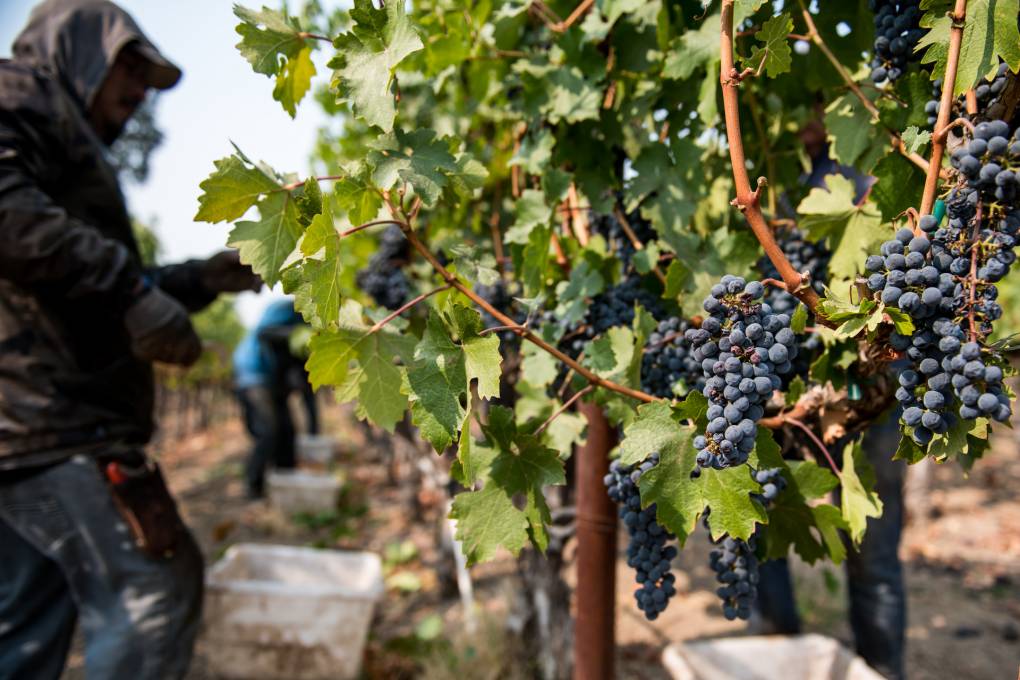
"caption": "Farm workers harvest grapes at Garton Vineyards in Napa on Sept. 30, 2020.",
"description": "Farm workers harvest grapes at Garton Vineyards in Napa on Sept. 30, 2020.",
"title": "Farm workers harvest grapes at Garton Vineyards in Napa on Sept. 30, 2020.",
"credit": "Beth LaBerge/KQED",
"status": "inherit",
"isLoading": false,
"fetchFailed": false
},
"news_11832881": {
"type": "attachments",
"id": "news_11832881",
"meta": {
"index": "attachments_1716263798",
"site": "news",
"id": "11832881",
"found": true
},
"parent": 11832880,
"imgSizes": {
"apple_news_ca_landscape_5_5": {
"file": "https://ww2.kqed.org/app/uploads/sites/10/2020/08/gettyimages-1227939563-990bd0824f2e90f39e972f5a6cd13f6e318fa589-1044x783.jpg",
"width": 1044,
"mimeType": "image/jpeg",
"height": 783
},
"apple_news_ca_square_4_0": {
"file": "https://ww2.kqed.org/app/uploads/sites/10/2020/08/gettyimages-1227939563-990bd0824f2e90f39e972f5a6cd13f6e318fa589-470x470.jpg",
"width": 470,
"mimeType": "image/jpeg",
"height": 470
},
"twentyfourteen-full-width": {
"file": "https://ww2.kqed.org/app/uploads/sites/10/2020/08/gettyimages-1227939563-990bd0824f2e90f39e972f5a6cd13f6e318fa589-1038x576.jpg",
"width": 1038,
"mimeType": "image/jpeg",
"height": 576
},
"thumbnail": {
"file": "https://ww2.kqed.org/app/uploads/sites/10/2020/08/gettyimages-1227939563-990bd0824f2e90f39e972f5a6cd13f6e318fa589-160x120.jpg",
"width": 160,
"mimeType": "image/jpeg",
"height": 120
},
"post-thumbnail": {
"file": "https://ww2.kqed.org/app/uploads/sites/10/2020/08/gettyimages-1227939563-990bd0824f2e90f39e972f5a6cd13f6e318fa589-672x372.jpg",
"width": 672,
"mimeType": "image/jpeg",
"height": 372
},
"kqedFullSize": {
"file": "https://ww2.kqed.org/app/uploads/sites/10/2020/08/gettyimages-1227939563-990bd0824f2e90f39e972f5a6cd13f6e318fa589-scaled-e1597104075537.jpg",
"width": 1920,
"height": 1440
},
"2048x2048": {
"file": "https://ww2.kqed.org/app/uploads/sites/10/2020/08/gettyimages-1227939563-990bd0824f2e90f39e972f5a6cd13f6e318fa589-2048x1536.jpg",
"width": 2048,
"mimeType": "image/jpeg",
"height": 1536
},
"apple_news_ca_landscape_4_7": {
"file": "https://ww2.kqed.org/app/uploads/sites/10/2020/08/gettyimages-1227939563-990bd0824f2e90f39e972f5a6cd13f6e318fa589-632x474.jpg",
"width": 632,
"mimeType": "image/jpeg",
"height": 474
},
"large": {
"file": "https://ww2.kqed.org/app/uploads/sites/10/2020/08/gettyimages-1227939563-990bd0824f2e90f39e972f5a6cd13f6e318fa589-1020x765.jpg",
"width": 1020,
"mimeType": "image/jpeg",
"height": 765
},
"apple_news_ca_landscape_4_0": {
"file": "https://ww2.kqed.org/app/uploads/sites/10/2020/08/gettyimages-1227939563-990bd0824f2e90f39e972f5a6cd13f6e318fa589-536x402.jpg",
"width": 536,
"mimeType": "image/jpeg",
"height": 402
},
"apple_news_ca_portrait_12_9": {
"file": "https://ww2.kqed.org/app/uploads/sites/10/2020/08/gettyimages-1227939563-990bd0824f2e90f39e972f5a6cd13f6e318fa589-1122x1496.jpg",
"width": 1122,
"mimeType": "image/jpeg",
"height": 1496
},
"medium": {
"file": "https://ww2.kqed.org/app/uploads/sites/10/2020/08/gettyimages-1227939563-990bd0824f2e90f39e972f5a6cd13f6e318fa589-800x600.jpg",
"width": 800,
"mimeType": "image/jpeg",
"height": 600
},
"apple_news_ca_portrait_4_0": {
"file": "https://ww2.kqed.org/app/uploads/sites/10/2020/08/gettyimages-1227939563-990bd0824f2e90f39e972f5a6cd13f6e318fa589-354x472.jpg",
"width": 354,
"mimeType": "image/jpeg",
"height": 472
},
"apple_news_ca_portrait_9_7": {
"file": "https://ww2.kqed.org/app/uploads/sites/10/2020/08/gettyimages-1227939563-990bd0824f2e90f39e972f5a6cd13f6e318fa589-840x1120.jpg",
"width": 840,
"mimeType": "image/jpeg",
"height": 1120
},
"apple_news_ca_landscape_12_9": {
"file": "https://ww2.kqed.org/app/uploads/sites/10/2020/08/gettyimages-1227939563-990bd0824f2e90f39e972f5a6cd13f6e318fa589-1832x1374.jpg",
"width": 1832,
"mimeType": "image/jpeg",
"height": 1374
},
"apple_news_ca_square_9_7": {
"file": "https://ww2.kqed.org/app/uploads/sites/10/2020/08/gettyimages-1227939563-990bd0824f2e90f39e972f5a6cd13f6e318fa589-1104x1104.jpg",
"width": 1104,
"mimeType": "image/jpeg",
"height": 1104
},
"1536x1536": {
"file": "https://ww2.kqed.org/app/uploads/sites/10/2020/08/gettyimages-1227939563-990bd0824f2e90f39e972f5a6cd13f6e318fa589-1536x1152.jpg",
"width": 1536,
"mimeType": "image/jpeg",
"height": 1152
},
"apple_news_ca_portrait_4_7": {
"file": "https://ww2.kqed.org/app/uploads/sites/10/2020/08/gettyimages-1227939563-990bd0824f2e90f39e972f5a6cd13f6e318fa589-414x552.jpg",
"width": 414,
"mimeType": "image/jpeg",
"height": 552
},
"apple_news_ca_square_12_9": {
"file": "https://ww2.kqed.org/app/uploads/sites/10/2020/08/gettyimages-1227939563-990bd0824f2e90f39e972f5a6cd13f6e318fa589-1472x1472.jpg",
"width": 1472,
"mimeType": "image/jpeg",
"height": 1472
},
"apple_news_ca_portrait_5_5": {
"file": "https://ww2.kqed.org/app/uploads/sites/10/2020/08/gettyimages-1227939563-990bd0824f2e90f39e972f5a6cd13f6e318fa589-687x916.jpg",
"width": 687,
"mimeType": "image/jpeg",
"height": 916
},
"full-width": {
"file": "https://ww2.kqed.org/app/uploads/sites/10/2020/08/gettyimages-1227939563-990bd0824f2e90f39e972f5a6cd13f6e318fa589-1920x1440.jpg",
"width": 1920,
"mimeType": "image/jpeg",
"height": 1440
},
"apple_news_ca_square_4_7": {
"file": "https://ww2.kqed.org/app/uploads/sites/10/2020/08/gettyimages-1227939563-990bd0824f2e90f39e972f5a6cd13f6e318fa589-550x550.jpg",
"width": 550,
"mimeType": "image/jpeg",
"height": 550
},
"apple_news_ca_landscape_9_7": {
"file": "https://ww2.kqed.org/app/uploads/sites/10/2020/08/gettyimages-1227939563-990bd0824f2e90f39e972f5a6cd13f6e318fa589-1376x1032.jpg",
"width": 1376,
"mimeType": "image/jpeg",
"height": 1032
},
"apple_news_ca_square_5_5": {
"file": "https://ww2.kqed.org/app/uploads/sites/10/2020/08/gettyimages-1227939563-990bd0824f2e90f39e972f5a6cd13f6e318fa589-912x912.jpg",
"width": 912,
"mimeType": "image/jpeg",
"height": 912
}
},
"publishDate": 1597103925,
"modified": 1597778666,
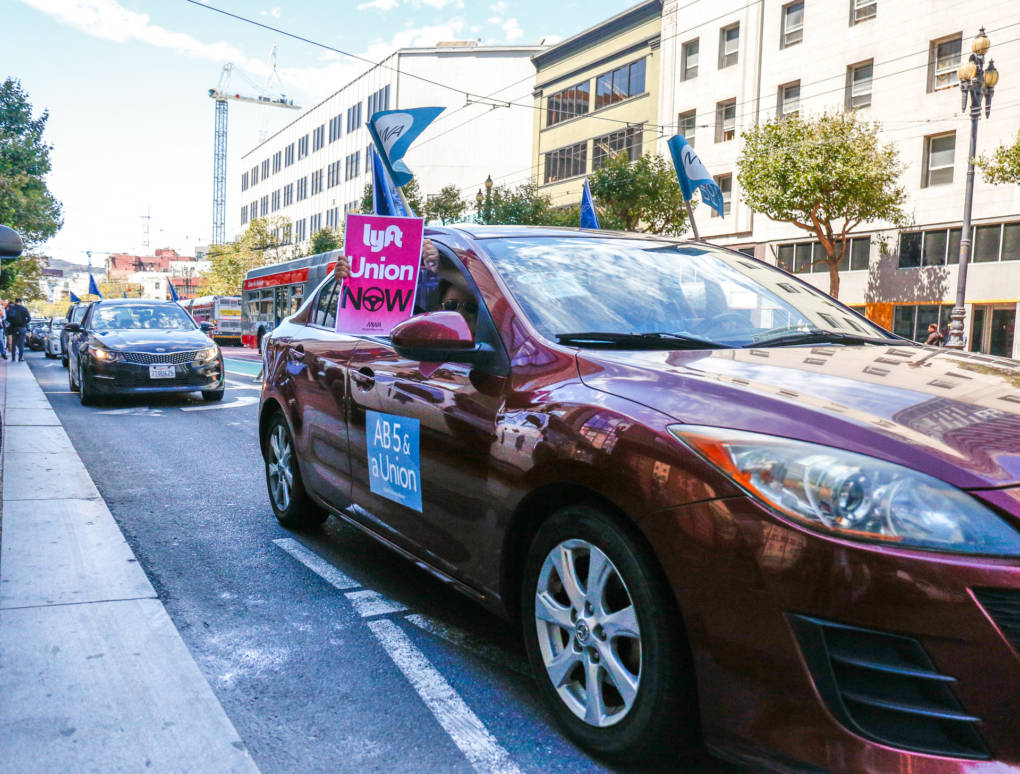
"caption": "In a ruling Monday, a California judge said Lyft and Uber have refused to comply with a California law, known as AB5, passed last year that was supposed to make it harder for companies in the state to hire workers as contractors.",
"description": "Rideshare drivers demonstrate against rideshare companies Uber and Lyft during a car caravan protest on August 6, 2020 in Los Angeles.",
"title": "In a ruling Monday, a California judge said Lyft and Uber have refused to comply with a California law, known as AB5, passed last year that was supposed to make it harder for companies in the state to hire workers as contractors.",
"credit": "Robyn Beck/AFP via Getty Images",
"status": "inherit",
"isLoading": false,
"fetchFailed": false
},
"news_11770515": {
"type": "attachments",
"id": "news_11770515",
"meta": {
"index": "attachments_1716263798",
"site": "news",
"id": "11770515",
"found": true
},
"parent": 11770427,
"imgSizes": {
"apple_news_ca_landscape_5_5": {
"file": "https://ww2.kqed.org/app/uploads/sites/10/2019/08/RS38759__M6A2447-qut-1044x783.jpg",
"width": 1044,
"mimeType": "image/jpeg",
"height": 783
},
"apple_news_ca_square_4_0": {
"file": "https://ww2.kqed.org/app/uploads/sites/10/2019/08/RS38759__M6A2447-qut-470x470.jpg",
"width": 470,
"mimeType": "image/jpeg",
"height": 470
},
"twentyfourteen-full-width": {
"file": "https://ww2.kqed.org/app/uploads/sites/10/2019/08/RS38759__M6A2447-qut-1038x576.jpg",
"width": 1038,
"mimeType": "image/jpeg",
"height": 576
},
"thumbnail": {
"file": "https://ww2.kqed.org/app/uploads/sites/10/2019/08/RS38759__M6A2447-qut-160x121.jpg",
"width": 160,
"mimeType": "image/jpeg",
"height": 121
},
"post-thumbnail": {
"file": "https://ww2.kqed.org/app/uploads/sites/10/2019/08/RS38759__M6A2447-qut-672x372.jpg",
"width": 672,
"mimeType": "image/jpeg",
"height": 372
},
"kqedFullSize": {
"file": "https://ww2.kqed.org/app/uploads/sites/10/2019/08/RS38759__M6A2447-qut.jpg",
"width": 1920,
"height": 1457
},
"apple_news_ca_landscape_4_7": {
"file": "https://ww2.kqed.org/app/uploads/sites/10/2019/08/RS38759__M6A2447-qut-632x474.jpg",
"width": 632,
"mimeType": "image/jpeg",
"height": 474
},
"large": {
"file": "https://ww2.kqed.org/app/uploads/sites/10/2019/08/RS38759__M6A2447-qut-1020x774.jpg",
"width": 1020,
"mimeType": "image/jpeg",
"height": 774
},
"complete_open_graph": {
"file": "https://ww2.kqed.org/app/uploads/sites/10/2019/08/RS38759__M6A2447-qut-1200x911.jpg",
"width": 1200,
"mimeType": "image/jpeg",
"height": 911
},
"apple_news_ca_landscape_4_0": {
"file": "https://ww2.kqed.org/app/uploads/sites/10/2019/08/RS38759__M6A2447-qut-536x402.jpg",
"width": 536,
"mimeType": "image/jpeg",
"height": 402
},
"apple_news_ca_portrait_12_9": {
"file": "https://ww2.kqed.org/app/uploads/sites/10/2019/08/RS38759__M6A2447-qut-1122x1457.jpg",
"width": 1122,
"mimeType": "image/jpeg",
"height": 1457
},
"medium": {
"file": "https://ww2.kqed.org/app/uploads/sites/10/2019/08/RS38759__M6A2447-qut-800x607.jpg",
"width": 800,
"mimeType": "image/jpeg",
"height": 607
},
"apple_news_ca_portrait_4_0": {
"file": "https://ww2.kqed.org/app/uploads/sites/10/2019/08/RS38759__M6A2447-qut-354x472.jpg",
"width": 354,
"mimeType": "image/jpeg",
"height": 472
},
"apple_news_ca_portrait_9_7": {
"file": "https://ww2.kqed.org/app/uploads/sites/10/2019/08/RS38759__M6A2447-qut-840x1120.jpg",
"width": 840,
"mimeType": "image/jpeg",
"height": 1120
},
"apple_news_ca_landscape_12_9": {
"file": "https://ww2.kqed.org/app/uploads/sites/10/2019/08/RS38759__M6A2447-qut-1832x1374.jpg",
"width": 1832,
"mimeType": "image/jpeg",
"height": 1374
},
"apple_news_ca_square_9_7": {
"file": "https://ww2.kqed.org/app/uploads/sites/10/2019/08/RS38759__M6A2447-qut-1104x1104.jpg",
"width": 1104,
"mimeType": "image/jpeg",
"height": 1104
},
"apple_news_ca_portrait_4_7": {
"file": "https://ww2.kqed.org/app/uploads/sites/10/2019/08/RS38759__M6A2447-qut-414x552.jpg",
"width": 414,
"mimeType": "image/jpeg",
"height": 552
},
"apple_news_ca_square_12_9": {
"file": "https://ww2.kqed.org/app/uploads/sites/10/2019/08/RS38759__M6A2447-qut-1472x1457.jpg",
"width": 1472,
"mimeType": "image/jpeg",
"height": 1457
},
"apple_news_ca_portrait_5_5": {
"file": "https://ww2.kqed.org/app/uploads/sites/10/2019/08/RS38759__M6A2447-qut-687x916.jpg",
"width": 687,
"mimeType": "image/jpeg",
"height": 916
},
"full-width": {
"file": "https://ww2.kqed.org/app/uploads/sites/10/2019/08/RS38759__M6A2447-qut-1920x1457.jpg",
"width": 1920,
"mimeType": "image/jpeg",
"height": 1457
},
"apple_news_ca_square_4_7": {
"file": "https://ww2.kqed.org/app/uploads/sites/10/2019/08/RS38759__M6A2447-qut-550x550.jpg",
"width": 550,
"mimeType": "image/jpeg",
"height": 550
},
"apple_news_ca_landscape_9_7": {
"file": "https://ww2.kqed.org/app/uploads/sites/10/2019/08/RS38759__M6A2447-qut-1376x1032.jpg",
"width": 1376,
"mimeType": "image/jpeg",
"height": 1032
},
"apple_news_ca_square_5_5": {
"file": "https://ww2.kqed.org/app/uploads/sites/10/2019/08/RS38759__M6A2447-qut-912x912.jpg",
"width": 912,
"mimeType": "image/jpeg",
"height": 912
}
},
"publishDate": 1566948695,
"modified": 1588723795,
"caption": "Uber and Lyft drivers rallied at Uber headquarters in San Francisco in August 2019 before heading to Sacramento to push for legislation classifying them as employees.",
"description": null,
"title": "RS38759__M6A2447-qut",
"credit": "Sruti Mamidanna/KQED",
"status": "inherit",
"isLoading": false,
"fetchFailed": false
},
"news_11811594": {
"type": "attachments",
"id": "news_11811594",
"meta": {
"index": "attachments_1716263798",
"site": "news",
"id": "11811594",
"found": true
},
"parent": 11811589,
"imgSizes": {
"apple_news_ca_landscape_5_5": {
"file": "https://ww2.kqed.org/app/uploads/sites/10/2020/04/RS42465_002_KQED_SanFrancisco_WholeFoods_03312020-qut-1044x783.jpg",
"width": 1044,
"mimeType": "image/jpeg",
"height": 783
},
"apple_news_ca_square_4_0": {
"file": "https://ww2.kqed.org/app/uploads/sites/10/2020/04/RS42465_002_KQED_SanFrancisco_WholeFoods_03312020-qut-470x470.jpg",
"width": 470,
"mimeType": "image/jpeg",
"height": 470
},
"twentyfourteen-full-width": {
"file": "https://ww2.kqed.org/app/uploads/sites/10/2020/04/RS42465_002_KQED_SanFrancisco_WholeFoods_03312020-qut-1038x576.jpg",
"width": 1038,
"mimeType": "image/jpeg",
"height": 576
},
"thumbnail": {
"file": "https://ww2.kqed.org/app/uploads/sites/10/2020/04/RS42465_002_KQED_SanFrancisco_WholeFoods_03312020-qut-160x107.jpg",
"width": 160,
"mimeType": "image/jpeg",
"height": 107
},
"post-thumbnail": {
"file": "https://ww2.kqed.org/app/uploads/sites/10/2020/04/RS42465_002_KQED_SanFrancisco_WholeFoods_03312020-qut-672x372.jpg",
"width": 672,
"mimeType": "image/jpeg",
"height": 372
},
"kqedFullSize": {
"file": "https://ww2.kqed.org/app/uploads/sites/10/2020/04/RS42465_002_KQED_SanFrancisco_WholeFoods_03312020-qut.jpg",
"width": 1920,
"height": 1280
},
"apple_news_ca_landscape_4_7": {
"file": "https://ww2.kqed.org/app/uploads/sites/10/2020/04/RS42465_002_KQED_SanFrancisco_WholeFoods_03312020-qut-632x474.jpg",
"width": 632,
"mimeType": "image/jpeg",
"height": 474
},
"large": {
"file": "https://ww2.kqed.org/app/uploads/sites/10/2020/04/RS42465_002_KQED_SanFrancisco_WholeFoods_03312020-qut-1020x680.jpg",
"width": 1020,
"mimeType": "image/jpeg",
"height": 680
},
"apple_news_ca_landscape_4_0": {
"file": "https://ww2.kqed.org/app/uploads/sites/10/2020/04/RS42465_002_KQED_SanFrancisco_WholeFoods_03312020-qut-536x402.jpg",
"width": 536,
"mimeType": "image/jpeg",
"height": 402
},
"apple_news_ca_portrait_12_9": {
"file": "https://ww2.kqed.org/app/uploads/sites/10/2020/04/RS42465_002_KQED_SanFrancisco_WholeFoods_03312020-qut-1122x1280.jpg",
"width": 1122,
"mimeType": "image/jpeg",
"height": 1280
},
"medium": {
"file": "https://ww2.kqed.org/app/uploads/sites/10/2020/04/RS42465_002_KQED_SanFrancisco_WholeFoods_03312020-qut-800x533.jpg",
"width": 800,
"mimeType": "image/jpeg",
"height": 533
},
"apple_news_ca_portrait_4_0": {
"file": "https://ww2.kqed.org/app/uploads/sites/10/2020/04/RS42465_002_KQED_SanFrancisco_WholeFoods_03312020-qut-354x472.jpg",
"width": 354,
"mimeType": "image/jpeg",
"height": 472
},
"apple_news_ca_portrait_9_7": {
"file": "https://ww2.kqed.org/app/uploads/sites/10/2020/04/RS42465_002_KQED_SanFrancisco_WholeFoods_03312020-qut-840x1120.jpg",
"width": 840,
"mimeType": "image/jpeg",
"height": 1120
},
"apple_news_ca_landscape_12_9": {
"file": "https://ww2.kqed.org/app/uploads/sites/10/2020/04/RS42465_002_KQED_SanFrancisco_WholeFoods_03312020-qut-1832x1280.jpg",
"width": 1832,
"mimeType": "image/jpeg",
"height": 1280
},
"apple_news_ca_square_9_7": {
"file": "https://ww2.kqed.org/app/uploads/sites/10/2020/04/RS42465_002_KQED_SanFrancisco_WholeFoods_03312020-qut-1104x1104.jpg",
"width": 1104,
"mimeType": "image/jpeg",
"height": 1104
},
"apple_news_ca_portrait_4_7": {
"file": "https://ww2.kqed.org/app/uploads/sites/10/2020/04/RS42465_002_KQED_SanFrancisco_WholeFoods_03312020-qut-414x552.jpg",
"width": 414,
"mimeType": "image/jpeg",
"height": 552
},
"apple_news_ca_square_12_9": {
"file": "https://ww2.kqed.org/app/uploads/sites/10/2020/04/RS42465_002_KQED_SanFrancisco_WholeFoods_03312020-qut-1472x1280.jpg",
"width": 1472,
"mimeType": "image/jpeg",
"height": 1280
},
"apple_news_ca_portrait_5_5": {
"file": "https://ww2.kqed.org/app/uploads/sites/10/2020/04/RS42465_002_KQED_SanFrancisco_WholeFoods_03312020-qut-687x916.jpg",
"width": 687,
"mimeType": "image/jpeg",
"height": 916
},
"full-width": {
"file": "https://ww2.kqed.org/app/uploads/sites/10/2020/04/RS42465_002_KQED_SanFrancisco_WholeFoods_03312020-qut-1920x1280.jpg",
"width": 1920,
"mimeType": "image/jpeg",
"height": 1280
},
"apple_news_ca_square_4_7": {
"file": "https://ww2.kqed.org/app/uploads/sites/10/2020/04/RS42465_002_KQED_SanFrancisco_WholeFoods_03312020-qut-550x550.jpg",
"width": 550,
"mimeType": "image/jpeg",
"height": 550
},
"apple_news_ca_landscape_9_7": {
"file": "https://ww2.kqed.org/app/uploads/sites/10/2020/04/RS42465_002_KQED_SanFrancisco_WholeFoods_03312020-qut-1376x1032.jpg",
"width": 1376,
"mimeType": "image/jpeg",
"height": 1032
},
"apple_news_ca_square_5_5": {
"file": "https://ww2.kqed.org/app/uploads/sites/10/2020/04/RS42465_002_KQED_SanFrancisco_WholeFoods_03312020-qut-912x912.jpg",
"width": 912,
"mimeType": "image/jpeg",
"height": 912
}
},
"publishDate": 1586461708,
"modified": 1586465919,
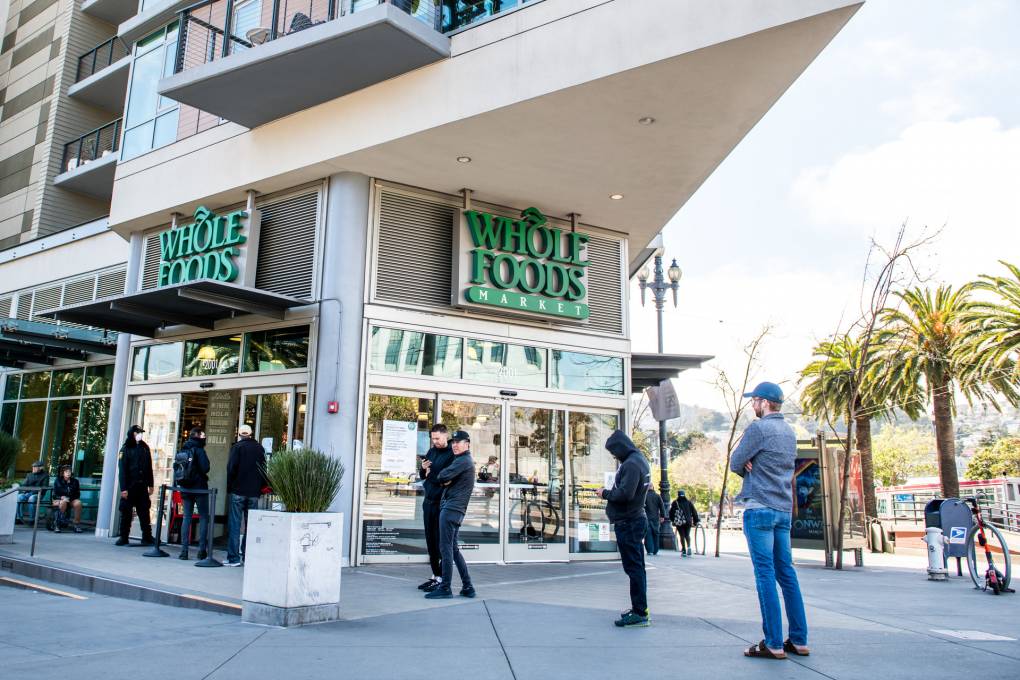
"caption": "A Whole Foods employee at the store on Market and Dolores Street has tested positive for COVID- 19.",
"description": "A Whole Foods employee at the store on Market and Dolores Street has tested positive for COVID- 19.",
"title": "RS42465_002_KQED_SanFrancisco_WholeFoods_03312020-qut",
"credit": "Beth LaBerge/KQED",
"status": "inherit",
"isLoading": false,
"fetchFailed": false
},
"news_11810374": {
"type": "attachments",
"id": "news_11810374",
"meta": {
"index": "attachments_1716263798",
"site": "news",
"id": "11810374",
"found": true
},
"parent": 11810305,
"imgSizes": {
"apple_news_ca_landscape_5_5": {
"file": "https://ww2.kqed.org/app/uploads/sites/10/2020/04/NannyHoldingHands-1044x783.jpg",
"width": 1044,
"mimeType": "image/jpeg",
"height": 783
},
"apple_news_ca_square_4_0": {
"file": "https://ww2.kqed.org/app/uploads/sites/10/2020/04/NannyHoldingHands-470x470.jpg",
"width": 470,
"mimeType": "image/jpeg",
"height": 470
},
"twentyfourteen-full-width": {
"file": "https://ww2.kqed.org/app/uploads/sites/10/2020/04/NannyHoldingHands-1038x576.jpg",
"width": 1038,
"mimeType": "image/jpeg",
"height": 576
},
"thumbnail": {
"file": "https://ww2.kqed.org/app/uploads/sites/10/2020/04/NannyHoldingHands-160x107.jpg",
"width": 160,
"mimeType": "image/jpeg",
"height": 107
},
"post-thumbnail": {
"file": "https://ww2.kqed.org/app/uploads/sites/10/2020/04/NannyHoldingHands-672x372.jpg",
"width": 672,
"mimeType": "image/jpeg",
"height": 372
},
"kqedFullSize": {
"file": "https://ww2.kqed.org/app/uploads/sites/10/2020/04/NannyHoldingHands.jpg",
"width": 1920,
"height": 1280
},
"apple_news_ca_landscape_4_7": {
"file": "https://ww2.kqed.org/app/uploads/sites/10/2020/04/NannyHoldingHands-632x474.jpg",
"width": 632,
"mimeType": "image/jpeg",
"height": 474
},
"large": {
"file": "https://ww2.kqed.org/app/uploads/sites/10/2020/04/NannyHoldingHands-1020x680.jpg",
"width": 1020,
"mimeType": "image/jpeg",
"height": 680
},
"apple_news_ca_landscape_4_0": {
"file": "https://ww2.kqed.org/app/uploads/sites/10/2020/04/NannyHoldingHands-536x402.jpg",
"width": 536,
"mimeType": "image/jpeg",
"height": 402
},
"apple_news_ca_portrait_12_9": {
"file": "https://ww2.kqed.org/app/uploads/sites/10/2020/04/NannyHoldingHands-1122x1280.jpg",
"width": 1122,
"mimeType": "image/jpeg",
"height": 1280
},
"medium": {
"file": "https://ww2.kqed.org/app/uploads/sites/10/2020/04/NannyHoldingHands-800x533.jpg",
"width": 800,
"mimeType": "image/jpeg",
"height": 533
},
"apple_news_ca_portrait_4_0": {
"file": "https://ww2.kqed.org/app/uploads/sites/10/2020/04/NannyHoldingHands-354x472.jpg",
"width": 354,
"mimeType": "image/jpeg",
"height": 472
},
"apple_news_ca_portrait_9_7": {
"file": "https://ww2.kqed.org/app/uploads/sites/10/2020/04/NannyHoldingHands-840x1120.jpg",
"width": 840,
"mimeType": "image/jpeg",
"height": 1120
},
"apple_news_ca_landscape_12_9": {
"file": "https://ww2.kqed.org/app/uploads/sites/10/2020/04/NannyHoldingHands-1832x1280.jpg",
"width": 1832,
"mimeType": "image/jpeg",
"height": 1280
},
"apple_news_ca_square_9_7": {
"file": "https://ww2.kqed.org/app/uploads/sites/10/2020/04/NannyHoldingHands-1104x1104.jpg",
"width": 1104,
"mimeType": "image/jpeg",
"height": 1104
},
"apple_news_ca_portrait_4_7": {
"file": "https://ww2.kqed.org/app/uploads/sites/10/2020/04/NannyHoldingHands-414x552.jpg",
"width": 414,
"mimeType": "image/jpeg",
"height": 552
},
"apple_news_ca_square_12_9": {
"file": "https://ww2.kqed.org/app/uploads/sites/10/2020/04/NannyHoldingHands-1472x1280.jpg",
"width": 1472,
"mimeType": "image/jpeg",
"height": 1280
},
"apple_news_ca_portrait_5_5": {
"file": "https://ww2.kqed.org/app/uploads/sites/10/2020/04/NannyHoldingHands-687x916.jpg",
"width": 687,
"mimeType": "image/jpeg",
"height": 916
},
"full-width": {
"file": "https://ww2.kqed.org/app/uploads/sites/10/2020/04/NannyHoldingHands-1920x1280.jpg",
"width": 1920,
"mimeType": "image/jpeg",
"height": 1280
},
"apple_news_ca_square_4_7": {
"file": "https://ww2.kqed.org/app/uploads/sites/10/2020/04/NannyHoldingHands-550x550.jpg",
"width": 550,
"mimeType": "image/jpeg",
"height": 550
},
"apple_news_ca_landscape_9_7": {
"file": "https://ww2.kqed.org/app/uploads/sites/10/2020/04/NannyHoldingHands-1376x1032.jpg",
"width": 1376,
"mimeType": "image/jpeg",
"height": 1032
},
"apple_news_ca_square_5_5": {
"file": "https://ww2.kqed.org/app/uploads/sites/10/2020/04/NannyHoldingHands-912x912.jpg",
"width": 912,
"mimeType": "image/jpeg",
"height": 912
}
},
"publishDate": 1585874659,
"modified": 1585874774,
"caption": "Many domestic workers such as nannies are relying on the charity of their employers during the ongoing coronavirus crisis.",
"description": "Many domestic workers such as nannies are relying on the charity of their employers during the ongoing coronavirus crisis.",
"title": "NannyHoldingHands",
"credit": "Getty Images",
"status": "inherit",
"isLoading": false,
"fetchFailed": false
},
"news_11777085": {
"type": "attachments",
"id": "news_11777085",
"meta": {
"index": "attachments_1716263798",
"site": "news",
"id": "11777085",
"found": true
},
"parent": 11777002,
"imgSizes": {
"apple_news_ca_landscape_5_5": {
"file": "https://ww2.kqed.org/app/uploads/sites/10/2019/09/09272019_driver-union_gig-economy-qut-1044x783.jpg",
"width": 1044,
"mimeType": "image/jpeg",
"height": 783
},
"apple_news_ca_square_4_0": {
"file": "https://ww2.kqed.org/app/uploads/sites/10/2019/09/09272019_driver-union_gig-economy-qut-470x470.jpg",
"width": 470,
"mimeType": "image/jpeg",
"height": 470
},
"twentyfourteen-full-width": {
"file": "https://ww2.kqed.org/app/uploads/sites/10/2019/09/09272019_driver-union_gig-economy-qut-1038x576.jpg",
"width": 1038,
"mimeType": "image/jpeg",
"height": 576
},
"thumbnail": {
"file": "https://ww2.kqed.org/app/uploads/sites/10/2019/09/09272019_driver-union_gig-economy-qut-160x107.jpg",
"width": 160,
"mimeType": "image/jpeg",
"height": 107
},
"post-thumbnail": {
"file": "https://ww2.kqed.org/app/uploads/sites/10/2019/09/09272019_driver-union_gig-economy-qut-672x372.jpg",
"width": 672,
"mimeType": "image/jpeg",
"height": 372
},
"kqedFullSize": {
"file": "https://ww2.kqed.org/app/uploads/sites/10/2019/09/09272019_driver-union_gig-economy-qut.jpg",
"width": 1920,
"height": 1280
},
"apple_news_ca_landscape_4_7": {
"file": "https://ww2.kqed.org/app/uploads/sites/10/2019/09/09272019_driver-union_gig-economy-qut-632x474.jpg",
"width": 632,
"mimeType": "image/jpeg",
"height": 474
},
"large": {
"file": "https://ww2.kqed.org/app/uploads/sites/10/2019/09/09272019_driver-union_gig-economy-qut-1020x680.jpg",
"width": 1020,
"mimeType": "image/jpeg",
"height": 680
},
"complete_open_graph": {
"file": "https://ww2.kqed.org/app/uploads/sites/10/2019/09/09272019_driver-union_gig-economy-qut-1200x800.jpg",
"width": 1200,
"mimeType": "image/jpeg",
"height": 800
},
"apple_news_ca_landscape_4_0": {
"file": "https://ww2.kqed.org/app/uploads/sites/10/2019/09/09272019_driver-union_gig-economy-qut-536x402.jpg",
"width": 536,
"mimeType": "image/jpeg",
"height": 402
},
"apple_news_ca_portrait_12_9": {
"file": "https://ww2.kqed.org/app/uploads/sites/10/2019/09/09272019_driver-union_gig-economy-qut-1122x1280.jpg",
"width": 1122,
"mimeType": "image/jpeg",
"height": 1280
},
"medium": {
"file": "https://ww2.kqed.org/app/uploads/sites/10/2019/09/09272019_driver-union_gig-economy-qut-800x533.jpg",
"width": 800,
"mimeType": "image/jpeg",
"height": 533
},
"apple_news_ca_portrait_4_0": {
"file": "https://ww2.kqed.org/app/uploads/sites/10/2019/09/09272019_driver-union_gig-economy-qut-354x472.jpg",
"width": 354,
"mimeType": "image/jpeg",
"height": 472
},
"apple_news_ca_portrait_9_7": {
"file": "https://ww2.kqed.org/app/uploads/sites/10/2019/09/09272019_driver-union_gig-economy-qut-840x1120.jpg",
"width": 840,
"mimeType": "image/jpeg",
"height": 1120
},
"apple_news_ca_landscape_12_9": {
"file": "https://ww2.kqed.org/app/uploads/sites/10/2019/09/09272019_driver-union_gig-economy-qut-1832x1280.jpg",
"width": 1832,
"mimeType": "image/jpeg",
"height": 1280
},
"apple_news_ca_square_9_7": {
"file": "https://ww2.kqed.org/app/uploads/sites/10/2019/09/09272019_driver-union_gig-economy-qut-1104x1104.jpg",
"width": 1104,
"mimeType": "image/jpeg",
"height": 1104
},
"apple_news_ca_portrait_4_7": {
"file": "https://ww2.kqed.org/app/uploads/sites/10/2019/09/09272019_driver-union_gig-economy-qut-414x552.jpg",
"width": 414,
"mimeType": "image/jpeg",
"height": 552
},
"apple_news_ca_square_12_9": {
"file": "https://ww2.kqed.org/app/uploads/sites/10/2019/09/09272019_driver-union_gig-economy-qut-1472x1280.jpg",
"width": 1472,
"mimeType": "image/jpeg",
"height": 1280
},
"apple_news_ca_portrait_5_5": {
"file": "https://ww2.kqed.org/app/uploads/sites/10/2019/09/09272019_driver-union_gig-economy-qut-687x916.jpg",
"width": 687,
"mimeType": "image/jpeg",
"height": 916
},
"full-width": {
"file": "https://ww2.kqed.org/app/uploads/sites/10/2019/09/09272019_driver-union_gig-economy-qut-1920x1280.jpg",
"width": 1920,
"mimeType": "image/jpeg",
"height": 1280
},
"apple_news_ca_square_4_7": {
"file": "https://ww2.kqed.org/app/uploads/sites/10/2019/09/09272019_driver-union_gig-economy-qut-550x550.jpg",
"width": 550,
"mimeType": "image/jpeg",
"height": 550
},
"apple_news_ca_landscape_9_7": {
"file": "https://ww2.kqed.org/app/uploads/sites/10/2019/09/09272019_driver-union_gig-economy-qut-1376x1032.jpg",
"width": 1376,
"mimeType": "image/jpeg",
"height": 1032
},
"apple_news_ca_square_5_5": {
"file": "https://ww2.kqed.org/app/uploads/sites/10/2019/09/09272019_driver-union_gig-economy-qut-912x912.jpg",
"width": 912,
"mimeType": "image/jpeg",
"height": 912
}
},
"publishDate": 1569622171,
"modified": 1569622584,
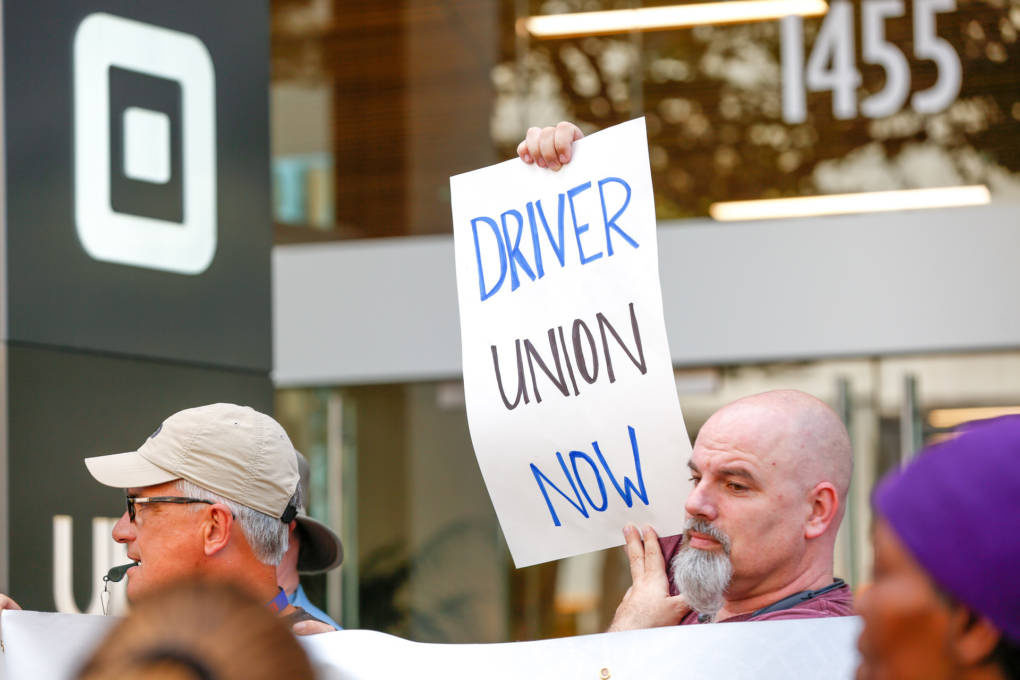
"caption": "Gary Branson joins other ride-hail drivers outside Uber's San Francisco headquarters in support of Assembly Bill 5 on Aug. 27, 2019. The bill, signed into law by Gov. Gavin Newsom in mid-September, makes it easier for hundreds of thousands of contract workers and freelancers in the state to become full-time employees.",
"description": "Gary Branson joins other ride-hail drivers outside Uber's San Francisco headquarters in support of Assembly Bill 5 on Aug. 27, 2019. The bill, signed into law by Gov. Gavin Newsom in mid-September, makes it easier for hundreds of thousands of contract workers and freelancers in the state to become full-time employees.",
"title": "09272019_driver union_gig economy-qut",
"credit": "Sruti Mamidanna/KQED",
"status": "inherit",
"isLoading": false,
"fetchFailed": false
}
},
"audioPlayerReducer": {
"postId": "stream_live",
"isPaused": true,
"isPlaying": false,
"pfsActive": false,
"pledgeModalIsOpen": true,
"playerDrawerIsOpen": false,
"liveAudioPlayStartedAt": 0,
"liveAudioPlayContext": ""
},
"authorsReducer": {
"byline_news_11877137": {
"type": "authors",
"id": "byline_news_11877137",
"meta": {
"override": true
},
"slug": "byline_news_11877137",
"name": "\u003ca href=\"https://hiyaswanhuyser.wordpress.com/\">Hiya Swanhuyser\u003c/a>",
"isLoading": false
},
"byline_news_11869694": {
"type": "authors",
"id": "byline_news_11869694",
"meta": {
"override": true
},
"slug": "byline_news_11869694",
"name": "Adam Beam\u003cbr />Associated Press",
"isLoading": false
},
"byline_news_11860759": {
"type": "authors",
"id": "byline_news_11860759",
"meta": {
"override": true
},
"slug": "byline_news_11860759",
"name": "\u003ca href=\"https://calmatters.org/author/jackie-botts/\">Jackie Botts\u003c/a> ",
"isLoading": false
},
"byline_news_11832880": {
"type": "authors",
"id": "byline_news_11832880",
"meta": {
"override": true
},
"slug": "byline_news_11832880",
"name": "Bobby Allyn",
"isLoading": false
},
"samharnett": {
"type": "authors",
"id": "253",
"meta": {
"index": "authors_1716337520",
"id": "253",
"found": true
},
"name": "Sam Harnett",
"firstName": "Sam",
"lastName": "Harnett",
"slug": "samharnett",
"email": "samharnett@gmail.com",
"display_author_email": false,
"staff_mastheads": [],
"title": "KQED Contributor",
"bio": "Sam Harnett covered tech and work at KQED. He is the co-creator of \u003cem>\u003ca href=\"http://www.theworldaccordingtosound.org\">The World According to Sound\u003c/a>,\u003c/em> a 90-second podcast that features different sounds and the stories behind them.\r\n\r\nBefore coming to KQED, Sam worked as an independent reporter who contributed regularly to \u003cem>The California Report, Marketplace,\u003c/em> \u003cem>The World \u003c/em>and NPR.",
"avatar": "https://secure.gravatar.com/avatar/2538b972ac02f2b9546c7a6c59a0f3d0?s=600&d=blank&r=g",
"twitter": "Samwharnett",
"facebook": null,
"instagram": null,
"linkedin": null,
"sites": [
{
"site": "news",
"roles": [
"edit_others_posts",
"subscriber"
]
},
{
"site": "stateofhealth",
"roles": [
"author"
]
},
{
"site": "science",
"roles": [
"editor"
]
},
{
"site": "quest",
"roles": [
"subscriber"
]
}
],
"headData": {
"title": "Sam Harnett | KQED",
"description": "KQED Contributor",
"ogImgSrc": "https://secure.gravatar.com/avatar/2538b972ac02f2b9546c7a6c59a0f3d0?s=600&d=blank&r=g",
"twImgSrc": "https://secure.gravatar.com/avatar/2538b972ac02f2b9546c7a6c59a0f3d0?s=600&d=blank&r=g"
},
"isLoading": false,
"link": "/author/samharnett"
},
"sasha-khokha": {
"type": "authors",
"id": "254",
"meta": {
"index": "authors_1716337520",
"id": "254",
"found": true
},
"name": "Sasha Khokha",
"firstName": "Sasha",
"lastName": "Khokha",
"slug": "sasha-khokha",
"email": "skhokha@kqed.org",
"display_author_email": true,
"staff_mastheads": [
"news"
],
"title": "Host, The California Report Magazine",
"bio": "Sasha Khokha is the host of \u003cem>The California Report's \u003c/em> weekly magazine program, which takes listeners on sound-rich excursions to meet the people that make the Golden State unique -- through audio documentaries and long-form stories. As \u003cem>The California Report's\u003c/em> Central Valley Bureau Chief based in Fresno for nearly a dozen years, Sasha brought the lives and concerns of rural Californians to listeners around the state. Her reporting helped expose the hidden price immigrant women janitors and farmworkers may pay to keep their jobs: sexual assault at work. It inspired two new California laws to protect them from sexual harassment. She was a key member of the reporting team for the Frontline film \u003cem>Rape on the Night Shift, \u003c/em>which was nominated for two national Emmys. Sasha has also won a national Edward R. Murrow and a national PRNDI award for investigative reporting, as well as multiple prizes from the Society for Professional Journalists. Sasha is a proud alum of the UC Berkeley Graduate School of Journalism and Brown University and a member of the South Asian Journalists Association.",
"avatar": "https://secure.gravatar.com/avatar/e4b5e1541aaeea2aa356aa1fb2a68950?s=600&d=blank&r=g",
"twitter": "KQEDSashaKhokha",
"facebook": null,
"instagram": null,
"linkedin": null,
"sites": [
{
"site": "news",
"roles": [
"editor"
]
},
{
"site": "stateofhealth",
"roles": [
"author"
]
},
{
"site": "science",
"roles": [
"author"
]
},
{
"site": "quest",
"roles": [
"subscriber"
]
}
],
"headData": {
"title": "Sasha Khokha | KQED",
"description": "Host, The California Report Magazine",
"ogImgSrc": "https://secure.gravatar.com/avatar/e4b5e1541aaeea2aa356aa1fb2a68950?s=600&d=blank&r=g",
"twImgSrc": "https://secure.gravatar.com/avatar/e4b5e1541aaeea2aa356aa1fb2a68950?s=600&d=blank&r=g"
},
"isLoading": false,
"link": "/author/sasha-khokha"
},
"dkatayama": {
"type": "authors",
"id": "7240",
"meta": {
"index": "authors_1716337520",
"id": "7240",
"found": true
},
"name": "Devin Katayama",
"firstName": "Devin",
"lastName": "Katayama",
"slug": "dkatayama",
"email": "dkatayama@kqed.org",
"display_author_email": true,
"staff_mastheads": [
"news"
],
"title": "Editor of Talent and Development",
"bio": "Devin Katayama is former Editor of Talent and Development for KQED. He supported our internship program and on-call staff by looking for equitable opportunities to improve the newsroom.\r\n\r\nHe previously hosted The Bay and American Suburb podcasts from KQED News. Prior to returning to the Bay Area in 2015, Devin was the education reporter for WFPL in Louisville and worked as a producer with radio stations in Chicago and Portland, OR. His work has appeared on NPR’s \u003cem>Morning Edition, All Things Considered, The Takeaway\u003c/em> and \u003cem>Here and Now.\u003c/em>\r\n\r\nDevin earned his MA in Journalism from Columbia College Chicago, where he was a Follett Fellow and the recipient of the 2011 Studs Terkel Community Media Workshop Scholarship for his story on Chicago's homeless youth. He won WBUR's 2014 Daniel Schorr award and a regional RTNDA Edward R. Murrow Award for his documentary \"At Risk\" that looked at issues facing some of Louisville's students. Devin has also received numerous local awards from the Associated Press and the Society of Professional Journalists.",
"avatar": "https://secure.gravatar.com/avatar/d0d2978a31002fb2de107921a8e18405?s=600&d=blank&r=g",
"twitter": "RadioDevin",
"facebook": null,
"instagram": null,
"linkedin": null,
"sites": [
{
"site": "arts",
"roles": []
},
{
"site": "news",
"roles": [
"author"
]
},
{
"site": "stateofhealth",
"roles": [
"author"
]
},
{
"site": "forum",
"roles": [
"editor"
]
},
{
"site": "perspectives",
"roles": [
"editor"
]
}
],
"headData": {
"title": "Devin Katayama | KQED",
"description": "Editor of Talent and Development",
"ogImgSrc": "https://secure.gravatar.com/avatar/d0d2978a31002fb2de107921a8e18405?s=600&d=blank&r=g",
"twImgSrc": "https://secure.gravatar.com/avatar/d0d2978a31002fb2de107921a8e18405?s=600&d=blank&r=g"
},
"isLoading": false,
"link": "/author/dkatayama"
},
"ecruzguevarra": {
"type": "authors",
"id": "8654",
"meta": {
"index": "authors_1716337520",
"id": "8654",
"found": true
},
"name": "Ericka Cruz Guevarra",
"firstName": "Ericka",
"lastName": "Cruz Guevarra",
"slug": "ecruzguevarra",
"email": "ecruzguevarra@kqed.org",
"display_author_email": true,
"staff_mastheads": [
"news"
],
"title": "Producer, The Bay Podcast",
"bio": "Ericka Cruz Guevarra is host of \u003ca href=\"https://www.kqed.org/podcasts/thebay\">\u003cem>The Bay\u003c/em>\u003c/a> podcast at KQED. Before host, she was the show’s producer. Her work in that capacity includes a three-part reported series on policing in Vallejo, which won a 2020 excellence in journalism award from the Society of Professional Journalists. Ericka has worked as a breaking news reporter at Oregon Public Broadcasting, helped produce the Code Switch podcast, and was KQED’s inaugural Raul Ramirez Diversity Fund intern. She’s also an alumna of NPR’s Next Generation Radio program. Send her an email if you have strong feelings about whether Fairfield and Suisun City are the Bay. Ericka is represented by SAG-AFTRA.",
"avatar": "https://secure.gravatar.com/avatar/accefc1de4bafc7e234b69bcb9b6f6536c130fd84709bc3069ef11a78787e1bb?s=600&d=blank&r=g",
"twitter": "NotoriousECG",
"bluesky": null,
"facebook": null,
"instagram": null,
"linkedin": null,
"sites": [
{
"site": "arts",
"roles": [
"subscriber"
]
},
{
"site": "news",
"roles": [
"editor",
"manage_categories"
]
},
{
"site": "futureofyou",
"roles": [
"subscriber"
]
},
{
"site": "stateofhealth",
"roles": [
"subscriber"
]
},
{
"site": "science",
"roles": [
"editor"
]
},
{
"site": "forum",
"roles": [
"subscriber"
]
}
],
"headData": {
"title": "Ericka Cruz Guevarra | KQED",
"description": "Producer, The Bay Podcast",
"ogImgSrc": "https://secure.gravatar.com/avatar/accefc1de4bafc7e234b69bcb9b6f6536c130fd84709bc3069ef11a78787e1bb?s=600&d=blank&r=g",
"twImgSrc": "https://secure.gravatar.com/avatar/accefc1de4bafc7e234b69bcb9b6f6536c130fd84709bc3069ef11a78787e1bb?s=600&d=blank&r=g"
},
"isLoading": false,
"link": "/author/ecruzguevarra"
},
"fjhabvala": {
"type": "authors",
"id": "8659",
"meta": {
"index": "authors_1716337520",
"id": "8659",
"found": true
},
"name": "Farida Jhabvala Romero",
"firstName": "Farida",
"lastName": "Jhabvala Romero",
"slug": "fjhabvala",
"email": "fjhabvala@kqed.org",
"display_author_email": true,
"staff_mastheads": [
"news"
],
"title": "KQED Contributor",
"bio": "Farida Jhabvala Romero is a Labor Correspondent for KQED. She previously covered immigration. Farida was \u003ca href=\"https://www.ccnma.org/2022-most-influential-latina-journalists\">named\u003c/a> one of the 10 Most Influential Latina Journalists in California in 2022 by the California Chicano News Media Association. Her work has won awards from the Society of Professional Journalists (Northern California), as well as a national and regional Edward M. Murrow Award for the collaborative reporting projects “Dangerous Air” and “Graying California.” Before joining KQED, Farida worked as a producer at Radio Bilingüe, a national public radio network. Farida earned her master’s degree in journalism from Stanford University.",
"avatar": "https://secure.gravatar.com/avatar/f9f022d4e2609741874222a1e9d41f48fea74011aa7c615eef91d9a50c944ebe?s=600&d=blank&r=g",
"twitter": "FaridaJhabvala",
"bluesky": null,
"facebook": null,
"instagram": null,
"linkedin": "https://www.linkedin.com/in/faridajhabvala/",
"sites": [
{
"site": "news",
"roles": [
"editor"
]
},
{
"site": "stateofhealth",
"roles": [
"author"
]
},
{
"site": "liveblog",
"roles": [
"author"
]
}
],
"headData": {
"title": "Farida Jhabvala Romero | KQED",
"description": "KQED Contributor",
"ogImgSrc": "https://secure.gravatar.com/avatar/f9f022d4e2609741874222a1e9d41f48fea74011aa7c615eef91d9a50c944ebe?s=600&d=blank&r=g",
"twImgSrc": "https://secure.gravatar.com/avatar/f9f022d4e2609741874222a1e9d41f48fea74011aa7c615eef91d9a50c944ebe?s=600&d=blank&r=g"
},
"isLoading": false,
"link": "/author/fjhabvala"
},
"shutson": {
"type": "authors",
"id": "11216",
"meta": {
"index": "authors_1716337520",
"id": "11216",
"found": true
},
"name": "Sonja Hutson",
"firstName": "Sonja",
"lastName": "Hutson",
"slug": "shutson",
"email": "shutson@kqed.org",
"display_author_email": false,
"staff_mastheads": [],
"title": "KQED Contributor",
"bio": "Sonja Hutson is a former reporter for KQED's Silicon Valley desk and weekend newscasts. She primarily covers tech and housing. Sonja is a Bay Area native and now lives in San Francisco. When she's not working, you can find her camping, skiing, scuba diving, and struggling with the New York Times Crossword. Email: \u003ca href=\"mailto:shutson@kqed.org\">shutson@kqed.org. \u003c/a>Twitter: \u003ca href=\"https://twitter.com/SonjaHutson\">@SonjaHutson\u003c/a>",
"avatar": "https://secure.gravatar.com/avatar/7537c5e36818614e599b6c0f41d72b7a?s=600&d=blank&r=g",
"twitter": "SonjaHutson",
"facebook": null,
"instagram": null,
"linkedin": null,
"sites": [
{
"site": "arts",
"roles": [
"author"
]
},
{
"site": "news",
"roles": [
"subscriber"
]
}
],
"headData": {
"title": "Sonja Hutson | KQED",
"description": "KQED Contributor",
"ogImgSrc": "https://secure.gravatar.com/avatar/7537c5e36818614e599b6c0f41d72b7a?s=600&d=blank&r=g",
"twImgSrc": "https://secure.gravatar.com/avatar/7537c5e36818614e599b6c0f41d72b7a?s=600&d=blank&r=g"
},
"isLoading": false,
"link": "/author/shutson"
},
"agarces": {
"type": "authors",
"id": "11367",
"meta": {
"index": "authors_1716337520",
"id": "11367",
"found": true
},
"name": "Audrey Garces",
"firstName": "Audrey",
"lastName": "Garces",
"slug": "agarces",
"email": "agarces@kqed.org",
"display_author_email": false,
"staff_mastheads": [
"news"
],
"title": "Digital Producer",
"bio": "Audrey is a former digital producer at KQED News. Previously, she was a KQED Raul Ramirez Diversity Fund intern where she developed stories that focused on highlighting diverse voices in journalism. Prior to her work at KQED, she worked as a news intern at the San Francisco Examiner. Audrey graduated from San Francisco State University with a B.A. in journalism and a minor in political science.",
"avatar": "https://secure.gravatar.com/avatar/5211bc2e6a809b9956da169e35ce63d5?s=600&d=blank&r=g",
"twitter": "audgar",
"facebook": null,
"instagram": null,
"linkedin": null,
"sites": [
{
"site": "arts",
"roles": []
},
{
"site": "news",
"roles": [
"subscriber"
]
},
{
"site": "science",
"roles": [
"editor"
]
},
{
"site": "forum",
"roles": [
"editor"
]
},
{
"site": "perspectives",
"roles": [
"administrator"
]
}
],
"headData": {
"title": "Audrey Garces | KQED",
"description": "Digital Producer",
"ogImgSrc": "https://secure.gravatar.com/avatar/5211bc2e6a809b9956da169e35ce63d5?s=600&d=blank&r=g",
"twImgSrc": "https://secure.gravatar.com/avatar/5211bc2e6a809b9956da169e35ce63d5?s=600&d=blank&r=g"
},
"isLoading": false,
"link": "/author/agarces"
},
"amontecillo": {
"type": "authors",
"id": "11649",
"meta": {
"index": "authors_1716337520",
"id": "11649",
"found": true
},
"name": "Alan Montecillo",
"firstName": "Alan",
"lastName": "Montecillo",
"slug": "amontecillo",
"email": "amontecillo@kqed.org",
"display_author_email": false,
"staff_mastheads": [
"news"
],
"title": "KQED Contributor",
"bio": "Alan Montecillo is the senior editor of \u003cem>\u003ca href=\"http://kqed.org/thebay\">The Bay\u003c/a>, \u003c/em> KQED's local news podcast. Before moving to the Bay Area, he worked as a senior talk show producer for WILL in Champaign-Urbana, Illinois and at Oregon Public Broadcasting in Portland, Oregon. He has won journalism awards from the Society of Professional Journalists Northern California, the Public Media Journalists Association, The Signal Awards, and has also received a regional Edward R. Murrow award. Alan is a Filipino American from Hong Kong and a graduate of Reed College.",
"avatar": "https://secure.gravatar.com/avatar/268f53a2066899ea9efdd8a5900218b17c822d9862cbc9326cccec53ef41d349?s=600&d=blank&r=g",
"twitter": "alanmontecillo",
"bluesky": null,
"facebook": null,
"instagram": null,
"linkedin": null,
"sites": [
{
"site": "",
"roles": [
"editor"
]
},
{
"site": "news",
"roles": [
"editor",
"manage_categories"
]
}
],
"headData": {
"title": "Alan Montecillo | KQED",
"description": "KQED Contributor",
"ogImgSrc": "https://secure.gravatar.com/avatar/268f53a2066899ea9efdd8a5900218b17c822d9862cbc9326cccec53ef41d349?s=600&d=blank&r=g",
"twImgSrc": "https://secure.gravatar.com/avatar/268f53a2066899ea9efdd8a5900218b17c822d9862cbc9326cccec53ef41d349?s=600&d=blank&r=g"
},
"isLoading": false,
"link": "/author/amontecillo"
}
},
"pagesReducer": {
"news_tag_workers": {
"type": "terms",
"id": "news_4569",
"meta": {
"index": "terms_1716263798",
"site": "news",
"id": "4569",
"score": 9.892568
},
"featImg": null,
"name": "Workers",
"description": null,
"taxonomy": "tag",
"headData": {
"twImgId": null,
"twTitle": null,
"ogTitle": null,
"ogImgId": null,
"twDescription": null,
"description": null,
"title": "Workers Archives | KQED News",
"ogDescription": null
},
"ttid": 4588,
"slug": "workers",
"isLoading": false,
"title": "Workers",
"pageMeta": {
"site": "news",
"WpPageTemplate": "page-topic-editorial",
"currentPage": 2
},
"blocks": [
{
"blockName": "kqed/post-list",
"attrs": {
"layout": "cardArticle2",
"query": "posts/news?tag=workers",
"seeMore": false,
"paginated": true,
"page": 2
}
},
{
"blockName": "kqed/ad"
}
]
}
},
"pfsSessionReducer": {},
"postsReducer": {
"stream_live": {
"type": "live",
"id": "stream_live",
"audioUrl": "https://streams.kqed.org/kqedradio",
"title": "Live Stream",
"excerpt": "Live Stream information currently unavailable.",
"link": "/radio",
"featImg": "",
"label": {
"name": "KQED Live",
"link": "/"
}
},
"stream_kqedNewscast": {
"type": "posts",
"id": "stream_kqedNewscast",
"audioUrl": "https://www.kqed.org/.stream/anon/radio/RDnews/newscast.mp3?_=1",
"title": "KQED Newscast",
"featImg": "",
"label": {
"name": "88.5 FM",
"link": "/"
}
},
"news_11877137": {
"type": "posts",
"id": "news_11877137",
"meta": {
"index": "posts_1716263798",
"site": "news",
"id": "11877137",
"score": null,
"sort": [
1624021309000
]
},
"parent": 0,
"labelTerm": {},
"blocks": [],
"publishDate": 1624021309,
"format": "standard",
"disqusTitle": "No Boss: Bay Area Worker-Owned Businesses Thrive During the Pandemic by Prioritizing Health Over Profits",
"title": "No Boss: Bay Area Worker-Owned Businesses Thrive During the Pandemic by Prioritizing Health Over Profits",
"headTitle": "KQED News",
"content": "\u003cp>Chaos filled the aisles of Rainbow Grocery Cooperative in the early days of March 2020, before Bay Area health officers issued shelter-in-place orders to slow the spread of COVID-19.\u003c/p>\n\u003cp>“People were freaked out,” said Gordon Edgar, the store’s cheese buyer since 1994. “They were treating it like a natural disaster.”\u003c/p>\n\u003cp>Customers crammed the 17,500-square-foot San Francisco cooperative, filling carts with toilet paper, flour and durable goods such as canned beans, fearing they would need to stay in their homes for months. Gig-economy proxy shoppers, eyes trained on shopping lists, moved erratically, bumping into other shoppers.\u003c/p>\n\u003cp>“There were people pulling two or three shopping carts and buying everything they could, to prepare for their survival,” said Cody Frost, a longtime member of Rainbow's marketing department. Through double-paned upstairs office windows, Frost could hear the crowd.\u003c/p>\n\u003cp>“A roar, a general roar, especially as the lines kind of creeped back further and further into the store,” he said. \u003c/p>\n\u003cp>Rainbow’s normally conscientious customers were freaking out, along with the rest of the world. These were the store’s highest-grossing days of the year, but there was no celebration: The store’s 230 worker-owners had already prioritized something besides money.\u003c/p>\n\u003cp>“We were looking around like, ‘This is just not safe or healthy,’ ” Edgar said. “We want to protect workers, we want to protect the community.”\u003c/p>\n\u003cp>[ad fullwidth]\u003c/p>\n\u003cp>Like other public-facing businesses during the pandemic, Rainbow faced the choice to operate in some form in danger to employees and customers, or to close its doors. But that decision wouldn’t be made at the top. Worker-owned cooperatives operate exactly like democracies: one person, one vote.\u003c/p>\n\u003cp>As a result, Rainbow's collectively agreed-on safety measures reflected the values of health and community: constant rearrangement of the physical space, gallons of hand sanitizer, department meetings moved awkwardly semi-online, and most of all, fanatical mask enforcement.\u003c/p>\n\u003cfigure id=\"attachment_11878278\" class=\"wp-caption aligncenter\" style=\"max-width: 1920px\">\u003cimg src=\"https://ww2.kqed.org/app/uploads/sites/10/2021/06/Rainbow-Worker-Pickup2.jpg\" alt=\"\" width=\"1920\" height=\"1778\" class=\"size-full wp-image-11878278\" srcset=\"https://ww2.kqed.org/app/uploads/sites/10/2021/06/Rainbow-Worker-Pickup2.jpg 1920w, https://ww2.kqed.org/app/uploads/sites/10/2021/06/Rainbow-Worker-Pickup2-800x741.jpg 800w, https://ww2.kqed.org/app/uploads/sites/10/2021/06/Rainbow-Worker-Pickup2-1020x945.jpg 1020w, https://ww2.kqed.org/app/uploads/sites/10/2021/06/Rainbow-Worker-Pickup2-160x148.jpg 160w, https://ww2.kqed.org/app/uploads/sites/10/2021/06/Rainbow-Worker-Pickup2-1536x1422.jpg 1536w\" sizes=\"(max-width: 1920px) 100vw, 1920px\">\u003cfigcaption class=\"wp-caption-text\">A Rainbow Grocery customer leaves with their order at the co-op's curbside pickup location. \u003ccite>(Hiya Swanhuyser/CCSF)\u003c/cite>\u003c/figcaption>\u003c/figure>\n\u003cp>Democratic workplaces may be, in a general sense, unusually adaptable in the face of large-scale emergencies. Research and interviews with worker-owners found their businesses retained and created jobs, fostered community and kept workers and the public safe. They did not generate huge profits, but they created security for everyone in and around them.\u003c/p>\n\u003cp>“There’s no hierarchy, no management. We all share equal responsibility,” said Heather Farnham, a worker-owner at Arizmendi Bakery for the past 18 years. \u003c/p>\n\u003cp>At Candlestick Courier Collective, an on-demand bicycle delivery service, Christopher McCleary explained that as the group transitions to a co-op, “We have a lot more accountability to each other. And to the people we deliver to. And the people we deliver for!” \u003c/p>\n\u003cp>The vast majority of worker-owners attend meetings in addition to shift work; it isn’t always easy. But there’s no boss.\u003c/p>\n\u003cfigure id=\"attachment_11878463\" class=\"wp-caption aligncenter\" style=\"max-width: 1920px\">\u003cimg src=\"https://ww2.kqed.org/app/uploads/sites/10/2021/06/McCleary.jpg\" alt=\"\" width=\"1920\" height=\"1343\" class=\"size-full wp-image-11878463\" srcset=\"https://ww2.kqed.org/app/uploads/sites/10/2021/06/McCleary.jpg 1920w, https://ww2.kqed.org/app/uploads/sites/10/2021/06/McCleary-800x560.jpg 800w, https://ww2.kqed.org/app/uploads/sites/10/2021/06/McCleary-1020x713.jpg 1020w, https://ww2.kqed.org/app/uploads/sites/10/2021/06/McCleary-160x112.jpg 160w, https://ww2.kqed.org/app/uploads/sites/10/2021/06/McCleary-1536x1074.jpg 1536w\" sizes=\"(max-width: 1920px) 100vw, 1920px\">\u003cfigcaption class=\"wp-caption-text\">Christopher McCleary of the on-demand bicycle delivery service Candlestick Courier Collective makes a delivery. \u003ccite>(Hiya Swanhuyser/CCSF)\u003c/cite>\u003c/figcaption>\u003c/figure>\n\u003ch3>Customers and Workers Over Profits\u003c/h3>\n\u003cp>Economic responses to the pandemic at worker-owned companies across the Bay Area included voluntary furloughs, adjusted pay scales, services such as low-volume shopping hours for seniors and other vulnerable customers, and outright temporary shutdowns.\u003c/p>\n\u003cp>Before the pandemic, worker-owned co-op Arizmendi Bakery's location in San Francisco's Inner Sunset had money in the bank — part of its standard cooperative practices. As a result, the bakery’s worker-owners voted to close, with full pay, for two months at the beginning of the state's stay-at-home order. Yet like their sister locations, which chose to remain open, the bakery's Sunset location is thriving today. In a traditional business, that money would likely have been sitting in the owner’s bank account (or in the form of a vacation home).\u003c/p>\n\u003cp>[pullquote size=\"medium\" align=\"right\" citation=\"Heather Farnham, worker-owner at Arizmendi Bakery\"]'We didn’t lay anyone off. We knew that we would come out of it still having a job ... that’s what we were focusing on, not the profitability or the bottom line'[/pullquote]At Rainbow, worker-owners chose to offer a low-volume, late-night Saturday shopping option for customers too anxious to be in the store otherwise. That service, the store's senior hours, and an in-house-managed online curbside pickup service cost Rainbow a lot of money.\u003c/p>\n\u003cp>“People think grocery stores are making bank,\" Edgar said. \"But we’re not.\"\u003c/p>\n\u003cp>At some points during the pandemic, San Francisco allowed for 50% capacity in grocery stores – but Rainbow’s worker-owners never felt safe with more than 25%.\u003c/p>\n\u003cp>“All that has really hit us financially,” Edgar said. “But I don’t think we would change anything we’ve done.”\u003c/p>\n\u003cfigure id=\"attachment_11878479\" class=\"wp-caption aligncenter\" style=\"max-width: 1920px\">\u003cimg src=\"https://ww2.kqed.org/app/uploads/sites/10/2021/06/RainbowGroceryCart.jpg\" alt=\"\" width=\"1920\" height=\"1322\" class=\"size-full wp-image-11878479\" srcset=\"https://ww2.kqed.org/app/uploads/sites/10/2021/06/RainbowGroceryCart.jpg 1920w, https://ww2.kqed.org/app/uploads/sites/10/2021/06/RainbowGroceryCart-800x551.jpg 800w, https://ww2.kqed.org/app/uploads/sites/10/2021/06/RainbowGroceryCart-1020x702.jpg 1020w, https://ww2.kqed.org/app/uploads/sites/10/2021/06/RainbowGroceryCart-160x110.jpg 160w, https://ww2.kqed.org/app/uploads/sites/10/2021/06/RainbowGroceryCart-1536x1058.jpg 1536w\" sizes=\"(max-width: 1920px) 100vw, 1920px\">\u003cfigcaption class=\"wp-caption-text\">During the pandemic, worker-owners at San Francisco's Rainbow Grocery chose to offer a low-volume, late-night Saturday shopping option for customers too anxious to be in the store otherwise. \u003ccite>(Hiya Swanhuyser/CCSF)\u003c/cite>\u003c/figcaption>\u003c/figure>\n\u003ch3>Protecting Jobs\u003c/h3>\n\u003cp>In March 2020, California had an unemployment rate of 4.5%. By March 2021, it had soared to 8.3%, according to the Bureau of Labor Statistics; meaning roughly 3,287,920 people had lost their job. But a common refrain in the Bay Area co-op community makes it sounds possible none of them were members of co-operatives.\u003c/p>\n\u003cp>“We didn’t lay anyone off,” Arizmendi's Farnham said, pride in her voice. “We retained all of our workers.” \u003c/p>\n\u003cp>It’s a theme among co-opers: Rainbow Grocery grew its workforce during the pandemic. Mandela Grocery Cooperative in West Oakland hired a customer who’d just been laid off from a nearby restaurant. In the South Bay, Kirk Vartan at A Slice of New York pizza co-op said the company likewise made no layoffs.\u003c/p>\n\u003cp>“We knew that we would come out of it still having a job ... that’s what we were focusing on, not the profitability or the bottom line,” Farnham said. “Part of a cooperative business is that you have this security. It was a really important aspect of riding out something so severe.”\u003c/p>\n\u003cp>[pullquote size=\"medium\" align=\"right\" citation=\"Adrionna Fike, worker-owner at Mandela Grocery Cooperative\"]'That freedom, that autonomy to say yes, let’s do this, because we’re the boss, or there’s no boss ... I’d say that’s been key to our creative fire.'[/pullquote]Dr. Nathan Schneider, a professor at University of Colorado Boulder, is a scholar of co-operatives. His book \"Everything for Everyone, the Radical Tradition That Is Shaping the Next Economy\" came out in 2018; the “next economy” referenced is post-2008, not post-pandemic — but it could be.\u003c/p>\n\u003cp>“It’s been in moments of crisis where co-ops have struggled, but have also really been able to shine,” he said. “Co-ops have demonstrated their capacity to be more resilient, especially in downturns and other crises, than other kinds of businesses, because they focus on what matters in a way that’s just good for long-term health.”\u003c/p>\n\u003cp>Schneider’s research shows these pandemic behaviors to be standard among co-ops. \u003c/p>\n\u003cp>“Co-ops are less likely to do layoffs,” he said. “If you’re accountable to capital, of course, workers are expendable.”\u003c/p>\n\u003cfigure id=\"attachment_11878526\" class=\"wp-caption aligncenter\" style=\"max-width: 1920px\">\u003cimg src=\"https://ww2.kqed.org/app/uploads/sites/10/2021/06/Arizmendi-workers.jpg\" alt=\"\" width=\"1920\" height=\"1416\" class=\"size-full wp-image-11878526\" srcset=\"https://ww2.kqed.org/app/uploads/sites/10/2021/06/Arizmendi-workers.jpg 1920w, https://ww2.kqed.org/app/uploads/sites/10/2021/06/Arizmendi-workers-800x590.jpg 800w, https://ww2.kqed.org/app/uploads/sites/10/2021/06/Arizmendi-workers-1020x752.jpg 1020w, https://ww2.kqed.org/app/uploads/sites/10/2021/06/Arizmendi-workers-160x118.jpg 160w, https://ww2.kqed.org/app/uploads/sites/10/2021/06/Arizmendi-workers-1536x1133.jpg 1536w\" sizes=\"(max-width: 1920px) 100vw, 1920px\">\u003cfigcaption class=\"wp-caption-text\">Heather Farnham (left) and Betsy Holwitz work at Arizmendi Bakery's Ninth Avenue location in San Francisco. \u003ccite>(Hiya Swanhuyser/CCSF)\u003c/cite>\u003c/figcaption>\u003c/figure>\n\u003ch3>A Blend of Interdependence and Autonomy\u003c/h3>\n\u003cp>At a recent online panel discussion, Mandela worker-owner and Network of Bay Area Worker Cooperatives (NoBAWC) board member Adrionna Fike described a web of support among co-ops, not just around them.\u003c/p>\n\u003cp>“We got calls [from other co-ops] saying, ‘What are you doing, can we support you, can you help us?’ ” Mutual aid kept democratic workplaces resilient as they navigated the confusingly dangerous pandemic, she said. So did their cooperative practices. \u003c/p>\n\u003cp>Rainbow supported Mandela with supplies of hand baskets. Arizmendi asked Mandela to help distribute pizzas in West Oakland – and Candlestick Courier Collective delivers for Arizmendi and other co-ops.\u003c/p>\n\u003cp>“That freedom, that autonomy to say yes, let’s do this, because we’re the boss, or there’s no boss ... I’d say that’s been key to our creative fire,\" Fike said. \"Autonomy. Creativity. That blend.”\u003c/p>\n\u003cp>At Arizmendi, Farnham’s version of community building extends outward from the bakery walls. In a time of unprecedented job loss and insecurity, the bakers worried about when to open, and how to transition from a self-service operation to a walk-up window – but they never had to worry about losing their jobs. This, Farnham says, is a selling point. \u003c/p>\n\u003cp>“Our customers, a lot of them understand that the dollars that they spend go right back to the workers, who they see and get to know,” Farnham said.\u003c/p>\n\u003cp>At Rainbow, that unprofitable new curbside service is wildly popular. According to Tink Moss, one of the program’s coordinators, “The customers are really, really excited and thankful about it.” \u003c/p>\n\u003cp>Recognizing a community need, the store plans to form an e-commerce department with an eye to continuing the curbside service. \u003c/p>\n\u003cp>“This is the best response to COVID,” said customer Deborah Baron, as she loaded prepacked bags into her car. “I come here all the time.”\u003c/p>\n\u003ch3>Support From Local Officials\u003c/h3>\n\u003cp>Bay Area co-ops had fairly positive interactions with local governments during the pandemic. Fike of Mandela Grocery said Oakland Councilmember Carroll Fife was helpful via local aid group Community Ready Corps, which purchased batches of prepaid gift cards from Mandela to support those in need and the store.\u003c/p>\n\u003cp>In San Francisco, city officials including Supervisor Hillary Ronen’s staff and the Office of Economic and Workforce Development were also helpful, Rainbow worker-owners said. Constant communication between the city and the co-op made it possible to keep up with fast-changing health directives.\u003c/p>\n\u003cp>Other programs encourage worker-owned companies, such as the city of Berkeley's ongoing partnership with Project Equity, a nonprofit dedicated to helping owners sell companies to employees. California is also among a handful of states that support cooperative enterprises via direct policy and budget initiatives.\u003c/p>\n\u003cp>“People are embracing the worker cooperatives again, and getting our reach, and our ability to serve people and be transformative in our communities,” Fike said.\u003c/p>\n\u003cp>[aside postID=news_11819661 hero='https://ww2.kqed.org/app/uploads/sites/10/2020/05/Arizmendi-bread-1020x574.jpg']Federal Paycheck Protection Program loans arrived, helped and were forgiven at Arizmendi — the company’s financial stability and its everybody-first attitude allowed use of those funds for payroll, as intended.\u003c/p>\n\u003cp>While local and state government support of the cooperative model is good, it’s at the federal level that policy change could really have an impact, according to Schneider.\u003c/p>\n\u003cp>“We can create financial infrastructure to make it so that worker-owners are on the same or better footing than investor-owners,” Schneider said. “We need to set our goals high. The constraints [to widespread worker-owned successes] are federal. When you open the door there, you can get exponential increases.”\u003c/p>\n\u003cp>The yet-to-be-implemented Main Street Employee Ownership Act, which passed in 2018, would improve access to capital and expand technical assistance for employee-owned businesses through the federal Small Business Administration.\u003c/p>\n\u003ch3>What’s Next?\u003c/h3>\n\u003cp>As California returns to a semblance of pre-pandemic normalcy after the state's \u003ca href=\"https://www.kqed.org/news/11877992/whats-actually-changed-in-california-now-the-state-has-reopened\">June 15 reopening\u003c/a>, Bay Area co-ops are ready to build community, create jobs and make more co-ops. \u003c/p>\n\u003cp>“We all figured it out together, and that was one of the amazing things about being part of a co-op during this natural disaster,” Arizmendi’s Farnham said, reflecting on the pandemic.\u003c/p>\n\u003cp>The bakery may be famous for pizza and pastries, but its sibling, Arizmendi Construction, plans to focus on secondary backyard housing units to address the shortage of affordable and below-market housing. Candlestick Courier plans to file papers to legally become a California cooperative corporation. And NoBAWC is restructuring as a nonprofit to get more funding and help more co-ops.\u003c/p>\n\u003cp>For Rainbow Grocery, the future means getting more shoppers in the store, but it also means extending support.\u003c/p>\n\u003cp>“How do we do more sponsorships and engagements with events and local organizations, as they’re kind of rebuilding and restructuring?” Frost said. “How are we going to be participating with our donations program?”\u003c/p>\n\u003cp>Overall, Bay Area co-ops weathered the pandemic with minimal layoffs and a range of creative responses to new business challenges. No bosses or owners directed their decisions, and in crucial terms, they worked.\u003c/p>\n\u003cp>“I heard from people at other stores where big swaths of workers went down with COVID,” Edgar said. “And that did not happen here.”\u003c/p>\n\u003cp>\u003cem>This story was produced by the City College of San Francisco Journalism Department and the \u003ca href=\"https://calhum.org/programs-initiatives/programs/democracy-and-the-informed-citizen/\">Democracy and Informed Citizen Emerging Journalist Fellowship\u003c/a> initiative of California Humanities.\u003c/em>\u003c/p>\n\u003cp>[ad floatright]\u003c/p>\n",
"disqusIdentifier": "11877137 https://ww2.kqed.org/news/?p=11877137",
"disqusUrl": "https://ww2.kqed.org/news/2021/06/18/no-boss-bay-area-worker-owned-businesses-thrive-during-the-pandemic-by-prioritizing-health-over-profits/",
"stats": {
"hasVideo": false,
"hasChartOrMap": false,
"hasAudio": false,
"hasPolis": false,
"wordCount": 2269,
"hasGoogleForm": false,
"hasGallery": false,
"hasHearkenModule": false,
"iframeSrcs": [],
"paragraphCount": 54
},
"modified": 1624044496,
"excerpt": "Worker-owners at Bay Area co-ops said their businesses retained jobs, fostered community and kept workers and the public safe.",
"headData": {
"twImgId": "",
"twTitle": "",
"ogTitle": "",
"ogImgId": "",
"twDescription": "",
"description": "Worker-owners at Bay Area co-ops said their businesses retained jobs, fostered community and kept workers and the public safe.",
"title": "No Boss: Bay Area Worker-Owned Businesses Thrive During the Pandemic by Prioritizing Health Over Profits | KQED",
"ogDescription": "",
"schema": {
"@context": "https://schema.org",
"@type": "NewsArticle",
"headline": "No Boss: Bay Area Worker-Owned Businesses Thrive During the Pandemic by Prioritizing Health Over Profits",
"datePublished": "2021-06-18T06:01:49-07:00",
"dateModified": "2021-06-18T12:28:16-07:00",
"image": "https://cdn.kqed.org/wp-content/uploads/2020/02/KQED-OG-Image@1x.png",
"isAccessibleForFree": "True",
"publisher": {
"@type": "NewsMediaOrganization",
"@id": "https://www.kqed.org/#organization",
"name": "KQED",
"logo": "https://cdn.kqed.org/wp-content/uploads/2020/02/KQED-OG-Image@1x.png",
"url": "https://www.kqed.org",
"sameAs": [
"https://www.facebook.com/KQED",
"https://twitter.com/KQED",
"https://www.instagram.com/kqed/",
"https://www.tiktok.com/@kqedofficial",
"https://www.linkedin.com/company/kqed",
"https://www.youtube.com/channel/UCeC0IOo7i1P_61zVUWbJ4nw"
]
}
}
},
"guestAuthors": [],
"slug": "no-boss-bay-area-worker-owned-businesses-thrive-during-the-pandemic-by-prioritizing-health-over-profits",
"status": "publish",
"sourceUrl": "https://www.ccsf.edu/degrees-certificates/journalism",
"nprByline": "\u003ca href=\"https://hiyaswanhuyser.wordpress.com/\">Hiya Swanhuyser\u003c/a>",
"source": "City College of San Francisco Journalism Department",
"path": "/news/11877137/no-boss-bay-area-worker-owned-businesses-thrive-during-the-pandemic-by-prioritizing-health-over-profits",
"audioTrackLength": null,
"parsedContent": [
{
"type": "contentString",
"content": "\u003cdiv class=\"post-body\">\u003cp>\u003cp>Chaos filled the aisles of Rainbow Grocery Cooperative in the early days of March 2020, before Bay Area health officers issued shelter-in-place orders to slow the spread of COVID-19.\u003c/p>\n\u003cp>“People were freaked out,” said Gordon Edgar, the store’s cheese buyer since 1994. “They were treating it like a natural disaster.”\u003c/p>\n\u003cp>Customers crammed the 17,500-square-foot San Francisco cooperative, filling carts with toilet paper, flour and durable goods such as canned beans, fearing they would need to stay in their homes for months. Gig-economy proxy shoppers, eyes trained on shopping lists, moved erratically, bumping into other shoppers.\u003c/p>\n\u003cp>“There were people pulling two or three shopping carts and buying everything they could, to prepare for their survival,” said Cody Frost, a longtime member of Rainbow's marketing department. Through double-paned upstairs office windows, Frost could hear the crowd.\u003c/p>\n\u003cp>“A roar, a general roar, especially as the lines kind of creeped back further and further into the store,” he said. \u003c/p>\n\u003cp>Rainbow’s normally conscientious customers were freaking out, along with the rest of the world. These were the store’s highest-grossing days of the year, but there was no celebration: The store’s 230 worker-owners had already prioritized something besides money.\u003c/p>\n\u003cp>“We were looking around like, ‘This is just not safe or healthy,’ ” Edgar said. “We want to protect workers, we want to protect the community.”\u003c/p>\n\u003cp>\u003c/p>\u003c/div>",
"attributes": {
"named": {},
"numeric": []
}
},
{
"type": "component",
"content": "",
"name": "ad",
"attributes": {
"named": {
"label": "fullwidth"
},
"numeric": [
"fullwidth"
]
}
},
{
"type": "contentString",
"content": "\u003cdiv class=\"post-body\">\u003cp>\u003c/p>\n\u003cp>Like other public-facing businesses during the pandemic, Rainbow faced the choice to operate in some form in danger to employees and customers, or to close its doors. But that decision wouldn’t be made at the top. Worker-owned cooperatives operate exactly like democracies: one person, one vote.\u003c/p>\n\u003cp>As a result, Rainbow's collectively agreed-on safety measures reflected the values of health and community: constant rearrangement of the physical space, gallons of hand sanitizer, department meetings moved awkwardly semi-online, and most of all, fanatical mask enforcement.\u003c/p>\n\u003cfigure id=\"attachment_11878278\" class=\"wp-caption aligncenter\" style=\"max-width: 1920px\">\u003cimg src=\"https://ww2.kqed.org/app/uploads/sites/10/2021/06/Rainbow-Worker-Pickup2.jpg\" alt=\"\" width=\"1920\" height=\"1778\" class=\"size-full wp-image-11878278\" srcset=\"https://ww2.kqed.org/app/uploads/sites/10/2021/06/Rainbow-Worker-Pickup2.jpg 1920w, https://ww2.kqed.org/app/uploads/sites/10/2021/06/Rainbow-Worker-Pickup2-800x741.jpg 800w, https://ww2.kqed.org/app/uploads/sites/10/2021/06/Rainbow-Worker-Pickup2-1020x945.jpg 1020w, https://ww2.kqed.org/app/uploads/sites/10/2021/06/Rainbow-Worker-Pickup2-160x148.jpg 160w, https://ww2.kqed.org/app/uploads/sites/10/2021/06/Rainbow-Worker-Pickup2-1536x1422.jpg 1536w\" sizes=\"(max-width: 1920px) 100vw, 1920px\">\u003cfigcaption class=\"wp-caption-text\">A Rainbow Grocery customer leaves with their order at the co-op's curbside pickup location. \u003ccite>(Hiya Swanhuyser/CCSF)\u003c/cite>\u003c/figcaption>\u003c/figure>\n\u003cp>Democratic workplaces may be, in a general sense, unusually adaptable in the face of large-scale emergencies. Research and interviews with worker-owners found their businesses retained and created jobs, fostered community and kept workers and the public safe. They did not generate huge profits, but they created security for everyone in and around them.\u003c/p>\n\u003cp>“There’s no hierarchy, no management. We all share equal responsibility,” said Heather Farnham, a worker-owner at Arizmendi Bakery for the past 18 years. \u003c/p>\n\u003cp>At Candlestick Courier Collective, an on-demand bicycle delivery service, Christopher McCleary explained that as the group transitions to a co-op, “We have a lot more accountability to each other. And to the people we deliver to. And the people we deliver for!” \u003c/p>\n\u003cp>The vast majority of worker-owners attend meetings in addition to shift work; it isn’t always easy. But there’s no boss.\u003c/p>\n\u003cfigure id=\"attachment_11878463\" class=\"wp-caption aligncenter\" style=\"max-width: 1920px\">\u003cimg src=\"https://ww2.kqed.org/app/uploads/sites/10/2021/06/McCleary.jpg\" alt=\"\" width=\"1920\" height=\"1343\" class=\"size-full wp-image-11878463\" srcset=\"https://ww2.kqed.org/app/uploads/sites/10/2021/06/McCleary.jpg 1920w, https://ww2.kqed.org/app/uploads/sites/10/2021/06/McCleary-800x560.jpg 800w, https://ww2.kqed.org/app/uploads/sites/10/2021/06/McCleary-1020x713.jpg 1020w, https://ww2.kqed.org/app/uploads/sites/10/2021/06/McCleary-160x112.jpg 160w, https://ww2.kqed.org/app/uploads/sites/10/2021/06/McCleary-1536x1074.jpg 1536w\" sizes=\"(max-width: 1920px) 100vw, 1920px\">\u003cfigcaption class=\"wp-caption-text\">Christopher McCleary of the on-demand bicycle delivery service Candlestick Courier Collective makes a delivery. \u003ccite>(Hiya Swanhuyser/CCSF)\u003c/cite>\u003c/figcaption>\u003c/figure>\n\u003ch3>Customers and Workers Over Profits\u003c/h3>\n\u003cp>Economic responses to the pandemic at worker-owned companies across the Bay Area included voluntary furloughs, adjusted pay scales, services such as low-volume shopping hours for seniors and other vulnerable customers, and outright temporary shutdowns.\u003c/p>\n\u003cp>Before the pandemic, worker-owned co-op Arizmendi Bakery's location in San Francisco's Inner Sunset had money in the bank — part of its standard cooperative practices. As a result, the bakery’s worker-owners voted to close, with full pay, for two months at the beginning of the state's stay-at-home order. Yet like their sister locations, which chose to remain open, the bakery's Sunset location is thriving today. In a traditional business, that money would likely have been sitting in the owner’s bank account (or in the form of a vacation home).\u003c/p>\n\u003cp>\u003c/p>\u003c/div>",
"attributes": {
"named": {},
"numeric": []
}
},
{
"type": "component",
"content": "'We didn’t lay anyone off. We knew that we would come out of it still having a job ... that’s what we were focusing on, not the profitability or the bottom line'",
"name": "pullquote",
"attributes": {
"named": {
"size": "medium",
"align": "right",
"citation": "Heather Farnham, worker-owner at Arizmendi Bakery",
"label": ""
},
"numeric": []
}
},
{
"type": "contentString",
"content": "\u003cdiv class=\"post-body\">\u003cp>At Rainbow, worker-owners chose to offer a low-volume, late-night Saturday shopping option for customers too anxious to be in the store otherwise. That service, the store's senior hours, and an in-house-managed online curbside pickup service cost Rainbow a lot of money.\u003c/p>\n\u003cp>“People think grocery stores are making bank,\" Edgar said. \"But we’re not.\"\u003c/p>\n\u003cp>At some points during the pandemic, San Francisco allowed for 50% capacity in grocery stores – but Rainbow’s worker-owners never felt safe with more than 25%.\u003c/p>\n\u003cp>“All that has really hit us financially,” Edgar said. “But I don’t think we would change anything we’ve done.”\u003c/p>\n\u003cfigure id=\"attachment_11878479\" class=\"wp-caption aligncenter\" style=\"max-width: 1920px\">\u003cimg src=\"https://ww2.kqed.org/app/uploads/sites/10/2021/06/RainbowGroceryCart.jpg\" alt=\"\" width=\"1920\" height=\"1322\" class=\"size-full wp-image-11878479\" srcset=\"https://ww2.kqed.org/app/uploads/sites/10/2021/06/RainbowGroceryCart.jpg 1920w, https://ww2.kqed.org/app/uploads/sites/10/2021/06/RainbowGroceryCart-800x551.jpg 800w, https://ww2.kqed.org/app/uploads/sites/10/2021/06/RainbowGroceryCart-1020x702.jpg 1020w, https://ww2.kqed.org/app/uploads/sites/10/2021/06/RainbowGroceryCart-160x110.jpg 160w, https://ww2.kqed.org/app/uploads/sites/10/2021/06/RainbowGroceryCart-1536x1058.jpg 1536w\" sizes=\"(max-width: 1920px) 100vw, 1920px\">\u003cfigcaption class=\"wp-caption-text\">During the pandemic, worker-owners at San Francisco's Rainbow Grocery chose to offer a low-volume, late-night Saturday shopping option for customers too anxious to be in the store otherwise. \u003ccite>(Hiya Swanhuyser/CCSF)\u003c/cite>\u003c/figcaption>\u003c/figure>\n\u003ch3>Protecting Jobs\u003c/h3>\n\u003cp>In March 2020, California had an unemployment rate of 4.5%. By March 2021, it had soared to 8.3%, according to the Bureau of Labor Statistics; meaning roughly 3,287,920 people had lost their job. But a common refrain in the Bay Area co-op community makes it sounds possible none of them were members of co-operatives.\u003c/p>\n\u003cp>“We didn’t lay anyone off,” Arizmendi's Farnham said, pride in her voice. “We retained all of our workers.” \u003c/p>\n\u003cp>It’s a theme among co-opers: Rainbow Grocery grew its workforce during the pandemic. Mandela Grocery Cooperative in West Oakland hired a customer who’d just been laid off from a nearby restaurant. In the South Bay, Kirk Vartan at A Slice of New York pizza co-op said the company likewise made no layoffs.\u003c/p>\n\u003cp>“We knew that we would come out of it still having a job ... that’s what we were focusing on, not the profitability or the bottom line,” Farnham said. “Part of a cooperative business is that you have this security. It was a really important aspect of riding out something so severe.”\u003c/p>\n\u003cp>\u003c/p>\u003c/div>",
"attributes": {
"named": {},
"numeric": []
}
},
{
"type": "component",
"content": "'That freedom, that autonomy to say yes, let’s do this, because we’re the boss, or there’s no boss ... I’d say that’s been key to our creative fire.'",
"name": "pullquote",
"attributes": {
"named": {
"size": "medium",
"align": "right",
"citation": "Adrionna Fike, worker-owner at Mandela Grocery Cooperative",
"label": ""
},
"numeric": []
}
},
{
"type": "contentString",
"content": "\u003cdiv class=\"post-body\">\u003cp>Dr. Nathan Schneider, a professor at University of Colorado Boulder, is a scholar of co-operatives. His book \"Everything for Everyone, the Radical Tradition That Is Shaping the Next Economy\" came out in 2018; the “next economy” referenced is post-2008, not post-pandemic — but it could be.\u003c/p>\n\u003cp>“It’s been in moments of crisis where co-ops have struggled, but have also really been able to shine,” he said. “Co-ops have demonstrated their capacity to be more resilient, especially in downturns and other crises, than other kinds of businesses, because they focus on what matters in a way that’s just good for long-term health.”\u003c/p>\n\u003cp>Schneider’s research shows these pandemic behaviors to be standard among co-ops. \u003c/p>\n\u003cp>“Co-ops are less likely to do layoffs,” he said. “If you’re accountable to capital, of course, workers are expendable.”\u003c/p>\n\u003cfigure id=\"attachment_11878526\" class=\"wp-caption aligncenter\" style=\"max-width: 1920px\">\u003cimg src=\"https://ww2.kqed.org/app/uploads/sites/10/2021/06/Arizmendi-workers.jpg\" alt=\"\" width=\"1920\" height=\"1416\" class=\"size-full wp-image-11878526\" srcset=\"https://ww2.kqed.org/app/uploads/sites/10/2021/06/Arizmendi-workers.jpg 1920w, https://ww2.kqed.org/app/uploads/sites/10/2021/06/Arizmendi-workers-800x590.jpg 800w, https://ww2.kqed.org/app/uploads/sites/10/2021/06/Arizmendi-workers-1020x752.jpg 1020w, https://ww2.kqed.org/app/uploads/sites/10/2021/06/Arizmendi-workers-160x118.jpg 160w, https://ww2.kqed.org/app/uploads/sites/10/2021/06/Arizmendi-workers-1536x1133.jpg 1536w\" sizes=\"(max-width: 1920px) 100vw, 1920px\">\u003cfigcaption class=\"wp-caption-text\">Heather Farnham (left) and Betsy Holwitz work at Arizmendi Bakery's Ninth Avenue location in San Francisco. \u003ccite>(Hiya Swanhuyser/CCSF)\u003c/cite>\u003c/figcaption>\u003c/figure>\n\u003ch3>A Blend of Interdependence and Autonomy\u003c/h3>\n\u003cp>At a recent online panel discussion, Mandela worker-owner and Network of Bay Area Worker Cooperatives (NoBAWC) board member Adrionna Fike described a web of support among co-ops, not just around them.\u003c/p>\n\u003cp>“We got calls [from other co-ops] saying, ‘What are you doing, can we support you, can you help us?’ ” Mutual aid kept democratic workplaces resilient as they navigated the confusingly dangerous pandemic, she said. So did their cooperative practices. \u003c/p>\n\u003cp>Rainbow supported Mandela with supplies of hand baskets. Arizmendi asked Mandela to help distribute pizzas in West Oakland – and Candlestick Courier Collective delivers for Arizmendi and other co-ops.\u003c/p>\n\u003cp>“That freedom, that autonomy to say yes, let’s do this, because we’re the boss, or there’s no boss ... I’d say that’s been key to our creative fire,\" Fike said. \"Autonomy. Creativity. That blend.”\u003c/p>\n\u003cp>At Arizmendi, Farnham’s version of community building extends outward from the bakery walls. In a time of unprecedented job loss and insecurity, the bakers worried about when to open, and how to transition from a self-service operation to a walk-up window – but they never had to worry about losing their jobs. This, Farnham says, is a selling point. \u003c/p>\n\u003cp>“Our customers, a lot of them understand that the dollars that they spend go right back to the workers, who they see and get to know,” Farnham said.\u003c/p>\n\u003cp>At Rainbow, that unprofitable new curbside service is wildly popular. According to Tink Moss, one of the program’s coordinators, “The customers are really, really excited and thankful about it.” \u003c/p>\n\u003cp>Recognizing a community need, the store plans to form an e-commerce department with an eye to continuing the curbside service. \u003c/p>\n\u003cp>“This is the best response to COVID,” said customer Deborah Baron, as she loaded prepacked bags into her car. “I come here all the time.”\u003c/p>\n\u003ch3>Support From Local Officials\u003c/h3>\n\u003cp>Bay Area co-ops had fairly positive interactions with local governments during the pandemic. Fike of Mandela Grocery said Oakland Councilmember Carroll Fife was helpful via local aid group Community Ready Corps, which purchased batches of prepaid gift cards from Mandela to support those in need and the store.\u003c/p>\n\u003cp>In San Francisco, city officials including Supervisor Hillary Ronen’s staff and the Office of Economic and Workforce Development were also helpful, Rainbow worker-owners said. Constant communication between the city and the co-op made it possible to keep up with fast-changing health directives.\u003c/p>\n\u003cp>Other programs encourage worker-owned companies, such as the city of Berkeley's ongoing partnership with Project Equity, a nonprofit dedicated to helping owners sell companies to employees. California is also among a handful of states that support cooperative enterprises via direct policy and budget initiatives.\u003c/p>\n\u003cp>“People are embracing the worker cooperatives again, and getting our reach, and our ability to serve people and be transformative in our communities,” Fike said.\u003c/p>\n\u003cp>\u003c/p>\u003c/div>",
"attributes": {
"named": {},
"numeric": []
}
},
{
"type": "component",
"content": "",
"name": "aside",
"attributes": {
"named": {
"postid": "news_11819661",
"hero": "https://ww2.kqed.org/app/uploads/sites/10/2020/05/Arizmendi-bread-1020x574.jpg",
"label": ""
},
"numeric": []
}
},
{
"type": "contentString",
"content": "\u003cdiv class=\"post-body\">\u003cp>Federal Paycheck Protection Program loans arrived, helped and were forgiven at Arizmendi — the company’s financial stability and its everybody-first attitude allowed use of those funds for payroll, as intended.\u003c/p>\n\u003cp>While local and state government support of the cooperative model is good, it’s at the federal level that policy change could really have an impact, according to Schneider.\u003c/p>\n\u003cp>“We can create financial infrastructure to make it so that worker-owners are on the same or better footing than investor-owners,” Schneider said. “We need to set our goals high. The constraints [to widespread worker-owned successes] are federal. When you open the door there, you can get exponential increases.”\u003c/p>\n\u003cp>The yet-to-be-implemented Main Street Employee Ownership Act, which passed in 2018, would improve access to capital and expand technical assistance for employee-owned businesses through the federal Small Business Administration.\u003c/p>\n\u003ch3>What’s Next?\u003c/h3>\n\u003cp>As California returns to a semblance of pre-pandemic normalcy after the state's \u003ca href=\"https://www.kqed.org/news/11877992/whats-actually-changed-in-california-now-the-state-has-reopened\">June 15 reopening\u003c/a>, Bay Area co-ops are ready to build community, create jobs and make more co-ops. \u003c/p>\n\u003cp>“We all figured it out together, and that was one of the amazing things about being part of a co-op during this natural disaster,” Arizmendi’s Farnham said, reflecting on the pandemic.\u003c/p>\n\u003cp>The bakery may be famous for pizza and pastries, but its sibling, Arizmendi Construction, plans to focus on secondary backyard housing units to address the shortage of affordable and below-market housing. Candlestick Courier plans to file papers to legally become a California cooperative corporation. And NoBAWC is restructuring as a nonprofit to get more funding and help more co-ops.\u003c/p>\n\u003cp>For Rainbow Grocery, the future means getting more shoppers in the store, but it also means extending support.\u003c/p>\n\u003cp>“How do we do more sponsorships and engagements with events and local organizations, as they’re kind of rebuilding and restructuring?” Frost said. “How are we going to be participating with our donations program?”\u003c/p>\n\u003cp>Overall, Bay Area co-ops weathered the pandemic with minimal layoffs and a range of creative responses to new business challenges. No bosses or owners directed their decisions, and in crucial terms, they worked.\u003c/p>\n\u003cp>“I heard from people at other stores where big swaths of workers went down with COVID,” Edgar said. “And that did not happen here.”\u003c/p>\n\u003cp>\u003cem>This story was produced by the City College of San Francisco Journalism Department and the \u003ca href=\"https://calhum.org/programs-initiatives/programs/democracy-and-the-informed-citizen/\">Democracy and Informed Citizen Emerging Journalist Fellowship\u003c/a> initiative of California Humanities.\u003c/em>\u003c/p>\n\u003cp>\u003c/p>\u003c/div>",
"attributes": {
"named": {},
"numeric": []
}
},
{
"type": "component",
"content": "",
"name": "ad",
"attributes": {
"named": {
"label": "floatright"
},
"numeric": [
"floatright"
]
}
},
{
"type": "contentString",
"content": "\u003cdiv class=\"post-body\">\u003cp>\u003c/p>\n\u003c/div>\u003c/p>",
"attributes": {
"named": {},
"numeric": []
}
}
],
"link": "/news/11877137/no-boss-bay-area-worker-owned-businesses-thrive-during-the-pandemic-by-prioritizing-health-over-profits",
"authors": [
"byline_news_11877137"
],
"categories": [
"news_1758",
"news_24114",
"news_457",
"news_8"
],
"tags": [
"news_29579",
"news_29591",
"news_29580",
"news_27350",
"news_19904",
"news_29589",
"news_29590",
"news_4569"
],
"featImg": "news_11878277",
"label": "source_news_11877137"
},
"news_11870797": {
"type": "posts",
"id": "news_11870797",
"meta": {
"index": "posts_1716263798",
"site": "news",
"id": "11870797",
"score": null,
"sort": [
1619133865000
]
},
"guestAuthors": [],
"slug": "low-wage-workers-lack-covid-protections-fear-retaliation-california-survey-shows",
"title": "Low-Wage Workers Lack COVID Protections, Fear Retaliation, California Survey Shows",
"publishDate": 1619133865,
"format": "standard",
"headTitle": "Low-Wage Workers Lack COVID Protections, Fear Retaliation, California Survey Shows | KQED",
"labelTerm": {},
"content": "\u003cp>Front-line workers in the Bay Area and other parts of California say their bosses often fail to inform them of their rights during the pandemic, and sometimes even retaliate when they ask for COVID-19 protections, according to a new survey of hundreds of workers in the restaurant, home health care, janitorial and other industries.\u003c/p>\n\u003cp>The \u003ca href=\"https://www.advancingjustice-alc.org/wp-content/uploads/2021/04/ALC-Workers-Rights-COVID-Report-202103-R7_digital.pdf\" target=\"_blank\" rel=\"noopener noreferrer\">report\u003c/a>, which was published Wednesday, polled more than 630 mostly low-wage workers as coronavirus cases spiked last fall. It found a troubling lack of workplace protections for reducing the spread of COVID-19, with many employees worried they were putting their lives at risk to earn a paycheck.\u003c/p>\n\u003cp>About two-thirds of the survey’s respondents were concentrated in the Bay Area, and included many immigrants and people of color. Many feared contracting the virus at work and infecting others at home, as well as not being able to support their families if they got sick.\u003c/p>\n\u003cp>In California, employers \u003ca href=\"https://www.dir.ca.gov/dosh/coronavirus/ETS.html#:~:text=California%20recently%20approved%20Cal%2FOSHA,OSHA's%20Aerosol%20Transmissible%20Diseases%20standard.\" target=\"_blank\" rel=\"noopener noreferrer\">must\u003c/a> provide health and safety information and training, and let workers know of coronavirus-related benefits available to them, such as paid sick leave.\u003c/p>\n\u003cp>But more than half of the surveyed workers said their employer did not inform them what to do if they had COVID-19 symptoms or exposure. And three in five surveyed said they weren’t informed about their right to use paid sick leave for COVID-19, according to the report titled “Few Options, Many Risks.” [pullquote size=\"medium\" align=\"right\" citation=\"Winnie Kao, attorney with the Asian Law Caucus\"]‘Workers really feel that they’re risking their livelihood to push back in any way, and that if you speak up either about your symptoms or about lack of protections, you’re potentially losing your job.’[/pullquote]\u003c/p>\n\u003cp>The results are troubling for efforts to contain the virus, since one in three respondents felt uncomfortable reporting coronavirus symptoms to their bosses, said Winnie Kao, an attorney with San Francisco’s Asian Law Caucus and one of the authors of the report.\u003c/p>\n\u003cp>“There might be protections out there on paper, but many folks don’t know about them,” said Kao, who leads her organization’s workers rights project. “Workers really feel that they’re risking their livelihood to push back in any way, and that if you speak up either about your symptoms or about lack of protections, you’re potentially losing your job.”\u003c/p>\n\u003cp>[ad fullwidth]\u003c/p>\n\u003cp>Kao said many workers are not speaking up about COVID-19 concerns out of fear of retaliation or doubt that their employer will address the problem. But even worse, dozens of workers who did ask for COVID-19 protections, such as masks or paid leave, reported retaliation from their employers, she said.\u003c/p>\n\u003cfigure id=\"attachment_11870819\" class=\"wp-caption alignleft\" style=\"max-width: 800px\">\u003cimg loading=\"lazy\" decoding=\"async\" class=\"size-medium wp-image-11870819\" src=\"https://ww2.kqed.org/app/uploads/sites/10/2021/04/View20recent20photos-800x919.jpeg\" alt=\"\" width=\"800\" height=\"919\" srcset=\"https://cdn.kqed.org/wp-content/uploads/sites/10/2021/04/View20recent20photos-800x919.jpeg 800w, https://cdn.kqed.org/wp-content/uploads/sites/10/2021/04/View20recent20photos-160x184.jpeg 160w, https://cdn.kqed.org/wp-content/uploads/sites/10/2021/04/View20recent20photos.jpeg 828w\" sizes=\"auto, (max-width: 800px) 100vw, 800px\">\u003cfigcaption class=\"wp-caption-text\">Lorena Velazquez, a mother of two sons, says her employer retaliated by cutting her hours after she took time off to get her COVID-19 vaccine and recover from side effects. \u003ccite>(Fight for $15 campaign)\u003c/cite>\u003c/figcaption>\u003c/figure>\n\u003cp>The survey was disseminated through nonprofit groups serving immigrants and low-wage workers, and about 40% of respondents identified as Asian, with another 40% Latinos. The vast majority of participants responded to the survey in Chinese or Spanish, suggesting they were immigrants, said Kao.\u003c/p>\n\u003cp>Lower-income communities of color have been disproportionately impacted by the virus. For example, since the beginning of the pandemic, 10,400 working-age Latinos in California have died from COVID-19, four times the number of white people in the same age group, according to California Department of Public Health figures. People who work outside the home face a higher risk of exposure to the virus, say public health experts.\u003c/p>\n\u003cp>But basic prevention measures were not available to many of the workers surveyed, with 33% of all respondents — including more than half of restaurant workers — saying they could not physically distance most of the time at work.\u003c/p>\n\u003cp>Employers in California are responsible for providing masks or reimbursing employees who buy their own, but 12% of respondents said they did not receive face coverings or protective equipment from their bosses.\u003c/p>\n\u003cp>Another troubling finding of the report: nearly one in five workers reported being paid less than the state’s minimum wage. The report authors say that’s often a signal of other violations in the workplace.\u003c/p>\n\u003cp>A spokeswoman for the California Department of Industrial Relations said the agency’s enforcement divisions have been working hard to educate employers about their responsibilities and to investigate workplace complaints.\u003c/p>\n\u003cp>Since the beginning of the pandemic, the California Division of Occupational Safety and Health (Cal/OSHA) has issued more than $4.6 million in citations for COVID-related health and safety violations, said Erika Monterroza, with the Department of Industrial Relations. She added that the Labor Commissioner’s Office is investigating more than 1,200 wage and retaliation complaints connected to the coronavirus.\u003c/p>\n\u003cp>Unsafe working conditions, wage theft and employer retaliation are long-standing problems for the lowest paid workers in the state. But the pandemic has brought a new urgency to addressing these abuses, and fixing them will require more funding, staffing and attention at the government agencies that enforce labor laws, said Alejandra Domenzain, a co-author of the report.\u003c/p>\n\u003cp>[pullquote size=\"large\" align=\"center\" citation=\"Alejandra Domenzain, program coordinator, Labor Occupational Health Program, UC Berkeley\"]‘As long as there is no vigorous enforcement of labor laws, employers will continue to violate workers’ rights.[/pullquote]\u003cbr>\n“As long as there is no vigorous enforcement of labor laws, employers will continue to violate workers’ rights,” said Domenzain, a program coordinator at the Labor Occupational Health Program at UC Berkeley. “If an employer knows that there will be absolutely no accountability, then there’s very little incentive for a lot of these low-wage employers to comply with the law.”\u003c/p>\n\u003cp>In California, workers \u003ca href=\"https://www.dir.ca.gov/covid/paid-sick-leave.html\" target=\"_blank\" rel=\"noopener noreferrer\">are entitled\u003c/a> to up to 80 hours of paid sick leave (depending on the size of their employer) if they have coronavirus symptoms, must care for a relative with COVID-19 or have vaccine-related side effects.\u003c/p>\n\u003cp>But when Lorena Velazquez took time off to get her vaccine on April 6 and then recover from an ensuing fever and arm pain, she said her employer at a McDonald’s in Oakland retaliated by cutting her hours in half.\u003c/p>\n\u003cp>“I used to work four days per week regularly, but then they only gave me two days,” said Velazquez, 45, in Spanish. “Now I’m worried about paying my bills and rent.” [aside tag=\"workers-rights, low-wage\" label=\"More Related Stories\"]\u003c/p>\n\u003cp>With the help of worker advocates, Velazquez filed a complaint about the alleged retaliation with the Labor Commissioner’s Office this week. Other workers at the same McDonald’s also filed complaints with Cal/OSHA, alleging their employer failed to notify them of potential exposure to co-workers confirmed with COVID-19, \u003ca href=\"https://www.dir.ca.gov/dosh/coronavirus/AB6852020FAQs.html\" target=\"_blank\" rel=\"noopener noreferrer\">as required\u003c/a>.\u003c/p>\n\u003cp>The restaurant’s manager was not available to respond to requests for comment.\u003c/p>\n\u003cp>On Tuesday, Velazquez, who has two young sons to support, rallied with other fast food workers outside the McDonald’s on E. 12th St. in Oakland in support of a state bill that aims to improve conditions for fast food workers.\u003c/p>\n\u003cp>\u003ca href=\"https://leginfo.legislature.ca.gov/faces/billTextClient.xhtml?bill_id=202120220AB257\" target=\"_blank\" rel=\"noopener noreferrer\">Assembly Bill 257\u003c/a>, by Democratic Assemblywoman Lorena Gonzalez of San Diego, would also make fast food franchisors liable for violations of employment, safety and other laws by their franchisees.\u003c/p>\n\u003ch3>Resources:\u003c/h3>\n\u003cul>\n\u003cli>Additional information on reporting a labor violation can be found \u003ca href=\"https://www.dir.ca.gov/DLSE/Know_Your_Rights.html\" target=\"_blank\" rel=\"noopener noreferrer\">here\u003c/a> (available in English, Spanish, Chinese, Korean, Russian, Tagalog and Vietnamese).\u003c/li>\n\u003cli>Report a labor law violation \u003ca href=\"https://www.dir.ca.gov/dlse/HowToReportViolationtoBOFE.htm\" target=\"_blank\" rel=\"noopener noreferrer\">here\u003c/a>.\u003c/li>\n\u003cli>How to file a retaliation/discrimination complaint can be found \u003ca href=\"https://www.dir.ca.gov/dlse/HowToFileRetaliationComplaint.htm\" target=\"_blank\" rel=\"noopener noreferrer\">here\u003c/a>.\u003c/li>\n\u003c/ul>\n\u003cp>[ad floatright]\u003c/p>\n",
"blocks": [],
"excerpt": "The report polled more than 630 mostly low-wage workers as coronavirus cases spiked last fall — finding a troubling lack of workplace protections for reducing the spread of COVID-19.",
"status": "publish",
"parent": 0,
"modified": 1740182316,
"stats": {
"hasAudio": false,
"hasVideo": false,
"hasChartOrMap": false,
"iframeSrcs": [],
"hasGoogleForm": false,
"hasGallery": false,
"hasHearkenModule": false,
"hasPolis": false,
"paragraphCount": 26,
"wordCount": 1293
},
"headData": {
"title": "Low-Wage Workers Lack COVID Protections, Fear Retaliation, California Survey Shows | KQED",
"description": "The report polled more than 630 mostly low-wage workers as coronavirus cases spiked last fall — finding a troubling lack of workplace protections for reducing the spread of COVID-19.",
"ogTitle": "",
"ogDescription": "",
"ogImgId": "",
"twTitle": "",
"twDescription": "",
"twImgId": "",
"schema": {
"@context": "https://schema.org",
"@type": "NewsArticle",
"headline": "Low-Wage Workers Lack COVID Protections, Fear Retaliation, California Survey Shows",
"datePublished": "2021-04-22T16:24:25-07:00",
"dateModified": "2025-02-21T15:58:36-08:00",
"image": "https://cdn.kqed.org/wp-content/uploads/2020/02/KQED-OG-Image@1x.png",
"isAccessibleForFree": "True",
"publisher": {
"@type": "NewsMediaOrganization",
"@id": "https://www.kqed.org/#organization",
"name": "KQED",
"logo": "https://cdn.kqed.org/wp-content/uploads/2020/02/KQED-OG-Image@1x.png",
"url": "https://www.kqed.org",
"sameAs": [
"https://www.facebook.com/KQED",
"https://twitter.com/KQED",
"https://www.instagram.com/kqed/",
"https://www.tiktok.com/@kqedofficial",
"https://www.linkedin.com/company/kqed",
"https://www.youtube.com/channel/UCeC0IOo7i1P_61zVUWbJ4nw"
]
}
}
},
"source": "Food",
"sourceUrl": "/food/",
"audioUrl": "https://traffic.omny.fm/d/clips/0af137ef-751e-4b19-a055-aaef00d2d578/ffca7e9f-6831-4[…]f-aaef00f5a073/43a73111-3cac-4772-80da-ad1201100f28/audio.mp3",
"sticky": false,
"path": "/news/11870797/low-wage-workers-lack-covid-protections-fear-retaliation-california-survey-shows",
"audioTrackLength": null,
"parsedContent": [
{
"type": "contentString",
"content": "\u003cdiv class=\"post-body\">\u003cp>\u003cp>Front-line workers in the Bay Area and other parts of California say their bosses often fail to inform them of their rights during the pandemic, and sometimes even retaliate when they ask for COVID-19 protections, according to a new survey of hundreds of workers in the restaurant, home health care, janitorial and other industries.\u003c/p>\n\u003cp>The \u003ca href=\"https://www.advancingjustice-alc.org/wp-content/uploads/2021/04/ALC-Workers-Rights-COVID-Report-202103-R7_digital.pdf\" target=\"_blank\" rel=\"noopener noreferrer\">report\u003c/a>, which was published Wednesday, polled more than 630 mostly low-wage workers as coronavirus cases spiked last fall. It found a troubling lack of workplace protections for reducing the spread of COVID-19, with many employees worried they were putting their lives at risk to earn a paycheck.\u003c/p>\n\u003cp>About two-thirds of the survey’s respondents were concentrated in the Bay Area, and included many immigrants and people of color. Many feared contracting the virus at work and infecting others at home, as well as not being able to support their families if they got sick.\u003c/p>\n\u003cp>In California, employers \u003ca href=\"https://www.dir.ca.gov/dosh/coronavirus/ETS.html#:~:text=California%20recently%20approved%20Cal%2FOSHA,OSHA's%20Aerosol%20Transmissible%20Diseases%20standard.\" target=\"_blank\" rel=\"noopener noreferrer\">must\u003c/a> provide health and safety information and training, and let workers know of coronavirus-related benefits available to them, such as paid sick leave.\u003c/p>\n\u003cp>But more than half of the surveyed workers said their employer did not inform them what to do if they had COVID-19 symptoms or exposure. And three in five surveyed said they weren’t informed about their right to use paid sick leave for COVID-19, according to the report titled “Few Options, Many Risks.” \u003c/p>\u003c/div>",
"attributes": {
"named": {},
"numeric": []
}
},
{
"type": "component",
"content": "‘Workers really feel that they’re risking their livelihood to push back in any way, and that if you speak up either about your symptoms or about lack of protections, you’re potentially losing your job.’",
"name": "pullquote",
"attributes": {
"named": {
"size": "medium",
"align": "right",
"citation": "Winnie Kao, attorney with the Asian Law Caucus",
"label": ""
},
"numeric": []
}
},
{
"type": "contentString",
"content": "\u003cdiv class=\"post-body\">\u003cp>\u003c/p>\n\u003cp>The results are troubling for efforts to contain the virus, since one in three respondents felt uncomfortable reporting coronavirus symptoms to their bosses, said Winnie Kao, an attorney with San Francisco’s Asian Law Caucus and one of the authors of the report.\u003c/p>\n\u003cp>“There might be protections out there on paper, but many folks don’t know about them,” said Kao, who leads her organization’s workers rights project. “Workers really feel that they’re risking their livelihood to push back in any way, and that if you speak up either about your symptoms or about lack of protections, you’re potentially losing your job.”\u003c/p>\n\u003cp>\u003c/p>\u003c/div>",
"attributes": {
"named": {},
"numeric": []
}
},
{
"type": "component",
"content": "",
"name": "ad",
"attributes": {
"named": {
"label": "fullwidth"
},
"numeric": [
"fullwidth"
]
}
},
{
"type": "contentString",
"content": "\u003cdiv class=\"post-body\">\u003cp>\u003c/p>\n\u003cp>Kao said many workers are not speaking up about COVID-19 concerns out of fear of retaliation or doubt that their employer will address the problem. But even worse, dozens of workers who did ask for COVID-19 protections, such as masks or paid leave, reported retaliation from their employers, she said.\u003c/p>\n\u003cfigure id=\"attachment_11870819\" class=\"wp-caption alignleft\" style=\"max-width: 800px\">\u003cimg loading=\"lazy\" decoding=\"async\" class=\"size-medium wp-image-11870819\" src=\"https://ww2.kqed.org/app/uploads/sites/10/2021/04/View20recent20photos-800x919.jpeg\" alt=\"\" width=\"800\" height=\"919\" srcset=\"https://cdn.kqed.org/wp-content/uploads/sites/10/2021/04/View20recent20photos-800x919.jpeg 800w, https://cdn.kqed.org/wp-content/uploads/sites/10/2021/04/View20recent20photos-160x184.jpeg 160w, https://cdn.kqed.org/wp-content/uploads/sites/10/2021/04/View20recent20photos.jpeg 828w\" sizes=\"auto, (max-width: 800px) 100vw, 800px\">\u003cfigcaption class=\"wp-caption-text\">Lorena Velazquez, a mother of two sons, says her employer retaliated by cutting her hours after she took time off to get her COVID-19 vaccine and recover from side effects. \u003ccite>(Fight for $15 campaign)\u003c/cite>\u003c/figcaption>\u003c/figure>\n\u003cp>The survey was disseminated through nonprofit groups serving immigrants and low-wage workers, and about 40% of respondents identified as Asian, with another 40% Latinos. The vast majority of participants responded to the survey in Chinese or Spanish, suggesting they were immigrants, said Kao.\u003c/p>\n\u003cp>Lower-income communities of color have been disproportionately impacted by the virus. For example, since the beginning of the pandemic, 10,400 working-age Latinos in California have died from COVID-19, four times the number of white people in the same age group, according to California Department of Public Health figures. People who work outside the home face a higher risk of exposure to the virus, say public health experts.\u003c/p>\n\u003cp>But basic prevention measures were not available to many of the workers surveyed, with 33% of all respondents — including more than half of restaurant workers — saying they could not physically distance most of the time at work.\u003c/p>\n\u003cp>Employers in California are responsible for providing masks or reimbursing employees who buy their own, but 12% of respondents said they did not receive face coverings or protective equipment from their bosses.\u003c/p>\n\u003cp>Another troubling finding of the report: nearly one in five workers reported being paid less than the state’s minimum wage. The report authors say that’s often a signal of other violations in the workplace.\u003c/p>\n\u003cp>A spokeswoman for the California Department of Industrial Relations said the agency’s enforcement divisions have been working hard to educate employers about their responsibilities and to investigate workplace complaints.\u003c/p>\n\u003cp>Since the beginning of the pandemic, the California Division of Occupational Safety and Health (Cal/OSHA) has issued more than $4.6 million in citations for COVID-related health and safety violations, said Erika Monterroza, with the Department of Industrial Relations. She added that the Labor Commissioner’s Office is investigating more than 1,200 wage and retaliation complaints connected to the coronavirus.\u003c/p>\n\u003cp>Unsafe working conditions, wage theft and employer retaliation are long-standing problems for the lowest paid workers in the state. But the pandemic has brought a new urgency to addressing these abuses, and fixing them will require more funding, staffing and attention at the government agencies that enforce labor laws, said Alejandra Domenzain, a co-author of the report.\u003c/p>\n\u003cp>\u003c/p>\u003c/div>",
"attributes": {
"named": {},
"numeric": []
}
},
{
"type": "component",
"content": "‘As long as there is no vigorous enforcement of labor laws, employers will continue to violate workers’ rights.",
"name": "pullquote",
"attributes": {
"named": {
"size": "large",
"align": "center",
"citation": "Alejandra Domenzain, program coordinator, Labor Occupational Health Program, UC Berkeley",
"label": ""
},
"numeric": []
}
},
{
"type": "contentString",
"content": "\u003cdiv class=\"post-body\">\u003cp>\u003cbr>\n“As long as there is no vigorous enforcement of labor laws, employers will continue to violate workers’ rights,” said Domenzain, a program coordinator at the Labor Occupational Health Program at UC Berkeley. “If an employer knows that there will be absolutely no accountability, then there’s very little incentive for a lot of these low-wage employers to comply with the law.”\u003c/p>\n\u003cp>In California, workers \u003ca href=\"https://www.dir.ca.gov/covid/paid-sick-leave.html\" target=\"_blank\" rel=\"noopener noreferrer\">are entitled\u003c/a> to up to 80 hours of paid sick leave (depending on the size of their employer) if they have coronavirus symptoms, must care for a relative with COVID-19 or have vaccine-related side effects.\u003c/p>\n\u003cp>But when Lorena Velazquez took time off to get her vaccine on April 6 and then recover from an ensuing fever and arm pain, she said her employer at a McDonald’s in Oakland retaliated by cutting her hours in half.\u003c/p>\n\u003cp>“I used to work four days per week regularly, but then they only gave me two days,” said Velazquez, 45, in Spanish. “Now I’m worried about paying my bills and rent.” \u003c/p>\u003c/div>",
"attributes": {
"named": {},
"numeric": []
}
},
{
"type": "component",
"content": "",
"name": "aside",
"attributes": {
"named": {
"tag": "workers-rights, low-wage",
"label": "More Related Stories "
},
"numeric": []
}
},
{
"type": "contentString",
"content": "\u003cdiv class=\"post-body\">\u003cp>\u003c/p>\n\u003cp>With the help of worker advocates, Velazquez filed a complaint about the alleged retaliation with the Labor Commissioner’s Office this week. Other workers at the same McDonald’s also filed complaints with Cal/OSHA, alleging their employer failed to notify them of potential exposure to co-workers confirmed with COVID-19, \u003ca href=\"https://www.dir.ca.gov/dosh/coronavirus/AB6852020FAQs.html\" target=\"_blank\" rel=\"noopener noreferrer\">as required\u003c/a>.\u003c/p>\n\u003cp>The restaurant’s manager was not available to respond to requests for comment.\u003c/p>\n\u003cp>On Tuesday, Velazquez, who has two young sons to support, rallied with other fast food workers outside the McDonald’s on E. 12th St. in Oakland in support of a state bill that aims to improve conditions for fast food workers.\u003c/p>\n\u003cp>\u003ca href=\"https://leginfo.legislature.ca.gov/faces/billTextClient.xhtml?bill_id=202120220AB257\" target=\"_blank\" rel=\"noopener noreferrer\">Assembly Bill 257\u003c/a>, by Democratic Assemblywoman Lorena Gonzalez of San Diego, would also make fast food franchisors liable for violations of employment, safety and other laws by their franchisees.\u003c/p>\n\u003ch3>Resources:\u003c/h3>\n\u003cul>\n\u003cli>Additional information on reporting a labor violation can be found \u003ca href=\"https://www.dir.ca.gov/DLSE/Know_Your_Rights.html\" target=\"_blank\" rel=\"noopener noreferrer\">here\u003c/a> (available in English, Spanish, Chinese, Korean, Russian, Tagalog and Vietnamese).\u003c/li>\n\u003cli>Report a labor law violation \u003ca href=\"https://www.dir.ca.gov/dlse/HowToReportViolationtoBOFE.htm\" target=\"_blank\" rel=\"noopener noreferrer\">here\u003c/a>.\u003c/li>\n\u003cli>How to file a retaliation/discrimination complaint can be found \u003ca href=\"https://www.dir.ca.gov/dlse/HowToFileRetaliationComplaint.htm\" target=\"_blank\" rel=\"noopener noreferrer\">here\u003c/a>.\u003c/li>\n\u003c/ul>\n\u003cp>\u003c/p>\u003c/div>",
"attributes": {
"named": {},
"numeric": []
}
},
{
"type": "component",
"content": "",
"name": "ad",
"attributes": {
"named": {
"label": "floatright"
},
"numeric": [
"floatright"
]
}
},
{
"type": "contentString",
"content": "\u003cdiv class=\"post-body\">\u003cp>\u003c/p>\n\u003c/div>\u003c/p>",
"attributes": {
"named": {},
"numeric": []
}
}
],
"link": "/news/11870797/low-wage-workers-lack-covid-protections-fear-retaliation-california-survey-shows",
"authors": [
"8659"
],
"categories": [
"news_1758",
"news_24114",
"news_34551",
"news_28250",
"news_8"
],
"tags": [
"news_27504",
"news_29044",
"news_19904",
"news_4569"
],
"featImg": "news_11870815",
"label": "source_news_11870797"
},
"news_11869694": {
"type": "posts",
"id": "news_11869694",
"meta": {
"index": "posts_1716263798",
"site": "news",
"id": "11869694",
"score": null,
"sort": [
1618529141000
]
},
"guestAuthors": [],
"slug": "some-laid-off-workers-must-be-offered-their-jobs-back-under-bill-sent-to-newsom",
"title": "Some Laid-Off Workers Must Be Offered Their Jobs Back Under Bill Sent to Newsom",
"publishDate": 1618529141,
"format": "standard",
"headTitle": "Some Laid-Off Workers Must Be Offered Their Jobs Back Under Bill Sent to Newsom | KQED",
"labelTerm": {
"site": "news"
},
"content": "\u003cp>As more businesses reopen across California as coronavirus cases decline, the Legislature on Thursday passed a bill requiring some hotels and other hospitality companies to offer laid-off workers their jobs back.\u003c/p>\n\u003cp>Hospitality companies were some of the hardest hit by the state’s stay-at-home order, with no people to stay in hotels while empty office buildings and deserted airports needed fewer janitors and food service workers.\u003c/p>\n\u003cp>Gov. Gavin Newsom has been relaxing coronavirus restrictions as more people are getting vaccinated and the number of new cases declines. If things continue to improve, Newsom said he will lift all restrictions on June 15.\u003c/p>\n\u003cp>With companies preparing to resume normal operations, Democrats who control the Legislature said they wanted to make sure laid-off hospitality workers are first in line to get their old jobs back. \u003ca href=\"https://leginfo.legislature.ca.gov/faces/billNavClient.xhtml?bill_id=202120220SB93\">Senate Bill 93\u003c/a> requires hotels, private clubs and janitorial service companies to let their former employees know when their jobs are available again and give them five days to decide on whether they want to come back.\u003c/p>\n\u003cp>The Legislature passed a similar bill last year. But Newsom vetoed it, saying it was too broad and put too much of a burden on struggling businesses.\u003c/p>\n\u003cp>Lawmakers made revisions this year to change Newsom’s mind.\u003c/p>\n\u003cp>[ad fullwidth]\u003c/p>\n\u003cp>For one thing, the new bill only applies to workers who had their job for at least six months before the pandemic started and were laid off specifically because of the pandemic. Also, laid-off workers cannot file lawsuits to enforce the law. Instead, the Division of Labor Standards has “exclusive jurisdiction” to enforce it. And the bill will automatically expire on Dec. 31, 2024, unless lawmakers agree to extend it.\u003c/p>\n\u003cp>Newsom has not said if he will sign this bill into law. But lawmakers used the budget process to pass the bill, meaning the governor’s office was part of the negotiations.\u003c/p>\n\u003cp>[aside label='More Labor Coverage' tag='labor']The bill applies to hotels with 50 or more rooms, and event centers – including stadiums, arenas, racetracks and convention centers – that have at least 50,000 square feet or 1,000 seats used for public performances or meetings.\u003c/p>\n\u003cp>Businesses that don’t comply could be hit with fines of $500 per employee per day. \u003c/p>\n\u003cp>Assemblyman Heath Flora, R-Ripon, said most companies don’t need to be forced to rehire their former workers, saying many will be eager to do so because those workers are already trained.\u003c/p>\n\u003cp>“But to put the burden, to the fines, the fees, the liability on the employer is unacceptable,” Flora said on Monday during a debate on the bill in the Assembly.\u003c/p>\n\u003cp>Democrats said the the bill protects workers. State Sen. Nancy Skinner, D-Berkeley, said women lost more jobs and left the workforce in greater numbers than men during the pandemic.\u003c/p>\n\u003cp>“So you could also look at this bill as a very important bill to get women back in the workplace,” she said.\u003c/p>\n\u003cp>\u003c/p>\n",
"blocks": [],
"excerpt": "The bill lawmakers passed on Thursday applies to hospitality employees who had their jobs at least six months before the pandemic started and who lost their jobs because of it.",
"status": "publish",
"parent": 0,
"modified": 1722643811,
"stats": {
"hasAudio": false,
"hasVideo": false,
"hasChartOrMap": false,
"iframeSrcs": [],
"hasGoogleForm": false,
"hasGallery": false,
"hasHearkenModule": false,
"hasPolis": false,
"paragraphCount": 16,
"wordCount": 505
},
"headData": {
"title": "Some Laid-Off Workers Must Be Offered Their Jobs Back Under Bill Sent to Newsom | KQED",
"description": "The bill lawmakers passed on Thursday applies to hospitality employees who had their jobs at least six months before the pandemic started and who lost their jobs because of it.",
"ogTitle": "",
"ogDescription": "",
"ogImgId": "",
"twTitle": "",
"twDescription": "",
"twImgId": "",
"schema": {
"@context": "https://schema.org",
"@type": "NewsArticle",
"headline": "Some Laid-Off Workers Must Be Offered Their Jobs Back Under Bill Sent to Newsom",
"datePublished": "2021-04-15T16:25:41-07:00",
"dateModified": "2024-08-02T17:10:11-07:00",
"image": "https://cdn.kqed.org/wp-content/uploads/2020/02/KQED-OG-Image@1x.png",
"isAccessibleForFree": "True",
"publisher": {
"@type": "NewsMediaOrganization",
"@id": "https://www.kqed.org/#organization",
"name": "KQED",
"logo": "https://cdn.kqed.org/wp-content/uploads/2020/02/KQED-OG-Image@1x.png",
"url": "https://www.kqed.org",
"sameAs": [
"https://www.facebook.com/KQED",
"https://twitter.com/KQED",
"https://www.instagram.com/kqed/",
"https://www.tiktok.com/@kqedofficial",
"https://www.linkedin.com/company/kqed",
"https://www.youtube.com/channel/UCeC0IOo7i1P_61zVUWbJ4nw"
]
}
}
},
"sticky": false,
"nprByline": "Adam Beam\u003cbr />Associated Press",
"path": "/news/11869694/some-laid-off-workers-must-be-offered-their-jobs-back-under-bill-sent-to-newsom",
"audioTrackLength": null,
"parsedContent": [
{
"type": "contentString",
"content": "\u003cdiv class=\"post-body\">\u003cp>\u003cp>As more businesses reopen across California as coronavirus cases decline, the Legislature on Thursday passed a bill requiring some hotels and other hospitality companies to offer laid-off workers their jobs back.\u003c/p>\n\u003cp>Hospitality companies were some of the hardest hit by the state’s stay-at-home order, with no people to stay in hotels while empty office buildings and deserted airports needed fewer janitors and food service workers.\u003c/p>\n\u003cp>Gov. Gavin Newsom has been relaxing coronavirus restrictions as more people are getting vaccinated and the number of new cases declines. If things continue to improve, Newsom said he will lift all restrictions on June 15.\u003c/p>\n\u003cp>With companies preparing to resume normal operations, Democrats who control the Legislature said they wanted to make sure laid-off hospitality workers are first in line to get their old jobs back. \u003ca href=\"https://leginfo.legislature.ca.gov/faces/billNavClient.xhtml?bill_id=202120220SB93\">Senate Bill 93\u003c/a> requires hotels, private clubs and janitorial service companies to let their former employees know when their jobs are available again and give them five days to decide on whether they want to come back.\u003c/p>\n\u003cp>The Legislature passed a similar bill last year. But Newsom vetoed it, saying it was too broad and put too much of a burden on struggling businesses.\u003c/p>\n\u003cp>Lawmakers made revisions this year to change Newsom’s mind.\u003c/p>\n\u003cp>\u003c/p>\u003c/div>",
"attributes": {
"named": {},
"numeric": []
}
},
{
"type": "component",
"content": "",
"name": "ad",
"attributes": {
"named": {
"label": "fullwidth"
},
"numeric": [
"fullwidth"
]
}
},
{
"type": "contentString",
"content": "\u003cdiv class=\"post-body\">\u003cp>\u003c/p>\n\u003cp>For one thing, the new bill only applies to workers who had their job for at least six months before the pandemic started and were laid off specifically because of the pandemic. Also, laid-off workers cannot file lawsuits to enforce the law. Instead, the Division of Labor Standards has “exclusive jurisdiction” to enforce it. And the bill will automatically expire on Dec. 31, 2024, unless lawmakers agree to extend it.\u003c/p>\n\u003cp>Newsom has not said if he will sign this bill into law. But lawmakers used the budget process to pass the bill, meaning the governor’s office was part of the negotiations.\u003c/p>\n\u003cp>\u003c/p>\u003c/div>",
"attributes": {
"named": {},
"numeric": []
}
},
{
"type": "component",
"content": "",
"name": "aside",
"attributes": {
"named": {
"label": "More Labor Coverage ",
"tag": "labor"
},
"numeric": []
}
},
{
"type": "contentString",
"content": "\u003cdiv class=\"post-body\">\u003cp>The bill applies to hotels with 50 or more rooms, and event centers – including stadiums, arenas, racetracks and convention centers – that have at least 50,000 square feet or 1,000 seats used for public performances or meetings.\u003c/p>\n\u003cp>Businesses that don’t comply could be hit with fines of $500 per employee per day. \u003c/p>\n\u003cp>Assemblyman Heath Flora, R-Ripon, said most companies don’t need to be forced to rehire their former workers, saying many will be eager to do so because those workers are already trained.\u003c/p>\n\u003cp>“But to put the burden, to the fines, the fees, the liability on the employer is unacceptable,” Flora said on Monday during a debate on the bill in the Assembly.\u003c/p>\n\u003cp>Democrats said the the bill protects workers. State Sen. Nancy Skinner, D-Berkeley, said women lost more jobs and left the workforce in greater numbers than men during the pandemic.\u003c/p>\n\u003cp>“So you could also look at this bill as a very important bill to get women back in the workplace,” she said.\u003c/p>\n\u003cp>\u003c/p>\n\u003c/div>\u003c/p>",
"attributes": {
"named": {},
"numeric": []
}
}
],
"link": "/news/11869694/some-laid-off-workers-must-be-offered-their-jobs-back-under-bill-sent-to-newsom",
"authors": [
"byline_news_11869694"
],
"categories": [
"news_1758",
"news_8"
],
"tags": [
"news_18538",
"news_27350",
"news_21749",
"news_16",
"news_18543",
"news_6114",
"news_19904",
"news_17968",
"news_4569"
],
"featImg": "news_11869710",
"label": "news"
},
"news_11862897": {
"type": "posts",
"id": "news_11862897",
"meta": {
"index": "posts_1716263798",
"site": "news",
"id": "11862897",
"score": null,
"sort": [
1614805202000
]
},
"guestAuthors": [],
"slug": "as-sfos-united-workers-face-furloughs-lawmakers-say-covid-19-relief-bill-could-help-save-bay-area-jobs",
"title": "As SFO's United Workers Face Furloughs, Lawmakers Say COVID-19 Relief Bill Could Help Save Bay Area Jobs",
"publishDate": 1614805202,
"format": "standard",
"headTitle": "As SFO’s United Workers Face Furloughs, Lawmakers Say COVID-19 Relief Bill Could Help Save Bay Area Jobs | KQED",
"labelTerm": {
"site": "news"
},
"content": "\u003cp>Bay Area members of Congress are calling on Republican lawmakers to support a $1.9 trillion COVID-19 relief bill that the U.S. Senate is expected to take up this week. The push comes as thousands of local workers in battered industries – including most recently United Airlines workers at SFO – face a fresh round of furloughs and layoffs.\u003c/p>\n\u003cp>In a press event Tuesday, Rep. Jared Huffman, D-San Rafael, said the pandemic has devastated his district’s economy, which is driven by tourism, travel and recreation.\u003c/p>\n\u003cp>“We still got a really long, difficult road ahead of us and without decisive, comprehensive help, families and employers in my district, also throughout California and around this country, just can’t keep the lights on for much longer,” said Huffman, whose district spans from the Golden Gate Bridge to the Oregon border.\u003c/p>\n\u003cp>Huffman and 218 other House Democrats \u003ca href=\"https://www.washingtonpost.com/us-policy/2021/02/26/biden-stimulus-covid-relief/\">passed the American Rescue Plan Act last weekend\u003c/a> without a single Republican vote.\u003c/p>\n\u003cp>The \u003ca href=\"https://huffman.house.gov/imo/media/doc/UPDATED%20HR%201319%20The%20American%20Rescue%20Plan%20Act.pdf\">bill\u003c/a> includes a one-time stimulus check of up to $1,400 per person, and emergency measures to protect jobs, such as $15 billion to extend the Payroll Support Program, which has stopped furloughs and layoffs for workers in the aviation industry but is set to expire on March 31.\u003c/p>\n\u003cp>On Jan. 29, United Airlines notified more than 3,100 workers based at San Francisco International Airport of potential involuntary furloughs starting in April, according to official \u003ca href=\"https://edd.ca.gov/Jobs_and_Training/Layoff_Services_WARN.htm\">filings\u003c/a> the company submitted with the California Employment Development Department.\u003c/p>\n\u003cp>[ad fullwidth]\u003c/p>\n\u003cp>About two-thirds of the United workers at SFO who are facing furloughs are flight attendants, said Taylor Garland, a spokesperson for the Association of Flight Attendants-CWA union, which represents nearly 50,000 flight attendants at 17 airlines.\u003c/p>\n\u003cp>Flight attendants around the country are calling their representatives and senators to encourage them to vote “yes” on the American Rescue Plan Act, she said.\u003c/p>\n\u003cp>“The last year has been devastating for the airline industry and especially the people on the front lines, including flight attendants,” said Garland. “We fully expect that bill to pass and for the Payroll Support Program to be extended before these furloughs would take effect.”\u003c/p>\n\u003cp>[aside label='Coronavirus Coverage' tag='coronavirus']Republican lawmakers have so far opposed the bill, \u003ca href=\"https://www.forbes.com/sites/sarahhansen/2021/03/02/mcconnell-says-republicans-will-fight-bidens-19-trillion-stimulus-bill-in-every-way-that-we-can/?sh=253b6b546005\">saying\u003c/a> it is too expensive and contains provisions that are not directly related to fixing the health crisis. Senate Minority Leader Mitch McConnell, R-Kentucky, vowed to fight the proposal, which he \u003ca href=\"https://www.cnn.com/2021/03/02/politics/stimulus-covid-relief-bill-senate/index.html\">called\u003c/a> a “bonanza of partisan spending.”\u003c/p>\n\u003cp>The relief package that was approved by the Democratic-controlled House and sent to the Senate would also provide more than $71 billion to expand COVID-19 testing and vaccine distribution, $27 billion to address health disparities and protect vulnerable populations, and nearly $130 billion to reopen K-12 schools safely, among other measures.\u003c/p>\n\u003cp>Nationwide, United Airlines notified 14,000 employees of potential temporary layoffs on April 1, said Annabelle Cottee, a spokeswoman with the company.\u003c/p>\n\u003cp>Last year, United also put 36,000 employees on furlough notices, including nearly 7,000 at SFO. Those temporary layoffs were set to go into effect in October 2020, but the company was able to keep many of the workers employed, she said.\u003c/p>\n\u003cp>Cottee stressed the current round of furloughs may also impact fewer employees than the number that received notices.\u003c/p>\n\u003cp>“We are working on lowering that number just like we did last year,” Cottee said.\u003c/p>\n\u003cp>\u003c/p>\n",
"blocks": [],
"excerpt": "Bay Area members of Congress are calling on GOP lawmakers to support a $1.9 trillion COVID-19 relief bill as thousands of local workers in battered industries face new furloughs and layoffs.",
"status": "publish",
"parent": 0,
"modified": 1721120146,
"stats": {
"hasAudio": false,
"hasVideo": false,
"hasChartOrMap": false,
"iframeSrcs": [],
"hasGoogleForm": false,
"hasGallery": false,
"hasHearkenModule": false,
"hasPolis": false,
"paragraphCount": 17,
"wordCount": 578
},
"headData": {
"title": "As SFO's United Workers Face Furloughs, Lawmakers Say COVID-19 Relief Bill Could Help Save Bay Area Jobs | KQED",
"description": "Bay Area members of Congress are calling on GOP lawmakers to support a $1.9 trillion COVID-19 relief bill as thousands of local workers in battered industries face new furloughs and layoffs.",
"ogTitle": "",
"ogDescription": "",
"ogImgId": "",
"twTitle": "",
"twDescription": "",
"twImgId": "",
"schema": {
"@context": "https://schema.org",
"@type": "NewsArticle",
"headline": "As SFO's United Workers Face Furloughs, Lawmakers Say COVID-19 Relief Bill Could Help Save Bay Area Jobs",
"datePublished": "2021-03-03T13:00:02-08:00",
"dateModified": "2024-07-16T01:55:46-07:00",
"image": "https://cdn.kqed.org/wp-content/uploads/2020/02/KQED-OG-Image@1x.png",
"isAccessibleForFree": "True",
"publisher": {
"@type": "NewsMediaOrganization",
"@id": "https://www.kqed.org/#organization",
"name": "KQED",
"logo": "https://cdn.kqed.org/wp-content/uploads/2020/02/KQED-OG-Image@1x.png",
"url": "https://www.kqed.org",
"sameAs": [
"https://www.facebook.com/KQED",
"https://twitter.com/KQED",
"https://www.instagram.com/kqed/",
"https://www.tiktok.com/@kqedofficial",
"https://www.linkedin.com/company/kqed",
"https://www.youtube.com/channel/UCeC0IOo7i1P_61zVUWbJ4nw"
]
}
}
},
"audioUrl": "https://www.kqed.org/.stream/anon/radio/RDnews/2021/03/RomeroTravelRelief.mp3",
"sticky": false,
"path": "/news/11862897/as-sfos-united-workers-face-furloughs-lawmakers-say-covid-19-relief-bill-could-help-save-bay-area-jobs",
"audioTrackLength": null,
"parsedContent": [
{
"type": "contentString",
"content": "\u003cdiv class=\"post-body\">\u003cp>\u003cp>Bay Area members of Congress are calling on Republican lawmakers to support a $1.9 trillion COVID-19 relief bill that the U.S. Senate is expected to take up this week. The push comes as thousands of local workers in battered industries – including most recently United Airlines workers at SFO – face a fresh round of furloughs and layoffs.\u003c/p>\n\u003cp>In a press event Tuesday, Rep. Jared Huffman, D-San Rafael, said the pandemic has devastated his district’s economy, which is driven by tourism, travel and recreation.\u003c/p>\n\u003cp>“We still got a really long, difficult road ahead of us and without decisive, comprehensive help, families and employers in my district, also throughout California and around this country, just can’t keep the lights on for much longer,” said Huffman, whose district spans from the Golden Gate Bridge to the Oregon border.\u003c/p>\n\u003cp>Huffman and 218 other House Democrats \u003ca href=\"https://www.washingtonpost.com/us-policy/2021/02/26/biden-stimulus-covid-relief/\">passed the American Rescue Plan Act last weekend\u003c/a> without a single Republican vote.\u003c/p>\n\u003cp>The \u003ca href=\"https://huffman.house.gov/imo/media/doc/UPDATED%20HR%201319%20The%20American%20Rescue%20Plan%20Act.pdf\">bill\u003c/a> includes a one-time stimulus check of up to $1,400 per person, and emergency measures to protect jobs, such as $15 billion to extend the Payroll Support Program, which has stopped furloughs and layoffs for workers in the aviation industry but is set to expire on March 31.\u003c/p>\n\u003cp>On Jan. 29, United Airlines notified more than 3,100 workers based at San Francisco International Airport of potential involuntary furloughs starting in April, according to official \u003ca href=\"https://edd.ca.gov/Jobs_and_Training/Layoff_Services_WARN.htm\">filings\u003c/a> the company submitted with the California Employment Development Department.\u003c/p>\n\u003cp>\u003c/p>\u003c/div>",
"attributes": {
"named": {},
"numeric": []
}
},
{
"type": "component",
"content": "",
"name": "ad",
"attributes": {
"named": {
"label": "fullwidth"
},
"numeric": [
"fullwidth"
]
}
},
{
"type": "contentString",
"content": "\u003cdiv class=\"post-body\">\u003cp>\u003c/p>\n\u003cp>About two-thirds of the United workers at SFO who are facing furloughs are flight attendants, said Taylor Garland, a spokesperson for the Association of Flight Attendants-CWA union, which represents nearly 50,000 flight attendants at 17 airlines.\u003c/p>\n\u003cp>Flight attendants around the country are calling their representatives and senators to encourage them to vote “yes” on the American Rescue Plan Act, she said.\u003c/p>\n\u003cp>“The last year has been devastating for the airline industry and especially the people on the front lines, including flight attendants,” said Garland. “We fully expect that bill to pass and for the Payroll Support Program to be extended before these furloughs would take effect.”\u003c/p>\n\u003cp>\u003c/p>\u003c/div>",
"attributes": {
"named": {},
"numeric": []
}
},
{
"type": "component",
"content": "",
"name": "aside",
"attributes": {
"named": {
"label": "Coronavirus Coverage ",
"tag": "coronavirus"
},
"numeric": []
}
},
{
"type": "contentString",
"content": "\u003cdiv class=\"post-body\">\u003cp>Republican lawmakers have so far opposed the bill, \u003ca href=\"https://www.forbes.com/sites/sarahhansen/2021/03/02/mcconnell-says-republicans-will-fight-bidens-19-trillion-stimulus-bill-in-every-way-that-we-can/?sh=253b6b546005\">saying\u003c/a> it is too expensive and contains provisions that are not directly related to fixing the health crisis. Senate Minority Leader Mitch McConnell, R-Kentucky, vowed to fight the proposal, which he \u003ca href=\"https://www.cnn.com/2021/03/02/politics/stimulus-covid-relief-bill-senate/index.html\">called\u003c/a> a “bonanza of partisan spending.”\u003c/p>\n\u003cp>The relief package that was approved by the Democratic-controlled House and sent to the Senate would also provide more than $71 billion to expand COVID-19 testing and vaccine distribution, $27 billion to address health disparities and protect vulnerable populations, and nearly $130 billion to reopen K-12 schools safely, among other measures.\u003c/p>\n\u003cp>Nationwide, United Airlines notified 14,000 employees of potential temporary layoffs on April 1, said Annabelle Cottee, a spokeswoman with the company.\u003c/p>\n\u003cp>Last year, United also put 36,000 employees on furlough notices, including nearly 7,000 at SFO. Those temporary layoffs were set to go into effect in October 2020, but the company was able to keep many of the workers employed, she said.\u003c/p>\n\u003cp>Cottee stressed the current round of furloughs may also impact fewer employees than the number that received notices.\u003c/p>\n\u003cp>“We are working on lowering that number just like we did last year,” Cottee said.\u003c/p>\n\u003cp>\u003c/p>\n\u003c/div>\u003c/p>",
"attributes": {
"named": {},
"numeric": []
}
}
],
"link": "/news/11862897/as-sfos-united-workers-face-furloughs-lawmakers-say-covid-19-relief-bill-could-help-save-bay-area-jobs",
"authors": [
"8659"
],
"categories": [
"news_1758",
"news_8",
"news_13"
],
"tags": [
"news_21043",
"news_27350",
"news_27504",
"news_488",
"news_19904",
"news_451",
"news_1561",
"news_4569"
],
"featImg": "news_11863007",
"label": "news"
},
"news_11862291": {
"type": "posts",
"id": "news_11862291",
"meta": {
"index": "posts_1716263798",
"site": "news",
"id": "11862291",
"score": null,
"sort": [
1614603629000
]
},
"guestAuthors": [],
"slug": "women-janitors-win-more-protections-from-rape-on-the-night-shift",
"title": "Women Janitors Win More Protections From Rape on the Night Shift",
"publishDate": 1614603629,
"format": "audio",
"headTitle": "Women Janitors Win More Protections From Rape on the Night Shift | KQED",
"labelTerm": {
"term": 72,
"site": "news"
},
"content": "\u003cp>The nation’s largest janitorial company,\u003ca href=\"https://www.abm.com/\"> ABM Industries,\u003c/a> has settled a lawsuit with three women janitors from Fresno who claimed the company fostered a sexually hostile work environment, emboldening supervisors to sexually harass and assault employees. The allegations against supervisors include making lewd sexual remarks, exposing genitals, displaying pornography, assault and attempted rape.\u003c/p>\n\u003cp>“I know we are not the only ones,” said plaintiff Maria Paramo. “This problem affects many workers, especially women in our industry, all across the country. I am proud to stand up for myself and others who cannot speak to say ‘ya basta’ [enough is enough].”\u003c/p>\n\u003cp>[ad fullwidth]\u003c/p>\n\u003cp>ABM provides janitorial services across the country. It was a focal point of KQED’s groundbreaking 2015 investigation \u003ca href=\"https://www.kqed.org/news/tag/night-shift\">“Rape on the Night Shift,\u003c/a>” produced in collaboration with \u003ca href=\"https://revealnews.org/\">Reveal from the Center for Investigative Reporting\u003c/a>, \u003ca href=\"https://www.pbs.org/wgbh/frontline/\">PBS Frontline\u003c/a>, \u003ca href=\"https://www.univision.com/\">Univision\u003c/a> and \u003ca href=\"https://journalism.berkeley.edu/programs/mj/investigative-reporting/\">UC Berkeley’s Investigative Reporting Program\u003c/a>. That investigation pointed to years of complaints against ABM, including a federal class-action lawsuit involving 21 women from the Central Valley.[pullquote size=\"medium\" align=\"right\" citation=\"Brenda Adams, senior attorney with Equal Rights Advocates\"]‘It is a very scary thing to be in their position: to work alone at night in a big empty building, to not speak English, to be paid minimum wage and have that be your sole source of income for your entire family, to be threatened with losing your job, threatened with immigration authorities, and threatened physically with harm.’[/pullquote]\u003c/p>\n\u003cp>This new settlement — developed with input from women janitors themselves — requires ABM janitorial operations across California to develop more robust safety protocols. That could include using a buddy system to pair up workers when dropping off supplies, and limiting supply drops to well-lit, outdoor areas. The settlement also requires the company to create goals of hiring and promoting more women to supervisory positions.\u003c/p>\n\u003cp>The case was first filed in 2019. Another plaintiff, Araceli Sanchez, said she endured 14 years of harassment while cleaning buildings, including sexual assault and attempted rape, from her supervisor, while working the night shift.\u003c/p>\n\u003cp>“He made me feel like a piece of trash, like I wasn’t worth anything,” Sanchez told The California Report \u003ca href=\"https://www.kqed.org/news/11726127/fresno-janitors-file-lawsuit-against-continued-rape-on-the-night-shift\">in 2019.\u003c/a> “Twice, he threatened me that if I told anyone, he would kill me. I felt like I didn’t have any rights. The company never told us we had any rights.”\u003c/p>\n\u003cfigure id=\"attachment_11726146\" class=\"wp-caption alignnone\" style=\"max-width: 800px\">\u003cimg loading=\"lazy\" decoding=\"async\" class=\"size-medium wp-image-11726146\" src=\"https://ww2.kqed.org/app/uploads/sites/10/2019/02/RS35265_IMG_2988-qut-800x533.jpg\" alt=\"\" width=\"800\" height=\"533\" srcset=\"https://cdn.kqed.org/wp-content/uploads/sites/10/2019/02/RS35265_IMG_2988-qut-800x533.jpg 800w, https://cdn.kqed.org/wp-content/uploads/sites/10/2019/02/RS35265_IMG_2988-qut-160x107.jpg 160w, https://cdn.kqed.org/wp-content/uploads/sites/10/2019/02/RS35265_IMG_2988-qut-1020x680.jpg 1020w, https://cdn.kqed.org/wp-content/uploads/sites/10/2019/02/RS35265_IMG_2988-qut-1200x800.jpg 1200w, https://cdn.kqed.org/wp-content/uploads/sites/10/2019/02/RS35265_IMG_2988-qut.jpg 1920w\" sizes=\"(max-width: 800px) 100vw, 800px\">\u003cfigcaption class=\"wp-caption-text\">Janitor Araceli Sanchez says she endured abuse at the hands of her supervisor for 14 years. \u003ccite>(Alex Hall/KQED)\u003c/cite>\u003c/figcaption>\u003c/figure>\n\u003cp>Sanchez, who cannot read or write in English or Spanish, claims she was required to sign company documents without any explanation of what they meant. The complaint alleged there were documents in her personnel file that contained signatures of her name but were not actually signed by her, including one detailing policies against harassment in the workplace.\u003c/p>\n\u003cp>“It is a very scary thing to be in their position: to work alone at night in a big empty building, to not speak English, to be paid minimum wage and have that be your sole source of income for your entire family, to be threatened with losing your job, threatened with immigration authorities, and threatened physically with harm,” said Brenda Adams, senior attorney with \u003ca href=\"https://www.equalrights.org/\">Equal Rights Advocates\u003c/a>, which filed the lawsuit in conjunction with Fresno law firm Lang, Richert and Patch.\u003c/p>\n\u003cp>[aside postID=\"news_11090957\" label=\"More on 'Rape on the Night Shift'\"]\u003c/p>\n\u003cp>“These women were vulnerable and supervisors knew that. And ABM threw them to the wolves,” added Adams.\u003c/p>\n\u003cp>The agreement also requires that sexual harassment training and resources be made available in English and Spanish, and be accessible to those with limited literacy by providing audio files and pictorial descriptions to janitors and supervisors.\u003c/p>\n\u003cp>“It addresses a major problem in the janitorial industry, which is you can have the best policies on the planet, but if people don’t understand them, it’s meaningless,” said Adams.\u003c/p>\n\u003cp>In a written statement to KQED, ABM Industries noted that the company is “committed to fostering a professional and safe working environment for all our employees and we have zero tolerance for sexual harassment. Upon learning of these alleged incidents, we took immediate action by suspending the accused individuals, retaining an independent third party to investigate the claims, following up with the employees on their wellbeing, and subsequently terminating the accused individuals immediately after our investigation concluded. We take any claim of sexual harassment very seriously and remain committed to providing a safe workplace for all.”\u003c/p>\n\u003cp>\u003c/p>\n",
"blocks": [],
"excerpt": "Three Fresno janitors have won a settlement against the nation's largest cleaning company.",
"status": "publish",
"parent": 0,
"modified": 1721156935,
"stats": {
"hasAudio": false,
"hasVideo": false,
"hasChartOrMap": false,
"iframeSrcs": [],
"hasGoogleForm": false,
"hasGallery": false,
"hasHearkenModule": false,
"hasPolis": false,
"paragraphCount": 15,
"wordCount": 776
},
"headData": {
"title": "Women Janitors Win More Protections From Rape on the Night Shift | KQED",
"description": "Three Fresno janitors have won a settlement against the nation's largest cleaning company.",
"ogTitle": "",
"ogDescription": "",
"ogImgId": "",
"twTitle": "",
"twDescription": "",
"twImgId": "",
"schema": {
"@context": "https://schema.org",
"@type": "NewsArticle",
"headline": "Women Janitors Win More Protections From Rape on the Night Shift",
"datePublished": "2021-03-01T05:00:29-08:00",
"dateModified": "2024-07-16T12:08:55-07:00",
"image": "https://cdn.kqed.org/wp-content/uploads/2020/02/KQED-OG-Image@1x.png",
"isAccessibleForFree": "True",
"publisher": {
"@type": "NewsMediaOrganization",
"@id": "https://www.kqed.org/#organization",
"name": "KQED",
"logo": "https://cdn.kqed.org/wp-content/uploads/2020/02/KQED-OG-Image@1x.png",
"url": "https://www.kqed.org",
"sameAs": [
"https://www.facebook.com/KQED",
"https://twitter.com/KQED",
"https://www.instagram.com/kqed/",
"https://www.tiktok.com/@kqedofficial",
"https://www.linkedin.com/company/kqed",
"https://www.youtube.com/channel/UCeC0IOo7i1P_61zVUWbJ4nw"
]
}
}
},
"audioUrl": "https://traffic.omny.fm/d/clips/0af137ef-751e-4b19-a055-aaef00d2d578/ffca7e9f-6831-41c5-bcaf-aaef00f5a073/4016ef04-45ae-4f68-9837-acde011fa8f5/audio.mp3",
"sticky": false,
"path": "/news/11862291/women-janitors-win-more-protections-from-rape-on-the-night-shift",
"audioDuration": 88000,
"audioTrackLength": null,
"parsedContent": [
{
"type": "contentString",
"content": "\u003cdiv class=\"post-body\">\u003cp>\u003cp>The nation’s largest janitorial company,\u003ca href=\"https://www.abm.com/\"> ABM Industries,\u003c/a> has settled a lawsuit with three women janitors from Fresno who claimed the company fostered a sexually hostile work environment, emboldening supervisors to sexually harass and assault employees. The allegations against supervisors include making lewd sexual remarks, exposing genitals, displaying pornography, assault and attempted rape.\u003c/p>\n\u003cp>“I know we are not the only ones,” said plaintiff Maria Paramo. “This problem affects many workers, especially women in our industry, all across the country. I am proud to stand up for myself and others who cannot speak to say ‘ya basta’ [enough is enough].”\u003c/p>\n\u003cp>\u003c/p>\u003c/div>",
"attributes": {
"named": {},
"numeric": []
}
},
{
"type": "component",
"content": "",
"name": "ad",
"attributes": {
"named": {
"label": "fullwidth"
},
"numeric": [
"fullwidth"
]
}
},
{
"type": "contentString",
"content": "\u003cdiv class=\"post-body\">\u003cp>\u003c/p>\n\u003cp>ABM provides janitorial services across the country. It was a focal point of KQED’s groundbreaking 2015 investigation \u003ca href=\"https://www.kqed.org/news/tag/night-shift\">“Rape on the Night Shift,\u003c/a>” produced in collaboration with \u003ca href=\"https://revealnews.org/\">Reveal from the Center for Investigative Reporting\u003c/a>, \u003ca href=\"https://www.pbs.org/wgbh/frontline/\">PBS Frontline\u003c/a>, \u003ca href=\"https://www.univision.com/\">Univision\u003c/a> and \u003ca href=\"https://journalism.berkeley.edu/programs/mj/investigative-reporting/\">UC Berkeley’s Investigative Reporting Program\u003c/a>. That investigation pointed to years of complaints against ABM, including a federal class-action lawsuit involving 21 women from the Central Valley.\u003c/p>\u003c/div>",
"attributes": {
"named": {},
"numeric": []
}
},
{
"type": "component",
"content": "‘It is a very scary thing to be in their position: to work alone at night in a big empty building, to not speak English, to be paid minimum wage and have that be your sole source of income for your entire family, to be threatened with losing your job, threatened with immigration authorities, and threatened physically with harm.’",
"name": "pullquote",
"attributes": {
"named": {
"size": "medium",
"align": "right",
"citation": "Brenda Adams, senior attorney with Equal Rights Advocates",
"label": ""
},
"numeric": []
}
},
{
"type": "contentString",
"content": "\u003cdiv class=\"post-body\">\u003cp>\u003c/p>\n\u003cp>This new settlement — developed with input from women janitors themselves — requires ABM janitorial operations across California to develop more robust safety protocols. That could include using a buddy system to pair up workers when dropping off supplies, and limiting supply drops to well-lit, outdoor areas. The settlement also requires the company to create goals of hiring and promoting more women to supervisory positions.\u003c/p>\n\u003cp>The case was first filed in 2019. Another plaintiff, Araceli Sanchez, said she endured 14 years of harassment while cleaning buildings, including sexual assault and attempted rape, from her supervisor, while working the night shift.\u003c/p>\n\u003cp>“He made me feel like a piece of trash, like I wasn’t worth anything,” Sanchez told The California Report \u003ca href=\"https://www.kqed.org/news/11726127/fresno-janitors-file-lawsuit-against-continued-rape-on-the-night-shift\">in 2019.\u003c/a> “Twice, he threatened me that if I told anyone, he would kill me. I felt like I didn’t have any rights. The company never told us we had any rights.”\u003c/p>\n\u003cfigure id=\"attachment_11726146\" class=\"wp-caption alignnone\" style=\"max-width: 800px\">\u003cimg loading=\"lazy\" decoding=\"async\" class=\"size-medium wp-image-11726146\" src=\"https://ww2.kqed.org/app/uploads/sites/10/2019/02/RS35265_IMG_2988-qut-800x533.jpg\" alt=\"\" width=\"800\" height=\"533\" srcset=\"https://cdn.kqed.org/wp-content/uploads/sites/10/2019/02/RS35265_IMG_2988-qut-800x533.jpg 800w, https://cdn.kqed.org/wp-content/uploads/sites/10/2019/02/RS35265_IMG_2988-qut-160x107.jpg 160w, https://cdn.kqed.org/wp-content/uploads/sites/10/2019/02/RS35265_IMG_2988-qut-1020x680.jpg 1020w, https://cdn.kqed.org/wp-content/uploads/sites/10/2019/02/RS35265_IMG_2988-qut-1200x800.jpg 1200w, https://cdn.kqed.org/wp-content/uploads/sites/10/2019/02/RS35265_IMG_2988-qut.jpg 1920w\" sizes=\"(max-width: 800px) 100vw, 800px\">\u003cfigcaption class=\"wp-caption-text\">Janitor Araceli Sanchez says she endured abuse at the hands of her supervisor for 14 years. \u003ccite>(Alex Hall/KQED)\u003c/cite>\u003c/figcaption>\u003c/figure>\n\u003cp>Sanchez, who cannot read or write in English or Spanish, claims she was required to sign company documents without any explanation of what they meant. The complaint alleged there were documents in her personnel file that contained signatures of her name but were not actually signed by her, including one detailing policies against harassment in the workplace.\u003c/p>\n\u003cp>“It is a very scary thing to be in their position: to work alone at night in a big empty building, to not speak English, to be paid minimum wage and have that be your sole source of income for your entire family, to be threatened with losing your job, threatened with immigration authorities, and threatened physically with harm,” said Brenda Adams, senior attorney with \u003ca href=\"https://www.equalrights.org/\">Equal Rights Advocates\u003c/a>, which filed the lawsuit in conjunction with Fresno law firm Lang, Richert and Patch.\u003c/p>\n\u003cp>\u003c/p>\u003c/div>",
"attributes": {
"named": {},
"numeric": []
}
},
{
"type": "component",
"content": "",
"name": "aside",
"attributes": {
"named": {
"postid": "news_11090957",
"label": "More on 'Rape on the Night Shift' "
},
"numeric": []
}
},
{
"type": "contentString",
"content": "\u003cdiv class=\"post-body\">\u003cp>\u003c/p>\n\u003cp>“These women were vulnerable and supervisors knew that. And ABM threw them to the wolves,” added Adams.\u003c/p>\n\u003cp>The agreement also requires that sexual harassment training and resources be made available in English and Spanish, and be accessible to those with limited literacy by providing audio files and pictorial descriptions to janitors and supervisors.\u003c/p>\n\u003cp>“It addresses a major problem in the janitorial industry, which is you can have the best policies on the planet, but if people don’t understand them, it’s meaningless,” said Adams.\u003c/p>\n\u003cp>In a written statement to KQED, ABM Industries noted that the company is “committed to fostering a professional and safe working environment for all our employees and we have zero tolerance for sexual harassment. Upon learning of these alleged incidents, we took immediate action by suspending the accused individuals, retaining an independent third party to investigate the claims, following up with the employees on their wellbeing, and subsequently terminating the accused individuals immediately after our investigation concluded. We take any claim of sexual harassment very seriously and remain committed to providing a safe workplace for all.”\u003c/p>\n\u003cp>\u003c/p>\n\u003c/div>\u003c/p>",
"attributes": {
"named": {},
"numeric": []
}
}
],
"link": "/news/11862291/women-janitors-win-more-protections-from-rape-on-the-night-shift",
"authors": [
"254"
],
"programs": [
"news_72"
],
"categories": [
"news_1758",
"news_1169",
"news_6188",
"news_8"
],
"tags": [
"news_18538",
"news_311",
"news_37",
"news_19948",
"news_22464",
"news_18239",
"news_4435",
"news_18262",
"news_2838",
"news_4569"
],
"featImg": "news_11726147",
"label": "news_72"
},
"news_11860759": {
"type": "posts",
"id": "news_11860759",
"meta": {
"index": "posts_1716263798",
"site": "news",
"id": "11860759",
"score": null,
"sort": [
1613656892000
]
},
"parent": 0,
"labelTerm": {},
"blocks": [],
"publishDate": 1613656892,
"format": "standard",
"disqusTitle": "Newsom, Lawmakers Agree To $600 Stimulus Checks Plus Boost For Undocumented Workers",
"title": "Newsom, Lawmakers Agree To $600 Stimulus Checks Plus Boost For Undocumented Workers",
"headTitle": "KQED News",
"content": "\u003cp>\u003cem>This post has been updated.\u003c/em>\u003c/p>\n\u003cp>As Congress hammers out President Joe Biden’s $1.9 trillion stimulus package, California has worked out its own plan to get more cash into the hands of struggling Californians, particularly undocumented families left out of federal assistance.\u003c/p>\n\u003cp>After weeks of public hearings and closed-door negotiations, Gov. Gavin Newsom, Senate leader Toni G. Atkins and Assembly Speaker Anthony Rendon today announced $600 one-time payments to households receiving the state’s earned income tax credit, along with an extra $600 for undocumented taxpayers earning less than $75,000 who were ineligible for previous federal stimulus payments and other assistance for low-income residents.\u003c/p>\n\u003cp>The deal is a compromise version of Newsom’s \u003ca href=\"https://calmatters.org/california-divide/2021/01/newsom-wants-extra-600-stimulus-for-low-wage-californians/\">Golden State Stimulus\u003c/a> package and would help an estimated 5.7 million Californians. It now needs formal approval in the state Legislature as part of a \u003ca href=\"https://www.gov.ca.gov/2021/02/17/governor-newsom-legislative-leaders-announce-immediate-action-agreement-for-relief-to-californians-experiencing-pandemic-hardship/\">$9.6 billion California economic stimulus package\u003c/a> aimed at helping workers and small businesses. A vote could come as soon as Monday.\u003c/p>\n\u003cp>“People are hungry and hurting,” Atkins, a San Diego Democrat, said in a statement. “I’m proud we were able to come together to get Californians some needed relief.”\u003c/p>\n\u003cp>[pullquote size='medium' align='right' citation='Senate leader Toni G. Atkins']'People are hungry and hurting ... I’m proud we were able to come together to get Californians some needed relief.'[/pullquote]\u003c/p>\n\u003cp>Under Newsom’s original $2.4 billion proposal, California would have sent $600 payments to the families of approximately 4 million workers with annual incomes below $30,000, including some undocumented workers. But some advocates and lawmakers argued that the money would be better spent on filling gaps in federal relief, rather than trying to jumpstart the economy. Instead, they pushed for two alternatives that would send much larger cash payments payments to California’s \u003ca href=\"https://www.ppic.org/publication/undocumented-immigrants-in-california/\">nearly one in 10 workers\u003c/a> who are undocumented.\u003c/p>\n\u003cp>Today’s $3.8 billion Golden State Stimulus deal took those concerns into account. California will now send $600 tax rebates out to 3.8 million workers who made less than $30,000 last year. On top of that, an estimated 575,000 undocumented workers who make up to $75,000 a year will get an extra $600, in some cases bringing their total aid to $1,200.\u003c/p>\n\u003cp>Grants of $600 will also go out to 405,000 very low-income families with children enrolled in CalWorks, as well as 1.2 million elderly, blind and disabled recipients of Supplemental Security Income or the \u003ca href=\"https://www.cdss.ca.gov/capi\">state’s Cash Assistance Program for Immigrants\u003c/a>.\u003c/p>\n\u003ch3>Sending Out More Cash\u003c/h3>\n\u003cp>California’s coffers have grown since Newsom’s January proposal, likely increasing lawmakers’ appetite to send out more cash. \u003ca href=\"https://twitter.com/GavinNewsom/status/1357089574288117760?s=20\">The state now expects\u003c/a> $10.3 billion more in revenue than was projected in January, \u003ca href=\"https://calmatters.org/california-divide/2021/01/california-budget-depends-on-staggering-wealth-gap/\">driven by the pandemic gains of the state’s wealthiest residents\u003c/a>.\u003c/p>\n\u003cp>Sending thousands in relief to undocumented immigrants would be a political nonstarter in most other parts of the country. But not in California, which has used its growing Democratic super majority of legislators — \u003ca href=\"https://calmatters.org/politics/california-legislature/2021/01/how-diverse-california-legislature/\">of which one in four are Latino\u003c/a> — to break economic barriers for those without legal status, granting them driver’s licenses, sending them low-income tax refunds and expanding health care for undocumented children and young adults.\u003c/p>\n\u003cp>“I think about my community and the 2 million people across the state who have been left out of any type of assistance,” said Assembly Member Wendy Carrillo, a Democrat from Los Angeles who was formally undocumented herself, in a hearing on the proposal. [ad fullwidth]\u003c/p>\n\u003ch3>Ineligible For Federal Aid\u003c/h3>\n\u003cp>Undocumented Californians, many who work in industries ravaged both by pandemic closures and the coronavirus itself, don’t qualify for federal stimulus payments and unemployment benefits. They are also largely ineligible for other safety net benefits, like food stamps. Newsom created a program to send $500 to undocumented immigrants last spring, but there was only enough money for about 150,000 people.\u003c/p>\n\u003cp>Over the summer, Newsom also created Housing for the Harvest to provide hotel rooms for farmworkers who can’t safely quarantine at home. But as of late January, \u003ca href=\"https://calmatters.org/california-divide/2020/12/why-few-farmworkers-isolate-in-californias-free-covid-19-hotel-rooms/\">just 119 rooms had been reserved\u003c/a>. Earlier today Newsom acknowledged that the program has been “underutilized.” The early action deal doubles down on the program, investing $24 million in financial assistance and services for farmworkers.\u003c/p>\n\u003cp>Newsom’s stimulus will act like a boost to the California’s Earned Income Tax Credit, which is already available to undocumented workers who file taxes with an Individual Taxpayer Identification Number, thanks to a \u003ca href=\"https://calmatters.org/california-divide/2020/09/newsom-weighs-pandemic-relief-for-undocumented-immigrants/\">new law passed last year\u003c/a>.\u003c/p>\n\u003cp>During legislative hearings, the nonpartisan Legislative Analyst’s Office recommended sending \u003ca href=\"https://abgt.assembly.ca.gov/sites/abgt.assembly.ca.gov/files/Feb%202%20Sub%204%20LAO%20The-2021-22-Budget-Golden-State-Stimulus-012221.pdf\">$1,800 payments\u003c/a> just to the low-income ITIN filers, cutting the plan’s price tag to under $1 billion. Then distribute the remaining funds to the approximately half of undocumented workers who don’t have ITINS or other very low-income Californians.\u003c/p>\n\u003ch3>Target Aid To Undocumented\u003c/h3>\n\u003cp>Fiscal and policy analyst Chas Alamo said Newsom’s $2.4 billion proposal was too small to stimulate California’s $3.1 trillion economy. By contrast, he noted Californians received about $4 billion in unemployment benefits each week during 2020.\u003c/p>\n\u003cp>The LAO alternative had gained support from a group of 17 Assembly Democrats. [aside tag=\"immigration\" label=\"more coverage\"]\u003c/p>\n\u003cp>“We must continue to work together to address the void created by years of inaction by the federal government that has left our undocumented worker population in the cold, without any viable economic support to survive this pandemic,” the lawmakers wrote in a letter to the budget committee.\u003c/p>\n\u003cp>Meanwhile, a coalition of pro-immigrant and anti-poverty advocacy groups had called for lawmakers to build immigrant relief on top of Newsom’s original proposal: For most workers, they wanted to keep the $600 tax credits. For households making less than $50,000 last year that file taxes with ITINS, they asked California to send $1,200 per parent and child.\u003c/p>\n\u003cp>The compromise with Newsom was less. Advocates applauded lawmakers for sending extra help to undocumented immigrants, but said it didn’t go far enough.\u003c/p>\n\u003cp>“With a multibillion dollar surplus we should be creating a real California for All,” said Sasha Feldstein, economic justice policy manager at the California Immigrant Policy Center. “And that means filling in all of the gaps left by exclusionary federal relief efforts, not just pieces.”\u003c/p>\n\u003cp>\u003c/p>\n",
"disqusIdentifier": "11860759 https://ww2.kqed.org/news/?p=11860759",
"disqusUrl": "https://ww2.kqed.org/news/2021/02/18/california-considers-stimulus-for-undocumented-workers-left-out-of-federal-aid/",
"stats": {
"hasVideo": false,
"hasChartOrMap": false,
"hasAudio": false,
"hasPolis": false,
"wordCount": 1092,
"hasGoogleForm": false,
"hasGallery": false,
"hasHearkenModule": false,
"iframeSrcs": [],
"paragraphCount": 23
},
"modified": 1613688917,
"excerpt": "As Congress debates President Biden’s $1.9 trillion stimulus package, state lawmakers have been negotiating their own plan to send cash to struggling Californians, splitting over whether to target the cash to undocumented workers left out of federal relief.",
"headData": {
"twImgId": "",
"twTitle": "",
"ogTitle": "",
"ogImgId": "",
"twDescription": "",
"description": "As Congress debates President Biden’s $1.9 trillion stimulus package, state lawmakers have been negotiating their own plan to send cash to struggling Californians, splitting over whether to target the cash to undocumented workers left out of federal relief.",
"title": "Newsom, Lawmakers Agree To $600 Stimulus Checks Plus Boost For Undocumented Workers | KQED",
"ogDescription": "",
"schema": {
"@context": "https://schema.org",
"@type": "NewsArticle",
"headline": "Newsom, Lawmakers Agree To $600 Stimulus Checks Plus Boost For Undocumented Workers",
"datePublished": "2021-02-18T06:01:32-08:00",
"dateModified": "2021-02-18T14:55:17-08:00",
"image": "https://cdn.kqed.org/wp-content/uploads/2020/02/KQED-OG-Image@1x.png",
"isAccessibleForFree": "True",
"publisher": {
"@type": "NewsMediaOrganization",
"@id": "https://www.kqed.org/#organization",
"name": "KQED",
"logo": "https://cdn.kqed.org/wp-content/uploads/2020/02/KQED-OG-Image@1x.png",
"url": "https://www.kqed.org",
"sameAs": [
"https://www.facebook.com/KQED",
"https://twitter.com/KQED",
"https://www.instagram.com/kqed/",
"https://www.tiktok.com/@kqedofficial",
"https://www.linkedin.com/company/kqed",
"https://www.youtube.com/channel/UCeC0IOo7i1P_61zVUWbJ4nw"
]
}
}
},
"guestAuthors": [],
"slug": "california-considers-stimulus-for-undocumented-workers-left-out-of-federal-aid",
"status": "publish",
"sourceUrl": "https://calmatters.org/",
"nprByline": "\u003ca href=\"https://calmatters.org/author/jackie-botts/\">Jackie Botts\u003c/a> ",
"source": "CalMatters",
"path": "/news/11860759/california-considers-stimulus-for-undocumented-workers-left-out-of-federal-aid",
"audioTrackLength": null,
"parsedContent": [
{
"type": "contentString",
"content": "\u003cdiv class=\"post-body\">\u003cp>\u003cp>\u003cem>This post has been updated.\u003c/em>\u003c/p>\n\u003cp>As Congress hammers out President Joe Biden’s $1.9 trillion stimulus package, California has worked out its own plan to get more cash into the hands of struggling Californians, particularly undocumented families left out of federal assistance.\u003c/p>\n\u003cp>After weeks of public hearings and closed-door negotiations, Gov. Gavin Newsom, Senate leader Toni G. Atkins and Assembly Speaker Anthony Rendon today announced $600 one-time payments to households receiving the state’s earned income tax credit, along with an extra $600 for undocumented taxpayers earning less than $75,000 who were ineligible for previous federal stimulus payments and other assistance for low-income residents.\u003c/p>\n\u003cp>The deal is a compromise version of Newsom’s \u003ca href=\"https://calmatters.org/california-divide/2021/01/newsom-wants-extra-600-stimulus-for-low-wage-californians/\">Golden State Stimulus\u003c/a> package and would help an estimated 5.7 million Californians. It now needs formal approval in the state Legislature as part of a \u003ca href=\"https://www.gov.ca.gov/2021/02/17/governor-newsom-legislative-leaders-announce-immediate-action-agreement-for-relief-to-californians-experiencing-pandemic-hardship/\">$9.6 billion California economic stimulus package\u003c/a> aimed at helping workers and small businesses. A vote could come as soon as Monday.\u003c/p>\n\u003cp>“People are hungry and hurting,” Atkins, a San Diego Democrat, said in a statement. “I’m proud we were able to come together to get Californians some needed relief.”\u003c/p>\n\u003cp>\u003c/p>\u003c/div>",
"attributes": {
"named": {},
"numeric": []
}
},
{
"type": "component",
"content": "'People are hungry and hurting ... I’m proud we were able to come together to get Californians some needed relief.'",
"name": "pullquote",
"attributes": {
"named": {
"size": "medium",
"align": "right",
"citation": "Senate leader Toni G. Atkins",
"label": ""
},
"numeric": []
}
},
{
"type": "contentString",
"content": "\u003cdiv class=\"post-body\">\u003cp>\u003c/p>\n\u003cp>Under Newsom’s original $2.4 billion proposal, California would have sent $600 payments to the families of approximately 4 million workers with annual incomes below $30,000, including some undocumented workers. But some advocates and lawmakers argued that the money would be better spent on filling gaps in federal relief, rather than trying to jumpstart the economy. Instead, they pushed for two alternatives that would send much larger cash payments payments to California’s \u003ca href=\"https://www.ppic.org/publication/undocumented-immigrants-in-california/\">nearly one in 10 workers\u003c/a> who are undocumented.\u003c/p>\n\u003cp>Today’s $3.8 billion Golden State Stimulus deal took those concerns into account. California will now send $600 tax rebates out to 3.8 million workers who made less than $30,000 last year. On top of that, an estimated 575,000 undocumented workers who make up to $75,000 a year will get an extra $600, in some cases bringing their total aid to $1,200.\u003c/p>\n\u003cp>Grants of $600 will also go out to 405,000 very low-income families with children enrolled in CalWorks, as well as 1.2 million elderly, blind and disabled recipients of Supplemental Security Income or the \u003ca href=\"https://www.cdss.ca.gov/capi\">state’s Cash Assistance Program for Immigrants\u003c/a>.\u003c/p>\n\u003ch3>Sending Out More Cash\u003c/h3>\n\u003cp>California’s coffers have grown since Newsom’s January proposal, likely increasing lawmakers’ appetite to send out more cash. \u003ca href=\"https://twitter.com/GavinNewsom/status/1357089574288117760?s=20\">The state now expects\u003c/a> $10.3 billion more in revenue than was projected in January, \u003ca href=\"https://calmatters.org/california-divide/2021/01/california-budget-depends-on-staggering-wealth-gap/\">driven by the pandemic gains of the state’s wealthiest residents\u003c/a>.\u003c/p>\n\u003cp>Sending thousands in relief to undocumented immigrants would be a political nonstarter in most other parts of the country. But not in California, which has used its growing Democratic super majority of legislators — \u003ca href=\"https://calmatters.org/politics/california-legislature/2021/01/how-diverse-california-legislature/\">of which one in four are Latino\u003c/a> — to break economic barriers for those without legal status, granting them driver’s licenses, sending them low-income tax refunds and expanding health care for undocumented children and young adults.\u003c/p>\n\u003cp>“I think about my community and the 2 million people across the state who have been left out of any type of assistance,” said Assembly Member Wendy Carrillo, a Democrat from Los Angeles who was formally undocumented herself, in a hearing on the proposal. \u003c/p>\u003c/div>",
"attributes": {
"named": {},
"numeric": []
}
},
{
"type": "component",
"content": "",
"name": "ad",
"attributes": {
"named": {
"label": "fullwidth"
},
"numeric": [
"fullwidth"
]
}
},
{
"type": "contentString",
"content": "\u003cdiv class=\"post-body\">\u003cp>\u003c/p>\n\u003ch3>Ineligible For Federal Aid\u003c/h3>\n\u003cp>Undocumented Californians, many who work in industries ravaged both by pandemic closures and the coronavirus itself, don’t qualify for federal stimulus payments and unemployment benefits. They are also largely ineligible for other safety net benefits, like food stamps. Newsom created a program to send $500 to undocumented immigrants last spring, but there was only enough money for about 150,000 people.\u003c/p>\n\u003cp>Over the summer, Newsom also created Housing for the Harvest to provide hotel rooms for farmworkers who can’t safely quarantine at home. But as of late January, \u003ca href=\"https://calmatters.org/california-divide/2020/12/why-few-farmworkers-isolate-in-californias-free-covid-19-hotel-rooms/\">just 119 rooms had been reserved\u003c/a>. Earlier today Newsom acknowledged that the program has been “underutilized.” The early action deal doubles down on the program, investing $24 million in financial assistance and services for farmworkers.\u003c/p>\n\u003cp>Newsom’s stimulus will act like a boost to the California’s Earned Income Tax Credit, which is already available to undocumented workers who file taxes with an Individual Taxpayer Identification Number, thanks to a \u003ca href=\"https://calmatters.org/california-divide/2020/09/newsom-weighs-pandemic-relief-for-undocumented-immigrants/\">new law passed last year\u003c/a>.\u003c/p>\n\u003cp>During legislative hearings, the nonpartisan Legislative Analyst’s Office recommended sending \u003ca href=\"https://abgt.assembly.ca.gov/sites/abgt.assembly.ca.gov/files/Feb%202%20Sub%204%20LAO%20The-2021-22-Budget-Golden-State-Stimulus-012221.pdf\">$1,800 payments\u003c/a> just to the low-income ITIN filers, cutting the plan’s price tag to under $1 billion. Then distribute the remaining funds to the approximately half of undocumented workers who don’t have ITINS or other very low-income Californians.\u003c/p>\n\u003ch3>Target Aid To Undocumented\u003c/h3>\n\u003cp>Fiscal and policy analyst Chas Alamo said Newsom’s $2.4 billion proposal was too small to stimulate California’s $3.1 trillion economy. By contrast, he noted Californians received about $4 billion in unemployment benefits each week during 2020.\u003c/p>\n\u003cp>The LAO alternative had gained support from a group of 17 Assembly Democrats. \u003c/p>\u003c/div>",
"attributes": {
"named": {},
"numeric": []
}
},
{
"type": "component",
"content": "",
"name": "aside",
"attributes": {
"named": {
"tag": "immigration",
"label": "more coverage "
},
"numeric": []
}
},
{
"type": "contentString",
"content": "\u003cdiv class=\"post-body\">\u003cp>\u003c/p>\n\u003cp>“We must continue to work together to address the void created by years of inaction by the federal government that has left our undocumented worker population in the cold, without any viable economic support to survive this pandemic,” the lawmakers wrote in a letter to the budget committee.\u003c/p>\n\u003cp>Meanwhile, a coalition of pro-immigrant and anti-poverty advocacy groups had called for lawmakers to build immigrant relief on top of Newsom’s original proposal: For most workers, they wanted to keep the $600 tax credits. For households making less than $50,000 last year that file taxes with ITINS, they asked California to send $1,200 per parent and child.\u003c/p>\n\u003cp>The compromise with Newsom was less. Advocates applauded lawmakers for sending extra help to undocumented immigrants, but said it didn’t go far enough.\u003c/p>\n\u003cp>“With a multibillion dollar surplus we should be creating a real California for All,” said Sasha Feldstein, economic justice policy manager at the California Immigrant Policy Center. “And that means filling in all of the gaps left by exclusionary federal relief efforts, not just pieces.”\u003c/p>\n\u003cp>\u003c/p>\n\u003c/div>\u003c/p>",
"attributes": {
"named": {},
"numeric": []
}
}
],
"link": "/news/11860759/california-considers-stimulus-for-undocumented-workers-left-out-of-federal-aid",
"authors": [
"byline_news_11860759"
],
"categories": [
"news_1169",
"news_8",
"news_13"
],
"tags": [
"news_18538",
"news_27698",
"news_20202",
"news_17968",
"news_244",
"news_4569"
],
"featImg": "news_11860888",
"label": "source_news_11860759"
},
"news_11841245": {
"type": "posts",
"id": "news_11841245",
"meta": {
"index": "posts_1716263798",
"site": "news",
"id": "11841245",
"score": null,
"sort": [
1602064815000
]
},
"parent": 0,
"labelTerm": {},
"blocks": [],
"publishDate": 1602064815,
"format": "audio",
"title": "Immigrant Workers Make ‘Wine Country’ Possible. Now Many Have Evacuated.",
"headTitle": "Immigrant Workers Make ‘Wine Country’ Possible. Now Many Have Evacuated. | KQED",
"content": "\u003cp>Latino and immigrant workers keep the economy of “wine country” going. And while many in the Bay Area sheltered in place at the start of the pandemic, farmworkers in Napa and Sonoma counties continued working.\u003c/p>\n\u003cp>Now, the Glass Fire is threatening their livelihoods. Many workers have evacuated, and likely won’t get much support from the government to help stabilize their lives.\u003c/p>\n\u003cp>\u003cstrong>Guest\u003c/strong>: \u003ca href=\"https://twitter.com/faridajhabvala?lang=en\">Farida Jhabvala Romero\u003c/a>, KQED immigration reporter\u003c/p>\n\u003cp>These organizations offer cash assistance to undocumented immigrants in Sonoma, Napa and Lake counties:\u003c/p>\n\u003cul>\n\u003cli>\u003ca href=\"https://undocufund.org/\" target=\"_blank\" rel=\"noopener noreferrer\">UndocuFund for Disaster Relief in Sonoma County\u003c/a>\u003c/li>\n\u003cli>\u003ca href=\"http://www.upvalleyfamilycenters.org/\" target=\"_blank\" rel=\"noopener noreferrer\">UpValley Relief Fund (includes Napa and Lake counties)\u003c/a>\u003c/li>\n\u003cli>\u003ca href=\"https://www.onthemovebayarea.org/ncrc\" target=\"_blank\" rel=\"noopener noreferrer\">Down Valley Relief Fund (Napa County)\u003c/a>\u003c/li>\n\u003c/ul>\n\u003cp>Find a full list of organizations providing assistance in Northern California \u003ca href=\"https://www.immigrantfundca.org/northern-california\" target=\"_blank\" rel=\"noopener noreferrer\">here\u003c/a> via the California Immigrant Resilience Fund.\u003c/p>\n\u003cp>[ad fullwidth]\u003c/p>\n\u003cp>\u003c/p>\n\u003cp>Find COVID-19-related resources from the state of California for immigrants in Spanish, Vietnamese and other languages \u003ca href=\"https://covid19.ca.gov/guide-immigrant-californians/\" target=\"_blank\" rel=\"noopener noreferrer\">here\u003c/a>.\u003c/p>\n\n",
"stats": {
"hasVideo": false,
"hasChartOrMap": false,
"hasAudio": false,
"hasPolis": false,
"wordCount": 146,
"hasGoogleForm": false,
"hasGallery": false,
"hasHearkenModule": false,
"iframeSrcs": [],
"paragraphCount": 8
},
"modified": 1700693862,
"excerpt": null,
"headData": {
"twImgId": "",
"twTitle": "",
"ogTitle": "",
"ogImgId": "",
"twDescription": "",
"description": "Latino and immigrant workers keep the economy of "wine country" going. And while many in the Bay Area sheltered in place at the start of the pandemic, farmworkers in Napa and Sonoma counties continued working. Now, the Glass Fire is threatening their livelihoods. Many workers have evacuated, and likely won't get much support from the",
"title": "Immigrant Workers Make ‘Wine Country’ Possible. Now Many Have Evacuated. | KQED",
"ogDescription": "",
"schema": {
"@context": "https://schema.org",
"@type": "NewsArticle",
"headline": "Immigrant Workers Make ‘Wine Country’ Possible. Now Many Have Evacuated.",
"datePublished": "2020-10-07T03:00:15-07:00",
"dateModified": "2023-11-22T14:57:42-08:00",
"image": "https://cdn.kqed.org/wp-content/uploads/2020/02/KQED-OG-Image@1x.png",
"isAccessibleForFree": "True",
"publisher": {
"@type": "NewsMediaOrganization",
"@id": "https://www.kqed.org/#organization",
"name": "KQED",
"logo": "https://cdn.kqed.org/wp-content/uploads/2020/02/KQED-OG-Image@1x.png",
"url": "https://www.kqed.org",
"sameAs": [
"https://www.facebook.com/KQED",
"https://twitter.com/KQED",
"https://www.instagram.com/kqed/",
"https://www.tiktok.com/@kqedofficial",
"https://www.linkedin.com/company/kqed",
"https://www.youtube.com/channel/UCeC0IOo7i1P_61zVUWbJ4nw"
]
}
}
},
"guestAuthors": [],
"slug": "immigrants-make-wine-country-what-help-do-they-have-now",
"status": "publish",
"sourceUrl": "https://www.kqed.org/podcasts/thebay",
"audioUrl": "https://www.podtrac.com/pts/redirect.mp3/traffic.megaphone.fm/KQINC1778524838.mp3",
"source": "The Bay",
"path": "/news/11841245/immigrants-make-wine-country-what-help-do-they-have-now",
"audioTrackLength": null,
"parsedContent": [
{
"type": "contentString",
"content": "\u003cdiv class=\"post-body\">\u003cp>\u003cp>Latino and immigrant workers keep the economy of “wine country” going. And while many in the Bay Area sheltered in place at the start of the pandemic, farmworkers in Napa and Sonoma counties continued working.\u003c/p>\n\u003cp>Now, the Glass Fire is threatening their livelihoods. Many workers have evacuated, and likely won’t get much support from the government to help stabilize their lives.\u003c/p>\n\u003cp>\u003cstrong>Guest\u003c/strong>: \u003ca href=\"https://twitter.com/faridajhabvala?lang=en\">Farida Jhabvala Romero\u003c/a>, KQED immigration reporter\u003c/p>\n\u003cp>These organizations offer cash assistance to undocumented immigrants in Sonoma, Napa and Lake counties:\u003c/p>\n\u003cul>\n\u003cli>\u003ca href=\"https://undocufund.org/\" target=\"_blank\" rel=\"noopener noreferrer\">UndocuFund for Disaster Relief in Sonoma County\u003c/a>\u003c/li>\n\u003cli>\u003ca href=\"http://www.upvalleyfamilycenters.org/\" target=\"_blank\" rel=\"noopener noreferrer\">UpValley Relief Fund (includes Napa and Lake counties)\u003c/a>\u003c/li>\n\u003cli>\u003ca href=\"https://www.onthemovebayarea.org/ncrc\" target=\"_blank\" rel=\"noopener noreferrer\">Down Valley Relief Fund (Napa County)\u003c/a>\u003c/li>\n\u003c/ul>\n\u003cp>Find a full list of organizations providing assistance in Northern California \u003ca href=\"https://www.immigrantfundca.org/northern-california\" target=\"_blank\" rel=\"noopener noreferrer\">here\u003c/a> via the California Immigrant Resilience Fund.\u003c/p>\n\u003cp>\u003c/p>\u003c/div>",
"attributes": {
"named": {},
"numeric": []
}
},
{
"type": "component",
"content": "",
"name": "ad",
"attributes": {
"named": {
"label": "fullwidth"
},
"numeric": [
"fullwidth"
]
}
},
{
"type": "contentString",
"content": "\u003cdiv class=\"post-body\">\u003cp>\u003c/p>\n\u003cp>\u003c/p>\n\u003cp>Find COVID-19-related resources from the state of California for immigrants in Spanish, Vietnamese and other languages \u003ca href=\"https://covid19.ca.gov/guide-immigrant-californians/\" target=\"_blank\" rel=\"noopener noreferrer\">here\u003c/a>.\u003c/p>\n\n\u003c/div>\u003c/p>",
"attributes": {
"named": {},
"numeric": []
}
}
],
"link": "/news/11841245/immigrants-make-wine-country-what-help-do-they-have-now",
"authors": [
"7240",
"8659",
"8654",
"11649"
],
"programs": [
"news_28779"
],
"categories": [
"news_8",
"news_33520"
],
"tags": [
"news_4092",
"news_18269",
"news_28600",
"news_20202",
"news_19904",
"news_2520",
"news_21766",
"news_22598",
"news_4463",
"news_1275",
"news_4569"
],
"featImg": "news_11841246",
"label": "source_news_11841245"
},
"news_11832880": {
"type": "posts",
"id": "news_11832880",
"meta": {
"index": "posts_1716263798",
"site": "news",
"id": "11832880",
"score": null,
"sort": [
1597104475000
]
},
"parent": 0,
"labelTerm": {},
"blocks": [],
"publishDate": 1597104475,
"format": "standard",
"disqusTitle": "Uber and Lyft Must Classify Drivers as Employees, California Judge Rules",
"title": "Uber and Lyft Must Classify Drivers as Employees, California Judge Rules",
"headTitle": "KQED News",
"content": "\u003cp>A California judge has ordered Uber and Lyft to reclassify their workers from independent contractors to employees with benefits, a ruling that could be consequential for gig economy workers if it survives the appeals process.\u003c/p>\n\u003cp>Superior Court Judge Ethan Schulman \u003ca href=\"https://assets.documentcloud.org/documents/7032764/Judge-Ethan-Schulman-Order-on-Lyft-and-Uber.pdf\">ruled Monday\u003c/a> that Lyft and Uber's thousands of contract drivers should be given the same protections and benefits under labor law as other full-time employees of the ride-hailing companies.\u003c/p>\n\u003cp>Schulman said Lyft and Uber use \"circular reasoning\" by only treating tech workers, not drivers, as employees.\u003c/p>\n\u003cp>\"Were this reasoning to be accepted, the rapidly expanding majority of industries that rely heavily on technology could with impunity deprive legions of workers of the basic protections afforded to employees by state labor and employment laws,\" Schulman wrote.\u003c/p>\n\u003cp>The judge said Uber and Lyft have refused to comply with \u003ca href=\"https://www.npr.org/2020/01/04/793142903/as-california-tries-to-make-contract-workers-employees-industries-push-back\">a California law\u003c/a> passed last year that was supposed to make it harder for companies in the state to hire workers as contractors, so gig economy workers such as drivers for the ride-hailing companies would receive health insurance, workers' compensation and paid sick and family leave. As independent contractors, Uber and Lyft drivers are not provided these benefits. \u003c/p>\n\u003cp>\"It bears emphasis that these harms are not mere abstractions; they represent real harms to real working people,\" Schulman wrote. \u003c/p>\n\u003cp>California Attorney General Xavier Becerra called the judge's preliminary order a victory for drivers.\u003c/p>\n\u003cp>\"The court has weighed in and agreed: Uber and Lyft need to put a stop to unlawful misclassification of their drivers while our litigation continues,\" Becerra said in a statement. \"Our state and workers shouldn't have to foot the bill when big businesses try to skip out on their responsibilities. We're going to keep working to make sure Uber and Lyft play by the rules.\"\u003c/p>\n\u003cp>The judge's order does not take effect for 10 days. Both Uber and Lyft said they plan to appeal.\u003c/p>\n\u003cp>[ad fullwidth]\u003c/p>\n\u003cp>\"The vast majority of drivers want to work independently, and we've already made significant changes to our app to ensure that remains the case under California law,\" Uber spokesman Matt Kallman said. \"When over 3 million Californians are without a job, our elected leaders should be focused on creating work, not trying to shut down an entire industry during an economic depression.\"\u003c/p>\n\u003cp>In a statement, Lyft said: \"Drivers do not want to be employees, full stop. We'll immediately appeal this ruling and continue to fight for their independence. Ultimately, we believe this issue will be decided by California voters and that they will side with drivers.\"\u003c/p>\n\u003cp>After the new state law, \u003ca href=\"https://www.npr.org/2019/09/18/762108954/california-governor-signs-law-protecting-gig-economy-workers\">known as AB 5\u003c/a>, was passed, Becerra and city officials in Los Angeles, San Diego and San Francisco \u003ca href=\"https://www.npr.org/2020/05/05/850969759/california-sues-uber-and-lyft-for-cheating-drivers-and-taxpayers\">sued\u003c/a> Uber and Lyft to force the companies to comply.\u003c/p>\n\u003cp>Monday's order comes ahead of a trial in that case. But Schulman said there was an \"overwhelming likelihood\" that the state of California would win the case.\u003c/p>\n\u003cp>Uber and Lyft have asked the court to delay the order until after November when California voters will be asked whether to keep drivers as independent contractors, but Schulman rejected this request.\u003c/p>\n\u003cp>\"Defendants are not entitled to an indefinite postponement of their day of reckoning,\" the judge wrote.\u003c/p>\n\u003cp>[aside label='Related Coverage' tag='uber,lyft']Uber and Lyft, which already have trouble turning a profit, have argued that converting drivers to full-time employees would force the companies to lay off drivers and result in higher prices for passengers.\u003c/p>\n\u003cp>Ride-hailing companies have suffered mightily during the pandemic.\u003c/p>\n\u003cp>In its earnings call with investors this month, Uber said its core business of picking and dropping people off has fallen nearly 75%.\u003c/p>\n\u003cp>Uber is now making more money delivering food than it is from ride-hailing. Still, its revenue remains down 30% from the same period last year.\u003c/p>\n\u003cp>Since the coronavirus outbreak started, Uber has laid off some 6,700 office workers, and Lyft has let go of nearly 1,000 employees.\u003c/p>\n\u003cp>San Francisco City Attorney Dennis Herrera said in a statement Monday that drivers need additional protections, such as qualifying for unemployment benefits, now more than ever as the economic downturn leaves many workers especially vulnerable.\u003c/p>\n\u003cp>\"These companies have pocketed millions of dollars by leaving taxpayers to foot the bill. That's unacceptable,\" Herrera said. \"There is no rule that prevents these drivers from continuing to have all of the flexibility they currently enjoy. Being properly classified as an employee doesn't change that.\" \u003c/p>\n\u003cdiv class=\"fullattribution\">Copyright 2020 NPR. To see more, visit \u003ca href=\"https://www.npr.org\">NPR.org\u003c/a>.\u003cimg src=\"https://www.google-analytics.com/__utm.gif?utmac=UA-5828686-4&utmdt=California+Judge+Orders+Uber+And+Lyft+To+Consider+All+Drivers+Employees+&utme=8(APIKey)9(MDAxOTAwOTE4MDEyMTkxMDAzNjczZDljZA004)\">\u003c/div>\n\u003cp>\u003c/p>\n",
"disqusIdentifier": "11832880 https://ww2.kqed.org/news/?p=11832880",
"disqusUrl": "https://ww2.kqed.org/news/2020/08/10/uber-and-lyft-must-classify-drivers-as-employees-california-judge-rules/",
"stats": {
"hasVideo": false,
"hasChartOrMap": false,
"hasAudio": false,
"hasPolis": false,
"wordCount": 754,
"hasGoogleForm": false,
"hasGallery": false,
"hasHearkenModule": false,
"iframeSrcs": [],
"paragraphCount": 24
},
"modified": 1597181765,
"excerpt": "Uber and Lyft have been fighting California over whether drivers are employees, entitled to benefits, or independent contractors. A state judge orders them to consider all those drivers employees.",
"headData": {
"twImgId": "",
"twTitle": "",
"ogTitle": "",
"ogImgId": "",
"twDescription": "",
"description": "Uber and Lyft have been fighting California over whether drivers are employees, entitled to benefits, or independent contractors. A state judge orders them to consider all those drivers employees.",
"title": "Uber and Lyft Must Classify Drivers as Employees, California Judge Rules | KQED",
"ogDescription": "",
"schema": {
"@context": "https://schema.org",
"@type": "NewsArticle",
"headline": "Uber and Lyft Must Classify Drivers as Employees, California Judge Rules",
"datePublished": "2020-08-10T17:07:55-07:00",
"dateModified": "2020-08-11T14:36:05-07:00",
"image": "https://cdn.kqed.org/wp-content/uploads/2020/02/KQED-OG-Image@1x.png",
"isAccessibleForFree": "True",
"publisher": {
"@type": "NewsMediaOrganization",
"@id": "https://www.kqed.org/#organization",
"name": "KQED",
"logo": "https://cdn.kqed.org/wp-content/uploads/2020/02/KQED-OG-Image@1x.png",
"url": "https://www.kqed.org",
"sameAs": [
"https://www.facebook.com/KQED",
"https://twitter.com/KQED",
"https://www.instagram.com/kqed/",
"https://www.tiktok.com/@kqedofficial",
"https://www.linkedin.com/company/kqed",
"https://www.youtube.com/channel/UCeC0IOo7i1P_61zVUWbJ4nw"
]
}
}
},
"guestAuthors": [],
"slug": "uber-and-lyft-must-classify-drivers-as-employees-california-judge-rules",
"status": "publish",
"nprApiLink": "http://api.npr.org/query?id=901099643&apiKey=MDAxOTAwOTE4MDEyMTkxMDAzNjczZDljZA004",
"nprStoryDate": "Mon, 10 Aug 2020 17:30:00 -0400",
"nprLastModifiedDate": "Mon, 10 Aug 2020 19:42:53 -0400",
"nprHtmlLink": "https://www.npr.org/2020/08/10/901099643/california-judge-orders-uber-and-lyft-to-consider-all-drivers-employees?ft=nprml&f=901099643",
"nprAudio": "https://ondemand.npr.org/anon.npr-mp3/npr/atc/2020/08/20200810_atc_lawsuit_over_ride-hailing_drivers.mp3?orgId=1&topicId=1006&d=231&p=2&story=901099643&ft=nprml&f=901099643",
"nprImageAgency": "AFP via Getty Images",
"source": "NPR",
"nprAudioM3u": "http://api.npr.org/m3u/1901144395-b9067b.m3u?orgId=1&topicId=1006&d=231&p=2&story=901099643&ft=nprml&f=901099643",
"nprStoryId": "901099643",
"sourceUrl": "https://www.npr.org/",
"nprByline": "Bobby Allyn",
"nprImageCredit": "Robyn Beck",
"nprRetrievedStory": "1",
"nprPubDate": "Mon, 10 Aug 2020 19:42:00 -0400",
"path": "/news/11832880/uber-and-lyft-must-classify-drivers-as-employees-california-judge-rules",
"audioUrl": "https://ondemand.npr.org/anon.npr-mp3/npr/atc/2020/08/20200810_atc_lawsuit_over_ride-hailing_drivers.mp3?orgId=1&topicId=1006&d=231&p=2&story=901099643&ft=nprml&f=901099643",
"audioTrackLength": null,
"parsedContent": [
{
"type": "contentString",
"content": "\u003cdiv class=\"post-body\">\u003cp>\u003cp>A California judge has ordered Uber and Lyft to reclassify their workers from independent contractors to employees with benefits, a ruling that could be consequential for gig economy workers if it survives the appeals process.\u003c/p>\n\u003cp>Superior Court Judge Ethan Schulman \u003ca href=\"https://assets.documentcloud.org/documents/7032764/Judge-Ethan-Schulman-Order-on-Lyft-and-Uber.pdf\">ruled Monday\u003c/a> that Lyft and Uber's thousands of contract drivers should be given the same protections and benefits under labor law as other full-time employees of the ride-hailing companies.\u003c/p>\n\u003cp>Schulman said Lyft and Uber use \"circular reasoning\" by only treating tech workers, not drivers, as employees.\u003c/p>\n\u003cp>\"Were this reasoning to be accepted, the rapidly expanding majority of industries that rely heavily on technology could with impunity deprive legions of workers of the basic protections afforded to employees by state labor and employment laws,\" Schulman wrote.\u003c/p>\n\u003cp>The judge said Uber and Lyft have refused to comply with \u003ca href=\"https://www.npr.org/2020/01/04/793142903/as-california-tries-to-make-contract-workers-employees-industries-push-back\">a California law\u003c/a> passed last year that was supposed to make it harder for companies in the state to hire workers as contractors, so gig economy workers such as drivers for the ride-hailing companies would receive health insurance, workers' compensation and paid sick and family leave. As independent contractors, Uber and Lyft drivers are not provided these benefits. \u003c/p>\n\u003cp>\"It bears emphasis that these harms are not mere abstractions; they represent real harms to real working people,\" Schulman wrote. \u003c/p>\n\u003cp>California Attorney General Xavier Becerra called the judge's preliminary order a victory for drivers.\u003c/p>\n\u003cp>\"The court has weighed in and agreed: Uber and Lyft need to put a stop to unlawful misclassification of their drivers while our litigation continues,\" Becerra said in a statement. \"Our state and workers shouldn't have to foot the bill when big businesses try to skip out on their responsibilities. We're going to keep working to make sure Uber and Lyft play by the rules.\"\u003c/p>\n\u003cp>The judge's order does not take effect for 10 days. Both Uber and Lyft said they plan to appeal.\u003c/p>\n\u003cp>\u003c/p>\u003c/div>",
"attributes": {
"named": {},
"numeric": []
}
},
{
"type": "component",
"content": "",
"name": "ad",
"attributes": {
"named": {
"label": "fullwidth"
},
"numeric": [
"fullwidth"
]
}
},
{
"type": "contentString",
"content": "\u003cdiv class=\"post-body\">\u003cp>\u003c/p>\n\u003cp>\"The vast majority of drivers want to work independently, and we've already made significant changes to our app to ensure that remains the case under California law,\" Uber spokesman Matt Kallman said. \"When over 3 million Californians are without a job, our elected leaders should be focused on creating work, not trying to shut down an entire industry during an economic depression.\"\u003c/p>\n\u003cp>In a statement, Lyft said: \"Drivers do not want to be employees, full stop. We'll immediately appeal this ruling and continue to fight for their independence. Ultimately, we believe this issue will be decided by California voters and that they will side with drivers.\"\u003c/p>\n\u003cp>After the new state law, \u003ca href=\"https://www.npr.org/2019/09/18/762108954/california-governor-signs-law-protecting-gig-economy-workers\">known as AB 5\u003c/a>, was passed, Becerra and city officials in Los Angeles, San Diego and San Francisco \u003ca href=\"https://www.npr.org/2020/05/05/850969759/california-sues-uber-and-lyft-for-cheating-drivers-and-taxpayers\">sued\u003c/a> Uber and Lyft to force the companies to comply.\u003c/p>\n\u003cp>Monday's order comes ahead of a trial in that case. But Schulman said there was an \"overwhelming likelihood\" that the state of California would win the case.\u003c/p>\n\u003cp>Uber and Lyft have asked the court to delay the order until after November when California voters will be asked whether to keep drivers as independent contractors, but Schulman rejected this request.\u003c/p>\n\u003cp>\"Defendants are not entitled to an indefinite postponement of their day of reckoning,\" the judge wrote.\u003c/p>\n\u003cp>\u003c/p>\u003c/div>",
"attributes": {
"named": {},
"numeric": []
}
},
{
"type": "component",
"content": "",
"name": "aside",
"attributes": {
"named": {
"label": "Related Coverage ",
"tag": "uber,lyft"
},
"numeric": []
}
},
{
"type": "contentString",
"content": "\u003cdiv class=\"post-body\">\u003cp>Uber and Lyft, which already have trouble turning a profit, have argued that converting drivers to full-time employees would force the companies to lay off drivers and result in higher prices for passengers.\u003c/p>\n\u003cp>Ride-hailing companies have suffered mightily during the pandemic.\u003c/p>\n\u003cp>In its earnings call with investors this month, Uber said its core business of picking and dropping people off has fallen nearly 75%.\u003c/p>\n\u003cp>Uber is now making more money delivering food than it is from ride-hailing. Still, its revenue remains down 30% from the same period last year.\u003c/p>\n\u003cp>Since the coronavirus outbreak started, Uber has laid off some 6,700 office workers, and Lyft has let go of nearly 1,000 employees.\u003c/p>\n\u003cp>San Francisco City Attorney Dennis Herrera said in a statement Monday that drivers need additional protections, such as qualifying for unemployment benefits, now more than ever as the economic downturn leaves many workers especially vulnerable.\u003c/p>\n\u003cp>\"These companies have pocketed millions of dollars by leaving taxpayers to foot the bill. That's unacceptable,\" Herrera said. \"There is no rule that prevents these drivers from continuing to have all of the flexibility they currently enjoy. Being properly classified as an employee doesn't change that.\" \u003c/p>\n\u003cdiv class=\"fullattribution\">Copyright 2020 NPR. To see more, visit \u003ca href=\"https://www.npr.org\">NPR.org\u003c/a>.\u003cimg src=\"https://www.google-analytics.com/__utm.gif?utmac=UA-5828686-4&utmdt=California+Judge+Orders+Uber+And+Lyft+To+Consider+All+Drivers+Employees+&utme=8(APIKey)9(MDAxOTAwOTE4MDEyMTkxMDAzNjczZDljZA004)\">\u003c/div>\n\u003cp>\u003c/p>\n\u003c/div>\u003c/p>",
"attributes": {
"named": {},
"numeric": []
}
}
],
"link": "/news/11832880/uber-and-lyft-must-classify-drivers-as-employees-california-judge-rules",
"authors": [
"byline_news_11832880"
],
"categories": [
"news_6188",
"news_8",
"news_248",
"news_1397"
],
"tags": [
"news_26117",
"news_26512",
"news_18538",
"news_24822",
"news_17994",
"news_26585",
"news_19904",
"news_4524",
"news_23667",
"news_4523",
"news_4569"
],
"featImg": "news_11832881",
"label": "source_news_11832880"
},
"news_11816321": {
"type": "posts",
"id": "news_11816321",
"meta": {
"index": "posts_1716263798",
"site": "news",
"id": "11816321",
"score": null,
"sort": [
1588724252000
]
},
"guestAuthors": [],
"slug": "california-city-attorneys-sue-uber-and-lyft-over-worker-misclassification",
"title": "California, City Attorneys Sue Uber and Lyft Over Worker Misclassification",
"publishDate": 1588724252,
"format": "standard",
"headTitle": "California, City Attorneys Sue Uber and Lyft Over Worker Misclassification | KQED",
"labelTerm": {
"site": "news"
},
"content": "\u003cp>Since Uber and Lyft launched almost a decade ago, their drivers have lacked most basic worker protections, including a guaranteed minimum wage, overtime pay, workers’ compensation and unemployment insurance.\u003c/p>\n\u003cp>That’s because, from the onset, the two ride-hailing giants categorized drivers as independent contractors rather than employees, a tactic adopted by subsequent startups like DoorDash, Postmates and Instacart. It’s at the heart of the business model that fuels what is now called the “gig economy.”\u003c/p>\n\u003cp>And for years, drivers and other workers in the gig economy have been fighting to be recognized as employees and have pushed to get the backing of lawmakers.\u003c/p>\n\u003cp>On Tuesday, they scored a big victory.\u003c/p>\n\u003cp>California Attorney General Xavier Becerra, joined by city attorneys in San Francisco, Los Angeles, San Diego and other jurisdictions across the state, filed a lawsuit against Uber and Lyft over their use of contractors. The suit aims to force the two companies to recognize their workers as employees under the authority of Assembly Bill 5, \u003ca href=\"https://www.kqed.org/news/11773833/california-legislature-passes-ab-5-but-uber-says-it-might-refuse-to-follow-it\">a state law\u003c/a> that went into effect this year that significantly limits which workers can be classified as contractors.\u003c/p>\n\u003cp>[pullquote size=\"medium\" align=\"right\" citation=\"California Attorney General Xavier Becerra\"]‘Sometimes it takes a pandemic to shake us into realizing what [worker classification] really means and who suffers the consequences of it.’[/pullquote]In announcing the lawsuit, Becerra outlined its three goals: to stop misclassifying workers, assign penalties and seek restitution.\u003c/p>\n\u003cp>The litigation, he said, is based on the premise of “unfair competition” — which asserts that Uber and Lyft have an advantage over other businesses that are following the law and providing their workers with employee protections.\u003c/p>\n\u003cp>If the effort is successful, the two companies could be forced to pay a penalty of as much as $2,500 per driver, which would amount to billions of dollars.\u003c/p>\n\u003cp>“These companies are willing to take these workers’ labor as drivers,” Becerra said at a press conference Tuesday. “But they don’t want to accept the worker protections that should go with that work, as these employees should get.”\u003c/p>\n\u003cp>In a statement sent to KQED, Lyft said, “We are looking forward to working with the Attorney General and mayors across the state to bring all the benefits of California’s innovation economy to as many workers as possible.” Uber said it would contest the suit in court.\u003c/p>\n\u003cp>The lack of protections for Uber and Lyft drivers has come to a head in the current pandemic. Stay-at-home orders have left hundreds of thousands of ride-hail drivers in California with little to no work, forcing them to apply for unemployment benefits. But because of their status as contractors, they have never paid into the state’s unemployment fund. And that means \u003ca href=\"https://www.kqed.org/news/11812496/uber-and-lyft-arent-paying-for-drivers-unemployment-you-are-confirms-newsom\" rel=\"noopener\">the state is currently covering the cost\u003c/a>.\u003c/p>\n\u003cp>Becerra said the lawsuit has been in the works for months, but admits that the pandemic sped up the process. Of worker misclassification, he said, “Sometimes it takes a pandemic to shake us into realizing what that really means and who suffers the consequences of it.”\u003c/p>\n\u003cp>The lawsuit is another step in a years-long legal battle over gig worker classification in California, one that has involved the state’s Supreme Court, Legislature and now, its executive branch.\u003c/p>\n\u003cp>[ad fullwidth]\u003c/p>\n\u003cp>But workers have been arguing that they are employees, not contractors, since the inception of Uber and Lyft. For years, the companies have used arbitration clauses in their contracts to resolve any worker claims behind closed doors.\u003c/p>\n\u003cp>But in 2018, the state Supreme Court issued a ruling, known as “Dynamex,” making it harder for companies to classify their workers as contractors. AB 5 codified that ruling.\u003c/p>\n\u003cp>Since the law took effect in January, however, many gig companies have fought in court against the law’s application and continued to treat their workers as contractors.\u003c/p>\n\u003cp>Drivers like Al Aloudi, who works for Uber and Lyft in the Bay Area, are fed up with how long it has taken the government to recognize what he says has been hurting workers for nearly a decade. Soon after he began driving for Uber and Lyft in 2013, Aloudi began organizing other drivers.\u003c/p>\n\u003cp>[aside label=\"related coverage\" tag=\"ab-5\"]“We know always that Uber and Lyft don’t obey the law,” Aloudi said. “They move so fast. The government is always going slowly.”\u003c/p>\n\u003cp>Aloudi said he is happy that the state is finally taking action on AB 5, albeit five months after it became law. He hopes this lawsuit compels the companies to finally start paying for basic worker protections. But he said he’s also concerned it will get snared in the court system and drag on at a time when so many drivers desperately need protections and benefits.\u003c/p>\n\u003cp>“Uber and Lyft have a giant army of attorneys,” Aloudi said. “I worry this could last for months or years. … Maybe I won’t see AB 5 in my lifetime. But I hope my kids at least do.”\u003c/p>\n\u003cp>Becerra and city attorneys said they were more hopeful about a speedy resolution. And although no timeframe has yet been laid out, they are seeking an injunction to immediately halt worker misclassification. \u003ca href=\"https://www.sfcityattorney.org/wp-content/uploads/2020/05/2020-05-05-Complaint-Filed.pdf\">A full copy of the lawsuit is available here.\u003c/a>\u003c/p>\n\u003cp>Although the litigation only targets Uber and Lyft, city attorneys on Tuesday suggested it could impact the entire gig economy.\u003c/p>\n\u003cp>“This lawsuit is going to have a ripple effect that radiates out through the gig economy,” Los Angeles City Attorney Mike Feuer said.\u003c/p>\n\u003cp>“Often the language we use here gets kind of sanitized,” Feuer added. “Misclassification means cheating. We are here to assure that no company gets an unfair advantage, particularly at the expense of the workers they employ and the taxpayers on whom all of us rely.”\u003c/p>\n\u003cp>San Francisco City Attorney Dennis Herrera said he hoped the lawsuit would help curb a disturbing trend in businesses, particularly those in Silicon Valley.\u003c/p>\n\u003cp>“Hopefully we are going to bring an end … to the mindset that has developed over the last 10 years or so that you don’t have to ask permission, you just need to ask for forgiveness,” Herrera said. “Responsible business leaders know that there’s a way to conduct yourself and a way not to. Folks like us shouldn’t be forced to have to bring repetitive actions to make sure companies are adhering to the law and acting in a responsible way.”\u003c/p>\n\u003cp>[ad floatright]\u003c/p>\n",
"blocks": [],
"excerpt": "If the lawsuit is sucessful, Uber and Lyft could pay billions of dollars in penalties for not providing their drivers with benefits like overtime, workers' compensation and unemployment.",
"status": "publish",
"parent": 0,
"modified": 1729028544,
"stats": {
"hasAudio": false,
"hasVideo": false,
"hasChartOrMap": false,
"iframeSrcs": [],
"hasGoogleForm": false,
"hasGallery": false,
"hasHearkenModule": false,
"hasPolis": false,
"paragraphCount": 28,
"wordCount": 1117
},
"headData": {
"title": "California, City Attorneys Sue Uber and Lyft Over Worker Misclassification | KQED",
"description": "If the lawsuit is sucessful, Uber and Lyft could pay billions of dollars in penalties for not providing their drivers with benefits like overtime, workers' compensation and unemployment.",
"ogTitle": "",
"ogDescription": "",
"ogImgId": "",
"twTitle": "",
"twDescription": "",
"twImgId": "",
"schema": {
"@context": "https://schema.org",
"@type": "NewsArticle",
"headline": "California, City Attorneys Sue Uber and Lyft Over Worker Misclassification",
"datePublished": "2020-05-05T17:17:32-07:00",
"dateModified": "2024-10-15T14:42:24-07:00",
"image": "https://cdn.kqed.org/wp-content/uploads/2020/02/KQED-OG-Image@1x.png",
"isAccessibleForFree": "True",
"publisher": {
"@type": "NewsMediaOrganization",
"@id": "https://www.kqed.org/#organization",
"name": "KQED",
"logo": "https://cdn.kqed.org/wp-content/uploads/2020/02/KQED-OG-Image@1x.png",
"url": "https://www.kqed.org",
"sameAs": [
"https://www.facebook.com/KQED",
"https://twitter.com/KQED",
"https://www.instagram.com/kqed/",
"https://www.tiktok.com/@kqedofficial",
"https://www.linkedin.com/company/kqed",
"https://www.youtube.com/channel/UCeC0IOo7i1P_61zVUWbJ4nw"
]
}
}
},
"audioUrl": "https://traffic.omny.fm/d/clips/0af137ef-751e-4b19-a055-aaef00d2d578/ffca7e9f-6831-41c5-bcaf-aaef00f5a073/b99ce827-bd56-401f-91ef-abb3010cda57/audio.mp3",
"sticky": false,
"path": "/news/11816321/california-city-attorneys-sue-uber-and-lyft-over-worker-misclassification",
"audioTrackLength": null,
"parsedContent": [
{
"type": "contentString",
"content": "\u003cdiv class=\"post-body\">\u003cp>\u003cp>Since Uber and Lyft launched almost a decade ago, their drivers have lacked most basic worker protections, including a guaranteed minimum wage, overtime pay, workers’ compensation and unemployment insurance.\u003c/p>\n\u003cp>That’s because, from the onset, the two ride-hailing giants categorized drivers as independent contractors rather than employees, a tactic adopted by subsequent startups like DoorDash, Postmates and Instacart. It’s at the heart of the business model that fuels what is now called the “gig economy.”\u003c/p>\n\u003cp>And for years, drivers and other workers in the gig economy have been fighting to be recognized as employees and have pushed to get the backing of lawmakers.\u003c/p>\n\u003cp>On Tuesday, they scored a big victory.\u003c/p>\n\u003cp>California Attorney General Xavier Becerra, joined by city attorneys in San Francisco, Los Angeles, San Diego and other jurisdictions across the state, filed a lawsuit against Uber and Lyft over their use of contractors. The suit aims to force the two companies to recognize their workers as employees under the authority of Assembly Bill 5, \u003ca href=\"https://www.kqed.org/news/11773833/california-legislature-passes-ab-5-but-uber-says-it-might-refuse-to-follow-it\">a state law\u003c/a> that went into effect this year that significantly limits which workers can be classified as contractors.\u003c/p>\n\u003cp>\u003c/p>\u003c/div>",
"attributes": {
"named": {},
"numeric": []
}
},
{
"type": "component",
"content": "‘Sometimes it takes a pandemic to shake us into realizing what [worker classification] really means and who suffers the consequences of it.’",
"name": "pullquote",
"attributes": {
"named": {
"size": "medium",
"align": "right",
"citation": "California Attorney General Xavier Becerra",
"label": ""
},
"numeric": []
}
},
{
"type": "contentString",
"content": "\u003cdiv class=\"post-body\">\u003cp>In announcing the lawsuit, Becerra outlined its three goals: to stop misclassifying workers, assign penalties and seek restitution.\u003c/p>\n\u003cp>The litigation, he said, is based on the premise of “unfair competition” — which asserts that Uber and Lyft have an advantage over other businesses that are following the law and providing their workers with employee protections.\u003c/p>\n\u003cp>If the effort is successful, the two companies could be forced to pay a penalty of as much as $2,500 per driver, which would amount to billions of dollars.\u003c/p>\n\u003cp>“These companies are willing to take these workers’ labor as drivers,” Becerra said at a press conference Tuesday. “But they don’t want to accept the worker protections that should go with that work, as these employees should get.”\u003c/p>\n\u003cp>In a statement sent to KQED, Lyft said, “We are looking forward to working with the Attorney General and mayors across the state to bring all the benefits of California’s innovation economy to as many workers as possible.” Uber said it would contest the suit in court.\u003c/p>\n\u003cp>The lack of protections for Uber and Lyft drivers has come to a head in the current pandemic. Stay-at-home orders have left hundreds of thousands of ride-hail drivers in California with little to no work, forcing them to apply for unemployment benefits. But because of their status as contractors, they have never paid into the state’s unemployment fund. And that means \u003ca href=\"https://www.kqed.org/news/11812496/uber-and-lyft-arent-paying-for-drivers-unemployment-you-are-confirms-newsom\" rel=\"noopener\">the state is currently covering the cost\u003c/a>.\u003c/p>\n\u003cp>Becerra said the lawsuit has been in the works for months, but admits that the pandemic sped up the process. Of worker misclassification, he said, “Sometimes it takes a pandemic to shake us into realizing what that really means and who suffers the consequences of it.”\u003c/p>\n\u003cp>The lawsuit is another step in a years-long legal battle over gig worker classification in California, one that has involved the state’s Supreme Court, Legislature and now, its executive branch.\u003c/p>\n\u003cp>\u003c/p>\u003c/div>",
"attributes": {
"named": {},
"numeric": []
}
},
{
"type": "component",
"content": "",
"name": "ad",
"attributes": {
"named": {
"label": "fullwidth"
},
"numeric": [
"fullwidth"
]
}
},
{
"type": "contentString",
"content": "\u003cdiv class=\"post-body\">\u003cp>\u003c/p>\n\u003cp>But workers have been arguing that they are employees, not contractors, since the inception of Uber and Lyft. For years, the companies have used arbitration clauses in their contracts to resolve any worker claims behind closed doors.\u003c/p>\n\u003cp>But in 2018, the state Supreme Court issued a ruling, known as “Dynamex,” making it harder for companies to classify their workers as contractors. AB 5 codified that ruling.\u003c/p>\n\u003cp>Since the law took effect in January, however, many gig companies have fought in court against the law’s application and continued to treat their workers as contractors.\u003c/p>\n\u003cp>Drivers like Al Aloudi, who works for Uber and Lyft in the Bay Area, are fed up with how long it has taken the government to recognize what he says has been hurting workers for nearly a decade. Soon after he began driving for Uber and Lyft in 2013, Aloudi began organizing other drivers.\u003c/p>\n\u003cp>\u003c/p>\u003c/div>",
"attributes": {
"named": {},
"numeric": []
}
},
{
"type": "component",
"content": "",
"name": "aside",
"attributes": {
"named": {
"label": "related coverage ",
"tag": "ab-5"
},
"numeric": []
}
},
{
"type": "contentString",
"content": "\u003cdiv class=\"post-body\">\u003cp>“We know always that Uber and Lyft don’t obey the law,” Aloudi said. “They move so fast. The government is always going slowly.”\u003c/p>\n\u003cp>Aloudi said he is happy that the state is finally taking action on AB 5, albeit five months after it became law. He hopes this lawsuit compels the companies to finally start paying for basic worker protections. But he said he’s also concerned it will get snared in the court system and drag on at a time when so many drivers desperately need protections and benefits.\u003c/p>\n\u003cp>“Uber and Lyft have a giant army of attorneys,” Aloudi said. “I worry this could last for months or years. … Maybe I won’t see AB 5 in my lifetime. But I hope my kids at least do.”\u003c/p>\n\u003cp>Becerra and city attorneys said they were more hopeful about a speedy resolution. And although no timeframe has yet been laid out, they are seeking an injunction to immediately halt worker misclassification. \u003ca href=\"https://www.sfcityattorney.org/wp-content/uploads/2020/05/2020-05-05-Complaint-Filed.pdf\">A full copy of the lawsuit is available here.\u003c/a>\u003c/p>\n\u003cp>Although the litigation only targets Uber and Lyft, city attorneys on Tuesday suggested it could impact the entire gig economy.\u003c/p>\n\u003cp>“This lawsuit is going to have a ripple effect that radiates out through the gig economy,” Los Angeles City Attorney Mike Feuer said.\u003c/p>\n\u003cp>“Often the language we use here gets kind of sanitized,” Feuer added. “Misclassification means cheating. We are here to assure that no company gets an unfair advantage, particularly at the expense of the workers they employ and the taxpayers on whom all of us rely.”\u003c/p>\n\u003cp>San Francisco City Attorney Dennis Herrera said he hoped the lawsuit would help curb a disturbing trend in businesses, particularly those in Silicon Valley.\u003c/p>\n\u003cp>“Hopefully we are going to bring an end … to the mindset that has developed over the last 10 years or so that you don’t have to ask permission, you just need to ask for forgiveness,” Herrera said. “Responsible business leaders know that there’s a way to conduct yourself and a way not to. Folks like us shouldn’t be forced to have to bring repetitive actions to make sure companies are adhering to the law and acting in a responsible way.”\u003c/p>\n\u003cp>\u003c/p>\u003c/div>",
"attributes": {
"named": {},
"numeric": []
}
},
{
"type": "component",
"content": "",
"name": "ad",
"attributes": {
"named": {
"label": "floatright"
},
"numeric": [
"floatright"
]
}
},
{
"type": "contentString",
"content": "\u003cdiv class=\"post-body\">\u003cp>\u003c/p>\n\u003c/div>\u003c/p>",
"attributes": {
"named": {},
"numeric": []
}
}
],
"link": "/news/11816321/california-city-attorneys-sue-uber-and-lyft-over-worker-misclassification",
"authors": [
"253"
],
"categories": [
"news_1758",
"news_34551",
"news_6188",
"news_8",
"news_248",
"news_1397"
],
"tags": [
"news_26117",
"news_26512",
"news_27350",
"news_24822",
"news_17994",
"news_25039",
"news_19904",
"news_4524",
"news_1631",
"news_4523",
"news_4569"
],
"featImg": "news_11770515",
"label": "news"
},
"news_11811589": {
"type": "posts",
"id": "news_11811589",
"meta": {
"index": "posts_1716263798",
"site": "news",
"id": "11811589",
"score": null,
"sort": [
1586468904000
]
},
"guestAuthors": [],
"slug": "another-whole-foods-employee-in-sf-tests-positive-for-coronavirus",
"title": "Another Whole Foods Employee in SF Tests Positive for Coronavirus",
"publishDate": 1586468904,
"format": "standard",
"headTitle": "Another Whole Foods Employee in SF Tests Positive for Coronavirus | KQED",
"labelTerm": {},
"content": "\u003cp>\u003cem>Updated Thursday at 7:15 p.m.\u003c/em>\u003c/p>\n\u003cp>A worker at a Whole Foods Market location on Market Street in San Francisco has been diagnosed with COVID-19, a company spokesperson confirmed to KQED on Thursday.\u003c/p>\n\u003cp>The diagnosis marks at least the second confirmed case of a Whole Foods employee in San Francisco coming down with the coronavirus. A worker at the grocery chain’s Stanyan Street location \u003ca href=\"https://www.kqed.org/news/11809819/sf-whole-foods-employee-tests-positive-for-coronavirus-store-stays-open\">previously tested positive\u003c/a> in March. Both stores remain open.\u003c/p>\n\u003cp>In an emailed statement, the Whole Foods spokesperson said the infected worker at the Market Street location is in quarantine and that the company is following guidance from the Centers for Disease Control and Prevention, and local health and food safety officials.\u003c/p>\n\u003cp>The Market Street store performed an additional deep cleaning and disinfection on top of enhanced sanitation measures implemented at all stores during the coronavirus pandemic, according to the spokesperson. It’s the same protocol taken after the Stanyan Street location worker tested positive.\u003c/p>\n\u003cp>Whole Foods stores across the nation with employees who have confirmed COVID-19 cases have also stayed open to customers after performing additional disinfections and deep cleanings, including in \u003ca href=\"https://www.latimes.com/socal/daily-pilot/news/story/2020-03-26/worker-at-h-b-whole-foods-market-tests-positive-for-coronavirus\">Huntington Beach\u003c/a>, \u003ca href=\"https://abc7chicago.com/whole-foods-coronavirus-sauganash-chicago/6061435/\">Chicago\u003c/a> and \u003ca href=\"https://abc13.com/covid-19-whole-foods-employee-grocery-store-at-tests-positive/6087726/\">Houston\u003c/a>.\u003c/p>\n\u003cp>[aside postID=\"news_11809819\" label=\"SF whole foods: first confirmed case\" hero=\"https://cdn.kqed.org/wp-content/uploads/sites/10/2020/03/RS42459_GettyImages-73393175-qut-1020x667.jpg\"]\u003c/p>\n\u003ch3>An Employee’s Mother: ‘Now It Hit Home’\u003c/h3>\n\u003cp>The mother of a Market Street store worker said her son was notified about the case at work on Wednesday, and that the store closed early to be cleaned that evening. KQED granted a request for anonymity made by the mother and son due to their concerns that the son’s job could be in jeopardy.\u003c/p>\n\u003cp>“Now it hit home,” she said. “Now that it actually has shown up at his store, it seems like upper-management isn’t really thinking about the best interest of my child or his coworkers.”\u003c/p>\n\u003cp>Whole Foods gives two weeks of paid time off to workers that test positive for COVID-19. Employees can also get two weeks of pay if they isolate after contact with a confirmed case – but only if the self-quarantine is recommended by Whole Foods or a health care professional, a Whole Foods spokesperson said.\u003c/p>\n\u003cp>“The majority of the people who work at Whole Foods live paycheck to paycheck,” the worker’s mother said. “If they became ill, two weeks of pay is not going to cover it. Many of them would be facing bankruptcy and worse.”\u003c/p>\n\u003cp>She said her son doesn’t know if he had contact with the confirmed case because management did not reveal any information about the employee, so her son is continuing to show up for his shifts.\u003c/p>\n\u003cp>“I’m worried that they aren’t being given all of the information required to truly make an informed decision about whether they risk continuing their employment there,” she said.\u003c/p>\n\u003cp>In light of the coronavirus crisis, the company has implemented enhanced sanitation measures and a relaxed worker attendance policy, and has begun paying employees $2 more per hour. The week following the announcement of the Stanyan Street case in San Francisco, the company rolled out daily temperature screenings for their workers and Amazon Prime Now shoppers across the country.\u003c/p>\n\u003cp>\u003ca href=\"https://twitter.com/WholeWorkerWFM?ref_src=twsrc%5Egoogle%7Ctwcamp%5Eserp%7Ctwgr%5Eauthor\">Whole Worker\u003c/a>, an advocacy group that describes itself as a “grassroots movement” of Whole Foods team members working to unionize, said the measures taken by the Amazon-owned company aren’t sufficient. The group spearheaded a nationwide sickout on March 31 to demand paid leave for all workers who self-quarantine, hazard pay of double wages while the crisis continues and the immediate shutdown of any store where a worker tests positive for the coronavirus.\u003c/p>\n\u003cp>District 8 Supervisor Rafael Mandelman, whose district covers the Market Street location, said he’s concerned for the safety of the Whole Foods workers, as well as all essential workers during this time.\u003c/p>\n\u003cp>“While many of us are able to shelter at home and are doing everything we can to avoid putting ourselves at risk, there are so many people who are not able to do that, who are essential workers and are out every day doing the things that need to be done … that we need to survive,” he said. “And we all owe them an enormous debt of gratitude.”\u003c/p>\n\u003cp>Mandelman said he’s seen the social distancing efforts the Market Street location has implemented, but he isn’t familiar with the particular steps the store has taken to protect its employees since the confirmed case was announced.\u003c/p>\n\u003cp>“I will say that Amazon, which owns Whole Foods, is one of the largest and most powerful corporations on the planet with hundreds of thousands of employees,” Mandelman added. “And I would feel much more confident that every step had been taken to protect the health of the Whole Foods employees if those employees had been allowed to organize and unionize.”\u003c/p>\n\u003cp>\u003cem>This post will be updated.\u003c/em>\u003c/p>\n\u003cp>[ad fullwidth]\u003c/p>\n\u003ch3>Resources for Workers and Shoppers\u003c/h3>\n\u003cp>\u003cstrong>How to File for Unemployment\u003c/strong>\u003c/p>\n\u003cp>If you are a worker who is sick with what appears to be COVID-19, or you are caring for someone who is sick from the coronavirus, you may be eligible for paid time off, disability insurance or family and medical leave if the business you work for has less than 500 and more than 50 employees. You can \u003ca href=\"https://www.edd.ca.gov/about_edd/coronavirus-2019.htm\">apply here\u003c/a> at the Employment Development Department website, although they admit that they are still waiting for more details from the federal government.\u003c/p>\n\u003cp>Specific policies instituted as a result of the coronavirus can be seen \u003ca href=\"https://www.edd.ca.gov/about_edd/coronavirus-2019/faqs.htm\" target=\"_blank\" rel=\"noopener noreferrer\">here\u003c/a> (also available in \u003ca href=\"https://edd.ca.gov/about_edd/coronavirus-2019-espanol.htm\" target=\"_blank\" rel=\"noopener noreferrer\">Spanish\u003c/a>). The department is providing workers and caregivers various options to collect payment. \u003ca href=\"https://www.kqed.org/news/11806938/how-to-file-for-unemployment-in-california-during-the-coronavirus-pandemic\">Learn more here.\u003c/a>\u003c/p>\n\u003cp>You should also seek legal counsel for advice on how to communicate with your employer about coronavirus. \u003ca href=\"https://www.justia.com/lawyers/employment-law/california/legal-aid-and-pro-bono-services\">Here is a list\u003c/a> of pro bono employment lawyers in California.\u003c/p>\n\u003cp>\u003cstrong>How Long Should You Isolate Yourself if You Test Positive for COVID-19?\u003c/strong>\u003c/p>\n\u003cp>Guidelines for how long to isolate after testing positive for COVID-19 are changing rapidly, so it’s important to seek out the most up-to-date information, according to Dr. Sajan Patel of UCSF. When you do, he says, refer to the\u003ca href=\"https://www.cdc.gov/coronavirus/2019-ncov/if-you-are-sick/steps-when-sick.html\"> Centers for Disease Control and Prevention (CDC) guidelines\u003c/a>. \u003ca href=\"https://www.kqed.org/science/1960107/so-you-tested-positive-for-covid-19-how-long-should-you-isolate-yourself\">Here\u003c/a> are two routes to take when wondering when to end home isolation.\u003c/p>\n\u003cp>\u003cstrong>How to Buy Groceries Safely and Efficiently\u003c/strong>\u003c/p>\n\u003cp>During the statewide shelter-in-place order, grocery stores are among the few places shoppers can go to stock their pantries. But empty shelves, large gatherings of people and reports of sick employees are a major issue of concern for shoppers and health officials alike. \u003ca href=\"https://www.kqed.org/news/11809265/doing-the-essential-grocery-shopping-in-the-bay-area-during-the-pandemic\">Here \u003c/a>are some precautions you can take.\u003c/p>\n\u003cp>[ad floatright]\u003c/p>\n",
"blocks": [],
"excerpt": "The diagnosis marks the second-known case of a Whole Foods employee in San Francisco coming down with the virus. Both stores where the infected employees worked remain open.",
"status": "publish",
"parent": 0,
"modified": 1721124279,
"stats": {
"hasAudio": false,
"hasVideo": false,
"hasChartOrMap": false,
"iframeSrcs": [],
"hasGoogleForm": false,
"hasGallery": false,
"hasHearkenModule": false,
"hasPolis": false,
"paragraphCount": 30,
"wordCount": 1154
},
"headData": {
"title": "Another Whole Foods Employee in SF Tests Positive for Coronavirus | KQED",
"description": "The diagnosis marks the second-known case of a Whole Foods employee in San Francisco coming down with the virus. Both stores where the infected employees worked remain open.",
"ogTitle": "",
"ogDescription": "",
"ogImgId": "",
"twTitle": "",
"twDescription": "",
"twImgId": "",
"schema": {
"@context": "https://schema.org",
"@type": "NewsArticle",
"headline": "Another Whole Foods Employee in SF Tests Positive for Coronavirus",
"datePublished": "2020-04-09T14:48:24-07:00",
"dateModified": "2024-07-16T03:04:39-07:00",
"image": "https://cdn.kqed.org/wp-content/uploads/2020/02/KQED-OG-Image@1x.png",
"isAccessibleForFree": "True",
"publisher": {
"@type": "NewsMediaOrganization",
"@id": "https://www.kqed.org/#organization",
"name": "KQED",
"logo": "https://cdn.kqed.org/wp-content/uploads/2020/02/KQED-OG-Image@1x.png",
"url": "https://www.kqed.org",
"sameAs": [
"https://www.facebook.com/KQED",
"https://twitter.com/KQED",
"https://www.instagram.com/kqed/",
"https://www.tiktok.com/@kqedofficial",
"https://www.linkedin.com/company/kqed",
"https://www.youtube.com/channel/UCeC0IOo7i1P_61zVUWbJ4nw"
]
}
}
},
"source": "Coronavirus",
"sourceUrl": "https://www.kqed.org/coronavirus",
"sticky": false,
"path": "/news/11811589/another-whole-foods-employee-in-sf-tests-positive-for-coronavirus",
"audioTrackLength": null,
"parsedContent": [
{
"type": "contentString",
"content": "\u003cdiv class=\"post-body\">\u003cp>\u003cp>\u003cem>Updated Thursday at 7:15 p.m.\u003c/em>\u003c/p>\n\u003cp>A worker at a Whole Foods Market location on Market Street in San Francisco has been diagnosed with COVID-19, a company spokesperson confirmed to KQED on Thursday.\u003c/p>\n\u003cp>The diagnosis marks at least the second confirmed case of a Whole Foods employee in San Francisco coming down with the coronavirus. A worker at the grocery chain’s Stanyan Street location \u003ca href=\"https://www.kqed.org/news/11809819/sf-whole-foods-employee-tests-positive-for-coronavirus-store-stays-open\">previously tested positive\u003c/a> in March. Both stores remain open.\u003c/p>\n\u003cp>In an emailed statement, the Whole Foods spokesperson said the infected worker at the Market Street location is in quarantine and that the company is following guidance from the Centers for Disease Control and Prevention, and local health and food safety officials.\u003c/p>\n\u003cp>The Market Street store performed an additional deep cleaning and disinfection on top of enhanced sanitation measures implemented at all stores during the coronavirus pandemic, according to the spokesperson. It’s the same protocol taken after the Stanyan Street location worker tested positive.\u003c/p>\n\u003cp>Whole Foods stores across the nation with employees who have confirmed COVID-19 cases have also stayed open to customers after performing additional disinfections and deep cleanings, including in \u003ca href=\"https://www.latimes.com/socal/daily-pilot/news/story/2020-03-26/worker-at-h-b-whole-foods-market-tests-positive-for-coronavirus\">Huntington Beach\u003c/a>, \u003ca href=\"https://abc7chicago.com/whole-foods-coronavirus-sauganash-chicago/6061435/\">Chicago\u003c/a> and \u003ca href=\"https://abc13.com/covid-19-whole-foods-employee-grocery-store-at-tests-positive/6087726/\">Houston\u003c/a>.\u003c/p>\n\u003cp>\u003c/p>\u003c/div>",
"attributes": {
"named": {},
"numeric": []
}
},
{
"type": "component",
"content": "",
"name": "aside",
"attributes": {
"named": {
"postid": "news_11809819",
"label": "SF whole foods: first confirmed case ",
"hero": "https://cdn.kqed.org/wp-content/uploads/sites/10/2020/03/RS42459_GettyImages-73393175-qut-1020x667.jpg"
},
"numeric": []
}
},
{
"type": "contentString",
"content": "\u003cdiv class=\"post-body\">\u003cp>\u003c/p>\n\u003ch3>An Employee’s Mother: ‘Now It Hit Home’\u003c/h3>\n\u003cp>The mother of a Market Street store worker said her son was notified about the case at work on Wednesday, and that the store closed early to be cleaned that evening. KQED granted a request for anonymity made by the mother and son due to their concerns that the son’s job could be in jeopardy.\u003c/p>\n\u003cp>“Now it hit home,” she said. “Now that it actually has shown up at his store, it seems like upper-management isn’t really thinking about the best interest of my child or his coworkers.”\u003c/p>\n\u003cp>Whole Foods gives two weeks of paid time off to workers that test positive for COVID-19. Employees can also get two weeks of pay if they isolate after contact with a confirmed case – but only if the self-quarantine is recommended by Whole Foods or a health care professional, a Whole Foods spokesperson said.\u003c/p>\n\u003cp>“The majority of the people who work at Whole Foods live paycheck to paycheck,” the worker’s mother said. “If they became ill, two weeks of pay is not going to cover it. Many of them would be facing bankruptcy and worse.”\u003c/p>\n\u003cp>She said her son doesn’t know if he had contact with the confirmed case because management did not reveal any information about the employee, so her son is continuing to show up for his shifts.\u003c/p>\n\u003cp>“I’m worried that they aren’t being given all of the information required to truly make an informed decision about whether they risk continuing their employment there,” she said.\u003c/p>\n\u003cp>In light of the coronavirus crisis, the company has implemented enhanced sanitation measures and a relaxed worker attendance policy, and has begun paying employees $2 more per hour. The week following the announcement of the Stanyan Street case in San Francisco, the company rolled out daily temperature screenings for their workers and Amazon Prime Now shoppers across the country.\u003c/p>\n\u003cp>\u003ca href=\"https://twitter.com/WholeWorkerWFM?ref_src=twsrc%5Egoogle%7Ctwcamp%5Eserp%7Ctwgr%5Eauthor\">Whole Worker\u003c/a>, an advocacy group that describes itself as a “grassroots movement” of Whole Foods team members working to unionize, said the measures taken by the Amazon-owned company aren’t sufficient. The group spearheaded a nationwide sickout on March 31 to demand paid leave for all workers who self-quarantine, hazard pay of double wages while the crisis continues and the immediate shutdown of any store where a worker tests positive for the coronavirus.\u003c/p>\n\u003cp>District 8 Supervisor Rafael Mandelman, whose district covers the Market Street location, said he’s concerned for the safety of the Whole Foods workers, as well as all essential workers during this time.\u003c/p>\n\u003cp>“While many of us are able to shelter at home and are doing everything we can to avoid putting ourselves at risk, there are so many people who are not able to do that, who are essential workers and are out every day doing the things that need to be done … that we need to survive,” he said. “And we all owe them an enormous debt of gratitude.”\u003c/p>\n\u003cp>Mandelman said he’s seen the social distancing efforts the Market Street location has implemented, but he isn’t familiar with the particular steps the store has taken to protect its employees since the confirmed case was announced.\u003c/p>\n\u003cp>“I will say that Amazon, which owns Whole Foods, is one of the largest and most powerful corporations on the planet with hundreds of thousands of employees,” Mandelman added. “And I would feel much more confident that every step had been taken to protect the health of the Whole Foods employees if those employees had been allowed to organize and unionize.”\u003c/p>\n\u003cp>\u003cem>This post will be updated.\u003c/em>\u003c/p>\n\u003cp>\u003c/p>\u003c/div>",
"attributes": {
"named": {},
"numeric": []
}
},
{
"type": "component",
"content": "",
"name": "ad",
"attributes": {
"named": {
"label": "fullwidth"
},
"numeric": [
"fullwidth"
]
}
},
{
"type": "contentString",
"content": "\u003cdiv class=\"post-body\">\u003cp>\u003c/p>\n\u003ch3>Resources for Workers and Shoppers\u003c/h3>\n\u003cp>\u003cstrong>How to File for Unemployment\u003c/strong>\u003c/p>\n\u003cp>If you are a worker who is sick with what appears to be COVID-19, or you are caring for someone who is sick from the coronavirus, you may be eligible for paid time off, disability insurance or family and medical leave if the business you work for has less than 500 and more than 50 employees. You can \u003ca href=\"https://www.edd.ca.gov/about_edd/coronavirus-2019.htm\">apply here\u003c/a> at the Employment Development Department website, although they admit that they are still waiting for more details from the federal government.\u003c/p>\n\u003cp>Specific policies instituted as a result of the coronavirus can be seen \u003ca href=\"https://www.edd.ca.gov/about_edd/coronavirus-2019/faqs.htm\" target=\"_blank\" rel=\"noopener noreferrer\">here\u003c/a> (also available in \u003ca href=\"https://edd.ca.gov/about_edd/coronavirus-2019-espanol.htm\" target=\"_blank\" rel=\"noopener noreferrer\">Spanish\u003c/a>). The department is providing workers and caregivers various options to collect payment. \u003ca href=\"https://www.kqed.org/news/11806938/how-to-file-for-unemployment-in-california-during-the-coronavirus-pandemic\">Learn more here.\u003c/a>\u003c/p>\n\u003cp>You should also seek legal counsel for advice on how to communicate with your employer about coronavirus. \u003ca href=\"https://www.justia.com/lawyers/employment-law/california/legal-aid-and-pro-bono-services\">Here is a list\u003c/a> of pro bono employment lawyers in California.\u003c/p>\n\u003cp>\u003cstrong>How Long Should You Isolate Yourself if You Test Positive for COVID-19?\u003c/strong>\u003c/p>\n\u003cp>Guidelines for how long to isolate after testing positive for COVID-19 are changing rapidly, so it’s important to seek out the most up-to-date information, according to Dr. Sajan Patel of UCSF. When you do, he says, refer to the\u003ca href=\"https://www.cdc.gov/coronavirus/2019-ncov/if-you-are-sick/steps-when-sick.html\"> Centers for Disease Control and Prevention (CDC) guidelines\u003c/a>. \u003ca href=\"https://www.kqed.org/science/1960107/so-you-tested-positive-for-covid-19-how-long-should-you-isolate-yourself\">Here\u003c/a> are two routes to take when wondering when to end home isolation.\u003c/p>\n\u003cp>\u003cstrong>How to Buy Groceries Safely and Efficiently\u003c/strong>\u003c/p>\n\u003cp>During the statewide shelter-in-place order, grocery stores are among the few places shoppers can go to stock their pantries. But empty shelves, large gatherings of people and reports of sick employees are a major issue of concern for shoppers and health officials alike. \u003ca href=\"https://www.kqed.org/news/11809265/doing-the-essential-grocery-shopping-in-the-bay-area-during-the-pandemic\">Here \u003c/a>are some precautions you can take.\u003c/p>\n\u003cp>\u003c/p>\u003c/div>",
"attributes": {
"named": {},
"numeric": []
}
},
{
"type": "component",
"content": "",
"name": "ad",
"attributes": {
"named": {
"label": "floatright"
},
"numeric": [
"floatright"
]
}
},
{
"type": "contentString",
"content": "\u003cdiv class=\"post-body\">\u003cp>\u003c/p>\n\u003c/div>\u003c/p>",
"attributes": {
"named": {},
"numeric": []
}
}
],
"link": "/news/11811589/another-whole-foods-employee-in-sf-tests-positive-for-coronavirus",
"authors": [
"11367"
],
"categories": [
"news_24114",
"news_457",
"news_8"
],
"tags": [
"news_18538",
"news_27350",
"news_27504",
"news_27698",
"news_333",
"news_19904",
"news_25113",
"news_38",
"news_811",
"news_4569"
],
"featImg": "news_11811594",
"label": "source_news_11811589"
},
"news_11810305": {
"type": "posts",
"id": "news_11810305",
"meta": {
"index": "posts_1716263798",
"site": "news",
"id": "11810305",
"score": null,
"sort": [
1585926061000
]
},
"parent": 0,
"labelTerm": {},
"blocks": [],
"publishDate": 1585926061,
"format": "standard",
"disqusTitle": "Many Domestic Workers Rely on Generosity After Losing Jobs During Pandemic",
"title": "Many Domestic Workers Rely on Generosity After Losing Jobs During Pandemic",
"headTitle": "KQED News",
"content": "\u003cp>There are about 300,000 domestic workers in California, according to the National Domestic Workers Alliance. Many of the people who hire them — workers such as house cleaners and nannies — are canceling appointments indefinitely due to statewide shelter-in-place orders, leaving workers with no income in the middle of the coronavirus pandemic.\u003c/p>\n\u003cp>Domestic workers do not have employee protections like paid sick leave. Many are also undocumented, so they cannot collect unemployment insurance even under the recent of expansion of those benefits through the federal coronavirus bill.\u003c/p>\n\u003cp>Many of these workers are now relying on the charity of their employers — and it's not clear how many will choose to continue paying, or how many are making income themselves anymore.\u003c/p>\n\u003ch3>Overwhelmed by Kindness\u003c/h3>\n\u003cp>A month ago, Rina Magar felt like her family was in a pretty good spot. Her three oldest kids had moved out of the family’s home in Hillsdale. Her husband was driving for Uber. He used to work at a warehouse but was laid off. Then drove a taxi. His Uber income wasn’t great. But she had a job as a nanny for a family she really liked. They were making enough money to get by.\u003c/p>\n\u003cp>Then the coronavirus hit.\u003c/p>\n\u003cp>[pullquote size=\"medium\" align=\"right\" citation=\"Rina Magar, nanny\"]'I am hard working people. I feel very awkward to take money ... But I have to pay my bills, and I can’t work.'[/pullquote]\u003c/p>\n\u003cp>Their 13-year-old son has asthma, so Magar and her husband were really concerned about bringing the disease home. The Uber rides were drying up anyway, so they decided her husband should stop driving so that they wouldn’t endanger their son. Magar and the family she nannys for also decided it wasn’t safe for her to come to the house anymore.\u003c/p>\n\u003cp>With neither of the two making income, they wouldn’t be able to survive for long. Magar didn’t know what they were going to do. When she realized this might last for more than a week or two, she started to get really nervous. They have no relatives here. No one to lean on for financial support.\u003c/p>\n\u003cp>Then the family Magar works for got in touch. They told her that they would keep paying her even though she couldn’t come to work.\u003c/p>\n\u003cp>Magar was overwhelmed by the kindness. She’d only been their nanny for two months. She tried to tell them that they shouldn’t pay her if she wasn’t working. But they insisted. Magar says it’s the first time in her life that she has taken money without working.\u003c/p>\n\u003cp>“I am hard working people,” she said. “I feel very awkward to take money, you know? But I have to pay my bills, and I can’t work. It isn’t fair right now, everyone needs money.”\u003c/p>\n\u003cp>[ad fullwidth]\u003c/p>\n\u003ch3>'We Are Responsible for the Welfare of Others'\u003c/h3>\n\u003cp>Nathan Kauffman says he’s lucky that he and his wife can still work. He does communication about climate change impacts and his wife manages an internship program. Both of them can work at home, which they’re now doing, along with caretaking full time for their daughter, who’s nearly 2 years old.\u003c/p>\n\u003cp>Kauffman says it wasn’t even a question of whether they would keep paying their nanny. They couldn’t imagine leaving her out in the cold. For two years, she has been part of their family and now she can’t work through no fault of her own. He said as long as they keep getting a paycheck, she’ll keep getting a paycheck.\u003c/p>\n\u003cp>“We’ve got to recognize that we are responsible for the welfare of others, Kauffman said, “And in doing that, we’ll help ourselves. We’re all — it’s cliche, but it's true — that we’re all in this together. If you're someone who has the ability to work from home and take care of your child too, then you should do that and keep paying your nanny.”\u003c/p>\n\u003cp>[aside label='Coronavirus Coverage' tag='coronavirus']Amy She agrees. She and her partner live in Los Angeles. She works in financial services and her partner is a software developer.\u003c/p>\n\u003cp>“My whole philosophy during this time is just that we are in a good position, we’re really, really fortunate,” She said, “so to the extent that we can, we want to make sure to pass it forward.”\u003c/p>\n\u003cp>She said lots of people just canceled on the house cleaner that they use. They decided to keep paying as long as they could. But with a crisis this large, She said individual acts of charity can only go so far.\u003c/p>\n\u003cp>“If we’re trying to make a big impact across communities and in our state,” She said, “we’re definitely going to need additional help from our leaders and those in power.”\u003c/p>\n\u003cp>While workers wait for help from the government, the National Domestic Workers Alliance is also working on legislation that would get domestic workers covered by the Occupational Safety and Health Administration (OSHA). It is also providing disaster relief funding to out-of-work house cleaners and child care providers.\u003c/p>\n\u003cp>\u003cem>Find information on receiving disaster relief funds and how to help at the \u003ca href=\"https://www.domesticworkers.org/\">National Domestic Workers Alliance website\u003c/a>.\u003c/em>\u003c/p>\n\u003cp>\u003c/p>\n",
"disqusIdentifier": "11810305 https://ww2.kqed.org/news/?p=11810305",
"disqusUrl": "https://ww2.kqed.org/news/2020/04/03/many-domestic-workers-rely-on-generosity-after-losing-jobs-during-pandemic/",
"stats": {
"hasVideo": false,
"hasChartOrMap": false,
"hasAudio": false,
"hasPolis": false,
"wordCount": 930,
"hasGoogleForm": false,
"hasGallery": false,
"hasHearkenModule": false,
"iframeSrcs": [],
"paragraphCount": 22
},
"modified": 1586046530,
"excerpt": "Domestic workers like house cleaners and nannies who cannot work during California's shelter-in-place order have few options for making income during the coronavirus pandemic.",
"headData": {
"twImgId": "",
"twTitle": "",
"ogTitle": "",
"ogImgId": "",
"twDescription": "",
"description": "Domestic workers like house cleaners and nannies who cannot work during California's shelter-in-place order have few options for making income during the coronavirus pandemic.",
"title": "Many Domestic Workers Rely on Generosity After Losing Jobs During Pandemic | KQED",
"ogDescription": "",
"schema": {
"@context": "https://schema.org",
"@type": "NewsArticle",
"headline": "Many Domestic Workers Rely on Generosity After Losing Jobs During Pandemic",
"datePublished": "2020-04-03T08:01:01-07:00",
"dateModified": "2020-04-04T17:28:50-07:00",
"image": "https://cdn.kqed.org/wp-content/uploads/2020/02/KQED-OG-Image@1x.png",
"isAccessibleForFree": "True",
"publisher": {
"@type": "NewsMediaOrganization",
"@id": "https://www.kqed.org/#organization",
"name": "KQED",
"logo": "https://cdn.kqed.org/wp-content/uploads/2020/02/KQED-OG-Image@1x.png",
"url": "https://www.kqed.org",
"sameAs": [
"https://www.facebook.com/KQED",
"https://twitter.com/KQED",
"https://www.instagram.com/kqed/",
"https://www.tiktok.com/@kqedofficial",
"https://www.linkedin.com/company/kqed",
"https://www.youtube.com/channel/UCeC0IOo7i1P_61zVUWbJ4nw"
]
}
}
},
"guestAuthors": [],
"slug": "many-domestic-workers-rely-on-generosity-after-losing-jobs-during-pandemic",
"status": "publish",
"sourceUrl": "https://www.kqed.org/coronavirus",
"audioUrl": "https://traffic.omny.fm/d/clips/0af137ef-751e-4b19-a055-aaef00d2d578/ffca7e9f-6831-41c5-bcaf-aaef00f5a073/ce8411f6-bc38-48ab-9674-ab92012b1e78/audio.mp3",
"source": "Coronavirus",
"path": "/news/11810305/many-domestic-workers-rely-on-generosity-after-losing-jobs-during-pandemic",
"audioTrackLength": null,
"parsedContent": [
{
"type": "contentString",
"content": "\u003cdiv class=\"post-body\">\u003cp>\u003cp>There are about 300,000 domestic workers in California, according to the National Domestic Workers Alliance. Many of the people who hire them — workers such as house cleaners and nannies — are canceling appointments indefinitely due to statewide shelter-in-place orders, leaving workers with no income in the middle of the coronavirus pandemic.\u003c/p>\n\u003cp>Domestic workers do not have employee protections like paid sick leave. Many are also undocumented, so they cannot collect unemployment insurance even under the recent of expansion of those benefits through the federal coronavirus bill.\u003c/p>\n\u003cp>Many of these workers are now relying on the charity of their employers — and it's not clear how many will choose to continue paying, or how many are making income themselves anymore.\u003c/p>\n\u003ch3>Overwhelmed by Kindness\u003c/h3>\n\u003cp>A month ago, Rina Magar felt like her family was in a pretty good spot. Her three oldest kids had moved out of the family’s home in Hillsdale. Her husband was driving for Uber. He used to work at a warehouse but was laid off. Then drove a taxi. His Uber income wasn’t great. But she had a job as a nanny for a family she really liked. They were making enough money to get by.\u003c/p>\n\u003cp>Then the coronavirus hit.\u003c/p>\n\u003cp>\u003c/p>\u003c/div>",
"attributes": {
"named": {},
"numeric": []
}
},
{
"type": "component",
"content": "'I am hard working people. I feel very awkward to take money ... But I have to pay my bills, and I can’t work.'",
"name": "pullquote",
"attributes": {
"named": {
"size": "medium",
"align": "right",
"citation": "Rina Magar, nanny",
"label": ""
},
"numeric": []
}
},
{
"type": "contentString",
"content": "\u003cdiv class=\"post-body\">\u003cp>\u003c/p>\n\u003cp>Their 13-year-old son has asthma, so Magar and her husband were really concerned about bringing the disease home. The Uber rides were drying up anyway, so they decided her husband should stop driving so that they wouldn’t endanger their son. Magar and the family she nannys for also decided it wasn’t safe for her to come to the house anymore.\u003c/p>\n\u003cp>With neither of the two making income, they wouldn’t be able to survive for long. Magar didn’t know what they were going to do. When she realized this might last for more than a week or two, she started to get really nervous. They have no relatives here. No one to lean on for financial support.\u003c/p>\n\u003cp>Then the family Magar works for got in touch. They told her that they would keep paying her even though she couldn’t come to work.\u003c/p>\n\u003cp>Magar was overwhelmed by the kindness. She’d only been their nanny for two months. She tried to tell them that they shouldn’t pay her if she wasn’t working. But they insisted. Magar says it’s the first time in her life that she has taken money without working.\u003c/p>\n\u003cp>“I am hard working people,” she said. “I feel very awkward to take money, you know? But I have to pay my bills, and I can’t work. It isn’t fair right now, everyone needs money.”\u003c/p>\n\u003cp>\u003c/p>\u003c/div>",
"attributes": {
"named": {},
"numeric": []
}
},
{
"type": "component",
"content": "",
"name": "ad",
"attributes": {
"named": {
"label": "fullwidth"
},
"numeric": [
"fullwidth"
]
}
},
{
"type": "contentString",
"content": "\u003cdiv class=\"post-body\">\u003cp>\u003c/p>\n\u003ch3>'We Are Responsible for the Welfare of Others'\u003c/h3>\n\u003cp>Nathan Kauffman says he’s lucky that he and his wife can still work. He does communication about climate change impacts and his wife manages an internship program. Both of them can work at home, which they’re now doing, along with caretaking full time for their daughter, who’s nearly 2 years old.\u003c/p>\n\u003cp>Kauffman says it wasn’t even a question of whether they would keep paying their nanny. They couldn’t imagine leaving her out in the cold. For two years, she has been part of their family and now she can’t work through no fault of her own. He said as long as they keep getting a paycheck, she’ll keep getting a paycheck.\u003c/p>\n\u003cp>“We’ve got to recognize that we are responsible for the welfare of others, Kauffman said, “And in doing that, we’ll help ourselves. We’re all — it’s cliche, but it's true — that we’re all in this together. If you're someone who has the ability to work from home and take care of your child too, then you should do that and keep paying your nanny.”\u003c/p>\n\u003cp>\u003c/p>\u003c/div>",
"attributes": {
"named": {},
"numeric": []
}
},
{
"type": "component",
"content": "",
"name": "aside",
"attributes": {
"named": {
"label": "Coronavirus Coverage ",
"tag": "coronavirus"
},
"numeric": []
}
},
{
"type": "contentString",
"content": "\u003cdiv class=\"post-body\">\u003cp>Amy She agrees. She and her partner live in Los Angeles. She works in financial services and her partner is a software developer.\u003c/p>\n\u003cp>“My whole philosophy during this time is just that we are in a good position, we’re really, really fortunate,” She said, “so to the extent that we can, we want to make sure to pass it forward.”\u003c/p>\n\u003cp>She said lots of people just canceled on the house cleaner that they use. They decided to keep paying as long as they could. But with a crisis this large, She said individual acts of charity can only go so far.\u003c/p>\n\u003cp>“If we’re trying to make a big impact across communities and in our state,” She said, “we’re definitely going to need additional help from our leaders and those in power.”\u003c/p>\n\u003cp>While workers wait for help from the government, the National Domestic Workers Alliance is also working on legislation that would get domestic workers covered by the Occupational Safety and Health Administration (OSHA). It is also providing disaster relief funding to out-of-work house cleaners and child care providers.\u003c/p>\n\u003cp>\u003cem>Find information on receiving disaster relief funds and how to help at the \u003ca href=\"https://www.domesticworkers.org/\">National Domestic Workers Alliance website\u003c/a>.\u003c/em>\u003c/p>\n\u003cp>\u003c/p>\n\u003c/div>\u003c/p>",
"attributes": {
"named": {},
"numeric": []
}
}
],
"link": "/news/11810305/many-domestic-workers-rely-on-generosity-after-losing-jobs-during-pandemic",
"authors": [
"253"
],
"categories": [
"news_1758",
"news_457",
"news_8"
],
"tags": [
"news_18538",
"news_27350",
"news_27504",
"news_26115",
"news_19904",
"news_244",
"news_4569"
],
"featImg": "news_11810374",
"label": "source_news_11810305"
},
"news_11777002": {
"type": "posts",
"id": "news_11777002",
"meta": {
"index": "posts_1716263798",
"site": "news",
"id": "11777002",
"score": null,
"sort": [
1569620216000
]
},
"guestAuthors": [],
"slug": "with-new-gig-worker-law-unions-court-california-ride-hail-drivers",
"title": "With New Gig Worker Law, Unions Court California Ride-Hail Drivers",
"publishDate": 1569620216,
"format": "standard",
"headTitle": "With New Gig Worker Law, Unions Court California Ride-Hail Drivers | KQED",
"labelTerm": {
"term": 72,
"site": "news"
},
"content": "\u003cp>Organized labor has played a part in the fight to \u003ca href=\"https://www.kqed.org/news/11773942/the-gig-is-up-california-lawmakers-pass-protections-for-gig-workers\">pass \u003c/a>AB 5, the new California law that could make it easier for hundreds of thousands of contract workers and freelancers in the state to become full-time employees.\u003c/p>\n\u003cp>And some of those unions see the law as an opportunity to recruit lots of new workers, especially in the ride-hailing industry.\u003c/p>\n\u003cp>[pullquote size='medium' align='right' citation='Nicole Moore, a Lyft driver and organizer with Rideshare Drivers United']‘We’ve been fighting for ensuring that we have an organization, our own union, that is for drivers by drivers.’[/pullquote] At a \u003ca href=\"https://www.kqed.org/news/11755553/uber-and-lyft-drivers-denounce-companies-campaign-to-keep-them-contractors\" target=\"_blank\" rel=\"noopener\">June 18\u003c/a> rally for AB 5 in front of Uber’s San Francisco headquarters, the Teamsters union showed up to support drivers with a semitruck driving down Market Street and blaring its horn.\u003c/p>\n\u003cp>The rally was led by Gig Workers Rising, a coalition of drivers based in Northern California that works with Teamsters but says it doesn’t take any money from them.\u003c/p>\n\u003cp>“We joined these drivers in their actions and lobbying efforts because we support their efforts to win the hard-earned employment rights that our members enjoy, including the right to organize, a minimum wage, worker’s compensation and a grievance procedure,” Teamsters Joint Council 7 political director Doug Bloch said Tuesday in a statement.\u003c/p>\n\u003cp>[ad fullwidth]\u003c/p>\n\u003cp>[aside tag='gig-economy' label='More Coverage']When asked, Bloch would not say whether the Teamsters union is interested in unionizing Uber and Lyft drivers.\u003c/p>\n\u003cp>But the Transport Workers Union, which represents public transit and airplane workers, tells KQED it is trying to convince drivers to unionize with them by helping out Rideshare Drivers United, a driver-led coalition based in Los Angeles. The Transport Workers Union has given more than $100,000 to Rideshare Drivers United.\u003c/p>\n\u003cp>“We have a ton of respect for what Rideshare Drivers United has done,” said Transport Workers Union International President John Samuelsen. “They’ve been organizing for two years. They’ve got a very sophisticated operation. And we certainly would like to see them in a more formal affiliation with the Transport Workers Union.”\u003c/p>\n\u003cp>Samuelsen said local chapters of the Transport Workers Union have a high level of autonomy, as well as the muscle and resources of a national organization.\u003c/p>\n\u003cp>[pullquote size='medium' align='right' citation='Arturo Aguilar, president of Amalgamated Transit Union Local 1277 in LA']‘We’re not going to be cutting each other’s throats or anything for the members.’[/pullquote]The Amalgamated Transit Union, which represents public transit workers and helped drivers organize in support of AB 5, is also hoping drivers will unionize with them.\u003c/p>\n\u003cp>But if they choose to go to the Teamsters or SEIU (Service Employees International Union), “we’re not going to be cutting each other’s throats or anything for the members,” said Arturo Aguilar, president of the Amalgamated Transit Union Local 1277 in Los Angeles.\u003c/p>\n\u003cp>But many drivers are still undecided about whether they want to organize with a national union or start their own — if and when they become employees.\u003c/p>\n\u003cp>Nicole Moore, a Lyft driver and organizer with Rideshare Drivers United in Los Angeles, said her organization is already a union, even though it doesn’t have collective bargaining power.\u003c/p>\n\u003cp>\u003c/p>\n\u003cp>“We’ve been fighting for ensuring that we have an organization, our own union, that is for drivers by drivers,” Moore said. “And that’s what we’ve been building with Rideshare Drivers United. I think the most important thing is that, whether we’re a local or a union, that we’re run by ride-share drivers and that we’re democratic.”\u003c/p>\n\n",
"blocks": [],
"excerpt": "Some unions see a new law protecting gig workers as an opportunity to recruit many new workers, especially in the ride-hailing industry.",
"status": "publish",
"parent": 0,
"modified": 1721123383,
"stats": {
"hasAudio": false,
"hasVideo": false,
"hasChartOrMap": false,
"iframeSrcs": [],
"hasGoogleForm": false,
"hasGallery": false,
"hasHearkenModule": false,
"hasPolis": false,
"paragraphCount": 16,
"wordCount": 635
},
"headData": {
"title": "With New Gig Worker Law, Unions Court California Ride-Hail Drivers | KQED",
"description": "Some unions see a new law protecting gig workers as an opportunity to recruit many new workers, especially in the ride-hailing industry.",
"ogTitle": "",
"ogDescription": "",
"ogImgId": "",
"twTitle": "",
"twDescription": "",
"twImgId": "",
"schema": {
"@context": "https://schema.org",
"@type": "NewsArticle",
"headline": "With New Gig Worker Law, Unions Court California Ride-Hail Drivers",
"datePublished": "2019-09-27T14:36:56-07:00",
"dateModified": "2024-07-16T02:49:43-07:00",
"image": "https://cdn.kqed.org/wp-content/uploads/2020/02/KQED-OG-Image@1x.png",
"isAccessibleForFree": "True",
"publisher": {
"@type": "NewsMediaOrganization",
"@id": "https://www.kqed.org/#organization",
"name": "KQED",
"logo": "https://cdn.kqed.org/wp-content/uploads/2020/02/KQED-OG-Image@1x.png",
"url": "https://www.kqed.org",
"sameAs": [
"https://www.facebook.com/KQED",
"https://twitter.com/KQED",
"https://www.instagram.com/kqed/",
"https://www.tiktok.com/@kqedofficial",
"https://www.linkedin.com/company/kqed",
"https://www.youtube.com/channel/UCeC0IOo7i1P_61zVUWbJ4nw"
]
}
}
},
"sticky": false,
"path": "/news/11777002/with-new-gig-worker-law-unions-court-california-ride-hail-drivers",
"audioTrackLength": null,
"parsedContent": [
{
"type": "contentString",
"content": "\u003cdiv class=\"post-body\">\u003cp>\u003cp>Organized labor has played a part in the fight to \u003ca href=\"https://www.kqed.org/news/11773942/the-gig-is-up-california-lawmakers-pass-protections-for-gig-workers\">pass \u003c/a>AB 5, the new California law that could make it easier for hundreds of thousands of contract workers and freelancers in the state to become full-time employees.\u003c/p>\n\u003cp>And some of those unions see the law as an opportunity to recruit lots of new workers, especially in the ride-hailing industry.\u003c/p>\n\u003cp>\u003c/p>\u003c/div>",
"attributes": {
"named": {},
"numeric": []
}
},
{
"type": "component",
"content": "‘We’ve been fighting for ensuring that we have an organization, our own union, that is for drivers by drivers.’",
"name": "pullquote",
"attributes": {
"named": {
"size": "medium",
"align": "right",
"citation": "Nicole Moore, a Lyft driver and organizer with Rideshare Drivers United",
"label": ""
},
"numeric": []
}
},
{
"type": "contentString",
"content": "\u003cdiv class=\"post-body\">\u003cp> At a \u003ca href=\"https://www.kqed.org/news/11755553/uber-and-lyft-drivers-denounce-companies-campaign-to-keep-them-contractors\" target=\"_blank\" rel=\"noopener\">June 18\u003c/a> rally for AB 5 in front of Uber’s San Francisco headquarters, the Teamsters union showed up to support drivers with a semitruck driving down Market Street and blaring its horn.\u003c/p>\n\u003cp>The rally was led by Gig Workers Rising, a coalition of drivers based in Northern California that works with Teamsters but says it doesn’t take any money from them.\u003c/p>\n\u003cp>“We joined these drivers in their actions and lobbying efforts because we support their efforts to win the hard-earned employment rights that our members enjoy, including the right to organize, a minimum wage, worker’s compensation and a grievance procedure,” Teamsters Joint Council 7 political director Doug Bloch said Tuesday in a statement.\u003c/p>\n\u003cp>\u003c/p>\u003c/div>",
"attributes": {
"named": {},
"numeric": []
}
},
{
"type": "component",
"content": "",
"name": "ad",
"attributes": {
"named": {
"label": "fullwidth"
},
"numeric": [
"fullwidth"
]
}
},
{
"type": "contentString",
"content": "\u003cdiv class=\"post-body\">\u003cp>\u003c/p>\n\u003cp>\u003c/p>\u003c/div>",
"attributes": {
"named": {},
"numeric": []
}
},
{
"type": "component",
"content": "",
"name": "aside",
"attributes": {
"named": {
"tag": "gig-economy",
"label": "More Coverage "
},
"numeric": []
}
},
{
"type": "contentString",
"content": "\u003cdiv class=\"post-body\">\u003cp>When asked, Bloch would not say whether the Teamsters union is interested in unionizing Uber and Lyft drivers.\u003c/p>\n\u003cp>But the Transport Workers Union, which represents public transit and airplane workers, tells KQED it is trying to convince drivers to unionize with them by helping out Rideshare Drivers United, a driver-led coalition based in Los Angeles. The Transport Workers Union has given more than $100,000 to Rideshare Drivers United.\u003c/p>\n\u003cp>“We have a ton of respect for what Rideshare Drivers United has done,” said Transport Workers Union International President John Samuelsen. “They’ve been organizing for two years. They’ve got a very sophisticated operation. And we certainly would like to see them in a more formal affiliation with the Transport Workers Union.”\u003c/p>\n\u003cp>Samuelsen said local chapters of the Transport Workers Union have a high level of autonomy, as well as the muscle and resources of a national organization.\u003c/p>\n\u003cp>\u003c/p>\u003c/div>",
"attributes": {
"named": {},
"numeric": []
}
},
{
"type": "component",
"content": "‘We’re not going to be cutting each other’s throats or anything for the members.’",
"name": "pullquote",
"attributes": {
"named": {
"size": "medium",
"align": "right",
"citation": "Arturo Aguilar, president of Amalgamated Transit Union Local 1277 in LA",
"label": ""
},
"numeric": []
}
},
{
"type": "contentString",
"content": "\u003cdiv class=\"post-body\">\u003cp>The Amalgamated Transit Union, which represents public transit workers and helped drivers organize in support of AB 5, is also hoping drivers will unionize with them.\u003c/p>\n\u003cp>But if they choose to go to the Teamsters or SEIU (Service Employees International Union), “we’re not going to be cutting each other’s throats or anything for the members,” said Arturo Aguilar, president of the Amalgamated Transit Union Local 1277 in Los Angeles.\u003c/p>\n\u003cp>But many drivers are still undecided about whether they want to organize with a national union or start their own — if and when they become employees.\u003c/p>\n\u003cp>Nicole Moore, a Lyft driver and organizer with Rideshare Drivers United in Los Angeles, said her organization is already a union, even though it doesn’t have collective bargaining power.\u003c/p>\n\u003cp>\u003c/p>\n\u003cp>“We’ve been fighting for ensuring that we have an organization, our own union, that is for drivers by drivers,” Moore said. “And that’s what we’ve been building with Rideshare Drivers United. I think the most important thing is that, whether we’re a local or a union, that we’re run by ride-share drivers and that we’re democratic.”\u003c/p>\n\n\u003c/div>\u003c/p>",
"attributes": {
"named": {},
"numeric": []
}
}
],
"link": "/news/11777002/with-new-gig-worker-law-unions-court-california-ride-hail-drivers",
"authors": [
"11216"
],
"programs": [
"news_72"
],
"categories": [
"news_8",
"news_13",
"news_248"
],
"tags": [
"news_26117",
"news_26512",
"news_17994",
"news_4524",
"news_4523",
"news_794",
"news_4569"
],
"featImg": "news_11777085",
"label": "news_72"
}
},
"podcastsReducer": {
"isFetching": false,
"fetchFailed": false,
"hasFetched": false,
"podcasts": {}
},
"radioProgramsReducer": {
"isFetching": false,
"fetchFailed": false,
"hasFetched": false,
"radioPrograms": {}
},
"radioSearchSegmentsReducer": {},
"programsReducer": {
"all-things-considered": {
"id": "all-things-considered",
"title": "All Things Considered",
"info": "Every weekday, \u003cem>All Things Considered\u003c/em> hosts Robert Siegel, Audie Cornish, Ari Shapiro, and Kelly McEvers present the program's trademark mix of news, interviews, commentaries, reviews, and offbeat features. Michel Martin hosts on the weekends.",
"airtime": "MON-FRI 1pm-2pm, 4:30pm-6:30pm\u003cbr />SAT-SUN 5pm-6pm",
"imageSrc": "https://cdn.kqed.org/wp-content/uploads/2024/04/All-Things-Considered-Podcast-Tile-360x360-1.jpg",
"officialWebsiteLink": "https://www.npr.org/programs/all-things-considered/",
"meta": {
"site": "news",
"source": "npr"
},
"link": "/radio/program/all-things-considered"
},
"american-suburb-podcast": {
"id": "american-suburb-podcast",
"title": "American Suburb: The Podcast",
"tagline": "The flip side of gentrification, told through one town",
"info": "Gentrification is changing cities across America, forcing people from neighborhoods they have long called home. Call them the displaced. Now those priced out of the Bay Area are looking for a better life in an unlikely place. American Suburb follows this migration to one California town along the Delta, 45 miles from San Francisco. But is this once sleepy suburb ready for them?",
"imageSrc": "https://cdn.kqed.org/wp-content/uploads/2024/04/American-Suburb-Podcast-Tile-703x703-1.jpg",
"officialWebsiteLink": "/news/series/american-suburb-podcast",
"meta": {
"site": "news",
"source": "kqed",
"order": 19
},
"link": "/news/series/american-suburb-podcast/",
"subscribe": {
"npr": "https://rpb3r.app.goo.gl/RBrW",
"apple": "https://itunes.apple.com/WebObjects/MZStore.woa/wa/viewPodcast?mt=2&id=1287748328",
"tuneIn": "https://tunein.com/radio/American-Suburb-p1086805/",
"rss": "https://ww2.kqed.org/news/series/american-suburb-podcast/feed/podcast",
"google": "https://podcasts.google.com/feed/aHR0cHM6Ly9mZWVkcy5tZWdhcGhvbmUuZm0vS1FJTkMzMDExODgxNjA5"
}
},
"baycurious": {
"id": "baycurious",
"title": "Bay Curious",
"tagline": "Exploring the Bay Area, one question at a time",
"info": "KQED’s new podcast, Bay Curious, gets to the bottom of the mysteries — both profound and peculiar — that give the Bay Area its unique identity. And we’ll do it with your help! You ask the questions. You decide what Bay Curious investigates. And you join us on the journey to find the answers.",
"imageSrc": "https://cdn.kqed.org/wp-content/uploads/2024/04/Bay-Curious-Podcast-Tile-703x703-1.jpg",
"imageAlt": "KQED Bay Curious",
"officialWebsiteLink": "/news/series/baycurious",
"meta": {
"site": "news",
"source": "kqed",
"order": 3
},
"link": "/podcasts/baycurious",
"subscribe": {
"apple": "https://podcasts.apple.com/us/podcast/bay-curious/id1172473406",
"npr": "https://www.npr.org/podcasts/500557090/bay-curious",
"rss": "https://ww2.kqed.org/news/category/bay-curious-podcast/feed/podcast",
"amazon": "https://music.amazon.com/podcasts/9a90d476-aa04-455d-9a4c-0871ed6216d4/bay-curious",
"stitcher": "https://www.stitcher.com/podcast/kqed/bay-curious",
"spotify": "https://open.spotify.com/show/6O76IdmhixfijmhTZLIJ8k"
}
},
"bbc-world-service": {
"id": "bbc-world-service",
"title": "BBC World Service",
"info": "The day's top stories from BBC News compiled twice daily in the week, once at weekends.",
"airtime": "MON-FRI 9pm-10pm, TUE-FRI 1am-2am",
"imageSrc": "https://cdn.kqed.org/wp-content/uploads/2024/04/BBC-World-Service-Podcast-Tile-360x360-1.jpg",
"officialWebsiteLink": "https://www.bbc.co.uk/sounds/play/live:bbc_world_service",
"meta": {
"site": "news",
"source": "BBC World Service"
},
"link": "/radio/program/bbc-world-service",
"subscribe": {
"apple": "https://itunes.apple.com/us/podcast/global-news-podcast/id135067274?mt=2",
"tuneIn": "https://tunein.com/radio/BBC-World-Service-p455581/",
"rss": "https://podcasts.files.bbci.co.uk/p02nq0gn.rss"
}
},
"californiareport": {
"id": "californiareport",
"title": "The California Report",
"tagline": "California, day by day",
"info": "KQED’s statewide radio news program providing daily coverage of issues, trends and public policy decisions.",
"imageSrc": "https://cdn.kqed.org/wp-content/uploads/2024/04/The-California-Report-Podcast-Tile-703x703-1.jpg",
"imageAlt": "KQED The California Report",
"officialWebsiteLink": "/californiareport",
"meta": {
"site": "news",
"source": "kqed",
"order": 8
},
"link": "/californiareport",
"subscribe": {
"apple": "https://podcasts.apple.com/us/podcast/kqeds-the-california-report/id79681292",
"amazon": "https://music.amazon.com/podcasts/26099305-72af-4542-9dde-ac1807fe36d5/kqed-s-the-california-report",
"npr": "https://www.npr.org/podcasts/432285393/the-california-report",
"stitcher": "https://www.stitcher.com/podcast/kqedfm-kqeds-the-california-report-podcast-8838",
"rss": "https://ww2.kqed.org/news/tag/tcram/feed/podcast"
}
},
"californiareportmagazine": {
"id": "californiareportmagazine",
"title": "The California Report Magazine",
"tagline": "Your state, your stories",
"info": "Every week, The California Report Magazine takes you on a road trip for the ears: to visit the places and meet the people who make California unique. The in-depth storytelling podcast from the California Report.",
"airtime": "FRI 4:30pm-5pm, 6:30pm-7pm, 11pm-11:30pm",
"imageSrc": "https://cdn.kqed.org/wp-content/uploads/2024/04/The-California-Report-Magazine-Podcast-Tile-703x703-1.jpg",
"imageAlt": "KQED The California Report Magazine",
"officialWebsiteLink": "/californiareportmagazine",
"meta": {
"site": "news",
"source": "kqed",
"order": 10
},
"link": "/californiareportmagazine",
"subscribe": {
"apple": "https://podcasts.apple.com/us/podcast/the-california-report-magazine/id1314750545",
"google": "https://podcasts.google.com/feed/aHR0cHM6Ly9mZWVkcy5tZWdhcGhvbmUuZm0vS1FJTkM3NjkwNjk1OTAz",
"npr": "https://www.npr.org/podcasts/564733126/the-california-report-magazine",
"stitcher": "https://www.stitcher.com/podcast/kqed/the-california-report-magazine",
"rss": "https://ww2.kqed.org/news/tag/tcrmag/feed/podcast"
}
},
"city-arts": {
"id": "city-arts",
"title": "City Arts & Lectures",
"info": "A one-hour radio program to hear celebrated writers, artists and thinkers address contemporary ideas and values, often discussing the creative process. Please note: tapes or transcripts are not available",
"imageSrc": "https://ww2.kqed.org/radio/wp-content/uploads/sites/50/2018/05/cityartsandlecture-300x300.jpg",
"officialWebsiteLink": "https://www.cityarts.net/",
"airtime": "SUN 1pm-2pm, TUE 10pm, WED 1am",
"meta": {
"site": "news",
"source": "City Arts & Lectures"
},
"link": "https://www.cityarts.net",
"subscribe": {
"tuneIn": "https://tunein.com/radio/City-Arts-and-Lectures-p692/",
"rss": "https://www.cityarts.net/feed/"
}
},
"closealltabs": {
"id": "closealltabs",
"title": "Close All Tabs",
"tagline": "Your irreverent guide to the trends redefining our world",
"info": "Close All Tabs breaks down how digital culture shapes our world through thoughtful insights and irreverent humor.",
"imageSrc": "https://cdn.kqed.org/wp-content/uploads/2025/02/CAT_2_Tile-scaled.jpg",
"imageAlt": "KQED Close All Tabs",
"officialWebsiteLink": "/podcasts/closealltabs",
"meta": {
"site": "news",
"source": "kqed",
"order": 1
},
"link": "/podcasts/closealltabs",
"subscribe": {
"apple": "https://podcasts.apple.com/us/podcast/close-all-tabs/id214663465",
"rss": "https://feeds.megaphone.fm/KQINC6993880386",
"amazon": "https://music.amazon.com/podcasts/92d9d4ac-67a3-4eed-b10a-fb45d45b1ef2/close-all-tabs",
"spotify": "https://open.spotify.com/show/6LAJFHnGK1pYXYzv6SIol6?si=deb0cae19813417c"
}
},
"code-switch-life-kit": {
"id": "code-switch-life-kit",
"title": "Code Switch / Life Kit",
"info": "\u003cem>Code Switch\u003c/em>, which listeners will hear in the first part of the hour, has fearless and much-needed conversations about race. Hosted by journalists of color, the show tackles the subject of race head-on, exploring how it impacts every part of society — from politics and pop culture to history, sports and more.\u003cbr />\u003cbr />\u003cem>Life Kit\u003c/em>, which will be in the second part of the hour, guides you through spaces and feelings no one prepares you for — from finances to mental health, from workplace microaggressions to imposter syndrome, from relationships to parenting. The show features experts with real world experience and shares their knowledge. Because everyone needs a little help being human.\u003cbr />\u003cbr />\u003ca href=\"https://www.npr.org/podcasts/510312/codeswitch\">\u003cem>Code Switch\u003c/em> offical site and podcast\u003c/a>\u003cbr />\u003ca href=\"https://www.npr.org/lifekit\">\u003cem>Life Kit\u003c/em> offical site and podcast\u003c/a>\u003cbr />",
"airtime": "SUN 9pm-10pm",
"imageSrc": "https://cdn.kqed.org/wp-content/uploads/2024/04/Code-Switch-Life-Kit-Podcast-Tile-360x360-1.jpg",
"meta": {
"site": "radio",
"source": "npr"
},
"link": "/radio/program/code-switch-life-kit",
"subscribe": {
"apple": "https://podcasts.apple.com/podcast/1112190608?mt=2&at=11l79Y&ct=nprdirectory",
"google": "https://podcasts.google.com/feed/aHR0cHM6Ly93d3cubnByLm9yZy9yc3MvcG9kY2FzdC5waHA_aWQ9NTEwMzEy",
"spotify": "https://open.spotify.com/show/3bExJ9JQpkwNhoHvaIIuyV",
"rss": "https://feeds.npr.org/510312/podcast.xml"
}
},
"commonwealth-club": {
"id": "commonwealth-club",
"title": "Commonwealth Club of California Podcast",
"info": "The Commonwealth Club of California is the nation's oldest and largest public affairs forum. As a non-partisan forum, The Club brings to the public airwaves diverse viewpoints on important topics. The Club's weekly radio broadcast - the oldest in the U.S., dating back to 1924 - is carried across the nation on public radio stations and is now podcasting. Our website archive features audio of our recent programs, as well as selected speeches from our long and distinguished history. This podcast feed is usually updated twice a week and is always un-edited.",
"airtime": "THU 10pm, FRI 1am",
"imageSrc": "https://cdn.kqed.org/wp-content/uploads/2024/04/Commonwealth-Club-Podcast-Tile-360x360-1.jpg",
"officialWebsiteLink": "https://www.commonwealthclub.org/podcasts",
"meta": {
"site": "news",
"source": "Commonwealth Club of California"
},
"link": "/radio/program/commonwealth-club",
"subscribe": {
"apple": "https://itunes.apple.com/us/podcast/commonwealth-club-of-california-podcast/id976334034?mt=2",
"google": "https://podcasts.google.com/feed/aHR0cDovL3d3dy5jb21tb253ZWFsdGhjbHViLm9yZy9hdWRpby9wb2RjYXN0L3dlZWtseS54bWw",
"tuneIn": "https://tunein.com/radio/Commonwealth-Club-of-California-p1060/"
}
},
"forum": {
"id": "forum",
"title": "Forum",
"tagline": "The conversation starts here",
"info": "KQED’s live call-in program discussing local, state, national and international issues, as well as in-depth interviews.",
"airtime": "MON-FRI 9am-11am, 10pm-11pm",
"imageSrc": "https://cdn.kqed.org/wp-content/uploads/2024/04/Forum-Podcast-Tile-703x703-1.jpg",
"imageAlt": "KQED Forum with Mina Kim and Alexis Madrigal",
"officialWebsiteLink": "/forum",
"meta": {
"site": "news",
"source": "kqed",
"order": 9
},
"link": "/forum",
"subscribe": {
"apple": "https://podcasts.apple.com/us/podcast/kqeds-forum/id73329719",
"google": "https://podcasts.google.com/feed/aHR0cHM6Ly9mZWVkcy5tZWdhcGhvbmUuZm0vS1FJTkM5NTU3MzgxNjMz",
"npr": "https://www.npr.org/podcasts/432307980/forum",
"stitcher": "https://www.stitcher.com/podcast/kqedfm-kqeds-forum-podcast",
"rss": "https://feeds.megaphone.fm/KQINC9557381633"
}
},
"freakonomics-radio": {
"id": "freakonomics-radio",
"title": "Freakonomics Radio",
"info": "Freakonomics Radio is a one-hour award-winning podcast and public-radio project hosted by Stephen Dubner, with co-author Steve Levitt as a regular guest. It is produced in partnership with WNYC.",
"imageSrc": "https://ww2.kqed.org/news/wp-content/uploads/sites/10/2018/05/freakonomicsRadio.png",
"officialWebsiteLink": "http://freakonomics.com/",
"airtime": "SUN 1am-2am, SAT 3pm-4pm",
"meta": {
"site": "radio",
"source": "WNYC"
},
"link": "/radio/program/freakonomics-radio",
"subscribe": {
"npr": "https://rpb3r.app.goo.gl/4s8b",
"apple": "https://itunes.apple.com/us/podcast/freakonomics-radio/id354668519",
"tuneIn": "https://tunein.com/podcasts/WNYC-Podcasts/Freakonomics-Radio-p272293/",
"rss": "https://feeds.feedburner.com/freakonomicsradio"
}
},
"fresh-air": {
"id": "fresh-air",
"title": "Fresh Air",
"info": "Hosted by Terry Gross, \u003cem>Fresh Air from WHYY\u003c/em> is the Peabody Award-winning weekday magazine of contemporary arts and issues. One of public radio's most popular programs, Fresh Air features intimate conversations with today's biggest luminaries.",
"airtime": "MON-FRI 7pm-8pm",
"imageSrc": "https://cdn.kqed.org/wp-content/uploads/2024/04/Fresh-Air-Podcast-Tile-360x360-1.jpg",
"officialWebsiteLink": "https://www.npr.org/programs/fresh-air/",
"meta": {
"site": "radio",
"source": "npr"
},
"link": "/radio/program/fresh-air",
"subscribe": {
"npr": "https://rpb3r.app.goo.gl/4s8b",
"apple": "https://itunes.apple.com/WebObjects/MZStore.woa/wa/viewPodcast?s=143441&mt=2&id=214089682&at=11l79Y&ct=nprdirectory",
"tuneIn": "https://tunein.com/radio/Fresh-Air-p17/",
"rss": "https://feeds.npr.org/381444908/podcast.xml"
}
},
"here-and-now": {
"id": "here-and-now",
"title": "Here & Now",
"info": "A live production of NPR and WBUR Boston, in collaboration with stations across the country, Here & Now reflects the fluid world of news as it's happening in the middle of the day, with timely, in-depth news, interviews and conversation. Hosted by Robin Young, Jeremy Hobson and Tonya Mosley.",
"airtime": "MON-THU 11am-12pm",
"imageSrc": "https://cdn.kqed.org/wp-content/uploads/2024/04/Here-And-Now-Podcast-Tile-360x360-1.jpg",
"officialWebsiteLink": "http://www.wbur.org/hereandnow",
"meta": {
"site": "news",
"source": "npr"
},
"link": "/radio/program/here-and-now",
"subsdcribe": {
"apple": "https://itunes.apple.com/WebObjects/MZStore.woa/wa/viewPodcast?mt=2&id=426698661",
"tuneIn": "https://tunein.com/radio/Here--Now-p211/",
"rss": "https://feeds.npr.org/510051/podcast.xml"
}
},
"hidden-brain": {
"id": "hidden-brain",
"title": "Hidden Brain",
"info": "Shankar Vedantam uses science and storytelling to reveal the unconscious patterns that drive human behavior, shape our choices and direct our relationships.",
"imageSrc": "https://ww2.kqed.org/radio/wp-content/uploads/sites/50/2018/05/hiddenbrain.jpg",
"officialWebsiteLink": "https://www.npr.org/series/423302056/hidden-brain",
"airtime": "SUN 7pm-8pm",
"meta": {
"site": "news",
"source": "NPR"
},
"link": "/radio/program/hidden-brain",
"subscribe": {
"apple": "https://itunes.apple.com/us/podcast/hidden-brain/id1028908750?mt=2",
"tuneIn": "https://tunein.com/podcasts/Science-Podcasts/Hidden-Brain-p787503/",
"rss": "https://feeds.npr.org/510308/podcast.xml"
}
},
"how-i-built-this": {
"id": "how-i-built-this",
"title": "How I Built This with Guy Raz",
"info": "Guy Raz dives into the stories behind some of the world's best known companies. How I Built This weaves a narrative journey about innovators, entrepreneurs and idealists—and the movements they built.",
"imageSrc": "https://ww2.kqed.org/news/wp-content/uploads/sites/10/2018/05/howIBuiltThis.png",
"officialWebsiteLink": "https://www.npr.org/podcasts/510313/how-i-built-this",
"airtime": "SUN 7:30pm-8pm",
"meta": {
"site": "news",
"source": "npr"
},
"link": "/radio/program/how-i-built-this",
"subscribe": {
"npr": "https://rpb3r.app.goo.gl/3zxy",
"apple": "https://itunes.apple.com/us/podcast/how-i-built-this-with-guy-raz/id1150510297?mt=2",
"tuneIn": "https://tunein.com/podcasts/Arts--Culture-Podcasts/How-I-Built-This-p910896/",
"rss": "https://feeds.npr.org/510313/podcast.xml"
}
},
"hyphenacion": {
"id": "hyphenacion",
"title": "Hyphenación",
"tagline": "Where conversation and cultura meet",
"info": "What kind of no sabo word is Hyphenación? For us, it’s about living within a hyphenation. Like being a third-gen Mexican-American from the Texas border now living that Bay Area Chicano life. Like Xorje! Each week we bring together a couple of hyphenated Latinos to talk all about personal life choices: family, careers, relationships, belonging … everything is on the table. ",
"imageSrc": "https://cdn.kqed.org/wp-content/uploads/2025/03/Hyphenacion_FinalAssets_PodcastTile.png",
"imageAlt": "KQED Hyphenación",
"officialWebsiteLink": "/podcasts/hyphenacion",
"meta": {
"site": "news",
"source": "kqed",
"order": 15
},
"link": "/podcasts/hyphenacion",
"subscribe": {
"apple": "https://podcasts.apple.com/us/podcast/hyphenaci%C3%B3n/id1191591838",
"spotify": "https://open.spotify.com/show/2p3Fifq96nw9BPcmFdIq0o?si=39209f7b25774f38",
"youtube": "https://www.youtube.com/c/kqedarts",
"amazon": "https://music.amazon.com/podcasts/6c3dd23c-93fb-4aab-97ba-1725fa6315f1/hyphenaci%C3%B3n",
"rss": "https://feeds.megaphone.fm/KQINC2275451163"
}
},
"jerrybrown": {
"id": "jerrybrown",
"title": "The Political Mind of Jerry Brown",
"tagline": "Lessons from a lifetime in politics",
"info": "The Political Mind of Jerry Brown brings listeners the wisdom of the former Governor, Mayor, and presidential candidate. Scott Shafer interviewed Brown for more than 40 hours, covering the former governor's life and half-century in the political game – and Brown has some lessons he'd like to share. ",
"imageSrc": "https://cdn.kqed.org/wp-content/uploads/2024/04/The-Political-Mind-of-Jerry-Brown-Podcast-Tile-703x703-1.jpg",
"imageAlt": "KQED The Political Mind of Jerry Brown",
"officialWebsiteLink": "/podcasts/jerrybrown",
"meta": {
"site": "news",
"source": "kqed",
"order": 18
},
"link": "/podcasts/jerrybrown",
"subscribe": {
"npr": "https://www.npr.org/podcasts/790253322/the-political-mind-of-jerry-brown",
"apple": "https://itunes.apple.com/us/podcast/id1492194549",
"rss": "https://ww2.kqed.org/news/series/jerrybrown/feed/podcast/",
"tuneIn": "http://tun.in/pjGcK",
"stitcher": "https://www.stitcher.com/podcast/kqed/the-political-mind-of-jerry-brown",
"spotify": "https://open.spotify.com/show/54C1dmuyFyKMFttY6X2j6r?si=K8SgRCoISNK6ZbjpXrX5-w",
"amazon": "https://music.amazon.com/podcasts/44420f75-3b0e-4301-ab3b-16da6b09e543/the-political-mind-of-jerry-brown"
}
},
"latino-usa": {
"id": "latino-usa",
"title": "Latino USA",
"airtime": "MON 1am-2am, SUN 6pm-7pm",
"info": "Latino USA, the radio journal of news and culture, is the only national, English-language radio program produced from a Latino perspective.",
"imageSrc": "https://ww2.kqed.org/radio/wp-content/uploads/sites/50/2018/04/latinoUsa.jpg",
"officialWebsiteLink": "http://latinousa.org/",
"meta": {
"site": "news",
"source": "npr"
},
"link": "/radio/program/latino-usa",
"subscribe": {
"npr": "https://rpb3r.app.goo.gl/xtTd",
"apple": "https://itunes.apple.com/WebObjects/MZStore.woa/wa/viewPodcast?s=143441&mt=2&id=79681317&at=11l79Y&ct=nprdirectory",
"tuneIn": "https://tunein.com/radio/Latino-USA-p621/",
"rss": "https://feeds.npr.org/510016/podcast.xml"
}
},
"marketplace": {
"id": "marketplace",
"title": "Marketplace",
"info": "Our flagship program, helmed by Kai Ryssdal, examines what the day in money delivered, through stories, conversations, newsworthy numbers and more. Updated Monday through Friday at about 3:30 p.m. PT.",
"airtime": "MON-FRI 4pm-4:30pm, MON-WED 6:30pm-7pm",
"imageSrc": "https://cdn.kqed.org/wp-content/uploads/2024/04/Marketplace-Podcast-Tile-360x360-1.jpg",
"officialWebsiteLink": "https://www.marketplace.org/",
"meta": {
"site": "news",
"source": "American Public Media"
},
"link": "/radio/program/marketplace",
"subscribe": {
"apple": "https://itunes.apple.com/WebObjects/MZStore.woa/wa/viewPodcast?s=143441&mt=2&id=201853034&at=11l79Y&ct=nprdirectory",
"tuneIn": "https://tunein.com/radio/APM-Marketplace-p88/",
"rss": "https://feeds.publicradio.org/public_feeds/marketplace-pm/rss/rss"
}
},
"masters-of-scale": {
"id": "masters-of-scale",
"title": "Masters of Scale",
"info": "Masters of Scale is an original podcast in which LinkedIn co-founder and Greylock Partner Reid Hoffman sets out to describe and prove theories that explain how great entrepreneurs take their companies from zero to a gazillion in ingenious fashion.",
"airtime": "Every other Wednesday June 12 through October 16 at 8pm (repeats Thursdays at 2am)",
"imageSrc": "https://cdn.kqed.org/wp-content/uploads/2024/04/Masters-of-Scale-Podcast-Tile-360x360-1.jpg",
"officialWebsiteLink": "https://mastersofscale.com/",
"meta": {
"site": "radio",
"source": "WaitWhat"
},
"link": "/radio/program/masters-of-scale",
"subscribe": {
"apple": "http://mastersofscale.app.link/",
"rss": "https://rss.art19.com/masters-of-scale"
}
},
"mindshift": {
"id": "mindshift",
"title": "MindShift",
"tagline": "A podcast about the future of learning and how we raise our kids",
"info": "The MindShift podcast explores the innovations in education that are shaping how kids learn. Hosts Ki Sung and Katrina Schwartz introduce listeners to educators, researchers, parents and students who are developing effective ways to improve how kids learn. We cover topics like how fed-up administrators are developing surprising tactics to deal with classroom disruptions; how listening to podcasts are helping kids develop reading skills; the consequences of overparenting; and why interdisciplinary learning can engage students on all ends of the traditional achievement spectrum. This podcast is part of the MindShift education site, a division of KQED News. KQED is an NPR/PBS member station based in San Francisco. You can also visit the MindShift website for episodes and supplemental blog posts or tweet us \u003ca href=\"https://twitter.com/MindShiftKQED\">@MindShiftKQED\u003c/a> or visit us at \u003ca href=\"/mindshift\">MindShift.KQED.org\u003c/a>",
"imageSrc": "https://cdn.kqed.org/wp-content/uploads/2024/04/Mindshift-Podcast-Tile-703x703-1.jpg",
"imageAlt": "KQED MindShift: How We Will Learn",
"officialWebsiteLink": "/mindshift/",
"meta": {
"site": "news",
"source": "kqed",
"order": 12
},
"link": "/podcasts/mindshift",
"subscribe": {
"apple": "https://podcasts.apple.com/us/podcast/mindshift-podcast/id1078765985",
"google": "https://podcasts.google.com/feed/aHR0cHM6Ly9mZWVkcy5tZWdhcGhvbmUuZm0vS1FJTkM1NzY0NjAwNDI5",
"npr": "https://www.npr.org/podcasts/464615685/mind-shift-podcast",
"stitcher": "https://www.stitcher.com/podcast/kqed/stories-teachers-share",
"spotify": "https://open.spotify.com/show/0MxSpNYZKNprFLCl7eEtyx"
}
},
"morning-edition": {
"id": "morning-edition",
"title": "Morning Edition",
"info": "\u003cem>Morning Edition\u003c/em> takes listeners around the country and the world with multi-faceted stories and commentaries every weekday. Hosts Steve Inskeep, David Greene and Rachel Martin bring you the latest breaking news and features to prepare you for the day.",
"airtime": "MON-FRI 3am-9am",
"imageSrc": "https://cdn.kqed.org/wp-content/uploads/2024/04/Morning-Edition-Podcast-Tile-360x360-1.jpg",
"officialWebsiteLink": "https://www.npr.org/programs/morning-edition/",
"meta": {
"site": "news",
"source": "npr"
},
"link": "/radio/program/morning-edition"
},
"onourwatch": {
"id": "onourwatch",
"title": "On Our Watch",
"tagline": "Deeply-reported investigative journalism",
"info": "For decades, the process for how police police themselves has been inconsistent – if not opaque. In some states, like California, these proceedings were completely hidden. After a new police transparency law unsealed scores of internal affairs files, our reporters set out to examine these cases and the shadow world of police discipline. On Our Watch brings listeners into the rooms where officers are questioned and witnesses are interrogated to find out who this system is really protecting. Is it the officers, or the public they've sworn to serve?",
"imageSrc": "https://cdn.kqed.org/wp-content/uploads/2024/04/On-Our-Watch-Podcast-Tile-703x703-1.jpg",
"imageAlt": "On Our Watch from NPR and KQED",
"officialWebsiteLink": "/podcasts/onourwatch",
"meta": {
"site": "news",
"source": "kqed",
"order": 11
},
"link": "/podcasts/onourwatch",
"subscribe": {
"apple": "https://podcasts.apple.com/podcast/id1567098962",
"google": "https://podcasts.google.com/feed/aHR0cHM6Ly9mZWVkcy5ucHIub3JnLzUxMDM2MC9wb2RjYXN0LnhtbD9zYz1nb29nbGVwb2RjYXN0cw",
"npr": "https://rpb3r.app.goo.gl/onourwatch",
"spotify": "https://open.spotify.com/show/0OLWoyizopu6tY1XiuX70x",
"tuneIn": "https://tunein.com/radio/On-Our-Watch-p1436229/",
"stitcher": "https://www.stitcher.com/show/on-our-watch",
"rss": "https://feeds.npr.org/510360/podcast.xml"
}
},
"on-the-media": {
"id": "on-the-media",
"title": "On The Media",
"info": "Our weekly podcast explores how the media 'sausage' is made, casts an incisive eye on fluctuations in the marketplace of ideas, and examines threats to the freedom of information and expression in America and abroad. For one hour a week, the show tries to lift the veil from the process of \"making media,\" especially news media, because it's through that lens that we see the world and the world sees us",
"airtime": "SUN 2pm-3pm, MON 12am-1am",
"imageSrc": "https://ww2.kqed.org/radio/wp-content/uploads/sites/50/2018/04/onTheMedia.png",
"officialWebsiteLink": "https://www.wnycstudios.org/shows/otm",
"meta": {
"site": "news",
"source": "wnyc"
},
"link": "/radio/program/on-the-media",
"subscribe": {
"apple": "https://itunes.apple.com/us/podcast/on-the-media/id73330715?mt=2",
"tuneIn": "https://tunein.com/radio/On-the-Media-p69/",
"rss": "http://feeds.wnyc.org/onthemedia"
}
},
"pbs-newshour": {
"id": "pbs-newshour",
"title": "PBS NewsHour",
"info": "Analysis, background reports and updates from the PBS NewsHour putting today's news in context.",
"airtime": "MON-FRI 3pm-4pm",
"imageSrc": "https://cdn.kqed.org/wp-content/uploads/2024/04/PBS-News-Hour-Podcast-Tile-360x360-1.jpg",
"officialWebsiteLink": "https://www.pbs.org/newshour/",
"meta": {
"site": "news",
"source": "pbs"
},
"link": "/radio/program/pbs-newshour",
"subscribe": {
"apple": "https://itunes.apple.com/us/podcast/pbs-newshour-full-show/id394432287?mt=2",
"tuneIn": "https://tunein.com/radio/PBS-NewsHour---Full-Show-p425698/",
"rss": "https://www.pbs.org/newshour/feeds/rss/podcasts/show"
}
},
"perspectives": {
"id": "perspectives",
"title": "Perspectives",
"tagline": "KQED's series of daily listener commentaries since 1991",
"info": "KQED's series of daily listener commentaries since 1991.",
"imageSrc": "https://cdn.kqed.org/wp-content/uploads/2025/01/Perspectives_Tile_Final.jpg",
"imageAlt": "KQED Perspectives",
"officialWebsiteLink": "/perspectives/",
"meta": {
"site": "radio",
"source": "kqed",
"order": 14
},
"link": "/perspectives",
"subscribe": {
"apple": "https://podcasts.apple.com/us/podcast/id73801135",
"npr": "https://www.npr.org/podcasts/432309616/perspectives",
"rss": "https://ww2.kqed.org/perspectives/category/perspectives/feed/",
"google": "https://podcasts.google.com/feed/aHR0cHM6Ly93dzIua3FlZC5vcmcvcGVyc3BlY3RpdmVzL2NhdGVnb3J5L3BlcnNwZWN0aXZlcy9mZWVkLw"
}
},
"planet-money": {
"id": "planet-money",
"title": "Planet Money",
"info": "The economy explained. Imagine you could call up a friend and say, Meet me at the bar and tell me what's going on with the economy. Now imagine that's actually a fun evening.",
"airtime": "SUN 3pm-4pm",
"imageSrc": "https://ww2.kqed.org/radio/wp-content/uploads/sites/50/2018/04/planetmoney.jpg",
"officialWebsiteLink": "https://www.npr.org/sections/money/",
"meta": {
"site": "news",
"source": "npr"
},
"link": "/radio/program/planet-money",
"subscribe": {
"npr": "https://rpb3r.app.goo.gl/M4f5",
"apple": "https://itunes.apple.com/us/podcast/planet-money/id290783428?mt=2",
"tuneIn": "https://tunein.com/podcasts/Business--Economics-Podcasts/Planet-Money-p164680/",
"rss": "https://feeds.npr.org/510289/podcast.xml"
}
},
"politicalbreakdown": {
"id": "politicalbreakdown",
"title": "Political Breakdown",
"tagline": "Politics from a personal perspective",
"info": "Political Breakdown is a new series that explores the political intersection of California and the nation. Each week hosts Scott Shafer and Marisa Lagos are joined with a new special guest to unpack politics -- with personality — and offer an insider’s glimpse at how politics happens.",
"airtime": "THU 6:30pm-7pm",
"imageSrc": "https://cdn.kqed.org/wp-content/uploads/2024/04/Political-Breakdown-2024-Podcast-Tile-703x703-1.jpg",
"imageAlt": "KQED Political Breakdown",
"officialWebsiteLink": "/podcasts/politicalbreakdown",
"meta": {
"site": "radio",
"source": "kqed",
"order": 5
},
"link": "/podcasts/politicalbreakdown",
"subscribe": {
"apple": "https://podcasts.apple.com/us/podcast/political-breakdown/id1327641087",
"amazon": "https://music.amazon.com/podcasts/e0c2d153-ad36-4c8d-901d-f1da6a724824/political-breakdown",
"npr": "https://www.npr.org/podcasts/572155894/political-breakdown",
"stitcher": "https://www.stitcher.com/podcast/kqed/political-breakdown",
"spotify": "https://open.spotify.com/show/07RVyIjIdk2WDuVehvBMoN",
"rss": "https://ww2.kqed.org/news/tag/political-breakdown/feed/podcast"
}
},
"possible": {
"id": "possible",
"title": "Possible",
"info": "Possible is hosted by entrepreneur Reid Hoffman and writer Aria Finger. Together in Possible, Hoffman and Finger lead enlightening discussions about building a brighter collective future. The show features interviews with visionary guests like Trevor Noah, Sam Altman and Janette Sadik-Khan. Possible paints an optimistic portrait of the world we can create through science, policy, business, art and our shared humanity. It asks: What if everything goes right for once? How can we get there? Each episode also includes a short fiction story generated by advanced AI GPT-4, serving as a thought-provoking springboard to speculate how humanity could leverage technology for good.",
"airtime": "SUN 2pm",
"imageSrc": "https://cdn.kqed.org/wp-content/uploads/2024/04/Possible-Podcast-Tile-360x360-1.jpg",
"officialWebsiteLink": "https://www.possible.fm/",
"meta": {
"site": "news",
"source": "Possible"
},
"link": "/radio/program/possible",
"subscribe": {
"apple": "https://podcasts.apple.com/us/podcast/possible/id1677184070",
"spotify": "https://open.spotify.com/show/730YpdUSNlMyPQwNnyjp4k"
}
},
"pri-the-world": {
"id": "pri-the-world",
"title": "PRI's The World: Latest Edition",
"info": "Each weekday, host Marco Werman and his team of producers bring you the world's most interesting stories in an hour of radio that reminds us just how small our planet really is.",
"airtime": "MON-FRI 2pm-3pm",
"imageSrc": "https://cdn.kqed.org/wp-content/uploads/2024/04/The-World-Podcast-Tile-360x360-1.jpg",
"officialWebsiteLink": "https://www.pri.org/programs/the-world",
"meta": {
"site": "news",
"source": "PRI"
},
"link": "/radio/program/pri-the-world",
"subscribe": {
"apple": "https://itunes.apple.com/us/podcast/pris-the-world-latest-edition/id278196007?mt=2",
"tuneIn": "https://tunein.com/podcasts/News--Politics-Podcasts/PRIs-The-World-p24/",
"rss": "http://feeds.feedburner.com/pri/theworld"
}
},
"radiolab": {
"id": "radiolab",
"title": "Radiolab",
"info": "A two-time Peabody Award-winner, Radiolab is an investigation told through sounds and stories, and centered around one big idea. In the Radiolab world, information sounds like music and science and culture collide. Hosted by Jad Abumrad and Robert Krulwich, the show is designed for listeners who demand skepticism, but appreciate wonder. WNYC Studios is the producer of other leading podcasts including Freakonomics Radio, Death, Sex & Money, On the Media and many more.",
"airtime": "SUN 12am-1am, SAT 2pm-3pm",
"imageSrc": "https://ww2.kqed.org/radio/wp-content/uploads/sites/50/2018/04/radiolab1400.png",
"officialWebsiteLink": "https://www.wnycstudios.org/shows/radiolab/",
"meta": {
"site": "science",
"source": "WNYC"
},
"link": "/radio/program/radiolab",
"subscribe": {
"apple": "https://itunes.apple.com/us/podcast/radiolab/id152249110?mt=2",
"tuneIn": "https://tunein.com/radio/RadioLab-p68032/",
"rss": "https://feeds.wnyc.org/radiolab"
}
},
"reveal": {
"id": "reveal",
"title": "Reveal",
"info": "Created by The Center for Investigative Reporting and PRX, Reveal is public radios first one-hour weekly radio show and podcast dedicated to investigative reporting. Credible, fact based and without a partisan agenda, Reveal combines the power and artistry of driveway moment storytelling with data-rich reporting on critically important issues. The result is stories that inform and inspire, arming our listeners with information to right injustices, hold the powerful accountable and improve lives.Reveal is hosted by Al Letson and showcases the award-winning work of CIR and newsrooms large and small across the nation. In a radio and podcast market crowded with choices, Reveal focuses on important and often surprising stories that illuminate the world for our listeners.",
"airtime": "SAT 4pm-5pm",
"imageSrc": "https://ww2.kqed.org/radio/wp-content/uploads/sites/50/2018/04/reveal300px.png",
"officialWebsiteLink": "https://www.revealnews.org/episodes/",
"meta": {
"site": "news",
"source": "npr"
},
"link": "/radio/program/reveal",
"subscribe": {
"apple": "https://itunes.apple.com/us/podcast/reveal/id886009669",
"tuneIn": "https://tunein.com/radio/Reveal-p679597/",
"rss": "http://feeds.revealradio.org/revealpodcast"
}
},
"rightnowish": {
"id": "rightnowish",
"title": "Rightnowish",
"tagline": "Art is where you find it",
"info": "Rightnowish digs into life in the Bay Area right now… ish. Journalist Pendarvis Harshaw takes us to galleries painted on the sides of liquor stores in West Oakland. We'll dance in warehouses in the Bayview, make smoothies with kids in South Berkeley, and listen to classical music in a 1984 Cutlass Supreme in Richmond. Every week, Pen talks to movers and shakers about how the Bay Area shapes what they create, and how they shape the place we call home.",
"imageSrc": "https://cdn.kqed.org/wp-content/uploads/2024/04/Rightnowish-Podcast-Tile-500x500-1.jpg",
"imageAlt": "KQED Rightnowish with Pendarvis Harshaw",
"officialWebsiteLink": "/podcasts/rightnowish",
"meta": {
"site": "arts",
"source": "kqed",
"order": 16
},
"link": "/podcasts/rightnowish",
"subscribe": {
"npr": "https://www.npr.org/podcasts/721590300/rightnowish",
"rss": "https://ww2.kqed.org/arts/programs/rightnowish/feed/podcast",
"apple": "https://podcasts.apple.com/us/podcast/rightnowish/id1482187648",
"stitcher": "https://www.stitcher.com/podcast/kqed/rightnowish",
"google": "https://podcasts.google.com/feed/aHR0cHM6Ly9mZWVkcy5tZWdhcGhvbmUuZm0vS1FJTkMxMjU5MTY3NDc4",
"spotify": "https://open.spotify.com/show/7kEJuafTzTVan7B78ttz1I"
}
},
"science-friday": {
"id": "science-friday",
"title": "Science Friday",
"info": "Science Friday is a weekly science talk show, broadcast live over public radio stations nationwide. Each week, the show focuses on science topics that are in the news and tries to bring an educated, balanced discussion to bear on the scientific issues at hand. Panels of expert guests join host Ira Flatow, a veteran science journalist, to discuss science and to take questions from listeners during the call-in portion of the program.",
"airtime": "FRI 11am-1pm",
"imageSrc": "https://cdn.kqed.org/wp-content/uploads/2024/04/Science-Friday-Podcast-Tile-360x360-1.jpg",
"officialWebsiteLink": "https://www.wnycstudios.org/shows/science-friday",
"meta": {
"site": "news",
"source": "npr"
},
"link": "/radio/program/science-friday",
"subscribe": {
"apple": "https://itunes.apple.com/WebObjects/MZStore.woa/wa/viewPodcast?s=143441&mt=2&id=73329284&at=11l79Y&ct=nprdirectory",
"tuneIn": "https://tunein.com/radio/Science-Friday-p394/",
"rss": "http://feeds.wnyc.org/science-friday"
}
},
"snap-judgment": {
"id": "snap-judgment",
"title": "Snap Judgment",
"tagline": "Real stories with killer beats",
"info": "The Snap Judgment radio show and podcast mixes real stories with killer beats to produce cinematic, dramatic radio. Snap's musical brand of storytelling dares listeners to see the world through the eyes of another. This is storytelling... with a BEAT!! Snap first aired on public radio stations nationwide in July 2010. Today, Snap Judgment airs on over 450 public radio stations and is brought to the airwaves by KQED & PRX.",
"airtime": "SAT 1pm-2pm, 9pm-10pm",
"imageSrc": "https://cdn.kqed.org/wp-content/uploads/2024/05/Snap-Judgment-Podcast-Tile-703x703-1.jpg",
"imageAlt": "KQED Snap Judgment",
"officialWebsiteLink": "https://snapjudgment.org",
"meta": {
"site": "arts",
"source": "kqed",
"order": 4
},
"link": "https://snapjudgment.org",
"subscribe": {
"apple": "https://podcasts.apple.com/us/podcast/snap-judgment/id283657561",
"npr": "https://www.npr.org/podcasts/449018144/snap-judgment",
"stitcher": "https://www.pandora.com/podcast/snap-judgment/PC:241?source=stitcher-sunset",
"spotify": "https://open.spotify.com/show/3Cct7ZWmxHNAtLgBTqjC5v",
"rss": "https://snap.feed.snapjudgment.org/"
}
},
"soldout": {
"id": "soldout",
"title": "SOLD OUT: Rethinking Housing in America",
"tagline": "A new future for housing",
"info": "Sold Out: Rethinking Housing in America",
"imageSrc": "https://cdn.kqed.org/wp-content/uploads/2024/04/Sold-Out-Podcast-Tile-703x703-1.jpg",
"imageAlt": "KQED Sold Out: Rethinking Housing in America",
"officialWebsiteLink": "/podcasts/soldout",
"meta": {
"site": "news",
"source": "kqed",
"order": 13
},
"link": "/podcasts/soldout",
"subscribe": {
"npr": "https://www.npr.org/podcasts/911586047/s-o-l-d-o-u-t-a-new-future-for-housing",
"apple": "https://podcasts.apple.com/us/podcast/introducing-sold-out-rethinking-housing-in-america/id1531354937",
"rss": "https://feeds.megaphone.fm/soldout",
"spotify": "https://open.spotify.com/show/38dTBSk2ISFoPiyYNoKn1X",
"stitcher": "https://www.stitcher.com/podcast/kqed/sold-out-rethinking-housing-in-america",
"tunein": "https://tunein.com/radio/SOLD-OUT-Rethinking-Housing-in-America-p1365871/"
}
},
"spooked": {
"id": "spooked",
"title": "Spooked",
"tagline": "True-life supernatural stories",
"info": "",
"imageSrc": "https://cdn.kqed.org/wp-content/uploads/2024/10/Spooked-Podcast-Tile-703x703-1.jpg",
"imageAlt": "KQED Spooked",
"officialWebsiteLink": "https://spookedpodcast.org/",
"meta": {
"site": "news",
"source": "kqed",
"order": 7
},
"link": "https://spookedpodcast.org/",
"subscribe": {
"apple": "https://podcasts.apple.com/us/podcast/spooked/id1279361017",
"npr": "https://www.npr.org/podcasts/549547848/snap-judgment-presents-spooked",
"spotify": "https://open.spotify.com/show/76571Rfl3m7PLJQZKQIGCT",
"rss": "https://feeds.simplecast.com/TBotaapn"
}
},
"tech-nation": {
"id": "tech-nation",
"title": "Tech Nation Radio Podcast",
"info": "Tech Nation is a weekly public radio program, hosted by Dr. Moira Gunn. Founded in 1993, it has grown from a simple interview show to a multi-faceted production, featuring conversations with noted technology and science leaders, and a weekly science and technology-related commentary.",
"airtime": "FRI 10pm",
"imageSrc": "https://cdn.kqed.org/wp-content/uploads/2024/04/Tech-Nation-Radio-Podcast-Tile-360x360-1.jpg",
"officialWebsiteLink": "http://technation.podomatic.com/",
"meta": {
"site": "science",
"source": "Tech Nation Media"
},
"link": "/radio/program/tech-nation",
"subscribe": {
"rss": "https://technation.podomatic.com/rss2.xml"
}
},
"ted-radio-hour": {
"id": "ted-radio-hour",
"title": "TED Radio Hour",
"info": "The TED Radio Hour is a journey through fascinating ideas, astonishing inventions, fresh approaches to old problems, and new ways to think and create.",
"airtime": "SUN 3pm-4pm, SAT 10pm-11pm",
"imageSrc": "https://ww2.kqed.org/radio/wp-content/uploads/sites/50/2018/04/tedRadioHour.jpg",
"officialWebsiteLink": "https://www.npr.org/programs/ted-radio-hour/?showDate=2018-06-22",
"meta": {
"site": "news",
"source": "npr"
},
"link": "/radio/program/ted-radio-hour",
"subscribe": {
"npr": "https://rpb3r.app.goo.gl/8vsS",
"apple": "https://itunes.apple.com/WebObjects/MZStore.woa/wa/viewPodcast?s=143441&mt=2&id=523121474&at=11l79Y&ct=nprdirectory",
"tuneIn": "https://tunein.com/radio/TED-Radio-Hour-p418021/",
"rss": "https://feeds.npr.org/510298/podcast.xml"
}
},
"thebay": {
"id": "thebay",
"title": "The Bay",
"tagline": "Local news to keep you rooted",
"info": "Host Devin Katayama walks you through the biggest story of the day with reporters and newsmakers.",
"imageSrc": "https://cdn.kqed.org/wp-content/uploads/2024/04/The-Bay-Podcast-Tile-703x703-1.jpg",
"imageAlt": "KQED The Bay",
"officialWebsiteLink": "/podcasts/thebay",
"meta": {
"site": "radio",
"source": "kqed",
"order": 2
},
"link": "/podcasts/thebay",
"subscribe": {
"apple": "https://podcasts.apple.com/us/podcast/the-bay/id1350043452",
"amazon": "https://music.amazon.com/podcasts/d800ea4c-7a2c-42f2-b861-edaf78a5db0b/the-bay",
"npr": "https://www.npr.org/podcasts/586725995/the-bay",
"stitcher": "https://www.stitcher.com/podcast/kqed/the-bay",
"spotify": "https://open.spotify.com/show/4BIKBKIujizLHlIlBNaAqQ",
"rss": "https://feeds.megaphone.fm/KQINC8259786327"
}
},
"thelatest": {
"id": "thelatest",
"title": "The Latest",
"tagline": "Trusted local news in real time",
"info": "",
"imageSrc": "https://cdn.kqed.org/wp-content/uploads/2025/05/The-Latest-2025-Podcast-Tile-703x703-1.jpg",
"imageAlt": "KQED The Latest",
"officialWebsiteLink": "/thelatest",
"meta": {
"site": "news",
"source": "kqed",
"order": 6
},
"link": "/thelatest",
"subscribe": {
"apple": "https://podcasts.apple.com/us/podcast/the-latest-from-kqed/id1197721799",
"npr": "https://www.npr.org/podcasts/1257949365/the-latest-from-k-q-e-d",
"spotify": "https://open.spotify.com/show/5KIIXMgM9GTi5AepwOYvIZ?si=bd3053fec7244dba",
"rss": "https://feeds.megaphone.fm/KQINC9137121918"
}
},
"theleap": {
"id": "theleap",
"title": "The Leap",
"tagline": "What if you closed your eyes, and jumped?",
"info": "Stories about people making dramatic, risky changes, told by award-winning public radio reporter Judy Campbell.",
"imageSrc": "https://cdn.kqed.org/wp-content/uploads/2024/04/The-Leap-Podcast-Tile-703x703-1.jpg",
"imageAlt": "KQED The Leap",
"officialWebsiteLink": "/podcasts/theleap",
"meta": {
"site": "news",
"source": "kqed",
"order": 17
},
"link": "/podcasts/theleap",
"subscribe": {
"apple": "https://podcasts.apple.com/us/podcast/the-leap/id1046668171",
"npr": "https://www.npr.org/podcasts/447248267/the-leap",
"stitcher": "https://www.stitcher.com/podcast/kqed/the-leap",
"spotify": "https://open.spotify.com/show/3sSlVHHzU0ytLwuGs1SD1U",
"rss": "https://ww2.kqed.org/news/programs/the-leap/feed/podcast"
}
},
"the-moth-radio-hour": {
"id": "the-moth-radio-hour",
"title": "The Moth Radio Hour",
"info": "Since its launch in 1997, The Moth has presented thousands of true stories, told live and without notes, to standing-room-only crowds worldwide. Moth storytellers stand alone, under a spotlight, with only a microphone and a roomful of strangers. The storyteller and the audience embark on a high-wire act of shared experience which is both terrifying and exhilarating. Since 2008, The Moth podcast has featured many of our favorite stories told live on Moth stages around the country. For information on all of our programs and live events, visit themoth.org.",
"airtime": "SAT 8pm-9pm and SUN 11am-12pm",
"imageSrc": "https://ww2.kqed.org/radio/wp-content/uploads/sites/50/2018/04/theMoth.jpg",
"officialWebsiteLink": "https://themoth.org/",
"meta": {
"site": "arts",
"source": "prx"
},
"link": "/radio/program/the-moth-radio-hour",
"subscribe": {
"apple": "https://itunes.apple.com/us/podcast/the-moth-podcast/id275699983?mt=2",
"tuneIn": "https://tunein.com/radio/The-Moth-p273888/",
"rss": "http://feeds.themoth.org/themothpodcast"
}
},
"the-new-yorker-radio-hour": {
"id": "the-new-yorker-radio-hour",
"title": "The New Yorker Radio Hour",
"info": "The New Yorker Radio Hour is a weekly program presented by the magazine's editor, David Remnick, and produced by WNYC Studios and The New Yorker. Each episode features a diverse mix of interviews, profiles, storytelling, and an occasional burst of humor inspired by the magazine, and shaped by its writers, artists, and editors. This isn't a radio version of a magazine, but something all its own, reflecting the rich possibilities of audio storytelling and conversation. Theme music for the show was composed and performed by Merrill Garbus of tUnE-YArDs.",
"airtime": "SAT 10am-11am",
"imageSrc": "https://cdn.kqed.org/wp-content/uploads/2024/04/The-New-Yorker-Podcast-Tile-360x360-1.jpg",
"officialWebsiteLink": "https://www.wnycstudios.org/shows/tnyradiohour",
"meta": {
"site": "arts",
"source": "WNYC"
},
"link": "/radio/program/the-new-yorker-radio-hour",
"subscribe": {
"apple": "https://itunes.apple.com/us/podcast/id1050430296",
"tuneIn": "https://tunein.com/podcasts/WNYC-Podcasts/New-Yorker-Radio-Hour-p803804/",
"rss": "https://feeds.feedburner.com/newyorkerradiohour"
}
},
"the-sam-sanders-show": {
"id": "the-sam-sanders-show",
"title": "The Sam Sanders Show",
"info": "One of public radio's most dynamic voices, Sam Sanders helped launch The NPR Politics Podcast and hosted NPR's hit show It's Been A Minute. Now, the award-winning host returns with something brand new, The Sam Sanders Show. Every week, Sam Sanders and friends dig into the culture that shapes our lives: what's driving the biggest trends, how artists really think, and even the memes you can't stop scrolling past. Sam is beloved for his way of unpacking the world and bringing you up close to fresh currents and engaging conversations. The Sam Sanders Show is smart, funny and always a good time.",
"airtime": "FRI 12-1pm AND SAT 11am-12pm",
"imageSrc": "https://cdn.kqed.org/wp-content/uploads/2025/11/The-Sam-Sanders-Show-Podcast-Tile-400x400-1.jpg",
"officialWebsiteLink": "https://www.kcrw.com/shows/the-sam-sanders-show/latest",
"meta": {
"site": "arts",
"source": "KCRW"
},
"link": "https://www.kcrw.com/shows/the-sam-sanders-show/latest",
"subscribe": {
"rss": "https://feed.cdnstream1.com/zjb/feed/download/ac/28/59/ac28594c-e1d0-4231-8728-61865cdc80e8.xml"
}
},
"the-splendid-table": {
"id": "the-splendid-table",
"title": "The Splendid Table",
"info": "\u003cem>The Splendid Table\u003c/em> hosts our nation's conversations about cooking, sustainability and food culture.",
"imageSrc": "https://cdn.kqed.org/wp-content/uploads/2024/04/The-Splendid-Table-Podcast-Tile-360x360-1.jpg",
"officialWebsiteLink": "https://www.splendidtable.org/",
"airtime": "SUN 10-11 pm",
"meta": {
"site": "radio",
"source": "npr"
},
"link": "/radio/program/the-splendid-table"
},
"this-american-life": {
"id": "this-american-life",
"title": "This American Life",
"info": "This American Life is a weekly public radio show, heard by 2.2 million people on more than 500 stations. Another 2.5 million people download the weekly podcast. It is hosted by Ira Glass, produced in collaboration with Chicago Public Media, delivered to stations by PRX The Public Radio Exchange, and has won all of the major broadcasting awards.",
"airtime": "SAT 12pm-1pm, 7pm-8pm",
"imageSrc": "https://ww2.kqed.org/radio/wp-content/uploads/sites/50/2018/04/thisAmericanLife.png",
"officialWebsiteLink": "https://www.thisamericanlife.org/",
"meta": {
"site": "news",
"source": "wbez"
},
"link": "/radio/program/this-american-life",
"subscribe": {
"apple": "https://itunes.apple.com/WebObjects/MZStore.woa/wa/viewPodcast?s=143441&mt=2&id=201671138&at=11l79Y&ct=nprdirectory",
"rss": "https://www.thisamericanlife.org/podcast/rss.xml"
}
},
"tinydeskradio": {
"id": "tinydeskradio",
"title": "Tiny Desk Radio",
"info": "We're bringing the best of Tiny Desk to the airwaves, only on public radio.",
"airtime": "SUN 8pm and SAT 9pm",
"imageSrc": "https://cdn.kqed.org/wp-content/uploads/2025/04/300x300-For-Member-Station-Logo-Tiny-Desk-Radio-@2x.png",
"officialWebsiteLink": "https://www.npr.org/series/g-s1-52030/tiny-desk-radio",
"meta": {
"site": "news",
"source": "npr"
},
"link": "/radio/program/tinydeskradio",
"subscribe": {
"rss": "https://feeds.npr.org/g-s1-52030/rss.xml"
}
},
"wait-wait-dont-tell-me": {
"id": "wait-wait-dont-tell-me",
"title": "Wait Wait... Don't Tell Me!",
"info": "Peter Sagal and Bill Kurtis host the weekly NPR News quiz show alongside some of the best and brightest news and entertainment personalities.",
"airtime": "SUN 10am-11am, SAT 11am-12pm, SAT 6pm-7pm",
"imageSrc": "https://cdn.kqed.org/wp-content/uploads/2024/04/Wait-Wait-Podcast-Tile-300x300-1.jpg",
"officialWebsiteLink": "https://www.npr.org/programs/wait-wait-dont-tell-me/",
"meta": {
"site": "news",
"source": "npr"
},
"link": "/radio/program/wait-wait-dont-tell-me",
"subscribe": {
"npr": "https://rpb3r.app.goo.gl/Xogv",
"apple": "https://itunes.apple.com/WebObjects/MZStore.woa/wa/viewPodcast?s=143441&mt=2&id=121493804&at=11l79Y&ct=nprdirectory",
"tuneIn": "https://tunein.com/radio/Wait-Wait-Dont-Tell-Me-p46/",
"rss": "https://feeds.npr.org/344098539/podcast.xml"
}
},
"weekend-edition-saturday": {
"id": "weekend-edition-saturday",
"title": "Weekend Edition Saturday",
"info": "Weekend Edition Saturday wraps up the week's news and offers a mix of analysis and features on a wide range of topics, including arts, sports, entertainment, and human interest stories. The two-hour program is hosted by NPR's Peabody Award-winning Scott Simon.",
"airtime": "SAT 5am-10am",
"imageSrc": "https://cdn.kqed.org/wp-content/uploads/2024/04/Weekend-Edition-Podcast-Tile-360x360-1.jpg",
"officialWebsiteLink": "https://www.npr.org/programs/weekend-edition-saturday/",
"meta": {
"site": "news",
"source": "npr"
},
"link": "/radio/program/weekend-edition-saturday"
},
"weekend-edition-sunday": {
"id": "weekend-edition-sunday",
"title": "Weekend Edition Sunday",
"info": "Weekend Edition Sunday features interviews with newsmakers, artists, scientists, politicians, musicians, writers, theologians and historians. The program has covered news events from Nelson Mandela's 1990 release from a South African prison to the capture of Saddam Hussein.",
"airtime": "SUN 5am-10am",
"imageSrc": "https://cdn.kqed.org/wp-content/uploads/2024/04/Weekend-Edition-Podcast-Tile-360x360-1.jpg",
"officialWebsiteLink": "https://www.npr.org/programs/weekend-edition-sunday/",
"meta": {
"site": "news",
"source": "npr"
},
"link": "/radio/program/weekend-edition-sunday"
}
},
"racesReducer": {},
"racesGenElectionReducer": {},
"racesGenElection2026Reducer": {},
"radioSchedulesReducer": {},
"listsReducer": {
"posts/news?tag=workers": {
"isFetching": false,
"latestQuery": {
"from": 12,
"size": 12
},
"vitalsOnly": false,
"totalRequested": 12,
"isLoading": false,
"isLoadingMore": true,
"total": {
"value": 41,
"relation": "eq"
},
"items": [
"news_11877137",
"news_11870797",
"news_11869694",
"news_11862897",
"news_11862291",
"news_11860759",
"news_11841245",
"news_11832880",
"news_11816321",
"news_11811589",
"news_11810305",
"news_11777002"
],
"complete": true
}
},
"recallGuideReducer": {
"intros": {},
"policy": {},
"candidates": {}
},
"savedArticleReducer": {
"articles": [],
"status": {}
},
"newslettersReducer": {
"isFetching": false,
"fetchFailed": false,
"hasFetched": false,
"newsletters": {},
"isSubscribing": false,
"isUnsubscribing": false,
"subscribedNewsletters": {}
},
"termsReducer": {
"about": {
"name": "About",
"type": "terms",
"id": "about",
"slug": "about",
"link": "/about",
"taxonomy": "site"
},
"arts": {
"name": "Arts & Culture",
"grouping": [
"arts",
"pop",
"trulyca"
],
"description": "KQED Arts provides daily in-depth coverage of the Bay Area's music, art, film, performing arts, literature and arts news, as well as cultural commentary and criticism.",
"type": "terms",
"id": "arts",
"slug": "arts",
"link": "/arts",
"taxonomy": "site"
},
"artschool": {
"name": "Art School",
"parent": "arts",
"type": "terms",
"id": "artschool",
"slug": "artschool",
"link": "/artschool",
"taxonomy": "site"
},
"bayareabites": {
"name": "KQED food",
"grouping": [
"food",
"bayareabites",
"checkplease"
],
"parent": "food",
"type": "terms",
"id": "bayareabites",
"slug": "bayareabites",
"link": "/food",
"taxonomy": "site"
},
"bayareahiphop": {
"name": "Bay Area Hiphop",
"type": "terms",
"id": "bayareahiphop",
"slug": "bayareahiphop",
"link": "/bayareahiphop",
"taxonomy": "site"
},
"campaign21": {
"name": "Campaign 21",
"type": "terms",
"id": "campaign21",
"slug": "campaign21",
"link": "/campaign21",
"taxonomy": "site"
},
"careers": {
"name": "Careers",
"type": "terms",
"id": "careers",
"slug": "careers",
"link": "/careers",
"taxonomy": "site"
},
"checkplease": {
"name": "KQED food",
"grouping": [
"food",
"bayareabites",
"checkplease"
],
"parent": "food",
"type": "terms",
"id": "checkplease",
"slug": "checkplease",
"link": "/food",
"taxonomy": "site"
},
"education": {
"name": "Education",
"grouping": [
"education"
],
"type": "terms",
"id": "education",
"slug": "education",
"link": "/education",
"taxonomy": "site"
},
"elections": {
"name": "Elections",
"type": "terms",
"id": "elections",
"slug": "elections",
"link": "/elections",
"taxonomy": "site"
},
"events": {
"name": "Events",
"type": "terms",
"id": "events",
"slug": "events",
"link": "/events",
"taxonomy": "site"
},
"event": {
"name": "Event",
"alias": "events",
"type": "terms",
"id": "event",
"slug": "event",
"link": "/event",
"taxonomy": "site"
},
"filmschoolshorts": {
"name": "Film School Shorts",
"type": "terms",
"id": "filmschoolshorts",
"slug": "filmschoolshorts",
"link": "/filmschoolshorts",
"taxonomy": "site"
},
"food": {
"name": "KQED food",
"grouping": [
"food",
"bayareabites",
"checkplease"
],
"type": "terms",
"id": "food",
"slug": "food",
"link": "/food",
"taxonomy": "site"
},
"forum": {
"name": "Forum",
"relatedContentQuery": "posts/forum?",
"parent": "news",
"type": "terms",
"id": "forum",
"slug": "forum",
"link": "/forum",
"taxonomy": "site"
},
"futureofyou": {
"name": "Future of You",
"grouping": [
"science",
"futureofyou"
],
"parent": "science",
"type": "terms",
"id": "futureofyou",
"slug": "futureofyou",
"link": "/futureofyou",
"taxonomy": "site"
},
"jpepinheart": {
"name": "KQED food",
"relatedContentQuery": "posts/food,bayareabites,checkplease",
"parent": "food",
"type": "terms",
"id": "jpepinheart",
"slug": "jpepinheart",
"link": "/food",
"taxonomy": "site"
},
"liveblog": {
"name": "Live Blog",
"type": "terms",
"id": "liveblog",
"slug": "liveblog",
"link": "/liveblog",
"taxonomy": "site"
},
"livetv": {
"name": "Live TV",
"parent": "tv",
"type": "terms",
"id": "livetv",
"slug": "livetv",
"link": "/livetv",
"taxonomy": "site"
},
"lowdown": {
"name": "The Lowdown",
"relatedContentQuery": "posts/lowdown?",
"parent": "news",
"type": "terms",
"id": "lowdown",
"slug": "lowdown",
"link": "/lowdown",
"taxonomy": "site"
},
"mindshift": {
"name": "Mindshift",
"parent": "news",
"description": "MindShift explores the future of education by highlighting the innovative – and sometimes counterintuitive – ways educators and parents are helping all children succeed.",
"type": "terms",
"id": "mindshift",
"slug": "mindshift",
"link": "/mindshift",
"taxonomy": "site"
},
"news": {
"name": "News",
"grouping": [
"news",
"forum"
],
"type": "terms",
"id": "news",
"slug": "news",
"link": "/news",
"taxonomy": "site"
},
"newsletters": {
"name": "newsletters",
"type": "terms",
"id": "newsletters",
"slug": "newsletters",
"link": "/newsletters",
"taxonomy": "site"
},
"perspectives": {
"name": "Perspectives",
"parent": "radio",
"type": "terms",
"id": "perspectives",
"slug": "perspectives",
"link": "/perspectives",
"taxonomy": "site"
},
"podcasts": {
"name": "Podcasts",
"type": "terms",
"id": "podcasts",
"slug": "podcasts",
"link": "/podcasts",
"taxonomy": "site"
},
"pop": {
"name": "Pop",
"parent": "arts",
"type": "terms",
"id": "pop",
"slug": "pop",
"link": "/pop",
"taxonomy": "site"
},
"pressroom": {
"name": "Pressroom",
"type": "terms",
"id": "pressroom",
"slug": "pressroom",
"link": "/pressroom",
"taxonomy": "site"
},
"quest": {
"name": "Quest",
"parent": "science",
"type": "terms",
"id": "quest",
"slug": "quest",
"link": "/quest",
"taxonomy": "site"
},
"radio": {
"name": "Radio",
"grouping": [
"forum",
"perspectives"
],
"description": "Listen to KQED Public Radio – home of Forum and The California Report – on 88.5 FM in San Francisco, 89.3 FM in Sacramento, 88.3 FM in Santa Rosa and 88.1 FM in Martinez.",
"type": "terms",
"id": "radio",
"slug": "radio",
"link": "/radio",
"taxonomy": "site"
},
"root": {
"name": "KQED",
"image": "https://ww2.kqed.org/app/uploads/2020/02/KQED-OG-Image@1x.png",
"imageWidth": 1200,
"imageHeight": 630,
"headData": {
"title": "KQED | News, Radio, Podcasts, TV | Public Media for Northern California",
"description": "KQED provides public radio, television, and independent reporting on issues that matter to the Bay Area. We’re the NPR and PBS member station for Northern California."
},
"type": "terms",
"id": "root",
"slug": "root",
"link": "/root",
"taxonomy": "site"
},
"science": {
"name": "Science",
"grouping": [
"science",
"futureofyou"
],
"description": "KQED Science brings you award-winning science and environment coverage from the Bay Area and beyond.",
"type": "terms",
"id": "science",
"slug": "science",
"link": "/science",
"taxonomy": "site"
},
"stateofhealth": {
"name": "State of Health",
"parent": "science",
"type": "terms",
"id": "stateofhealth",
"slug": "stateofhealth",
"link": "/stateofhealth",
"taxonomy": "site"
},
"support": {
"name": "Support",
"type": "terms",
"id": "support",
"slug": "support",
"link": "/support",
"taxonomy": "site"
},
"thedolist": {
"name": "The Do List",
"parent": "arts",
"type": "terms",
"id": "thedolist",
"slug": "thedolist",
"link": "/thedolist",
"taxonomy": "site"
},
"trulyca": {
"name": "Truly CA",
"grouping": [
"arts",
"pop",
"trulyca"
],
"parent": "arts",
"type": "terms",
"id": "trulyca",
"slug": "trulyca",
"link": "/trulyca",
"taxonomy": "site"
},
"tv": {
"name": "TV",
"type": "terms",
"id": "tv",
"slug": "tv",
"link": "/tv",
"taxonomy": "site"
},
"voterguide": {
"name": "Voter Guide",
"parent": "elections",
"alias": "elections",
"type": "terms",
"id": "voterguide",
"slug": "voterguide",
"link": "/voterguide",
"taxonomy": "site"
},
"guiaelectoral": {
"name": "Guia Electoral",
"parent": "elections",
"alias": "elections",
"type": "terms",
"id": "guiaelectoral",
"slug": "guiaelectoral",
"link": "/guiaelectoral",
"taxonomy": "site"
},
"news_tag_workers": {
"isLoading": true
},
"news_4569": {
"type": "terms",
"id": "news_4569",
"meta": {
"index": "terms_1716263798",
"site": "news",
"id": "4569",
"found": true
},
"relationships": {},
"featImg": null,
"name": "Workers",
"description": null,
"taxonomy": "tag",
"headData": {
"twImgId": null,
"twTitle": null,
"ogTitle": null,
"ogImgId": null,
"twDescription": null,
"description": null,
"title": "Workers Archives | KQED News",
"ogDescription": null
},
"ttid": 4588,
"slug": "workers",
"isLoading": false,
"link": "/news/tag/workers"
},
"source_news_11877137": {
"type": "terms",
"id": "source_news_11877137",
"meta": {
"override": true
},
"name": "City College of San Francisco Journalism Department",
"link": "https://www.ccsf.edu/degrees-certificates/journalism",
"isLoading": false
},
"source_news_11870797": {
"type": "terms",
"id": "source_news_11870797",
"meta": {
"override": true
},
"name": "Food",
"link": "/food/",
"isLoading": false
},
"source_news_11860759": {
"type": "terms",
"id": "source_news_11860759",
"meta": {
"override": true
},
"name": "CalMatters",
"link": "https://calmatters.org/",
"isLoading": false
},
"source_news_11841245": {
"type": "terms",
"id": "source_news_11841245",
"meta": {
"override": true
},
"name": "The Bay",
"link": "https://www.kqed.org/podcasts/thebay",
"isLoading": false
},
"source_news_11832880": {
"type": "terms",
"id": "source_news_11832880",
"meta": {
"override": true
},
"name": "NPR",
"link": "https://www.npr.org/",
"isLoading": false
},
"source_news_11811589": {
"type": "terms",
"id": "source_news_11811589",
"meta": {
"override": true
},
"name": "Coronavirus",
"link": "https://www.kqed.org/coronavirus",
"isLoading": false
},
"source_news_11810305": {
"type": "terms",
"id": "source_news_11810305",
"meta": {
"override": true
},
"name": "Coronavirus",
"link": "https://www.kqed.org/coronavirus",
"isLoading": false
},
"news_1758": {
"type": "terms",
"id": "news_1758",
"meta": {
"index": "terms_1716263798",
"site": "news",
"id": "1758",
"found": true
},
"relationships": {},
"featImg": null,
"name": "Economy",
"description": null,
"taxonomy": "category",
"headData": {
"twImgId": null,
"twTitle": null,
"ogTitle": null,
"ogImgId": null,
"twDescription": null,
"description": "Full coverage of the economy",
"title": "Economy Archives | KQED News",
"ogDescription": null
},
"ttid": 2648,
"slug": "economy",
"isLoading": false,
"link": "/news/category/economy"
},
"news_24114": {
"type": "terms",
"id": "news_24114",
"meta": {
"index": "terms_1716263798",
"site": "news",
"id": "24114",
"found": true
},
"relationships": {},
"featImg": null,
"name": "Food",
"description": null,
"taxonomy": "category",
"headData": {
"twImgId": null,
"twTitle": null,
"ogTitle": null,
"ogImgId": null,
"twDescription": null,
"description": null,
"title": "Food Archives | KQED News",
"ogDescription": null
},
"ttid": 24131,
"slug": "food",
"isLoading": false,
"link": "/news/category/food"
},
"news_457": {
"type": "terms",
"id": "news_457",
"meta": {
"index": "terms_1716263798",
"site": "news",
"id": "457",
"found": true
},
"relationships": {},
"featImg": null,
"name": "Health",
"description": null,
"taxonomy": "category",
"headData": {
"twImgId": null,
"twTitle": null,
"ogTitle": null,
"ogImgId": null,
"twDescription": null,
"description": null,
"title": "Health Archives | KQED News",
"ogDescription": null
},
"ttid": 16998,
"slug": "health",
"isLoading": false,
"link": "/news/category/health"
},
"news_8": {
"type": "terms",
"id": "news_8",
"meta": {
"index": "terms_1716263798",
"site": "news",
"id": "8",
"found": true
},
"relationships": {},
"featImg": null,
"name": "News",
"description": null,
"taxonomy": "category",
"headData": {
"twImgId": null,
"twTitle": null,
"ogTitle": null,
"ogImgId": null,
"twDescription": null,
"description": null,
"title": "News Archives | KQED News",
"ogDescription": null
},
"ttid": 8,
"slug": "news",
"isLoading": false,
"link": "/news/category/news"
},
"news_27350": {
"type": "terms",
"id": "news_27350",
"meta": {
"index": "terms_1716263798",
"site": "news",
"id": "27350",
"found": true
},
"relationships": {},
"featImg": null,
"name": "coronavirus",
"description": null,
"taxonomy": "tag",
"headData": {
"twImgId": null,
"twTitle": null,
"ogTitle": null,
"ogImgId": null,
"twDescription": null,
"description": null,
"title": "coronavirus Archives | KQED News",
"ogDescription": null
},
"ttid": 27367,
"slug": "coronavirus",
"isLoading": false,
"link": "/news/tag/coronavirus"
},
"news_19904": {
"type": "terms",
"id": "news_19904",
"meta": {
"index": "terms_1716263798",
"site": "news",
"id": "19904",
"found": true
},
"relationships": {},
"name": "Labor",
"slug": "labor",
"taxonomy": "tag",
"description": null,
"featImg": null,
"headData": {
"title": "Labor | KQED News",
"description": null,
"ogTitle": null,
"ogDescription": null,
"ogImgId": null,
"twTitle": null,
"twDescription": null,
"twImgId": null
},
"ttid": 19921,
"isLoading": false,
"link": "/news/tag/labor"
},
"news_34551": {
"type": "terms",
"id": "news_34551",
"meta": {
"index": "terms_1716263798",
"site": "news",
"id": "34551",
"found": true
},
"relationships": {},
"name": "Labor",
"slug": "labor",
"taxonomy": "category",
"description": "We examine worker safety, workplace regulation, employment trends and union organizing.",
"featImg": null,
"headData": {
"title": "Labor | KQED News",
"description": "We examine worker safety, workplace regulation, employment trends and union organizing.",
"ogTitle": null,
"ogDescription": null,
"ogImgId": null,
"twTitle": null,
"twDescription": null,
"twImgId": null
},
"ttid": 34568,
"isLoading": false,
"link": "/news/category/labor"
},
"news_28250": {
"type": "terms",
"id": "news_28250",
"meta": {
"index": "terms_1716263798",
"site": "news",
"id": "28250",
"found": true
},
"relationships": {},
"featImg": null,
"name": "Local",
"description": null,
"taxonomy": "category",
"headData": {
"twImgId": null,
"twTitle": null,
"ogTitle": null,
"ogImgId": null,
"twDescription": null,
"description": null,
"title": "Local Archives | KQED News",
"ogDescription": null
},
"ttid": 28267,
"slug": "local",
"isLoading": false,
"link": "/news/category/local"
},
"news_27504": {
"type": "terms",
"id": "news_27504",
"meta": {
"index": "terms_1716263798",
"site": "news",
"id": "27504",
"found": true
},
"relationships": {},
"featImg": null,
"name": "covid-19",
"description": null,
"taxonomy": "tag",
"headData": {
"twImgId": null,
"twTitle": null,
"ogTitle": null,
"ogImgId": null,
"twDescription": null,
"description": null,
"title": "covid-19 Archives | KQED News",
"ogDescription": null
},
"ttid": 27521,
"slug": "covid-19",
"isLoading": false,
"link": "/news/tag/covid-19"
},
"news_29044": {
"type": "terms",
"id": "news_29044",
"meta": {
"index": "terms_1716263798",
"site": "news",
"id": "29044",
"found": true
},
"relationships": {},
"featImg": null,
"name": "fast food workers",
"description": null,
"taxonomy": "tag",
"headData": {
"twImgId": null,
"twTitle": null,
"ogTitle": null,
"ogImgId": null,
"twDescription": null,
"description": null,
"title": "fast food workers Archives | KQED News",
"ogDescription": null
},
"ttid": 29061,
"slug": "fast-food-workers",
"isLoading": false,
"link": "/news/tag/fast-food-workers"
},
"news_18538": {
"type": "terms",
"id": "news_18538",
"meta": {
"index": "terms_1716263798",
"site": "news",
"id": "18538",
"found": true
},
"relationships": {},
"featImg": null,
"name": "California",
"description": null,
"taxonomy": "tag",
"headData": {
"twImgId": null,
"twTitle": null,
"ogTitle": null,
"ogImgId": null,
"twDescription": null,
"description": null,
"title": "California Archives | KQED News",
"ogDescription": null
},
"ttid": 31,
"slug": "california",
"isLoading": false,
"link": "/news/tag/california"
},
"news_21749": {
"type": "terms",
"id": "news_21749",
"meta": {
"index": "terms_1716263798",
"site": "news",
"id": "21749",
"found": true
},
"relationships": {},
"featImg": null,
"name": "employment",
"description": null,
"taxonomy": "tag",
"headData": {
"twImgId": null,
"twTitle": null,
"ogTitle": null,
"ogImgId": null,
"twDescription": null,
"description": null,
"title": "employment Archives | KQED News",
"ogDescription": null
},
"ttid": 21766,
"slug": "employment",
"isLoading": false,
"link": "/news/tag/employment"
},
"news_16": {
"type": "terms",
"id": "news_16",
"meta": {
"index": "terms_1716263798",
"site": "news",
"id": "16",
"found": true
},
"relationships": {},
"featImg": null,
"name": "Gavin Newsom",
"description": null,
"taxonomy": "tag",
"headData": {
"twImgId": null,
"twTitle": null,
"ogTitle": null,
"ogImgId": null,
"twDescription": null,
"description": null,
"title": "Gavin Newsom Archives | KQED News",
"ogDescription": null
},
"ttid": 16,
"slug": "gavin-newsom",
"isLoading": false,
"link": "/news/tag/gavin-newsom"
},
"news_18543": {
"type": "terms",
"id": "news_18543",
"meta": {
"index": "terms_1716263798",
"site": "news",
"id": "18543",
"found": true
},
"relationships": {},
"featImg": null,
"name": "Health",
"description": null,
"taxonomy": "tag",
"headData": {
"twImgId": null,
"twTitle": null,
"ogTitle": null,
"ogImgId": null,
"twDescription": null,
"description": null,
"title": "Health Archives | KQED News",
"ogDescription": null
},
"ttid": 466,
"slug": "health",
"isLoading": false,
"link": "/news/tag/health"
},
"news_6114": {
"type": "terms",
"id": "news_6114",
"meta": {
"index": "terms_1716263798",
"site": "news",
"id": "6114",
"found": true
},
"relationships": {},
"featImg": null,
"name": "hotels",
"description": null,
"taxonomy": "tag",
"headData": {
"twImgId": null,
"twTitle": null,
"ogTitle": null,
"ogImgId": null,
"twDescription": null,
"description": null,
"title": "hotels Archives | KQED News",
"ogDescription": null
},
"ttid": 6138,
"slug": "hotels",
"isLoading": false,
"link": "/news/tag/hotels"
},
"news_17968": {
"type": "terms",
"id": "news_17968",
"meta": {
"index": "terms_1716263798",
"site": "news",
"id": "17968",
"found": true
},
"relationships": {},
"name": "Politics",
"slug": "politics",
"taxonomy": "tag",
"description": null,
"featImg": null,
"headData": {
"title": "Politics | KQED News",
"description": null,
"ogTitle": null,
"ogDescription": null,
"ogImgId": null,
"twTitle": null,
"twDescription": null,
"twImgId": null
},
"ttid": 18002,
"isLoading": false,
"link": "/news/tag/politics"
},
"news_13": {
"type": "terms",
"id": "news_13",
"meta": {
"index": "terms_1716263798",
"site": "news",
"id": "13",
"found": true
},
"relationships": {},
"name": "Politics",
"slug": "politics",
"taxonomy": "category",
"description": null,
"featImg": null,
"headData": {
"title": "Politics | KQED News",
"description": null,
"ogTitle": null,
"ogDescription": null,
"ogImgId": null,
"twTitle": null,
"twDescription": null,
"twImgId": null
},
"ttid": 13,
"isLoading": false,
"link": "/news/category/politics"
},
"news_21043": {
"type": "terms",
"id": "news_21043",
"meta": {
"index": "terms_1716263798",
"site": "news",
"id": "21043",
"found": true
},
"relationships": {},
"featImg": null,
"name": "aviation",
"description": null,
"taxonomy": "tag",
"headData": {
"twImgId": null,
"twTitle": null,
"ogTitle": null,
"ogImgId": null,
"twDescription": null,
"description": null,
"title": "aviation Archives | KQED News",
"ogDescription": null
},
"ttid": 21060,
"slug": "aviation",
"isLoading": false,
"link": "/news/tag/aviation"
},
"news_488": {
"type": "terms",
"id": "news_488",
"meta": {
"index": "terms_1716263798",
"site": "news",
"id": "488",
"found": true
},
"relationships": {},
"name": "furloughs",
"slug": "furloughs",
"taxonomy": "tag",
"description": null,
"featImg": null,
"headData": {
"title": "furloughs | KQED News",
"description": null,
"ogTitle": null,
"ogDescription": null,
"ogImgId": null,
"twTitle": null,
"twDescription": null,
"twImgId": null,
"metaRobotsNoIndex": "noindex"
},
"ttid": 497,
"isLoading": false,
"link": "/news/tag/furloughs"
},
"news_451": {
"type": "terms",
"id": "news_451",
"meta": {
"index": "terms_1716263798",
"site": "news",
"id": "451",
"found": true
},
"relationships": {},
"featImg": null,
"name": "SFO",
"description": null,
"taxonomy": "tag",
"headData": {
"twImgId": null,
"twTitle": null,
"ogTitle": null,
"ogImgId": null,
"twDescription": null,
"description": null,
"title": "SFO Archives | KQED News",
"ogDescription": null
},
"ttid": 460,
"slug": "sfo",
"isLoading": false,
"link": "/news/tag/sfo"
},
"news_1561": {
"type": "terms",
"id": "news_1561",
"meta": {
"index": "terms_1716263798",
"site": "news",
"id": "1561",
"found": true
},
"relationships": {},
"featImg": null,
"name": "United Airlines",
"description": null,
"taxonomy": "tag",
"headData": {
"twImgId": null,
"twTitle": null,
"ogTitle": null,
"ogImgId": null,
"twDescription": null,
"description": null,
"title": "United Airlines Archives | KQED News",
"ogDescription": null
},
"ttid": 1573,
"slug": "united-airlines",
"isLoading": false,
"link": "/news/tag/united-airlines"
},
"news_72": {
"type": "terms",
"id": "news_72",
"meta": {
"index": "terms_1716263798",
"site": "news",
"id": "72",
"found": true
},
"relationships": {},
"featImg": "https://ww2.kqed.org/app/uploads/sites/10/2014/10/TCR-2-Logo-Web-Banners-03.png",
"name": "The California Report",
"description": null,
"taxonomy": "program",
"headData": {
"twImgId": null,
"twTitle": null,
"ogTitle": null,
"ogImgId": null,
"twDescription": null,
"description": null,
"title": "The California Report Archives | KQED News",
"ogDescription": null
},
"ttid": 6969,
"slug": "the-california-report",
"isLoading": false,
"link": "/news/program/the-california-report"
},
"news_1169": {
"type": "terms",
"id": "news_1169",
"meta": {
"index": "terms_1716263798",
"site": "news",
"id": "1169",
"found": true
},
"relationships": {},
"featImg": null,
"name": "Immigration",
"description": null,
"taxonomy": "category",
"headData": {
"twImgId": null,
"twTitle": null,
"ogTitle": null,
"ogImgId": null,
"twDescription": null,
"description": null,
"title": "Immigration Archives | KQED News",
"ogDescription": null
},
"ttid": 1180,
"slug": "immigration",
"isLoading": false,
"link": "/news/category/immigration"
},
"news_6188": {
"type": "terms",
"id": "news_6188",
"meta": {
"index": "terms_1716263798",
"site": "news",
"id": "6188",
"found": true
},
"relationships": {},
"featImg": null,
"name": "Law and Justice",
"description": null,
"taxonomy": "category",
"headData": {
"twImgId": null,
"twTitle": null,
"ogTitle": null,
"ogImgId": null,
"twDescription": null,
"description": null,
"title": "Law and Justice Archives | KQED News",
"ogDescription": null
},
"ttid": 6212,
"slug": "law-and-justice",
"isLoading": false,
"link": "/news/category/law-and-justice"
},
"news_311": {
"type": "terms",
"id": "news_311",
"meta": {
"index": "terms_1716263798",
"site": "news",
"id": "311",
"found": true
},
"relationships": {},
"featImg": null,
"name": "Central Valley",
"description": null,
"taxonomy": "tag",
"headData": {
"twImgId": null,
"twTitle": null,
"ogTitle": null,
"ogImgId": null,
"twDescription": null,
"description": null,
"title": "Central Valley Archives | KQED News",
"ogDescription": null
},
"ttid": 319,
"slug": "central-valley",
"isLoading": false,
"link": "/news/tag/central-valley"
},
"news_37": {
"type": "terms",
"id": "news_37",
"meta": {
"index": "terms_1716263798",
"site": "news",
"id": "37",
"found": true
},
"relationships": {},
"featImg": null,
"name": "Fresno",
"description": null,
"taxonomy": "tag",
"headData": {
"twImgId": null,
"twTitle": null,
"ogTitle": null,
"ogImgId": null,
"twDescription": null,
"description": null,
"title": "Fresno Archives | KQED News",
"ogDescription": null
},
"ttid": 37,
"slug": "fresno",
"isLoading": false,
"link": "/news/tag/fresno"
},
"news_19948": {
"type": "terms",
"id": "news_19948",
"meta": {
"index": "terms_1716263798",
"site": "news",
"id": "19948",
"found": true
},
"relationships": {},
"featImg": null,
"name": "Janitors",
"description": null,
"taxonomy": "tag",
"headData": {
"twImgId": null,
"twTitle": null,
"ogTitle": null,
"ogImgId": null,
"twDescription": null,
"description": null,
"title": "Janitors Archives | KQED News",
"ogDescription": null
},
"ttid": 19965,
"slug": "janitors",
"isLoading": false,
"link": "/news/tag/janitors"
},
"news_22464": {
"type": "terms",
"id": "news_22464",
"meta": {
"index": "terms_1716263798",
"site": "news",
"id": "22464",
"found": true
},
"relationships": {},
"featImg": null,
"name": "Me Too",
"description": null,
"taxonomy": "tag",
"headData": {
"twImgId": null,
"twTitle": null,
"ogTitle": null,
"ogImgId": null,
"twDescription": null,
"description": null,
"title": "Me Too Archives | KQED News",
"ogDescription": null
},
"ttid": 22481,
"slug": "me-too",
"isLoading": false,
"link": "/news/tag/me-too"
},
"news_18239": {
"type": "terms",
"id": "news_18239",
"meta": {
"index": "terms_1716263798",
"site": "news",
"id": "18239",
"found": true
},
"relationships": {},
"featImg": "https://ww2.kqed.org/app/uploads/sites/10/2015/06/rotns1.jpg",
"name": "Night Shift",
"description": "\u003ca href=\"http://ww2.kqed.org/news/wp-content/uploads/sites/10/2015/06/rotns2.jpg\">\u003cimg class=\"aligncenter size-full wp-image-10573271\" src=\"http://ww2.kqed.org/news/wp-content/uploads/sites/10/2015/06/rotns2.jpg\" alt=\"rotns\" width=\"1920\" height=\"803\" />\u003c/a>\r\n\r\n\u003ca href=\"http://ww2.kqed.org/news/tag/night-shift\">\u003cimg class=\"alignleft size-full wp-image-10573152\" style=\"margin-right: 20px; margin-left: 55px;\" src=\"http://ww2.kqed.org/news/wp-content/uploads/sites/10/2015/06/kqed.jpg\" alt=\"kqed\" width=\"83\" height=\"25\" />\u003c/a>\u003ca href=\"http://www.pbs.org/wgbh/pages/frontline/rape-on-the-night-shift/\">\u003cimg class=\"alignleft size-full wp-image-10573151\" style=\"margin-right: 20px;\" src=\"http://ww2.kqed.org/news/wp-content/uploads/sites/10/2015/06/frontline.jpg\" alt=\"frontline\" width=\"93\" height=\"30\" />\u003c/a>\u003ca href=\"http://noticias.univision.com/article/2375918/2015-06-21/estados-unidos/noticias/violacion-de-un-sueno-jornada-nocturna\">\u003cimg class=\"alignleft size-full wp-image-10573154\" style=\"margin-right: 20px;\" src=\"http://ww2.kqed.org/news/wp-content/uploads/sites/10/2015/06/univision.jpg\" alt=\"univision\" width=\"58\" height=\"50\" />\u003c/a>\u003ca href=\"https://www.revealnews.org/\">\u003cimg class=\"alignleft size-full wp-image-10573155\" style=\"margin-right: 20px;\" src=\"http://ww2.kqed.org/news/wp-content/uploads/sites/10/2015/06/reveal.jpg\" alt=\"reveal\" width=\"123\" height=\"44\" />\u003c/a>\u003ca href=\"https://investigativereportingprogram.com/\">\u003cimg class=\"alignleft size-full wp-image-10573156\" style=\"margin-right: 60px;\" src=\"http://ww2.kqed.org/news/wp-content/uploads/sites/10/2015/06/irp2.jpg\" alt=\"irp2\" width=\"110\" height=\"48\" />\u003c/a>\r\n\r\n\u003cbr clear=\"all\"/>\r\n- \u003ca href=\"https://www.revealnews.org/article/nations-largest-janitorial-company-faces-new-allegations-of-rape/\" target=\"_blank\">Updated reporting \u003c/a> from Reveal on the nation's largest janitorial company\r\n- How a group of janitors \u003ca href=\"https://www.revealnews.org/article/a-group-of-janitors-started-a-movement-to-stop-sexual-abuse/\" target=\"_blank\">started a movement\u003c/a> to stop sexual abuse\r\n- Frontline's updated \u003ca href=\"http://www.pbs.org/wgbh/pages/frontline/rape-on-the-night-shift/\" target=\"_blank\">\"Rape on the Night Shift\" documentary\u003c/a>\r\n- \u003ca href=\"https://www.revealnews.org/article/under-cover-of-darkness-female-janitors-face-rape-and-assault/\" target=\"_blank\">Original in-depth report by Reveal\u003c/a>\r\n- \u003ca href=\"https://www.univision.com/noticias/violacion-de-un-sueno\" target=\"_blank\">Univision: en español\u003c/a>\r\n- Tweet with \u003ca href=\"https://twitter.com/hashtag/TheNightShift?src=hash\" target=\"_blank\">#TheNightShift\u003c/a>",
"taxonomy": "tag",
"headData": {
"twImgId": null,
"twTitle": null,
"ogTitle": null,
"ogImgId": null,
"twDescription": null,
"description": "- Updated reporting from Reveal on the nation's largest janitorial company - How a group of janitors started a movement to stop sexual abuse - Frontline's updated \"Rape on the Night Shift\" documentary - Original in-depth report by Reveal - Univision: en español - Tweet with #TheNightShift",
"title": "Night Shift Archives | KQED News",
"ogDescription": null
},
"ttid": 18273,
"slug": "night-shift",
"isLoading": false,
"link": "/news/tag/night-shift"
},
"news_4435": {
"type": "terms",
"id": "news_4435",
"meta": {
"index": "terms_1716263798",
"site": "news",
"id": "4435",
"found": true
},
"relationships": {},
"featImg": null,
"name": "Rape",
"description": null,
"taxonomy": "tag",
"headData": {
"twImgId": null,
"twTitle": null,
"ogTitle": null,
"ogImgId": null,
"twDescription": null,
"description": null,
"title": "Rape Archives | KQED News",
"ogDescription": null
},
"ttid": 4454,
"slug": "rape",
"isLoading": false,
"link": "/news/tag/rape"
},
"news_18262": {
"type": "terms",
"id": "news_18262",
"meta": {
"index": "terms_1716263798",
"site": "news",
"id": "18262",
"found": true
},
"relationships": {},
"name": "Rape on the Night Shift",
"slug": "rape-on-the-night-shift",
"taxonomy": "tag",
"description": null,
"featImg": null,
"headData": {
"title": "Rape on the Night Shift | KQED News",
"description": null,
"ogTitle": null,
"ogDescription": null,
"ogImgId": null,
"twTitle": null,
"twDescription": null,
"twImgId": null,
"metaRobotsNoIndex": "noindex"
},
"ttid": 18296,
"isLoading": false,
"link": "/news/tag/rape-on-the-night-shift"
},
"news_2838": {
"type": "terms",
"id": "news_2838",
"meta": {
"index": "terms_1716263798",
"site": "news",
"id": "2838",
"found": true
},
"relationships": {},
"featImg": null,
"name": "sexual harassment",
"description": null,
"taxonomy": "tag",
"headData": {
"twImgId": null,
"twTitle": null,
"ogTitle": null,
"ogImgId": null,
"twDescription": null,
"description": null,
"title": "sexual harassment Archives | KQED News",
"ogDescription": null
},
"ttid": 2856,
"slug": "sexual-harassment",
"isLoading": false,
"link": "/news/tag/sexual-harassment"
},
"news_27698": {
"type": "terms",
"id": "news_27698",
"meta": {
"index": "terms_1716263798",
"site": "news",
"id": "27698",
"found": true
},
"relationships": {},
"featImg": null,
"name": "essential workers",
"description": null,
"taxonomy": "tag",
"headData": {
"twImgId": null,
"twTitle": null,
"ogTitle": null,
"ogImgId": null,
"twDescription": null,
"description": null,
"title": "essential workers Archives | KQED News",
"ogDescription": null
},
"ttid": 27715,
"slug": "essential-workers",
"isLoading": false,
"link": "/news/tag/essential-workers"
},
"news_20202": {
"type": "terms",
"id": "news_20202",
"meta": {
"index": "terms_1716263798",
"site": "news",
"id": "20202",
"found": true
},
"relationships": {},
"featImg": null,
"name": "immigration",
"description": null,
"taxonomy": "tag",
"headData": {
"twImgId": null,
"twTitle": null,
"ogTitle": null,
"ogImgId": null,
"twDescription": null,
"description": null,
"title": "immigration Archives | KQED News",
"ogDescription": null
},
"ttid": 20219,
"slug": "immigration",
"isLoading": false,
"link": "/news/tag/immigration"
},
"news_244": {
"type": "terms",
"id": "news_244",
"meta": {
"index": "terms_1716263798",
"site": "news",
"id": "244",
"found": true
},
"relationships": {},
"featImg": null,
"name": "undocumented immigrants",
"description": null,
"taxonomy": "tag",
"headData": {
"twImgId": null,
"twTitle": null,
"ogTitle": null,
"ogImgId": null,
"twDescription": null,
"description": null,
"title": "undocumented immigrants Archives | KQED News",
"ogDescription": null
},
"ttid": 252,
"slug": "undocumented-immigrants",
"isLoading": false,
"link": "/news/tag/undocumented-immigrants"
},
"news_28779": {
"type": "terms",
"id": "news_28779",
"meta": {
"index": "terms_1716263798",
"site": "news",
"id": "28779",
"found": true
},
"relationships": {},
"featImg": null,
"name": "The Bay",
"description": null,
"taxonomy": "program",
"headData": {
"twImgId": null,
"twTitle": null,
"ogTitle": null,
"ogImgId": null,
"twDescription": null,
"description": "The Bay is a daily news and culture program from KQED that covers the latest headlines, trends, and stories that matter to the Bay Area.",
"title": "The Bay Area Archives | KQED",
"ogDescription": null
},
"ttid": 28796,
"slug": "the-bay",
"isLoading": false,
"link": "/news/program/the-bay"
},
"news_33520": {
"type": "terms",
"id": "news_33520",
"meta": {
"index": "terms_1716263798",
"site": "news",
"id": "33520",
"found": true
},
"relationships": {},
"featImg": null,
"name": "Podcast",
"description": null,
"taxonomy": "category",
"headData": {
"twImgId": null,
"twTitle": null,
"ogTitle": null,
"ogImgId": null,
"twDescription": null,
"description": null,
"title": "Podcast Archives | KQED News",
"ogDescription": null
},
"ttid": 33537,
"slug": "podcast",
"isLoading": false,
"link": "/news/category/podcast"
},
"news_4092": {
"type": "terms",
"id": "news_4092",
"meta": {
"index": "terms_1716263798",
"site": "news",
"id": "4092",
"found": true
},
"relationships": {},
"featImg": null,
"name": "agriculture",
"description": null,
"taxonomy": "tag",
"headData": {
"twImgId": null,
"twTitle": null,
"ogTitle": null,
"ogImgId": null,
"twDescription": null,
"description": null,
"title": "agriculture Archives | KQED News",
"ogDescription": null
},
"ttid": 4111,
"slug": "agriculture-2",
"isLoading": false,
"link": "/news/tag/agriculture-2"
},
"news_18269": {
"type": "terms",
"id": "news_18269",
"meta": {
"index": "terms_1716263798",
"site": "news",
"id": "18269",
"found": true
},
"relationships": {},
"featImg": null,
"name": "farmworkers",
"description": null,
"taxonomy": "tag",
"headData": {
"twImgId": null,
"twTitle": null,
"ogTitle": null,
"ogImgId": null,
"twDescription": null,
"description": null,
"title": "farmworkers Archives | KQED News",
"ogDescription": null
},
"ttid": 18303,
"slug": "farmworkers",
"isLoading": false,
"link": "/news/tag/farmworkers"
},
"news_28600": {
"type": "terms",
"id": "news_28600",
"meta": {
"index": "terms_1716263798",
"site": "news",
"id": "28600",
"found": true
},
"relationships": {},
"featImg": null,
"name": "glass fire",
"description": null,
"taxonomy": "tag",
"headData": {
"twImgId": null,
"twTitle": null,
"ogTitle": null,
"ogImgId": null,
"twDescription": null,
"description": null,
"title": "glass fire Archives | KQED News",
"ogDescription": null
},
"ttid": 28617,
"slug": "glass-fire",
"isLoading": false,
"link": "/news/tag/glass-fire"
},
"news_2520": {
"type": "terms",
"id": "news_2520",
"meta": {
"index": "terms_1716263798",
"site": "news",
"id": "2520",
"found": true
},
"relationships": {},
"featImg": null,
"name": "Napa",
"description": null,
"taxonomy": "tag",
"headData": {
"twImgId": null,
"twTitle": null,
"ogTitle": null,
"ogImgId": null,
"twDescription": null,
"description": null,
"title": "Napa Archives | KQED News",
"ogDescription": null
},
"ttid": 2535,
"slug": "napa",
"isLoading": false,
"link": "/news/tag/napa"
},
"news_21766": {
"type": "terms",
"id": "news_21766",
"meta": {
"index": "terms_1716263798",
"site": "news",
"id": "21766",
"found": true
},
"relationships": {},
"featImg": null,
"name": "Sonoma",
"description": null,
"taxonomy": "tag",
"headData": {
"twImgId": null,
"twTitle": null,
"ogTitle": null,
"ogImgId": null,
"twDescription": null,
"description": null,
"title": "Sonoma Archives | KQED News",
"ogDescription": null
},
"ttid": 21783,
"slug": "sonoma",
"isLoading": false,
"link": "/news/tag/sonoma"
},
"news_22598": {
"type": "terms",
"id": "news_22598",
"meta": {
"index": "terms_1716263798",
"site": "news",
"id": "22598",
"found": true
},
"relationships": {},
"featImg": null,
"name": "The Bay",
"description": "\u003cimg class=\"alignnone size-medium wp-image-11638190\" src=\"https://ww2.kqed.org/news/wp-content/uploads/sites/10/2018/02/TheBay_1200x6301.png\" alt=\"\" />\r\n\u003cbr/>\r\n\r\nEvery good story starts local. So that’s where we start. \u003ci>The Bay\u003c/i> is storytelling for daily news. KQED host Devin Katayama talks with reporters to help us make sense of what’s happening in the Bay Area. One story. One conversation. One idea.\r\n\r\n\u003cstrong>Subscribe to The Bay:\u003c/strong>\r\n\r\n\u003ca href=\"https://itunes.apple.com/us/podcast/the-bay/id1350043452?mt=2\">\u003cimg src=\"https://ww2.kqed.org/news/wp-content/uploads/sites/10/2018/01/Listen_on_Apple_Podcasts_sRGB_US-e1515635079510.png\" />\u003c/a>",
"taxonomy": "tag",
"headData": {
"twImgId": null,
"twTitle": null,
"ogTitle": null,
"ogImgId": null,
"twDescription": null,
"description": "Every good story starts local. So that’s where we start. The Bay is storytelling for daily news. KQED host Devin Katayama talks with reporters to help us make sense of what’s happening in the Bay Area. One story. One conversation. One idea. Subscribe to The Bay:",
"title": "The Bay Archives | KQED News",
"ogDescription": null
},
"ttid": 22615,
"slug": "the-bay",
"isLoading": false,
"link": "/news/tag/the-bay"
},
"news_4463": {
"type": "terms",
"id": "news_4463",
"meta": {
"index": "terms_1716263798",
"site": "news",
"id": "4463",
"found": true
},
"relationships": {},
"featImg": null,
"name": "wildfires",
"description": null,
"taxonomy": "tag",
"headData": {
"twImgId": null,
"twTitle": null,
"ogTitle": null,
"ogImgId": null,
"twDescription": null,
"description": null,
"title": "wildfires Archives | KQED News",
"ogDescription": null
},
"ttid": 4482,
"slug": "wildfires",
"isLoading": false,
"link": "/news/tag/wildfires"
},
"news_1275": {
"type": "terms",
"id": "news_1275",
"meta": {
"index": "terms_1716263798",
"site": "news",
"id": "1275",
"found": true
},
"relationships": {},
"featImg": null,
"name": "wine",
"description": null,
"taxonomy": "tag",
"headData": {
"twImgId": null,
"twTitle": null,
"ogTitle": null,
"ogImgId": null,
"twDescription": null,
"description": null,
"title": "wine Archives | KQED News",
"ogDescription": null
},
"ttid": 1287,
"slug": "wine",
"isLoading": false,
"link": "/news/tag/wine"
},
"news_248": {
"type": "terms",
"id": "news_248",
"meta": {
"index": "terms_1716263798",
"site": "news",
"id": "248",
"found": true
},
"relationships": {},
"featImg": null,
"name": "Technology",
"description": null,
"taxonomy": "category",
"headData": {
"twImgId": null,
"twTitle": null,
"ogTitle": null,
"ogImgId": null,
"twDescription": null,
"description": null,
"title": "Technology Archives | KQED News",
"ogDescription": null
},
"ttid": 256,
"slug": "technology",
"isLoading": false,
"link": "/news/category/technology"
},
"news_1397": {
"type": "terms",
"id": "news_1397",
"meta": {
"index": "terms_1716263798",
"site": "news",
"id": "1397",
"found": true
},
"relationships": {},
"featImg": null,
"name": "Transportation",
"description": null,
"taxonomy": "category",
"headData": {
"twImgId": null,
"twTitle": null,
"ogTitle": null,
"ogImgId": null,
"twDescription": null,
"description": null,
"title": "Transportation Archives | KQED News",
"ogDescription": null
},
"ttid": 1409,
"slug": "transportation",
"isLoading": false,
"link": "/news/category/transportation"
},
"news_26117": {
"type": "terms",
"id": "news_26117",
"meta": {
"index": "terms_1716263798",
"site": "news",
"id": "26117",
"found": true
},
"relationships": {},
"name": "AB 5",
"slug": "ab-5",
"taxonomy": "tag",
"description": null,
"featImg": null,
"headData": {
"title": "AB 5 | KQED News",
"description": null,
"ogTitle": null,
"ogDescription": null,
"ogImgId": null,
"twTitle": null,
"twDescription": null,
"twImgId": null,
"metaRobotsNoIndex": "noindex"
},
"ttid": 26134,
"isLoading": false,
"link": "/news/tag/ab-5"
},
"news_26512": {
"type": "terms",
"id": "news_26512",
"meta": {
"index": "terms_1716263798",
"site": "news",
"id": "26512",
"found": true
},
"relationships": {},
"name": "AB5",
"slug": "ab5",
"taxonomy": "tag",
"description": null,
"featImg": null,
"headData": {
"title": "AB5 | KQED News",
"description": null,
"ogTitle": null,
"ogDescription": null,
"ogImgId": null,
"twTitle": null,
"twDescription": null,
"twImgId": null,
"metaRobotsNoIndex": "noindex"
},
"ttid": 26529,
"isLoading": false,
"link": "/news/tag/ab5"
},
"news_24822": {
"type": "terms",
"id": "news_24822",
"meta": {
"index": "terms_1716263798",
"site": "news",
"id": "24822",
"found": true
},
"relationships": {},
"featImg": null,
"name": "Dynamex",
"description": null,
"taxonomy": "tag",
"headData": {
"twImgId": null,
"twTitle": null,
"ogTitle": null,
"ogImgId": null,
"twDescription": null,
"description": null,
"title": "Dynamex Archives | KQED News",
"ogDescription": null
},
"ttid": 24839,
"slug": "dynamex",
"isLoading": false,
"link": "/news/tag/dynamex"
},
"news_17994": {
"type": "terms",
"id": "news_17994",
"meta": {
"index": "terms_1716263798",
"site": "news",
"id": "17994",
"found": true
},
"relationships": {},
"featImg": null,
"name": "gig economy",
"description": null,
"taxonomy": "tag",
"headData": {
"twImgId": null,
"twTitle": null,
"ogTitle": null,
"ogImgId": null,
"twDescription": null,
"description": null,
"title": "gig economy Archives | KQED News",
"ogDescription": null
},
"ttid": 18028,
"slug": "gig-economy",
"isLoading": false,
"link": "/news/tag/gig-economy"
},
"news_26585": {
"type": "terms",
"id": "news_26585",
"meta": {
"index": "terms_1716263798",
"site": "news",
"id": "26585",
"found": true
},
"relationships": {},
"featImg": null,
"name": "gig workers",
"description": null,
"taxonomy": "tag",
"headData": {
"twImgId": null,
"twTitle": null,
"ogTitle": null,
"ogImgId": null,
"twDescription": null,
"description": null,
"title": "gig workers Archives | KQED News",
"ogDescription": null
},
"ttid": 26602,
"slug": "gig-workers",
"isLoading": false,
"link": "/news/tag/gig-workers"
},
"news_4524": {
"type": "terms",
"id": "news_4524",
"meta": {
"index": "terms_1716263798",
"site": "news",
"id": "4524",
"found": true
},
"relationships": {},
"featImg": null,
"name": "Lyft",
"description": null,
"taxonomy": "tag",
"headData": {
"twImgId": null,
"twTitle": null,
"ogTitle": null,
"ogImgId": null,
"twDescription": null,
"description": null,
"title": "Lyft Archives | KQED News",
"ogDescription": null
},
"ttid": 4543,
"slug": "lyft",
"isLoading": false,
"link": "/news/tag/lyft"
},
"news_23667": {
"type": "terms",
"id": "news_23667",
"meta": {
"index": "terms_1716263798",
"site": "news",
"id": "23667",
"found": true
},
"relationships": {},
"featImg": null,
"name": "ride-hailing",
"description": null,
"taxonomy": "tag",
"headData": {
"twImgId": null,
"twTitle": null,
"ogTitle": null,
"ogImgId": null,
"twDescription": null,
"description": null,
"title": "ride-hailing Archives | KQED News",
"ogDescription": null
},
"ttid": 23684,
"slug": "ride-hailing",
"isLoading": false,
"link": "/news/tag/ride-hailing"
},
"news_4523": {
"type": "terms",
"id": "news_4523",
"meta": {
"index": "terms_1716263798",
"site": "news",
"id": "4523",
"found": true
},
"relationships": {},
"featImg": null,
"name": "Uber",
"description": null,
"taxonomy": "tag",
"headData": {
"twImgId": null,
"twTitle": null,
"ogTitle": null,
"ogImgId": null,
"twDescription": null,
"description": null,
"title": "Uber Archives | KQED News",
"ogDescription": null
},
"ttid": 4542,
"slug": "uber",
"isLoading": false,
"link": "/news/tag/uber"
},
"news_25039": {
"type": "terms",
"id": "news_25039",
"meta": {
"index": "terms_1716263798",
"site": "news",
"id": "25039",
"found": true
},
"relationships": {},
"featImg": null,
"name": "Instacart",
"description": null,
"taxonomy": "tag",
"headData": {
"twImgId": null,
"twTitle": null,
"ogTitle": null,
"ogImgId": null,
"twDescription": null,
"description": null,
"title": "Instacart Archives | KQED News",
"ogDescription": null
},
"ttid": 25056,
"slug": "instacart",
"isLoading": false,
"link": "/news/tag/instacart"
},
"news_1631": {
"type": "terms",
"id": "news_1631",
"meta": {
"index": "terms_1716263798",
"site": "news",
"id": "1631",
"found": true
},
"relationships": {},
"name": "Technology",
"slug": "technology",
"taxonomy": "tag",
"description": null,
"featImg": null,
"headData": {
"title": "Technology | KQED News",
"description": null,
"ogTitle": null,
"ogDescription": null,
"ogImgId": null,
"twTitle": null,
"twDescription": null,
"twImgId": null
},
"ttid": 1643,
"isLoading": false,
"link": "/news/tag/technology"
},
"news_333": {
"type": "terms",
"id": "news_333",
"meta": {
"index": "terms_1716263798",
"site": "news",
"id": "333",
"found": true
},
"relationships": {},
"featImg": null,
"name": "Food",
"description": null,
"taxonomy": "tag",
"headData": {
"twImgId": null,
"twTitle": null,
"ogTitle": null,
"ogImgId": null,
"twDescription": null,
"description": null,
"title": "Food Archives | KQED News",
"ogDescription": null
},
"ttid": 341,
"slug": "food",
"isLoading": false,
"link": "/news/tag/food"
},
"news_25113": {
"type": "terms",
"id": "news_25113",
"meta": {
"index": "terms_1716263798",
"site": "news",
"id": "25113",
"found": true
},
"relationships": {},
"featImg": null,
"name": "Rafael Mandelman",
"description": null,
"taxonomy": "tag",
"headData": {
"twImgId": null,
"twTitle": null,
"ogTitle": null,
"ogImgId": null,
"twDescription": null,
"description": null,
"title": "Rafael Mandelman Archives | KQED News",
"ogDescription": null
},
"ttid": 25130,
"slug": "rafael-mandelman",
"isLoading": false,
"link": "/news/tag/rafael-mandelman"
},
"news_38": {
"type": "terms",
"id": "news_38",
"meta": {
"index": "terms_1716263798",
"site": "news",
"id": "38",
"found": true
},
"relationships": {},
"featImg": null,
"name": "San Francisco",
"description": null,
"taxonomy": "tag",
"headData": {
"twImgId": null,
"twTitle": null,
"ogTitle": null,
"ogImgId": null,
"twDescription": null,
"description": null,
"title": "San Francisco Archives | KQED News",
"ogDescription": null
},
"ttid": 58,
"slug": "san-francisco",
"isLoading": false,
"link": "/news/tag/san-francisco"
},
"news_811": {
"type": "terms",
"id": "news_811",
"meta": {
"index": "terms_1716263798",
"site": "news",
"id": "811",
"found": true
},
"relationships": {},
"featImg": null,
"name": "Whole Foods",
"description": null,
"taxonomy": "tag",
"headData": {
"twImgId": null,
"twTitle": null,
"ogTitle": null,
"ogImgId": null,
"twDescription": null,
"description": null,
"title": "Whole Foods Archives | KQED News",
"ogDescription": null
},
"ttid": 821,
"slug": "whole-foods",
"isLoading": false,
"link": "/news/tag/whole-foods"
},
"news_26115": {
"type": "terms",
"id": "news_26115",
"meta": {
"index": "terms_1716263798",
"site": "news",
"id": "26115",
"found": true
},
"relationships": {},
"featImg": null,
"name": "domestic workers",
"description": null,
"taxonomy": "tag",
"headData": {
"twImgId": null,
"twTitle": null,
"ogTitle": null,
"ogImgId": null,
"twDescription": null,
"description": null,
"title": "domestic workers Archives | KQED News",
"ogDescription": null
},
"ttid": 26132,
"slug": "domestic-workers",
"isLoading": false,
"link": "/news/tag/domestic-workers"
},
"news_794": {
"type": "terms",
"id": "news_794",
"meta": {
"index": "terms_1716263798",
"site": "news",
"id": "794",
"found": true
},
"relationships": {},
"name": "Unions",
"slug": "unions",
"taxonomy": "tag",
"description": null,
"featImg": null,
"headData": {
"title": "Unions | KQED News",
"description": null,
"ogTitle": null,
"ogDescription": null,
"ogImgId": null,
"twTitle": null,
"twDescription": null,
"twImgId": null
},
"ttid": 804,
"isLoading": false,
"link": "/news/tag/unions"
}
},
"userPermissionsReducer": {
"wpLoggedIn": false
},
"eventsReducer": {},
"fssReducer": {},
"tvDailyScheduleReducer": {},
"tvWeeklyScheduleReducer": {},
"tvPrimetimeScheduleReducer": {},
"tvMonthlyScheduleReducer": {},
"userAccountReducer": {
"user": {
"email": null,
"emailStatus": "EMAIL_UNVALIDATED",
"loggedStatus": "LOGGED_OUT",
"loggingChecked": false,
"articles": [],
"firstName": null,
"lastName": null,
"phoneNumber": null,
"fetchingMembership": false,
"membershipError": false,
"memberships": [
{
"id": null,
"startDate": null,
"firstName": null,
"lastName": null,
"familyNumber": null,
"memberNumber": null,
"memberSince": null,
"expirationDate": null,
"pfsEligible": false,
"isSustaining": false,
"membershipLevel": "Prospect",
"membershipStatus": "Non Member",
"lastGiftDate": null,
"renewalDate": null,
"lastDonationAmount": null
}
]
},
"authModal": {
"isOpen": false,
"view": "LANDING_VIEW"
},
"error": null
},
"youthMediaReducer": {},
"checkPleaseReducer": {
"filterData": {
"region": {
"key": "Restaurant Region",
"filters": [
"Any Region"
]
},
"cuisine": {
"key": "Restaurant Cuisine",
"filters": [
"Any Cuisine"
]
}
},
"restaurantDataById": {},
"restaurantIdsSorted": [],
"error": null
},
"userAgentReducer": {
"userAgent": "Mozilla/5.0 AppleWebKit/537.36 (KHTML, like Gecko; compatible; ClaudeBot/1.0; +claudebot@anthropic.com)",
"isBot": true
},
"requestOutcomesReducer": {
"notFound": []
}
}