window.__IS_SSR__=true
window.__INITIAL_STATE__={
"attachmentsReducer": {
"audio_0": {
"type": "attachments",
"id": "audio_0",
"imgSizes": {
"kqedFullSize": {
"file": "https://ww2.kqed.org/news/wp-content/themes/KQED-unified/img/audio_bgs/background0.jpg"
}
}
},
"audio_1": {
"type": "attachments",
"id": "audio_1",
"imgSizes": {
"kqedFullSize": {
"file": "https://ww2.kqed.org/news/wp-content/themes/KQED-unified/img/audio_bgs/background1.jpg"
}
}
},
"audio_2": {
"type": "attachments",
"id": "audio_2",
"imgSizes": {
"kqedFullSize": {
"file": "https://ww2.kqed.org/news/wp-content/themes/KQED-unified/img/audio_bgs/background2.jpg"
}
}
},
"audio_3": {
"type": "attachments",
"id": "audio_3",
"imgSizes": {
"kqedFullSize": {
"file": "https://ww2.kqed.org/news/wp-content/themes/KQED-unified/img/audio_bgs/background3.jpg"
}
}
},
"audio_4": {
"type": "attachments",
"id": "audio_4",
"imgSizes": {
"kqedFullSize": {
"file": "https://ww2.kqed.org/news/wp-content/themes/KQED-unified/img/audio_bgs/background4.jpg"
}
}
},
"placeholder": {
"type": "attachments",
"id": "placeholder",
"imgSizes": {
"thumbnail": {
"file": "https://cdn.kqed.org/wp-content/uploads/2024/12/KQED-Default-Image-816638274-2000x1333-1-160x107.jpg",
"width": 160,
"height": 107,
"mimeType": "image/jpeg"
},
"medium": {
"file": "https://cdn.kqed.org/wp-content/uploads/2024/12/KQED-Default-Image-816638274-2000x1333-1-800x533.jpg",
"width": 800,
"height": 533,
"mimeType": "image/jpeg"
},
"medium_large": {
"file": "https://cdn.kqed.org/wp-content/uploads/2024/12/KQED-Default-Image-816638274-2000x1333-1-768x512.jpg",
"width": 768,
"height": 512,
"mimeType": "image/jpeg"
},
"large": {
"file": "https://cdn.kqed.org/wp-content/uploads/2024/12/KQED-Default-Image-816638274-2000x1333-1-1020x680.jpg",
"width": 1020,
"height": 680,
"mimeType": "image/jpeg"
},
"1536x1536": {
"file": "https://cdn.kqed.org/wp-content/uploads/2024/12/KQED-Default-Image-816638274-2000x1333-1-1536x1024.jpg",
"width": 1536,
"height": 1024,
"mimeType": "image/jpeg"
},
"fd-lrg": {
"file": "https://cdn.kqed.org/wp-content/uploads/2024/12/KQED-Default-Image-816638274-2000x1333-1-1536x1024.jpg",
"width": 1536,
"height": 1024,
"mimeType": "image/jpeg"
},
"fd-med": {
"file": "https://cdn.kqed.org/wp-content/uploads/2024/12/KQED-Default-Image-816638274-2000x1333-1-1020x680.jpg",
"width": 1020,
"height": 680,
"mimeType": "image/jpeg"
},
"fd-sm": {
"file": "https://cdn.kqed.org/wp-content/uploads/2024/12/KQED-Default-Image-816638274-2000x1333-1-800x533.jpg",
"width": 800,
"height": 533,
"mimeType": "image/jpeg"
},
"post-thumbnail": {
"file": "https://cdn.kqed.org/wp-content/uploads/2024/12/KQED-Default-Image-816638274-2000x1333-1-672x372.jpg",
"width": 672,
"height": 372,
"mimeType": "image/jpeg"
},
"twentyfourteen-full-width": {
"file": "https://cdn.kqed.org/wp-content/uploads/2024/12/KQED-Default-Image-816638274-2000x1333-1-1038x576.jpg",
"width": 1038,
"height": 576,
"mimeType": "image/jpeg"
},
"xxsmall": {
"file": "https://cdn.kqed.org/wp-content/uploads/2024/12/KQED-Default-Image-816638274-2000x1333-1-160x107.jpg",
"width": 160,
"height": 107,
"mimeType": "image/jpeg"
},
"xsmall": {
"file": "https://cdn.kqed.org/wp-content/uploads/2024/12/KQED-Default-Image-816638274-2000x1333-1-672x372.jpg",
"width": 672,
"height": 372,
"mimeType": "image/jpeg"
},
"small": {
"file": "https://cdn.kqed.org/wp-content/uploads/2024/12/KQED-Default-Image-816638274-2000x1333-1-672x372.jpg",
"width": 672,
"height": 372,
"mimeType": "image/jpeg"
},
"xlarge": {
"file": "https://cdn.kqed.org/wp-content/uploads/2024/12/KQED-Default-Image-816638274-2000x1333-1-1020x680.jpg",
"width": 1020,
"height": 680,
"mimeType": "image/jpeg"
},
"full-width": {
"file": "https://cdn.kqed.org/wp-content/uploads/2024/12/KQED-Default-Image-816638274-2000x1333-1-1920x1280.jpg",
"width": 1920,
"height": 1280,
"mimeType": "image/jpeg"
},
"guest-author-32": {
"file": "https://cdn.kqed.org/wp-content/uploads/2025/01/KQED-Default-Image-816638274-1333x1333-1-160x160.jpg",
"width": 32,
"height": 32,
"mimeType": "image/jpeg"
},
"guest-author-50": {
"file": "https://cdn.kqed.org/wp-content/uploads/2025/01/KQED-Default-Image-816638274-1333x1333-1-160x160.jpg",
"width": 50,
"height": 50,
"mimeType": "image/jpeg"
},
"guest-author-64": {
"file": "https://cdn.kqed.org/wp-content/uploads/2025/01/KQED-Default-Image-816638274-1333x1333-1-160x160.jpg",
"width": 64,
"height": 64,
"mimeType": "image/jpeg"
},
"guest-author-96": {
"file": "https://cdn.kqed.org/wp-content/uploads/2025/01/KQED-Default-Image-816638274-1333x1333-1-160x160.jpg",
"width": 96,
"height": 96,
"mimeType": "image/jpeg"
},
"guest-author-128": {
"file": "https://cdn.kqed.org/wp-content/uploads/2025/01/KQED-Default-Image-816638274-1333x1333-1-160x160.jpg",
"width": 128,
"height": 128,
"mimeType": "image/jpeg"
},
"detail": {
"file": "https://cdn.kqed.org/wp-content/uploads/2025/01/KQED-Default-Image-816638274-1333x1333-1-160x160.jpg",
"width": 160,
"height": 160,
"mimeType": "image/jpeg"
},
"kqedFullSize": {
"file": "https://cdn.kqed.org/wp-content/uploads/2024/12/KQED-Default-Image-816638274-2000x1333-1.jpg",
"width": 2000,
"height": 1333
}
}
},
"news_11692099": {
"type": "attachments",
"id": "news_11692099",
"meta": {
"index": "attachments_1716263798",
"site": "news",
"id": "11692099",
"found": true
},
"parent": 11692039,
"imgSizes": {
"small": {
"file": "https://ww2.kqed.org/app/uploads/sites/10/2018/09/SunMaid-520x534.jpg",
"width": 520,
"mimeType": "image/jpeg",
"height": 534
},
"twentyfourteen-full-width": {
"file": "https://ww2.kqed.org/app/uploads/sites/10/2018/09/SunMaid-1038x576.jpg",
"width": 1038,
"mimeType": "image/jpeg",
"height": 576
},
"thumbnail": {
"file": "https://ww2.kqed.org/app/uploads/sites/10/2018/09/SunMaid-160x164.jpg",
"width": 160,
"mimeType": "image/jpeg",
"height": 164
},
"fd-sm": {
"file": "https://ww2.kqed.org/app/uploads/sites/10/2018/09/SunMaid-960x986.jpg",
"width": 960,
"mimeType": "image/jpeg",
"height": 986
},
"post-thumbnail": {
"file": "https://ww2.kqed.org/app/uploads/sites/10/2018/09/SunMaid-672x372.jpg",
"width": 672,
"mimeType": "image/jpeg",
"height": 372
},
"xsmall": {
"file": "https://ww2.kqed.org/app/uploads/sites/10/2018/09/SunMaid-375x385.jpg",
"width": 375,
"mimeType": "image/jpeg",
"height": 385
},
"kqedFullSize": {
"file": "https://ww2.kqed.org/app/uploads/sites/10/2018/09/SunMaid.jpg",
"width": 1920,
"height": 1972
},
"large": {
"file": "https://ww2.kqed.org/app/uploads/sites/10/2018/09/SunMaid-1020x1048.jpg",
"width": 1020,
"mimeType": "image/jpeg",
"height": 1048
},
"xlarge": {
"file": "https://ww2.kqed.org/app/uploads/sites/10/2018/09/SunMaid-1180x1212.jpg",
"width": 1180,
"mimeType": "image/jpeg",
"height": 1212
},
"complete_open_graph": {
"file": "https://ww2.kqed.org/app/uploads/sites/10/2018/09/SunMaid-1168x1200.jpg",
"width": 1168,
"mimeType": "image/jpeg",
"height": 1200
},
"guest-author-50": {
"file": "https://ww2.kqed.org/app/uploads/sites/10/2018/09/SunMaid-50x50.jpg",
"width": 50,
"mimeType": "image/jpeg",
"height": 50
},
"guest-author-96": {
"file": "https://ww2.kqed.org/app/uploads/sites/10/2018/09/SunMaid-96x96.jpg",
"width": 96,
"mimeType": "image/jpeg",
"height": 96
},
"medium": {
"file": "https://ww2.kqed.org/app/uploads/sites/10/2018/09/SunMaid-800x822.jpg",
"width": 800,
"mimeType": "image/jpeg",
"height": 822
},
"guest-author-64": {
"file": "https://ww2.kqed.org/app/uploads/sites/10/2018/09/SunMaid-64x64.jpg",
"width": 64,
"mimeType": "image/jpeg",
"height": 64
},
"guest-author-32": {
"file": "https://ww2.kqed.org/app/uploads/sites/10/2018/09/SunMaid-32x32.jpg",
"width": 32,
"mimeType": "image/jpeg",
"height": 32
},
"fd-lrg": {
"file": "https://ww2.kqed.org/app/uploads/sites/10/2018/09/SunMaid-1920x1972.jpg",
"width": 1920,
"mimeType": "image/jpeg",
"height": 1972
},
"fd-med": {
"file": "https://ww2.kqed.org/app/uploads/sites/10/2018/09/SunMaid-1180x1212.jpg",
"width": 1180,
"mimeType": "image/jpeg",
"height": 1212
},
"full-width": {
"file": "https://ww2.kqed.org/app/uploads/sites/10/2018/09/SunMaid-1920x1972.jpg",
"width": 1920,
"mimeType": "image/jpeg",
"height": 1972
},
"detail": {
"file": "https://ww2.kqed.org/app/uploads/sites/10/2018/09/SunMaid-150x150.jpg",
"width": 150,
"mimeType": "image/jpeg",
"height": 150
},
"guest-author-128": {
"file": "https://ww2.kqed.org/app/uploads/sites/10/2018/09/SunMaid-128x128.jpg",
"width": 128,
"mimeType": "image/jpeg",
"height": 128
},
"xxsmall": {
"file": "https://ww2.kqed.org/app/uploads/sites/10/2018/09/SunMaid-240x247.jpg",
"width": 240,
"mimeType": "image/jpeg",
"height": 247
}
},
"publishDate": 1536803968,
"modified": 1536804054,
"caption": "A sign outside the Sun-Maid factory in Kingsburg.",
"description": "A sign outside the Sun-Maid factory in Kingsburg.",
"title": "SunMaid",
"credit": "Prayitno/Flickr",
"status": "inherit",
"isLoading": false,
"fetchFailed": false
},
"news_11682568": {
"type": "attachments",
"id": "news_11682568",
"meta": {
"index": "attachments_1716263798",
"site": "news",
"id": "11682568",
"found": true
},
"parent": 11682562,
"imgSizes": {
"small": {
"file": "https://ww2.kqed.org/app/uploads/sites/10/2018/07/RefugeeFamilyMain-520x347.jpg",
"width": 520,
"mimeType": "image/jpeg",
"height": 347
},
"twentyfourteen-full-width": {
"file": "https://ww2.kqed.org/app/uploads/sites/10/2018/07/RefugeeFamilyMain-1038x576.jpg",
"width": 1038,
"mimeType": "image/jpeg",
"height": 576
},
"thumbnail": {
"file": "https://ww2.kqed.org/app/uploads/sites/10/2018/07/RefugeeFamilyMain-160x107.jpg",
"width": 160,
"mimeType": "image/jpeg",
"height": 107
},
"fd-sm": {
"file": "https://ww2.kqed.org/app/uploads/sites/10/2018/07/RefugeeFamilyMain-960x640.jpg",
"width": 960,
"mimeType": "image/jpeg",
"height": 640
},
"post-thumbnail": {
"file": "https://ww2.kqed.org/app/uploads/sites/10/2018/07/RefugeeFamilyMain-672x372.jpg",
"width": 672,
"mimeType": "image/jpeg",
"height": 372
},
"xsmall": {
"file": "https://ww2.kqed.org/app/uploads/sites/10/2018/07/RefugeeFamilyMain-375x250.jpg",
"width": 375,
"mimeType": "image/jpeg",
"height": 250
},
"kqedFullSize": {
"file": "https://ww2.kqed.org/app/uploads/sites/10/2018/07/RefugeeFamilyMain.jpg",
"width": 1920,
"height": 1280
},
"large": {
"file": "https://ww2.kqed.org/app/uploads/sites/10/2018/07/RefugeeFamilyMain-1020x680.jpg",
"width": 1020,
"mimeType": "image/jpeg",
"height": 680
},
"xlarge": {
"file": "https://ww2.kqed.org/app/uploads/sites/10/2018/07/RefugeeFamilyMain-1180x787.jpg",
"width": 1180,
"mimeType": "image/jpeg",
"height": 787
},
"complete_open_graph": {
"file": "https://ww2.kqed.org/app/uploads/sites/10/2018/07/RefugeeFamilyMain-1200x800.jpg",
"width": 1200,
"mimeType": "image/jpeg",
"height": 800
},
"guest-author-50": {
"file": "https://ww2.kqed.org/app/uploads/sites/10/2018/07/RefugeeFamilyMain-50x50.jpg",
"width": 50,
"mimeType": "image/jpeg",
"height": 50
},
"guest-author-96": {
"file": "https://ww2.kqed.org/app/uploads/sites/10/2018/07/RefugeeFamilyMain-96x96.jpg",
"width": 96,
"mimeType": "image/jpeg",
"height": 96
},
"medium": {
"file": "https://ww2.kqed.org/app/uploads/sites/10/2018/07/RefugeeFamilyMain-800x533.jpg",
"width": 800,
"mimeType": "image/jpeg",
"height": 533
},
"guest-author-64": {
"file": "https://ww2.kqed.org/app/uploads/sites/10/2018/07/RefugeeFamilyMain-64x64.jpg",
"width": 64,
"mimeType": "image/jpeg",
"height": 64
},
"guest-author-32": {
"file": "https://ww2.kqed.org/app/uploads/sites/10/2018/07/RefugeeFamilyMain-32x32.jpg",
"width": 32,
"mimeType": "image/jpeg",
"height": 32
},
"fd-lrg": {
"file": "https://ww2.kqed.org/app/uploads/sites/10/2018/07/RefugeeFamilyMain-1920x1280.jpg",
"width": 1920,
"mimeType": "image/jpeg",
"height": 1280
},
"fd-med": {
"file": "https://ww2.kqed.org/app/uploads/sites/10/2018/07/RefugeeFamilyMain-1180x787.jpg",
"width": 1180,
"mimeType": "image/jpeg",
"height": 787
},
"full-width": {
"file": "https://ww2.kqed.org/app/uploads/sites/10/2018/07/RefugeeFamilyMain-1920x1280.jpg",
"width": 1920,
"mimeType": "image/jpeg",
"height": 1280
},
"detail": {
"file": "https://ww2.kqed.org/app/uploads/sites/10/2018/07/RefugeeFamilyMain-150x150.jpg",
"width": 150,
"mimeType": "image/jpeg",
"height": 150
},
"guest-author-128": {
"file": "https://ww2.kqed.org/app/uploads/sites/10/2018/07/RefugeeFamilyMain-128x128.jpg",
"width": 128,
"mimeType": "image/jpeg",
"height": 128
},
"xxsmall": {
"file": "https://ww2.kqed.org/app/uploads/sites/10/2018/07/RefugeeFamilyMain-240x160.jpg",
"width": 240,
"mimeType": "image/jpeg",
"height": 160
}
},
"publishDate": 1532548636,
"modified": 1532548679,
"caption": "Khisrow Jan plays with children Wais, Shukula and Mirwais (left to right). Refugees from Afghanistan, the six-member family lives in a cramped apartment in Antioch.",
"description": "Khisrow Jan plays with children Wais, Shukula and Mirwais (left to right). Refugees from Afghanistan, the six-member family lives in a cramped apartment in Antioch.",
"title": "RefugeeFamilyMain",
"credit": "Robbie Short/CALmatters",
"status": "inherit",
"isLoading": false,
"fetchFailed": false
},
"news_11659531": {
"type": "attachments",
"id": "news_11659531",
"meta": {
"index": "attachments_1716263798",
"site": "news",
"id": "11659531",
"found": true
},
"parent": 11659308,
"imgSizes": {
"small": {
"file": "https://ww2.kqed.org/app/uploads/sites/10/2018/04/RS30212_DSC_1036-2-520x347.jpg",
"width": 520,
"mimeType": "image/jpeg",
"height": 347
},
"twentyfourteen-full-width": {
"file": "https://ww2.kqed.org/app/uploads/sites/10/2018/04/RS30212_DSC_1036-2-1038x576.jpg",
"width": 1038,
"mimeType": "image/jpeg",
"height": 576
},
"thumbnail": {
"file": "https://ww2.kqed.org/app/uploads/sites/10/2018/04/RS30212_DSC_1036-2-160x107.jpg",
"width": 160,
"mimeType": "image/jpeg",
"height": 107
},
"fd-sm": {
"file": "https://ww2.kqed.org/app/uploads/sites/10/2018/04/RS30212_DSC_1036-2-960x640.jpg",
"width": 960,
"mimeType": "image/jpeg",
"height": 640
},
"post-thumbnail": {
"file": "https://ww2.kqed.org/app/uploads/sites/10/2018/04/RS30212_DSC_1036-2-672x372.jpg",
"width": 672,
"mimeType": "image/jpeg",
"height": 372
},
"xsmall": {
"file": "https://ww2.kqed.org/app/uploads/sites/10/2018/04/RS30212_DSC_1036-2-375x250.jpg",
"width": 375,
"mimeType": "image/jpeg",
"height": 250
},
"kqedFullSize": {
"file": "https://ww2.kqed.org/app/uploads/sites/10/2018/04/RS30212_DSC_1036-2.jpg",
"width": 1920,
"height": 1280
},
"large": {
"file": "https://ww2.kqed.org/app/uploads/sites/10/2018/04/RS30212_DSC_1036-2-1020x680.jpg",
"width": 1020,
"mimeType": "image/jpeg",
"height": 680
},
"xlarge": {
"file": "https://ww2.kqed.org/app/uploads/sites/10/2018/04/RS30212_DSC_1036-2-1180x787.jpg",
"width": 1180,
"mimeType": "image/jpeg",
"height": 787
},
"guest-author-50": {
"file": "https://ww2.kqed.org/app/uploads/sites/10/2018/04/RS30212_DSC_1036-2-50x50.jpg",
"width": 50,
"mimeType": "image/jpeg",
"height": 50
},
"guest-author-96": {
"file": "https://ww2.kqed.org/app/uploads/sites/10/2018/04/RS30212_DSC_1036-2-96x96.jpg",
"width": 96,
"mimeType": "image/jpeg",
"height": 96
},
"medium": {
"file": "https://ww2.kqed.org/app/uploads/sites/10/2018/04/RS30212_DSC_1036-2-800x533.jpg",
"width": 800,
"mimeType": "image/jpeg",
"height": 533
},
"guest-author-64": {
"file": "https://ww2.kqed.org/app/uploads/sites/10/2018/04/RS30212_DSC_1036-2-64x64.jpg",
"width": 64,
"mimeType": "image/jpeg",
"height": 64
},
"guest-author-32": {
"file": "https://ww2.kqed.org/app/uploads/sites/10/2018/04/RS30212_DSC_1036-2-32x32.jpg",
"width": 32,
"mimeType": "image/jpeg",
"height": 32
},
"fd-lrg": {
"file": "https://ww2.kqed.org/app/uploads/sites/10/2018/04/RS30212_DSC_1036-2-1920x1280.jpg",
"width": 1920,
"mimeType": "image/jpeg",
"height": 1280
},
"fd-med": {
"file": "https://ww2.kqed.org/app/uploads/sites/10/2018/04/RS30212_DSC_1036-2-1180x787.jpg",
"width": 1180,
"mimeType": "image/jpeg",
"height": 787
},
"full-width": {
"file": "https://ww2.kqed.org/app/uploads/sites/10/2018/04/RS30212_DSC_1036-2-1920x1280.jpg",
"width": 1920,
"mimeType": "image/jpeg",
"height": 1280
},
"detail": {
"file": "https://ww2.kqed.org/app/uploads/sites/10/2018/04/RS30212_DSC_1036-2-150x150.jpg",
"width": 150,
"mimeType": "image/jpeg",
"height": 150
},
"guest-author-128": {
"file": "https://ww2.kqed.org/app/uploads/sites/10/2018/04/RS30212_DSC_1036-2-128x128.jpg",
"width": 128,
"mimeType": "image/jpeg",
"height": 128
},
"xxsmall": {
"file": "https://ww2.kqed.org/app/uploads/sites/10/2018/04/RS30212_DSC_1036-2-240x160.jpg",
"width": 240,
"mimeType": "image/jpeg",
"height": 160
}
},
"publishDate": 1522714018,
"modified": 1522714046,
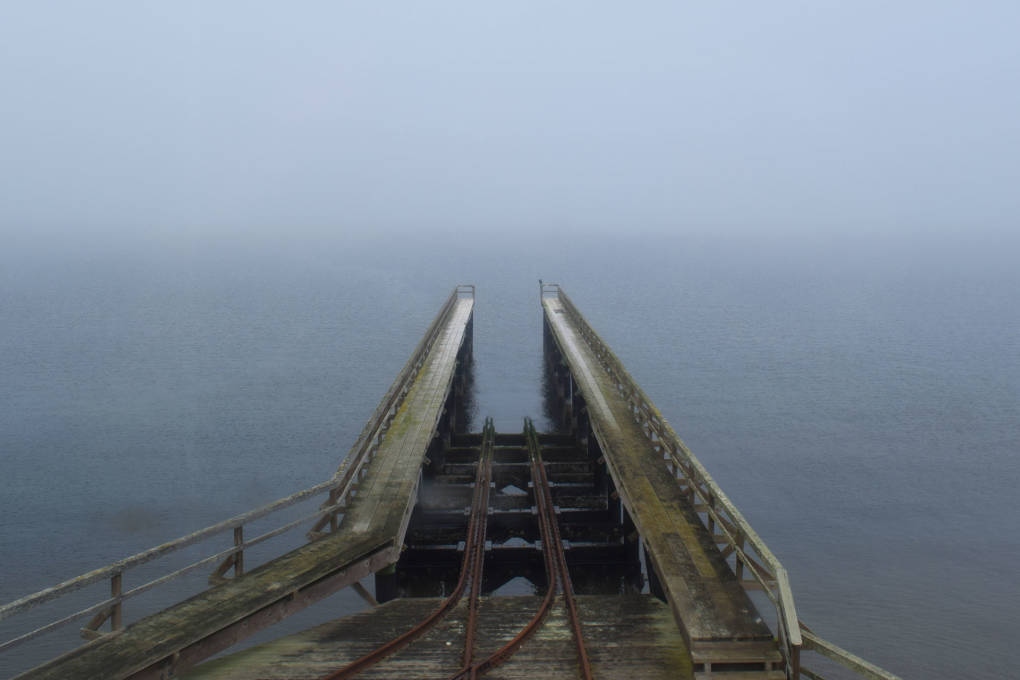
"caption": "A foggy day at the Point Reyes Lifeboat Station",
"description": null,
"title": "RS30212_DSC_1036 2",
"credit": "Carly Severn/KQED",
"status": "inherit",
"isLoading": false,
"fetchFailed": false
},
"news_11679694": {
"type": "attachments",
"id": "news_11679694",
"meta": {
"index": "attachments_1716263798",
"site": "news",
"id": "11679694",
"found": true
},
"parent": 11673009,
"imgSizes": {
"small": {
"file": "https://ww2.kqed.org/app/uploads/sites/10/2018/06/TEPCOMain-520x342.jpg",
"width": 520,
"mimeType": "image/jpeg",
"height": 342
},
"twentyfourteen-full-width": {
"file": "https://ww2.kqed.org/app/uploads/sites/10/2018/06/TEPCOMain-1038x576.jpg",
"width": 1038,
"mimeType": "image/jpeg",
"height": 576
},
"thumbnail": {
"file": "https://ww2.kqed.org/app/uploads/sites/10/2018/06/TEPCOMain-160x105.jpg",
"width": 160,
"mimeType": "image/jpeg",
"height": 105
},
"fd-sm": {
"file": "https://ww2.kqed.org/app/uploads/sites/10/2018/06/TEPCOMain-960x632.jpg",
"width": 960,
"mimeType": "image/jpeg",
"height": 632
},
"post-thumbnail": {
"file": "https://ww2.kqed.org/app/uploads/sites/10/2018/06/TEPCOMain-672x372.jpg",
"width": 672,
"mimeType": "image/jpeg",
"height": 372
},
"xsmall": {
"file": "https://ww2.kqed.org/app/uploads/sites/10/2018/06/TEPCOMain-375x247.jpg",
"width": 375,
"mimeType": "image/jpeg",
"height": 247
},
"kqedFullSize": {
"file": "https://ww2.kqed.org/app/uploads/sites/10/2018/06/TEPCOMain.jpg",
"width": 1177,
"height": 775
},
"large": {
"file": "https://ww2.kqed.org/app/uploads/sites/10/2018/06/TEPCOMain-1020x672.jpg",
"width": 1020,
"mimeType": "image/jpeg",
"height": 672
},
"guest-author-50": {
"file": "https://ww2.kqed.org/app/uploads/sites/10/2018/06/TEPCOMain-50x50.jpg",
"width": 50,
"mimeType": "image/jpeg",
"height": 50
},
"guest-author-96": {
"file": "https://ww2.kqed.org/app/uploads/sites/10/2018/06/TEPCOMain-96x96.jpg",
"width": 96,
"mimeType": "image/jpeg",
"height": 96
},
"medium": {
"file": "https://ww2.kqed.org/app/uploads/sites/10/2018/06/TEPCOMain-800x527.jpg",
"width": 800,
"mimeType": "image/jpeg",
"height": 527
},
"guest-author-64": {
"file": "https://ww2.kqed.org/app/uploads/sites/10/2018/06/TEPCOMain-64x64.jpg",
"width": 64,
"mimeType": "image/jpeg",
"height": 64
},
"guest-author-32": {
"file": "https://ww2.kqed.org/app/uploads/sites/10/2018/06/TEPCOMain-32x32.jpg",
"width": 32,
"mimeType": "image/jpeg",
"height": 32
},
"detail": {
"file": "https://ww2.kqed.org/app/uploads/sites/10/2018/06/TEPCOMain-150x150.jpg",
"width": 150,
"mimeType": "image/jpeg",
"height": 150
},
"guest-author-128": {
"file": "https://ww2.kqed.org/app/uploads/sites/10/2018/06/TEPCOMain-128x128.jpg",
"width": 128,
"mimeType": "image/jpeg",
"height": 128
},
"xxsmall": {
"file": "https://ww2.kqed.org/app/uploads/sites/10/2018/06/TEPCOMain-240x158.jpg",
"width": 240,
"mimeType": "image/jpeg",
"height": 158
}
},
"publishDate": 1531167019,
"modified": 1531171557,
"caption": "An image from a recreation of the original TEPCO catalogue.",
"description": "An image from a recreation of the original TEPCO catalogue.",
"title": "TEPCOMain",
"credit": "Andria Lo",
"status": "inherit",
"isLoading": false,
"fetchFailed": false
},
"news_11667986": {
"type": "attachments",
"id": "news_11667986",
"meta": {
"index": "attachments_1716263798",
"site": "news",
"id": "11667986",
"found": true
},
"parent": 11667417,
"imgSizes": {
"small": {
"file": "https://ww2.kqed.org/app/uploads/sites/10/2018/05/GraceMain-1-520x580.jpg",
"width": 520,
"mimeType": "image/jpeg",
"height": 580
},
"twentyfourteen-full-width": {
"file": "https://ww2.kqed.org/app/uploads/sites/10/2018/05/GraceMain-1-1038x576.jpg",
"width": 1038,
"mimeType": "image/jpeg",
"height": 576
},
"thumbnail": {
"file": "https://ww2.kqed.org/app/uploads/sites/10/2018/05/GraceMain-1-160x178.jpg",
"width": 160,
"mimeType": "image/jpeg",
"height": 178
},
"fd-sm": {
"file": "https://ww2.kqed.org/app/uploads/sites/10/2018/05/GraceMain-1-960x1070.jpg",
"width": 960,
"mimeType": "image/jpeg",
"height": 1070
},
"post-thumbnail": {
"file": "https://ww2.kqed.org/app/uploads/sites/10/2018/05/GraceMain-1-672x372.jpg",
"width": 672,
"mimeType": "image/jpeg",
"height": 372
},
"xsmall": {
"file": "https://ww2.kqed.org/app/uploads/sites/10/2018/05/GraceMain-1-375x418.jpg",
"width": 375,
"mimeType": "image/jpeg",
"height": 418
},
"kqedFullSize": {
"file": "https://ww2.kqed.org/app/uploads/sites/10/2018/05/GraceMain-1.jpg",
"width": 1536,
"height": 1712
},
"large": {
"file": "https://ww2.kqed.org/app/uploads/sites/10/2018/05/GraceMain-1-1020x1137.jpg",
"width": 1020,
"mimeType": "image/jpeg",
"height": 1137
},
"xlarge": {
"file": "https://ww2.kqed.org/app/uploads/sites/10/2018/05/GraceMain-1-1180x1315.jpg",
"width": 1180,
"mimeType": "image/jpeg",
"height": 1315
},
"complete_open_graph": {
"file": "https://ww2.kqed.org/app/uploads/sites/10/2018/05/GraceMain-1-1077x1200.jpg",
"width": 1077,
"mimeType": "image/jpeg",
"height": 1200
},
"guest-author-50": {
"file": "https://ww2.kqed.org/app/uploads/sites/10/2018/05/GraceMain-1-50x50.jpg",
"width": 50,
"mimeType": "image/jpeg",
"height": 50
},
"guest-author-96": {
"file": "https://ww2.kqed.org/app/uploads/sites/10/2018/05/GraceMain-1-96x96.jpg",
"width": 96,
"mimeType": "image/jpeg",
"height": 96
},
"medium": {
"file": "https://ww2.kqed.org/app/uploads/sites/10/2018/05/GraceMain-1-800x892.jpg",
"width": 800,
"mimeType": "image/jpeg",
"height": 892
},
"guest-author-64": {
"file": "https://ww2.kqed.org/app/uploads/sites/10/2018/05/GraceMain-1-64x64.jpg",
"width": 64,
"mimeType": "image/jpeg",
"height": 64
},
"guest-author-32": {
"file": "https://ww2.kqed.org/app/uploads/sites/10/2018/05/GraceMain-1-32x32.jpg",
"width": 32,
"mimeType": "image/jpeg",
"height": 32
},
"fd-med": {
"file": "https://ww2.kqed.org/app/uploads/sites/10/2018/05/GraceMain-1-1180x1315.jpg",
"width": 1180,
"mimeType": "image/jpeg",
"height": 1315
},
"detail": {
"file": "https://ww2.kqed.org/app/uploads/sites/10/2018/05/GraceMain-1-150x150.jpg",
"width": 150,
"mimeType": "image/jpeg",
"height": 150
},
"guest-author-128": {
"file": "https://ww2.kqed.org/app/uploads/sites/10/2018/05/GraceMain-1-128x128.jpg",
"width": 128,
"mimeType": "image/jpeg",
"height": 128
},
"xxsmall": {
"file": "https://ww2.kqed.org/app/uploads/sites/10/2018/05/GraceMain-1-240x268.jpg",
"width": 240,
"mimeType": "image/jpeg",
"height": 268
}
},
"publishDate": 1526082390,
"modified": 1526082410,
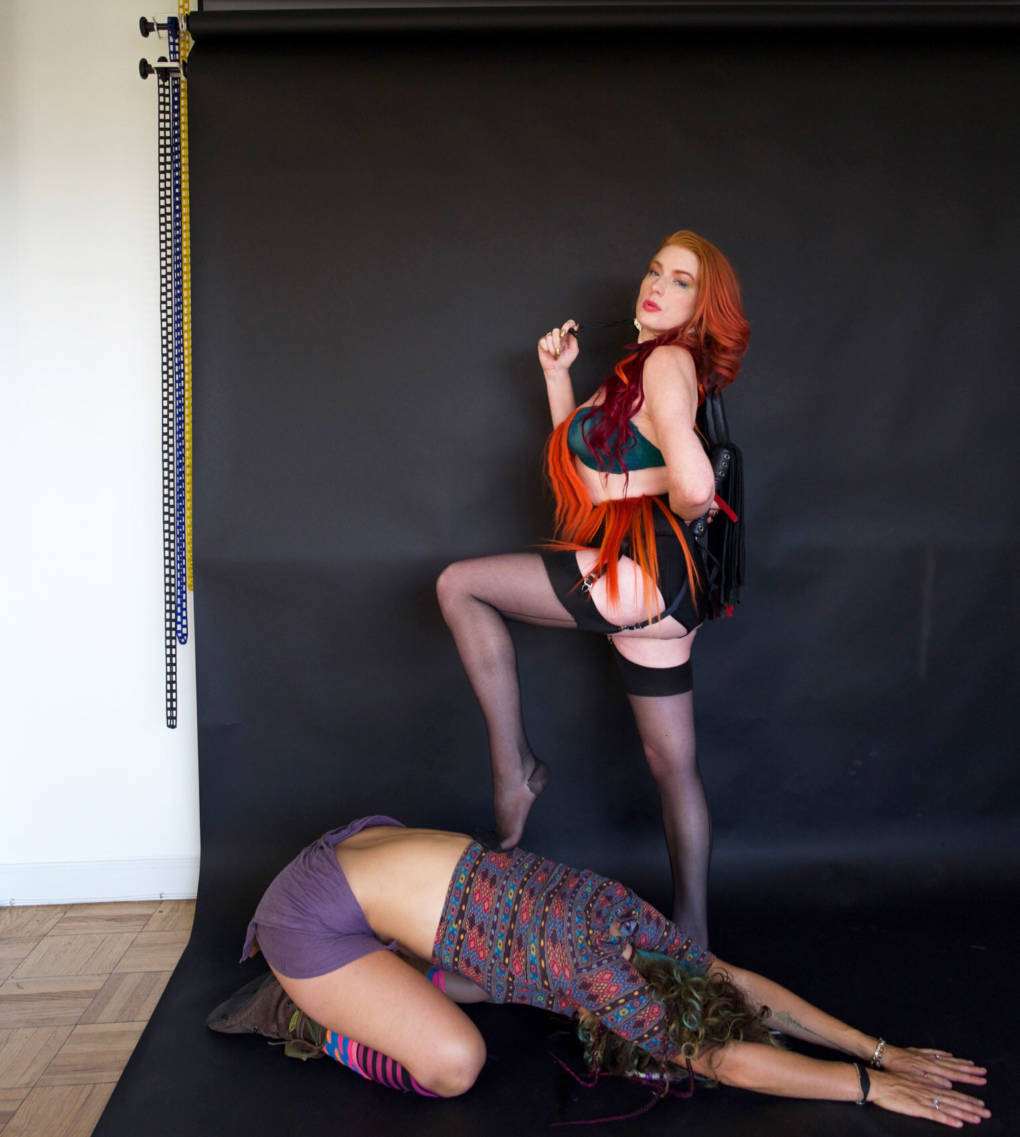
"caption": "Grace Marie is a mom and a daughter, and has to navigate both of those relationships while working as a dominatrix in Los Angeles.",
"description": "Grace Marie is a mom and a daughter, and has to navigate both of those relationships while working as a dominatrix in Los Angeles.",
"title": "GraceMain",
"credit": "Courtesty Grace Marie/Instagram",
"status": "inherit",
"isLoading": false,
"fetchFailed": false
},
"news_11666621": {
"type": "attachments",
"id": "news_11666621",
"meta": {
"index": "attachments_1716263798",
"site": "news",
"id": "11666621",
"found": true
},
"parent": 11666619,
"imgSizes": {
"small": {
"file": "https://ww2.kqed.org/app/uploads/sites/10/2018/05/NR527_MARQUEE-520x293.jpg",
"width": 520,
"mimeType": "image/jpeg",
"height": 293
},
"twentyfourteen-full-width": {
"file": "https://ww2.kqed.org/app/uploads/sites/10/2018/05/NR527_MARQUEE-1038x576.jpg",
"width": 1038,
"mimeType": "image/jpeg",
"height": 576
},
"thumbnail": {
"file": "https://ww2.kqed.org/app/uploads/sites/10/2018/05/NR527_MARQUEE-160x90.jpg",
"width": 160,
"mimeType": "image/jpeg",
"height": 90
},
"fd-sm": {
"file": "https://ww2.kqed.org/app/uploads/sites/10/2018/05/NR527_MARQUEE-960x540.jpg",
"width": 960,
"mimeType": "image/jpeg",
"height": 540
},
"post-thumbnail": {
"file": "https://ww2.kqed.org/app/uploads/sites/10/2018/05/NR527_MARQUEE-672x372.jpg",
"width": 672,
"mimeType": "image/jpeg",
"height": 372
},
"xsmall": {
"file": "https://ww2.kqed.org/app/uploads/sites/10/2018/05/NR527_MARQUEE-375x211.jpg",
"width": 375,
"mimeType": "image/jpeg",
"height": 211
},
"kqedFullSize": {
"file": "https://ww2.kqed.org/app/uploads/sites/10/2018/05/NR527_MARQUEE.jpg",
"width": 1280,
"height": 720
},
"large": {
"file": "https://ww2.kqed.org/app/uploads/sites/10/2018/05/NR527_MARQUEE-1020x574.jpg",
"width": 1020,
"mimeType": "image/jpeg",
"height": 574
},
"xlarge": {
"file": "https://ww2.kqed.org/app/uploads/sites/10/2018/05/NR527_MARQUEE-1180x664.jpg",
"width": 1180,
"mimeType": "image/jpeg",
"height": 664
},
"complete_open_graph": {
"file": "https://ww2.kqed.org/app/uploads/sites/10/2018/05/NR527_MARQUEE-1200x675.jpg",
"width": 1200,
"mimeType": "image/jpeg",
"height": 675
},
"guest-author-50": {
"file": "https://ww2.kqed.org/app/uploads/sites/10/2018/05/NR527_MARQUEE-50x50.jpg",
"width": 50,
"mimeType": "image/jpeg",
"height": 50
},
"guest-author-96": {
"file": "https://ww2.kqed.org/app/uploads/sites/10/2018/05/NR527_MARQUEE-96x96.jpg",
"width": 96,
"mimeType": "image/jpeg",
"height": 96
},
"medium": {
"file": "https://ww2.kqed.org/app/uploads/sites/10/2018/05/NR527_MARQUEE-800x450.jpg",
"width": 800,
"mimeType": "image/jpeg",
"height": 450
},
"guest-author-64": {
"file": "https://ww2.kqed.org/app/uploads/sites/10/2018/05/NR527_MARQUEE-64x64.jpg",
"width": 64,
"mimeType": "image/jpeg",
"height": 64
},
"guest-author-32": {
"file": "https://ww2.kqed.org/app/uploads/sites/10/2018/05/NR527_MARQUEE-32x32.jpg",
"width": 32,
"mimeType": "image/jpeg",
"height": 32
},
"fd-med": {
"file": "https://ww2.kqed.org/app/uploads/sites/10/2018/05/NR527_MARQUEE-1180x664.jpg",
"width": 1180,
"mimeType": "image/jpeg",
"height": 664
},
"detail": {
"file": "https://ww2.kqed.org/app/uploads/sites/10/2018/05/NR527_MARQUEE-150x150.jpg",
"width": 150,
"mimeType": "image/jpeg",
"height": 150
},
"guest-author-128": {
"file": "https://ww2.kqed.org/app/uploads/sites/10/2018/05/NR527_MARQUEE-128x128.jpg",
"width": 128,
"mimeType": "image/jpeg",
"height": 128
},
"xxsmall": {
"file": "https://ww2.kqed.org/app/uploads/sites/10/2018/05/NR527_MARQUEE-240x135.jpg",
"width": 240,
"mimeType": "image/jpeg",
"height": 135
}
},
"publishDate": 1525480873,
"modified": 1525480873,
"caption": null,
"description": null,
"title": "NR527_MARQUEE",
"credit": null,
"status": "inherit",
"isLoading": false,
"fetchFailed": false
},
"news_11667106": {
"type": "attachments",
"id": "news_11667106",
"meta": {
"index": "attachments_1716263798",
"site": "news",
"id": "11667106",
"found": true
},
"parent": 11667104,
"imgSizes": {
"small": {
"file": "https://ww2.kqed.org/app/uploads/sites/10/2018/05/gigeconomy-520x291.jpg",
"width": 520,
"mimeType": "image/jpeg",
"height": 291
},
"twentyfourteen-full-width": {
"file": "https://ww2.kqed.org/app/uploads/sites/10/2018/05/gigeconomy-1038x576.jpg",
"width": 1038,
"mimeType": "image/jpeg",
"height": 576
},
"thumbnail": {
"file": "https://ww2.kqed.org/app/uploads/sites/10/2018/05/gigeconomy-160x90.jpg",
"width": 160,
"mimeType": "image/jpeg",
"height": 90
},
"fd-sm": {
"file": "https://ww2.kqed.org/app/uploads/sites/10/2018/05/gigeconomy-960x538.jpg",
"width": 960,
"mimeType": "image/jpeg",
"height": 538
},
"post-thumbnail": {
"file": "https://ww2.kqed.org/app/uploads/sites/10/2018/05/gigeconomy-672x372.jpg",
"width": 672,
"mimeType": "image/jpeg",
"height": 372
},
"xsmall": {
"file": "https://ww2.kqed.org/app/uploads/sites/10/2018/05/gigeconomy-375x210.jpg",
"width": 375,
"mimeType": "image/jpeg",
"height": 210
},
"kqedFullSize": {
"file": "https://ww2.kqed.org/app/uploads/sites/10/2018/05/gigeconomy.jpg",
"width": 1670,
"height": 936
},
"large": {
"file": "https://ww2.kqed.org/app/uploads/sites/10/2018/05/gigeconomy-1020x572.jpg",
"width": 1020,
"mimeType": "image/jpeg",
"height": 572
},
"xlarge": {
"file": "https://ww2.kqed.org/app/uploads/sites/10/2018/05/gigeconomy-1180x661.jpg",
"width": 1180,
"mimeType": "image/jpeg",
"height": 661
},
"complete_open_graph": {
"file": "https://ww2.kqed.org/app/uploads/sites/10/2018/05/gigeconomy-1200x673.jpg",
"width": 1200,
"mimeType": "image/jpeg",
"height": 673
},
"guest-author-50": {
"file": "https://ww2.kqed.org/app/uploads/sites/10/2018/05/gigeconomy-50x50.jpg",
"width": 50,
"mimeType": "image/jpeg",
"height": 50
},
"guest-author-96": {
"file": "https://ww2.kqed.org/app/uploads/sites/10/2018/05/gigeconomy-96x96.jpg",
"width": 96,
"mimeType": "image/jpeg",
"height": 96
},
"medium": {
"file": "https://ww2.kqed.org/app/uploads/sites/10/2018/05/gigeconomy-800x448.jpg",
"width": 800,
"mimeType": "image/jpeg",
"height": 448
},
"guest-author-64": {
"file": "https://ww2.kqed.org/app/uploads/sites/10/2018/05/gigeconomy-64x64.jpg",
"width": 64,
"mimeType": "image/jpeg",
"height": 64
},
"guest-author-32": {
"file": "https://ww2.kqed.org/app/uploads/sites/10/2018/05/gigeconomy-32x32.jpg",
"width": 32,
"mimeType": "image/jpeg",
"height": 32
},
"fd-med": {
"file": "https://ww2.kqed.org/app/uploads/sites/10/2018/05/gigeconomy-1180x661.jpg",
"width": 1180,
"mimeType": "image/jpeg",
"height": 661
},
"detail": {
"file": "https://ww2.kqed.org/app/uploads/sites/10/2018/05/gigeconomy-150x150.jpg",
"width": 150,
"mimeType": "image/jpeg",
"height": 150
},
"guest-author-128": {
"file": "https://ww2.kqed.org/app/uploads/sites/10/2018/05/gigeconomy-128x128.jpg",
"width": 128,
"mimeType": "image/jpeg",
"height": 128
},
"xxsmall": {
"file": "https://ww2.kqed.org/app/uploads/sites/10/2018/05/gigeconomy-240x135.jpg",
"width": 240,
"mimeType": "image/jpeg",
"height": 135
}
},
"publishDate": 1525809967,
"modified": 1525809967,
"caption": null,
"description": null,
"title": "gigeconomy",
"credit": null,
"status": "inherit",
"isLoading": false,
"fetchFailed": false
},
"news_11661531": {
"type": "attachments",
"id": "news_11661531",
"meta": {
"index": "attachments_1716263798",
"site": "news",
"id": "11661531",
"found": true
},
"parent": 11661532,
"imgSizes": {
"small": {
"file": "https://ww2.kqed.org/app/uploads/sites/10/2018/04/RS30412_pole-10-qut-520x347.jpg",
"width": 520,
"mimeType": "image/jpeg",
"height": 347
},
"twentyfourteen-full-width": {
"file": "https://ww2.kqed.org/app/uploads/sites/10/2018/04/RS30412_pole-10-qut-1038x576.jpg",
"width": 1038,
"mimeType": "image/jpeg",
"height": 576
},
"thumbnail": {
"file": "https://ww2.kqed.org/app/uploads/sites/10/2018/04/RS30412_pole-10-qut-160x107.jpg",
"width": 160,
"mimeType": "image/jpeg",
"height": 107
},
"fd-sm": {
"file": "https://ww2.kqed.org/app/uploads/sites/10/2018/04/RS30412_pole-10-qut-960x640.jpg",
"width": 960,
"mimeType": "image/jpeg",
"height": 640
},
"post-thumbnail": {
"file": "https://ww2.kqed.org/app/uploads/sites/10/2018/04/RS30412_pole-10-qut-672x372.jpg",
"width": 672,
"mimeType": "image/jpeg",
"height": 372
},
"xsmall": {
"file": "https://ww2.kqed.org/app/uploads/sites/10/2018/04/RS30412_pole-10-qut-375x250.jpg",
"width": 375,
"mimeType": "image/jpeg",
"height": 250
},
"kqedFullSize": {
"file": "https://ww2.kqed.org/app/uploads/sites/10/2018/04/RS30412_pole-10-qut.jpg",
"width": 1920,
"height": 1280
},
"large": {
"file": "https://ww2.kqed.org/app/uploads/sites/10/2018/04/RS30412_pole-10-qut-1020x680.jpg",
"width": 1020,
"mimeType": "image/jpeg",
"height": 680
},
"xlarge": {
"file": "https://ww2.kqed.org/app/uploads/sites/10/2018/04/RS30412_pole-10-qut-1180x787.jpg",
"width": 1180,
"mimeType": "image/jpeg",
"height": 787
},
"complete_open_graph": {
"file": "https://ww2.kqed.org/app/uploads/sites/10/2018/04/RS30412_pole-10-qut-1200x800.jpg",
"width": 1200,
"mimeType": "image/jpeg",
"height": 800
},
"guest-author-50": {
"file": "https://ww2.kqed.org/app/uploads/sites/10/2018/04/RS30412_pole-10-qut-50x50.jpg",
"width": 50,
"mimeType": "image/jpeg",
"height": 50
},
"guest-author-96": {
"file": "https://ww2.kqed.org/app/uploads/sites/10/2018/04/RS30412_pole-10-qut-96x96.jpg",
"width": 96,
"mimeType": "image/jpeg",
"height": 96
},
"medium": {
"file": "https://ww2.kqed.org/app/uploads/sites/10/2018/04/RS30412_pole-10-qut-800x533.jpg",
"width": 800,
"mimeType": "image/jpeg",
"height": 533
},
"guest-author-64": {
"file": "https://ww2.kqed.org/app/uploads/sites/10/2018/04/RS30412_pole-10-qut-64x64.jpg",
"width": 64,
"mimeType": "image/jpeg",
"height": 64
},
"guest-author-32": {
"file": "https://ww2.kqed.org/app/uploads/sites/10/2018/04/RS30412_pole-10-qut-32x32.jpg",
"width": 32,
"mimeType": "image/jpeg",
"height": 32
},
"fd-lrg": {
"file": "https://ww2.kqed.org/app/uploads/sites/10/2018/04/RS30412_pole-10-qut-1920x1280.jpg",
"width": 1920,
"mimeType": "image/jpeg",
"height": 1280
},
"fd-med": {
"file": "https://ww2.kqed.org/app/uploads/sites/10/2018/04/RS30412_pole-10-qut-1180x787.jpg",
"width": 1180,
"mimeType": "image/jpeg",
"height": 787
},
"full-width": {
"file": "https://ww2.kqed.org/app/uploads/sites/10/2018/04/RS30412_pole-10-qut-1920x1280.jpg",
"width": 1920,
"mimeType": "image/jpeg",
"height": 1280
},
"detail": {
"file": "https://ww2.kqed.org/app/uploads/sites/10/2018/04/RS30412_pole-10-qut-150x150.jpg",
"width": 150,
"mimeType": "image/jpeg",
"height": 150
},
"guest-author-128": {
"file": "https://ww2.kqed.org/app/uploads/sites/10/2018/04/RS30412_pole-10-qut-128x128.jpg",
"width": 128,
"mimeType": "image/jpeg",
"height": 128
},
"xxsmall": {
"file": "https://ww2.kqed.org/app/uploads/sites/10/2018/04/RS30412_pole-10-qut-240x160.jpg",
"width": 240,
"mimeType": "image/jpeg",
"height": 160
}
},
"publishDate": 1523490064,
"modified": 1524264782,
"caption": "Pole dancers of all ages and abilities competed in the Golden Gate Pole Championships in February in San Bruno, California. ",
"description": null,
"title": "RS30412_pole-10-qut",
"credit": "Samantha Shanahan/KQED",
"status": "inherit",
"isLoading": false,
"fetchFailed": false
},
"news_11661423": {
"type": "attachments",
"id": "news_11661423",
"meta": {
"index": "attachments_1716263798",
"site": "news",
"id": "11661423",
"found": true
},
"parent": 11660626,
"imgSizes": {
"small": {
"file": "https://ww2.kqed.org/app/uploads/sites/10/2018/04/FEATURE2_RS30347_00-pole_firstedit-20-qut-1-520x347.jpg",
"width": 520,
"mimeType": "image/jpeg",
"height": 347
},
"twentyfourteen-full-width": {
"file": "https://ww2.kqed.org/app/uploads/sites/10/2018/04/FEATURE2_RS30347_00-pole_firstedit-20-qut-1-1038x576.jpg",
"width": 1038,
"mimeType": "image/jpeg",
"height": 576
},
"thumbnail": {
"file": "https://ww2.kqed.org/app/uploads/sites/10/2018/04/FEATURE2_RS30347_00-pole_firstedit-20-qut-1-160x107.jpg",
"width": 160,
"mimeType": "image/jpeg",
"height": 107
},
"fd-sm": {
"file": "https://ww2.kqed.org/app/uploads/sites/10/2018/04/FEATURE2_RS30347_00-pole_firstedit-20-qut-1-960x640.jpg",
"width": 960,
"mimeType": "image/jpeg",
"height": 640
},
"post-thumbnail": {
"file": "https://ww2.kqed.org/app/uploads/sites/10/2018/04/FEATURE2_RS30347_00-pole_firstedit-20-qut-1-672x372.jpg",
"width": 672,
"mimeType": "image/jpeg",
"height": 372
},
"xsmall": {
"file": "https://ww2.kqed.org/app/uploads/sites/10/2018/04/FEATURE2_RS30347_00-pole_firstedit-20-qut-1-375x250.jpg",
"width": 375,
"mimeType": "image/jpeg",
"height": 250
},
"kqedFullSize": {
"file": "https://ww2.kqed.org/app/uploads/sites/10/2018/04/FEATURE2_RS30347_00-pole_firstedit-20-qut-1.jpg",
"width": 1920,
"height": 1280
},
"large": {
"file": "https://ww2.kqed.org/app/uploads/sites/10/2018/04/FEATURE2_RS30347_00-pole_firstedit-20-qut-1-1020x680.jpg",
"width": 1020,
"mimeType": "image/jpeg",
"height": 680
},
"xlarge": {
"file": "https://ww2.kqed.org/app/uploads/sites/10/2018/04/FEATURE2_RS30347_00-pole_firstedit-20-qut-1-1180x787.jpg",
"width": 1180,
"mimeType": "image/jpeg",
"height": 787
},
"guest-author-50": {
"file": "https://ww2.kqed.org/app/uploads/sites/10/2018/04/FEATURE2_RS30347_00-pole_firstedit-20-qut-1-50x50.jpg",
"width": 50,
"mimeType": "image/jpeg",
"height": 50
},
"guest-author-96": {
"file": "https://ww2.kqed.org/app/uploads/sites/10/2018/04/FEATURE2_RS30347_00-pole_firstedit-20-qut-1-96x96.jpg",
"width": 96,
"mimeType": "image/jpeg",
"height": 96
},
"medium": {
"file": "https://ww2.kqed.org/app/uploads/sites/10/2018/04/FEATURE2_RS30347_00-pole_firstedit-20-qut-1-800x533.jpg",
"width": 800,
"mimeType": "image/jpeg",
"height": 533
},
"guest-author-64": {
"file": "https://ww2.kqed.org/app/uploads/sites/10/2018/04/FEATURE2_RS30347_00-pole_firstedit-20-qut-1-64x64.jpg",
"width": 64,
"mimeType": "image/jpeg",
"height": 64
},
"guest-author-32": {
"file": "https://ww2.kqed.org/app/uploads/sites/10/2018/04/FEATURE2_RS30347_00-pole_firstedit-20-qut-1-32x32.jpg",
"width": 32,
"mimeType": "image/jpeg",
"height": 32
},
"fd-lrg": {
"file": "https://ww2.kqed.org/app/uploads/sites/10/2018/04/FEATURE2_RS30347_00-pole_firstedit-20-qut-1-1920x1280.jpg",
"width": 1920,
"mimeType": "image/jpeg",
"height": 1280
},
"fd-med": {
"file": "https://ww2.kqed.org/app/uploads/sites/10/2018/04/FEATURE2_RS30347_00-pole_firstedit-20-qut-1-1180x787.jpg",
"width": 1180,
"mimeType": "image/jpeg",
"height": 787
},
"full-width": {
"file": "https://ww2.kqed.org/app/uploads/sites/10/2018/04/FEATURE2_RS30347_00-pole_firstedit-20-qut-1-1920x1280.jpg",
"width": 1920,
"mimeType": "image/jpeg",
"height": 1280
},
"detail": {
"file": "https://ww2.kqed.org/app/uploads/sites/10/2018/04/FEATURE2_RS30347_00-pole_firstedit-20-qut-1-150x150.jpg",
"width": 150,
"mimeType": "image/jpeg",
"height": 150
},
"guest-author-128": {
"file": "https://ww2.kqed.org/app/uploads/sites/10/2018/04/FEATURE2_RS30347_00-pole_firstedit-20-qut-1-128x128.jpg",
"width": 128,
"mimeType": "image/jpeg",
"height": 128
},
"xxsmall": {
"file": "https://ww2.kqed.org/app/uploads/sites/10/2018/04/FEATURE2_RS30347_00-pole_firstedit-20-qut-1-240x160.jpg",
"width": 240,
"mimeType": "image/jpeg",
"height": 160
}
},
"publishDate": 1523481734,
"modified": 1523481833,
"caption": "MaKayla Keating (R) and her dance partner stretch before practicing their pole dancing routine at a studio in San Francisco.",
"description": null,
"title": "FEATURE2_RS30347_00 pole_firstedit-20-qut",
"credit": "Samantha Shanahan/KQED",
"status": "inherit",
"isLoading": false,
"fetchFailed": false
},
"news_11663488": {
"type": "attachments",
"id": "news_11663488",
"meta": {
"index": "attachments_1716263798",
"site": "news",
"id": "11663488",
"found": true
},
"parent": 11662677,
"imgSizes": {
"small": {
"file": "https://ww2.kqed.org/app/uploads/sites/10/2018/04/Disneyland-520x368.jpg",
"width": 520,
"mimeType": "image/jpeg",
"height": 368
},
"twentyfourteen-full-width": {
"file": "https://ww2.kqed.org/app/uploads/sites/10/2018/04/Disneyland-1038x576.jpg",
"width": 1038,
"mimeType": "image/jpeg",
"height": 576
},
"thumbnail": {
"file": "https://ww2.kqed.org/app/uploads/sites/10/2018/04/Disneyland-160x113.jpg",
"width": 160,
"mimeType": "image/jpeg",
"height": 113
},
"fd-sm": {
"file": "https://ww2.kqed.org/app/uploads/sites/10/2018/04/Disneyland-960x680.jpg",
"width": 960,
"mimeType": "image/jpeg",
"height": 680
},
"post-thumbnail": {
"file": "https://ww2.kqed.org/app/uploads/sites/10/2018/04/Disneyland-672x372.jpg",
"width": 672,
"mimeType": "image/jpeg",
"height": 372
},
"xsmall": {
"file": "https://ww2.kqed.org/app/uploads/sites/10/2018/04/Disneyland-375x266.jpg",
"width": 375,
"mimeType": "image/jpeg",
"height": 266
},
"kqedFullSize": {
"file": "https://ww2.kqed.org/app/uploads/sites/10/2018/04/Disneyland.jpg",
"width": 1920,
"height": 1360
},
"large": {
"file": "https://ww2.kqed.org/app/uploads/sites/10/2018/04/Disneyland-1020x723.jpg",
"width": 1020,
"mimeType": "image/jpeg",
"height": 723
},
"xlarge": {
"file": "https://ww2.kqed.org/app/uploads/sites/10/2018/04/Disneyland-1180x836.jpg",
"width": 1180,
"mimeType": "image/jpeg",
"height": 836
},
"complete_open_graph": {
"file": "https://ww2.kqed.org/app/uploads/sites/10/2018/04/Disneyland-1200x850.jpg",
"width": 1200,
"mimeType": "image/jpeg",
"height": 850
},
"guest-author-50": {
"file": "https://ww2.kqed.org/app/uploads/sites/10/2018/04/Disneyland-50x50.jpg",
"width": 50,
"mimeType": "image/jpeg",
"height": 50
},
"guest-author-96": {
"file": "https://ww2.kqed.org/app/uploads/sites/10/2018/04/Disneyland-96x96.jpg",
"width": 96,
"mimeType": "image/jpeg",
"height": 96
},
"medium": {
"file": "https://ww2.kqed.org/app/uploads/sites/10/2018/04/Disneyland-800x567.jpg",
"width": 800,
"mimeType": "image/jpeg",
"height": 567
},
"guest-author-64": {
"file": "https://ww2.kqed.org/app/uploads/sites/10/2018/04/Disneyland-64x64.jpg",
"width": 64,
"mimeType": "image/jpeg",
"height": 64
},
"guest-author-32": {
"file": "https://ww2.kqed.org/app/uploads/sites/10/2018/04/Disneyland-32x32.jpg",
"width": 32,
"mimeType": "image/jpeg",
"height": 32
},
"fd-lrg": {
"file": "https://ww2.kqed.org/app/uploads/sites/10/2018/04/Disneyland-1920x1360.jpg",
"width": 1920,
"mimeType": "image/jpeg",
"height": 1360
},
"fd-med": {
"file": "https://ww2.kqed.org/app/uploads/sites/10/2018/04/Disneyland-1180x836.jpg",
"width": 1180,
"mimeType": "image/jpeg",
"height": 836
},
"full-width": {
"file": "https://ww2.kqed.org/app/uploads/sites/10/2018/04/Disneyland-1920x1360.jpg",
"width": 1920,
"mimeType": "image/jpeg",
"height": 1360
},
"detail": {
"file": "https://ww2.kqed.org/app/uploads/sites/10/2018/04/Disneyland-150x150.jpg",
"width": 150,
"mimeType": "image/jpeg",
"height": 150
},
"guest-author-128": {
"file": "https://ww2.kqed.org/app/uploads/sites/10/2018/04/Disneyland-128x128.jpg",
"width": 128,
"mimeType": "image/jpeg",
"height": 128
},
"xxsmall": {
"file": "https://ww2.kqed.org/app/uploads/sites/10/2018/04/Disneyland-240x170.jpg",
"width": 240,
"mimeType": "image/jpeg",
"height": 170
}
},
"publishDate": 1524182024,
"modified": 1524182070,
"caption": "People visit Disneyland in 2015 in Anaheim.",
"description": "People visit Disneyland in 2015 in Anaheim.",
"title": "Disneyland",
"credit": "FREDERIC J. BROWN/AFP/Getty Images",
"status": "inherit",
"isLoading": false,
"fetchFailed": false
}
},
"audioPlayerReducer": {
"postId": "stream_live",
"isPaused": true,
"isPlaying": false,
"pfsActive": false,
"pledgeModalIsOpen": true,
"playerDrawerIsOpen": false,
"liveAudioPlayStartedAt": 0,
"liveAudioPlayContext": ""
},
"authorsReducer": {
"byline_news_11682562": {
"type": "authors",
"id": "byline_news_11682562",
"meta": {
"override": true
},
"slug": "byline_news_11682562",
"name": "\u003cstrong>\u003ca href=\"https://calmatters.org/articles/author/matt-levin/\">Matt Levin\u003c/a>\u003c/strong>",
"isLoading": false
},
"byline_news_11673009": {
"type": "authors",
"id": "byline_news_11673009",
"meta": {
"override": true
},
"slug": "byline_news_11673009",
"name": "Ariel Plotnick",
"isLoading": false
},
"byline_news_11667417": {
"type": "authors",
"id": "byline_news_11667417",
"meta": {
"override": true
},
"slug": "byline_news_11667417",
"name": "Bradley Bermont",
"isLoading": false
},
"byline_news_11662677": {
"type": "authors",
"id": "byline_news_11662677",
"meta": {
"override": true
},
"slug": "byline_news_11662677",
"name": "Michelle Wiley",
"isLoading": false
},
"kqed": {
"type": "authors",
"id": "236",
"meta": {
"index": "authors_1716337520",
"id": "236",
"found": true
},
"name": "KQED News Staff",
"firstName": "KQED News Staff",
"lastName": null,
"slug": "kqed",
"email": "faq@kqed.org",
"display_author_email": false,
"staff_mastheads": [],
"title": null,
"bio": null,
"avatar": "https://secure.gravatar.com/avatar/ef0e801a68c4c54afa9180db14084167?s=600&d=blank&r=g",
"twitter": null,
"facebook": null,
"instagram": null,
"linkedin": null,
"sites": [
{
"site": "arts",
"roles": [
"contributor"
]
},
{
"site": "news",
"roles": [
"editor"
]
},
{
"site": "futureofyou",
"roles": [
"author"
]
}
],
"headData": {
"title": "KQED News Staff | KQED",
"description": null,
"ogImgSrc": "https://secure.gravatar.com/avatar/ef0e801a68c4c54afa9180db14084167?s=600&d=blank&r=g",
"twImgSrc": "https://secure.gravatar.com/avatar/ef0e801a68c4c54afa9180db14084167?s=600&d=blank&r=g"
},
"isLoading": false,
"link": "/author/kqed"
},
"carlysevern": {
"type": "authors",
"id": "3243",
"meta": {
"index": "authors_1716337520",
"id": "3243",
"found": true
},
"name": "Carly Severn",
"firstName": "Carly",
"lastName": "Severn",
"slug": "carlysevern",
"email": "csevern@kqed.org",
"display_author_email": false,
"staff_mastheads": [
"news"
],
"title": "Senior Editor, Audience News ",
"bio": "Carly is KQED's Senior Editor of Audience News on the Digital News team, and has reported for the California Report Magazine, Bay Curious and KQED Arts. She's formerly the host of \u003ca href=\"http://ww2.kqed.org/pop/category/the-cooler/\" rel=\"noopener noreferrer\">The Cooler\u003c/a> podcast.",
"avatar": "https://secure.gravatar.com/avatar/54037bf5c128fe678f0ef26cec97a93f2e7f220a22d7285703328f12c42c1b1d?s=600&d=blank&r=g",
"twitter": "teacupinthebay",
"bluesky": null,
"facebook": null,
"instagram": null,
"linkedin": null,
"sites": [
{
"site": "",
"roles": [
"editor"
]
},
{
"site": "arts",
"roles": [
"editor"
]
},
{
"site": "news",
"roles": [
"administrator"
]
},
{
"site": "pop",
"roles": [
"editor"
]
},
{
"site": "futureofyou",
"roles": [
"editor"
]
},
{
"site": "about",
"roles": [
"administrator"
]
},
{
"site": "mindshift",
"roles": [
"editor"
]
},
{
"site": "bayareabites",
"roles": [
"editor"
]
},
{
"site": "stateofhealth",
"roles": [
"editor"
]
},
{
"site": "science",
"roles": [
"editor"
]
},
{
"site": "food",
"roles": [
"contributor"
]
},
{
"site": "forum",
"roles": [
"editor"
]
},
{
"site": "perspectives",
"roles": [
"administrator"
]
},
{
"site": "liveblog",
"roles": [
"editor"
]
}
],
"headData": {
"title": "Carly Severn | KQED",
"description": "Senior Editor, Audience News ",
"ogImgSrc": "https://secure.gravatar.com/avatar/54037bf5c128fe678f0ef26cec97a93f2e7f220a22d7285703328f12c42c1b1d?s=600&d=blank&r=g",
"twImgSrc": "https://secure.gravatar.com/avatar/54037bf5c128fe678f0ef26cec97a93f2e7f220a22d7285703328f12c42c1b1d?s=600&d=blank&r=g"
},
"isLoading": false,
"link": "/author/carlysevern"
},
"sshanahan": {
"type": "authors",
"id": "11409",
"meta": {
"index": "authors_1716337520",
"id": "11409",
"found": true
},
"name": "Samantha Shanahan",
"firstName": "Samantha",
"lastName": "Shanahan",
"slug": "sshanahan",
"email": "sshanahan@kqed.org",
"display_author_email": false,
"staff_mastheads": [],
"title": "KQED Contributor",
"bio": null,
"avatar": "https://secure.gravatar.com/avatar/fa52d5af105ea4981f8e7d8f922740a1?s=600&d=blank&r=g",
"twitter": null,
"facebook": null,
"instagram": null,
"linkedin": null,
"sites": [
{
"site": "arts",
"roles": [
"author"
]
},
{
"site": "news",
"roles": [
"create_posts",
"read_private_posts",
"author"
]
}
],
"headData": {
"title": "Samantha Shanahan | KQED",
"description": "KQED Contributor",
"ogImgSrc": "https://secure.gravatar.com/avatar/fa52d5af105ea4981f8e7d8f922740a1?s=600&d=blank&r=g",
"twImgSrc": "https://secure.gravatar.com/avatar/fa52d5af105ea4981f8e7d8f922740a1?s=600&d=blank&r=g"
},
"isLoading": false,
"link": "/author/sshanahan"
},
"nsebai": {
"type": "authors",
"id": "11412",
"meta": {
"index": "authors_1716337520",
"id": "11412",
"found": true
},
"name": "Nadine Sebai",
"firstName": "Nadine",
"lastName": "Sebai",
"slug": "nsebai",
"email": "nsebai@kqed.org",
"display_author_email": false,
"staff_mastheads": [],
"title": null,
"bio": null,
"avatar": "https://secure.gravatar.com/avatar/19a519d943a3c1cb0537d495677de5b5?s=600&d=blank&r=g",
"twitter": "@NadineSebai",
"facebook": null,
"instagram": null,
"linkedin": null,
"sites": [
{
"site": "news",
"roles": [
"author",
"edit_others_posts"
]
}
],
"headData": {
"title": "Nadine Sebai | KQED",
"description": null,
"ogImgSrc": "https://secure.gravatar.com/avatar/19a519d943a3c1cb0537d495677de5b5?s=600&d=blank&r=g",
"twImgSrc": "https://secure.gravatar.com/avatar/19a519d943a3c1cb0537d495677de5b5?s=600&d=blank&r=g"
},
"isLoading": false,
"link": "/author/nsebai"
},
"mwiley": {
"type": "authors",
"id": "11526",
"meta": {
"index": "authors_1716337520",
"id": "11526",
"found": true
},
"name": "Michelle Wiley",
"firstName": "Michelle",
"lastName": "Wiley",
"slug": "mwiley",
"email": "mwiley@KQED.org",
"display_author_email": true,
"staff_mastheads": [],
"title": null,
"bio": "Michelle Wiley was the senior editor of weekends.",
"avatar": "https://secure.gravatar.com/avatar/3b897d82a09e8587e8e73fa69fbcc635?s=600&d=blank&r=g",
"twitter": "michelleewiley",
"facebook": null,
"instagram": null,
"linkedin": null,
"sites": [
{
"site": "",
"roles": [
"editor"
]
},
{
"site": "arts",
"roles": [
"editor"
]
},
{
"site": "news",
"roles": [
"subscriber"
]
},
{
"site": "lowdown",
"roles": [
"editor"
]
},
{
"site": "science",
"roles": [
"editor"
]
},
{
"site": "podcasts",
"roles": [
"editor"
]
}
],
"headData": {
"title": "Michelle Wiley | KQED",
"description": null,
"ogImgSrc": "https://secure.gravatar.com/avatar/3b897d82a09e8587e8e73fa69fbcc635?s=600&d=blank&r=g",
"twImgSrc": "https://secure.gravatar.com/avatar/3b897d82a09e8587e8e73fa69fbcc635?s=600&d=blank&r=g"
},
"isLoading": false,
"link": "/author/mwiley"
}
},
"pagesReducer": {
"news_tag_workers": {
"type": "terms",
"id": "news_4569",
"meta": {
"index": "terms_1716263798",
"site": "news",
"id": "4569",
"score": 9.892568
},
"featImg": null,
"name": "Workers",
"description": null,
"taxonomy": "tag",
"headData": {
"twImgId": null,
"twTitle": null,
"ogTitle": null,
"ogImgId": null,
"twDescription": null,
"description": null,
"title": "Workers Archives | KQED News",
"ogDescription": null
},
"ttid": 4588,
"slug": "workers",
"isLoading": false,
"title": "Workers",
"pageMeta": {
"site": "news",
"WpPageTemplate": "page-topic-editorial",
"currentPage": 3
},
"blocks": [
{
"blockName": "kqed/post-list",
"attrs": {
"layout": "cardArticle2",
"query": "posts/news?tag=workers",
"seeMore": false,
"paginated": true,
"page": 3
}
},
{
"blockName": "kqed/ad"
}
]
}
},
"pfsSessionReducer": {},
"postsReducer": {
"stream_live": {
"type": "live",
"id": "stream_live",
"audioUrl": "https://streams.kqed.org/kqedradio",
"title": "Live Stream",
"excerpt": "Live Stream information currently unavailable.",
"link": "/radio",
"featImg": "",
"label": {
"name": "KQED Live",
"link": "/"
}
},
"stream_kqedNewscast": {
"type": "posts",
"id": "stream_kqedNewscast",
"audioUrl": "https://www.kqed.org/.stream/anon/radio/RDnews/newscast.mp3?_=1",
"title": "KQED Newscast",
"featImg": "",
"label": {
"name": "88.5 FM",
"link": "/"
}
},
"news_11725387": {
"type": "posts",
"id": "news_11725387",
"meta": {
"index": "posts_1716263798",
"site": "news",
"id": "11725387",
"score": null,
"sort": [
1549932024000
]
},
"guestAuthors": [],
"slug": "proposed-bill-would-protect-sex-workers-are-victims-of-a-serious-crime",
"title": "Proposed Bill Would Protect Sex Workers Who Are Victims of a Serious Crime",
"publishDate": 1549932024,
"format": "standard",
"headTitle": "Proposed Bill Would Protect Sex Workers Who Are Victims of a Serious Crime | KQED",
"labelTerm": {
"term": 72,
"site": "news"
},
"content": "\u003cp>A new bill aims to prevent state law enforcement from arresting sex workers who come forward as a witness or victim of a serious crime.\u003c/p>\n\u003cp>The crimes include sexual assault, human trafficking, stalking, robbery, assault, kidnapping, threats, blackmail, extortion and burglary. The bill would also prevent law enforcement officers to use possession of condoms as probable cause for arrest for a crime.\u003c/p>\n\u003cp>Proponents of the measure, SB 233, say sex workers are more likely to experience violence while on the job. But they often do not come forward, fearing it would make them vulnerable to arrest for prostitution.\u003c/p>\n\u003cp>California state Sen. Scott Wiener, who authored the new bill, wants to change that.\u003c/p>\n\u003cp>“We can either bury our heads in the sand and pretend like sex work is going to go away, which it won’t, or we can look at the reality that sex workers exist and we want them to be safe and healthy,” Wiener says.\u003c/p>\n\u003cp>[ad fullwidth]\u003c/p>\n\u003cp>The law is in line with existing San Francisco policies that aim to help victims of human trafficking victims.\u003c/p>\n\u003cp>San Francisco’s District Attorney \u003ca href=\"https://sfgov.org/dosw/san-francisco-announces-prioritizing-safety-sex-worker-policies\">de-prioritized the prosecution\u003c/a> of those involved in the sex trade who have seen or survived a serious crime.\u003c/p>\n\u003cp>The San Francisco Police Department also \u003ca href=\"https://sfgov.org/dosw/sites/default/files/department%20bulletin%2017-249.pdf\">bars officers\u003c/a> from arresting sex workers who have been victims of crimes such as rape, assault, robbery and extortion. \u003c/p>\n\u003cp>\u003c/p>\n\u003cp>\u003cem> Sara Hossaini contributed to this report.\u003c/em>\u003c/p>\n\n",
"blocks": [],
"excerpt": "Proponents of the measure say sex workers are more likely to experience violence while on the job. Even so, many don't come forward, fearing that reporting such crimes would make them vulnerable to arrest for prostitution.",
"status": "publish",
"parent": 0,
"modified": 1721116311,
"stats": {
"hasAudio": false,
"hasVideo": false,
"hasChartOrMap": false,
"iframeSrcs": [],
"hasGoogleForm": false,
"hasGallery": false,
"hasHearkenModule": false,
"hasPolis": false,
"paragraphCount": 11,
"wordCount": 237
},
"headData": {
"title": "Proposed Bill Would Protect Sex Workers Who Are Victims of a Serious Crime | KQED",
"description": "Proponents of the measure say sex workers are more likely to experience violence while on the job. Even so, many don't come forward, fearing that reporting such crimes would make them vulnerable to arrest for prostitution.",
"ogTitle": "",
"ogDescription": "",
"ogImgId": "",
"twTitle": "",
"twDescription": "",
"twImgId": "",
"schema": {
"@context": "https://schema.org",
"@type": "NewsArticle",
"headline": "Proposed Bill Would Protect Sex Workers Who Are Victims of a Serious Crime",
"datePublished": "2019-02-11T16:40:24-08:00",
"dateModified": "2024-07-16T00:51:51-07:00",
"image": "https://cdn.kqed.org/wp-content/uploads/2020/02/KQED-OG-Image@1x.png",
"isAccessibleForFree": "True",
"publisher": {
"@type": "NewsMediaOrganization",
"@id": "https://www.kqed.org/#organization",
"name": "KQED",
"logo": "https://cdn.kqed.org/wp-content/uploads/2020/02/KQED-OG-Image@1x.png",
"url": "https://www.kqed.org",
"sameAs": [
"https://www.facebook.com/KQED",
"https://twitter.com/KQED",
"https://www.instagram.com/kqed/",
"https://www.tiktok.com/@kqedofficial",
"https://www.linkedin.com/company/kqed",
"https://www.youtube.com/channel/UCeC0IOo7i1P_61zVUWbJ4nw"
]
}
}
},
"sticky": false,
"path": "/news/11725387/proposed-bill-would-protect-sex-workers-are-victims-of-a-serious-crime",
"audioTrackLength": null,
"parsedContent": [
{
"type": "contentString",
"content": "\u003cdiv class=\"post-body\">\u003cp>\u003cp>A new bill aims to prevent state law enforcement from arresting sex workers who come forward as a witness or victim of a serious crime.\u003c/p>\n\u003cp>The crimes include sexual assault, human trafficking, stalking, robbery, assault, kidnapping, threats, blackmail, extortion and burglary. The bill would also prevent law enforcement officers to use possession of condoms as probable cause for arrest for a crime.\u003c/p>\n\u003cp>Proponents of the measure, SB 233, say sex workers are more likely to experience violence while on the job. But they often do not come forward, fearing it would make them vulnerable to arrest for prostitution.\u003c/p>\n\u003cp>California state Sen. Scott Wiener, who authored the new bill, wants to change that.\u003c/p>\n\u003cp>“We can either bury our heads in the sand and pretend like sex work is going to go away, which it won’t, or we can look at the reality that sex workers exist and we want them to be safe and healthy,” Wiener says.\u003c/p>\n\u003cp>\u003c/p>\u003c/div>",
"attributes": {
"named": {},
"numeric": []
}
},
{
"type": "component",
"content": "",
"name": "ad",
"attributes": {
"named": {
"label": "fullwidth"
},
"numeric": [
"fullwidth"
]
}
},
{
"type": "contentString",
"content": "\u003cdiv class=\"post-body\">\u003cp>\u003c/p>\n\u003cp>The law is in line with existing San Francisco policies that aim to help victims of human trafficking victims.\u003c/p>\n\u003cp>San Francisco’s District Attorney \u003ca href=\"https://sfgov.org/dosw/san-francisco-announces-prioritizing-safety-sex-worker-policies\">de-prioritized the prosecution\u003c/a> of those involved in the sex trade who have seen or survived a serious crime.\u003c/p>\n\u003cp>The San Francisco Police Department also \u003ca href=\"https://sfgov.org/dosw/sites/default/files/department%20bulletin%2017-249.pdf\">bars officers\u003c/a> from arresting sex workers who have been victims of crimes such as rape, assault, robbery and extortion. \u003c/p>\n\u003cp>\u003c/p>\n\u003cp>\u003cem> Sara Hossaini contributed to this report.\u003c/em>\u003c/p>\n\n\u003c/div>\u003c/p>",
"attributes": {
"named": {},
"numeric": []
}
}
],
"link": "/news/11725387/proposed-bill-would-protect-sex-workers-are-victims-of-a-serious-crime",
"authors": [
"236"
],
"programs": [
"news_72"
],
"categories": [
"news_6188",
"news_8"
],
"tags": [
"news_38",
"news_1217",
"news_23282",
"news_4569"
],
"label": "news_72"
},
"news_11692039": {
"type": "posts",
"id": "news_11692039",
"meta": {
"index": "posts_1716263798",
"site": "news",
"id": "11692039",
"score": null,
"sort": [
1536804126000
]
},
"parent": 0,
"labelTerm": {
"site": "news",
"term": 72
},
"blocks": [],
"publishDate": 1536804126,
"format": "audio",
"disqusTitle": "Hundreds of Workers Strike Outside Sun-Maid Raisin Factory Near Fresno",
"title": "Hundreds of Workers Strike Outside Sun-Maid Raisin Factory Near Fresno",
"headTitle": "The California Report | KQED News",
"content": "\u003cp>Hundreds of members of Teamsters Local 431 have been on strike since Monday, shutting down the Kingsburg raisin factory in Fresno County for two days before it re-opened Wednesday with non-union workers.\u003c/p>\n\u003cp>In early August, management at Sun-Maid Raisins and local union leaders reached a tentative agreement that included a 50-cent hourly wage increase for workers. But it was ultimately voted down by union members.\u003c/p>\n\u003cp>The dispute is over health care. Previous contracts between the two parties included 100 percent employer-paid health coverage for workers. But the new contract proposed in August would’ve required employees to pay some portion of their health insurance costs.\u003c/p>\n\u003cp>According to a statement from the company, negotiations came to an impasse so Sun-Maid went ahead and implemented the terms of the tentative agreement on August 20.\u003c/p>\n\u003cp>https://twitter.com/FresnoBeeBob/status/1039978785091670017\u003c/p>\n\u003cp>[ad fullwidth]\u003c/p>\n\u003cp>\"They’re making more money, they’re maintaining the integrity of their benefits, and they’re getting more from a pension,\" says Harry Overly, president and CEO of Sun-Maid. \"The total value of that contract versus the last one is nearly a double-digit increase.\"\u003c/p>\n\u003cp>But employees say the proposed wage increase isn’t enough to offset the health care costs.\u003c/p>\n\u003cp>\"The employees have to meet a deductible of between $1,250 if they’re employee-only and $2,700 if they’re a family,\" says Peter Nuñez, head of Local 431. \"So you can see where you have money going in one hand and actually leaving out the other hand to pay for the insurance.\"\u003c/p>\n\u003cp>Nuñez says they hope the strike has caught the attention of Sun-Maid leadership and will bring them back to the negotiating table. Until then, they intend to strike for as long as necessary.\u003c/p>\n\u003cp>\u003c/p>\n\u003cp>\"We need responsible business-owners and businesses in California who understand that their employees are working hard to earn a living, to have the American dream, to send their kids to college, to provide for their families,\" says Nuñez. \"And they're expecting a dignified wage rate.\"\u003c/p>\n\n",
"disqusIdentifier": "11692039 https://ww2.kqed.org/news/?p=11692039",
"disqusUrl": "https://ww2.kqed.org/news/2018/09/12/hundreds-of-workers-strike-outside-sun-maid-raisin-factory-near-fresno/",
"stats": {
"hasVideo": false,
"hasChartOrMap": false,
"hasAudio": false,
"hasPolis": false,
"wordCount": 357,
"hasGoogleForm": false,
"hasGallery": false,
"hasHearkenModule": false,
"iframeSrcs": [],
"paragraphCount": 11
},
"modified": 1536934935,
"excerpt": "Union members have been on strike since Monday, shutting down the Kingsburg raisin factory in Fresno County for two days before it re-opened Wednesday with non-union workers.\r\n",
"headData": {
"twImgId": "",
"twTitle": "",
"ogTitle": "",
"ogImgId": "",
"twDescription": "",
"description": "Union members have been on strike since Monday, shutting down the Kingsburg raisin factory in Fresno County for two days before it re-opened Wednesday with non-union workers.\r\n",
"title": "Hundreds of Workers Strike Outside Sun-Maid Raisin Factory Near Fresno | KQED",
"ogDescription": "",
"schema": {
"@context": "https://schema.org",
"@type": "NewsArticle",
"headline": "Hundreds of Workers Strike Outside Sun-Maid Raisin Factory Near Fresno",
"datePublished": "2018-09-12T19:02:06-07:00",
"dateModified": "2018-09-14T07:22:15-07:00",
"image": "https://cdn.kqed.org/wp-content/uploads/2020/02/KQED-OG-Image@1x.png",
"isAccessibleForFree": "True",
"publisher": {
"@type": "NewsMediaOrganization",
"@id": "https://www.kqed.org/#organization",
"name": "KQED",
"logo": "https://cdn.kqed.org/wp-content/uploads/2020/02/KQED-OG-Image@1x.png",
"url": "https://www.kqed.org",
"sameAs": [
"https://www.facebook.com/KQED",
"https://twitter.com/KQED",
"https://www.instagram.com/kqed/",
"https://www.tiktok.com/@kqedofficial",
"https://www.linkedin.com/company/kqed",
"https://www.youtube.com/channel/UCeC0IOo7i1P_61zVUWbJ4nw"
]
}
}
},
"guestAuthors": [],
"slug": "hundreds-of-workers-strike-outside-sun-maid-raisin-factory-near-fresno",
"status": "publish",
"audioUrl": "https://www.kqed.org/.stream/anon/radio//2018/09/WileySunMaidRaisins.mp3",
"path": "/news/11692039/hundreds-of-workers-strike-outside-sun-maid-raisin-factory-near-fresno",
"audioTrackLength": null,
"parsedContent": [
{
"type": "contentString",
"content": "\u003cdiv class=\"post-body\">\u003cp>\u003cp>Hundreds of members of Teamsters Local 431 have been on strike since Monday, shutting down the Kingsburg raisin factory in Fresno County for two days before it re-opened Wednesday with non-union workers.\u003c/p>\n\u003cp>In early August, management at Sun-Maid Raisins and local union leaders reached a tentative agreement that included a 50-cent hourly wage increase for workers. But it was ultimately voted down by union members.\u003c/p>\n\u003cp>The dispute is over health care. Previous contracts between the two parties included 100 percent employer-paid health coverage for workers. But the new contract proposed in August would’ve required employees to pay some portion of their health insurance costs.\u003c/p>\n\u003cp>According to a statement from the company, negotiations came to an impasse so Sun-Maid went ahead and implemented the terms of the tentative agreement on August 20.\u003c/p>\u003c/p>\u003c/div>",
"attributes": {
"named": {},
"numeric": []
}
},
{
"type": "component",
"content": "",
"name": "singleTwitterStatus",
"attributes": {
"named": {
"id": "1039978785091670017"
},
"numeric": []
}
},
{
"type": "contentString",
"content": "\u003cdiv class=\"post-body\">\u003cp>\n\u003cp>\u003c/p>\u003c/div>",
"attributes": {
"named": {},
"numeric": []
}
},
{
"type": "component",
"content": "",
"name": "ad",
"attributes": {
"named": {
"label": "fullwidth"
},
"numeric": [
"fullwidth"
]
}
},
{
"type": "contentString",
"content": "\u003cdiv class=\"post-body\">\u003cp>\u003c/p>\n\u003cp>\"They’re making more money, they’re maintaining the integrity of their benefits, and they’re getting more from a pension,\" says Harry Overly, president and CEO of Sun-Maid. \"The total value of that contract versus the last one is nearly a double-digit increase.\"\u003c/p>\n\u003cp>But employees say the proposed wage increase isn’t enough to offset the health care costs.\u003c/p>\n\u003cp>\"The employees have to meet a deductible of between $1,250 if they’re employee-only and $2,700 if they’re a family,\" says Peter Nuñez, head of Local 431. \"So you can see where you have money going in one hand and actually leaving out the other hand to pay for the insurance.\"\u003c/p>\n\u003cp>Nuñez says they hope the strike has caught the attention of Sun-Maid leadership and will bring them back to the negotiating table. Until then, they intend to strike for as long as necessary.\u003c/p>\n\u003cp>\u003c/p>\n\u003cp>\"We need responsible business-owners and businesses in California who understand that their employees are working hard to earn a living, to have the American dream, to send their kids to college, to provide for their families,\" says Nuñez. \"And they're expecting a dignified wage rate.\"\u003c/p>\n\n\u003c/div>\u003c/p>",
"attributes": {
"named": {},
"numeric": []
}
}
],
"link": "/news/11692039/hundreds-of-workers-strike-outside-sun-maid-raisin-factory-near-fresno",
"authors": [
"11526"
],
"programs": [
"news_72"
],
"categories": [
"news_1758",
"news_24114",
"news_8"
],
"tags": [
"news_37",
"news_19904",
"news_2759",
"news_794",
"news_4569"
],
"featImg": "news_11692099",
"label": "news_72"
},
"news_11682562": {
"type": "posts",
"id": "news_11682562",
"meta": {
"index": "posts_1716263798",
"site": "news",
"id": "11682562",
"score": null,
"sort": [
1532610015000
]
},
"parent": 0,
"labelTerm": {},
"blocks": [],
"publishDate": 1532610015,
"format": "image",
"disqusTitle": "Fleeing War-Torn Homes for Crippling Rents — California's Housing Costs Create a Harsh Reality for Refugees",
"title": "Fleeing War-Torn Homes for Crippling Rents — California's Housing Costs Create a Harsh Reality for Refugees",
"headTitle": "The California Dream | The California Report | KQED News",
"content": "\u003cp>[dropcap]K[/dropcap]hisrow Jan has $800 in the bank. Rent is $1,850, and was due four days ago. He’s late with his payment, again.\u003c/p>\n\u003cp>While Jan gets ready for work — driving an Uber in San Francisco for the next 12 hours — his 4-year-old daughter, Shukula, barricades the front door of their two-bedroom apartment in Antioch, a far-flung Bay Area suburb east of Oakland.\u003c/p>\n\u003cp>“I need to work. Need to make some money,” Jan, 34, playfully tells his daughter. “No, you cannot,” replies Shukula, an impish smile spreading across her face.\u003c/p>\n\u003cp>“Look buddy,” says Jan. “I got to go, get some money, and buy you a dress.”\u003c/p>\n\u003cp>That satisfies Shukula. She and the rest of Jan’s family — 9-year-old Sameera, 5-year old Mirwais and 9-month-old Wais, carried by his mother — follow Jan out to his car. He’ll be back at 2 or 3 a.m., long after his kids have fallen asleep.\u003c/p>\n\u003cp>[ad fullwidth]\u003c/p>\n\u003cp>When Jan and his family fled Afghanistan in 2015, he knew adjusting to a new life in California wasn’t going to be easy. His wife speaks very little English, and even after working as an interpreter with U.S. troops, his job prospects were limited.\u003c/p>\n\u003cp>But he never dreamed California was going to be this expensive.\u003c/p>\n\u003cp>The state’s skyrocketing housing costs have created a harsh new reality for refugees on the ground, many of which are going to extraordinary lengths just to afford rent. The cost of living has increased so much in recent years that refugee resettlement agencies working in California are rethinking their strategies for relocating clients — and whether the state is a good fit for some refugees in the first place.\u003c/p>\n\u003cp>“I heard a lot about California out there in Afghanistan,” says Jan, who embedded with American soldiers from the Bay Area and other parts of the state. “They were saying California is nice. But trust me, I didn’t know anything about the rent and all these bills.\"\u003c/p>\n\u003cfigure id=\"attachment_11682648\" class=\"wp-caption aligncenter\" style=\"max-width: 800px\">\u003cimg class=\"size-medium wp-image-11682648\" src=\"https://ww2.kqed.org/news/wp-content/uploads/sites/10/2018/07/FamilyDinner-800x571.jpg\" alt=\"Khisrow Jan, a refugee from Afghanistan, lives in a cramped apartment in Antioch with his wife and their four children. He drives an Uber more than 70 hours a week to make ends meet.\" width=\"800\" height=\"571\" srcset=\"https://ww2.kqed.org/app/uploads/sites/10/2018/07/FamilyDinner-800x571.jpg 800w, https://ww2.kqed.org/app/uploads/sites/10/2018/07/FamilyDinner-160x114.jpg 160w, https://ww2.kqed.org/app/uploads/sites/10/2018/07/FamilyDinner-1020x728.jpg 1020w, https://ww2.kqed.org/app/uploads/sites/10/2018/07/FamilyDinner-1200x856.jpg 1200w, https://ww2.kqed.org/app/uploads/sites/10/2018/07/FamilyDinner.jpg 1920w, https://ww2.kqed.org/app/uploads/sites/10/2018/07/FamilyDinner-1180x842.jpg 1180w, https://ww2.kqed.org/app/uploads/sites/10/2018/07/FamilyDinner-960x685.jpg 960w, https://ww2.kqed.org/app/uploads/sites/10/2018/07/FamilyDinner-240x171.jpg 240w, https://ww2.kqed.org/app/uploads/sites/10/2018/07/FamilyDinner-375x268.jpg 375w, https://ww2.kqed.org/app/uploads/sites/10/2018/07/FamilyDinner-520x371.jpg 520w\" sizes=\"(max-width: 800px) 100vw, 800px\">\u003cfigcaption class=\"wp-caption-text\">Khisrow Jan, a refugee from Afghanistan, lives in a cramped apartment in Antioch with his wife and their four children. He drives an Uber more than 70 hours a week to make ends meet. \u003ccite>(Robbie Short/CALmatters)\u003c/cite>\u003c/figcaption>\u003c/figure>\n\u003cp>California has long been a landing spot for refugees like Jan. Waves of Vietnamese, Iranian, Central American and other immigrants have resettled here over the past few decades, escaping persecution and turmoil in their home countries. More than \u003ca href=\"http://www.cdss.ca.gov/Portals/9/Refugee/Arrivals/arrivals_by_county_and_year_since_1975.pdf?ver=2018-05-23-154958-877\">700,000 refugees\u003c/a> have come to California since the mid-1970s, including more than 30,000 in the last five years, according to state statistics.\u003c/p>\n\u003cp>That history is partly why so many Californians pride themselves on their welcoming attitude toward newcomers displaced from their native countries. While refugee arrivals dipped dramatically last year under new Trump administration policies, the state’s progressive political leadership has \u003ca href=\"http://www.latimes.com/politics/essential/la-pol-ca-essential-politics-updates-california-state-senate-passes-1485824122-htmlstory.html\">repeatedly branded\u003c/a> California as the refugee-friendly antidote to Trump, challenging the president’s actions to reduce refugee admissions and passing a “California Welcomes Refugees” legislative package last year.\u003c/p>\n\u003cp>But Californians’ welcoming attitude only goes so far.\u003c/p>\n\u003cp>\"This is a really hard place to come, just because of the cost of living, especially the cost of housing,\" says Avi Rose, executive director of Jewish Family and Community Services East Bay, the nonprofit that assisted Jan.\u003c/p>\n\u003caside class=\"pullquote alignright\">'If I [had to ] do it over, I wouldn’t come to California.'\u003ccite>Khisrow Jan\u003c/cite>\u003c/aside>\n\u003cp>Most refugee resettlement agencies no longer place families in San Francisco because of the city’s high housing costs. In San Diego, long a \u003ca href=\"https://calmatters.org/articles/san-diego-welcomes-refugees-california-county/\">leading destination for refugees\u003c/a>, one resettlement agency was \u003ca href=\"http://www.kpbs.org/news/2018/feb/23/federal-monitors-warned-san-diego-refugee-nonprofi/\">accused\u003c/a> of placing families in apartments that did not have enough sleeping space and advising refugees to lie to landlords about the number of people in their family.\u003c/p>\n\u003cp>Last year, Jewish Family and Community Services East Bay resettled 183 refugees in the Bay Area, the vast majority coming from Afghanistan. Rose says his agency is moving more and more of those clients inland, away from pricier coastal cities.\u003c/p>\n\u003cp>That may mean cheaper rents, but it also means refugees may be farther from communities that share their language and culture.\u003c/p>\n\u003cp>“It’s particularly a problem with women, because the women are home usually with the kids,” says Rose. “They’re more likely to be isolated, less likely to be picking up English. It’s hard anyway, but it’s harder if you’re isolated geographically.”\u003c/p>\n\u003cp>That’s part of the reason Jan stays in the Bay Area, despite the high price tag. His brother lives close by, and there are other Afghani families in his apartment complex. That makes things easier on his wife, who doesn’t speak English very well and does not have a driver’s license.\u003c/p>\n\u003cp>“If I [had to ] do it over, I wouldn’t come to California,” says Jan. “Over here, it’s too much rent. But I’m used to it now, I can’t move.”\u003c/p>\n\u003ch2>Urinating in a Bottle to Save Money\u003c/h2>\n\u003cp>It’s the Fourth of July, and Jan is dressed for the occasion. He has a polo shirt with a small American flag embroidered on the chest.\u003c/p>\n\u003cp>The patriotism of the vehicle he drives for Uber is less subtle. It has a bald eagle decal on the top of the windshield. Another decal with the motto of one of the military units Jan worked with in Afghanistan is tacked on the back.\u003c/p>\n\u003caside class=\"alignright\">\n\u003ch3>\u003ca href=\"https://www.kqed.org/news/11670533/is-californias-expensive-housing-scaring-away-job-seekers\">Is California's Expensive Housing Scaring Away Job Seekers?\u003c/a>\u003c/h3>\n\u003cfigure>\u003ca href=\"https://www.kqed.org/news/11670533/is-californias-expensive-housing-scaring-away-job-seekers\">\u003cimg src=\"https://ww2.kqed.org/news/wp-content/uploads/sites/10/2018/05/RecruiteratDesk-1180x835.jpg\" alt=\"\">\u003c/a>\u003c/figure>\n\u003c/aside>\n\u003cp>Beneath his car seat is a large plastic bottle. Jan doesn’t have much time for bathroom breaks during his Uber rides. It’s especially difficult to find a free restroom in San Francisco, where restaurants and gas stations typically allow access only to paying customers because of the city’s large homeless population.\u003c/p>\n\u003cp>So Jan will often pee in the bottle, typically in the back seat of his car, which has tinted windows.\u003c/p>\n\u003cp>Even though he worked with American troops and says he saw live combat, Jan is not eligible for veterans’ benefits. Neither are any of the other roughly 10,000 holders of “special immigrant visas” in California, a program designed for Iraqis and Afghanis who worked with the U.S. military.\u003c/p>\n\u003cp>It is frequently not safe for natives who worked with American forces to remain in their home country.\u003c/p>\n\u003ch2>Little Support From Government, and Nothing Coming Anytime Soon\u003c/h2>\n\u003cp>Special immigrant visa-holders and other refugees don’t get much in the way of government support. The federal government provides a little more than $1,000 in one-time cash assistance for each refugee family member, regardless of where that family is resettling.\u003c/p>\n\u003cp>So an Afghani family resettling in California gets the same amount per person as another family that relocates in Idaho or Texas, which have significantly cheaper costs of living. That cash assistance is supposed to pay for a security deposit and three months of rent.\u003c/p>\n\u003cp>Refugees are also eligible for safety net programs like food stamps, welfare and free health insurance for the poor. Jan’s family is on Medi-Cal, the state’s low-income health insurance program. He says the family used to be on food stamps, but in the month his eligibility was recertified his income exceeded the program’s limit.\u003c/p>\n\u003cfigure id=\"attachment_11682663\" class=\"wp-caption aligncenter\" style=\"max-width: 800px\">\u003cimg class=\"size-medium wp-image-11682663\" src=\"https://ww2.kqed.org/news/wp-content/uploads/sites/10/2018/07/RefugeeAndBaby-800x561.jpg\" alt=\"Khisrow Jan’s youngest child, Wais, crawls on his parents’ bed.\" width=\"800\" height=\"561\" srcset=\"https://ww2.kqed.org/app/uploads/sites/10/2018/07/RefugeeAndBaby-800x561.jpg 800w, https://ww2.kqed.org/app/uploads/sites/10/2018/07/RefugeeAndBaby-160x112.jpg 160w, https://ww2.kqed.org/app/uploads/sites/10/2018/07/RefugeeAndBaby-1020x716.jpg 1020w, https://ww2.kqed.org/app/uploads/sites/10/2018/07/RefugeeAndBaby-1200x842.jpg 1200w, https://ww2.kqed.org/app/uploads/sites/10/2018/07/RefugeeAndBaby.jpg 1920w, https://ww2.kqed.org/app/uploads/sites/10/2018/07/RefugeeAndBaby-1180x828.jpg 1180w, https://ww2.kqed.org/app/uploads/sites/10/2018/07/RefugeeAndBaby-960x674.jpg 960w, https://ww2.kqed.org/app/uploads/sites/10/2018/07/RefugeeAndBaby-240x168.jpg 240w, https://ww2.kqed.org/app/uploads/sites/10/2018/07/RefugeeAndBaby-375x263.jpg 375w, https://ww2.kqed.org/app/uploads/sites/10/2018/07/RefugeeAndBaby-520x365.jpg 520w\" sizes=\"(max-width: 800px) 100vw, 800px\">\u003cfigcaption class=\"wp-caption-text\">Khisrow Jan’s youngest child, Wais, crawls on his parents’ bed. \u003ccite>(Robbie Short/CALmatters)\u003c/cite>\u003c/figcaption>\u003c/figure>\n\u003cp>Nonprofit resettlement agencies provide important support in the way of English classes, locating refugee-friendly landlords and helping navigate school and government bureaucracies. But they typically don’t provide much in the way of direct cash assistance.\u003c/p>\n\u003cp>“Housing is a crisis for everyone in California frankly — seniors, veterans, folks who are disabled,” says Kevin McCarty, a Democratic state legislator from Sacramento who says the federal refugee benefits are probably insufficient. “But it’s especially hard when these refugee families are trying to make a go of it in their first few months here.”\u003c/p>\n\u003cp>McCarty has led the charge in the state Legislature to provide more state government support for refugees.\u003c/p>\n\u003cp>Last year, his “California Welcomes Refugees” legislative package included additional funding for school districts with high refugee populations and automatic in-state tuition at state community colleges.\u003c/p>\n\u003cp>But the package contained no help for housing. A housing resource guide produced by the state’s Refugee Programs Bureau \u003ca href=\"http://www.cdss.ca.gov/refugeeprogram/res/pdf/Housing/Housing_Resources_Guide.pdf\">suggests new arrivals\u003c/a> explore single-room occupancy and shelter housing.\u003c/p>\n\u003caside class=\"alignright\">\n\u003ch3>\u003ca href=\"https://www.kqed.org/news/11682453/worst-poverty-in-california-not-where-you-might-expect-it\">Worst Poverty in California? Not Where You Might Think\u003c/a>\u003c/h3>\n\u003cfigure>\u003ca href=\"https://www.kqed.org/news/11682453/worst-poverty-in-california-not-where-you-might-expect-it\">\u003cimg src=\"https://ww2.kqed.org/news/wp-content/uploads/sites/10/2018/07/SantaCruzBeach-1038x576.jpg\" alt=\"\">\u003c/a>\u003c/figure>\n\u003c/aside>\n\u003cp>“There are so many people in California hurting for housing, I think we need to work on housing for everybody,” says McCarty. “I don’t see in the immediate future additional dollars for housing allotment for refugees.”\u003c/p>\n\u003ch2>Happy to Be Out of Danger, but a Tough Road Ahead\u003c/h2>\n\u003cp>Jan admits that every now and then, he wonders whether he made the right decision to leave Afghanistan.\u003c/p>\n\u003cp>It was never safe for him and his family. But after working with American troops for five years, he landed a pretty good job with a private security company in his homeland, where he could work from home a good amount. He had a large house, much larger than the two-bedroom, one-bathroom place in Antioch.\u003c/p>\n\u003cp>But then he thinks about the real reason he says he decided to leave Afghanistan — what happened to his newborn daughter.\u003c/p>\n\u003cp>When Jan’s 1-month-old daughter started having trouble breathing, Jan and his wife took her to a public hospital in Kabul. Jan soon became convinced his daughter was receiving poor treatment because the hospital staff knew he had worked with American forces.\u003c/p>\n\u003cp>\"I would say to the doctor, ‘Can you please tell me what’s going on with her?” says Jan. “And he was like, ‘Oh, she will be good, no problem.’ And then he would just walk away from me.\"\u003c/p>\n\u003cp>Jan said he had to bribe nurses to give his daughter medical care. After 20 days in the hospital, he got a call from his wife. His daughter had passed away.\u003c/p>\n\u003cp>\"As soon as I saw that I was like, 'I’m not staying in this country anymore.' \"\u003c/p>\n\u003cfigure id=\"attachment_11682671\" class=\"wp-caption aligncenter\" style=\"max-width: 800px\">\u003cimg class=\"size-medium wp-image-11682671\" src=\"https://ww2.kqed.org/news/wp-content/uploads/sites/10/2018/07/JanKids-800x549.jpg\" alt=\"Shukula, Sameera and Mirwais Jan (left to right) in the bedroom they share. \" width=\"800\" height=\"549\" srcset=\"https://ww2.kqed.org/app/uploads/sites/10/2018/07/JanKids-800x549.jpg 800w, https://ww2.kqed.org/app/uploads/sites/10/2018/07/JanKids-160x110.jpg 160w, https://ww2.kqed.org/app/uploads/sites/10/2018/07/JanKids-1020x700.jpg 1020w, https://ww2.kqed.org/app/uploads/sites/10/2018/07/JanKids-1200x823.jpg 1200w, https://ww2.kqed.org/app/uploads/sites/10/2018/07/JanKids.jpg 1920w, https://ww2.kqed.org/app/uploads/sites/10/2018/07/JanKids-1180x809.jpg 1180w, https://ww2.kqed.org/app/uploads/sites/10/2018/07/JanKids-960x659.jpg 960w, https://ww2.kqed.org/app/uploads/sites/10/2018/07/JanKids-240x165.jpg 240w, https://ww2.kqed.org/app/uploads/sites/10/2018/07/JanKids-375x257.jpg 375w, https://ww2.kqed.org/app/uploads/sites/10/2018/07/JanKids-520x357.jpg 520w\" sizes=\"(max-width: 800px) 100vw, 800px\">\u003cfigcaption class=\"wp-caption-text\">Shukula, Sameera and Mirwais Jan (left to right) in the bedroom they share. \u003ccite>(Robbie Short/CALmatters)\u003c/cite>\u003c/figcaption>\u003c/figure>\n\u003cp>As he drives his Uber around San Francisco on July 4, he picks up two passengers by the ferry terminal. They’re Iranian refugees who recently moved to Texas, fleeing religious persecution.\u003c/p>\n\u003cp>They’re here on vacation, and start chatting in Farsi with Jan, one of the four languages he speaks.\u003c/p>\n\u003cp>In English, they answer questions about how cheap the cost of living is in San Antonio. Jan says it’s not the first time he’s picked up fellow refugees vacationing from out of state.\u003c/p>\n\u003cp>Later that weekend, he decides not to take another day off the rest of the month. He can’t afford another penalty for paying his rent late.\u003c/p>\n\u003cp>\u003cem>\u003ca href=\"https://www.kqed.org/news/series/californiadream/\" target=\"_blank\" rel=\"noopener\">The California Dream series\u003c/a> is a statewide media collaboration of CALmatters, KPBS, KPCC, KQED and Capital Public Radio with support from the Corporation for Public Broadcasting, the James Irvine Foundation and the College Futures Foundation.\u003c/em>\u003c/p>\n\u003cp>[ad floatright]\u003c/p>\n\u003cp>\u003cimg class=\"aligncenter size-full wp-image-11660142\" src=\"https://ww2.kqed.org/news/wp-content/uploads/sites/10/2018/04/CADreamBanner.jpg\" alt=\"\" width=\"1867\" height=\"512\" srcset=\"https://ww2.kqed.org/app/uploads/sites/10/2018/04/CADreamBanner.jpg 1867w, https://ww2.kqed.org/app/uploads/sites/10/2018/04/CADreamBanner-160x44.jpg 160w, https://ww2.kqed.org/app/uploads/sites/10/2018/04/CADreamBanner-800x219.jpg 800w, https://ww2.kqed.org/app/uploads/sites/10/2018/04/CADreamBanner-1020x280.jpg 1020w, https://ww2.kqed.org/app/uploads/sites/10/2018/04/CADreamBanner-1180x324.jpg 1180w, https://ww2.kqed.org/app/uploads/sites/10/2018/04/CADreamBanner-960x263.jpg 960w, https://ww2.kqed.org/app/uploads/sites/10/2018/04/CADreamBanner-240x66.jpg 240w, https://ww2.kqed.org/app/uploads/sites/10/2018/04/CADreamBanner-375x103.jpg 375w, https://ww2.kqed.org/app/uploads/sites/10/2018/04/CADreamBanner-520x143.jpg 520w\" sizes=\"(max-width: 1867px) 100vw, 1867px\">\u003c/p>\n\n",
"disqusIdentifier": "11682562 https://ww2.kqed.org/news/?p=11682562",
"disqusUrl": "https://ww2.kqed.org/news/2018/07/26/fleeing-war-torn-homes-for-crippling-rents-californias-housing-costs-create-a-harsh-reality-for-refugees/",
"stats": {
"hasVideo": false,
"hasChartOrMap": false,
"hasAudio": false,
"hasPolis": false,
"wordCount": 1932,
"hasGoogleForm": false,
"hasGallery": false,
"hasHearkenModule": false,
"iframeSrcs": [],
"paragraphCount": 49
},
"modified": 1532652684,
"excerpt": "Seventy hours a week driving Uber, peeing in a bottle, and still late with the rent; refugee agencies are rethinking strategies in the \"resistance state.\"",
"headData": {
"twImgId": "",
"twTitle": "",
"ogTitle": "",
"ogImgId": "",
"twDescription": "",
"description": "Seventy hours a week driving Uber, peeing in a bottle, and still late with the rent; refugee agencies are rethinking strategies in the "resistance state."",
"title": "Fleeing War-Torn Homes for Crippling Rents — California's Housing Costs Create a Harsh Reality for Refugees | KQED",
"ogDescription": "",
"schema": {
"@context": "https://schema.org",
"@type": "NewsArticle",
"headline": "Fleeing War-Torn Homes for Crippling Rents — California's Housing Costs Create a Harsh Reality for Refugees",
"datePublished": "2018-07-26T06:00:15-07:00",
"dateModified": "2018-07-26T17:51:24-07:00",
"image": "https://cdn.kqed.org/wp-content/uploads/2020/02/KQED-OG-Image@1x.png",
"isAccessibleForFree": "True",
"publisher": {
"@type": "NewsMediaOrganization",
"@id": "https://www.kqed.org/#organization",
"name": "KQED",
"logo": "https://cdn.kqed.org/wp-content/uploads/2020/02/KQED-OG-Image@1x.png",
"url": "https://www.kqed.org",
"sameAs": [
"https://www.facebook.com/KQED",
"https://twitter.com/KQED",
"https://www.instagram.com/kqed/",
"https://www.tiktok.com/@kqedofficial",
"https://www.linkedin.com/company/kqed",
"https://www.youtube.com/channel/UCeC0IOo7i1P_61zVUWbJ4nw"
]
}
}
},
"guestAuthors": [],
"slug": "fleeing-war-torn-homes-for-crippling-rents-californias-housing-costs-create-a-harsh-reality-for-refugees",
"status": "publish",
"sourceUrl": "https://calmatters.org/",
"nprByline": "\u003cstrong>\u003ca href=\"https://calmatters.org/articles/author/matt-levin/\">Matt Levin\u003c/a>\u003c/strong>",
"source": "CALmatters",
"path": "/news/11682562/fleeing-war-torn-homes-for-crippling-rents-californias-housing-costs-create-a-harsh-reality-for-refugees",
"audioTrackLength": null,
"parsedContent": [
{
"type": "contentString",
"content": "\u003cdiv class=\"post-body\">\u003cp>\u003cp>\u003c/p>\u003cp>\u003cspan class=\"utils-parseShortcode-shortcodes-__dropcapShortcode__dropcap\">K\u003c/span>\u003c/p>\u003cp>hisrow Jan has $800 in the bank. Rent is $1,850, and was due four days ago. He’s late with his payment, again.\u003c/p>\n\u003cp>While Jan gets ready for work — driving an Uber in San Francisco for the next 12 hours — his 4-year-old daughter, Shukula, barricades the front door of their two-bedroom apartment in Antioch, a far-flung Bay Area suburb east of Oakland.\u003c/p>\n\u003cp>“I need to work. Need to make some money,” Jan, 34, playfully tells his daughter. “No, you cannot,” replies Shukula, an impish smile spreading across her face.\u003c/p>\n\u003cp>“Look buddy,” says Jan. “I got to go, get some money, and buy you a dress.”\u003c/p>\n\u003cp>That satisfies Shukula. She and the rest of Jan’s family — 9-year-old Sameera, 5-year old Mirwais and 9-month-old Wais, carried by his mother — follow Jan out to his car. He’ll be back at 2 or 3 a.m., long after his kids have fallen asleep.\u003c/p>\n\u003cp>\u003c/p>\u003c/div>",
"attributes": {
"named": {},
"numeric": []
}
},
{
"type": "component",
"content": "",
"name": "ad",
"attributes": {
"named": {
"label": "fullwidth"
},
"numeric": [
"fullwidth"
]
}
},
{
"type": "contentString",
"content": "\u003cdiv class=\"post-body\">\u003cp>\u003c/p>\n\u003cp>When Jan and his family fled Afghanistan in 2015, he knew adjusting to a new life in California wasn’t going to be easy. His wife speaks very little English, and even after working as an interpreter with U.S. troops, his job prospects were limited.\u003c/p>\n\u003cp>But he never dreamed California was going to be this expensive.\u003c/p>\n\u003cp>The state’s skyrocketing housing costs have created a harsh new reality for refugees on the ground, many of which are going to extraordinary lengths just to afford rent. The cost of living has increased so much in recent years that refugee resettlement agencies working in California are rethinking their strategies for relocating clients — and whether the state is a good fit for some refugees in the first place.\u003c/p>\n\u003cp>“I heard a lot about California out there in Afghanistan,” says Jan, who embedded with American soldiers from the Bay Area and other parts of the state. “They were saying California is nice. But trust me, I didn’t know anything about the rent and all these bills.\"\u003c/p>\n\u003cfigure id=\"attachment_11682648\" class=\"wp-caption aligncenter\" style=\"max-width: 800px\">\u003cimg class=\"size-medium wp-image-11682648\" src=\"https://ww2.kqed.org/news/wp-content/uploads/sites/10/2018/07/FamilyDinner-800x571.jpg\" alt=\"Khisrow Jan, a refugee from Afghanistan, lives in a cramped apartment in Antioch with his wife and their four children. He drives an Uber more than 70 hours a week to make ends meet.\" width=\"800\" height=\"571\" srcset=\"https://ww2.kqed.org/app/uploads/sites/10/2018/07/FamilyDinner-800x571.jpg 800w, https://ww2.kqed.org/app/uploads/sites/10/2018/07/FamilyDinner-160x114.jpg 160w, https://ww2.kqed.org/app/uploads/sites/10/2018/07/FamilyDinner-1020x728.jpg 1020w, https://ww2.kqed.org/app/uploads/sites/10/2018/07/FamilyDinner-1200x856.jpg 1200w, https://ww2.kqed.org/app/uploads/sites/10/2018/07/FamilyDinner.jpg 1920w, https://ww2.kqed.org/app/uploads/sites/10/2018/07/FamilyDinner-1180x842.jpg 1180w, https://ww2.kqed.org/app/uploads/sites/10/2018/07/FamilyDinner-960x685.jpg 960w, https://ww2.kqed.org/app/uploads/sites/10/2018/07/FamilyDinner-240x171.jpg 240w, https://ww2.kqed.org/app/uploads/sites/10/2018/07/FamilyDinner-375x268.jpg 375w, https://ww2.kqed.org/app/uploads/sites/10/2018/07/FamilyDinner-520x371.jpg 520w\" sizes=\"(max-width: 800px) 100vw, 800px\">\u003cfigcaption class=\"wp-caption-text\">Khisrow Jan, a refugee from Afghanistan, lives in a cramped apartment in Antioch with his wife and their four children. He drives an Uber more than 70 hours a week to make ends meet. \u003ccite>(Robbie Short/CALmatters)\u003c/cite>\u003c/figcaption>\u003c/figure>\n\u003cp>California has long been a landing spot for refugees like Jan. Waves of Vietnamese, Iranian, Central American and other immigrants have resettled here over the past few decades, escaping persecution and turmoil in their home countries. More than \u003ca href=\"http://www.cdss.ca.gov/Portals/9/Refugee/Arrivals/arrivals_by_county_and_year_since_1975.pdf?ver=2018-05-23-154958-877\">700,000 refugees\u003c/a> have come to California since the mid-1970s, including more than 30,000 in the last five years, according to state statistics.\u003c/p>\n\u003cp>That history is partly why so many Californians pride themselves on their welcoming attitude toward newcomers displaced from their native countries. While refugee arrivals dipped dramatically last year under new Trump administration policies, the state’s progressive political leadership has \u003ca href=\"http://www.latimes.com/politics/essential/la-pol-ca-essential-politics-updates-california-state-senate-passes-1485824122-htmlstory.html\">repeatedly branded\u003c/a> California as the refugee-friendly antidote to Trump, challenging the president’s actions to reduce refugee admissions and passing a “California Welcomes Refugees” legislative package last year.\u003c/p>\n\u003cp>But Californians’ welcoming attitude only goes so far.\u003c/p>\n\u003cp>\"This is a really hard place to come, just because of the cost of living, especially the cost of housing,\" says Avi Rose, executive director of Jewish Family and Community Services East Bay, the nonprofit that assisted Jan.\u003c/p>\n\u003caside class=\"pullquote alignright\">'If I [had to ] do it over, I wouldn’t come to California.'\u003ccite>Khisrow Jan\u003c/cite>\u003c/aside>\n\u003cp>Most refugee resettlement agencies no longer place families in San Francisco because of the city’s high housing costs. In San Diego, long a \u003ca href=\"https://calmatters.org/articles/san-diego-welcomes-refugees-california-county/\">leading destination for refugees\u003c/a>, one resettlement agency was \u003ca href=\"http://www.kpbs.org/news/2018/feb/23/federal-monitors-warned-san-diego-refugee-nonprofi/\">accused\u003c/a> of placing families in apartments that did not have enough sleeping space and advising refugees to lie to landlords about the number of people in their family.\u003c/p>\n\u003cp>Last year, Jewish Family and Community Services East Bay resettled 183 refugees in the Bay Area, the vast majority coming from Afghanistan. Rose says his agency is moving more and more of those clients inland, away from pricier coastal cities.\u003c/p>\n\u003cp>That may mean cheaper rents, but it also means refugees may be farther from communities that share their language and culture.\u003c/p>\n\u003cp>“It’s particularly a problem with women, because the women are home usually with the kids,” says Rose. “They’re more likely to be isolated, less likely to be picking up English. It’s hard anyway, but it’s harder if you’re isolated geographically.”\u003c/p>\n\u003cp>That’s part of the reason Jan stays in the Bay Area, despite the high price tag. His brother lives close by, and there are other Afghani families in his apartment complex. That makes things easier on his wife, who doesn’t speak English very well and does not have a driver’s license.\u003c/p>\n\u003cp>“If I [had to ] do it over, I wouldn’t come to California,” says Jan. “Over here, it’s too much rent. But I’m used to it now, I can’t move.”\u003c/p>\n\u003ch2>Urinating in a Bottle to Save Money\u003c/h2>\n\u003cp>It’s the Fourth of July, and Jan is dressed for the occasion. He has a polo shirt with a small American flag embroidered on the chest.\u003c/p>\n\u003cp>The patriotism of the vehicle he drives for Uber is less subtle. It has a bald eagle decal on the top of the windshield. Another decal with the motto of one of the military units Jan worked with in Afghanistan is tacked on the back.\u003c/p>\n\u003caside class=\"alignright\">\n\u003ch3>\u003ca href=\"https://www.kqed.org/news/11670533/is-californias-expensive-housing-scaring-away-job-seekers\">Is California's Expensive Housing Scaring Away Job Seekers?\u003c/a>\u003c/h3>\n\u003cfigure>\u003ca href=\"https://www.kqed.org/news/11670533/is-californias-expensive-housing-scaring-away-job-seekers\">\u003cimg src=\"https://ww2.kqed.org/news/wp-content/uploads/sites/10/2018/05/RecruiteratDesk-1180x835.jpg\" alt=\"\">\u003c/a>\u003c/figure>\n\u003c/aside>\n\u003cp>Beneath his car seat is a large plastic bottle. Jan doesn’t have much time for bathroom breaks during his Uber rides. It’s especially difficult to find a free restroom in San Francisco, where restaurants and gas stations typically allow access only to paying customers because of the city’s large homeless population.\u003c/p>\n\u003cp>So Jan will often pee in the bottle, typically in the back seat of his car, which has tinted windows.\u003c/p>\n\u003cp>Even though he worked with American troops and says he saw live combat, Jan is not eligible for veterans’ benefits. Neither are any of the other roughly 10,000 holders of “special immigrant visas” in California, a program designed for Iraqis and Afghanis who worked with the U.S. military.\u003c/p>\n\u003cp>It is frequently not safe for natives who worked with American forces to remain in their home country.\u003c/p>\n\u003ch2>Little Support From Government, and Nothing Coming Anytime Soon\u003c/h2>\n\u003cp>Special immigrant visa-holders and other refugees don’t get much in the way of government support. The federal government provides a little more than $1,000 in one-time cash assistance for each refugee family member, regardless of where that family is resettling.\u003c/p>\n\u003cp>So an Afghani family resettling in California gets the same amount per person as another family that relocates in Idaho or Texas, which have significantly cheaper costs of living. That cash assistance is supposed to pay for a security deposit and three months of rent.\u003c/p>\n\u003cp>Refugees are also eligible for safety net programs like food stamps, welfare and free health insurance for the poor. Jan’s family is on Medi-Cal, the state’s low-income health insurance program. He says the family used to be on food stamps, but in the month his eligibility was recertified his income exceeded the program’s limit.\u003c/p>\n\u003cfigure id=\"attachment_11682663\" class=\"wp-caption aligncenter\" style=\"max-width: 800px\">\u003cimg class=\"size-medium wp-image-11682663\" src=\"https://ww2.kqed.org/news/wp-content/uploads/sites/10/2018/07/RefugeeAndBaby-800x561.jpg\" alt=\"Khisrow Jan’s youngest child, Wais, crawls on his parents’ bed.\" width=\"800\" height=\"561\" srcset=\"https://ww2.kqed.org/app/uploads/sites/10/2018/07/RefugeeAndBaby-800x561.jpg 800w, https://ww2.kqed.org/app/uploads/sites/10/2018/07/RefugeeAndBaby-160x112.jpg 160w, https://ww2.kqed.org/app/uploads/sites/10/2018/07/RefugeeAndBaby-1020x716.jpg 1020w, https://ww2.kqed.org/app/uploads/sites/10/2018/07/RefugeeAndBaby-1200x842.jpg 1200w, https://ww2.kqed.org/app/uploads/sites/10/2018/07/RefugeeAndBaby.jpg 1920w, https://ww2.kqed.org/app/uploads/sites/10/2018/07/RefugeeAndBaby-1180x828.jpg 1180w, https://ww2.kqed.org/app/uploads/sites/10/2018/07/RefugeeAndBaby-960x674.jpg 960w, https://ww2.kqed.org/app/uploads/sites/10/2018/07/RefugeeAndBaby-240x168.jpg 240w, https://ww2.kqed.org/app/uploads/sites/10/2018/07/RefugeeAndBaby-375x263.jpg 375w, https://ww2.kqed.org/app/uploads/sites/10/2018/07/RefugeeAndBaby-520x365.jpg 520w\" sizes=\"(max-width: 800px) 100vw, 800px\">\u003cfigcaption class=\"wp-caption-text\">Khisrow Jan’s youngest child, Wais, crawls on his parents’ bed. \u003ccite>(Robbie Short/CALmatters)\u003c/cite>\u003c/figcaption>\u003c/figure>\n\u003cp>Nonprofit resettlement agencies provide important support in the way of English classes, locating refugee-friendly landlords and helping navigate school and government bureaucracies. But they typically don’t provide much in the way of direct cash assistance.\u003c/p>\n\u003cp>“Housing is a crisis for everyone in California frankly — seniors, veterans, folks who are disabled,” says Kevin McCarty, a Democratic state legislator from Sacramento who says the federal refugee benefits are probably insufficient. “But it’s especially hard when these refugee families are trying to make a go of it in their first few months here.”\u003c/p>\n\u003cp>McCarty has led the charge in the state Legislature to provide more state government support for refugees.\u003c/p>\n\u003cp>Last year, his “California Welcomes Refugees” legislative package included additional funding for school districts with high refugee populations and automatic in-state tuition at state community colleges.\u003c/p>\n\u003cp>But the package contained no help for housing. A housing resource guide produced by the state’s Refugee Programs Bureau \u003ca href=\"http://www.cdss.ca.gov/refugeeprogram/res/pdf/Housing/Housing_Resources_Guide.pdf\">suggests new arrivals\u003c/a> explore single-room occupancy and shelter housing.\u003c/p>\n\u003caside class=\"alignright\">\n\u003ch3>\u003ca href=\"https://www.kqed.org/news/11682453/worst-poverty-in-california-not-where-you-might-expect-it\">Worst Poverty in California? Not Where You Might Think\u003c/a>\u003c/h3>\n\u003cfigure>\u003ca href=\"https://www.kqed.org/news/11682453/worst-poverty-in-california-not-where-you-might-expect-it\">\u003cimg src=\"https://ww2.kqed.org/news/wp-content/uploads/sites/10/2018/07/SantaCruzBeach-1038x576.jpg\" alt=\"\">\u003c/a>\u003c/figure>\n\u003c/aside>\n\u003cp>“There are so many people in California hurting for housing, I think we need to work on housing for everybody,” says McCarty. “I don’t see in the immediate future additional dollars for housing allotment for refugees.”\u003c/p>\n\u003ch2>Happy to Be Out of Danger, but a Tough Road Ahead\u003c/h2>\n\u003cp>Jan admits that every now and then, he wonders whether he made the right decision to leave Afghanistan.\u003c/p>\n\u003cp>It was never safe for him and his family. But after working with American troops for five years, he landed a pretty good job with a private security company in his homeland, where he could work from home a good amount. He had a large house, much larger than the two-bedroom, one-bathroom place in Antioch.\u003c/p>\n\u003cp>But then he thinks about the real reason he says he decided to leave Afghanistan — what happened to his newborn daughter.\u003c/p>\n\u003cp>When Jan’s 1-month-old daughter started having trouble breathing, Jan and his wife took her to a public hospital in Kabul. Jan soon became convinced his daughter was receiving poor treatment because the hospital staff knew he had worked with American forces.\u003c/p>\n\u003cp>\"I would say to the doctor, ‘Can you please tell me what’s going on with her?” says Jan. “And he was like, ‘Oh, she will be good, no problem.’ And then he would just walk away from me.\"\u003c/p>\n\u003cp>Jan said he had to bribe nurses to give his daughter medical care. After 20 days in the hospital, he got a call from his wife. His daughter had passed away.\u003c/p>\n\u003cp>\"As soon as I saw that I was like, 'I’m not staying in this country anymore.' \"\u003c/p>\n\u003cfigure id=\"attachment_11682671\" class=\"wp-caption aligncenter\" style=\"max-width: 800px\">\u003cimg class=\"size-medium wp-image-11682671\" src=\"https://ww2.kqed.org/news/wp-content/uploads/sites/10/2018/07/JanKids-800x549.jpg\" alt=\"Shukula, Sameera and Mirwais Jan (left to right) in the bedroom they share. \" width=\"800\" height=\"549\" srcset=\"https://ww2.kqed.org/app/uploads/sites/10/2018/07/JanKids-800x549.jpg 800w, https://ww2.kqed.org/app/uploads/sites/10/2018/07/JanKids-160x110.jpg 160w, https://ww2.kqed.org/app/uploads/sites/10/2018/07/JanKids-1020x700.jpg 1020w, https://ww2.kqed.org/app/uploads/sites/10/2018/07/JanKids-1200x823.jpg 1200w, https://ww2.kqed.org/app/uploads/sites/10/2018/07/JanKids.jpg 1920w, https://ww2.kqed.org/app/uploads/sites/10/2018/07/JanKids-1180x809.jpg 1180w, https://ww2.kqed.org/app/uploads/sites/10/2018/07/JanKids-960x659.jpg 960w, https://ww2.kqed.org/app/uploads/sites/10/2018/07/JanKids-240x165.jpg 240w, https://ww2.kqed.org/app/uploads/sites/10/2018/07/JanKids-375x257.jpg 375w, https://ww2.kqed.org/app/uploads/sites/10/2018/07/JanKids-520x357.jpg 520w\" sizes=\"(max-width: 800px) 100vw, 800px\">\u003cfigcaption class=\"wp-caption-text\">Shukula, Sameera and Mirwais Jan (left to right) in the bedroom they share. \u003ccite>(Robbie Short/CALmatters)\u003c/cite>\u003c/figcaption>\u003c/figure>\n\u003cp>As he drives his Uber around San Francisco on July 4, he picks up two passengers by the ferry terminal. They’re Iranian refugees who recently moved to Texas, fleeing religious persecution.\u003c/p>\n\u003cp>They’re here on vacation, and start chatting in Farsi with Jan, one of the four languages he speaks.\u003c/p>\n\u003cp>In English, they answer questions about how cheap the cost of living is in San Antonio. Jan says it’s not the first time he’s picked up fellow refugees vacationing from out of state.\u003c/p>\n\u003cp>Later that weekend, he decides not to take another day off the rest of the month. He can’t afford another penalty for paying his rent late.\u003c/p>\n\u003cp>\u003cem>\u003ca href=\"https://www.kqed.org/news/series/californiadream/\" target=\"_blank\" rel=\"noopener\">The California Dream series\u003c/a> is a statewide media collaboration of CALmatters, KPBS, KPCC, KQED and Capital Public Radio with support from the Corporation for Public Broadcasting, the James Irvine Foundation and the College Futures Foundation.\u003c/em>\u003c/p>\n\u003cp>\u003c/p>\u003c/div>",
"attributes": {
"named": {},
"numeric": []
}
},
{
"type": "component",
"content": "",
"name": "ad",
"attributes": {
"named": {
"label": "floatright"
},
"numeric": [
"floatright"
]
}
},
{
"type": "contentString",
"content": "\u003cdiv class=\"post-body\">\u003cp>\u003c/p>\n\u003cp>\u003cimg class=\"aligncenter size-full wp-image-11660142\" src=\"https://ww2.kqed.org/news/wp-content/uploads/sites/10/2018/04/CADreamBanner.jpg\" alt=\"\" width=\"1867\" height=\"512\" srcset=\"https://ww2.kqed.org/app/uploads/sites/10/2018/04/CADreamBanner.jpg 1867w, https://ww2.kqed.org/app/uploads/sites/10/2018/04/CADreamBanner-160x44.jpg 160w, https://ww2.kqed.org/app/uploads/sites/10/2018/04/CADreamBanner-800x219.jpg 800w, https://ww2.kqed.org/app/uploads/sites/10/2018/04/CADreamBanner-1020x280.jpg 1020w, https://ww2.kqed.org/app/uploads/sites/10/2018/04/CADreamBanner-1180x324.jpg 1180w, https://ww2.kqed.org/app/uploads/sites/10/2018/04/CADreamBanner-960x263.jpg 960w, https://ww2.kqed.org/app/uploads/sites/10/2018/04/CADreamBanner-240x66.jpg 240w, https://ww2.kqed.org/app/uploads/sites/10/2018/04/CADreamBanner-375x103.jpg 375w, https://ww2.kqed.org/app/uploads/sites/10/2018/04/CADreamBanner-520x143.jpg 520w\" sizes=\"(max-width: 1867px) 100vw, 1867px\">\u003c/p>\n\n\u003c/div>\u003c/p>",
"attributes": {
"named": {},
"numeric": []
}
}
],
"link": "/news/11682562/fleeing-war-torn-homes-for-crippling-rents-californias-housing-costs-create-a-harsh-reality-for-refugees",
"authors": [
"byline_news_11682562"
],
"programs": [
"news_72"
],
"series": [
"news_21879"
],
"categories": [
"news_1758",
"news_6266",
"news_1169",
"news_8"
],
"tags": [
"news_3921",
"news_19537",
"news_19122",
"news_17994",
"news_19904",
"news_1585",
"news_19006",
"news_17041",
"news_4569"
],
"affiliates": [
"news_18481"
],
"featImg": "news_11682568",
"label": "source_news_11682562"
},
"news_11673429": {
"type": "posts",
"id": "news_11673429",
"meta": {
"index": "posts_1716263798",
"site": "news",
"id": "11673429",
"score": null,
"sort": [
1528970443000
]
},
"guestAuthors": [],
"slug": "bay-curious-point-reyes-cemetery",
"title": "The Forgotten Men of the Point Reyes Life Saving Service",
"publishDate": 1528970443,
"format": "audio",
"headTitle": "The Forgotten Men of the Point Reyes Life Saving Service | KQED",
"labelTerm": {
"term": 33523,
"site": "news"
},
"content": "\u003cp>\u003cstrong>\u003cem>[baycuriouspodcastinfo] \u003c/em>\u003c/strong>\u003c/p>\n\u003cp>\u003cstrong>\u003cem>“You have to go out, but you don’t have to come back” — motto attributed to the Life Saving Service, 19th century\u003c/em>\u003c/strong>\u003c/p>\n\u003cp>The words “California coast” conjure a certain image — sun-drenched beaches, warm waters — in the popular imagination. Point Reyes National Seashore, 50 miles north of San Francisco, does not fit that image.\u003c/p>\n\u003cp>One of the foggiest, windiest places in North America, for hundreds of years this stretch of the Pacific Ocean has posed incredible danger to seafarers. And hidden away inland, just off the road to Point Reyes’ famous lighthouse, there’s a tiny burial ground that conveys the human cost of this rugged, treacherous coastline.\u003c/p>\n\u003cfigure id=\"attachment_11659314\" class=\"wp-caption aligncenter\" style=\"max-width: 1920px\">\u003cimg loading=\"lazy\" decoding=\"async\" class=\"wp-image-11659314 size-full\" src=\"https://ww2.kqed.org/news/wp-content/uploads/sites/10/2018/04/RS30221_DSC_0965-qut.jpg\" alt=\"\" width=\"1920\" height=\"1280\" srcset=\"https://cdn.kqed.org/wp-content/uploads/sites/10/2018/04/RS30221_DSC_0965-qut.jpg 1920w, https://cdn.kqed.org/wp-content/uploads/sites/10/2018/04/RS30221_DSC_0965-qut-160x107.jpg 160w, https://cdn.kqed.org/wp-content/uploads/sites/10/2018/04/RS30221_DSC_0965-qut-800x533.jpg 800w, https://cdn.kqed.org/wp-content/uploads/sites/10/2018/04/RS30221_DSC_0965-qut-1020x680.jpg 1020w, https://cdn.kqed.org/wp-content/uploads/sites/10/2018/04/RS30221_DSC_0965-qut-1180x787.jpg 1180w, https://cdn.kqed.org/wp-content/uploads/sites/10/2018/04/RS30221_DSC_0965-qut-960x640.jpg 960w, https://cdn.kqed.org/wp-content/uploads/sites/10/2018/04/RS30221_DSC_0965-qut-240x160.jpg 240w, https://cdn.kqed.org/wp-content/uploads/sites/10/2018/04/RS30221_DSC_0965-qut-375x250.jpg 375w, https://cdn.kqed.org/wp-content/uploads/sites/10/2018/04/RS30221_DSC_0965-qut-520x347.jpg 520w\" sizes=\"(max-width: 1920px) 100vw, 1920px\">\u003cfigcaption class=\"wp-caption-text\">The graves of the four “surfmen” in Point Reyes at the Historic Life-Saving Station Cemetery \u003ccite>(Carly Severn/KQED)\u003c/cite>\u003c/figcaption>\u003c/figure>\n\u003cp>The Historic Life-Saving Station Cemetery is concealed within a knoll of cypress and eucalyptus trees, and most visitors drive right past it. Here, simple headstones mark the bodies of four young immigrants from Sweden, Finland and Germany. Known as “surfmen”, they were members of what was then called the Life Saving Service — what we now know as the United States Coast Guard. All four lost their lives working in Point Reyes in the 1890s.\u003c/p>\n\u003cp>[ad fullwidth]\u003c/p>\n\u003cp>From the cemetery, you can just see the exact stretch of coastline on which those surfmen spent their last months at Point Reyes’ very first Life-Saving Station. This area is known as the Great Beach.\u003c/p>\n\u003cp>“That is the most treacherous stretch of water out here,” says John Dell’Osso, who has worked in Point Reyes for the National Park Service for 35 years.\u003c/p>\n\u003cfigure id=\"attachment_11659318\" class=\"wp-caption aligncenter\" style=\"max-width: 1920px\">\u003cimg loading=\"lazy\" decoding=\"async\" class=\"wp-image-11659318 size-full\" src=\"https://ww2.kqed.org/news/wp-content/uploads/sites/10/2018/04/RS30208_DSC_1071-qut.jpg\" alt=\"\" width=\"1920\" height=\"1280\" srcset=\"https://cdn.kqed.org/wp-content/uploads/sites/10/2018/04/RS30208_DSC_1071-qut.jpg 1920w, https://cdn.kqed.org/wp-content/uploads/sites/10/2018/04/RS30208_DSC_1071-qut-160x107.jpg 160w, https://cdn.kqed.org/wp-content/uploads/sites/10/2018/04/RS30208_DSC_1071-qut-800x533.jpg 800w, https://cdn.kqed.org/wp-content/uploads/sites/10/2018/04/RS30208_DSC_1071-qut-1020x680.jpg 1020w, https://cdn.kqed.org/wp-content/uploads/sites/10/2018/04/RS30208_DSC_1071-qut-1180x787.jpg 1180w, https://cdn.kqed.org/wp-content/uploads/sites/10/2018/04/RS30208_DSC_1071-qut-960x640.jpg 960w, https://cdn.kqed.org/wp-content/uploads/sites/10/2018/04/RS30208_DSC_1071-qut-240x160.jpg 240w, https://cdn.kqed.org/wp-content/uploads/sites/10/2018/04/RS30208_DSC_1071-qut-375x250.jpg 375w, https://cdn.kqed.org/wp-content/uploads/sites/10/2018/04/RS30208_DSC_1071-qut-520x347.jpg 520w\" sizes=\"(max-width: 1920px) 100vw, 1920px\">\u003cfigcaption class=\"wp-caption-text\">The 12-mile stretch of coastline known as the Great Beach, where Point Reyes’ first-ever Life-Saving Station was built \u003ccite>(Carly Severn/KQED)\u003c/cite>\u003c/figcaption>\u003c/figure>\n\u003cp>Point Reyes stretches out 10 miles from the mainland into the Pacific Ocean, resulting in its infamous high coastal winds and thick shrouding fogs. Even the logbooks of Sir Francis Drake’s ship in 1579 complain of “the stinking fogges” here.\u003c/p>\n\u003cp>This is where the first recorded shipwreck on the West Coast occurred: a Spanish galleon, torn on the rocks in 1595. Until the lighthouse was built in 1870, sailors on these waters making the turn into San Francisco Bay had no warning of the jagged land they were about to strike.\u003c/p>\n\u003cp>The Park Service says that before the Life-Saving Station was built around 1890, the beaches were littered with shipwrecks — that residents often had to watch as those passengers and crew drowned in the waters in front of them. They couldn’t go in because in a place like Point Reyes, the surf is the thing that will kill you.\u003c/p>\n\u003cfigure id=\"attachment_11659483\" class=\"wp-caption aligncenter\" style=\"max-width: 1710px\">\u003cimg loading=\"lazy\" decoding=\"async\" class=\"wp-image-11659483 size-full\" src=\"https://ww2.kqed.org/news/wp-content/uploads/sites/10/2018/04/RS30223_surfmen-in-front-of-life-saving-stn-qut.jpg\" alt=\"\" width=\"1710\" height=\"1060\" srcset=\"https://cdn.kqed.org/wp-content/uploads/sites/10/2018/04/RS30223_surfmen-in-front-of-life-saving-stn-qut.jpg 1710w, https://cdn.kqed.org/wp-content/uploads/sites/10/2018/04/RS30223_surfmen-in-front-of-life-saving-stn-qut-160x99.jpg 160w, https://cdn.kqed.org/wp-content/uploads/sites/10/2018/04/RS30223_surfmen-in-front-of-life-saving-stn-qut-800x496.jpg 800w, https://cdn.kqed.org/wp-content/uploads/sites/10/2018/04/RS30223_surfmen-in-front-of-life-saving-stn-qut-1020x632.jpg 1020w, https://cdn.kqed.org/wp-content/uploads/sites/10/2018/04/RS30223_surfmen-in-front-of-life-saving-stn-qut-1180x731.jpg 1180w, https://cdn.kqed.org/wp-content/uploads/sites/10/2018/04/RS30223_surfmen-in-front-of-life-saving-stn-qut-960x595.jpg 960w, https://cdn.kqed.org/wp-content/uploads/sites/10/2018/04/RS30223_surfmen-in-front-of-life-saving-stn-qut-240x149.jpg 240w, https://cdn.kqed.org/wp-content/uploads/sites/10/2018/04/RS30223_surfmen-in-front-of-life-saving-stn-qut-375x232.jpg 375w, https://cdn.kqed.org/wp-content/uploads/sites/10/2018/04/RS30223_surfmen-in-front-of-life-saving-stn-qut-520x322.jpg 520w\" sizes=\"(max-width: 1710px) 100vw, 1710px\">\u003cfigcaption class=\"wp-caption-text\">The original Point Reyes Life-Saving Station (1889-1927) at which the four surfmen would have served \u003ccite>(Point Reyes National Seashore Archives)\u003c/cite>\u003c/figcaption>\u003c/figure>\n\u003cp>We don’t know a lot about the young men lying in the cemetery, but we know how dangerous, punishing and isolating their work was in the Life Saving Service. At the Point Reyes Lighthouse, says Dell’Osso, winds “have been clocked at 133 miles per hour. We close the [visitor] stairs at 40 miles per hour because you can barely stand in that condition.” Regardless, he says, “if there was a rescue to be done, these individuals did it.”\u003c/p>\n\u003cp>There were no motorized boats, or radios, or powerful searchlights like the Coast Guard has today. These men were dragging their small lifeboats across the hard sand, through mounds of driftwood, and rowing out to shipwrecks by hand, in swells that could reach as high as 12 feet.\u003c/p>\n\u003cp>“If you’ve ever seen some of the stormy conditions in the Point Reyes Seashore when we have pounding surf coming in,” says Dell’Osso, “it’s frightening to think that they did that.”\u003c/p>\n\u003cfigure id=\"attachment_11659487\" class=\"wp-caption aligncenter\" style=\"max-width: 1920px\">\u003cimg loading=\"lazy\" decoding=\"async\" class=\"size-full wp-image-11659487\" src=\"https://ww2.kqed.org/news/wp-content/uploads/sites/10/2018/04/RS30226_Launching-lifeboat-7930-qut.jpg\" alt=\"\" width=\"1920\" height=\"1261\" srcset=\"https://cdn.kqed.org/wp-content/uploads/sites/10/2018/04/RS30226_Launching-lifeboat-7930-qut.jpg 1920w, https://cdn.kqed.org/wp-content/uploads/sites/10/2018/04/RS30226_Launching-lifeboat-7930-qut-160x105.jpg 160w, https://cdn.kqed.org/wp-content/uploads/sites/10/2018/04/RS30226_Launching-lifeboat-7930-qut-800x525.jpg 800w, https://cdn.kqed.org/wp-content/uploads/sites/10/2018/04/RS30226_Launching-lifeboat-7930-qut-1020x670.jpg 1020w, https://cdn.kqed.org/wp-content/uploads/sites/10/2018/04/RS30226_Launching-lifeboat-7930-qut-1180x775.jpg 1180w, https://cdn.kqed.org/wp-content/uploads/sites/10/2018/04/RS30226_Launching-lifeboat-7930-qut-960x631.jpg 960w, https://cdn.kqed.org/wp-content/uploads/sites/10/2018/04/RS30226_Launching-lifeboat-7930-qut-240x158.jpg 240w, https://cdn.kqed.org/wp-content/uploads/sites/10/2018/04/RS30226_Launching-lifeboat-7930-qut-375x246.jpg 375w, https://cdn.kqed.org/wp-content/uploads/sites/10/2018/04/RS30226_Launching-lifeboat-7930-qut-520x342.jpg 520w\" sizes=\"(max-width: 1920px) 100vw, 1920px\">\u003cfigcaption class=\"wp-caption-text\">A surfboat launch at Drakes Bay in Point Reyes, circa 1900 \u003ccite>(Point Reyes National Seashore Archives)\u003c/cite>\u003c/figcaption>\u003c/figure>\n\u003cp>Often, when the waves prevented the surfmen’s rowboat from reaching a sinking ship, they would have to rescue the passengers one by one using a “breeches buoy”: a pair of thick, wide pants sewn into a life-ring.\u003c/p>\n\u003cp>It was into this that exhausted, freezing, wet survivors would slide their legs and be hauled over to safety, high above the raging waves.\u003c/p>\n\u003cfigure id=\"attachment_11659319\" class=\"wp-caption aligncenter\" style=\"max-width: 1920px\">\u003cimg loading=\"lazy\" decoding=\"async\" class=\"size-full wp-image-11659319\" src=\"https://ww2.kqed.org/news/wp-content/uploads/sites/10/2018/04/RS30203_DSC_1049-qut.jpg\" alt=\"\" width=\"1920\" height=\"1280\" srcset=\"https://cdn.kqed.org/wp-content/uploads/sites/10/2018/04/RS30203_DSC_1049-qut.jpg 1920w, https://cdn.kqed.org/wp-content/uploads/sites/10/2018/04/RS30203_DSC_1049-qut-160x107.jpg 160w, https://cdn.kqed.org/wp-content/uploads/sites/10/2018/04/RS30203_DSC_1049-qut-800x533.jpg 800w, https://cdn.kqed.org/wp-content/uploads/sites/10/2018/04/RS30203_DSC_1049-qut-1020x680.jpg 1020w, https://cdn.kqed.org/wp-content/uploads/sites/10/2018/04/RS30203_DSC_1049-qut-1180x787.jpg 1180w, https://cdn.kqed.org/wp-content/uploads/sites/10/2018/04/RS30203_DSC_1049-qut-960x640.jpg 960w, https://cdn.kqed.org/wp-content/uploads/sites/10/2018/04/RS30203_DSC_1049-qut-240x160.jpg 240w, https://cdn.kqed.org/wp-content/uploads/sites/10/2018/04/RS30203_DSC_1049-qut-375x250.jpg 375w, https://cdn.kqed.org/wp-content/uploads/sites/10/2018/04/RS30203_DSC_1049-qut-520x347.jpg 520w\" sizes=\"(max-width: 1920px) 100vw, 1920px\">\u003cfigcaption class=\"wp-caption-text\">An original “breeches buoy” in the Point Reyes Lifeboat Station at Chimney Rock \u003ccite>(Carly Severn/KQED)\u003c/cite>\u003c/figcaption>\u003c/figure>\n\u003cp>When they weren’t making rescues, these men were relentlessly training — ready to launch themselves into the ocean at a moment’s notice. So dangerous was their work that the four surfmen lying in the cemetery didn’t even die making a rescue, but in training.\u003c/p>\n\u003cp>Fred Carstens, of Germany, and Andrew Anderson, a Swede, died on a freezing December morning in 1890, as they were pulling their training boat back onto shore. According to the station’s logbooks, a huge breaker rose and overturned the vessel onto them, inflicting massive internal injuries.\u003c/p>\n\u003cp>The account of the accident in the Sausalito News relates how Anderson in particular was dragged from the surf “insensible, with the blood pouring from his mouth.” Both men died within hours.\u003c/p>\n\u003cfigure id=\"attachment_11659497\" class=\"wp-caption aligncenter\" style=\"max-width: 1920px\">\u003cimg loading=\"lazy\" decoding=\"async\" class=\"size-full wp-image-11659497\" src=\"https://ww2.kqed.org/news/wp-content/uploads/sites/10/2018/04/RS30227_14970-Samoa-shipwreck-large-200-dpi-qut.jpg\" alt=\"\" width=\"1920\" height=\"1123\" srcset=\"https://cdn.kqed.org/wp-content/uploads/sites/10/2018/04/RS30227_14970-Samoa-shipwreck-large-200-dpi-qut.jpg 1920w, https://cdn.kqed.org/wp-content/uploads/sites/10/2018/04/RS30227_14970-Samoa-shipwreck-large-200-dpi-qut-160x94.jpg 160w, https://cdn.kqed.org/wp-content/uploads/sites/10/2018/04/RS30227_14970-Samoa-shipwreck-large-200-dpi-qut-800x468.jpg 800w, https://cdn.kqed.org/wp-content/uploads/sites/10/2018/04/RS30227_14970-Samoa-shipwreck-large-200-dpi-qut-1020x597.jpg 1020w, https://cdn.kqed.org/wp-content/uploads/sites/10/2018/04/RS30227_14970-Samoa-shipwreck-large-200-dpi-qut-1180x690.jpg 1180w, https://cdn.kqed.org/wp-content/uploads/sites/10/2018/04/RS30227_14970-Samoa-shipwreck-large-200-dpi-qut-960x562.jpg 960w, https://cdn.kqed.org/wp-content/uploads/sites/10/2018/04/RS30227_14970-Samoa-shipwreck-large-200-dpi-qut-240x140.jpg 240w, https://cdn.kqed.org/wp-content/uploads/sites/10/2018/04/RS30227_14970-Samoa-shipwreck-large-200-dpi-qut-375x219.jpg 375w, https://cdn.kqed.org/wp-content/uploads/sites/10/2018/04/RS30227_14970-Samoa-shipwreck-large-200-dpi-qut-520x304.jpg 520w\" sizes=\"(max-width: 1920px) 100vw, 1920px\">\u003cfigcaption class=\"wp-caption-text\">A “breeches buoy’ rescue, circa 1912 \u003ccite>(Point Reyes National Seashore Archives)\u003c/cite>\u003c/figcaption>\u003c/figure>\n\u003cp>Over two years later, the second Swede, George Larson, died in the same spot, in exactly the same way. Yet their Finnish crewmate, John Korpala, wasn’t anywhere near a boat when he died in 1891. After hours patrolling the freezing wet beach, he went to bed with chills and never woke up. The coroner’s verdict was a hemorrhage in his lungs.\u003c/p>\n\u003cp>“I think they were kind of a different breed of individuals,” says Dell’Osso. “So I’m not sure if they were frightened, or they were, like, gung-ho to go out.”\u003c/p>\n\u003cp>Regardless, he says, their story is one “about lives of sacrifice and service. And that’s exactly what they did.”\u003c/p>\n\u003cfigure id=\"attachment_11659494\" class=\"wp-caption aligncenter\" style=\"max-width: 1920px\">\u003cimg loading=\"lazy\" decoding=\"async\" class=\"wp-image-11659494 size-full\" src=\"https://ww2.kqed.org/news/wp-content/uploads/sites/10/2018/04/RS30225_Surfmen-qut.jpg\" alt=\"\" width=\"1920\" height=\"1094\" srcset=\"https://cdn.kqed.org/wp-content/uploads/sites/10/2018/04/RS30225_Surfmen-qut.jpg 1920w, https://cdn.kqed.org/wp-content/uploads/sites/10/2018/04/RS30225_Surfmen-qut-160x91.jpg 160w, https://cdn.kqed.org/wp-content/uploads/sites/10/2018/04/RS30225_Surfmen-qut-800x456.jpg 800w, https://cdn.kqed.org/wp-content/uploads/sites/10/2018/04/RS30225_Surfmen-qut-1020x581.jpg 1020w, https://cdn.kqed.org/wp-content/uploads/sites/10/2018/04/RS30225_Surfmen-qut-1180x672.jpg 1180w, https://cdn.kqed.org/wp-content/uploads/sites/10/2018/04/RS30225_Surfmen-qut-960x547.jpg 960w, https://cdn.kqed.org/wp-content/uploads/sites/10/2018/04/RS30225_Surfmen-qut-240x137.jpg 240w, https://cdn.kqed.org/wp-content/uploads/sites/10/2018/04/RS30225_Surfmen-qut-375x214.jpg 375w, https://cdn.kqed.org/wp-content/uploads/sites/10/2018/04/RS30225_Surfmen-qut-520x296.jpg 520w\" sizes=\"(max-width: 1920px) 100vw, 1920px\">\u003cfigcaption class=\"wp-caption-text\">Life-Saving team at Point Reyes, date unknown \u003ccite>(National Maritime Museum, San Francisco/Point Reyes National Seashore Archives)\u003c/cite>\u003c/figcaption>\u003c/figure>\n\u003cp>At the turn of the century, the Life Saving Service was combined with the United States Revenue Cutter Service to form the Coast Guard we know today. In 1927, the station was moved to Chimney Rock, away from the deadly surf of the Great Beach.\u003c/p>\n\u003cp>[baycuriouspodcastinfo]\u003c/p>\n\u003cp>This Lifeboat Station still stands today, complete with pier and “marine railway” tracks used to launch the agency’s new motorized lifeboats. Although it demonstrates just a few decades’ technological advancement, this newer building is a world away from the hand-dragged rowboats commanded by the earlier surfmen.\u003c/p>\n\u003cp>Today, only the tiny cemetery a few miles away bears witness to the life and work of those first rescuers. Yet the reason that the four surfmen are buried here, of all places, lies a little further up that hill in the form of \u003cem>more\u003c/em> headstones — all belonging to a local Swedish family.\u003c/p>\n\u003cfigure id=\"attachment_11659323\" class=\"wp-caption aligncenter\" style=\"max-width: 1920px\">\u003cimg loading=\"lazy\" decoding=\"async\" class=\"size-full wp-image-11659323\" src=\"https://ww2.kqed.org/news/wp-content/uploads/sites/10/2018/04/RS30207_DSC_1074-qut.jpg\" alt=\"\" width=\"1920\" height=\"1280\" srcset=\"https://cdn.kqed.org/wp-content/uploads/sites/10/2018/04/RS30207_DSC_1074-qut.jpg 1920w, https://cdn.kqed.org/wp-content/uploads/sites/10/2018/04/RS30207_DSC_1074-qut-160x107.jpg 160w, https://cdn.kqed.org/wp-content/uploads/sites/10/2018/04/RS30207_DSC_1074-qut-800x533.jpg 800w, https://cdn.kqed.org/wp-content/uploads/sites/10/2018/04/RS30207_DSC_1074-qut-1020x680.jpg 1020w, https://cdn.kqed.org/wp-content/uploads/sites/10/2018/04/RS30207_DSC_1074-qut-1180x787.jpg 1180w, https://cdn.kqed.org/wp-content/uploads/sites/10/2018/04/RS30207_DSC_1074-qut-960x640.jpg 960w, https://cdn.kqed.org/wp-content/uploads/sites/10/2018/04/RS30207_DSC_1074-qut-240x160.jpg 240w, https://cdn.kqed.org/wp-content/uploads/sites/10/2018/04/RS30207_DSC_1074-qut-375x250.jpg 375w, https://cdn.kqed.org/wp-content/uploads/sites/10/2018/04/RS30207_DSC_1074-qut-520x347.jpg 520w\" sizes=\"(max-width: 1920px) 100vw, 1920px\">\u003cfigcaption class=\"wp-caption-text\">Driftwood on the Great Beach of Point Reyes. On foggy days like this, visibility is minimal. \u003ccite>(Carly Severn/KQED)\u003c/cite>\u003c/figcaption>\u003c/figure>\n\u003cp>Back when the surfmen died, the land belonged to a dairy rancher called Peter Henry Claussen. This is the Claussen family graveyard, on the historic G Ranch, and he made space here “realizing that there was no [other] place to bury these individuals — and they were for the most part very young men,” according to Dell’Osso. Claussen himself is buried here, too.\u003c/p>\n\u003cp>Claussen’s gift doesn’t attract too much attention these days, and it’s often mistakenly attributed to his own father, Hinrik, who by then had been dead for several decades.\u003c/p>\n\u003cfigure id=\"attachment_11659320\" class=\"wp-caption alignright\" style=\"max-width: 800px\">\u003cimg loading=\"lazy\" decoding=\"async\" class=\"wp-image-11659320 size-medium\" src=\"https://ww2.kqed.org/news/wp-content/uploads/sites/10/2018/04/RS30218_DSC_0986-qut-800x533.jpg\" alt=\"\" width=\"800\" height=\"533\" srcset=\"https://cdn.kqed.org/wp-content/uploads/sites/10/2018/04/RS30218_DSC_0986-qut-800x533.jpg 800w, https://cdn.kqed.org/wp-content/uploads/sites/10/2018/04/RS30218_DSC_0986-qut-160x107.jpg 160w, https://cdn.kqed.org/wp-content/uploads/sites/10/2018/04/RS30218_DSC_0986-qut-1020x680.jpg 1020w, https://cdn.kqed.org/wp-content/uploads/sites/10/2018/04/RS30218_DSC_0986-qut.jpg 1920w, https://cdn.kqed.org/wp-content/uploads/sites/10/2018/04/RS30218_DSC_0986-qut-1180x787.jpg 1180w, https://cdn.kqed.org/wp-content/uploads/sites/10/2018/04/RS30218_DSC_0986-qut-960x640.jpg 960w, https://cdn.kqed.org/wp-content/uploads/sites/10/2018/04/RS30218_DSC_0986-qut-240x160.jpg 240w, https://cdn.kqed.org/wp-content/uploads/sites/10/2018/04/RS30218_DSC_0986-qut-375x250.jpg 375w, https://cdn.kqed.org/wp-content/uploads/sites/10/2018/04/RS30218_DSC_0986-qut-520x347.jpg 520w\" sizes=\"(max-width: 800px) 100vw, 800px\">\u003cfigcaption class=\"wp-caption-text\">John Dell’Osso, National Park Service chief interpretation officer, in front of Point Reyes’ Historic Life-Saving Cemetery \u003ccite>(Carly Severn/KQED)\u003c/cite>\u003c/figcaption>\u003c/figure>\n\u003cp>As for Claussen’s motives for donating this land on his own family’s burial plot, a place he’d already buried his father and his wife, it’s generally assumed he felt a sense of duty to fellow immigrants — the community’s young local heroes with no real family in the United States.\u003c/p>\n\u003cp>Only a tribute to him in the Marin Journal, written by a friend in 1915 just after his death, may offer a little further insight.\u003c/p>\n\u003cp>In it we learn that Claussen himself had been a sailor, from the age of 15 — that it was men like him that the surfmen sacrificed their lives to rescue. He was also no stranger to the terror of life-saving, having assisted in the rescue effort when a British ship called the \u003cem>Warrior Queen\u003c/em> ran aground in Point Reyes back in 1874.\u003c/p>\n\u003cfigure id=\"attachment_11659316\" class=\"wp-caption aligncenter\" style=\"max-width: 1920px\">\u003cimg loading=\"lazy\" decoding=\"async\" class=\"size-full wp-image-11659316\" src=\"https://ww2.kqed.org/news/wp-content/uploads/sites/10/2018/04/RS30219_DSC_0982-qut.jpg\" alt=\"\" width=\"1920\" height=\"1280\" srcset=\"https://cdn.kqed.org/wp-content/uploads/sites/10/2018/04/RS30219_DSC_0982-qut.jpg 1920w, https://cdn.kqed.org/wp-content/uploads/sites/10/2018/04/RS30219_DSC_0982-qut-160x107.jpg 160w, https://cdn.kqed.org/wp-content/uploads/sites/10/2018/04/RS30219_DSC_0982-qut-800x533.jpg 800w, https://cdn.kqed.org/wp-content/uploads/sites/10/2018/04/RS30219_DSC_0982-qut-1020x680.jpg 1020w, https://cdn.kqed.org/wp-content/uploads/sites/10/2018/04/RS30219_DSC_0982-qut-1180x787.jpg 1180w, https://cdn.kqed.org/wp-content/uploads/sites/10/2018/04/RS30219_DSC_0982-qut-960x640.jpg 960w, https://cdn.kqed.org/wp-content/uploads/sites/10/2018/04/RS30219_DSC_0982-qut-240x160.jpg 240w, https://cdn.kqed.org/wp-content/uploads/sites/10/2018/04/RS30219_DSC_0982-qut-375x250.jpg 375w, https://cdn.kqed.org/wp-content/uploads/sites/10/2018/04/RS30219_DSC_0982-qut-520x347.jpg 520w\" sizes=\"(max-width: 1920px) 100vw, 1920px\">\u003cfigcaption class=\"wp-caption-text\">A sign off the highway points to the knoll of trees that hides the Historic Life-Saving Station Cemetery \u003ccite>(Carly Severn/KQED)\u003c/cite>\u003c/figcaption>\u003c/figure>\n\u003cp>The tribute also makes clear how tight-knit the Scandinavian community at Point Reyes was in those days, asserting that “all the Scandinavians on Point Reyes called him not Captain but ‘Papa Claussen.’ They came to him for advice, sympathy, and comfort, which he never denied them.”\u003c/p>\n\u003cp>So perhaps the four immigrant surfmen weren’t just courageous strangers to Claussen. These young men may have been his friends.\u003c/p>\n\u003cp>But perhaps it’s right that a place as hidden and still as this keeps a few secrets yet.\u003c/p>\n\u003cp>[ad floatright]\u003c/p>\n\u003cp>[baycuriousquestion]\u003c/p>\n\n",
"blocks": [],
"excerpt": "A tiny hidden cemetery reveals the brutal realities of saving shipwrecked sailors in the 19th century.",
"status": "publish",
"parent": 0,
"modified": 1721115351,
"stats": {
"hasAudio": false,
"hasVideo": false,
"hasChartOrMap": false,
"iframeSrcs": [],
"hasGoogleForm": false,
"hasGallery": false,
"hasHearkenModule": true,
"hasPolis": false,
"paragraphCount": 36,
"wordCount": 1622
},
"headData": {
"title": "The Forgotten Men of the Point Reyes Life Saving Service | KQED",
"description": "A tiny hidden cemetery reveals the brutal realities of saving shipwrecked sailors in the 19th century.",
"ogTitle": "",
"ogDescription": "",
"ogImgId": "",
"twTitle": "",
"twDescription": "",
"twImgId": "",
"schema": {
"@context": "https://schema.org",
"@type": "NewsArticle",
"headline": "The Forgotten Men of the Point Reyes Life Saving Service",
"datePublished": "2018-06-14T03:00:43-07:00",
"dateModified": "2024-07-16T00:35:51-07:00",
"image": "https://cdn.kqed.org/wp-content/uploads/2020/02/KQED-OG-Image@1x.png",
"isAccessibleForFree": "True",
"publisher": {
"@type": "NewsMediaOrganization",
"@id": "https://www.kqed.org/#organization",
"name": "KQED",
"logo": "https://cdn.kqed.org/wp-content/uploads/2020/02/KQED-OG-Image@1x.png",
"url": "https://www.kqed.org",
"sameAs": [
"https://www.facebook.com/KQED",
"https://twitter.com/KQED",
"https://www.instagram.com/kqed/",
"https://www.tiktok.com/@kqedofficial",
"https://www.linkedin.com/company/kqed",
"https://www.youtube.com/channel/UCeC0IOo7i1P_61zVUWbJ4nw"
]
}
}
},
"sticky": false,
"path": "/news/11673429/bay-curious-point-reyes-cemetery",
"audioUrl": "https://www.kqed.org/.stream/anon/radio/new-bay-curious/2018/06/BayCurious_PointReyesCemetery.mp3",
"audioDuration": 706000,
"audioTrackLength": null,
"parsedContent": [
{
"type": "contentString",
"content": "\u003cdiv class=\"post-body\">\u003cp>\u003cp>\u003cstrong>\u003cem>\u003c/p>\u003cp>\u003caside class=\"alignleft utils-parseShortcode-shortcodes-__bayCuriousPodcastShortcode__bayCurious\">\u003cimg src=https://cdn.kqed.org/wp-content/uploads/2023/02/bayCuriousLogo.png alt=\"Bay Curious Podcast\" loading=\"lazy\" />\n \u003ca href=\"/news/series/baycurious\">Bay Curious\u003c/a> is a podcast that answers your questions about the Bay Area.\n Subscribe on \u003ca href=\"https://itunes.apple.com/us/podcast/bay-curious/id1172473406\" target=\"_blank\" rel=\"noopener noreferrer\">Apple Podcasts\u003c/a>,\n \u003ca href=\"http://www.npr.org/podcasts/500557090/bay-curious\" target=\"_blank\" rel=\"noopener noreferrer\">NPR One\u003c/a> or your favorite podcast platform.\u003c/aside>\u003c/p>\u003cp> \u003c/em>\u003c/strong>\u003c/p>\n\u003cp>\u003cstrong>\u003cem>“You have to go out, but you don’t have to come back” — motto attributed to the Life Saving Service, 19th century\u003c/em>\u003c/strong>\u003c/p>\n\u003cp>The words “California coast” conjure a certain image — sun-drenched beaches, warm waters — in the popular imagination. Point Reyes National Seashore, 50 miles north of San Francisco, does not fit that image.\u003c/p>\n\u003cp>One of the foggiest, windiest places in North America, for hundreds of years this stretch of the Pacific Ocean has posed incredible danger to seafarers. And hidden away inland, just off the road to Point Reyes’ famous lighthouse, there’s a tiny burial ground that conveys the human cost of this rugged, treacherous coastline.\u003c/p>\n\u003cfigure id=\"attachment_11659314\" class=\"wp-caption aligncenter\" style=\"max-width: 1920px\">\u003cimg loading=\"lazy\" decoding=\"async\" class=\"wp-image-11659314 size-full\" src=\"https://ww2.kqed.org/news/wp-content/uploads/sites/10/2018/04/RS30221_DSC_0965-qut.jpg\" alt=\"\" width=\"1920\" height=\"1280\" srcset=\"https://cdn.kqed.org/wp-content/uploads/sites/10/2018/04/RS30221_DSC_0965-qut.jpg 1920w, https://cdn.kqed.org/wp-content/uploads/sites/10/2018/04/RS30221_DSC_0965-qut-160x107.jpg 160w, https://cdn.kqed.org/wp-content/uploads/sites/10/2018/04/RS30221_DSC_0965-qut-800x533.jpg 800w, https://cdn.kqed.org/wp-content/uploads/sites/10/2018/04/RS30221_DSC_0965-qut-1020x680.jpg 1020w, https://cdn.kqed.org/wp-content/uploads/sites/10/2018/04/RS30221_DSC_0965-qut-1180x787.jpg 1180w, https://cdn.kqed.org/wp-content/uploads/sites/10/2018/04/RS30221_DSC_0965-qut-960x640.jpg 960w, https://cdn.kqed.org/wp-content/uploads/sites/10/2018/04/RS30221_DSC_0965-qut-240x160.jpg 240w, https://cdn.kqed.org/wp-content/uploads/sites/10/2018/04/RS30221_DSC_0965-qut-375x250.jpg 375w, https://cdn.kqed.org/wp-content/uploads/sites/10/2018/04/RS30221_DSC_0965-qut-520x347.jpg 520w\" sizes=\"(max-width: 1920px) 100vw, 1920px\">\u003cfigcaption class=\"wp-caption-text\">The graves of the four “surfmen” in Point Reyes at the Historic Life-Saving Station Cemetery \u003ccite>(Carly Severn/KQED)\u003c/cite>\u003c/figcaption>\u003c/figure>\n\u003cp>The Historic Life-Saving Station Cemetery is concealed within a knoll of cypress and eucalyptus trees, and most visitors drive right past it. Here, simple headstones mark the bodies of four young immigrants from Sweden, Finland and Germany. Known as “surfmen”, they were members of what was then called the Life Saving Service — what we now know as the United States Coast Guard. All four lost their lives working in Point Reyes in the 1890s.\u003c/p>\n\u003cp>\u003c/p>\u003c/div>",
"attributes": {
"named": {},
"numeric": []
}
},
{
"type": "component",
"content": "",
"name": "ad",
"attributes": {
"named": {
"label": "fullwidth"
},
"numeric": [
"fullwidth"
]
}
},
{
"type": "contentString",
"content": "\u003cdiv class=\"post-body\">\u003cp>\u003c/p>\n\u003cp>From the cemetery, you can just see the exact stretch of coastline on which those surfmen spent their last months at Point Reyes’ very first Life-Saving Station. This area is known as the Great Beach.\u003c/p>\n\u003cp>“That is the most treacherous stretch of water out here,” says John Dell’Osso, who has worked in Point Reyes for the National Park Service for 35 years.\u003c/p>\n\u003cfigure id=\"attachment_11659318\" class=\"wp-caption aligncenter\" style=\"max-width: 1920px\">\u003cimg loading=\"lazy\" decoding=\"async\" class=\"wp-image-11659318 size-full\" src=\"https://ww2.kqed.org/news/wp-content/uploads/sites/10/2018/04/RS30208_DSC_1071-qut.jpg\" alt=\"\" width=\"1920\" height=\"1280\" srcset=\"https://cdn.kqed.org/wp-content/uploads/sites/10/2018/04/RS30208_DSC_1071-qut.jpg 1920w, https://cdn.kqed.org/wp-content/uploads/sites/10/2018/04/RS30208_DSC_1071-qut-160x107.jpg 160w, https://cdn.kqed.org/wp-content/uploads/sites/10/2018/04/RS30208_DSC_1071-qut-800x533.jpg 800w, https://cdn.kqed.org/wp-content/uploads/sites/10/2018/04/RS30208_DSC_1071-qut-1020x680.jpg 1020w, https://cdn.kqed.org/wp-content/uploads/sites/10/2018/04/RS30208_DSC_1071-qut-1180x787.jpg 1180w, https://cdn.kqed.org/wp-content/uploads/sites/10/2018/04/RS30208_DSC_1071-qut-960x640.jpg 960w, https://cdn.kqed.org/wp-content/uploads/sites/10/2018/04/RS30208_DSC_1071-qut-240x160.jpg 240w, https://cdn.kqed.org/wp-content/uploads/sites/10/2018/04/RS30208_DSC_1071-qut-375x250.jpg 375w, https://cdn.kqed.org/wp-content/uploads/sites/10/2018/04/RS30208_DSC_1071-qut-520x347.jpg 520w\" sizes=\"(max-width: 1920px) 100vw, 1920px\">\u003cfigcaption class=\"wp-caption-text\">The 12-mile stretch of coastline known as the Great Beach, where Point Reyes’ first-ever Life-Saving Station was built \u003ccite>(Carly Severn/KQED)\u003c/cite>\u003c/figcaption>\u003c/figure>\n\u003cp>Point Reyes stretches out 10 miles from the mainland into the Pacific Ocean, resulting in its infamous high coastal winds and thick shrouding fogs. Even the logbooks of Sir Francis Drake’s ship in 1579 complain of “the stinking fogges” here.\u003c/p>\n\u003cp>This is where the first recorded shipwreck on the West Coast occurred: a Spanish galleon, torn on the rocks in 1595. Until the lighthouse was built in 1870, sailors on these waters making the turn into San Francisco Bay had no warning of the jagged land they were about to strike.\u003c/p>\n\u003cp>The Park Service says that before the Life-Saving Station was built around 1890, the beaches were littered with shipwrecks — that residents often had to watch as those passengers and crew drowned in the waters in front of them. They couldn’t go in because in a place like Point Reyes, the surf is the thing that will kill you.\u003c/p>\n\u003cfigure id=\"attachment_11659483\" class=\"wp-caption aligncenter\" style=\"max-width: 1710px\">\u003cimg loading=\"lazy\" decoding=\"async\" class=\"wp-image-11659483 size-full\" src=\"https://ww2.kqed.org/news/wp-content/uploads/sites/10/2018/04/RS30223_surfmen-in-front-of-life-saving-stn-qut.jpg\" alt=\"\" width=\"1710\" height=\"1060\" srcset=\"https://cdn.kqed.org/wp-content/uploads/sites/10/2018/04/RS30223_surfmen-in-front-of-life-saving-stn-qut.jpg 1710w, https://cdn.kqed.org/wp-content/uploads/sites/10/2018/04/RS30223_surfmen-in-front-of-life-saving-stn-qut-160x99.jpg 160w, https://cdn.kqed.org/wp-content/uploads/sites/10/2018/04/RS30223_surfmen-in-front-of-life-saving-stn-qut-800x496.jpg 800w, https://cdn.kqed.org/wp-content/uploads/sites/10/2018/04/RS30223_surfmen-in-front-of-life-saving-stn-qut-1020x632.jpg 1020w, https://cdn.kqed.org/wp-content/uploads/sites/10/2018/04/RS30223_surfmen-in-front-of-life-saving-stn-qut-1180x731.jpg 1180w, https://cdn.kqed.org/wp-content/uploads/sites/10/2018/04/RS30223_surfmen-in-front-of-life-saving-stn-qut-960x595.jpg 960w, https://cdn.kqed.org/wp-content/uploads/sites/10/2018/04/RS30223_surfmen-in-front-of-life-saving-stn-qut-240x149.jpg 240w, https://cdn.kqed.org/wp-content/uploads/sites/10/2018/04/RS30223_surfmen-in-front-of-life-saving-stn-qut-375x232.jpg 375w, https://cdn.kqed.org/wp-content/uploads/sites/10/2018/04/RS30223_surfmen-in-front-of-life-saving-stn-qut-520x322.jpg 520w\" sizes=\"(max-width: 1710px) 100vw, 1710px\">\u003cfigcaption class=\"wp-caption-text\">The original Point Reyes Life-Saving Station (1889-1927) at which the four surfmen would have served \u003ccite>(Point Reyes National Seashore Archives)\u003c/cite>\u003c/figcaption>\u003c/figure>\n\u003cp>We don’t know a lot about the young men lying in the cemetery, but we know how dangerous, punishing and isolating their work was in the Life Saving Service. At the Point Reyes Lighthouse, says Dell’Osso, winds “have been clocked at 133 miles per hour. We close the [visitor] stairs at 40 miles per hour because you can barely stand in that condition.” Regardless, he says, “if there was a rescue to be done, these individuals did it.”\u003c/p>\n\u003cp>There were no motorized boats, or radios, or powerful searchlights like the Coast Guard has today. These men were dragging their small lifeboats across the hard sand, through mounds of driftwood, and rowing out to shipwrecks by hand, in swells that could reach as high as 12 feet.\u003c/p>\n\u003cp>“If you’ve ever seen some of the stormy conditions in the Point Reyes Seashore when we have pounding surf coming in,” says Dell’Osso, “it’s frightening to think that they did that.”\u003c/p>\n\u003cfigure id=\"attachment_11659487\" class=\"wp-caption aligncenter\" style=\"max-width: 1920px\">\u003cimg loading=\"lazy\" decoding=\"async\" class=\"size-full wp-image-11659487\" src=\"https://ww2.kqed.org/news/wp-content/uploads/sites/10/2018/04/RS30226_Launching-lifeboat-7930-qut.jpg\" alt=\"\" width=\"1920\" height=\"1261\" srcset=\"https://cdn.kqed.org/wp-content/uploads/sites/10/2018/04/RS30226_Launching-lifeboat-7930-qut.jpg 1920w, https://cdn.kqed.org/wp-content/uploads/sites/10/2018/04/RS30226_Launching-lifeboat-7930-qut-160x105.jpg 160w, https://cdn.kqed.org/wp-content/uploads/sites/10/2018/04/RS30226_Launching-lifeboat-7930-qut-800x525.jpg 800w, https://cdn.kqed.org/wp-content/uploads/sites/10/2018/04/RS30226_Launching-lifeboat-7930-qut-1020x670.jpg 1020w, https://cdn.kqed.org/wp-content/uploads/sites/10/2018/04/RS30226_Launching-lifeboat-7930-qut-1180x775.jpg 1180w, https://cdn.kqed.org/wp-content/uploads/sites/10/2018/04/RS30226_Launching-lifeboat-7930-qut-960x631.jpg 960w, https://cdn.kqed.org/wp-content/uploads/sites/10/2018/04/RS30226_Launching-lifeboat-7930-qut-240x158.jpg 240w, https://cdn.kqed.org/wp-content/uploads/sites/10/2018/04/RS30226_Launching-lifeboat-7930-qut-375x246.jpg 375w, https://cdn.kqed.org/wp-content/uploads/sites/10/2018/04/RS30226_Launching-lifeboat-7930-qut-520x342.jpg 520w\" sizes=\"(max-width: 1920px) 100vw, 1920px\">\u003cfigcaption class=\"wp-caption-text\">A surfboat launch at Drakes Bay in Point Reyes, circa 1900 \u003ccite>(Point Reyes National Seashore Archives)\u003c/cite>\u003c/figcaption>\u003c/figure>\n\u003cp>Often, when the waves prevented the surfmen’s rowboat from reaching a sinking ship, they would have to rescue the passengers one by one using a “breeches buoy”: a pair of thick, wide pants sewn into a life-ring.\u003c/p>\n\u003cp>It was into this that exhausted, freezing, wet survivors would slide their legs and be hauled over to safety, high above the raging waves.\u003c/p>\n\u003cfigure id=\"attachment_11659319\" class=\"wp-caption aligncenter\" style=\"max-width: 1920px\">\u003cimg loading=\"lazy\" decoding=\"async\" class=\"size-full wp-image-11659319\" src=\"https://ww2.kqed.org/news/wp-content/uploads/sites/10/2018/04/RS30203_DSC_1049-qut.jpg\" alt=\"\" width=\"1920\" height=\"1280\" srcset=\"https://cdn.kqed.org/wp-content/uploads/sites/10/2018/04/RS30203_DSC_1049-qut.jpg 1920w, https://cdn.kqed.org/wp-content/uploads/sites/10/2018/04/RS30203_DSC_1049-qut-160x107.jpg 160w, https://cdn.kqed.org/wp-content/uploads/sites/10/2018/04/RS30203_DSC_1049-qut-800x533.jpg 800w, https://cdn.kqed.org/wp-content/uploads/sites/10/2018/04/RS30203_DSC_1049-qut-1020x680.jpg 1020w, https://cdn.kqed.org/wp-content/uploads/sites/10/2018/04/RS30203_DSC_1049-qut-1180x787.jpg 1180w, https://cdn.kqed.org/wp-content/uploads/sites/10/2018/04/RS30203_DSC_1049-qut-960x640.jpg 960w, https://cdn.kqed.org/wp-content/uploads/sites/10/2018/04/RS30203_DSC_1049-qut-240x160.jpg 240w, https://cdn.kqed.org/wp-content/uploads/sites/10/2018/04/RS30203_DSC_1049-qut-375x250.jpg 375w, https://cdn.kqed.org/wp-content/uploads/sites/10/2018/04/RS30203_DSC_1049-qut-520x347.jpg 520w\" sizes=\"(max-width: 1920px) 100vw, 1920px\">\u003cfigcaption class=\"wp-caption-text\">An original “breeches buoy” in the Point Reyes Lifeboat Station at Chimney Rock \u003ccite>(Carly Severn/KQED)\u003c/cite>\u003c/figcaption>\u003c/figure>\n\u003cp>When they weren’t making rescues, these men were relentlessly training — ready to launch themselves into the ocean at a moment’s notice. So dangerous was their work that the four surfmen lying in the cemetery didn’t even die making a rescue, but in training.\u003c/p>\n\u003cp>Fred Carstens, of Germany, and Andrew Anderson, a Swede, died on a freezing December morning in 1890, as they were pulling their training boat back onto shore. According to the station’s logbooks, a huge breaker rose and overturned the vessel onto them, inflicting massive internal injuries.\u003c/p>\n\u003cp>The account of the accident in the Sausalito News relates how Anderson in particular was dragged from the surf “insensible, with the blood pouring from his mouth.” Both men died within hours.\u003c/p>\n\u003cfigure id=\"attachment_11659497\" class=\"wp-caption aligncenter\" style=\"max-width: 1920px\">\u003cimg loading=\"lazy\" decoding=\"async\" class=\"size-full wp-image-11659497\" src=\"https://ww2.kqed.org/news/wp-content/uploads/sites/10/2018/04/RS30227_14970-Samoa-shipwreck-large-200-dpi-qut.jpg\" alt=\"\" width=\"1920\" height=\"1123\" srcset=\"https://cdn.kqed.org/wp-content/uploads/sites/10/2018/04/RS30227_14970-Samoa-shipwreck-large-200-dpi-qut.jpg 1920w, https://cdn.kqed.org/wp-content/uploads/sites/10/2018/04/RS30227_14970-Samoa-shipwreck-large-200-dpi-qut-160x94.jpg 160w, https://cdn.kqed.org/wp-content/uploads/sites/10/2018/04/RS30227_14970-Samoa-shipwreck-large-200-dpi-qut-800x468.jpg 800w, https://cdn.kqed.org/wp-content/uploads/sites/10/2018/04/RS30227_14970-Samoa-shipwreck-large-200-dpi-qut-1020x597.jpg 1020w, https://cdn.kqed.org/wp-content/uploads/sites/10/2018/04/RS30227_14970-Samoa-shipwreck-large-200-dpi-qut-1180x690.jpg 1180w, https://cdn.kqed.org/wp-content/uploads/sites/10/2018/04/RS30227_14970-Samoa-shipwreck-large-200-dpi-qut-960x562.jpg 960w, https://cdn.kqed.org/wp-content/uploads/sites/10/2018/04/RS30227_14970-Samoa-shipwreck-large-200-dpi-qut-240x140.jpg 240w, https://cdn.kqed.org/wp-content/uploads/sites/10/2018/04/RS30227_14970-Samoa-shipwreck-large-200-dpi-qut-375x219.jpg 375w, https://cdn.kqed.org/wp-content/uploads/sites/10/2018/04/RS30227_14970-Samoa-shipwreck-large-200-dpi-qut-520x304.jpg 520w\" sizes=\"(max-width: 1920px) 100vw, 1920px\">\u003cfigcaption class=\"wp-caption-text\">A “breeches buoy’ rescue, circa 1912 \u003ccite>(Point Reyes National Seashore Archives)\u003c/cite>\u003c/figcaption>\u003c/figure>\n\u003cp>Over two years later, the second Swede, George Larson, died in the same spot, in exactly the same way. Yet their Finnish crewmate, John Korpala, wasn’t anywhere near a boat when he died in 1891. After hours patrolling the freezing wet beach, he went to bed with chills and never woke up. The coroner’s verdict was a hemorrhage in his lungs.\u003c/p>\n\u003cp>“I think they were kind of a different breed of individuals,” says Dell’Osso. “So I’m not sure if they were frightened, or they were, like, gung-ho to go out.”\u003c/p>\n\u003cp>Regardless, he says, their story is one “about lives of sacrifice and service. And that’s exactly what they did.”\u003c/p>\n\u003cfigure id=\"attachment_11659494\" class=\"wp-caption aligncenter\" style=\"max-width: 1920px\">\u003cimg loading=\"lazy\" decoding=\"async\" class=\"wp-image-11659494 size-full\" src=\"https://ww2.kqed.org/news/wp-content/uploads/sites/10/2018/04/RS30225_Surfmen-qut.jpg\" alt=\"\" width=\"1920\" height=\"1094\" srcset=\"https://cdn.kqed.org/wp-content/uploads/sites/10/2018/04/RS30225_Surfmen-qut.jpg 1920w, https://cdn.kqed.org/wp-content/uploads/sites/10/2018/04/RS30225_Surfmen-qut-160x91.jpg 160w, https://cdn.kqed.org/wp-content/uploads/sites/10/2018/04/RS30225_Surfmen-qut-800x456.jpg 800w, https://cdn.kqed.org/wp-content/uploads/sites/10/2018/04/RS30225_Surfmen-qut-1020x581.jpg 1020w, https://cdn.kqed.org/wp-content/uploads/sites/10/2018/04/RS30225_Surfmen-qut-1180x672.jpg 1180w, https://cdn.kqed.org/wp-content/uploads/sites/10/2018/04/RS30225_Surfmen-qut-960x547.jpg 960w, https://cdn.kqed.org/wp-content/uploads/sites/10/2018/04/RS30225_Surfmen-qut-240x137.jpg 240w, https://cdn.kqed.org/wp-content/uploads/sites/10/2018/04/RS30225_Surfmen-qut-375x214.jpg 375w, https://cdn.kqed.org/wp-content/uploads/sites/10/2018/04/RS30225_Surfmen-qut-520x296.jpg 520w\" sizes=\"(max-width: 1920px) 100vw, 1920px\">\u003cfigcaption class=\"wp-caption-text\">Life-Saving team at Point Reyes, date unknown \u003ccite>(National Maritime Museum, San Francisco/Point Reyes National Seashore Archives)\u003c/cite>\u003c/figcaption>\u003c/figure>\n\u003cp>At the turn of the century, the Life Saving Service was combined with the United States Revenue Cutter Service to form the Coast Guard we know today. In 1927, the station was moved to Chimney Rock, away from the deadly surf of the Great Beach.\u003c/p>\n\u003cp>\u003c/p>\u003cp>\u003caside class=\"alignleft utils-parseShortcode-shortcodes-__bayCuriousPodcastShortcode__bayCurious\">\u003cimg src=https://cdn.kqed.org/wp-content/uploads/2023/02/bayCuriousLogo.png alt=\"Bay Curious Podcast\" loading=\"lazy\" />\n \u003ca href=\"/news/series/baycurious\">Bay Curious\u003c/a> is a podcast that answers your questions about the Bay Area.\n Subscribe on \u003ca href=\"https://itunes.apple.com/us/podcast/bay-curious/id1172473406\" target=\"_blank\" rel=\"noopener noreferrer\">Apple Podcasts\u003c/a>,\n \u003ca href=\"http://www.npr.org/podcasts/500557090/bay-curious\" target=\"_blank\" rel=\"noopener noreferrer\">NPR One\u003c/a> or your favorite podcast platform.\u003c/aside>\u003c/p>\u003cp>\u003c/p>\n\u003cp>This Lifeboat Station still stands today, complete with pier and “marine railway” tracks used to launch the agency’s new motorized lifeboats. Although it demonstrates just a few decades’ technological advancement, this newer building is a world away from the hand-dragged rowboats commanded by the earlier surfmen.\u003c/p>\n\u003cp>Today, only the tiny cemetery a few miles away bears witness to the life and work of those first rescuers. Yet the reason that the four surfmen are buried here, of all places, lies a little further up that hill in the form of \u003cem>more\u003c/em> headstones — all belonging to a local Swedish family.\u003c/p>\n\u003cfigure id=\"attachment_11659323\" class=\"wp-caption aligncenter\" style=\"max-width: 1920px\">\u003cimg loading=\"lazy\" decoding=\"async\" class=\"size-full wp-image-11659323\" src=\"https://ww2.kqed.org/news/wp-content/uploads/sites/10/2018/04/RS30207_DSC_1074-qut.jpg\" alt=\"\" width=\"1920\" height=\"1280\" srcset=\"https://cdn.kqed.org/wp-content/uploads/sites/10/2018/04/RS30207_DSC_1074-qut.jpg 1920w, https://cdn.kqed.org/wp-content/uploads/sites/10/2018/04/RS30207_DSC_1074-qut-160x107.jpg 160w, https://cdn.kqed.org/wp-content/uploads/sites/10/2018/04/RS30207_DSC_1074-qut-800x533.jpg 800w, https://cdn.kqed.org/wp-content/uploads/sites/10/2018/04/RS30207_DSC_1074-qut-1020x680.jpg 1020w, https://cdn.kqed.org/wp-content/uploads/sites/10/2018/04/RS30207_DSC_1074-qut-1180x787.jpg 1180w, https://cdn.kqed.org/wp-content/uploads/sites/10/2018/04/RS30207_DSC_1074-qut-960x640.jpg 960w, https://cdn.kqed.org/wp-content/uploads/sites/10/2018/04/RS30207_DSC_1074-qut-240x160.jpg 240w, https://cdn.kqed.org/wp-content/uploads/sites/10/2018/04/RS30207_DSC_1074-qut-375x250.jpg 375w, https://cdn.kqed.org/wp-content/uploads/sites/10/2018/04/RS30207_DSC_1074-qut-520x347.jpg 520w\" sizes=\"(max-width: 1920px) 100vw, 1920px\">\u003cfigcaption class=\"wp-caption-text\">Driftwood on the Great Beach of Point Reyes. On foggy days like this, visibility is minimal. \u003ccite>(Carly Severn/KQED)\u003c/cite>\u003c/figcaption>\u003c/figure>\n\u003cp>Back when the surfmen died, the land belonged to a dairy rancher called Peter Henry Claussen. This is the Claussen family graveyard, on the historic G Ranch, and he made space here “realizing that there was no [other] place to bury these individuals — and they were for the most part very young men,” according to Dell’Osso. Claussen himself is buried here, too.\u003c/p>\n\u003cp>Claussen’s gift doesn’t attract too much attention these days, and it’s often mistakenly attributed to his own father, Hinrik, who by then had been dead for several decades.\u003c/p>\n\u003cfigure id=\"attachment_11659320\" class=\"wp-caption alignright\" style=\"max-width: 800px\">\u003cimg loading=\"lazy\" decoding=\"async\" class=\"wp-image-11659320 size-medium\" src=\"https://ww2.kqed.org/news/wp-content/uploads/sites/10/2018/04/RS30218_DSC_0986-qut-800x533.jpg\" alt=\"\" width=\"800\" height=\"533\" srcset=\"https://cdn.kqed.org/wp-content/uploads/sites/10/2018/04/RS30218_DSC_0986-qut-800x533.jpg 800w, https://cdn.kqed.org/wp-content/uploads/sites/10/2018/04/RS30218_DSC_0986-qut-160x107.jpg 160w, https://cdn.kqed.org/wp-content/uploads/sites/10/2018/04/RS30218_DSC_0986-qut-1020x680.jpg 1020w, https://cdn.kqed.org/wp-content/uploads/sites/10/2018/04/RS30218_DSC_0986-qut.jpg 1920w, https://cdn.kqed.org/wp-content/uploads/sites/10/2018/04/RS30218_DSC_0986-qut-1180x787.jpg 1180w, https://cdn.kqed.org/wp-content/uploads/sites/10/2018/04/RS30218_DSC_0986-qut-960x640.jpg 960w, https://cdn.kqed.org/wp-content/uploads/sites/10/2018/04/RS30218_DSC_0986-qut-240x160.jpg 240w, https://cdn.kqed.org/wp-content/uploads/sites/10/2018/04/RS30218_DSC_0986-qut-375x250.jpg 375w, https://cdn.kqed.org/wp-content/uploads/sites/10/2018/04/RS30218_DSC_0986-qut-520x347.jpg 520w\" sizes=\"(max-width: 800px) 100vw, 800px\">\u003cfigcaption class=\"wp-caption-text\">John Dell’Osso, National Park Service chief interpretation officer, in front of Point Reyes’ Historic Life-Saving Cemetery \u003ccite>(Carly Severn/KQED)\u003c/cite>\u003c/figcaption>\u003c/figure>\n\u003cp>As for Claussen’s motives for donating this land on his own family’s burial plot, a place he’d already buried his father and his wife, it’s generally assumed he felt a sense of duty to fellow immigrants — the community’s young local heroes with no real family in the United States.\u003c/p>\n\u003cp>Only a tribute to him in the Marin Journal, written by a friend in 1915 just after his death, may offer a little further insight.\u003c/p>\n\u003cp>In it we learn that Claussen himself had been a sailor, from the age of 15 — that it was men like him that the surfmen sacrificed their lives to rescue. He was also no stranger to the terror of life-saving, having assisted in the rescue effort when a British ship called the \u003cem>Warrior Queen\u003c/em> ran aground in Point Reyes back in 1874.\u003c/p>\n\u003cfigure id=\"attachment_11659316\" class=\"wp-caption aligncenter\" style=\"max-width: 1920px\">\u003cimg loading=\"lazy\" decoding=\"async\" class=\"size-full wp-image-11659316\" src=\"https://ww2.kqed.org/news/wp-content/uploads/sites/10/2018/04/RS30219_DSC_0982-qut.jpg\" alt=\"\" width=\"1920\" height=\"1280\" srcset=\"https://cdn.kqed.org/wp-content/uploads/sites/10/2018/04/RS30219_DSC_0982-qut.jpg 1920w, https://cdn.kqed.org/wp-content/uploads/sites/10/2018/04/RS30219_DSC_0982-qut-160x107.jpg 160w, https://cdn.kqed.org/wp-content/uploads/sites/10/2018/04/RS30219_DSC_0982-qut-800x533.jpg 800w, https://cdn.kqed.org/wp-content/uploads/sites/10/2018/04/RS30219_DSC_0982-qut-1020x680.jpg 1020w, https://cdn.kqed.org/wp-content/uploads/sites/10/2018/04/RS30219_DSC_0982-qut-1180x787.jpg 1180w, https://cdn.kqed.org/wp-content/uploads/sites/10/2018/04/RS30219_DSC_0982-qut-960x640.jpg 960w, https://cdn.kqed.org/wp-content/uploads/sites/10/2018/04/RS30219_DSC_0982-qut-240x160.jpg 240w, https://cdn.kqed.org/wp-content/uploads/sites/10/2018/04/RS30219_DSC_0982-qut-375x250.jpg 375w, https://cdn.kqed.org/wp-content/uploads/sites/10/2018/04/RS30219_DSC_0982-qut-520x347.jpg 520w\" sizes=\"(max-width: 1920px) 100vw, 1920px\">\u003cfigcaption class=\"wp-caption-text\">A sign off the highway points to the knoll of trees that hides the Historic Life-Saving Station Cemetery \u003ccite>(Carly Severn/KQED)\u003c/cite>\u003c/figcaption>\u003c/figure>\n\u003cp>The tribute also makes clear how tight-knit the Scandinavian community at Point Reyes was in those days, asserting that “all the Scandinavians on Point Reyes called him not Captain but ‘Papa Claussen.’ They came to him for advice, sympathy, and comfort, which he never denied them.”\u003c/p>\n\u003cp>So perhaps the four immigrant surfmen weren’t just courageous strangers to Claussen. These young men may have been his friends.\u003c/p>\n\u003cp>But perhaps it’s right that a place as hidden and still as this keeps a few secrets yet.\u003c/p>\n\u003cp>\u003c/p>\u003c/div>",
"attributes": {
"named": {},
"numeric": []
}
},
{
"type": "component",
"content": "",
"name": "ad",
"attributes": {
"named": {
"label": "floatright"
},
"numeric": [
"floatright"
]
}
},
{
"type": "contentString",
"content": "\u003cdiv class=\"post-body\">\u003cp>\u003c/p>\n\u003cp>\u003c/p>\u003c/div>",
"attributes": {
"named": {},
"numeric": []
}
},
{
"type": "component",
"content": "",
"name": "baycuriousquestion",
"attributes": {
"named": {
"label": ""
},
"numeric": []
}
},
{
"type": "contentString",
"content": "\u003cdiv class=\"post-body\">\u003cp>\u003c/p>\n\n\u003c/div>\u003c/p>",
"attributes": {
"named": {},
"numeric": []
}
}
],
"link": "/news/11673429/bay-curious-point-reyes-cemetery",
"authors": [
"3243"
],
"programs": [
"news_33523"
],
"series": [
"news_17986"
],
"categories": [
"news_223",
"news_8",
"news_33520"
],
"tags": [
"news_18426",
"news_3286",
"news_4569"
],
"featImg": "news_11659531",
"label": "news_33523"
},
"news_11673009": {
"type": "posts",
"id": "news_11673009",
"meta": {
"index": "posts_1716263798",
"site": "news",
"id": "11673009",
"score": null,
"sort": [
1528570811000
]
},
"guestAuthors": [],
"slug": "tepco-the-defunct-ceramics-factory-that-still-dishes-out-nostalgia",
"title": "TEPCO: The Defunct Ceramics Factory That Still Dishes Out Nostalgia",
"publishDate": 1528570811,
"format": "audio",
"headTitle": "TEPCO: The Defunct Ceramics Factory That Still Dishes Out Nostalgia | KQED",
"labelTerm": {
"term": 72,
"site": "news"
},
"content": "\u003cp>I saw my first TEPCO dish at the Alameda Antiques Fair. A stack of floral patterned plates sat on a table, waiting to be bought. The pink glaze glistened in the sun. I immediately fell in love.\u003c/p>\n\u003cp>TEPCO dishes are ceramic, dense and glossy; the types of dishes you might find at a diner. From 1930 to 1968, TEPCO — the Technical Porcelain and Chinaware Company — made dishes like these out of their factory in El Cerrito, north of Berkeley. And though they look pretty ordinary, TEPCO dishes are actually really meaningful to a small band of collectors all over California.\u003c/p>\n\u003cp>Sandi Genser-Maack and her husband, Lynn Maack, are TEPCO collectors. For years, they’ve been scouring flea markets and estate sales, in search of these heavy, kitschy dishes. Sandi remembers when she and Lynn scored a rare TEPCO find.\u003c/p>\n\u003cp>“We always go antiquing wherever we go. And way down low, in a cabinet where you could hardly see were two Doggie Diner mugs! We bought them, and we were so excited we were quivering,” Sandi says.\u003c/p>\n\u003cp>Sandi and Lynn have an outdoor shed filled with TEPCO dishes. They had a newsletter called the TEPCO Tribune, and started the TEPCO Collectors Club. Every few months, club members would get together, and visit restaurants that still use TEPCO dishes.\u003c/p>\n\u003cp>[ad fullwidth]\u003c/p>\n\u003cp>At a cafe in El Cerrito, Sandi and Lynn flip through a binder full of images from the original TEPCO catalogue. They have pictures of every plate ever made, in every pattern.\u003c/p>\n\u003cp>Some dishes sport wild decorations: bamboo leaves, wagon wheels, flowers, and pagodas. And each pattern has an equally wild name, like “Confucius,” “Western Traveler,” “Pixie,” and “Flame.”\u003c/p>\n\u003cp>Even though they love TEPCO, Sandi and Lynn also know that, to most people, TEPCO dishes are kind of ugly and clunky. “They’ve got dings, scratches, and knots. And the quality is very bad, but we love them,” Sandi says.\u003c/p>\n\u003cfigure id=\"attachment_11679711\" class=\"wp-caption aligncenter\" style=\"max-width: 800px\">\u003cimg loading=\"lazy\" decoding=\"async\" class=\"size-medium wp-image-11679711\" src=\"https://ww2.kqed.org/news/wp-content/uploads/sites/10/2018/06/RS31277_Plotnick_SandiLynn_TEPCO-qut-1200x748-800x499.jpg\" alt=\"Lynn Maack and his late wife Sandi Genser Maack pose with their TEPCO collection at the Richmond Museum's TEPCO exhibition in 2011.\" width=\"800\" height=\"499\" srcset=\"https://cdn.kqed.org/wp-content/uploads/sites/10/2018/06/RS31277_Plotnick_SandiLynn_TEPCO-qut-1200x748-800x499.jpg 800w, https://cdn.kqed.org/wp-content/uploads/sites/10/2018/06/RS31277_Plotnick_SandiLynn_TEPCO-qut-1200x748-160x100.jpg 160w, https://cdn.kqed.org/wp-content/uploads/sites/10/2018/06/RS31277_Plotnick_SandiLynn_TEPCO-qut-1200x748-1020x636.jpg 1020w, https://cdn.kqed.org/wp-content/uploads/sites/10/2018/06/RS31277_Plotnick_SandiLynn_TEPCO-qut-1200x748.jpg 1200w, https://cdn.kqed.org/wp-content/uploads/sites/10/2018/06/RS31277_Plotnick_SandiLynn_TEPCO-qut-1200x748-1180x736.jpg 1180w, https://cdn.kqed.org/wp-content/uploads/sites/10/2018/06/RS31277_Plotnick_SandiLynn_TEPCO-qut-1200x748-960x598.jpg 960w, https://cdn.kqed.org/wp-content/uploads/sites/10/2018/06/RS31277_Plotnick_SandiLynn_TEPCO-qut-1200x748-240x150.jpg 240w, https://cdn.kqed.org/wp-content/uploads/sites/10/2018/06/RS31277_Plotnick_SandiLynn_TEPCO-qut-1200x748-375x234.jpg 375w, https://cdn.kqed.org/wp-content/uploads/sites/10/2018/06/RS31277_Plotnick_SandiLynn_TEPCO-qut-1200x748-520x324.jpg 520w\" sizes=\"(max-width: 800px) 100vw, 800px\">\u003cfigcaption class=\"wp-caption-text\">Lynn Maack and his late wife Sandi Genser Maack pose with their TEPCO collection at the Richmond Museum’s TEPCO exhibition in 2011. \u003ccite>(Courtesy of Lynn Maack)\u003c/cite>\u003c/figcaption>\u003c/figure>\n\u003cp>The TEPCO factory was really a centerpiece for the El Cerrito community. TEPCO was El Cerrito’s biggest employer. Hundreds of people worked at the factory, making tens of thousands of pieces of pottery every day.\u003c/p>\n\u003cp>TEPCO was founded in 1930 by Italian immigrant John Pagliero. He started out making porcelain kitchen appliances, like toilets and sinks. But Pagliero realized he could do a lot more business by selling everyday items, like plates and cups.\u003c/p>\n\u003cp>Pagliero made a name for himself as a great salesman, and TEPCO dishes were everywhere. Local Bay Area restaurants like Louie’s Restaurant Club, Doggie Diner and Spenger’s Fish Grotto asked Pagliero to create custom designed plates. TEPCO dishes were even used at the Kaiser shipyards. The U.S. Army and Navy used full sets of TEPCO in their mess halls and on their ships.\u003c/p>\n\u003cp>Local families also used TEPCO dishes in their kitchens. El Cerrito mothers, the story goes, used to tell their kids to bike down to the TEPCO factory to pick up an extra table setting.\u003c/p>\n\u003cp>The factory was going strong, until John Pagliero died in 1968. Tom Panas from the \u003ca href=\"http://www.elcerritohistoricalsociety.org/\">El Cerrito Historical Society\u003c/a> says rumor has it that the family was squabbling over who would take over. And, at the same time, El Cerrito was changing, becoming more residential. Some neighbors didn’t want to live next to a big, noisy factory. Whatever the reason, the factory closed down in 1968.*\u003c/p>\n\u003cp>Now, all that’s left of the factory is a place affectionately known as TEPCO Beach. Factory workers used to drive the broken plates over to Point Isabel, in Richmond, and dump them along the shoreline.\u003c/p>\n\u003cp>The porcelain pieces were never cleaned up, and now, multicolored TEPCO shards are piled in a thick layer on top of the sand, mixed in with dried seaweed. Walk on the beach, and you hear the crunch of porcelain underneath your feet.\u003c/p>\n\u003cfigure id=\"attachment_11679713\" class=\"wp-caption aligncenter\" style=\"max-width: 800px\">\u003cimg loading=\"lazy\" decoding=\"async\" class=\"size-medium wp-image-11679713\" src=\"https://ww2.kqed.org/news/wp-content/uploads/sites/10/2018/06/RS31276_Plotnick_TEPCOBeach-qut-1200x900-800x600.jpg\" alt=\"Shards amongst seaweed and sand on TEPCO beach.\" width=\"800\" height=\"600\" srcset=\"https://cdn.kqed.org/wp-content/uploads/sites/10/2018/06/RS31276_Plotnick_TEPCOBeach-qut-1200x900-800x600.jpg 800w, https://cdn.kqed.org/wp-content/uploads/sites/10/2018/06/RS31276_Plotnick_TEPCOBeach-qut-1200x900-160x120.jpg 160w, https://cdn.kqed.org/wp-content/uploads/sites/10/2018/06/RS31276_Plotnick_TEPCOBeach-qut-1200x900-1020x765.jpg 1020w, https://cdn.kqed.org/wp-content/uploads/sites/10/2018/06/RS31276_Plotnick_TEPCOBeach-qut-1200x900.jpg 1200w, https://cdn.kqed.org/wp-content/uploads/sites/10/2018/06/RS31276_Plotnick_TEPCOBeach-qut-1200x900-1180x885.jpg 1180w, https://cdn.kqed.org/wp-content/uploads/sites/10/2018/06/RS31276_Plotnick_TEPCOBeach-qut-1200x900-960x720.jpg 960w, https://cdn.kqed.org/wp-content/uploads/sites/10/2018/06/RS31276_Plotnick_TEPCOBeach-qut-1200x900-240x180.jpg 240w, https://cdn.kqed.org/wp-content/uploads/sites/10/2018/06/RS31276_Plotnick_TEPCOBeach-qut-1200x900-375x281.jpg 375w, https://cdn.kqed.org/wp-content/uploads/sites/10/2018/06/RS31276_Plotnick_TEPCOBeach-qut-1200x900-520x390.jpg 520w\" sizes=\"(max-width: 800px) 100vw, 800px\">\u003cfigcaption class=\"wp-caption-text\">Shards amongst seaweed and sand on TEPCO beach. \u003ccite>(Ariel Plotnick/KQED)\u003c/cite>\u003c/figcaption>\u003c/figure>\n\u003cp>TEPCO beach is tucked away off the Point Isabel bike path, but those who know of this secret spot like to come and hunt for special treasures: patterned pieces, handles broken off from teacups and, if you’re lucky, a full-sized plate.\u003c/p>\n\u003cp>On a recent day at TEPCO beach, Lynn Maack is watching the tide wash in over the shards.\u003c/p>\n\u003cp>His wife, Sandi, passed away a few months earlier.\u003c/p>\n\u003cp>“You know I look at some of my TEPCO collection, and it’s lost some of its luster. It’s something Sandi and I did together, and now I can’t even look at some of it,” Lynn says.\u003c/p>\n\u003cp>People with a passion for TEPCO are getting harder and harder to find, and, it’s even more difficult to find people who remember life at the factory.\u003c/p>\n\u003cp>I was going to interview a man named Frank Storno, the last living TEPCO factory worker. But the day before our interview, he died. He was 101 years old. As TEPCO fans start to disappear, Lynn’s TEPCO collection has taken on even more meaning, a sort of ode to the factory and the people that handmade these dishes.\u003c/p>\n\u003cp>Lynn has considered that, to some people, his TEPCO collection is just a set of ugly dishes, nothing more.\u003c/p>\n\u003cp>“They’re probably not going to be important to someone else when I’m gone,” he says.\u003c/p>\n\u003cp>But, it’s important to me.\u003c/p>\n\u003cp>I’ve started collecting TEPCO dishes now. They’re pretty easy to find at flea markets all around California, especially the Alameda Antiques Fair. But I think it’s more fun to see TEPCO dishes in use, in the wild.\u003c/p>\n\u003cp>Every so often, I sit down to eat at a diner, and think I see a TEPCO plate. I now flip dishes over to check if they have the green TEPCO stamp on the back. They rarely do.\u003c/p>\n\u003cp>But, I’ll keep flipping dishes over. Because one day, I might find a TEPCO plate. And that will be really nice.\u003c/p>\n\u003cp>[ad floatright]\u003c/p>\n\u003cp>\u003cem>*An earlier version of this story incorrectly attributed the factory’s closure in 1968 to a kiln fire. While there was a fire in 1946, Pagliero rebuilt the factory then. We regret the error.\u003c/em>\u003c/p>\n\n",
"blocks": [],
"excerpt": "They look ordinary, but the kitschy, El Cerrito-manufactured dishes are meaningful to a small band of collectors all over California.",
"status": "publish",
"parent": 0,
"modified": 1721153759,
"stats": {
"hasAudio": false,
"hasVideo": false,
"hasChartOrMap": false,
"iframeSrcs": [],
"hasGoogleForm": false,
"hasGallery": false,
"hasHearkenModule": false,
"hasPolis": false,
"paragraphCount": 30,
"wordCount": 1092
},
"headData": {
"title": "TEPCO: The Defunct Ceramics Factory That Still Dishes Out Nostalgia | KQED",
"description": "They look ordinary, but the kitschy, El Cerrito-manufactured dishes are meaningful to a small band of collectors all over California.",
"ogTitle": "",
"ogDescription": "",
"ogImgId": "",
"twTitle": "",
"twDescription": "",
"twImgId": "",
"schema": {
"@context": "https://schema.org",
"@type": "NewsArticle",
"headline": "TEPCO: The Defunct Ceramics Factory That Still Dishes Out Nostalgia",
"datePublished": "2018-06-09T12:00:11-07:00",
"dateModified": "2024-07-16T11:15:59-07:00",
"image": "https://cdn.kqed.org/wp-content/uploads/2020/02/KQED-OG-Image@1x.png",
"isAccessibleForFree": "True",
"publisher": {
"@type": "NewsMediaOrganization",
"@id": "https://www.kqed.org/#organization",
"name": "KQED",
"logo": "https://cdn.kqed.org/wp-content/uploads/2020/02/KQED-OG-Image@1x.png",
"url": "https://www.kqed.org",
"sameAs": [
"https://www.facebook.com/KQED",
"https://twitter.com/KQED",
"https://www.instagram.com/kqed/",
"https://www.tiktok.com/@kqedofficial",
"https://www.linkedin.com/company/kqed",
"https://www.youtube.com/channel/UCeC0IOo7i1P_61zVUWbJ4nw"
]
}
}
},
"audioUrl": "https://www.kqed.org/.stream/anon/radio/tcrmag/2018/06/TEPCO.mp3",
"sticky": false,
"nprByline": "Ariel Plotnick",
"path": "/news/11673009/tepco-the-defunct-ceramics-factory-that-still-dishes-out-nostalgia",
"audioTrackLength": null,
"parsedContent": [
{
"type": "contentString",
"content": "\u003cdiv class=\"post-body\">\u003cp>\u003cp>I saw my first TEPCO dish at the Alameda Antiques Fair. A stack of floral patterned plates sat on a table, waiting to be bought. The pink glaze glistened in the sun. I immediately fell in love.\u003c/p>\n\u003cp>TEPCO dishes are ceramic, dense and glossy; the types of dishes you might find at a diner. From 1930 to 1968, TEPCO — the Technical Porcelain and Chinaware Company — made dishes like these out of their factory in El Cerrito, north of Berkeley. And though they look pretty ordinary, TEPCO dishes are actually really meaningful to a small band of collectors all over California.\u003c/p>\n\u003cp>Sandi Genser-Maack and her husband, Lynn Maack, are TEPCO collectors. For years, they’ve been scouring flea markets and estate sales, in search of these heavy, kitschy dishes. Sandi remembers when she and Lynn scored a rare TEPCO find.\u003c/p>\n\u003cp>“We always go antiquing wherever we go. And way down low, in a cabinet where you could hardly see were two Doggie Diner mugs! We bought them, and we were so excited we were quivering,” Sandi says.\u003c/p>\n\u003cp>Sandi and Lynn have an outdoor shed filled with TEPCO dishes. They had a newsletter called the TEPCO Tribune, and started the TEPCO Collectors Club. Every few months, club members would get together, and visit restaurants that still use TEPCO dishes.\u003c/p>\n\u003cp>\u003c/p>\u003c/div>",
"attributes": {
"named": {},
"numeric": []
}
},
{
"type": "component",
"content": "",
"name": "ad",
"attributes": {
"named": {
"label": "fullwidth"
},
"numeric": [
"fullwidth"
]
}
},
{
"type": "contentString",
"content": "\u003cdiv class=\"post-body\">\u003cp>\u003c/p>\n\u003cp>At a cafe in El Cerrito, Sandi and Lynn flip through a binder full of images from the original TEPCO catalogue. They have pictures of every plate ever made, in every pattern.\u003c/p>\n\u003cp>Some dishes sport wild decorations: bamboo leaves, wagon wheels, flowers, and pagodas. And each pattern has an equally wild name, like “Confucius,” “Western Traveler,” “Pixie,” and “Flame.”\u003c/p>\n\u003cp>Even though they love TEPCO, Sandi and Lynn also know that, to most people, TEPCO dishes are kind of ugly and clunky. “They’ve got dings, scratches, and knots. And the quality is very bad, but we love them,” Sandi says.\u003c/p>\n\u003cfigure id=\"attachment_11679711\" class=\"wp-caption aligncenter\" style=\"max-width: 800px\">\u003cimg loading=\"lazy\" decoding=\"async\" class=\"size-medium wp-image-11679711\" src=\"https://ww2.kqed.org/news/wp-content/uploads/sites/10/2018/06/RS31277_Plotnick_SandiLynn_TEPCO-qut-1200x748-800x499.jpg\" alt=\"Lynn Maack and his late wife Sandi Genser Maack pose with their TEPCO collection at the Richmond Museum's TEPCO exhibition in 2011.\" width=\"800\" height=\"499\" srcset=\"https://cdn.kqed.org/wp-content/uploads/sites/10/2018/06/RS31277_Plotnick_SandiLynn_TEPCO-qut-1200x748-800x499.jpg 800w, https://cdn.kqed.org/wp-content/uploads/sites/10/2018/06/RS31277_Plotnick_SandiLynn_TEPCO-qut-1200x748-160x100.jpg 160w, https://cdn.kqed.org/wp-content/uploads/sites/10/2018/06/RS31277_Plotnick_SandiLynn_TEPCO-qut-1200x748-1020x636.jpg 1020w, https://cdn.kqed.org/wp-content/uploads/sites/10/2018/06/RS31277_Plotnick_SandiLynn_TEPCO-qut-1200x748.jpg 1200w, https://cdn.kqed.org/wp-content/uploads/sites/10/2018/06/RS31277_Plotnick_SandiLynn_TEPCO-qut-1200x748-1180x736.jpg 1180w, https://cdn.kqed.org/wp-content/uploads/sites/10/2018/06/RS31277_Plotnick_SandiLynn_TEPCO-qut-1200x748-960x598.jpg 960w, https://cdn.kqed.org/wp-content/uploads/sites/10/2018/06/RS31277_Plotnick_SandiLynn_TEPCO-qut-1200x748-240x150.jpg 240w, https://cdn.kqed.org/wp-content/uploads/sites/10/2018/06/RS31277_Plotnick_SandiLynn_TEPCO-qut-1200x748-375x234.jpg 375w, https://cdn.kqed.org/wp-content/uploads/sites/10/2018/06/RS31277_Plotnick_SandiLynn_TEPCO-qut-1200x748-520x324.jpg 520w\" sizes=\"(max-width: 800px) 100vw, 800px\">\u003cfigcaption class=\"wp-caption-text\">Lynn Maack and his late wife Sandi Genser Maack pose with their TEPCO collection at the Richmond Museum’s TEPCO exhibition in 2011. \u003ccite>(Courtesy of Lynn Maack)\u003c/cite>\u003c/figcaption>\u003c/figure>\n\u003cp>The TEPCO factory was really a centerpiece for the El Cerrito community. TEPCO was El Cerrito’s biggest employer. Hundreds of people worked at the factory, making tens of thousands of pieces of pottery every day.\u003c/p>\n\u003cp>TEPCO was founded in 1930 by Italian immigrant John Pagliero. He started out making porcelain kitchen appliances, like toilets and sinks. But Pagliero realized he could do a lot more business by selling everyday items, like plates and cups.\u003c/p>\n\u003cp>Pagliero made a name for himself as a great salesman, and TEPCO dishes were everywhere. Local Bay Area restaurants like Louie’s Restaurant Club, Doggie Diner and Spenger’s Fish Grotto asked Pagliero to create custom designed plates. TEPCO dishes were even used at the Kaiser shipyards. The U.S. Army and Navy used full sets of TEPCO in their mess halls and on their ships.\u003c/p>\n\u003cp>Local families also used TEPCO dishes in their kitchens. El Cerrito mothers, the story goes, used to tell their kids to bike down to the TEPCO factory to pick up an extra table setting.\u003c/p>\n\u003cp>The factory was going strong, until John Pagliero died in 1968. Tom Panas from the \u003ca href=\"http://www.elcerritohistoricalsociety.org/\">El Cerrito Historical Society\u003c/a> says rumor has it that the family was squabbling over who would take over. And, at the same time, El Cerrito was changing, becoming more residential. Some neighbors didn’t want to live next to a big, noisy factory. Whatever the reason, the factory closed down in 1968.*\u003c/p>\n\u003cp>Now, all that’s left of the factory is a place affectionately known as TEPCO Beach. Factory workers used to drive the broken plates over to Point Isabel, in Richmond, and dump them along the shoreline.\u003c/p>\n\u003cp>The porcelain pieces were never cleaned up, and now, multicolored TEPCO shards are piled in a thick layer on top of the sand, mixed in with dried seaweed. Walk on the beach, and you hear the crunch of porcelain underneath your feet.\u003c/p>\n\u003cfigure id=\"attachment_11679713\" class=\"wp-caption aligncenter\" style=\"max-width: 800px\">\u003cimg loading=\"lazy\" decoding=\"async\" class=\"size-medium wp-image-11679713\" src=\"https://ww2.kqed.org/news/wp-content/uploads/sites/10/2018/06/RS31276_Plotnick_TEPCOBeach-qut-1200x900-800x600.jpg\" alt=\"Shards amongst seaweed and sand on TEPCO beach.\" width=\"800\" height=\"600\" srcset=\"https://cdn.kqed.org/wp-content/uploads/sites/10/2018/06/RS31276_Plotnick_TEPCOBeach-qut-1200x900-800x600.jpg 800w, https://cdn.kqed.org/wp-content/uploads/sites/10/2018/06/RS31276_Plotnick_TEPCOBeach-qut-1200x900-160x120.jpg 160w, https://cdn.kqed.org/wp-content/uploads/sites/10/2018/06/RS31276_Plotnick_TEPCOBeach-qut-1200x900-1020x765.jpg 1020w, https://cdn.kqed.org/wp-content/uploads/sites/10/2018/06/RS31276_Plotnick_TEPCOBeach-qut-1200x900.jpg 1200w, https://cdn.kqed.org/wp-content/uploads/sites/10/2018/06/RS31276_Plotnick_TEPCOBeach-qut-1200x900-1180x885.jpg 1180w, https://cdn.kqed.org/wp-content/uploads/sites/10/2018/06/RS31276_Plotnick_TEPCOBeach-qut-1200x900-960x720.jpg 960w, https://cdn.kqed.org/wp-content/uploads/sites/10/2018/06/RS31276_Plotnick_TEPCOBeach-qut-1200x900-240x180.jpg 240w, https://cdn.kqed.org/wp-content/uploads/sites/10/2018/06/RS31276_Plotnick_TEPCOBeach-qut-1200x900-375x281.jpg 375w, https://cdn.kqed.org/wp-content/uploads/sites/10/2018/06/RS31276_Plotnick_TEPCOBeach-qut-1200x900-520x390.jpg 520w\" sizes=\"(max-width: 800px) 100vw, 800px\">\u003cfigcaption class=\"wp-caption-text\">Shards amongst seaweed and sand on TEPCO beach. \u003ccite>(Ariel Plotnick/KQED)\u003c/cite>\u003c/figcaption>\u003c/figure>\n\u003cp>TEPCO beach is tucked away off the Point Isabel bike path, but those who know of this secret spot like to come and hunt for special treasures: patterned pieces, handles broken off from teacups and, if you’re lucky, a full-sized plate.\u003c/p>\n\u003cp>On a recent day at TEPCO beach, Lynn Maack is watching the tide wash in over the shards.\u003c/p>\n\u003cp>His wife, Sandi, passed away a few months earlier.\u003c/p>\n\u003cp>“You know I look at some of my TEPCO collection, and it’s lost some of its luster. It’s something Sandi and I did together, and now I can’t even look at some of it,” Lynn says.\u003c/p>\n\u003cp>People with a passion for TEPCO are getting harder and harder to find, and, it’s even more difficult to find people who remember life at the factory.\u003c/p>\n\u003cp>I was going to interview a man named Frank Storno, the last living TEPCO factory worker. But the day before our interview, he died. He was 101 years old. As TEPCO fans start to disappear, Lynn’s TEPCO collection has taken on even more meaning, a sort of ode to the factory and the people that handmade these dishes.\u003c/p>\n\u003cp>Lynn has considered that, to some people, his TEPCO collection is just a set of ugly dishes, nothing more.\u003c/p>\n\u003cp>“They’re probably not going to be important to someone else when I’m gone,” he says.\u003c/p>\n\u003cp>But, it’s important to me.\u003c/p>\n\u003cp>I’ve started collecting TEPCO dishes now. They’re pretty easy to find at flea markets all around California, especially the Alameda Antiques Fair. But I think it’s more fun to see TEPCO dishes in use, in the wild.\u003c/p>\n\u003cp>Every so often, I sit down to eat at a diner, and think I see a TEPCO plate. I now flip dishes over to check if they have the green TEPCO stamp on the back. They rarely do.\u003c/p>\n\u003cp>But, I’ll keep flipping dishes over. Because one day, I might find a TEPCO plate. And that will be really nice.\u003c/p>\n\u003cp>\u003c/p>\u003c/div>",
"attributes": {
"named": {},
"numeric": []
}
},
{
"type": "component",
"content": "",
"name": "ad",
"attributes": {
"named": {
"label": "floatright"
},
"numeric": [
"floatright"
]
}
},
{
"type": "contentString",
"content": "\u003cdiv class=\"post-body\">\u003cp>\u003c/p>\n\u003cp>\u003cem>*An earlier version of this story incorrectly attributed the factory’s closure in 1968 to a kiln fire. While there was a fire in 1946, Pagliero rebuilt the factory then. We regret the error.\u003c/em>\u003c/p>\n\n\u003c/div>\u003c/p>",
"attributes": {
"named": {},
"numeric": []
}
}
],
"link": "/news/11673009/tepco-the-defunct-ceramics-factory-that-still-dishes-out-nostalgia",
"authors": [
"byline_news_11673009"
],
"programs": [
"news_72"
],
"categories": [
"news_223",
"news_8"
],
"tags": [
"news_20397",
"news_18352",
"news_22285",
"news_333",
"news_22714",
"news_579",
"news_4569"
],
"featImg": "news_11679694",
"label": "news_72"
},
"news_11667417": {
"type": "posts",
"id": "news_11667417",
"meta": {
"index": "posts_1716263798",
"site": "news",
"id": "11667417",
"score": null,
"sort": [
1526082093000
]
},
"guestAuthors": [],
"slug": "how-do-you-get-your-catholic-mom-to-accept-your-job-as-a-dominatrix",
"title": "How Do You Get Your Catholic Mom to Accept Your Job ... As a Dominatrix?",
"publishDate": 1526082093,
"format": "audio",
"headTitle": "How Do You Get Your Catholic Mom to Accept Your Job … As a Dominatrix? | KQED",
"labelTerm": {
"term": 72,
"site": "news"
},
"content": "\u003cp>\u003cem>This post contains sexual imagery.\u003c/em>\u003c/p>\n\u003cp>\u003cem>\u003ca href=\"http://itunes.apple.com/us/podcast/the-california-report-magazine/id1314750545?mt=2\" target=\"_blank\" rel=\"noopener\">Listen to this and more in-depth storytelling by subscribing to The California Report Magazine podcast.\u003c/a>\u003c/em>\u003c/p>\n\u003cp>[dropcap]I[/dropcap]n a high-rise apartment in the heart of Los Angeles, a naked man is on his knees. A clothed woman towers above him. The man does not have a name. He has given her good money not to have a name. The woman has a name, but the man calls her only “Goddess.”\u003c/p>\n\u003cp>But we’re jumping ahead.\u003c/p>\n\u003cp>This is a family story — even if you might not think it’s a family-friendly story — about a single mom, her mother and her son. It’s a story about navigating conflicting belief systems to build a better life for your family. It’s about finding the right career, even if it doesn’t sit well with everyone around you.\u003c/p>\n\u003cp>[ad fullwidth]\u003c/p>\n\u003cp>Before she was a goddess, her name was simply Grace Marie. (We’re not using her last name, or the last names of her family members in this story, to protect their privacy.)\u003c/p>\n\u003cp>For 10 years, she had a very fulfilling career as a special education preschool teacher. She was 20 when she started that job; her son was 2.\u003c/p>\n\u003cp>After Grace got pregnant in high school, her mother was adamant that her daughter keep the baby. Together they raised James, who’s 19 now and very close to his mom.\u003c/p>\n\u003cp>“She’s one of the best moms I know,” says James. “She was always there for me when I needed her. And she encouraged me, in an age where a lot of my friends’ mothers spent most of their time discouraging their kids.”\u003c/p>\n\u003cp>Grace was a special education teacher until James was 12 years old. All three of them were living together. Then, Grace made a career change.\u003c/p>\n\u003cfigure id=\"attachment_11667962\" class=\"wp-caption alignright\" style=\"max-width: 800px\">\u003cimg loading=\"lazy\" decoding=\"async\" class=\"size-medium wp-image-11667962\" src=\"https://ww2.kqed.org/news/wp-content/uploads/sites/10/2018/05/GraceDoorway-800x1055.jpg\" alt=\"Grace, posing in the doorway of her bathroom, dressed for a patron who she was meeting later that day. Her mother and son did not want to be photographed for this story.\" width=\"800\" height=\"1055\" srcset=\"https://cdn.kqed.org/wp-content/uploads/sites/10/2018/05/GraceDoorway-800x1055.jpg 800w, https://cdn.kqed.org/wp-content/uploads/sites/10/2018/05/GraceDoorway-160x211.jpg 160w, https://cdn.kqed.org/wp-content/uploads/sites/10/2018/05/GraceDoorway-1020x1345.jpg 1020w, https://cdn.kqed.org/wp-content/uploads/sites/10/2018/05/GraceDoorway-910x1200.jpg 910w, https://cdn.kqed.org/wp-content/uploads/sites/10/2018/05/GraceDoorway.jpg 1920w, https://cdn.kqed.org/wp-content/uploads/sites/10/2018/05/GraceDoorway-1180x1556.jpg 1180w, https://cdn.kqed.org/wp-content/uploads/sites/10/2018/05/GraceDoorway-960x1266.jpg 960w, https://cdn.kqed.org/wp-content/uploads/sites/10/2018/05/GraceDoorway-240x316.jpg 240w, https://cdn.kqed.org/wp-content/uploads/sites/10/2018/05/GraceDoorway-375x494.jpg 375w, https://cdn.kqed.org/wp-content/uploads/sites/10/2018/05/GraceDoorway-520x685.jpg 520w\" sizes=\"(max-width: 800px) 100vw, 800px\">\u003cfigcaption class=\"wp-caption-text\">Grace, posing in the doorway of her bathroom, dressed for a patron who she was meeting later that day. Her mother and son did not want to be photographed for this story. \u003ccite>(Bradley Bermont/KQED)\u003c/cite>\u003c/figcaption>\u003c/figure>\n\u003cp>“Let’s keep it very real,” she says. “I had a mountain of medical bills I was concerned with paying. And you know, the school district was great, but they didn’t make me rich.”\u003c/p>\n\u003cp>At the time, Grace was in an on-again, off-again relationship with a kinky video artist who liked to lick boots.\u003c/p>\n\u003cp>“That got me curious, because I was like, ‘Oh there are different ways to fuck,’ ” she says. And that curiosity led her to an unfamiliar corner of a very familiar website.\u003c/p>\n\u003cp>“There were people on Craigslist offering 250 ‘roses’ for foot worship,” she explains. Craigslist recently removed their personals section, but when Grace first changed careers, that’s where she found most of her clients, including a man who lived nearby.\u003c/p>\n\u003cp>“I drove to his house in my little Prius — my little mom mobile — and then I got out and clip-clopped inside with my heels and shoved my foot down his throat,” she says, laughing.\u003c/p>\n\u003cp>She was given $300 as a “tribute,” she says, making it very clear that this wasn’t a payment of any kind. In that moment, she became a dominatrix and took the title: Goddess Grace Marie.\u003c/p>\n\u003cp>Now, Grace says, “People come to me for anything you can possibly think of. I’ve done scenes that are very light and innocent, like tickle torture scenes, adult baby scenes — anything from that, ranging to more hardcore scenes where there’s pain involved. Maybe sometimes there might be blood or feces involved. Some scenes can get to be really hardcore, but you know — that’s just who you’re talking to because what’s hardcore to one person is BDSM-lite to another.”\u003c/p>\n\u003cp>(BDSM is an overlapping abbreviation that refers to a group of fetishes: bondage and discipline; dominance and submission; sadism and masochism. It is often used as an umbrella term for any kind of fetish or kink.)\u003c/p>\n\u003cp>There’s no traditional sex involved, but it’s most certainly sex work. And Grace loved it from the start.\u003c/p>\n\u003cp>“The first time you get $300 for an hour’s worth of work, when you’ve been working a $20 per hour job here in L.A., it’s kind of a rush, you know?” says Grace. “Suddenly you’re like, ‘Oh my God, finally they’re paying me what I’m worth. I’m obviously a goddess. This is it, I’ve arrived.’ ”\u003c/p>\n\u003cfigure id=\"attachment_11667974\" class=\"wp-caption aligncenter\" style=\"max-width: 800px\">\u003cimg loading=\"lazy\" decoding=\"async\" class=\"size-medium wp-image-11667974\" src=\"https://ww2.kqed.org/news/wp-content/uploads/sites/10/2018/05/GracePink-800x838.jpg\" alt=\"Grace Marie is a mom, and a daughter, and has to navigate both of those relationships after choosing to become a dominatrix in Los Angeles.\" width=\"800\" height=\"838\" srcset=\"https://cdn.kqed.org/wp-content/uploads/sites/10/2018/05/GracePink-800x838.jpg 800w, https://cdn.kqed.org/wp-content/uploads/sites/10/2018/05/GracePink-160x168.jpg 160w, https://cdn.kqed.org/wp-content/uploads/sites/10/2018/05/GracePink-1020x1068.jpg 1020w, https://cdn.kqed.org/wp-content/uploads/sites/10/2018/05/GracePink-1146x1200.jpg 1146w, https://cdn.kqed.org/wp-content/uploads/sites/10/2018/05/GracePink.jpg 1920w, https://cdn.kqed.org/wp-content/uploads/sites/10/2018/05/GracePink-1180x1236.jpg 1180w, https://cdn.kqed.org/wp-content/uploads/sites/10/2018/05/GracePink-960x1006.jpg 960w, https://cdn.kqed.org/wp-content/uploads/sites/10/2018/05/GracePink-240x251.jpg 240w, https://cdn.kqed.org/wp-content/uploads/sites/10/2018/05/GracePink-375x393.jpg 375w, https://cdn.kqed.org/wp-content/uploads/sites/10/2018/05/GracePink-520x545.jpg 520w\" sizes=\"(max-width: 800px) 100vw, 800px\">\u003cfigcaption class=\"wp-caption-text\">Grace Marie is a mom, and a daughter, and has to navigate both of those relationships after choosing to become a dominatrix in Los Angeles. \u003ccite>(Courtesy Grace Marie)\u003c/cite>\u003c/figcaption>\u003c/figure>\n\u003ch2>Mom’s Initial Reaction\u003c/h2>\n\u003cp>But if Grace felt like she had arrived, Pat — her mother — felt like she needed deliverance.\u003c/p>\n\u003cp>“I felt sad, and I felt mad. And I felt embarrassed. And I felt shame,” Pat says. “That’s how I felt. All those things at once.”\u003c/p>\n\u003cp>And James? He didn’t know. He knew his mom quit her job as a teacher, but he didn’t know what she was doing for a living until two years later.\u003c/p>\n\u003cp>Grace says he found one of her floggers, a type of short whip with a bunch of tails.\u003c/p>\n\u003cp>“He asked me why I had it. And I said the same thing I said to him when he asked me if Santa Claus was real when he was 4: ‘Do you want a story, or do you want the truth?’ ”\u003c/p>\n\u003cfigure id=\"attachment_11667964\" class=\"wp-caption aligncenter\" style=\"max-width: 800px\">\u003cimg loading=\"lazy\" decoding=\"async\" class=\"size-medium wp-image-11667964\" src=\"https://ww2.kqed.org/news/wp-content/uploads/sites/10/2018/05/ToolsOfTrade-800x980.jpg\" alt=\"Grace’s whip and collection of floggers. They range from supple deer skin to brutally tough bull hide.\" width=\"800\" height=\"980\" srcset=\"https://cdn.kqed.org/wp-content/uploads/sites/10/2018/05/ToolsOfTrade-800x980.jpg 800w, https://cdn.kqed.org/wp-content/uploads/sites/10/2018/05/ToolsOfTrade-160x196.jpg 160w, https://cdn.kqed.org/wp-content/uploads/sites/10/2018/05/ToolsOfTrade-1020x1250.jpg 1020w, https://cdn.kqed.org/wp-content/uploads/sites/10/2018/05/ToolsOfTrade-979x1200.jpg 979w, https://cdn.kqed.org/wp-content/uploads/sites/10/2018/05/ToolsOfTrade.jpg 1920w, https://cdn.kqed.org/wp-content/uploads/sites/10/2018/05/ToolsOfTrade-1180x1446.jpg 1180w, https://cdn.kqed.org/wp-content/uploads/sites/10/2018/05/ToolsOfTrade-960x1177.jpg 960w, https://cdn.kqed.org/wp-content/uploads/sites/10/2018/05/ToolsOfTrade-240x294.jpg 240w, https://cdn.kqed.org/wp-content/uploads/sites/10/2018/05/ToolsOfTrade-375x460.jpg 375w, https://cdn.kqed.org/wp-content/uploads/sites/10/2018/05/ToolsOfTrade-520x637.jpg 520w\" sizes=\"(max-width: 800px) 100vw, 800px\">\u003cfigcaption class=\"wp-caption-text\">Grace’s whip and collection of floggers. They range from supple deerskin to brutally tough bullhide. \u003ccite>(Bradley Bermont/KQED)\u003c/cite>\u003c/figcaption>\u003c/figure>\n\u003cp>James says, the truth was, it didn’t bother him. Grace explained to him that there were certain people who wanted certain sensations and she was a person who could help them.\u003c/p>\n\u003cp>The discovery and ensuing explanation was a non-event for James. He hardly remembers the moment, but said it didn’t affect their relationship at all. She continued to be a great mom throughout everything, he said.\u003c/p>\n\u003cp>But Pat felt differently.\u003c/p>\n\u003cp>After two years of tolerating Grace’s new career, Pat kicked her out of the house.\u003c/p>\n\u003cp>“It was non-negotiable,” Grace says. “’You have to go,’” she recalls her mother saying. “’If you’re choosing this, you’re out of here.’”\u003c/p>\n\u003cp>Pat simply didn’t get it. She was raised in the Midwest with a devout Catholic family, including an uncle who was a priest. She didn’t understand what would drive her daughter to do this, though she thought about it a lot.\u003c/p>\n\u003cp>“I thought about emotional detachment, I thought about revenge against men in general,” she says. “I thought about control — always being in control, always being on the giving end of the pain instead of the receiving end.”\u003c/p>\n\u003ch2>Why BDSM Work Is Healing for Grace — and Her Clients\u003c/h2>\n\u003cp>Pat raised Grace as a single mom while working in management for a school district. Her budget was tight, and she put in long hours. Grace spent a lot of time with babysitters. Two of those babysitters molested Grace. The first incident happened when she was only 6 years old. Both molesters were teenage male babysitters. Neither were ever reported to the authorities.\u003c/p>\n\u003cp>Grace recalls an incident when she was 9: “He told me that he was my boyfriend, but that we couldn’t tell anybody because the world is what it is.”\u003c/p>\n\u003cp>“The physical things we were doing didn’t bother me. It didn’t go too far,” she says, noting that it was emotional abuse that took a toll on her, she said.\u003c/p>\n\u003cp>“And then that sort of shaped my worldview on what love is,” Grace said. She said she continued to have abusive relationships into adulthood, which she blames on the abuse she suffered as a child.\u003c/p>\n\u003caside class=\"pullquote alignright\">‘I didn’t think it was going to be this deep, therapeutic experience, but that’s what it really became.’\u003ccite>Anonymous client of Grace’s\u003c/cite>\u003c/aside>\n\u003cp>“That mindfuck imprint was left on me. So I need to find a container for that,” she said. “It can live in the BDSM world if it’s done well.”\u003c/p>\n\u003cp>Not every abuse survivor will go on to become a dominatrix. But for Grace, it makes her feel safe around men again. It helps her feel in control. It makes her feel like someone is there to take care of her. Someone who worships her, like a goddess.\u003c/p>\n\u003cp>“When a patron shows up on the first of the month with a stack of cash to show me that they want me to be safe with a roof over my head, and with food in my fridge, and with everything I need for the month — that helps,” Grace said. “That helps restore faith in human beings.”\u003c/p>\n\u003cp>And it’s not just Grace who’s helped by her work. One of her patrons, who asked not to be named and refused to have his voice taped for this story, said Grace helped him build a closer relationship with his sons.\u003c/p>\n\u003cp>“I didn’t think it was going to be this deep, therapeutic experience, but that’s what it really became,” the client says. He’s been seeing Grace for the past two years, starting when his wife of 30 years left him unexpectedly.\u003c/p>\n\u003caside class=\"alignright\">\n\u003ch3>\u003ca href=\"https://www.kqed.org/arts/13827641/the-hustle-an-artist-and-sex-worker-taking-charge-of-her-business\">The Hustle: An Artist and Sex Worker Taking Charge of Her Business\u003c/a>\u003c/h3>\n\u003cfigure>\u003ca href=\"https://www.kqed.org/arts/13827641/the-hustle-an-artist-and-sex-worker-taking-charge-of-her-business\">\u003cimg decoding=\"async\" src=\"https://ww2.kqed.org/arts/wp-content/uploads/sites/2/2018/03/KQED_Arabelle_Raphael_3_COVER-1038x576.jpg\" alt=\"\">\u003c/a>\u003c/figure>\n\u003c/aside>\n\u003cp>“[Grace] allowed me to find a vulnerability in myself that I avoided at all costs, in every aspect of my life, which made me really closed off and isolated,” he say. This vulnerability helped him become more emotionally available. He said that he thought it could have improved his marriage if he had done this earlier. That’s why he’s comfortable calling her “goddess.”\u003c/p>\n\u003cp>And what about Pat, Grace’s mom?\u003c/p>\n\u003cp>“It took me awhile to come to the fact that this wasn’t about me or what I was feeling. This was about Grace,” she says.\u003c/p>\n\u003cp>“My love for Grace goes above any of the other emotions that I described. I will do whatever it takes to help Grace be the best person she can be,” she says.\u003c/p>\n\u003cp>Finding a fulfilling career is hard for anyone. But getting your Catholic mom to accept you as a dominatrix? Grace and Pat found a way to make it work.\u003c/p>\n\u003cp>[ad floatright]\u003c/p>\n\u003cp>Just this week, Grace moved back into Pat’s house. Together they built a family for James where he can be supported by not just one mom, but two — even if it took them awhile to get there.\u003c/p>\n\n",
"blocks": [],
"excerpt": "This single mom and former special ed teacher decided to make an unconventional career change. And that’s meant navigating conflicting belief systems with her own mother.",
"status": "publish",
"parent": 0,
"modified": 1721152784,
"stats": {
"hasAudio": false,
"hasVideo": false,
"hasChartOrMap": false,
"iframeSrcs": [],
"hasGoogleForm": false,
"hasGallery": false,
"hasHearkenModule": false,
"hasPolis": false,
"paragraphCount": 49,
"wordCount": 1896
},
"headData": {
"title": "How Do You Get Your Catholic Mom to Accept Your Job ... As a Dominatrix? | KQED",
"description": "This single mom and former special ed teacher decided to make an unconventional career change. And that’s meant navigating conflicting belief systems with her own mother.",
"ogTitle": "",
"ogDescription": "",
"ogImgId": "",
"twTitle": "",
"twDescription": "",
"twImgId": "",
"schema": {
"@context": "https://schema.org",
"@type": "NewsArticle",
"headline": "How Do You Get Your Catholic Mom to Accept Your Job ... As a Dominatrix?",
"datePublished": "2018-05-11T16:41:33-07:00",
"dateModified": "2024-07-16T10:59:44-07:00",
"image": "https://cdn.kqed.org/wp-content/uploads/2020/02/KQED-OG-Image@1x.png",
"isAccessibleForFree": "True",
"publisher": {
"@type": "NewsMediaOrganization",
"@id": "https://www.kqed.org/#organization",
"name": "KQED",
"logo": "https://cdn.kqed.org/wp-content/uploads/2020/02/KQED-OG-Image@1x.png",
"url": "https://www.kqed.org",
"sameAs": [
"https://www.facebook.com/KQED",
"https://twitter.com/KQED",
"https://www.instagram.com/kqed/",
"https://www.tiktok.com/@kqedofficial",
"https://www.linkedin.com/company/kqed",
"https://www.youtube.com/channel/UCeC0IOo7i1P_61zVUWbJ4nw"
]
}
}
},
"audioUrl": "https://www.kqed.org/.stream/anon/radio/tcrmag/2018/05/ProDomMom.mp3",
"sticky": false,
"nprByline": "Bradley Bermont",
"path": "/news/11667417/how-do-you-get-your-catholic-mom-to-accept-your-job-as-a-dominatrix",
"audioTrackLength": null,
"parsedContent": [
{
"type": "contentString",
"content": "\u003cdiv class=\"post-body\">\u003cp>\u003cp>\u003cem>This post contains sexual imagery.\u003c/em>\u003c/p>\n\u003cp>\u003cem>\u003ca href=\"http://itunes.apple.com/us/podcast/the-california-report-magazine/id1314750545?mt=2\" target=\"_blank\" rel=\"noopener\">Listen to this and more in-depth storytelling by subscribing to The California Report Magazine podcast.\u003c/a>\u003c/em>\u003c/p>\n\u003cp>\u003c/p>\u003cp>\u003cspan class=\"utils-parseShortcode-shortcodes-__dropcapShortcode__dropcap\">I\u003c/span>\u003c/p>\u003cp>n a high-rise apartment in the heart of Los Angeles, a naked man is on his knees. A clothed woman towers above him. The man does not have a name. He has given her good money not to have a name. The woman has a name, but the man calls her only “Goddess.”\u003c/p>\n\u003cp>But we’re jumping ahead.\u003c/p>\n\u003cp>This is a family story — even if you might not think it’s a family-friendly story — about a single mom, her mother and her son. It’s a story about navigating conflicting belief systems to build a better life for your family. It’s about finding the right career, even if it doesn’t sit well with everyone around you.\u003c/p>\n\u003cp>\u003c/p>\u003c/div>",
"attributes": {
"named": {},
"numeric": []
}
},
{
"type": "component",
"content": "",
"name": "ad",
"attributes": {
"named": {
"label": "fullwidth"
},
"numeric": [
"fullwidth"
]
}
},
{
"type": "contentString",
"content": "\u003cdiv class=\"post-body\">\u003cp>\u003c/p>\n\u003cp>Before she was a goddess, her name was simply Grace Marie. (We’re not using her last name, or the last names of her family members in this story, to protect their privacy.)\u003c/p>\n\u003cp>For 10 years, she had a very fulfilling career as a special education preschool teacher. She was 20 when she started that job; her son was 2.\u003c/p>\n\u003cp>After Grace got pregnant in high school, her mother was adamant that her daughter keep the baby. Together they raised James, who’s 19 now and very close to his mom.\u003c/p>\n\u003cp>“She’s one of the best moms I know,” says James. “She was always there for me when I needed her. And she encouraged me, in an age where a lot of my friends’ mothers spent most of their time discouraging their kids.”\u003c/p>\n\u003cp>Grace was a special education teacher until James was 12 years old. All three of them were living together. Then, Grace made a career change.\u003c/p>\n\u003cfigure id=\"attachment_11667962\" class=\"wp-caption alignright\" style=\"max-width: 800px\">\u003cimg loading=\"lazy\" decoding=\"async\" class=\"size-medium wp-image-11667962\" src=\"https://ww2.kqed.org/news/wp-content/uploads/sites/10/2018/05/GraceDoorway-800x1055.jpg\" alt=\"Grace, posing in the doorway of her bathroom, dressed for a patron who she was meeting later that day. Her mother and son did not want to be photographed for this story.\" width=\"800\" height=\"1055\" srcset=\"https://cdn.kqed.org/wp-content/uploads/sites/10/2018/05/GraceDoorway-800x1055.jpg 800w, https://cdn.kqed.org/wp-content/uploads/sites/10/2018/05/GraceDoorway-160x211.jpg 160w, https://cdn.kqed.org/wp-content/uploads/sites/10/2018/05/GraceDoorway-1020x1345.jpg 1020w, https://cdn.kqed.org/wp-content/uploads/sites/10/2018/05/GraceDoorway-910x1200.jpg 910w, https://cdn.kqed.org/wp-content/uploads/sites/10/2018/05/GraceDoorway.jpg 1920w, https://cdn.kqed.org/wp-content/uploads/sites/10/2018/05/GraceDoorway-1180x1556.jpg 1180w, https://cdn.kqed.org/wp-content/uploads/sites/10/2018/05/GraceDoorway-960x1266.jpg 960w, https://cdn.kqed.org/wp-content/uploads/sites/10/2018/05/GraceDoorway-240x316.jpg 240w, https://cdn.kqed.org/wp-content/uploads/sites/10/2018/05/GraceDoorway-375x494.jpg 375w, https://cdn.kqed.org/wp-content/uploads/sites/10/2018/05/GraceDoorway-520x685.jpg 520w\" sizes=\"(max-width: 800px) 100vw, 800px\">\u003cfigcaption class=\"wp-caption-text\">Grace, posing in the doorway of her bathroom, dressed for a patron who she was meeting later that day. Her mother and son did not want to be photographed for this story. \u003ccite>(Bradley Bermont/KQED)\u003c/cite>\u003c/figcaption>\u003c/figure>\n\u003cp>“Let’s keep it very real,” she says. “I had a mountain of medical bills I was concerned with paying. And you know, the school district was great, but they didn’t make me rich.”\u003c/p>\n\u003cp>At the time, Grace was in an on-again, off-again relationship with a kinky video artist who liked to lick boots.\u003c/p>\n\u003cp>“That got me curious, because I was like, ‘Oh there are different ways to fuck,’ ” she says. And that curiosity led her to an unfamiliar corner of a very familiar website.\u003c/p>\n\u003cp>“There were people on Craigslist offering 250 ‘roses’ for foot worship,” she explains. Craigslist recently removed their personals section, but when Grace first changed careers, that’s where she found most of her clients, including a man who lived nearby.\u003c/p>\n\u003cp>“I drove to his house in my little Prius — my little mom mobile — and then I got out and clip-clopped inside with my heels and shoved my foot down his throat,” she says, laughing.\u003c/p>\n\u003cp>She was given $300 as a “tribute,” she says, making it very clear that this wasn’t a payment of any kind. In that moment, she became a dominatrix and took the title: Goddess Grace Marie.\u003c/p>\n\u003cp>Now, Grace says, “People come to me for anything you can possibly think of. I’ve done scenes that are very light and innocent, like tickle torture scenes, adult baby scenes — anything from that, ranging to more hardcore scenes where there’s pain involved. Maybe sometimes there might be blood or feces involved. Some scenes can get to be really hardcore, but you know — that’s just who you’re talking to because what’s hardcore to one person is BDSM-lite to another.”\u003c/p>\n\u003cp>(BDSM is an overlapping abbreviation that refers to a group of fetishes: bondage and discipline; dominance and submission; sadism and masochism. It is often used as an umbrella term for any kind of fetish or kink.)\u003c/p>\n\u003cp>There’s no traditional sex involved, but it’s most certainly sex work. And Grace loved it from the start.\u003c/p>\n\u003cp>“The first time you get $300 for an hour’s worth of work, when you’ve been working a $20 per hour job here in L.A., it’s kind of a rush, you know?” says Grace. “Suddenly you’re like, ‘Oh my God, finally they’re paying me what I’m worth. I’m obviously a goddess. This is it, I’ve arrived.’ ”\u003c/p>\n\u003cfigure id=\"attachment_11667974\" class=\"wp-caption aligncenter\" style=\"max-width: 800px\">\u003cimg loading=\"lazy\" decoding=\"async\" class=\"size-medium wp-image-11667974\" src=\"https://ww2.kqed.org/news/wp-content/uploads/sites/10/2018/05/GracePink-800x838.jpg\" alt=\"Grace Marie is a mom, and a daughter, and has to navigate both of those relationships after choosing to become a dominatrix in Los Angeles.\" width=\"800\" height=\"838\" srcset=\"https://cdn.kqed.org/wp-content/uploads/sites/10/2018/05/GracePink-800x838.jpg 800w, https://cdn.kqed.org/wp-content/uploads/sites/10/2018/05/GracePink-160x168.jpg 160w, https://cdn.kqed.org/wp-content/uploads/sites/10/2018/05/GracePink-1020x1068.jpg 1020w, https://cdn.kqed.org/wp-content/uploads/sites/10/2018/05/GracePink-1146x1200.jpg 1146w, https://cdn.kqed.org/wp-content/uploads/sites/10/2018/05/GracePink.jpg 1920w, https://cdn.kqed.org/wp-content/uploads/sites/10/2018/05/GracePink-1180x1236.jpg 1180w, https://cdn.kqed.org/wp-content/uploads/sites/10/2018/05/GracePink-960x1006.jpg 960w, https://cdn.kqed.org/wp-content/uploads/sites/10/2018/05/GracePink-240x251.jpg 240w, https://cdn.kqed.org/wp-content/uploads/sites/10/2018/05/GracePink-375x393.jpg 375w, https://cdn.kqed.org/wp-content/uploads/sites/10/2018/05/GracePink-520x545.jpg 520w\" sizes=\"(max-width: 800px) 100vw, 800px\">\u003cfigcaption class=\"wp-caption-text\">Grace Marie is a mom, and a daughter, and has to navigate both of those relationships after choosing to become a dominatrix in Los Angeles. \u003ccite>(Courtesy Grace Marie)\u003c/cite>\u003c/figcaption>\u003c/figure>\n\u003ch2>Mom’s Initial Reaction\u003c/h2>\n\u003cp>But if Grace felt like she had arrived, Pat — her mother — felt like she needed deliverance.\u003c/p>\n\u003cp>“I felt sad, and I felt mad. And I felt embarrassed. And I felt shame,” Pat says. “That’s how I felt. All those things at once.”\u003c/p>\n\u003cp>And James? He didn’t know. He knew his mom quit her job as a teacher, but he didn’t know what she was doing for a living until two years later.\u003c/p>\n\u003cp>Grace says he found one of her floggers, a type of short whip with a bunch of tails.\u003c/p>\n\u003cp>“He asked me why I had it. And I said the same thing I said to him when he asked me if Santa Claus was real when he was 4: ‘Do you want a story, or do you want the truth?’ ”\u003c/p>\n\u003cfigure id=\"attachment_11667964\" class=\"wp-caption aligncenter\" style=\"max-width: 800px\">\u003cimg loading=\"lazy\" decoding=\"async\" class=\"size-medium wp-image-11667964\" src=\"https://ww2.kqed.org/news/wp-content/uploads/sites/10/2018/05/ToolsOfTrade-800x980.jpg\" alt=\"Grace’s whip and collection of floggers. They range from supple deer skin to brutally tough bull hide.\" width=\"800\" height=\"980\" srcset=\"https://cdn.kqed.org/wp-content/uploads/sites/10/2018/05/ToolsOfTrade-800x980.jpg 800w, https://cdn.kqed.org/wp-content/uploads/sites/10/2018/05/ToolsOfTrade-160x196.jpg 160w, https://cdn.kqed.org/wp-content/uploads/sites/10/2018/05/ToolsOfTrade-1020x1250.jpg 1020w, https://cdn.kqed.org/wp-content/uploads/sites/10/2018/05/ToolsOfTrade-979x1200.jpg 979w, https://cdn.kqed.org/wp-content/uploads/sites/10/2018/05/ToolsOfTrade.jpg 1920w, https://cdn.kqed.org/wp-content/uploads/sites/10/2018/05/ToolsOfTrade-1180x1446.jpg 1180w, https://cdn.kqed.org/wp-content/uploads/sites/10/2018/05/ToolsOfTrade-960x1177.jpg 960w, https://cdn.kqed.org/wp-content/uploads/sites/10/2018/05/ToolsOfTrade-240x294.jpg 240w, https://cdn.kqed.org/wp-content/uploads/sites/10/2018/05/ToolsOfTrade-375x460.jpg 375w, https://cdn.kqed.org/wp-content/uploads/sites/10/2018/05/ToolsOfTrade-520x637.jpg 520w\" sizes=\"(max-width: 800px) 100vw, 800px\">\u003cfigcaption class=\"wp-caption-text\">Grace’s whip and collection of floggers. They range from supple deerskin to brutally tough bullhide. \u003ccite>(Bradley Bermont/KQED)\u003c/cite>\u003c/figcaption>\u003c/figure>\n\u003cp>James says, the truth was, it didn’t bother him. Grace explained to him that there were certain people who wanted certain sensations and she was a person who could help them.\u003c/p>\n\u003cp>The discovery and ensuing explanation was a non-event for James. He hardly remembers the moment, but said it didn’t affect their relationship at all. She continued to be a great mom throughout everything, he said.\u003c/p>\n\u003cp>But Pat felt differently.\u003c/p>\n\u003cp>After two years of tolerating Grace’s new career, Pat kicked her out of the house.\u003c/p>\n\u003cp>“It was non-negotiable,” Grace says. “’You have to go,’” she recalls her mother saying. “’If you’re choosing this, you’re out of here.’”\u003c/p>\n\u003cp>Pat simply didn’t get it. She was raised in the Midwest with a devout Catholic family, including an uncle who was a priest. She didn’t understand what would drive her daughter to do this, though she thought about it a lot.\u003c/p>\n\u003cp>“I thought about emotional detachment, I thought about revenge against men in general,” she says. “I thought about control — always being in control, always being on the giving end of the pain instead of the receiving end.”\u003c/p>\n\u003ch2>Why BDSM Work Is Healing for Grace — and Her Clients\u003c/h2>\n\u003cp>Pat raised Grace as a single mom while working in management for a school district. Her budget was tight, and she put in long hours. Grace spent a lot of time with babysitters. Two of those babysitters molested Grace. The first incident happened when she was only 6 years old. Both molesters were teenage male babysitters. Neither were ever reported to the authorities.\u003c/p>\n\u003cp>Grace recalls an incident when she was 9: “He told me that he was my boyfriend, but that we couldn’t tell anybody because the world is what it is.”\u003c/p>\n\u003cp>“The physical things we were doing didn’t bother me. It didn’t go too far,” she says, noting that it was emotional abuse that took a toll on her, she said.\u003c/p>\n\u003cp>“And then that sort of shaped my worldview on what love is,” Grace said. She said she continued to have abusive relationships into adulthood, which she blames on the abuse she suffered as a child.\u003c/p>\n\u003caside class=\"pullquote alignright\">‘I didn’t think it was going to be this deep, therapeutic experience, but that’s what it really became.’\u003ccite>Anonymous client of Grace’s\u003c/cite>\u003c/aside>\n\u003cp>“That mindfuck imprint was left on me. So I need to find a container for that,” she said. “It can live in the BDSM world if it’s done well.”\u003c/p>\n\u003cp>Not every abuse survivor will go on to become a dominatrix. But for Grace, it makes her feel safe around men again. It helps her feel in control. It makes her feel like someone is there to take care of her. Someone who worships her, like a goddess.\u003c/p>\n\u003cp>“When a patron shows up on the first of the month with a stack of cash to show me that they want me to be safe with a roof over my head, and with food in my fridge, and with everything I need for the month — that helps,” Grace said. “That helps restore faith in human beings.”\u003c/p>\n\u003cp>And it’s not just Grace who’s helped by her work. One of her patrons, who asked not to be named and refused to have his voice taped for this story, said Grace helped him build a closer relationship with his sons.\u003c/p>\n\u003cp>“I didn’t think it was going to be this deep, therapeutic experience, but that’s what it really became,” the client says. He’s been seeing Grace for the past two years, starting when his wife of 30 years left him unexpectedly.\u003c/p>\n\u003caside class=\"alignright\">\n\u003ch3>\u003ca href=\"https://www.kqed.org/arts/13827641/the-hustle-an-artist-and-sex-worker-taking-charge-of-her-business\">The Hustle: An Artist and Sex Worker Taking Charge of Her Business\u003c/a>\u003c/h3>\n\u003cfigure>\u003ca href=\"https://www.kqed.org/arts/13827641/the-hustle-an-artist-and-sex-worker-taking-charge-of-her-business\">\u003cimg decoding=\"async\" src=\"https://ww2.kqed.org/arts/wp-content/uploads/sites/2/2018/03/KQED_Arabelle_Raphael_3_COVER-1038x576.jpg\" alt=\"\">\u003c/a>\u003c/figure>\n\u003c/aside>\n\u003cp>“[Grace] allowed me to find a vulnerability in myself that I avoided at all costs, in every aspect of my life, which made me really closed off and isolated,” he say. This vulnerability helped him become more emotionally available. He said that he thought it could have improved his marriage if he had done this earlier. That’s why he’s comfortable calling her “goddess.”\u003c/p>\n\u003cp>And what about Pat, Grace’s mom?\u003c/p>\n\u003cp>“It took me awhile to come to the fact that this wasn’t about me or what I was feeling. This was about Grace,” she says.\u003c/p>\n\u003cp>“My love for Grace goes above any of the other emotions that I described. I will do whatever it takes to help Grace be the best person she can be,” she says.\u003c/p>\n\u003cp>Finding a fulfilling career is hard for anyone. But getting your Catholic mom to accept you as a dominatrix? Grace and Pat found a way to make it work.\u003c/p>\n\u003cp>\u003c/p>\u003c/div>",
"attributes": {
"named": {},
"numeric": []
}
},
{
"type": "component",
"content": "",
"name": "ad",
"attributes": {
"named": {
"label": "floatright"
},
"numeric": [
"floatright"
]
}
},
{
"type": "contentString",
"content": "\u003cdiv class=\"post-body\">\u003cp>\u003c/p>\n\u003cp>Just this week, Grace moved back into Pat’s house. Together they built a family for James where he can be supported by not just one mom, but two — even if it took them awhile to get there.\u003c/p>\n\n\u003c/div>\u003c/p>",
"attributes": {
"named": {},
"numeric": []
}
}
],
"link": "/news/11667417/how-do-you-get-your-catholic-mom-to-accept-your-job-as-a-dominatrix",
"authors": [
"byline_news_11667417"
],
"programs": [
"news_72"
],
"categories": [
"news_223",
"news_8"
],
"tags": [
"news_2824",
"news_22973",
"news_23190",
"news_4",
"news_20942",
"news_19743",
"news_4569"
],
"featImg": "news_11667986",
"label": "news_72"
},
"news_11666619": {
"type": "posts",
"id": "news_11666619",
"meta": {
"index": "posts_1716263798",
"site": "news",
"id": "11666619",
"score": null,
"sort": [
1525482459000
]
},
"guestAuthors": [],
"slug": "rep-adam-schiff-gig-economy-rules-ca-gop-convention",
"title": "Rep. Adam Schiff, Gig Economy Ruling, CA GOP Convention",
"publishDate": 1525482459,
"format": "video",
"headTitle": "Rep. Adam Schiff, Gig Economy Ruling, CA GOP Convention | KQED",
"labelTerm": {
"term": 7052,
"site": "news"
},
"content": "\u003cp>\u003cb>Congressman Adam Schiff\u003cbr>\n\u003c/b>\u003cspan style=\"font-weight: 400\">This week, new questions were raised about whether President Trump knew about hush money paid to porn actress Stephanie Clifford, also known as Stormy Daniels. In an interview on Fox News, Trump’s newly appointed attorney Rudy Giuliani gave details of an apparent reimbursement made by the president during his campaign. Also on the national agenda are signs of progress in talks with North Korea. We discuss these stories and California politics with U.S. Rep. Adam Schiff (D-Burbank).\u003c/span>\u003c/p>\n\u003cp>\u003cb>California Supreme Court Rules on Gig Workers\u003cbr>\n\u003c/b>\u003cspan style=\"font-weight: 400\">The Supreme Court of California issued a big victory this week for those who work in the so-called gig economy, where people take jobs at varying times and places — like those who drive for Uber and Lyft. The lawsuit originated with courier and delivery workers at a company called Dynamex Operations West who said they should be considered employees, not contractors. In its ruling, the court said companies must prove that workers operate their own business in order to classify them as independent contractors.\u003c/span>\u003c/p>\n\u003cp>\u003cspan style=\"font-weight: 400\">Guests:\u003c/span>\u003c/p>\n\u003cul>\n\u003cli style=\"font-weight: 400\">\u003cspan style=\"font-weight: 400\">Sam Harnett, KQED Silicon Valley reporter\u003c/span>\u003c/li>\n\u003cli style=\"font-weight: 400\">\u003cspan style=\"font-weight: 400\">Veena Dubal, UC Hastings College of the Law professor\u003c/span>\u003c/li>\n\u003cli style=\"font-weight: 400\">\u003cspan style=\"font-weight: 400\">Edward Escobar, Uber driver and advocate\u003c/span>\u003c/li>\n\u003c/ul>\n\u003cp>\u003cb>California GOP Convention\u003cbr>\n\u003c/b>\u003cspan style=\"font-weight: 400\">This weekend, at the California Republican Party’s annual spring convention, delegates will decide which GOP candidate will get the party’s endorsement in the race for governor — California State Assemblyman Travis Allen of Huntington Beach or venture capitalist John Cox. Both candidates have spoken out against the state’s sanctuary policies, which limit cooperation between local law enforcement and immigration agents. They also both support a ballot initiative that would repeal a recent hike on gas taxes and vehicle registration fees. KQED politics reporter Marisa Lagos gives us an update from the convention in San Diego.\u003c/span>\u003c/p>\n\u003cp>[ad fullwidth]\u003c/p>\u003cp>\u003c/p>\n",
"blocks": [],
"excerpt": "The California State Supreme court issued a big victory this week for those who work in the so-called gig economy, where people take jobs at varying times and places, like those who drive for Uber and Lyft.",
"status": "publish",
"parent": 0,
"modified": 1727476125,
"stats": {
"hasAudio": false,
"hasVideo": false,
"hasChartOrMap": false,
"iframeSrcs": [],
"hasGoogleForm": false,
"hasGallery": false,
"hasHearkenModule": false,
"hasPolis": false,
"paragraphCount": 6,
"wordCount": 305
},
"headData": {
"title": "Rep. Adam Schiff, Gig Economy Ruling, CA GOP Convention | KQED",
"description": "The California State Supreme court issued a big victory this week for those who work in the so-called gig economy, where people take jobs at varying times and places, like those who drive for Uber and Lyft.",
"ogTitle": "",
"ogDescription": "",
"ogImgId": "",
"twTitle": "",
"twDescription": "",
"twImgId": "",
"schema": {
"@context": "https://schema.org",
"@type": "NewsArticle",
"headline": "Rep. Adam Schiff, Gig Economy Ruling, CA GOP Convention",
"datePublished": "2018-05-04T18:07:39-07:00",
"dateModified": "2024-09-27T15:28:45-07:00",
"image": "https://cdn.kqed.org/wp-content/uploads/2020/02/KQED-OG-Image@1x.png",
"isAccessibleForFree": "True",
"publisher": {
"@type": "NewsMediaOrganization",
"@id": "https://www.kqed.org/#organization",
"name": "KQED",
"logo": "https://cdn.kqed.org/wp-content/uploads/2020/02/KQED-OG-Image@1x.png",
"url": "https://www.kqed.org",
"sameAs": [
"https://www.facebook.com/KQED",
"https://twitter.com/KQED",
"https://www.instagram.com/kqed/",
"https://www.tiktok.com/@kqedofficial",
"https://www.linkedin.com/company/kqed",
"https://www.youtube.com/channel/UCeC0IOo7i1P_61zVUWbJ4nw"
]
}
}
},
"videoEmbed": "https://youtu.be/axur0sHZyf4",
"sticky": false,
"path": "/news/11666619/rep-adam-schiff-gig-economy-rules-ca-gop-convention",
"audioTrackLength": null,
"parsedContent": [
{
"type": "contentString",
"content": "\u003cdiv class=\"post-body\">\u003cp>\u003cp>\u003cb>Congressman Adam Schiff\u003cbr>\n\u003c/b>\u003cspan style=\"font-weight: 400\">This week, new questions were raised about whether President Trump knew about hush money paid to porn actress Stephanie Clifford, also known as Stormy Daniels. In an interview on Fox News, Trump’s newly appointed attorney Rudy Giuliani gave details of an apparent reimbursement made by the president during his campaign. Also on the national agenda are signs of progress in talks with North Korea. We discuss these stories and California politics with U.S. Rep. Adam Schiff (D-Burbank).\u003c/span>\u003c/p>\n\u003cp>\u003cb>California Supreme Court Rules on Gig Workers\u003cbr>\n\u003c/b>\u003cspan style=\"font-weight: 400\">The Supreme Court of California issued a big victory this week for those who work in the so-called gig economy, where people take jobs at varying times and places — like those who drive for Uber and Lyft. The lawsuit originated with courier and delivery workers at a company called Dynamex Operations West who said they should be considered employees, not contractors. In its ruling, the court said companies must prove that workers operate their own business in order to classify them as independent contractors.\u003c/span>\u003c/p>\n\u003cp>\u003cspan style=\"font-weight: 400\">Guests:\u003c/span>\u003c/p>\n\u003cul>\n\u003cli style=\"font-weight: 400\">\u003cspan style=\"font-weight: 400\">Sam Harnett, KQED Silicon Valley reporter\u003c/span>\u003c/li>\n\u003cli style=\"font-weight: 400\">\u003cspan style=\"font-weight: 400\">Veena Dubal, UC Hastings College of the Law professor\u003c/span>\u003c/li>\n\u003cli style=\"font-weight: 400\">\u003cspan style=\"font-weight: 400\">Edward Escobar, Uber driver and advocate\u003c/span>\u003c/li>\n\u003c/ul>\n\u003cp>\u003cb>California GOP Convention\u003cbr>\n\u003c/b>\u003cspan style=\"font-weight: 400\">This weekend, at the California Republican Party’s annual spring convention, delegates will decide which GOP candidate will get the party’s endorsement in the race for governor — California State Assemblyman Travis Allen of Huntington Beach or venture capitalist John Cox. Both candidates have spoken out against the state’s sanctuary policies, which limit cooperation between local law enforcement and immigration agents. They also both support a ballot initiative that would repeal a recent hike on gas taxes and vehicle registration fees. KQED politics reporter Marisa Lagos gives us an update from the convention in San Diego.\u003c/span>\u003c/p>\n\u003cp>\u003c/p>\u003c/div>",
"attributes": {
"named": {},
"numeric": []
}
},
{
"type": "component",
"content": "",
"name": "ad",
"attributes": {
"named": {
"label": "fullwidth"
},
"numeric": [
"fullwidth"
]
}
},
{
"type": "contentString",
"content": "\u003cdiv class=\"post-body\">\u003cp>\u003c/p>\u003cp>\u003c/p>\n\u003c/div>\u003c/p>",
"attributes": {
"named": {},
"numeric": []
}
}
],
"link": "/news/11666619/rep-adam-schiff-gig-economy-rules-ca-gop-convention",
"authors": [
"236"
],
"programs": [
"news_7052"
],
"categories": [
"news_1758",
"news_8",
"news_13",
"news_248"
],
"tags": [
"news_20716",
"news_18538",
"news_548",
"news_1323",
"news_17994",
"news_20737",
"news_20297",
"news_19177",
"news_4524",
"news_20562",
"news_17968",
"news_22800",
"news_22379",
"news_4523",
"news_4569"
],
"featImg": "news_11666621",
"label": "news_7052"
},
"news_11667104": {
"type": "posts",
"id": "news_11667104",
"meta": {
"index": "posts_1716263798",
"site": "news",
"id": "11667104",
"score": null,
"sort": [
1525464161000
]
},
"guestAuthors": [],
"slug": "california-supreme-court-rules-on-gig-workers",
"title": "California Supreme Court Rules on Gig Workers",
"publishDate": 1525464161,
"format": "video",
"headTitle": "California Supreme Court Rules on Gig Workers | KQED",
"labelTerm": {
"term": 7052,
"site": "news"
},
"content": "\u003cp>The Supreme Court of California issued a big victory this week for those who work in the so-called gig economy, where people take jobs at varying times and places — like those who drive for Uber and Lyft. The lawsuit originated with courier and delivery workers at a company called Dynamex Operations West who said they should be considered employees, not contractors. In its ruling, the court said companies must prove that workers operate their own business in order to classify them as independent contractors.\u003c/p>\n\u003cp>Guests:\u003c/p>\n\u003cul>\n\u003cli>Sam Harnett, KQED Silicon Valley reporter\u003c/li>\n\u003cli>Veena Dubal, UC Hastings College of the Law professor\u003c/li>\n\u003cli>Edward Escobar, Uber driver and advocate\u003c/li>\n\u003c/ul>\n\u003cp>[ad fullwidth]\u003c/p>\u003cp>\u003c/p>\n",
"blocks": [],
"excerpt": "The Supreme Court of California issued a big victory this week for those who work in the so-called gig economy,",
"status": "publish",
"parent": 0,
"modified": 1721116143,
"stats": {
"hasAudio": false,
"hasVideo": false,
"hasChartOrMap": false,
"iframeSrcs": [],
"hasGoogleForm": false,
"hasGallery": false,
"hasHearkenModule": false,
"hasPolis": false,
"paragraphCount": 4,
"wordCount": 110
},
"headData": {
"title": "California Supreme Court Rules on Gig Workers | KQED",
"description": "The Supreme Court of California issued a big victory this week for those who work in the so-called gig economy,",
"ogTitle": "",
"ogDescription": "",
"ogImgId": "",
"twTitle": "",
"twDescription": "",
"twImgId": "",
"schema": {
"@context": "https://schema.org",
"@type": "NewsArticle",
"headline": "California Supreme Court Rules on Gig Workers",
"datePublished": "2018-05-04T13:02:41-07:00",
"dateModified": "2024-07-16T00:49:03-07:00",
"image": "https://cdn.kqed.org/wp-content/uploads/2020/02/KQED-OG-Image@1x.png",
"isAccessibleForFree": "True",
"publisher": {
"@type": "NewsMediaOrganization",
"@id": "https://www.kqed.org/#organization",
"name": "KQED",
"logo": "https://cdn.kqed.org/wp-content/uploads/2020/02/KQED-OG-Image@1x.png",
"url": "https://www.kqed.org",
"sameAs": [
"https://www.facebook.com/KQED",
"https://twitter.com/KQED",
"https://www.instagram.com/kqed/",
"https://www.tiktok.com/@kqedofficial",
"https://www.linkedin.com/company/kqed",
"https://www.youtube.com/channel/UCeC0IOo7i1P_61zVUWbJ4nw"
]
}
}
},
"videoEmbed": "https://youtu.be/tzByeVa-ajY",
"sticky": false,
"path": "/news/11667104/california-supreme-court-rules-on-gig-workers",
"audioTrackLength": null,
"parsedContent": [
{
"type": "contentString",
"content": "\u003cdiv class=\"post-body\">\u003cp>\u003cp>The Supreme Court of California issued a big victory this week for those who work in the so-called gig economy, where people take jobs at varying times and places — like those who drive for Uber and Lyft. The lawsuit originated with courier and delivery workers at a company called Dynamex Operations West who said they should be considered employees, not contractors. In its ruling, the court said companies must prove that workers operate their own business in order to classify them as independent contractors.\u003c/p>\n\u003cp>Guests:\u003c/p>\n\u003cul>\n\u003cli>Sam Harnett, KQED Silicon Valley reporter\u003c/li>\n\u003cli>Veena Dubal, UC Hastings College of the Law professor\u003c/li>\n\u003cli>Edward Escobar, Uber driver and advocate\u003c/li>\n\u003c/ul>\n\u003cp>\u003c/p>\u003c/div>",
"attributes": {
"named": {},
"numeric": []
}
},
{
"type": "component",
"content": "",
"name": "ad",
"attributes": {
"named": {
"label": "fullwidth"
},
"numeric": [
"fullwidth"
]
}
},
{
"type": "contentString",
"content": "\u003cdiv class=\"post-body\">\u003cp>\u003c/p>\u003cp>\u003c/p>\n\u003c/div>\u003c/p>",
"attributes": {
"named": {},
"numeric": []
}
}
],
"link": "/news/11667104/california-supreme-court-rules-on-gig-workers",
"authors": [
"236"
],
"programs": [
"news_7052"
],
"categories": [
"news_1758",
"news_248"
],
"tags": [
"news_548",
"news_17994",
"news_20052",
"news_4524",
"news_22800",
"news_4523",
"news_6387",
"news_4569"
],
"featImg": "news_11667106",
"label": "news_7052"
},
"news_11661532": {
"type": "posts",
"id": "news_11661532",
"meta": {
"index": "posts_1716263798",
"site": "news",
"id": "11661532",
"score": null,
"sort": [
1524266693000
]
},
"guestAuthors": [],
"slug": "photos-an-inside-look-at-san-franciscos-pole-dancing-scene",
"title": "PHOTOS: An Inside Look at San Francisco's Pole Dancing Scene",
"publishDate": 1524266693,
"format": "image",
"headTitle": "PHOTOS: An Inside Look at San Francisco’s Pole Dancing Scene | KQED",
"labelTerm": {
"term": 72,
"site": "news"
},
"content": "\u003cp>Pole dancing has gotten a bad rap over the years. \u003c/p>\n\u003cp>In San Francisco, the sport has shed its strip-club stigma and spiked in popularity in the fitness world due to its challenging acrobatics.\u003c/p>\n\u003cp>But pole dancing is more than just a tough workout. On this week’s \u003ca href=\"http://itunes.apple.com/us/podcast/the-california-report-magazine/id1314750545?mt=2\" rel=\"noopener\" target=\"_blank\">California Report Magazine\u003c/a>, we \u003ca href=\"https://www.kqed.org/news/11660626/finding-empowerment-through-pole-dancing\" rel=\"noopener\" target=\"_blank\">caught up with MaKayla Keating\u003c/a>, a recent transplant from Indiana who found an unlikely new home in the sport’s diverse community.\u003c/p>\n\u003cp>This February, Keating and hundreds of athletes showed off their best moves at the Golden Gate Pole Championships in San Bruno.\u003c/p>\n\u003cfigure id=\"attachment_11661602\" class=\"wp-caption aligncenter\" style=\"max-width: 1920px\">\u003cimg loading=\"lazy\" decoding=\"async\" class=\"size-full wp-image-11661602\" src=\"https://ww2.kqed.org/news/wp-content/uploads/sites/10/2018/04/RS30416_pole-14-qut.jpg\" alt=\"\" width=\"1920\" height=\"1280\" srcset=\"https://cdn.kqed.org/wp-content/uploads/sites/10/2018/04/RS30416_pole-14-qut.jpg 1920w, https://cdn.kqed.org/wp-content/uploads/sites/10/2018/04/RS30416_pole-14-qut-160x107.jpg 160w, https://cdn.kqed.org/wp-content/uploads/sites/10/2018/04/RS30416_pole-14-qut-800x533.jpg 800w, https://cdn.kqed.org/wp-content/uploads/sites/10/2018/04/RS30416_pole-14-qut-1020x680.jpg 1020w, https://cdn.kqed.org/wp-content/uploads/sites/10/2018/04/RS30416_pole-14-qut-1200x800.jpg 1200w, https://cdn.kqed.org/wp-content/uploads/sites/10/2018/04/RS30416_pole-14-qut-1180x787.jpg 1180w, https://cdn.kqed.org/wp-content/uploads/sites/10/2018/04/RS30416_pole-14-qut-960x640.jpg 960w, https://cdn.kqed.org/wp-content/uploads/sites/10/2018/04/RS30416_pole-14-qut-240x160.jpg 240w, https://cdn.kqed.org/wp-content/uploads/sites/10/2018/04/RS30416_pole-14-qut-375x250.jpg 375w, https://cdn.kqed.org/wp-content/uploads/sites/10/2018/04/RS30416_pole-14-qut-520x347.jpg 520w\" sizes=\"(max-width: 1920px) 100vw, 1920px\">\u003cfigcaption class=\"wp-caption-text\">MaKayla Keating, right, and her partner, Cynthia Younes, wait in the wings before their first competitive pole performance. \u003ccite>(Samantha Shanahan/KQED)\u003c/cite>\u003c/figcaption>\u003c/figure>\n\u003cp>MaKayla Keating, 22, transplanted herself from Indiana to San Francisco looking for a fresh start. But she found a new passion instead — for pole dancing. The sport combines high-intensity fitness with artistic expression.\u003c/p>\n\u003cfigure id=\"attachment_11661600\" class=\"wp-caption aligncenter\" style=\"max-width: 1920px\">\u003cimg loading=\"lazy\" decoding=\"async\" class=\"wp-image-11661600 size-full\" src=\"https://ww2.kqed.org/news/wp-content/uploads/sites/10/2018/04/RS30414_pole-12-qut.jpg\" alt=\"\" width=\"1920\" height=\"1280\" srcset=\"https://cdn.kqed.org/wp-content/uploads/sites/10/2018/04/RS30414_pole-12-qut.jpg 1920w, https://cdn.kqed.org/wp-content/uploads/sites/10/2018/04/RS30414_pole-12-qut-160x107.jpg 160w, https://cdn.kqed.org/wp-content/uploads/sites/10/2018/04/RS30414_pole-12-qut-800x533.jpg 800w, https://cdn.kqed.org/wp-content/uploads/sites/10/2018/04/RS30414_pole-12-qut-1020x680.jpg 1020w, https://cdn.kqed.org/wp-content/uploads/sites/10/2018/04/RS30414_pole-12-qut-1200x800.jpg 1200w, https://cdn.kqed.org/wp-content/uploads/sites/10/2018/04/RS30414_pole-12-qut-1180x787.jpg 1180w, https://cdn.kqed.org/wp-content/uploads/sites/10/2018/04/RS30414_pole-12-qut-960x640.jpg 960w, https://cdn.kqed.org/wp-content/uploads/sites/10/2018/04/RS30414_pole-12-qut-240x160.jpg 240w, https://cdn.kqed.org/wp-content/uploads/sites/10/2018/04/RS30414_pole-12-qut-375x250.jpg 375w, https://cdn.kqed.org/wp-content/uploads/sites/10/2018/04/RS30414_pole-12-qut-520x347.jpg 520w\" sizes=\"(max-width: 1920px) 100vw, 1920px\">\u003cfigcaption class=\"wp-caption-text\">\u003cem>(Samantha Shanahan/KQED)\u003c/em>\u003c/figcaption>\u003c/figure>\n\u003cp>Many are intimidated from starting pole because of the steep learning curve and potential danger of aerial acrobatics. But through practice, participants quickly experience new confidence in themselves and their body’s capabilities.\u003c/p>\n\u003cfigure id=\"attachment_11661593\" class=\"wp-caption aligncenter\" style=\"max-width: 1920px\">\u003cimg loading=\"lazy\" decoding=\"async\" class=\"wp-image-11661593 size-full\" src=\"https://ww2.kqed.org/news/wp-content/uploads/sites/10/2018/04/RS30407_pole-5-qut-1.jpg\" alt=\"\" width=\"1920\" height=\"1280\" srcset=\"https://cdn.kqed.org/wp-content/uploads/sites/10/2018/04/RS30407_pole-5-qut-1.jpg 1920w, https://cdn.kqed.org/wp-content/uploads/sites/10/2018/04/RS30407_pole-5-qut-1-160x107.jpg 160w, https://cdn.kqed.org/wp-content/uploads/sites/10/2018/04/RS30407_pole-5-qut-1-800x533.jpg 800w, https://cdn.kqed.org/wp-content/uploads/sites/10/2018/04/RS30407_pole-5-qut-1-1020x680.jpg 1020w, https://cdn.kqed.org/wp-content/uploads/sites/10/2018/04/RS30407_pole-5-qut-1-1200x800.jpg 1200w, https://cdn.kqed.org/wp-content/uploads/sites/10/2018/04/RS30407_pole-5-qut-1-1180x787.jpg 1180w, https://cdn.kqed.org/wp-content/uploads/sites/10/2018/04/RS30407_pole-5-qut-1-960x640.jpg 960w, https://cdn.kqed.org/wp-content/uploads/sites/10/2018/04/RS30407_pole-5-qut-1-240x160.jpg 240w, https://cdn.kqed.org/wp-content/uploads/sites/10/2018/04/RS30407_pole-5-qut-1-375x250.jpg 375w, https://cdn.kqed.org/wp-content/uploads/sites/10/2018/04/RS30407_pole-5-qut-1-520x347.jpg 520w\" sizes=\"(max-width: 1920px) 100vw, 1920px\">\u003cfigcaption class=\"wp-caption-text\">\u003cem>(Samantha Shanahan/KQED)\u003c/em>\u003c/figcaption>\u003c/figure>\n\u003cp>“I think the people who come in looking for the pole — they wanna look sexy, maybe they weren’t feeling that way before, they had low self-esteem,” says MaKayla. “It’s a bit of self-love, I think. We’re all going in there to fall in love with ourselves.”\u003c/p>\n\u003cfigure id=\"attachment_11661595\" class=\"wp-caption aligncenter\" style=\"max-width: 1920px\">\u003cimg loading=\"lazy\" decoding=\"async\" class=\"wp-image-11661595 size-full\" src=\"https://ww2.kqed.org/news/wp-content/uploads/sites/10/2018/04/RS30409_pole-7-qut-1.jpg\" alt=\"\" width=\"1920\" height=\"1280\" srcset=\"https://cdn.kqed.org/wp-content/uploads/sites/10/2018/04/RS30409_pole-7-qut-1.jpg 1920w, https://cdn.kqed.org/wp-content/uploads/sites/10/2018/04/RS30409_pole-7-qut-1-160x107.jpg 160w, https://cdn.kqed.org/wp-content/uploads/sites/10/2018/04/RS30409_pole-7-qut-1-800x533.jpg 800w, https://cdn.kqed.org/wp-content/uploads/sites/10/2018/04/RS30409_pole-7-qut-1-1020x680.jpg 1020w, https://cdn.kqed.org/wp-content/uploads/sites/10/2018/04/RS30409_pole-7-qut-1-1200x800.jpg 1200w, https://cdn.kqed.org/wp-content/uploads/sites/10/2018/04/RS30409_pole-7-qut-1-1180x787.jpg 1180w, https://cdn.kqed.org/wp-content/uploads/sites/10/2018/04/RS30409_pole-7-qut-1-960x640.jpg 960w, https://cdn.kqed.org/wp-content/uploads/sites/10/2018/04/RS30409_pole-7-qut-1-240x160.jpg 240w, https://cdn.kqed.org/wp-content/uploads/sites/10/2018/04/RS30409_pole-7-qut-1-375x250.jpg 375w, https://cdn.kqed.org/wp-content/uploads/sites/10/2018/04/RS30409_pole-7-qut-1-520x347.jpg 520w\" sizes=\"(max-width: 1920px) 100vw, 1920px\">\u003cfigcaption class=\"wp-caption-text\">\u003cem>(Samantha Shanahan/KQED)\u003c/em>\u003c/figcaption>\u003c/figure>\n\u003cfigure id=\"attachment_11661604\" class=\"wp-caption aligncenter\" style=\"max-width: 1920px\">\u003cimg loading=\"lazy\" decoding=\"async\" class=\"size-full wp-image-11661604\" src=\"https://ww2.kqed.org/news/wp-content/uploads/sites/10/2018/04/RS30418_pole-qut.jpg\" alt=\"\" width=\"1920\" height=\"1280\" srcset=\"https://cdn.kqed.org/wp-content/uploads/sites/10/2018/04/RS30418_pole-qut.jpg 1920w, https://cdn.kqed.org/wp-content/uploads/sites/10/2018/04/RS30418_pole-qut-160x107.jpg 160w, https://cdn.kqed.org/wp-content/uploads/sites/10/2018/04/RS30418_pole-qut-800x533.jpg 800w, https://cdn.kqed.org/wp-content/uploads/sites/10/2018/04/RS30418_pole-qut-1020x680.jpg 1020w, https://cdn.kqed.org/wp-content/uploads/sites/10/2018/04/RS30418_pole-qut-1200x800.jpg 1200w, https://cdn.kqed.org/wp-content/uploads/sites/10/2018/04/RS30418_pole-qut-1180x787.jpg 1180w, https://cdn.kqed.org/wp-content/uploads/sites/10/2018/04/RS30418_pole-qut-960x640.jpg 960w, https://cdn.kqed.org/wp-content/uploads/sites/10/2018/04/RS30418_pole-qut-240x160.jpg 240w, https://cdn.kqed.org/wp-content/uploads/sites/10/2018/04/RS30418_pole-qut-375x250.jpg 375w, https://cdn.kqed.org/wp-content/uploads/sites/10/2018/04/RS30418_pole-qut-520x347.jpg 520w\" sizes=\"(max-width: 1920px) 100vw, 1920px\">\u003cfigcaption class=\"wp-caption-text\">\u003cem>(Samantha Shanahan/KQED)\u003c/em>\u003c/figcaption>\u003c/figure>\n\u003cp>For five weeks, MaKayla and her partner, Cynthia Younes, prepared for their first pole dance competition, the Golden Gate Pole Championships in San Bruno, California.\u003c/p>\n\u003cfigure id=\"attachment_11661590\" class=\"wp-caption aligncenter\" style=\"max-width: 1920px\">\u003cimg loading=\"lazy\" decoding=\"async\" class=\"size-full wp-image-11661590\" src=\"https://ww2.kqed.org/news/wp-content/uploads/sites/10/2018/04/RS30404_pole-2-qut-1.jpg\" alt=\"\" width=\"1920\" height=\"1280\" srcset=\"https://cdn.kqed.org/wp-content/uploads/sites/10/2018/04/RS30404_pole-2-qut-1.jpg 1920w, https://cdn.kqed.org/wp-content/uploads/sites/10/2018/04/RS30404_pole-2-qut-1-160x107.jpg 160w, https://cdn.kqed.org/wp-content/uploads/sites/10/2018/04/RS30404_pole-2-qut-1-800x533.jpg 800w, https://cdn.kqed.org/wp-content/uploads/sites/10/2018/04/RS30404_pole-2-qut-1-1020x680.jpg 1020w, https://cdn.kqed.org/wp-content/uploads/sites/10/2018/04/RS30404_pole-2-qut-1-1200x800.jpg 1200w, https://cdn.kqed.org/wp-content/uploads/sites/10/2018/04/RS30404_pole-2-qut-1-1180x787.jpg 1180w, https://cdn.kqed.org/wp-content/uploads/sites/10/2018/04/RS30404_pole-2-qut-1-960x640.jpg 960w, https://cdn.kqed.org/wp-content/uploads/sites/10/2018/04/RS30404_pole-2-qut-1-240x160.jpg 240w, https://cdn.kqed.org/wp-content/uploads/sites/10/2018/04/RS30404_pole-2-qut-1-375x250.jpg 375w, https://cdn.kqed.org/wp-content/uploads/sites/10/2018/04/RS30404_pole-2-qut-1-520x347.jpg 520w\" sizes=\"(max-width: 1920px) 100vw, 1920px\">\u003cfigcaption class=\"wp-caption-text\">MaKayla and Cynthia stretch before their dress rehearsal with Amy Bond, owner of San Francisco Pole and Dance. They represented the studio by competing in the group category. \u003ccite>(Samantha Shanahan/KQED)\u003c/cite>\u003c/figcaption>\u003c/figure>\n\u003cp>Participants squared off solo, in pairs or in groups of up to six. The highly choreographed routines were matched with carefully curated music and costumes. Each performance was sorted by category, ranging from dramatic, where participants added artistic elements like performing to spoken word or embodying animals or demons, to exotic, where performing in 6-inch platform heels is encouraged.\u003c/p>\n\u003cfigure id=\"attachment_11661605\" class=\"wp-caption aligncenter\" style=\"max-width: 2000px\">\u003cimg loading=\"lazy\" decoding=\"async\" class=\"wp-image-11661605 size-full\" src=\"https://ww2.kqed.org/news/wp-content/uploads/sites/10/2018/04/1fX-ECOtqrmmf6_1B_srwlw.jpeg\" alt=\"\" width=\"2000\" height=\"1333\" srcset=\"https://cdn.kqed.org/wp-content/uploads/sites/10/2018/04/1fX-ECOtqrmmf6_1B_srwlw.jpeg 2000w, https://cdn.kqed.org/wp-content/uploads/sites/10/2018/04/1fX-ECOtqrmmf6_1B_srwlw-160x107.jpeg 160w, https://cdn.kqed.org/wp-content/uploads/sites/10/2018/04/1fX-ECOtqrmmf6_1B_srwlw-800x533.jpeg 800w, https://cdn.kqed.org/wp-content/uploads/sites/10/2018/04/1fX-ECOtqrmmf6_1B_srwlw-1020x680.jpeg 1020w, https://cdn.kqed.org/wp-content/uploads/sites/10/2018/04/1fX-ECOtqrmmf6_1B_srwlw-1200x800.jpeg 1200w, https://cdn.kqed.org/wp-content/uploads/sites/10/2018/04/1fX-ECOtqrmmf6_1B_srwlw-1920x1280.jpeg 1920w, https://cdn.kqed.org/wp-content/uploads/sites/10/2018/04/1fX-ECOtqrmmf6_1B_srwlw-1180x786.jpeg 1180w, https://cdn.kqed.org/wp-content/uploads/sites/10/2018/04/1fX-ECOtqrmmf6_1B_srwlw-960x640.jpeg 960w, https://cdn.kqed.org/wp-content/uploads/sites/10/2018/04/1fX-ECOtqrmmf6_1B_srwlw-240x160.jpeg 240w, https://cdn.kqed.org/wp-content/uploads/sites/10/2018/04/1fX-ECOtqrmmf6_1B_srwlw-375x250.jpeg 375w, https://cdn.kqed.org/wp-content/uploads/sites/10/2018/04/1fX-ECOtqrmmf6_1B_srwlw-520x347.jpeg 520w\" sizes=\"(max-width: 2000px) 100vw, 2000px\">\u003cfigcaption class=\"wp-caption-text\">\u003cem>(Samantha Shanahan/KQED)\u003c/em>\u003c/figcaption>\u003c/figure>\n\u003cfigure id=\"attachment_11661592\" class=\"wp-caption aligncenter\" style=\"max-width: 1920px\">\u003cimg loading=\"lazy\" decoding=\"async\" class=\"wp-image-11661592 size-full\" src=\"https://ww2.kqed.org/news/wp-content/uploads/sites/10/2018/04/RS30406_pole-4-qut-1.jpg\" alt=\"\" width=\"1920\" height=\"1280\" srcset=\"https://cdn.kqed.org/wp-content/uploads/sites/10/2018/04/RS30406_pole-4-qut-1.jpg 1920w, https://cdn.kqed.org/wp-content/uploads/sites/10/2018/04/RS30406_pole-4-qut-1-160x107.jpg 160w, https://cdn.kqed.org/wp-content/uploads/sites/10/2018/04/RS30406_pole-4-qut-1-800x533.jpg 800w, https://cdn.kqed.org/wp-content/uploads/sites/10/2018/04/RS30406_pole-4-qut-1-1020x680.jpg 1020w, https://cdn.kqed.org/wp-content/uploads/sites/10/2018/04/RS30406_pole-4-qut-1-1200x800.jpg 1200w, https://cdn.kqed.org/wp-content/uploads/sites/10/2018/04/RS30406_pole-4-qut-1-1180x787.jpg 1180w, https://cdn.kqed.org/wp-content/uploads/sites/10/2018/04/RS30406_pole-4-qut-1-960x640.jpg 960w, https://cdn.kqed.org/wp-content/uploads/sites/10/2018/04/RS30406_pole-4-qut-1-240x160.jpg 240w, https://cdn.kqed.org/wp-content/uploads/sites/10/2018/04/RS30406_pole-4-qut-1-375x250.jpg 375w, https://cdn.kqed.org/wp-content/uploads/sites/10/2018/04/RS30406_pole-4-qut-1-520x347.jpg 520w\" sizes=\"(max-width: 1920px) 100vw, 1920px\">\u003cfigcaption class=\"wp-caption-text\">\u003cem>(Samantha Shanahan/KQED)\u003c/em>\u003c/figcaption>\u003c/figure>\n\u003cfigure id=\"attachment_11661606\" class=\"wp-caption aligncenter\" style=\"max-width: 5760px\">\u003cimg loading=\"lazy\" decoding=\"async\" class=\"wp-image-11661606 size-full\" src=\"https://ww2.kqed.org/news/wp-content/uploads/sites/10/2018/04/pole_firstedit-109.jpg\" alt=\"\" width=\"5760\" height=\"3840\" srcset=\"https://cdn.kqed.org/wp-content/uploads/sites/10/2018/04/pole_firstedit-109.jpg 5760w, https://cdn.kqed.org/wp-content/uploads/sites/10/2018/04/pole_firstedit-109-160x107.jpg 160w, https://cdn.kqed.org/wp-content/uploads/sites/10/2018/04/pole_firstedit-109-800x533.jpg 800w, https://cdn.kqed.org/wp-content/uploads/sites/10/2018/04/pole_firstedit-109-1020x680.jpg 1020w, https://cdn.kqed.org/wp-content/uploads/sites/10/2018/04/pole_firstedit-109-1200x800.jpg 1200w, https://cdn.kqed.org/wp-content/uploads/sites/10/2018/04/pole_firstedit-109-1920x1280.jpg 1920w, https://cdn.kqed.org/wp-content/uploads/sites/10/2018/04/pole_firstedit-109-1180x787.jpg 1180w, https://cdn.kqed.org/wp-content/uploads/sites/10/2018/04/pole_firstedit-109-960x640.jpg 960w, https://cdn.kqed.org/wp-content/uploads/sites/10/2018/04/pole_firstedit-109-240x160.jpg 240w, https://cdn.kqed.org/wp-content/uploads/sites/10/2018/04/pole_firstedit-109-375x250.jpg 375w, https://cdn.kqed.org/wp-content/uploads/sites/10/2018/04/pole_firstedit-109-520x347.jpg 520w\" sizes=\"(max-width: 5760px) 100vw, 5760px\">\u003cfigcaption class=\"wp-caption-text\">\u003cem>(Samantha Shanahan/KQED)\u003c/em>\u003c/figcaption>\u003c/figure>\n\u003cp>After being split into five groups according to skill level, each competitor’s performance was judged based on the difficulty of individual moves, a variety of tricks and spins, and the difficulty of transitions and combinations.\u003c/p>\n\u003cfigure id=\"attachment_11661591\" class=\"wp-caption aligncenter\" style=\"max-width: 1920px\">\u003cimg loading=\"lazy\" decoding=\"async\" class=\"wp-image-11661591 size-full\" src=\"https://ww2.kqed.org/news/wp-content/uploads/sites/10/2018/04/RS30405_pole-3-qut-1.jpg\" alt=\"\" width=\"1920\" height=\"1280\" srcset=\"https://cdn.kqed.org/wp-content/uploads/sites/10/2018/04/RS30405_pole-3-qut-1.jpg 1920w, https://cdn.kqed.org/wp-content/uploads/sites/10/2018/04/RS30405_pole-3-qut-1-160x107.jpg 160w, https://cdn.kqed.org/wp-content/uploads/sites/10/2018/04/RS30405_pole-3-qut-1-800x533.jpg 800w, https://cdn.kqed.org/wp-content/uploads/sites/10/2018/04/RS30405_pole-3-qut-1-1020x680.jpg 1020w, https://cdn.kqed.org/wp-content/uploads/sites/10/2018/04/RS30405_pole-3-qut-1-1200x800.jpg 1200w, https://cdn.kqed.org/wp-content/uploads/sites/10/2018/04/RS30405_pole-3-qut-1-1180x787.jpg 1180w, https://cdn.kqed.org/wp-content/uploads/sites/10/2018/04/RS30405_pole-3-qut-1-960x640.jpg 960w, https://cdn.kqed.org/wp-content/uploads/sites/10/2018/04/RS30405_pole-3-qut-1-240x160.jpg 240w, https://cdn.kqed.org/wp-content/uploads/sites/10/2018/04/RS30405_pole-3-qut-1-375x250.jpg 375w, https://cdn.kqed.org/wp-content/uploads/sites/10/2018/04/RS30405_pole-3-qut-1-520x347.jpg 520w\" sizes=\"(max-width: 1920px) 100vw, 1920px\">\u003cfigcaption class=\"wp-caption-text\">\u003cem>(Samantha Shanahan/KQED)\u003c/em>\u003c/figcaption>\u003c/figure>\n\u003cp>More advanced athletes utilized both poles and “low-flow” floor work, and aerials alternated between static and spinning poles for their routines to add additional challenge.\u003c/p>\n\u003cfigure id=\"attachment_11661597\" class=\"wp-caption aligncenter\" style=\"max-width: 1920px\">\u003cimg loading=\"lazy\" decoding=\"async\" class=\"wp-image-11661597 size-full\" src=\"https://ww2.kqed.org/news/wp-content/uploads/sites/10/2018/04/RS30411_pole-9-qut-1.jpg\" alt=\"\" width=\"1920\" height=\"1280\" srcset=\"https://cdn.kqed.org/wp-content/uploads/sites/10/2018/04/RS30411_pole-9-qut-1.jpg 1920w, https://cdn.kqed.org/wp-content/uploads/sites/10/2018/04/RS30411_pole-9-qut-1-160x107.jpg 160w, https://cdn.kqed.org/wp-content/uploads/sites/10/2018/04/RS30411_pole-9-qut-1-800x533.jpg 800w, https://cdn.kqed.org/wp-content/uploads/sites/10/2018/04/RS30411_pole-9-qut-1-1020x680.jpg 1020w, https://cdn.kqed.org/wp-content/uploads/sites/10/2018/04/RS30411_pole-9-qut-1-1200x800.jpg 1200w, https://cdn.kqed.org/wp-content/uploads/sites/10/2018/04/RS30411_pole-9-qut-1-1180x787.jpg 1180w, https://cdn.kqed.org/wp-content/uploads/sites/10/2018/04/RS30411_pole-9-qut-1-960x640.jpg 960w, https://cdn.kqed.org/wp-content/uploads/sites/10/2018/04/RS30411_pole-9-qut-1-240x160.jpg 240w, https://cdn.kqed.org/wp-content/uploads/sites/10/2018/04/RS30411_pole-9-qut-1-375x250.jpg 375w, https://cdn.kqed.org/wp-content/uploads/sites/10/2018/04/RS30411_pole-9-qut-1-520x347.jpg 520w\" sizes=\"(max-width: 1920px) 100vw, 1920px\">\u003cfigcaption class=\"wp-caption-text\">\u003cem>(Samantha Shanahan/KQED)\u003c/em>\u003c/figcaption>\u003c/figure>\n\u003cp>Backstage, athletes of all abilities stretched, joked and caught up with friends in the hours before show time.\u003c/p>\n\u003cfigure id=\"attachment_11661607\" class=\"wp-caption aligncenter\" style=\"max-width: 4838px\">\u003cimg loading=\"lazy\" decoding=\"async\" class=\"size-full wp-image-11661607\" src=\"https://ww2.kqed.org/news/wp-content/uploads/sites/10/2018/04/pole_firstedit-111-1.jpg\" alt=\"\" width=\"4838\" height=\"3225\" srcset=\"https://cdn.kqed.org/wp-content/uploads/sites/10/2018/04/pole_firstedit-111-1.jpg 4838w, https://cdn.kqed.org/wp-content/uploads/sites/10/2018/04/pole_firstedit-111-1-160x107.jpg 160w, https://cdn.kqed.org/wp-content/uploads/sites/10/2018/04/pole_firstedit-111-1-800x533.jpg 800w, https://cdn.kqed.org/wp-content/uploads/sites/10/2018/04/pole_firstedit-111-1-1020x680.jpg 1020w, https://cdn.kqed.org/wp-content/uploads/sites/10/2018/04/pole_firstedit-111-1-1200x800.jpg 1200w, https://cdn.kqed.org/wp-content/uploads/sites/10/2018/04/pole_firstedit-111-1-1920x1280.jpg 1920w, https://cdn.kqed.org/wp-content/uploads/sites/10/2018/04/pole_firstedit-111-1-1180x787.jpg 1180w, https://cdn.kqed.org/wp-content/uploads/sites/10/2018/04/pole_firstedit-111-1-960x640.jpg 960w, https://cdn.kqed.org/wp-content/uploads/sites/10/2018/04/pole_firstedit-111-1-240x160.jpg 240w, https://cdn.kqed.org/wp-content/uploads/sites/10/2018/04/pole_firstedit-111-1-375x250.jpg 375w, https://cdn.kqed.org/wp-content/uploads/sites/10/2018/04/pole_firstedit-111-1-520x347.jpg 520w\" sizes=\"(max-width: 4838px) 100vw, 4838px\">\u003cfigcaption class=\"wp-caption-text\">\u003cem>(Samantha Shanahan/KQED)\u003c/em>\u003c/figcaption>\u003c/figure>\n\u003cfigure id=\"attachment_11661601\" class=\"wp-caption aligncenter\" style=\"max-width: 1920px\">\u003cimg loading=\"lazy\" decoding=\"async\" class=\"wp-image-11661601 size-full\" src=\"https://ww2.kqed.org/news/wp-content/uploads/sites/10/2018/04/RS30415_pole-13-qut.jpg\" alt=\"\" width=\"1920\" height=\"1280\" srcset=\"https://cdn.kqed.org/wp-content/uploads/sites/10/2018/04/RS30415_pole-13-qut.jpg 1920w, https://cdn.kqed.org/wp-content/uploads/sites/10/2018/04/RS30415_pole-13-qut-160x107.jpg 160w, https://cdn.kqed.org/wp-content/uploads/sites/10/2018/04/RS30415_pole-13-qut-800x533.jpg 800w, https://cdn.kqed.org/wp-content/uploads/sites/10/2018/04/RS30415_pole-13-qut-1020x680.jpg 1020w, https://cdn.kqed.org/wp-content/uploads/sites/10/2018/04/RS30415_pole-13-qut-1200x800.jpg 1200w, https://cdn.kqed.org/wp-content/uploads/sites/10/2018/04/RS30415_pole-13-qut-1180x787.jpg 1180w, https://cdn.kqed.org/wp-content/uploads/sites/10/2018/04/RS30415_pole-13-qut-960x640.jpg 960w, https://cdn.kqed.org/wp-content/uploads/sites/10/2018/04/RS30415_pole-13-qut-240x160.jpg 240w, https://cdn.kqed.org/wp-content/uploads/sites/10/2018/04/RS30415_pole-13-qut-375x250.jpg 375w, https://cdn.kqed.org/wp-content/uploads/sites/10/2018/04/RS30415_pole-13-qut-520x347.jpg 520w\" sizes=\"(max-width: 1920px) 100vw, 1920px\">\u003cfigcaption class=\"wp-caption-text\">\u003cem>(Samantha Shanahan/KQED)\u003c/em>\u003c/figcaption>\u003c/figure>\n\u003cfigure id=\"attachment_11661599\" class=\"wp-caption aligncenter\" style=\"max-width: 1920px\">\u003cimg loading=\"lazy\" decoding=\"async\" class=\"wp-image-11661599 size-full\" src=\"https://ww2.kqed.org/news/wp-content/uploads/sites/10/2018/04/RS30413_pole-11-qut.jpg\" alt=\"\" width=\"1920\" height=\"1280\" srcset=\"https://cdn.kqed.org/wp-content/uploads/sites/10/2018/04/RS30413_pole-11-qut.jpg 1920w, https://cdn.kqed.org/wp-content/uploads/sites/10/2018/04/RS30413_pole-11-qut-160x107.jpg 160w, https://cdn.kqed.org/wp-content/uploads/sites/10/2018/04/RS30413_pole-11-qut-800x533.jpg 800w, https://cdn.kqed.org/wp-content/uploads/sites/10/2018/04/RS30413_pole-11-qut-1020x680.jpg 1020w, https://cdn.kqed.org/wp-content/uploads/sites/10/2018/04/RS30413_pole-11-qut-1200x800.jpg 1200w, https://cdn.kqed.org/wp-content/uploads/sites/10/2018/04/RS30413_pole-11-qut-1180x787.jpg 1180w, https://cdn.kqed.org/wp-content/uploads/sites/10/2018/04/RS30413_pole-11-qut-960x640.jpg 960w, https://cdn.kqed.org/wp-content/uploads/sites/10/2018/04/RS30413_pole-11-qut-240x160.jpg 240w, https://cdn.kqed.org/wp-content/uploads/sites/10/2018/04/RS30413_pole-11-qut-375x250.jpg 375w, https://cdn.kqed.org/wp-content/uploads/sites/10/2018/04/RS30413_pole-11-qut-520x347.jpg 520w\" sizes=\"(max-width: 1920px) 100vw, 1920px\">\u003cfigcaption class=\"wp-caption-text\">\u003cem>(Samantha Shanahan/KQED)\u003c/em>\u003c/figcaption>\u003c/figure>\n\u003cfigure id=\"attachment_11661594\" class=\"wp-caption aligncenter\" style=\"max-width: 1920px\">\u003cimg loading=\"lazy\" decoding=\"async\" class=\"wp-image-11661594 size-full\" src=\"https://ww2.kqed.org/news/wp-content/uploads/sites/10/2018/04/RS30408_pole-6-qut-1.jpg\" alt=\"\" width=\"1920\" height=\"1280\" srcset=\"https://cdn.kqed.org/wp-content/uploads/sites/10/2018/04/RS30408_pole-6-qut-1.jpg 1920w, https://cdn.kqed.org/wp-content/uploads/sites/10/2018/04/RS30408_pole-6-qut-1-160x107.jpg 160w, https://cdn.kqed.org/wp-content/uploads/sites/10/2018/04/RS30408_pole-6-qut-1-800x533.jpg 800w, https://cdn.kqed.org/wp-content/uploads/sites/10/2018/04/RS30408_pole-6-qut-1-1020x680.jpg 1020w, https://cdn.kqed.org/wp-content/uploads/sites/10/2018/04/RS30408_pole-6-qut-1-1200x800.jpg 1200w, https://cdn.kqed.org/wp-content/uploads/sites/10/2018/04/RS30408_pole-6-qut-1-1180x787.jpg 1180w, https://cdn.kqed.org/wp-content/uploads/sites/10/2018/04/RS30408_pole-6-qut-1-960x640.jpg 960w, https://cdn.kqed.org/wp-content/uploads/sites/10/2018/04/RS30408_pole-6-qut-1-240x160.jpg 240w, https://cdn.kqed.org/wp-content/uploads/sites/10/2018/04/RS30408_pole-6-qut-1-375x250.jpg 375w, https://cdn.kqed.org/wp-content/uploads/sites/10/2018/04/RS30408_pole-6-qut-1-520x347.jpg 520w\" sizes=\"(max-width: 1920px) 100vw, 1920px\">\u003cfigcaption class=\"wp-caption-text\">\u003cem>(Samantha Shanahan/KQED)\u003c/em>\u003c/figcaption>\u003c/figure>\n\u003cp>Amy Bond, owner of San Francisco Pole and Dance, located in SoMa, teaches a variety of pole classes to serve a community of people of different shapes, sizes, gender, ages and backgrounds. Her students’ motivations for taking pole classes are equally as varied. One student was seeking a challenging fitness option, and another lost a bet to his friends. This inclusive environment is a core value of San Francisco Pole and Dance, and Amy’s mission for the pole community is to be for “every body.”\u003c/p>\n\u003cfigure id=\"attachment_11661603\" class=\"wp-caption aligncenter\" style=\"max-width: 1920px\">\u003cimg loading=\"lazy\" decoding=\"async\" class=\"wp-image-11661603 size-full\" src=\"https://ww2.kqed.org/news/wp-content/uploads/sites/10/2018/04/RS30417_pole-15-qut.jpg\" alt=\"\" width=\"1920\" height=\"1280\" srcset=\"https://cdn.kqed.org/wp-content/uploads/sites/10/2018/04/RS30417_pole-15-qut.jpg 1920w, https://cdn.kqed.org/wp-content/uploads/sites/10/2018/04/RS30417_pole-15-qut-160x107.jpg 160w, https://cdn.kqed.org/wp-content/uploads/sites/10/2018/04/RS30417_pole-15-qut-800x533.jpg 800w, https://cdn.kqed.org/wp-content/uploads/sites/10/2018/04/RS30417_pole-15-qut-1020x680.jpg 1020w, https://cdn.kqed.org/wp-content/uploads/sites/10/2018/04/RS30417_pole-15-qut-1200x800.jpg 1200w, https://cdn.kqed.org/wp-content/uploads/sites/10/2018/04/RS30417_pole-15-qut-1180x787.jpg 1180w, https://cdn.kqed.org/wp-content/uploads/sites/10/2018/04/RS30417_pole-15-qut-960x640.jpg 960w, https://cdn.kqed.org/wp-content/uploads/sites/10/2018/04/RS30417_pole-15-qut-240x160.jpg 240w, https://cdn.kqed.org/wp-content/uploads/sites/10/2018/04/RS30417_pole-15-qut-375x250.jpg 375w, https://cdn.kqed.org/wp-content/uploads/sites/10/2018/04/RS30417_pole-15-qut-520x347.jpg 520w\" sizes=\"(max-width: 1920px) 100vw, 1920px\">\u003cfigcaption class=\"wp-caption-text\">Amy Bond, left, took second place at the Golden Gate Pole Championships. Instead of music, Amy performed to spoken word. \u003ccite>(Samantha Shanahan/KQED)\u003c/cite>\u003c/figcaption>\u003c/figure>\n\u003cp>Pole athletes still endure the negative stigma associated with the sport due to its traditional ties to stripping and gentlemen’s clubs. But the pole scene continues to embrace new members and provide a crossroads for both beginning and advanced athletes to connect, learn and grow together.\u003c/p>\n\u003cp>[ad fullwidth]\u003c/p>\n\u003cp>\u003c/p>\n",
"blocks": [],
"excerpt": "In San Francisco, the sport has shed its strip-club stigma and spiked in popularity in the fitness world due to its challenging acrobatics.",
"status": "publish",
"parent": 0,
"modified": 1721115402,
"stats": {
"hasAudio": false,
"hasVideo": false,
"hasChartOrMap": false,
"iframeSrcs": [],
"hasGoogleForm": false,
"hasGallery": false,
"hasHearkenModule": false,
"hasPolis": false,
"paragraphCount": 16,
"wordCount": 648
},
"headData": {
"title": "PHOTOS: An Inside Look at San Francisco's Pole Dancing Scene | KQED",
"description": "In San Francisco, the sport has shed its strip-club stigma and spiked in popularity in the fitness world due to its challenging acrobatics.",
"ogTitle": "",
"ogDescription": "",
"ogImgId": "",
"twTitle": "",
"twDescription": "",
"twImgId": "",
"schema": {
"@context": "https://schema.org",
"@type": "NewsArticle",
"headline": "PHOTOS: An Inside Look at San Francisco's Pole Dancing Scene",
"datePublished": "2018-04-20T16:24:53-07:00",
"dateModified": "2024-07-16T00:36:42-07:00",
"image": "https://cdn.kqed.org/wp-content/uploads/2020/02/KQED-OG-Image@1x.png",
"isAccessibleForFree": "True",
"publisher": {
"@type": "NewsMediaOrganization",
"@id": "https://www.kqed.org/#organization",
"name": "KQED",
"logo": "https://cdn.kqed.org/wp-content/uploads/2020/02/KQED-OG-Image@1x.png",
"url": "https://www.kqed.org",
"sameAs": [
"https://www.facebook.com/KQED",
"https://twitter.com/KQED",
"https://www.instagram.com/kqed/",
"https://www.tiktok.com/@kqedofficial",
"https://www.linkedin.com/company/kqed",
"https://www.youtube.com/channel/UCeC0IOo7i1P_61zVUWbJ4nw"
]
}
}
},
"sticky": false,
"path": "/news/11661532/photos-an-inside-look-at-san-franciscos-pole-dancing-scene",
"audioTrackLength": null,
"parsedContent": [
{
"type": "contentString",
"content": "\u003cdiv class=\"post-body\">\u003cp>\u003cp>Pole dancing has gotten a bad rap over the years. \u003c/p>\n\u003cp>In San Francisco, the sport has shed its strip-club stigma and spiked in popularity in the fitness world due to its challenging acrobatics.\u003c/p>\n\u003cp>But pole dancing is more than just a tough workout. On this week’s \u003ca href=\"http://itunes.apple.com/us/podcast/the-california-report-magazine/id1314750545?mt=2\" rel=\"noopener\" target=\"_blank\">California Report Magazine\u003c/a>, we \u003ca href=\"https://www.kqed.org/news/11660626/finding-empowerment-through-pole-dancing\" rel=\"noopener\" target=\"_blank\">caught up with MaKayla Keating\u003c/a>, a recent transplant from Indiana who found an unlikely new home in the sport’s diverse community.\u003c/p>\n\u003cp>This February, Keating and hundreds of athletes showed off their best moves at the Golden Gate Pole Championships in San Bruno.\u003c/p>\n\u003cfigure id=\"attachment_11661602\" class=\"wp-caption aligncenter\" style=\"max-width: 1920px\">\u003cimg loading=\"lazy\" decoding=\"async\" class=\"size-full wp-image-11661602\" src=\"https://ww2.kqed.org/news/wp-content/uploads/sites/10/2018/04/RS30416_pole-14-qut.jpg\" alt=\"\" width=\"1920\" height=\"1280\" srcset=\"https://cdn.kqed.org/wp-content/uploads/sites/10/2018/04/RS30416_pole-14-qut.jpg 1920w, https://cdn.kqed.org/wp-content/uploads/sites/10/2018/04/RS30416_pole-14-qut-160x107.jpg 160w, https://cdn.kqed.org/wp-content/uploads/sites/10/2018/04/RS30416_pole-14-qut-800x533.jpg 800w, https://cdn.kqed.org/wp-content/uploads/sites/10/2018/04/RS30416_pole-14-qut-1020x680.jpg 1020w, https://cdn.kqed.org/wp-content/uploads/sites/10/2018/04/RS30416_pole-14-qut-1200x800.jpg 1200w, https://cdn.kqed.org/wp-content/uploads/sites/10/2018/04/RS30416_pole-14-qut-1180x787.jpg 1180w, https://cdn.kqed.org/wp-content/uploads/sites/10/2018/04/RS30416_pole-14-qut-960x640.jpg 960w, https://cdn.kqed.org/wp-content/uploads/sites/10/2018/04/RS30416_pole-14-qut-240x160.jpg 240w, https://cdn.kqed.org/wp-content/uploads/sites/10/2018/04/RS30416_pole-14-qut-375x250.jpg 375w, https://cdn.kqed.org/wp-content/uploads/sites/10/2018/04/RS30416_pole-14-qut-520x347.jpg 520w\" sizes=\"(max-width: 1920px) 100vw, 1920px\">\u003cfigcaption class=\"wp-caption-text\">MaKayla Keating, right, and her partner, Cynthia Younes, wait in the wings before their first competitive pole performance. \u003ccite>(Samantha Shanahan/KQED)\u003c/cite>\u003c/figcaption>\u003c/figure>\n\u003cp>MaKayla Keating, 22, transplanted herself from Indiana to San Francisco looking for a fresh start. But she found a new passion instead — for pole dancing. The sport combines high-intensity fitness with artistic expression.\u003c/p>\n\u003cfigure id=\"attachment_11661600\" class=\"wp-caption aligncenter\" style=\"max-width: 1920px\">\u003cimg loading=\"lazy\" decoding=\"async\" class=\"wp-image-11661600 size-full\" src=\"https://ww2.kqed.org/news/wp-content/uploads/sites/10/2018/04/RS30414_pole-12-qut.jpg\" alt=\"\" width=\"1920\" height=\"1280\" srcset=\"https://cdn.kqed.org/wp-content/uploads/sites/10/2018/04/RS30414_pole-12-qut.jpg 1920w, https://cdn.kqed.org/wp-content/uploads/sites/10/2018/04/RS30414_pole-12-qut-160x107.jpg 160w, https://cdn.kqed.org/wp-content/uploads/sites/10/2018/04/RS30414_pole-12-qut-800x533.jpg 800w, https://cdn.kqed.org/wp-content/uploads/sites/10/2018/04/RS30414_pole-12-qut-1020x680.jpg 1020w, https://cdn.kqed.org/wp-content/uploads/sites/10/2018/04/RS30414_pole-12-qut-1200x800.jpg 1200w, https://cdn.kqed.org/wp-content/uploads/sites/10/2018/04/RS30414_pole-12-qut-1180x787.jpg 1180w, https://cdn.kqed.org/wp-content/uploads/sites/10/2018/04/RS30414_pole-12-qut-960x640.jpg 960w, https://cdn.kqed.org/wp-content/uploads/sites/10/2018/04/RS30414_pole-12-qut-240x160.jpg 240w, https://cdn.kqed.org/wp-content/uploads/sites/10/2018/04/RS30414_pole-12-qut-375x250.jpg 375w, https://cdn.kqed.org/wp-content/uploads/sites/10/2018/04/RS30414_pole-12-qut-520x347.jpg 520w\" sizes=\"(max-width: 1920px) 100vw, 1920px\">\u003cfigcaption class=\"wp-caption-text\">\u003cem>(Samantha Shanahan/KQED)\u003c/em>\u003c/figcaption>\u003c/figure>\n\u003cp>Many are intimidated from starting pole because of the steep learning curve and potential danger of aerial acrobatics. But through practice, participants quickly experience new confidence in themselves and their body’s capabilities.\u003c/p>\n\u003cfigure id=\"attachment_11661593\" class=\"wp-caption aligncenter\" style=\"max-width: 1920px\">\u003cimg loading=\"lazy\" decoding=\"async\" class=\"wp-image-11661593 size-full\" src=\"https://ww2.kqed.org/news/wp-content/uploads/sites/10/2018/04/RS30407_pole-5-qut-1.jpg\" alt=\"\" width=\"1920\" height=\"1280\" srcset=\"https://cdn.kqed.org/wp-content/uploads/sites/10/2018/04/RS30407_pole-5-qut-1.jpg 1920w, https://cdn.kqed.org/wp-content/uploads/sites/10/2018/04/RS30407_pole-5-qut-1-160x107.jpg 160w, https://cdn.kqed.org/wp-content/uploads/sites/10/2018/04/RS30407_pole-5-qut-1-800x533.jpg 800w, https://cdn.kqed.org/wp-content/uploads/sites/10/2018/04/RS30407_pole-5-qut-1-1020x680.jpg 1020w, https://cdn.kqed.org/wp-content/uploads/sites/10/2018/04/RS30407_pole-5-qut-1-1200x800.jpg 1200w, https://cdn.kqed.org/wp-content/uploads/sites/10/2018/04/RS30407_pole-5-qut-1-1180x787.jpg 1180w, https://cdn.kqed.org/wp-content/uploads/sites/10/2018/04/RS30407_pole-5-qut-1-960x640.jpg 960w, https://cdn.kqed.org/wp-content/uploads/sites/10/2018/04/RS30407_pole-5-qut-1-240x160.jpg 240w, https://cdn.kqed.org/wp-content/uploads/sites/10/2018/04/RS30407_pole-5-qut-1-375x250.jpg 375w, https://cdn.kqed.org/wp-content/uploads/sites/10/2018/04/RS30407_pole-5-qut-1-520x347.jpg 520w\" sizes=\"(max-width: 1920px) 100vw, 1920px\">\u003cfigcaption class=\"wp-caption-text\">\u003cem>(Samantha Shanahan/KQED)\u003c/em>\u003c/figcaption>\u003c/figure>\n\u003cp>“I think the people who come in looking for the pole — they wanna look sexy, maybe they weren’t feeling that way before, they had low self-esteem,” says MaKayla. “It’s a bit of self-love, I think. We’re all going in there to fall in love with ourselves.”\u003c/p>\n\u003cfigure id=\"attachment_11661595\" class=\"wp-caption aligncenter\" style=\"max-width: 1920px\">\u003cimg loading=\"lazy\" decoding=\"async\" class=\"wp-image-11661595 size-full\" src=\"https://ww2.kqed.org/news/wp-content/uploads/sites/10/2018/04/RS30409_pole-7-qut-1.jpg\" alt=\"\" width=\"1920\" height=\"1280\" srcset=\"https://cdn.kqed.org/wp-content/uploads/sites/10/2018/04/RS30409_pole-7-qut-1.jpg 1920w, https://cdn.kqed.org/wp-content/uploads/sites/10/2018/04/RS30409_pole-7-qut-1-160x107.jpg 160w, https://cdn.kqed.org/wp-content/uploads/sites/10/2018/04/RS30409_pole-7-qut-1-800x533.jpg 800w, https://cdn.kqed.org/wp-content/uploads/sites/10/2018/04/RS30409_pole-7-qut-1-1020x680.jpg 1020w, https://cdn.kqed.org/wp-content/uploads/sites/10/2018/04/RS30409_pole-7-qut-1-1200x800.jpg 1200w, https://cdn.kqed.org/wp-content/uploads/sites/10/2018/04/RS30409_pole-7-qut-1-1180x787.jpg 1180w, https://cdn.kqed.org/wp-content/uploads/sites/10/2018/04/RS30409_pole-7-qut-1-960x640.jpg 960w, https://cdn.kqed.org/wp-content/uploads/sites/10/2018/04/RS30409_pole-7-qut-1-240x160.jpg 240w, https://cdn.kqed.org/wp-content/uploads/sites/10/2018/04/RS30409_pole-7-qut-1-375x250.jpg 375w, https://cdn.kqed.org/wp-content/uploads/sites/10/2018/04/RS30409_pole-7-qut-1-520x347.jpg 520w\" sizes=\"(max-width: 1920px) 100vw, 1920px\">\u003cfigcaption class=\"wp-caption-text\">\u003cem>(Samantha Shanahan/KQED)\u003c/em>\u003c/figcaption>\u003c/figure>\n\u003cfigure id=\"attachment_11661604\" class=\"wp-caption aligncenter\" style=\"max-width: 1920px\">\u003cimg loading=\"lazy\" decoding=\"async\" class=\"size-full wp-image-11661604\" src=\"https://ww2.kqed.org/news/wp-content/uploads/sites/10/2018/04/RS30418_pole-qut.jpg\" alt=\"\" width=\"1920\" height=\"1280\" srcset=\"https://cdn.kqed.org/wp-content/uploads/sites/10/2018/04/RS30418_pole-qut.jpg 1920w, https://cdn.kqed.org/wp-content/uploads/sites/10/2018/04/RS30418_pole-qut-160x107.jpg 160w, https://cdn.kqed.org/wp-content/uploads/sites/10/2018/04/RS30418_pole-qut-800x533.jpg 800w, https://cdn.kqed.org/wp-content/uploads/sites/10/2018/04/RS30418_pole-qut-1020x680.jpg 1020w, https://cdn.kqed.org/wp-content/uploads/sites/10/2018/04/RS30418_pole-qut-1200x800.jpg 1200w, https://cdn.kqed.org/wp-content/uploads/sites/10/2018/04/RS30418_pole-qut-1180x787.jpg 1180w, https://cdn.kqed.org/wp-content/uploads/sites/10/2018/04/RS30418_pole-qut-960x640.jpg 960w, https://cdn.kqed.org/wp-content/uploads/sites/10/2018/04/RS30418_pole-qut-240x160.jpg 240w, https://cdn.kqed.org/wp-content/uploads/sites/10/2018/04/RS30418_pole-qut-375x250.jpg 375w, https://cdn.kqed.org/wp-content/uploads/sites/10/2018/04/RS30418_pole-qut-520x347.jpg 520w\" sizes=\"(max-width: 1920px) 100vw, 1920px\">\u003cfigcaption class=\"wp-caption-text\">\u003cem>(Samantha Shanahan/KQED)\u003c/em>\u003c/figcaption>\u003c/figure>\n\u003cp>For five weeks, MaKayla and her partner, Cynthia Younes, prepared for their first pole dance competition, the Golden Gate Pole Championships in San Bruno, California.\u003c/p>\n\u003cfigure id=\"attachment_11661590\" class=\"wp-caption aligncenter\" style=\"max-width: 1920px\">\u003cimg loading=\"lazy\" decoding=\"async\" class=\"size-full wp-image-11661590\" src=\"https://ww2.kqed.org/news/wp-content/uploads/sites/10/2018/04/RS30404_pole-2-qut-1.jpg\" alt=\"\" width=\"1920\" height=\"1280\" srcset=\"https://cdn.kqed.org/wp-content/uploads/sites/10/2018/04/RS30404_pole-2-qut-1.jpg 1920w, https://cdn.kqed.org/wp-content/uploads/sites/10/2018/04/RS30404_pole-2-qut-1-160x107.jpg 160w, https://cdn.kqed.org/wp-content/uploads/sites/10/2018/04/RS30404_pole-2-qut-1-800x533.jpg 800w, https://cdn.kqed.org/wp-content/uploads/sites/10/2018/04/RS30404_pole-2-qut-1-1020x680.jpg 1020w, https://cdn.kqed.org/wp-content/uploads/sites/10/2018/04/RS30404_pole-2-qut-1-1200x800.jpg 1200w, https://cdn.kqed.org/wp-content/uploads/sites/10/2018/04/RS30404_pole-2-qut-1-1180x787.jpg 1180w, https://cdn.kqed.org/wp-content/uploads/sites/10/2018/04/RS30404_pole-2-qut-1-960x640.jpg 960w, https://cdn.kqed.org/wp-content/uploads/sites/10/2018/04/RS30404_pole-2-qut-1-240x160.jpg 240w, https://cdn.kqed.org/wp-content/uploads/sites/10/2018/04/RS30404_pole-2-qut-1-375x250.jpg 375w, https://cdn.kqed.org/wp-content/uploads/sites/10/2018/04/RS30404_pole-2-qut-1-520x347.jpg 520w\" sizes=\"(max-width: 1920px) 100vw, 1920px\">\u003cfigcaption class=\"wp-caption-text\">MaKayla and Cynthia stretch before their dress rehearsal with Amy Bond, owner of San Francisco Pole and Dance. They represented the studio by competing in the group category. \u003ccite>(Samantha Shanahan/KQED)\u003c/cite>\u003c/figcaption>\u003c/figure>\n\u003cp>Participants squared off solo, in pairs or in groups of up to six. The highly choreographed routines were matched with carefully curated music and costumes. Each performance was sorted by category, ranging from dramatic, where participants added artistic elements like performing to spoken word or embodying animals or demons, to exotic, where performing in 6-inch platform heels is encouraged.\u003c/p>\n\u003cfigure id=\"attachment_11661605\" class=\"wp-caption aligncenter\" style=\"max-width: 2000px\">\u003cimg loading=\"lazy\" decoding=\"async\" class=\"wp-image-11661605 size-full\" src=\"https://ww2.kqed.org/news/wp-content/uploads/sites/10/2018/04/1fX-ECOtqrmmf6_1B_srwlw.jpeg\" alt=\"\" width=\"2000\" height=\"1333\" srcset=\"https://cdn.kqed.org/wp-content/uploads/sites/10/2018/04/1fX-ECOtqrmmf6_1B_srwlw.jpeg 2000w, https://cdn.kqed.org/wp-content/uploads/sites/10/2018/04/1fX-ECOtqrmmf6_1B_srwlw-160x107.jpeg 160w, https://cdn.kqed.org/wp-content/uploads/sites/10/2018/04/1fX-ECOtqrmmf6_1B_srwlw-800x533.jpeg 800w, https://cdn.kqed.org/wp-content/uploads/sites/10/2018/04/1fX-ECOtqrmmf6_1B_srwlw-1020x680.jpeg 1020w, https://cdn.kqed.org/wp-content/uploads/sites/10/2018/04/1fX-ECOtqrmmf6_1B_srwlw-1200x800.jpeg 1200w, https://cdn.kqed.org/wp-content/uploads/sites/10/2018/04/1fX-ECOtqrmmf6_1B_srwlw-1920x1280.jpeg 1920w, https://cdn.kqed.org/wp-content/uploads/sites/10/2018/04/1fX-ECOtqrmmf6_1B_srwlw-1180x786.jpeg 1180w, https://cdn.kqed.org/wp-content/uploads/sites/10/2018/04/1fX-ECOtqrmmf6_1B_srwlw-960x640.jpeg 960w, https://cdn.kqed.org/wp-content/uploads/sites/10/2018/04/1fX-ECOtqrmmf6_1B_srwlw-240x160.jpeg 240w, https://cdn.kqed.org/wp-content/uploads/sites/10/2018/04/1fX-ECOtqrmmf6_1B_srwlw-375x250.jpeg 375w, https://cdn.kqed.org/wp-content/uploads/sites/10/2018/04/1fX-ECOtqrmmf6_1B_srwlw-520x347.jpeg 520w\" sizes=\"(max-width: 2000px) 100vw, 2000px\">\u003cfigcaption class=\"wp-caption-text\">\u003cem>(Samantha Shanahan/KQED)\u003c/em>\u003c/figcaption>\u003c/figure>\n\u003cfigure id=\"attachment_11661592\" class=\"wp-caption aligncenter\" style=\"max-width: 1920px\">\u003cimg loading=\"lazy\" decoding=\"async\" class=\"wp-image-11661592 size-full\" src=\"https://ww2.kqed.org/news/wp-content/uploads/sites/10/2018/04/RS30406_pole-4-qut-1.jpg\" alt=\"\" width=\"1920\" height=\"1280\" srcset=\"https://cdn.kqed.org/wp-content/uploads/sites/10/2018/04/RS30406_pole-4-qut-1.jpg 1920w, https://cdn.kqed.org/wp-content/uploads/sites/10/2018/04/RS30406_pole-4-qut-1-160x107.jpg 160w, https://cdn.kqed.org/wp-content/uploads/sites/10/2018/04/RS30406_pole-4-qut-1-800x533.jpg 800w, https://cdn.kqed.org/wp-content/uploads/sites/10/2018/04/RS30406_pole-4-qut-1-1020x680.jpg 1020w, https://cdn.kqed.org/wp-content/uploads/sites/10/2018/04/RS30406_pole-4-qut-1-1200x800.jpg 1200w, https://cdn.kqed.org/wp-content/uploads/sites/10/2018/04/RS30406_pole-4-qut-1-1180x787.jpg 1180w, https://cdn.kqed.org/wp-content/uploads/sites/10/2018/04/RS30406_pole-4-qut-1-960x640.jpg 960w, https://cdn.kqed.org/wp-content/uploads/sites/10/2018/04/RS30406_pole-4-qut-1-240x160.jpg 240w, https://cdn.kqed.org/wp-content/uploads/sites/10/2018/04/RS30406_pole-4-qut-1-375x250.jpg 375w, https://cdn.kqed.org/wp-content/uploads/sites/10/2018/04/RS30406_pole-4-qut-1-520x347.jpg 520w\" sizes=\"(max-width: 1920px) 100vw, 1920px\">\u003cfigcaption class=\"wp-caption-text\">\u003cem>(Samantha Shanahan/KQED)\u003c/em>\u003c/figcaption>\u003c/figure>\n\u003cfigure id=\"attachment_11661606\" class=\"wp-caption aligncenter\" style=\"max-width: 5760px\">\u003cimg loading=\"lazy\" decoding=\"async\" class=\"wp-image-11661606 size-full\" src=\"https://ww2.kqed.org/news/wp-content/uploads/sites/10/2018/04/pole_firstedit-109.jpg\" alt=\"\" width=\"5760\" height=\"3840\" srcset=\"https://cdn.kqed.org/wp-content/uploads/sites/10/2018/04/pole_firstedit-109.jpg 5760w, https://cdn.kqed.org/wp-content/uploads/sites/10/2018/04/pole_firstedit-109-160x107.jpg 160w, https://cdn.kqed.org/wp-content/uploads/sites/10/2018/04/pole_firstedit-109-800x533.jpg 800w, https://cdn.kqed.org/wp-content/uploads/sites/10/2018/04/pole_firstedit-109-1020x680.jpg 1020w, https://cdn.kqed.org/wp-content/uploads/sites/10/2018/04/pole_firstedit-109-1200x800.jpg 1200w, https://cdn.kqed.org/wp-content/uploads/sites/10/2018/04/pole_firstedit-109-1920x1280.jpg 1920w, https://cdn.kqed.org/wp-content/uploads/sites/10/2018/04/pole_firstedit-109-1180x787.jpg 1180w, https://cdn.kqed.org/wp-content/uploads/sites/10/2018/04/pole_firstedit-109-960x640.jpg 960w, https://cdn.kqed.org/wp-content/uploads/sites/10/2018/04/pole_firstedit-109-240x160.jpg 240w, https://cdn.kqed.org/wp-content/uploads/sites/10/2018/04/pole_firstedit-109-375x250.jpg 375w, https://cdn.kqed.org/wp-content/uploads/sites/10/2018/04/pole_firstedit-109-520x347.jpg 520w\" sizes=\"(max-width: 5760px) 100vw, 5760px\">\u003cfigcaption class=\"wp-caption-text\">\u003cem>(Samantha Shanahan/KQED)\u003c/em>\u003c/figcaption>\u003c/figure>\n\u003cp>After being split into five groups according to skill level, each competitor’s performance was judged based on the difficulty of individual moves, a variety of tricks and spins, and the difficulty of transitions and combinations.\u003c/p>\n\u003cfigure id=\"attachment_11661591\" class=\"wp-caption aligncenter\" style=\"max-width: 1920px\">\u003cimg loading=\"lazy\" decoding=\"async\" class=\"wp-image-11661591 size-full\" src=\"https://ww2.kqed.org/news/wp-content/uploads/sites/10/2018/04/RS30405_pole-3-qut-1.jpg\" alt=\"\" width=\"1920\" height=\"1280\" srcset=\"https://cdn.kqed.org/wp-content/uploads/sites/10/2018/04/RS30405_pole-3-qut-1.jpg 1920w, https://cdn.kqed.org/wp-content/uploads/sites/10/2018/04/RS30405_pole-3-qut-1-160x107.jpg 160w, https://cdn.kqed.org/wp-content/uploads/sites/10/2018/04/RS30405_pole-3-qut-1-800x533.jpg 800w, https://cdn.kqed.org/wp-content/uploads/sites/10/2018/04/RS30405_pole-3-qut-1-1020x680.jpg 1020w, https://cdn.kqed.org/wp-content/uploads/sites/10/2018/04/RS30405_pole-3-qut-1-1200x800.jpg 1200w, https://cdn.kqed.org/wp-content/uploads/sites/10/2018/04/RS30405_pole-3-qut-1-1180x787.jpg 1180w, https://cdn.kqed.org/wp-content/uploads/sites/10/2018/04/RS30405_pole-3-qut-1-960x640.jpg 960w, https://cdn.kqed.org/wp-content/uploads/sites/10/2018/04/RS30405_pole-3-qut-1-240x160.jpg 240w, https://cdn.kqed.org/wp-content/uploads/sites/10/2018/04/RS30405_pole-3-qut-1-375x250.jpg 375w, https://cdn.kqed.org/wp-content/uploads/sites/10/2018/04/RS30405_pole-3-qut-1-520x347.jpg 520w\" sizes=\"(max-width: 1920px) 100vw, 1920px\">\u003cfigcaption class=\"wp-caption-text\">\u003cem>(Samantha Shanahan/KQED)\u003c/em>\u003c/figcaption>\u003c/figure>\n\u003cp>More advanced athletes utilized both poles and “low-flow” floor work, and aerials alternated between static and spinning poles for their routines to add additional challenge.\u003c/p>\n\u003cfigure id=\"attachment_11661597\" class=\"wp-caption aligncenter\" style=\"max-width: 1920px\">\u003cimg loading=\"lazy\" decoding=\"async\" class=\"wp-image-11661597 size-full\" src=\"https://ww2.kqed.org/news/wp-content/uploads/sites/10/2018/04/RS30411_pole-9-qut-1.jpg\" alt=\"\" width=\"1920\" height=\"1280\" srcset=\"https://cdn.kqed.org/wp-content/uploads/sites/10/2018/04/RS30411_pole-9-qut-1.jpg 1920w, https://cdn.kqed.org/wp-content/uploads/sites/10/2018/04/RS30411_pole-9-qut-1-160x107.jpg 160w, https://cdn.kqed.org/wp-content/uploads/sites/10/2018/04/RS30411_pole-9-qut-1-800x533.jpg 800w, https://cdn.kqed.org/wp-content/uploads/sites/10/2018/04/RS30411_pole-9-qut-1-1020x680.jpg 1020w, https://cdn.kqed.org/wp-content/uploads/sites/10/2018/04/RS30411_pole-9-qut-1-1200x800.jpg 1200w, https://cdn.kqed.org/wp-content/uploads/sites/10/2018/04/RS30411_pole-9-qut-1-1180x787.jpg 1180w, https://cdn.kqed.org/wp-content/uploads/sites/10/2018/04/RS30411_pole-9-qut-1-960x640.jpg 960w, https://cdn.kqed.org/wp-content/uploads/sites/10/2018/04/RS30411_pole-9-qut-1-240x160.jpg 240w, https://cdn.kqed.org/wp-content/uploads/sites/10/2018/04/RS30411_pole-9-qut-1-375x250.jpg 375w, https://cdn.kqed.org/wp-content/uploads/sites/10/2018/04/RS30411_pole-9-qut-1-520x347.jpg 520w\" sizes=\"(max-width: 1920px) 100vw, 1920px\">\u003cfigcaption class=\"wp-caption-text\">\u003cem>(Samantha Shanahan/KQED)\u003c/em>\u003c/figcaption>\u003c/figure>\n\u003cp>Backstage, athletes of all abilities stretched, joked and caught up with friends in the hours before show time.\u003c/p>\n\u003cfigure id=\"attachment_11661607\" class=\"wp-caption aligncenter\" style=\"max-width: 4838px\">\u003cimg loading=\"lazy\" decoding=\"async\" class=\"size-full wp-image-11661607\" src=\"https://ww2.kqed.org/news/wp-content/uploads/sites/10/2018/04/pole_firstedit-111-1.jpg\" alt=\"\" width=\"4838\" height=\"3225\" srcset=\"https://cdn.kqed.org/wp-content/uploads/sites/10/2018/04/pole_firstedit-111-1.jpg 4838w, https://cdn.kqed.org/wp-content/uploads/sites/10/2018/04/pole_firstedit-111-1-160x107.jpg 160w, https://cdn.kqed.org/wp-content/uploads/sites/10/2018/04/pole_firstedit-111-1-800x533.jpg 800w, https://cdn.kqed.org/wp-content/uploads/sites/10/2018/04/pole_firstedit-111-1-1020x680.jpg 1020w, https://cdn.kqed.org/wp-content/uploads/sites/10/2018/04/pole_firstedit-111-1-1200x800.jpg 1200w, https://cdn.kqed.org/wp-content/uploads/sites/10/2018/04/pole_firstedit-111-1-1920x1280.jpg 1920w, https://cdn.kqed.org/wp-content/uploads/sites/10/2018/04/pole_firstedit-111-1-1180x787.jpg 1180w, https://cdn.kqed.org/wp-content/uploads/sites/10/2018/04/pole_firstedit-111-1-960x640.jpg 960w, https://cdn.kqed.org/wp-content/uploads/sites/10/2018/04/pole_firstedit-111-1-240x160.jpg 240w, https://cdn.kqed.org/wp-content/uploads/sites/10/2018/04/pole_firstedit-111-1-375x250.jpg 375w, https://cdn.kqed.org/wp-content/uploads/sites/10/2018/04/pole_firstedit-111-1-520x347.jpg 520w\" sizes=\"(max-width: 4838px) 100vw, 4838px\">\u003cfigcaption class=\"wp-caption-text\">\u003cem>(Samantha Shanahan/KQED)\u003c/em>\u003c/figcaption>\u003c/figure>\n\u003cfigure id=\"attachment_11661601\" class=\"wp-caption aligncenter\" style=\"max-width: 1920px\">\u003cimg loading=\"lazy\" decoding=\"async\" class=\"wp-image-11661601 size-full\" src=\"https://ww2.kqed.org/news/wp-content/uploads/sites/10/2018/04/RS30415_pole-13-qut.jpg\" alt=\"\" width=\"1920\" height=\"1280\" srcset=\"https://cdn.kqed.org/wp-content/uploads/sites/10/2018/04/RS30415_pole-13-qut.jpg 1920w, https://cdn.kqed.org/wp-content/uploads/sites/10/2018/04/RS30415_pole-13-qut-160x107.jpg 160w, https://cdn.kqed.org/wp-content/uploads/sites/10/2018/04/RS30415_pole-13-qut-800x533.jpg 800w, https://cdn.kqed.org/wp-content/uploads/sites/10/2018/04/RS30415_pole-13-qut-1020x680.jpg 1020w, https://cdn.kqed.org/wp-content/uploads/sites/10/2018/04/RS30415_pole-13-qut-1200x800.jpg 1200w, https://cdn.kqed.org/wp-content/uploads/sites/10/2018/04/RS30415_pole-13-qut-1180x787.jpg 1180w, https://cdn.kqed.org/wp-content/uploads/sites/10/2018/04/RS30415_pole-13-qut-960x640.jpg 960w, https://cdn.kqed.org/wp-content/uploads/sites/10/2018/04/RS30415_pole-13-qut-240x160.jpg 240w, https://cdn.kqed.org/wp-content/uploads/sites/10/2018/04/RS30415_pole-13-qut-375x250.jpg 375w, https://cdn.kqed.org/wp-content/uploads/sites/10/2018/04/RS30415_pole-13-qut-520x347.jpg 520w\" sizes=\"(max-width: 1920px) 100vw, 1920px\">\u003cfigcaption class=\"wp-caption-text\">\u003cem>(Samantha Shanahan/KQED)\u003c/em>\u003c/figcaption>\u003c/figure>\n\u003cfigure id=\"attachment_11661599\" class=\"wp-caption aligncenter\" style=\"max-width: 1920px\">\u003cimg loading=\"lazy\" decoding=\"async\" class=\"wp-image-11661599 size-full\" src=\"https://ww2.kqed.org/news/wp-content/uploads/sites/10/2018/04/RS30413_pole-11-qut.jpg\" alt=\"\" width=\"1920\" height=\"1280\" srcset=\"https://cdn.kqed.org/wp-content/uploads/sites/10/2018/04/RS30413_pole-11-qut.jpg 1920w, https://cdn.kqed.org/wp-content/uploads/sites/10/2018/04/RS30413_pole-11-qut-160x107.jpg 160w, https://cdn.kqed.org/wp-content/uploads/sites/10/2018/04/RS30413_pole-11-qut-800x533.jpg 800w, https://cdn.kqed.org/wp-content/uploads/sites/10/2018/04/RS30413_pole-11-qut-1020x680.jpg 1020w, https://cdn.kqed.org/wp-content/uploads/sites/10/2018/04/RS30413_pole-11-qut-1200x800.jpg 1200w, https://cdn.kqed.org/wp-content/uploads/sites/10/2018/04/RS30413_pole-11-qut-1180x787.jpg 1180w, https://cdn.kqed.org/wp-content/uploads/sites/10/2018/04/RS30413_pole-11-qut-960x640.jpg 960w, https://cdn.kqed.org/wp-content/uploads/sites/10/2018/04/RS30413_pole-11-qut-240x160.jpg 240w, https://cdn.kqed.org/wp-content/uploads/sites/10/2018/04/RS30413_pole-11-qut-375x250.jpg 375w, https://cdn.kqed.org/wp-content/uploads/sites/10/2018/04/RS30413_pole-11-qut-520x347.jpg 520w\" sizes=\"(max-width: 1920px) 100vw, 1920px\">\u003cfigcaption class=\"wp-caption-text\">\u003cem>(Samantha Shanahan/KQED)\u003c/em>\u003c/figcaption>\u003c/figure>\n\u003cfigure id=\"attachment_11661594\" class=\"wp-caption aligncenter\" style=\"max-width: 1920px\">\u003cimg loading=\"lazy\" decoding=\"async\" class=\"wp-image-11661594 size-full\" src=\"https://ww2.kqed.org/news/wp-content/uploads/sites/10/2018/04/RS30408_pole-6-qut-1.jpg\" alt=\"\" width=\"1920\" height=\"1280\" srcset=\"https://cdn.kqed.org/wp-content/uploads/sites/10/2018/04/RS30408_pole-6-qut-1.jpg 1920w, https://cdn.kqed.org/wp-content/uploads/sites/10/2018/04/RS30408_pole-6-qut-1-160x107.jpg 160w, https://cdn.kqed.org/wp-content/uploads/sites/10/2018/04/RS30408_pole-6-qut-1-800x533.jpg 800w, https://cdn.kqed.org/wp-content/uploads/sites/10/2018/04/RS30408_pole-6-qut-1-1020x680.jpg 1020w, https://cdn.kqed.org/wp-content/uploads/sites/10/2018/04/RS30408_pole-6-qut-1-1200x800.jpg 1200w, https://cdn.kqed.org/wp-content/uploads/sites/10/2018/04/RS30408_pole-6-qut-1-1180x787.jpg 1180w, https://cdn.kqed.org/wp-content/uploads/sites/10/2018/04/RS30408_pole-6-qut-1-960x640.jpg 960w, https://cdn.kqed.org/wp-content/uploads/sites/10/2018/04/RS30408_pole-6-qut-1-240x160.jpg 240w, https://cdn.kqed.org/wp-content/uploads/sites/10/2018/04/RS30408_pole-6-qut-1-375x250.jpg 375w, https://cdn.kqed.org/wp-content/uploads/sites/10/2018/04/RS30408_pole-6-qut-1-520x347.jpg 520w\" sizes=\"(max-width: 1920px) 100vw, 1920px\">\u003cfigcaption class=\"wp-caption-text\">\u003cem>(Samantha Shanahan/KQED)\u003c/em>\u003c/figcaption>\u003c/figure>\n\u003cp>Amy Bond, owner of San Francisco Pole and Dance, located in SoMa, teaches a variety of pole classes to serve a community of people of different shapes, sizes, gender, ages and backgrounds. Her students’ motivations for taking pole classes are equally as varied. One student was seeking a challenging fitness option, and another lost a bet to his friends. This inclusive environment is a core value of San Francisco Pole and Dance, and Amy’s mission for the pole community is to be for “every body.”\u003c/p>\n\u003cfigure id=\"attachment_11661603\" class=\"wp-caption aligncenter\" style=\"max-width: 1920px\">\u003cimg loading=\"lazy\" decoding=\"async\" class=\"wp-image-11661603 size-full\" src=\"https://ww2.kqed.org/news/wp-content/uploads/sites/10/2018/04/RS30417_pole-15-qut.jpg\" alt=\"\" width=\"1920\" height=\"1280\" srcset=\"https://cdn.kqed.org/wp-content/uploads/sites/10/2018/04/RS30417_pole-15-qut.jpg 1920w, https://cdn.kqed.org/wp-content/uploads/sites/10/2018/04/RS30417_pole-15-qut-160x107.jpg 160w, https://cdn.kqed.org/wp-content/uploads/sites/10/2018/04/RS30417_pole-15-qut-800x533.jpg 800w, https://cdn.kqed.org/wp-content/uploads/sites/10/2018/04/RS30417_pole-15-qut-1020x680.jpg 1020w, https://cdn.kqed.org/wp-content/uploads/sites/10/2018/04/RS30417_pole-15-qut-1200x800.jpg 1200w, https://cdn.kqed.org/wp-content/uploads/sites/10/2018/04/RS30417_pole-15-qut-1180x787.jpg 1180w, https://cdn.kqed.org/wp-content/uploads/sites/10/2018/04/RS30417_pole-15-qut-960x640.jpg 960w, https://cdn.kqed.org/wp-content/uploads/sites/10/2018/04/RS30417_pole-15-qut-240x160.jpg 240w, https://cdn.kqed.org/wp-content/uploads/sites/10/2018/04/RS30417_pole-15-qut-375x250.jpg 375w, https://cdn.kqed.org/wp-content/uploads/sites/10/2018/04/RS30417_pole-15-qut-520x347.jpg 520w\" sizes=\"(max-width: 1920px) 100vw, 1920px\">\u003cfigcaption class=\"wp-caption-text\">Amy Bond, left, took second place at the Golden Gate Pole Championships. Instead of music, Amy performed to spoken word. \u003ccite>(Samantha Shanahan/KQED)\u003c/cite>\u003c/figcaption>\u003c/figure>\n\u003cp>Pole athletes still endure the negative stigma associated with the sport due to its traditional ties to stripping and gentlemen’s clubs. But the pole scene continues to embrace new members and provide a crossroads for both beginning and advanced athletes to connect, learn and grow together.\u003c/p>\n\u003cp>\u003c/p>\u003c/div>",
"attributes": {
"named": {},
"numeric": []
}
},
{
"type": "component",
"content": "",
"name": "ad",
"attributes": {
"named": {
"label": "fullwidth"
},
"numeric": [
"fullwidth"
]
}
},
{
"type": "contentString",
"content": "\u003cdiv class=\"post-body\">\u003cp>\u003c/p>\n\u003cp>\u003c/p>\n\u003c/div>\u003c/p>",
"attributes": {
"named": {},
"numeric": []
}
}
],
"link": "/news/11661532/photos-an-inside-look-at-san-franciscos-pole-dancing-scene",
"authors": [
"11409"
],
"programs": [
"news_72"
],
"categories": [
"news_223",
"news_8",
"news_10"
],
"tags": [
"news_38",
"news_4569"
],
"featImg": "news_11661531",
"label": "news_72"
},
"news_11660626": {
"type": "posts",
"id": "news_11660626",
"meta": {
"index": "posts_1716263798",
"site": "news",
"id": "11660626",
"score": null,
"sort": [
1524266242000
]
},
"guestAuthors": [],
"slug": "finding-empowerment-through-pole-dancing",
"title": "Finding Empowerment Through Pole Dancing",
"publishDate": 1524266242,
"format": "audio",
"headTitle": "Finding Empowerment Through Pole Dancing | KQED",
"labelTerm": {
"term": 72,
"site": "news"
},
"content": "\u003cp>\u003cem>\u003ca href=\"http://itunes.apple.com/us/podcast/the-california-report-magazine/id1314750545?mt=2\" rel=\"noopener\" target=\"_blank\">Listen to this and more in-depth storytelling by subscribing to The California Report Magazine podcast.\u003c/a>\u003c/em>\u003c/p>\n\u003cp>MaKayla Keating, 22, emerges from the wings of the stage wearing a skintight halter top and skirt — both almost blinding with sequins. She walks up to a vertical metal pole anchored to the ground, just like you’d see in a strip club.\u003c/p>\n\u003cp>But that’s not where we are.\u003c/p>\n\u003cp>“Next up in event 401,” an announcer exclaims, “please welcome Team SF Pole representing San Francisco Pole and Dance.”\u003c/p>\n\u003cp>This is a pole dancing competition. And it’s Keating’s first. When she approaches the pole, Keating starts with a staple move called “the dip spin.” In this move, Keating grabs the pole with one hand and then twirls around the pole with one leg extended.\u003c/p>\n\u003cp>[ad fullwidth]\u003c/p>\n\u003cp>Pole dancing can be sensual, and for some, it’s hypersexualized. And that’s a bit tricky these days at a time when there’s so much discussion about sexual harassment and unwanted attention to women’s bodies.\u003c/p>\n\u003cp>But when Keating discovered pole dancing, she found power and confidence in herself despite the stigma.\u003c/p>\n\u003cfigure id=\"attachment_11661497\" class=\"wp-caption alignnone\" style=\"max-width: 800px\">\u003cimg loading=\"lazy\" decoding=\"async\" class=\"wp-image-11661497 size-medium\" src=\"https://ww2.kqed.org/news/wp-content/uploads/sites/10/2018/04/FEATURE_RS30337_000-pole_firstedit-4-qut-1-800x533.jpg\" alt=\"\" width=\"800\" height=\"533\" srcset=\"https://cdn.kqed.org/wp-content/uploads/sites/10/2018/04/FEATURE_RS30337_000-pole_firstedit-4-qut-1-800x533.jpg 800w, https://cdn.kqed.org/wp-content/uploads/sites/10/2018/04/FEATURE_RS30337_000-pole_firstedit-4-qut-1-160x107.jpg 160w, https://cdn.kqed.org/wp-content/uploads/sites/10/2018/04/FEATURE_RS30337_000-pole_firstedit-4-qut-1-1020x680.jpg 1020w, https://cdn.kqed.org/wp-content/uploads/sites/10/2018/04/FEATURE_RS30337_000-pole_firstedit-4-qut-1.jpg 1920w, https://cdn.kqed.org/wp-content/uploads/sites/10/2018/04/FEATURE_RS30337_000-pole_firstedit-4-qut-1-1180x787.jpg 1180w, https://cdn.kqed.org/wp-content/uploads/sites/10/2018/04/FEATURE_RS30337_000-pole_firstedit-4-qut-1-960x640.jpg 960w, https://cdn.kqed.org/wp-content/uploads/sites/10/2018/04/FEATURE_RS30337_000-pole_firstedit-4-qut-1-240x160.jpg 240w, https://cdn.kqed.org/wp-content/uploads/sites/10/2018/04/FEATURE_RS30337_000-pole_firstedit-4-qut-1-375x250.jpg 375w, https://cdn.kqed.org/wp-content/uploads/sites/10/2018/04/FEATURE_RS30337_000-pole_firstedit-4-qut-1-520x347.jpg 520w\" sizes=\"(max-width: 800px) 100vw, 800px\">\u003cfigcaption class=\"wp-caption-text\">MaKayla Keating in San Francisco. She started taking pole dancing classes seven months ago. \u003ccite>(Samantha Shanahan/KQED)\u003c/cite>\u003c/figcaption>\u003c/figure>\n\u003cp>Keating grew up in rural Indiana in a family of conservative Baptist Christians. Every Sunday, she was obligated to go to church with her family. “I’d just sit there,” she says, “and I was always the one getting in trouble for questioning the Bible.”\u003c/p>\n\u003cp>On Christmas Day, when Keating was 10 years old, her uncle asked her if she believed in Jesus. She said no. And her aunt, who overhead Keating’s response, told her she was going to hell. “That was pretty traumatizing,” she recalls. “I always felt kinda like the black sheep.”\u003c/p>\n\u003caside class=\"alignright\">\n\u003ch3>\u003ca href=\"https://www.kqed.org/news/11661532/photos-an-inside-look-at-san-franciscos-pole-dancing-scene\">PHOTOS: An Inside Look at San Francisco’s Pole Dancing Scene\u003c/a>\u003c/h3>\n\u003cfigure>\u003ca href=\"https://www.kqed.org/news/11661532/photos-an-inside-look-at-san-franciscos-pole-dancing-scene\">\u003cimg decoding=\"async\" src=\"https://ww2.kqed.org/news/wp-content/uploads/sites/10/2018/04/RS30412_pole-10-qut-1038x576.jpg\" alt=\"\">\u003c/a>\u003c/figure>\n\u003c/aside>\n\u003cp>And things weren’t much better at school either. Keating was an artistic kid with a big imagination. “It would turn the other kids off from me,” she says, “so there was some isolation and a bit of bullying.”\u003c/p>\n\u003cp>Like many young teenagers, Keating also struggled with her self-image. “I was just an awkward chubby girl who was deemed weird from an early age.”\u003c/p>\n\u003cp>After getting into an argument with her family, Keating decided she was done with Indiana. She moved to San Francisco and started going to college. She saw San Francisco as a place where everyone was free to be themselves. \u003c/p>\n\u003cp>But during her freshman year, Keating’s insecurities about herself — both physically and mentally — began to creep up on her. One day, she went to a doctor who wrote in his chart that she was overweight. It devastated her.\u003c/p>\n\u003cp>“Self confidence-wise, I just didn’t want to go out,” Keating says. “I didn’t want to do anything.”\u003c/p>\n\u003cp>Keating struggled with what she was going to do. So she started going to the gym every day — sometimes twice a day — and within a year lost 70 pounds. But something was missing. “I lost all the weight but still mentally I did not feel great about myself.”\u003c/p>\n\u003cfigure id=\"attachment_11660632\" class=\"wp-caption alignnone\" style=\"max-width: 800px\">\u003cimg loading=\"lazy\" decoding=\"async\" class=\"size-medium wp-image-11660632\" src=\"https://ww2.kqed.org/news/wp-content/uploads/sites/10/2018/04/BEFOREAFTER_RS30338_000-pole_firstedit-2-qut-800x533.jpg\" alt=\"\" width=\"800\" height=\"533\" srcset=\"https://cdn.kqed.org/wp-content/uploads/sites/10/2018/04/BEFOREAFTER_RS30338_000-pole_firstedit-2-qut-800x533.jpg 800w, https://cdn.kqed.org/wp-content/uploads/sites/10/2018/04/BEFOREAFTER_RS30338_000-pole_firstedit-2-qut-160x107.jpg 160w, https://cdn.kqed.org/wp-content/uploads/sites/10/2018/04/BEFOREAFTER_RS30338_000-pole_firstedit-2-qut-1020x680.jpg 1020w, https://cdn.kqed.org/wp-content/uploads/sites/10/2018/04/BEFOREAFTER_RS30338_000-pole_firstedit-2-qut.jpg 1920w, https://cdn.kqed.org/wp-content/uploads/sites/10/2018/04/BEFOREAFTER_RS30338_000-pole_firstedit-2-qut-1180x787.jpg 1180w, https://cdn.kqed.org/wp-content/uploads/sites/10/2018/04/BEFOREAFTER_RS30338_000-pole_firstedit-2-qut-960x640.jpg 960w, https://cdn.kqed.org/wp-content/uploads/sites/10/2018/04/BEFOREAFTER_RS30338_000-pole_firstedit-2-qut-240x160.jpg 240w, https://cdn.kqed.org/wp-content/uploads/sites/10/2018/04/BEFOREAFTER_RS30338_000-pole_firstedit-2-qut-375x250.jpg 375w, https://cdn.kqed.org/wp-content/uploads/sites/10/2018/04/BEFOREAFTER_RS30338_000-pole_firstedit-2-qut-520x347.jpg 520w\" sizes=\"(max-width: 800px) 100vw, 800px\">\u003cfigcaption class=\"wp-caption-text\">MaKayla Keating showing a before-and-after photo of herself after she lost 70 pounds. \u003ccite>(Samantha Shanahan/KQED)\u003c/cite>\u003c/figcaption>\u003c/figure>\n\u003cp>About seven months ago, one of her classmates started raving about a pole dancing class she’d taken. Like a lot of people, Keating thought pole dancing was mostly just for strippers. But she was curious, so she checked it out.\u003c/p>\n\u003cp>And it was a revelation. \u003c/p>\n\u003cp>“When you’re up in the air,” Keating says, “it’s kinda like flying.” On the pole, she discovered she was stronger than she ever knew. Keating says she remembers when doing a pullup seemed impossible. “Now I can just pull myself up no problem.”\u003c/p>\n\u003cp>Keating ditched her gym membership and now devotes most of her free time to pole dancing at a studio in San Francisco. One of the most challenging tricks she has learned is called the “Hey Girl.”\u003c/p>\n\u003cp>To start, MaKayla climbs the pole. She then sandwiches the pole into her bicep and squeezes as hard as she can. “I usually get a big bruise after this one,” she says. Then using her arm and abdominal muscles, Keating swings her hips around the pole and spreads her legs open into a straddle.\u003c/p>\n\u003cp>“It hurts so bad,” she says, “but it looks really cool so it’s worth it.”\u003c/p>\n\u003cp>Keating is using her skin as a kind of friction brake on the pole. It’s why pole dancers always wear a minimal amount of clothing. It’s not just about sexuality. It’s about technique and safety. A pole dancer’s body is in a constant battle with gravity. You want to climb up. Gravity pushes you down. You want to flip yourself upside-down? Gravity wants to keep you right-side-up.\u003c/p>\n\u003cfigure id=\"attachment_11660633\" class=\"wp-caption alignnone\" style=\"max-width: 800px\">\u003cimg loading=\"lazy\" decoding=\"async\" class=\"size-medium wp-image-11660633\" src=\"https://ww2.kqed.org/news/wp-content/uploads/sites/10/2018/04/ROUTINE_RS30340_000-pole_firstedit-47-qut-800x533.jpg\" alt=\"\" width=\"800\" height=\"533\" srcset=\"https://cdn.kqed.org/wp-content/uploads/sites/10/2018/04/ROUTINE_RS30340_000-pole_firstedit-47-qut-800x533.jpg 800w, https://cdn.kqed.org/wp-content/uploads/sites/10/2018/04/ROUTINE_RS30340_000-pole_firstedit-47-qut-160x107.jpg 160w, https://cdn.kqed.org/wp-content/uploads/sites/10/2018/04/ROUTINE_RS30340_000-pole_firstedit-47-qut-1020x680.jpg 1020w, https://cdn.kqed.org/wp-content/uploads/sites/10/2018/04/ROUTINE_RS30340_000-pole_firstedit-47-qut.jpg 1920w, https://cdn.kqed.org/wp-content/uploads/sites/10/2018/04/ROUTINE_RS30340_000-pole_firstedit-47-qut-1180x787.jpg 1180w, https://cdn.kqed.org/wp-content/uploads/sites/10/2018/04/ROUTINE_RS30340_000-pole_firstedit-47-qut-960x640.jpg 960w, https://cdn.kqed.org/wp-content/uploads/sites/10/2018/04/ROUTINE_RS30340_000-pole_firstedit-47-qut-240x160.jpg 240w, https://cdn.kqed.org/wp-content/uploads/sites/10/2018/04/ROUTINE_RS30340_000-pole_firstedit-47-qut-375x250.jpg 375w, https://cdn.kqed.org/wp-content/uploads/sites/10/2018/04/ROUTINE_RS30340_000-pole_firstedit-47-qut-520x347.jpg 520w\" sizes=\"(max-width: 800px) 100vw, 800px\">\u003cfigcaption class=\"wp-caption-text\">MaKayla Keating (R) and her dance partner practice their routine at San Francisco Pole and Dance. \u003ccite>(Samantha Shanahan/KQED)\u003c/cite>\u003c/figcaption>\u003c/figure>\n\u003cp>But when Keating calls her family back in Indiana, she doesn’t talk about pole dancing. “If you were in my shoes, would you tell your mother?” she asks. “If I were just to say, ‘Oh, I’m pole dancing,’ she’s thinking stripper in the club, booty twerking, dollar bills being thrown.”\u003c/p>\n\u003cp>Pole dancing didn’t become synonymous with sensuality until the 1920s. Dancing with, on or around a pole has been part of many cultures. It actually began hundreds of years earlier, and has roots in 12th century Chinese acrobatics. Poles were covered with rubber instead of metal and performers would do tricks fully clothed.\u003c/p>\n\u003cp>Now, pole dancing is just one more growing fitness trend — like yoga or pilates — with over 70 studios in California alone. And yes, you can take a “sensual” or “exotic” pole dancing class in a studio. Or you can dance to Broadway show tunes and Disney songs. One San Francisco teacher has even built a routine around a poem about sexual assault.\u003c/p>\n\u003cp>https://www.youtube.com/watch?v=MSAYPVCupuc\u003c/p>\n\u003cp>Keating’s first competition is at a small college in San Bruno. She and her dance partner, Cynthia Younes, practice in front of the mirror. Men and women of all sizes and different levels of pole dancing experience are stretching, putting on their costumes and laughing with their pole mates on the couch. \u003c/p>\n\u003cp>It’s a welcoming environment, despite the anxiety and tension of the competition.\u003c/p>\n\u003cfigure id=\"attachment_11660635\" class=\"wp-caption aligncenter\" style=\"max-width: 800px\">\u003cimg loading=\"lazy\" decoding=\"async\" class=\"size-medium wp-image-11660635\" src=\"https://ww2.kqed.org/news/wp-content/uploads/sites/10/2018/04/REHEARSE_RS30339_000-pole_firstedit-28-qut-800x533.jpg\" alt=\"\" width=\"800\" height=\"533\" srcset=\"https://cdn.kqed.org/wp-content/uploads/sites/10/2018/04/REHEARSE_RS30339_000-pole_firstedit-28-qut-800x533.jpg 800w, https://cdn.kqed.org/wp-content/uploads/sites/10/2018/04/REHEARSE_RS30339_000-pole_firstedit-28-qut-160x107.jpg 160w, https://cdn.kqed.org/wp-content/uploads/sites/10/2018/04/REHEARSE_RS30339_000-pole_firstedit-28-qut-1020x680.jpg 1020w, https://cdn.kqed.org/wp-content/uploads/sites/10/2018/04/REHEARSE_RS30339_000-pole_firstedit-28-qut.jpg 1920w, https://cdn.kqed.org/wp-content/uploads/sites/10/2018/04/REHEARSE_RS30339_000-pole_firstedit-28-qut-1180x787.jpg 1180w, https://cdn.kqed.org/wp-content/uploads/sites/10/2018/04/REHEARSE_RS30339_000-pole_firstedit-28-qut-960x640.jpg 960w, https://cdn.kqed.org/wp-content/uploads/sites/10/2018/04/REHEARSE_RS30339_000-pole_firstedit-28-qut-240x160.jpg 240w, https://cdn.kqed.org/wp-content/uploads/sites/10/2018/04/REHEARSE_RS30339_000-pole_firstedit-28-qut-375x250.jpg 375w, https://cdn.kqed.org/wp-content/uploads/sites/10/2018/04/REHEARSE_RS30339_000-pole_firstedit-28-qut-520x347.jpg 520w\" sizes=\"(max-width: 800px) 100vw, 800px\">\u003cfigcaption class=\"wp-caption-text\">MaKayla Keating (R) and her dance partner Cynthia Younes rehearse their routine backstage at Skyline College in San Bruno. \u003ccite>(Samantha Shanahan/KQED)\u003c/cite>\u003c/figcaption>\u003c/figure>\n\u003cp>After they stretch and warm up, Keating and Younes head backstage. “We’re just going to go out there and do our best,” she says. “I’m sure it’ll be great.”\u003c/p>\n\u003cp>The women begin the routine away from the pole with their backs to the crowd. The song “Slice of Heaven” by Melody Sweets begins as the dancers raise their arm over their heads, one at a time, and then they turn to the audience. After a sensual floor sequence, they move to the pole.\u003c/p>\n\u003cp>Keating says the routine is about the power of sisterhood. They begin the routine together, but eventually each dancer lets the other have the spotlight. So Keating will do her “Hey Girl” spin while Younes does some basic twirls around them both. At the end, the dancers come together. \u003c/p>\n\u003cp>“Two girls. One pole,” Keating says. “It’s a super combination.”\u003c/p>\n\u003cp>The performance ends with big applause. The duo doesn’t win anything, but Keating doesn’t care. “We didn’t really know what to expect going out there,” she says, “but we just had fun.”\u003c/p>\n\u003cfigure id=\"attachment_11660636\" class=\"wp-caption aligncenter\" style=\"max-width: 800px\">\u003cimg loading=\"lazy\" decoding=\"async\" class=\"size-medium wp-image-11660636\" src=\"https://ww2.kqed.org/news/wp-content/uploads/sites/10/2018/04/STAGE_RS30342_000-pole_firstedit-135-qut-800x533.jpg\" alt=\"\" width=\"800\" height=\"533\" srcset=\"https://cdn.kqed.org/wp-content/uploads/sites/10/2018/04/STAGE_RS30342_000-pole_firstedit-135-qut-800x533.jpg 800w, https://cdn.kqed.org/wp-content/uploads/sites/10/2018/04/STAGE_RS30342_000-pole_firstedit-135-qut-160x107.jpg 160w, https://cdn.kqed.org/wp-content/uploads/sites/10/2018/04/STAGE_RS30342_000-pole_firstedit-135-qut-1020x680.jpg 1020w, https://cdn.kqed.org/wp-content/uploads/sites/10/2018/04/STAGE_RS30342_000-pole_firstedit-135-qut.jpg 1920w, https://cdn.kqed.org/wp-content/uploads/sites/10/2018/04/STAGE_RS30342_000-pole_firstedit-135-qut-1180x787.jpg 1180w, https://cdn.kqed.org/wp-content/uploads/sites/10/2018/04/STAGE_RS30342_000-pole_firstedit-135-qut-960x640.jpg 960w, https://cdn.kqed.org/wp-content/uploads/sites/10/2018/04/STAGE_RS30342_000-pole_firstedit-135-qut-240x160.jpg 240w, https://cdn.kqed.org/wp-content/uploads/sites/10/2018/04/STAGE_RS30342_000-pole_firstedit-135-qut-375x250.jpg 375w, https://cdn.kqed.org/wp-content/uploads/sites/10/2018/04/STAGE_RS30342_000-pole_firstedit-135-qut-520x347.jpg 520w\" sizes=\"(max-width: 800px) 100vw, 800px\">\u003cfigcaption class=\"wp-caption-text\">MaKayla Keating (L) and her dance partner Cynthia Younes walk on stage for their first pole dancing competition at Skyline College in San Bruno. \u003ccite>(Samantha Shanahan/KQED)\u003c/cite>\u003c/figcaption>\u003c/figure>\n\u003cp>A couple of weeks later, MaKayla Keating came out to her mother. As a pole dancer. And it wasn’t as bad as she feared. \u003c/p>\n\u003cp>Her mother was initially concerned about its association with strip clubs. But Keating showed her pole dancing videos from class and her mother accepted her.\u003c/p>\n\u003cp>[ad floatright]\u003c/p>\n\u003cp>“This is just the happiest I’ve been in like so long because of the confidence that pole gives you,” MaKayla says. She added that she’s definitely going to compete again. But next time, she’ll tell her mother about it.\u003c/p>\n\n",
"blocks": [],
"excerpt": "When 22-year-old MaKayla Keating discovered pole dancing — which has roots in ancient Chinese acrobatics — she found power and self confidence despite the hyper-sexualized stigma.",
"status": "publish",
"parent": 0,
"modified": 1721115416,
"stats": {
"hasAudio": false,
"hasVideo": true,
"hasChartOrMap": false,
"iframeSrcs": [],
"hasGoogleForm": false,
"hasGallery": false,
"hasHearkenModule": false,
"hasPolis": false,
"paragraphCount": 37,
"wordCount": 1513
},
"headData": {
"title": "Finding Empowerment Through Pole Dancing | KQED",
"description": "When 22-year-old MaKayla Keating discovered pole dancing — which has roots in ancient Chinese acrobatics — she found power and self confidence despite the hyper-sexualized stigma.",
"ogTitle": "",
"ogDescription": "",
"ogImgId": "",
"twTitle": "",
"twDescription": "",
"twImgId": "",
"schema": {
"@context": "https://schema.org",
"@type": "NewsArticle",
"headline": "Finding Empowerment Through Pole Dancing",
"datePublished": "2018-04-20T16:17:22-07:00",
"dateModified": "2024-07-16T00:36:56-07:00",
"image": "https://cdn.kqed.org/wp-content/uploads/2020/02/KQED-OG-Image@1x.png",
"isAccessibleForFree": "True",
"publisher": {
"@type": "NewsMediaOrganization",
"@id": "https://www.kqed.org/#organization",
"name": "KQED",
"logo": "https://cdn.kqed.org/wp-content/uploads/2020/02/KQED-OG-Image@1x.png",
"url": "https://www.kqed.org",
"sameAs": [
"https://www.facebook.com/KQED",
"https://twitter.com/KQED",
"https://www.instagram.com/kqed/",
"https://www.tiktok.com/@kqedofficial",
"https://www.linkedin.com/company/kqed",
"https://www.youtube.com/channel/UCeC0IOo7i1P_61zVUWbJ4nw"
]
}
}
},
"audioUrl": "https://www.kqed.org/.stream/anon/radio/tcrmag/2018/04/SebaiPoleDancing.mp3",
"sticky": false,
"path": "/news/11660626/finding-empowerment-through-pole-dancing",
"audioDuration": 319000,
"audioTrackLength": null,
"parsedContent": [
{
"type": "contentString",
"content": "\u003cdiv class=\"post-body\">\u003cp>\u003cp>\u003cem>\u003ca href=\"http://itunes.apple.com/us/podcast/the-california-report-magazine/id1314750545?mt=2\" rel=\"noopener\" target=\"_blank\">Listen to this and more in-depth storytelling by subscribing to The California Report Magazine podcast.\u003c/a>\u003c/em>\u003c/p>\n\u003cp>MaKayla Keating, 22, emerges from the wings of the stage wearing a skintight halter top and skirt — both almost blinding with sequins. She walks up to a vertical metal pole anchored to the ground, just like you’d see in a strip club.\u003c/p>\n\u003cp>But that’s not where we are.\u003c/p>\n\u003cp>“Next up in event 401,” an announcer exclaims, “please welcome Team SF Pole representing San Francisco Pole and Dance.”\u003c/p>\n\u003cp>This is a pole dancing competition. And it’s Keating’s first. When she approaches the pole, Keating starts with a staple move called “the dip spin.” In this move, Keating grabs the pole with one hand and then twirls around the pole with one leg extended.\u003c/p>\n\u003cp>\u003c/p>\u003c/div>",
"attributes": {
"named": {},
"numeric": []
}
},
{
"type": "component",
"content": "",
"name": "ad",
"attributes": {
"named": {
"label": "fullwidth"
},
"numeric": [
"fullwidth"
]
}
},
{
"type": "contentString",
"content": "\u003cdiv class=\"post-body\">\u003cp>\u003c/p>\n\u003cp>Pole dancing can be sensual, and for some, it’s hypersexualized. And that’s a bit tricky these days at a time when there’s so much discussion about sexual harassment and unwanted attention to women’s bodies.\u003c/p>\n\u003cp>But when Keating discovered pole dancing, she found power and confidence in herself despite the stigma.\u003c/p>\n\u003cfigure id=\"attachment_11661497\" class=\"wp-caption alignnone\" style=\"max-width: 800px\">\u003cimg loading=\"lazy\" decoding=\"async\" class=\"wp-image-11661497 size-medium\" src=\"https://ww2.kqed.org/news/wp-content/uploads/sites/10/2018/04/FEATURE_RS30337_000-pole_firstedit-4-qut-1-800x533.jpg\" alt=\"\" width=\"800\" height=\"533\" srcset=\"https://cdn.kqed.org/wp-content/uploads/sites/10/2018/04/FEATURE_RS30337_000-pole_firstedit-4-qut-1-800x533.jpg 800w, https://cdn.kqed.org/wp-content/uploads/sites/10/2018/04/FEATURE_RS30337_000-pole_firstedit-4-qut-1-160x107.jpg 160w, https://cdn.kqed.org/wp-content/uploads/sites/10/2018/04/FEATURE_RS30337_000-pole_firstedit-4-qut-1-1020x680.jpg 1020w, https://cdn.kqed.org/wp-content/uploads/sites/10/2018/04/FEATURE_RS30337_000-pole_firstedit-4-qut-1.jpg 1920w, https://cdn.kqed.org/wp-content/uploads/sites/10/2018/04/FEATURE_RS30337_000-pole_firstedit-4-qut-1-1180x787.jpg 1180w, https://cdn.kqed.org/wp-content/uploads/sites/10/2018/04/FEATURE_RS30337_000-pole_firstedit-4-qut-1-960x640.jpg 960w, https://cdn.kqed.org/wp-content/uploads/sites/10/2018/04/FEATURE_RS30337_000-pole_firstedit-4-qut-1-240x160.jpg 240w, https://cdn.kqed.org/wp-content/uploads/sites/10/2018/04/FEATURE_RS30337_000-pole_firstedit-4-qut-1-375x250.jpg 375w, https://cdn.kqed.org/wp-content/uploads/sites/10/2018/04/FEATURE_RS30337_000-pole_firstedit-4-qut-1-520x347.jpg 520w\" sizes=\"(max-width: 800px) 100vw, 800px\">\u003cfigcaption class=\"wp-caption-text\">MaKayla Keating in San Francisco. She started taking pole dancing classes seven months ago. \u003ccite>(Samantha Shanahan/KQED)\u003c/cite>\u003c/figcaption>\u003c/figure>\n\u003cp>Keating grew up in rural Indiana in a family of conservative Baptist Christians. Every Sunday, she was obligated to go to church with her family. “I’d just sit there,” she says, “and I was always the one getting in trouble for questioning the Bible.”\u003c/p>\n\u003cp>On Christmas Day, when Keating was 10 years old, her uncle asked her if she believed in Jesus. She said no. And her aunt, who overhead Keating’s response, told her she was going to hell. “That was pretty traumatizing,” she recalls. “I always felt kinda like the black sheep.”\u003c/p>\n\u003caside class=\"alignright\">\n\u003ch3>\u003ca href=\"https://www.kqed.org/news/11661532/photos-an-inside-look-at-san-franciscos-pole-dancing-scene\">PHOTOS: An Inside Look at San Francisco’s Pole Dancing Scene\u003c/a>\u003c/h3>\n\u003cfigure>\u003ca href=\"https://www.kqed.org/news/11661532/photos-an-inside-look-at-san-franciscos-pole-dancing-scene\">\u003cimg decoding=\"async\" src=\"https://ww2.kqed.org/news/wp-content/uploads/sites/10/2018/04/RS30412_pole-10-qut-1038x576.jpg\" alt=\"\">\u003c/a>\u003c/figure>\n\u003c/aside>\n\u003cp>And things weren’t much better at school either. Keating was an artistic kid with a big imagination. “It would turn the other kids off from me,” she says, “so there was some isolation and a bit of bullying.”\u003c/p>\n\u003cp>Like many young teenagers, Keating also struggled with her self-image. “I was just an awkward chubby girl who was deemed weird from an early age.”\u003c/p>\n\u003cp>After getting into an argument with her family, Keating decided she was done with Indiana. She moved to San Francisco and started going to college. She saw San Francisco as a place where everyone was free to be themselves. \u003c/p>\n\u003cp>But during her freshman year, Keating’s insecurities about herself — both physically and mentally — began to creep up on her. One day, she went to a doctor who wrote in his chart that she was overweight. It devastated her.\u003c/p>\n\u003cp>“Self confidence-wise, I just didn’t want to go out,” Keating says. “I didn’t want to do anything.”\u003c/p>\n\u003cp>Keating struggled with what she was going to do. So she started going to the gym every day — sometimes twice a day — and within a year lost 70 pounds. But something was missing. “I lost all the weight but still mentally I did not feel great about myself.”\u003c/p>\n\u003cfigure id=\"attachment_11660632\" class=\"wp-caption alignnone\" style=\"max-width: 800px\">\u003cimg loading=\"lazy\" decoding=\"async\" class=\"size-medium wp-image-11660632\" src=\"https://ww2.kqed.org/news/wp-content/uploads/sites/10/2018/04/BEFOREAFTER_RS30338_000-pole_firstedit-2-qut-800x533.jpg\" alt=\"\" width=\"800\" height=\"533\" srcset=\"https://cdn.kqed.org/wp-content/uploads/sites/10/2018/04/BEFOREAFTER_RS30338_000-pole_firstedit-2-qut-800x533.jpg 800w, https://cdn.kqed.org/wp-content/uploads/sites/10/2018/04/BEFOREAFTER_RS30338_000-pole_firstedit-2-qut-160x107.jpg 160w, https://cdn.kqed.org/wp-content/uploads/sites/10/2018/04/BEFOREAFTER_RS30338_000-pole_firstedit-2-qut-1020x680.jpg 1020w, https://cdn.kqed.org/wp-content/uploads/sites/10/2018/04/BEFOREAFTER_RS30338_000-pole_firstedit-2-qut.jpg 1920w, https://cdn.kqed.org/wp-content/uploads/sites/10/2018/04/BEFOREAFTER_RS30338_000-pole_firstedit-2-qut-1180x787.jpg 1180w, https://cdn.kqed.org/wp-content/uploads/sites/10/2018/04/BEFOREAFTER_RS30338_000-pole_firstedit-2-qut-960x640.jpg 960w, https://cdn.kqed.org/wp-content/uploads/sites/10/2018/04/BEFOREAFTER_RS30338_000-pole_firstedit-2-qut-240x160.jpg 240w, https://cdn.kqed.org/wp-content/uploads/sites/10/2018/04/BEFOREAFTER_RS30338_000-pole_firstedit-2-qut-375x250.jpg 375w, https://cdn.kqed.org/wp-content/uploads/sites/10/2018/04/BEFOREAFTER_RS30338_000-pole_firstedit-2-qut-520x347.jpg 520w\" sizes=\"(max-width: 800px) 100vw, 800px\">\u003cfigcaption class=\"wp-caption-text\">MaKayla Keating showing a before-and-after photo of herself after she lost 70 pounds. \u003ccite>(Samantha Shanahan/KQED)\u003c/cite>\u003c/figcaption>\u003c/figure>\n\u003cp>About seven months ago, one of her classmates started raving about a pole dancing class she’d taken. Like a lot of people, Keating thought pole dancing was mostly just for strippers. But she was curious, so she checked it out.\u003c/p>\n\u003cp>And it was a revelation. \u003c/p>\n\u003cp>“When you’re up in the air,” Keating says, “it’s kinda like flying.” On the pole, she discovered she was stronger than she ever knew. Keating says she remembers when doing a pullup seemed impossible. “Now I can just pull myself up no problem.”\u003c/p>\n\u003cp>Keating ditched her gym membership and now devotes most of her free time to pole dancing at a studio in San Francisco. One of the most challenging tricks she has learned is called the “Hey Girl.”\u003c/p>\n\u003cp>To start, MaKayla climbs the pole. She then sandwiches the pole into her bicep and squeezes as hard as she can. “I usually get a big bruise after this one,” she says. Then using her arm and abdominal muscles, Keating swings her hips around the pole and spreads her legs open into a straddle.\u003c/p>\n\u003cp>“It hurts so bad,” she says, “but it looks really cool so it’s worth it.”\u003c/p>\n\u003cp>Keating is using her skin as a kind of friction brake on the pole. It’s why pole dancers always wear a minimal amount of clothing. It’s not just about sexuality. It’s about technique and safety. A pole dancer’s body is in a constant battle with gravity. You want to climb up. Gravity pushes you down. You want to flip yourself upside-down? Gravity wants to keep you right-side-up.\u003c/p>\n\u003cfigure id=\"attachment_11660633\" class=\"wp-caption alignnone\" style=\"max-width: 800px\">\u003cimg loading=\"lazy\" decoding=\"async\" class=\"size-medium wp-image-11660633\" src=\"https://ww2.kqed.org/news/wp-content/uploads/sites/10/2018/04/ROUTINE_RS30340_000-pole_firstedit-47-qut-800x533.jpg\" alt=\"\" width=\"800\" height=\"533\" srcset=\"https://cdn.kqed.org/wp-content/uploads/sites/10/2018/04/ROUTINE_RS30340_000-pole_firstedit-47-qut-800x533.jpg 800w, https://cdn.kqed.org/wp-content/uploads/sites/10/2018/04/ROUTINE_RS30340_000-pole_firstedit-47-qut-160x107.jpg 160w, https://cdn.kqed.org/wp-content/uploads/sites/10/2018/04/ROUTINE_RS30340_000-pole_firstedit-47-qut-1020x680.jpg 1020w, https://cdn.kqed.org/wp-content/uploads/sites/10/2018/04/ROUTINE_RS30340_000-pole_firstedit-47-qut.jpg 1920w, https://cdn.kqed.org/wp-content/uploads/sites/10/2018/04/ROUTINE_RS30340_000-pole_firstedit-47-qut-1180x787.jpg 1180w, https://cdn.kqed.org/wp-content/uploads/sites/10/2018/04/ROUTINE_RS30340_000-pole_firstedit-47-qut-960x640.jpg 960w, https://cdn.kqed.org/wp-content/uploads/sites/10/2018/04/ROUTINE_RS30340_000-pole_firstedit-47-qut-240x160.jpg 240w, https://cdn.kqed.org/wp-content/uploads/sites/10/2018/04/ROUTINE_RS30340_000-pole_firstedit-47-qut-375x250.jpg 375w, https://cdn.kqed.org/wp-content/uploads/sites/10/2018/04/ROUTINE_RS30340_000-pole_firstedit-47-qut-520x347.jpg 520w\" sizes=\"(max-width: 800px) 100vw, 800px\">\u003cfigcaption class=\"wp-caption-text\">MaKayla Keating (R) and her dance partner practice their routine at San Francisco Pole and Dance. \u003ccite>(Samantha Shanahan/KQED)\u003c/cite>\u003c/figcaption>\u003c/figure>\n\u003cp>But when Keating calls her family back in Indiana, she doesn’t talk about pole dancing. “If you were in my shoes, would you tell your mother?” she asks. “If I were just to say, ‘Oh, I’m pole dancing,’ she’s thinking stripper in the club, booty twerking, dollar bills being thrown.”\u003c/p>\n\u003cp>Pole dancing didn’t become synonymous with sensuality until the 1920s. Dancing with, on or around a pole has been part of many cultures. It actually began hundreds of years earlier, and has roots in 12th century Chinese acrobatics. Poles were covered with rubber instead of metal and performers would do tricks fully clothed.\u003c/p>\n\u003cp>Now, pole dancing is just one more growing fitness trend — like yoga or pilates — with over 70 studios in California alone. And yes, you can take a “sensual” or “exotic” pole dancing class in a studio. Or you can dance to Broadway show tunes and Disney songs. One San Francisco teacher has even built a routine around a poem about sexual assault.\u003c/p>\u003c/p>\u003cp>\u003cspan class='utils-parseShortcode-shortcodes-__youtubeShortcode__embedYoutube'>\n \u003cspan class='utils-parseShortcode-shortcodes-__youtubeShortcode__embedYoutubeInside'>\n \u003ciframe\n loading='lazy'\n class='utils-parseShortcode-shortcodes-__youtubeShortcode__youtubePlayer'\n type='text/html'\n src='//www.youtube.com/embed/MSAYPVCupuc'\n title='//www.youtube.com/embed/MSAYPVCupuc'\n allowfullscreen='true'\n style='border:0;'>\u003c/iframe>\n \u003c/span>\n \u003c/span>\u003c/p>\u003cp>\u003cp>Keating’s first competition is at a small college in San Bruno. She and her dance partner, Cynthia Younes, practice in front of the mirror. Men and women of all sizes and different levels of pole dancing experience are stretching, putting on their costumes and laughing with their pole mates on the couch. \u003c/p>\n\u003cp>It’s a welcoming environment, despite the anxiety and tension of the competition.\u003c/p>\n\u003cfigure id=\"attachment_11660635\" class=\"wp-caption aligncenter\" style=\"max-width: 800px\">\u003cimg loading=\"lazy\" decoding=\"async\" class=\"size-medium wp-image-11660635\" src=\"https://ww2.kqed.org/news/wp-content/uploads/sites/10/2018/04/REHEARSE_RS30339_000-pole_firstedit-28-qut-800x533.jpg\" alt=\"\" width=\"800\" height=\"533\" srcset=\"https://cdn.kqed.org/wp-content/uploads/sites/10/2018/04/REHEARSE_RS30339_000-pole_firstedit-28-qut-800x533.jpg 800w, https://cdn.kqed.org/wp-content/uploads/sites/10/2018/04/REHEARSE_RS30339_000-pole_firstedit-28-qut-160x107.jpg 160w, https://cdn.kqed.org/wp-content/uploads/sites/10/2018/04/REHEARSE_RS30339_000-pole_firstedit-28-qut-1020x680.jpg 1020w, https://cdn.kqed.org/wp-content/uploads/sites/10/2018/04/REHEARSE_RS30339_000-pole_firstedit-28-qut.jpg 1920w, https://cdn.kqed.org/wp-content/uploads/sites/10/2018/04/REHEARSE_RS30339_000-pole_firstedit-28-qut-1180x787.jpg 1180w, https://cdn.kqed.org/wp-content/uploads/sites/10/2018/04/REHEARSE_RS30339_000-pole_firstedit-28-qut-960x640.jpg 960w, https://cdn.kqed.org/wp-content/uploads/sites/10/2018/04/REHEARSE_RS30339_000-pole_firstedit-28-qut-240x160.jpg 240w, https://cdn.kqed.org/wp-content/uploads/sites/10/2018/04/REHEARSE_RS30339_000-pole_firstedit-28-qut-375x250.jpg 375w, https://cdn.kqed.org/wp-content/uploads/sites/10/2018/04/REHEARSE_RS30339_000-pole_firstedit-28-qut-520x347.jpg 520w\" sizes=\"(max-width: 800px) 100vw, 800px\">\u003cfigcaption class=\"wp-caption-text\">MaKayla Keating (R) and her dance partner Cynthia Younes rehearse their routine backstage at Skyline College in San Bruno. \u003ccite>(Samantha Shanahan/KQED)\u003c/cite>\u003c/figcaption>\u003c/figure>\n\u003cp>After they stretch and warm up, Keating and Younes head backstage. “We’re just going to go out there and do our best,” she says. “I’m sure it’ll be great.”\u003c/p>\n\u003cp>The women begin the routine away from the pole with their backs to the crowd. The song “Slice of Heaven” by Melody Sweets begins as the dancers raise their arm over their heads, one at a time, and then they turn to the audience. After a sensual floor sequence, they move to the pole.\u003c/p>\n\u003cp>Keating says the routine is about the power of sisterhood. They begin the routine together, but eventually each dancer lets the other have the spotlight. So Keating will do her “Hey Girl” spin while Younes does some basic twirls around them both. At the end, the dancers come together. \u003c/p>\n\u003cp>“Two girls. One pole,” Keating says. “It’s a super combination.”\u003c/p>\n\u003cp>The performance ends with big applause. The duo doesn’t win anything, but Keating doesn’t care. “We didn’t really know what to expect going out there,” she says, “but we just had fun.”\u003c/p>\n\u003cfigure id=\"attachment_11660636\" class=\"wp-caption aligncenter\" style=\"max-width: 800px\">\u003cimg loading=\"lazy\" decoding=\"async\" class=\"size-medium wp-image-11660636\" src=\"https://ww2.kqed.org/news/wp-content/uploads/sites/10/2018/04/STAGE_RS30342_000-pole_firstedit-135-qut-800x533.jpg\" alt=\"\" width=\"800\" height=\"533\" srcset=\"https://cdn.kqed.org/wp-content/uploads/sites/10/2018/04/STAGE_RS30342_000-pole_firstedit-135-qut-800x533.jpg 800w, https://cdn.kqed.org/wp-content/uploads/sites/10/2018/04/STAGE_RS30342_000-pole_firstedit-135-qut-160x107.jpg 160w, https://cdn.kqed.org/wp-content/uploads/sites/10/2018/04/STAGE_RS30342_000-pole_firstedit-135-qut-1020x680.jpg 1020w, https://cdn.kqed.org/wp-content/uploads/sites/10/2018/04/STAGE_RS30342_000-pole_firstedit-135-qut.jpg 1920w, https://cdn.kqed.org/wp-content/uploads/sites/10/2018/04/STAGE_RS30342_000-pole_firstedit-135-qut-1180x787.jpg 1180w, https://cdn.kqed.org/wp-content/uploads/sites/10/2018/04/STAGE_RS30342_000-pole_firstedit-135-qut-960x640.jpg 960w, https://cdn.kqed.org/wp-content/uploads/sites/10/2018/04/STAGE_RS30342_000-pole_firstedit-135-qut-240x160.jpg 240w, https://cdn.kqed.org/wp-content/uploads/sites/10/2018/04/STAGE_RS30342_000-pole_firstedit-135-qut-375x250.jpg 375w, https://cdn.kqed.org/wp-content/uploads/sites/10/2018/04/STAGE_RS30342_000-pole_firstedit-135-qut-520x347.jpg 520w\" sizes=\"(max-width: 800px) 100vw, 800px\">\u003cfigcaption class=\"wp-caption-text\">MaKayla Keating (L) and her dance partner Cynthia Younes walk on stage for their first pole dancing competition at Skyline College in San Bruno. \u003ccite>(Samantha Shanahan/KQED)\u003c/cite>\u003c/figcaption>\u003c/figure>\n\u003cp>A couple of weeks later, MaKayla Keating came out to her mother. As a pole dancer. And it wasn’t as bad as she feared. \u003c/p>\n\u003cp>Her mother was initially concerned about its association with strip clubs. But Keating showed her pole dancing videos from class and her mother accepted her.\u003c/p>\n\u003cp>\u003c/p>\u003c/div>",
"attributes": {
"named": {},
"numeric": []
}
},
{
"type": "component",
"content": "",
"name": "ad",
"attributes": {
"named": {
"label": "floatright"
},
"numeric": [
"floatright"
]
}
},
{
"type": "contentString",
"content": "\u003cdiv class=\"post-body\">\u003cp>\u003c/p>\n\u003cp>“This is just the happiest I’ve been in like so long because of the confidence that pole gives you,” MaKayla says. She added that she’s definitely going to compete again. But next time, she’ll tell her mother about it.\u003c/p>\n\n\u003c/div>\u003c/p>",
"attributes": {
"named": {},
"numeric": []
}
}
],
"link": "/news/11660626/finding-empowerment-through-pole-dancing",
"authors": [
"11412"
],
"programs": [
"news_72"
],
"categories": [
"news_223",
"news_8",
"news_10"
],
"tags": [
"news_18192",
"news_38",
"news_34078",
"news_17041",
"news_4569"
],
"featImg": "news_11661423",
"label": "news_72"
},
"news_11662677": {
"type": "posts",
"id": "news_11662677",
"meta": {
"index": "posts_1716263798",
"site": "news",
"id": "11662677",
"score": null,
"sort": [
1524189627000
]
},
"parent": 0,
"labelTerm": {
"site": "news",
"term": 72
},
"blocks": [],
"publishDate": 1524189627,
"format": "audio",
"disqusTitle": "Working for the Mouse: Living on Disneyland's Low Wages",
"title": "Working for the Mouse: Living on Disneyland's Low Wages",
"headTitle": "The California Report | KQED News",
"content": "\u003cp>Above the entrance to the \u003ca href=\"https://disneyland.disney.go.com/destinations/disneyland/\">Disneyland\u003c/a> Resort in Anaheim is a plaque that reads, “here you leave today and enter the world of yesterday, tomorrow and fantasy.” For many, Disneyland is synonymous with family vacations, road trips down I-5 to Anaheim and family photos in front of Sleeping Beauty’s castle. Truly, the happiest place on earth. \u003cbr>\n \u003cbr>\nIn the midst of this bliss, we infrequently see the labor and hardship experienced by the 30,000 cooks, custodians, performers and other cast members that make “the place where dreams come true” possible.\u003cbr>\n \u003cbr>\nLast February, Economic Roundtable and the Occidental College Urban & Environmental Policy Institute prepared a report titled “\u003ca href=\"https://economicrt.org/wp-content/uploads/2018/02/ERt-Disneyland-final-2-20-2018.pdf\">Working for the Mouse\u003c/a>,” a study of the \u003ca href=\"https://www.kqed.org/news/11652884/some-disneyland-employees-struggle-to-pay-for-food-shelter-survey-finds\" rel=\"noopener\" target=\"_blank\">economic hardship\u003c/a> associated with working at Disneyland.\u003cbr>\n \u003cbr>\nAccording to that report, “Disneyland employees report high instances of homelessness, food insecurity, ever-shifting work schedules, extra-long commutes, and low wages.\"\u003cbr>\n \u003cbr>\nIn 2016, more than 27 million people visited Disneyland and generated more than $3 billion in revenue. Despite this fact, many workers make $15 per hour or less and often have to commute in from distant locations like Los Angeles.\u003cbr>\n \u003cbr>\nA Disney employee says -- we’re not using his name because he could get fired -- after the report came out, Disney did offer a bonus to some employees. But with the cost of transportation to and from the park, the numbers just don’t add up.\u003cbr>\n \u003cbr>\n“They’re giving us a $500 bonus, and they’re doing it in two parts. So we got part one in March, we’re getting part two in September. So we’re getting $250 and $250. But the thing is... it’s taxed. So, we actually got $175.”\u003cbr>\n \u003cbr>\nChristopher Duarte, president and chief executive of \u003ca href=\"https://www.wulocal50.org\">Workers United Local 50\u003c/a> -- the largest union representing 6,700 workers -- says Disney has not come to the table to discuss strategies to address the problems brought up by the report.\u003cbr>\n \u003cbr>\nA coalition of unions are gathering signatures for a November ballot initiative that would force large hospitality businesses benefiting from Anaheim city subsidies to pay at least $15 per hour to employees by 2019. But the unions know that if Disneyland opposes it, they can outspend them significantly.\u003cbr>\n \u003cbr>\nWe reached out to Disney for a comment, but they did not return our calls.\u003cbr>\n \u003cbr>\nAs for the anonymous employee, with all these issues, does he ever ask himself, “Why am I still doing this?”\u003cbr>\n \u003cbr>\nHe says, “Yes. Every day.”\u003c/p>\n\u003cp>[ad fullwidth]\u003c/p>\u003cp>\u003c/p>\n",
"disqusIdentifier": "11662677 https://ww2.kqed.org/news/?p=11662677",
"disqusUrl": "https://ww2.kqed.org/news/2018/04/19/working-for-the-mouse-living-on-disneylands-low-wages/",
"stats": {
"hasVideo": false,
"hasChartOrMap": false,
"hasAudio": false,
"hasPolis": false,
"wordCount": 442,
"hasGoogleForm": false,
"hasGallery": false,
"hasHearkenModule": false,
"iframeSrcs": [],
"paragraphCount": 3
},
"modified": 1537897874,
"excerpt": "Many workers make $15 per hour or less, and often have to commute from distant locations like Los Angeles.",
"headData": {
"twImgId": "",
"twTitle": "",
"ogTitle": "",
"ogImgId": "",
"twDescription": "",
"description": "Many workers make $15 per hour or less, and often have to commute from distant locations like Los Angeles.",
"title": "Working for the Mouse: Living on Disneyland's Low Wages | KQED",
"ogDescription": "",
"schema": {
"@context": "https://schema.org",
"@type": "NewsArticle",
"headline": "Working for the Mouse: Living on Disneyland's Low Wages",
"datePublished": "2018-04-19T19:00:27-07:00",
"dateModified": "2018-09-25T10:51:14-07:00",
"image": "https://cdn.kqed.org/wp-content/uploads/2020/02/KQED-OG-Image@1x.png",
"isAccessibleForFree": "True",
"publisher": {
"@type": "NewsMediaOrganization",
"@id": "https://www.kqed.org/#organization",
"name": "KQED",
"logo": "https://cdn.kqed.org/wp-content/uploads/2020/02/KQED-OG-Image@1x.png",
"url": "https://www.kqed.org",
"sameAs": [
"https://www.facebook.com/KQED",
"https://twitter.com/KQED",
"https://www.instagram.com/kqed/",
"https://www.tiktok.com/@kqedofficial",
"https://www.linkedin.com/company/kqed",
"https://www.youtube.com/channel/UCeC0IOo7i1P_61zVUWbJ4nw"
]
}
}
},
"guestAuthors": [],
"slug": "working-for-the-mouse-living-on-disneylands-low-wages",
"status": "publish",
"audioUrl": "https://www.kqed.org/.stream/anon/radio/tcr/2018/04/WileyDisneyEmployeeTCRAM.mp3",
"nprByline": "Michelle Wiley",
"audioTrackLength": 127,
"path": "/news/11662677/working-for-the-mouse-living-on-disneylands-low-wages",
"audioDuration": 114000,
"parsedContent": [
{
"type": "contentString",
"content": "\u003cdiv class=\"post-body\">\u003cp>\u003cp>Above the entrance to the \u003ca href=\"https://disneyland.disney.go.com/destinations/disneyland/\">Disneyland\u003c/a> Resort in Anaheim is a plaque that reads, “here you leave today and enter the world of yesterday, tomorrow and fantasy.” For many, Disneyland is synonymous with family vacations, road trips down I-5 to Anaheim and family photos in front of Sleeping Beauty’s castle. Truly, the happiest place on earth. \u003cbr>\n \u003cbr>\nIn the midst of this bliss, we infrequently see the labor and hardship experienced by the 30,000 cooks, custodians, performers and other cast members that make “the place where dreams come true” possible.\u003cbr>\n \u003cbr>\nLast February, Economic Roundtable and the Occidental College Urban & Environmental Policy Institute prepared a report titled “\u003ca href=\"https://economicrt.org/wp-content/uploads/2018/02/ERt-Disneyland-final-2-20-2018.pdf\">Working for the Mouse\u003c/a>,” a study of the \u003ca href=\"https://www.kqed.org/news/11652884/some-disneyland-employees-struggle-to-pay-for-food-shelter-survey-finds\" rel=\"noopener\" target=\"_blank\">economic hardship\u003c/a> associated with working at Disneyland.\u003cbr>\n \u003cbr>\nAccording to that report, “Disneyland employees report high instances of homelessness, food insecurity, ever-shifting work schedules, extra-long commutes, and low wages.\"\u003cbr>\n \u003cbr>\nIn 2016, more than 27 million people visited Disneyland and generated more than $3 billion in revenue. Despite this fact, many workers make $15 per hour or less and often have to commute in from distant locations like Los Angeles.\u003cbr>\n \u003cbr>\nA Disney employee says -- we’re not using his name because he could get fired -- after the report came out, Disney did offer a bonus to some employees. But with the cost of transportation to and from the park, the numbers just don’t add up.\u003cbr>\n \u003cbr>\n“They’re giving us a $500 bonus, and they’re doing it in two parts. So we got part one in March, we’re getting part two in September. So we’re getting $250 and $250. But the thing is... it’s taxed. So, we actually got $175.”\u003cbr>\n \u003cbr>\nChristopher Duarte, president and chief executive of \u003ca href=\"https://www.wulocal50.org\">Workers United Local 50\u003c/a> -- the largest union representing 6,700 workers -- says Disney has not come to the table to discuss strategies to address the problems brought up by the report.\u003cbr>\n \u003cbr>\nA coalition of unions are gathering signatures for a November ballot initiative that would force large hospitality businesses benefiting from Anaheim city subsidies to pay at least $15 per hour to employees by 2019. But the unions know that if Disneyland opposes it, they can outspend them significantly.\u003cbr>\n \u003cbr>\nWe reached out to Disney for a comment, but they did not return our calls.\u003cbr>\n \u003cbr>\nAs for the anonymous employee, with all these issues, does he ever ask himself, “Why am I still doing this?”\u003cbr>\n \u003cbr>\nHe says, “Yes. Every day.”\u003c/p>\n\u003cp>\u003c/p>\u003c/div>",
"attributes": {
"named": {},
"numeric": []
}
},
{
"type": "component",
"content": "",
"name": "ad",
"attributes": {
"named": {
"label": "fullwidth"
},
"numeric": [
"fullwidth"
]
}
},
{
"type": "contentString",
"content": "\u003cdiv class=\"post-body\">\u003cp>\u003c/p>\u003cp>\u003c/p>\n\u003c/div>\u003c/p>",
"attributes": {
"named": {},
"numeric": []
}
}
],
"link": "/news/11662677/working-for-the-mouse-living-on-disneylands-low-wages",
"authors": [
"byline_news_11662677"
],
"programs": [
"news_72"
],
"categories": [
"news_1758",
"news_8"
],
"tags": [
"news_18778",
"news_20356",
"news_22568",
"news_19904",
"news_2141",
"news_3733",
"news_4569"
],
"featImg": "news_11663488",
"label": "news_72"
},
"news_11659308": {
"type": "posts",
"id": "news_11659308",
"meta": {
"index": "posts_1716263798",
"site": "news",
"id": "11659308",
"score": null,
"sort": [
1523058340000
]
},
"guestAuthors": [],
"slug": "you-dont-have-to-come-back-life-and-death-in-the-waters-of-point-reyes",
"title": "'You Don’t Have to Come Back': Life and Death in the Waters of Point Reyes",
"publishDate": 1523058340,
"format": "audio",
"headTitle": "‘You Don’t Have to Come Back’: Life and Death in the Waters of Point Reyes | KQED",
"labelTerm": {
"term": 72,
"site": "news"
},
"content": "\u003cp>\u003cem>\u003ca href=\"http://itunes.apple.com/us/podcast/the-california-report-magazine/id1314750545?mt=2\" target=\"_blank\" rel=\"noopener\">Listen to this and more in-depth storytelling by subscribing to The California Report Magazine podcast.\u003c/a>\u003c/em>\u003c/p>\n\u003cp>\u003cstrong>\u003cem>“You have to go out, but you don’t have to come back” — motto attributed to the Life Saving Service, 19th century\u003c/em>\u003c/strong>\u003c/p>\n\u003cp>The words “California coast” conjure a certain image — sun-drenched beaches, warm waters — in the popular imagination. Point Reyes National Seashore, 50 miles north of San Francisco, does not fit that image.\u003c/p>\n\u003cp>One of the foggiest, windiest places in North America, for hundreds of years this stretch of the Pacific Ocean has posed incredible danger to seafarers. And hidden away inland, just off the road to Point Reyes’ famous lighthouse, there’s a tiny burial ground that conveys the human cost of this rugged, treacherous coastline.\u003c/p>\n\u003cfigure id=\"attachment_11659314\" class=\"wp-caption aligncenter\" style=\"max-width: 1920px\">\u003cimg loading=\"lazy\" decoding=\"async\" class=\"wp-image-11659314 size-full\" src=\"https://ww2.kqed.org/news/wp-content/uploads/sites/10/2018/04/RS30221_DSC_0965-qut.jpg\" alt=\"\" width=\"1920\" height=\"1280\" srcset=\"https://cdn.kqed.org/wp-content/uploads/sites/10/2018/04/RS30221_DSC_0965-qut.jpg 1920w, https://cdn.kqed.org/wp-content/uploads/sites/10/2018/04/RS30221_DSC_0965-qut-160x107.jpg 160w, https://cdn.kqed.org/wp-content/uploads/sites/10/2018/04/RS30221_DSC_0965-qut-800x533.jpg 800w, https://cdn.kqed.org/wp-content/uploads/sites/10/2018/04/RS30221_DSC_0965-qut-1020x680.jpg 1020w, https://cdn.kqed.org/wp-content/uploads/sites/10/2018/04/RS30221_DSC_0965-qut-1180x787.jpg 1180w, https://cdn.kqed.org/wp-content/uploads/sites/10/2018/04/RS30221_DSC_0965-qut-960x640.jpg 960w, https://cdn.kqed.org/wp-content/uploads/sites/10/2018/04/RS30221_DSC_0965-qut-240x160.jpg 240w, https://cdn.kqed.org/wp-content/uploads/sites/10/2018/04/RS30221_DSC_0965-qut-375x250.jpg 375w, https://cdn.kqed.org/wp-content/uploads/sites/10/2018/04/RS30221_DSC_0965-qut-520x347.jpg 520w\" sizes=\"(max-width: 1920px) 100vw, 1920px\">\u003cfigcaption class=\"wp-caption-text\">The graves of the four “surfmen” in Point Reyes at the Historic Life-Saving Station Cemetery \u003ccite>(Carly Severn/KQED)\u003c/cite>\u003c/figcaption>\u003c/figure>\n\u003cp>The Historic Life-Saving Station Cemetery is concealed within a knoll of cypress and eucalyptus trees, and most visitors drive right past it. Here, simple headstones mark the bodies of four young immigrants from Sweden, Finland and Germany. Known as “surfmen”, they were members of what was then called the Life Saving Service — what we now know as the United States Coast Guard. All four lost their lives working in Point Reyes in the 1890s.\u003c/p>\n\u003cp>[ad fullwidth]\u003c/p>\n\u003cp>From the cemetery, you can just see the exact stretch of coastline on which those surfmen spent their last months at Point Reyes’ very first Life-Saving Station. This area is known as the Great Beach.\u003c/p>\n\u003cp>“That is the most treacherous stretch of water out here,” says John Dell’Osso, who has worked in Point Reyes for the National Park Service for 35 years.\u003c/p>\n\u003cfigure id=\"attachment_11659318\" class=\"wp-caption aligncenter\" style=\"max-width: 1920px\">\u003cimg loading=\"lazy\" decoding=\"async\" class=\"wp-image-11659318 size-full\" src=\"https://ww2.kqed.org/news/wp-content/uploads/sites/10/2018/04/RS30208_DSC_1071-qut.jpg\" alt=\"\" width=\"1920\" height=\"1280\" srcset=\"https://cdn.kqed.org/wp-content/uploads/sites/10/2018/04/RS30208_DSC_1071-qut.jpg 1920w, https://cdn.kqed.org/wp-content/uploads/sites/10/2018/04/RS30208_DSC_1071-qut-160x107.jpg 160w, https://cdn.kqed.org/wp-content/uploads/sites/10/2018/04/RS30208_DSC_1071-qut-800x533.jpg 800w, https://cdn.kqed.org/wp-content/uploads/sites/10/2018/04/RS30208_DSC_1071-qut-1020x680.jpg 1020w, https://cdn.kqed.org/wp-content/uploads/sites/10/2018/04/RS30208_DSC_1071-qut-1180x787.jpg 1180w, https://cdn.kqed.org/wp-content/uploads/sites/10/2018/04/RS30208_DSC_1071-qut-960x640.jpg 960w, https://cdn.kqed.org/wp-content/uploads/sites/10/2018/04/RS30208_DSC_1071-qut-240x160.jpg 240w, https://cdn.kqed.org/wp-content/uploads/sites/10/2018/04/RS30208_DSC_1071-qut-375x250.jpg 375w, https://cdn.kqed.org/wp-content/uploads/sites/10/2018/04/RS30208_DSC_1071-qut-520x347.jpg 520w\" sizes=\"(max-width: 1920px) 100vw, 1920px\">\u003cfigcaption class=\"wp-caption-text\">The 12 mile stretch of coastline known as the Great Beach, where Point Reyes’ first-ever Life-Saving Station was built \u003ccite>(Carly Severn/KQED)\u003c/cite>\u003c/figcaption>\u003c/figure>\n\u003cp>Point Reyes stretches out 10 miles from the mainland into the Pacific Ocean, resulting in its infamous high coastal winds and thick shrouding fogs. Even the logbooks of Sir Francis Drake’s ship in 1579 complain of “the stinking fogges” here.\u003c/p>\n\u003cp>This is where the first recorded shipwreck on the West Coast occurred: a Spanish galleon, torn on the rocks in 1595. Until the lighthouse was built in 1870, sailors on these waters making the turn into San Francisco Bay had no warning of the jagged land they were about to strike.\u003c/p>\n\u003cp>The Park Service says that before the Life-Saving Station was built around 1890, the beaches were littered with shipwrecks — that residents often had to watch as those passengers and crew drowned in the waters in front of them. They couldn’t go in because in a place like Point Reyes, the surf is the thing that will kill you.\u003c/p>\n\u003cfigure id=\"attachment_11659483\" class=\"wp-caption aligncenter\" style=\"max-width: 1710px\">\u003cimg loading=\"lazy\" decoding=\"async\" class=\"wp-image-11659483 size-full\" src=\"https://ww2.kqed.org/news/wp-content/uploads/sites/10/2018/04/RS30223_surfmen-in-front-of-life-saving-stn-qut.jpg\" alt=\"\" width=\"1710\" height=\"1060\" srcset=\"https://cdn.kqed.org/wp-content/uploads/sites/10/2018/04/RS30223_surfmen-in-front-of-life-saving-stn-qut.jpg 1710w, https://cdn.kqed.org/wp-content/uploads/sites/10/2018/04/RS30223_surfmen-in-front-of-life-saving-stn-qut-160x99.jpg 160w, https://cdn.kqed.org/wp-content/uploads/sites/10/2018/04/RS30223_surfmen-in-front-of-life-saving-stn-qut-800x496.jpg 800w, https://cdn.kqed.org/wp-content/uploads/sites/10/2018/04/RS30223_surfmen-in-front-of-life-saving-stn-qut-1020x632.jpg 1020w, https://cdn.kqed.org/wp-content/uploads/sites/10/2018/04/RS30223_surfmen-in-front-of-life-saving-stn-qut-1180x731.jpg 1180w, https://cdn.kqed.org/wp-content/uploads/sites/10/2018/04/RS30223_surfmen-in-front-of-life-saving-stn-qut-960x595.jpg 960w, https://cdn.kqed.org/wp-content/uploads/sites/10/2018/04/RS30223_surfmen-in-front-of-life-saving-stn-qut-240x149.jpg 240w, https://cdn.kqed.org/wp-content/uploads/sites/10/2018/04/RS30223_surfmen-in-front-of-life-saving-stn-qut-375x232.jpg 375w, https://cdn.kqed.org/wp-content/uploads/sites/10/2018/04/RS30223_surfmen-in-front-of-life-saving-stn-qut-520x322.jpg 520w\" sizes=\"(max-width: 1710px) 100vw, 1710px\">\u003cfigcaption class=\"wp-caption-text\">The original Point Reyes Life-Saving Station (1889-1927) at which the four surfmen would have served, \u003ccite>(Point Reyes National Seashore Archives)\u003c/cite>\u003c/figcaption>\u003c/figure>\n\u003cp>We don’t know a lot about the young men lying in the cemetery, but we know how dangerous, punishing and isolating their work was in the Life Saving Service. At the Point Reyes Lighthouse, says Dell’Osso, winds “have been clocked at 133 miles per hour. We close the [visitor] stairs at 40 miles per hour because you can barely stand in that condition.” Regardless, he says, “if there was a rescue to be done, these individuals did it.”\u003c/p>\n\u003cp>There were no motorized boats, or radios, or powerful searchlights like the Coast Guard has today. These men were dragging their small lifeboats across the hard sand, through mounds of driftwood, and rowing out to shipwrecks by hand, in swells that could reach as high as 12 feet.\u003c/p>\n\u003cp>“If you’ve ever seen some of the stormy conditions in the Point Reyes Seashore when we have pounding surf coming in,” says Dell’Osso, “it’s frightening to think that they did that.”\u003c/p>\n\u003cfigure id=\"attachment_11659487\" class=\"wp-caption aligncenter\" style=\"max-width: 1920px\">\u003cimg loading=\"lazy\" decoding=\"async\" class=\"size-full wp-image-11659487\" src=\"https://ww2.kqed.org/news/wp-content/uploads/sites/10/2018/04/RS30226_Launching-lifeboat-7930-qut.jpg\" alt=\"\" width=\"1920\" height=\"1261\" srcset=\"https://cdn.kqed.org/wp-content/uploads/sites/10/2018/04/RS30226_Launching-lifeboat-7930-qut.jpg 1920w, https://cdn.kqed.org/wp-content/uploads/sites/10/2018/04/RS30226_Launching-lifeboat-7930-qut-160x105.jpg 160w, https://cdn.kqed.org/wp-content/uploads/sites/10/2018/04/RS30226_Launching-lifeboat-7930-qut-800x525.jpg 800w, https://cdn.kqed.org/wp-content/uploads/sites/10/2018/04/RS30226_Launching-lifeboat-7930-qut-1020x670.jpg 1020w, https://cdn.kqed.org/wp-content/uploads/sites/10/2018/04/RS30226_Launching-lifeboat-7930-qut-1180x775.jpg 1180w, https://cdn.kqed.org/wp-content/uploads/sites/10/2018/04/RS30226_Launching-lifeboat-7930-qut-960x631.jpg 960w, https://cdn.kqed.org/wp-content/uploads/sites/10/2018/04/RS30226_Launching-lifeboat-7930-qut-240x158.jpg 240w, https://cdn.kqed.org/wp-content/uploads/sites/10/2018/04/RS30226_Launching-lifeboat-7930-qut-375x246.jpg 375w, https://cdn.kqed.org/wp-content/uploads/sites/10/2018/04/RS30226_Launching-lifeboat-7930-qut-520x342.jpg 520w\" sizes=\"(max-width: 1920px) 100vw, 1920px\">\u003cfigcaption class=\"wp-caption-text\">A surfboat launch at Drakes Bay in Point Reyes, circa 1900 \u003ccite>(Point Reyes National Seashore Archives)\u003c/cite>\u003c/figcaption>\u003c/figure>\n\u003cp>Often, when the waves prevented the surfmen’s rowboat from reaching a sinking ship, they would have to rescue the passengers one by one using a “breeches buoy”: a pair of thick, wide pants sewn into a life-ring.\u003c/p>\n\u003cp>It was into this that an exhausted, freezing, wet survivor would slide their legs and be hauled over to safety, high above the raging waves.\u003c/p>\n\u003cfigure id=\"attachment_11659319\" class=\"wp-caption aligncenter\" style=\"max-width: 1920px\">\u003cimg loading=\"lazy\" decoding=\"async\" class=\"size-full wp-image-11659319\" src=\"https://ww2.kqed.org/news/wp-content/uploads/sites/10/2018/04/RS30203_DSC_1049-qut.jpg\" alt=\"\" width=\"1920\" height=\"1280\" srcset=\"https://cdn.kqed.org/wp-content/uploads/sites/10/2018/04/RS30203_DSC_1049-qut.jpg 1920w, https://cdn.kqed.org/wp-content/uploads/sites/10/2018/04/RS30203_DSC_1049-qut-160x107.jpg 160w, https://cdn.kqed.org/wp-content/uploads/sites/10/2018/04/RS30203_DSC_1049-qut-800x533.jpg 800w, https://cdn.kqed.org/wp-content/uploads/sites/10/2018/04/RS30203_DSC_1049-qut-1020x680.jpg 1020w, https://cdn.kqed.org/wp-content/uploads/sites/10/2018/04/RS30203_DSC_1049-qut-1180x787.jpg 1180w, https://cdn.kqed.org/wp-content/uploads/sites/10/2018/04/RS30203_DSC_1049-qut-960x640.jpg 960w, https://cdn.kqed.org/wp-content/uploads/sites/10/2018/04/RS30203_DSC_1049-qut-240x160.jpg 240w, https://cdn.kqed.org/wp-content/uploads/sites/10/2018/04/RS30203_DSC_1049-qut-375x250.jpg 375w, https://cdn.kqed.org/wp-content/uploads/sites/10/2018/04/RS30203_DSC_1049-qut-520x347.jpg 520w\" sizes=\"(max-width: 1920px) 100vw, 1920px\">\u003cfigcaption class=\"wp-caption-text\">An original “breeches buoy” in the Point Reyes Lifeboat Station at Chimney Rock \u003ccite>(Carly Severn/KQED)\u003c/cite>\u003c/figcaption>\u003c/figure>\n\u003cp>When they weren’t making rescues, these men were relentlessly training — ready to launch themselves into the ocean at a moment’s notice. So dangerous was their work that the four surfmen lying in the cemetery didn’t even die making a rescue, but in training.\u003c/p>\n\u003cp>Fred Carstens, of Germany, and Andrew Anderson, a Swede, died on a freezing December morning in 1890, as they were pulling their training boat back onto shore. According to the station’s logbooks, a huge breaker rose and overturned the vessel onto them, inflicting massive internal injuries.\u003c/p>\n\u003cp>The account of the accident in the \u003cem>Sausalito News\u003c/em> relates how Anderson in particular was dragged from the surf “insensible, with the blood pouring from his mouth.” Both men died within hours.\u003c/p>\n\u003cfigure id=\"attachment_11659497\" class=\"wp-caption aligncenter\" style=\"max-width: 1920px\">\u003cimg loading=\"lazy\" decoding=\"async\" class=\"size-full wp-image-11659497\" src=\"https://ww2.kqed.org/news/wp-content/uploads/sites/10/2018/04/RS30227_14970-Samoa-shipwreck-large-200-dpi-qut.jpg\" alt=\"\" width=\"1920\" height=\"1123\" srcset=\"https://cdn.kqed.org/wp-content/uploads/sites/10/2018/04/RS30227_14970-Samoa-shipwreck-large-200-dpi-qut.jpg 1920w, https://cdn.kqed.org/wp-content/uploads/sites/10/2018/04/RS30227_14970-Samoa-shipwreck-large-200-dpi-qut-160x94.jpg 160w, https://cdn.kqed.org/wp-content/uploads/sites/10/2018/04/RS30227_14970-Samoa-shipwreck-large-200-dpi-qut-800x468.jpg 800w, https://cdn.kqed.org/wp-content/uploads/sites/10/2018/04/RS30227_14970-Samoa-shipwreck-large-200-dpi-qut-1020x597.jpg 1020w, https://cdn.kqed.org/wp-content/uploads/sites/10/2018/04/RS30227_14970-Samoa-shipwreck-large-200-dpi-qut-1180x690.jpg 1180w, https://cdn.kqed.org/wp-content/uploads/sites/10/2018/04/RS30227_14970-Samoa-shipwreck-large-200-dpi-qut-960x562.jpg 960w, https://cdn.kqed.org/wp-content/uploads/sites/10/2018/04/RS30227_14970-Samoa-shipwreck-large-200-dpi-qut-240x140.jpg 240w, https://cdn.kqed.org/wp-content/uploads/sites/10/2018/04/RS30227_14970-Samoa-shipwreck-large-200-dpi-qut-375x219.jpg 375w, https://cdn.kqed.org/wp-content/uploads/sites/10/2018/04/RS30227_14970-Samoa-shipwreck-large-200-dpi-qut-520x304.jpg 520w\" sizes=\"(max-width: 1920px) 100vw, 1920px\">\u003cfigcaption class=\"wp-caption-text\">A “breeches buoy’ rescue, circa 1912 \u003ccite>(Point Reyes National Seashore Archives)\u003c/cite>\u003c/figcaption>\u003c/figure>\n\u003cp>Over two years later, the second Swede, George Larson, died in the same spot, in exactly the same way. Yet their Finnish crewmate, John Korpala, wasn’t anywhere near a boat when he died in 1891. After hours patrolling the freezing wet beach, he went to bed with chills and never woke up. The coroner’s verdict was a hemorrhage in his lungs.\u003c/p>\n\u003cp>“I think they were kind of a different breed of individuals,” says Dell’Osso. “So I’m not sure if they were frightened, or they were, like, gung-ho to go out.”\u003c/p>\n\u003cp>Regardless, he says, their story is one “about lives of sacrifice and service. And that’s that’s exactly what they did.”\u003c/p>\n\u003cfigure id=\"attachment_11659494\" class=\"wp-caption aligncenter\" style=\"max-width: 1920px\">\u003cimg loading=\"lazy\" decoding=\"async\" class=\"wp-image-11659494 size-full\" src=\"https://ww2.kqed.org/news/wp-content/uploads/sites/10/2018/04/RS30225_Surfmen-qut.jpg\" alt=\"\" width=\"1920\" height=\"1094\" srcset=\"https://cdn.kqed.org/wp-content/uploads/sites/10/2018/04/RS30225_Surfmen-qut.jpg 1920w, https://cdn.kqed.org/wp-content/uploads/sites/10/2018/04/RS30225_Surfmen-qut-160x91.jpg 160w, https://cdn.kqed.org/wp-content/uploads/sites/10/2018/04/RS30225_Surfmen-qut-800x456.jpg 800w, https://cdn.kqed.org/wp-content/uploads/sites/10/2018/04/RS30225_Surfmen-qut-1020x581.jpg 1020w, https://cdn.kqed.org/wp-content/uploads/sites/10/2018/04/RS30225_Surfmen-qut-1180x672.jpg 1180w, https://cdn.kqed.org/wp-content/uploads/sites/10/2018/04/RS30225_Surfmen-qut-960x547.jpg 960w, https://cdn.kqed.org/wp-content/uploads/sites/10/2018/04/RS30225_Surfmen-qut-240x137.jpg 240w, https://cdn.kqed.org/wp-content/uploads/sites/10/2018/04/RS30225_Surfmen-qut-375x214.jpg 375w, https://cdn.kqed.org/wp-content/uploads/sites/10/2018/04/RS30225_Surfmen-qut-520x296.jpg 520w\" sizes=\"(max-width: 1920px) 100vw, 1920px\">\u003cfigcaption class=\"wp-caption-text\">Life-Saving team at Point Reyes, date unknown \u003ccite>(National Maritime Museum, San Francisco/Point Reyes National Seashore Archives)\u003c/cite>\u003c/figcaption>\u003c/figure>\n\u003cp>At the turn of the century, the Lifesaving Service was combined with the United States Revenue Cutter Service to form the Coast Guard we know today. In 1927, the station was moved to Chimney Rock, away from the deadly surf of the Great Beach.\u003c/p>\n\u003cp>This Lifeboat Station still stands today, complete with pier and “marine railway” tracks used to launch the agency’s new motorized lifeboats. Although it demonstrates just a few decades’ technological advancement, this newer building is a world away from the hand-dragged rowboats commanded by the earlier surfmen.\u003c/p>\n\u003cp>Today, only the tiny cemetery a few miles away bears witness to the life and work of those first rescuers. Yet the reason that the four surfmen are buried here, of all places, lies a little further up that hill in the form of \u003cem>more\u003c/em> headstones — all belonging to a local Swedish family.\u003c/p>\n\u003cfigure id=\"attachment_11659323\" class=\"wp-caption aligncenter\" style=\"max-width: 1920px\">\u003cimg loading=\"lazy\" decoding=\"async\" class=\"size-full wp-image-11659323\" src=\"https://ww2.kqed.org/news/wp-content/uploads/sites/10/2018/04/RS30207_DSC_1074-qut.jpg\" alt=\"\" width=\"1920\" height=\"1280\" srcset=\"https://cdn.kqed.org/wp-content/uploads/sites/10/2018/04/RS30207_DSC_1074-qut.jpg 1920w, https://cdn.kqed.org/wp-content/uploads/sites/10/2018/04/RS30207_DSC_1074-qut-160x107.jpg 160w, https://cdn.kqed.org/wp-content/uploads/sites/10/2018/04/RS30207_DSC_1074-qut-800x533.jpg 800w, https://cdn.kqed.org/wp-content/uploads/sites/10/2018/04/RS30207_DSC_1074-qut-1020x680.jpg 1020w, https://cdn.kqed.org/wp-content/uploads/sites/10/2018/04/RS30207_DSC_1074-qut-1180x787.jpg 1180w, https://cdn.kqed.org/wp-content/uploads/sites/10/2018/04/RS30207_DSC_1074-qut-960x640.jpg 960w, https://cdn.kqed.org/wp-content/uploads/sites/10/2018/04/RS30207_DSC_1074-qut-240x160.jpg 240w, https://cdn.kqed.org/wp-content/uploads/sites/10/2018/04/RS30207_DSC_1074-qut-375x250.jpg 375w, https://cdn.kqed.org/wp-content/uploads/sites/10/2018/04/RS30207_DSC_1074-qut-520x347.jpg 520w\" sizes=\"(max-width: 1920px) 100vw, 1920px\">\u003cfigcaption class=\"wp-caption-text\">Driftwood on the Great Beach of Point Reyes. On foggy days like this, visibility is minimal. \u003ccite>(Carly Severn/KQED)\u003c/cite>\u003c/figcaption>\u003c/figure>\n\u003cp>Back when the surfmen died, the land belonged to a dairy rancher called Peter Henry Claussen. This is the Claussen family graveyard, on the historic G Ranch, and he made space here “realizing that there was no [other] place to bury these individuals — and they were for the most part very young men,” according to Dell’Osso. Claussen himself is buried here, too.\u003c/p>\n\u003cp>Claussen’s gift doesn’t attract too much attention these days, and it’s often mistakenly attributed to his own father, Hinrik, who by then had been dead for several decades.\u003c/p>\n\u003cfigure id=\"attachment_11659320\" class=\"wp-caption alignright\" style=\"max-width: 800px\">\u003cimg loading=\"lazy\" decoding=\"async\" class=\"wp-image-11659320 size-medium\" src=\"https://ww2.kqed.org/news/wp-content/uploads/sites/10/2018/04/RS30218_DSC_0986-qut-800x533.jpg\" alt=\"\" width=\"800\" height=\"533\" srcset=\"https://cdn.kqed.org/wp-content/uploads/sites/10/2018/04/RS30218_DSC_0986-qut-800x533.jpg 800w, https://cdn.kqed.org/wp-content/uploads/sites/10/2018/04/RS30218_DSC_0986-qut-160x107.jpg 160w, https://cdn.kqed.org/wp-content/uploads/sites/10/2018/04/RS30218_DSC_0986-qut-1020x680.jpg 1020w, https://cdn.kqed.org/wp-content/uploads/sites/10/2018/04/RS30218_DSC_0986-qut.jpg 1920w, https://cdn.kqed.org/wp-content/uploads/sites/10/2018/04/RS30218_DSC_0986-qut-1180x787.jpg 1180w, https://cdn.kqed.org/wp-content/uploads/sites/10/2018/04/RS30218_DSC_0986-qut-960x640.jpg 960w, https://cdn.kqed.org/wp-content/uploads/sites/10/2018/04/RS30218_DSC_0986-qut-240x160.jpg 240w, https://cdn.kqed.org/wp-content/uploads/sites/10/2018/04/RS30218_DSC_0986-qut-375x250.jpg 375w, https://cdn.kqed.org/wp-content/uploads/sites/10/2018/04/RS30218_DSC_0986-qut-520x347.jpg 520w\" sizes=\"(max-width: 800px) 100vw, 800px\">\u003cfigcaption class=\"wp-caption-text\">John Dell’Osso, National Park Service chief interpretation officer, in front of Point Reyes’ Historic Life-Saving Cemetery \u003ccite>(Carly Severn/KQED)\u003c/cite>\u003c/figcaption>\u003c/figure>\n\u003cp>As for Claussen’s motives for donating this land on his own family’s burial plot, a place he’d already buried his father and his wife, it’s generally assumed he felt a sense of duty to fellow immigrants — the community’s young local heroes with no real family in the United States.\u003c/p>\n\u003cp>Only a tribute to him in the \u003cem>Marin Journal\u003c/em>, written by a friend in 1915 just after his death, may offer a little further insight.\u003c/p>\n\u003cp>In it we learn that Claussen himself had been a sailor, from the age of 15 — that it was men like him that the surfmen sacrificed their lives to rescue. He was also no stranger to the terror of life-saving, having assisted in the rescue effort when a British ship called the \u003cem>Warrior Queen\u003c/em> ran aground in Point Reyes back in 1874.\u003c/p>\n\u003cfigure id=\"attachment_11659316\" class=\"wp-caption aligncenter\" style=\"max-width: 1920px\">\u003cimg loading=\"lazy\" decoding=\"async\" class=\"size-full wp-image-11659316\" src=\"https://ww2.kqed.org/news/wp-content/uploads/sites/10/2018/04/RS30219_DSC_0982-qut.jpg\" alt=\"\" width=\"1920\" height=\"1280\" srcset=\"https://cdn.kqed.org/wp-content/uploads/sites/10/2018/04/RS30219_DSC_0982-qut.jpg 1920w, https://cdn.kqed.org/wp-content/uploads/sites/10/2018/04/RS30219_DSC_0982-qut-160x107.jpg 160w, https://cdn.kqed.org/wp-content/uploads/sites/10/2018/04/RS30219_DSC_0982-qut-800x533.jpg 800w, https://cdn.kqed.org/wp-content/uploads/sites/10/2018/04/RS30219_DSC_0982-qut-1020x680.jpg 1020w, https://cdn.kqed.org/wp-content/uploads/sites/10/2018/04/RS30219_DSC_0982-qut-1180x787.jpg 1180w, https://cdn.kqed.org/wp-content/uploads/sites/10/2018/04/RS30219_DSC_0982-qut-960x640.jpg 960w, https://cdn.kqed.org/wp-content/uploads/sites/10/2018/04/RS30219_DSC_0982-qut-240x160.jpg 240w, https://cdn.kqed.org/wp-content/uploads/sites/10/2018/04/RS30219_DSC_0982-qut-375x250.jpg 375w, https://cdn.kqed.org/wp-content/uploads/sites/10/2018/04/RS30219_DSC_0982-qut-520x347.jpg 520w\" sizes=\"(max-width: 1920px) 100vw, 1920px\">\u003cfigcaption class=\"wp-caption-text\">A sign off the highway points to the knoll of trees that hides the Historic Life-Saving Station Cemetery \u003ccite>(Carly Severn/KQED)\u003c/cite>\u003c/figcaption>\u003c/figure>\n\u003cp>The tribute also makes clear how tight-knit the Scandinavian community at Point Reyes was in those days, asserting that “all the Scandinavians on Point Reyes called him not Captain but ‘Papa Claussen.’ They came to him for advice, sympathy, and comfort, which he never denied them.”\u003c/p>\n\u003cp>So perhaps the four immigrant surfmen weren’t just courageous strangers to Claussen. These young men may have been his friends.\u003c/p>\n\u003cp>[ad floatright]\u003c/p>\n\u003cp>But perhaps it’s right that a place as hidden, and still as this, keeps a few secrets yet.\u003c/p>\n\n",
"blocks": [],
"excerpt": "A tiny hidden cemetery reveals the brutal realities of saving shipwrecked sailors in the 19th century.",
"status": "publish",
"parent": 0,
"modified": 1721152994,
"stats": {
"hasAudio": false,
"hasVideo": false,
"hasChartOrMap": false,
"iframeSrcs": [],
"hasGoogleForm": false,
"hasGallery": false,
"hasHearkenModule": false,
"hasPolis": false,
"paragraphCount": 34,
"wordCount": 1638
},
"headData": {
"title": "'You Don’t Have to Come Back': Life and Death in the Waters of Point Reyes | KQED",
"description": "A tiny hidden cemetery reveals the brutal realities of saving shipwrecked sailors in the 19th century.",
"ogTitle": "",
"ogDescription": "",
"ogImgId": "",
"twTitle": "",
"twDescription": "",
"twImgId": "",
"schema": {
"@context": "https://schema.org",
"@type": "NewsArticle",
"headline": "'You Don’t Have to Come Back': Life and Death in the Waters of Point Reyes",
"datePublished": "2018-04-06T16:45:40-07:00",
"dateModified": "2024-07-16T11:03:14-07:00",
"image": "https://cdn.kqed.org/wp-content/uploads/2020/02/KQED-OG-Image@1x.png",
"isAccessibleForFree": "True",
"publisher": {
"@type": "NewsMediaOrganization",
"@id": "https://www.kqed.org/#organization",
"name": "KQED",
"logo": "https://cdn.kqed.org/wp-content/uploads/2020/02/KQED-OG-Image@1x.png",
"url": "https://www.kqed.org",
"sameAs": [
"https://www.facebook.com/KQED",
"https://twitter.com/KQED",
"https://www.instagram.com/kqed/",
"https://www.tiktok.com/@kqedofficial",
"https://www.linkedin.com/company/kqed",
"https://www.youtube.com/channel/UCeC0IOo7i1P_61zVUWbJ4nw"
]
}
}
},
"audioUrl": "https://www.kqed.org/.stream/anon/radio/tcrmag/2018/04/SevernPointReyes.mp3",
"sticky": false,
"path": "/news/11659308/you-dont-have-to-come-back-life-and-death-in-the-waters-of-point-reyes",
"audioTrackLength": null,
"parsedContent": [
{
"type": "contentString",
"content": "\u003cdiv class=\"post-body\">\u003cp>\u003cp>\u003cem>\u003ca href=\"http://itunes.apple.com/us/podcast/the-california-report-magazine/id1314750545?mt=2\" target=\"_blank\" rel=\"noopener\">Listen to this and more in-depth storytelling by subscribing to The California Report Magazine podcast.\u003c/a>\u003c/em>\u003c/p>\n\u003cp>\u003cstrong>\u003cem>“You have to go out, but you don’t have to come back” — motto attributed to the Life Saving Service, 19th century\u003c/em>\u003c/strong>\u003c/p>\n\u003cp>The words “California coast” conjure a certain image — sun-drenched beaches, warm waters — in the popular imagination. Point Reyes National Seashore, 50 miles north of San Francisco, does not fit that image.\u003c/p>\n\u003cp>One of the foggiest, windiest places in North America, for hundreds of years this stretch of the Pacific Ocean has posed incredible danger to seafarers. And hidden away inland, just off the road to Point Reyes’ famous lighthouse, there’s a tiny burial ground that conveys the human cost of this rugged, treacherous coastline.\u003c/p>\n\u003cfigure id=\"attachment_11659314\" class=\"wp-caption aligncenter\" style=\"max-width: 1920px\">\u003cimg loading=\"lazy\" decoding=\"async\" class=\"wp-image-11659314 size-full\" src=\"https://ww2.kqed.org/news/wp-content/uploads/sites/10/2018/04/RS30221_DSC_0965-qut.jpg\" alt=\"\" width=\"1920\" height=\"1280\" srcset=\"https://cdn.kqed.org/wp-content/uploads/sites/10/2018/04/RS30221_DSC_0965-qut.jpg 1920w, https://cdn.kqed.org/wp-content/uploads/sites/10/2018/04/RS30221_DSC_0965-qut-160x107.jpg 160w, https://cdn.kqed.org/wp-content/uploads/sites/10/2018/04/RS30221_DSC_0965-qut-800x533.jpg 800w, https://cdn.kqed.org/wp-content/uploads/sites/10/2018/04/RS30221_DSC_0965-qut-1020x680.jpg 1020w, https://cdn.kqed.org/wp-content/uploads/sites/10/2018/04/RS30221_DSC_0965-qut-1180x787.jpg 1180w, https://cdn.kqed.org/wp-content/uploads/sites/10/2018/04/RS30221_DSC_0965-qut-960x640.jpg 960w, https://cdn.kqed.org/wp-content/uploads/sites/10/2018/04/RS30221_DSC_0965-qut-240x160.jpg 240w, https://cdn.kqed.org/wp-content/uploads/sites/10/2018/04/RS30221_DSC_0965-qut-375x250.jpg 375w, https://cdn.kqed.org/wp-content/uploads/sites/10/2018/04/RS30221_DSC_0965-qut-520x347.jpg 520w\" sizes=\"(max-width: 1920px) 100vw, 1920px\">\u003cfigcaption class=\"wp-caption-text\">The graves of the four “surfmen” in Point Reyes at the Historic Life-Saving Station Cemetery \u003ccite>(Carly Severn/KQED)\u003c/cite>\u003c/figcaption>\u003c/figure>\n\u003cp>The Historic Life-Saving Station Cemetery is concealed within a knoll of cypress and eucalyptus trees, and most visitors drive right past it. Here, simple headstones mark the bodies of four young immigrants from Sweden, Finland and Germany. Known as “surfmen”, they were members of what was then called the Life Saving Service — what we now know as the United States Coast Guard. All four lost their lives working in Point Reyes in the 1890s.\u003c/p>\n\u003cp>\u003c/p>\u003c/div>",
"attributes": {
"named": {},
"numeric": []
}
},
{
"type": "component",
"content": "",
"name": "ad",
"attributes": {
"named": {
"label": "fullwidth"
},
"numeric": [
"fullwidth"
]
}
},
{
"type": "contentString",
"content": "\u003cdiv class=\"post-body\">\u003cp>\u003c/p>\n\u003cp>From the cemetery, you can just see the exact stretch of coastline on which those surfmen spent their last months at Point Reyes’ very first Life-Saving Station. This area is known as the Great Beach.\u003c/p>\n\u003cp>“That is the most treacherous stretch of water out here,” says John Dell’Osso, who has worked in Point Reyes for the National Park Service for 35 years.\u003c/p>\n\u003cfigure id=\"attachment_11659318\" class=\"wp-caption aligncenter\" style=\"max-width: 1920px\">\u003cimg loading=\"lazy\" decoding=\"async\" class=\"wp-image-11659318 size-full\" src=\"https://ww2.kqed.org/news/wp-content/uploads/sites/10/2018/04/RS30208_DSC_1071-qut.jpg\" alt=\"\" width=\"1920\" height=\"1280\" srcset=\"https://cdn.kqed.org/wp-content/uploads/sites/10/2018/04/RS30208_DSC_1071-qut.jpg 1920w, https://cdn.kqed.org/wp-content/uploads/sites/10/2018/04/RS30208_DSC_1071-qut-160x107.jpg 160w, https://cdn.kqed.org/wp-content/uploads/sites/10/2018/04/RS30208_DSC_1071-qut-800x533.jpg 800w, https://cdn.kqed.org/wp-content/uploads/sites/10/2018/04/RS30208_DSC_1071-qut-1020x680.jpg 1020w, https://cdn.kqed.org/wp-content/uploads/sites/10/2018/04/RS30208_DSC_1071-qut-1180x787.jpg 1180w, https://cdn.kqed.org/wp-content/uploads/sites/10/2018/04/RS30208_DSC_1071-qut-960x640.jpg 960w, https://cdn.kqed.org/wp-content/uploads/sites/10/2018/04/RS30208_DSC_1071-qut-240x160.jpg 240w, https://cdn.kqed.org/wp-content/uploads/sites/10/2018/04/RS30208_DSC_1071-qut-375x250.jpg 375w, https://cdn.kqed.org/wp-content/uploads/sites/10/2018/04/RS30208_DSC_1071-qut-520x347.jpg 520w\" sizes=\"(max-width: 1920px) 100vw, 1920px\">\u003cfigcaption class=\"wp-caption-text\">The 12 mile stretch of coastline known as the Great Beach, where Point Reyes’ first-ever Life-Saving Station was built \u003ccite>(Carly Severn/KQED)\u003c/cite>\u003c/figcaption>\u003c/figure>\n\u003cp>Point Reyes stretches out 10 miles from the mainland into the Pacific Ocean, resulting in its infamous high coastal winds and thick shrouding fogs. Even the logbooks of Sir Francis Drake’s ship in 1579 complain of “the stinking fogges” here.\u003c/p>\n\u003cp>This is where the first recorded shipwreck on the West Coast occurred: a Spanish galleon, torn on the rocks in 1595. Until the lighthouse was built in 1870, sailors on these waters making the turn into San Francisco Bay had no warning of the jagged land they were about to strike.\u003c/p>\n\u003cp>The Park Service says that before the Life-Saving Station was built around 1890, the beaches were littered with shipwrecks — that residents often had to watch as those passengers and crew drowned in the waters in front of them. They couldn’t go in because in a place like Point Reyes, the surf is the thing that will kill you.\u003c/p>\n\u003cfigure id=\"attachment_11659483\" class=\"wp-caption aligncenter\" style=\"max-width: 1710px\">\u003cimg loading=\"lazy\" decoding=\"async\" class=\"wp-image-11659483 size-full\" src=\"https://ww2.kqed.org/news/wp-content/uploads/sites/10/2018/04/RS30223_surfmen-in-front-of-life-saving-stn-qut.jpg\" alt=\"\" width=\"1710\" height=\"1060\" srcset=\"https://cdn.kqed.org/wp-content/uploads/sites/10/2018/04/RS30223_surfmen-in-front-of-life-saving-stn-qut.jpg 1710w, https://cdn.kqed.org/wp-content/uploads/sites/10/2018/04/RS30223_surfmen-in-front-of-life-saving-stn-qut-160x99.jpg 160w, https://cdn.kqed.org/wp-content/uploads/sites/10/2018/04/RS30223_surfmen-in-front-of-life-saving-stn-qut-800x496.jpg 800w, https://cdn.kqed.org/wp-content/uploads/sites/10/2018/04/RS30223_surfmen-in-front-of-life-saving-stn-qut-1020x632.jpg 1020w, https://cdn.kqed.org/wp-content/uploads/sites/10/2018/04/RS30223_surfmen-in-front-of-life-saving-stn-qut-1180x731.jpg 1180w, https://cdn.kqed.org/wp-content/uploads/sites/10/2018/04/RS30223_surfmen-in-front-of-life-saving-stn-qut-960x595.jpg 960w, https://cdn.kqed.org/wp-content/uploads/sites/10/2018/04/RS30223_surfmen-in-front-of-life-saving-stn-qut-240x149.jpg 240w, https://cdn.kqed.org/wp-content/uploads/sites/10/2018/04/RS30223_surfmen-in-front-of-life-saving-stn-qut-375x232.jpg 375w, https://cdn.kqed.org/wp-content/uploads/sites/10/2018/04/RS30223_surfmen-in-front-of-life-saving-stn-qut-520x322.jpg 520w\" sizes=\"(max-width: 1710px) 100vw, 1710px\">\u003cfigcaption class=\"wp-caption-text\">The original Point Reyes Life-Saving Station (1889-1927) at which the four surfmen would have served, \u003ccite>(Point Reyes National Seashore Archives)\u003c/cite>\u003c/figcaption>\u003c/figure>\n\u003cp>We don’t know a lot about the young men lying in the cemetery, but we know how dangerous, punishing and isolating their work was in the Life Saving Service. At the Point Reyes Lighthouse, says Dell’Osso, winds “have been clocked at 133 miles per hour. We close the [visitor] stairs at 40 miles per hour because you can barely stand in that condition.” Regardless, he says, “if there was a rescue to be done, these individuals did it.”\u003c/p>\n\u003cp>There were no motorized boats, or radios, or powerful searchlights like the Coast Guard has today. These men were dragging their small lifeboats across the hard sand, through mounds of driftwood, and rowing out to shipwrecks by hand, in swells that could reach as high as 12 feet.\u003c/p>\n\u003cp>“If you’ve ever seen some of the stormy conditions in the Point Reyes Seashore when we have pounding surf coming in,” says Dell’Osso, “it’s frightening to think that they did that.”\u003c/p>\n\u003cfigure id=\"attachment_11659487\" class=\"wp-caption aligncenter\" style=\"max-width: 1920px\">\u003cimg loading=\"lazy\" decoding=\"async\" class=\"size-full wp-image-11659487\" src=\"https://ww2.kqed.org/news/wp-content/uploads/sites/10/2018/04/RS30226_Launching-lifeboat-7930-qut.jpg\" alt=\"\" width=\"1920\" height=\"1261\" srcset=\"https://cdn.kqed.org/wp-content/uploads/sites/10/2018/04/RS30226_Launching-lifeboat-7930-qut.jpg 1920w, https://cdn.kqed.org/wp-content/uploads/sites/10/2018/04/RS30226_Launching-lifeboat-7930-qut-160x105.jpg 160w, https://cdn.kqed.org/wp-content/uploads/sites/10/2018/04/RS30226_Launching-lifeboat-7930-qut-800x525.jpg 800w, https://cdn.kqed.org/wp-content/uploads/sites/10/2018/04/RS30226_Launching-lifeboat-7930-qut-1020x670.jpg 1020w, https://cdn.kqed.org/wp-content/uploads/sites/10/2018/04/RS30226_Launching-lifeboat-7930-qut-1180x775.jpg 1180w, https://cdn.kqed.org/wp-content/uploads/sites/10/2018/04/RS30226_Launching-lifeboat-7930-qut-960x631.jpg 960w, https://cdn.kqed.org/wp-content/uploads/sites/10/2018/04/RS30226_Launching-lifeboat-7930-qut-240x158.jpg 240w, https://cdn.kqed.org/wp-content/uploads/sites/10/2018/04/RS30226_Launching-lifeboat-7930-qut-375x246.jpg 375w, https://cdn.kqed.org/wp-content/uploads/sites/10/2018/04/RS30226_Launching-lifeboat-7930-qut-520x342.jpg 520w\" sizes=\"(max-width: 1920px) 100vw, 1920px\">\u003cfigcaption class=\"wp-caption-text\">A surfboat launch at Drakes Bay in Point Reyes, circa 1900 \u003ccite>(Point Reyes National Seashore Archives)\u003c/cite>\u003c/figcaption>\u003c/figure>\n\u003cp>Often, when the waves prevented the surfmen’s rowboat from reaching a sinking ship, they would have to rescue the passengers one by one using a “breeches buoy”: a pair of thick, wide pants sewn into a life-ring.\u003c/p>\n\u003cp>It was into this that an exhausted, freezing, wet survivor would slide their legs and be hauled over to safety, high above the raging waves.\u003c/p>\n\u003cfigure id=\"attachment_11659319\" class=\"wp-caption aligncenter\" style=\"max-width: 1920px\">\u003cimg loading=\"lazy\" decoding=\"async\" class=\"size-full wp-image-11659319\" src=\"https://ww2.kqed.org/news/wp-content/uploads/sites/10/2018/04/RS30203_DSC_1049-qut.jpg\" alt=\"\" width=\"1920\" height=\"1280\" srcset=\"https://cdn.kqed.org/wp-content/uploads/sites/10/2018/04/RS30203_DSC_1049-qut.jpg 1920w, https://cdn.kqed.org/wp-content/uploads/sites/10/2018/04/RS30203_DSC_1049-qut-160x107.jpg 160w, https://cdn.kqed.org/wp-content/uploads/sites/10/2018/04/RS30203_DSC_1049-qut-800x533.jpg 800w, https://cdn.kqed.org/wp-content/uploads/sites/10/2018/04/RS30203_DSC_1049-qut-1020x680.jpg 1020w, https://cdn.kqed.org/wp-content/uploads/sites/10/2018/04/RS30203_DSC_1049-qut-1180x787.jpg 1180w, https://cdn.kqed.org/wp-content/uploads/sites/10/2018/04/RS30203_DSC_1049-qut-960x640.jpg 960w, https://cdn.kqed.org/wp-content/uploads/sites/10/2018/04/RS30203_DSC_1049-qut-240x160.jpg 240w, https://cdn.kqed.org/wp-content/uploads/sites/10/2018/04/RS30203_DSC_1049-qut-375x250.jpg 375w, https://cdn.kqed.org/wp-content/uploads/sites/10/2018/04/RS30203_DSC_1049-qut-520x347.jpg 520w\" sizes=\"(max-width: 1920px) 100vw, 1920px\">\u003cfigcaption class=\"wp-caption-text\">An original “breeches buoy” in the Point Reyes Lifeboat Station at Chimney Rock \u003ccite>(Carly Severn/KQED)\u003c/cite>\u003c/figcaption>\u003c/figure>\n\u003cp>When they weren’t making rescues, these men were relentlessly training — ready to launch themselves into the ocean at a moment’s notice. So dangerous was their work that the four surfmen lying in the cemetery didn’t even die making a rescue, but in training.\u003c/p>\n\u003cp>Fred Carstens, of Germany, and Andrew Anderson, a Swede, died on a freezing December morning in 1890, as they were pulling their training boat back onto shore. According to the station’s logbooks, a huge breaker rose and overturned the vessel onto them, inflicting massive internal injuries.\u003c/p>\n\u003cp>The account of the accident in the \u003cem>Sausalito News\u003c/em> relates how Anderson in particular was dragged from the surf “insensible, with the blood pouring from his mouth.” Both men died within hours.\u003c/p>\n\u003cfigure id=\"attachment_11659497\" class=\"wp-caption aligncenter\" style=\"max-width: 1920px\">\u003cimg loading=\"lazy\" decoding=\"async\" class=\"size-full wp-image-11659497\" src=\"https://ww2.kqed.org/news/wp-content/uploads/sites/10/2018/04/RS30227_14970-Samoa-shipwreck-large-200-dpi-qut.jpg\" alt=\"\" width=\"1920\" height=\"1123\" srcset=\"https://cdn.kqed.org/wp-content/uploads/sites/10/2018/04/RS30227_14970-Samoa-shipwreck-large-200-dpi-qut.jpg 1920w, https://cdn.kqed.org/wp-content/uploads/sites/10/2018/04/RS30227_14970-Samoa-shipwreck-large-200-dpi-qut-160x94.jpg 160w, https://cdn.kqed.org/wp-content/uploads/sites/10/2018/04/RS30227_14970-Samoa-shipwreck-large-200-dpi-qut-800x468.jpg 800w, https://cdn.kqed.org/wp-content/uploads/sites/10/2018/04/RS30227_14970-Samoa-shipwreck-large-200-dpi-qut-1020x597.jpg 1020w, https://cdn.kqed.org/wp-content/uploads/sites/10/2018/04/RS30227_14970-Samoa-shipwreck-large-200-dpi-qut-1180x690.jpg 1180w, https://cdn.kqed.org/wp-content/uploads/sites/10/2018/04/RS30227_14970-Samoa-shipwreck-large-200-dpi-qut-960x562.jpg 960w, https://cdn.kqed.org/wp-content/uploads/sites/10/2018/04/RS30227_14970-Samoa-shipwreck-large-200-dpi-qut-240x140.jpg 240w, https://cdn.kqed.org/wp-content/uploads/sites/10/2018/04/RS30227_14970-Samoa-shipwreck-large-200-dpi-qut-375x219.jpg 375w, https://cdn.kqed.org/wp-content/uploads/sites/10/2018/04/RS30227_14970-Samoa-shipwreck-large-200-dpi-qut-520x304.jpg 520w\" sizes=\"(max-width: 1920px) 100vw, 1920px\">\u003cfigcaption class=\"wp-caption-text\">A “breeches buoy’ rescue, circa 1912 \u003ccite>(Point Reyes National Seashore Archives)\u003c/cite>\u003c/figcaption>\u003c/figure>\n\u003cp>Over two years later, the second Swede, George Larson, died in the same spot, in exactly the same way. Yet their Finnish crewmate, John Korpala, wasn’t anywhere near a boat when he died in 1891. After hours patrolling the freezing wet beach, he went to bed with chills and never woke up. The coroner’s verdict was a hemorrhage in his lungs.\u003c/p>\n\u003cp>“I think they were kind of a different breed of individuals,” says Dell’Osso. “So I’m not sure if they were frightened, or they were, like, gung-ho to go out.”\u003c/p>\n\u003cp>Regardless, he says, their story is one “about lives of sacrifice and service. And that’s that’s exactly what they did.”\u003c/p>\n\u003cfigure id=\"attachment_11659494\" class=\"wp-caption aligncenter\" style=\"max-width: 1920px\">\u003cimg loading=\"lazy\" decoding=\"async\" class=\"wp-image-11659494 size-full\" src=\"https://ww2.kqed.org/news/wp-content/uploads/sites/10/2018/04/RS30225_Surfmen-qut.jpg\" alt=\"\" width=\"1920\" height=\"1094\" srcset=\"https://cdn.kqed.org/wp-content/uploads/sites/10/2018/04/RS30225_Surfmen-qut.jpg 1920w, https://cdn.kqed.org/wp-content/uploads/sites/10/2018/04/RS30225_Surfmen-qut-160x91.jpg 160w, https://cdn.kqed.org/wp-content/uploads/sites/10/2018/04/RS30225_Surfmen-qut-800x456.jpg 800w, https://cdn.kqed.org/wp-content/uploads/sites/10/2018/04/RS30225_Surfmen-qut-1020x581.jpg 1020w, https://cdn.kqed.org/wp-content/uploads/sites/10/2018/04/RS30225_Surfmen-qut-1180x672.jpg 1180w, https://cdn.kqed.org/wp-content/uploads/sites/10/2018/04/RS30225_Surfmen-qut-960x547.jpg 960w, https://cdn.kqed.org/wp-content/uploads/sites/10/2018/04/RS30225_Surfmen-qut-240x137.jpg 240w, https://cdn.kqed.org/wp-content/uploads/sites/10/2018/04/RS30225_Surfmen-qut-375x214.jpg 375w, https://cdn.kqed.org/wp-content/uploads/sites/10/2018/04/RS30225_Surfmen-qut-520x296.jpg 520w\" sizes=\"(max-width: 1920px) 100vw, 1920px\">\u003cfigcaption class=\"wp-caption-text\">Life-Saving team at Point Reyes, date unknown \u003ccite>(National Maritime Museum, San Francisco/Point Reyes National Seashore Archives)\u003c/cite>\u003c/figcaption>\u003c/figure>\n\u003cp>At the turn of the century, the Lifesaving Service was combined with the United States Revenue Cutter Service to form the Coast Guard we know today. In 1927, the station was moved to Chimney Rock, away from the deadly surf of the Great Beach.\u003c/p>\n\u003cp>This Lifeboat Station still stands today, complete with pier and “marine railway” tracks used to launch the agency’s new motorized lifeboats. Although it demonstrates just a few decades’ technological advancement, this newer building is a world away from the hand-dragged rowboats commanded by the earlier surfmen.\u003c/p>\n\u003cp>Today, only the tiny cemetery a few miles away bears witness to the life and work of those first rescuers. Yet the reason that the four surfmen are buried here, of all places, lies a little further up that hill in the form of \u003cem>more\u003c/em> headstones — all belonging to a local Swedish family.\u003c/p>\n\u003cfigure id=\"attachment_11659323\" class=\"wp-caption aligncenter\" style=\"max-width: 1920px\">\u003cimg loading=\"lazy\" decoding=\"async\" class=\"size-full wp-image-11659323\" src=\"https://ww2.kqed.org/news/wp-content/uploads/sites/10/2018/04/RS30207_DSC_1074-qut.jpg\" alt=\"\" width=\"1920\" height=\"1280\" srcset=\"https://cdn.kqed.org/wp-content/uploads/sites/10/2018/04/RS30207_DSC_1074-qut.jpg 1920w, https://cdn.kqed.org/wp-content/uploads/sites/10/2018/04/RS30207_DSC_1074-qut-160x107.jpg 160w, https://cdn.kqed.org/wp-content/uploads/sites/10/2018/04/RS30207_DSC_1074-qut-800x533.jpg 800w, https://cdn.kqed.org/wp-content/uploads/sites/10/2018/04/RS30207_DSC_1074-qut-1020x680.jpg 1020w, https://cdn.kqed.org/wp-content/uploads/sites/10/2018/04/RS30207_DSC_1074-qut-1180x787.jpg 1180w, https://cdn.kqed.org/wp-content/uploads/sites/10/2018/04/RS30207_DSC_1074-qut-960x640.jpg 960w, https://cdn.kqed.org/wp-content/uploads/sites/10/2018/04/RS30207_DSC_1074-qut-240x160.jpg 240w, https://cdn.kqed.org/wp-content/uploads/sites/10/2018/04/RS30207_DSC_1074-qut-375x250.jpg 375w, https://cdn.kqed.org/wp-content/uploads/sites/10/2018/04/RS30207_DSC_1074-qut-520x347.jpg 520w\" sizes=\"(max-width: 1920px) 100vw, 1920px\">\u003cfigcaption class=\"wp-caption-text\">Driftwood on the Great Beach of Point Reyes. On foggy days like this, visibility is minimal. \u003ccite>(Carly Severn/KQED)\u003c/cite>\u003c/figcaption>\u003c/figure>\n\u003cp>Back when the surfmen died, the land belonged to a dairy rancher called Peter Henry Claussen. This is the Claussen family graveyard, on the historic G Ranch, and he made space here “realizing that there was no [other] place to bury these individuals — and they were for the most part very young men,” according to Dell’Osso. Claussen himself is buried here, too.\u003c/p>\n\u003cp>Claussen’s gift doesn’t attract too much attention these days, and it’s often mistakenly attributed to his own father, Hinrik, who by then had been dead for several decades.\u003c/p>\n\u003cfigure id=\"attachment_11659320\" class=\"wp-caption alignright\" style=\"max-width: 800px\">\u003cimg loading=\"lazy\" decoding=\"async\" class=\"wp-image-11659320 size-medium\" src=\"https://ww2.kqed.org/news/wp-content/uploads/sites/10/2018/04/RS30218_DSC_0986-qut-800x533.jpg\" alt=\"\" width=\"800\" height=\"533\" srcset=\"https://cdn.kqed.org/wp-content/uploads/sites/10/2018/04/RS30218_DSC_0986-qut-800x533.jpg 800w, https://cdn.kqed.org/wp-content/uploads/sites/10/2018/04/RS30218_DSC_0986-qut-160x107.jpg 160w, https://cdn.kqed.org/wp-content/uploads/sites/10/2018/04/RS30218_DSC_0986-qut-1020x680.jpg 1020w, https://cdn.kqed.org/wp-content/uploads/sites/10/2018/04/RS30218_DSC_0986-qut.jpg 1920w, https://cdn.kqed.org/wp-content/uploads/sites/10/2018/04/RS30218_DSC_0986-qut-1180x787.jpg 1180w, https://cdn.kqed.org/wp-content/uploads/sites/10/2018/04/RS30218_DSC_0986-qut-960x640.jpg 960w, https://cdn.kqed.org/wp-content/uploads/sites/10/2018/04/RS30218_DSC_0986-qut-240x160.jpg 240w, https://cdn.kqed.org/wp-content/uploads/sites/10/2018/04/RS30218_DSC_0986-qut-375x250.jpg 375w, https://cdn.kqed.org/wp-content/uploads/sites/10/2018/04/RS30218_DSC_0986-qut-520x347.jpg 520w\" sizes=\"(max-width: 800px) 100vw, 800px\">\u003cfigcaption class=\"wp-caption-text\">John Dell’Osso, National Park Service chief interpretation officer, in front of Point Reyes’ Historic Life-Saving Cemetery \u003ccite>(Carly Severn/KQED)\u003c/cite>\u003c/figcaption>\u003c/figure>\n\u003cp>As for Claussen’s motives for donating this land on his own family’s burial plot, a place he’d already buried his father and his wife, it’s generally assumed he felt a sense of duty to fellow immigrants — the community’s young local heroes with no real family in the United States.\u003c/p>\n\u003cp>Only a tribute to him in the \u003cem>Marin Journal\u003c/em>, written by a friend in 1915 just after his death, may offer a little further insight.\u003c/p>\n\u003cp>In it we learn that Claussen himself had been a sailor, from the age of 15 — that it was men like him that the surfmen sacrificed their lives to rescue. He was also no stranger to the terror of life-saving, having assisted in the rescue effort when a British ship called the \u003cem>Warrior Queen\u003c/em> ran aground in Point Reyes back in 1874.\u003c/p>\n\u003cfigure id=\"attachment_11659316\" class=\"wp-caption aligncenter\" style=\"max-width: 1920px\">\u003cimg loading=\"lazy\" decoding=\"async\" class=\"size-full wp-image-11659316\" src=\"https://ww2.kqed.org/news/wp-content/uploads/sites/10/2018/04/RS30219_DSC_0982-qut.jpg\" alt=\"\" width=\"1920\" height=\"1280\" srcset=\"https://cdn.kqed.org/wp-content/uploads/sites/10/2018/04/RS30219_DSC_0982-qut.jpg 1920w, https://cdn.kqed.org/wp-content/uploads/sites/10/2018/04/RS30219_DSC_0982-qut-160x107.jpg 160w, https://cdn.kqed.org/wp-content/uploads/sites/10/2018/04/RS30219_DSC_0982-qut-800x533.jpg 800w, https://cdn.kqed.org/wp-content/uploads/sites/10/2018/04/RS30219_DSC_0982-qut-1020x680.jpg 1020w, https://cdn.kqed.org/wp-content/uploads/sites/10/2018/04/RS30219_DSC_0982-qut-1180x787.jpg 1180w, https://cdn.kqed.org/wp-content/uploads/sites/10/2018/04/RS30219_DSC_0982-qut-960x640.jpg 960w, https://cdn.kqed.org/wp-content/uploads/sites/10/2018/04/RS30219_DSC_0982-qut-240x160.jpg 240w, https://cdn.kqed.org/wp-content/uploads/sites/10/2018/04/RS30219_DSC_0982-qut-375x250.jpg 375w, https://cdn.kqed.org/wp-content/uploads/sites/10/2018/04/RS30219_DSC_0982-qut-520x347.jpg 520w\" sizes=\"(max-width: 1920px) 100vw, 1920px\">\u003cfigcaption class=\"wp-caption-text\">A sign off the highway points to the knoll of trees that hides the Historic Life-Saving Station Cemetery \u003ccite>(Carly Severn/KQED)\u003c/cite>\u003c/figcaption>\u003c/figure>\n\u003cp>The tribute also makes clear how tight-knit the Scandinavian community at Point Reyes was in those days, asserting that “all the Scandinavians on Point Reyes called him not Captain but ‘Papa Claussen.’ They came to him for advice, sympathy, and comfort, which he never denied them.”\u003c/p>\n\u003cp>So perhaps the four immigrant surfmen weren’t just courageous strangers to Claussen. These young men may have been his friends.\u003c/p>\n\u003cp>\u003c/p>\u003c/div>",
"attributes": {
"named": {},
"numeric": []
}
},
{
"type": "component",
"content": "",
"name": "ad",
"attributes": {
"named": {
"label": "floatright"
},
"numeric": [
"floatright"
]
}
},
{
"type": "contentString",
"content": "\u003cdiv class=\"post-body\">\u003cp>\u003c/p>\n\u003cp>But perhaps it’s right that a place as hidden, and still as this, keeps a few secrets yet.\u003c/p>\n\n\u003c/div>\u003c/p>",
"attributes": {
"named": {},
"numeric": []
}
}
],
"link": "/news/11659308/you-dont-have-to-come-back-life-and-death-in-the-waters-of-point-reyes",
"authors": [
"3243"
],
"programs": [
"news_72"
],
"categories": [
"news_19906",
"news_8"
],
"tags": [
"news_20397",
"news_20023",
"news_19542",
"news_3286",
"news_3287",
"news_22923",
"news_4569"
],
"featImg": "news_11659531",
"label": "news_72"
}
},
"podcastsReducer": {
"isFetching": false,
"fetchFailed": false,
"hasFetched": false,
"podcasts": {}
},
"radioProgramsReducer": {
"isFetching": false,
"fetchFailed": false,
"hasFetched": false,
"radioPrograms": {}
},
"radioSearchSegmentsReducer": {},
"programsReducer": {
"all-things-considered": {
"id": "all-things-considered",
"title": "All Things Considered",
"info": "Every weekday, \u003cem>All Things Considered\u003c/em> hosts Robert Siegel, Audie Cornish, Ari Shapiro, and Kelly McEvers present the program's trademark mix of news, interviews, commentaries, reviews, and offbeat features. Michel Martin hosts on the weekends.",
"airtime": "MON-FRI 1pm-2pm, 4:30pm-6:30pm\u003cbr />SAT-SUN 5pm-6pm",
"imageSrc": "https://cdn.kqed.org/wp-content/uploads/2024/04/All-Things-Considered-Podcast-Tile-360x360-1.jpg",
"officialWebsiteLink": "https://www.npr.org/programs/all-things-considered/",
"meta": {
"site": "news",
"source": "npr"
},
"link": "/radio/program/all-things-considered"
},
"american-suburb-podcast": {
"id": "american-suburb-podcast",
"title": "American Suburb: The Podcast",
"tagline": "The flip side of gentrification, told through one town",
"info": "Gentrification is changing cities across America, forcing people from neighborhoods they have long called home. Call them the displaced. Now those priced out of the Bay Area are looking for a better life in an unlikely place. American Suburb follows this migration to one California town along the Delta, 45 miles from San Francisco. But is this once sleepy suburb ready for them?",
"imageSrc": "https://cdn.kqed.org/wp-content/uploads/2024/04/American-Suburb-Podcast-Tile-703x703-1.jpg",
"officialWebsiteLink": "/news/series/american-suburb-podcast",
"meta": {
"site": "news",
"source": "kqed",
"order": 19
},
"link": "/news/series/american-suburb-podcast/",
"subscribe": {
"npr": "https://rpb3r.app.goo.gl/RBrW",
"apple": "https://itunes.apple.com/WebObjects/MZStore.woa/wa/viewPodcast?mt=2&id=1287748328",
"tuneIn": "https://tunein.com/radio/American-Suburb-p1086805/",
"rss": "https://ww2.kqed.org/news/series/american-suburb-podcast/feed/podcast",
"google": "https://podcasts.google.com/feed/aHR0cHM6Ly9mZWVkcy5tZWdhcGhvbmUuZm0vS1FJTkMzMDExODgxNjA5"
}
},
"baycurious": {
"id": "baycurious",
"title": "Bay Curious",
"tagline": "Exploring the Bay Area, one question at a time",
"info": "KQED’s new podcast, Bay Curious, gets to the bottom of the mysteries — both profound and peculiar — that give the Bay Area its unique identity. And we’ll do it with your help! You ask the questions. You decide what Bay Curious investigates. And you join us on the journey to find the answers.",
"imageSrc": "https://cdn.kqed.org/wp-content/uploads/2024/04/Bay-Curious-Podcast-Tile-703x703-1.jpg",
"imageAlt": "KQED Bay Curious",
"officialWebsiteLink": "/news/series/baycurious",
"meta": {
"site": "news",
"source": "kqed",
"order": 3
},
"link": "/podcasts/baycurious",
"subscribe": {
"apple": "https://podcasts.apple.com/us/podcast/bay-curious/id1172473406",
"npr": "https://www.npr.org/podcasts/500557090/bay-curious",
"rss": "https://ww2.kqed.org/news/category/bay-curious-podcast/feed/podcast",
"amazon": "https://music.amazon.com/podcasts/9a90d476-aa04-455d-9a4c-0871ed6216d4/bay-curious",
"stitcher": "https://www.stitcher.com/podcast/kqed/bay-curious",
"spotify": "https://open.spotify.com/show/6O76IdmhixfijmhTZLIJ8k"
}
},
"bbc-world-service": {
"id": "bbc-world-service",
"title": "BBC World Service",
"info": "The day's top stories from BBC News compiled twice daily in the week, once at weekends.",
"airtime": "MON-FRI 9pm-10pm, TUE-FRI 1am-2am",
"imageSrc": "https://cdn.kqed.org/wp-content/uploads/2024/04/BBC-World-Service-Podcast-Tile-360x360-1.jpg",
"officialWebsiteLink": "https://www.bbc.co.uk/sounds/play/live:bbc_world_service",
"meta": {
"site": "news",
"source": "BBC World Service"
},
"link": "/radio/program/bbc-world-service",
"subscribe": {
"apple": "https://itunes.apple.com/us/podcast/global-news-podcast/id135067274?mt=2",
"tuneIn": "https://tunein.com/radio/BBC-World-Service-p455581/",
"rss": "https://podcasts.files.bbci.co.uk/p02nq0gn.rss"
}
},
"californiareport": {
"id": "californiareport",
"title": "The California Report",
"tagline": "California, day by day",
"info": "KQED’s statewide radio news program providing daily coverage of issues, trends and public policy decisions.",
"imageSrc": "https://cdn.kqed.org/wp-content/uploads/2024/04/The-California-Report-Podcast-Tile-703x703-1.jpg",
"imageAlt": "KQED The California Report",
"officialWebsiteLink": "/californiareport",
"meta": {
"site": "news",
"source": "kqed",
"order": 8
},
"link": "/californiareport",
"subscribe": {
"apple": "https://podcasts.apple.com/us/podcast/kqeds-the-california-report/id79681292",
"amazon": "https://music.amazon.com/podcasts/26099305-72af-4542-9dde-ac1807fe36d5/kqed-s-the-california-report",
"npr": "https://www.npr.org/podcasts/432285393/the-california-report",
"stitcher": "https://www.stitcher.com/podcast/kqedfm-kqeds-the-california-report-podcast-8838",
"rss": "https://ww2.kqed.org/news/tag/tcram/feed/podcast"
}
},
"californiareportmagazine": {
"id": "californiareportmagazine",
"title": "The California Report Magazine",
"tagline": "Your state, your stories",
"info": "Every week, The California Report Magazine takes you on a road trip for the ears: to visit the places and meet the people who make California unique. The in-depth storytelling podcast from the California Report.",
"airtime": "FRI 4:30pm-5pm, 6:30pm-7pm, 11pm-11:30pm",
"imageSrc": "https://cdn.kqed.org/wp-content/uploads/2024/04/The-California-Report-Magazine-Podcast-Tile-703x703-1.jpg",
"imageAlt": "KQED The California Report Magazine",
"officialWebsiteLink": "/californiareportmagazine",
"meta": {
"site": "news",
"source": "kqed",
"order": 10
},
"link": "/californiareportmagazine",
"subscribe": {
"apple": "https://podcasts.apple.com/us/podcast/the-california-report-magazine/id1314750545",
"google": "https://podcasts.google.com/feed/aHR0cHM6Ly9mZWVkcy5tZWdhcGhvbmUuZm0vS1FJTkM3NjkwNjk1OTAz",
"npr": "https://www.npr.org/podcasts/564733126/the-california-report-magazine",
"stitcher": "https://www.stitcher.com/podcast/kqed/the-california-report-magazine",
"rss": "https://ww2.kqed.org/news/tag/tcrmag/feed/podcast"
}
},
"city-arts": {
"id": "city-arts",
"title": "City Arts & Lectures",
"info": "A one-hour radio program to hear celebrated writers, artists and thinkers address contemporary ideas and values, often discussing the creative process. Please note: tapes or transcripts are not available",
"imageSrc": "https://ww2.kqed.org/radio/wp-content/uploads/sites/50/2018/05/cityartsandlecture-300x300.jpg",
"officialWebsiteLink": "https://www.cityarts.net/",
"airtime": "SUN 1pm-2pm, TUE 10pm, WED 1am",
"meta": {
"site": "news",
"source": "City Arts & Lectures"
},
"link": "https://www.cityarts.net",
"subscribe": {
"tuneIn": "https://tunein.com/radio/City-Arts-and-Lectures-p692/",
"rss": "https://www.cityarts.net/feed/"
}
},
"closealltabs": {
"id": "closealltabs",
"title": "Close All Tabs",
"tagline": "Your irreverent guide to the trends redefining our world",
"info": "Close All Tabs breaks down how digital culture shapes our world through thoughtful insights and irreverent humor.",
"imageSrc": "https://cdn.kqed.org/wp-content/uploads/2025/02/CAT_2_Tile-scaled.jpg",
"imageAlt": "KQED Close All Tabs",
"officialWebsiteLink": "/podcasts/closealltabs",
"meta": {
"site": "news",
"source": "kqed",
"order": 1
},
"link": "/podcasts/closealltabs",
"subscribe": {
"apple": "https://podcasts.apple.com/us/podcast/close-all-tabs/id214663465",
"rss": "https://feeds.megaphone.fm/KQINC6993880386",
"amazon": "https://music.amazon.com/podcasts/92d9d4ac-67a3-4eed-b10a-fb45d45b1ef2/close-all-tabs",
"spotify": "https://open.spotify.com/show/6LAJFHnGK1pYXYzv6SIol6?si=deb0cae19813417c"
}
},
"code-switch-life-kit": {
"id": "code-switch-life-kit",
"title": "Code Switch / Life Kit",
"info": "\u003cem>Code Switch\u003c/em>, which listeners will hear in the first part of the hour, has fearless and much-needed conversations about race. Hosted by journalists of color, the show tackles the subject of race head-on, exploring how it impacts every part of society — from politics and pop culture to history, sports and more.\u003cbr />\u003cbr />\u003cem>Life Kit\u003c/em>, which will be in the second part of the hour, guides you through spaces and feelings no one prepares you for — from finances to mental health, from workplace microaggressions to imposter syndrome, from relationships to parenting. The show features experts with real world experience and shares their knowledge. Because everyone needs a little help being human.\u003cbr />\u003cbr />\u003ca href=\"https://www.npr.org/podcasts/510312/codeswitch\">\u003cem>Code Switch\u003c/em> offical site and podcast\u003c/a>\u003cbr />\u003ca href=\"https://www.npr.org/lifekit\">\u003cem>Life Kit\u003c/em> offical site and podcast\u003c/a>\u003cbr />",
"airtime": "SUN 9pm-10pm",
"imageSrc": "https://cdn.kqed.org/wp-content/uploads/2024/04/Code-Switch-Life-Kit-Podcast-Tile-360x360-1.jpg",
"meta": {
"site": "radio",
"source": "npr"
},
"link": "/radio/program/code-switch-life-kit",
"subscribe": {
"apple": "https://podcasts.apple.com/podcast/1112190608?mt=2&at=11l79Y&ct=nprdirectory",
"google": "https://podcasts.google.com/feed/aHR0cHM6Ly93d3cubnByLm9yZy9yc3MvcG9kY2FzdC5waHA_aWQ9NTEwMzEy",
"spotify": "https://open.spotify.com/show/3bExJ9JQpkwNhoHvaIIuyV",
"rss": "https://feeds.npr.org/510312/podcast.xml"
}
},
"commonwealth-club": {
"id": "commonwealth-club",
"title": "Commonwealth Club of California Podcast",
"info": "The Commonwealth Club of California is the nation's oldest and largest public affairs forum. As a non-partisan forum, The Club brings to the public airwaves diverse viewpoints on important topics. The Club's weekly radio broadcast - the oldest in the U.S., dating back to 1924 - is carried across the nation on public radio stations and is now podcasting. Our website archive features audio of our recent programs, as well as selected speeches from our long and distinguished history. This podcast feed is usually updated twice a week and is always un-edited.",
"airtime": "THU 10pm, FRI 1am",
"imageSrc": "https://cdn.kqed.org/wp-content/uploads/2024/04/Commonwealth-Club-Podcast-Tile-360x360-1.jpg",
"officialWebsiteLink": "https://www.commonwealthclub.org/podcasts",
"meta": {
"site": "news",
"source": "Commonwealth Club of California"
},
"link": "/radio/program/commonwealth-club",
"subscribe": {
"apple": "https://itunes.apple.com/us/podcast/commonwealth-club-of-california-podcast/id976334034?mt=2",
"google": "https://podcasts.google.com/feed/aHR0cDovL3d3dy5jb21tb253ZWFsdGhjbHViLm9yZy9hdWRpby9wb2RjYXN0L3dlZWtseS54bWw",
"tuneIn": "https://tunein.com/radio/Commonwealth-Club-of-California-p1060/"
}
},
"forum": {
"id": "forum",
"title": "Forum",
"tagline": "The conversation starts here",
"info": "KQED’s live call-in program discussing local, state, national and international issues, as well as in-depth interviews.",
"airtime": "MON-FRI 9am-11am, 10pm-11pm",
"imageSrc": "https://cdn.kqed.org/wp-content/uploads/2024/04/Forum-Podcast-Tile-703x703-1.jpg",
"imageAlt": "KQED Forum with Mina Kim and Alexis Madrigal",
"officialWebsiteLink": "/forum",
"meta": {
"site": "news",
"source": "kqed",
"order": 9
},
"link": "/forum",
"subscribe": {
"apple": "https://podcasts.apple.com/us/podcast/kqeds-forum/id73329719",
"google": "https://podcasts.google.com/feed/aHR0cHM6Ly9mZWVkcy5tZWdhcGhvbmUuZm0vS1FJTkM5NTU3MzgxNjMz",
"npr": "https://www.npr.org/podcasts/432307980/forum",
"stitcher": "https://www.stitcher.com/podcast/kqedfm-kqeds-forum-podcast",
"rss": "https://feeds.megaphone.fm/KQINC9557381633"
}
},
"freakonomics-radio": {
"id": "freakonomics-radio",
"title": "Freakonomics Radio",
"info": "Freakonomics Radio is a one-hour award-winning podcast and public-radio project hosted by Stephen Dubner, with co-author Steve Levitt as a regular guest. It is produced in partnership with WNYC.",
"imageSrc": "https://ww2.kqed.org/news/wp-content/uploads/sites/10/2018/05/freakonomicsRadio.png",
"officialWebsiteLink": "http://freakonomics.com/",
"airtime": "SUN 1am-2am, SAT 3pm-4pm",
"meta": {
"site": "radio",
"source": "WNYC"
},
"link": "/radio/program/freakonomics-radio",
"subscribe": {
"npr": "https://rpb3r.app.goo.gl/4s8b",
"apple": "https://itunes.apple.com/us/podcast/freakonomics-radio/id354668519",
"tuneIn": "https://tunein.com/podcasts/WNYC-Podcasts/Freakonomics-Radio-p272293/",
"rss": "https://feeds.feedburner.com/freakonomicsradio"
}
},
"fresh-air": {
"id": "fresh-air",
"title": "Fresh Air",
"info": "Hosted by Terry Gross, \u003cem>Fresh Air from WHYY\u003c/em> is the Peabody Award-winning weekday magazine of contemporary arts and issues. One of public radio's most popular programs, Fresh Air features intimate conversations with today's biggest luminaries.",
"airtime": "MON-FRI 7pm-8pm",
"imageSrc": "https://cdn.kqed.org/wp-content/uploads/2024/04/Fresh-Air-Podcast-Tile-360x360-1.jpg",
"officialWebsiteLink": "https://www.npr.org/programs/fresh-air/",
"meta": {
"site": "radio",
"source": "npr"
},
"link": "/radio/program/fresh-air",
"subscribe": {
"npr": "https://rpb3r.app.goo.gl/4s8b",
"apple": "https://itunes.apple.com/WebObjects/MZStore.woa/wa/viewPodcast?s=143441&mt=2&id=214089682&at=11l79Y&ct=nprdirectory",
"tuneIn": "https://tunein.com/radio/Fresh-Air-p17/",
"rss": "https://feeds.npr.org/381444908/podcast.xml"
}
},
"here-and-now": {
"id": "here-and-now",
"title": "Here & Now",
"info": "A live production of NPR and WBUR Boston, in collaboration with stations across the country, Here & Now reflects the fluid world of news as it's happening in the middle of the day, with timely, in-depth news, interviews and conversation. Hosted by Robin Young, Jeremy Hobson and Tonya Mosley.",
"airtime": "MON-THU 11am-12pm",
"imageSrc": "https://cdn.kqed.org/wp-content/uploads/2024/04/Here-And-Now-Podcast-Tile-360x360-1.jpg",
"officialWebsiteLink": "http://www.wbur.org/hereandnow",
"meta": {
"site": "news",
"source": "npr"
},
"link": "/radio/program/here-and-now",
"subsdcribe": {
"apple": "https://itunes.apple.com/WebObjects/MZStore.woa/wa/viewPodcast?mt=2&id=426698661",
"tuneIn": "https://tunein.com/radio/Here--Now-p211/",
"rss": "https://feeds.npr.org/510051/podcast.xml"
}
},
"hidden-brain": {
"id": "hidden-brain",
"title": "Hidden Brain",
"info": "Shankar Vedantam uses science and storytelling to reveal the unconscious patterns that drive human behavior, shape our choices and direct our relationships.",
"imageSrc": "https://ww2.kqed.org/radio/wp-content/uploads/sites/50/2018/05/hiddenbrain.jpg",
"officialWebsiteLink": "https://www.npr.org/series/423302056/hidden-brain",
"airtime": "SUN 7pm-8pm",
"meta": {
"site": "news",
"source": "NPR"
},
"link": "/radio/program/hidden-brain",
"subscribe": {
"apple": "https://itunes.apple.com/us/podcast/hidden-brain/id1028908750?mt=2",
"tuneIn": "https://tunein.com/podcasts/Science-Podcasts/Hidden-Brain-p787503/",
"rss": "https://feeds.npr.org/510308/podcast.xml"
}
},
"how-i-built-this": {
"id": "how-i-built-this",
"title": "How I Built This with Guy Raz",
"info": "Guy Raz dives into the stories behind some of the world's best known companies. How I Built This weaves a narrative journey about innovators, entrepreneurs and idealists—and the movements they built.",
"imageSrc": "https://ww2.kqed.org/news/wp-content/uploads/sites/10/2018/05/howIBuiltThis.png",
"officialWebsiteLink": "https://www.npr.org/podcasts/510313/how-i-built-this",
"airtime": "SUN 7:30pm-8pm",
"meta": {
"site": "news",
"source": "npr"
},
"link": "/radio/program/how-i-built-this",
"subscribe": {
"npr": "https://rpb3r.app.goo.gl/3zxy",
"apple": "https://itunes.apple.com/us/podcast/how-i-built-this-with-guy-raz/id1150510297?mt=2",
"tuneIn": "https://tunein.com/podcasts/Arts--Culture-Podcasts/How-I-Built-This-p910896/",
"rss": "https://feeds.npr.org/510313/podcast.xml"
}
},
"hyphenacion": {
"id": "hyphenacion",
"title": "Hyphenación",
"tagline": "Where conversation and cultura meet",
"info": "What kind of no sabo word is Hyphenación? For us, it’s about living within a hyphenation. Like being a third-gen Mexican-American from the Texas border now living that Bay Area Chicano life. Like Xorje! Each week we bring together a couple of hyphenated Latinos to talk all about personal life choices: family, careers, relationships, belonging … everything is on the table. ",
"imageSrc": "https://cdn.kqed.org/wp-content/uploads/2025/03/Hyphenacion_FinalAssets_PodcastTile.png",
"imageAlt": "KQED Hyphenación",
"officialWebsiteLink": "/podcasts/hyphenacion",
"meta": {
"site": "news",
"source": "kqed",
"order": 15
},
"link": "/podcasts/hyphenacion",
"subscribe": {
"apple": "https://podcasts.apple.com/us/podcast/hyphenaci%C3%B3n/id1191591838",
"spotify": "https://open.spotify.com/show/2p3Fifq96nw9BPcmFdIq0o?si=39209f7b25774f38",
"youtube": "https://www.youtube.com/c/kqedarts",
"amazon": "https://music.amazon.com/podcasts/6c3dd23c-93fb-4aab-97ba-1725fa6315f1/hyphenaci%C3%B3n",
"rss": "https://feeds.megaphone.fm/KQINC2275451163"
}
},
"jerrybrown": {
"id": "jerrybrown",
"title": "The Political Mind of Jerry Brown",
"tagline": "Lessons from a lifetime in politics",
"info": "The Political Mind of Jerry Brown brings listeners the wisdom of the former Governor, Mayor, and presidential candidate. Scott Shafer interviewed Brown for more than 40 hours, covering the former governor's life and half-century in the political game – and Brown has some lessons he'd like to share. ",
"imageSrc": "https://cdn.kqed.org/wp-content/uploads/2024/04/The-Political-Mind-of-Jerry-Brown-Podcast-Tile-703x703-1.jpg",
"imageAlt": "KQED The Political Mind of Jerry Brown",
"officialWebsiteLink": "/podcasts/jerrybrown",
"meta": {
"site": "news",
"source": "kqed",
"order": 18
},
"link": "/podcasts/jerrybrown",
"subscribe": {
"npr": "https://www.npr.org/podcasts/790253322/the-political-mind-of-jerry-brown",
"apple": "https://itunes.apple.com/us/podcast/id1492194549",
"rss": "https://ww2.kqed.org/news/series/jerrybrown/feed/podcast/",
"tuneIn": "http://tun.in/pjGcK",
"stitcher": "https://www.stitcher.com/podcast/kqed/the-political-mind-of-jerry-brown",
"spotify": "https://open.spotify.com/show/54C1dmuyFyKMFttY6X2j6r?si=K8SgRCoISNK6ZbjpXrX5-w",
"amazon": "https://music.amazon.com/podcasts/44420f75-3b0e-4301-ab3b-16da6b09e543/the-political-mind-of-jerry-brown"
}
},
"latino-usa": {
"id": "latino-usa",
"title": "Latino USA",
"airtime": "MON 1am-2am, SUN 6pm-7pm",
"info": "Latino USA, the radio journal of news and culture, is the only national, English-language radio program produced from a Latino perspective.",
"imageSrc": "https://ww2.kqed.org/radio/wp-content/uploads/sites/50/2018/04/latinoUsa.jpg",
"officialWebsiteLink": "http://latinousa.org/",
"meta": {
"site": "news",
"source": "npr"
},
"link": "/radio/program/latino-usa",
"subscribe": {
"npr": "https://rpb3r.app.goo.gl/xtTd",
"apple": "https://itunes.apple.com/WebObjects/MZStore.woa/wa/viewPodcast?s=143441&mt=2&id=79681317&at=11l79Y&ct=nprdirectory",
"tuneIn": "https://tunein.com/radio/Latino-USA-p621/",
"rss": "https://feeds.npr.org/510016/podcast.xml"
}
},
"marketplace": {
"id": "marketplace",
"title": "Marketplace",
"info": "Our flagship program, helmed by Kai Ryssdal, examines what the day in money delivered, through stories, conversations, newsworthy numbers and more. Updated Monday through Friday at about 3:30 p.m. PT.",
"airtime": "MON-FRI 4pm-4:30pm, MON-WED 6:30pm-7pm",
"imageSrc": "https://cdn.kqed.org/wp-content/uploads/2024/04/Marketplace-Podcast-Tile-360x360-1.jpg",
"officialWebsiteLink": "https://www.marketplace.org/",
"meta": {
"site": "news",
"source": "American Public Media"
},
"link": "/radio/program/marketplace",
"subscribe": {
"apple": "https://itunes.apple.com/WebObjects/MZStore.woa/wa/viewPodcast?s=143441&mt=2&id=201853034&at=11l79Y&ct=nprdirectory",
"tuneIn": "https://tunein.com/radio/APM-Marketplace-p88/",
"rss": "https://feeds.publicradio.org/public_feeds/marketplace-pm/rss/rss"
}
},
"masters-of-scale": {
"id": "masters-of-scale",
"title": "Masters of Scale",
"info": "Masters of Scale is an original podcast in which LinkedIn co-founder and Greylock Partner Reid Hoffman sets out to describe and prove theories that explain how great entrepreneurs take their companies from zero to a gazillion in ingenious fashion.",
"airtime": "Every other Wednesday June 12 through October 16 at 8pm (repeats Thursdays at 2am)",
"imageSrc": "https://cdn.kqed.org/wp-content/uploads/2024/04/Masters-of-Scale-Podcast-Tile-360x360-1.jpg",
"officialWebsiteLink": "https://mastersofscale.com/",
"meta": {
"site": "radio",
"source": "WaitWhat"
},
"link": "/radio/program/masters-of-scale",
"subscribe": {
"apple": "http://mastersofscale.app.link/",
"rss": "https://rss.art19.com/masters-of-scale"
}
},
"mindshift": {
"id": "mindshift",
"title": "MindShift",
"tagline": "A podcast about the future of learning and how we raise our kids",
"info": "The MindShift podcast explores the innovations in education that are shaping how kids learn. Hosts Ki Sung and Katrina Schwartz introduce listeners to educators, researchers, parents and students who are developing effective ways to improve how kids learn. We cover topics like how fed-up administrators are developing surprising tactics to deal with classroom disruptions; how listening to podcasts are helping kids develop reading skills; the consequences of overparenting; and why interdisciplinary learning can engage students on all ends of the traditional achievement spectrum. This podcast is part of the MindShift education site, a division of KQED News. KQED is an NPR/PBS member station based in San Francisco. You can also visit the MindShift website for episodes and supplemental blog posts or tweet us \u003ca href=\"https://twitter.com/MindShiftKQED\">@MindShiftKQED\u003c/a> or visit us at \u003ca href=\"/mindshift\">MindShift.KQED.org\u003c/a>",
"imageSrc": "https://cdn.kqed.org/wp-content/uploads/2024/04/Mindshift-Podcast-Tile-703x703-1.jpg",
"imageAlt": "KQED MindShift: How We Will Learn",
"officialWebsiteLink": "/mindshift/",
"meta": {
"site": "news",
"source": "kqed",
"order": 12
},
"link": "/podcasts/mindshift",
"subscribe": {
"apple": "https://podcasts.apple.com/us/podcast/mindshift-podcast/id1078765985",
"google": "https://podcasts.google.com/feed/aHR0cHM6Ly9mZWVkcy5tZWdhcGhvbmUuZm0vS1FJTkM1NzY0NjAwNDI5",
"npr": "https://www.npr.org/podcasts/464615685/mind-shift-podcast",
"stitcher": "https://www.stitcher.com/podcast/kqed/stories-teachers-share",
"spotify": "https://open.spotify.com/show/0MxSpNYZKNprFLCl7eEtyx"
}
},
"morning-edition": {
"id": "morning-edition",
"title": "Morning Edition",
"info": "\u003cem>Morning Edition\u003c/em> takes listeners around the country and the world with multi-faceted stories and commentaries every weekday. Hosts Steve Inskeep, David Greene and Rachel Martin bring you the latest breaking news and features to prepare you for the day.",
"airtime": "MON-FRI 3am-9am",
"imageSrc": "https://cdn.kqed.org/wp-content/uploads/2024/04/Morning-Edition-Podcast-Tile-360x360-1.jpg",
"officialWebsiteLink": "https://www.npr.org/programs/morning-edition/",
"meta": {
"site": "news",
"source": "npr"
},
"link": "/radio/program/morning-edition"
},
"onourwatch": {
"id": "onourwatch",
"title": "On Our Watch",
"tagline": "Deeply-reported investigative journalism",
"info": "For decades, the process for how police police themselves has been inconsistent – if not opaque. In some states, like California, these proceedings were completely hidden. After a new police transparency law unsealed scores of internal affairs files, our reporters set out to examine these cases and the shadow world of police discipline. On Our Watch brings listeners into the rooms where officers are questioned and witnesses are interrogated to find out who this system is really protecting. Is it the officers, or the public they've sworn to serve?",
"imageSrc": "https://cdn.kqed.org/wp-content/uploads/2024/04/On-Our-Watch-Podcast-Tile-703x703-1.jpg",
"imageAlt": "On Our Watch from NPR and KQED",
"officialWebsiteLink": "/podcasts/onourwatch",
"meta": {
"site": "news",
"source": "kqed",
"order": 11
},
"link": "/podcasts/onourwatch",
"subscribe": {
"apple": "https://podcasts.apple.com/podcast/id1567098962",
"google": "https://podcasts.google.com/feed/aHR0cHM6Ly9mZWVkcy5ucHIub3JnLzUxMDM2MC9wb2RjYXN0LnhtbD9zYz1nb29nbGVwb2RjYXN0cw",
"npr": "https://rpb3r.app.goo.gl/onourwatch",
"spotify": "https://open.spotify.com/show/0OLWoyizopu6tY1XiuX70x",
"tuneIn": "https://tunein.com/radio/On-Our-Watch-p1436229/",
"stitcher": "https://www.stitcher.com/show/on-our-watch",
"rss": "https://feeds.npr.org/510360/podcast.xml"
}
},
"on-the-media": {
"id": "on-the-media",
"title": "On The Media",
"info": "Our weekly podcast explores how the media 'sausage' is made, casts an incisive eye on fluctuations in the marketplace of ideas, and examines threats to the freedom of information and expression in America and abroad. For one hour a week, the show tries to lift the veil from the process of \"making media,\" especially news media, because it's through that lens that we see the world and the world sees us",
"airtime": "SUN 2pm-3pm, MON 12am-1am",
"imageSrc": "https://ww2.kqed.org/radio/wp-content/uploads/sites/50/2018/04/onTheMedia.png",
"officialWebsiteLink": "https://www.wnycstudios.org/shows/otm",
"meta": {
"site": "news",
"source": "wnyc"
},
"link": "/radio/program/on-the-media",
"subscribe": {
"apple": "https://itunes.apple.com/us/podcast/on-the-media/id73330715?mt=2",
"tuneIn": "https://tunein.com/radio/On-the-Media-p69/",
"rss": "http://feeds.wnyc.org/onthemedia"
}
},
"pbs-newshour": {
"id": "pbs-newshour",
"title": "PBS NewsHour",
"info": "Analysis, background reports and updates from the PBS NewsHour putting today's news in context.",
"airtime": "MON-FRI 3pm-4pm",
"imageSrc": "https://cdn.kqed.org/wp-content/uploads/2024/04/PBS-News-Hour-Podcast-Tile-360x360-1.jpg",
"officialWebsiteLink": "https://www.pbs.org/newshour/",
"meta": {
"site": "news",
"source": "pbs"
},
"link": "/radio/program/pbs-newshour",
"subscribe": {
"apple": "https://itunes.apple.com/us/podcast/pbs-newshour-full-show/id394432287?mt=2",
"tuneIn": "https://tunein.com/radio/PBS-NewsHour---Full-Show-p425698/",
"rss": "https://www.pbs.org/newshour/feeds/rss/podcasts/show"
}
},
"perspectives": {
"id": "perspectives",
"title": "Perspectives",
"tagline": "KQED's series of daily listener commentaries since 1991",
"info": "KQED's series of daily listener commentaries since 1991.",
"imageSrc": "https://cdn.kqed.org/wp-content/uploads/2025/01/Perspectives_Tile_Final.jpg",
"imageAlt": "KQED Perspectives",
"officialWebsiteLink": "/perspectives/",
"meta": {
"site": "radio",
"source": "kqed",
"order": 14
},
"link": "/perspectives",
"subscribe": {
"apple": "https://podcasts.apple.com/us/podcast/id73801135",
"npr": "https://www.npr.org/podcasts/432309616/perspectives",
"rss": "https://ww2.kqed.org/perspectives/category/perspectives/feed/",
"google": "https://podcasts.google.com/feed/aHR0cHM6Ly93dzIua3FlZC5vcmcvcGVyc3BlY3RpdmVzL2NhdGVnb3J5L3BlcnNwZWN0aXZlcy9mZWVkLw"
}
},
"planet-money": {
"id": "planet-money",
"title": "Planet Money",
"info": "The economy explained. Imagine you could call up a friend and say, Meet me at the bar and tell me what's going on with the economy. Now imagine that's actually a fun evening.",
"airtime": "SUN 3pm-4pm",
"imageSrc": "https://ww2.kqed.org/radio/wp-content/uploads/sites/50/2018/04/planetmoney.jpg",
"officialWebsiteLink": "https://www.npr.org/sections/money/",
"meta": {
"site": "news",
"source": "npr"
},
"link": "/radio/program/planet-money",
"subscribe": {
"npr": "https://rpb3r.app.goo.gl/M4f5",
"apple": "https://itunes.apple.com/us/podcast/planet-money/id290783428?mt=2",
"tuneIn": "https://tunein.com/podcasts/Business--Economics-Podcasts/Planet-Money-p164680/",
"rss": "https://feeds.npr.org/510289/podcast.xml"
}
},
"politicalbreakdown": {
"id": "politicalbreakdown",
"title": "Political Breakdown",
"tagline": "Politics from a personal perspective",
"info": "Political Breakdown is a new series that explores the political intersection of California and the nation. Each week hosts Scott Shafer and Marisa Lagos are joined with a new special guest to unpack politics -- with personality — and offer an insider’s glimpse at how politics happens.",
"airtime": "THU 6:30pm-7pm",
"imageSrc": "https://cdn.kqed.org/wp-content/uploads/2024/04/Political-Breakdown-2024-Podcast-Tile-703x703-1.jpg",
"imageAlt": "KQED Political Breakdown",
"officialWebsiteLink": "/podcasts/politicalbreakdown",
"meta": {
"site": "radio",
"source": "kqed",
"order": 5
},
"link": "/podcasts/politicalbreakdown",
"subscribe": {
"apple": "https://podcasts.apple.com/us/podcast/political-breakdown/id1327641087",
"amazon": "https://music.amazon.com/podcasts/e0c2d153-ad36-4c8d-901d-f1da6a724824/political-breakdown",
"npr": "https://www.npr.org/podcasts/572155894/political-breakdown",
"stitcher": "https://www.stitcher.com/podcast/kqed/political-breakdown",
"spotify": "https://open.spotify.com/show/07RVyIjIdk2WDuVehvBMoN",
"rss": "https://ww2.kqed.org/news/tag/political-breakdown/feed/podcast"
}
},
"possible": {
"id": "possible",
"title": "Possible",
"info": "Possible is hosted by entrepreneur Reid Hoffman and writer Aria Finger. Together in Possible, Hoffman and Finger lead enlightening discussions about building a brighter collective future. The show features interviews with visionary guests like Trevor Noah, Sam Altman and Janette Sadik-Khan. Possible paints an optimistic portrait of the world we can create through science, policy, business, art and our shared humanity. It asks: What if everything goes right for once? How can we get there? Each episode also includes a short fiction story generated by advanced AI GPT-4, serving as a thought-provoking springboard to speculate how humanity could leverage technology for good.",
"airtime": "SUN 2pm",
"imageSrc": "https://cdn.kqed.org/wp-content/uploads/2024/04/Possible-Podcast-Tile-360x360-1.jpg",
"officialWebsiteLink": "https://www.possible.fm/",
"meta": {
"site": "news",
"source": "Possible"
},
"link": "/radio/program/possible",
"subscribe": {
"apple": "https://podcasts.apple.com/us/podcast/possible/id1677184070",
"spotify": "https://open.spotify.com/show/730YpdUSNlMyPQwNnyjp4k"
}
},
"pri-the-world": {
"id": "pri-the-world",
"title": "PRI's The World: Latest Edition",
"info": "Each weekday, host Marco Werman and his team of producers bring you the world's most interesting stories in an hour of radio that reminds us just how small our planet really is.",
"airtime": "MON-FRI 2pm-3pm",
"imageSrc": "https://cdn.kqed.org/wp-content/uploads/2024/04/The-World-Podcast-Tile-360x360-1.jpg",
"officialWebsiteLink": "https://www.pri.org/programs/the-world",
"meta": {
"site": "news",
"source": "PRI"
},
"link": "/radio/program/pri-the-world",
"subscribe": {
"apple": "https://itunes.apple.com/us/podcast/pris-the-world-latest-edition/id278196007?mt=2",
"tuneIn": "https://tunein.com/podcasts/News--Politics-Podcasts/PRIs-The-World-p24/",
"rss": "http://feeds.feedburner.com/pri/theworld"
}
},
"radiolab": {
"id": "radiolab",
"title": "Radiolab",
"info": "A two-time Peabody Award-winner, Radiolab is an investigation told through sounds and stories, and centered around one big idea. In the Radiolab world, information sounds like music and science and culture collide. Hosted by Jad Abumrad and Robert Krulwich, the show is designed for listeners who demand skepticism, but appreciate wonder. WNYC Studios is the producer of other leading podcasts including Freakonomics Radio, Death, Sex & Money, On the Media and many more.",
"airtime": "SUN 12am-1am, SAT 2pm-3pm",
"imageSrc": "https://ww2.kqed.org/radio/wp-content/uploads/sites/50/2018/04/radiolab1400.png",
"officialWebsiteLink": "https://www.wnycstudios.org/shows/radiolab/",
"meta": {
"site": "science",
"source": "WNYC"
},
"link": "/radio/program/radiolab",
"subscribe": {
"apple": "https://itunes.apple.com/us/podcast/radiolab/id152249110?mt=2",
"tuneIn": "https://tunein.com/radio/RadioLab-p68032/",
"rss": "https://feeds.wnyc.org/radiolab"
}
},
"reveal": {
"id": "reveal",
"title": "Reveal",
"info": "Created by The Center for Investigative Reporting and PRX, Reveal is public radios first one-hour weekly radio show and podcast dedicated to investigative reporting. Credible, fact based and without a partisan agenda, Reveal combines the power and artistry of driveway moment storytelling with data-rich reporting on critically important issues. The result is stories that inform and inspire, arming our listeners with information to right injustices, hold the powerful accountable and improve lives.Reveal is hosted by Al Letson and showcases the award-winning work of CIR and newsrooms large and small across the nation. In a radio and podcast market crowded with choices, Reveal focuses on important and often surprising stories that illuminate the world for our listeners.",
"airtime": "SAT 4pm-5pm",
"imageSrc": "https://ww2.kqed.org/radio/wp-content/uploads/sites/50/2018/04/reveal300px.png",
"officialWebsiteLink": "https://www.revealnews.org/episodes/",
"meta": {
"site": "news",
"source": "npr"
},
"link": "/radio/program/reveal",
"subscribe": {
"apple": "https://itunes.apple.com/us/podcast/reveal/id886009669",
"tuneIn": "https://tunein.com/radio/Reveal-p679597/",
"rss": "http://feeds.revealradio.org/revealpodcast"
}
},
"rightnowish": {
"id": "rightnowish",
"title": "Rightnowish",
"tagline": "Art is where you find it",
"info": "Rightnowish digs into life in the Bay Area right now… ish. Journalist Pendarvis Harshaw takes us to galleries painted on the sides of liquor stores in West Oakland. We'll dance in warehouses in the Bayview, make smoothies with kids in South Berkeley, and listen to classical music in a 1984 Cutlass Supreme in Richmond. Every week, Pen talks to movers and shakers about how the Bay Area shapes what they create, and how they shape the place we call home.",
"imageSrc": "https://cdn.kqed.org/wp-content/uploads/2024/04/Rightnowish-Podcast-Tile-500x500-1.jpg",
"imageAlt": "KQED Rightnowish with Pendarvis Harshaw",
"officialWebsiteLink": "/podcasts/rightnowish",
"meta": {
"site": "arts",
"source": "kqed",
"order": 16
},
"link": "/podcasts/rightnowish",
"subscribe": {
"npr": "https://www.npr.org/podcasts/721590300/rightnowish",
"rss": "https://ww2.kqed.org/arts/programs/rightnowish/feed/podcast",
"apple": "https://podcasts.apple.com/us/podcast/rightnowish/id1482187648",
"stitcher": "https://www.stitcher.com/podcast/kqed/rightnowish",
"google": "https://podcasts.google.com/feed/aHR0cHM6Ly9mZWVkcy5tZWdhcGhvbmUuZm0vS1FJTkMxMjU5MTY3NDc4",
"spotify": "https://open.spotify.com/show/7kEJuafTzTVan7B78ttz1I"
}
},
"science-friday": {
"id": "science-friday",
"title": "Science Friday",
"info": "Science Friday is a weekly science talk show, broadcast live over public radio stations nationwide. Each week, the show focuses on science topics that are in the news and tries to bring an educated, balanced discussion to bear on the scientific issues at hand. Panels of expert guests join host Ira Flatow, a veteran science journalist, to discuss science and to take questions from listeners during the call-in portion of the program.",
"airtime": "FRI 11am-1pm",
"imageSrc": "https://cdn.kqed.org/wp-content/uploads/2024/04/Science-Friday-Podcast-Tile-360x360-1.jpg",
"officialWebsiteLink": "https://www.wnycstudios.org/shows/science-friday",
"meta": {
"site": "news",
"source": "npr"
},
"link": "/radio/program/science-friday",
"subscribe": {
"apple": "https://itunes.apple.com/WebObjects/MZStore.woa/wa/viewPodcast?s=143441&mt=2&id=73329284&at=11l79Y&ct=nprdirectory",
"tuneIn": "https://tunein.com/radio/Science-Friday-p394/",
"rss": "http://feeds.wnyc.org/science-friday"
}
},
"snap-judgment": {
"id": "snap-judgment",
"title": "Snap Judgment",
"tagline": "Real stories with killer beats",
"info": "The Snap Judgment radio show and podcast mixes real stories with killer beats to produce cinematic, dramatic radio. Snap's musical brand of storytelling dares listeners to see the world through the eyes of another. This is storytelling... with a BEAT!! Snap first aired on public radio stations nationwide in July 2010. Today, Snap Judgment airs on over 450 public radio stations and is brought to the airwaves by KQED & PRX.",
"airtime": "SAT 1pm-2pm, 9pm-10pm",
"imageSrc": "https://cdn.kqed.org/wp-content/uploads/2024/05/Snap-Judgment-Podcast-Tile-703x703-1.jpg",
"imageAlt": "KQED Snap Judgment",
"officialWebsiteLink": "https://snapjudgment.org",
"meta": {
"site": "arts",
"source": "kqed",
"order": 4
},
"link": "https://snapjudgment.org",
"subscribe": {
"apple": "https://podcasts.apple.com/us/podcast/snap-judgment/id283657561",
"npr": "https://www.npr.org/podcasts/449018144/snap-judgment",
"stitcher": "https://www.pandora.com/podcast/snap-judgment/PC:241?source=stitcher-sunset",
"spotify": "https://open.spotify.com/show/3Cct7ZWmxHNAtLgBTqjC5v",
"rss": "https://snap.feed.snapjudgment.org/"
}
},
"soldout": {
"id": "soldout",
"title": "SOLD OUT: Rethinking Housing in America",
"tagline": "A new future for housing",
"info": "Sold Out: Rethinking Housing in America",
"imageSrc": "https://cdn.kqed.org/wp-content/uploads/2024/04/Sold-Out-Podcast-Tile-703x703-1.jpg",
"imageAlt": "KQED Sold Out: Rethinking Housing in America",
"officialWebsiteLink": "/podcasts/soldout",
"meta": {
"site": "news",
"source": "kqed",
"order": 13
},
"link": "/podcasts/soldout",
"subscribe": {
"npr": "https://www.npr.org/podcasts/911586047/s-o-l-d-o-u-t-a-new-future-for-housing",
"apple": "https://podcasts.apple.com/us/podcast/introducing-sold-out-rethinking-housing-in-america/id1531354937",
"rss": "https://feeds.megaphone.fm/soldout",
"spotify": "https://open.spotify.com/show/38dTBSk2ISFoPiyYNoKn1X",
"stitcher": "https://www.stitcher.com/podcast/kqed/sold-out-rethinking-housing-in-america",
"tunein": "https://tunein.com/radio/SOLD-OUT-Rethinking-Housing-in-America-p1365871/"
}
},
"spooked": {
"id": "spooked",
"title": "Spooked",
"tagline": "True-life supernatural stories",
"info": "",
"imageSrc": "https://cdn.kqed.org/wp-content/uploads/2024/10/Spooked-Podcast-Tile-703x703-1.jpg",
"imageAlt": "KQED Spooked",
"officialWebsiteLink": "https://spookedpodcast.org/",
"meta": {
"site": "news",
"source": "kqed",
"order": 7
},
"link": "https://spookedpodcast.org/",
"subscribe": {
"apple": "https://podcasts.apple.com/us/podcast/spooked/id1279361017",
"npr": "https://www.npr.org/podcasts/549547848/snap-judgment-presents-spooked",
"spotify": "https://open.spotify.com/show/76571Rfl3m7PLJQZKQIGCT",
"rss": "https://feeds.simplecast.com/TBotaapn"
}
},
"tech-nation": {
"id": "tech-nation",
"title": "Tech Nation Radio Podcast",
"info": "Tech Nation is a weekly public radio program, hosted by Dr. Moira Gunn. Founded in 1993, it has grown from a simple interview show to a multi-faceted production, featuring conversations with noted technology and science leaders, and a weekly science and technology-related commentary.",
"airtime": "FRI 10pm",
"imageSrc": "https://cdn.kqed.org/wp-content/uploads/2024/04/Tech-Nation-Radio-Podcast-Tile-360x360-1.jpg",
"officialWebsiteLink": "http://technation.podomatic.com/",
"meta": {
"site": "science",
"source": "Tech Nation Media"
},
"link": "/radio/program/tech-nation",
"subscribe": {
"rss": "https://technation.podomatic.com/rss2.xml"
}
},
"ted-radio-hour": {
"id": "ted-radio-hour",
"title": "TED Radio Hour",
"info": "The TED Radio Hour is a journey through fascinating ideas, astonishing inventions, fresh approaches to old problems, and new ways to think and create.",
"airtime": "SUN 3pm-4pm, SAT 10pm-11pm",
"imageSrc": "https://ww2.kqed.org/radio/wp-content/uploads/sites/50/2018/04/tedRadioHour.jpg",
"officialWebsiteLink": "https://www.npr.org/programs/ted-radio-hour/?showDate=2018-06-22",
"meta": {
"site": "news",
"source": "npr"
},
"link": "/radio/program/ted-radio-hour",
"subscribe": {
"npr": "https://rpb3r.app.goo.gl/8vsS",
"apple": "https://itunes.apple.com/WebObjects/MZStore.woa/wa/viewPodcast?s=143441&mt=2&id=523121474&at=11l79Y&ct=nprdirectory",
"tuneIn": "https://tunein.com/radio/TED-Radio-Hour-p418021/",
"rss": "https://feeds.npr.org/510298/podcast.xml"
}
},
"thebay": {
"id": "thebay",
"title": "The Bay",
"tagline": "Local news to keep you rooted",
"info": "Host Devin Katayama walks you through the biggest story of the day with reporters and newsmakers.",
"imageSrc": "https://cdn.kqed.org/wp-content/uploads/2024/04/The-Bay-Podcast-Tile-703x703-1.jpg",
"imageAlt": "KQED The Bay",
"officialWebsiteLink": "/podcasts/thebay",
"meta": {
"site": "radio",
"source": "kqed",
"order": 2
},
"link": "/podcasts/thebay",
"subscribe": {
"apple": "https://podcasts.apple.com/us/podcast/the-bay/id1350043452",
"amazon": "https://music.amazon.com/podcasts/d800ea4c-7a2c-42f2-b861-edaf78a5db0b/the-bay",
"npr": "https://www.npr.org/podcasts/586725995/the-bay",
"stitcher": "https://www.stitcher.com/podcast/kqed/the-bay",
"spotify": "https://open.spotify.com/show/4BIKBKIujizLHlIlBNaAqQ",
"rss": "https://feeds.megaphone.fm/KQINC8259786327"
}
},
"thelatest": {
"id": "thelatest",
"title": "The Latest",
"tagline": "Trusted local news in real time",
"info": "",
"imageSrc": "https://cdn.kqed.org/wp-content/uploads/2025/05/The-Latest-2025-Podcast-Tile-703x703-1.jpg",
"imageAlt": "KQED The Latest",
"officialWebsiteLink": "/thelatest",
"meta": {
"site": "news",
"source": "kqed",
"order": 6
},
"link": "/thelatest",
"subscribe": {
"apple": "https://podcasts.apple.com/us/podcast/the-latest-from-kqed/id1197721799",
"npr": "https://www.npr.org/podcasts/1257949365/the-latest-from-k-q-e-d",
"spotify": "https://open.spotify.com/show/5KIIXMgM9GTi5AepwOYvIZ?si=bd3053fec7244dba",
"rss": "https://feeds.megaphone.fm/KQINC9137121918"
}
},
"theleap": {
"id": "theleap",
"title": "The Leap",
"tagline": "What if you closed your eyes, and jumped?",
"info": "Stories about people making dramatic, risky changes, told by award-winning public radio reporter Judy Campbell.",
"imageSrc": "https://cdn.kqed.org/wp-content/uploads/2024/04/The-Leap-Podcast-Tile-703x703-1.jpg",
"imageAlt": "KQED The Leap",
"officialWebsiteLink": "/podcasts/theleap",
"meta": {
"site": "news",
"source": "kqed",
"order": 17
},
"link": "/podcasts/theleap",
"subscribe": {
"apple": "https://podcasts.apple.com/us/podcast/the-leap/id1046668171",
"npr": "https://www.npr.org/podcasts/447248267/the-leap",
"stitcher": "https://www.stitcher.com/podcast/kqed/the-leap",
"spotify": "https://open.spotify.com/show/3sSlVHHzU0ytLwuGs1SD1U",
"rss": "https://ww2.kqed.org/news/programs/the-leap/feed/podcast"
}
},
"the-moth-radio-hour": {
"id": "the-moth-radio-hour",
"title": "The Moth Radio Hour",
"info": "Since its launch in 1997, The Moth has presented thousands of true stories, told live and without notes, to standing-room-only crowds worldwide. Moth storytellers stand alone, under a spotlight, with only a microphone and a roomful of strangers. The storyteller and the audience embark on a high-wire act of shared experience which is both terrifying and exhilarating. Since 2008, The Moth podcast has featured many of our favorite stories told live on Moth stages around the country. For information on all of our programs and live events, visit themoth.org.",
"airtime": "SAT 8pm-9pm and SUN 11am-12pm",
"imageSrc": "https://ww2.kqed.org/radio/wp-content/uploads/sites/50/2018/04/theMoth.jpg",
"officialWebsiteLink": "https://themoth.org/",
"meta": {
"site": "arts",
"source": "prx"
},
"link": "/radio/program/the-moth-radio-hour",
"subscribe": {
"apple": "https://itunes.apple.com/us/podcast/the-moth-podcast/id275699983?mt=2",
"tuneIn": "https://tunein.com/radio/The-Moth-p273888/",
"rss": "http://feeds.themoth.org/themothpodcast"
}
},
"the-new-yorker-radio-hour": {
"id": "the-new-yorker-radio-hour",
"title": "The New Yorker Radio Hour",
"info": "The New Yorker Radio Hour is a weekly program presented by the magazine's editor, David Remnick, and produced by WNYC Studios and The New Yorker. Each episode features a diverse mix of interviews, profiles, storytelling, and an occasional burst of humor inspired by the magazine, and shaped by its writers, artists, and editors. This isn't a radio version of a magazine, but something all its own, reflecting the rich possibilities of audio storytelling and conversation. Theme music for the show was composed and performed by Merrill Garbus of tUnE-YArDs.",
"airtime": "SAT 10am-11am",
"imageSrc": "https://cdn.kqed.org/wp-content/uploads/2024/04/The-New-Yorker-Podcast-Tile-360x360-1.jpg",
"officialWebsiteLink": "https://www.wnycstudios.org/shows/tnyradiohour",
"meta": {
"site": "arts",
"source": "WNYC"
},
"link": "/radio/program/the-new-yorker-radio-hour",
"subscribe": {
"apple": "https://itunes.apple.com/us/podcast/id1050430296",
"tuneIn": "https://tunein.com/podcasts/WNYC-Podcasts/New-Yorker-Radio-Hour-p803804/",
"rss": "https://feeds.feedburner.com/newyorkerradiohour"
}
},
"the-sam-sanders-show": {
"id": "the-sam-sanders-show",
"title": "The Sam Sanders Show",
"info": "One of public radio's most dynamic voices, Sam Sanders helped launch The NPR Politics Podcast and hosted NPR's hit show It's Been A Minute. Now, the award-winning host returns with something brand new, The Sam Sanders Show. Every week, Sam Sanders and friends dig into the culture that shapes our lives: what's driving the biggest trends, how artists really think, and even the memes you can't stop scrolling past. Sam is beloved for his way of unpacking the world and bringing you up close to fresh currents and engaging conversations. The Sam Sanders Show is smart, funny and always a good time.",
"airtime": "FRI 12-1pm AND SAT 11am-12pm",
"imageSrc": "https://cdn.kqed.org/wp-content/uploads/2025/11/The-Sam-Sanders-Show-Podcast-Tile-400x400-1.jpg",
"officialWebsiteLink": "https://www.kcrw.com/shows/the-sam-sanders-show/latest",
"meta": {
"site": "arts",
"source": "KCRW"
},
"link": "https://www.kcrw.com/shows/the-sam-sanders-show/latest",
"subscribe": {
"rss": "https://feed.cdnstream1.com/zjb/feed/download/ac/28/59/ac28594c-e1d0-4231-8728-61865cdc80e8.xml"
}
},
"the-splendid-table": {
"id": "the-splendid-table",
"title": "The Splendid Table",
"info": "\u003cem>The Splendid Table\u003c/em> hosts our nation's conversations about cooking, sustainability and food culture.",
"imageSrc": "https://cdn.kqed.org/wp-content/uploads/2024/04/The-Splendid-Table-Podcast-Tile-360x360-1.jpg",
"officialWebsiteLink": "https://www.splendidtable.org/",
"airtime": "SUN 10-11 pm",
"meta": {
"site": "radio",
"source": "npr"
},
"link": "/radio/program/the-splendid-table"
},
"this-american-life": {
"id": "this-american-life",
"title": "This American Life",
"info": "This American Life is a weekly public radio show, heard by 2.2 million people on more than 500 stations. Another 2.5 million people download the weekly podcast. It is hosted by Ira Glass, produced in collaboration with Chicago Public Media, delivered to stations by PRX The Public Radio Exchange, and has won all of the major broadcasting awards.",
"airtime": "SAT 12pm-1pm, 7pm-8pm",
"imageSrc": "https://ww2.kqed.org/radio/wp-content/uploads/sites/50/2018/04/thisAmericanLife.png",
"officialWebsiteLink": "https://www.thisamericanlife.org/",
"meta": {
"site": "news",
"source": "wbez"
},
"link": "/radio/program/this-american-life",
"subscribe": {
"apple": "https://itunes.apple.com/WebObjects/MZStore.woa/wa/viewPodcast?s=143441&mt=2&id=201671138&at=11l79Y&ct=nprdirectory",
"rss": "https://www.thisamericanlife.org/podcast/rss.xml"
}
},
"tinydeskradio": {
"id": "tinydeskradio",
"title": "Tiny Desk Radio",
"info": "We're bringing the best of Tiny Desk to the airwaves, only on public radio.",
"airtime": "SUN 8pm and SAT 9pm",
"imageSrc": "https://cdn.kqed.org/wp-content/uploads/2025/04/300x300-For-Member-Station-Logo-Tiny-Desk-Radio-@2x.png",
"officialWebsiteLink": "https://www.npr.org/series/g-s1-52030/tiny-desk-radio",
"meta": {
"site": "news",
"source": "npr"
},
"link": "/radio/program/tinydeskradio",
"subscribe": {
"rss": "https://feeds.npr.org/g-s1-52030/rss.xml"
}
},
"wait-wait-dont-tell-me": {
"id": "wait-wait-dont-tell-me",
"title": "Wait Wait... Don't Tell Me!",
"info": "Peter Sagal and Bill Kurtis host the weekly NPR News quiz show alongside some of the best and brightest news and entertainment personalities.",
"airtime": "SUN 10am-11am, SAT 11am-12pm, SAT 6pm-7pm",
"imageSrc": "https://cdn.kqed.org/wp-content/uploads/2024/04/Wait-Wait-Podcast-Tile-300x300-1.jpg",
"officialWebsiteLink": "https://www.npr.org/programs/wait-wait-dont-tell-me/",
"meta": {
"site": "news",
"source": "npr"
},
"link": "/radio/program/wait-wait-dont-tell-me",
"subscribe": {
"npr": "https://rpb3r.app.goo.gl/Xogv",
"apple": "https://itunes.apple.com/WebObjects/MZStore.woa/wa/viewPodcast?s=143441&mt=2&id=121493804&at=11l79Y&ct=nprdirectory",
"tuneIn": "https://tunein.com/radio/Wait-Wait-Dont-Tell-Me-p46/",
"rss": "https://feeds.npr.org/344098539/podcast.xml"
}
},
"weekend-edition-saturday": {
"id": "weekend-edition-saturday",
"title": "Weekend Edition Saturday",
"info": "Weekend Edition Saturday wraps up the week's news and offers a mix of analysis and features on a wide range of topics, including arts, sports, entertainment, and human interest stories. The two-hour program is hosted by NPR's Peabody Award-winning Scott Simon.",
"airtime": "SAT 5am-10am",
"imageSrc": "https://cdn.kqed.org/wp-content/uploads/2024/04/Weekend-Edition-Podcast-Tile-360x360-1.jpg",
"officialWebsiteLink": "https://www.npr.org/programs/weekend-edition-saturday/",
"meta": {
"site": "news",
"source": "npr"
},
"link": "/radio/program/weekend-edition-saturday"
},
"weekend-edition-sunday": {
"id": "weekend-edition-sunday",
"title": "Weekend Edition Sunday",
"info": "Weekend Edition Sunday features interviews with newsmakers, artists, scientists, politicians, musicians, writers, theologians and historians. The program has covered news events from Nelson Mandela's 1990 release from a South African prison to the capture of Saddam Hussein.",
"airtime": "SUN 5am-10am",
"imageSrc": "https://cdn.kqed.org/wp-content/uploads/2024/04/Weekend-Edition-Podcast-Tile-360x360-1.jpg",
"officialWebsiteLink": "https://www.npr.org/programs/weekend-edition-sunday/",
"meta": {
"site": "news",
"source": "npr"
},
"link": "/radio/program/weekend-edition-sunday"
}
},
"racesReducer": {},
"racesGenElectionReducer": {},
"racesGenElection2026Reducer": {},
"radioSchedulesReducer": {},
"listsReducer": {
"posts/news?tag=workers": {
"isFetching": false,
"latestQuery": {
"from": 24,
"size": 12
},
"vitalsOnly": false,
"totalRequested": 12,
"isLoading": false,
"isLoadingMore": true,
"total": {
"value": 41,
"relation": "eq"
},
"items": [
"news_11725387",
"news_11692039",
"news_11682562",
"news_11673429",
"news_11673009",
"news_11667417",
"news_11666619",
"news_11667104",
"news_11661532",
"news_11660626",
"news_11662677",
"news_11659308"
],
"complete": true
}
},
"recallGuideReducer": {
"intros": {},
"policy": {},
"candidates": {}
},
"savedArticleReducer": {
"articles": [],
"status": {}
},
"newslettersReducer": {
"isFetching": false,
"fetchFailed": false,
"hasFetched": false,
"newsletters": {},
"isSubscribing": false,
"isUnsubscribing": false,
"subscribedNewsletters": {}
},
"termsReducer": {
"about": {
"name": "About",
"type": "terms",
"id": "about",
"slug": "about",
"link": "/about",
"taxonomy": "site"
},
"arts": {
"name": "Arts & Culture",
"grouping": [
"arts",
"pop",
"trulyca"
],
"description": "KQED Arts provides daily in-depth coverage of the Bay Area's music, art, film, performing arts, literature and arts news, as well as cultural commentary and criticism.",
"type": "terms",
"id": "arts",
"slug": "arts",
"link": "/arts",
"taxonomy": "site"
},
"artschool": {
"name": "Art School",
"parent": "arts",
"type": "terms",
"id": "artschool",
"slug": "artschool",
"link": "/artschool",
"taxonomy": "site"
},
"bayareabites": {
"name": "KQED food",
"grouping": [
"food",
"bayareabites",
"checkplease"
],
"parent": "food",
"type": "terms",
"id": "bayareabites",
"slug": "bayareabites",
"link": "/food",
"taxonomy": "site"
},
"bayareahiphop": {
"name": "Bay Area Hiphop",
"type": "terms",
"id": "bayareahiphop",
"slug": "bayareahiphop",
"link": "/bayareahiphop",
"taxonomy": "site"
},
"campaign21": {
"name": "Campaign 21",
"type": "terms",
"id": "campaign21",
"slug": "campaign21",
"link": "/campaign21",
"taxonomy": "site"
},
"careers": {
"name": "Careers",
"type": "terms",
"id": "careers",
"slug": "careers",
"link": "/careers",
"taxonomy": "site"
},
"checkplease": {
"name": "KQED food",
"grouping": [
"food",
"bayareabites",
"checkplease"
],
"parent": "food",
"type": "terms",
"id": "checkplease",
"slug": "checkplease",
"link": "/food",
"taxonomy": "site"
},
"education": {
"name": "Education",
"grouping": [
"education"
],
"type": "terms",
"id": "education",
"slug": "education",
"link": "/education",
"taxonomy": "site"
},
"elections": {
"name": "Elections",
"type": "terms",
"id": "elections",
"slug": "elections",
"link": "/elections",
"taxonomy": "site"
},
"events": {
"name": "Events",
"type": "terms",
"id": "events",
"slug": "events",
"link": "/events",
"taxonomy": "site"
},
"event": {
"name": "Event",
"alias": "events",
"type": "terms",
"id": "event",
"slug": "event",
"link": "/event",
"taxonomy": "site"
},
"filmschoolshorts": {
"name": "Film School Shorts",
"type": "terms",
"id": "filmschoolshorts",
"slug": "filmschoolshorts",
"link": "/filmschoolshorts",
"taxonomy": "site"
},
"food": {
"name": "KQED food",
"grouping": [
"food",
"bayareabites",
"checkplease"
],
"type": "terms",
"id": "food",
"slug": "food",
"link": "/food",
"taxonomy": "site"
},
"forum": {
"name": "Forum",
"relatedContentQuery": "posts/forum?",
"parent": "news",
"type": "terms",
"id": "forum",
"slug": "forum",
"link": "/forum",
"taxonomy": "site"
},
"futureofyou": {
"name": "Future of You",
"grouping": [
"science",
"futureofyou"
],
"parent": "science",
"type": "terms",
"id": "futureofyou",
"slug": "futureofyou",
"link": "/futureofyou",
"taxonomy": "site"
},
"jpepinheart": {
"name": "KQED food",
"relatedContentQuery": "posts/food,bayareabites,checkplease",
"parent": "food",
"type": "terms",
"id": "jpepinheart",
"slug": "jpepinheart",
"link": "/food",
"taxonomy": "site"
},
"liveblog": {
"name": "Live Blog",
"type": "terms",
"id": "liveblog",
"slug": "liveblog",
"link": "/liveblog",
"taxonomy": "site"
},
"livetv": {
"name": "Live TV",
"parent": "tv",
"type": "terms",
"id": "livetv",
"slug": "livetv",
"link": "/livetv",
"taxonomy": "site"
},
"lowdown": {
"name": "The Lowdown",
"relatedContentQuery": "posts/lowdown?",
"parent": "news",
"type": "terms",
"id": "lowdown",
"slug": "lowdown",
"link": "/lowdown",
"taxonomy": "site"
},
"mindshift": {
"name": "Mindshift",
"parent": "news",
"description": "MindShift explores the future of education by highlighting the innovative – and sometimes counterintuitive – ways educators and parents are helping all children succeed.",
"type": "terms",
"id": "mindshift",
"slug": "mindshift",
"link": "/mindshift",
"taxonomy": "site"
},
"news": {
"name": "News",
"grouping": [
"news",
"forum"
],
"type": "terms",
"id": "news",
"slug": "news",
"link": "/news",
"taxonomy": "site"
},
"newsletters": {
"name": "newsletters",
"type": "terms",
"id": "newsletters",
"slug": "newsletters",
"link": "/newsletters",
"taxonomy": "site"
},
"perspectives": {
"name": "Perspectives",
"parent": "radio",
"type": "terms",
"id": "perspectives",
"slug": "perspectives",
"link": "/perspectives",
"taxonomy": "site"
},
"podcasts": {
"name": "Podcasts",
"type": "terms",
"id": "podcasts",
"slug": "podcasts",
"link": "/podcasts",
"taxonomy": "site"
},
"pop": {
"name": "Pop",
"parent": "arts",
"type": "terms",
"id": "pop",
"slug": "pop",
"link": "/pop",
"taxonomy": "site"
},
"pressroom": {
"name": "Pressroom",
"type": "terms",
"id": "pressroom",
"slug": "pressroom",
"link": "/pressroom",
"taxonomy": "site"
},
"quest": {
"name": "Quest",
"parent": "science",
"type": "terms",
"id": "quest",
"slug": "quest",
"link": "/quest",
"taxonomy": "site"
},
"radio": {
"name": "Radio",
"grouping": [
"forum",
"perspectives"
],
"description": "Listen to KQED Public Radio – home of Forum and The California Report – on 88.5 FM in San Francisco, 89.3 FM in Sacramento, 88.3 FM in Santa Rosa and 88.1 FM in Martinez.",
"type": "terms",
"id": "radio",
"slug": "radio",
"link": "/radio",
"taxonomy": "site"
},
"root": {
"name": "KQED",
"image": "https://ww2.kqed.org/app/uploads/2020/02/KQED-OG-Image@1x.png",
"imageWidth": 1200,
"imageHeight": 630,
"headData": {
"title": "KQED | News, Radio, Podcasts, TV | Public Media for Northern California",
"description": "KQED provides public radio, television, and independent reporting on issues that matter to the Bay Area. We’re the NPR and PBS member station for Northern California."
},
"type": "terms",
"id": "root",
"slug": "root",
"link": "/root",
"taxonomy": "site"
},
"science": {
"name": "Science",
"grouping": [
"science",
"futureofyou"
],
"description": "KQED Science brings you award-winning science and environment coverage from the Bay Area and beyond.",
"type": "terms",
"id": "science",
"slug": "science",
"link": "/science",
"taxonomy": "site"
},
"stateofhealth": {
"name": "State of Health",
"parent": "science",
"type": "terms",
"id": "stateofhealth",
"slug": "stateofhealth",
"link": "/stateofhealth",
"taxonomy": "site"
},
"support": {
"name": "Support",
"type": "terms",
"id": "support",
"slug": "support",
"link": "/support",
"taxonomy": "site"
},
"thedolist": {
"name": "The Do List",
"parent": "arts",
"type": "terms",
"id": "thedolist",
"slug": "thedolist",
"link": "/thedolist",
"taxonomy": "site"
},
"trulyca": {
"name": "Truly CA",
"grouping": [
"arts",
"pop",
"trulyca"
],
"parent": "arts",
"type": "terms",
"id": "trulyca",
"slug": "trulyca",
"link": "/trulyca",
"taxonomy": "site"
},
"tv": {
"name": "TV",
"type": "terms",
"id": "tv",
"slug": "tv",
"link": "/tv",
"taxonomy": "site"
},
"voterguide": {
"name": "Voter Guide",
"parent": "elections",
"alias": "elections",
"type": "terms",
"id": "voterguide",
"slug": "voterguide",
"link": "/voterguide",
"taxonomy": "site"
},
"guiaelectoral": {
"name": "Guia Electoral",
"parent": "elections",
"alias": "elections",
"type": "terms",
"id": "guiaelectoral",
"slug": "guiaelectoral",
"link": "/guiaelectoral",
"taxonomy": "site"
},
"news_tag_workers": {
"isLoading": true
},
"news_4569": {
"type": "terms",
"id": "news_4569",
"meta": {
"index": "terms_1716263798",
"site": "news",
"id": "4569",
"found": true
},
"relationships": {},
"featImg": null,
"name": "Workers",
"description": null,
"taxonomy": "tag",
"headData": {
"twImgId": null,
"twTitle": null,
"ogTitle": null,
"ogImgId": null,
"twDescription": null,
"description": null,
"title": "Workers Archives | KQED News",
"ogDescription": null
},
"ttid": 4588,
"slug": "workers",
"isLoading": false,
"link": "/news/tag/workers"
},
"source_news_11682562": {
"type": "terms",
"id": "source_news_11682562",
"meta": {
"override": true
},
"name": "CALmatters",
"link": "https://calmatters.org/",
"isLoading": false
},
"news_72": {
"type": "terms",
"id": "news_72",
"meta": {
"index": "terms_1716263798",
"site": "news",
"id": "72",
"found": true
},
"relationships": {},
"featImg": "https://ww2.kqed.org/app/uploads/sites/10/2014/10/TCR-2-Logo-Web-Banners-03.png",
"name": "The California Report",
"description": null,
"taxonomy": "program",
"headData": {
"twImgId": null,
"twTitle": null,
"ogTitle": null,
"ogImgId": null,
"twDescription": null,
"description": null,
"title": "The California Report Archives | KQED News",
"ogDescription": null
},
"ttid": 6969,
"slug": "the-california-report",
"isLoading": false,
"link": "/news/program/the-california-report"
},
"news_6188": {
"type": "terms",
"id": "news_6188",
"meta": {
"index": "terms_1716263798",
"site": "news",
"id": "6188",
"found": true
},
"relationships": {},
"featImg": null,
"name": "Law and Justice",
"description": null,
"taxonomy": "category",
"headData": {
"twImgId": null,
"twTitle": null,
"ogTitle": null,
"ogImgId": null,
"twDescription": null,
"description": null,
"title": "Law and Justice Archives | KQED News",
"ogDescription": null
},
"ttid": 6212,
"slug": "law-and-justice",
"isLoading": false,
"link": "/news/category/law-and-justice"
},
"news_8": {
"type": "terms",
"id": "news_8",
"meta": {
"index": "terms_1716263798",
"site": "news",
"id": "8",
"found": true
},
"relationships": {},
"featImg": null,
"name": "News",
"description": null,
"taxonomy": "category",
"headData": {
"twImgId": null,
"twTitle": null,
"ogTitle": null,
"ogImgId": null,
"twDescription": null,
"description": null,
"title": "News Archives | KQED News",
"ogDescription": null
},
"ttid": 8,
"slug": "news",
"isLoading": false,
"link": "/news/category/news"
},
"news_38": {
"type": "terms",
"id": "news_38",
"meta": {
"index": "terms_1716263798",
"site": "news",
"id": "38",
"found": true
},
"relationships": {},
"featImg": null,
"name": "San Francisco",
"description": null,
"taxonomy": "tag",
"headData": {
"twImgId": null,
"twTitle": null,
"ogTitle": null,
"ogImgId": null,
"twDescription": null,
"description": null,
"title": "San Francisco Archives | KQED News",
"ogDescription": null
},
"ttid": 58,
"slug": "san-francisco",
"isLoading": false,
"link": "/news/tag/san-francisco"
},
"news_1217": {
"type": "terms",
"id": "news_1217",
"meta": {
"index": "terms_1716263798",
"site": "news",
"id": "1217",
"found": true
},
"relationships": {},
"featImg": null,
"name": "Scott Wiener",
"description": null,
"taxonomy": "tag",
"headData": {
"twImgId": null,
"twTitle": null,
"ogTitle": null,
"ogImgId": null,
"twDescription": null,
"description": null,
"title": "Scott Wiener Archives | KQED News",
"ogDescription": null
},
"ttid": 1229,
"slug": "scott-wiener",
"isLoading": false,
"link": "/news/tag/scott-wiener"
},
"news_23282": {
"type": "terms",
"id": "news_23282",
"meta": {
"index": "terms_1716263798",
"site": "news",
"id": "23282",
"found": true
},
"relationships": {},
"featImg": null,
"name": "Sen. Scott Wiener",
"description": null,
"taxonomy": "tag",
"headData": {
"twImgId": null,
"twTitle": null,
"ogTitle": null,
"ogImgId": null,
"twDescription": null,
"description": null,
"title": "Sen. Scott Wiener Archives | KQED News",
"ogDescription": null
},
"ttid": 23299,
"slug": "sen-scott-wiener",
"isLoading": false,
"link": "/news/tag/sen-scott-wiener"
},
"news_1758": {
"type": "terms",
"id": "news_1758",
"meta": {
"index": "terms_1716263798",
"site": "news",
"id": "1758",
"found": true
},
"relationships": {},
"featImg": null,
"name": "Economy",
"description": null,
"taxonomy": "category",
"headData": {
"twImgId": null,
"twTitle": null,
"ogTitle": null,
"ogImgId": null,
"twDescription": null,
"description": "Full coverage of the economy",
"title": "Economy Archives | KQED News",
"ogDescription": null
},
"ttid": 2648,
"slug": "economy",
"isLoading": false,
"link": "/news/category/economy"
},
"news_24114": {
"type": "terms",
"id": "news_24114",
"meta": {
"index": "terms_1716263798",
"site": "news",
"id": "24114",
"found": true
},
"relationships": {},
"featImg": null,
"name": "Food",
"description": null,
"taxonomy": "category",
"headData": {
"twImgId": null,
"twTitle": null,
"ogTitle": null,
"ogImgId": null,
"twDescription": null,
"description": null,
"title": "Food Archives | KQED News",
"ogDescription": null
},
"ttid": 24131,
"slug": "food",
"isLoading": false,
"link": "/news/category/food"
},
"news_37": {
"type": "terms",
"id": "news_37",
"meta": {
"index": "terms_1716263798",
"site": "news",
"id": "37",
"found": true
},
"relationships": {},
"featImg": null,
"name": "Fresno",
"description": null,
"taxonomy": "tag",
"headData": {
"twImgId": null,
"twTitle": null,
"ogTitle": null,
"ogImgId": null,
"twDescription": null,
"description": null,
"title": "Fresno Archives | KQED News",
"ogDescription": null
},
"ttid": 37,
"slug": "fresno",
"isLoading": false,
"link": "/news/tag/fresno"
},
"news_19904": {
"type": "terms",
"id": "news_19904",
"meta": {
"index": "terms_1716263798",
"site": "news",
"id": "19904",
"found": true
},
"relationships": {},
"name": "Labor",
"slug": "labor",
"taxonomy": "tag",
"description": null,
"featImg": null,
"headData": {
"title": "Labor | KQED News",
"description": null,
"ogTitle": null,
"ogDescription": null,
"ogImgId": null,
"twTitle": null,
"twDescription": null,
"twImgId": null
},
"ttid": 19921,
"isLoading": false,
"link": "/news/tag/labor"
},
"news_2759": {
"type": "terms",
"id": "news_2759",
"meta": {
"index": "terms_1716263798",
"site": "news",
"id": "2759",
"found": true
},
"relationships": {},
"featImg": null,
"name": "Strike",
"description": null,
"taxonomy": "tag",
"headData": {
"twImgId": null,
"twTitle": null,
"ogTitle": null,
"ogImgId": null,
"twDescription": null,
"description": null,
"title": "Strike Archives | KQED News",
"ogDescription": null
},
"ttid": 2777,
"slug": "strike",
"isLoading": false,
"link": "/news/tag/strike"
},
"news_794": {
"type": "terms",
"id": "news_794",
"meta": {
"index": "terms_1716263798",
"site": "news",
"id": "794",
"found": true
},
"relationships": {},
"name": "Unions",
"slug": "unions",
"taxonomy": "tag",
"description": null,
"featImg": null,
"headData": {
"title": "Unions | KQED News",
"description": null,
"ogTitle": null,
"ogDescription": null,
"ogImgId": null,
"twTitle": null,
"twDescription": null,
"twImgId": null
},
"ttid": 804,
"isLoading": false,
"link": "/news/tag/unions"
},
"news_21879": {
"type": "terms",
"id": "news_21879",
"meta": {
"index": "terms_1716263798",
"site": "news",
"id": "21879",
"found": true
},
"relationships": {},
"featImg": "https://ww2.kqed.org/app/uploads/sites/10/2017/10/interstate-1920x1080-tight-crop.jpg",
"name": "The California Dream",
"description": "\u003ch1>The California Dream\u003c/h1>\r\nYou became a Californian because someone in your family believed in a dream. A strong public education. The promise of a job. The weather. (Ahhh, the weather.) In its long history, the California Dream has meant different things to different people. Today, the state’s identity is in marked contrast to the rest of the country. The dream may still be alive, but it’s challenged at every corner.\r\n\r\nWhat does it mean today?\r\n\r\nKQED and mission-driven media organizations around the state will explore the California Dream starting this year. Reporters and producers will tell the personal stories and discuss the ideas that make up the history, future and current state of the California Dream.\r\n\r\nIs the dream still attainable for most people who live here? \u003ca href=\"https://www.kqed.org/news/11671006/what-was-your-familys-california-dream\">\u003cstrong>Tell us your California Dream story\u003c/strong>\u003c/a>.\r\n\r\n\u003ca href=\"https://www.kqed.org/news/11671006/what-was-your-familys-california-dream\">\u003cimg class=\"aligncenter size-medium wp-image-11660152\" src=\"https://ww2.kqed.org/news/wp-content/uploads/sites/10/2018/04/CADreamBanner-1-800x219.jpg\" alt=\"\" width=\"800\" height=\"219\" />\u003c/a>",
"taxonomy": "series",
"headData": {
"twImgId": null,
"twTitle": null,
"ogTitle": null,
"ogImgId": null,
"twDescription": null,
"description": "The California Dream You became a Californian because someone in your family believed in a dream. A strong public education. The promise of a job. The weather. (Ahhh, the weather.) In its long history, the California Dream has meant different things to different people. Today, the state’s identity is in marked contrast to the rest of the country. The dream may still be alive, but it’s challenged at every corner. What does it mean today? KQED and mission-driven media organizations around the state will explore the California Dream starting this year. Reporters and producers will tell the personal stories and discuss the ideas that make up the history, future and current state of the California Dream. Is the dream still attainable for most people who live here? Tell us your California Dream story.",
"title": "The California Dream Archives | KQED News",
"ogDescription": null
},
"ttid": 21896,
"slug": "californiadream",
"isLoading": false,
"link": "/news/series/californiadream"
},
"news_6266": {
"type": "terms",
"id": "news_6266",
"meta": {
"index": "terms_1716263798",
"site": "news",
"id": "6266",
"found": true
},
"relationships": {},
"featImg": null,
"name": "Housing",
"description": null,
"taxonomy": "category",
"headData": {
"twImgId": null,
"twTitle": null,
"ogTitle": null,
"ogImgId": null,
"twDescription": null,
"description": null,
"title": "Housing Archives | KQED News",
"ogDescription": null
},
"ttid": 6290,
"slug": "housing",
"isLoading": false,
"link": "/news/category/housing"
},
"news_1169": {
"type": "terms",
"id": "news_1169",
"meta": {
"index": "terms_1716263798",
"site": "news",
"id": "1169",
"found": true
},
"relationships": {},
"featImg": null,
"name": "Immigration",
"description": null,
"taxonomy": "category",
"headData": {
"twImgId": null,
"twTitle": null,
"ogTitle": null,
"ogImgId": null,
"twDescription": null,
"description": null,
"title": "Immigration Archives | KQED News",
"ogDescription": null
},
"ttid": 1180,
"slug": "immigration",
"isLoading": false,
"link": "/news/category/immigration"
},
"news_3921": {
"type": "terms",
"id": "news_3921",
"meta": {
"index": "terms_1716263798",
"site": "news",
"id": "3921",
"found": true
},
"relationships": {},
"featImg": null,
"name": "affordable housing",
"description": null,
"taxonomy": "tag",
"headData": {
"twImgId": null,
"twTitle": null,
"ogTitle": null,
"ogImgId": null,
"twDescription": null,
"description": null,
"title": "affordable housing Archives | KQED News",
"ogDescription": null
},
"ttid": 3940,
"slug": "affordable-housing",
"isLoading": false,
"link": "/news/tag/affordable-housing"
},
"news_19537": {
"type": "terms",
"id": "news_19537",
"meta": {
"index": "terms_1716263798",
"site": "news",
"id": "19537",
"found": true
},
"relationships": {},
"featImg": null,
"name": "Afghanistan",
"description": null,
"taxonomy": "tag",
"headData": {
"twImgId": null,
"twTitle": null,
"ogTitle": null,
"ogImgId": null,
"twDescription": null,
"description": null,
"title": "Afghanistan Archives | KQED News",
"ogDescription": null
},
"ttid": 19554,
"slug": "afghanistan",
"isLoading": false,
"link": "/news/tag/afghanistan"
},
"news_19122": {
"type": "terms",
"id": "news_19122",
"meta": {
"index": "terms_1716263798",
"site": "news",
"id": "19122",
"found": true
},
"relationships": {},
"featImg": null,
"name": "Antioch",
"description": null,
"taxonomy": "tag",
"headData": {
"twImgId": null,
"twTitle": null,
"ogTitle": null,
"ogImgId": null,
"twDescription": null,
"description": null,
"title": "Antioch Archives | KQED News",
"ogDescription": null
},
"ttid": 19139,
"slug": "antioch",
"isLoading": false,
"link": "/news/tag/antioch"
},
"news_17994": {
"type": "terms",
"id": "news_17994",
"meta": {
"index": "terms_1716263798",
"site": "news",
"id": "17994",
"found": true
},
"relationships": {},
"featImg": null,
"name": "gig economy",
"description": null,
"taxonomy": "tag",
"headData": {
"twImgId": null,
"twTitle": null,
"ogTitle": null,
"ogImgId": null,
"twDescription": null,
"description": null,
"title": "gig economy Archives | KQED News",
"ogDescription": null
},
"ttid": 18028,
"slug": "gig-economy",
"isLoading": false,
"link": "/news/tag/gig-economy"
},
"news_1585": {
"type": "terms",
"id": "news_1585",
"meta": {
"index": "terms_1716263798",
"site": "news",
"id": "1585",
"found": true
},
"relationships": {},
"featImg": null,
"name": "poverty",
"description": null,
"taxonomy": "tag",
"headData": {
"twImgId": null,
"twTitle": null,
"ogTitle": null,
"ogImgId": null,
"twDescription": null,
"description": null,
"title": "poverty Archives | KQED News",
"ogDescription": null
},
"ttid": 1597,
"slug": "poverty",
"isLoading": false,
"link": "/news/tag/poverty"
},
"news_19006": {
"type": "terms",
"id": "news_19006",
"meta": {
"index": "terms_1716263798",
"site": "news",
"id": "19006",
"found": true
},
"relationships": {},
"featImg": null,
"name": "refugees",
"description": null,
"taxonomy": "tag",
"headData": {
"twImgId": null,
"twTitle": null,
"ogTitle": null,
"ogImgId": null,
"twDescription": null,
"description": null,
"title": "refugees Archives | KQED News",
"ogDescription": null
},
"ttid": 19023,
"slug": "refugees",
"isLoading": false,
"link": "/news/tag/refugees"
},
"news_17041": {
"type": "terms",
"id": "news_17041",
"meta": {
"index": "terms_1716263798",
"site": "news",
"id": "17041",
"found": true
},
"relationships": {},
"featImg": null,
"name": "the-california-report-featured",
"description": null,
"taxonomy": "tag",
"headData": {
"twImgId": null,
"twTitle": null,
"ogTitle": null,
"ogImgId": null,
"twDescription": null,
"description": null,
"title": "the-california-report-featured Archives | KQED News",
"ogDescription": null
},
"ttid": 17067,
"slug": "the-california-report-featured",
"isLoading": false,
"link": "/news/tag/the-california-report-featured"
},
"news_18481": {
"type": "terms",
"id": "news_18481",
"meta": {
"index": "terms_1716263798",
"site": "news",
"id": "18481",
"found": true
},
"relationships": {},
"featImg": null,
"name": "CALmatters",
"description": null,
"taxonomy": "affiliate",
"headData": {
"twImgId": null,
"twTitle": null,
"ogTitle": null,
"ogImgId": null,
"twDescription": null,
"description": null,
"title": "CALmatters Archives | KQED Arts",
"ogDescription": null
},
"ttid": 18515,
"slug": "calmatters",
"isLoading": false,
"link": "/news/affiliate/calmatters"
},
"news_33523": {
"type": "terms",
"id": "news_33523",
"meta": {
"index": "terms_1716263798",
"site": "news",
"id": "33523",
"found": true
},
"relationships": {},
"featImg": null,
"name": "Bay Curious",
"description": null,
"taxonomy": "program",
"headData": {
"twImgId": null,
"twTitle": null,
"ogTitle": null,
"ogImgId": null,
"twDescription": null,
"description": null,
"title": "Bay Curious Archives | KQED News",
"ogDescription": null
},
"ttid": 33540,
"slug": "bay-curious",
"isLoading": false,
"link": "/news/program/bay-curious"
},
"news_17986": {
"type": "terms",
"id": "news_17986",
"meta": {
"index": "terms_1716263798",
"site": "news",
"id": "17986",
"found": true
},
"relationships": {},
"featImg": "https://ww2.kqed.org/app/uploads/sites/10/2016/11/BayCuriousLogoFinal01-e1493662037229.png",
"name": "Bay Curious",
"description": "\u003ch2>A podcast exploring the Bay Area one question at a time\u003c/h2>\r\n\r\n\u003caside>\r\n\u003cdiv style=\"width: 100%; padding-right: 20px;\">\r\n\r\nKQED’s \u003cstrong>Bay Curious\u003c/strong> gets to the bottom of the mysteries — both profound and peculiar — that give the Bay Area its unique identity. And we’ll do it with your help! You ask the questions. You decide what Bay Curious investigates. And you join us on the journey to find the answers.\r\n\u003cbr />\r\n\u003cspan class=\"alignleft\">\u003ca href=\"https://itunes.apple.com/us/podcast/id1172473406\">\u003cimg width=\"75px\" src=\"https://ww2.kqed.org/news/wp-content/uploads/sites/10/2016/11/DownloadOniTunes_100x100.png\">\u003c/a> \u003ca href=\"https://goo.gl/app/playmusic?ibi=com.google.PlayMusic&isi=691797987&ius=googleplaymusic&link=https://play.google.com/music/m/Ipi2mc5aqfen4nr2daayiziiyuy?t%3DBay_Curious\">\u003cimg width=\"75px\" src=\"https://ww2.kqed.org/news/wp-content/uploads/sites/10/2016/11/Google_Play_100x100.png\">\u003c/a>\u003c/span>\u003c/div>\r\n\u003c/aside> \r\n\u003ch2>What's your question?\u003c/h2>\r\n\u003cdiv id=\"huxq6\" class=\"curiosity-module\" data-pym-src=\"//modules.wearehearken.com/kqed/curiosity_modules/133\">\u003c/div>\r\n\u003cscript src=\"//assets.wearehearken.com/production/thirdparty/p.m.js\">\u003c/script>\r\n\u003ch2>Bay Curious monthly newsletter\u003c/h2>\r\nWe're launching it soon! \u003ca href=\"https://docs.google.com/forms/d/e/1FAIpQLSdEtzbyNbSQkRHCCAkKhoGiAl3Bd0zWxhk0ZseJ1KH_o_ZDjQ/viewform\" target=\"_blank\">Sign up\u003c/a> so you don't miss it when it drops.\r\n",
"taxonomy": "series",
"headData": {
"twImgId": null,
"twTitle": null,
"ogTitle": null,
"ogImgId": null,
"twDescription": null,
"description": "A podcast exploring the Bay Area one question at a time KQED’s Bay Curious gets to the bottom of the mysteries — both profound and peculiar — that give the Bay Area its unique identity. And we’ll do it with your help! You ask the questions. You decide what Bay Curious investigates. And you join us on the journey to find the answers. What's your question? Bay Curious monthly newsletter We're launching it soon! Sign up so you don't miss it when it drops.",
"title": "Bay Curious Archives | KQED News",
"ogDescription": null
},
"ttid": 18020,
"slug": "baycurious",
"isLoading": false,
"link": "/news/series/baycurious"
},
"news_223": {
"type": "terms",
"id": "news_223",
"meta": {
"index": "terms_1716263798",
"site": "news",
"id": "223",
"found": true
},
"relationships": {},
"featImg": null,
"name": "Arts and Culture",
"description": null,
"taxonomy": "category",
"headData": {
"twImgId": null,
"twTitle": null,
"ogTitle": null,
"ogImgId": null,
"twDescription": null,
"description": null,
"title": "Arts and Culture Archives | KQED News",
"ogDescription": null
},
"ttid": 231,
"slug": "arts-and-culture",
"isLoading": false,
"link": "/news/category/arts-and-culture"
},
"news_33520": {
"type": "terms",
"id": "news_33520",
"meta": {
"index": "terms_1716263798",
"site": "news",
"id": "33520",
"found": true
},
"relationships": {},
"featImg": null,
"name": "Podcast",
"description": null,
"taxonomy": "category",
"headData": {
"twImgId": null,
"twTitle": null,
"ogTitle": null,
"ogImgId": null,
"twDescription": null,
"description": null,
"title": "Podcast Archives | KQED News",
"ogDescription": null
},
"ttid": 33537,
"slug": "podcast",
"isLoading": false,
"link": "/news/category/podcast"
},
"news_18426": {
"type": "terms",
"id": "news_18426",
"meta": {
"index": "terms_1716263798",
"site": "news",
"id": "18426",
"found": true
},
"relationships": {},
"featImg": null,
"name": "Bay Curious",
"description": null,
"taxonomy": "tag",
"headData": {
"twImgId": null,
"twTitle": null,
"ogTitle": null,
"ogImgId": null,
"twDescription": null,
"description": null,
"title": "Bay Curious Archives | KQED News",
"ogDescription": null
},
"ttid": 18460,
"slug": "bay-curious",
"isLoading": false,
"link": "/news/tag/bay-curious"
},
"news_3286": {
"type": "terms",
"id": "news_3286",
"meta": {
"index": "terms_1716263798",
"site": "news",
"id": "3286",
"found": true
},
"relationships": {},
"featImg": null,
"name": "Point Reyes",
"description": null,
"taxonomy": "tag",
"headData": {
"twImgId": null,
"twTitle": null,
"ogTitle": null,
"ogImgId": null,
"twDescription": null,
"description": null,
"title": "Point Reyes Archives | KQED News",
"ogDescription": null
},
"ttid": 3304,
"slug": "point-reyes",
"isLoading": false,
"link": "/news/tag/point-reyes"
},
"news_20397": {
"type": "terms",
"id": "news_20397",
"meta": {
"index": "terms_1716263798",
"site": "news",
"id": "20397",
"found": true
},
"relationships": {},
"featImg": null,
"name": "California history",
"description": null,
"taxonomy": "tag",
"headData": {
"twImgId": null,
"twTitle": null,
"ogTitle": null,
"ogImgId": null,
"twDescription": null,
"description": null,
"title": "California history Archives | KQED News",
"ogDescription": null
},
"ttid": 20414,
"slug": "california-history",
"isLoading": false,
"link": "/news/tag/california-history"
},
"news_18352": {
"type": "terms",
"id": "news_18352",
"meta": {
"index": "terms_1716263798",
"site": "news",
"id": "18352",
"found": true
},
"relationships": {},
"featImg": null,
"name": "East Bay",
"description": null,
"taxonomy": "tag",
"headData": {
"twImgId": null,
"twTitle": null,
"ogTitle": null,
"ogImgId": null,
"twDescription": null,
"description": null,
"title": "East Bay Archives | KQED News",
"ogDescription": null
},
"ttid": 18386,
"slug": "east-bay",
"isLoading": false,
"link": "/news/tag/east-bay"
},
"news_22285": {
"type": "terms",
"id": "news_22285",
"meta": {
"index": "terms_1716263798",
"site": "news",
"id": "22285",
"found": true
},
"relationships": {},
"featImg": null,
"name": "El Cerrito",
"description": null,
"taxonomy": "tag",
"headData": {
"twImgId": null,
"twTitle": null,
"ogTitle": null,
"ogImgId": null,
"twDescription": null,
"description": null,
"title": "El Cerrito Archives | KQED News",
"ogDescription": null
},
"ttid": 22302,
"slug": "el-cerrito",
"isLoading": false,
"link": "/news/tag/el-cerrito"
},
"news_333": {
"type": "terms",
"id": "news_333",
"meta": {
"index": "terms_1716263798",
"site": "news",
"id": "333",
"found": true
},
"relationships": {},
"featImg": null,
"name": "Food",
"description": null,
"taxonomy": "tag",
"headData": {
"twImgId": null,
"twTitle": null,
"ogTitle": null,
"ogImgId": null,
"twDescription": null,
"description": null,
"title": "Food Archives | KQED News",
"ogDescription": null
},
"ttid": 341,
"slug": "food",
"isLoading": false,
"link": "/news/tag/food"
},
"news_22714": {
"type": "terms",
"id": "news_22714",
"meta": {
"index": "terms_1716263798",
"site": "news",
"id": "22714",
"found": true
},
"relationships": {},
"featImg": null,
"name": "restaurants",
"description": null,
"taxonomy": "tag",
"headData": {
"twImgId": null,
"twTitle": null,
"ogTitle": null,
"ogImgId": null,
"twDescription": null,
"description": null,
"title": "restaurants Archives | KQED News",
"ogDescription": null
},
"ttid": 22731,
"slug": "restaurants",
"isLoading": false,
"link": "/news/tag/restaurants"
},
"news_579": {
"type": "terms",
"id": "news_579",
"meta": {
"index": "terms_1716263798",
"site": "news",
"id": "579",
"found": true
},
"relationships": {},
"featImg": null,
"name": "Richmond",
"description": null,
"taxonomy": "tag",
"headData": {
"twImgId": null,
"twTitle": null,
"ogTitle": null,
"ogImgId": null,
"twDescription": null,
"description": null,
"title": "Richmond Archives | KQED News",
"ogDescription": null
},
"ttid": 2717,
"slug": "richmond",
"isLoading": false,
"link": "/news/tag/richmond"
},
"news_2824": {
"type": "terms",
"id": "news_2824",
"meta": {
"index": "terms_1716263798",
"site": "news",
"id": "2824",
"found": true
},
"relationships": {},
"featImg": null,
"name": "Catholic",
"description": null,
"taxonomy": "tag",
"headData": {
"twImgId": null,
"twTitle": null,
"ogTitle": null,
"ogImgId": null,
"twDescription": null,
"description": null,
"title": "Catholic Archives | KQED News",
"ogDescription": null
},
"ttid": 2842,
"slug": "catholic",
"isLoading": false,
"link": "/news/tag/catholic"
},
"news_22973": {
"type": "terms",
"id": "news_22973",
"meta": {
"index": "terms_1716263798",
"site": "news",
"id": "22973",
"found": true
},
"relationships": {},
"featImg": null,
"name": "culture",
"description": null,
"taxonomy": "tag",
"headData": {
"twImgId": null,
"twTitle": null,
"ogTitle": null,
"ogImgId": null,
"twDescription": null,
"description": null,
"title": "culture Archives | KQED News",
"ogDescription": null
},
"ttid": 22990,
"slug": "culture",
"isLoading": false,
"link": "/news/tag/culture"
},
"news_23190": {
"type": "terms",
"id": "news_23190",
"meta": {
"index": "terms_1716263798",
"site": "news",
"id": "23190",
"found": true
},
"relationships": {},
"name": "dominatrix",
"slug": "dominatrix",
"taxonomy": "tag",
"description": null,
"featImg": null,
"headData": {
"title": "dominatrix | KQED News",
"description": null,
"ogTitle": null,
"ogDescription": null,
"ogImgId": null,
"twTitle": null,
"twDescription": null,
"twImgId": null,
"metaRobotsNoIndex": "noindex"
},
"ttid": 23207,
"isLoading": false,
"link": "/news/tag/dominatrix"
},
"news_4": {
"type": "terms",
"id": "news_4",
"meta": {
"index": "terms_1716263798",
"site": "news",
"id": "4",
"found": true
},
"relationships": {},
"featImg": null,
"name": "los angeles",
"description": null,
"taxonomy": "tag",
"headData": {
"twImgId": null,
"twTitle": null,
"ogTitle": null,
"ogImgId": null,
"twDescription": null,
"description": null,
"title": "los angeles Archives | KQED News",
"ogDescription": null
},
"ttid": 4,
"slug": "los-angeles",
"isLoading": false,
"link": "/news/tag/los-angeles"
},
"news_20942": {
"type": "terms",
"id": "news_20942",
"meta": {
"index": "terms_1716263798",
"site": "news",
"id": "20942",
"found": true
},
"relationships": {},
"featImg": null,
"name": "Mother's Day",
"description": null,
"taxonomy": "tag",
"headData": {
"twImgId": null,
"twTitle": null,
"ogTitle": null,
"ogImgId": null,
"twDescription": null,
"description": null,
"title": "Mother's Day Archives | KQED News",
"ogDescription": null
},
"ttid": 20959,
"slug": "mothers-day",
"isLoading": false,
"link": "/news/tag/mothers-day"
},
"news_19743": {
"type": "terms",
"id": "news_19743",
"meta": {
"index": "terms_1716263798",
"site": "news",
"id": "19743",
"found": true
},
"relationships": {},
"featImg": null,
"name": "motherhood",
"description": null,
"taxonomy": "tag",
"headData": {
"twImgId": null,
"twTitle": null,
"ogTitle": null,
"ogImgId": null,
"twDescription": null,
"description": null,
"title": "motherhood Archives | KQED News",
"ogDescription": null
},
"ttid": 19760,
"slug": "motherhood",
"isLoading": false,
"link": "/news/tag/motherhood"
},
"news_7052": {
"type": "terms",
"id": "news_7052",
"meta": {
"index": "terms_1716263798",
"site": "news",
"id": "7052",
"found": true
},
"relationships": {
"ogImgId": {
"data": {
"type": "attachments",
"id": "news_117396"
}
}
},
"featImg": "https://ww2.kqed.org/app/uploads/sites/10/2014/10/KQED-Newsroom-Logo-Web-Banners-051.png",
"name": "KQED Newsroom",
"description": null,
"taxonomy": "program",
"headData": {
"twImgId": null,
"twTitle": null,
"ogTitle": "KQED Newsroom",
"ogImgId": "news_117396",
"twDescription": null,
"description": "KQED Newsroom airs every Friday on KQED-9",
"title": "KQED Newsroom | KQED Arts",
"ogDescription": "KQED Newsroom is our weekly show highlighting the issues that matter most to the people of Northern California."
},
"ttid": 7078,
"slug": "kqed-newsroom",
"isLoading": false,
"link": "/news/program/kqed-newsroom"
},
"news_13": {
"type": "terms",
"id": "news_13",
"meta": {
"index": "terms_1716263798",
"site": "news",
"id": "13",
"found": true
},
"relationships": {},
"name": "Politics",
"slug": "politics",
"taxonomy": "category",
"description": null,
"featImg": null,
"headData": {
"title": "Politics | KQED News",
"description": null,
"ogTitle": null,
"ogDescription": null,
"ogImgId": null,
"twTitle": null,
"twDescription": null,
"twImgId": null
},
"ttid": 13,
"isLoading": false,
"link": "/news/category/politics"
},
"news_248": {
"type": "terms",
"id": "news_248",
"meta": {
"index": "terms_1716263798",
"site": "news",
"id": "248",
"found": true
},
"relationships": {},
"featImg": null,
"name": "Technology",
"description": null,
"taxonomy": "category",
"headData": {
"twImgId": null,
"twTitle": null,
"ogTitle": null,
"ogImgId": null,
"twDescription": null,
"description": null,
"title": "Technology Archives | KQED News",
"ogDescription": null
},
"ttid": 256,
"slug": "technology",
"isLoading": false,
"link": "/news/category/technology"
},
"news_20716": {
"type": "terms",
"id": "news_20716",
"meta": {
"index": "terms_1716263798",
"site": "news",
"id": "20716",
"found": true
},
"relationships": {},
"featImg": null,
"name": "Adam Schiff",
"description": null,
"taxonomy": "tag",
"headData": {
"twImgId": null,
"twTitle": null,
"ogTitle": null,
"ogImgId": null,
"twDescription": null,
"description": null,
"title": "Adam Schiff Archives | KQED News",
"ogDescription": null
},
"ttid": 20733,
"slug": "adam-schiff",
"isLoading": false,
"link": "/news/tag/adam-schiff"
},
"news_18538": {
"type": "terms",
"id": "news_18538",
"meta": {
"index": "terms_1716263798",
"site": "news",
"id": "18538",
"found": true
},
"relationships": {},
"featImg": null,
"name": "California",
"description": null,
"taxonomy": "tag",
"headData": {
"twImgId": null,
"twTitle": null,
"ogTitle": null,
"ogImgId": null,
"twDescription": null,
"description": null,
"title": "California Archives | KQED News",
"ogDescription": null
},
"ttid": 31,
"slug": "california",
"isLoading": false,
"link": "/news/tag/california"
},
"news_548": {
"type": "terms",
"id": "news_548",
"meta": {
"index": "terms_1716263798",
"site": "news",
"id": "548",
"found": true
},
"relationships": {},
"featImg": null,
"name": "California Supreme Court",
"description": null,
"taxonomy": "tag",
"headData": {
"twImgId": null,
"twTitle": null,
"ogTitle": null,
"ogImgId": null,
"twDescription": null,
"description": null,
"title": "California Supreme Court Archives | KQED News",
"ogDescription": null
},
"ttid": 557,
"slug": "california-supreme-court",
"isLoading": false,
"link": "/news/tag/california-supreme-court"
},
"news_1323": {
"type": "terms",
"id": "news_1323",
"meta": {
"index": "terms_1716263798",
"site": "news",
"id": "1323",
"found": true
},
"relationships": {},
"featImg": null,
"name": "Donald Trump",
"description": null,
"taxonomy": "tag",
"headData": {
"twImgId": null,
"twTitle": null,
"ogTitle": null,
"ogImgId": null,
"twDescription": null,
"description": null,
"title": "Donald Trump Archives | KQED News",
"ogDescription": null
},
"ttid": 1335,
"slug": "donald-trump",
"isLoading": false,
"link": "/news/tag/donald-trump"
},
"news_20737": {
"type": "terms",
"id": "news_20737",
"meta": {
"index": "terms_1716263798",
"site": "news",
"id": "20737",
"found": true
},
"relationships": {},
"featImg": null,
"name": "john cox",
"description": null,
"taxonomy": "tag",
"headData": {
"twImgId": null,
"twTitle": null,
"ogTitle": null,
"ogImgId": null,
"twDescription": null,
"description": null,
"title": "john cox Archives | KQED News",
"ogDescription": null
},
"ttid": 20754,
"slug": "john-cox",
"isLoading": false,
"link": "/news/tag/john-cox"
},
"news_20297": {
"type": "terms",
"id": "news_20297",
"meta": {
"index": "terms_1716263798",
"site": "news",
"id": "20297",
"found": true
},
"relationships": {},
"featImg": "https://ww2.kqed.org/app/uploads/sites/10/2014/10/KQED-Newsroom-Logo-Web-Banners-051.png",
"name": "KQED Newsroom Full Episodes",
"description": null,
"taxonomy": "tag",
"headData": {
"twImgId": null,
"twTitle": null,
"ogTitle": null,
"ogImgId": null,
"twDescription": null,
"description": null,
"title": "KQED Newsroom Full Episodes Archives | KQED News",
"ogDescription": null
},
"ttid": 20314,
"slug": "kqed-newsroom-episode",
"isLoading": false,
"link": "/news/tag/kqed-newsroom-episode"
},
"news_19177": {
"type": "terms",
"id": "news_19177",
"meta": {
"index": "terms_1716263798",
"site": "news",
"id": "19177",
"found": true
},
"relationships": {},
"featImg": null,
"name": "kqed-newsroom-featured",
"description": null,
"taxonomy": "tag",
"headData": {
"twImgId": null,
"twTitle": null,
"ogTitle": null,
"ogImgId": null,
"twDescription": null,
"description": null,
"title": "kqed-newsroom-featured Archives | KQED News",
"ogDescription": null
},
"ttid": 19194,
"slug": "kqed-newsroom-featured",
"isLoading": false,
"link": "/news/tag/kqed-newsroom-featured"
},
"news_4524": {
"type": "terms",
"id": "news_4524",
"meta": {
"index": "terms_1716263798",
"site": "news",
"id": "4524",
"found": true
},
"relationships": {},
"featImg": null,
"name": "Lyft",
"description": null,
"taxonomy": "tag",
"headData": {
"twImgId": null,
"twTitle": null,
"ogTitle": null,
"ogImgId": null,
"twDescription": null,
"description": null,
"title": "Lyft Archives | KQED News",
"ogDescription": null
},
"ttid": 4543,
"slug": "lyft",
"isLoading": false,
"link": "/news/tag/lyft"
},
"news_20562": {
"type": "terms",
"id": "news_20562",
"meta": {
"index": "terms_1716263798",
"site": "news",
"id": "20562",
"found": true
},
"relationships": {},
"featImg": null,
"name": "Marisa Lagos",
"description": null,
"taxonomy": "tag",
"headData": {
"twImgId": null,
"twTitle": null,
"ogTitle": null,
"ogImgId": null,
"twDescription": null,
"description": null,
"title": "Marisa Lagos Archives | KQED News",
"ogDescription": null
},
"ttid": 20579,
"slug": "marisa-lagos",
"isLoading": false,
"link": "/news/tag/marisa-lagos"
},
"news_17968": {
"type": "terms",
"id": "news_17968",
"meta": {
"index": "terms_1716263798",
"site": "news",
"id": "17968",
"found": true
},
"relationships": {},
"name": "Politics",
"slug": "politics",
"taxonomy": "tag",
"description": null,
"featImg": null,
"headData": {
"title": "Politics | KQED News",
"description": null,
"ogTitle": null,
"ogDescription": null,
"ogImgId": null,
"twTitle": null,
"twDescription": null,
"twImgId": null
},
"ttid": 18002,
"isLoading": false,
"link": "/news/tag/politics"
},
"news_22800": {
"type": "terms",
"id": "news_22800",
"meta": {
"index": "terms_1716263798",
"site": "news",
"id": "22800",
"found": true
},
"relationships": {},
"featImg": null,
"name": "Sam Harnett",
"description": null,
"taxonomy": "tag",
"headData": {
"twImgId": null,
"twTitle": null,
"ogTitle": null,
"ogImgId": null,
"twDescription": null,
"description": null,
"title": "Sam Harnett Archives | KQED News",
"ogDescription": null
},
"ttid": 22817,
"slug": "sam-harnett",
"isLoading": false,
"link": "/news/tag/sam-harnett"
},
"news_22379": {
"type": "terms",
"id": "news_22379",
"meta": {
"index": "terms_1716263798",
"site": "news",
"id": "22379",
"found": true
},
"relationships": {},
"featImg": null,
"name": "travis allen",
"description": null,
"taxonomy": "tag",
"headData": {
"twImgId": null,
"twTitle": null,
"ogTitle": null,
"ogImgId": null,
"twDescription": null,
"description": null,
"title": "travis allen Archives | KQED News",
"ogDescription": null
},
"ttid": 22396,
"slug": "travis-allen",
"isLoading": false,
"link": "/news/tag/travis-allen"
},
"news_4523": {
"type": "terms",
"id": "news_4523",
"meta": {
"index": "terms_1716263798",
"site": "news",
"id": "4523",
"found": true
},
"relationships": {},
"featImg": null,
"name": "Uber",
"description": null,
"taxonomy": "tag",
"headData": {
"twImgId": null,
"twTitle": null,
"ogTitle": null,
"ogImgId": null,
"twDescription": null,
"description": null,
"title": "Uber Archives | KQED News",
"ogDescription": null
},
"ttid": 4542,
"slug": "uber",
"isLoading": false,
"link": "/news/tag/uber"
},
"news_20052": {
"type": "terms",
"id": "news_20052",
"meta": {
"index": "terms_1716263798",
"site": "news",
"id": "20052",
"found": true
},
"relationships": {},
"featImg": null,
"name": "KQED Newsroom Segments",
"description": null,
"taxonomy": "tag",
"headData": {
"twImgId": null,
"twTitle": null,
"ogTitle": null,
"ogImgId": null,
"twDescription": null,
"description": null,
"title": "KQED Newsroom Segments Archives | KQED News",
"ogDescription": null
},
"ttid": 20069,
"slug": "kqed-newsroom-video",
"isLoading": false,
"link": "/news/tag/kqed-newsroom-video"
},
"news_6387": {
"type": "terms",
"id": "news_6387",
"meta": {
"index": "terms_1716263798",
"site": "news",
"id": "6387",
"found": true
},
"relationships": {},
"featImg": null,
"name": "work",
"description": null,
"taxonomy": "tag",
"headData": {
"twImgId": null,
"twTitle": null,
"ogTitle": null,
"ogImgId": null,
"twDescription": null,
"description": null,
"title": "work Archives | KQED News",
"ogDescription": null
},
"ttid": 6411,
"slug": "work",
"isLoading": false,
"link": "/news/tag/work"
},
"news_10": {
"type": "terms",
"id": "news_10",
"meta": {
"index": "terms_1716263798",
"site": "news",
"id": "10",
"found": true
},
"relationships": {},
"featImg": null,
"name": "Sports",
"description": null,
"taxonomy": "category",
"headData": {
"twImgId": null,
"twTitle": null,
"ogTitle": null,
"ogImgId": null,
"twDescription": null,
"description": null,
"title": "Sports Archives | KQED News",
"ogDescription": null
},
"ttid": 10,
"slug": "sports",
"isLoading": false,
"link": "/news/category/sports"
},
"news_18192": {
"type": "terms",
"id": "news_18192",
"meta": {
"index": "terms_1716263798",
"site": "news",
"id": "18192",
"found": true
},
"relationships": {},
"featImg": null,
"name": "dance",
"description": null,
"taxonomy": "tag",
"headData": {
"twImgId": null,
"twTitle": null,
"ogTitle": null,
"ogImgId": null,
"twDescription": null,
"description": null,
"title": "dance Archives | KQED News",
"ogDescription": null
},
"ttid": 18226,
"slug": "dance",
"isLoading": false,
"link": "/news/tag/dance"
},
"news_34078": {
"type": "terms",
"id": "news_34078",
"meta": {
"index": "terms_1716263798",
"site": "news",
"id": "34078",
"found": true
},
"relationships": {},
"featImg": null,
"name": "sports",
"description": null,
"taxonomy": "tag",
"headData": {
"twImgId": null,
"twTitle": null,
"ogTitle": null,
"ogImgId": null,
"twDescription": null,
"description": null,
"title": "sports Archives | KQED News",
"ogDescription": null
},
"ttid": 34095,
"slug": "sports",
"isLoading": false,
"link": "/news/tag/sports"
},
"news_18778": {
"type": "terms",
"id": "news_18778",
"meta": {
"index": "terms_1716263798",
"site": "news",
"id": "18778",
"found": true
},
"relationships": {},
"featImg": null,
"name": "Anaheim",
"description": null,
"taxonomy": "tag",
"headData": {
"twImgId": null,
"twTitle": null,
"ogTitle": null,
"ogImgId": null,
"twDescription": null,
"description": null,
"title": "Anaheim Archives | KQED News",
"ogDescription": null
},
"ttid": 18795,
"slug": "anaheim",
"isLoading": false,
"link": "/news/tag/anaheim"
},
"news_20356": {
"type": "terms",
"id": "news_20356",
"meta": {
"index": "terms_1716263798",
"site": "news",
"id": "20356",
"found": true
},
"relationships": {},
"featImg": null,
"name": "Disney",
"description": null,
"taxonomy": "tag",
"headData": {
"twImgId": null,
"twTitle": null,
"ogTitle": null,
"ogImgId": null,
"twDescription": null,
"description": null,
"title": "Disney Archives | KQED News",
"ogDescription": null
},
"ttid": 20373,
"slug": "disney",
"isLoading": false,
"link": "/news/tag/disney"
},
"news_22568": {
"type": "terms",
"id": "news_22568",
"meta": {
"index": "terms_1716263798",
"site": "news",
"id": "22568",
"found": true
},
"relationships": {},
"featImg": null,
"name": "disneyland",
"description": null,
"taxonomy": "tag",
"headData": {
"twImgId": null,
"twTitle": null,
"ogTitle": null,
"ogImgId": null,
"twDescription": null,
"description": null,
"title": "disneyland Archives | KQED News",
"ogDescription": null
},
"ttid": 22585,
"slug": "disneyland",
"isLoading": false,
"link": "/news/tag/disneyland"
},
"news_2141": {
"type": "terms",
"id": "news_2141",
"meta": {
"index": "terms_1716263798",
"site": "news",
"id": "2141",
"found": true
},
"relationships": {},
"featImg": null,
"name": "minimum wage",
"description": null,
"taxonomy": "tag",
"headData": {
"twImgId": null,
"twTitle": null,
"ogTitle": null,
"ogImgId": null,
"twDescription": null,
"description": null,
"title": "minimum wage Archives | KQED News",
"ogDescription": null
},
"ttid": 2156,
"slug": "minimum-wage",
"isLoading": false,
"link": "/news/tag/minimum-wage"
},
"news_3733": {
"type": "terms",
"id": "news_3733",
"meta": {
"index": "terms_1716263798",
"site": "news",
"id": "3733",
"found": true
},
"relationships": {},
"featImg": null,
"name": "wages",
"description": null,
"taxonomy": "tag",
"headData": {
"twImgId": null,
"twTitle": null,
"ogTitle": null,
"ogImgId": null,
"twDescription": null,
"description": null,
"title": "wages Archives | KQED News",
"ogDescription": null
},
"ttid": 3751,
"slug": "wages",
"isLoading": false,
"link": "/news/tag/wages"
},
"news_19906": {
"type": "terms",
"id": "news_19906",
"meta": {
"index": "terms_1716263798",
"site": "news",
"id": "19906",
"found": true
},
"relationships": {},
"featImg": null,
"name": "Environment",
"description": null,
"taxonomy": "category",
"headData": {
"twImgId": null,
"twTitle": null,
"ogTitle": null,
"ogImgId": null,
"twDescription": null,
"description": null,
"title": "Environment Archives | KQED News",
"ogDescription": null
},
"ttid": 19923,
"slug": "environment",
"isLoading": false,
"link": "/news/category/environment"
},
"news_20023": {
"type": "terms",
"id": "news_20023",
"meta": {
"index": "terms_1716263798",
"site": "news",
"id": "20023",
"found": true
},
"relationships": {},
"featImg": null,
"name": "environment",
"description": null,
"taxonomy": "tag",
"headData": {
"twImgId": null,
"twTitle": null,
"ogTitle": null,
"ogImgId": null,
"twDescription": null,
"description": null,
"title": "environment Archives | KQED News",
"ogDescription": null
},
"ttid": 20040,
"slug": "environment",
"isLoading": false,
"link": "/news/tag/environment"
},
"news_19542": {
"type": "terms",
"id": "news_19542",
"meta": {
"index": "terms_1716263798",
"site": "news",
"id": "19542",
"found": true
},
"relationships": {},
"featImg": null,
"name": "featured",
"description": null,
"taxonomy": "tag",
"headData": {
"twImgId": null,
"twTitle": null,
"ogTitle": null,
"ogImgId": null,
"twDescription": null,
"description": null,
"title": "featured Archives | KQED News",
"ogDescription": null
},
"ttid": 19559,
"slug": "featured",
"isLoading": false,
"link": "/news/tag/featured"
},
"news_3287": {
"type": "terms",
"id": "news_3287",
"meta": {
"index": "terms_1716263798",
"site": "news",
"id": "3287",
"found": true
},
"relationships": {},
"featImg": null,
"name": "Point Reyes National Seashore",
"description": null,
"taxonomy": "tag",
"headData": {
"twImgId": null,
"twTitle": null,
"ogTitle": null,
"ogImgId": null,
"twDescription": null,
"description": null,
"title": "Point Reyes National Seashore Archives | KQED News",
"ogDescription": null
},
"ttid": 3305,
"slug": "point-reyes-national-seashore",
"isLoading": false,
"link": "/news/tag/point-reyes-national-seashore"
},
"news_22923": {
"type": "terms",
"id": "news_22923",
"meta": {
"index": "terms_1716263798",
"site": "news",
"id": "22923",
"found": true
},
"relationships": {},
"name": "U.S. Coast Guard",
"slug": "u-s-coast-guard",
"taxonomy": "tag",
"description": null,
"featImg": null,
"headData": {
"title": "U.S. Coast Guard | KQED News",
"description": null,
"ogTitle": null,
"ogDescription": null,
"ogImgId": null,
"twTitle": null,
"twDescription": null,
"twImgId": null,
"metaRobotsNoIndex": "noindex"
},
"ttid": 22940,
"isLoading": false,
"link": "/news/tag/u-s-coast-guard"
}
},
"userPermissionsReducer": {
"wpLoggedIn": false
},
"eventsReducer": {},
"fssReducer": {},
"tvDailyScheduleReducer": {},
"tvWeeklyScheduleReducer": {},
"tvPrimetimeScheduleReducer": {},
"tvMonthlyScheduleReducer": {},
"userAccountReducer": {
"user": {
"email": null,
"emailStatus": "EMAIL_UNVALIDATED",
"loggedStatus": "LOGGED_OUT",
"loggingChecked": false,
"articles": [],
"firstName": null,
"lastName": null,
"phoneNumber": null,
"fetchingMembership": false,
"membershipError": false,
"memberships": [
{
"id": null,
"startDate": null,
"firstName": null,
"lastName": null,
"familyNumber": null,
"memberNumber": null,
"memberSince": null,
"expirationDate": null,
"pfsEligible": false,
"isSustaining": false,
"membershipLevel": "Prospect",
"membershipStatus": "Non Member",
"lastGiftDate": null,
"renewalDate": null,
"lastDonationAmount": null
}
]
},
"authModal": {
"isOpen": false,
"view": "LANDING_VIEW"
},
"error": null
},
"youthMediaReducer": {},
"checkPleaseReducer": {
"filterData": {
"region": {
"key": "Restaurant Region",
"filters": [
"Any Region"
]
},
"cuisine": {
"key": "Restaurant Cuisine",
"filters": [
"Any Cuisine"
]
}
},
"restaurantDataById": {},
"restaurantIdsSorted": [],
"error": null
},
"userAgentReducer": {
"userAgent": "Mozilla/5.0 AppleWebKit/537.36 (KHTML, like Gecko; compatible; ClaudeBot/1.0; +claudebot@anthropic.com)",
"isBot": true
},
"requestOutcomesReducer": {
"notFound": []
}
}