window.__IS_SSR__=true
window.__INITIAL_STATE__={
"attachmentsReducer": {
"audio_0": {
"type": "attachments",
"id": "audio_0",
"imgSizes": {
"kqedFullSize": {
"file": "https://ww2.kqed.org/news/wp-content/themes/KQED-unified/img/audio_bgs/background0.jpg"
}
}
},
"audio_1": {
"type": "attachments",
"id": "audio_1",
"imgSizes": {
"kqedFullSize": {
"file": "https://ww2.kqed.org/news/wp-content/themes/KQED-unified/img/audio_bgs/background1.jpg"
}
}
},
"audio_2": {
"type": "attachments",
"id": "audio_2",
"imgSizes": {
"kqedFullSize": {
"file": "https://ww2.kqed.org/news/wp-content/themes/KQED-unified/img/audio_bgs/background2.jpg"
}
}
},
"audio_3": {
"type": "attachments",
"id": "audio_3",
"imgSizes": {
"kqedFullSize": {
"file": "https://ww2.kqed.org/news/wp-content/themes/KQED-unified/img/audio_bgs/background3.jpg"
}
}
},
"audio_4": {
"type": "attachments",
"id": "audio_4",
"imgSizes": {
"kqedFullSize": {
"file": "https://ww2.kqed.org/news/wp-content/themes/KQED-unified/img/audio_bgs/background4.jpg"
}
}
},
"placeholder": {
"type": "attachments",
"id": "placeholder",
"imgSizes": {
"thumbnail": {
"file": "https://cdn.kqed.org/wp-content/uploads/2024/12/KQED-Default-Image-816638274-2000x1333-1-160x107.jpg",
"width": 160,
"height": 107,
"mimeType": "image/jpeg"
},
"medium": {
"file": "https://cdn.kqed.org/wp-content/uploads/2024/12/KQED-Default-Image-816638274-2000x1333-1-800x533.jpg",
"width": 800,
"height": 533,
"mimeType": "image/jpeg"
},
"medium_large": {
"file": "https://cdn.kqed.org/wp-content/uploads/2024/12/KQED-Default-Image-816638274-2000x1333-1-768x512.jpg",
"width": 768,
"height": 512,
"mimeType": "image/jpeg"
},
"large": {
"file": "https://cdn.kqed.org/wp-content/uploads/2024/12/KQED-Default-Image-816638274-2000x1333-1-1020x680.jpg",
"width": 1020,
"height": 680,
"mimeType": "image/jpeg"
},
"1536x1536": {
"file": "https://cdn.kqed.org/wp-content/uploads/2024/12/KQED-Default-Image-816638274-2000x1333-1-1536x1024.jpg",
"width": 1536,
"height": 1024,
"mimeType": "image/jpeg"
},
"fd-lrg": {
"file": "https://cdn.kqed.org/wp-content/uploads/2024/12/KQED-Default-Image-816638274-2000x1333-1-1536x1024.jpg",
"width": 1536,
"height": 1024,
"mimeType": "image/jpeg"
},
"fd-med": {
"file": "https://cdn.kqed.org/wp-content/uploads/2024/12/KQED-Default-Image-816638274-2000x1333-1-1020x680.jpg",
"width": 1020,
"height": 680,
"mimeType": "image/jpeg"
},
"fd-sm": {
"file": "https://cdn.kqed.org/wp-content/uploads/2024/12/KQED-Default-Image-816638274-2000x1333-1-800x533.jpg",
"width": 800,
"height": 533,
"mimeType": "image/jpeg"
},
"post-thumbnail": {
"file": "https://cdn.kqed.org/wp-content/uploads/2024/12/KQED-Default-Image-816638274-2000x1333-1-672x372.jpg",
"width": 672,
"height": 372,
"mimeType": "image/jpeg"
},
"twentyfourteen-full-width": {
"file": "https://cdn.kqed.org/wp-content/uploads/2024/12/KQED-Default-Image-816638274-2000x1333-1-1038x576.jpg",
"width": 1038,
"height": 576,
"mimeType": "image/jpeg"
},
"xxsmall": {
"file": "https://cdn.kqed.org/wp-content/uploads/2024/12/KQED-Default-Image-816638274-2000x1333-1-160x107.jpg",
"width": 160,
"height": 107,
"mimeType": "image/jpeg"
},
"xsmall": {
"file": "https://cdn.kqed.org/wp-content/uploads/2024/12/KQED-Default-Image-816638274-2000x1333-1-672x372.jpg",
"width": 672,
"height": 372,
"mimeType": "image/jpeg"
},
"small": {
"file": "https://cdn.kqed.org/wp-content/uploads/2024/12/KQED-Default-Image-816638274-2000x1333-1-672x372.jpg",
"width": 672,
"height": 372,
"mimeType": "image/jpeg"
},
"xlarge": {
"file": "https://cdn.kqed.org/wp-content/uploads/2024/12/KQED-Default-Image-816638274-2000x1333-1-1020x680.jpg",
"width": 1020,
"height": 680,
"mimeType": "image/jpeg"
},
"full-width": {
"file": "https://cdn.kqed.org/wp-content/uploads/2024/12/KQED-Default-Image-816638274-2000x1333-1-1920x1280.jpg",
"width": 1920,
"height": 1280,
"mimeType": "image/jpeg"
},
"guest-author-32": {
"file": "https://cdn.kqed.org/wp-content/uploads/2025/01/KQED-Default-Image-816638274-1333x1333-1-160x160.jpg",
"width": 32,
"height": 32,
"mimeType": "image/jpeg"
},
"guest-author-50": {
"file": "https://cdn.kqed.org/wp-content/uploads/2025/01/KQED-Default-Image-816638274-1333x1333-1-160x160.jpg",
"width": 50,
"height": 50,
"mimeType": "image/jpeg"
},
"guest-author-64": {
"file": "https://cdn.kqed.org/wp-content/uploads/2025/01/KQED-Default-Image-816638274-1333x1333-1-160x160.jpg",
"width": 64,
"height": 64,
"mimeType": "image/jpeg"
},
"guest-author-96": {
"file": "https://cdn.kqed.org/wp-content/uploads/2025/01/KQED-Default-Image-816638274-1333x1333-1-160x160.jpg",
"width": 96,
"height": 96,
"mimeType": "image/jpeg"
},
"guest-author-128": {
"file": "https://cdn.kqed.org/wp-content/uploads/2025/01/KQED-Default-Image-816638274-1333x1333-1-160x160.jpg",
"width": 128,
"height": 128,
"mimeType": "image/jpeg"
},
"detail": {
"file": "https://cdn.kqed.org/wp-content/uploads/2025/01/KQED-Default-Image-816638274-1333x1333-1-160x160.jpg",
"width": 160,
"height": 160,
"mimeType": "image/jpeg"
},
"kqedFullSize": {
"file": "https://cdn.kqed.org/wp-content/uploads/2024/12/KQED-Default-Image-816638274-2000x1333-1.jpg",
"width": 2000,
"height": 1333
}
}
},
"news_11682269": {
"type": "attachments",
"id": "news_11682269",
"meta": {
"index": "attachments_1716263798",
"site": "news",
"id": "11682269",
"found": true
},
"parent": 11682247,
"imgSizes": {
"small": {
"file": "https://ww2.kqed.org/app/uploads/sites/10/2018/07/NapolitanoMain-520x347.jpg",
"width": 520,
"mimeType": "image/jpeg",
"height": 347
},
"twentyfourteen-full-width": {
"file": "https://ww2.kqed.org/app/uploads/sites/10/2018/07/NapolitanoMain-1038x576.jpg",
"width": 1038,
"mimeType": "image/jpeg",
"height": 576
},
"thumbnail": {
"file": "https://ww2.kqed.org/app/uploads/sites/10/2018/07/NapolitanoMain-160x107.jpg",
"width": 160,
"mimeType": "image/jpeg",
"height": 107
},
"fd-sm": {
"file": "https://ww2.kqed.org/app/uploads/sites/10/2018/07/NapolitanoMain-960x640.jpg",
"width": 960,
"mimeType": "image/jpeg",
"height": 640
},
"post-thumbnail": {
"file": "https://ww2.kqed.org/app/uploads/sites/10/2018/07/NapolitanoMain-672x372.jpg",
"width": 672,
"mimeType": "image/jpeg",
"height": 372
},
"xsmall": {
"file": "https://ww2.kqed.org/app/uploads/sites/10/2018/07/NapolitanoMain-375x250.jpg",
"width": 375,
"mimeType": "image/jpeg",
"height": 250
},
"kqedFullSize": {
"file": "https://ww2.kqed.org/app/uploads/sites/10/2018/07/NapolitanoMain.jpg",
"width": 1920,
"height": 1280
},
"large": {
"file": "https://ww2.kqed.org/app/uploads/sites/10/2018/07/NapolitanoMain-1020x680.jpg",
"width": 1020,
"mimeType": "image/jpeg",
"height": 680
},
"xlarge": {
"file": "https://ww2.kqed.org/app/uploads/sites/10/2018/07/NapolitanoMain-1180x787.jpg",
"width": 1180,
"mimeType": "image/jpeg",
"height": 787
},
"complete_open_graph": {
"file": "https://ww2.kqed.org/app/uploads/sites/10/2018/07/NapolitanoMain-1200x800.jpg",
"width": 1200,
"mimeType": "image/jpeg",
"height": 800
},
"guest-author-50": {
"file": "https://ww2.kqed.org/app/uploads/sites/10/2018/07/NapolitanoMain-50x50.jpg",
"width": 50,
"mimeType": "image/jpeg",
"height": 50
},
"guest-author-96": {
"file": "https://ww2.kqed.org/app/uploads/sites/10/2018/07/NapolitanoMain-96x96.jpg",
"width": 96,
"mimeType": "image/jpeg",
"height": 96
},
"medium": {
"file": "https://ww2.kqed.org/app/uploads/sites/10/2018/07/NapolitanoMain-800x533.jpg",
"width": 800,
"mimeType": "image/jpeg",
"height": 533
},
"guest-author-64": {
"file": "https://ww2.kqed.org/app/uploads/sites/10/2018/07/NapolitanoMain-64x64.jpg",
"width": 64,
"mimeType": "image/jpeg",
"height": 64
},
"guest-author-32": {
"file": "https://ww2.kqed.org/app/uploads/sites/10/2018/07/NapolitanoMain-32x32.jpg",
"width": 32,
"mimeType": "image/jpeg",
"height": 32
},
"fd-lrg": {
"file": "https://ww2.kqed.org/app/uploads/sites/10/2018/07/NapolitanoMain-1920x1280.jpg",
"width": 1920,
"mimeType": "image/jpeg",
"height": 1280
},
"fd-med": {
"file": "https://ww2.kqed.org/app/uploads/sites/10/2018/07/NapolitanoMain-1180x787.jpg",
"width": 1180,
"mimeType": "image/jpeg",
"height": 787
},
"full-width": {
"file": "https://ww2.kqed.org/app/uploads/sites/10/2018/07/NapolitanoMain-1920x1280.jpg",
"width": 1920,
"mimeType": "image/jpeg",
"height": 1280
},
"detail": {
"file": "https://ww2.kqed.org/app/uploads/sites/10/2018/07/NapolitanoMain-150x150.jpg",
"width": 150,
"mimeType": "image/jpeg",
"height": 150
},
"guest-author-128": {
"file": "https://ww2.kqed.org/app/uploads/sites/10/2018/07/NapolitanoMain-128x128.jpg",
"width": 128,
"mimeType": "image/jpeg",
"height": 128
},
"xxsmall": {
"file": "https://ww2.kqed.org/app/uploads/sites/10/2018/07/NapolitanoMain-240x160.jpg",
"width": 240,
"mimeType": "image/jpeg",
"height": 160
}
},
"publishDate": 1532458617,
"modified": 1589261409,
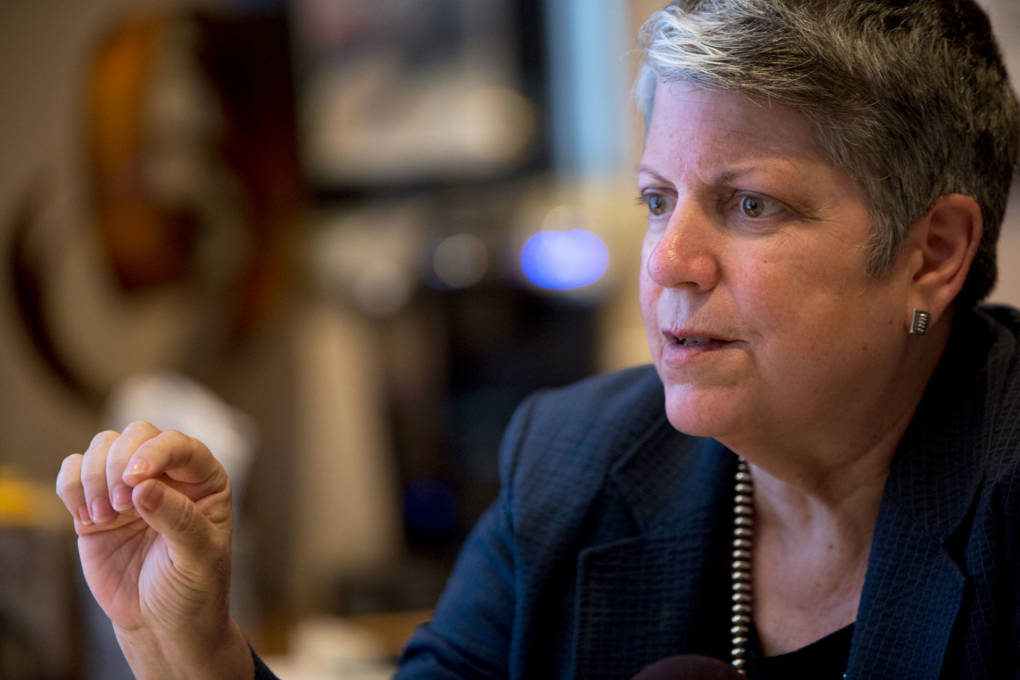
"caption": "UC President Janet Napolitano in her office in Oakland on July 17, 2018.",
"description": "UC President and former Secretary of Homeland Security Janet Napolitano talked with The California Report in her office in Oakland on July 17, 2018.",
"title": "NapolitanoMain",
"credit": "Anne Wernikoff/KQED",
"status": "inherit",
"isLoading": false,
"fetchFailed": false
},
"news_11814447": {
"type": "attachments",
"id": "news_11814447",
"meta": {
"index": "attachments_1716263798",
"site": "news",
"id": "11814447",
"found": true
},
"parent": 11813278,
"imgSizes": {
"apple_news_ca_landscape_5_5": {
"file": "https://ww2.kqed.org/app/uploads/sites/10/2020/04/RS42911_002_KQED_Oakland_PrentissMayo_04242020-qut-1044x783.jpg",
"width": 1044,
"mimeType": "image/jpeg",
"height": 783
},
"apple_news_ca_square_4_0": {
"file": "https://ww2.kqed.org/app/uploads/sites/10/2020/04/RS42911_002_KQED_Oakland_PrentissMayo_04242020-qut-470x470.jpg",
"width": 470,
"mimeType": "image/jpeg",
"height": 470
},
"twentyfourteen-full-width": {
"file": "https://ww2.kqed.org/app/uploads/sites/10/2020/04/RS42911_002_KQED_Oakland_PrentissMayo_04242020-qut-1038x576.jpg",
"width": 1038,
"mimeType": "image/jpeg",
"height": 576
},
"thumbnail": {
"file": "https://ww2.kqed.org/app/uploads/sites/10/2020/04/RS42911_002_KQED_Oakland_PrentissMayo_04242020-qut-160x107.jpg",
"width": 160,
"mimeType": "image/jpeg",
"height": 107
},
"post-thumbnail": {
"file": "https://ww2.kqed.org/app/uploads/sites/10/2020/04/RS42911_002_KQED_Oakland_PrentissMayo_04242020-qut-672x372.jpg",
"width": 672,
"mimeType": "image/jpeg",
"height": 372
},
"kqedFullSize": {
"file": "https://ww2.kqed.org/app/uploads/sites/10/2020/04/RS42911_002_KQED_Oakland_PrentissMayo_04242020-qut.jpg",
"width": 1920,
"height": 1280
},
"apple_news_ca_landscape_4_7": {
"file": "https://ww2.kqed.org/app/uploads/sites/10/2020/04/RS42911_002_KQED_Oakland_PrentissMayo_04242020-qut-632x474.jpg",
"width": 632,
"mimeType": "image/jpeg",
"height": 474
},
"large": {
"file": "https://ww2.kqed.org/app/uploads/sites/10/2020/04/RS42911_002_KQED_Oakland_PrentissMayo_04242020-qut-1020x680.jpg",
"width": 1020,
"mimeType": "image/jpeg",
"height": 680
},
"apple_news_ca_landscape_4_0": {
"file": "https://ww2.kqed.org/app/uploads/sites/10/2020/04/RS42911_002_KQED_Oakland_PrentissMayo_04242020-qut-536x402.jpg",
"width": 536,
"mimeType": "image/jpeg",
"height": 402
},
"apple_news_ca_portrait_12_9": {
"file": "https://ww2.kqed.org/app/uploads/sites/10/2020/04/RS42911_002_KQED_Oakland_PrentissMayo_04242020-qut-1122x1280.jpg",
"width": 1122,
"mimeType": "image/jpeg",
"height": 1280
},
"medium": {
"file": "https://ww2.kqed.org/app/uploads/sites/10/2020/04/RS42911_002_KQED_Oakland_PrentissMayo_04242020-qut-800x533.jpg",
"width": 800,
"mimeType": "image/jpeg",
"height": 533
},
"apple_news_ca_portrait_4_0": {
"file": "https://ww2.kqed.org/app/uploads/sites/10/2020/04/RS42911_002_KQED_Oakland_PrentissMayo_04242020-qut-354x472.jpg",
"width": 354,
"mimeType": "image/jpeg",
"height": 472
},
"apple_news_ca_portrait_9_7": {
"file": "https://ww2.kqed.org/app/uploads/sites/10/2020/04/RS42911_002_KQED_Oakland_PrentissMayo_04242020-qut-840x1120.jpg",
"width": 840,
"mimeType": "image/jpeg",
"height": 1120
},
"apple_news_ca_landscape_12_9": {
"file": "https://ww2.kqed.org/app/uploads/sites/10/2020/04/RS42911_002_KQED_Oakland_PrentissMayo_04242020-qut-1832x1280.jpg",
"width": 1832,
"mimeType": "image/jpeg",
"height": 1280
},
"apple_news_ca_square_9_7": {
"file": "https://ww2.kqed.org/app/uploads/sites/10/2020/04/RS42911_002_KQED_Oakland_PrentissMayo_04242020-qut-1104x1104.jpg",
"width": 1104,
"mimeType": "image/jpeg",
"height": 1104
},
"apple_news_ca_portrait_4_7": {
"file": "https://ww2.kqed.org/app/uploads/sites/10/2020/04/RS42911_002_KQED_Oakland_PrentissMayo_04242020-qut-414x552.jpg",
"width": 414,
"mimeType": "image/jpeg",
"height": 552
},
"apple_news_ca_square_12_9": {
"file": "https://ww2.kqed.org/app/uploads/sites/10/2020/04/RS42911_002_KQED_Oakland_PrentissMayo_04242020-qut-1472x1280.jpg",
"width": 1472,
"mimeType": "image/jpeg",
"height": 1280
},
"apple_news_ca_portrait_5_5": {
"file": "https://ww2.kqed.org/app/uploads/sites/10/2020/04/RS42911_002_KQED_Oakland_PrentissMayo_04242020-qut-687x916.jpg",
"width": 687,
"mimeType": "image/jpeg",
"height": 916
},
"full-width": {
"file": "https://ww2.kqed.org/app/uploads/sites/10/2020/04/RS42911_002_KQED_Oakland_PrentissMayo_04242020-qut-1920x1280.jpg",
"width": 1920,
"mimeType": "image/jpeg",
"height": 1280
},
"apple_news_ca_square_4_7": {
"file": "https://ww2.kqed.org/app/uploads/sites/10/2020/04/RS42911_002_KQED_Oakland_PrentissMayo_04242020-qut-550x550.jpg",
"width": 550,
"mimeType": "image/jpeg",
"height": 550
},
"apple_news_ca_landscape_9_7": {
"file": "https://ww2.kqed.org/app/uploads/sites/10/2020/04/RS42911_002_KQED_Oakland_PrentissMayo_04242020-qut-1376x1032.jpg",
"width": 1376,
"mimeType": "image/jpeg",
"height": 1032
},
"apple_news_ca_square_5_5": {
"file": "https://ww2.kqed.org/app/uploads/sites/10/2020/04/RS42911_002_KQED_Oakland_PrentissMayo_04242020-qut-912x912.jpg",
"width": 912,
"mimeType": "image/jpeg",
"height": 912
}
},
"publishDate": 1587942144,
"modified": 1588027809,
"caption": "Prentiss Mayo at his home in Oakland on April 24, 2020. Mayo is part of the Underground Scholars group at UC Berkeley. He's legally blind and has had to navigate an additional set of challenges during the pandemic. ",
"description": null,
"title": "Prentiss Mayo at his home in Oakland on April 24, 2020.",
"credit": "Beth LaBerge/KQED",
"status": "inherit",
"isLoading": false,
"fetchFailed": false
},
"news_11810990": {
"type": "attachments",
"id": "news_11810990",
"meta": {
"index": "attachments_1716263798",
"site": "news",
"id": "11810990",
"found": true
},
"parent": 11810988,
"imgSizes": {
"apple_news_ca_landscape_5_5": {
"file": "https://ww2.kqed.org/app/uploads/sites/10/2020/04/SadiaKhan1-1044x783.jpg",
"width": 1044,
"mimeType": "image/jpeg",
"height": 783
},
"apple_news_ca_square_4_0": {
"file": "https://ww2.kqed.org/app/uploads/sites/10/2020/04/SadiaKhan1-470x470.jpg",
"width": 470,
"mimeType": "image/jpeg",
"height": 470
},
"twentyfourteen-full-width": {
"file": "https://ww2.kqed.org/app/uploads/sites/10/2020/04/SadiaKhan1-1038x576.jpg",
"width": 1038,
"mimeType": "image/jpeg",
"height": 576
},
"thumbnail": {
"file": "https://ww2.kqed.org/app/uploads/sites/10/2020/04/SadiaKhan1-160x120.jpg",
"width": 160,
"mimeType": "image/jpeg",
"height": 120
},
"post-thumbnail": {
"file": "https://ww2.kqed.org/app/uploads/sites/10/2020/04/SadiaKhan1-672x372.jpg",
"width": 672,
"mimeType": "image/jpeg",
"height": 372
},
"kqedFullSize": {
"file": "https://ww2.kqed.org/app/uploads/sites/10/2020/04/SadiaKhan1-e1586286132236.jpg",
"width": 1920,
"height": 1440
},
"apple_news_ca_landscape_4_7": {
"file": "https://ww2.kqed.org/app/uploads/sites/10/2020/04/SadiaKhan1-632x474.jpg",
"width": 632,
"mimeType": "image/jpeg",
"height": 474
},
"large": {
"file": "https://ww2.kqed.org/app/uploads/sites/10/2020/04/SadiaKhan1-1020x765.jpg",
"width": 1020,
"mimeType": "image/jpeg",
"height": 765
},
"apple_news_ca_landscape_4_0": {
"file": "https://ww2.kqed.org/app/uploads/sites/10/2020/04/SadiaKhan1-536x402.jpg",
"width": 536,
"mimeType": "image/jpeg",
"height": 402
},
"apple_news_ca_portrait_12_9": {
"file": "https://ww2.kqed.org/app/uploads/sites/10/2020/04/SadiaKhan1-1122x1496.jpg",
"width": 1122,
"mimeType": "image/jpeg",
"height": 1496
},
"medium": {
"file": "https://ww2.kqed.org/app/uploads/sites/10/2020/04/SadiaKhan1-800x600.jpg",
"width": 800,
"mimeType": "image/jpeg",
"height": 600
},
"apple_news_ca_portrait_4_0": {
"file": "https://ww2.kqed.org/app/uploads/sites/10/2020/04/SadiaKhan1-354x472.jpg",
"width": 354,
"mimeType": "image/jpeg",
"height": 472
},
"apple_news_ca_portrait_9_7": {
"file": "https://ww2.kqed.org/app/uploads/sites/10/2020/04/SadiaKhan1-840x1120.jpg",
"width": 840,
"mimeType": "image/jpeg",
"height": 1120
},
"apple_news_ca_landscape_12_9": {
"file": "https://ww2.kqed.org/app/uploads/sites/10/2020/04/SadiaKhan1-1832x1374.jpg",
"width": 1832,
"mimeType": "image/jpeg",
"height": 1374
},
"apple_news_ca_square_9_7": {
"file": "https://ww2.kqed.org/app/uploads/sites/10/2020/04/SadiaKhan1-1104x1104.jpg",
"width": 1104,
"mimeType": "image/jpeg",
"height": 1104
},
"apple_news_ca_portrait_4_7": {
"file": "https://ww2.kqed.org/app/uploads/sites/10/2020/04/SadiaKhan1-414x552.jpg",
"width": 414,
"mimeType": "image/jpeg",
"height": 552
},
"apple_news_ca_square_12_9": {
"file": "https://ww2.kqed.org/app/uploads/sites/10/2020/04/SadiaKhan1-1472x1472.jpg",
"width": 1472,
"mimeType": "image/jpeg",
"height": 1472
},
"apple_news_ca_portrait_5_5": {
"file": "https://ww2.kqed.org/app/uploads/sites/10/2020/04/SadiaKhan1-687x916.jpg",
"width": 687,
"mimeType": "image/jpeg",
"height": 916
},
"full-width": {
"file": "https://ww2.kqed.org/app/uploads/sites/10/2020/04/SadiaKhan1-1920x1440.jpg",
"width": 1920,
"mimeType": "image/jpeg",
"height": 1440
},
"apple_news_ca_square_4_7": {
"file": "https://ww2.kqed.org/app/uploads/sites/10/2020/04/SadiaKhan1-550x550.jpg",
"width": 550,
"mimeType": "image/jpeg",
"height": 550
},
"apple_news_ca_landscape_9_7": {
"file": "https://ww2.kqed.org/app/uploads/sites/10/2020/04/SadiaKhan1-1376x1032.jpg",
"width": 1376,
"mimeType": "image/jpeg",
"height": 1032
},
"apple_news_ca_square_5_5": {
"file": "https://ww2.kqed.org/app/uploads/sites/10/2020/04/SadiaKhan1-912x912.jpg",
"width": 912,
"mimeType": "image/jpeg",
"height": 912
}
},
"publishDate": 1586222412,
"modified": 1586286127,
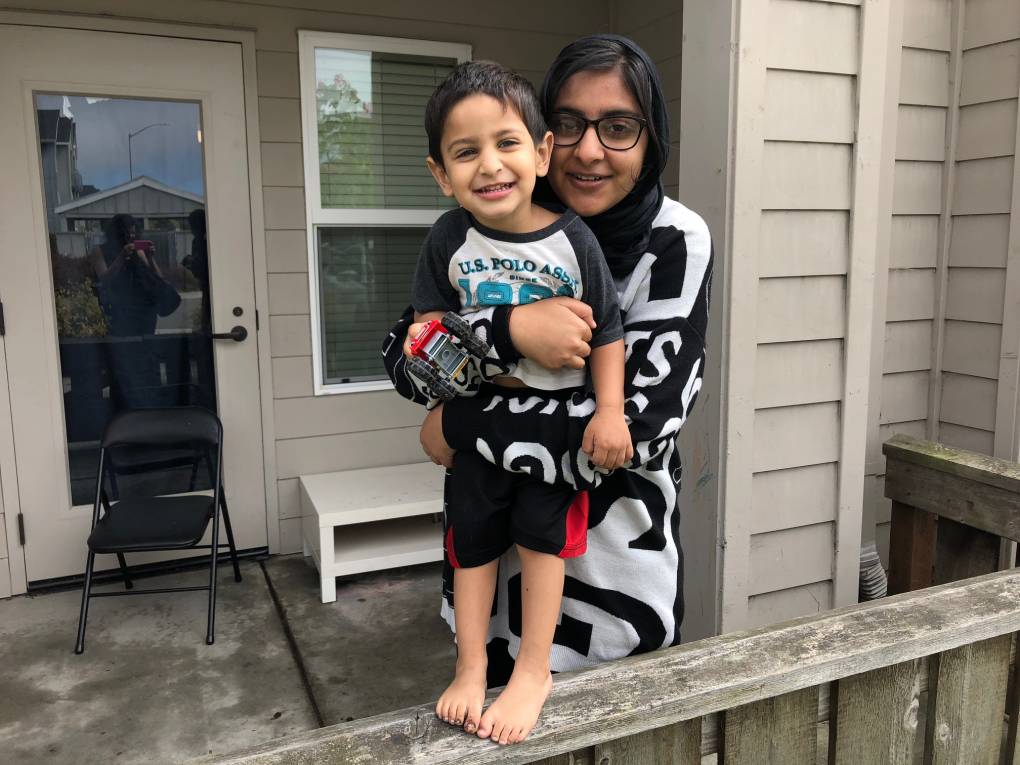
"caption": "Sadia Khan with her son, Hashim, outside their apartment in University Village. \n\n",
"description": null,
"title": "SadiaKhan1",
"credit": "Vanessa Rancaño/KQED ",
"status": "inherit",
"isLoading": false,
"fetchFailed": false
},
"news_11343206": {
"type": "attachments",
"id": "news_11343206",
"meta": {
"index": "attachments_1716263798",
"site": "news",
"id": "11343206",
"found": true
},
"parent": 11343175,
"imgSizes": {
"small": {
"file": "https://ww2.kqed.org/app/uploads/sites/10/2017/03/Cal-520x347.jpg",
"width": 520,
"mimeType": "image/jpeg",
"height": 347
},
"twentyfourteen-full-width": {
"file": "https://ww2.kqed.org/app/uploads/sites/10/2017/03/Cal-1038x576.jpg",
"width": 1038,
"mimeType": "image/jpeg",
"height": 576
},
"thumbnail": {
"file": "https://ww2.kqed.org/app/uploads/sites/10/2017/03/Cal-160x107.jpg",
"width": 160,
"mimeType": "image/jpeg",
"height": 107
},
"fd-sm": {
"file": "https://ww2.kqed.org/app/uploads/sites/10/2017/03/Cal-960x641.jpg",
"width": 960,
"mimeType": "image/jpeg",
"height": 641
},
"post-thumbnail": {
"file": "https://ww2.kqed.org/app/uploads/sites/10/2017/03/Cal-672x372.jpg",
"width": 672,
"mimeType": "image/jpeg",
"height": 372
},
"xsmall": {
"file": "https://ww2.kqed.org/app/uploads/sites/10/2017/03/Cal-375x250.jpg",
"width": 375,
"mimeType": "image/jpeg",
"height": 250
},
"kqedFullSize": {
"file": "https://ww2.kqed.org/app/uploads/sites/10/2017/03/Cal.jpg",
"width": 1920,
"height": 1282
},
"large": {
"file": "https://ww2.kqed.org/app/uploads/sites/10/2017/03/Cal-1020x681.jpg",
"width": 1020,
"mimeType": "image/jpeg",
"height": 681
},
"xlarge": {
"file": "https://ww2.kqed.org/app/uploads/sites/10/2017/03/Cal-1180x788.jpg",
"width": 1180,
"mimeType": "image/jpeg",
"height": 788
},
"guest-author-50": {
"file": "https://ww2.kqed.org/app/uploads/sites/10/2017/03/Cal-50x50.jpg",
"width": 50,
"mimeType": "image/jpeg",
"height": 50
},
"guest-author-96": {
"file": "https://ww2.kqed.org/app/uploads/sites/10/2017/03/Cal-96x96.jpg",
"width": 96,
"mimeType": "image/jpeg",
"height": 96
},
"medium": {
"file": "https://ww2.kqed.org/app/uploads/sites/10/2017/03/Cal-800x534.jpg",
"width": 800,
"mimeType": "image/jpeg",
"height": 534
},
"guest-author-64": {
"file": "https://ww2.kqed.org/app/uploads/sites/10/2017/03/Cal-64x64.jpg",
"width": 64,
"mimeType": "image/jpeg",
"height": 64
},
"guest-author-32": {
"file": "https://ww2.kqed.org/app/uploads/sites/10/2017/03/Cal-32x32.jpg",
"width": 32,
"mimeType": "image/jpeg",
"height": 32
},
"fd-lrg": {
"file": "https://ww2.kqed.org/app/uploads/sites/10/2017/03/Cal-1920x1282.jpg",
"width": 1920,
"mimeType": "image/jpeg",
"height": 1282
},
"fd-med": {
"file": "https://ww2.kqed.org/app/uploads/sites/10/2017/03/Cal-1180x788.jpg",
"width": 1180,
"mimeType": "image/jpeg",
"height": 788
},
"full-width": {
"file": "https://ww2.kqed.org/app/uploads/sites/10/2017/03/Cal-1920x1282.jpg",
"width": 1920,
"mimeType": "image/jpeg",
"height": 1282
},
"detail": {
"file": "https://ww2.kqed.org/app/uploads/sites/10/2017/03/Cal-150x150.jpg",
"width": 150,
"mimeType": "image/jpeg",
"height": 150
},
"guest-author-128": {
"file": "https://ww2.kqed.org/app/uploads/sites/10/2017/03/Cal-128x128.jpg",
"width": 128,
"mimeType": "image/jpeg",
"height": 128
},
"xxsmall": {
"file": "https://ww2.kqed.org/app/uploads/sites/10/2017/03/Cal-240x160.jpg",
"width": 240,
"mimeType": "image/jpeg",
"height": 160
}
},
"publishDate": 1488590190,
"modified": 1585785986,
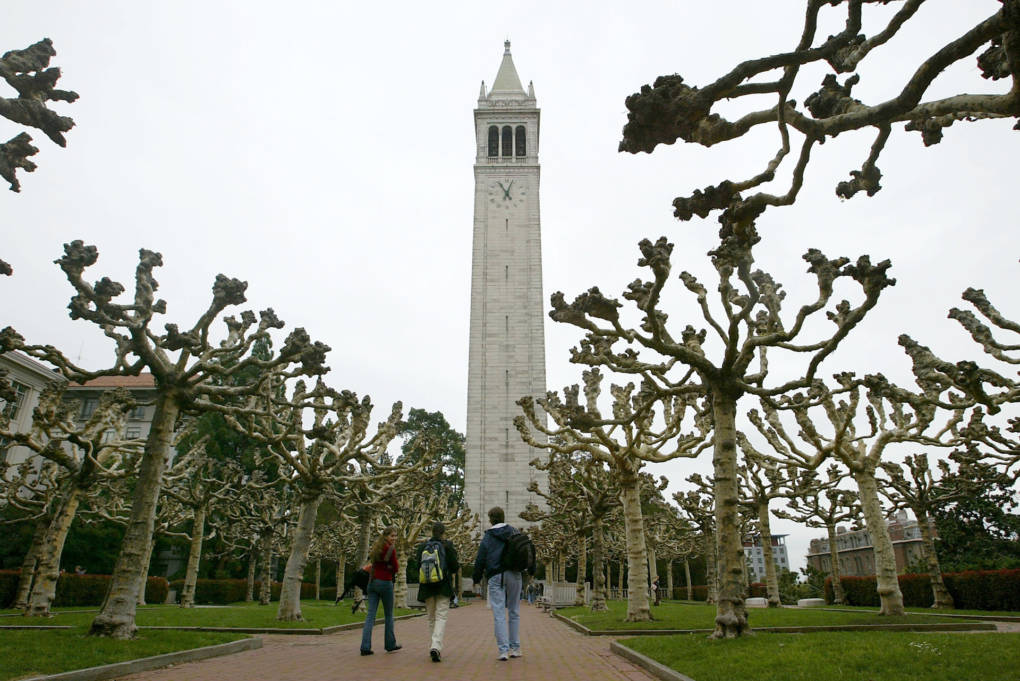
"caption": "Students walk near Sather Tower on the UC Berkeley campus.",
"description": "Students walk near Sather Tower on the UC Berkeley campus.",
"title": "Cal",
"credit": "Justin Sullivan/Getty Images",
"status": "inherit",
"isLoading": false,
"fetchFailed": false
},
"news_11799996": {
"type": "attachments",
"id": "news_11799996",
"meta": {
"index": "attachments_1716263798",
"site": "news",
"id": "11799996",
"found": true
},
"parent": 11799988,
"imgSizes": {
"apple_news_ca_landscape_5_5": {
"file": "https://ww2.kqed.org/app/uploads/sites/10/2020/02/SAT-Test-Prep-1044x783.jpg",
"width": 1044,
"mimeType": "image/jpeg",
"height": 783
},
"apple_news_ca_square_4_0": {
"file": "https://ww2.kqed.org/app/uploads/sites/10/2020/02/SAT-Test-Prep-470x470.jpg",
"width": 470,
"mimeType": "image/jpeg",
"height": 470
},
"twentyfourteen-full-width": {
"file": "https://ww2.kqed.org/app/uploads/sites/10/2020/02/SAT-Test-Prep-1038x576.jpg",
"width": 1038,
"mimeType": "image/jpeg",
"height": 576
},
"thumbnail": {
"file": "https://ww2.kqed.org/app/uploads/sites/10/2020/02/SAT-Test-Prep-160x107.jpg",
"width": 160,
"mimeType": "image/jpeg",
"height": 107
},
"post-thumbnail": {
"file": "https://ww2.kqed.org/app/uploads/sites/10/2020/02/SAT-Test-Prep-672x372.jpg",
"width": 672,
"mimeType": "image/jpeg",
"height": 372
},
"kqedFullSize": {
"file": "https://ww2.kqed.org/app/uploads/sites/10/2020/02/SAT-Test-Prep.jpg",
"width": 1920,
"height": 1284
},
"apple_news_ca_landscape_4_7": {
"file": "https://ww2.kqed.org/app/uploads/sites/10/2020/02/SAT-Test-Prep-632x474.jpg",
"width": 632,
"mimeType": "image/jpeg",
"height": 474
},
"large": {
"file": "https://ww2.kqed.org/app/uploads/sites/10/2020/02/SAT-Test-Prep-1020x682.jpg",
"width": 1020,
"mimeType": "image/jpeg",
"height": 682
},
"apple_news_ca_landscape_4_0": {
"file": "https://ww2.kqed.org/app/uploads/sites/10/2020/02/SAT-Test-Prep-536x402.jpg",
"width": 536,
"mimeType": "image/jpeg",
"height": 402
},
"apple_news_ca_portrait_12_9": {
"file": "https://ww2.kqed.org/app/uploads/sites/10/2020/02/SAT-Test-Prep-1122x1284.jpg",
"width": 1122,
"mimeType": "image/jpeg",
"height": 1284
},
"medium": {
"file": "https://ww2.kqed.org/app/uploads/sites/10/2020/02/SAT-Test-Prep-800x535.jpg",
"width": 800,
"mimeType": "image/jpeg",
"height": 535
},
"apple_news_ca_portrait_4_0": {
"file": "https://ww2.kqed.org/app/uploads/sites/10/2020/02/SAT-Test-Prep-354x472.jpg",
"width": 354,
"mimeType": "image/jpeg",
"height": 472
},
"apple_news_ca_portrait_9_7": {
"file": "https://ww2.kqed.org/app/uploads/sites/10/2020/02/SAT-Test-Prep-840x1120.jpg",
"width": 840,
"mimeType": "image/jpeg",
"height": 1120
},
"apple_news_ca_landscape_12_9": {
"file": "https://ww2.kqed.org/app/uploads/sites/10/2020/02/SAT-Test-Prep-1832x1284.jpg",
"width": 1832,
"mimeType": "image/jpeg",
"height": 1284
},
"apple_news_ca_square_9_7": {
"file": "https://ww2.kqed.org/app/uploads/sites/10/2020/02/SAT-Test-Prep-1104x1104.jpg",
"width": 1104,
"mimeType": "image/jpeg",
"height": 1104
},
"apple_news_ca_portrait_4_7": {
"file": "https://ww2.kqed.org/app/uploads/sites/10/2020/02/SAT-Test-Prep-414x552.jpg",
"width": 414,
"mimeType": "image/jpeg",
"height": 552
},
"apple_news_ca_square_12_9": {
"file": "https://ww2.kqed.org/app/uploads/sites/10/2020/02/SAT-Test-Prep-1472x1284.jpg",
"width": 1472,
"mimeType": "image/jpeg",
"height": 1284
},
"apple_news_ca_portrait_5_5": {
"file": "https://ww2.kqed.org/app/uploads/sites/10/2020/02/SAT-Test-Prep-687x916.jpg",
"width": 687,
"mimeType": "image/jpeg",
"height": 916
},
"full-width": {
"file": "https://ww2.kqed.org/app/uploads/sites/10/2020/02/SAT-Test-Prep-1920x1284.jpg",
"width": 1920,
"mimeType": "image/jpeg",
"height": 1284
},
"apple_news_ca_square_4_7": {
"file": "https://ww2.kqed.org/app/uploads/sites/10/2020/02/SAT-Test-Prep-550x550.jpg",
"width": 550,
"mimeType": "image/jpeg",
"height": 550
},
"apple_news_ca_landscape_9_7": {
"file": "https://ww2.kqed.org/app/uploads/sites/10/2020/02/SAT-Test-Prep-1376x1032.jpg",
"width": 1376,
"mimeType": "image/jpeg",
"height": 1032
},
"apple_news_ca_square_5_5": {
"file": "https://ww2.kqed.org/app/uploads/sites/10/2020/02/SAT-Test-Prep-912x912.jpg",
"width": 912,
"mimeType": "image/jpeg",
"height": 912
}
},
"publishDate": 1580855899,
"modified": 1580855989,
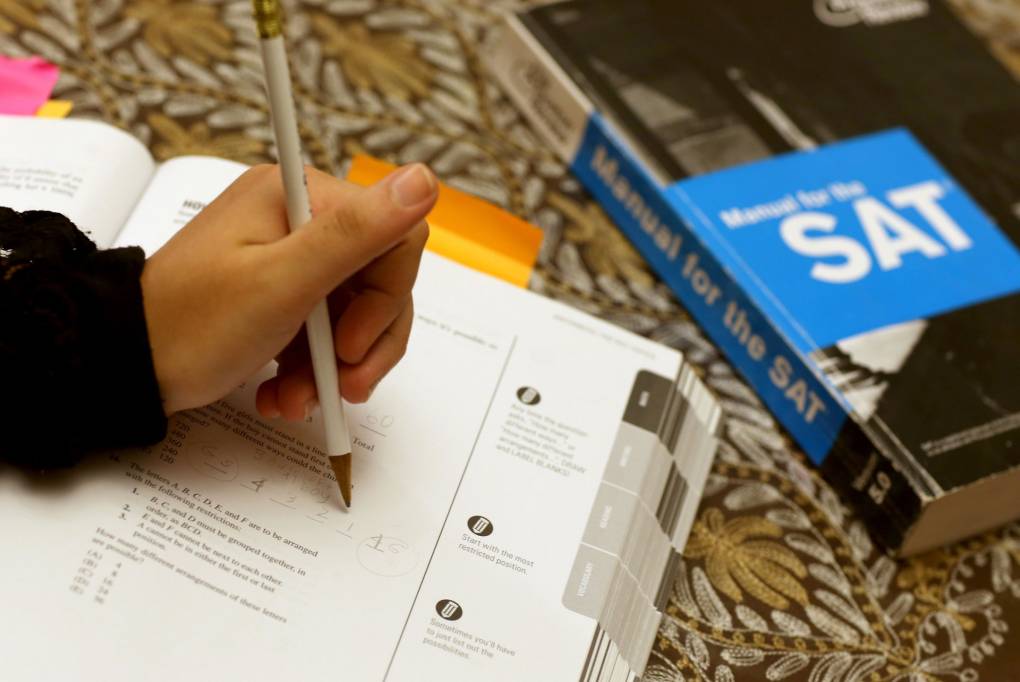
"caption": "A UC faculty group recommended the university keep SAT and ACT test requirements in place while it creates its own exam, a process it estimated could take nine years.",
"description": "A UC faculty group recommended the university keep SAT and ACT test requirements in place while it creates its own exam, a process it estimated could take nine years.",
"title": "SAT-Test-Prep",
"credit": "Joe Raedle/Getty Images",
"status": "inherit",
"isLoading": false,
"fetchFailed": false
},
"news_11796288": {
"type": "attachments",
"id": "news_11796288",
"meta": {
"index": "attachments_1716263798",
"site": "news",
"id": "11796288",
"found": true
},
"parent": 11796182,
"imgSizes": {
"apple_news_ca_landscape_5_5": {
"file": "https://ww2.kqed.org/app/uploads/sites/10/2020/01/Sather-Tower-UCBerkeley-1044x783.jpg",
"width": 1044,
"mimeType": "image/jpeg",
"height": 783
},
"apple_news_ca_square_4_0": {
"file": "https://ww2.kqed.org/app/uploads/sites/10/2020/01/Sather-Tower-UCBerkeley-470x470.jpg",
"width": 470,
"mimeType": "image/jpeg",
"height": 470
},
"twentyfourteen-full-width": {
"file": "https://ww2.kqed.org/app/uploads/sites/10/2020/01/Sather-Tower-UCBerkeley-1038x576.jpg",
"width": 1038,
"mimeType": "image/jpeg",
"height": 576
},
"thumbnail": {
"file": "https://ww2.kqed.org/app/uploads/sites/10/2020/01/Sather-Tower-UCBerkeley-160x107.jpg",
"width": 160,
"mimeType": "image/jpeg",
"height": 107
},
"post-thumbnail": {
"file": "https://ww2.kqed.org/app/uploads/sites/10/2020/01/Sather-Tower-UCBerkeley-672x372.jpg",
"width": 672,
"mimeType": "image/jpeg",
"height": 372
},
"kqedFullSize": {
"file": "https://ww2.kqed.org/app/uploads/sites/10/2020/01/Sather-Tower-UCBerkeley.jpg",
"width": 1920,
"height": 1282
},
"apple_news_ca_landscape_4_7": {
"file": "https://ww2.kqed.org/app/uploads/sites/10/2020/01/Sather-Tower-UCBerkeley-632x474.jpg",
"width": 632,
"mimeType": "image/jpeg",
"height": 474
},
"large": {
"file": "https://ww2.kqed.org/app/uploads/sites/10/2020/01/Sather-Tower-UCBerkeley-1020x681.jpg",
"width": 1020,
"mimeType": "image/jpeg",
"height": 681
},
"complete_open_graph": {
"file": "https://ww2.kqed.org/app/uploads/sites/10/2020/01/Sather-Tower-UCBerkeley-1200x801.jpg",
"width": 1200,
"mimeType": "image/jpeg",
"height": 801
},
"apple_news_ca_landscape_4_0": {
"file": "https://ww2.kqed.org/app/uploads/sites/10/2020/01/Sather-Tower-UCBerkeley-536x402.jpg",
"width": 536,
"mimeType": "image/jpeg",
"height": 402
},
"apple_news_ca_portrait_12_9": {
"file": "https://ww2.kqed.org/app/uploads/sites/10/2020/01/Sather-Tower-UCBerkeley-1122x1282.jpg",
"width": 1122,
"mimeType": "image/jpeg",
"height": 1282
},
"medium": {
"file": "https://ww2.kqed.org/app/uploads/sites/10/2020/01/Sather-Tower-UCBerkeley-800x534.jpg",
"width": 800,
"mimeType": "image/jpeg",
"height": 534
},
"apple_news_ca_portrait_4_0": {
"file": "https://ww2.kqed.org/app/uploads/sites/10/2020/01/Sather-Tower-UCBerkeley-354x472.jpg",
"width": 354,
"mimeType": "image/jpeg",
"height": 472
},
"apple_news_ca_portrait_9_7": {
"file": "https://ww2.kqed.org/app/uploads/sites/10/2020/01/Sather-Tower-UCBerkeley-840x1120.jpg",
"width": 840,
"mimeType": "image/jpeg",
"height": 1120
},
"apple_news_ca_landscape_12_9": {
"file": "https://ww2.kqed.org/app/uploads/sites/10/2020/01/Sather-Tower-UCBerkeley-1832x1282.jpg",
"width": 1832,
"mimeType": "image/jpeg",
"height": 1282
},
"apple_news_ca_square_9_7": {
"file": "https://ww2.kqed.org/app/uploads/sites/10/2020/01/Sather-Tower-UCBerkeley-1104x1104.jpg",
"width": 1104,
"mimeType": "image/jpeg",
"height": 1104
},
"apple_news_ca_portrait_4_7": {
"file": "https://ww2.kqed.org/app/uploads/sites/10/2020/01/Sather-Tower-UCBerkeley-414x552.jpg",
"width": 414,
"mimeType": "image/jpeg",
"height": 552
},
"apple_news_ca_square_12_9": {
"file": "https://ww2.kqed.org/app/uploads/sites/10/2020/01/Sather-Tower-UCBerkeley-1472x1282.jpg",
"width": 1472,
"mimeType": "image/jpeg",
"height": 1282
},
"apple_news_ca_portrait_5_5": {
"file": "https://ww2.kqed.org/app/uploads/sites/10/2020/01/Sather-Tower-UCBerkeley-687x916.jpg",
"width": 687,
"mimeType": "image/jpeg",
"height": 916
},
"full-width": {
"file": "https://ww2.kqed.org/app/uploads/sites/10/2020/01/Sather-Tower-UCBerkeley-1920x1282.jpg",
"width": 1920,
"mimeType": "image/jpeg",
"height": 1282
},
"apple_news_ca_square_4_7": {
"file": "https://ww2.kqed.org/app/uploads/sites/10/2020/01/Sather-Tower-UCBerkeley-550x550.jpg",
"width": 550,
"mimeType": "image/jpeg",
"height": 550
},
"apple_news_ca_landscape_9_7": {
"file": "https://ww2.kqed.org/app/uploads/sites/10/2020/01/Sather-Tower-UCBerkeley-1376x1032.jpg",
"width": 1376,
"mimeType": "image/jpeg",
"height": 1032
},
"apple_news_ca_square_5_5": {
"file": "https://ww2.kqed.org/app/uploads/sites/10/2020/01/Sather-Tower-UCBerkeley-912x912.jpg",
"width": 912,
"mimeType": "image/jpeg",
"height": 912
}
},
"publishDate": 1579133056,
"modified": 1579133170,
"caption": "Students walk near Sather Tower on the UC Berkeley campus.",
"description": "Students walk near Sather Tower on the UC Berkeley campus.",
"title": "Sather-Tower-UCBerkeley",
"credit": "Justin Sullivan/Getty Images",
"status": "inherit",
"isLoading": false,
"fetchFailed": false
},
"news_11795358": {
"type": "attachments",
"id": "news_11795358",
"meta": {
"index": "attachments_1716263798",
"site": "news",
"id": "11795358",
"found": true
},
"parent": 11795351,
"imgSizes": {
"apple_news_ca_landscape_5_5": {
"file": "https://ww2.kqed.org/app/uploads/sites/10/2020/01/IMG_1092_Edit-1044x783.jpg",
"width": 1044,
"mimeType": "image/jpeg",
"height": 783
},
"apple_news_ca_square_4_0": {
"file": "https://ww2.kqed.org/app/uploads/sites/10/2020/01/IMG_1092_Edit-470x470.jpg",
"width": 470,
"mimeType": "image/jpeg",
"height": 470
},
"twentyfourteen-full-width": {
"file": "https://ww2.kqed.org/app/uploads/sites/10/2020/01/IMG_1092_Edit-1038x576.jpg",
"width": 1038,
"mimeType": "image/jpeg",
"height": 576
},
"thumbnail": {
"file": "https://ww2.kqed.org/app/uploads/sites/10/2020/01/IMG_1092_Edit-160x120.jpg",
"width": 160,
"mimeType": "image/jpeg",
"height": 120
},
"post-thumbnail": {
"file": "https://ww2.kqed.org/app/uploads/sites/10/2020/01/IMG_1092_Edit-672x372.jpg",
"width": 672,
"mimeType": "image/jpeg",
"height": 372
},
"kqedFullSize": {
"file": "https://ww2.kqed.org/app/uploads/sites/10/2020/01/IMG_1092_Edit-e1578680517349.jpg",
"width": 1920,
"height": 1439
},
"apple_news_ca_landscape_4_7": {
"file": "https://ww2.kqed.org/app/uploads/sites/10/2020/01/IMG_1092_Edit-632x474.jpg",
"width": 632,
"mimeType": "image/jpeg",
"height": 474
},
"large": {
"file": "https://ww2.kqed.org/app/uploads/sites/10/2020/01/IMG_1092_Edit-1020x765.jpg",
"width": 1020,
"mimeType": "image/jpeg",
"height": 765
},
"complete_open_graph": {
"file": "https://ww2.kqed.org/app/uploads/sites/10/2020/01/IMG_1092_Edit-1200x900.jpg",
"width": 1200,
"mimeType": "image/jpeg",
"height": 900
},
"apple_news_ca_landscape_4_0": {
"file": "https://ww2.kqed.org/app/uploads/sites/10/2020/01/IMG_1092_Edit-536x402.jpg",
"width": 536,
"mimeType": "image/jpeg",
"height": 402
},
"apple_news_ca_portrait_12_9": {
"file": "https://ww2.kqed.org/app/uploads/sites/10/2020/01/IMG_1092_Edit-1122x1496.jpg",
"width": 1122,
"mimeType": "image/jpeg",
"height": 1496
},
"medium": {
"file": "https://ww2.kqed.org/app/uploads/sites/10/2020/01/IMG_1092_Edit-800x600.jpg",
"width": 800,
"mimeType": "image/jpeg",
"height": 600
},
"apple_news_ca_portrait_4_0": {
"file": "https://ww2.kqed.org/app/uploads/sites/10/2020/01/IMG_1092_Edit-354x472.jpg",
"width": 354,
"mimeType": "image/jpeg",
"height": 472
},
"apple_news_ca_portrait_9_7": {
"file": "https://ww2.kqed.org/app/uploads/sites/10/2020/01/IMG_1092_Edit-840x1120.jpg",
"width": 840,
"mimeType": "image/jpeg",
"height": 1120
},
"apple_news_ca_landscape_12_9": {
"file": "https://ww2.kqed.org/app/uploads/sites/10/2020/01/IMG_1092_Edit-1832x1374.jpg",
"width": 1832,
"mimeType": "image/jpeg",
"height": 1374
},
"apple_news_ca_square_9_7": {
"file": "https://ww2.kqed.org/app/uploads/sites/10/2020/01/IMG_1092_Edit-1104x1104.jpg",
"width": 1104,
"mimeType": "image/jpeg",
"height": 1104
},
"apple_news_ca_portrait_4_7": {
"file": "https://ww2.kqed.org/app/uploads/sites/10/2020/01/IMG_1092_Edit-414x552.jpg",
"width": 414,
"mimeType": "image/jpeg",
"height": 552
},
"apple_news_ca_square_12_9": {
"file": "https://ww2.kqed.org/app/uploads/sites/10/2020/01/IMG_1092_Edit-1472x1472.jpg",
"width": 1472,
"mimeType": "image/jpeg",
"height": 1472
},
"apple_news_ca_portrait_5_5": {
"file": "https://ww2.kqed.org/app/uploads/sites/10/2020/01/IMG_1092_Edit-687x916.jpg",
"width": 687,
"mimeType": "image/jpeg",
"height": 916
},
"full-width": {
"file": "https://ww2.kqed.org/app/uploads/sites/10/2020/01/IMG_1092_Edit-1920x1439.jpg",
"width": 1920,
"mimeType": "image/jpeg",
"height": 1439
},
"apple_news_ca_square_4_7": {
"file": "https://ww2.kqed.org/app/uploads/sites/10/2020/01/IMG_1092_Edit-550x550.jpg",
"width": 550,
"mimeType": "image/jpeg",
"height": 550
},
"apple_news_ca_landscape_9_7": {
"file": "https://ww2.kqed.org/app/uploads/sites/10/2020/01/IMG_1092_Edit-1376x1032.jpg",
"width": 1376,
"mimeType": "image/jpeg",
"height": 1032
},
"apple_news_ca_square_5_5": {
"file": "https://ww2.kqed.org/app/uploads/sites/10/2020/01/IMG_1092_Edit-912x912.jpg",
"width": 912,
"mimeType": "image/jpeg",
"height": 912
}
},
"publishDate": 1578680463,
"modified": 1578698456,
"caption": "About 200 people gathered for a rally on the campus of UC Santa Cruz Thursday to support striking graduate students and workers.",
"description": "About 200 people gathered for a rally on the campus of UC Santa Cruz Thursday to support striking graduate students and workers.",
"title": "IMG_1092_Edit",
"credit": "Erika Mahoney/KAZU",
"status": "inherit",
"isLoading": false,
"fetchFailed": false
},
"news_11774954": {
"type": "attachments",
"id": "news_11774954",
"meta": {
"index": "attachments_1716263798",
"site": "news",
"id": "11774954",
"found": true
},
"parent": 11774952,
"imgSizes": {
"apple_news_ca_landscape_5_5": {
"file": "https://ww2.kqed.org/app/uploads/sites/10/2019/09/janet-napolitano-1920-1044x783.jpg",
"width": 1044,
"mimeType": "image/jpeg",
"height": 783
},
"apple_news_ca_square_4_0": {
"file": "https://ww2.kqed.org/app/uploads/sites/10/2019/09/janet-napolitano-1920-470x470.jpg",
"width": 470,
"mimeType": "image/jpeg",
"height": 470
},
"twentyfourteen-full-width": {
"file": "https://ww2.kqed.org/app/uploads/sites/10/2019/09/janet-napolitano-1920-1038x576.jpg",
"width": 1038,
"mimeType": "image/jpeg",
"height": 576
},
"thumbnail": {
"file": "https://ww2.kqed.org/app/uploads/sites/10/2019/09/janet-napolitano-1920-160x106.jpg",
"width": 160,
"mimeType": "image/jpeg",
"height": 106
},
"post-thumbnail": {
"file": "https://ww2.kqed.org/app/uploads/sites/10/2019/09/janet-napolitano-1920-672x372.jpg",
"width": 672,
"mimeType": "image/jpeg",
"height": 372
},
"kqedFullSize": {
"file": "https://ww2.kqed.org/app/uploads/sites/10/2019/09/janet-napolitano-1920.jpg",
"width": 1920,
"height": 1273
},
"apple_news_ca_landscape_4_7": {
"file": "https://ww2.kqed.org/app/uploads/sites/10/2019/09/janet-napolitano-1920-632x474.jpg",
"width": 632,
"mimeType": "image/jpeg",
"height": 474
},
"large": {
"file": "https://ww2.kqed.org/app/uploads/sites/10/2019/09/janet-napolitano-1920-1020x676.jpg",
"width": 1020,
"mimeType": "image/jpeg",
"height": 676
},
"complete_open_graph": {
"file": "https://ww2.kqed.org/app/uploads/sites/10/2019/09/janet-napolitano-1920-1200x796.jpg",
"width": 1200,
"mimeType": "image/jpeg",
"height": 796
},
"apple_news_ca_landscape_4_0": {
"file": "https://ww2.kqed.org/app/uploads/sites/10/2019/09/janet-napolitano-1920-536x402.jpg",
"width": 536,
"mimeType": "image/jpeg",
"height": 402
},
"apple_news_ca_portrait_12_9": {
"file": "https://ww2.kqed.org/app/uploads/sites/10/2019/09/janet-napolitano-1920-1122x1273.jpg",
"width": 1122,
"mimeType": "image/jpeg",
"height": 1273
},
"medium": {
"file": "https://ww2.kqed.org/app/uploads/sites/10/2019/09/janet-napolitano-1920-800x530.jpg",
"width": 800,
"mimeType": "image/jpeg",
"height": 530
},
"apple_news_ca_portrait_4_0": {
"file": "https://ww2.kqed.org/app/uploads/sites/10/2019/09/janet-napolitano-1920-354x472.jpg",
"width": 354,
"mimeType": "image/jpeg",
"height": 472
},
"apple_news_ca_portrait_9_7": {
"file": "https://ww2.kqed.org/app/uploads/sites/10/2019/09/janet-napolitano-1920-840x1120.jpg",
"width": 840,
"mimeType": "image/jpeg",
"height": 1120
},
"apple_news_ca_landscape_12_9": {
"file": "https://ww2.kqed.org/app/uploads/sites/10/2019/09/janet-napolitano-1920-1832x1273.jpg",
"width": 1832,
"mimeType": "image/jpeg",
"height": 1273
},
"apple_news_ca_square_9_7": {
"file": "https://ww2.kqed.org/app/uploads/sites/10/2019/09/janet-napolitano-1920-1104x1104.jpg",
"width": 1104,
"mimeType": "image/jpeg",
"height": 1104
},
"apple_news_ca_portrait_4_7": {
"file": "https://ww2.kqed.org/app/uploads/sites/10/2019/09/janet-napolitano-1920-414x552.jpg",
"width": 414,
"mimeType": "image/jpeg",
"height": 552
},
"apple_news_ca_square_12_9": {
"file": "https://ww2.kqed.org/app/uploads/sites/10/2019/09/janet-napolitano-1920-1472x1273.jpg",
"width": 1472,
"mimeType": "image/jpeg",
"height": 1273
},
"apple_news_ca_portrait_5_5": {
"file": "https://ww2.kqed.org/app/uploads/sites/10/2019/09/janet-napolitano-1920-687x916.jpg",
"width": 687,
"mimeType": "image/jpeg",
"height": 916
},
"full-width": {
"file": "https://ww2.kqed.org/app/uploads/sites/10/2019/09/janet-napolitano-1920-1920x1273.jpg",
"width": 1920,
"mimeType": "image/jpeg",
"height": 1273
},
"apple_news_ca_square_4_7": {
"file": "https://ww2.kqed.org/app/uploads/sites/10/2019/09/janet-napolitano-1920-550x550.jpg",
"width": 550,
"mimeType": "image/jpeg",
"height": 550
},
"apple_news_ca_landscape_9_7": {
"file": "https://ww2.kqed.org/app/uploads/sites/10/2019/09/janet-napolitano-1920-1376x1032.jpg",
"width": 1376,
"mimeType": "image/jpeg",
"height": 1032
},
"apple_news_ca_square_5_5": {
"file": "https://ww2.kqed.org/app/uploads/sites/10/2019/09/janet-napolitano-1920-912x912.jpg",
"width": 912,
"mimeType": "image/jpeg",
"height": 912
}
},
"publishDate": 1568828881,
"modified": 1568828922,
"caption": "Janet Napolitano, president of the University of California, speaks during a hearing of the Senate Health, Education, Labor, and Pensions Committee on July 29, 2015 in Washington, D.C.",
"description": "Janet Napolitano, president of the University of California, speaks during a hearing of the Senate Health, Education, Labor, and Pensions Committee on July 29, 2015 in Washington, D.C.",
"title": "janet-napolitano-1920",
"credit": "Astrid Riecken/Getty Images",
"status": "inherit",
"isLoading": false,
"fetchFailed": false
},
"news_11774463": {
"type": "attachments",
"id": "news_11774463",
"meta": {
"index": "attachments_1716263798",
"site": "news",
"id": "11774463",
"found": true
},
"parent": 11774458,
"imgSizes": {
"apple_news_ca_square_4_0": {
"file": "https://ww2.kqed.org/app/uploads/sites/10/2019/09/090619_UCBerkeley_AW_sized_01-1-470x470.jpg",
"width": 470,
"mimeType": "image/jpeg",
"height": 470
},
"thumbnail": {
"file": "https://ww2.kqed.org/app/uploads/sites/10/2019/09/090619_UCBerkeley_AW_sized_01-1-160x104.jpg",
"width": 160,
"mimeType": "image/jpeg",
"height": 104
},
"post-thumbnail": {
"file": "https://ww2.kqed.org/app/uploads/sites/10/2019/09/090619_UCBerkeley_AW_sized_01-1-672x372.jpg",
"width": 672,
"mimeType": "image/jpeg",
"height": 372
},
"kqedFullSize": {
"file": "https://ww2.kqed.org/app/uploads/sites/10/2019/09/090619_UCBerkeley_AW_sized_01-1.jpg",
"width": 813,
"height": 528
},
"apple_news_ca_landscape_4_7": {
"file": "https://ww2.kqed.org/app/uploads/sites/10/2019/09/090619_UCBerkeley_AW_sized_01-1-632x474.jpg",
"width": 632,
"mimeType": "image/jpeg",
"height": 474
},
"apple_news_ca_portrait_4_7": {
"file": "https://ww2.kqed.org/app/uploads/sites/10/2019/09/090619_UCBerkeley_AW_sized_01-1-414x528.jpg",
"width": 414,
"mimeType": "image/jpeg",
"height": 528
},
"apple_news_ca_portrait_5_5": {
"file": "https://ww2.kqed.org/app/uploads/sites/10/2019/09/090619_UCBerkeley_AW_sized_01-1-687x528.jpg",
"width": 687,
"mimeType": "image/jpeg",
"height": 528
},
"apple_news_ca_square_4_7": {
"file": "https://ww2.kqed.org/app/uploads/sites/10/2019/09/090619_UCBerkeley_AW_sized_01-1-550x528.jpg",
"width": 550,
"mimeType": "image/jpeg",
"height": 528
},
"apple_news_ca_landscape_4_0": {
"file": "https://ww2.kqed.org/app/uploads/sites/10/2019/09/090619_UCBerkeley_AW_sized_01-1-536x402.jpg",
"width": 536,
"mimeType": "image/jpeg",
"height": 402
},
"medium": {
"file": "https://ww2.kqed.org/app/uploads/sites/10/2019/09/090619_UCBerkeley_AW_sized_01-1-800x520.jpg",
"width": 800,
"mimeType": "image/jpeg",
"height": 520
},
"apple_news_ca_portrait_4_0": {
"file": "https://ww2.kqed.org/app/uploads/sites/10/2019/09/090619_UCBerkeley_AW_sized_01-1-354x472.jpg",
"width": 354,
"mimeType": "image/jpeg",
"height": 472
}
},
"publishDate": 1568646933,
"modified": 1568646974,
"caption": "Students walk across campus at UC Berkeley on Sept. 6, 2019.",
"description": "Students walk across campus at UC Berkeley on Sept. 6, 2019.",
"title": "090619_UCBerkeley_AW_sized_01-1",
"credit": "Anne Wernikoff/CalMatters",
"status": "inherit",
"isLoading": false,
"fetchFailed": false
},
"news_11772338": {
"type": "attachments",
"id": "news_11772338",
"meta": {
"index": "attachments_1716263798",
"site": "news",
"id": "11772338",
"found": true
},
"parent": 11772337,
"imgSizes": {
"apple_news_ca_landscape_5_5": {
"file": "https://ww2.kqed.org/app/uploads/sites/10/2019/09/abortion-protest-1_wide-24782a340dee74860db37927e65f66560e9a9b64-1044x783.jpg",
"width": 1044,
"mimeType": "image/jpeg",
"height": 783
},
"apple_news_ca_square_4_0": {
"file": "https://ww2.kqed.org/app/uploads/sites/10/2019/09/abortion-protest-1_wide-24782a340dee74860db37927e65f66560e9a9b64-470x470.jpg",
"width": 470,
"mimeType": "image/jpeg",
"height": 470
},
"twentyfourteen-full-width": {
"file": "https://ww2.kqed.org/app/uploads/sites/10/2019/09/abortion-protest-1_wide-24782a340dee74860db37927e65f66560e9a9b64-1038x576.jpg",
"width": 1038,
"mimeType": "image/jpeg",
"height": 576
},
"thumbnail": {
"file": "https://ww2.kqed.org/app/uploads/sites/10/2019/09/abortion-protest-1_wide-24782a340dee74860db37927e65f66560e9a9b64-160x90.jpg",
"width": 160,
"mimeType": "image/jpeg",
"height": 90
},
"post-thumbnail": {
"file": "https://ww2.kqed.org/app/uploads/sites/10/2019/09/abortion-protest-1_wide-24782a340dee74860db37927e65f66560e9a9b64-672x372.jpg",
"width": 672,
"mimeType": "image/jpeg",
"height": 372
},
"kqedFullSize": {
"file": "https://ww2.kqed.org/app/uploads/sites/10/2019/09/abortion-protest-1_wide-24782a340dee74860db37927e65f66560e9a9b64-e1567695713366.jpg",
"width": 1920,
"height": 1080
},
"apple_news_ca_landscape_4_7": {
"file": "https://ww2.kqed.org/app/uploads/sites/10/2019/09/abortion-protest-1_wide-24782a340dee74860db37927e65f66560e9a9b64-632x474.jpg",
"width": 632,
"mimeType": "image/jpeg",
"height": 474
},
"large": {
"file": "https://ww2.kqed.org/app/uploads/sites/10/2019/09/abortion-protest-1_wide-24782a340dee74860db37927e65f66560e9a9b64-1020x574.jpg",
"width": 1020,
"mimeType": "image/jpeg",
"height": 574
},
"complete_open_graph": {
"file": "https://ww2.kqed.org/app/uploads/sites/10/2019/09/abortion-protest-1_wide-24782a340dee74860db37927e65f66560e9a9b64-1200x675.jpg",
"width": 1200,
"mimeType": "image/jpeg",
"height": 675
},
"apple_news_ca_landscape_4_0": {
"file": "https://ww2.kqed.org/app/uploads/sites/10/2019/09/abortion-protest-1_wide-24782a340dee74860db37927e65f66560e9a9b64-536x402.jpg",
"width": 536,
"mimeType": "image/jpeg",
"height": 402
},
"apple_news_ca_portrait_12_9": {
"file": "https://ww2.kqed.org/app/uploads/sites/10/2019/09/abortion-protest-1_wide-24782a340dee74860db37927e65f66560e9a9b64-1122x1496.jpg",
"width": 1122,
"mimeType": "image/jpeg",
"height": 1496
},
"medium": {
"file": "https://ww2.kqed.org/app/uploads/sites/10/2019/09/abortion-protest-1_wide-24782a340dee74860db37927e65f66560e9a9b64-800x450.jpg",
"width": 800,
"mimeType": "image/jpeg",
"height": 450
},
"apple_news_ca_portrait_4_0": {
"file": "https://ww2.kqed.org/app/uploads/sites/10/2019/09/abortion-protest-1_wide-24782a340dee74860db37927e65f66560e9a9b64-354x472.jpg",
"width": 354,
"mimeType": "image/jpeg",
"height": 472
},
"apple_news_ca_portrait_9_7": {
"file": "https://ww2.kqed.org/app/uploads/sites/10/2019/09/abortion-protest-1_wide-24782a340dee74860db37927e65f66560e9a9b64-840x1120.jpg",
"width": 840,
"mimeType": "image/jpeg",
"height": 1120
},
"apple_news_ca_landscape_12_9": {
"file": "https://ww2.kqed.org/app/uploads/sites/10/2019/09/abortion-protest-1_wide-24782a340dee74860db37927e65f66560e9a9b64-1832x1374.jpg",
"width": 1832,
"mimeType": "image/jpeg",
"height": 1374
},
"apple_news_ca_square_9_7": {
"file": "https://ww2.kqed.org/app/uploads/sites/10/2019/09/abortion-protest-1_wide-24782a340dee74860db37927e65f66560e9a9b64-1104x1104.jpg",
"width": 1104,
"mimeType": "image/jpeg",
"height": 1104
},
"apple_news_ca_portrait_4_7": {
"file": "https://ww2.kqed.org/app/uploads/sites/10/2019/09/abortion-protest-1_wide-24782a340dee74860db37927e65f66560e9a9b64-414x552.jpg",
"width": 414,
"mimeType": "image/jpeg",
"height": 552
},
"apple_news_ca_square_12_9": {
"file": "https://ww2.kqed.org/app/uploads/sites/10/2019/09/abortion-protest-1_wide-24782a340dee74860db37927e65f66560e9a9b64-1472x1472.jpg",
"width": 1472,
"mimeType": "image/jpeg",
"height": 1472
},
"apple_news_ca_portrait_5_5": {
"file": "https://ww2.kqed.org/app/uploads/sites/10/2019/09/abortion-protest-1_wide-24782a340dee74860db37927e65f66560e9a9b64-687x916.jpg",
"width": 687,
"mimeType": "image/jpeg",
"height": 916
},
"full-width": {
"file": "https://ww2.kqed.org/app/uploads/sites/10/2019/09/abortion-protest-1_wide-24782a340dee74860db37927e65f66560e9a9b64-1920x1080.jpg",
"width": 1920,
"mimeType": "image/jpeg",
"height": 1080
},
"apple_news_ca_square_4_7": {
"file": "https://ww2.kqed.org/app/uploads/sites/10/2019/09/abortion-protest-1_wide-24782a340dee74860db37927e65f66560e9a9b64-550x550.jpg",
"width": 550,
"mimeType": "image/jpeg",
"height": 550
},
"apple_news_ca_landscape_9_7": {
"file": "https://ww2.kqed.org/app/uploads/sites/10/2019/09/abortion-protest-1_wide-24782a340dee74860db37927e65f66560e9a9b64-1376x1032.jpg",
"width": 1376,
"mimeType": "image/jpeg",
"height": 1032
},
"apple_news_ca_square_5_5": {
"file": "https://ww2.kqed.org/app/uploads/sites/10/2019/09/abortion-protest-1_wide-24782a340dee74860db37927e65f66560e9a9b64-912x912.jpg",
"width": 912,
"mimeType": "image/jpeg",
"height": 912
}
},
"publishDate": 1567695296,
"modified": 1567695708,
"caption": "Abortion opponents in Sacramento protest legislation that would require public university campuses in California to provide the pills used in medication abortion.",
"description": "Abortion opponents in Sacramento, Calif., protest legislation that would require public university campuses in California to provide the pills used in medication abortion.",
"title": "Abortion opponents in Sacramento, Calif., protest legislation that would require public university campuses in California to provide the pills used in medication abortion.",
"credit": "April Dembosky/KQED",
"status": "inherit",
"isLoading": false,
"fetchFailed": false
}
},
"audioPlayerReducer": {
"postId": "stream_live",
"isPaused": true,
"isPlaying": false,
"pfsActive": false,
"pledgeModalIsOpen": true,
"playerDrawerIsOpen": false,
"liveAudioPlayStartedAt": 0,
"liveAudioPlayContext": ""
},
"authorsReducer": {
"byline_news_11817711": {
"type": "authors",
"id": "byline_news_11817711",
"meta": {
"override": true
},
"slug": "byline_news_11817711",
"name": "The Associated Press",
"isLoading": false
},
"byline_news_11799988": {
"type": "authors",
"id": "byline_news_11799988",
"meta": {
"override": true
},
"slug": "byline_news_11799988",
"name": "\u003cstrong>\u003ca href=\"https://calmatters.org/author/feliciacalmatters-org/\">Felicia Mello\u003c/a>\u003c/strong>",
"isLoading": false
},
"byline_news_11795351": {
"type": "authors",
"id": "byline_news_11795351",
"meta": {
"override": true
},
"slug": "byline_news_11795351",
"name": "\u003ca href=\"https://www.kazu.org/people/erika-mahoney\"> Erika Mahoney \u003ca />",
"isLoading": false
},
"byline_news_11790469": {
"type": "authors",
"id": "byline_news_11790469",
"meta": {
"override": true
},
"slug": "byline_news_11790469",
"name": "\u003ca href=\"https://www.npr.org/people/378865949/elissa-nadworny\"> Elissa Nadworny \u003ca />",
"isLoading": false
},
"byline_news_11788977": {
"type": "authors",
"id": "byline_news_11788977",
"meta": {
"override": true
},
"slug": "byline_news_11788977",
"name": "Elizabeth Aguilera \u003cbr>\u003cstrong>CALmatters\u003c/strong>",
"isLoading": false
},
"byline_news_11774952": {
"type": "authors",
"id": "byline_news_11774952",
"meta": {
"override": true
},
"slug": "byline_news_11774952",
"name": "\u003cstrong>Jocelyn Gecker\u003cbr />Associated Press\u003c/strong>",
"isLoading": false
},
"byline_news_11774458": {
"type": "authors",
"id": "byline_news_11774458",
"meta": {
"override": true
},
"slug": "byline_news_11774458",
"name": "\u003cstrong>Felicia Mello\u003cbr />CalMatters\u003c/strong>",
"isLoading": false
},
"adembosky": {
"type": "authors",
"id": "3205",
"meta": {
"index": "authors_1716337520",
"id": "3205",
"found": true
},
"name": "April Dembosky",
"firstName": "April",
"lastName": "Dembosky",
"slug": "adembosky",
"email": "adembosky@kqed.org",
"display_author_email": false,
"staff_mastheads": [
"news",
"science"
],
"title": "KQED Health Correspondent",
"bio": "April Dembosky is the health correspondent for KQED News and a regular contributor to NPR. She specializes in covering altered states of mind, from postpartum depression to methamphetamine-induced psychosis to the insanity defense. Her investigative series on insurance companies sidestepping mental health laws won multiple awards, including first place in beat reporting from the national Association of Health Care Journalists. She is the recipient of numerous other prizes and fellowships, including a national Edward R. Murrow award for investigative reporting, a Society of Professional Journalists award for long-form storytelling, and a Carter Center Fellowship for Mental Health Journalism.\r\n\r\nDembosky reported and produced \u003cem>Soundtrack of Silence\u003c/em>, an audio documentary about music and memory that is currently being made into a feature film by Paramount Pictures.\r\n\r\nBefore joining KQED in 2013, Dembosky covered technology and Silicon Valley for \u003cem>The Financial Times of London,\u003c/em> and contributed business and arts stories to \u003cem>Marketplace \u003c/em>and \u003cem>The New York Times.\u003c/em> She got her undergraduate degree in philosophy from Smith College and her master's in journalism from the University of California, Berkeley. She is a classically trained violinist and proud alum of the first symphony orchestra at Burning Man.",
"avatar": "https://secure.gravatar.com/avatar/ef92999be4ceb9ea60701e7dc276f813?s=600&d=blank&r=g",
"twitter": "adembosky",
"facebook": null,
"instagram": null,
"linkedin": null,
"sites": [
{
"site": "arts",
"roles": [
"author"
]
},
{
"site": "news",
"roles": [
"editor"
]
},
{
"site": "futureofyou",
"roles": [
"author"
]
},
{
"site": "stateofhealth",
"roles": [
"editor"
]
},
{
"site": "science",
"roles": [
"editor"
]
},
{
"site": "forum",
"roles": [
"editor"
]
}
],
"headData": {
"title": "April Dembosky | KQED",
"description": "KQED Health Correspondent",
"ogImgSrc": "https://secure.gravatar.com/avatar/ef92999be4ceb9ea60701e7dc276f813?s=600&d=blank&r=g",
"twImgSrc": "https://secure.gravatar.com/avatar/ef92999be4ceb9ea60701e7dc276f813?s=600&d=blank&r=g"
},
"isLoading": false,
"link": "/author/adembosky"
},
"vrancano": {
"type": "authors",
"id": "11276",
"meta": {
"index": "authors_1716337520",
"id": "11276",
"found": true
},
"name": "Vanessa Rancaño",
"firstName": "Vanessa",
"lastName": "Rancaño",
"slug": "vrancano",
"email": "vrancano@kqed.org",
"display_author_email": false,
"staff_mastheads": [
"news"
],
"title": "Reporter",
"bio": "Vanessa Rancaño is a features reporter for KQED. She’s also covered homelessness and education for the station and reported from the Central Valley. Her work has aired across public radio, from flagship national news shows to longform narrative podcasts. Before taking up a mic, she worked as a freelance print journalist. She’s been recognized with a number of national and regional awards. Vanessa grew up in California's Central Valley. She's a former NPR Kroc Fellow, and a graduate of the UC Berkeley Graduate School of Journalism.",
"avatar": "https://secure.gravatar.com/avatar/b3a383dfb0e7ee1c17568f2cf067904ab654d6e3de9743fc661f3c788ade1bed?s=600&d=blank&r=g",
"twitter": "vanessarancano",
"bluesky": null,
"facebook": null,
"instagram": null,
"linkedin": null,
"sites": [
{
"site": "arts",
"roles": [
"editor"
]
},
{
"site": "news",
"roles": [
"editor"
]
},
{
"site": "liveblog",
"roles": [
"contributor"
]
}
],
"headData": {
"title": "Vanessa Rancaño | KQED",
"description": "Reporter",
"ogImgSrc": "https://secure.gravatar.com/avatar/b3a383dfb0e7ee1c17568f2cf067904ab654d6e3de9743fc661f3c788ade1bed?s=600&d=blank&r=g",
"twImgSrc": "https://secure.gravatar.com/avatar/b3a383dfb0e7ee1c17568f2cf067904ab654d6e3de9743fc661f3c788ade1bed?s=600&d=blank&r=g"
},
"isLoading": false,
"link": "/author/vrancano"
},
"mleitsinger": {
"type": "authors",
"id": "11310",
"meta": {
"index": "authors_1716337520",
"id": "11310",
"found": true
},
"name": "Miranda Leitsinger",
"firstName": "Miranda",
"lastName": "Leitsinger",
"slug": "mleitsinger",
"email": "mleitsinger@KQED.org",
"display_author_email": false,
"staff_mastheads": [
"news"
],
"title": "KQED Contributor",
"bio": "Miranda Leitsinger has worked in journalism as a reporter and editor since 2000, including seven years at The Associated Press in locales such as Cambodia and Puerto Rico, four years at NBC News Digital in New York and 2.5 years at CNN.com International in Hong Kong. Major stories she has covered included sexual abuse in the yoga community, the rise of women in local politics post-2016 election, the struggle over LGBTQ inclusion in the Boy Scouts, aftermath of the 2004 and 2011 tsunamis, the Aurora movie theater attack, the Newtown school shooting, Superstorm Sandy and the Boston Marathon bombing.",
"avatar": "https://secure.gravatar.com/avatar/cdd00de7be92aab3b7fd3d915e02033d?s=600&d=blank&r=g",
"twitter": "mimileitsinger",
"facebook": null,
"instagram": null,
"linkedin": null,
"sites": [
{
"site": "arts",
"roles": [
"author"
]
},
{
"site": "news",
"roles": [
"subscriber"
]
},
{
"site": "futureofyou",
"roles": [
"editor"
]
},
{
"site": "stateofhealth",
"roles": [
"editor"
]
}
],
"headData": {
"title": "Miranda Leitsinger | KQED",
"description": "KQED Contributor",
"ogImgSrc": "https://secure.gravatar.com/avatar/cdd00de7be92aab3b7fd3d915e02033d?s=600&d=blank&r=g",
"twImgSrc": "https://secure.gravatar.com/avatar/cdd00de7be92aab3b7fd3d915e02033d?s=600&d=blank&r=g"
},
"isLoading": false,
"link": "/author/mleitsinger"
}
},
"pagesReducer": {
"news_tag_university-of-california": {
"type": "terms",
"id": "news_206",
"meta": {
"index": "terms_1716263798",
"site": "news",
"id": "206",
"score": 8.793955
},
"featImg": null,
"name": "University of California",
"description": null,
"taxonomy": "tag",
"headData": {
"twImgId": null,
"twTitle": null,
"ogTitle": null,
"ogImgId": null,
"twDescription": null,
"description": null,
"title": "University of California Archives | KQED News",
"ogDescription": null
},
"ttid": 214,
"slug": "university-of-california",
"isLoading": false,
"title": "University of California",
"pageMeta": {
"site": "news",
"WpPageTemplate": "page-topic-editorial",
"currentPage": 6
},
"blocks": [
{
"blockName": "kqed/post-list",
"attrs": {
"layout": "cardArticle2",
"query": "posts/news?tag=university-of-california",
"seeMore": false,
"paginated": true,
"page": 6
}
},
{
"blockName": "kqed/ad"
}
]
}
},
"pfsSessionReducer": {},
"postsReducer": {
"stream_live": {
"type": "live",
"id": "stream_live",
"audioUrl": "https://streams.kqed.org/kqedradio",
"title": "Live Stream",
"excerpt": "Live Stream information currently unavailable.",
"link": "/radio",
"featImg": "",
"label": {
"name": "KQED Live",
"link": "/"
}
},
"stream_kqedNewscast": {
"type": "posts",
"id": "stream_kqedNewscast",
"audioUrl": "https://www.kqed.org/.stream/anon/radio/RDnews/newscast.mp3?_=1",
"title": "KQED Newscast",
"featImg": "",
"label": {
"name": "88.5 FM",
"link": "/"
}
},
"news_11817711": {
"type": "posts",
"id": "news_11817711",
"meta": {
"index": "posts_1716263798",
"site": "news",
"id": "11817711",
"score": null,
"sort": [
1589261484000
]
},
"parent": 0,
"labelTerm": {},
"blocks": [],
"publishDate": 1589261484,
"format": "standard",
"disqusTitle": "University of California President Submits Plan to End Use of SAT in Admissions",
"title": "University of California President Submits Plan to End Use of SAT in Admissions",
"headTitle": "The California Report | KQED News",
"content": "\u003cp>The president of the University of California wants to end the use of the SAT and ACT as admission requirements and replace them with a homegrown test, according to a plan released Monday.\u003c/p>\n\u003cp>Janet Napolitano’s five-year plan was submitted in advance of a May 21 Board of Regents meeting where a final decision may be made.\u003c/p>\n\u003cp>She recommended that the regents suspend the current test requirement until 2024 to allow the university to “create a new test that better aligns with the content UC expects applicants to have learned and with UC’s values.”\u003c/p>\n\u003cp>If UC can’t have a new test available for fall 2025 applicants, Napolitano recommends eliminating its standardized testing requirement for admissions altogether.\u003c/p>\n\u003cp>If there is a new test, it would be made available to students from out-of-state schools. International students could submit either the new test or scores from the SAT and ACT.\u003c/p>\n\u003cp>[ad fullwidth]\u003c/p>\n\u003cp>With more than 280,000 students statewide, a decision by the 10-campus UC system would be seen as influential as other colleges nationwide eye similar choices.\u003c/p>\n\u003cp>Activists have long argued standardized tests put minority and low-income students at a disadvantage. Critics say test questions often contain inherent bias that more privileged children are better equipped to answer and that wealthier students typically take expensive prep courses that help boost their scores, which many students can’t afford.\u003c/p>\n\u003cp>That was the argument in a lawsuit filed against the UC system in December on behalf of some high school students and nonprofit groups.\u003c/p>\n\u003cp>A highly anticipated report from a UC faculty task force recommended in February that the SAT and ACT be retained for admissions until a new test is developed.\u003c/p>\n\u003cp>The report found that standardized tests are better predictors of a student’s success in their first year at UC schools than their high school grade point average. The tests are also a more accurate measure of first-year retention and graduation rates than high school grades, the report said.\u003c/p>\n\u003cp>\u003c/p>\n\u003cp>The test requirement is moot at the moment. With California high school campuses closed because of the coronavirus pandemic, UC has made the tests optional for students who want to attend the fall 2021 sessions. Napolitano recommends that UC remain test-optional through 2022.\u003c/p>\n\n",
"disqusIdentifier": "11817711 https://ww2.kqed.org/news/?p=11817711",
"disqusUrl": "https://ww2.kqed.org/news/2020/05/11/university-of-california-president-submits-plan-to-end-use-of-sat-in-admissions/",
"stats": {
"hasVideo": false,
"hasChartOrMap": false,
"hasAudio": false,
"hasPolis": false,
"wordCount": 386,
"hasGoogleForm": false,
"hasGallery": false,
"hasHearkenModule": false,
"iframeSrcs": [],
"paragraphCount": 13
},
"modified": 1589309335,
"excerpt": "UC President Janet Napolitano recommends that the Board of Regents suspend the current test requirement until 2024 to allow the university to “create a new test that better aligns with the content UC expects applicants to have learned and with UC’s values.”",
"headData": {
"twImgId": "",
"twTitle": "",
"ogTitle": "",
"ogImgId": "",
"twDescription": "",
"description": "UC President Janet Napolitano recommends that the Board of Regents suspend the current test requirement until 2024 to allow the university to “create a new test that better aligns with the content UC expects applicants to have learned and with UC’s values.”",
"title": "University of California President Submits Plan to End Use of SAT in Admissions | KQED",
"ogDescription": "",
"schema": {
"@context": "https://schema.org",
"@type": "NewsArticle",
"headline": "University of California President Submits Plan to End Use of SAT in Admissions",
"datePublished": "2020-05-11T22:31:24-07:00",
"dateModified": "2020-05-12T11:48:55-07:00",
"image": "https://cdn.kqed.org/wp-content/uploads/2020/02/KQED-OG-Image@1x.png",
"isAccessibleForFree": "True",
"publisher": {
"@type": "NewsMediaOrganization",
"@id": "https://www.kqed.org/#organization",
"name": "KQED",
"logo": "https://cdn.kqed.org/wp-content/uploads/2020/02/KQED-OG-Image@1x.png",
"url": "https://www.kqed.org",
"sameAs": [
"https://www.facebook.com/KQED",
"https://twitter.com/KQED",
"https://www.instagram.com/kqed/",
"https://www.tiktok.com/@kqedofficial",
"https://www.linkedin.com/company/kqed",
"https://www.youtube.com/channel/UCeC0IOo7i1P_61zVUWbJ4nw"
]
}
}
},
"guestAuthors": [],
"slug": "university-of-california-president-submits-plan-to-end-use-of-sat-in-admissions",
"status": "publish",
"sourceUrl": "https://apnews.com/7316e2b32fcc4dc3f8379549d4033cfa",
"nprByline": "The Associated Press",
"source": "The Associated Press",
"WpOldSlug": "university-of-california-president-releases-plan-to-end-use-of-sat-in-admissions",
"path": "/news/11817711/university-of-california-president-submits-plan-to-end-use-of-sat-in-admissions",
"audioTrackLength": null,
"parsedContent": [
{
"type": "contentString",
"content": "\u003cdiv class=\"post-body\">\u003cp>\u003cp>The president of the University of California wants to end the use of the SAT and ACT as admission requirements and replace them with a homegrown test, according to a plan released Monday.\u003c/p>\n\u003cp>Janet Napolitano’s five-year plan was submitted in advance of a May 21 Board of Regents meeting where a final decision may be made.\u003c/p>\n\u003cp>She recommended that the regents suspend the current test requirement until 2024 to allow the university to “create a new test that better aligns with the content UC expects applicants to have learned and with UC’s values.”\u003c/p>\n\u003cp>If UC can’t have a new test available for fall 2025 applicants, Napolitano recommends eliminating its standardized testing requirement for admissions altogether.\u003c/p>\n\u003cp>If there is a new test, it would be made available to students from out-of-state schools. International students could submit either the new test or scores from the SAT and ACT.\u003c/p>\n\u003cp>\u003c/p>\u003c/div>",
"attributes": {
"named": {},
"numeric": []
}
},
{
"type": "component",
"content": "",
"name": "ad",
"attributes": {
"named": {
"label": "fullwidth"
},
"numeric": [
"fullwidth"
]
}
},
{
"type": "contentString",
"content": "\u003cdiv class=\"post-body\">\u003cp>\u003c/p>\n\u003cp>With more than 280,000 students statewide, a decision by the 10-campus UC system would be seen as influential as other colleges nationwide eye similar choices.\u003c/p>\n\u003cp>Activists have long argued standardized tests put minority and low-income students at a disadvantage. Critics say test questions often contain inherent bias that more privileged children are better equipped to answer and that wealthier students typically take expensive prep courses that help boost their scores, which many students can’t afford.\u003c/p>\n\u003cp>That was the argument in a lawsuit filed against the UC system in December on behalf of some high school students and nonprofit groups.\u003c/p>\n\u003cp>A highly anticipated report from a UC faculty task force recommended in February that the SAT and ACT be retained for admissions until a new test is developed.\u003c/p>\n\u003cp>The report found that standardized tests are better predictors of a student’s success in their first year at UC schools than their high school grade point average. The tests are also a more accurate measure of first-year retention and graduation rates than high school grades, the report said.\u003c/p>\n\u003cp>\u003c/p>\n\u003cp>The test requirement is moot at the moment. With California high school campuses closed because of the coronavirus pandemic, UC has made the tests optional for students who want to attend the fall 2021 sessions. Napolitano recommends that UC remain test-optional through 2022.\u003c/p>\n\n\u003c/div>\u003c/p>",
"attributes": {
"named": {},
"numeric": []
}
}
],
"link": "/news/11817711/university-of-california-president-submits-plan-to-end-use-of-sat-in-admissions",
"authors": [
"byline_news_11817711"
],
"programs": [
"news_72"
],
"categories": [
"news_18540",
"news_8"
],
"tags": [
"news_1790",
"news_22489",
"news_4844",
"news_206"
],
"featImg": "news_11682269",
"label": "source_news_11817711"
},
"news_11813278": {
"type": "posts",
"id": "news_11813278",
"meta": {
"index": "posts_1716263798",
"site": "news",
"id": "11813278",
"score": null,
"sort": [
1588029572000
]
},
"guestAuthors": [],
"slug": "for-formerly-incarcerated-students-shelter-in-place-can-feel-like-prison-again",
"title": "For Formerly Incarcerated Students, Sheltering in Place Can Feel Like Prison Again",
"publishDate": 1588029572,
"format": "audio",
"headTitle": "For Formerly Incarcerated Students, Sheltering in Place Can Feel Like Prison Again | KQED",
"labelTerm": {},
"content": "\u003cp>On the first night of Alameda County’s shelter-in-place order, UC Berkeley graduate student Daniela Medina had a dream: She was back in prison.\u003c/p>\n\u003cp>Medina is a part of \u003ca href=\"https://undergroundscholars.berkeley.edu/\" target=\"_blank\" rel=\"noopener noreferrer\">Berkeley Underground Scholars\u003c/a>, a campus community of formerly incarcerated students. Since the pandemic hit, she and other members say shelter-in-place orders are triggering memories of their past confinement, compounding the stress of the moment and making studying nearly impossible.\u003c/p>\n\u003cp>“It’s really hard to shake that and to remind yourself that you’re not in that space, that this is something different, that you’re OK,” she said.\u003c/p>\n\u003cp>Years ago, before Medina got her bachelor’s degree at UC Berkeley, before she started her master’s in social welfare, she spent a decade in prison, including about six months in solitary confinement.\u003c/p>\n\u003cfigure id=\"attachment_11813442\" class=\"wp-caption alignright\" style=\"max-width: 800px\">\u003cimg loading=\"lazy\" decoding=\"async\" class=\"wp-image-11813442 size-medium\" src=\"https://ww2.kqed.org/app/uploads/sites/10/2020/04/Daniela-Medina2-e1587512686941-800x644.jpg\" alt=\"\" width=\"800\" height=\"644\" srcset=\"https://cdn.kqed.org/wp-content/uploads/sites/10/2020/04/Daniela-Medina2-e1587512686941-800x644.jpg 800w, https://cdn.kqed.org/wp-content/uploads/sites/10/2020/04/Daniela-Medina2-e1587512686941-160x129.jpg 160w, https://cdn.kqed.org/wp-content/uploads/sites/10/2020/04/Daniela-Medina2-e1587512686941-1020x821.jpg 1020w, https://cdn.kqed.org/wp-content/uploads/sites/10/2020/04/Daniela-Medina2-e1587512686941-1920x1545.jpg 1920w\" sizes=\"auto, (max-width: 800px) 100vw, 800px\">\u003cfigcaption class=\"wp-caption-text\">Daniela Medina at her 2019 graduation from UC Berkeley with a certificate from state Sen. Nancy Skinner, D-Berkeley, recognizing the work of Underground Scholars. \u003ccite>(Courtesy of Daniela Medina )\u003c/cite>\u003c/figcaption>\u003c/figure>\n\u003cp>“You start remembering being closed in,” she said. “It triggers in your body those same feelings.”\u003c/p>\n\u003cp>It’s not just claustrophobia, it’s a deep sense of powerlessness and uncertainty; it’s her body bracing for deprivation, preparing to once again ration food, pads and tampons, Medina said. “It puts you right back into survival mode.”\u003c/p>\n\u003cp>Formerly incarcerated students have become more visible on the state’s college campuses in recent years, with the expansion of \u003ca href=\"https://develop.sfsu.edu/project-rebound\" target=\"_blank\" rel=\"noopener noreferrer\">Project Rebound\u003c/a> at California State University campuses and growing \u003ca href=\"https://theopportunityinstitute.org/blog/formerly-incarcerated-peer-mentors-in-california-community-colleges\" target=\"_blank\" rel=\"noopener noreferrer\">support networks\u003c/a> at community colleges. There are now about 100 students in Berkeley Underground Scholars, and according the organization’s director, students are building chapters at nearly every other UC campus.\u003c/p>\n\u003cp>For Medina, the group has been an essential source of encouragement. “We thrive off of each other,” she said, explaining that the campus was a safe space that brought them together. “We enjoy being in school, we enjoy learning, we enjoy being in the library — that’s what has made us whole out here,” she said. With the campus essentially closed, she and other members of the group are struggling. \u003c/p>\n\u003cp>[ad fullwidth]\u003c/p>\n\u003cp>As college students manage the financial and emotional toll of the crisis and adjust to a new way of learning, non-traditional students — those raising kids, those with disabilities, veterans, former foster youth and formerly incarcerated students — have been pushing schools to consider their unique needs, to offer more flexibility in grading and to provide mental health support.\u003c/p>\n\u003cfigure id=\"attachment_11813281\" class=\"wp-caption aligncenter\" style=\"max-width: 800px\">\u003cimg loading=\"lazy\" decoding=\"async\" class=\"wp-image-11813281 size-medium\" src=\"https://ww2.kqed.org/app/uploads/sites/10/2020/04/Underground-Scholars2-800x596.jpg\" alt=\"\" width=\"800\" height=\"596\" srcset=\"https://cdn.kqed.org/wp-content/uploads/sites/10/2020/04/Underground-Scholars2-800x596.jpg 800w, https://cdn.kqed.org/wp-content/uploads/sites/10/2020/04/Underground-Scholars2-160x119.jpg 160w, https://cdn.kqed.org/wp-content/uploads/sites/10/2020/04/Underground-Scholars2-1020x760.jpg 1020w, https://cdn.kqed.org/wp-content/uploads/sites/10/2020/04/Underground-Scholars2-1122x837.jpg 1122w, https://cdn.kqed.org/wp-content/uploads/sites/10/2020/04/Underground-Scholars2.jpg 1123w\" sizes=\"auto, (max-width: 800px) 100vw, 800px\">\u003cfigcaption class=\"wp-caption-text\">Daniela Medina stand alongside fellow Underground Scholars. \u003ccite>(Courtesy of Daniela Medina)\u003c/cite>\u003c/figcaption>\u003c/figure>\n\u003cp>“We’re super non-traditional students,” Medina said of the Underground Scholars. Medina herself is a parent, and many others are former foster youth or have disabilities.\u003c/p>\n\u003cp>Fellow Underground Scholar Prentiss Mayo is legally blind, and since learning moved online he’s been working overtime to master the assistive technology that allows him to read online materials in addition to the distance learning platforms and his coursework. At the same time, he’s been helping his high school-age daughter adjust to her new school reality. “The first couple of days, oh yeah, it was hell,” he said.\u003c/p>\n\u003cp>[pullquote size=\"medium\" align=\"right\" citation=\"Ngoc, a UC Berkeley sociology major\"]‘We’re not asking to be equal. We’re saying be equitable.’[/pullquote]\u003c/p>\n\u003cp>In the early days of the shutdown, Mayo also found himself falling back into a routine he’d established in jail. He’d workout, he says, then just lay in bed. Not an ideal place to be when trying to study.\u003c/p>\n\u003cp>“We’re just in fight or flight mode. It cuts off memory, cuts off everything else,” said UC Berkeley sociology major Ngoc, who’s formerly incarcerated, too, and asked to be identified only by his middle name because he’s trying to steer clear of people from his past.\u003c/p>\n\u003cp>For Ngoc, home confinement dredges up trauma from prison, but it also triggers feelings from a violent and lonely childhood in the foster system.\u003c/p>\n\u003cp>“Home has always been a scary place,” he said, explaining that he’s had to learn to be diligent about keeping stress out of his living space. Before, he took pains never to study at home because he said his brain struggles to differentiate between academic pressure and the stressors he experienced as a child.\u003cbr>\n[aside tag=\"resource\" label=\"coronavirus resources\"]\u003c/p>\n\u003cp>Since transferring from a community college, Ngoc has embraced the rigors of academic life at UC Berkeley and thrived: He’s racked up scholarships and awards, including a public service award from the chancellor. He’s a research fellow, a member of multiple committees in his department, and he created a program for underrepresented students on campus.\u003c/p>\n\u003cp>But this is different.\u003c/p>\n\u003cp>Ngoc, Medina and Mayo all say UC Berkeley’s \u003ca href=\"https://news.berkeley.edu/2020/03/20/coronavirus-response-grading-policies-for-the-spring-semester/\" target=\"_blank\" rel=\"noopener noreferrer\">move to pass/no pass grading\u003c/a> is a relief. Still, they want their professors to recognize the toll this is taking.\u003c/p>\n\u003cp>“When you’re this close to mental breakdown you’re very scared of taking on more than you can handle, because I’ve given up on school before; I’ve given up on life before,” Ngoc said.\u003c/p>\n\u003cp>That’s why he’s advocating for professors to give non-traditional students more flexibility in this moment. He wants the option to be graded only on work done before the start of this crisis. “We’re not asking to be equal,” he said. “We’re saying be equitable.”\u003c/p>\n\u003cfigure id=\"attachment_11813280\" class=\"wp-caption aligncenter\" style=\"max-width: 800px\">\u003cimg loading=\"lazy\" decoding=\"async\" class=\"wp-image-11813280 size-medium\" src=\"https://ww2.kqed.org/app/uploads/sites/10/2020/04/Underground-Scholars1-800x600.jpg\" alt=\"\" width=\"800\" height=\"600\" srcset=\"https://cdn.kqed.org/wp-content/uploads/sites/10/2020/04/Underground-Scholars1-800x600.jpg 800w, https://cdn.kqed.org/wp-content/uploads/sites/10/2020/04/Underground-Scholars1-160x120.jpg 160w, https://cdn.kqed.org/wp-content/uploads/sites/10/2020/04/Underground-Scholars1-1020x765.jpg 1020w, https://cdn.kqed.org/wp-content/uploads/sites/10/2020/04/Underground-Scholars1-1044x783.jpg 1044w, https://cdn.kqed.org/wp-content/uploads/sites/10/2020/04/Underground-Scholars1-632x474.jpg 632w, https://cdn.kqed.org/wp-content/uploads/sites/10/2020/04/Underground-Scholars1-536x402.jpg 536w, https://cdn.kqed.org/wp-content/uploads/sites/10/2020/04/Underground-Scholars1.jpg 1333w\" sizes=\"auto, (max-width: 800px) 100vw, 800px\">\u003cfigcaption class=\"wp-caption-text\">Daniela Medina and fellow Berkeley Underground Scholars with Angela Davis (center) at their May 2019 graduation. \u003ccite>(Courtesy of Daniela Medina)\u003c/cite>\u003c/figcaption>\u003c/figure>\n\u003cp>With the support of elected student representatives, Ngoc helped draft a template letter which students can present to their professors and department heads. “Continued learning, under these current circumstances, can/will exacerbate mental health issues,” it reads in part, “… allow them to focus solely on their well-being for the rest of the semester.”\u003c/p>\n\u003cp>In a statement, the university said the transition to a pass/no pass option takes into account the stresses and challenges of the moment in an equitable way, and that students seeking additional consideration should work individually with instructors to find solutions.\u003c/p>\n\u003cp>Ngoc is just hoping those instructors are willing to listen. “We didn’t come this far to fail,” he said. “So whatever our professors tell us at this point, we’re gonna do. But at what cost?”\u003c/p>\n\u003cp>[ad floatright]\u003c/p>\n",
"blocks": [],
"excerpt": "Formerly incarcerated students are finding California's stay-at-home order triggering memories of their past confinement, compounding the stress of the moment and making studying nearly impossible.",
"status": "publish",
"parent": 0,
"modified": 1740612895,
"stats": {
"hasAudio": false,
"hasVideo": false,
"hasChartOrMap": false,
"iframeSrcs": [],
"hasGoogleForm": false,
"hasGallery": false,
"hasHearkenModule": false,
"hasPolis": false,
"paragraphCount": 26,
"wordCount": 1130
},
"headData": {
"title": "For Formerly Incarcerated Students, Sheltering in Place Can Feel Like Prison Again | KQED",
"description": "Formerly incarcerated students are finding California's stay-at-home order triggering memories of their past confinement, compounding the stress of the moment and making studying nearly impossible.",
"ogTitle": "",
"ogDescription": "",
"ogImgId": "",
"twTitle": "",
"twDescription": "",
"twImgId": "",
"schema": {
"@context": "https://schema.org",
"@type": "NewsArticle",
"headline": "For Formerly Incarcerated Students, Sheltering in Place Can Feel Like Prison Again",
"datePublished": "2020-04-27T16:19:32-07:00",
"dateModified": "2025-02-26T15:34:55-08:00",
"image": "https://cdn.kqed.org/wp-content/uploads/2020/02/KQED-OG-Image@1x.png",
"isAccessibleForFree": "True",
"publisher": {
"@type": "NewsMediaOrganization",
"@id": "https://www.kqed.org/#organization",
"name": "KQED",
"logo": "https://cdn.kqed.org/wp-content/uploads/2020/02/KQED-OG-Image@1x.png",
"url": "https://www.kqed.org",
"sameAs": [
"https://www.facebook.com/KQED",
"https://twitter.com/KQED",
"https://www.instagram.com/kqed/",
"https://www.tiktok.com/@kqedofficial",
"https://www.linkedin.com/company/kqed",
"https://www.youtube.com/channel/UCeC0IOo7i1P_61zVUWbJ4nw"
]
}
}
},
"source": "Coronavirus",
"sourceUrl": "https://www.kqed.org/coronavirus",
"audioUrl": "https://traffic.omny.fm/d/clips/0af137ef-751e-4b19-a055-aaef00d2d578/ffca7e9f-6831-41c5-bcaf-aaef00f5a073/29835b13-2dee-4e7c-a9ae-aba3011f30c4/audio.mp3",
"sticky": false,
"path": "/news/11813278/for-formerly-incarcerated-students-shelter-in-place-can-feel-like-prison-again",
"audioTrackLength": null,
"parsedContent": [
{
"type": "contentString",
"content": "\u003cdiv class=\"post-body\">\u003cp>\u003cp>On the first night of Alameda County’s shelter-in-place order, UC Berkeley graduate student Daniela Medina had a dream: She was back in prison.\u003c/p>\n\u003cp>Medina is a part of \u003ca href=\"https://undergroundscholars.berkeley.edu/\" target=\"_blank\" rel=\"noopener noreferrer\">Berkeley Underground Scholars\u003c/a>, a campus community of formerly incarcerated students. Since the pandemic hit, she and other members say shelter-in-place orders are triggering memories of their past confinement, compounding the stress of the moment and making studying nearly impossible.\u003c/p>\n\u003cp>“It’s really hard to shake that and to remind yourself that you’re not in that space, that this is something different, that you’re OK,” she said.\u003c/p>\n\u003cp>Years ago, before Medina got her bachelor’s degree at UC Berkeley, before she started her master’s in social welfare, she spent a decade in prison, including about six months in solitary confinement.\u003c/p>\n\u003cfigure id=\"attachment_11813442\" class=\"wp-caption alignright\" style=\"max-width: 800px\">\u003cimg loading=\"lazy\" decoding=\"async\" class=\"wp-image-11813442 size-medium\" src=\"https://ww2.kqed.org/app/uploads/sites/10/2020/04/Daniela-Medina2-e1587512686941-800x644.jpg\" alt=\"\" width=\"800\" height=\"644\" srcset=\"https://cdn.kqed.org/wp-content/uploads/sites/10/2020/04/Daniela-Medina2-e1587512686941-800x644.jpg 800w, https://cdn.kqed.org/wp-content/uploads/sites/10/2020/04/Daniela-Medina2-e1587512686941-160x129.jpg 160w, https://cdn.kqed.org/wp-content/uploads/sites/10/2020/04/Daniela-Medina2-e1587512686941-1020x821.jpg 1020w, https://cdn.kqed.org/wp-content/uploads/sites/10/2020/04/Daniela-Medina2-e1587512686941-1920x1545.jpg 1920w\" sizes=\"auto, (max-width: 800px) 100vw, 800px\">\u003cfigcaption class=\"wp-caption-text\">Daniela Medina at her 2019 graduation from UC Berkeley with a certificate from state Sen. Nancy Skinner, D-Berkeley, recognizing the work of Underground Scholars. \u003ccite>(Courtesy of Daniela Medina )\u003c/cite>\u003c/figcaption>\u003c/figure>\n\u003cp>“You start remembering being closed in,” she said. “It triggers in your body those same feelings.”\u003c/p>\n\u003cp>It’s not just claustrophobia, it’s a deep sense of powerlessness and uncertainty; it’s her body bracing for deprivation, preparing to once again ration food, pads and tampons, Medina said. “It puts you right back into survival mode.”\u003c/p>\n\u003cp>Formerly incarcerated students have become more visible on the state’s college campuses in recent years, with the expansion of \u003ca href=\"https://develop.sfsu.edu/project-rebound\" target=\"_blank\" rel=\"noopener noreferrer\">Project Rebound\u003c/a> at California State University campuses and growing \u003ca href=\"https://theopportunityinstitute.org/blog/formerly-incarcerated-peer-mentors-in-california-community-colleges\" target=\"_blank\" rel=\"noopener noreferrer\">support networks\u003c/a> at community colleges. There are now about 100 students in Berkeley Underground Scholars, and according the organization’s director, students are building chapters at nearly every other UC campus.\u003c/p>\n\u003cp>For Medina, the group has been an essential source of encouragement. “We thrive off of each other,” she said, explaining that the campus was a safe space that brought them together. “We enjoy being in school, we enjoy learning, we enjoy being in the library — that’s what has made us whole out here,” she said. With the campus essentially closed, she and other members of the group are struggling. \u003c/p>\n\u003cp>\u003c/p>\u003c/div>",
"attributes": {
"named": {},
"numeric": []
}
},
{
"type": "component",
"content": "",
"name": "ad",
"attributes": {
"named": {
"label": "fullwidth"
},
"numeric": [
"fullwidth"
]
}
},
{
"type": "contentString",
"content": "\u003cdiv class=\"post-body\">\u003cp>\u003c/p>\n\u003cp>As college students manage the financial and emotional toll of the crisis and adjust to a new way of learning, non-traditional students — those raising kids, those with disabilities, veterans, former foster youth and formerly incarcerated students — have been pushing schools to consider their unique needs, to offer more flexibility in grading and to provide mental health support.\u003c/p>\n\u003cfigure id=\"attachment_11813281\" class=\"wp-caption aligncenter\" style=\"max-width: 800px\">\u003cimg loading=\"lazy\" decoding=\"async\" class=\"wp-image-11813281 size-medium\" src=\"https://ww2.kqed.org/app/uploads/sites/10/2020/04/Underground-Scholars2-800x596.jpg\" alt=\"\" width=\"800\" height=\"596\" srcset=\"https://cdn.kqed.org/wp-content/uploads/sites/10/2020/04/Underground-Scholars2-800x596.jpg 800w, https://cdn.kqed.org/wp-content/uploads/sites/10/2020/04/Underground-Scholars2-160x119.jpg 160w, https://cdn.kqed.org/wp-content/uploads/sites/10/2020/04/Underground-Scholars2-1020x760.jpg 1020w, https://cdn.kqed.org/wp-content/uploads/sites/10/2020/04/Underground-Scholars2-1122x837.jpg 1122w, https://cdn.kqed.org/wp-content/uploads/sites/10/2020/04/Underground-Scholars2.jpg 1123w\" sizes=\"auto, (max-width: 800px) 100vw, 800px\">\u003cfigcaption class=\"wp-caption-text\">Daniela Medina stand alongside fellow Underground Scholars. \u003ccite>(Courtesy of Daniela Medina)\u003c/cite>\u003c/figcaption>\u003c/figure>\n\u003cp>“We’re super non-traditional students,” Medina said of the Underground Scholars. Medina herself is a parent, and many others are former foster youth or have disabilities.\u003c/p>\n\u003cp>Fellow Underground Scholar Prentiss Mayo is legally blind, and since learning moved online he’s been working overtime to master the assistive technology that allows him to read online materials in addition to the distance learning platforms and his coursework. At the same time, he’s been helping his high school-age daughter adjust to her new school reality. “The first couple of days, oh yeah, it was hell,” he said.\u003c/p>\n\u003cp>\u003c/p>\u003c/div>",
"attributes": {
"named": {},
"numeric": []
}
},
{
"type": "component",
"content": "‘We’re not asking to be equal. We’re saying be equitable.’",
"name": "pullquote",
"attributes": {
"named": {
"size": "medium",
"align": "right",
"citation": "Ngoc, a UC Berkeley sociology major",
"label": ""
},
"numeric": []
}
},
{
"type": "contentString",
"content": "\u003cdiv class=\"post-body\">\u003cp>\u003c/p>\n\u003cp>In the early days of the shutdown, Mayo also found himself falling back into a routine he’d established in jail. He’d workout, he says, then just lay in bed. Not an ideal place to be when trying to study.\u003c/p>\n\u003cp>“We’re just in fight or flight mode. It cuts off memory, cuts off everything else,” said UC Berkeley sociology major Ngoc, who’s formerly incarcerated, too, and asked to be identified only by his middle name because he’s trying to steer clear of people from his past.\u003c/p>\n\u003cp>For Ngoc, home confinement dredges up trauma from prison, but it also triggers feelings from a violent and lonely childhood in the foster system.\u003c/p>\n\u003cp>“Home has always been a scary place,” he said, explaining that he’s had to learn to be diligent about keeping stress out of his living space. Before, he took pains never to study at home because he said his brain struggles to differentiate between academic pressure and the stressors he experienced as a child.\u003cbr>\n\u003c/p>\u003c/div>",
"attributes": {
"named": {},
"numeric": []
}
},
{
"type": "component",
"content": "",
"name": "aside",
"attributes": {
"named": {
"tag": "resource",
"label": "coronavirus resources "
},
"numeric": []
}
},
{
"type": "contentString",
"content": "\u003cdiv class=\"post-body\">\u003cp>\u003c/p>\n\u003cp>Since transferring from a community college, Ngoc has embraced the rigors of academic life at UC Berkeley and thrived: He’s racked up scholarships and awards, including a public service award from the chancellor. He’s a research fellow, a member of multiple committees in his department, and he created a program for underrepresented students on campus.\u003c/p>\n\u003cp>But this is different.\u003c/p>\n\u003cp>Ngoc, Medina and Mayo all say UC Berkeley’s \u003ca href=\"https://news.berkeley.edu/2020/03/20/coronavirus-response-grading-policies-for-the-spring-semester/\" target=\"_blank\" rel=\"noopener noreferrer\">move to pass/no pass grading\u003c/a> is a relief. Still, they want their professors to recognize the toll this is taking.\u003c/p>\n\u003cp>“When you’re this close to mental breakdown you’re very scared of taking on more than you can handle, because I’ve given up on school before; I’ve given up on life before,” Ngoc said.\u003c/p>\n\u003cp>That’s why he’s advocating for professors to give non-traditional students more flexibility in this moment. He wants the option to be graded only on work done before the start of this crisis. “We’re not asking to be equal,” he said. “We’re saying be equitable.”\u003c/p>\n\u003cfigure id=\"attachment_11813280\" class=\"wp-caption aligncenter\" style=\"max-width: 800px\">\u003cimg loading=\"lazy\" decoding=\"async\" class=\"wp-image-11813280 size-medium\" src=\"https://ww2.kqed.org/app/uploads/sites/10/2020/04/Underground-Scholars1-800x600.jpg\" alt=\"\" width=\"800\" height=\"600\" srcset=\"https://cdn.kqed.org/wp-content/uploads/sites/10/2020/04/Underground-Scholars1-800x600.jpg 800w, https://cdn.kqed.org/wp-content/uploads/sites/10/2020/04/Underground-Scholars1-160x120.jpg 160w, https://cdn.kqed.org/wp-content/uploads/sites/10/2020/04/Underground-Scholars1-1020x765.jpg 1020w, https://cdn.kqed.org/wp-content/uploads/sites/10/2020/04/Underground-Scholars1-1044x783.jpg 1044w, https://cdn.kqed.org/wp-content/uploads/sites/10/2020/04/Underground-Scholars1-632x474.jpg 632w, https://cdn.kqed.org/wp-content/uploads/sites/10/2020/04/Underground-Scholars1-536x402.jpg 536w, https://cdn.kqed.org/wp-content/uploads/sites/10/2020/04/Underground-Scholars1.jpg 1333w\" sizes=\"auto, (max-width: 800px) 100vw, 800px\">\u003cfigcaption class=\"wp-caption-text\">Daniela Medina and fellow Berkeley Underground Scholars with Angela Davis (center) at their May 2019 graduation. \u003ccite>(Courtesy of Daniela Medina)\u003c/cite>\u003c/figcaption>\u003c/figure>\n\u003cp>With the support of elected student representatives, Ngoc helped draft a template letter which students can present to their professors and department heads. “Continued learning, under these current circumstances, can/will exacerbate mental health issues,” it reads in part, “… allow them to focus solely on their well-being for the rest of the semester.”\u003c/p>\n\u003cp>In a statement, the university said the transition to a pass/no pass option takes into account the stresses and challenges of the moment in an equitable way, and that students seeking additional consideration should work individually with instructors to find solutions.\u003c/p>\n\u003cp>Ngoc is just hoping those instructors are willing to listen. “We didn’t come this far to fail,” he said. “So whatever our professors tell us at this point, we’re gonna do. But at what cost?”\u003c/p>\n\u003cp>\u003c/p>\u003c/div>",
"attributes": {
"named": {},
"numeric": []
}
},
{
"type": "component",
"content": "",
"name": "ad",
"attributes": {
"named": {
"label": "floatright"
},
"numeric": [
"floatright"
]
}
},
{
"type": "contentString",
"content": "\u003cdiv class=\"post-body\">\u003cp>\u003c/p>\n\u003c/div>\u003c/p>",
"attributes": {
"named": {},
"numeric": []
}
}
],
"link": "/news/11813278/for-formerly-incarcerated-students-shelter-in-place-can-feel-like-prison-again",
"authors": [
"11276"
],
"categories": [
"news_18540",
"news_8"
],
"tags": [
"news_27350",
"news_27504",
"news_20013",
"news_27626",
"news_3457",
"news_206"
],
"featImg": "news_11814447",
"label": "source_news_11813278"
},
"news_11810988": {
"type": "posts",
"id": "news_11810988",
"meta": {
"index": "posts_1716263798",
"site": "news",
"id": "11810988",
"score": null,
"sort": [
1586288565000
]
},
"parent": 0,
"labelTerm": {
"site": "news"
},
"blocks": [],
"publishDate": 1586288565,
"format": "standard",
"disqusTitle": "Student, Parent and Now Homeschool Teacher: UC Students Say They Need Relief",
"title": "Student, Parent and Now Homeschool Teacher: UC Students Say They Need Relief",
"headTitle": "KQED News",
"content": "\u003cp>As a student and a single dad, Pablo Paredes is used to hustling to make ends meet. While working toward his bachelor’s degree in Ethnic Studies at UC Berkeley, he moonlights as a barber, cook and video editor. “It's like a joke among people that know me,” he said. “Pablo does anything for money.”\u003c/p>\n\u003cp>Paredes is raising a 12-year-old and a 14-year-old, and he takes care of his mother, who’s close to 70 and has chronic health issues. Now, he’s also managing a home school.\u003c/p>\n\u003cp>Since the coronavirus pandemic shut down education as we know it, parents are adjusting to educating kids at home and students are adjusting to remote learning. Parents like Paredes, who are themselves students, are doing both.\u003c/p>\n\u003cp>“I'm taking care of my kids full-time, I'm still trying to do classes on Zoom while preparing three meals a day for a house of four,” he said. “It's a lot to manage.”\u003c/p>\n\u003cp>According to the most recent U.S. Department of Education data available, more than \u003ca href=\"https://www.gao.gov/assets/710/701002.pdf\" target=\"_blank\" rel=\"noopener noreferrer\">one in five\u003c/a> undergrads across the country was raising kids in 2015-2016, half of which were single parents.\u003c/p>\n\u003cp>[ad fullwidth]\u003c/p>\n\u003cp>“My degree progress has been totally frozen by this,” said UCLA Ph.D. candidate JoAnna Reyes, who’s raising a five-year-old and a 10-year-old on her own, while teaching 45 undergraduate students and working on her dissertation.\u003c/p>\n\u003cp>“I just don’t have time in the day,” she said. “I feel so much pressure right now between taking care of my students and teaching my own kids.”\u003c/p>\n\u003cp>Tough as it is to get schoolwork done under these circumstances, academics don’t top the list of student parents’ concerns these days. “We need to think about survival right now,” said Sadia Khan, UC Berkeley undergrad and single mom.\u003c/p>\n\u003cp>[pullquote size=\"medium\" align=\"right\" citation=\"Sadia Khan, UC Berkeley undergrad and single mom\"]'There's just a lot of panic; we're all terrified. We need a lot of support right now.'[/pullquote]\u003c/p>\n\u003cp>\u003ca href=\"https://www.documentcloud.org/documents/6827255-COVID-19-College-Student-Survey-Data-Press-Release.html\">A recent survey of college students nationwide\u003c/a> taken in the wake of the pandemic found half have been laid off or had hours reduced, almost a third lacked access to healthy meals and 17% lacked safe, reliable housing.\u003c/p>\n\u003cp>Students who are also parents — already far more likely to face challenges meeting basic needs — may be harder hit still.\u003c/p>\n\u003cp>“There's just a lot of panic; we're all terrified,” said Khan, who works at UC Berkeley’s Student Parent Center. “We need a lot of support right now.”\u003c/p>\n\u003cp>Khan said she’s heard from many student parents who have lost jobs or had hours cut. “They're barely managing to get food on the table,” she said.\u003c/p>\n\u003cp>\u003ca href=\"https://www.ucop.edu/institutional-research-academic-planning/_files/uc-parenting-students.pdf\">A 2019 survey by the University of California\u003c/a> found undergrad parents were more likely, by 15 percentage points, to deal with food insecurity than students without kids, and nearly three times as likely to have experienced homelessness.\u003c/p>\n\u003cp>At UCLA, Reyes has found herself relying on a food program that collects and distributes goods approaching their expiration date, and she says she’s not alone. “There are lines of students just waiting to go get bread that's going to go stale in a couple days — it's like actually waiting in bread lines,” Reyes said. “It's a bad feeling.”\u003c/p>\n\u003cp>Khan argues parenting students need special consideration from their schools during the crisis. Instead they often feel like an afterthought, she said.\u003c/p>\n\u003cp>She credits UC Berkeley for acting quickly to shift education online and make accommodations for students living in dorms, including allowing refunds for canceled housing and dining contracts. But for students living in the school’s family housing, Khan said, “there was no information sent out whatsoever.”\u003c/p>\n\u003cp>The school eventually told students in University Village family housing they can get out of rental contracts early and won’t be charged for late rental payments. Emergency loans are also available, and students can apply to have their financial aid adjusted based on their new economic reality.\u003c/p>\n\u003cp>Administrators will work with students who don’t pay rent, a university spokesperson said, and come up with a repayment plan. Rents at University Village in Albany range from $1,500 to $2,300.\u003c/p>\n\u003cp>“We are committed to allowing people to remain in their housing while the shelter in place remains in effect and while the campus has remote instruction and remote work in place,” the spokesperson said in a statement.\u003c/p>\n\u003cp>[aside postID=\"news_11809833,news_11806938,news_11806966\" label=\"Coronavirus Resources\" hero=\"https://cdn.kqed.org/wp-content/uploads/sites/10/2020/03/RS42178_012_KQED_SanFranciscoMarinFoodBank_03182020_-qut.jpg\"]\u003c/p>\n\u003cp>“The fear is that our eviction is being postponed,” Paredes said. “What's going to happen when this passes?”\u003c/p>\n\u003cp>He said he doesn’t know how he’ll make rent this month.\u003c/p>\n\u003cp>“Most of us lost the way that we can pay rent,” he said, “So you have parents that are figuring out ways to leave the village to work, and when they do that they put everybody at risk.”\u003c/p>\n\u003cp>Universities also have their own financial concerns. UC Berkeley Chancellor Carol Christ recently announced a freeze on hiring and asked faculty and staff to limit expenses. Revenue is down because of canceled housing and dining contracts, sports events and campus performances, plus the school just poured money into tech infrastructure to support online learning. All this is estimated to cost more than $100 million, a figure expected to rise as the shutdown continues.\u003c/p>\n\u003cp>For now, parenting students are organizing to help themselves. At UCLA, a student parent helped create \u003ca href=\"https://www.lacovidvolunteers.org/\">a volunteer network\u003c/a> to provide childcare and otherwise support healthcare workers — including many living in the school's family housing .\u003c/p>\n\u003cp>Meanwhile, Khan and her co-workers at the UC Berkeley Student Parent Center have been surveying student parents about their needs, organizing regular food pantry pop ups for students living in University Village and collecting educational supplies for kids.\u003c/p>\n\u003cp>They’ve also been advocating for faculty to give student parents and other nontraditional students more flexible grading options, including the choice to be evaluated for the semester solely on their work done up to this point.\u003c/p>\n\u003cp>[ad floatright]\u003c/p>\n\u003cp>“We're fighting with our instructors in some cases,” said UC Berkeley sociology major and single mom Grace Key. “There’s an unrealistic expectation that we'll just figure it out. It was barely manageable before. How do we do this now?”\u003c/p>\n\n",
"disqusIdentifier": "11810988 https://ww2.kqed.org/news/?p=11810988",
"disqusUrl": "https://ww2.kqed.org/news/2020/04/07/student-parent-and-now-homeschool-teacher-uc-students-say-they-need-relief/",
"stats": {
"hasVideo": false,
"hasChartOrMap": false,
"hasAudio": false,
"hasPolis": false,
"wordCount": 1136,
"hasGoogleForm": false,
"hasGallery": false,
"hasHearkenModule": false,
"iframeSrcs": [],
"paragraphCount": 31
},
"modified": 1588171685,
"excerpt": "Some parents who are students already face challenges meeting basic needs. The coronavirus pandemic is just making things worse. ",
"headData": {
"twImgId": "",
"twTitle": "",
"ogTitle": "",
"ogImgId": "",
"twDescription": "",
"description": "Some parents who are students already face challenges meeting basic needs. The coronavirus pandemic is just making things worse. ",
"title": "Student, Parent and Now Homeschool Teacher: UC Students Say They Need Relief | KQED",
"ogDescription": "",
"schema": {
"@context": "https://schema.org",
"@type": "NewsArticle",
"headline": "Student, Parent and Now Homeschool Teacher: UC Students Say They Need Relief",
"datePublished": "2020-04-07T12:42:45-07:00",
"dateModified": "2020-04-29T07:48:05-07:00",
"image": "https://cdn.kqed.org/wp-content/uploads/2020/02/KQED-OG-Image@1x.png",
"isAccessibleForFree": "True",
"publisher": {
"@type": "NewsMediaOrganization",
"@id": "https://www.kqed.org/#organization",
"name": "KQED",
"logo": "https://cdn.kqed.org/wp-content/uploads/2020/02/KQED-OG-Image@1x.png",
"url": "https://www.kqed.org",
"sameAs": [
"https://www.facebook.com/KQED",
"https://twitter.com/KQED",
"https://www.instagram.com/kqed/",
"https://www.tiktok.com/@kqedofficial",
"https://www.linkedin.com/company/kqed",
"https://www.youtube.com/channel/UCeC0IOo7i1P_61zVUWbJ4nw"
]
}
}
},
"guestAuthors": [],
"slug": "student-parent-and-now-homeschool-teacher-uc-students-say-they-need-relief",
"status": "publish",
"path": "/news/11810988/student-parent-and-now-homeschool-teacher-uc-students-say-they-need-relief",
"audioTrackLength": null,
"parsedContent": [
{
"type": "contentString",
"content": "\u003cdiv class=\"post-body\">\u003cp>\u003cp>As a student and a single dad, Pablo Paredes is used to hustling to make ends meet. While working toward his bachelor’s degree in Ethnic Studies at UC Berkeley, he moonlights as a barber, cook and video editor. “It's like a joke among people that know me,” he said. “Pablo does anything for money.”\u003c/p>\n\u003cp>Paredes is raising a 12-year-old and a 14-year-old, and he takes care of his mother, who’s close to 70 and has chronic health issues. Now, he’s also managing a home school.\u003c/p>\n\u003cp>Since the coronavirus pandemic shut down education as we know it, parents are adjusting to educating kids at home and students are adjusting to remote learning. Parents like Paredes, who are themselves students, are doing both.\u003c/p>\n\u003cp>“I'm taking care of my kids full-time, I'm still trying to do classes on Zoom while preparing three meals a day for a house of four,” he said. “It's a lot to manage.”\u003c/p>\n\u003cp>According to the most recent U.S. Department of Education data available, more than \u003ca href=\"https://www.gao.gov/assets/710/701002.pdf\" target=\"_blank\" rel=\"noopener noreferrer\">one in five\u003c/a> undergrads across the country was raising kids in 2015-2016, half of which were single parents.\u003c/p>\n\u003cp>\u003c/p>\u003c/div>",
"attributes": {
"named": {},
"numeric": []
}
},
{
"type": "component",
"content": "",
"name": "ad",
"attributes": {
"named": {
"label": "fullwidth"
},
"numeric": [
"fullwidth"
]
}
},
{
"type": "contentString",
"content": "\u003cdiv class=\"post-body\">\u003cp>\u003c/p>\n\u003cp>“My degree progress has been totally frozen by this,” said UCLA Ph.D. candidate JoAnna Reyes, who’s raising a five-year-old and a 10-year-old on her own, while teaching 45 undergraduate students and working on her dissertation.\u003c/p>\n\u003cp>“I just don’t have time in the day,” she said. “I feel so much pressure right now between taking care of my students and teaching my own kids.”\u003c/p>\n\u003cp>Tough as it is to get schoolwork done under these circumstances, academics don’t top the list of student parents’ concerns these days. “We need to think about survival right now,” said Sadia Khan, UC Berkeley undergrad and single mom.\u003c/p>\n\u003cp>\u003c/p>\u003c/div>",
"attributes": {
"named": {},
"numeric": []
}
},
{
"type": "component",
"content": "'There's just a lot of panic; we're all terrified. We need a lot of support right now.'",
"name": "pullquote",
"attributes": {
"named": {
"size": "medium",
"align": "right",
"citation": "Sadia Khan, UC Berkeley undergrad and single mom",
"label": ""
},
"numeric": []
}
},
{
"type": "contentString",
"content": "\u003cdiv class=\"post-body\">\u003cp>\u003c/p>\n\u003cp>\u003ca href=\"https://www.documentcloud.org/documents/6827255-COVID-19-College-Student-Survey-Data-Press-Release.html\">A recent survey of college students nationwide\u003c/a> taken in the wake of the pandemic found half have been laid off or had hours reduced, almost a third lacked access to healthy meals and 17% lacked safe, reliable housing.\u003c/p>\n\u003cp>Students who are also parents — already far more likely to face challenges meeting basic needs — may be harder hit still.\u003c/p>\n\u003cp>“There's just a lot of panic; we're all terrified,” said Khan, who works at UC Berkeley’s Student Parent Center. “We need a lot of support right now.”\u003c/p>\n\u003cp>Khan said she’s heard from many student parents who have lost jobs or had hours cut. “They're barely managing to get food on the table,” she said.\u003c/p>\n\u003cp>\u003ca href=\"https://www.ucop.edu/institutional-research-academic-planning/_files/uc-parenting-students.pdf\">A 2019 survey by the University of California\u003c/a> found undergrad parents were more likely, by 15 percentage points, to deal with food insecurity than students without kids, and nearly three times as likely to have experienced homelessness.\u003c/p>\n\u003cp>At UCLA, Reyes has found herself relying on a food program that collects and distributes goods approaching their expiration date, and she says she’s not alone. “There are lines of students just waiting to go get bread that's going to go stale in a couple days — it's like actually waiting in bread lines,” Reyes said. “It's a bad feeling.”\u003c/p>\n\u003cp>Khan argues parenting students need special consideration from their schools during the crisis. Instead they often feel like an afterthought, she said.\u003c/p>\n\u003cp>She credits UC Berkeley for acting quickly to shift education online and make accommodations for students living in dorms, including allowing refunds for canceled housing and dining contracts. But for students living in the school’s family housing, Khan said, “there was no information sent out whatsoever.”\u003c/p>\n\u003cp>The school eventually told students in University Village family housing they can get out of rental contracts early and won’t be charged for late rental payments. Emergency loans are also available, and students can apply to have their financial aid adjusted based on their new economic reality.\u003c/p>\n\u003cp>Administrators will work with students who don’t pay rent, a university spokesperson said, and come up with a repayment plan. Rents at University Village in Albany range from $1,500 to $2,300.\u003c/p>\n\u003cp>“We are committed to allowing people to remain in their housing while the shelter in place remains in effect and while the campus has remote instruction and remote work in place,” the spokesperson said in a statement.\u003c/p>\n\u003cp>\u003c/p>\u003c/div>",
"attributes": {
"named": {},
"numeric": []
}
},
{
"type": "component",
"content": "",
"name": "aside",
"attributes": {
"named": {
"postid": "news_11809833,news_11806938,news_11806966",
"label": "Coronavirus Resources ",
"hero": "https://cdn.kqed.org/wp-content/uploads/sites/10/2020/03/RS42178_012_KQED_SanFranciscoMarinFoodBank_03182020_-qut.jpg"
},
"numeric": []
}
},
{
"type": "contentString",
"content": "\u003cdiv class=\"post-body\">\u003cp>\u003c/p>\n\u003cp>“The fear is that our eviction is being postponed,” Paredes said. “What's going to happen when this passes?”\u003c/p>\n\u003cp>He said he doesn’t know how he’ll make rent this month.\u003c/p>\n\u003cp>“Most of us lost the way that we can pay rent,” he said, “So you have parents that are figuring out ways to leave the village to work, and when they do that they put everybody at risk.”\u003c/p>\n\u003cp>Universities also have their own financial concerns. UC Berkeley Chancellor Carol Christ recently announced a freeze on hiring and asked faculty and staff to limit expenses. Revenue is down because of canceled housing and dining contracts, sports events and campus performances, plus the school just poured money into tech infrastructure to support online learning. All this is estimated to cost more than $100 million, a figure expected to rise as the shutdown continues.\u003c/p>\n\u003cp>For now, parenting students are organizing to help themselves. At UCLA, a student parent helped create \u003ca href=\"https://www.lacovidvolunteers.org/\">a volunteer network\u003c/a> to provide childcare and otherwise support healthcare workers — including many living in the school's family housing .\u003c/p>\n\u003cp>Meanwhile, Khan and her co-workers at the UC Berkeley Student Parent Center have been surveying student parents about their needs, organizing regular food pantry pop ups for students living in University Village and collecting educational supplies for kids.\u003c/p>\n\u003cp>They’ve also been advocating for faculty to give student parents and other nontraditional students more flexible grading options, including the choice to be evaluated for the semester solely on their work done up to this point.\u003c/p>\n\u003cp>\u003c/p>\u003c/div>",
"attributes": {
"named": {},
"numeric": []
}
},
{
"type": "component",
"content": "",
"name": "ad",
"attributes": {
"named": {
"label": "floatright"
},
"numeric": [
"floatright"
]
}
},
{
"type": "contentString",
"content": "\u003cdiv class=\"post-body\">\u003cp>\u003c/p>\n\u003cp>“We're fighting with our instructors in some cases,” said UC Berkeley sociology major and single mom Grace Key. “There’s an unrealistic expectation that we'll just figure it out. It was barely manageable before. How do we do this now?”\u003c/p>\n\n\u003c/div>\u003c/p>",
"attributes": {
"named": {},
"numeric": []
}
}
],
"link": "/news/11810988/student-parent-and-now-homeschool-teacher-uc-students-say-they-need-relief",
"authors": [
"11276"
],
"categories": [
"news_18540",
"news_8"
],
"tags": [
"news_27350",
"news_27504",
"news_20013",
"news_17597",
"news_2792",
"news_206"
],
"featImg": "news_11810990",
"label": "news"
},
"news_11810125": {
"type": "posts",
"id": "news_11810125",
"meta": {
"index": "posts_1716263798",
"site": "news",
"id": "11810125",
"score": null,
"sort": [
1585800048000
]
},
"parent": 0,
"labelTerm": {},
"blocks": [],
"publishDate": 1585800048,
"format": "standard",
"disqusTitle": "UC, CSU Leaders Ease Admission Requirements Due to Coronavirus Pandemic",
"title": "UC, CSU Leaders Ease Admission Requirements Due to Coronavirus Pandemic",
"headTitle": "The California Report | KQED News",
"content": "\u003cp>As California's education leaders continue to grapple with unprecedented disruptions caused by the coronavirus pandemic, they're announcing significant developments this week: a temporary overhaul of state university admissions rules, a major labor agreement between teachers and administrators and a hefty investment in distance learning from Google.\u003c/p>\n\u003cp>In an effort to level the playing field for high school students affected by the coronavirus pandemic, University of California and California State University decided late Tuesday night to loosen undergraduate admissions requirements.\u003c/p>\n\u003cp>Students hoping to attend UCs and CSUs won’t have to meet minimum grade requirements for core classes affected by the crisis, and they won’t be penalized for missing the deadline to hand over transcripts. UC has also suspended the SAT/ACT requirement for those applying for fall of 2021, and CSU is considering a similar move.\u003c/p>\n\u003cp>[ad full width]\u003c/p>\n\u003cp>Calling the COVID-19 crisis “a disaster of historic proportions disrupting every aspect of our lives,” UC President Janet Napolitano said the admissions changes will ensure students vying for a spot at UC get a \"full and fair shot – no matter their current challenges.\"\u003c/p>\n\u003cp>[ad fullwidth]\u003c/p>\n\u003cp>As the pandemic hit, high schoolers were dismissed from classroom learning, standardized tests \u003ca href=\"https://pages.collegeboard.org/sat-covid-19-updates\" target=\"_blank\" rel=\"noopener noreferrer\">were canceled\u003c/a> and some schools switched to pass/no pass grading. All those changes have been worrying students preparing for college.\u003c/p>\n\u003cp>“We want to help alleviate the tremendous disruption and anxiety that is already overwhelming prospective students due to COVID-19,” UC Board of Regents Chair John A. Pérez said.\u003c/p>\n\u003cp>[aside label=\"More Coverage\" tag=\"coronavirus\"]\u003c/p>\n\u003cp>Seniors already have acceptance or rejection letters from UC and CSU in hand, but typically acceptance can be rescinded if students’ spring semester grades drop dramatically.\u003c/p>\n\u003cp>For Oakland senior Malia Johnson, who attends Fremont High School, the changes are welcome.\u003c/p>\n\u003cp>“It’s relieving that they’ll accept a pass/no pass, so I don’t have to worry about that,” she said. “And they’ll just accept the GPA that I have.” \u003c/p>\n\u003cp>Still, she’s concerned about some of her friends who had viewed their senior year as a way to boost up their GPA and make up credits.\u003c/p>\n\u003cp>Johnson was accepted to Cal Poly San Luis Obispo and is getting ready to start there this fall. She says given how overwhelmed high school administrators are right now, she’s been anxious about getting a hold of her final transcripts. The new flexibility from CSU is a relief.\u003c/p>\n\u003cp>“It allows me to give my school a break because I would have bothered them for a transcript,” she says. “So now I can relax and let them figure out how they’re going to do that.”\u003c/p>\n\u003cp>The revised requirements impact more than 550,000 students who apply to \u003ca href=\"https://www2.calstate.edu/data-center/institutional-research-analyses/Documents/factsheets.pdf\" target=\"_blank\" rel=\"noopener noreferrer\">CSUs\u003c/a> and \u003ca href=\"https://www.ucop.edu/institutional-research-academic-planning/_files/factsheets/2020/fall-2020-information-summary.pdf\" target=\"_blank\" rel=\"noopener noreferrer\">UCs\u003c/a>.\u003c/p>\n\u003cp>\u003ca href=\"https://admission.universityofcalifornia.edu/response-covid-19.html\" target=\"_blank\" rel=\"noopener noreferrer\">UC changes\u003c/a> include:\u003c/p>\n\u003cul>\n\u003cli>Suspending the letter grade requirement for A-G courses completed in winter/spring/summer 2020 for all students, including those already admitted to UC as freshmen.\u003c/li>\n\u003cli>Suspending the standardized test requirement for students applying for fall 2021 freshman admission.\u003c/li>\n\u003cli>No rollback of admissions offers resulting from students or schools missing official final transcript deadlines\u003c/li>\n\u003cli>For transfer students, a temporary lift of the cap on the number of transferable units with “pass/no pass” grading applied toward the minimum 60 semester/90 quarter units required for junior standing.\u003c/li>\n\u003c/ul>\n\u003cp>See a full list of CSU changes \u003ca href=\"https://www.documentcloud.org/documents/6823766-CSU-Undergraduate-Admissions-COVID-19-Impacts.html\" target=\"_blank\" rel=\"noopener noreferrer\">here\u003c/a>.\u003c/p>\n\u003cp>\u003cstrong>Google provides free Wi-Fi for students\u003cbr>\n\u003c/strong>\u003c/p>\n\u003cp>Google has agreed to tackle the problem of some students lacking internet connectivity as a barrier to digital distance learning by providing free Wi-Fi to 100,000 rural households across the state.\u003c/p>\n\u003cp>Close to 20% of California students lacked digital connectivity at home before the pandemic hit. While the additional hot spots won't solve the issue for all of the state's rural areas, Gov. Gavin Newsom touted the hot spots as high-quality internet that will help close the gap.\u003c/p>\n\u003cp>In a tweet, Google CEO Sundar Pichai said the company wants to help make distance learning \"more accessible.\" \u003c/p>\n\u003cp>https://twitter.com/sundarpichai/status/1245436573946019840?s=20\u003c/p>\n\u003cp>\u003cstrong>Pay for teachers, classified employees during remote learning\u003c/strong>\u003c/p>\n\u003cp>While teachers across the state had been assured they would continue to be paid while working from home during the distance learning experiments being put in place, some schools districts' classified employees were not clear on whether they were getting the same deal.\u003c/p>\n\u003cp>On Wednesday, Newsom announced a labor agreement, which he called \"a stubborn issue that manifested itself very differently in the thousand-plus school districts throughout the state of California.\" \u003c/p>\n\u003cp>According to Jeff Freitas, president of the California Federation of Teachers, the intent of the agreement is to ensure that classified employees such as custodians, school clerks and substitute teachers also receive pay during the time of remote learning.\u003c/p>\n\u003cp>\u003c/p>\n\u003cp>In Sonoma County, Superintendent of Schools Steven Herrington said the county had continued to pay classified employees in the same way they were paying teachers since the physical shutdown of school sites began, because \"it's only fair.\"\u003c/p>\n\n",
"disqusIdentifier": "11810125 https://ww2.kqed.org/news/?p=11810125",
"disqusUrl": "https://ww2.kqed.org/news/2020/04/01/uc-csu-leaders-ease-admission-requirements-due-to-coronavirus-pandemic/",
"stats": {
"hasVideo": false,
"hasChartOrMap": false,
"hasAudio": false,
"hasPolis": false,
"wordCount": 857,
"hasGoogleForm": false,
"hasGallery": false,
"hasHearkenModule": false,
"iframeSrcs": [],
"paragraphCount": 28
},
"modified": 1588171692,
"excerpt": "California high school students hit hard by school closures due to the coronavirus pandemic just got a break as state colleges relaxed some admissions requirements.",
"headData": {
"twImgId": "",
"twTitle": "",
"ogTitle": "",
"ogImgId": "",
"twDescription": "",
"description": "California high school students hit hard by school closures due to the coronavirus pandemic just got a break as state colleges relaxed some admissions requirements.",
"title": "UC, CSU Leaders Ease Admission Requirements Due to Coronavirus Pandemic | KQED",
"ogDescription": "",
"schema": {
"@context": "https://schema.org",
"@type": "NewsArticle",
"headline": "UC, CSU Leaders Ease Admission Requirements Due to Coronavirus Pandemic",
"datePublished": "2020-04-01T21:00:48-07:00",
"dateModified": "2020-04-29T07:48:12-07:00",
"image": "https://cdn.kqed.org/wp-content/uploads/2020/02/KQED-OG-Image@1x.png",
"isAccessibleForFree": "True",
"publisher": {
"@type": "NewsMediaOrganization",
"@id": "https://www.kqed.org/#organization",
"name": "KQED",
"logo": "https://cdn.kqed.org/wp-content/uploads/2020/02/KQED-OG-Image@1x.png",
"url": "https://www.kqed.org",
"sameAs": [
"https://www.facebook.com/KQED",
"https://twitter.com/KQED",
"https://www.instagram.com/kqed/",
"https://www.tiktok.com/@kqedofficial",
"https://www.linkedin.com/company/kqed",
"https://www.youtube.com/channel/UCeC0IOo7i1P_61zVUWbJ4nw"
]
}
}
},
"guestAuthors": [],
"slug": "uc-csu-leaders-ease-admission-requirements-due-to-coronavirus-pandemic",
"status": "publish",
"sourceUrl": "https://www.kqed.org/coronavirus",
"source": "Coronavirus",
"path": "/news/11810125/uc-csu-leaders-ease-admission-requirements-due-to-coronavirus-pandemic",
"audioTrackLength": null,
"parsedContent": [
{
"type": "contentString",
"content": "\u003cdiv class=\"post-body\">\u003cp>\u003cp>As California's education leaders continue to grapple with unprecedented disruptions caused by the coronavirus pandemic, they're announcing significant developments this week: a temporary overhaul of state university admissions rules, a major labor agreement between teachers and administrators and a hefty investment in distance learning from Google.\u003c/p>\n\u003cp>In an effort to level the playing field for high school students affected by the coronavirus pandemic, University of California and California State University decided late Tuesday night to loosen undergraduate admissions requirements.\u003c/p>\n\u003cp>Students hoping to attend UCs and CSUs won’t have to meet minimum grade requirements for core classes affected by the crisis, and they won’t be penalized for missing the deadline to hand over transcripts. UC has also suspended the SAT/ACT requirement for those applying for fall of 2021, and CSU is considering a similar move.\u003c/p>\n\u003cp>\u003c/p>\u003c/div>",
"attributes": {
"named": {},
"numeric": []
}
},
{
"type": "component",
"content": "",
"name": "ad",
"attributes": {
"named": {
"label": "full width"
},
"numeric": [
"full",
"width"
]
}
},
{
"type": "contentString",
"content": "\u003cdiv class=\"post-body\">\u003cp>\u003c/p>\n\u003cp>Calling the COVID-19 crisis “a disaster of historic proportions disrupting every aspect of our lives,” UC President Janet Napolitano said the admissions changes will ensure students vying for a spot at UC get a \"full and fair shot – no matter their current challenges.\"\u003c/p>\n\u003cp>\u003c/p>\u003c/div>",
"attributes": {
"named": {},
"numeric": []
}
},
{
"type": "component",
"content": "",
"name": "ad",
"attributes": {
"named": {
"label": "fullwidth"
},
"numeric": [
"fullwidth"
]
}
},
{
"type": "contentString",
"content": "\u003cdiv class=\"post-body\">\u003cp>\u003c/p>\n\u003cp>As the pandemic hit, high schoolers were dismissed from classroom learning, standardized tests \u003ca href=\"https://pages.collegeboard.org/sat-covid-19-updates\" target=\"_blank\" rel=\"noopener noreferrer\">were canceled\u003c/a> and some schools switched to pass/no pass grading. All those changes have been worrying students preparing for college.\u003c/p>\n\u003cp>“We want to help alleviate the tremendous disruption and anxiety that is already overwhelming prospective students due to COVID-19,” UC Board of Regents Chair John A. Pérez said.\u003c/p>\n\u003cp>\u003c/p>\u003c/div>",
"attributes": {
"named": {},
"numeric": []
}
},
{
"type": "component",
"content": "",
"name": "aside",
"attributes": {
"named": {
"label": "More Coverage ",
"tag": "coronavirus"
},
"numeric": []
}
},
{
"type": "contentString",
"content": "\u003cdiv class=\"post-body\">\u003cp>\u003c/p>\n\u003cp>Seniors already have acceptance or rejection letters from UC and CSU in hand, but typically acceptance can be rescinded if students’ spring semester grades drop dramatically.\u003c/p>\n\u003cp>For Oakland senior Malia Johnson, who attends Fremont High School, the changes are welcome.\u003c/p>\n\u003cp>“It’s relieving that they’ll accept a pass/no pass, so I don’t have to worry about that,” she said. “And they’ll just accept the GPA that I have.” \u003c/p>\n\u003cp>Still, she’s concerned about some of her friends who had viewed their senior year as a way to boost up their GPA and make up credits.\u003c/p>\n\u003cp>Johnson was accepted to Cal Poly San Luis Obispo and is getting ready to start there this fall. She says given how overwhelmed high school administrators are right now, she’s been anxious about getting a hold of her final transcripts. The new flexibility from CSU is a relief.\u003c/p>\n\u003cp>“It allows me to give my school a break because I would have bothered them for a transcript,” she says. “So now I can relax and let them figure out how they’re going to do that.”\u003c/p>\n\u003cp>The revised requirements impact more than 550,000 students who apply to \u003ca href=\"https://www2.calstate.edu/data-center/institutional-research-analyses/Documents/factsheets.pdf\" target=\"_blank\" rel=\"noopener noreferrer\">CSUs\u003c/a> and \u003ca href=\"https://www.ucop.edu/institutional-research-academic-planning/_files/factsheets/2020/fall-2020-information-summary.pdf\" target=\"_blank\" rel=\"noopener noreferrer\">UCs\u003c/a>.\u003c/p>\n\u003cp>\u003ca href=\"https://admission.universityofcalifornia.edu/response-covid-19.html\" target=\"_blank\" rel=\"noopener noreferrer\">UC changes\u003c/a> include:\u003c/p>\n\u003cul>\n\u003cli>Suspending the letter grade requirement for A-G courses completed in winter/spring/summer 2020 for all students, including those already admitted to UC as freshmen.\u003c/li>\n\u003cli>Suspending the standardized test requirement for students applying for fall 2021 freshman admission.\u003c/li>\n\u003cli>No rollback of admissions offers resulting from students or schools missing official final transcript deadlines\u003c/li>\n\u003cli>For transfer students, a temporary lift of the cap on the number of transferable units with “pass/no pass” grading applied toward the minimum 60 semester/90 quarter units required for junior standing.\u003c/li>\n\u003c/ul>\n\u003cp>See a full list of CSU changes \u003ca href=\"https://www.documentcloud.org/documents/6823766-CSU-Undergraduate-Admissions-COVID-19-Impacts.html\" target=\"_blank\" rel=\"noopener noreferrer\">here\u003c/a>.\u003c/p>\n\u003cp>\u003cstrong>Google provides free Wi-Fi for students\u003cbr>\n\u003c/strong>\u003c/p>\n\u003cp>Google has agreed to tackle the problem of some students lacking internet connectivity as a barrier to digital distance learning by providing free Wi-Fi to 100,000 rural households across the state.\u003c/p>\n\u003cp>Close to 20% of California students lacked digital connectivity at home before the pandemic hit. While the additional hot spots won't solve the issue for all of the state's rural areas, Gov. Gavin Newsom touted the hot spots as high-quality internet that will help close the gap.\u003c/p>\n\u003cp>In a tweet, Google CEO Sundar Pichai said the company wants to help make distance learning \"more accessible.\" \u003c/p>\u003c/p>\u003c/div>",
"attributes": {
"named": {},
"numeric": []
}
},
{
"type": "component",
"content": "",
"name": "singleTwitterStatus",
"attributes": {
"named": {
"id": "1245436573946019840"
},
"numeric": []
}
},
{
"type": "contentString",
"content": "\u003cdiv class=\"post-body\">\u003cp>\n\u003cp>\u003cstrong>Pay for teachers, classified employees during remote learning\u003c/strong>\u003c/p>\n\u003cp>While teachers across the state had been assured they would continue to be paid while working from home during the distance learning experiments being put in place, some schools districts' classified employees were not clear on whether they were getting the same deal.\u003c/p>\n\u003cp>On Wednesday, Newsom announced a labor agreement, which he called \"a stubborn issue that manifested itself very differently in the thousand-plus school districts throughout the state of California.\" \u003c/p>\n\u003cp>According to Jeff Freitas, president of the California Federation of Teachers, the intent of the agreement is to ensure that classified employees such as custodians, school clerks and substitute teachers also receive pay during the time of remote learning.\u003c/p>\n\u003cp>\u003c/p>\n\u003cp>In Sonoma County, Superintendent of Schools Steven Herrington said the county had continued to pay classified employees in the same way they were paying teachers since the physical shutdown of school sites began, because \"it's only fair.\"\u003c/p>\n\n\u003c/div>\u003c/p>",
"attributes": {
"named": {},
"numeric": []
}
}
],
"link": "/news/11810125/uc-csu-leaders-ease-admission-requirements-due-to-coronavirus-pandemic",
"authors": [
"11276"
],
"programs": [
"news_72"
],
"categories": [
"news_18540",
"news_8"
],
"tags": [
"news_221",
"news_22809",
"news_27350",
"news_27504",
"news_18738",
"news_20013",
"news_379",
"news_206"
],
"featImg": "news_11343206",
"label": "source_news_11810125"
},
"news_11799988": {
"type": "posts",
"id": "news_11799988",
"meta": {
"index": "posts_1716263798",
"site": "news",
"id": "11799988",
"score": null,
"sort": [
1580856597000
]
},
"parent": 0,
"labelTerm": {},
"blocks": [],
"publishDate": 1580856597,
"format": "audio",
"disqusTitle": "UC Should Keep SAT as Admission Requirement for Now, Task Force Says",
"title": "UC Should Keep SAT as Admission Requirement for Now, Task Force Says",
"headTitle": "The California Report | KQED News",
"content": "\u003cp>Weighing in on a charged debate that could influence college admissions across the country, a University of California faculty task force \u003ca href=\"https://senate.universityofcalifornia.edu/_files/underreview/sttf-report.pdf\">recommended\u003c/a> Monday that the university continue requiring applicants to submit SAT or ACT scores, but work to develop its own admissions test.\u003c/p>\n\u003cp>Though not the university’s final decision on the subject, the recommendations are a blow to critics who say the tests discriminate against low-income students and underrepresented minorities. And they are a boon to the test administrators, the College Board and ACT Inc., which offered the exams to more than 100,000 students who applied to UC last year.\u003c/p>\n\u003cp>The faculty committee’s report \u003ca href=\"https://calmatters.org/education/higher-education/2019/12/what-if-university-california-drops-sat-test-uc/\">follows months of speculation\u003c/a> about whether UC might make it optional for applicants to submit SAT or ACT scores — as more than 1,000 colleges have done — or replace them with the Smarter Balanced tests that all California 11th-graders take. The task force rejected both options.\u003c/p>\n\u003cp>Instead, the faculty group recommended the university keep the test requirement in place while it creates its own exam, a process it estimated could take nine years. \u003c/p>\n\u003cp>While the report acknowledges that black, Latino and Native American students are underrepresented on UC campuses, and that some of that gap is due to test scores, it found that other systemic problems — such as lower rates of high school graduation and completion of college-prep courses — are bigger factors. \u003c/p>\n\u003cp>[ad fullwidth]\u003c/p>\n\u003cp>Task force members said they were surprised to find that test score differences did not explain racial disparities in admission rates. They said UC’s admissions process mitigates the scores’ influence by comparing them to those of other students from the applicant’s school and considering them along with 13 other factors.\u003c/p>\n\u003cp>A new, UC-designed admissions test could “assess a broader array of student learning and capabilities” and “potentially show smaller disparities than current measures along the lines of race, ethnicity, and [socioeconomic status],” the report says.\u003c/p>\n\u003cp>[aside label=\"Related Coverage\" tag=\"university-of-california\"]\u003c/p>\n\u003cp>Among the five other recommendations the task force issued were expanding a UC program that guarantees admission to the top 9% of graduates from each high school in the state, and studying both university admissions practices and individual SAT and ACT test questions to root out discriminatory impact. \u003c/p>\n\u003cp>The report comes in the wake of two lawsuits filed by the Compton Unified School District, community groups and individual high school students arguing that UC’s use of the tests violates the California Constitution. The nationwide college admissions scandal, in which at least two UC campuses became entangled, has also raised questions about the role economic privilege plays in easing access to the public university.\u003c/p>\n\u003cp>“The University of California faces a crisis of legitimacy around its undergraduate admissions processes,” the task force report reads. \u003c/p>\n\u003cp>The report also hinted at dissent among task force members over the recommendations, noting that some thought the university should stop using the tests even before designing a replacement.\u003c/p>\n\u003cp>\u003c/p>\n\u003cp>The issue now goes to UC’s Academic Senate, where faculty will discuss it before submitting a final recommendation in April, to be taken up by the university’s board of regents in May.\u003c/p>\n\n",
"disqusIdentifier": "11799988 https://ww2.kqed.org/news/?p=11799988",
"disqusUrl": "https://ww2.kqed.org/news/2020/02/04/uc-should-keep-sat-as-admission-requirement-for-now-task-force-says/",
"stats": {
"hasVideo": false,
"hasChartOrMap": false,
"hasAudio": false,
"hasPolis": false,
"wordCount": 552,
"hasGoogleForm": false,
"hasGallery": false,
"hasHearkenModule": false,
"iframeSrcs": [],
"paragraphCount": 15
},
"modified": 1582144499,
"excerpt": "The faculty task force's recommendations are a blow to critics who say the SAT and ACT discriminate against low-income students and underrepresented minorities. And they are a boon to the College Board and ACT Inc.",
"headData": {
"twImgId": "",
"twTitle": "",
"ogTitle": "",
"ogImgId": "",
"twDescription": "",
"description": "UC task force's recommendations are a blow to critics who say the SAT and ACT discriminate against low-income students and underrepresented minorities.",
"title": "UC Should Keep SAT as Admission Requirement for Now, Task Force Says | KQED",
"ogDescription": "",
"schema": {
"@context": "https://schema.org",
"@type": "NewsArticle",
"headline": "UC Should Keep SAT as Admission Requirement for Now, Task Force Says",
"datePublished": "2020-02-04T14:49:57-08:00",
"dateModified": "2020-02-19T12:34:59-08:00",
"image": "https://cdn.kqed.org/wp-content/uploads/2020/02/KQED-OG-Image@1x.png",
"isAccessibleForFree": "True",
"publisher": {
"@type": "NewsMediaOrganization",
"@id": "https://www.kqed.org/#organization",
"name": "KQED",
"logo": "https://cdn.kqed.org/wp-content/uploads/2020/02/KQED-OG-Image@1x.png",
"url": "https://www.kqed.org",
"sameAs": [
"https://www.facebook.com/KQED",
"https://twitter.com/KQED",
"https://www.instagram.com/kqed/",
"https://www.tiktok.com/@kqedofficial",
"https://www.linkedin.com/company/kqed",
"https://www.youtube.com/channel/UCeC0IOo7i1P_61zVUWbJ4nw"
]
}
}
},
"guestAuthors": [],
"slug": "uc-should-keep-sat-as-admission-requirement-for-now-task-force-says",
"status": "publish",
"sourceUrl": "https://calmatters.org/",
"audioUrl": "https://traffic.omny.fm/d/clips/0af137ef-751e-4b19-a055-aaef00d2d578/ffca7e9f-6831-41c5-bcaf-aaef00f5a073/aadc96f9-bb76-4488-8225-ab57013262ec/audio.mp3",
"nprByline": "\u003cstrong>\u003ca href=\"https://calmatters.org/author/feliciacalmatters-org/\">Felicia Mello\u003c/a>\u003c/strong>",
"audioTrackLength": 61,
"source": "CalMatters",
"path": "/news/11799988/uc-should-keep-sat-as-admission-requirement-for-now-task-force-says",
"audioDuration": 61000,
"parsedContent": [
{
"type": "contentString",
"content": "\u003cdiv class=\"post-body\">\u003cp>\u003cp>Weighing in on a charged debate that could influence college admissions across the country, a University of California faculty task force \u003ca href=\"https://senate.universityofcalifornia.edu/_files/underreview/sttf-report.pdf\">recommended\u003c/a> Monday that the university continue requiring applicants to submit SAT or ACT scores, but work to develop its own admissions test.\u003c/p>\n\u003cp>Though not the university’s final decision on the subject, the recommendations are a blow to critics who say the tests discriminate against low-income students and underrepresented minorities. And they are a boon to the test administrators, the College Board and ACT Inc., which offered the exams to more than 100,000 students who applied to UC last year.\u003c/p>\n\u003cp>The faculty committee’s report \u003ca href=\"https://calmatters.org/education/higher-education/2019/12/what-if-university-california-drops-sat-test-uc/\">follows months of speculation\u003c/a> about whether UC might make it optional for applicants to submit SAT or ACT scores — as more than 1,000 colleges have done — or replace them with the Smarter Balanced tests that all California 11th-graders take. The task force rejected both options.\u003c/p>\n\u003cp>Instead, the faculty group recommended the university keep the test requirement in place while it creates its own exam, a process it estimated could take nine years. \u003c/p>\n\u003cp>While the report acknowledges that black, Latino and Native American students are underrepresented on UC campuses, and that some of that gap is due to test scores, it found that other systemic problems — such as lower rates of high school graduation and completion of college-prep courses — are bigger factors. \u003c/p>\n\u003cp>\u003c/p>\u003c/div>",
"attributes": {
"named": {},
"numeric": []
}
},
{
"type": "component",
"content": "",
"name": "ad",
"attributes": {
"named": {
"label": "fullwidth"
},
"numeric": [
"fullwidth"
]
}
},
{
"type": "contentString",
"content": "\u003cdiv class=\"post-body\">\u003cp>\u003c/p>\n\u003cp>Task force members said they were surprised to find that test score differences did not explain racial disparities in admission rates. They said UC’s admissions process mitigates the scores’ influence by comparing them to those of other students from the applicant’s school and considering them along with 13 other factors.\u003c/p>\n\u003cp>A new, UC-designed admissions test could “assess a broader array of student learning and capabilities” and “potentially show smaller disparities than current measures along the lines of race, ethnicity, and [socioeconomic status],” the report says.\u003c/p>\n\u003cp>\u003c/p>\u003c/div>",
"attributes": {
"named": {},
"numeric": []
}
},
{
"type": "component",
"content": "",
"name": "aside",
"attributes": {
"named": {
"label": "Related Coverage ",
"tag": "university-of-california"
},
"numeric": []
}
},
{
"type": "contentString",
"content": "\u003cdiv class=\"post-body\">\u003cp>\u003c/p>\n\u003cp>Among the five other recommendations the task force issued were expanding a UC program that guarantees admission to the top 9% of graduates from each high school in the state, and studying both university admissions practices and individual SAT and ACT test questions to root out discriminatory impact. \u003c/p>\n\u003cp>The report comes in the wake of two lawsuits filed by the Compton Unified School District, community groups and individual high school students arguing that UC’s use of the tests violates the California Constitution. The nationwide college admissions scandal, in which at least two UC campuses became entangled, has also raised questions about the role economic privilege plays in easing access to the public university.\u003c/p>\n\u003cp>“The University of California faces a crisis of legitimacy around its undergraduate admissions processes,” the task force report reads. \u003c/p>\n\u003cp>The report also hinted at dissent among task force members over the recommendations, noting that some thought the university should stop using the tests even before designing a replacement.\u003c/p>\n\u003cp>\u003c/p>\n\u003cp>The issue now goes to UC’s Academic Senate, where faculty will discuss it before submitting a final recommendation in April, to be taken up by the university’s board of regents in May.\u003c/p>\n\n\u003c/div>\u003c/p>",
"attributes": {
"named": {},
"numeric": []
}
}
],
"link": "/news/11799988/uc-should-keep-sat-as-admission-requirement-for-now-task-force-says",
"authors": [
"byline_news_11799988"
],
"programs": [
"news_72"
],
"categories": [
"news_18540",
"news_8"
],
"tags": [
"news_1505",
"news_22809",
"news_20013",
"news_22489",
"news_4844",
"news_206"
],
"featImg": "news_11799996",
"label": "source_news_11799988"
},
"news_11796182": {
"type": "posts",
"id": "news_11796182",
"meta": {
"index": "posts_1716263798",
"site": "news",
"id": "11796182",
"score": null,
"sort": [
1579134970000
]
},
"guestAuthors": [],
"slug": "uc-berkeley-ordered-to-pay-student-workers-whod-been-underpaid-for-years",
"title": "UC Berkeley Ordered to Pay Student Instructors Who'd Been Underpaid for Years",
"publishDate": 1579134970,
"format": "standard",
"headTitle": "UC Berkeley Ordered to Pay Student Instructors Who’d Been Underpaid for Years | KQED",
"labelTerm": {
"term": 72,
"site": "news"
},
"content": "\u003cp>An arbitrator has ordered UC Berkeley to retroactively pay student instructors who had been underpaid for years, a total that could reach several million dollars. The university must also end the practice now, according to a union representing the students.\u003c/p>\n\u003cp>The university said Wednesday that it would abide by the arbitrator’s decision issued on Monday, and would work with the union on how to implement it.\u003c/p>\n\u003cp>[pullquote size='medium' align='right' citation='Kavitha Iyengar, UC Berkeley UAW 2865 president']‘Public education is supposed to be something that everyone can access. And that’s only possible if you have jobs like this to pay for your tuition.’[/pullquote]\u003c/p>\n\u003cp>The decision came more than two years after the UC Berkeley chapter of UAW 2865, the union representing academic student employees at the University of California, filed a complaint alleging that because the instructors weren’t employed at 25% below full time (or 10 hours a week), they didn’t get benefits like free tuition or other fee waivers negotiated under a collective bargaining agreement inked in 2000.\u003c/p>\n\u003cp>Most of the instructors were undergraduates employed at 20% below full time — putting those benefits just out of reach, Kavitha Iyengar, UAW 2865 president, said Wednesday.\u003c/p>\n\u003cp>“It’s really not just about making sure that people can work and attend school. Public education is supposed to be something that everyone can access,” she said. “And that’s only possible if you have jobs like this to pay for your tuition.”\u003c/p>\n\u003cp>[ad fullwidth]\u003c/p>\n\u003cp>The union said the decision affects hundreds of instructors, most of them undergraduates in the Electrical Engineering and Computer Sciences (EECS) department. But the university said the decision applies only to that department. The university must make retroactive payments to those instructors who didn’t receive the benefits since July 2017, Iyengar said.\u003c/p>\n\u003cp>“The university and the EECS faculty believed that appointments should be kept at 20% or less in order not to interfere with student academic performance,” campus spokeswoman Janet Gilmore said in a statement.\u003c/p>\n\u003cp>A student instructor hired at 20% full-time employment last fall could receive about $7,500 from UC Berkeley under the decision, the union said.\u003c/p>\n\u003cp>The arbitrator has also directed EECS to stop hiring graduate and undergraduate student instructors below 25% full-time employment, Gilmore and Iyengar said.\u003c/p>\n\u003cp>The arbitrator’s decision came amid a surge in the hiring of student instructors at below 25% full-time employment since 2015, the union said, citing its analysis of university data.\u003c/p>\n\u003cp>https://twitter.com/BerkeleyUAW2865/status/1217162680932323328\u003c/p>\n\u003cp>“The university thought they could get away with this because they thought they could do this to the undergrads,” Iyengar said, noting that undergraduates were folded into the 25% agreement in 2007. “And they can’t.”\u003c/p>\n\u003cp>Iyengar also said the union has seen this problem emerge on a smaller scale on other UC campuses, like in Irvine and Los Angeles.\u003c/p>\n\u003cp>“The kind of precedent that this sets is a statewide matter,” she added.\u003c/p>\n\u003cp>\u003c/p>\n",
"blocks": [],
"excerpt": "An arbitrator agreed with a union complaint alleging that because some student instructors at UC Berkeley weren't employed at the rate negotiated with the university, they didn't get benefits like free tuition.",
"status": "publish",
"parent": 0,
"modified": 1721124053,
"stats": {
"hasAudio": false,
"hasVideo": false,
"hasChartOrMap": false,
"iframeSrcs": [],
"hasGoogleForm": false,
"hasGallery": false,
"hasHearkenModule": false,
"hasPolis": false,
"paragraphCount": 16,
"wordCount": 520
},
"headData": {
"title": "UC Berkeley Ordered to Pay Student Instructors Who'd Been Underpaid for Years | KQED",
"description": "An arbitrator agreed with a union complaint alleging that because some student instructors at UC Berkeley weren't employed at the rate negotiated with the university, they didn't get benefits like free tuition.",
"ogTitle": "",
"ogDescription": "",
"ogImgId": "",
"twTitle": "",
"twDescription": "",
"twImgId": "",
"schema": {
"@context": "https://schema.org",
"@type": "NewsArticle",
"headline": "UC Berkeley Ordered to Pay Student Instructors Who'd Been Underpaid for Years",
"datePublished": "2020-01-15T16:36:10-08:00",
"dateModified": "2024-07-16T03:00:53-07:00",
"image": "https://cdn.kqed.org/wp-content/uploads/2020/02/KQED-OG-Image@1x.png",
"isAccessibleForFree": "True",
"publisher": {
"@type": "NewsMediaOrganization",
"@id": "https://www.kqed.org/#organization",
"name": "KQED",
"logo": "https://cdn.kqed.org/wp-content/uploads/2020/02/KQED-OG-Image@1x.png",
"url": "https://www.kqed.org",
"sameAs": [
"https://www.facebook.com/KQED",
"https://twitter.com/KQED",
"https://www.instagram.com/kqed/",
"https://www.tiktok.com/@kqedofficial",
"https://www.linkedin.com/company/kqed",
"https://www.youtube.com/channel/UCeC0IOo7i1P_61zVUWbJ4nw"
]
}
}
},
"sticky": false,
"path": "/news/11796182/uc-berkeley-ordered-to-pay-student-workers-whod-been-underpaid-for-years",
"audioTrackLength": null,
"parsedContent": [
{
"type": "contentString",
"content": "\u003cdiv class=\"post-body\">\u003cp>\u003cp>An arbitrator has ordered UC Berkeley to retroactively pay student instructors who had been underpaid for years, a total that could reach several million dollars. The university must also end the practice now, according to a union representing the students.\u003c/p>\n\u003cp>The university said Wednesday that it would abide by the arbitrator’s decision issued on Monday, and would work with the union on how to implement it.\u003c/p>\n\u003cp>\u003c/p>\u003c/div>",
"attributes": {
"named": {},
"numeric": []
}
},
{
"type": "component",
"content": "‘Public education is supposed to be something that everyone can access. And that’s only possible if you have jobs like this to pay for your tuition.’",
"name": "pullquote",
"attributes": {
"named": {
"size": "medium",
"align": "right",
"citation": "Kavitha Iyengar, UC Berkeley UAW 2865 president",
"label": ""
},
"numeric": []
}
},
{
"type": "contentString",
"content": "\u003cdiv class=\"post-body\">\u003cp>\u003c/p>\n\u003cp>The decision came more than two years after the UC Berkeley chapter of UAW 2865, the union representing academic student employees at the University of California, filed a complaint alleging that because the instructors weren’t employed at 25% below full time (or 10 hours a week), they didn’t get benefits like free tuition or other fee waivers negotiated under a collective bargaining agreement inked in 2000.\u003c/p>\n\u003cp>Most of the instructors were undergraduates employed at 20% below full time — putting those benefits just out of reach, Kavitha Iyengar, UAW 2865 president, said Wednesday.\u003c/p>\n\u003cp>“It’s really not just about making sure that people can work and attend school. Public education is supposed to be something that everyone can access,” she said. “And that’s only possible if you have jobs like this to pay for your tuition.”\u003c/p>\n\u003cp>\u003c/p>\u003c/div>",
"attributes": {
"named": {},
"numeric": []
}
},
{
"type": "component",
"content": "",
"name": "ad",
"attributes": {
"named": {
"label": "fullwidth"
},
"numeric": [
"fullwidth"
]
}
},
{
"type": "contentString",
"content": "\u003cdiv class=\"post-body\">\u003cp>\u003c/p>\n\u003cp>The union said the decision affects hundreds of instructors, most of them undergraduates in the Electrical Engineering and Computer Sciences (EECS) department. But the university said the decision applies only to that department. The university must make retroactive payments to those instructors who didn’t receive the benefits since July 2017, Iyengar said.\u003c/p>\n\u003cp>“The university and the EECS faculty believed that appointments should be kept at 20% or less in order not to interfere with student academic performance,” campus spokeswoman Janet Gilmore said in a statement.\u003c/p>\n\u003cp>A student instructor hired at 20% full-time employment last fall could receive about $7,500 from UC Berkeley under the decision, the union said.\u003c/p>\n\u003cp>The arbitrator has also directed EECS to stop hiring graduate and undergraduate student instructors below 25% full-time employment, Gilmore and Iyengar said.\u003c/p>\n\u003cp>The arbitrator’s decision came amid a surge in the hiring of student instructors at below 25% full-time employment since 2015, the union said, citing its analysis of university data.\u003c/p>\u003c/p>\u003c/div>",
"attributes": {
"named": {},
"numeric": []
}
},
{
"type": "component",
"content": "",
"name": "singleTwitterStatus",
"attributes": {
"named": {
"id": "1217162680932323328"
},
"numeric": []
}
},
{
"type": "contentString",
"content": "\u003cdiv class=\"post-body\">\u003cp>\n\u003cp>“The university thought they could get away with this because they thought they could do this to the undergrads,” Iyengar said, noting that undergraduates were folded into the 25% agreement in 2007. “And they can’t.”\u003c/p>\n\u003cp>Iyengar also said the union has seen this problem emerge on a smaller scale on other UC campuses, like in Irvine and Los Angeles.\u003c/p>\n\u003cp>“The kind of precedent that this sets is a statewide matter,” she added.\u003c/p>\n\u003cp>\u003c/p>\n\u003c/div>\u003c/p>",
"attributes": {
"named": {},
"numeric": []
}
}
],
"link": "/news/11796182/uc-berkeley-ordered-to-pay-student-workers-whod-been-underpaid-for-years",
"authors": [
"11310"
],
"programs": [
"news_72"
],
"categories": [
"news_18540",
"news_8"
],
"tags": [
"news_20013",
"news_19904",
"news_17597",
"news_206"
],
"featImg": "news_11796288",
"label": "news_72"
},
"news_11795351": {
"type": "posts",
"id": "news_11795351",
"meta": {
"index": "posts_1716263798",
"site": "news",
"id": "11795351",
"score": null,
"sort": [
1578704400000
]
},
"guestAuthors": [],
"slug": "uc-santa-cruz-workers-join-striking-grad-students-rally-for-higher-pay",
"title": "UC Santa Cruz Workers Join Striking Grad Students, Rally for Higher Pay",
"publishDate": 1578704400,
"format": "audio",
"headTitle": "UC Santa Cruz Workers Join Striking Grad Students, Rally for Higher Pay | KQED",
"labelTerm": {},
"content": "\u003cp>The housing affordability crisis is continuing to spark strikes at UC Santa Cruz, Santa Cruz County’s largest employer. On Thursday, about 200 people rallied on the UCSC campus to support graduate students and university workers who are striking for higher wages.\u003c/p>\n\u003cp>[pullquote size=\"medium\" align=\"right\" citation=\"Tony Boardman, a PhD student in literature and a teaching assistant at UC Santa Cruz\"]‘I thought the university would take care of me. That’s not how it turned out.’[/pullquote]\u003c/p>\n\u003cp>Tony Boardman is a Ph.D. student in literature and a teaching assistant (TA) at UC Santa Cruz. But he said the pay isn’t enough to live on.\u003c/p>\n\u003cp>He’s an international student from the United Kingdom and said people warned him about the high cost of living in Santa Cruz. “But I thought there would be a way. I thought the university would take care of me. And that’s not how it turned out,” he said.\u003c/p>\n\u003cp>A recent \u003ca href=\"https://www.apartmentlist.com/rentonomics/cost-burden-2019/\" target=\"_blank\" rel=\"noopener noreferrer\">study by Apartment List\u003c/a> found nearly 60% of people living in Santa Cruz are cost-burdened, meaning they spend more than 30% of their paycheck on rent. That’s a higher rate than in San Francisco and in San Jose.\u003c/p>\n\u003cp>“UCSC needs to pay its workers a living wage. And there’s a ton of workers on campus who need this and who aren’t getting the deal that they need,” Boardman said.\u003c/p>\n\u003cp>https://twitter.com/bayareabrrn/status/1215366397028519936\u003c/p>\n\u003cp>TAs across the UC system are all paid the same rate, regardless of their community’s cost of living. They make roughly $2,400 a month before taxes. Their 20-hour workweek includes instructing labs, holding office hours and grading.\u003c/p>\n\u003cp>On Dec. 9, just before finals week of the fall quarter, hundreds of UC Santa Cruz graduate students went on strike — a grading strike. They decided not to submit grades for undergraduate courses until the university provides a $1,400 cost of living adjustment for all graduate students.\u003c/p>\n\u003cp>“This isn’t like holding the grades hostage or something like that. It’s saying that we can’t do the labor that we’re expected to do if the university won’t pay us the money that we need to live and work here,” said Boardman.\u003c/p>\n\u003cfigure id=\"attachment_11795359\" class=\"wp-caption aligncenter\" style=\"max-width: 800px\">\u003cimg loading=\"lazy\" decoding=\"async\" src=\"https://ww2.kqed.org/app/uploads/sites/10/2020/01/IMG_1069-800x600.jpg\" alt=\"Tony Boardman, a PhD student in literature, speaks with Veronica Hamilton, a PhD student in psychology. Both are TAs at UCSC.\" width=\"800\" height=\"600\" class=\"size-medium wp-image-11795359\">\u003cfigcaption class=\"wp-caption-text\">Tony Boardman, a PhD student in literature, speaks with Veronica Hamilton, a PhD student in psychology. Both are TAs at UCSC. \u003ccite>(Erika Mahoney/KAZU)\u003c/cite>\u003c/figcaption>\u003c/figure>\n\u003cp>Nearly 9,000 undergraduate students were impacted, according to Boardman. As the new quarter gets underway, TAs have reached out to students and submitted grades for those who urgently need them. According to the university, about 80% of all grades are in, but that includes grades not handled by TAs.\u003c/p>\n\u003cp>Undergraduate student Sara Valenzuela was still missing one grade during the first week back at school.\u003c/p>\n\u003cp>“Well, it’s been very, I don’t want to say stressful but at the same time a little. Just because over the winter break, it’s kind of like nerve wracking not knowing what you got for the class and you know how that builds anxiety,” Valenzuela said.\u003c/p>\n\u003cp>[pullquote size=\"medium\" align=\"right\" citation=\" Veronica Hamilton, UC Santa Cruz teaching assistant and unit chair for UAW 2865\"]‘People can’t pay their rent now. People are dropping out of their graduate programs now. And it is too long to wait until the next contract campaign.’[/pullquote]The union that represents over 19,000 student employees at UC schools hasn’t authorized the action, making it a wildcat strike. The union, UAW 2865, is currently under a four-year contract. The agreement, which took effect in 2018, includes a wage increase of 3% each year.\u003c/p>\n\u003cp>But Veronica Hamilton, the Santa Cruz unit chair for UAW 2865 and a UC Santa Cruz TA, said graduate students were never satisfied with the agreement and can’t wait two more years for further negotiations.\u003c/p>\n\u003cp>“People can’t pay their rent now. People are dropping out of their graduate programs now. And it is too long to wait until the next contract campaign,” Hamilton said.\u003c/p>\n\u003cp>[ad fullwidth]\u003c/p>\n\u003cp>UC Santa Cruz Spokesperson Scott Hernandez-Jason said the administration is willing to meet with students if they call off the strike.\u003c/p>\n\u003cp>“So this strike goes against their contract and the very nature of it makes it impossible for us to sit down and discuss ways to support them as employees,” Hernandez-Jason said.\u003c/p>\n\u003cp>He believes the long-term solution is more housing.\u003c/p>\n\u003cp>“The high cost of housing is something that impacts everyone in our campus community, the Santa Cruz community and really the large swaths of California,” Hernandez-Jason said.\u003c/p>\n\u003cp>It’s not only graduate students who feel they deserve more. \u003c/p>\n\u003cp>This week, UC Santa Cruz skilled craft workers, who the university said make roughly between $80,000 and $100,000 a year, also began an open-ended strike over pay and staffing. These workers, including electricians, carpenters and plumbers, have been without a contract for a couple of years. They’re part of the union AFSCME Local 3299.\u003c/p>\n\u003cfigure id=\"attachment_11795411\" class=\"wp-caption aligncenter\" style=\"max-width: 800px\">\u003cimg loading=\"lazy\" decoding=\"async\" src=\"https://ww2.kqed.org/app/uploads/sites/10/2020/01/IMG_1075_1_1920x-800x600.jpg\" alt=\"Some skilled craft workers at UCSC are also on strike. They're calling for more pay and more staffing.\" width=\"800\" height=\"600\" class=\"size-medium wp-image-11795411\" srcset=\"https://cdn.kqed.org/wp-content/uploads/sites/10/2020/01/IMG_1075_1_1920x-800x600.jpg 800w, https://cdn.kqed.org/wp-content/uploads/sites/10/2020/01/IMG_1075_1_1920x-160x120.jpg 160w, https://cdn.kqed.org/wp-content/uploads/sites/10/2020/01/IMG_1075_1_1920x-1020x765.jpg 1020w, https://cdn.kqed.org/wp-content/uploads/sites/10/2020/01/IMG_1075_1_1920x-1200x900.jpg 1200w, https://cdn.kqed.org/wp-content/uploads/sites/10/2020/01/IMG_1075_1_1920x.jpg 1920w, https://cdn.kqed.org/wp-content/uploads/sites/10/2020/01/IMG_1075_1_1920x-1832x1374.jpg 1832w, https://cdn.kqed.org/wp-content/uploads/sites/10/2020/01/IMG_1075_1_1920x-1376x1032.jpg 1376w, https://cdn.kqed.org/wp-content/uploads/sites/10/2020/01/IMG_1075_1_1920x-1044x783.jpg 1044w, https://cdn.kqed.org/wp-content/uploads/sites/10/2020/01/IMG_1075_1_1920x-632x474.jpg 632w, https://cdn.kqed.org/wp-content/uploads/sites/10/2020/01/IMG_1075_1_1920x-536x402.jpg 536w\" sizes=\"(max-width: 800px) 100vw, 800px\">\u003cfigcaption class=\"wp-caption-text\">Some skilled craft workers at UCSC are also on strike. They’re calling for more pay and more staffing. \u003ccite>(Erika Mahoney/KAZU)\u003c/cite>\u003c/figcaption>\u003c/figure>\n\u003cp>On Tuesday, Joe Baxter, an electrician, gathered with about a dozen other workers in front of the entrance to UC Santa Cruz. He’s been with the school for 15 years and lives in a mobile home with his family.\u003c/p>\n\u003cp>“We’re striking because we’re understaffed and we’re trying to get more staffing. They don’t replace people who retire,” Baxter said.\u003c/p>\n\u003cp>Solidarity rallies in support of the graduate students have also taken place at UC Davis, UC Berkeley and UC Santa Barbara.\u003c/p>\n\u003cp>\u003c/p>\n",
"blocks": [],
"excerpt": "Work stoppages began a month ago with a wildcat strike by graduate students, who say their wages aren’t enough to live on. This week, some campus workers began a separate open-ended strike.",
"status": "publish",
"parent": 0,
"modified": 1725928183,
"stats": {
"hasAudio": false,
"hasVideo": false,
"hasChartOrMap": false,
"iframeSrcs": [],
"hasGoogleForm": false,
"hasGallery": false,
"hasHearkenModule": false,
"hasPolis": false,
"paragraphCount": 26,
"wordCount": 995
},
"headData": {
"title": "UC Santa Cruz Workers Join Striking Grad Students, Rally for Higher Pay | KQED",
"description": "Work stoppages began a month ago with a wildcat strike by graduate students, who say their wages aren’t enough to live on. This week, some campus workers began a separate open-ended strike.",
"ogTitle": "",
"ogDescription": "",
"ogImgId": "",
"twTitle": "",
"twDescription": "",
"twImgId": "",
"schema": {
"@context": "https://schema.org",
"@type": "NewsArticle",
"headline": "UC Santa Cruz Workers Join Striking Grad Students, Rally for Higher Pay",
"datePublished": "2020-01-10T17:00:00-08:00",
"dateModified": "2024-09-09T17:29:43-07:00",
"image": "https://cdn.kqed.org/wp-content/uploads/2020/02/KQED-OG-Image@1x.png",
"isAccessibleForFree": "True",
"publisher": {
"@type": "NewsMediaOrganization",
"@id": "https://www.kqed.org/#organization",
"name": "KQED",
"logo": "https://cdn.kqed.org/wp-content/uploads/2020/02/KQED-OG-Image@1x.png",
"url": "https://www.kqed.org",
"sameAs": [
"https://www.facebook.com/KQED",
"https://twitter.com/KQED",
"https://www.instagram.com/kqed/",
"https://www.tiktok.com/@kqedofficial",
"https://www.linkedin.com/company/kqed",
"https://www.youtube.com/channel/UCeC0IOo7i1P_61zVUWbJ4nw"
]
}
}
},
"source": "KAZU",
"sourceUrl": "https://www.kazu.org/",
"audioUrl": "https://www.kqed.org/.stream/anon/radio/tcr/2020/01/MahoneySantaCruzstrike.mp3",
"sticky": false,
"nprByline": "\u003ca href=\"https://www.kazu.org/people/erika-mahoney\"> Erika Mahoney \u003ca />",
"audioTrackLength": 104,
"path": "/news/11795351/uc-santa-cruz-workers-join-striking-grad-students-rally-for-higher-pay",
"parsedContent": [
{
"type": "contentString",
"content": "\u003cdiv class=\"post-body\">\u003cp>\u003cp>The housing affordability crisis is continuing to spark strikes at UC Santa Cruz, Santa Cruz County’s largest employer. On Thursday, about 200 people rallied on the UCSC campus to support graduate students and university workers who are striking for higher wages.\u003c/p>\n\u003cp>\u003c/p>\u003c/div>",
"attributes": {
"named": {},
"numeric": []
}
},
{
"type": "component",
"content": "‘I thought the university would take care of me. That’s not how it turned out.’",
"name": "pullquote",
"attributes": {
"named": {
"size": "medium",
"align": "right",
"citation": "Tony Boardman, a PhD student in literature and a teaching assistant at UC Santa Cruz",
"label": ""
},
"numeric": []
}
},
{
"type": "contentString",
"content": "\u003cdiv class=\"post-body\">\u003cp>\u003c/p>\n\u003cp>Tony Boardman is a Ph.D. student in literature and a teaching assistant (TA) at UC Santa Cruz. But he said the pay isn’t enough to live on.\u003c/p>\n\u003cp>He’s an international student from the United Kingdom and said people warned him about the high cost of living in Santa Cruz. “But I thought there would be a way. I thought the university would take care of me. And that’s not how it turned out,” he said.\u003c/p>\n\u003cp>A recent \u003ca href=\"https://www.apartmentlist.com/rentonomics/cost-burden-2019/\" target=\"_blank\" rel=\"noopener noreferrer\">study by Apartment List\u003c/a> found nearly 60% of people living in Santa Cruz are cost-burdened, meaning they spend more than 30% of their paycheck on rent. That’s a higher rate than in San Francisco and in San Jose.\u003c/p>\n\u003cp>“UCSC needs to pay its workers a living wage. And there’s a ton of workers on campus who need this and who aren’t getting the deal that they need,” Boardman said.\u003c/p>\u003c/p>\u003c/div>",
"attributes": {
"named": {},
"numeric": []
}
},
{
"type": "component",
"content": "",
"name": "singleTwitterStatus",
"attributes": {
"named": {
"id": "1215366397028519936"
},
"numeric": []
}
},
{
"type": "contentString",
"content": "\u003cdiv class=\"post-body\">\u003cp>\n\u003cp>TAs across the UC system are all paid the same rate, regardless of their community’s cost of living. They make roughly $2,400 a month before taxes. Their 20-hour workweek includes instructing labs, holding office hours and grading.\u003c/p>\n\u003cp>On Dec. 9, just before finals week of the fall quarter, hundreds of UC Santa Cruz graduate students went on strike — a grading strike. They decided not to submit grades for undergraduate courses until the university provides a $1,400 cost of living adjustment for all graduate students.\u003c/p>\n\u003cp>“This isn’t like holding the grades hostage or something like that. It’s saying that we can’t do the labor that we’re expected to do if the university won’t pay us the money that we need to live and work here,” said Boardman.\u003c/p>\n\u003cfigure id=\"attachment_11795359\" class=\"wp-caption aligncenter\" style=\"max-width: 800px\">\u003cimg loading=\"lazy\" decoding=\"async\" src=\"https://ww2.kqed.org/app/uploads/sites/10/2020/01/IMG_1069-800x600.jpg\" alt=\"Tony Boardman, a PhD student in literature, speaks with Veronica Hamilton, a PhD student in psychology. Both are TAs at UCSC.\" width=\"800\" height=\"600\" class=\"size-medium wp-image-11795359\">\u003cfigcaption class=\"wp-caption-text\">Tony Boardman, a PhD student in literature, speaks with Veronica Hamilton, a PhD student in psychology. Both are TAs at UCSC. \u003ccite>(Erika Mahoney/KAZU)\u003c/cite>\u003c/figcaption>\u003c/figure>\n\u003cp>Nearly 9,000 undergraduate students were impacted, according to Boardman. As the new quarter gets underway, TAs have reached out to students and submitted grades for those who urgently need them. According to the university, about 80% of all grades are in, but that includes grades not handled by TAs.\u003c/p>\n\u003cp>Undergraduate student Sara Valenzuela was still missing one grade during the first week back at school.\u003c/p>\n\u003cp>“Well, it’s been very, I don’t want to say stressful but at the same time a little. Just because over the winter break, it’s kind of like nerve wracking not knowing what you got for the class and you know how that builds anxiety,” Valenzuela said.\u003c/p>\n\u003cp>\u003c/p>\u003c/div>",
"attributes": {
"named": {},
"numeric": []
}
},
{
"type": "component",
"content": "‘People can’t pay their rent now. People are dropping out of their graduate programs now. And it is too long to wait until the next contract campaign.’",
"name": "pullquote",
"attributes": {
"named": {
"size": "medium",
"align": "right",
"citation": " Veronica Hamilton, UC Santa Cruz teaching assistant and unit chair for UAW 2865",
"label": ""
},
"numeric": []
}
},
{
"type": "contentString",
"content": "\u003cdiv class=\"post-body\">\u003cp>The union that represents over 19,000 student employees at UC schools hasn’t authorized the action, making it a wildcat strike. The union, UAW 2865, is currently under a four-year contract. The agreement, which took effect in 2018, includes a wage increase of 3% each year.\u003c/p>\n\u003cp>But Veronica Hamilton, the Santa Cruz unit chair for UAW 2865 and a UC Santa Cruz TA, said graduate students were never satisfied with the agreement and can’t wait two more years for further negotiations.\u003c/p>\n\u003cp>“People can’t pay their rent now. People are dropping out of their graduate programs now. And it is too long to wait until the next contract campaign,” Hamilton said.\u003c/p>\n\u003cp>\u003c/p>\u003c/div>",
"attributes": {
"named": {},
"numeric": []
}
},
{
"type": "component",
"content": "",
"name": "ad",
"attributes": {
"named": {
"label": "fullwidth"
},
"numeric": [
"fullwidth"
]
}
},
{
"type": "contentString",
"content": "\u003cdiv class=\"post-body\">\u003cp>\u003c/p>\n\u003cp>UC Santa Cruz Spokesperson Scott Hernandez-Jason said the administration is willing to meet with students if they call off the strike.\u003c/p>\n\u003cp>“So this strike goes against their contract and the very nature of it makes it impossible for us to sit down and discuss ways to support them as employees,” Hernandez-Jason said.\u003c/p>\n\u003cp>He believes the long-term solution is more housing.\u003c/p>\n\u003cp>“The high cost of housing is something that impacts everyone in our campus community, the Santa Cruz community and really the large swaths of California,” Hernandez-Jason said.\u003c/p>\n\u003cp>It’s not only graduate students who feel they deserve more. \u003c/p>\n\u003cp>This week, UC Santa Cruz skilled craft workers, who the university said make roughly between $80,000 and $100,000 a year, also began an open-ended strike over pay and staffing. These workers, including electricians, carpenters and plumbers, have been without a contract for a couple of years. They’re part of the union AFSCME Local 3299.\u003c/p>\n\u003cfigure id=\"attachment_11795411\" class=\"wp-caption aligncenter\" style=\"max-width: 800px\">\u003cimg loading=\"lazy\" decoding=\"async\" src=\"https://ww2.kqed.org/app/uploads/sites/10/2020/01/IMG_1075_1_1920x-800x600.jpg\" alt=\"Some skilled craft workers at UCSC are also on strike. They're calling for more pay and more staffing.\" width=\"800\" height=\"600\" class=\"size-medium wp-image-11795411\" srcset=\"https://cdn.kqed.org/wp-content/uploads/sites/10/2020/01/IMG_1075_1_1920x-800x600.jpg 800w, https://cdn.kqed.org/wp-content/uploads/sites/10/2020/01/IMG_1075_1_1920x-160x120.jpg 160w, https://cdn.kqed.org/wp-content/uploads/sites/10/2020/01/IMG_1075_1_1920x-1020x765.jpg 1020w, https://cdn.kqed.org/wp-content/uploads/sites/10/2020/01/IMG_1075_1_1920x-1200x900.jpg 1200w, https://cdn.kqed.org/wp-content/uploads/sites/10/2020/01/IMG_1075_1_1920x.jpg 1920w, https://cdn.kqed.org/wp-content/uploads/sites/10/2020/01/IMG_1075_1_1920x-1832x1374.jpg 1832w, https://cdn.kqed.org/wp-content/uploads/sites/10/2020/01/IMG_1075_1_1920x-1376x1032.jpg 1376w, https://cdn.kqed.org/wp-content/uploads/sites/10/2020/01/IMG_1075_1_1920x-1044x783.jpg 1044w, https://cdn.kqed.org/wp-content/uploads/sites/10/2020/01/IMG_1075_1_1920x-632x474.jpg 632w, https://cdn.kqed.org/wp-content/uploads/sites/10/2020/01/IMG_1075_1_1920x-536x402.jpg 536w\" sizes=\"(max-width: 800px) 100vw, 800px\">\u003cfigcaption class=\"wp-caption-text\">Some skilled craft workers at UCSC are also on strike. They’re calling for more pay and more staffing. \u003ccite>(Erika Mahoney/KAZU)\u003c/cite>\u003c/figcaption>\u003c/figure>\n\u003cp>On Tuesday, Joe Baxter, an electrician, gathered with about a dozen other workers in front of the entrance to UC Santa Cruz. He’s been with the school for 15 years and lives in a mobile home with his family.\u003c/p>\n\u003cp>“We’re striking because we’re understaffed and we’re trying to get more staffing. They don’t replace people who retire,” Baxter said.\u003c/p>\n\u003cp>Solidarity rallies in support of the graduate students have also taken place at UC Davis, UC Berkeley and UC Santa Barbara.\u003c/p>\n\u003cp>\u003c/p>\n\u003c/div>\u003c/p>",
"attributes": {
"named": {},
"numeric": []
}
}
],
"link": "/news/11795351/uc-santa-cruz-workers-join-striking-grad-students-rally-for-higher-pay",
"authors": [
"byline_news_11795351"
],
"programs": [
"news_72"
],
"categories": [
"news_18540",
"news_6266",
"news_8"
],
"tags": [
"news_3921",
"news_20013",
"news_1775",
"news_27208",
"news_19904",
"news_721",
"news_25682",
"news_206"
],
"featImg": "news_11795358",
"label": "source_news_11795351"
},
"news_11790469": {
"type": "posts",
"id": "news_11790469",
"meta": {
"index": "posts_1716263798",
"site": "news",
"id": "11790469",
"score": null,
"sort": [
1576007312000
]
},
"parent": 0,
"labelTerm": {},
"blocks": [],
"publishDate": 1576007312,
"format": "standard",
"disqusTitle": "Lawsuit Claims SAT and ACT Are Illegal to Require for UC Admissions",
"title": "Lawsuit Claims SAT and ACT Are Illegal to Require for UC Admissions",
"headTitle": "The California Report | KQED News",
"content": "\u003cp>Fatima Martinez knows there's a lot riding on her SAT score.\u003c/p>\n\u003cp>\"My future is at stake,\" says the Los Angeles high school senior. \"The score I will receive will determine which UC schools I get into.\"\u003c/p>\n\u003cp>But that may not always be the case.\u003c/p>\n\u003cp>A lawsuit expected to be filed Tuesday is challenging the University of California system's use of the SAT or ACT as a requirement for admission. A draft of the document obtained by NPR argues that the tests — long used to measure aptitude for college — are deeply biased and provide no meaningful information about a student's ability to succeed, and therefore their requirement is unconstitutional.\u003c/p>\n\u003cp>\"The evidence that we're basing the lawsuit on is not in dispute,\" says attorney Mark Rosenbaum of the pro bono firm Public Counsel. \"What the SAT and ACT are doing are exacerbating inequities in the public school system and keeping out deserving students every admissions cycle.\"\u003c/p>\n\u003cp>[ad fullwidth]\u003c/p>\n\u003cp>Public Counsel is filing the suit in Alameda County Superior Court on behalf of students and a collection of advocacy groups.\u003c/p>\n\u003cp>[pullquote size=\"medium\" align=\"right\" citation=\"Bob Schaeffer, director of the National Center for Fair and Open Testing\"]’If University of California can go test-optional, pretty much any school could.’[/pullquote]\u003c/p>\n\u003cp>The University of California system has long debated dropping the tests, and some university leaders have expressed their support. At an event in November, Carol Christ, the chancellor of UC Berkeley, said, \"I'm very much in favor of doing away with the SAT or ACT as a requirement for application to the University of California.\" UC Berkeley was quick to clarify that comment didn't signal a policy change.\u003c/p>\n\u003cp>UC spokeswoman Claire Doan couldn't comment on the lawsuit because it hadn't been filed yet. She says a special faculty task force is currently investigating the use of standardized testing in admissions, and the university system is \"waiting for the assessment and recommendations from the ... Task Force before determining whether any steps should be taken on this important issue.\"\u003c/p>\n\u003cp>The university has been evaluating the requirement through a policy lens, but the lawsuit argues it's a legal issue: \"This policy illegally discriminates against applicants on the basis of race and wealth, and thereby denies them equal protection under the California Constitution.\"\u003c/p>\n\u003cp>The University of California serves more than 250,000 students and is one of the largest school systems in the country. About 50 years ago, the system adopted the SAT as a way to weed out applicants — a decision that helped elevate the test to a national standard.\u003c/p>\n\u003cp>But research has since shown that SAT scores are \u003ca href=\"https://www.washingtonpost.com/news/wonk/wp/2014/03/05/these-four-charts-show-how-the-sat-favors-the-rich-educated-families/\" target=\"_blank\" rel=\"noopener noreferrer\">strongly linked to family income\u003c/a>, and a student's high school academic record, regardless of what school they attended, \u003ca href=\"https://www.npr.org/2014/02/18/277059528/college-applicants-sweat-the-sats-perhaps-they-shouldn-t\" target=\"_blank\" rel=\"noopener noreferrer\">does a far better job of predicting college success\u003c/a>.\u003c/p>\n\u003cp>https://www.youtube.com/watch?v=3HUaI2ofyo8\u003c/p>\n\u003cp>The College Board, the organization behind the SAT, says grades and test scores function together, providing \"more insight into a student's potential to succeed than either measure alone.\" Research conducted by the College Board \u003ca href=\"https://collegereadiness.collegeboard.org/pdf/national-sat-validity-study.pdf\" target=\"_blank\" rel=\"noopener noreferrer\">maintains \u003c/a>that SAT scores are predictive of success in college. The ACT says its test is not biased. In a statement, it tells NPR, \"Blaming standardized tests for differences in educational quality and opportunities that exist will not improve educational outcomes.\"\u003c/p>\n\u003cp>[aside postID=\"news_11788327,mindshift_54054,mindshift_51137\" label=\"Standardized Testing\"]Nonetheless, more and more schools are turning to test-optional admissions policies. In 2019, nearly 50 schools \u003ca href=\"https://www.fairtest.org/2019-best-year-ever-testoptional-higher-ed-admissi\" target=\"_blank\" rel=\"noopener noreferrer\">dropped \u003c/a>the standardized tests from admissions requirements, according to the National Center for Fair and Open Testing, an advocacy group that has long been critical of standardized testing. Those schools joined a pool of about 1,000 colleges across the country. One of those colleges, the University of Chicago, \u003ca href=\"https://news.uchicago.edu/story/uchicago-empower-meeting-goal-removing-barriers-college-access\" target=\"_blank\" rel=\"noopener noreferrer\">claims \u003c/a>the decision to go test-optional — along with increased financial aid — has led to an increase of first-generation and low-income students on campus.\u003c/p>\n\u003cp>\"If the University of California were to go ahead and drop the testing requirements, it would have profound and widespread effects in the college admissions arena,\" says Bob Schaeffer, director of the National Center for Fair and Open Testing. \"If University of California can go test-optional, pretty much any school could.\"\u003c/p>\n\u003cp>Still, attorney Mark Rosenbaum acknowledges that optional testing won't completely solve the problem.\u003c/p>\n\u003cp>\"There probably is no playing field less level than the journey to go to college and higher education — and the SATs are a part of that,\" Rosenbaum says. \"But they're not the whole story.\"\u003c/p>\n\u003cp>\u003c/p>\n\u003cp>He hopes the lawsuit will fuel a larger conversation around college admissions.\u003c/p>\n\u003cdiv class=\"fullattribution\">\u003cem>Copyright 2019 NPR. To see more, visit \u003ca href=\"https://www.npr.org\" target=\"_blank\" rel=\"noopener noreferrer\">https://www.npr.org\u003c/a>.\u003cimg src=\"https://www.google-analytics.com/__utm.gif?utmac=UA-5828686-4&utmdt=Lawsuit+Claims+SAT+And+ACT+Are+Illegal+In+California+Admissions&utme=8(APIKey)9(MDAxOTAwOTE4MDEyMTkxMDAzNjczZDljZA004)\">\u003c/em>\u003c/div>\n\n",
"disqusIdentifier": "11790469 https://ww2.kqed.org/news/?p=11790469",
"disqusUrl": "https://ww2.kqed.org/news/2019/12/10/lawsuit-claims-sat-and-act-are-illegal-to-require-for-uc-admissions/",
"stats": {
"hasVideo": true,
"hasChartOrMap": false,
"hasAudio": false,
"hasPolis": false,
"wordCount": 787,
"hasGoogleForm": false,
"hasGallery": false,
"hasHearkenModule": false,
"iframeSrcs": [],
"paragraphCount": 20
},
"modified": 1576098322,
"excerpt": "Students and advocacy groups want the University of California system to drop the test requirement. They argue the policy 'illegally discriminates against applicants on the basis of race and wealth.'",
"headData": {
"twImgId": "",
"twTitle": "",
"ogTitle": "",
"ogImgId": "",
"twDescription": "",
"description": "Students and advocacy groups want the University of California system to drop the test requirement. They argue the policy 'illegally discriminates against applicants on the basis of race and wealth.'",
"title": "Lawsuit Claims SAT and ACT Are Illegal to Require for UC Admissions | KQED",
"ogDescription": "",
"schema": {
"@context": "https://schema.org",
"@type": "NewsArticle",
"headline": "Lawsuit Claims SAT and ACT Are Illegal to Require for UC Admissions",
"datePublished": "2019-12-10T11:48:32-08:00",
"dateModified": "2019-12-11T13:05:22-08:00",
"image": "https://cdn.kqed.org/wp-content/uploads/2020/02/KQED-OG-Image@1x.png",
"isAccessibleForFree": "True",
"publisher": {
"@type": "NewsMediaOrganization",
"@id": "https://www.kqed.org/#organization",
"name": "KQED",
"logo": "https://cdn.kqed.org/wp-content/uploads/2020/02/KQED-OG-Image@1x.png",
"url": "https://www.kqed.org",
"sameAs": [
"https://www.facebook.com/KQED",
"https://twitter.com/KQED",
"https://www.instagram.com/kqed/",
"https://www.tiktok.com/@kqedofficial",
"https://www.linkedin.com/company/kqed",
"https://www.youtube.com/channel/UCeC0IOo7i1P_61zVUWbJ4nw"
]
}
}
},
"guestAuthors": [],
"slug": "lawsuit-claims-sat-and-act-are-illegal-to-require-for-uc-admissions",
"status": "publish",
"sourceUrl": "https://www.npr.org",
"nprApiLink": "http://api.npr.org/query?id=786257347&apiKey=MDAxOTAwOTE4MDEyMTkxMDAzNjczZDljZA004",
"nprByline": "\u003ca href=\"https://www.npr.org/people/378865949/elissa-nadworny\"> Elissa Nadworny \u003ca />",
"nprStoryDate": "Tue, 10 Dec 2019 05:01:13 -0500",
"nprLastModifiedDate": "Tue, 10 Dec 2019 10:13:07 -0500",
"nprHtmlLink": "https://www.npr.org/2019/12/10/786257347/lawsuit-claims-sat-and-act-are-illegal-in-california-admissions?ft=nprml&f=786257347",
"nprImageAgency": "Ryan Johnson for NPR",
"source": "NPR",
"nprStoryId": "786257347",
"nprRetrievedStory": "1",
"nprPubDate": "Tue, 10 Dec 2019 10:13:00 -0500",
"path": "/news/11790469/lawsuit-claims-sat-and-act-are-illegal-to-require-for-uc-admissions",
"audioTrackLength": null,
"parsedContent": [
{
"type": "contentString",
"content": "\u003cdiv class=\"post-body\">\u003cp>\u003cp>Fatima Martinez knows there's a lot riding on her SAT score.\u003c/p>\n\u003cp>\"My future is at stake,\" says the Los Angeles high school senior. \"The score I will receive will determine which UC schools I get into.\"\u003c/p>\n\u003cp>But that may not always be the case.\u003c/p>\n\u003cp>A lawsuit expected to be filed Tuesday is challenging the University of California system's use of the SAT or ACT as a requirement for admission. A draft of the document obtained by NPR argues that the tests — long used to measure aptitude for college — are deeply biased and provide no meaningful information about a student's ability to succeed, and therefore their requirement is unconstitutional.\u003c/p>\n\u003cp>\"The evidence that we're basing the lawsuit on is not in dispute,\" says attorney Mark Rosenbaum of the pro bono firm Public Counsel. \"What the SAT and ACT are doing are exacerbating inequities in the public school system and keeping out deserving students every admissions cycle.\"\u003c/p>\n\u003cp>\u003c/p>\u003c/div>",
"attributes": {
"named": {},
"numeric": []
}
},
{
"type": "component",
"content": "",
"name": "ad",
"attributes": {
"named": {
"label": "fullwidth"
},
"numeric": [
"fullwidth"
]
}
},
{
"type": "contentString",
"content": "\u003cdiv class=\"post-body\">\u003cp>\u003c/p>\n\u003cp>Public Counsel is filing the suit in Alameda County Superior Court on behalf of students and a collection of advocacy groups.\u003c/p>\n\u003cp>\u003c/p>\u003c/div>",
"attributes": {
"named": {},
"numeric": []
}
},
{
"type": "component",
"content": "’If University of California can go test-optional, pretty much any school could.’",
"name": "pullquote",
"attributes": {
"named": {
"size": "medium",
"align": "right",
"citation": "Bob Schaeffer, director of the National Center for Fair and Open Testing",
"label": ""
},
"numeric": []
}
},
{
"type": "contentString",
"content": "\u003cdiv class=\"post-body\">\u003cp>\u003c/p>\n\u003cp>The University of California system has long debated dropping the tests, and some university leaders have expressed their support. At an event in November, Carol Christ, the chancellor of UC Berkeley, said, \"I'm very much in favor of doing away with the SAT or ACT as a requirement for application to the University of California.\" UC Berkeley was quick to clarify that comment didn't signal a policy change.\u003c/p>\n\u003cp>UC spokeswoman Claire Doan couldn't comment on the lawsuit because it hadn't been filed yet. She says a special faculty task force is currently investigating the use of standardized testing in admissions, and the university system is \"waiting for the assessment and recommendations from the ... Task Force before determining whether any steps should be taken on this important issue.\"\u003c/p>\n\u003cp>The university has been evaluating the requirement through a policy lens, but the lawsuit argues it's a legal issue: \"This policy illegally discriminates against applicants on the basis of race and wealth, and thereby denies them equal protection under the California Constitution.\"\u003c/p>\n\u003cp>The University of California serves more than 250,000 students and is one of the largest school systems in the country. About 50 years ago, the system adopted the SAT as a way to weed out applicants — a decision that helped elevate the test to a national standard.\u003c/p>\n\u003cp>But research has since shown that SAT scores are \u003ca href=\"https://www.washingtonpost.com/news/wonk/wp/2014/03/05/these-four-charts-show-how-the-sat-favors-the-rich-educated-families/\" target=\"_blank\" rel=\"noopener noreferrer\">strongly linked to family income\u003c/a>, and a student's high school academic record, regardless of what school they attended, \u003ca href=\"https://www.npr.org/2014/02/18/277059528/college-applicants-sweat-the-sats-perhaps-they-shouldn-t\" target=\"_blank\" rel=\"noopener noreferrer\">does a far better job of predicting college success\u003c/a>.\u003c/p>\u003c/p>\u003cp>\u003cspan class='utils-parseShortcode-shortcodes-__youtubeShortcode__embedYoutube'>\n \u003cspan class='utils-parseShortcode-shortcodes-__youtubeShortcode__embedYoutubeInside'>\n \u003ciframe\n loading='lazy'\n class='utils-parseShortcode-shortcodes-__youtubeShortcode__youtubePlayer'\n type='text/html'\n src='//www.youtube.com/embed/3HUaI2ofyo8'\n title='//www.youtube.com/embed/3HUaI2ofyo8'\n allowfullscreen='true'\n style='border:0;'>\u003c/iframe>\n \u003c/span>\n \u003c/span>\u003c/p>\u003cp>\u003cp>The College Board, the organization behind the SAT, says grades and test scores function together, providing \"more insight into a student's potential to succeed than either measure alone.\" Research conducted by the College Board \u003ca href=\"https://collegereadiness.collegeboard.org/pdf/national-sat-validity-study.pdf\" target=\"_blank\" rel=\"noopener noreferrer\">maintains \u003c/a>that SAT scores are predictive of success in college. The ACT says its test is not biased. In a statement, it tells NPR, \"Blaming standardized tests for differences in educational quality and opportunities that exist will not improve educational outcomes.\"\u003c/p>\n\u003cp>\u003c/p>\u003c/div>",
"attributes": {
"named": {},
"numeric": []
}
},
{
"type": "component",
"content": "",
"name": "aside",
"attributes": {
"named": {
"postid": "news_11788327,mindshift_54054,mindshift_51137",
"label": "Standardized Testing "
},
"numeric": []
}
},
{
"type": "contentString",
"content": "\u003cdiv class=\"post-body\">\u003cp>Nonetheless, more and more schools are turning to test-optional admissions policies. In 2019, nearly 50 schools \u003ca href=\"https://www.fairtest.org/2019-best-year-ever-testoptional-higher-ed-admissi\" target=\"_blank\" rel=\"noopener noreferrer\">dropped \u003c/a>the standardized tests from admissions requirements, according to the National Center for Fair and Open Testing, an advocacy group that has long been critical of standardized testing. Those schools joined a pool of about 1,000 colleges across the country. One of those colleges, the University of Chicago, \u003ca href=\"https://news.uchicago.edu/story/uchicago-empower-meeting-goal-removing-barriers-college-access\" target=\"_blank\" rel=\"noopener noreferrer\">claims \u003c/a>the decision to go test-optional — along with increased financial aid — has led to an increase of first-generation and low-income students on campus.\u003c/p>\n\u003cp>\"If the University of California were to go ahead and drop the testing requirements, it would have profound and widespread effects in the college admissions arena,\" says Bob Schaeffer, director of the National Center for Fair and Open Testing. \"If University of California can go test-optional, pretty much any school could.\"\u003c/p>\n\u003cp>Still, attorney Mark Rosenbaum acknowledges that optional testing won't completely solve the problem.\u003c/p>\n\u003cp>\"There probably is no playing field less level than the journey to go to college and higher education — and the SATs are a part of that,\" Rosenbaum says. \"But they're not the whole story.\"\u003c/p>\n\u003cp>\u003c/p>\n\u003cp>He hopes the lawsuit will fuel a larger conversation around college admissions.\u003c/p>\n\u003cdiv class=\"fullattribution\">\u003cem>Copyright 2019 NPR. To see more, visit \u003ca href=\"https://www.npr.org\" target=\"_blank\" rel=\"noopener noreferrer\">https://www.npr.org\u003c/a>.\u003cimg src=\"https://www.google-analytics.com/__utm.gif?utmac=UA-5828686-4&utmdt=Lawsuit+Claims+SAT+And+ACT+Are+Illegal+In+California+Admissions&utme=8(APIKey)9(MDAxOTAwOTE4MDEyMTkxMDAzNjczZDljZA004)\">\u003c/em>\u003c/div>\n\n\u003c/div>\u003c/p>",
"attributes": {
"named": {},
"numeric": []
}
}
],
"link": "/news/11790469/lawsuit-claims-sat-and-act-are-illegal-to-require-for-uc-admissions",
"authors": [
"byline_news_11790469"
],
"programs": [
"news_72"
],
"categories": [
"news_18540",
"news_8"
],
"tags": [
"news_1505",
"news_22489",
"news_4844",
"news_17597",
"news_206",
"news_757"
],
"affiliates": [
"news_253"
],
"featImg": "news_11790470",
"label": "source_news_11790469"
},
"news_11788977": {
"type": "posts",
"id": "news_11788977",
"meta": {
"index": "posts_1716263798",
"site": "news",
"id": "11788977",
"score": null,
"sort": [
1575046807000
]
},
"guestAuthors": [],
"slug": "med-school-free-rides-and-loan-repayments-california-tries-to-boost-its-dwindling-doctor-supply",
"title": "Med School Free Rides and Loan Repayments — California Tries to Boost Its Dwindling Doctor Supply",
"publishDate": 1575046807,
"format": "standard",
"headTitle": "Med School Free Rides and Loan Repayments — California Tries to Boost Its Dwindling Doctor Supply | KQED",
"labelTerm": {},
"content": "\u003cp>Primary care doctors are a hot commodity across California.\u003c/p>\n\u003cp>Students are being lured by full-ride scholarships to medical schools. New grads are specifically recruited for training residencies. And full-fledged doctors are being offered loan repayment programs to serve low-income residents or work in underserved areas.\u003c/p>\n\u003cp>These efforts are intended to ease or stave off the physician shortage expected to peak within the next decade in California. By 2030, the state will be short some 4,000 physicians, according to a study from the HealthForce Center at UC San Francisco.\u003c/p>\n\u003cp>The shortage is already acute in rural and inner city areas, especially in the Inland Empire of Southern California where the number of physicians needs to double just to reach the recommended amount to serve the fast-growing population.\u003c/p>\n\u003cp>“The Inland Empire region has one of the lowest ratios of physicians, including primary care physicians, and that creates a number of challenges,” said Dr. Geoffrey Leung, ambulatory medical director for the Riverside University Health System. “ When we have delays in care, that can result in sort of chronic illnesses or acute illnesses that become worse.”\u003c/p>\n\u003cp>[ad fullwidth]\u003c/p>\n\u003cp>With high student loans, medical school grads have been turning to better-paying specialties instead of primary care, such as family practice, pediatrics or obstetrics, leaving some areas in dire need.\u003c/p>\n\u003cp>“In California in particular, what’s unique is that the total number of physicians isn’t as big of a problem as where they are located,” said Mark Henderson, professor of internal medicine and associate dean of admissions at the UC Davis School of Medicine. “It’s really a maldistribution problem.”\u003c/p>\n\u003cp>Health insurers, medical professionals and community leaders are working on solutions. This summer, the state offered 250-plus doctors loan repayment plans in exchange for ensuring 30% of their caseloads were Medi-Cal patients.\u003c/p>\n\u003cp>Meanwhile, insurer LA Care is spending millions on recruiting new doctors and, in South Los Angeles, the Martin Luther King Jr. Community Hospital is working to create a new residency program. In the Inland Empire, leaders are working to create a “middle school to medical school” pipeline.\u003c/p>\n\u003cp>Because doctors tend to practice near where they trained, where they are from or where they have a family connection, resources are being poured into the expansion or creation of training programs that are situated where the need is.\u003c/p>\n\u003cfigure id=\"attachment_11789007\" class=\"wp-caption aligncenter\" style=\"max-width: 800px\">\u003cimg loading=\"lazy\" decoding=\"async\" class=\"size-medium wp-image-11789007\" src=\"https://ww2.kqed.org/app/uploads/sites/10/2019/11/PHYSICIAN-SHORTAGE-SOLUTION-photo-3-800x594.jpg\" alt=\"\" width=\"800\" height=\"594\">\u003cfigcaption class=\"wp-caption-text\">Dr. Moazzum Bajwa completed his residency with Riverside County’s University Health System and stayed on as a full-fledged physician and faculty member of the residency. \u003ccite>(Elizabeth Aguilera/CalMatters)\u003c/cite>\u003c/figcaption>\u003c/figure>\n\u003ch3>Most Impacted Region In The State: The Inland Empire\u003c/h3>\n\u003cp>Inland Empire officials have been working on this for quite some time. A statewide report from The Future Health Workforce Commission released this year found the number of physicians is 35 per 100,000 people, compared to the recommended 70 doctors, making it the most impacted region in the state.\u003c/p>\n\u003cp>Because of that need the state approved a new University of California medical school that opened in 2013 at UC Riverside specifically to train doctors to serve the local area. It offers scholarships to students who promise to return after residency to practice in the area and reaches out to kids interested in health careers.\u003c/p>\n\u003cp>The county and medical school have partnered to expand long-standing residency programs by inviting more students to train in the area. And both institutions recruit with an eye toward geographic nativity, meaning if an applicant is from or has a connection to the area they get priority.\u003c/p>\n\u003cp>For cancer survivor Cesilia Jimenez these efforts by the county are paying off.\u003c/p>\n\u003cp>Recently Jimenez received the results of her latest scans at the Moreno Valley Community Health Center from Dr. Moazzum Bajwa.\u003c/p>\n\u003cp>She had been putting it off.\u003c/p>\n\u003cp>“I’ve been so nervous to hear those results, I knew I wanted to hear them from you,” she told Bajwa after he assured her that everything on the scans looked good.\u003c/p>\n\u003cp>It was Bajwa, who was a resident at the time, who diagnosed a cancerous tumor in her neck and got her treatment for it after she had sought answers for years as to why she was losing her ability to walk.\u003c/p>\n\u003cfigure id=\"attachment_11789006\" class=\"wp-caption aligncenter\" style=\"max-width: 800px\">\u003cimg loading=\"lazy\" decoding=\"async\" class=\"size-medium wp-image-11789006\" src=\"https://ww2.kqed.org/app/uploads/sites/10/2019/11/PHYSICIAN-SHORTAGE-SOLUTION-photo-2-800x567.jpg\" alt=\"\" width=\"800\" height=\"567\">\u003cfigcaption class=\"wp-caption-text\">Dr. Moazzum Bajwa and patient Cesilia Jimenez hug after her recent appointment. Jimenez said he’s a godsend and that without him she might still be trying to figure out what was wrong. \u003ccite>(Elizabeth Aguilera/CalMatters)\u003c/cite>\u003c/figcaption>\u003c/figure>\n\u003cp>Now, he is an attending physician and teaching residents through Riverside University Health System and the UCR medical school. Bajwa is considered a success story in Riverside County’s efforts to grow, recruit and retain primary care doctors in the region.\u003c/p>\n\u003cp>So far the county is seeing success, Leung said. About four out of 10 residents stay in the Inland Empire after their training and eight to nine stay in Southern California. While those numbers are not that different from other programs across the state, opening the medical school and expanding training slots have kept doctors in the area.\u003cbr>\nDr. Takesha Cooper is on the admissions committee at the medical school, where priority is given to applicants who have a permanent or active mailing address in the area or went to college or attended high school in the Inland Empire.\u003c/p>\n\u003cp>“We do a holistic review and don’t just look at test scores,” she said. “We call it mission fits.”\u003c/p>\n\u003cp>Cooper defines it as applicants with connections to the area and who believe in the school’s mission to help the medically underserved region and train a diverse workforce of physicians. “We have to focus and attract and try to keep people who are growing up in this area, who have ties and are more likely to stay,” she said.\u003c/p>\n\u003cp>So far, the medical school is seeing early success. Of its 128 graduates, about 31% are training as residents in the Inland Empire.\u003c/p>\n\u003ch3>“I Needed To Serve This Population”\u003c/h3>\n\u003cp>Cooper is the kind of local student the school hopes to capture.\u003c/p>\n\u003cp>She grew up in Moreno Valley long before the medical school opened. She went away for college, completed medical school at the University of Southern California and moved to the Bay Area for her residency and a fellowship in child and adolescent psychiatry.\u003c/p>\n\u003cp>And, as statistics bear out, she set up her practice in Palo Alto, near Stanford where she finished her training.\u003cbr>\n“I did that for five years but I started to feel like I’m not really needed here,” she said. “My heart told me I needed to serve this population.”\u003c/p>\n\u003cp>So she came back to Riverside to practice and then she joined the faculty at UCR and has since helped start a residency in general adult psychiatry and a fellowship in child psychiatry as a way to train and keep much-needed mental health professionals in the area.\u003c/p>\n\u003cp>“If our residents had to go to UCLA or UC San Diego or Irvine, chances are they would have stayed in that area and practiced,” she said. “It’s what I did.”\u003c/p>\n\u003cp>It’s the same strategy the county uses in recruiting medical school graduates like Bajwa to its residency programs, said Dr. Adolfo Aguilera, associate director of the University Health System residency program, who also stayed on after he trained in Riverside more than two decades ago.\u003c/p>\n\u003cp>“When somebody has a connection to the area, you know, they are invested in what they’re going to be doing,” he said. “If they’re here to stay, they’re going to want to make sure that they are providing the best care that they can, that they are essentially trying to build the program so that we’re able to outreach to our community and serve their needs”\u003c/p>\n\u003cp>Bajwa is from the East Coast but the program’s goals matched his when he interviewed and Riverside was his first choice. He also had another reason for coming and staying: His wife is from Riverside and she’s also a physician.\u003c/p>\n\u003cp>“The connection with my wife is what brought me out here first,” he said. “But it was the community and identity of building something bigger than myself that I fell in love with.”\u003c/p>\n\u003cp>That’s what Leung, Aguilera and others in Riverside hope will happen with many of the students and residents they recruit. And they are not alone.\u003c/p>\n\u003cfigure id=\"attachment_11789008\" class=\"wp-caption aligncenter\" style=\"max-width: 800px\">\u003cimg loading=\"lazy\" decoding=\"async\" class=\"size-medium wp-image-11789008\" src=\"https://ww2.kqed.org/app/uploads/sites/10/2019/11/PHYSICIAN-SHORTAGE-SOLUTION-photo-4-800x566.jpg\" alt=\"\" width=\"800\" height=\"566\">\u003cfigcaption class=\"wp-caption-text\">Dr. Adolfo Aguilera is associate director of the Riverside County University Health System and University of California School of Medicine residency program and physician in charge at the Moreno Valley Community Health Center. s \u003ccite>(Elizabeth Aguilera/CalMatter)\u003c/cite>\u003c/figcaption>\u003c/figure>\n\u003ch3>Recruiting Physicians Where They Are Needed\u003c/h3>\n\u003cp>This kind of thinking is happening across the state in areas lacking physicians.\u003c/p>\n\u003cp>In Northern California, UC Davis has partnered with the Oregon Health and Science University in Portland and created a program called COMPADRE, or California Oregon Medical Partnership to Address Disparities in Rural Education. It focuses on the area between Davis and Portland to recruit kids to medical school and to provide a program that allows them to train where they are from.\u003c/p>\n\u003cp>“We’ll modify their curriculum to allow them to remain in their home community for a large part of their training to keep them connected to a community health center in the region,” Henderson said. “If we get physicians who actually grew up or have a connection to these communities they will be less burned out and will have meaningful relationships to the community and the hospital.”\u003c/p>\n\u003cp>In urban South Los Angeles, the MLK Jr. Community Hospital set up its own medical group in 2016 that recruits and hires physicians to practice in the neighborhood and is slated to start a residency training program in 2022, said Elaine Batchlor, CEO of the hospital.\u003c/p>\n\u003cp>“The strategy is to recruit doctors who have an interest in working in underserved communities, to offer them a state of the art practice environment with high quality colleagues,” she said. “We offer market compensation and the possibility of having loans forgiven because they are working in a medically underserved area.”\u003c/p>\n\u003cp>Bringing residency slots to communities is a strategy that costs money. These slots are usually paid for by the Medicare program but the federal government has not created new residency positions in years. So the program at MLK and other new training sites are being funded by the host institutions or insurers like LA Care Health Plan.\u003c/p>\n\u003cp>LA Care serves 2 million Medi-Cal patients in Southern California. Last year the insurer committed 5% of its reserves, about $31 million a year for five years, to a program called Elevating the Safety Net, said John Baackes, CEO of the organization. It includes scholarships for medical school students, funding for residency slots, grants to clinics and private practices to recruit primary care doctors into Los Angeles County and loan repayment up to $180,000 for those newly recruited physicians who stay three years.\u003c/p>\n\u003cp>“We’re hoping that when their three years is up they will have fallen in love with L.A. and their practice and they’ll stay on with us,” Baackes said. “We’re aimed at the safety net populations, those people who are on Medi-Cal or uninsured, and we think this is the right thing to do is invest in the future of this population.”\u003c/p>\n\u003cp>In Riverside, the residency program that produced Dr. Bajwa is also partly supported by the county. Riverside County funds 52 positions beyond what the federal government provides.\u003c/p>\n\u003cp>“We are over our cap, which means every resident that we add on top of that limit are entirely funded through the county,” said Leung, of Riverside University Health System. “Any improvement that we make in the Inland Empire area whether it is in workforce, education or in terms of policy or the way we think about developing neighborhoods, all of those things help make the Inland Empire the sort of area that people want to move to and that help us with recruiting doctors, resident physicians and medical school students.”\u003c/p>\n\u003cp>For patients, having access to a doctor over the long term that they know and trust pays off.\u003c/p>\n\u003cp>Before Dr. Bajwa, Cesilia Jimenez never knew who she was going to see at the clinic.\u003c/p>\n\u003cp>“It feels good to just come and he knows what we are going to talk about and not me explaining to the doctor what I’ve been through,” she said.\u003c/p>\n\u003cp>When she left their appointment Bajwa gave her a hug before she walked out on her own.\u003c/p>\n\u003cp>“Many programs talk about serving the underserved but here the focus that the faculty have on actually taking care of the community and doing outreach in the community is just unparalleled I think,” Bajwa said. “That was something I wanted to be a part of.”\u003c/p>\n\u003cp>[ad floatright]\u003c/p>\n\u003cp>\u003cem>CalMatters.org is a nonprofit, nonpartisan media venture explaining California policies and politics.\u003c/em>\u003c/p>\n\n",
"blocks": [],
"excerpt": "The doctor shortage is already acute in rural and inner city areas, especially in the Inland Empire, where the number of physicians needs to double just to serve the fast-growing population.",
"status": "publish",
"parent": 0,
"modified": 1726007477,
"stats": {
"hasAudio": false,
"hasVideo": false,
"hasChartOrMap": false,
"iframeSrcs": [],
"hasGoogleForm": false,
"hasGallery": false,
"hasHearkenModule": false,
"hasPolis": false,
"paragraphCount": 51,
"wordCount": 2213
},
"headData": {
"title": "Med School Free Rides and Loan Repayments — California Tries to Boost Its Dwindling Doctor Supply | KQED",
"description": "The doctor shortage is already acute in rural and inner city areas, especially in the Inland Empire, where the number of physicians needs to double just to serve the fast-growing population.",
"ogTitle": "",
"ogDescription": "",
"ogImgId": "",
"twTitle": "",
"twDescription": "",
"twImgId": "",
"schema": {
"@context": "https://schema.org",
"@type": "NewsArticle",
"headline": "Med School Free Rides and Loan Repayments — California Tries to Boost Its Dwindling Doctor Supply",
"datePublished": "2019-11-29T09:00:07-08:00",
"dateModified": "2024-09-10T15:31:17-07:00",
"image": "https://cdn.kqed.org/wp-content/uploads/2020/02/KQED-OG-Image@1x.png",
"isAccessibleForFree": "True",
"publisher": {
"@type": "NewsMediaOrganization",
"@id": "https://www.kqed.org/#organization",
"name": "KQED",
"logo": "https://cdn.kqed.org/wp-content/uploads/2020/02/KQED-OG-Image@1x.png",
"url": "https://www.kqed.org",
"sameAs": [
"https://www.facebook.com/KQED",
"https://twitter.com/KQED",
"https://www.instagram.com/kqed/",
"https://www.tiktok.com/@kqedofficial",
"https://www.linkedin.com/company/kqed",
"https://www.youtube.com/channel/UCeC0IOo7i1P_61zVUWbJ4nw"
]
}
}
},
"source": "CALmatters",
"sourceUrl": "https://calmatters.org/projects/california-doctor-shortage-free-med-school-loan-repayment-recruiting-solutions/",
"sticky": false,
"nprByline": "Elizabeth Aguilera \u003cbr>\u003cstrong>CALmatters\u003c/strong>",
"path": "/news/11788977/med-school-free-rides-and-loan-repayments-california-tries-to-boost-its-dwindling-doctor-supply",
"audioTrackLength": null,
"parsedContent": [
{
"type": "contentString",
"content": "\u003cdiv class=\"post-body\">\u003cp>\u003cp>Primary care doctors are a hot commodity across California.\u003c/p>\n\u003cp>Students are being lured by full-ride scholarships to medical schools. New grads are specifically recruited for training residencies. And full-fledged doctors are being offered loan repayment programs to serve low-income residents or work in underserved areas.\u003c/p>\n\u003cp>These efforts are intended to ease or stave off the physician shortage expected to peak within the next decade in California. By 2030, the state will be short some 4,000 physicians, according to a study from the HealthForce Center at UC San Francisco.\u003c/p>\n\u003cp>The shortage is already acute in rural and inner city areas, especially in the Inland Empire of Southern California where the number of physicians needs to double just to reach the recommended amount to serve the fast-growing population.\u003c/p>\n\u003cp>“The Inland Empire region has one of the lowest ratios of physicians, including primary care physicians, and that creates a number of challenges,” said Dr. Geoffrey Leung, ambulatory medical director for the Riverside University Health System. “ When we have delays in care, that can result in sort of chronic illnesses or acute illnesses that become worse.”\u003c/p>\n\u003cp>\u003c/p>\u003c/div>",
"attributes": {
"named": {},
"numeric": []
}
},
{
"type": "component",
"content": "",
"name": "ad",
"attributes": {
"named": {
"label": "fullwidth"
},
"numeric": [
"fullwidth"
]
}
},
{
"type": "contentString",
"content": "\u003cdiv class=\"post-body\">\u003cp>\u003c/p>\n\u003cp>With high student loans, medical school grads have been turning to better-paying specialties instead of primary care, such as family practice, pediatrics or obstetrics, leaving some areas in dire need.\u003c/p>\n\u003cp>“In California in particular, what’s unique is that the total number of physicians isn’t as big of a problem as where they are located,” said Mark Henderson, professor of internal medicine and associate dean of admissions at the UC Davis School of Medicine. “It’s really a maldistribution problem.”\u003c/p>\n\u003cp>Health insurers, medical professionals and community leaders are working on solutions. This summer, the state offered 250-plus doctors loan repayment plans in exchange for ensuring 30% of their caseloads were Medi-Cal patients.\u003c/p>\n\u003cp>Meanwhile, insurer LA Care is spending millions on recruiting new doctors and, in South Los Angeles, the Martin Luther King Jr. Community Hospital is working to create a new residency program. In the Inland Empire, leaders are working to create a “middle school to medical school” pipeline.\u003c/p>\n\u003cp>Because doctors tend to practice near where they trained, where they are from or where they have a family connection, resources are being poured into the expansion or creation of training programs that are situated where the need is.\u003c/p>\n\u003cfigure id=\"attachment_11789007\" class=\"wp-caption aligncenter\" style=\"max-width: 800px\">\u003cimg loading=\"lazy\" decoding=\"async\" class=\"size-medium wp-image-11789007\" src=\"https://ww2.kqed.org/app/uploads/sites/10/2019/11/PHYSICIAN-SHORTAGE-SOLUTION-photo-3-800x594.jpg\" alt=\"\" width=\"800\" height=\"594\">\u003cfigcaption class=\"wp-caption-text\">Dr. Moazzum Bajwa completed his residency with Riverside County’s University Health System and stayed on as a full-fledged physician and faculty member of the residency. \u003ccite>(Elizabeth Aguilera/CalMatters)\u003c/cite>\u003c/figcaption>\u003c/figure>\n\u003ch3>Most Impacted Region In The State: The Inland Empire\u003c/h3>\n\u003cp>Inland Empire officials have been working on this for quite some time. A statewide report from The Future Health Workforce Commission released this year found the number of physicians is 35 per 100,000 people, compared to the recommended 70 doctors, making it the most impacted region in the state.\u003c/p>\n\u003cp>Because of that need the state approved a new University of California medical school that opened in 2013 at UC Riverside specifically to train doctors to serve the local area. It offers scholarships to students who promise to return after residency to practice in the area and reaches out to kids interested in health careers.\u003c/p>\n\u003cp>The county and medical school have partnered to expand long-standing residency programs by inviting more students to train in the area. And both institutions recruit with an eye toward geographic nativity, meaning if an applicant is from or has a connection to the area they get priority.\u003c/p>\n\u003cp>For cancer survivor Cesilia Jimenez these efforts by the county are paying off.\u003c/p>\n\u003cp>Recently Jimenez received the results of her latest scans at the Moreno Valley Community Health Center from Dr. Moazzum Bajwa.\u003c/p>\n\u003cp>She had been putting it off.\u003c/p>\n\u003cp>“I’ve been so nervous to hear those results, I knew I wanted to hear them from you,” she told Bajwa after he assured her that everything on the scans looked good.\u003c/p>\n\u003cp>It was Bajwa, who was a resident at the time, who diagnosed a cancerous tumor in her neck and got her treatment for it after she had sought answers for years as to why she was losing her ability to walk.\u003c/p>\n\u003cfigure id=\"attachment_11789006\" class=\"wp-caption aligncenter\" style=\"max-width: 800px\">\u003cimg loading=\"lazy\" decoding=\"async\" class=\"size-medium wp-image-11789006\" src=\"https://ww2.kqed.org/app/uploads/sites/10/2019/11/PHYSICIAN-SHORTAGE-SOLUTION-photo-2-800x567.jpg\" alt=\"\" width=\"800\" height=\"567\">\u003cfigcaption class=\"wp-caption-text\">Dr. Moazzum Bajwa and patient Cesilia Jimenez hug after her recent appointment. Jimenez said he’s a godsend and that without him she might still be trying to figure out what was wrong. \u003ccite>(Elizabeth Aguilera/CalMatters)\u003c/cite>\u003c/figcaption>\u003c/figure>\n\u003cp>Now, he is an attending physician and teaching residents through Riverside University Health System and the UCR medical school. Bajwa is considered a success story in Riverside County’s efforts to grow, recruit and retain primary care doctors in the region.\u003c/p>\n\u003cp>So far the county is seeing success, Leung said. About four out of 10 residents stay in the Inland Empire after their training and eight to nine stay in Southern California. While those numbers are not that different from other programs across the state, opening the medical school and expanding training slots have kept doctors in the area.\u003cbr>\nDr. Takesha Cooper is on the admissions committee at the medical school, where priority is given to applicants who have a permanent or active mailing address in the area or went to college or attended high school in the Inland Empire.\u003c/p>\n\u003cp>“We do a holistic review and don’t just look at test scores,” she said. “We call it mission fits.”\u003c/p>\n\u003cp>Cooper defines it as applicants with connections to the area and who believe in the school’s mission to help the medically underserved region and train a diverse workforce of physicians. “We have to focus and attract and try to keep people who are growing up in this area, who have ties and are more likely to stay,” she said.\u003c/p>\n\u003cp>So far, the medical school is seeing early success. Of its 128 graduates, about 31% are training as residents in the Inland Empire.\u003c/p>\n\u003ch3>“I Needed To Serve This Population”\u003c/h3>\n\u003cp>Cooper is the kind of local student the school hopes to capture.\u003c/p>\n\u003cp>She grew up in Moreno Valley long before the medical school opened. She went away for college, completed medical school at the University of Southern California and moved to the Bay Area for her residency and a fellowship in child and adolescent psychiatry.\u003c/p>\n\u003cp>And, as statistics bear out, she set up her practice in Palo Alto, near Stanford where she finished her training.\u003cbr>\n“I did that for five years but I started to feel like I’m not really needed here,” she said. “My heart told me I needed to serve this population.”\u003c/p>\n\u003cp>So she came back to Riverside to practice and then she joined the faculty at UCR and has since helped start a residency in general adult psychiatry and a fellowship in child psychiatry as a way to train and keep much-needed mental health professionals in the area.\u003c/p>\n\u003cp>“If our residents had to go to UCLA or UC San Diego or Irvine, chances are they would have stayed in that area and practiced,” she said. “It’s what I did.”\u003c/p>\n\u003cp>It’s the same strategy the county uses in recruiting medical school graduates like Bajwa to its residency programs, said Dr. Adolfo Aguilera, associate director of the University Health System residency program, who also stayed on after he trained in Riverside more than two decades ago.\u003c/p>\n\u003cp>“When somebody has a connection to the area, you know, they are invested in what they’re going to be doing,” he said. “If they’re here to stay, they’re going to want to make sure that they are providing the best care that they can, that they are essentially trying to build the program so that we’re able to outreach to our community and serve their needs”\u003c/p>\n\u003cp>Bajwa is from the East Coast but the program’s goals matched his when he interviewed and Riverside was his first choice. He also had another reason for coming and staying: His wife is from Riverside and she’s also a physician.\u003c/p>\n\u003cp>“The connection with my wife is what brought me out here first,” he said. “But it was the community and identity of building something bigger than myself that I fell in love with.”\u003c/p>\n\u003cp>That’s what Leung, Aguilera and others in Riverside hope will happen with many of the students and residents they recruit. And they are not alone.\u003c/p>\n\u003cfigure id=\"attachment_11789008\" class=\"wp-caption aligncenter\" style=\"max-width: 800px\">\u003cimg loading=\"lazy\" decoding=\"async\" class=\"size-medium wp-image-11789008\" src=\"https://ww2.kqed.org/app/uploads/sites/10/2019/11/PHYSICIAN-SHORTAGE-SOLUTION-photo-4-800x566.jpg\" alt=\"\" width=\"800\" height=\"566\">\u003cfigcaption class=\"wp-caption-text\">Dr. Adolfo Aguilera is associate director of the Riverside County University Health System and University of California School of Medicine residency program and physician in charge at the Moreno Valley Community Health Center. s \u003ccite>(Elizabeth Aguilera/CalMatter)\u003c/cite>\u003c/figcaption>\u003c/figure>\n\u003ch3>Recruiting Physicians Where They Are Needed\u003c/h3>\n\u003cp>This kind of thinking is happening across the state in areas lacking physicians.\u003c/p>\n\u003cp>In Northern California, UC Davis has partnered with the Oregon Health and Science University in Portland and created a program called COMPADRE, or California Oregon Medical Partnership to Address Disparities in Rural Education. It focuses on the area between Davis and Portland to recruit kids to medical school and to provide a program that allows them to train where they are from.\u003c/p>\n\u003cp>“We’ll modify their curriculum to allow them to remain in their home community for a large part of their training to keep them connected to a community health center in the region,” Henderson said. “If we get physicians who actually grew up or have a connection to these communities they will be less burned out and will have meaningful relationships to the community and the hospital.”\u003c/p>\n\u003cp>In urban South Los Angeles, the MLK Jr. Community Hospital set up its own medical group in 2016 that recruits and hires physicians to practice in the neighborhood and is slated to start a residency training program in 2022, said Elaine Batchlor, CEO of the hospital.\u003c/p>\n\u003cp>“The strategy is to recruit doctors who have an interest in working in underserved communities, to offer them a state of the art practice environment with high quality colleagues,” she said. “We offer market compensation and the possibility of having loans forgiven because they are working in a medically underserved area.”\u003c/p>\n\u003cp>Bringing residency slots to communities is a strategy that costs money. These slots are usually paid for by the Medicare program but the federal government has not created new residency positions in years. So the program at MLK and other new training sites are being funded by the host institutions or insurers like LA Care Health Plan.\u003c/p>\n\u003cp>LA Care serves 2 million Medi-Cal patients in Southern California. Last year the insurer committed 5% of its reserves, about $31 million a year for five years, to a program called Elevating the Safety Net, said John Baackes, CEO of the organization. It includes scholarships for medical school students, funding for residency slots, grants to clinics and private practices to recruit primary care doctors into Los Angeles County and loan repayment up to $180,000 for those newly recruited physicians who stay three years.\u003c/p>\n\u003cp>“We’re hoping that when their three years is up they will have fallen in love with L.A. and their practice and they’ll stay on with us,” Baackes said. “We’re aimed at the safety net populations, those people who are on Medi-Cal or uninsured, and we think this is the right thing to do is invest in the future of this population.”\u003c/p>\n\u003cp>In Riverside, the residency program that produced Dr. Bajwa is also partly supported by the county. Riverside County funds 52 positions beyond what the federal government provides.\u003c/p>\n\u003cp>“We are over our cap, which means every resident that we add on top of that limit are entirely funded through the county,” said Leung, of Riverside University Health System. “Any improvement that we make in the Inland Empire area whether it is in workforce, education or in terms of policy or the way we think about developing neighborhoods, all of those things help make the Inland Empire the sort of area that people want to move to and that help us with recruiting doctors, resident physicians and medical school students.”\u003c/p>\n\u003cp>For patients, having access to a doctor over the long term that they know and trust pays off.\u003c/p>\n\u003cp>Before Dr. Bajwa, Cesilia Jimenez never knew who she was going to see at the clinic.\u003c/p>\n\u003cp>“It feels good to just come and he knows what we are going to talk about and not me explaining to the doctor what I’ve been through,” she said.\u003c/p>\n\u003cp>When she left their appointment Bajwa gave her a hug before she walked out on her own.\u003c/p>\n\u003cp>“Many programs talk about serving the underserved but here the focus that the faculty have on actually taking care of the community and doing outreach in the community is just unparalleled I think,” Bajwa said. “That was something I wanted to be a part of.”\u003c/p>\n\u003cp>\u003c/p>\u003c/div>",
"attributes": {
"named": {},
"numeric": []
}
},
{
"type": "component",
"content": "",
"name": "ad",
"attributes": {
"named": {
"label": "floatright"
},
"numeric": [
"floatright"
]
}
},
{
"type": "contentString",
"content": "\u003cdiv class=\"post-body\">\u003cp>\u003c/p>\n\u003cp>\u003cem>CalMatters.org is a nonprofit, nonpartisan media venture explaining California policies and politics.\u003c/em>\u003c/p>\n\n\u003c/div>\u003c/p>",
"attributes": {
"named": {},
"numeric": []
}
}
],
"link": "/news/11788977/med-school-free-rides-and-loan-repayments-california-tries-to-boost-its-dwindling-doctor-supply",
"authors": [
"byline_news_11788977"
],
"programs": [
"news_72"
],
"categories": [
"news_457",
"news_8"
],
"tags": [
"news_17606",
"news_18543",
"news_206"
],
"featImg": "news_11789005",
"label": "source_news_11788977"
},
"news_11774952": {
"type": "posts",
"id": "news_11774952",
"meta": {
"index": "posts_1716263798",
"site": "news",
"id": "11774952",
"score": null,
"sort": [
1568831428000
]
},
"parent": 0,
"labelTerm": {
"site": "news",
"term": 72
},
"blocks": [],
"publishDate": 1568831428,
"format": "audio",
"disqusTitle": "UC President Janet Napolitano Announces Plans to Step Down in August 2020",
"title": "UC President Janet Napolitano Announces Plans to Step Down in August 2020",
"headTitle": "The California Report | KQED News",
"content": "\u003cp>SAN FRANCISCO — University of California President Janet Napolitano, who oversaw historic expansions of the 10-campus system and championed immigrant students but whose management structure faced criticism and embarrassing scrutiny, said Wednesday she will step down in August 2020.\u003c/p>\n\u003cp>Napolitano, a former homeland security secretary and Democratic governor of Arizona, made the announcement at a meeting of the university system's Board of Regents in Los Angeles.\u003c/p>\n\u003cp>\"My time at UC has been deeply gratifying and rewarding. I have been honored and inspired every day to serve this institution alongside incredibly dedicated, passionate people,\" Napolitano said in a statement. \"The decision was tough — and this moment, bittersweet — but the time is right.\"\u003c/p>\n\u003cp>She said it's time for an \"infusion of new energy and fresh ideas at the university.\"\u003c/p>\n\u003cp>Napolitano, 61, has battled a recurrence of breast cancer over the years but she did not disclose a specific reason for her announcement.\u003c/p>\n\u003cp>[ad fullwidth]\u003c/p>\n\u003cp>During her tenure, Napolitano has overseen an expansion of the public university system, enrolling historic numbers of students and made it easier for in-state students to transfer from community colleges to the university system.\u003c/p>\n\u003cp>She oversaw reforms of policies on sexual misconduct and was a staunch supporter of the rights of immigrant students.\u003c/p>\n\u003cp>In 2017, the university \u003ca href=\"https://www.kqed.org/news/11616080/university-of-california-sues-trump-administration-after-it-ends-daca\" rel=\"noopener\" target=\"_blank\">joined a lawsuit\u003c/a> challenging the Trump administration's decision to rescind the Deferred Action for Childhood Arrivals program, an action that led to injunctions that allowed hundreds of thousands of DACA recipients to extend their authorization to legally live and work in the U.S., including students in the UC system.\u003c/p>\n\u003cp>But Napolitano also was criticized by state lawmakers after a state audit found problems with her office's financial management. A report from State Auditor Elaine Howle in 2016 found that Napolitano's office failed to disclose millions of dollars in reserve funds.\u003c/p>\n\u003cp>[aside postID='news_11739629,news_11682247' label='Related Coverage']\u003c/p>\n\u003cp>It also said Napolitano's top aides had sought to suppress campus criticism of her office in surveys that were supposed to be confidential and sent directly to the state auditor.\u003c/p>\n\u003cp>The investigators found that Napolitano had approved of the plan to review the survey responses. The audit said there was \"insufficient evidence\" to conclude that she knew of the full range of what her staff was up to or that she directly approved of any interference, but the investigation and subsequent oversight prompted a rare public rebuke by the UC's governing Board of Regents.\u003c/p>\n\u003cp>Napolitano had a distinguished career before coming to California. As a partner in a prominent Phoenix law firm, she represented Anita Hill during the Senate Judiciary Committee's confirmation hearings for Supreme Court Justice Clarence Thomas in 1991. Hill accused Thomas of sexual harassment, which he denied.\u003c/p>\n\u003cp>She was a popular Democratic leader in Republican-controlled Arizona, easily winning re-election by more than 25 points in 2006. She stepped down in 2009 to join President Barack Obama's cabinet as secretary of homeland security, overseeing border security, ramped up in immigration enforcement and efforts to prevent terrorism. She served until 2013 when she became UC president.\u003c/p>\n\u003cp>A university statement said Napolitano will take time off before teaching at UC Berkeley's Goldman School of Public Policy, where she is currently a tenured professor.\u003c/p>\n\u003cp>\u003c/p>\n\u003cp>\u003cem>Associated Press writer Jonathan J. Cooper in Phoenix contributed to this report.\u003c/em>\u003c/p>\n\n",
"disqusIdentifier": "11774952 https://ww2.kqed.org/news/?p=11774952",
"disqusUrl": "https://ww2.kqed.org/news/2019/09/18/uc-president-janet-napolitano-to-step-down-in-august-2020/",
"stats": {
"hasVideo": false,
"hasChartOrMap": false,
"hasAudio": false,
"hasPolis": false,
"wordCount": 558,
"hasGoogleForm": false,
"hasGallery": false,
"hasHearkenModule": false,
"iframeSrcs": [],
"paragraphCount": 18
},
"modified": 1568920869,
"excerpt": "A former U.S. secretary of homeland security and Democratic governor of Arizona, Napolitano in September 2013 became the first woman to lead the 10-campus University of California system.",
"headData": {
"twImgId": "",
"twTitle": "",
"ogTitle": "",
"ogImgId": "",
"twDescription": "",
"description": "A former U.S. secretary of homeland security and Democratic governor of Arizona, Napolitano in September 2013 became the first woman to lead the 10-campus University of California system.",
"title": "UC President Janet Napolitano Announces Plans to Step Down in August 2020 | KQED",
"ogDescription": "",
"schema": {
"@context": "https://schema.org",
"@type": "NewsArticle",
"headline": "UC President Janet Napolitano Announces Plans to Step Down in August 2020",
"datePublished": "2019-09-18T11:30:28-07:00",
"dateModified": "2019-09-19T12:21:09-07:00",
"image": "https://cdn.kqed.org/wp-content/uploads/2020/02/KQED-OG-Image@1x.png",
"isAccessibleForFree": "True",
"publisher": {
"@type": "NewsMediaOrganization",
"@id": "https://www.kqed.org/#organization",
"name": "KQED",
"logo": "https://cdn.kqed.org/wp-content/uploads/2020/02/KQED-OG-Image@1x.png",
"url": "https://www.kqed.org",
"sameAs": [
"https://www.facebook.com/KQED",
"https://twitter.com/KQED",
"https://www.instagram.com/kqed/",
"https://www.tiktok.com/@kqedofficial",
"https://www.linkedin.com/company/kqed",
"https://www.youtube.com/channel/UCeC0IOo7i1P_61zVUWbJ4nw"
]
}
}
},
"guestAuthors": [],
"slug": "uc-president-janet-napolitano-to-step-down-in-august-2020",
"status": "publish",
"audioUrl": "https://www.kqed.org/.stream/anon/radio/tcr/2019/09/307885NapolitanoRancano.mp3",
"nprByline": "\u003cstrong>Jocelyn Gecker\u003cbr />Associated Press\u003c/strong>",
"audioTrackLength": 88,
"path": "/news/11774952/uc-president-janet-napolitano-to-step-down-in-august-2020",
"audioDuration": 88000,
"parsedContent": [
{
"type": "contentString",
"content": "\u003cdiv class=\"post-body\">\u003cp>\u003cp>SAN FRANCISCO — University of California President Janet Napolitano, who oversaw historic expansions of the 10-campus system and championed immigrant students but whose management structure faced criticism and embarrassing scrutiny, said Wednesday she will step down in August 2020.\u003c/p>\n\u003cp>Napolitano, a former homeland security secretary and Democratic governor of Arizona, made the announcement at a meeting of the university system's Board of Regents in Los Angeles.\u003c/p>\n\u003cp>\"My time at UC has been deeply gratifying and rewarding. I have been honored and inspired every day to serve this institution alongside incredibly dedicated, passionate people,\" Napolitano said in a statement. \"The decision was tough — and this moment, bittersweet — but the time is right.\"\u003c/p>\n\u003cp>She said it's time for an \"infusion of new energy and fresh ideas at the university.\"\u003c/p>\n\u003cp>Napolitano, 61, has battled a recurrence of breast cancer over the years but she did not disclose a specific reason for her announcement.\u003c/p>\n\u003cp>\u003c/p>\u003c/div>",
"attributes": {
"named": {},
"numeric": []
}
},
{
"type": "component",
"content": "",
"name": "ad",
"attributes": {
"named": {
"label": "fullwidth"
},
"numeric": [
"fullwidth"
]
}
},
{
"type": "contentString",
"content": "\u003cdiv class=\"post-body\">\u003cp>\u003c/p>\n\u003cp>During her tenure, Napolitano has overseen an expansion of the public university system, enrolling historic numbers of students and made it easier for in-state students to transfer from community colleges to the university system.\u003c/p>\n\u003cp>She oversaw reforms of policies on sexual misconduct and was a staunch supporter of the rights of immigrant students.\u003c/p>\n\u003cp>In 2017, the university \u003ca href=\"https://www.kqed.org/news/11616080/university-of-california-sues-trump-administration-after-it-ends-daca\" rel=\"noopener\" target=\"_blank\">joined a lawsuit\u003c/a> challenging the Trump administration's decision to rescind the Deferred Action for Childhood Arrivals program, an action that led to injunctions that allowed hundreds of thousands of DACA recipients to extend their authorization to legally live and work in the U.S., including students in the UC system.\u003c/p>\n\u003cp>But Napolitano also was criticized by state lawmakers after a state audit found problems with her office's financial management. A report from State Auditor Elaine Howle in 2016 found that Napolitano's office failed to disclose millions of dollars in reserve funds.\u003c/p>\n\u003cp>\u003c/p>\u003c/div>",
"attributes": {
"named": {},
"numeric": []
}
},
{
"type": "component",
"content": "",
"name": "aside",
"attributes": {
"named": {
"postid": "news_11739629,news_11682247",
"label": "Related Coverage "
},
"numeric": []
}
},
{
"type": "contentString",
"content": "\u003cdiv class=\"post-body\">\u003cp>\u003c/p>\n\u003cp>It also said Napolitano's top aides had sought to suppress campus criticism of her office in surveys that were supposed to be confidential and sent directly to the state auditor.\u003c/p>\n\u003cp>The investigators found that Napolitano had approved of the plan to review the survey responses. The audit said there was \"insufficient evidence\" to conclude that she knew of the full range of what her staff was up to or that she directly approved of any interference, but the investigation and subsequent oversight prompted a rare public rebuke by the UC's governing Board of Regents.\u003c/p>\n\u003cp>Napolitano had a distinguished career before coming to California. As a partner in a prominent Phoenix law firm, she represented Anita Hill during the Senate Judiciary Committee's confirmation hearings for Supreme Court Justice Clarence Thomas in 1991. Hill accused Thomas of sexual harassment, which he denied.\u003c/p>\n\u003cp>She was a popular Democratic leader in Republican-controlled Arizona, easily winning re-election by more than 25 points in 2006. She stepped down in 2009 to join President Barack Obama's cabinet as secretary of homeland security, overseeing border security, ramped up in immigration enforcement and efforts to prevent terrorism. She served until 2013 when she became UC president.\u003c/p>\n\u003cp>A university statement said Napolitano will take time off before teaching at UC Berkeley's Goldman School of Public Policy, where she is currently a tenured professor.\u003c/p>\n\u003cp>\u003c/p>\n\u003cp>\u003cem>Associated Press writer Jonathan J. Cooper in Phoenix contributed to this report.\u003c/em>\u003c/p>\n\n\u003c/div>\u003c/p>",
"attributes": {
"named": {},
"numeric": []
}
}
],
"link": "/news/11774952/uc-president-janet-napolitano-to-step-down-in-august-2020",
"authors": [
"byline_news_11774952"
],
"programs": [
"news_72"
],
"categories": [
"news_18540",
"news_8"
],
"tags": [
"news_1790",
"news_206"
],
"featImg": "news_11774954",
"label": "news_72"
},
"news_11774458": {
"type": "posts",
"id": "news_11774458",
"meta": {
"index": "posts_1716263798",
"site": "news",
"id": "11774458",
"score": null,
"sort": [
1568648013000
]
},
"parent": 0,
"labelTerm": {},
"blocks": [],
"publishDate": 1568648013,
"format": "standard",
"disqusTitle": "California College Students Shell Out $2K a Month for Housing, Books, Food Alone",
"title": "California College Students Shell Out $2K a Month for Housing, Books, Food Alone",
"headTitle": "CALmatters | KQED News",
"content": "\u003cp>The \u003ca href=\"https://calmatters.org/explainers/california-cost-of-college-explained/\" rel=\"noopener\" target=\"_blank\">price of college\u003c/a> has become a hot-button issue at both the state and national level, but data has been scarce about how much, beyond tuition, California students actually spend on the housing, food, textbooks and other non-tuition items that they also need to earn a degree.\u003c/p>\n\u003cp>Last Thursday, a \u003ca href=\"https://www.csac.ca.gov/sites/main/files/file-attachments/2018-19_student_expenses_and_resources_survey_web.pdf\" rel=\"noopener\" target=\"_blank\">state survey\u003c/a> offered some answers: about $2,000 per month — and many say it’s a struggle. Nearly two-thirds of students polled by the California Student Aid Commission said the greatest obstacle to their success was either the cost of college or the need to balance work with studying.\u003c/p>\n\u003cp>[pullquote size=\"medium\" align=\"right\" citation=\"David O’Brien, California Student Aid Commission director of government affairs\"]\"Our cost of living is higher and because of those other costs, our students are struggling.\"[/pullquote]\u003c/p>\n\u003cp>The state survey on college costs, scrapped during the recession, was revived last year after a decade in which the commission \u003ca href=\"https://calmatters.org/education/2018/07/not-living-in-the-dorms-good-luck-figuring-out-what-college-is-gonna-cost/\" rel=\"noopener\" target=\"_blank\">relied on outdated figures\u003c/a> to create the sample student budgets that many colleges use to calculate their cost of attendance.\u003c/p>\n\u003cp>More than 150,000 students at the University of California, California State University, private colleges and community colleges received the surveys, created with the independent research firm Mathematica and funded by the College Futures Foundation. About 15,000 responded. More than 30% said they did not have enough money to pay for housing, while another 35% said the same for books and supplies.\u003c/p>\n\u003cp>“California is a relatively low-tuition state, but we know that our cost of living is higher and because of those other costs, our students are struggling,” said David O’Brien, the commission’s director of government affairs.\u003c/p>\n\u003cp>The survey also found higher rates of food and housing insecurity than prior studies at California colleges. Thirty-five percent of respondents were classified as food insecure after responding yes to questions such as, “In the last 30 days, did you ever cut the size of your meal or skip your meal because there wasn’t enough money for food?”\u003c/p>\n\u003cp>\u003c!-- iframe plugin v.4.3 wordpress.org/plugins/iframe/ -->\u003cbr>\n\u003ciframe src=\"https://e.infogram.com/57217a10-2174-44e3-89bb-f3b6a2601757?src=embed\" title=\"Student housing costs by region\" width=\"800\" height=\"500\" scrolling=\"no\" frameborder=\"0\" style=\"border:none;\" allowfullscreen=\"allowfullscreen\" class=\"iframe-class\">\u003c/iframe>\u003c/p>\n\u003cp>California officials had conducted the survey every three years since the 1970s, but placed it on hold after 2007. Since then, the commission has used data from old surveys, adjusted for inflation, to calculate student budgets. Critics said that method undercounted students’ expenses during a time when the cost of living in California was skyrocketing. The numbers matter because they help determine how much state financial aid students can receive.\u003c/p>\n\u003cp>Under the old method, for example, the estimated monthly housing cost for a student living with their family in the 2020-21 school year would have been $369. The survey put it at $509.\u003c/p>\n\u003cp>“Often policymakers operate under the assumption that if a student is living at home, they’re not going to have any housing costs,” said O’Brien. “But the reality for our students is many times they’re contributing to the family income.”\u003c/p>\n\u003cp>There was some good news for students: The average yearly cost of textbooks and supplies fell by about half from last year’s estimate, to $1,080. Colleges are increasingly \u003ca href=\"https://edsource.org/2019/low-cost-free-textbooks-for-california-college-students/616831\" rel=\"noopener\" target=\"_blank\">trying to reduce those costs\u003c/a> by offering digital texts, book rentals and other low-cost options. \u003c/p>\n\u003cp>[ad fullwidth]\u003c/p>\n\u003cp>The commission has already factored the survey results into updated sample budgets it sent to colleges this fall, O’Brien said. \u003c/p>\n\u003cp>The financial burden on students varied by region and by race, the survey also found. While students in the Central Valley paid an average of $755 per month for housing compared with $1,183 in San Francisco, valley residents were most likely to report that they had trouble covering their housing costs.\u003c/p>\n\u003cp>Among students on financial aid, more than half of black students reported that they lacked reliable access to healthy food, the highest of any ethnic group.\u003c/p>\n\u003cp>Students with children reported spending almost twice as much on living costs as those without. This year’s state budget nearly quadrupled the cap on grant money those students can receive to cover their living expenses, but the state hasn’t yet given out the funds. O’Brien says the commission expects to distribute the grants to about 30,000 student parents by the end of 2019.\u003c/p>\n\u003cp>Growing concern about hunger, \u003ca href=\"https://calmatters.org/education/2018/04/homeless-college-students-california/\" rel=\"noopener\" target=\"_blank\">homelessness\u003c/a> and \u003ca href=\"https://calmatters.org/politics/2019/04/student-loans-debt-for-profit-college-trump-obama-california/\" rel=\"noopener\" target=\"_blank\">debt\u003c/a> among California students helped give rise to two bills \u003ca href=\"https://projects.calmatters.org/2019/college-affordability-bill-tracker-2019/\" rel=\"noopener\" target=\"_blank\">this legislative session\u003c/a> that would have overhauled the state’s Cal Grant system to cover the full cost of attendance for all students. But they stalled after some estimates put the cost of such an expansion in the billions.\u003c/p>\n\u003cp>Last week, the bills’ authors, Assemblymembers Jose Medina and Kevin McCarty and State Sen. Connie Leyva, wrote to the commission asking it to convene a working group to come up with a new plan by March of next year.\u003c/p>\n\u003cp>The survey results could help inform that discussion, said Hans Johnson, director of the higher education center at the Public Policy Institute of California.\u003c/p>\n\u003cp>“When we think of financial aid reform, what we really want is to have a really good sense of student budgets and how they vary across different types of colleges,” Johnson said. “And at the end of the day, we need an assessment of what’s a reasonable amount of debt for a student to have and what’s unreasonable.”\u003c/p>\n\u003cp>\u003cem>This story and other higher education coverage are supported by the College Futures Foundation, which also helped fund this state survey. CalMatters news judgments are made independently and \u003ca href=\"https://calmatters.org/about/supporters/\" rel=\"noopener\" target=\"_blank\">not on the basis of donor support\u003c/a>.\u003c/em>\u003c/p>\n\u003cp>\u003cem>\u003ca href=\"https://calmatters.org/\" rel=\"noopener\" target=\"_blank\">CalMatters.org\u003c/a> is a nonprofit, nonpartisan media venture explaining California policies and politics.\u003c/em>\u003c/p>\n\u003cp>\u003c/p>\n",
"disqusIdentifier": "11774458 https://ww2.kqed.org/news/?p=11774458",
"disqusUrl": "https://ww2.kqed.org/news/2019/09/16/california-college-students-shell-out-2k-a-month-for-housing-books-food-alone/",
"stats": {
"hasVideo": false,
"hasChartOrMap": false,
"hasAudio": false,
"hasPolis": false,
"wordCount": 955,
"hasGoogleForm": false,
"hasGallery": false,
"hasHearkenModule": false,
"iframeSrcs": [],
"paragraphCount": 24
},
"modified": 1568648436,
"excerpt": "The high cost of college doesn't stop at tuition, according to a new state survey.",
"headData": {
"twImgId": "",
"twTitle": "",
"ogTitle": "",
"ogImgId": "",
"twDescription": "",
"description": "The high cost of college doesn't stop at tuition, according to a new state survey.",
"title": "California College Students Shell Out $2K a Month for Housing, Books, Food Alone | KQED",
"ogDescription": "",
"schema": {
"@context": "https://schema.org",
"@type": "NewsArticle",
"headline": "California College Students Shell Out $2K a Month for Housing, Books, Food Alone",
"datePublished": "2019-09-16T08:33:33-07:00",
"dateModified": "2019-09-16T08:40:36-07:00",
"image": "https://cdn.kqed.org/wp-content/uploads/2020/02/KQED-OG-Image@1x.png",
"isAccessibleForFree": "True",
"publisher": {
"@type": "NewsMediaOrganization",
"@id": "https://www.kqed.org/#organization",
"name": "KQED",
"logo": "https://cdn.kqed.org/wp-content/uploads/2020/02/KQED-OG-Image@1x.png",
"url": "https://www.kqed.org",
"sameAs": [
"https://www.facebook.com/KQED",
"https://twitter.com/KQED",
"https://www.instagram.com/kqed/",
"https://www.tiktok.com/@kqedofficial",
"https://www.linkedin.com/company/kqed",
"https://www.youtube.com/channel/UCeC0IOo7i1P_61zVUWbJ4nw"
]
}
}
},
"guestAuthors": [],
"slug": "california-college-students-shell-out-2k-a-month-for-housing-books-food-alone",
"status": "publish",
"sourceUrl": "https://calmatters.org/",
"nprByline": "\u003cstrong>Felicia Mello\u003cbr />CalMatters\u003c/strong>",
"source": "CalMatters",
"path": "/news/11774458/california-college-students-shell-out-2k-a-month-for-housing-books-food-alone",
"audioTrackLength": null,
"parsedContent": [
{
"type": "contentString",
"content": "\u003cdiv class=\"post-body\">\u003cp>\u003cp>The \u003ca href=\"https://calmatters.org/explainers/california-cost-of-college-explained/\" rel=\"noopener\" target=\"_blank\">price of college\u003c/a> has become a hot-button issue at both the state and national level, but data has been scarce about how much, beyond tuition, California students actually spend on the housing, food, textbooks and other non-tuition items that they also need to earn a degree.\u003c/p>\n\u003cp>Last Thursday, a \u003ca href=\"https://www.csac.ca.gov/sites/main/files/file-attachments/2018-19_student_expenses_and_resources_survey_web.pdf\" rel=\"noopener\" target=\"_blank\">state survey\u003c/a> offered some answers: about $2,000 per month — and many say it’s a struggle. Nearly two-thirds of students polled by the California Student Aid Commission said the greatest obstacle to their success was either the cost of college or the need to balance work with studying.\u003c/p>\n\u003cp>\u003c/p>\u003c/div>",
"attributes": {
"named": {},
"numeric": []
}
},
{
"type": "component",
"content": "\"Our cost of living is higher and because of those other costs, our students are struggling.\"",
"name": "pullquote",
"attributes": {
"named": {
"size": "medium",
"align": "right",
"citation": "David O’Brien, California Student Aid Commission director of government affairs",
"label": ""
},
"numeric": []
}
},
{
"type": "contentString",
"content": "\u003cdiv class=\"post-body\">\u003cp>\u003c/p>\n\u003cp>The state survey on college costs, scrapped during the recession, was revived last year after a decade in which the commission \u003ca href=\"https://calmatters.org/education/2018/07/not-living-in-the-dorms-good-luck-figuring-out-what-college-is-gonna-cost/\" rel=\"noopener\" target=\"_blank\">relied on outdated figures\u003c/a> to create the sample student budgets that many colleges use to calculate their cost of attendance.\u003c/p>\n\u003cp>More than 150,000 students at the University of California, California State University, private colleges and community colleges received the surveys, created with the independent research firm Mathematica and funded by the College Futures Foundation. About 15,000 responded. More than 30% said they did not have enough money to pay for housing, while another 35% said the same for books and supplies.\u003c/p>\n\u003cp>“California is a relatively low-tuition state, but we know that our cost of living is higher and because of those other costs, our students are struggling,” said David O’Brien, the commission’s director of government affairs.\u003c/p>\n\u003cp>The survey also found higher rates of food and housing insecurity than prior studies at California colleges. Thirty-five percent of respondents were classified as food insecure after responding yes to questions such as, “In the last 30 days, did you ever cut the size of your meal or skip your meal because there wasn’t enough money for food?”\u003c/p>\n\u003cp>\u003c!-- iframe plugin v.4.3 wordpress.org/plugins/iframe/ -->\u003cbr>\n\u003ciframe src=\"https://e.infogram.com/57217a10-2174-44e3-89bb-f3b6a2601757?src=embed\" title=\"Student housing costs by region\" width=\"800\" height=\"500\" scrolling=\"no\" frameborder=\"0\" style=\"border:none;\" allowfullscreen=\"allowfullscreen\" class=\"iframe-class\">\u003c/iframe>\u003c/p>\n\u003cp>California officials had conducted the survey every three years since the 1970s, but placed it on hold after 2007. Since then, the commission has used data from old surveys, adjusted for inflation, to calculate student budgets. Critics said that method undercounted students’ expenses during a time when the cost of living in California was skyrocketing. The numbers matter because they help determine how much state financial aid students can receive.\u003c/p>\n\u003cp>Under the old method, for example, the estimated monthly housing cost for a student living with their family in the 2020-21 school year would have been $369. The survey put it at $509.\u003c/p>\n\u003cp>“Often policymakers operate under the assumption that if a student is living at home, they’re not going to have any housing costs,” said O’Brien. “But the reality for our students is many times they’re contributing to the family income.”\u003c/p>\n\u003cp>There was some good news for students: The average yearly cost of textbooks and supplies fell by about half from last year’s estimate, to $1,080. Colleges are increasingly \u003ca href=\"https://edsource.org/2019/low-cost-free-textbooks-for-california-college-students/616831\" rel=\"noopener\" target=\"_blank\">trying to reduce those costs\u003c/a> by offering digital texts, book rentals and other low-cost options. \u003c/p>\n\u003cp>\u003c/p>\u003c/div>",
"attributes": {
"named": {},
"numeric": []
}
},
{
"type": "component",
"content": "",
"name": "ad",
"attributes": {
"named": {
"label": "fullwidth"
},
"numeric": [
"fullwidth"
]
}
},
{
"type": "contentString",
"content": "\u003cdiv class=\"post-body\">\u003cp>\u003c/p>\n\u003cp>The commission has already factored the survey results into updated sample budgets it sent to colleges this fall, O’Brien said. \u003c/p>\n\u003cp>The financial burden on students varied by region and by race, the survey also found. While students in the Central Valley paid an average of $755 per month for housing compared with $1,183 in San Francisco, valley residents were most likely to report that they had trouble covering their housing costs.\u003c/p>\n\u003cp>Among students on financial aid, more than half of black students reported that they lacked reliable access to healthy food, the highest of any ethnic group.\u003c/p>\n\u003cp>Students with children reported spending almost twice as much on living costs as those without. This year’s state budget nearly quadrupled the cap on grant money those students can receive to cover their living expenses, but the state hasn’t yet given out the funds. O’Brien says the commission expects to distribute the grants to about 30,000 student parents by the end of 2019.\u003c/p>\n\u003cp>Growing concern about hunger, \u003ca href=\"https://calmatters.org/education/2018/04/homeless-college-students-california/\" rel=\"noopener\" target=\"_blank\">homelessness\u003c/a> and \u003ca href=\"https://calmatters.org/politics/2019/04/student-loans-debt-for-profit-college-trump-obama-california/\" rel=\"noopener\" target=\"_blank\">debt\u003c/a> among California students helped give rise to two bills \u003ca href=\"https://projects.calmatters.org/2019/college-affordability-bill-tracker-2019/\" rel=\"noopener\" target=\"_blank\">this legislative session\u003c/a> that would have overhauled the state’s Cal Grant system to cover the full cost of attendance for all students. But they stalled after some estimates put the cost of such an expansion in the billions.\u003c/p>\n\u003cp>Last week, the bills’ authors, Assemblymembers Jose Medina and Kevin McCarty and State Sen. Connie Leyva, wrote to the commission asking it to convene a working group to come up with a new plan by March of next year.\u003c/p>\n\u003cp>The survey results could help inform that discussion, said Hans Johnson, director of the higher education center at the Public Policy Institute of California.\u003c/p>\n\u003cp>“When we think of financial aid reform, what we really want is to have a really good sense of student budgets and how they vary across different types of colleges,” Johnson said. “And at the end of the day, we need an assessment of what’s a reasonable amount of debt for a student to have and what’s unreasonable.”\u003c/p>\n\u003cp>\u003cem>This story and other higher education coverage are supported by the College Futures Foundation, which also helped fund this state survey. CalMatters news judgments are made independently and \u003ca href=\"https://calmatters.org/about/supporters/\" rel=\"noopener\" target=\"_blank\">not on the basis of donor support\u003c/a>.\u003c/em>\u003c/p>\n\u003cp>\u003cem>\u003ca href=\"https://calmatters.org/\" rel=\"noopener\" target=\"_blank\">CalMatters.org\u003c/a> is a nonprofit, nonpartisan media venture explaining California policies and politics.\u003c/em>\u003c/p>\n\u003cp>\u003c/p>\n\u003c/div>\u003c/p>",
"attributes": {
"named": {},
"numeric": []
}
}
],
"link": "/news/11774458/california-college-students-shell-out-2k-a-month-for-housing-books-food-alone",
"authors": [
"byline_news_11774458"
],
"categories": [
"news_18540",
"news_8"
],
"tags": [
"news_221",
"news_22772",
"news_206"
],
"affiliates": [
"news_18481"
],
"featImg": "news_11774463",
"label": "source_news_11774458"
},
"news_11772337": {
"type": "posts",
"id": "news_11772337",
"meta": {
"index": "posts_1716263798",
"site": "news",
"id": "11772337",
"score": null,
"sort": [
1567696449000
]
},
"guestAuthors": [],
"slug": "california-again-considers-making-abortion-pills-available-at-public-colleges",
"title": "California Again Considers Making Abortion Pills Available at Public Colleges",
"publishDate": 1567696449,
"format": "standard",
"headTitle": "California Again Considers Making Abortion Pills Available at Public Colleges | KQED",
"labelTerm": {},
"content": "\u003cp>When Jessy Rosales was a sophomore at UC Riverside, she had a boyfriend and she was taking birth control pills. Then out of nowhere, she started feeling sick.\u003c/p>\n\u003cp>“I just thought it was the stomach flu,” she says. “It turns out I was pregnant.”\u003c/p>\n\u003cp>Rosales was clear that she was not ready to have a baby. She wanted a medication abortion, where she would take one pill at the clinic and a second one at home a day or two later to induce a miscarriage.\u003c/p>\n\u003cp>“I just wanted the intimacy of dealing with it on my own, in the privacy of my own home,” she says. “And being able to cry if I wanted to cry or just being able to curl up in my bed right away.”\u003c/p>\n\u003cp>Public university health centers in California do not perform abortions. But state lawmakers are expected to pass\u003ca href=\"https://leginfo.legislature.ca.gov/faces/billNavClient.xhtml?bill_id=201920200SB24\"> a bill\u003c/a> in the coming weeks that would require student health centers at all 34 state campuses to provide medication abortions. If the measure becomes law, it will be the first of its kind in the U.S.\u003c/p>\n\u003cp>[ad fullwidth]\u003c/p>\n\u003cp>The bill’s supporters say they want to remove the obstacles women face accessing medical abortion off campus. For example, Rosales was given three off-campus referrals for abortion providers by her student health center. But the first clinic she called didn’t perform abortions after all. The second didn’t take her insurance.\u003c/p>\n\u003cp>By the time she could get an appointment at a third clinic, she was already into the second trimester of pregnancy — too late for a medication abortion, which can only be done up to 10 weeks. Rosales ended up having a surgical procedure.\u003c/p>\n\u003cp>“The doctor kept telling me to relax … and I couldn’t because it just hurt so bad,” she recalls. “I was just afraid and alone.”\u003c/p>\n\u003cp>Rosales graduated last year and is now advocating for the bill (SB 24) as a reproductive justice activist with the Women’s Foundation of California. She wants other students to have easier access to the abortion pill than she did.\u003c/p>\n\u003cfigure id=\"attachment_11772339\" class=\"wp-caption aligncenter\" style=\"max-width: 800px\">\u003cimg loading=\"lazy\" decoding=\"async\" src=\"https://ww2.kqed.org/news/wp-content/uploads/sites/10/2019/09/jessy-rosales_wide-a7286be2cdb043d9198d5277d39ca62e8fe74a3d-800x450.jpg\" alt=\"It took too long for Jessy Rosales to find a clinic near the University of California, Riverside, that would provide a medication abortion and accept her insurance. She's now advocating for a state bill to make the pills available at public university health centers in California.\" width=\"800\" height=\"450\" class=\"size-medium wp-image-11772339\" srcset=\"https://cdn.kqed.org/wp-content/uploads/sites/10/2019/09/jessy-rosales_wide-a7286be2cdb043d9198d5277d39ca62e8fe74a3d-800x450.jpg 800w, https://cdn.kqed.org/wp-content/uploads/sites/10/2019/09/jessy-rosales_wide-a7286be2cdb043d9198d5277d39ca62e8fe74a3d-160x90.jpg 160w, https://cdn.kqed.org/wp-content/uploads/sites/10/2019/09/jessy-rosales_wide-a7286be2cdb043d9198d5277d39ca62e8fe74a3d-1020x573.jpg 1020w, https://cdn.kqed.org/wp-content/uploads/sites/10/2019/09/jessy-rosales_wide-a7286be2cdb043d9198d5277d39ca62e8fe74a3d-1200x675.jpg 1200w, https://cdn.kqed.org/wp-content/uploads/sites/10/2019/09/jessy-rosales_wide-a7286be2cdb043d9198d5277d39ca62e8fe74a3d-1920x1080.jpg 1920w, https://cdn.kqed.org/wp-content/uploads/sites/10/2019/09/jessy-rosales_wide-a7286be2cdb043d9198d5277d39ca62e8fe74a3d.jpg 1944w\" sizes=\"(max-width: 800px) 100vw, 800px\">\u003cfigcaption class=\"wp-caption-text\">It took too long for Jessy Rosales to find a clinic near UC Riverside, that would provide a medication abortion and accept her insurance. She’s now advocating for a state bill to make the pills available at public university health centers in California. \u003ccite>(Courtesy of Planned Parenthood )\u003c/cite>\u003c/figcaption>\u003c/figure>\n\u003cp>Opponents of the bill have organized several rallies against it. In August, about 60 protesters in yellow T-shirts gathered outside a church in Sacramento, their heads bowed as a priest led them in prayer. Then they marched around the state’s Capitol, chanting, “Don’t kill babies! Don’t kill babies!”\u003c/p>\n\u003cp>While a consortium of women’s groups that support abortion rights has promised to pay for all the required ultrasound equipment and upfront training costs of providing the abortion pill on campus, eventually universities would likely need to dip into tax dollars or student fees for ongoing costs.\u003c/p>\n\u003cp>Abortion opponents such as Michele LaMonica object to that.\u003c/p>\n\u003cp>“Not on my dime, not on my dime,” LaMonica says. “Tax me to help the homeless. Tax me to help social services, but don’t tax me to pay for the disposal of human life.”\u003c/p>\n\u003cp>[aside postID=\"news_11719509\" label=\"Previous Coverage\"]\u003c/p>\n\u003cp>Insurers are already required to cover abortion under California law, and state tax dollars do go toward abortions provided through Medi-Cal, the state version of Medicaid for low-income patients. However, none of the UC campuses and only some of the CSU campuses get reimbursed for health services through Medi-Cal. University officials testified during legislative hearings on the bill last year that it could be an administrative or fiscal burden to establish billing systems to provide the abortion pill on campus. They predicted that some clinical costs, as well as security and liability costs, could fall directly to the universities and get passed on to students.\u003c/p>\n\u003cp>Up to 519 women at public universities seek a medication abortion every month in California, according to\u003ca href=\"https://www.jahonline.org/article/S1054-139X(18)30185-X/fulltext\"> a study\u003c/a> published last summer in the Journal of Adolescent Health.\u003c/p>\n\u003cp>The same research found that off-campus abortion providers were an average of six miles away from public university campuses in California.\u003c/p>\n\u003cp>Former Gov. Jerry Brown cited this stat when \u003ca href=\"https://leginfo.legislature.ca.gov/faces/billStatusClient.xhtml?bill_id=201720180SB320\">he vetoed\u003c/a> a version of the same bill (\u003ca href=\"https://leginfo.legislature.ca.gov/faces/billTextClient.xhtml?bill_id=201720180SB320\">SB 320\u003c/a>) last year, saying the legislation was not necessary.\u003c/p>\n\u003cp>“Six miles away — that’s like a $5 Uber ride,” said abortion opponent Nick Reynosa, the Northern California regional coordinator for Students for Life of America.\u003c/p>\n\u003cp>He says the campaign is more about politics than need.\u003c/p>\n\u003cp>“Over the last decade, many pro-choice activists feel that in red states, there’s been a lot of momentum toward more abortion restrictions. This is a way to say, ‘No. Here, in blue California, we’re going to affirm or expand [the right to an abortion],’ ” Reynosa says.\u003c/p>\n\u003cp>The bill’s supporters don’t deny it. Phoebe Abramowitz was part of the student team that launched the campus campaign for medication abortions at UC Berkeley four years ago.\u003c/p>\n\u003cp>“Now that we’re doing statewide advocacy, we’re hoping to set a national precedent that we can, even in these really hostile times to women and queer people, move access to abortion forward,” she says. “It’s more important now than it even was a year ago.”\u003c/p>\n\u003cp>When Brown vetoed the bill last year, then-gubernatorial candidate Gavin Newsom said he\u003ca href=\"https://www.sfchronicle.com/politics/article/Gavin-Newsom-splits-with-Jerry-Brown-on-SF-drug-13275997.php\"> would have supported\u003c/a> it. He won the election about a month later, and advocates are optimistic that he will side with them this time around.\u003c/p>\n\u003cp>The state Legislature has until mid-September to pass the bill, and the governor has a month after that to sign or veto it. \u003c/p>\n\u003cp>\u003c/p>\n\u003cp>\u003cem>This story is part of NPR’s reporting partnership with KQED and \u003c/em>\u003ca href=\"http://www.kaiserhealthnews.org/\">\u003cem>Kaiser Health News\u003c/em>\u003c/a>\u003cem>.\u003c/em>\u003c/p>\n\n",
"blocks": [],
"excerpt": "State lawmakers are expected to pass a bill requiring campus health centers to provide pills used for medication abortions. If the measure becomes law, it will be the first of its kind in the U.S.",
"status": "publish",
"parent": 0,
"modified": 1721155145,
"stats": {
"hasAudio": false,
"hasVideo": false,
"hasChartOrMap": false,
"iframeSrcs": [],
"hasGoogleForm": false,
"hasGallery": false,
"hasHearkenModule": false,
"hasPolis": false,
"paragraphCount": 28,
"wordCount": 1021
},
"headData": {
"title": "California Again Considers Making Abortion Pills Available at Public Colleges | KQED",
"description": "State lawmakers are expected to pass a bill requiring campus health centers to provide pills used for medication abortions. If the measure becomes law, it will be the first of its kind in the U.S.",
"ogTitle": "",
"ogDescription": "",
"ogImgId": "",
"twTitle": "",
"twDescription": "",
"twImgId": "",
"schema": {
"@context": "https://schema.org",
"@type": "NewsArticle",
"headline": "California Again Considers Making Abortion Pills Available at Public Colleges",
"datePublished": "2019-09-05T08:14:09-07:00",
"dateModified": "2024-07-16T11:39:05-07:00",
"image": "https://cdn.kqed.org/wp-content/uploads/2020/02/KQED-OG-Image@1x.png",
"isAccessibleForFree": "True",
"publisher": {
"@type": "NewsMediaOrganization",
"@id": "https://www.kqed.org/#organization",
"name": "KQED",
"logo": "https://cdn.kqed.org/wp-content/uploads/2020/02/KQED-OG-Image@1x.png",
"url": "https://www.kqed.org",
"sameAs": [
"https://www.facebook.com/KQED",
"https://twitter.com/KQED",
"https://www.instagram.com/kqed/",
"https://www.tiktok.com/@kqedofficial",
"https://www.linkedin.com/company/kqed",
"https://www.youtube.com/channel/UCeC0IOo7i1P_61zVUWbJ4nw"
]
}
}
},
"source": "NPR",
"sourceUrl": "https://www.npr.org/",
"sticky": false,
"nprImageAgency": "April Dembosky/KQED",
"nprStoryId": "753784646",
"nprApiLink": "http://api.npr.org/query?id=753784646&apiKey=MDAxOTAwOTE4MDEyMTkxMDAzNjczZDljZA004",
"nprHtmlLink": "https://www.npr.org/sections/health-shots/2019/09/05/753784646/california-again-considers-making-abortion-pills-available-at-public-colleges?ft=nprml&f=753784646",
"nprRetrievedStory": "1",
"nprPubDate": "Thu, 05 Sep 2019 05:01:00 -0400",
"nprStoryDate": "Thu, 05 Sep 2019 05:01:04 -0400",
"nprLastModifiedDate": "Thu, 05 Sep 2019 05:01:04 -0400",
"nprAudio": "https://ondemand.npr.org/anon.npr-mp3/npr/wesat/2019/08/20190831_wesat_on_campus_abortion_pill.mp3?orgId=150&topicId=1027&d=237&story=753784646&ft=nprml&f=753784646",
"nprAudioM3u": "http://api.npr.org/m3u/1757562318-8b8616.m3u?orgId=150&topicId=1027&d=237&story=753784646&ft=nprml&f=753784646",
"audioTrackLength": 237,
"path": "/news/11772337/california-again-considers-making-abortion-pills-available-at-public-colleges",
"audioUrl": "https://ondemand.npr.org/anon.npr-mp3/npr/wesat/2019/08/20190831_wesat_on_campus_abortion_pill.mp3?orgId=150&topicId=1027&d=237&story=753784646&ft=nprml&f=753784646",
"parsedContent": [
{
"type": "contentString",
"content": "\u003cdiv class=\"post-body\">\u003cp>\u003cp>When Jessy Rosales was a sophomore at UC Riverside, she had a boyfriend and she was taking birth control pills. Then out of nowhere, she started feeling sick.\u003c/p>\n\u003cp>“I just thought it was the stomach flu,” she says. “It turns out I was pregnant.”\u003c/p>\n\u003cp>Rosales was clear that she was not ready to have a baby. She wanted a medication abortion, where she would take one pill at the clinic and a second one at home a day or two later to induce a miscarriage.\u003c/p>\n\u003cp>“I just wanted the intimacy of dealing with it on my own, in the privacy of my own home,” she says. “And being able to cry if I wanted to cry or just being able to curl up in my bed right away.”\u003c/p>\n\u003cp>Public university health centers in California do not perform abortions. But state lawmakers are expected to pass\u003ca href=\"https://leginfo.legislature.ca.gov/faces/billNavClient.xhtml?bill_id=201920200SB24\"> a bill\u003c/a> in the coming weeks that would require student health centers at all 34 state campuses to provide medication abortions. If the measure becomes law, it will be the first of its kind in the U.S.\u003c/p>\n\u003cp>\u003c/p>\u003c/div>",
"attributes": {
"named": {},
"numeric": []
}
},
{
"type": "component",
"content": "",
"name": "ad",
"attributes": {
"named": {
"label": "fullwidth"
},
"numeric": [
"fullwidth"
]
}
},
{
"type": "contentString",
"content": "\u003cdiv class=\"post-body\">\u003cp>\u003c/p>\n\u003cp>The bill’s supporters say they want to remove the obstacles women face accessing medical abortion off campus. For example, Rosales was given three off-campus referrals for abortion providers by her student health center. But the first clinic she called didn’t perform abortions after all. The second didn’t take her insurance.\u003c/p>\n\u003cp>By the time she could get an appointment at a third clinic, she was already into the second trimester of pregnancy — too late for a medication abortion, which can only be done up to 10 weeks. Rosales ended up having a surgical procedure.\u003c/p>\n\u003cp>“The doctor kept telling me to relax … and I couldn’t because it just hurt so bad,” she recalls. “I was just afraid and alone.”\u003c/p>\n\u003cp>Rosales graduated last year and is now advocating for the bill (SB 24) as a reproductive justice activist with the Women’s Foundation of California. She wants other students to have easier access to the abortion pill than she did.\u003c/p>\n\u003cfigure id=\"attachment_11772339\" class=\"wp-caption aligncenter\" style=\"max-width: 800px\">\u003cimg loading=\"lazy\" decoding=\"async\" src=\"https://ww2.kqed.org/news/wp-content/uploads/sites/10/2019/09/jessy-rosales_wide-a7286be2cdb043d9198d5277d39ca62e8fe74a3d-800x450.jpg\" alt=\"It took too long for Jessy Rosales to find a clinic near the University of California, Riverside, that would provide a medication abortion and accept her insurance. She's now advocating for a state bill to make the pills available at public university health centers in California.\" width=\"800\" height=\"450\" class=\"size-medium wp-image-11772339\" srcset=\"https://cdn.kqed.org/wp-content/uploads/sites/10/2019/09/jessy-rosales_wide-a7286be2cdb043d9198d5277d39ca62e8fe74a3d-800x450.jpg 800w, https://cdn.kqed.org/wp-content/uploads/sites/10/2019/09/jessy-rosales_wide-a7286be2cdb043d9198d5277d39ca62e8fe74a3d-160x90.jpg 160w, https://cdn.kqed.org/wp-content/uploads/sites/10/2019/09/jessy-rosales_wide-a7286be2cdb043d9198d5277d39ca62e8fe74a3d-1020x573.jpg 1020w, https://cdn.kqed.org/wp-content/uploads/sites/10/2019/09/jessy-rosales_wide-a7286be2cdb043d9198d5277d39ca62e8fe74a3d-1200x675.jpg 1200w, https://cdn.kqed.org/wp-content/uploads/sites/10/2019/09/jessy-rosales_wide-a7286be2cdb043d9198d5277d39ca62e8fe74a3d-1920x1080.jpg 1920w, https://cdn.kqed.org/wp-content/uploads/sites/10/2019/09/jessy-rosales_wide-a7286be2cdb043d9198d5277d39ca62e8fe74a3d.jpg 1944w\" sizes=\"(max-width: 800px) 100vw, 800px\">\u003cfigcaption class=\"wp-caption-text\">It took too long for Jessy Rosales to find a clinic near UC Riverside, that would provide a medication abortion and accept her insurance. She’s now advocating for a state bill to make the pills available at public university health centers in California. \u003ccite>(Courtesy of Planned Parenthood )\u003c/cite>\u003c/figcaption>\u003c/figure>\n\u003cp>Opponents of the bill have organized several rallies against it. In August, about 60 protesters in yellow T-shirts gathered outside a church in Sacramento, their heads bowed as a priest led them in prayer. Then they marched around the state’s Capitol, chanting, “Don’t kill babies! Don’t kill babies!”\u003c/p>\n\u003cp>While a consortium of women’s groups that support abortion rights has promised to pay for all the required ultrasound equipment and upfront training costs of providing the abortion pill on campus, eventually universities would likely need to dip into tax dollars or student fees for ongoing costs.\u003c/p>\n\u003cp>Abortion opponents such as Michele LaMonica object to that.\u003c/p>\n\u003cp>“Not on my dime, not on my dime,” LaMonica says. “Tax me to help the homeless. Tax me to help social services, but don’t tax me to pay for the disposal of human life.”\u003c/p>\n\u003cp>\u003c/p>\u003c/div>",
"attributes": {
"named": {},
"numeric": []
}
},
{
"type": "component",
"content": "",
"name": "aside",
"attributes": {
"named": {
"postid": "news_11719509",
"label": "Previous Coverage "
},
"numeric": []
}
},
{
"type": "contentString",
"content": "\u003cdiv class=\"post-body\">\u003cp>\u003c/p>\n\u003cp>Insurers are already required to cover abortion under California law, and state tax dollars do go toward abortions provided through Medi-Cal, the state version of Medicaid for low-income patients. However, none of the UC campuses and only some of the CSU campuses get reimbursed for health services through Medi-Cal. University officials testified during legislative hearings on the bill last year that it could be an administrative or fiscal burden to establish billing systems to provide the abortion pill on campus. They predicted that some clinical costs, as well as security and liability costs, could fall directly to the universities and get passed on to students.\u003c/p>\n\u003cp>Up to 519 women at public universities seek a medication abortion every month in California, according to\u003ca href=\"https://www.jahonline.org/article/S1054-139X(18)30185-X/fulltext\"> a study\u003c/a> published last summer in the Journal of Adolescent Health.\u003c/p>\n\u003cp>The same research found that off-campus abortion providers were an average of six miles away from public university campuses in California.\u003c/p>\n\u003cp>Former Gov. Jerry Brown cited this stat when \u003ca href=\"https://leginfo.legislature.ca.gov/faces/billStatusClient.xhtml?bill_id=201720180SB320\">he vetoed\u003c/a> a version of the same bill (\u003ca href=\"https://leginfo.legislature.ca.gov/faces/billTextClient.xhtml?bill_id=201720180SB320\">SB 320\u003c/a>) last year, saying the legislation was not necessary.\u003c/p>\n\u003cp>“Six miles away — that’s like a $5 Uber ride,” said abortion opponent Nick Reynosa, the Northern California regional coordinator for Students for Life of America.\u003c/p>\n\u003cp>He says the campaign is more about politics than need.\u003c/p>\n\u003cp>“Over the last decade, many pro-choice activists feel that in red states, there’s been a lot of momentum toward more abortion restrictions. This is a way to say, ‘No. Here, in blue California, we’re going to affirm or expand [the right to an abortion],’ ” Reynosa says.\u003c/p>\n\u003cp>The bill’s supporters don’t deny it. Phoebe Abramowitz was part of the student team that launched the campus campaign for medication abortions at UC Berkeley four years ago.\u003c/p>\n\u003cp>“Now that we’re doing statewide advocacy, we’re hoping to set a national precedent that we can, even in these really hostile times to women and queer people, move access to abortion forward,” she says. “It’s more important now than it even was a year ago.”\u003c/p>\n\u003cp>When Brown vetoed the bill last year, then-gubernatorial candidate Gavin Newsom said he\u003ca href=\"https://www.sfchronicle.com/politics/article/Gavin-Newsom-splits-with-Jerry-Brown-on-SF-drug-13275997.php\"> would have supported\u003c/a> it. He won the election about a month later, and advocates are optimistic that he will side with them this time around.\u003c/p>\n\u003cp>The state Legislature has until mid-September to pass the bill, and the governor has a month after that to sign or veto it. \u003c/p>\n\u003cp>\u003c/p>\n\u003cp>\u003cem>This story is part of NPR’s reporting partnership with KQED and \u003c/em>\u003ca href=\"http://www.kaiserhealthnews.org/\">\u003cem>Kaiser Health News\u003c/em>\u003c/a>\u003cem>.\u003c/em>\u003c/p>\n\n\u003c/div>\u003c/p>",
"attributes": {
"named": {},
"numeric": []
}
}
],
"link": "/news/11772337/california-again-considers-making-abortion-pills-available-at-public-colleges",
"authors": [
"3205"
],
"programs": [
"news_72"
],
"categories": [
"news_457",
"news_6188",
"news_8"
],
"tags": [
"news_866",
"news_221",
"news_2605",
"news_206"
],
"affiliates": [
"news_253"
],
"featImg": "news_11772338",
"label": "source_news_11772337"
}
},
"podcastsReducer": {
"isFetching": false,
"fetchFailed": false,
"hasFetched": false,
"podcasts": {}
},
"radioProgramsReducer": {
"isFetching": false,
"fetchFailed": false,
"hasFetched": false,
"radioPrograms": {}
},
"radioSearchSegmentsReducer": {},
"programsReducer": {
"all-things-considered": {
"id": "all-things-considered",
"title": "All Things Considered",
"info": "Every weekday, \u003cem>All Things Considered\u003c/em> hosts Robert Siegel, Audie Cornish, Ari Shapiro, and Kelly McEvers present the program's trademark mix of news, interviews, commentaries, reviews, and offbeat features. Michel Martin hosts on the weekends.",
"airtime": "MON-FRI 1pm-2pm, 4:30pm-6:30pm\u003cbr />SAT-SUN 5pm-6pm",
"imageSrc": "https://cdn.kqed.org/wp-content/uploads/2024/04/All-Things-Considered-Podcast-Tile-360x360-1.jpg",
"officialWebsiteLink": "https://www.npr.org/programs/all-things-considered/",
"meta": {
"site": "news",
"source": "npr"
},
"link": "/radio/program/all-things-considered"
},
"american-suburb-podcast": {
"id": "american-suburb-podcast",
"title": "American Suburb: The Podcast",
"tagline": "The flip side of gentrification, told through one town",
"info": "Gentrification is changing cities across America, forcing people from neighborhoods they have long called home. Call them the displaced. Now those priced out of the Bay Area are looking for a better life in an unlikely place. American Suburb follows this migration to one California town along the Delta, 45 miles from San Francisco. But is this once sleepy suburb ready for them?",
"imageSrc": "https://cdn.kqed.org/wp-content/uploads/2024/04/American-Suburb-Podcast-Tile-703x703-1.jpg",
"officialWebsiteLink": "/news/series/american-suburb-podcast",
"meta": {
"site": "news",
"source": "kqed",
"order": 19
},
"link": "/news/series/american-suburb-podcast/",
"subscribe": {
"npr": "https://rpb3r.app.goo.gl/RBrW",
"apple": "https://itunes.apple.com/WebObjects/MZStore.woa/wa/viewPodcast?mt=2&id=1287748328",
"tuneIn": "https://tunein.com/radio/American-Suburb-p1086805/",
"rss": "https://ww2.kqed.org/news/series/american-suburb-podcast/feed/podcast",
"google": "https://podcasts.google.com/feed/aHR0cHM6Ly9mZWVkcy5tZWdhcGhvbmUuZm0vS1FJTkMzMDExODgxNjA5"
}
},
"baycurious": {
"id": "baycurious",
"title": "Bay Curious",
"tagline": "Exploring the Bay Area, one question at a time",
"info": "KQED’s new podcast, Bay Curious, gets to the bottom of the mysteries — both profound and peculiar — that give the Bay Area its unique identity. And we’ll do it with your help! You ask the questions. You decide what Bay Curious investigates. And you join us on the journey to find the answers.",
"imageSrc": "https://cdn.kqed.org/wp-content/uploads/2024/04/Bay-Curious-Podcast-Tile-703x703-1.jpg",
"imageAlt": "KQED Bay Curious",
"officialWebsiteLink": "/news/series/baycurious",
"meta": {
"site": "news",
"source": "kqed",
"order": 3
},
"link": "/podcasts/baycurious",
"subscribe": {
"apple": "https://podcasts.apple.com/us/podcast/bay-curious/id1172473406",
"npr": "https://www.npr.org/podcasts/500557090/bay-curious",
"rss": "https://ww2.kqed.org/news/category/bay-curious-podcast/feed/podcast",
"amazon": "https://music.amazon.com/podcasts/9a90d476-aa04-455d-9a4c-0871ed6216d4/bay-curious",
"stitcher": "https://www.stitcher.com/podcast/kqed/bay-curious",
"spotify": "https://open.spotify.com/show/6O76IdmhixfijmhTZLIJ8k"
}
},
"bbc-world-service": {
"id": "bbc-world-service",
"title": "BBC World Service",
"info": "The day's top stories from BBC News compiled twice daily in the week, once at weekends.",
"airtime": "MON-FRI 9pm-10pm, TUE-FRI 1am-2am",
"imageSrc": "https://cdn.kqed.org/wp-content/uploads/2024/04/BBC-World-Service-Podcast-Tile-360x360-1.jpg",
"officialWebsiteLink": "https://www.bbc.co.uk/sounds/play/live:bbc_world_service",
"meta": {
"site": "news",
"source": "BBC World Service"
},
"link": "/radio/program/bbc-world-service",
"subscribe": {
"apple": "https://itunes.apple.com/us/podcast/global-news-podcast/id135067274?mt=2",
"tuneIn": "https://tunein.com/radio/BBC-World-Service-p455581/",
"rss": "https://podcasts.files.bbci.co.uk/p02nq0gn.rss"
}
},
"californiareport": {
"id": "californiareport",
"title": "The California Report",
"tagline": "California, day by day",
"info": "KQED’s statewide radio news program providing daily coverage of issues, trends and public policy decisions.",
"imageSrc": "https://cdn.kqed.org/wp-content/uploads/2024/04/The-California-Report-Podcast-Tile-703x703-1.jpg",
"imageAlt": "KQED The California Report",
"officialWebsiteLink": "/californiareport",
"meta": {
"site": "news",
"source": "kqed",
"order": 8
},
"link": "/californiareport",
"subscribe": {
"apple": "https://podcasts.apple.com/us/podcast/kqeds-the-california-report/id79681292",
"amazon": "https://music.amazon.com/podcasts/26099305-72af-4542-9dde-ac1807fe36d5/kqed-s-the-california-report",
"npr": "https://www.npr.org/podcasts/432285393/the-california-report",
"stitcher": "https://www.stitcher.com/podcast/kqedfm-kqeds-the-california-report-podcast-8838",
"rss": "https://ww2.kqed.org/news/tag/tcram/feed/podcast"
}
},
"californiareportmagazine": {
"id": "californiareportmagazine",
"title": "The California Report Magazine",
"tagline": "Your state, your stories",
"info": "Every week, The California Report Magazine takes you on a road trip for the ears: to visit the places and meet the people who make California unique. The in-depth storytelling podcast from the California Report.",
"airtime": "FRI 4:30pm-5pm, 6:30pm-7pm, 11pm-11:30pm",
"imageSrc": "https://cdn.kqed.org/wp-content/uploads/2024/04/The-California-Report-Magazine-Podcast-Tile-703x703-1.jpg",
"imageAlt": "KQED The California Report Magazine",
"officialWebsiteLink": "/californiareportmagazine",
"meta": {
"site": "news",
"source": "kqed",
"order": 10
},
"link": "/californiareportmagazine",
"subscribe": {
"apple": "https://podcasts.apple.com/us/podcast/the-california-report-magazine/id1314750545",
"google": "https://podcasts.google.com/feed/aHR0cHM6Ly9mZWVkcy5tZWdhcGhvbmUuZm0vS1FJTkM3NjkwNjk1OTAz",
"npr": "https://www.npr.org/podcasts/564733126/the-california-report-magazine",
"stitcher": "https://www.stitcher.com/podcast/kqed/the-california-report-magazine",
"rss": "https://ww2.kqed.org/news/tag/tcrmag/feed/podcast"
}
},
"city-arts": {
"id": "city-arts",
"title": "City Arts & Lectures",
"info": "A one-hour radio program to hear celebrated writers, artists and thinkers address contemporary ideas and values, often discussing the creative process. Please note: tapes or transcripts are not available",
"imageSrc": "https://ww2.kqed.org/radio/wp-content/uploads/sites/50/2018/05/cityartsandlecture-300x300.jpg",
"officialWebsiteLink": "https://www.cityarts.net/",
"airtime": "SUN 1pm-2pm, TUE 10pm, WED 1am",
"meta": {
"site": "news",
"source": "City Arts & Lectures"
},
"link": "https://www.cityarts.net",
"subscribe": {
"tuneIn": "https://tunein.com/radio/City-Arts-and-Lectures-p692/",
"rss": "https://www.cityarts.net/feed/"
}
},
"closealltabs": {
"id": "closealltabs",
"title": "Close All Tabs",
"tagline": "Your irreverent guide to the trends redefining our world",
"info": "Close All Tabs breaks down how digital culture shapes our world through thoughtful insights and irreverent humor.",
"imageSrc": "https://cdn.kqed.org/wp-content/uploads/2025/02/CAT_2_Tile-scaled.jpg",
"imageAlt": "KQED Close All Tabs",
"officialWebsiteLink": "/podcasts/closealltabs",
"meta": {
"site": "news",
"source": "kqed",
"order": 1
},
"link": "/podcasts/closealltabs",
"subscribe": {
"apple": "https://podcasts.apple.com/us/podcast/close-all-tabs/id214663465",
"rss": "https://feeds.megaphone.fm/KQINC6993880386",
"amazon": "https://music.amazon.com/podcasts/92d9d4ac-67a3-4eed-b10a-fb45d45b1ef2/close-all-tabs",
"spotify": "https://open.spotify.com/show/6LAJFHnGK1pYXYzv6SIol6?si=deb0cae19813417c"
}
},
"code-switch-life-kit": {
"id": "code-switch-life-kit",
"title": "Code Switch / Life Kit",
"info": "\u003cem>Code Switch\u003c/em>, which listeners will hear in the first part of the hour, has fearless and much-needed conversations about race. Hosted by journalists of color, the show tackles the subject of race head-on, exploring how it impacts every part of society — from politics and pop culture to history, sports and more.\u003cbr />\u003cbr />\u003cem>Life Kit\u003c/em>, which will be in the second part of the hour, guides you through spaces and feelings no one prepares you for — from finances to mental health, from workplace microaggressions to imposter syndrome, from relationships to parenting. The show features experts with real world experience and shares their knowledge. Because everyone needs a little help being human.\u003cbr />\u003cbr />\u003ca href=\"https://www.npr.org/podcasts/510312/codeswitch\">\u003cem>Code Switch\u003c/em> offical site and podcast\u003c/a>\u003cbr />\u003ca href=\"https://www.npr.org/lifekit\">\u003cem>Life Kit\u003c/em> offical site and podcast\u003c/a>\u003cbr />",
"airtime": "SUN 9pm-10pm",
"imageSrc": "https://cdn.kqed.org/wp-content/uploads/2024/04/Code-Switch-Life-Kit-Podcast-Tile-360x360-1.jpg",
"meta": {
"site": "radio",
"source": "npr"
},
"link": "/radio/program/code-switch-life-kit",
"subscribe": {
"apple": "https://podcasts.apple.com/podcast/1112190608?mt=2&at=11l79Y&ct=nprdirectory",
"google": "https://podcasts.google.com/feed/aHR0cHM6Ly93d3cubnByLm9yZy9yc3MvcG9kY2FzdC5waHA_aWQ9NTEwMzEy",
"spotify": "https://open.spotify.com/show/3bExJ9JQpkwNhoHvaIIuyV",
"rss": "https://feeds.npr.org/510312/podcast.xml"
}
},
"commonwealth-club": {
"id": "commonwealth-club",
"title": "Commonwealth Club of California Podcast",
"info": "The Commonwealth Club of California is the nation's oldest and largest public affairs forum. As a non-partisan forum, The Club brings to the public airwaves diverse viewpoints on important topics. The Club's weekly radio broadcast - the oldest in the U.S., dating back to 1924 - is carried across the nation on public radio stations and is now podcasting. Our website archive features audio of our recent programs, as well as selected speeches from our long and distinguished history. This podcast feed is usually updated twice a week and is always un-edited.",
"airtime": "THU 10pm, FRI 1am",
"imageSrc": "https://cdn.kqed.org/wp-content/uploads/2024/04/Commonwealth-Club-Podcast-Tile-360x360-1.jpg",
"officialWebsiteLink": "https://www.commonwealthclub.org/podcasts",
"meta": {
"site": "news",
"source": "Commonwealth Club of California"
},
"link": "/radio/program/commonwealth-club",
"subscribe": {
"apple": "https://itunes.apple.com/us/podcast/commonwealth-club-of-california-podcast/id976334034?mt=2",
"google": "https://podcasts.google.com/feed/aHR0cDovL3d3dy5jb21tb253ZWFsdGhjbHViLm9yZy9hdWRpby9wb2RjYXN0L3dlZWtseS54bWw",
"tuneIn": "https://tunein.com/radio/Commonwealth-Club-of-California-p1060/"
}
},
"forum": {
"id": "forum",
"title": "Forum",
"tagline": "The conversation starts here",
"info": "KQED’s live call-in program discussing local, state, national and international issues, as well as in-depth interviews.",
"airtime": "MON-FRI 9am-11am, 10pm-11pm",
"imageSrc": "https://cdn.kqed.org/wp-content/uploads/2024/04/Forum-Podcast-Tile-703x703-1.jpg",
"imageAlt": "KQED Forum with Mina Kim and Alexis Madrigal",
"officialWebsiteLink": "/forum",
"meta": {
"site": "news",
"source": "kqed",
"order": 9
},
"link": "/forum",
"subscribe": {
"apple": "https://podcasts.apple.com/us/podcast/kqeds-forum/id73329719",
"google": "https://podcasts.google.com/feed/aHR0cHM6Ly9mZWVkcy5tZWdhcGhvbmUuZm0vS1FJTkM5NTU3MzgxNjMz",
"npr": "https://www.npr.org/podcasts/432307980/forum",
"stitcher": "https://www.stitcher.com/podcast/kqedfm-kqeds-forum-podcast",
"rss": "https://feeds.megaphone.fm/KQINC9557381633"
}
},
"freakonomics-radio": {
"id": "freakonomics-radio",
"title": "Freakonomics Radio",
"info": "Freakonomics Radio is a one-hour award-winning podcast and public-radio project hosted by Stephen Dubner, with co-author Steve Levitt as a regular guest. It is produced in partnership with WNYC.",
"imageSrc": "https://ww2.kqed.org/news/wp-content/uploads/sites/10/2018/05/freakonomicsRadio.png",
"officialWebsiteLink": "http://freakonomics.com/",
"airtime": "SUN 1am-2am, SAT 3pm-4pm",
"meta": {
"site": "radio",
"source": "WNYC"
},
"link": "/radio/program/freakonomics-radio",
"subscribe": {
"npr": "https://rpb3r.app.goo.gl/4s8b",
"apple": "https://itunes.apple.com/us/podcast/freakonomics-radio/id354668519",
"tuneIn": "https://tunein.com/podcasts/WNYC-Podcasts/Freakonomics-Radio-p272293/",
"rss": "https://feeds.feedburner.com/freakonomicsradio"
}
},
"fresh-air": {
"id": "fresh-air",
"title": "Fresh Air",
"info": "Hosted by Terry Gross, \u003cem>Fresh Air from WHYY\u003c/em> is the Peabody Award-winning weekday magazine of contemporary arts and issues. One of public radio's most popular programs, Fresh Air features intimate conversations with today's biggest luminaries.",
"airtime": "MON-FRI 7pm-8pm",
"imageSrc": "https://cdn.kqed.org/wp-content/uploads/2024/04/Fresh-Air-Podcast-Tile-360x360-1.jpg",
"officialWebsiteLink": "https://www.npr.org/programs/fresh-air/",
"meta": {
"site": "radio",
"source": "npr"
},
"link": "/radio/program/fresh-air",
"subscribe": {
"npr": "https://rpb3r.app.goo.gl/4s8b",
"apple": "https://itunes.apple.com/WebObjects/MZStore.woa/wa/viewPodcast?s=143441&mt=2&id=214089682&at=11l79Y&ct=nprdirectory",
"tuneIn": "https://tunein.com/radio/Fresh-Air-p17/",
"rss": "https://feeds.npr.org/381444908/podcast.xml"
}
},
"here-and-now": {
"id": "here-and-now",
"title": "Here & Now",
"info": "A live production of NPR and WBUR Boston, in collaboration with stations across the country, Here & Now reflects the fluid world of news as it's happening in the middle of the day, with timely, in-depth news, interviews and conversation. Hosted by Robin Young, Jeremy Hobson and Tonya Mosley.",
"airtime": "MON-THU 11am-12pm",
"imageSrc": "https://cdn.kqed.org/wp-content/uploads/2024/04/Here-And-Now-Podcast-Tile-360x360-1.jpg",
"officialWebsiteLink": "http://www.wbur.org/hereandnow",
"meta": {
"site": "news",
"source": "npr"
},
"link": "/radio/program/here-and-now",
"subsdcribe": {
"apple": "https://itunes.apple.com/WebObjects/MZStore.woa/wa/viewPodcast?mt=2&id=426698661",
"tuneIn": "https://tunein.com/radio/Here--Now-p211/",
"rss": "https://feeds.npr.org/510051/podcast.xml"
}
},
"hidden-brain": {
"id": "hidden-brain",
"title": "Hidden Brain",
"info": "Shankar Vedantam uses science and storytelling to reveal the unconscious patterns that drive human behavior, shape our choices and direct our relationships.",
"imageSrc": "https://ww2.kqed.org/radio/wp-content/uploads/sites/50/2018/05/hiddenbrain.jpg",
"officialWebsiteLink": "https://www.npr.org/series/423302056/hidden-brain",
"airtime": "SUN 7pm-8pm",
"meta": {
"site": "news",
"source": "NPR"
},
"link": "/radio/program/hidden-brain",
"subscribe": {
"apple": "https://itunes.apple.com/us/podcast/hidden-brain/id1028908750?mt=2",
"tuneIn": "https://tunein.com/podcasts/Science-Podcasts/Hidden-Brain-p787503/",
"rss": "https://feeds.npr.org/510308/podcast.xml"
}
},
"how-i-built-this": {
"id": "how-i-built-this",
"title": "How I Built This with Guy Raz",
"info": "Guy Raz dives into the stories behind some of the world's best known companies. How I Built This weaves a narrative journey about innovators, entrepreneurs and idealists—and the movements they built.",
"imageSrc": "https://ww2.kqed.org/news/wp-content/uploads/sites/10/2018/05/howIBuiltThis.png",
"officialWebsiteLink": "https://www.npr.org/podcasts/510313/how-i-built-this",
"airtime": "SUN 7:30pm-8pm",
"meta": {
"site": "news",
"source": "npr"
},
"link": "/radio/program/how-i-built-this",
"subscribe": {
"npr": "https://rpb3r.app.goo.gl/3zxy",
"apple": "https://itunes.apple.com/us/podcast/how-i-built-this-with-guy-raz/id1150510297?mt=2",
"tuneIn": "https://tunein.com/podcasts/Arts--Culture-Podcasts/How-I-Built-This-p910896/",
"rss": "https://feeds.npr.org/510313/podcast.xml"
}
},
"hyphenacion": {
"id": "hyphenacion",
"title": "Hyphenación",
"tagline": "Where conversation and cultura meet",
"info": "What kind of no sabo word is Hyphenación? For us, it’s about living within a hyphenation. Like being a third-gen Mexican-American from the Texas border now living that Bay Area Chicano life. Like Xorje! Each week we bring together a couple of hyphenated Latinos to talk all about personal life choices: family, careers, relationships, belonging … everything is on the table. ",
"imageSrc": "https://cdn.kqed.org/wp-content/uploads/2025/03/Hyphenacion_FinalAssets_PodcastTile.png",
"imageAlt": "KQED Hyphenación",
"officialWebsiteLink": "/podcasts/hyphenacion",
"meta": {
"site": "news",
"source": "kqed",
"order": 15
},
"link": "/podcasts/hyphenacion",
"subscribe": {
"apple": "https://podcasts.apple.com/us/podcast/hyphenaci%C3%B3n/id1191591838",
"spotify": "https://open.spotify.com/show/2p3Fifq96nw9BPcmFdIq0o?si=39209f7b25774f38",
"youtube": "https://www.youtube.com/c/kqedarts",
"amazon": "https://music.amazon.com/podcasts/6c3dd23c-93fb-4aab-97ba-1725fa6315f1/hyphenaci%C3%B3n",
"rss": "https://feeds.megaphone.fm/KQINC2275451163"
}
},
"jerrybrown": {
"id": "jerrybrown",
"title": "The Political Mind of Jerry Brown",
"tagline": "Lessons from a lifetime in politics",
"info": "The Political Mind of Jerry Brown brings listeners the wisdom of the former Governor, Mayor, and presidential candidate. Scott Shafer interviewed Brown for more than 40 hours, covering the former governor's life and half-century in the political game – and Brown has some lessons he'd like to share. ",
"imageSrc": "https://cdn.kqed.org/wp-content/uploads/2024/04/The-Political-Mind-of-Jerry-Brown-Podcast-Tile-703x703-1.jpg",
"imageAlt": "KQED The Political Mind of Jerry Brown",
"officialWebsiteLink": "/podcasts/jerrybrown",
"meta": {
"site": "news",
"source": "kqed",
"order": 18
},
"link": "/podcasts/jerrybrown",
"subscribe": {
"npr": "https://www.npr.org/podcasts/790253322/the-political-mind-of-jerry-brown",
"apple": "https://itunes.apple.com/us/podcast/id1492194549",
"rss": "https://ww2.kqed.org/news/series/jerrybrown/feed/podcast/",
"tuneIn": "http://tun.in/pjGcK",
"stitcher": "https://www.stitcher.com/podcast/kqed/the-political-mind-of-jerry-brown",
"spotify": "https://open.spotify.com/show/54C1dmuyFyKMFttY6X2j6r?si=K8SgRCoISNK6ZbjpXrX5-w",
"amazon": "https://music.amazon.com/podcasts/44420f75-3b0e-4301-ab3b-16da6b09e543/the-political-mind-of-jerry-brown"
}
},
"latino-usa": {
"id": "latino-usa",
"title": "Latino USA",
"airtime": "MON 1am-2am, SUN 6pm-7pm",
"info": "Latino USA, the radio journal of news and culture, is the only national, English-language radio program produced from a Latino perspective.",
"imageSrc": "https://ww2.kqed.org/radio/wp-content/uploads/sites/50/2018/04/latinoUsa.jpg",
"officialWebsiteLink": "http://latinousa.org/",
"meta": {
"site": "news",
"source": "npr"
},
"link": "/radio/program/latino-usa",
"subscribe": {
"npr": "https://rpb3r.app.goo.gl/xtTd",
"apple": "https://itunes.apple.com/WebObjects/MZStore.woa/wa/viewPodcast?s=143441&mt=2&id=79681317&at=11l79Y&ct=nprdirectory",
"tuneIn": "https://tunein.com/radio/Latino-USA-p621/",
"rss": "https://feeds.npr.org/510016/podcast.xml"
}
},
"marketplace": {
"id": "marketplace",
"title": "Marketplace",
"info": "Our flagship program, helmed by Kai Ryssdal, examines what the day in money delivered, through stories, conversations, newsworthy numbers and more. Updated Monday through Friday at about 3:30 p.m. PT.",
"airtime": "MON-FRI 4pm-4:30pm, MON-WED 6:30pm-7pm",
"imageSrc": "https://cdn.kqed.org/wp-content/uploads/2024/04/Marketplace-Podcast-Tile-360x360-1.jpg",
"officialWebsiteLink": "https://www.marketplace.org/",
"meta": {
"site": "news",
"source": "American Public Media"
},
"link": "/radio/program/marketplace",
"subscribe": {
"apple": "https://itunes.apple.com/WebObjects/MZStore.woa/wa/viewPodcast?s=143441&mt=2&id=201853034&at=11l79Y&ct=nprdirectory",
"tuneIn": "https://tunein.com/radio/APM-Marketplace-p88/",
"rss": "https://feeds.publicradio.org/public_feeds/marketplace-pm/rss/rss"
}
},
"masters-of-scale": {
"id": "masters-of-scale",
"title": "Masters of Scale",
"info": "Masters of Scale is an original podcast in which LinkedIn co-founder and Greylock Partner Reid Hoffman sets out to describe and prove theories that explain how great entrepreneurs take their companies from zero to a gazillion in ingenious fashion.",
"airtime": "Every other Wednesday June 12 through October 16 at 8pm (repeats Thursdays at 2am)",
"imageSrc": "https://cdn.kqed.org/wp-content/uploads/2024/04/Masters-of-Scale-Podcast-Tile-360x360-1.jpg",
"officialWebsiteLink": "https://mastersofscale.com/",
"meta": {
"site": "radio",
"source": "WaitWhat"
},
"link": "/radio/program/masters-of-scale",
"subscribe": {
"apple": "http://mastersofscale.app.link/",
"rss": "https://rss.art19.com/masters-of-scale"
}
},
"mindshift": {
"id": "mindshift",
"title": "MindShift",
"tagline": "A podcast about the future of learning and how we raise our kids",
"info": "The MindShift podcast explores the innovations in education that are shaping how kids learn. Hosts Ki Sung and Katrina Schwartz introduce listeners to educators, researchers, parents and students who are developing effective ways to improve how kids learn. We cover topics like how fed-up administrators are developing surprising tactics to deal with classroom disruptions; how listening to podcasts are helping kids develop reading skills; the consequences of overparenting; and why interdisciplinary learning can engage students on all ends of the traditional achievement spectrum. This podcast is part of the MindShift education site, a division of KQED News. KQED is an NPR/PBS member station based in San Francisco. You can also visit the MindShift website for episodes and supplemental blog posts or tweet us \u003ca href=\"https://twitter.com/MindShiftKQED\">@MindShiftKQED\u003c/a> or visit us at \u003ca href=\"/mindshift\">MindShift.KQED.org\u003c/a>",
"imageSrc": "https://cdn.kqed.org/wp-content/uploads/2024/04/Mindshift-Podcast-Tile-703x703-1.jpg",
"imageAlt": "KQED MindShift: How We Will Learn",
"officialWebsiteLink": "/mindshift/",
"meta": {
"site": "news",
"source": "kqed",
"order": 12
},
"link": "/podcasts/mindshift",
"subscribe": {
"apple": "https://podcasts.apple.com/us/podcast/mindshift-podcast/id1078765985",
"google": "https://podcasts.google.com/feed/aHR0cHM6Ly9mZWVkcy5tZWdhcGhvbmUuZm0vS1FJTkM1NzY0NjAwNDI5",
"npr": "https://www.npr.org/podcasts/464615685/mind-shift-podcast",
"stitcher": "https://www.stitcher.com/podcast/kqed/stories-teachers-share",
"spotify": "https://open.spotify.com/show/0MxSpNYZKNprFLCl7eEtyx"
}
},
"morning-edition": {
"id": "morning-edition",
"title": "Morning Edition",
"info": "\u003cem>Morning Edition\u003c/em> takes listeners around the country and the world with multi-faceted stories and commentaries every weekday. Hosts Steve Inskeep, David Greene and Rachel Martin bring you the latest breaking news and features to prepare you for the day.",
"airtime": "MON-FRI 3am-9am",
"imageSrc": "https://cdn.kqed.org/wp-content/uploads/2024/04/Morning-Edition-Podcast-Tile-360x360-1.jpg",
"officialWebsiteLink": "https://www.npr.org/programs/morning-edition/",
"meta": {
"site": "news",
"source": "npr"
},
"link": "/radio/program/morning-edition"
},
"onourwatch": {
"id": "onourwatch",
"title": "On Our Watch",
"tagline": "Deeply-reported investigative journalism",
"info": "For decades, the process for how police police themselves has been inconsistent – if not opaque. In some states, like California, these proceedings were completely hidden. After a new police transparency law unsealed scores of internal affairs files, our reporters set out to examine these cases and the shadow world of police discipline. On Our Watch brings listeners into the rooms where officers are questioned and witnesses are interrogated to find out who this system is really protecting. Is it the officers, or the public they've sworn to serve?",
"imageSrc": "https://cdn.kqed.org/wp-content/uploads/2024/04/On-Our-Watch-Podcast-Tile-703x703-1.jpg",
"imageAlt": "On Our Watch from NPR and KQED",
"officialWebsiteLink": "/podcasts/onourwatch",
"meta": {
"site": "news",
"source": "kqed",
"order": 11
},
"link": "/podcasts/onourwatch",
"subscribe": {
"apple": "https://podcasts.apple.com/podcast/id1567098962",
"google": "https://podcasts.google.com/feed/aHR0cHM6Ly9mZWVkcy5ucHIub3JnLzUxMDM2MC9wb2RjYXN0LnhtbD9zYz1nb29nbGVwb2RjYXN0cw",
"npr": "https://rpb3r.app.goo.gl/onourwatch",
"spotify": "https://open.spotify.com/show/0OLWoyizopu6tY1XiuX70x",
"tuneIn": "https://tunein.com/radio/On-Our-Watch-p1436229/",
"stitcher": "https://www.stitcher.com/show/on-our-watch",
"rss": "https://feeds.npr.org/510360/podcast.xml"
}
},
"on-the-media": {
"id": "on-the-media",
"title": "On The Media",
"info": "Our weekly podcast explores how the media 'sausage' is made, casts an incisive eye on fluctuations in the marketplace of ideas, and examines threats to the freedom of information and expression in America and abroad. For one hour a week, the show tries to lift the veil from the process of \"making media,\" especially news media, because it's through that lens that we see the world and the world sees us",
"airtime": "SUN 2pm-3pm, MON 12am-1am",
"imageSrc": "https://ww2.kqed.org/radio/wp-content/uploads/sites/50/2018/04/onTheMedia.png",
"officialWebsiteLink": "https://www.wnycstudios.org/shows/otm",
"meta": {
"site": "news",
"source": "wnyc"
},
"link": "/radio/program/on-the-media",
"subscribe": {
"apple": "https://itunes.apple.com/us/podcast/on-the-media/id73330715?mt=2",
"tuneIn": "https://tunein.com/radio/On-the-Media-p69/",
"rss": "http://feeds.wnyc.org/onthemedia"
}
},
"pbs-newshour": {
"id": "pbs-newshour",
"title": "PBS NewsHour",
"info": "Analysis, background reports and updates from the PBS NewsHour putting today's news in context.",
"airtime": "MON-FRI 3pm-4pm",
"imageSrc": "https://cdn.kqed.org/wp-content/uploads/2024/04/PBS-News-Hour-Podcast-Tile-360x360-1.jpg",
"officialWebsiteLink": "https://www.pbs.org/newshour/",
"meta": {
"site": "news",
"source": "pbs"
},
"link": "/radio/program/pbs-newshour",
"subscribe": {
"apple": "https://itunes.apple.com/us/podcast/pbs-newshour-full-show/id394432287?mt=2",
"tuneIn": "https://tunein.com/radio/PBS-NewsHour---Full-Show-p425698/",
"rss": "https://www.pbs.org/newshour/feeds/rss/podcasts/show"
}
},
"perspectives": {
"id": "perspectives",
"title": "Perspectives",
"tagline": "KQED's series of daily listener commentaries since 1991",
"info": "KQED's series of daily listener commentaries since 1991.",
"imageSrc": "https://cdn.kqed.org/wp-content/uploads/2025/01/Perspectives_Tile_Final.jpg",
"imageAlt": "KQED Perspectives",
"officialWebsiteLink": "/perspectives/",
"meta": {
"site": "radio",
"source": "kqed",
"order": 14
},
"link": "/perspectives",
"subscribe": {
"apple": "https://podcasts.apple.com/us/podcast/id73801135",
"npr": "https://www.npr.org/podcasts/432309616/perspectives",
"rss": "https://ww2.kqed.org/perspectives/category/perspectives/feed/",
"google": "https://podcasts.google.com/feed/aHR0cHM6Ly93dzIua3FlZC5vcmcvcGVyc3BlY3RpdmVzL2NhdGVnb3J5L3BlcnNwZWN0aXZlcy9mZWVkLw"
}
},
"planet-money": {
"id": "planet-money",
"title": "Planet Money",
"info": "The economy explained. Imagine you could call up a friend and say, Meet me at the bar and tell me what's going on with the economy. Now imagine that's actually a fun evening.",
"airtime": "SUN 3pm-4pm",
"imageSrc": "https://ww2.kqed.org/radio/wp-content/uploads/sites/50/2018/04/planetmoney.jpg",
"officialWebsiteLink": "https://www.npr.org/sections/money/",
"meta": {
"site": "news",
"source": "npr"
},
"link": "/radio/program/planet-money",
"subscribe": {
"npr": "https://rpb3r.app.goo.gl/M4f5",
"apple": "https://itunes.apple.com/us/podcast/planet-money/id290783428?mt=2",
"tuneIn": "https://tunein.com/podcasts/Business--Economics-Podcasts/Planet-Money-p164680/",
"rss": "https://feeds.npr.org/510289/podcast.xml"
}
},
"politicalbreakdown": {
"id": "politicalbreakdown",
"title": "Political Breakdown",
"tagline": "Politics from a personal perspective",
"info": "Political Breakdown is a new series that explores the political intersection of California and the nation. Each week hosts Scott Shafer and Marisa Lagos are joined with a new special guest to unpack politics -- with personality — and offer an insider’s glimpse at how politics happens.",
"airtime": "THU 6:30pm-7pm",
"imageSrc": "https://cdn.kqed.org/wp-content/uploads/2024/04/Political-Breakdown-2024-Podcast-Tile-703x703-1.jpg",
"imageAlt": "KQED Political Breakdown",
"officialWebsiteLink": "/podcasts/politicalbreakdown",
"meta": {
"site": "radio",
"source": "kqed",
"order": 5
},
"link": "/podcasts/politicalbreakdown",
"subscribe": {
"apple": "https://podcasts.apple.com/us/podcast/political-breakdown/id1327641087",
"amazon": "https://music.amazon.com/podcasts/e0c2d153-ad36-4c8d-901d-f1da6a724824/political-breakdown",
"npr": "https://www.npr.org/podcasts/572155894/political-breakdown",
"stitcher": "https://www.stitcher.com/podcast/kqed/political-breakdown",
"spotify": "https://open.spotify.com/show/07RVyIjIdk2WDuVehvBMoN",
"rss": "https://ww2.kqed.org/news/tag/political-breakdown/feed/podcast"
}
},
"possible": {
"id": "possible",
"title": "Possible",
"info": "Possible is hosted by entrepreneur Reid Hoffman and writer Aria Finger. Together in Possible, Hoffman and Finger lead enlightening discussions about building a brighter collective future. The show features interviews with visionary guests like Trevor Noah, Sam Altman and Janette Sadik-Khan. Possible paints an optimistic portrait of the world we can create through science, policy, business, art and our shared humanity. It asks: What if everything goes right for once? How can we get there? Each episode also includes a short fiction story generated by advanced AI GPT-4, serving as a thought-provoking springboard to speculate how humanity could leverage technology for good.",
"airtime": "SUN 2pm",
"imageSrc": "https://cdn.kqed.org/wp-content/uploads/2024/04/Possible-Podcast-Tile-360x360-1.jpg",
"officialWebsiteLink": "https://www.possible.fm/",
"meta": {
"site": "news",
"source": "Possible"
},
"link": "/radio/program/possible",
"subscribe": {
"apple": "https://podcasts.apple.com/us/podcast/possible/id1677184070",
"spotify": "https://open.spotify.com/show/730YpdUSNlMyPQwNnyjp4k"
}
},
"pri-the-world": {
"id": "pri-the-world",
"title": "PRI's The World: Latest Edition",
"info": "Each weekday, host Marco Werman and his team of producers bring you the world's most interesting stories in an hour of radio that reminds us just how small our planet really is.",
"airtime": "MON-FRI 2pm-3pm",
"imageSrc": "https://cdn.kqed.org/wp-content/uploads/2024/04/The-World-Podcast-Tile-360x360-1.jpg",
"officialWebsiteLink": "https://www.pri.org/programs/the-world",
"meta": {
"site": "news",
"source": "PRI"
},
"link": "/radio/program/pri-the-world",
"subscribe": {
"apple": "https://itunes.apple.com/us/podcast/pris-the-world-latest-edition/id278196007?mt=2",
"tuneIn": "https://tunein.com/podcasts/News--Politics-Podcasts/PRIs-The-World-p24/",
"rss": "http://feeds.feedburner.com/pri/theworld"
}
},
"radiolab": {
"id": "radiolab",
"title": "Radiolab",
"info": "A two-time Peabody Award-winner, Radiolab is an investigation told through sounds and stories, and centered around one big idea. In the Radiolab world, information sounds like music and science and culture collide. Hosted by Jad Abumrad and Robert Krulwich, the show is designed for listeners who demand skepticism, but appreciate wonder. WNYC Studios is the producer of other leading podcasts including Freakonomics Radio, Death, Sex & Money, On the Media and many more.",
"airtime": "SUN 12am-1am, SAT 2pm-3pm",
"imageSrc": "https://ww2.kqed.org/radio/wp-content/uploads/sites/50/2018/04/radiolab1400.png",
"officialWebsiteLink": "https://www.wnycstudios.org/shows/radiolab/",
"meta": {
"site": "science",
"source": "WNYC"
},
"link": "/radio/program/radiolab",
"subscribe": {
"apple": "https://itunes.apple.com/us/podcast/radiolab/id152249110?mt=2",
"tuneIn": "https://tunein.com/radio/RadioLab-p68032/",
"rss": "https://feeds.wnyc.org/radiolab"
}
},
"reveal": {
"id": "reveal",
"title": "Reveal",
"info": "Created by The Center for Investigative Reporting and PRX, Reveal is public radios first one-hour weekly radio show and podcast dedicated to investigative reporting. Credible, fact based and without a partisan agenda, Reveal combines the power and artistry of driveway moment storytelling with data-rich reporting on critically important issues. The result is stories that inform and inspire, arming our listeners with information to right injustices, hold the powerful accountable and improve lives.Reveal is hosted by Al Letson and showcases the award-winning work of CIR and newsrooms large and small across the nation. In a radio and podcast market crowded with choices, Reveal focuses on important and often surprising stories that illuminate the world for our listeners.",
"airtime": "SAT 4pm-5pm",
"imageSrc": "https://ww2.kqed.org/radio/wp-content/uploads/sites/50/2018/04/reveal300px.png",
"officialWebsiteLink": "https://www.revealnews.org/episodes/",
"meta": {
"site": "news",
"source": "npr"
},
"link": "/radio/program/reveal",
"subscribe": {
"apple": "https://itunes.apple.com/us/podcast/reveal/id886009669",
"tuneIn": "https://tunein.com/radio/Reveal-p679597/",
"rss": "http://feeds.revealradio.org/revealpodcast"
}
},
"rightnowish": {
"id": "rightnowish",
"title": "Rightnowish",
"tagline": "Art is where you find it",
"info": "Rightnowish digs into life in the Bay Area right now… ish. Journalist Pendarvis Harshaw takes us to galleries painted on the sides of liquor stores in West Oakland. We'll dance in warehouses in the Bayview, make smoothies with kids in South Berkeley, and listen to classical music in a 1984 Cutlass Supreme in Richmond. Every week, Pen talks to movers and shakers about how the Bay Area shapes what they create, and how they shape the place we call home.",
"imageSrc": "https://cdn.kqed.org/wp-content/uploads/2024/04/Rightnowish-Podcast-Tile-500x500-1.jpg",
"imageAlt": "KQED Rightnowish with Pendarvis Harshaw",
"officialWebsiteLink": "/podcasts/rightnowish",
"meta": {
"site": "arts",
"source": "kqed",
"order": 16
},
"link": "/podcasts/rightnowish",
"subscribe": {
"npr": "https://www.npr.org/podcasts/721590300/rightnowish",
"rss": "https://ww2.kqed.org/arts/programs/rightnowish/feed/podcast",
"apple": "https://podcasts.apple.com/us/podcast/rightnowish/id1482187648",
"stitcher": "https://www.stitcher.com/podcast/kqed/rightnowish",
"google": "https://podcasts.google.com/feed/aHR0cHM6Ly9mZWVkcy5tZWdhcGhvbmUuZm0vS1FJTkMxMjU5MTY3NDc4",
"spotify": "https://open.spotify.com/show/7kEJuafTzTVan7B78ttz1I"
}
},
"science-friday": {
"id": "science-friday",
"title": "Science Friday",
"info": "Science Friday is a weekly science talk show, broadcast live over public radio stations nationwide. Each week, the show focuses on science topics that are in the news and tries to bring an educated, balanced discussion to bear on the scientific issues at hand. Panels of expert guests join host Ira Flatow, a veteran science journalist, to discuss science and to take questions from listeners during the call-in portion of the program.",
"airtime": "FRI 11am-1pm",
"imageSrc": "https://cdn.kqed.org/wp-content/uploads/2024/04/Science-Friday-Podcast-Tile-360x360-1.jpg",
"officialWebsiteLink": "https://www.wnycstudios.org/shows/science-friday",
"meta": {
"site": "news",
"source": "npr"
},
"link": "/radio/program/science-friday",
"subscribe": {
"apple": "https://itunes.apple.com/WebObjects/MZStore.woa/wa/viewPodcast?s=143441&mt=2&id=73329284&at=11l79Y&ct=nprdirectory",
"tuneIn": "https://tunein.com/radio/Science-Friday-p394/",
"rss": "http://feeds.wnyc.org/science-friday"
}
},
"snap-judgment": {
"id": "snap-judgment",
"title": "Snap Judgment",
"tagline": "Real stories with killer beats",
"info": "The Snap Judgment radio show and podcast mixes real stories with killer beats to produce cinematic, dramatic radio. Snap's musical brand of storytelling dares listeners to see the world through the eyes of another. This is storytelling... with a BEAT!! Snap first aired on public radio stations nationwide in July 2010. Today, Snap Judgment airs on over 450 public radio stations and is brought to the airwaves by KQED & PRX.",
"airtime": "SAT 1pm-2pm, 9pm-10pm",
"imageSrc": "https://cdn.kqed.org/wp-content/uploads/2024/05/Snap-Judgment-Podcast-Tile-703x703-1.jpg",
"imageAlt": "KQED Snap Judgment",
"officialWebsiteLink": "https://snapjudgment.org",
"meta": {
"site": "arts",
"source": "kqed",
"order": 4
},
"link": "https://snapjudgment.org",
"subscribe": {
"apple": "https://podcasts.apple.com/us/podcast/snap-judgment/id283657561",
"npr": "https://www.npr.org/podcasts/449018144/snap-judgment",
"stitcher": "https://www.pandora.com/podcast/snap-judgment/PC:241?source=stitcher-sunset",
"spotify": "https://open.spotify.com/show/3Cct7ZWmxHNAtLgBTqjC5v",
"rss": "https://snap.feed.snapjudgment.org/"
}
},
"soldout": {
"id": "soldout",
"title": "SOLD OUT: Rethinking Housing in America",
"tagline": "A new future for housing",
"info": "Sold Out: Rethinking Housing in America",
"imageSrc": "https://cdn.kqed.org/wp-content/uploads/2024/04/Sold-Out-Podcast-Tile-703x703-1.jpg",
"imageAlt": "KQED Sold Out: Rethinking Housing in America",
"officialWebsiteLink": "/podcasts/soldout",
"meta": {
"site": "news",
"source": "kqed",
"order": 13
},
"link": "/podcasts/soldout",
"subscribe": {
"npr": "https://www.npr.org/podcasts/911586047/s-o-l-d-o-u-t-a-new-future-for-housing",
"apple": "https://podcasts.apple.com/us/podcast/introducing-sold-out-rethinking-housing-in-america/id1531354937",
"rss": "https://feeds.megaphone.fm/soldout",
"spotify": "https://open.spotify.com/show/38dTBSk2ISFoPiyYNoKn1X",
"stitcher": "https://www.stitcher.com/podcast/kqed/sold-out-rethinking-housing-in-america",
"tunein": "https://tunein.com/radio/SOLD-OUT-Rethinking-Housing-in-America-p1365871/"
}
},
"spooked": {
"id": "spooked",
"title": "Spooked",
"tagline": "True-life supernatural stories",
"info": "",
"imageSrc": "https://cdn.kqed.org/wp-content/uploads/2024/10/Spooked-Podcast-Tile-703x703-1.jpg",
"imageAlt": "KQED Spooked",
"officialWebsiteLink": "https://spookedpodcast.org/",
"meta": {
"site": "news",
"source": "kqed",
"order": 7
},
"link": "https://spookedpodcast.org/",
"subscribe": {
"apple": "https://podcasts.apple.com/us/podcast/spooked/id1279361017",
"npr": "https://www.npr.org/podcasts/549547848/snap-judgment-presents-spooked",
"spotify": "https://open.spotify.com/show/76571Rfl3m7PLJQZKQIGCT",
"rss": "https://feeds.simplecast.com/TBotaapn"
}
},
"tech-nation": {
"id": "tech-nation",
"title": "Tech Nation Radio Podcast",
"info": "Tech Nation is a weekly public radio program, hosted by Dr. Moira Gunn. Founded in 1993, it has grown from a simple interview show to a multi-faceted production, featuring conversations with noted technology and science leaders, and a weekly science and technology-related commentary.",
"airtime": "FRI 10pm",
"imageSrc": "https://cdn.kqed.org/wp-content/uploads/2024/04/Tech-Nation-Radio-Podcast-Tile-360x360-1.jpg",
"officialWebsiteLink": "http://technation.podomatic.com/",
"meta": {
"site": "science",
"source": "Tech Nation Media"
},
"link": "/radio/program/tech-nation",
"subscribe": {
"rss": "https://technation.podomatic.com/rss2.xml"
}
},
"ted-radio-hour": {
"id": "ted-radio-hour",
"title": "TED Radio Hour",
"info": "The TED Radio Hour is a journey through fascinating ideas, astonishing inventions, fresh approaches to old problems, and new ways to think and create.",
"airtime": "SUN 3pm-4pm, SAT 10pm-11pm",
"imageSrc": "https://ww2.kqed.org/radio/wp-content/uploads/sites/50/2018/04/tedRadioHour.jpg",
"officialWebsiteLink": "https://www.npr.org/programs/ted-radio-hour/?showDate=2018-06-22",
"meta": {
"site": "news",
"source": "npr"
},
"link": "/radio/program/ted-radio-hour",
"subscribe": {
"npr": "https://rpb3r.app.goo.gl/8vsS",
"apple": "https://itunes.apple.com/WebObjects/MZStore.woa/wa/viewPodcast?s=143441&mt=2&id=523121474&at=11l79Y&ct=nprdirectory",
"tuneIn": "https://tunein.com/radio/TED-Radio-Hour-p418021/",
"rss": "https://feeds.npr.org/510298/podcast.xml"
}
},
"thebay": {
"id": "thebay",
"title": "The Bay",
"tagline": "Local news to keep you rooted",
"info": "Host Devin Katayama walks you through the biggest story of the day with reporters and newsmakers.",
"imageSrc": "https://cdn.kqed.org/wp-content/uploads/2024/04/The-Bay-Podcast-Tile-703x703-1.jpg",
"imageAlt": "KQED The Bay",
"officialWebsiteLink": "/podcasts/thebay",
"meta": {
"site": "radio",
"source": "kqed",
"order": 2
},
"link": "/podcasts/thebay",
"subscribe": {
"apple": "https://podcasts.apple.com/us/podcast/the-bay/id1350043452",
"amazon": "https://music.amazon.com/podcasts/d800ea4c-7a2c-42f2-b861-edaf78a5db0b/the-bay",
"npr": "https://www.npr.org/podcasts/586725995/the-bay",
"stitcher": "https://www.stitcher.com/podcast/kqed/the-bay",
"spotify": "https://open.spotify.com/show/4BIKBKIujizLHlIlBNaAqQ",
"rss": "https://feeds.megaphone.fm/KQINC8259786327"
}
},
"thelatest": {
"id": "thelatest",
"title": "The Latest",
"tagline": "Trusted local news in real time",
"info": "",
"imageSrc": "https://cdn.kqed.org/wp-content/uploads/2025/05/The-Latest-2025-Podcast-Tile-703x703-1.jpg",
"imageAlt": "KQED The Latest",
"officialWebsiteLink": "/thelatest",
"meta": {
"site": "news",
"source": "kqed",
"order": 6
},
"link": "/thelatest",
"subscribe": {
"apple": "https://podcasts.apple.com/us/podcast/the-latest-from-kqed/id1197721799",
"npr": "https://www.npr.org/podcasts/1257949365/the-latest-from-k-q-e-d",
"spotify": "https://open.spotify.com/show/5KIIXMgM9GTi5AepwOYvIZ?si=bd3053fec7244dba",
"rss": "https://feeds.megaphone.fm/KQINC9137121918"
}
},
"theleap": {
"id": "theleap",
"title": "The Leap",
"tagline": "What if you closed your eyes, and jumped?",
"info": "Stories about people making dramatic, risky changes, told by award-winning public radio reporter Judy Campbell.",
"imageSrc": "https://cdn.kqed.org/wp-content/uploads/2024/04/The-Leap-Podcast-Tile-703x703-1.jpg",
"imageAlt": "KQED The Leap",
"officialWebsiteLink": "/podcasts/theleap",
"meta": {
"site": "news",
"source": "kqed",
"order": 17
},
"link": "/podcasts/theleap",
"subscribe": {
"apple": "https://podcasts.apple.com/us/podcast/the-leap/id1046668171",
"npr": "https://www.npr.org/podcasts/447248267/the-leap",
"stitcher": "https://www.stitcher.com/podcast/kqed/the-leap",
"spotify": "https://open.spotify.com/show/3sSlVHHzU0ytLwuGs1SD1U",
"rss": "https://ww2.kqed.org/news/programs/the-leap/feed/podcast"
}
},
"the-moth-radio-hour": {
"id": "the-moth-radio-hour",
"title": "The Moth Radio Hour",
"info": "Since its launch in 1997, The Moth has presented thousands of true stories, told live and without notes, to standing-room-only crowds worldwide. Moth storytellers stand alone, under a spotlight, with only a microphone and a roomful of strangers. The storyteller and the audience embark on a high-wire act of shared experience which is both terrifying and exhilarating. Since 2008, The Moth podcast has featured many of our favorite stories told live on Moth stages around the country. For information on all of our programs and live events, visit themoth.org.",
"airtime": "SAT 8pm-9pm and SUN 11am-12pm",
"imageSrc": "https://ww2.kqed.org/radio/wp-content/uploads/sites/50/2018/04/theMoth.jpg",
"officialWebsiteLink": "https://themoth.org/",
"meta": {
"site": "arts",
"source": "prx"
},
"link": "/radio/program/the-moth-radio-hour",
"subscribe": {
"apple": "https://itunes.apple.com/us/podcast/the-moth-podcast/id275699983?mt=2",
"tuneIn": "https://tunein.com/radio/The-Moth-p273888/",
"rss": "http://feeds.themoth.org/themothpodcast"
}
},
"the-new-yorker-radio-hour": {
"id": "the-new-yorker-radio-hour",
"title": "The New Yorker Radio Hour",
"info": "The New Yorker Radio Hour is a weekly program presented by the magazine's editor, David Remnick, and produced by WNYC Studios and The New Yorker. Each episode features a diverse mix of interviews, profiles, storytelling, and an occasional burst of humor inspired by the magazine, and shaped by its writers, artists, and editors. This isn't a radio version of a magazine, but something all its own, reflecting the rich possibilities of audio storytelling and conversation. Theme music for the show was composed and performed by Merrill Garbus of tUnE-YArDs.",
"airtime": "SAT 10am-11am",
"imageSrc": "https://cdn.kqed.org/wp-content/uploads/2024/04/The-New-Yorker-Podcast-Tile-360x360-1.jpg",
"officialWebsiteLink": "https://www.wnycstudios.org/shows/tnyradiohour",
"meta": {
"site": "arts",
"source": "WNYC"
},
"link": "/radio/program/the-new-yorker-radio-hour",
"subscribe": {
"apple": "https://itunes.apple.com/us/podcast/id1050430296",
"tuneIn": "https://tunein.com/podcasts/WNYC-Podcasts/New-Yorker-Radio-Hour-p803804/",
"rss": "https://feeds.feedburner.com/newyorkerradiohour"
}
},
"the-sam-sanders-show": {
"id": "the-sam-sanders-show",
"title": "The Sam Sanders Show",
"info": "One of public radio's most dynamic voices, Sam Sanders helped launch The NPR Politics Podcast and hosted NPR's hit show It's Been A Minute. Now, the award-winning host returns with something brand new, The Sam Sanders Show. Every week, Sam Sanders and friends dig into the culture that shapes our lives: what's driving the biggest trends, how artists really think, and even the memes you can't stop scrolling past. Sam is beloved for his way of unpacking the world and bringing you up close to fresh currents and engaging conversations. The Sam Sanders Show is smart, funny and always a good time.",
"airtime": "FRI 12-1pm AND SAT 11am-12pm",
"imageSrc": "https://cdn.kqed.org/wp-content/uploads/2025/11/The-Sam-Sanders-Show-Podcast-Tile-400x400-1.jpg",
"officialWebsiteLink": "https://www.kcrw.com/shows/the-sam-sanders-show/latest",
"meta": {
"site": "arts",
"source": "KCRW"
},
"link": "https://www.kcrw.com/shows/the-sam-sanders-show/latest",
"subscribe": {
"rss": "https://feed.cdnstream1.com/zjb/feed/download/ac/28/59/ac28594c-e1d0-4231-8728-61865cdc80e8.xml"
}
},
"the-splendid-table": {
"id": "the-splendid-table",
"title": "The Splendid Table",
"info": "\u003cem>The Splendid Table\u003c/em> hosts our nation's conversations about cooking, sustainability and food culture.",
"imageSrc": "https://cdn.kqed.org/wp-content/uploads/2024/04/The-Splendid-Table-Podcast-Tile-360x360-1.jpg",
"officialWebsiteLink": "https://www.splendidtable.org/",
"airtime": "SUN 10-11 pm",
"meta": {
"site": "radio",
"source": "npr"
},
"link": "/radio/program/the-splendid-table"
},
"this-american-life": {
"id": "this-american-life",
"title": "This American Life",
"info": "This American Life is a weekly public radio show, heard by 2.2 million people on more than 500 stations. Another 2.5 million people download the weekly podcast. It is hosted by Ira Glass, produced in collaboration with Chicago Public Media, delivered to stations by PRX The Public Radio Exchange, and has won all of the major broadcasting awards.",
"airtime": "SAT 12pm-1pm, 7pm-8pm",
"imageSrc": "https://ww2.kqed.org/radio/wp-content/uploads/sites/50/2018/04/thisAmericanLife.png",
"officialWebsiteLink": "https://www.thisamericanlife.org/",
"meta": {
"site": "news",
"source": "wbez"
},
"link": "/radio/program/this-american-life",
"subscribe": {
"apple": "https://itunes.apple.com/WebObjects/MZStore.woa/wa/viewPodcast?s=143441&mt=2&id=201671138&at=11l79Y&ct=nprdirectory",
"rss": "https://www.thisamericanlife.org/podcast/rss.xml"
}
},
"tinydeskradio": {
"id": "tinydeskradio",
"title": "Tiny Desk Radio",
"info": "We're bringing the best of Tiny Desk to the airwaves, only on public radio.",
"airtime": "SUN 8pm and SAT 9pm",
"imageSrc": "https://cdn.kqed.org/wp-content/uploads/2025/04/300x300-For-Member-Station-Logo-Tiny-Desk-Radio-@2x.png",
"officialWebsiteLink": "https://www.npr.org/series/g-s1-52030/tiny-desk-radio",
"meta": {
"site": "news",
"source": "npr"
},
"link": "/radio/program/tinydeskradio",
"subscribe": {
"rss": "https://feeds.npr.org/g-s1-52030/rss.xml"
}
},
"wait-wait-dont-tell-me": {
"id": "wait-wait-dont-tell-me",
"title": "Wait Wait... Don't Tell Me!",
"info": "Peter Sagal and Bill Kurtis host the weekly NPR News quiz show alongside some of the best and brightest news and entertainment personalities.",
"airtime": "SUN 10am-11am, SAT 11am-12pm, SAT 6pm-7pm",
"imageSrc": "https://cdn.kqed.org/wp-content/uploads/2024/04/Wait-Wait-Podcast-Tile-300x300-1.jpg",
"officialWebsiteLink": "https://www.npr.org/programs/wait-wait-dont-tell-me/",
"meta": {
"site": "news",
"source": "npr"
},
"link": "/radio/program/wait-wait-dont-tell-me",
"subscribe": {
"npr": "https://rpb3r.app.goo.gl/Xogv",
"apple": "https://itunes.apple.com/WebObjects/MZStore.woa/wa/viewPodcast?s=143441&mt=2&id=121493804&at=11l79Y&ct=nprdirectory",
"tuneIn": "https://tunein.com/radio/Wait-Wait-Dont-Tell-Me-p46/",
"rss": "https://feeds.npr.org/344098539/podcast.xml"
}
},
"weekend-edition-saturday": {
"id": "weekend-edition-saturday",
"title": "Weekend Edition Saturday",
"info": "Weekend Edition Saturday wraps up the week's news and offers a mix of analysis and features on a wide range of topics, including arts, sports, entertainment, and human interest stories. The two-hour program is hosted by NPR's Peabody Award-winning Scott Simon.",
"airtime": "SAT 5am-10am",
"imageSrc": "https://cdn.kqed.org/wp-content/uploads/2024/04/Weekend-Edition-Podcast-Tile-360x360-1.jpg",
"officialWebsiteLink": "https://www.npr.org/programs/weekend-edition-saturday/",
"meta": {
"site": "news",
"source": "npr"
},
"link": "/radio/program/weekend-edition-saturday"
},
"weekend-edition-sunday": {
"id": "weekend-edition-sunday",
"title": "Weekend Edition Sunday",
"info": "Weekend Edition Sunday features interviews with newsmakers, artists, scientists, politicians, musicians, writers, theologians and historians. The program has covered news events from Nelson Mandela's 1990 release from a South African prison to the capture of Saddam Hussein.",
"airtime": "SUN 5am-10am",
"imageSrc": "https://cdn.kqed.org/wp-content/uploads/2024/04/Weekend-Edition-Podcast-Tile-360x360-1.jpg",
"officialWebsiteLink": "https://www.npr.org/programs/weekend-edition-sunday/",
"meta": {
"site": "news",
"source": "npr"
},
"link": "/radio/program/weekend-edition-sunday"
}
},
"racesReducer": {},
"racesGenElectionReducer": {},
"racesGenElection2026Reducer": {},
"radioSchedulesReducer": {},
"listsReducer": {
"posts/news?tag=university-of-california": {
"isFetching": false,
"latestQuery": {
"from": 60,
"size": 12
},
"vitalsOnly": false,
"totalRequested": 12,
"isLoading": false,
"isLoadingMore": true,
"total": {
"value": 185,
"relation": "eq"
},
"items": [
"news_11817711",
"news_11813278",
"news_11810988",
"news_11810125",
"news_11799988",
"news_11796182",
"news_11795351",
"news_11790469",
"news_11788977",
"news_11774952",
"news_11774458",
"news_11772337"
],
"complete": true
}
},
"recallGuideReducer": {
"intros": {},
"policy": {},
"candidates": {}
},
"savedArticleReducer": {
"articles": [],
"status": {}
},
"newslettersReducer": {
"isFetching": false,
"fetchFailed": false,
"hasFetched": false,
"newsletters": {},
"isSubscribing": false,
"isUnsubscribing": false,
"subscribedNewsletters": {}
},
"termsReducer": {
"about": {
"name": "About",
"type": "terms",
"id": "about",
"slug": "about",
"link": "/about",
"taxonomy": "site"
},
"arts": {
"name": "Arts & Culture",
"grouping": [
"arts",
"pop",
"trulyca"
],
"description": "KQED Arts provides daily in-depth coverage of the Bay Area's music, art, film, performing arts, literature and arts news, as well as cultural commentary and criticism.",
"type": "terms",
"id": "arts",
"slug": "arts",
"link": "/arts",
"taxonomy": "site"
},
"artschool": {
"name": "Art School",
"parent": "arts",
"type": "terms",
"id": "artschool",
"slug": "artschool",
"link": "/artschool",
"taxonomy": "site"
},
"bayareabites": {
"name": "KQED food",
"grouping": [
"food",
"bayareabites",
"checkplease"
],
"parent": "food",
"type": "terms",
"id": "bayareabites",
"slug": "bayareabites",
"link": "/food",
"taxonomy": "site"
},
"bayareahiphop": {
"name": "Bay Area Hiphop",
"type": "terms",
"id": "bayareahiphop",
"slug": "bayareahiphop",
"link": "/bayareahiphop",
"taxonomy": "site"
},
"campaign21": {
"name": "Campaign 21",
"type": "terms",
"id": "campaign21",
"slug": "campaign21",
"link": "/campaign21",
"taxonomy": "site"
},
"careers": {
"name": "Careers",
"type": "terms",
"id": "careers",
"slug": "careers",
"link": "/careers",
"taxonomy": "site"
},
"checkplease": {
"name": "KQED food",
"grouping": [
"food",
"bayareabites",
"checkplease"
],
"parent": "food",
"type": "terms",
"id": "checkplease",
"slug": "checkplease",
"link": "/food",
"taxonomy": "site"
},
"education": {
"name": "Education",
"grouping": [
"education"
],
"type": "terms",
"id": "education",
"slug": "education",
"link": "/education",
"taxonomy": "site"
},
"elections": {
"name": "Elections",
"type": "terms",
"id": "elections",
"slug": "elections",
"link": "/elections",
"taxonomy": "site"
},
"events": {
"name": "Events",
"type": "terms",
"id": "events",
"slug": "events",
"link": "/events",
"taxonomy": "site"
},
"event": {
"name": "Event",
"alias": "events",
"type": "terms",
"id": "event",
"slug": "event",
"link": "/event",
"taxonomy": "site"
},
"filmschoolshorts": {
"name": "Film School Shorts",
"type": "terms",
"id": "filmschoolshorts",
"slug": "filmschoolshorts",
"link": "/filmschoolshorts",
"taxonomy": "site"
},
"food": {
"name": "KQED food",
"grouping": [
"food",
"bayareabites",
"checkplease"
],
"type": "terms",
"id": "food",
"slug": "food",
"link": "/food",
"taxonomy": "site"
},
"forum": {
"name": "Forum",
"relatedContentQuery": "posts/forum?",
"parent": "news",
"type": "terms",
"id": "forum",
"slug": "forum",
"link": "/forum",
"taxonomy": "site"
},
"futureofyou": {
"name": "Future of You",
"grouping": [
"science",
"futureofyou"
],
"parent": "science",
"type": "terms",
"id": "futureofyou",
"slug": "futureofyou",
"link": "/futureofyou",
"taxonomy": "site"
},
"jpepinheart": {
"name": "KQED food",
"relatedContentQuery": "posts/food,bayareabites,checkplease",
"parent": "food",
"type": "terms",
"id": "jpepinheart",
"slug": "jpepinheart",
"link": "/food",
"taxonomy": "site"
},
"liveblog": {
"name": "Live Blog",
"type": "terms",
"id": "liveblog",
"slug": "liveblog",
"link": "/liveblog",
"taxonomy": "site"
},
"livetv": {
"name": "Live TV",
"parent": "tv",
"type": "terms",
"id": "livetv",
"slug": "livetv",
"link": "/livetv",
"taxonomy": "site"
},
"lowdown": {
"name": "The Lowdown",
"relatedContentQuery": "posts/lowdown?",
"parent": "news",
"type": "terms",
"id": "lowdown",
"slug": "lowdown",
"link": "/lowdown",
"taxonomy": "site"
},
"mindshift": {
"name": "Mindshift",
"parent": "news",
"description": "MindShift explores the future of education by highlighting the innovative – and sometimes counterintuitive – ways educators and parents are helping all children succeed.",
"type": "terms",
"id": "mindshift",
"slug": "mindshift",
"link": "/mindshift",
"taxonomy": "site"
},
"news": {
"name": "News",
"grouping": [
"news",
"forum"
],
"type": "terms",
"id": "news",
"slug": "news",
"link": "/news",
"taxonomy": "site"
},
"newsletters": {
"name": "newsletters",
"type": "terms",
"id": "newsletters",
"slug": "newsletters",
"link": "/newsletters",
"taxonomy": "site"
},
"perspectives": {
"name": "Perspectives",
"parent": "radio",
"type": "terms",
"id": "perspectives",
"slug": "perspectives",
"link": "/perspectives",
"taxonomy": "site"
},
"podcasts": {
"name": "Podcasts",
"type": "terms",
"id": "podcasts",
"slug": "podcasts",
"link": "/podcasts",
"taxonomy": "site"
},
"pop": {
"name": "Pop",
"parent": "arts",
"type": "terms",
"id": "pop",
"slug": "pop",
"link": "/pop",
"taxonomy": "site"
},
"pressroom": {
"name": "Pressroom",
"type": "terms",
"id": "pressroom",
"slug": "pressroom",
"link": "/pressroom",
"taxonomy": "site"
},
"quest": {
"name": "Quest",
"parent": "science",
"type": "terms",
"id": "quest",
"slug": "quest",
"link": "/quest",
"taxonomy": "site"
},
"radio": {
"name": "Radio",
"grouping": [
"forum",
"perspectives"
],
"description": "Listen to KQED Public Radio – home of Forum and The California Report – on 88.5 FM in San Francisco, 89.3 FM in Sacramento, 88.3 FM in Santa Rosa and 88.1 FM in Martinez.",
"type": "terms",
"id": "radio",
"slug": "radio",
"link": "/radio",
"taxonomy": "site"
},
"root": {
"name": "KQED",
"image": "https://ww2.kqed.org/app/uploads/2020/02/KQED-OG-Image@1x.png",
"imageWidth": 1200,
"imageHeight": 630,
"headData": {
"title": "KQED | News, Radio, Podcasts, TV | Public Media for Northern California",
"description": "KQED provides public radio, television, and independent reporting on issues that matter to the Bay Area. We’re the NPR and PBS member station for Northern California."
},
"type": "terms",
"id": "root",
"slug": "root",
"link": "/root",
"taxonomy": "site"
},
"science": {
"name": "Science",
"grouping": [
"science",
"futureofyou"
],
"description": "KQED Science brings you award-winning science and environment coverage from the Bay Area and beyond.",
"type": "terms",
"id": "science",
"slug": "science",
"link": "/science",
"taxonomy": "site"
},
"stateofhealth": {
"name": "State of Health",
"parent": "science",
"type": "terms",
"id": "stateofhealth",
"slug": "stateofhealth",
"link": "/stateofhealth",
"taxonomy": "site"
},
"support": {
"name": "Support",
"type": "terms",
"id": "support",
"slug": "support",
"link": "/support",
"taxonomy": "site"
},
"thedolist": {
"name": "The Do List",
"parent": "arts",
"type": "terms",
"id": "thedolist",
"slug": "thedolist",
"link": "/thedolist",
"taxonomy": "site"
},
"trulyca": {
"name": "Truly CA",
"grouping": [
"arts",
"pop",
"trulyca"
],
"parent": "arts",
"type": "terms",
"id": "trulyca",
"slug": "trulyca",
"link": "/trulyca",
"taxonomy": "site"
},
"tv": {
"name": "TV",
"type": "terms",
"id": "tv",
"slug": "tv",
"link": "/tv",
"taxonomy": "site"
},
"voterguide": {
"name": "Voter Guide",
"parent": "elections",
"alias": "elections",
"type": "terms",
"id": "voterguide",
"slug": "voterguide",
"link": "/voterguide",
"taxonomy": "site"
},
"guiaelectoral": {
"name": "Guia Electoral",
"parent": "elections",
"alias": "elections",
"type": "terms",
"id": "guiaelectoral",
"slug": "guiaelectoral",
"link": "/guiaelectoral",
"taxonomy": "site"
},
"news_tag_university-of-california": {
"isLoading": true
},
"news_206": {
"type": "terms",
"id": "news_206",
"meta": {
"index": "terms_1716263798",
"site": "news",
"id": "206",
"found": true
},
"relationships": {},
"featImg": null,
"name": "University of California",
"description": null,
"taxonomy": "tag",
"headData": {
"twImgId": null,
"twTitle": null,
"ogTitle": null,
"ogImgId": null,
"twDescription": null,
"description": null,
"title": "University of California Archives | KQED News",
"ogDescription": null
},
"ttid": 214,
"slug": "university-of-california",
"isLoading": false,
"link": "/news/tag/university-of-california"
},
"source_news_11817711": {
"type": "terms",
"id": "source_news_11817711",
"meta": {
"override": true
},
"name": "The Associated Press",
"link": "https://apnews.com/7316e2b32fcc4dc3f8379549d4033cfa",
"isLoading": false
},
"source_news_11813278": {
"type": "terms",
"id": "source_news_11813278",
"meta": {
"override": true
},
"name": "Coronavirus",
"link": "https://www.kqed.org/coronavirus",
"isLoading": false
},
"source_news_11810125": {
"type": "terms",
"id": "source_news_11810125",
"meta": {
"override": true
},
"name": "Coronavirus",
"link": "https://www.kqed.org/coronavirus",
"isLoading": false
},
"source_news_11799988": {
"type": "terms",
"id": "source_news_11799988",
"meta": {
"override": true
},
"name": "CalMatters",
"link": "https://calmatters.org/",
"isLoading": false
},
"source_news_11795351": {
"type": "terms",
"id": "source_news_11795351",
"meta": {
"override": true
},
"name": "KAZU",
"link": "https://www.kazu.org/",
"isLoading": false
},
"source_news_11790469": {
"type": "terms",
"id": "source_news_11790469",
"meta": {
"override": true
},
"name": "NPR",
"link": "https://www.npr.org",
"isLoading": false
},
"source_news_11788977": {
"type": "terms",
"id": "source_news_11788977",
"meta": {
"override": true
},
"name": "CALmatters",
"link": "https://calmatters.org/projects/california-doctor-shortage-free-med-school-loan-repayment-recruiting-solutions/",
"isLoading": false
},
"source_news_11774458": {
"type": "terms",
"id": "source_news_11774458",
"meta": {
"override": true
},
"name": "CalMatters",
"link": "https://calmatters.org/",
"isLoading": false
},
"source_news_11772337": {
"type": "terms",
"id": "source_news_11772337",
"meta": {
"override": true
},
"name": "NPR",
"link": "https://www.npr.org/",
"isLoading": false
},
"news_72": {
"type": "terms",
"id": "news_72",
"meta": {
"index": "terms_1716263798",
"site": "news",
"id": "72",
"found": true
},
"relationships": {},
"featImg": "https://ww2.kqed.org/app/uploads/sites/10/2014/10/TCR-2-Logo-Web-Banners-03.png",
"name": "The California Report",
"description": null,
"taxonomy": "program",
"headData": {
"twImgId": null,
"twTitle": null,
"ogTitle": null,
"ogImgId": null,
"twDescription": null,
"description": null,
"title": "The California Report Archives | KQED News",
"ogDescription": null
},
"ttid": 6969,
"slug": "the-california-report",
"isLoading": false,
"link": "/news/program/the-california-report"
},
"news_18540": {
"type": "terms",
"id": "news_18540",
"meta": {
"index": "terms_1716263798",
"site": "news",
"id": "18540",
"found": true
},
"relationships": {},
"featImg": null,
"name": "Education",
"description": null,
"taxonomy": "category",
"headData": {
"twImgId": null,
"twTitle": null,
"ogTitle": null,
"ogImgId": null,
"twDescription": null,
"description": null,
"title": "Education Archives | KQED News",
"ogDescription": null
},
"ttid": 2595,
"slug": "education",
"isLoading": false,
"link": "/news/category/education"
},
"news_8": {
"type": "terms",
"id": "news_8",
"meta": {
"index": "terms_1716263798",
"site": "news",
"id": "8",
"found": true
},
"relationships": {},
"featImg": null,
"name": "News",
"description": null,
"taxonomy": "category",
"headData": {
"twImgId": null,
"twTitle": null,
"ogTitle": null,
"ogImgId": null,
"twDescription": null,
"description": null,
"title": "News Archives | KQED News",
"ogDescription": null
},
"ttid": 8,
"slug": "news",
"isLoading": false,
"link": "/news/category/news"
},
"news_1790": {
"type": "terms",
"id": "news_1790",
"meta": {
"index": "terms_1716263798",
"site": "news",
"id": "1790",
"found": true
},
"relationships": {},
"featImg": null,
"name": "Janet Napolitano",
"description": null,
"taxonomy": "tag",
"headData": {
"twImgId": null,
"twTitle": null,
"ogTitle": null,
"ogImgId": null,
"twDescription": null,
"description": null,
"title": "Janet Napolitano Archives | KQED News",
"ogDescription": null
},
"ttid": 1805,
"slug": "janet-napolitano",
"isLoading": false,
"link": "/news/tag/janet-napolitano"
},
"news_22489": {
"type": "terms",
"id": "news_22489",
"meta": {
"index": "terms_1716263798",
"site": "news",
"id": "22489",
"found": true
},
"relationships": {},
"featImg": null,
"name": "SAT",
"description": null,
"taxonomy": "tag",
"headData": {
"twImgId": null,
"twTitle": null,
"ogTitle": null,
"ogImgId": null,
"twDescription": null,
"description": null,
"title": "SAT Archives | KQED News",
"ogDescription": null
},
"ttid": 22506,
"slug": "sat",
"isLoading": false,
"link": "/news/tag/sat"
},
"news_4844": {
"type": "terms",
"id": "news_4844",
"meta": {
"index": "terms_1716263798",
"site": "news",
"id": "4844",
"found": true
},
"relationships": {},
"featImg": null,
"name": "standardized testing",
"description": null,
"taxonomy": "tag",
"headData": {
"twImgId": null,
"twTitle": null,
"ogTitle": null,
"ogImgId": null,
"twDescription": null,
"description": null,
"title": "standardized testing Archives | KQED News",
"ogDescription": null
},
"ttid": 4863,
"slug": "standardized-testing",
"isLoading": false,
"link": "/news/tag/standardized-testing"
},
"news_27350": {
"type": "terms",
"id": "news_27350",
"meta": {
"index": "terms_1716263798",
"site": "news",
"id": "27350",
"found": true
},
"relationships": {},
"featImg": null,
"name": "coronavirus",
"description": null,
"taxonomy": "tag",
"headData": {
"twImgId": null,
"twTitle": null,
"ogTitle": null,
"ogImgId": null,
"twDescription": null,
"description": null,
"title": "coronavirus Archives | KQED News",
"ogDescription": null
},
"ttid": 27367,
"slug": "coronavirus",
"isLoading": false,
"link": "/news/tag/coronavirus"
},
"news_27504": {
"type": "terms",
"id": "news_27504",
"meta": {
"index": "terms_1716263798",
"site": "news",
"id": "27504",
"found": true
},
"relationships": {},
"featImg": null,
"name": "covid-19",
"description": null,
"taxonomy": "tag",
"headData": {
"twImgId": null,
"twTitle": null,
"ogTitle": null,
"ogImgId": null,
"twDescription": null,
"description": null,
"title": "covid-19 Archives | KQED News",
"ogDescription": null
},
"ttid": 27521,
"slug": "covid-19",
"isLoading": false,
"link": "/news/tag/covid-19"
},
"news_20013": {
"type": "terms",
"id": "news_20013",
"meta": {
"index": "terms_1716263798",
"site": "news",
"id": "20013",
"found": true
},
"relationships": {},
"featImg": null,
"name": "education",
"description": null,
"taxonomy": "tag",
"headData": {
"twImgId": null,
"twTitle": null,
"ogTitle": null,
"ogImgId": null,
"twDescription": null,
"description": null,
"title": "education Archives | KQED News",
"ogDescription": null
},
"ttid": 20030,
"slug": "education",
"isLoading": false,
"link": "/news/tag/education"
},
"news_27626": {
"type": "terms",
"id": "news_27626",
"meta": {
"index": "terms_1716263798",
"site": "news",
"id": "27626",
"found": true
},
"relationships": {},
"featImg": null,
"name": "featured-news",
"description": null,
"taxonomy": "tag",
"headData": {
"twImgId": null,
"twTitle": null,
"ogTitle": null,
"ogImgId": null,
"twDescription": null,
"description": null,
"title": "featured-news Archives | KQED News",
"ogDescription": null
},
"ttid": 27643,
"slug": "featured-news",
"isLoading": false,
"link": "/news/tag/featured-news"
},
"news_3457": {
"type": "terms",
"id": "news_3457",
"meta": {
"index": "terms_1716263798",
"site": "news",
"id": "3457",
"found": true
},
"relationships": {},
"name": "Students",
"slug": "students",
"taxonomy": "tag",
"description": null,
"featImg": null,
"headData": {
"title": "Students | KQED News",
"description": null,
"ogTitle": null,
"ogDescription": null,
"ogImgId": null,
"twTitle": null,
"twDescription": null,
"twImgId": null
},
"ttid": 3475,
"isLoading": false,
"link": "/news/tag/students"
},
"news_17597": {
"type": "terms",
"id": "news_17597",
"meta": {
"index": "terms_1716263798",
"site": "news",
"id": "17597",
"found": true
},
"relationships": {},
"featImg": null,
"name": "UC Berkeley",
"description": null,
"taxonomy": "tag",
"headData": {
"twImgId": null,
"twTitle": null,
"ogTitle": null,
"ogImgId": null,
"twDescription": null,
"description": null,
"title": "UC Berkeley Archives | KQED News",
"ogDescription": null
},
"ttid": 17631,
"slug": "uc-berkeley",
"isLoading": false,
"link": "/news/tag/uc-berkeley"
},
"news_2792": {
"type": "terms",
"id": "news_2792",
"meta": {
"index": "terms_1716263798",
"site": "news",
"id": "2792",
"found": true
},
"relationships": {},
"featImg": null,
"name": "UCLA",
"description": null,
"taxonomy": "tag",
"headData": {
"twImgId": null,
"twTitle": null,
"ogTitle": null,
"ogImgId": null,
"twDescription": null,
"description": null,
"title": "UCLA Archives | KQED News",
"ogDescription": null
},
"ttid": 2810,
"slug": "ucla",
"isLoading": false,
"link": "/news/tag/ucla"
},
"news_221": {
"type": "terms",
"id": "news_221",
"meta": {
"index": "terms_1716263798",
"site": "news",
"id": "221",
"found": true
},
"relationships": {},
"featImg": null,
"name": "California State University",
"description": null,
"taxonomy": "tag",
"headData": {
"twImgId": null,
"twTitle": null,
"ogTitle": null,
"ogImgId": null,
"twDescription": null,
"description": null,
"title": "California State University Archives | KQED News",
"ogDescription": null
},
"ttid": 229,
"slug": "california-state-university",
"isLoading": false,
"link": "/news/tag/california-state-university"
},
"news_22809": {
"type": "terms",
"id": "news_22809",
"meta": {
"index": "terms_1716263798",
"site": "news",
"id": "22809",
"found": true
},
"relationships": {},
"featImg": null,
"name": "college admissions",
"description": null,
"taxonomy": "tag",
"headData": {
"twImgId": null,
"twTitle": null,
"ogTitle": null,
"ogImgId": null,
"twDescription": null,
"description": null,
"title": "college admissions Archives | KQED News",
"ogDescription": null
},
"ttid": 22826,
"slug": "college-admissions",
"isLoading": false,
"link": "/news/tag/college-admissions"
},
"news_18738": {
"type": "terms",
"id": "news_18738",
"meta": {
"index": "terms_1716263798",
"site": "news",
"id": "18738",
"found": true
},
"relationships": {},
"featImg": null,
"name": "CSU",
"description": null,
"taxonomy": "tag",
"headData": {
"twImgId": null,
"twTitle": null,
"ogTitle": null,
"ogImgId": null,
"twDescription": null,
"description": null,
"title": "CSU Archives | KQED News",
"ogDescription": null
},
"ttid": 18755,
"slug": "csu",
"isLoading": false,
"link": "/news/tag/csu"
},
"news_379": {
"type": "terms",
"id": "news_379",
"meta": {
"index": "terms_1716263798",
"site": "news",
"id": "379",
"found": true
},
"relationships": {},
"featImg": null,
"name": "UC",
"description": null,
"taxonomy": "tag",
"headData": {
"twImgId": null,
"twTitle": null,
"ogTitle": null,
"ogImgId": null,
"twDescription": null,
"description": null,
"title": "UC Archives | KQED News",
"ogDescription": null
},
"ttid": 387,
"slug": "uc",
"isLoading": false,
"link": "/news/tag/uc"
},
"news_1505": {
"type": "terms",
"id": "news_1505",
"meta": {
"index": "terms_1716263798",
"site": "news",
"id": "1505",
"found": true
},
"relationships": {},
"featImg": null,
"name": "ACT",
"description": null,
"taxonomy": "tag",
"headData": {
"twImgId": null,
"twTitle": null,
"ogTitle": null,
"ogImgId": null,
"twDescription": null,
"description": null,
"title": "ACT Archives | KQED News",
"ogDescription": null
},
"ttid": 1517,
"slug": "act",
"isLoading": false,
"link": "/news/tag/act"
},
"news_19904": {
"type": "terms",
"id": "news_19904",
"meta": {
"index": "terms_1716263798",
"site": "news",
"id": "19904",
"found": true
},
"relationships": {},
"name": "Labor",
"slug": "labor",
"taxonomy": "tag",
"description": null,
"featImg": null,
"headData": {
"title": "Labor | KQED News",
"description": null,
"ogTitle": null,
"ogDescription": null,
"ogImgId": null,
"twTitle": null,
"twDescription": null,
"twImgId": null
},
"ttid": 19921,
"isLoading": false,
"link": "/news/tag/labor"
},
"news_6266": {
"type": "terms",
"id": "news_6266",
"meta": {
"index": "terms_1716263798",
"site": "news",
"id": "6266",
"found": true
},
"relationships": {},
"featImg": null,
"name": "Housing",
"description": null,
"taxonomy": "category",
"headData": {
"twImgId": null,
"twTitle": null,
"ogTitle": null,
"ogImgId": null,
"twDescription": null,
"description": null,
"title": "Housing Archives | KQED News",
"ogDescription": null
},
"ttid": 6290,
"slug": "housing",
"isLoading": false,
"link": "/news/category/housing"
},
"news_3921": {
"type": "terms",
"id": "news_3921",
"meta": {
"index": "terms_1716263798",
"site": "news",
"id": "3921",
"found": true
},
"relationships": {},
"featImg": null,
"name": "affordable housing",
"description": null,
"taxonomy": "tag",
"headData": {
"twImgId": null,
"twTitle": null,
"ogTitle": null,
"ogImgId": null,
"twDescription": null,
"description": null,
"title": "affordable housing Archives | KQED News",
"ogDescription": null
},
"ttid": 3940,
"slug": "affordable-housing",
"isLoading": false,
"link": "/news/tag/affordable-housing"
},
"news_1775": {
"type": "terms",
"id": "news_1775",
"meta": {
"index": "terms_1716263798",
"site": "news",
"id": "1775",
"found": true
},
"relationships": {},
"featImg": null,
"name": "housing",
"description": null,
"taxonomy": "tag",
"headData": {
"twImgId": null,
"twTitle": null,
"ogTitle": null,
"ogImgId": null,
"twDescription": null,
"description": null,
"title": "housing Archives | KQED News",
"ogDescription": null
},
"ttid": 1790,
"slug": "housing",
"isLoading": false,
"link": "/news/tag/housing"
},
"news_27208": {
"type": "terms",
"id": "news_27208",
"meta": {
"index": "terms_1716263798",
"site": "news",
"id": "27208",
"found": true
},
"relationships": {},
"featImg": null,
"name": "housing affordability",
"description": null,
"taxonomy": "tag",
"headData": {
"twImgId": null,
"twTitle": null,
"ogTitle": null,
"ogImgId": null,
"twDescription": null,
"description": null,
"title": "housing affordability Archives | KQED News",
"ogDescription": null
},
"ttid": 27225,
"slug": "housing-affordability",
"isLoading": false,
"link": "/news/tag/housing-affordability"
},
"news_721": {
"type": "terms",
"id": "news_721",
"meta": {
"index": "terms_1716263798",
"site": "news",
"id": "721",
"found": true
},
"relationships": {},
"featImg": null,
"name": "Santa Cruz",
"description": null,
"taxonomy": "tag",
"headData": {
"twImgId": null,
"twTitle": null,
"ogTitle": null,
"ogImgId": null,
"twDescription": null,
"description": null,
"title": "Santa Cruz Archives | KQED News",
"ogDescription": null
},
"ttid": 730,
"slug": "santa-cruz",
"isLoading": false,
"link": "/news/tag/santa-cruz"
},
"news_25682": {
"type": "terms",
"id": "news_25682",
"meta": {
"index": "terms_1716263798",
"site": "news",
"id": "25682",
"found": true
},
"relationships": {},
"featImg": null,
"name": "UC Santa Cruz",
"description": null,
"taxonomy": "tag",
"headData": {
"twImgId": null,
"twTitle": null,
"ogTitle": null,
"ogImgId": null,
"twDescription": null,
"description": null,
"title": "UC Santa Cruz Archives | KQED News",
"ogDescription": null
},
"ttid": 25699,
"slug": "uc-santa-cruz",
"isLoading": false,
"link": "/news/tag/uc-santa-cruz"
},
"news_757": {
"type": "terms",
"id": "news_757",
"meta": {
"index": "terms_1716263798",
"site": "news",
"id": "757",
"found": true
},
"relationships": {},
"featImg": null,
"name": "University of California at Berkeley",
"description": null,
"taxonomy": "tag",
"headData": {
"twImgId": null,
"twTitle": null,
"ogTitle": null,
"ogImgId": null,
"twDescription": null,
"description": null,
"title": "University of California at Berkeley Archives | KQED News",
"ogDescription": null
},
"ttid": 766,
"slug": "university-of-california-at-berkeley",
"isLoading": false,
"link": "/news/tag/university-of-california-at-berkeley"
},
"news_253": {
"type": "terms",
"id": "news_253",
"meta": {
"index": "terms_1716263798",
"site": "news",
"id": "253",
"found": true
},
"relationships": {},
"featImg": null,
"name": "NPR",
"description": null,
"taxonomy": "affiliate",
"headData": {
"twImgId": null,
"twTitle": null,
"ogTitle": null,
"ogImgId": null,
"twDescription": null,
"description": "KQED is the NPR station for the Bay Area, providing award-winning news, programming, and community engagement.",
"title": "NPR Archives - Get the Latest News and Reports from California | KQED",
"ogDescription": null
},
"ttid": 7083,
"slug": "npr",
"isLoading": false,
"link": "/news/affiliate/npr"
},
"news_457": {
"type": "terms",
"id": "news_457",
"meta": {
"index": "terms_1716263798",
"site": "news",
"id": "457",
"found": true
},
"relationships": {},
"featImg": null,
"name": "Health",
"description": null,
"taxonomy": "category",
"headData": {
"twImgId": null,
"twTitle": null,
"ogTitle": null,
"ogImgId": null,
"twDescription": null,
"description": null,
"title": "Health Archives | KQED News",
"ogDescription": null
},
"ttid": 16998,
"slug": "health",
"isLoading": false,
"link": "/news/category/health"
},
"news_17606": {
"type": "terms",
"id": "news_17606",
"meta": {
"index": "terms_1716263798",
"site": "news",
"id": "17606",
"found": true
},
"relationships": {},
"featImg": null,
"name": "doctors",
"description": null,
"taxonomy": "tag",
"headData": {
"twImgId": null,
"twTitle": null,
"ogTitle": null,
"ogImgId": null,
"twDescription": null,
"description": null,
"title": "doctors Archives | KQED News",
"ogDescription": null
},
"ttid": 17640,
"slug": "doctors",
"isLoading": false,
"link": "/news/tag/doctors"
},
"news_18543": {
"type": "terms",
"id": "news_18543",
"meta": {
"index": "terms_1716263798",
"site": "news",
"id": "18543",
"found": true
},
"relationships": {},
"featImg": null,
"name": "Health",
"description": null,
"taxonomy": "tag",
"headData": {
"twImgId": null,
"twTitle": null,
"ogTitle": null,
"ogImgId": null,
"twDescription": null,
"description": null,
"title": "Health Archives | KQED News",
"ogDescription": null
},
"ttid": 466,
"slug": "health",
"isLoading": false,
"link": "/news/tag/health"
},
"news_22772": {
"type": "terms",
"id": "news_22772",
"meta": {
"index": "terms_1716263798",
"site": "news",
"id": "22772",
"found": true
},
"relationships": {},
"featImg": null,
"name": "CALmatters",
"description": null,
"taxonomy": "tag",
"headData": {
"twImgId": null,
"twTitle": null,
"ogTitle": null,
"ogImgId": null,
"twDescription": null,
"description": null,
"title": "CALmatters Archives | KQED News",
"ogDescription": null
},
"ttid": 22789,
"slug": "calmatters",
"isLoading": false,
"link": "/news/tag/calmatters"
},
"news_18481": {
"type": "terms",
"id": "news_18481",
"meta": {
"index": "terms_1716263798",
"site": "news",
"id": "18481",
"found": true
},
"relationships": {},
"featImg": null,
"name": "CALmatters",
"description": null,
"taxonomy": "affiliate",
"headData": {
"twImgId": null,
"twTitle": null,
"ogTitle": null,
"ogImgId": null,
"twDescription": null,
"description": null,
"title": "CALmatters Archives | KQED Arts",
"ogDescription": null
},
"ttid": 18515,
"slug": "calmatters",
"isLoading": false,
"link": "/news/affiliate/calmatters"
},
"news_6188": {
"type": "terms",
"id": "news_6188",
"meta": {
"index": "terms_1716263798",
"site": "news",
"id": "6188",
"found": true
},
"relationships": {},
"featImg": null,
"name": "Law and Justice",
"description": null,
"taxonomy": "category",
"headData": {
"twImgId": null,
"twTitle": null,
"ogTitle": null,
"ogImgId": null,
"twDescription": null,
"description": null,
"title": "Law and Justice Archives | KQED News",
"ogDescription": null
},
"ttid": 6212,
"slug": "law-and-justice",
"isLoading": false,
"link": "/news/category/law-and-justice"
},
"news_866": {
"type": "terms",
"id": "news_866",
"meta": {
"index": "terms_1716263798",
"site": "news",
"id": "866",
"found": true
},
"relationships": {},
"featImg": null,
"name": "abortion",
"description": null,
"taxonomy": "tag",
"headData": {
"twImgId": null,
"twTitle": null,
"ogTitle": null,
"ogImgId": null,
"twDescription": null,
"description": null,
"title": "abortion Archives | KQED News",
"ogDescription": null
},
"ttid": 876,
"slug": "abortion",
"isLoading": false,
"link": "/news/tag/abortion"
},
"news_2605": {
"type": "terms",
"id": "news_2605",
"meta": {
"index": "terms_1716263798",
"site": "news",
"id": "2605",
"found": true
},
"relationships": {},
"featImg": null,
"name": "Medi-Cal",
"description": null,
"taxonomy": "tag",
"headData": {
"twImgId": null,
"twTitle": null,
"ogTitle": null,
"ogImgId": null,
"twDescription": null,
"description": null,
"title": "Medi-Cal Archives | KQED News",
"ogDescription": null
},
"ttid": 2621,
"slug": "medi-cal",
"isLoading": false,
"link": "/news/tag/medi-cal"
}
},
"userPermissionsReducer": {
"wpLoggedIn": false
},
"eventsReducer": {},
"fssReducer": {},
"tvDailyScheduleReducer": {},
"tvWeeklyScheduleReducer": {},
"tvPrimetimeScheduleReducer": {},
"tvMonthlyScheduleReducer": {},
"userAccountReducer": {
"user": {
"email": null,
"emailStatus": "EMAIL_UNVALIDATED",
"loggedStatus": "LOGGED_OUT",
"loggingChecked": false,
"articles": [],
"firstName": null,
"lastName": null,
"phoneNumber": null,
"fetchingMembership": false,
"membershipError": false,
"memberships": [
{
"id": null,
"startDate": null,
"firstName": null,
"lastName": null,
"familyNumber": null,
"memberNumber": null,
"memberSince": null,
"expirationDate": null,
"pfsEligible": false,
"isSustaining": false,
"membershipLevel": "Prospect",
"membershipStatus": "Non Member",
"lastGiftDate": null,
"renewalDate": null,
"lastDonationAmount": null
}
]
},
"authModal": {
"isOpen": false,
"view": "LANDING_VIEW"
},
"error": null
},
"youthMediaReducer": {},
"checkPleaseReducer": {
"filterData": {
"region": {
"key": "Restaurant Region",
"filters": [
"Any Region"
]
},
"cuisine": {
"key": "Restaurant Cuisine",
"filters": [
"Any Cuisine"
]
}
},
"restaurantDataById": {},
"restaurantIdsSorted": [],
"error": null
},
"userAgentReducer": {
"userAgent": "Mozilla/5.0 AppleWebKit/537.36 (KHTML, like Gecko; compatible; ClaudeBot/1.0; +claudebot@anthropic.com)",
"isBot": true
},
"requestOutcomesReducer": {
"notFound": []
}
}