window.__IS_SSR__=true
window.__INITIAL_STATE__={
"attachmentsReducer": {
"audio_0": {
"type": "attachments",
"id": "audio_0",
"imgSizes": {
"kqedFullSize": {
"file": "https://ww2.kqed.org/news/wp-content/themes/KQED-unified/img/audio_bgs/background0.jpg"
}
}
},
"audio_1": {
"type": "attachments",
"id": "audio_1",
"imgSizes": {
"kqedFullSize": {
"file": "https://ww2.kqed.org/news/wp-content/themes/KQED-unified/img/audio_bgs/background1.jpg"
}
}
},
"audio_2": {
"type": "attachments",
"id": "audio_2",
"imgSizes": {
"kqedFullSize": {
"file": "https://ww2.kqed.org/news/wp-content/themes/KQED-unified/img/audio_bgs/background2.jpg"
}
}
},
"audio_3": {
"type": "attachments",
"id": "audio_3",
"imgSizes": {
"kqedFullSize": {
"file": "https://ww2.kqed.org/news/wp-content/themes/KQED-unified/img/audio_bgs/background3.jpg"
}
}
},
"audio_4": {
"type": "attachments",
"id": "audio_4",
"imgSizes": {
"kqedFullSize": {
"file": "https://ww2.kqed.org/news/wp-content/themes/KQED-unified/img/audio_bgs/background4.jpg"
}
}
},
"placeholder": {
"type": "attachments",
"id": "placeholder",
"imgSizes": {
"thumbnail": {
"file": "https://cdn.kqed.org/wp-content/uploads/2024/12/KQED-Default-Image-816638274-2000x1333-1-160x107.jpg",
"width": 160,
"height": 107,
"mimeType": "image/jpeg"
},
"medium": {
"file": "https://cdn.kqed.org/wp-content/uploads/2024/12/KQED-Default-Image-816638274-2000x1333-1-800x533.jpg",
"width": 800,
"height": 533,
"mimeType": "image/jpeg"
},
"medium_large": {
"file": "https://cdn.kqed.org/wp-content/uploads/2024/12/KQED-Default-Image-816638274-2000x1333-1-768x512.jpg",
"width": 768,
"height": 512,
"mimeType": "image/jpeg"
},
"large": {
"file": "https://cdn.kqed.org/wp-content/uploads/2024/12/KQED-Default-Image-816638274-2000x1333-1-1020x680.jpg",
"width": 1020,
"height": 680,
"mimeType": "image/jpeg"
},
"1536x1536": {
"file": "https://cdn.kqed.org/wp-content/uploads/2024/12/KQED-Default-Image-816638274-2000x1333-1-1536x1024.jpg",
"width": 1536,
"height": 1024,
"mimeType": "image/jpeg"
},
"fd-lrg": {
"file": "https://cdn.kqed.org/wp-content/uploads/2024/12/KQED-Default-Image-816638274-2000x1333-1-1536x1024.jpg",
"width": 1536,
"height": 1024,
"mimeType": "image/jpeg"
},
"fd-med": {
"file": "https://cdn.kqed.org/wp-content/uploads/2024/12/KQED-Default-Image-816638274-2000x1333-1-1020x680.jpg",
"width": 1020,
"height": 680,
"mimeType": "image/jpeg"
},
"fd-sm": {
"file": "https://cdn.kqed.org/wp-content/uploads/2024/12/KQED-Default-Image-816638274-2000x1333-1-800x533.jpg",
"width": 800,
"height": 533,
"mimeType": "image/jpeg"
},
"post-thumbnail": {
"file": "https://cdn.kqed.org/wp-content/uploads/2024/12/KQED-Default-Image-816638274-2000x1333-1-672x372.jpg",
"width": 672,
"height": 372,
"mimeType": "image/jpeg"
},
"twentyfourteen-full-width": {
"file": "https://cdn.kqed.org/wp-content/uploads/2024/12/KQED-Default-Image-816638274-2000x1333-1-1038x576.jpg",
"width": 1038,
"height": 576,
"mimeType": "image/jpeg"
},
"xxsmall": {
"file": "https://cdn.kqed.org/wp-content/uploads/2024/12/KQED-Default-Image-816638274-2000x1333-1-160x107.jpg",
"width": 160,
"height": 107,
"mimeType": "image/jpeg"
},
"xsmall": {
"file": "https://cdn.kqed.org/wp-content/uploads/2024/12/KQED-Default-Image-816638274-2000x1333-1-672x372.jpg",
"width": 672,
"height": 372,
"mimeType": "image/jpeg"
},
"small": {
"file": "https://cdn.kqed.org/wp-content/uploads/2024/12/KQED-Default-Image-816638274-2000x1333-1-672x372.jpg",
"width": 672,
"height": 372,
"mimeType": "image/jpeg"
},
"xlarge": {
"file": "https://cdn.kqed.org/wp-content/uploads/2024/12/KQED-Default-Image-816638274-2000x1333-1-1020x680.jpg",
"width": 1020,
"height": 680,
"mimeType": "image/jpeg"
},
"full-width": {
"file": "https://cdn.kqed.org/wp-content/uploads/2024/12/KQED-Default-Image-816638274-2000x1333-1-1920x1280.jpg",
"width": 1920,
"height": 1280,
"mimeType": "image/jpeg"
},
"guest-author-32": {
"file": "https://cdn.kqed.org/wp-content/uploads/2025/01/KQED-Default-Image-816638274-1333x1333-1-160x160.jpg",
"width": 32,
"height": 32,
"mimeType": "image/jpeg"
},
"guest-author-50": {
"file": "https://cdn.kqed.org/wp-content/uploads/2025/01/KQED-Default-Image-816638274-1333x1333-1-160x160.jpg",
"width": 50,
"height": 50,
"mimeType": "image/jpeg"
},
"guest-author-64": {
"file": "https://cdn.kqed.org/wp-content/uploads/2025/01/KQED-Default-Image-816638274-1333x1333-1-160x160.jpg",
"width": 64,
"height": 64,
"mimeType": "image/jpeg"
},
"guest-author-96": {
"file": "https://cdn.kqed.org/wp-content/uploads/2025/01/KQED-Default-Image-816638274-1333x1333-1-160x160.jpg",
"width": 96,
"height": 96,
"mimeType": "image/jpeg"
},
"guest-author-128": {
"file": "https://cdn.kqed.org/wp-content/uploads/2025/01/KQED-Default-Image-816638274-1333x1333-1-160x160.jpg",
"width": 128,
"height": 128,
"mimeType": "image/jpeg"
},
"detail": {
"file": "https://cdn.kqed.org/wp-content/uploads/2025/01/KQED-Default-Image-816638274-1333x1333-1-160x160.jpg",
"width": 160,
"height": 160,
"mimeType": "image/jpeg"
},
"kqedFullSize": {
"file": "https://cdn.kqed.org/wp-content/uploads/2024/12/KQED-Default-Image-816638274-2000x1333-1.jpg",
"width": 2000,
"height": 1333
}
}
},
"news_11767086": {
"type": "attachments",
"id": "news_11767086",
"meta": {
"index": "attachments_1716263798",
"site": "news",
"id": "11767086",
"found": true
},
"parent": 11767050,
"imgSizes": {
"apple_news_ca_landscape_5_5": {
"file": "https://ww2.kqed.org/app/uploads/sites/10/2019/08/Sather-Gate-UC-Berkeley-1044x783.jpg",
"width": 1044,
"mimeType": "image/jpeg",
"height": 783
},
"apple_news_ca_square_4_0": {
"file": "https://ww2.kqed.org/app/uploads/sites/10/2019/08/Sather-Gate-UC-Berkeley-470x470.jpg",
"width": 470,
"mimeType": "image/jpeg",
"height": 470
},
"twentyfourteen-full-width": {
"file": "https://ww2.kqed.org/app/uploads/sites/10/2019/08/Sather-Gate-UC-Berkeley-1038x576.jpg",
"width": 1038,
"mimeType": "image/jpeg",
"height": 576
},
"thumbnail": {
"file": "https://ww2.kqed.org/app/uploads/sites/10/2019/08/Sather-Gate-UC-Berkeley-160x101.jpg",
"width": 160,
"mimeType": "image/jpeg",
"height": 101
},
"post-thumbnail": {
"file": "https://ww2.kqed.org/app/uploads/sites/10/2019/08/Sather-Gate-UC-Berkeley-672x372.jpg",
"width": 672,
"mimeType": "image/jpeg",
"height": 372
},
"kqedFullSize": {
"file": "https://ww2.kqed.org/app/uploads/sites/10/2019/08/Sather-Gate-UC-Berkeley.jpg",
"width": 1920,
"height": 1216
},
"apple_news_ca_landscape_4_7": {
"file": "https://ww2.kqed.org/app/uploads/sites/10/2019/08/Sather-Gate-UC-Berkeley-632x474.jpg",
"width": 632,
"mimeType": "image/jpeg",
"height": 474
},
"large": {
"file": "https://ww2.kqed.org/app/uploads/sites/10/2019/08/Sather-Gate-UC-Berkeley-1020x646.jpg",
"width": 1020,
"mimeType": "image/jpeg",
"height": 646
},
"complete_open_graph": {
"file": "https://ww2.kqed.org/app/uploads/sites/10/2019/08/Sather-Gate-UC-Berkeley-1200x760.jpg",
"width": 1200,
"mimeType": "image/jpeg",
"height": 760
},
"apple_news_ca_landscape_4_0": {
"file": "https://ww2.kqed.org/app/uploads/sites/10/2019/08/Sather-Gate-UC-Berkeley-536x402.jpg",
"width": 536,
"mimeType": "image/jpeg",
"height": 402
},
"apple_news_ca_portrait_12_9": {
"file": "https://ww2.kqed.org/app/uploads/sites/10/2019/08/Sather-Gate-UC-Berkeley-1122x1216.jpg",
"width": 1122,
"mimeType": "image/jpeg",
"height": 1216
},
"medium": {
"file": "https://ww2.kqed.org/app/uploads/sites/10/2019/08/Sather-Gate-UC-Berkeley-800x507.jpg",
"width": 800,
"mimeType": "image/jpeg",
"height": 507
},
"apple_news_ca_portrait_4_0": {
"file": "https://ww2.kqed.org/app/uploads/sites/10/2019/08/Sather-Gate-UC-Berkeley-354x472.jpg",
"width": 354,
"mimeType": "image/jpeg",
"height": 472
},
"apple_news_ca_portrait_9_7": {
"file": "https://ww2.kqed.org/app/uploads/sites/10/2019/08/Sather-Gate-UC-Berkeley-840x1120.jpg",
"width": 840,
"mimeType": "image/jpeg",
"height": 1120
},
"apple_news_ca_landscape_12_9": {
"file": "https://ww2.kqed.org/app/uploads/sites/10/2019/08/Sather-Gate-UC-Berkeley-1832x1216.jpg",
"width": 1832,
"mimeType": "image/jpeg",
"height": 1216
},
"apple_news_ca_square_9_7": {
"file": "https://ww2.kqed.org/app/uploads/sites/10/2019/08/Sather-Gate-UC-Berkeley-1104x1104.jpg",
"width": 1104,
"mimeType": "image/jpeg",
"height": 1104
},
"apple_news_ca_portrait_4_7": {
"file": "https://ww2.kqed.org/app/uploads/sites/10/2019/08/Sather-Gate-UC-Berkeley-414x552.jpg",
"width": 414,
"mimeType": "image/jpeg",
"height": 552
},
"apple_news_ca_square_12_9": {
"file": "https://ww2.kqed.org/app/uploads/sites/10/2019/08/Sather-Gate-UC-Berkeley-1472x1216.jpg",
"width": 1472,
"mimeType": "image/jpeg",
"height": 1216
},
"apple_news_ca_portrait_5_5": {
"file": "https://ww2.kqed.org/app/uploads/sites/10/2019/08/Sather-Gate-UC-Berkeley-687x916.jpg",
"width": 687,
"mimeType": "image/jpeg",
"height": 916
},
"full-width": {
"file": "https://ww2.kqed.org/app/uploads/sites/10/2019/08/Sather-Gate-UC-Berkeley-1920x1216.jpg",
"width": 1920,
"mimeType": "image/jpeg",
"height": 1216
},
"apple_news_ca_square_4_7": {
"file": "https://ww2.kqed.org/app/uploads/sites/10/2019/08/Sather-Gate-UC-Berkeley-550x550.jpg",
"width": 550,
"mimeType": "image/jpeg",
"height": 550
},
"apple_news_ca_landscape_9_7": {
"file": "https://ww2.kqed.org/app/uploads/sites/10/2019/08/Sather-Gate-UC-Berkeley-1376x1032.jpg",
"width": 1376,
"mimeType": "image/jpeg",
"height": 1032
},
"apple_news_ca_square_5_5": {
"file": "https://ww2.kqed.org/app/uploads/sites/10/2019/08/Sather-Gate-UC-Berkeley-912x912.jpg",
"width": 912,
"mimeType": "image/jpeg",
"height": 912
}
},
"publishDate": 1565649655,
"modified": 1565649746,
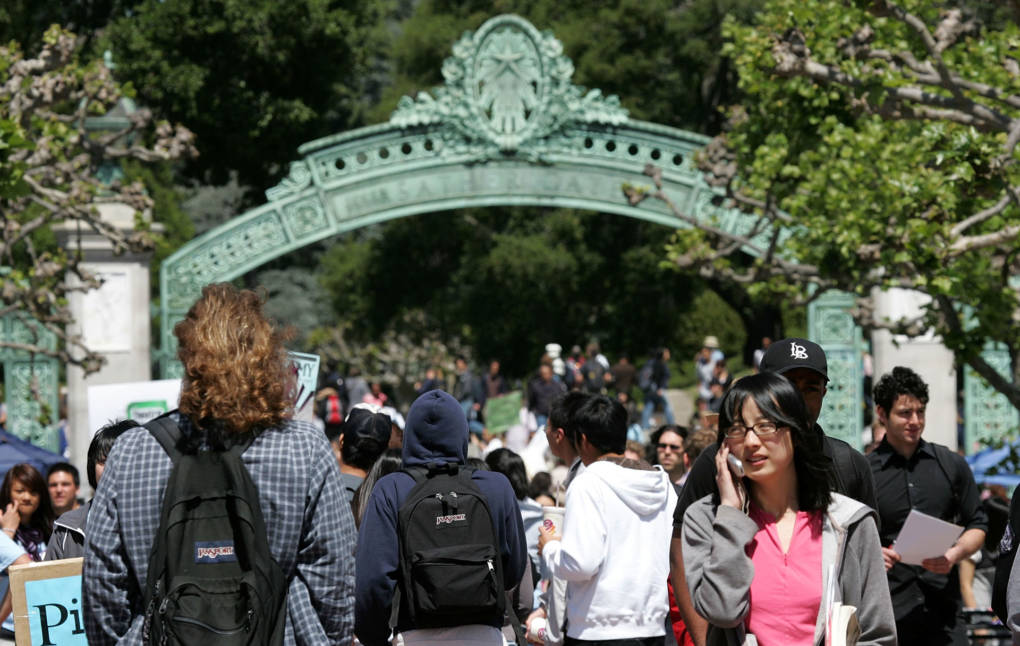
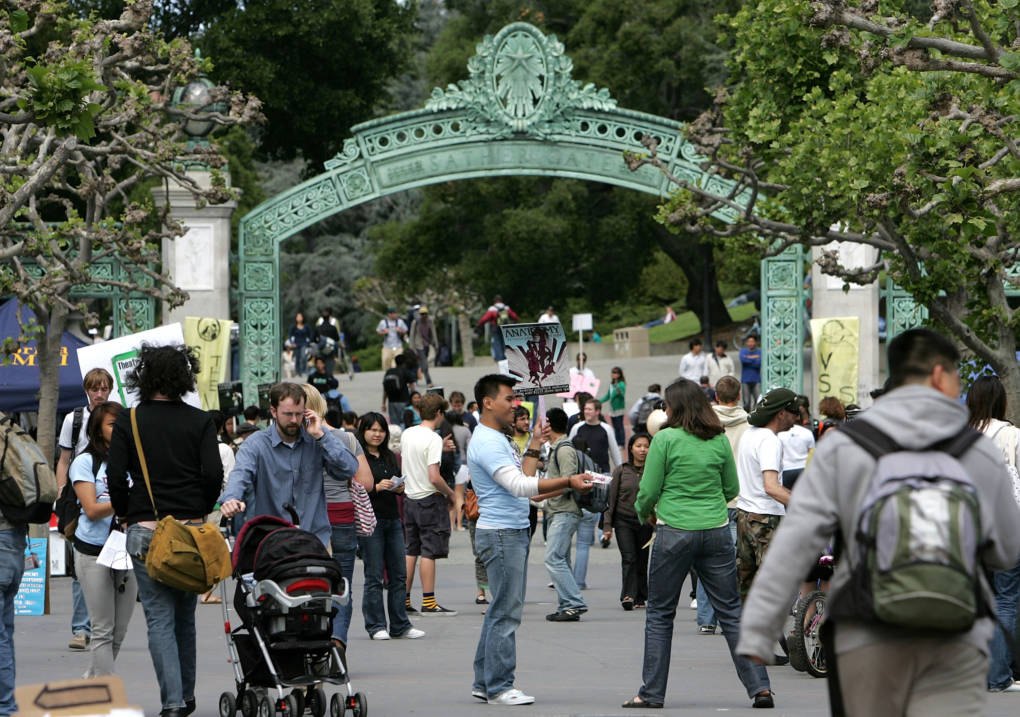
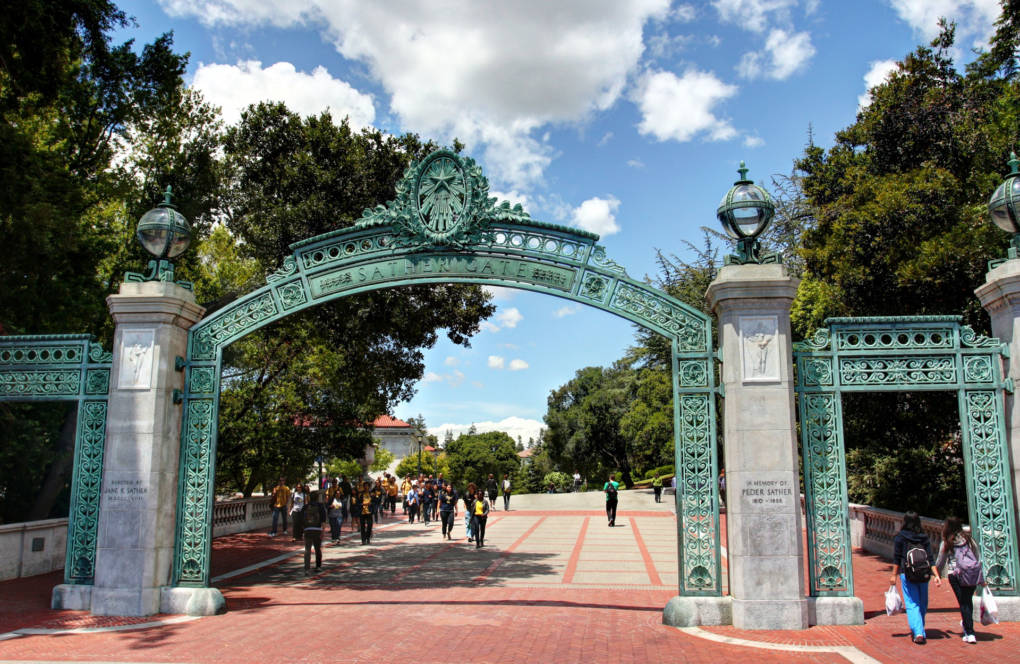
"caption": "Students walk through Sather Gate at UC Berkeley, one of the nation's most selective public universities.",
"description": "Students walk through Sather Gate at UC Berkeley, one of the nation's most selective public universities.",
"title": "Sather-Gate-UC-Berkeley",
"credit": "Justin Sullivan/Getty Images",
"status": "inherit",
"isLoading": false,
"fetchFailed": false
},
"news_11761494": {
"type": "attachments",
"id": "news_11761494",
"meta": {
"index": "attachments_1716263798",
"site": "news",
"id": "11761494",
"found": true
},
"parent": 11761489,
"imgSizes": {
"apple_news_ca_square_4_0": {
"file": "https://ww2.kqed.org/app/uploads/sites/10/2019/07/file-20190712-173338-1gov2o5-2-470x470.jpg",
"width": 470,
"mimeType": "image/jpeg",
"height": 470
},
"twentyfourteen-full-width": {
"file": "https://ww2.kqed.org/app/uploads/sites/10/2019/07/file-20190712-173338-1gov2o5-2-1000x576.jpg",
"width": 1000,
"mimeType": "image/jpeg",
"height": 576
},
"thumbnail": {
"file": "https://ww2.kqed.org/app/uploads/sites/10/2019/07/file-20190712-173338-1gov2o5-2-160x107.jpg",
"width": 160,
"mimeType": "image/jpeg",
"height": 107
},
"post-thumbnail": {
"file": "https://ww2.kqed.org/app/uploads/sites/10/2019/07/file-20190712-173338-1gov2o5-2-672x372.jpg",
"width": 672,
"mimeType": "image/jpeg",
"height": 372
},
"kqedFullSize": {
"file": "https://ww2.kqed.org/app/uploads/sites/10/2019/07/file-20190712-173338-1gov2o5-2.jpg",
"width": 1000,
"height": 667
},
"apple_news_ca_landscape_4_7": {
"file": "https://ww2.kqed.org/app/uploads/sites/10/2019/07/file-20190712-173338-1gov2o5-2-632x474.jpg",
"width": 632,
"mimeType": "image/jpeg",
"height": 474
},
"apple_news_ca_landscape_4_0": {
"file": "https://ww2.kqed.org/app/uploads/sites/10/2019/07/file-20190712-173338-1gov2o5-2-536x402.jpg",
"width": 536,
"mimeType": "image/jpeg",
"height": 402
},
"medium": {
"file": "https://ww2.kqed.org/app/uploads/sites/10/2019/07/file-20190712-173338-1gov2o5-2-800x534.jpg",
"width": 800,
"mimeType": "image/jpeg",
"height": 534
},
"apple_news_ca_portrait_4_0": {
"file": "https://ww2.kqed.org/app/uploads/sites/10/2019/07/file-20190712-173338-1gov2o5-2-354x472.jpg",
"width": 354,
"mimeType": "image/jpeg",
"height": 472
},
"apple_news_ca_portrait_9_7": {
"file": "https://ww2.kqed.org/app/uploads/sites/10/2019/07/file-20190712-173338-1gov2o5-2-840x667.jpg",
"width": 840,
"mimeType": "image/jpeg",
"height": 667
},
"apple_news_ca_portrait_4_7": {
"file": "https://ww2.kqed.org/app/uploads/sites/10/2019/07/file-20190712-173338-1gov2o5-2-414x552.jpg",
"width": 414,
"mimeType": "image/jpeg",
"height": 552
},
"apple_news_ca_portrait_5_5": {
"file": "https://ww2.kqed.org/app/uploads/sites/10/2019/07/file-20190712-173338-1gov2o5-2-687x667.jpg",
"width": 687,
"mimeType": "image/jpeg",
"height": 667
},
"apple_news_ca_square_4_7": {
"file": "https://ww2.kqed.org/app/uploads/sites/10/2019/07/file-20190712-173338-1gov2o5-2-550x550.jpg",
"width": 550,
"mimeType": "image/jpeg",
"height": 550
},
"apple_news_ca_square_5_5": {
"file": "https://ww2.kqed.org/app/uploads/sites/10/2019/07/file-20190712-173338-1gov2o5-2-912x667.jpg",
"width": 912,
"mimeType": "image/jpeg",
"height": 667
}
},
"publishDate": 1563232080,
"modified": 1563232131,
"caption": "For now, it’s going to be trickier for the University of California community to access some academic journals.",
"description": "For now, it’s going to be trickier for the University of California community to access some academic journals.",
"title": "file-20190712-173338-1gov2o5",
"credit": "Michelle/\u003ca href=\"https://www.flickr.com/photos/michelle658/6022758297\">Flickr\u003c/a>",
"status": "inherit",
"isLoading": false,
"fetchFailed": false
},
"news_11759235": {
"type": "attachments",
"id": "news_11759235",
"meta": {
"index": "attachments_1716263798",
"site": "news",
"id": "11759235",
"found": true
},
"parent": 11759223,
"imgSizes": {
"apple_news_ca_landscape_5_5": {
"file": "https://ww2.kqed.org/app/uploads/sites/10/2019/07/07052019_Katelyn-Ohashi_Fair-Pay-to-Play-Act_college-athletes_university-athletes_Nancy-Skinner-qut-1044x783.jpg",
"width": 1044,
"mimeType": "image/jpeg",
"height": 783
},
"apple_news_ca_square_4_0": {
"file": "https://ww2.kqed.org/app/uploads/sites/10/2019/07/07052019_Katelyn-Ohashi_Fair-Pay-to-Play-Act_college-athletes_university-athletes_Nancy-Skinner-qut-470x470.jpg",
"width": 470,
"mimeType": "image/jpeg",
"height": 470
},
"twentyfourteen-full-width": {
"file": "https://ww2.kqed.org/app/uploads/sites/10/2019/07/07052019_Katelyn-Ohashi_Fair-Pay-to-Play-Act_college-athletes_university-athletes_Nancy-Skinner-qut-1038x576.jpg",
"width": 1038,
"mimeType": "image/jpeg",
"height": 576
},
"thumbnail": {
"file": "https://ww2.kqed.org/app/uploads/sites/10/2019/07/07052019_Katelyn-Ohashi_Fair-Pay-to-Play-Act_college-athletes_university-athletes_Nancy-Skinner-qut-160x107.jpg",
"width": 160,
"mimeType": "image/jpeg",
"height": 107
},
"post-thumbnail": {
"file": "https://ww2.kqed.org/app/uploads/sites/10/2019/07/07052019_Katelyn-Ohashi_Fair-Pay-to-Play-Act_college-athletes_university-athletes_Nancy-Skinner-qut-672x372.jpg",
"width": 672,
"mimeType": "image/jpeg",
"height": 372
},
"kqedFullSize": {
"file": "https://ww2.kqed.org/app/uploads/sites/10/2019/07/07052019_Katelyn-Ohashi_Fair-Pay-to-Play-Act_college-athletes_university-athletes_Nancy-Skinner-qut.jpg",
"width": 1500,
"height": 1000
},
"apple_news_ca_landscape_4_7": {
"file": "https://ww2.kqed.org/app/uploads/sites/10/2019/07/07052019_Katelyn-Ohashi_Fair-Pay-to-Play-Act_college-athletes_university-athletes_Nancy-Skinner-qut-632x474.jpg",
"width": 632,
"mimeType": "image/jpeg",
"height": 474
},
"large": {
"file": "https://ww2.kqed.org/app/uploads/sites/10/2019/07/07052019_Katelyn-Ohashi_Fair-Pay-to-Play-Act_college-athletes_university-athletes_Nancy-Skinner-qut-1020x680.jpg",
"width": 1020,
"mimeType": "image/jpeg",
"height": 680
},
"complete_open_graph": {
"file": "https://ww2.kqed.org/app/uploads/sites/10/2019/07/07052019_Katelyn-Ohashi_Fair-Pay-to-Play-Act_college-athletes_university-athletes_Nancy-Skinner-qut-1200x800.jpg",
"width": 1200,
"mimeType": "image/jpeg",
"height": 800
},
"apple_news_ca_landscape_4_0": {
"file": "https://ww2.kqed.org/app/uploads/sites/10/2019/07/07052019_Katelyn-Ohashi_Fair-Pay-to-Play-Act_college-athletes_university-athletes_Nancy-Skinner-qut-536x402.jpg",
"width": 536,
"mimeType": "image/jpeg",
"height": 402
},
"apple_news_ca_portrait_12_9": {
"file": "https://ww2.kqed.org/app/uploads/sites/10/2019/07/07052019_Katelyn-Ohashi_Fair-Pay-to-Play-Act_college-athletes_university-athletes_Nancy-Skinner-qut-1122x1000.jpg",
"width": 1122,
"mimeType": "image/jpeg",
"height": 1000
},
"medium": {
"file": "https://ww2.kqed.org/app/uploads/sites/10/2019/07/07052019_Katelyn-Ohashi_Fair-Pay-to-Play-Act_college-athletes_university-athletes_Nancy-Skinner-qut-800x533.jpg",
"width": 800,
"mimeType": "image/jpeg",
"height": 533
},
"apple_news_ca_portrait_4_0": {
"file": "https://ww2.kqed.org/app/uploads/sites/10/2019/07/07052019_Katelyn-Ohashi_Fair-Pay-to-Play-Act_college-athletes_university-athletes_Nancy-Skinner-qut-354x472.jpg",
"width": 354,
"mimeType": "image/jpeg",
"height": 472
},
"apple_news_ca_portrait_9_7": {
"file": "https://ww2.kqed.org/app/uploads/sites/10/2019/07/07052019_Katelyn-Ohashi_Fair-Pay-to-Play-Act_college-athletes_university-athletes_Nancy-Skinner-qut-840x1000.jpg",
"width": 840,
"mimeType": "image/jpeg",
"height": 1000
},
"apple_news_ca_square_9_7": {
"file": "https://ww2.kqed.org/app/uploads/sites/10/2019/07/07052019_Katelyn-Ohashi_Fair-Pay-to-Play-Act_college-athletes_university-athletes_Nancy-Skinner-qut-1104x1000.jpg",
"width": 1104,
"mimeType": "image/jpeg",
"height": 1000
},
"apple_news_ca_portrait_4_7": {
"file": "https://ww2.kqed.org/app/uploads/sites/10/2019/07/07052019_Katelyn-Ohashi_Fair-Pay-to-Play-Act_college-athletes_university-athletes_Nancy-Skinner-qut-414x552.jpg",
"width": 414,
"mimeType": "image/jpeg",
"height": 552
},
"apple_news_ca_square_12_9": {
"file": "https://ww2.kqed.org/app/uploads/sites/10/2019/07/07052019_Katelyn-Ohashi_Fair-Pay-to-Play-Act_college-athletes_university-athletes_Nancy-Skinner-qut-1472x1000.jpg",
"width": 1472,
"mimeType": "image/jpeg",
"height": 1000
},
"apple_news_ca_portrait_5_5": {
"file": "https://ww2.kqed.org/app/uploads/sites/10/2019/07/07052019_Katelyn-Ohashi_Fair-Pay-to-Play-Act_college-athletes_university-athletes_Nancy-Skinner-qut-687x916.jpg",
"width": 687,
"mimeType": "image/jpeg",
"height": 916
},
"apple_news_ca_square_4_7": {
"file": "https://ww2.kqed.org/app/uploads/sites/10/2019/07/07052019_Katelyn-Ohashi_Fair-Pay-to-Play-Act_college-athletes_university-athletes_Nancy-Skinner-qut-550x550.jpg",
"width": 550,
"mimeType": "image/jpeg",
"height": 550
},
"apple_news_ca_landscape_9_7": {
"file": "https://ww2.kqed.org/app/uploads/sites/10/2019/07/07052019_Katelyn-Ohashi_Fair-Pay-to-Play-Act_college-athletes_university-athletes_Nancy-Skinner-qut-1376x1000.jpg",
"width": 1376,
"mimeType": "image/jpeg",
"height": 1000
},
"apple_news_ca_square_5_5": {
"file": "https://ww2.kqed.org/app/uploads/sites/10/2019/07/07052019_Katelyn-Ohashi_Fair-Pay-to-Play-Act_college-athletes_university-athletes_Nancy-Skinner-qut-912x912.jpg",
"width": 912,
"mimeType": "image/jpeg",
"height": 912
}
},
"publishDate": 1562353398,
"modified": 1562353672,
"caption": "Female athletes and those who play lower profile sports, such as popular UCLA gymnast Katelyn Ohashi, would gain from the proposed Fair Pay to Play Act, state Sen. Nancy Skinner says. ",
"description": "Female athletes and those who play lower profile sports, such as popular UCLA gymnast Katelyn Ohashi, would gain from the proposed Fair Pay to Play Act, state Sen. Nancy Skinner says. ",
"title": "07052019_Katelyn Ohashi_Fair Pay to Play Act_college athletes_university athletes_Nancy Skinner-qut",
"credit": "Creative Commons",
"status": "inherit",
"isLoading": false,
"fetchFailed": false
},
"news_11747938": {
"type": "attachments",
"id": "news_11747938",
"meta": {
"index": "attachments_1716263798",
"site": "news",
"id": "11747938",
"found": true
},
"parent": 11747935,
"imgSizes": {
"apple_news_ca_landscape_5_5": {
"file": "https://ww2.kqed.org/app/uploads/sites/10/2019/05/UCB-1044x783.jpg",
"width": 1044,
"mimeType": "image/jpeg",
"height": 783
},
"apple_news_ca_square_4_0": {
"file": "https://ww2.kqed.org/app/uploads/sites/10/2019/05/UCB-470x470.jpg",
"width": 470,
"mimeType": "image/jpeg",
"height": 470
},
"twentyfourteen-full-width": {
"file": "https://ww2.kqed.org/app/uploads/sites/10/2019/05/UCB-1038x576.jpg",
"width": 1038,
"mimeType": "image/jpeg",
"height": 576
},
"thumbnail": {
"file": "https://ww2.kqed.org/app/uploads/sites/10/2019/05/UCB-160x112.jpg",
"width": 160,
"mimeType": "image/jpeg",
"height": 112
},
"post-thumbnail": {
"file": "https://ww2.kqed.org/app/uploads/sites/10/2019/05/UCB-672x372.jpg",
"width": 672,
"mimeType": "image/jpeg",
"height": 372
},
"kqedFullSize": {
"file": "https://ww2.kqed.org/app/uploads/sites/10/2019/05/UCB.jpg",
"width": 2048,
"height": 1440
},
"apple_news_ca_landscape_4_7": {
"file": "https://ww2.kqed.org/app/uploads/sites/10/2019/05/UCB-632x474.jpg",
"width": 632,
"mimeType": "image/jpeg",
"height": 474
},
"large": {
"file": "https://ww2.kqed.org/app/uploads/sites/10/2019/05/UCB-1020x717.jpg",
"width": 1020,
"mimeType": "image/jpeg",
"height": 717
},
"complete_open_graph": {
"file": "https://ww2.kqed.org/app/uploads/sites/10/2019/05/UCB-1200x844.jpg",
"width": 1200,
"mimeType": "image/jpeg",
"height": 844
},
"apple_news_ca_landscape_4_0": {
"file": "https://ww2.kqed.org/app/uploads/sites/10/2019/05/UCB-536x402.jpg",
"width": 536,
"mimeType": "image/jpeg",
"height": 402
},
"apple_news_ca_portrait_12_9": {
"file": "https://ww2.kqed.org/app/uploads/sites/10/2019/05/UCB-1122x1496.jpg",
"width": 1122,
"mimeType": "image/jpeg",
"height": 1496
},
"medium": {
"file": "https://ww2.kqed.org/app/uploads/sites/10/2019/05/UCB-800x562.jpg",
"width": 800,
"mimeType": "image/jpeg",
"height": 562
},
"apple_news_ca_portrait_4_0": {
"file": "https://ww2.kqed.org/app/uploads/sites/10/2019/05/UCB-354x472.jpg",
"width": 354,
"mimeType": "image/jpeg",
"height": 472
},
"apple_news_ca_portrait_9_7": {
"file": "https://ww2.kqed.org/app/uploads/sites/10/2019/05/UCB-840x1120.jpg",
"width": 840,
"mimeType": "image/jpeg",
"height": 1120
},
"apple_news_ca_landscape_12_9": {
"file": "https://ww2.kqed.org/app/uploads/sites/10/2019/05/UCB-1832x1374.jpg",
"width": 1832,
"mimeType": "image/jpeg",
"height": 1374
},
"apple_news_ca_square_9_7": {
"file": "https://ww2.kqed.org/app/uploads/sites/10/2019/05/UCB-1104x1104.jpg",
"width": 1104,
"mimeType": "image/jpeg",
"height": 1104
},
"apple_news_ca_portrait_4_7": {
"file": "https://ww2.kqed.org/app/uploads/sites/10/2019/05/UCB-414x552.jpg",
"width": 414,
"mimeType": "image/jpeg",
"height": 552
},
"apple_news_ca_square_12_9": {
"file": "https://ww2.kqed.org/app/uploads/sites/10/2019/05/UCB-1472x1472.jpg",
"width": 1472,
"mimeType": "image/jpeg",
"height": 1472
},
"apple_news_ca_portrait_5_5": {
"file": "https://ww2.kqed.org/app/uploads/sites/10/2019/05/UCB-687x916.jpg",
"width": 687,
"mimeType": "image/jpeg",
"height": 916
},
"full-width": {
"file": "https://ww2.kqed.org/app/uploads/sites/10/2019/05/UCB-1920x1350.jpg",
"width": 1920,
"mimeType": "image/jpeg",
"height": 1350
},
"apple_news_ca_square_4_7": {
"file": "https://ww2.kqed.org/app/uploads/sites/10/2019/05/UCB-550x550.jpg",
"width": 550,
"mimeType": "image/jpeg",
"height": 550
},
"apple_news_ca_landscape_9_7": {
"file": "https://ww2.kqed.org/app/uploads/sites/10/2019/05/UCB-1376x1032.jpg",
"width": 1376,
"mimeType": "image/jpeg",
"height": 1032
},
"apple_news_ca_square_5_5": {
"file": "https://ww2.kqed.org/app/uploads/sites/10/2019/05/UCB-912x912.jpg",
"width": 912,
"mimeType": "image/jpeg",
"height": 912
}
},
"publishDate": 1558119898,
"modified": 1558119984,
"caption": "UC Berkeley students walk through Sproul Plaza on the UC Berkeley campus ",
"description": null,
"title": null,
"credit": "Justin Sullivan/Getty Images",
"status": "inherit",
"isLoading": false,
"fetchFailed": false
},
"news_11734317": {
"type": "attachments",
"id": "news_11734317",
"meta": {
"index": "attachments_1716263798",
"site": "news",
"id": "11734317",
"found": true
},
"parent": 11734309,
"imgSizes": {
"post-thumbnail": {
"file": "https://ww2.kqed.org/app/uploads/sites/10/2019/03/UCLA_Robbie-Short_019-672x372.jpg",
"width": 672,
"mimeType": "image/jpeg",
"height": 372
},
"kqedFullSize": {
"file": "https://ww2.kqed.org/app/uploads/sites/10/2019/03/UCLA_Robbie-Short_019-e1553126071901.jpg",
"width": 1920,
"height": 1280
},
"guest-author-50": {
"file": "https://ww2.kqed.org/app/uploads/sites/10/2019/03/UCLA_Robbie-Short_019-50x50.jpg",
"width": 50,
"mimeType": "image/jpeg",
"height": 50
},
"guest-author-96": {
"file": "https://ww2.kqed.org/app/uploads/sites/10/2019/03/UCLA_Robbie-Short_019-96x96.jpg",
"width": 96,
"mimeType": "image/jpeg",
"height": 96
},
"apple_news_ca_portrait_12_9": {
"file": "https://ww2.kqed.org/app/uploads/sites/10/2019/03/UCLA_Robbie-Short_019-1122x1496.jpg",
"width": 1122,
"mimeType": "image/jpeg",
"height": 1496
},
"medium": {
"file": "https://ww2.kqed.org/app/uploads/sites/10/2019/03/UCLA_Robbie-Short_019-800x533.jpg",
"width": 800,
"mimeType": "image/jpeg",
"height": 533
},
"guest-author-32": {
"file": "https://ww2.kqed.org/app/uploads/sites/10/2019/03/UCLA_Robbie-Short_019-32x32.jpg",
"width": 32,
"mimeType": "image/jpeg",
"height": 32
},
"apple_news_ca_portrait_9_7": {
"file": "https://ww2.kqed.org/app/uploads/sites/10/2019/03/UCLA_Robbie-Short_019-840x1120.jpg",
"width": 840,
"mimeType": "image/jpeg",
"height": 1120
},
"apple_news_ca_square_9_7": {
"file": "https://ww2.kqed.org/app/uploads/sites/10/2019/03/UCLA_Robbie-Short_019-1104x1104.jpg",
"width": 1104,
"mimeType": "image/jpeg",
"height": 1104
},
"apple_news_ca_portrait_4_7": {
"file": "https://ww2.kqed.org/app/uploads/sites/10/2019/03/UCLA_Robbie-Short_019-414x552.jpg",
"width": 414,
"mimeType": "image/jpeg",
"height": 552
},
"apple_news_ca_square_12_9": {
"file": "https://ww2.kqed.org/app/uploads/sites/10/2019/03/UCLA_Robbie-Short_019-1472x1472.jpg",
"width": 1472,
"mimeType": "image/jpeg",
"height": 1472
},
"apple_news_ca_portrait_5_5": {
"file": "https://ww2.kqed.org/app/uploads/sites/10/2019/03/UCLA_Robbie-Short_019-687x916.jpg",
"width": 687,
"mimeType": "image/jpeg",
"height": 916
},
"apple_news_ca_square_4_7": {
"file": "https://ww2.kqed.org/app/uploads/sites/10/2019/03/UCLA_Robbie-Short_019-550x550.jpg",
"width": 550,
"mimeType": "image/jpeg",
"height": 550
},
"apple_news_ca_square_5_5": {
"file": "https://ww2.kqed.org/app/uploads/sites/10/2019/03/UCLA_Robbie-Short_019-912x912.jpg",
"width": 912,
"mimeType": "image/jpeg",
"height": 912
},
"apple_news_ca_landscape_5_5": {
"file": "https://ww2.kqed.org/app/uploads/sites/10/2019/03/UCLA_Robbie-Short_019-1044x783.jpg",
"width": 1044,
"mimeType": "image/jpeg",
"height": 783
},
"apple_news_ca_square_4_0": {
"file": "https://ww2.kqed.org/app/uploads/sites/10/2019/03/UCLA_Robbie-Short_019-470x470.jpg",
"width": 470,
"mimeType": "image/jpeg",
"height": 470
},
"twentyfourteen-full-width": {
"file": "https://ww2.kqed.org/app/uploads/sites/10/2019/03/UCLA_Robbie-Short_019-1038x576.jpg",
"width": 1038,
"mimeType": "image/jpeg",
"height": 576
},
"thumbnail": {
"file": "https://ww2.kqed.org/app/uploads/sites/10/2019/03/UCLA_Robbie-Short_019-160x107.jpg",
"width": 160,
"mimeType": "image/jpeg",
"height": 107
},
"apple_news_ca_landscape_4_7": {
"file": "https://ww2.kqed.org/app/uploads/sites/10/2019/03/UCLA_Robbie-Short_019-632x474.jpg",
"width": 632,
"mimeType": "image/jpeg",
"height": 474
},
"large": {
"file": "https://ww2.kqed.org/app/uploads/sites/10/2019/03/UCLA_Robbie-Short_019-1020x680.jpg",
"width": 1020,
"mimeType": "image/jpeg",
"height": 680
},
"complete_open_graph": {
"file": "https://ww2.kqed.org/app/uploads/sites/10/2019/03/UCLA_Robbie-Short_019-1200x800.jpg",
"width": 1200,
"mimeType": "image/jpeg",
"height": 800
},
"apple_news_ca_landscape_4_0": {
"file": "https://ww2.kqed.org/app/uploads/sites/10/2019/03/UCLA_Robbie-Short_019-536x402.jpg",
"width": 536,
"mimeType": "image/jpeg",
"height": 402
},
"guest-author-64": {
"file": "https://ww2.kqed.org/app/uploads/sites/10/2019/03/UCLA_Robbie-Short_019-64x64.jpg",
"width": 64,
"mimeType": "image/jpeg",
"height": 64
},
"apple_news_ca_portrait_4_0": {
"file": "https://ww2.kqed.org/app/uploads/sites/10/2019/03/UCLA_Robbie-Short_019-354x472.jpg",
"width": 354,
"mimeType": "image/jpeg",
"height": 472
},
"apple_news_ca_landscape_12_9": {
"file": "https://ww2.kqed.org/app/uploads/sites/10/2019/03/UCLA_Robbie-Short_019-1832x1374.jpg",
"width": 1832,
"mimeType": "image/jpeg",
"height": 1374
},
"full-width": {
"file": "https://ww2.kqed.org/app/uploads/sites/10/2019/03/UCLA_Robbie-Short_019-1920x1280.jpg",
"width": 1920,
"mimeType": "image/jpeg",
"height": 1280
},
"guest-author-128": {
"file": "https://ww2.kqed.org/app/uploads/sites/10/2019/03/UCLA_Robbie-Short_019-128x128.jpg",
"width": 128,
"mimeType": "image/jpeg",
"height": 128
},
"apple_news_ca_landscape_9_7": {
"file": "https://ww2.kqed.org/app/uploads/sites/10/2019/03/UCLA_Robbie-Short_019-1376x1032.jpg",
"width": 1376,
"mimeType": "image/jpeg",
"height": 1032
}
},
"publishDate": 1553125382,
"modified": 1553125433,
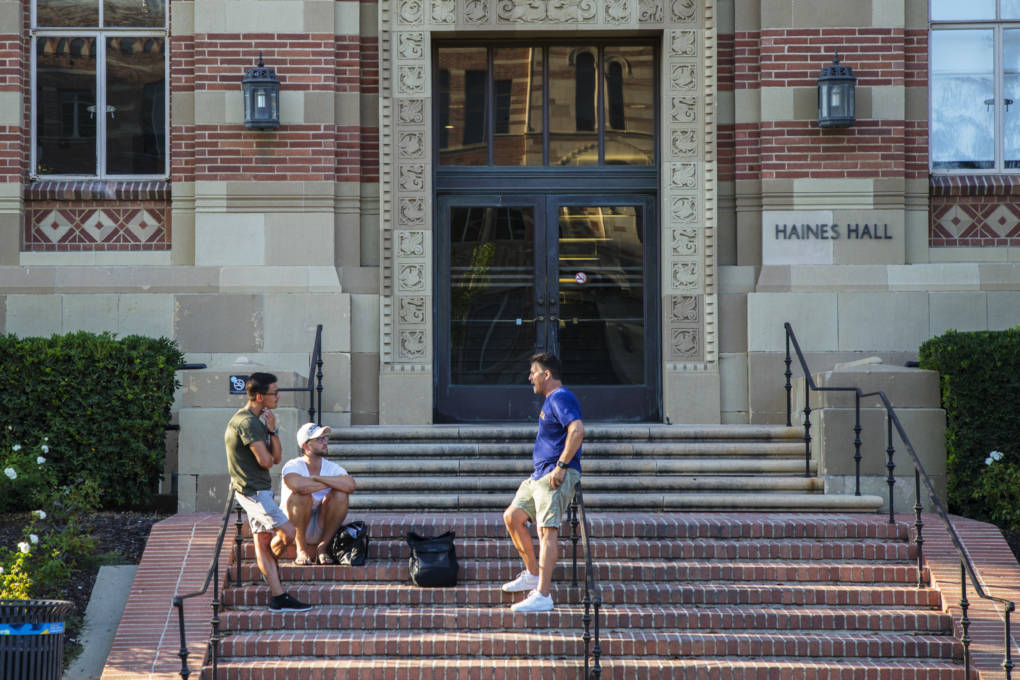
"caption": "Students on the UCLA campus.",
"description": null,
"title": "UCLA_Robbie Short_019",
"credit": "Robbie Short/CALmatters.",
"status": "inherit",
"isLoading": false,
"fetchFailed": false
},
"news_11734270": {
"type": "attachments",
"id": "news_11734270",
"meta": {
"index": "attachments_1716263798",
"site": "news",
"id": "11734270",
"found": true
},
"parent": 11734173,
"imgSizes": {
"post-thumbnail": {
"file": "https://ww2.kqed.org/app/uploads/sites/10/2019/03/IMG_9002-12-672x372.jpg",
"width": 672,
"mimeType": "image/jpeg",
"height": 372
},
"kqedFullSize": {
"file": "https://ww2.kqed.org/app/uploads/sites/10/2019/03/IMG_9002-12.jpg",
"width": 1920,
"height": 1280
},
"guest-author-50": {
"file": "https://ww2.kqed.org/app/uploads/sites/10/2019/03/IMG_9002-12-50x50.jpg",
"width": 50,
"mimeType": "image/jpeg",
"height": 50
},
"guest-author-96": {
"file": "https://ww2.kqed.org/app/uploads/sites/10/2019/03/IMG_9002-12-96x96.jpg",
"width": 96,
"mimeType": "image/jpeg",
"height": 96
},
"apple_news_ca_portrait_12_9": {
"file": "https://ww2.kqed.org/app/uploads/sites/10/2019/03/IMG_9002-12-1122x1280.jpg",
"width": 1122,
"mimeType": "image/jpeg",
"height": 1280
},
"medium": {
"file": "https://ww2.kqed.org/app/uploads/sites/10/2019/03/IMG_9002-12-800x533.jpg",
"width": 800,
"mimeType": "image/jpeg",
"height": 533
},
"guest-author-32": {
"file": "https://ww2.kqed.org/app/uploads/sites/10/2019/03/IMG_9002-12-32x32.jpg",
"width": 32,
"mimeType": "image/jpeg",
"height": 32
},
"apple_news_ca_portrait_9_7": {
"file": "https://ww2.kqed.org/app/uploads/sites/10/2019/03/IMG_9002-12-840x1120.jpg",
"width": 840,
"mimeType": "image/jpeg",
"height": 1120
},
"apple_news_ca_square_9_7": {
"file": "https://ww2.kqed.org/app/uploads/sites/10/2019/03/IMG_9002-12-1104x1104.jpg",
"width": 1104,
"mimeType": "image/jpeg",
"height": 1104
},
"apple_news_ca_portrait_4_7": {
"file": "https://ww2.kqed.org/app/uploads/sites/10/2019/03/IMG_9002-12-414x552.jpg",
"width": 414,
"mimeType": "image/jpeg",
"height": 552
},
"apple_news_ca_square_12_9": {
"file": "https://ww2.kqed.org/app/uploads/sites/10/2019/03/IMG_9002-12-1472x1280.jpg",
"width": 1472,
"mimeType": "image/jpeg",
"height": 1280
},
"apple_news_ca_portrait_5_5": {
"file": "https://ww2.kqed.org/app/uploads/sites/10/2019/03/IMG_9002-12-687x916.jpg",
"width": 687,
"mimeType": "image/jpeg",
"height": 916
},
"apple_news_ca_square_4_7": {
"file": "https://ww2.kqed.org/app/uploads/sites/10/2019/03/IMG_9002-12-550x550.jpg",
"width": 550,
"mimeType": "image/jpeg",
"height": 550
},
"apple_news_ca_square_5_5": {
"file": "https://ww2.kqed.org/app/uploads/sites/10/2019/03/IMG_9002-12-912x912.jpg",
"width": 912,
"mimeType": "image/jpeg",
"height": 912
},
"apple_news_ca_landscape_5_5": {
"file": "https://ww2.kqed.org/app/uploads/sites/10/2019/03/IMG_9002-12-1044x783.jpg",
"width": 1044,
"mimeType": "image/jpeg",
"height": 783
},
"apple_news_ca_square_4_0": {
"file": "https://ww2.kqed.org/app/uploads/sites/10/2019/03/IMG_9002-12-470x470.jpg",
"width": 470,
"mimeType": "image/jpeg",
"height": 470
},
"twentyfourteen-full-width": {
"file": "https://ww2.kqed.org/app/uploads/sites/10/2019/03/IMG_9002-12-1038x576.jpg",
"width": 1038,
"mimeType": "image/jpeg",
"height": 576
},
"thumbnail": {
"file": "https://ww2.kqed.org/app/uploads/sites/10/2019/03/IMG_9002-12-160x107.jpg",
"width": 160,
"mimeType": "image/jpeg",
"height": 107
},
"apple_news_ca_landscape_4_7": {
"file": "https://ww2.kqed.org/app/uploads/sites/10/2019/03/IMG_9002-12-632x474.jpg",
"width": 632,
"mimeType": "image/jpeg",
"height": 474
},
"large": {
"file": "https://ww2.kqed.org/app/uploads/sites/10/2019/03/IMG_9002-12-1020x680.jpg",
"width": 1020,
"mimeType": "image/jpeg",
"height": 680
},
"complete_open_graph": {
"file": "https://ww2.kqed.org/app/uploads/sites/10/2019/03/IMG_9002-12-1200x800.jpg",
"width": 1200,
"mimeType": "image/jpeg",
"height": 800
},
"apple_news_ca_landscape_4_0": {
"file": "https://ww2.kqed.org/app/uploads/sites/10/2019/03/IMG_9002-12-536x402.jpg",
"width": 536,
"mimeType": "image/jpeg",
"height": 402
},
"guest-author-64": {
"file": "https://ww2.kqed.org/app/uploads/sites/10/2019/03/IMG_9002-12-64x64.jpg",
"width": 64,
"mimeType": "image/jpeg",
"height": 64
},
"apple_news_ca_portrait_4_0": {
"file": "https://ww2.kqed.org/app/uploads/sites/10/2019/03/IMG_9002-12-354x472.jpg",
"width": 354,
"mimeType": "image/jpeg",
"height": 472
},
"apple_news_ca_landscape_12_9": {
"file": "https://ww2.kqed.org/app/uploads/sites/10/2019/03/IMG_9002-12-1832x1280.jpg",
"width": 1832,
"mimeType": "image/jpeg",
"height": 1280
},
"full-width": {
"file": "https://ww2.kqed.org/app/uploads/sites/10/2019/03/IMG_9002-12-1920x1280.jpg",
"width": 1920,
"mimeType": "image/jpeg",
"height": 1280
},
"guest-author-128": {
"file": "https://ww2.kqed.org/app/uploads/sites/10/2019/03/IMG_9002-12-128x128.jpg",
"width": 128,
"mimeType": "image/jpeg",
"height": 128
},
"apple_news_ca_landscape_9_7": {
"file": "https://ww2.kqed.org/app/uploads/sites/10/2019/03/IMG_9002-12-1376x1032.jpg",
"width": 1376,
"mimeType": "image/jpeg",
"height": 1032
}
},
"publishDate": 1553116203,
"modified": 1553116368,
"caption": "Striking union workers picketing outside the UCSF Helen Diller Medical Center during a one-day walkout on Wed., March 20. ",
"description": null,
"title": "IMG_9002-12",
"credit": "Olivia Obineme/KQED",
"status": "inherit",
"isLoading": false,
"fetchFailed": false
},
"news_11733643": {
"type": "attachments",
"id": "news_11733643",
"meta": {
"index": "attachments_1716263798",
"site": "news",
"id": "11733643",
"found": true
},
"parent": 11733635,
"imgSizes": {
"twentyfourteen-full-width": {
"file": "https://ww2.kqed.org/app/uploads/sites/10/2019/03/immigration-lawyer-PHOTO-1-1038x576.jpg",
"width": 1038,
"mimeType": "image/jpeg",
"height": 576
},
"thumbnail": {
"file": "https://ww2.kqed.org/app/uploads/sites/10/2019/03/immigration-lawyer-PHOTO-1-160x107.jpg",
"width": 160,
"mimeType": "image/jpeg",
"height": 107
},
"post-thumbnail": {
"file": "https://ww2.kqed.org/app/uploads/sites/10/2019/03/immigration-lawyer-PHOTO-1-672x372.jpg",
"width": 672,
"mimeType": "image/jpeg",
"height": 372
},
"kqedFullSize": {
"file": "https://ww2.kqed.org/app/uploads/sites/10/2019/03/immigration-lawyer-PHOTO-1.jpg",
"width": 1280,
"height": 853
},
"large": {
"file": "https://ww2.kqed.org/app/uploads/sites/10/2019/03/immigration-lawyer-PHOTO-1-1020x680.jpg",
"width": 1020,
"mimeType": "image/jpeg",
"height": 680
},
"complete_open_graph": {
"file": "https://ww2.kqed.org/app/uploads/sites/10/2019/03/immigration-lawyer-PHOTO-1-1200x800.jpg",
"width": 1200,
"mimeType": "image/jpeg",
"height": 800
},
"guest-author-50": {
"file": "https://ww2.kqed.org/app/uploads/sites/10/2019/03/immigration-lawyer-PHOTO-1-50x50.jpg",
"width": 50,
"mimeType": "image/jpeg",
"height": 50
},
"guest-author-96": {
"file": "https://ww2.kqed.org/app/uploads/sites/10/2019/03/immigration-lawyer-PHOTO-1-96x96.jpg",
"width": 96,
"mimeType": "image/jpeg",
"height": 96
},
"medium": {
"file": "https://ww2.kqed.org/app/uploads/sites/10/2019/03/immigration-lawyer-PHOTO-1-800x533.jpg",
"width": 800,
"mimeType": "image/jpeg",
"height": 533
},
"guest-author-64": {
"file": "https://ww2.kqed.org/app/uploads/sites/10/2019/03/immigration-lawyer-PHOTO-1-64x64.jpg",
"width": 64,
"mimeType": "image/jpeg",
"height": 64
},
"guest-author-32": {
"file": "https://ww2.kqed.org/app/uploads/sites/10/2019/03/immigration-lawyer-PHOTO-1-32x32.jpg",
"width": 32,
"mimeType": "image/jpeg",
"height": 32
},
"guest-author-128": {
"file": "https://ww2.kqed.org/app/uploads/sites/10/2019/03/immigration-lawyer-PHOTO-1-128x128.jpg",
"width": 128,
"mimeType": "image/jpeg",
"height": 128
}
},
"publishDate": 1552938703,
"modified": 1552938744,
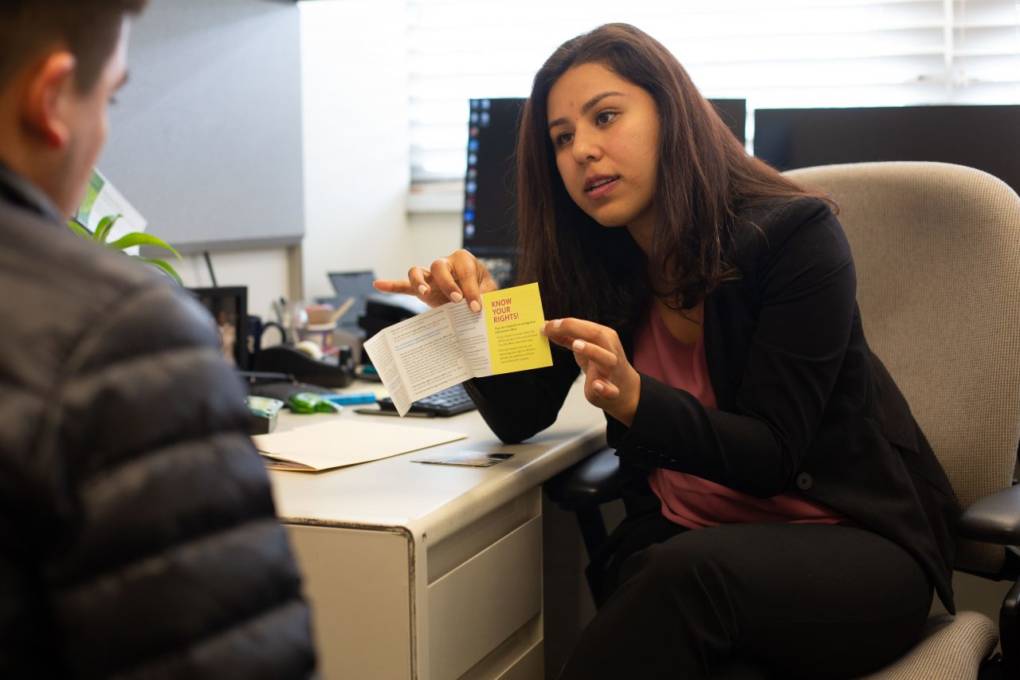
"caption": "Karina Gutierrez, an immigration lawyer on the UC Riverside campus, helps the brother of a student understand his rights.\n",
"description": null,
"title": "immigration lawyer PHOTO 1",
"credit": "James Bernal/CALmatters",
"status": "inherit",
"isLoading": false,
"fetchFailed": false
},
"news_11722691": {
"type": "attachments",
"id": "news_11722691",
"meta": {
"index": "attachments_1716263798",
"site": "news",
"id": "11722691",
"found": true
},
"parent": 11722690,
"imgSizes": {
"twentyfourteen-full-width": {
"file": "https://ww2.kqed.org/app/uploads/sites/10/2019/02/20190130_vinefamily_bhs_002-1000x667-1000x576.jpg",
"width": 1000,
"mimeType": "image/jpeg",
"height": 576
},
"thumbnail": {
"file": "https://ww2.kqed.org/app/uploads/sites/10/2019/02/20190130_vinefamily_bhs_002-1000x667-160x107.jpg",
"width": 160,
"mimeType": "image/jpeg",
"height": 107
},
"post-thumbnail": {
"file": "https://ww2.kqed.org/app/uploads/sites/10/2019/02/20190130_vinefamily_bhs_002-1000x667-672x372.jpg",
"width": 672,
"mimeType": "image/jpeg",
"height": 372
},
"kqedFullSize": {
"file": "https://ww2.kqed.org/app/uploads/sites/10/2019/02/20190130_vinefamily_bhs_002-1000x667.jpg",
"width": 1000,
"height": 667
},
"guest-author-50": {
"file": "https://ww2.kqed.org/app/uploads/sites/10/2019/02/20190130_vinefamily_bhs_002-1000x667-50x50.jpg",
"width": 50,
"mimeType": "image/jpeg",
"height": 50
},
"guest-author-96": {
"file": "https://ww2.kqed.org/app/uploads/sites/10/2019/02/20190130_vinefamily_bhs_002-1000x667-96x96.jpg",
"width": 96,
"mimeType": "image/jpeg",
"height": 96
},
"medium": {
"file": "https://ww2.kqed.org/app/uploads/sites/10/2019/02/20190130_vinefamily_bhs_002-1000x667-800x534.jpg",
"width": 800,
"mimeType": "image/jpeg",
"height": 534
},
"guest-author-64": {
"file": "https://ww2.kqed.org/app/uploads/sites/10/2019/02/20190130_vinefamily_bhs_002-1000x667-64x64.jpg",
"width": 64,
"mimeType": "image/jpeg",
"height": 64
},
"detail": {
"file": "https://ww2.kqed.org/app/uploads/sites/10/2019/02/20190130_vinefamily_bhs_002-1000x667-150x150.jpg",
"width": 150,
"mimeType": "image/jpeg",
"height": 150
},
"guest-author-32": {
"file": "https://ww2.kqed.org/app/uploads/sites/10/2019/02/20190130_vinefamily_bhs_002-1000x667-32x32.jpg",
"width": 32,
"mimeType": "image/jpeg",
"height": 32
},
"guest-author-128": {
"file": "https://ww2.kqed.org/app/uploads/sites/10/2019/02/20190130_vinefamily_bhs_002-1000x667-128x128.jpg",
"width": 128,
"mimeType": "image/jpeg",
"height": 128
}
},
"publishDate": 1549042547,
"modified": 1549042578,
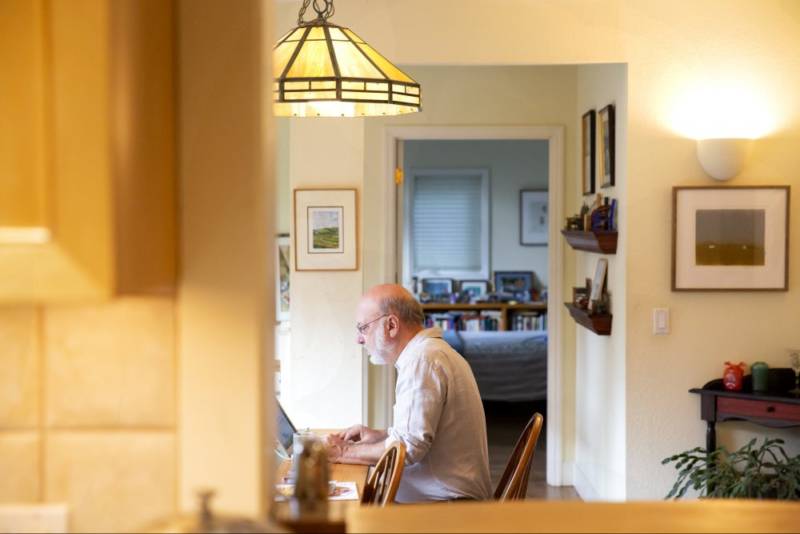
"caption": "Retired University of California scientist Ed Vine works on his computer in his Berkeley home. The university is recruiting older homeowners to open their homes to students.",
"description": null,
"title": "20190130_vinefamily_bhs_002-1000x667",
"credit": "Brittany Hosea-Small for CALmatters",
"status": "inherit",
"isLoading": false,
"fetchFailed": false
},
"news_11719521": {
"type": "attachments",
"id": "news_11719521",
"meta": {
"index": "attachments_1716263798",
"site": "news",
"id": "11719521",
"found": true
},
"parent": 11719509,
"imgSizes": {
"twentyfourteen-full-width": {
"file": "https://ww2.kqed.org/app/uploads/sites/10/2019/01/2219917d-jessy-rosales-e1547860771964-1038x576.jpg",
"width": 1038,
"mimeType": "image/jpeg",
"height": 576
},
"thumbnail": {
"file": "https://ww2.kqed.org/app/uploads/sites/10/2019/01/2219917d-jessy-rosales-e1547860771964-160x107.jpg",
"width": 160,
"mimeType": "image/jpeg",
"height": 107
},
"post-thumbnail": {
"file": "https://ww2.kqed.org/app/uploads/sites/10/2019/01/2219917d-jessy-rosales-e1547860771964-672x372.jpg",
"width": 672,
"mimeType": "image/jpeg",
"height": 372
},
"kqedFullSize": {
"file": "https://ww2.kqed.org/app/uploads/sites/10/2019/01/2219917d-jessy-rosales-e1547860771964.jpg",
"width": 1920,
"height": 1280
},
"large": {
"file": "https://ww2.kqed.org/app/uploads/sites/10/2019/01/2219917d-jessy-rosales-e1547860771964-1020x680.jpg",
"width": 1020,
"mimeType": "image/jpeg",
"height": 680
},
"complete_open_graph": {
"file": "https://ww2.kqed.org/app/uploads/sites/10/2019/01/2219917d-jessy-rosales-e1547860771964-1200x800.jpg",
"width": 1200,
"mimeType": "image/jpeg",
"height": 800
},
"guest-author-50": {
"file": "https://ww2.kqed.org/app/uploads/sites/10/2019/01/2219917d-jessy-rosales-e1547860771964-50x50.jpg",
"width": 50,
"mimeType": "image/jpeg",
"height": 50
},
"guest-author-96": {
"file": "https://ww2.kqed.org/app/uploads/sites/10/2019/01/2219917d-jessy-rosales-e1547860771964-96x96.jpg",
"width": 96,
"mimeType": "image/jpeg",
"height": 96
},
"medium": {
"file": "https://ww2.kqed.org/app/uploads/sites/10/2019/01/2219917d-jessy-rosales-e1547860771964-800x533.jpg",
"width": 800,
"mimeType": "image/jpeg",
"height": 533
},
"guest-author-64": {
"file": "https://ww2.kqed.org/app/uploads/sites/10/2019/01/2219917d-jessy-rosales-e1547860771964-64x64.jpg",
"width": 64,
"mimeType": "image/jpeg",
"height": 64
},
"guest-author-32": {
"file": "https://ww2.kqed.org/app/uploads/sites/10/2019/01/2219917d-jessy-rosales-e1547860771964-32x32.jpg",
"width": 32,
"mimeType": "image/jpeg",
"height": 32
},
"full-width": {
"file": "https://ww2.kqed.org/app/uploads/sites/10/2019/01/2219917d-jessy-rosales-e1547860771964-1920x1280.jpg",
"width": 1920,
"mimeType": "image/jpeg",
"height": 1280
},
"detail": {
"file": "https://ww2.kqed.org/app/uploads/sites/10/2019/01/2219917d-jessy-rosales-e1547860771964-150x150.jpg",
"width": 150,
"mimeType": "image/jpeg",
"height": 150
},
"guest-author-128": {
"file": "https://ww2.kqed.org/app/uploads/sites/10/2019/01/2219917d-jessy-rosales-e1547860771964-128x128.jpg",
"width": 128,
"mimeType": "image/jpeg",
"height": 128
}
},
"publishDate": 1547860722,
"modified": 1548186764,
"caption": "Jessy Rosales speaks about the obstacles she faced getting an abortion while she was a student at UC Riverside. ",
"description": "Jessy Rosales speaks about the obstacles she faced getting an abortion while she was a student at UC Riverside. ",
"title": "Jessy Rosales",
"credit": "April Dembosky/KQED",
"status": "inherit",
"isLoading": false,
"fetchFailed": false
},
"news_11705128": {
"type": "attachments",
"id": "news_11705128",
"meta": {
"index": "attachments_1716263798",
"site": "news",
"id": "11705128",
"found": true
},
"parent": 11705114,
"imgSizes": {
"twentyfourteen-full-width": {
"file": "https://ww2.kqed.org/app/uploads/sites/10/2018/11/RS26227_IMG_0297-qut-1038x576.jpg",
"width": 1038,
"mimeType": "image/jpeg",
"height": 576
},
"thumbnail": {
"file": "https://ww2.kqed.org/app/uploads/sites/10/2018/11/RS26227_IMG_0297-qut-160x120.jpg",
"width": 160,
"mimeType": "image/jpeg",
"height": 120
},
"post-thumbnail": {
"file": "https://ww2.kqed.org/app/uploads/sites/10/2018/11/RS26227_IMG_0297-qut-672x372.jpg",
"width": 672,
"mimeType": "image/jpeg",
"height": 372
},
"kqedFullSize": {
"file": "https://ww2.kqed.org/app/uploads/sites/10/2018/11/RS26227_IMG_0297-qut.jpg",
"width": 1920,
"height": 1440
},
"large": {
"file": "https://ww2.kqed.org/app/uploads/sites/10/2018/11/RS26227_IMG_0297-qut-1020x765.jpg",
"width": 1020,
"mimeType": "image/jpeg",
"height": 765
},
"complete_open_graph": {
"file": "https://ww2.kqed.org/app/uploads/sites/10/2018/11/RS26227_IMG_0297-qut-1200x900.jpg",
"width": 1200,
"mimeType": "image/jpeg",
"height": 900
},
"guest-author-50": {
"file": "https://ww2.kqed.org/app/uploads/sites/10/2018/11/RS26227_IMG_0297-qut-50x50.jpg",
"width": 50,
"mimeType": "image/jpeg",
"height": 50
},
"guest-author-96": {
"file": "https://ww2.kqed.org/app/uploads/sites/10/2018/11/RS26227_IMG_0297-qut-96x96.jpg",
"width": 96,
"mimeType": "image/jpeg",
"height": 96
},
"medium": {
"file": "https://ww2.kqed.org/app/uploads/sites/10/2018/11/RS26227_IMG_0297-qut-800x600.jpg",
"width": 800,
"mimeType": "image/jpeg",
"height": 600
},
"guest-author-64": {
"file": "https://ww2.kqed.org/app/uploads/sites/10/2018/11/RS26227_IMG_0297-qut-64x64.jpg",
"width": 64,
"mimeType": "image/jpeg",
"height": 64
},
"guest-author-32": {
"file": "https://ww2.kqed.org/app/uploads/sites/10/2018/11/RS26227_IMG_0297-qut-32x32.jpg",
"width": 32,
"mimeType": "image/jpeg",
"height": 32
},
"full-width": {
"file": "https://ww2.kqed.org/app/uploads/sites/10/2018/11/RS26227_IMG_0297-qut-1920x1440.jpg",
"width": 1920,
"mimeType": "image/jpeg",
"height": 1440
},
"detail": {
"file": "https://ww2.kqed.org/app/uploads/sites/10/2018/11/RS26227_IMG_0297-qut-150x150.jpg",
"width": 150,
"mimeType": "image/jpeg",
"height": 150
},
"guest-author-128": {
"file": "https://ww2.kqed.org/app/uploads/sites/10/2018/11/RS26227_IMG_0297-qut-128x128.jpg",
"width": 128,
"mimeType": "image/jpeg",
"height": 128
}
},
"publishDate": 1541727184,
"modified": 1541729878,
"caption": "Jasmine Mongue, Kim Wilson and Caitlin Lang (L-R) hold signs at a pro-DACA rally in San Francisco's Financial District on Tuesday, August 15, 2017.",
"description": null,
"title": "RS26227_IMG_0297-qut",
"credit": "Ryan Levi/KQED",
"status": "inherit",
"isLoading": false,
"fetchFailed": false
},
"news_11704211": {
"type": "attachments",
"id": "news_11704211",
"meta": {
"index": "attachments_1716263798",
"site": "news",
"id": "11704211",
"found": true
},
"parent": 11704210,
"imgSizes": {
"twentyfourteen-full-width": {
"file": "https://ww2.kqed.org/app/uploads/sites/10/2018/11/gettyimages-801354822_wide-0be532b5f2bdf9a28ab7b9792ee5cc0a02def536-e1541549429953-1038x576.jpg",
"width": 1038,
"mimeType": "image/jpeg",
"height": 576
},
"thumbnail": {
"file": "https://ww2.kqed.org/app/uploads/sites/10/2018/11/gettyimages-801354822_wide-0be532b5f2bdf9a28ab7b9792ee5cc0a02def536-e1541549429953-160x90.jpg",
"width": 160,
"mimeType": "image/jpeg",
"height": 90
},
"post-thumbnail": {
"file": "https://ww2.kqed.org/app/uploads/sites/10/2018/11/gettyimages-801354822_wide-0be532b5f2bdf9a28ab7b9792ee5cc0a02def536-e1541549429953-672x372.jpg",
"width": 672,
"mimeType": "image/jpeg",
"height": 372
},
"kqedFullSize": {
"file": "https://ww2.kqed.org/app/uploads/sites/10/2018/11/gettyimages-801354822_wide-0be532b5f2bdf9a28ab7b9792ee5cc0a02def536-e1541549429953.jpg",
"width": 1920,
"height": 1080
},
"large": {
"file": "https://ww2.kqed.org/app/uploads/sites/10/2018/11/gettyimages-801354822_wide-0be532b5f2bdf9a28ab7b9792ee5cc0a02def536-e1541549429953-1020x574.jpg",
"width": 1020,
"mimeType": "image/jpeg",
"height": 574
},
"complete_open_graph": {
"file": "https://ww2.kqed.org/app/uploads/sites/10/2018/11/gettyimages-801354822_wide-0be532b5f2bdf9a28ab7b9792ee5cc0a02def536-e1541549429953-1200x675.jpg",
"width": 1200,
"mimeType": "image/jpeg",
"height": 675
},
"guest-author-50": {
"file": "https://ww2.kqed.org/app/uploads/sites/10/2018/11/gettyimages-801354822_wide-0be532b5f2bdf9a28ab7b9792ee5cc0a02def536-e1541549429953-50x50.jpg",
"width": 50,
"mimeType": "image/jpeg",
"height": 50
},
"guest-author-96": {
"file": "https://ww2.kqed.org/app/uploads/sites/10/2018/11/gettyimages-801354822_wide-0be532b5f2bdf9a28ab7b9792ee5cc0a02def536-e1541549429953-96x96.jpg",
"width": 96,
"mimeType": "image/jpeg",
"height": 96
},
"medium": {
"file": "https://ww2.kqed.org/app/uploads/sites/10/2018/11/gettyimages-801354822_wide-0be532b5f2bdf9a28ab7b9792ee5cc0a02def536-e1541549429953-800x450.jpg",
"width": 800,
"mimeType": "image/jpeg",
"height": 450
},
"guest-author-64": {
"file": "https://ww2.kqed.org/app/uploads/sites/10/2018/11/gettyimages-801354822_wide-0be532b5f2bdf9a28ab7b9792ee5cc0a02def536-e1541549429953-64x64.jpg",
"width": 64,
"mimeType": "image/jpeg",
"height": 64
},
"guest-author-32": {
"file": "https://ww2.kqed.org/app/uploads/sites/10/2018/11/gettyimages-801354822_wide-0be532b5f2bdf9a28ab7b9792ee5cc0a02def536-e1541549429953-32x32.jpg",
"width": 32,
"mimeType": "image/jpeg",
"height": 32
},
"full-width": {
"file": "https://ww2.kqed.org/app/uploads/sites/10/2018/11/gettyimages-801354822_wide-0be532b5f2bdf9a28ab7b9792ee5cc0a02def536-e1541549429953-1920x1080.jpg",
"width": 1920,
"mimeType": "image/jpeg",
"height": 1080
},
"detail": {
"file": "https://ww2.kqed.org/app/uploads/sites/10/2018/11/gettyimages-801354822_wide-0be532b5f2bdf9a28ab7b9792ee5cc0a02def536-e1541549429953-150x150.jpg",
"width": 150,
"mimeType": "image/jpeg",
"height": 150
},
"guest-author-128": {
"file": "https://ww2.kqed.org/app/uploads/sites/10/2018/11/gettyimages-801354822_wide-0be532b5f2bdf9a28ab7b9792ee5cc0a02def536-e1541549429953-128x128.jpg",
"width": 128,
"mimeType": "image/jpeg",
"height": 128
}
},
"publishDate": 1541547660,
"modified": 1541549449,
"caption": "The U.S. Supreme Court has been asked to intervene in pending cases about the legality of the Trump administration's decision to end the DACA program.",
"description": "The U.S. Supreme Court has been asked to intervene in pending cases about the legality of the Trump administration's decision to end the DACA program.",
"title": "The U.S. Supreme Court has been asked to intervene in pending cases about the legality of the Trump administration's decision to end the DACA program.",
"credit": "Eric Thayer/Getty Images",
"status": "inherit",
"isLoading": false,
"fetchFailed": false
},
"news_11683247": {
"type": "attachments",
"id": "news_11683247",
"meta": {
"index": "attachments_1716263798",
"site": "news",
"id": "11683247",
"found": true
},
"parent": 11683219,
"imgSizes": {
"small": {
"file": "https://ww2.kqed.org/app/uploads/sites/10/2018/07/SatherGate-520x339.jpg",
"width": 520,
"mimeType": "image/jpeg",
"height": 339
},
"twentyfourteen-full-width": {
"file": "https://ww2.kqed.org/app/uploads/sites/10/2018/07/SatherGate-1038x576.jpg",
"width": 1038,
"mimeType": "image/jpeg",
"height": 576
},
"thumbnail": {
"file": "https://ww2.kqed.org/app/uploads/sites/10/2018/07/SatherGate-160x104.jpg",
"width": 160,
"mimeType": "image/jpeg",
"height": 104
},
"fd-sm": {
"file": "https://ww2.kqed.org/app/uploads/sites/10/2018/07/SatherGate-960x625.jpg",
"width": 960,
"mimeType": "image/jpeg",
"height": 625
},
"post-thumbnail": {
"file": "https://ww2.kqed.org/app/uploads/sites/10/2018/07/SatherGate-672x372.jpg",
"width": 672,
"mimeType": "image/jpeg",
"height": 372
},
"xsmall": {
"file": "https://ww2.kqed.org/app/uploads/sites/10/2018/07/SatherGate-375x244.jpg",
"width": 375,
"mimeType": "image/jpeg",
"height": 244
},
"kqedFullSize": {
"file": "https://ww2.kqed.org/app/uploads/sites/10/2018/07/SatherGate.jpg",
"width": 1920,
"height": 1250
},
"large": {
"file": "https://ww2.kqed.org/app/uploads/sites/10/2018/07/SatherGate-1020x664.jpg",
"width": 1020,
"mimeType": "image/jpeg",
"height": 664
},
"xlarge": {
"file": "https://ww2.kqed.org/app/uploads/sites/10/2018/07/SatherGate-1180x768.jpg",
"width": 1180,
"mimeType": "image/jpeg",
"height": 768
},
"complete_open_graph": {
"file": "https://ww2.kqed.org/app/uploads/sites/10/2018/07/SatherGate-1200x781.jpg",
"width": 1200,
"mimeType": "image/jpeg",
"height": 781
},
"guest-author-50": {
"file": "https://ww2.kqed.org/app/uploads/sites/10/2018/07/SatherGate-50x50.jpg",
"width": 50,
"mimeType": "image/jpeg",
"height": 50
},
"guest-author-96": {
"file": "https://ww2.kqed.org/app/uploads/sites/10/2018/07/SatherGate-96x96.jpg",
"width": 96,
"mimeType": "image/jpeg",
"height": 96
},
"medium": {
"file": "https://ww2.kqed.org/app/uploads/sites/10/2018/07/SatherGate-800x521.jpg",
"width": 800,
"mimeType": "image/jpeg",
"height": 521
},
"guest-author-64": {
"file": "https://ww2.kqed.org/app/uploads/sites/10/2018/07/SatherGate-64x64.jpg",
"width": 64,
"mimeType": "image/jpeg",
"height": 64
},
"guest-author-32": {
"file": "https://ww2.kqed.org/app/uploads/sites/10/2018/07/SatherGate-32x32.jpg",
"width": 32,
"mimeType": "image/jpeg",
"height": 32
},
"fd-lrg": {
"file": "https://ww2.kqed.org/app/uploads/sites/10/2018/07/SatherGate-1920x1250.jpg",
"width": 1920,
"mimeType": "image/jpeg",
"height": 1250
},
"fd-med": {
"file": "https://ww2.kqed.org/app/uploads/sites/10/2018/07/SatherGate-1180x768.jpg",
"width": 1180,
"mimeType": "image/jpeg",
"height": 768
},
"full-width": {
"file": "https://ww2.kqed.org/app/uploads/sites/10/2018/07/SatherGate-1920x1250.jpg",
"width": 1920,
"mimeType": "image/jpeg",
"height": 1250
},
"detail": {
"file": "https://ww2.kqed.org/app/uploads/sites/10/2018/07/SatherGate-150x150.jpg",
"width": 150,
"mimeType": "image/jpeg",
"height": 150
},
"guest-author-128": {
"file": "https://ww2.kqed.org/app/uploads/sites/10/2018/07/SatherGate-128x128.jpg",
"width": 128,
"mimeType": "image/jpeg",
"height": 128
},
"xxsmall": {
"file": "https://ww2.kqed.org/app/uploads/sites/10/2018/07/SatherGate-240x156.jpg",
"width": 240,
"mimeType": "image/jpeg",
"height": 156
}
},
"publishDate": 1532726748,
"modified": 1532726797,
"caption": "UC Berkeley and Berkeley City College are less than half a mile apart. But City College estimates students spend about $4,800 more every school year on non-tuition costs than UC Berkeley estimates.",
"description": "UC Berkeley and Berkeley City College are less than half a mile apart. But City College estimates students spend about $4,800 more every school year on non-tuition costs than UC Berkeley estimates.",
"title": "SatherGate",
"credit": "John Morgan/Flickr",
"status": "inherit",
"isLoading": false,
"fetchFailed": false
}
},
"audioPlayerReducer": {
"postId": "stream_live",
"isPaused": true,
"isPlaying": false,
"pfsActive": false,
"pledgeModalIsOpen": true,
"playerDrawerIsOpen": false,
"liveAudioPlayStartedAt": 0,
"liveAudioPlayContext": ""
},
"authorsReducer": {
"byline_news_11767050": {
"type": "authors",
"id": "byline_news_11767050",
"meta": {
"override": true
},
"slug": "byline_news_11767050",
"name": "\u003cstrong>\u003ca href=\"https://calmatters.org/author/feliciacalmatters-org/\">Felicia Mello\u003c/a>\u003c/strong>",
"isLoading": false
},
"byline_news_11761489": {
"type": "authors",
"id": "byline_news_11761489",
"meta": {
"override": true
},
"slug": "byline_news_11761489",
"name": "\u003cstrong>MacKenzie Smith\u003cbr >UC Davis\u003c/strong>",
"isLoading": false
},
"byline_news_11759223": {
"type": "authors",
"id": "byline_news_11759223",
"meta": {
"override": true
},
"slug": "byline_news_11759223",
"name": "\u003cstrong> Felicia Mello\u003c/strong>",
"isLoading": false
},
"byline_news_11734309": {
"type": "authors",
"id": "byline_news_11734309",
"meta": {
"override": true
},
"slug": "byline_news_11734309",
"name": "\u003ca href=\"https://calmatters.org/articles/author/feliciacalmatters-org/\">Felicia Mello\u003c/a>",
"isLoading": false
},
"byline_news_11734173": {
"type": "authors",
"id": "byline_news_11734173",
"meta": {
"override": true
},
"slug": "byline_news_11734173",
"name": "Associated Press",
"isLoading": false
},
"byline_news_11733635": {
"type": "authors",
"id": "byline_news_11733635",
"meta": {
"override": true
},
"slug": "byline_news_11733635",
"name": "\u003ca href=\"https://calmatters.org/articles/author/feliciacalmatters-org/\" target=\"_blank\">Felicia Mello\u003c/a>",
"isLoading": false
},
"byline_news_11722690": {
"type": "authors",
"id": "byline_news_11722690",
"meta": {
"override": true
},
"slug": "byline_news_11722690",
"name": "\u003cstrong>\u003ca href=\"https://calmatters.org/articles/author/feliciacalmatters-org/\">Felicia Mello\u003c/a>\u003cbr />\u003ca href=\"https://calmatters.org/\">CALmatters\u003c/a>\u003c/strong>",
"isLoading": false
},
"byline_news_11705114": {
"type": "authors",
"id": "byline_news_11705114",
"meta": {
"override": true
},
"slug": "byline_news_11705114",
"name": "\u003cstrong>\u003ca href=\"https://www.npr.org/people/2100569/richard-gonzales\">Richard Gonzales\u003c/a>\u003c/strong>",
"isLoading": false
},
"byline_news_11704210": {
"type": "authors",
"id": "byline_news_11704210",
"meta": {
"override": true
},
"slug": "byline_news_11704210",
"name": "Camila Domonoske",
"isLoading": false
},
"adembosky": {
"type": "authors",
"id": "3205",
"meta": {
"index": "authors_1716337520",
"id": "3205",
"found": true
},
"name": "April Dembosky",
"firstName": "April",
"lastName": "Dembosky",
"slug": "adembosky",
"email": "adembosky@kqed.org",
"display_author_email": false,
"staff_mastheads": [
"news",
"science"
],
"title": "KQED Health Correspondent",
"bio": "April Dembosky is the health correspondent for KQED News and a regular contributor to NPR. She specializes in covering altered states of mind, from postpartum depression to methamphetamine-induced psychosis to the insanity defense. Her investigative series on insurance companies sidestepping mental health laws won multiple awards, including first place in beat reporting from the national Association of Health Care Journalists. She is the recipient of numerous other prizes and fellowships, including a national Edward R. Murrow award for investigative reporting, a Society of Professional Journalists award for long-form storytelling, and a Carter Center Fellowship for Mental Health Journalism.\r\n\r\nDembosky reported and produced \u003cem>Soundtrack of Silence\u003c/em>, an audio documentary about music and memory that is currently being made into a feature film by Paramount Pictures.\r\n\r\nBefore joining KQED in 2013, Dembosky covered technology and Silicon Valley for \u003cem>The Financial Times of London,\u003c/em> and contributed business and arts stories to \u003cem>Marketplace \u003c/em>and \u003cem>The New York Times.\u003c/em> She got her undergraduate degree in philosophy from Smith College and her master's in journalism from the University of California, Berkeley. She is a classically trained violinist and proud alum of the first symphony orchestra at Burning Man.",
"avatar": "https://secure.gravatar.com/avatar/ef92999be4ceb9ea60701e7dc276f813?s=600&d=blank&r=g",
"twitter": "adembosky",
"facebook": null,
"instagram": null,
"linkedin": null,
"sites": [
{
"site": "arts",
"roles": [
"author"
]
},
{
"site": "news",
"roles": [
"editor"
]
},
{
"site": "futureofyou",
"roles": [
"author"
]
},
{
"site": "stateofhealth",
"roles": [
"editor"
]
},
{
"site": "science",
"roles": [
"editor"
]
},
{
"site": "forum",
"roles": [
"editor"
]
}
],
"headData": {
"title": "April Dembosky | KQED",
"description": "KQED Health Correspondent",
"ogImgSrc": "https://secure.gravatar.com/avatar/ef92999be4ceb9ea60701e7dc276f813?s=600&d=blank&r=g",
"twImgSrc": "https://secure.gravatar.com/avatar/ef92999be4ceb9ea60701e7dc276f813?s=600&d=blank&r=g"
},
"isLoading": false,
"link": "/author/adembosky"
},
"vrancano": {
"type": "authors",
"id": "11276",
"meta": {
"index": "authors_1716337520",
"id": "11276",
"found": true
},
"name": "Vanessa Rancaño",
"firstName": "Vanessa",
"lastName": "Rancaño",
"slug": "vrancano",
"email": "vrancano@kqed.org",
"display_author_email": false,
"staff_mastheads": [
"news"
],
"title": "Reporter",
"bio": "Vanessa Rancaño is a features reporter for KQED. She’s also covered homelessness and education for the station and reported from the Central Valley. Her work has aired across public radio, from flagship national news shows to longform narrative podcasts. Before taking up a mic, she worked as a freelance print journalist. She’s been recognized with a number of national and regional awards. Vanessa grew up in California's Central Valley. She's a former NPR Kroc Fellow, and a graduate of the UC Berkeley Graduate School of Journalism.",
"avatar": "https://secure.gravatar.com/avatar/b3a383dfb0e7ee1c17568f2cf067904ab654d6e3de9743fc661f3c788ade1bed?s=600&d=blank&r=g",
"twitter": "vanessarancano",
"bluesky": null,
"facebook": null,
"instagram": null,
"linkedin": null,
"sites": [
{
"site": "arts",
"roles": [
"editor"
]
},
{
"site": "news",
"roles": [
"editor"
]
},
{
"site": "liveblog",
"roles": [
"contributor"
]
}
],
"headData": {
"title": "Vanessa Rancaño | KQED",
"description": "Reporter",
"ogImgSrc": "https://secure.gravatar.com/avatar/b3a383dfb0e7ee1c17568f2cf067904ab654d6e3de9743fc661f3c788ade1bed?s=600&d=blank&r=g",
"twImgSrc": "https://secure.gravatar.com/avatar/b3a383dfb0e7ee1c17568f2cf067904ab654d6e3de9743fc661f3c788ade1bed?s=600&d=blank&r=g"
},
"isLoading": false,
"link": "/author/vrancano"
}
},
"pagesReducer": {
"news_tag_university-of-california": {
"type": "terms",
"id": "news_206",
"meta": {
"index": "terms_1716263798",
"site": "news",
"id": "206",
"score": 8.793976
},
"featImg": null,
"name": "University of California",
"description": null,
"taxonomy": "tag",
"headData": {
"twImgId": null,
"twTitle": null,
"ogTitle": null,
"ogImgId": null,
"twDescription": null,
"description": null,
"title": "University of California Archives | KQED News",
"ogDescription": null
},
"ttid": 214,
"slug": "university-of-california",
"isLoading": false,
"title": "University of California",
"pageMeta": {
"site": "news",
"WpPageTemplate": "page-topic-editorial",
"currentPage": 7
},
"blocks": [
{
"blockName": "kqed/post-list",
"attrs": {
"layout": "cardArticle2",
"query": "posts/news?tag=university-of-california",
"seeMore": false,
"paginated": true,
"page": 7
}
},
{
"blockName": "kqed/ad"
}
]
}
},
"pfsSessionReducer": {},
"postsReducer": {
"stream_live": {
"type": "live",
"id": "stream_live",
"audioUrl": "https://streams.kqed.org/kqedradio",
"title": "Live Stream",
"excerpt": "Live Stream information currently unavailable.",
"link": "/radio",
"featImg": "",
"label": {
"name": "KQED Live",
"link": "/"
}
},
"stream_kqedNewscast": {
"type": "posts",
"id": "stream_kqedNewscast",
"audioUrl": "https://www.kqed.org/.stream/anon/radio/RDnews/newscast.mp3?_=1",
"title": "KQED Newscast",
"featImg": "",
"label": {
"name": "88.5 FM",
"link": "/"
}
},
"news_11767050": {
"type": "posts",
"id": "news_11767050",
"meta": {
"index": "posts_1716263798",
"site": "news",
"id": "11767050",
"score": null,
"sort": [
1565650896000
]
},
"guestAuthors": [],
"slug": "behind-ucs-admission-by-exception-side-door-sports-money-diversity-and-secrecy",
"title": "Behind UC's 'Admission by Exception' Side Door: Sports, Money, Diversity – and Secrecy",
"publishDate": 1565650896,
"format": "image",
"headTitle": "Behind UC’s ‘Admission by Exception’ Side Door: Sports, Money, Diversity – and Secrecy | KQED",
"labelTerm": {},
"content": "\u003cp>[dropcap]E[/dropcap]ach November, tens of thousands of high school students file their applications to the University of California and an army of admissions staffers begins deciding who will be accepted to the nation’s most prestigious public university.\u003c/p>\n\u003cp>Now, the \u003ca href=\"https://calmatters.org/education/2019/03/california-college-admissions-scandal-uc-legislature-sat-athletes/\">Varsity Blues scandal\u003c/a> has cast a spotlight on a once-obscure part of that admissions process. Known as “admissions by exception,” it gives campuses flexibility to admit up to 6% of each entering class from applicants who don’t meet UC’s minimum standards, but have a special talent or come from a disadvantaged background.\u003c/p>\n\u003cp>While it’s unclear if admissions by exception played a direct role in the college cheating scandal, it has surfaced as a potential weak spot as policymakers seek ways to bulletproof the university’s admission system from scammers.\u003c/p>\n\u003cp>Documents and interviews with admissions officers show UC’s nine undergraduate campuses are using the policy in very different ways — ways that some campuses prefer to keep secret, even after \u003ca href=\"https://regents.universityofcalifornia.edu/regmeet/july19/c1attach1.pdf\">an internal UC audit\u003c/a> urged more transparency.\u003c/p>\n\u003cp>In response to a public records request from CalMatters, for instance, most campuses said they had no documentation of how many students are admitted by exception each year. At least one campus exceeded the 6% cap in 2018.\u003c/p>\n\u003cp>[ad fullwidth]\u003c/p>\n\u003cp>Just one campus—UCLA—provided records outlining the total numbers and demographics of students admitted under the policy, while two others—UC Santa Cruz and UC Riverside—verbally detailed how they select the exceptional admits.\u003c/p>\n\u003cp>Together, the three campuses offer a glimpse of how admissions by exception works and how campuses use it to their advantage. Perhaps best known as a tool for athletic recruitment, the policy also helps campuses open access to non-traditional students, and even shore up their bottom lines.\u003c/p>\n\u003ch3>UCLA: A Leg Up for Athletic Stars\u003c/h3>\n\u003cfigure id=\"attachment_11767087\" class=\"wp-caption aligncenter\" style=\"max-width: 800px\">\u003cimg loading=\"lazy\" decoding=\"async\" src=\"https://ww2.kqed.org/news/wp-content/uploads/sites/10/2019/08/UCLA-Football-800x592.jpg\" alt=\"UCLA largely uses its admissions by exception to recruit gifted athletes. The university is highly selective and receives more applications than any other campus at UC. \" width=\"800\" height=\"592\" class=\"size-medium wp-image-11767087\" srcset=\"https://cdn.kqed.org/wp-content/uploads/sites/10/2019/08/UCLA-Football-800x592.jpg 800w, https://cdn.kqed.org/wp-content/uploads/sites/10/2019/08/UCLA-Football-160x118.jpg 160w, https://cdn.kqed.org/wp-content/uploads/sites/10/2019/08/UCLA-Football-1020x755.jpg 1020w, https://cdn.kqed.org/wp-content/uploads/sites/10/2019/08/UCLA-Football-1200x888.jpg 1200w, https://cdn.kqed.org/wp-content/uploads/sites/10/2019/08/UCLA-Football.jpg 1920w\" sizes=\"(max-width: 800px) 100vw, 800px\">\u003cfigcaption class=\"wp-caption-text\">UCLA largely uses its admissions by exception to recruit gifted athletes. The university is highly selective and receives more applications than any other campus at UC. \u003ccite>(Harry How/Getty Images)\u003c/cite>\u003c/figcaption>\u003c/figure>\n\u003cp>At highly-selective UCLA, most of the 132 students admitted by exception in 2018 came from California, according to documents obtained under CalMatters’ public records request. All but about a dozen were athletes or possessed other special talents.\u003c/p>\n\u003cp>While athletes made up the bulk of that group, UCLA spokesperson Ricardo Vazquez said it also included applicants with skills in music and art. More than a third had grade point averages below 3.5, well under the 4.25 median GPA for all admitted freshmen that year. The GPAs of another quarter of admits are listed as “missing.”\u003c/p>\n\u003cp>“Extraordinary talent of any sort, athletic or otherwise, can limit a student’s ability to meet eligibility requirements because of the time commitments some of those activities may involve,” Vazquez wrote in a statement to CalMatters.\u003c/p>\n\u003cp>UCLA has long used admission by exception for athletic recruitment. Its officials told the NCAA in a 2011 report that about half of all student-athletes were admitted via the policy—including 85 percent of football players on scholarship—compared with fewer than two percent of incoming freshmen overall.\u003c/p>\n\u003cp>\u003c!-- iframe plugin v.4.3 wordpress.org/plugins/iframe/ -->\u003cbr>\n\u003ciframe loading=\"lazy\" src=\"https://e.infogram.com/c4f696f0-2859-4cc9-b238-021e13c0acf3?src=embed\" title=\"UCLA Admissions by Exception\" width=\"800\" height=\"1674\" scrolling=\"no\" frameborder=\"0\" style=\"border:none;\" allowfullscreen=\"allowfullscreen\" class=\"iframe-class\">\u003c/iframe>\u003c/p>\n\u003cp>The practice is not without risks.\u003cstrong> \u003c/strong>UC Berkeley \u003ca href=\"https://www.mercurynews.com/2014/10/29/80-percent-of-cal-recruits-must-have-3-0-gpa-by-2017-18/\">overhauled\u003c/a> its admissions process for athletes five years ago after revelations that graduation rates on its men’s football and basketball teams ranked last in the country. But UCLA officials \u003ca href=\"http://grfx.cstv.com/photos/schools/ucla/genrel/auto_pdf/2011-12/misc_non_event/1112.pdf\">wrote in 2011\u003c/a> that “given UCLA’s highly competitive academic reality for admitting first-year students in general, there is no real alternative…if UCLA is to compete athletically with any success.”\u003c/p>\n\u003cp>Recruits recommended by coaches must be reviewed for admission by exception only if they lack the minimum qualifications for UC. Those include earning a C or better in each of a sequence of college prep courses, including four years of English and three years of math; averaging at least a 3.0 GPA; and taking the SAT or ACT.\u003c/p>\n\u003cp>UCLA’s admission practices have come under scrutiny since soccer coach Jorge Salcedo was ensnared in the nationwide college admissions scandal, charged with accepting $200,000 in bribes from wealthy families to recruit their children as players. \u003ca href=\"https://www.latimes.com/california/story/2019-07-20/la-sp-ucla-athlete-recruits-children-coaches-admissions-20190721\">A recent Los Angeles Times investigation\u003c/a> identified a handful of students with close ties to athletics department employees who were recruited as athletes despite appearing to have little experience in their sports.\u003c/p>\n\u003cp>Vazquez declined to comment on whether admissions by exception played a role in those cases, citing student privacy. He said the university is reviewing its use of the policy, which has become increasingly limited to unusually talented students as UCLA has grown in popularity: For some years, it has received more applications than any other university in the United States.\u003c/p>\n\u003ch3>UC Riverside: Homeschooler Advantage\u003c/h3>\n\u003cfigure id=\"attachment_11767096\" class=\"wp-caption aligncenter\" style=\"max-width: 800px\">\u003cimg loading=\"lazy\" decoding=\"async\" src=\"https://ww2.kqed.org/news/wp-content/uploads/sites/10/2019/08/UC-Riverside-800x400.jpg\" alt=\"UC Riverside’s 'exceptional' admissions include athletes, disadvantaged students and homeschoolers.\" width=\"800\" height=\"400\" class=\"size-medium wp-image-11767096\" srcset=\"https://cdn.kqed.org/wp-content/uploads/sites/10/2019/08/UC-Riverside-800x400.jpg 800w, https://cdn.kqed.org/wp-content/uploads/sites/10/2019/08/UC-Riverside-160x80.jpg 160w, https://cdn.kqed.org/wp-content/uploads/sites/10/2019/08/UC-Riverside-1020x510.jpg 1020w, https://cdn.kqed.org/wp-content/uploads/sites/10/2019/08/UC-Riverside-1200x600.jpg 1200w, https://cdn.kqed.org/wp-content/uploads/sites/10/2019/08/UC-Riverside.jpg 1280w\" sizes=\"(max-width: 800px) 100vw, 800px\">\u003cfigcaption class=\"wp-caption-text\">UC Riverside’s ‘exceptional’ admissions include athletes, disadvantaged students and homeschoolers. \u003ccite>(Felicia Mello/CALmatters)\u003c/cite>\u003c/figcaption>\u003c/figure>\n\u003cp>Like UCLA, UC Riverside fields Division 1 sports teams, but campus policy limits the number of athletes admitted by exception to 1% of each entering class. Instead, the campus targets those students with extreme educational disadvantages, said undergraduate admissions director Emily Engelschall.\u003c/p>\n\u003cp>Riverside’s admissions by exception, she said, tend toward students who were homeschooled, experienced a medical emergency that delayed their coursework, or “come from a foster care environment who’ve attended 10 different high schools throughout their career.”\u003c/p>\n\u003cp>Even students admitted by exception to UC Riverside must have at least a 3.0 GPA and meet minimum test score cutoffs, said Engelschall — a stricter standard than at other campuses. Those requirements can be waived, however, if a special faculty review committee signs off.\u003c/p>\n\u003cp>Eddie Comeaux, a professor of higher education at UC Riverside, said such committees sometimes fail to adequately assess whether students they’re admitting have the skills and support to succeed at the university.\u003c/p>\n\u003cp>[pullquote size='medium' align='right' citation=\"Tasha Boerner-Horvath, California assemblymember (D, San Diego)\"]‘It’s a more subjective admissions process than the rest of admissions. Is that something that can be theoretically abused? Yes.[/pullquote]\u003c/p>\n\u003cp>“Sometimes they become a rubber stamp, and there’s not a thoughtful, evidence-based approach,” said Comeaux, who chairs the UC-wide faculty panel charged with overseeing admissions policy.\u003c/p>\n\u003cp>Athletes in sports that don’t generate revenue for the university are among those who can receive a cursory review, Comeaux said. “So much of that is under the radar because these are athletes that are not high profile.”\u003c/p>\n\u003cp>At least two people review every application granted admission by exception at UC Riverside, said Engelschall — but that’s not true for every campus, an internal UC audit found. In some cases, a single individual makes the selection, according to the June audit, the first of three to examine ways to improve UC’s admissions procedures in the wake of Varsity Blues.\u003c/p>\n\u003cp>\u003ca href=\"https://leginfo.legislature.ca.gov/faces/billTextClient.xhtml?bill_id=201920200AB1383\">A bill\u003c/a> pending in the state Legislature aims to address that: Authored by Sacramento Assemblyman Kevin McCarty, it would require that at least three senior administrators sign off on every student admitted by exception to UC and CSU.\u003c/p>\n\u003ch3>UC Santa Cruz: Out-of-Staters — and Tuition\u003c/h3>\n\u003cp>UC’s internal audit also found that campuses are not consistently measuring how many students they admit by exception, and sometimes fail to document the reason for the decision. UC Santa Cruz, for example, admitted about 8% of its entering class by exception in 2018, exceeding the 6% allowed under UC rules.\u003c/p>\n\u003cp>Michelle Wittingham, associate vice chancellor of enrollment management, said the way the university handled those applications — which were flagged by a reviewer, given a score between 1 and 5, and then lumped in with the regular pool — made it harder to track compliance with the cap. But she added that the university is “going to really be looking closely into that.”\u003c/p>\n\u003cp>UC Santa Cruz has used the program to recruit students from outside California who have strong academic records but didn’t take a required class, Wittingham said: “You might be missing a year of English, but we see that you had senior English and got great grades and had strong test scores.”\u003c/p>\n\u003cp>The university is working to increase its population of non-resident students, Whittingham said, both to expose California students to other cultural influences and bring in the extra tuition dollars those students pay. About 86% of the 282 students the campus admitted by exception in 2018 came from outside the state, she said, and “not shockingly, curriculum in other countries is not aligned to UC requirements.”\u003c/p>\n\u003cp>Whittingham took care to emphasize that non-resident students who come in by exception aren’t displacing California residents — the number of in-state students, she said, is determined by state funds.\u003c/p>\n\u003ch3>UC-wide: Promoting Diversity?\u003c/h3>\n\u003cp>UC President Janet Napolitano has said the university will follow the audit’s recommendations, which include requiring campuses to track why they admit each student by exception and ensure that multiple people evaluate each file.\u003c/p>\n\u003cp>While UC says only about 2% of newly enrolled students systemwide enter via the policy, that still amounts to hundreds of students. The university sent acceptance letters to a record 108,178 freshmen for fall 2019, including 71,655 Californians. About 62% of California applicants got in, though not necessarily to their first-choice campus.\u003c/p>\n\u003cp>\u003c!-- iframe plugin v.4.3 wordpress.org/plugins/iframe/ -->\u003cbr>\n\u003ciframe loading=\"lazy\" src=\"https://e.infogram.com/222825bd-eddf-4320-963c-47622ef30954?src=embed\" title=\"UC Admissions Requirements\" width=\"800\" height=\"535\" scrolling=\"no\" frameborder=\"0\" style=\"border:none;\" allowfullscreen=\"allowfullscreen\" class=\"iframe-class\">\u003c/iframe>\u003c/p>\n\u003cp>In some ways, admissions by exception may be contributing to campus diversity. California students admitted via the policy in 2018 were more likely to be black than those in the entering class overall — though less likely to be Latino or first-generation. Black students, who are underrepresented at UC compared to their share of California’s population, made up about 10% of in-state students admitted by exception, double their share of total admitted students from the state.\u003c/p>\n\u003cp>At a recent meeting of UC’s governing board, some university regents worried that tightening oversight of admissions by exception too much — for example, by requiring more students to submit documents verifying claims they make in their applications — could adversely affect disadvantaged students.\u003c/p>\n\u003cp>“Folks that are being admitted by exception…might be in the least favorable position to provide a lot of verification,” said regents vice-chair Cecilia Estolano. “Those are super-important categories for us to ensure that we’re opening access to really amazing, talented people that just don’t have opportunities to show that in their high school.”\u003c/p>\n\u003cp>But Wei-Li Sun, an admissions consultant who specializes in helping students apply to UC, says the practice seems less to benefit disadvantaged students overall than to target specific groups.\u003c/p>\n\u003cp>[aside label=\"The College Admissions Scandal\" tag=\"college-admissions-scandal\"]\u003c/p>\n\u003cp>“You’ve got your out of state students who bring in money, you’ve got your athletes who are going to win, and you’ve got your homeschool students who tend to outperform the regular students, so it makes sense for the UCs to want them,” she said.\u003c/p>\n\u003cp>Bay Area-based admissions counselor Felicia Fahey said she’s helped two clients gain admission by exception — one a homeschooled student who attended UC Berkeley, and another a skilled writer who was admitted to UC Davis after a heart surgery that affected her grades.\u003c/p>\n\u003cp>“[The second student] had clearly overcome this problem and was performing at a really high level,” Fahey said.\u003c/p>\n\u003ch3>On Basic Data, ‘Surprising’ Secrecy\u003c/h3>\n\u003cp>Whatever their reasons, some UC campuses are clearly reluctant to share data on admissions by exception. Four months after CalMatters sent public records requests to each of the nine undergraduate campuses seeking information about the number and demographics of students admitted under the policy, only UCLA has provided any documents. UC Riverside and UC Santa Cruz made admissions staff available for interviews.\u003c/p>\n\u003cp>The other six campuses either failed to respond or said they did not have records that answered any of our questions — even the most basic one about how many students were admitted by exception last year.\u003c/p>\n\u003cp>When CalMatters followed up, pointing out that UC’s own internal audit was examining that question, some campuses agreed to look into our request — but had yet to provide any documents by deadline.\u003c/p>\n\u003cp>More details could emerge when the university conducts a second internal audit of its admissions over the next six months, followed by an independent state study requested by the Legislature.\u003c/p>\n\u003cp>Assemblymember Tasha Boerner-Horvath, the San Diego Democrat who asked for the state audit, said she found campuses’ lack of documentation “very surprising.”\u003c/p>\n\u003cp>“It’s a more subjective admissions process than the rest of admissions,” she said. “Is that something that can be theoretically abused? Yes.\u003cstrong> \u003c/strong>Are they doing enough due diligence to ensure it’s not being misused?”\u003c/p>\n\u003cp>\u003cem>This story and other higher education coverage are supported by the College Futures Foundation.\u003c/em>\u003c/p>\n\u003cp>[ad floatright]\u003c/p>\n\u003cp>\u003ca href=\"http://calmatters.org/\">CalMatters.org\u003c/a> is a nonprofit, nonpartisan media venture explaining California policies and politics.\u003c/p>\n\n",
"blocks": [],
"excerpt": "The college admissions scandal has drawn attention to UC 'admissions by exception.' Some are athletes, some homeschoolers, some out-of-staters — and at most campuses, they're cloaked in secrecy.",
"status": "publish",
"parent": 0,
"modified": 1721120276,
"stats": {
"hasAudio": false,
"hasVideo": false,
"hasChartOrMap": true,
"iframeSrcs": [
"https://e.infogram.com/c4f696f0-2859-4cc9-b238-021e13c0acf3",
"https://e.infogram.com/222825bd-eddf-4320-963c-47622ef30954"
],
"hasGoogleForm": false,
"hasGallery": false,
"hasHearkenModule": false,
"hasPolis": false,
"paragraphCount": 51,
"wordCount": 2208
},
"headData": {
"title": "Behind UC's 'Admission by Exception' Side Door: Sports, Money, Diversity – and Secrecy | KQED",
"description": "The college admissions scandal has drawn attention to UC 'admissions by exception.' Some are athletes, some homeschoolers, some out-of-staters — and at most campuses, they're cloaked in secrecy.",
"ogTitle": "",
"ogDescription": "",
"ogImgId": "",
"twTitle": "",
"twDescription": "",
"twImgId": "",
"schema": {
"@context": "https://schema.org",
"@type": "NewsArticle",
"headline": "Behind UC's 'Admission by Exception' Side Door: Sports, Money, Diversity – and Secrecy",
"datePublished": "2019-08-12T16:01:36-07:00",
"dateModified": "2024-07-16T01:57:56-07:00",
"image": "https://cdn.kqed.org/wp-content/uploads/2020/02/KQED-OG-Image@1x.png",
"isAccessibleForFree": "True",
"publisher": {
"@type": "NewsMediaOrganization",
"@id": "https://www.kqed.org/#organization",
"name": "KQED",
"logo": "https://cdn.kqed.org/wp-content/uploads/2020/02/KQED-OG-Image@1x.png",
"url": "https://www.kqed.org",
"sameAs": [
"https://www.facebook.com/KQED",
"https://twitter.com/KQED",
"https://www.instagram.com/kqed/",
"https://www.tiktok.com/@kqedofficial",
"https://www.linkedin.com/company/kqed",
"https://www.youtube.com/channel/UCeC0IOo7i1P_61zVUWbJ4nw"
]
}
}
},
"source": "CALmatters",
"sourceUrl": "https://calmatters.org/",
"sticky": false,
"nprByline": "\u003cstrong>\u003ca href=\"https://calmatters.org/author/feliciacalmatters-org/\">Felicia Mello\u003c/a>\u003c/strong>",
"path": "/news/11767050/behind-ucs-admission-by-exception-side-door-sports-money-diversity-and-secrecy",
"audioTrackLength": null,
"parsedContent": [
{
"type": "contentString",
"content": "\u003cdiv class=\"post-body\">\u003cp>\u003cp>\u003c/p>\u003cp>\u003cspan class=\"utils-parseShortcode-shortcodes-__dropcapShortcode__dropcap\">E\u003c/span>\u003c/p>\u003cp>ach November, tens of thousands of high school students file their applications to the University of California and an army of admissions staffers begins deciding who will be accepted to the nation’s most prestigious public university.\u003c/p>\n\u003cp>Now, the \u003ca href=\"https://calmatters.org/education/2019/03/california-college-admissions-scandal-uc-legislature-sat-athletes/\">Varsity Blues scandal\u003c/a> has cast a spotlight on a once-obscure part of that admissions process. Known as “admissions by exception,” it gives campuses flexibility to admit up to 6% of each entering class from applicants who don’t meet UC’s minimum standards, but have a special talent or come from a disadvantaged background.\u003c/p>\n\u003cp>While it’s unclear if admissions by exception played a direct role in the college cheating scandal, it has surfaced as a potential weak spot as policymakers seek ways to bulletproof the university’s admission system from scammers.\u003c/p>\n\u003cp>Documents and interviews with admissions officers show UC’s nine undergraduate campuses are using the policy in very different ways — ways that some campuses prefer to keep secret, even after \u003ca href=\"https://regents.universityofcalifornia.edu/regmeet/july19/c1attach1.pdf\">an internal UC audit\u003c/a> urged more transparency.\u003c/p>\n\u003cp>In response to a public records request from CalMatters, for instance, most campuses said they had no documentation of how many students are admitted by exception each year. At least one campus exceeded the 6% cap in 2018.\u003c/p>\n\u003cp>\u003c/p>\u003c/div>",
"attributes": {
"named": {},
"numeric": []
}
},
{
"type": "component",
"content": "",
"name": "ad",
"attributes": {
"named": {
"label": "fullwidth"
},
"numeric": [
"fullwidth"
]
}
},
{
"type": "contentString",
"content": "\u003cdiv class=\"post-body\">\u003cp>\u003c/p>\n\u003cp>Just one campus—UCLA—provided records outlining the total numbers and demographics of students admitted under the policy, while two others—UC Santa Cruz and UC Riverside—verbally detailed how they select the exceptional admits.\u003c/p>\n\u003cp>Together, the three campuses offer a glimpse of how admissions by exception works and how campuses use it to their advantage. Perhaps best known as a tool for athletic recruitment, the policy also helps campuses open access to non-traditional students, and even shore up their bottom lines.\u003c/p>\n\u003ch3>UCLA: A Leg Up for Athletic Stars\u003c/h3>\n\u003cfigure id=\"attachment_11767087\" class=\"wp-caption aligncenter\" style=\"max-width: 800px\">\u003cimg loading=\"lazy\" decoding=\"async\" src=\"https://ww2.kqed.org/news/wp-content/uploads/sites/10/2019/08/UCLA-Football-800x592.jpg\" alt=\"UCLA largely uses its admissions by exception to recruit gifted athletes. The university is highly selective and receives more applications than any other campus at UC. \" width=\"800\" height=\"592\" class=\"size-medium wp-image-11767087\" srcset=\"https://cdn.kqed.org/wp-content/uploads/sites/10/2019/08/UCLA-Football-800x592.jpg 800w, https://cdn.kqed.org/wp-content/uploads/sites/10/2019/08/UCLA-Football-160x118.jpg 160w, https://cdn.kqed.org/wp-content/uploads/sites/10/2019/08/UCLA-Football-1020x755.jpg 1020w, https://cdn.kqed.org/wp-content/uploads/sites/10/2019/08/UCLA-Football-1200x888.jpg 1200w, https://cdn.kqed.org/wp-content/uploads/sites/10/2019/08/UCLA-Football.jpg 1920w\" sizes=\"(max-width: 800px) 100vw, 800px\">\u003cfigcaption class=\"wp-caption-text\">UCLA largely uses its admissions by exception to recruit gifted athletes. The university is highly selective and receives more applications than any other campus at UC. \u003ccite>(Harry How/Getty Images)\u003c/cite>\u003c/figcaption>\u003c/figure>\n\u003cp>At highly-selective UCLA, most of the 132 students admitted by exception in 2018 came from California, according to documents obtained under CalMatters’ public records request. All but about a dozen were athletes or possessed other special talents.\u003c/p>\n\u003cp>While athletes made up the bulk of that group, UCLA spokesperson Ricardo Vazquez said it also included applicants with skills in music and art. More than a third had grade point averages below 3.5, well under the 4.25 median GPA for all admitted freshmen that year. The GPAs of another quarter of admits are listed as “missing.”\u003c/p>\n\u003cp>“Extraordinary talent of any sort, athletic or otherwise, can limit a student’s ability to meet eligibility requirements because of the time commitments some of those activities may involve,” Vazquez wrote in a statement to CalMatters.\u003c/p>\n\u003cp>UCLA has long used admission by exception for athletic recruitment. Its officials told the NCAA in a 2011 report that about half of all student-athletes were admitted via the policy—including 85 percent of football players on scholarship—compared with fewer than two percent of incoming freshmen overall.\u003c/p>\n\u003cp>\u003c!-- iframe plugin v.4.3 wordpress.org/plugins/iframe/ -->\u003cbr>\n\u003ciframe loading=\"lazy\" src=\"https://e.infogram.com/c4f696f0-2859-4cc9-b238-021e13c0acf3?src=embed\" title=\"UCLA Admissions by Exception\" width=\"800\" height=\"1674\" scrolling=\"no\" frameborder=\"0\" style=\"border:none;\" allowfullscreen=\"allowfullscreen\" class=\"iframe-class\">\u003c/iframe>\u003c/p>\n\u003cp>The practice is not without risks.\u003cstrong> \u003c/strong>UC Berkeley \u003ca href=\"https://www.mercurynews.com/2014/10/29/80-percent-of-cal-recruits-must-have-3-0-gpa-by-2017-18/\">overhauled\u003c/a> its admissions process for athletes five years ago after revelations that graduation rates on its men’s football and basketball teams ranked last in the country. But UCLA officials \u003ca href=\"http://grfx.cstv.com/photos/schools/ucla/genrel/auto_pdf/2011-12/misc_non_event/1112.pdf\">wrote in 2011\u003c/a> that “given UCLA’s highly competitive academic reality for admitting first-year students in general, there is no real alternative…if UCLA is to compete athletically with any success.”\u003c/p>\n\u003cp>Recruits recommended by coaches must be reviewed for admission by exception only if they lack the minimum qualifications for UC. Those include earning a C or better in each of a sequence of college prep courses, including four years of English and three years of math; averaging at least a 3.0 GPA; and taking the SAT or ACT.\u003c/p>\n\u003cp>UCLA’s admission practices have come under scrutiny since soccer coach Jorge Salcedo was ensnared in the nationwide college admissions scandal, charged with accepting $200,000 in bribes from wealthy families to recruit their children as players. \u003ca href=\"https://www.latimes.com/california/story/2019-07-20/la-sp-ucla-athlete-recruits-children-coaches-admissions-20190721\">A recent Los Angeles Times investigation\u003c/a> identified a handful of students with close ties to athletics department employees who were recruited as athletes despite appearing to have little experience in their sports.\u003c/p>\n\u003cp>Vazquez declined to comment on whether admissions by exception played a role in those cases, citing student privacy. He said the university is reviewing its use of the policy, which has become increasingly limited to unusually talented students as UCLA has grown in popularity: For some years, it has received more applications than any other university in the United States.\u003c/p>\n\u003ch3>UC Riverside: Homeschooler Advantage\u003c/h3>\n\u003cfigure id=\"attachment_11767096\" class=\"wp-caption aligncenter\" style=\"max-width: 800px\">\u003cimg loading=\"lazy\" decoding=\"async\" src=\"https://ww2.kqed.org/news/wp-content/uploads/sites/10/2019/08/UC-Riverside-800x400.jpg\" alt=\"UC Riverside’s 'exceptional' admissions include athletes, disadvantaged students and homeschoolers.\" width=\"800\" height=\"400\" class=\"size-medium wp-image-11767096\" srcset=\"https://cdn.kqed.org/wp-content/uploads/sites/10/2019/08/UC-Riverside-800x400.jpg 800w, https://cdn.kqed.org/wp-content/uploads/sites/10/2019/08/UC-Riverside-160x80.jpg 160w, https://cdn.kqed.org/wp-content/uploads/sites/10/2019/08/UC-Riverside-1020x510.jpg 1020w, https://cdn.kqed.org/wp-content/uploads/sites/10/2019/08/UC-Riverside-1200x600.jpg 1200w, https://cdn.kqed.org/wp-content/uploads/sites/10/2019/08/UC-Riverside.jpg 1280w\" sizes=\"(max-width: 800px) 100vw, 800px\">\u003cfigcaption class=\"wp-caption-text\">UC Riverside’s ‘exceptional’ admissions include athletes, disadvantaged students and homeschoolers. \u003ccite>(Felicia Mello/CALmatters)\u003c/cite>\u003c/figcaption>\u003c/figure>\n\u003cp>Like UCLA, UC Riverside fields Division 1 sports teams, but campus policy limits the number of athletes admitted by exception to 1% of each entering class. Instead, the campus targets those students with extreme educational disadvantages, said undergraduate admissions director Emily Engelschall.\u003c/p>\n\u003cp>Riverside’s admissions by exception, she said, tend toward students who were homeschooled, experienced a medical emergency that delayed their coursework, or “come from a foster care environment who’ve attended 10 different high schools throughout their career.”\u003c/p>\n\u003cp>Even students admitted by exception to UC Riverside must have at least a 3.0 GPA and meet minimum test score cutoffs, said Engelschall — a stricter standard than at other campuses. Those requirements can be waived, however, if a special faculty review committee signs off.\u003c/p>\n\u003cp>Eddie Comeaux, a professor of higher education at UC Riverside, said such committees sometimes fail to adequately assess whether students they’re admitting have the skills and support to succeed at the university.\u003c/p>\n\u003cp>\u003c/p>\u003c/div>",
"attributes": {
"named": {},
"numeric": []
}
},
{
"type": "component",
"content": "‘It’s a more subjective admissions process than the rest of admissions. Is that something that can be theoretically abused? Yes.",
"name": "pullquote",
"attributes": {
"named": {
"size": "medium",
"align": "right",
"citation": "Tasha Boerner-Horvath, California assemblymember (D, San Diego)",
"label": ""
},
"numeric": []
}
},
{
"type": "contentString",
"content": "\u003cdiv class=\"post-body\">\u003cp>\u003c/p>\n\u003cp>“Sometimes they become a rubber stamp, and there’s not a thoughtful, evidence-based approach,” said Comeaux, who chairs the UC-wide faculty panel charged with overseeing admissions policy.\u003c/p>\n\u003cp>Athletes in sports that don’t generate revenue for the university are among those who can receive a cursory review, Comeaux said. “So much of that is under the radar because these are athletes that are not high profile.”\u003c/p>\n\u003cp>At least two people review every application granted admission by exception at UC Riverside, said Engelschall — but that’s not true for every campus, an internal UC audit found. In some cases, a single individual makes the selection, according to the June audit, the first of three to examine ways to improve UC’s admissions procedures in the wake of Varsity Blues.\u003c/p>\n\u003cp>\u003ca href=\"https://leginfo.legislature.ca.gov/faces/billTextClient.xhtml?bill_id=201920200AB1383\">A bill\u003c/a> pending in the state Legislature aims to address that: Authored by Sacramento Assemblyman Kevin McCarty, it would require that at least three senior administrators sign off on every student admitted by exception to UC and CSU.\u003c/p>\n\u003ch3>UC Santa Cruz: Out-of-Staters — and Tuition\u003c/h3>\n\u003cp>UC’s internal audit also found that campuses are not consistently measuring how many students they admit by exception, and sometimes fail to document the reason for the decision. UC Santa Cruz, for example, admitted about 8% of its entering class by exception in 2018, exceeding the 6% allowed under UC rules.\u003c/p>\n\u003cp>Michelle Wittingham, associate vice chancellor of enrollment management, said the way the university handled those applications — which were flagged by a reviewer, given a score between 1 and 5, and then lumped in with the regular pool — made it harder to track compliance with the cap. But she added that the university is “going to really be looking closely into that.”\u003c/p>\n\u003cp>UC Santa Cruz has used the program to recruit students from outside California who have strong academic records but didn’t take a required class, Wittingham said: “You might be missing a year of English, but we see that you had senior English and got great grades and had strong test scores.”\u003c/p>\n\u003cp>The university is working to increase its population of non-resident students, Whittingham said, both to expose California students to other cultural influences and bring in the extra tuition dollars those students pay. About 86% of the 282 students the campus admitted by exception in 2018 came from outside the state, she said, and “not shockingly, curriculum in other countries is not aligned to UC requirements.”\u003c/p>\n\u003cp>Whittingham took care to emphasize that non-resident students who come in by exception aren’t displacing California residents — the number of in-state students, she said, is determined by state funds.\u003c/p>\n\u003ch3>UC-wide: Promoting Diversity?\u003c/h3>\n\u003cp>UC President Janet Napolitano has said the university will follow the audit’s recommendations, which include requiring campuses to track why they admit each student by exception and ensure that multiple people evaluate each file.\u003c/p>\n\u003cp>While UC says only about 2% of newly enrolled students systemwide enter via the policy, that still amounts to hundreds of students. The university sent acceptance letters to a record 108,178 freshmen for fall 2019, including 71,655 Californians. About 62% of California applicants got in, though not necessarily to their first-choice campus.\u003c/p>\n\u003cp>\u003c!-- iframe plugin v.4.3 wordpress.org/plugins/iframe/ -->\u003cbr>\n\u003ciframe loading=\"lazy\" src=\"https://e.infogram.com/222825bd-eddf-4320-963c-47622ef30954?src=embed\" title=\"UC Admissions Requirements\" width=\"800\" height=\"535\" scrolling=\"no\" frameborder=\"0\" style=\"border:none;\" allowfullscreen=\"allowfullscreen\" class=\"iframe-class\">\u003c/iframe>\u003c/p>\n\u003cp>In some ways, admissions by exception may be contributing to campus diversity. California students admitted via the policy in 2018 were more likely to be black than those in the entering class overall — though less likely to be Latino or first-generation. Black students, who are underrepresented at UC compared to their share of California’s population, made up about 10% of in-state students admitted by exception, double their share of total admitted students from the state.\u003c/p>\n\u003cp>At a recent meeting of UC’s governing board, some university regents worried that tightening oversight of admissions by exception too much — for example, by requiring more students to submit documents verifying claims they make in their applications — could adversely affect disadvantaged students.\u003c/p>\n\u003cp>“Folks that are being admitted by exception…might be in the least favorable position to provide a lot of verification,” said regents vice-chair Cecilia Estolano. “Those are super-important categories for us to ensure that we’re opening access to really amazing, talented people that just don’t have opportunities to show that in their high school.”\u003c/p>\n\u003cp>But Wei-Li Sun, an admissions consultant who specializes in helping students apply to UC, says the practice seems less to benefit disadvantaged students overall than to target specific groups.\u003c/p>\n\u003cp>\u003c/p>\u003c/div>",
"attributes": {
"named": {},
"numeric": []
}
},
{
"type": "component",
"content": "",
"name": "aside",
"attributes": {
"named": {
"label": "The College Admissions Scandal ",
"tag": "college-admissions-scandal"
},
"numeric": []
}
},
{
"type": "contentString",
"content": "\u003cdiv class=\"post-body\">\u003cp>\u003c/p>\n\u003cp>“You’ve got your out of state students who bring in money, you’ve got your athletes who are going to win, and you’ve got your homeschool students who tend to outperform the regular students, so it makes sense for the UCs to want them,” she said.\u003c/p>\n\u003cp>Bay Area-based admissions counselor Felicia Fahey said she’s helped two clients gain admission by exception — one a homeschooled student who attended UC Berkeley, and another a skilled writer who was admitted to UC Davis after a heart surgery that affected her grades.\u003c/p>\n\u003cp>“[The second student] had clearly overcome this problem and was performing at a really high level,” Fahey said.\u003c/p>\n\u003ch3>On Basic Data, ‘Surprising’ Secrecy\u003c/h3>\n\u003cp>Whatever their reasons, some UC campuses are clearly reluctant to share data on admissions by exception. Four months after CalMatters sent public records requests to each of the nine undergraduate campuses seeking information about the number and demographics of students admitted under the policy, only UCLA has provided any documents. UC Riverside and UC Santa Cruz made admissions staff available for interviews.\u003c/p>\n\u003cp>The other six campuses either failed to respond or said they did not have records that answered any of our questions — even the most basic one about how many students were admitted by exception last year.\u003c/p>\n\u003cp>When CalMatters followed up, pointing out that UC’s own internal audit was examining that question, some campuses agreed to look into our request — but had yet to provide any documents by deadline.\u003c/p>\n\u003cp>More details could emerge when the university conducts a second internal audit of its admissions over the next six months, followed by an independent state study requested by the Legislature.\u003c/p>\n\u003cp>Assemblymember Tasha Boerner-Horvath, the San Diego Democrat who asked for the state audit, said she found campuses’ lack of documentation “very surprising.”\u003c/p>\n\u003cp>“It’s a more subjective admissions process than the rest of admissions,” she said. “Is that something that can be theoretically abused? Yes.\u003cstrong> \u003c/strong>Are they doing enough due diligence to ensure it’s not being misused?”\u003c/p>\n\u003cp>\u003cem>This story and other higher education coverage are supported by the College Futures Foundation.\u003c/em>\u003c/p>\n\u003cp>\u003c/p>\u003c/div>",
"attributes": {
"named": {},
"numeric": []
}
},
{
"type": "component",
"content": "",
"name": "ad",
"attributes": {
"named": {
"label": "floatright"
},
"numeric": [
"floatright"
]
}
},
{
"type": "contentString",
"content": "\u003cdiv class=\"post-body\">\u003cp>\u003c/p>\n\u003cp>\u003ca href=\"http://calmatters.org/\">CalMatters.org\u003c/a> is a nonprofit, nonpartisan media venture explaining California policies and politics.\u003c/p>\n\n\u003c/div>\u003c/p>",
"attributes": {
"named": {},
"numeric": []
}
}
],
"link": "/news/11767050/behind-ucs-admission-by-exception-side-door-sports-money-diversity-and-secrecy",
"authors": [
"byline_news_11767050"
],
"programs": [
"news_72"
],
"categories": [
"news_18540",
"news_8",
"news_13",
"news_10"
],
"tags": [
"news_22809",
"news_20013",
"news_22617",
"news_25682",
"news_2792",
"news_206"
],
"affiliates": [
"news_18481"
],
"featImg": "news_11767086",
"label": "source_news_11767050"
},
"news_11761489": {
"type": "posts",
"id": "news_11761489",
"meta": {
"index": "posts_1716263798",
"site": "news",
"id": "11761489",
"score": null,
"sort": [
1563307290000
]
},
"guestAuthors": [],
"slug": "university-of-californias-showdown-with-the-biggest-academic-publisher-aims-to-change-scholarly-publishing-for-good",
"title": "University of California's Showdown With the Biggest Academic Publisher Aims to Change Scholarly Publishing for Good",
"publishDate": 1563307290,
"format": "audio",
"headTitle": "University of California’s Showdown With the Biggest Academic Publisher Aims to Change Scholarly Publishing for Good | KQED",
"labelTerm": {},
"content": "\u003cp>\u003cem>\u003ca href=\"https://theconversation.com/profiles/mackenzie-smith-455658\" rel=\"noopener\" target=\"_blank\">MacKenzie Smith\u003c/a> is university librarian and vice provost for digital scholarship at UC Davis.\u003c/em>\u003c/p>\n\u003cp>This month, academic publisher Elsevier \u003ca href=\"https://www.insidehighered.com/quicktakes/2019/07/11/elsevier-ends-journal-access-uc-system\">shuttered\u003c/a> the University of California’s online access to current journal articles. It’s the latest move in the high stakes \u003ca href=\"https://www.latimes.com/business/hiltzik/la-fi-uc-elsevier-20190711-story.html\">standoff\u003c/a> between Elsevier, the \u003ca href=\"https://www.latimes.com/business/hiltzik/la-fi-hiltzik-uc-elsevier-20181207-story.html\">world’s largest publisher of scholarly research\u003c/a>, and the University of California, whose scholars \u003ca href=\"https://accountability.universityofcalifornia.edu/2018/chapters/chapter-9.html\">produce about 10% \u003c/a>of the nation’s research publications.\u003c/p>\n\u003cp>Last February, Elsevier chose to continue providing access to journals via its \u003ca href=\"https://www.sciencedirect.com\">ScienceDirect\u003c/a> online platform after UC’s \u003ca href=\"https://www.universityofcalifornia.edu/press-room/uc-terminates-subscriptions-worlds-largest-scientific-publisher-push-open-access-publicly\">subscription expired\u003c/a> and negotiations broke down. With its instant access now cut off, the UC research community will learn firsthand what it’s like to rely on the open web and other means of accessing critical research.\u003c/p>\n\u003cp>The UC-Elsevier showdown made headlines because it’s symptomatic of the way the internet has failed to deliver on the promise to make knowledge easily accessible and shareable by anyone, anywhere in the world. It’s the latest in a succession of cracks in what is widely considered to be a \u003ca href=\"https://www.researchinformation.info/news/new-report-warns-%E2%80%98failing-system%E2%80%99-scholarly-publishing\">failing system\u003c/a> for sharing academic research. \u003ca href=\"https://leadership.ucdavis.edu/people/mackenzie-smith\">As the head of the research library at UC Davis\u003c/a>, I see this development as a \u003ca href=\"https://osc.universityofcalifornia.edu/open-access-at-uc/publisher-negotiations/uc-and-elsevier-impact/\">harbinger of a tectonic shift\u003c/a> in how universities and their faculty share research, build reputations and preserve knowledge in the digital age.\u003c/p>\n\u003cfigure id=\"attachment_11761669\" class=\"wp-caption aligncenter\" style=\"max-width: 800px\">\u003cimg loading=\"lazy\" decoding=\"async\" src=\"https://ww2.kqed.org/news/wp-content/uploads/sites/10/2019/07/file-20190306-100796-1cwusvb-800x619.jpg\" alt=\"Accessing a journal no longer means going to a periodicals room.\" width=\"800\" height=\"619\" class=\"size-medium wp-image-11761669\" srcset=\"https://cdn.kqed.org/wp-content/uploads/sites/10/2019/07/file-20190306-100796-1cwusvb-800x619.jpg 800w, https://cdn.kqed.org/wp-content/uploads/sites/10/2019/07/file-20190306-100796-1cwusvb-160x124.jpg 160w, https://cdn.kqed.org/wp-content/uploads/sites/10/2019/07/file-20190306-100796-1cwusvb-1020x789.jpg 1020w, https://cdn.kqed.org/wp-content/uploads/sites/10/2019/07/file-20190306-100796-1cwusvb.jpg 1200w\" sizes=\"(max-width: 800px) 100vw, 800px\">\u003cfigcaption class=\"wp-caption-text\">Accessing a journal no longer means going to a periodicals room. \u003ccite>(\u003ca href=\"\">Newton W. Elwell\u003c/a>/Boston Public Library/Flickr)\u003c/cite>\u003c/figcaption>\u003c/figure>\n\u003ch2>Moving From Stacks to Screens\u003c/h2>\n\u003cp>Here’s how things traditionally worked.\u003c/p>\n\u003cp>Universities have always subscribed to scientific journals so their researchers can study and build on the work that came before, and won’t needlessly duplicate research they never knew about. In the print age, university library shelves were lined with journals, available for any researcher or – in the case of public universities like the University of California – any member of the public to peruse and learn from.\u003c/p>\n\u003cp>Now, for almost all journals, and a growing number of books, libraries sign contracts to license access to digital versions. Since academic publishers moved their journals online, it has become rare for libraries to subscribe to printed journals, and researchers have adapted to the convenience of accessing journal articles on the internet.\u003c/p>\n\u003cp>Under the new business model of licensing access to journals online rather than distributing them in print, for-profit publishers often lock libraries into bundled subscriptions that wrap the majority of a publisher’s portfolio of journals – \u003ca href=\"https://www.elsevier.com/books-and-journals\">almost 3,000 in Elsevier’s case\u003c/a> – into a single, multimillion dollar package. Rather than storing back issues on shelves, libraries can lose permanent access to journals when a contract expires. And members of the public can no longer read the library’s copy of a journal because the licenses are limited to members of the university. Now the public must buy online copies of academic articles for an average of $35 to $40 a pop.\u003c/p>\n\u003cp>[pullquote size='medium' align='right']‘Under the new business model of licensing access to journals online rather than distributing them in print, for-profit publishers often lock libraries into bundled subscriptions that wrap the majority of a publisher’s portfolio of journals – almost 3,000 in Elsevier’s case – into a single, multimillion dollar package.’[/pullquote]\u003c/p>\n\u003cp>The shift to digital has been good for researchers in many ways. It is far more convenient to search for articles online, and easier to access and download a copy – provided you work for an institution with a paid subscription. Modern software makes organizing and annotating them simpler, too. With all of these benefits, no one would advocate for going back to the old days of print journals.\u003c/p>\n\u003cp>Online access to journals did not improve the picture overall. Despite digital copies of articles costing nothing to duplicate and the cost of producing an article online being lower than in the past, the cost to libraries of licensing access to them has continued to experience \u003ca href=\"https://www.arl.org/wp-content/uploads/2018/09/5yr_ongoing-resource-expenditures_by_type.pdf\">hyperinflation\u003c/a>. \u003ca href=\"https://theconversation.com/academic-journal-publishing-is-headed-for-a-day-of-reckoning-80869\">No library\u003c/a> can afford to license all the journals its faculty and students want access to, and many researchers around the world are shut out completely. Compounding the problem, \u003ca href=\"https://doi.org/10.1371/journal.pone.0127502\">consolidation in the scholarly publishing market\u003c/a> has reduced competition significantly, causing even more price inflexibility.\u003c/p>\n\u003ch2>Excessive Profits?\u003c/h2>\n\u003cp>Academic publishers certainly bear costs. They pay for professional editors and programmers, they manage the peer review process, they market their journals and so on. However, their revenues far exceed these costs and are among the highest of any companies in the world. Elsevier’s profit margin is reported to be \u003ca href=\"https://www.forbes.com/sites/kittyknowles/2018/06/13/blockchain-science-iris-ai-project-aiur-elsevier-academic-journal-london-tech-week-cogx/\">nearly 40%\u003c/a>, far higher than even Apple at \u003ca href=\"https://www.macrotrends.net/stocks/charts/AAPL/apple/profit-margins\">around 23%\u003c/a>.\u003c/p>\n\u003cp>Where social media platforms like Facebook profit from – and indeed, would not exist without – the content generated by users, \u003ca href=\"https://www.theguardian.com/commentisfree/2019/mar/04/the-guardian-view-on-academic-publishing-disastrous-capitalism\">the parallel is true\u003c/a> for academic journals. Companies like Elsevier receive articles from university faculty and other researchers for free, summarizing research that was often publicly funded by government grants. Then other faculty and researchers serve on their editorial boards and peer-review those articles for free or a nominal fee. Finally the company publishes them in journals available only behind a paywall.\u003c/p>\n\u003cp>And there’s the rub: the paywall. The great promise of the internet was that it would make \u003ca href=\"https://en.wikipedia.org/wiki/Information_wants_to_be_free\">knowledge more freely and easily accessible\u003c/a>. In the world of academic research – where new discoveries are made and new knowledge is born – the hope 20 years ago was that the advent of online platforms would make research articles universally available. It would also bring down the cost of publishing scholarly journals and, consequently, begin to reduce the multimillion dollar subscription costs borne by universities and other research institutions.\u003c/p>\n\u003cp>[ad fullwidth]\u003c/p>\n\u003cp>Instead, articles are not readily available to everyone, subscription costs have continued to rise, and subscribers’ rights have eroded, including what they can do with articles they buy and their ability to provide long-term access to them.\u003c/p>\n\u003cp>What happened to sharing knowledge with the people who need it, funded or created it?\u003c/p>\n\u003ch2>A Model for the Digital Age\u003c/h2>\n\u003cp>Maybe it’s time to just blow up the whole system and start over. But today’s scholarly system of sharing knowledge evolved over hundreds of years and contains certain qualities – peer review of accuracy, editorial judgment, long-term preservation – that still matter deeply.\u003c/p>\n\u003cp>While research products – books, journals and articles – would definitely benefit from modernization in the digital age, we at the University of California are focusing on fixing the business model first. Paywalls and online subscriptions may make sense in other parts of the media ecosystem, but it’s not a good model for academic publishing, where authors and reviewers are paid by universities and research grants (with public money) rather than by publishers.\u003c/p>\n\u003cfigure id=\"attachment_11761672\" class=\"wp-caption aligncenter\" style=\"max-width: 800px\">\u003cimg loading=\"lazy\" decoding=\"async\" src=\"https://ww2.kqed.org/news/wp-content/uploads/sites/10/2019/07/file-20190307-82688-17ky3w8-800x417.jpg\" alt=\" The open access movement would get rid of paywalls and let anyone read anything for free. \" width=\"800\" height=\"417\" class=\"size-medium wp-image-11761672\" srcset=\"https://cdn.kqed.org/wp-content/uploads/sites/10/2019/07/file-20190307-82688-17ky3w8-800x417.jpg 800w, https://cdn.kqed.org/wp-content/uploads/sites/10/2019/07/file-20190307-82688-17ky3w8-160x83.jpg 160w, https://cdn.kqed.org/wp-content/uploads/sites/10/2019/07/file-20190307-82688-17ky3w8-1020x532.jpg 1020w, https://cdn.kqed.org/wp-content/uploads/sites/10/2019/07/file-20190307-82688-17ky3w8.jpg 1200w\" sizes=\"(max-width: 800px) 100vw, 800px\">\u003cfigcaption class=\"wp-caption-text\">The open access movement would get rid of paywalls and let anyone read anything for free. \u003ccite>(Inked Pixels/Shutterstock.com)\u003c/cite>\u003c/figcaption>\u003c/figure>\n\u003cp>Fortunately, the academy has another option for a publishing business model that can better achieve the promise of the internet: open access. In that model, authors, or their funders or institutions, pay the publisher a fee to cover the cost of publishing each article. In exchange, the articles are made freely available for everyone to read online, anywhere, anytime. Article quality is preserved by the same unpaid peer-review system. Libraries at research institutions could shift their payments from licenses and subscriptions to publication fees for their affiliated authors. The cost is theoretically the same, but everyone can read everything for free.\u003c/p>\n\u003cp>The University of California has long \u003ca href=\"https://osc.universityofcalifornia.edu/open-access-at-uc/open-access-policy/\">supported the ideals of open access\u003c/a> – allowing everyone in the world to access the knowledge created by its faculty and researchers, for the benefit of all. In fact, since open access became an option for publishing, more and more UC authors, following the \u003ca href=\"https://doi.org/10.7717/peerj.4375\">global trend\u003c/a>, have independently chosen to pay their publisher a fee in order to make their article freely available to the public.\u003c/p>\n\u003cp>But those fees come on top of the \u003ca href=\"https://www.universityofcalifornia.edu/news/why-uc-split-publishing-giant-elsevier\">tens of millions of dollars\u003c/a> that the university is already paying the publisher for access to the same articles. This “\u003ca href=\"https://www.wsj.com/articles/the-science-of-the-tax-dollar-double-dip-1459379449\">double dipping\u003c/a>” by publishers was the final straw in UC’s resolve to change the system.\u003c/p>\n\u003cp>Several years ago, \u003ca href=\"https://scholar.google.com/citations?user=_Sp-B_0AAAAJ&hl=en&oi=ao\">I worked\u003c/a> with colleagues within the University of California and other academic research institutions to study the \u003ca href=\"https://www.library.ucdavis.edu/icis/uc-pay-it-forward-project/\">costs of publishing with this open access model\u003c/a>. We found that, while costs would shift and more research-grant funds may need to be applied to publishing fees, \u003ca href=\"http://dx.doi.org/10.5703/1288284316481\">overall it would be affordable\u003c/a> for research universities, at least in North America where libraries are relatively well funded. With these results, UC could see a way out of its dilemma.\u003c/p>\n\u003cp>When UC’s contract with Elsevier was up for renewal, we resolved to put our ideas into practice and pursue the twin goals of increasing open access to UC’s research while containing or lowering our journal-related costs – and finally achieving something of the promise of the internet. While I was not on UC’s negotiating team, I was among the group of faculty and library leaders that worked closely with them and decided to take this step.\u003c/p>\n\u003cp>Now, UC’s researchers will have to find other ways to get Elsevier journal articles than the online access they have become accustomed to. Many of those articles are already \u003ca href=\"https://www.the-scientist.com/daily-news/open-access-on-the-rise-study-31125\">freely available\u003c/a> on the web and the rest can be borrowed from libraries or requested from authors. There are also a growing number of tools like \u003ca href=\"https://unpaywall.org/\">Unpaywall\u003c/a>, which searches the web for free copies of articles, to help researchers with that transition. But for busy researchers with little time to spare, convenience is king, and they’ll likely soon learn from experience why achieving 100% open access to research articles is so important.\u003c/p>\n\u003cp>UC’s goals are ambitious and their implementation will be complex. Changing a system this intricate is akin to modernizing the FAA’s air traffic control system – a million planes are in the air at any moment and altering anything can have serious consequences elsewhere. But we have to start somewhere or the whole system is at risk, and UC has placed its bet. We join an expanding \u003ca href=\"https://oa2020.org/mission/#eois\">global movement\u003c/a>, and we believe we’re now on the path to a better system for sharing knowledge in the 21st century.\u003c/p>\n\u003chr>\n\u003cp>\u003cem>This is an updated version of \u003ca href=\"https://theconversation.com/university-of-californias-break-with-the-biggest-academic-publisher-could-shake-up-scholarly-publishing-for-good-112941\">an article\u003c/a> originally published on March 7, 2019.\u003c/em>\u003c/p>\n\u003cp>\u003cem>This article is republished from \u003ca href=\"http://theconversation.com\">The Conversation\u003c/a> under a Creative Commons license. Read the \u003ca href=\"https://theconversation.com/university-of-californias-showdown-with-the-biggest-academic-publisher-aims-to-change-scholarly-publishing-for-good-120323\">original article\u003c/a>.\u003c/em>\u003c/p>\n\u003cp>[ad floatright]\u003c/p>\n",
"blocks": [],
"excerpt": "The UC-Elsevier showdown made headlines because it’s symptomatic of the way the internet has failed to deliver on the promise to make knowledge easily accessible and shareable by anyone, anywhere in the world.",
"status": "publish",
"parent": 0,
"modified": 1721120434,
"stats": {
"hasAudio": false,
"hasVideo": false,
"hasChartOrMap": false,
"iframeSrcs": [],
"hasGoogleForm": false,
"hasGallery": false,
"hasHearkenModule": false,
"hasPolis": false,
"paragraphCount": 29,
"wordCount": 1774
},
"headData": {
"title": "University of California's Showdown With the Biggest Academic Publisher Aims to Change Scholarly Publishing for Good | KQED",
"description": "The UC-Elsevier showdown made headlines because it’s symptomatic of the way the internet has failed to deliver on the promise to make knowledge easily accessible and shareable by anyone, anywhere in the world.",
"ogTitle": "",
"ogDescription": "",
"ogImgId": "",
"twTitle": "",
"twDescription": "",
"twImgId": "",
"schema": {
"@context": "https://schema.org",
"@type": "NewsArticle",
"headline": "University of California's Showdown With the Biggest Academic Publisher Aims to Change Scholarly Publishing for Good",
"datePublished": "2019-07-16T13:01:30-07:00",
"dateModified": "2024-07-16T02:00:34-07:00",
"image": "https://cdn.kqed.org/wp-content/uploads/2020/02/KQED-OG-Image@1x.png",
"isAccessibleForFree": "True",
"publisher": {
"@type": "NewsMediaOrganization",
"@id": "https://www.kqed.org/#organization",
"name": "KQED",
"logo": "https://cdn.kqed.org/wp-content/uploads/2020/02/KQED-OG-Image@1x.png",
"url": "https://www.kqed.org",
"sameAs": [
"https://www.facebook.com/KQED",
"https://twitter.com/KQED",
"https://www.instagram.com/kqed/",
"https://www.tiktok.com/@kqedofficial",
"https://www.linkedin.com/company/kqed",
"https://www.youtube.com/channel/UCeC0IOo7i1P_61zVUWbJ4nw"
]
}
}
},
"source": "The Conversation",
"sourceUrl": "https://theconversation.com/us",
"audioUrl": "https://www.kqed.org/.stream/anon/radio/tcr/2019/07/JamaliMorrar2wayeducation.mp3",
"sticky": false,
"nprByline": "\u003cstrong>MacKenzie Smith\u003cbr >UC Davis\u003c/strong>",
"audioTrackLength": 163,
"path": "/news/11761489/university-of-californias-showdown-with-the-biggest-academic-publisher-aims-to-change-scholarly-publishing-for-good",
"audioDuration": 163000,
"parsedContent": [
{
"type": "contentString",
"content": "\u003cdiv class=\"post-body\">\u003cp>\u003cp>\u003cem>\u003ca href=\"https://theconversation.com/profiles/mackenzie-smith-455658\" rel=\"noopener\" target=\"_blank\">MacKenzie Smith\u003c/a> is university librarian and vice provost for digital scholarship at UC Davis.\u003c/em>\u003c/p>\n\u003cp>This month, academic publisher Elsevier \u003ca href=\"https://www.insidehighered.com/quicktakes/2019/07/11/elsevier-ends-journal-access-uc-system\">shuttered\u003c/a> the University of California’s online access to current journal articles. It’s the latest move in the high stakes \u003ca href=\"https://www.latimes.com/business/hiltzik/la-fi-uc-elsevier-20190711-story.html\">standoff\u003c/a> between Elsevier, the \u003ca href=\"https://www.latimes.com/business/hiltzik/la-fi-hiltzik-uc-elsevier-20181207-story.html\">world’s largest publisher of scholarly research\u003c/a>, and the University of California, whose scholars \u003ca href=\"https://accountability.universityofcalifornia.edu/2018/chapters/chapter-9.html\">produce about 10% \u003c/a>of the nation’s research publications.\u003c/p>\n\u003cp>Last February, Elsevier chose to continue providing access to journals via its \u003ca href=\"https://www.sciencedirect.com\">ScienceDirect\u003c/a> online platform after UC’s \u003ca href=\"https://www.universityofcalifornia.edu/press-room/uc-terminates-subscriptions-worlds-largest-scientific-publisher-push-open-access-publicly\">subscription expired\u003c/a> and negotiations broke down. With its instant access now cut off, the UC research community will learn firsthand what it’s like to rely on the open web and other means of accessing critical research.\u003c/p>\n\u003cp>The UC-Elsevier showdown made headlines because it’s symptomatic of the way the internet has failed to deliver on the promise to make knowledge easily accessible and shareable by anyone, anywhere in the world. It’s the latest in a succession of cracks in what is widely considered to be a \u003ca href=\"https://www.researchinformation.info/news/new-report-warns-%E2%80%98failing-system%E2%80%99-scholarly-publishing\">failing system\u003c/a> for sharing academic research. \u003ca href=\"https://leadership.ucdavis.edu/people/mackenzie-smith\">As the head of the research library at UC Davis\u003c/a>, I see this development as a \u003ca href=\"https://osc.universityofcalifornia.edu/open-access-at-uc/publisher-negotiations/uc-and-elsevier-impact/\">harbinger of a tectonic shift\u003c/a> in how universities and their faculty share research, build reputations and preserve knowledge in the digital age.\u003c/p>\n\u003cfigure id=\"attachment_11761669\" class=\"wp-caption aligncenter\" style=\"max-width: 800px\">\u003cimg loading=\"lazy\" decoding=\"async\" src=\"https://ww2.kqed.org/news/wp-content/uploads/sites/10/2019/07/file-20190306-100796-1cwusvb-800x619.jpg\" alt=\"Accessing a journal no longer means going to a periodicals room.\" width=\"800\" height=\"619\" class=\"size-medium wp-image-11761669\" srcset=\"https://cdn.kqed.org/wp-content/uploads/sites/10/2019/07/file-20190306-100796-1cwusvb-800x619.jpg 800w, https://cdn.kqed.org/wp-content/uploads/sites/10/2019/07/file-20190306-100796-1cwusvb-160x124.jpg 160w, https://cdn.kqed.org/wp-content/uploads/sites/10/2019/07/file-20190306-100796-1cwusvb-1020x789.jpg 1020w, https://cdn.kqed.org/wp-content/uploads/sites/10/2019/07/file-20190306-100796-1cwusvb.jpg 1200w\" sizes=\"(max-width: 800px) 100vw, 800px\">\u003cfigcaption class=\"wp-caption-text\">Accessing a journal no longer means going to a periodicals room. \u003ccite>(\u003ca href=\"\">Newton W. Elwell\u003c/a>/Boston Public Library/Flickr)\u003c/cite>\u003c/figcaption>\u003c/figure>\n\u003ch2>Moving From Stacks to Screens\u003c/h2>\n\u003cp>Here’s how things traditionally worked.\u003c/p>\n\u003cp>Universities have always subscribed to scientific journals so their researchers can study and build on the work that came before, and won’t needlessly duplicate research they never knew about. In the print age, university library shelves were lined with journals, available for any researcher or – in the case of public universities like the University of California – any member of the public to peruse and learn from.\u003c/p>\n\u003cp>Now, for almost all journals, and a growing number of books, libraries sign contracts to license access to digital versions. Since academic publishers moved their journals online, it has become rare for libraries to subscribe to printed journals, and researchers have adapted to the convenience of accessing journal articles on the internet.\u003c/p>\n\u003cp>Under the new business model of licensing access to journals online rather than distributing them in print, for-profit publishers often lock libraries into bundled subscriptions that wrap the majority of a publisher’s portfolio of journals – \u003ca href=\"https://www.elsevier.com/books-and-journals\">almost 3,000 in Elsevier’s case\u003c/a> – into a single, multimillion dollar package. Rather than storing back issues on shelves, libraries can lose permanent access to journals when a contract expires. And members of the public can no longer read the library’s copy of a journal because the licenses are limited to members of the university. Now the public must buy online copies of academic articles for an average of $35 to $40 a pop.\u003c/p>\n\u003cp>\u003c/p>\u003c/div>",
"attributes": {
"named": {},
"numeric": []
}
},
{
"type": "component",
"content": "‘Under the new business model of licensing access to journals online rather than distributing them in print, for-profit publishers often lock libraries into bundled subscriptions that wrap the majority of a publisher’s portfolio of journals – almost 3,000 in Elsevier’s case – into a single, multimillion dollar package.’",
"name": "pullquote",
"attributes": {
"named": {
"size": "medium",
"align": "right",
"label": ""
},
"numeric": []
}
},
{
"type": "contentString",
"content": "\u003cdiv class=\"post-body\">\u003cp>\u003c/p>\n\u003cp>The shift to digital has been good for researchers in many ways. It is far more convenient to search for articles online, and easier to access and download a copy – provided you work for an institution with a paid subscription. Modern software makes organizing and annotating them simpler, too. With all of these benefits, no one would advocate for going back to the old days of print journals.\u003c/p>\n\u003cp>Online access to journals did not improve the picture overall. Despite digital copies of articles costing nothing to duplicate and the cost of producing an article online being lower than in the past, the cost to libraries of licensing access to them has continued to experience \u003ca href=\"https://www.arl.org/wp-content/uploads/2018/09/5yr_ongoing-resource-expenditures_by_type.pdf\">hyperinflation\u003c/a>. \u003ca href=\"https://theconversation.com/academic-journal-publishing-is-headed-for-a-day-of-reckoning-80869\">No library\u003c/a> can afford to license all the journals its faculty and students want access to, and many researchers around the world are shut out completely. Compounding the problem, \u003ca href=\"https://doi.org/10.1371/journal.pone.0127502\">consolidation in the scholarly publishing market\u003c/a> has reduced competition significantly, causing even more price inflexibility.\u003c/p>\n\u003ch2>Excessive Profits?\u003c/h2>\n\u003cp>Academic publishers certainly bear costs. They pay for professional editors and programmers, they manage the peer review process, they market their journals and so on. However, their revenues far exceed these costs and are among the highest of any companies in the world. Elsevier’s profit margin is reported to be \u003ca href=\"https://www.forbes.com/sites/kittyknowles/2018/06/13/blockchain-science-iris-ai-project-aiur-elsevier-academic-journal-london-tech-week-cogx/\">nearly 40%\u003c/a>, far higher than even Apple at \u003ca href=\"https://www.macrotrends.net/stocks/charts/AAPL/apple/profit-margins\">around 23%\u003c/a>.\u003c/p>\n\u003cp>Where social media platforms like Facebook profit from – and indeed, would not exist without – the content generated by users, \u003ca href=\"https://www.theguardian.com/commentisfree/2019/mar/04/the-guardian-view-on-academic-publishing-disastrous-capitalism\">the parallel is true\u003c/a> for academic journals. Companies like Elsevier receive articles from university faculty and other researchers for free, summarizing research that was often publicly funded by government grants. Then other faculty and researchers serve on their editorial boards and peer-review those articles for free or a nominal fee. Finally the company publishes them in journals available only behind a paywall.\u003c/p>\n\u003cp>And there’s the rub: the paywall. The great promise of the internet was that it would make \u003ca href=\"https://en.wikipedia.org/wiki/Information_wants_to_be_free\">knowledge more freely and easily accessible\u003c/a>. In the world of academic research – where new discoveries are made and new knowledge is born – the hope 20 years ago was that the advent of online platforms would make research articles universally available. It would also bring down the cost of publishing scholarly journals and, consequently, begin to reduce the multimillion dollar subscription costs borne by universities and other research institutions.\u003c/p>\n\u003cp>\u003c/p>\u003c/div>",
"attributes": {
"named": {},
"numeric": []
}
},
{
"type": "component",
"content": "",
"name": "ad",
"attributes": {
"named": {
"label": "fullwidth"
},
"numeric": [
"fullwidth"
]
}
},
{
"type": "contentString",
"content": "\u003cdiv class=\"post-body\">\u003cp>\u003c/p>\n\u003cp>Instead, articles are not readily available to everyone, subscription costs have continued to rise, and subscribers’ rights have eroded, including what they can do with articles they buy and their ability to provide long-term access to them.\u003c/p>\n\u003cp>What happened to sharing knowledge with the people who need it, funded or created it?\u003c/p>\n\u003ch2>A Model for the Digital Age\u003c/h2>\n\u003cp>Maybe it’s time to just blow up the whole system and start over. But today’s scholarly system of sharing knowledge evolved over hundreds of years and contains certain qualities – peer review of accuracy, editorial judgment, long-term preservation – that still matter deeply.\u003c/p>\n\u003cp>While research products – books, journals and articles – would definitely benefit from modernization in the digital age, we at the University of California are focusing on fixing the business model first. Paywalls and online subscriptions may make sense in other parts of the media ecosystem, but it’s not a good model for academic publishing, where authors and reviewers are paid by universities and research grants (with public money) rather than by publishers.\u003c/p>\n\u003cfigure id=\"attachment_11761672\" class=\"wp-caption aligncenter\" style=\"max-width: 800px\">\u003cimg loading=\"lazy\" decoding=\"async\" src=\"https://ww2.kqed.org/news/wp-content/uploads/sites/10/2019/07/file-20190307-82688-17ky3w8-800x417.jpg\" alt=\" The open access movement would get rid of paywalls and let anyone read anything for free. \" width=\"800\" height=\"417\" class=\"size-medium wp-image-11761672\" srcset=\"https://cdn.kqed.org/wp-content/uploads/sites/10/2019/07/file-20190307-82688-17ky3w8-800x417.jpg 800w, https://cdn.kqed.org/wp-content/uploads/sites/10/2019/07/file-20190307-82688-17ky3w8-160x83.jpg 160w, https://cdn.kqed.org/wp-content/uploads/sites/10/2019/07/file-20190307-82688-17ky3w8-1020x532.jpg 1020w, https://cdn.kqed.org/wp-content/uploads/sites/10/2019/07/file-20190307-82688-17ky3w8.jpg 1200w\" sizes=\"(max-width: 800px) 100vw, 800px\">\u003cfigcaption class=\"wp-caption-text\">The open access movement would get rid of paywalls and let anyone read anything for free. \u003ccite>(Inked Pixels/Shutterstock.com)\u003c/cite>\u003c/figcaption>\u003c/figure>\n\u003cp>Fortunately, the academy has another option for a publishing business model that can better achieve the promise of the internet: open access. In that model, authors, or their funders or institutions, pay the publisher a fee to cover the cost of publishing each article. In exchange, the articles are made freely available for everyone to read online, anywhere, anytime. Article quality is preserved by the same unpaid peer-review system. Libraries at research institutions could shift their payments from licenses and subscriptions to publication fees for their affiliated authors. The cost is theoretically the same, but everyone can read everything for free.\u003c/p>\n\u003cp>The University of California has long \u003ca href=\"https://osc.universityofcalifornia.edu/open-access-at-uc/open-access-policy/\">supported the ideals of open access\u003c/a> – allowing everyone in the world to access the knowledge created by its faculty and researchers, for the benefit of all. In fact, since open access became an option for publishing, more and more UC authors, following the \u003ca href=\"https://doi.org/10.7717/peerj.4375\">global trend\u003c/a>, have independently chosen to pay their publisher a fee in order to make their article freely available to the public.\u003c/p>\n\u003cp>But those fees come on top of the \u003ca href=\"https://www.universityofcalifornia.edu/news/why-uc-split-publishing-giant-elsevier\">tens of millions of dollars\u003c/a> that the university is already paying the publisher for access to the same articles. This “\u003ca href=\"https://www.wsj.com/articles/the-science-of-the-tax-dollar-double-dip-1459379449\">double dipping\u003c/a>” by publishers was the final straw in UC’s resolve to change the system.\u003c/p>\n\u003cp>Several years ago, \u003ca href=\"https://scholar.google.com/citations?user=_Sp-B_0AAAAJ&hl=en&oi=ao\">I worked\u003c/a> with colleagues within the University of California and other academic research institutions to study the \u003ca href=\"https://www.library.ucdavis.edu/icis/uc-pay-it-forward-project/\">costs of publishing with this open access model\u003c/a>. We found that, while costs would shift and more research-grant funds may need to be applied to publishing fees, \u003ca href=\"http://dx.doi.org/10.5703/1288284316481\">overall it would be affordable\u003c/a> for research universities, at least in North America where libraries are relatively well funded. With these results, UC could see a way out of its dilemma.\u003c/p>\n\u003cp>When UC’s contract with Elsevier was up for renewal, we resolved to put our ideas into practice and pursue the twin goals of increasing open access to UC’s research while containing or lowering our journal-related costs – and finally achieving something of the promise of the internet. While I was not on UC’s negotiating team, I was among the group of faculty and library leaders that worked closely with them and decided to take this step.\u003c/p>\n\u003cp>Now, UC’s researchers will have to find other ways to get Elsevier journal articles than the online access they have become accustomed to. Many of those articles are already \u003ca href=\"https://www.the-scientist.com/daily-news/open-access-on-the-rise-study-31125\">freely available\u003c/a> on the web and the rest can be borrowed from libraries or requested from authors. There are also a growing number of tools like \u003ca href=\"https://unpaywall.org/\">Unpaywall\u003c/a>, which searches the web for free copies of articles, to help researchers with that transition. But for busy researchers with little time to spare, convenience is king, and they’ll likely soon learn from experience why achieving 100% open access to research articles is so important.\u003c/p>\n\u003cp>UC’s goals are ambitious and their implementation will be complex. Changing a system this intricate is akin to modernizing the FAA’s air traffic control system – a million planes are in the air at any moment and altering anything can have serious consequences elsewhere. But we have to start somewhere or the whole system is at risk, and UC has placed its bet. We join an expanding \u003ca href=\"https://oa2020.org/mission/#eois\">global movement\u003c/a>, and we believe we’re now on the path to a better system for sharing knowledge in the 21st century.\u003c/p>\n\u003chr>\n\u003cp>\u003cem>This is an updated version of \u003ca href=\"https://theconversation.com/university-of-californias-break-with-the-biggest-academic-publisher-could-shake-up-scholarly-publishing-for-good-112941\">an article\u003c/a> originally published on March 7, 2019.\u003c/em>\u003c/p>\n\u003cp>\u003cem>This article is republished from \u003ca href=\"http://theconversation.com\">The Conversation\u003c/a> under a Creative Commons license. Read the \u003ca href=\"https://theconversation.com/university-of-californias-showdown-with-the-biggest-academic-publisher-aims-to-change-scholarly-publishing-for-good-120323\">original article\u003c/a>.\u003c/em>\u003c/p>\n\u003cp>\u003c/p>\u003c/div>",
"attributes": {
"named": {},
"numeric": []
}
},
{
"type": "component",
"content": "",
"name": "ad",
"attributes": {
"named": {
"label": "floatright"
},
"numeric": [
"floatright"
]
}
},
{
"type": "contentString",
"content": "\u003cdiv class=\"post-body\">\u003cp>\u003c/p>\n\u003c/div>\u003c/p>",
"attributes": {
"named": {},
"numeric": []
}
}
],
"link": "/news/11761489/university-of-californias-showdown-with-the-biggest-academic-publisher-aims-to-change-scholarly-publishing-for-good",
"authors": [
"byline_news_11761489"
],
"programs": [
"news_72"
],
"categories": [
"news_18540",
"news_8"
],
"tags": [
"news_205",
"news_17597",
"news_206"
],
"featImg": "news_11761494",
"label": "source_news_11761489"
},
"news_11759223": {
"type": "posts",
"id": "news_11759223",
"meta": {
"index": "posts_1716263798",
"site": "news",
"id": "11759223",
"score": null,
"sort": [
1562357287000
]
},
"guestAuthors": [],
"slug": "should-college-athletes-profit-from-their-prowess-california-may-say-yes-ncaa-says-no",
"title": "Should College Athletes Profit From Their Prowess? California May Say Yes, NCAA Says No",
"publishDate": 1562357287,
"format": "standard",
"headTitle": "Should College Athletes Profit From Their Prowess? California May Say Yes, NCAA Says No | KQED",
"labelTerm": {},
"content": "\u003cp>Hayley Hodson’s volleyball career took off when she was still in high school, with an invitation to compete on the U.S. Women’s National Team.\u003c/p>\n\u003cp>[pullquote size='medium' align='right' citation='Hayley Hodson, former member of Stanford volleyball team']‘My dreams of playing in the Olympics are over. It has been a devastating and difficult, not to mention expensive, journey.’[/pullquote]As she traveled the world winning medals, the Newport Beach student took care not to run afoul of NCAA eligibility rules barring prospective college athletes from accepting financial compensation, her sights still set on playing for a top school. She turned down an endorsement deal with a sunglasses brand and the stipend offered to her teammates, she says, telling herself there would be time later to play professionally.\u003c/p>\n\u003cp>But later never came for Hodson, who suffered a career-ending head injury on the court during her freshman year at Stanford.\u003c/p>\n\u003cp>“My dreams of playing in the Olympics are over,” Hodson, 22, said in an email. “It has been a devastating and difficult, not to mention expensive, journey.”\u003c/p>\n\u003cp>That’s how Hodson found herself testifying this spring in the California Senate in support of the “Fair Pay to Play Act,” which would allow student athletes to profit from the use of their name, image or likeness. Authored by Sen. Nancy Skinner, the bill would directly contradict NCAA policies enforcing amateurism in college sports, and is the latest front in an ongoing battle over student athlete compensation.\u003c/p>\n\u003cp>Past controversies have focused on whether men’s football and basketball stars should share in the revenue they generate for what has become a multi-billion-dollar college sports industry. Skinner, however, is making the novel argument that the students most likely to benefit from her bill are those on the lower rungs of the athletic-industrial complex — female athletes, those in low-profile sports, and even community college players. Those students, she says, often don’t receive athletic scholarships and might never go pro.\u003c/p>\n\u003cp>“While they’re in college is the time when their reputation is the largest, their athletic prowess is the greatest, and they haven’t been injured yet,” Skinner said.\u003c/p>\n\u003cp>[aside postID='news_11756875']The NCAA set up a working group in May to study whether to change its policies on paid endorsements, and the University of California, California State University, and the Association of Independent California Colleges and Universities — the trade group representing the state’s private colleges — have all come out against Skinner’s proposal. The schools cite concerns that their athletes could be barred from competition if California takes action before the NCAA finishes its review.\u003c/p>\n\u003cp>UC also raised another fear.\u003c/p>\n\u003cp>“Allowing student-athletes to receive compensation from outside sponsors would jeopardize the University’s existing sponsorship agreements, leading to budget cuts … ,” the university’s legislative director wrote in a letter to lawmakers.\u003c/p>\n\u003cfigure id=\"attachment_11759241\" class=\"wp-caption alignnone\" style=\"max-width: 800px\">\u003cimg loading=\"lazy\" decoding=\"async\" class=\"size-medium wp-image-11759241\" src=\"https://ww2.kqed.org/news/wp-content/uploads/sites/10/2019/07/07052019_Ed-OBannon_NCAA_Fair-Pay-to-Play-Act_college-athletes_university-athletes_Nancy-Skinner-qut-800x533.jpg\" alt=\"A lawsuit by former UCLA basketball star Ed O’Bannon over the use of his likeness without compensation led to a 2015 court ruling that the NCAA must allow schools to cover athletes’ full cost of attendance. \" width=\"800\" height=\"533\" srcset=\"https://cdn.kqed.org/wp-content/uploads/sites/10/2019/07/07052019_Ed-OBannon_NCAA_Fair-Pay-to-Play-Act_college-athletes_university-athletes_Nancy-Skinner-qut-800x533.jpg 800w, https://cdn.kqed.org/wp-content/uploads/sites/10/2019/07/07052019_Ed-OBannon_NCAA_Fair-Pay-to-Play-Act_college-athletes_university-athletes_Nancy-Skinner-qut-160x107.jpg 160w, https://cdn.kqed.org/wp-content/uploads/sites/10/2019/07/07052019_Ed-OBannon_NCAA_Fair-Pay-to-Play-Act_college-athletes_university-athletes_Nancy-Skinner-qut-1020x680.jpg 1020w, https://cdn.kqed.org/wp-content/uploads/sites/10/2019/07/07052019_Ed-OBannon_NCAA_Fair-Pay-to-Play-Act_college-athletes_university-athletes_Nancy-Skinner-qut.jpg 1040w\" sizes=\"(max-width: 800px) 100vw, 800px\">\u003cfigcaption class=\"wp-caption-text\">A lawsuit by former UCLA basketball star Ed O’Bannon over the use of his likeness without compensation led to a 2015 court ruling that the NCAA must allow schools to cover athletes’ full cost of attendance. \u003ccite>(Jack Rosenfeld via Creative Commons)\u003c/cite>\u003c/figcaption>\u003c/figure>\n\u003cp>Sports are big business at the University of California and other colleges with Division 1 teams. The two highest-earning employees at UC in 2017 were athletic coaches, each making more than $2.5 million that year.\u003c/p>\n\u003cp>Some athletes “don’t have enough money to go home and see their family, yet they see their coaches driving away in $100,000 cars,” said Eddie Comeaux, a professor of higher education at UC Riverside who studies college athletics.\u003c/p>\n\u003cp>A lawsuit by former UCLA basketball star Ed O’Bannon over the use of his likeness in a video game without compensation led to a 2015 court ruling that the NCAA must allow schools to cover athletes’ full cost of attendance. Scholarships now can include books, transportation and unlimited meal plans.\u003c/p>\n\u003cp>Not every athlete benefits, though. Just over half of Division 1 players receive athletic scholarships, according to the NCAA.\u003c/p>\n\u003cp>[pullquote size='medium' align='right' citation='Nancy Lough, University of Nevada Las Vegas professor']‘I don’t see that these athletes are going to get wealthy because this bill is passed.’[/pullquote]At California’s community colleges, football players from around the country flock to a separate league, hoping to be noticed by a Division 1 recruiter while they work on their academic or athletic qualifications. Out-of-state students pay higher tuition at community colleges, as much as $7,000 per year depending on the campus.\u003c/p>\n\u003cp>“At first it was real tough, you know, not being on a scholarship, having to pay for everything out here already,” said BJ Williams, a defensive back who relocated from Florida to play at Mt. San Antonio College. “That’s a lot of money out of pocket.”\u003c/p>\n\u003cp>Williams said he shared a three-bedroom apartment with six other students to save on rent. His football schedule, he said, didn’t allow time for a part-time job.\u003c/p>\n\u003cp>Skinner argues that Williams and other less-high-profile athletes could earn sponsorships from their hometown businesses if her bill passes. If they’re lucky enough to star in a video that goes viral — like UCLA gymnast Katelyn Ohashi did earlier this year — they could monetize that. The bill would prevent colleges or the NCAA from taking action against athletes who pursue such opportunities, or who contract with agents.\u003c/p>\n\u003cp>But how many of those opportunities would actually pan out?\u003c/p>\n\u003cp>“We’ve got the rare cases, like [former Duke basketball player] Zion Williamson, where companies would be lined up,” said Nancy Lough, a University of Nevada Las Vegas professor and former collegiate coach who studies gender and marketing in college sports.\u003c/p>\n\u003cp>“Beyond that, I think we’re talking small potatoes here. There may be a local car dealership where the community really resonates with the athlete and they decide to sponsor them. I don’t see that these athletes are going to get wealthy because this bill is passed.”\u003c/p>\n\u003cp>[pullquote size='medium' align='right' citation='BJ Williams, a defensive back who relocated from Florida to play at Mt. San Antonio College']‘At first it was real tough, you know, not being on a scholarship, having to pay for everything out here already.’[/pullquote]Probably the biggest impact if the legislation passes, said Lough, is that “NCAA committees would get busier and more intentional on deciding how they’re actually going to deal with this issue.”\u003c/p>\n\u003cp>They’d have time: The measure wouldn’t take effect until 2023. It is scheduled to be heard by the Assembly’s higher education committee July 9.\u003c/p>\n\u003cp>The hearing comes after NCAA President Mark Emmert wrote to another Assembly committee, urging it to delay the bill. The legislation “threatens to alter materially the principles of intercollegiate athletics and create local differences that would make it impossible to host fair national championships,” Emmert wrote in what some saw as a veiled threat to exclude California teams.\u003c/p>\n\u003cp>The committee passed SB 206 anyway, but staffers added an unusually vivid warning to the typically — dry legislative analysis that accompanies each bill. “Beyond this,” they wrote, “there be dragons.”\u003c/p>\n\u003cp>\u003cem>Student journalist Andres Soto of CALmatters’ Cost of College project contributed reporting. This story and other higher education coverage are supported by the College Futures Foundation.\u003c/em>\u003c/p>\n\u003cp>[ad fullwidth]\u003c/p>\n\u003cp>[ad floatright]\u003c/p>\n",
"blocks": [],
"excerpt": "The bill would directly contradict NCAA policies enforcing amateurism in college sports, and is the latest front in an ongoing battle over student athlete compensation.",
"status": "publish",
"parent": 0,
"modified": 1721122151,
"stats": {
"hasAudio": false,
"hasVideo": false,
"hasChartOrMap": false,
"iframeSrcs": [],
"hasGoogleForm": false,
"hasGallery": false,
"hasHearkenModule": false,
"hasPolis": false,
"paragraphCount": 28,
"wordCount": 1289
},
"headData": {
"title": "Should College Athletes Profit From Their Prowess? California May Say Yes, NCAA Says No | KQED",
"description": "The bill would directly contradict NCAA policies enforcing amateurism in college sports, and is the latest front in an ongoing battle over student athlete compensation.",
"ogTitle": "",
"ogDescription": "",
"ogImgId": "",
"twTitle": "",
"twDescription": "",
"twImgId": "",
"schema": {
"@context": "https://schema.org",
"@type": "NewsArticle",
"headline": "Should College Athletes Profit From Their Prowess? California May Say Yes, NCAA Says No",
"datePublished": "2019-07-05T13:08:07-07:00",
"dateModified": "2024-07-16T02:29:11-07:00",
"image": "https://cdn.kqed.org/wp-content/uploads/2020/02/KQED-OG-Image@1x.png",
"isAccessibleForFree": "True",
"publisher": {
"@type": "NewsMediaOrganization",
"@id": "https://www.kqed.org/#organization",
"name": "KQED",
"logo": "https://cdn.kqed.org/wp-content/uploads/2020/02/KQED-OG-Image@1x.png",
"url": "https://www.kqed.org",
"sameAs": [
"https://www.facebook.com/KQED",
"https://twitter.com/KQED",
"https://www.instagram.com/kqed/",
"https://www.tiktok.com/@kqedofficial",
"https://www.linkedin.com/company/kqed",
"https://www.youtube.com/channel/UCeC0IOo7i1P_61zVUWbJ4nw"
]
}
}
},
"source": "CALmatters",
"sourceUrl": "https://calmatters.org",
"sticky": false,
"nprByline": "\u003cstrong> Felicia Mello\u003c/strong>",
"path": "/news/11759223/should-college-athletes-profit-from-their-prowess-california-may-say-yes-ncaa-says-no",
"audioTrackLength": null,
"parsedContent": [
{
"type": "contentString",
"content": "\u003cdiv class=\"post-body\">\u003cp>\u003cp>Hayley Hodson’s volleyball career took off when she was still in high school, with an invitation to compete on the U.S. Women’s National Team.\u003c/p>\n\u003cp>\u003c/p>\u003c/div>",
"attributes": {
"named": {},
"numeric": []
}
},
{
"type": "component",
"content": "‘My dreams of playing in the Olympics are over. It has been a devastating and difficult, not to mention expensive, journey.’",
"name": "pullquote",
"attributes": {
"named": {
"size": "medium",
"align": "right",
"citation": "Hayley Hodson, former member of Stanford volleyball team",
"label": ""
},
"numeric": []
}
},
{
"type": "contentString",
"content": "\u003cdiv class=\"post-body\">\u003cp>As she traveled the world winning medals, the Newport Beach student took care not to run afoul of NCAA eligibility rules barring prospective college athletes from accepting financial compensation, her sights still set on playing for a top school. She turned down an endorsement deal with a sunglasses brand and the stipend offered to her teammates, she says, telling herself there would be time later to play professionally.\u003c/p>\n\u003cp>But later never came for Hodson, who suffered a career-ending head injury on the court during her freshman year at Stanford.\u003c/p>\n\u003cp>“My dreams of playing in the Olympics are over,” Hodson, 22, said in an email. “It has been a devastating and difficult, not to mention expensive, journey.”\u003c/p>\n\u003cp>That’s how Hodson found herself testifying this spring in the California Senate in support of the “Fair Pay to Play Act,” which would allow student athletes to profit from the use of their name, image or likeness. Authored by Sen. Nancy Skinner, the bill would directly contradict NCAA policies enforcing amateurism in college sports, and is the latest front in an ongoing battle over student athlete compensation.\u003c/p>\n\u003cp>Past controversies have focused on whether men’s football and basketball stars should share in the revenue they generate for what has become a multi-billion-dollar college sports industry. Skinner, however, is making the novel argument that the students most likely to benefit from her bill are those on the lower rungs of the athletic-industrial complex — female athletes, those in low-profile sports, and even community college players. Those students, she says, often don’t receive athletic scholarships and might never go pro.\u003c/p>\n\u003cp>“While they’re in college is the time when their reputation is the largest, their athletic prowess is the greatest, and they haven’t been injured yet,” Skinner said.\u003c/p>\n\u003cp>\u003c/p>\u003c/div>",
"attributes": {
"named": {},
"numeric": []
}
},
{
"type": "component",
"content": "",
"name": "aside",
"attributes": {
"named": {
"postid": "news_11756875",
"label": ""
},
"numeric": []
}
},
{
"type": "contentString",
"content": "\u003cdiv class=\"post-body\">\u003cp>The NCAA set up a working group in May to study whether to change its policies on paid endorsements, and the University of California, California State University, and the Association of Independent California Colleges and Universities — the trade group representing the state’s private colleges — have all come out against Skinner’s proposal. The schools cite concerns that their athletes could be barred from competition if California takes action before the NCAA finishes its review.\u003c/p>\n\u003cp>UC also raised another fear.\u003c/p>\n\u003cp>“Allowing student-athletes to receive compensation from outside sponsors would jeopardize the University’s existing sponsorship agreements, leading to budget cuts … ,” the university’s legislative director wrote in a letter to lawmakers.\u003c/p>\n\u003cfigure id=\"attachment_11759241\" class=\"wp-caption alignnone\" style=\"max-width: 800px\">\u003cimg loading=\"lazy\" decoding=\"async\" class=\"size-medium wp-image-11759241\" src=\"https://ww2.kqed.org/news/wp-content/uploads/sites/10/2019/07/07052019_Ed-OBannon_NCAA_Fair-Pay-to-Play-Act_college-athletes_university-athletes_Nancy-Skinner-qut-800x533.jpg\" alt=\"A lawsuit by former UCLA basketball star Ed O’Bannon over the use of his likeness without compensation led to a 2015 court ruling that the NCAA must allow schools to cover athletes’ full cost of attendance. \" width=\"800\" height=\"533\" srcset=\"https://cdn.kqed.org/wp-content/uploads/sites/10/2019/07/07052019_Ed-OBannon_NCAA_Fair-Pay-to-Play-Act_college-athletes_university-athletes_Nancy-Skinner-qut-800x533.jpg 800w, https://cdn.kqed.org/wp-content/uploads/sites/10/2019/07/07052019_Ed-OBannon_NCAA_Fair-Pay-to-Play-Act_college-athletes_university-athletes_Nancy-Skinner-qut-160x107.jpg 160w, https://cdn.kqed.org/wp-content/uploads/sites/10/2019/07/07052019_Ed-OBannon_NCAA_Fair-Pay-to-Play-Act_college-athletes_university-athletes_Nancy-Skinner-qut-1020x680.jpg 1020w, https://cdn.kqed.org/wp-content/uploads/sites/10/2019/07/07052019_Ed-OBannon_NCAA_Fair-Pay-to-Play-Act_college-athletes_university-athletes_Nancy-Skinner-qut.jpg 1040w\" sizes=\"(max-width: 800px) 100vw, 800px\">\u003cfigcaption class=\"wp-caption-text\">A lawsuit by former UCLA basketball star Ed O’Bannon over the use of his likeness without compensation led to a 2015 court ruling that the NCAA must allow schools to cover athletes’ full cost of attendance. \u003ccite>(Jack Rosenfeld via Creative Commons)\u003c/cite>\u003c/figcaption>\u003c/figure>\n\u003cp>Sports are big business at the University of California and other colleges with Division 1 teams. The two highest-earning employees at UC in 2017 were athletic coaches, each making more than $2.5 million that year.\u003c/p>\n\u003cp>Some athletes “don’t have enough money to go home and see their family, yet they see their coaches driving away in $100,000 cars,” said Eddie Comeaux, a professor of higher education at UC Riverside who studies college athletics.\u003c/p>\n\u003cp>A lawsuit by former UCLA basketball star Ed O’Bannon over the use of his likeness in a video game without compensation led to a 2015 court ruling that the NCAA must allow schools to cover athletes’ full cost of attendance. Scholarships now can include books, transportation and unlimited meal plans.\u003c/p>\n\u003cp>Not every athlete benefits, though. Just over half of Division 1 players receive athletic scholarships, according to the NCAA.\u003c/p>\n\u003cp>\u003c/p>\u003c/div>",
"attributes": {
"named": {},
"numeric": []
}
},
{
"type": "component",
"content": "‘I don’t see that these athletes are going to get wealthy because this bill is passed.’",
"name": "pullquote",
"attributes": {
"named": {
"size": "medium",
"align": "right",
"citation": "Nancy Lough, University of Nevada Las Vegas professor",
"label": ""
},
"numeric": []
}
},
{
"type": "contentString",
"content": "\u003cdiv class=\"post-body\">\u003cp>At California’s community colleges, football players from around the country flock to a separate league, hoping to be noticed by a Division 1 recruiter while they work on their academic or athletic qualifications. Out-of-state students pay higher tuition at community colleges, as much as $7,000 per year depending on the campus.\u003c/p>\n\u003cp>“At first it was real tough, you know, not being on a scholarship, having to pay for everything out here already,” said BJ Williams, a defensive back who relocated from Florida to play at Mt. San Antonio College. “That’s a lot of money out of pocket.”\u003c/p>\n\u003cp>Williams said he shared a three-bedroom apartment with six other students to save on rent. His football schedule, he said, didn’t allow time for a part-time job.\u003c/p>\n\u003cp>Skinner argues that Williams and other less-high-profile athletes could earn sponsorships from their hometown businesses if her bill passes. If they’re lucky enough to star in a video that goes viral — like UCLA gymnast Katelyn Ohashi did earlier this year — they could monetize that. The bill would prevent colleges or the NCAA from taking action against athletes who pursue such opportunities, or who contract with agents.\u003c/p>\n\u003cp>But how many of those opportunities would actually pan out?\u003c/p>\n\u003cp>“We’ve got the rare cases, like [former Duke basketball player] Zion Williamson, where companies would be lined up,” said Nancy Lough, a University of Nevada Las Vegas professor and former collegiate coach who studies gender and marketing in college sports.\u003c/p>\n\u003cp>“Beyond that, I think we’re talking small potatoes here. There may be a local car dealership where the community really resonates with the athlete and they decide to sponsor them. I don’t see that these athletes are going to get wealthy because this bill is passed.”\u003c/p>\n\u003cp>\u003c/p>\u003c/div>",
"attributes": {
"named": {},
"numeric": []
}
},
{
"type": "component",
"content": "‘At first it was real tough, you know, not being on a scholarship, having to pay for everything out here already.’",
"name": "pullquote",
"attributes": {
"named": {
"size": "medium",
"align": "right",
"citation": "BJ Williams, a defensive back who relocated from Florida to play at Mt. San Antonio College",
"label": ""
},
"numeric": []
}
},
{
"type": "contentString",
"content": "\u003cdiv class=\"post-body\">\u003cp>Probably the biggest impact if the legislation passes, said Lough, is that “NCAA committees would get busier and more intentional on deciding how they’re actually going to deal with this issue.”\u003c/p>\n\u003cp>They’d have time: The measure wouldn’t take effect until 2023. It is scheduled to be heard by the Assembly’s higher education committee July 9.\u003c/p>\n\u003cp>The hearing comes after NCAA President Mark Emmert wrote to another Assembly committee, urging it to delay the bill. The legislation “threatens to alter materially the principles of intercollegiate athletics and create local differences that would make it impossible to host fair national championships,” Emmert wrote in what some saw as a veiled threat to exclude California teams.\u003c/p>\n\u003cp>The committee passed SB 206 anyway, but staffers added an unusually vivid warning to the typically — dry legislative analysis that accompanies each bill. “Beyond this,” they wrote, “there be dragons.”\u003c/p>\n\u003cp>\u003cem>Student journalist Andres Soto of CALmatters’ Cost of College project contributed reporting. This story and other higher education coverage are supported by the College Futures Foundation.\u003c/em>\u003c/p>\n\u003cp>\u003c/p>\u003c/div>",
"attributes": {
"named": {},
"numeric": []
}
},
{
"type": "component",
"content": "",
"name": "ad",
"attributes": {
"named": {
"label": "fullwidth"
},
"numeric": [
"fullwidth"
]
}
},
{
"type": "contentString",
"content": "\u003cdiv class=\"post-body\">\u003cp>\u003c/p>\n\u003cp>\u003c/p>\u003c/div>",
"attributes": {
"named": {},
"numeric": []
}
},
{
"type": "component",
"content": "",
"name": "ad",
"attributes": {
"named": {
"label": "floatright"
},
"numeric": [
"floatright"
]
}
},
{
"type": "contentString",
"content": "\u003cdiv class=\"post-body\">\u003cp>\u003c/p>\n\u003c/div>\u003c/p>",
"attributes": {
"named": {},
"numeric": []
}
}
],
"link": "/news/11759223/should-college-athletes-profit-from-their-prowess-california-may-say-yes-ncaa-says-no",
"authors": [
"byline_news_11759223"
],
"programs": [
"news_72"
],
"categories": [
"news_18540",
"news_8",
"news_13",
"news_10"
],
"tags": [
"news_221",
"news_3673",
"news_34078",
"news_206",
"news_6387"
],
"featImg": "news_11759235",
"label": "source_news_11759223"
},
"news_11747935": {
"type": "posts",
"id": "news_11747935",
"meta": {
"index": "posts_1716263798",
"site": "news",
"id": "11747935",
"score": null,
"sort": [
1558132724000
]
},
"parent": 0,
"labelTerm": {
"site": "news",
"term": 72
},
"blocks": [],
"publishDate": 1558132724,
"format": "standard",
"disqusTitle": "UC Raises Tuition for Out-of-State Students",
"title": "UC Raises Tuition for Out-of-State Students",
"headTitle": "The California Report | KQED News",
"content": "\u003cp>The price tag on a University of California education just went up for out-of-state and international students. The UC Board of Regents voted Thursday 12-6 with one abstention to hike undergraduate nonresident supplemental tuition by $762, despite loud protest from students across the state.\u003c/p>\n\u003cp>“$762 might seem incremental,” UCLA student Sachi Cooper told regents, “but that $762 was the flight that my friend took home for her grandfather’s funeral, and it was the flight that I could not take to stand by my mother’s side during her surgery.”\u003c/p>\n\u003cp>The increase is expected to bring in \u003ca href=\"https://regents.universityofcalifornia.edu/regmeet/may19/b2.pdf\" target=\"_blank\" rel=\"noopener\">$26 million in new revenue\u003c/a>, most of which would benefit in-state students. University of California President Janet Napolitano reminded regents that next year’s budget plan hinges on this revenue infusion.\u003c/p>\n\u003cp>“Without this we add another $30 million hole, and that will have an impact on the educational impact we can provide our undergraduate students, be they from California or be they from out of state,” Napolitano said.\u003c/p>\n\u003cp>A portion of the revenue, nearly $3 million, will be set aside for financial aid to help out-of-state students, a provision added after regents tabled a vote on the increase at their last meeting in March because of widespread criticism from students and disagreement among trustees, who worried the fee bump would keep low- and middle-income non-California students out.\u003c/p>\n\u003cp>[ad fullwidth]\u003c/p>\n\u003cp>The 2.6% increase goes into effect for the 2019-2020 school year and raises out-of-state tuition and fees to $42,324, more than three times what in-state students pay.\u003c/p>\n\u003cp>Out-of-state and international student enrollment spiked in the wake of the recession as UCs scrambled to make up lost funding. In a decade, the percentage of nonresident undergrads \u003ca href=\"https://www.universityofcalifornia.edu/infocenter/fall-enrollment-glance\" target=\"_blank\" rel=\"noopener\">has more than tripled\u003c/a>, leading to concerns that qualified Californians are getting left out.\u003c/p>\n\u003cp>Under pressure from legislators, the University of California \u003ca href=\"https://www.universityofcalifornia.edu/press-room/uc-board-regents-approves-policy-nonresident-student-enrollment\" target=\"_blank\" rel=\"noopener\">approved its first cap\u003c/a> on the number of out-of-state students two years ago.\u003c/p>\n\u003cp>Still, university leaders say nonresident tuition remains essential to subsidizing other costs.\u003c/p>\n\u003cp>“Increasing the enrollment of nonresident students and NRST (Nonresident Supplemental Tuition) revenue have been essential to meeting the needs of all Berkeley students,” UC Berkeley Chancellor Carol Christ told regents.\u003c/p>\n\u003cp>“Our costs keep going up and more revenue has to come from somewhere,” UCLA Chancellor Gene Block said. “There really is a need for these resources to keep the institutions excellent.”\u003c/p>\n\u003cp>Last year, regents raised out-of-state tuition by $978. The university is keeping tuition for Californians flat at $12,570 for the 2019-2020 school year.\u003c/p>\n\u003cp>Among those who voted against the plan was Eloy Ortiz Oakley, who also serves as chancellor for the California Community Colleges.\u003c/p>\n\u003cp>“I have a great discomfort voting for any additional penny from the students until we do our jobs,” he said, arguing that regents should first outline a clear vision for, among other things, the balance of resident and nonresident students that’s right for UCs.\u003c/p>\n\u003cp>\u003c/p>\n\u003cp>“We’re going to come back to this again in the next month, in the next year, in two years,\" he said,\" if we don’t stop and address the future of the University of California.”\u003c/p>\n\n",
"disqusIdentifier": "11747935 https://ww2.kqed.org/news/?p=11747935",
"disqusUrl": "https://ww2.kqed.org/news/2019/05/17/uc-raises-tuition-for-out-of-state-students/",
"stats": {
"hasVideo": false,
"hasChartOrMap": false,
"hasAudio": false,
"hasPolis": false,
"wordCount": 558,
"hasGoogleForm": false,
"hasGallery": false,
"hasHearkenModule": false,
"iframeSrcs": [],
"paragraphCount": 17
},
"modified": 1558132724,
"excerpt": "The increase brings tuition for nonresident students to $42,324.",
"headData": {
"twImgId": "",
"twTitle": "",
"ogTitle": "",
"ogImgId": "",
"twDescription": "",
"description": "The increase brings tuition for nonresident students to $42,324.",
"title": "UC Raises Tuition for Out-of-State Students | KQED",
"ogDescription": "",
"schema": {
"@context": "https://schema.org",
"@type": "NewsArticle",
"headline": "UC Raises Tuition for Out-of-State Students",
"datePublished": "2019-05-17T15:38:44-07:00",
"dateModified": "2019-05-17T15:38:44-07:00",
"image": "https://cdn.kqed.org/wp-content/uploads/2020/02/KQED-OG-Image@1x.png",
"isAccessibleForFree": "True",
"publisher": {
"@type": "NewsMediaOrganization",
"@id": "https://www.kqed.org/#organization",
"name": "KQED",
"logo": "https://cdn.kqed.org/wp-content/uploads/2020/02/KQED-OG-Image@1x.png",
"url": "https://www.kqed.org",
"sameAs": [
"https://www.facebook.com/KQED",
"https://twitter.com/KQED",
"https://www.instagram.com/kqed/",
"https://www.tiktok.com/@kqedofficial",
"https://www.linkedin.com/company/kqed",
"https://www.youtube.com/channel/UCeC0IOo7i1P_61zVUWbJ4nw"
]
}
}
},
"guestAuthors": [],
"slug": "uc-raises-tuition-for-out-of-state-students",
"status": "publish",
"path": "/news/11747935/uc-raises-tuition-for-out-of-state-students",
"audioTrackLength": null,
"parsedContent": [
{
"type": "contentString",
"content": "\u003cdiv class=\"post-body\">\u003cp>\u003cp>The price tag on a University of California education just went up for out-of-state and international students. The UC Board of Regents voted Thursday 12-6 with one abstention to hike undergraduate nonresident supplemental tuition by $762, despite loud protest from students across the state.\u003c/p>\n\u003cp>“$762 might seem incremental,” UCLA student Sachi Cooper told regents, “but that $762 was the flight that my friend took home for her grandfather’s funeral, and it was the flight that I could not take to stand by my mother’s side during her surgery.”\u003c/p>\n\u003cp>The increase is expected to bring in \u003ca href=\"https://regents.universityofcalifornia.edu/regmeet/may19/b2.pdf\" target=\"_blank\" rel=\"noopener\">$26 million in new revenue\u003c/a>, most of which would benefit in-state students. University of California President Janet Napolitano reminded regents that next year’s budget plan hinges on this revenue infusion.\u003c/p>\n\u003cp>“Without this we add another $30 million hole, and that will have an impact on the educational impact we can provide our undergraduate students, be they from California or be they from out of state,” Napolitano said.\u003c/p>\n\u003cp>A portion of the revenue, nearly $3 million, will be set aside for financial aid to help out-of-state students, a provision added after regents tabled a vote on the increase at their last meeting in March because of widespread criticism from students and disagreement among trustees, who worried the fee bump would keep low- and middle-income non-California students out.\u003c/p>\n\u003cp>\u003c/p>\u003c/div>",
"attributes": {
"named": {},
"numeric": []
}
},
{
"type": "component",
"content": "",
"name": "ad",
"attributes": {
"named": {
"label": "fullwidth"
},
"numeric": [
"fullwidth"
]
}
},
{
"type": "contentString",
"content": "\u003cdiv class=\"post-body\">\u003cp>\u003c/p>\n\u003cp>The 2.6% increase goes into effect for the 2019-2020 school year and raises out-of-state tuition and fees to $42,324, more than three times what in-state students pay.\u003c/p>\n\u003cp>Out-of-state and international student enrollment spiked in the wake of the recession as UCs scrambled to make up lost funding. In a decade, the percentage of nonresident undergrads \u003ca href=\"https://www.universityofcalifornia.edu/infocenter/fall-enrollment-glance\" target=\"_blank\" rel=\"noopener\">has more than tripled\u003c/a>, leading to concerns that qualified Californians are getting left out.\u003c/p>\n\u003cp>Under pressure from legislators, the University of California \u003ca href=\"https://www.universityofcalifornia.edu/press-room/uc-board-regents-approves-policy-nonresident-student-enrollment\" target=\"_blank\" rel=\"noopener\">approved its first cap\u003c/a> on the number of out-of-state students two years ago.\u003c/p>\n\u003cp>Still, university leaders say nonresident tuition remains essential to subsidizing other costs.\u003c/p>\n\u003cp>“Increasing the enrollment of nonresident students and NRST (Nonresident Supplemental Tuition) revenue have been essential to meeting the needs of all Berkeley students,” UC Berkeley Chancellor Carol Christ told regents.\u003c/p>\n\u003cp>“Our costs keep going up and more revenue has to come from somewhere,” UCLA Chancellor Gene Block said. “There really is a need for these resources to keep the institutions excellent.”\u003c/p>\n\u003cp>Last year, regents raised out-of-state tuition by $978. The university is keeping tuition for Californians flat at $12,570 for the 2019-2020 school year.\u003c/p>\n\u003cp>Among those who voted against the plan was Eloy Ortiz Oakley, who also serves as chancellor for the California Community Colleges.\u003c/p>\n\u003cp>“I have a great discomfort voting for any additional penny from the students until we do our jobs,” he said, arguing that regents should first outline a clear vision for, among other things, the balance of resident and nonresident students that’s right for UCs.\u003c/p>\n\u003cp>\u003c/p>\n\u003cp>“We’re going to come back to this again in the next month, in the next year, in two years,\" he said,\" if we don’t stop and address the future of the University of California.”\u003c/p>\n\n\u003c/div>\u003c/p>",
"attributes": {
"named": {},
"numeric": []
}
}
],
"link": "/news/11747935/uc-raises-tuition-for-out-of-state-students",
"authors": [
"11276"
],
"programs": [
"news_72"
],
"categories": [
"news_18540"
],
"tags": [
"news_797",
"news_206"
],
"featImg": "news_11747938",
"label": "news_72"
},
"news_11734309": {
"type": "posts",
"id": "news_11734309",
"meta": {
"index": "posts_1716263798",
"site": "news",
"id": "11734309",
"score": null,
"sort": [
1553126008000
]
},
"parent": 0,
"labelTerm": {},
"blocks": [],
"publishDate": 1553126008,
"format": "standard",
"disqusTitle": "California Lawmakers Debate How to Prevent Another College Admissions Scandal",
"title": "California Lawmakers Debate How to Prevent Another College Admissions Scandal",
"headTitle": "The California Report | KQED News",
"content": "\u003cp>When state legislators grilled University of California staff at a hearing Tuesday about the university’s response to the recent \u003ca href=\"https://www.nytimes.com/2019/03/14/us/college-admissions-scandal-questions.html\">college admissions scandal\u003c/a>, Assemblyman Kevin McCarty (D-Sacramento) asked the question that’s been reverberating since the story broke last week.\u003c/p>\n\u003cp>“How do we reassure the public that the system is not totally rigged?”\u003c/p>\n\u003cp>It’s a dilemma for lawmakers who feel pressure to respond to a nationwide cheating scheme that cuts at the heart of higher education’s legitimacy. A \u003ca href=\"https://www.latimes.com/local/lanow/la-me-ucla-admissions-soccer-recruit-20190319-story.html\">UCLA\u003c/a> soccer coach and the parent of a \u003ca href=\"https://www.latimes.com/local/lanow/la-me-uc-berkeley-crew-college-admissions-scandal-20190319-story.html\">UC Berkeley\u003c/a> alumnus were among the dozens of people charged by federal law enforcement with using fake test scores and athletic profiles to secure admission for wealthy students at elite colleges. The scandal stung all the more given the \u003ca href=\"https://www.insidehighered.com/admissions/article/2018/03/26/reports-circulate-even-more-difficult-year-be-admitted-leading\">massive demand\u003c/a> among Californians for a UC degree.\u003c/p>\n\u003cp>[pullquote size=\"small\" align=”right” citation=\"Assemblyman Kevin McCarty (D-Sacramento)\"]'How do we reassure the public that the system is not totally rigged?'[/pullquote]\u003c/p>\n\u003cp>Though Tuesday’s hearing generated strong talk of crackdowns and expulsions, there are limits to what state government can do to prevent future scandals. State officials have little ability to influence the private schools like the University of Southern California and Stanford at the center of the investigation, And even within California’s public university system, key decisions about admission are made out of the public eye within the ivory tower, by UC faculty and staff.\u003c/p>\n\u003cp>[ad fullwidth]\u003c/p>\n\u003cp>But legislators do have significant control over UC’s purse strings and the governor and lieutenant governor sit on the UC Board of Regents. Here are three takeaways from the state’s response so far.\u003c/p>\n\u003ch3>UC already has a small side door—and will be double-checking the locks now.\u003c/h3>\n\u003cp>UC policy allows campuses to admit up to 6 percent of each entering class as “admissions by exception,” meaning they might not meet the usual standards but have a special talent such as athletics or performing arts.\u003c/p>\n\u003cp>Those under-the-radar admissions are the ones the FBI \u003ca href=\"https://www.justice.gov/file/1142876/download\">alleges\u003c/a> parents exploited at UC and elite private schools, by bribing sports coaches to bring on their children as walk-on players.\u003c/p>\n\u003cp>These special admissions cases can also be used to increase geographic and cultural diversity, Provost Michael Brown told legislators Tuesday, by admitting students who were home-schooled or attended high schools in rural areas that don’t offer the courses that UC usually requires.\u003c/p>\n\u003cp>Brown said actual admissions by exception usually amount to no more than 2 percent of each entering class — campuses rarely use their entire quota because demand for regular slots is so high. Including transfer students, the UC system \u003cu>\u003ca href=\"https://www.ucop.edu/institutional-research-academic-planning/_files/factsheets/2019/fall-2019-information-summary.pdf\">received\u003c/a> \u003c/u>nearly 218,000 undergraduate applications for the 2019-2020 school year.\u003c/p>\n\u003cp>UC says it doesn’t set aside any admissions slots for donors or legacy students — those whose parents attended the university — and audits a random sampling of applications each year to ensure the information submitted is accurate.\u003c/p>\n\u003cp>Regardless, admissions by exception will likely be a focus of UC’s internal investigation into the extent of the fraud.\u003c/p>\n\u003cp>“We are going to scrub this and see what we can do to improve our processes and … make it very difficult for anyone to take advantage of our system,” said the UC’s chief audit officer, Alex Bustamante.\u003c/p>\n\u003ch3>The scandal has reignited debate over the use of the SAT and ACT exams in admissions.\u003c/h3>\n\u003cp>More than 1,000 colleges and universities nationwide have stopped requiring applicants to submit SAT or ACT test scores, according to the nonprofit FairTest—including the prestigious University of Chicago, which scrapped the requirement last year.\u003c/p>\n\u003cp>UC, so far, hasn’t joined their ranks. But the revelation that wealthy families could so brazenly game the tests has reinvigorated the university’s ongoing deliberation about their future use.\u003c/p>\n\u003cp>At the request of UC President Janet Napolitano, a faculty task force has for the last several months been studying whether standardized tests accurately predict how well a student will succeed at the university. Critics of the SAT and ACT have long argued that they perpetuate racial disparities and favor applicants whose families can afford expensive test prep courses.\u003c/p>\n\u003cp>“I think the scandal has helped people understand how these tests have become synonymous with privilege,” said UC Regent Eloy Ortiz Oakley, a longtime critic of the SAT who also serves as chancellor of the California Community Colleges. “What I’m hearing from my colleagues is outrage and concern and a heightened interest in getting back the recommendation from the Academic Senate.”\u003c/p>\n\u003cp>The College Board defends the SAT’s integrity, saying it relies on schools to provide fair testing environments, but it has also taken measures to increase security in recent years.\u003c/p>\n\u003cp>“No single admissions criteria is perfect, but objective measures like college entrance exams protect hardworking, honest students by making fraud harder to pull off and easier to detect,” Zachary Goldberg, a spokesperson for the College Board, said in an email.\u003c/p>\n\u003cp>About 60 percent of freshman applicants to UC’s fall 2019 class submitted SAT scores, 20 percent sent ACT scores, and the rest took both exams. Cal State requires the test for applicants whose high school GPAs are lower than 3.0, or who want to attend a high demand campus or program.\u003c/p>\n\u003cp>One option UC could pursue: relying more on the Smarter Balanced tests the state already requires all students to take in 11th grade. Designed to align with school curriculum, Smarter Balanced exams do about as well as the SAT at predicting whether a student will get good grades in their first year at UC or Cal State and return for a second year, according to a forthcoming UC Davis study.\u003c/p>\n\u003cp>However, the study found both tests were less effective at predicting outcomes for low-income students, said lead author Michal Kurlaender, a UC Davis education professor. Students outside California wouldn’t necessarily have access to the Smarter Balanced exams. And in-school state assessment tests, while free and convenient for students to take, have \u003ca href=\"https://www.latimes.com/nation/la-na-cheating-trial-20140907-story.html\">faced\u003c/a> cheating scandals of their own.\u003c/p>\n\u003ch3>Expect athletic admissions to come under more scrutiny.\u003c/h3>\n\u003cp>UC officials say all candidates who are recommended by athletic coaches go through an independent review before they’re admitted.\u003c/p>\n\u003cp>“For all the processes I know about, no single individual is able to pull the trigger on a decision,” Brown said Tuesday.\u003c/p>\n\u003cp>But the checks and balances seem to have failed in the case of Jorge Salcedo, a UCLA soccer coach \u003ca href=\"https://dailybruin.com/2019/03/12/mens-soccer-coach-jorge-salcedo-charged-in-college-admissions-bribery-scheme/\">indicted\u003c/a> on suspicion of taking $200,000 in bribes to accept two recruits who in fact had never played the sport competitively. UCLA placed Salcedo on leave last week.\u003c/p>\n\u003cp>When asked whether admissions officers actually contact a student’s high school to verify athletic accomplishments, Han Mi Yoon-Wu, UC’s vice president of undergraduate admissions, acknowledged that they often rely on coaches’ expertise.\u003c/p>\n\u003cp>That should change, said Eddie Comeaux, a former professional baseball player and current chair of UC’s Board of Admissions and Relations with Schools, the faculty panel that oversees admissions.\u003c/p>\n\u003cp>“My suggestion would be to make sure you have more faculty oversight,” he said, adding that the admissions board will take up the issue at its April meeting. He pointed to UC Berkeley, which tightened admissions standards for athletes in recent years in response to low graduation rates among its football players, as a possible model.\u003c/p>\n\u003cp>That’s one reform legislators might also urge UC to adopt.\u003c/p>\n\u003cp>“We need to make sure the person who got on the swim team knows how to swim,” McCarty said.\u003c/p>\n\u003cp>\u003cem>This story and other higher education coverage are supported by the College Futures Foundation.\u003c/em>\u003c/p>\n\u003cp>[ad floatright]\u003c/p>\n\u003cp>\u003ca href=\"http://calmatters.org/\">\u003cem>CALmatters.org\u003c/em>\u003c/a>\u003cem> is a nonprofit, nonpartisan media venture explaining California policies and politics.\u003c/em>\u003c/p>\n\n",
"disqusIdentifier": "11734309 https://ww2.kqed.org/news/?p=11734309",
"disqusUrl": "https://ww2.kqed.org/news/2019/03/20/california-lawmakers-debate-how-to-prevent-another-college-admissions-scandal/",
"stats": {
"hasVideo": false,
"hasChartOrMap": false,
"hasAudio": false,
"hasPolis": false,
"wordCount": 1331,
"hasGoogleForm": false,
"hasGallery": false,
"hasHearkenModule": false,
"iframeSrcs": [],
"paragraphCount": 34
},
"modified": 1553192589,
"excerpt": "As the college cheating scandal has spread to include UCLA and UC Berkeley, state lawmakers are scrutinizing loopholes and seeking to reassure Californians that it won't happen again.",
"headData": {
"twImgId": "",
"twTitle": "",
"ogTitle": "",
"ogImgId": "",
"twDescription": "",
"description": "As the college cheating scandal has spread to include UCLA and UC Berkeley, state lawmakers are scrutinizing loopholes and seeking to reassure Californians that it won't happen again.",
"title": "California Lawmakers Debate How to Prevent Another College Admissions Scandal | KQED",
"ogDescription": "",
"schema": {
"@context": "https://schema.org",
"@type": "NewsArticle",
"headline": "California Lawmakers Debate How to Prevent Another College Admissions Scandal",
"datePublished": "2019-03-20T16:53:28-07:00",
"dateModified": "2019-03-21T11:23:09-07:00",
"image": "https://cdn.kqed.org/wp-content/uploads/2020/02/KQED-OG-Image@1x.png",
"isAccessibleForFree": "True",
"publisher": {
"@type": "NewsMediaOrganization",
"@id": "https://www.kqed.org/#organization",
"name": "KQED",
"logo": "https://cdn.kqed.org/wp-content/uploads/2020/02/KQED-OG-Image@1x.png",
"url": "https://www.kqed.org",
"sameAs": [
"https://www.facebook.com/KQED",
"https://twitter.com/KQED",
"https://www.instagram.com/kqed/",
"https://www.tiktok.com/@kqedofficial",
"https://www.linkedin.com/company/kqed",
"https://www.youtube.com/channel/UCeC0IOo7i1P_61zVUWbJ4nw"
]
}
}
},
"guestAuthors": [],
"slug": "california-lawmakers-debate-how-to-prevent-another-college-admissions-scandal",
"status": "publish",
"sourceUrl": "https://calmatters.org/",
"nprByline": "\u003ca href=\"https://calmatters.org/articles/author/feliciacalmatters-org/\">Felicia Mello\u003c/a>",
"source": "CALmatters",
"path": "/news/11734309/california-lawmakers-debate-how-to-prevent-another-college-admissions-scandal",
"audioTrackLength": null,
"parsedContent": [
{
"type": "contentString",
"content": "\u003cdiv class=\"post-body\">\u003cp>\u003cp>When state legislators grilled University of California staff at a hearing Tuesday about the university’s response to the recent \u003ca href=\"https://www.nytimes.com/2019/03/14/us/college-admissions-scandal-questions.html\">college admissions scandal\u003c/a>, Assemblyman Kevin McCarty (D-Sacramento) asked the question that’s been reverberating since the story broke last week.\u003c/p>\n\u003cp>“How do we reassure the public that the system is not totally rigged?”\u003c/p>\n\u003cp>It’s a dilemma for lawmakers who feel pressure to respond to a nationwide cheating scheme that cuts at the heart of higher education’s legitimacy. A \u003ca href=\"https://www.latimes.com/local/lanow/la-me-ucla-admissions-soccer-recruit-20190319-story.html\">UCLA\u003c/a> soccer coach and the parent of a \u003ca href=\"https://www.latimes.com/local/lanow/la-me-uc-berkeley-crew-college-admissions-scandal-20190319-story.html\">UC Berkeley\u003c/a> alumnus were among the dozens of people charged by federal law enforcement with using fake test scores and athletic profiles to secure admission for wealthy students at elite colleges. The scandal stung all the more given the \u003ca href=\"https://www.insidehighered.com/admissions/article/2018/03/26/reports-circulate-even-more-difficult-year-be-admitted-leading\">massive demand\u003c/a> among Californians for a UC degree.\u003c/p>\n\u003cp>\u003c/p>\u003c/div>",
"attributes": {
"named": {},
"numeric": []
}
},
{
"type": "component",
"content": "'How do we reassure the public that the system is not totally rigged?'",
"name": "pullquote",
"attributes": {
"named": {
"size": "small",
"align": "”right”",
"citation": "Assemblyman Kevin McCarty (D-Sacramento)",
"label": ""
},
"numeric": []
}
},
{
"type": "contentString",
"content": "\u003cdiv class=\"post-body\">\u003cp>\u003c/p>\n\u003cp>Though Tuesday’s hearing generated strong talk of crackdowns and expulsions, there are limits to what state government can do to prevent future scandals. State officials have little ability to influence the private schools like the University of Southern California and Stanford at the center of the investigation, And even within California’s public university system, key decisions about admission are made out of the public eye within the ivory tower, by UC faculty and staff.\u003c/p>\n\u003cp>\u003c/p>\u003c/div>",
"attributes": {
"named": {},
"numeric": []
}
},
{
"type": "component",
"content": "",
"name": "ad",
"attributes": {
"named": {
"label": "fullwidth"
},
"numeric": [
"fullwidth"
]
}
},
{
"type": "contentString",
"content": "\u003cdiv class=\"post-body\">\u003cp>\u003c/p>\n\u003cp>But legislators do have significant control over UC’s purse strings and the governor and lieutenant governor sit on the UC Board of Regents. Here are three takeaways from the state’s response so far.\u003c/p>\n\u003ch3>UC already has a small side door—and will be double-checking the locks now.\u003c/h3>\n\u003cp>UC policy allows campuses to admit up to 6 percent of each entering class as “admissions by exception,” meaning they might not meet the usual standards but have a special talent such as athletics or performing arts.\u003c/p>\n\u003cp>Those under-the-radar admissions are the ones the FBI \u003ca href=\"https://www.justice.gov/file/1142876/download\">alleges\u003c/a> parents exploited at UC and elite private schools, by bribing sports coaches to bring on their children as walk-on players.\u003c/p>\n\u003cp>These special admissions cases can also be used to increase geographic and cultural diversity, Provost Michael Brown told legislators Tuesday, by admitting students who were home-schooled or attended high schools in rural areas that don’t offer the courses that UC usually requires.\u003c/p>\n\u003cp>Brown said actual admissions by exception usually amount to no more than 2 percent of each entering class — campuses rarely use their entire quota because demand for regular slots is so high. Including transfer students, the UC system \u003cu>\u003ca href=\"https://www.ucop.edu/institutional-research-academic-planning/_files/factsheets/2019/fall-2019-information-summary.pdf\">received\u003c/a> \u003c/u>nearly 218,000 undergraduate applications for the 2019-2020 school year.\u003c/p>\n\u003cp>UC says it doesn’t set aside any admissions slots for donors or legacy students — those whose parents attended the university — and audits a random sampling of applications each year to ensure the information submitted is accurate.\u003c/p>\n\u003cp>Regardless, admissions by exception will likely be a focus of UC’s internal investigation into the extent of the fraud.\u003c/p>\n\u003cp>“We are going to scrub this and see what we can do to improve our processes and … make it very difficult for anyone to take advantage of our system,” said the UC’s chief audit officer, Alex Bustamante.\u003c/p>\n\u003ch3>The scandal has reignited debate over the use of the SAT and ACT exams in admissions.\u003c/h3>\n\u003cp>More than 1,000 colleges and universities nationwide have stopped requiring applicants to submit SAT or ACT test scores, according to the nonprofit FairTest—including the prestigious University of Chicago, which scrapped the requirement last year.\u003c/p>\n\u003cp>UC, so far, hasn’t joined their ranks. But the revelation that wealthy families could so brazenly game the tests has reinvigorated the university’s ongoing deliberation about their future use.\u003c/p>\n\u003cp>At the request of UC President Janet Napolitano, a faculty task force has for the last several months been studying whether standardized tests accurately predict how well a student will succeed at the university. Critics of the SAT and ACT have long argued that they perpetuate racial disparities and favor applicants whose families can afford expensive test prep courses.\u003c/p>\n\u003cp>“I think the scandal has helped people understand how these tests have become synonymous with privilege,” said UC Regent Eloy Ortiz Oakley, a longtime critic of the SAT who also serves as chancellor of the California Community Colleges. “What I’m hearing from my colleagues is outrage and concern and a heightened interest in getting back the recommendation from the Academic Senate.”\u003c/p>\n\u003cp>The College Board defends the SAT’s integrity, saying it relies on schools to provide fair testing environments, but it has also taken measures to increase security in recent years.\u003c/p>\n\u003cp>“No single admissions criteria is perfect, but objective measures like college entrance exams protect hardworking, honest students by making fraud harder to pull off and easier to detect,” Zachary Goldberg, a spokesperson for the College Board, said in an email.\u003c/p>\n\u003cp>About 60 percent of freshman applicants to UC’s fall 2019 class submitted SAT scores, 20 percent sent ACT scores, and the rest took both exams. Cal State requires the test for applicants whose high school GPAs are lower than 3.0, or who want to attend a high demand campus or program.\u003c/p>\n\u003cp>One option UC could pursue: relying more on the Smarter Balanced tests the state already requires all students to take in 11th grade. Designed to align with school curriculum, Smarter Balanced exams do about as well as the SAT at predicting whether a student will get good grades in their first year at UC or Cal State and return for a second year, according to a forthcoming UC Davis study.\u003c/p>\n\u003cp>However, the study found both tests were less effective at predicting outcomes for low-income students, said lead author Michal Kurlaender, a UC Davis education professor. Students outside California wouldn’t necessarily have access to the Smarter Balanced exams. And in-school state assessment tests, while free and convenient for students to take, have \u003ca href=\"https://www.latimes.com/nation/la-na-cheating-trial-20140907-story.html\">faced\u003c/a> cheating scandals of their own.\u003c/p>\n\u003ch3>Expect athletic admissions to come under more scrutiny.\u003c/h3>\n\u003cp>UC officials say all candidates who are recommended by athletic coaches go through an independent review before they’re admitted.\u003c/p>\n\u003cp>“For all the processes I know about, no single individual is able to pull the trigger on a decision,” Brown said Tuesday.\u003c/p>\n\u003cp>But the checks and balances seem to have failed in the case of Jorge Salcedo, a UCLA soccer coach \u003ca href=\"https://dailybruin.com/2019/03/12/mens-soccer-coach-jorge-salcedo-charged-in-college-admissions-bribery-scheme/\">indicted\u003c/a> on suspicion of taking $200,000 in bribes to accept two recruits who in fact had never played the sport competitively. UCLA placed Salcedo on leave last week.\u003c/p>\n\u003cp>When asked whether admissions officers actually contact a student’s high school to verify athletic accomplishments, Han Mi Yoon-Wu, UC’s vice president of undergraduate admissions, acknowledged that they often rely on coaches’ expertise.\u003c/p>\n\u003cp>That should change, said Eddie Comeaux, a former professional baseball player and current chair of UC’s Board of Admissions and Relations with Schools, the faculty panel that oversees admissions.\u003c/p>\n\u003cp>“My suggestion would be to make sure you have more faculty oversight,” he said, adding that the admissions board will take up the issue at its April meeting. He pointed to UC Berkeley, which tightened admissions standards for athletes in recent years in response to low graduation rates among its football players, as a possible model.\u003c/p>\n\u003cp>That’s one reform legislators might also urge UC to adopt.\u003c/p>\n\u003cp>“We need to make sure the person who got on the swim team knows how to swim,” McCarty said.\u003c/p>\n\u003cp>\u003cem>This story and other higher education coverage are supported by the College Futures Foundation.\u003c/em>\u003c/p>\n\u003cp>\u003c/p>\u003c/div>",
"attributes": {
"named": {},
"numeric": []
}
},
{
"type": "component",
"content": "",
"name": "ad",
"attributes": {
"named": {
"label": "floatright"
},
"numeric": [
"floatright"
]
}
},
{
"type": "contentString",
"content": "\u003cdiv class=\"post-body\">\u003cp>\u003c/p>\n\u003cp>\u003ca href=\"http://calmatters.org/\">\u003cem>CALmatters.org\u003c/em>\u003c/a>\u003cem> is a nonprofit, nonpartisan media venture explaining California policies and politics.\u003c/em>\u003c/p>\n\n\u003c/div>\u003c/p>",
"attributes": {
"named": {},
"numeric": []
}
}
],
"link": "/news/11734309/california-lawmakers-debate-how-to-prevent-another-college-admissions-scandal",
"authors": [
"byline_news_11734309"
],
"programs": [
"news_72"
],
"categories": [
"news_18540",
"news_8"
],
"tags": [
"news_25222",
"news_25197",
"news_17597",
"news_2792",
"news_206"
],
"featImg": "news_11734317",
"label": "source_news_11734309"
},
"news_11734173": {
"type": "posts",
"id": "news_11734173",
"meta": {
"index": "posts_1716263798",
"site": "news",
"id": "11734173",
"score": null,
"sort": [
1553117326000
]
},
"guestAuthors": [],
"slug": "workers-stage-1-day-statewide-strike-at-university-of-california-campuses-and-hospitals",
"title": "Workers Stage 1-Day Statewide Strike at University of California Campuses and Hospitals",
"publishDate": 1553117326,
"format": "audio",
"headTitle": "Workers Stage 1-Day Statewide Strike at University of California Campuses and Hospitals | KQED",
"labelTerm": {
"term": 72,
"site": "news"
},
"content": "\u003cp>Members of a union representing research and technical workers walked picket lines Wednesday at University of California campuses and hospitals in a one-day strike amid a lengthening stretch of unsuccessful contract negotiations.\u003c/p>\n\u003cp>Some 10,000 members of University Professional and Technical Employees-Communications Workers of America were expected to take part statewide, union spokesman Dan Russell said.\u003c/p>\n\u003cdiv>They perform jobs including running clinical trials, assisting in laboratory tests, managing classroom technology and caring for research animals.\u003c/div>\n\u003cdiv>\u003c/div>\n\u003cdiv>“We have gone without any wage increases for virtually two years, for most of us at this point,”said Erin Brightwell, a speech pathologist at UCSF and a member of the union. “So it’s quite frustrating, and I think a lot of workers are ready to do something that shows how committed they are to maintain the workforce, the quality of this institution, by having a skilled and stable workforce at the university.”\u003c/div>\n\u003cdiv>\u003c/div>\n\u003cp>Vermont Sen. Bernie Sanders, who is again seeking the Democratic presidential nomination, was scheduled to lend support with a midday speech at the University of California, Los Angeles, where strikers wearing ponchos marched in rain.\u003c/p>\n\u003cfigure id=\"attachment_11734269\" class=\"wp-caption alignnone\" style=\"max-width: 1920px\">\u003ca href=\"https://ww2.kqed.org/news/wp-content/uploads/sites/10/2019/03/IMG_8894-7.jpg\">\u003cimg loading=\"lazy\" decoding=\"async\" class=\"size-full wp-image-11734269\" src=\"https://ww2.kqed.org/news/wp-content/uploads/sites/10/2019/03/IMG_8894-7.jpg\" alt=\"\" width=\"1920\" height=\"1280\" srcset=\"https://cdn.kqed.org/wp-content/uploads/sites/10/2019/03/IMG_8894-7.jpg 1920w, https://cdn.kqed.org/wp-content/uploads/sites/10/2019/03/IMG_8894-7-160x107.jpg 160w, https://cdn.kqed.org/wp-content/uploads/sites/10/2019/03/IMG_8894-7-800x533.jpg 800w, https://cdn.kqed.org/wp-content/uploads/sites/10/2019/03/IMG_8894-7-1020x680.jpg 1020w, https://cdn.kqed.org/wp-content/uploads/sites/10/2019/03/IMG_8894-7-1200x800.jpg 1200w\" sizes=\"(max-width: 1920px) 100vw, 1920px\">\u003c/a>\u003cfigcaption class=\"wp-caption-text\">Striking union marching near the UCSF Helen Diller Medical Center on Wednesday. \u003ccite>(Olivia Obineme/KQED)\u003c/cite>\u003c/figcaption>\u003c/figure>\n\u003cp>The union and the University of California have been at odds since 2017 over issues including pay, health care premiums and retirement terms.\u003c/p>\n\u003cp>UC spokeswoman Claire Doan characterized the strike as “organized theatrics.”\u003c/p>\n\u003cp>[ad fullwidth]\u003c/p>\n\u003cp>“Three disruptive strikes in less than one year come at a cost to everyone — patients, students and UC communities — while doing nothing to help unionized workers get closer to a contract and wage increases,” Doan said in a statement.\u003c/p>\n\u003cp>The American Federation of State, County and Municipal Employees, which represents more than 25,000 patient care technicians and services in the UC system, said members were joining UPTE in a sympathy strike.\u003c/p>\n\u003cp>Doan said agreeing to the unions’ demands would cost the university system hundreds of millions of dollars over the life of the contracts and would be unfair to other UC employees.\u003c/p>\n\u003cfigure id=\"attachment_11734272\" class=\"wp-caption alignnone\" style=\"max-width: 1920px\">\u003ca href=\"https://ww2.kqed.org/news/wp-content/uploads/sites/10/2019/03/IMG_9023-13.jpg\">\u003cimg loading=\"lazy\" decoding=\"async\" class=\"wp-image-11734272 size-full\" src=\"https://ww2.kqed.org/news/wp-content/uploads/sites/10/2019/03/IMG_9023-13.jpg\" alt=\"\" width=\"1920\" height=\"1280\" srcset=\"https://cdn.kqed.org/wp-content/uploads/sites/10/2019/03/IMG_9023-13.jpg 1920w, https://cdn.kqed.org/wp-content/uploads/sites/10/2019/03/IMG_9023-13-160x107.jpg 160w, https://cdn.kqed.org/wp-content/uploads/sites/10/2019/03/IMG_9023-13-800x533.jpg 800w, https://cdn.kqed.org/wp-content/uploads/sites/10/2019/03/IMG_9023-13-1020x680.jpg 1020w, https://cdn.kqed.org/wp-content/uploads/sites/10/2019/03/IMG_9023-13-1200x800.jpg 1200w\" sizes=\"(max-width: 1920px) 100vw, 1920px\">\u003c/a>\u003cfigcaption class=\"wp-caption-text\">Anges Suarez, a hospital service clerk at UCSF, and member of AFSCME-3299, leads a chant during the one-day walkout on Wednesday. “AFSCME has been bargaining for almost two years now,” she said. “We’re here in solidarity with our UPTE brothers and sisters. Their fight is our fight.” \u003ccite>(Olivia Obineme/KQED)\u003c/cite>\u003c/figcaption>\u003c/figure>\n\u003cp>Union officials characterized the strike as a protest of growing income inequality at the university.\u003c/p>\n\u003cp>“For over a year, the University of California has continued to ignore the well-founded concerns of the workers that make this the finest research institution in the world,” Jamie McDole, president of UPTE-CWA Local 9119, said in a statement.\u003c/p>\n\u003cp>The UC system includes 10 campuses, five medical centers and three national laboratories. It has 190,000 faculty and staff and 238,000 students.\u003c/p>\n\u003cdiv>“Every single time we have a contract, we always go out on strike to push them harder,” said Edgar Perez, who has worked as a surgical technician at UCSF for 20 years. A member of AFSCME, he joined the strike in a show of solidarity. “And this time they are really pushing us even more. But you know, we are willing to fight until we win. We’re willing to fight until we get our fair contract.”\u003c/div>\n\u003cdiv>\u003c/div>\n\u003cp>\u003c/p>\n\u003cp>\u003cem>KQED’s Anna Sturla contributed to this article.\u003c/em>\u003c/p>\n\n",
"blocks": [],
"excerpt": "The union and the University of California have been at odds since 2017 over issues including pay, health care premiums and retirement terms.",
"status": "publish",
"parent": 0,
"modified": 1721104998,
"stats": {
"hasAudio": false,
"hasVideo": false,
"hasChartOrMap": false,
"iframeSrcs": [],
"hasGoogleForm": false,
"hasGallery": false,
"hasHearkenModule": false,
"hasPolis": false,
"paragraphCount": 14,
"wordCount": 582
},
"headData": {
"title": "Workers Stage 1-Day Statewide Strike at University of California Campuses and Hospitals | KQED",
"description": "The union and the University of California have been at odds since 2017 over issues including pay, health care premiums and retirement terms.",
"ogTitle": "",
"ogDescription": "",
"ogImgId": "",
"twTitle": "",
"twDescription": "",
"twImgId": "",
"schema": {
"@context": "https://schema.org",
"@type": "NewsArticle",
"headline": "Workers Stage 1-Day Statewide Strike at University of California Campuses and Hospitals",
"datePublished": "2019-03-20T14:28:46-07:00",
"dateModified": "2024-07-15T21:43:18-07:00",
"image": "https://cdn.kqed.org/wp-content/uploads/2020/02/KQED-OG-Image@1x.png",
"isAccessibleForFree": "True",
"publisher": {
"@type": "NewsMediaOrganization",
"@id": "https://www.kqed.org/#organization",
"name": "KQED",
"logo": "https://cdn.kqed.org/wp-content/uploads/2020/02/KQED-OG-Image@1x.png",
"url": "https://www.kqed.org",
"sameAs": [
"https://www.facebook.com/KQED",
"https://twitter.com/KQED",
"https://www.instagram.com/kqed/",
"https://www.tiktok.com/@kqedofficial",
"https://www.linkedin.com/company/kqed",
"https://www.youtube.com/channel/UCeC0IOo7i1P_61zVUWbJ4nw"
]
}
}
},
"audioUrl": "https://www.kqed.org/.stream/anon/radio/tcr/2019/03/UCStrikeChiotakistcram190321.mp3",
"sticky": false,
"nprByline": "Associated Press",
"audioTrackLength": 147,
"path": "/news/11734173/workers-stage-1-day-statewide-strike-at-university-of-california-campuses-and-hospitals",
"parsedContent": [
{
"type": "contentString",
"content": "\u003cdiv class=\"post-body\">\u003cp>\u003cp>Members of a union representing research and technical workers walked picket lines Wednesday at University of California campuses and hospitals in a one-day strike amid a lengthening stretch of unsuccessful contract negotiations.\u003c/p>\n\u003cp>Some 10,000 members of University Professional and Technical Employees-Communications Workers of America were expected to take part statewide, union spokesman Dan Russell said.\u003c/p>\n\u003cdiv>They perform jobs including running clinical trials, assisting in laboratory tests, managing classroom technology and caring for research animals.\u003c/div>\n\u003cdiv>\u003c/div>\n\u003cdiv>“We have gone without any wage increases for virtually two years, for most of us at this point,”said Erin Brightwell, a speech pathologist at UCSF and a member of the union. “So it’s quite frustrating, and I think a lot of workers are ready to do something that shows how committed they are to maintain the workforce, the quality of this institution, by having a skilled and stable workforce at the university.”\u003c/div>\n\u003cdiv>\u003c/div>\n\u003cp>Vermont Sen. Bernie Sanders, who is again seeking the Democratic presidential nomination, was scheduled to lend support with a midday speech at the University of California, Los Angeles, where strikers wearing ponchos marched in rain.\u003c/p>\n\u003cfigure id=\"attachment_11734269\" class=\"wp-caption alignnone\" style=\"max-width: 1920px\">\u003ca href=\"https://ww2.kqed.org/news/wp-content/uploads/sites/10/2019/03/IMG_8894-7.jpg\">\u003cimg loading=\"lazy\" decoding=\"async\" class=\"size-full wp-image-11734269\" src=\"https://ww2.kqed.org/news/wp-content/uploads/sites/10/2019/03/IMG_8894-7.jpg\" alt=\"\" width=\"1920\" height=\"1280\" srcset=\"https://cdn.kqed.org/wp-content/uploads/sites/10/2019/03/IMG_8894-7.jpg 1920w, https://cdn.kqed.org/wp-content/uploads/sites/10/2019/03/IMG_8894-7-160x107.jpg 160w, https://cdn.kqed.org/wp-content/uploads/sites/10/2019/03/IMG_8894-7-800x533.jpg 800w, https://cdn.kqed.org/wp-content/uploads/sites/10/2019/03/IMG_8894-7-1020x680.jpg 1020w, https://cdn.kqed.org/wp-content/uploads/sites/10/2019/03/IMG_8894-7-1200x800.jpg 1200w\" sizes=\"(max-width: 1920px) 100vw, 1920px\">\u003c/a>\u003cfigcaption class=\"wp-caption-text\">Striking union marching near the UCSF Helen Diller Medical Center on Wednesday. \u003ccite>(Olivia Obineme/KQED)\u003c/cite>\u003c/figcaption>\u003c/figure>\n\u003cp>The union and the University of California have been at odds since 2017 over issues including pay, health care premiums and retirement terms.\u003c/p>\n\u003cp>UC spokeswoman Claire Doan characterized the strike as “organized theatrics.”\u003c/p>\n\u003cp>\u003c/p>\u003c/div>",
"attributes": {
"named": {},
"numeric": []
}
},
{
"type": "component",
"content": "",
"name": "ad",
"attributes": {
"named": {
"label": "fullwidth"
},
"numeric": [
"fullwidth"
]
}
},
{
"type": "contentString",
"content": "\u003cdiv class=\"post-body\">\u003cp>\u003c/p>\n\u003cp>“Three disruptive strikes in less than one year come at a cost to everyone — patients, students and UC communities — while doing nothing to help unionized workers get closer to a contract and wage increases,” Doan said in a statement.\u003c/p>\n\u003cp>The American Federation of State, County and Municipal Employees, which represents more than 25,000 patient care technicians and services in the UC system, said members were joining UPTE in a sympathy strike.\u003c/p>\n\u003cp>Doan said agreeing to the unions’ demands would cost the university system hundreds of millions of dollars over the life of the contracts and would be unfair to other UC employees.\u003c/p>\n\u003cfigure id=\"attachment_11734272\" class=\"wp-caption alignnone\" style=\"max-width: 1920px\">\u003ca href=\"https://ww2.kqed.org/news/wp-content/uploads/sites/10/2019/03/IMG_9023-13.jpg\">\u003cimg loading=\"lazy\" decoding=\"async\" class=\"wp-image-11734272 size-full\" src=\"https://ww2.kqed.org/news/wp-content/uploads/sites/10/2019/03/IMG_9023-13.jpg\" alt=\"\" width=\"1920\" height=\"1280\" srcset=\"https://cdn.kqed.org/wp-content/uploads/sites/10/2019/03/IMG_9023-13.jpg 1920w, https://cdn.kqed.org/wp-content/uploads/sites/10/2019/03/IMG_9023-13-160x107.jpg 160w, https://cdn.kqed.org/wp-content/uploads/sites/10/2019/03/IMG_9023-13-800x533.jpg 800w, https://cdn.kqed.org/wp-content/uploads/sites/10/2019/03/IMG_9023-13-1020x680.jpg 1020w, https://cdn.kqed.org/wp-content/uploads/sites/10/2019/03/IMG_9023-13-1200x800.jpg 1200w\" sizes=\"(max-width: 1920px) 100vw, 1920px\">\u003c/a>\u003cfigcaption class=\"wp-caption-text\">Anges Suarez, a hospital service clerk at UCSF, and member of AFSCME-3299, leads a chant during the one-day walkout on Wednesday. “AFSCME has been bargaining for almost two years now,” she said. “We’re here in solidarity with our UPTE brothers and sisters. Their fight is our fight.” \u003ccite>(Olivia Obineme/KQED)\u003c/cite>\u003c/figcaption>\u003c/figure>\n\u003cp>Union officials characterized the strike as a protest of growing income inequality at the university.\u003c/p>\n\u003cp>“For over a year, the University of California has continued to ignore the well-founded concerns of the workers that make this the finest research institution in the world,” Jamie McDole, president of UPTE-CWA Local 9119, said in a statement.\u003c/p>\n\u003cp>The UC system includes 10 campuses, five medical centers and three national laboratories. It has 190,000 faculty and staff and 238,000 students.\u003c/p>\n\u003cdiv>“Every single time we have a contract, we always go out on strike to push them harder,” said Edgar Perez, who has worked as a surgical technician at UCSF for 20 years. A member of AFSCME, he joined the strike in a show of solidarity. “And this time they are really pushing us even more. But you know, we are willing to fight until we win. We’re willing to fight until we get our fair contract.”\u003c/div>\n\u003cdiv>\u003c/div>\n\u003cp>\u003c/p>\n\u003cp>\u003cem>KQED’s Anna Sturla contributed to this article.\u003c/em>\u003c/p>\n\n\u003c/div>\u003c/p>",
"attributes": {
"named": {},
"numeric": []
}
}
],
"link": "/news/11734173/workers-stage-1-day-statewide-strike-at-university-of-california-campuses-and-hospitals",
"authors": [
"byline_news_11734173"
],
"programs": [
"news_72"
],
"categories": [
"news_18540",
"news_8"
],
"tags": [
"news_24590",
"news_794",
"news_206"
],
"featImg": "news_11734270",
"label": "news_72"
},
"news_11733635": {
"type": "posts",
"id": "news_11733635",
"meta": {
"index": "posts_1716263798",
"site": "news",
"id": "11733635",
"score": null,
"sort": [
1552939210000
]
},
"parent": 0,
"labelTerm": {},
"blocks": [],
"publishDate": 1552939210,
"format": "standard",
"disqusTitle": "Amid Trump’s Immigration Crackdown, UC Immigration Lawyer Offers Comfort and Legal Advice to Undocumented Students",
"title": "Amid Trump’s Immigration Crackdown, UC Immigration Lawyer Offers Comfort and Legal Advice to Undocumented Students",
"headTitle": "KQED News",
"content": "\u003cp>The petite college student in the plaid shirt and jeans sitting across from attorney Karina Gutierrez is so nervous, she almost can’t remember her birth date. Behind her square-framed glasses, her eyes well with tears.\u003c/p>\n\u003cp>The expiration is nearing on the 21-year-old student’s permit under the Deferred Action for Childhood Arrivals program, which protects certain immigrants brought to the United States as children from deportation and allows them to work legally in this country. Renewals cost $495, and she doesn’t yet have the money.\u003c/p>\n\u003cp>Gutierrez listens. “So you have a lot going on right now, basically,” she says gently. “Why don’t I give you a legal assessment and we can go from there? And if you need a break, let me know.”\u003c/p>\n\u003cp>Gutierrez herself might need a break. At just after 11 a.m., the 30-year-old attorney is about three hours into a 13-hour day that started with wolfing down a few bites of instant oatmeal as she raced through emails and paperwork.\u003c/p>\n\u003cp>She’s one of 10 attorneys employed by the University of California’s Immigrant Legal Services Center. And as the Trump administration \u003ca href=\"https://www.nytimes.com/2019/03/14/us/politics/senate-vote-trump-national-emergency.html?action=click&module=Top%20Stories&pgtype=Homepage\" target=\"_blank\" rel=\"noopener\">seeks to further curb immigration\u003c/a>, her office in a quiet corner of a UC Riverside administration building has become one of many fronts in the ongoing national debate over who should have access to the American dream.\u003c/p>\n\u003cp>[ad fullwidth]\u003c/p>\n\u003cp>With federal courts weighing the fate of DACA amid pitched partisan battles in Congress over border enforcement, California is spending $4 million over three years to fund free immigration legal assistance for UC students and their families. More than a quarter of the country’s 700,000 DACA recipients live in California.\u003c/p>\n\u003cp>In a redder state, taxpayers might object to a public university providing state-funded legal aid for clients that include undocumented immigrants, not all of whom are students. But \u003ca href=\"https://www.ppic.org/blog/ppic-polling-immigration-debate/\">polls\u003c/a> show more than eight in 10 Californians favor a path to legal status for undocumented residents.\u003c/p>\n\u003cp>UC President Janet Napolitano — the former Secretary of Homeland Security — supports the program, as does Gov. Gavin Newsom, who has proposed spending an additional $17 million next year to provide similar legal services on California State University and community college campuses.\u003c/p>\n\u003cp>At UC Riverside, where the student body includes an estimated 800 undocumented and DACA-status students, Gutierrez helps her clients file renewal applications for the two-year DACA permits — under President Donald Trump, the program is not accepting new applicants — and counsels them about long-shot options for establishing permanent residency. She draws diagrams on notebook paper filled with boxes and arrows showing the possibilities and hurdles. Sometimes, she literally holds their hands.\u003c/p>\n\u003ch2>An uncertain path\u003c/h2>\n\u003cp>The student sitting in Gutierrez’s office wants to be a high school guidance counselor, because, she says, a counselor once made a difference for her. She came to the United States when she was 5 years old and has no memory of life before that in the Mexican state of Guerrero.\u003c/p>\n\u003cp>“They’re always telling me stories, but I’m like, ‘I don’t know what you’re talking about.’”\u003c/p>\n\u003cp>Here in California, she says, “I have my driver’s license, but it’s still kind of scary—always watching what I do, looking over my shoulder.”\u003c/p>\n\u003cp>All the clients interviewed for this story asked CALmatters not to identify them, to avoid compromising their immigration cases, so we’ll call her Marisol.\u003c/p>\n\u003cp>Like many UCR students, Marisol comes from a mixed-status family: parents without papers, a sister who is a citizen, and a brother who qualified for DACA but didn’t apply because the family couldn’t afford it.\u003c/p>\n\u003cp>In the past, a grant program through the California Department of Social Services would have paid the $495 fee. But that money has run out and it’s unclear whether the state will renew it. Marisol’s two-day-a-week job at a theater doesn’t pay enough, so she’s hoping to use her financial aid money.\u003c/p>\n\u003cp>Her U.S. citizen sister can petition for her, but the current wait time is more than 20 years, according to the State Department’s latest visa bulletin. And she may have to leave the country for 10 years before becoming eligible. Marisol’s eyes widen.\u003c/p>\n\u003cp>The overwhelming majority of cases are like these—students whose path to citizenship is either lengthy and uncertain, or just nonexistent.\u003c/p>\n\u003cp>“You want to do something more for your clients, but you also come to learn that this is what we’re dealing with,” Gutierrez says.\u003c/p>\n\u003ch2>‘Stomachache, unable to sleep’\u003c/h2>\n\u003cp>Gutierrez’s next appointment, a shaggy-haired chemistry student we’ll call Luis, is already waiting when Marisol leaves, DACA renewal check in hand. Luis is doing his Ph.D. research on a coating for the surfaces of airplanes and spacecraft that could make them more impact-resistant.\u003c/p>\n\u003cp>Without DACA, Luis says, he’d likely have to drop out of school: While California lets students who are undocumented apply for state-sponsored financial aid, the bulk of that aid is targeted toward undergraduates. Luis relies on about $24,000 a year from his graduate assistantship to make ends meet.\u003c/p>\n\u003cp>The last time he renewed his permit, Luis paid a local immigration consultant $150 to help fill out the forms, which ended up sprinkled with minor errors. A fixture of many Latino neighborhoods, such consultants—sometimes referred to as \u003cem>notarios—\u003c/em>work out of storefronts assisting clients with taxes and legal documents. But they are not attorneys, and sometimes make costly mistakes.\u003c/p>\n\u003cp>Established in 2012 by President Barack Obama, DACA has helped students like Luis, but recipients still can’t travel outside the country or receive federal financial aid. An Obama-era provision called advance parole allowed those with DACA to leave the United States to study abroad or visit sick family members, a practice the Trump administration stopped.\u003c/p>\n\u003cp>“A lot of these students have grandparents back home who were their caregivers that they can’t see,” Gutierrez says of her clients. “And then these people pass away and you never see them again.”\u003c/p>\n\u003cp>For undocumented students without DACA, the risk of travel is greater. At least two UC students have landed in immigration detention since the Immigrant Legal Services Center was founded in 2015, according to its staff, and a third was stranded in Tijuana after his advance parole expired during a research trip. All eventually returned to their campuses, but Gutierrez says that kind of prosecutorial discretion has become rarer under Trump. She counsels undocumented students to avoid unnecessary travel even to border-adjacent areas like San Diego, warning that they can’t count on leniency: “The worst-case scenario is no longer the worst-case scenario.”\u003c/p>\n\u003cp>Gutierrez understands these challenges more than most: She’s a DACA recipient herself, who was born in Mexico and came moved with her family to Orange County when she was 4. She told no one she was undocumented until she became a student at Cal State Fullerton and her friends were planning a San Diego trip.\u003c/p>\n\u003cp>\u003c!-- iframe plugin v.4.3 wordpress.org/plugins/iframe/ -->\u003cbr>\n\u003ciframe src=\"https://e.infogram.com/5212271c-2a32-48cd-b8d2-5b99da27977f?src=embed\" title=\"85% of californians\" width=\"1094\" height=\"850\" scrolling=\"no\" frameborder=\"0\" style=\"border:none;\" allowfullscreen=\"allowfullscreen\" class=\"iframe-class\">\u003c/iframe>\u003c/p>\n\u003cp>California is among a handful of states that allow undocumented immigrants to become lawyers. But despite her education and professional status, Gutierrez says she faces the same dilemma as other DACA recipients: Leaving the country to “get in line” for legal status would mean leaving the only home she knows, and paradoxically, might actually damage her immigration case.\u003c/p>\n\u003cp>So when then-Attorney General Jeff Sessions announced in fall 2017 plans to end DACA, Gutierrez says, she went through the same stress cycle as her clients: “Stomachache, unable to sleep, crying. Pure emotion.”\u003c/p>\n\u003cp>A series of lawsuits has kept DACA alive for those who already have permits, with the U.S. Court of Appeals for the Ninth Circuit deeming the Trump administration’s attempt to terminate it “arbitrary and capricious.” A Washington, D.C., appeals court is currently reviewing another case, and the U.S. Supreme Court has so far declined to take up the issue, meaning that the legal limbo is likely to continue at least through the end of the year.\u003c/p>\n\u003ch2>‘I never know if I’m going to return’\u003c/h2>\n\u003cp>It’s 2:30 p.m., and the oatmeal still sits mostly untouched on Gutierrez’s desk. She takes a few more bites and logs onto her case-management system: 35 open cases, 110 pending with U.S. Citizenship and Immigration Services, 127 closed. The center’s caseload grew by 28 percent in the 2017-18 academic year. Attorneys mostly do their own clerical work, which means late-night hours and weekend shifts to catch up.\u003c/p>\n\u003cp>An intern comes in with a letter: Citizenship and Immigration Services has rejected a residency petition filed by a student under a special program for underage victims of abuse and neglect. Applications for this program open periodically, then the window closes. By law, the application fee can be waived for those who can’t afford it, but the government has decided not to waive it in this case, Gutierrez says, and the client has missed the deadline. She will now have to wait until applications reopen, which could be years.\u003c/p>\n\u003cp>Administrative snafus like these can carry serious consequences. Another client, a recent UCR graduate from Peru, had a DACA work permit lost in the mail nine months ago, and immigration officials have so far refused to send another one, Gutierrez says. A professional photographer, the client is planning a multi-state photography trip but is nervous about leaving California without the permit in hand, though she’s already been approved for it.\u003c/p>\n\u003cp>Gutierrez is helping her draft a letter to U.S. Rep. Jackie Speier, D-San\u003c/p>\n\u003cfigure id=\"attachment_11733644\" class=\"wp-caption alignnone\" style=\"max-width: 640px\">\u003ca href=\"https://ww2.kqed.org/news/wp-content/uploads/sites/10/2019/03/Immigration-lawyer-PHOTO-2.jpg\">\u003cimg class=\"wp-image-11733644 size-large\" src=\"https://ww2.kqed.org/news/wp-content/uploads/sites/10/2019/03/Immigration-lawyer-PHOTO-2-1020x728.jpg\" alt=\"\" width=\"640\" height=\"457\" srcset=\"https://ww2.kqed.org/app/uploads/sites/10/2019/03/Immigration-lawyer-PHOTO-2-1020x728.jpg 1020w, https://ww2.kqed.org/app/uploads/sites/10/2019/03/Immigration-lawyer-PHOTO-2-160x114.jpg 160w, https://ww2.kqed.org/app/uploads/sites/10/2019/03/Immigration-lawyer-PHOTO-2-800x571.jpg 800w, https://ww2.kqed.org/app/uploads/sites/10/2019/03/Immigration-lawyer-PHOTO-2-1200x857.jpg 1200w, https://ww2.kqed.org/app/uploads/sites/10/2019/03/Immigration-lawyer-PHOTO-2.jpg 1280w\" sizes=\"(max-width: 640px) 100vw, 640px\">\u003c/a>\u003cfigcaption class=\"wp-caption-text\">Gutierrez and a client stroll on the UC Riverside campus. More than a quarter of the country’s 700,000 DACA recipients live in California. \u003ccite>(Felicia Mello/CALmatters)\u003c/cite>\u003c/figcaption>\u003c/figure>\n\u003cp>Mateo, asking her to intervene.\u003c/p>\n\u003cp>A \u003ca href=\"https://www.luminafoundation.org/files/resources/in-the-shadows.pdf\" target=\"_blank\" rel=\"noopener\">2015 UCLA study\u003c/a> found that the rate of anxiety among DACA students is about five times as high as that of the general student population, often due to worry about friends and family members being deported.\u003c/p>\n\u003cp>That’s why the center also counsels students’ immediate relatives. Among them is Gutierrez’s last client of the day, Marvin, a burly construction worker whose daughter attends UCR. Marvin, too, came to the United States as a teen, but it was long before DACA existed.\u003c/p>\n\u003cp>“I leave my house in the morning,” he says, “but I never know if I’m going to return. Probably my daughters feel it, too.”\u003c/p>\n\u003cp>Gutierrez tells him she wants him to be aware of his rights if he’s stopped by immigration officials at one of the checkpoints he sometimes passes on the way to work.\u003c/p>\n\u003cp>“The only thing you’re going to tell them is your name and your birthdate,” she coaches him. “If they ask you any other questions, what are you going to say?”\u003c/p>\n\u003cp>“I want to talk to an attorney,” Marvin responds.\u003c/p>\n\u003cp>Gutierrez moves her face close to his and barks questions in Spanish, imitating an immigration official. They’re both half-laughing, but Gutierrez is serious.\u003c/p>\n\u003cp>“If they’re like this, are you going to be able to remember what I’m telling you,” she asks him. “No, you are going to feel intimidated.”\u003c/p>\n\u003cp>She hands him a pamphlet he can show to officials invoking his right to an attorney.\u003c/p>\n\u003cp>It’s dark by the time Marvin leaves, and Gutierrez has another two hours of paperwork ahead of her. She takes off her black blazer, pins up her hair and starts entering details into the case-management system.\u003c/p>\n\u003cp>In some ways, she says, she feels like a professional deliverer of bad news. But there are bright moments, like the client who decided she wanted to be a lawyer after talking with Gutierrez, who was the first undocumented attorney she’d ever met.\u003c/p>\n\u003cp>When all else fails, she simply takes a pause.\u003c/p>\n\u003cp>“Sometimes I have to leave the office and cry for 10 minutes,” she says. “And then it’s back to work.”\u003c/p>\n\u003cp>\u003cem>This story and other higher education coverage are supported by the College Futures Foundation.\u003c/em>\u003c/p>\n\u003cp>[ad floatright]\u003c/p>\n\u003cp>\u003ca href=\"https://calmatters.org/\" target=\"_blank\" rel=\"noopener\">\u003cem>CALmatters.org\u003c/em>\u003c/a>\u003cem> is a nonprofit, nonpartisan media venture explaining California policies and politics.\u003c/em>\u003c/p>\n\n",
"disqusIdentifier": "11733635 https://ww2.kqed.org/news/?p=11733635",
"disqusUrl": "https://ww2.kqed.org/news/2019/03/18/amid-trumps-border-showdown-uc-immigration-lawyer-offers-comfort-and-strategy-to-students/",
"stats": {
"hasVideo": false,
"hasChartOrMap": false,
"hasAudio": false,
"hasPolis": false,
"wordCount": 2150,
"hasGoogleForm": false,
"hasGallery": false,
"hasHearkenModule": false,
"iframeSrcs": [],
"paragraphCount": 51
},
"modified": 1552948868,
"excerpt": "Karina Gutierrez is one of 10 attorneys at the University of California’s Immigrant Legal Services Center tasked with providing legal advice to the sizable number of undocumented students enrolled in the UC system. ",
"headData": {
"twImgId": "",
"twTitle": "",
"ogTitle": "",
"ogImgId": "",
"twDescription": "",
"description": "Karina Gutierrez is one of 10 attorneys at the University of California’s Immigrant Legal Services Center tasked with providing legal advice to the sizable number of undocumented students enrolled in the UC system. ",
"title": "Amid Trump’s Immigration Crackdown, UC Immigration Lawyer Offers Comfort and Legal Advice to Undocumented Students | KQED",
"ogDescription": "",
"schema": {
"@context": "https://schema.org",
"@type": "NewsArticle",
"headline": "Amid Trump’s Immigration Crackdown, UC Immigration Lawyer Offers Comfort and Legal Advice to Undocumented Students",
"datePublished": "2019-03-18T13:00:10-07:00",
"dateModified": "2019-03-18T15:41:08-07:00",
"image": "https://cdn.kqed.org/wp-content/uploads/2020/02/KQED-OG-Image@1x.png",
"isAccessibleForFree": "True",
"publisher": {
"@type": "NewsMediaOrganization",
"@id": "https://www.kqed.org/#organization",
"name": "KQED",
"logo": "https://cdn.kqed.org/wp-content/uploads/2020/02/KQED-OG-Image@1x.png",
"url": "https://www.kqed.org",
"sameAs": [
"https://www.facebook.com/KQED",
"https://twitter.com/KQED",
"https://www.instagram.com/kqed/",
"https://www.tiktok.com/@kqedofficial",
"https://www.linkedin.com/company/kqed",
"https://www.youtube.com/channel/UCeC0IOo7i1P_61zVUWbJ4nw"
]
}
}
},
"guestAuthors": [],
"slug": "amid-trumps-border-showdown-uc-immigration-lawyer-offers-comfort-and-strategy-to-students",
"status": "publish",
"templateType": "standard",
"nprByline": "\u003ca href=\"https://calmatters.org/articles/author/feliciacalmatters-org/\" target=\"_blank\">Felicia Mello\u003c/a>",
"featuredImageType": "standard",
"source": "\u003ca href=\"http://calmatters.org/\" target=\"_blank\">CALmatters\u003c/a>",
"path": "/news/11733635/amid-trumps-border-showdown-uc-immigration-lawyer-offers-comfort-and-strategy-to-students",
"audioTrackLength": null,
"parsedContent": [
{
"type": "contentString",
"content": "\u003cdiv class=\"post-body\">\u003cp>\u003cp>The petite college student in the plaid shirt and jeans sitting across from attorney Karina Gutierrez is so nervous, she almost can’t remember her birth date. Behind her square-framed glasses, her eyes well with tears.\u003c/p>\n\u003cp>The expiration is nearing on the 21-year-old student’s permit under the Deferred Action for Childhood Arrivals program, which protects certain immigrants brought to the United States as children from deportation and allows them to work legally in this country. Renewals cost $495, and she doesn’t yet have the money.\u003c/p>\n\u003cp>Gutierrez listens. “So you have a lot going on right now, basically,” she says gently. “Why don’t I give you a legal assessment and we can go from there? And if you need a break, let me know.”\u003c/p>\n\u003cp>Gutierrez herself might need a break. At just after 11 a.m., the 30-year-old attorney is about three hours into a 13-hour day that started with wolfing down a few bites of instant oatmeal as she raced through emails and paperwork.\u003c/p>\n\u003cp>She’s one of 10 attorneys employed by the University of California’s Immigrant Legal Services Center. And as the Trump administration \u003ca href=\"https://www.nytimes.com/2019/03/14/us/politics/senate-vote-trump-national-emergency.html?action=click&module=Top%20Stories&pgtype=Homepage\" target=\"_blank\" rel=\"noopener\">seeks to further curb immigration\u003c/a>, her office in a quiet corner of a UC Riverside administration building has become one of many fronts in the ongoing national debate over who should have access to the American dream.\u003c/p>\n\u003cp>\u003c/p>\u003c/div>",
"attributes": {
"named": {},
"numeric": []
}
},
{
"type": "component",
"content": "",
"name": "ad",
"attributes": {
"named": {
"label": "fullwidth"
},
"numeric": [
"fullwidth"
]
}
},
{
"type": "contentString",
"content": "\u003cdiv class=\"post-body\">\u003cp>\u003c/p>\n\u003cp>With federal courts weighing the fate of DACA amid pitched partisan battles in Congress over border enforcement, California is spending $4 million over three years to fund free immigration legal assistance for UC students and their families. More than a quarter of the country’s 700,000 DACA recipients live in California.\u003c/p>\n\u003cp>In a redder state, taxpayers might object to a public university providing state-funded legal aid for clients that include undocumented immigrants, not all of whom are students. But \u003ca href=\"https://www.ppic.org/blog/ppic-polling-immigration-debate/\">polls\u003c/a> show more than eight in 10 Californians favor a path to legal status for undocumented residents.\u003c/p>\n\u003cp>UC President Janet Napolitano — the former Secretary of Homeland Security — supports the program, as does Gov. Gavin Newsom, who has proposed spending an additional $17 million next year to provide similar legal services on California State University and community college campuses.\u003c/p>\n\u003cp>At UC Riverside, where the student body includes an estimated 800 undocumented and DACA-status students, Gutierrez helps her clients file renewal applications for the two-year DACA permits — under President Donald Trump, the program is not accepting new applicants — and counsels them about long-shot options for establishing permanent residency. She draws diagrams on notebook paper filled with boxes and arrows showing the possibilities and hurdles. Sometimes, she literally holds their hands.\u003c/p>\n\u003ch2>An uncertain path\u003c/h2>\n\u003cp>The student sitting in Gutierrez’s office wants to be a high school guidance counselor, because, she says, a counselor once made a difference for her. She came to the United States when she was 5 years old and has no memory of life before that in the Mexican state of Guerrero.\u003c/p>\n\u003cp>“They’re always telling me stories, but I’m like, ‘I don’t know what you’re talking about.’”\u003c/p>\n\u003cp>Here in California, she says, “I have my driver’s license, but it’s still kind of scary—always watching what I do, looking over my shoulder.”\u003c/p>\n\u003cp>All the clients interviewed for this story asked CALmatters not to identify them, to avoid compromising their immigration cases, so we’ll call her Marisol.\u003c/p>\n\u003cp>Like many UCR students, Marisol comes from a mixed-status family: parents without papers, a sister who is a citizen, and a brother who qualified for DACA but didn’t apply because the family couldn’t afford it.\u003c/p>\n\u003cp>In the past, a grant program through the California Department of Social Services would have paid the $495 fee. But that money has run out and it’s unclear whether the state will renew it. Marisol’s two-day-a-week job at a theater doesn’t pay enough, so she’s hoping to use her financial aid money.\u003c/p>\n\u003cp>Her U.S. citizen sister can petition for her, but the current wait time is more than 20 years, according to the State Department’s latest visa bulletin. And she may have to leave the country for 10 years before becoming eligible. Marisol’s eyes widen.\u003c/p>\n\u003cp>The overwhelming majority of cases are like these—students whose path to citizenship is either lengthy and uncertain, or just nonexistent.\u003c/p>\n\u003cp>“You want to do something more for your clients, but you also come to learn that this is what we’re dealing with,” Gutierrez says.\u003c/p>\n\u003ch2>‘Stomachache, unable to sleep’\u003c/h2>\n\u003cp>Gutierrez’s next appointment, a shaggy-haired chemistry student we’ll call Luis, is already waiting when Marisol leaves, DACA renewal check in hand. Luis is doing his Ph.D. research on a coating for the surfaces of airplanes and spacecraft that could make them more impact-resistant.\u003c/p>\n\u003cp>Without DACA, Luis says, he’d likely have to drop out of school: While California lets students who are undocumented apply for state-sponsored financial aid, the bulk of that aid is targeted toward undergraduates. Luis relies on about $24,000 a year from his graduate assistantship to make ends meet.\u003c/p>\n\u003cp>The last time he renewed his permit, Luis paid a local immigration consultant $150 to help fill out the forms, which ended up sprinkled with minor errors. A fixture of many Latino neighborhoods, such consultants—sometimes referred to as \u003cem>notarios—\u003c/em>work out of storefronts assisting clients with taxes and legal documents. But they are not attorneys, and sometimes make costly mistakes.\u003c/p>\n\u003cp>Established in 2012 by President Barack Obama, DACA has helped students like Luis, but recipients still can’t travel outside the country or receive federal financial aid. An Obama-era provision called advance parole allowed those with DACA to leave the United States to study abroad or visit sick family members, a practice the Trump administration stopped.\u003c/p>\n\u003cp>“A lot of these students have grandparents back home who were their caregivers that they can’t see,” Gutierrez says of her clients. “And then these people pass away and you never see them again.”\u003c/p>\n\u003cp>For undocumented students without DACA, the risk of travel is greater. At least two UC students have landed in immigration detention since the Immigrant Legal Services Center was founded in 2015, according to its staff, and a third was stranded in Tijuana after his advance parole expired during a research trip. All eventually returned to their campuses, but Gutierrez says that kind of prosecutorial discretion has become rarer under Trump. She counsels undocumented students to avoid unnecessary travel even to border-adjacent areas like San Diego, warning that they can’t count on leniency: “The worst-case scenario is no longer the worst-case scenario.”\u003c/p>\n\u003cp>Gutierrez understands these challenges more than most: She’s a DACA recipient herself, who was born in Mexico and came moved with her family to Orange County when she was 4. She told no one she was undocumented until she became a student at Cal State Fullerton and her friends were planning a San Diego trip.\u003c/p>\n\u003cp>\u003c!-- iframe plugin v.4.3 wordpress.org/plugins/iframe/ -->\u003cbr>\n\u003ciframe src=\"https://e.infogram.com/5212271c-2a32-48cd-b8d2-5b99da27977f?src=embed\" title=\"85% of californians\" width=\"1094\" height=\"850\" scrolling=\"no\" frameborder=\"0\" style=\"border:none;\" allowfullscreen=\"allowfullscreen\" class=\"iframe-class\">\u003c/iframe>\u003c/p>\n\u003cp>California is among a handful of states that allow undocumented immigrants to become lawyers. But despite her education and professional status, Gutierrez says she faces the same dilemma as other DACA recipients: Leaving the country to “get in line” for legal status would mean leaving the only home she knows, and paradoxically, might actually damage her immigration case.\u003c/p>\n\u003cp>So when then-Attorney General Jeff Sessions announced in fall 2017 plans to end DACA, Gutierrez says, she went through the same stress cycle as her clients: “Stomachache, unable to sleep, crying. Pure emotion.”\u003c/p>\n\u003cp>A series of lawsuits has kept DACA alive for those who already have permits, with the U.S. Court of Appeals for the Ninth Circuit deeming the Trump administration’s attempt to terminate it “arbitrary and capricious.” A Washington, D.C., appeals court is currently reviewing another case, and the U.S. Supreme Court has so far declined to take up the issue, meaning that the legal limbo is likely to continue at least through the end of the year.\u003c/p>\n\u003ch2>‘I never know if I’m going to return’\u003c/h2>\n\u003cp>It’s 2:30 p.m., and the oatmeal still sits mostly untouched on Gutierrez’s desk. She takes a few more bites and logs onto her case-management system: 35 open cases, 110 pending with U.S. Citizenship and Immigration Services, 127 closed. The center’s caseload grew by 28 percent in the 2017-18 academic year. Attorneys mostly do their own clerical work, which means late-night hours and weekend shifts to catch up.\u003c/p>\n\u003cp>An intern comes in with a letter: Citizenship and Immigration Services has rejected a residency petition filed by a student under a special program for underage victims of abuse and neglect. Applications for this program open periodically, then the window closes. By law, the application fee can be waived for those who can’t afford it, but the government has decided not to waive it in this case, Gutierrez says, and the client has missed the deadline. She will now have to wait until applications reopen, which could be years.\u003c/p>\n\u003cp>Administrative snafus like these can carry serious consequences. Another client, a recent UCR graduate from Peru, had a DACA work permit lost in the mail nine months ago, and immigration officials have so far refused to send another one, Gutierrez says. A professional photographer, the client is planning a multi-state photography trip but is nervous about leaving California without the permit in hand, though she’s already been approved for it.\u003c/p>\n\u003cp>Gutierrez is helping her draft a letter to U.S. Rep. Jackie Speier, D-San\u003c/p>\n\u003cfigure id=\"attachment_11733644\" class=\"wp-caption alignnone\" style=\"max-width: 640px\">\u003ca href=\"https://ww2.kqed.org/news/wp-content/uploads/sites/10/2019/03/Immigration-lawyer-PHOTO-2.jpg\">\u003cimg class=\"wp-image-11733644 size-large\" src=\"https://ww2.kqed.org/news/wp-content/uploads/sites/10/2019/03/Immigration-lawyer-PHOTO-2-1020x728.jpg\" alt=\"\" width=\"640\" height=\"457\" srcset=\"https://ww2.kqed.org/app/uploads/sites/10/2019/03/Immigration-lawyer-PHOTO-2-1020x728.jpg 1020w, https://ww2.kqed.org/app/uploads/sites/10/2019/03/Immigration-lawyer-PHOTO-2-160x114.jpg 160w, https://ww2.kqed.org/app/uploads/sites/10/2019/03/Immigration-lawyer-PHOTO-2-800x571.jpg 800w, https://ww2.kqed.org/app/uploads/sites/10/2019/03/Immigration-lawyer-PHOTO-2-1200x857.jpg 1200w, https://ww2.kqed.org/app/uploads/sites/10/2019/03/Immigration-lawyer-PHOTO-2.jpg 1280w\" sizes=\"(max-width: 640px) 100vw, 640px\">\u003c/a>\u003cfigcaption class=\"wp-caption-text\">Gutierrez and a client stroll on the UC Riverside campus. More than a quarter of the country’s 700,000 DACA recipients live in California. \u003ccite>(Felicia Mello/CALmatters)\u003c/cite>\u003c/figcaption>\u003c/figure>\n\u003cp>Mateo, asking her to intervene.\u003c/p>\n\u003cp>A \u003ca href=\"https://www.luminafoundation.org/files/resources/in-the-shadows.pdf\" target=\"_blank\" rel=\"noopener\">2015 UCLA study\u003c/a> found that the rate of anxiety among DACA students is about five times as high as that of the general student population, often due to worry about friends and family members being deported.\u003c/p>\n\u003cp>That’s why the center also counsels students’ immediate relatives. Among them is Gutierrez’s last client of the day, Marvin, a burly construction worker whose daughter attends UCR. Marvin, too, came to the United States as a teen, but it was long before DACA existed.\u003c/p>\n\u003cp>“I leave my house in the morning,” he says, “but I never know if I’m going to return. Probably my daughters feel it, too.”\u003c/p>\n\u003cp>Gutierrez tells him she wants him to be aware of his rights if he’s stopped by immigration officials at one of the checkpoints he sometimes passes on the way to work.\u003c/p>\n\u003cp>“The only thing you’re going to tell them is your name and your birthdate,” she coaches him. “If they ask you any other questions, what are you going to say?”\u003c/p>\n\u003cp>“I want to talk to an attorney,” Marvin responds.\u003c/p>\n\u003cp>Gutierrez moves her face close to his and barks questions in Spanish, imitating an immigration official. They’re both half-laughing, but Gutierrez is serious.\u003c/p>\n\u003cp>“If they’re like this, are you going to be able to remember what I’m telling you,” she asks him. “No, you are going to feel intimidated.”\u003c/p>\n\u003cp>She hands him a pamphlet he can show to officials invoking his right to an attorney.\u003c/p>\n\u003cp>It’s dark by the time Marvin leaves, and Gutierrez has another two hours of paperwork ahead of her. She takes off her black blazer, pins up her hair and starts entering details into the case-management system.\u003c/p>\n\u003cp>In some ways, she says, she feels like a professional deliverer of bad news. But there are bright moments, like the client who decided she wanted to be a lawyer after talking with Gutierrez, who was the first undocumented attorney she’d ever met.\u003c/p>\n\u003cp>When all else fails, she simply takes a pause.\u003c/p>\n\u003cp>“Sometimes I have to leave the office and cry for 10 minutes,” she says. “And then it’s back to work.”\u003c/p>\n\u003cp>\u003cem>This story and other higher education coverage are supported by the College Futures Foundation.\u003c/em>\u003c/p>\n\u003cp>\u003c/p>\u003c/div>",
"attributes": {
"named": {},
"numeric": []
}
},
{
"type": "component",
"content": "",
"name": "ad",
"attributes": {
"named": {
"label": "floatright"
},
"numeric": [
"floatright"
]
}
},
{
"type": "contentString",
"content": "\u003cdiv class=\"post-body\">\u003cp>\u003c/p>\n\u003cp>\u003ca href=\"https://calmatters.org/\" target=\"_blank\" rel=\"noopener\">\u003cem>CALmatters.org\u003c/em>\u003c/a>\u003cem> is a nonprofit, nonpartisan media venture explaining California policies and politics.\u003c/em>\u003c/p>\n\n\u003c/div>\u003c/p>",
"attributes": {
"named": {},
"numeric": []
}
}
],
"link": "/news/11733635/amid-trumps-border-showdown-uc-immigration-lawyer-offers-comfort-and-strategy-to-students",
"authors": [
"byline_news_11733635"
],
"categories": [
"news_18540",
"news_1169",
"news_6188",
"news_8"
],
"tags": [
"news_20226",
"news_17041",
"news_206"
],
"featImg": "news_11733643",
"label": "source_news_11733635"
},
"news_11722690": {
"type": "posts",
"id": "news_11722690",
"meta": {
"index": "posts_1716263798",
"site": "news",
"id": "11722690",
"score": null,
"sort": [
1550692924000
]
},
"parent": 0,
"labelTerm": {},
"blocks": [],
"publishDate": 1550692924,
"format": "audio",
"disqusTitle": "Could Retiree Roommates Help Alleviate the Student Housing Crisis?",
"title": "Could Retiree Roommates Help Alleviate the Student Housing Crisis?",
"headTitle": "The California Dream | The California Report | KQED News",
"content": "\u003cp>Finding housing was one of the first challenges Alyssa Mathiowetz faced as a new graduate student at UC Berkeley. She landed a room in a shared house near campus, but it came with a steep price tag: $1,500 a month.\u003c/p>\n\u003cp>“It’s definitely on the expensive side,” said the Ph.D. student in metabolic biology.\u003c/p>\n\u003cp>Mathiowetz’s rent could soon decrease, however, thanks to a new home-sharing program that matches graduate students looking for housing with retirees who have extra space in their homes. Its organizers hope the program will prove successful enough to export to other University of California campuses.\u003c/p>\n\u003cp>College students have been \u003ca href=\"https://calmatters.org/articles/homeless-college-students-california/\" rel=\"noopener\" target=\"_blank\">hit hard\u003c/a> by California’s housing crisis, struggling to find affordable digs near campuses that in many cases are located in the state’s priciest markets.\u003c/p>\n\u003cp>The median apartment rent in Berkeley tops $3,500 per month, according to real estate website Zillow. On-campus housing is scarce, and 10 percent of students in a \u003ca href=\"https://housing.berkeley.edu/sites/default/files/pdf/HousingSurvey_03022018.pdf\" rel=\"noopener\" target=\"_blank\">recent survey\u003c/a> reported being homeless at some point in their college careers.\u003c/p>\n\u003cp>[ad fullwidth]\u003c/p>\n\u003cp>Meanwhile, along the city’s idyllic, tree-lined streets, aging homeowners who bought in decades ago have stayed put as property values rose around them.\u003c/p>\n\u003cp>Staff at Berkeley’s Retirement Center started strategizing last year about how to bring the two groups together. They won a grant from the chancellor’s office for a \u003ca href=\"https://retirement.berkeley.edu/berkeley-home-match\" rel=\"noopener\" target=\"_blank\">pilot program\u003c/a> that will match six students with senior hosts for the spring semester.\u003c/p>\n\u003cp>“People want to continue living in their homes, and people are living longer and retiring later,” said Andy Gaines, the executive director of Ashby Village, a nonprofit serving senior citizens that’s partnering with UC Berkeley on the project. “And oftentimes as people retire from the workforce and their friends and family die or move away, they are left more isolated.”\u003c/p>\n\u003cp>Sharing their homes with students can provide seniors with a sense of community, Gaines said.\u003c/p>\n\u003cp>Students will pay below-market rent — less than $1,000 per month — or bedrooms inside the homes of retired university faculty and staff.\u003c/p>\n\u003cp>That sounds like a bargain to Mathiowetz, who attended a recent information session. She saw other potential benefits, too. “It’d be great to get to learn more about the university and what it was like back then when they were working,” she said.\u003c/p>\n\u003cp>At the meeting, graduate student Rachel Bell coached interested students on writing enticing but honest bios outlining their interests and lifestyle. If you have a pet, Bell urged the students, mention it up front. Don’t wait for it to come up later.\u003c/p>\n\u003cp>Those profiles are passed on to homeowners, who — after both parties pass background checks — go on “dates” with prospective housemates until a match is found. Both parties then sign a “Living Together Agreement” detailing everything from acceptable TV-watching hours to who cleans the bathroom. The goal is to have participants living together by early February, said Retirement Center Director Cary Sweeney.\u003c/p>\n\u003cfigure id=\"attachment_11674216\" class=\"wp-caption aligncenter\" style=\"max-width: 800px\">\u003cimg src=\"https://ww2.kqed.org/news/wp-content/uploads/sites/10/2018/06/COLLEGE-COSTS-Photo-1-1024x640-800x500.jpg\" alt=\"\" width=\"800\" height=\"500\" class=\"size-medium wp-image-11674216\" srcset=\"https://ww2.kqed.org/app/uploads/sites/10/2018/06/COLLEGE-COSTS-Photo-1-1024x640-800x500.jpg 800w, https://ww2.kqed.org/app/uploads/sites/10/2018/06/COLLEGE-COSTS-Photo-1-1024x640-160x100.jpg 160w, https://ww2.kqed.org/app/uploads/sites/10/2018/06/COLLEGE-COSTS-Photo-1-1024x640-1020x638.jpg 1020w, https://ww2.kqed.org/app/uploads/sites/10/2018/06/COLLEGE-COSTS-Photo-1-1024x640-960x600.jpg 960w, https://ww2.kqed.org/app/uploads/sites/10/2018/06/COLLEGE-COSTS-Photo-1-1024x640-240x150.jpg 240w, https://ww2.kqed.org/app/uploads/sites/10/2018/06/COLLEGE-COSTS-Photo-1-1024x640-375x234.jpg 375w, https://ww2.kqed.org/app/uploads/sites/10/2018/06/COLLEGE-COSTS-Photo-1-1024x640-520x325.jpg 520w, https://ww2.kqed.org/app/uploads/sites/10/2018/06/COLLEGE-COSTS-Photo-1-1024x640.jpg 1024w\" sizes=\"(max-width: 800px) 100vw, 800px\">\u003cfigcaption class=\"wp-caption-text\">Students entering the UC Berkeley campus via Sather Gate. Berkeley students often struggle to find housing in one of the state’s most expensive markets. \u003ccite>(Wikimedia Commons)\u003c/cite>\u003c/figcaption>\u003c/figure>\n\u003cp>While students can help their hosts with other household tasks, it’s not required.\u003c/p>\n\u003cp>“The intention is it’s about building a relationship, and the support grows out naturally from that relationship,” Sweeney said.\u003c/p>\n\u003cp>Interest in intergenerational living is percolating on a number of campuses nationwide. At rural Humboldt State, thriving cannabis and vacation rental industries have put pressure on already limited housing stock. Campus staff have collaborated with a local senior agency to host community events where seniors and students sign up for the online platform Silvernest, which connects potential housemates.\u003c/p>\n\u003cp>Students at New York University can dodge the Big Apple’s famous broker fees by applying to share apartments with seniors through the New York Foundation for Senior Citizens. Only four pairs of housemates have been matched so far, but Emily Gadd, who helps coordinate the program for NYU, says she expects interest to grow.\u003c/p>\n\u003cp>“Our guess is that in five years this is going to be something happening all over the country,” Gadd said.\u003c/p>\n\u003cp>Some of Anirban Karak’s friends were surprised to learn that his housemate was nearly 80, reports the Ph.D. student at NYU. But adjusting to each other was “smoother than I expected,” Karak said.\u003c/p>\n\u003cp>The two shared a three-bedroom apartment in Queens for a semester and would have lunch or go shopping together several times per month. Karak, who is studying South Asian history, had a long research trip planned and was relieved not to have to set up a household by himself.\u003c/p>\n\u003cp>His housemate, who had also studied history before going into publishing “was quite well traveled, and had been to parts of Africa and China,” Karak said. “There was a lot that we could talk about.”\u003c/p>\n\u003cp>Still, for some older homeowners, inviting someone new into their space might be a hard sell.\u003c/p>\n\u003cp>Edward Vine, a former scientist at Lawrence Berkeley Laboratory, and his wife have been hosting her 19-year-old cousin in their Mediterranean-style home in the Berkeley hills. Her room has a separate entrance, and Vine says overall he’s enjoyed helping her as she figures out her next steps in life.\u003c/p>\n\u003cp>But there are a few challenges, such as when Vine — who made a career studying energy efficiency — hears his house guest taking extra-long showers.\u003c/p>\n\u003cp>“We can hear the shower in the whole house, and it’s like, how long should the shower be on?” he said.\u003c/p>\n\u003cp>So when an email dropped into his inbox asking him if he wanted to participate in Berkeley’s home-sharing program, it gave him pause. His three sons are grown, and once his wife’s cousin moves out, he expects they’ll go back to being empty nesters.\u003c/p>\n\u003cp>“We’ve gotten used to having nobody besides ourselves, and we like it,” he said.\u003c/p>\n\u003cp>Playing matchmaker between students and seniors can also be labor intensive, which might be why existing programs tend to be small.\u003c/p>\n\u003cp>“There’s been lots of excitement, but sometimes that doesn’t turn into reality,” said Dan Birmingham, a former program manager at the Area 1 Agency on Aging who organized the Humboldt workshops.\u003c/p>\n\u003cp>To make the Berkeley program more attractive to homeowners, organizers chose to focus on graduate students, with their reputation for being more responsible and studious than undergrads. They figured the 16,000 former university employees the Retirement Center serves would have strong ties to campus and might be willing to serve as hosts. Several thousand of those live within a few miles of campus, Sweeney said.\u003c/p>\n\u003cp>This being a university, organizers will also closely study the pilot’s impact. A \u003ca href=\"https://ga.berkeley.edu/wellbeingreport/\" rel=\"noopener\" target=\"_blank\">2015 survey\u003c/a> of Berkeley graduate students found that satisfaction with their living situation was one of the biggest predictors of overall well-being. Will home sharing reduce students’ financial stress? Will they bond with their hosts?\u003c/p>\n\u003cp>Organizers will check in with both homeowners and renters at the one-, three- and six-month marks, and volunteer mediators will be on call to help settle any disputes. If the program succeeds, retirement centers at other UC campuses could provide the support to scale up.\u003c/p>\n\u003cp>“A big part of this is educating people about the overwhelming cost of housing,” Sweeney said. “It is astronomical. If we can educate the community about this issue, while at the same time actually giving them some action to do, it would be a real coup.”\u003c/p>\n\u003cp>\u003cem>\u003ca href=\"https://www.kqed.org/news/series/californiadream/\" target=\"_blank\" rel=\"noopener\">The California Dream series\u003c/a> is a statewide media collaboration of CALmatters, KPBS, KPCC, KQED and Capital Public Radio with support from the Corporation for Public Broadcasting, the James Irvine Foundation and the College Futures Foundation.\u003c/em>\u003c/p>\n\u003cp>[ad floatright]\u003c/p>\n\u003cp>\u003cimg class=\"aligncenter size-full wp-image-11660142\" src=\"https://ww2.kqed.org/news/wp-content/uploads/sites/10/2018/04/CADreamBanner.jpg\" alt=\"\" width=\"1867\" height=\"512\" srcset=\"https://ww2.kqed.org/app/uploads/sites/10/2018/04/CADreamBanner.jpg 1867w, https://ww2.kqed.org/app/uploads/sites/10/2018/04/CADreamBanner-160x44.jpg 160w, https://ww2.kqed.org/app/uploads/sites/10/2018/04/CADreamBanner-800x219.jpg 800w, https://ww2.kqed.org/app/uploads/sites/10/2018/04/CADreamBanner-1020x280.jpg 1020w, https://ww2.kqed.org/app/uploads/sites/10/2018/04/CADreamBanner-1180x324.jpg 1180w, https://ww2.kqed.org/app/uploads/sites/10/2018/04/CADreamBanner-960x263.jpg 960w, https://ww2.kqed.org/app/uploads/sites/10/2018/04/CADreamBanner-240x66.jpg 240w, https://ww2.kqed.org/app/uploads/sites/10/2018/04/CADreamBanner-375x103.jpg 375w, https://ww2.kqed.org/app/uploads/sites/10/2018/04/CADreamBanner-520x143.jpg 520w\" sizes=\"(max-width: 1867px) 100vw, 1867px\">\u003c/p>\n\n",
"disqusIdentifier": "11722690 https://ww2.kqed.org/news/?p=11722690",
"disqusUrl": "https://ww2.kqed.org/news/2019/02/20/could-retiree-roommates-help-alleviate-the-student-housing-crisis/",
"stats": {
"hasVideo": false,
"hasChartOrMap": false,
"hasAudio": false,
"hasPolis": false,
"wordCount": 1347,
"hasGoogleForm": false,
"hasGallery": false,
"hasHearkenModule": false,
"iframeSrcs": [],
"paragraphCount": 37
},
"modified": 1551916130,
"excerpt": "UC Berkeley graduate students and senior citizens will pair up in a new home-sharing program.",
"headData": {
"twImgId": "",
"twTitle": "",
"ogTitle": "",
"ogImgId": "",
"twDescription": "",
"description": "UC Berkeley graduate students and senior citizens will pair up in a new home-sharing program.",
"title": "Could Retiree Roommates Help Alleviate the Student Housing Crisis? | KQED",
"ogDescription": "",
"schema": {
"@context": "https://schema.org",
"@type": "NewsArticle",
"headline": "Could Retiree Roommates Help Alleviate the Student Housing Crisis?",
"datePublished": "2019-02-20T12:02:04-08:00",
"dateModified": "2019-03-06T15:48:50-08:00",
"image": "https://cdn.kqed.org/wp-content/uploads/2020/02/KQED-OG-Image@1x.png",
"isAccessibleForFree": "True",
"publisher": {
"@type": "NewsMediaOrganization",
"@id": "https://www.kqed.org/#organization",
"name": "KQED",
"logo": "https://cdn.kqed.org/wp-content/uploads/2020/02/KQED-OG-Image@1x.png",
"url": "https://www.kqed.org",
"sameAs": [
"https://www.facebook.com/KQED",
"https://twitter.com/KQED",
"https://www.instagram.com/kqed/",
"https://www.tiktok.com/@kqedofficial",
"https://www.linkedin.com/company/kqed",
"https://www.youtube.com/channel/UCeC0IOo7i1P_61zVUWbJ4nw"
]
}
}
},
"guestAuthors": [],
"slug": "could-retiree-roommates-help-alleviate-the-student-housing-crisis",
"status": "publish",
"sourceUrl": "https://calmatters.org/",
"audioUrl": "https://www.kqed.org/.stream/anon/radio/RDnews/2019/02/MelloBerkeleyHomesharingCADream.mp3",
"nprByline": "\u003cstrong>\u003ca href=\"https://calmatters.org/articles/author/feliciacalmatters-org/\">Felicia Mello\u003c/a>\u003cbr />\u003ca href=\"https://calmatters.org/\">CALmatters\u003c/a>\u003c/strong>",
"audioTrackLength": 217,
"source": "CALmatters",
"path": "/news/11722690/could-retiree-roommates-help-alleviate-the-student-housing-crisis",
"audioDuration": 240000,
"parsedContent": [
{
"type": "contentString",
"content": "\u003cdiv class=\"post-body\">\u003cp>\u003cp>Finding housing was one of the first challenges Alyssa Mathiowetz faced as a new graduate student at UC Berkeley. She landed a room in a shared house near campus, but it came with a steep price tag: $1,500 a month.\u003c/p>\n\u003cp>“It’s definitely on the expensive side,” said the Ph.D. student in metabolic biology.\u003c/p>\n\u003cp>Mathiowetz’s rent could soon decrease, however, thanks to a new home-sharing program that matches graduate students looking for housing with retirees who have extra space in their homes. Its organizers hope the program will prove successful enough to export to other University of California campuses.\u003c/p>\n\u003cp>College students have been \u003ca href=\"https://calmatters.org/articles/homeless-college-students-california/\" rel=\"noopener\" target=\"_blank\">hit hard\u003c/a> by California’s housing crisis, struggling to find affordable digs near campuses that in many cases are located in the state’s priciest markets.\u003c/p>\n\u003cp>The median apartment rent in Berkeley tops $3,500 per month, according to real estate website Zillow. On-campus housing is scarce, and 10 percent of students in a \u003ca href=\"https://housing.berkeley.edu/sites/default/files/pdf/HousingSurvey_03022018.pdf\" rel=\"noopener\" target=\"_blank\">recent survey\u003c/a> reported being homeless at some point in their college careers.\u003c/p>\n\u003cp>\u003c/p>\u003c/div>",
"attributes": {
"named": {},
"numeric": []
}
},
{
"type": "component",
"content": "",
"name": "ad",
"attributes": {
"named": {
"label": "fullwidth"
},
"numeric": [
"fullwidth"
]
}
},
{
"type": "contentString",
"content": "\u003cdiv class=\"post-body\">\u003cp>\u003c/p>\n\u003cp>Meanwhile, along the city’s idyllic, tree-lined streets, aging homeowners who bought in decades ago have stayed put as property values rose around them.\u003c/p>\n\u003cp>Staff at Berkeley’s Retirement Center started strategizing last year about how to bring the two groups together. They won a grant from the chancellor’s office for a \u003ca href=\"https://retirement.berkeley.edu/berkeley-home-match\" rel=\"noopener\" target=\"_blank\">pilot program\u003c/a> that will match six students with senior hosts for the spring semester.\u003c/p>\n\u003cp>“People want to continue living in their homes, and people are living longer and retiring later,” said Andy Gaines, the executive director of Ashby Village, a nonprofit serving senior citizens that’s partnering with UC Berkeley on the project. “And oftentimes as people retire from the workforce and their friends and family die or move away, they are left more isolated.”\u003c/p>\n\u003cp>Sharing their homes with students can provide seniors with a sense of community, Gaines said.\u003c/p>\n\u003cp>Students will pay below-market rent — less than $1,000 per month — or bedrooms inside the homes of retired university faculty and staff.\u003c/p>\n\u003cp>That sounds like a bargain to Mathiowetz, who attended a recent information session. She saw other potential benefits, too. “It’d be great to get to learn more about the university and what it was like back then when they were working,” she said.\u003c/p>\n\u003cp>At the meeting, graduate student Rachel Bell coached interested students on writing enticing but honest bios outlining their interests and lifestyle. If you have a pet, Bell urged the students, mention it up front. Don’t wait for it to come up later.\u003c/p>\n\u003cp>Those profiles are passed on to homeowners, who — after both parties pass background checks — go on “dates” with prospective housemates until a match is found. Both parties then sign a “Living Together Agreement” detailing everything from acceptable TV-watching hours to who cleans the bathroom. The goal is to have participants living together by early February, said Retirement Center Director Cary Sweeney.\u003c/p>\n\u003cfigure id=\"attachment_11674216\" class=\"wp-caption aligncenter\" style=\"max-width: 800px\">\u003cimg src=\"https://ww2.kqed.org/news/wp-content/uploads/sites/10/2018/06/COLLEGE-COSTS-Photo-1-1024x640-800x500.jpg\" alt=\"\" width=\"800\" height=\"500\" class=\"size-medium wp-image-11674216\" srcset=\"https://ww2.kqed.org/app/uploads/sites/10/2018/06/COLLEGE-COSTS-Photo-1-1024x640-800x500.jpg 800w, https://ww2.kqed.org/app/uploads/sites/10/2018/06/COLLEGE-COSTS-Photo-1-1024x640-160x100.jpg 160w, https://ww2.kqed.org/app/uploads/sites/10/2018/06/COLLEGE-COSTS-Photo-1-1024x640-1020x638.jpg 1020w, https://ww2.kqed.org/app/uploads/sites/10/2018/06/COLLEGE-COSTS-Photo-1-1024x640-960x600.jpg 960w, https://ww2.kqed.org/app/uploads/sites/10/2018/06/COLLEGE-COSTS-Photo-1-1024x640-240x150.jpg 240w, https://ww2.kqed.org/app/uploads/sites/10/2018/06/COLLEGE-COSTS-Photo-1-1024x640-375x234.jpg 375w, https://ww2.kqed.org/app/uploads/sites/10/2018/06/COLLEGE-COSTS-Photo-1-1024x640-520x325.jpg 520w, https://ww2.kqed.org/app/uploads/sites/10/2018/06/COLLEGE-COSTS-Photo-1-1024x640.jpg 1024w\" sizes=\"(max-width: 800px) 100vw, 800px\">\u003cfigcaption class=\"wp-caption-text\">Students entering the UC Berkeley campus via Sather Gate. Berkeley students often struggle to find housing in one of the state’s most expensive markets. \u003ccite>(Wikimedia Commons)\u003c/cite>\u003c/figcaption>\u003c/figure>\n\u003cp>While students can help their hosts with other household tasks, it’s not required.\u003c/p>\n\u003cp>“The intention is it’s about building a relationship, and the support grows out naturally from that relationship,” Sweeney said.\u003c/p>\n\u003cp>Interest in intergenerational living is percolating on a number of campuses nationwide. At rural Humboldt State, thriving cannabis and vacation rental industries have put pressure on already limited housing stock. Campus staff have collaborated with a local senior agency to host community events where seniors and students sign up for the online platform Silvernest, which connects potential housemates.\u003c/p>\n\u003cp>Students at New York University can dodge the Big Apple’s famous broker fees by applying to share apartments with seniors through the New York Foundation for Senior Citizens. Only four pairs of housemates have been matched so far, but Emily Gadd, who helps coordinate the program for NYU, says she expects interest to grow.\u003c/p>\n\u003cp>“Our guess is that in five years this is going to be something happening all over the country,” Gadd said.\u003c/p>\n\u003cp>Some of Anirban Karak’s friends were surprised to learn that his housemate was nearly 80, reports the Ph.D. student at NYU. But adjusting to each other was “smoother than I expected,” Karak said.\u003c/p>\n\u003cp>The two shared a three-bedroom apartment in Queens for a semester and would have lunch or go shopping together several times per month. Karak, who is studying South Asian history, had a long research trip planned and was relieved not to have to set up a household by himself.\u003c/p>\n\u003cp>His housemate, who had also studied history before going into publishing “was quite well traveled, and had been to parts of Africa and China,” Karak said. “There was a lot that we could talk about.”\u003c/p>\n\u003cp>Still, for some older homeowners, inviting someone new into their space might be a hard sell.\u003c/p>\n\u003cp>Edward Vine, a former scientist at Lawrence Berkeley Laboratory, and his wife have been hosting her 19-year-old cousin in their Mediterranean-style home in the Berkeley hills. Her room has a separate entrance, and Vine says overall he’s enjoyed helping her as she figures out her next steps in life.\u003c/p>\n\u003cp>But there are a few challenges, such as when Vine — who made a career studying energy efficiency — hears his house guest taking extra-long showers.\u003c/p>\n\u003cp>“We can hear the shower in the whole house, and it’s like, how long should the shower be on?” he said.\u003c/p>\n\u003cp>So when an email dropped into his inbox asking him if he wanted to participate in Berkeley’s home-sharing program, it gave him pause. His three sons are grown, and once his wife’s cousin moves out, he expects they’ll go back to being empty nesters.\u003c/p>\n\u003cp>“We’ve gotten used to having nobody besides ourselves, and we like it,” he said.\u003c/p>\n\u003cp>Playing matchmaker between students and seniors can also be labor intensive, which might be why existing programs tend to be small.\u003c/p>\n\u003cp>“There’s been lots of excitement, but sometimes that doesn’t turn into reality,” said Dan Birmingham, a former program manager at the Area 1 Agency on Aging who organized the Humboldt workshops.\u003c/p>\n\u003cp>To make the Berkeley program more attractive to homeowners, organizers chose to focus on graduate students, with their reputation for being more responsible and studious than undergrads. They figured the 16,000 former university employees the Retirement Center serves would have strong ties to campus and might be willing to serve as hosts. Several thousand of those live within a few miles of campus, Sweeney said.\u003c/p>\n\u003cp>This being a university, organizers will also closely study the pilot’s impact. A \u003ca href=\"https://ga.berkeley.edu/wellbeingreport/\" rel=\"noopener\" target=\"_blank\">2015 survey\u003c/a> of Berkeley graduate students found that satisfaction with their living situation was one of the biggest predictors of overall well-being. Will home sharing reduce students’ financial stress? Will they bond with their hosts?\u003c/p>\n\u003cp>Organizers will check in with both homeowners and renters at the one-, three- and six-month marks, and volunteer mediators will be on call to help settle any disputes. If the program succeeds, retirement centers at other UC campuses could provide the support to scale up.\u003c/p>\n\u003cp>“A big part of this is educating people about the overwhelming cost of housing,” Sweeney said. “It is astronomical. If we can educate the community about this issue, while at the same time actually giving them some action to do, it would be a real coup.”\u003c/p>\n\u003cp>\u003cem>\u003ca href=\"https://www.kqed.org/news/series/californiadream/\" target=\"_blank\" rel=\"noopener\">The California Dream series\u003c/a> is a statewide media collaboration of CALmatters, KPBS, KPCC, KQED and Capital Public Radio with support from the Corporation for Public Broadcasting, the James Irvine Foundation and the College Futures Foundation.\u003c/em>\u003c/p>\n\u003cp>\u003c/p>\u003c/div>",
"attributes": {
"named": {},
"numeric": []
}
},
{
"type": "component",
"content": "",
"name": "ad",
"attributes": {
"named": {
"label": "floatright"
},
"numeric": [
"floatright"
]
}
},
{
"type": "contentString",
"content": "\u003cdiv class=\"post-body\">\u003cp>\u003c/p>\n\u003cp>\u003cimg class=\"aligncenter size-full wp-image-11660142\" src=\"https://ww2.kqed.org/news/wp-content/uploads/sites/10/2018/04/CADreamBanner.jpg\" alt=\"\" width=\"1867\" height=\"512\" srcset=\"https://ww2.kqed.org/app/uploads/sites/10/2018/04/CADreamBanner.jpg 1867w, https://ww2.kqed.org/app/uploads/sites/10/2018/04/CADreamBanner-160x44.jpg 160w, https://ww2.kqed.org/app/uploads/sites/10/2018/04/CADreamBanner-800x219.jpg 800w, https://ww2.kqed.org/app/uploads/sites/10/2018/04/CADreamBanner-1020x280.jpg 1020w, https://ww2.kqed.org/app/uploads/sites/10/2018/04/CADreamBanner-1180x324.jpg 1180w, https://ww2.kqed.org/app/uploads/sites/10/2018/04/CADreamBanner-960x263.jpg 960w, https://ww2.kqed.org/app/uploads/sites/10/2018/04/CADreamBanner-240x66.jpg 240w, https://ww2.kqed.org/app/uploads/sites/10/2018/04/CADreamBanner-375x103.jpg 375w, https://ww2.kqed.org/app/uploads/sites/10/2018/04/CADreamBanner-520x143.jpg 520w\" sizes=\"(max-width: 1867px) 100vw, 1867px\">\u003c/p>\n\n\u003c/div>\u003c/p>",
"attributes": {
"named": {},
"numeric": []
}
}
],
"link": "/news/11722690/could-retiree-roommates-help-alleviate-the-student-housing-crisis",
"authors": [
"byline_news_11722690"
],
"programs": [
"news_72"
],
"series": [
"news_21879"
],
"categories": [
"news_18540",
"news_8"
],
"tags": [
"news_21840",
"news_17597",
"news_206"
],
"featImg": "news_11722691",
"label": "source_news_11722690"
},
"news_11719509": {
"type": "posts",
"id": "news_11719509",
"meta": {
"index": "posts_1716263798",
"site": "news",
"id": "11719509",
"score": null,
"sort": [
1548199691000
]
},
"guestAuthors": [],
"slug": "should-uc-and-csu-campuses-be-required-to-provide-abortion-pills-lawmakers-revisit-issue",
"title": "Should UC and CSU Campuses Be Required to Provide Abortion Pills? Lawmakers Revisit Issue",
"publishDate": 1548199691,
"format": "audio",
"headTitle": "Should UC and CSU Campuses Be Required to Provide Abortion Pills? Lawmakers Revisit Issue | KQED",
"labelTerm": {
"term": 72,
"site": "news"
},
"content": "\u003cp>When Jessy Rosales was a sophomore at UC Riverside, she had a boyfriend and she was taking birth control pills. Still, she got pregnant.\u003c/p>\n\u003cp>Rosales was clear that she was not ready to have a baby. She wanted a medication abortion, where she’d take one pill at the clinic and a second one at home a day or two later to induce a miscarriage.\u003c/p>\n\u003cp>“I just wanted the intimacy of dealing with it on my own in the privacy of my own home,” she said. “And being able to cry if I wanted to cry or just being able to curl up in my bed right away.”\u003c/p>\n\u003cp>Public university health centers in California do not perform abortions, but lawmakers will soon begin debate on a bill — \u003ca href=\"https://leginfo.legislature.ca.gov/faces/billNavClient.xhtml?bill_id=201920200SB24\" target=\"_blank\" rel=\"noopener\">SB 24\u003c/a> — that would require health centers at all 34 University of California and California State University campuses to provide medication abortions.\u003c/p>\n\u003cp>It’s the second attempt at this bill, after then-Gov. Jerry Brown \u003ca href=\"https://www.sfchronicle.com/politics/article/Abortion-pills-at-uc-california-state-SB320-brown-13270520.php\" target=\"_blank\" rel=\"noopener\">vetoed\u003c/a> a previous version last fall.\u003c/p>\n\u003cp>[ad fullwidth]\u003c/p>\n\u003cp>The bill’s authors say they’re trying again because they want to remove the obstacles women face accessing medication abortion off campus. For example, Rosales was given three off-campus referrals for abortion providers by her student health center, but the first clinic she called didn’t do abortions after all, and the second didn’t take her insurance.\u003c/p>\n\u003cp>By the time she could get an appointment at a third clinic, she was already into the second trimester of pregnancy — too late for a medication abortion, which can be done only up to 10 weeks. Rosales ended up having a surgical procedure.\u003c/p>\n\u003cp>“The doctor kept telling me to relax, to relax, and I couldn’t because it just hurt so bad,” she remembered. “I was just afraid and alone.”\u003c/p>\n\u003cp>Rosales graduated last year and is now advocating for the bill, working as a reproductive justice activist with the Women’s Foundation of California.\u003c/p>\n\u003cp>That group, along with a few other private donors, have agreed to pay for all the upfront equipment and training costs, namely, ultrasound equipment to determine how many weeks pregnant a woman is, and training on how to use the equipment and determine when it’s safe and effective to prescribe the pills.\u003c/p>\n\u003cp>But it’s unclear if universities would eventually need to dip into tax dollars or student fees for ongoing costs. Critics say that’s not fair to students who oppose abortion.\u003c/p>\n\u003cp>“Just by attending school and paying student fees, they would be paying for abortion,” said Anna Bakh, Northern California coordinator for Students for Life of America, which has 90 student groups throughout California. “That goes completely against their conscience.”\u003c/p>\n\u003cp>University officials testified during legislative hearings last year that not all CSU campuses and none of the UC campuses are able to bill and get reimbursed for services through state health programs, like Medi-Cal. It could be too much of an administrative or fiscal burden to establish billing systems needed to do so, they added, meaning some clinical costs, as well as security or liability costs, could fall to them.\u003c/p>\n\u003cp>Up to 519 women at public universities seek a medication abortion every month in California, according to estimates from \u003ca href=\"https://www.jahonline.org/article/S1054-139X(18)30185-X/fulltext\" target=\"_blank\" rel=\"noopener\">a study\u003c/a> published in the Journal of Adolescent Health last summer.\u003c/p>\n\u003cp>The same research found that off-campus abortion providers were an average 6 miles away from public university campuses.\u003c/p>\n\u003cp>That’s an easy Uber ride away, said abortion opponent Anna Bakh.\u003c/p>\n\u003cp>“We’re questioning our legislators as to why their solution was to bring abortion onto campus, rather than providing transportation,” she said.\u003c/p>\n\u003cp>Last year, the earlier version of the bill — \u003ca href=\"https://leginfo.legislature.ca.gov/faces/billTextClient.xhtml?bill_id=201720180SB320\" target=\"_blank\" rel=\"noopener\">SB 320\u003c/a> — was approved by the Legislature, but Brown vetoed it, citing the study on average distances students had to travel for abortions.\u003c/p>\n\u003cp>“Because the services required by this bill are widely available off-campus, this bill is not necessary,” he wrote in his \u003ca href=\"https://leginfo.legislature.ca.gov/faces/billStatusClient.xhtml?bill_id=201720180SB320\" target=\"_blank\" rel=\"noopener\">veto message\u003c/a>.\u003c/p>\n\u003cp>\u003c/p>\n\u003cp>This was about a month before the election, and then-candidate for governor, Gavin Newsom, said he would have supported the bill. Now that Newsom is in the governor’s office, he did not comment on the current bill.\u003c/p>\n\n",
"blocks": [],
"excerpt": "Public university health centers in California do not perform abortions, but lawmakers will soon begin debate on a bill that would require them to provide medication abortions.",
"status": "publish",
"parent": 0,
"modified": 1726008680,
"stats": {
"hasAudio": false,
"hasVideo": false,
"hasChartOrMap": false,
"iframeSrcs": [],
"hasGoogleForm": false,
"hasGallery": false,
"hasHearkenModule": false,
"hasPolis": false,
"paragraphCount": 22,
"wordCount": 730
},
"headData": {
"title": "Should UC and CSU Campuses Be Required to Provide Abortion Pills? Lawmakers Revisit Issue | KQED",
"description": "Public university health centers in California do not perform abortions, but lawmakers will soon begin debate on a bill that would require them to provide medication abortions.",
"ogTitle": "",
"ogDescription": "",
"ogImgId": "",
"twTitle": "",
"twDescription": "",
"twImgId": "",
"schema": {
"@context": "https://schema.org",
"@type": "NewsArticle",
"headline": "Should UC and CSU Campuses Be Required to Provide Abortion Pills? Lawmakers Revisit Issue",
"datePublished": "2019-01-22T15:28:11-08:00",
"dateModified": "2024-09-10T15:51:20-07:00",
"image": "https://cdn.kqed.org/wp-content/uploads/2020/02/KQED-OG-Image@1x.png",
"isAccessibleForFree": "True",
"publisher": {
"@type": "NewsMediaOrganization",
"@id": "https://www.kqed.org/#organization",
"name": "KQED",
"logo": "https://cdn.kqed.org/wp-content/uploads/2020/02/KQED-OG-Image@1x.png",
"url": "https://www.kqed.org",
"sameAs": [
"https://www.facebook.com/KQED",
"https://twitter.com/KQED",
"https://www.instagram.com/kqed/",
"https://www.tiktok.com/@kqedofficial",
"https://www.linkedin.com/company/kqed",
"https://www.youtube.com/channel/UCeC0IOo7i1P_61zVUWbJ4nw"
]
}
}
},
"audioUrl": "https://www.kqed.org/.stream/anon/radio/tcr/2019/01/DemboskyCampusAbortion.mp3",
"sticky": false,
"audioTrackLength": 144,
"path": "/news/11719509/should-uc-and-csu-campuses-be-required-to-provide-abortion-pills-lawmakers-revisit-issue",
"audioDuration": 146000,
"parsedContent": [
{
"type": "contentString",
"content": "\u003cdiv class=\"post-body\">\u003cp>\u003cp>When Jessy Rosales was a sophomore at UC Riverside, she had a boyfriend and she was taking birth control pills. Still, she got pregnant.\u003c/p>\n\u003cp>Rosales was clear that she was not ready to have a baby. She wanted a medication abortion, where she’d take one pill at the clinic and a second one at home a day or two later to induce a miscarriage.\u003c/p>\n\u003cp>“I just wanted the intimacy of dealing with it on my own in the privacy of my own home,” she said. “And being able to cry if I wanted to cry or just being able to curl up in my bed right away.”\u003c/p>\n\u003cp>Public university health centers in California do not perform abortions, but lawmakers will soon begin debate on a bill — \u003ca href=\"https://leginfo.legislature.ca.gov/faces/billNavClient.xhtml?bill_id=201920200SB24\" target=\"_blank\" rel=\"noopener\">SB 24\u003c/a> — that would require health centers at all 34 University of California and California State University campuses to provide medication abortions.\u003c/p>\n\u003cp>It’s the second attempt at this bill, after then-Gov. Jerry Brown \u003ca href=\"https://www.sfchronicle.com/politics/article/Abortion-pills-at-uc-california-state-SB320-brown-13270520.php\" target=\"_blank\" rel=\"noopener\">vetoed\u003c/a> a previous version last fall.\u003c/p>\n\u003cp>\u003c/p>\u003c/div>",
"attributes": {
"named": {},
"numeric": []
}
},
{
"type": "component",
"content": "",
"name": "ad",
"attributes": {
"named": {
"label": "fullwidth"
},
"numeric": [
"fullwidth"
]
}
},
{
"type": "contentString",
"content": "\u003cdiv class=\"post-body\">\u003cp>\u003c/p>\n\u003cp>The bill’s authors say they’re trying again because they want to remove the obstacles women face accessing medication abortion off campus. For example, Rosales was given three off-campus referrals for abortion providers by her student health center, but the first clinic she called didn’t do abortions after all, and the second didn’t take her insurance.\u003c/p>\n\u003cp>By the time she could get an appointment at a third clinic, she was already into the second trimester of pregnancy — too late for a medication abortion, which can be done only up to 10 weeks. Rosales ended up having a surgical procedure.\u003c/p>\n\u003cp>“The doctor kept telling me to relax, to relax, and I couldn’t because it just hurt so bad,” she remembered. “I was just afraid and alone.”\u003c/p>\n\u003cp>Rosales graduated last year and is now advocating for the bill, working as a reproductive justice activist with the Women’s Foundation of California.\u003c/p>\n\u003cp>That group, along with a few other private donors, have agreed to pay for all the upfront equipment and training costs, namely, ultrasound equipment to determine how many weeks pregnant a woman is, and training on how to use the equipment and determine when it’s safe and effective to prescribe the pills.\u003c/p>\n\u003cp>But it’s unclear if universities would eventually need to dip into tax dollars or student fees for ongoing costs. Critics say that’s not fair to students who oppose abortion.\u003c/p>\n\u003cp>“Just by attending school and paying student fees, they would be paying for abortion,” said Anna Bakh, Northern California coordinator for Students for Life of America, which has 90 student groups throughout California. “That goes completely against their conscience.”\u003c/p>\n\u003cp>University officials testified during legislative hearings last year that not all CSU campuses and none of the UC campuses are able to bill and get reimbursed for services through state health programs, like Medi-Cal. It could be too much of an administrative or fiscal burden to establish billing systems needed to do so, they added, meaning some clinical costs, as well as security or liability costs, could fall to them.\u003c/p>\n\u003cp>Up to 519 women at public universities seek a medication abortion every month in California, according to estimates from \u003ca href=\"https://www.jahonline.org/article/S1054-139X(18)30185-X/fulltext\" target=\"_blank\" rel=\"noopener\">a study\u003c/a> published in the Journal of Adolescent Health last summer.\u003c/p>\n\u003cp>The same research found that off-campus abortion providers were an average 6 miles away from public university campuses.\u003c/p>\n\u003cp>That’s an easy Uber ride away, said abortion opponent Anna Bakh.\u003c/p>\n\u003cp>“We’re questioning our legislators as to why their solution was to bring abortion onto campus, rather than providing transportation,” she said.\u003c/p>\n\u003cp>Last year, the earlier version of the bill — \u003ca href=\"https://leginfo.legislature.ca.gov/faces/billTextClient.xhtml?bill_id=201720180SB320\" target=\"_blank\" rel=\"noopener\">SB 320\u003c/a> — was approved by the Legislature, but Brown vetoed it, citing the study on average distances students had to travel for abortions.\u003c/p>\n\u003cp>“Because the services required by this bill are widely available off-campus, this bill is not necessary,” he wrote in his \u003ca href=\"https://leginfo.legislature.ca.gov/faces/billStatusClient.xhtml?bill_id=201720180SB320\" target=\"_blank\" rel=\"noopener\">veto message\u003c/a>.\u003c/p>\n\u003cp>\u003c/p>\n\u003cp>This was about a month before the election, and then-candidate for governor, Gavin Newsom, said he would have supported the bill. Now that Newsom is in the governor’s office, he did not comment on the current bill.\u003c/p>\n\n\u003c/div>\u003c/p>",
"attributes": {
"named": {},
"numeric": []
}
}
],
"link": "/news/11719509/should-uc-and-csu-campuses-be-required-to-provide-abortion-pills-lawmakers-revisit-issue",
"authors": [
"3205"
],
"programs": [
"news_72"
],
"categories": [
"news_457",
"news_8",
"news_13"
],
"tags": [
"news_866",
"news_221",
"news_18738",
"news_16",
"news_18543",
"news_2451",
"news_18743",
"news_206"
],
"featImg": "news_11719521",
"label": "news_72"
},
"news_11705114": {
"type": "posts",
"id": "news_11705114",
"meta": {
"index": "posts_1716263798",
"site": "news",
"id": "11705114",
"score": null,
"sort": [
1541732692000
]
},
"parent": 0,
"labelTerm": {},
"blocks": [],
"publishDate": 1541732692,
"format": "standard",
"disqusTitle": "Federal Appeals Court Deals Trump Another Setback on DACA",
"title": "Federal Appeals Court Deals Trump Another Setback on DACA",
"headTitle": "The California Report | KQED News",
"content": "\u003cp>A federal appeals court in California has \u003ca href=\"http://cdn.ca9.uscourts.gov/datastore/general/2018/11/08/18-15068%20Opinion.pdf\">blocked\u003c/a> the Trump administration from immediately terminating an Obama-era program protecting from deportation young immigrants brought illegally to the U.S. as children.\u003c/p>\n\u003cp>A three-judge panel of the U.S. 9th Circuit Court of Appeals, based in San Francisco, ruled unanimously in favor of a lower court's \u003ca href=\"https://assets.documentcloud.org/documents/4345906/1-9-18-DACA-Opinion.pdf\">preliminary injunction\u003c/a> against the administration's attempt to phase out Deferred Action for Childhood Arrivals.\u003c/p>\n\u003cp>The program allows about \u003ca href=\"https://www.uscis.gov/sites/default/files/USCIS/Resources/Reports%20and%20Studies/Immigration%20Forms%20Data/All%20Form%20Types/DACA/DACA_Population_Data_July_31_2018.pdf\" target=\"_blank\" rel=\"noopener\">703,000 young immigrants\u003c/a> to stay and work in the United States—201,000 of them live in California. In January, U.S. District Judge William Alsup \u003ca href=\"https://www.npr.org/sections/thetwo-way/2018/01/10/576963434/federal-judge-temporarily-blocks-trumps-decision-to-end-daca\">granted a request\u003c/a> to keep DACA operational while its future was being litigated.\u003c/p>\n\u003cp>The ruling is the latest legal setback for the Trump administration over DACA.\u003c/p>\n\u003cfigure id=\"attachment_11705151\" class=\"wp-caption alignright\" style=\"max-width: 3000px\">\u003ca href=\"https://ww2.kqed.org/news/wp-content/uploads/sites/10/2018/11/RS5735_027.jpg\">\u003cimg class=\"size-full wp-image-11705151\" src=\"https://ww2.kqed.org/news/wp-content/uploads/sites/10/2018/11/RS5735_027.jpg\" alt=\"\" width=\"3000\" height=\"2000\">\u003c/a>\u003cfigcaption class=\"wp-caption-text\">Janet Napolitano, President of the University of California, sued the Trump administration over its decision to end DACA. \u003ccite>(Deborah Svoboda/KQED)\u003c/cite>\u003c/figcaption>\u003c/figure>\n\u003cp>\"What that means for our students and for DACA students around the country is they can continue to be enrolled and to reenroll,\" Janet Napolitano, President of the University of California, told KQED.\u003c/p>\n\u003cp>\u003cspan style=\"font-weight: 400\">Napolitano helped create DACA in 2012 when she worked as former President Obama's Homeland Security Secretary. \u003c/span>\u003c/p>\n\u003cp>\u003cspan style=\"font-weight: 400\">Last year, she brought the lawsuit on behalf of UC students that has kept DACA alive thus far. \u003c/span>\u003c/p>\n\u003cp>\u003cspan style=\"font-weight: 400\">\"I take it a bit personally when the next administration just eliminated the program, with seemingly little thought for the hardships they were causing,\" she said.\u003c/span>\u003c/p>\n\u003cp>\u003cspan style=\"font-weight: 400\">Earlier this week, the U.S. Department of Justice \u003ca href=\"https://www.politico.com/story/2018/11/05/trump-administration-supreme-court-daca-927891\" target=\"_blank\" rel=\"noopener\">asked\u003c/a> the Supreme Court to intervene intervene, even before the 9th Circuit issued its ruling. The administration argues the program is unlawful.\u003c/span>\u003c/p>\n\u003cp>\u003cspan style=\"font-weight: 400\">\"The Department of Homeland Security acted within its lawful authority in deciding to wind down DACA in an orderly manner,\" said Steven Stafford, a spokesman for the Justice Department. \u003c/span>\u003c/p>\n\u003cp>\u003cspan style=\"font-weight: 400\">\"While we are disappointed with today's (9th Circuit) ruling, we are pleased that the court has finally acted and that the Supreme Court now can consider our petition for review,\" he said.\u003c/span>\u003c/p>\n\u003cp>\u003cstrong>History of Legal Challenges\u003c/strong>\u003c/p>\n\u003cp>Last year, President Trump announced his intention to end DACA to avoid a lawsuit by Texas and other states. But the president's action drew immediate \u003ca href=\"https://www.npr.org/sections/thetwo-way/2017/09/07/549047054/states-sue-to-block-daca-termination-citing-trumps-racial-animus\">legal challenges\u003c/a>.\u003c/p>\n\u003cp>In February, a federal judge in New York also \u003ca href=\"https://www.npr.org/sections/thetwo-way/2018/02/13/585597527/second-federal-court-blocks-trump-from-rescinding-daca\">blocked\u003c/a> the administration from ending DACA.\u003c/p>\n\u003cp>In April, a third federal judge, in Washington, D.C., also \u003ca href=\"https://www.politico.com/story/2018/04/24/third-judge-rules-against-trump-daca-550092\">ruled against\u003c/a> the administration.\u003c/p>\n\u003cp>\"When President Trump announced the decision of to end the DACA program, we knew right away here in California that we needed to take legal action,\" said California Attorney General Xavier Becerra at a press conference. \"We are home to more than one of every four dreamers in this country.\"\u003c/p>\n\u003cp>[ad fullwidth]\u003c/p>\n\u003cp>In this latest ruling, the first by an appellate panel, the judges rejected the government's arguments that the court has no jurisdiction in the matter and said that DACA supporters are likely to succeed in their claim that the administration was acting in an arbitrary and capricious manner.\u003c/p>\n\u003cp>\"In upholding Judge Alsup's preliminary injunction, the Court recognized that... DACA was put in place to prevent 'the cruelty and wastefulness of deporting productive young people to countries with which they have no ties,'\" said attorney Ethan Dettmer of Gibson, Dunn & Crutcher LLP, a firm representing some of the DACA plaintiffs, in a statement.\u003c/p>\n\u003cp>The high court has not responded to the federal government's request to review three rulings across the country blocking the administration's plan to terminate DACA.\u003c/p>\n\u003cp>But virtually all legal observers anticipate that the Supreme Court will ultimately decide the program's fate.\u003c/p>\n\u003cp>\u003cem>KQED's Farida Jhabvala Romero contributed to this report.\u003c/em>\u003c/p>\n\u003cp>\u003c/p>\n",
"disqusIdentifier": "11705114 https://ww2.kqed.org/news/?p=11705114",
"disqusUrl": "https://ww2.kqed.org/news/2018/11/08/federal-appeals-court-deals-trump-another-setback-on-daca/",
"stats": {
"hasVideo": false,
"hasChartOrMap": false,
"hasAudio": false,
"hasPolis": false,
"wordCount": 613,
"hasGoogleForm": false,
"hasGallery": false,
"hasHearkenModule": false,
"iframeSrcs": [],
"paragraphCount": 23
},
"modified": 1541792550,
"excerpt": "The U.S. 9th Circuit Court of Appeals is the first appellate court to rule on ending Deferred Action for Childhood Arrivals. Judges rejected government arguments that the court has no jurisdiction.",
"headData": {
"twImgId": "",
"twTitle": "",
"ogTitle": "",
"ogImgId": "",
"twDescription": "",
"description": "The U.S. 9th Circuit Court of Appeals is the first appellate court to rule on ending Deferred Action for Childhood Arrivals. Judges rejected government arguments that the court has no jurisdiction.",
"title": "Federal Appeals Court Deals Trump Another Setback on DACA | KQED",
"ogDescription": "",
"schema": {
"@context": "https://schema.org",
"@type": "NewsArticle",
"headline": "Federal Appeals Court Deals Trump Another Setback on DACA",
"datePublished": "2018-11-08T19:04:52-08:00",
"dateModified": "2018-11-09T11:42:30-08:00",
"image": "https://cdn.kqed.org/wp-content/uploads/2020/02/KQED-OG-Image@1x.png",
"isAccessibleForFree": "True",
"publisher": {
"@type": "NewsMediaOrganization",
"@id": "https://www.kqed.org/#organization",
"name": "KQED",
"logo": "https://cdn.kqed.org/wp-content/uploads/2020/02/KQED-OG-Image@1x.png",
"url": "https://www.kqed.org",
"sameAs": [
"https://www.facebook.com/KQED",
"https://twitter.com/KQED",
"https://www.instagram.com/kqed/",
"https://www.tiktok.com/@kqedofficial",
"https://www.linkedin.com/company/kqed",
"https://www.youtube.com/channel/UCeC0IOo7i1P_61zVUWbJ4nw"
]
}
}
},
"guestAuthors": [],
"slug": "federal-appeals-court-deals-trump-another-setback-on-daca",
"status": "publish",
"sourceUrl": "http://www.npr.org/",
"nprApiLink": "http://api.npr.org/query?id=665916995&apiKey=MDAxOTAwOTE4MDEyMTkxMDAzNjczZDljZA004",
"nprByline": "\u003cstrong>\u003ca href=\"https://www.npr.org/people/2100569/richard-gonzales\">Richard Gonzales\u003c/a>\u003c/strong>",
"nprStoryDate": "Thu, 08 Nov 2018 18:49:15 -0500",
"nprLastModifiedDate": "Thu, 08 Nov 2018 20:10:20 -0500",
"nprHtmlLink": "https://www.npr.org/2018/11/08/665916995/federal-appeals-court-deals-trump-another-setback-on-daca?ft=nprml&f=665916995",
"nprImageAgency": "AP",
"nprImageCredit": "J. Scott Applewhite",
"source": "NPR",
"nprStoryId": "665916995",
"nprRetrievedStory": "1",
"nprPubDate": "Thu, 08 Nov 2018 20:10:00 -0500",
"path": "/news/11705114/federal-appeals-court-deals-trump-another-setback-on-daca",
"audioTrackLength": null,
"parsedContent": [
{
"type": "contentString",
"content": "\u003cdiv class=\"post-body\">\u003cp>\u003cp>A federal appeals court in California has \u003ca href=\"http://cdn.ca9.uscourts.gov/datastore/general/2018/11/08/18-15068%20Opinion.pdf\">blocked\u003c/a> the Trump administration from immediately terminating an Obama-era program protecting from deportation young immigrants brought illegally to the U.S. as children.\u003c/p>\n\u003cp>A three-judge panel of the U.S. 9th Circuit Court of Appeals, based in San Francisco, ruled unanimously in favor of a lower court's \u003ca href=\"https://assets.documentcloud.org/documents/4345906/1-9-18-DACA-Opinion.pdf\">preliminary injunction\u003c/a> against the administration's attempt to phase out Deferred Action for Childhood Arrivals.\u003c/p>\n\u003cp>The program allows about \u003ca href=\"https://www.uscis.gov/sites/default/files/USCIS/Resources/Reports%20and%20Studies/Immigration%20Forms%20Data/All%20Form%20Types/DACA/DACA_Population_Data_July_31_2018.pdf\" target=\"_blank\" rel=\"noopener\">703,000 young immigrants\u003c/a> to stay and work in the United States—201,000 of them live in California. In January, U.S. District Judge William Alsup \u003ca href=\"https://www.npr.org/sections/thetwo-way/2018/01/10/576963434/federal-judge-temporarily-blocks-trumps-decision-to-end-daca\">granted a request\u003c/a> to keep DACA operational while its future was being litigated.\u003c/p>\n\u003cp>The ruling is the latest legal setback for the Trump administration over DACA.\u003c/p>\n\u003cfigure id=\"attachment_11705151\" class=\"wp-caption alignright\" style=\"max-width: 3000px\">\u003ca href=\"https://ww2.kqed.org/news/wp-content/uploads/sites/10/2018/11/RS5735_027.jpg\">\u003cimg class=\"size-full wp-image-11705151\" src=\"https://ww2.kqed.org/news/wp-content/uploads/sites/10/2018/11/RS5735_027.jpg\" alt=\"\" width=\"3000\" height=\"2000\">\u003c/a>\u003cfigcaption class=\"wp-caption-text\">Janet Napolitano, President of the University of California, sued the Trump administration over its decision to end DACA. \u003ccite>(Deborah Svoboda/KQED)\u003c/cite>\u003c/figcaption>\u003c/figure>\n\u003cp>\"What that means for our students and for DACA students around the country is they can continue to be enrolled and to reenroll,\" Janet Napolitano, President of the University of California, told KQED.\u003c/p>\n\u003cp>\u003cspan style=\"font-weight: 400\">Napolitano helped create DACA in 2012 when she worked as former President Obama's Homeland Security Secretary. \u003c/span>\u003c/p>\n\u003cp>\u003cspan style=\"font-weight: 400\">Last year, she brought the lawsuit on behalf of UC students that has kept DACA alive thus far. \u003c/span>\u003c/p>\n\u003cp>\u003cspan style=\"font-weight: 400\">\"I take it a bit personally when the next administration just eliminated the program, with seemingly little thought for the hardships they were causing,\" she said.\u003c/span>\u003c/p>\n\u003cp>\u003cspan style=\"font-weight: 400\">Earlier this week, the U.S. Department of Justice \u003ca href=\"https://www.politico.com/story/2018/11/05/trump-administration-supreme-court-daca-927891\" target=\"_blank\" rel=\"noopener\">asked\u003c/a> the Supreme Court to intervene intervene, even before the 9th Circuit issued its ruling. The administration argues the program is unlawful.\u003c/span>\u003c/p>\n\u003cp>\u003cspan style=\"font-weight: 400\">\"The Department of Homeland Security acted within its lawful authority in deciding to wind down DACA in an orderly manner,\" said Steven Stafford, a spokesman for the Justice Department. \u003c/span>\u003c/p>\n\u003cp>\u003cspan style=\"font-weight: 400\">\"While we are disappointed with today's (9th Circuit) ruling, we are pleased that the court has finally acted and that the Supreme Court now can consider our petition for review,\" he said.\u003c/span>\u003c/p>\n\u003cp>\u003cstrong>History of Legal Challenges\u003c/strong>\u003c/p>\n\u003cp>Last year, President Trump announced his intention to end DACA to avoid a lawsuit by Texas and other states. But the president's action drew immediate \u003ca href=\"https://www.npr.org/sections/thetwo-way/2017/09/07/549047054/states-sue-to-block-daca-termination-citing-trumps-racial-animus\">legal challenges\u003c/a>.\u003c/p>\n\u003cp>In February, a federal judge in New York also \u003ca href=\"https://www.npr.org/sections/thetwo-way/2018/02/13/585597527/second-federal-court-blocks-trump-from-rescinding-daca\">blocked\u003c/a> the administration from ending DACA.\u003c/p>\n\u003cp>In April, a third federal judge, in Washington, D.C., also \u003ca href=\"https://www.politico.com/story/2018/04/24/third-judge-rules-against-trump-daca-550092\">ruled against\u003c/a> the administration.\u003c/p>\n\u003cp>\"When President Trump announced the decision of to end the DACA program, we knew right away here in California that we needed to take legal action,\" said California Attorney General Xavier Becerra at a press conference. \"We are home to more than one of every four dreamers in this country.\"\u003c/p>\n\u003cp>\u003c/p>\u003c/div>",
"attributes": {
"named": {},
"numeric": []
}
},
{
"type": "component",
"content": "",
"name": "ad",
"attributes": {
"named": {
"label": "fullwidth"
},
"numeric": [
"fullwidth"
]
}
},
{
"type": "contentString",
"content": "\u003cdiv class=\"post-body\">\u003cp>\u003c/p>\n\u003cp>In this latest ruling, the first by an appellate panel, the judges rejected the government's arguments that the court has no jurisdiction in the matter and said that DACA supporters are likely to succeed in their claim that the administration was acting in an arbitrary and capricious manner.\u003c/p>\n\u003cp>\"In upholding Judge Alsup's preliminary injunction, the Court recognized that... DACA was put in place to prevent 'the cruelty and wastefulness of deporting productive young people to countries with which they have no ties,'\" said attorney Ethan Dettmer of Gibson, Dunn & Crutcher LLP, a firm representing some of the DACA plaintiffs, in a statement.\u003c/p>\n\u003cp>The high court has not responded to the federal government's request to review three rulings across the country blocking the administration's plan to terminate DACA.\u003c/p>\n\u003cp>But virtually all legal observers anticipate that the Supreme Court will ultimately decide the program's fate.\u003c/p>\n\u003cp>\u003cem>KQED's Farida Jhabvala Romero contributed to this report.\u003c/em>\u003c/p>\n\u003cp>\u003c/p>\n\u003c/div>\u003c/p>",
"attributes": {
"named": {},
"numeric": []
}
}
],
"link": "/news/11705114/federal-appeals-court-deals-trump-another-setback-on-daca",
"authors": [
"byline_news_11705114"
],
"programs": [
"news_72"
],
"categories": [
"news_1169",
"news_6188",
"news_8"
],
"tags": [
"news_20226",
"news_21021",
"news_1323",
"news_20415",
"news_6904",
"news_1790",
"news_206",
"news_20378"
],
"affiliates": [
"news_253"
],
"featImg": "news_11705128",
"label": "source_news_11705114"
},
"news_11704210": {
"type": "posts",
"id": "news_11704210",
"meta": {
"index": "posts_1716263798",
"site": "news",
"id": "11704210",
"score": null,
"sort": [
1541549719000
]
},
"parent": 0,
"labelTerm": {},
"blocks": [],
"publishDate": 1541549719,
"format": "standard",
"disqusTitle": "White House Asks Supreme Court to Rule on DACA Sooner, Not Later",
"title": "White House Asks Supreme Court to Rule on DACA Sooner, Not Later",
"headTitle": "The California Report | KQED News",
"content": "\u003cp>The Department of Justice has once again petitioned the Supreme Court to intervene in pending cases over the future of DACA, or Deferred Action for Childhood Arrivals, the Obama-era program that protects immigrants who were brought to the U.S. illegally as children.\u003c/p>\n\u003cp>The program is keeping about 700,000 young people from being deported, NPR's Joel Rose notes. At the moment, DACA is accepting renewals but not new applicants. If the program is ended, currently protected individuals could be deported, though it's not clear how quickly that might happen.\u003c/p>\n\u003cp>More than a year ago, the Trump administration announced it was ending the program. Multiple judges have blocked that change, and three cases have worked their way to the federal appellate level.\u003c/p>\n\u003caside class=\"alignright\">\n\u003ch3>\u003ca href=\"https://www.kqed.org/news/11682247/janet-napolitano-on-family-separations-border-security-and-daca\">UC President Janet Napolitano on Family Separations, Border Security and DACA\u003c/a>\u003c/h3>\n\u003cfigure>\u003ca href=\"https://www.kqed.org/news/11682247/janet-napolitano-on-family-separations-border-security-and-daca\">\u003cimg src=\"https://ww2.kqed.org/news/wp-content/uploads/sites/10/2018/07/Napolitano2-800x533.jpg\" alt=\"\">\u003c/a>\u003c/figure>\n\u003c/aside>\n\u003cp>But the Trump administration is asking the Supreme Court to skip ahead in the process — and step in before the lower courts are finished.\u003c/p>\n\u003cp>In a filing dated Tuesday, the department said that allowing the cases to continue to move through the normal appeals process would cause an \"untenable and unnecessary\" delay in the administration's efforts to eliminate the policy.\u003c/p>\n\u003cp>This is not the first time the federal government has made this request.\u003c/p>\n\u003cp>In early January, after a federal judge in California blocked the administration's plans, the Justice Department sought direct review from the Supreme Court. In a \u003ca href=\"https://www.justice.gov/opa/pr/justice-department-files-notice-appeal-and-intends-petition-immediate-supreme-court-review\">statement\u003c/a>, the department called that a \"rare step.\"\u003c/p>\n\u003cp>But the Supreme Court denied that request. The court said it believed the lower court \"will proceed expeditiously to decide this case.\"\u003c/p>\n\u003cp>Ten months later, the Justice Department says that isn't happening, arguing that without intervention from the Supreme Court now, \"there is little chance the Court would resolve this dispute for at least another year,\" the department argues.\u003c/p>\n\u003cp>The sticking point is a lawsuit filed by the Regents of the University of California, the university system's governing board. The case is currently before the 9th U.S. Circuit Court of Appeals, which is widely viewed as a liberal-leaning court. Oral arguments were held in May, and a decision has not been issued.\u003c/p>\n\u003caside class=\"pullquote alignleft\">\"The irregularity of the government's procedural choices mirrors the irregularity of the government's rescission of DACA itself.\" — Jeffrey Davidson, an attorney representing the Regents of the University of California\u003c/aside>\n\u003cp>In that case — like in the other lawsuits over this issue — challengers say that the White House acted \"capriciously and arbitrarily\" in ending DACA. Instead of providing a policy explanation for withdrawing DACA, the Trump administration claims that the program was always illegal.\u003c/p>\n\u003cp>The Justice Department maintains that position and has vigorously defended the president's authority to end DACA.\u003c/p>\n\u003cp>\"The last administration started DACA without a mandate or even an authorization from Congress or the courts; this administration can therefore end DACA at any time,\" Attorney General Jeff Sessions said in a statement Monday. \"That is what we have done, and it was the lawful thing to do.\"\u003c/p>\n\u003cp>Jeffrey Davidson, an attorney representing the Regents of the University of California, said in a statement that the case should \"be reviewed in the ordinary course.\"\u003c/p>\n\u003cp>[ad fullwidth]\u003c/p>\n\u003cp>\"This is the second time the Trump administration has attempted to shortcut the normal appellate process by seeking Supreme Court review prior to any decision by the Courts of Appeals,\" Davidson said. \"The irregularity of the government's procedural choices mirrors the irregularity of the government's rescission of DACA itself.\"\u003c/p>\n\u003cp>Meanwhile, it's worth noting that the status of DACA recipients also could be resolved \u003ca href=\"https://www.npr.org/2017/09/06/548766330/here-s-how-congress-could-act-to-save-daca\">through an act of Congress \u003c/a>— but in recent years, Congress has had a notoriously difficult time taking action on immigration issues.\u003c/p>\n\u003cdiv class=\"fullattribution\">Copyright 2018 NPR. To see more, visit http://www.npr.org/.\u003cimg src=\"https://www.google-analytics.com/__utm.gif?utmac=UA-5828686-4&utmdt=White+House+Asks+Supreme+Court+To+Rule+On+DACA+Sooner%2C+Not+Later&utme=8(APIKey)9(MDAxOTAwOTE4MDEyMTkxMDAzNjczZDljZA004)\">\u003c/div>\n\u003cp>\u003c/p>\n",
"disqusIdentifier": "11704210 https://ww2.kqed.org/news/?p=11704210",
"disqusUrl": "https://ww2.kqed.org/news/2018/11/06/white-house-asks-supreme-court-to-rule-on-daca-sooner-not-later/",
"stats": {
"hasVideo": false,
"hasChartOrMap": false,
"hasAudio": false,
"hasPolis": false,
"wordCount": 631,
"hasGoogleForm": false,
"hasGallery": false,
"hasHearkenModule": false,
"iframeSrcs": [],
"paragraphCount": 18
},
"modified": 1541549719,
"excerpt": "The Justice Department has asked the court to decide whether the Trump administration can dismantle the Deferred Action for Childhood Arrivals program — without waiting for rulings from lower courts. ",
"headData": {
"twImgId": "",
"twTitle": "",
"ogTitle": "",
"ogImgId": "",
"twDescription": "",
"description": "The Justice Department has asked the court to decide whether the Trump administration can dismantle the Deferred Action for Childhood Arrivals program — without waiting for rulings from lower courts. ",
"title": "White House Asks Supreme Court to Rule on DACA Sooner, Not Later | KQED",
"ogDescription": "",
"schema": {
"@context": "https://schema.org",
"@type": "NewsArticle",
"headline": "White House Asks Supreme Court to Rule on DACA Sooner, Not Later",
"datePublished": "2018-11-06T16:15:19-08:00",
"dateModified": "2018-11-06T16:15:19-08:00",
"image": "https://cdn.kqed.org/wp-content/uploads/2020/02/KQED-OG-Image@1x.png",
"isAccessibleForFree": "True",
"publisher": {
"@type": "NewsMediaOrganization",
"@id": "https://www.kqed.org/#organization",
"name": "KQED",
"logo": "https://cdn.kqed.org/wp-content/uploads/2020/02/KQED-OG-Image@1x.png",
"url": "https://www.kqed.org",
"sameAs": [
"https://www.facebook.com/KQED",
"https://twitter.com/KQED",
"https://www.instagram.com/kqed/",
"https://www.tiktok.com/@kqedofficial",
"https://www.linkedin.com/company/kqed",
"https://www.youtube.com/channel/UCeC0IOo7i1P_61zVUWbJ4nw"
]
}
}
},
"guestAuthors": [],
"slug": "white-house-asks-supreme-court-to-rule-on-daca-sooner-not-later",
"status": "publish",
"sourceUrl": "www.npr.org",
"nprApiLink": "http://api.npr.org/query?id=664649161&apiKey=MDAxOTAwOTE4MDEyMTkxMDAzNjczZDljZA004",
"nprByline": "Camila Domonoske",
"nprStoryDate": "Tue, 06 Nov 2018 12:23:13 -0500",
"nprLastModifiedDate": "Tue, 06 Nov 2018 13:32:24 -0500",
"nprHtmlLink": "https://www.npr.org/2018/11/06/664649161/white-house-asks-supreme-court-to-rule-on-daca-sooner-not-later?ft=nprml&f=664649161",
"nprImageAgency": "Getty Images",
"nprImageCredit": "Eric Thayer",
"source": "NPR",
"nprStoryId": "664649161",
"nprRetrievedStory": "1",
"nprPubDate": "Tue, 06 Nov 2018 13:32:00 -0500",
"path": "/news/11704210/white-house-asks-supreme-court-to-rule-on-daca-sooner-not-later",
"audioTrackLength": null,
"parsedContent": [
{
"type": "contentString",
"content": "\u003cdiv class=\"post-body\">\u003cp>\u003cp>The Department of Justice has once again petitioned the Supreme Court to intervene in pending cases over the future of DACA, or Deferred Action for Childhood Arrivals, the Obama-era program that protects immigrants who were brought to the U.S. illegally as children.\u003c/p>\n\u003cp>The program is keeping about 700,000 young people from being deported, NPR's Joel Rose notes. At the moment, DACA is accepting renewals but not new applicants. If the program is ended, currently protected individuals could be deported, though it's not clear how quickly that might happen.\u003c/p>\n\u003cp>More than a year ago, the Trump administration announced it was ending the program. Multiple judges have blocked that change, and three cases have worked their way to the federal appellate level.\u003c/p>\n\u003caside class=\"alignright\">\n\u003ch3>\u003ca href=\"https://www.kqed.org/news/11682247/janet-napolitano-on-family-separations-border-security-and-daca\">UC President Janet Napolitano on Family Separations, Border Security and DACA\u003c/a>\u003c/h3>\n\u003cfigure>\u003ca href=\"https://www.kqed.org/news/11682247/janet-napolitano-on-family-separations-border-security-and-daca\">\u003cimg src=\"https://ww2.kqed.org/news/wp-content/uploads/sites/10/2018/07/Napolitano2-800x533.jpg\" alt=\"\">\u003c/a>\u003c/figure>\n\u003c/aside>\n\u003cp>But the Trump administration is asking the Supreme Court to skip ahead in the process — and step in before the lower courts are finished.\u003c/p>\n\u003cp>In a filing dated Tuesday, the department said that allowing the cases to continue to move through the normal appeals process would cause an \"untenable and unnecessary\" delay in the administration's efforts to eliminate the policy.\u003c/p>\n\u003cp>This is not the first time the federal government has made this request.\u003c/p>\n\u003cp>In early January, after a federal judge in California blocked the administration's plans, the Justice Department sought direct review from the Supreme Court. In a \u003ca href=\"https://www.justice.gov/opa/pr/justice-department-files-notice-appeal-and-intends-petition-immediate-supreme-court-review\">statement\u003c/a>, the department called that a \"rare step.\"\u003c/p>\n\u003cp>But the Supreme Court denied that request. The court said it believed the lower court \"will proceed expeditiously to decide this case.\"\u003c/p>\n\u003cp>Ten months later, the Justice Department says that isn't happening, arguing that without intervention from the Supreme Court now, \"there is little chance the Court would resolve this dispute for at least another year,\" the department argues.\u003c/p>\n\u003cp>The sticking point is a lawsuit filed by the Regents of the University of California, the university system's governing board. The case is currently before the 9th U.S. Circuit Court of Appeals, which is widely viewed as a liberal-leaning court. Oral arguments were held in May, and a decision has not been issued.\u003c/p>\n\u003caside class=\"pullquote alignleft\">\"The irregularity of the government's procedural choices mirrors the irregularity of the government's rescission of DACA itself.\" — Jeffrey Davidson, an attorney representing the Regents of the University of California\u003c/aside>\n\u003cp>In that case — like in the other lawsuits over this issue — challengers say that the White House acted \"capriciously and arbitrarily\" in ending DACA. Instead of providing a policy explanation for withdrawing DACA, the Trump administration claims that the program was always illegal.\u003c/p>\n\u003cp>The Justice Department maintains that position and has vigorously defended the president's authority to end DACA.\u003c/p>\n\u003cp>\"The last administration started DACA without a mandate or even an authorization from Congress or the courts; this administration can therefore end DACA at any time,\" Attorney General Jeff Sessions said in a statement Monday. \"That is what we have done, and it was the lawful thing to do.\"\u003c/p>\n\u003cp>Jeffrey Davidson, an attorney representing the Regents of the University of California, said in a statement that the case should \"be reviewed in the ordinary course.\"\u003c/p>\n\u003cp>\u003c/p>\u003c/div>",
"attributes": {
"named": {},
"numeric": []
}
},
{
"type": "component",
"content": "",
"name": "ad",
"attributes": {
"named": {
"label": "fullwidth"
},
"numeric": [
"fullwidth"
]
}
},
{
"type": "contentString",
"content": "\u003cdiv class=\"post-body\">\u003cp>\u003c/p>\n\u003cp>\"This is the second time the Trump administration has attempted to shortcut the normal appellate process by seeking Supreme Court review prior to any decision by the Courts of Appeals,\" Davidson said. \"The irregularity of the government's procedural choices mirrors the irregularity of the government's rescission of DACA itself.\"\u003c/p>\n\u003cp>Meanwhile, it's worth noting that the status of DACA recipients also could be resolved \u003ca href=\"https://www.npr.org/2017/09/06/548766330/here-s-how-congress-could-act-to-save-daca\">through an act of Congress \u003c/a>— but in recent years, Congress has had a notoriously difficult time taking action on immigration issues.\u003c/p>\n\u003cdiv class=\"fullattribution\">Copyright 2018 NPR. To see more, visit http://www.npr.org/.\u003cimg src=\"https://www.google-analytics.com/__utm.gif?utmac=UA-5828686-4&utmdt=White+House+Asks+Supreme+Court+To+Rule+On+DACA+Sooner%2C+Not+Later&utme=8(APIKey)9(MDAxOTAwOTE4MDEyMTkxMDAzNjczZDljZA004)\">\u003c/div>\n\u003cp>\u003c/p>\n\u003c/div>\u003c/p>",
"attributes": {
"named": {},
"numeric": []
}
}
],
"link": "/news/11704210/white-house-asks-supreme-court-to-rule-on-daca-sooner-not-later",
"authors": [
"byline_news_11704210"
],
"programs": [
"news_72"
],
"categories": [
"news_1169",
"news_6188",
"news_8",
"news_13"
],
"tags": [
"news_20226",
"news_21021",
"news_1323",
"news_1790",
"news_201",
"news_1172",
"news_206"
],
"affiliates": [
"news_253"
],
"featImg": "news_11704211",
"label": "source_news_11704210"
},
"news_11683219": {
"type": "posts",
"id": "news_11683219",
"meta": {
"index": "posts_1716263798",
"site": "news",
"id": "11683219",
"score": null,
"sort": [
1532727525000
]
},
"parent": 0,
"labelTerm": {
"site": "news",
"term": 72
},
"blocks": [],
"publishDate": 1532727525,
"format": "image",
"disqusTitle": "Not Living in the Dorms? Good Luck Figuring Out What College Is Going to Cost",
"title": "Not Living in the Dorms? Good Luck Figuring Out What College Is Going to Cost",
"headTitle": "The California Dream | The California Report | KQED News",
"content": "\u003cp>As newly minted college students get ready to start classes next month, some will find their school’s estimates for costs are way off. If students relied on what colleges report, they’d expect to pay nearly the same amount for food and off-campus housing at \u003ca href=\"https://www2.calstate.edu/attend/paying-for-college/Pages/campus-costs-of-attendance.aspx\">Fresno State\u003c/a> as at \u003ca href=\"http://www.admission.ucla.edu/Prospect/budget.htm\">UCLA\u003c/a>, even though the two areas have dramatically different housing costs.\u003c/p>\n\u003cp>“There doesn't seem to be an overall rhyme or reason as to how colleges set these allowances,” said Seton Hall University professor \u003ca href=\"https://www.shu.edu/profiles/robertkelchen.cfm\">Robert Kelchen\u003c/a>, who studied college budget estimates nationally. “It was happening basically everywhere, and the concern was greatest in areas with very high living costs.”\u003c/p>\n\u003cp>Bad estimates can throw off not only students’ budgeting, but also their financial aid packages.\u003c/p>\n\u003cp>Any college that gets federal financial aid has to come up with a basic cost of attendance estimate, but schools have a lot of leeway in how they make that calculation. In California, the agency that oversees financial aid programs for the state, the Student Aid Commission, \u003ca href=\"https://www.csac.ca.gov/post/student-expense-budget\">provides an estimate\u003c/a> of student costs for food, housing, textbooks, and transportation. It’s a single statewide average, and many schools around the state rely on it.\u003c/p>\n\u003cp>“We see colleges in some of the most expensive parts of the state using that number, and some colleges in the least expensive parts of the state,” said Debbie Cochrane, vice president of \u003ca href=\"https://ticas.org/\">The Institute for College Access and Success\u003c/a>.\u003c/p>\n\u003cp>[ad fullwidth]\u003c/p>\n\u003cp>\u003ca href=\"https://financialaid.sfsu.edu/Welcome\">San Francisco State University\u003c/a> and \u003ca href=\"http://www.fullerton.edu/financialaid/costs/UGCosts.php\">Cal State Fullerton\u003c/a>, for example, list nearly identical off-campus housing and food costs. “When we looked at that we thought, ‘That doesn’t seem right,’ ” said \u003ca href=\"https://www.calstatestudents.org/\">Cal State Student Association\u003c/a> Executive Director Rob Shorette. When he checked other sources of data, like the Department of Housing and Urban Development, they told a different story about housing costs: \u003ca href=\"https://www.huduser.gov/portal/datasets/fmr/fmrs/FY2018_code/2018summary.odn\">Rents in San Francisco\u003c/a> are around $1,000 a month higher than \u003ca href=\"https://www.huduser.gov/portal/datasets/fmr/fmrs/FY2018_code/2018summary.odn\">rents in Fullerton\u003c/a>.\u003c/p>\n\u003cp>Overestimating costs could result in students taking out more loans than they need, Shorette says, but lowballing costs can be bad for students, too. “Underestimating these costs may put them in a predicament where they’re forced to find other ways to meet their financial needs.”\u003c/p>\n\u003cp>These estimates aren’t just misleading — they also determine the maximum amount of financial aid a student can get. (Financial aid is calculated by subtracting your expected family contribution from your school’s total cost of attendance.) Most students don’t get their full cost of attendance paid for with grants, but the cost of attendance estimate also caps student loans.\u003c/p>\n\u003caside class=\"pullquote alignright\">'If [colleges] lowball costs, not only does that spare their own institutional aid budgets, but it also makes them look better in the eyes of students and families.'\u003ccite>Debbie Cochrane, Institute for College Access and Success\u003c/cite>\u003c/aside>\n\u003cp>So if a college’s estimate is too low, Kelchen says, “you need to work a lot more in order to pay the bills. But working a lot more means that it's hard to go to college full time and it may be hard to do well in school.\"\u003c/p>\n\u003cp>Even within the same city, estimates can vary: \u003ca href=\"http://www.calstatela.edu/financialaid/2018-2019-cost-attendance\">Cal State Los Angeles' estimate\u003c/a> for non-tuition costs is $19,454; \u003ca href=\"http://www.admission.ucla.edu/Prospect/budget.htm\">UCLA’s\u003c/a> is $17,802.\u003c/p>\n\u003cp>UC Berkeley and Berkeley City College are less than half a mile apart. But \u003ca href=\"https://s3.amazonaws.com/s3.documentcloud.org/documents/4619330/Student-Cost-of-Attendance.pdf?AWSAccessKeyId=AKIAIWZKW64MXJ5HXBOA&Expires=1532652435&Signature=mHyoSKPbWEL9Nse74Wwni3rQL4Q%3D\">City College estimates\u003c/a> students spend about $4,800 more every school year on non-tuition costs than \u003ca href=\"https://financialaid.berkeley.edu/cost-attendance\">UC Berkeley estimates\u003c/a>.\u003c/p>\n\u003cp>“It’s really unclear why UC Berkeley students would need so much less, would be spending so much less,” Cochrane says. “I mean in many cases these students are actually roommates.”\u003c/p>\n\u003cp>UC’s estimates are based on its own \u003ca href=\"https://www.ucop.edu/institutional-research-academic-planning/services/survey-services/UCOAS.html\">student surveys\u003c/a>, done every three years. Some parts of the Berkeley City College budget appear to use the statewide estimate provided by the Student Aid Commission.\u003c/p>\n\u003cp>When asked about the discrepancy, a UC spokesperson pointed to the fact that UC’s data are newer. The Student Aid Commission’s estimate is based on a survey last conducted more than a decade ago. And while it’s been adjusted annually for inflation, commission administrators raise concerns that the estimate is actually too low because of its age. They’re in the process of conducting a new survey.\u003c/p>\n\u003caside class=\"alignright\">\n\u003ch3>\u003ca href=\"https://www.kqed.org/news/11673311/housing-costs-more-than-tuition-are-crushing-californias-low-income-college-students\">Housing Costs — More Than Tuition — Are Crushing California's Low-Income College Students\u003c/a>\u003c/h3>\n\u003cfigure>\u003ca href=\"https://www.kqed.org/news/11673311/housing-costs-more-than-tuition-are-crushing-californias-low-income-college-students\">\u003cimg src=\"https://ww2.kqed.org/news/wp-content/uploads/sites/10/2018/06/SadiaKahn-1180x1006.jpg\" alt=\"\">\u003c/a>\u003c/figure>\n\u003c/aside>\n\u003cp>\u003ca href=\"https://www.apartmentlist.com/rentonomics/rental-price-data/\">Recent Apartment List data\u003c/a> put the average cost of a one-bedroom apartment in Berkeley at $2,113 a month. To live on the off-campus housing budget UC Berkeley provides, two students would have to share that apartment and wouldn’t have money left over for utilities.\u003c/p>\n\u003cp>Cochrane and Kelchen agree that coming up with estimates is complicated, and it’s hard to know what’s accurate, but both see an incentive to make prices look lower than they are: For schools that provide generous grant aid, raising the price tag would mean shelling out a lot more money.\u003c/p>\n\u003cp>“If they lowball costs, not only does that spare their own institutional aid budgets,” Cochrane said, “but it also makes them look better in the eyes of students and families.”\u003c/p>\n\u003cp>California legislators have been looking for fixes. They introduced at least three bills in the last couple years that took on the issue. Last year, Gov. Jerry Brown vetoed one that \u003ca href=\"https://leginfo.legislature.ca.gov/faces/billTextClient.xhtml?bill_id=201720180AB1064\">would have required\u003c/a> the CSU to do its own surveys to come up with more accurate cost estimates. In his veto, \u003ca href=\"https://leginfo.legislature.ca.gov/faces/billStatusClient.xhtml?bill_id=201720180AB1064\">Brown cited\u003c/a> costs and administrative burdens.\u003c/p>\n\u003cp>\u003cem>\u003ca href=\"https://www.kqed.org/news/series/californiadream/\" target=\"_blank\" rel=\"noopener\">The California Dream series\u003c/a> is a statewide media collaboration of CALmatters, KPBS, KPCC, KQED and Capital Public Radio with support from the Corporation for Public Broadcasting, the James Irvine Foundation and the College Futures Foundation.\u003c/em>\u003c/p>\n\u003cp>\u003c/p>\n\u003cp>\u003cimg class=\"aligncenter size-full wp-image-11660142\" src=\"https://ww2.kqed.org/news/wp-content/uploads/sites/10/2018/04/CADreamBanner.jpg\" alt=\"\" width=\"1867\" height=\"512\" srcset=\"https://ww2.kqed.org/app/uploads/sites/10/2018/04/CADreamBanner.jpg 1867w, https://ww2.kqed.org/app/uploads/sites/10/2018/04/CADreamBanner-160x44.jpg 160w, https://ww2.kqed.org/app/uploads/sites/10/2018/04/CADreamBanner-800x219.jpg 800w, https://ww2.kqed.org/app/uploads/sites/10/2018/04/CADreamBanner-1020x280.jpg 1020w, https://ww2.kqed.org/app/uploads/sites/10/2018/04/CADreamBanner-1180x324.jpg 1180w, https://ww2.kqed.org/app/uploads/sites/10/2018/04/CADreamBanner-960x263.jpg 960w, https://ww2.kqed.org/app/uploads/sites/10/2018/04/CADreamBanner-240x66.jpg 240w, https://ww2.kqed.org/app/uploads/sites/10/2018/04/CADreamBanner-375x103.jpg 375w, https://ww2.kqed.org/app/uploads/sites/10/2018/04/CADreamBanner-520x143.jpg 520w\" sizes=\"(max-width: 1867px) 100vw, 1867px\">\u003c/p>\n\n",
"disqusIdentifier": "11683219 https://ww2.kqed.org/news/?p=11683219",
"disqusUrl": "https://ww2.kqed.org/news/2018/07/27/not-living-in-the-dorms-good-luck-figuring-out-what-college-is-going-to-cost/",
"stats": {
"hasVideo": false,
"hasChartOrMap": false,
"hasAudio": false,
"hasPolis": false,
"wordCount": 986,
"hasGoogleForm": false,
"hasGallery": false,
"hasHearkenModule": false,
"iframeSrcs": [],
"paragraphCount": 22
},
"modified": 1533158512,
"excerpt": "Inaccurate cost of attendance estimates can throw off students’ budgeting and their financial aid packages.",
"headData": {
"twImgId": "",
"twTitle": "",
"ogTitle": "",
"ogImgId": "",
"twDescription": "",
"description": "Inaccurate cost of attendance estimates can throw off students’ budgeting and their financial aid packages.",
"title": "Not Living in the Dorms? Good Luck Figuring Out What College Is Going to Cost | KQED",
"ogDescription": "",
"schema": {
"@context": "https://schema.org",
"@type": "NewsArticle",
"headline": "Not Living in the Dorms? Good Luck Figuring Out What College Is Going to Cost",
"datePublished": "2018-07-27T14:38:45-07:00",
"dateModified": "2018-08-01T14:21:52-07:00",
"image": "https://cdn.kqed.org/wp-content/uploads/2020/02/KQED-OG-Image@1x.png",
"isAccessibleForFree": "True",
"publisher": {
"@type": "NewsMediaOrganization",
"@id": "https://www.kqed.org/#organization",
"name": "KQED",
"logo": "https://cdn.kqed.org/wp-content/uploads/2020/02/KQED-OG-Image@1x.png",
"url": "https://www.kqed.org",
"sameAs": [
"https://www.facebook.com/KQED",
"https://twitter.com/KQED",
"https://www.instagram.com/kqed/",
"https://www.tiktok.com/@kqedofficial",
"https://www.linkedin.com/company/kqed",
"https://www.youtube.com/channel/UCeC0IOo7i1P_61zVUWbJ4nw"
]
}
}
},
"guestAuthors": [],
"slug": "not-living-in-the-dorms-good-luck-figuring-out-what-college-is-going-to-cost",
"status": "publish",
"audioUrl": "https://www.kqed.org/.stream/anon/radio/RDnews/2018/08/RancanoCADreamCollegeCost.mp3",
"audioTrackLength": 161,
"path": "/news/11683219/not-living-in-the-dorms-good-luck-figuring-out-what-college-is-going-to-cost",
"audioDuration": 163000,
"parsedContent": [
{
"type": "contentString",
"content": "\u003cdiv class=\"post-body\">\u003cp>\u003cp>As newly minted college students get ready to start classes next month, some will find their school’s estimates for costs are way off. If students relied on what colleges report, they’d expect to pay nearly the same amount for food and off-campus housing at \u003ca href=\"https://www2.calstate.edu/attend/paying-for-college/Pages/campus-costs-of-attendance.aspx\">Fresno State\u003c/a> as at \u003ca href=\"http://www.admission.ucla.edu/Prospect/budget.htm\">UCLA\u003c/a>, even though the two areas have dramatically different housing costs.\u003c/p>\n\u003cp>“There doesn't seem to be an overall rhyme or reason as to how colleges set these allowances,” said Seton Hall University professor \u003ca href=\"https://www.shu.edu/profiles/robertkelchen.cfm\">Robert Kelchen\u003c/a>, who studied college budget estimates nationally. “It was happening basically everywhere, and the concern was greatest in areas with very high living costs.”\u003c/p>\n\u003cp>Bad estimates can throw off not only students’ budgeting, but also their financial aid packages.\u003c/p>\n\u003cp>Any college that gets federal financial aid has to come up with a basic cost of attendance estimate, but schools have a lot of leeway in how they make that calculation. In California, the agency that oversees financial aid programs for the state, the Student Aid Commission, \u003ca href=\"https://www.csac.ca.gov/post/student-expense-budget\">provides an estimate\u003c/a> of student costs for food, housing, textbooks, and transportation. It’s a single statewide average, and many schools around the state rely on it.\u003c/p>\n\u003cp>“We see colleges in some of the most expensive parts of the state using that number, and some colleges in the least expensive parts of the state,” said Debbie Cochrane, vice president of \u003ca href=\"https://ticas.org/\">The Institute for College Access and Success\u003c/a>.\u003c/p>\n\u003cp>\u003c/p>\u003c/div>",
"attributes": {
"named": {},
"numeric": []
}
},
{
"type": "component",
"content": "",
"name": "ad",
"attributes": {
"named": {
"label": "fullwidth"
},
"numeric": [
"fullwidth"
]
}
},
{
"type": "contentString",
"content": "\u003cdiv class=\"post-body\">\u003cp>\u003c/p>\n\u003cp>\u003ca href=\"https://financialaid.sfsu.edu/Welcome\">San Francisco State University\u003c/a> and \u003ca href=\"http://www.fullerton.edu/financialaid/costs/UGCosts.php\">Cal State Fullerton\u003c/a>, for example, list nearly identical off-campus housing and food costs. “When we looked at that we thought, ‘That doesn’t seem right,’ ” said \u003ca href=\"https://www.calstatestudents.org/\">Cal State Student Association\u003c/a> Executive Director Rob Shorette. When he checked other sources of data, like the Department of Housing and Urban Development, they told a different story about housing costs: \u003ca href=\"https://www.huduser.gov/portal/datasets/fmr/fmrs/FY2018_code/2018summary.odn\">Rents in San Francisco\u003c/a> are around $1,000 a month higher than \u003ca href=\"https://www.huduser.gov/portal/datasets/fmr/fmrs/FY2018_code/2018summary.odn\">rents in Fullerton\u003c/a>.\u003c/p>\n\u003cp>Overestimating costs could result in students taking out more loans than they need, Shorette says, but lowballing costs can be bad for students, too. “Underestimating these costs may put them in a predicament where they’re forced to find other ways to meet their financial needs.”\u003c/p>\n\u003cp>These estimates aren’t just misleading — they also determine the maximum amount of financial aid a student can get. (Financial aid is calculated by subtracting your expected family contribution from your school’s total cost of attendance.) Most students don’t get their full cost of attendance paid for with grants, but the cost of attendance estimate also caps student loans.\u003c/p>\n\u003caside class=\"pullquote alignright\">'If [colleges] lowball costs, not only does that spare their own institutional aid budgets, but it also makes them look better in the eyes of students and families.'\u003ccite>Debbie Cochrane, Institute for College Access and Success\u003c/cite>\u003c/aside>\n\u003cp>So if a college’s estimate is too low, Kelchen says, “you need to work a lot more in order to pay the bills. But working a lot more means that it's hard to go to college full time and it may be hard to do well in school.\"\u003c/p>\n\u003cp>Even within the same city, estimates can vary: \u003ca href=\"http://www.calstatela.edu/financialaid/2018-2019-cost-attendance\">Cal State Los Angeles' estimate\u003c/a> for non-tuition costs is $19,454; \u003ca href=\"http://www.admission.ucla.edu/Prospect/budget.htm\">UCLA’s\u003c/a> is $17,802.\u003c/p>\n\u003cp>UC Berkeley and Berkeley City College are less than half a mile apart. But \u003ca href=\"https://s3.amazonaws.com/s3.documentcloud.org/documents/4619330/Student-Cost-of-Attendance.pdf?AWSAccessKeyId=AKIAIWZKW64MXJ5HXBOA&Expires=1532652435&Signature=mHyoSKPbWEL9Nse74Wwni3rQL4Q%3D\">City College estimates\u003c/a> students spend about $4,800 more every school year on non-tuition costs than \u003ca href=\"https://financialaid.berkeley.edu/cost-attendance\">UC Berkeley estimates\u003c/a>.\u003c/p>\n\u003cp>“It’s really unclear why UC Berkeley students would need so much less, would be spending so much less,” Cochrane says. “I mean in many cases these students are actually roommates.”\u003c/p>\n\u003cp>UC’s estimates are based on its own \u003ca href=\"https://www.ucop.edu/institutional-research-academic-planning/services/survey-services/UCOAS.html\">student surveys\u003c/a>, done every three years. Some parts of the Berkeley City College budget appear to use the statewide estimate provided by the Student Aid Commission.\u003c/p>\n\u003cp>When asked about the discrepancy, a UC spokesperson pointed to the fact that UC’s data are newer. The Student Aid Commission’s estimate is based on a survey last conducted more than a decade ago. And while it’s been adjusted annually for inflation, commission administrators raise concerns that the estimate is actually too low because of its age. They’re in the process of conducting a new survey.\u003c/p>\n\u003caside class=\"alignright\">\n\u003ch3>\u003ca href=\"https://www.kqed.org/news/11673311/housing-costs-more-than-tuition-are-crushing-californias-low-income-college-students\">Housing Costs — More Than Tuition — Are Crushing California's Low-Income College Students\u003c/a>\u003c/h3>\n\u003cfigure>\u003ca href=\"https://www.kqed.org/news/11673311/housing-costs-more-than-tuition-are-crushing-californias-low-income-college-students\">\u003cimg src=\"https://ww2.kqed.org/news/wp-content/uploads/sites/10/2018/06/SadiaKahn-1180x1006.jpg\" alt=\"\">\u003c/a>\u003c/figure>\n\u003c/aside>\n\u003cp>\u003ca href=\"https://www.apartmentlist.com/rentonomics/rental-price-data/\">Recent Apartment List data\u003c/a> put the average cost of a one-bedroom apartment in Berkeley at $2,113 a month. To live on the off-campus housing budget UC Berkeley provides, two students would have to share that apartment and wouldn’t have money left over for utilities.\u003c/p>\n\u003cp>Cochrane and Kelchen agree that coming up with estimates is complicated, and it’s hard to know what’s accurate, but both see an incentive to make prices look lower than they are: For schools that provide generous grant aid, raising the price tag would mean shelling out a lot more money.\u003c/p>\n\u003cp>“If they lowball costs, not only does that spare their own institutional aid budgets,” Cochrane said, “but it also makes them look better in the eyes of students and families.”\u003c/p>\n\u003cp>California legislators have been looking for fixes. They introduced at least three bills in the last couple years that took on the issue. Last year, Gov. Jerry Brown vetoed one that \u003ca href=\"https://leginfo.legislature.ca.gov/faces/billTextClient.xhtml?bill_id=201720180AB1064\">would have required\u003c/a> the CSU to do its own surveys to come up with more accurate cost estimates. In his veto, \u003ca href=\"https://leginfo.legislature.ca.gov/faces/billStatusClient.xhtml?bill_id=201720180AB1064\">Brown cited\u003c/a> costs and administrative burdens.\u003c/p>\n\u003cp>\u003cem>\u003ca href=\"https://www.kqed.org/news/series/californiadream/\" target=\"_blank\" rel=\"noopener\">The California Dream series\u003c/a> is a statewide media collaboration of CALmatters, KPBS, KPCC, KQED and Capital Public Radio with support from the Corporation for Public Broadcasting, the James Irvine Foundation and the College Futures Foundation.\u003c/em>\u003c/p>\n\u003cp>\u003c/p>\n\u003cp>\u003cimg class=\"aligncenter size-full wp-image-11660142\" src=\"https://ww2.kqed.org/news/wp-content/uploads/sites/10/2018/04/CADreamBanner.jpg\" alt=\"\" width=\"1867\" height=\"512\" srcset=\"https://ww2.kqed.org/app/uploads/sites/10/2018/04/CADreamBanner.jpg 1867w, https://ww2.kqed.org/app/uploads/sites/10/2018/04/CADreamBanner-160x44.jpg 160w, https://ww2.kqed.org/app/uploads/sites/10/2018/04/CADreamBanner-800x219.jpg 800w, https://ww2.kqed.org/app/uploads/sites/10/2018/04/CADreamBanner-1020x280.jpg 1020w, https://ww2.kqed.org/app/uploads/sites/10/2018/04/CADreamBanner-1180x324.jpg 1180w, https://ww2.kqed.org/app/uploads/sites/10/2018/04/CADreamBanner-960x263.jpg 960w, https://ww2.kqed.org/app/uploads/sites/10/2018/04/CADreamBanner-240x66.jpg 240w, https://ww2.kqed.org/app/uploads/sites/10/2018/04/CADreamBanner-375x103.jpg 375w, https://ww2.kqed.org/app/uploads/sites/10/2018/04/CADreamBanner-520x143.jpg 520w\" sizes=\"(max-width: 1867px) 100vw, 1867px\">\u003c/p>\n\n\u003c/div>\u003c/p>",
"attributes": {
"named": {},
"numeric": []
}
}
],
"link": "/news/11683219/not-living-in-the-dorms-good-luck-figuring-out-what-college-is-going-to-cost",
"authors": [
"11276"
],
"programs": [
"news_72"
],
"series": [
"news_21879"
],
"categories": [
"news_1758",
"news_18540",
"news_6266",
"news_8",
"news_13"
],
"tags": [
"news_3921",
"news_18085",
"news_797",
"news_17597",
"news_206"
],
"featImg": "news_11683247",
"label": "news_72"
}
},
"podcastsReducer": {
"isFetching": false,
"fetchFailed": false,
"hasFetched": false,
"podcasts": {}
},
"radioProgramsReducer": {
"isFetching": false,
"fetchFailed": false,
"hasFetched": false,
"radioPrograms": {}
},
"radioSearchSegmentsReducer": {},
"programsReducer": {
"all-things-considered": {
"id": "all-things-considered",
"title": "All Things Considered",
"info": "Every weekday, \u003cem>All Things Considered\u003c/em> hosts Robert Siegel, Audie Cornish, Ari Shapiro, and Kelly McEvers present the program's trademark mix of news, interviews, commentaries, reviews, and offbeat features. Michel Martin hosts on the weekends.",
"airtime": "MON-FRI 1pm-2pm, 4:30pm-6:30pm\u003cbr />SAT-SUN 5pm-6pm",
"imageSrc": "https://cdn.kqed.org/wp-content/uploads/2024/04/All-Things-Considered-Podcast-Tile-360x360-1.jpg",
"officialWebsiteLink": "https://www.npr.org/programs/all-things-considered/",
"meta": {
"site": "news",
"source": "npr"
},
"link": "/radio/program/all-things-considered"
},
"american-suburb-podcast": {
"id": "american-suburb-podcast",
"title": "American Suburb: The Podcast",
"tagline": "The flip side of gentrification, told through one town",
"info": "Gentrification is changing cities across America, forcing people from neighborhoods they have long called home. Call them the displaced. Now those priced out of the Bay Area are looking for a better life in an unlikely place. American Suburb follows this migration to one California town along the Delta, 45 miles from San Francisco. But is this once sleepy suburb ready for them?",
"imageSrc": "https://cdn.kqed.org/wp-content/uploads/2024/04/American-Suburb-Podcast-Tile-703x703-1.jpg",
"officialWebsiteLink": "/news/series/american-suburb-podcast",
"meta": {
"site": "news",
"source": "kqed",
"order": 19
},
"link": "/news/series/american-suburb-podcast/",
"subscribe": {
"npr": "https://rpb3r.app.goo.gl/RBrW",
"apple": "https://itunes.apple.com/WebObjects/MZStore.woa/wa/viewPodcast?mt=2&id=1287748328",
"tuneIn": "https://tunein.com/radio/American-Suburb-p1086805/",
"rss": "https://ww2.kqed.org/news/series/american-suburb-podcast/feed/podcast",
"google": "https://podcasts.google.com/feed/aHR0cHM6Ly9mZWVkcy5tZWdhcGhvbmUuZm0vS1FJTkMzMDExODgxNjA5"
}
},
"baycurious": {
"id": "baycurious",
"title": "Bay Curious",
"tagline": "Exploring the Bay Area, one question at a time",
"info": "KQED’s new podcast, Bay Curious, gets to the bottom of the mysteries — both profound and peculiar — that give the Bay Area its unique identity. And we’ll do it with your help! You ask the questions. You decide what Bay Curious investigates. And you join us on the journey to find the answers.",
"imageSrc": "https://cdn.kqed.org/wp-content/uploads/2024/04/Bay-Curious-Podcast-Tile-703x703-1.jpg",
"imageAlt": "KQED Bay Curious",
"officialWebsiteLink": "/news/series/baycurious",
"meta": {
"site": "news",
"source": "kqed",
"order": 3
},
"link": "/podcasts/baycurious",
"subscribe": {
"apple": "https://podcasts.apple.com/us/podcast/bay-curious/id1172473406",
"npr": "https://www.npr.org/podcasts/500557090/bay-curious",
"rss": "https://ww2.kqed.org/news/category/bay-curious-podcast/feed/podcast",
"amazon": "https://music.amazon.com/podcasts/9a90d476-aa04-455d-9a4c-0871ed6216d4/bay-curious",
"stitcher": "https://www.stitcher.com/podcast/kqed/bay-curious",
"spotify": "https://open.spotify.com/show/6O76IdmhixfijmhTZLIJ8k"
}
},
"bbc-world-service": {
"id": "bbc-world-service",
"title": "BBC World Service",
"info": "The day's top stories from BBC News compiled twice daily in the week, once at weekends.",
"airtime": "MON-FRI 9pm-10pm, TUE-FRI 1am-2am",
"imageSrc": "https://cdn.kqed.org/wp-content/uploads/2024/04/BBC-World-Service-Podcast-Tile-360x360-1.jpg",
"officialWebsiteLink": "https://www.bbc.co.uk/sounds/play/live:bbc_world_service",
"meta": {
"site": "news",
"source": "BBC World Service"
},
"link": "/radio/program/bbc-world-service",
"subscribe": {
"apple": "https://itunes.apple.com/us/podcast/global-news-podcast/id135067274?mt=2",
"tuneIn": "https://tunein.com/radio/BBC-World-Service-p455581/",
"rss": "https://podcasts.files.bbci.co.uk/p02nq0gn.rss"
}
},
"californiareport": {
"id": "californiareport",
"title": "The California Report",
"tagline": "California, day by day",
"info": "KQED’s statewide radio news program providing daily coverage of issues, trends and public policy decisions.",
"imageSrc": "https://cdn.kqed.org/wp-content/uploads/2024/04/The-California-Report-Podcast-Tile-703x703-1.jpg",
"imageAlt": "KQED The California Report",
"officialWebsiteLink": "/californiareport",
"meta": {
"site": "news",
"source": "kqed",
"order": 8
},
"link": "/californiareport",
"subscribe": {
"apple": "https://podcasts.apple.com/us/podcast/kqeds-the-california-report/id79681292",
"amazon": "https://music.amazon.com/podcasts/26099305-72af-4542-9dde-ac1807fe36d5/kqed-s-the-california-report",
"npr": "https://www.npr.org/podcasts/432285393/the-california-report",
"stitcher": "https://www.stitcher.com/podcast/kqedfm-kqeds-the-california-report-podcast-8838",
"rss": "https://ww2.kqed.org/news/tag/tcram/feed/podcast"
}
},
"californiareportmagazine": {
"id": "californiareportmagazine",
"title": "The California Report Magazine",
"tagline": "Your state, your stories",
"info": "Every week, The California Report Magazine takes you on a road trip for the ears: to visit the places and meet the people who make California unique. The in-depth storytelling podcast from the California Report.",
"airtime": "FRI 4:30pm-5pm, 6:30pm-7pm, 11pm-11:30pm",
"imageSrc": "https://cdn.kqed.org/wp-content/uploads/2024/04/The-California-Report-Magazine-Podcast-Tile-703x703-1.jpg",
"imageAlt": "KQED The California Report Magazine",
"officialWebsiteLink": "/californiareportmagazine",
"meta": {
"site": "news",
"source": "kqed",
"order": 10
},
"link": "/californiareportmagazine",
"subscribe": {
"apple": "https://podcasts.apple.com/us/podcast/the-california-report-magazine/id1314750545",
"google": "https://podcasts.google.com/feed/aHR0cHM6Ly9mZWVkcy5tZWdhcGhvbmUuZm0vS1FJTkM3NjkwNjk1OTAz",
"npr": "https://www.npr.org/podcasts/564733126/the-california-report-magazine",
"stitcher": "https://www.stitcher.com/podcast/kqed/the-california-report-magazine",
"rss": "https://ww2.kqed.org/news/tag/tcrmag/feed/podcast"
}
},
"city-arts": {
"id": "city-arts",
"title": "City Arts & Lectures",
"info": "A one-hour radio program to hear celebrated writers, artists and thinkers address contemporary ideas and values, often discussing the creative process. Please note: tapes or transcripts are not available",
"imageSrc": "https://ww2.kqed.org/radio/wp-content/uploads/sites/50/2018/05/cityartsandlecture-300x300.jpg",
"officialWebsiteLink": "https://www.cityarts.net/",
"airtime": "SUN 1pm-2pm, TUE 10pm, WED 1am",
"meta": {
"site": "news",
"source": "City Arts & Lectures"
},
"link": "https://www.cityarts.net",
"subscribe": {
"tuneIn": "https://tunein.com/radio/City-Arts-and-Lectures-p692/",
"rss": "https://www.cityarts.net/feed/"
}
},
"closealltabs": {
"id": "closealltabs",
"title": "Close All Tabs",
"tagline": "Your irreverent guide to the trends redefining our world",
"info": "Close All Tabs breaks down how digital culture shapes our world through thoughtful insights and irreverent humor.",
"imageSrc": "https://cdn.kqed.org/wp-content/uploads/2025/02/CAT_2_Tile-scaled.jpg",
"imageAlt": "KQED Close All Tabs",
"officialWebsiteLink": "/podcasts/closealltabs",
"meta": {
"site": "news",
"source": "kqed",
"order": 1
},
"link": "/podcasts/closealltabs",
"subscribe": {
"apple": "https://podcasts.apple.com/us/podcast/close-all-tabs/id214663465",
"rss": "https://feeds.megaphone.fm/KQINC6993880386",
"amazon": "https://music.amazon.com/podcasts/92d9d4ac-67a3-4eed-b10a-fb45d45b1ef2/close-all-tabs",
"spotify": "https://open.spotify.com/show/6LAJFHnGK1pYXYzv6SIol6?si=deb0cae19813417c"
}
},
"code-switch-life-kit": {
"id": "code-switch-life-kit",
"title": "Code Switch / Life Kit",
"info": "\u003cem>Code Switch\u003c/em>, which listeners will hear in the first part of the hour, has fearless and much-needed conversations about race. Hosted by journalists of color, the show tackles the subject of race head-on, exploring how it impacts every part of society — from politics and pop culture to history, sports and more.\u003cbr />\u003cbr />\u003cem>Life Kit\u003c/em>, which will be in the second part of the hour, guides you through spaces and feelings no one prepares you for — from finances to mental health, from workplace microaggressions to imposter syndrome, from relationships to parenting. The show features experts with real world experience and shares their knowledge. Because everyone needs a little help being human.\u003cbr />\u003cbr />\u003ca href=\"https://www.npr.org/podcasts/510312/codeswitch\">\u003cem>Code Switch\u003c/em> offical site and podcast\u003c/a>\u003cbr />\u003ca href=\"https://www.npr.org/lifekit\">\u003cem>Life Kit\u003c/em> offical site and podcast\u003c/a>\u003cbr />",
"airtime": "SUN 9pm-10pm",
"imageSrc": "https://cdn.kqed.org/wp-content/uploads/2024/04/Code-Switch-Life-Kit-Podcast-Tile-360x360-1.jpg",
"meta": {
"site": "radio",
"source": "npr"
},
"link": "/radio/program/code-switch-life-kit",
"subscribe": {
"apple": "https://podcasts.apple.com/podcast/1112190608?mt=2&at=11l79Y&ct=nprdirectory",
"google": "https://podcasts.google.com/feed/aHR0cHM6Ly93d3cubnByLm9yZy9yc3MvcG9kY2FzdC5waHA_aWQ9NTEwMzEy",
"spotify": "https://open.spotify.com/show/3bExJ9JQpkwNhoHvaIIuyV",
"rss": "https://feeds.npr.org/510312/podcast.xml"
}
},
"commonwealth-club": {
"id": "commonwealth-club",
"title": "Commonwealth Club of California Podcast",
"info": "The Commonwealth Club of California is the nation's oldest and largest public affairs forum. As a non-partisan forum, The Club brings to the public airwaves diverse viewpoints on important topics. The Club's weekly radio broadcast - the oldest in the U.S., dating back to 1924 - is carried across the nation on public radio stations and is now podcasting. Our website archive features audio of our recent programs, as well as selected speeches from our long and distinguished history. This podcast feed is usually updated twice a week and is always un-edited.",
"airtime": "THU 10pm, FRI 1am",
"imageSrc": "https://cdn.kqed.org/wp-content/uploads/2024/04/Commonwealth-Club-Podcast-Tile-360x360-1.jpg",
"officialWebsiteLink": "https://www.commonwealthclub.org/podcasts",
"meta": {
"site": "news",
"source": "Commonwealth Club of California"
},
"link": "/radio/program/commonwealth-club",
"subscribe": {
"apple": "https://itunes.apple.com/us/podcast/commonwealth-club-of-california-podcast/id976334034?mt=2",
"google": "https://podcasts.google.com/feed/aHR0cDovL3d3dy5jb21tb253ZWFsdGhjbHViLm9yZy9hdWRpby9wb2RjYXN0L3dlZWtseS54bWw",
"tuneIn": "https://tunein.com/radio/Commonwealth-Club-of-California-p1060/"
}
},
"forum": {
"id": "forum",
"title": "Forum",
"tagline": "The conversation starts here",
"info": "KQED’s live call-in program discussing local, state, national and international issues, as well as in-depth interviews.",
"airtime": "MON-FRI 9am-11am, 10pm-11pm",
"imageSrc": "https://cdn.kqed.org/wp-content/uploads/2024/04/Forum-Podcast-Tile-703x703-1.jpg",
"imageAlt": "KQED Forum with Mina Kim and Alexis Madrigal",
"officialWebsiteLink": "/forum",
"meta": {
"site": "news",
"source": "kqed",
"order": 9
},
"link": "/forum",
"subscribe": {
"apple": "https://podcasts.apple.com/us/podcast/kqeds-forum/id73329719",
"google": "https://podcasts.google.com/feed/aHR0cHM6Ly9mZWVkcy5tZWdhcGhvbmUuZm0vS1FJTkM5NTU3MzgxNjMz",
"npr": "https://www.npr.org/podcasts/432307980/forum",
"stitcher": "https://www.stitcher.com/podcast/kqedfm-kqeds-forum-podcast",
"rss": "https://feeds.megaphone.fm/KQINC9557381633"
}
},
"freakonomics-radio": {
"id": "freakonomics-radio",
"title": "Freakonomics Radio",
"info": "Freakonomics Radio is a one-hour award-winning podcast and public-radio project hosted by Stephen Dubner, with co-author Steve Levitt as a regular guest. It is produced in partnership with WNYC.",
"imageSrc": "https://ww2.kqed.org/news/wp-content/uploads/sites/10/2018/05/freakonomicsRadio.png",
"officialWebsiteLink": "http://freakonomics.com/",
"airtime": "SUN 1am-2am, SAT 3pm-4pm",
"meta": {
"site": "radio",
"source": "WNYC"
},
"link": "/radio/program/freakonomics-radio",
"subscribe": {
"npr": "https://rpb3r.app.goo.gl/4s8b",
"apple": "https://itunes.apple.com/us/podcast/freakonomics-radio/id354668519",
"tuneIn": "https://tunein.com/podcasts/WNYC-Podcasts/Freakonomics-Radio-p272293/",
"rss": "https://feeds.feedburner.com/freakonomicsradio"
}
},
"fresh-air": {
"id": "fresh-air",
"title": "Fresh Air",
"info": "Hosted by Terry Gross, \u003cem>Fresh Air from WHYY\u003c/em> is the Peabody Award-winning weekday magazine of contemporary arts and issues. One of public radio's most popular programs, Fresh Air features intimate conversations with today's biggest luminaries.",
"airtime": "MON-FRI 7pm-8pm",
"imageSrc": "https://cdn.kqed.org/wp-content/uploads/2024/04/Fresh-Air-Podcast-Tile-360x360-1.jpg",
"officialWebsiteLink": "https://www.npr.org/programs/fresh-air/",
"meta": {
"site": "radio",
"source": "npr"
},
"link": "/radio/program/fresh-air",
"subscribe": {
"npr": "https://rpb3r.app.goo.gl/4s8b",
"apple": "https://itunes.apple.com/WebObjects/MZStore.woa/wa/viewPodcast?s=143441&mt=2&id=214089682&at=11l79Y&ct=nprdirectory",
"tuneIn": "https://tunein.com/radio/Fresh-Air-p17/",
"rss": "https://feeds.npr.org/381444908/podcast.xml"
}
},
"here-and-now": {
"id": "here-and-now",
"title": "Here & Now",
"info": "A live production of NPR and WBUR Boston, in collaboration with stations across the country, Here & Now reflects the fluid world of news as it's happening in the middle of the day, with timely, in-depth news, interviews and conversation. Hosted by Robin Young, Jeremy Hobson and Tonya Mosley.",
"airtime": "MON-THU 11am-12pm",
"imageSrc": "https://cdn.kqed.org/wp-content/uploads/2024/04/Here-And-Now-Podcast-Tile-360x360-1.jpg",
"officialWebsiteLink": "http://www.wbur.org/hereandnow",
"meta": {
"site": "news",
"source": "npr"
},
"link": "/radio/program/here-and-now",
"subsdcribe": {
"apple": "https://itunes.apple.com/WebObjects/MZStore.woa/wa/viewPodcast?mt=2&id=426698661",
"tuneIn": "https://tunein.com/radio/Here--Now-p211/",
"rss": "https://feeds.npr.org/510051/podcast.xml"
}
},
"hidden-brain": {
"id": "hidden-brain",
"title": "Hidden Brain",
"info": "Shankar Vedantam uses science and storytelling to reveal the unconscious patterns that drive human behavior, shape our choices and direct our relationships.",
"imageSrc": "https://ww2.kqed.org/radio/wp-content/uploads/sites/50/2018/05/hiddenbrain.jpg",
"officialWebsiteLink": "https://www.npr.org/series/423302056/hidden-brain",
"airtime": "SUN 7pm-8pm",
"meta": {
"site": "news",
"source": "NPR"
},
"link": "/radio/program/hidden-brain",
"subscribe": {
"apple": "https://itunes.apple.com/us/podcast/hidden-brain/id1028908750?mt=2",
"tuneIn": "https://tunein.com/podcasts/Science-Podcasts/Hidden-Brain-p787503/",
"rss": "https://feeds.npr.org/510308/podcast.xml"
}
},
"how-i-built-this": {
"id": "how-i-built-this",
"title": "How I Built This with Guy Raz",
"info": "Guy Raz dives into the stories behind some of the world's best known companies. How I Built This weaves a narrative journey about innovators, entrepreneurs and idealists—and the movements they built.",
"imageSrc": "https://ww2.kqed.org/news/wp-content/uploads/sites/10/2018/05/howIBuiltThis.png",
"officialWebsiteLink": "https://www.npr.org/podcasts/510313/how-i-built-this",
"airtime": "SUN 7:30pm-8pm",
"meta": {
"site": "news",
"source": "npr"
},
"link": "/radio/program/how-i-built-this",
"subscribe": {
"npr": "https://rpb3r.app.goo.gl/3zxy",
"apple": "https://itunes.apple.com/us/podcast/how-i-built-this-with-guy-raz/id1150510297?mt=2",
"tuneIn": "https://tunein.com/podcasts/Arts--Culture-Podcasts/How-I-Built-This-p910896/",
"rss": "https://feeds.npr.org/510313/podcast.xml"
}
},
"hyphenacion": {
"id": "hyphenacion",
"title": "Hyphenación",
"tagline": "Where conversation and cultura meet",
"info": "What kind of no sabo word is Hyphenación? For us, it’s about living within a hyphenation. Like being a third-gen Mexican-American from the Texas border now living that Bay Area Chicano life. Like Xorje! Each week we bring together a couple of hyphenated Latinos to talk all about personal life choices: family, careers, relationships, belonging … everything is on the table. ",
"imageSrc": "https://cdn.kqed.org/wp-content/uploads/2025/03/Hyphenacion_FinalAssets_PodcastTile.png",
"imageAlt": "KQED Hyphenación",
"officialWebsiteLink": "/podcasts/hyphenacion",
"meta": {
"site": "news",
"source": "kqed",
"order": 15
},
"link": "/podcasts/hyphenacion",
"subscribe": {
"apple": "https://podcasts.apple.com/us/podcast/hyphenaci%C3%B3n/id1191591838",
"spotify": "https://open.spotify.com/show/2p3Fifq96nw9BPcmFdIq0o?si=39209f7b25774f38",
"youtube": "https://www.youtube.com/c/kqedarts",
"amazon": "https://music.amazon.com/podcasts/6c3dd23c-93fb-4aab-97ba-1725fa6315f1/hyphenaci%C3%B3n",
"rss": "https://feeds.megaphone.fm/KQINC2275451163"
}
},
"jerrybrown": {
"id": "jerrybrown",
"title": "The Political Mind of Jerry Brown",
"tagline": "Lessons from a lifetime in politics",
"info": "The Political Mind of Jerry Brown brings listeners the wisdom of the former Governor, Mayor, and presidential candidate. Scott Shafer interviewed Brown for more than 40 hours, covering the former governor's life and half-century in the political game – and Brown has some lessons he'd like to share. ",
"imageSrc": "https://cdn.kqed.org/wp-content/uploads/2024/04/The-Political-Mind-of-Jerry-Brown-Podcast-Tile-703x703-1.jpg",
"imageAlt": "KQED The Political Mind of Jerry Brown",
"officialWebsiteLink": "/podcasts/jerrybrown",
"meta": {
"site": "news",
"source": "kqed",
"order": 18
},
"link": "/podcasts/jerrybrown",
"subscribe": {
"npr": "https://www.npr.org/podcasts/790253322/the-political-mind-of-jerry-brown",
"apple": "https://itunes.apple.com/us/podcast/id1492194549",
"rss": "https://ww2.kqed.org/news/series/jerrybrown/feed/podcast/",
"tuneIn": "http://tun.in/pjGcK",
"stitcher": "https://www.stitcher.com/podcast/kqed/the-political-mind-of-jerry-brown",
"spotify": "https://open.spotify.com/show/54C1dmuyFyKMFttY6X2j6r?si=K8SgRCoISNK6ZbjpXrX5-w",
"amazon": "https://music.amazon.com/podcasts/44420f75-3b0e-4301-ab3b-16da6b09e543/the-political-mind-of-jerry-brown"
}
},
"latino-usa": {
"id": "latino-usa",
"title": "Latino USA",
"airtime": "MON 1am-2am, SUN 6pm-7pm",
"info": "Latino USA, the radio journal of news and culture, is the only national, English-language radio program produced from a Latino perspective.",
"imageSrc": "https://ww2.kqed.org/radio/wp-content/uploads/sites/50/2018/04/latinoUsa.jpg",
"officialWebsiteLink": "http://latinousa.org/",
"meta": {
"site": "news",
"source": "npr"
},
"link": "/radio/program/latino-usa",
"subscribe": {
"npr": "https://rpb3r.app.goo.gl/xtTd",
"apple": "https://itunes.apple.com/WebObjects/MZStore.woa/wa/viewPodcast?s=143441&mt=2&id=79681317&at=11l79Y&ct=nprdirectory",
"tuneIn": "https://tunein.com/radio/Latino-USA-p621/",
"rss": "https://feeds.npr.org/510016/podcast.xml"
}
},
"marketplace": {
"id": "marketplace",
"title": "Marketplace",
"info": "Our flagship program, helmed by Kai Ryssdal, examines what the day in money delivered, through stories, conversations, newsworthy numbers and more. Updated Monday through Friday at about 3:30 p.m. PT.",
"airtime": "MON-FRI 4pm-4:30pm, MON-WED 6:30pm-7pm",
"imageSrc": "https://cdn.kqed.org/wp-content/uploads/2024/04/Marketplace-Podcast-Tile-360x360-1.jpg",
"officialWebsiteLink": "https://www.marketplace.org/",
"meta": {
"site": "news",
"source": "American Public Media"
},
"link": "/radio/program/marketplace",
"subscribe": {
"apple": "https://itunes.apple.com/WebObjects/MZStore.woa/wa/viewPodcast?s=143441&mt=2&id=201853034&at=11l79Y&ct=nprdirectory",
"tuneIn": "https://tunein.com/radio/APM-Marketplace-p88/",
"rss": "https://feeds.publicradio.org/public_feeds/marketplace-pm/rss/rss"
}
},
"masters-of-scale": {
"id": "masters-of-scale",
"title": "Masters of Scale",
"info": "Masters of Scale is an original podcast in which LinkedIn co-founder and Greylock Partner Reid Hoffman sets out to describe and prove theories that explain how great entrepreneurs take their companies from zero to a gazillion in ingenious fashion.",
"airtime": "Every other Wednesday June 12 through October 16 at 8pm (repeats Thursdays at 2am)",
"imageSrc": "https://cdn.kqed.org/wp-content/uploads/2024/04/Masters-of-Scale-Podcast-Tile-360x360-1.jpg",
"officialWebsiteLink": "https://mastersofscale.com/",
"meta": {
"site": "radio",
"source": "WaitWhat"
},
"link": "/radio/program/masters-of-scale",
"subscribe": {
"apple": "http://mastersofscale.app.link/",
"rss": "https://rss.art19.com/masters-of-scale"
}
},
"mindshift": {
"id": "mindshift",
"title": "MindShift",
"tagline": "A podcast about the future of learning and how we raise our kids",
"info": "The MindShift podcast explores the innovations in education that are shaping how kids learn. Hosts Ki Sung and Katrina Schwartz introduce listeners to educators, researchers, parents and students who are developing effective ways to improve how kids learn. We cover topics like how fed-up administrators are developing surprising tactics to deal with classroom disruptions; how listening to podcasts are helping kids develop reading skills; the consequences of overparenting; and why interdisciplinary learning can engage students on all ends of the traditional achievement spectrum. This podcast is part of the MindShift education site, a division of KQED News. KQED is an NPR/PBS member station based in San Francisco. You can also visit the MindShift website for episodes and supplemental blog posts or tweet us \u003ca href=\"https://twitter.com/MindShiftKQED\">@MindShiftKQED\u003c/a> or visit us at \u003ca href=\"/mindshift\">MindShift.KQED.org\u003c/a>",
"imageSrc": "https://cdn.kqed.org/wp-content/uploads/2024/04/Mindshift-Podcast-Tile-703x703-1.jpg",
"imageAlt": "KQED MindShift: How We Will Learn",
"officialWebsiteLink": "/mindshift/",
"meta": {
"site": "news",
"source": "kqed",
"order": 12
},
"link": "/podcasts/mindshift",
"subscribe": {
"apple": "https://podcasts.apple.com/us/podcast/mindshift-podcast/id1078765985",
"google": "https://podcasts.google.com/feed/aHR0cHM6Ly9mZWVkcy5tZWdhcGhvbmUuZm0vS1FJTkM1NzY0NjAwNDI5",
"npr": "https://www.npr.org/podcasts/464615685/mind-shift-podcast",
"stitcher": "https://www.stitcher.com/podcast/kqed/stories-teachers-share",
"spotify": "https://open.spotify.com/show/0MxSpNYZKNprFLCl7eEtyx"
}
},
"morning-edition": {
"id": "morning-edition",
"title": "Morning Edition",
"info": "\u003cem>Morning Edition\u003c/em> takes listeners around the country and the world with multi-faceted stories and commentaries every weekday. Hosts Steve Inskeep, David Greene and Rachel Martin bring you the latest breaking news and features to prepare you for the day.",
"airtime": "MON-FRI 3am-9am",
"imageSrc": "https://cdn.kqed.org/wp-content/uploads/2024/04/Morning-Edition-Podcast-Tile-360x360-1.jpg",
"officialWebsiteLink": "https://www.npr.org/programs/morning-edition/",
"meta": {
"site": "news",
"source": "npr"
},
"link": "/radio/program/morning-edition"
},
"onourwatch": {
"id": "onourwatch",
"title": "On Our Watch",
"tagline": "Deeply-reported investigative journalism",
"info": "For decades, the process for how police police themselves has been inconsistent – if not opaque. In some states, like California, these proceedings were completely hidden. After a new police transparency law unsealed scores of internal affairs files, our reporters set out to examine these cases and the shadow world of police discipline. On Our Watch brings listeners into the rooms where officers are questioned and witnesses are interrogated to find out who this system is really protecting. Is it the officers, or the public they've sworn to serve?",
"imageSrc": "https://cdn.kqed.org/wp-content/uploads/2024/04/On-Our-Watch-Podcast-Tile-703x703-1.jpg",
"imageAlt": "On Our Watch from NPR and KQED",
"officialWebsiteLink": "/podcasts/onourwatch",
"meta": {
"site": "news",
"source": "kqed",
"order": 11
},
"link": "/podcasts/onourwatch",
"subscribe": {
"apple": "https://podcasts.apple.com/podcast/id1567098962",
"google": "https://podcasts.google.com/feed/aHR0cHM6Ly9mZWVkcy5ucHIub3JnLzUxMDM2MC9wb2RjYXN0LnhtbD9zYz1nb29nbGVwb2RjYXN0cw",
"npr": "https://rpb3r.app.goo.gl/onourwatch",
"spotify": "https://open.spotify.com/show/0OLWoyizopu6tY1XiuX70x",
"tuneIn": "https://tunein.com/radio/On-Our-Watch-p1436229/",
"stitcher": "https://www.stitcher.com/show/on-our-watch",
"rss": "https://feeds.npr.org/510360/podcast.xml"
}
},
"on-the-media": {
"id": "on-the-media",
"title": "On The Media",
"info": "Our weekly podcast explores how the media 'sausage' is made, casts an incisive eye on fluctuations in the marketplace of ideas, and examines threats to the freedom of information and expression in America and abroad. For one hour a week, the show tries to lift the veil from the process of \"making media,\" especially news media, because it's through that lens that we see the world and the world sees us",
"airtime": "SUN 2pm-3pm, MON 12am-1am",
"imageSrc": "https://ww2.kqed.org/radio/wp-content/uploads/sites/50/2018/04/onTheMedia.png",
"officialWebsiteLink": "https://www.wnycstudios.org/shows/otm",
"meta": {
"site": "news",
"source": "wnyc"
},
"link": "/radio/program/on-the-media",
"subscribe": {
"apple": "https://itunes.apple.com/us/podcast/on-the-media/id73330715?mt=2",
"tuneIn": "https://tunein.com/radio/On-the-Media-p69/",
"rss": "http://feeds.wnyc.org/onthemedia"
}
},
"pbs-newshour": {
"id": "pbs-newshour",
"title": "PBS NewsHour",
"info": "Analysis, background reports and updates from the PBS NewsHour putting today's news in context.",
"airtime": "MON-FRI 3pm-4pm",
"imageSrc": "https://cdn.kqed.org/wp-content/uploads/2024/04/PBS-News-Hour-Podcast-Tile-360x360-1.jpg",
"officialWebsiteLink": "https://www.pbs.org/newshour/",
"meta": {
"site": "news",
"source": "pbs"
},
"link": "/radio/program/pbs-newshour",
"subscribe": {
"apple": "https://itunes.apple.com/us/podcast/pbs-newshour-full-show/id394432287?mt=2",
"tuneIn": "https://tunein.com/radio/PBS-NewsHour---Full-Show-p425698/",
"rss": "https://www.pbs.org/newshour/feeds/rss/podcasts/show"
}
},
"perspectives": {
"id": "perspectives",
"title": "Perspectives",
"tagline": "KQED's series of daily listener commentaries since 1991",
"info": "KQED's series of daily listener commentaries since 1991.",
"imageSrc": "https://cdn.kqed.org/wp-content/uploads/2025/01/Perspectives_Tile_Final.jpg",
"imageAlt": "KQED Perspectives",
"officialWebsiteLink": "/perspectives/",
"meta": {
"site": "radio",
"source": "kqed",
"order": 14
},
"link": "/perspectives",
"subscribe": {
"apple": "https://podcasts.apple.com/us/podcast/id73801135",
"npr": "https://www.npr.org/podcasts/432309616/perspectives",
"rss": "https://ww2.kqed.org/perspectives/category/perspectives/feed/",
"google": "https://podcasts.google.com/feed/aHR0cHM6Ly93dzIua3FlZC5vcmcvcGVyc3BlY3RpdmVzL2NhdGVnb3J5L3BlcnNwZWN0aXZlcy9mZWVkLw"
}
},
"planet-money": {
"id": "planet-money",
"title": "Planet Money",
"info": "The economy explained. Imagine you could call up a friend and say, Meet me at the bar and tell me what's going on with the economy. Now imagine that's actually a fun evening.",
"airtime": "SUN 3pm-4pm",
"imageSrc": "https://ww2.kqed.org/radio/wp-content/uploads/sites/50/2018/04/planetmoney.jpg",
"officialWebsiteLink": "https://www.npr.org/sections/money/",
"meta": {
"site": "news",
"source": "npr"
},
"link": "/radio/program/planet-money",
"subscribe": {
"npr": "https://rpb3r.app.goo.gl/M4f5",
"apple": "https://itunes.apple.com/us/podcast/planet-money/id290783428?mt=2",
"tuneIn": "https://tunein.com/podcasts/Business--Economics-Podcasts/Planet-Money-p164680/",
"rss": "https://feeds.npr.org/510289/podcast.xml"
}
},
"politicalbreakdown": {
"id": "politicalbreakdown",
"title": "Political Breakdown",
"tagline": "Politics from a personal perspective",
"info": "Political Breakdown is a new series that explores the political intersection of California and the nation. Each week hosts Scott Shafer and Marisa Lagos are joined with a new special guest to unpack politics -- with personality — and offer an insider’s glimpse at how politics happens.",
"airtime": "THU 6:30pm-7pm",
"imageSrc": "https://cdn.kqed.org/wp-content/uploads/2024/04/Political-Breakdown-2024-Podcast-Tile-703x703-1.jpg",
"imageAlt": "KQED Political Breakdown",
"officialWebsiteLink": "/podcasts/politicalbreakdown",
"meta": {
"site": "radio",
"source": "kqed",
"order": 5
},
"link": "/podcasts/politicalbreakdown",
"subscribe": {
"apple": "https://podcasts.apple.com/us/podcast/political-breakdown/id1327641087",
"amazon": "https://music.amazon.com/podcasts/e0c2d153-ad36-4c8d-901d-f1da6a724824/political-breakdown",
"npr": "https://www.npr.org/podcasts/572155894/political-breakdown",
"stitcher": "https://www.stitcher.com/podcast/kqed/political-breakdown",
"spotify": "https://open.spotify.com/show/07RVyIjIdk2WDuVehvBMoN",
"rss": "https://ww2.kqed.org/news/tag/political-breakdown/feed/podcast"
}
},
"possible": {
"id": "possible",
"title": "Possible",
"info": "Possible is hosted by entrepreneur Reid Hoffman and writer Aria Finger. Together in Possible, Hoffman and Finger lead enlightening discussions about building a brighter collective future. The show features interviews with visionary guests like Trevor Noah, Sam Altman and Janette Sadik-Khan. Possible paints an optimistic portrait of the world we can create through science, policy, business, art and our shared humanity. It asks: What if everything goes right for once? How can we get there? Each episode also includes a short fiction story generated by advanced AI GPT-4, serving as a thought-provoking springboard to speculate how humanity could leverage technology for good.",
"airtime": "SUN 2pm",
"imageSrc": "https://cdn.kqed.org/wp-content/uploads/2024/04/Possible-Podcast-Tile-360x360-1.jpg",
"officialWebsiteLink": "https://www.possible.fm/",
"meta": {
"site": "news",
"source": "Possible"
},
"link": "/radio/program/possible",
"subscribe": {
"apple": "https://podcasts.apple.com/us/podcast/possible/id1677184070",
"spotify": "https://open.spotify.com/show/730YpdUSNlMyPQwNnyjp4k"
}
},
"pri-the-world": {
"id": "pri-the-world",
"title": "PRI's The World: Latest Edition",
"info": "Each weekday, host Marco Werman and his team of producers bring you the world's most interesting stories in an hour of radio that reminds us just how small our planet really is.",
"airtime": "MON-FRI 2pm-3pm",
"imageSrc": "https://cdn.kqed.org/wp-content/uploads/2024/04/The-World-Podcast-Tile-360x360-1.jpg",
"officialWebsiteLink": "https://www.pri.org/programs/the-world",
"meta": {
"site": "news",
"source": "PRI"
},
"link": "/radio/program/pri-the-world",
"subscribe": {
"apple": "https://itunes.apple.com/us/podcast/pris-the-world-latest-edition/id278196007?mt=2",
"tuneIn": "https://tunein.com/podcasts/News--Politics-Podcasts/PRIs-The-World-p24/",
"rss": "http://feeds.feedburner.com/pri/theworld"
}
},
"radiolab": {
"id": "radiolab",
"title": "Radiolab",
"info": "A two-time Peabody Award-winner, Radiolab is an investigation told through sounds and stories, and centered around one big idea. In the Radiolab world, information sounds like music and science and culture collide. Hosted by Jad Abumrad and Robert Krulwich, the show is designed for listeners who demand skepticism, but appreciate wonder. WNYC Studios is the producer of other leading podcasts including Freakonomics Radio, Death, Sex & Money, On the Media and many more.",
"airtime": "SUN 12am-1am, SAT 2pm-3pm",
"imageSrc": "https://ww2.kqed.org/radio/wp-content/uploads/sites/50/2018/04/radiolab1400.png",
"officialWebsiteLink": "https://www.wnycstudios.org/shows/radiolab/",
"meta": {
"site": "science",
"source": "WNYC"
},
"link": "/radio/program/radiolab",
"subscribe": {
"apple": "https://itunes.apple.com/us/podcast/radiolab/id152249110?mt=2",
"tuneIn": "https://tunein.com/radio/RadioLab-p68032/",
"rss": "https://feeds.wnyc.org/radiolab"
}
},
"reveal": {
"id": "reveal",
"title": "Reveal",
"info": "Created by The Center for Investigative Reporting and PRX, Reveal is public radios first one-hour weekly radio show and podcast dedicated to investigative reporting. Credible, fact based and without a partisan agenda, Reveal combines the power and artistry of driveway moment storytelling with data-rich reporting on critically important issues. The result is stories that inform and inspire, arming our listeners with information to right injustices, hold the powerful accountable and improve lives.Reveal is hosted by Al Letson and showcases the award-winning work of CIR and newsrooms large and small across the nation. In a radio and podcast market crowded with choices, Reveal focuses on important and often surprising stories that illuminate the world for our listeners.",
"airtime": "SAT 4pm-5pm",
"imageSrc": "https://ww2.kqed.org/radio/wp-content/uploads/sites/50/2018/04/reveal300px.png",
"officialWebsiteLink": "https://www.revealnews.org/episodes/",
"meta": {
"site": "news",
"source": "npr"
},
"link": "/radio/program/reveal",
"subscribe": {
"apple": "https://itunes.apple.com/us/podcast/reveal/id886009669",
"tuneIn": "https://tunein.com/radio/Reveal-p679597/",
"rss": "http://feeds.revealradio.org/revealpodcast"
}
},
"rightnowish": {
"id": "rightnowish",
"title": "Rightnowish",
"tagline": "Art is where you find it",
"info": "Rightnowish digs into life in the Bay Area right now… ish. Journalist Pendarvis Harshaw takes us to galleries painted on the sides of liquor stores in West Oakland. We'll dance in warehouses in the Bayview, make smoothies with kids in South Berkeley, and listen to classical music in a 1984 Cutlass Supreme in Richmond. Every week, Pen talks to movers and shakers about how the Bay Area shapes what they create, and how they shape the place we call home.",
"imageSrc": "https://cdn.kqed.org/wp-content/uploads/2024/04/Rightnowish-Podcast-Tile-500x500-1.jpg",
"imageAlt": "KQED Rightnowish with Pendarvis Harshaw",
"officialWebsiteLink": "/podcasts/rightnowish",
"meta": {
"site": "arts",
"source": "kqed",
"order": 16
},
"link": "/podcasts/rightnowish",
"subscribe": {
"npr": "https://www.npr.org/podcasts/721590300/rightnowish",
"rss": "https://ww2.kqed.org/arts/programs/rightnowish/feed/podcast",
"apple": "https://podcasts.apple.com/us/podcast/rightnowish/id1482187648",
"stitcher": "https://www.stitcher.com/podcast/kqed/rightnowish",
"google": "https://podcasts.google.com/feed/aHR0cHM6Ly9mZWVkcy5tZWdhcGhvbmUuZm0vS1FJTkMxMjU5MTY3NDc4",
"spotify": "https://open.spotify.com/show/7kEJuafTzTVan7B78ttz1I"
}
},
"science-friday": {
"id": "science-friday",
"title": "Science Friday",
"info": "Science Friday is a weekly science talk show, broadcast live over public radio stations nationwide. Each week, the show focuses on science topics that are in the news and tries to bring an educated, balanced discussion to bear on the scientific issues at hand. Panels of expert guests join host Ira Flatow, a veteran science journalist, to discuss science and to take questions from listeners during the call-in portion of the program.",
"airtime": "FRI 11am-1pm",
"imageSrc": "https://cdn.kqed.org/wp-content/uploads/2024/04/Science-Friday-Podcast-Tile-360x360-1.jpg",
"officialWebsiteLink": "https://www.wnycstudios.org/shows/science-friday",
"meta": {
"site": "news",
"source": "npr"
},
"link": "/radio/program/science-friday",
"subscribe": {
"apple": "https://itunes.apple.com/WebObjects/MZStore.woa/wa/viewPodcast?s=143441&mt=2&id=73329284&at=11l79Y&ct=nprdirectory",
"tuneIn": "https://tunein.com/radio/Science-Friday-p394/",
"rss": "http://feeds.wnyc.org/science-friday"
}
},
"snap-judgment": {
"id": "snap-judgment",
"title": "Snap Judgment",
"tagline": "Real stories with killer beats",
"info": "The Snap Judgment radio show and podcast mixes real stories with killer beats to produce cinematic, dramatic radio. Snap's musical brand of storytelling dares listeners to see the world through the eyes of another. This is storytelling... with a BEAT!! Snap first aired on public radio stations nationwide in July 2010. Today, Snap Judgment airs on over 450 public radio stations and is brought to the airwaves by KQED & PRX.",
"airtime": "SAT 1pm-2pm, 9pm-10pm",
"imageSrc": "https://cdn.kqed.org/wp-content/uploads/2024/05/Snap-Judgment-Podcast-Tile-703x703-1.jpg",
"imageAlt": "KQED Snap Judgment",
"officialWebsiteLink": "https://snapjudgment.org",
"meta": {
"site": "arts",
"source": "kqed",
"order": 4
},
"link": "https://snapjudgment.org",
"subscribe": {
"apple": "https://podcasts.apple.com/us/podcast/snap-judgment/id283657561",
"npr": "https://www.npr.org/podcasts/449018144/snap-judgment",
"stitcher": "https://www.pandora.com/podcast/snap-judgment/PC:241?source=stitcher-sunset",
"spotify": "https://open.spotify.com/show/3Cct7ZWmxHNAtLgBTqjC5v",
"rss": "https://snap.feed.snapjudgment.org/"
}
},
"soldout": {
"id": "soldout",
"title": "SOLD OUT: Rethinking Housing in America",
"tagline": "A new future for housing",
"info": "Sold Out: Rethinking Housing in America",
"imageSrc": "https://cdn.kqed.org/wp-content/uploads/2024/04/Sold-Out-Podcast-Tile-703x703-1.jpg",
"imageAlt": "KQED Sold Out: Rethinking Housing in America",
"officialWebsiteLink": "/podcasts/soldout",
"meta": {
"site": "news",
"source": "kqed",
"order": 13
},
"link": "/podcasts/soldout",
"subscribe": {
"npr": "https://www.npr.org/podcasts/911586047/s-o-l-d-o-u-t-a-new-future-for-housing",
"apple": "https://podcasts.apple.com/us/podcast/introducing-sold-out-rethinking-housing-in-america/id1531354937",
"rss": "https://feeds.megaphone.fm/soldout",
"spotify": "https://open.spotify.com/show/38dTBSk2ISFoPiyYNoKn1X",
"stitcher": "https://www.stitcher.com/podcast/kqed/sold-out-rethinking-housing-in-america",
"tunein": "https://tunein.com/radio/SOLD-OUT-Rethinking-Housing-in-America-p1365871/"
}
},
"spooked": {
"id": "spooked",
"title": "Spooked",
"tagline": "True-life supernatural stories",
"info": "",
"imageSrc": "https://cdn.kqed.org/wp-content/uploads/2024/10/Spooked-Podcast-Tile-703x703-1.jpg",
"imageAlt": "KQED Spooked",
"officialWebsiteLink": "https://spookedpodcast.org/",
"meta": {
"site": "news",
"source": "kqed",
"order": 7
},
"link": "https://spookedpodcast.org/",
"subscribe": {
"apple": "https://podcasts.apple.com/us/podcast/spooked/id1279361017",
"npr": "https://www.npr.org/podcasts/549547848/snap-judgment-presents-spooked",
"spotify": "https://open.spotify.com/show/76571Rfl3m7PLJQZKQIGCT",
"rss": "https://feeds.simplecast.com/TBotaapn"
}
},
"tech-nation": {
"id": "tech-nation",
"title": "Tech Nation Radio Podcast",
"info": "Tech Nation is a weekly public radio program, hosted by Dr. Moira Gunn. Founded in 1993, it has grown from a simple interview show to a multi-faceted production, featuring conversations with noted technology and science leaders, and a weekly science and technology-related commentary.",
"airtime": "FRI 10pm",
"imageSrc": "https://cdn.kqed.org/wp-content/uploads/2024/04/Tech-Nation-Radio-Podcast-Tile-360x360-1.jpg",
"officialWebsiteLink": "http://technation.podomatic.com/",
"meta": {
"site": "science",
"source": "Tech Nation Media"
},
"link": "/radio/program/tech-nation",
"subscribe": {
"rss": "https://technation.podomatic.com/rss2.xml"
}
},
"ted-radio-hour": {
"id": "ted-radio-hour",
"title": "TED Radio Hour",
"info": "The TED Radio Hour is a journey through fascinating ideas, astonishing inventions, fresh approaches to old problems, and new ways to think and create.",
"airtime": "SUN 3pm-4pm, SAT 10pm-11pm",
"imageSrc": "https://ww2.kqed.org/radio/wp-content/uploads/sites/50/2018/04/tedRadioHour.jpg",
"officialWebsiteLink": "https://www.npr.org/programs/ted-radio-hour/?showDate=2018-06-22",
"meta": {
"site": "news",
"source": "npr"
},
"link": "/radio/program/ted-radio-hour",
"subscribe": {
"npr": "https://rpb3r.app.goo.gl/8vsS",
"apple": "https://itunes.apple.com/WebObjects/MZStore.woa/wa/viewPodcast?s=143441&mt=2&id=523121474&at=11l79Y&ct=nprdirectory",
"tuneIn": "https://tunein.com/radio/TED-Radio-Hour-p418021/",
"rss": "https://feeds.npr.org/510298/podcast.xml"
}
},
"thebay": {
"id": "thebay",
"title": "The Bay",
"tagline": "Local news to keep you rooted",
"info": "Host Devin Katayama walks you through the biggest story of the day with reporters and newsmakers.",
"imageSrc": "https://cdn.kqed.org/wp-content/uploads/2024/04/The-Bay-Podcast-Tile-703x703-1.jpg",
"imageAlt": "KQED The Bay",
"officialWebsiteLink": "/podcasts/thebay",
"meta": {
"site": "radio",
"source": "kqed",
"order": 2
},
"link": "/podcasts/thebay",
"subscribe": {
"apple": "https://podcasts.apple.com/us/podcast/the-bay/id1350043452",
"amazon": "https://music.amazon.com/podcasts/d800ea4c-7a2c-42f2-b861-edaf78a5db0b/the-bay",
"npr": "https://www.npr.org/podcasts/586725995/the-bay",
"stitcher": "https://www.stitcher.com/podcast/kqed/the-bay",
"spotify": "https://open.spotify.com/show/4BIKBKIujizLHlIlBNaAqQ",
"rss": "https://feeds.megaphone.fm/KQINC8259786327"
}
},
"thelatest": {
"id": "thelatest",
"title": "The Latest",
"tagline": "Trusted local news in real time",
"info": "",
"imageSrc": "https://cdn.kqed.org/wp-content/uploads/2025/05/The-Latest-2025-Podcast-Tile-703x703-1.jpg",
"imageAlt": "KQED The Latest",
"officialWebsiteLink": "/thelatest",
"meta": {
"site": "news",
"source": "kqed",
"order": 6
},
"link": "/thelatest",
"subscribe": {
"apple": "https://podcasts.apple.com/us/podcast/the-latest-from-kqed/id1197721799",
"npr": "https://www.npr.org/podcasts/1257949365/the-latest-from-k-q-e-d",
"spotify": "https://open.spotify.com/show/5KIIXMgM9GTi5AepwOYvIZ?si=bd3053fec7244dba",
"rss": "https://feeds.megaphone.fm/KQINC9137121918"
}
},
"theleap": {
"id": "theleap",
"title": "The Leap",
"tagline": "What if you closed your eyes, and jumped?",
"info": "Stories about people making dramatic, risky changes, told by award-winning public radio reporter Judy Campbell.",
"imageSrc": "https://cdn.kqed.org/wp-content/uploads/2024/04/The-Leap-Podcast-Tile-703x703-1.jpg",
"imageAlt": "KQED The Leap",
"officialWebsiteLink": "/podcasts/theleap",
"meta": {
"site": "news",
"source": "kqed",
"order": 17
},
"link": "/podcasts/theleap",
"subscribe": {
"apple": "https://podcasts.apple.com/us/podcast/the-leap/id1046668171",
"npr": "https://www.npr.org/podcasts/447248267/the-leap",
"stitcher": "https://www.stitcher.com/podcast/kqed/the-leap",
"spotify": "https://open.spotify.com/show/3sSlVHHzU0ytLwuGs1SD1U",
"rss": "https://ww2.kqed.org/news/programs/the-leap/feed/podcast"
}
},
"the-moth-radio-hour": {
"id": "the-moth-radio-hour",
"title": "The Moth Radio Hour",
"info": "Since its launch in 1997, The Moth has presented thousands of true stories, told live and without notes, to standing-room-only crowds worldwide. Moth storytellers stand alone, under a spotlight, with only a microphone and a roomful of strangers. The storyteller and the audience embark on a high-wire act of shared experience which is both terrifying and exhilarating. Since 2008, The Moth podcast has featured many of our favorite stories told live on Moth stages around the country. For information on all of our programs and live events, visit themoth.org.",
"airtime": "SAT 8pm-9pm and SUN 11am-12pm",
"imageSrc": "https://ww2.kqed.org/radio/wp-content/uploads/sites/50/2018/04/theMoth.jpg",
"officialWebsiteLink": "https://themoth.org/",
"meta": {
"site": "arts",
"source": "prx"
},
"link": "/radio/program/the-moth-radio-hour",
"subscribe": {
"apple": "https://itunes.apple.com/us/podcast/the-moth-podcast/id275699983?mt=2",
"tuneIn": "https://tunein.com/radio/The-Moth-p273888/",
"rss": "http://feeds.themoth.org/themothpodcast"
}
},
"the-new-yorker-radio-hour": {
"id": "the-new-yorker-radio-hour",
"title": "The New Yorker Radio Hour",
"info": "The New Yorker Radio Hour is a weekly program presented by the magazine's editor, David Remnick, and produced by WNYC Studios and The New Yorker. Each episode features a diverse mix of interviews, profiles, storytelling, and an occasional burst of humor inspired by the magazine, and shaped by its writers, artists, and editors. This isn't a radio version of a magazine, but something all its own, reflecting the rich possibilities of audio storytelling and conversation. Theme music for the show was composed and performed by Merrill Garbus of tUnE-YArDs.",
"airtime": "SAT 10am-11am",
"imageSrc": "https://cdn.kqed.org/wp-content/uploads/2024/04/The-New-Yorker-Podcast-Tile-360x360-1.jpg",
"officialWebsiteLink": "https://www.wnycstudios.org/shows/tnyradiohour",
"meta": {
"site": "arts",
"source": "WNYC"
},
"link": "/radio/program/the-new-yorker-radio-hour",
"subscribe": {
"apple": "https://itunes.apple.com/us/podcast/id1050430296",
"tuneIn": "https://tunein.com/podcasts/WNYC-Podcasts/New-Yorker-Radio-Hour-p803804/",
"rss": "https://feeds.feedburner.com/newyorkerradiohour"
}
},
"the-sam-sanders-show": {
"id": "the-sam-sanders-show",
"title": "The Sam Sanders Show",
"info": "One of public radio's most dynamic voices, Sam Sanders helped launch The NPR Politics Podcast and hosted NPR's hit show It's Been A Minute. Now, the award-winning host returns with something brand new, The Sam Sanders Show. Every week, Sam Sanders and friends dig into the culture that shapes our lives: what's driving the biggest trends, how artists really think, and even the memes you can't stop scrolling past. Sam is beloved for his way of unpacking the world and bringing you up close to fresh currents and engaging conversations. The Sam Sanders Show is smart, funny and always a good time.",
"airtime": "FRI 12-1pm AND SAT 11am-12pm",
"imageSrc": "https://cdn.kqed.org/wp-content/uploads/2025/11/The-Sam-Sanders-Show-Podcast-Tile-400x400-1.jpg",
"officialWebsiteLink": "https://www.kcrw.com/shows/the-sam-sanders-show/latest",
"meta": {
"site": "arts",
"source": "KCRW"
},
"link": "https://www.kcrw.com/shows/the-sam-sanders-show/latest",
"subscribe": {
"rss": "https://feed.cdnstream1.com/zjb/feed/download/ac/28/59/ac28594c-e1d0-4231-8728-61865cdc80e8.xml"
}
},
"the-splendid-table": {
"id": "the-splendid-table",
"title": "The Splendid Table",
"info": "\u003cem>The Splendid Table\u003c/em> hosts our nation's conversations about cooking, sustainability and food culture.",
"imageSrc": "https://cdn.kqed.org/wp-content/uploads/2024/04/The-Splendid-Table-Podcast-Tile-360x360-1.jpg",
"officialWebsiteLink": "https://www.splendidtable.org/",
"airtime": "SUN 10-11 pm",
"meta": {
"site": "radio",
"source": "npr"
},
"link": "/radio/program/the-splendid-table"
},
"this-american-life": {
"id": "this-american-life",
"title": "This American Life",
"info": "This American Life is a weekly public radio show, heard by 2.2 million people on more than 500 stations. Another 2.5 million people download the weekly podcast. It is hosted by Ira Glass, produced in collaboration with Chicago Public Media, delivered to stations by PRX The Public Radio Exchange, and has won all of the major broadcasting awards.",
"airtime": "SAT 12pm-1pm, 7pm-8pm",
"imageSrc": "https://ww2.kqed.org/radio/wp-content/uploads/sites/50/2018/04/thisAmericanLife.png",
"officialWebsiteLink": "https://www.thisamericanlife.org/",
"meta": {
"site": "news",
"source": "wbez"
},
"link": "/radio/program/this-american-life",
"subscribe": {
"apple": "https://itunes.apple.com/WebObjects/MZStore.woa/wa/viewPodcast?s=143441&mt=2&id=201671138&at=11l79Y&ct=nprdirectory",
"rss": "https://www.thisamericanlife.org/podcast/rss.xml"
}
},
"tinydeskradio": {
"id": "tinydeskradio",
"title": "Tiny Desk Radio",
"info": "We're bringing the best of Tiny Desk to the airwaves, only on public radio.",
"airtime": "SUN 8pm and SAT 9pm",
"imageSrc": "https://cdn.kqed.org/wp-content/uploads/2025/04/300x300-For-Member-Station-Logo-Tiny-Desk-Radio-@2x.png",
"officialWebsiteLink": "https://www.npr.org/series/g-s1-52030/tiny-desk-radio",
"meta": {
"site": "news",
"source": "npr"
},
"link": "/radio/program/tinydeskradio",
"subscribe": {
"rss": "https://feeds.npr.org/g-s1-52030/rss.xml"
}
},
"wait-wait-dont-tell-me": {
"id": "wait-wait-dont-tell-me",
"title": "Wait Wait... Don't Tell Me!",
"info": "Peter Sagal and Bill Kurtis host the weekly NPR News quiz show alongside some of the best and brightest news and entertainment personalities.",
"airtime": "SUN 10am-11am, SAT 11am-12pm, SAT 6pm-7pm",
"imageSrc": "https://cdn.kqed.org/wp-content/uploads/2024/04/Wait-Wait-Podcast-Tile-300x300-1.jpg",
"officialWebsiteLink": "https://www.npr.org/programs/wait-wait-dont-tell-me/",
"meta": {
"site": "news",
"source": "npr"
},
"link": "/radio/program/wait-wait-dont-tell-me",
"subscribe": {
"npr": "https://rpb3r.app.goo.gl/Xogv",
"apple": "https://itunes.apple.com/WebObjects/MZStore.woa/wa/viewPodcast?s=143441&mt=2&id=121493804&at=11l79Y&ct=nprdirectory",
"tuneIn": "https://tunein.com/radio/Wait-Wait-Dont-Tell-Me-p46/",
"rss": "https://feeds.npr.org/344098539/podcast.xml"
}
},
"weekend-edition-saturday": {
"id": "weekend-edition-saturday",
"title": "Weekend Edition Saturday",
"info": "Weekend Edition Saturday wraps up the week's news and offers a mix of analysis and features on a wide range of topics, including arts, sports, entertainment, and human interest stories. The two-hour program is hosted by NPR's Peabody Award-winning Scott Simon.",
"airtime": "SAT 5am-10am",
"imageSrc": "https://cdn.kqed.org/wp-content/uploads/2024/04/Weekend-Edition-Podcast-Tile-360x360-1.jpg",
"officialWebsiteLink": "https://www.npr.org/programs/weekend-edition-saturday/",
"meta": {
"site": "news",
"source": "npr"
},
"link": "/radio/program/weekend-edition-saturday"
},
"weekend-edition-sunday": {
"id": "weekend-edition-sunday",
"title": "Weekend Edition Sunday",
"info": "Weekend Edition Sunday features interviews with newsmakers, artists, scientists, politicians, musicians, writers, theologians and historians. The program has covered news events from Nelson Mandela's 1990 release from a South African prison to the capture of Saddam Hussein.",
"airtime": "SUN 5am-10am",
"imageSrc": "https://cdn.kqed.org/wp-content/uploads/2024/04/Weekend-Edition-Podcast-Tile-360x360-1.jpg",
"officialWebsiteLink": "https://www.npr.org/programs/weekend-edition-sunday/",
"meta": {
"site": "news",
"source": "npr"
},
"link": "/radio/program/weekend-edition-sunday"
}
},
"racesReducer": {},
"racesGenElectionReducer": {},
"racesGenElection2026Reducer": {},
"radioSchedulesReducer": {},
"listsReducer": {
"posts/news?tag=university-of-california": {
"isFetching": false,
"latestQuery": {
"from": 72,
"size": 12
},
"vitalsOnly": false,
"totalRequested": 12,
"isLoading": false,
"isLoadingMore": true,
"total": {
"value": 185,
"relation": "eq"
},
"items": [
"news_11767050",
"news_11761489",
"news_11759223",
"news_11747935",
"news_11734309",
"news_11734173",
"news_11733635",
"news_11722690",
"news_11719509",
"news_11705114",
"news_11704210",
"news_11683219"
],
"complete": true
}
},
"recallGuideReducer": {
"intros": {},
"policy": {},
"candidates": {}
},
"savedArticleReducer": {
"articles": [],
"status": {}
},
"newslettersReducer": {
"isFetching": false,
"fetchFailed": false,
"hasFetched": false,
"newsletters": {},
"isSubscribing": false,
"isUnsubscribing": false,
"subscribedNewsletters": {}
},
"termsReducer": {
"about": {
"name": "About",
"type": "terms",
"id": "about",
"slug": "about",
"link": "/about",
"taxonomy": "site"
},
"arts": {
"name": "Arts & Culture",
"grouping": [
"arts",
"pop",
"trulyca"
],
"description": "KQED Arts provides daily in-depth coverage of the Bay Area's music, art, film, performing arts, literature and arts news, as well as cultural commentary and criticism.",
"type": "terms",
"id": "arts",
"slug": "arts",
"link": "/arts",
"taxonomy": "site"
},
"artschool": {
"name": "Art School",
"parent": "arts",
"type": "terms",
"id": "artschool",
"slug": "artschool",
"link": "/artschool",
"taxonomy": "site"
},
"bayareabites": {
"name": "KQED food",
"grouping": [
"food",
"bayareabites",
"checkplease"
],
"parent": "food",
"type": "terms",
"id": "bayareabites",
"slug": "bayareabites",
"link": "/food",
"taxonomy": "site"
},
"bayareahiphop": {
"name": "Bay Area Hiphop",
"type": "terms",
"id": "bayareahiphop",
"slug": "bayareahiphop",
"link": "/bayareahiphop",
"taxonomy": "site"
},
"campaign21": {
"name": "Campaign 21",
"type": "terms",
"id": "campaign21",
"slug": "campaign21",
"link": "/campaign21",
"taxonomy": "site"
},
"careers": {
"name": "Careers",
"type": "terms",
"id": "careers",
"slug": "careers",
"link": "/careers",
"taxonomy": "site"
},
"checkplease": {
"name": "KQED food",
"grouping": [
"food",
"bayareabites",
"checkplease"
],
"parent": "food",
"type": "terms",
"id": "checkplease",
"slug": "checkplease",
"link": "/food",
"taxonomy": "site"
},
"education": {
"name": "Education",
"grouping": [
"education"
],
"type": "terms",
"id": "education",
"slug": "education",
"link": "/education",
"taxonomy": "site"
},
"elections": {
"name": "Elections",
"type": "terms",
"id": "elections",
"slug": "elections",
"link": "/elections",
"taxonomy": "site"
},
"events": {
"name": "Events",
"type": "terms",
"id": "events",
"slug": "events",
"link": "/events",
"taxonomy": "site"
},
"event": {
"name": "Event",
"alias": "events",
"type": "terms",
"id": "event",
"slug": "event",
"link": "/event",
"taxonomy": "site"
},
"filmschoolshorts": {
"name": "Film School Shorts",
"type": "terms",
"id": "filmschoolshorts",
"slug": "filmschoolshorts",
"link": "/filmschoolshorts",
"taxonomy": "site"
},
"food": {
"name": "KQED food",
"grouping": [
"food",
"bayareabites",
"checkplease"
],
"type": "terms",
"id": "food",
"slug": "food",
"link": "/food",
"taxonomy": "site"
},
"forum": {
"name": "Forum",
"relatedContentQuery": "posts/forum?",
"parent": "news",
"type": "terms",
"id": "forum",
"slug": "forum",
"link": "/forum",
"taxonomy": "site"
},
"futureofyou": {
"name": "Future of You",
"grouping": [
"science",
"futureofyou"
],
"parent": "science",
"type": "terms",
"id": "futureofyou",
"slug": "futureofyou",
"link": "/futureofyou",
"taxonomy": "site"
},
"jpepinheart": {
"name": "KQED food",
"relatedContentQuery": "posts/food,bayareabites,checkplease",
"parent": "food",
"type": "terms",
"id": "jpepinheart",
"slug": "jpepinheart",
"link": "/food",
"taxonomy": "site"
},
"liveblog": {
"name": "Live Blog",
"type": "terms",
"id": "liveblog",
"slug": "liveblog",
"link": "/liveblog",
"taxonomy": "site"
},
"livetv": {
"name": "Live TV",
"parent": "tv",
"type": "terms",
"id": "livetv",
"slug": "livetv",
"link": "/livetv",
"taxonomy": "site"
},
"lowdown": {
"name": "The Lowdown",
"relatedContentQuery": "posts/lowdown?",
"parent": "news",
"type": "terms",
"id": "lowdown",
"slug": "lowdown",
"link": "/lowdown",
"taxonomy": "site"
},
"mindshift": {
"name": "Mindshift",
"parent": "news",
"description": "MindShift explores the future of education by highlighting the innovative – and sometimes counterintuitive – ways educators and parents are helping all children succeed.",
"type": "terms",
"id": "mindshift",
"slug": "mindshift",
"link": "/mindshift",
"taxonomy": "site"
},
"news": {
"name": "News",
"grouping": [
"news",
"forum"
],
"type": "terms",
"id": "news",
"slug": "news",
"link": "/news",
"taxonomy": "site"
},
"newsletters": {
"name": "newsletters",
"type": "terms",
"id": "newsletters",
"slug": "newsletters",
"link": "/newsletters",
"taxonomy": "site"
},
"perspectives": {
"name": "Perspectives",
"parent": "radio",
"type": "terms",
"id": "perspectives",
"slug": "perspectives",
"link": "/perspectives",
"taxonomy": "site"
},
"podcasts": {
"name": "Podcasts",
"type": "terms",
"id": "podcasts",
"slug": "podcasts",
"link": "/podcasts",
"taxonomy": "site"
},
"pop": {
"name": "Pop",
"parent": "arts",
"type": "terms",
"id": "pop",
"slug": "pop",
"link": "/pop",
"taxonomy": "site"
},
"pressroom": {
"name": "Pressroom",
"type": "terms",
"id": "pressroom",
"slug": "pressroom",
"link": "/pressroom",
"taxonomy": "site"
},
"quest": {
"name": "Quest",
"parent": "science",
"type": "terms",
"id": "quest",
"slug": "quest",
"link": "/quest",
"taxonomy": "site"
},
"radio": {
"name": "Radio",
"grouping": [
"forum",
"perspectives"
],
"description": "Listen to KQED Public Radio – home of Forum and The California Report – on 88.5 FM in San Francisco, 89.3 FM in Sacramento, 88.3 FM in Santa Rosa and 88.1 FM in Martinez.",
"type": "terms",
"id": "radio",
"slug": "radio",
"link": "/radio",
"taxonomy": "site"
},
"root": {
"name": "KQED",
"image": "https://ww2.kqed.org/app/uploads/2020/02/KQED-OG-Image@1x.png",
"imageWidth": 1200,
"imageHeight": 630,
"headData": {
"title": "KQED | News, Radio, Podcasts, TV | Public Media for Northern California",
"description": "KQED provides public radio, television, and independent reporting on issues that matter to the Bay Area. We’re the NPR and PBS member station for Northern California."
},
"type": "terms",
"id": "root",
"slug": "root",
"link": "/root",
"taxonomy": "site"
},
"science": {
"name": "Science",
"grouping": [
"science",
"futureofyou"
],
"description": "KQED Science brings you award-winning science and environment coverage from the Bay Area and beyond.",
"type": "terms",
"id": "science",
"slug": "science",
"link": "/science",
"taxonomy": "site"
},
"stateofhealth": {
"name": "State of Health",
"parent": "science",
"type": "terms",
"id": "stateofhealth",
"slug": "stateofhealth",
"link": "/stateofhealth",
"taxonomy": "site"
},
"support": {
"name": "Support",
"type": "terms",
"id": "support",
"slug": "support",
"link": "/support",
"taxonomy": "site"
},
"thedolist": {
"name": "The Do List",
"parent": "arts",
"type": "terms",
"id": "thedolist",
"slug": "thedolist",
"link": "/thedolist",
"taxonomy": "site"
},
"trulyca": {
"name": "Truly CA",
"grouping": [
"arts",
"pop",
"trulyca"
],
"parent": "arts",
"type": "terms",
"id": "trulyca",
"slug": "trulyca",
"link": "/trulyca",
"taxonomy": "site"
},
"tv": {
"name": "TV",
"type": "terms",
"id": "tv",
"slug": "tv",
"link": "/tv",
"taxonomy": "site"
},
"voterguide": {
"name": "Voter Guide",
"parent": "elections",
"alias": "elections",
"type": "terms",
"id": "voterguide",
"slug": "voterguide",
"link": "/voterguide",
"taxonomy": "site"
},
"guiaelectoral": {
"name": "Guia Electoral",
"parent": "elections",
"alias": "elections",
"type": "terms",
"id": "guiaelectoral",
"slug": "guiaelectoral",
"link": "/guiaelectoral",
"taxonomy": "site"
},
"news_tag_university-of-california": {
"isLoading": true
},
"news_206": {
"type": "terms",
"id": "news_206",
"meta": {
"index": "terms_1716263798",
"site": "news",
"id": "206",
"found": true
},
"relationships": {},
"featImg": null,
"name": "University of California",
"description": null,
"taxonomy": "tag",
"headData": {
"twImgId": null,
"twTitle": null,
"ogTitle": null,
"ogImgId": null,
"twDescription": null,
"description": null,
"title": "University of California Archives | KQED News",
"ogDescription": null
},
"ttid": 214,
"slug": "university-of-california",
"isLoading": false,
"link": "/news/tag/university-of-california"
},
"source_news_11767050": {
"type": "terms",
"id": "source_news_11767050",
"meta": {
"override": true
},
"name": "CALmatters",
"link": "https://calmatters.org/",
"isLoading": false
},
"source_news_11761489": {
"type": "terms",
"id": "source_news_11761489",
"meta": {
"override": true
},
"name": "The Conversation",
"link": "https://theconversation.com/us",
"isLoading": false
},
"source_news_11759223": {
"type": "terms",
"id": "source_news_11759223",
"meta": {
"override": true
},
"name": "CALmatters",
"link": "https://calmatters.org",
"isLoading": false
},
"source_news_11734309": {
"type": "terms",
"id": "source_news_11734309",
"meta": {
"override": true
},
"name": "CALmatters",
"link": "https://calmatters.org/",
"isLoading": false
},
"source_news_11733635": {
"type": "terms",
"id": "source_news_11733635",
"meta": {
"override": true
},
"name": "\u003ca href=\"http://calmatters.org/\" target=\"_blank\">CALmatters\u003c/a>",
"isLoading": false
},
"source_news_11722690": {
"type": "terms",
"id": "source_news_11722690",
"meta": {
"override": true
},
"name": "CALmatters",
"link": "https://calmatters.org/",
"isLoading": false
},
"source_news_11705114": {
"type": "terms",
"id": "source_news_11705114",
"meta": {
"override": true
},
"name": "NPR",
"link": "http://www.npr.org/",
"isLoading": false
},
"source_news_11704210": {
"type": "terms",
"id": "source_news_11704210",
"meta": {
"override": true
},
"name": "NPR",
"link": "www.npr.org",
"isLoading": false
},
"news_72": {
"type": "terms",
"id": "news_72",
"meta": {
"index": "terms_1716263798",
"site": "news",
"id": "72",
"found": true
},
"relationships": {},
"featImg": "https://ww2.kqed.org/app/uploads/sites/10/2014/10/TCR-2-Logo-Web-Banners-03.png",
"name": "The California Report",
"description": null,
"taxonomy": "program",
"headData": {
"twImgId": null,
"twTitle": null,
"ogTitle": null,
"ogImgId": null,
"twDescription": null,
"description": null,
"title": "The California Report Archives | KQED News",
"ogDescription": null
},
"ttid": 6969,
"slug": "the-california-report",
"isLoading": false,
"link": "/news/program/the-california-report"
},
"news_18540": {
"type": "terms",
"id": "news_18540",
"meta": {
"index": "terms_1716263798",
"site": "news",
"id": "18540",
"found": true
},
"relationships": {},
"featImg": null,
"name": "Education",
"description": null,
"taxonomy": "category",
"headData": {
"twImgId": null,
"twTitle": null,
"ogTitle": null,
"ogImgId": null,
"twDescription": null,
"description": null,
"title": "Education Archives | KQED News",
"ogDescription": null
},
"ttid": 2595,
"slug": "education",
"isLoading": false,
"link": "/news/category/education"
},
"news_8": {
"type": "terms",
"id": "news_8",
"meta": {
"index": "terms_1716263798",
"site": "news",
"id": "8",
"found": true
},
"relationships": {},
"featImg": null,
"name": "News",
"description": null,
"taxonomy": "category",
"headData": {
"twImgId": null,
"twTitle": null,
"ogTitle": null,
"ogImgId": null,
"twDescription": null,
"description": null,
"title": "News Archives | KQED News",
"ogDescription": null
},
"ttid": 8,
"slug": "news",
"isLoading": false,
"link": "/news/category/news"
},
"news_13": {
"type": "terms",
"id": "news_13",
"meta": {
"index": "terms_1716263798",
"site": "news",
"id": "13",
"found": true
},
"relationships": {},
"name": "Politics",
"slug": "politics",
"taxonomy": "category",
"description": null,
"featImg": null,
"headData": {
"title": "Politics | KQED News",
"description": null,
"ogTitle": null,
"ogDescription": null,
"ogImgId": null,
"twTitle": null,
"twDescription": null,
"twImgId": null
},
"ttid": 13,
"isLoading": false,
"link": "/news/category/politics"
},
"news_10": {
"type": "terms",
"id": "news_10",
"meta": {
"index": "terms_1716263798",
"site": "news",
"id": "10",
"found": true
},
"relationships": {},
"featImg": null,
"name": "Sports",
"description": null,
"taxonomy": "category",
"headData": {
"twImgId": null,
"twTitle": null,
"ogTitle": null,
"ogImgId": null,
"twDescription": null,
"description": null,
"title": "Sports Archives | KQED News",
"ogDescription": null
},
"ttid": 10,
"slug": "sports",
"isLoading": false,
"link": "/news/category/sports"
},
"news_22809": {
"type": "terms",
"id": "news_22809",
"meta": {
"index": "terms_1716263798",
"site": "news",
"id": "22809",
"found": true
},
"relationships": {},
"featImg": null,
"name": "college admissions",
"description": null,
"taxonomy": "tag",
"headData": {
"twImgId": null,
"twTitle": null,
"ogTitle": null,
"ogImgId": null,
"twDescription": null,
"description": null,
"title": "college admissions Archives | KQED News",
"ogDescription": null
},
"ttid": 22826,
"slug": "college-admissions",
"isLoading": false,
"link": "/news/tag/college-admissions"
},
"news_20013": {
"type": "terms",
"id": "news_20013",
"meta": {
"index": "terms_1716263798",
"site": "news",
"id": "20013",
"found": true
},
"relationships": {},
"featImg": null,
"name": "education",
"description": null,
"taxonomy": "tag",
"headData": {
"twImgId": null,
"twTitle": null,
"ogTitle": null,
"ogImgId": null,
"twDescription": null,
"description": null,
"title": "education Archives | KQED News",
"ogDescription": null
},
"ttid": 20030,
"slug": "education",
"isLoading": false,
"link": "/news/tag/education"
},
"news_22617": {
"type": "terms",
"id": "news_22617",
"meta": {
"index": "terms_1716263798",
"site": "news",
"id": "22617",
"found": true
},
"relationships": {},
"name": "UC Riverside",
"slug": "uc-riverside",
"taxonomy": "tag",
"description": null,
"featImg": null,
"headData": {
"title": "UC Riverside | KQED News",
"description": null,
"ogTitle": null,
"ogDescription": null,
"ogImgId": null,
"twTitle": null,
"twDescription": null,
"twImgId": null,
"metaRobotsNoIndex": "noindex"
},
"ttid": 22634,
"isLoading": false,
"link": "/news/tag/uc-riverside"
},
"news_25682": {
"type": "terms",
"id": "news_25682",
"meta": {
"index": "terms_1716263798",
"site": "news",
"id": "25682",
"found": true
},
"relationships": {},
"featImg": null,
"name": "UC Santa Cruz",
"description": null,
"taxonomy": "tag",
"headData": {
"twImgId": null,
"twTitle": null,
"ogTitle": null,
"ogImgId": null,
"twDescription": null,
"description": null,
"title": "UC Santa Cruz Archives | KQED News",
"ogDescription": null
},
"ttid": 25699,
"slug": "uc-santa-cruz",
"isLoading": false,
"link": "/news/tag/uc-santa-cruz"
},
"news_2792": {
"type": "terms",
"id": "news_2792",
"meta": {
"index": "terms_1716263798",
"site": "news",
"id": "2792",
"found": true
},
"relationships": {},
"featImg": null,
"name": "UCLA",
"description": null,
"taxonomy": "tag",
"headData": {
"twImgId": null,
"twTitle": null,
"ogTitle": null,
"ogImgId": null,
"twDescription": null,
"description": null,
"title": "UCLA Archives | KQED News",
"ogDescription": null
},
"ttid": 2810,
"slug": "ucla",
"isLoading": false,
"link": "/news/tag/ucla"
},
"news_18481": {
"type": "terms",
"id": "news_18481",
"meta": {
"index": "terms_1716263798",
"site": "news",
"id": "18481",
"found": true
},
"relationships": {},
"featImg": null,
"name": "CALmatters",
"description": null,
"taxonomy": "affiliate",
"headData": {
"twImgId": null,
"twTitle": null,
"ogTitle": null,
"ogImgId": null,
"twDescription": null,
"description": null,
"title": "CALmatters Archives | KQED Arts",
"ogDescription": null
},
"ttid": 18515,
"slug": "calmatters",
"isLoading": false,
"link": "/news/affiliate/calmatters"
},
"news_205": {
"type": "terms",
"id": "news_205",
"meta": {
"index": "terms_1716263798",
"site": "news",
"id": "205",
"found": true
},
"relationships": {},
"featImg": null,
"name": "Media",
"description": null,
"taxonomy": "tag",
"headData": {
"twImgId": null,
"twTitle": null,
"ogTitle": null,
"ogImgId": null,
"twDescription": null,
"description": null,
"title": "Media Archives | KQED News",
"ogDescription": null
},
"ttid": 213,
"slug": "media",
"isLoading": false,
"link": "/news/tag/media"
},
"news_17597": {
"type": "terms",
"id": "news_17597",
"meta": {
"index": "terms_1716263798",
"site": "news",
"id": "17597",
"found": true
},
"relationships": {},
"featImg": null,
"name": "UC Berkeley",
"description": null,
"taxonomy": "tag",
"headData": {
"twImgId": null,
"twTitle": null,
"ogTitle": null,
"ogImgId": null,
"twDescription": null,
"description": null,
"title": "UC Berkeley Archives | KQED News",
"ogDescription": null
},
"ttid": 17631,
"slug": "uc-berkeley",
"isLoading": false,
"link": "/news/tag/uc-berkeley"
},
"news_221": {
"type": "terms",
"id": "news_221",
"meta": {
"index": "terms_1716263798",
"site": "news",
"id": "221",
"found": true
},
"relationships": {},
"featImg": null,
"name": "California State University",
"description": null,
"taxonomy": "tag",
"headData": {
"twImgId": null,
"twTitle": null,
"ogTitle": null,
"ogImgId": null,
"twDescription": null,
"description": null,
"title": "California State University Archives | KQED News",
"ogDescription": null
},
"ttid": 229,
"slug": "california-state-university",
"isLoading": false,
"link": "/news/tag/california-state-university"
},
"news_3673": {
"type": "terms",
"id": "news_3673",
"meta": {
"index": "terms_1716263798",
"site": "news",
"id": "3673",
"found": true
},
"relationships": {},
"featImg": null,
"name": "Nancy Skinner",
"description": null,
"taxonomy": "tag",
"headData": {
"twImgId": null,
"twTitle": null,
"ogTitle": null,
"ogImgId": null,
"twDescription": null,
"description": null,
"title": "Nancy Skinner Archives | KQED News",
"ogDescription": null
},
"ttid": 3691,
"slug": "nancy-skinner",
"isLoading": false,
"link": "/news/tag/nancy-skinner"
},
"news_34078": {
"type": "terms",
"id": "news_34078",
"meta": {
"index": "terms_1716263798",
"site": "news",
"id": "34078",
"found": true
},
"relationships": {},
"featImg": null,
"name": "sports",
"description": null,
"taxonomy": "tag",
"headData": {
"twImgId": null,
"twTitle": null,
"ogTitle": null,
"ogImgId": null,
"twDescription": null,
"description": null,
"title": "sports Archives | KQED News",
"ogDescription": null
},
"ttid": 34095,
"slug": "sports",
"isLoading": false,
"link": "/news/tag/sports"
},
"news_6387": {
"type": "terms",
"id": "news_6387",
"meta": {
"index": "terms_1716263798",
"site": "news",
"id": "6387",
"found": true
},
"relationships": {},
"featImg": null,
"name": "work",
"description": null,
"taxonomy": "tag",
"headData": {
"twImgId": null,
"twTitle": null,
"ogTitle": null,
"ogImgId": null,
"twDescription": null,
"description": null,
"title": "work Archives | KQED News",
"ogDescription": null
},
"ttid": 6411,
"slug": "work",
"isLoading": false,
"link": "/news/tag/work"
},
"news_797": {
"type": "terms",
"id": "news_797",
"meta": {
"index": "terms_1716263798",
"site": "news",
"id": "797",
"found": true
},
"relationships": {},
"featImg": null,
"name": "tuition",
"description": null,
"taxonomy": "tag",
"headData": {
"twImgId": null,
"twTitle": null,
"ogTitle": null,
"ogImgId": null,
"twDescription": null,
"description": null,
"title": "tuition Archives | KQED News",
"ogDescription": null
},
"ttid": 807,
"slug": "tuition",
"isLoading": false,
"link": "/news/tag/tuition"
},
"news_25222": {
"type": "terms",
"id": "news_25222",
"meta": {
"index": "terms_1716263798",
"site": "news",
"id": "25222",
"found": true
},
"relationships": {},
"featImg": null,
"name": "college admissions bribery scandal",
"description": null,
"taxonomy": "tag",
"headData": {
"twImgId": null,
"twTitle": null,
"ogTitle": null,
"ogImgId": null,
"twDescription": null,
"description": null,
"title": "college admissions bribery scandal Archives | KQED News",
"ogDescription": null
},
"ttid": 25239,
"slug": "college-admissions-bribery-scandal",
"isLoading": false,
"link": "/news/tag/college-admissions-bribery-scandal"
},
"news_25197": {
"type": "terms",
"id": "news_25197",
"meta": {
"index": "terms_1716263798",
"site": "news",
"id": "25197",
"found": true
},
"relationships": {},
"featImg": null,
"name": "college admissions scandal",
"description": null,
"taxonomy": "tag",
"headData": {
"twImgId": null,
"twTitle": null,
"ogTitle": null,
"ogImgId": null,
"twDescription": null,
"description": null,
"title": "college admissions scandal Archives | KQED News",
"ogDescription": null
},
"ttid": 25214,
"slug": "college-admissions-scandal",
"isLoading": false,
"link": "/news/tag/college-admissions-scandal"
},
"news_24590": {
"type": "terms",
"id": "news_24590",
"meta": {
"index": "terms_1716263798",
"site": "news",
"id": "24590",
"found": true
},
"relationships": {},
"featImg": null,
"name": "labor strikes",
"description": null,
"taxonomy": "tag",
"headData": {
"twImgId": null,
"twTitle": null,
"ogTitle": null,
"ogImgId": null,
"twDescription": null,
"description": null,
"title": "labor strikes Archives | KQED News",
"ogDescription": null
},
"ttid": 24607,
"slug": "labor-strikes",
"isLoading": false,
"link": "/news/tag/labor-strikes"
},
"news_794": {
"type": "terms",
"id": "news_794",
"meta": {
"index": "terms_1716263798",
"site": "news",
"id": "794",
"found": true
},
"relationships": {},
"name": "Unions",
"slug": "unions",
"taxonomy": "tag",
"description": null,
"featImg": null,
"headData": {
"title": "Unions | KQED News",
"description": null,
"ogTitle": null,
"ogDescription": null,
"ogImgId": null,
"twTitle": null,
"twDescription": null,
"twImgId": null
},
"ttid": 804,
"isLoading": false,
"link": "/news/tag/unions"
},
"news_1169": {
"type": "terms",
"id": "news_1169",
"meta": {
"index": "terms_1716263798",
"site": "news",
"id": "1169",
"found": true
},
"relationships": {},
"featImg": null,
"name": "Immigration",
"description": null,
"taxonomy": "category",
"headData": {
"twImgId": null,
"twTitle": null,
"ogTitle": null,
"ogImgId": null,
"twDescription": null,
"description": null,
"title": "Immigration Archives | KQED News",
"ogDescription": null
},
"ttid": 1180,
"slug": "immigration",
"isLoading": false,
"link": "/news/category/immigration"
},
"news_6188": {
"type": "terms",
"id": "news_6188",
"meta": {
"index": "terms_1716263798",
"site": "news",
"id": "6188",
"found": true
},
"relationships": {},
"featImg": null,
"name": "Law and Justice",
"description": null,
"taxonomy": "category",
"headData": {
"twImgId": null,
"twTitle": null,
"ogTitle": null,
"ogImgId": null,
"twDescription": null,
"description": null,
"title": "Law and Justice Archives | KQED News",
"ogDescription": null
},
"ttid": 6212,
"slug": "law-and-justice",
"isLoading": false,
"link": "/news/category/law-and-justice"
},
"news_20226": {
"type": "terms",
"id": "news_20226",
"meta": {
"index": "terms_1716263798",
"site": "news",
"id": "20226",
"found": true
},
"relationships": {},
"featImg": null,
"name": "DACA",
"description": null,
"taxonomy": "tag",
"headData": {
"twImgId": null,
"twTitle": null,
"ogTitle": null,
"ogImgId": null,
"twDescription": null,
"description": null,
"title": "DACA Archives | KQED News",
"ogDescription": null
},
"ttid": 20243,
"slug": "daca",
"isLoading": false,
"link": "/news/tag/daca"
},
"news_17041": {
"type": "terms",
"id": "news_17041",
"meta": {
"index": "terms_1716263798",
"site": "news",
"id": "17041",
"found": true
},
"relationships": {},
"featImg": null,
"name": "the-california-report-featured",
"description": null,
"taxonomy": "tag",
"headData": {
"twImgId": null,
"twTitle": null,
"ogTitle": null,
"ogImgId": null,
"twDescription": null,
"description": null,
"title": "the-california-report-featured Archives | KQED News",
"ogDescription": null
},
"ttid": 17067,
"slug": "the-california-report-featured",
"isLoading": false,
"link": "/news/tag/the-california-report-featured"
},
"news_21879": {
"type": "terms",
"id": "news_21879",
"meta": {
"index": "terms_1716263798",
"site": "news",
"id": "21879",
"found": true
},
"relationships": {},
"featImg": "https://ww2.kqed.org/app/uploads/sites/10/2017/10/interstate-1920x1080-tight-crop.jpg",
"name": "The California Dream",
"description": "\u003ch1>The California Dream\u003c/h1>\r\nYou became a Californian because someone in your family believed in a dream. A strong public education. The promise of a job. The weather. (Ahhh, the weather.) In its long history, the California Dream has meant different things to different people. Today, the state’s identity is in marked contrast to the rest of the country. The dream may still be alive, but it’s challenged at every corner.\r\n\r\nWhat does it mean today?\r\n\r\nKQED and mission-driven media organizations around the state will explore the California Dream starting this year. Reporters and producers will tell the personal stories and discuss the ideas that make up the history, future and current state of the California Dream.\r\n\r\nIs the dream still attainable for most people who live here? \u003ca href=\"https://www.kqed.org/news/11671006/what-was-your-familys-california-dream\">\u003cstrong>Tell us your California Dream story\u003c/strong>\u003c/a>.\r\n\r\n\u003ca href=\"https://www.kqed.org/news/11671006/what-was-your-familys-california-dream\">\u003cimg class=\"aligncenter size-medium wp-image-11660152\" src=\"https://ww2.kqed.org/news/wp-content/uploads/sites/10/2018/04/CADreamBanner-1-800x219.jpg\" alt=\"\" width=\"800\" height=\"219\" />\u003c/a>",
"taxonomy": "series",
"headData": {
"twImgId": null,
"twTitle": null,
"ogTitle": null,
"ogImgId": null,
"twDescription": null,
"description": "The California Dream You became a Californian because someone in your family believed in a dream. A strong public education. The promise of a job. The weather. (Ahhh, the weather.) In its long history, the California Dream has meant different things to different people. Today, the state’s identity is in marked contrast to the rest of the country. The dream may still be alive, but it’s challenged at every corner. What does it mean today? KQED and mission-driven media organizations around the state will explore the California Dream starting this year. Reporters and producers will tell the personal stories and discuss the ideas that make up the history, future and current state of the California Dream. Is the dream still attainable for most people who live here? Tell us your California Dream story.",
"title": "The California Dream Archives | KQED News",
"ogDescription": null
},
"ttid": 21896,
"slug": "californiadream",
"isLoading": false,
"link": "/news/series/californiadream"
},
"news_21840": {
"type": "terms",
"id": "news_21840",
"meta": {
"index": "terms_1716263798",
"site": "news",
"id": "21840",
"found": true
},
"relationships": {},
"featImg": null,
"name": "California Dream",
"description": null,
"taxonomy": "tag",
"headData": {
"twImgId": null,
"twTitle": null,
"ogTitle": null,
"ogImgId": null,
"twDescription": null,
"description": null,
"title": "California Dream Archives | KQED News",
"ogDescription": null
},
"ttid": 21857,
"slug": "california-dream",
"isLoading": false,
"link": "/news/tag/california-dream"
},
"news_457": {
"type": "terms",
"id": "news_457",
"meta": {
"index": "terms_1716263798",
"site": "news",
"id": "457",
"found": true
},
"relationships": {},
"featImg": null,
"name": "Health",
"description": null,
"taxonomy": "category",
"headData": {
"twImgId": null,
"twTitle": null,
"ogTitle": null,
"ogImgId": null,
"twDescription": null,
"description": null,
"title": "Health Archives | KQED News",
"ogDescription": null
},
"ttid": 16998,
"slug": "health",
"isLoading": false,
"link": "/news/category/health"
},
"news_866": {
"type": "terms",
"id": "news_866",
"meta": {
"index": "terms_1716263798",
"site": "news",
"id": "866",
"found": true
},
"relationships": {},
"featImg": null,
"name": "abortion",
"description": null,
"taxonomy": "tag",
"headData": {
"twImgId": null,
"twTitle": null,
"ogTitle": null,
"ogImgId": null,
"twDescription": null,
"description": null,
"title": "abortion Archives | KQED News",
"ogDescription": null
},
"ttid": 876,
"slug": "abortion",
"isLoading": false,
"link": "/news/tag/abortion"
},
"news_18738": {
"type": "terms",
"id": "news_18738",
"meta": {
"index": "terms_1716263798",
"site": "news",
"id": "18738",
"found": true
},
"relationships": {},
"featImg": null,
"name": "CSU",
"description": null,
"taxonomy": "tag",
"headData": {
"twImgId": null,
"twTitle": null,
"ogTitle": null,
"ogImgId": null,
"twDescription": null,
"description": null,
"title": "CSU Archives | KQED News",
"ogDescription": null
},
"ttid": 18755,
"slug": "csu",
"isLoading": false,
"link": "/news/tag/csu"
},
"news_16": {
"type": "terms",
"id": "news_16",
"meta": {
"index": "terms_1716263798",
"site": "news",
"id": "16",
"found": true
},
"relationships": {},
"featImg": null,
"name": "Gavin Newsom",
"description": null,
"taxonomy": "tag",
"headData": {
"twImgId": null,
"twTitle": null,
"ogTitle": null,
"ogImgId": null,
"twDescription": null,
"description": null,
"title": "Gavin Newsom Archives | KQED News",
"ogDescription": null
},
"ttid": 16,
"slug": "gavin-newsom",
"isLoading": false,
"link": "/news/tag/gavin-newsom"
},
"news_18543": {
"type": "terms",
"id": "news_18543",
"meta": {
"index": "terms_1716263798",
"site": "news",
"id": "18543",
"found": true
},
"relationships": {},
"featImg": null,
"name": "Health",
"description": null,
"taxonomy": "tag",
"headData": {
"twImgId": null,
"twTitle": null,
"ogTitle": null,
"ogImgId": null,
"twDescription": null,
"description": null,
"title": "Health Archives | KQED News",
"ogDescription": null
},
"ttid": 466,
"slug": "health",
"isLoading": false,
"link": "/news/tag/health"
},
"news_2451": {
"type": "terms",
"id": "news_2451",
"meta": {
"index": "terms_1716263798",
"site": "news",
"id": "2451",
"found": true
},
"relationships": {},
"featImg": null,
"name": "Instagram",
"description": null,
"taxonomy": "tag",
"headData": {
"twImgId": null,
"twTitle": null,
"ogTitle": null,
"ogImgId": null,
"twDescription": null,
"description": null,
"title": "Instagram Archives | KQED News",
"ogDescription": null
},
"ttid": 2466,
"slug": "instagram",
"isLoading": false,
"link": "/news/tag/instagram"
},
"news_18743": {
"type": "terms",
"id": "news_18743",
"meta": {
"index": "terms_1716263798",
"site": "news",
"id": "18743",
"found": true
},
"relationships": {},
"featImg": null,
"name": "Stories Shared on Instagram",
"description": null,
"taxonomy": "tag",
"headData": {
"twImgId": null,
"twTitle": null,
"ogTitle": null,
"ogImgId": null,
"twDescription": null,
"description": null,
"title": "Stories Shared on Instagram Archives | KQED News",
"ogDescription": null
},
"ttid": 18760,
"slug": "insta",
"isLoading": false,
"link": "/news/tag/insta"
},
"news_21021": {
"type": "terms",
"id": "news_21021",
"meta": {
"index": "terms_1716263798",
"site": "news",
"id": "21021",
"found": true
},
"relationships": {},
"featImg": null,
"name": "Deferred Action for Childhood Arrivals",
"description": null,
"taxonomy": "tag",
"headData": {
"twImgId": null,
"twTitle": null,
"ogTitle": null,
"ogImgId": null,
"twDescription": null,
"description": null,
"title": "Deferred Action for Childhood Arrivals Archives | KQED News",
"ogDescription": null
},
"ttid": 21038,
"slug": "deferred-action-for-childhood-arrivals",
"isLoading": false,
"link": "/news/tag/deferred-action-for-childhood-arrivals"
},
"news_1323": {
"type": "terms",
"id": "news_1323",
"meta": {
"index": "terms_1716263798",
"site": "news",
"id": "1323",
"found": true
},
"relationships": {},
"featImg": null,
"name": "Donald Trump",
"description": null,
"taxonomy": "tag",
"headData": {
"twImgId": null,
"twTitle": null,
"ogTitle": null,
"ogImgId": null,
"twDescription": null,
"description": null,
"title": "Donald Trump Archives | KQED News",
"ogDescription": null
},
"ttid": 1335,
"slug": "donald-trump",
"isLoading": false,
"link": "/news/tag/donald-trump"
},
"news_20415": {
"type": "terms",
"id": "news_20415",
"meta": {
"index": "terms_1716263798",
"site": "news",
"id": "20415",
"found": true
},
"relationships": {},
"featImg": null,
"name": "dreamers",
"description": null,
"taxonomy": "tag",
"headData": {
"twImgId": null,
"twTitle": null,
"ogTitle": null,
"ogImgId": null,
"twDescription": null,
"description": null,
"title": "dreamers Archives | KQED News",
"ogDescription": null
},
"ttid": 20432,
"slug": "dreamers",
"isLoading": false,
"link": "/news/tag/dreamers"
},
"news_6904": {
"type": "terms",
"id": "news_6904",
"meta": {
"index": "terms_1716263798",
"site": "news",
"id": "6904",
"found": true
},
"relationships": {},
"featImg": null,
"name": "immigrant children",
"description": null,
"taxonomy": "tag",
"headData": {
"twImgId": null,
"twTitle": null,
"ogTitle": null,
"ogImgId": null,
"twDescription": null,
"description": null,
"title": "immigrant children Archives | KQED News",
"ogDescription": null
},
"ttid": 6928,
"slug": "immigrant-children",
"isLoading": false,
"link": "/news/tag/immigrant-children"
},
"news_1790": {
"type": "terms",
"id": "news_1790",
"meta": {
"index": "terms_1716263798",
"site": "news",
"id": "1790",
"found": true
},
"relationships": {},
"featImg": null,
"name": "Janet Napolitano",
"description": null,
"taxonomy": "tag",
"headData": {
"twImgId": null,
"twTitle": null,
"ogTitle": null,
"ogImgId": null,
"twDescription": null,
"description": null,
"title": "Janet Napolitano Archives | KQED News",
"ogDescription": null
},
"ttid": 1805,
"slug": "janet-napolitano",
"isLoading": false,
"link": "/news/tag/janet-napolitano"
},
"news_20378": {
"type": "terms",
"id": "news_20378",
"meta": {
"index": "terms_1716263798",
"site": "news",
"id": "20378",
"found": true
},
"relationships": {},
"featImg": null,
"name": "Xavier Becerra",
"description": null,
"taxonomy": "tag",
"headData": {
"twImgId": null,
"twTitle": null,
"ogTitle": null,
"ogImgId": null,
"twDescription": null,
"description": null,
"title": "Xavier Becerra Archives | KQED News",
"ogDescription": null
},
"ttid": 20395,
"slug": "xavier-becerra",
"isLoading": false,
"link": "/news/tag/xavier-becerra"
},
"news_253": {
"type": "terms",
"id": "news_253",
"meta": {
"index": "terms_1716263798",
"site": "news",
"id": "253",
"found": true
},
"relationships": {},
"featImg": null,
"name": "NPR",
"description": null,
"taxonomy": "affiliate",
"headData": {
"twImgId": null,
"twTitle": null,
"ogTitle": null,
"ogImgId": null,
"twDescription": null,
"description": "KQED is the NPR station for the Bay Area, providing award-winning news, programming, and community engagement.",
"title": "NPR Archives - Get the Latest News and Reports from California | KQED",
"ogDescription": null
},
"ttid": 7083,
"slug": "npr",
"isLoading": false,
"link": "/news/affiliate/npr"
},
"news_201": {
"type": "terms",
"id": "news_201",
"meta": {
"index": "terms_1716263798",
"site": "news",
"id": "201",
"found": true
},
"relationships": {},
"featImg": null,
"name": "SCOTUS",
"description": null,
"taxonomy": "tag",
"headData": {
"twImgId": null,
"twTitle": null,
"ogTitle": null,
"ogImgId": null,
"twDescription": null,
"description": null,
"title": "SCOTUS Archives | KQED News",
"ogDescription": null
},
"ttid": 209,
"slug": "scotus",
"isLoading": false,
"link": "/news/tag/scotus"
},
"news_1172": {
"type": "terms",
"id": "news_1172",
"meta": {
"index": "terms_1716263798",
"site": "news",
"id": "1172",
"found": true
},
"relationships": {},
"featImg": null,
"name": "U.S. Supreme Court",
"description": null,
"taxonomy": "tag",
"headData": {
"twImgId": null,
"twTitle": null,
"ogTitle": null,
"ogImgId": null,
"twDescription": null,
"description": null,
"title": "U.S. Supreme Court Archives | KQED News",
"ogDescription": null
},
"ttid": 1183,
"slug": "u-s-supreme-court",
"isLoading": false,
"link": "/news/tag/u-s-supreme-court"
},
"news_1758": {
"type": "terms",
"id": "news_1758",
"meta": {
"index": "terms_1716263798",
"site": "news",
"id": "1758",
"found": true
},
"relationships": {},
"featImg": null,
"name": "Economy",
"description": null,
"taxonomy": "category",
"headData": {
"twImgId": null,
"twTitle": null,
"ogTitle": null,
"ogImgId": null,
"twDescription": null,
"description": "Full coverage of the economy",
"title": "Economy Archives | KQED News",
"ogDescription": null
},
"ttid": 2648,
"slug": "economy",
"isLoading": false,
"link": "/news/category/economy"
},
"news_6266": {
"type": "terms",
"id": "news_6266",
"meta": {
"index": "terms_1716263798",
"site": "news",
"id": "6266",
"found": true
},
"relationships": {},
"featImg": null,
"name": "Housing",
"description": null,
"taxonomy": "category",
"headData": {
"twImgId": null,
"twTitle": null,
"ogTitle": null,
"ogImgId": null,
"twDescription": null,
"description": null,
"title": "Housing Archives | KQED News",
"ogDescription": null
},
"ttid": 6290,
"slug": "housing",
"isLoading": false,
"link": "/news/category/housing"
},
"news_3921": {
"type": "terms",
"id": "news_3921",
"meta": {
"index": "terms_1716263798",
"site": "news",
"id": "3921",
"found": true
},
"relationships": {},
"featImg": null,
"name": "affordable housing",
"description": null,
"taxonomy": "tag",
"headData": {
"twImgId": null,
"twTitle": null,
"ogTitle": null,
"ogImgId": null,
"twDescription": null,
"description": null,
"title": "affordable housing Archives | KQED News",
"ogDescription": null
},
"ttid": 3940,
"slug": "affordable-housing",
"isLoading": false,
"link": "/news/tag/affordable-housing"
},
"news_18085": {
"type": "terms",
"id": "news_18085",
"meta": {
"index": "terms_1716263798",
"site": "news",
"id": "18085",
"found": true
},
"relationships": {},
"name": "College",
"slug": "college",
"taxonomy": "tag",
"description": null,
"featImg": null,
"headData": {
"title": "College | KQED News",
"description": null,
"ogTitle": null,
"ogDescription": null,
"ogImgId": null,
"twTitle": null,
"twDescription": null,
"twImgId": null
},
"ttid": 18119,
"isLoading": false,
"link": "/news/tag/college"
}
},
"userPermissionsReducer": {
"wpLoggedIn": false
},
"eventsReducer": {},
"fssReducer": {},
"tvDailyScheduleReducer": {},
"tvWeeklyScheduleReducer": {},
"tvPrimetimeScheduleReducer": {},
"tvMonthlyScheduleReducer": {},
"userAccountReducer": {
"user": {
"email": null,
"emailStatus": "EMAIL_UNVALIDATED",
"loggedStatus": "LOGGED_OUT",
"loggingChecked": false,
"articles": [],
"firstName": null,
"lastName": null,
"phoneNumber": null,
"fetchingMembership": false,
"membershipError": false,
"memberships": [
{
"id": null,
"startDate": null,
"firstName": null,
"lastName": null,
"familyNumber": null,
"memberNumber": null,
"memberSince": null,
"expirationDate": null,
"pfsEligible": false,
"isSustaining": false,
"membershipLevel": "Prospect",
"membershipStatus": "Non Member",
"lastGiftDate": null,
"renewalDate": null,
"lastDonationAmount": null
}
]
},
"authModal": {
"isOpen": false,
"view": "LANDING_VIEW"
},
"error": null
},
"youthMediaReducer": {},
"checkPleaseReducer": {
"filterData": {
"region": {
"key": "Restaurant Region",
"filters": [
"Any Region"
]
},
"cuisine": {
"key": "Restaurant Cuisine",
"filters": [
"Any Cuisine"
]
}
},
"restaurantDataById": {},
"restaurantIdsSorted": [],
"error": null
},
"userAgentReducer": {
"userAgent": "Mozilla/5.0 AppleWebKit/537.36 (KHTML, like Gecko; compatible; ClaudeBot/1.0; +claudebot@anthropic.com)",
"isBot": true
},
"requestOutcomesReducer": {
"notFound": []
}
}