window.__IS_SSR__=true
window.__INITIAL_STATE__={
"attachmentsReducer": {
"audio_0": {
"type": "attachments",
"id": "audio_0",
"imgSizes": {
"kqedFullSize": {
"file": "https://ww2.kqed.org/news/wp-content/themes/KQED-unified/img/audio_bgs/background0.jpg"
}
}
},
"audio_1": {
"type": "attachments",
"id": "audio_1",
"imgSizes": {
"kqedFullSize": {
"file": "https://ww2.kqed.org/news/wp-content/themes/KQED-unified/img/audio_bgs/background1.jpg"
}
}
},
"audio_2": {
"type": "attachments",
"id": "audio_2",
"imgSizes": {
"kqedFullSize": {
"file": "https://ww2.kqed.org/news/wp-content/themes/KQED-unified/img/audio_bgs/background2.jpg"
}
}
},
"audio_3": {
"type": "attachments",
"id": "audio_3",
"imgSizes": {
"kqedFullSize": {
"file": "https://ww2.kqed.org/news/wp-content/themes/KQED-unified/img/audio_bgs/background3.jpg"
}
}
},
"audio_4": {
"type": "attachments",
"id": "audio_4",
"imgSizes": {
"kqedFullSize": {
"file": "https://ww2.kqed.org/news/wp-content/themes/KQED-unified/img/audio_bgs/background4.jpg"
}
}
},
"placeholder": {
"type": "attachments",
"id": "placeholder",
"imgSizes": {
"thumbnail": {
"file": "https://cdn.kqed.org/wp-content/uploads/2024/12/KQED-Default-Image-816638274-2000x1333-1-160x107.jpg",
"width": 160,
"height": 107,
"mimeType": "image/jpeg"
},
"medium": {
"file": "https://cdn.kqed.org/wp-content/uploads/2024/12/KQED-Default-Image-816638274-2000x1333-1-800x533.jpg",
"width": 800,
"height": 533,
"mimeType": "image/jpeg"
},
"medium_large": {
"file": "https://cdn.kqed.org/wp-content/uploads/2024/12/KQED-Default-Image-816638274-2000x1333-1-768x512.jpg",
"width": 768,
"height": 512,
"mimeType": "image/jpeg"
},
"large": {
"file": "https://cdn.kqed.org/wp-content/uploads/2024/12/KQED-Default-Image-816638274-2000x1333-1-1020x680.jpg",
"width": 1020,
"height": 680,
"mimeType": "image/jpeg"
},
"1536x1536": {
"file": "https://cdn.kqed.org/wp-content/uploads/2024/12/KQED-Default-Image-816638274-2000x1333-1-1536x1024.jpg",
"width": 1536,
"height": 1024,
"mimeType": "image/jpeg"
},
"fd-lrg": {
"file": "https://cdn.kqed.org/wp-content/uploads/2024/12/KQED-Default-Image-816638274-2000x1333-1-1536x1024.jpg",
"width": 1536,
"height": 1024,
"mimeType": "image/jpeg"
},
"fd-med": {
"file": "https://cdn.kqed.org/wp-content/uploads/2024/12/KQED-Default-Image-816638274-2000x1333-1-1020x680.jpg",
"width": 1020,
"height": 680,
"mimeType": "image/jpeg"
},
"fd-sm": {
"file": "https://cdn.kqed.org/wp-content/uploads/2024/12/KQED-Default-Image-816638274-2000x1333-1-800x533.jpg",
"width": 800,
"height": 533,
"mimeType": "image/jpeg"
},
"post-thumbnail": {
"file": "https://cdn.kqed.org/wp-content/uploads/2024/12/KQED-Default-Image-816638274-2000x1333-1-672x372.jpg",
"width": 672,
"height": 372,
"mimeType": "image/jpeg"
},
"twentyfourteen-full-width": {
"file": "https://cdn.kqed.org/wp-content/uploads/2024/12/KQED-Default-Image-816638274-2000x1333-1-1038x576.jpg",
"width": 1038,
"height": 576,
"mimeType": "image/jpeg"
},
"xxsmall": {
"file": "https://cdn.kqed.org/wp-content/uploads/2024/12/KQED-Default-Image-816638274-2000x1333-1-160x107.jpg",
"width": 160,
"height": 107,
"mimeType": "image/jpeg"
},
"xsmall": {
"file": "https://cdn.kqed.org/wp-content/uploads/2024/12/KQED-Default-Image-816638274-2000x1333-1-672x372.jpg",
"width": 672,
"height": 372,
"mimeType": "image/jpeg"
},
"small": {
"file": "https://cdn.kqed.org/wp-content/uploads/2024/12/KQED-Default-Image-816638274-2000x1333-1-672x372.jpg",
"width": 672,
"height": 372,
"mimeType": "image/jpeg"
},
"xlarge": {
"file": "https://cdn.kqed.org/wp-content/uploads/2024/12/KQED-Default-Image-816638274-2000x1333-1-1020x680.jpg",
"width": 1020,
"height": 680,
"mimeType": "image/jpeg"
},
"full-width": {
"file": "https://cdn.kqed.org/wp-content/uploads/2024/12/KQED-Default-Image-816638274-2000x1333-1-1920x1280.jpg",
"width": 1920,
"height": 1280,
"mimeType": "image/jpeg"
},
"guest-author-32": {
"file": "https://cdn.kqed.org/wp-content/uploads/2025/01/KQED-Default-Image-816638274-1333x1333-1-160x160.jpg",
"width": 32,
"height": 32,
"mimeType": "image/jpeg"
},
"guest-author-50": {
"file": "https://cdn.kqed.org/wp-content/uploads/2025/01/KQED-Default-Image-816638274-1333x1333-1-160x160.jpg",
"width": 50,
"height": 50,
"mimeType": "image/jpeg"
},
"guest-author-64": {
"file": "https://cdn.kqed.org/wp-content/uploads/2025/01/KQED-Default-Image-816638274-1333x1333-1-160x160.jpg",
"width": 64,
"height": 64,
"mimeType": "image/jpeg"
},
"guest-author-96": {
"file": "https://cdn.kqed.org/wp-content/uploads/2025/01/KQED-Default-Image-816638274-1333x1333-1-160x160.jpg",
"width": 96,
"height": 96,
"mimeType": "image/jpeg"
},
"guest-author-128": {
"file": "https://cdn.kqed.org/wp-content/uploads/2025/01/KQED-Default-Image-816638274-1333x1333-1-160x160.jpg",
"width": 128,
"height": 128,
"mimeType": "image/jpeg"
},
"detail": {
"file": "https://cdn.kqed.org/wp-content/uploads/2025/01/KQED-Default-Image-816638274-1333x1333-1-160x160.jpg",
"width": 160,
"height": 160,
"mimeType": "image/jpeg"
},
"kqedFullSize": {
"file": "https://cdn.kqed.org/wp-content/uploads/2024/12/KQED-Default-Image-816638274-2000x1333-1.jpg",
"width": 2000,
"height": 1333
}
}
},
"news_11896572": {
"type": "attachments",
"id": "news_11896572",
"meta": {
"index": "attachments_1716263798",
"site": "news",
"id": "11896572",
"found": true
},
"parent": 11896516,
"imgSizes": {
"twentyfourteen-full-width": {
"file": "https://ww2.kqed.org/app/uploads/sites/10/2021/11/20211117_125512-1038x576.jpg",
"width": 1038,
"mimeType": "image/jpeg",
"height": 576
},
"thumbnail": {
"file": "https://ww2.kqed.org/app/uploads/sites/10/2021/11/20211117_125512-160x107.jpg",
"width": 160,
"mimeType": "image/jpeg",
"height": 107
},
"post-thumbnail": {
"file": "https://ww2.kqed.org/app/uploads/sites/10/2021/11/20211117_125512-672x372.jpg",
"width": 672,
"mimeType": "image/jpeg",
"height": 372
},
"kqedFullSize": {
"file": "https://ww2.kqed.org/app/uploads/sites/10/2021/11/20211117_125512-scaled.jpg",
"width": 2560,
"height": 1707
},
"2048x2048": {
"file": "https://ww2.kqed.org/app/uploads/sites/10/2021/11/20211117_125512-2048x1365.jpg",
"width": 2048,
"mimeType": "image/jpeg",
"height": 1365
},
"large": {
"file": "https://ww2.kqed.org/app/uploads/sites/10/2021/11/20211117_125512-1020x680.jpg",
"width": 1020,
"mimeType": "image/jpeg",
"height": 680
},
"1536x1536": {
"file": "https://ww2.kqed.org/app/uploads/sites/10/2021/11/20211117_125512-1536x1024.jpg",
"width": 1536,
"mimeType": "image/jpeg",
"height": 1024
},
"full-width": {
"file": "https://ww2.kqed.org/app/uploads/sites/10/2021/11/20211117_125512-1920x1280.jpg",
"width": 1920,
"mimeType": "image/jpeg",
"height": 1280
},
"medium": {
"file": "https://ww2.kqed.org/app/uploads/sites/10/2021/11/20211117_125512-800x533.jpg",
"width": 800,
"mimeType": "image/jpeg",
"height": 533
}
},
"publishDate": 1637186788,
"modified": 1637186980,
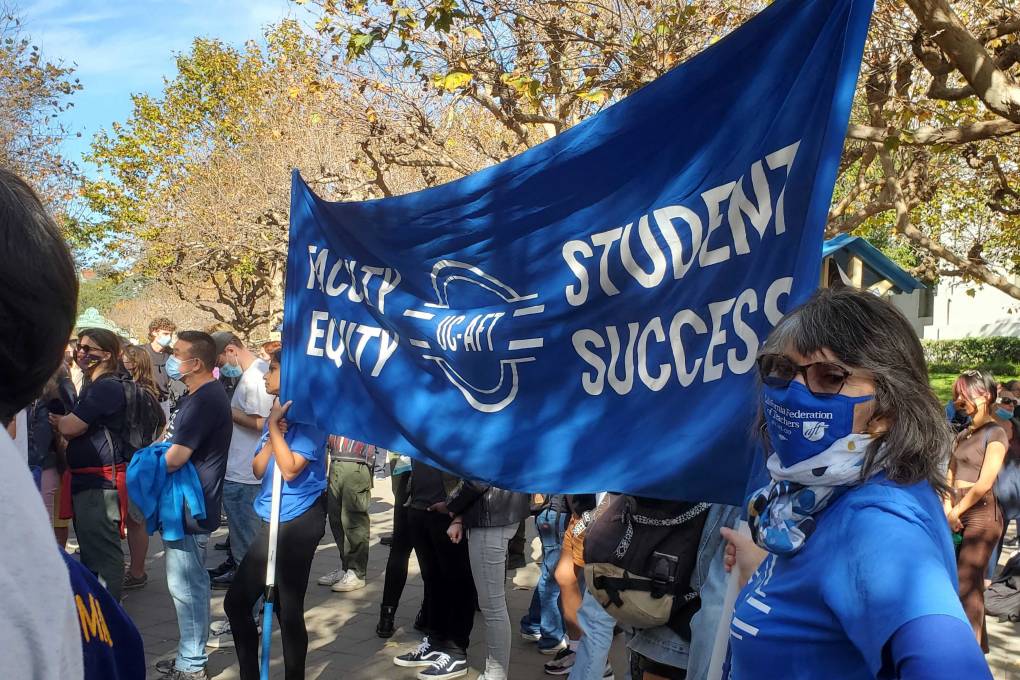
"caption": "Clelia Donovan, right, continuing lecturer in Spanish and Portuguese at UC Berkeley, at a rally on campus on Nov. 17, 2021, to celebrate the last-minute contract deal that averted a planned systemwide strike. ‘I’m elated that we got a contract resolution,’ she said.",
"description": "Clelia Donovan, right, continuing lecturer in Spanish and Portuguese at UC Berkeley, at a rally on campus on Nov. 17, 2021, to celebrate the last-minute contract deal that averted a planned systemwide strike.",
"title": "20211117_125512",
"credit": "Alex Emslie/KQED",
"status": "inherit",
"altTag": "Several people are gathered outdoors under the shade of trees, many are wearing the same t-shirt. A pair is holding up a large sign that says, 'Faculty equity equals student success.'",
"isLoading": false,
"fetchFailed": false
},
"news_11896428": {
"type": "attachments",
"id": "news_11896428",
"meta": {
"index": "attachments_1716263798",
"site": "news",
"id": "11896428",
"found": true
},
"parent": 11896422,
"imgSizes": {
"twentyfourteen-full-width": {
"file": "https://ww2.kqed.org/app/uploads/sites/10/2021/11/Screen-Shot-2021-11-16-at-3.11.54-PM-1038x576.png",
"width": 1038,
"mimeType": "image/png",
"height": 576
},
"thumbnail": {
"file": "https://ww2.kqed.org/app/uploads/sites/10/2021/11/Screen-Shot-2021-11-16-at-3.11.54-PM-160x107.png",
"width": 160,
"mimeType": "image/png",
"height": 107
},
"post-thumbnail": {
"file": "https://ww2.kqed.org/app/uploads/sites/10/2021/11/Screen-Shot-2021-11-16-at-3.11.54-PM-672x372.png",
"width": 672,
"mimeType": "image/png",
"height": 372
},
"kqedFullSize": {
"file": "https://ww2.kqed.org/app/uploads/sites/10/2021/11/Screen-Shot-2021-11-16-at-3.11.54-PM.png",
"width": 2394,
"height": 1596
},
"2048x2048": {
"file": "https://ww2.kqed.org/app/uploads/sites/10/2021/11/Screen-Shot-2021-11-16-at-3.11.54-PM-2048x1365.png",
"width": 2048,
"mimeType": "image/png",
"height": 1365
},
"large": {
"file": "https://ww2.kqed.org/app/uploads/sites/10/2021/11/Screen-Shot-2021-11-16-at-3.11.54-PM-1020x680.png",
"width": 1020,
"mimeType": "image/png",
"height": 680
},
"1536x1536": {
"file": "https://ww2.kqed.org/app/uploads/sites/10/2021/11/Screen-Shot-2021-11-16-at-3.11.54-PM-1536x1024.png",
"width": 1536,
"mimeType": "image/png",
"height": 1024
},
"full-width": {
"file": "https://ww2.kqed.org/app/uploads/sites/10/2021/11/Screen-Shot-2021-11-16-at-3.11.54-PM-1920x1280.png",
"width": 1920,
"mimeType": "image/png",
"height": 1280
},
"medium": {
"file": "https://ww2.kqed.org/app/uploads/sites/10/2021/11/Screen-Shot-2021-11-16-at-3.11.54-PM-800x533.png",
"width": 800,
"mimeType": "image/png",
"height": 533
}
},
"publishDate": 1637104337,
"modified": 1637104503,
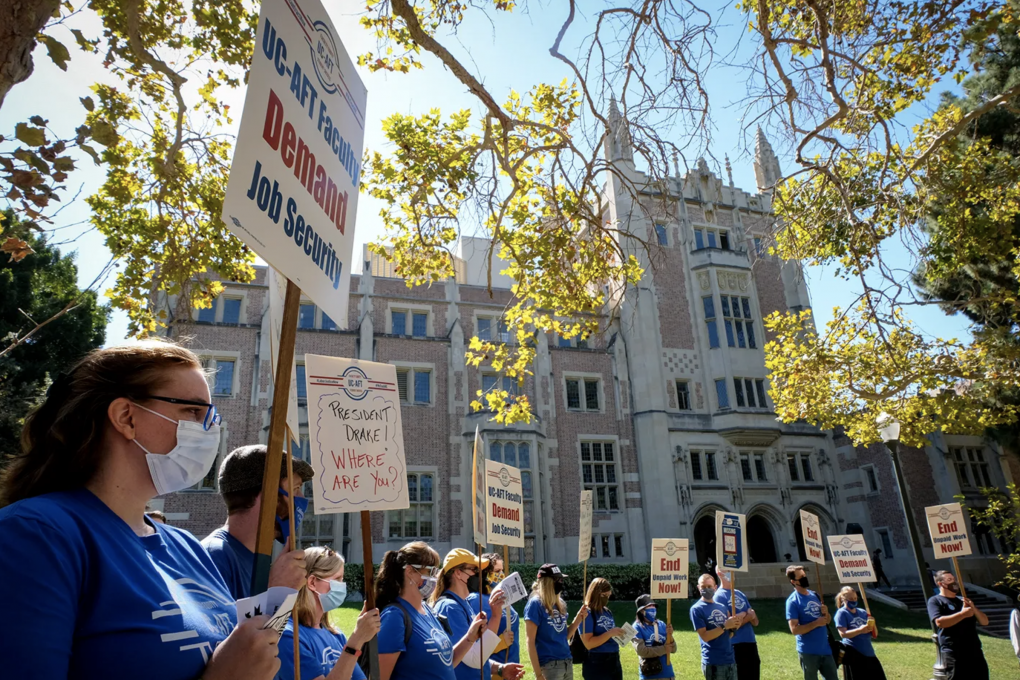
"caption": "UCLA teachers rally outside of Kerchoff Hall at UCLA's campus demanding job stability and fair wages on Oct. 13, 2021. ",
"description": null,
"title": "Screen Shot 2021-11-16 at 3.11.54 PM",
"credit": "Zaydee Sanchez/CalMatters",
"status": "inherit",
"altTag": "15 people are outside standing on grass wearing blue shirts. 12 people are holding signs. One of the signs reads \"UC-AFT Faculty require job security.\"",
"isLoading": false,
"fetchFailed": false
},
"news_11893312": {
"type": "attachments",
"id": "news_11893312",
"meta": {
"index": "attachments_1716263798",
"site": "news",
"id": "11893312",
"found": true
},
"parent": 11893226,
"imgSizes": {
"twentyfourteen-full-width": {
"file": "https://ww2.kqed.org/app/uploads/sites/10/2021/10/UC_CalMAtters-1038x576.jpg",
"width": 1038,
"mimeType": "image/jpeg",
"height": 576
},
"thumbnail": {
"file": "https://ww2.kqed.org/app/uploads/sites/10/2021/10/UC_CalMAtters-160x107.jpg",
"width": 160,
"mimeType": "image/jpeg",
"height": 107
},
"post-thumbnail": {
"file": "https://ww2.kqed.org/app/uploads/sites/10/2021/10/UC_CalMAtters-672x372.jpg",
"width": 672,
"mimeType": "image/jpeg",
"height": 372
},
"kqedFullSize": {
"file": "https://ww2.kqed.org/app/uploads/sites/10/2021/10/UC_CalMAtters.jpg",
"width": 1536,
"height": 1026
},
"large": {
"file": "https://ww2.kqed.org/app/uploads/sites/10/2021/10/UC_CalMAtters-1020x681.jpg",
"width": 1020,
"mimeType": "image/jpeg",
"height": 681
},
"medium": {
"file": "https://ww2.kqed.org/app/uploads/sites/10/2021/10/UC_CalMAtters-800x534.jpg",
"width": 800,
"mimeType": "image/jpeg",
"height": 534
}
},
"publishDate": 1634857877,
"modified": 1634926820,
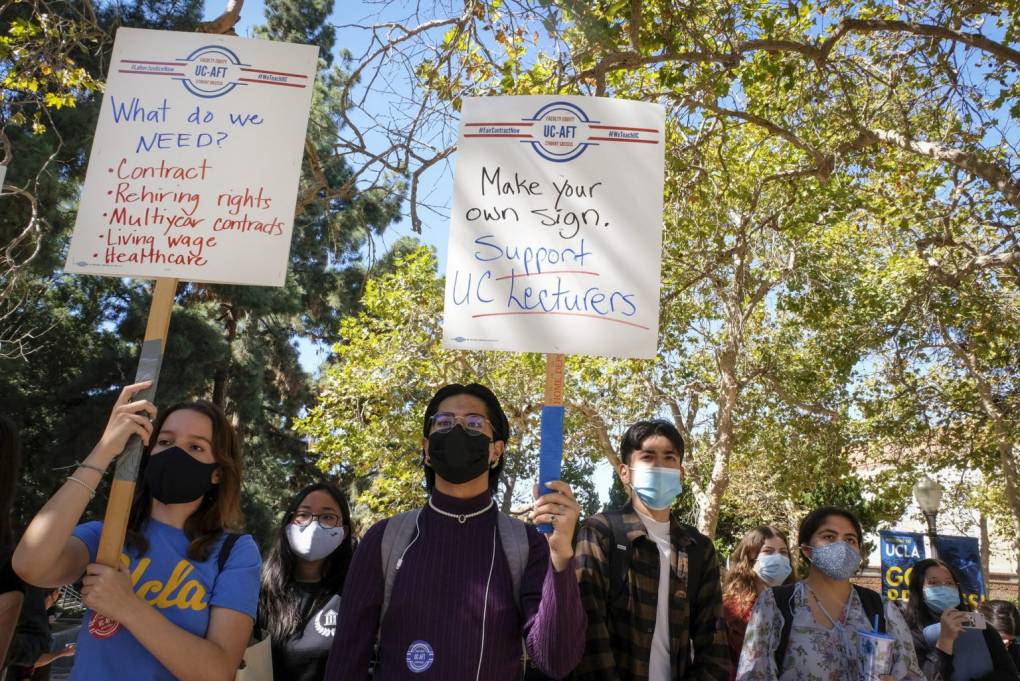
"caption": "Students hold signs while listening to UCLA faculty members share their stories of unfair wages on Oct. 13, 2021.",
"description": null,
"title": "UC_CalMAtters",
"credit": "Zaydee Sanchez/CalMatters",
"status": "inherit",
"altTag": "Masked students walking beneath leafy trees hold signs. One says, \"Support UC Lecturers.\" Another says, \"What do we need? Contract, rehiring rights, multiyear contracts, living wage, healthcare.\"",
"isLoading": false,
"fetchFailed": false
},
"news_11881745": {
"type": "attachments",
"id": "news_11881745",
"meta": {
"index": "attachments_1716263798",
"site": "news",
"id": "11881745",
"found": true
},
"parent": 11881743,
"imgSizes": {
"twentyfourteen-full-width": {
"file": "https://ww2.kqed.org/app/uploads/sites/10/2021/07/LosAngeles_AW-1038x576.jpg",
"width": 1038,
"mimeType": "image/jpeg",
"height": 576
},
"thumbnail": {
"file": "https://ww2.kqed.org/app/uploads/sites/10/2021/07/LosAngeles_AW-160x107.jpg",
"width": 160,
"mimeType": "image/jpeg",
"height": 107
},
"post-thumbnail": {
"file": "https://ww2.kqed.org/app/uploads/sites/10/2021/07/LosAngeles_AW-672x372.jpg",
"width": 672,
"mimeType": "image/jpeg",
"height": 372
},
"kqedFullSize": {
"file": "https://ww2.kqed.org/app/uploads/sites/10/2021/07/LosAngeles_AW.jpg",
"width": 1200,
"height": 802
},
"large": {
"file": "https://ww2.kqed.org/app/uploads/sites/10/2021/07/LosAngeles_AW-1020x682.jpg",
"width": 1020,
"mimeType": "image/jpeg",
"height": 682
},
"medium": {
"file": "https://ww2.kqed.org/app/uploads/sites/10/2021/07/LosAngeles_AW-800x535.jpg",
"width": 800,
"mimeType": "image/jpeg",
"height": 535
}
},
"publishDate": 1626800845,
"modified": 1626800876,
"caption": "Students sit outside of Royce Hall at UCLA — among the University of California campuses that could experience tuition hikes every year under a pending proposal.",
"description": null,
"title": "LosAngeles_AW",
"credit": "Anne Wernikoff/CalMatters",
"status": "inherit",
"altTag": null,
"isLoading": false,
"fetchFailed": false
},
"news_11859872": {
"type": "attachments",
"id": "news_11859872",
"meta": {
"index": "attachments_1716263798",
"site": "news",
"id": "11859872",
"found": true
},
"parent": 11859831,
"imgSizes": {
"apple_news_ca_landscape_5_5": {
"file": "https://ww2.kqed.org/app/uploads/sites/10/2021/02/RS6737_128930962-1044x783.jpg",
"width": 1044,
"mimeType": "image/jpeg",
"height": 783
},
"apple_news_ca_square_4_0": {
"file": "https://ww2.kqed.org/app/uploads/sites/10/2021/02/RS6737_128930962-470x470.jpg",
"width": 470,
"mimeType": "image/jpeg",
"height": 470
},
"twentyfourteen-full-width": {
"file": "https://ww2.kqed.org/app/uploads/sites/10/2021/02/RS6737_128930962-1038x576.jpg",
"width": 1038,
"mimeType": "image/jpeg",
"height": 576
},
"thumbnail": {
"file": "https://ww2.kqed.org/app/uploads/sites/10/2021/02/RS6737_128930962-160x104.jpg",
"width": 160,
"mimeType": "image/jpeg",
"height": 104
},
"post-thumbnail": {
"file": "https://ww2.kqed.org/app/uploads/sites/10/2021/02/RS6737_128930962-672x372.jpg",
"width": 672,
"mimeType": "image/jpeg",
"height": 372
},
"kqedFullSize": {
"file": "https://ww2.kqed.org/app/uploads/sites/10/2021/02/RS6737_128930962.jpg",
"width": 2147,
"height": 1399
},
"2048x2048": {
"file": "https://ww2.kqed.org/app/uploads/sites/10/2021/02/RS6737_128930962-2048x1334.jpg",
"width": 2048,
"mimeType": "image/jpeg",
"height": 1334
},
"apple_news_ca_landscape_4_7": {
"file": "https://ww2.kqed.org/app/uploads/sites/10/2021/02/RS6737_128930962-632x474.jpg",
"width": 632,
"mimeType": "image/jpeg",
"height": 474
},
"large": {
"file": "https://ww2.kqed.org/app/uploads/sites/10/2021/02/RS6737_128930962-1020x665.jpg",
"width": 1020,
"mimeType": "image/jpeg",
"height": 665
},
"apple_news_ca_landscape_4_0": {
"file": "https://ww2.kqed.org/app/uploads/sites/10/2021/02/RS6737_128930962-536x402.jpg",
"width": 536,
"mimeType": "image/jpeg",
"height": 402
},
"apple_news_ca_portrait_12_9": {
"file": "https://ww2.kqed.org/app/uploads/sites/10/2021/02/RS6737_128930962-1122x1399.jpg",
"width": 1122,
"mimeType": "image/jpeg",
"height": 1399
},
"medium": {
"file": "https://ww2.kqed.org/app/uploads/sites/10/2021/02/RS6737_128930962-800x521.jpg",
"width": 800,
"mimeType": "image/jpeg",
"height": 521
},
"apple_news_ca_portrait_4_0": {
"file": "https://ww2.kqed.org/app/uploads/sites/10/2021/02/RS6737_128930962-354x472.jpg",
"width": 354,
"mimeType": "image/jpeg",
"height": 472
},
"apple_news_ca_portrait_9_7": {
"file": "https://ww2.kqed.org/app/uploads/sites/10/2021/02/RS6737_128930962-840x1120.jpg",
"width": 840,
"mimeType": "image/jpeg",
"height": 1120
},
"apple_news_ca_landscape_12_9": {
"file": "https://ww2.kqed.org/app/uploads/sites/10/2021/02/RS6737_128930962-1832x1374.jpg",
"width": 1832,
"mimeType": "image/jpeg",
"height": 1374
},
"apple_news_ca_square_9_7": {
"file": "https://ww2.kqed.org/app/uploads/sites/10/2021/02/RS6737_128930962-1104x1104.jpg",
"width": 1104,
"mimeType": "image/jpeg",
"height": 1104
},
"1536x1536": {
"file": "https://ww2.kqed.org/app/uploads/sites/10/2021/02/RS6737_128930962-1536x1001.jpg",
"width": 1536,
"mimeType": "image/jpeg",
"height": 1001
},
"apple_news_ca_portrait_4_7": {
"file": "https://ww2.kqed.org/app/uploads/sites/10/2021/02/RS6737_128930962-414x552.jpg",
"width": 414,
"mimeType": "image/jpeg",
"height": 552
},
"apple_news_ca_square_12_9": {
"file": "https://ww2.kqed.org/app/uploads/sites/10/2021/02/RS6737_128930962-1472x1399.jpg",
"width": 1472,
"mimeType": "image/jpeg",
"height": 1399
},
"apple_news_ca_portrait_5_5": {
"file": "https://ww2.kqed.org/app/uploads/sites/10/2021/02/RS6737_128930962-687x916.jpg",
"width": 687,
"mimeType": "image/jpeg",
"height": 916
},
"full-width": {
"file": "https://ww2.kqed.org/app/uploads/sites/10/2021/02/RS6737_128930962-1920x1251.jpg",
"width": 1920,
"mimeType": "image/jpeg",
"height": 1251
},
"apple_news_ca_square_4_7": {
"file": "https://ww2.kqed.org/app/uploads/sites/10/2021/02/RS6737_128930962-550x550.jpg",
"width": 550,
"mimeType": "image/jpeg",
"height": 550
},
"apple_news_ca_landscape_9_7": {
"file": "https://ww2.kqed.org/app/uploads/sites/10/2021/02/RS6737_128930962-1376x1032.jpg",
"width": 1376,
"mimeType": "image/jpeg",
"height": 1032
},
"apple_news_ca_square_5_5": {
"file": "https://ww2.kqed.org/app/uploads/sites/10/2021/02/RS6737_128930962-912x912.jpg",
"width": 912,
"mimeType": "image/jpeg",
"height": 912
}
},
"publishDate": 1613009241,
"modified": 1613071585,
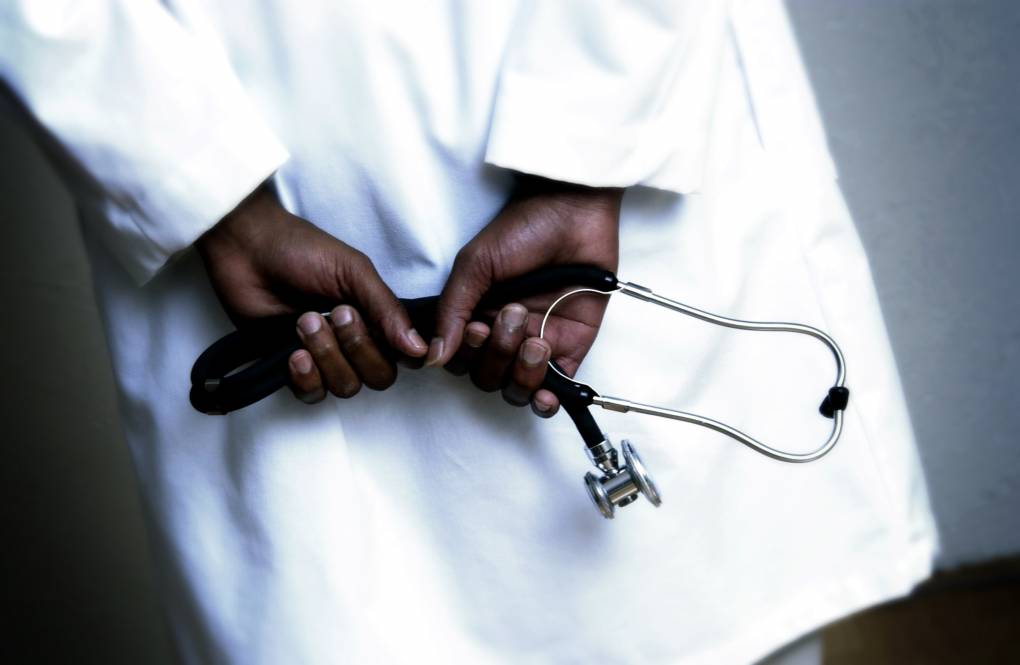
"caption": "UC doctors working at Catholic hospitals in California must abide by directives that prohibit care, including abortions, contraception and gender affirmation surgery. A new bill could change that.",
"description": "UC doctors working at Catholic hospitals in California must abide by directives that prohibit care including abortions, contraception and gender affirmation surgery. A new bill could change that.",
"title": "RS6737_128930962",
"credit": "Getty Images",
"status": "inherit",
"altTag": null,
"isLoading": false,
"fetchFailed": false
},
"news_11838300": {
"type": "attachments",
"id": "news_11838300",
"meta": {
"index": "attachments_1716263798",
"site": "news",
"id": "11838300",
"found": true
},
"parent": 11838205,
"imgSizes": {
"apple_news_ca_landscape_5_5": {
"file": "https://ww2.kqed.org/app/uploads/sites/10/2020/09/Berkeley-1-1044x783.png",
"width": 1044,
"mimeType": "image/png",
"height": 783
},
"apple_news_ca_square_4_0": {
"file": "https://ww2.kqed.org/app/uploads/sites/10/2020/09/Berkeley-1-470x470.png",
"width": 470,
"mimeType": "image/png",
"height": 470
},
"twentyfourteen-full-width": {
"file": "https://ww2.kqed.org/app/uploads/sites/10/2020/09/Berkeley-1-1038x576.png",
"width": 1038,
"mimeType": "image/png",
"height": 576
},
"thumbnail": {
"file": "https://ww2.kqed.org/app/uploads/sites/10/2020/09/Berkeley-1-160x108.png",
"width": 160,
"mimeType": "image/png",
"height": 108
},
"post-thumbnail": {
"file": "https://ww2.kqed.org/app/uploads/sites/10/2020/09/Berkeley-1-672x372.png",
"width": 672,
"mimeType": "image/png",
"height": 372
},
"kqedFullSize": {
"file": "https://ww2.kqed.org/app/uploads/sites/10/2020/09/Berkeley-1.png",
"width": 1900,
"height": 1280
},
"apple_news_ca_landscape_4_7": {
"file": "https://ww2.kqed.org/app/uploads/sites/10/2020/09/Berkeley-1-632x474.png",
"width": 632,
"mimeType": "image/png",
"height": 474
},
"large": {
"file": "https://ww2.kqed.org/app/uploads/sites/10/2020/09/Berkeley-1-1020x687.png",
"width": 1020,
"mimeType": "image/png",
"height": 687
},
"apple_news_ca_landscape_4_0": {
"file": "https://ww2.kqed.org/app/uploads/sites/10/2020/09/Berkeley-1-536x402.png",
"width": 536,
"mimeType": "image/png",
"height": 402
},
"apple_news_ca_portrait_12_9": {
"file": "https://ww2.kqed.org/app/uploads/sites/10/2020/09/Berkeley-1-1122x1280.png",
"width": 1122,
"mimeType": "image/png",
"height": 1280
},
"medium": {
"file": "https://ww2.kqed.org/app/uploads/sites/10/2020/09/Berkeley-1-800x539.png",
"width": 800,
"mimeType": "image/png",
"height": 539
},
"apple_news_ca_portrait_4_0": {
"file": "https://ww2.kqed.org/app/uploads/sites/10/2020/09/Berkeley-1-354x472.png",
"width": 354,
"mimeType": "image/png",
"height": 472
},
"apple_news_ca_portrait_9_7": {
"file": "https://ww2.kqed.org/app/uploads/sites/10/2020/09/Berkeley-1-840x1120.png",
"width": 840,
"mimeType": "image/png",
"height": 1120
},
"apple_news_ca_landscape_12_9": {
"file": "https://ww2.kqed.org/app/uploads/sites/10/2020/09/Berkeley-1-1832x1280.png",
"width": 1832,
"mimeType": "image/png",
"height": 1280
},
"apple_news_ca_square_9_7": {
"file": "https://ww2.kqed.org/app/uploads/sites/10/2020/09/Berkeley-1-1104x1104.png",
"width": 1104,
"mimeType": "image/png",
"height": 1104
},
"1536x1536": {
"file": "https://ww2.kqed.org/app/uploads/sites/10/2020/09/Berkeley-1-1536x1035.png",
"width": 1536,
"mimeType": "image/png",
"height": 1035
},
"apple_news_ca_portrait_4_7": {
"file": "https://ww2.kqed.org/app/uploads/sites/10/2020/09/Berkeley-1-414x552.png",
"width": 414,
"mimeType": "image/png",
"height": 552
},
"apple_news_ca_square_12_9": {
"file": "https://ww2.kqed.org/app/uploads/sites/10/2020/09/Berkeley-1-1472x1280.png",
"width": 1472,
"mimeType": "image/png",
"height": 1280
},
"apple_news_ca_portrait_5_5": {
"file": "https://ww2.kqed.org/app/uploads/sites/10/2020/09/Berkeley-1-687x916.png",
"width": 687,
"mimeType": "image/png",
"height": 916
},
"apple_news_ca_square_4_7": {
"file": "https://ww2.kqed.org/app/uploads/sites/10/2020/09/Berkeley-1-550x550.png",
"width": 550,
"mimeType": "image/png",
"height": 550
},
"apple_news_ca_landscape_9_7": {
"file": "https://ww2.kqed.org/app/uploads/sites/10/2020/09/Berkeley-1-1376x1032.png",
"width": 1376,
"mimeType": "image/png",
"height": 1032
},
"apple_news_ca_square_5_5": {
"file": "https://ww2.kqed.org/app/uploads/sites/10/2020/09/Berkeley-1-912x912.png",
"width": 912,
"mimeType": "image/png",
"height": 912
}
},
"publishDate": 1600299214,
"modified": 1619183948,
"caption": null,
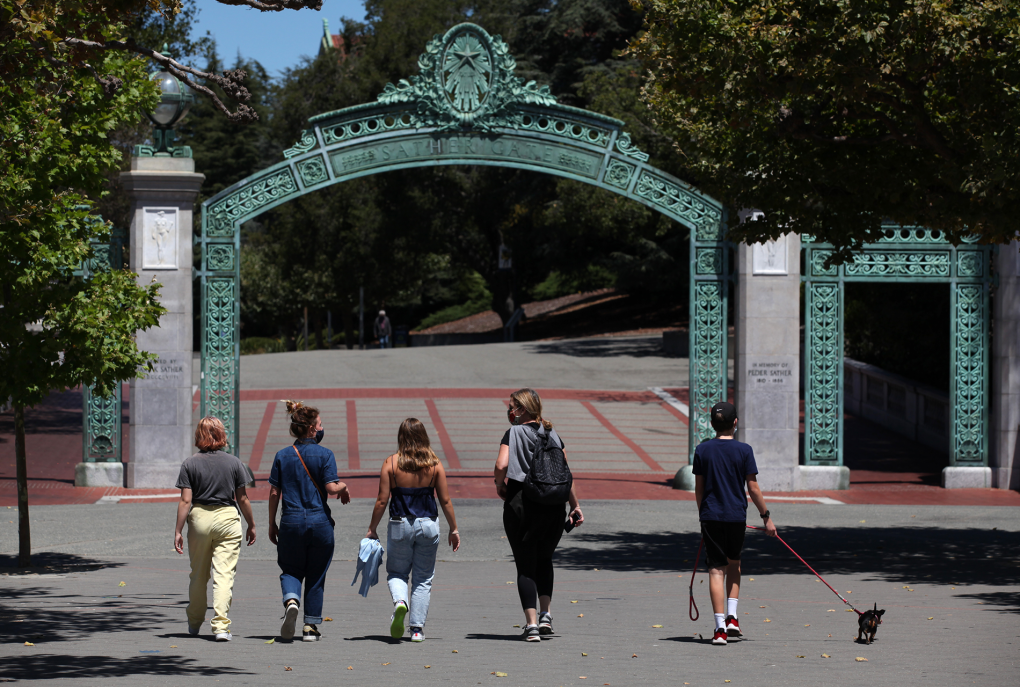
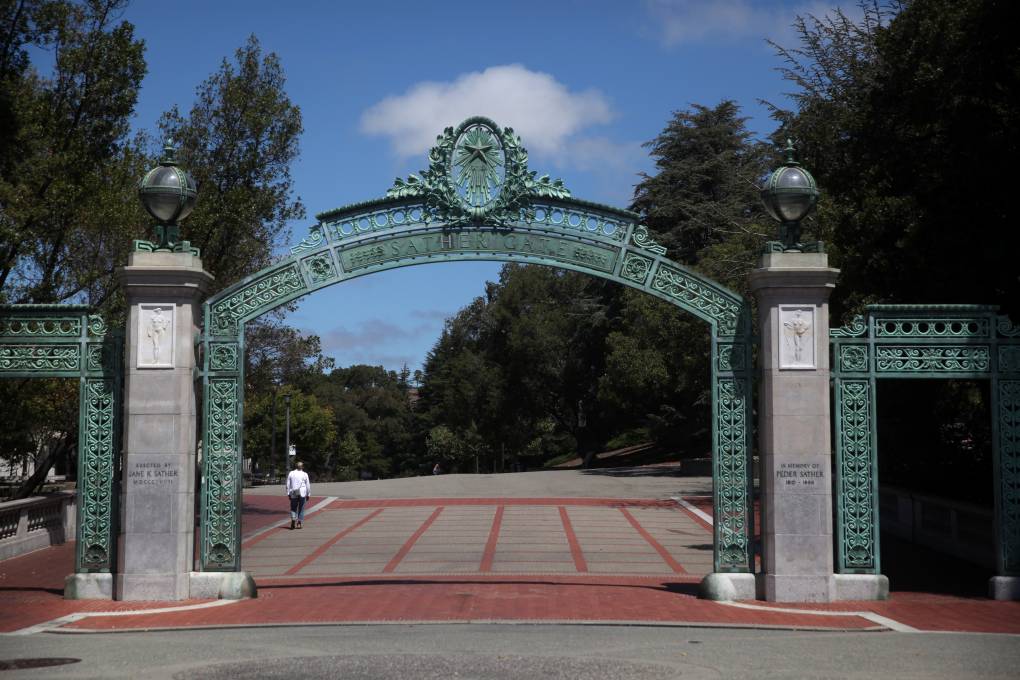
"description": "Students wearing masks at UC Berkeley walk through Sather Gate.",
"title": "Berkeley",
"credit": "Justin Sullivan/Getty Images",
"status": "inherit",
"altTag": "Students wearing masks at UC Berkeley walk through Sather Gate",
"isLoading": false,
"fetchFailed": false
},
"news_11847974": {
"type": "attachments",
"id": "news_11847974",
"meta": {
"index": "attachments_1716263798",
"site": "news",
"id": "11847974",
"found": true
},
"parent": 11847924,
"imgSizes": {
"apple_news_ca_landscape_5_5": {
"file": "https://ww2.kqed.org/app/uploads/sites/10/2020/11/LeConte-Hall-UC-Berkeley-1044x783.jpg",
"width": 1044,
"mimeType": "image/jpeg",
"height": 783
},
"apple_news_ca_square_4_0": {
"file": "https://ww2.kqed.org/app/uploads/sites/10/2020/11/LeConte-Hall-UC-Berkeley-470x470.jpg",
"width": 470,
"mimeType": "image/jpeg",
"height": 470
},
"twentyfourteen-full-width": {
"file": "https://ww2.kqed.org/app/uploads/sites/10/2020/11/LeConte-Hall-UC-Berkeley-1038x576.jpg",
"width": 1038,
"mimeType": "image/jpeg",
"height": 576
},
"thumbnail": {
"file": "https://ww2.kqed.org/app/uploads/sites/10/2020/11/LeConte-Hall-UC-Berkeley-160x107.jpg",
"width": 160,
"mimeType": "image/jpeg",
"height": 107
},
"post-thumbnail": {
"file": "https://ww2.kqed.org/app/uploads/sites/10/2020/11/LeConte-Hall-UC-Berkeley-672x372.jpg",
"width": 672,
"mimeType": "image/jpeg",
"height": 372
},
"kqedFullSize": {
"file": "https://ww2.kqed.org/app/uploads/sites/10/2020/11/LeConte-Hall-UC-Berkeley.jpg",
"width": 1920,
"height": 1280
},
"apple_news_ca_landscape_4_7": {
"file": "https://ww2.kqed.org/app/uploads/sites/10/2020/11/LeConte-Hall-UC-Berkeley-632x474.jpg",
"width": 632,
"mimeType": "image/jpeg",
"height": 474
},
"large": {
"file": "https://ww2.kqed.org/app/uploads/sites/10/2020/11/LeConte-Hall-UC-Berkeley-1020x680.jpg",
"width": 1020,
"mimeType": "image/jpeg",
"height": 680
},
"apple_news_ca_landscape_4_0": {
"file": "https://ww2.kqed.org/app/uploads/sites/10/2020/11/LeConte-Hall-UC-Berkeley-536x402.jpg",
"width": 536,
"mimeType": "image/jpeg",
"height": 402
},
"apple_news_ca_portrait_12_9": {
"file": "https://ww2.kqed.org/app/uploads/sites/10/2020/11/LeConte-Hall-UC-Berkeley-1122x1280.jpg",
"width": 1122,
"mimeType": "image/jpeg",
"height": 1280
},
"medium": {
"file": "https://ww2.kqed.org/app/uploads/sites/10/2020/11/LeConte-Hall-UC-Berkeley-800x533.jpg",
"width": 800,
"mimeType": "image/jpeg",
"height": 533
},
"apple_news_ca_portrait_4_0": {
"file": "https://ww2.kqed.org/app/uploads/sites/10/2020/11/LeConte-Hall-UC-Berkeley-354x472.jpg",
"width": 354,
"mimeType": "image/jpeg",
"height": 472
},
"apple_news_ca_portrait_9_7": {
"file": "https://ww2.kqed.org/app/uploads/sites/10/2020/11/LeConte-Hall-UC-Berkeley-840x1120.jpg",
"width": 840,
"mimeType": "image/jpeg",
"height": 1120
},
"apple_news_ca_landscape_12_9": {
"file": "https://ww2.kqed.org/app/uploads/sites/10/2020/11/LeConte-Hall-UC-Berkeley-1832x1280.jpg",
"width": 1832,
"mimeType": "image/jpeg",
"height": 1280
},
"apple_news_ca_square_9_7": {
"file": "https://ww2.kqed.org/app/uploads/sites/10/2020/11/LeConte-Hall-UC-Berkeley-1104x1104.jpg",
"width": 1104,
"mimeType": "image/jpeg",
"height": 1104
},
"1536x1536": {
"file": "https://ww2.kqed.org/app/uploads/sites/10/2020/11/LeConte-Hall-UC-Berkeley-1536x1024.jpg",
"width": 1536,
"mimeType": "image/jpeg",
"height": 1024
},
"apple_news_ca_portrait_4_7": {
"file": "https://ww2.kqed.org/app/uploads/sites/10/2020/11/LeConte-Hall-UC-Berkeley-414x552.jpg",
"width": 414,
"mimeType": "image/jpeg",
"height": 552
},
"apple_news_ca_square_12_9": {
"file": "https://ww2.kqed.org/app/uploads/sites/10/2020/11/LeConte-Hall-UC-Berkeley-1472x1280.jpg",
"width": 1472,
"mimeType": "image/jpeg",
"height": 1280
},
"apple_news_ca_portrait_5_5": {
"file": "https://ww2.kqed.org/app/uploads/sites/10/2020/11/LeConte-Hall-UC-Berkeley-687x916.jpg",
"width": 687,
"mimeType": "image/jpeg",
"height": 916
},
"apple_news_ca_square_4_7": {
"file": "https://ww2.kqed.org/app/uploads/sites/10/2020/11/LeConte-Hall-UC-Berkeley-550x550.jpg",
"width": 550,
"mimeType": "image/jpeg",
"height": 550
},
"apple_news_ca_landscape_9_7": {
"file": "https://ww2.kqed.org/app/uploads/sites/10/2020/11/LeConte-Hall-UC-Berkeley-1376x1032.jpg",
"width": 1376,
"mimeType": "image/jpeg",
"height": 1032
},
"apple_news_ca_square_5_5": {
"file": "https://ww2.kqed.org/app/uploads/sites/10/2020/11/LeConte-Hall-UC-Berkeley-912x912.jpg",
"width": 912,
"mimeType": "image/jpeg",
"height": 912
}
},
"publishDate": 1605737949,
"modified": 1605738095,
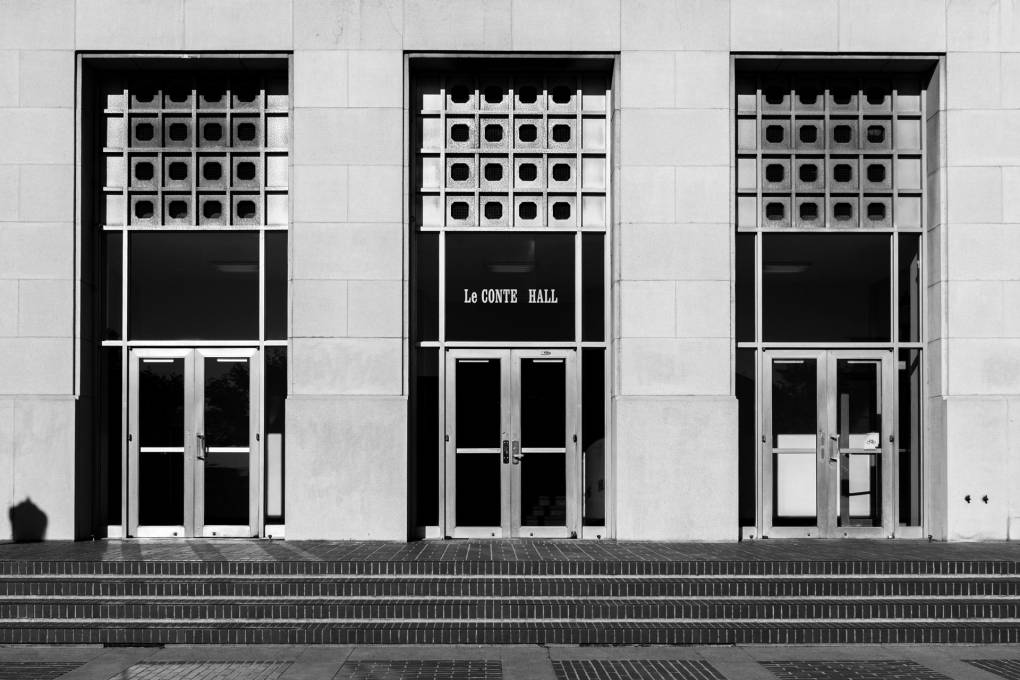
"caption": "LeConte Hall, which houses UC Berkeley's physics department, will be renamed.",
"description": null,
"title": "LeConte-Hall-UC-Berkeley",
"credit": "\u003ca href=\"https://www.flickr.com/photos/alisinan/\">ali sinan köksal\u003c/a>/Flickr",
"status": "inherit",
"isLoading": false,
"fetchFailed": false
},
"news_11847722": {
"type": "attachments",
"id": "news_11847722",
"meta": {
"index": "attachments_1716263798",
"site": "news",
"id": "11847722",
"found": true
},
"parent": 11847719,
"imgSizes": {
"apple_news_ca_landscape_5_5": {
"file": "https://ww2.kqed.org/app/uploads/sites/10/2020/11/1920_GettyImages-1257652269-copy-1044x783.jpg",
"width": 1044,
"mimeType": "image/jpeg",
"height": 783
},
"apple_news_ca_square_4_0": {
"file": "https://ww2.kqed.org/app/uploads/sites/10/2020/11/1920_GettyImages-1257652269-copy-470x470.jpg",
"width": 470,
"mimeType": "image/jpeg",
"height": 470
},
"twentyfourteen-full-width": {
"file": "https://ww2.kqed.org/app/uploads/sites/10/2020/11/1920_GettyImages-1257652269-copy-1038x576.jpg",
"width": 1038,
"mimeType": "image/jpeg",
"height": 576
},
"thumbnail": {
"file": "https://ww2.kqed.org/app/uploads/sites/10/2020/11/1920_GettyImages-1257652269-copy-160x90.jpg",
"width": 160,
"mimeType": "image/jpeg",
"height": 90
},
"post-thumbnail": {
"file": "https://ww2.kqed.org/app/uploads/sites/10/2020/11/1920_GettyImages-1257652269-copy-672x372.jpg",
"width": 672,
"mimeType": "image/jpeg",
"height": 372
},
"kqedFullSize": {
"file": "https://ww2.kqed.org/app/uploads/sites/10/2020/11/1920_GettyImages-1257652269-copy-scaled.jpg",
"width": 2560,
"height": 1440
},
"2048x2048": {
"file": "https://ww2.kqed.org/app/uploads/sites/10/2020/11/1920_GettyImages-1257652269-copy-2048x1152.jpg",
"width": 2048,
"mimeType": "image/jpeg",
"height": 1152
},
"apple_news_ca_landscape_4_7": {
"file": "https://ww2.kqed.org/app/uploads/sites/10/2020/11/1920_GettyImages-1257652269-copy-632x474.jpg",
"width": 632,
"mimeType": "image/jpeg",
"height": 474
},
"large": {
"file": "https://ww2.kqed.org/app/uploads/sites/10/2020/11/1920_GettyImages-1257652269-copy-1020x574.jpg",
"width": 1020,
"mimeType": "image/jpeg",
"height": 574
},
"apple_news_ca_landscape_4_0": {
"file": "https://ww2.kqed.org/app/uploads/sites/10/2020/11/1920_GettyImages-1257652269-copy-536x402.jpg",
"width": 536,
"mimeType": "image/jpeg",
"height": 402
},
"apple_news_ca_portrait_12_9": {
"file": "https://ww2.kqed.org/app/uploads/sites/10/2020/11/1920_GettyImages-1257652269-copy-1122x1496.jpg",
"width": 1122,
"mimeType": "image/jpeg",
"height": 1496
},
"medium": {
"file": "https://ww2.kqed.org/app/uploads/sites/10/2020/11/1920_GettyImages-1257652269-copy-800x450.jpg",
"width": 800,
"mimeType": "image/jpeg",
"height": 450
},
"apple_news_ca_portrait_4_0": {
"file": "https://ww2.kqed.org/app/uploads/sites/10/2020/11/1920_GettyImages-1257652269-copy-354x472.jpg",
"width": 354,
"mimeType": "image/jpeg",
"height": 472
},
"apple_news_ca_portrait_9_7": {
"file": "https://ww2.kqed.org/app/uploads/sites/10/2020/11/1920_GettyImages-1257652269-copy-840x1120.jpg",
"width": 840,
"mimeType": "image/jpeg",
"height": 1120
},
"apple_news_ca_landscape_12_9": {
"file": "https://ww2.kqed.org/app/uploads/sites/10/2020/11/1920_GettyImages-1257652269-copy-1832x1374.jpg",
"width": 1832,
"mimeType": "image/jpeg",
"height": 1374
},
"apple_news_ca_square_9_7": {
"file": "https://ww2.kqed.org/app/uploads/sites/10/2020/11/1920_GettyImages-1257652269-copy-1104x1104.jpg",
"width": 1104,
"mimeType": "image/jpeg",
"height": 1104
},
"1536x1536": {
"file": "https://ww2.kqed.org/app/uploads/sites/10/2020/11/1920_GettyImages-1257652269-copy-1536x864.jpg",
"width": 1536,
"mimeType": "image/jpeg",
"height": 864
},
"apple_news_ca_portrait_4_7": {
"file": "https://ww2.kqed.org/app/uploads/sites/10/2020/11/1920_GettyImages-1257652269-copy-414x552.jpg",
"width": 414,
"mimeType": "image/jpeg",
"height": 552
},
"apple_news_ca_square_12_9": {
"file": "https://ww2.kqed.org/app/uploads/sites/10/2020/11/1920_GettyImages-1257652269-copy-1472x1472.jpg",
"width": 1472,
"mimeType": "image/jpeg",
"height": 1472
},
"apple_news_ca_portrait_5_5": {
"file": "https://ww2.kqed.org/app/uploads/sites/10/2020/11/1920_GettyImages-1257652269-copy-687x916.jpg",
"width": 687,
"mimeType": "image/jpeg",
"height": 916
},
"full-width": {
"file": "https://ww2.kqed.org/app/uploads/sites/10/2020/11/1920_GettyImages-1257652269-copy-1920x1080.jpg",
"width": 1920,
"mimeType": "image/jpeg",
"height": 1080
},
"apple_news_ca_square_4_7": {
"file": "https://ww2.kqed.org/app/uploads/sites/10/2020/11/1920_GettyImages-1257652269-copy-550x550.jpg",
"width": 550,
"mimeType": "image/jpeg",
"height": 550
},
"apple_news_ca_landscape_9_7": {
"file": "https://ww2.kqed.org/app/uploads/sites/10/2020/11/1920_GettyImages-1257652269-copy-1376x1032.jpg",
"width": 1376,
"mimeType": "image/jpeg",
"height": 1032
},
"apple_news_ca_square_5_5": {
"file": "https://ww2.kqed.org/app/uploads/sites/10/2020/11/1920_GettyImages-1257652269-copy-912x912.jpg",
"width": 912,
"mimeType": "image/jpeg",
"height": 912
}
},
"publishDate": 1605584155,
"modified": 1646802636,
"caption": null,
"description": null,
"title": null,
"credit": "Justin Sullivan/Getty Images",
"status": "inherit",
"altTag": null,
"isLoading": false,
"fetchFailed": false
},
"news_11839311": {
"type": "attachments",
"id": "news_11839311",
"meta": {
"index": "attachments_1716263798",
"site": "news",
"id": "11839311",
"found": true
},
"parent": 11839307,
"imgSizes": {
"apple_news_ca_landscape_5_5": {
"file": "https://ww2.kqed.org/app/uploads/sites/10/2020/09/cashletes_092320_final-1044x783.png",
"width": 1044,
"mimeType": "image/png",
"height": 783
},
"apple_news_ca_square_4_0": {
"file": "https://ww2.kqed.org/app/uploads/sites/10/2020/09/cashletes_092320_final-470x470.png",
"width": 470,
"mimeType": "image/png",
"height": 470
},
"twentyfourteen-full-width": {
"file": "https://ww2.kqed.org/app/uploads/sites/10/2020/09/cashletes_092320_final-1038x576.png",
"width": 1038,
"mimeType": "image/png",
"height": 576
},
"thumbnail": {
"file": "https://ww2.kqed.org/app/uploads/sites/10/2020/09/cashletes_092320_final-160x118.png",
"width": 160,
"mimeType": "image/png",
"height": 118
},
"post-thumbnail": {
"file": "https://ww2.kqed.org/app/uploads/sites/10/2020/09/cashletes_092320_final-672x372.png",
"width": 672,
"mimeType": "image/png",
"height": 372
},
"kqedFullSize": {
"file": "https://ww2.kqed.org/app/uploads/sites/10/2020/09/cashletes_092320_final.png",
"width": 1920,
"height": 1413
},
"apple_news_ca_landscape_4_7": {
"file": "https://ww2.kqed.org/app/uploads/sites/10/2020/09/cashletes_092320_final-632x474.png",
"width": 632,
"mimeType": "image/png",
"height": 474
},
"large": {
"file": "https://ww2.kqed.org/app/uploads/sites/10/2020/09/cashletes_092320_final-1020x751.png",
"width": 1020,
"mimeType": "image/png",
"height": 751
},
"apple_news_ca_landscape_4_0": {
"file": "https://ww2.kqed.org/app/uploads/sites/10/2020/09/cashletes_092320_final-536x402.png",
"width": 536,
"mimeType": "image/png",
"height": 402
},
"apple_news_ca_portrait_12_9": {
"file": "https://ww2.kqed.org/app/uploads/sites/10/2020/09/cashletes_092320_final-1122x1413.png",
"width": 1122,
"mimeType": "image/png",
"height": 1413
},
"medium": {
"file": "https://ww2.kqed.org/app/uploads/sites/10/2020/09/cashletes_092320_final-800x589.png",
"width": 800,
"mimeType": "image/png",
"height": 589
},
"apple_news_ca_portrait_4_0": {
"file": "https://ww2.kqed.org/app/uploads/sites/10/2020/09/cashletes_092320_final-354x472.png",
"width": 354,
"mimeType": "image/png",
"height": 472
},
"apple_news_ca_portrait_9_7": {
"file": "https://ww2.kqed.org/app/uploads/sites/10/2020/09/cashletes_092320_final-840x1120.png",
"width": 840,
"mimeType": "image/png",
"height": 1120
},
"apple_news_ca_landscape_12_9": {
"file": "https://ww2.kqed.org/app/uploads/sites/10/2020/09/cashletes_092320_final-1832x1374.png",
"width": 1832,
"mimeType": "image/png",
"height": 1374
},
"apple_news_ca_square_9_7": {
"file": "https://ww2.kqed.org/app/uploads/sites/10/2020/09/cashletes_092320_final-1104x1104.png",
"width": 1104,
"mimeType": "image/png",
"height": 1104
},
"1536x1536": {
"file": "https://ww2.kqed.org/app/uploads/sites/10/2020/09/cashletes_092320_final-1536x1130.png",
"width": 1536,
"mimeType": "image/png",
"height": 1130
},
"apple_news_ca_portrait_4_7": {
"file": "https://ww2.kqed.org/app/uploads/sites/10/2020/09/cashletes_092320_final-414x552.png",
"width": 414,
"mimeType": "image/png",
"height": 552
},
"apple_news_ca_square_12_9": {
"file": "https://ww2.kqed.org/app/uploads/sites/10/2020/09/cashletes_092320_final-1472x1413.png",
"width": 1472,
"mimeType": "image/png",
"height": 1413
},
"apple_news_ca_portrait_5_5": {
"file": "https://ww2.kqed.org/app/uploads/sites/10/2020/09/cashletes_092320_final-687x916.png",
"width": 687,
"mimeType": "image/png",
"height": 916
},
"apple_news_ca_square_4_7": {
"file": "https://ww2.kqed.org/app/uploads/sites/10/2020/09/cashletes_092320_final-550x550.png",
"width": 550,
"mimeType": "image/png",
"height": 550
},
"apple_news_ca_landscape_9_7": {
"file": "https://ww2.kqed.org/app/uploads/sites/10/2020/09/cashletes_092320_final-1376x1032.png",
"width": 1376,
"mimeType": "image/png",
"height": 1032
},
"apple_news_ca_square_5_5": {
"file": "https://ww2.kqed.org/app/uploads/sites/10/2020/09/cashletes_092320_final-912x912.png",
"width": 912,
"mimeType": "image/png",
"height": 912
}
},
"publishDate": 1600894020,
"modified": 1600894062,
"caption": null,
"description": null,
"title": "cashletes_092320_final",
"credit": null,
"status": "inherit",
"isLoading": false,
"fetchFailed": false
},
"news_11839089": {
"type": "attachments",
"id": "news_11839089",
"meta": {
"index": "attachments_1716263798",
"site": "news",
"id": "11839089",
"found": true
},
"parent": 11839078,
"imgSizes": {
"apple_news_ca_landscape_5_5": {
"file": "https://ww2.kqed.org/app/uploads/sites/10/2020/09/GettyImages-1257653148-1044x783.jpg",
"width": 1044,
"mimeType": "image/jpeg",
"height": 783
},
"apple_news_ca_square_4_0": {
"file": "https://ww2.kqed.org/app/uploads/sites/10/2020/09/GettyImages-1257653148-470x470.jpg",
"width": 470,
"mimeType": "image/jpeg",
"height": 470
},
"twentyfourteen-full-width": {
"file": "https://ww2.kqed.org/app/uploads/sites/10/2020/09/GettyImages-1257653148-1038x576.jpg",
"width": 1038,
"mimeType": "image/jpeg",
"height": 576
},
"thumbnail": {
"file": "https://ww2.kqed.org/app/uploads/sites/10/2020/09/GettyImages-1257653148-160x107.jpg",
"width": 160,
"mimeType": "image/jpeg",
"height": 107
},
"post-thumbnail": {
"file": "https://ww2.kqed.org/app/uploads/sites/10/2020/09/GettyImages-1257653148-672x372.jpg",
"width": 672,
"mimeType": "image/jpeg",
"height": 372
},
"kqedFullSize": {
"file": "https://ww2.kqed.org/app/uploads/sites/10/2020/09/GettyImages-1257653148-scaled-e1600803815104.jpg",
"width": 1920,
"height": 1280
},
"2048x2048": {
"file": "https://ww2.kqed.org/app/uploads/sites/10/2020/09/GettyImages-1257653148-2048x1365.jpg",
"width": 2048,
"mimeType": "image/jpeg",
"height": 1365
},
"apple_news_ca_landscape_4_7": {
"file": "https://ww2.kqed.org/app/uploads/sites/10/2020/09/GettyImages-1257653148-632x474.jpg",
"width": 632,
"mimeType": "image/jpeg",
"height": 474
},
"large": {
"file": "https://ww2.kqed.org/app/uploads/sites/10/2020/09/GettyImages-1257653148-1020x680.jpg",
"width": 1020,
"mimeType": "image/jpeg",
"height": 680
},
"apple_news_ca_landscape_4_0": {
"file": "https://ww2.kqed.org/app/uploads/sites/10/2020/09/GettyImages-1257653148-536x402.jpg",
"width": 536,
"mimeType": "image/jpeg",
"height": 402
},
"apple_news_ca_portrait_12_9": {
"file": "https://ww2.kqed.org/app/uploads/sites/10/2020/09/GettyImages-1257653148-1122x1496.jpg",
"width": 1122,
"mimeType": "image/jpeg",
"height": 1496
},
"medium": {
"file": "https://ww2.kqed.org/app/uploads/sites/10/2020/09/GettyImages-1257653148-800x533.jpg",
"width": 800,
"mimeType": "image/jpeg",
"height": 533
},
"apple_news_ca_portrait_4_0": {
"file": "https://ww2.kqed.org/app/uploads/sites/10/2020/09/GettyImages-1257653148-354x472.jpg",
"width": 354,
"mimeType": "image/jpeg",
"height": 472
},
"apple_news_ca_portrait_9_7": {
"file": "https://ww2.kqed.org/app/uploads/sites/10/2020/09/GettyImages-1257653148-840x1120.jpg",
"width": 840,
"mimeType": "image/jpeg",
"height": 1120
},
"apple_news_ca_landscape_12_9": {
"file": "https://ww2.kqed.org/app/uploads/sites/10/2020/09/GettyImages-1257653148-1832x1374.jpg",
"width": 1832,
"mimeType": "image/jpeg",
"height": 1374
},
"apple_news_ca_square_9_7": {
"file": "https://ww2.kqed.org/app/uploads/sites/10/2020/09/GettyImages-1257653148-1104x1104.jpg",
"width": 1104,
"mimeType": "image/jpeg",
"height": 1104
},
"1536x1536": {
"file": "https://ww2.kqed.org/app/uploads/sites/10/2020/09/GettyImages-1257653148-1536x1024.jpg",
"width": 1536,
"mimeType": "image/jpeg",
"height": 1024
},
"apple_news_ca_portrait_4_7": {
"file": "https://ww2.kqed.org/app/uploads/sites/10/2020/09/GettyImages-1257653148-414x552.jpg",
"width": 414,
"mimeType": "image/jpeg",
"height": 552
},
"apple_news_ca_square_12_9": {
"file": "https://ww2.kqed.org/app/uploads/sites/10/2020/09/GettyImages-1257653148-1472x1472.jpg",
"width": 1472,
"mimeType": "image/jpeg",
"height": 1472
},
"apple_news_ca_portrait_5_5": {
"file": "https://ww2.kqed.org/app/uploads/sites/10/2020/09/GettyImages-1257653148-687x916.jpg",
"width": 687,
"mimeType": "image/jpeg",
"height": 916
},
"full-width": {
"file": "https://ww2.kqed.org/app/uploads/sites/10/2020/09/GettyImages-1257653148-1920x1280.jpg",
"width": 1920,
"mimeType": "image/jpeg",
"height": 1280
},
"apple_news_ca_square_4_7": {
"file": "https://ww2.kqed.org/app/uploads/sites/10/2020/09/GettyImages-1257653148-550x550.jpg",
"width": 550,
"mimeType": "image/jpeg",
"height": 550
},
"apple_news_ca_landscape_9_7": {
"file": "https://ww2.kqed.org/app/uploads/sites/10/2020/09/GettyImages-1257653148-1376x1032.jpg",
"width": 1376,
"mimeType": "image/jpeg",
"height": 1032
},
"apple_news_ca_square_5_5": {
"file": "https://ww2.kqed.org/app/uploads/sites/10/2020/09/GettyImages-1257653148-912x912.jpg",
"width": 912,
"mimeType": "image/jpeg",
"height": 912
}
},
"publishDate": 1600801063,
"modified": 1603721598,
"caption": null,
"description": null,
"title": "UC Berkeley To Begin Fall Semester With Online-Only Courses",
"credit": "Justin Sullivan/Getty Images",
"status": "inherit",
"isLoading": false,
"fetchFailed": false
},
"news_11827819": {
"type": "attachments",
"id": "news_11827819",
"meta": {
"index": "attachments_1716263798",
"site": "news",
"id": "11827819",
"found": true
},
"parent": 11827813,
"imgSizes": {
"apple_news_ca_landscape_5_5": {
"file": "https://ww2.kqed.org/app/uploads/sites/10/2020/07/GettyImages-630153562-1024x783.jpg",
"width": 1024,
"mimeType": "image/jpeg",
"height": 783
},
"apple_news_ca_square_4_0": {
"file": "https://ww2.kqed.org/app/uploads/sites/10/2020/07/GettyImages-630153562-470x470.jpg",
"width": 470,
"mimeType": "image/jpeg",
"height": 470
},
"twentyfourteen-full-width": {
"file": "https://ww2.kqed.org/app/uploads/sites/10/2020/07/GettyImages-630153562-1024x576.jpg",
"width": 1024,
"mimeType": "image/jpeg",
"height": 576
},
"thumbnail": {
"file": "https://ww2.kqed.org/app/uploads/sites/10/2020/07/GettyImages-630153562-160x123.jpg",
"width": 160,
"mimeType": "image/jpeg",
"height": 123
},
"post-thumbnail": {
"file": "https://ww2.kqed.org/app/uploads/sites/10/2020/07/GettyImages-630153562-672x372.jpg",
"width": 672,
"mimeType": "image/jpeg",
"height": 372
},
"kqedFullSize": {
"file": "https://ww2.kqed.org/app/uploads/sites/10/2020/07/GettyImages-630153562.jpg",
"width": 1024,
"height": 789
},
"apple_news_ca_landscape_4_7": {
"file": "https://ww2.kqed.org/app/uploads/sites/10/2020/07/GettyImages-630153562-632x474.jpg",
"width": 632,
"mimeType": "image/jpeg",
"height": 474
},
"large": {
"file": "https://ww2.kqed.org/app/uploads/sites/10/2020/07/GettyImages-630153562-1020x786.jpg",
"width": 1020,
"mimeType": "image/jpeg",
"height": 786
},
"apple_news_ca_landscape_4_0": {
"file": "https://ww2.kqed.org/app/uploads/sites/10/2020/07/GettyImages-630153562-536x402.jpg",
"width": 536,
"mimeType": "image/jpeg",
"height": 402
},
"medium": {
"file": "https://ww2.kqed.org/app/uploads/sites/10/2020/07/GettyImages-630153562-800x616.jpg",
"width": 800,
"mimeType": "image/jpeg",
"height": 616
},
"apple_news_ca_portrait_4_0": {
"file": "https://ww2.kqed.org/app/uploads/sites/10/2020/07/GettyImages-630153562-354x472.jpg",
"width": 354,
"mimeType": "image/jpeg",
"height": 472
},
"apple_news_ca_portrait_9_7": {
"file": "https://ww2.kqed.org/app/uploads/sites/10/2020/07/GettyImages-630153562-840x789.jpg",
"width": 840,
"mimeType": "image/jpeg",
"height": 789
},
"apple_news_ca_portrait_4_7": {
"file": "https://ww2.kqed.org/app/uploads/sites/10/2020/07/GettyImages-630153562-414x552.jpg",
"width": 414,
"mimeType": "image/jpeg",
"height": 552
},
"apple_news_ca_portrait_5_5": {
"file": "https://ww2.kqed.org/app/uploads/sites/10/2020/07/GettyImages-630153562-687x789.jpg",
"width": 687,
"mimeType": "image/jpeg",
"height": 789
},
"apple_news_ca_square_4_7": {
"file": "https://ww2.kqed.org/app/uploads/sites/10/2020/07/GettyImages-630153562-550x550.jpg",
"width": 550,
"mimeType": "image/jpeg",
"height": 550
},
"apple_news_ca_square_5_5": {
"file": "https://ww2.kqed.org/app/uploads/sites/10/2020/07/GettyImages-630153562-912x789.jpg",
"width": 912,
"mimeType": "image/jpeg",
"height": 789
}
},
"publishDate": 1594167498,
"modified": 1594167583,
"caption": "Former Ohio State University President Dr. Michael Drake speaks during a public memorial service for former astronaut and US Senator John Glenn at Ohio State University's Mershon Auditorium in Columbus, Ohio, on Dec. 17, 2016.",
"description": null,
"title": "US-SPACE-ASTRONAUT-GLENN-FUNERAL",
"credit": "Paul Vernon/AFP via Getty Images",
"status": "inherit",
"isLoading": false,
"fetchFailed": false
},
"news_11824150": {
"type": "attachments",
"id": "news_11824150",
"meta": {
"index": "attachments_1716263798",
"site": "news",
"id": "11824150",
"found": true
},
"parent": 11823948,
"imgSizes": {
"apple_news_ca_landscape_5_5": {
"file": "https://ww2.kqed.org/app/uploads/sites/10/2020/06/1920_RS7595_DSC_9033-1044x783.jpg",
"width": 1044,
"mimeType": "image/jpeg",
"height": 783
},
"apple_news_ca_square_4_0": {
"file": "https://ww2.kqed.org/app/uploads/sites/10/2020/06/1920_RS7595_DSC_9033-470x470.jpg",
"width": 470,
"mimeType": "image/jpeg",
"height": 470
},
"twentyfourteen-full-width": {
"file": "https://ww2.kqed.org/app/uploads/sites/10/2020/06/1920_RS7595_DSC_9033-1038x576.jpg",
"width": 1038,
"mimeType": "image/jpeg",
"height": 576
},
"thumbnail": {
"file": "https://ww2.kqed.org/app/uploads/sites/10/2020/06/1920_RS7595_DSC_9033-160x90.jpg",
"width": 160,
"mimeType": "image/jpeg",
"height": 90
},
"post-thumbnail": {
"file": "https://ww2.kqed.org/app/uploads/sites/10/2020/06/1920_RS7595_DSC_9033-672x372.jpg",
"width": 672,
"mimeType": "image/jpeg",
"height": 372
},
"kqedFullSize": {
"file": "https://ww2.kqed.org/app/uploads/sites/10/2020/06/1920_RS7595_DSC_9033.jpg",
"width": 2017,
"height": 1135
},
"apple_news_ca_landscape_4_7": {
"file": "https://ww2.kqed.org/app/uploads/sites/10/2020/06/1920_RS7595_DSC_9033-632x474.jpg",
"width": 632,
"mimeType": "image/jpeg",
"height": 474
},
"large": {
"file": "https://ww2.kqed.org/app/uploads/sites/10/2020/06/1920_RS7595_DSC_9033-1020x574.jpg",
"width": 1020,
"mimeType": "image/jpeg",
"height": 574
},
"apple_news_ca_landscape_4_0": {
"file": "https://ww2.kqed.org/app/uploads/sites/10/2020/06/1920_RS7595_DSC_9033-536x402.jpg",
"width": 536,
"mimeType": "image/jpeg",
"height": 402
},
"apple_news_ca_portrait_12_9": {
"file": "https://ww2.kqed.org/app/uploads/sites/10/2020/06/1920_RS7595_DSC_9033-1122x1135.jpg",
"width": 1122,
"mimeType": "image/jpeg",
"height": 1135
},
"medium": {
"file": "https://ww2.kqed.org/app/uploads/sites/10/2020/06/1920_RS7595_DSC_9033-800x450.jpg",
"width": 800,
"mimeType": "image/jpeg",
"height": 450
},
"apple_news_ca_portrait_4_0": {
"file": "https://ww2.kqed.org/app/uploads/sites/10/2020/06/1920_RS7595_DSC_9033-354x472.jpg",
"width": 354,
"mimeType": "image/jpeg",
"height": 472
},
"apple_news_ca_portrait_9_7": {
"file": "https://ww2.kqed.org/app/uploads/sites/10/2020/06/1920_RS7595_DSC_9033-840x1120.jpg",
"width": 840,
"mimeType": "image/jpeg",
"height": 1120
},
"apple_news_ca_landscape_12_9": {
"file": "https://ww2.kqed.org/app/uploads/sites/10/2020/06/1920_RS7595_DSC_9033-1832x1135.jpg",
"width": 1832,
"mimeType": "image/jpeg",
"height": 1135
},
"apple_news_ca_square_9_7": {
"file": "https://ww2.kqed.org/app/uploads/sites/10/2020/06/1920_RS7595_DSC_9033-1104x1104.jpg",
"width": 1104,
"mimeType": "image/jpeg",
"height": 1104
},
"apple_news_ca_portrait_4_7": {
"file": "https://ww2.kqed.org/app/uploads/sites/10/2020/06/1920_RS7595_DSC_9033-414x552.jpg",
"width": 414,
"mimeType": "image/jpeg",
"height": 552
},
"apple_news_ca_square_12_9": {
"file": "https://ww2.kqed.org/app/uploads/sites/10/2020/06/1920_RS7595_DSC_9033-1472x1135.jpg",
"width": 1472,
"mimeType": "image/jpeg",
"height": 1135
},
"apple_news_ca_portrait_5_5": {
"file": "https://ww2.kqed.org/app/uploads/sites/10/2020/06/1920_RS7595_DSC_9033-687x916.jpg",
"width": 687,
"mimeType": "image/jpeg",
"height": 916
},
"full-width": {
"file": "https://ww2.kqed.org/app/uploads/sites/10/2020/06/1920_RS7595_DSC_9033-1920x1080.jpg",
"width": 1920,
"mimeType": "image/jpeg",
"height": 1080
},
"apple_news_ca_square_4_7": {
"file": "https://ww2.kqed.org/app/uploads/sites/10/2020/06/1920_RS7595_DSC_9033-550x550.jpg",
"width": 550,
"mimeType": "image/jpeg",
"height": 550
},
"apple_news_ca_landscape_9_7": {
"file": "https://ww2.kqed.org/app/uploads/sites/10/2020/06/1920_RS7595_DSC_9033-1376x1032.jpg",
"width": 1376,
"mimeType": "image/jpeg",
"height": 1032
},
"apple_news_ca_square_5_5": {
"file": "https://ww2.kqed.org/app/uploads/sites/10/2020/06/1920_RS7595_DSC_9033-912x912.jpg",
"width": 912,
"mimeType": "image/jpeg",
"height": 912
}
},
"publishDate": 1591932707,
"modified": 1592001383,
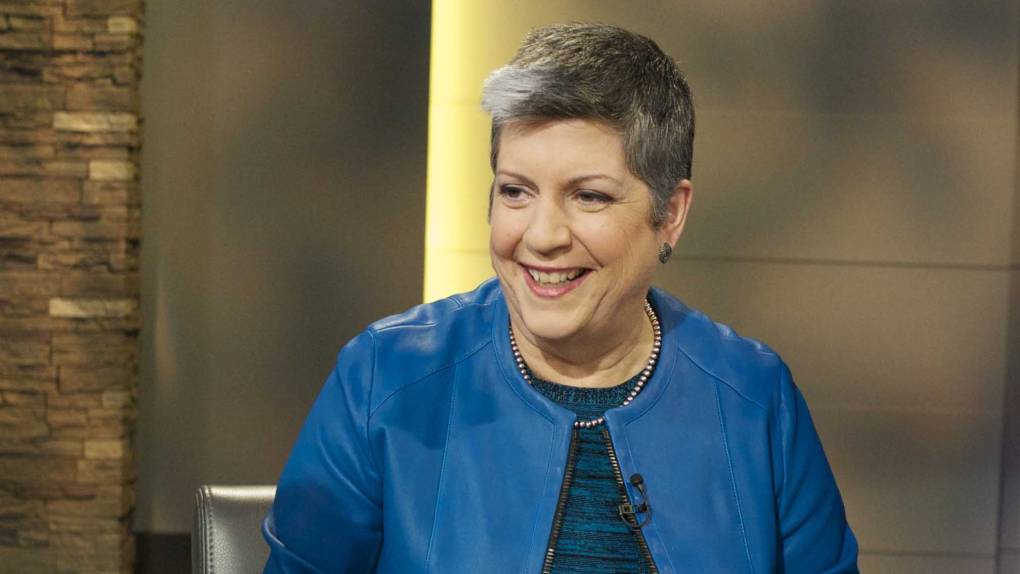
"caption": "Janet Napolitano speaks with Scott Shafer on KQED Newsroom in 2013.",
"description": "Janet Napolitano speaks with Scott Shafer on KQED Newsroom in 2013.",
"title": "1920_RS7595_DSC_9033",
"credit": "Monica Lam/KQED",
"status": "inherit",
"isLoading": false,
"fetchFailed": false
}
},
"audioPlayerReducer": {
"postId": "stream_live",
"isPaused": true,
"isPlaying": false,
"pfsActive": false,
"pledgeModalIsOpen": true,
"playerDrawerIsOpen": false,
"liveAudioPlayStartedAt": 0,
"liveAudioPlayContext": ""
},
"authorsReducer": {
"byline_news_11896516": {
"type": "authors",
"id": "byline_news_11896516",
"meta": {
"override": true
},
"slug": "byline_news_11896516",
"name": "\u003ca href=\"https://calmatters.org/author/mikhailzinshteyn/\">Mikhail Zinshteyn\u003c/a>",
"isLoading": false
},
"byline_news_11896422": {
"type": "authors",
"id": "byline_news_11896422",
"meta": {
"override": true
},
"slug": "byline_news_11896422",
"name": "\u003ca href=\"https://calmatters.org/author/mikhailzinshteyn/\">Mikhail Zinshteyn\u003c/a>",
"isLoading": false
},
"byline_news_11893226": {
"type": "authors",
"id": "byline_news_11893226",
"meta": {
"override": true
},
"slug": "byline_news_11893226",
"name": "Mikhail Zinshteyn",
"isLoading": false
},
"byline_news_11881743": {
"type": "authors",
"id": "byline_news_11881743",
"meta": {
"override": true
},
"slug": "byline_news_11881743",
"name": "\u003ca href=\"https://calmatters.org/author/mikhailzinshteyn/\">Mikhail Zinshteyn\u003c/a>\u003cbr>CalMatters",
"isLoading": false
},
"byline_news_11847719": {
"type": "authors",
"id": "byline_news_11847719",
"meta": {
"override": true
},
"slug": "byline_news_11847719",
"name": "Stefanie Dazio \u003cbr> Associated Press",
"isLoading": false
},
"byline_news_11839078": {
"type": "authors",
"id": "byline_news_11839078",
"meta": {
"override": true
},
"slug": "byline_news_11839078",
"name": "Jocelyn Gecker and Juliet Williams\u003cbr>Associated Press",
"isLoading": false
},
"byline_news_11827813": {
"type": "authors",
"id": "byline_news_11827813",
"meta": {
"override": true
},
"slug": "byline_news_11827813",
"name": "Jocelyn Gecker and Julie Watson\u003cbr>Associated Press",
"isLoading": false
},
"adembosky": {
"type": "authors",
"id": "3205",
"meta": {
"index": "authors_1716337520",
"id": "3205",
"found": true
},
"name": "April Dembosky",
"firstName": "April",
"lastName": "Dembosky",
"slug": "adembosky",
"email": "adembosky@kqed.org",
"display_author_email": false,
"staff_mastheads": [
"news",
"science"
],
"title": "KQED Health Correspondent",
"bio": "April Dembosky is the health correspondent for KQED News and a regular contributor to NPR. She specializes in covering altered states of mind, from postpartum depression to methamphetamine-induced psychosis to the insanity defense. Her investigative series on insurance companies sidestepping mental health laws won multiple awards, including first place in beat reporting from the national Association of Health Care Journalists. She is the recipient of numerous other prizes and fellowships, including a national Edward R. Murrow award for investigative reporting, a Society of Professional Journalists award for long-form storytelling, and a Carter Center Fellowship for Mental Health Journalism.\r\n\r\nDembosky reported and produced \u003cem>Soundtrack of Silence\u003c/em>, an audio documentary about music and memory that is currently being made into a feature film by Paramount Pictures.\r\n\r\nBefore joining KQED in 2013, Dembosky covered technology and Silicon Valley for \u003cem>The Financial Times of London,\u003c/em> and contributed business and arts stories to \u003cem>Marketplace \u003c/em>and \u003cem>The New York Times.\u003c/em> She got her undergraduate degree in philosophy from Smith College and her master's in journalism from the University of California, Berkeley. She is a classically trained violinist and proud alum of the first symphony orchestra at Burning Man.",
"avatar": "https://secure.gravatar.com/avatar/ef92999be4ceb9ea60701e7dc276f813?s=600&d=blank&r=g",
"twitter": "adembosky",
"facebook": null,
"instagram": null,
"linkedin": null,
"sites": [
{
"site": "arts",
"roles": [
"author"
]
},
{
"site": "news",
"roles": [
"editor"
]
},
{
"site": "futureofyou",
"roles": [
"author"
]
},
{
"site": "stateofhealth",
"roles": [
"editor"
]
},
{
"site": "science",
"roles": [
"editor"
]
},
{
"site": "forum",
"roles": [
"editor"
]
}
],
"headData": {
"title": "April Dembosky | KQED",
"description": "KQED Health Correspondent",
"ogImgSrc": "https://secure.gravatar.com/avatar/ef92999be4ceb9ea60701e7dc276f813?s=600&d=blank&r=g",
"twImgSrc": "https://secure.gravatar.com/avatar/ef92999be4ceb9ea60701e7dc276f813?s=600&d=blank&r=g"
},
"isLoading": false,
"link": "/author/adembosky"
},
"markfiore": {
"type": "authors",
"id": "3236",
"meta": {
"index": "authors_1716337520",
"id": "3236",
"found": true
},
"name": "Mark Fiore",
"firstName": "Mark",
"lastName": "Fiore",
"slug": "markfiore",
"email": "mark@markfiore.com",
"display_author_email": false,
"staff_mastheads": [
"news"
],
"title": "KQED News Cartoonist",
"bio": "\u003ca href=\"http://www.MarkFiore.com\">MarkFiore.com\u003c/a> | \u003ca href=\"https://twitter.com/markfiore\">Follow on Twitter\u003c/a> | \u003ca href=\"https://www.facebook.com/pages/Mark-Fiore-Animated-Political-Cartoons/94451707396?ref=bookmarks\">Facebook\u003c/a> | \u003ca href=\"mailto:mark@markfiore.com\">email\u003c/a>\r\n\r\nPulitzer Prize-winner, Mark Fiore, who the Wall Street Journal has called “the undisputed guru of the form,” creates animated political cartoons in San Francisco, where his work has been featured regularly on the San Francisco Chronicle’s web site, SFGate.com. His work has appeared on Newsweek.com, Slate.com, CBSNews.com, MotherJones.com, DailyKos.com and NPR’s web site. Fiore’s political animation has appeared on CNN, Frontline, Bill Moyers Journal, Salon.com and cable and broadcast outlets across the globe.\r\n\r\nBeginning his professional life by drawing traditional political cartoons for newspapers, Fiore’s work appeared in publications ranging from the Washington Post to the Los Angeles Times. In the late 1990s, he began to experiment with animating political cartoons and, after a short stint at the San Jose Mercury News as their staff cartoonist, Fiore devoted all his energies to animation.\r\nGrowing up in California, Fiore also spent a good portion of his life in the backwoods of Idaho. It was this combination that shaped him politically. Mark majored in political science at Colorado College, where, in a perfect send-off for a cartoonist, he received his diploma in 1991 as commencement speaker Dick Cheney smiled approvingly.\r\nMark Fiore was awarded the Pulitzer Prize for political cartooning in 2010, a Robert F. Kennedy Journalism Award in 2004 and has twice received an Online Journalism Award for commentary from the Online News Association (2002, 2008). Fiore has received two awards for his work in new media from the National Cartoonists Society (2001, 2002), and in 2006 received The James Madison Freedom of Information Award from The Society of Professional Journalists.",
"avatar": "https://secure.gravatar.com/avatar/fc4e2a612b15b67bad0c6f0e1db4ca9b?s=600&d=blank&r=g",
"twitter": "MarkFiore",
"facebook": null,
"instagram": "https://www.instagram.com/markfiore/?hl=en",
"linkedin": null,
"sites": [
{
"site": "arts",
"roles": [
"contributor"
]
},
{
"site": "news",
"roles": [
"editor"
]
},
{
"site": "futureofyou",
"roles": [
"editor"
]
},
{
"site": "science",
"roles": [
"editor"
]
}
],
"headData": {
"title": "Mark Fiore | KQED",
"description": "KQED News Cartoonist",
"ogImgSrc": "https://secure.gravatar.com/avatar/fc4e2a612b15b67bad0c6f0e1db4ca9b?s=600&d=blank&r=g",
"twImgSrc": "https://secure.gravatar.com/avatar/fc4e2a612b15b67bad0c6f0e1db4ca9b?s=600&d=blank&r=g"
},
"isLoading": false,
"link": "/author/markfiore"
},
"cveltman": {
"type": "authors",
"id": "8608",
"meta": {
"index": "authors_1716337520",
"id": "8608",
"found": true
},
"name": "Chloe Veltman",
"firstName": "Chloe",
"lastName": "Veltman",
"slug": "cveltman",
"email": "cveltman@kqed.org",
"display_author_email": true,
"staff_mastheads": [],
"title": "Arts and Culture Reporter",
"bio": "Chloe Veltman is a former arts and culture reporter for KQED. Prior to joining the organization, she launched and led the arts bureau at Colorado Public Radio, served as the Bay Area's culture columnist for the New York Times, and was the founder, host and executive producer of VoiceBox, a national award-winning weekly podcast/radio show and live events series all about the human voice. Chloe is the recipient of numerous prizes, grants and fellowships including a Webby Award for her work on interactive storytelling, both the John S Knight Journalism Fellowship and Humanities Center Fellowship at Stanford University, the Sundance Arts Writing Fellowship and a Library of Congress Research Fellowship. She is the author of the book \"On Acting\" and has appeared as a guest lecturer at Yale University and the San Francisco Conservatory of Music among other institutions. She holds a BA in english literature from King's College, Cambridge, and a Masters in Dramaturgy from the Central School of Speech and Drama/Harvard Institute for Advanced Theater Training.\r\n\u003ca href=\"https://www.chloeveltman.com\">www.chloeveltman.com\u003c/a>",
"avatar": "https://secure.gravatar.com/avatar/55403394b00a1ddab683952c2eb2cf85?s=600&d=blank&r=g",
"twitter": "chloeveltman",
"facebook": null,
"instagram": null,
"linkedin": null,
"sites": [
{
"site": "arts",
"roles": []
},
{
"site": "news",
"roles": [
"author"
]
},
{
"site": "pop",
"roles": [
"editor"
]
},
{
"site": "science",
"roles": []
}
],
"headData": {
"title": "Chloe Veltman | KQED",
"description": "Arts and Culture Reporter",
"ogImgSrc": "https://secure.gravatar.com/avatar/55403394b00a1ddab683952c2eb2cf85?s=600&d=blank&r=g",
"twImgSrc": "https://secure.gravatar.com/avatar/55403394b00a1ddab683952c2eb2cf85?s=600&d=blank&r=g"
},
"isLoading": false,
"link": "/author/cveltman"
},
"ljamali": {
"type": "authors",
"id": "11552",
"meta": {
"index": "authors_1716337520",
"id": "11552",
"found": true
},
"name": "Lily Jamali",
"firstName": "Lily",
"lastName": "Jamali",
"slug": "ljamali",
"email": "ljamali@kqed.org",
"display_author_email": false,
"staff_mastheads": [],
"title": "KQED Contributor",
"bio": "Lily was the former co-host of the daily morning show, The California Report.",
"avatar": "https://secure.gravatar.com/avatar/dbf7b30d159e697731046a10d25a9e29?s=600&d=blank&r=g",
"twitter": "lilyjamali",
"facebook": null,
"instagram": null,
"linkedin": null,
"sites": [
{
"site": "news",
"roles": [
"create_posts",
"subscriber"
]
},
{
"site": "forum",
"roles": [
"editor"
]
}
],
"headData": {
"title": "Lily Jamali | KQED",
"description": "KQED Contributor",
"ogImgSrc": "https://secure.gravatar.com/avatar/dbf7b30d159e697731046a10d25a9e29?s=600&d=blank&r=g",
"twImgSrc": "https://secure.gravatar.com/avatar/dbf7b30d159e697731046a10d25a9e29?s=600&d=blank&r=g"
},
"isLoading": false,
"link": "/author/ljamali"
}
},
"pagesReducer": {
"news_tag_university-of-california": {
"type": "terms",
"id": "news_206",
"meta": {
"index": "terms_1716263798",
"site": "news",
"id": "206",
"score": 8.793955
},
"featImg": null,
"name": "University of California",
"description": null,
"taxonomy": "tag",
"headData": {
"twImgId": null,
"twTitle": null,
"ogTitle": null,
"ogImgId": null,
"twDescription": null,
"description": null,
"title": "University of California Archives | KQED News",
"ogDescription": null
},
"ttid": 214,
"slug": "university-of-california",
"isLoading": false,
"title": "University of California",
"pageMeta": {
"site": "news",
"WpPageTemplate": "page-topic-editorial",
"currentPage": 5
},
"blocks": [
{
"blockName": "kqed/post-list",
"attrs": {
"layout": "cardArticle2",
"query": "posts/news?tag=university-of-california",
"seeMore": false,
"paginated": true,
"page": 5
}
},
{
"blockName": "kqed/ad"
}
]
}
},
"pfsSessionReducer": {},
"postsReducer": {
"stream_live": {
"type": "live",
"id": "stream_live",
"audioUrl": "https://streams.kqed.org/kqedradio",
"title": "Live Stream",
"excerpt": "Live Stream information currently unavailable.",
"link": "/radio",
"featImg": "",
"label": {
"name": "KQED Live",
"link": "/"
}
},
"stream_kqedNewscast": {
"type": "posts",
"id": "stream_kqedNewscast",
"audioUrl": "https://www.kqed.org/.stream/anon/radio/RDnews/newscast.mp3?_=1",
"title": "KQED Newscast",
"featImg": "",
"label": {
"name": "88.5 FM",
"link": "/"
}
},
"news_11896516": {
"type": "posts",
"id": "news_11896516",
"meta": {
"index": "posts_1716263798",
"site": "news",
"id": "11896516",
"score": null,
"sort": [
1637173259000
]
},
"guestAuthors": [],
"slug": "uc-lecturers-win-raises-other-concessions-in-deal-that-averts-planned-two-day-strike",
"title": "UC Lecturers Win Raises, Other Concessions in Deal That Averts Planned 2-Day Strike",
"publishDate": 1637173259,
"format": "standard",
"headTitle": "UC Lecturers Win Raises, Other Concessions in Deal That Averts Planned 2-Day Strike | KQED",
"labelTerm": {},
"content": "\u003cp>The University of California’s 6,500 lecturers called off their planned strike Wednesday after winning \u003ca href=\"https://www.kqed.org/news/11896422/uc-lecturers-will-strike-wednesday-halting-instruction-for-thousands-of-students\">long-sought concessions from UC management\u003c/a> — including salary increases of about 30% over five years for its members, and job stability promises.\u003c/p>\n\u003cp>The deal, brokered around 4 a.m., followed two days of marathon bargaining sessions and capped off a labor impasse that began nearly three years ago.\u003c/p>\n\u003cp>“What changed is that we were really going to go on strike,” said Mia McIver, president of the University Council-American Federation of Teachers (UC-AFT), the union representing the lecturers. “They understood how angry our members were.”\u003c/p>\n\u003cp>[pullquote align=\"right\" size=\"medium\" citation=\"Mia McIver, University Council-American Federation of Teachers\"]‘What changed is that we were really going to go on strike. They understood how angry our members were.’[/pullquote]The work stoppage would have canceled as much as a third of undergraduate instruction at the nation’s premier public university system.\u003c/p>\n\u003cp>UC officials released a statement Wednesday morning, describing the tentative deal as a positive development that will particularly benefit students.\u003c/p>\n\u003cp>“We believe this contract addresses key issues, and honors the vital role you and your colleagues play in supporting UC’s educational mission and delivering high quality instruction,” Letitia Silas, UC’s executive director of labor relations, said in the statement .\u003c/p>\n\u003cp>Union officials called for the strike over the weekend to mount pressure on UC’s negotiators. Numerous state lawmakers have been urging UC officials to settle the labor dispute, blaming the university for the impasse. Aiding the union was a commitment from more than 800 senior faculty to cancel classes in solidarity with the striking lecturers.\u003c/p>\n\u003cp>https://twitter.com/UCAFT/status/1460952943826329600\u003c/p>\n\u003cp>“I expected today to come here and speak with anger and with disappointment in the way that bargaining had taken so long for us to get a good contract, but I was pleased to show up and have a success under our belt in such a historic contract for contingent faculty here at UC Berkeley,” Annie Danis, a UC Berkeley Anthropology Department lecturer, said at a Wednesday victory rally on campus. “I’ve been a lecturer for a year only, so I’m new to this profession, but I understand having been a graduate student here how overall the University of California has a long way to go in terms of supporting its workers. And this contract really makes me feel like I can make a living teaching the best students in the world.”\u003c/p>\n\u003cp>On Wednesday morning, the union and UC management signed a summary document outlining the details of the new contract. Union members will then vote within the next two weeks on whether to approve it. If ratified, the contract will run through March 2026.\u003c/p>\n\u003cp>Lecturers typically have doctorate degrees but lack the job stability and pay that tenured and tenure-track faculty receive. A CalMatters investigation found that a quarter of lecturers leave their jobs every year, due in large part to their tenuous employment conditions.\u003c/p>\n\u003cp>\u003cspan data-pm-slice='1 1 [\"paragraph-wrapper\",{},\"paragraph\",{\"id\":\"p4-0\"}]'>Josh Brahinsky, UC-AFT’s vice president for organizing,\u003c/span> says the agreement was crucial for lecturers and will have a lasting impact, especially around job security.\u003c/p>\n\u003cp>“We just came to an agreement that changes the fundamental nature of what it’s like to be a lecturer in the UC system,” said \u003cspan data-pm-slice='1 1 [\"paragraph-wrapper\",{},\"paragraph\",{\"id\":\"p4-0\"}]'>Brahinsky.\u003c/span> “Up until now, people in their first six years had no job security. Most of us are part time and our jobs are supremely insecure. Around 75% of us have no job security at all. And that means we tend to work at three to five other institutions so we can have something that’ll stick around for the next little while.”\u003c/p>\n\u003cp>\u003c!-- iframe plugin v.4.3 wordpress.org/plugins/iframe/ -->\u003cbr>\n\u003ciframe loading=\"lazy\" src=\"https://e.infogram.com/dbd28745-c6b9-4c2a-829b-74d7e4789360?src=embed\" title=\"More than a quarter of UC lecturers don't return to their jobs each year\" width=\"800\" height=\"1130\" scrolling=\"no\" frameborder=\"0\" style=\"border:none;\" allowfullscreen=\"allowfullscreen\" class=\"iframe-class\">\u003c/iframe>\u003c/p>\n\u003cp>Lecturers’ short-term contracts often last just a few months and their pay averages around $32,000 a year because of limited work opportunities. There is also no official system of performance reviews to determine when and how a lecturer can be rehired.\u003c/p>\n\u003cp>The deal addresses many of those concerns and includes:\u003c/p>\n\u003cul>\n\u003cli>Annual pay raises of 7%, 3%, 3%, 3%, and 4% for all lecturers plus a higher bump for the lowest-paid lecturers and other increases based on merit;\u003c/li>\n\u003cli>Employment contracts of one, two and then three years;\u003c/li>\n\u003cli>Extensive performance reviews at the end of the two- and three-year contracts and a shorter written review following a one-year appointment;\u003c/li>\n\u003cli>Rehiring rights if work is available for lecturers who passed their reviews;\u003c/li>\n\u003cli>More compensation for lecturers who teach classes with more than 200 students or that have heavy writing components.\u003c/li>\n\u003c/ul>\n\u003cp>Other details of the deal are nonbinding, such as language saying academic departments may assign lecturers additional part-time work if it becomes available.\u003c/p>\n\u003cp>“But the big fight was to create viable, teaching-focused career pathways for people who want them, and I really think we’ve accomplished that,” McIver said.\u003c/p>\n\u003cp>[aside label ='Related Coverage' tag='labor-rights']The threat of the strike was technically over accusations of UC’s unfair labor practices rather than the larger contract terms. That distinction is important: By law the union couldn’t strike over the contract because they were in state-led mediation with UC. Adding to the confusion, UC and lecturers have also been negotiating behind closed doors through a state mediator.\u003c/p>\n\u003cp>The lecturer union and UC settled a key unfair labor practice gripe. Lecturers will now get four weeks of paid family leave at 100% of pay; previously UC was offering paid leave at 70% and only for lecturers who worked more than 1,250 hours in a year, which excluded most of the workforce because so many work part time. The union was asking for eight weeks of paid leave.\u003c/p>\n\u003cp>Lecturers didn’t win everything they wanted. UC still won’t pay into a lecturer’s Social Security if the lecturer works less than 50% of what’s considered full-time. Lecturers in that situation also don’t receive UC retirement contributions. The lecturers didn’t get a promise of a neutral arbitration committee to settle workload disputes nor changes to grievance procedures.\u003c/p>\n\u003cp>“I think this is just a completely extraordinary moment in time,” McIver said. “I feel like we’ve accomplished something real.”\u003c/p>\n\u003cp>\u003c!-- iframe plugin v.4.3 wordpress.org/plugins/iframe/ -->\u003cbr>\n\u003ciframe loading=\"lazy\" src=\"https://e.infogram.com/b34052e0-5e52-48fd-b580-dc706277d01d?src=embed\" title=\"UC professor pay\" width=\"800\" height=\"1051\" scrolling=\"no\" frameborder=\"0\" style=\"border:none;\" allowfullscreen=\"allowfullscreen\" class=\"iframe-class\">\u003c/iframe>\u003c/p>\n\u003cp>\u003ci data-stringify-type=\"italic\">KQED’s Alex Emslie and Rebecca Smith contributed reporting to this post.\u003c/i>\u003c/p>\n\u003cp>[ad fullwidth]\u003c/p>\n\u003cp>[ad floatright]\u003c/p>\n",
"blocks": [],
"excerpt": "After years of negotiating, the University of California and the UC lecturers' union reached a last-minute agreement — one that includes raises and job stability promises — heading off a strike that was widely expected to begin Wednesday.",
"status": "publish",
"parent": 0,
"modified": 1721157937,
"stats": {
"hasAudio": false,
"hasVideo": false,
"hasChartOrMap": true,
"iframeSrcs": [
"https://e.infogram.com/dbd28745-c6b9-4c2a-829b-74d7e4789360",
"https://e.infogram.com/b34052e0-5e52-48fd-b580-dc706277d01d"
],
"hasGoogleForm": false,
"hasGallery": false,
"hasHearkenModule": false,
"hasPolis": false,
"paragraphCount": 25,
"wordCount": 1095
},
"headData": {
"title": "UC Lecturers Win Raises, Other Concessions in Deal That Averts Planned 2-Day Strike | KQED",
"description": "After years of negotiating, the University of California and the UC lecturers' union reached a last-minute agreement — one that includes raises and job stability promises — heading off a strike that was widely expected to begin Wednesday.",
"ogTitle": "",
"ogDescription": "",
"ogImgId": "news_11896572",
"twTitle": "",
"twDescription": "",
"twImgId": "news_11896572",
"schema": {
"@context": "https://schema.org",
"@type": "NewsArticle",
"headline": "UC Lecturers Win Raises, Other Concessions in Deal That Averts Planned 2-Day Strike",
"datePublished": "2021-11-17T10:20:59-08:00",
"dateModified": "2024-07-16T12:25:37-07:00",
"image": "https://cdn.kqed.org/wp-content/uploads/2020/02/KQED-OG-Image@1x.png",
"isAccessibleForFree": "True",
"publisher": {
"@type": "NewsMediaOrganization",
"@id": "https://www.kqed.org/#organization",
"name": "KQED",
"logo": "https://cdn.kqed.org/wp-content/uploads/2020/02/KQED-OG-Image@1x.png",
"url": "https://www.kqed.org",
"sameAs": [
"https://www.facebook.com/KQED",
"https://twitter.com/KQED",
"https://www.instagram.com/kqed/",
"https://www.tiktok.com/@kqedofficial",
"https://www.linkedin.com/company/kqed",
"https://www.youtube.com/channel/UCeC0IOo7i1P_61zVUWbJ4nw"
]
}
}
},
"source": "CalMatters",
"sourceUrl": "https://calmatters.org/",
"sticky": false,
"nprByline": "\u003ca href=\"https://calmatters.org/author/mikhailzinshteyn/\">Mikhail Zinshteyn\u003c/a>",
"excludeFromSiteSearch": "Include",
"path": "/news/11896516/uc-lecturers-win-raises-other-concessions-in-deal-that-averts-planned-two-day-strike",
"audioTrackLength": null,
"parsedContent": [
{
"type": "contentString",
"content": "\u003cdiv class=\"post-body\">\u003cp>\u003cp>The University of California’s 6,500 lecturers called off their planned strike Wednesday after winning \u003ca href=\"https://www.kqed.org/news/11896422/uc-lecturers-will-strike-wednesday-halting-instruction-for-thousands-of-students\">long-sought concessions from UC management\u003c/a> — including salary increases of about 30% over five years for its members, and job stability promises.\u003c/p>\n\u003cp>The deal, brokered around 4 a.m., followed two days of marathon bargaining sessions and capped off a labor impasse that began nearly three years ago.\u003c/p>\n\u003cp>“What changed is that we were really going to go on strike,” said Mia McIver, president of the University Council-American Federation of Teachers (UC-AFT), the union representing the lecturers. “They understood how angry our members were.”\u003c/p>\n\u003cp>\u003c/p>\u003c/div>",
"attributes": {
"named": {},
"numeric": []
}
},
{
"type": "component",
"content": "‘What changed is that we were really going to go on strike. They understood how angry our members were.’",
"name": "pullquote",
"attributes": {
"named": {
"align": "right",
"size": "medium",
"citation": "Mia McIver, University Council-American Federation of Teachers",
"label": ""
},
"numeric": []
}
},
{
"type": "contentString",
"content": "\u003cdiv class=\"post-body\">\u003cp>The work stoppage would have canceled as much as a third of undergraduate instruction at the nation’s premier public university system.\u003c/p>\n\u003cp>UC officials released a statement Wednesday morning, describing the tentative deal as a positive development that will particularly benefit students.\u003c/p>\n\u003cp>“We believe this contract addresses key issues, and honors the vital role you and your colleagues play in supporting UC’s educational mission and delivering high quality instruction,” Letitia Silas, UC’s executive director of labor relations, said in the statement .\u003c/p>\n\u003cp>Union officials called for the strike over the weekend to mount pressure on UC’s negotiators. Numerous state lawmakers have been urging UC officials to settle the labor dispute, blaming the university for the impasse. Aiding the union was a commitment from more than 800 senior faculty to cancel classes in solidarity with the striking lecturers.\u003c/p>\u003c/p>\u003c/div>",
"attributes": {
"named": {},
"numeric": []
}
},
{
"type": "component",
"content": "",
"name": "singleTwitterStatus",
"attributes": {
"named": {
"id": "1460952943826329600"
},
"numeric": []
}
},
{
"type": "contentString",
"content": "\u003cdiv class=\"post-body\">\u003cp>\n\u003cp>“I expected today to come here and speak with anger and with disappointment in the way that bargaining had taken so long for us to get a good contract, but I was pleased to show up and have a success under our belt in such a historic contract for contingent faculty here at UC Berkeley,” Annie Danis, a UC Berkeley Anthropology Department lecturer, said at a Wednesday victory rally on campus. “I’ve been a lecturer for a year only, so I’m new to this profession, but I understand having been a graduate student here how overall the University of California has a long way to go in terms of supporting its workers. And this contract really makes me feel like I can make a living teaching the best students in the world.”\u003c/p>\n\u003cp>On Wednesday morning, the union and UC management signed a summary document outlining the details of the new contract. Union members will then vote within the next two weeks on whether to approve it. If ratified, the contract will run through March 2026.\u003c/p>\n\u003cp>Lecturers typically have doctorate degrees but lack the job stability and pay that tenured and tenure-track faculty receive. A CalMatters investigation found that a quarter of lecturers leave their jobs every year, due in large part to their tenuous employment conditions.\u003c/p>\n\u003cp>\u003cspan data-pm-slice='1 1 [\"paragraph-wrapper\",{},\"paragraph\",{\"id\":\"p4-0\"}]'>Josh Brahinsky, UC-AFT’s vice president for organizing,\u003c/span> says the agreement was crucial for lecturers and will have a lasting impact, especially around job security.\u003c/p>\n\u003cp>“We just came to an agreement that changes the fundamental nature of what it’s like to be a lecturer in the UC system,” said \u003cspan data-pm-slice='1 1 [\"paragraph-wrapper\",{},\"paragraph\",{\"id\":\"p4-0\"}]'>Brahinsky.\u003c/span> “Up until now, people in their first six years had no job security. Most of us are part time and our jobs are supremely insecure. Around 75% of us have no job security at all. And that means we tend to work at three to five other institutions so we can have something that’ll stick around for the next little while.”\u003c/p>\n\u003cp>\u003c!-- iframe plugin v.4.3 wordpress.org/plugins/iframe/ -->\u003cbr>\n\u003ciframe loading=\"lazy\" src=\"https://e.infogram.com/dbd28745-c6b9-4c2a-829b-74d7e4789360?src=embed\" title=\"More than a quarter of UC lecturers don't return to their jobs each year\" width=\"800\" height=\"1130\" scrolling=\"no\" frameborder=\"0\" style=\"border:none;\" allowfullscreen=\"allowfullscreen\" class=\"iframe-class\">\u003c/iframe>\u003c/p>\n\u003cp>Lecturers’ short-term contracts often last just a few months and their pay averages around $32,000 a year because of limited work opportunities. There is also no official system of performance reviews to determine when and how a lecturer can be rehired.\u003c/p>\n\u003cp>The deal addresses many of those concerns and includes:\u003c/p>\n\u003cul>\n\u003cli>Annual pay raises of 7%, 3%, 3%, 3%, and 4% for all lecturers plus a higher bump for the lowest-paid lecturers and other increases based on merit;\u003c/li>\n\u003cli>Employment contracts of one, two and then three years;\u003c/li>\n\u003cli>Extensive performance reviews at the end of the two- and three-year contracts and a shorter written review following a one-year appointment;\u003c/li>\n\u003cli>Rehiring rights if work is available for lecturers who passed their reviews;\u003c/li>\n\u003cli>More compensation for lecturers who teach classes with more than 200 students or that have heavy writing components.\u003c/li>\n\u003c/ul>\n\u003cp>Other details of the deal are nonbinding, such as language saying academic departments may assign lecturers additional part-time work if it becomes available.\u003c/p>\n\u003cp>“But the big fight was to create viable, teaching-focused career pathways for people who want them, and I really think we’ve accomplished that,” McIver said.\u003c/p>\n\u003cp>\u003c/p>\u003c/div>",
"attributes": {
"named": {},
"numeric": []
}
},
{
"type": "component",
"content": "",
"name": "aside",
"attributes": {
"named": {
"label": "Related Coverage ",
"tag": "labor-rights"
},
"numeric": []
}
},
{
"type": "contentString",
"content": "\u003cdiv class=\"post-body\">\u003cp>The threat of the strike was technically over accusations of UC’s unfair labor practices rather than the larger contract terms. That distinction is important: By law the union couldn’t strike over the contract because they were in state-led mediation with UC. Adding to the confusion, UC and lecturers have also been negotiating behind closed doors through a state mediator.\u003c/p>\n\u003cp>The lecturer union and UC settled a key unfair labor practice gripe. Lecturers will now get four weeks of paid family leave at 100% of pay; previously UC was offering paid leave at 70% and only for lecturers who worked more than 1,250 hours in a year, which excluded most of the workforce because so many work part time. The union was asking for eight weeks of paid leave.\u003c/p>\n\u003cp>Lecturers didn’t win everything they wanted. UC still won’t pay into a lecturer’s Social Security if the lecturer works less than 50% of what’s considered full-time. Lecturers in that situation also don’t receive UC retirement contributions. The lecturers didn’t get a promise of a neutral arbitration committee to settle workload disputes nor changes to grievance procedures.\u003c/p>\n\u003cp>“I think this is just a completely extraordinary moment in time,” McIver said. “I feel like we’ve accomplished something real.”\u003c/p>\n\u003cp>\u003c!-- iframe plugin v.4.3 wordpress.org/plugins/iframe/ -->\u003cbr>\n\u003ciframe loading=\"lazy\" src=\"https://e.infogram.com/b34052e0-5e52-48fd-b580-dc706277d01d?src=embed\" title=\"UC professor pay\" width=\"800\" height=\"1051\" scrolling=\"no\" frameborder=\"0\" style=\"border:none;\" allowfullscreen=\"allowfullscreen\" class=\"iframe-class\">\u003c/iframe>\u003c/p>\n\u003cp>\u003ci data-stringify-type=\"italic\">KQED’s Alex Emslie and Rebecca Smith contributed reporting to this post.\u003c/i>\u003c/p>\n\u003cp>\u003c/p>\u003c/div>",
"attributes": {
"named": {},
"numeric": []
}
},
{
"type": "component",
"content": "",
"name": "ad",
"attributes": {
"named": {
"label": "fullwidth"
},
"numeric": [
"fullwidth"
]
}
},
{
"type": "contentString",
"content": "\u003cdiv class=\"post-body\">\u003cp>\u003c/p>\n\u003cp>\u003c/p>\u003c/div>",
"attributes": {
"named": {},
"numeric": []
}
},
{
"type": "component",
"content": "",
"name": "ad",
"attributes": {
"named": {
"label": "floatright"
},
"numeric": [
"floatright"
]
}
},
{
"type": "contentString",
"content": "\u003cdiv class=\"post-body\">\u003cp>\u003c/p>\n\u003c/div>\u003c/p>",
"attributes": {
"named": {},
"numeric": []
}
}
],
"link": "/news/11896516/uc-lecturers-win-raises-other-concessions-in-deal-that-averts-planned-two-day-strike",
"authors": [
"byline_news_11896516"
],
"categories": [
"news_18540",
"news_28250",
"news_8"
],
"tags": [
"news_24863",
"news_29865",
"news_24590",
"news_2759",
"news_2044",
"news_23180",
"news_4606",
"news_206"
],
"affiliates": [
"news_18481"
],
"featImg": "news_11896572",
"label": "source_news_11896516"
},
"news_11896422": {
"type": "posts",
"id": "news_11896422",
"meta": {
"index": "posts_1716263798",
"site": "news",
"id": "11896422",
"score": null,
"sort": [
1637111816000
]
},
"parent": 0,
"labelTerm": {},
"blocks": [],
"publishDate": 1637111816,
"format": "standard",
"disqusTitle": "UC Lecturers Plan to Strike Wednesday",
"title": "UC Lecturers Plan to Strike Wednesday",
"headTitle": "KQED News",
"content": "\u003cp>Instruction will likely halt for two days for thousands of undergraduates at University of California campuses beginning Wednesday as lecturers strike over allegations of unfair labor practices.\u003c/p>\n\u003cp>The strike planned for this week is related to, but separate from, the larger saga of contract sticking points. At issue is what the union says are \u003ca href=\"https://ucaft.org/content/uc-management%E2%80%99s-pattern-bad-faith\">seven instances of unfair labor practices by UC leadership going back 20 months.\u003c/a>\u003c/p>\n\u003cp>UC lecturers typically teach a third of the instruction UC undergraduates receive. About 6,500 lecturers are union members but roughly 4,500 teach at any given time.\u003c/p>\n\u003cp>The lecturers’ union, University Council-American Federation of Teachers, has been negotiating for a new contract with UC leadership since April 2019. Because the two sides have been unable to strike a deal, a state labor mediator got involved this summer, a sign of how deeply rooted the labor dispute is.\u003c/p>\n\u003cp>Union officials said the strike will occur regardless of what happens before Wednesday. “Our strike notification is not conditional,” said Caroline Luce, a lecturer and spokesperson for the lecturer union.\u003c/p>\n\u003cp>But Tuesday morning, the union walked back the absolute certainty that a strike will happen. “It is likely, but it is not inevitable,” said Mia McIver, the lecturer union president.\u003c/p>\n\u003cp>The UC negotiating team can offer two things Tuesday that may call off the strike. Both are the latest unfair labor practices the union filed against the university.\u003c/p>\n\u003cp>First, McIver said the union wants all of its lecturers to be eligible for paid family leave for eight weeks at 100% of pay. She said the UC isn’t budging on its offer: paid family leave at 70% for lecturers who worked 1,250 hours in a year, which excludes most lecturers because of how many are part-time. The union also wants the UC to stop sending out summaries of the contract negotiations to its members, which the union argues are misleading.[pullquote size='medium' align='right' citation='Ryan King, a spokesperson for the UC office of the President']'The union’s unfair labor practice claims against UC are neither supported by the facts nor any finding by the California Public Employment Relations Board.'[/pullquote]\u003c/p>\n\u003cp>Classes taught by instructors who aren’t striking or canceling classes in solidarity will continue as normal.\u003c/p>\n\u003cp>The lecturer union says the \u003ca href=\"https://drive.google.com/file/d/1VddkuVCxfI4hs5Go3C-L7jtwSzMglSmk/view\">UC violated labor law\u003c/a> by going outside of mediation last month and issuing a proposal to lecturers that had an expiration date of just four days, including a take-it-or-leave-it $500 bonus for every lecturer if the union agreed to the UC’s contract. The timing of that was suspicious, the union claims, because it happened just before lecturers were staging protests at campus. “This was an unlawful pressure tactic,” the union alleges in a labor court filing last Friday.\u003c/p>\n\u003cp>The lecturers also accuse UC President Michael Drake of misrepresenting the system’s offer \u003ca href=\"https://calmatters.org/wp-content/uploads/2021/11/PMVD-Kalra-re-AFT-Negotiations-102621.pdf\">in a letter to lawmakers.\u003c/a>\u003c/p>\n\u003cp>“The union’s unfair labor practice claims against UC are neither supported by the facts nor any finding by the California Public Employment Relations Board,” said in an emailed statement Ryan King, a spokesperson for the UC office of the President.\u003c/p>\n\u003ch3>UC workforce churn: Why a quarter of lecturers don't return each year\u003c/h3>\n\u003cp>\u003ca href=\"https://calmatters.org/education/higher-education/2021/10/uc-workforce-lecturers/\">The UC workforce has a churn problem.\u003c/a> About a quarter of the more than 6,000 lecturers at the University of California don’t return annually. Relatively low pay and little job stability are some of the reasons why, a CalMatters analysis shows. If lecturers strike, more than a third of classes will be canceled.\u003c/p>\n\u003cp>While state labor court cases indicate a union cannot strike while it’s in mediation, it can strike over what it sees as unfair labor practices. The UC could seek injunctive relief from a judge to stop the strike, but so far that hasn’t happened.\u003c/p>\n\u003cp>A Wednesday strike deadline “will result in the widest possible labor disruption,” wrote McIver in an email to CalMatters. The union called for a strike in advance because its legal counsel recommended giving a 72-hour notice to the UC.\u003c/p>\n\u003cp>The UC system called the strike unnecessary. “The University of California is disappointed with UC-AFT’s decision to pursue a two-day strike — withholding instruction is grossly unfair to our students and a strike does not move us closer to a contract,” wrote King.\u003c/p>\n\u003cp>Coming despite a flurry of activity that saw several powerful \u003ca href=\"https://calmatters.org/education/higher-education/2021/10/uc-workforce-strike/\">state senators and assembly members pressure the UC last month to settle the labor dispute,\u003c/a> the impending strike may signal the limits of state lawmakers’ ability to pressure the university to meet the lecturers’ demands.\u003c/p>\n\u003cp>Not every lecturer working at the UC can strike this week. Some lecturers in specific fields — medical centers, medical clinics, student health centers, and K-12 schools — have different guidelines for notification about a strike and aren’t part of the work stoppage.\u003c/p>\n\u003cp>The threat of a more prolonged strike is still in play if the union doesn’t get what it wants from the UC once the state-sponsored mediation process ends.[pullquote size='medium' align='right' citation='Caroline Luce, a lecturer and spokesperson for the lecturer union']'This strike is not about that bargaining process. This strike is about a pattern of unfair labor practices and bad faith bargaining by the UC.'[/pullquote]\u003c/p>\n\u003cp>Somewhat unusually, the UC and lecturers are negotiating behind closed doors through the state mediator and more publicly in collective bargaining. Adding to the confusion — and awkwardness — is that the union and UC management met to try to settle the new contract Monday and will meet again today.\u003c/p>\n\u003cp>“I think it would be a great relief to everyone if in these past two days of bargaining, a deal was reached,” said Luce. “However, this strike is not about that bargaining process. This strike is about a pattern of unfair labor practices and bad faith bargaining by the UC.”\u003c/p>\n\u003cp>The UC lecturer union is trying to line up state lawmakers to speak at the UC campuses during the strike. Assemblymember Ash Kalra, a Democrat from San Jose who spearheaded \u003ca href=\"https://calmatters.org/education/higher-education/2021/10/uc-workforce-strike/\">a letter from 12 assembly members pressuring UC’s president to settle the dispute,\u003c/a> will be speaking at UC Davis at 10 a.m. Wednesday. He leads the Assembly’s committee on labor and employment.\u003c/p>\n\u003cp>Kalra said workers have a right to strike and to show their frustration. “I hope that this strike will be the final action necessary in order to get both sides to an agreement and to get the UC to recognize that urgency,” he said.\u003c/p>\n\u003cp>\u003ca href=\"https://calmatters.org/education/higher-education/2021/10/uc-workforce-lecturers/\">A CalMatters investigation found that a quarter of lecturers leave the UC annually\u003c/a> even as the system hires more of them. The reasons — virtually no job security and employee reviews until at least six years of continuous employment that few lecturers achieve plus poor pay coupled with assigning lecturers to part-time work — are at the crux of the labor standoff and contract negotiations.\u003c/p>\n\u003cp data-reader-unique-id=\"78\">While there \u003ca href=\"https://calmatters.org/education/higher-education/2021/10/uc-workforce-strike/\" data-reader-unique-id=\"79\">have been some breakthroughs\u003c/a>, the two sides are far apart:\u003c/p>\n\u003cul data-reader-unique-id=\"80\">\n\u003cli data-reader-unique-id=\"81\">The UC for the first time last month promised employee contracts ranging from one to three years and a review process after the second year. (The union wants reviews after the first year). The union calls those a big deal, but still fears that the UC will churn out a lot of lecturers before that contract — if approved — goes into effect next year.\u003c/li>\n\u003cli data-reader-unique-id=\"82\">The lecturers also want more money. The UC is promising raises of about 4% while the union wants more, in part because the UC got a 5% increase in state support this year.\u003c/li>\n\u003cli data-reader-unique-id=\"83\">The union wants employee pay to reflect the work they do outside the classroom and more consistency around how much each course weighs as a percentage of full-time work — which helps to determine not only pay but also whether lecturers get health insurance.\u003c/li>\n\u003c/ul>\n\u003cp>Adding to the learning disruption are the roughly 700 tenure and tenure-track professors who pledged to join the lecturers at the picket lines. Other faculty work, such as meetings and workshops, will also halt.\u003c/p>\n\u003cp>\u003ca href=\"https://cucfa.org/2021/11/faculty-respecting-uc-aft-picket/\">In a letter sent to Drake Sunday,\u003c/a> the faculty association of UC professors wrote that Drake’s office “will be responsible for the disruption to campus operations if they do not settle this contract.”\u003c/p>\n\u003cp>The impending strike adds to the labor headache besetting the university system and higher education in California more broadly. Two other UC unions with a combined 28,000 members are voting this week on whether to authorize a strike. The two labor groups — the \u003ca href=\"https://uaw5810.org/postdoc-bargaining/postdoc-sav/\">union of academic researchers\u003c/a> and the \u003ca href=\"https://studentresearchersunited.org/\">unrecognized-by-the-UC student researchers\u003c/a> — work on the billions of dollars in UC research, including nearly $3 billion in federal research grants. A work stoppage could imperil those research efforts.\u003c/p>\n\u003cp>Meanwhile, the 29,000 faculty members who teach nearly 500,000 Cal State University students are in their own drawn-out labor dispute. That union, the California Faculty Association, is also in state-sponsored mediation with Cal State’s management. The talks are going poorly and the union is signaling \u003ca href=\"https://twitter.com/mzinshteyn/status/1458152217869905921\">a strike vote is near.\u003c/a>\u003c/p>\n\u003cp>[ad fullwidth]\u003c/p>\n\u003cp>[ad floatright]\u003c/p>\n",
"disqusIdentifier": "11896422 https://ww2.kqed.org/news/?p=11896422",
"disqusUrl": "https://ww2.kqed.org/news/2021/11/16/uc-lecturers-will-strike-wednesday-halting-instruction-for-thousands-of-students/",
"stats": {
"hasVideo": false,
"hasChartOrMap": false,
"hasAudio": false,
"hasPolis": false,
"wordCount": 1568,
"hasGoogleForm": false,
"hasGallery": false,
"hasHearkenModule": false,
"iframeSrcs": [],
"paragraphCount": 30
},
"modified": 1637165826,
"excerpt": "The lecturer union and UC have made some progress in their multi-year impasse over a new contract, but many issues remain unsolved. This week’s planned strike is over various alleged UC unfair labor practices.",
"headData": {
"twImgId": "",
"twTitle": "",
"ogTitle": "",
"ogImgId": "",
"twDescription": "",
"description": "The lecturer union and UC have made some progress in their multi-year impasse over a new contract, but many issues remain unsolved. This week’s planned strike is over various alleged UC unfair labor practices.",
"title": "UC Lecturers Plan to Strike Wednesday | KQED",
"ogDescription": "",
"schema": {
"@context": "https://schema.org",
"@type": "NewsArticle",
"headline": "UC Lecturers Plan to Strike Wednesday",
"datePublished": "2021-11-16T17:16:56-08:00",
"dateModified": "2021-11-17T08:17:06-08:00",
"image": "https://cdn.kqed.org/wp-content/uploads/2020/02/KQED-OG-Image@1x.png",
"isAccessibleForFree": "True",
"publisher": {
"@type": "NewsMediaOrganization",
"@id": "https://www.kqed.org/#organization",
"name": "KQED",
"logo": "https://cdn.kqed.org/wp-content/uploads/2020/02/KQED-OG-Image@1x.png",
"url": "https://www.kqed.org",
"sameAs": [
"https://www.facebook.com/KQED",
"https://twitter.com/KQED",
"https://www.instagram.com/kqed/",
"https://www.tiktok.com/@kqedofficial",
"https://www.linkedin.com/company/kqed",
"https://www.youtube.com/channel/UCeC0IOo7i1P_61zVUWbJ4nw"
]
}
}
},
"guestAuthors": [],
"slug": "uc-lecturers-will-strike-wednesday-halting-instruction-for-thousands-of-students",
"status": "publish",
"sourceUrl": "https://calmatters.org",
"nprByline": "\u003ca href=\"https://calmatters.org/author/mikhailzinshteyn/\">Mikhail Zinshteyn\u003c/a>",
"excludeFromSiteSearch": "Include",
"source": "CalMatters",
"path": "/news/11896422/uc-lecturers-will-strike-wednesday-halting-instruction-for-thousands-of-students",
"audioTrackLength": null,
"parsedContent": [
{
"type": "contentString",
"content": "\u003cdiv class=\"post-body\">\u003cp>\u003cp>Instruction will likely halt for two days for thousands of undergraduates at University of California campuses beginning Wednesday as lecturers strike over allegations of unfair labor practices.\u003c/p>\n\u003cp>The strike planned for this week is related to, but separate from, the larger saga of contract sticking points. At issue is what the union says are \u003ca href=\"https://ucaft.org/content/uc-management%E2%80%99s-pattern-bad-faith\">seven instances of unfair labor practices by UC leadership going back 20 months.\u003c/a>\u003c/p>\n\u003cp>UC lecturers typically teach a third of the instruction UC undergraduates receive. About 6,500 lecturers are union members but roughly 4,500 teach at any given time.\u003c/p>\n\u003cp>The lecturers’ union, University Council-American Federation of Teachers, has been negotiating for a new contract with UC leadership since April 2019. Because the two sides have been unable to strike a deal, a state labor mediator got involved this summer, a sign of how deeply rooted the labor dispute is.\u003c/p>\n\u003cp>Union officials said the strike will occur regardless of what happens before Wednesday. “Our strike notification is not conditional,” said Caroline Luce, a lecturer and spokesperson for the lecturer union.\u003c/p>\n\u003cp>But Tuesday morning, the union walked back the absolute certainty that a strike will happen. “It is likely, but it is not inevitable,” said Mia McIver, the lecturer union president.\u003c/p>\n\u003cp>The UC negotiating team can offer two things Tuesday that may call off the strike. Both are the latest unfair labor practices the union filed against the university.\u003c/p>\n\u003cp>First, McIver said the union wants all of its lecturers to be eligible for paid family leave for eight weeks at 100% of pay. She said the UC isn’t budging on its offer: paid family leave at 70% for lecturers who worked 1,250 hours in a year, which excludes most lecturers because of how many are part-time. The union also wants the UC to stop sending out summaries of the contract negotiations to its members, which the union argues are misleading.\u003c/p>\u003c/div>",
"attributes": {
"named": {},
"numeric": []
}
},
{
"type": "component",
"content": "'The union’s unfair labor practice claims against UC are neither supported by the facts nor any finding by the California Public Employment Relations Board.'",
"name": "pullquote",
"attributes": {
"named": {
"size": "medium",
"align": "right",
"citation": "Ryan King, a spokesperson for the UC office of the President",
"label": ""
},
"numeric": []
}
},
{
"type": "contentString",
"content": "\u003cdiv class=\"post-body\">\u003cp>\u003c/p>\n\u003cp>Classes taught by instructors who aren’t striking or canceling classes in solidarity will continue as normal.\u003c/p>\n\u003cp>The lecturer union says the \u003ca href=\"https://drive.google.com/file/d/1VddkuVCxfI4hs5Go3C-L7jtwSzMglSmk/view\">UC violated labor law\u003c/a> by going outside of mediation last month and issuing a proposal to lecturers that had an expiration date of just four days, including a take-it-or-leave-it $500 bonus for every lecturer if the union agreed to the UC’s contract. The timing of that was suspicious, the union claims, because it happened just before lecturers were staging protests at campus. “This was an unlawful pressure tactic,” the union alleges in a labor court filing last Friday.\u003c/p>\n\u003cp>The lecturers also accuse UC President Michael Drake of misrepresenting the system’s offer \u003ca href=\"https://calmatters.org/wp-content/uploads/2021/11/PMVD-Kalra-re-AFT-Negotiations-102621.pdf\">in a letter to lawmakers.\u003c/a>\u003c/p>\n\u003cp>“The union’s unfair labor practice claims against UC are neither supported by the facts nor any finding by the California Public Employment Relations Board,” said in an emailed statement Ryan King, a spokesperson for the UC office of the President.\u003c/p>\n\u003ch3>UC workforce churn: Why a quarter of lecturers don't return each year\u003c/h3>\n\u003cp>\u003ca href=\"https://calmatters.org/education/higher-education/2021/10/uc-workforce-lecturers/\">The UC workforce has a churn problem.\u003c/a> About a quarter of the more than 6,000 lecturers at the University of California don’t return annually. Relatively low pay and little job stability are some of the reasons why, a CalMatters analysis shows. If lecturers strike, more than a third of classes will be canceled.\u003c/p>\n\u003cp>While state labor court cases indicate a union cannot strike while it’s in mediation, it can strike over what it sees as unfair labor practices. The UC could seek injunctive relief from a judge to stop the strike, but so far that hasn’t happened.\u003c/p>\n\u003cp>A Wednesday strike deadline “will result in the widest possible labor disruption,” wrote McIver in an email to CalMatters. The union called for a strike in advance because its legal counsel recommended giving a 72-hour notice to the UC.\u003c/p>\n\u003cp>The UC system called the strike unnecessary. “The University of California is disappointed with UC-AFT’s decision to pursue a two-day strike — withholding instruction is grossly unfair to our students and a strike does not move us closer to a contract,” wrote King.\u003c/p>\n\u003cp>Coming despite a flurry of activity that saw several powerful \u003ca href=\"https://calmatters.org/education/higher-education/2021/10/uc-workforce-strike/\">state senators and assembly members pressure the UC last month to settle the labor dispute,\u003c/a> the impending strike may signal the limits of state lawmakers’ ability to pressure the university to meet the lecturers’ demands.\u003c/p>\n\u003cp>Not every lecturer working at the UC can strike this week. Some lecturers in specific fields — medical centers, medical clinics, student health centers, and K-12 schools — have different guidelines for notification about a strike and aren’t part of the work stoppage.\u003c/p>\n\u003cp>The threat of a more prolonged strike is still in play if the union doesn’t get what it wants from the UC once the state-sponsored mediation process ends.\u003c/p>\u003c/div>",
"attributes": {
"named": {},
"numeric": []
}
},
{
"type": "component",
"content": "'This strike is not about that bargaining process. This strike is about a pattern of unfair labor practices and bad faith bargaining by the UC.'",
"name": "pullquote",
"attributes": {
"named": {
"size": "medium",
"align": "right",
"citation": "Caroline Luce, a lecturer and spokesperson for the lecturer union",
"label": ""
},
"numeric": []
}
},
{
"type": "contentString",
"content": "\u003cdiv class=\"post-body\">\u003cp>\u003c/p>\n\u003cp>Somewhat unusually, the UC and lecturers are negotiating behind closed doors through the state mediator and more publicly in collective bargaining. Adding to the confusion — and awkwardness — is that the union and UC management met to try to settle the new contract Monday and will meet again today.\u003c/p>\n\u003cp>“I think it would be a great relief to everyone if in these past two days of bargaining, a deal was reached,” said Luce. “However, this strike is not about that bargaining process. This strike is about a pattern of unfair labor practices and bad faith bargaining by the UC.”\u003c/p>\n\u003cp>The UC lecturer union is trying to line up state lawmakers to speak at the UC campuses during the strike. Assemblymember Ash Kalra, a Democrat from San Jose who spearheaded \u003ca href=\"https://calmatters.org/education/higher-education/2021/10/uc-workforce-strike/\">a letter from 12 assembly members pressuring UC’s president to settle the dispute,\u003c/a> will be speaking at UC Davis at 10 a.m. Wednesday. He leads the Assembly’s committee on labor and employment.\u003c/p>\n\u003cp>Kalra said workers have a right to strike and to show their frustration. “I hope that this strike will be the final action necessary in order to get both sides to an agreement and to get the UC to recognize that urgency,” he said.\u003c/p>\n\u003cp>\u003ca href=\"https://calmatters.org/education/higher-education/2021/10/uc-workforce-lecturers/\">A CalMatters investigation found that a quarter of lecturers leave the UC annually\u003c/a> even as the system hires more of them. The reasons — virtually no job security and employee reviews until at least six years of continuous employment that few lecturers achieve plus poor pay coupled with assigning lecturers to part-time work — are at the crux of the labor standoff and contract negotiations.\u003c/p>\n\u003cp data-reader-unique-id=\"78\">While there \u003ca href=\"https://calmatters.org/education/higher-education/2021/10/uc-workforce-strike/\" data-reader-unique-id=\"79\">have been some breakthroughs\u003c/a>, the two sides are far apart:\u003c/p>\n\u003cul data-reader-unique-id=\"80\">\n\u003cli data-reader-unique-id=\"81\">The UC for the first time last month promised employee contracts ranging from one to three years and a review process after the second year. (The union wants reviews after the first year). The union calls those a big deal, but still fears that the UC will churn out a lot of lecturers before that contract — if approved — goes into effect next year.\u003c/li>\n\u003cli data-reader-unique-id=\"82\">The lecturers also want more money. The UC is promising raises of about 4% while the union wants more, in part because the UC got a 5% increase in state support this year.\u003c/li>\n\u003cli data-reader-unique-id=\"83\">The union wants employee pay to reflect the work they do outside the classroom and more consistency around how much each course weighs as a percentage of full-time work — which helps to determine not only pay but also whether lecturers get health insurance.\u003c/li>\n\u003c/ul>\n\u003cp>Adding to the learning disruption are the roughly 700 tenure and tenure-track professors who pledged to join the lecturers at the picket lines. Other faculty work, such as meetings and workshops, will also halt.\u003c/p>\n\u003cp>\u003ca href=\"https://cucfa.org/2021/11/faculty-respecting-uc-aft-picket/\">In a letter sent to Drake Sunday,\u003c/a> the faculty association of UC professors wrote that Drake’s office “will be responsible for the disruption to campus operations if they do not settle this contract.”\u003c/p>\n\u003cp>The impending strike adds to the labor headache besetting the university system and higher education in California more broadly. Two other UC unions with a combined 28,000 members are voting this week on whether to authorize a strike. The two labor groups — the \u003ca href=\"https://uaw5810.org/postdoc-bargaining/postdoc-sav/\">union of academic researchers\u003c/a> and the \u003ca href=\"https://studentresearchersunited.org/\">unrecognized-by-the-UC student researchers\u003c/a> — work on the billions of dollars in UC research, including nearly $3 billion in federal research grants. A work stoppage could imperil those research efforts.\u003c/p>\n\u003cp>Meanwhile, the 29,000 faculty members who teach nearly 500,000 Cal State University students are in their own drawn-out labor dispute. That union, the California Faculty Association, is also in state-sponsored mediation with Cal State’s management. The talks are going poorly and the union is signaling \u003ca href=\"https://twitter.com/mzinshteyn/status/1458152217869905921\">a strike vote is near.\u003c/a>\u003c/p>\n\u003cp>\u003c/p>\u003c/div>",
"attributes": {
"named": {},
"numeric": []
}
},
{
"type": "component",
"content": "",
"name": "ad",
"attributes": {
"named": {
"label": "fullwidth"
},
"numeric": [
"fullwidth"
]
}
},
{
"type": "contentString",
"content": "\u003cdiv class=\"post-body\">\u003cp>\u003c/p>\n\u003cp>\u003c/p>\u003c/div>",
"attributes": {
"named": {},
"numeric": []
}
},
{
"type": "component",
"content": "",
"name": "ad",
"attributes": {
"named": {
"label": "floatright"
},
"numeric": [
"floatright"
]
}
},
{
"type": "contentString",
"content": "\u003cdiv class=\"post-body\">\u003cp>\u003c/p>\n\u003c/div>\u003c/p>",
"attributes": {
"named": {},
"numeric": []
}
}
],
"link": "/news/11896422/uc-lecturers-will-strike-wednesday-halting-instruction-for-thousands-of-students",
"authors": [
"byline_news_11896422"
],
"categories": [
"news_18540",
"news_8"
],
"tags": [
"news_30248",
"news_2759",
"news_4606",
"news_206"
],
"featImg": "news_11896428",
"label": "source_news_11896422"
},
"news_11893226": {
"type": "posts",
"id": "news_11893226",
"meta": {
"index": "posts_1716263798",
"site": "news",
"id": "11893226",
"score": null,
"sort": [
1634860090000
]
},
"guestAuthors": [],
"slug": "pressure-mounts-on-uc-system-to-reach-agreement-with-lecturers-as-strike-looms",
"title": "Pressure Mounts on UC System to Reach Agreement with Lecturers as Strike Looms",
"publishDate": 1634860090,
"format": "standard",
"headTitle": "Pressure Mounts on UC System to Reach Agreement with Lecturers as Strike Looms | KQED",
"labelTerm": {},
"content": "\u003cp>With the threat of multiple strikes this fall that could cancel instruction for a third of undergraduate students, the University of California has inched closer to meeting some demands of its more than 6,000 lecturers. It’s a move that coincides with increased pressure from state lawmakers to resolve the labor dispute that has been going on for more than two years.\u003c/p>\n\u003cp>The lecturers say the \u003ca href=\"https://calmatters.org/wp-content/uploads/2021/10/LS-ltr-to-IX-unit-re-AFT-proposal_101221_FINAL.pdf\">UC’s latest offer from last Monday\u003c/a> — which promises increased job security — is a step in the right direction. But they’re not pleased yet because it falls way short of the salary bumps they seek and includes other loopholes they find troubling. Chief among them? The new job stability provisions would kick in next summer, creating the possibility for mass dismissal of current lecturers, the union representing lecturers said.\u003c/p>\n\u003cp>There’s no “ulterior motive,” said Letitia Silas, head of labor relations for the UC, the state’s third-largest employer, in an interview with CalMatters.\u003c/p>\n\u003cp>But now there may be signs of resolution for the two sides. On Friday, for the first time since June, the lecturer union and UC officials will meet, to discuss the latest contract proposal. [aside postID=\"news_11796182\" label=\"Related coverage\"]\u003c/p>\n\u003cp>“We believe that our comprehensive package proposal is fair and competitive, including our proposal on wages,” said Silas, adding that the UC’s latest offer “does respond to the issues that the union has raised.”\u003c/p>\n\u003cp>It’s a meeting lecturers have sought since last week and threatened to strike over if they had not gotten it. Still, another strike may occur later in the fall if the lecturer union doesn’t get the contract terms it wants. Hundreds of tenured and tenure-track professors of the UC have pledged to cancel classes in solidarity with lecturers.\u003c/p>\n\u003cp>“I do believe it’s the UC administration’s fault for not coming to a resolution sooner, and for not ending this impasse,” said Assemblymember Ash Kalra, a Democrat from San José and chair of the Assembly committee on labor and employment.\u003c/p>\n\u003cp>[ad fullwidth]\u003c/p>\n\u003cp>He and 11 other assemblymembers have signed a \u003ca href=\"https://calmatters.org/wp-content/uploads/2021/10/UC-AFT-Letter-1.pdf\">letter addressed to UC President Michael Drake\u003c/a> that went out Tuesday, urging him to “prioritize labor peace and job stability for lecturers.” Other lawmakers \u003ca href=\"https://calmatters.org/wp-content/uploads/2021/10/Sen-Pan-Letter-to-President-Drake.pdf\">have issued their own letters\u003c/a> with the same sentiment, such as Dr. Richard Pan, a former UC faculty member who’s now a Senate Democrat representing Sacramento.\u003c/p>\n\u003cp>But there may be limits to mutual understanding. The UC denies that lecturers are being pushed out of their positions to make way for cheaper instructors, a chief union allegation.\u003c/p>\n\u003cp>Asked whether lecturers leave of their own volition, Silas, the head of UC’s labor relations, said, “Yes, some do.” Does that imply most leave for other reasons, such as being pushed out? Silas didn’t directly answer that.\u003c/p>\n\u003cp>“The term ‘pushed out’ is a mischaracterization,” Silas said. “The university has proposed to continue the dialogue with the union … if there does appear to be an issue of a trend, and to address those things with the union.”\u003c/p>\n\u003ch3 id=\"h-how-did-we-get-here\">How did we get here?\u003c/h3>\n\u003cp>For more than two years UC-AFT, the union representing lecturers, has been at a standstill with the UC Office of the President over a new labor contract that provides them with greater job stability.\u003c/p>\n\u003cp>\u003ca href=\"https://calmatters.org/education/higher-education/2021/10/uc-workforce-lecturers/\">A CalMatters investigation\u003c/a> showed that a quarter of lecturers — instructors typically with doctorates who provide about a third of the instruction undergraduates at the UC receive — don’t come back annually. Though the data CalMatters obtained doesn’t show why lecturers churn at rates higher than other education workers, a key grievance among them is that the UC doesn’t offer continuous work. Instead, most lecturers have to reapply for their jobs every quarter or year and rarely know whether they’ll have a job after their short contracts expire.\u003c/p>\n\u003cp>Core to the union’s demands is a promise to have lecturers evaluated so that their bosses can make informed hiring and dismissal decisions. Such a review system doesn’t exist at the UC for most lecturers, though it does at the larger California State University.\u003c/p>\n\u003cp>For some students, the lack of an evaluation for lecturers is perplexing.\u003c/p>\n\u003cp>“I want my teacher to be someone that knows what they’re doing,” said Sofia Stuart, a second-year biology major at UCLA who took part in a protest organized by lecturers last week. Without lecturer reviews, the UC could just hire inexperienced lecturers or renew ineffective ones, she said.\u003c/p>\n\u003cp>Natalie Lim, another UCLA student at the protest, held a sign calling for multiyear contracts for lecturers. “I want my institution to have morals and it doesn’t really feel like that right now,” she said.\u003c/p>\n\u003cp>The letter from lawmakers zeroes in on the lack of an evaluation process.\u003c/p>\n\u003cp>“By refusing to evaluate lecturers or use a merit-based retention process, the University also fails to foster a skilled teaching faculty, instead punishing experience and letting excellent faculty go arbitrarily,” the letter said. “Sadly, UC students are being cheated of educational continuity and dependable mentorship.”\u003c/p>\n\u003ch3 id=\"h-job-stability-and-evaluations\">Job stability and evaluations\u003c/h3>\n\u003cp>The latest UC offer would go a long way to assuring more job stability for lecturers, but with key caveats. [aside tag=\"education\" label=\"Related coverage\"]\u003c/p>\n\u003cp>The system now proposes three types of contracts of increasing length that add up to six years: a one-year contract, then a two-year contract and finally a three-year contract. That’s more stability than the UC’s previous offer of two one-year contracts followed \u003ca href=\"https://ucnet.universityofcalifornia.edu/labor/news/2021/bargaining-update-for-non-senate-instructional-unit.html\">by two two-year contracts\u003c/a>. None of those came with any promise of evaluations.\u003c/p>\n\u003cp>The UC is also proposing a formal review before the three-year contract, the first such offer in these negotiations and a big win for lecturers. But UC is proposing just an “assessment” before the two-year contract. And the union doesn’t really know what that means. Lecturers don’t have clarity on the factors upon which a review would be based.\u003c/p>\n\u003cp>The UC’s summary of its latest offer last Monday mentioned a review process after three years but not after one.\u003c/p>\n\u003cp>Silas, the UC labor relations chief, disputes that lecturers after their first year wouldn’t get an evaluation based on their teaching ability. “I’ll have to say that that’s probably an oversight on my part,” she said, in response to a question about why the summary letter omitted a reference to a first-year review.\u003c/p>\n\u003cp>Because the average duration for a lecturer at the UC is two years, having job security earlier in their tenures would likely go a long way to lowering lecturer churn.\u003c/p>\n\u003cp>The formal offer’s language on a review after the first year “doesn’t even come close to the robust evaluation after the third year,” said Mia McIver, president of the lecturer union and herself a lecturer.\u003c/p>\n\u003cp>But even the new review process after three years comes with asterisks that alarm the union. One says that a lecturer who passes their evaluation and is owed a three-year contract can still be hired for just a year if the department thinks the class the lecturer is teaching won’t be around the following year.[pullquote size=\"medium\" align=\"right\" citation=\"Natalie Lim, UCLA student\"]“I want my institution to have morals and it doesn’t really feel like that right now.”[/pullquote]\u003c/p>\n\u003cp>McIver said that may look fair, but what happens if the department decides to keep the class anyway? The lecturer still won’t be able to have the class back, she added.\u003c/p>\n\u003cp>There’s less movement on matters of pay. The union wants bigger raises than what the UC is offering, which is about 4% in the first year of the five-year contract and 3% annually thereafter. Other lecturers would get additional bumps and extra merit pay. The lecturers say the UC can offer more across the board, citing the 5% increase in state support the recent state budget sent the UC’s way.\u003c/p>\n\u003cp>The UC argues it offers some of the best pay to lecturers among top research universities. “In October 2019, UC systemwide’s average salary on an annualized basis was $71,068 for pre-six lecturers and $92,693 for continuing lecturers,” wrote Ryan King, a UC spokesperson.\u003c/p>\n\u003ch3 id=\"h-the-uc-offer-on-pay\">The UC offer on pay\u003c/h3>\n\u003cp>But that number is misleading: More than half of lecturers are part-time, according to a CalMatters review of UC data the lecturer union shared, meaning most lecturers don’t get that annualized pay. And many lecturers work one term but not the next. A CalMatters analysis of wage data shows that lecturers on average make close to $33,000, while more permanent academic faculty make three to six times as much.\u003c/p>\n\u003cp>Another major issue is how much a lecturer is paid per class. Basically, lecturers get paid a percentage of an annual salary based on the “workload” of each class. The union is upset that the same classes can be counted as, for example, one-seventh of full-time work or one-ninth depending on the campus. They want consistency throughout the system.\u003c/p>\n\u003cp>\u003c!-- iframe plugin v.4.3 wordpress.org/plugins/iframe/ -->\u003cbr>\n\u003ciframe loading=\"lazy\" src=\"https://e.infogram.com/b34052e0-5e52-48fd-b580-dc706277d01d?src=embed\" title=\"UC professor pay\" width=\"800\" height=\"1051\" scrolling=\"no\" frameborder=\"0\" style=\"border:none;\" allowfullscreen=\"allowfullscreen\" class=\"iframe-class\">\u003c/iframe>\u003c/p>\n\u003cp>For lecturers, those fractions matter: For one, the higher the percentage of full-time work, the greater the pay. Also, health benefits can kick in at around 44% or 50% of full-time work, depending on how many hours a lecturer works in the year. So every extra fraction of workload goes a long way to determining whether a lecturer has health insurance through the UC.\u003c/p>\n\u003cp>“The University of California should be a responsible employer and provide accessible, affordable, quality health benefits and a living wage for all of its employees so that no UC employee must rely on public assistance,” wrote Sen. Pan. His letter noted that some UC lecturers rely on Medi-Cal because they’re ineligible for UC health insurance.\u003c/p>\n\u003ch3 id=\"h-will-lecturers-strike\">Will lecturers strike?\u003c/h3>\n\u003cp>McIver, the union president, doesn’t know whether lecturers will strike. She said they’d rather have a settled contract. “The things that we need to cross the finish line of this contract are not onerous for our employer,” McIver said. As far as the union is concerned, the ball is in UC’s court.\u003c/p>\n\u003cp>Friday’s bargaining meeting with the UC “is a positive step,” McIver said. But the union’s lecturers will decide whether they like the offer the UC is presenting, so it’s impossible to gauge how close to a resolution both sides are.\u003c/p>\n\u003cp>“We need our lecturers,” Silas said. “We appreciate and value our lecturers.”\u003c/p>\n\u003cp>No strike about the contract terms can happen until a state-led labor mediation process runs its course. Both sides are in mediation, but Friday’s meeting is independent of that state-led process.\u003c/p>\n\u003cp>[ad floatright]\u003c/p>\n",
"blocks": [],
"excerpt": "Lecturers said they would strike in the fall if they don't see their contract goals met, and hundreds of tenured and tenure-track professors of the UC have pledged to cancel classes in solidarity.",
"status": "publish",
"parent": 0,
"modified": 1721157942,
"stats": {
"hasAudio": false,
"hasVideo": false,
"hasChartOrMap": true,
"iframeSrcs": [
"https://e.infogram.com/b34052e0-5e52-48fd-b580-dc706277d01d"
],
"hasGoogleForm": false,
"hasGallery": false,
"hasHearkenModule": false,
"hasPolis": false,
"paragraphCount": 41,
"wordCount": 1898
},
"headData": {
"title": "Pressure Mounts on UC System to Reach Agreement with Lecturers as Strike Looms | KQED",
"description": "Lecturers said they would strike in the fall if they don't see their contract goals met, and hundreds of tenured and tenure-track professors of the UC have pledged to cancel classes in solidarity.",
"ogTitle": "",
"ogDescription": "",
"ogImgId": "",
"twTitle": "",
"twDescription": "",
"twImgId": "",
"schema": {
"@context": "https://schema.org",
"@type": "NewsArticle",
"headline": "Pressure Mounts on UC System to Reach Agreement with Lecturers as Strike Looms",
"datePublished": "2021-10-21T16:48:10-07:00",
"dateModified": "2024-07-16T12:25:42-07:00",
"image": "https://cdn.kqed.org/wp-content/uploads/2020/02/KQED-OG-Image@1x.png",
"isAccessibleForFree": "True",
"publisher": {
"@type": "NewsMediaOrganization",
"@id": "https://www.kqed.org/#organization",
"name": "KQED",
"logo": "https://cdn.kqed.org/wp-content/uploads/2020/02/KQED-OG-Image@1x.png",
"url": "https://www.kqed.org",
"sameAs": [
"https://www.facebook.com/KQED",
"https://twitter.com/KQED",
"https://www.instagram.com/kqed/",
"https://www.tiktok.com/@kqedofficial",
"https://www.linkedin.com/company/kqed",
"https://www.youtube.com/channel/UCeC0IOo7i1P_61zVUWbJ4nw"
]
}
}
},
"source": "CalMatters",
"sourceUrl": "www.calmatters.org",
"sticky": false,
"nprByline": "Mikhail Zinshteyn",
"path": "/news/11893226/pressure-mounts-on-uc-system-to-reach-agreement-with-lecturers-as-strike-looms",
"audioTrackLength": null,
"parsedContent": [
{
"type": "contentString",
"content": "\u003cdiv class=\"post-body\">\u003cp>\u003cp>With the threat of multiple strikes this fall that could cancel instruction for a third of undergraduate students, the University of California has inched closer to meeting some demands of its more than 6,000 lecturers. It’s a move that coincides with increased pressure from state lawmakers to resolve the labor dispute that has been going on for more than two years.\u003c/p>\n\u003cp>The lecturers say the \u003ca href=\"https://calmatters.org/wp-content/uploads/2021/10/LS-ltr-to-IX-unit-re-AFT-proposal_101221_FINAL.pdf\">UC’s latest offer from last Monday\u003c/a> — which promises increased job security — is a step in the right direction. But they’re not pleased yet because it falls way short of the salary bumps they seek and includes other loopholes they find troubling. Chief among them? The new job stability provisions would kick in next summer, creating the possibility for mass dismissal of current lecturers, the union representing lecturers said.\u003c/p>\n\u003cp>There’s no “ulterior motive,” said Letitia Silas, head of labor relations for the UC, the state’s third-largest employer, in an interview with CalMatters.\u003c/p>\n\u003cp>But now there may be signs of resolution for the two sides. On Friday, for the first time since June, the lecturer union and UC officials will meet, to discuss the latest contract proposal. \u003c/p>\u003c/div>",
"attributes": {
"named": {},
"numeric": []
}
},
{
"type": "component",
"content": "",
"name": "aside",
"attributes": {
"named": {
"postid": "news_11796182",
"label": "Related coverage "
},
"numeric": []
}
},
{
"type": "contentString",
"content": "\u003cdiv class=\"post-body\">\u003cp>\u003c/p>\n\u003cp>“We believe that our comprehensive package proposal is fair and competitive, including our proposal on wages,” said Silas, adding that the UC’s latest offer “does respond to the issues that the union has raised.”\u003c/p>\n\u003cp>It’s a meeting lecturers have sought since last week and threatened to strike over if they had not gotten it. Still, another strike may occur later in the fall if the lecturer union doesn’t get the contract terms it wants. Hundreds of tenured and tenure-track professors of the UC have pledged to cancel classes in solidarity with lecturers.\u003c/p>\n\u003cp>“I do believe it’s the UC administration’s fault for not coming to a resolution sooner, and for not ending this impasse,” said Assemblymember Ash Kalra, a Democrat from San José and chair of the Assembly committee on labor and employment.\u003c/p>\n\u003cp>\u003c/p>\u003c/div>",
"attributes": {
"named": {},
"numeric": []
}
},
{
"type": "component",
"content": "",
"name": "ad",
"attributes": {
"named": {
"label": "fullwidth"
},
"numeric": [
"fullwidth"
]
}
},
{
"type": "contentString",
"content": "\u003cdiv class=\"post-body\">\u003cp>\u003c/p>\n\u003cp>He and 11 other assemblymembers have signed a \u003ca href=\"https://calmatters.org/wp-content/uploads/2021/10/UC-AFT-Letter-1.pdf\">letter addressed to UC President Michael Drake\u003c/a> that went out Tuesday, urging him to “prioritize labor peace and job stability for lecturers.” Other lawmakers \u003ca href=\"https://calmatters.org/wp-content/uploads/2021/10/Sen-Pan-Letter-to-President-Drake.pdf\">have issued their own letters\u003c/a> with the same sentiment, such as Dr. Richard Pan, a former UC faculty member who’s now a Senate Democrat representing Sacramento.\u003c/p>\n\u003cp>But there may be limits to mutual understanding. The UC denies that lecturers are being pushed out of their positions to make way for cheaper instructors, a chief union allegation.\u003c/p>\n\u003cp>Asked whether lecturers leave of their own volition, Silas, the head of UC’s labor relations, said, “Yes, some do.” Does that imply most leave for other reasons, such as being pushed out? Silas didn’t directly answer that.\u003c/p>\n\u003cp>“The term ‘pushed out’ is a mischaracterization,” Silas said. “The university has proposed to continue the dialogue with the union … if there does appear to be an issue of a trend, and to address those things with the union.”\u003c/p>\n\u003ch3 id=\"h-how-did-we-get-here\">How did we get here?\u003c/h3>\n\u003cp>For more than two years UC-AFT, the union representing lecturers, has been at a standstill with the UC Office of the President over a new labor contract that provides them with greater job stability.\u003c/p>\n\u003cp>\u003ca href=\"https://calmatters.org/education/higher-education/2021/10/uc-workforce-lecturers/\">A CalMatters investigation\u003c/a> showed that a quarter of lecturers — instructors typically with doctorates who provide about a third of the instruction undergraduates at the UC receive — don’t come back annually. Though the data CalMatters obtained doesn’t show why lecturers churn at rates higher than other education workers, a key grievance among them is that the UC doesn’t offer continuous work. Instead, most lecturers have to reapply for their jobs every quarter or year and rarely know whether they’ll have a job after their short contracts expire.\u003c/p>\n\u003cp>Core to the union’s demands is a promise to have lecturers evaluated so that their bosses can make informed hiring and dismissal decisions. Such a review system doesn’t exist at the UC for most lecturers, though it does at the larger California State University.\u003c/p>\n\u003cp>For some students, the lack of an evaluation for lecturers is perplexing.\u003c/p>\n\u003cp>“I want my teacher to be someone that knows what they’re doing,” said Sofia Stuart, a second-year biology major at UCLA who took part in a protest organized by lecturers last week. Without lecturer reviews, the UC could just hire inexperienced lecturers or renew ineffective ones, she said.\u003c/p>\n\u003cp>Natalie Lim, another UCLA student at the protest, held a sign calling for multiyear contracts for lecturers. “I want my institution to have morals and it doesn’t really feel like that right now,” she said.\u003c/p>\n\u003cp>The letter from lawmakers zeroes in on the lack of an evaluation process.\u003c/p>\n\u003cp>“By refusing to evaluate lecturers or use a merit-based retention process, the University also fails to foster a skilled teaching faculty, instead punishing experience and letting excellent faculty go arbitrarily,” the letter said. “Sadly, UC students are being cheated of educational continuity and dependable mentorship.”\u003c/p>\n\u003ch3 id=\"h-job-stability-and-evaluations\">Job stability and evaluations\u003c/h3>\n\u003cp>The latest UC offer would go a long way to assuring more job stability for lecturers, but with key caveats. \u003c/p>\u003c/div>",
"attributes": {
"named": {},
"numeric": []
}
},
{
"type": "component",
"content": "",
"name": "aside",
"attributes": {
"named": {
"tag": "education",
"label": "Related coverage "
},
"numeric": []
}
},
{
"type": "contentString",
"content": "\u003cdiv class=\"post-body\">\u003cp>\u003c/p>\n\u003cp>The system now proposes three types of contracts of increasing length that add up to six years: a one-year contract, then a two-year contract and finally a three-year contract. That’s more stability than the UC’s previous offer of two one-year contracts followed \u003ca href=\"https://ucnet.universityofcalifornia.edu/labor/news/2021/bargaining-update-for-non-senate-instructional-unit.html\">by two two-year contracts\u003c/a>. None of those came with any promise of evaluations.\u003c/p>\n\u003cp>The UC is also proposing a formal review before the three-year contract, the first such offer in these negotiations and a big win for lecturers. But UC is proposing just an “assessment” before the two-year contract. And the union doesn’t really know what that means. Lecturers don’t have clarity on the factors upon which a review would be based.\u003c/p>\n\u003cp>The UC’s summary of its latest offer last Monday mentioned a review process after three years but not after one.\u003c/p>\n\u003cp>Silas, the UC labor relations chief, disputes that lecturers after their first year wouldn’t get an evaluation based on their teaching ability. “I’ll have to say that that’s probably an oversight on my part,” she said, in response to a question about why the summary letter omitted a reference to a first-year review.\u003c/p>\n\u003cp>Because the average duration for a lecturer at the UC is two years, having job security earlier in their tenures would likely go a long way to lowering lecturer churn.\u003c/p>\n\u003cp>The formal offer’s language on a review after the first year “doesn’t even come close to the robust evaluation after the third year,” said Mia McIver, president of the lecturer union and herself a lecturer.\u003c/p>\n\u003cp>But even the new review process after three years comes with asterisks that alarm the union. One says that a lecturer who passes their evaluation and is owed a three-year contract can still be hired for just a year if the department thinks the class the lecturer is teaching won’t be around the following year.\u003c/p>\u003c/div>",
"attributes": {
"named": {},
"numeric": []
}
},
{
"type": "component",
"content": "“I want my institution to have morals and it doesn’t really feel like that right now.”",
"name": "pullquote",
"attributes": {
"named": {
"size": "medium",
"align": "right",
"citation": "Natalie Lim, UCLA student",
"label": ""
},
"numeric": []
}
},
{
"type": "contentString",
"content": "\u003cdiv class=\"post-body\">\u003cp>\u003c/p>\n\u003cp>McIver said that may look fair, but what happens if the department decides to keep the class anyway? The lecturer still won’t be able to have the class back, she added.\u003c/p>\n\u003cp>There’s less movement on matters of pay. The union wants bigger raises than what the UC is offering, which is about 4% in the first year of the five-year contract and 3% annually thereafter. Other lecturers would get additional bumps and extra merit pay. The lecturers say the UC can offer more across the board, citing the 5% increase in state support the recent state budget sent the UC’s way.\u003c/p>\n\u003cp>The UC argues it offers some of the best pay to lecturers among top research universities. “In October 2019, UC systemwide’s average salary on an annualized basis was $71,068 for pre-six lecturers and $92,693 for continuing lecturers,” wrote Ryan King, a UC spokesperson.\u003c/p>\n\u003ch3 id=\"h-the-uc-offer-on-pay\">The UC offer on pay\u003c/h3>\n\u003cp>But that number is misleading: More than half of lecturers are part-time, according to a CalMatters review of UC data the lecturer union shared, meaning most lecturers don’t get that annualized pay. And many lecturers work one term but not the next. A CalMatters analysis of wage data shows that lecturers on average make close to $33,000, while more permanent academic faculty make three to six times as much.\u003c/p>\n\u003cp>Another major issue is how much a lecturer is paid per class. Basically, lecturers get paid a percentage of an annual salary based on the “workload” of each class. The union is upset that the same classes can be counted as, for example, one-seventh of full-time work or one-ninth depending on the campus. They want consistency throughout the system.\u003c/p>\n\u003cp>\u003c!-- iframe plugin v.4.3 wordpress.org/plugins/iframe/ -->\u003cbr>\n\u003ciframe loading=\"lazy\" src=\"https://e.infogram.com/b34052e0-5e52-48fd-b580-dc706277d01d?src=embed\" title=\"UC professor pay\" width=\"800\" height=\"1051\" scrolling=\"no\" frameborder=\"0\" style=\"border:none;\" allowfullscreen=\"allowfullscreen\" class=\"iframe-class\">\u003c/iframe>\u003c/p>\n\u003cp>For lecturers, those fractions matter: For one, the higher the percentage of full-time work, the greater the pay. Also, health benefits can kick in at around 44% or 50% of full-time work, depending on how many hours a lecturer works in the year. So every extra fraction of workload goes a long way to determining whether a lecturer has health insurance through the UC.\u003c/p>\n\u003cp>“The University of California should be a responsible employer and provide accessible, affordable, quality health benefits and a living wage for all of its employees so that no UC employee must rely on public assistance,” wrote Sen. Pan. His letter noted that some UC lecturers rely on Medi-Cal because they’re ineligible for UC health insurance.\u003c/p>\n\u003ch3 id=\"h-will-lecturers-strike\">Will lecturers strike?\u003c/h3>\n\u003cp>McIver, the union president, doesn’t know whether lecturers will strike. She said they’d rather have a settled contract. “The things that we need to cross the finish line of this contract are not onerous for our employer,” McIver said. As far as the union is concerned, the ball is in UC’s court.\u003c/p>\n\u003cp>Friday’s bargaining meeting with the UC “is a positive step,” McIver said. But the union’s lecturers will decide whether they like the offer the UC is presenting, so it’s impossible to gauge how close to a resolution both sides are.\u003c/p>\n\u003cp>“We need our lecturers,” Silas said. “We appreciate and value our lecturers.”\u003c/p>\n\u003cp>No strike about the contract terms can happen until a state-led labor mediation process runs its course. Both sides are in mediation, but Friday’s meeting is independent of that state-led process.\u003c/p>\n\u003cp>\u003c/p>\u003c/div>",
"attributes": {
"named": {},
"numeric": []
}
},
{
"type": "component",
"content": "",
"name": "ad",
"attributes": {
"named": {
"label": "floatright"
},
"numeric": [
"floatright"
]
}
},
{
"type": "contentString",
"content": "\u003cdiv class=\"post-body\">\u003cp>\u003c/p>\n\u003c/div>\u003c/p>",
"attributes": {
"named": {},
"numeric": []
}
}
],
"link": "/news/11893226/pressure-mounts-on-uc-system-to-reach-agreement-with-lecturers-as-strike-looms",
"authors": [
"byline_news_11893226"
],
"categories": [
"news_18540",
"news_8"
],
"tags": [
"news_18565",
"news_379",
"news_794",
"news_206"
],
"featImg": "news_11893312",
"label": "source_news_11893226"
},
"news_11881743": {
"type": "posts",
"id": "news_11881743",
"meta": {
"index": "posts_1716263798",
"site": "news",
"id": "11881743",
"score": null,
"sort": [
1626809199000
]
},
"parent": 0,
"labelTerm": {},
"blocks": [],
"publishDate": 1626809199,
"format": "standard",
"disqusTitle": "UC Tuition Hike: Regents Approve 'Forever' Increase",
"title": "UC Tuition Hike: Regents Approve 'Forever' Increase",
"headTitle": "CALmatters | KQED News",
"content": "\u003cp>\u003cstrong>Update, 5 p.m. Thursday, July 22:\u003c/strong>\u003cbr>\nThe University of California Board of Regents voted to begin increasing tuition in 2022-23. The Board of Regents voted to largely keep the proposal as laid out below, but with some modifications, including that the hike is no longer indefinite and will be voted on again in five years, and that a greater share of revenue from the increase will go to financial aid for in-state students.\u003c/p>\n\u003cp>\u003cstrong>Original story:\u003c/strong>\u003cbr>\nGet ready for whiplash: After receiving \u003ca href=\"https://regents.universityofcalifornia.edu/regmeet/july21/p2.pdf\">$1.3 billion in new money\u003c/a> from lawmakers this year, the University of California now wants to raise tuition on each incoming undergraduate class. Every year. Indefinitely.\u003c/p>\n\u003cp>Once tuition spikes for an incoming class, it would stay flat for six years for that class — allowing students to more reliably calculate the multiyear cost of a degree.\u003c/p>\n\u003cp>The UC Board of Regents will vote Thursday on a tuition-hike plan two years in the works that was initially derailed by the COVID-19 pandemic but has since been resuscitated.\u003c/p>\n\u003cp>UC officials project that in-state tuition and systemwide fees \u003ca href=\"https://regents.universityofcalifornia.edu/regmeet/july21/b1attach4.pdf#page=7\">would grow by $534 in 2022-23\u003c/a> and increase by a slightly lower amount for each subsequent incoming class of undergraduate students.\u003c/p>\n\u003cp>The upshot is that in 2026-27, California undergraduates entering the UC would owe a projected $15,078 in annual tuition and statewide fees — about $2,500 more than what in-state undergraduates pay now.\u003c/p>\n\u003cp>\u003c!-- iframe plugin v.4.3 wordpress.org/plugins/iframe/ -->\u003cbr>\n\u003ciframe src=\"https://e.infogram.com/_/Uj9MnXqdgAi2JUNhVCPX?src=embed\" title=\"Projected tuition increases at the UC\" width=\"800\" height=\"925\" scrolling=\"no\" frameborder=\"0\" style=\"border:none;\" allowfullscreen=\"allowfullscreen\" class=\"iframe-class\">\u003c/iframe>\u003c/p>\n\u003cp>The proposal is a complicated one, stippled with tuition hike estimates pegged to inflation and studded with various exemptions meant to cap what students would ultimately owe. But what’s definite is that this marks a dramatic departure for the UC: After doubling tuition during the great recession in response to deep state cuts, the UC raised tuition just once since 2011.\u003c/p>\n\u003cp>“I do believe (the tuition increase is) likely to pass even though I would not like it to,” said Alexis Atsilvsgi Zaragoza, a UC Berkeley undergraduate and a student voting member of the Board of Regents who’ll be casting her first vote at this week’s meeting. \u003c/p>\n\u003cp>Her dissent has powerful allies. Speaker of the Assembly Anthony Rendon, a Long Beach Democrat, and Senate President Pro Tempore Toni G. Atkins, the two leaders of the Legislature, oppose the tuition increases at this time, they told CalMatters in emails. \u003c/p>\n\u003cp>[ad fullwidth]\u003c/p>\n\u003cp>“Families have been struggling during this pandemic and this year has been difficult enough for so many Californians,” said Atkins, a San Diego Democrat.\u003c/p>\n\u003cp>UC President Michael V. Drake declined to be interviewed for this story. \u003ca href=\"https://www.youtube.com/watch?v=vgiyF6R9NTE&t=12350s\">At the May Regents meeting\u003c/a>, Drake said the tuition plan will “help campuses preserve academic excellence and critical support services.\u003c/p>\n\u003cp>“It’s no secret that UC’s funding has been unstable for years.”\u003c/p>\n\u003cp>His office argues that the UC needs stable revenue from tuition to counter the long trend of state disinvestment. The system four decades ago got about 80% of funding to educate students from state support. Today, that share has shrunk to closer to 40%, nearly identical to how much revenue the system collects from tuition. \u003ca href=\"https://calmatters.org/education/2021/06/california-college-budget/\">This year’s massive infusion of state cash to the UC\u003c/a> does little to reverse that trend.\u003c/p>\n\u003cp>\u003c!-- iframe plugin v.4.3 wordpress.org/plugins/iframe/ -->\u003cbr>\n\u003ciframe src=\"https://e.infogram.com/c4661e74-01b9-4fc0-81a2-1f3a7617df21?src=embed\" title=\"Declining state support for the UC\" width=\"800\" height=\"975\" scrolling=\"no\" frameborder=\"0\" style=\"border:none;\" allowfullscreen=\"allowfullscreen\" class=\"iframe-class\">\u003c/iframe>\u003c/p>\n\u003cp>The UC president’s office projects \u003ca href=\"https://regents.universityofcalifornia.edu/regmeet/july21/b1attach2.pdf\">soaring costs totaling $2.1 billion by 2026-27\u003c/a> on top of current expenses, a shortfall it argues must be plugged with tuition hikes along with more money from the Legislature. The new added revenue \u003ca href=\"https://regents.universityofcalifornia.edu/regmeet/july21/b1attach3.pdf\">would pay for more faculty hires\u003c/a>, salary and benefits increases, plus a slew of student support services and programs aiming to \u003ca href=\"https://www.universityofcalifornia.edu/news/uc-s-ambitious-plan-help-more-students-earn-degree\">boost graduation rates\u003c/a>.\u003c/p>\n\u003cp>And the UC maintains that the proposed tuition model is ultimately better for all students. \u003c/p>\n\u003cp>Low-income students who don’t pay tuition anyway because they qualify for financial aid would get even more money for books, housing and food, because about 36% of the revenues from the tuition hikes would go back to student aid. \u003c/p>\n\u003cp>And with tuition growing only once per graduating class and tied to inflation, the cost of attendance will be predictable and stable for higher-income students who’ll pay full freight.\u003c/p>\n\u003ch3>Specifics of the Proposed Tuition Hike\u003c/h3>\n\u003cp>The \u003ca href=\"https://regents.universityofcalifornia.edu/regmeet/july21/b1attach1.pdf\">proposed plan would increase tuition for each new incoming undergraduate class of students\u003c/a> starting in 2022-23. Every tuition hike would be pegged to inflation. Undergraduate students also would pay a surcharge of 2% or less, which would be phased out within a few years.\u003c/p>\n\u003cp>New and continuing students in state-funded graduate programs would \u003ca href=\"https://regents.universityofcalifornia.edu/regmeet/july21/b1.pdf\">see a different kind of tuition hike\u003c/a>: theirs would be annual, rather than occurring once for every incoming class, and grow with inflation starting in 2022-23.\u003c/p>\n\u003cp>The proposal ties tuition growth to a three-year rolling average of inflation. Doing so keeps tuition from changing drastically if consumer prices soar. \u003c/p>\n\u003cp>The proposed hike would cap tuition growth \u003ca href=\"https://regents.universityofcalifornia.edu/regmeet/july21/b1.pdf\">in any year at 6%\u003c/a>. Another provision would grow tuition by a smaller amount if state lawmakers increase their share of UC’s budget \u003ca href=\"https://regents.universityofcalifornia.edu/regmeet/july21/b1.pdf#page=2\">by more than 5%\u003c/a>. But that kind of increase is rare: UC’s state support has grown by less than 4.6% per year \u003ca href=\"https://www.ucop.edu/operating-budget/_files/rbudget/2020-21-budget-detail.pdf#page=168\">after hitting 5% in 2014-15\u003c/a>.\u003c/p>\n\u003cp>[aside tag=\"university of california,tuition\" label=\"Related Coverage.\"]\u003c/p>\n\u003cp>Zaragoza, the student regent, says a cap of 6% is still too high; she’ll push for a lower threshold. She wants trigger language in the regents’ proposal that would force the UC to pause tuition hikes in extreme cases like, say, a global pandemic. And she’d like the regents to be required to renew the plan regularly — at least once a decade.\u003c/p>\n\u003cp>“We’re using the messaging of a ‘forever hike,’ ” said Josh Lewis, a rising senior at Berkeley and chair of government relations for the UC Student Association. The systemwide student group opposes any tuition increase and is organizing a phalanx of students to protest the proposed hikes at this week’s Board of Regents meeting. The association is also submitting commentary pieces in all UC campus student papers and has met with regents.\u003c/p>\n\u003cp>Lewis said he wants the state to boost its support to the UC in lieu of tuition hikes.\u003c/p>\n\u003cp>And the regents themselves aren’t unified in support. Lt. Gov. Eleni Kounalakis, who serves as a regent, tweeted her opposition while noting how the cost of tuition to UC Berkeley’s Haas School of Business has skyrocketed since she attended in the 1990s.\u003c/p>\n\u003cp>https://twitter.com/EleniForCA/status/1415064500479283203?ref_src=twsrc%5Etfw%7Ctwcamp%5Etweetembed%7Ctwterm%5E1415064500479283203%7Ctwgr%5E%7Ctwcon%5Es1_c10&ref_url=https%3A%2F%2Fcalmatters.org%2Feducation%2Fhigher-education%2F2021%2F07%2Fuc-tuition-hike%2F\u003c/p>\n\u003cp>But at least one influential lawmaker is comfortable with the UC plan. Assemblymember Kevin McCarty, a Sacramento Democrat who chairs the budget subcommittee on education, said \u003ca href=\"https://www.assembly.ca.gov/media/assembly-budget-subcommittee-2-education-finance-20210201/video\">at a February hearing\u003c/a> that “moderate and predictable” tuition increases of the kind the regents are considering do “make sense.”\u003c/p>\n\u003cp>There’s at least one kink in the UC’s revenue-boosting arguments. California law gives the governor’s director of finance the power to reduce the state funds headed to the UC (and California State University) if the university raises tuition. That’s because every increase to tuition means the state budget spends more on the Cal Grant, the state’s main student aid grant — something a third of UC undergraduates get, and which is automatically pegged to what the UC charges for tuition.\u003c/p>\n\u003ch3>Most Students Won’t Actually Pay\u003c/h3>\n\u003cp>Currently, \u003ca href=\"https://admission.universityofcalifornia.edu/tuition-financial-aid/\">56% of California undergraduates at the UC\u003c/a> don’t pay any tuition due to a combination of state, federal and university aid. \u003c/p>\n\u003cp>That’s not changing under the proposed UC tuition model. The UC calculates that students who aren’t in wealthier households will ultimately owe less in overall college costs under this increase than if tuition stayed flat. That paradox is due to the fact that the UC plans to spend \u003ca href=\"https://regents.universityofcalifornia.edu/regmeet/july21/b1.pdf#page=5\">more than a third of the increased tuition revenue\u003c/a> on student financial aid. That money plus state and federal grants translate into \u003ca href=\"https://regents.universityofcalifornia.edu/regmeet/july21/b1.pdf#page=10\">savings of nearly $2,000 a year by 2028-29\u003c/a> for students whose parents earn $120,000 or less.\u003c/p>\n\u003cp>Despite all that financial aid, students in dire need still fall through the cracks. There are \u003ca href=\"https://calmatters.org/education/2018/04/homeless-college-students-california/\">students living out of cars and vans\u003c/a>. A 2020 UC report found that 6% of undergraduates who get federal grant aid \u003ca href=\"https://www.ucop.edu/global-food-initiative/_files/regents-special-committee-basic-needs-report.pdf#page=38\">still experience homelessness\u003c/a>. \u003c/p>\n\u003cp>For families with incomes of $150,000, UC’s tuition increase plan would result in added tuition costs, growing to about $2,000 by 2028-29 for undergraduates. Those costs will grow even more for wealthier families who don’t qualify for the state’s middle-class scholarship.\u003c/p>\n\u003cp>The proposed tuition hike is basically “a progressive tax,” said UC Regent Cecilia Estolano, now the body’s chair, who said she was undecided on the proposal at the May meeting. \u003c/p>\n\u003cp>“You’re going to charge more affluent people a bit more, but you’re going to give them a promise in exchange: Everybody will have the faculty and staff ratio that they expect out of the University of California,” she said.\u003c/p>\n\u003cp>[ad floatright]\u003c/p>\n",
"disqusIdentifier": "11881743 https://ww2.kqed.org/news/?p=11881743",
"disqusUrl": "https://ww2.kqed.org/news/2021/07/20/uc-tuition-hike-regents-to-vote-thursday-on-forever-increase/",
"stats": {
"hasVideo": false,
"hasChartOrMap": true,
"hasAudio": false,
"hasPolis": false,
"wordCount": 1569,
"hasGoogleForm": false,
"hasGallery": false,
"hasHearkenModule": false,
"iframeSrcs": [
"https://e.infogram.com/_/Uj9MnXqdgAi2JUNhVCPX",
"https://e.infogram.com/c4661e74-01b9-4fc0-81a2-1f3a7617df21"
],
"paragraphCount": 38
},
"modified": 1627073906,
"excerpt": "Thursday’s vote could allow UC campuses to raise tuition every year, indefinitely — despite receiving extra state cash. Student groups are outraged and key lawmakers oppose the move, but UC says it needs more money and that financial aid will blunt the hit to students.",
"headData": {
"twImgId": "",
"twTitle": "",
"ogTitle": "",
"ogImgId": "",
"twDescription": "",
"description": "Thursday’s vote could allow UC campuses to raise tuition every year, indefinitely — despite receiving extra state cash. Student groups are outraged and key lawmakers oppose the move, but UC says it needs more money and that financial aid will blunt the hit to students.",
"title": "UC Tuition Hike: Regents Approve 'Forever' Increase | KQED",
"ogDescription": "",
"schema": {
"@context": "https://schema.org",
"@type": "NewsArticle",
"headline": "UC Tuition Hike: Regents Approve 'Forever' Increase",
"datePublished": "2021-07-20T12:26:39-07:00",
"dateModified": "2021-07-23T13:58:26-07:00",
"image": "https://cdn.kqed.org/wp-content/uploads/2020/02/KQED-OG-Image@1x.png",
"isAccessibleForFree": "True",
"publisher": {
"@type": "NewsMediaOrganization",
"@id": "https://www.kqed.org/#organization",
"name": "KQED",
"logo": "https://cdn.kqed.org/wp-content/uploads/2020/02/KQED-OG-Image@1x.png",
"url": "https://www.kqed.org",
"sameAs": [
"https://www.facebook.com/KQED",
"https://twitter.com/KQED",
"https://www.instagram.com/kqed/",
"https://www.tiktok.com/@kqedofficial",
"https://www.linkedin.com/company/kqed",
"https://www.youtube.com/channel/UCeC0IOo7i1P_61zVUWbJ4nw"
]
}
}
},
"guestAuthors": [],
"slug": "uc-tuition-hike-regents-to-vote-thursday-on-forever-increase",
"status": "publish",
"sourceUrl": "https://calmatters.org/",
"nprByline": "\u003ca href=\"https://calmatters.org/author/mikhailzinshteyn/\">Mikhail Zinshteyn\u003c/a>\u003cbr>CalMatters",
"source": "CalMatters",
"path": "/news/11881743/uc-tuition-hike-regents-to-vote-thursday-on-forever-increase",
"audioTrackLength": null,
"parsedContent": [
{
"type": "contentString",
"content": "\u003cdiv class=\"post-body\">\u003cp>\u003cp>\u003cstrong>Update, 5 p.m. Thursday, July 22:\u003c/strong>\u003cbr>\nThe University of California Board of Regents voted to begin increasing tuition in 2022-23. The Board of Regents voted to largely keep the proposal as laid out below, but with some modifications, including that the hike is no longer indefinite and will be voted on again in five years, and that a greater share of revenue from the increase will go to financial aid for in-state students.\u003c/p>\n\u003cp>\u003cstrong>Original story:\u003c/strong>\u003cbr>\nGet ready for whiplash: After receiving \u003ca href=\"https://regents.universityofcalifornia.edu/regmeet/july21/p2.pdf\">$1.3 billion in new money\u003c/a> from lawmakers this year, the University of California now wants to raise tuition on each incoming undergraduate class. Every year. Indefinitely.\u003c/p>\n\u003cp>Once tuition spikes for an incoming class, it would stay flat for six years for that class — allowing students to more reliably calculate the multiyear cost of a degree.\u003c/p>\n\u003cp>The UC Board of Regents will vote Thursday on a tuition-hike plan two years in the works that was initially derailed by the COVID-19 pandemic but has since been resuscitated.\u003c/p>\n\u003cp>UC officials project that in-state tuition and systemwide fees \u003ca href=\"https://regents.universityofcalifornia.edu/regmeet/july21/b1attach4.pdf#page=7\">would grow by $534 in 2022-23\u003c/a> and increase by a slightly lower amount for each subsequent incoming class of undergraduate students.\u003c/p>\n\u003cp>The upshot is that in 2026-27, California undergraduates entering the UC would owe a projected $15,078 in annual tuition and statewide fees — about $2,500 more than what in-state undergraduates pay now.\u003c/p>\n\u003cp>\u003c!-- iframe plugin v.4.3 wordpress.org/plugins/iframe/ -->\u003cbr>\n\u003ciframe src=\"https://e.infogram.com/_/Uj9MnXqdgAi2JUNhVCPX?src=embed\" title=\"Projected tuition increases at the UC\" width=\"800\" height=\"925\" scrolling=\"no\" frameborder=\"0\" style=\"border:none;\" allowfullscreen=\"allowfullscreen\" class=\"iframe-class\">\u003c/iframe>\u003c/p>\n\u003cp>The proposal is a complicated one, stippled with tuition hike estimates pegged to inflation and studded with various exemptions meant to cap what students would ultimately owe. But what’s definite is that this marks a dramatic departure for the UC: After doubling tuition during the great recession in response to deep state cuts, the UC raised tuition just once since 2011.\u003c/p>\n\u003cp>“I do believe (the tuition increase is) likely to pass even though I would not like it to,” said Alexis Atsilvsgi Zaragoza, a UC Berkeley undergraduate and a student voting member of the Board of Regents who’ll be casting her first vote at this week’s meeting. \u003c/p>\n\u003cp>Her dissent has powerful allies. Speaker of the Assembly Anthony Rendon, a Long Beach Democrat, and Senate President Pro Tempore Toni G. Atkins, the two leaders of the Legislature, oppose the tuition increases at this time, they told CalMatters in emails. \u003c/p>\n\u003cp>\u003c/p>\u003c/div>",
"attributes": {
"named": {},
"numeric": []
}
},
{
"type": "component",
"content": "",
"name": "ad",
"attributes": {
"named": {
"label": "fullwidth"
},
"numeric": [
"fullwidth"
]
}
},
{
"type": "contentString",
"content": "\u003cdiv class=\"post-body\">\u003cp>\u003c/p>\n\u003cp>“Families have been struggling during this pandemic and this year has been difficult enough for so many Californians,” said Atkins, a San Diego Democrat.\u003c/p>\n\u003cp>UC President Michael V. Drake declined to be interviewed for this story. \u003ca href=\"https://www.youtube.com/watch?v=vgiyF6R9NTE&t=12350s\">At the May Regents meeting\u003c/a>, Drake said the tuition plan will “help campuses preserve academic excellence and critical support services.\u003c/p>\n\u003cp>“It’s no secret that UC’s funding has been unstable for years.”\u003c/p>\n\u003cp>His office argues that the UC needs stable revenue from tuition to counter the long trend of state disinvestment. The system four decades ago got about 80% of funding to educate students from state support. Today, that share has shrunk to closer to 40%, nearly identical to how much revenue the system collects from tuition. \u003ca href=\"https://calmatters.org/education/2021/06/california-college-budget/\">This year’s massive infusion of state cash to the UC\u003c/a> does little to reverse that trend.\u003c/p>\n\u003cp>\u003c!-- iframe plugin v.4.3 wordpress.org/plugins/iframe/ -->\u003cbr>\n\u003ciframe src=\"https://e.infogram.com/c4661e74-01b9-4fc0-81a2-1f3a7617df21?src=embed\" title=\"Declining state support for the UC\" width=\"800\" height=\"975\" scrolling=\"no\" frameborder=\"0\" style=\"border:none;\" allowfullscreen=\"allowfullscreen\" class=\"iframe-class\">\u003c/iframe>\u003c/p>\n\u003cp>The UC president’s office projects \u003ca href=\"https://regents.universityofcalifornia.edu/regmeet/july21/b1attach2.pdf\">soaring costs totaling $2.1 billion by 2026-27\u003c/a> on top of current expenses, a shortfall it argues must be plugged with tuition hikes along with more money from the Legislature. The new added revenue \u003ca href=\"https://regents.universityofcalifornia.edu/regmeet/july21/b1attach3.pdf\">would pay for more faculty hires\u003c/a>, salary and benefits increases, plus a slew of student support services and programs aiming to \u003ca href=\"https://www.universityofcalifornia.edu/news/uc-s-ambitious-plan-help-more-students-earn-degree\">boost graduation rates\u003c/a>.\u003c/p>\n\u003cp>And the UC maintains that the proposed tuition model is ultimately better for all students. \u003c/p>\n\u003cp>Low-income students who don’t pay tuition anyway because they qualify for financial aid would get even more money for books, housing and food, because about 36% of the revenues from the tuition hikes would go back to student aid. \u003c/p>\n\u003cp>And with tuition growing only once per graduating class and tied to inflation, the cost of attendance will be predictable and stable for higher-income students who’ll pay full freight.\u003c/p>\n\u003ch3>Specifics of the Proposed Tuition Hike\u003c/h3>\n\u003cp>The \u003ca href=\"https://regents.universityofcalifornia.edu/regmeet/july21/b1attach1.pdf\">proposed plan would increase tuition for each new incoming undergraduate class of students\u003c/a> starting in 2022-23. Every tuition hike would be pegged to inflation. Undergraduate students also would pay a surcharge of 2% or less, which would be phased out within a few years.\u003c/p>\n\u003cp>New and continuing students in state-funded graduate programs would \u003ca href=\"https://regents.universityofcalifornia.edu/regmeet/july21/b1.pdf\">see a different kind of tuition hike\u003c/a>: theirs would be annual, rather than occurring once for every incoming class, and grow with inflation starting in 2022-23.\u003c/p>\n\u003cp>The proposal ties tuition growth to a three-year rolling average of inflation. Doing so keeps tuition from changing drastically if consumer prices soar. \u003c/p>\n\u003cp>The proposed hike would cap tuition growth \u003ca href=\"https://regents.universityofcalifornia.edu/regmeet/july21/b1.pdf\">in any year at 6%\u003c/a>. Another provision would grow tuition by a smaller amount if state lawmakers increase their share of UC’s budget \u003ca href=\"https://regents.universityofcalifornia.edu/regmeet/july21/b1.pdf#page=2\">by more than 5%\u003c/a>. But that kind of increase is rare: UC’s state support has grown by less than 4.6% per year \u003ca href=\"https://www.ucop.edu/operating-budget/_files/rbudget/2020-21-budget-detail.pdf#page=168\">after hitting 5% in 2014-15\u003c/a>.\u003c/p>\n\u003cp>\u003c/p>\u003c/div>",
"attributes": {
"named": {},
"numeric": []
}
},
{
"type": "component",
"content": "",
"name": "aside",
"attributes": {
"named": {
"tag": "university of california,tuition",
"label": "Related Coverage. "
},
"numeric": []
}
},
{
"type": "contentString",
"content": "\u003cdiv class=\"post-body\">\u003cp>\u003c/p>\n\u003cp>Zaragoza, the student regent, says a cap of 6% is still too high; she’ll push for a lower threshold. She wants trigger language in the regents’ proposal that would force the UC to pause tuition hikes in extreme cases like, say, a global pandemic. And she’d like the regents to be required to renew the plan regularly — at least once a decade.\u003c/p>\n\u003cp>“We’re using the messaging of a ‘forever hike,’ ” said Josh Lewis, a rising senior at Berkeley and chair of government relations for the UC Student Association. The systemwide student group opposes any tuition increase and is organizing a phalanx of students to protest the proposed hikes at this week’s Board of Regents meeting. The association is also submitting commentary pieces in all UC campus student papers and has met with regents.\u003c/p>\n\u003cp>Lewis said he wants the state to boost its support to the UC in lieu of tuition hikes.\u003c/p>\n\u003cp>And the regents themselves aren’t unified in support. Lt. Gov. Eleni Kounalakis, who serves as a regent, tweeted her opposition while noting how the cost of tuition to UC Berkeley’s Haas School of Business has skyrocketed since she attended in the 1990s.\u003c/p>\u003c/p>\u003c/div>",
"attributes": {
"named": {},
"numeric": []
}
},
{
"type": "component",
"content": "",
"name": "singleTwitterStatus",
"attributes": {
"named": {
"id": "1415064500479283203"
},
"numeric": []
}
},
{
"type": "contentString",
"content": "\u003cdiv class=\"post-body\">\u003cp>\n\u003cp>But at least one influential lawmaker is comfortable with the UC plan. Assemblymember Kevin McCarty, a Sacramento Democrat who chairs the budget subcommittee on education, said \u003ca href=\"https://www.assembly.ca.gov/media/assembly-budget-subcommittee-2-education-finance-20210201/video\">at a February hearing\u003c/a> that “moderate and predictable” tuition increases of the kind the regents are considering do “make sense.”\u003c/p>\n\u003cp>There’s at least one kink in the UC’s revenue-boosting arguments. California law gives the governor’s director of finance the power to reduce the state funds headed to the UC (and California State University) if the university raises tuition. That’s because every increase to tuition means the state budget spends more on the Cal Grant, the state’s main student aid grant — something a third of UC undergraduates get, and which is automatically pegged to what the UC charges for tuition.\u003c/p>\n\u003ch3>Most Students Won’t Actually Pay\u003c/h3>\n\u003cp>Currently, \u003ca href=\"https://admission.universityofcalifornia.edu/tuition-financial-aid/\">56% of California undergraduates at the UC\u003c/a> don’t pay any tuition due to a combination of state, federal and university aid. \u003c/p>\n\u003cp>That’s not changing under the proposed UC tuition model. The UC calculates that students who aren’t in wealthier households will ultimately owe less in overall college costs under this increase than if tuition stayed flat. That paradox is due to the fact that the UC plans to spend \u003ca href=\"https://regents.universityofcalifornia.edu/regmeet/july21/b1.pdf#page=5\">more than a third of the increased tuition revenue\u003c/a> on student financial aid. That money plus state and federal grants translate into \u003ca href=\"https://regents.universityofcalifornia.edu/regmeet/july21/b1.pdf#page=10\">savings of nearly $2,000 a year by 2028-29\u003c/a> for students whose parents earn $120,000 or less.\u003c/p>\n\u003cp>Despite all that financial aid, students in dire need still fall through the cracks. There are \u003ca href=\"https://calmatters.org/education/2018/04/homeless-college-students-california/\">students living out of cars and vans\u003c/a>. A 2020 UC report found that 6% of undergraduates who get federal grant aid \u003ca href=\"https://www.ucop.edu/global-food-initiative/_files/regents-special-committee-basic-needs-report.pdf#page=38\">still experience homelessness\u003c/a>. \u003c/p>\n\u003cp>For families with incomes of $150,000, UC’s tuition increase plan would result in added tuition costs, growing to about $2,000 by 2028-29 for undergraduates. Those costs will grow even more for wealthier families who don’t qualify for the state’s middle-class scholarship.\u003c/p>\n\u003cp>The proposed tuition hike is basically “a progressive tax,” said UC Regent Cecilia Estolano, now the body’s chair, who said she was undecided on the proposal at the May meeting. \u003c/p>\n\u003cp>“You’re going to charge more affluent people a bit more, but you’re going to give them a promise in exchange: Everybody will have the faculty and staff ratio that they expect out of the University of California,” she said.\u003c/p>\n\u003cp>\u003c/p>\u003c/div>",
"attributes": {
"named": {},
"numeric": []
}
},
{
"type": "component",
"content": "",
"name": "ad",
"attributes": {
"named": {
"label": "floatright"
},
"numeric": [
"floatright"
]
}
},
{
"type": "contentString",
"content": "\u003cdiv class=\"post-body\">\u003cp>\u003c/p>\n\u003c/div>\u003c/p>",
"attributes": {
"named": {},
"numeric": []
}
}
],
"link": "/news/11881743/uc-tuition-hike-regents-to-vote-thursday-on-forever-increase",
"authors": [
"byline_news_11881743"
],
"categories": [
"news_18540",
"news_8"
],
"tags": [
"news_18538",
"news_22772",
"news_20013",
"news_27626",
"news_797",
"news_2100",
"news_206"
],
"affiliates": [
"news_18481"
],
"featImg": "news_11881745",
"label": "source_news_11881743"
},
"news_11859831": {
"type": "posts",
"id": "news_11859831",
"meta": {
"index": "posts_1716263798",
"site": "news",
"id": "11859831",
"score": null,
"sort": [
1613044844000
]
},
"guestAuthors": [],
"slug": "catholic-hospitals-can-keep-uc-doctors-from-providing-abortions-a-new-bill-could-change-that",
"title": "New Bill Could Open Door to Abortions at Catholic Hospitals. It Could Also Jeopardize Care for Low-Income Californians",
"publishDate": 1613044844,
"format": "standard",
"headTitle": "New Bill Could Open Door to Abortions at Catholic Hospitals. It Could Also Jeopardize Care for Low-Income Californians | KQED",
"labelTerm": {
"site": "news"
},
"content": "\u003cp>State lawmakers want to square conflicting health care values between public University of California hospitals and Catholic hospitals that collaborate on patient care, under a new bill introduced Wednesday by state Sen. Scott Wiener, D-San Francisco.\u003c/p>\n\u003cp>Under longstanding agreements between UC Health and Catholic hospital systems like Dignity Health or St. Joseph Health, UC doctors and medical students who provide care inside Catholic hospitals must abide by Catholic Church directives that prohibit abortions, sterilizations, contraception, some end-of-life options and gender affirmation surgery.\u003c/p>\n\u003cp>Wiener says this makes the public university system complicit in discriminating against women and transgender patients.\u003c/p>\n\u003cp>“The fact that a UC medical professional would not be able to provide care, I just think is honestly completely outrageous,” he said. “It’s because of the pride that we all have in UC and, frankly, the love that we hold for the system that we want to make sure that UC lives up to its high aspirations of providing health care to everyone.”\u003c/p>\n\u003cp>\u003ca href=\"https://leginfo.legislature.ca.gov/faces/billTextClient.xhtml?bill_id=202120220SB379\" target=\"_blank\" rel=\"noopener noreferrer\">Senate Bill 379\u003c/a> would require UC health systems to renegotiate these agreements with Catholic hospitals to either allow UC staff to provide all care they deem medically necessary, or to end those affiliations altogether.\u003c/p>\n\u003cp>“Access to health care is fundamental to an equitable and successful society, and public institutions must lead by example in ensuring health care access,” Wiener said.\u003c/p>\n\u003cp>But Catholic hospitals said canceling these partnerships would likely harm health care access.\u003c/p>\n\u003cp>[ad fullwidth]\u003c/p>\n\u003cp>Dignity Health and the UC Health system are the number one and two providers of care to low-income Medi-Cal patients in the state.\u003c/p>\n\u003cp>“It would absolutely devastate access to health care for the most vulnerable,” said Lori Dangberg, vice president of the Alliance of Catholic Health Care, a trade group for Catholic hospitals. “At a time when COVID-19 is placing unprecedented demands on our state’s health care providers, any effort to weaken the safety net would only harm the state’s most vulnerable patients.”\u003c/p>\n\u003cp>In recent years, UCSF officials have said the affiliation it has with Dignity Health is necessary to meet the demand for care in San Francisco. Instead of turning patients away for lack of beds, it can transfer them to a Dignity hospital.\u003c/p>\n\u003cp>Similar partnerships provide other hard-to-access care across the state, particularly in rural areas, Dangberg said. UC Davis and Mercy Medical Center in Merced, a Dignity hospital, jointly run a cancer center providing treatment for more than 12,000 patients a year. UCLA specialists have provided pediatric trauma services to more than 700 patients at Northridge Hospital Medical Center, another Dignity facility.\u003c/p>\n\u003cp>Wiener said he recognizes the importance of these partnerships in expanding access to care and that he is not opposed to them per se, but he believes public employees and students should practice by standards set by state law, even if they’re practicing within the walls of a Catholic hospital.\u003c/p>\n\u003cp>Catholic hospitals say their directives are protected by law, too, and that the state cannot force them to provide abortions or other services that conflict with their moral code.\u003c/p>\n\u003cp>“Tolerance is a two-way street,” Dangberg said. “You’re welcome to practice in our hospitals, but you follow the policies, whether those policies are based on quality issues, economic issues or religious issues, you practice based on a hospital’s policy.”\u003c/p>\n\u003cp>\u003c/p>\n",
"blocks": [],
"excerpt": "UC doctors working at Catholic hospitals in California must abide by directives that prohibit certain kinds of care. A new bill could change that — but critics say it could also hurt health care access for low-income patients.",
"status": "publish",
"parent": 0,
"modified": 1738186572,
"stats": {
"hasAudio": false,
"hasVideo": false,
"hasChartOrMap": false,
"iframeSrcs": [],
"hasGoogleForm": false,
"hasGallery": false,
"hasHearkenModule": false,
"hasPolis": false,
"paragraphCount": 16,
"wordCount": 576
},
"headData": {
"title": "New Bill Could Open Door to Abortions at Catholic Hospitals. It Could Also Jeopardize Care for Low-Income Californians | KQED",
"description": "UC doctors working at Catholic hospitals in California must abide by directives that prohibit certain kinds of care. A new bill could change that — but critics say it could also hurt health care access for low-income patients.",
"ogTitle": "",
"ogDescription": "",
"ogImgId": "",
"twTitle": "",
"twDescription": "",
"twImgId": "",
"schema": {
"@context": "https://schema.org",
"@type": "NewsArticle",
"headline": "New Bill Could Open Door to Abortions at Catholic Hospitals. It Could Also Jeopardize Care for Low-Income Californians",
"datePublished": "2021-02-11T04:00:44-08:00",
"dateModified": "2025-01-29T13:36:12-08:00",
"image": "https://cdn.kqed.org/wp-content/uploads/2020/02/KQED-OG-Image@1x.png",
"isAccessibleForFree": "True",
"publisher": {
"@type": "NewsMediaOrganization",
"@id": "https://www.kqed.org/#organization",
"name": "KQED",
"logo": "https://cdn.kqed.org/wp-content/uploads/2020/02/KQED-OG-Image@1x.png",
"url": "https://www.kqed.org",
"sameAs": [
"https://www.facebook.com/KQED",
"https://twitter.com/KQED",
"https://www.instagram.com/kqed/",
"https://www.tiktok.com/@kqedofficial",
"https://www.linkedin.com/company/kqed",
"https://www.youtube.com/channel/UCeC0IOo7i1P_61zVUWbJ4nw"
]
}
}
},
"sticky": false,
"path": "/news/11859831/catholic-hospitals-can-keep-uc-doctors-from-providing-abortions-a-new-bill-could-change-that",
"audioTrackLength": null,
"parsedContent": [
{
"type": "contentString",
"content": "\u003cdiv class=\"post-body\">\u003cp>\u003cp>State lawmakers want to square conflicting health care values between public University of California hospitals and Catholic hospitals that collaborate on patient care, under a new bill introduced Wednesday by state Sen. Scott Wiener, D-San Francisco.\u003c/p>\n\u003cp>Under longstanding agreements between UC Health and Catholic hospital systems like Dignity Health or St. Joseph Health, UC doctors and medical students who provide care inside Catholic hospitals must abide by Catholic Church directives that prohibit abortions, sterilizations, contraception, some end-of-life options and gender affirmation surgery.\u003c/p>\n\u003cp>Wiener says this makes the public university system complicit in discriminating against women and transgender patients.\u003c/p>\n\u003cp>“The fact that a UC medical professional would not be able to provide care, I just think is honestly completely outrageous,” he said. “It’s because of the pride that we all have in UC and, frankly, the love that we hold for the system that we want to make sure that UC lives up to its high aspirations of providing health care to everyone.”\u003c/p>\n\u003cp>\u003ca href=\"https://leginfo.legislature.ca.gov/faces/billTextClient.xhtml?bill_id=202120220SB379\" target=\"_blank\" rel=\"noopener noreferrer\">Senate Bill 379\u003c/a> would require UC health systems to renegotiate these agreements with Catholic hospitals to either allow UC staff to provide all care they deem medically necessary, or to end those affiliations altogether.\u003c/p>\n\u003cp>“Access to health care is fundamental to an equitable and successful society, and public institutions must lead by example in ensuring health care access,” Wiener said.\u003c/p>\n\u003cp>But Catholic hospitals said canceling these partnerships would likely harm health care access.\u003c/p>\n\u003cp>\u003c/p>\u003c/div>",
"attributes": {
"named": {},
"numeric": []
}
},
{
"type": "component",
"content": "",
"name": "ad",
"attributes": {
"named": {
"label": "fullwidth"
},
"numeric": [
"fullwidth"
]
}
},
{
"type": "contentString",
"content": "\u003cdiv class=\"post-body\">\u003cp>\u003c/p>\n\u003cp>Dignity Health and the UC Health system are the number one and two providers of care to low-income Medi-Cal patients in the state.\u003c/p>\n\u003cp>“It would absolutely devastate access to health care for the most vulnerable,” said Lori Dangberg, vice president of the Alliance of Catholic Health Care, a trade group for Catholic hospitals. “At a time when COVID-19 is placing unprecedented demands on our state’s health care providers, any effort to weaken the safety net would only harm the state’s most vulnerable patients.”\u003c/p>\n\u003cp>In recent years, UCSF officials have said the affiliation it has with Dignity Health is necessary to meet the demand for care in San Francisco. Instead of turning patients away for lack of beds, it can transfer them to a Dignity hospital.\u003c/p>\n\u003cp>Similar partnerships provide other hard-to-access care across the state, particularly in rural areas, Dangberg said. UC Davis and Mercy Medical Center in Merced, a Dignity hospital, jointly run a cancer center providing treatment for more than 12,000 patients a year. UCLA specialists have provided pediatric trauma services to more than 700 patients at Northridge Hospital Medical Center, another Dignity facility.\u003c/p>\n\u003cp>Wiener said he recognizes the importance of these partnerships in expanding access to care and that he is not opposed to them per se, but he believes public employees and students should practice by standards set by state law, even if they’re practicing within the walls of a Catholic hospital.\u003c/p>\n\u003cp>Catholic hospitals say their directives are protected by law, too, and that the state cannot force them to provide abortions or other services that conflict with their moral code.\u003c/p>\n\u003cp>“Tolerance is a two-way street,” Dangberg said. “You’re welcome to practice in our hospitals, but you follow the policies, whether those policies are based on quality issues, economic issues or religious issues, you practice based on a hospital’s policy.”\u003c/p>\n\u003cp>\u003c/p>\n\u003c/div>\u003c/p>",
"attributes": {
"named": {},
"numeric": []
}
}
],
"link": "/news/11859831/catholic-hospitals-can-keep-uc-doctors-from-providing-abortions-a-new-bill-could-change-that",
"authors": [
"3205"
],
"categories": [
"news_457",
"news_8",
"news_13"
],
"tags": [
"news_866",
"news_18543",
"news_856",
"news_1217",
"news_206"
],
"featImg": "news_11859872",
"label": "news"
},
"news_11850270": {
"type": "posts",
"id": "news_11850270",
"meta": {
"index": "posts_1716263798",
"site": "news",
"id": "11850270",
"score": null,
"sort": [
1607468979000
]
},
"parent": 0,
"labelTerm": {
"site": "news"
},
"blocks": [],
"publishDate": 1607468979,
"format": "standard",
"disqusTitle": "10,000 UC Berkeley Employees Face Pay Cuts in Latest Pandemic-Related Reductions",
"title": "10,000 UC Berkeley Employees Face Pay Cuts in Latest Pandemic-Related Reductions",
"headTitle": "KQED News",
"content": "\u003cp>Some 10,000 UC Berkeley staffers can expect to see reductions in pay beginning in February to \"confront the pandemic’s significant and persistent impacts on our finances,\" according to \u003ca href=\"https://hr.berkeley.edu/campus-salary-and-time-reduction-program\">a statement\u003c/a> issued Tuesday from the university's chancellor.\u003c/p>\n\u003cp>In her message to campus employees, Carol Christ said the university will implement a year-long program of furloughs starting Feb. 1, 2021 for non-unionized staff and faculty. Unionized staff time will also be reduced.\u003c/p>\n\u003cp>Christ said the cuts, which are organized in six tiers according to income levels, are meant to protect the lowest-income workers on campus.\u003c/p>\n\u003cp>\"Consistent with our commitment to equity, employees earning less than $59,000 will be exempted, with progressive, graduated reductions up to a top rate of 3.84% for those earning more than $234,000,\" Christ said in the statement.\u003c/p>\n\u003cp>The cuts are expected to generate roughly $27 million in savings for the school.\u003c/p>\n\u003cp>[aside label=\"related coverage\" tag=\"uc-berkeley\"]The university also recently froze faculty and non-union staff pay, setting aside some $10 million to minimize layoffs, particularly for low-income staff.\u003c/p>\n\u003cp>But Christ said even with those cuts, the university still faces a $200 million shortfall as a result of pandemic-related losses and additional costs. The school, she added, plans to take additional steps to fill that hole by digging further into its reserves and taking out more loans.\u003c/p>\n\u003cp>UC Berkeley's equity-focused approach is in line with a recent message from University of California President Michael Drake urging the system's 10 campuses to prioritize the protection of low-income workers.\u003c/p>\n\u003cp>\"We’re discussing programs that we can use to try to find ways to meet our budgetary gap while doing all we can to protect our lowest-income workers. Those are often the most vulnerable in our population,\" Drake told reporters last month.\u003c/p>\n\u003cp>In her letter, Christ also announced a set of longer-term financial strategies for the university. They include expanding remote learning capacity, finding ways to monetize the intellectual property created by its research efforts, increasing philanthropy and urging state legislators to restore public funding levels. Three decades ago the state provided half of UC Berkeley’s revenue; \u003ca href=\"https://calparents.berkeley.edu/the-funding-conundrum-cals-dwindling-state-support/#:~:text=Since%20UC%20Berkeley%20is%20a,vast%20majority%20of%20Cal's%20budget.&text=Today%2C%20the%20state%20funds%20just,other%20sources%20cover%20the%20rest\" target=\"_blank\" rel=\"noopener noreferrer\">today, it covers roughly one-seventh\u003c/a> of it.\u003c/p>\n\u003cp>\"We are active and engaged in Sacramento,\" Christ said in her letter. \"We are making the case for reliable, consistent levels of state funding that are commensurate with the University’s contributions to the state’s economic, scientific, and cultural vitality.\"\u003c/p>\n\u003cp>[ad fullwidth]\u003c/p>\n\u003cp>Wendy Brown, a UC Berkeley political science professor, said she thinks the cuts should be even more progressive, \"protecting all salaries under $100,000 and cutting more deeply at the upper end, where only privilege, not survival, is at stake.\"\u003c/p>\n\u003cp>Brown also urged the administration to siphon additional funds from certain programs and projects.\u003c/p>\n\u003cp>\"Of course, other things should be on the chopping block, such as the scandalously expensive and exploitative Division I athletics program that is irrelevant to the university’s research and teaching mission,\" she said in an email. \"Or the newly renovated and barely used football stadium, debt service for which sits on the entire university budget like a two-ton boulder.\"\u003c/p>\n\u003cp>\u003c/p>\n",
"disqusIdentifier": "11850270 https://ww2.kqed.org/news/?p=11850270",
"disqusUrl": "https://ww2.kqed.org/news/2020/12/08/10000-uc-berkeley-employees-face-pay-cuts-in-latest-pandemic-related-reductions/",
"stats": {
"hasVideo": false,
"hasChartOrMap": false,
"hasAudio": false,
"hasPolis": false,
"wordCount": 538,
"hasGoogleForm": false,
"hasGallery": false,
"hasHearkenModule": false,
"iframeSrcs": [],
"paragraphCount": 16
},
"modified": 1609897200,
"excerpt": "UC Berkeley Chancellor Carol Christ said the university will implement a year-long program of furloughs starting Feb. 1, 2021 for some 10,000 university employees, including non-unionized staff and faculty.\r\n",
"headData": {
"twImgId": "",
"twTitle": "",
"ogTitle": "",
"ogImgId": "",
"twDescription": "",
"description": "UC Berkeley Chancellor Carol Christ said the university will implement a year-long program of furloughs starting Feb. 1, 2021 for some 10,000 university employees, including non-unionized staff and faculty.\r\n",
"title": "10,000 UC Berkeley Employees Face Pay Cuts in Latest Pandemic-Related Reductions | KQED",
"ogDescription": "",
"schema": {
"@context": "https://schema.org",
"@type": "NewsArticle",
"headline": "10,000 UC Berkeley Employees Face Pay Cuts in Latest Pandemic-Related Reductions",
"datePublished": "2020-12-08T15:09:39-08:00",
"dateModified": "2021-01-05T17:40:00-08:00",
"image": "https://cdn.kqed.org/wp-content/uploads/2020/02/KQED-OG-Image@1x.png",
"isAccessibleForFree": "True",
"publisher": {
"@type": "NewsMediaOrganization",
"@id": "https://www.kqed.org/#organization",
"name": "KQED",
"logo": "https://cdn.kqed.org/wp-content/uploads/2020/02/KQED-OG-Image@1x.png",
"url": "https://www.kqed.org",
"sameAs": [
"https://www.facebook.com/KQED",
"https://twitter.com/KQED",
"https://www.instagram.com/kqed/",
"https://www.tiktok.com/@kqedofficial",
"https://www.linkedin.com/company/kqed",
"https://www.youtube.com/channel/UCeC0IOo7i1P_61zVUWbJ4nw"
]
}
}
},
"guestAuthors": [],
"slug": "10000-uc-berkeley-employees-face-pay-cuts-in-latest-pandemic-related-reductions",
"status": "publish",
"path": "/news/11850270/10000-uc-berkeley-employees-face-pay-cuts-in-latest-pandemic-related-reductions",
"audioTrackLength": null,
"parsedContent": [
{
"type": "contentString",
"content": "\u003cdiv class=\"post-body\">\u003cp>\u003cp>Some 10,000 UC Berkeley staffers can expect to see reductions in pay beginning in February to \"confront the pandemic’s significant and persistent impacts on our finances,\" according to \u003ca href=\"https://hr.berkeley.edu/campus-salary-and-time-reduction-program\">a statement\u003c/a> issued Tuesday from the university's chancellor.\u003c/p>\n\u003cp>In her message to campus employees, Carol Christ said the university will implement a year-long program of furloughs starting Feb. 1, 2021 for non-unionized staff and faculty. Unionized staff time will also be reduced.\u003c/p>\n\u003cp>Christ said the cuts, which are organized in six tiers according to income levels, are meant to protect the lowest-income workers on campus.\u003c/p>\n\u003cp>\"Consistent with our commitment to equity, employees earning less than $59,000 will be exempted, with progressive, graduated reductions up to a top rate of 3.84% for those earning more than $234,000,\" Christ said in the statement.\u003c/p>\n\u003cp>The cuts are expected to generate roughly $27 million in savings for the school.\u003c/p>\n\u003cp>\u003c/p>\u003c/div>",
"attributes": {
"named": {},
"numeric": []
}
},
{
"type": "component",
"content": "",
"name": "aside",
"attributes": {
"named": {
"label": "related coverage ",
"tag": "uc-berkeley"
},
"numeric": []
}
},
{
"type": "contentString",
"content": "\u003cdiv class=\"post-body\">\u003cp>The university also recently froze faculty and non-union staff pay, setting aside some $10 million to minimize layoffs, particularly for low-income staff.\u003c/p>\n\u003cp>But Christ said even with those cuts, the university still faces a $200 million shortfall as a result of pandemic-related losses and additional costs. The school, she added, plans to take additional steps to fill that hole by digging further into its reserves and taking out more loans.\u003c/p>\n\u003cp>UC Berkeley's equity-focused approach is in line with a recent message from University of California President Michael Drake urging the system's 10 campuses to prioritize the protection of low-income workers.\u003c/p>\n\u003cp>\"We’re discussing programs that we can use to try to find ways to meet our budgetary gap while doing all we can to protect our lowest-income workers. Those are often the most vulnerable in our population,\" Drake told reporters last month.\u003c/p>\n\u003cp>In her letter, Christ also announced a set of longer-term financial strategies for the university. They include expanding remote learning capacity, finding ways to monetize the intellectual property created by its research efforts, increasing philanthropy and urging state legislators to restore public funding levels. Three decades ago the state provided half of UC Berkeley’s revenue; \u003ca href=\"https://calparents.berkeley.edu/the-funding-conundrum-cals-dwindling-state-support/#:~:text=Since%20UC%20Berkeley%20is%20a,vast%20majority%20of%20Cal's%20budget.&text=Today%2C%20the%20state%20funds%20just,other%20sources%20cover%20the%20rest\" target=\"_blank\" rel=\"noopener noreferrer\">today, it covers roughly one-seventh\u003c/a> of it.\u003c/p>\n\u003cp>\"We are active and engaged in Sacramento,\" Christ said in her letter. \"We are making the case for reliable, consistent levels of state funding that are commensurate with the University’s contributions to the state’s economic, scientific, and cultural vitality.\"\u003c/p>\n\u003cp>\u003c/p>\u003c/div>",
"attributes": {
"named": {},
"numeric": []
}
},
{
"type": "component",
"content": "",
"name": "ad",
"attributes": {
"named": {
"label": "fullwidth"
},
"numeric": [
"fullwidth"
]
}
},
{
"type": "contentString",
"content": "\u003cdiv class=\"post-body\">\u003cp>\u003c/p>\n\u003cp>Wendy Brown, a UC Berkeley political science professor, said she thinks the cuts should be even more progressive, \"protecting all salaries under $100,000 and cutting more deeply at the upper end, where only privilege, not survival, is at stake.\"\u003c/p>\n\u003cp>Brown also urged the administration to siphon additional funds from certain programs and projects.\u003c/p>\n\u003cp>\"Of course, other things should be on the chopping block, such as the scandalously expensive and exploitative Division I athletics program that is irrelevant to the university’s research and teaching mission,\" she said in an email. \"Or the newly renovated and barely used football stadium, debt service for which sits on the entire university budget like a two-ton boulder.\"\u003c/p>\n\u003cp>\u003c/p>\n\u003c/div>\u003c/p>",
"attributes": {
"named": {},
"numeric": []
}
}
],
"link": "/news/11850270/10000-uc-berkeley-employees-face-pay-cuts-in-latest-pandemic-related-reductions",
"authors": [
"8608"
],
"categories": [
"news_18540",
"news_8"
],
"tags": [
"news_27350",
"news_27504",
"news_20013",
"news_17597",
"news_206"
],
"featImg": "news_11838300",
"label": "news"
},
"news_11847924": {
"type": "posts",
"id": "news_11847924",
"meta": {
"index": "posts_1716263798",
"site": "news",
"id": "11847924",
"score": null,
"sort": [
1605740209000
]
},
"parent": 0,
"labelTerm": {
"site": "news"
},
"blocks": [],
"publishDate": 1605740209,
"format": "audio",
"disqusTitle": "UC Berkeley Removes Names From 2 More Buildings With Racist Namesakes",
"title": "UC Berkeley Removes Names From 2 More Buildings With Racist Namesakes",
"headTitle": "KQED News",
"content": "\u003cp>After a formal review process lasting four months, officials at UC Berkeley announced the removal of the names on two of its buildings on Wednesday.\u003c/p>\n\u003cp>LeConte Hall, comprised of a north and south wing housing the physics department, and the social sciences-oriented Barrows Hall, which also houses campus radio station KALX, will be renamed because of their namesakes’ racist and white supremacist legacies.\u003c/p>\n\u003cp>Nineteenth-century science professor Joseph LeConte came from a slave-owning confederate family and used scientific language to promote racist ideas. LeConte's brother, John, also taught science at the university and shared similar ideas. Both brothers served the South in the Civil War.\u003c/p>\n\u003cp>\"Despite their service to the university, the brothers’ words and deeds profoundly conflict with our values, and with our commitment to equity, inclusion and a true sense of belonging for every member of our community,\" wrote UC Berkeley Chancellor Carol Christ in a \u003ca href=\"https://news.berkeley.edu/2020/11/18/chancellor-christ-on-the-unnaming-of-leconte-and-barrows-halls/\">statement\u003c/a> on Wednesday.\u003c/p>\n\u003cp>[pullquote size=\"medium\" align=\"right\" citation=\"Melissa Charles, assistant director of African American student development at UC Berkeley\"]'Unnamings are just the tip of the issue. They’re a step in the right direction — a necessary step, but a small step.'[/pullquote]\u003c/p>\n\u003cp>David Prescott Barrows was UC president from 1919 to 1923, and was also a white supremacist. A participant on the front lines of U.S. colonialism in the Philippines, he peppered his writings with dehumanizing statements about people of color.\u003c/p>\n\u003cp>\"Barrows' words and actions were anti-Black, anti-Filipinx, anti-Indigenous, xenophobic and Anglocentric” and “advanced the interests of white supremacy,” the \u003ca href=\"https://chancellor.berkeley.edu/task-forces/building-name-review-committee/building-name-review-barrows-hall\">proposal\u003c/a> to un-name Barrows Hall stated.\u003c/p>\n\u003cp>[ad fullwidth]\u003c/p>\n\u003cp>Until the buildings receive new names, university officials said the two wings of LeConte Hall will be known as \"Physics South\" and \"Physics North.\" Barrows Hall will be called \"The Social Sciences Building.\"\u003c/p>\n\u003cp>\"I think it's a step towards increasing inclusion on our campus and challenging our historic lens of the university,\" student union president and fourth year undergraduate political science major Victoria Vera told KQED earlier this week.\u003c/p>\n\u003cp>Vera said UC Berkeley is forming a task force to consider how to rename the buildings.\u003c/p>\n\u003cp>Earlier this year, the university removed namesake John Henry Boalt from its law school, due to his racist leanings. That building is currently called \"The Law Building.\"\u003c/p>\n\u003cp>[aside postID=news_11798912]In her statement, Chancellor Christ said the removal of legacy namesakes from buildings is part of a larger process.\u003c/p>\n\u003cp>\"I have committed my administration to doing everything in its power to identify and eliminate racism, wherever it may be found on our campus and in our community,\" Christ said.\u003c/p>\n\u003cp>“Unnamings are just the tip of the issue,\" said Melissa Charles, UC Berkeley’s assistant director of African American student development. \"They’re a step in the right direction — a necessary step, but a small step.\"\u003c/p>\n\u003cp>\u003c/p>\n",
"disqusIdentifier": "11847924 https://ww2.kqed.org/news/?p=11847924",
"disqusUrl": "https://ww2.kqed.org/news/2020/11/18/uc-berkeley-removes-names-from-2-more-buildings-with-racist-namesakes/",
"stats": {
"hasVideo": false,
"hasChartOrMap": false,
"hasAudio": false,
"hasPolis": false,
"wordCount": 479,
"hasGoogleForm": false,
"hasGallery": false,
"hasHearkenModule": false,
"iframeSrcs": [],
"paragraphCount": 16
},
"modified": 1605746368,
"excerpt": "LeConte Hall, which houses the physics department, and the social studies-oriented Barrows Hall will be de-named because of their namesakes’ racist and white supremacist legacies.",
"headData": {
"twImgId": "",
"twTitle": "",
"ogTitle": "",
"ogImgId": "",
"twDescription": "",
"description": "LeConte Hall, which houses the physics department, and the social studies-oriented Barrows Hall will be de-named because of their namesakes’ racist and white supremacist legacies.",
"title": "UC Berkeley Removes Names From 2 More Buildings With Racist Namesakes | KQED",
"ogDescription": "",
"schema": {
"@context": "https://schema.org",
"@type": "NewsArticle",
"headline": "UC Berkeley Removes Names From 2 More Buildings With Racist Namesakes",
"datePublished": "2020-11-18T14:56:49-08:00",
"dateModified": "2020-11-18T16:39:28-08:00",
"image": "https://cdn.kqed.org/wp-content/uploads/2020/02/KQED-OG-Image@1x.png",
"isAccessibleForFree": "True",
"publisher": {
"@type": "NewsMediaOrganization",
"@id": "https://www.kqed.org/#organization",
"name": "KQED",
"logo": "https://cdn.kqed.org/wp-content/uploads/2020/02/KQED-OG-Image@1x.png",
"url": "https://www.kqed.org",
"sameAs": [
"https://www.facebook.com/KQED",
"https://twitter.com/KQED",
"https://www.instagram.com/kqed/",
"https://www.tiktok.com/@kqedofficial",
"https://www.linkedin.com/company/kqed",
"https://www.youtube.com/channel/UCeC0IOo7i1P_61zVUWbJ4nw"
]
}
}
},
"guestAuthors": [],
"slug": "uc-berkeley-removes-names-from-2-more-buildings-with-racist-namesakes",
"status": "publish",
"audioUrl": "https://www.kqed.org/.stream/anon/radio/RDnews/2020/11/VeltmanUCBerkeleyNames.mp3",
"path": "/news/11847924/uc-berkeley-removes-names-from-2-more-buildings-with-racist-namesakes",
"audioDuration": 67000,
"audioTrackLength": null,
"parsedContent": [
{
"type": "contentString",
"content": "\u003cdiv class=\"post-body\">\u003cp>\u003cp>After a formal review process lasting four months, officials at UC Berkeley announced the removal of the names on two of its buildings on Wednesday.\u003c/p>\n\u003cp>LeConte Hall, comprised of a north and south wing housing the physics department, and the social sciences-oriented Barrows Hall, which also houses campus radio station KALX, will be renamed because of their namesakes’ racist and white supremacist legacies.\u003c/p>\n\u003cp>Nineteenth-century science professor Joseph LeConte came from a slave-owning confederate family and used scientific language to promote racist ideas. LeConte's brother, John, also taught science at the university and shared similar ideas. Both brothers served the South in the Civil War.\u003c/p>\n\u003cp>\"Despite their service to the university, the brothers’ words and deeds profoundly conflict with our values, and with our commitment to equity, inclusion and a true sense of belonging for every member of our community,\" wrote UC Berkeley Chancellor Carol Christ in a \u003ca href=\"https://news.berkeley.edu/2020/11/18/chancellor-christ-on-the-unnaming-of-leconte-and-barrows-halls/\">statement\u003c/a> on Wednesday.\u003c/p>\n\u003cp>\u003c/p>\u003c/div>",
"attributes": {
"named": {},
"numeric": []
}
},
{
"type": "component",
"content": "'Unnamings are just the tip of the issue. They’re a step in the right direction — a necessary step, but a small step.'",
"name": "pullquote",
"attributes": {
"named": {
"size": "medium",
"align": "right",
"citation": "Melissa Charles, assistant director of African American student development at UC Berkeley",
"label": ""
},
"numeric": []
}
},
{
"type": "contentString",
"content": "\u003cdiv class=\"post-body\">\u003cp>\u003c/p>\n\u003cp>David Prescott Barrows was UC president from 1919 to 1923, and was also a white supremacist. A participant on the front lines of U.S. colonialism in the Philippines, he peppered his writings with dehumanizing statements about people of color.\u003c/p>\n\u003cp>\"Barrows' words and actions were anti-Black, anti-Filipinx, anti-Indigenous, xenophobic and Anglocentric” and “advanced the interests of white supremacy,” the \u003ca href=\"https://chancellor.berkeley.edu/task-forces/building-name-review-committee/building-name-review-barrows-hall\">proposal\u003c/a> to un-name Barrows Hall stated.\u003c/p>\n\u003cp>\u003c/p>\u003c/div>",
"attributes": {
"named": {},
"numeric": []
}
},
{
"type": "component",
"content": "",
"name": "ad",
"attributes": {
"named": {
"label": "fullwidth"
},
"numeric": [
"fullwidth"
]
}
},
{
"type": "contentString",
"content": "\u003cdiv class=\"post-body\">\u003cp>\u003c/p>\n\u003cp>Until the buildings receive new names, university officials said the two wings of LeConte Hall will be known as \"Physics South\" and \"Physics North.\" Barrows Hall will be called \"The Social Sciences Building.\"\u003c/p>\n\u003cp>\"I think it's a step towards increasing inclusion on our campus and challenging our historic lens of the university,\" student union president and fourth year undergraduate political science major Victoria Vera told KQED earlier this week.\u003c/p>\n\u003cp>Vera said UC Berkeley is forming a task force to consider how to rename the buildings.\u003c/p>\n\u003cp>Earlier this year, the university removed namesake John Henry Boalt from its law school, due to his racist leanings. That building is currently called \"The Law Building.\"\u003c/p>\n\u003cp>\u003c/p>\u003c/div>",
"attributes": {
"named": {},
"numeric": []
}
},
{
"type": "component",
"content": "",
"name": "aside",
"attributes": {
"named": {
"postid": "news_11798912",
"label": ""
},
"numeric": []
}
},
{
"type": "contentString",
"content": "\u003cdiv class=\"post-body\">\u003cp>In her statement, Chancellor Christ said the removal of legacy namesakes from buildings is part of a larger process.\u003c/p>\n\u003cp>\"I have committed my administration to doing everything in its power to identify and eliminate racism, wherever it may be found on our campus and in our community,\" Christ said.\u003c/p>\n\u003cp>“Unnamings are just the tip of the issue,\" said Melissa Charles, UC Berkeley’s assistant director of African American student development. \"They’re a step in the right direction — a necessary step, but a small step.\"\u003c/p>\n\u003cp>\u003c/p>\n\u003c/div>\u003c/p>",
"attributes": {
"named": {},
"numeric": []
}
}
],
"link": "/news/11847924/uc-berkeley-removes-names-from-2-more-buildings-with-racist-namesakes",
"authors": [
"8608"
],
"categories": [
"news_18540",
"news_8"
],
"tags": [
"news_18538",
"news_20648",
"news_28820",
"news_28819",
"news_19216",
"news_28818",
"news_17597",
"news_206"
],
"featImg": "news_11847974",
"label": "news"
},
"news_11847719": {
"type": "posts",
"id": "news_11847719",
"meta": {
"index": "posts_1716263798",
"site": "news",
"id": "11847719",
"score": null,
"sort": [
1605584791000
]
},
"parent": 0,
"labelTerm": {
"site": "news"
},
"blocks": [],
"publishDate": 1605584791,
"format": "standard",
"disqusTitle": "University of California Agrees to $73M Sex Abuse Settlement",
"title": "University of California Agrees to $73M Sex Abuse Settlement",
"headTitle": "KQED News",
"content": "\u003cp>The University of California system has reached a proposed $73 million settlement with seven women who accused a former gynecologist of sexual abuse.\u003c/p>\n\u003cp>As part of the class-action lawsuit, more than 6,600 patients of Dr. James Heaps could receive part of the settlement — even if they have not accused the former UCLA gynecologist of abuse.\u003c/p>\n\u003cp>A federal judge must approve the deal between the seven plaintiffs, representing thousands of Heaps’ patients, and the University of California regents and the doctor. The proposed agreement, which includes several mandated reforms at UCLA, was filed Monday in federal court.\u003c/p>\n\u003cp>Patients have accused Heaps of sexual assault and sexual misconduct between 1983 and 2018, when he worked at the UCLA student health center and UCLA Medical Center. Accusations include making sexually inappropriate comments to patients, touching women sexually during exams without wearing gloves and simulating intercourse, often roughly, with an ultrasound probe.\u003c/p>\n\u003cp>The settlement is separate from criminal charges against Heaps, 63, whose medical license has been suspended by court order as that case moves forward. He has pleaded not guilty to the charges involving seven women and denied wrongdoing. He is due back in state court on Dec. 7.\u003c/p>\n\u003cp>[ad fullwidth]\u003c/p>\n\u003cp>Some of his former patients have come to his defense, saying he never acted improperly during their medical appointments.\u003c/p>\n\u003cp>The proposed settlement is the latest agreement to give payouts to thousands of patients of male doctors who are accused of sexual assault and sexual misconduct. A federal judge approved a $215 million settlement for 18,000 women who were patients of a former gynecologist, Dr. George Tyndall, at the University of Southern California, a private university also in Los Angeles.\u003c/p>\n\u003cp>Heaps’ attorney did not immediately return a request for comment.\u003c/p>\n\u003cp>UCLA has said its investigation into the gynecologist began in December 2017, though officials did not alert the campus community of the allegations until Heaps was in court last year. He retired in 2018 when UCLA declined to renew his contract.\u003c/p>\n\u003cp>“The incidents described in the lawsuit reflect alleged conduct that is contrary to our values,” UCLA Health said Monday in a statement. “We thank the individuals who came forward and hope that this settlement — which is still subject to court approval — is one small step forward for the patients involved.”\u003c/p>\n\u003cp>More than 200 women contacted UCLA after Heaps was arrested in June 2019 to report their experiences with the doctor, according to the settlement. UCLA has identified about 5,000 patients who were previously under Heaps’ care and estimate that an additional 1,600 women were treated by him but that their records no longer exist at the university. They are all covered under the settlement.\u003c/p>\n\u003cp>The agreement does not require Heaps to admit wrongdoing or contribute toward the $73 million, though he signed off on the settlement.\u003c/p>\n\u003cp>UCLA said it will implement a new process for investigating allegations of sexual assault, harassment and misconduct, as well as institute a formal chaperone policy. Other reforms stipulated in the settlement include training on boundaries, advertising of patient reporting options, compliance monitoring and investigations into potential misconduct allegations as medical staff are credentialed.\u003c/p>\n\u003cp>The patients’ payouts begin at a guaranteed minimum of $2,500, regardless of whether the women accused Heaps of harassment or assault.\u003c/p>\n\u003cp>“In our view, these women were still put in harm’s way and deserve compensation on those grounds,” said Elizabeth Kramer, one of several attorneys representing the victims. “We don’t have a way of knowing every single woman who would allege sexual misconduct by Dr. Heaps.”\u003c/p>\n\u003cp>One of the lawsuit’s plaintiffs, known as E.F. in the lawsuit, had been seeing Heaps regularly for several years when she said his conduct changed and he touched her breasts sexually and made inappropriate comments in a 2014 appointment.\u003c/p>\n\u003cp>During a 2016 visit to his office, she said Heaps touched her sexually during a pelvic exam. She shifted her body and looked at him in disgust, court documents say, and he smirked and left the room.\u003c/p>\n\u003cp>“I knew in my gut that something was wrong,” she told The Associated Press, which does not identify victims of sexual assault. “I was completely violated. It was that simple.”\u003c/p>\n\u003cp>E.F., now 49, did not report her allegations to UCLA or law enforcement. She decided to come forward as a plaintiff in the lawsuit to set an example for her teenage daughters and be a part of pushing UCLA to enact reforms.\u003c/p>\n\u003cp>When it is time for her daughters to visit gynecologists, “I want to know that they’re safe,” she said.\u003c/p>\n\u003cp>Patients can seek amounts of $250,000, or higher in certain cases. A panel of experts will decide how much each patient is paid based on her experience.\u003c/p>\n\u003cp>The $73 million does not include attorneys’ fees or litigation expenses. UCLA will pay those separately.\u003c/p>\n\u003cp>More than 100 of Heaps’ former patients have filed individual lawsuits. University of California regents have settled at least two, while others are ongoing.\u003c/p>\n\u003cp>\u003c/p>\n\u003cp>Last month, Gov. Gavin Newsom approved a measure allowing a one-year window — all of 2021 — for victims to file legal claims against Heaps and UCLA that could otherwise have been too late under an existing statute of limitations.\u003c/p>\n\n",
"disqusIdentifier": "11847719 https://ww2.kqed.org/news/?p=11847719",
"disqusUrl": "https://ww2.kqed.org/news/2020/11/16/university-of-california-agrees-to-73m-sex-abuse-settlement/",
"stats": {
"hasVideo": false,
"hasChartOrMap": false,
"hasAudio": false,
"hasPolis": false,
"wordCount": 898,
"hasGoogleForm": false,
"hasGallery": false,
"hasHearkenModule": false,
"iframeSrcs": [],
"paragraphCount": 26
},
"modified": 1605637832,
"excerpt": "'The incidents described in the lawsuit reflect alleged conduct that is contrary to our values,' UCLA Health said Monday in a statement.",
"headData": {
"twImgId": "",
"twTitle": "",
"ogTitle": "",
"ogImgId": "",
"twDescription": "",
"description": "'The incidents described in the lawsuit reflect alleged conduct that is contrary to our values,' UCLA Health said Monday in a statement.",
"title": "University of California Agrees to $73M Sex Abuse Settlement | KQED",
"ogDescription": "",
"schema": {
"@context": "https://schema.org",
"@type": "NewsArticle",
"headline": "University of California Agrees to $73M Sex Abuse Settlement",
"datePublished": "2020-11-16T19:46:31-08:00",
"dateModified": "2020-11-17T10:30:32-08:00",
"image": "https://cdn.kqed.org/wp-content/uploads/2020/02/KQED-OG-Image@1x.png",
"isAccessibleForFree": "True",
"publisher": {
"@type": "NewsMediaOrganization",
"@id": "https://www.kqed.org/#organization",
"name": "KQED",
"logo": "https://cdn.kqed.org/wp-content/uploads/2020/02/KQED-OG-Image@1x.png",
"url": "https://www.kqed.org",
"sameAs": [
"https://www.facebook.com/KQED",
"https://twitter.com/KQED",
"https://www.instagram.com/kqed/",
"https://www.tiktok.com/@kqedofficial",
"https://www.linkedin.com/company/kqed",
"https://www.youtube.com/channel/UCeC0IOo7i1P_61zVUWbJ4nw"
]
}
}
},
"guestAuthors": [],
"slug": "university-of-california-agrees-to-73m-sex-abuse-settlement",
"status": "publish",
"nprByline": "Stefanie Dazio \u003cbr> Associated Press",
"path": "/news/11847719/university-of-california-agrees-to-73m-sex-abuse-settlement",
"audioTrackLength": null,
"parsedContent": [
{
"type": "contentString",
"content": "\u003cdiv class=\"post-body\">\u003cp>\u003cp>The University of California system has reached a proposed $73 million settlement with seven women who accused a former gynecologist of sexual abuse.\u003c/p>\n\u003cp>As part of the class-action lawsuit, more than 6,600 patients of Dr. James Heaps could receive part of the settlement — even if they have not accused the former UCLA gynecologist of abuse.\u003c/p>\n\u003cp>A federal judge must approve the deal between the seven plaintiffs, representing thousands of Heaps’ patients, and the University of California regents and the doctor. The proposed agreement, which includes several mandated reforms at UCLA, was filed Monday in federal court.\u003c/p>\n\u003cp>Patients have accused Heaps of sexual assault and sexual misconduct between 1983 and 2018, when he worked at the UCLA student health center and UCLA Medical Center. Accusations include making sexually inappropriate comments to patients, touching women sexually during exams without wearing gloves and simulating intercourse, often roughly, with an ultrasound probe.\u003c/p>\n\u003cp>The settlement is separate from criminal charges against Heaps, 63, whose medical license has been suspended by court order as that case moves forward. He has pleaded not guilty to the charges involving seven women and denied wrongdoing. He is due back in state court on Dec. 7.\u003c/p>\n\u003cp>\u003c/p>\u003c/div>",
"attributes": {
"named": {},
"numeric": []
}
},
{
"type": "component",
"content": "",
"name": "ad",
"attributes": {
"named": {
"label": "fullwidth"
},
"numeric": [
"fullwidth"
]
}
},
{
"type": "contentString",
"content": "\u003cdiv class=\"post-body\">\u003cp>\u003c/p>\n\u003cp>Some of his former patients have come to his defense, saying he never acted improperly during their medical appointments.\u003c/p>\n\u003cp>The proposed settlement is the latest agreement to give payouts to thousands of patients of male doctors who are accused of sexual assault and sexual misconduct. A federal judge approved a $215 million settlement for 18,000 women who were patients of a former gynecologist, Dr. George Tyndall, at the University of Southern California, a private university also in Los Angeles.\u003c/p>\n\u003cp>Heaps’ attorney did not immediately return a request for comment.\u003c/p>\n\u003cp>UCLA has said its investigation into the gynecologist began in December 2017, though officials did not alert the campus community of the allegations until Heaps was in court last year. He retired in 2018 when UCLA declined to renew his contract.\u003c/p>\n\u003cp>“The incidents described in the lawsuit reflect alleged conduct that is contrary to our values,” UCLA Health said Monday in a statement. “We thank the individuals who came forward and hope that this settlement — which is still subject to court approval — is one small step forward for the patients involved.”\u003c/p>\n\u003cp>More than 200 women contacted UCLA after Heaps was arrested in June 2019 to report their experiences with the doctor, according to the settlement. UCLA has identified about 5,000 patients who were previously under Heaps’ care and estimate that an additional 1,600 women were treated by him but that their records no longer exist at the university. They are all covered under the settlement.\u003c/p>\n\u003cp>The agreement does not require Heaps to admit wrongdoing or contribute toward the $73 million, though he signed off on the settlement.\u003c/p>\n\u003cp>UCLA said it will implement a new process for investigating allegations of sexual assault, harassment and misconduct, as well as institute a formal chaperone policy. Other reforms stipulated in the settlement include training on boundaries, advertising of patient reporting options, compliance monitoring and investigations into potential misconduct allegations as medical staff are credentialed.\u003c/p>\n\u003cp>The patients’ payouts begin at a guaranteed minimum of $2,500, regardless of whether the women accused Heaps of harassment or assault.\u003c/p>\n\u003cp>“In our view, these women were still put in harm’s way and deserve compensation on those grounds,” said Elizabeth Kramer, one of several attorneys representing the victims. “We don’t have a way of knowing every single woman who would allege sexual misconduct by Dr. Heaps.”\u003c/p>\n\u003cp>One of the lawsuit’s plaintiffs, known as E.F. in the lawsuit, had been seeing Heaps regularly for several years when she said his conduct changed and he touched her breasts sexually and made inappropriate comments in a 2014 appointment.\u003c/p>\n\u003cp>During a 2016 visit to his office, she said Heaps touched her sexually during a pelvic exam. She shifted her body and looked at him in disgust, court documents say, and he smirked and left the room.\u003c/p>\n\u003cp>“I knew in my gut that something was wrong,” she told The Associated Press, which does not identify victims of sexual assault. “I was completely violated. It was that simple.”\u003c/p>\n\u003cp>E.F., now 49, did not report her allegations to UCLA or law enforcement. She decided to come forward as a plaintiff in the lawsuit to set an example for her teenage daughters and be a part of pushing UCLA to enact reforms.\u003c/p>\n\u003cp>When it is time for her daughters to visit gynecologists, “I want to know that they’re safe,” she said.\u003c/p>\n\u003cp>Patients can seek amounts of $250,000, or higher in certain cases. A panel of experts will decide how much each patient is paid based on her experience.\u003c/p>\n\u003cp>The $73 million does not include attorneys’ fees or litigation expenses. UCLA will pay those separately.\u003c/p>\n\u003cp>More than 100 of Heaps’ former patients have filed individual lawsuits. University of California regents have settled at least two, while others are ongoing.\u003c/p>\n\u003cp>\u003c/p>\n\u003cp>Last month, Gov. Gavin Newsom approved a measure allowing a one-year window — all of 2021 — for victims to file legal claims against Heaps and UCLA that could otherwise have been too late under an existing statute of limitations.\u003c/p>\n\n\u003c/div>\u003c/p>",
"attributes": {
"named": {},
"numeric": []
}
}
],
"link": "/news/11847719/university-of-california-agrees-to-73m-sex-abuse-settlement",
"authors": [
"byline_news_11847719"
],
"categories": [
"news_18540",
"news_8"
],
"tags": [
"news_20013",
"news_1527",
"news_4606",
"news_206"
],
"featImg": "news_11847722",
"label": "news"
},
"news_11839307": {
"type": "posts",
"id": "news_11839307",
"meta": {
"index": "posts_1716263798",
"site": "news",
"id": "11839307",
"score": null,
"sort": [
1600895335000
]
},
"guestAuthors": [],
"slug": "about-those-student-athletes",
"title": "About Those Student 'Athletes'...",
"publishDate": 1600895335,
"format": "standard",
"headTitle": "About Those Student ‘Athletes’… | KQED",
"labelTerm": {
"term": 18515,
"site": "news"
},
"content": "\u003cp>Wealthy, well-connected students got special treatment according to an audit that highlighted \u003ca href=\"http://bit.ly/fioreucadmissions\">scores of “improperly admitted” students\u003c/a> across the University of California system, including 55 at UC Berkeley.\u003c/p>\n\u003cp>Some of the most egregious examples (and best for cartoon material) were students admitted as student-athletes who “had little or no athletic skills.”\u003c/p>\n\u003cp>It makes me wonder, if you were admitted as a student-athlete because of daddy’s money, how weird do you feel showing up for your first day of soccer practice?\u003c/p>\n\u003cp>[ad fullwidth]\u003c/p>\n\u003cp>\u003c/p>\n",
"blocks": [],
"excerpt": "Wealthy, well-connected students got special treatment according to an audit that highlighted scores of 'improperly admitted' students across the UC system, including 55 at UC Berkeley.",
"status": "publish",
"parent": 0,
"modified": 1721121066,
"stats": {
"hasAudio": false,
"hasVideo": false,
"hasChartOrMap": false,
"iframeSrcs": [],
"hasGoogleForm": false,
"hasGallery": false,
"hasHearkenModule": false,
"hasPolis": false,
"paragraphCount": 5,
"wordCount": 91
},
"headData": {
"title": "About Those Student 'Athletes'... | KQED",
"description": "Wealthy, well-connected students got special treatment according to an audit that highlighted scores of 'improperly admitted' students across the UC system, including 55 at UC Berkeley.",
"ogTitle": "",
"ogDescription": "",
"ogImgId": "",
"twTitle": "",
"twDescription": "",
"twImgId": "",
"schema": {
"@context": "https://schema.org",
"@type": "NewsArticle",
"headline": "About Those Student 'Athletes'...",
"datePublished": "2020-09-23T14:08:55-07:00",
"dateModified": "2024-07-16T02:11:06-07:00",
"image": "https://cdn.kqed.org/wp-content/uploads/2020/02/KQED-OG-Image@1x.png",
"isAccessibleForFree": "True",
"publisher": {
"@type": "NewsMediaOrganization",
"@id": "https://www.kqed.org/#organization",
"name": "KQED",
"logo": "https://cdn.kqed.org/wp-content/uploads/2020/02/KQED-OG-Image@1x.png",
"url": "https://www.kqed.org",
"sameAs": [
"https://www.facebook.com/KQED",
"https://twitter.com/KQED",
"https://www.instagram.com/kqed/",
"https://www.tiktok.com/@kqedofficial",
"https://www.linkedin.com/company/kqed",
"https://www.youtube.com/channel/UCeC0IOo7i1P_61zVUWbJ4nw"
]
}
}
},
"sticky": false,
"path": "/news/11839307/about-those-student-athletes",
"audioTrackLength": null,
"parsedContent": [
{
"type": "contentString",
"content": "\u003cdiv class=\"post-body\">\u003cp>\u003cp>Wealthy, well-connected students got special treatment according to an audit that highlighted \u003ca href=\"http://bit.ly/fioreucadmissions\">scores of “improperly admitted” students\u003c/a> across the University of California system, including 55 at UC Berkeley.\u003c/p>\n\u003cp>Some of the most egregious examples (and best for cartoon material) were students admitted as student-athletes who “had little or no athletic skills.”\u003c/p>\n\u003cp>It makes me wonder, if you were admitted as a student-athlete because of daddy’s money, how weird do you feel showing up for your first day of soccer practice?\u003c/p>\n\u003cp>\u003c/p>\u003c/div>",
"attributes": {
"named": {},
"numeric": []
}
},
{
"type": "component",
"content": "",
"name": "ad",
"attributes": {
"named": {
"label": "fullwidth"
},
"numeric": [
"fullwidth"
]
}
},
{
"type": "contentString",
"content": "\u003cdiv class=\"post-body\">\u003cp>\u003c/p>\n\u003cp>\u003c/p>\n\u003c/div>\u003c/p>",
"attributes": {
"named": {},
"numeric": []
}
}
],
"link": "/news/11839307/about-those-student-athletes",
"authors": [
"3236"
],
"series": [
"news_18515"
],
"categories": [
"news_18540",
"news_10"
],
"tags": [
"news_22809",
"news_25222",
"news_20013",
"news_20949",
"news_17597",
"news_4606",
"news_206"
],
"featImg": "news_11839311",
"label": "news_18515"
},
"news_11839078": {
"type": "posts",
"id": "news_11839078",
"meta": {
"index": "posts_1716263798",
"site": "news",
"id": "11839078",
"score": null,
"sort": [
1600804256000
]
},
"guestAuthors": [],
"slug": "state-auditor-uc-wrongly-admitted-well-connected-students-42-at-berkeley",
"title": "State Auditor: UC Wrongly Admitted Well-Connected Students, 55 at Berkeley",
"publishDate": 1600804256,
"format": "audio",
"headTitle": "State Auditor: UC Wrongly Admitted Well-Connected Students, 55 at Berkeley | KQED",
"labelTerm": {
"site": "news"
},
"content": "\u003cp>\u003cem>Updated Wednesday, 12:00 p.m.\u003c/em>\u003c/p>\n\u003cp>\u003cem>This story contains a \u003ca href=\"#clarification\">clarification\u003c/a>.\u003c/em>\u003c/p>\n\u003cp>The University of California “inappropriately admitted” at least 64 wealthy students over the past six years as “favors to donors, family, and friends,” according to an audit released Tuesday that found hundreds more questionable cases of student athletes accepted to the top UC schools.\u003c/p>\n\u003cp>Among them were a student whose family was friends with a member of the Board of Regents, the child of a major donor and an applicant who babysat for a colleague of a former admissions director, according to the report from the California State Auditor.\u003c/p>\n\u003cp>“This is a significant problem that the university needs to deal with,” State Auditor Elaine Howle said in a telephone interview.\u003c/p>\n\u003cp>\u003ca href=\"https://www.auditor.ca.gov/pdfs/reports/2019-113.pdf\">The audit examined admissions policies\u003c/a> and practices over a six-year period at four of the UC’s nine campuses — UCLA, UC Berkeley, UC San Diego and UC Santa Barbara. It reviewed the academic years of 2013-14 through 2018-19.\u003c/p>\n\u003cp>Auditors found that at least 22 applicants were falsely designated as student-athlete recruits “because of donations from or as favors to well-connected families.” These students “had little or no athletic skills,” Howle said.\u003c/p>\n\u003cp>[pullquote size=\"medium\" align=\"right\" citation=\"State Auditor Elaine Howle\"]‘UC Berkeley really had some significant weaknesses in their admissions process.’[/pullquote]\u003c/p>\n\u003cp>The report did not name students, coaches or specific sports but the investigators looked at a mix of teams at each campus, including soccer, crew, golf, water polo, swimming, track and field, women’s basketball and men’s tennis, the report said.\u003c/p>\n\u003cp>It identified at least 13 applicants improperly admitted as student athletes to UC Berkeley, four each at UCLA and UC Santa Barbara and one at UC San Diego.\u003c/p>\n\u003cp>“UC Berkeley really had some significant weaknesses in their admissions process,” Howle said. The audit found the elite school admitted an additional 42 other applicants based on their connections to donors and staff while denying admission to others who were more qualified.\u003c/p>\n\u003cp>This brings the total number of improperly admitted UC Berkeley students to 55, according to the audit.\u003c/p>\n\u003cp>In one case, the child of a major donor applied to UC Berkeley and received the lowest possible score on their application, which was marked, “Do Not Recommend,” the report said. But the application was revived by an associate director of the donor relations department who contacted a coach to say the family had “a huge capacity and is already a big supporter of Cal.” The coach backed up the applicant as a prospective student athlete, “even though the applicant had played only a single year of the sport in high school and at a low level of competition.” After admission, the applicant’s family donated several thousand dollars to the team, the report said. “The applicant never competed with the team, and the coaches removed the applicant from the team after the season ended.”\u003c/p>\n\u003cp>A UCLA coach admitted a student as an athlete, as a favor to a donor — even after the student’s application had been marked, “Denied,” the report said.\u003c/p>\n\u003cp>Howle said she believes the findings have barely scratched the surface of problems in the UC admissions process. The majority of the 64 applicants were white and at least half had annual family incomes of $150,000 or more, the audit said.\u003c/p>\n\u003cp>The 64 students identified as being improperly admitted were based on “definitive evidence,” such as emailed communications showing a student was denied admission but then reconsidered and accepted after an athletic coach or the development office got involved to suggest the student’s entry could lead to donations, Howle said.\u003c/p>\n\u003cp>“There’s at least another 400 or so students … that were really questionable,” Howle said, including some student athletes who didn’t appear to have any athletic ability.\u003c/p>\n\u003cp>Derek Imai, a UC Berkeley student and the vice president of external affairs for the student association \u003ca href=\"https://asuc.org\">ASUC,\u003c/a> said his university should be held accountable, and the admissions process needs to be reevaluated across all UC campuses.\u003c/p>\n\u003cp>“Our universities must continue to just acknowledge the experiences that low income students may face, and the lack of resources that may come about, being a low income student in comparison to being a rich, wealthy student, that may have a lot of resources,” Imai told KQED. “I think that these experiences truly disproportionately affect students of color, specifically that have been applying to UC systems.”\u003c/p>\n\u003cp>UC President Michael V. Drake, \u003ca href=\"https://www.kqed.org/news/11827813/uc-names-michael-drake-as-first-black-president\">who took over the job in July\u003c/a>, said in a statement that he took the findings and recommendations “very seriously and will do all I can to prevent inappropriate admissions” in the 285,000-student system.\u003c/p>\n\u003cp>“The University will swiftly address the concerns the State Auditor raised. Furthermore, individuals involved in improper activities will be disciplined appropriately,” Drake said. “Unethical means to gain admission, as rare as they may be, run contrary to our longstanding values of equity and fairness.”\u003c/p>\n\u003cp>The audit recommends the president’s office take a robust role in auditing admissions at the nine campuses, closely examining “admissions by exception,” that are granted for student athletes, artists, or those who have other specific talents that are attractive to a campus.\u003c/p>\n\u003cp>The audit was requested last year by state Assemblywoman Tasha Boerner Horvath in response to the national college admissions scandal, which embroiled prestigious universities nationwide, athletic coaches and dozens of wealthy parents. The scandal shed light on the murky world of U.S. college admissions and how the rich and famous exploit it to buy their children’s way into top schools with rigged test scores or fake athletic credentials. At the center of the scheme was Newport Beach-based college admissions consultant, William “Rick” Singer.\u003c/p>\n\u003cp>The audit’s findings go beyond those investigations, known as Operation Varsity Blues, which had previously identified at least three students at UCLA and UC Berkeley who were improperly admitted.\u003c/p>\n\u003cp>[ad fullwidth]\u003c/p>\n\u003cp>UCLA men’s soccer coach Jorge Salcedo was indicted on charges of racketeering conspiracy for allegedly accepting $200,000 in bribes from the scheme’s mastermind, Rick Singer, in exchange for helping two students gain admission to the school as soccer players, though they didn’t play the sport competitively. Salcedo pleaded guilty to one count and is expected to be sentenced next month.\u003c/p>\n\u003cp>[aside tag=\"university-of-california\" label=\"related coverage\"]\u003cbr>\nAt UC Berkeley, at least one student was known to have been admitted with fraudulent test scores, prosecutors allege. David Sidoo, a Canadian businessman and former professional football player, pleaded guilty to one charge of mail fraud conspiracy for paying Singer to fix entrance exams for his two sons and was sentenced to three months in prison. The younger song, Jordan Sidoo, attended UC Berkeley.\u003c/p>\n\u003cp>Then-UC President Janet Napolitano ordered an internal investigation of all UC campuses that resulted in a sweeping list of recommendations aimed at better policing of fraud and conflicts of interest in student admissions. It called for stronger verification of claims on students’ applications, reviewing potential links between donors and applicants and stricter scrutiny of students admitted for special talents.\u003c/p>\n\u003cp>However, Howle found that staff were insufficiently trained and supervised in reviewing applications, “which led to inconsistent reviews, and affected applicants’ chances of admission.”\u003c/p>\n\u003cp>“The Office of the President has allowed weaknesses to persist for years and has not ensured the admissions policies and processes have been consistently and fairly applied from campus to campus,” the audit said.\u003c/p>\n\u003cp>She also recommended that the president require campuses to verify athletic talent and review donation records before admitting prospective student athletes.\u003c/p>\n\u003cp>\u003cem>\u003ca id=\"clarification\">\u003c/a>Clarification, Sep. 23: A previous version of this story stated UC Berkeley wrongly admitted 42 students. The story has been updated to reflect an additional 13 student athletes who were also improperly admitted.\u003c/em>\u003c/p>\n\u003cp>\u003cem>KQED’s Chloe Veltman contributed to this report.\u003c/em>\u003c/p>\n\u003cp>[ad floatright]\u003c/p>\n",
"blocks": [],
"excerpt": "A California state audit found that UC Berkeley admitted 55 applicants based on their connections to donors and staff while denying admission to others who were more qualified.",
"status": "publish",
"parent": 0,
"modified": 1721155860,
"stats": {
"hasAudio": false,
"hasVideo": false,
"hasChartOrMap": false,
"iframeSrcs": [],
"hasGoogleForm": false,
"hasGallery": false,
"hasHearkenModule": false,
"hasPolis": false,
"paragraphCount": 34,
"wordCount": 1367
},
"headData": {
"title": "State Auditor: UC Wrongly Admitted Well-Connected Students, 55 at Berkeley | KQED",
"description": "A California state audit found that UC Berkeley admitted 55 applicants based on their connections to donors and staff while denying admission to others who were more qualified.",
"ogTitle": "",
"ogDescription": "",
"ogImgId": "",
"twTitle": "",
"twDescription": "",
"twImgId": "",
"schema": {
"@context": "https://schema.org",
"@type": "NewsArticle",
"headline": "State Auditor: UC Wrongly Admitted Well-Connected Students, 55 at Berkeley",
"datePublished": "2020-09-22T12:50:56-07:00",
"dateModified": "2024-07-16T11:51:00-07:00",
"image": "https://cdn.kqed.org/wp-content/uploads/2020/02/KQED-OG-Image@1x.png",
"isAccessibleForFree": "True",
"publisher": {
"@type": "NewsMediaOrganization",
"@id": "https://www.kqed.org/#organization",
"name": "KQED",
"logo": "https://cdn.kqed.org/wp-content/uploads/2020/02/KQED-OG-Image@1x.png",
"url": "https://www.kqed.org",
"sameAs": [
"https://www.facebook.com/KQED",
"https://twitter.com/KQED",
"https://www.instagram.com/kqed/",
"https://www.tiktok.com/@kqedofficial",
"https://www.linkedin.com/company/kqed",
"https://www.youtube.com/channel/UCeC0IOo7i1P_61zVUWbJ4nw"
]
}
}
},
"audioUrl": "https://www.kqed.org/.stream/anon/radio/RDnews/2020/09/VeltmanUCAdmissions.mp3",
"sticky": false,
"nprByline": "Jocelyn Gecker and Juliet Williams\u003cbr>Associated Press",
"path": "/news/11839078/state-auditor-uc-wrongly-admitted-well-connected-students-42-at-berkeley",
"audioDuration": 70000,
"audioTrackLength": null,
"parsedContent": [
{
"type": "contentString",
"content": "\u003cdiv class=\"post-body\">\u003cp>\u003cp>\u003cem>Updated Wednesday, 12:00 p.m.\u003c/em>\u003c/p>\n\u003cp>\u003cem>This story contains a \u003ca href=\"#clarification\">clarification\u003c/a>.\u003c/em>\u003c/p>\n\u003cp>The University of California “inappropriately admitted” at least 64 wealthy students over the past six years as “favors to donors, family, and friends,” according to an audit released Tuesday that found hundreds more questionable cases of student athletes accepted to the top UC schools.\u003c/p>\n\u003cp>Among them were a student whose family was friends with a member of the Board of Regents, the child of a major donor and an applicant who babysat for a colleague of a former admissions director, according to the report from the California State Auditor.\u003c/p>\n\u003cp>“This is a significant problem that the university needs to deal with,” State Auditor Elaine Howle said in a telephone interview.\u003c/p>\n\u003cp>\u003ca href=\"https://www.auditor.ca.gov/pdfs/reports/2019-113.pdf\">The audit examined admissions policies\u003c/a> and practices over a six-year period at four of the UC’s nine campuses — UCLA, UC Berkeley, UC San Diego and UC Santa Barbara. It reviewed the academic years of 2013-14 through 2018-19.\u003c/p>\n\u003cp>Auditors found that at least 22 applicants were falsely designated as student-athlete recruits “because of donations from or as favors to well-connected families.” These students “had little or no athletic skills,” Howle said.\u003c/p>\n\u003cp>\u003c/p>\u003c/div>",
"attributes": {
"named": {},
"numeric": []
}
},
{
"type": "component",
"content": "‘UC Berkeley really had some significant weaknesses in their admissions process.’",
"name": "pullquote",
"attributes": {
"named": {
"size": "medium",
"align": "right",
"citation": "State Auditor Elaine Howle",
"label": ""
},
"numeric": []
}
},
{
"type": "contentString",
"content": "\u003cdiv class=\"post-body\">\u003cp>\u003c/p>\n\u003cp>The report did not name students, coaches or specific sports but the investigators looked at a mix of teams at each campus, including soccer, crew, golf, water polo, swimming, track and field, women’s basketball and men’s tennis, the report said.\u003c/p>\n\u003cp>It identified at least 13 applicants improperly admitted as student athletes to UC Berkeley, four each at UCLA and UC Santa Barbara and one at UC San Diego.\u003c/p>\n\u003cp>“UC Berkeley really had some significant weaknesses in their admissions process,” Howle said. The audit found the elite school admitted an additional 42 other applicants based on their connections to donors and staff while denying admission to others who were more qualified.\u003c/p>\n\u003cp>This brings the total number of improperly admitted UC Berkeley students to 55, according to the audit.\u003c/p>\n\u003cp>In one case, the child of a major donor applied to UC Berkeley and received the lowest possible score on their application, which was marked, “Do Not Recommend,” the report said. But the application was revived by an associate director of the donor relations department who contacted a coach to say the family had “a huge capacity and is already a big supporter of Cal.” The coach backed up the applicant as a prospective student athlete, “even though the applicant had played only a single year of the sport in high school and at a low level of competition.” After admission, the applicant’s family donated several thousand dollars to the team, the report said. “The applicant never competed with the team, and the coaches removed the applicant from the team after the season ended.”\u003c/p>\n\u003cp>A UCLA coach admitted a student as an athlete, as a favor to a donor — even after the student’s application had been marked, “Denied,” the report said.\u003c/p>\n\u003cp>Howle said she believes the findings have barely scratched the surface of problems in the UC admissions process. The majority of the 64 applicants were white and at least half had annual family incomes of $150,000 or more, the audit said.\u003c/p>\n\u003cp>The 64 students identified as being improperly admitted were based on “definitive evidence,” such as emailed communications showing a student was denied admission but then reconsidered and accepted after an athletic coach or the development office got involved to suggest the student’s entry could lead to donations, Howle said.\u003c/p>\n\u003cp>“There’s at least another 400 or so students … that were really questionable,” Howle said, including some student athletes who didn’t appear to have any athletic ability.\u003c/p>\n\u003cp>Derek Imai, a UC Berkeley student and the vice president of external affairs for the student association \u003ca href=\"https://asuc.org\">ASUC,\u003c/a> said his university should be held accountable, and the admissions process needs to be reevaluated across all UC campuses.\u003c/p>\n\u003cp>“Our universities must continue to just acknowledge the experiences that low income students may face, and the lack of resources that may come about, being a low income student in comparison to being a rich, wealthy student, that may have a lot of resources,” Imai told KQED. “I think that these experiences truly disproportionately affect students of color, specifically that have been applying to UC systems.”\u003c/p>\n\u003cp>UC President Michael V. Drake, \u003ca href=\"https://www.kqed.org/news/11827813/uc-names-michael-drake-as-first-black-president\">who took over the job in July\u003c/a>, said in a statement that he took the findings and recommendations “very seriously and will do all I can to prevent inappropriate admissions” in the 285,000-student system.\u003c/p>\n\u003cp>“The University will swiftly address the concerns the State Auditor raised. Furthermore, individuals involved in improper activities will be disciplined appropriately,” Drake said. “Unethical means to gain admission, as rare as they may be, run contrary to our longstanding values of equity and fairness.”\u003c/p>\n\u003cp>The audit recommends the president’s office take a robust role in auditing admissions at the nine campuses, closely examining “admissions by exception,” that are granted for student athletes, artists, or those who have other specific talents that are attractive to a campus.\u003c/p>\n\u003cp>The audit was requested last year by state Assemblywoman Tasha Boerner Horvath in response to the national college admissions scandal, which embroiled prestigious universities nationwide, athletic coaches and dozens of wealthy parents. The scandal shed light on the murky world of U.S. college admissions and how the rich and famous exploit it to buy their children’s way into top schools with rigged test scores or fake athletic credentials. At the center of the scheme was Newport Beach-based college admissions consultant, William “Rick” Singer.\u003c/p>\n\u003cp>The audit’s findings go beyond those investigations, known as Operation Varsity Blues, which had previously identified at least three students at UCLA and UC Berkeley who were improperly admitted.\u003c/p>\n\u003cp>\u003c/p>\u003c/div>",
"attributes": {
"named": {},
"numeric": []
}
},
{
"type": "component",
"content": "",
"name": "ad",
"attributes": {
"named": {
"label": "fullwidth"
},
"numeric": [
"fullwidth"
]
}
},
{
"type": "contentString",
"content": "\u003cdiv class=\"post-body\">\u003cp>\u003c/p>\n\u003cp>UCLA men’s soccer coach Jorge Salcedo was indicted on charges of racketeering conspiracy for allegedly accepting $200,000 in bribes from the scheme’s mastermind, Rick Singer, in exchange for helping two students gain admission to the school as soccer players, though they didn’t play the sport competitively. Salcedo pleaded guilty to one count and is expected to be sentenced next month.\u003c/p>\n\u003cp>\u003c/p>\u003c/div>",
"attributes": {
"named": {},
"numeric": []
}
},
{
"type": "component",
"content": "",
"name": "aside",
"attributes": {
"named": {
"tag": "university-of-california",
"label": "related coverage "
},
"numeric": []
}
},
{
"type": "contentString",
"content": "\u003cdiv class=\"post-body\">\u003cp>\u003cbr>\nAt UC Berkeley, at least one student was known to have been admitted with fraudulent test scores, prosecutors allege. David Sidoo, a Canadian businessman and former professional football player, pleaded guilty to one charge of mail fraud conspiracy for paying Singer to fix entrance exams for his two sons and was sentenced to three months in prison. The younger song, Jordan Sidoo, attended UC Berkeley.\u003c/p>\n\u003cp>Then-UC President Janet Napolitano ordered an internal investigation of all UC campuses that resulted in a sweeping list of recommendations aimed at better policing of fraud and conflicts of interest in student admissions. It called for stronger verification of claims on students’ applications, reviewing potential links between donors and applicants and stricter scrutiny of students admitted for special talents.\u003c/p>\n\u003cp>However, Howle found that staff were insufficiently trained and supervised in reviewing applications, “which led to inconsistent reviews, and affected applicants’ chances of admission.”\u003c/p>\n\u003cp>“The Office of the President has allowed weaknesses to persist for years and has not ensured the admissions policies and processes have been consistently and fairly applied from campus to campus,” the audit said.\u003c/p>\n\u003cp>She also recommended that the president require campuses to verify athletic talent and review donation records before admitting prospective student athletes.\u003c/p>\n\u003cp>\u003cem>\u003ca id=\"clarification\">\u003c/a>Clarification, Sep. 23: A previous version of this story stated UC Berkeley wrongly admitted 42 students. The story has been updated to reflect an additional 13 student athletes who were also improperly admitted.\u003c/em>\u003c/p>\n\u003cp>\u003cem>KQED’s Chloe Veltman contributed to this report.\u003c/em>\u003c/p>\n\u003cp>\u003c/p>\u003c/div>",
"attributes": {
"named": {},
"numeric": []
}
},
{
"type": "component",
"content": "",
"name": "ad",
"attributes": {
"named": {
"label": "floatright"
},
"numeric": [
"floatright"
]
}
},
{
"type": "contentString",
"content": "\u003cdiv class=\"post-body\">\u003cp>\u003c/p>\n\u003c/div>\u003c/p>",
"attributes": {
"named": {},
"numeric": []
}
}
],
"link": "/news/11839078/state-auditor-uc-wrongly-admitted-well-connected-students-42-at-berkeley",
"authors": [
"byline_news_11839078"
],
"categories": [
"news_18540",
"news_8"
],
"tags": [
"news_1790",
"news_17597",
"news_2792",
"news_206"
],
"featImg": "news_11839089",
"label": "news"
},
"news_11827813": {
"type": "posts",
"id": "news_11827813",
"meta": {
"index": "posts_1716263798",
"site": "news",
"id": "11827813",
"score": null,
"sort": [
1594169408000
]
},
"guestAuthors": [],
"slug": "uc-names-michael-drake-as-first-black-president",
"title": "Michael Drake Named First Black President of University of California",
"publishDate": 1594169408,
"format": "audio",
"headTitle": "Michael Drake Named First Black President of University of California | KQED",
"labelTerm": {
"term": 72,
"site": "news"
},
"content": "\u003cp>Dr. Michael Drake was chosen Tuesday to lead the University of California, the first Black president in the system’s 152-year history.\u003c/p>\n\u003cp>Drake, a seasoned university administrator, replaces Janet Napolitano in overseeing a sprawling, 285,000-student system dealing with issues of accessibility for Blacks and other minorities, along with slashed budgets and upended campus life because of the coronavirus pandemic.\u003c/p>\n\u003cp>Drake is a UC-trained physician who served as chancellor of the University of California, Irvine, and also led The Ohio State University before retiring from that job last month.\u003c/p>\n\u003cp>The UC Board of Regents unanimously approved Drake’s appointment.\u003c/p>\n\u003cp>“I’m excited and ready to go,” Drake told the board, noting the challenging times amid the pandemic, the threat of climate change and “the yawning wounds of social injustice that we see in so many ways that really tears at the fabric of our lives.”\u003c/p>\n\u003cp>[ad fullwidth]\u003c/p>\n\u003cp>He noted that the UC system is “best equipped worldwide” to be “fully engaged in finding solutions.”\u003c/p>\n\u003cp>Napolitano, whose seven years as president end Aug. 1, said Drake’s appointment is “one more step in our university’s ongoing effort to ensure that the university reflects the rich diversity of our state. It follows other recent decisions by this board to address issues of inequity and systemic racism in our society.”\u003c/p>\n\u003cp>Napolitano and Drake’s references to systemic racism and social injustice echo the focus of mass protests worldwide following the death of George Floyd, a black man, who died in Minnesota after a white police officer pressed a knee to his neck.\u003c/p>\n\u003cp>Napolitano, the first woman to serve as UC president, added, “I recognize the significance of these firsts and while I hope that this kind of leadership diversity at our nation’s universities will soon become commonplace, I am humbled and grateful to have been part of this chapter in UC’s history.”\u003c/p>\n\u003cp>Drake was UC Irvine’s chancellor from 2005 to 2014, when the university increased the number of applicants for undergraduate admission by more than 90% and added programs in law, public health, pharmaceutical sciences and nursing science.\u003c/p>\n\u003cp>Subsequently, as the president at The Ohio State University, he worked to increase the number of minority and underrepresented students. Under his leadership, the university boosted financial aid, and introduced changes to the tuition model.\u003c/p>\n\u003cp>“I’m a firm believer in inclusion. It takes all of us to do our best work,” Drake said at an afternoon teleconference, adding that it will be “a critical part of our moving forward.”\u003c/p>\n\u003cp>Drake said that during his tenure in Ohio, the school reversed a 20-year trend of decreasing African American enrollment, doubling the number of Black students admitted between 2014 and 2020. The school also “dramatically” increased retention and graduation rates for all students, he said.\u003c/p>\n\u003cp>[aside label=\"more UC coverage\" tag=\"university-of-california\"]He also worked to create minority representation during his years in the UC system. Prior to UC Irvine, he served as vice chancellor for health affairs for the UC system. He earned his medical degree in ophthalmology at UC San Francisco.\u003c/p>\n\u003cp>“Michael is a wise and thoughtful leader, never afraid to do the right thing at the right time,” said Kim A. Wilcox, UC Riverside’s chancellor, who served with Drake on the board of the University Innovation Alliance, a group of 11 public universities working to improve college access for low-income students, first-generation students, and students of color.\u003c/p>\n\u003cp>Drake takes the helm as the UC system faces more than $470 million in budget cuts, and many campuses have already announced plans for mostly online instruction in the fall.\u003c/p>\n\u003cp>“I am confident that Dr. Drake is the leader we need to guide our world-class higher education system through this time of unprecedented challenge,” Gov. Gavin Newsom said.\u003c/p>\n\u003cp>The announcement also comes as the California State University system is searching for a new leader. President Timothy White announced he would retire in June, but delayed his departure until the fall because of the pandemic.\u003c/p>\n\u003cp>Napolitano oversaw historic expansions at the 10-campus system and championed immigrant students. When she took the post in 2013, Napolitano — who had served as governor of Arizona and secretary of U.S. Homeland Security, but lacked experience in academic leadership — seemed an unconventional choice to lead the prestigious public university system.\u003c/p>\n\u003cp>But during her tenure at UC, she won praise for helping to boost enrollment to historic numbers and reforming sexual misconduct policies.\u003c/p>\n\u003cp>However, a state audit in 2016 found that Napolitano’s office amassed millions of dollars in undisclosed reserve funds. It also disclosed that top aides sought to suppress criticism of her office in surveys that were supposed to be confidential and sent directly to the state auditor.\u003c/p>\n\u003cp>State Auditor Elaine Howle’s report said there was “insufficient evidence” to conclude Napolitano knew or approved of any interference. But the investigation and subsequent oversight prompted a rare public rebuke by the UC’s governing Board of Regents, and the university adopted measures to improve transparency.\u003c/p>\n\u003cp>\u003c/p>\n\u003cp>Napolitano has battled a recurrence of breast cancer, but when she announced her resignation last September she said her health was good. She plans to resume teaching at UC Berkeley’s Goldman School of Public Policy in the fall of 2021.\u003c/p>\n\n",
"blocks": [],
"excerpt": "In a vote Tuesday afternoon, the UC Board of Regents selected Drake, the former president of The Ohio State University, to lead California's massive higher education system. Drake will replace outgoing President Janet Napolitano, becoming the first Black leader in the system's 152-year history.",
"status": "publish",
"parent": 0,
"modified": 1721155864,
"stats": {
"hasAudio": false,
"hasVideo": false,
"hasChartOrMap": false,
"iframeSrcs": [],
"hasGoogleForm": false,
"hasGallery": false,
"hasHearkenModule": false,
"hasPolis": false,
"paragraphCount": 25,
"wordCount": 923
},
"headData": {
"title": "Michael Drake Named First Black President of University of California | KQED",
"description": "In a vote Tuesday afternoon, the UC Board of Regents selected Drake, the former president of The Ohio State University, to lead California's massive higher education system. Drake will replace outgoing President Janet Napolitano, becoming the first Black leader in the system's 152-year history.",
"ogTitle": "",
"ogDescription": "",
"ogImgId": "",
"twTitle": "",
"twDescription": "",
"twImgId": "",
"schema": {
"@context": "https://schema.org",
"@type": "NewsArticle",
"headline": "Michael Drake Named First Black President of University of California",
"datePublished": "2020-07-07T17:50:08-07:00",
"dateModified": "2024-07-16T11:51:04-07:00",
"image": "https://cdn.kqed.org/wp-content/uploads/2020/02/KQED-OG-Image@1x.png",
"isAccessibleForFree": "True",
"publisher": {
"@type": "NewsMediaOrganization",
"@id": "https://www.kqed.org/#organization",
"name": "KQED",
"logo": "https://cdn.kqed.org/wp-content/uploads/2020/02/KQED-OG-Image@1x.png",
"url": "https://www.kqed.org",
"sameAs": [
"https://www.facebook.com/KQED",
"https://twitter.com/KQED",
"https://www.instagram.com/kqed/",
"https://www.tiktok.com/@kqedofficial",
"https://www.linkedin.com/company/kqed",
"https://www.youtube.com/channel/UCeC0IOo7i1P_61zVUWbJ4nw"
]
}
}
},
"audioUrl": "https://traffic.omny.fm/d/clips/0af137ef-751e-4b19-a055-aaef00d2d578/ffca7e9f-6831-41c5-bcaf-aaef00f5a073/d623f6fe-54d0-4bee-a30a-abf201153676/audio.mp3",
"sticky": false,
"nprByline": "Jocelyn Gecker and Julie Watson\u003cbr>Associated Press",
"path": "/news/11827813/uc-names-michael-drake-as-first-black-president",
"audioDuration": 52000,
"audioTrackLength": null,
"parsedContent": [
{
"type": "contentString",
"content": "\u003cdiv class=\"post-body\">\u003cp>\u003cp>Dr. Michael Drake was chosen Tuesday to lead the University of California, the first Black president in the system’s 152-year history.\u003c/p>\n\u003cp>Drake, a seasoned university administrator, replaces Janet Napolitano in overseeing a sprawling, 285,000-student system dealing with issues of accessibility for Blacks and other minorities, along with slashed budgets and upended campus life because of the coronavirus pandemic.\u003c/p>\n\u003cp>Drake is a UC-trained physician who served as chancellor of the University of California, Irvine, and also led The Ohio State University before retiring from that job last month.\u003c/p>\n\u003cp>The UC Board of Regents unanimously approved Drake’s appointment.\u003c/p>\n\u003cp>“I’m excited and ready to go,” Drake told the board, noting the challenging times amid the pandemic, the threat of climate change and “the yawning wounds of social injustice that we see in so many ways that really tears at the fabric of our lives.”\u003c/p>\n\u003cp>\u003c/p>\u003c/div>",
"attributes": {
"named": {},
"numeric": []
}
},
{
"type": "component",
"content": "",
"name": "ad",
"attributes": {
"named": {
"label": "fullwidth"
},
"numeric": [
"fullwidth"
]
}
},
{
"type": "contentString",
"content": "\u003cdiv class=\"post-body\">\u003cp>\u003c/p>\n\u003cp>He noted that the UC system is “best equipped worldwide” to be “fully engaged in finding solutions.”\u003c/p>\n\u003cp>Napolitano, whose seven years as president end Aug. 1, said Drake’s appointment is “one more step in our university’s ongoing effort to ensure that the university reflects the rich diversity of our state. It follows other recent decisions by this board to address issues of inequity and systemic racism in our society.”\u003c/p>\n\u003cp>Napolitano and Drake’s references to systemic racism and social injustice echo the focus of mass protests worldwide following the death of George Floyd, a black man, who died in Minnesota after a white police officer pressed a knee to his neck.\u003c/p>\n\u003cp>Napolitano, the first woman to serve as UC president, added, “I recognize the significance of these firsts and while I hope that this kind of leadership diversity at our nation’s universities will soon become commonplace, I am humbled and grateful to have been part of this chapter in UC’s history.”\u003c/p>\n\u003cp>Drake was UC Irvine’s chancellor from 2005 to 2014, when the university increased the number of applicants for undergraduate admission by more than 90% and added programs in law, public health, pharmaceutical sciences and nursing science.\u003c/p>\n\u003cp>Subsequently, as the president at The Ohio State University, he worked to increase the number of minority and underrepresented students. Under his leadership, the university boosted financial aid, and introduced changes to the tuition model.\u003c/p>\n\u003cp>“I’m a firm believer in inclusion. It takes all of us to do our best work,” Drake said at an afternoon teleconference, adding that it will be “a critical part of our moving forward.”\u003c/p>\n\u003cp>Drake said that during his tenure in Ohio, the school reversed a 20-year trend of decreasing African American enrollment, doubling the number of Black students admitted between 2014 and 2020. The school also “dramatically” increased retention and graduation rates for all students, he said.\u003c/p>\n\u003cp>\u003c/p>\u003c/div>",
"attributes": {
"named": {},
"numeric": []
}
},
{
"type": "component",
"content": "",
"name": "aside",
"attributes": {
"named": {
"label": "more UC coverage ",
"tag": "university-of-california"
},
"numeric": []
}
},
{
"type": "contentString",
"content": "\u003cdiv class=\"post-body\">\u003cp>He also worked to create minority representation during his years in the UC system. Prior to UC Irvine, he served as vice chancellor for health affairs for the UC system. He earned his medical degree in ophthalmology at UC San Francisco.\u003c/p>\n\u003cp>“Michael is a wise and thoughtful leader, never afraid to do the right thing at the right time,” said Kim A. Wilcox, UC Riverside’s chancellor, who served with Drake on the board of the University Innovation Alliance, a group of 11 public universities working to improve college access for low-income students, first-generation students, and students of color.\u003c/p>\n\u003cp>Drake takes the helm as the UC system faces more than $470 million in budget cuts, and many campuses have already announced plans for mostly online instruction in the fall.\u003c/p>\n\u003cp>“I am confident that Dr. Drake is the leader we need to guide our world-class higher education system through this time of unprecedented challenge,” Gov. Gavin Newsom said.\u003c/p>\n\u003cp>The announcement also comes as the California State University system is searching for a new leader. President Timothy White announced he would retire in June, but delayed his departure until the fall because of the pandemic.\u003c/p>\n\u003cp>Napolitano oversaw historic expansions at the 10-campus system and championed immigrant students. When she took the post in 2013, Napolitano — who had served as governor of Arizona and secretary of U.S. Homeland Security, but lacked experience in academic leadership — seemed an unconventional choice to lead the prestigious public university system.\u003c/p>\n\u003cp>But during her tenure at UC, she won praise for helping to boost enrollment to historic numbers and reforming sexual misconduct policies.\u003c/p>\n\u003cp>However, a state audit in 2016 found that Napolitano’s office amassed millions of dollars in undisclosed reserve funds. It also disclosed that top aides sought to suppress criticism of her office in surveys that were supposed to be confidential and sent directly to the state auditor.\u003c/p>\n\u003cp>State Auditor Elaine Howle’s report said there was “insufficient evidence” to conclude Napolitano knew or approved of any interference. But the investigation and subsequent oversight prompted a rare public rebuke by the UC’s governing Board of Regents, and the university adopted measures to improve transparency.\u003c/p>\n\u003cp>\u003c/p>\n\u003cp>Napolitano has battled a recurrence of breast cancer, but when she announced her resignation last September she said her health was good. She plans to resume teaching at UC Berkeley’s Goldman School of Public Policy in the fall of 2021.\u003c/p>\n\n\u003c/div>\u003c/p>",
"attributes": {
"named": {},
"numeric": []
}
}
],
"link": "/news/11827813/uc-names-michael-drake-as-first-black-president",
"authors": [
"byline_news_11827813"
],
"programs": [
"news_72"
],
"categories": [
"news_18540",
"news_8"
],
"tags": [
"news_1790",
"news_2100",
"news_206"
],
"featImg": "news_11827819",
"label": "news_72"
},
"news_11823948": {
"type": "posts",
"id": "news_11823948",
"meta": {
"index": "posts_1716263798",
"site": "news",
"id": "11823948",
"score": null,
"sort": [
1591963231000
]
},
"parent": 0,
"labelTerm": {},
"blocks": [],
"publishDate": 1591963231,
"format": "standard",
"disqusTitle": "Reflecting on UC President Napolitano's Tenure: 'I Want It to be Remembered as Being Lively'",
"title": "Reflecting on UC President Napolitano's Tenure: 'I Want It to be Remembered as Being Lively'",
"headTitle": "KQED News",
"content": "\u003cp>In August, University of California President Janet Napolitano will step down after seven years at the helm. In a one-on-one interview with The California Report's Lily Jamali, Napolitano talked about the decision to suspend the standardized test requirement in admissions, the ongoing pay dispute with grad students, the future of the UC's Dreamers and how she views her legacy.\u003c/p>\n\u003cp>\u003cem>This interview has been lightly edited for clarity.\u003c/em>\u003c/p>\n\u003cp>\u003cstrong>KQED's Lily Jamali: On immigration, the Supreme Court could issue a decision at any moment on whether so-called \"Dreamers\" can stay in the U.S. under the Deferred Action for Childhood Arrivals program. For people who don't know, you created DACA during your time as Homeland Security Secretary and your UC has led that legal fight. If Dreamers end up losing their status, what does the UC plan to do with Dreamers within the system?\u003c/strong>\u003c/p>\n\u003cp>Janet Napolitano: We will provide support to our DACA students. We have a legal services clinic for our undocumented students. Some of them may actually be able to change their immigration status if they work with a lawyer who is experienced in immigration law. But there's a big concern here, because along with deferring any deportation, if you're in DACA you get work authorization. Our DACA students primarily come from poor families and they need to work to be able to go to school. We're evaluating what our options are there. They're not terrific options, but philanthropy and private fundraising to help support these students is definitely part of the solution here.\u003c/p>\n\u003cp>\u003cstrong>And potentially some financial help?\u003c/strong>\u003c/p>\n\u003cp>[ad fullwidth]\u003c/p>\n\u003cp>And potentially some financial help. We estimate that at the University of California — I think this is a conservative estimate — that we have some 1,700 DACA students. And you know what's ironic about the case in the Supreme Court? There were hundreds of thousands of DACA recipients across the country. And there was a supplemental brief filed pointing out that 29,000 of them are \u003ca href=\"https://www.kqed.org/news/11823165/weight-back-on-my-shoulders-young-daca-doctor-awaits-supreme-court-ruling\" target=\"_blank\" rel=\"noopener noreferrer\">actually health care workers\u003c/a>. They're nurses, respiratory therapists, and physicians. To put them under the risk of deportation at this particular point in time just makes no sense whatsoever.\u003c/p>\n\u003cp>\u003cstrong>If the Supreme Court ends up siding against Dreamers, is there a game plan to fill the positions that they would leave behind within the UC?\u003c/strong>\u003c/p>\n\u003cp>Not in that way. One of our next steps would obviously be to continue to urge the Trump administration to leave the program in place. Just because the Supreme Court rules that the administration can rescind the program the way it did, doesn't mean it ought to rescind the program. And then Congress will need to get involved should the Supreme Court rule against us.\u003c/p>\n\u003cp>\u003cstrong>When the pandemic first hit California, the UC was dealing with a strike by graduate students at UC Santa Cruz, and it looked like students at some other campuses in the system were ready to join. The union has filed charges of unfair labor practices and hearings on that start this month. I wonder if you can share your position right now on that dispute. Those students say that they're not making a living wage.\u003c/strong>\u003c/p>\n\u003cp>The graduate students who were on strike went on an unlawful wildcat strike. We have a union. We have a collective bargaining agreement. We simply seek to enforce the agreement that students themselves voted on and approved. They have filed some complaints against us in connection with the wildcat strike. We have filed a complaint against the union for not enforcing the no-strike provisions in their collective bargaining agreement. One of the chief values we get from a collective bargaining agreement is the assurance of labor peace and that there will not be strikes while there is a contract in place. And we think PERB [California's Public Employment Relations Board], which is the body that hears these kinds of issues, ought to enforce the contract that the union and its members agree to.\u003c/p>\n\u003cp>\u003cstrong>I've spoken to members of the union who went on strike. One of them was making something like $20,000 a year in Santa Cruz, where the cost of living is pretty expensive. It's expensive in L.A., it's expensive in Berkeley. Do you think that $21,000 or $22,000 is a living wage in a place like Santa Cruz?\u003c/strong>\u003c/p>\n\u003cp>Well, I think you ought to look at the total compensation that graduate students get. They get a waiver of tuition, health insurance, a pretty hefty childcare subsidy. So the overall package is very competitive with other grad student compensation packages around the country. We thought it was a fair deal when it was struck. It will be renegotiated, obviously, when the contract is due to expire. I think it has another two years to go and that would be the appropriate time for these kinds of issues to be raised. It's not appropriate, however, for grad students to hold undergraduate grades hostage, which is what was occurring here. You know, they have a contract. Part of that agreement is that they post grades in a timely manner. They get all of the benefits that I've described, plus some. And a wildcat strike really undercuts the core of why we have collective bargaining to begin with.\u003c/p>\n\u003cp>\u003cstrong>I also want to get your reaction to reports from Vice News that the UC Santa Cruz Police Department coordinated with the state's National Guard to do surveillance on students during those strikes. I just want to have you address concerns that the situation was approached like a military operation in the view of some.\u003c/strong>\u003c/p>\n\u003cp>That question is probably more appropriately addressed to the campus. They will have the real detail on that. But I will tell you that the Santa Cruz campus is very hilly. And I don't think it was so much coordination as UC Santa Cruz Police and National Guard — knowing where each other, where they were — because you couldn't see them just because of the topography of the campus. So I think some of those practicalities came into effect.\u003c/p>\n\u003cp>\u003cstrong>So this notion that there was surveillance happening to repress protesters, what's your response to that? Because that's the charge: that it was not about logistics but about suppressing protest.\u003c/strong>\u003c/p>\n\u003cp>Well, I don't think the protests were suppressed. They happened. They were very active. Anti-protest surveillance is the perception. I think it's an inaccurate one.\u003c/p>\n\u003cp>\u003cstrong>Given the moment that we're in, I have to also ask you about the role of police, not just during those strikes, but in general. Is there any discussion about defunding the police departments within the UC?\u003c/strong>\u003c/p>\n\u003cp>Not defunding, but we want to make sure that our police are well-trained and are using best practices in terms of de-escalation and that complaints — when made — are handled properly. That there's reporting and accountability, and that we have a systemwide use-of-force policy. There's a campaign — 8 Can't Wait. It's eight fundamental actions that reduce the risk of violence by police departments and we're implementing all of those. We had a very extensive policing task force a year ago that came out with a report with a number of recommendations, all of which are being implemented by the campuses as we speak.\u003c/p>\n\u003cp>\u003cstrong>Let's talk about the SAT decision: the UC last month announced it's suspending those testing requirements through 2024. Can you take us inside how that that debate played out within the UC system?\u003c/strong>\u003c/p>\n\u003cp>Sure. So in 2018, I asked the academic Senate to review the use of the SAT and ACT as a requirement for admission. There's been a lot of public controversy about the SAT exam: that it is unfairly biased in favor of students from wealthier families, that there was an unhealthy correlation between the SAT and your zip code, that a whole industry had developed for students to prepare for the SAT and that disadvantaged students from lower-income families just plain couldn't afford it. So the faculty did a very extensive report which came to me. I disagreed with the conclusion of the report that we ought to maintain the SAT in part because in our admissions process, we were turning all kinds of gymnastic leaps to mitigate for the biases in the test. And so it seemed to me it was time for the UC to wean its way from the SAT.\u003c/p>\n\u003cp>So for the next two years, we'll be test-optional, meaning students can elect to submit a test or not. And then, for the following two years, we'll be what's called \"test blind\" — meaning if a student submits a test score, it won't be used in the admissions decision but it can be used for other purposes: some scholarships, for example, or course placement. And then, by 2025, we either will have developed an alternative test or we'll simply have no standardized test requirement.\u003c/p>\n\u003cp>\u003cstrong>Why does UC plan to make yet another admissions test amid criticism that tests are classist, racist and exclusive? What do you think that test will emphasize?\u003c/strong>\u003c/p>\n\u003cp>So first of all, we haven't made a decision whether to have an alternative test. We are looking at the feasibility of that right now. We require, as does CSU, that high school students take what's called A-G courses. These are the sequence of courses to prepare you to enter university. An alternative test could be more closely aligned with what we want students to have learned in the A-G classes so that admissions officers can evaluate whether students are prepared to enter the university. So that may be one aspect of a new test should a new test actually be developed.\u003c/p>\n\u003cp>[aside tag=\"education\" label=\"More Related Stories\"]\u003cbr>\n\u003cstrong>You have been the president of the UC since 2013. How do you want your tenure to be remembered?\u003c/strong>\u003c/p>\n\u003cp>I want to be remembered as being lively. We just did so many things. We had the goal of being carbon-neutral by 2025. In pursuit of that goal, we became fossil-free, and also invested some of our own funds into new, sustainable energy practices. We took on the issue of sexual violence and sexual harassment on college campuses, and totally re-did the framework for how we handle those matters. We grew substantially in enrollment. We added some 46,000 students during my tenure. But not only did we add students, we improved things like graduation rates — so our 4-year graduation rate went from 63% to 70%, and our 6-year graduation rate went to 85%. And for transfer students, the graduation rate is 90%. We added transfer students and formed a transfer guarantee with the community college system so that now, for every two freshmen, we have a transfer student from the community colleges. We worked on issues like free speech on college campuses and started a new National Center on Free Speech and Civic Engagement in our Washington, D.C. facility. We've taken on a lot of big issues, as well as improving the standard metrics like graduation rates.\u003c/p>\n\u003cp>\u003cstrong>Do you think you'll stay in public service after this?\u003c/strong>\u003c/p>\n\u003cp>[ad floatright]\u003c/p>\n\u003cp>Well, my plan is to have a sabbatical year. I'll have been president seven years, so I'll have a sabbatical. And then I'll join the faculty at the Goldman School of Public Policy at UC Berkeley, where I'm actually a tenured professor.\u003c/p>\n\n",
"disqusIdentifier": "11823948 https://ww2.kqed.org/news/?p=11823948",
"disqusUrl": "https://ww2.kqed.org/news/2020/06/12/reflecting-on-uc-president-napolitanos-tenure-i-want-to-be-remembered-as-being-lively/",
"stats": {
"hasVideo": false,
"hasChartOrMap": false,
"hasAudio": false,
"hasPolis": false,
"wordCount": 1952,
"hasGoogleForm": false,
"hasGallery": false,
"hasHearkenModule": false,
"iframeSrcs": [],
"paragraphCount": 29
},
"modified": 1592014533,
"excerpt": "University of California President Janet Napolitano talks about the decision to suspend the standardized test requirement in admissions, the ongoing pay dispute with grad students and how she views her legacy.",
"headData": {
"twImgId": "",
"twTitle": "",
"ogTitle": "",
"ogImgId": "",
"twDescription": "",
"description": "University of California President Janet Napolitano talks about the decision to suspend the standardized test requirement in admissions, the ongoing pay dispute with grad students and how she views her legacy.",
"title": "Reflecting on UC President Napolitano's Tenure: 'I Want It to be Remembered as Being Lively' | KQED",
"ogDescription": "",
"schema": {
"@context": "https://schema.org",
"@type": "NewsArticle",
"headline": "Reflecting on UC President Napolitano's Tenure: 'I Want It to be Remembered as Being Lively'",
"datePublished": "2020-06-12T05:00:31-07:00",
"dateModified": "2020-06-12T19:15:33-07:00",
"image": "https://cdn.kqed.org/wp-content/uploads/2020/02/KQED-OG-Image@1x.png",
"isAccessibleForFree": "True",
"publisher": {
"@type": "NewsMediaOrganization",
"@id": "https://www.kqed.org/#organization",
"name": "KQED",
"logo": "https://cdn.kqed.org/wp-content/uploads/2020/02/KQED-OG-Image@1x.png",
"url": "https://www.kqed.org",
"sameAs": [
"https://www.facebook.com/KQED",
"https://twitter.com/KQED",
"https://www.instagram.com/kqed/",
"https://www.tiktok.com/@kqedofficial",
"https://www.linkedin.com/company/kqed",
"https://www.youtube.com/channel/UCeC0IOo7i1P_61zVUWbJ4nw"
]
}
}
},
"guestAuthors": [],
"slug": "reflecting-on-uc-president-napolitanos-tenure-i-want-to-be-remembered-as-being-lively",
"status": "publish",
"sourceUrl": "http://kqed.org/news",
"source": "News",
"path": "/news/11823948/reflecting-on-uc-president-napolitanos-tenure-i-want-to-be-remembered-as-being-lively",
"audioTrackLength": null,
"parsedContent": [
{
"type": "contentString",
"content": "\u003cdiv class=\"post-body\">\u003cp>\u003cp>In August, University of California President Janet Napolitano will step down after seven years at the helm. In a one-on-one interview with The California Report's Lily Jamali, Napolitano talked about the decision to suspend the standardized test requirement in admissions, the ongoing pay dispute with grad students, the future of the UC's Dreamers and how she views her legacy.\u003c/p>\n\u003cp>\u003cem>This interview has been lightly edited for clarity.\u003c/em>\u003c/p>\n\u003cp>\u003cstrong>KQED's Lily Jamali: On immigration, the Supreme Court could issue a decision at any moment on whether so-called \"Dreamers\" can stay in the U.S. under the Deferred Action for Childhood Arrivals program. For people who don't know, you created DACA during your time as Homeland Security Secretary and your UC has led that legal fight. If Dreamers end up losing their status, what does the UC plan to do with Dreamers within the system?\u003c/strong>\u003c/p>\n\u003cp>Janet Napolitano: We will provide support to our DACA students. We have a legal services clinic for our undocumented students. Some of them may actually be able to change their immigration status if they work with a lawyer who is experienced in immigration law. But there's a big concern here, because along with deferring any deportation, if you're in DACA you get work authorization. Our DACA students primarily come from poor families and they need to work to be able to go to school. We're evaluating what our options are there. They're not terrific options, but philanthropy and private fundraising to help support these students is definitely part of the solution here.\u003c/p>\n\u003cp>\u003cstrong>And potentially some financial help?\u003c/strong>\u003c/p>\n\u003cp>\u003c/p>\u003c/div>",
"attributes": {
"named": {},
"numeric": []
}
},
{
"type": "component",
"content": "",
"name": "ad",
"attributes": {
"named": {
"label": "fullwidth"
},
"numeric": [
"fullwidth"
]
}
},
{
"type": "contentString",
"content": "\u003cdiv class=\"post-body\">\u003cp>\u003c/p>\n\u003cp>And potentially some financial help. We estimate that at the University of California — I think this is a conservative estimate — that we have some 1,700 DACA students. And you know what's ironic about the case in the Supreme Court? There were hundreds of thousands of DACA recipients across the country. And there was a supplemental brief filed pointing out that 29,000 of them are \u003ca href=\"https://www.kqed.org/news/11823165/weight-back-on-my-shoulders-young-daca-doctor-awaits-supreme-court-ruling\" target=\"_blank\" rel=\"noopener noreferrer\">actually health care workers\u003c/a>. They're nurses, respiratory therapists, and physicians. To put them under the risk of deportation at this particular point in time just makes no sense whatsoever.\u003c/p>\n\u003cp>\u003cstrong>If the Supreme Court ends up siding against Dreamers, is there a game plan to fill the positions that they would leave behind within the UC?\u003c/strong>\u003c/p>\n\u003cp>Not in that way. One of our next steps would obviously be to continue to urge the Trump administration to leave the program in place. Just because the Supreme Court rules that the administration can rescind the program the way it did, doesn't mean it ought to rescind the program. And then Congress will need to get involved should the Supreme Court rule against us.\u003c/p>\n\u003cp>\u003cstrong>When the pandemic first hit California, the UC was dealing with a strike by graduate students at UC Santa Cruz, and it looked like students at some other campuses in the system were ready to join. The union has filed charges of unfair labor practices and hearings on that start this month. I wonder if you can share your position right now on that dispute. Those students say that they're not making a living wage.\u003c/strong>\u003c/p>\n\u003cp>The graduate students who were on strike went on an unlawful wildcat strike. We have a union. We have a collective bargaining agreement. We simply seek to enforce the agreement that students themselves voted on and approved. They have filed some complaints against us in connection with the wildcat strike. We have filed a complaint against the union for not enforcing the no-strike provisions in their collective bargaining agreement. One of the chief values we get from a collective bargaining agreement is the assurance of labor peace and that there will not be strikes while there is a contract in place. And we think PERB [California's Public Employment Relations Board], which is the body that hears these kinds of issues, ought to enforce the contract that the union and its members agree to.\u003c/p>\n\u003cp>\u003cstrong>I've spoken to members of the union who went on strike. One of them was making something like $20,000 a year in Santa Cruz, where the cost of living is pretty expensive. It's expensive in L.A., it's expensive in Berkeley. Do you think that $21,000 or $22,000 is a living wage in a place like Santa Cruz?\u003c/strong>\u003c/p>\n\u003cp>Well, I think you ought to look at the total compensation that graduate students get. They get a waiver of tuition, health insurance, a pretty hefty childcare subsidy. So the overall package is very competitive with other grad student compensation packages around the country. We thought it was a fair deal when it was struck. It will be renegotiated, obviously, when the contract is due to expire. I think it has another two years to go and that would be the appropriate time for these kinds of issues to be raised. It's not appropriate, however, for grad students to hold undergraduate grades hostage, which is what was occurring here. You know, they have a contract. Part of that agreement is that they post grades in a timely manner. They get all of the benefits that I've described, plus some. And a wildcat strike really undercuts the core of why we have collective bargaining to begin with.\u003c/p>\n\u003cp>\u003cstrong>I also want to get your reaction to reports from Vice News that the UC Santa Cruz Police Department coordinated with the state's National Guard to do surveillance on students during those strikes. I just want to have you address concerns that the situation was approached like a military operation in the view of some.\u003c/strong>\u003c/p>\n\u003cp>That question is probably more appropriately addressed to the campus. They will have the real detail on that. But I will tell you that the Santa Cruz campus is very hilly. And I don't think it was so much coordination as UC Santa Cruz Police and National Guard — knowing where each other, where they were — because you couldn't see them just because of the topography of the campus. So I think some of those practicalities came into effect.\u003c/p>\n\u003cp>\u003cstrong>So this notion that there was surveillance happening to repress protesters, what's your response to that? Because that's the charge: that it was not about logistics but about suppressing protest.\u003c/strong>\u003c/p>\n\u003cp>Well, I don't think the protests were suppressed. They happened. They were very active. Anti-protest surveillance is the perception. I think it's an inaccurate one.\u003c/p>\n\u003cp>\u003cstrong>Given the moment that we're in, I have to also ask you about the role of police, not just during those strikes, but in general. Is there any discussion about defunding the police departments within the UC?\u003c/strong>\u003c/p>\n\u003cp>Not defunding, but we want to make sure that our police are well-trained and are using best practices in terms of de-escalation and that complaints — when made — are handled properly. That there's reporting and accountability, and that we have a systemwide use-of-force policy. There's a campaign — 8 Can't Wait. It's eight fundamental actions that reduce the risk of violence by police departments and we're implementing all of those. We had a very extensive policing task force a year ago that came out with a report with a number of recommendations, all of which are being implemented by the campuses as we speak.\u003c/p>\n\u003cp>\u003cstrong>Let's talk about the SAT decision: the UC last month announced it's suspending those testing requirements through 2024. Can you take us inside how that that debate played out within the UC system?\u003c/strong>\u003c/p>\n\u003cp>Sure. So in 2018, I asked the academic Senate to review the use of the SAT and ACT as a requirement for admission. There's been a lot of public controversy about the SAT exam: that it is unfairly biased in favor of students from wealthier families, that there was an unhealthy correlation between the SAT and your zip code, that a whole industry had developed for students to prepare for the SAT and that disadvantaged students from lower-income families just plain couldn't afford it. So the faculty did a very extensive report which came to me. I disagreed with the conclusion of the report that we ought to maintain the SAT in part because in our admissions process, we were turning all kinds of gymnastic leaps to mitigate for the biases in the test. And so it seemed to me it was time for the UC to wean its way from the SAT.\u003c/p>\n\u003cp>So for the next two years, we'll be test-optional, meaning students can elect to submit a test or not. And then, for the following two years, we'll be what's called \"test blind\" — meaning if a student submits a test score, it won't be used in the admissions decision but it can be used for other purposes: some scholarships, for example, or course placement. And then, by 2025, we either will have developed an alternative test or we'll simply have no standardized test requirement.\u003c/p>\n\u003cp>\u003cstrong>Why does UC plan to make yet another admissions test amid criticism that tests are classist, racist and exclusive? What do you think that test will emphasize?\u003c/strong>\u003c/p>\n\u003cp>So first of all, we haven't made a decision whether to have an alternative test. We are looking at the feasibility of that right now. We require, as does CSU, that high school students take what's called A-G courses. These are the sequence of courses to prepare you to enter university. An alternative test could be more closely aligned with what we want students to have learned in the A-G classes so that admissions officers can evaluate whether students are prepared to enter the university. So that may be one aspect of a new test should a new test actually be developed.\u003c/p>\n\u003cp>\u003c/p>\u003c/div>",
"attributes": {
"named": {},
"numeric": []
}
},
{
"type": "component",
"content": "",
"name": "aside",
"attributes": {
"named": {
"tag": "education",
"label": "More Related Stories "
},
"numeric": []
}
},
{
"type": "contentString",
"content": "\u003cdiv class=\"post-body\">\u003cp>\u003cbr>\n\u003cstrong>You have been the president of the UC since 2013. How do you want your tenure to be remembered?\u003c/strong>\u003c/p>\n\u003cp>I want to be remembered as being lively. We just did so many things. We had the goal of being carbon-neutral by 2025. In pursuit of that goal, we became fossil-free, and also invested some of our own funds into new, sustainable energy practices. We took on the issue of sexual violence and sexual harassment on college campuses, and totally re-did the framework for how we handle those matters. We grew substantially in enrollment. We added some 46,000 students during my tenure. But not only did we add students, we improved things like graduation rates — so our 4-year graduation rate went from 63% to 70%, and our 6-year graduation rate went to 85%. And for transfer students, the graduation rate is 90%. We added transfer students and formed a transfer guarantee with the community college system so that now, for every two freshmen, we have a transfer student from the community colleges. We worked on issues like free speech on college campuses and started a new National Center on Free Speech and Civic Engagement in our Washington, D.C. facility. We've taken on a lot of big issues, as well as improving the standard metrics like graduation rates.\u003c/p>\n\u003cp>\u003cstrong>Do you think you'll stay in public service after this?\u003c/strong>\u003c/p>\n\u003cp>\u003c/p>\u003c/div>",
"attributes": {
"named": {},
"numeric": []
}
},
{
"type": "component",
"content": "",
"name": "ad",
"attributes": {
"named": {
"label": "floatright"
},
"numeric": [
"floatright"
]
}
},
{
"type": "contentString",
"content": "\u003cdiv class=\"post-body\">\u003cp>\u003c/p>\n\u003cp>Well, my plan is to have a sabbatical year. I'll have been president seven years, so I'll have a sabbatical. And then I'll join the faculty at the Goldman School of Public Policy at UC Berkeley, where I'm actually a tenured professor.\u003c/p>\n\n\u003c/div>\u003c/p>",
"attributes": {
"named": {},
"numeric": []
}
}
],
"link": "/news/11823948/reflecting-on-uc-president-napolitanos-tenure-i-want-to-be-remembered-as-being-lively",
"authors": [
"11552"
],
"categories": [
"news_18540",
"news_1169",
"news_6188",
"news_8"
],
"tags": [
"news_1505",
"news_21021",
"news_1790",
"news_22489",
"news_4844",
"news_206"
],
"featImg": "news_11824150",
"label": "source_news_11823948"
}
},
"podcastsReducer": {
"isFetching": false,
"fetchFailed": false,
"hasFetched": false,
"podcasts": {}
},
"radioProgramsReducer": {
"isFetching": false,
"fetchFailed": false,
"hasFetched": false,
"radioPrograms": {}
},
"radioSearchSegmentsReducer": {},
"programsReducer": {
"all-things-considered": {
"id": "all-things-considered",
"title": "All Things Considered",
"info": "Every weekday, \u003cem>All Things Considered\u003c/em> hosts Robert Siegel, Audie Cornish, Ari Shapiro, and Kelly McEvers present the program's trademark mix of news, interviews, commentaries, reviews, and offbeat features. Michel Martin hosts on the weekends.",
"airtime": "MON-FRI 1pm-2pm, 4:30pm-6:30pm\u003cbr />SAT-SUN 5pm-6pm",
"imageSrc": "https://cdn.kqed.org/wp-content/uploads/2024/04/All-Things-Considered-Podcast-Tile-360x360-1.jpg",
"officialWebsiteLink": "https://www.npr.org/programs/all-things-considered/",
"meta": {
"site": "news",
"source": "npr"
},
"link": "/radio/program/all-things-considered"
},
"american-suburb-podcast": {
"id": "american-suburb-podcast",
"title": "American Suburb: The Podcast",
"tagline": "The flip side of gentrification, told through one town",
"info": "Gentrification is changing cities across America, forcing people from neighborhoods they have long called home. Call them the displaced. Now those priced out of the Bay Area are looking for a better life in an unlikely place. American Suburb follows this migration to one California town along the Delta, 45 miles from San Francisco. But is this once sleepy suburb ready for them?",
"imageSrc": "https://cdn.kqed.org/wp-content/uploads/2024/04/American-Suburb-Podcast-Tile-703x703-1.jpg",
"officialWebsiteLink": "/news/series/american-suburb-podcast",
"meta": {
"site": "news",
"source": "kqed",
"order": 19
},
"link": "/news/series/american-suburb-podcast/",
"subscribe": {
"npr": "https://rpb3r.app.goo.gl/RBrW",
"apple": "https://itunes.apple.com/WebObjects/MZStore.woa/wa/viewPodcast?mt=2&id=1287748328",
"tuneIn": "https://tunein.com/radio/American-Suburb-p1086805/",
"rss": "https://ww2.kqed.org/news/series/american-suburb-podcast/feed/podcast",
"google": "https://podcasts.google.com/feed/aHR0cHM6Ly9mZWVkcy5tZWdhcGhvbmUuZm0vS1FJTkMzMDExODgxNjA5"
}
},
"baycurious": {
"id": "baycurious",
"title": "Bay Curious",
"tagline": "Exploring the Bay Area, one question at a time",
"info": "KQED’s new podcast, Bay Curious, gets to the bottom of the mysteries — both profound and peculiar — that give the Bay Area its unique identity. And we’ll do it with your help! You ask the questions. You decide what Bay Curious investigates. And you join us on the journey to find the answers.",
"imageSrc": "https://cdn.kqed.org/wp-content/uploads/2024/04/Bay-Curious-Podcast-Tile-703x703-1.jpg",
"imageAlt": "KQED Bay Curious",
"officialWebsiteLink": "/news/series/baycurious",
"meta": {
"site": "news",
"source": "kqed",
"order": 3
},
"link": "/podcasts/baycurious",
"subscribe": {
"apple": "https://podcasts.apple.com/us/podcast/bay-curious/id1172473406",
"npr": "https://www.npr.org/podcasts/500557090/bay-curious",
"rss": "https://ww2.kqed.org/news/category/bay-curious-podcast/feed/podcast",
"amazon": "https://music.amazon.com/podcasts/9a90d476-aa04-455d-9a4c-0871ed6216d4/bay-curious",
"stitcher": "https://www.stitcher.com/podcast/kqed/bay-curious",
"spotify": "https://open.spotify.com/show/6O76IdmhixfijmhTZLIJ8k"
}
},
"bbc-world-service": {
"id": "bbc-world-service",
"title": "BBC World Service",
"info": "The day's top stories from BBC News compiled twice daily in the week, once at weekends.",
"airtime": "MON-FRI 9pm-10pm, TUE-FRI 1am-2am",
"imageSrc": "https://cdn.kqed.org/wp-content/uploads/2024/04/BBC-World-Service-Podcast-Tile-360x360-1.jpg",
"officialWebsiteLink": "https://www.bbc.co.uk/sounds/play/live:bbc_world_service",
"meta": {
"site": "news",
"source": "BBC World Service"
},
"link": "/radio/program/bbc-world-service",
"subscribe": {
"apple": "https://itunes.apple.com/us/podcast/global-news-podcast/id135067274?mt=2",
"tuneIn": "https://tunein.com/radio/BBC-World-Service-p455581/",
"rss": "https://podcasts.files.bbci.co.uk/p02nq0gn.rss"
}
},
"californiareport": {
"id": "californiareport",
"title": "The California Report",
"tagline": "California, day by day",
"info": "KQED’s statewide radio news program providing daily coverage of issues, trends and public policy decisions.",
"imageSrc": "https://cdn.kqed.org/wp-content/uploads/2024/04/The-California-Report-Podcast-Tile-703x703-1.jpg",
"imageAlt": "KQED The California Report",
"officialWebsiteLink": "/californiareport",
"meta": {
"site": "news",
"source": "kqed",
"order": 8
},
"link": "/californiareport",
"subscribe": {
"apple": "https://podcasts.apple.com/us/podcast/kqeds-the-california-report/id79681292",
"amazon": "https://music.amazon.com/podcasts/26099305-72af-4542-9dde-ac1807fe36d5/kqed-s-the-california-report",
"npr": "https://www.npr.org/podcasts/432285393/the-california-report",
"stitcher": "https://www.stitcher.com/podcast/kqedfm-kqeds-the-california-report-podcast-8838",
"rss": "https://ww2.kqed.org/news/tag/tcram/feed/podcast"
}
},
"californiareportmagazine": {
"id": "californiareportmagazine",
"title": "The California Report Magazine",
"tagline": "Your state, your stories",
"info": "Every week, The California Report Magazine takes you on a road trip for the ears: to visit the places and meet the people who make California unique. The in-depth storytelling podcast from the California Report.",
"airtime": "FRI 4:30pm-5pm, 6:30pm-7pm, 11pm-11:30pm",
"imageSrc": "https://cdn.kqed.org/wp-content/uploads/2024/04/The-California-Report-Magazine-Podcast-Tile-703x703-1.jpg",
"imageAlt": "KQED The California Report Magazine",
"officialWebsiteLink": "/californiareportmagazine",
"meta": {
"site": "news",
"source": "kqed",
"order": 10
},
"link": "/californiareportmagazine",
"subscribe": {
"apple": "https://podcasts.apple.com/us/podcast/the-california-report-magazine/id1314750545",
"google": "https://podcasts.google.com/feed/aHR0cHM6Ly9mZWVkcy5tZWdhcGhvbmUuZm0vS1FJTkM3NjkwNjk1OTAz",
"npr": "https://www.npr.org/podcasts/564733126/the-california-report-magazine",
"stitcher": "https://www.stitcher.com/podcast/kqed/the-california-report-magazine",
"rss": "https://ww2.kqed.org/news/tag/tcrmag/feed/podcast"
}
},
"city-arts": {
"id": "city-arts",
"title": "City Arts & Lectures",
"info": "A one-hour radio program to hear celebrated writers, artists and thinkers address contemporary ideas and values, often discussing the creative process. Please note: tapes or transcripts are not available",
"imageSrc": "https://ww2.kqed.org/radio/wp-content/uploads/sites/50/2018/05/cityartsandlecture-300x300.jpg",
"officialWebsiteLink": "https://www.cityarts.net/",
"airtime": "SUN 1pm-2pm, TUE 10pm, WED 1am",
"meta": {
"site": "news",
"source": "City Arts & Lectures"
},
"link": "https://www.cityarts.net",
"subscribe": {
"tuneIn": "https://tunein.com/radio/City-Arts-and-Lectures-p692/",
"rss": "https://www.cityarts.net/feed/"
}
},
"closealltabs": {
"id": "closealltabs",
"title": "Close All Tabs",
"tagline": "Your irreverent guide to the trends redefining our world",
"info": "Close All Tabs breaks down how digital culture shapes our world through thoughtful insights and irreverent humor.",
"imageSrc": "https://cdn.kqed.org/wp-content/uploads/2025/02/CAT_2_Tile-scaled.jpg",
"imageAlt": "KQED Close All Tabs",
"officialWebsiteLink": "/podcasts/closealltabs",
"meta": {
"site": "news",
"source": "kqed",
"order": 1
},
"link": "/podcasts/closealltabs",
"subscribe": {
"apple": "https://podcasts.apple.com/us/podcast/close-all-tabs/id214663465",
"rss": "https://feeds.megaphone.fm/KQINC6993880386",
"amazon": "https://music.amazon.com/podcasts/92d9d4ac-67a3-4eed-b10a-fb45d45b1ef2/close-all-tabs",
"spotify": "https://open.spotify.com/show/6LAJFHnGK1pYXYzv6SIol6?si=deb0cae19813417c"
}
},
"code-switch-life-kit": {
"id": "code-switch-life-kit",
"title": "Code Switch / Life Kit",
"info": "\u003cem>Code Switch\u003c/em>, which listeners will hear in the first part of the hour, has fearless and much-needed conversations about race. Hosted by journalists of color, the show tackles the subject of race head-on, exploring how it impacts every part of society — from politics and pop culture to history, sports and more.\u003cbr />\u003cbr />\u003cem>Life Kit\u003c/em>, which will be in the second part of the hour, guides you through spaces and feelings no one prepares you for — from finances to mental health, from workplace microaggressions to imposter syndrome, from relationships to parenting. The show features experts with real world experience and shares their knowledge. Because everyone needs a little help being human.\u003cbr />\u003cbr />\u003ca href=\"https://www.npr.org/podcasts/510312/codeswitch\">\u003cem>Code Switch\u003c/em> offical site and podcast\u003c/a>\u003cbr />\u003ca href=\"https://www.npr.org/lifekit\">\u003cem>Life Kit\u003c/em> offical site and podcast\u003c/a>\u003cbr />",
"airtime": "SUN 9pm-10pm",
"imageSrc": "https://cdn.kqed.org/wp-content/uploads/2024/04/Code-Switch-Life-Kit-Podcast-Tile-360x360-1.jpg",
"meta": {
"site": "radio",
"source": "npr"
},
"link": "/radio/program/code-switch-life-kit",
"subscribe": {
"apple": "https://podcasts.apple.com/podcast/1112190608?mt=2&at=11l79Y&ct=nprdirectory",
"google": "https://podcasts.google.com/feed/aHR0cHM6Ly93d3cubnByLm9yZy9yc3MvcG9kY2FzdC5waHA_aWQ9NTEwMzEy",
"spotify": "https://open.spotify.com/show/3bExJ9JQpkwNhoHvaIIuyV",
"rss": "https://feeds.npr.org/510312/podcast.xml"
}
},
"commonwealth-club": {
"id": "commonwealth-club",
"title": "Commonwealth Club of California Podcast",
"info": "The Commonwealth Club of California is the nation's oldest and largest public affairs forum. As a non-partisan forum, The Club brings to the public airwaves diverse viewpoints on important topics. The Club's weekly radio broadcast - the oldest in the U.S., dating back to 1924 - is carried across the nation on public radio stations and is now podcasting. Our website archive features audio of our recent programs, as well as selected speeches from our long and distinguished history. This podcast feed is usually updated twice a week and is always un-edited.",
"airtime": "THU 10pm, FRI 1am",
"imageSrc": "https://cdn.kqed.org/wp-content/uploads/2024/04/Commonwealth-Club-Podcast-Tile-360x360-1.jpg",
"officialWebsiteLink": "https://www.commonwealthclub.org/podcasts",
"meta": {
"site": "news",
"source": "Commonwealth Club of California"
},
"link": "/radio/program/commonwealth-club",
"subscribe": {
"apple": "https://itunes.apple.com/us/podcast/commonwealth-club-of-california-podcast/id976334034?mt=2",
"google": "https://podcasts.google.com/feed/aHR0cDovL3d3dy5jb21tb253ZWFsdGhjbHViLm9yZy9hdWRpby9wb2RjYXN0L3dlZWtseS54bWw",
"tuneIn": "https://tunein.com/radio/Commonwealth-Club-of-California-p1060/"
}
},
"forum": {
"id": "forum",
"title": "Forum",
"tagline": "The conversation starts here",
"info": "KQED’s live call-in program discussing local, state, national and international issues, as well as in-depth interviews.",
"airtime": "MON-FRI 9am-11am, 10pm-11pm",
"imageSrc": "https://cdn.kqed.org/wp-content/uploads/2024/04/Forum-Podcast-Tile-703x703-1.jpg",
"imageAlt": "KQED Forum with Mina Kim and Alexis Madrigal",
"officialWebsiteLink": "/forum",
"meta": {
"site": "news",
"source": "kqed",
"order": 9
},
"link": "/forum",
"subscribe": {
"apple": "https://podcasts.apple.com/us/podcast/kqeds-forum/id73329719",
"google": "https://podcasts.google.com/feed/aHR0cHM6Ly9mZWVkcy5tZWdhcGhvbmUuZm0vS1FJTkM5NTU3MzgxNjMz",
"npr": "https://www.npr.org/podcasts/432307980/forum",
"stitcher": "https://www.stitcher.com/podcast/kqedfm-kqeds-forum-podcast",
"rss": "https://feeds.megaphone.fm/KQINC9557381633"
}
},
"freakonomics-radio": {
"id": "freakonomics-radio",
"title": "Freakonomics Radio",
"info": "Freakonomics Radio is a one-hour award-winning podcast and public-radio project hosted by Stephen Dubner, with co-author Steve Levitt as a regular guest. It is produced in partnership with WNYC.",
"imageSrc": "https://ww2.kqed.org/news/wp-content/uploads/sites/10/2018/05/freakonomicsRadio.png",
"officialWebsiteLink": "http://freakonomics.com/",
"airtime": "SUN 1am-2am, SAT 3pm-4pm",
"meta": {
"site": "radio",
"source": "WNYC"
},
"link": "/radio/program/freakonomics-radio",
"subscribe": {
"npr": "https://rpb3r.app.goo.gl/4s8b",
"apple": "https://itunes.apple.com/us/podcast/freakonomics-radio/id354668519",
"tuneIn": "https://tunein.com/podcasts/WNYC-Podcasts/Freakonomics-Radio-p272293/",
"rss": "https://feeds.feedburner.com/freakonomicsradio"
}
},
"fresh-air": {
"id": "fresh-air",
"title": "Fresh Air",
"info": "Hosted by Terry Gross, \u003cem>Fresh Air from WHYY\u003c/em> is the Peabody Award-winning weekday magazine of contemporary arts and issues. One of public radio's most popular programs, Fresh Air features intimate conversations with today's biggest luminaries.",
"airtime": "MON-FRI 7pm-8pm",
"imageSrc": "https://cdn.kqed.org/wp-content/uploads/2024/04/Fresh-Air-Podcast-Tile-360x360-1.jpg",
"officialWebsiteLink": "https://www.npr.org/programs/fresh-air/",
"meta": {
"site": "radio",
"source": "npr"
},
"link": "/radio/program/fresh-air",
"subscribe": {
"npr": "https://rpb3r.app.goo.gl/4s8b",
"apple": "https://itunes.apple.com/WebObjects/MZStore.woa/wa/viewPodcast?s=143441&mt=2&id=214089682&at=11l79Y&ct=nprdirectory",
"tuneIn": "https://tunein.com/radio/Fresh-Air-p17/",
"rss": "https://feeds.npr.org/381444908/podcast.xml"
}
},
"here-and-now": {
"id": "here-and-now",
"title": "Here & Now",
"info": "A live production of NPR and WBUR Boston, in collaboration with stations across the country, Here & Now reflects the fluid world of news as it's happening in the middle of the day, with timely, in-depth news, interviews and conversation. Hosted by Robin Young, Jeremy Hobson and Tonya Mosley.",
"airtime": "MON-THU 11am-12pm",
"imageSrc": "https://cdn.kqed.org/wp-content/uploads/2024/04/Here-And-Now-Podcast-Tile-360x360-1.jpg",
"officialWebsiteLink": "http://www.wbur.org/hereandnow",
"meta": {
"site": "news",
"source": "npr"
},
"link": "/radio/program/here-and-now",
"subsdcribe": {
"apple": "https://itunes.apple.com/WebObjects/MZStore.woa/wa/viewPodcast?mt=2&id=426698661",
"tuneIn": "https://tunein.com/radio/Here--Now-p211/",
"rss": "https://feeds.npr.org/510051/podcast.xml"
}
},
"hidden-brain": {
"id": "hidden-brain",
"title": "Hidden Brain",
"info": "Shankar Vedantam uses science and storytelling to reveal the unconscious patterns that drive human behavior, shape our choices and direct our relationships.",
"imageSrc": "https://ww2.kqed.org/radio/wp-content/uploads/sites/50/2018/05/hiddenbrain.jpg",
"officialWebsiteLink": "https://www.npr.org/series/423302056/hidden-brain",
"airtime": "SUN 7pm-8pm",
"meta": {
"site": "news",
"source": "NPR"
},
"link": "/radio/program/hidden-brain",
"subscribe": {
"apple": "https://itunes.apple.com/us/podcast/hidden-brain/id1028908750?mt=2",
"tuneIn": "https://tunein.com/podcasts/Science-Podcasts/Hidden-Brain-p787503/",
"rss": "https://feeds.npr.org/510308/podcast.xml"
}
},
"how-i-built-this": {
"id": "how-i-built-this",
"title": "How I Built This with Guy Raz",
"info": "Guy Raz dives into the stories behind some of the world's best known companies. How I Built This weaves a narrative journey about innovators, entrepreneurs and idealists—and the movements they built.",
"imageSrc": "https://ww2.kqed.org/news/wp-content/uploads/sites/10/2018/05/howIBuiltThis.png",
"officialWebsiteLink": "https://www.npr.org/podcasts/510313/how-i-built-this",
"airtime": "SUN 7:30pm-8pm",
"meta": {
"site": "news",
"source": "npr"
},
"link": "/radio/program/how-i-built-this",
"subscribe": {
"npr": "https://rpb3r.app.goo.gl/3zxy",
"apple": "https://itunes.apple.com/us/podcast/how-i-built-this-with-guy-raz/id1150510297?mt=2",
"tuneIn": "https://tunein.com/podcasts/Arts--Culture-Podcasts/How-I-Built-This-p910896/",
"rss": "https://feeds.npr.org/510313/podcast.xml"
}
},
"hyphenacion": {
"id": "hyphenacion",
"title": "Hyphenación",
"tagline": "Where conversation and cultura meet",
"info": "What kind of no sabo word is Hyphenación? For us, it’s about living within a hyphenation. Like being a third-gen Mexican-American from the Texas border now living that Bay Area Chicano life. Like Xorje! Each week we bring together a couple of hyphenated Latinos to talk all about personal life choices: family, careers, relationships, belonging … everything is on the table. ",
"imageSrc": "https://cdn.kqed.org/wp-content/uploads/2025/03/Hyphenacion_FinalAssets_PodcastTile.png",
"imageAlt": "KQED Hyphenación",
"officialWebsiteLink": "/podcasts/hyphenacion",
"meta": {
"site": "news",
"source": "kqed",
"order": 15
},
"link": "/podcasts/hyphenacion",
"subscribe": {
"apple": "https://podcasts.apple.com/us/podcast/hyphenaci%C3%B3n/id1191591838",
"spotify": "https://open.spotify.com/show/2p3Fifq96nw9BPcmFdIq0o?si=39209f7b25774f38",
"youtube": "https://www.youtube.com/c/kqedarts",
"amazon": "https://music.amazon.com/podcasts/6c3dd23c-93fb-4aab-97ba-1725fa6315f1/hyphenaci%C3%B3n",
"rss": "https://feeds.megaphone.fm/KQINC2275451163"
}
},
"jerrybrown": {
"id": "jerrybrown",
"title": "The Political Mind of Jerry Brown",
"tagline": "Lessons from a lifetime in politics",
"info": "The Political Mind of Jerry Brown brings listeners the wisdom of the former Governor, Mayor, and presidential candidate. Scott Shafer interviewed Brown for more than 40 hours, covering the former governor's life and half-century in the political game – and Brown has some lessons he'd like to share. ",
"imageSrc": "https://cdn.kqed.org/wp-content/uploads/2024/04/The-Political-Mind-of-Jerry-Brown-Podcast-Tile-703x703-1.jpg",
"imageAlt": "KQED The Political Mind of Jerry Brown",
"officialWebsiteLink": "/podcasts/jerrybrown",
"meta": {
"site": "news",
"source": "kqed",
"order": 18
},
"link": "/podcasts/jerrybrown",
"subscribe": {
"npr": "https://www.npr.org/podcasts/790253322/the-political-mind-of-jerry-brown",
"apple": "https://itunes.apple.com/us/podcast/id1492194549",
"rss": "https://ww2.kqed.org/news/series/jerrybrown/feed/podcast/",
"tuneIn": "http://tun.in/pjGcK",
"stitcher": "https://www.stitcher.com/podcast/kqed/the-political-mind-of-jerry-brown",
"spotify": "https://open.spotify.com/show/54C1dmuyFyKMFttY6X2j6r?si=K8SgRCoISNK6ZbjpXrX5-w",
"amazon": "https://music.amazon.com/podcasts/44420f75-3b0e-4301-ab3b-16da6b09e543/the-political-mind-of-jerry-brown"
}
},
"latino-usa": {
"id": "latino-usa",
"title": "Latino USA",
"airtime": "MON 1am-2am, SUN 6pm-7pm",
"info": "Latino USA, the radio journal of news and culture, is the only national, English-language radio program produced from a Latino perspective.",
"imageSrc": "https://ww2.kqed.org/radio/wp-content/uploads/sites/50/2018/04/latinoUsa.jpg",
"officialWebsiteLink": "http://latinousa.org/",
"meta": {
"site": "news",
"source": "npr"
},
"link": "/radio/program/latino-usa",
"subscribe": {
"npr": "https://rpb3r.app.goo.gl/xtTd",
"apple": "https://itunes.apple.com/WebObjects/MZStore.woa/wa/viewPodcast?s=143441&mt=2&id=79681317&at=11l79Y&ct=nprdirectory",
"tuneIn": "https://tunein.com/radio/Latino-USA-p621/",
"rss": "https://feeds.npr.org/510016/podcast.xml"
}
},
"marketplace": {
"id": "marketplace",
"title": "Marketplace",
"info": "Our flagship program, helmed by Kai Ryssdal, examines what the day in money delivered, through stories, conversations, newsworthy numbers and more. Updated Monday through Friday at about 3:30 p.m. PT.",
"airtime": "MON-FRI 4pm-4:30pm, MON-WED 6:30pm-7pm",
"imageSrc": "https://cdn.kqed.org/wp-content/uploads/2024/04/Marketplace-Podcast-Tile-360x360-1.jpg",
"officialWebsiteLink": "https://www.marketplace.org/",
"meta": {
"site": "news",
"source": "American Public Media"
},
"link": "/radio/program/marketplace",
"subscribe": {
"apple": "https://itunes.apple.com/WebObjects/MZStore.woa/wa/viewPodcast?s=143441&mt=2&id=201853034&at=11l79Y&ct=nprdirectory",
"tuneIn": "https://tunein.com/radio/APM-Marketplace-p88/",
"rss": "https://feeds.publicradio.org/public_feeds/marketplace-pm/rss/rss"
}
},
"masters-of-scale": {
"id": "masters-of-scale",
"title": "Masters of Scale",
"info": "Masters of Scale is an original podcast in which LinkedIn co-founder and Greylock Partner Reid Hoffman sets out to describe and prove theories that explain how great entrepreneurs take their companies from zero to a gazillion in ingenious fashion.",
"airtime": "Every other Wednesday June 12 through October 16 at 8pm (repeats Thursdays at 2am)",
"imageSrc": "https://cdn.kqed.org/wp-content/uploads/2024/04/Masters-of-Scale-Podcast-Tile-360x360-1.jpg",
"officialWebsiteLink": "https://mastersofscale.com/",
"meta": {
"site": "radio",
"source": "WaitWhat"
},
"link": "/radio/program/masters-of-scale",
"subscribe": {
"apple": "http://mastersofscale.app.link/",
"rss": "https://rss.art19.com/masters-of-scale"
}
},
"mindshift": {
"id": "mindshift",
"title": "MindShift",
"tagline": "A podcast about the future of learning and how we raise our kids",
"info": "The MindShift podcast explores the innovations in education that are shaping how kids learn. Hosts Ki Sung and Katrina Schwartz introduce listeners to educators, researchers, parents and students who are developing effective ways to improve how kids learn. We cover topics like how fed-up administrators are developing surprising tactics to deal with classroom disruptions; how listening to podcasts are helping kids develop reading skills; the consequences of overparenting; and why interdisciplinary learning can engage students on all ends of the traditional achievement spectrum. This podcast is part of the MindShift education site, a division of KQED News. KQED is an NPR/PBS member station based in San Francisco. You can also visit the MindShift website for episodes and supplemental blog posts or tweet us \u003ca href=\"https://twitter.com/MindShiftKQED\">@MindShiftKQED\u003c/a> or visit us at \u003ca href=\"/mindshift\">MindShift.KQED.org\u003c/a>",
"imageSrc": "https://cdn.kqed.org/wp-content/uploads/2024/04/Mindshift-Podcast-Tile-703x703-1.jpg",
"imageAlt": "KQED MindShift: How We Will Learn",
"officialWebsiteLink": "/mindshift/",
"meta": {
"site": "news",
"source": "kqed",
"order": 12
},
"link": "/podcasts/mindshift",
"subscribe": {
"apple": "https://podcasts.apple.com/us/podcast/mindshift-podcast/id1078765985",
"google": "https://podcasts.google.com/feed/aHR0cHM6Ly9mZWVkcy5tZWdhcGhvbmUuZm0vS1FJTkM1NzY0NjAwNDI5",
"npr": "https://www.npr.org/podcasts/464615685/mind-shift-podcast",
"stitcher": "https://www.stitcher.com/podcast/kqed/stories-teachers-share",
"spotify": "https://open.spotify.com/show/0MxSpNYZKNprFLCl7eEtyx"
}
},
"morning-edition": {
"id": "morning-edition",
"title": "Morning Edition",
"info": "\u003cem>Morning Edition\u003c/em> takes listeners around the country and the world with multi-faceted stories and commentaries every weekday. Hosts Steve Inskeep, David Greene and Rachel Martin bring you the latest breaking news and features to prepare you for the day.",
"airtime": "MON-FRI 3am-9am",
"imageSrc": "https://cdn.kqed.org/wp-content/uploads/2024/04/Morning-Edition-Podcast-Tile-360x360-1.jpg",
"officialWebsiteLink": "https://www.npr.org/programs/morning-edition/",
"meta": {
"site": "news",
"source": "npr"
},
"link": "/radio/program/morning-edition"
},
"onourwatch": {
"id": "onourwatch",
"title": "On Our Watch",
"tagline": "Deeply-reported investigative journalism",
"info": "For decades, the process for how police police themselves has been inconsistent – if not opaque. In some states, like California, these proceedings were completely hidden. After a new police transparency law unsealed scores of internal affairs files, our reporters set out to examine these cases and the shadow world of police discipline. On Our Watch brings listeners into the rooms where officers are questioned and witnesses are interrogated to find out who this system is really protecting. Is it the officers, or the public they've sworn to serve?",
"imageSrc": "https://cdn.kqed.org/wp-content/uploads/2024/04/On-Our-Watch-Podcast-Tile-703x703-1.jpg",
"imageAlt": "On Our Watch from NPR and KQED",
"officialWebsiteLink": "/podcasts/onourwatch",
"meta": {
"site": "news",
"source": "kqed",
"order": 11
},
"link": "/podcasts/onourwatch",
"subscribe": {
"apple": "https://podcasts.apple.com/podcast/id1567098962",
"google": "https://podcasts.google.com/feed/aHR0cHM6Ly9mZWVkcy5ucHIub3JnLzUxMDM2MC9wb2RjYXN0LnhtbD9zYz1nb29nbGVwb2RjYXN0cw",
"npr": "https://rpb3r.app.goo.gl/onourwatch",
"spotify": "https://open.spotify.com/show/0OLWoyizopu6tY1XiuX70x",
"tuneIn": "https://tunein.com/radio/On-Our-Watch-p1436229/",
"stitcher": "https://www.stitcher.com/show/on-our-watch",
"rss": "https://feeds.npr.org/510360/podcast.xml"
}
},
"on-the-media": {
"id": "on-the-media",
"title": "On The Media",
"info": "Our weekly podcast explores how the media 'sausage' is made, casts an incisive eye on fluctuations in the marketplace of ideas, and examines threats to the freedom of information and expression in America and abroad. For one hour a week, the show tries to lift the veil from the process of \"making media,\" especially news media, because it's through that lens that we see the world and the world sees us",
"airtime": "SUN 2pm-3pm, MON 12am-1am",
"imageSrc": "https://ww2.kqed.org/radio/wp-content/uploads/sites/50/2018/04/onTheMedia.png",
"officialWebsiteLink": "https://www.wnycstudios.org/shows/otm",
"meta": {
"site": "news",
"source": "wnyc"
},
"link": "/radio/program/on-the-media",
"subscribe": {
"apple": "https://itunes.apple.com/us/podcast/on-the-media/id73330715?mt=2",
"tuneIn": "https://tunein.com/radio/On-the-Media-p69/",
"rss": "http://feeds.wnyc.org/onthemedia"
}
},
"pbs-newshour": {
"id": "pbs-newshour",
"title": "PBS NewsHour",
"info": "Analysis, background reports and updates from the PBS NewsHour putting today's news in context.",
"airtime": "MON-FRI 3pm-4pm",
"imageSrc": "https://cdn.kqed.org/wp-content/uploads/2024/04/PBS-News-Hour-Podcast-Tile-360x360-1.jpg",
"officialWebsiteLink": "https://www.pbs.org/newshour/",
"meta": {
"site": "news",
"source": "pbs"
},
"link": "/radio/program/pbs-newshour",
"subscribe": {
"apple": "https://itunes.apple.com/us/podcast/pbs-newshour-full-show/id394432287?mt=2",
"tuneIn": "https://tunein.com/radio/PBS-NewsHour---Full-Show-p425698/",
"rss": "https://www.pbs.org/newshour/feeds/rss/podcasts/show"
}
},
"perspectives": {
"id": "perspectives",
"title": "Perspectives",
"tagline": "KQED's series of daily listener commentaries since 1991",
"info": "KQED's series of daily listener commentaries since 1991.",
"imageSrc": "https://cdn.kqed.org/wp-content/uploads/2025/01/Perspectives_Tile_Final.jpg",
"imageAlt": "KQED Perspectives",
"officialWebsiteLink": "/perspectives/",
"meta": {
"site": "radio",
"source": "kqed",
"order": 14
},
"link": "/perspectives",
"subscribe": {
"apple": "https://podcasts.apple.com/us/podcast/id73801135",
"npr": "https://www.npr.org/podcasts/432309616/perspectives",
"rss": "https://ww2.kqed.org/perspectives/category/perspectives/feed/",
"google": "https://podcasts.google.com/feed/aHR0cHM6Ly93dzIua3FlZC5vcmcvcGVyc3BlY3RpdmVzL2NhdGVnb3J5L3BlcnNwZWN0aXZlcy9mZWVkLw"
}
},
"planet-money": {
"id": "planet-money",
"title": "Planet Money",
"info": "The economy explained. Imagine you could call up a friend and say, Meet me at the bar and tell me what's going on with the economy. Now imagine that's actually a fun evening.",
"airtime": "SUN 3pm-4pm",
"imageSrc": "https://ww2.kqed.org/radio/wp-content/uploads/sites/50/2018/04/planetmoney.jpg",
"officialWebsiteLink": "https://www.npr.org/sections/money/",
"meta": {
"site": "news",
"source": "npr"
},
"link": "/radio/program/planet-money",
"subscribe": {
"npr": "https://rpb3r.app.goo.gl/M4f5",
"apple": "https://itunes.apple.com/us/podcast/planet-money/id290783428?mt=2",
"tuneIn": "https://tunein.com/podcasts/Business--Economics-Podcasts/Planet-Money-p164680/",
"rss": "https://feeds.npr.org/510289/podcast.xml"
}
},
"politicalbreakdown": {
"id": "politicalbreakdown",
"title": "Political Breakdown",
"tagline": "Politics from a personal perspective",
"info": "Political Breakdown is a new series that explores the political intersection of California and the nation. Each week hosts Scott Shafer and Marisa Lagos are joined with a new special guest to unpack politics -- with personality — and offer an insider’s glimpse at how politics happens.",
"airtime": "THU 6:30pm-7pm",
"imageSrc": "https://cdn.kqed.org/wp-content/uploads/2024/04/Political-Breakdown-2024-Podcast-Tile-703x703-1.jpg",
"imageAlt": "KQED Political Breakdown",
"officialWebsiteLink": "/podcasts/politicalbreakdown",
"meta": {
"site": "radio",
"source": "kqed",
"order": 5
},
"link": "/podcasts/politicalbreakdown",
"subscribe": {
"apple": "https://podcasts.apple.com/us/podcast/political-breakdown/id1327641087",
"amazon": "https://music.amazon.com/podcasts/e0c2d153-ad36-4c8d-901d-f1da6a724824/political-breakdown",
"npr": "https://www.npr.org/podcasts/572155894/political-breakdown",
"stitcher": "https://www.stitcher.com/podcast/kqed/political-breakdown",
"spotify": "https://open.spotify.com/show/07RVyIjIdk2WDuVehvBMoN",
"rss": "https://ww2.kqed.org/news/tag/political-breakdown/feed/podcast"
}
},
"possible": {
"id": "possible",
"title": "Possible",
"info": "Possible is hosted by entrepreneur Reid Hoffman and writer Aria Finger. Together in Possible, Hoffman and Finger lead enlightening discussions about building a brighter collective future. The show features interviews with visionary guests like Trevor Noah, Sam Altman and Janette Sadik-Khan. Possible paints an optimistic portrait of the world we can create through science, policy, business, art and our shared humanity. It asks: What if everything goes right for once? How can we get there? Each episode also includes a short fiction story generated by advanced AI GPT-4, serving as a thought-provoking springboard to speculate how humanity could leverage technology for good.",
"airtime": "SUN 2pm",
"imageSrc": "https://cdn.kqed.org/wp-content/uploads/2024/04/Possible-Podcast-Tile-360x360-1.jpg",
"officialWebsiteLink": "https://www.possible.fm/",
"meta": {
"site": "news",
"source": "Possible"
},
"link": "/radio/program/possible",
"subscribe": {
"apple": "https://podcasts.apple.com/us/podcast/possible/id1677184070",
"spotify": "https://open.spotify.com/show/730YpdUSNlMyPQwNnyjp4k"
}
},
"pri-the-world": {
"id": "pri-the-world",
"title": "PRI's The World: Latest Edition",
"info": "Each weekday, host Marco Werman and his team of producers bring you the world's most interesting stories in an hour of radio that reminds us just how small our planet really is.",
"airtime": "MON-FRI 2pm-3pm",
"imageSrc": "https://cdn.kqed.org/wp-content/uploads/2024/04/The-World-Podcast-Tile-360x360-1.jpg",
"officialWebsiteLink": "https://www.pri.org/programs/the-world",
"meta": {
"site": "news",
"source": "PRI"
},
"link": "/radio/program/pri-the-world",
"subscribe": {
"apple": "https://itunes.apple.com/us/podcast/pris-the-world-latest-edition/id278196007?mt=2",
"tuneIn": "https://tunein.com/podcasts/News--Politics-Podcasts/PRIs-The-World-p24/",
"rss": "http://feeds.feedburner.com/pri/theworld"
}
},
"radiolab": {
"id": "radiolab",
"title": "Radiolab",
"info": "A two-time Peabody Award-winner, Radiolab is an investigation told through sounds and stories, and centered around one big idea. In the Radiolab world, information sounds like music and science and culture collide. Hosted by Jad Abumrad and Robert Krulwich, the show is designed for listeners who demand skepticism, but appreciate wonder. WNYC Studios is the producer of other leading podcasts including Freakonomics Radio, Death, Sex & Money, On the Media and many more.",
"airtime": "SUN 12am-1am, SAT 2pm-3pm",
"imageSrc": "https://ww2.kqed.org/radio/wp-content/uploads/sites/50/2018/04/radiolab1400.png",
"officialWebsiteLink": "https://www.wnycstudios.org/shows/radiolab/",
"meta": {
"site": "science",
"source": "WNYC"
},
"link": "/radio/program/radiolab",
"subscribe": {
"apple": "https://itunes.apple.com/us/podcast/radiolab/id152249110?mt=2",
"tuneIn": "https://tunein.com/radio/RadioLab-p68032/",
"rss": "https://feeds.wnyc.org/radiolab"
}
},
"reveal": {
"id": "reveal",
"title": "Reveal",
"info": "Created by The Center for Investigative Reporting and PRX, Reveal is public radios first one-hour weekly radio show and podcast dedicated to investigative reporting. Credible, fact based and without a partisan agenda, Reveal combines the power and artistry of driveway moment storytelling with data-rich reporting on critically important issues. The result is stories that inform and inspire, arming our listeners with information to right injustices, hold the powerful accountable and improve lives.Reveal is hosted by Al Letson and showcases the award-winning work of CIR and newsrooms large and small across the nation. In a radio and podcast market crowded with choices, Reveal focuses on important and often surprising stories that illuminate the world for our listeners.",
"airtime": "SAT 4pm-5pm",
"imageSrc": "https://ww2.kqed.org/radio/wp-content/uploads/sites/50/2018/04/reveal300px.png",
"officialWebsiteLink": "https://www.revealnews.org/episodes/",
"meta": {
"site": "news",
"source": "npr"
},
"link": "/radio/program/reveal",
"subscribe": {
"apple": "https://itunes.apple.com/us/podcast/reveal/id886009669",
"tuneIn": "https://tunein.com/radio/Reveal-p679597/",
"rss": "http://feeds.revealradio.org/revealpodcast"
}
},
"rightnowish": {
"id": "rightnowish",
"title": "Rightnowish",
"tagline": "Art is where you find it",
"info": "Rightnowish digs into life in the Bay Area right now… ish. Journalist Pendarvis Harshaw takes us to galleries painted on the sides of liquor stores in West Oakland. We'll dance in warehouses in the Bayview, make smoothies with kids in South Berkeley, and listen to classical music in a 1984 Cutlass Supreme in Richmond. Every week, Pen talks to movers and shakers about how the Bay Area shapes what they create, and how they shape the place we call home.",
"imageSrc": "https://cdn.kqed.org/wp-content/uploads/2024/04/Rightnowish-Podcast-Tile-500x500-1.jpg",
"imageAlt": "KQED Rightnowish with Pendarvis Harshaw",
"officialWebsiteLink": "/podcasts/rightnowish",
"meta": {
"site": "arts",
"source": "kqed",
"order": 16
},
"link": "/podcasts/rightnowish",
"subscribe": {
"npr": "https://www.npr.org/podcasts/721590300/rightnowish",
"rss": "https://ww2.kqed.org/arts/programs/rightnowish/feed/podcast",
"apple": "https://podcasts.apple.com/us/podcast/rightnowish/id1482187648",
"stitcher": "https://www.stitcher.com/podcast/kqed/rightnowish",
"google": "https://podcasts.google.com/feed/aHR0cHM6Ly9mZWVkcy5tZWdhcGhvbmUuZm0vS1FJTkMxMjU5MTY3NDc4",
"spotify": "https://open.spotify.com/show/7kEJuafTzTVan7B78ttz1I"
}
},
"science-friday": {
"id": "science-friday",
"title": "Science Friday",
"info": "Science Friday is a weekly science talk show, broadcast live over public radio stations nationwide. Each week, the show focuses on science topics that are in the news and tries to bring an educated, balanced discussion to bear on the scientific issues at hand. Panels of expert guests join host Ira Flatow, a veteran science journalist, to discuss science and to take questions from listeners during the call-in portion of the program.",
"airtime": "FRI 11am-1pm",
"imageSrc": "https://cdn.kqed.org/wp-content/uploads/2024/04/Science-Friday-Podcast-Tile-360x360-1.jpg",
"officialWebsiteLink": "https://www.wnycstudios.org/shows/science-friday",
"meta": {
"site": "news",
"source": "npr"
},
"link": "/radio/program/science-friday",
"subscribe": {
"apple": "https://itunes.apple.com/WebObjects/MZStore.woa/wa/viewPodcast?s=143441&mt=2&id=73329284&at=11l79Y&ct=nprdirectory",
"tuneIn": "https://tunein.com/radio/Science-Friday-p394/",
"rss": "http://feeds.wnyc.org/science-friday"
}
},
"snap-judgment": {
"id": "snap-judgment",
"title": "Snap Judgment",
"tagline": "Real stories with killer beats",
"info": "The Snap Judgment radio show and podcast mixes real stories with killer beats to produce cinematic, dramatic radio. Snap's musical brand of storytelling dares listeners to see the world through the eyes of another. This is storytelling... with a BEAT!! Snap first aired on public radio stations nationwide in July 2010. Today, Snap Judgment airs on over 450 public radio stations and is brought to the airwaves by KQED & PRX.",
"airtime": "SAT 1pm-2pm, 9pm-10pm",
"imageSrc": "https://cdn.kqed.org/wp-content/uploads/2024/05/Snap-Judgment-Podcast-Tile-703x703-1.jpg",
"imageAlt": "KQED Snap Judgment",
"officialWebsiteLink": "https://snapjudgment.org",
"meta": {
"site": "arts",
"source": "kqed",
"order": 4
},
"link": "https://snapjudgment.org",
"subscribe": {
"apple": "https://podcasts.apple.com/us/podcast/snap-judgment/id283657561",
"npr": "https://www.npr.org/podcasts/449018144/snap-judgment",
"stitcher": "https://www.pandora.com/podcast/snap-judgment/PC:241?source=stitcher-sunset",
"spotify": "https://open.spotify.com/show/3Cct7ZWmxHNAtLgBTqjC5v",
"rss": "https://snap.feed.snapjudgment.org/"
}
},
"soldout": {
"id": "soldout",
"title": "SOLD OUT: Rethinking Housing in America",
"tagline": "A new future for housing",
"info": "Sold Out: Rethinking Housing in America",
"imageSrc": "https://cdn.kqed.org/wp-content/uploads/2024/04/Sold-Out-Podcast-Tile-703x703-1.jpg",
"imageAlt": "KQED Sold Out: Rethinking Housing in America",
"officialWebsiteLink": "/podcasts/soldout",
"meta": {
"site": "news",
"source": "kqed",
"order": 13
},
"link": "/podcasts/soldout",
"subscribe": {
"npr": "https://www.npr.org/podcasts/911586047/s-o-l-d-o-u-t-a-new-future-for-housing",
"apple": "https://podcasts.apple.com/us/podcast/introducing-sold-out-rethinking-housing-in-america/id1531354937",
"rss": "https://feeds.megaphone.fm/soldout",
"spotify": "https://open.spotify.com/show/38dTBSk2ISFoPiyYNoKn1X",
"stitcher": "https://www.stitcher.com/podcast/kqed/sold-out-rethinking-housing-in-america",
"tunein": "https://tunein.com/radio/SOLD-OUT-Rethinking-Housing-in-America-p1365871/"
}
},
"spooked": {
"id": "spooked",
"title": "Spooked",
"tagline": "True-life supernatural stories",
"info": "",
"imageSrc": "https://cdn.kqed.org/wp-content/uploads/2024/10/Spooked-Podcast-Tile-703x703-1.jpg",
"imageAlt": "KQED Spooked",
"officialWebsiteLink": "https://spookedpodcast.org/",
"meta": {
"site": "news",
"source": "kqed",
"order": 7
},
"link": "https://spookedpodcast.org/",
"subscribe": {
"apple": "https://podcasts.apple.com/us/podcast/spooked/id1279361017",
"npr": "https://www.npr.org/podcasts/549547848/snap-judgment-presents-spooked",
"spotify": "https://open.spotify.com/show/76571Rfl3m7PLJQZKQIGCT",
"rss": "https://feeds.simplecast.com/TBotaapn"
}
},
"tech-nation": {
"id": "tech-nation",
"title": "Tech Nation Radio Podcast",
"info": "Tech Nation is a weekly public radio program, hosted by Dr. Moira Gunn. Founded in 1993, it has grown from a simple interview show to a multi-faceted production, featuring conversations with noted technology and science leaders, and a weekly science and technology-related commentary.",
"airtime": "FRI 10pm",
"imageSrc": "https://cdn.kqed.org/wp-content/uploads/2024/04/Tech-Nation-Radio-Podcast-Tile-360x360-1.jpg",
"officialWebsiteLink": "http://technation.podomatic.com/",
"meta": {
"site": "science",
"source": "Tech Nation Media"
},
"link": "/radio/program/tech-nation",
"subscribe": {
"rss": "https://technation.podomatic.com/rss2.xml"
}
},
"ted-radio-hour": {
"id": "ted-radio-hour",
"title": "TED Radio Hour",
"info": "The TED Radio Hour is a journey through fascinating ideas, astonishing inventions, fresh approaches to old problems, and new ways to think and create.",
"airtime": "SUN 3pm-4pm, SAT 10pm-11pm",
"imageSrc": "https://ww2.kqed.org/radio/wp-content/uploads/sites/50/2018/04/tedRadioHour.jpg",
"officialWebsiteLink": "https://www.npr.org/programs/ted-radio-hour/?showDate=2018-06-22",
"meta": {
"site": "news",
"source": "npr"
},
"link": "/radio/program/ted-radio-hour",
"subscribe": {
"npr": "https://rpb3r.app.goo.gl/8vsS",
"apple": "https://itunes.apple.com/WebObjects/MZStore.woa/wa/viewPodcast?s=143441&mt=2&id=523121474&at=11l79Y&ct=nprdirectory",
"tuneIn": "https://tunein.com/radio/TED-Radio-Hour-p418021/",
"rss": "https://feeds.npr.org/510298/podcast.xml"
}
},
"thebay": {
"id": "thebay",
"title": "The Bay",
"tagline": "Local news to keep you rooted",
"info": "Host Devin Katayama walks you through the biggest story of the day with reporters and newsmakers.",
"imageSrc": "https://cdn.kqed.org/wp-content/uploads/2024/04/The-Bay-Podcast-Tile-703x703-1.jpg",
"imageAlt": "KQED The Bay",
"officialWebsiteLink": "/podcasts/thebay",
"meta": {
"site": "radio",
"source": "kqed",
"order": 2
},
"link": "/podcasts/thebay",
"subscribe": {
"apple": "https://podcasts.apple.com/us/podcast/the-bay/id1350043452",
"amazon": "https://music.amazon.com/podcasts/d800ea4c-7a2c-42f2-b861-edaf78a5db0b/the-bay",
"npr": "https://www.npr.org/podcasts/586725995/the-bay",
"stitcher": "https://www.stitcher.com/podcast/kqed/the-bay",
"spotify": "https://open.spotify.com/show/4BIKBKIujizLHlIlBNaAqQ",
"rss": "https://feeds.megaphone.fm/KQINC8259786327"
}
},
"thelatest": {
"id": "thelatest",
"title": "The Latest",
"tagline": "Trusted local news in real time",
"info": "",
"imageSrc": "https://cdn.kqed.org/wp-content/uploads/2025/05/The-Latest-2025-Podcast-Tile-703x703-1.jpg",
"imageAlt": "KQED The Latest",
"officialWebsiteLink": "/thelatest",
"meta": {
"site": "news",
"source": "kqed",
"order": 6
},
"link": "/thelatest",
"subscribe": {
"apple": "https://podcasts.apple.com/us/podcast/the-latest-from-kqed/id1197721799",
"npr": "https://www.npr.org/podcasts/1257949365/the-latest-from-k-q-e-d",
"spotify": "https://open.spotify.com/show/5KIIXMgM9GTi5AepwOYvIZ?si=bd3053fec7244dba",
"rss": "https://feeds.megaphone.fm/KQINC9137121918"
}
},
"theleap": {
"id": "theleap",
"title": "The Leap",
"tagline": "What if you closed your eyes, and jumped?",
"info": "Stories about people making dramatic, risky changes, told by award-winning public radio reporter Judy Campbell.",
"imageSrc": "https://cdn.kqed.org/wp-content/uploads/2024/04/The-Leap-Podcast-Tile-703x703-1.jpg",
"imageAlt": "KQED The Leap",
"officialWebsiteLink": "/podcasts/theleap",
"meta": {
"site": "news",
"source": "kqed",
"order": 17
},
"link": "/podcasts/theleap",
"subscribe": {
"apple": "https://podcasts.apple.com/us/podcast/the-leap/id1046668171",
"npr": "https://www.npr.org/podcasts/447248267/the-leap",
"stitcher": "https://www.stitcher.com/podcast/kqed/the-leap",
"spotify": "https://open.spotify.com/show/3sSlVHHzU0ytLwuGs1SD1U",
"rss": "https://ww2.kqed.org/news/programs/the-leap/feed/podcast"
}
},
"the-moth-radio-hour": {
"id": "the-moth-radio-hour",
"title": "The Moth Radio Hour",
"info": "Since its launch in 1997, The Moth has presented thousands of true stories, told live and without notes, to standing-room-only crowds worldwide. Moth storytellers stand alone, under a spotlight, with only a microphone and a roomful of strangers. The storyteller and the audience embark on a high-wire act of shared experience which is both terrifying and exhilarating. Since 2008, The Moth podcast has featured many of our favorite stories told live on Moth stages around the country. For information on all of our programs and live events, visit themoth.org.",
"airtime": "SAT 8pm-9pm and SUN 11am-12pm",
"imageSrc": "https://ww2.kqed.org/radio/wp-content/uploads/sites/50/2018/04/theMoth.jpg",
"officialWebsiteLink": "https://themoth.org/",
"meta": {
"site": "arts",
"source": "prx"
},
"link": "/radio/program/the-moth-radio-hour",
"subscribe": {
"apple": "https://itunes.apple.com/us/podcast/the-moth-podcast/id275699983?mt=2",
"tuneIn": "https://tunein.com/radio/The-Moth-p273888/",
"rss": "http://feeds.themoth.org/themothpodcast"
}
},
"the-new-yorker-radio-hour": {
"id": "the-new-yorker-radio-hour",
"title": "The New Yorker Radio Hour",
"info": "The New Yorker Radio Hour is a weekly program presented by the magazine's editor, David Remnick, and produced by WNYC Studios and The New Yorker. Each episode features a diverse mix of interviews, profiles, storytelling, and an occasional burst of humor inspired by the magazine, and shaped by its writers, artists, and editors. This isn't a radio version of a magazine, but something all its own, reflecting the rich possibilities of audio storytelling and conversation. Theme music for the show was composed and performed by Merrill Garbus of tUnE-YArDs.",
"airtime": "SAT 10am-11am",
"imageSrc": "https://cdn.kqed.org/wp-content/uploads/2024/04/The-New-Yorker-Podcast-Tile-360x360-1.jpg",
"officialWebsiteLink": "https://www.wnycstudios.org/shows/tnyradiohour",
"meta": {
"site": "arts",
"source": "WNYC"
},
"link": "/radio/program/the-new-yorker-radio-hour",
"subscribe": {
"apple": "https://itunes.apple.com/us/podcast/id1050430296",
"tuneIn": "https://tunein.com/podcasts/WNYC-Podcasts/New-Yorker-Radio-Hour-p803804/",
"rss": "https://feeds.feedburner.com/newyorkerradiohour"
}
},
"the-sam-sanders-show": {
"id": "the-sam-sanders-show",
"title": "The Sam Sanders Show",
"info": "One of public radio's most dynamic voices, Sam Sanders helped launch The NPR Politics Podcast and hosted NPR's hit show It's Been A Minute. Now, the award-winning host returns with something brand new, The Sam Sanders Show. Every week, Sam Sanders and friends dig into the culture that shapes our lives: what's driving the biggest trends, how artists really think, and even the memes you can't stop scrolling past. Sam is beloved for his way of unpacking the world and bringing you up close to fresh currents and engaging conversations. The Sam Sanders Show is smart, funny and always a good time.",
"airtime": "FRI 12-1pm AND SAT 11am-12pm",
"imageSrc": "https://cdn.kqed.org/wp-content/uploads/2025/11/The-Sam-Sanders-Show-Podcast-Tile-400x400-1.jpg",
"officialWebsiteLink": "https://www.kcrw.com/shows/the-sam-sanders-show/latest",
"meta": {
"site": "arts",
"source": "KCRW"
},
"link": "https://www.kcrw.com/shows/the-sam-sanders-show/latest",
"subscribe": {
"rss": "https://feed.cdnstream1.com/zjb/feed/download/ac/28/59/ac28594c-e1d0-4231-8728-61865cdc80e8.xml"
}
},
"the-splendid-table": {
"id": "the-splendid-table",
"title": "The Splendid Table",
"info": "\u003cem>The Splendid Table\u003c/em> hosts our nation's conversations about cooking, sustainability and food culture.",
"imageSrc": "https://cdn.kqed.org/wp-content/uploads/2024/04/The-Splendid-Table-Podcast-Tile-360x360-1.jpg",
"officialWebsiteLink": "https://www.splendidtable.org/",
"airtime": "SUN 10-11 pm",
"meta": {
"site": "radio",
"source": "npr"
},
"link": "/radio/program/the-splendid-table"
},
"this-american-life": {
"id": "this-american-life",
"title": "This American Life",
"info": "This American Life is a weekly public radio show, heard by 2.2 million people on more than 500 stations. Another 2.5 million people download the weekly podcast. It is hosted by Ira Glass, produced in collaboration with Chicago Public Media, delivered to stations by PRX The Public Radio Exchange, and has won all of the major broadcasting awards.",
"airtime": "SAT 12pm-1pm, 7pm-8pm",
"imageSrc": "https://ww2.kqed.org/radio/wp-content/uploads/sites/50/2018/04/thisAmericanLife.png",
"officialWebsiteLink": "https://www.thisamericanlife.org/",
"meta": {
"site": "news",
"source": "wbez"
},
"link": "/radio/program/this-american-life",
"subscribe": {
"apple": "https://itunes.apple.com/WebObjects/MZStore.woa/wa/viewPodcast?s=143441&mt=2&id=201671138&at=11l79Y&ct=nprdirectory",
"rss": "https://www.thisamericanlife.org/podcast/rss.xml"
}
},
"tinydeskradio": {
"id": "tinydeskradio",
"title": "Tiny Desk Radio",
"info": "We're bringing the best of Tiny Desk to the airwaves, only on public radio.",
"airtime": "SUN 8pm and SAT 9pm",
"imageSrc": "https://cdn.kqed.org/wp-content/uploads/2025/04/300x300-For-Member-Station-Logo-Tiny-Desk-Radio-@2x.png",
"officialWebsiteLink": "https://www.npr.org/series/g-s1-52030/tiny-desk-radio",
"meta": {
"site": "news",
"source": "npr"
},
"link": "/radio/program/tinydeskradio",
"subscribe": {
"rss": "https://feeds.npr.org/g-s1-52030/rss.xml"
}
},
"wait-wait-dont-tell-me": {
"id": "wait-wait-dont-tell-me",
"title": "Wait Wait... Don't Tell Me!",
"info": "Peter Sagal and Bill Kurtis host the weekly NPR News quiz show alongside some of the best and brightest news and entertainment personalities.",
"airtime": "SUN 10am-11am, SAT 11am-12pm, SAT 6pm-7pm",
"imageSrc": "https://cdn.kqed.org/wp-content/uploads/2024/04/Wait-Wait-Podcast-Tile-300x300-1.jpg",
"officialWebsiteLink": "https://www.npr.org/programs/wait-wait-dont-tell-me/",
"meta": {
"site": "news",
"source": "npr"
},
"link": "/radio/program/wait-wait-dont-tell-me",
"subscribe": {
"npr": "https://rpb3r.app.goo.gl/Xogv",
"apple": "https://itunes.apple.com/WebObjects/MZStore.woa/wa/viewPodcast?s=143441&mt=2&id=121493804&at=11l79Y&ct=nprdirectory",
"tuneIn": "https://tunein.com/radio/Wait-Wait-Dont-Tell-Me-p46/",
"rss": "https://feeds.npr.org/344098539/podcast.xml"
}
},
"weekend-edition-saturday": {
"id": "weekend-edition-saturday",
"title": "Weekend Edition Saturday",
"info": "Weekend Edition Saturday wraps up the week's news and offers a mix of analysis and features on a wide range of topics, including arts, sports, entertainment, and human interest stories. The two-hour program is hosted by NPR's Peabody Award-winning Scott Simon.",
"airtime": "SAT 5am-10am",
"imageSrc": "https://cdn.kqed.org/wp-content/uploads/2024/04/Weekend-Edition-Podcast-Tile-360x360-1.jpg",
"officialWebsiteLink": "https://www.npr.org/programs/weekend-edition-saturday/",
"meta": {
"site": "news",
"source": "npr"
},
"link": "/radio/program/weekend-edition-saturday"
},
"weekend-edition-sunday": {
"id": "weekend-edition-sunday",
"title": "Weekend Edition Sunday",
"info": "Weekend Edition Sunday features interviews with newsmakers, artists, scientists, politicians, musicians, writers, theologians and historians. The program has covered news events from Nelson Mandela's 1990 release from a South African prison to the capture of Saddam Hussein.",
"airtime": "SUN 5am-10am",
"imageSrc": "https://cdn.kqed.org/wp-content/uploads/2024/04/Weekend-Edition-Podcast-Tile-360x360-1.jpg",
"officialWebsiteLink": "https://www.npr.org/programs/weekend-edition-sunday/",
"meta": {
"site": "news",
"source": "npr"
},
"link": "/radio/program/weekend-edition-sunday"
}
},
"racesReducer": {},
"racesGenElectionReducer": {},
"racesGenElection2026Reducer": {},
"radioSchedulesReducer": {},
"listsReducer": {
"posts/news?tag=university-of-california": {
"isFetching": false,
"latestQuery": {
"from": 48,
"size": 12
},
"vitalsOnly": false,
"totalRequested": 12,
"isLoading": false,
"isLoadingMore": true,
"total": {
"value": 185,
"relation": "eq"
},
"items": [
"news_11896516",
"news_11896422",
"news_11893226",
"news_11881743",
"news_11859831",
"news_11850270",
"news_11847924",
"news_11847719",
"news_11839307",
"news_11839078",
"news_11827813",
"news_11823948"
],
"complete": true
}
},
"recallGuideReducer": {
"intros": {},
"policy": {},
"candidates": {}
},
"savedArticleReducer": {
"articles": [],
"status": {}
},
"newslettersReducer": {
"isFetching": false,
"fetchFailed": false,
"hasFetched": false,
"newsletters": {},
"isSubscribing": false,
"isUnsubscribing": false,
"subscribedNewsletters": {}
},
"termsReducer": {
"about": {
"name": "About",
"type": "terms",
"id": "about",
"slug": "about",
"link": "/about",
"taxonomy": "site"
},
"arts": {
"name": "Arts & Culture",
"grouping": [
"arts",
"pop",
"trulyca"
],
"description": "KQED Arts provides daily in-depth coverage of the Bay Area's music, art, film, performing arts, literature and arts news, as well as cultural commentary and criticism.",
"type": "terms",
"id": "arts",
"slug": "arts",
"link": "/arts",
"taxonomy": "site"
},
"artschool": {
"name": "Art School",
"parent": "arts",
"type": "terms",
"id": "artschool",
"slug": "artschool",
"link": "/artschool",
"taxonomy": "site"
},
"bayareabites": {
"name": "KQED food",
"grouping": [
"food",
"bayareabites",
"checkplease"
],
"parent": "food",
"type": "terms",
"id": "bayareabites",
"slug": "bayareabites",
"link": "/food",
"taxonomy": "site"
},
"bayareahiphop": {
"name": "Bay Area Hiphop",
"type": "terms",
"id": "bayareahiphop",
"slug": "bayareahiphop",
"link": "/bayareahiphop",
"taxonomy": "site"
},
"campaign21": {
"name": "Campaign 21",
"type": "terms",
"id": "campaign21",
"slug": "campaign21",
"link": "/campaign21",
"taxonomy": "site"
},
"careers": {
"name": "Careers",
"type": "terms",
"id": "careers",
"slug": "careers",
"link": "/careers",
"taxonomy": "site"
},
"checkplease": {
"name": "KQED food",
"grouping": [
"food",
"bayareabites",
"checkplease"
],
"parent": "food",
"type": "terms",
"id": "checkplease",
"slug": "checkplease",
"link": "/food",
"taxonomy": "site"
},
"education": {
"name": "Education",
"grouping": [
"education"
],
"type": "terms",
"id": "education",
"slug": "education",
"link": "/education",
"taxonomy": "site"
},
"elections": {
"name": "Elections",
"type": "terms",
"id": "elections",
"slug": "elections",
"link": "/elections",
"taxonomy": "site"
},
"events": {
"name": "Events",
"type": "terms",
"id": "events",
"slug": "events",
"link": "/events",
"taxonomy": "site"
},
"event": {
"name": "Event",
"alias": "events",
"type": "terms",
"id": "event",
"slug": "event",
"link": "/event",
"taxonomy": "site"
},
"filmschoolshorts": {
"name": "Film School Shorts",
"type": "terms",
"id": "filmschoolshorts",
"slug": "filmschoolshorts",
"link": "/filmschoolshorts",
"taxonomy": "site"
},
"food": {
"name": "KQED food",
"grouping": [
"food",
"bayareabites",
"checkplease"
],
"type": "terms",
"id": "food",
"slug": "food",
"link": "/food",
"taxonomy": "site"
},
"forum": {
"name": "Forum",
"relatedContentQuery": "posts/forum?",
"parent": "news",
"type": "terms",
"id": "forum",
"slug": "forum",
"link": "/forum",
"taxonomy": "site"
},
"futureofyou": {
"name": "Future of You",
"grouping": [
"science",
"futureofyou"
],
"parent": "science",
"type": "terms",
"id": "futureofyou",
"slug": "futureofyou",
"link": "/futureofyou",
"taxonomy": "site"
},
"jpepinheart": {
"name": "KQED food",
"relatedContentQuery": "posts/food,bayareabites,checkplease",
"parent": "food",
"type": "terms",
"id": "jpepinheart",
"slug": "jpepinheart",
"link": "/food",
"taxonomy": "site"
},
"liveblog": {
"name": "Live Blog",
"type": "terms",
"id": "liveblog",
"slug": "liveblog",
"link": "/liveblog",
"taxonomy": "site"
},
"livetv": {
"name": "Live TV",
"parent": "tv",
"type": "terms",
"id": "livetv",
"slug": "livetv",
"link": "/livetv",
"taxonomy": "site"
},
"lowdown": {
"name": "The Lowdown",
"relatedContentQuery": "posts/lowdown?",
"parent": "news",
"type": "terms",
"id": "lowdown",
"slug": "lowdown",
"link": "/lowdown",
"taxonomy": "site"
},
"mindshift": {
"name": "Mindshift",
"parent": "news",
"description": "MindShift explores the future of education by highlighting the innovative – and sometimes counterintuitive – ways educators and parents are helping all children succeed.",
"type": "terms",
"id": "mindshift",
"slug": "mindshift",
"link": "/mindshift",
"taxonomy": "site"
},
"news": {
"name": "News",
"grouping": [
"news",
"forum"
],
"type": "terms",
"id": "news",
"slug": "news",
"link": "/news",
"taxonomy": "site"
},
"newsletters": {
"name": "newsletters",
"type": "terms",
"id": "newsletters",
"slug": "newsletters",
"link": "/newsletters",
"taxonomy": "site"
},
"perspectives": {
"name": "Perspectives",
"parent": "radio",
"type": "terms",
"id": "perspectives",
"slug": "perspectives",
"link": "/perspectives",
"taxonomy": "site"
},
"podcasts": {
"name": "Podcasts",
"type": "terms",
"id": "podcasts",
"slug": "podcasts",
"link": "/podcasts",
"taxonomy": "site"
},
"pop": {
"name": "Pop",
"parent": "arts",
"type": "terms",
"id": "pop",
"slug": "pop",
"link": "/pop",
"taxonomy": "site"
},
"pressroom": {
"name": "Pressroom",
"type": "terms",
"id": "pressroom",
"slug": "pressroom",
"link": "/pressroom",
"taxonomy": "site"
},
"quest": {
"name": "Quest",
"parent": "science",
"type": "terms",
"id": "quest",
"slug": "quest",
"link": "/quest",
"taxonomy": "site"
},
"radio": {
"name": "Radio",
"grouping": [
"forum",
"perspectives"
],
"description": "Listen to KQED Public Radio – home of Forum and The California Report – on 88.5 FM in San Francisco, 89.3 FM in Sacramento, 88.3 FM in Santa Rosa and 88.1 FM in Martinez.",
"type": "terms",
"id": "radio",
"slug": "radio",
"link": "/radio",
"taxonomy": "site"
},
"root": {
"name": "KQED",
"image": "https://ww2.kqed.org/app/uploads/2020/02/KQED-OG-Image@1x.png",
"imageWidth": 1200,
"imageHeight": 630,
"headData": {
"title": "KQED | News, Radio, Podcasts, TV | Public Media for Northern California",
"description": "KQED provides public radio, television, and independent reporting on issues that matter to the Bay Area. We’re the NPR and PBS member station for Northern California."
},
"type": "terms",
"id": "root",
"slug": "root",
"link": "/root",
"taxonomy": "site"
},
"science": {
"name": "Science",
"grouping": [
"science",
"futureofyou"
],
"description": "KQED Science brings you award-winning science and environment coverage from the Bay Area and beyond.",
"type": "terms",
"id": "science",
"slug": "science",
"link": "/science",
"taxonomy": "site"
},
"stateofhealth": {
"name": "State of Health",
"parent": "science",
"type": "terms",
"id": "stateofhealth",
"slug": "stateofhealth",
"link": "/stateofhealth",
"taxonomy": "site"
},
"support": {
"name": "Support",
"type": "terms",
"id": "support",
"slug": "support",
"link": "/support",
"taxonomy": "site"
},
"thedolist": {
"name": "The Do List",
"parent": "arts",
"type": "terms",
"id": "thedolist",
"slug": "thedolist",
"link": "/thedolist",
"taxonomy": "site"
},
"trulyca": {
"name": "Truly CA",
"grouping": [
"arts",
"pop",
"trulyca"
],
"parent": "arts",
"type": "terms",
"id": "trulyca",
"slug": "trulyca",
"link": "/trulyca",
"taxonomy": "site"
},
"tv": {
"name": "TV",
"type": "terms",
"id": "tv",
"slug": "tv",
"link": "/tv",
"taxonomy": "site"
},
"voterguide": {
"name": "Voter Guide",
"parent": "elections",
"alias": "elections",
"type": "terms",
"id": "voterguide",
"slug": "voterguide",
"link": "/voterguide",
"taxonomy": "site"
},
"guiaelectoral": {
"name": "Guia Electoral",
"parent": "elections",
"alias": "elections",
"type": "terms",
"id": "guiaelectoral",
"slug": "guiaelectoral",
"link": "/guiaelectoral",
"taxonomy": "site"
},
"news_tag_university-of-california": {
"isLoading": true
},
"news_206": {
"type": "terms",
"id": "news_206",
"meta": {
"index": "terms_1716263798",
"site": "news",
"id": "206",
"found": true
},
"relationships": {},
"featImg": null,
"name": "University of California",
"description": null,
"taxonomy": "tag",
"headData": {
"twImgId": null,
"twTitle": null,
"ogTitle": null,
"ogImgId": null,
"twDescription": null,
"description": null,
"title": "University of California Archives | KQED News",
"ogDescription": null
},
"ttid": 214,
"slug": "university-of-california",
"isLoading": false,
"link": "/news/tag/university-of-california"
},
"source_news_11896516": {
"type": "terms",
"id": "source_news_11896516",
"meta": {
"override": true
},
"name": "CalMatters",
"link": "https://calmatters.org/",
"isLoading": false
},
"source_news_11896422": {
"type": "terms",
"id": "source_news_11896422",
"meta": {
"override": true
},
"name": "CalMatters",
"link": "https://calmatters.org",
"isLoading": false
},
"source_news_11893226": {
"type": "terms",
"id": "source_news_11893226",
"meta": {
"override": true
},
"name": "CalMatters",
"link": "www.calmatters.org",
"isLoading": false
},
"source_news_11881743": {
"type": "terms",
"id": "source_news_11881743",
"meta": {
"override": true
},
"name": "CalMatters",
"link": "https://calmatters.org/",
"isLoading": false
},
"source_news_11823948": {
"type": "terms",
"id": "source_news_11823948",
"meta": {
"override": true
},
"name": "News",
"link": "http://kqed.org/news",
"isLoading": false
},
"news_18540": {
"type": "terms",
"id": "news_18540",
"meta": {
"index": "terms_1716263798",
"site": "news",
"id": "18540",
"found": true
},
"relationships": {},
"featImg": null,
"name": "Education",
"description": null,
"taxonomy": "category",
"headData": {
"twImgId": null,
"twTitle": null,
"ogTitle": null,
"ogImgId": null,
"twDescription": null,
"description": null,
"title": "Education Archives | KQED News",
"ogDescription": null
},
"ttid": 2595,
"slug": "education",
"isLoading": false,
"link": "/news/category/education"
},
"news_28250": {
"type": "terms",
"id": "news_28250",
"meta": {
"index": "terms_1716263798",
"site": "news",
"id": "28250",
"found": true
},
"relationships": {},
"featImg": null,
"name": "Local",
"description": null,
"taxonomy": "category",
"headData": {
"twImgId": null,
"twTitle": null,
"ogTitle": null,
"ogImgId": null,
"twDescription": null,
"description": null,
"title": "Local Archives | KQED News",
"ogDescription": null
},
"ttid": 28267,
"slug": "local",
"isLoading": false,
"link": "/news/category/local"
},
"news_8": {
"type": "terms",
"id": "news_8",
"meta": {
"index": "terms_1716263798",
"site": "news",
"id": "8",
"found": true
},
"relationships": {},
"featImg": null,
"name": "News",
"description": null,
"taxonomy": "category",
"headData": {
"twImgId": null,
"twTitle": null,
"ogTitle": null,
"ogImgId": null,
"twDescription": null,
"description": null,
"title": "News Archives | KQED News",
"ogDescription": null
},
"ttid": 8,
"slug": "news",
"isLoading": false,
"link": "/news/category/news"
},
"news_24863": {
"type": "terms",
"id": "news_24863",
"meta": {
"index": "terms_1716263798",
"site": "news",
"id": "24863",
"found": true
},
"relationships": {},
"featImg": null,
"name": "labor disputes",
"description": null,
"taxonomy": "tag",
"headData": {
"twImgId": null,
"twTitle": null,
"ogTitle": null,
"ogImgId": null,
"twDescription": null,
"description": null,
"title": "labor disputes Archives | KQED News",
"ogDescription": null
},
"ttid": 24880,
"slug": "labor-disputes",
"isLoading": false,
"link": "/news/tag/labor-disputes"
},
"news_29865": {
"type": "terms",
"id": "news_29865",
"meta": {
"index": "terms_1716263798",
"site": "news",
"id": "29865",
"found": true
},
"relationships": {},
"featImg": null,
"name": "labor rights",
"description": null,
"taxonomy": "tag",
"headData": {
"twImgId": null,
"twTitle": null,
"ogTitle": null,
"ogImgId": null,
"twDescription": null,
"description": null,
"title": "labor rights Archives | KQED News",
"ogDescription": null
},
"ttid": 29882,
"slug": "labor-rights",
"isLoading": false,
"link": "/news/tag/labor-rights"
},
"news_24590": {
"type": "terms",
"id": "news_24590",
"meta": {
"index": "terms_1716263798",
"site": "news",
"id": "24590",
"found": true
},
"relationships": {},
"featImg": null,
"name": "labor strikes",
"description": null,
"taxonomy": "tag",
"headData": {
"twImgId": null,
"twTitle": null,
"ogTitle": null,
"ogImgId": null,
"twDescription": null,
"description": null,
"title": "labor strikes Archives | KQED News",
"ogDescription": null
},
"ttid": 24607,
"slug": "labor-strikes",
"isLoading": false,
"link": "/news/tag/labor-strikes"
},
"news_2759": {
"type": "terms",
"id": "news_2759",
"meta": {
"index": "terms_1716263798",
"site": "news",
"id": "2759",
"found": true
},
"relationships": {},
"featImg": null,
"name": "Strike",
"description": null,
"taxonomy": "tag",
"headData": {
"twImgId": null,
"twTitle": null,
"ogTitle": null,
"ogImgId": null,
"twDescription": null,
"description": null,
"title": "Strike Archives | KQED News",
"ogDescription": null
},
"ttid": 2777,
"slug": "strike",
"isLoading": false,
"link": "/news/tag/strike"
},
"news_2044": {
"type": "terms",
"id": "news_2044",
"meta": {
"index": "terms_1716263798",
"site": "news",
"id": "2044",
"found": true
},
"relationships": {},
"featImg": null,
"name": "teachers",
"description": null,
"taxonomy": "tag",
"headData": {
"twImgId": null,
"twTitle": null,
"ogTitle": null,
"ogImgId": null,
"twDescription": null,
"description": null,
"title": "teachers Archives | KQED News",
"ogDescription": null
},
"ttid": 2059,
"slug": "teachers",
"isLoading": false,
"link": "/news/tag/teachers"
},
"news_23180": {
"type": "terms",
"id": "news_23180",
"meta": {
"index": "terms_1716263798",
"site": "news",
"id": "23180",
"found": true
},
"relationships": {},
"featImg": null,
"name": "UC strike",
"description": null,
"taxonomy": "tag",
"headData": {
"twImgId": null,
"twTitle": null,
"ogTitle": null,
"ogImgId": null,
"twDescription": null,
"description": null,
"title": "UC strike Archives | KQED News",
"ogDescription": null
},
"ttid": 23197,
"slug": "uc-strike",
"isLoading": false,
"link": "/news/tag/uc-strike"
},
"news_4606": {
"type": "terms",
"id": "news_4606",
"meta": {
"index": "terms_1716263798",
"site": "news",
"id": "4606",
"found": true
},
"relationships": {},
"featImg": null,
"name": "UC system",
"description": null,
"taxonomy": "tag",
"headData": {
"twImgId": null,
"twTitle": null,
"ogTitle": null,
"ogImgId": null,
"twDescription": null,
"description": null,
"title": "UC system Archives | KQED News",
"ogDescription": null
},
"ttid": 4625,
"slug": "uc-system",
"isLoading": false,
"link": "/news/tag/uc-system"
},
"news_18481": {
"type": "terms",
"id": "news_18481",
"meta": {
"index": "terms_1716263798",
"site": "news",
"id": "18481",
"found": true
},
"relationships": {},
"featImg": null,
"name": "CALmatters",
"description": null,
"taxonomy": "affiliate",
"headData": {
"twImgId": null,
"twTitle": null,
"ogTitle": null,
"ogImgId": null,
"twDescription": null,
"description": null,
"title": "CALmatters Archives | KQED Arts",
"ogDescription": null
},
"ttid": 18515,
"slug": "calmatters",
"isLoading": false,
"link": "/news/affiliate/calmatters"
},
"news_18565": {
"type": "terms",
"id": "news_18565",
"meta": {
"index": "terms_1716263798",
"site": "news",
"id": "18565",
"found": true
},
"relationships": {},
"featImg": null,
"name": "equal pay",
"description": null,
"taxonomy": "tag",
"headData": {
"twImgId": null,
"twTitle": null,
"ogTitle": null,
"ogImgId": null,
"twDescription": null,
"description": null,
"title": "equal pay Archives | KQED News",
"ogDescription": null
},
"ttid": 18582,
"slug": "equal-pay",
"isLoading": false,
"link": "/news/tag/equal-pay"
},
"news_379": {
"type": "terms",
"id": "news_379",
"meta": {
"index": "terms_1716263798",
"site": "news",
"id": "379",
"found": true
},
"relationships": {},
"featImg": null,
"name": "UC",
"description": null,
"taxonomy": "tag",
"headData": {
"twImgId": null,
"twTitle": null,
"ogTitle": null,
"ogImgId": null,
"twDescription": null,
"description": null,
"title": "UC Archives | KQED News",
"ogDescription": null
},
"ttid": 387,
"slug": "uc",
"isLoading": false,
"link": "/news/tag/uc"
},
"news_794": {
"type": "terms",
"id": "news_794",
"meta": {
"index": "terms_1716263798",
"site": "news",
"id": "794",
"found": true
},
"relationships": {},
"name": "Unions",
"slug": "unions",
"taxonomy": "tag",
"description": null,
"featImg": null,
"headData": {
"title": "Unions | KQED News",
"description": null,
"ogTitle": null,
"ogDescription": null,
"ogImgId": null,
"twTitle": null,
"twDescription": null,
"twImgId": null
},
"ttid": 804,
"isLoading": false,
"link": "/news/tag/unions"
},
"news_18538": {
"type": "terms",
"id": "news_18538",
"meta": {
"index": "terms_1716263798",
"site": "news",
"id": "18538",
"found": true
},
"relationships": {},
"featImg": null,
"name": "California",
"description": null,
"taxonomy": "tag",
"headData": {
"twImgId": null,
"twTitle": null,
"ogTitle": null,
"ogImgId": null,
"twDescription": null,
"description": null,
"title": "California Archives | KQED News",
"ogDescription": null
},
"ttid": 31,
"slug": "california",
"isLoading": false,
"link": "/news/tag/california"
},
"news_22772": {
"type": "terms",
"id": "news_22772",
"meta": {
"index": "terms_1716263798",
"site": "news",
"id": "22772",
"found": true
},
"relationships": {},
"featImg": null,
"name": "CALmatters",
"description": null,
"taxonomy": "tag",
"headData": {
"twImgId": null,
"twTitle": null,
"ogTitle": null,
"ogImgId": null,
"twDescription": null,
"description": null,
"title": "CALmatters Archives | KQED News",
"ogDescription": null
},
"ttid": 22789,
"slug": "calmatters",
"isLoading": false,
"link": "/news/tag/calmatters"
},
"news_20013": {
"type": "terms",
"id": "news_20013",
"meta": {
"index": "terms_1716263798",
"site": "news",
"id": "20013",
"found": true
},
"relationships": {},
"featImg": null,
"name": "education",
"description": null,
"taxonomy": "tag",
"headData": {
"twImgId": null,
"twTitle": null,
"ogTitle": null,
"ogImgId": null,
"twDescription": null,
"description": null,
"title": "education Archives | KQED News",
"ogDescription": null
},
"ttid": 20030,
"slug": "education",
"isLoading": false,
"link": "/news/tag/education"
},
"news_27626": {
"type": "terms",
"id": "news_27626",
"meta": {
"index": "terms_1716263798",
"site": "news",
"id": "27626",
"found": true
},
"relationships": {},
"featImg": null,
"name": "featured-news",
"description": null,
"taxonomy": "tag",
"headData": {
"twImgId": null,
"twTitle": null,
"ogTitle": null,
"ogImgId": null,
"twDescription": null,
"description": null,
"title": "featured-news Archives | KQED News",
"ogDescription": null
},
"ttid": 27643,
"slug": "featured-news",
"isLoading": false,
"link": "/news/tag/featured-news"
},
"news_797": {
"type": "terms",
"id": "news_797",
"meta": {
"index": "terms_1716263798",
"site": "news",
"id": "797",
"found": true
},
"relationships": {},
"featImg": null,
"name": "tuition",
"description": null,
"taxonomy": "tag",
"headData": {
"twImgId": null,
"twTitle": null,
"ogTitle": null,
"ogImgId": null,
"twDescription": null,
"description": null,
"title": "tuition Archives | KQED News",
"ogDescription": null
},
"ttid": 807,
"slug": "tuition",
"isLoading": false,
"link": "/news/tag/tuition"
},
"news_2100": {
"type": "terms",
"id": "news_2100",
"meta": {
"index": "terms_1716263798",
"site": "news",
"id": "2100",
"found": true
},
"relationships": {},
"featImg": null,
"name": "UC regents",
"description": null,
"taxonomy": "tag",
"headData": {
"twImgId": null,
"twTitle": null,
"ogTitle": null,
"ogImgId": null,
"twDescription": null,
"description": null,
"title": "UC regents Archives | KQED News",
"ogDescription": null
},
"ttid": 2115,
"slug": "uc-regents",
"isLoading": false,
"link": "/news/tag/uc-regents"
},
"news_457": {
"type": "terms",
"id": "news_457",
"meta": {
"index": "terms_1716263798",
"site": "news",
"id": "457",
"found": true
},
"relationships": {},
"featImg": null,
"name": "Health",
"description": null,
"taxonomy": "category",
"headData": {
"twImgId": null,
"twTitle": null,
"ogTitle": null,
"ogImgId": null,
"twDescription": null,
"description": null,
"title": "Health Archives | KQED News",
"ogDescription": null
},
"ttid": 16998,
"slug": "health",
"isLoading": false,
"link": "/news/category/health"
},
"news_13": {
"type": "terms",
"id": "news_13",
"meta": {
"index": "terms_1716263798",
"site": "news",
"id": "13",
"found": true
},
"relationships": {},
"name": "Politics",
"slug": "politics",
"taxonomy": "category",
"description": null,
"featImg": null,
"headData": {
"title": "Politics | KQED News",
"description": null,
"ogTitle": null,
"ogDescription": null,
"ogImgId": null,
"twTitle": null,
"twDescription": null,
"twImgId": null
},
"ttid": 13,
"isLoading": false,
"link": "/news/category/politics"
},
"news_866": {
"type": "terms",
"id": "news_866",
"meta": {
"index": "terms_1716263798",
"site": "news",
"id": "866",
"found": true
},
"relationships": {},
"featImg": null,
"name": "abortion",
"description": null,
"taxonomy": "tag",
"headData": {
"twImgId": null,
"twTitle": null,
"ogTitle": null,
"ogImgId": null,
"twDescription": null,
"description": null,
"title": "abortion Archives | KQED News",
"ogDescription": null
},
"ttid": 876,
"slug": "abortion",
"isLoading": false,
"link": "/news/tag/abortion"
},
"news_18543": {
"type": "terms",
"id": "news_18543",
"meta": {
"index": "terms_1716263798",
"site": "news",
"id": "18543",
"found": true
},
"relationships": {},
"featImg": null,
"name": "Health",
"description": null,
"taxonomy": "tag",
"headData": {
"twImgId": null,
"twTitle": null,
"ogTitle": null,
"ogImgId": null,
"twDescription": null,
"description": null,
"title": "Health Archives | KQED News",
"ogDescription": null
},
"ttid": 466,
"slug": "health",
"isLoading": false,
"link": "/news/tag/health"
},
"news_856": {
"type": "terms",
"id": "news_856",
"meta": {
"index": "terms_1716263798",
"site": "news",
"id": "856",
"found": true
},
"relationships": {},
"featImg": null,
"name": "Religion",
"description": null,
"taxonomy": "tag",
"headData": {
"twImgId": null,
"twTitle": null,
"ogTitle": null,
"ogImgId": null,
"twDescription": null,
"description": null,
"title": "Religion Archives | KQED News",
"ogDescription": null
},
"ttid": 866,
"slug": "religion",
"isLoading": false,
"link": "/news/tag/religion"
},
"news_1217": {
"type": "terms",
"id": "news_1217",
"meta": {
"index": "terms_1716263798",
"site": "news",
"id": "1217",
"found": true
},
"relationships": {},
"featImg": null,
"name": "Scott Wiener",
"description": null,
"taxonomy": "tag",
"headData": {
"twImgId": null,
"twTitle": null,
"ogTitle": null,
"ogImgId": null,
"twDescription": null,
"description": null,
"title": "Scott Wiener Archives | KQED News",
"ogDescription": null
},
"ttid": 1229,
"slug": "scott-wiener",
"isLoading": false,
"link": "/news/tag/scott-wiener"
},
"news_27350": {
"type": "terms",
"id": "news_27350",
"meta": {
"index": "terms_1716263798",
"site": "news",
"id": "27350",
"found": true
},
"relationships": {},
"featImg": null,
"name": "coronavirus",
"description": null,
"taxonomy": "tag",
"headData": {
"twImgId": null,
"twTitle": null,
"ogTitle": null,
"ogImgId": null,
"twDescription": null,
"description": null,
"title": "coronavirus Archives | KQED News",
"ogDescription": null
},
"ttid": 27367,
"slug": "coronavirus",
"isLoading": false,
"link": "/news/tag/coronavirus"
},
"news_27504": {
"type": "terms",
"id": "news_27504",
"meta": {
"index": "terms_1716263798",
"site": "news",
"id": "27504",
"found": true
},
"relationships": {},
"featImg": null,
"name": "covid-19",
"description": null,
"taxonomy": "tag",
"headData": {
"twImgId": null,
"twTitle": null,
"ogTitle": null,
"ogImgId": null,
"twDescription": null,
"description": null,
"title": "covid-19 Archives | KQED News",
"ogDescription": null
},
"ttid": 27521,
"slug": "covid-19",
"isLoading": false,
"link": "/news/tag/covid-19"
},
"news_17597": {
"type": "terms",
"id": "news_17597",
"meta": {
"index": "terms_1716263798",
"site": "news",
"id": "17597",
"found": true
},
"relationships": {},
"featImg": null,
"name": "UC Berkeley",
"description": null,
"taxonomy": "tag",
"headData": {
"twImgId": null,
"twTitle": null,
"ogTitle": null,
"ogImgId": null,
"twDescription": null,
"description": null,
"title": "UC Berkeley Archives | KQED News",
"ogDescription": null
},
"ttid": 17631,
"slug": "uc-berkeley",
"isLoading": false,
"link": "/news/tag/uc-berkeley"
},
"news_20648": {
"type": "terms",
"id": "news_20648",
"meta": {
"index": "terms_1716263798",
"site": "news",
"id": "20648",
"found": true
},
"relationships": {},
"featImg": null,
"name": "Carol Christ",
"description": null,
"taxonomy": "tag",
"headData": {
"twImgId": null,
"twTitle": null,
"ogTitle": null,
"ogImgId": null,
"twDescription": null,
"description": null,
"title": "Carol Christ Archives | KQED News",
"ogDescription": null
},
"ttid": 20665,
"slug": "carol-christ",
"isLoading": false,
"link": "/news/tag/carol-christ"
},
"news_19216": {
"type": "terms",
"id": "news_19216",
"meta": {
"index": "terms_1716263798",
"site": "news",
"id": "19216",
"found": true
},
"relationships": {},
"featImg": null,
"name": "racism",
"description": null,
"taxonomy": "tag",
"headData": {
"twImgId": null,
"twTitle": null,
"ogTitle": null,
"ogImgId": null,
"twDescription": null,
"description": null,
"title": "racism Archives | KQED News",
"ogDescription": null
},
"ttid": 19233,
"slug": "racism",
"isLoading": false,
"link": "/news/tag/racism"
},
"news_28818": {
"type": "terms",
"id": "news_28818",
"meta": {
"index": "terms_1716263798",
"site": "news",
"id": "28818",
"found": true
},
"relationships": {},
"featImg": null,
"name": "renaming",
"description": null,
"taxonomy": "tag",
"headData": {
"twImgId": null,
"twTitle": null,
"ogTitle": null,
"ogImgId": null,
"twDescription": null,
"description": null,
"title": "renaming Archives | KQED News",
"ogDescription": null
},
"ttid": 28835,
"slug": "renaming",
"isLoading": false,
"link": "/news/tag/renaming"
},
"news_1527": {
"type": "terms",
"id": "news_1527",
"meta": {
"index": "terms_1716263798",
"site": "news",
"id": "1527",
"found": true
},
"relationships": {},
"featImg": null,
"name": "sexual assault",
"description": null,
"taxonomy": "tag",
"headData": {
"twImgId": null,
"twTitle": null,
"ogTitle": null,
"ogImgId": null,
"twDescription": null,
"description": null,
"title": "sexual assault Archives | KQED News",
"ogDescription": null
},
"ttid": 1539,
"slug": "sexual-assault",
"isLoading": false,
"link": "/news/tag/sexual-assault"
},
"news_18515": {
"type": "terms",
"id": "news_18515",
"meta": {
"index": "terms_1716263798",
"site": "news",
"id": "18515",
"found": true
},
"relationships": {},
"featImg": "https://ww2.kqed.org/app/uploads/sites/10/2015/09/DrawnBayHeader.jpg",
"name": "Mark Fiore: Drawn to the Bay",
"description": "\"Mark Fiore: Drawn to the Bay\" is a look at the Bay Area through the eyes of a longtime local cartoonist. Sometimes current, sometimes quirky, always interesting and engaging, you can find Drawn to the Bay here and on KQED’s Facebook, Twitter and Instagram feeds Monday through Friday. Mark Fiore is a Pulitzer Prize-winning political animator and cartoonist who hatched in California before the Intertubes were even invented.\r\n",
"taxonomy": "series",
"headData": {
"twImgId": null,
"twTitle": null,
"ogTitle": null,
"ogImgId": null,
"twDescription": null,
"description": "\"Mark Fiore: Drawn to the Bay\" is a look at the Bay Area through the eyes of a longtime local cartoonist. Sometimes current, sometimes quirky, always interesting and engaging, you can find Drawn to the Bay here and on KQED’s Facebook, Twitter and Instagram feeds Monday through Friday. Mark Fiore is a Pulitzer Prize-winning political animator and cartoonist who hatched in California before the Intertubes were even invented.",
"title": "Mark Fiore: Drawn to the Bay Archives | KQED News",
"ogDescription": null
},
"ttid": 18549,
"slug": "mark-fiore-drawn-to-the-bay",
"isLoading": false,
"link": "/news/series/mark-fiore-drawn-to-the-bay"
},
"news_10": {
"type": "terms",
"id": "news_10",
"meta": {
"index": "terms_1716263798",
"site": "news",
"id": "10",
"found": true
},
"relationships": {},
"featImg": null,
"name": "Sports",
"description": null,
"taxonomy": "category",
"headData": {
"twImgId": null,
"twTitle": null,
"ogTitle": null,
"ogImgId": null,
"twDescription": null,
"description": null,
"title": "Sports Archives | KQED News",
"ogDescription": null
},
"ttid": 10,
"slug": "sports",
"isLoading": false,
"link": "/news/category/sports"
},
"news_22809": {
"type": "terms",
"id": "news_22809",
"meta": {
"index": "terms_1716263798",
"site": "news",
"id": "22809",
"found": true
},
"relationships": {},
"featImg": null,
"name": "college admissions",
"description": null,
"taxonomy": "tag",
"headData": {
"twImgId": null,
"twTitle": null,
"ogTitle": null,
"ogImgId": null,
"twDescription": null,
"description": null,
"title": "college admissions Archives | KQED News",
"ogDescription": null
},
"ttid": 22826,
"slug": "college-admissions",
"isLoading": false,
"link": "/news/tag/college-admissions"
},
"news_25222": {
"type": "terms",
"id": "news_25222",
"meta": {
"index": "terms_1716263798",
"site": "news",
"id": "25222",
"found": true
},
"relationships": {},
"featImg": null,
"name": "college admissions bribery scandal",
"description": null,
"taxonomy": "tag",
"headData": {
"twImgId": null,
"twTitle": null,
"ogTitle": null,
"ogImgId": null,
"twDescription": null,
"description": null,
"title": "college admissions bribery scandal Archives | KQED News",
"ogDescription": null
},
"ttid": 25239,
"slug": "college-admissions-bribery-scandal",
"isLoading": false,
"link": "/news/tag/college-admissions-bribery-scandal"
},
"news_20949": {
"type": "terms",
"id": "news_20949",
"meta": {
"index": "terms_1716263798",
"site": "news",
"id": "20949",
"found": true
},
"relationships": {},
"featImg": null,
"name": "mark-fiore-drawn-to-the-bay-featured",
"description": null,
"taxonomy": "tag",
"headData": {
"twImgId": null,
"twTitle": null,
"ogTitle": null,
"ogImgId": null,
"twDescription": null,
"description": null,
"title": "mark-fiore-drawn-to-the-bay-featured Archives | KQED News",
"ogDescription": null
},
"ttid": 20966,
"slug": "mark-fiore-drawn-to-the-bay-featured",
"isLoading": false,
"link": "/news/tag/mark-fiore-drawn-to-the-bay-featured"
},
"news_1790": {
"type": "terms",
"id": "news_1790",
"meta": {
"index": "terms_1716263798",
"site": "news",
"id": "1790",
"found": true
},
"relationships": {},
"featImg": null,
"name": "Janet Napolitano",
"description": null,
"taxonomy": "tag",
"headData": {
"twImgId": null,
"twTitle": null,
"ogTitle": null,
"ogImgId": null,
"twDescription": null,
"description": null,
"title": "Janet Napolitano Archives | KQED News",
"ogDescription": null
},
"ttid": 1805,
"slug": "janet-napolitano",
"isLoading": false,
"link": "/news/tag/janet-napolitano"
},
"news_2792": {
"type": "terms",
"id": "news_2792",
"meta": {
"index": "terms_1716263798",
"site": "news",
"id": "2792",
"found": true
},
"relationships": {},
"featImg": null,
"name": "UCLA",
"description": null,
"taxonomy": "tag",
"headData": {
"twImgId": null,
"twTitle": null,
"ogTitle": null,
"ogImgId": null,
"twDescription": null,
"description": null,
"title": "UCLA Archives | KQED News",
"ogDescription": null
},
"ttid": 2810,
"slug": "ucla",
"isLoading": false,
"link": "/news/tag/ucla"
},
"news_72": {
"type": "terms",
"id": "news_72",
"meta": {
"index": "terms_1716263798",
"site": "news",
"id": "72",
"found": true
},
"relationships": {},
"featImg": "https://ww2.kqed.org/app/uploads/sites/10/2014/10/TCR-2-Logo-Web-Banners-03.png",
"name": "The California Report",
"description": null,
"taxonomy": "program",
"headData": {
"twImgId": null,
"twTitle": null,
"ogTitle": null,
"ogImgId": null,
"twDescription": null,
"description": null,
"title": "The California Report Archives | KQED News",
"ogDescription": null
},
"ttid": 6969,
"slug": "the-california-report",
"isLoading": false,
"link": "/news/program/the-california-report"
},
"news_1169": {
"type": "terms",
"id": "news_1169",
"meta": {
"index": "terms_1716263798",
"site": "news",
"id": "1169",
"found": true
},
"relationships": {},
"featImg": null,
"name": "Immigration",
"description": null,
"taxonomy": "category",
"headData": {
"twImgId": null,
"twTitle": null,
"ogTitle": null,
"ogImgId": null,
"twDescription": null,
"description": null,
"title": "Immigration Archives | KQED News",
"ogDescription": null
},
"ttid": 1180,
"slug": "immigration",
"isLoading": false,
"link": "/news/category/immigration"
},
"news_6188": {
"type": "terms",
"id": "news_6188",
"meta": {
"index": "terms_1716263798",
"site": "news",
"id": "6188",
"found": true
},
"relationships": {},
"featImg": null,
"name": "Law and Justice",
"description": null,
"taxonomy": "category",
"headData": {
"twImgId": null,
"twTitle": null,
"ogTitle": null,
"ogImgId": null,
"twDescription": null,
"description": null,
"title": "Law and Justice Archives | KQED News",
"ogDescription": null
},
"ttid": 6212,
"slug": "law-and-justice",
"isLoading": false,
"link": "/news/category/law-and-justice"
},
"news_1505": {
"type": "terms",
"id": "news_1505",
"meta": {
"index": "terms_1716263798",
"site": "news",
"id": "1505",
"found": true
},
"relationships": {},
"featImg": null,
"name": "ACT",
"description": null,
"taxonomy": "tag",
"headData": {
"twImgId": null,
"twTitle": null,
"ogTitle": null,
"ogImgId": null,
"twDescription": null,
"description": null,
"title": "ACT Archives | KQED News",
"ogDescription": null
},
"ttid": 1517,
"slug": "act",
"isLoading": false,
"link": "/news/tag/act"
},
"news_21021": {
"type": "terms",
"id": "news_21021",
"meta": {
"index": "terms_1716263798",
"site": "news",
"id": "21021",
"found": true
},
"relationships": {},
"featImg": null,
"name": "Deferred Action for Childhood Arrivals",
"description": null,
"taxonomy": "tag",
"headData": {
"twImgId": null,
"twTitle": null,
"ogTitle": null,
"ogImgId": null,
"twDescription": null,
"description": null,
"title": "Deferred Action for Childhood Arrivals Archives | KQED News",
"ogDescription": null
},
"ttid": 21038,
"slug": "deferred-action-for-childhood-arrivals",
"isLoading": false,
"link": "/news/tag/deferred-action-for-childhood-arrivals"
},
"news_22489": {
"type": "terms",
"id": "news_22489",
"meta": {
"index": "terms_1716263798",
"site": "news",
"id": "22489",
"found": true
},
"relationships": {},
"featImg": null,
"name": "SAT",
"description": null,
"taxonomy": "tag",
"headData": {
"twImgId": null,
"twTitle": null,
"ogTitle": null,
"ogImgId": null,
"twDescription": null,
"description": null,
"title": "SAT Archives | KQED News",
"ogDescription": null
},
"ttid": 22506,
"slug": "sat",
"isLoading": false,
"link": "/news/tag/sat"
},
"news_4844": {
"type": "terms",
"id": "news_4844",
"meta": {
"index": "terms_1716263798",
"site": "news",
"id": "4844",
"found": true
},
"relationships": {},
"featImg": null,
"name": "standardized testing",
"description": null,
"taxonomy": "tag",
"headData": {
"twImgId": null,
"twTitle": null,
"ogTitle": null,
"ogImgId": null,
"twDescription": null,
"description": null,
"title": "standardized testing Archives | KQED News",
"ogDescription": null
},
"ttid": 4863,
"slug": "standardized-testing",
"isLoading": false,
"link": "/news/tag/standardized-testing"
}
},
"userPermissionsReducer": {
"wpLoggedIn": false
},
"eventsReducer": {},
"fssReducer": {},
"tvDailyScheduleReducer": {},
"tvWeeklyScheduleReducer": {},
"tvPrimetimeScheduleReducer": {},
"tvMonthlyScheduleReducer": {},
"userAccountReducer": {
"user": {
"email": null,
"emailStatus": "EMAIL_UNVALIDATED",
"loggedStatus": "LOGGED_OUT",
"loggingChecked": false,
"articles": [],
"firstName": null,
"lastName": null,
"phoneNumber": null,
"fetchingMembership": false,
"membershipError": false,
"memberships": [
{
"id": null,
"startDate": null,
"firstName": null,
"lastName": null,
"familyNumber": null,
"memberNumber": null,
"memberSince": null,
"expirationDate": null,
"pfsEligible": false,
"isSustaining": false,
"membershipLevel": "Prospect",
"membershipStatus": "Non Member",
"lastGiftDate": null,
"renewalDate": null,
"lastDonationAmount": null
}
]
},
"authModal": {
"isOpen": false,
"view": "LANDING_VIEW"
},
"error": null
},
"youthMediaReducer": {},
"checkPleaseReducer": {
"filterData": {
"region": {
"key": "Restaurant Region",
"filters": [
"Any Region"
]
},
"cuisine": {
"key": "Restaurant Cuisine",
"filters": [
"Any Cuisine"
]
}
},
"restaurantDataById": {},
"restaurantIdsSorted": [],
"error": null
},
"userAgentReducer": {
"userAgent": "Mozilla/5.0 AppleWebKit/537.36 (KHTML, like Gecko; compatible; ClaudeBot/1.0; +claudebot@anthropic.com)",
"isBot": true
},
"requestOutcomesReducer": {
"notFound": []
}
}