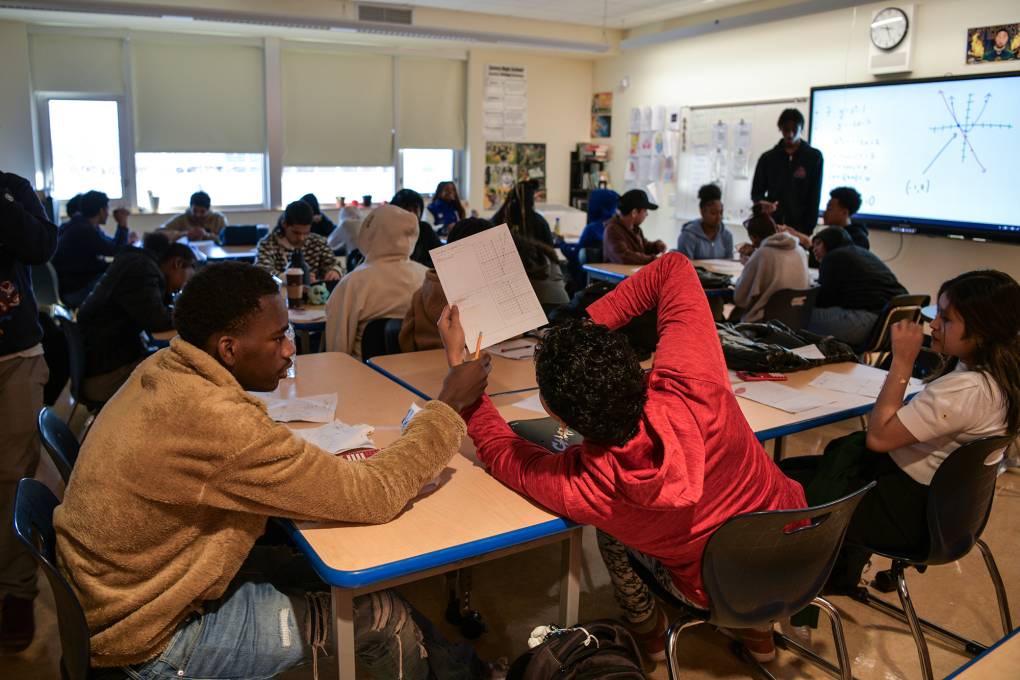
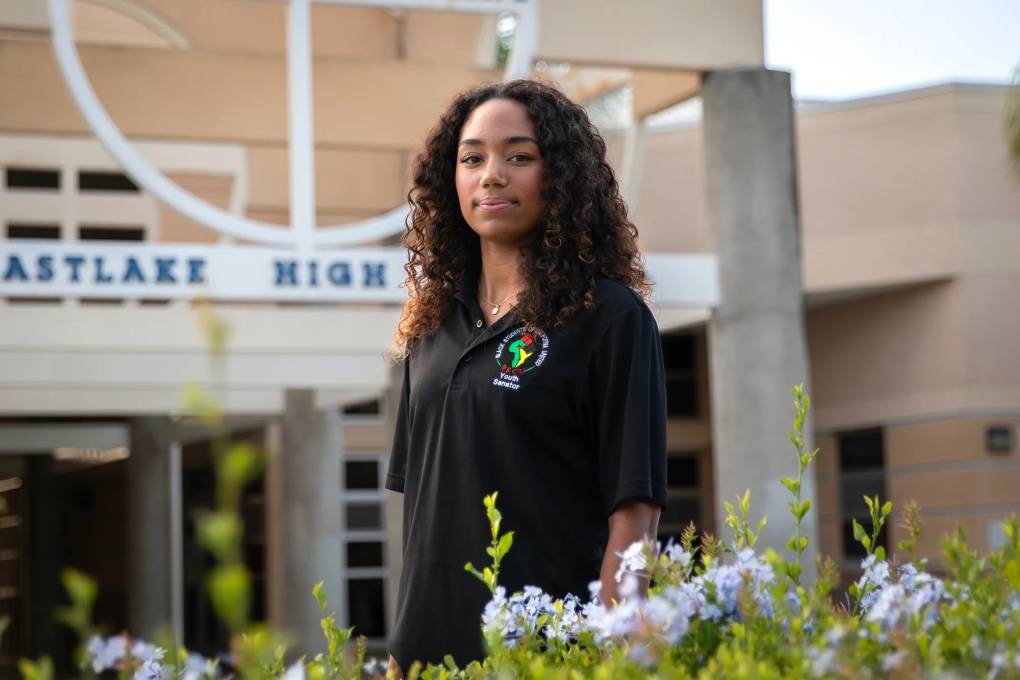
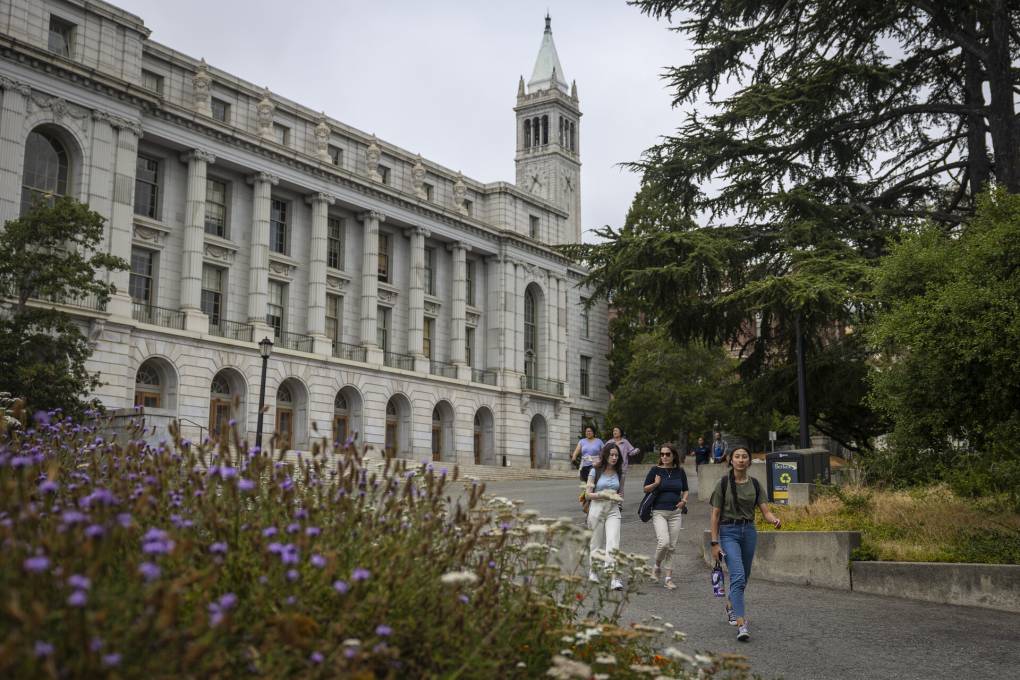
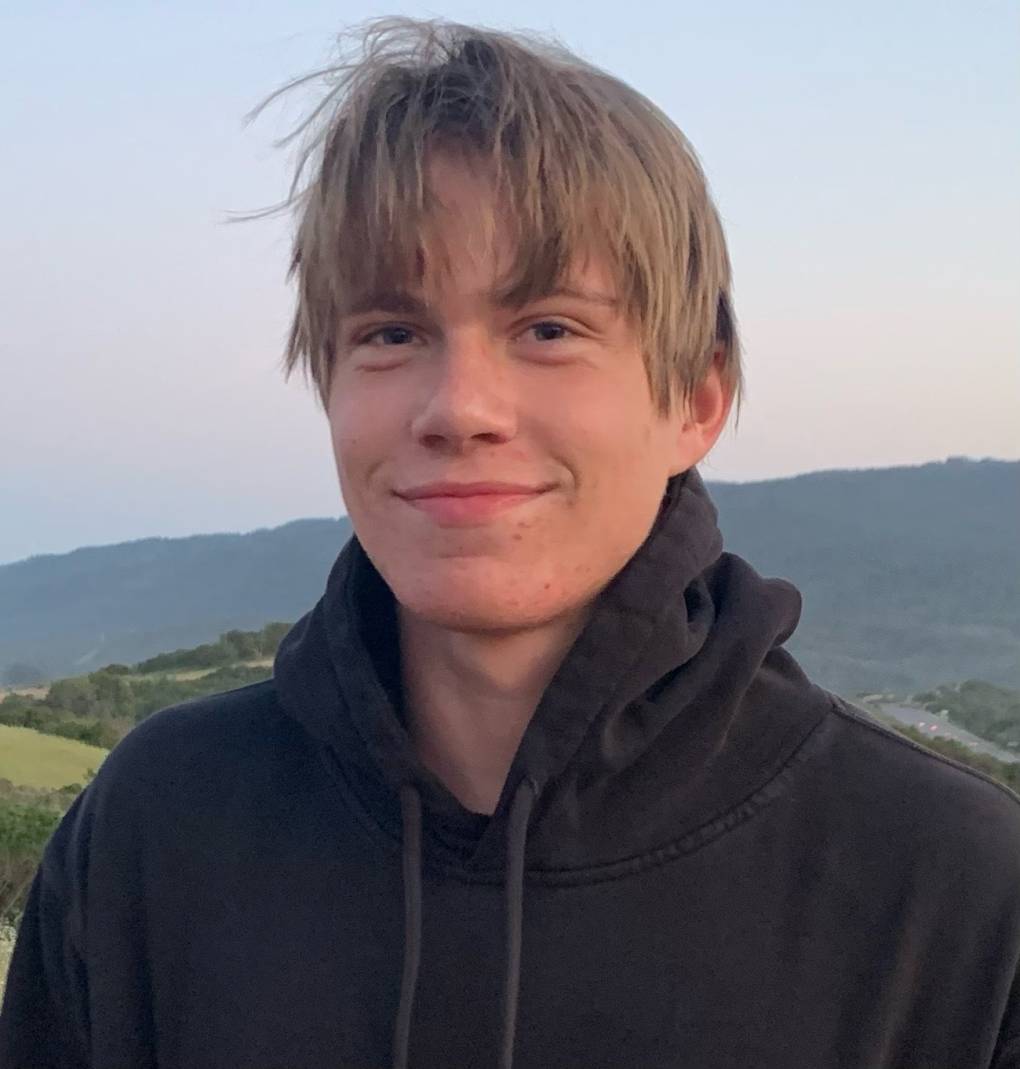
window.__IS_SSR__=true
window.__INITIAL_STATE__={
"attachmentsReducer": {
"audio_0": {
"type": "attachments",
"id": "audio_0",
"imgSizes": {
"kqedFullSize": {
"file": "https://ww2.kqed.org/news/wp-content/themes/KQED-unified/img/audio_bgs/background0.jpg"
}
}
},
"audio_1": {
"type": "attachments",
"id": "audio_1",
"imgSizes": {
"kqedFullSize": {
"file": "https://ww2.kqed.org/news/wp-content/themes/KQED-unified/img/audio_bgs/background1.jpg"
}
}
},
"audio_2": {
"type": "attachments",
"id": "audio_2",
"imgSizes": {
"kqedFullSize": {
"file": "https://ww2.kqed.org/news/wp-content/themes/KQED-unified/img/audio_bgs/background2.jpg"
}
}
},
"audio_3": {
"type": "attachments",
"id": "audio_3",
"imgSizes": {
"kqedFullSize": {
"file": "https://ww2.kqed.org/news/wp-content/themes/KQED-unified/img/audio_bgs/background3.jpg"
}
}
},
"audio_4": {
"type": "attachments",
"id": "audio_4",
"imgSizes": {
"kqedFullSize": {
"file": "https://ww2.kqed.org/news/wp-content/themes/KQED-unified/img/audio_bgs/background4.jpg"
}
}
},
"placeholder": {
"type": "attachments",
"id": "placeholder",
"imgSizes": {
"thumbnail": {
"file": "https://cdn.kqed.org/wp-content/uploads/2024/12/KQED-Default-Image-816638274-2000x1333-1-160x107.jpg",
"width": 160,
"height": 107,
"mimeType": "image/jpeg"
},
"medium": {
"file": "https://cdn.kqed.org/wp-content/uploads/2024/12/KQED-Default-Image-816638274-2000x1333-1-800x533.jpg",
"width": 800,
"height": 533,
"mimeType": "image/jpeg"
},
"medium_large": {
"file": "https://cdn.kqed.org/wp-content/uploads/2024/12/KQED-Default-Image-816638274-2000x1333-1-768x512.jpg",
"width": 768,
"height": 512,
"mimeType": "image/jpeg"
},
"large": {
"file": "https://cdn.kqed.org/wp-content/uploads/2024/12/KQED-Default-Image-816638274-2000x1333-1-1020x680.jpg",
"width": 1020,
"height": 680,
"mimeType": "image/jpeg"
},
"1536x1536": {
"file": "https://cdn.kqed.org/wp-content/uploads/2024/12/KQED-Default-Image-816638274-2000x1333-1-1536x1024.jpg",
"width": 1536,
"height": 1024,
"mimeType": "image/jpeg"
},
"fd-lrg": {
"file": "https://cdn.kqed.org/wp-content/uploads/2024/12/KQED-Default-Image-816638274-2000x1333-1-1536x1024.jpg",
"width": 1536,
"height": 1024,
"mimeType": "image/jpeg"
},
"fd-med": {
"file": "https://cdn.kqed.org/wp-content/uploads/2024/12/KQED-Default-Image-816638274-2000x1333-1-1020x680.jpg",
"width": 1020,
"height": 680,
"mimeType": "image/jpeg"
},
"fd-sm": {
"file": "https://cdn.kqed.org/wp-content/uploads/2024/12/KQED-Default-Image-816638274-2000x1333-1-800x533.jpg",
"width": 800,
"height": 533,
"mimeType": "image/jpeg"
},
"post-thumbnail": {
"file": "https://cdn.kqed.org/wp-content/uploads/2024/12/KQED-Default-Image-816638274-2000x1333-1-672x372.jpg",
"width": 672,
"height": 372,
"mimeType": "image/jpeg"
},
"twentyfourteen-full-width": {
"file": "https://cdn.kqed.org/wp-content/uploads/2024/12/KQED-Default-Image-816638274-2000x1333-1-1038x576.jpg",
"width": 1038,
"height": 576,
"mimeType": "image/jpeg"
},
"xxsmall": {
"file": "https://cdn.kqed.org/wp-content/uploads/2024/12/KQED-Default-Image-816638274-2000x1333-1-160x107.jpg",
"width": 160,
"height": 107,
"mimeType": "image/jpeg"
},
"xsmall": {
"file": "https://cdn.kqed.org/wp-content/uploads/2024/12/KQED-Default-Image-816638274-2000x1333-1-672x372.jpg",
"width": 672,
"height": 372,
"mimeType": "image/jpeg"
},
"small": {
"file": "https://cdn.kqed.org/wp-content/uploads/2024/12/KQED-Default-Image-816638274-2000x1333-1-672x372.jpg",
"width": 672,
"height": 372,
"mimeType": "image/jpeg"
},
"xlarge": {
"file": "https://cdn.kqed.org/wp-content/uploads/2024/12/KQED-Default-Image-816638274-2000x1333-1-1020x680.jpg",
"width": 1020,
"height": 680,
"mimeType": "image/jpeg"
},
"full-width": {
"file": "https://cdn.kqed.org/wp-content/uploads/2024/12/KQED-Default-Image-816638274-2000x1333-1-1920x1280.jpg",
"width": 1920,
"height": 1280,
"mimeType": "image/jpeg"
},
"guest-author-32": {
"file": "https://cdn.kqed.org/wp-content/uploads/2025/01/KQED-Default-Image-816638274-1333x1333-1-160x160.jpg",
"width": 32,
"height": 32,
"mimeType": "image/jpeg"
},
"guest-author-50": {
"file": "https://cdn.kqed.org/wp-content/uploads/2025/01/KQED-Default-Image-816638274-1333x1333-1-160x160.jpg",
"width": 50,
"height": 50,
"mimeType": "image/jpeg"
},
"guest-author-64": {
"file": "https://cdn.kqed.org/wp-content/uploads/2025/01/KQED-Default-Image-816638274-1333x1333-1-160x160.jpg",
"width": 64,
"height": 64,
"mimeType": "image/jpeg"
},
"guest-author-96": {
"file": "https://cdn.kqed.org/wp-content/uploads/2025/01/KQED-Default-Image-816638274-1333x1333-1-160x160.jpg",
"width": 96,
"height": 96,
"mimeType": "image/jpeg"
},
"guest-author-128": {
"file": "https://cdn.kqed.org/wp-content/uploads/2025/01/KQED-Default-Image-816638274-1333x1333-1-160x160.jpg",
"width": 128,
"height": 128,
"mimeType": "image/jpeg"
},
"detail": {
"file": "https://cdn.kqed.org/wp-content/uploads/2025/01/KQED-Default-Image-816638274-1333x1333-1-160x160.jpg",
"width": 160,
"height": 160,
"mimeType": "image/jpeg"
},
"kqedFullSize": {
"file": "https://cdn.kqed.org/wp-content/uploads/2024/12/KQED-Default-Image-816638274-2000x1333-1.jpg",
"width": 2000,
"height": 1333
}
}
},
"news_11971468": {
"type": "attachments",
"id": "news_11971468",
"meta": {
"index": "attachments_1716263798",
"site": "news",
"id": "11971468",
"found": true
},
"parent": 11971463,
"imgSizes": {
"twentyfourteen-full-width": {
"file": "https://cdn.kqed.org/wp-content/uploads/sites/10/2024/01/CMStudents01-1038x576.jpg",
"width": 1038,
"mimeType": "image/jpeg",
"height": 576
},
"thumbnail": {
"file": "https://cdn.kqed.org/wp-content/uploads/sites/10/2024/01/CMStudents01-160x107.jpg",
"width": 160,
"mimeType": "image/jpeg",
"height": 107
},
"post-thumbnail": {
"file": "https://cdn.kqed.org/wp-content/uploads/sites/10/2024/01/CMStudents01-672x372.jpg",
"width": 672,
"mimeType": "image/jpeg",
"height": 372
},
"kqedFullSize": {
"file": "https://cdn.kqed.org/wp-content/uploads/sites/10/2024/01/CMStudents01.jpg",
"width": 2000,
"height": 1333
},
"large": {
"file": "https://cdn.kqed.org/wp-content/uploads/sites/10/2024/01/CMStudents01-1020x680.jpg",
"width": 1020,
"mimeType": "image/jpeg",
"height": 680
},
"1536x1536": {
"file": "https://cdn.kqed.org/wp-content/uploads/sites/10/2024/01/CMStudents01-1536x1024.jpg",
"width": 1536,
"mimeType": "image/jpeg",
"height": 1024
},
"full-width": {
"file": "https://cdn.kqed.org/wp-content/uploads/sites/10/2024/01/CMStudents01-1920x1280.jpg",
"width": 1920,
"mimeType": "image/jpeg",
"height": 1280
},
"medium": {
"file": "https://cdn.kqed.org/wp-content/uploads/sites/10/2024/01/CMStudents01-800x533.jpg",
"width": 800,
"mimeType": "image/jpeg",
"height": 533
}
},
"publishDate": 1704305622,
"modified": 1704305693,
"caption": "High school math students prepare for finals week at Emery High School in Emery on Dec. 13, 2023. Emery Unified School District, a majority-Black student school district, is one of the bright spots from the recent statewide Smarter Balanced K-12 test results.",
"description": null,
"title": "CMStudents01",
"credit": "Pablo Unzueta/CalMatters",
"status": "inherit",
"altTag": "Students and instructors in a classroom setting.",
"isLoading": false,
"fetchFailed": false
},
"news_11966397": {
"type": "attachments",
"id": "news_11966397",
"meta": {
"index": "attachments_1716263798",
"site": "news",
"id": "11966397",
"found": true
},
"parent": 11966391,
"imgSizes": {
"twentyfourteen-full-width": {
"file": "https://ww2.kqed.org/app/uploads/sites/10/2023/11/102323_Maya-Murchison_AH_CM_05-copy-1038x576.jpg",
"width": 1038,
"mimeType": "image/jpeg",
"height": 576
},
"thumbnail": {
"file": "https://ww2.kqed.org/app/uploads/sites/10/2023/11/102323_Maya-Murchison_AH_CM_05-copy-160x107.jpg",
"width": 160,
"mimeType": "image/jpeg",
"height": 107
},
"post-thumbnail": {
"file": "https://ww2.kqed.org/app/uploads/sites/10/2023/11/102323_Maya-Murchison_AH_CM_05-copy-672x372.jpg",
"width": 672,
"mimeType": "image/jpeg",
"height": 372
},
"kqedFullSize": {
"file": "https://ww2.kqed.org/app/uploads/sites/10/2023/11/102323_Maya-Murchison_AH_CM_05-copy.jpg",
"width": 2000,
"height": 1333
},
"large": {
"file": "https://ww2.kqed.org/app/uploads/sites/10/2023/11/102323_Maya-Murchison_AH_CM_05-copy-1020x680.jpg",
"width": 1020,
"mimeType": "image/jpeg",
"height": 680
},
"1536x1536": {
"file": "https://ww2.kqed.org/app/uploads/sites/10/2023/11/102323_Maya-Murchison_AH_CM_05-copy-1536x1024.jpg",
"width": 1536,
"mimeType": "image/jpeg",
"height": 1024
},
"full-width": {
"file": "https://ww2.kqed.org/app/uploads/sites/10/2023/11/102323_Maya-Murchison_AH_CM_05-copy-1920x1280.jpg",
"width": 1920,
"mimeType": "image/jpeg",
"height": 1280
},
"medium": {
"file": "https://ww2.kqed.org/app/uploads/sites/10/2023/11/102323_Maya-Murchison_AH_CM_05-copy-800x533.jpg",
"width": 800,
"mimeType": "image/jpeg",
"height": 533
}
},
"publishDate": 1699056226,
"modified": 1699056305,
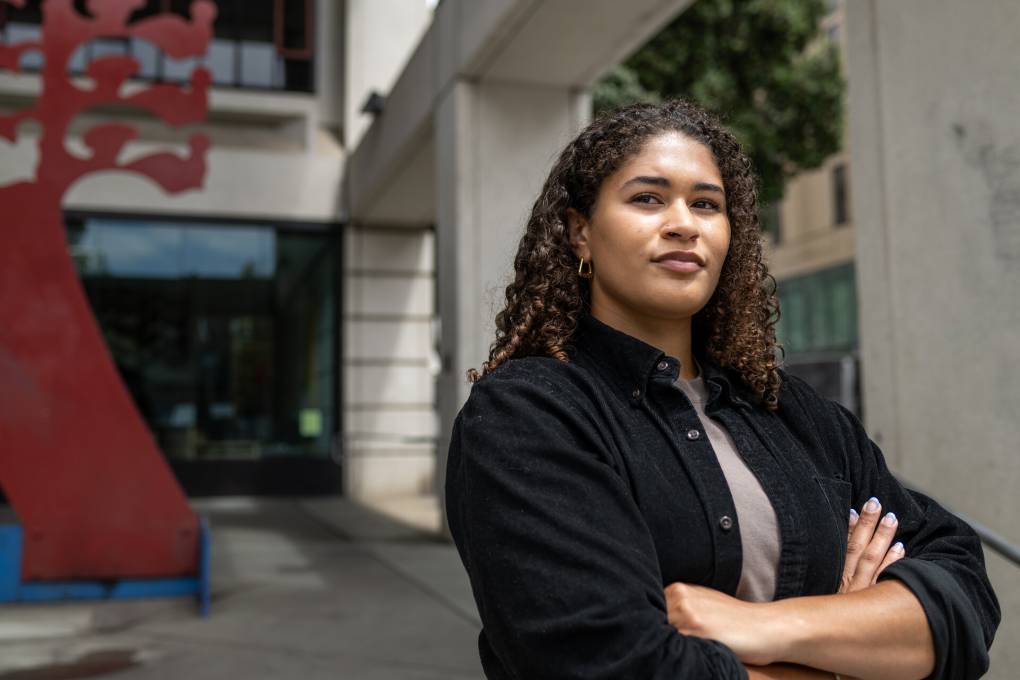
"caption": "Maya Murchison at Eastlake High School in Chula Vista on Oct. 23, 2023. Murchison, a high school senior, says the recent US Supreme Court ruling on affirmative action has affected her college application process.",
"description": null,
"title": "102323_Maya-Murchison_AH_CM_05 copy",
"credit": "Adriana Heldiz/CalMatters",
"status": "inherit",
"altTag": "A young African American student looks at the camera with a high school in the background.",
"isLoading": false,
"fetchFailed": false
},
"news_11962239": {
"type": "attachments",
"id": "news_11962239",
"meta": {
"index": "attachments_1716263798",
"site": "news",
"id": "11962239",
"found": true
},
"parent": 0,
"imgSizes": {
"twentyfourteen-full-width": {
"file": "https://ww2.kqed.org/app/uploads/sites/10/2023/09/230817-UC-BERKELEY-CAMPUS-MD-06-qut-1038x576.jpg",
"width": 1038,
"mimeType": "image/jpeg",
"height": 576
},
"thumbnail": {
"file": "https://ww2.kqed.org/app/uploads/sites/10/2023/09/230817-UC-BERKELEY-CAMPUS-MD-06-qut-160x107.jpg",
"width": 160,
"mimeType": "image/jpeg",
"height": 107
},
"post-thumbnail": {
"file": "https://ww2.kqed.org/app/uploads/sites/10/2023/09/230817-UC-BERKELEY-CAMPUS-MD-06-qut-672x372.jpg",
"width": 672,
"mimeType": "image/jpeg",
"height": 372
},
"kqedFullSize": {
"file": "https://ww2.kqed.org/app/uploads/sites/10/2023/09/230817-UC-BERKELEY-CAMPUS-MD-06-qut.jpg",
"width": 1920,
"height": 1280
},
"large": {
"file": "https://ww2.kqed.org/app/uploads/sites/10/2023/09/230817-UC-BERKELEY-CAMPUS-MD-06-qut-1020x680.jpg",
"width": 1020,
"mimeType": "image/jpeg",
"height": 680
},
"1536x1536": {
"file": "https://ww2.kqed.org/app/uploads/sites/10/2023/09/230817-UC-BERKELEY-CAMPUS-MD-06-qut-1536x1024.jpg",
"width": 1536,
"mimeType": "image/jpeg",
"height": 1024
},
"medium": {
"file": "https://ww2.kqed.org/app/uploads/sites/10/2023/09/230817-UC-BERKELEY-CAMPUS-MD-06-qut-800x533.jpg",
"width": 800,
"mimeType": "image/jpeg",
"height": 533
}
},
"publishDate": 1695421950,
"modified": 1695663910,
"caption": "The UC Berkeley campus on Aug. 17, 2023.",
"description": null,
"title": "The UC Berkeley Campus in Berkeley on Aug. 17, 2023.",
"credit": "Martin do Nascimento/KQED",
"status": "inherit",
"altTag": "A college campus is pictured with a large building with a pointed clock tower. Students with backpacks are seen walking down a cement pathway on a gray afternoon.",
"isLoading": false,
"fetchFailed": false
},
"news_11959194": {
"type": "attachments",
"id": "news_11959194",
"meta": {
"index": "attachments_1716263798",
"site": "news",
"id": "11959194",
"found": true
},
"parent": 11959112,
"imgSizes": {
"twentyfourteen-full-width": {
"file": "https://ww2.kqed.org/app/uploads/sites/10/2023/08/IMG_1773-1038x576.jpeg",
"width": 1038,
"mimeType": "image/jpeg",
"height": 576
},
"thumbnail": {
"file": "https://ww2.kqed.org/app/uploads/sites/10/2023/08/IMG_1773-160x168.jpeg",
"width": 160,
"mimeType": "image/jpeg",
"height": 168
},
"post-thumbnail": {
"file": "https://ww2.kqed.org/app/uploads/sites/10/2023/08/IMG_1773-672x372.jpeg",
"width": 672,
"mimeType": "image/jpeg",
"height": 372
},
"kqedFullSize": {
"file": "https://ww2.kqed.org/app/uploads/sites/10/2023/08/IMG_1773.jpeg",
"width": 1300,
"height": 1362
},
"large": {
"file": "https://ww2.kqed.org/app/uploads/sites/10/2023/08/IMG_1773-1020x1069.jpeg",
"width": 1020,
"mimeType": "image/jpeg",
"height": 1069
},
"medium": {
"file": "https://ww2.kqed.org/app/uploads/sites/10/2023/08/IMG_1773-800x838.jpeg",
"width": 800,
"mimeType": "image/jpeg",
"height": 838
}
},
"publishDate": 1692986127,
"modified": 1692986255,
"caption": "Carlmont High School student Colin Walker, pictured here, died from a fentanyl overdose in 2021. ",
"description": null,
"title": "IMG_1773",
"credit": "Elizabeth Walker",
"status": "inherit",
"altTag": null,
"isLoading": false,
"fetchFailed": false
},
"news_11955965": {
"type": "attachments",
"id": "news_11955965",
"meta": {
"index": "attachments_1716263798",
"site": "news",
"id": "11955965",
"found": true
},
"parent": 0,
"imgSizes": {
"twentyfourteen-full-width": {
"file": "https://ww2.kqed.org/app/uploads/sites/10/2023/07/230718-SAN-DIEGO-STATE-AP-GB-KQED-1038x576.jpg",
"width": 1038,
"mimeType": "image/jpeg",
"height": 576
},
"thumbnail": {
"file": "https://ww2.kqed.org/app/uploads/sites/10/2023/07/230718-SAN-DIEGO-STATE-AP-GB-KQED-160x107.jpg",
"width": 160,
"mimeType": "image/jpeg",
"height": 107
},
"post-thumbnail": {
"file": "https://ww2.kqed.org/app/uploads/sites/10/2023/07/230718-SAN-DIEGO-STATE-AP-GB-KQED-672x372.jpg",
"width": 672,
"mimeType": "image/jpeg",
"height": 372
},
"kqedFullSize": {
"file": "https://ww2.kqed.org/app/uploads/sites/10/2023/07/230718-SAN-DIEGO-STATE-AP-GB-KQED.jpg",
"width": 2000,
"height": 1333
},
"large": {
"file": "https://ww2.kqed.org/app/uploads/sites/10/2023/07/230718-SAN-DIEGO-STATE-AP-GB-KQED-1020x680.jpg",
"width": 1020,
"mimeType": "image/jpeg",
"height": 680
},
"1536x1536": {
"file": "https://ww2.kqed.org/app/uploads/sites/10/2023/07/230718-SAN-DIEGO-STATE-AP-GB-KQED-1536x1024.jpg",
"width": 1536,
"mimeType": "image/jpeg",
"height": 1024
},
"full-width": {
"file": "https://ww2.kqed.org/app/uploads/sites/10/2023/07/230718-SAN-DIEGO-STATE-AP-GB-KQED-1920x1280.jpg",
"width": 1920,
"mimeType": "image/jpeg",
"height": 1280
},
"medium": {
"file": "https://ww2.kqed.org/app/uploads/sites/10/2023/07/230718-SAN-DIEGO-STATE-AP-GB-KQED-800x533.jpg",
"width": 800,
"mimeType": "image/jpeg",
"height": 533
}
},
"publishDate": 1689724141,
"modified": 1689791687,
"caption": "People walk on campus at San Diego State University Tuesday, Nov. 12, 2019, in San Diego.",
"description": " SDSU says a freshman who was hospitalized after attending a fraternity party last week has died. University President Adela de la Torre announced Monday that 19-year-old Dylan Hernandez died Sunday, Nov. 10, 2019, surrounded by his family. The university says its police are investigating the death but gave no further details about possible causes.",
"title": "Fraternity Death",
"credit": "Gregory Bull/AP Photo",
"status": "inherit",
"altTag": "A group of people beside a San Diego State University sign on a lamp post.",
"isLoading": false,
"fetchFailed": false
},
"news_11955155": {
"type": "attachments",
"id": "news_11955155",
"meta": {
"index": "attachments_1716263798",
"site": "news",
"id": "11955155",
"found": true
},
"parent": 0,
"imgSizes": {
"twentyfourteen-full-width": {
"file": "https://ww2.kqed.org/app/uploads/sites/10/2023/07/230705-SOLAR-CAR-MHN-01-KQED-1038x576.jpg",
"width": 1038,
"mimeType": "image/jpeg",
"height": 576
},
"thumbnail": {
"file": "https://ww2.kqed.org/app/uploads/sites/10/2023/07/230705-SOLAR-CAR-MHN-01-KQED-160x107.jpg",
"width": 160,
"mimeType": "image/jpeg",
"height": 107
},
"post-thumbnail": {
"file": "https://ww2.kqed.org/app/uploads/sites/10/2023/07/230705-SOLAR-CAR-MHN-01-KQED-672x372.jpg",
"width": 672,
"mimeType": "image/jpeg",
"height": 372
},
"kqedFullSize": {
"file": "https://ww2.kqed.org/app/uploads/sites/10/2023/07/230705-SOLAR-CAR-MHN-01-KQED.jpg",
"width": 2000,
"height": 1333
},
"large": {
"file": "https://ww2.kqed.org/app/uploads/sites/10/2023/07/230705-SOLAR-CAR-MHN-01-KQED-1020x680.jpg",
"width": 1020,
"mimeType": "image/jpeg",
"height": 680
},
"1536x1536": {
"file": "https://ww2.kqed.org/app/uploads/sites/10/2023/07/230705-SOLAR-CAR-MHN-01-KQED-1536x1024.jpg",
"width": 1536,
"mimeType": "image/jpeg",
"height": 1024
},
"full-width": {
"file": "https://ww2.kqed.org/app/uploads/sites/10/2023/07/230705-SOLAR-CAR-MHN-01-KQED-1920x1280.jpg",
"width": 1920,
"mimeType": "image/jpeg",
"height": 1280
},
"medium": {
"file": "https://ww2.kqed.org/app/uploads/sites/10/2023/07/230705-SOLAR-CAR-MHN-01-KQED-800x533.jpg",
"width": 800,
"mimeType": "image/jpeg",
"height": 533
}
},
"publishDate": 1688749906,
"modified": 1689378352,
"caption": "Raghav Ranga (left), Alaap Nair (center) and Daniel Alam, members of the Palo Alto High School team competing in the 30th Solar Car Challenge, stand beside the team’s solar-powered car in Palo Alto on July 6, 2023. Ranga, Nair and Alam are the team's drivers, and will drive from Fort Worth, Texas, to Palmdale, California, as part of the challenge.",
"description": null,
"title": "230705-SOLAR CAR-MHN-01-KQED",
"credit": "Martin do Nascimento/KQED",
"status": "inherit",
"altTag": "Three high school students lean against a large metallic structure in the driveway of a home.",
"isLoading": false,
"fetchFailed": false
},
"news_11951966": {
"type": "attachments",
"id": "news_11951966",
"meta": {
"index": "attachments_1716263798",
"site": "news",
"id": "11951966",
"found": true
},
"parent": 11951849,
"imgSizes": {
"twentyfourteen-full-width": {
"file": "https://ww2.kqed.org/app/uploads/sites/10/2023/06/RS65953_003_KQED_StanfordGradUnion_05302023-qut-1038x576.jpg",
"width": 1038,
"mimeType": "image/jpeg",
"height": 576
},
"thumbnail": {
"file": "https://ww2.kqed.org/app/uploads/sites/10/2023/06/RS65953_003_KQED_StanfordGradUnion_05302023-qut-160x107.jpg",
"width": 160,
"mimeType": "image/jpeg",
"height": 107
},
"post-thumbnail": {
"file": "https://ww2.kqed.org/app/uploads/sites/10/2023/06/RS65953_003_KQED_StanfordGradUnion_05302023-qut-672x372.jpg",
"width": 672,
"mimeType": "image/jpeg",
"height": 372
},
"kqedFullSize": {
"file": "https://ww2.kqed.org/app/uploads/sites/10/2023/06/RS65953_003_KQED_StanfordGradUnion_05302023-qut.jpg",
"width": 1920,
"height": 1280
},
"large": {
"file": "https://ww2.kqed.org/app/uploads/sites/10/2023/06/RS65953_003_KQED_StanfordGradUnion_05302023-qut-1020x680.jpg",
"width": 1020,
"mimeType": "image/jpeg",
"height": 680
},
"1536x1536": {
"file": "https://ww2.kqed.org/app/uploads/sites/10/2023/06/RS65953_003_KQED_StanfordGradUnion_05302023-qut-1536x1024.jpg",
"width": 1536,
"mimeType": "image/jpeg",
"height": 1024
},
"medium": {
"file": "https://ww2.kqed.org/app/uploads/sites/10/2023/06/RS65953_003_KQED_StanfordGradUnion_05302023-qut-800x533.jpg",
"width": 800,
"mimeType": "image/jpeg",
"height": 533
}
},
"publishDate": 1685655107,
"modified": 1685664597,
"caption": "Chloé Brault, a Ph.D. candidate in comparative literature, stands near Wallenberg Hall on the Stanford campus on May 30, 2023.",
"description": null,
"title": "RS65953_003_KQED_StanfordGradUnion_05302023-qut",
"credit": "Beth LaBerge/KQED",
"status": "inherit",
"altTag": "A woman with long, brown hair stares off into the distance. She stands in an outdoor hallway of a building with chunky pillars. She wears a black T-shirt that reads, \"Stanford Graduate Workers Union.\"",
"isLoading": false,
"fetchFailed": false
},
"news_11950544": {
"type": "attachments",
"id": "news_11950544",
"meta": {
"index": "attachments_1716263798",
"site": "news",
"id": "11950544",
"found": true
},
"parent": 11950545,
"imgSizes": {
"twentyfourteen-full-width": {
"file": "https://ww2.kqed.org/app/uploads/sites/10/2023/05/RS19586_IMG_8795-qut-1038x576.jpg",
"width": 1038,
"mimeType": "image/jpeg",
"height": 576
},
"thumbnail": {
"file": "https://ww2.kqed.org/app/uploads/sites/10/2023/05/RS19586_IMG_8795-qut-160x120.jpg",
"width": 160,
"mimeType": "image/jpeg",
"height": 120
},
"post-thumbnail": {
"file": "https://ww2.kqed.org/app/uploads/sites/10/2023/05/RS19586_IMG_8795-qut-672x372.jpg",
"width": 672,
"mimeType": "image/jpeg",
"height": 372
},
"kqedFullSize": {
"file": "https://ww2.kqed.org/app/uploads/sites/10/2023/05/RS19586_IMG_8795-qut.jpg",
"width": 1920,
"height": 1440
},
"large": {
"file": "https://ww2.kqed.org/app/uploads/sites/10/2023/05/RS19586_IMG_8795-qut-1020x765.jpg",
"width": 1020,
"mimeType": "image/jpeg",
"height": 765
},
"1536x1536": {
"file": "https://ww2.kqed.org/app/uploads/sites/10/2023/05/RS19586_IMG_8795-qut-1536x1152.jpg",
"width": 1536,
"mimeType": "image/jpeg",
"height": 1152
},
"medium": {
"file": "https://ww2.kqed.org/app/uploads/sites/10/2023/05/RS19586_IMG_8795-qut-800x600.jpg",
"width": 800,
"mimeType": "image/jpeg",
"height": 600
}
},
"publishDate": 1684946127,
"modified": 1684964791,
"caption": "Special education teacher and Oakland Education Association president Ismael Armendariz talks to some of his students in his classroom at Edna Brewer Middle School in Oakland, on May 20, 2016. Currently the Oakland Unified School District serves more than 6,000 students in special education programs, accounting for roughly 17% of students.",
"description": null,
"title": "RS19586_IMG_8795-qut",
"credit": "Sarah Tan/KQED",
"status": "inherit",
"altTag": "Inside a classroom, students sit at desks as a teacher wearing a red and white T-shirt stands behind a projector as he talks to his students.",
"isLoading": false,
"fetchFailed": false
},
"news_11949815": {
"type": "attachments",
"id": "news_11949815",
"meta": {
"index": "attachments_1716263798",
"site": "news",
"id": "11949815",
"found": true
},
"parent": 11949802,
"imgSizes": {
"twentyfourteen-full-width": {
"file": "https://ww2.kqed.org/app/uploads/sites/10/2023/05/RS65582_007_KQED_UCHastingsMeganWilhelm_05152023-qut-1038x576.jpg",
"width": 1038,
"mimeType": "image/jpeg",
"height": 576
},
"thumbnail": {
"file": "https://ww2.kqed.org/app/uploads/sites/10/2023/05/RS65582_007_KQED_UCHastingsMeganWilhelm_05152023-qut-160x107.jpg",
"width": 160,
"mimeType": "image/jpeg",
"height": 107
},
"post-thumbnail": {
"file": "https://ww2.kqed.org/app/uploads/sites/10/2023/05/RS65582_007_KQED_UCHastingsMeganWilhelm_05152023-qut-672x372.jpg",
"width": 672,
"mimeType": "image/jpeg",
"height": 372
},
"kqedFullSize": {
"file": "https://ww2.kqed.org/app/uploads/sites/10/2023/05/RS65582_007_KQED_UCHastingsMeganWilhelm_05152023-qut.jpg",
"width": 1920,
"height": 1280
},
"large": {
"file": "https://ww2.kqed.org/app/uploads/sites/10/2023/05/RS65582_007_KQED_UCHastingsMeganWilhelm_05152023-qut-1020x680.jpg",
"width": 1020,
"mimeType": "image/jpeg",
"height": 680
},
"1536x1536": {
"file": "https://ww2.kqed.org/app/uploads/sites/10/2023/05/RS65582_007_KQED_UCHastingsMeganWilhelm_05152023-qut-1536x1024.jpg",
"width": 1536,
"mimeType": "image/jpeg",
"height": 1024
},
"medium": {
"file": "https://ww2.kqed.org/app/uploads/sites/10/2023/05/RS65582_007_KQED_UCHastingsMeganWilhelm_05152023-qut-800x533.jpg",
"width": 800,
"mimeType": "image/jpeg",
"height": 533
}
},
"publishDate": 1684346844,
"modified": 1684787498,
"caption": "Megan Wilhelm, a member of the Black Law Student Association at UC Law SF (formerly UC Hastings), stands outside the campus on May 15, 2023. She alleges student accounts of racism on campus have gone ignored by the school's administration.",
"description": null,
"title": "RS65582_007_KQED_UCHastingsMeganWilhelm_05152023-qut",
"credit": "Beth LaBerge/KQED",
"status": "inherit",
"altTag": "A young African American woman stands with arms crossed while looking at camera with a building behind her.",
"isLoading": false,
"fetchFailed": false
},
"news_11950064": {
"type": "attachments",
"id": "news_11950064",
"meta": {
"index": "attachments_1716263798",
"site": "news",
"id": "11950064",
"found": true
},
"parent": 0,
"imgSizes": {
"twentyfourteen-full-width": {
"file": "https://ww2.kqed.org/app/uploads/sites/10/2023/05/RS38497_GettyImages-73909601-qut-1038x576.jpg",
"width": 1038,
"mimeType": "image/jpeg",
"height": 576
},
"thumbnail": {
"file": "https://ww2.kqed.org/app/uploads/sites/10/2023/05/RS38497_GettyImages-73909601-qut-160x115.jpg",
"width": 160,
"mimeType": "image/jpeg",
"height": 115
},
"post-thumbnail": {
"file": "https://ww2.kqed.org/app/uploads/sites/10/2023/05/RS38497_GettyImages-73909601-qut-672x372.jpg",
"width": 672,
"mimeType": "image/jpeg",
"height": 372
},
"kqedFullSize": {
"file": "https://ww2.kqed.org/app/uploads/sites/10/2023/05/RS38497_GettyImages-73909601-qut.jpg",
"width": 1920,
"height": 1376
},
"large": {
"file": "https://ww2.kqed.org/app/uploads/sites/10/2023/05/RS38497_GettyImages-73909601-qut-1020x731.jpg",
"width": 1020,
"mimeType": "image/jpeg",
"height": 731
},
"1536x1536": {
"file": "https://ww2.kqed.org/app/uploads/sites/10/2023/05/RS38497_GettyImages-73909601-qut-1536x1101.jpg",
"width": 1536,
"mimeType": "image/jpeg",
"height": 1101
},
"medium": {
"file": "https://ww2.kqed.org/app/uploads/sites/10/2023/05/RS38497_GettyImages-73909601-qut-800x573.jpg",
"width": 800,
"mimeType": "image/jpeg",
"height": 573
}
},
"publishDate": 1684445486,
"modified": 1684445661,
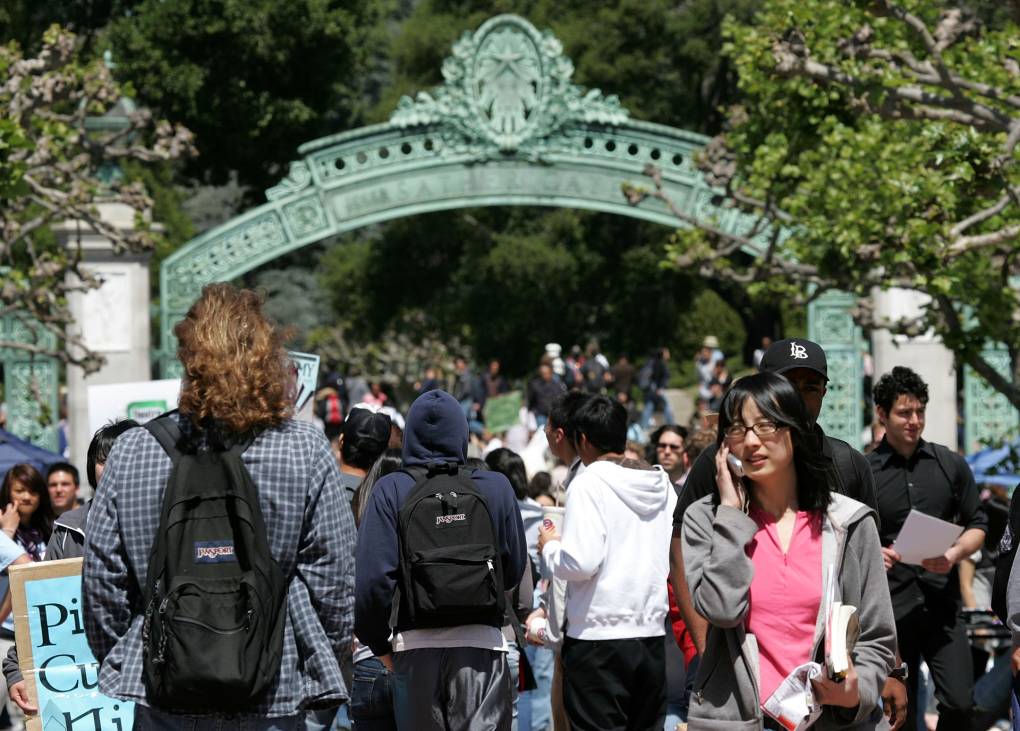
"caption": "UC Berkeley students walk through Sather Gate on the UC Berkeley campus April 17, 2007 in Berkeley, California. ",
"description": null,
"title": "U.S. Campus Security Scrutinized In Wake Of Virginia Tech Tragedy",
"credit": "Justin Sullivan/Getty Images",
"status": "inherit",
"altTag": "College students walk through a large, green archway surrounded by lush, tall trees. Many students wear black Jansport brand backpacks. Another female student with black hair and glasses talks on her cellphone in the foreground.",
"isLoading": false,
"fetchFailed": false
},
"news_11949300": {
"type": "attachments",
"id": "news_11949300",
"meta": {
"index": "attachments_1716263798",
"site": "news",
"id": "11949300",
"found": true
},
"parent": 0,
"imgSizes": {
"twentyfourteen-full-width": {
"file": "https://ww2.kqed.org/app/uploads/sites/10/2023/05/718AB56C-461F-4399-BBEE-75AFC9BE9D84-1038x576.jpg",
"width": 1038,
"mimeType": "image/jpeg",
"height": 576
},
"thumbnail": {
"file": "https://ww2.kqed.org/app/uploads/sites/10/2023/05/718AB56C-461F-4399-BBEE-75AFC9BE9D84-160x107.jpg",
"width": 160,
"mimeType": "image/jpeg",
"height": 107
},
"post-thumbnail": {
"file": "https://ww2.kqed.org/app/uploads/sites/10/2023/05/718AB56C-461F-4399-BBEE-75AFC9BE9D84-672x372.jpg",
"width": 672,
"mimeType": "image/jpeg",
"height": 372
},
"kqedFullSize": {
"file": "https://ww2.kqed.org/app/uploads/sites/10/2023/05/718AB56C-461F-4399-BBEE-75AFC9BE9D84.jpg",
"width": 1620,
"height": 1080
},
"large": {
"file": "https://ww2.kqed.org/app/uploads/sites/10/2023/05/718AB56C-461F-4399-BBEE-75AFC9BE9D84-1020x680.jpg",
"width": 1020,
"mimeType": "image/jpeg",
"height": 680
},
"1536x1536": {
"file": "https://ww2.kqed.org/app/uploads/sites/10/2023/05/718AB56C-461F-4399-BBEE-75AFC9BE9D84-1536x1024.jpg",
"width": 1536,
"mimeType": "image/jpeg",
"height": 1024
},
"medium": {
"file": "https://ww2.kqed.org/app/uploads/sites/10/2023/05/718AB56C-461F-4399-BBEE-75AFC9BE9D84-800x533.jpg",
"width": 800,
"mimeType": "image/jpeg",
"height": 533
}
},
"publishDate": 1683914467,
"modified": 1683922577,
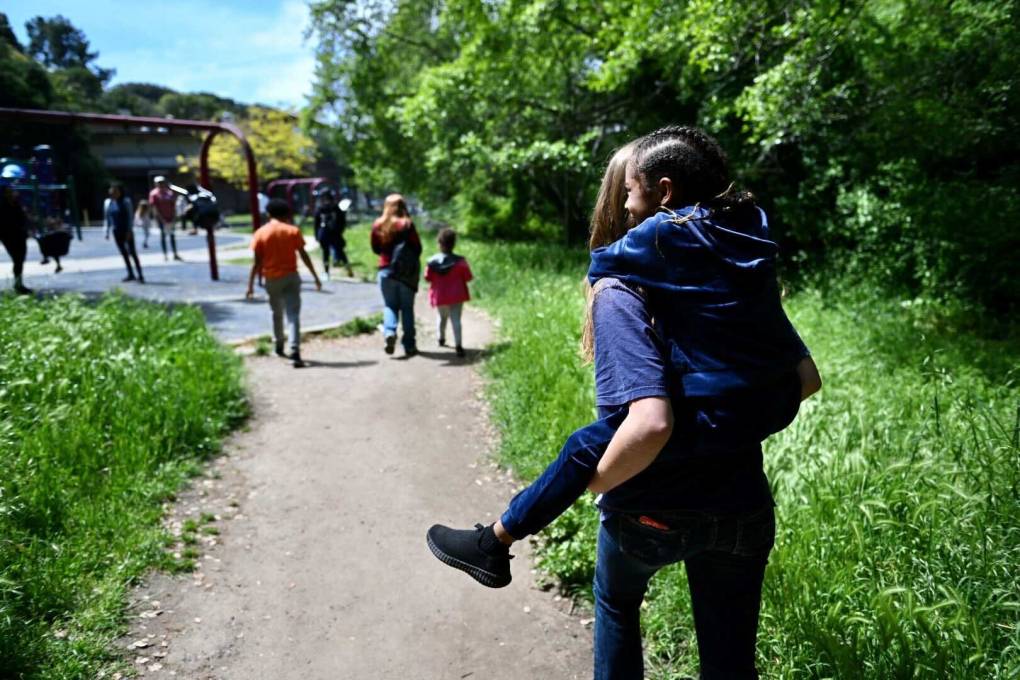
"caption": "Oakland Unified high school student Ruby Mechanic carries a student during a nature walk at a 'solidarity school' in Dimond Park, Oakland, on May 11, 2023, during a teachers' strike in the district.",
"description": null,
"title": "718AB56C-461F-4399-BBEE-75AFC9BE9D84",
"credit": "Beth LaBerge/KQED",
"status": "inherit",
"altTag": "A teenage girl carries an elementary student on her back in a playful way as they walk down a dirt trail with lush grass on either side, along with green trees. A swing set and many parents and children are playing in the background.",
"isLoading": false,
"fetchFailed": false
},
"news_11946744": {
"type": "attachments",
"id": "news_11946744",
"meta": {
"index": "attachments_1716263798",
"site": "news",
"id": "11946744",
"found": true
},
"parent": 0,
"imgSizes": {
"twentyfourteen-full-width": {
"file": "https://ww2.kqed.org/app/uploads/sites/10/2023/04/CMUndergrads01-1038x576.jpg",
"width": 1038,
"mimeType": "image/jpeg",
"height": 576
},
"thumbnail": {
"file": "https://ww2.kqed.org/app/uploads/sites/10/2023/04/CMUndergrads01-160x107.jpg",
"width": 160,
"mimeType": "image/jpeg",
"height": 107
},
"post-thumbnail": {
"file": "https://ww2.kqed.org/app/uploads/sites/10/2023/04/CMUndergrads01-672x372.jpg",
"width": 672,
"mimeType": "image/jpeg",
"height": 372
},
"kqedFullSize": {
"file": "https://ww2.kqed.org/app/uploads/sites/10/2023/04/CMUndergrads01.jpg",
"width": 1920,
"height": 1280
},
"large": {
"file": "https://ww2.kqed.org/app/uploads/sites/10/2023/04/CMUndergrads01-1020x680.jpg",
"width": 1020,
"mimeType": "image/jpeg",
"height": 680
},
"1536x1536": {
"file": "https://ww2.kqed.org/app/uploads/sites/10/2023/04/CMUndergrads01-1536x1024.jpg",
"width": 1536,
"mimeType": "image/jpeg",
"height": 1024
},
"medium": {
"file": "https://ww2.kqed.org/app/uploads/sites/10/2023/04/CMUndergrads01-800x533.jpg",
"width": 800,
"mimeType": "image/jpeg",
"height": 533
}
},
"publishDate": 1681491084,
"modified": 1681505059,
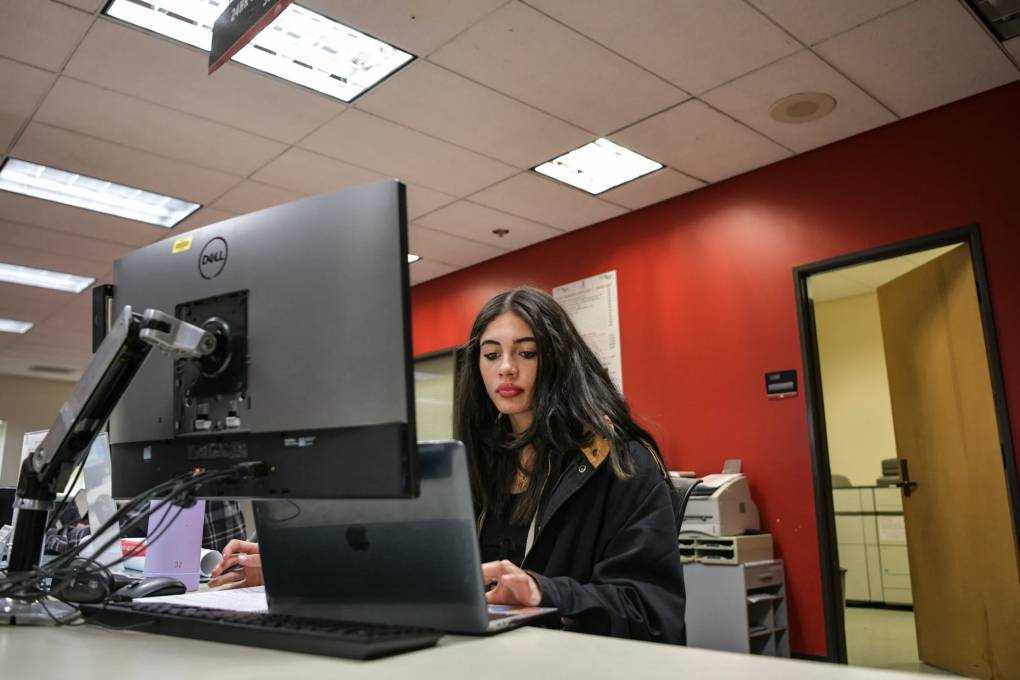
"caption": "Delilah Mays-Triplett, 19, works from her workstation as a student assistant inside the Love Library Addition at San Diego State University in San Diego on April 12, 2023.",
"description": null,
"title": "CMUndergrads01",
"credit": "Pablo Unzueta/CalMatters",
"status": "inherit",
"altTag": "A young college student with long, brown hair and a black jacket sits at her desk inside an office. She is staring down at her silver laptop. Behind the laptop, is another adjustable computer screen and keyboard. In the background, a print and other office equipment are pictured. A wooden door is also ajar revealing another office space with gray filing cabinets stacked.",
"isLoading": false,
"fetchFailed": false
}
},
"audioPlayerReducer": {
"postId": "stream_live",
"isPaused": true,
"isPlaying": false,
"pfsActive": false,
"pledgeModalIsOpen": true,
"playerDrawerIsOpen": false,
"liveAudioPlayStartedAt": 0,
"liveAudioPlayContext": ""
},
"authorsReducer": {
"byline_news_11971463": {
"type": "authors",
"id": "byline_news_11971463",
"meta": {
"override": true
},
"slug": "byline_news_11971463",
"name": "\u003ca href=\"https://calmatters.org/author/carolyn-jones/\">Carolyn Jones\u003c/a>",
"isLoading": false
},
"byline_news_11966391": {
"type": "authors",
"id": "byline_news_11966391",
"meta": {
"override": true
},
"slug": "byline_news_11966391",
"name": "\u003ca href=\"https://calmatters.org/author/carolyn-jones/\">Carolyn Jones\u003c/a> and \u003ca href=\"https://calmatters.org/author/mikhailzinshteyn/\">Mikhail Zinshteyn\u003c/a>",
"isLoading": false
},
"byline_news_11962230": {
"type": "authors",
"id": "byline_news_11962230",
"meta": {
"override": true
},
"slug": "byline_news_11962230",
"name": "\u003ca href=\"https://edsource.org/author/mburke\">Michael Burke\u003c/a>",
"isLoading": false
},
"byline_news_11955960": {
"type": "authors",
"id": "byline_news_11955960",
"meta": {
"override": true
},
"slug": "byline_news_11955960",
"name": "\u003ca href=\"https://edsource.org/author/asmith\">Ashley A. Smith\u003c/a>",
"isLoading": false
},
"byline_news_11950545": {
"type": "authors",
"id": "byline_news_11950545",
"meta": {
"override": true
},
"slug": "byline_news_11950545",
"name": "\u003ca href=\"https://twitter.com/pquinton99\">Phoebe Quinton\u003c/a>",
"isLoading": false
},
"byline_news_11949956": {
"type": "authors",
"id": "byline_news_11949956",
"meta": {
"override": true
},
"slug": "byline_news_11949956",
"name": "\u003ca href=\"https://edsource.org/author/mburke\">Michael Burke\u003c/a>\u003cbr> EdSource",
"isLoading": false
},
"byline_news_11946741": {
"type": "authors",
"id": "byline_news_11946741",
"meta": {
"override": true
},
"slug": "byline_news_11946741",
"name": "\u003ca href=\"https://calmatters.org/author/rocky-walker/\">Rocky Walker\u003c/a>",
"isLoading": false
},
"ecruzguevarra": {
"type": "authors",
"id": "8654",
"meta": {
"index": "authors_1716337520",
"id": "8654",
"found": true
},
"name": "Ericka Cruz Guevarra",
"firstName": "Ericka",
"lastName": "Cruz Guevarra",
"slug": "ecruzguevarra",
"email": "ecruzguevarra@kqed.org",
"display_author_email": true,
"staff_mastheads": [
"news"
],
"title": "Producer, The Bay Podcast",
"bio": "Ericka Cruz Guevarra is host of \u003ca href=\"https://www.kqed.org/podcasts/thebay\">\u003cem>The Bay\u003c/em>\u003c/a> podcast at KQED. Before host, she was the show’s producer. Her work in that capacity includes a three-part reported series on policing in Vallejo, which won a 2020 excellence in journalism award from the Society of Professional Journalists. Ericka has worked as a breaking news reporter at Oregon Public Broadcasting, helped produce the Code Switch podcast, and was KQED’s inaugural Raul Ramirez Diversity Fund intern. She’s also an alumna of NPR’s Next Generation Radio program. Send her an email if you have strong feelings about whether Fairfield and Suisun City are the Bay. Ericka is represented by SAG-AFTRA.",
"avatar": "https://secure.gravatar.com/avatar/accefc1de4bafc7e234b69bcb9b6f6536c130fd84709bc3069ef11a78787e1bb?s=600&d=blank&r=g",
"twitter": "NotoriousECG",
"bluesky": null,
"facebook": null,
"instagram": null,
"linkedin": null,
"sites": [
{
"site": "arts",
"roles": [
"subscriber"
]
},
{
"site": "news",
"roles": [
"editor",
"manage_categories"
]
},
{
"site": "futureofyou",
"roles": [
"subscriber"
]
},
{
"site": "stateofhealth",
"roles": [
"subscriber"
]
},
{
"site": "science",
"roles": [
"editor"
]
},
{
"site": "forum",
"roles": [
"subscriber"
]
}
],
"headData": {
"title": "Ericka Cruz Guevarra | KQED",
"description": "Producer, The Bay Podcast",
"ogImgSrc": "https://secure.gravatar.com/avatar/accefc1de4bafc7e234b69bcb9b6f6536c130fd84709bc3069ef11a78787e1bb?s=600&d=blank&r=g",
"twImgSrc": "https://secure.gravatar.com/avatar/accefc1de4bafc7e234b69bcb9b6f6536c130fd84709bc3069ef11a78787e1bb?s=600&d=blank&r=g"
},
"isLoading": false,
"link": "/author/ecruzguevarra"
},
"hmcdede": {
"type": "authors",
"id": "11635",
"meta": {
"index": "authors_1716337520",
"id": "11635",
"found": true
},
"name": "Holly McDede",
"firstName": "Holly",
"lastName": "McDede",
"slug": "hmcdede",
"email": "hmcdede@KQED.org",
"display_author_email": false,
"staff_mastheads": [],
"title": "KQED Contributor",
"bio": null,
"avatar": "https://secure.gravatar.com/avatar/999d9bf31bb3a2f0511932d99526cb3e?s=600&d=blank&r=g",
"twitter": null,
"facebook": null,
"instagram": null,
"linkedin": null,
"sites": [
{
"site": "arts",
"roles": [
"editor"
]
},
{
"site": "news",
"roles": [
"edit_others_posts",
"editor"
]
},
{
"site": "science",
"roles": [
"editor"
]
},
{
"site": "forum",
"roles": [
"editor"
]
},
{
"site": "perspectives",
"roles": [
"administrator"
]
}
],
"headData": {
"title": "Holly McDede | KQED",
"description": "KQED Contributor",
"ogImgSrc": "https://secure.gravatar.com/avatar/999d9bf31bb3a2f0511932d99526cb3e?s=600&d=blank&r=g",
"twImgSrc": "https://secure.gravatar.com/avatar/999d9bf31bb3a2f0511932d99526cb3e?s=600&d=blank&r=g"
},
"isLoading": false,
"link": "/author/hmcdede"
},
"amontecillo": {
"type": "authors",
"id": "11649",
"meta": {
"index": "authors_1716337520",
"id": "11649",
"found": true
},
"name": "Alan Montecillo",
"firstName": "Alan",
"lastName": "Montecillo",
"slug": "amontecillo",
"email": "amontecillo@kqed.org",
"display_author_email": false,
"staff_mastheads": [
"news"
],
"title": "KQED Contributor",
"bio": "Alan Montecillo is the senior editor of \u003cem>\u003ca href=\"http://kqed.org/thebay\">The Bay\u003c/a>, \u003c/em> KQED's local news podcast. Before moving to the Bay Area, he worked as a senior talk show producer for WILL in Champaign-Urbana, Illinois and at Oregon Public Broadcasting in Portland, Oregon. He has won journalism awards from the Society of Professional Journalists Northern California, the Public Media Journalists Association, The Signal Awards, and has also received a regional Edward R. Murrow award. Alan is a Filipino American from Hong Kong and a graduate of Reed College.",
"avatar": "https://secure.gravatar.com/avatar/268f53a2066899ea9efdd8a5900218b17c822d9862cbc9326cccec53ef41d349?s=600&d=blank&r=g",
"twitter": "alanmontecillo",
"bluesky": null,
"facebook": null,
"instagram": null,
"linkedin": null,
"sites": [
{
"site": "",
"roles": [
"editor"
]
},
{
"site": "news",
"roles": [
"editor",
"manage_categories"
]
}
],
"headData": {
"title": "Alan Montecillo | KQED",
"description": "KQED Contributor",
"ogImgSrc": "https://secure.gravatar.com/avatar/268f53a2066899ea9efdd8a5900218b17c822d9862cbc9326cccec53ef41d349?s=600&d=blank&r=g",
"twImgSrc": "https://secure.gravatar.com/avatar/268f53a2066899ea9efdd8a5900218b17c822d9862cbc9326cccec53ef41d349?s=600&d=blank&r=g"
},
"isLoading": false,
"link": "/author/amontecillo"
},
"mesquinca": {
"type": "authors",
"id": "11802",
"meta": {
"index": "authors_1716337520",
"id": "11802",
"found": true
},
"name": "Maria Esquinca",
"firstName": "Maria",
"lastName": "Esquinca",
"slug": "mesquinca",
"email": "mesquinca@kqed.org",
"display_author_email": false,
"staff_mastheads": [],
"title": "Producer, The Bay",
"bio": "María Esquinca is a producer of The Bay. Before that, she was a New York Women’s Foundation IGNITE Fellow at Latino USA. She worked at Radio Bilingue where she covered the San Joaquin Valley. Maria has interned at WLRN, News 21, The New York Times Student Journalism Institute and at Crain’s Detroit Business as a Dow Jones News Fund Business Reporting Intern. She is an MFA graduate from the University of Miami. In 2017, she graduated from the Walter Cronkite School of Journalism and Mass Communication with a Master of Mass Communication. A fronteriza, she was born in Ciudad Juárez, Chihuahua, Mexico and grew up in El Paso, Texas.",
"avatar": "https://secure.gravatar.com/avatar/77cedba18aae91da775038ba06dcd8d0?s=600&d=blank&r=g",
"twitter": "@m_esquinca",
"facebook": null,
"instagram": null,
"linkedin": null,
"sites": [
{
"site": "news",
"roles": []
}
],
"headData": {
"title": "Maria Esquinca | KQED",
"description": "Producer, The Bay",
"ogImgSrc": "https://secure.gravatar.com/avatar/77cedba18aae91da775038ba06dcd8d0?s=600&d=blank&r=g",
"twImgSrc": "https://secure.gravatar.com/avatar/77cedba18aae91da775038ba06dcd8d0?s=600&d=blank&r=g"
},
"isLoading": false,
"link": "/author/mesquinca"
},
"sjohnson": {
"type": "authors",
"id": "11840",
"meta": {
"index": "authors_1716337520",
"id": "11840",
"found": true
},
"name": "Sydney Johnson",
"firstName": "Sydney",
"lastName": "Johnson",
"slug": "sjohnson",
"email": "sjohnson@kqed.org",
"display_author_email": false,
"staff_mastheads": [
"news"
],
"title": "KQED Reporter",
"bio": "Sydney Johnson is a general assignment reporter at KQED. She previously reported on public health and city government at the San Francisco Examiner, and before that, she covered statewide education policy for EdSource. Her reporting has won multiple local, state and national awards. Sydney is a graduate of the University of California, Berkeley and lives in San Francisco.",
"avatar": "https://secure.gravatar.com/avatar/97855f2719b72ad6190b7c535fe642c8?s=600&d=blank&r=g",
"twitter": "sydneyfjohnson",
"facebook": null,
"instagram": null,
"linkedin": null,
"sites": [
{
"site": "news",
"roles": [
"editor"
]
}
],
"headData": {
"title": "Sydney Johnson | KQED",
"description": "KQED Reporter",
"ogImgSrc": "https://secure.gravatar.com/avatar/97855f2719b72ad6190b7c535fe642c8?s=600&d=blank&r=g",
"twImgSrc": "https://secure.gravatar.com/avatar/97855f2719b72ad6190b7c535fe642c8?s=600&d=blank&r=g"
},
"isLoading": false,
"link": "/author/sjohnson"
},
"kmonahan": {
"type": "authors",
"id": "11842",
"meta": {
"index": "authors_1716337520",
"id": "11842",
"found": true
},
"name": "Katherine Monahan",
"firstName": "Katherine",
"lastName": "Monahan",
"slug": "kmonahan",
"email": "kmonahan@kqed.org",
"display_author_email": true,
"staff_mastheads": [],
"title": "Reporter / Sound Engineer",
"bio": "I cover state and local news. I’m also a sound engineer at the station, mixing stories and running live broadcasts. I link to source materials so that readers can draw their own conclusions, and seek comment from a range of perspectives, including from people directly affected by events. Awards received include from the Society of Professional Journalists, Northern California chapter and the Alaska Press Club. I speak multiple languages and have reported and engineered in the Bay Area, Alaska, West Africa and Latin America.",
"avatar": "https://secure.gravatar.com/avatar/ff257b3a5da88893781a3d3266904b2d2f91c7f0e1bbf728f61f5fb81b74a669?s=600&d=blank&r=g",
"twitter": null,
"bluesky": null,
"facebook": null,
"instagram": null,
"linkedin": null,
"sites": [
{
"site": "news",
"roles": [
"editor"
]
},
{
"site": "science",
"roles": [
"contributor"
]
}
],
"headData": {
"title": "Katherine Monahan | KQED",
"description": "Reporter / Sound Engineer",
"ogImgSrc": "https://secure.gravatar.com/avatar/ff257b3a5da88893781a3d3266904b2d2f91c7f0e1bbf728f61f5fb81b74a669?s=600&d=blank&r=g",
"twImgSrc": "https://secure.gravatar.com/avatar/ff257b3a5da88893781a3d3266904b2d2f91c7f0e1bbf728f61f5fb81b74a669?s=600&d=blank&r=g"
},
"isLoading": false,
"link": "/author/kmonahan"
},
"rpalmer": {
"type": "authors",
"id": "11880",
"meta": {
"index": "authors_1716337520",
"id": "11880",
"found": true
},
"name": "Riley Palmer",
"firstName": "Riley",
"lastName": "Palmer",
"slug": "rpalmer",
"email": "rpalmer@KQED.org",
"display_author_email": true,
"staff_mastheads": [],
"title": "KQED Contributor",
"bio": "Riley Palmer is a North Bay Native who stayed close in order to report on the community she calls home. She is a Santa Rosa Junior College and UC Berkeley alum. Palmer started working at KQED as a radio newscast intern in January 2023. Since then she has reported on school safety, education, and mobile home tenancy rights along with other general assignments. She lives in Oakland, CA.",
"avatar": "https://secure.gravatar.com/avatar/28824e9d4a299de4200bd003607bee3a?s=600&d=blank&r=g",
"twitter": "ReporterRileyp",
"facebook": null,
"instagram": null,
"linkedin": null,
"sites": [
{
"site": "news",
"roles": []
}
],
"headData": {
"title": "Riley Palmer | KQED",
"description": "KQED Contributor",
"ogImgSrc": "https://secure.gravatar.com/avatar/28824e9d4a299de4200bd003607bee3a?s=600&d=blank&r=g",
"twImgSrc": "https://secure.gravatar.com/avatar/28824e9d4a299de4200bd003607bee3a?s=600&d=blank&r=g"
},
"isLoading": false,
"link": "/author/rpalmer"
}
},
"pagesReducer": {
"news_tag_students": {
"type": "terms",
"id": "news_3457",
"meta": {
"index": "terms_1716263798",
"site": "news",
"id": "3457",
"score": 8.557362
},
"name": "Students",
"slug": "students",
"taxonomy": "tag",
"description": null,
"featImg": null,
"headData": {
"title": "Students | KQED News",
"description": null,
"ogTitle": null,
"ogDescription": null,
"ogImgId": null,
"twTitle": null,
"twDescription": null,
"twImgId": null
},
"ttid": 3475,
"isLoading": false,
"title": "Students",
"pageMeta": {
"site": "news",
"WpPageTemplate": "page-topic-editorial",
"currentPage": 6
},
"blocks": [
{
"blockName": "kqed/post-list",
"attrs": {
"layout": "cardArticle2",
"query": "posts/news?tag=students",
"seeMore": false,
"paginated": true,
"page": 6
}
},
{
"blockName": "kqed/ad"
}
]
}
},
"pfsSessionReducer": {},
"postsReducer": {
"stream_live": {
"type": "live",
"id": "stream_live",
"audioUrl": "https://streams.kqed.org/kqedradio",
"title": "Live Stream",
"excerpt": "Live Stream information currently unavailable.",
"link": "/radio",
"featImg": "",
"label": {
"name": "KQED Live",
"link": "/"
}
},
"stream_kqedNewscast": {
"type": "posts",
"id": "stream_kqedNewscast",
"audioUrl": "https://www.kqed.org/.stream/anon/radio/RDnews/newscast.mp3?_=1",
"title": "KQED Newscast",
"featImg": "",
"label": {
"name": "88.5 FM",
"link": "/"
}
},
"news_11971463": {
"type": "posts",
"id": "news_11971463",
"meta": {
"index": "posts_1716263798",
"site": "news",
"id": "11971463",
"score": null,
"sort": [
1704312052000
]
},
"guestAuthors": [],
"slug": "how-this-east-bay-school-district-improved-its-black-students-scores",
"title": "How This East Bay School District Improved Its Black Students’ Scores",
"publishDate": 1704312052,
"format": "standard",
"headTitle": "How This East Bay School District Improved Its Black Students’ Scores | KQED",
"labelTerm": {},
"content": "\u003cp>For most K-12 student groups in California, test scores have been maddeningly flat since the pandemic. But for Black students, stagnant scores have been particularly frustrating: Black students’ math and English language arts scores inched downward for most grade levels last year, notching some of the lowest scores among any student group. [pullquote size=\"medium\" align=\"right\" citation=\"Jessica Goode, principal, Emery High School\"]‘I saw those scores, and I was elated. All the work we’ve done has paid off.’[/pullquote]At least one district, however, has reversed that trend. Emery Unified, a small district tucked between Berkeley and Oakland in the East Bay Area, saw its Black students — who make up 45% of the student population, one of the highest rates in the state — show dramatic gains from 2022.\u003c/p>\n\u003cp>Math scores nearly doubled over last year, and English language arts scores far surpassed pre-pandemic results. Chronic absenteeism dropped 8.4 percentage points, far more than the state average.\u003c/p>\n\u003cp>“I saw those scores, and I was elated,” said Jessica Goode, principal of Emery High School. “All the work we’ve done has paid off. It’s been a challenge — there’s no road map because almost no one’s ever done this successfully.”\u003c/p>\n\u003cp>\u003c!-- iframe plugin v.4.3 wordpress.org/plugins/iframe/ -->\u003cbr>\n\u003ciframe loading=\"lazy\" src=\"https://flo.uri.sh/visualisation/16242946/embed?auto=1\" width=\"800\" height=\"450\" scrolling=\"yes\" class=\"iframe-class\" frameborder=\"0\">\u003c/iframe>\u003c/p>\n\u003cp>Emery Unified’s scores are still far below average, but they’re trending upward when statewide scores are unchanged or slipping backward. The number of Black students meeting or exceeding the state English language arts standards jumped more than 12 percentage points last year, from 24% to 37%, and the math scores climbed from 9% to 15%. Statewide, Emery’s Black students outperformed their peers by a wide margin in English and crept close to the state average for Black students in math.\u003c/p>\n\u003cp>Even though the scores are relatively low, the turnaround is worth celebrating, said Tyrone Howard, an education professor at UCLA.\u003c/p>\n\u003cp>“I see these pockets of hope, these glimmers of possibility, and think, how can we replicate this?” Howard said. “Emery Unified is on my radar, and it’s important to find out what’s happening there.”\u003c/p>\n\u003cp>[ad fullwidth]\u003c/p>\n\u003cp>Black students have long trailed other groups academically, Howard said, because they tend to attend schools with less experienced teachers and are more likely to be homeless, in foster care or living in poverty — all factors that can hinder a student’s ability to focus in class.\u003c/p>\n\u003cp>Howard said racism plays a role, as well.\u003c/p>\n\u003cp>“Low expectations and a lack of resources for Black students plays just as much a factor as anything else,” Howard said. [aside label='More Stories on Education’ Rights' tag='education']For years, some advocates said California’s method of funding schools left many Black students \u003ca href=\"https://calmatters.org/education/k-12-education/2023/01/school-funding-equity/\">without the additional resources they need\u003c/a>. Through the Local Control Funding Formula, the state gives extra money to districts based on student poverty levels and other criteria, not specifically on students’ race or ethnicity or the needs at individual schools.\u003c/p>\n\u003cp>To address this, Gov. Gavin Newsom added a provision to the formula known as the equity multiplier last year, which distributes more money to districts based on student turnover and high rates of low-income students at specific school sites. According to Catalyst California, an education advocacy group, the change doubles the percentage of Black students receiving extra funding.\u003c/p>\n\u003cp>Black teachers also play a big role in Black students’ success, research has shown. Emery Unified has long prioritized hiring Black teachers, far outpacing the state average. More than 30% of Emery Unified’s teachers are Black, compared to just 3.9% statewide.\u003c/p>\n\u003cp>According to a 2018 National Bureau of Economic Research study, Black students who had at least one Black teacher in the early grades were 13% \u003ca href=\"https://www.nber.org/papers/w25254\">more likely to graduate and 19% more likely to go to college\u003c/a> than their Black classmates who didn’t have a Black teacher. Black teachers also tend to have \u003ca href=\"https://www.nyu.edu/about/news-publications/news/2017/may/teacher-racial-bias-matters-more-for-students-of-color-.html\">higher expectations\u003c/a> for their Black students and are less likely to view them as \u003ca href=\"https://www.documentcloud.org/documents/24244852-13485_paper_sdzyzefs\">disruptive or inattentive\u003c/a>, studies show.\u003c/p>\n\u003ch2>How Emery Unified boosted test scores\u003c/h2>\n\u003cp>Efforts to turn things around at Emery High began long before the pandemic. Goode and her staff started meeting regularly to look closely at student performance data and curriculum, giving extra attention to struggling students.\u003c/p>\n\u003cp>The school also shifted to a “grading for equity” system, which focuses more on assessing students’ knowledge at the end of the grading period rather than their classroom behavior or whether they turned homework in on time. The new system helped motivate students and gave teachers a better idea of how students were progressing, Goode said.\u003c/p>\n\u003cp>Another tactic that’s helped is paying teachers extra money to stay after school and tutor students. The school also started taking students on college tours around California, bolstering its skilled trades program and expanding its mental health resources.\u003c/p>\n\u003cp>“I hated school so much when I was a teenager,” Goode said. “That’s always been my goal here: I don’t want these students to hate school. I want them to have options, both in school and after they graduate.”\u003c/p>\n\u003cp>Jesus Herrera, a math teacher at Emery High, credited the surge in math scores to his close collaboration with the school’s other math teacher. The two started meeting daily to align their lesson plans and set consistent, higher standards, ensuring smooth transitions from algebra to geometry and beyond.\u003c/p>\n\u003cp>Seeing the improvements has been gratifying, Herrera said.\u003c/p>\n\u003cp>“I like teaching, and this shows we’re doing a good job,” Herrera said.\u003c/p>\n\u003cfigure id=\"attachment_11971494\" class=\"wp-caption aligncenter\" style=\"max-width: 2000px\">\u003cimg loading=\"lazy\" decoding=\"async\" class=\"size-full wp-image-11971494\" src=\"https://cdn.kqed.org/wp-content/uploads/sites/10/2024/01/CMStudents02.jpg\" alt=\"A teenager with a baseball hat stands in front of a classroom.\" width=\"2000\" height=\"1333\" srcset=\"https://cdn.kqed.org/wp-content/uploads/sites/10/2024/01/CMStudents02.jpg 2000w, https://cdn.kqed.org/wp-content/uploads/sites/10/2024/01/CMStudents02-800x533.jpg 800w, https://cdn.kqed.org/wp-content/uploads/sites/10/2024/01/CMStudents02-1020x680.jpg 1020w, https://cdn.kqed.org/wp-content/uploads/sites/10/2024/01/CMStudents02-160x107.jpg 160w, https://cdn.kqed.org/wp-content/uploads/sites/10/2024/01/CMStudents02-1536x1024.jpg 1536w, https://cdn.kqed.org/wp-content/uploads/sites/10/2024/01/CMStudents02-1920x1280.jpg 1920w\" sizes=\"auto, (max-width: 2000px) 100vw, 2000px\">\u003cfigcaption class=\"wp-caption-text\">Jordan King, a high school junior, at Emery High School in Emery on Dec. 13, 2023. King is currently taking a couple of Advanced Placement courses and says that the challenge for himself and his classmates is keeping up with the fast-paced lesson plans. \u003ccite>(Pablo Unzueta/CalMatters)\u003c/cite>\u003c/figcaption>\u003c/figure>\n\u003cp>Jordan King, a junior at Emery High who is Black, said he appreciates the small, close-knit campus culture and that most of his teachers are Black or Latino.\u003c/p>\n\u003cp>“There’s so many people of color in leadership roles. They understand what students go through, the struggles,” King said. “They’re not biased when they teach history, for example. And they’re nice people in general.”\u003c/p>\n\u003cp>King, on the school’s debate and track teams, hopes to go to college after he graduates. As the student representative on the school board, he’s considering pursuing politics, law or history.\u003c/p>\n\u003cp>He credits his teachers with inspiring him to excel.\u003c/p>\n\u003cp>“I definitely push myself more than I used to. I go to tutoring all the time, missing track or debate if I have to,” King said. “I want to make my family proud, let them know they raised a scholar, a good kid who’s going to achieve things.”\u003c/p>\n\u003ch2>A focus on writing skills\u003c/h2>\n\u003cp>At the elementary school, principal Samantha Burke credits three initiatives for the turnaround in test scores and chronic absenteeism. The first is a focus on writing skills, starting before students can even read.\u003c/p>\n\u003cp>In kindergarten, students “write” stories by drawing pictures, gradually adding words and short sentences to develop story-telling skills. In older grades, students practice a variety of writing styles, such as opinion pieces, fictional narratives and expository pieces, with increasing complexity.\u003c/p>\n\u003cp>For example, an assignment for third-, fourth- or fifth-graders might be to write a multi-paragraph story about a celebration, followed by instructions to add plot twists, suspense and a surprise ending.\u003c/p>\n\u003cp>Burke and her staff came up with the idea because they noticed that during remote learning, students were reading a bit but doing very little writing. After all, teachers weren’t able to offer individual guidance.\u003c/p>\n\u003cp>“We found that focusing on writing has helped students with reading, too,” Burke said. “They learn spelling, vocabulary, grammar, patterns. It’s had so many benefits.”\u003c/p>\n\u003cp>Elementary English language arts scores jumped 5 percentage points, from 33% meeting or exceeding the standard in 2022 to 38% last year.\u003c/p>\n\u003cfigure id=\"attachment_11971495\" class=\"wp-caption aligncenter\" style=\"max-width: 2000px\">\u003cimg loading=\"lazy\" decoding=\"async\" class=\"size-full wp-image-11971495\" src=\"https://cdn.kqed.org/wp-content/uploads/sites/10/2024/01/CMStudents03.jpg\" alt=\"Two young people study in a classroom.\" width=\"2000\" height=\"1333\" srcset=\"https://cdn.kqed.org/wp-content/uploads/sites/10/2024/01/CMStudents03.jpg 2000w, https://cdn.kqed.org/wp-content/uploads/sites/10/2024/01/CMStudents03-800x533.jpg 800w, https://cdn.kqed.org/wp-content/uploads/sites/10/2024/01/CMStudents03-1020x680.jpg 1020w, https://cdn.kqed.org/wp-content/uploads/sites/10/2024/01/CMStudents03-160x107.jpg 160w, https://cdn.kqed.org/wp-content/uploads/sites/10/2024/01/CMStudents03-1536x1024.jpg 1536w, https://cdn.kqed.org/wp-content/uploads/sites/10/2024/01/CMStudents03-1920x1280.jpg 1920w\" sizes=\"auto, (max-width: 2000px) 100vw, 2000px\">\u003cfigcaption class=\"wp-caption-text\">High school students collaborate on a math problem for finals week at Emery High School in Emery on Dec. 13, 2023. Emery Unified School District is one of the bright spots from the recent statewide Smarter Balanced K-12 test results. \u003ccite>(Pablo Unzueta/CalMatters)\u003c/cite>\u003c/figcaption>\u003c/figure>\n\u003cp>Another change focused on accountability. Teachers started showing students their standardized test scores, and Burke met with each student individually to discuss the results and set goals. Students who scored at or above grade level standards were honored with awards and celebrations.\u003c/p>\n\u003cp>“It was highly time-consuming, but it created higher expectations. Students understand they need to do the best you can,” Burke said. “You could see a shift. Students started taking school more seriously.” [pullquote size=\"medium\" align=\"right\" citation=\"Samantha Burke, TK-5 principal, Emery Unified\"]‘You could see a shift. Students started taking school more seriously.’[/pullquote]The third initiative focused on attendance. The school hired an attendance clerk to follow up with families who struggled to get their kids to school. School officials also planned regular events “to make school more fun,” such as pool parties, ice cream days, dance and capoeira martial arts classes and family nights with bingo and movies.\u003c/p>\n\u003cp>Chronic absenteeism was still high last year — 33% — but declined more than 8 percentage points from the previous year.\u003c/p>\n\u003cp>“When I saw our scores, there was a sense of relief,” Burke said. “These practices we’re building, they’re not for naught. We’re on the right track. Now, we have to continue moving the needle.”\u003c/p>\n\u003cp>[ad floatright]\u003c/p>\n",
"blocks": [],
"excerpt": "Emery Unified, a district tucked between Berkeley and Oakland, took a targeted approach, including paying teachers extra to stay after school and tutor students.",
"status": "publish",
"parent": 0,
"modified": 1740612974,
"stats": {
"hasAudio": false,
"hasVideo": false,
"hasChartOrMap": true,
"iframeSrcs": [
"https://flo.uri.sh/visualisation/16242946/embed"
],
"hasGoogleForm": false,
"hasGallery": false,
"hasHearkenModule": false,
"hasPolis": false,
"paragraphCount": 37,
"wordCount": 1660
},
"headData": {
"title": "How This East Bay School District Improved Its Black Students’ Scores | KQED",
"description": "Emery Unified, a district tucked between Berkeley and Oakland, took a targeted approach, including paying teachers extra to stay after school and tutor students.",
"ogTitle": "",
"ogDescription": "",
"ogImgId": "",
"twTitle": "",
"twDescription": "",
"twImgId": "",
"schema": {
"@context": "https://schema.org",
"@type": "NewsArticle",
"headline": "How This East Bay School District Improved Its Black Students’ Scores",
"datePublished": "2024-01-03T12:00:52-08:00",
"dateModified": "2025-02-26T15:36:14-08:00",
"image": "https://cdn.kqed.org/wp-content/uploads/2020/02/KQED-OG-Image@1x.png",
"isAccessibleForFree": "True",
"publisher": {
"@type": "NewsMediaOrganization",
"@id": "https://www.kqed.org/#organization",
"name": "KQED",
"logo": "https://cdn.kqed.org/wp-content/uploads/2020/02/KQED-OG-Image@1x.png",
"url": "https://www.kqed.org",
"sameAs": [
"https://www.facebook.com/KQED",
"https://twitter.com/KQED",
"https://www.instagram.com/kqed/",
"https://www.tiktok.com/@kqedofficial",
"https://www.linkedin.com/company/kqed",
"https://www.youtube.com/channel/UCeC0IOo7i1P_61zVUWbJ4nw"
]
}
}
},
"source": "CalMatters",
"sourceUrl": "https://calmatters.org/",
"sticky": false,
"nprByline": "\u003ca href=\"https://calmatters.org/author/carolyn-jones/\">Carolyn Jones\u003c/a>",
"excludeFromSiteSearch": "Include",
"showOnAuthorArchivePages": "No",
"articleAge": "0",
"path": "/news/11971463/how-this-east-bay-school-district-improved-its-black-students-scores",
"audioTrackLength": null,
"parsedContent": [
{
"type": "contentString",
"content": "\u003cdiv class=\"post-body\">\u003cp>\u003cp>For most K-12 student groups in California, test scores have been maddeningly flat since the pandemic. But for Black students, stagnant scores have been particularly frustrating: Black students’ math and English language arts scores inched downward for most grade levels last year, notching some of the lowest scores among any student group. \u003c/p>\u003c/div>",
"attributes": {
"named": {},
"numeric": []
}
},
{
"type": "component",
"content": "‘I saw those scores, and I was elated. All the work we’ve done has paid off.’",
"name": "pullquote",
"attributes": {
"named": {
"size": "medium",
"align": "right",
"citation": "Jessica Goode, principal, Emery High School",
"label": ""
},
"numeric": []
}
},
{
"type": "contentString",
"content": "\u003cdiv class=\"post-body\">\u003cp>At least one district, however, has reversed that trend. Emery Unified, a small district tucked between Berkeley and Oakland in the East Bay Area, saw its Black students — who make up 45% of the student population, one of the highest rates in the state — show dramatic gains from 2022.\u003c/p>\n\u003cp>Math scores nearly doubled over last year, and English language arts scores far surpassed pre-pandemic results. Chronic absenteeism dropped 8.4 percentage points, far more than the state average.\u003c/p>\n\u003cp>“I saw those scores, and I was elated,” said Jessica Goode, principal of Emery High School. “All the work we’ve done has paid off. It’s been a challenge — there’s no road map because almost no one’s ever done this successfully.”\u003c/p>\n\u003cp>\u003c!-- iframe plugin v.4.3 wordpress.org/plugins/iframe/ -->\u003cbr>\n\u003ciframe loading=\"lazy\" src=\"https://flo.uri.sh/visualisation/16242946/embed?auto=1\" width=\"800\" height=\"450\" scrolling=\"yes\" class=\"iframe-class\" frameborder=\"0\">\u003c/iframe>\u003c/p>\n\u003cp>Emery Unified’s scores are still far below average, but they’re trending upward when statewide scores are unchanged or slipping backward. The number of Black students meeting or exceeding the state English language arts standards jumped more than 12 percentage points last year, from 24% to 37%, and the math scores climbed from 9% to 15%. Statewide, Emery’s Black students outperformed their peers by a wide margin in English and crept close to the state average for Black students in math.\u003c/p>\n\u003cp>Even though the scores are relatively low, the turnaround is worth celebrating, said Tyrone Howard, an education professor at UCLA.\u003c/p>\n\u003cp>“I see these pockets of hope, these glimmers of possibility, and think, how can we replicate this?” Howard said. “Emery Unified is on my radar, and it’s important to find out what’s happening there.”\u003c/p>\n\u003cp>\u003c/p>\u003c/div>",
"attributes": {
"named": {},
"numeric": []
}
},
{
"type": "component",
"content": "",
"name": "ad",
"attributes": {
"named": {
"label": "fullwidth"
},
"numeric": [
"fullwidth"
]
}
},
{
"type": "contentString",
"content": "\u003cdiv class=\"post-body\">\u003cp>\u003c/p>\n\u003cp>Black students have long trailed other groups academically, Howard said, because they tend to attend schools with less experienced teachers and are more likely to be homeless, in foster care or living in poverty — all factors that can hinder a student’s ability to focus in class.\u003c/p>\n\u003cp>Howard said racism plays a role, as well.\u003c/p>\n\u003cp>“Low expectations and a lack of resources for Black students plays just as much a factor as anything else,” Howard said. \u003c/p>\u003c/div>",
"attributes": {
"named": {},
"numeric": []
}
},
{
"type": "component",
"content": "",
"name": "aside",
"attributes": {
"named": {
"label": "More Stories on Education Rights ",
"tag": "education"
},
"numeric": []
}
},
{
"type": "contentString",
"content": "\u003cdiv class=\"post-body\">\u003cp>For years, some advocates said California’s method of funding schools left many Black students \u003ca href=\"https://calmatters.org/education/k-12-education/2023/01/school-funding-equity/\">without the additional resources they need\u003c/a>. Through the Local Control Funding Formula, the state gives extra money to districts based on student poverty levels and other criteria, not specifically on students’ race or ethnicity or the needs at individual schools.\u003c/p>\n\u003cp>To address this, Gov. Gavin Newsom added a provision to the formula known as the equity multiplier last year, which distributes more money to districts based on student turnover and high rates of low-income students at specific school sites. According to Catalyst California, an education advocacy group, the change doubles the percentage of Black students receiving extra funding.\u003c/p>\n\u003cp>Black teachers also play a big role in Black students’ success, research has shown. Emery Unified has long prioritized hiring Black teachers, far outpacing the state average. More than 30% of Emery Unified’s teachers are Black, compared to just 3.9% statewide.\u003c/p>\n\u003cp>According to a 2018 National Bureau of Economic Research study, Black students who had at least one Black teacher in the early grades were 13% \u003ca href=\"https://www.nber.org/papers/w25254\">more likely to graduate and 19% more likely to go to college\u003c/a> than their Black classmates who didn’t have a Black teacher. Black teachers also tend to have \u003ca href=\"https://www.nyu.edu/about/news-publications/news/2017/may/teacher-racial-bias-matters-more-for-students-of-color-.html\">higher expectations\u003c/a> for their Black students and are less likely to view them as \u003ca href=\"https://www.documentcloud.org/documents/24244852-13485_paper_sdzyzefs\">disruptive or inattentive\u003c/a>, studies show.\u003c/p>\n\u003ch2>How Emery Unified boosted test scores\u003c/h2>\n\u003cp>Efforts to turn things around at Emery High began long before the pandemic. Goode and her staff started meeting regularly to look closely at student performance data and curriculum, giving extra attention to struggling students.\u003c/p>\n\u003cp>The school also shifted to a “grading for equity” system, which focuses more on assessing students’ knowledge at the end of the grading period rather than their classroom behavior or whether they turned homework in on time. The new system helped motivate students and gave teachers a better idea of how students were progressing, Goode said.\u003c/p>\n\u003cp>Another tactic that’s helped is paying teachers extra money to stay after school and tutor students. The school also started taking students on college tours around California, bolstering its skilled trades program and expanding its mental health resources.\u003c/p>\n\u003cp>“I hated school so much when I was a teenager,” Goode said. “That’s always been my goal here: I don’t want these students to hate school. I want them to have options, both in school and after they graduate.”\u003c/p>\n\u003cp>Jesus Herrera, a math teacher at Emery High, credited the surge in math scores to his close collaboration with the school’s other math teacher. The two started meeting daily to align their lesson plans and set consistent, higher standards, ensuring smooth transitions from algebra to geometry and beyond.\u003c/p>\n\u003cp>Seeing the improvements has been gratifying, Herrera said.\u003c/p>\n\u003cp>“I like teaching, and this shows we’re doing a good job,” Herrera said.\u003c/p>\n\u003cfigure id=\"attachment_11971494\" class=\"wp-caption aligncenter\" style=\"max-width: 2000px\">\u003cimg loading=\"lazy\" decoding=\"async\" class=\"size-full wp-image-11971494\" src=\"https://cdn.kqed.org/wp-content/uploads/sites/10/2024/01/CMStudents02.jpg\" alt=\"A teenager with a baseball hat stands in front of a classroom.\" width=\"2000\" height=\"1333\" srcset=\"https://cdn.kqed.org/wp-content/uploads/sites/10/2024/01/CMStudents02.jpg 2000w, https://cdn.kqed.org/wp-content/uploads/sites/10/2024/01/CMStudents02-800x533.jpg 800w, https://cdn.kqed.org/wp-content/uploads/sites/10/2024/01/CMStudents02-1020x680.jpg 1020w, https://cdn.kqed.org/wp-content/uploads/sites/10/2024/01/CMStudents02-160x107.jpg 160w, https://cdn.kqed.org/wp-content/uploads/sites/10/2024/01/CMStudents02-1536x1024.jpg 1536w, https://cdn.kqed.org/wp-content/uploads/sites/10/2024/01/CMStudents02-1920x1280.jpg 1920w\" sizes=\"auto, (max-width: 2000px) 100vw, 2000px\">\u003cfigcaption class=\"wp-caption-text\">Jordan King, a high school junior, at Emery High School in Emery on Dec. 13, 2023. King is currently taking a couple of Advanced Placement courses and says that the challenge for himself and his classmates is keeping up with the fast-paced lesson plans. \u003ccite>(Pablo Unzueta/CalMatters)\u003c/cite>\u003c/figcaption>\u003c/figure>\n\u003cp>Jordan King, a junior at Emery High who is Black, said he appreciates the small, close-knit campus culture and that most of his teachers are Black or Latino.\u003c/p>\n\u003cp>“There’s so many people of color in leadership roles. They understand what students go through, the struggles,” King said. “They’re not biased when they teach history, for example. And they’re nice people in general.”\u003c/p>\n\u003cp>King, on the school’s debate and track teams, hopes to go to college after he graduates. As the student representative on the school board, he’s considering pursuing politics, law or history.\u003c/p>\n\u003cp>He credits his teachers with inspiring him to excel.\u003c/p>\n\u003cp>“I definitely push myself more than I used to. I go to tutoring all the time, missing track or debate if I have to,” King said. “I want to make my family proud, let them know they raised a scholar, a good kid who’s going to achieve things.”\u003c/p>\n\u003ch2>A focus on writing skills\u003c/h2>\n\u003cp>At the elementary school, principal Samantha Burke credits three initiatives for the turnaround in test scores and chronic absenteeism. The first is a focus on writing skills, starting before students can even read.\u003c/p>\n\u003cp>In kindergarten, students “write” stories by drawing pictures, gradually adding words and short sentences to develop story-telling skills. In older grades, students practice a variety of writing styles, such as opinion pieces, fictional narratives and expository pieces, with increasing complexity.\u003c/p>\n\u003cp>For example, an assignment for third-, fourth- or fifth-graders might be to write a multi-paragraph story about a celebration, followed by instructions to add plot twists, suspense and a surprise ending.\u003c/p>\n\u003cp>Burke and her staff came up with the idea because they noticed that during remote learning, students were reading a bit but doing very little writing. After all, teachers weren’t able to offer individual guidance.\u003c/p>\n\u003cp>“We found that focusing on writing has helped students with reading, too,” Burke said. “They learn spelling, vocabulary, grammar, patterns. It’s had so many benefits.”\u003c/p>\n\u003cp>Elementary English language arts scores jumped 5 percentage points, from 33% meeting or exceeding the standard in 2022 to 38% last year.\u003c/p>\n\u003cfigure id=\"attachment_11971495\" class=\"wp-caption aligncenter\" style=\"max-width: 2000px\">\u003cimg loading=\"lazy\" decoding=\"async\" class=\"size-full wp-image-11971495\" src=\"https://cdn.kqed.org/wp-content/uploads/sites/10/2024/01/CMStudents03.jpg\" alt=\"Two young people study in a classroom.\" width=\"2000\" height=\"1333\" srcset=\"https://cdn.kqed.org/wp-content/uploads/sites/10/2024/01/CMStudents03.jpg 2000w, https://cdn.kqed.org/wp-content/uploads/sites/10/2024/01/CMStudents03-800x533.jpg 800w, https://cdn.kqed.org/wp-content/uploads/sites/10/2024/01/CMStudents03-1020x680.jpg 1020w, https://cdn.kqed.org/wp-content/uploads/sites/10/2024/01/CMStudents03-160x107.jpg 160w, https://cdn.kqed.org/wp-content/uploads/sites/10/2024/01/CMStudents03-1536x1024.jpg 1536w, https://cdn.kqed.org/wp-content/uploads/sites/10/2024/01/CMStudents03-1920x1280.jpg 1920w\" sizes=\"auto, (max-width: 2000px) 100vw, 2000px\">\u003cfigcaption class=\"wp-caption-text\">High school students collaborate on a math problem for finals week at Emery High School in Emery on Dec. 13, 2023. Emery Unified School District is one of the bright spots from the recent statewide Smarter Balanced K-12 test results. \u003ccite>(Pablo Unzueta/CalMatters)\u003c/cite>\u003c/figcaption>\u003c/figure>\n\u003cp>Another change focused on accountability. Teachers started showing students their standardized test scores, and Burke met with each student individually to discuss the results and set goals. Students who scored at or above grade level standards were honored with awards and celebrations.\u003c/p>\n\u003cp>“It was highly time-consuming, but it created higher expectations. Students understand they need to do the best you can,” Burke said. “You could see a shift. Students started taking school more seriously.” \u003c/p>\u003c/div>",
"attributes": {
"named": {},
"numeric": []
}
},
{
"type": "component",
"content": "‘You could see a shift. Students started taking school more seriously.’",
"name": "pullquote",
"attributes": {
"named": {
"size": "medium",
"align": "right",
"citation": "Samantha Burke, TK-5 principal, Emery Unified",
"label": ""
},
"numeric": []
}
},
{
"type": "contentString",
"content": "\u003cdiv class=\"post-body\">\u003cp>The third initiative focused on attendance. The school hired an attendance clerk to follow up with families who struggled to get their kids to school. School officials also planned regular events “to make school more fun,” such as pool parties, ice cream days, dance and capoeira martial arts classes and family nights with bingo and movies.\u003c/p>\n\u003cp>Chronic absenteeism was still high last year — 33% — but declined more than 8 percentage points from the previous year.\u003c/p>\n\u003cp>“When I saw our scores, there was a sense of relief,” Burke said. “These practices we’re building, they’re not for naught. We’re on the right track. Now, we have to continue moving the needle.”\u003c/p>\n\u003cp>\u003c/p>\u003c/div>",
"attributes": {
"named": {},
"numeric": []
}
},
{
"type": "component",
"content": "",
"name": "ad",
"attributes": {
"named": {
"label": "floatright"
},
"numeric": [
"floatright"
]
}
},
{
"type": "contentString",
"content": "\u003cdiv class=\"post-body\">\u003cp>\u003c/p>\n\u003c/div>\u003c/p>",
"attributes": {
"named": {},
"numeric": []
}
}
],
"link": "/news/11971463/how-this-east-bay-school-district-improved-its-black-students-scores",
"authors": [
"byline_news_11971463"
],
"categories": [
"news_18540",
"news_8"
],
"tags": [
"news_18538",
"news_20013",
"news_27626",
"news_3457"
],
"affiliates": [
"news_18481"
],
"featImg": "news_11971468",
"label": "source_news_11971463"
},
"news_11966391": {
"type": "posts",
"id": "news_11966391",
"meta": {
"index": "posts_1716263798",
"site": "news",
"id": "11966391",
"score": null,
"sort": [
1699117214000
]
},
"guestAuthors": [],
"slug": "how-the-end-of-affirmative-action-is-changing-college-admissions",
"title": "How the End of Affirmative Action Is Changing College Admissions",
"publishDate": 1699117214,
"format": "standard",
"headTitle": "How the End of Affirmative Action Is Changing College Admissions | KQED",
"labelTerm": {
"term": 18481,
"site": "news"
},
"content": "\u003cp>For students of color, \u003ca href=\"https://www.supremecourt.gov/opinions/22pdf/20-1199_hgdj.pdf\">the Supreme Court’s recent ban on affirmative action (PDF)\u003c/a> has left them frustrated but undaunted as they plow through college application season. Some California private colleges, meanwhile, are increasing their outreach efforts to attract more students and send a signal that the end of race-based admissions doesn’t change their belief in the importance of diversity.\u003c/p>\n\u003cp>“I want to go to a college where I feel comfortable and supported and confident. So yes, the ruling has definitely affected what schools I’m looking at,” said Maya Murchison, a senior at Eastlake High School in Chula Vista. “I want to know what colleges are doing to guarantee diversity.”\u003c/p>\n\u003cp>The court’s 6–3 ruling in June prohibits all colleges in the country from \u003ca href=\"https://www.scotusblog.com/2023/06/supreme-court-strikes-down-affirmative-action-programs-in-college-admissions/\">using race as a consideration in admissions\u003c/a>. California’s public universities \u003ca href=\"https://calmatters.org/education/higher-education/2023/06/affirmative-action-aca-7/\">have not used affirmative action\u003c/a> for almost 30 years, but some of the state’s selective private colleges, and many out-of-state public universities, have relied on affirmative action to attract students of color and create a more diverse student body.\u003c/p>\n\u003cp>[ad fullwidth]\u003c/p>\n\u003cp>Collectively, the state’s private nonprofit colleges enroll \u003ca href=\"https://nces.ed.gov/ipeds/TrendGenerator/app/answer/2/2?f=6%3D6%3B4%3D2%3B9%3D1%3B1%3D2&rid=57&cid=2\">around 180,000 undergraduates\u003c/a> who are drawn to the smaller class sizes and leafy campus idyll.\u003c/p>\n\u003cp>Immediately after the court decision, an association representing more than 80 California nonprofit private colleges wrote that it feared that the end of race-based admissions will mean less diversity on campuses: “Our member colleges and universities across California are deeply concerned that the decision will have a chilling effect on applications and enrollment among historically underserved community groups — Black, Latino, and Native American students, low-income and first-generation students,” \u003ca href=\"https://cdn.ymaws.com/aiccu.edu/resource/resmgr/publications/2023/final_aiccu_statement_sc_dec.pdf\">wrote Kristen F. Soares (PDF)\u003c/a>, president of the Association of Independent California Colleges and Universities.\u003c/p>\n\u003cp>Four months later, that fear is still there, Soares said in a phone interview.\u003c/p>\n\u003cp>Those worries are fueled by the struggles that the University of California experienced when state voters approved a ballot initiative in 1996 that barred public institutions from considering race as a factor in admissions, contracting and hiring. \u003ca href=\"https://calmatters.org/education/higher-education/college-beat/2023/06/california-private-colleges-affirmative-action-supreme-court/\">Diversity at the UC collapsed in the first few years after the ban\u003c/a> and the university \u003ca href=\"https://www.supremecourt.gov/DocketPDF/20/20-1199/232355/20220801134931730_20-1199%20bsac%20University%20of%20California.pdf#page=23\">has written\u003c/a> that its formidable spending on outreach programs — \u003ca href=\"https://www.supremecourt.gov/DocketPDF/20/20-1199/232355/20220801134931730_20-1199%20bsac%20University%20of%20California.pdf#page=25\">half a billion dollars since the late 1990s (PDF)\u003c/a> — and race-neutral changes to its admissions processes weren’t as effective as affirmative action.\u003c/p>\n\u003cp>Private colleges will see next spring and fall how the Supreme Court’s decision affected their admissions and enrollment patterns.\u003c/p>\n\u003ch2 id=\"h-response-of-some-california-private-colleges\" class=\"wp-block-heading\">Response of some California private colleges\u003c/h2>\n\u003cp>Still, the court ruling has prompted some of California’s more selective private schools to appeal to students through campus visits and stronger relationships with high school counselors.\u003c/p>\n\u003cp>[pullquote align=\"right\" size=\"medium\" citation=\"Maya Murchison, senior, Eastlake High School in Chula Vista\"]‘I want to go to a college where I feel comfortable and supported and confident. So yes, the ruling has definitely affected what schools I’m looking at.’[/pullquote]Pomona College, a highly selective liberal arts college in Los Angeles County, has increased the number of nearby high schools it hosts for half-day visits to its campus from 17 to 25, upping the number of students from around 650 to 900. Pomona covers the transportation and food costs. The college and its sister campuses of the Claremont Colleges are also inviting counselors from more than 460 high schools in the region, including about half that predominantly serve students with lower-income. It’s the largest such event the consortium has put together — and Pomona is hosting it.\u003c/p>\n\u003cp>“The reality is that we know in our backyard that we probably could have been doing more and we needed to do this work and felt like now was a good time to make that turn,” said Adam Sapp, director of admissions at Pomona, in a phone interview. About a quarter of the college’s 1,700 students are from California.\u003c/p>\n\u003cp>But while the campus won’t use race as a factor in admissions anymore, its longstanding practice of holistic review allows for applicants to explain how their identities played a role in their academics and social experiences relevant to college admissions. The court ruling said students \u003ca href=\"https://www.supremecourt.gov/opinions/22pdf/20-1199_hgdj.pdf#page=8\">can still discuss (PDF)\u003c/a> their racial and ethnic backgrounds in admissions applications.\u003c/p>\n\u003cp>“We see the benefits of diversity as critical to the success of Pomona,” Sapp added, later noting that “none of that has changed because of the Supreme Court.”\u003c/p>\n\u003cp>Stanford University, which \u003ca href=\"https://news.stanford.edu/report/2023/06/29/presidents-message-regarding-supreme-court-ruling-race-conscious-university-admissions/\">previously used\u003c/a> affirmative action in admissions, \u003ca href=\"https://news.stanford.edu/report/2023/10/05/provost-provides-admissions-update/\">wants prospective students to know\u003c/a> about its generous financial aid policies that cover the total cost of college, from tuition to housing and books, \u003ca href=\"https://financialaid.stanford.edu/undergrad/how/index.html\">for lower- and moderate-income students\u003c/a> — though students are expected to work part time to \u003ca href=\"https://financialaid.stanford.edu/undergrad/how/parent.html\">cover some of the costs\u003c/a>. Six California private colleges use a third-party tool, MyinTuition, \u003ca href=\"https://myintuition.org/quick-college-cost-estimator/\">that estimates how much financial aid a student would get\u003c/a> by asking a few questions — a faster approach than other so-called \u003ca href=\"https://collegecost.ed.gov/net-price\">net price calculators\u003c/a>.\u003c/p>\n\u003cp>The amount lower-income students have to pay after financial aid across California’s private colleges ranges from almost nothing to $30,000 a year or more, according to federal data on average total costs that CalMatters reviewed.\u003c/p>\n\u003cp>University of Southern California, among the state’s most selective private colleges, is pursuing a recruitment strategy that’s worked for them so far, said Timothy Brunold, dean of admission. The approach didn’t focus on the racial makeup of high schools. “Our practice has not focused on particular schools because of their racial/ethnic makeup,” he wrote in an email. “Instead, we’ve tended to be mindful of schools based on other factors, such as the socio-economic makeup of their student body, their geographic location, and past history with USC.” The university used affirmative action as one of many factors in admissions prior to the court ruling.\u003c/p>\n\u003ch2 id=\"h-on-campus-diversity-efforts-matter\" class=\"wp-block-heading\">On-campus diversity efforts matter\u003c/h2>\n\u003cp>The biggest impact of the Supreme Court ruling might not be related to admissions, some experts said, but whether colleges will continue to support diversity on campus. That means bolstering student groups, programs and events focused on race and ethnicity, providing ample financial aid, and creating an overall welcoming atmosphere.\u003c/p>\n\u003cp>That will be crucial to attract students of color going forward, said Angie Barfield, executive director of Black Students of California United, which promotes civic engagement, academic achievement and leadership among Black students in California. Her organization is doubling down on its college recruitment efforts by raising money to host students on college tours, arranging for Black college alumni to meet with students, encouraging colleges to interview promising students, and providing extra guidance to students with their applications.\u003c/p>\n\u003cp>[aside label=\"Related Stories\" postID=\"news_11954612,news_11954761,mindshift_61929\"]“We tell students, you might not think you belong there, but you do,” Barfield said. “There’s a lot of fear of the unknown, a lot of imposter syndrome. So we work hard to expose our students to college life via their culture and show them they can succeed anywhere.”\u003c/p>\n\u003cp>Lisa Andrews-Swartzlander, a longtime school counselor and college mentor in Los Angeles County, said imposter syndrome is common among students of color but it’s not insurmountable. She advises her students to be proud of their accomplishments and forge ahead regardless of a Supreme Court ruling that “sends a message that your history doesn’t matter, your culture doesn’t matter.”\u003c/p>\n\u003cp>“I am not deterring any of my students from attending their desired universities,” she said. “In fact, I’m encouraging them to embrace rigorous coursework and intentionally apply to universities that have eradicated affirmative action. Their presence needs to be visible no matter what.”\u003c/p>\n\u003cp>Cultural groups, such as historically Black or Latino fraternities and sororities, are amping up their outreach efforts and can play a key role in helping students of color feel comfortable on campus, she said.\u003c/p>\n\u003cp>“The message is, we want you here, you will be safe, you will thrive,” Andrews said.\u003c/p>\n\u003ch2 id=\"h-colleges-have-been-reaching-students-for-years\" class=\"wp-block-heading\">Colleges have been reaching students for years\u003c/h2>\n\u003cp>For some colleges, the ruling will have minimal impact because they’ve already been working for decades to diversify their campuses, said Shirley Collado, president of College Track, a nonprofit that helps students of color get into and graduate from college. Affirmative action, she said, was only one tool among many that colleges used to attract and retain students of color. Other important factors include affordability, school information materials in multiple languages, and an overall welcoming, appreciative — and not patronizing — attitude toward students of color.\u003c/p>\n\u003cp>[pullquote align=\"right\" size=\"medium\" citation=\"Lisa Andrews-Swartzlander, school counselor and college mentor, Los Angeles County\"]‘I am not deterring any of my students from attending their desired universities. In fact, I’m encouraging them to embrace rigorous coursework and intentionally apply to universities that have eradicated affirmative action. Their presence needs to be visible no matter what.’[/pullquote]That’s true for the University of San Francisco. The selective private college didn’t factor a student’s race or ethnicity in its admissions decisions prior to the Supreme Court ruling, said its head of admissions in an interview, but still \u003ca href=\"https://www.usnews.com/best-colleges/rankings/national-universities/campus-ethnic-diversity\">topped a national ranking for campus diversity\u003c/a>. Much of that is aided by California’s rich panoply of cultures: Roughly two-thirds of the school’s incoming students are California residents. Once students are admitted, they’re encouraged to apply for a \u003ca href=\"https://www.usfca.edu/black-achievement-success-engagement/black-scholars-program\">competitive program for Black scholars\u003c/a> and one for \u003ca href=\"https://myusf.usfca.edu/casa/muscat/MSP1G\">first-generation students\u003c/a>.\u003c/p>\n\u003cp>“I think that’s what helps students decide, ‘Yes, I want to come to USF,’” said Sherie Gilmore-Cleveland, an associate provost who directs admissions at the university. The emphasis isn’t just on recruitment but also on persuading students to attend once they’re admitted.\u003c/p>\n\u003cp>Hosting high school students on campus matters. So does visiting the students. “I think whenever students have an opportunity to hear directly from the college and when colleges are actually coming to students’ high schools, I know it’s an old school way of recruitment, but it helps students feel seen,” Gilmore-Cleveland said. The campus has extensive visiting hours, too, but doesn’t pay for prospective students’ travel, she said.\u003c/p>\n\u003cp>Some colleges partner with specific high schools or nonprofits to put students on a college-bound path beginning in ninth grade, Collado said. College Track recently announced such a partnership with 14 colleges nationwide, including UC Merced and American University. The agreement includes admission, financial aid and ongoing support once students are enrolled. USC \u003ca href=\"https://communities.usc.edu/educational-partnerships/nai/\">runs a similar program\u003c/a> for low-income students from Los Angeles.\u003c/p>\n\u003cp>The state’s private college association is also ramping up relations with community colleges. In September it \u003ca href=\"https://www.caprivatecollegeispossible.org/post/aiccu-counselor-conferences-empower-counselors-to-guide-students-to-a-private-higher-education\">hosted a conference with community college and high school counselors\u003c/a> on financial aid and admissions policies that several private colleges offer. Soares said it was the first such event in at least 15 years.\u003c/p>\n\u003ch2 id=\"h-students-aren-t-deterred\" class=\"wp-block-heading\">Students aren’t deterred\u003c/h2>\n\u003cp>“On a symbolic level, the Supreme Court decision is tragic. It speaks volumes about where we are as a country,” Collado said. “But for most of us, we get up the next day and the work continues. It’s a disruption but it does not shift how important this issue is. It won’t stop us from doing what’s right for kids in this country.”\u003c/p>\n\u003cp>Kimberly Sockwell, a senior at Orange Vista High in Riverside County, said campus diversity is important to her, but it’s not the only factor she’s considering as she looks at colleges. How safe it is for women and how accessible for disabled people also are priorities, she said.\u003c/p>\n\u003cp>“I want to be with people who look like me, but not just that. I want to be exposed to different kinds of people and viewpoints,” said Sockwell, who identifies as African American and Salvadoran. “I’m looking for a place where I can grow into an adult and become someone I’ll be proud of, and my family will be proud of.”\u003c/p>\n\u003cp>Bethzy Mejia, a senior at Robert Kennedy School for the Visual Arts and Humanities in Los Angeles, said she’s unfazed by the Supreme Court ruling. She’s confident that her accomplishments — a 4.0 grade point average, internships, student government, marathon runner — will earn her a spot at the country’s most elite colleges.\u003c/p>\n\u003cp>As for her application essay, she does plan to write about being the child of immigrants from Guatemala — not to alert colleges to her ethnicity, but because she considers it a central part of her identity.\u003c/p>\n\u003cp>“The essay question is, what makes you unique. Well, my race makes me unique,” Mejia said. “But I’m not going to focus on that 100%. I’m going to write about my achievements and my mentality.”\u003c/p>\n\u003cp>Murchison, the Eastlake High student who serves as president of the Black Students of California United, also said she’ll be writing about race in her application essay. Her topic is “Black girl magic,” a theme she probably would not have chosen prior to the Supreme Court decision.\u003c/p>\n\u003cp>“I want to make my identity clear,” she said. “But it’s frustrating, because it’s an extra step I shouldn’t have to take. What if I wanted to write about something else?”\u003c/p>\n\u003cp>Crafting an essay that addresses race with the exact right tone, choosing colleges with a commitment to diversity but also strong programs in the subjects that interest her, like business and marketing — it’s often overwhelming, she said.\u003c/p>\n\u003cp>“At times I just want to give up,” Murchison said. “But then I remember my goals and just keep pushing forward.”\u003c/p>\n\u003cp>[ad floatright]\u003c/p>\n",
"blocks": [],
"excerpt": "After the Supreme Court ended affirmative action in college admissions, some students are rethinking their school selections. Some colleges are also boosting their student outreach as they seek diversity.",
"status": "publish",
"parent": 0,
"modified": 1740612980,
"stats": {
"hasAudio": false,
"hasVideo": false,
"hasChartOrMap": false,
"iframeSrcs": [],
"hasGoogleForm": false,
"hasGallery": false,
"hasHearkenModule": false,
"hasPolis": false,
"paragraphCount": 41,
"wordCount": 2417
},
"headData": {
"title": "How the End of Affirmative Action Is Changing College Admissions | KQED",
"description": "After the Supreme Court ended affirmative action in college admissions, some students are rethinking their school selections. Some colleges are also boosting their student outreach as they seek diversity.",
"ogTitle": "",
"ogDescription": "",
"ogImgId": "",
"twTitle": "",
"twDescription": "",
"twImgId": "",
"schema": {
"@context": "https://schema.org",
"@type": "NewsArticle",
"headline": "How the End of Affirmative Action Is Changing College Admissions",
"datePublished": "2023-11-04T10:00:14-07:00",
"dateModified": "2025-02-26T15:36:20-08:00",
"image": "https://cdn.kqed.org/wp-content/uploads/2020/02/KQED-OG-Image@1x.png",
"isAccessibleForFree": "True",
"publisher": {
"@type": "NewsMediaOrganization",
"@id": "https://www.kqed.org/#organization",
"name": "KQED",
"logo": "https://cdn.kqed.org/wp-content/uploads/2020/02/KQED-OG-Image@1x.png",
"url": "https://www.kqed.org",
"sameAs": [
"https://www.facebook.com/KQED",
"https://twitter.com/KQED",
"https://www.instagram.com/kqed/",
"https://www.tiktok.com/@kqedofficial",
"https://www.linkedin.com/company/kqed",
"https://www.youtube.com/channel/UCeC0IOo7i1P_61zVUWbJ4nw"
]
}
}
},
"sticky": false,
"nprByline": "\u003ca href=\"https://calmatters.org/author/carolyn-jones/\">Carolyn Jones\u003c/a> and \u003ca href=\"https://calmatters.org/author/mikhailzinshteyn/\">Mikhail Zinshteyn\u003c/a>",
"excludeFromSiteSearch": "Include",
"showOnAuthorArchivePages": "No",
"articleAge": "0",
"path": "/news/11966391/how-the-end-of-affirmative-action-is-changing-college-admissions",
"audioTrackLength": null,
"parsedContent": [
{
"type": "contentString",
"content": "\u003cdiv class=\"post-body\">\u003cp>\u003cp>For students of color, \u003ca href=\"https://www.supremecourt.gov/opinions/22pdf/20-1199_hgdj.pdf\">the Supreme Court’s recent ban on affirmative action (PDF)\u003c/a> has left them frustrated but undaunted as they plow through college application season. Some California private colleges, meanwhile, are increasing their outreach efforts to attract more students and send a signal that the end of race-based admissions doesn’t change their belief in the importance of diversity.\u003c/p>\n\u003cp>“I want to go to a college where I feel comfortable and supported and confident. So yes, the ruling has definitely affected what schools I’m looking at,” said Maya Murchison, a senior at Eastlake High School in Chula Vista. “I want to know what colleges are doing to guarantee diversity.”\u003c/p>\n\u003cp>The court’s 6–3 ruling in June prohibits all colleges in the country from \u003ca href=\"https://www.scotusblog.com/2023/06/supreme-court-strikes-down-affirmative-action-programs-in-college-admissions/\">using race as a consideration in admissions\u003c/a>. California’s public universities \u003ca href=\"https://calmatters.org/education/higher-education/2023/06/affirmative-action-aca-7/\">have not used affirmative action\u003c/a> for almost 30 years, but some of the state’s selective private colleges, and many out-of-state public universities, have relied on affirmative action to attract students of color and create a more diverse student body.\u003c/p>\n\u003cp>\u003c/p>\u003c/div>",
"attributes": {
"named": {},
"numeric": []
}
},
{
"type": "component",
"content": "",
"name": "ad",
"attributes": {
"named": {
"label": "fullwidth"
},
"numeric": [
"fullwidth"
]
}
},
{
"type": "contentString",
"content": "\u003cdiv class=\"post-body\">\u003cp>\u003c/p>\n\u003cp>Collectively, the state’s private nonprofit colleges enroll \u003ca href=\"https://nces.ed.gov/ipeds/TrendGenerator/app/answer/2/2?f=6%3D6%3B4%3D2%3B9%3D1%3B1%3D2&rid=57&cid=2\">around 180,000 undergraduates\u003c/a> who are drawn to the smaller class sizes and leafy campus idyll.\u003c/p>\n\u003cp>Immediately after the court decision, an association representing more than 80 California nonprofit private colleges wrote that it feared that the end of race-based admissions will mean less diversity on campuses: “Our member colleges and universities across California are deeply concerned that the decision will have a chilling effect on applications and enrollment among historically underserved community groups — Black, Latino, and Native American students, low-income and first-generation students,” \u003ca href=\"https://cdn.ymaws.com/aiccu.edu/resource/resmgr/publications/2023/final_aiccu_statement_sc_dec.pdf\">wrote Kristen F. Soares (PDF)\u003c/a>, president of the Association of Independent California Colleges and Universities.\u003c/p>\n\u003cp>Four months later, that fear is still there, Soares said in a phone interview.\u003c/p>\n\u003cp>Those worries are fueled by the struggles that the University of California experienced when state voters approved a ballot initiative in 1996 that barred public institutions from considering race as a factor in admissions, contracting and hiring. \u003ca href=\"https://calmatters.org/education/higher-education/college-beat/2023/06/california-private-colleges-affirmative-action-supreme-court/\">Diversity at the UC collapsed in the first few years after the ban\u003c/a> and the university \u003ca href=\"https://www.supremecourt.gov/DocketPDF/20/20-1199/232355/20220801134931730_20-1199%20bsac%20University%20of%20California.pdf#page=23\">has written\u003c/a> that its formidable spending on outreach programs — \u003ca href=\"https://www.supremecourt.gov/DocketPDF/20/20-1199/232355/20220801134931730_20-1199%20bsac%20University%20of%20California.pdf#page=25\">half a billion dollars since the late 1990s (PDF)\u003c/a> — and race-neutral changes to its admissions processes weren’t as effective as affirmative action.\u003c/p>\n\u003cp>Private colleges will see next spring and fall how the Supreme Court’s decision affected their admissions and enrollment patterns.\u003c/p>\n\u003ch2 id=\"h-response-of-some-california-private-colleges\" class=\"wp-block-heading\">Response of some California private colleges\u003c/h2>\n\u003cp>Still, the court ruling has prompted some of California’s more selective private schools to appeal to students through campus visits and stronger relationships with high school counselors.\u003c/p>\n\u003cp>\u003c/p>\u003c/div>",
"attributes": {
"named": {},
"numeric": []
}
},
{
"type": "component",
"content": "‘I want to go to a college where I feel comfortable and supported and confident. So yes, the ruling has definitely affected what schools I’m looking at.’",
"name": "pullquote",
"attributes": {
"named": {
"align": "right",
"size": "medium",
"citation": "Maya Murchison, senior, Eastlake High School in Chula Vista",
"label": ""
},
"numeric": []
}
},
{
"type": "contentString",
"content": "\u003cdiv class=\"post-body\">\u003cp>Pomona College, a highly selective liberal arts college in Los Angeles County, has increased the number of nearby high schools it hosts for half-day visits to its campus from 17 to 25, upping the number of students from around 650 to 900. Pomona covers the transportation and food costs. The college and its sister campuses of the Claremont Colleges are also inviting counselors from more than 460 high schools in the region, including about half that predominantly serve students with lower-income. It’s the largest such event the consortium has put together — and Pomona is hosting it.\u003c/p>\n\u003cp>“The reality is that we know in our backyard that we probably could have been doing more and we needed to do this work and felt like now was a good time to make that turn,” said Adam Sapp, director of admissions at Pomona, in a phone interview. About a quarter of the college’s 1,700 students are from California.\u003c/p>\n\u003cp>But while the campus won’t use race as a factor in admissions anymore, its longstanding practice of holistic review allows for applicants to explain how their identities played a role in their academics and social experiences relevant to college admissions. The court ruling said students \u003ca href=\"https://www.supremecourt.gov/opinions/22pdf/20-1199_hgdj.pdf#page=8\">can still discuss (PDF)\u003c/a> their racial and ethnic backgrounds in admissions applications.\u003c/p>\n\u003cp>“We see the benefits of diversity as critical to the success of Pomona,” Sapp added, later noting that “none of that has changed because of the Supreme Court.”\u003c/p>\n\u003cp>Stanford University, which \u003ca href=\"https://news.stanford.edu/report/2023/06/29/presidents-message-regarding-supreme-court-ruling-race-conscious-university-admissions/\">previously used\u003c/a> affirmative action in admissions, \u003ca href=\"https://news.stanford.edu/report/2023/10/05/provost-provides-admissions-update/\">wants prospective students to know\u003c/a> about its generous financial aid policies that cover the total cost of college, from tuition to housing and books, \u003ca href=\"https://financialaid.stanford.edu/undergrad/how/index.html\">for lower- and moderate-income students\u003c/a> — though students are expected to work part time to \u003ca href=\"https://financialaid.stanford.edu/undergrad/how/parent.html\">cover some of the costs\u003c/a>. Six California private colleges use a third-party tool, MyinTuition, \u003ca href=\"https://myintuition.org/quick-college-cost-estimator/\">that estimates how much financial aid a student would get\u003c/a> by asking a few questions — a faster approach than other so-called \u003ca href=\"https://collegecost.ed.gov/net-price\">net price calculators\u003c/a>.\u003c/p>\n\u003cp>The amount lower-income students have to pay after financial aid across California’s private colleges ranges from almost nothing to $30,000 a year or more, according to federal data on average total costs that CalMatters reviewed.\u003c/p>\n\u003cp>University of Southern California, among the state’s most selective private colleges, is pursuing a recruitment strategy that’s worked for them so far, said Timothy Brunold, dean of admission. The approach didn’t focus on the racial makeup of high schools. “Our practice has not focused on particular schools because of their racial/ethnic makeup,” he wrote in an email. “Instead, we’ve tended to be mindful of schools based on other factors, such as the socio-economic makeup of their student body, their geographic location, and past history with USC.” The university used affirmative action as one of many factors in admissions prior to the court ruling.\u003c/p>\n\u003ch2 id=\"h-on-campus-diversity-efforts-matter\" class=\"wp-block-heading\">On-campus diversity efforts matter\u003c/h2>\n\u003cp>The biggest impact of the Supreme Court ruling might not be related to admissions, some experts said, but whether colleges will continue to support diversity on campus. That means bolstering student groups, programs and events focused on race and ethnicity, providing ample financial aid, and creating an overall welcoming atmosphere.\u003c/p>\n\u003cp>That will be crucial to attract students of color going forward, said Angie Barfield, executive director of Black Students of California United, which promotes civic engagement, academic achievement and leadership among Black students in California. Her organization is doubling down on its college recruitment efforts by raising money to host students on college tours, arranging for Black college alumni to meet with students, encouraging colleges to interview promising students, and providing extra guidance to students with their applications.\u003c/p>\n\u003cp>\u003c/p>\u003c/div>",
"attributes": {
"named": {},
"numeric": []
}
},
{
"type": "component",
"content": "",
"name": "aside",
"attributes": {
"named": {
"label": "Related Stories ",
"postid": "news_11954612,news_11954761,mindshift_61929"
},
"numeric": []
}
},
{
"type": "contentString",
"content": "\u003cdiv class=\"post-body\">\u003cp>“We tell students, you might not think you belong there, but you do,” Barfield said. “There’s a lot of fear of the unknown, a lot of imposter syndrome. So we work hard to expose our students to college life via their culture and show them they can succeed anywhere.”\u003c/p>\n\u003cp>Lisa Andrews-Swartzlander, a longtime school counselor and college mentor in Los Angeles County, said imposter syndrome is common among students of color but it’s not insurmountable. She advises her students to be proud of their accomplishments and forge ahead regardless of a Supreme Court ruling that “sends a message that your history doesn’t matter, your culture doesn’t matter.”\u003c/p>\n\u003cp>“I am not deterring any of my students from attending their desired universities,” she said. “In fact, I’m encouraging them to embrace rigorous coursework and intentionally apply to universities that have eradicated affirmative action. Their presence needs to be visible no matter what.”\u003c/p>\n\u003cp>Cultural groups, such as historically Black or Latino fraternities and sororities, are amping up their outreach efforts and can play a key role in helping students of color feel comfortable on campus, she said.\u003c/p>\n\u003cp>“The message is, we want you here, you will be safe, you will thrive,” Andrews said.\u003c/p>\n\u003ch2 id=\"h-colleges-have-been-reaching-students-for-years\" class=\"wp-block-heading\">Colleges have been reaching students for years\u003c/h2>\n\u003cp>For some colleges, the ruling will have minimal impact because they’ve already been working for decades to diversify their campuses, said Shirley Collado, president of College Track, a nonprofit that helps students of color get into and graduate from college. Affirmative action, she said, was only one tool among many that colleges used to attract and retain students of color. Other important factors include affordability, school information materials in multiple languages, and an overall welcoming, appreciative — and not patronizing — attitude toward students of color.\u003c/p>\n\u003cp>\u003c/p>\u003c/div>",
"attributes": {
"named": {},
"numeric": []
}
},
{
"type": "component",
"content": "‘I am not deterring any of my students from attending their desired universities. In fact, I’m encouraging them to embrace rigorous coursework and intentionally apply to universities that have eradicated affirmative action. Their presence needs to be visible no matter what.’",
"name": "pullquote",
"attributes": {
"named": {
"align": "right",
"size": "medium",
"citation": "Lisa Andrews-Swartzlander, school counselor and college mentor, Los Angeles County",
"label": ""
},
"numeric": []
}
},
{
"type": "contentString",
"content": "\u003cdiv class=\"post-body\">\u003cp>That’s true for the University of San Francisco. The selective private college didn’t factor a student’s race or ethnicity in its admissions decisions prior to the Supreme Court ruling, said its head of admissions in an interview, but still \u003ca href=\"https://www.usnews.com/best-colleges/rankings/national-universities/campus-ethnic-diversity\">topped a national ranking for campus diversity\u003c/a>. Much of that is aided by California’s rich panoply of cultures: Roughly two-thirds of the school’s incoming students are California residents. Once students are admitted, they’re encouraged to apply for a \u003ca href=\"https://www.usfca.edu/black-achievement-success-engagement/black-scholars-program\">competitive program for Black scholars\u003c/a> and one for \u003ca href=\"https://myusf.usfca.edu/casa/muscat/MSP1G\">first-generation students\u003c/a>.\u003c/p>\n\u003cp>“I think that’s what helps students decide, ‘Yes, I want to come to USF,’” said Sherie Gilmore-Cleveland, an associate provost who directs admissions at the university. The emphasis isn’t just on recruitment but also on persuading students to attend once they’re admitted.\u003c/p>\n\u003cp>Hosting high school students on campus matters. So does visiting the students. “I think whenever students have an opportunity to hear directly from the college and when colleges are actually coming to students’ high schools, I know it’s an old school way of recruitment, but it helps students feel seen,” Gilmore-Cleveland said. The campus has extensive visiting hours, too, but doesn’t pay for prospective students’ travel, she said.\u003c/p>\n\u003cp>Some colleges partner with specific high schools or nonprofits to put students on a college-bound path beginning in ninth grade, Collado said. College Track recently announced such a partnership with 14 colleges nationwide, including UC Merced and American University. The agreement includes admission, financial aid and ongoing support once students are enrolled. USC \u003ca href=\"https://communities.usc.edu/educational-partnerships/nai/\">runs a similar program\u003c/a> for low-income students from Los Angeles.\u003c/p>\n\u003cp>The state’s private college association is also ramping up relations with community colleges. In September it \u003ca href=\"https://www.caprivatecollegeispossible.org/post/aiccu-counselor-conferences-empower-counselors-to-guide-students-to-a-private-higher-education\">hosted a conference with community college and high school counselors\u003c/a> on financial aid and admissions policies that several private colleges offer. Soares said it was the first such event in at least 15 years.\u003c/p>\n\u003ch2 id=\"h-students-aren-t-deterred\" class=\"wp-block-heading\">Students aren’t deterred\u003c/h2>\n\u003cp>“On a symbolic level, the Supreme Court decision is tragic. It speaks volumes about where we are as a country,” Collado said. “But for most of us, we get up the next day and the work continues. It’s a disruption but it does not shift how important this issue is. It won’t stop us from doing what’s right for kids in this country.”\u003c/p>\n\u003cp>Kimberly Sockwell, a senior at Orange Vista High in Riverside County, said campus diversity is important to her, but it’s not the only factor she’s considering as she looks at colleges. How safe it is for women and how accessible for disabled people also are priorities, she said.\u003c/p>\n\u003cp>“I want to be with people who look like me, but not just that. I want to be exposed to different kinds of people and viewpoints,” said Sockwell, who identifies as African American and Salvadoran. “I’m looking for a place where I can grow into an adult and become someone I’ll be proud of, and my family will be proud of.”\u003c/p>\n\u003cp>Bethzy Mejia, a senior at Robert Kennedy School for the Visual Arts and Humanities in Los Angeles, said she’s unfazed by the Supreme Court ruling. She’s confident that her accomplishments — a 4.0 grade point average, internships, student government, marathon runner — will earn her a spot at the country’s most elite colleges.\u003c/p>\n\u003cp>As for her application essay, she does plan to write about being the child of immigrants from Guatemala — not to alert colleges to her ethnicity, but because she considers it a central part of her identity.\u003c/p>\n\u003cp>“The essay question is, what makes you unique. Well, my race makes me unique,” Mejia said. “But I’m not going to focus on that 100%. I’m going to write about my achievements and my mentality.”\u003c/p>\n\u003cp>Murchison, the Eastlake High student who serves as president of the Black Students of California United, also said she’ll be writing about race in her application essay. Her topic is “Black girl magic,” a theme she probably would not have chosen prior to the Supreme Court decision.\u003c/p>\n\u003cp>“I want to make my identity clear,” she said. “But it’s frustrating, because it’s an extra step I shouldn’t have to take. What if I wanted to write about something else?”\u003c/p>\n\u003cp>Crafting an essay that addresses race with the exact right tone, choosing colleges with a commitment to diversity but also strong programs in the subjects that interest her, like business and marketing — it’s often overwhelming, she said.\u003c/p>\n\u003cp>“At times I just want to give up,” Murchison said. “But then I remember my goals and just keep pushing forward.”\u003c/p>\n\u003cp>\u003c/p>\u003c/div>",
"attributes": {
"named": {},
"numeric": []
}
},
{
"type": "component",
"content": "",
"name": "ad",
"attributes": {
"named": {
"label": "floatright"
},
"numeric": [
"floatright"
]
}
},
{
"type": "contentString",
"content": "\u003cdiv class=\"post-body\">\u003cp>\u003c/p>\n\u003c/div>\u003c/p>",
"attributes": {
"named": {},
"numeric": []
}
}
],
"link": "/news/11966391/how-the-end-of-affirmative-action-is-changing-college-admissions",
"authors": [
"byline_news_11966391"
],
"categories": [
"news_8"
],
"tags": [
"news_1895",
"news_4843",
"news_3457"
],
"affiliates": [
"news_18481"
],
"featImg": "news_11966397",
"label": "news_18481"
},
"news_11962230": {
"type": "posts",
"id": "news_11962230",
"meta": {
"index": "posts_1716263798",
"site": "news",
"id": "11962230",
"score": null,
"sort": [
1695495633000
]
},
"guestAuthors": [],
"slug": "uc-to-offer-online-classes-to-low-income-high-school-students-next-winter",
"title": "UC to Offer Online Classes to Lower-Income High School Students Next Winter",
"publishDate": 1695495633,
"format": "standard",
"headTitle": "UC to Offer Online Classes to Lower-Income High School Students Next Winter | KQED",
"labelTerm": {},
"content": "\u003cp>The University of California is joining a national initiative to offer free online courses to students at lower-income high schools across the country beginning next year.\u003c/p>\n\u003cp>The university system is joining the \u003ca href=\"https://edequitylab.org/about/\">National Education Equity Lab\u003c/a> and beginning in the winter term of 2024 will offer two for-credit classes to students enrolled in Title I schools, a federal designation for schools with high numbers of lower-income students, \u003ca href=\"https://regents.universityofcalifornia.edu/regmeet/sept23/a4.pdf\">UC’s board of regents learned Wednesday (PDF).\u003c/a>\u003c/p>\n\u003cp>UC is hopeful that the program will allow students — who might not otherwise have access to college courses — the opportunity to take UC classes and get a taste of college.\u003c/p>\n\u003cp>The classes are free to students, but the participating high schools will need to pay a fee of $250 per student to the equity lab to cover administrative and support costs.\u003c/p>\n\u003cp>[ad fullwidth]\u003c/p>\n\u003cp>The specific classes that will be offered haven’t yet been determined, but they will be for college credit and are existing courses developed by UC faculty. Currently, 12 other universities participate in the national program. The classes available to students include a poetry course from Harvard, an environmental studies course from Howard University and a bioengineering course from Stanford.\u003c/p>\n\u003cp>UC will be the second public university to join the partnership and also the second university from California, \u003ca href=\"https://news.stanford.edu/2021/10/25/stanford-offers-novel-hybrid-college-courses-high-schoolers-expand-pathways-higher-ed/\">joining Stanford. \u003c/a>\u003c/p>\n\u003cp>[pullquote size=\"medium\" align=\"right\" citation=\"Rolin Moe, executive director, UC Online\"]‘These courses are focused on establishing that love of learning and that opportunity to show people that they can succeed in college.’[/pullquote]The program will allow the university to expand access to lower-income high school students who might not otherwise have a chance to take rigorous courses, said Rolin Moe, executive director of UC Online.\u003c/p>\n\u003cp>“These courses are focused on establishing that love of learning and that opportunity to show people that they can succeed in college,” Moe added. “A student who gets to say, ‘I took a course from Berkeley,’ or ‘I took a course from Santa Cruz,’ what that means for somebody internally and intrinsically could be all the difference.”\u003c/p>\n\u003cp>UC faculty will be responsible for creating the course syllabus and course materials as well as developing assessments. Teaching fellows, including UC undergraduate and graduate students, will help facilitate the courses by leading Zoom sessions, grading student work and answering questions. Teachers at the local high schools will also work with UC faculty to help facilitate the courses.\u003c/p>\n\u003cp>Students across the country and in California can already access college courses through dual enrollment programs that are offered mainly by community colleges. One regent, Jose Hernandez, said during Wednesday’s meeting that he’s concerned UC is “late to the game” and that community colleges have already “cornered the market” when it comes to offering college courses to students still enrolled in high school.\u003c/p>\n\u003cp>[aside label='More on the UC System' tag='university-of-california']UC’s courses will be different from traditional dual enrollment courses, said Yvette Gullatt, UC’s vice president for graduate and undergraduate affairs, because they will be classes and subjects that students “can’t get in high school or community college.”\u003c/p>\n\u003cp>She said the courses “resemble our university deep dive courses. These are the things our faculty do so very well. This is their research in the classroom. This is their teaching. So this goes beyond our traditional A through G and our general ed and into those spaces where our faculty’s teaching and research come together.”\u003c/p>\n\u003cp>The program will also be reaching different students. The students who typically enroll in dual enrollment courses “tend to be a much more middle-class constituency,” whereas the UC program will be targeted to students with lower-income, said Katherine Newman, UC’s provost and executive vice president of academic affairs.\u003c/p>\n\u003cp>“And it’s that connection to the university world, the four-year university world, that I think is going to make this particularly attractive,” Newman added.\u003c/p>\n\u003cp>\u003c/p>\n",
"blocks": [],
"excerpt": "The University of California joins a national initiative to offer free online courses to lower-income high school students across the country beginning next year.",
"status": "publish",
"parent": 0,
"modified": 1740613320,
"stats": {
"hasAudio": false,
"hasVideo": false,
"hasChartOrMap": false,
"iframeSrcs": [],
"hasGoogleForm": false,
"hasGallery": false,
"hasHearkenModule": false,
"hasPolis": false,
"paragraphCount": 16,
"wordCount": 693
},
"headData": {
"title": "UC to Offer Online Classes to Lower-Income High School Students Next Winter | KQED",
"description": "The University of California joins a national initiative to offer free online courses to lower-income high school students across the country beginning next year.",
"ogTitle": "",
"ogDescription": "",
"ogImgId": "",
"twTitle": "",
"twDescription": "",
"twImgId": "",
"schema": {
"@context": "https://schema.org",
"@type": "NewsArticle",
"headline": "UC to Offer Online Classes to Lower-Income High School Students Next Winter",
"datePublished": "2023-09-23T12:00:33-07:00",
"dateModified": "2025-02-26T15:42:00-08:00",
"image": "https://cdn.kqed.org/wp-content/uploads/2020/02/KQED-OG-Image@1x.png",
"isAccessibleForFree": "True",
"publisher": {
"@type": "NewsMediaOrganization",
"@id": "https://www.kqed.org/#organization",
"name": "KQED",
"logo": "https://cdn.kqed.org/wp-content/uploads/2020/02/KQED-OG-Image@1x.png",
"url": "https://www.kqed.org",
"sameAs": [
"https://www.facebook.com/KQED",
"https://twitter.com/KQED",
"https://www.instagram.com/kqed/",
"https://www.tiktok.com/@kqedofficial",
"https://www.linkedin.com/company/kqed",
"https://www.youtube.com/channel/UCeC0IOo7i1P_61zVUWbJ4nw"
]
}
}
},
"source": "edsource",
"sourceUrl": "https://edsource.org/2023/university-of-california-to-offer-college-classes-to-low-income-high-school-students/697657",
"sticky": false,
"nprByline": "\u003ca href=\"https://edsource.org/author/mburke\">Michael Burke\u003c/a>",
"excludeFromSiteSearch": "Include",
"showOnAuthorArchivePages": "No",
"articleAge": "0",
"path": "/news/11962230/uc-to-offer-online-classes-to-low-income-high-school-students-next-winter",
"audioTrackLength": null,
"parsedContent": [
{
"type": "contentString",
"content": "\u003cdiv class=\"post-body\">\u003cp>\u003cp>The University of California is joining a national initiative to offer free online courses to students at lower-income high schools across the country beginning next year.\u003c/p>\n\u003cp>The university system is joining the \u003ca href=\"https://edequitylab.org/about/\">National Education Equity Lab\u003c/a> and beginning in the winter term of 2024 will offer two for-credit classes to students enrolled in Title I schools, a federal designation for schools with high numbers of lower-income students, \u003ca href=\"https://regents.universityofcalifornia.edu/regmeet/sept23/a4.pdf\">UC’s board of regents learned Wednesday (PDF).\u003c/a>\u003c/p>\n\u003cp>UC is hopeful that the program will allow students — who might not otherwise have access to college courses — the opportunity to take UC classes and get a taste of college.\u003c/p>\n\u003cp>The classes are free to students, but the participating high schools will need to pay a fee of $250 per student to the equity lab to cover administrative and support costs.\u003c/p>\n\u003cp>\u003c/p>\u003c/div>",
"attributes": {
"named": {},
"numeric": []
}
},
{
"type": "component",
"content": "",
"name": "ad",
"attributes": {
"named": {
"label": "fullwidth"
},
"numeric": [
"fullwidth"
]
}
},
{
"type": "contentString",
"content": "\u003cdiv class=\"post-body\">\u003cp>\u003c/p>\n\u003cp>The specific classes that will be offered haven’t yet been determined, but they will be for college credit and are existing courses developed by UC faculty. Currently, 12 other universities participate in the national program. The classes available to students include a poetry course from Harvard, an environmental studies course from Howard University and a bioengineering course from Stanford.\u003c/p>\n\u003cp>UC will be the second public university to join the partnership and also the second university from California, \u003ca href=\"https://news.stanford.edu/2021/10/25/stanford-offers-novel-hybrid-college-courses-high-schoolers-expand-pathways-higher-ed/\">joining Stanford. \u003c/a>\u003c/p>\n\u003cp>\u003c/p>\u003c/div>",
"attributes": {
"named": {},
"numeric": []
}
},
{
"type": "component",
"content": "‘These courses are focused on establishing that love of learning and that opportunity to show people that they can succeed in college.’",
"name": "pullquote",
"attributes": {
"named": {
"size": "medium",
"align": "right",
"citation": "Rolin Moe, executive director, UC Online",
"label": ""
},
"numeric": []
}
},
{
"type": "contentString",
"content": "\u003cdiv class=\"post-body\">\u003cp>The program will allow the university to expand access to lower-income high school students who might not otherwise have a chance to take rigorous courses, said Rolin Moe, executive director of UC Online.\u003c/p>\n\u003cp>“These courses are focused on establishing that love of learning and that opportunity to show people that they can succeed in college,” Moe added. “A student who gets to say, ‘I took a course from Berkeley,’ or ‘I took a course from Santa Cruz,’ what that means for somebody internally and intrinsically could be all the difference.”\u003c/p>\n\u003cp>UC faculty will be responsible for creating the course syllabus and course materials as well as developing assessments. Teaching fellows, including UC undergraduate and graduate students, will help facilitate the courses by leading Zoom sessions, grading student work and answering questions. Teachers at the local high schools will also work with UC faculty to help facilitate the courses.\u003c/p>\n\u003cp>Students across the country and in California can already access college courses through dual enrollment programs that are offered mainly by community colleges. One regent, Jose Hernandez, said during Wednesday’s meeting that he’s concerned UC is “late to the game” and that community colleges have already “cornered the market” when it comes to offering college courses to students still enrolled in high school.\u003c/p>\n\u003cp>\u003c/p>\u003c/div>",
"attributes": {
"named": {},
"numeric": []
}
},
{
"type": "component",
"content": "",
"name": "aside",
"attributes": {
"named": {
"label": "More on the UC System ",
"tag": "university-of-california"
},
"numeric": []
}
},
{
"type": "contentString",
"content": "\u003cdiv class=\"post-body\">\u003cp>UC’s courses will be different from traditional dual enrollment courses, said Yvette Gullatt, UC’s vice president for graduate and undergraduate affairs, because they will be classes and subjects that students “can’t get in high school or community college.”\u003c/p>\n\u003cp>She said the courses “resemble our university deep dive courses. These are the things our faculty do so very well. This is their research in the classroom. This is their teaching. So this goes beyond our traditional A through G and our general ed and into those spaces where our faculty’s teaching and research come together.”\u003c/p>\n\u003cp>The program will also be reaching different students. The students who typically enroll in dual enrollment courses “tend to be a much more middle-class constituency,” whereas the UC program will be targeted to students with lower-income, said Katherine Newman, UC’s provost and executive vice president of academic affairs.\u003c/p>\n\u003cp>“And it’s that connection to the university world, the four-year university world, that I think is going to make this particularly attractive,” Newman added.\u003c/p>\n\u003cp>\u003c/p>\n\u003c/div>\u003c/p>",
"attributes": {
"named": {},
"numeric": []
}
}
],
"link": "/news/11962230/uc-to-offer-online-classes-to-low-income-high-school-students-next-winter",
"authors": [
"byline_news_11962230"
],
"categories": [
"news_18540",
"news_8"
],
"tags": [
"news_18085",
"news_20013",
"news_3457",
"news_206"
],
"featImg": "news_11962239",
"label": "source_news_11962230"
},
"news_11959112": {
"type": "posts",
"id": "news_11959112",
"meta": {
"index": "posts_1716263798",
"site": "news",
"id": "11959112",
"score": null,
"sort": [
1693216850000
]
},
"guestAuthors": [],
"slug": "belmont-students-honor-classmates-life-after-fentanyl-overdose",
"title": "Belmont Students Honor Classmate’s Life After Fentanyl Overdose",
"publishDate": 1693216850,
"format": "audio",
"headTitle": "Belmont Students Honor Classmate’s Life After Fentanyl Overdose | KQED",
"labelTerm": {},
"content": "\u003cdiv class=\"c-message_kit__blocks c-message_kit__blocks--rich_text\">\n\u003cdiv class=\"c-message__message_blocks c-message__message_blocks--rich_text\" data-qa=\"message-text\">\n\u003cdiv class=\"p-block_kit_renderer\" data-qa=\"block-kit-renderer\">\n\u003cdiv class=\"p-block_kit_renderer__block_wrapper p-block_kit_renderer__block_wrapper--first\">\n\u003cdiv class=\"p-rich_text_block\" dir=\"auto\">\u003c/div>\n\u003c/div>\n\u003c/div>\n\u003c/div>\n\u003c/div>\n\u003cp>\u003cspan style=\"font-weight: 400\">\u003ca href=\"#episode-transcript\">\u003ci>View the full episode transcript.\u003c/i>\u003c/a>\u003c/span>\u003c/p>\n\u003cp>\u003cspan style=\"font-weight: 400\">In 2021, students at Carlmont High School in Belmont were shocked when 17-year-old senior Colin Walker died of a fentanyl overdose. In this episode of \u003ca href=\"https://www.kalw.org/podcast/tbh-made-by-about-and-for-teenagers\" target=\"_blank\" rel=\"noopener\">TBH, \u003c/a>a podcast from KALW made by, for, and about teenagers, one of his classmates tells the story of how students honored Colin’s life after his death, and educated each other about the dangers of fentanyl.\u003c/span>\u003c/p>\n\u003cp>\u003ci>\u003cspan style=\"font-weight: 400\">Subscribe to TBH \u003c/span>\u003c/i>\u003ci>\u003cspan style=\"font-weight: 400\">at \u003c/span>\u003c/i>\u003ca href=\"https://podcasts.apple.com/us/podcast/tbh/id1495120612\">\u003ci>\u003cspan style=\"font-weight: 400\">Apple Podcasts\u003c/span>\u003c/i>\u003c/a>\u003ci>\u003cspan style=\"font-weight: 400\">, \u003c/span>\u003c/i>\u003ca href=\"https://open.spotify.com/show/4TK5q90Jjh8ZzUeblTKo5W?si=8OJ-njINRQicTPoDD4eRgA\">\u003ci>\u003cspan style=\"font-weight: 400\">Spotify\u003c/span>\u003c/i>\u003c/a>\u003ci>\u003cspan style=\"font-weight: 400\">, \u003c/span>\u003c/i>\u003ca href=\"https://www.stitcher.com/podcast/tbh-3\">\u003ci>\u003cspan style=\"font-weight: 400\">Stitcher\u003c/span>\u003c/i>\u003c/a>\u003ci>\u003cspan style=\"font-weight: 400\">, or \u003c/span>\u003c/i>\u003ca href=\"https://radiopublic.com/tbh-WR3rxO\">\u003ci>\u003cspan style=\"font-weight: 400\">Radio Public\u003c/span>\u003c/i>\u003c/a>\u003ci>\u003cspan style=\"font-weight: 400\">.\u003c/span>\u003c/i>\u003c/p>\n\u003cp id=\"embed-code\" class=\"inconsolata\">\n\u003c!-- iframe plugin v.4.3 wordpress.org/plugins/iframe/ -->\u003cbr>\n\u003ciframe loading=\"lazy\" frameborder=\"0\" height=\"200\" scrolling=\"no\" src=\"https://playlist.megaphone.fm/?e=KQINC2510188224&light=true\" width=\"100%\" class=\"iframe-class\">\u003c/iframe>\n\u003c/p>\n\u003ch2 id=\"episode-transcript\">Episode Transcript\u003c/h2>\n\u003cp>\u003ci>\u003cspan style=\"font-weight: 400\">This is a computer-generated transcript. While our team has reviewed it, there may be errors.\u003c/span>\u003c/i>\u003c/p>\n\u003cp>[ad fullwidth]\u003c/p>\n\u003cp style=\"font-weight: 400\">\u003cstrong>Ericka Cruz Guevarra: \u003c/strong>I’m Ericka Cruz Guevarra, and welcome to The Bay. Local news to keep you rooted in 2021. Tragedy hit Carlmont High School in San Mateo County after a 17-year-old senior named Colin Walker died of a fentanyl overdose. It left students, the community and all those who knew him shocked. But deaths like these are not uncommon. In 2021, fentanyl was behind one in five deaths among young people, ages 15 to 24 in California. So how do students process tragedies like this at their schools? And how are young people looking for solutions to the crisis of drug overdoses? Those are questions The students behind the TBH podcast from CA LW tried to answer. TBH is made by about and for teenagers and anyone who wants to hear what’s on the minds of young people. So today we’re going to hear them out and we’ll bring you the story of how students sought to honor Colin’s life and spread awareness about fentanyl. Stay with us.\u003c/p>\n\u003cp style=\"font-weight: 400\">\u003cstrong>Miriam Reichenberg: \u003c/strong>This is TBH. I’m Miriam Reichenberg, and I’m a junior at Berkeley High School. This podcast is made by about and for teenagers and for anybody else who wants to hear what’s on our minds. Today’s episode is about how fentanyl overdoses are impacting teenagers.\u003c/p>\n\u003cp style=\"font-weight: 400\">\u003cstrong>Unknown: \u003c/strong>It’s easy to distance ourselves from the issue, and it’s easy to believe, Oh, this could never happen to me or somebody in my family or my community, and that it does.\u003c/p>\n\u003cp style=\"font-weight: 400\">\u003cstrong>Miriam Reichenberg: \u003c/strong>California is seeing a rise in overdose deaths among young people, and that spike is driven by fentanyl, a drug 50 times stronger than heroin and 100 times more powerful than morphine.\u003c/p>\n\u003cp style=\"font-weight: 400\">\u003cstrong>Excerpt from “Fentanyl High”: \u003c/strong>I don’t want to have to tell any other parents that their child has died because of fentanyl.\u003c/p>\n\u003cp style=\"font-weight: 400\">\u003cstrong>Miriam Reichenberg: \u003c/strong>That’s from a documentary called “Fentanyl High”, directed by Kyle Santoro, a senior at Los Gatos High School. He made the film because he wanted to explore how fentanyl kills and how teens are dealing with emotional pain of Fentanyl deaths. In 2020, two students at his high school fatally overdosed on fentanyl.\u003c/p>\n\u003cp style=\"font-weight: 400\">\u003cstrong>Kyle Santoro: \u003c/strong>Our principal held a kid dying in his arms before paramedics able to revive him.\u003c/p>\n\u003cp style=\"font-weight: 400\">\u003cstrong>Miriam Reichenberg: \u003c/strong>In today’s episode, we’ll hear about a school community and a family doing as much as they can to prevent overdose deaths. One of our producers at TBH. Clearly, Carolina Cuadros didn’t know much about fentanyl until a classmate fatally overdosed. She recently graduated from Karma High School in Belmont, a city in San Mateo County. Here’s Carolina’s story on spreading awareness in the aftermath of tragedy.\u003c/p>\n\u003cp style=\"font-weight: 400\">\u003cstrong>Carolina Cuadros: \u003c/strong>From my perspective, trends are the downfall of our modern society. They fade away just as fast as they emerge. I’ve seen it happen so many times at my school, Carlmont High School. This pattern can seem harmless when it comes to how we dress or what we eat. But simply moving on from one social or political cause to the next can have consequences. And so can failing to address tragedies in a meaningful way. I observed an outlier my junior year of high school when my classmates refused to move on. This was in 2021 after a high school senior named Colin Walker, lost his life after fatally overdosing on a drug laced with fentanyl.\u003c/p>\n\u003cp style=\"font-weight: 400\">\u003cstrong>Liz Walker: \u003c/strong>But we don’t want it to be the only thing that we remember about Colin, you know…how he died.\u003c/p>\n\u003cp style=\"font-weight: 400\">\u003cstrong>Carolina Cuadros: \u003c/strong>Elizabeth Walker is Colin’s mom…she goes by Liz, and says she and her family is still trying to put one foot in front of the other. Liz says Colin loved nature, going on adventures, and making everyone laugh.\u003c/p>\n\u003cp style=\"font-weight: 400\">\u003cstrong>Liz Walker: \u003c/strong>Colin was just a go, go, go active, sporty, funny kid from the beginning. He was, I mean, he was huge. He was a good kid, seeming to go in the right direction.\u003c/p>\n\u003cp style=\"font-weight: 400\">\u003cstrong>Carolina Cuadros: \u003c/strong>But she said something inside him changed during his sophomore year of high school. Colin struggled with anxiety and depression, a battle that worsened during quarantine. To cope, Liz said, he brought drugs sold on Snapchat.\u003c/p>\n\u003cp style=\"font-weight: 400\">\u003cstrong>Liz Walker: \u003c/strong>Colin wasn’t taking the drugs because he was just this happy kid who wanted to party. He was really struggling with being alone and COVID didn’t make it easy and feeling completely just desperate.\u003c/p>\n\u003cp style=\"font-weight: 400\">\u003cstrong>Carolina Cuadros: \u003c/strong>The last time he bought cocaine, it was laced with fentanyl. Liz says Snapchat has made it possible to order drugs as easily as ordering pizza. COVID, the opioid crisis, and easy access to drugs were all coming together at once…and her son was in the middle of it.\u003c/p>\n\u003cp style=\"font-weight: 400\">\u003cstrong>Liz Walker: \u003c/strong>Early on. I mean, like as if the day he died, I knew that we weren’t going to just tell people he died of a mysterious illness or passed away suddenly in his sleep. There was no doubt with me and my husband that, you know, we knew right away fentanyl was involved.\u003c/p>\n\u003cp style=\"font-weight: 400\">\u003cstrong>Carolina Cuadros: \u003c/strong>One in five deaths in California among young people…ages 15 to 24… were caused by fentanyl in 2021. That’s according to analysis of data from the San Jose Mercury News. Fentanyl overdose is not limited to those who knowingly consume the drug. College students taking cocaine to study late at night. Teenagers experimenting with weed for the first time with their friends. The reality is that overdose deaths are impacting everyone.\u003c/p>\n\u003cp style=\"font-weight: 400\">\u003cstrong>Liz Walker: \u003c/strong>The kids that are dying right now. Are getting like the equivalent of two grains of salt. And they’re dying and that they’re not intentionally taking it. They’re buying something on Snapchat. It’s not what they thought. And it’s killing them.\u003c/p>\n\u003cp style=\"font-weight: 400\">\u003cstrong>Carolina Cuadros: \u003c/strong>Colin’s death was the first time most of the students at Carlmont high school lost a classmate. My friend, Chesney Evert, was part of the journalism program at the school.\u003c/p>\n\u003cp style=\"font-weight: 400\">\u003cstrong>Chesney Evert: \u003c/strong>I remember sitting in class and our teachers put this like statement on the board about Colin, Colin’s passing and. Like there were just such a range of emotions from both me and all of my friends. Anger one that this had happened to a person so young and a person our age who is just about to graduate high school.\u003c/p>\n\u003cp style=\"font-weight: 400\">\u003cstrong>Carolina Cuadros: \u003c/strong>I was there too. I remember grieving his life with all my classmates, especially with my peers in the school’s journalism program. I also grieved the loss of innocence at our school. The mindset of “ we are untouchable!” disappeared.\u003c/p>\n\u003cp style=\"font-weight: 400\">\u003cstrong>Chesney Evert: \u003c/strong>This issue was becoming so prevalent that even our bubble of the Bay Area couldn’t protect us. Grief and sadness on behalf of him and his family, who, you know, lost a really incredible person. And at the same time, I remember seeing the opportunity for this story to really change the way that we in our community thought about drug use and the dangers of drug use.\u003c/p>\n\u003cp style=\"font-weight: 400\">\u003cstrong>Carolina Cuadros: \u003c/strong>Every other month, tragic events occur around the world, and Scot Scoop Carlmont High School’s nationally recognized journalism publication covers them. California wildfires, the Ukraine crisis, the Turkey- Syria earthquakes. These have been the main topics of conversation for the student body – for about a week each time.\u003c/p>\n\u003cp style=\"font-weight: 400\">\u003cstrong>Chesney Evert: \u003c/strong>The way our news cycle functions in the present day, we almost become immune to these tragedies that are so impactful and raw and real.\u003c/p>\n\u003cp style=\"font-weight: 400\">\u003cstrong>Carolina Cuadros: \u003c/strong>After that, I’d see the topic disappear from the public’s attention. We would move on, forget, and stop actively caring. This was exactly what Scot Scoop set itself to break with Colin Walker.\u003c/p>\n\u003cp style=\"font-weight: 400\">\u003cstrong>Chesney Evert: \u003c/strong>And I think I wanted to make sure that this issue was not met with that same immunity because it shouldn’t be the loss of a young person to something as prevalent and dangerous as fentanyl is something that should be highlighted and remembered.\u003c/p>\n\u003cp style=\"font-weight: 400\">\u003cstrong>Carolina Cuadros: \u003c/strong>And she would do just that. But it would take time. She and her classmates waited to report on this, until Colin’s family was ready.\u003c/p>\n\u003cp style=\"font-weight: 400\">\u003cstrong>Chesney Evert: \u003c/strong>So we at Carmont Journalism had a death policy in place. I believe that we’d never had to use it or we just wrote it following his passing. There was something along those lines, but we wanted to give the family and community enough time to grieve. Right. We weren’t. We don’t want to jump in on this coverage because obviously, it doesn’t serve anybody.\u003c/p>\n\u003cp style=\"font-weight: 400\">\u003cstrong>Carolina Cuadros: \u003c/strong>Eventually, Colin’s family did reach out at the beginning of 2022. They wanted the school publication to report on Colin’s story and the broader issue of fentanyl lacing. And so the team got to work on what became a massive multimedia project. Chesney led a group of six journalists who worked on multiple platforms…podcast production, video production, news features, and data visuals. Chesney worked closely with the family to make sure the story was delivered accurately, and that the family was comfortable with what they planned to publish. She says writing the story actually pushed her to almost rewrite her own code of journalism ethics. For example, she allowed Liz to read the story before publication.\u003c/p>\n\u003cp style=\"font-weight: 400\">\u003cstrong>Chesney Evert: \u003c/strong>So what I remember is Colin’s mom, Liz, made some she’s she’s very funny. She has a great sense of humor, and she made some quip about Panda Express or something, and we put it being Colin’s favorite food.\u003c/p>\n\u003cp style=\"font-weight: 400\">\u003cstrong>Carolina Cuadros: \u003c/strong>In one of the drafts, Liz left a note about wanting to leave out the details about Panda Express.\u003c/p>\n\u003cp style=\"font-weight: 400\">\u003cstrong>Chesney Evert: \u003c/strong>When you think of “professional journalism”, those aren’t always the moments that you see highlighted in stories. But we as a team decided that, no, that was the exact, the very human, very real and relatable evidence of a mother son relationship that we really wanted to keep in this piece.\u003cem> \u003c/em>\u003c/p>\n\u003cp style=\"font-weight: 400\">\u003cstrong>Carolina Cuadros: \u003c/strong>The package, titled “They Didn’t ask for Fentanyl” was published in March of 2022. The pieces educated the school community on fentanyl lacing described who Colin was and what led to his death. The stories also explained potential solutions…like the widespread use of naloxone.\u003c/p>\n\u003cp style=\"font-weight: 400\">\u003cstrong>Anoushka Amekerira: \u003c/strong>Users often don’t know that drugs contain fentanyl. It’s not just the Walker family that was impacted by this devastation. The teen death epidemic from fentanyl poisoning is increasing each year.\u003c/p>\n\u003cp style=\"font-weight: 400\">\u003cstrong>Carolina Cuadros: \u003c/strong>Anoushka Amekerira, my friend and co managing editor, worked on the audio aspect of the project. It featured an interview with the co-founder of songs for charlie, an organization Liz and her family worked with to raise awareness about fentanyl lacing. Anoushka says this all provided students with an education they weren’t finding anywhere else.\u003c/p>\n\u003cp style=\"font-weight: 400\">\u003cstrong>Anoushka Amekerira: \u003c/strong>There were definitely, like students reaching out to me who I’d never talked to before, and they were like, Hey, I learned a lot from your audio package. Like, I think it was really beneficial that you put that out there.\u003c/p>\n\u003cp style=\"font-weight: 400\">\u003cstrong>Carolina Cuadros: \u003c/strong>The student population was eager to learn and hear from other students about an issue that hit so close to home. The students who worked on the journalism project — were invited to participate in a discussion about the fentanyl crisis – during a presentation in the school’s auditorium.\u003c/p>\n\u003cp style=\"font-weight: 400\">\u003cstrong>Anoushka Amekerira: \u003c/strong>We got to hear more stories and like how our project kind of sparked more conversations in the community.\u003c/p>\n\u003cp style=\"font-weight: 400\">\u003cstrong>Carolina Cuadros: \u003c/strong>Colin’s mom, Liz Walker, has continued to work with the high school to spread awareness. She spoke to the freshman during an assembly this past year about fentanyl lacing. She’s planning to do the same this year to keep everyone informed, especially those who did not attend Carlmont during the time of Colin’s death.\u003c/p>\n\u003cp style=\"font-weight: 400\">\u003cstrong>Liz Walker: \u003c/strong>if you’re personally going to school and someone dies in your high school from drunk driving or from a drug overdose or suicide, there is going to be more awareness. Is that, you know, is that going to prevent? All future deaths? No, but maybe some.\u003c/p>\n\u003cp style=\"font-weight: 400\">\u003cstrong>Carolina Cuadros: \u003c/strong>Looking back, I didn’t even know what the word fentanyl meant before Colin’s death. Thanks to the journalism team and his family, my peers and I learned enough about fentanyl to teach others about it…continue educating ourselves…and hopefully, prevent more deaths.\u003c/p>\n\u003cp style=\"font-weight: 400\">\u003cstrong>Miriam Reichenberg: \u003c/strong>Thanks, Carolina. That story came from Carolina Cuadros, a recent graduate of Carlmont High School, who’s now a freshman at UC Berkeley. The story Carolina brought us is sadly not one we haven’t heard before. When a tragic death like Colin’s happens, instead of focusing on the stigma of using drugs, we should focus on preventative measures, educating our communities and processing collective grief. Just as the Carlmont Journalism program did. At Berkeley High, there have been four student deaths in the time I’ve been a student there. This is not insignificant. Each death was very sad and hit the school community hard. I know that I appreciated how my school community came together to memorialize these kids. In one such instance, my sophomore history teacher took the class to meet and talk with the student’s parents. While not a drug-related death, meeting the student’s family members was a meaningful and personal part of the grieving process for many. Thanks for listening to these stories on TBH Podcast from KALW Public Radio. This podcast relies on you to help spread the word. So, please take a minute to give us a rating or take two and give us a review. Help us get our voices to others so they can hear what we have to say. Holly J. McDede, edited and taught along with Sarah Lai Stirland. Lauren Tran-Muchowski is our production assistant. Our artwork was created by [unknown]. [Unkown] Johnson and James Rowlands are our engineers. [unknown] is our supervising editor. Ben Trefny is our executive director. This project was made possible with support from the Association for Continuing Education, the California Arts Council and the Silicon Valley Community Foundation. Next time on tbe Age will take on anxiety and action in the face of the climate apocalypse.\u003c/p>\n\u003cp style=\"font-weight: 400\">\u003cstrong>Unknown: \u003c/strong>So I think we should do our part in day to day and do whatever we can to help the environment so that we don’t die.\u003c/p>\n\u003cp style=\"font-weight: 400\">\u003cstrong>Miriam Reichenberg: \u003c/strong>Talk to you next time. I’m your host, Miriam Reichenberg.\u003c/p>\n\u003cp>[ad floatright]\u003c/p>\n\u003cp style=\"font-weight: 400\">\n\u003c/p>\n",
"blocks": [],
"excerpt": "A classmate tells the story of how students honored Colin Walker life after his death, and educated each other about the dangers of fentanyl.",
"status": "publish",
"parent": 0,
"modified": 1740613326,
"stats": {
"hasAudio": true,
"hasVideo": false,
"hasChartOrMap": false,
"iframeSrcs": [],
"hasGoogleForm": false,
"hasGallery": false,
"hasHearkenModule": false,
"hasPolis": false,
"paragraphCount": 6,
"wordCount": 2663
},
"headData": {
"title": "Belmont Students Honor Classmate’s Life After Fentanyl Overdose | KQED",
"description": "A classmate tells the story of how students honored Colin Walker life after his death, and educated each other about the dangers of fentanyl.",
"ogTitle": "",
"ogDescription": "",
"ogImgId": "",
"twTitle": "",
"twDescription": "",
"twImgId": "",
"schema": {
"@context": "https://schema.org",
"@type": "NewsArticle",
"headline": "Belmont Students Honor Classmate’s Life After Fentanyl Overdose",
"datePublished": "2023-08-28T03:00:50-07:00",
"dateModified": "2025-02-26T15:42:06-08:00",
"image": "https://cdn.kqed.org/wp-content/uploads/2020/02/KQED-OG-Image@1x.png",
"isAccessibleForFree": "True",
"publisher": {
"@type": "NewsMediaOrganization",
"@id": "https://www.kqed.org/#organization",
"name": "KQED",
"logo": "https://cdn.kqed.org/wp-content/uploads/2020/02/KQED-OG-Image@1x.png",
"url": "https://www.kqed.org",
"sameAs": [
"https://www.facebook.com/KQED",
"https://twitter.com/KQED",
"https://www.instagram.com/kqed/",
"https://www.tiktok.com/@kqedofficial",
"https://www.linkedin.com/company/kqed",
"https://www.youtube.com/channel/UCeC0IOo7i1P_61zVUWbJ4nw"
]
}
}
},
"source": "The Bay",
"sourceUrl": "https://www.kqed.org/podcasts/thebay",
"audioUrl": "https://www.podtrac.com/pts/redirect.mp3/chrt.fm/track/G6C7C3/traffic.megaphone.fm/KQINC2510188224.mp3?updated=1692921994",
"sticky": false,
"excludeFromSiteSearch": "Include",
"articleAge": "0",
"path": "/news/11959112/belmont-students-honor-classmates-life-after-fentanyl-overdose",
"audioTrackLength": null,
"parsedContent": [
{
"type": "contentString",
"content": "\u003cdiv class=\"post-body\">\u003cp>\u003cdiv class=\"c-message_kit__blocks c-message_kit__blocks--rich_text\">\n\u003cdiv class=\"c-message__message_blocks c-message__message_blocks--rich_text\" data-qa=\"message-text\">\n\u003cdiv class=\"p-block_kit_renderer\" data-qa=\"block-kit-renderer\">\n\u003cdiv class=\"p-block_kit_renderer__block_wrapper p-block_kit_renderer__block_wrapper--first\">\n\u003cdiv class=\"p-rich_text_block\" dir=\"auto\">\u003c/div>\n\u003c/div>\n\u003c/div>\n\u003c/div>\n\u003c/div>\n\u003cp>\u003cspan style=\"font-weight: 400\">\u003ca href=\"#episode-transcript\">\u003ci>View the full episode transcript.\u003c/i>\u003c/a>\u003c/span>\u003c/p>\n\u003cp>\u003cspan style=\"font-weight: 400\">In 2021, students at Carlmont High School in Belmont were shocked when 17-year-old senior Colin Walker died of a fentanyl overdose. In this episode of \u003ca href=\"https://www.kalw.org/podcast/tbh-made-by-about-and-for-teenagers\" target=\"_blank\" rel=\"noopener\">TBH, \u003c/a>a podcast from KALW made by, for, and about teenagers, one of his classmates tells the story of how students honored Colin’s life after his death, and educated each other about the dangers of fentanyl.\u003c/span>\u003c/p>\n\u003cp>\u003ci>\u003cspan style=\"font-weight: 400\">Subscribe to TBH \u003c/span>\u003c/i>\u003ci>\u003cspan style=\"font-weight: 400\">at \u003c/span>\u003c/i>\u003ca href=\"https://podcasts.apple.com/us/podcast/tbh/id1495120612\">\u003ci>\u003cspan style=\"font-weight: 400\">Apple Podcasts\u003c/span>\u003c/i>\u003c/a>\u003ci>\u003cspan style=\"font-weight: 400\">, \u003c/span>\u003c/i>\u003ca href=\"https://open.spotify.com/show/4TK5q90Jjh8ZzUeblTKo5W?si=8OJ-njINRQicTPoDD4eRgA\">\u003ci>\u003cspan style=\"font-weight: 400\">Spotify\u003c/span>\u003c/i>\u003c/a>\u003ci>\u003cspan style=\"font-weight: 400\">, \u003c/span>\u003c/i>\u003ca href=\"https://www.stitcher.com/podcast/tbh-3\">\u003ci>\u003cspan style=\"font-weight: 400\">Stitcher\u003c/span>\u003c/i>\u003c/a>\u003ci>\u003cspan style=\"font-weight: 400\">, or \u003c/span>\u003c/i>\u003ca href=\"https://radiopublic.com/tbh-WR3rxO\">\u003ci>\u003cspan style=\"font-weight: 400\">Radio Public\u003c/span>\u003c/i>\u003c/a>\u003ci>\u003cspan style=\"font-weight: 400\">.\u003c/span>\u003c/i>\u003c/p>\n\u003cp id=\"embed-code\" class=\"inconsolata\">\n\u003c!-- iframe plugin v.4.3 wordpress.org/plugins/iframe/ -->\u003cbr>\n\u003ciframe loading=\"lazy\" frameborder=\"0\" height=\"200\" scrolling=\"no\" src=\"https://playlist.megaphone.fm/?e=KQINC2510188224&light=true\" width=\"100%\" class=\"iframe-class\">\u003c/iframe>\u003c/div>",
"attributes": {
"named": {},
"numeric": []
}
},
{
"type": "contentString",
"content": "\u003cdiv class=\"post-content post-body\">\u003ch2 id=\"episode-transcript\">Episode Transcript\u003c/h2>\n\u003cp>\u003ci>\u003cspan style=\"font-weight: 400\">This is a computer-generated transcript. While our team has reviewed it, there may be errors.\u003c/span>\u003c/i>\u003c/p>\n\u003cp>\u003c/p>\n\u003cp style=\"font-weight: 400\">\u003cstrong>Ericka Cruz Guevarra: \u003c/strong>I’m Ericka Cruz Guevarra, and welcome to The Bay. Local news to keep you rooted in 2021. Tragedy hit Carlmont High School in San Mateo County after a 17-year-old senior named Colin Walker died of a fentanyl overdose. It left students, the community and all those who knew him shocked. But deaths like these are not uncommon. In 2021, fentanyl was behind one in five deaths among young people, ages 15 to 24 in California. So how do students process tragedies like this at their schools? And how are young people looking for solutions to the crisis of drug overdoses? Those are questions The students behind the TBH podcast from CA LW tried to answer. TBH is made by about and for teenagers and anyone who wants to hear what’s on the minds of young people. So today we’re going to hear them out and we’ll bring you the story of how students sought to honor Colin’s life and spread awareness about fentanyl. Stay with us.\u003c/p>\n\u003cp style=\"font-weight: 400\">\u003cstrong>Miriam Reichenberg: \u003c/strong>This is TBH. I’m Miriam Reichenberg, and I’m a junior at Berkeley High School. This podcast is made by about and for teenagers and for anybody else who wants to hear what’s on our minds. Today’s episode is about how fentanyl overdoses are impacting teenagers.\u003c/p>\n\u003cp style=\"font-weight: 400\">\u003cstrong>Unknown: \u003c/strong>It’s easy to distance ourselves from the issue, and it’s easy to believe, Oh, this could never happen to me or somebody in my family or my community, and that it does.\u003c/p>\n\u003cp style=\"font-weight: 400\">\u003cstrong>Miriam Reichenberg: \u003c/strong>California is seeing a rise in overdose deaths among young people, and that spike is driven by fentanyl, a drug 50 times stronger than heroin and 100 times more powerful than morphine.\u003c/p>\n\u003cp style=\"font-weight: 400\">\u003cstrong>Excerpt from “Fentanyl High”: \u003c/strong>I don’t want to have to tell any other parents that their child has died because of fentanyl.\u003c/p>\n\u003cp style=\"font-weight: 400\">\u003cstrong>Miriam Reichenberg: \u003c/strong>That’s from a documentary called “Fentanyl High”, directed by Kyle Santoro, a senior at Los Gatos High School. He made the film because he wanted to explore how fentanyl kills and how teens are dealing with emotional pain of Fentanyl deaths. In 2020, two students at his high school fatally overdosed on fentanyl.\u003c/p>\n\u003cp style=\"font-weight: 400\">\u003cstrong>Kyle Santoro: \u003c/strong>Our principal held a kid dying in his arms before paramedics able to revive him.\u003c/p>\n\u003cp style=\"font-weight: 400\">\u003cstrong>Miriam Reichenberg: \u003c/strong>In today’s episode, we’ll hear about a school community and a family doing as much as they can to prevent overdose deaths. One of our producers at TBH. Clearly, Carolina Cuadros didn’t know much about fentanyl until a classmate fatally overdosed. She recently graduated from Karma High School in Belmont, a city in San Mateo County. Here’s Carolina’s story on spreading awareness in the aftermath of tragedy.\u003c/p>\n\u003cp style=\"font-weight: 400\">\u003cstrong>Carolina Cuadros: \u003c/strong>From my perspective, trends are the downfall of our modern society. They fade away just as fast as they emerge. I’ve seen it happen so many times at my school, Carlmont High School. This pattern can seem harmless when it comes to how we dress or what we eat. But simply moving on from one social or political cause to the next can have consequences. And so can failing to address tragedies in a meaningful way. I observed an outlier my junior year of high school when my classmates refused to move on. This was in 2021 after a high school senior named Colin Walker, lost his life after fatally overdosing on a drug laced with fentanyl.\u003c/p>\n\u003cp style=\"font-weight: 400\">\u003cstrong>Liz Walker: \u003c/strong>But we don’t want it to be the only thing that we remember about Colin, you know…how he died.\u003c/p>\n\u003cp style=\"font-weight: 400\">\u003cstrong>Carolina Cuadros: \u003c/strong>Elizabeth Walker is Colin’s mom…she goes by Liz, and says she and her family is still trying to put one foot in front of the other. Liz says Colin loved nature, going on adventures, and making everyone laugh.\u003c/p>\n\u003cp style=\"font-weight: 400\">\u003cstrong>Liz Walker: \u003c/strong>Colin was just a go, go, go active, sporty, funny kid from the beginning. He was, I mean, he was huge. He was a good kid, seeming to go in the right direction.\u003c/p>\n\u003cp style=\"font-weight: 400\">\u003cstrong>Carolina Cuadros: \u003c/strong>But she said something inside him changed during his sophomore year of high school. Colin struggled with anxiety and depression, a battle that worsened during quarantine. To cope, Liz said, he brought drugs sold on Snapchat.\u003c/p>\n\u003cp style=\"font-weight: 400\">\u003cstrong>Liz Walker: \u003c/strong>Colin wasn’t taking the drugs because he was just this happy kid who wanted to party. He was really struggling with being alone and COVID didn’t make it easy and feeling completely just desperate.\u003c/p>\n\u003cp style=\"font-weight: 400\">\u003cstrong>Carolina Cuadros: \u003c/strong>The last time he bought cocaine, it was laced with fentanyl. Liz says Snapchat has made it possible to order drugs as easily as ordering pizza. COVID, the opioid crisis, and easy access to drugs were all coming together at once…and her son was in the middle of it.\u003c/p>\n\u003cp style=\"font-weight: 400\">\u003cstrong>Liz Walker: \u003c/strong>Early on. I mean, like as if the day he died, I knew that we weren’t going to just tell people he died of a mysterious illness or passed away suddenly in his sleep. There was no doubt with me and my husband that, you know, we knew right away fentanyl was involved.\u003c/p>\n\u003cp style=\"font-weight: 400\">\u003cstrong>Carolina Cuadros: \u003c/strong>One in five deaths in California among young people…ages 15 to 24… were caused by fentanyl in 2021. That’s according to analysis of data from the San Jose Mercury News. Fentanyl overdose is not limited to those who knowingly consume the drug. College students taking cocaine to study late at night. Teenagers experimenting with weed for the first time with their friends. The reality is that overdose deaths are impacting everyone.\u003c/p>\n\u003cp style=\"font-weight: 400\">\u003cstrong>Liz Walker: \u003c/strong>The kids that are dying right now. Are getting like the equivalent of two grains of salt. And they’re dying and that they’re not intentionally taking it. They’re buying something on Snapchat. It’s not what they thought. And it’s killing them.\u003c/p>\n\u003cp style=\"font-weight: 400\">\u003cstrong>Carolina Cuadros: \u003c/strong>Colin’s death was the first time most of the students at Carlmont high school lost a classmate. My friend, Chesney Evert, was part of the journalism program at the school.\u003c/p>\n\u003cp style=\"font-weight: 400\">\u003cstrong>Chesney Evert: \u003c/strong>I remember sitting in class and our teachers put this like statement on the board about Colin, Colin’s passing and. Like there were just such a range of emotions from both me and all of my friends. Anger one that this had happened to a person so young and a person our age who is just about to graduate high school.\u003c/p>\n\u003cp style=\"font-weight: 400\">\u003cstrong>Carolina Cuadros: \u003c/strong>I was there too. I remember grieving his life with all my classmates, especially with my peers in the school’s journalism program. I also grieved the loss of innocence at our school. The mindset of “ we are untouchable!” disappeared.\u003c/p>\n\u003cp style=\"font-weight: 400\">\u003cstrong>Chesney Evert: \u003c/strong>This issue was becoming so prevalent that even our bubble of the Bay Area couldn’t protect us. Grief and sadness on behalf of him and his family, who, you know, lost a really incredible person. And at the same time, I remember seeing the opportunity for this story to really change the way that we in our community thought about drug use and the dangers of drug use.\u003c/p>\n\u003cp style=\"font-weight: 400\">\u003cstrong>Carolina Cuadros: \u003c/strong>Every other month, tragic events occur around the world, and Scot Scoop Carlmont High School’s nationally recognized journalism publication covers them. California wildfires, the Ukraine crisis, the Turkey- Syria earthquakes. These have been the main topics of conversation for the student body – for about a week each time.\u003c/p>\n\u003cp style=\"font-weight: 400\">\u003cstrong>Chesney Evert: \u003c/strong>The way our news cycle functions in the present day, we almost become immune to these tragedies that are so impactful and raw and real.\u003c/p>\n\u003cp style=\"font-weight: 400\">\u003cstrong>Carolina Cuadros: \u003c/strong>After that, I’d see the topic disappear from the public’s attention. We would move on, forget, and stop actively caring. This was exactly what Scot Scoop set itself to break with Colin Walker.\u003c/p>\n\u003cp style=\"font-weight: 400\">\u003cstrong>Chesney Evert: \u003c/strong>And I think I wanted to make sure that this issue was not met with that same immunity because it shouldn’t be the loss of a young person to something as prevalent and dangerous as fentanyl is something that should be highlighted and remembered.\u003c/p>\n\u003cp style=\"font-weight: 400\">\u003cstrong>Carolina Cuadros: \u003c/strong>And she would do just that. But it would take time. She and her classmates waited to report on this, until Colin’s family was ready.\u003c/p>\n\u003cp style=\"font-weight: 400\">\u003cstrong>Chesney Evert: \u003c/strong>So we at Carmont Journalism had a death policy in place. I believe that we’d never had to use it or we just wrote it following his passing. There was something along those lines, but we wanted to give the family and community enough time to grieve. Right. We weren’t. We don’t want to jump in on this coverage because obviously, it doesn’t serve anybody.\u003c/p>\n\u003cp style=\"font-weight: 400\">\u003cstrong>Carolina Cuadros: \u003c/strong>Eventually, Colin’s family did reach out at the beginning of 2022. They wanted the school publication to report on Colin’s story and the broader issue of fentanyl lacing. And so the team got to work on what became a massive multimedia project. Chesney led a group of six journalists who worked on multiple platforms…podcast production, video production, news features, and data visuals. Chesney worked closely with the family to make sure the story was delivered accurately, and that the family was comfortable with what they planned to publish. She says writing the story actually pushed her to almost rewrite her own code of journalism ethics. For example, she allowed Liz to read the story before publication.\u003c/p>\n\u003cp style=\"font-weight: 400\">\u003cstrong>Chesney Evert: \u003c/strong>So what I remember is Colin’s mom, Liz, made some she’s she’s very funny. She has a great sense of humor, and she made some quip about Panda Express or something, and we put it being Colin’s favorite food.\u003c/p>\n\u003cp style=\"font-weight: 400\">\u003cstrong>Carolina Cuadros: \u003c/strong>In one of the drafts, Liz left a note about wanting to leave out the details about Panda Express.\u003c/p>\n\u003cp style=\"font-weight: 400\">\u003cstrong>Chesney Evert: \u003c/strong>When you think of “professional journalism”, those aren’t always the moments that you see highlighted in stories. But we as a team decided that, no, that was the exact, the very human, very real and relatable evidence of a mother son relationship that we really wanted to keep in this piece.\u003cem> \u003c/em>\u003c/p>\n\u003cp style=\"font-weight: 400\">\u003cstrong>Carolina Cuadros: \u003c/strong>The package, titled “They Didn’t ask for Fentanyl” was published in March of 2022. The pieces educated the school community on fentanyl lacing described who Colin was and what led to his death. The stories also explained potential solutions…like the widespread use of naloxone.\u003c/p>\n\u003cp style=\"font-weight: 400\">\u003cstrong>Anoushka Amekerira: \u003c/strong>Users often don’t know that drugs contain fentanyl. It’s not just the Walker family that was impacted by this devastation. The teen death epidemic from fentanyl poisoning is increasing each year.\u003c/p>\n\u003cp style=\"font-weight: 400\">\u003cstrong>Carolina Cuadros: \u003c/strong>Anoushka Amekerira, my friend and co managing editor, worked on the audio aspect of the project. It featured an interview with the co-founder of songs for charlie, an organization Liz and her family worked with to raise awareness about fentanyl lacing. Anoushka says this all provided students with an education they weren’t finding anywhere else.\u003c/p>\n\u003cp style=\"font-weight: 400\">\u003cstrong>Anoushka Amekerira: \u003c/strong>There were definitely, like students reaching out to me who I’d never talked to before, and they were like, Hey, I learned a lot from your audio package. Like, I think it was really beneficial that you put that out there.\u003c/p>\n\u003cp style=\"font-weight: 400\">\u003cstrong>Carolina Cuadros: \u003c/strong>The student population was eager to learn and hear from other students about an issue that hit so close to home. The students who worked on the journalism project — were invited to participate in a discussion about the fentanyl crisis – during a presentation in the school’s auditorium.\u003c/p>\n\u003cp style=\"font-weight: 400\">\u003cstrong>Anoushka Amekerira: \u003c/strong>We got to hear more stories and like how our project kind of sparked more conversations in the community.\u003c/p>\n\u003cp style=\"font-weight: 400\">\u003cstrong>Carolina Cuadros: \u003c/strong>Colin’s mom, Liz Walker, has continued to work with the high school to spread awareness. She spoke to the freshman during an assembly this past year about fentanyl lacing. She’s planning to do the same this year to keep everyone informed, especially those who did not attend Carlmont during the time of Colin’s death.\u003c/p>\n\u003cp style=\"font-weight: 400\">\u003cstrong>Liz Walker: \u003c/strong>if you’re personally going to school and someone dies in your high school from drunk driving or from a drug overdose or suicide, there is going to be more awareness. Is that, you know, is that going to prevent? All future deaths? No, but maybe some.\u003c/p>\n\u003cp style=\"font-weight: 400\">\u003cstrong>Carolina Cuadros: \u003c/strong>Looking back, I didn’t even know what the word fentanyl meant before Colin’s death. Thanks to the journalism team and his family, my peers and I learned enough about fentanyl to teach others about it…continue educating ourselves…and hopefully, prevent more deaths.\u003c/p>\n\u003cp style=\"font-weight: 400\">\u003cstrong>Miriam Reichenberg: \u003c/strong>Thanks, Carolina. That story came from Carolina Cuadros, a recent graduate of Carlmont High School, who’s now a freshman at UC Berkeley. The story Carolina brought us is sadly not one we haven’t heard before. When a tragic death like Colin’s happens, instead of focusing on the stigma of using drugs, we should focus on preventative measures, educating our communities and processing collective grief. Just as the Carlmont Journalism program did. At Berkeley High, there have been four student deaths in the time I’ve been a student there. This is not insignificant. Each death was very sad and hit the school community hard. I know that I appreciated how my school community came together to memorialize these kids. In one such instance, my sophomore history teacher took the class to meet and talk with the student’s parents. While not a drug-related death, meeting the student’s family members was a meaningful and personal part of the grieving process for many. Thanks for listening to these stories on TBH Podcast from KALW Public Radio. This podcast relies on you to help spread the word. So, please take a minute to give us a rating or take two and give us a review. Help us get our voices to others so they can hear what we have to say. Holly J. McDede, edited and taught along with Sarah Lai Stirland. Lauren Tran-Muchowski is our production assistant. Our artwork was created by [unknown]. [Unkown] Johnson and James Rowlands are our engineers. [unknown] is our supervising editor. Ben Trefny is our executive director. This project was made possible with support from the Association for Continuing Education, the California Arts Council and the Silicon Valley Community Foundation. Next time on tbe Age will take on anxiety and action in the face of the climate apocalypse.\u003c/p>\n\u003cp style=\"font-weight: 400\">\u003cstrong>Unknown: \u003c/strong>So I think we should do our part in day to day and do whatever we can to help the environment so that we don’t die.\u003c/p>\n\u003cp style=\"font-weight: 400\">\u003cstrong>Miriam Reichenberg: \u003c/strong>Talk to you next time. I’m your host, Miriam Reichenberg.\u003c/p>\n\u003cp>\u003c/p>\n\u003cp style=\"font-weight: 400\">\n\u003c/p>\n\u003c/div>"
}
],
"link": "/news/11959112/belmont-students-honor-classmates-life-after-fentanyl-overdose",
"authors": [
"8654",
"11802",
"11649"
],
"programs": [
"news_28779"
],
"categories": [
"news_8",
"news_33520"
],
"tags": [
"news_983",
"news_23051",
"news_3457",
"news_22598"
],
"featImg": "news_11959194",
"label": "source_news_11959112"
},
"news_11955960": {
"type": "posts",
"id": "news_11955960",
"meta": {
"index": "posts_1716263798",
"site": "news",
"id": "11955960",
"score": null,
"sort": [
1689791691000
]
},
"guestAuthors": [],
"slug": "audit-finds-csu-failed-to-address-some-sexual-harassment-cases-on-campuses",
"title": "Audit Finds CSU Failed to Address Some Sexual Harassment Cases on Campuses",
"publishDate": 1689791691,
"format": "standard",
"headTitle": "Audit Finds CSU Failed to Address Some Sexual Harassment Cases on Campuses | KQED",
"labelTerm": {},
"content": "\u003cp>\u003cem>To view the campus reports, \u003ca href=\"https://www.calstate.edu/titleix/Pages/cozen-title-ix-assessment.aspx\">click this link\u003c/a>. There’s a dropdown for each campus.\u003c/em>\u003c/p>\n\u003cp>The California State Auditor found \u003ca href=\"https://www.kqed.org/news/tag/california-state-university\">California State University\u003c/a> routinely failed to address sexual harassment allegations across some of its 23 campuses.\u003c/p>\n\u003cp>\u003ca href=\"https://www.auditor.ca.gov/reports/2022-109/index.html#section1\">The audit\u003c/a>, released Tuesday, continues to shed light on a system in disarray and disorder. The state auditor reviewed multiple alleged cases of sexual harassment and several investigations to determine that, in some cases, universities improperly closed cases and failed to provide adequate discipline or take action against offenders.\u003c/p>\n\u003cp>The audit arrives one day after the release of \u003ca href=\"https://edsource.org/2023/cal-state-fails-to-fully-address-sexual-harassment-and-discrimination-complaints/694120\">a year-long independent investigation\u003c/a> ordered by the CSU Board of Trustees to review the system’s \u003ca href=\"https://www.hhs.gov/civil-rights/for-individuals/sex-discrimination/title-ix-education-amendments/index.html\">Title IX\u003c/a> practices.\u003c/p>\n\u003cp>\u003ca href=\"https://www.calstate.edu/titleix/Documents/california-state-university_systemwide-report_july-17-2023.pdf\">That report (PDF)\u003c/a>, assembled by Cozen O’Connor law firm, also found that the nation’s largest public university system fails to respond adequately to sexual harassment and discrimination complaints from employees and students because of few resources and little staffing.\u003c/p>\n\u003cp>The state auditor reviewed 40 CSU sexual harassment cases from 2016 to 2022 that showed employees potentially engaging in sexual harassment. Twenty-one of those cases led to a formal investigation and four led to an informal resolution agreement. Out of 15 cases that were closed upon their first assessments, the audit found that campuses did not provide clear reasons for closing 11 cases.\u003c/p>\n\u003cp>[ad fullwidth]\u003c/p>\n\u003cp>“In those cases, the campuses did not move forward with a formal investigation, even though the cases contained concerning allegations that may have warranted an investigation,” according to the audit.\u003c/p>\n\u003cp>The audit gives one such example of a student who alleged that a faculty member made, “inappropriate comments about her body, consistently walked her toward her residence after class, talked about his personal and romantic life, and compared her to women he dated.”\u003c/p>\n\u003cp>The student filed a written complaint, met with a campus official and made it clear she wanted to take action. But the campus, which is unnamed in the audit, declined to investigate stating that the alleged conduct was “on the border” of the campus’s purview.\u003c/p>\n\u003cp>The auditor found that some campuses did not contact all the complainants before closing cases or made little effort to pursue investigating allegations if the complainants chose not to participate in the investigation.\u003c/p>\n\u003cp>[pullquote size=\"medium\" align=\"right\" citation=\"Individual, according to the audit\"]‘In those cases, the campuses did not move forward with a formal investigation, even though the cases contained concerning allegations that may have warranted an investigation.’[/pullquote]\u003c/p>\n\u003cp>The auditor also found issues with the way CSU conducts investigations. Seven investigations contained “deficiencies that caused us to question the campuses’ determinations that sexual harassment had not occurred.”\u003c/p>\n\u003cp>In another example from the audit, a contractor reported that a faculty member made “inappropriate comments to her on multiple occasions, hugged her, touched her hair, and kissed a different staff member without that person’s consent.”\u003c/p>\n\u003cp>The university substantiated the allegations but found the conduct “did not meet the definition of sexual harassment in CSU’s policy — an outcome we question, given the details of the case and deficiencies in the campus’ investigative analysis.”\u003c/p>\n\u003cp>In seven cases, the audit found that the university failed to implement action even when campuses determined an employee’s behavior required discipline. Three cases were closed by campuses that also referred those cases to a different university department for possible corrective action, such as having a conversation with the accused person or a letter of reprimand.\u003c/p>\n\u003cp>In another example, an unnamed campus found a male professor responsible for sexual harassment, sexual violence, and stalking in 2016 but failed to take disciplinary action for more than five years. The campus did issue a letter reprimanding the professor for his conduct, but nothing else because the campus determined it missed the statute of limitations for any other disciplinary action.\u003c/p>\n\u003cp>And that letter wasn’t given to the professor until six years later in 2022 when a new report alleged he engaged in inappropriate conduct.\u003c/p>\n\u003cp>“This professor is also participating in a faculty early-retirement program that reduces his employment to half-time until his anticipated retirement,” according to the audit. “The personnel administrator for that campus stated that given the professor’s past behavior, the campus is making every effort to keep him away from the classroom and engaged only in projects that do not involve students.”[aside postID=news_11950873 hero='https://ww2.kqed.org/app/uploads/sites/10/2023/05/GettyImages-1490480975-1020x680.jpg']The Joint Legislative Audit Committee called for the audit last summer after multiple reports showed poor responses to sexual harassment complaints from faculty, administrators and students. The committee requested access to sexual harassment complaints against employees at the chancellor’s office, San Jose State, Fresno State and Sonoma State campuses where there had been publicly reported allegations of misconduct.\u003c/p>\n\u003cp>The report found that from 2018 to 2022, the system received 1,251 sexual harassment reports against CSU employees across the 23 campuses. However, the audit cautions that the data from the chancellor’s office is unreliable and inconsistent.\u003c/p>\n\u003cp>The audit also found that of the 40 cases, 24 were missing documents, making it difficult for auditors to assess if campuses handled the allegations appropriately. Those missing documents included interview notes, relevant evidence, outreach to complainants, and timeline extensions.\u003c/p>\n\u003cp>“We also identified two cases in which a campus’s lack of accessible documentation about the outcome of a previous case may have affected its handling of a new allegation of sexual harassment against the same” individual, according to the audit.\u003c/p>\n\u003cp>Sometimes the corrective actions were not severe enough to stop individuals from misconduct. In another example from the audit, a female student reported a male faculty member repeatedly asked her out, hugged and kissed her. When the Title IX coordinator and a personnel administrator met with the faculty member to address his behavior. But three years later, the faculty member was the subject of similar allegations.\u003c/p>\n\u003cp>In four cases, campuses reached settlement agreements that contained conditions like suspension without pay, voluntary resignation, training, or a letter of reprimand in exchange for monetary awards or removal of disciplinary documents from a personnel file. Those actions could allow the employees to be hired elsewhere with no information shared on the allegations that led to the settlements.[pullquote size=\"medium\" align=\"right\" citation=\"Jolene Koester, interim chancellor, California State University\"]‘We agree with and will implement the recommendations provided in the audit report … to strengthen our culture of care and compliance and advance the CSU’s core values of equity, diversity and inclusion.’[/pullquote]The chancellor’s office has partially addressed this issue by creating a new policy that doesn’t award positive letters of recommendation to any employee that has been fired or separated from the system due to sexual misconduct. But the audit found that the new policy would not cover seven cases where employees had findings of sexual harassment.\u003c/p>\n\u003cp>For example, the professor that committed sexual harassment, violence and stalking could still receive a letter of positive recommendation because the discipline in that case didn’t lead to his firing.\u003c/p>\n\u003cp>The auditor also found that CSU needs a way to address unprofessional behavior that isn’t sexual harassment. In one case, the audit cited an investigation that found the behavior inappropriate and recommended the individual’s supervisor address it, but there was no evidence the campus took any action.\u003c/p>\n\u003cp>The chancellor’s office also failed to collect data and analysis adequately across the 23 campuses, so “it lacks complete and accurate information about the total number of cases of alleged sexual harassment,” according to the audit. The office also doesn’t have standard practices for preventing, detecting or addressing sexual harassment.\u003c/p>\n\u003cp>“Ultimately the Chancellor’s Office has both the responsibility and the authority to ensure that campuses consistently and adequately address sexual harassment concerns,” according to the audit.\u003c/p>\n\u003cp>State Auditor Grant Parks, in his letter to the legislature, said: “The problems and inconsistencies we found during this audit warrant system-wide changes at CSU. In particular, the Chancellor’s Office must take a more active approach to overseeing campuses’ efforts to prevent and address sexual harassment.”\u003c/p>\n\u003cp>Parks recommends the chancellor’s office close gaps in its policies, collect and analyze critical data, and regularly review its campuses for compliance with legal requirements.\u003c/p>\n\u003cp>In response to the audit, interim Chancellor Jolene Koester said, “We agree with and will implement the recommendations provided in the audit report, as well as those identified in the Cozen assessment, to strengthen our culture of care and compliance and advance the CSU’s core values of equity, diversity and inclusion.”\u003c/p>\n\u003cp>Koester said that CSU will strengthen its accountability and prioritize prevention, mitigating barriers to reporting and ensuring appropriate response and support systems.[aside postID=news_11946741 hero='https://ww2.kqed.org/app/uploads/sites/10/2023/04/CMUndergrads01-1020x680.jpg']Mike Fong, chair of the Assembly Higher Education committee, said he would work with the university system, faculty and students to “address the identified problems and provide avenues for healing for all those involved. Our students, faculty and staff deserve a safe campus environment, and the knowledge that when they report any discrimination or misconduct, their voices will be heard, their complaints investigated, and the system will work.”\u003c/p>\n\u003cp>Fong also said that while CSU was the subject of two investigations, the problem of how systems respond to allegations of sexual misconduct and discrimination isn’t isolated.\u003c/p>\n\u003cp>“We will work to address Title IX compliance at all higher education institutions in California,” he said.\u003c/p>\n\u003cp>Cal State’s new chancellor-select, Mildred Garcia, following her appointment last week, said of the law firm’s report released yesterday: “There are no ifs, and, or buts, and we say that to our communities, and we demonstrate what we’re doing. It is my understanding that campuses have already started the implementation teams. It is my role to make sure that work gets implemented and that we hold people accountable to get it done.”\u003c/p>\n\u003cp>The issue of sexual harassment in the CSU system blew up early last year when USA Today reported that recently appointed Chancellor Joseph I. Castro, while president of Fresno State, ignored complaints of sexual misconduct for years by his vice president of student affairs, Frank Lamas, before his actions were finally investigated.\u003c/p>\n\u003cp>CSU has increasingly come under scrutiny from state auditors and news organizations for poor responses to sexual harassment complaints filed by faculty, administrators and students.\u003c/p>\n\u003cp>[ad floatright]\u003c/p>\n",
"blocks": [],
"excerpt": "The state auditor issued a critical report of California State University's handling of sexual harassment and misconduct complaints across the system.",
"status": "publish",
"parent": 0,
"modified": 1740612844,
"stats": {
"hasAudio": false,
"hasVideo": false,
"hasChartOrMap": false,
"iframeSrcs": [],
"hasGoogleForm": false,
"hasGallery": false,
"hasHearkenModule": false,
"hasPolis": false,
"paragraphCount": 38,
"wordCount": 1809
},
"headData": {
"title": "Audit Finds CSU Failed to Address Some Sexual Harassment Cases on Campuses | KQED",
"description": "The state auditor issued a critical report of California State University's handling of sexual harassment and misconduct complaints across the system.",
"ogTitle": "",
"ogDescription": "",
"ogImgId": "",
"twTitle": "",
"twDescription": "",
"twImgId": "",
"schema": {
"@context": "https://schema.org",
"@type": "NewsArticle",
"headline": "Audit Finds CSU Failed to Address Some Sexual Harassment Cases on Campuses",
"datePublished": "2023-07-19T11:34:51-07:00",
"dateModified": "2025-02-26T15:34:04-08:00",
"image": "https://cdn.kqed.org/wp-content/uploads/2020/02/KQED-OG-Image@1x.png",
"isAccessibleForFree": "True",
"publisher": {
"@type": "NewsMediaOrganization",
"@id": "https://www.kqed.org/#organization",
"name": "KQED",
"logo": "https://cdn.kqed.org/wp-content/uploads/2020/02/KQED-OG-Image@1x.png",
"url": "https://www.kqed.org",
"sameAs": [
"https://www.facebook.com/KQED",
"https://twitter.com/KQED",
"https://www.instagram.com/kqed/",
"https://www.tiktok.com/@kqedofficial",
"https://www.linkedin.com/company/kqed",
"https://www.youtube.com/channel/UCeC0IOo7i1P_61zVUWbJ4nw"
]
}
}
},
"source": "EdSource",
"sourceUrl": "https://edsource.org/",
"sticky": false,
"nprByline": "\u003ca href=\"https://edsource.org/author/asmith\">Ashley A. Smith\u003c/a>",
"excludeFromSiteSearch": "Include",
"showOnAuthorArchivePages": "No",
"articleAge": "0",
"path": "/news/11955960/audit-finds-csu-failed-to-address-some-sexual-harassment-cases-on-campuses",
"audioTrackLength": null,
"parsedContent": [
{
"type": "contentString",
"content": "\u003cdiv class=\"post-body\">\u003cp>\u003cp>\u003cem>To view the campus reports, \u003ca href=\"https://www.calstate.edu/titleix/Pages/cozen-title-ix-assessment.aspx\">click this link\u003c/a>. There’s a dropdown for each campus.\u003c/em>\u003c/p>\n\u003cp>The California State Auditor found \u003ca href=\"https://www.kqed.org/news/tag/california-state-university\">California State University\u003c/a> routinely failed to address sexual harassment allegations across some of its 23 campuses.\u003c/p>\n\u003cp>\u003ca href=\"https://www.auditor.ca.gov/reports/2022-109/index.html#section1\">The audit\u003c/a>, released Tuesday, continues to shed light on a system in disarray and disorder. The state auditor reviewed multiple alleged cases of sexual harassment and several investigations to determine that, in some cases, universities improperly closed cases and failed to provide adequate discipline or take action against offenders.\u003c/p>\n\u003cp>The audit arrives one day after the release of \u003ca href=\"https://edsource.org/2023/cal-state-fails-to-fully-address-sexual-harassment-and-discrimination-complaints/694120\">a year-long independent investigation\u003c/a> ordered by the CSU Board of Trustees to review the system’s \u003ca href=\"https://www.hhs.gov/civil-rights/for-individuals/sex-discrimination/title-ix-education-amendments/index.html\">Title IX\u003c/a> practices.\u003c/p>\n\u003cp>\u003ca href=\"https://www.calstate.edu/titleix/Documents/california-state-university_systemwide-report_july-17-2023.pdf\">That report (PDF)\u003c/a>, assembled by Cozen O’Connor law firm, also found that the nation’s largest public university system fails to respond adequately to sexual harassment and discrimination complaints from employees and students because of few resources and little staffing.\u003c/p>\n\u003cp>The state auditor reviewed 40 CSU sexual harassment cases from 2016 to 2022 that showed employees potentially engaging in sexual harassment. Twenty-one of those cases led to a formal investigation and four led to an informal resolution agreement. Out of 15 cases that were closed upon their first assessments, the audit found that campuses did not provide clear reasons for closing 11 cases.\u003c/p>\n\u003cp>\u003c/p>\u003c/div>",
"attributes": {
"named": {},
"numeric": []
}
},
{
"type": "component",
"content": "",
"name": "ad",
"attributes": {
"named": {
"label": "fullwidth"
},
"numeric": [
"fullwidth"
]
}
},
{
"type": "contentString",
"content": "\u003cdiv class=\"post-body\">\u003cp>\u003c/p>\n\u003cp>“In those cases, the campuses did not move forward with a formal investigation, even though the cases contained concerning allegations that may have warranted an investigation,” according to the audit.\u003c/p>\n\u003cp>The audit gives one such example of a student who alleged that a faculty member made, “inappropriate comments about her body, consistently walked her toward her residence after class, talked about his personal and romantic life, and compared her to women he dated.”\u003c/p>\n\u003cp>The student filed a written complaint, met with a campus official and made it clear she wanted to take action. But the campus, which is unnamed in the audit, declined to investigate stating that the alleged conduct was “on the border” of the campus’s purview.\u003c/p>\n\u003cp>The auditor found that some campuses did not contact all the complainants before closing cases or made little effort to pursue investigating allegations if the complainants chose not to participate in the investigation.\u003c/p>\n\u003cp>\u003c/p>\u003c/div>",
"attributes": {
"named": {},
"numeric": []
}
},
{
"type": "component",
"content": "‘In those cases, the campuses did not move forward with a formal investigation, even though the cases contained concerning allegations that may have warranted an investigation.’",
"name": "pullquote",
"attributes": {
"named": {
"size": "medium",
"align": "right",
"citation": "Individual, according to the audit",
"label": ""
},
"numeric": []
}
},
{
"type": "contentString",
"content": "\u003cdiv class=\"post-body\">\u003cp>\u003c/p>\n\u003cp>The auditor also found issues with the way CSU conducts investigations. Seven investigations contained “deficiencies that caused us to question the campuses’ determinations that sexual harassment had not occurred.”\u003c/p>\n\u003cp>In another example from the audit, a contractor reported that a faculty member made “inappropriate comments to her on multiple occasions, hugged her, touched her hair, and kissed a different staff member without that person’s consent.”\u003c/p>\n\u003cp>The university substantiated the allegations but found the conduct “did not meet the definition of sexual harassment in CSU’s policy — an outcome we question, given the details of the case and deficiencies in the campus’ investigative analysis.”\u003c/p>\n\u003cp>In seven cases, the audit found that the university failed to implement action even when campuses determined an employee’s behavior required discipline. Three cases were closed by campuses that also referred those cases to a different university department for possible corrective action, such as having a conversation with the accused person or a letter of reprimand.\u003c/p>\n\u003cp>In another example, an unnamed campus found a male professor responsible for sexual harassment, sexual violence, and stalking in 2016 but failed to take disciplinary action for more than five years. The campus did issue a letter reprimanding the professor for his conduct, but nothing else because the campus determined it missed the statute of limitations for any other disciplinary action.\u003c/p>\n\u003cp>And that letter wasn’t given to the professor until six years later in 2022 when a new report alleged he engaged in inappropriate conduct.\u003c/p>\n\u003cp>“This professor is also participating in a faculty early-retirement program that reduces his employment to half-time until his anticipated retirement,” according to the audit. “The personnel administrator for that campus stated that given the professor’s past behavior, the campus is making every effort to keep him away from the classroom and engaged only in projects that do not involve students.”\u003c/p>\u003c/div>",
"attributes": {
"named": {},
"numeric": []
}
},
{
"type": "component",
"content": "",
"name": "aside",
"attributes": {
"named": {
"postid": "news_11950873",
"hero": "https://ww2.kqed.org/app/uploads/sites/10/2023/05/GettyImages-1490480975-1020x680.jpg",
"label": ""
},
"numeric": []
}
},
{
"type": "contentString",
"content": "\u003cdiv class=\"post-body\">\u003cp>The Joint Legislative Audit Committee called for the audit last summer after multiple reports showed poor responses to sexual harassment complaints from faculty, administrators and students. The committee requested access to sexual harassment complaints against employees at the chancellor’s office, San Jose State, Fresno State and Sonoma State campuses where there had been publicly reported allegations of misconduct.\u003c/p>\n\u003cp>The report found that from 2018 to 2022, the system received 1,251 sexual harassment reports against CSU employees across the 23 campuses. However, the audit cautions that the data from the chancellor’s office is unreliable and inconsistent.\u003c/p>\n\u003cp>The audit also found that of the 40 cases, 24 were missing documents, making it difficult for auditors to assess if campuses handled the allegations appropriately. Those missing documents included interview notes, relevant evidence, outreach to complainants, and timeline extensions.\u003c/p>\n\u003cp>“We also identified two cases in which a campus’s lack of accessible documentation about the outcome of a previous case may have affected its handling of a new allegation of sexual harassment against the same” individual, according to the audit.\u003c/p>\n\u003cp>Sometimes the corrective actions were not severe enough to stop individuals from misconduct. In another example from the audit, a female student reported a male faculty member repeatedly asked her out, hugged and kissed her. When the Title IX coordinator and a personnel administrator met with the faculty member to address his behavior. But three years later, the faculty member was the subject of similar allegations.\u003c/p>\n\u003cp>In four cases, campuses reached settlement agreements that contained conditions like suspension without pay, voluntary resignation, training, or a letter of reprimand in exchange for monetary awards or removal of disciplinary documents from a personnel file. Those actions could allow the employees to be hired elsewhere with no information shared on the allegations that led to the settlements.\u003c/p>\u003c/div>",
"attributes": {
"named": {},
"numeric": []
}
},
{
"type": "component",
"content": "‘We agree with and will implement the recommendations provided in the audit report … to strengthen our culture of care and compliance and advance the CSU’s core values of equity, diversity and inclusion.’",
"name": "pullquote",
"attributes": {
"named": {
"size": "medium",
"align": "right",
"citation": "Jolene Koester, interim chancellor, California State University",
"label": ""
},
"numeric": []
}
},
{
"type": "contentString",
"content": "\u003cdiv class=\"post-body\">\u003cp>The chancellor’s office has partially addressed this issue by creating a new policy that doesn’t award positive letters of recommendation to any employee that has been fired or separated from the system due to sexual misconduct. But the audit found that the new policy would not cover seven cases where employees had findings of sexual harassment.\u003c/p>\n\u003cp>For example, the professor that committed sexual harassment, violence and stalking could still receive a letter of positive recommendation because the discipline in that case didn’t lead to his firing.\u003c/p>\n\u003cp>The auditor also found that CSU needs a way to address unprofessional behavior that isn’t sexual harassment. In one case, the audit cited an investigation that found the behavior inappropriate and recommended the individual’s supervisor address it, but there was no evidence the campus took any action.\u003c/p>\n\u003cp>The chancellor’s office also failed to collect data and analysis adequately across the 23 campuses, so “it lacks complete and accurate information about the total number of cases of alleged sexual harassment,” according to the audit. The office also doesn’t have standard practices for preventing, detecting or addressing sexual harassment.\u003c/p>\n\u003cp>“Ultimately the Chancellor’s Office has both the responsibility and the authority to ensure that campuses consistently and adequately address sexual harassment concerns,” according to the audit.\u003c/p>\n\u003cp>State Auditor Grant Parks, in his letter to the legislature, said: “The problems and inconsistencies we found during this audit warrant system-wide changes at CSU. In particular, the Chancellor’s Office must take a more active approach to overseeing campuses’ efforts to prevent and address sexual harassment.”\u003c/p>\n\u003cp>Parks recommends the chancellor’s office close gaps in its policies, collect and analyze critical data, and regularly review its campuses for compliance with legal requirements.\u003c/p>\n\u003cp>In response to the audit, interim Chancellor Jolene Koester said, “We agree with and will implement the recommendations provided in the audit report, as well as those identified in the Cozen assessment, to strengthen our culture of care and compliance and advance the CSU’s core values of equity, diversity and inclusion.”\u003c/p>\n\u003cp>Koester said that CSU will strengthen its accountability and prioritize prevention, mitigating barriers to reporting and ensuring appropriate response and support systems.\u003c/p>\u003c/div>",
"attributes": {
"named": {},
"numeric": []
}
},
{
"type": "component",
"content": "",
"name": "aside",
"attributes": {
"named": {
"postid": "news_11946741",
"hero": "https://ww2.kqed.org/app/uploads/sites/10/2023/04/CMUndergrads01-1020x680.jpg",
"label": ""
},
"numeric": []
}
},
{
"type": "contentString",
"content": "\u003cdiv class=\"post-body\">\u003cp>Mike Fong, chair of the Assembly Higher Education committee, said he would work with the university system, faculty and students to “address the identified problems and provide avenues for healing for all those involved. Our students, faculty and staff deserve a safe campus environment, and the knowledge that when they report any discrimination or misconduct, their voices will be heard, their complaints investigated, and the system will work.”\u003c/p>\n\u003cp>Fong also said that while CSU was the subject of two investigations, the problem of how systems respond to allegations of sexual misconduct and discrimination isn’t isolated.\u003c/p>\n\u003cp>“We will work to address Title IX compliance at all higher education institutions in California,” he said.\u003c/p>\n\u003cp>Cal State’s new chancellor-select, Mildred Garcia, following her appointment last week, said of the law firm’s report released yesterday: “There are no ifs, and, or buts, and we say that to our communities, and we demonstrate what we’re doing. It is my understanding that campuses have already started the implementation teams. It is my role to make sure that work gets implemented and that we hold people accountable to get it done.”\u003c/p>\n\u003cp>The issue of sexual harassment in the CSU system blew up early last year when USA Today reported that recently appointed Chancellor Joseph I. Castro, while president of Fresno State, ignored complaints of sexual misconduct for years by his vice president of student affairs, Frank Lamas, before his actions were finally investigated.\u003c/p>\n\u003cp>CSU has increasingly come under scrutiny from state auditors and news organizations for poor responses to sexual harassment complaints filed by faculty, administrators and students.\u003c/p>\n\u003cp>\u003c/p>\u003c/div>",
"attributes": {
"named": {},
"numeric": []
}
},
{
"type": "component",
"content": "",
"name": "ad",
"attributes": {
"named": {
"label": "floatright"
},
"numeric": [
"floatright"
]
}
},
{
"type": "contentString",
"content": "\u003cdiv class=\"post-body\">\u003cp>\u003c/p>\n\u003c/div>\u003c/p>",
"attributes": {
"named": {},
"numeric": []
}
}
],
"link": "/news/11955960/audit-finds-csu-failed-to-address-some-sexual-harassment-cases-on-campuses",
"authors": [
"byline_news_11955960"
],
"categories": [
"news_18540",
"news_8"
],
"tags": [
"news_18538",
"news_221",
"news_18738",
"news_20228",
"news_20013",
"news_279",
"news_1405",
"news_20614",
"news_3457",
"news_6215"
],
"featImg": "news_11955965",
"label": "source_news_11955960"
},
"news_11955745": {
"type": "posts",
"id": "news_11955745",
"meta": {
"index": "posts_1716263798",
"site": "news",
"id": "11955745",
"score": null,
"sort": [
1689505366000
]
},
"guestAuthors": [],
"slug": "bay-area-students-enter-1400-mile-solar-car-challenge-across-country",
"title": "Bay Area Students Enter 1,400-Mile Solar Car Challenge Across the Country",
"publishDate": 1689505366,
"format": "standard",
"headTitle": "Bay Area Students Enter 1,400-Mile Solar Car Challenge Across the Country | KQED",
"labelTerm": {
"site": "news"
},
"content": "\u003cp>\u003cem>Editor’s Note: A day after the publication of this story, KQED learned that the Palo Alto High School team decided not to compete in the Solar Car Challenge. The team had been preparing for the event for nearly a week in the Texas heat at triple-digit temperatures. Program director Rupa Chaturvedi said she thought driving six hours a day in those conditions would be too dangerous for the kids. “We’re super happy that we were able to produce a roadworthy car, but pushing the limits, based on the weather conditions didn’t make any sense,” she said.\u003c/em>\u003c/p>\n\u003cp>As of Sunday, Palo Alto High School and 19 other student-led teams have embarked on an eight-day, 1,400-mile trip for the \u003ca href=\"https://www.solarcarchallenge.org/challenge/teams2023.shtml\">30th annual Solar Car Challenge\u003c/a>. \u003ca href=\"https://www.kqed.org/news/tag/students\">Students\u003c/a> from across the country built roadworthy solar cars and are driving them on freeways from the starting point in Fort Worth, Texas, to Palmdale, California.\u003c/p>\n\u003cp>The Palo Alto team, made up of 13 sophomores and juniors, spent six months building their car, which they’ve named “The Beast.” At the end of each school day, students would meet at an off-campus workshop to design, weld and tinker. The work typically involved late nights to problem-solve.\u003c/p>\n\u003cp>“I never thought we’d actually make a whole car,” said Alice Jambon, 16, the project’s build lead. “And when we saw it finally run perfectly, it was mind-blowing, honestly.”\u003c/p>\n\u003cp>[ad fullwidth]\u003c/p>\n\u003cp>The Beast has three wheels on an ATV suspension system that the students welded to an open metal frame. Its flat roof is completely covered with solar panels.\u003c/p>\n\u003cp>The car’s electric motor can go up to 50 mph, but the team is driving it at about 20 to 30 mph. The Solar Car Challenge is not a race. The winning team is the one that shows the most strategy and efficiency by covering \u003ca href=\"https://www.solarcarchallenge.org/challenge/docs/NatureOfCompetition.pdf\">the most total miles (PDF)\u003c/a>.\u003c/p>\n\u003cp>“The world sort of caught up to us,” said Lehman Marks, founder of the Solar Car Challenge.\u003c/p>\n\u003cp>[pullquote size=\"medium\" align=\"right\" citation=\"Alice Jambon, 16, Palo Alto High School student\"]‘When we saw it finally run perfectly, it was mind-blowing, honestly.’[/pullquote]\u003c/p>\n\u003cp>Marks, a retired physics teacher, started the challenge in 1993 to motivate students in science and engineering. At that time, electric cars were rare. But they have since become more efficient and affordable. With help from \u003ca href=\"https://www.whitehouse.gov/briefing-room/statements-releases/2023/02/15/fact-sheet-biden-harris-administration-announces-new-standards-and-major-progress-for-a-made-in-america-national-network-of-electric-vehicle-chargers/\">government green energy initiatives\u003c/a>, electric vehicles are even projected to outsell gasoline-powered cars \u003ca href=\"https://www.nytimes.com/interactive/2021/03/10/climate/electric-vehicle-fleet-turnover.html\">by 2050\u003c/a>.\u003c/p>\n\u003cp>Marks’ program has grown as well. The Solar Car Challenge now includes 261 teams in 39 states, in addition to Canada, Mexico, Costa Rica, Puerto Rico, the Bahamas, Spain and Singapore. “We’re spinning dreams for these kids,” he said.\u003c/p>\n\u003cp>This year, he expects 200,000 people will come out to watch the high schoolers drive their solar vehicles across the southwestern U.S. — despite projected triple-digit temperatures.\u003c/p>\n\u003cfigure id=\"attachment_11955259\" class=\"wp-caption aligncenter\" style=\"max-width: 2000px\">\u003cimg loading=\"lazy\" decoding=\"async\" class=\"wp-image-11955259 size-full\" src=\"https://ww2.kqed.org/app/uploads/sites/10/2023/07/230705-SOLAR-CAR-MHN-05-KQED-1.jpg\" alt=\"An East Indian high school student sits in the middle of a metallic frame as other students work around him.\" width=\"2000\" height=\"1333\" srcset=\"https://cdn.kqed.org/wp-content/uploads/sites/10/2023/07/230705-SOLAR-CAR-MHN-05-KQED-1.jpg 2000w, https://cdn.kqed.org/wp-content/uploads/sites/10/2023/07/230705-SOLAR-CAR-MHN-05-KQED-1-800x533.jpg 800w, https://cdn.kqed.org/wp-content/uploads/sites/10/2023/07/230705-SOLAR-CAR-MHN-05-KQED-1-1020x680.jpg 1020w, https://cdn.kqed.org/wp-content/uploads/sites/10/2023/07/230705-SOLAR-CAR-MHN-05-KQED-1-160x107.jpg 160w, https://cdn.kqed.org/wp-content/uploads/sites/10/2023/07/230705-SOLAR-CAR-MHN-05-KQED-1-1536x1024.jpg 1536w, https://cdn.kqed.org/wp-content/uploads/sites/10/2023/07/230705-SOLAR-CAR-MHN-05-KQED-1-1920x1280.jpg 1920w\" sizes=\"auto, (max-width: 2000px) 100vw, 2000px\">\u003cfigcaption class=\"wp-caption-text\">Raghav Ranga (center), a member of the Palo Alto High School team competing in the 30th Solar Car Challenge, tests out the placement of the steering wheel in the solar car in Palo Alto on July 6, 2023. \u003ccite>(Martin do Nascimento/KQED)\u003c/cite>\u003c/figcaption>\u003c/figure>\n\u003cp>“It’s a very serious project,” said Rupa Chaturvedi, the Palo Alto team’s program director. “It’s putting a human being in the car and, most likely, a 16-year-old on the freeway, right?”[aside label='More Stories on Electric Cars' tag='electric-cars']Each car is flanked by a three-vehicle convoy, which maintains radio communication with the driver and shields the solar car from passing traffic. EMT teams and a registered nurse accompany the competitors.\u003c/p>\n\u003cp>Alaap Nair, a 17-year-old driver for the Palo Alto team, just got his driver’s license.\u003c/p>\n\u003cp>“All the adrenaline that will go through my body is definitely going to keep me, like, completely focused,” he said. “Completely focused and really immersed in what I’m really driving.”\u003c/p>\n\u003cp>California teams have been part of the Solar Car Challenge since it began, but this is the first time a Bay Area team is competing. While there are no cash prizes, awards are given for elements like distance and engineering. The Palo Alto High School team is already plotting a new design to enter in next year’s challenge.\u003c/p>\n\u003cp>“We’re in Silicon Valley, and that’s where things get started,” Nair said. “Being able to be part of a group that starts something that can have a huge impact on the world — just being one of those pioneers means a lot to the whole team.”\u003c/p>\n\u003cp>\u003c/p>\n",
"blocks": [],
"excerpt": "Palo Alto High School enters the 30th annual Solar Car Challenge for the first time ever with 19 other student-led teams testing solar-powered cars they built.",
"status": "publish",
"parent": 0,
"modified": 1740613335,
"stats": {
"hasAudio": false,
"hasVideo": false,
"hasChartOrMap": false,
"iframeSrcs": [],
"hasGoogleForm": false,
"hasGallery": false,
"hasHearkenModule": false,
"hasPolis": false,
"paragraphCount": 18,
"wordCount": 807
},
"headData": {
"title": "Bay Area Students Enter 1,400-Mile Solar Car Challenge Across the Country | KQED",
"description": "Palo Alto High School enters the 30th annual Solar Car Challenge for the first time ever with 19 other student-led teams testing solar-powered cars they built.",
"ogTitle": "",
"ogDescription": "",
"ogImgId": "",
"twTitle": "",
"twDescription": "",
"twImgId": "",
"schema": {
"@context": "https://schema.org",
"@type": "NewsArticle",
"headline": "Bay Area Students Enter 1,400-Mile Solar Car Challenge Across the Country",
"datePublished": "2023-07-16T04:02:46-07:00",
"dateModified": "2025-02-26T15:42:15-08:00",
"image": "https://cdn.kqed.org/wp-content/uploads/2020/02/KQED-OG-Image@1x.png",
"isAccessibleForFree": "True",
"publisher": {
"@type": "NewsMediaOrganization",
"@id": "https://www.kqed.org/#organization",
"name": "KQED",
"logo": "https://cdn.kqed.org/wp-content/uploads/2020/02/KQED-OG-Image@1x.png",
"url": "https://www.kqed.org",
"sameAs": [
"https://www.facebook.com/KQED",
"https://twitter.com/KQED",
"https://www.instagram.com/kqed/",
"https://www.tiktok.com/@kqedofficial",
"https://www.linkedin.com/company/kqed",
"https://www.youtube.com/channel/UCeC0IOo7i1P_61zVUWbJ4nw"
]
}
}
},
"audioUrl": "https://traffic.omny.fm/d/clips/0af137ef-751e-4b19-a055-aaef00d2d578/ffca7e9f-6831-41c5-bcaf-aaef00f5a073/32001124-274b-4b82-8a66-b04201251db2/audio.mp3",
"sticky": false,
"excludeFromSiteSearch": "Include",
"showOnAuthorArchivePages": "No",
"articleAge": "0",
"path": "/news/11955745/bay-area-students-enter-1400-mile-solar-car-challenge-across-country",
"audioTrackLength": null,
"parsedContent": [
{
"type": "contentString",
"content": "\u003cdiv class=\"post-body\">\u003cp>\u003cp>\u003cem>Editor’s Note: A day after the publication of this story, KQED learned that the Palo Alto High School team decided not to compete in the Solar Car Challenge. The team had been preparing for the event for nearly a week in the Texas heat at triple-digit temperatures. Program director Rupa Chaturvedi said she thought driving six hours a day in those conditions would be too dangerous for the kids. “We’re super happy that we were able to produce a roadworthy car, but pushing the limits, based on the weather conditions didn’t make any sense,” she said.\u003c/em>\u003c/p>\n\u003cp>As of Sunday, Palo Alto High School and 19 other student-led teams have embarked on an eight-day, 1,400-mile trip for the \u003ca href=\"https://www.solarcarchallenge.org/challenge/teams2023.shtml\">30th annual Solar Car Challenge\u003c/a>. \u003ca href=\"https://www.kqed.org/news/tag/students\">Students\u003c/a> from across the country built roadworthy solar cars and are driving them on freeways from the starting point in Fort Worth, Texas, to Palmdale, California.\u003c/p>\n\u003cp>The Palo Alto team, made up of 13 sophomores and juniors, spent six months building their car, which they’ve named “The Beast.” At the end of each school day, students would meet at an off-campus workshop to design, weld and tinker. The work typically involved late nights to problem-solve.\u003c/p>\n\u003cp>“I never thought we’d actually make a whole car,” said Alice Jambon, 16, the project’s build lead. “And when we saw it finally run perfectly, it was mind-blowing, honestly.”\u003c/p>\n\u003cp>\u003c/p>\u003c/div>",
"attributes": {
"named": {},
"numeric": []
}
},
{
"type": "component",
"content": "",
"name": "ad",
"attributes": {
"named": {
"label": "fullwidth"
},
"numeric": [
"fullwidth"
]
}
},
{
"type": "contentString",
"content": "\u003cdiv class=\"post-body\">\u003cp>\u003c/p>\n\u003cp>The Beast has three wheels on an ATV suspension system that the students welded to an open metal frame. Its flat roof is completely covered with solar panels.\u003c/p>\n\u003cp>The car’s electric motor can go up to 50 mph, but the team is driving it at about 20 to 30 mph. The Solar Car Challenge is not a race. The winning team is the one that shows the most strategy and efficiency by covering \u003ca href=\"https://www.solarcarchallenge.org/challenge/docs/NatureOfCompetition.pdf\">the most total miles (PDF)\u003c/a>.\u003c/p>\n\u003cp>“The world sort of caught up to us,” said Lehman Marks, founder of the Solar Car Challenge.\u003c/p>\n\u003cp>\u003c/p>\u003c/div>",
"attributes": {
"named": {},
"numeric": []
}
},
{
"type": "component",
"content": "‘When we saw it finally run perfectly, it was mind-blowing, honestly.’",
"name": "pullquote",
"attributes": {
"named": {
"size": "medium",
"align": "right",
"citation": "Alice Jambon, 16, Palo Alto High School student",
"label": ""
},
"numeric": []
}
},
{
"type": "contentString",
"content": "\u003cdiv class=\"post-body\">\u003cp>\u003c/p>\n\u003cp>Marks, a retired physics teacher, started the challenge in 1993 to motivate students in science and engineering. At that time, electric cars were rare. But they have since become more efficient and affordable. With help from \u003ca href=\"https://www.whitehouse.gov/briefing-room/statements-releases/2023/02/15/fact-sheet-biden-harris-administration-announces-new-standards-and-major-progress-for-a-made-in-america-national-network-of-electric-vehicle-chargers/\">government green energy initiatives\u003c/a>, electric vehicles are even projected to outsell gasoline-powered cars \u003ca href=\"https://www.nytimes.com/interactive/2021/03/10/climate/electric-vehicle-fleet-turnover.html\">by 2050\u003c/a>.\u003c/p>\n\u003cp>Marks’ program has grown as well. The Solar Car Challenge now includes 261 teams in 39 states, in addition to Canada, Mexico, Costa Rica, Puerto Rico, the Bahamas, Spain and Singapore. “We’re spinning dreams for these kids,” he said.\u003c/p>\n\u003cp>This year, he expects 200,000 people will come out to watch the high schoolers drive their solar vehicles across the southwestern U.S. — despite projected triple-digit temperatures.\u003c/p>\n\u003cfigure id=\"attachment_11955259\" class=\"wp-caption aligncenter\" style=\"max-width: 2000px\">\u003cimg loading=\"lazy\" decoding=\"async\" class=\"wp-image-11955259 size-full\" src=\"https://ww2.kqed.org/app/uploads/sites/10/2023/07/230705-SOLAR-CAR-MHN-05-KQED-1.jpg\" alt=\"An East Indian high school student sits in the middle of a metallic frame as other students work around him.\" width=\"2000\" height=\"1333\" srcset=\"https://cdn.kqed.org/wp-content/uploads/sites/10/2023/07/230705-SOLAR-CAR-MHN-05-KQED-1.jpg 2000w, https://cdn.kqed.org/wp-content/uploads/sites/10/2023/07/230705-SOLAR-CAR-MHN-05-KQED-1-800x533.jpg 800w, https://cdn.kqed.org/wp-content/uploads/sites/10/2023/07/230705-SOLAR-CAR-MHN-05-KQED-1-1020x680.jpg 1020w, https://cdn.kqed.org/wp-content/uploads/sites/10/2023/07/230705-SOLAR-CAR-MHN-05-KQED-1-160x107.jpg 160w, https://cdn.kqed.org/wp-content/uploads/sites/10/2023/07/230705-SOLAR-CAR-MHN-05-KQED-1-1536x1024.jpg 1536w, https://cdn.kqed.org/wp-content/uploads/sites/10/2023/07/230705-SOLAR-CAR-MHN-05-KQED-1-1920x1280.jpg 1920w\" sizes=\"auto, (max-width: 2000px) 100vw, 2000px\">\u003cfigcaption class=\"wp-caption-text\">Raghav Ranga (center), a member of the Palo Alto High School team competing in the 30th Solar Car Challenge, tests out the placement of the steering wheel in the solar car in Palo Alto on July 6, 2023. \u003ccite>(Martin do Nascimento/KQED)\u003c/cite>\u003c/figcaption>\u003c/figure>\n\u003cp>“It’s a very serious project,” said Rupa Chaturvedi, the Palo Alto team’s program director. “It’s putting a human being in the car and, most likely, a 16-year-old on the freeway, right?”\u003c/p>\u003c/div>",
"attributes": {
"named": {},
"numeric": []
}
},
{
"type": "component",
"content": "",
"name": "aside",
"attributes": {
"named": {
"label": "More Stories on Electric Cars ",
"tag": "electric-cars"
},
"numeric": []
}
},
{
"type": "contentString",
"content": "\u003cdiv class=\"post-body\">\u003cp>Each car is flanked by a three-vehicle convoy, which maintains radio communication with the driver and shields the solar car from passing traffic. EMT teams and a registered nurse accompany the competitors.\u003c/p>\n\u003cp>Alaap Nair, a 17-year-old driver for the Palo Alto team, just got his driver’s license.\u003c/p>\n\u003cp>“All the adrenaline that will go through my body is definitely going to keep me, like, completely focused,” he said. “Completely focused and really immersed in what I’m really driving.”\u003c/p>\n\u003cp>California teams have been part of the Solar Car Challenge since it began, but this is the first time a Bay Area team is competing. While there are no cash prizes, awards are given for elements like distance and engineering. The Palo Alto High School team is already plotting a new design to enter in next year’s challenge.\u003c/p>\n\u003cp>“We’re in Silicon Valley, and that’s where things get started,” Nair said. “Being able to be part of a group that starts something that can have a huge impact on the world — just being one of those pioneers means a lot to the whole team.”\u003c/p>\n\u003cp>\u003c/p>\n\u003c/div>\u003c/p>",
"attributes": {
"named": {},
"numeric": []
}
}
],
"link": "/news/11955745/bay-area-students-enter-1400-mile-solar-car-challenge-across-country",
"authors": [
"11842"
],
"categories": [
"news_18540",
"news_8",
"news_356"
],
"tags": [
"news_18538",
"news_20013",
"news_27626",
"news_28113",
"news_803",
"news_3187",
"news_4695",
"news_394",
"news_6793",
"news_3457",
"news_21540",
"news_20517"
],
"featImg": "news_11955155",
"label": "news"
},
"news_11951849": {
"type": "posts",
"id": "news_11951849",
"meta": {
"index": "posts_1716263798",
"site": "news",
"id": "11951849",
"score": null,
"sort": [
1688685376000
]
},
"guestAuthors": [],
"slug": "stanford-graduate-workers-move-to-unionize-to-improve-working-conditions",
"title": "Stanford Graduate Workers Vote to Unionize to Improve Working Conditions",
"publishDate": 1688685376,
"format": "standard",
"headTitle": "Stanford Graduate Workers Vote to Unionize to Improve Working Conditions | KQED",
"labelTerm": {
"term": 72,
"site": "news"
},
"content": "\u003cp>\u003cstrong>Update, 4 p.m. Thursday: \u003c/strong>Stanford University graduate students have voted to unionize after an election conducted through the National Labor Relations Board came back with over 90% support Thursday.\u003c/p>\n\u003cp>Katherine Whatley, a Ph.D. student at Stanford, said the labor of grad students often goes unnoticed.\u003c/p>\n\u003cp>“Whether it be working in the lab or in the classroom or doing research, giving presentations — all of that is labor,” Whatley told KQED. “So, we use the [term] Stanford Graduate Workers because we want to highlight the fact that we are workers, not only students, and that the work that we do, the labor that we do, is vital to Stanford as an institution.”\u003c/p>\n\u003cp>With the election results finalized, the union can now bargain with the university for a contract. In a statement, Stanford said it looks forward to working in good faith with the union.\u003c/p>\n\u003cp>\u003cstrong>Original story, June 1:\u003c/strong> Graduate workers at \u003ca href=\"https://www.kqed.org/news/tag/stanford-university\">Stanford University\u003c/a> voted this week on whether to form a union.\u003c/p>\n\u003cp>If the campaign succeeds, thousands of graduate students who provide teaching and research duties could represent one of the nation’s largest bargaining units among graduate workers at a private university.\u003c/p>\n\u003cp>The vote comes months after \u003ca href=\"https://www.kqed.org/forum/2010101891301/48000-academic-workers-strike-across-university-of-california-campuse\">academic workers at the University of California walked off the job\u003c/a> in the largest higher education strike in U.S. history, and is part of a wave of union drives among graduate workers nationwide. Graduate workers at \u003ca href=\"https://news.yale.edu/2023/01/09/yale-graduate-students-vote-form-labor-union\">Yale University\u003c/a>, the \u003ca href=\"https://www.latimes.com/california/story/2023-02-17/usc-graduate-student-workers-vote-yes-to-unionization\">University of Southern California\u003c/a> and the \u003ca href=\"https://chicago.suntimes.com/education/2023/3/17/23645593/graduate-students-unionize-university-chicago-teaching-research\">University of Chicago\u003c/a> all voted to unionize this year.\u003c/p>\n\u003cp>The outcome of the election at Stanford is \u003ca href=\"https://news.stanford.edu/report/2023/05/18/graduate-student-union-election-scheduled/\">expected this summer\u003c/a>.\u003c/p>\n\u003cp>[ad fullwidth]\u003c/p>\n\u003cp>Amid soaring housing costs and a tumultuous academic job market, graduate workers at Stanford and elsewhere are pushing to increase wages and improve benefits. They say academic hierarchies and low pay can leave graduate workers vulnerable to harassment, bullying and discrimination.\u003c/p>\n\u003cp>Graduate workers see collective bargaining as a way to change that, and to create more fair, effective grievance processes when graduate employees do file complaints.\u003c/p>\n\u003cp>The \u003ca href=\"https://www.npr.org/sections/thetwo-way/2016/08/23/491090762/nlrb-rules-graduate-students-are-employees-with-the-right-to-unionize#:~:text=The%20National%20Labor%20Relations%20Board%20ruled%203%2D1%20Tuesday%20that,the%20right%20to%20collective%20bargaining.\">National Labor Relations Board ruled in 2016\u003c/a> that graduate students working as teaching or research assistants at private universities are employees. But graduate workers say the process for filing harassment complaints through the Title IX office — officially known as the SHARE (Sexual Harassment/Assault Response and Education) Title IX Office — is not equipped to support graduate student employees.\u003c/p>\n\u003ch2>A complaint process designed for students, not graduate workers\u003c/h2>\n\u003cp>Chloé Brault, a Ph.D. candidate in comparative literature at Stanford, said graduate workers need a process that treats reports of abuse or predatory behavior like workplace safety issues.\u003c/p>\n\u003cfigure id=\"attachment_11951864\" class=\"wp-caption aligncenter\" style=\"max-width: 1920px\">\u003cimg loading=\"lazy\" decoding=\"async\" class=\"size-full wp-image-11951864\" src=\"https://ww2.kqed.org/app/uploads/sites/10/2023/05/RS65954_002_KQED_StanfordGradUnion_05302023-qut.jpg\" alt=\"A shot of the back of a woman's black T-shirt that reads, "Stanford works because we do."\" width=\"1920\" height=\"1280\" srcset=\"https://cdn.kqed.org/wp-content/uploads/sites/10/2023/05/RS65954_002_KQED_StanfordGradUnion_05302023-qut.jpg 1920w, https://cdn.kqed.org/wp-content/uploads/sites/10/2023/05/RS65954_002_KQED_StanfordGradUnion_05302023-qut-800x533.jpg 800w, https://cdn.kqed.org/wp-content/uploads/sites/10/2023/05/RS65954_002_KQED_StanfordGradUnion_05302023-qut-1020x680.jpg 1020w, https://cdn.kqed.org/wp-content/uploads/sites/10/2023/05/RS65954_002_KQED_StanfordGradUnion_05302023-qut-160x107.jpg 160w, https://cdn.kqed.org/wp-content/uploads/sites/10/2023/05/RS65954_002_KQED_StanfordGradUnion_05302023-qut-1536x1024.jpg 1536w\" sizes=\"auto, (max-width: 1920px) 100vw, 1920px\">\u003cfigcaption class=\"wp-caption-text\">Chloé Brault, a Stanford Ph.D. candidate, shows the back of her T-shirt, which says, ‘Stanford Works Because We Do,’ near Wallenberg Hall on the Stanford campus on May 30, 2023. \u003ccite>(Beth LaBerge/KQED)\u003c/cite>\u003c/figcaption>\u003c/figure>\n\u003cp>“The idea of power abuse — if you define harassment as power abuse — is very familiar to any graduate worker at Stanford,” Brault said. “This might look like bullying, it might look like retaining pay, it may look like undermining in a meeting in a professional setting, it might look like stalking. Frankly, I’ve heard it all.”\u003c/p>\n\u003cp>Brault said over the past six years, she’s been involved in three cases filed with the Title IX office as a witness, and she’s seen how traumatizing the process can be.\u003c/p>\n\u003cp>[pullquote size=\"medium\" align=\"right\" citation=\"Chloé Brault, Stanford Ph.D. candidate\"]‘The idea of power abuse — if you define harassment as power abuse — is very familiar to any graduate worker at Stanford.’[/pullquote]\u003c/p>\n\u003cp>Regulations adopted during the Trump administration narrowed the definition of sexual harassment to conduct that is “so severe, pervasive and objectively offensive” it denies a person’s access to their education.\u003c/p>\n\u003cp>The \u003ca href=\"https://www.equalrights.org/issue/the-title-ix-process/\">Title IX process can take several months or longer\u003c/a>, and focus on determining whether allegations meet that federal definition of sexual harassment rather than providing support.\u003c/p>\n\u003cp>“We get told, ‘This meets the threshold, this does not, the grievance process will proceed whether you like it or not, we’ll give you options to opt in or opt out, but otherwise the investigation is happening with or without you,’” Brault said.\u003c/p>\n\u003cp>Brault added that international student workers face additional barriers to reporting, and for them taking a leave of absence can mean losing campus housing, income and visas.\u003c/p>\n\u003ch2>A push for a fairer, more transparent, more effective complaint process\u003c/h2>\n\u003cp>Through unionizing, Stanford graduate workers could bargain for an official grievance process that takes those concerns into account, and be provided with union representation in disciplinary proceedings. They’re also advocating for contingency plans for graduate workers when supervisors are accused of abuse.\u003c/p>\n\u003cfigure id=\"attachment_11951859\" class=\"wp-caption aligncenter\" style=\"max-width: 1920px\">\u003cimg loading=\"lazy\" decoding=\"async\" class=\"size-full wp-image-11951859\" src=\"https://ww2.kqed.org/app/uploads/sites/10/2023/05/RS65956_005_KQED_StanfordGradUnion_05302023-qut.jpg\" alt=\"A shot of a college campus from inside an arched tunnel.\" width=\"1920\" height=\"1280\" srcset=\"https://cdn.kqed.org/wp-content/uploads/sites/10/2023/05/RS65956_005_KQED_StanfordGradUnion_05302023-qut.jpg 1920w, https://cdn.kqed.org/wp-content/uploads/sites/10/2023/05/RS65956_005_KQED_StanfordGradUnion_05302023-qut-800x533.jpg 800w, https://cdn.kqed.org/wp-content/uploads/sites/10/2023/05/RS65956_005_KQED_StanfordGradUnion_05302023-qut-1020x680.jpg 1020w, https://cdn.kqed.org/wp-content/uploads/sites/10/2023/05/RS65956_005_KQED_StanfordGradUnion_05302023-qut-160x107.jpg 160w, https://cdn.kqed.org/wp-content/uploads/sites/10/2023/05/RS65956_005_KQED_StanfordGradUnion_05302023-qut-1536x1024.jpg 1536w\" sizes=\"auto, (max-width: 1920px) 100vw, 1920px\">\u003cfigcaption class=\"wp-caption-text\">The Stanford campus, on May 30, 2023. \u003ccite>(Beth LaBerge/KQED)\u003c/cite>\u003c/figcaption>\u003c/figure>\n\u003cp>Gabriela Basel, a third-year Ph.D. student studying chemical engineering, said she knows too many people at Stanford who have gone through the Title IX process only to see no changes.\u003c/p>\n\u003cp>“And it’s just gut-wrenching to hear these stories of power abuse and sexual abuse from supervisors and knowing that there’s nothing that graduate employees can do, there’s nowhere we can go,” Basel said.\u003c/p>\n\u003cp>But with a union, she said, Stanford will have no choice but to listen and sit down with workers at the bargaining table.[aside postID=news_11950873 hero='https://ww2.kqed.org/app/uploads/sites/10/2023/05/GettyImages-1490480975-1020x680.jpg']Stett Holbrook, senior director of media relations and issues management at Stanford, said in a statement that the university values the many contributions graduate students make to Stanford’s mission of teaching and research.\u003c/p>\n\u003cp>Holbrook also noted that the university is encouraging every eligible graduate student to educate themselves about what it means to become a member of a union and then to exercise their right to vote in the election.\u003c/p>\n\u003cp>Holbrook said the university is committed to providing a campus that is free of sex-based discrimination, sexual harassment and all forms of sexual misconduct. He said the school’s Title IX office has been working with the Graduate Life Office to increase its visibility within the graduate student community.\u003c/p>\n\u003cp>Stanford graduate workers are not alone in organizing to improve protections for those who experience abuse on the job. Student workers at \u003ca href=\"http://harvardgradunion.org/times-up-committee/nocarveout/\">Harvard\u003c/a> and \u003ca href=\"https://www.washingtonpost.com/education/2022/01/07/columbia-university-strike-ends/\">Columbia\u003c/a> both have pushed for the option of third-party arbitration for discrimination and harassment complaints.\u003c/p>\n\u003ch2>Labor movement meets the fight against gender-based violence\u003c/h2>\n\u003cp>Labor movements must think about sexual harassment and discrimination as a labor issue, said Erin O’Callaghan, an incoming assistant professor at Colorado State University who participated in two strikes while she was a graduate student worker at the University of Illinois at Chicago.\u003c/p>\n\u003cp>O’Callaghan co-authored a paper, ‘‘\u003ca href=\"https://pubmed.ncbi.nlm.nih.gov/34661481/#full-view-affiliation-1\">Sexual Harassment in the Academy: Harnessing the Growing Labor Movement in Higher Education to Address Sexual Harassment Against Graduate Workers\u003c/a>,” that calls for structural changes in academia to address gender-based violence.\u003c/p>\n\u003cp>According to a study cited in that paper, \u003ca href=\"https://journals.sagepub.com/doi/abs/10.1177/0361684316644838\">nearly 60% of female graduate students reported experiencing sexual harassment\u003c/a> from other students, and 38% of female graduate students reported sexual harassment by faculty or staff.\u003c/p>\n\u003cfigure id=\"attachment_11951861\" class=\"wp-caption aligncenter\" style=\"max-width: 1920px\">\u003cimg loading=\"lazy\" decoding=\"async\" class=\"size-full wp-image-11951861\" src=\"https://ww2.kqed.org/app/uploads/sites/10/2023/05/RS65958_002_StanfordUnionRally_DSC_6426-qut.jpg\" alt=\"On a college campus hundreds of students are gathered in a quad-like area surrounded by chunky buildings and green trees. It's a sea of students.\" width=\"1920\" height=\"1281\" srcset=\"https://cdn.kqed.org/wp-content/uploads/sites/10/2023/05/RS65958_002_StanfordUnionRally_DSC_6426-qut.jpg 1920w, https://cdn.kqed.org/wp-content/uploads/sites/10/2023/05/RS65958_002_StanfordUnionRally_DSC_6426-qut-800x534.jpg 800w, https://cdn.kqed.org/wp-content/uploads/sites/10/2023/05/RS65958_002_StanfordUnionRally_DSC_6426-qut-1020x681.jpg 1020w, https://cdn.kqed.org/wp-content/uploads/sites/10/2023/05/RS65958_002_StanfordUnionRally_DSC_6426-qut-160x107.jpg 160w, https://cdn.kqed.org/wp-content/uploads/sites/10/2023/05/RS65958_002_StanfordUnionRally_DSC_6426-qut-1536x1025.jpg 1536w\" sizes=\"auto, (max-width: 1920px) 100vw, 1920px\">\u003cfigcaption class=\"wp-caption-text\">Students gather for a union rally at Stanford on April 3, 2023. \u003ccite>(Courtesy Fletcher Chapin)\u003c/cite>\u003c/figcaption>\u003c/figure>\n\u003cp>“The bottom line is that because [graduate workers] are such a cheap form of labor, and there’s another one to take your place, there’s no incentive to protect people that are in that type of working environment,” O’Callaghan said. “You could have four graduate students working under you as a faculty member and their collective salary would not come close to what you are paid.”\u003c/p>\n\u003cp>Union organizers are aiming to address some of that power imbalance by campaigning for a living wage, affordable housing and better benefits like full dental and vision coverage and subsidized child care.[pullquote size=\"medium\" align=\"right\" citation=\"Erin O’Callaghan, assistant professor, Colorado State University\"]‘The bottom line is that because [graduate workers] are such a cheap form of labor, and there’s another one to take your place, there’s no incentive to protect people that are in that type of working environment.’[/pullquote]Working conditions can be particularly precarious for \u003ca href=\"https://facts.stanford.edu/academics/graduate/\">international students, who make up about 35% of all graduate students at Stanford\u003c/a>.\u003c/p>\n\u003cp>Miikka Jaarte, a fourth-year Ph.D. candidate from Finland who is studying philosophy, said an estimated 45% of his annual take-home pay goes toward rent.\u003c/p>\n\u003cp>“Every year I was in Stanford housing, I would get a little pay bump and I would get a larger rent bump,” Jaarte said. “We would just like our wages to keep up with the cost of housing and with inflation.”\u003c/p>\n\u003cp>Union organizers are also pushing for better protections for international student workers, like improving legal resources and creating a grievance procedure for graduate workers who have been unjustly terminated and fear deportation.\u003c/p>\n\u003ch2>Workers organizing amid a bleak academic job market\u003c/h2>\n\u003cp>For Allen Nie, a fourth-year computer science Ph.D. student, unionizing is a way to acknowledge the value graduate student workers bring to the university, and their identities as workers.\u003c/p>\n\u003cfigure id=\"attachment_11951860\" class=\"wp-caption aligncenter\" style=\"max-width: 1920px\">\u003cimg loading=\"lazy\" decoding=\"async\" class=\"size-full wp-image-11951860\" src=\"https://ww2.kqed.org/app/uploads/sites/10/2023/05/RS65957_001_StanfordUnionRally_DSC_6418-qut.jpg\" alt=\"College students in hoodies with backpacks chat on campus on a sunny day. Many students are on a quad area with trees and big tan buildings.\" width=\"1920\" height=\"1281\" srcset=\"https://cdn.kqed.org/wp-content/uploads/sites/10/2023/05/RS65957_001_StanfordUnionRally_DSC_6418-qut.jpg 1920w, https://cdn.kqed.org/wp-content/uploads/sites/10/2023/05/RS65957_001_StanfordUnionRally_DSC_6418-qut-800x534.jpg 800w, https://cdn.kqed.org/wp-content/uploads/sites/10/2023/05/RS65957_001_StanfordUnionRally_DSC_6418-qut-1020x681.jpg 1020w, https://cdn.kqed.org/wp-content/uploads/sites/10/2023/05/RS65957_001_StanfordUnionRally_DSC_6418-qut-160x107.jpg 160w, https://cdn.kqed.org/wp-content/uploads/sites/10/2023/05/RS65957_001_StanfordUnionRally_DSC_6418-qut-1536x1025.jpg 1536w\" sizes=\"auto, (max-width: 1920px) 100vw, 1920px\">\u003cfigcaption class=\"wp-caption-text\">Allen Nie, a fourth-year Stanford Ph.D. student, attends a rally on campus on April 3, 2023. \u003ccite>(Courtesy Fletcher Chapin)\u003c/cite>\u003c/figcaption>\u003c/figure>\n\u003cp>“Even though there is some enrichment of our knowledge, we’re not just purely passively receiving that from the university,” he said. “To those of my fellow workers, I would say, ‘Take a hard look at how much you’re getting from the university and take a look at how much you’re contributing to the scientific community.'”\u003c/p>\n\u003cp>The wave of graduate workers organizing appears poised to continue. According to Bloomberg Law, \u003ca href=\"https://news.bloomberglaw.com/daily-labor-report/college-university-strike-wave-continues-its-swell-into-2023\">professors, graduate teaching and research assistants and other academic workers went on strike 15 times in 2022\u003c/a>, and the \u003ca href=\"https://twitter.com/unionelections/status/1599824581325336576\">largest union election petitions last year were filed by graduate workers\u003c/a>, according to Daily Union Elections.[pullquote size=\"medium\" align=\"right\" citation=\"Sarah Mason, graduate student researcher, UC Santa Cruz Center for Labor and Community\"]‘We need to be fighting now for what we need. And more than that, those fights can be the basis for truly transforming the university on our terms.’[/pullquote]Workers in higher education are responding to structural changes in academia over the last few decades, said Sarah Mason, a Ph.D. candidate in sociology and a graduate student researcher at the UC Santa Cruz Center for Labor and Community.\u003c/p>\n\u003cp>Departments and divisions have been financially gutted, workloads have exploded and tenured faculty positions have been replaced by a precarious workforce, Mason said. She added that students are crushed by private debt and described the prospects for future employment as incredibly bleak.\u003c/p>\n\u003cp>“I think there’s an increasing sense that these problems are not going to be solved by the people who created them,” Mason said. “We need to be fighting now for what we need. And more than that, those fights can be the basis for truly transforming the university on our terms.”\u003c/p>\n\u003cp>[ad floatright]\u003c/p>\n",
"blocks": [],
"excerpt": "Thousands of Stanford University graduate student workers will represent one of the largest bargaining units in the US.",
"status": "publish",
"parent": 0,
"modified": 1740612850,
"stats": {
"hasAudio": false,
"hasVideo": false,
"hasChartOrMap": false,
"iframeSrcs": [],
"hasGoogleForm": false,
"hasGallery": false,
"hasHearkenModule": false,
"hasPolis": false,
"paragraphCount": 41,
"wordCount": 1898
},
"headData": {
"title": "Stanford Graduate Workers Vote to Unionize to Improve Working Conditions | KQED",
"description": "Thousands of Stanford University graduate student workers will represent one of the largest bargaining units in the US.",
"ogTitle": "",
"ogDescription": "",
"ogImgId": "",
"twTitle": "",
"twDescription": "",
"twImgId": "",
"schema": {
"@context": "https://schema.org",
"@type": "NewsArticle",
"headline": "Stanford Graduate Workers Vote to Unionize to Improve Working Conditions",
"datePublished": "2023-07-06T16:16:16-07:00",
"dateModified": "2025-02-26T15:34:10-08:00",
"image": "https://cdn.kqed.org/wp-content/uploads/2020/02/KQED-OG-Image@1x.png",
"isAccessibleForFree": "True",
"publisher": {
"@type": "NewsMediaOrganization",
"@id": "https://www.kqed.org/#organization",
"name": "KQED",
"logo": "https://cdn.kqed.org/wp-content/uploads/2020/02/KQED-OG-Image@1x.png",
"url": "https://www.kqed.org",
"sameAs": [
"https://www.facebook.com/KQED",
"https://twitter.com/KQED",
"https://www.instagram.com/kqed/",
"https://www.tiktok.com/@kqedofficial",
"https://www.linkedin.com/company/kqed",
"https://www.youtube.com/channel/UCeC0IOo7i1P_61zVUWbJ4nw"
]
}
}
},
"audioUrl": "https://traffic.omny.fm/d/clips/0af137ef-751e-4b19-a055-aaef00d2d578/ffca7e9f-6831-41c5-bcaf-aaef00f5a073/27c56816-cb2d-4c38-88fe-b0150106e28c/audio.mp3",
"sticky": false,
"excludeFromSiteSearch": "Include",
"articleAge": "0",
"path": "/news/11951849/stanford-graduate-workers-move-to-unionize-to-improve-working-conditions",
"audioTrackLength": null,
"parsedContent": [
{
"type": "contentString",
"content": "\u003cdiv class=\"post-body\">\u003cp>\u003cp>\u003cstrong>Update, 4 p.m. Thursday: \u003c/strong>Stanford University graduate students have voted to unionize after an election conducted through the National Labor Relations Board came back with over 90% support Thursday.\u003c/p>\n\u003cp>Katherine Whatley, a Ph.D. student at Stanford, said the labor of grad students often goes unnoticed.\u003c/p>\n\u003cp>“Whether it be working in the lab or in the classroom or doing research, giving presentations — all of that is labor,” Whatley told KQED. “So, we use the [term] Stanford Graduate Workers because we want to highlight the fact that we are workers, not only students, and that the work that we do, the labor that we do, is vital to Stanford as an institution.”\u003c/p>\n\u003cp>With the election results finalized, the union can now bargain with the university for a contract. In a statement, Stanford said it looks forward to working in good faith with the union.\u003c/p>\n\u003cp>\u003cstrong>Original story, June 1:\u003c/strong> Graduate workers at \u003ca href=\"https://www.kqed.org/news/tag/stanford-university\">Stanford University\u003c/a> voted this week on whether to form a union.\u003c/p>\n\u003cp>If the campaign succeeds, thousands of graduate students who provide teaching and research duties could represent one of the nation’s largest bargaining units among graduate workers at a private university.\u003c/p>\n\u003cp>The vote comes months after \u003ca href=\"https://www.kqed.org/forum/2010101891301/48000-academic-workers-strike-across-university-of-california-campuse\">academic workers at the University of California walked off the job\u003c/a> in the largest higher education strike in U.S. history, and is part of a wave of union drives among graduate workers nationwide. Graduate workers at \u003ca href=\"https://news.yale.edu/2023/01/09/yale-graduate-students-vote-form-labor-union\">Yale University\u003c/a>, the \u003ca href=\"https://www.latimes.com/california/story/2023-02-17/usc-graduate-student-workers-vote-yes-to-unionization\">University of Southern California\u003c/a> and the \u003ca href=\"https://chicago.suntimes.com/education/2023/3/17/23645593/graduate-students-unionize-university-chicago-teaching-research\">University of Chicago\u003c/a> all voted to unionize this year.\u003c/p>\n\u003cp>The outcome of the election at Stanford is \u003ca href=\"https://news.stanford.edu/report/2023/05/18/graduate-student-union-election-scheduled/\">expected this summer\u003c/a>.\u003c/p>\n\u003cp>\u003c/p>\u003c/div>",
"attributes": {
"named": {},
"numeric": []
}
},
{
"type": "component",
"content": "",
"name": "ad",
"attributes": {
"named": {
"label": "fullwidth"
},
"numeric": [
"fullwidth"
]
}
},
{
"type": "contentString",
"content": "\u003cdiv class=\"post-body\">\u003cp>\u003c/p>\n\u003cp>Amid soaring housing costs and a tumultuous academic job market, graduate workers at Stanford and elsewhere are pushing to increase wages and improve benefits. They say academic hierarchies and low pay can leave graduate workers vulnerable to harassment, bullying and discrimination.\u003c/p>\n\u003cp>Graduate workers see collective bargaining as a way to change that, and to create more fair, effective grievance processes when graduate employees do file complaints.\u003c/p>\n\u003cp>The \u003ca href=\"https://www.npr.org/sections/thetwo-way/2016/08/23/491090762/nlrb-rules-graduate-students-are-employees-with-the-right-to-unionize#:~:text=The%20National%20Labor%20Relations%20Board%20ruled%203%2D1%20Tuesday%20that,the%20right%20to%20collective%20bargaining.\">National Labor Relations Board ruled in 2016\u003c/a> that graduate students working as teaching or research assistants at private universities are employees. But graduate workers say the process for filing harassment complaints through the Title IX office — officially known as the SHARE (Sexual Harassment/Assault Response and Education) Title IX Office — is not equipped to support graduate student employees.\u003c/p>\n\u003ch2>A complaint process designed for students, not graduate workers\u003c/h2>\n\u003cp>Chloé Brault, a Ph.D. candidate in comparative literature at Stanford, said graduate workers need a process that treats reports of abuse or predatory behavior like workplace safety issues.\u003c/p>\n\u003cfigure id=\"attachment_11951864\" class=\"wp-caption aligncenter\" style=\"max-width: 1920px\">\u003cimg loading=\"lazy\" decoding=\"async\" class=\"size-full wp-image-11951864\" src=\"https://ww2.kqed.org/app/uploads/sites/10/2023/05/RS65954_002_KQED_StanfordGradUnion_05302023-qut.jpg\" alt=\"A shot of the back of a woman's black T-shirt that reads, "Stanford works because we do."\" width=\"1920\" height=\"1280\" srcset=\"https://cdn.kqed.org/wp-content/uploads/sites/10/2023/05/RS65954_002_KQED_StanfordGradUnion_05302023-qut.jpg 1920w, https://cdn.kqed.org/wp-content/uploads/sites/10/2023/05/RS65954_002_KQED_StanfordGradUnion_05302023-qut-800x533.jpg 800w, https://cdn.kqed.org/wp-content/uploads/sites/10/2023/05/RS65954_002_KQED_StanfordGradUnion_05302023-qut-1020x680.jpg 1020w, https://cdn.kqed.org/wp-content/uploads/sites/10/2023/05/RS65954_002_KQED_StanfordGradUnion_05302023-qut-160x107.jpg 160w, https://cdn.kqed.org/wp-content/uploads/sites/10/2023/05/RS65954_002_KQED_StanfordGradUnion_05302023-qut-1536x1024.jpg 1536w\" sizes=\"auto, (max-width: 1920px) 100vw, 1920px\">\u003cfigcaption class=\"wp-caption-text\">Chloé Brault, a Stanford Ph.D. candidate, shows the back of her T-shirt, which says, ‘Stanford Works Because We Do,’ near Wallenberg Hall on the Stanford campus on May 30, 2023. \u003ccite>(Beth LaBerge/KQED)\u003c/cite>\u003c/figcaption>\u003c/figure>\n\u003cp>“The idea of power abuse — if you define harassment as power abuse — is very familiar to any graduate worker at Stanford,” Brault said. “This might look like bullying, it might look like retaining pay, it may look like undermining in a meeting in a professional setting, it might look like stalking. Frankly, I’ve heard it all.”\u003c/p>\n\u003cp>Brault said over the past six years, she’s been involved in three cases filed with the Title IX office as a witness, and she’s seen how traumatizing the process can be.\u003c/p>\n\u003cp>\u003c/p>\u003c/div>",
"attributes": {
"named": {},
"numeric": []
}
},
{
"type": "component",
"content": "‘The idea of power abuse — if you define harassment as power abuse — is very familiar to any graduate worker at Stanford.’",
"name": "pullquote",
"attributes": {
"named": {
"size": "medium",
"align": "right",
"citation": "Chloé Brault, Stanford Ph.D. candidate",
"label": ""
},
"numeric": []
}
},
{
"type": "contentString",
"content": "\u003cdiv class=\"post-body\">\u003cp>\u003c/p>\n\u003cp>Regulations adopted during the Trump administration narrowed the definition of sexual harassment to conduct that is “so severe, pervasive and objectively offensive” it denies a person’s access to their education.\u003c/p>\n\u003cp>The \u003ca href=\"https://www.equalrights.org/issue/the-title-ix-process/\">Title IX process can take several months or longer\u003c/a>, and focus on determining whether allegations meet that federal definition of sexual harassment rather than providing support.\u003c/p>\n\u003cp>“We get told, ‘This meets the threshold, this does not, the grievance process will proceed whether you like it or not, we’ll give you options to opt in or opt out, but otherwise the investigation is happening with or without you,’” Brault said.\u003c/p>\n\u003cp>Brault added that international student workers face additional barriers to reporting, and for them taking a leave of absence can mean losing campus housing, income and visas.\u003c/p>\n\u003ch2>A push for a fairer, more transparent, more effective complaint process\u003c/h2>\n\u003cp>Through unionizing, Stanford graduate workers could bargain for an official grievance process that takes those concerns into account, and be provided with union representation in disciplinary proceedings. They’re also advocating for contingency plans for graduate workers when supervisors are accused of abuse.\u003c/p>\n\u003cfigure id=\"attachment_11951859\" class=\"wp-caption aligncenter\" style=\"max-width: 1920px\">\u003cimg loading=\"lazy\" decoding=\"async\" class=\"size-full wp-image-11951859\" src=\"https://ww2.kqed.org/app/uploads/sites/10/2023/05/RS65956_005_KQED_StanfordGradUnion_05302023-qut.jpg\" alt=\"A shot of a college campus from inside an arched tunnel.\" width=\"1920\" height=\"1280\" srcset=\"https://cdn.kqed.org/wp-content/uploads/sites/10/2023/05/RS65956_005_KQED_StanfordGradUnion_05302023-qut.jpg 1920w, https://cdn.kqed.org/wp-content/uploads/sites/10/2023/05/RS65956_005_KQED_StanfordGradUnion_05302023-qut-800x533.jpg 800w, https://cdn.kqed.org/wp-content/uploads/sites/10/2023/05/RS65956_005_KQED_StanfordGradUnion_05302023-qut-1020x680.jpg 1020w, https://cdn.kqed.org/wp-content/uploads/sites/10/2023/05/RS65956_005_KQED_StanfordGradUnion_05302023-qut-160x107.jpg 160w, https://cdn.kqed.org/wp-content/uploads/sites/10/2023/05/RS65956_005_KQED_StanfordGradUnion_05302023-qut-1536x1024.jpg 1536w\" sizes=\"auto, (max-width: 1920px) 100vw, 1920px\">\u003cfigcaption class=\"wp-caption-text\">The Stanford campus, on May 30, 2023. \u003ccite>(Beth LaBerge/KQED)\u003c/cite>\u003c/figcaption>\u003c/figure>\n\u003cp>Gabriela Basel, a third-year Ph.D. student studying chemical engineering, said she knows too many people at Stanford who have gone through the Title IX process only to see no changes.\u003c/p>\n\u003cp>“And it’s just gut-wrenching to hear these stories of power abuse and sexual abuse from supervisors and knowing that there’s nothing that graduate employees can do, there’s nowhere we can go,” Basel said.\u003c/p>\n\u003cp>But with a union, she said, Stanford will have no choice but to listen and sit down with workers at the bargaining table.\u003c/p>\u003c/div>",
"attributes": {
"named": {},
"numeric": []
}
},
{
"type": "component",
"content": "",
"name": "aside",
"attributes": {
"named": {
"postid": "news_11950873",
"hero": "https://ww2.kqed.org/app/uploads/sites/10/2023/05/GettyImages-1490480975-1020x680.jpg",
"label": ""
},
"numeric": []
}
},
{
"type": "contentString",
"content": "\u003cdiv class=\"post-body\">\u003cp>Stett Holbrook, senior director of media relations and issues management at Stanford, said in a statement that the university values the many contributions graduate students make to Stanford’s mission of teaching and research.\u003c/p>\n\u003cp>Holbrook also noted that the university is encouraging every eligible graduate student to educate themselves about what it means to become a member of a union and then to exercise their right to vote in the election.\u003c/p>\n\u003cp>Holbrook said the university is committed to providing a campus that is free of sex-based discrimination, sexual harassment and all forms of sexual misconduct. He said the school’s Title IX office has been working with the Graduate Life Office to increase its visibility within the graduate student community.\u003c/p>\n\u003cp>Stanford graduate workers are not alone in organizing to improve protections for those who experience abuse on the job. Student workers at \u003ca href=\"http://harvardgradunion.org/times-up-committee/nocarveout/\">Harvard\u003c/a> and \u003ca href=\"https://www.washingtonpost.com/education/2022/01/07/columbia-university-strike-ends/\">Columbia\u003c/a> both have pushed for the option of third-party arbitration for discrimination and harassment complaints.\u003c/p>\n\u003ch2>Labor movement meets the fight against gender-based violence\u003c/h2>\n\u003cp>Labor movements must think about sexual harassment and discrimination as a labor issue, said Erin O’Callaghan, an incoming assistant professor at Colorado State University who participated in two strikes while she was a graduate student worker at the University of Illinois at Chicago.\u003c/p>\n\u003cp>O’Callaghan co-authored a paper, ‘‘\u003ca href=\"https://pubmed.ncbi.nlm.nih.gov/34661481/#full-view-affiliation-1\">Sexual Harassment in the Academy: Harnessing the Growing Labor Movement in Higher Education to Address Sexual Harassment Against Graduate Workers\u003c/a>,” that calls for structural changes in academia to address gender-based violence.\u003c/p>\n\u003cp>According to a study cited in that paper, \u003ca href=\"https://journals.sagepub.com/doi/abs/10.1177/0361684316644838\">nearly 60% of female graduate students reported experiencing sexual harassment\u003c/a> from other students, and 38% of female graduate students reported sexual harassment by faculty or staff.\u003c/p>\n\u003cfigure id=\"attachment_11951861\" class=\"wp-caption aligncenter\" style=\"max-width: 1920px\">\u003cimg loading=\"lazy\" decoding=\"async\" class=\"size-full wp-image-11951861\" src=\"https://ww2.kqed.org/app/uploads/sites/10/2023/05/RS65958_002_StanfordUnionRally_DSC_6426-qut.jpg\" alt=\"On a college campus hundreds of students are gathered in a quad-like area surrounded by chunky buildings and green trees. It's a sea of students.\" width=\"1920\" height=\"1281\" srcset=\"https://cdn.kqed.org/wp-content/uploads/sites/10/2023/05/RS65958_002_StanfordUnionRally_DSC_6426-qut.jpg 1920w, https://cdn.kqed.org/wp-content/uploads/sites/10/2023/05/RS65958_002_StanfordUnionRally_DSC_6426-qut-800x534.jpg 800w, https://cdn.kqed.org/wp-content/uploads/sites/10/2023/05/RS65958_002_StanfordUnionRally_DSC_6426-qut-1020x681.jpg 1020w, https://cdn.kqed.org/wp-content/uploads/sites/10/2023/05/RS65958_002_StanfordUnionRally_DSC_6426-qut-160x107.jpg 160w, https://cdn.kqed.org/wp-content/uploads/sites/10/2023/05/RS65958_002_StanfordUnionRally_DSC_6426-qut-1536x1025.jpg 1536w\" sizes=\"auto, (max-width: 1920px) 100vw, 1920px\">\u003cfigcaption class=\"wp-caption-text\">Students gather for a union rally at Stanford on April 3, 2023. \u003ccite>(Courtesy Fletcher Chapin)\u003c/cite>\u003c/figcaption>\u003c/figure>\n\u003cp>“The bottom line is that because [graduate workers] are such a cheap form of labor, and there’s another one to take your place, there’s no incentive to protect people that are in that type of working environment,” O’Callaghan said. “You could have four graduate students working under you as a faculty member and their collective salary would not come close to what you are paid.”\u003c/p>\n\u003cp>Union organizers are aiming to address some of that power imbalance by campaigning for a living wage, affordable housing and better benefits like full dental and vision coverage and subsidized child care.\u003c/p>\u003c/div>",
"attributes": {
"named": {},
"numeric": []
}
},
{
"type": "component",
"content": "‘The bottom line is that because [graduate workers] are such a cheap form of labor, and there’s another one to take your place, there’s no incentive to protect people that are in that type of working environment.’",
"name": "pullquote",
"attributes": {
"named": {
"size": "medium",
"align": "right",
"citation": "Erin O’Callaghan, assistant professor, Colorado State University",
"label": ""
},
"numeric": []
}
},
{
"type": "contentString",
"content": "\u003cdiv class=\"post-body\">\u003cp>Working conditions can be particularly precarious for \u003ca href=\"https://facts.stanford.edu/academics/graduate/\">international students, who make up about 35% of all graduate students at Stanford\u003c/a>.\u003c/p>\n\u003cp>Miikka Jaarte, a fourth-year Ph.D. candidate from Finland who is studying philosophy, said an estimated 45% of his annual take-home pay goes toward rent.\u003c/p>\n\u003cp>“Every year I was in Stanford housing, I would get a little pay bump and I would get a larger rent bump,” Jaarte said. “We would just like our wages to keep up with the cost of housing and with inflation.”\u003c/p>\n\u003cp>Union organizers are also pushing for better protections for international student workers, like improving legal resources and creating a grievance procedure for graduate workers who have been unjustly terminated and fear deportation.\u003c/p>\n\u003ch2>Workers organizing amid a bleak academic job market\u003c/h2>\n\u003cp>For Allen Nie, a fourth-year computer science Ph.D. student, unionizing is a way to acknowledge the value graduate student workers bring to the university, and their identities as workers.\u003c/p>\n\u003cfigure id=\"attachment_11951860\" class=\"wp-caption aligncenter\" style=\"max-width: 1920px\">\u003cimg loading=\"lazy\" decoding=\"async\" class=\"size-full wp-image-11951860\" src=\"https://ww2.kqed.org/app/uploads/sites/10/2023/05/RS65957_001_StanfordUnionRally_DSC_6418-qut.jpg\" alt=\"College students in hoodies with backpacks chat on campus on a sunny day. Many students are on a quad area with trees and big tan buildings.\" width=\"1920\" height=\"1281\" srcset=\"https://cdn.kqed.org/wp-content/uploads/sites/10/2023/05/RS65957_001_StanfordUnionRally_DSC_6418-qut.jpg 1920w, https://cdn.kqed.org/wp-content/uploads/sites/10/2023/05/RS65957_001_StanfordUnionRally_DSC_6418-qut-800x534.jpg 800w, https://cdn.kqed.org/wp-content/uploads/sites/10/2023/05/RS65957_001_StanfordUnionRally_DSC_6418-qut-1020x681.jpg 1020w, https://cdn.kqed.org/wp-content/uploads/sites/10/2023/05/RS65957_001_StanfordUnionRally_DSC_6418-qut-160x107.jpg 160w, https://cdn.kqed.org/wp-content/uploads/sites/10/2023/05/RS65957_001_StanfordUnionRally_DSC_6418-qut-1536x1025.jpg 1536w\" sizes=\"auto, (max-width: 1920px) 100vw, 1920px\">\u003cfigcaption class=\"wp-caption-text\">Allen Nie, a fourth-year Stanford Ph.D. student, attends a rally on campus on April 3, 2023. \u003ccite>(Courtesy Fletcher Chapin)\u003c/cite>\u003c/figcaption>\u003c/figure>\n\u003cp>“Even though there is some enrichment of our knowledge, we’re not just purely passively receiving that from the university,” he said. “To those of my fellow workers, I would say, ‘Take a hard look at how much you’re getting from the university and take a look at how much you’re contributing to the scientific community.'”\u003c/p>\n\u003cp>The wave of graduate workers organizing appears poised to continue. According to Bloomberg Law, \u003ca href=\"https://news.bloomberglaw.com/daily-labor-report/college-university-strike-wave-continues-its-swell-into-2023\">professors, graduate teaching and research assistants and other academic workers went on strike 15 times in 2022\u003c/a>, and the \u003ca href=\"https://twitter.com/unionelections/status/1599824581325336576\">largest union election petitions last year were filed by graduate workers\u003c/a>, according to Daily Union Elections.\u003c/p>\u003c/div>",
"attributes": {
"named": {},
"numeric": []
}
},
{
"type": "component",
"content": "‘We need to be fighting now for what we need. And more than that, those fights can be the basis for truly transforming the university on our terms.’",
"name": "pullquote",
"attributes": {
"named": {
"size": "medium",
"align": "right",
"citation": "Sarah Mason, graduate student researcher, UC Santa Cruz Center for Labor and Community",
"label": ""
},
"numeric": []
}
},
{
"type": "contentString",
"content": "\u003cdiv class=\"post-body\">\u003cp>Workers in higher education are responding to structural changes in academia over the last few decades, said Sarah Mason, a Ph.D. candidate in sociology and a graduate student researcher at the UC Santa Cruz Center for Labor and Community.\u003c/p>\n\u003cp>Departments and divisions have been financially gutted, workloads have exploded and tenured faculty positions have been replaced by a precarious workforce, Mason said. She added that students are crushed by private debt and described the prospects for future employment as incredibly bleak.\u003c/p>\n\u003cp>“I think there’s an increasing sense that these problems are not going to be solved by the people who created them,” Mason said. “We need to be fighting now for what we need. And more than that, those fights can be the basis for truly transforming the university on our terms.”\u003c/p>\n\u003cp>\u003c/p>\u003c/div>",
"attributes": {
"named": {},
"numeric": []
}
},
{
"type": "component",
"content": "",
"name": "ad",
"attributes": {
"named": {
"label": "floatright"
},
"numeric": [
"floatright"
]
}
},
{
"type": "contentString",
"content": "\u003cdiv class=\"post-body\">\u003cp>\u003c/p>\n\u003c/div>\u003c/p>",
"attributes": {
"named": {},
"numeric": []
}
}
],
"link": "/news/11951849/stanford-graduate-workers-move-to-unionize-to-improve-working-conditions",
"authors": [
"11635"
],
"programs": [
"news_72"
],
"categories": [
"news_18540",
"news_34551",
"news_8",
"news_33520"
],
"tags": [
"news_20013",
"news_19904",
"news_20482",
"news_178",
"news_3457"
],
"featImg": "news_11951966",
"label": "news_72"
},
"news_11950545": {
"type": "posts",
"id": "news_11950545",
"meta": {
"index": "posts_1716263798",
"site": "news",
"id": "11950545",
"score": null,
"sort": [
1684965319000
]
},
"guestAuthors": [],
"slug": "special-education-gets-modest-gains-in-latest-talks-with-district-says-oakland-teachers-union",
"title": "Special Education Gets 'Modest Gains' in Latest Talks With District, Says Oakland Teachers Union",
"publishDate": 1684965319,
"format": "standard",
"headTitle": "Special Education Gets ‘Modest Gains’ in Latest Talks With District, Says Oakland Teachers Union | KQED",
"labelTerm": {
"site": "news"
},
"content": "\u003cp>On Monday, the Oakland Education Association reached a 90% vote in favor of its \u003ca href=\"https://www.kqed.org/news/11949458/oakland-teachers-strike-ends-as-union-reaches-agreement-with-school-district\">tentative agreement\u003c/a> with the Oakland Unified School District. In the coming weeks, the two groups will vote separately on the proposal, negotiated during a seven-day strike.\u003c/p>\n\u003cp>“There are major gains in some areas, and there’s other areas where we made modest gains, and some areas where we have the status quo,” said Ismael Armendariz, a special education teacher and the union’s president. “But as a package, it is amazing what they accomplished.”\u003c/p>\n\u003cp>The agreement includes plans for substantial changes to teachers’ salaries, improvements on classroom conditions, and “common good” proposals such as student housing assistance and programs that benefit students of color.\u003c/p>\n\u003cp>It also features amendments to special education, but parents and teachers say there is more work to do.\u003c/p>\n\u003cp>https://twitter.com/oaklandea/status/1660824964633878529?s=46&t=r9Q2R3VlaGIjgJa5ishJag\u003c/p>\n\u003cp>“We made modest gains,” Armendariz repeated. “But we’re going to center special education going forward.”\u003c/p>\n\u003cp>Currently, the school district serves more than 6,000 students in special education programs, accounting for roughly 17% of students.\u003c/p>\n\u003cp>As Oakland’s population of students in special education programming continues to grow, the school district has struggled to find enough staff and funding to meet the needs of these students. It has consolidated programming, closing programs in some schools and moving them to others.\u003c/p>\n\u003cp>“We’re piloting a workload model that allows us to think about how we manage our caseloads, so that we can provide all the services to our students and that we’re able to manage that in a way that doesn’t burn teachers out,” Armendariz said.\u003c/p>\n\u003cfigure id=\"attachment_11950560\" class=\"wp-caption aligncenter\" style=\"max-width: 1920px\">\u003cimg loading=\"lazy\" decoding=\"async\" class=\"size-full wp-image-11950560\" src=\"https://ww2.kqed.org/app/uploads/sites/10/2023/05/RS65043_DSC06574-qut.jpg\" alt='A man in a red T-shirt with dark hair speaks from a podium as large signs behind him read, \"Safe, Stable, Racially Just Schools.\"' width=\"1920\" height=\"1280\" srcset=\"https://cdn.kqed.org/wp-content/uploads/sites/10/2023/05/RS65043_DSC06574-qut.jpg 1920w, https://cdn.kqed.org/wp-content/uploads/sites/10/2023/05/RS65043_DSC06574-qut-800x533.jpg 800w, https://cdn.kqed.org/wp-content/uploads/sites/10/2023/05/RS65043_DSC06574-qut-1020x680.jpg 1020w, https://cdn.kqed.org/wp-content/uploads/sites/10/2023/05/RS65043_DSC06574-qut-160x107.jpg 160w, https://cdn.kqed.org/wp-content/uploads/sites/10/2023/05/RS65043_DSC06574-qut-1536x1024.jpg 1536w\" sizes=\"auto, (max-width: 1920px) 100vw, 1920px\">\u003cfigcaption class=\"wp-caption-text\">Oakland Education Association president Ismael Armendariz, who is also a special education teacher, speaks at the teachers union rally held at Frank Ogawa Plaza in Oakland on May 4, 2023. \u003ccite>(Aryk Copley/KQED)\u003c/cite>\u003c/figcaption>\u003c/figure>\n\u003cp>Last year, the school district decided to close seven schools due to costs, but \u003ca href=\"https://www.kqed.org/news/11911675/they-see-us-as-expendable-oakland-families-of-children-with-disabilities-call-school-closure-plan-discriminatory\">some families with children in special education programs called the plan discriminatory\u003c/a>.\u003c/p>\n\u003cp>At the end of this school year, the district expects to cut at least one classroom for special education students with individualized learning plans from Joaquin Miller Elementary, Manzanita Community School, Bella Vista Elementary, United for Success Academy and Montera Middle School.\u003c/p>\n\u003cp>At the end of \u003cem>next\u003c/em> school year, the school board intends to close some special education programs at Joaquin Miller, Manzanita SEED and Montera Middle School. The district will add new early childhood special education classes at Montclair Elementary and Melrose Leadership Academy.\u003c/p>\n\u003cp>[ad fullwidth]\u003c/p>\n\u003cp>Members of the school district’s Community Advisory Committee are fighting these upcoming closures with a \u003ca href=\"https://www.change.org/p/call-on-ousd-to-stop-expelling-disabled-students-from-schools-to-close-their-programs?utm_source=share_petition&utm_medium=custom_url&recruited_by_id=f5a168c0-e7e0-11ed-9308-716afd1259c7\">petition\u003c/a>. The group also plans to protest with an \u003ca href=\"https://www.facebook.com/events/1507997136401647/?acontext=%7B%22event_action_history%22%3A%5b%5d%7D\">art-in at the school board meeting\u003c/a> on May 24.\u003c/p>\n\u003cp>[pullquote size=\"medium\" align=\"right\" citation=\"Ismael Armendariz, special education teacher, OEA president\"]‘For far too long, special education has been siloed and we have been put aside and thought of as second to all the other programming.’[/pullquote]\u003c/p>\n\u003cp>Monday’s tentative agreement takes a step toward meeting these needs by creating a new joint committee to oversee special education programs and by piloting a one-year program to maintain more equitable workloads for special education professionals, according to Armendariz.\u003c/p>\n\u003cp>“I think one of the most revolutionary things out of [the agreement] is that now, for the first time, a high-ranking general education administrator has to attend,” he said. “For far too long, special education has been siloed and we have been put aside and thought of as second to all the other programming.”\u003c/p>\n\u003cp>Coriander Melious is a special education teacher and parent of an eighth grader who has Down syndrome. She said she’s excited that the new committee will include general education teachers and administrators.\u003c/p>\n\u003cp>“Real inclusion comes with shifting the culture,” she said. “[It’s] how we as a community view our disabled students and the disabled community as actual members of our community and not this separate section over there.”\u003c/p>\n\u003cfigure id=\"attachment_11950561\" class=\"wp-caption aligncenter\" style=\"max-width: 1920px\">\u003cimg loading=\"lazy\" decoding=\"async\" class=\"size-full wp-image-11950561\" src=\"https://ww2.kqed.org/app/uploads/sites/10/2023/05/RS65519_013_KQED_OUSDSolidaritySchool_05112023-qut.jpg\" alt='A little boy in a green T-shirt and a striped sweater wrapped around his wait stands next to a man with a black hoodie on with a back patch that reads, \"Strike for a fair contract.\" Both of their backs face the camera. The two are standing at a picnic bench with neat stacks of juice boxes and snacks for kids.' width=\"1920\" height=\"1280\" srcset=\"https://cdn.kqed.org/wp-content/uploads/sites/10/2023/05/RS65519_013_KQED_OUSDSolidaritySchool_05112023-qut.jpg 1920w, https://cdn.kqed.org/wp-content/uploads/sites/10/2023/05/RS65519_013_KQED_OUSDSolidaritySchool_05112023-qut-800x533.jpg 800w, https://cdn.kqed.org/wp-content/uploads/sites/10/2023/05/RS65519_013_KQED_OUSDSolidaritySchool_05112023-qut-1020x680.jpg 1020w, https://cdn.kqed.org/wp-content/uploads/sites/10/2023/05/RS65519_013_KQED_OUSDSolidaritySchool_05112023-qut-160x107.jpg 160w, https://cdn.kqed.org/wp-content/uploads/sites/10/2023/05/RS65519_013_KQED_OUSDSolidaritySchool_05112023-qut-1536x1024.jpg 1536w\" sizes=\"auto, (max-width: 1920px) 100vw, 1920px\">\u003cfigcaption class=\"wp-caption-text\">Parents, teachers and high school students hand out lunch to Oakland Unified students at a ‘solidarity school’ at Dimond Park in Oakland on May 11, 2023. Solidarity schools were run by volunteers during the seven-day teachers’ strike to give parents a safe place to send their children for supervised activities. \u003ccite>(Beth LaBerge/KQED)\u003c/cite>\u003c/figcaption>\u003c/figure>\n\u003cp>Other parents and educators think the major win is the new pilot program aiming to balance the workloads of special education professionals. It allows employees to request more support once they reach certain limits, which could include additional compensation or staffing.\u003c/p>\n\u003cp>Rather than base caseloads purely on the number of students, the program will take into account the specific needs and learning levels of each student.\u003c/p>\n\u003cp>“It’s really been a big issue,” said Holly Adler, a member of the union’s bargaining team and a resource specialist. “Teachers haven’t been getting support with high-needs students that are now being mainstreamed.”[pullquote size=\"medium\" align=\"right\" citation=\"Coriander Melious, parent and special education teacher\"]‘Real inclusion comes with shifting the culture.’[/pullquote]Not all parents are happy about the “mainstreaming,” which will place more students with special needs in general education classrooms.\u003c/p>\n\u003cp>Alan Pursell is the parent of a sixth grader with autism. He said his son performs well in a general education classroom, but still needs time in a smaller, separate classroom to fully thrive.\u003c/p>\n\u003cp>“I’m worried that if he’s placed in a generalist setting, that he’ll lose all that progress and fall through the cracks,” he said.\u003c/p>\n\u003cp>The program to help teachers manage their caseloads conflicts with difficulties in hiring support staff. But these support staff, called paraeducators, are not included in the union and do not benefit from the salary raises.\u003c/p>\n\u003cp>Melious said that the low pay means these positions are often left empty, and students lose much-needed support.\u003c/p>\n\u003cp>Her daughter was not able to participate in a musical performance because she was unable to learn guitar without a teacher’s aide. Melious said the position had been unfilled for over a year.\u003c/p>\n\u003cp>“It made me so sad when I realized what was going on,” she said. “She’d just been sitting in there not doing anything, and she’s the only one.”\u003cspan style=\"font-weight: 400\">[aside label='More Stories on Education' tag='education']\u003c/span>She wants the district to raise the pay for these positions and hire more staff to support students with additional needs.\u003c/p>\n\u003cp>“These students are going to be sitting in classrooms not learning,” she said. “They’re just waiting for the class to end. And that’s, like, criminal to me.”\u003c/p>\n\u003cp>Adler said the lack of support staff also affects teachers. In violation of the law, early childhood special education teachers were not getting a lunch break because of the demanding workload. Like Melious, she said higher salaries for support staff would help resolve the issue.\u003c/p>\n\u003cp>Armendariz said the bargaining team will hold the district accountable for lunch breaks moving forward. While he is proud of what the team accomplished overall, he wants to focus on special education more.\u003c/p>\n\u003cp>“For far too long, our students and our faculty have been ignored by this district and put as an afterthought. And that’s not going to happen anymore,” he said.\u003c/p>\n\u003cp>[ad floatright]\u003c/p>\n",
"blocks": [],
"excerpt": "The Oakland Education Association reached a 90% vote in favor of its tentative agreement with the Oakland Unified School District. It features much-needed amendments to special education, but parents and teachers say there is more work to do.",
"status": "publish",
"parent": 0,
"modified": 1740612986,
"stats": {
"hasAudio": false,
"hasVideo": false,
"hasChartOrMap": false,
"iframeSrcs": [],
"hasGoogleForm": false,
"hasGallery": false,
"hasHearkenModule": false,
"hasPolis": false,
"paragraphCount": 32,
"wordCount": 1275
},
"headData": {
"title": "Special Education Gets 'Modest Gains' in Latest Talks With District, Says Oakland Teachers Union | KQED",
"description": "The Oakland Education Association reached a 90% vote in favor of its tentative agreement with the Oakland Unified School District. It features much-needed amendments to special education, but parents and teachers say there is more work to do.",
"ogTitle": "",
"ogDescription": "",
"ogImgId": "",
"twTitle": "",
"twDescription": "",
"twImgId": "",
"schema": {
"@context": "https://schema.org",
"@type": "NewsArticle",
"headline": "Special Education Gets 'Modest Gains' in Latest Talks With District, Says Oakland Teachers Union",
"datePublished": "2023-05-24T14:55:19-07:00",
"dateModified": "2025-02-26T15:36:26-08:00",
"image": "https://cdn.kqed.org/wp-content/uploads/2020/02/KQED-OG-Image@1x.png",
"isAccessibleForFree": "True",
"publisher": {
"@type": "NewsMediaOrganization",
"@id": "https://www.kqed.org/#organization",
"name": "KQED",
"logo": "https://cdn.kqed.org/wp-content/uploads/2020/02/KQED-OG-Image@1x.png",
"url": "https://www.kqed.org",
"sameAs": [
"https://www.facebook.com/KQED",
"https://twitter.com/KQED",
"https://www.instagram.com/kqed/",
"https://www.tiktok.com/@kqedofficial",
"https://www.linkedin.com/company/kqed",
"https://www.youtube.com/channel/UCeC0IOo7i1P_61zVUWbJ4nw"
]
}
}
},
"sticky": false,
"nprByline": "\u003ca href=\"https://twitter.com/pquinton99\">Phoebe Quinton\u003c/a>",
"excludeFromSiteSearch": "Include",
"showOnAuthorArchivePages": "No",
"articleAge": "0",
"path": "/news/11950545/special-education-gets-modest-gains-in-latest-talks-with-district-says-oakland-teachers-union",
"audioTrackLength": null,
"parsedContent": [
{
"type": "contentString",
"content": "\u003cdiv class=\"post-body\">\u003cp>\u003cp>On Monday, the Oakland Education Association reached a 90% vote in favor of its \u003ca href=\"https://www.kqed.org/news/11949458/oakland-teachers-strike-ends-as-union-reaches-agreement-with-school-district\">tentative agreement\u003c/a> with the Oakland Unified School District. In the coming weeks, the two groups will vote separately on the proposal, negotiated during a seven-day strike.\u003c/p>\n\u003cp>“There are major gains in some areas, and there’s other areas where we made modest gains, and some areas where we have the status quo,” said Ismael Armendariz, a special education teacher and the union’s president. “But as a package, it is amazing what they accomplished.”\u003c/p>\n\u003cp>The agreement includes plans for substantial changes to teachers’ salaries, improvements on classroom conditions, and “common good” proposals such as student housing assistance and programs that benefit students of color.\u003c/p>\n\u003cp>It also features amendments to special education, but parents and teachers say there is more work to do.\u003c/p>\u003c/p>\u003c/div>",
"attributes": {
"named": {},
"numeric": []
}
},
{
"type": "component",
"content": "",
"name": "singleTwitterStatus",
"attributes": {
"named": {
"id": "1660824964633878529"
},
"numeric": []
}
},
{
"type": "contentString",
"content": "\u003cdiv class=\"post-body\">\u003cp>\n\u003cp>“We made modest gains,” Armendariz repeated. “But we’re going to center special education going forward.”\u003c/p>\n\u003cp>Currently, the school district serves more than 6,000 students in special education programs, accounting for roughly 17% of students.\u003c/p>\n\u003cp>As Oakland’s population of students in special education programming continues to grow, the school district has struggled to find enough staff and funding to meet the needs of these students. It has consolidated programming, closing programs in some schools and moving them to others.\u003c/p>\n\u003cp>“We’re piloting a workload model that allows us to think about how we manage our caseloads, so that we can provide all the services to our students and that we’re able to manage that in a way that doesn’t burn teachers out,” Armendariz said.\u003c/p>\n\u003cfigure id=\"attachment_11950560\" class=\"wp-caption aligncenter\" style=\"max-width: 1920px\">\u003cimg loading=\"lazy\" decoding=\"async\" class=\"size-full wp-image-11950560\" src=\"https://ww2.kqed.org/app/uploads/sites/10/2023/05/RS65043_DSC06574-qut.jpg\" alt='A man in a red T-shirt with dark hair speaks from a podium as large signs behind him read, \"Safe, Stable, Racially Just Schools.\"' width=\"1920\" height=\"1280\" srcset=\"https://cdn.kqed.org/wp-content/uploads/sites/10/2023/05/RS65043_DSC06574-qut.jpg 1920w, https://cdn.kqed.org/wp-content/uploads/sites/10/2023/05/RS65043_DSC06574-qut-800x533.jpg 800w, https://cdn.kqed.org/wp-content/uploads/sites/10/2023/05/RS65043_DSC06574-qut-1020x680.jpg 1020w, https://cdn.kqed.org/wp-content/uploads/sites/10/2023/05/RS65043_DSC06574-qut-160x107.jpg 160w, https://cdn.kqed.org/wp-content/uploads/sites/10/2023/05/RS65043_DSC06574-qut-1536x1024.jpg 1536w\" sizes=\"auto, (max-width: 1920px) 100vw, 1920px\">\u003cfigcaption class=\"wp-caption-text\">Oakland Education Association president Ismael Armendariz, who is also a special education teacher, speaks at the teachers union rally held at Frank Ogawa Plaza in Oakland on May 4, 2023. \u003ccite>(Aryk Copley/KQED)\u003c/cite>\u003c/figcaption>\u003c/figure>\n\u003cp>Last year, the school district decided to close seven schools due to costs, but \u003ca href=\"https://www.kqed.org/news/11911675/they-see-us-as-expendable-oakland-families-of-children-with-disabilities-call-school-closure-plan-discriminatory\">some families with children in special education programs called the plan discriminatory\u003c/a>.\u003c/p>\n\u003cp>At the end of this school year, the district expects to cut at least one classroom for special education students with individualized learning plans from Joaquin Miller Elementary, Manzanita Community School, Bella Vista Elementary, United for Success Academy and Montera Middle School.\u003c/p>\n\u003cp>At the end of \u003cem>next\u003c/em> school year, the school board intends to close some special education programs at Joaquin Miller, Manzanita SEED and Montera Middle School. The district will add new early childhood special education classes at Montclair Elementary and Melrose Leadership Academy.\u003c/p>\n\u003cp>\u003c/p>\u003c/div>",
"attributes": {
"named": {},
"numeric": []
}
},
{
"type": "component",
"content": "",
"name": "ad",
"attributes": {
"named": {
"label": "fullwidth"
},
"numeric": [
"fullwidth"
]
}
},
{
"type": "contentString",
"content": "\u003cdiv class=\"post-body\">\u003cp>\u003c/p>\n\u003cp>Members of the school district’s Community Advisory Committee are fighting these upcoming closures with a \u003ca href=\"https://www.change.org/p/call-on-ousd-to-stop-expelling-disabled-students-from-schools-to-close-their-programs?utm_source=share_petition&utm_medium=custom_url&recruited_by_id=f5a168c0-e7e0-11ed-9308-716afd1259c7\">petition\u003c/a>. The group also plans to protest with an \u003ca href=\"https://www.facebook.com/events/1507997136401647/?acontext=%7B%22event_action_history%22%3A%5b%5d%7D\">art-in at the school board meeting\u003c/a> on May 24.\u003c/p>\n\u003cp>\u003c/p>\u003c/div>",
"attributes": {
"named": {},
"numeric": []
}
},
{
"type": "component",
"content": "‘For far too long, special education has been siloed and we have been put aside and thought of as second to all the other programming.’",
"name": "pullquote",
"attributes": {
"named": {
"size": "medium",
"align": "right",
"citation": "Ismael Armendariz, special education teacher, OEA president",
"label": ""
},
"numeric": []
}
},
{
"type": "contentString",
"content": "\u003cdiv class=\"post-body\">\u003cp>\u003c/p>\n\u003cp>Monday’s tentative agreement takes a step toward meeting these needs by creating a new joint committee to oversee special education programs and by piloting a one-year program to maintain more equitable workloads for special education professionals, according to Armendariz.\u003c/p>\n\u003cp>“I think one of the most revolutionary things out of [the agreement] is that now, for the first time, a high-ranking general education administrator has to attend,” he said. “For far too long, special education has been siloed and we have been put aside and thought of as second to all the other programming.”\u003c/p>\n\u003cp>Coriander Melious is a special education teacher and parent of an eighth grader who has Down syndrome. She said she’s excited that the new committee will include general education teachers and administrators.\u003c/p>\n\u003cp>“Real inclusion comes with shifting the culture,” she said. “[It’s] how we as a community view our disabled students and the disabled community as actual members of our community and not this separate section over there.”\u003c/p>\n\u003cfigure id=\"attachment_11950561\" class=\"wp-caption aligncenter\" style=\"max-width: 1920px\">\u003cimg loading=\"lazy\" decoding=\"async\" class=\"size-full wp-image-11950561\" src=\"https://ww2.kqed.org/app/uploads/sites/10/2023/05/RS65519_013_KQED_OUSDSolidaritySchool_05112023-qut.jpg\" alt='A little boy in a green T-shirt and a striped sweater wrapped around his wait stands next to a man with a black hoodie on with a back patch that reads, \"Strike for a fair contract.\" Both of their backs face the camera. The two are standing at a picnic bench with neat stacks of juice boxes and snacks for kids.' width=\"1920\" height=\"1280\" srcset=\"https://cdn.kqed.org/wp-content/uploads/sites/10/2023/05/RS65519_013_KQED_OUSDSolidaritySchool_05112023-qut.jpg 1920w, https://cdn.kqed.org/wp-content/uploads/sites/10/2023/05/RS65519_013_KQED_OUSDSolidaritySchool_05112023-qut-800x533.jpg 800w, https://cdn.kqed.org/wp-content/uploads/sites/10/2023/05/RS65519_013_KQED_OUSDSolidaritySchool_05112023-qut-1020x680.jpg 1020w, https://cdn.kqed.org/wp-content/uploads/sites/10/2023/05/RS65519_013_KQED_OUSDSolidaritySchool_05112023-qut-160x107.jpg 160w, https://cdn.kqed.org/wp-content/uploads/sites/10/2023/05/RS65519_013_KQED_OUSDSolidaritySchool_05112023-qut-1536x1024.jpg 1536w\" sizes=\"auto, (max-width: 1920px) 100vw, 1920px\">\u003cfigcaption class=\"wp-caption-text\">Parents, teachers and high school students hand out lunch to Oakland Unified students at a ‘solidarity school’ at Dimond Park in Oakland on May 11, 2023. Solidarity schools were run by volunteers during the seven-day teachers’ strike to give parents a safe place to send their children for supervised activities. \u003ccite>(Beth LaBerge/KQED)\u003c/cite>\u003c/figcaption>\u003c/figure>\n\u003cp>Other parents and educators think the major win is the new pilot program aiming to balance the workloads of special education professionals. It allows employees to request more support once they reach certain limits, which could include additional compensation or staffing.\u003c/p>\n\u003cp>Rather than base caseloads purely on the number of students, the program will take into account the specific needs and learning levels of each student.\u003c/p>\n\u003cp>“It’s really been a big issue,” said Holly Adler, a member of the union’s bargaining team and a resource specialist. “Teachers haven’t been getting support with high-needs students that are now being mainstreamed.”\u003c/p>\u003c/div>",
"attributes": {
"named": {},
"numeric": []
}
},
{
"type": "component",
"content": "‘Real inclusion comes with shifting the culture.’",
"name": "pullquote",
"attributes": {
"named": {
"size": "medium",
"align": "right",
"citation": "Coriander Melious, parent and special education teacher",
"label": ""
},
"numeric": []
}
},
{
"type": "contentString",
"content": "\u003cdiv class=\"post-body\">\u003cp>Not all parents are happy about the “mainstreaming,” which will place more students with special needs in general education classrooms.\u003c/p>\n\u003cp>Alan Pursell is the parent of a sixth grader with autism. He said his son performs well in a general education classroom, but still needs time in a smaller, separate classroom to fully thrive.\u003c/p>\n\u003cp>“I’m worried that if he’s placed in a generalist setting, that he’ll lose all that progress and fall through the cracks,” he said.\u003c/p>\n\u003cp>The program to help teachers manage their caseloads conflicts with difficulties in hiring support staff. But these support staff, called paraeducators, are not included in the union and do not benefit from the salary raises.\u003c/p>\n\u003cp>Melious said that the low pay means these positions are often left empty, and students lose much-needed support.\u003c/p>\n\u003cp>Her daughter was not able to participate in a musical performance because she was unable to learn guitar without a teacher’s aide. Melious said the position had been unfilled for over a year.\u003c/p>\n\u003cp>“It made me so sad when I realized what was going on,” she said. “She’d just been sitting in there not doing anything, and she’s the only one.”\u003cspan style=\"font-weight: 400\">\u003c/p>\u003c/div>",
"attributes": {
"named": {},
"numeric": []
}
},
{
"type": "component",
"content": "",
"name": "aside",
"attributes": {
"named": {
"label": "More Stories on Education ",
"tag": "education"
},
"numeric": []
}
},
{
"type": "contentString",
"content": "\u003cdiv class=\"post-body\">\u003cp>\u003c/span>She wants the district to raise the pay for these positions and hire more staff to support students with additional needs.\u003c/p>\n\u003cp>“These students are going to be sitting in classrooms not learning,” she said. “They’re just waiting for the class to end. And that’s, like, criminal to me.”\u003c/p>\n\u003cp>Adler said the lack of support staff also affects teachers. In violation of the law, early childhood special education teachers were not getting a lunch break because of the demanding workload. Like Melious, she said higher salaries for support staff would help resolve the issue.\u003c/p>\n\u003cp>Armendariz said the bargaining team will hold the district accountable for lunch breaks moving forward. While he is proud of what the team accomplished overall, he wants to focus on special education more.\u003c/p>\n\u003cp>“For far too long, our students and our faculty have been ignored by this district and put as an afterthought. And that’s not going to happen anymore,” he said.\u003c/p>\n\u003cp>\u003c/p>\u003c/div>",
"attributes": {
"named": {},
"numeric": []
}
},
{
"type": "component",
"content": "",
"name": "ad",
"attributes": {
"named": {
"label": "floatright"
},
"numeric": [
"floatright"
]
}
},
{
"type": "contentString",
"content": "\u003cdiv class=\"post-body\">\u003cp>\u003c/p>\n\u003c/div>\u003c/p>",
"attributes": {
"named": {},
"numeric": []
}
}
],
"link": "/news/11950545/special-education-gets-modest-gains-in-latest-talks-with-district-says-oakland-teachers-union",
"authors": [
"byline_news_11950545"
],
"categories": [
"news_18540",
"news_8"
],
"tags": [
"news_31933",
"news_20013",
"news_4020",
"news_24851",
"news_31016",
"news_4449",
"news_3457"
],
"featImg": "news_11950544",
"label": "news"
},
"news_11949802": {
"type": "posts",
"id": "news_11949802",
"meta": {
"index": "posts_1716263798",
"site": "news",
"id": "11949802",
"score": null,
"sort": [
1684788720000
]
},
"parent": 0,
"labelTerm": {
"site": "news"
},
"blocks": [],
"publishDate": 1684788720,
"format": "standard",
"title": "UC Law SF Students Say Complaints of Racism and Discrimination Were Dismissed",
"headTitle": "UC Law SF Students Say Complaints of Racism and Discrimination Were Dismissed | KQED",
"content": "\u003cp>A group of students of color at \u003cspan style=\"font-weight: 400\">UC College of the Law, San Francisco,\u003c/span> allege the school downplayed multiple complaints of discriminatory behavior and racist marginalization on campus and claim administrators have done little to develop a more inclusive environment.\u003c/p>\n\u003cp>The issue became abundantly clear to Megan Wilhelm during her first year at the law school formerly known as UC Hastings.\u003c/p>\n\u003cp>“I would cry every day,” said Wilhelm, who just finished her second year at the school. “It got to the point where I didn’t know if I was going to come back that year. ‘Draining’ is the word I would use.”\u003c/p>\n\u003cp>During a legal research and writing class, Wilhelm was assigned an oral argument around workplace discrimination. The case involved an employee who called another employee the N-word, and Wilhelm was tasked with defending the perpetrator’s employer.\u003c/p>\n\u003cp>Wilhelm recalls being the only Black student in the room asked to participate, and said she felt alienated when a teacher’s assistant told other students they could use the N-word because it was a fact of the case.\u003c/p>\n\u003cfigure id=\"attachment_11949830\" class=\"wp-caption alignnone\" style=\"max-width: 1920px\">\u003cimg decoding=\"async\" loading=\"lazy\" class=\"wp-image-11949830 size-full\" src=\"https://ww2.kqed.org/app/uploads/sites/10/2024/05/RS64621__DSC5581-qut.jpg\" alt=\"Students seated in a circle while in discussion, outside in a courtyard with buildings behind them and a little lawn underneath them.\" width=\"1920\" height=\"1280\" srcset=\"https://ww2.kqed.org/app/uploads/sites/10/2024/05/RS64621__DSC5581-qut.jpg 1920w, https://ww2.kqed.org/app/uploads/sites/10/2024/05/RS64621__DSC5581-qut-800x533.jpg 800w, https://ww2.kqed.org/app/uploads/sites/10/2024/05/RS64621__DSC5581-qut-1020x680.jpg 1020w, https://ww2.kqed.org/app/uploads/sites/10/2024/05/RS64621__DSC5581-qut-160x107.jpg 160w, https://ww2.kqed.org/app/uploads/sites/10/2024/05/RS64621__DSC5581-qut-1536x1024.jpg 1536w\" sizes=\"(max-width: 1920px) 100vw, 1920px\">\u003cfigcaption class=\"wp-caption-text\">Student organizers debrief outside UC Law SF after demonstrating against an alleged pattern of inaction from school staff regarding student concerns, on April 18, 2023. \u003ccite>(Aryk Copley/KQED)\u003c/cite>\u003c/figcaption>\u003c/figure>\n\u003cp>After discovering that the case involved a majority-Black workplace, Wilhelm said she recalled telling the class, “You have no idea what this conversation is.”\u003c/p>\n\u003cp>She said she was marked down on her grade for the assignment, and later broke down crying in the library.\u003c/p>\n\u003cp>When she complained to her professor about the experience, the professor brought the issue to Dean of Students Grace Hum, who was also responsible for advising on issues of diversity and inclusion, as well as providing guidance on student and personal life, according to the university’s website. But the professor later informed Wilhelm that the dean did not consider it a pressing issue.\u003c/p>\n\u003cp>Hum resigned last month to take a job in the executive office of the 9th Circuit Court of Appeals. The university provided a written statement but declined requests to interview Hum or other officials.\u003c/p>\n\u003ch2>‘We need more Black attorneys’\u003c/h2>\n\u003cp>“There was no source, no outlet to talk about it and make sure that it could change,” Wilhelm said. “Why was this even an option of cases that we should be discussing without any background or any cultural education about it?”[pullquote align=\"right\" size=\"medium\" citation=\"Dominique Armstrong, student, UC Law SF\"]‘For us, it was trying to convey a message that we are tired of being treated like second-class citizens. We are paying the same tuition as white students and we aren’t getting the same treatment.’[/pullquote]Wilhelm is among a group of students of color at the school who say they are struggling from a lack of support, and have accused some professors and key administrators of largely dismissing their grievances. That, they argue, is an issue of particular concern, as they prepare to enter a field vastly overrepresented by white people.\u003c/p>\n\u003cp>“It’s also not about individual students. It’s a pattern,” Wilhem said. “I just know that if I don’t say something, more people are going to be hurt, and we need more Black attorneys, not less.”\u003c/p>\n\u003cp>In California, like much of the rest of the country, Wilhelm notes, there is a striking dearth of lawyers of color, with numbers that fail to reflect the diversity of the larger population. In 2022, \u003ca href=\"https://publications.calbar.ca.gov/2022-diversity-report-card/diversity-2022-california-licensed-attorneys\">just 3% of all licensed attorneys in California were Black, and just 6% were Latino\u003c/a>, according to data from the State Bar of California.\u003c/p>\n\u003cp>“And if they’re going to sit here and advertise that they’re a social justice-focused school, they need to have a system that supports us and protects us from the harms that they are continuing to put us through,” Wilhem added.\u003c/p>\n\u003ch2>A quiet pattern\u003c/h2>\n\u003cp>Just over a year ago, students at UC Law SF shut down a speaking engagement featuring Ilya Shapiro, a conservative legal scholar. Shapiro, who was invited by the campus’ chapter of the Federalist Society, a conservative legal group, had recently posted racist tweets denigrating the Black female judges President Biden was considering for the Supreme Court.\u003c/p>\n\u003cp>\u003ca href=\"https://www.sfchronicle.com/bayarea/justinphillips/article/When-Black-people-refuse-to-quietly-endure-17029870.php\">The protesters successfully halted the event.\u003c/a>\u003c/p>\n\u003cp>“For us, it was trying to convey a message that we are tired of being treated like second-class citizens. We are paying the same tuition as white students and we aren’t getting the same treatment,” said Dominique Armstrong, then co-president of the school’s Black Law Student Association, who helped organize the protest.\u003c/p>\n\u003cp>“There isn’t much acknowledgement of race, and our administration has done little to address the racism and misogyny in our coursework,” she said.\u003c/p>\n\u003cp>But shortly after the demonstration, the administration sent students an updated policy introducing new rules for campus protests and counterprotests.\u003c/p>\n\u003cfigure id=\"attachment_11949820\" class=\"wp-caption alignnone\" style=\"max-width: 1920px\">\u003cimg decoding=\"async\" loading=\"lazy\" class=\"size-full wp-image-11949820\" src=\"https://ww2.kqed.org/app/uploads/sites/10/2023/05/RS64627_DSC05494-qut.jpg\" alt=\"A young African American woman wearing a denim jacket leans against a building while looking away from the camera.\" width=\"1920\" height=\"1280\" srcset=\"https://ww2.kqed.org/app/uploads/sites/10/2023/05/RS64627_DSC05494-qut.jpg 1920w, https://ww2.kqed.org/app/uploads/sites/10/2023/05/RS64627_DSC05494-qut-800x533.jpg 800w, https://ww2.kqed.org/app/uploads/sites/10/2023/05/RS64627_DSC05494-qut-1020x680.jpg 1020w, https://ww2.kqed.org/app/uploads/sites/10/2023/05/RS64627_DSC05494-qut-160x107.jpg 160w, https://ww2.kqed.org/app/uploads/sites/10/2023/05/RS64627_DSC05494-qut-1536x1024.jpg 1536w\" sizes=\"(max-width: 1920px) 100vw, 1920px\">\u003cfigcaption class=\"wp-caption-text\">Dominique Armstrong, a third-year law student at UC Law SF, has been working to organize other law students at the university to enact change in the way the administration responds to student accounts of racism and ableism on campus. \u003ccite>(Aryk Copley/KQED)\u003c/cite>\u003c/figcaption>\u003c/figure>\n\u003cp>“Impermissible forms of protest are those that substantially disrupt an in-person or virtual event in a way that has the effect of silencing a speaker,” \u003ca href=\"https://www.documentcloud.org/documents/23817782-10122-event-policy-adopted-1\">the document reads\u003c/a>. “This includes but is not limited to forcing a change to the planned event format; disregarding time limits or other event guidelines to prevent speakers or other attendees from participating; preventing a person from speaking or being heard via such means as heckling, making noise, standing in the area of a room reserved for the speaker, blocking the speaker or event organizers from accessing AV equipment, blocking the views of attendees attempting to view the speaker; using or implementing technology features, such as the mute button and the camera button.”\u003c/p>\n\u003cp>The updated policies were adopted Oct. 1, 2022.\u003c/p>\n\u003cp>Now, students involved in that organizing effort say the protest was merely a flashpoint in a much broader campus discussion about freedom of speech and how administrators should respond when students bring up their experiences of racism and sexism.\u003c/p>\n\u003cp>Until meeting other organizers at that protest, Sonja Chen, who just completed her second year as a student, didn’t realize that a traumatizing experience she had had soon after starting the school was hardly unique.\u003c/p>\n\u003cp>During orientation, a fellow classmate taunted Chen over her race, she said.\u003c/p>\n\u003cp>“Without prompting, this person immediately was like, ‘You should thank Lyndon B. Johnson and the New Deal for you being a student at this law school, because without him, Chinese people wouldn’t be allowed in this space,’” Chen, who is Chinese and white, told KQED.\u003c/p>\n\u003cp>“I was very much taken aback by that framing of history,” she added. “But also I wasn’t wearing a name tag or anything that was identifying me specifically as Chinese, and I thought that that was just very confronting to be called out immediately on one specific race, especially after COVID.”\u003c/p>\n\u003cfigure id=\"attachment_11949821\" class=\"wp-caption alignnone\" style=\"max-width: 1920px\">\u003cimg decoding=\"async\" loading=\"lazy\" class=\"size-full wp-image-11949821\" src=\"https://ww2.kqed.org/app/uploads/sites/10/2023/05/RS64645_DSC05709-qut.jpg\" alt=\"A young woman of half-white, half-Asian descent leans against a wall and looks at the camera. \" width=\"1920\" height=\"1280\" srcset=\"https://ww2.kqed.org/app/uploads/sites/10/2023/05/RS64645_DSC05709-qut.jpg 1920w, https://ww2.kqed.org/app/uploads/sites/10/2023/05/RS64645_DSC05709-qut-800x533.jpg 800w, https://ww2.kqed.org/app/uploads/sites/10/2023/05/RS64645_DSC05709-qut-1020x680.jpg 1020w, https://ww2.kqed.org/app/uploads/sites/10/2023/05/RS64645_DSC05709-qut-160x107.jpg 160w, https://ww2.kqed.org/app/uploads/sites/10/2023/05/RS64645_DSC05709-qut-1536x1024.jpg 1536w\" sizes=\"(max-width: 1920px) 100vw, 1920px\">\u003cfigcaption class=\"wp-caption-text\">Sonja Chen raised concerns about racism on the UC Law SF campus, but feels her voice went unheard when it came to taking action. \u003ccite>(Aryk Copley/KQED)\u003c/cite>\u003c/figcaption>\u003c/figure>\n\u003cp>Chen came to Hum, the dean of students, to report the interaction.\u003c/p>\n\u003cp>“When I first brought this to [the dean’s] attention, she focused on the individual man’s rights around free speech and basically said there’s nothing that she can do,” Chen said. “There was no option generating. There was no plan of action. And I left feeling really disheartened.”\u003c/p>\n\u003cp>According to Chen, the dean later offered to change Chen’s schedule so she and the other student wouldn’t have any classes together.\u003c/p>\n\u003cp>“The second meeting, I told her this is still on my mind,” she said. “And she offered me to switch sections, which means you have to switch your section for every single class. So that’s just a very disruptive offering.”\u003c/p>\n\u003ch2>Incremental changes\u003c/h2>\n\u003cp>Officials at the university declined to comment on specific incidents, but said the administration is actively working to address its systems and culture to be more inclusive of students from all backgrounds.\u003c/p>\n\u003cp>“When a student would like to express a concern about racist or other bias-related issues, they have a variety of resources upon which to rely, including reporting the issue to the Provost and Academic Dean, the Dean of Students, or a variety of other administrators ready to support,” UC Law SF Chancellor and Dean David Faigman said in an email response to KQED. “Administrators and staff members often engage in informal mechanisms to help resolve differences and provide opportunities for learning and reflections for all community members, including faculty, staff, and students.”\u003c/p>\n\u003cfigure id=\"attachment_11949840\" class=\"wp-caption alignnone\" style=\"max-width: 1920px\">\u003cimg decoding=\"async\" loading=\"lazy\" class=\"wp-image-11949840 size-full\" src=\"https://ww2.kqed.org/app/uploads/sites/10/2024/05/RS64625_DSC05457-qut.jpg\" alt=\"Three students walk down a brightly lit indoor hallway with florescent lighting and white walls.\" width=\"1920\" height=\"1280\" srcset=\"https://ww2.kqed.org/app/uploads/sites/10/2024/05/RS64625_DSC05457-qut.jpg 1920w, https://ww2.kqed.org/app/uploads/sites/10/2024/05/RS64625_DSC05457-qut-800x533.jpg 800w, https://ww2.kqed.org/app/uploads/sites/10/2024/05/RS64625_DSC05457-qut-1020x680.jpg 1020w, https://ww2.kqed.org/app/uploads/sites/10/2024/05/RS64625_DSC05457-qut-160x107.jpg 160w, https://ww2.kqed.org/app/uploads/sites/10/2024/05/RS64625_DSC05457-qut-1536x1024.jpg 1536w\" sizes=\"(max-width: 1920px) 100vw, 1920px\">\u003cfigcaption class=\"wp-caption-text\">Miquela Kallenberger leads students to the office of Academic Dean Morris Ratner to demonstrate against an alleged lack of accountability from school officials, on April 18, 2023, on the UC Law SF campus. \u003ccite>(Aryk Copley/KQED)\u003c/cite>\u003c/figcaption>\u003c/figure>\n\u003cp>The school is also actively recruiting its first ombudsperson to facilitate conflict resolution, Faigman said. He pointed to a list of initiatives on campus that aim to promote diversity and inclusion, such as a program specifically for students who are the first in their families to go to law school; merit-based scholarships for students from historically Black colleges or universities (HBCUs); and about 20 affinity groups.\u003c/p>\n\u003cp>“UC Law SF is committed to ensuring that all our law students feel a sense of belonging, so we intentionally and thoughtfully created programs and initiatives to inculcate that feeling within our community,” Faigman added.\u003c/p>\n\u003cp>[ad fullwidth]\u003c/p>\n\u003cp>In 2022, the school decided to change its name, following years of pressure by advocates who underscored that Serranus Hastings, the school’s founder and a prominent politician and rancher, participated in the genocide of thousands of the Indigenous people in California. The new name went into effect on Jan. 1, 2023.\u003c/p>\n\u003cp>Still, many student advocates of color say the school’s recent efforts fall short and student voices are not driving the conversations about inclusivity.\u003c/p>\n\u003cp>“To hear those discussions coming from the faculty of the name change and how it would affect all these student organizations, it was totally missing the mark,” said Chen. “Y’all are out searching for Pluto and we’re looking for water on Earth right now.”\u003c/p>\n\u003ch2>New tactics\u003c/h2>\n\u003cp>As classes were wrapping up for the most recent school year, students from the protest and others who had come forward to report issues with racism made one final push to elevate some of the roadblocks they’d run into when reporting discrimination on campus.\u003c/p>\n\u003cp>They posted flyers asking peers to share their experiences with Hum. Within days, they received dozens of examples in which the dean and other administrators had responded dismissively to student concerns.\u003c/p>\n\u003cfigure id=\"attachment_11949824\" class=\"wp-caption alignnone\" style=\"max-width: 1920px\">\u003cimg decoding=\"async\" loading=\"lazy\" class=\"size-full wp-image-11949824\" src=\"https://ww2.kqed.org/app/uploads/sites/10/2024/05/RS64623_DSC05483-qut.jpg\" alt=\"Two students, one male, the other female, stand on either side of a door with their backs to the camera, through the door we see a white man in a brown suit sitting behind a desk explaining something.\" width=\"1920\" height=\"1280\" srcset=\"https://ww2.kqed.org/app/uploads/sites/10/2024/05/RS64623_DSC05483-qut.jpg 1920w, https://ww2.kqed.org/app/uploads/sites/10/2024/05/RS64623_DSC05483-qut-800x533.jpg 800w, https://ww2.kqed.org/app/uploads/sites/10/2024/05/RS64623_DSC05483-qut-1020x680.jpg 1020w, https://ww2.kqed.org/app/uploads/sites/10/2024/05/RS64623_DSC05483-qut-160x107.jpg 160w, https://ww2.kqed.org/app/uploads/sites/10/2024/05/RS64623_DSC05483-qut-1536x1024.jpg 1536w\" sizes=\"(max-width: 1920px) 100vw, 1920px\">\u003cfigcaption class=\"wp-caption-text\">Academic Dean Morris Ratner talks with students about an alleged pattern of inaction from Dean Grace Hum and other school staff regarding reports of racism and ableism on campus, on April 18, 2023. \u003ccite>(Aryk Copley/KQED)\u003c/cite>\u003c/figcaption>\u003c/figure>\n\u003cp>During the last week of classes in April, a group of about 15 students attempted to hand-deliver a hard copy of the examples to Hum, only to find she was not on campus that day.\u003c/p>\n\u003cp>They instead met with Morris Ratner, the school’s academic dean, who spoke with them for nearly 30 minutes about their concerns and advised them to refer to formal complaint processes in the student handbook.\u003c/p>\n\u003cp>After the meeting, students hugged with teary eyes. For some, it would be the last time they would see each other before graduating. Others said they planned to continue pushing their demands next fall.\u003c/p>\n\u003cfigure id=\"attachment_11949827\" class=\"wp-caption alignnone\" style=\"max-width: 1920px\">\u003cimg decoding=\"async\" loading=\"lazy\" class=\"size-full wp-image-11949827\" src=\"https://ww2.kqed.org/app/uploads/sites/10/2024/05/RS64622__DSC5562-qut.jpg\" alt=\"Various students seated and standing in an office listening to somebody speak (who is not in the photo), with a sign that says 'Dean of Students, Listen to Students.'\" width=\"1920\" height=\"1280\" srcset=\"https://ww2.kqed.org/app/uploads/sites/10/2024/05/RS64622__DSC5562-qut.jpg 1920w, https://ww2.kqed.org/app/uploads/sites/10/2024/05/RS64622__DSC5562-qut-800x533.jpg 800w, https://ww2.kqed.org/app/uploads/sites/10/2024/05/RS64622__DSC5562-qut-1020x680.jpg 1020w, https://ww2.kqed.org/app/uploads/sites/10/2024/05/RS64622__DSC5562-qut-160x107.jpg 160w, https://ww2.kqed.org/app/uploads/sites/10/2024/05/RS64622__DSC5562-qut-1536x1024.jpg 1536w\" sizes=\"(max-width: 1920px) 100vw, 1920px\">\u003cfigcaption class=\"wp-caption-text\">Students at UC Law SF stage a protest against the school’s administration, in San Francisco on April 18, 2023, alleging that concerns of racism and ableism on campus are often ignored or brushed off. \u003ccite>(Aryk Copley/KQED)\u003c/cite>\u003c/figcaption>\u003c/figure>\n\u003cp>The school has since started its search for a new dean of students, and several student organizers told KQED they would like to see students from different corners of campus represented in the hiring process.\u003c/p>\n\u003cp>“They know why I applied to law school. It was to change a systemic issue of oppression. It was to address racism in our country. It was to call people out for hurting others and making spaces feel like they aren’t meant for people like me,” Wilhelm said. “That was in my admissions essay. But they’re surprised now that I’m saying something.”\u003c/p>\n\u003cp>[ad floatright]\u003c/p>\n",
"stats": {
"hasVideo": false,
"hasChartOrMap": false,
"hasAudio": false,
"hasPolis": false,
"wordCount": 2160,
"hasGoogleForm": false,
"hasGallery": false,
"hasHearkenModule": false,
"iframeSrcs": [],
"paragraphCount": 45
},
"modified": 1684867634,
"excerpt": "A group of students of color say they have felt repeatedly marginalized and that the school’s administration has done little to address their concerns.",
"headData": {
"twImgId": "",
"twTitle": "",
"ogTitle": "",
"ogImgId": "",
"twDescription": "",
"description": "A group of students of color say they have felt repeatedly marginalized and that the school’s administration has done little to address their concerns.",
"title": "UC Law SF Students Say Complaints of Racism and Discrimination Were Dismissed | KQED",
"ogDescription": "",
"schema": {
"@context": "https://schema.org",
"@type": "NewsArticle",
"headline": "UC Law SF Students Say Complaints of Racism and Discrimination Were Dismissed",
"datePublished": "2023-05-22T13:52:00-07:00",
"dateModified": "2023-05-23T11:47:14-07:00",
"image": "https://cdn.kqed.org/wp-content/uploads/2020/02/KQED-OG-Image@1x.png",
"isAccessibleForFree": "True",
"publisher": {
"@type": "NewsMediaOrganization",
"@id": "https://www.kqed.org/#organization",
"name": "KQED",
"logo": "https://cdn.kqed.org/wp-content/uploads/2020/02/KQED-OG-Image@1x.png",
"url": "https://www.kqed.org",
"sameAs": [
"https://www.facebook.com/KQED",
"https://twitter.com/KQED",
"https://www.instagram.com/kqed/",
"https://www.tiktok.com/@kqedofficial",
"https://www.linkedin.com/company/kqed",
"https://www.youtube.com/channel/UCeC0IOo7i1P_61zVUWbJ4nw"
]
}
}
},
"guestAuthors": [],
"slug": "uc-law-sf-students-say-complaints-of-racism-and-discrimination-on-campus-were-dismissed",
"status": "publish",
"excludeFromSiteSearch": "Include",
"articleAge": "0",
"path": "/news/11949802/uc-law-sf-students-say-complaints-of-racism-and-discrimination-on-campus-were-dismissed",
"audioTrackLength": null,
"parsedContent": [
{
"type": "contentString",
"content": "\u003cdiv class=\"post-body\">\u003cp>\u003cp>A group of students of color at \u003cspan style=\"font-weight: 400\">UC College of the Law, San Francisco,\u003c/span> allege the school downplayed multiple complaints of discriminatory behavior and racist marginalization on campus and claim administrators have done little to develop a more inclusive environment.\u003c/p>\n\u003cp>The issue became abundantly clear to Megan Wilhelm during her first year at the law school formerly known as UC Hastings.\u003c/p>\n\u003cp>“I would cry every day,” said Wilhelm, who just finished her second year at the school. “It got to the point where I didn’t know if I was going to come back that year. ‘Draining’ is the word I would use.”\u003c/p>\n\u003cp>During a legal research and writing class, Wilhelm was assigned an oral argument around workplace discrimination. The case involved an employee who called another employee the N-word, and Wilhelm was tasked with defending the perpetrator’s employer.\u003c/p>\n\u003cp>Wilhelm recalls being the only Black student in the room asked to participate, and said she felt alienated when a teacher’s assistant told other students they could use the N-word because it was a fact of the case.\u003c/p>\n\u003cfigure id=\"attachment_11949830\" class=\"wp-caption alignnone\" style=\"max-width: 1920px\">\u003cimg decoding=\"async\" loading=\"lazy\" class=\"wp-image-11949830 size-full\" src=\"https://ww2.kqed.org/app/uploads/sites/10/2024/05/RS64621__DSC5581-qut.jpg\" alt=\"Students seated in a circle while in discussion, outside in a courtyard with buildings behind them and a little lawn underneath them.\" width=\"1920\" height=\"1280\" srcset=\"https://ww2.kqed.org/app/uploads/sites/10/2024/05/RS64621__DSC5581-qut.jpg 1920w, https://ww2.kqed.org/app/uploads/sites/10/2024/05/RS64621__DSC5581-qut-800x533.jpg 800w, https://ww2.kqed.org/app/uploads/sites/10/2024/05/RS64621__DSC5581-qut-1020x680.jpg 1020w, https://ww2.kqed.org/app/uploads/sites/10/2024/05/RS64621__DSC5581-qut-160x107.jpg 160w, https://ww2.kqed.org/app/uploads/sites/10/2024/05/RS64621__DSC5581-qut-1536x1024.jpg 1536w\" sizes=\"(max-width: 1920px) 100vw, 1920px\">\u003cfigcaption class=\"wp-caption-text\">Student organizers debrief outside UC Law SF after demonstrating against an alleged pattern of inaction from school staff regarding student concerns, on April 18, 2023. \u003ccite>(Aryk Copley/KQED)\u003c/cite>\u003c/figcaption>\u003c/figure>\n\u003cp>After discovering that the case involved a majority-Black workplace, Wilhelm said she recalled telling the class, “You have no idea what this conversation is.”\u003c/p>\n\u003cp>She said she was marked down on her grade for the assignment, and later broke down crying in the library.\u003c/p>\n\u003cp>When she complained to her professor about the experience, the professor brought the issue to Dean of Students Grace Hum, who was also responsible for advising on issues of diversity and inclusion, as well as providing guidance on student and personal life, according to the university’s website. But the professor later informed Wilhelm that the dean did not consider it a pressing issue.\u003c/p>\n\u003cp>Hum resigned last month to take a job in the executive office of the 9th Circuit Court of Appeals. The university provided a written statement but declined requests to interview Hum or other officials.\u003c/p>\n\u003ch2>‘We need more Black attorneys’\u003c/h2>\n\u003cp>“There was no source, no outlet to talk about it and make sure that it could change,” Wilhelm said. “Why was this even an option of cases that we should be discussing without any background or any cultural education about it?”\u003c/p>\u003c/div>",
"attributes": {
"named": {},
"numeric": []
}
},
{
"type": "component",
"content": "‘For us, it was trying to convey a message that we are tired of being treated like second-class citizens. We are paying the same tuition as white students and we aren’t getting the same treatment.’",
"name": "pullquote",
"attributes": {
"named": {
"align": "right",
"size": "medium",
"citation": "Dominique Armstrong, student, UC Law SF",
"label": ""
},
"numeric": []
}
},
{
"type": "contentString",
"content": "\u003cdiv class=\"post-body\">\u003cp>Wilhelm is among a group of students of color at the school who say they are struggling from a lack of support, and have accused some professors and key administrators of largely dismissing their grievances. That, they argue, is an issue of particular concern, as they prepare to enter a field vastly overrepresented by white people.\u003c/p>\n\u003cp>“It’s also not about individual students. It’s a pattern,” Wilhem said. “I just know that if I don’t say something, more people are going to be hurt, and we need more Black attorneys, not less.”\u003c/p>\n\u003cp>In California, like much of the rest of the country, Wilhelm notes, there is a striking dearth of lawyers of color, with numbers that fail to reflect the diversity of the larger population. In 2022, \u003ca href=\"https://publications.calbar.ca.gov/2022-diversity-report-card/diversity-2022-california-licensed-attorneys\">just 3% of all licensed attorneys in California were Black, and just 6% were Latino\u003c/a>, according to data from the State Bar of California.\u003c/p>\n\u003cp>“And if they’re going to sit here and advertise that they’re a social justice-focused school, they need to have a system that supports us and protects us from the harms that they are continuing to put us through,” Wilhem added.\u003c/p>\n\u003ch2>A quiet pattern\u003c/h2>\n\u003cp>Just over a year ago, students at UC Law SF shut down a speaking engagement featuring Ilya Shapiro, a conservative legal scholar. Shapiro, who was invited by the campus’ chapter of the Federalist Society, a conservative legal group, had recently posted racist tweets denigrating the Black female judges President Biden was considering for the Supreme Court.\u003c/p>\n\u003cp>\u003ca href=\"https://www.sfchronicle.com/bayarea/justinphillips/article/When-Black-people-refuse-to-quietly-endure-17029870.php\">The protesters successfully halted the event.\u003c/a>\u003c/p>\n\u003cp>“For us, it was trying to convey a message that we are tired of being treated like second-class citizens. We are paying the same tuition as white students and we aren’t getting the same treatment,” said Dominique Armstrong, then co-president of the school’s Black Law Student Association, who helped organize the protest.\u003c/p>\n\u003cp>“There isn’t much acknowledgement of race, and our administration has done little to address the racism and misogyny in our coursework,” she said.\u003c/p>\n\u003cp>But shortly after the demonstration, the administration sent students an updated policy introducing new rules for campus protests and counterprotests.\u003c/p>\n\u003cfigure id=\"attachment_11949820\" class=\"wp-caption alignnone\" style=\"max-width: 1920px\">\u003cimg decoding=\"async\" loading=\"lazy\" class=\"size-full wp-image-11949820\" src=\"https://ww2.kqed.org/app/uploads/sites/10/2023/05/RS64627_DSC05494-qut.jpg\" alt=\"A young African American woman wearing a denim jacket leans against a building while looking away from the camera.\" width=\"1920\" height=\"1280\" srcset=\"https://ww2.kqed.org/app/uploads/sites/10/2023/05/RS64627_DSC05494-qut.jpg 1920w, https://ww2.kqed.org/app/uploads/sites/10/2023/05/RS64627_DSC05494-qut-800x533.jpg 800w, https://ww2.kqed.org/app/uploads/sites/10/2023/05/RS64627_DSC05494-qut-1020x680.jpg 1020w, https://ww2.kqed.org/app/uploads/sites/10/2023/05/RS64627_DSC05494-qut-160x107.jpg 160w, https://ww2.kqed.org/app/uploads/sites/10/2023/05/RS64627_DSC05494-qut-1536x1024.jpg 1536w\" sizes=\"(max-width: 1920px) 100vw, 1920px\">\u003cfigcaption class=\"wp-caption-text\">Dominique Armstrong, a third-year law student at UC Law SF, has been working to organize other law students at the university to enact change in the way the administration responds to student accounts of racism and ableism on campus. \u003ccite>(Aryk Copley/KQED)\u003c/cite>\u003c/figcaption>\u003c/figure>\n\u003cp>“Impermissible forms of protest are those that substantially disrupt an in-person or virtual event in a way that has the effect of silencing a speaker,” \u003ca href=\"https://www.documentcloud.org/documents/23817782-10122-event-policy-adopted-1\">the document reads\u003c/a>. “This includes but is not limited to forcing a change to the planned event format; disregarding time limits or other event guidelines to prevent speakers or other attendees from participating; preventing a person from speaking or being heard via such means as heckling, making noise, standing in the area of a room reserved for the speaker, blocking the speaker or event organizers from accessing AV equipment, blocking the views of attendees attempting to view the speaker; using or implementing technology features, such as the mute button and the camera button.”\u003c/p>\n\u003cp>The updated policies were adopted Oct. 1, 2022.\u003c/p>\n\u003cp>Now, students involved in that organizing effort say the protest was merely a flashpoint in a much broader campus discussion about freedom of speech and how administrators should respond when students bring up their experiences of racism and sexism.\u003c/p>\n\u003cp>Until meeting other organizers at that protest, Sonja Chen, who just completed her second year as a student, didn’t realize that a traumatizing experience she had had soon after starting the school was hardly unique.\u003c/p>\n\u003cp>During orientation, a fellow classmate taunted Chen over her race, she said.\u003c/p>\n\u003cp>“Without prompting, this person immediately was like, ‘You should thank Lyndon B. Johnson and the New Deal for you being a student at this law school, because without him, Chinese people wouldn’t be allowed in this space,’” Chen, who is Chinese and white, told KQED.\u003c/p>\n\u003cp>“I was very much taken aback by that framing of history,” she added. “But also I wasn’t wearing a name tag or anything that was identifying me specifically as Chinese, and I thought that that was just very confronting to be called out immediately on one specific race, especially after COVID.”\u003c/p>\n\u003cfigure id=\"attachment_11949821\" class=\"wp-caption alignnone\" style=\"max-width: 1920px\">\u003cimg decoding=\"async\" loading=\"lazy\" class=\"size-full wp-image-11949821\" src=\"https://ww2.kqed.org/app/uploads/sites/10/2023/05/RS64645_DSC05709-qut.jpg\" alt=\"A young woman of half-white, half-Asian descent leans against a wall and looks at the camera. \" width=\"1920\" height=\"1280\" srcset=\"https://ww2.kqed.org/app/uploads/sites/10/2023/05/RS64645_DSC05709-qut.jpg 1920w, https://ww2.kqed.org/app/uploads/sites/10/2023/05/RS64645_DSC05709-qut-800x533.jpg 800w, https://ww2.kqed.org/app/uploads/sites/10/2023/05/RS64645_DSC05709-qut-1020x680.jpg 1020w, https://ww2.kqed.org/app/uploads/sites/10/2023/05/RS64645_DSC05709-qut-160x107.jpg 160w, https://ww2.kqed.org/app/uploads/sites/10/2023/05/RS64645_DSC05709-qut-1536x1024.jpg 1536w\" sizes=\"(max-width: 1920px) 100vw, 1920px\">\u003cfigcaption class=\"wp-caption-text\">Sonja Chen raised concerns about racism on the UC Law SF campus, but feels her voice went unheard when it came to taking action. \u003ccite>(Aryk Copley/KQED)\u003c/cite>\u003c/figcaption>\u003c/figure>\n\u003cp>Chen came to Hum, the dean of students, to report the interaction.\u003c/p>\n\u003cp>“When I first brought this to [the dean’s] attention, she focused on the individual man’s rights around free speech and basically said there’s nothing that she can do,” Chen said. “There was no option generating. There was no plan of action. And I left feeling really disheartened.”\u003c/p>\n\u003cp>According to Chen, the dean later offered to change Chen’s schedule so she and the other student wouldn’t have any classes together.\u003c/p>\n\u003cp>“The second meeting, I told her this is still on my mind,” she said. “And she offered me to switch sections, which means you have to switch your section for every single class. So that’s just a very disruptive offering.”\u003c/p>\n\u003ch2>Incremental changes\u003c/h2>\n\u003cp>Officials at the university declined to comment on specific incidents, but said the administration is actively working to address its systems and culture to be more inclusive of students from all backgrounds.\u003c/p>\n\u003cp>“When a student would like to express a concern about racist or other bias-related issues, they have a variety of resources upon which to rely, including reporting the issue to the Provost and Academic Dean, the Dean of Students, or a variety of other administrators ready to support,” UC Law SF Chancellor and Dean David Faigman said in an email response to KQED. “Administrators and staff members often engage in informal mechanisms to help resolve differences and provide opportunities for learning and reflections for all community members, including faculty, staff, and students.”\u003c/p>\n\u003cfigure id=\"attachment_11949840\" class=\"wp-caption alignnone\" style=\"max-width: 1920px\">\u003cimg decoding=\"async\" loading=\"lazy\" class=\"wp-image-11949840 size-full\" src=\"https://ww2.kqed.org/app/uploads/sites/10/2024/05/RS64625_DSC05457-qut.jpg\" alt=\"Three students walk down a brightly lit indoor hallway with florescent lighting and white walls.\" width=\"1920\" height=\"1280\" srcset=\"https://ww2.kqed.org/app/uploads/sites/10/2024/05/RS64625_DSC05457-qut.jpg 1920w, https://ww2.kqed.org/app/uploads/sites/10/2024/05/RS64625_DSC05457-qut-800x533.jpg 800w, https://ww2.kqed.org/app/uploads/sites/10/2024/05/RS64625_DSC05457-qut-1020x680.jpg 1020w, https://ww2.kqed.org/app/uploads/sites/10/2024/05/RS64625_DSC05457-qut-160x107.jpg 160w, https://ww2.kqed.org/app/uploads/sites/10/2024/05/RS64625_DSC05457-qut-1536x1024.jpg 1536w\" sizes=\"(max-width: 1920px) 100vw, 1920px\">\u003cfigcaption class=\"wp-caption-text\">Miquela Kallenberger leads students to the office of Academic Dean Morris Ratner to demonstrate against an alleged lack of accountability from school officials, on April 18, 2023, on the UC Law SF campus. \u003ccite>(Aryk Copley/KQED)\u003c/cite>\u003c/figcaption>\u003c/figure>\n\u003cp>The school is also actively recruiting its first ombudsperson to facilitate conflict resolution, Faigman said. He pointed to a list of initiatives on campus that aim to promote diversity and inclusion, such as a program specifically for students who are the first in their families to go to law school; merit-based scholarships for students from historically Black colleges or universities (HBCUs); and about 20 affinity groups.\u003c/p>\n\u003cp>“UC Law SF is committed to ensuring that all our law students feel a sense of belonging, so we intentionally and thoughtfully created programs and initiatives to inculcate that feeling within our community,” Faigman added.\u003c/p>\n\u003cp>\u003c/p>\u003c/div>",
"attributes": {
"named": {},
"numeric": []
}
},
{
"type": "component",
"content": "",
"name": "ad",
"attributes": {
"named": {
"label": "fullwidth"
},
"numeric": [
"fullwidth"
]
}
},
{
"type": "contentString",
"content": "\u003cdiv class=\"post-body\">\u003cp>\u003c/p>\n\u003cp>In 2022, the school decided to change its name, following years of pressure by advocates who underscored that Serranus Hastings, the school’s founder and a prominent politician and rancher, participated in the genocide of thousands of the Indigenous people in California. The new name went into effect on Jan. 1, 2023.\u003c/p>\n\u003cp>Still, many student advocates of color say the school’s recent efforts fall short and student voices are not driving the conversations about inclusivity.\u003c/p>\n\u003cp>“To hear those discussions coming from the faculty of the name change and how it would affect all these student organizations, it was totally missing the mark,” said Chen. “Y’all are out searching for Pluto and we’re looking for water on Earth right now.”\u003c/p>\n\u003ch2>New tactics\u003c/h2>\n\u003cp>As classes were wrapping up for the most recent school year, students from the protest and others who had come forward to report issues with racism made one final push to elevate some of the roadblocks they’d run into when reporting discrimination on campus.\u003c/p>\n\u003cp>They posted flyers asking peers to share their experiences with Hum. Within days, they received dozens of examples in which the dean and other administrators had responded dismissively to student concerns.\u003c/p>\n\u003cfigure id=\"attachment_11949824\" class=\"wp-caption alignnone\" style=\"max-width: 1920px\">\u003cimg decoding=\"async\" loading=\"lazy\" class=\"size-full wp-image-11949824\" src=\"https://ww2.kqed.org/app/uploads/sites/10/2024/05/RS64623_DSC05483-qut.jpg\" alt=\"Two students, one male, the other female, stand on either side of a door with their backs to the camera, through the door we see a white man in a brown suit sitting behind a desk explaining something.\" width=\"1920\" height=\"1280\" srcset=\"https://ww2.kqed.org/app/uploads/sites/10/2024/05/RS64623_DSC05483-qut.jpg 1920w, https://ww2.kqed.org/app/uploads/sites/10/2024/05/RS64623_DSC05483-qut-800x533.jpg 800w, https://ww2.kqed.org/app/uploads/sites/10/2024/05/RS64623_DSC05483-qut-1020x680.jpg 1020w, https://ww2.kqed.org/app/uploads/sites/10/2024/05/RS64623_DSC05483-qut-160x107.jpg 160w, https://ww2.kqed.org/app/uploads/sites/10/2024/05/RS64623_DSC05483-qut-1536x1024.jpg 1536w\" sizes=\"(max-width: 1920px) 100vw, 1920px\">\u003cfigcaption class=\"wp-caption-text\">Academic Dean Morris Ratner talks with students about an alleged pattern of inaction from Dean Grace Hum and other school staff regarding reports of racism and ableism on campus, on April 18, 2023. \u003ccite>(Aryk Copley/KQED)\u003c/cite>\u003c/figcaption>\u003c/figure>\n\u003cp>During the last week of classes in April, a group of about 15 students attempted to hand-deliver a hard copy of the examples to Hum, only to find she was not on campus that day.\u003c/p>\n\u003cp>They instead met with Morris Ratner, the school’s academic dean, who spoke with them for nearly 30 minutes about their concerns and advised them to refer to formal complaint processes in the student handbook.\u003c/p>\n\u003cp>After the meeting, students hugged with teary eyes. For some, it would be the last time they would see each other before graduating. Others said they planned to continue pushing their demands next fall.\u003c/p>\n\u003cfigure id=\"attachment_11949827\" class=\"wp-caption alignnone\" style=\"max-width: 1920px\">\u003cimg decoding=\"async\" loading=\"lazy\" class=\"size-full wp-image-11949827\" src=\"https://ww2.kqed.org/app/uploads/sites/10/2024/05/RS64622__DSC5562-qut.jpg\" alt=\"Various students seated and standing in an office listening to somebody speak (who is not in the photo), with a sign that says 'Dean of Students, Listen to Students.'\" width=\"1920\" height=\"1280\" srcset=\"https://ww2.kqed.org/app/uploads/sites/10/2024/05/RS64622__DSC5562-qut.jpg 1920w, https://ww2.kqed.org/app/uploads/sites/10/2024/05/RS64622__DSC5562-qut-800x533.jpg 800w, https://ww2.kqed.org/app/uploads/sites/10/2024/05/RS64622__DSC5562-qut-1020x680.jpg 1020w, https://ww2.kqed.org/app/uploads/sites/10/2024/05/RS64622__DSC5562-qut-160x107.jpg 160w, https://ww2.kqed.org/app/uploads/sites/10/2024/05/RS64622__DSC5562-qut-1536x1024.jpg 1536w\" sizes=\"(max-width: 1920px) 100vw, 1920px\">\u003cfigcaption class=\"wp-caption-text\">Students at UC Law SF stage a protest against the school’s administration, in San Francisco on April 18, 2023, alleging that concerns of racism and ableism on campus are often ignored or brushed off. \u003ccite>(Aryk Copley/KQED)\u003c/cite>\u003c/figcaption>\u003c/figure>\n\u003cp>The school has since started its search for a new dean of students, and several student organizers told KQED they would like to see students from different corners of campus represented in the hiring process.\u003c/p>\n\u003cp>“They know why I applied to law school. It was to change a systemic issue of oppression. It was to address racism in our country. It was to call people out for hurting others and making spaces feel like they aren’t meant for people like me,” Wilhelm said. “That was in my admissions essay. But they’re surprised now that I’m saying something.”\u003c/p>\n\u003cp>\u003c/p>\u003c/div>",
"attributes": {
"named": {},
"numeric": []
}
},
{
"type": "component",
"content": "",
"name": "ad",
"attributes": {
"named": {
"label": "floatright"
},
"numeric": [
"floatright"
]
}
},
{
"type": "contentString",
"content": "\u003cdiv class=\"post-body\">\u003cp>\u003c/p>\n\u003c/div>\u003c/p>",
"attributes": {
"named": {},
"numeric": []
}
}
],
"link": "/news/11949802/uc-law-sf-students-say-complaints-of-racism-and-discrimination-on-campus-were-dismissed",
"authors": [
"11840"
],
"categories": [
"news_18540",
"news_6188",
"news_8"
],
"tags": [
"news_27626",
"news_32745",
"news_3457",
"news_32744",
"news_32743"
],
"featImg": "news_11949815",
"label": "news"
},
"news_11949956": {
"type": "posts",
"id": "news_11949956",
"meta": {
"index": "posts_1716263798",
"site": "news",
"id": "11949956",
"score": null,
"sort": [
1684459417000
]
},
"guestAuthors": [],
"slug": "uc-signals-support-for-hiring-of-undocumented-students-following-six-month-study",
"title": "UC Signals Support for Hiring of Undocumented Students, Following 6-Month Study",
"publishDate": 1684459417,
"format": "standard",
"headTitle": "UC Signals Support for Hiring of Undocumented Students, Following 6-Month Study | KQED",
"labelTerm": {},
"content": "\u003cp>The University of California on Thursday took a first step toward allowing the hiring of undocumented students for jobs across the 10-campus system, a move that follows months of pleas from those students.\u003c/p>\n\u003cp>\u003ca href=\"https://regents.universityofcalifornia.edu/regmeet/may23/b2.pdf\">The action by the system’s board of regents (PDF)\u003c/a> Thursday does not immediately authorize the employment of undocumented students. Instead, UC plans to create a working group that will spend the next six months considering the proposal.\u003c/p>\n\u003cp>Regent leaders insisted Thursday that their intention is to ultimately permit the hiring of undocumented students, but said they want time to carefully consider the issue, including legal strategies. If implemented, UC would be the first known institution to argue that a federal statute barring the hiring of undocumented immigrants doesn’t apply to state entities. Doing so could attract a legal challenge.\u003c/p>\n\u003cp>“It is our intention to find a way to allow employment opportunities for all our students regardless of their immigration status,” John Pérez, a regent and former chair of the board, told reporters following the vote.\u003c/p>\n\u003cp>[pullquote size=\"medium\" align=\"right\" citation=\"Richard Leib, chair, Board of Regents, University of California\"]‘We have a moral obligation to try to do what we can, because it is ridiculous. We are the University of California. We’re educating people. What are we educating them for? In part, to get into the workforce.’[/pullquote]First, though, the regents want to ensure they have “the best case to do that” legally, said Richard Leib, the current chair of the board who will be responsible for creating the working group, which will be made up entirely of regents.\u003c/p>\n\u003cp>“I think people would enjoy having a decision right away, but it would be irresponsible from our standpoint,” he said.\u003c/p>\n\u003cp>The working group will complete its work by Nov. 30, at which point it will direct the system’s president, Michael Drake, on how to move forward.\u003c/p>\n\u003cp>[ad fullwidth]\u003c/p>\n\u003cp>Since last fall, a coalition of undocumented students and their allies, including legal scholars at UCLA, \u003ca href=\"https://edsource.org/2023/university-of-californias-undocumented-students-push-for-right-to-work-campus-jobs/690413\">have called on the system to authorize the hiring of undocumented students\u003c/a> who don’t have protections offered under the Obama-era Deferred Action for Childhood Arrivals program. DACA offered permission to work for tens of thousands of young people, but the Trump administration ended the program in 2017 and no new applications have been accepted since then, leaving many undocumented students in higher education ineligible to work.\u003c/p>\n\u003cp>Undocumented student leaders with the Opportunity for All Campaign, the coalition that advocated for the policy, said they consider Thursday’s vote a victory. Students had lobbied the regents with a demonstration Wednesday, the second day of the three-day regents meeting, on the campus of UCLA, where the meeting was held. The students and their allies held signs calling for UC to allow the hiring of undocumented students as they took turns speaking and then marching across the campus.\u003c/p>\n\u003cp>“What we were going for was full implementation, but I still consider this a win,” said Carlos Alarcón, who is pursuing a master’s degree in public policy at UCLA. “They’re creating a working group to come up with a plan of how the UC will implement and there’s a deadline of November. That is very important to us, so we can hold them accountable.”\u003c/p>\n\u003cp>Alarcón said the campaign’s goal over the next several months will be to engage the regents and make sure the working group is considering the input of undocumented students.\u003c/p>\n\u003cp>“We don’t have the same opportunities our classmates are afforded,” said Carelia Maya Rios, an undocumented student who spoke during the regents meeting. “Yesterday, hundreds of students marched and rallied for victory… to let you know this is a critical and urgent need.”\u003c/p>\n\u003cfigure id=\"attachment_11950066\" class=\"wp-caption aligncenter\" style=\"max-width: 1920px\">\u003cimg loading=\"lazy\" decoding=\"async\" class=\"size-full wp-image-11950066\" src=\"https://ww2.kqed.org/app/uploads/sites/10/2023/05/RS19451_GettyImages-143309520-qut.jpg\" alt=\"A large, bronze statue of a bear showing its teeth is displayed outdoors on an university campus. Six students in UCLA hooded sweatshirts and jeans walk around the statue on their way to class. One young woman sits on a tan, chunky bench writing on a notepad.\" width=\"1920\" height=\"1291\" srcset=\"https://cdn.kqed.org/wp-content/uploads/sites/10/2023/05/RS19451_GettyImages-143309520-qut.jpg 1920w, https://cdn.kqed.org/wp-content/uploads/sites/10/2023/05/RS19451_GettyImages-143309520-qut-800x538.jpg 800w, https://cdn.kqed.org/wp-content/uploads/sites/10/2023/05/RS19451_GettyImages-143309520-qut-1020x686.jpg 1020w, https://cdn.kqed.org/wp-content/uploads/sites/10/2023/05/RS19451_GettyImages-143309520-qut-160x108.jpg 160w, https://cdn.kqed.org/wp-content/uploads/sites/10/2023/05/RS19451_GettyImages-143309520-qut-1536x1033.jpg 1536w\" sizes=\"auto, (max-width: 1920px) 100vw, 1920px\">\u003cfigcaption class=\"wp-caption-text\">Students sit around the Bruin Bear statue during lunchtime on the campus of UCLA on April 23, 2012 in Los Angeles, California. \u003ccite>(Kevork Djansezian/Getty Images)\u003c/cite>\u003c/figcaption>\u003c/figure>\n\u003cp>Diana Ortiz Aguilar, a student advocate and organizer for the group Opportunity4All at UC Berkeley, told KQED she’s familiar with the hardships many undocumented students face trying to find jobs on campus. She said, as an undocumented student herself, the regents’ decision directly impacts her life.\u003c/p>\n\u003cp>[aside label='More Stories on Education' tag='education']\u003c/p>\n\u003cp>“I’ve been barred from multiple opportunities to continue developing my career and even [getting] financial security,” she said. “This isn’t the first time that [the regents are] deciding on undocumented rights, on my rights. Mainly, it’s fear of just continuing to live in uncertainty and living in a state where I don’t feel welcome. But I’m also just very hopeful, mainly because we’ve had such strong support from multiple UCs across the UC system. So it’s a little bit of both, happiness and just fear.”\u003c/p>\n\u003cp>The legal theory was developed by \u003ca href=\"https://law.ucla.edu/academics/centers/center-immigration-law-and-policy\">UCLA’s Center for Immigration Law and Policy\u003c/a> and is supported by legal scholars including \u003ca href=\"https://www.law.berkeley.edu/our-faculty/faculty-profiles/erwin-chemerinsky/\">Erwin Chemerinsky, the dean of UC Berkeley’s School of Law.\u003c/a>\u003c/p>\n\u003cfigure id=\"attachment_11950082\" class=\"wp-caption aligncenter\" style=\"max-width: 1920px\">\u003cimg loading=\"lazy\" decoding=\"async\" class=\"size-full wp-image-11950082\" src=\"https://ww2.kqed.org/app/uploads/sites/10/2023/05/RS18894_GettyImages-52237594-qut.jpg\" alt=\"A tall, white clock tower punctuates the middle of a college campus outdoor space. Sections of grass and chunky trees are scattered throughout. The sky is gray. Three college students walk down a brick pathway together toward the clock tower. They wear book bags and jackets.\" width=\"1920\" height=\"1282\" srcset=\"https://cdn.kqed.org/wp-content/uploads/sites/10/2023/05/RS18894_GettyImages-52237594-qut.jpg 1920w, https://cdn.kqed.org/wp-content/uploads/sites/10/2023/05/RS18894_GettyImages-52237594-qut-800x534.jpg 800w, https://cdn.kqed.org/wp-content/uploads/sites/10/2023/05/RS18894_GettyImages-52237594-qut-1020x681.jpg 1020w, https://cdn.kqed.org/wp-content/uploads/sites/10/2023/05/RS18894_GettyImages-52237594-qut-160x107.jpg 160w, https://cdn.kqed.org/wp-content/uploads/sites/10/2023/05/RS18894_GettyImages-52237594-qut-1536x1026.jpg 1536w\" sizes=\"auto, (max-width: 1920px) 100vw, 1920px\">\u003cfigcaption class=\"wp-caption-text\">Students walk near Sather Tower on the University of California at Berkeley campus on February 24, 2005, in Berkeley, California. \u003ccite>(Justin Sullivan/Getty Images)\u003c/cite>\u003c/figcaption>\u003c/figure>\n\u003cp>Historically, states have followed a 1986 federal statute, the Immigration Reform and Control Act, that bans the hiring of undocumented immigrants without legal status and have required proof of legal status for employment. But in the view of UC’s undocumented students and their allies, UC is free to hire undocumented students because the statute doesn’t apply to state entities like UC. The legal theory was developed by \u003ca href=\"https://law.ucla.edu/academics/centers/center-immigration-law-and-policy\">UCLA’s Center for Immigration Law and Policy\u003c/a>.\u003c/p>\n\u003cp>If the idea were to ultimately be adopted, it could impact thousands of students at UC. There are more than 4,000 undocumented students across the ten campuses. It’s not known how many are without DACA protections, but it’s at least hundreds and likely many more, according to a spokesperson for the Opportunity for All Campaign.\u003c/p>\n\u003cp>Without the ability to work at UC, undocumented students not only have a harder time affording college, but they are also shut out of critical opportunities that further their educational experience, such as internships and research jobs.\u003c/p>\n\u003cp>“We have a moral obligation to try to do what we can, because it is ridiculous,” Leib said. “We are the University of California. We’re educating people. What are we educating them for? In part, to get into the workforce.”\u003c/p>\n\u003cp>If UC were to ultimately allow the hiring of undocumented students, it could have national implications, Pérez predicted. He compared it to \u003ca href=\"https://edsource.org/2020/in-historic-action-uc-moves-to-drop-sat-act-and-develop-a-replacement-exam-for-admissions/632174\">UC’s decision to drop the SAT and ACT as admissions requirements\u003c/a>, a policy that many other universities across the country later adopted.\u003c/p>\n\u003cp>“We are often at the cutting edge of big national conversations. I think this will be much in the same way,” he said.\u003c/p>\n\u003cp>\u003cem>This story includes reporting from KQED’s \u003ca href=\"https://www.kqed.org/author/bwatt#:~:text=Brian%20Watt%20is%20KQED's%20morning,his%20work%20won%20several%20awards.\">Brian Watt\u003c/a>, \u003ca href=\"https://www.kqed.org/author/agonzalez\">Alexander Gonzalez\u003c/a> and \u003ca href=\"https://www.kqed.org/author/lesleymcclurg\">Lesley McClurg\u003c/a>. \u003c/em>\u003c/p>\n\u003cp>\u003cem>\u003ca href=\"https://edsource.org/2023/uc-signals-support-for-hiring-of-undocumented-students-following-six-month-study/690855\">This story was originally published in EdSource.\u003c/a>\u003c/em>\u003c/p>\n\u003cp>[ad floatright]\u003c/p>\n",
"blocks": [],
"excerpt": "The University of California on Thursday took a first step toward allowing the hiring of undocumented students for jobs across the 10-campus system, a move that follows months of pleas from those students.\r\n",
"status": "publish",
"parent": 0,
"modified": 1740612857,
"stats": {
"hasAudio": false,
"hasVideo": false,
"hasChartOrMap": false,
"iframeSrcs": [],
"hasGoogleForm": false,
"hasGallery": false,
"hasHearkenModule": false,
"hasPolis": false,
"paragraphCount": 26,
"wordCount": 1223
},
"headData": {
"title": "UC Signals Support for Hiring of Undocumented Students, Following 6-Month Study | KQED",
"description": "The University of California on Thursday took a first step toward allowing the hiring of undocumented students for jobs across the 10-campus system, a move that follows months of pleas from those students.\r\n",
"ogTitle": "",
"ogDescription": "",
"ogImgId": "",
"twTitle": "",
"twDescription": "",
"twImgId": "",
"schema": {
"@context": "https://schema.org",
"@type": "NewsArticle",
"headline": "UC Signals Support for Hiring of Undocumented Students, Following 6-Month Study",
"datePublished": "2023-05-18T18:23:37-07:00",
"dateModified": "2025-02-26T15:34:17-08:00",
"image": "https://cdn.kqed.org/wp-content/uploads/2020/02/KQED-OG-Image@1x.png",
"isAccessibleForFree": "True",
"publisher": {
"@type": "NewsMediaOrganization",
"@id": "https://www.kqed.org/#organization",
"name": "KQED",
"logo": "https://cdn.kqed.org/wp-content/uploads/2020/02/KQED-OG-Image@1x.png",
"url": "https://www.kqed.org",
"sameAs": [
"https://www.facebook.com/KQED",
"https://twitter.com/KQED",
"https://www.instagram.com/kqed/",
"https://www.tiktok.com/@kqedofficial",
"https://www.linkedin.com/company/kqed",
"https://www.youtube.com/channel/UCeC0IOo7i1P_61zVUWbJ4nw"
]
}
}
},
"source": "EdSource",
"sourceUrl": "https://edsource.org/2023/university-of-californias-undocumented-students-push-for-right-to-work-campus-jobs/690413",
"sticky": false,
"nprByline": "\u003ca href=\"https://edsource.org/author/mburke\">Michael Burke\u003c/a>\u003cbr> EdSource",
"excludeFromSiteSearch": "Include",
"showOnAuthorArchivePages": "No",
"articleAge": "0",
"path": "/news/11949956/uc-signals-support-for-hiring-of-undocumented-students-following-six-month-study",
"audioTrackLength": null,
"parsedContent": [
{
"type": "contentString",
"content": "\u003cdiv class=\"post-body\">\u003cp>\u003cp>The University of California on Thursday took a first step toward allowing the hiring of undocumented students for jobs across the 10-campus system, a move that follows months of pleas from those students.\u003c/p>\n\u003cp>\u003ca href=\"https://regents.universityofcalifornia.edu/regmeet/may23/b2.pdf\">The action by the system’s board of regents (PDF)\u003c/a> Thursday does not immediately authorize the employment of undocumented students. Instead, UC plans to create a working group that will spend the next six months considering the proposal.\u003c/p>\n\u003cp>Regent leaders insisted Thursday that their intention is to ultimately permit the hiring of undocumented students, but said they want time to carefully consider the issue, including legal strategies. If implemented, UC would be the first known institution to argue that a federal statute barring the hiring of undocumented immigrants doesn’t apply to state entities. Doing so could attract a legal challenge.\u003c/p>\n\u003cp>“It is our intention to find a way to allow employment opportunities for all our students regardless of their immigration status,” John Pérez, a regent and former chair of the board, told reporters following the vote.\u003c/p>\n\u003cp>\u003c/p>\u003c/div>",
"attributes": {
"named": {},
"numeric": []
}
},
{
"type": "component",
"content": "‘We have a moral obligation to try to do what we can, because it is ridiculous. We are the University of California. We’re educating people. What are we educating them for? In part, to get into the workforce.’",
"name": "pullquote",
"attributes": {
"named": {
"size": "medium",
"align": "right",
"citation": "Richard Leib, chair, Board of Regents, University of California",
"label": ""
},
"numeric": []
}
},
{
"type": "contentString",
"content": "\u003cdiv class=\"post-body\">\u003cp>First, though, the regents want to ensure they have “the best case to do that” legally, said Richard Leib, the current chair of the board who will be responsible for creating the working group, which will be made up entirely of regents.\u003c/p>\n\u003cp>“I think people would enjoy having a decision right away, but it would be irresponsible from our standpoint,” he said.\u003c/p>\n\u003cp>The working group will complete its work by Nov. 30, at which point it will direct the system’s president, Michael Drake, on how to move forward.\u003c/p>\n\u003cp>\u003c/p>\u003c/div>",
"attributes": {
"named": {},
"numeric": []
}
},
{
"type": "component",
"content": "",
"name": "ad",
"attributes": {
"named": {
"label": "fullwidth"
},
"numeric": [
"fullwidth"
]
}
},
{
"type": "contentString",
"content": "\u003cdiv class=\"post-body\">\u003cp>\u003c/p>\n\u003cp>Since last fall, a coalition of undocumented students and their allies, including legal scholars at UCLA, \u003ca href=\"https://edsource.org/2023/university-of-californias-undocumented-students-push-for-right-to-work-campus-jobs/690413\">have called on the system to authorize the hiring of undocumented students\u003c/a> who don’t have protections offered under the Obama-era Deferred Action for Childhood Arrivals program. DACA offered permission to work for tens of thousands of young people, but the Trump administration ended the program in 2017 and no new applications have been accepted since then, leaving many undocumented students in higher education ineligible to work.\u003c/p>\n\u003cp>Undocumented student leaders with the Opportunity for All Campaign, the coalition that advocated for the policy, said they consider Thursday’s vote a victory. Students had lobbied the regents with a demonstration Wednesday, the second day of the three-day regents meeting, on the campus of UCLA, where the meeting was held. The students and their allies held signs calling for UC to allow the hiring of undocumented students as they took turns speaking and then marching across the campus.\u003c/p>\n\u003cp>“What we were going for was full implementation, but I still consider this a win,” said Carlos Alarcón, who is pursuing a master’s degree in public policy at UCLA. “They’re creating a working group to come up with a plan of how the UC will implement and there’s a deadline of November. That is very important to us, so we can hold them accountable.”\u003c/p>\n\u003cp>Alarcón said the campaign’s goal over the next several months will be to engage the regents and make sure the working group is considering the input of undocumented students.\u003c/p>\n\u003cp>“We don’t have the same opportunities our classmates are afforded,” said Carelia Maya Rios, an undocumented student who spoke during the regents meeting. “Yesterday, hundreds of students marched and rallied for victory… to let you know this is a critical and urgent need.”\u003c/p>\n\u003cfigure id=\"attachment_11950066\" class=\"wp-caption aligncenter\" style=\"max-width: 1920px\">\u003cimg loading=\"lazy\" decoding=\"async\" class=\"size-full wp-image-11950066\" src=\"https://ww2.kqed.org/app/uploads/sites/10/2023/05/RS19451_GettyImages-143309520-qut.jpg\" alt=\"A large, bronze statue of a bear showing its teeth is displayed outdoors on an university campus. Six students in UCLA hooded sweatshirts and jeans walk around the statue on their way to class. One young woman sits on a tan, chunky bench writing on a notepad.\" width=\"1920\" height=\"1291\" srcset=\"https://cdn.kqed.org/wp-content/uploads/sites/10/2023/05/RS19451_GettyImages-143309520-qut.jpg 1920w, https://cdn.kqed.org/wp-content/uploads/sites/10/2023/05/RS19451_GettyImages-143309520-qut-800x538.jpg 800w, https://cdn.kqed.org/wp-content/uploads/sites/10/2023/05/RS19451_GettyImages-143309520-qut-1020x686.jpg 1020w, https://cdn.kqed.org/wp-content/uploads/sites/10/2023/05/RS19451_GettyImages-143309520-qut-160x108.jpg 160w, https://cdn.kqed.org/wp-content/uploads/sites/10/2023/05/RS19451_GettyImages-143309520-qut-1536x1033.jpg 1536w\" sizes=\"auto, (max-width: 1920px) 100vw, 1920px\">\u003cfigcaption class=\"wp-caption-text\">Students sit around the Bruin Bear statue during lunchtime on the campus of UCLA on April 23, 2012 in Los Angeles, California. \u003ccite>(Kevork Djansezian/Getty Images)\u003c/cite>\u003c/figcaption>\u003c/figure>\n\u003cp>Diana Ortiz Aguilar, a student advocate and organizer for the group Opportunity4All at UC Berkeley, told KQED she’s familiar with the hardships many undocumented students face trying to find jobs on campus. She said, as an undocumented student herself, the regents’ decision directly impacts her life.\u003c/p>\n\u003cp>\u003c/p>\u003c/div>",
"attributes": {
"named": {},
"numeric": []
}
},
{
"type": "component",
"content": "",
"name": "aside",
"attributes": {
"named": {
"label": "More Stories on Education ",
"tag": "education"
},
"numeric": []
}
},
{
"type": "contentString",
"content": "\u003cdiv class=\"post-body\">\u003cp>\u003c/p>\n\u003cp>“I’ve been barred from multiple opportunities to continue developing my career and even [getting] financial security,” she said. “This isn’t the first time that [the regents are] deciding on undocumented rights, on my rights. Mainly, it’s fear of just continuing to live in uncertainty and living in a state where I don’t feel welcome. But I’m also just very hopeful, mainly because we’ve had such strong support from multiple UCs across the UC system. So it’s a little bit of both, happiness and just fear.”\u003c/p>\n\u003cp>The legal theory was developed by \u003ca href=\"https://law.ucla.edu/academics/centers/center-immigration-law-and-policy\">UCLA’s Center for Immigration Law and Policy\u003c/a> and is supported by legal scholars including \u003ca href=\"https://www.law.berkeley.edu/our-faculty/faculty-profiles/erwin-chemerinsky/\">Erwin Chemerinsky, the dean of UC Berkeley’s School of Law.\u003c/a>\u003c/p>\n\u003cfigure id=\"attachment_11950082\" class=\"wp-caption aligncenter\" style=\"max-width: 1920px\">\u003cimg loading=\"lazy\" decoding=\"async\" class=\"size-full wp-image-11950082\" src=\"https://ww2.kqed.org/app/uploads/sites/10/2023/05/RS18894_GettyImages-52237594-qut.jpg\" alt=\"A tall, white clock tower punctuates the middle of a college campus outdoor space. Sections of grass and chunky trees are scattered throughout. The sky is gray. Three college students walk down a brick pathway together toward the clock tower. They wear book bags and jackets.\" width=\"1920\" height=\"1282\" srcset=\"https://cdn.kqed.org/wp-content/uploads/sites/10/2023/05/RS18894_GettyImages-52237594-qut.jpg 1920w, https://cdn.kqed.org/wp-content/uploads/sites/10/2023/05/RS18894_GettyImages-52237594-qut-800x534.jpg 800w, https://cdn.kqed.org/wp-content/uploads/sites/10/2023/05/RS18894_GettyImages-52237594-qut-1020x681.jpg 1020w, https://cdn.kqed.org/wp-content/uploads/sites/10/2023/05/RS18894_GettyImages-52237594-qut-160x107.jpg 160w, https://cdn.kqed.org/wp-content/uploads/sites/10/2023/05/RS18894_GettyImages-52237594-qut-1536x1026.jpg 1536w\" sizes=\"auto, (max-width: 1920px) 100vw, 1920px\">\u003cfigcaption class=\"wp-caption-text\">Students walk near Sather Tower on the University of California at Berkeley campus on February 24, 2005, in Berkeley, California. \u003ccite>(Justin Sullivan/Getty Images)\u003c/cite>\u003c/figcaption>\u003c/figure>\n\u003cp>Historically, states have followed a 1986 federal statute, the Immigration Reform and Control Act, that bans the hiring of undocumented immigrants without legal status and have required proof of legal status for employment. But in the view of UC’s undocumented students and their allies, UC is free to hire undocumented students because the statute doesn’t apply to state entities like UC. The legal theory was developed by \u003ca href=\"https://law.ucla.edu/academics/centers/center-immigration-law-and-policy\">UCLA’s Center for Immigration Law and Policy\u003c/a>.\u003c/p>\n\u003cp>If the idea were to ultimately be adopted, it could impact thousands of students at UC. There are more than 4,000 undocumented students across the ten campuses. It’s not known how many are without DACA protections, but it’s at least hundreds and likely many more, according to a spokesperson for the Opportunity for All Campaign.\u003c/p>\n\u003cp>Without the ability to work at UC, undocumented students not only have a harder time affording college, but they are also shut out of critical opportunities that further their educational experience, such as internships and research jobs.\u003c/p>\n\u003cp>“We have a moral obligation to try to do what we can, because it is ridiculous,” Leib said. “We are the University of California. We’re educating people. What are we educating them for? In part, to get into the workforce.”\u003c/p>\n\u003cp>If UC were to ultimately allow the hiring of undocumented students, it could have national implications, Pérez predicted. He compared it to \u003ca href=\"https://edsource.org/2020/in-historic-action-uc-moves-to-drop-sat-act-and-develop-a-replacement-exam-for-admissions/632174\">UC’s decision to drop the SAT and ACT as admissions requirements\u003c/a>, a policy that many other universities across the country later adopted.\u003c/p>\n\u003cp>“We are often at the cutting edge of big national conversations. I think this will be much in the same way,” he said.\u003c/p>\n\u003cp>\u003cem>This story includes reporting from KQED’s \u003ca href=\"https://www.kqed.org/author/bwatt#:~:text=Brian%20Watt%20is%20KQED's%20morning,his%20work%20won%20several%20awards.\">Brian Watt\u003c/a>, \u003ca href=\"https://www.kqed.org/author/agonzalez\">Alexander Gonzalez\u003c/a> and \u003ca href=\"https://www.kqed.org/author/lesleymcclurg\">Lesley McClurg\u003c/a>. \u003c/em>\u003c/p>\n\u003cp>\u003cem>\u003ca href=\"https://edsource.org/2023/uc-signals-support-for-hiring-of-undocumented-students-following-six-month-study/690855\">This story was originally published in EdSource.\u003c/a>\u003c/em>\u003c/p>\n\u003cp>\u003c/p>\u003c/div>",
"attributes": {
"named": {},
"numeric": []
}
},
{
"type": "component",
"content": "",
"name": "ad",
"attributes": {
"named": {
"label": "floatright"
},
"numeric": [
"floatright"
]
}
},
{
"type": "contentString",
"content": "\u003cdiv class=\"post-body\">\u003cp>\u003c/p>\n\u003c/div>\u003c/p>",
"attributes": {
"named": {},
"numeric": []
}
}
],
"link": "/news/11949956/uc-signals-support-for-hiring-of-undocumented-students-following-six-month-study",
"authors": [
"byline_news_11949956"
],
"categories": [
"news_18540",
"news_1169",
"news_8"
],
"tags": [
"news_18085",
"news_29912",
"news_20013",
"news_20202",
"news_3457",
"news_2792",
"news_794",
"news_206"
],
"featImg": "news_11950064",
"label": "source_news_11949956"
},
"news_11949281": {
"type": "posts",
"id": "news_11949281",
"meta": {
"index": "posts_1716263798",
"site": "news",
"id": "11949281",
"score": null,
"sort": [
1683922911000
]
},
"guestAuthors": [],
"slug": "oakland-students-parents-keep-kids-learning-at-solidarity-schools-during-teachers-strike",
"title": "Oakland Students, Parents Keep Kids Learning at 'Solidarity Schools' During Teachers' Strike",
"publishDate": 1683922911,
"format": "standard",
"headTitle": "Oakland Students, Parents Keep Kids Learning at ‘Solidarity Schools’ During Teachers’ Strike | KQED",
"labelTerm": {
"site": "news"
},
"content": "\u003cp>On Wednesday morning, as her \u003ca href=\"https://www.kqed.org/news/11948465/oakland-teachers-to-go-on-strike-thursday-amid-deadlock-with-district\">teachers hit the picket lines\u003c/a> for the fifth day of a district-wide strike, 17-year-old Noemi Grascoeur arrived at the picnic area of Dimond Park to help look after a group of Oakland elementary school students.\u003c/p>\n\u003cp>“We’re playing frisbee with them, drawing with them, teaching them how to share, which is odd because I’ve never had to do that before. I don’t have experience with kids,” said the Oakland Tech senior.\u003c/p>\n\u003cp>“What else do I have to do?” she added. “I could go to the picket line or I can come and change these kids’ lives because, ultimately, we make a huge difference for these kids.”\u003c/p>\n\u003cfigure id=\"attachment_11949298\" class=\"wp-caption aligncenter\" style=\"max-width: 1455px\">\u003cimg loading=\"lazy\" decoding=\"async\" class=\"size-full wp-image-11949298\" src=\"https://ww2.kqed.org/app/uploads/sites/10/2023/05/4D019DC6-33FE-4B0F-9326-F41794B0ECB9.jpg\" alt='A black sign with pink and blue writing sits on a table at a park. The sign reads, \"OEA Strike Solidarity School.\" It also reads, \"Free meals, arts and crafts, and a safe place to stand in solidarity with our teachers and staff!\" There is a single apple on the table, along with blue and white, three-ring binders. A white pastry box and a bottle of hand sanitizer are also on the table. Parents and children are blurry in the background.' width=\"1455\" height=\"970\" srcset=\"https://cdn.kqed.org/wp-content/uploads/sites/10/2023/05/4D019DC6-33FE-4B0F-9326-F41794B0ECB9.jpg 1455w, https://cdn.kqed.org/wp-content/uploads/sites/10/2023/05/4D019DC6-33FE-4B0F-9326-F41794B0ECB9-800x533.jpg 800w, https://cdn.kqed.org/wp-content/uploads/sites/10/2023/05/4D019DC6-33FE-4B0F-9326-F41794B0ECB9-1020x680.jpg 1020w, https://cdn.kqed.org/wp-content/uploads/sites/10/2023/05/4D019DC6-33FE-4B0F-9326-F41794B0ECB9-160x107.jpg 160w\" sizes=\"auto, (max-width: 1455px) 100vw, 1455px\">\u003cfigcaption class=\"wp-caption-text\">A sign for the OEA strike solidarity school sits on a picnic table in Dimond Park on May 11, 2023. \u003ccite>(Beth LaBerge/KQED)\u003c/cite>\u003c/figcaption>\u003c/figure>\n\u003cp>The pop-up child care program, known as a “solidarity school,” offers parents who don’t want to cross the picket line a safe place to drop off their kids for the day. The teachers union and parent volunteers have operated a handful of these across the city since schools emptied out last week.\u003c/p>\n\u003cp>Anna Beliel, whose daughter is a kindergartner at Manzanita Seed Elementary in East Oakland, is running the temporary child care center at Dimond Park.[pullquote size=\"medium\" align=\"right\" citation=\"Anna Beliel, parent and solidarity school volunteer\"]‘[T]he hardest part is that I didn’t expect nearly as many kids as we ended up getting. This is all just parent-run, so one of the hardest parts … is financially trying to fund it. But, we’re making that work, too.’[/pullquote]“I think the hardest part is that I didn’t expect nearly as many kids as we ended up getting,” she said. “This is all just parent-run, so one of the hardest parts I think is financially trying to fund it. But, we’re making that work, too.”\u003c/p>\n\u003cp>When it opened last Thursday, on the first day of the Oakland teachers’ strike, only two students showed up.\u003c/p>\n\u003cp>“Ever since, it’s evolved,” said Grascouer, who has come every day to volunteer. “Like now, we have over 50 kids and we just spend our days playing with them.”\u003c/p>\n\u003cp>As the students drop their backpacks on a wooden bench and sprint for the grass, Ruby Mechanic, a fellow Oakland Tech senior, heads to the line of picnic tables that are overflowing with backpacks, snacks and art supplies.\u003c/p>\n\u003cfigure id=\"attachment_11949297\" class=\"wp-caption aligncenter\" style=\"max-width: 1620px\">\u003cimg loading=\"lazy\" decoding=\"async\" class=\"size-full wp-image-11949297\" src=\"https://ww2.kqed.org/app/uploads/sites/10/2023/05/8138DCC0-E68A-42EE-BC51-73B3DE2AE9B8.jpg\" alt=\"A blonde, teenage girl looks over students at a park. A pop-up canopy is seen in the background, along with many parents and little kids.\" width=\"1620\" height=\"1080\" srcset=\"https://cdn.kqed.org/wp-content/uploads/sites/10/2023/05/8138DCC0-E68A-42EE-BC51-73B3DE2AE9B8.jpg 1620w, https://cdn.kqed.org/wp-content/uploads/sites/10/2023/05/8138DCC0-E68A-42EE-BC51-73B3DE2AE9B8-800x533.jpg 800w, https://cdn.kqed.org/wp-content/uploads/sites/10/2023/05/8138DCC0-E68A-42EE-BC51-73B3DE2AE9B8-1020x680.jpg 1020w, https://cdn.kqed.org/wp-content/uploads/sites/10/2023/05/8138DCC0-E68A-42EE-BC51-73B3DE2AE9B8-160x107.jpg 160w, https://cdn.kqed.org/wp-content/uploads/sites/10/2023/05/8138DCC0-E68A-42EE-BC51-73B3DE2AE9B8-1536x1024.jpg 1536w\" sizes=\"auto, (max-width: 1620px) 100vw, 1620px\">\u003cfigcaption class=\"wp-caption-text\">Oakland Unified high school student Ruby Mechanic helps hand out lunch to OUSD students at a ‘solidarity school’ in Dimond Park. \u003ccite>(Beth LaBerge/KQED)\u003c/cite>\u003c/figcaption>\u003c/figure>\n\u003cp>“I think we spend most of our time running around, getting energy out, because with this many kids and these few volunteers, it’s definitely a high ratio of energy,” she said.\u003c/p>\n\u003cp>Mechanic found out about this opportunity from her old elementary school teacher, whom she’s kept in touch with over the years.\u003c/p>\n\u003cp>[ad fullwidth]\u003c/p>\n\u003cp>“I think it’s important that there’s a place for these kids, and that we’re here,” she said.\u003c/p>\n\u003cp>But with just over two weeks left in their high school careers, both Mechanic and Grascouer are struggling with the uncertainty of this moment, and don’t know whether they’ll actually get a chance to return to their school.\u003c/p>\n\u003cfigure id=\"attachment_11949293\" class=\"wp-caption aligncenter\" style=\"max-width: 1375px\">\u003cimg loading=\"lazy\" decoding=\"async\" class=\"size-full wp-image-11949293\" src=\"https://ww2.kqed.org/app/uploads/sites/10/2023/05/4A3FD665-2737-44A9-8FE3-2554B45C63CB.jpg\" alt=\"A boy in an orange T-shirt and short, dark hair does a handshake with a teenage girl who is watching him at the park. The two sit at a wooden picnic table talking. Green grass and large trees are in the background, along with parents and children playing.\" width=\"1375\" height=\"917\" srcset=\"https://cdn.kqed.org/wp-content/uploads/sites/10/2023/05/4A3FD665-2737-44A9-8FE3-2554B45C63CB.jpg 1375w, https://cdn.kqed.org/wp-content/uploads/sites/10/2023/05/4A3FD665-2737-44A9-8FE3-2554B45C63CB-800x534.jpg 800w, https://cdn.kqed.org/wp-content/uploads/sites/10/2023/05/4A3FD665-2737-44A9-8FE3-2554B45C63CB-1020x680.jpg 1020w, https://cdn.kqed.org/wp-content/uploads/sites/10/2023/05/4A3FD665-2737-44A9-8FE3-2554B45C63CB-160x107.jpg 160w\" sizes=\"auto, (max-width: 1375px) 100vw, 1375px\">\u003cfigcaption class=\"wp-caption-text\">High school student Noemi Grascoeur hangs with students at a ‘solidarity school’ in Dimond Park. \u003ccite>(Beth LaBerge/KQED)\u003c/cite>\u003c/figcaption>\u003c/figure>\n\u003cp>“I didn’t finish my graduation project,” Grascouer said. “I feel kind of weird because I didn’t say bye to any teacher. I didn’t say bye to any friends. Like, I’m done with high school more or less.”\u003c/p>\n\u003cp>She added, “I just think we’re kind of stuck. We don’t know if our high school experience is over or if we have to go back.”\u003c/p>\n\u003cp>While Mechanic was able to finish her final senior project, she’s disappointed her classmates won’t be able to see it.\u003c/p>\n\u003cfigure id=\"attachment_11949296\" class=\"wp-caption aligncenter\" style=\"max-width: 1620px\">\u003cimg loading=\"lazy\" decoding=\"async\" class=\"size-full wp-image-11949296\" src=\"https://ww2.kqed.org/app/uploads/sites/10/2023/05/9AFA50B6-E57B-4FD9-A2B7-2373A90DE8AC.jpg\" alt=\"A close-up shot of a grown-up's hand, handing a wrapped snack to a child's hand. A box of red apples and a box of tangerines, along with pallets of water bottles and juice boxes are pictured in the background placed on a park picnic table.\" width=\"1620\" height=\"1080\" srcset=\"https://cdn.kqed.org/wp-content/uploads/sites/10/2023/05/9AFA50B6-E57B-4FD9-A2B7-2373A90DE8AC.jpg 1620w, https://cdn.kqed.org/wp-content/uploads/sites/10/2023/05/9AFA50B6-E57B-4FD9-A2B7-2373A90DE8AC-800x533.jpg 800w, https://cdn.kqed.org/wp-content/uploads/sites/10/2023/05/9AFA50B6-E57B-4FD9-A2B7-2373A90DE8AC-1020x680.jpg 1020w, https://cdn.kqed.org/wp-content/uploads/sites/10/2023/05/9AFA50B6-E57B-4FD9-A2B7-2373A90DE8AC-160x107.jpg 160w, https://cdn.kqed.org/wp-content/uploads/sites/10/2023/05/9AFA50B6-E57B-4FD9-A2B7-2373A90DE8AC-1536x1024.jpg 1536w\" sizes=\"auto, (max-width: 1620px) 100vw, 1620px\">\u003cfigcaption class=\"wp-caption-text\">Oakland Unified students pick up lunch at a ‘solidarity school’ in Dimond Park. \u003ccite>(Beth LaBerge/KQED)\u003c/cite>\u003c/figcaption>\u003c/figure>\n\u003cp>“It’s a goal of our entire high school experience that would be nice to complete and present before we go,” she said.\u003c/p>\n\u003cp>Advanced placement testing, which was scheduled for this week, has also been a challenge — it’s forced students to cross picket lines to enter their schools where the exams are administered.\u003c/p>\n\u003cp>“I’ve had to cross the picket line twice,” Grascouer said. “The teachers have been really nice about it. They’ve been supporting us.”\u003c/p>\n\u003cp>For seniors, the strike has also complicated many quintessential end-of-high school events. Senior prom, for instance, is on Friday, and students have to pick up their tickets at school.\u003c/p>\n\u003cfigure id=\"attachment_11949295\" class=\"wp-caption aligncenter\" style=\"max-width: 1620px\">\u003cimg loading=\"lazy\" decoding=\"async\" class=\"size-full wp-image-11949295\" src=\"https://ww2.kqed.org/app/uploads/sites/10/2023/05/B9D5ABF9-88DE-4A08-B2AA-756617549DF4.jpg\" alt='A man wears a black jacket with a white patch with red and black print that reads,\"Strike for a fair contract.\" He stands next to a boy wearing a green T-shirt. The two are in front of a green picnic table that has many snacks and juice boxes on top of it. Many children and parents are seen in the background, along with a blue playground structure shaded by lush trees.' width=\"1620\" height=\"1080\" srcset=\"https://cdn.kqed.org/wp-content/uploads/sites/10/2023/05/B9D5ABF9-88DE-4A08-B2AA-756617549DF4.jpg 1620w, https://cdn.kqed.org/wp-content/uploads/sites/10/2023/05/B9D5ABF9-88DE-4A08-B2AA-756617549DF4-800x533.jpg 800w, https://cdn.kqed.org/wp-content/uploads/sites/10/2023/05/B9D5ABF9-88DE-4A08-B2AA-756617549DF4-1020x680.jpg 1020w, https://cdn.kqed.org/wp-content/uploads/sites/10/2023/05/B9D5ABF9-88DE-4A08-B2AA-756617549DF4-160x107.jpg 160w, https://cdn.kqed.org/wp-content/uploads/sites/10/2023/05/B9D5ABF9-88DE-4A08-B2AA-756617549DF4-1536x1024.jpg 1536w\" sizes=\"auto, (max-width: 1620px) 100vw, 1620px\">\u003cfigcaption class=\"wp-caption-text\">Parents, teachers and high school students hand out lunch to Oakland Unified students. \u003ccite>(Beth LaBerge/KQED)\u003c/cite>\u003c/figcaption>\u003c/figure>\n\u003cp>Mechanic said that her striking teachers are sympathetic and have tried to make it as easy as possible for their students.\u003cspan style=\"font-weight: 400\">[aside label='More on Education' tag='education']\u003c/span>“I think the teachers are doing their best to make it possible for us to get those prom tickets and to finish our few tests without feeling ashamed for crossing the picket line,” she said. “They opened the entrance on the side of the school so we didn’t have to go through the front.”\u003c/p>\n\u003cp>With many unknowns between now and their graduation on May 24, Grascouer and Mechanic both said working at the solidarity school is a good way to stay busy and fill an important need.\u003c/p>\n\u003cp>On Wednesday, the two spent the morning playing basketball with fifth graders at the park and tricking children into capturing dummy squirrels made out of wood chips.\u003c/p>\n\u003cp>“Even though I’m talking about how I’m done with high school and I’m going on to college next year, I’m acting like a little kid today and this past week,” Grascouer said, “and I’ve absolutely loved it.”\u003c/p>\n\u003cp>\u003c/p>\n",
"blocks": [],
"excerpt": "Oakland's Dimond Park has doubled as a solidarity school run by parent and student volunteers to care for OUSD students during the ongoing teachers' strike.",
"status": "publish",
"parent": 0,
"modified": 1740613341,
"stats": {
"hasAudio": false,
"hasVideo": false,
"hasChartOrMap": false,
"iframeSrcs": [],
"hasGoogleForm": false,
"hasGallery": false,
"hasHearkenModule": false,
"hasPolis": false,
"paragraphCount": 25,
"wordCount": 1072
},
"headData": {
"title": "Oakland Students, Parents Keep Kids Learning at 'Solidarity Schools' During Teachers' Strike | KQED",
"description": "Oakland's Dimond Park has doubled as a solidarity school run by parent and student volunteers to care for OUSD students during the ongoing teachers' strike.",
"ogTitle": "",
"ogDescription": "",
"ogImgId": "",
"twTitle": "",
"twDescription": "",
"twImgId": "",
"schema": {
"@context": "https://schema.org",
"@type": "NewsArticle",
"headline": "Oakland Students, Parents Keep Kids Learning at 'Solidarity Schools' During Teachers' Strike",
"datePublished": "2023-05-12T13:21:51-07:00",
"dateModified": "2025-02-26T15:42:21-08:00",
"image": "https://cdn.kqed.org/wp-content/uploads/2020/02/KQED-OG-Image@1x.png",
"isAccessibleForFree": "True",
"publisher": {
"@type": "NewsMediaOrganization",
"@id": "https://www.kqed.org/#organization",
"name": "KQED",
"logo": "https://cdn.kqed.org/wp-content/uploads/2020/02/KQED-OG-Image@1x.png",
"url": "https://www.kqed.org",
"sameAs": [
"https://www.facebook.com/KQED",
"https://twitter.com/KQED",
"https://www.instagram.com/kqed/",
"https://www.tiktok.com/@kqedofficial",
"https://www.linkedin.com/company/kqed",
"https://www.youtube.com/channel/UCeC0IOo7i1P_61zVUWbJ4nw"
]
}
}
},
"audioUrl": "https://traffic.omny.fm/d/clips/0af137ef-751e-4b19-a055-aaef00d2d578/ffca7e9f-6831-4[…]f-aaef00f5a073/e58a9b5e-7264-43df-834c-b00001510527/audio.mp3",
"sticky": false,
"excludeFromSiteSearch": "Include",
"showOnAuthorArchivePages": "No",
"articleAge": "0",
"path": "/news/11949281/oakland-students-parents-keep-kids-learning-at-solidarity-schools-during-teachers-strike",
"audioTrackLength": null,
"parsedContent": [
{
"type": "contentString",
"content": "\u003cdiv class=\"post-body\">\u003cp>\u003cp>On Wednesday morning, as her \u003ca href=\"https://www.kqed.org/news/11948465/oakland-teachers-to-go-on-strike-thursday-amid-deadlock-with-district\">teachers hit the picket lines\u003c/a> for the fifth day of a district-wide strike, 17-year-old Noemi Grascoeur arrived at the picnic area of Dimond Park to help look after a group of Oakland elementary school students.\u003c/p>\n\u003cp>“We’re playing frisbee with them, drawing with them, teaching them how to share, which is odd because I’ve never had to do that before. I don’t have experience with kids,” said the Oakland Tech senior.\u003c/p>\n\u003cp>“What else do I have to do?” she added. “I could go to the picket line or I can come and change these kids’ lives because, ultimately, we make a huge difference for these kids.”\u003c/p>\n\u003cfigure id=\"attachment_11949298\" class=\"wp-caption aligncenter\" style=\"max-width: 1455px\">\u003cimg loading=\"lazy\" decoding=\"async\" class=\"size-full wp-image-11949298\" src=\"https://ww2.kqed.org/app/uploads/sites/10/2023/05/4D019DC6-33FE-4B0F-9326-F41794B0ECB9.jpg\" alt='A black sign with pink and blue writing sits on a table at a park. The sign reads, \"OEA Strike Solidarity School.\" It also reads, \"Free meals, arts and crafts, and a safe place to stand in solidarity with our teachers and staff!\" There is a single apple on the table, along with blue and white, three-ring binders. A white pastry box and a bottle of hand sanitizer are also on the table. Parents and children are blurry in the background.' width=\"1455\" height=\"970\" srcset=\"https://cdn.kqed.org/wp-content/uploads/sites/10/2023/05/4D019DC6-33FE-4B0F-9326-F41794B0ECB9.jpg 1455w, https://cdn.kqed.org/wp-content/uploads/sites/10/2023/05/4D019DC6-33FE-4B0F-9326-F41794B0ECB9-800x533.jpg 800w, https://cdn.kqed.org/wp-content/uploads/sites/10/2023/05/4D019DC6-33FE-4B0F-9326-F41794B0ECB9-1020x680.jpg 1020w, https://cdn.kqed.org/wp-content/uploads/sites/10/2023/05/4D019DC6-33FE-4B0F-9326-F41794B0ECB9-160x107.jpg 160w\" sizes=\"auto, (max-width: 1455px) 100vw, 1455px\">\u003cfigcaption class=\"wp-caption-text\">A sign for the OEA strike solidarity school sits on a picnic table in Dimond Park on May 11, 2023. \u003ccite>(Beth LaBerge/KQED)\u003c/cite>\u003c/figcaption>\u003c/figure>\n\u003cp>The pop-up child care program, known as a “solidarity school,” offers parents who don’t want to cross the picket line a safe place to drop off their kids for the day. The teachers union and parent volunteers have operated a handful of these across the city since schools emptied out last week.\u003c/p>\n\u003cp>Anna Beliel, whose daughter is a kindergartner at Manzanita Seed Elementary in East Oakland, is running the temporary child care center at Dimond Park.\u003c/p>\u003c/div>",
"attributes": {
"named": {},
"numeric": []
}
},
{
"type": "component",
"content": "‘[T]he hardest part is that I didn’t expect nearly as many kids as we ended up getting. This is all just parent-run, so one of the hardest parts … is financially trying to fund it. But, we’re making that work, too.’",
"name": "pullquote",
"attributes": {
"named": {
"size": "medium",
"align": "right",
"citation": "Anna Beliel, parent and solidarity school volunteer",
"label": ""
},
"numeric": []
}
},
{
"type": "contentString",
"content": "\u003cdiv class=\"post-body\">\u003cp>“I think the hardest part is that I didn’t expect nearly as many kids as we ended up getting,” she said. “This is all just parent-run, so one of the hardest parts I think is financially trying to fund it. But, we’re making that work, too.”\u003c/p>\n\u003cp>When it opened last Thursday, on the first day of the Oakland teachers’ strike, only two students showed up.\u003c/p>\n\u003cp>“Ever since, it’s evolved,” said Grascouer, who has come every day to volunteer. “Like now, we have over 50 kids and we just spend our days playing with them.”\u003c/p>\n\u003cp>As the students drop their backpacks on a wooden bench and sprint for the grass, Ruby Mechanic, a fellow Oakland Tech senior, heads to the line of picnic tables that are overflowing with backpacks, snacks and art supplies.\u003c/p>\n\u003cfigure id=\"attachment_11949297\" class=\"wp-caption aligncenter\" style=\"max-width: 1620px\">\u003cimg loading=\"lazy\" decoding=\"async\" class=\"size-full wp-image-11949297\" src=\"https://ww2.kqed.org/app/uploads/sites/10/2023/05/8138DCC0-E68A-42EE-BC51-73B3DE2AE9B8.jpg\" alt=\"A blonde, teenage girl looks over students at a park. A pop-up canopy is seen in the background, along with many parents and little kids.\" width=\"1620\" height=\"1080\" srcset=\"https://cdn.kqed.org/wp-content/uploads/sites/10/2023/05/8138DCC0-E68A-42EE-BC51-73B3DE2AE9B8.jpg 1620w, https://cdn.kqed.org/wp-content/uploads/sites/10/2023/05/8138DCC0-E68A-42EE-BC51-73B3DE2AE9B8-800x533.jpg 800w, https://cdn.kqed.org/wp-content/uploads/sites/10/2023/05/8138DCC0-E68A-42EE-BC51-73B3DE2AE9B8-1020x680.jpg 1020w, https://cdn.kqed.org/wp-content/uploads/sites/10/2023/05/8138DCC0-E68A-42EE-BC51-73B3DE2AE9B8-160x107.jpg 160w, https://cdn.kqed.org/wp-content/uploads/sites/10/2023/05/8138DCC0-E68A-42EE-BC51-73B3DE2AE9B8-1536x1024.jpg 1536w\" sizes=\"auto, (max-width: 1620px) 100vw, 1620px\">\u003cfigcaption class=\"wp-caption-text\">Oakland Unified high school student Ruby Mechanic helps hand out lunch to OUSD students at a ‘solidarity school’ in Dimond Park. \u003ccite>(Beth LaBerge/KQED)\u003c/cite>\u003c/figcaption>\u003c/figure>\n\u003cp>“I think we spend most of our time running around, getting energy out, because with this many kids and these few volunteers, it’s definitely a high ratio of energy,” she said.\u003c/p>\n\u003cp>Mechanic found out about this opportunity from her old elementary school teacher, whom she’s kept in touch with over the years.\u003c/p>\n\u003cp>\u003c/p>\u003c/div>",
"attributes": {
"named": {},
"numeric": []
}
},
{
"type": "component",
"content": "",
"name": "ad",
"attributes": {
"named": {
"label": "fullwidth"
},
"numeric": [
"fullwidth"
]
}
},
{
"type": "contentString",
"content": "\u003cdiv class=\"post-body\">\u003cp>\u003c/p>\n\u003cp>“I think it’s important that there’s a place for these kids, and that we’re here,” she said.\u003c/p>\n\u003cp>But with just over two weeks left in their high school careers, both Mechanic and Grascouer are struggling with the uncertainty of this moment, and don’t know whether they’ll actually get a chance to return to their school.\u003c/p>\n\u003cfigure id=\"attachment_11949293\" class=\"wp-caption aligncenter\" style=\"max-width: 1375px\">\u003cimg loading=\"lazy\" decoding=\"async\" class=\"size-full wp-image-11949293\" src=\"https://ww2.kqed.org/app/uploads/sites/10/2023/05/4A3FD665-2737-44A9-8FE3-2554B45C63CB.jpg\" alt=\"A boy in an orange T-shirt and short, dark hair does a handshake with a teenage girl who is watching him at the park. The two sit at a wooden picnic table talking. Green grass and large trees are in the background, along with parents and children playing.\" width=\"1375\" height=\"917\" srcset=\"https://cdn.kqed.org/wp-content/uploads/sites/10/2023/05/4A3FD665-2737-44A9-8FE3-2554B45C63CB.jpg 1375w, https://cdn.kqed.org/wp-content/uploads/sites/10/2023/05/4A3FD665-2737-44A9-8FE3-2554B45C63CB-800x534.jpg 800w, https://cdn.kqed.org/wp-content/uploads/sites/10/2023/05/4A3FD665-2737-44A9-8FE3-2554B45C63CB-1020x680.jpg 1020w, https://cdn.kqed.org/wp-content/uploads/sites/10/2023/05/4A3FD665-2737-44A9-8FE3-2554B45C63CB-160x107.jpg 160w\" sizes=\"auto, (max-width: 1375px) 100vw, 1375px\">\u003cfigcaption class=\"wp-caption-text\">High school student Noemi Grascoeur hangs with students at a ‘solidarity school’ in Dimond Park. \u003ccite>(Beth LaBerge/KQED)\u003c/cite>\u003c/figcaption>\u003c/figure>\n\u003cp>“I didn’t finish my graduation project,” Grascouer said. “I feel kind of weird because I didn’t say bye to any teacher. I didn’t say bye to any friends. Like, I’m done with high school more or less.”\u003c/p>\n\u003cp>She added, “I just think we’re kind of stuck. We don’t know if our high school experience is over or if we have to go back.”\u003c/p>\n\u003cp>While Mechanic was able to finish her final senior project, she’s disappointed her classmates won’t be able to see it.\u003c/p>\n\u003cfigure id=\"attachment_11949296\" class=\"wp-caption aligncenter\" style=\"max-width: 1620px\">\u003cimg loading=\"lazy\" decoding=\"async\" class=\"size-full wp-image-11949296\" src=\"https://ww2.kqed.org/app/uploads/sites/10/2023/05/9AFA50B6-E57B-4FD9-A2B7-2373A90DE8AC.jpg\" alt=\"A close-up shot of a grown-up's hand, handing a wrapped snack to a child's hand. A box of red apples and a box of tangerines, along with pallets of water bottles and juice boxes are pictured in the background placed on a park picnic table.\" width=\"1620\" height=\"1080\" srcset=\"https://cdn.kqed.org/wp-content/uploads/sites/10/2023/05/9AFA50B6-E57B-4FD9-A2B7-2373A90DE8AC.jpg 1620w, https://cdn.kqed.org/wp-content/uploads/sites/10/2023/05/9AFA50B6-E57B-4FD9-A2B7-2373A90DE8AC-800x533.jpg 800w, https://cdn.kqed.org/wp-content/uploads/sites/10/2023/05/9AFA50B6-E57B-4FD9-A2B7-2373A90DE8AC-1020x680.jpg 1020w, https://cdn.kqed.org/wp-content/uploads/sites/10/2023/05/9AFA50B6-E57B-4FD9-A2B7-2373A90DE8AC-160x107.jpg 160w, https://cdn.kqed.org/wp-content/uploads/sites/10/2023/05/9AFA50B6-E57B-4FD9-A2B7-2373A90DE8AC-1536x1024.jpg 1536w\" sizes=\"auto, (max-width: 1620px) 100vw, 1620px\">\u003cfigcaption class=\"wp-caption-text\">Oakland Unified students pick up lunch at a ‘solidarity school’ in Dimond Park. \u003ccite>(Beth LaBerge/KQED)\u003c/cite>\u003c/figcaption>\u003c/figure>\n\u003cp>“It’s a goal of our entire high school experience that would be nice to complete and present before we go,” she said.\u003c/p>\n\u003cp>Advanced placement testing, which was scheduled for this week, has also been a challenge — it’s forced students to cross picket lines to enter their schools where the exams are administered.\u003c/p>\n\u003cp>“I’ve had to cross the picket line twice,” Grascouer said. “The teachers have been really nice about it. They’ve been supporting us.”\u003c/p>\n\u003cp>For seniors, the strike has also complicated many quintessential end-of-high school events. Senior prom, for instance, is on Friday, and students have to pick up their tickets at school.\u003c/p>\n\u003cfigure id=\"attachment_11949295\" class=\"wp-caption aligncenter\" style=\"max-width: 1620px\">\u003cimg loading=\"lazy\" decoding=\"async\" class=\"size-full wp-image-11949295\" src=\"https://ww2.kqed.org/app/uploads/sites/10/2023/05/B9D5ABF9-88DE-4A08-B2AA-756617549DF4.jpg\" alt='A man wears a black jacket with a white patch with red and black print that reads,\"Strike for a fair contract.\" He stands next to a boy wearing a green T-shirt. The two are in front of a green picnic table that has many snacks and juice boxes on top of it. Many children and parents are seen in the background, along with a blue playground structure shaded by lush trees.' width=\"1620\" height=\"1080\" srcset=\"https://cdn.kqed.org/wp-content/uploads/sites/10/2023/05/B9D5ABF9-88DE-4A08-B2AA-756617549DF4.jpg 1620w, https://cdn.kqed.org/wp-content/uploads/sites/10/2023/05/B9D5ABF9-88DE-4A08-B2AA-756617549DF4-800x533.jpg 800w, https://cdn.kqed.org/wp-content/uploads/sites/10/2023/05/B9D5ABF9-88DE-4A08-B2AA-756617549DF4-1020x680.jpg 1020w, https://cdn.kqed.org/wp-content/uploads/sites/10/2023/05/B9D5ABF9-88DE-4A08-B2AA-756617549DF4-160x107.jpg 160w, https://cdn.kqed.org/wp-content/uploads/sites/10/2023/05/B9D5ABF9-88DE-4A08-B2AA-756617549DF4-1536x1024.jpg 1536w\" sizes=\"auto, (max-width: 1620px) 100vw, 1620px\">\u003cfigcaption class=\"wp-caption-text\">Parents, teachers and high school students hand out lunch to Oakland Unified students. \u003ccite>(Beth LaBerge/KQED)\u003c/cite>\u003c/figcaption>\u003c/figure>\n\u003cp>Mechanic said that her striking teachers are sympathetic and have tried to make it as easy as possible for their students.\u003cspan style=\"font-weight: 400\">\u003c/p>\u003c/div>",
"attributes": {
"named": {},
"numeric": []
}
},
{
"type": "component",
"content": "",
"name": "aside",
"attributes": {
"named": {
"label": "More on Education ",
"tag": "education"
},
"numeric": []
}
},
{
"type": "contentString",
"content": "\u003cdiv class=\"post-body\">\u003cp>\u003c/span>“I think the teachers are doing their best to make it possible for us to get those prom tickets and to finish our few tests without feeling ashamed for crossing the picket line,” she said. “They opened the entrance on the side of the school so we didn’t have to go through the front.”\u003c/p>\n\u003cp>With many unknowns between now and their graduation on May 24, Grascouer and Mechanic both said working at the solidarity school is a good way to stay busy and fill an important need.\u003c/p>\n\u003cp>On Wednesday, the two spent the morning playing basketball with fifth graders at the park and tricking children into capturing dummy squirrels made out of wood chips.\u003c/p>\n\u003cp>“Even though I’m talking about how I’m done with high school and I’m going on to college next year, I’m acting like a little kid today and this past week,” Grascouer said, “and I’ve absolutely loved it.”\u003c/p>\n\u003cp>\u003c/p>\n\u003c/div>\u003c/p>",
"attributes": {
"named": {},
"numeric": []
}
}
],
"link": "/news/11949281/oakland-students-parents-keep-kids-learning-at-solidarity-schools-during-teachers-strike",
"authors": [
"11880"
],
"categories": [
"news_18540",
"news_8"
],
"tags": [
"news_20013",
"news_27626",
"news_24590",
"news_2432",
"news_24851",
"news_31016",
"news_1826",
"news_3457",
"news_21221"
],
"featImg": "news_11949300",
"label": "news"
},
"news_11946741": {
"type": "posts",
"id": "news_11946741",
"meta": {
"index": "posts_1716263798",
"site": "news",
"id": "11946741",
"score": null,
"sort": [
1681505180000
]
},
"guestAuthors": [],
"slug": "cal-state-undergrad-workers-pursue-union-representation-for-higher-wages-paid-sick-time",
"title": "Cal State Undergrad Workers Pursue Union Representation for Higher Wages, Paid Sick Time",
"publishDate": 1681505180,
"format": "standard",
"headTitle": "Cal State Undergrad Workers Pursue Union Representation for Higher Wages, Paid Sick Time | KQED",
"labelTerm": {},
"content": "\u003cp>California State University is the largest public university system in the country, so when sophomore Delilah Mays-Triplett decided that working on the San Diego State University campus as a library assistant would be the best thing for her education, she didn’t expect to be paid less than the local minimum wage.\u003c/p>\n\u003cp>But when Mays-Triplett’s check came, she saw she was paid $15.50 per hour, nearly a dollar lower than the San Diego minimum wage of $16.30.\u003c/p>\n\u003cp>That reason, paired with others, is why Mays-Triplett decided to sign a union authorization card when organizers approached her. Undergraduate student assistants at the university are mounting a union-organizing campaign, calling for more work hours, paid sick time and higher wages. The campaign could potentially affect thousands of library assistants, clerical workers and other nonacademic student employees and comes at a time of heightened labor activism on university campuses.\u003c/p>\n\u003cp>[ad fullwidth]\u003c/p>\n\u003cp>“There’s a lot of things that are kind of unfair about our job,” she said. “So just being able to organize and address some of those issues would be really helpful.” Mays-Triplett added that she finds power in “just being able to have a voice.”\u003c/p>\n\u003cp>The \u003ca href=\"https://www.csueu.org/\">California State University Employees Union\u003c/a>, which represents non-student workers in similar roles, \u003ca href=\"https://calmatters.org/wp-content/uploads/2022/06/HEERA_STATEMENT_OF_INTEREST_v3-1.pdf\">filed petitions (PDF)\u003c/a> with the state’s Public Employment Relations Board in 2021 to add student assistants to its existing bargaining units, and has been working with student organizers to collect union authorization cards since last fall.\u003c/p>\n\u003cp>“Thousands of student assistants signed union cards. You’re almost ready to file for an election!” organizers texted student supporters April 8. Union spokesperson Khanh Weinberg declined to make leaders available for an interview.\u003c/p>\n\u003cp>Cal State has disputed the union’s claim that student workers have enough in common with other university support staff to be folded into existing bargaining units. “The Student Assistants’ primary role is that of a student and not a traditional employee,” Timothy Yeung, lawyer for the university, \u003ca href=\"https://calmatters.org/wp-content/uploads/2022/06/CSU_Statement_of_Issues.pdf\">wrote in December to the administrative law judge handling the case (PDF)\u003c/a>.\u003c/p>\n\u003cp>[aside label='More Stories on Education' tag='education']\u003c/p>\n\u003cp>“We don’t have anything else to add on the matter,” Cal State spokesperson Mike Uhlenkamp wrote in response to an interview request.\u003c/p>\n\u003cp>But Grace Dearborn, another San Diego State student, said she deserves the same benefits as any other employee. Dearborn said she caught COVID last semester. While her supervisor allowed her to make up the hours she missed, she felt she should have gotten the paid COVID-related leave that California at the time required businesses to give full-time workers.\u003c/p>\n\u003cp>“This is a real job for a lot of students,” Dearborn said. “We get paid and we use that pay for bills and our personal expenses … if you’re expecting for it to be a real job, but not receive sick pay, I think that that’s really weird.”\u003c/p>\n\u003cp>Several cited the discrepancy between Cal State’s minimum wage and local minimum wages as part of their motivation. University attorney Marc Mootchnik told San Diego State’s student newspaper, The Daily Aztec, in 2016 that because Cal State is a state agency, it \u003ca href=\"https://thedailyaztec.com/80394/news/city-minimum-wage-does-not-apply-at-sdsu/\">is not required to comply\u003c/a> with local minimum wage laws.\u003c/p>\n\u003cp>Emma Galloway, a commuter student at \u003cspan style=\"font-weight: 400\">California State University, Northridge\u003c/span>, said receiving at least the Los Angeles minimum wage of $16.50 for her work as a student assistant in the journalism department office would help her save money to move out of her parents’ house.\u003c/p>\n\u003cp>“I have a very big fear of being homeless, especially with the homeless crisis in Los Angeles,” she said. “I’m really grateful to have my parents and to live under a roof, but that fear kind of lingers a little bit, and I just want to save enough to the point where I can rent a one-bedroom apartment.”\u003c/p>\n\u003cp>“Student assistants are a backbone” for the campus departments where they work, she added.\u003c/p>\n\u003cp>Some 11,000 Cal State teaching assistants and other academic workers already have union representation through the United Auto Workers. But the undergraduates involved in the California State University Employees Union organizing effort are doing work that’s arguably less related to their studies — such as filing office paperwork, helping with print jobs and assisting in checking out books at the library.\u003c/p>\n\u003ch2>More students are organizing\u003c/h2>\n\u003cp>They’re part of a recent wave of campus labor activism that includes the largest higher education strike in history, in which \u003ca href=\"https://calmatters.org/education/higher-education/2023/01/six-takeaways-for-californians-after-the-uc-graduate-student-worker-strike/\">48,000 graduate student workers at the University of California\u003c/a> walked off the job in November, eventually winning raises, transit passes and child care benefits.\u003c/p>\n\u003cfigure id=\"attachment_11946749\" class=\"wp-caption aligncenter\" style=\"max-width: 1920px\">\u003cimg loading=\"lazy\" decoding=\"async\" class=\"size-full wp-image-11946749\" src=\"https://ww2.kqed.org/app/uploads/sites/10/2023/04/RS60139_007_KQED_UCStrike_11152022-qut.jpg\" alt=\"A line of protesters of all ages hold blue and white picket signs as they chant on a college campus.\" width=\"1920\" height=\"1280\" srcset=\"https://cdn.kqed.org/wp-content/uploads/sites/10/2023/04/RS60139_007_KQED_UCStrike_11152022-qut.jpg 1920w, https://cdn.kqed.org/wp-content/uploads/sites/10/2023/04/RS60139_007_KQED_UCStrike_11152022-qut-800x533.jpg 800w, https://cdn.kqed.org/wp-content/uploads/sites/10/2023/04/RS60139_007_KQED_UCStrike_11152022-qut-1020x680.jpg 1020w, https://cdn.kqed.org/wp-content/uploads/sites/10/2023/04/RS60139_007_KQED_UCStrike_11152022-qut-160x107.jpg 160w, https://cdn.kqed.org/wp-content/uploads/sites/10/2023/04/RS60139_007_KQED_UCStrike_11152022-qut-1536x1024.jpg 1536w\" sizes=\"auto, (max-width: 1920px) 100vw, 1920px\">\u003cfigcaption class=\"wp-caption-text\">Staff members during a strike among some 48,000 academic workers across all 10 University of California campuses at the UCSF Mission Bay campus on Nov. 15, 2022. The California State University Employees Union, which represents non-student workers in similar roles, filed petitions with the state’s Public Employment Relations Board in 2021 to add student assistants into its existing bargaining units, and has been working with student organizers to collect union authorization cards since fall 2022. \u003ccite>(Beth LaBerge/KQED)\u003c/cite>\u003c/figcaption>\u003c/figure>\n\u003cp>In February, Dartmouth University \u003ca href=\"https://www.thedartmouth.com/article/2023/02/college-swcd-reach-tentative-agreement-to-21-base-pay-proposal\">agreed to pay its student dining hall workers\u003c/a> a base wage of $21 per hour after they voted to authorize a strike — less than a year after being recognized as a union. And last month, undergraduate residential advisors at the University of Pennsylvania filed for representation with the Office and Professional Employees International Union.\u003c/p>\n\u003cp>“The most fundamental demand that people on college campuses are making right now is honor the principles that you say you are committed to,” said Caroline Luce, labor historian at the UCLA Institute for Research on Labor and Employment and a member of the university’s lecturers’ union. “You say you’re a public-serving institution — it doesn’t make sense to be paying people wages that they can’t live on.”\u003c/p>\n\u003cp>While Cal State undergraduates have been inspired by the gains made by graduate student organizing, Luce said, they face an uphill battle if the university continues to oppose the effort, because of the high turnover in their ranks.[pullquote size=\"medium\" align=\"right\" citation=\"Caroline Luce, labor historian, UCLA Institute for Research on Labor and Employment\"]‘You say you’re a public-serving institution — it doesn’t make sense to be paying people wages that they can’t live on.’[/pullquote]“If [Cal State officials] draw things out, they will win basically because the students who [are organizing] will go on to bigger and better things and it might fall apart,” she said.\u003c/p>\n\u003cp>\u003ca href=\"https://perb.ca.gov/\">Public Employment Relations Board\u003c/a> hearings to determine whether the California State University Employees Union can expand its bargaining units to include student assistants began in March and will resume June 12.\u003c/p>\n\u003cp>Either the union or the university could appeal the judge’s decision to the full board and then to a state court of appeal. If the union prevails, it could then submit cards showing majority support and petition to represent the students, said the board’s general counsel, Felix De La Torre. It could also file to create a new bargaining unit composed of student assistants only.\u003c/p>\n\u003cp>“What makes it more unique than a typical public employee union drive is we’re dealing with individuals who straddle the line between employees and students,” said De La Torre. He cited recent controversies over whether, for example, collegiate athletes should be allowed to organize.\u003c/p>\n\u003cp>“All these cases begin to develop a body of law around this class of workers,” he said. “To that extent, it could be significant if this petition goes up to the board.”\u003c/p>\n\u003cp>[ad floatright]\u003c/p>\n",
"blocks": [],
"excerpt": "California State University undergraduate student assistants are mounting a union-organizing campaign that could affect thousands of library assistants, clerical workers and other nonacademic student employees.",
"status": "publish",
"parent": 0,
"modified": 1740612863,
"stats": {
"hasAudio": false,
"hasVideo": false,
"hasChartOrMap": false,
"iframeSrcs": [],
"hasGoogleForm": false,
"hasGallery": false,
"hasHearkenModule": false,
"hasPolis": false,
"paragraphCount": 26,
"wordCount": 1353
},
"headData": {
"title": "Cal State Undergrad Workers Pursue Union Representation for Higher Wages, Paid Sick Time | KQED",
"description": "California State University undergraduate student assistants are mounting a union-organizing campaign that could affect thousands of library assistants, clerical workers and other nonacademic student employees.",
"ogTitle": "",
"ogDescription": "",
"ogImgId": "",
"twTitle": "",
"twDescription": "",
"twImgId": "",
"schema": {
"@context": "https://schema.org",
"@type": "NewsArticle",
"headline": "Cal State Undergrad Workers Pursue Union Representation for Higher Wages, Paid Sick Time",
"datePublished": "2023-04-14T13:46:20-07:00",
"dateModified": "2025-02-26T15:34:23-08:00",
"image": "https://cdn.kqed.org/wp-content/uploads/2020/02/KQED-OG-Image@1x.png",
"isAccessibleForFree": "True",
"publisher": {
"@type": "NewsMediaOrganization",
"@id": "https://www.kqed.org/#organization",
"name": "KQED",
"logo": "https://cdn.kqed.org/wp-content/uploads/2020/02/KQED-OG-Image@1x.png",
"url": "https://www.kqed.org",
"sameAs": [
"https://www.facebook.com/KQED",
"https://twitter.com/KQED",
"https://www.instagram.com/kqed/",
"https://www.tiktok.com/@kqedofficial",
"https://www.linkedin.com/company/kqed",
"https://www.youtube.com/channel/UCeC0IOo7i1P_61zVUWbJ4nw"
]
}
}
},
"source": "CalMatters",
"sourceUrl": "https://calmatters.org/",
"sticky": false,
"nprByline": "\u003ca href=\"https://calmatters.org/author/rocky-walker/\">Rocky Walker\u003c/a>",
"excludeFromSiteSearch": "Include",
"showOnAuthorArchivePages": "No",
"articleAge": "0",
"path": "/news/11946741/cal-state-undergrad-workers-pursue-union-representation-for-higher-wages-paid-sick-time",
"audioTrackLength": null,
"parsedContent": [
{
"type": "contentString",
"content": "\u003cdiv class=\"post-body\">\u003cp>\u003cp>California State University is the largest public university system in the country, so when sophomore Delilah Mays-Triplett decided that working on the San Diego State University campus as a library assistant would be the best thing for her education, she didn’t expect to be paid less than the local minimum wage.\u003c/p>\n\u003cp>But when Mays-Triplett’s check came, she saw she was paid $15.50 per hour, nearly a dollar lower than the San Diego minimum wage of $16.30.\u003c/p>\n\u003cp>That reason, paired with others, is why Mays-Triplett decided to sign a union authorization card when organizers approached her. Undergraduate student assistants at the university are mounting a union-organizing campaign, calling for more work hours, paid sick time and higher wages. The campaign could potentially affect thousands of library assistants, clerical workers and other nonacademic student employees and comes at a time of heightened labor activism on university campuses.\u003c/p>\n\u003cp>\u003c/p>\u003c/div>",
"attributes": {
"named": {},
"numeric": []
}
},
{
"type": "component",
"content": "",
"name": "ad",
"attributes": {
"named": {
"label": "fullwidth"
},
"numeric": [
"fullwidth"
]
}
},
{
"type": "contentString",
"content": "\u003cdiv class=\"post-body\">\u003cp>\u003c/p>\n\u003cp>“There’s a lot of things that are kind of unfair about our job,” she said. “So just being able to organize and address some of those issues would be really helpful.” Mays-Triplett added that she finds power in “just being able to have a voice.”\u003c/p>\n\u003cp>The \u003ca href=\"https://www.csueu.org/\">California State University Employees Union\u003c/a>, which represents non-student workers in similar roles, \u003ca href=\"https://calmatters.org/wp-content/uploads/2022/06/HEERA_STATEMENT_OF_INTEREST_v3-1.pdf\">filed petitions (PDF)\u003c/a> with the state’s Public Employment Relations Board in 2021 to add student assistants to its existing bargaining units, and has been working with student organizers to collect union authorization cards since last fall.\u003c/p>\n\u003cp>“Thousands of student assistants signed union cards. You’re almost ready to file for an election!” organizers texted student supporters April 8. Union spokesperson Khanh Weinberg declined to make leaders available for an interview.\u003c/p>\n\u003cp>Cal State has disputed the union’s claim that student workers have enough in common with other university support staff to be folded into existing bargaining units. “The Student Assistants’ primary role is that of a student and not a traditional employee,” Timothy Yeung, lawyer for the university, \u003ca href=\"https://calmatters.org/wp-content/uploads/2022/06/CSU_Statement_of_Issues.pdf\">wrote in December to the administrative law judge handling the case (PDF)\u003c/a>.\u003c/p>\n\u003cp>\u003c/p>\u003c/div>",
"attributes": {
"named": {},
"numeric": []
}
},
{
"type": "component",
"content": "",
"name": "aside",
"attributes": {
"named": {
"label": "More Stories on Education ",
"tag": "education"
},
"numeric": []
}
},
{
"type": "contentString",
"content": "\u003cdiv class=\"post-body\">\u003cp>\u003c/p>\n\u003cp>“We don’t have anything else to add on the matter,” Cal State spokesperson Mike Uhlenkamp wrote in response to an interview request.\u003c/p>\n\u003cp>But Grace Dearborn, another San Diego State student, said she deserves the same benefits as any other employee. Dearborn said she caught COVID last semester. While her supervisor allowed her to make up the hours she missed, she felt she should have gotten the paid COVID-related leave that California at the time required businesses to give full-time workers.\u003c/p>\n\u003cp>“This is a real job for a lot of students,” Dearborn said. “We get paid and we use that pay for bills and our personal expenses … if you’re expecting for it to be a real job, but not receive sick pay, I think that that’s really weird.”\u003c/p>\n\u003cp>Several cited the discrepancy between Cal State’s minimum wage and local minimum wages as part of their motivation. University attorney Marc Mootchnik told San Diego State’s student newspaper, The Daily Aztec, in 2016 that because Cal State is a state agency, it \u003ca href=\"https://thedailyaztec.com/80394/news/city-minimum-wage-does-not-apply-at-sdsu/\">is not required to comply\u003c/a> with local minimum wage laws.\u003c/p>\n\u003cp>Emma Galloway, a commuter student at \u003cspan style=\"font-weight: 400\">California State University, Northridge\u003c/span>, said receiving at least the Los Angeles minimum wage of $16.50 for her work as a student assistant in the journalism department office would help her save money to move out of her parents’ house.\u003c/p>\n\u003cp>“I have a very big fear of being homeless, especially with the homeless crisis in Los Angeles,” she said. “I’m really grateful to have my parents and to live under a roof, but that fear kind of lingers a little bit, and I just want to save enough to the point where I can rent a one-bedroom apartment.”\u003c/p>\n\u003cp>“Student assistants are a backbone” for the campus departments where they work, she added.\u003c/p>\n\u003cp>Some 11,000 Cal State teaching assistants and other academic workers already have union representation through the United Auto Workers. But the undergraduates involved in the California State University Employees Union organizing effort are doing work that’s arguably less related to their studies — such as filing office paperwork, helping with print jobs and assisting in checking out books at the library.\u003c/p>\n\u003ch2>More students are organizing\u003c/h2>\n\u003cp>They’re part of a recent wave of campus labor activism that includes the largest higher education strike in history, in which \u003ca href=\"https://calmatters.org/education/higher-education/2023/01/six-takeaways-for-californians-after-the-uc-graduate-student-worker-strike/\">48,000 graduate student workers at the University of California\u003c/a> walked off the job in November, eventually winning raises, transit passes and child care benefits.\u003c/p>\n\u003cfigure id=\"attachment_11946749\" class=\"wp-caption aligncenter\" style=\"max-width: 1920px\">\u003cimg loading=\"lazy\" decoding=\"async\" class=\"size-full wp-image-11946749\" src=\"https://ww2.kqed.org/app/uploads/sites/10/2023/04/RS60139_007_KQED_UCStrike_11152022-qut.jpg\" alt=\"A line of protesters of all ages hold blue and white picket signs as they chant on a college campus.\" width=\"1920\" height=\"1280\" srcset=\"https://cdn.kqed.org/wp-content/uploads/sites/10/2023/04/RS60139_007_KQED_UCStrike_11152022-qut.jpg 1920w, https://cdn.kqed.org/wp-content/uploads/sites/10/2023/04/RS60139_007_KQED_UCStrike_11152022-qut-800x533.jpg 800w, https://cdn.kqed.org/wp-content/uploads/sites/10/2023/04/RS60139_007_KQED_UCStrike_11152022-qut-1020x680.jpg 1020w, https://cdn.kqed.org/wp-content/uploads/sites/10/2023/04/RS60139_007_KQED_UCStrike_11152022-qut-160x107.jpg 160w, https://cdn.kqed.org/wp-content/uploads/sites/10/2023/04/RS60139_007_KQED_UCStrike_11152022-qut-1536x1024.jpg 1536w\" sizes=\"auto, (max-width: 1920px) 100vw, 1920px\">\u003cfigcaption class=\"wp-caption-text\">Staff members during a strike among some 48,000 academic workers across all 10 University of California campuses at the UCSF Mission Bay campus on Nov. 15, 2022. The California State University Employees Union, which represents non-student workers in similar roles, filed petitions with the state’s Public Employment Relations Board in 2021 to add student assistants into its existing bargaining units, and has been working with student organizers to collect union authorization cards since fall 2022. \u003ccite>(Beth LaBerge/KQED)\u003c/cite>\u003c/figcaption>\u003c/figure>\n\u003cp>In February, Dartmouth University \u003ca href=\"https://www.thedartmouth.com/article/2023/02/college-swcd-reach-tentative-agreement-to-21-base-pay-proposal\">agreed to pay its student dining hall workers\u003c/a> a base wage of $21 per hour after they voted to authorize a strike — less than a year after being recognized as a union. And last month, undergraduate residential advisors at the University of Pennsylvania filed for representation with the Office and Professional Employees International Union.\u003c/p>\n\u003cp>“The most fundamental demand that people on college campuses are making right now is honor the principles that you say you are committed to,” said Caroline Luce, labor historian at the UCLA Institute for Research on Labor and Employment and a member of the university’s lecturers’ union. “You say you’re a public-serving institution — it doesn’t make sense to be paying people wages that they can’t live on.”\u003c/p>\n\u003cp>While Cal State undergraduates have been inspired by the gains made by graduate student organizing, Luce said, they face an uphill battle if the university continues to oppose the effort, because of the high turnover in their ranks.\u003c/p>\u003c/div>",
"attributes": {
"named": {},
"numeric": []
}
},
{
"type": "component",
"content": "‘You say you’re a public-serving institution — it doesn’t make sense to be paying people wages that they can’t live on.’",
"name": "pullquote",
"attributes": {
"named": {
"size": "medium",
"align": "right",
"citation": "Caroline Luce, labor historian, UCLA Institute for Research on Labor and Employment",
"label": ""
},
"numeric": []
}
},
{
"type": "contentString",
"content": "\u003cdiv class=\"post-body\">\u003cp>“If [Cal State officials] draw things out, they will win basically because the students who [are organizing] will go on to bigger and better things and it might fall apart,” she said.\u003c/p>\n\u003cp>\u003ca href=\"https://perb.ca.gov/\">Public Employment Relations Board\u003c/a> hearings to determine whether the California State University Employees Union can expand its bargaining units to include student assistants began in March and will resume June 12.\u003c/p>\n\u003cp>Either the union or the university could appeal the judge’s decision to the full board and then to a state court of appeal. If the union prevails, it could then submit cards showing majority support and petition to represent the students, said the board’s general counsel, Felix De La Torre. It could also file to create a new bargaining unit composed of student assistants only.\u003c/p>\n\u003cp>“What makes it more unique than a typical public employee union drive is we’re dealing with individuals who straddle the line between employees and students,” said De La Torre. He cited recent controversies over whether, for example, collegiate athletes should be allowed to organize.\u003c/p>\n\u003cp>“All these cases begin to develop a body of law around this class of workers,” he said. “To that extent, it could be significant if this petition goes up to the board.”\u003c/p>\n\u003cp>\u003c/p>\u003c/div>",
"attributes": {
"named": {},
"numeric": []
}
},
{
"type": "component",
"content": "",
"name": "ad",
"attributes": {
"named": {
"label": "floatright"
},
"numeric": [
"floatright"
]
}
},
{
"type": "contentString",
"content": "\u003cdiv class=\"post-body\">\u003cp>\u003c/p>\n\u003c/div>\u003c/p>",
"attributes": {
"named": {},
"numeric": []
}
}
],
"link": "/news/11946741/cal-state-undergrad-workers-pursue-union-representation-for-higher-wages-paid-sick-time",
"authors": [
"byline_news_11946741"
],
"categories": [
"news_18540",
"news_34551",
"news_8"
],
"tags": [
"news_2776",
"news_18538",
"news_31933",
"news_18085",
"news_20013",
"news_21749",
"news_19904",
"news_3457",
"news_794"
],
"affiliates": [
"news_18481"
],
"featImg": "news_11946744",
"label": "source_news_11946741"
}
},
"podcastsReducer": {
"isFetching": false,
"fetchFailed": false,
"hasFetched": false,
"podcasts": {}
},
"radioProgramsReducer": {
"isFetching": false,
"fetchFailed": false,
"hasFetched": false,
"radioPrograms": {}
},
"radioSearchSegmentsReducer": {},
"programsReducer": {
"all-things-considered": {
"id": "all-things-considered",
"title": "All Things Considered",
"info": "Every weekday, \u003cem>All Things Considered\u003c/em> hosts Robert Siegel, Audie Cornish, Ari Shapiro, and Kelly McEvers present the program's trademark mix of news, interviews, commentaries, reviews, and offbeat features. Michel Martin hosts on the weekends.",
"airtime": "MON-FRI 1pm-2pm, 4:30pm-6:30pm\u003cbr />SAT-SUN 5pm-6pm",
"imageSrc": "https://cdn.kqed.org/wp-content/uploads/2024/04/All-Things-Considered-Podcast-Tile-360x360-1.jpg",
"officialWebsiteLink": "https://www.npr.org/programs/all-things-considered/",
"meta": {
"site": "news",
"source": "npr"
},
"link": "/radio/program/all-things-considered"
},
"american-suburb-podcast": {
"id": "american-suburb-podcast",
"title": "American Suburb: The Podcast",
"tagline": "The flip side of gentrification, told through one town",
"info": "Gentrification is changing cities across America, forcing people from neighborhoods they have long called home. Call them the displaced. Now those priced out of the Bay Area are looking for a better life in an unlikely place. American Suburb follows this migration to one California town along the Delta, 45 miles from San Francisco. But is this once sleepy suburb ready for them?",
"imageSrc": "https://cdn.kqed.org/wp-content/uploads/2024/04/American-Suburb-Podcast-Tile-703x703-1.jpg",
"officialWebsiteLink": "/news/series/american-suburb-podcast",
"meta": {
"site": "news",
"source": "kqed",
"order": 19
},
"link": "/news/series/american-suburb-podcast/",
"subscribe": {
"npr": "https://rpb3r.app.goo.gl/RBrW",
"apple": "https://itunes.apple.com/WebObjects/MZStore.woa/wa/viewPodcast?mt=2&id=1287748328",
"tuneIn": "https://tunein.com/radio/American-Suburb-p1086805/",
"rss": "https://ww2.kqed.org/news/series/american-suburb-podcast/feed/podcast",
"google": "https://podcasts.google.com/feed/aHR0cHM6Ly9mZWVkcy5tZWdhcGhvbmUuZm0vS1FJTkMzMDExODgxNjA5"
}
},
"baycurious": {
"id": "baycurious",
"title": "Bay Curious",
"tagline": "Exploring the Bay Area, one question at a time",
"info": "KQED’s new podcast, Bay Curious, gets to the bottom of the mysteries — both profound and peculiar — that give the Bay Area its unique identity. And we’ll do it with your help! You ask the questions. You decide what Bay Curious investigates. And you join us on the journey to find the answers.",
"imageSrc": "https://cdn.kqed.org/wp-content/uploads/2024/04/Bay-Curious-Podcast-Tile-703x703-1.jpg",
"imageAlt": "KQED Bay Curious",
"officialWebsiteLink": "/news/series/baycurious",
"meta": {
"site": "news",
"source": "kqed",
"order": 3
},
"link": "/podcasts/baycurious",
"subscribe": {
"apple": "https://podcasts.apple.com/us/podcast/bay-curious/id1172473406",
"npr": "https://www.npr.org/podcasts/500557090/bay-curious",
"rss": "https://ww2.kqed.org/news/category/bay-curious-podcast/feed/podcast",
"amazon": "https://music.amazon.com/podcasts/9a90d476-aa04-455d-9a4c-0871ed6216d4/bay-curious",
"stitcher": "https://www.stitcher.com/podcast/kqed/bay-curious",
"spotify": "https://open.spotify.com/show/6O76IdmhixfijmhTZLIJ8k"
}
},
"bbc-world-service": {
"id": "bbc-world-service",
"title": "BBC World Service",
"info": "The day's top stories from BBC News compiled twice daily in the week, once at weekends.",
"airtime": "MON-FRI 9pm-10pm, TUE-FRI 1am-2am",
"imageSrc": "https://cdn.kqed.org/wp-content/uploads/2024/04/BBC-World-Service-Podcast-Tile-360x360-1.jpg",
"officialWebsiteLink": "https://www.bbc.co.uk/sounds/play/live:bbc_world_service",
"meta": {
"site": "news",
"source": "BBC World Service"
},
"link": "/radio/program/bbc-world-service",
"subscribe": {
"apple": "https://itunes.apple.com/us/podcast/global-news-podcast/id135067274?mt=2",
"tuneIn": "https://tunein.com/radio/BBC-World-Service-p455581/",
"rss": "https://podcasts.files.bbci.co.uk/p02nq0gn.rss"
}
},
"californiareport": {
"id": "californiareport",
"title": "The California Report",
"tagline": "California, day by day",
"info": "KQED’s statewide radio news program providing daily coverage of issues, trends and public policy decisions.",
"imageSrc": "https://cdn.kqed.org/wp-content/uploads/2024/04/The-California-Report-Podcast-Tile-703x703-1.jpg",
"imageAlt": "KQED The California Report",
"officialWebsiteLink": "/californiareport",
"meta": {
"site": "news",
"source": "kqed",
"order": 8
},
"link": "/californiareport",
"subscribe": {
"apple": "https://podcasts.apple.com/us/podcast/kqeds-the-california-report/id79681292",
"amazon": "https://music.amazon.com/podcasts/26099305-72af-4542-9dde-ac1807fe36d5/kqed-s-the-california-report",
"npr": "https://www.npr.org/podcasts/432285393/the-california-report",
"stitcher": "https://www.stitcher.com/podcast/kqedfm-kqeds-the-california-report-podcast-8838",
"rss": "https://ww2.kqed.org/news/tag/tcram/feed/podcast"
}
},
"californiareportmagazine": {
"id": "californiareportmagazine",
"title": "The California Report Magazine",
"tagline": "Your state, your stories",
"info": "Every week, The California Report Magazine takes you on a road trip for the ears: to visit the places and meet the people who make California unique. The in-depth storytelling podcast from the California Report.",
"airtime": "FRI 4:30pm-5pm, 6:30pm-7pm, 11pm-11:30pm",
"imageSrc": "https://cdn.kqed.org/wp-content/uploads/2024/04/The-California-Report-Magazine-Podcast-Tile-703x703-1.jpg",
"imageAlt": "KQED The California Report Magazine",
"officialWebsiteLink": "/californiareportmagazine",
"meta": {
"site": "news",
"source": "kqed",
"order": 10
},
"link": "/californiareportmagazine",
"subscribe": {
"apple": "https://podcasts.apple.com/us/podcast/the-california-report-magazine/id1314750545",
"google": "https://podcasts.google.com/feed/aHR0cHM6Ly9mZWVkcy5tZWdhcGhvbmUuZm0vS1FJTkM3NjkwNjk1OTAz",
"npr": "https://www.npr.org/podcasts/564733126/the-california-report-magazine",
"stitcher": "https://www.stitcher.com/podcast/kqed/the-california-report-magazine",
"rss": "https://ww2.kqed.org/news/tag/tcrmag/feed/podcast"
}
},
"city-arts": {
"id": "city-arts",
"title": "City Arts & Lectures",
"info": "A one-hour radio program to hear celebrated writers, artists and thinkers address contemporary ideas and values, often discussing the creative process. Please note: tapes or transcripts are not available",
"imageSrc": "https://ww2.kqed.org/radio/wp-content/uploads/sites/50/2018/05/cityartsandlecture-300x300.jpg",
"officialWebsiteLink": "https://www.cityarts.net/",
"airtime": "SUN 1pm-2pm, TUE 10pm, WED 1am",
"meta": {
"site": "news",
"source": "City Arts & Lectures"
},
"link": "https://www.cityarts.net",
"subscribe": {
"tuneIn": "https://tunein.com/radio/City-Arts-and-Lectures-p692/",
"rss": "https://www.cityarts.net/feed/"
}
},
"closealltabs": {
"id": "closealltabs",
"title": "Close All Tabs",
"tagline": "Your irreverent guide to the trends redefining our world",
"info": "Close All Tabs breaks down how digital culture shapes our world through thoughtful insights and irreverent humor.",
"imageSrc": "https://cdn.kqed.org/wp-content/uploads/2025/02/CAT_2_Tile-scaled.jpg",
"imageAlt": "KQED Close All Tabs",
"officialWebsiteLink": "/podcasts/closealltabs",
"meta": {
"site": "news",
"source": "kqed",
"order": 1
},
"link": "/podcasts/closealltabs",
"subscribe": {
"apple": "https://podcasts.apple.com/us/podcast/close-all-tabs/id214663465",
"rss": "https://feeds.megaphone.fm/KQINC6993880386",
"amazon": "https://music.amazon.com/podcasts/92d9d4ac-67a3-4eed-b10a-fb45d45b1ef2/close-all-tabs",
"spotify": "https://open.spotify.com/show/6LAJFHnGK1pYXYzv6SIol6?si=deb0cae19813417c"
}
},
"code-switch-life-kit": {
"id": "code-switch-life-kit",
"title": "Code Switch / Life Kit",
"info": "\u003cem>Code Switch\u003c/em>, which listeners will hear in the first part of the hour, has fearless and much-needed conversations about race. Hosted by journalists of color, the show tackles the subject of race head-on, exploring how it impacts every part of society — from politics and pop culture to history, sports and more.\u003cbr />\u003cbr />\u003cem>Life Kit\u003c/em>, which will be in the second part of the hour, guides you through spaces and feelings no one prepares you for — from finances to mental health, from workplace microaggressions to imposter syndrome, from relationships to parenting. The show features experts with real world experience and shares their knowledge. Because everyone needs a little help being human.\u003cbr />\u003cbr />\u003ca href=\"https://www.npr.org/podcasts/510312/codeswitch\">\u003cem>Code Switch\u003c/em> offical site and podcast\u003c/a>\u003cbr />\u003ca href=\"https://www.npr.org/lifekit\">\u003cem>Life Kit\u003c/em> offical site and podcast\u003c/a>\u003cbr />",
"airtime": "SUN 9pm-10pm",
"imageSrc": "https://cdn.kqed.org/wp-content/uploads/2024/04/Code-Switch-Life-Kit-Podcast-Tile-360x360-1.jpg",
"meta": {
"site": "radio",
"source": "npr"
},
"link": "/radio/program/code-switch-life-kit",
"subscribe": {
"apple": "https://podcasts.apple.com/podcast/1112190608?mt=2&at=11l79Y&ct=nprdirectory",
"google": "https://podcasts.google.com/feed/aHR0cHM6Ly93d3cubnByLm9yZy9yc3MvcG9kY2FzdC5waHA_aWQ9NTEwMzEy",
"spotify": "https://open.spotify.com/show/3bExJ9JQpkwNhoHvaIIuyV",
"rss": "https://feeds.npr.org/510312/podcast.xml"
}
},
"commonwealth-club": {
"id": "commonwealth-club",
"title": "Commonwealth Club of California Podcast",
"info": "The Commonwealth Club of California is the nation's oldest and largest public affairs forum. As a non-partisan forum, The Club brings to the public airwaves diverse viewpoints on important topics. The Club's weekly radio broadcast - the oldest in the U.S., dating back to 1924 - is carried across the nation on public radio stations and is now podcasting. Our website archive features audio of our recent programs, as well as selected speeches from our long and distinguished history. This podcast feed is usually updated twice a week and is always un-edited.",
"airtime": "THU 10pm, FRI 1am",
"imageSrc": "https://cdn.kqed.org/wp-content/uploads/2024/04/Commonwealth-Club-Podcast-Tile-360x360-1.jpg",
"officialWebsiteLink": "https://www.commonwealthclub.org/podcasts",
"meta": {
"site": "news",
"source": "Commonwealth Club of California"
},
"link": "/radio/program/commonwealth-club",
"subscribe": {
"apple": "https://itunes.apple.com/us/podcast/commonwealth-club-of-california-podcast/id976334034?mt=2",
"google": "https://podcasts.google.com/feed/aHR0cDovL3d3dy5jb21tb253ZWFsdGhjbHViLm9yZy9hdWRpby9wb2RjYXN0L3dlZWtseS54bWw",
"tuneIn": "https://tunein.com/radio/Commonwealth-Club-of-California-p1060/"
}
},
"forum": {
"id": "forum",
"title": "Forum",
"tagline": "The conversation starts here",
"info": "KQED’s live call-in program discussing local, state, national and international issues, as well as in-depth interviews.",
"airtime": "MON-FRI 9am-11am, 10pm-11pm",
"imageSrc": "https://cdn.kqed.org/wp-content/uploads/2024/04/Forum-Podcast-Tile-703x703-1.jpg",
"imageAlt": "KQED Forum with Mina Kim and Alexis Madrigal",
"officialWebsiteLink": "/forum",
"meta": {
"site": "news",
"source": "kqed",
"order": 9
},
"link": "/forum",
"subscribe": {
"apple": "https://podcasts.apple.com/us/podcast/kqeds-forum/id73329719",
"google": "https://podcasts.google.com/feed/aHR0cHM6Ly9mZWVkcy5tZWdhcGhvbmUuZm0vS1FJTkM5NTU3MzgxNjMz",
"npr": "https://www.npr.org/podcasts/432307980/forum",
"stitcher": "https://www.stitcher.com/podcast/kqedfm-kqeds-forum-podcast",
"rss": "https://feeds.megaphone.fm/KQINC9557381633"
}
},
"freakonomics-radio": {
"id": "freakonomics-radio",
"title": "Freakonomics Radio",
"info": "Freakonomics Radio is a one-hour award-winning podcast and public-radio project hosted by Stephen Dubner, with co-author Steve Levitt as a regular guest. It is produced in partnership with WNYC.",
"imageSrc": "https://ww2.kqed.org/news/wp-content/uploads/sites/10/2018/05/freakonomicsRadio.png",
"officialWebsiteLink": "http://freakonomics.com/",
"airtime": "SUN 1am-2am, SAT 3pm-4pm",
"meta": {
"site": "radio",
"source": "WNYC"
},
"link": "/radio/program/freakonomics-radio",
"subscribe": {
"npr": "https://rpb3r.app.goo.gl/4s8b",
"apple": "https://itunes.apple.com/us/podcast/freakonomics-radio/id354668519",
"tuneIn": "https://tunein.com/podcasts/WNYC-Podcasts/Freakonomics-Radio-p272293/",
"rss": "https://feeds.feedburner.com/freakonomicsradio"
}
},
"fresh-air": {
"id": "fresh-air",
"title": "Fresh Air",
"info": "Hosted by Terry Gross, \u003cem>Fresh Air from WHYY\u003c/em> is the Peabody Award-winning weekday magazine of contemporary arts and issues. One of public radio's most popular programs, Fresh Air features intimate conversations with today's biggest luminaries.",
"airtime": "MON-FRI 7pm-8pm",
"imageSrc": "https://cdn.kqed.org/wp-content/uploads/2024/04/Fresh-Air-Podcast-Tile-360x360-1.jpg",
"officialWebsiteLink": "https://www.npr.org/programs/fresh-air/",
"meta": {
"site": "radio",
"source": "npr"
},
"link": "/radio/program/fresh-air",
"subscribe": {
"npr": "https://rpb3r.app.goo.gl/4s8b",
"apple": "https://itunes.apple.com/WebObjects/MZStore.woa/wa/viewPodcast?s=143441&mt=2&id=214089682&at=11l79Y&ct=nprdirectory",
"tuneIn": "https://tunein.com/radio/Fresh-Air-p17/",
"rss": "https://feeds.npr.org/381444908/podcast.xml"
}
},
"here-and-now": {
"id": "here-and-now",
"title": "Here & Now",
"info": "A live production of NPR and WBUR Boston, in collaboration with stations across the country, Here & Now reflects the fluid world of news as it's happening in the middle of the day, with timely, in-depth news, interviews and conversation. Hosted by Robin Young, Jeremy Hobson and Tonya Mosley.",
"airtime": "MON-THU 11am-12pm",
"imageSrc": "https://cdn.kqed.org/wp-content/uploads/2024/04/Here-And-Now-Podcast-Tile-360x360-1.jpg",
"officialWebsiteLink": "http://www.wbur.org/hereandnow",
"meta": {
"site": "news",
"source": "npr"
},
"link": "/radio/program/here-and-now",
"subsdcribe": {
"apple": "https://itunes.apple.com/WebObjects/MZStore.woa/wa/viewPodcast?mt=2&id=426698661",
"tuneIn": "https://tunein.com/radio/Here--Now-p211/",
"rss": "https://feeds.npr.org/510051/podcast.xml"
}
},
"hidden-brain": {
"id": "hidden-brain",
"title": "Hidden Brain",
"info": "Shankar Vedantam uses science and storytelling to reveal the unconscious patterns that drive human behavior, shape our choices and direct our relationships.",
"imageSrc": "https://ww2.kqed.org/radio/wp-content/uploads/sites/50/2018/05/hiddenbrain.jpg",
"officialWebsiteLink": "https://www.npr.org/series/423302056/hidden-brain",
"airtime": "SUN 7pm-8pm",
"meta": {
"site": "news",
"source": "NPR"
},
"link": "/radio/program/hidden-brain",
"subscribe": {
"apple": "https://itunes.apple.com/us/podcast/hidden-brain/id1028908750?mt=2",
"tuneIn": "https://tunein.com/podcasts/Science-Podcasts/Hidden-Brain-p787503/",
"rss": "https://feeds.npr.org/510308/podcast.xml"
}
},
"how-i-built-this": {
"id": "how-i-built-this",
"title": "How I Built This with Guy Raz",
"info": "Guy Raz dives into the stories behind some of the world's best known companies. How I Built This weaves a narrative journey about innovators, entrepreneurs and idealists—and the movements they built.",
"imageSrc": "https://ww2.kqed.org/news/wp-content/uploads/sites/10/2018/05/howIBuiltThis.png",
"officialWebsiteLink": "https://www.npr.org/podcasts/510313/how-i-built-this",
"airtime": "SUN 7:30pm-8pm",
"meta": {
"site": "news",
"source": "npr"
},
"link": "/radio/program/how-i-built-this",
"subscribe": {
"npr": "https://rpb3r.app.goo.gl/3zxy",
"apple": "https://itunes.apple.com/us/podcast/how-i-built-this-with-guy-raz/id1150510297?mt=2",
"tuneIn": "https://tunein.com/podcasts/Arts--Culture-Podcasts/How-I-Built-This-p910896/",
"rss": "https://feeds.npr.org/510313/podcast.xml"
}
},
"hyphenacion": {
"id": "hyphenacion",
"title": "Hyphenación",
"tagline": "Where conversation and cultura meet",
"info": "What kind of no sabo word is Hyphenación? For us, it’s about living within a hyphenation. Like being a third-gen Mexican-American from the Texas border now living that Bay Area Chicano life. Like Xorje! Each week we bring together a couple of hyphenated Latinos to talk all about personal life choices: family, careers, relationships, belonging … everything is on the table. ",
"imageSrc": "https://cdn.kqed.org/wp-content/uploads/2025/03/Hyphenacion_FinalAssets_PodcastTile.png",
"imageAlt": "KQED Hyphenación",
"officialWebsiteLink": "/podcasts/hyphenacion",
"meta": {
"site": "news",
"source": "kqed",
"order": 15
},
"link": "/podcasts/hyphenacion",
"subscribe": {
"apple": "https://podcasts.apple.com/us/podcast/hyphenaci%C3%B3n/id1191591838",
"spotify": "https://open.spotify.com/show/2p3Fifq96nw9BPcmFdIq0o?si=39209f7b25774f38",
"youtube": "https://www.youtube.com/c/kqedarts",
"amazon": "https://music.amazon.com/podcasts/6c3dd23c-93fb-4aab-97ba-1725fa6315f1/hyphenaci%C3%B3n",
"rss": "https://feeds.megaphone.fm/KQINC2275451163"
}
},
"jerrybrown": {
"id": "jerrybrown",
"title": "The Political Mind of Jerry Brown",
"tagline": "Lessons from a lifetime in politics",
"info": "The Political Mind of Jerry Brown brings listeners the wisdom of the former Governor, Mayor, and presidential candidate. Scott Shafer interviewed Brown for more than 40 hours, covering the former governor's life and half-century in the political game – and Brown has some lessons he'd like to share. ",
"imageSrc": "https://cdn.kqed.org/wp-content/uploads/2024/04/The-Political-Mind-of-Jerry-Brown-Podcast-Tile-703x703-1.jpg",
"imageAlt": "KQED The Political Mind of Jerry Brown",
"officialWebsiteLink": "/podcasts/jerrybrown",
"meta": {
"site": "news",
"source": "kqed",
"order": 18
},
"link": "/podcasts/jerrybrown",
"subscribe": {
"npr": "https://www.npr.org/podcasts/790253322/the-political-mind-of-jerry-brown",
"apple": "https://itunes.apple.com/us/podcast/id1492194549",
"rss": "https://ww2.kqed.org/news/series/jerrybrown/feed/podcast/",
"tuneIn": "http://tun.in/pjGcK",
"stitcher": "https://www.stitcher.com/podcast/kqed/the-political-mind-of-jerry-brown",
"spotify": "https://open.spotify.com/show/54C1dmuyFyKMFttY6X2j6r?si=K8SgRCoISNK6ZbjpXrX5-w",
"amazon": "https://music.amazon.com/podcasts/44420f75-3b0e-4301-ab3b-16da6b09e543/the-political-mind-of-jerry-brown"
}
},
"latino-usa": {
"id": "latino-usa",
"title": "Latino USA",
"airtime": "MON 1am-2am, SUN 6pm-7pm",
"info": "Latino USA, the radio journal of news and culture, is the only national, English-language radio program produced from a Latino perspective.",
"imageSrc": "https://ww2.kqed.org/radio/wp-content/uploads/sites/50/2018/04/latinoUsa.jpg",
"officialWebsiteLink": "http://latinousa.org/",
"meta": {
"site": "news",
"source": "npr"
},
"link": "/radio/program/latino-usa",
"subscribe": {
"npr": "https://rpb3r.app.goo.gl/xtTd",
"apple": "https://itunes.apple.com/WebObjects/MZStore.woa/wa/viewPodcast?s=143441&mt=2&id=79681317&at=11l79Y&ct=nprdirectory",
"tuneIn": "https://tunein.com/radio/Latino-USA-p621/",
"rss": "https://feeds.npr.org/510016/podcast.xml"
}
},
"marketplace": {
"id": "marketplace",
"title": "Marketplace",
"info": "Our flagship program, helmed by Kai Ryssdal, examines what the day in money delivered, through stories, conversations, newsworthy numbers and more. Updated Monday through Friday at about 3:30 p.m. PT.",
"airtime": "MON-FRI 4pm-4:30pm, MON-WED 6:30pm-7pm",
"imageSrc": "https://cdn.kqed.org/wp-content/uploads/2024/04/Marketplace-Podcast-Tile-360x360-1.jpg",
"officialWebsiteLink": "https://www.marketplace.org/",
"meta": {
"site": "news",
"source": "American Public Media"
},
"link": "/radio/program/marketplace",
"subscribe": {
"apple": "https://itunes.apple.com/WebObjects/MZStore.woa/wa/viewPodcast?s=143441&mt=2&id=201853034&at=11l79Y&ct=nprdirectory",
"tuneIn": "https://tunein.com/radio/APM-Marketplace-p88/",
"rss": "https://feeds.publicradio.org/public_feeds/marketplace-pm/rss/rss"
}
},
"masters-of-scale": {
"id": "masters-of-scale",
"title": "Masters of Scale",
"info": "Masters of Scale is an original podcast in which LinkedIn co-founder and Greylock Partner Reid Hoffman sets out to describe and prove theories that explain how great entrepreneurs take their companies from zero to a gazillion in ingenious fashion.",
"airtime": "Every other Wednesday June 12 through October 16 at 8pm (repeats Thursdays at 2am)",
"imageSrc": "https://cdn.kqed.org/wp-content/uploads/2024/04/Masters-of-Scale-Podcast-Tile-360x360-1.jpg",
"officialWebsiteLink": "https://mastersofscale.com/",
"meta": {
"site": "radio",
"source": "WaitWhat"
},
"link": "/radio/program/masters-of-scale",
"subscribe": {
"apple": "http://mastersofscale.app.link/",
"rss": "https://rss.art19.com/masters-of-scale"
}
},
"mindshift": {
"id": "mindshift",
"title": "MindShift",
"tagline": "A podcast about the future of learning and how we raise our kids",
"info": "The MindShift podcast explores the innovations in education that are shaping how kids learn. Hosts Ki Sung and Katrina Schwartz introduce listeners to educators, researchers, parents and students who are developing effective ways to improve how kids learn. We cover topics like how fed-up administrators are developing surprising tactics to deal with classroom disruptions; how listening to podcasts are helping kids develop reading skills; the consequences of overparenting; and why interdisciplinary learning can engage students on all ends of the traditional achievement spectrum. This podcast is part of the MindShift education site, a division of KQED News. KQED is an NPR/PBS member station based in San Francisco. You can also visit the MindShift website for episodes and supplemental blog posts or tweet us \u003ca href=\"https://twitter.com/MindShiftKQED\">@MindShiftKQED\u003c/a> or visit us at \u003ca href=\"/mindshift\">MindShift.KQED.org\u003c/a>",
"imageSrc": "https://cdn.kqed.org/wp-content/uploads/2024/04/Mindshift-Podcast-Tile-703x703-1.jpg",
"imageAlt": "KQED MindShift: How We Will Learn",
"officialWebsiteLink": "/mindshift/",
"meta": {
"site": "news",
"source": "kqed",
"order": 12
},
"link": "/podcasts/mindshift",
"subscribe": {
"apple": "https://podcasts.apple.com/us/podcast/mindshift-podcast/id1078765985",
"google": "https://podcasts.google.com/feed/aHR0cHM6Ly9mZWVkcy5tZWdhcGhvbmUuZm0vS1FJTkM1NzY0NjAwNDI5",
"npr": "https://www.npr.org/podcasts/464615685/mind-shift-podcast",
"stitcher": "https://www.stitcher.com/podcast/kqed/stories-teachers-share",
"spotify": "https://open.spotify.com/show/0MxSpNYZKNprFLCl7eEtyx"
}
},
"morning-edition": {
"id": "morning-edition",
"title": "Morning Edition",
"info": "\u003cem>Morning Edition\u003c/em> takes listeners around the country and the world with multi-faceted stories and commentaries every weekday. Hosts Steve Inskeep, David Greene and Rachel Martin bring you the latest breaking news and features to prepare you for the day.",
"airtime": "MON-FRI 3am-9am",
"imageSrc": "https://cdn.kqed.org/wp-content/uploads/2024/04/Morning-Edition-Podcast-Tile-360x360-1.jpg",
"officialWebsiteLink": "https://www.npr.org/programs/morning-edition/",
"meta": {
"site": "news",
"source": "npr"
},
"link": "/radio/program/morning-edition"
},
"onourwatch": {
"id": "onourwatch",
"title": "On Our Watch",
"tagline": "Deeply-reported investigative journalism",
"info": "For decades, the process for how police police themselves has been inconsistent – if not opaque. In some states, like California, these proceedings were completely hidden. After a new police transparency law unsealed scores of internal affairs files, our reporters set out to examine these cases and the shadow world of police discipline. On Our Watch brings listeners into the rooms where officers are questioned and witnesses are interrogated to find out who this system is really protecting. Is it the officers, or the public they've sworn to serve?",
"imageSrc": "https://cdn.kqed.org/wp-content/uploads/2024/04/On-Our-Watch-Podcast-Tile-703x703-1.jpg",
"imageAlt": "On Our Watch from NPR and KQED",
"officialWebsiteLink": "/podcasts/onourwatch",
"meta": {
"site": "news",
"source": "kqed",
"order": 11
},
"link": "/podcasts/onourwatch",
"subscribe": {
"apple": "https://podcasts.apple.com/podcast/id1567098962",
"google": "https://podcasts.google.com/feed/aHR0cHM6Ly9mZWVkcy5ucHIub3JnLzUxMDM2MC9wb2RjYXN0LnhtbD9zYz1nb29nbGVwb2RjYXN0cw",
"npr": "https://rpb3r.app.goo.gl/onourwatch",
"spotify": "https://open.spotify.com/show/0OLWoyizopu6tY1XiuX70x",
"tuneIn": "https://tunein.com/radio/On-Our-Watch-p1436229/",
"stitcher": "https://www.stitcher.com/show/on-our-watch",
"rss": "https://feeds.npr.org/510360/podcast.xml"
}
},
"on-the-media": {
"id": "on-the-media",
"title": "On The Media",
"info": "Our weekly podcast explores how the media 'sausage' is made, casts an incisive eye on fluctuations in the marketplace of ideas, and examines threats to the freedom of information and expression in America and abroad. For one hour a week, the show tries to lift the veil from the process of \"making media,\" especially news media, because it's through that lens that we see the world and the world sees us",
"airtime": "SUN 2pm-3pm, MON 12am-1am",
"imageSrc": "https://ww2.kqed.org/radio/wp-content/uploads/sites/50/2018/04/onTheMedia.png",
"officialWebsiteLink": "https://www.wnycstudios.org/shows/otm",
"meta": {
"site": "news",
"source": "wnyc"
},
"link": "/radio/program/on-the-media",
"subscribe": {
"apple": "https://itunes.apple.com/us/podcast/on-the-media/id73330715?mt=2",
"tuneIn": "https://tunein.com/radio/On-the-Media-p69/",
"rss": "http://feeds.wnyc.org/onthemedia"
}
},
"pbs-newshour": {
"id": "pbs-newshour",
"title": "PBS NewsHour",
"info": "Analysis, background reports and updates from the PBS NewsHour putting today's news in context.",
"airtime": "MON-FRI 3pm-4pm",
"imageSrc": "https://cdn.kqed.org/wp-content/uploads/2024/04/PBS-News-Hour-Podcast-Tile-360x360-1.jpg",
"officialWebsiteLink": "https://www.pbs.org/newshour/",
"meta": {
"site": "news",
"source": "pbs"
},
"link": "/radio/program/pbs-newshour",
"subscribe": {
"apple": "https://itunes.apple.com/us/podcast/pbs-newshour-full-show/id394432287?mt=2",
"tuneIn": "https://tunein.com/radio/PBS-NewsHour---Full-Show-p425698/",
"rss": "https://www.pbs.org/newshour/feeds/rss/podcasts/show"
}
},
"perspectives": {
"id": "perspectives",
"title": "Perspectives",
"tagline": "KQED's series of daily listener commentaries since 1991",
"info": "KQED's series of daily listener commentaries since 1991.",
"imageSrc": "https://cdn.kqed.org/wp-content/uploads/2025/01/Perspectives_Tile_Final.jpg",
"imageAlt": "KQED Perspectives",
"officialWebsiteLink": "/perspectives/",
"meta": {
"site": "radio",
"source": "kqed",
"order": 14
},
"link": "/perspectives",
"subscribe": {
"apple": "https://podcasts.apple.com/us/podcast/id73801135",
"npr": "https://www.npr.org/podcasts/432309616/perspectives",
"rss": "https://ww2.kqed.org/perspectives/category/perspectives/feed/",
"google": "https://podcasts.google.com/feed/aHR0cHM6Ly93dzIua3FlZC5vcmcvcGVyc3BlY3RpdmVzL2NhdGVnb3J5L3BlcnNwZWN0aXZlcy9mZWVkLw"
}
},
"planet-money": {
"id": "planet-money",
"title": "Planet Money",
"info": "The economy explained. Imagine you could call up a friend and say, Meet me at the bar and tell me what's going on with the economy. Now imagine that's actually a fun evening.",
"airtime": "SUN 3pm-4pm",
"imageSrc": "https://ww2.kqed.org/radio/wp-content/uploads/sites/50/2018/04/planetmoney.jpg",
"officialWebsiteLink": "https://www.npr.org/sections/money/",
"meta": {
"site": "news",
"source": "npr"
},
"link": "/radio/program/planet-money",
"subscribe": {
"npr": "https://rpb3r.app.goo.gl/M4f5",
"apple": "https://itunes.apple.com/us/podcast/planet-money/id290783428?mt=2",
"tuneIn": "https://tunein.com/podcasts/Business--Economics-Podcasts/Planet-Money-p164680/",
"rss": "https://feeds.npr.org/510289/podcast.xml"
}
},
"politicalbreakdown": {
"id": "politicalbreakdown",
"title": "Political Breakdown",
"tagline": "Politics from a personal perspective",
"info": "Political Breakdown is a new series that explores the political intersection of California and the nation. Each week hosts Scott Shafer and Marisa Lagos are joined with a new special guest to unpack politics -- with personality — and offer an insider’s glimpse at how politics happens.",
"airtime": "THU 6:30pm-7pm",
"imageSrc": "https://cdn.kqed.org/wp-content/uploads/2024/04/Political-Breakdown-2024-Podcast-Tile-703x703-1.jpg",
"imageAlt": "KQED Political Breakdown",
"officialWebsiteLink": "/podcasts/politicalbreakdown",
"meta": {
"site": "radio",
"source": "kqed",
"order": 5
},
"link": "/podcasts/politicalbreakdown",
"subscribe": {
"apple": "https://podcasts.apple.com/us/podcast/political-breakdown/id1327641087",
"amazon": "https://music.amazon.com/podcasts/e0c2d153-ad36-4c8d-901d-f1da6a724824/political-breakdown",
"npr": "https://www.npr.org/podcasts/572155894/political-breakdown",
"stitcher": "https://www.stitcher.com/podcast/kqed/political-breakdown",
"spotify": "https://open.spotify.com/show/07RVyIjIdk2WDuVehvBMoN",
"rss": "https://ww2.kqed.org/news/tag/political-breakdown/feed/podcast"
}
},
"possible": {
"id": "possible",
"title": "Possible",
"info": "Possible is hosted by entrepreneur Reid Hoffman and writer Aria Finger. Together in Possible, Hoffman and Finger lead enlightening discussions about building a brighter collective future. The show features interviews with visionary guests like Trevor Noah, Sam Altman and Janette Sadik-Khan. Possible paints an optimistic portrait of the world we can create through science, policy, business, art and our shared humanity. It asks: What if everything goes right for once? How can we get there? Each episode also includes a short fiction story generated by advanced AI GPT-4, serving as a thought-provoking springboard to speculate how humanity could leverage technology for good.",
"airtime": "SUN 2pm",
"imageSrc": "https://cdn.kqed.org/wp-content/uploads/2024/04/Possible-Podcast-Tile-360x360-1.jpg",
"officialWebsiteLink": "https://www.possible.fm/",
"meta": {
"site": "news",
"source": "Possible"
},
"link": "/radio/program/possible",
"subscribe": {
"apple": "https://podcasts.apple.com/us/podcast/possible/id1677184070",
"spotify": "https://open.spotify.com/show/730YpdUSNlMyPQwNnyjp4k"
}
},
"pri-the-world": {
"id": "pri-the-world",
"title": "PRI's The World: Latest Edition",
"info": "Each weekday, host Marco Werman and his team of producers bring you the world's most interesting stories in an hour of radio that reminds us just how small our planet really is.",
"airtime": "MON-FRI 2pm-3pm",
"imageSrc": "https://cdn.kqed.org/wp-content/uploads/2024/04/The-World-Podcast-Tile-360x360-1.jpg",
"officialWebsiteLink": "https://www.pri.org/programs/the-world",
"meta": {
"site": "news",
"source": "PRI"
},
"link": "/radio/program/pri-the-world",
"subscribe": {
"apple": "https://itunes.apple.com/us/podcast/pris-the-world-latest-edition/id278196007?mt=2",
"tuneIn": "https://tunein.com/podcasts/News--Politics-Podcasts/PRIs-The-World-p24/",
"rss": "http://feeds.feedburner.com/pri/theworld"
}
},
"radiolab": {
"id": "radiolab",
"title": "Radiolab",
"info": "A two-time Peabody Award-winner, Radiolab is an investigation told through sounds and stories, and centered around one big idea. In the Radiolab world, information sounds like music and science and culture collide. Hosted by Jad Abumrad and Robert Krulwich, the show is designed for listeners who demand skepticism, but appreciate wonder. WNYC Studios is the producer of other leading podcasts including Freakonomics Radio, Death, Sex & Money, On the Media and many more.",
"airtime": "SUN 12am-1am, SAT 2pm-3pm",
"imageSrc": "https://ww2.kqed.org/radio/wp-content/uploads/sites/50/2018/04/radiolab1400.png",
"officialWebsiteLink": "https://www.wnycstudios.org/shows/radiolab/",
"meta": {
"site": "science",
"source": "WNYC"
},
"link": "/radio/program/radiolab",
"subscribe": {
"apple": "https://itunes.apple.com/us/podcast/radiolab/id152249110?mt=2",
"tuneIn": "https://tunein.com/radio/RadioLab-p68032/",
"rss": "https://feeds.wnyc.org/radiolab"
}
},
"reveal": {
"id": "reveal",
"title": "Reveal",
"info": "Created by The Center for Investigative Reporting and PRX, Reveal is public radios first one-hour weekly radio show and podcast dedicated to investigative reporting. Credible, fact based and without a partisan agenda, Reveal combines the power and artistry of driveway moment storytelling with data-rich reporting on critically important issues. The result is stories that inform and inspire, arming our listeners with information to right injustices, hold the powerful accountable and improve lives.Reveal is hosted by Al Letson and showcases the award-winning work of CIR and newsrooms large and small across the nation. In a radio and podcast market crowded with choices, Reveal focuses on important and often surprising stories that illuminate the world for our listeners.",
"airtime": "SAT 4pm-5pm",
"imageSrc": "https://ww2.kqed.org/radio/wp-content/uploads/sites/50/2018/04/reveal300px.png",
"officialWebsiteLink": "https://www.revealnews.org/episodes/",
"meta": {
"site": "news",
"source": "npr"
},
"link": "/radio/program/reveal",
"subscribe": {
"apple": "https://itunes.apple.com/us/podcast/reveal/id886009669",
"tuneIn": "https://tunein.com/radio/Reveal-p679597/",
"rss": "http://feeds.revealradio.org/revealpodcast"
}
},
"rightnowish": {
"id": "rightnowish",
"title": "Rightnowish",
"tagline": "Art is where you find it",
"info": "Rightnowish digs into life in the Bay Area right now… ish. Journalist Pendarvis Harshaw takes us to galleries painted on the sides of liquor stores in West Oakland. We'll dance in warehouses in the Bayview, make smoothies with kids in South Berkeley, and listen to classical music in a 1984 Cutlass Supreme in Richmond. Every week, Pen talks to movers and shakers about how the Bay Area shapes what they create, and how they shape the place we call home.",
"imageSrc": "https://cdn.kqed.org/wp-content/uploads/2024/04/Rightnowish-Podcast-Tile-500x500-1.jpg",
"imageAlt": "KQED Rightnowish with Pendarvis Harshaw",
"officialWebsiteLink": "/podcasts/rightnowish",
"meta": {
"site": "arts",
"source": "kqed",
"order": 16
},
"link": "/podcasts/rightnowish",
"subscribe": {
"npr": "https://www.npr.org/podcasts/721590300/rightnowish",
"rss": "https://ww2.kqed.org/arts/programs/rightnowish/feed/podcast",
"apple": "https://podcasts.apple.com/us/podcast/rightnowish/id1482187648",
"stitcher": "https://www.stitcher.com/podcast/kqed/rightnowish",
"google": "https://podcasts.google.com/feed/aHR0cHM6Ly9mZWVkcy5tZWdhcGhvbmUuZm0vS1FJTkMxMjU5MTY3NDc4",
"spotify": "https://open.spotify.com/show/7kEJuafTzTVan7B78ttz1I"
}
},
"science-friday": {
"id": "science-friday",
"title": "Science Friday",
"info": "Science Friday is a weekly science talk show, broadcast live over public radio stations nationwide. Each week, the show focuses on science topics that are in the news and tries to bring an educated, balanced discussion to bear on the scientific issues at hand. Panels of expert guests join host Ira Flatow, a veteran science journalist, to discuss science and to take questions from listeners during the call-in portion of the program.",
"airtime": "FRI 11am-1pm",
"imageSrc": "https://cdn.kqed.org/wp-content/uploads/2024/04/Science-Friday-Podcast-Tile-360x360-1.jpg",
"officialWebsiteLink": "https://www.wnycstudios.org/shows/science-friday",
"meta": {
"site": "news",
"source": "npr"
},
"link": "/radio/program/science-friday",
"subscribe": {
"apple": "https://itunes.apple.com/WebObjects/MZStore.woa/wa/viewPodcast?s=143441&mt=2&id=73329284&at=11l79Y&ct=nprdirectory",
"tuneIn": "https://tunein.com/radio/Science-Friday-p394/",
"rss": "http://feeds.wnyc.org/science-friday"
}
},
"snap-judgment": {
"id": "snap-judgment",
"title": "Snap Judgment",
"tagline": "Real stories with killer beats",
"info": "The Snap Judgment radio show and podcast mixes real stories with killer beats to produce cinematic, dramatic radio. Snap's musical brand of storytelling dares listeners to see the world through the eyes of another. This is storytelling... with a BEAT!! Snap first aired on public radio stations nationwide in July 2010. Today, Snap Judgment airs on over 450 public radio stations and is brought to the airwaves by KQED & PRX.",
"airtime": "SAT 1pm-2pm, 9pm-10pm",
"imageSrc": "https://cdn.kqed.org/wp-content/uploads/2024/05/Snap-Judgment-Podcast-Tile-703x703-1.jpg",
"imageAlt": "KQED Snap Judgment",
"officialWebsiteLink": "https://snapjudgment.org",
"meta": {
"site": "arts",
"source": "kqed",
"order": 4
},
"link": "https://snapjudgment.org",
"subscribe": {
"apple": "https://podcasts.apple.com/us/podcast/snap-judgment/id283657561",
"npr": "https://www.npr.org/podcasts/449018144/snap-judgment",
"stitcher": "https://www.pandora.com/podcast/snap-judgment/PC:241?source=stitcher-sunset",
"spotify": "https://open.spotify.com/show/3Cct7ZWmxHNAtLgBTqjC5v",
"rss": "https://snap.feed.snapjudgment.org/"
}
},
"soldout": {
"id": "soldout",
"title": "SOLD OUT: Rethinking Housing in America",
"tagline": "A new future for housing",
"info": "Sold Out: Rethinking Housing in America",
"imageSrc": "https://cdn.kqed.org/wp-content/uploads/2024/04/Sold-Out-Podcast-Tile-703x703-1.jpg",
"imageAlt": "KQED Sold Out: Rethinking Housing in America",
"officialWebsiteLink": "/podcasts/soldout",
"meta": {
"site": "news",
"source": "kqed",
"order": 13
},
"link": "/podcasts/soldout",
"subscribe": {
"npr": "https://www.npr.org/podcasts/911586047/s-o-l-d-o-u-t-a-new-future-for-housing",
"apple": "https://podcasts.apple.com/us/podcast/introducing-sold-out-rethinking-housing-in-america/id1531354937",
"rss": "https://feeds.megaphone.fm/soldout",
"spotify": "https://open.spotify.com/show/38dTBSk2ISFoPiyYNoKn1X",
"stitcher": "https://www.stitcher.com/podcast/kqed/sold-out-rethinking-housing-in-america",
"tunein": "https://tunein.com/radio/SOLD-OUT-Rethinking-Housing-in-America-p1365871/"
}
},
"spooked": {
"id": "spooked",
"title": "Spooked",
"tagline": "True-life supernatural stories",
"info": "",
"imageSrc": "https://cdn.kqed.org/wp-content/uploads/2024/10/Spooked-Podcast-Tile-703x703-1.jpg",
"imageAlt": "KQED Spooked",
"officialWebsiteLink": "https://spookedpodcast.org/",
"meta": {
"site": "news",
"source": "kqed",
"order": 7
},
"link": "https://spookedpodcast.org/",
"subscribe": {
"apple": "https://podcasts.apple.com/us/podcast/spooked/id1279361017",
"npr": "https://www.npr.org/podcasts/549547848/snap-judgment-presents-spooked",
"spotify": "https://open.spotify.com/show/76571Rfl3m7PLJQZKQIGCT",
"rss": "https://feeds.simplecast.com/TBotaapn"
}
},
"tech-nation": {
"id": "tech-nation",
"title": "Tech Nation Radio Podcast",
"info": "Tech Nation is a weekly public radio program, hosted by Dr. Moira Gunn. Founded in 1993, it has grown from a simple interview show to a multi-faceted production, featuring conversations with noted technology and science leaders, and a weekly science and technology-related commentary.",
"airtime": "FRI 10pm",
"imageSrc": "https://cdn.kqed.org/wp-content/uploads/2024/04/Tech-Nation-Radio-Podcast-Tile-360x360-1.jpg",
"officialWebsiteLink": "http://technation.podomatic.com/",
"meta": {
"site": "science",
"source": "Tech Nation Media"
},
"link": "/radio/program/tech-nation",
"subscribe": {
"rss": "https://technation.podomatic.com/rss2.xml"
}
},
"ted-radio-hour": {
"id": "ted-radio-hour",
"title": "TED Radio Hour",
"info": "The TED Radio Hour is a journey through fascinating ideas, astonishing inventions, fresh approaches to old problems, and new ways to think and create.",
"airtime": "SUN 3pm-4pm, SAT 10pm-11pm",
"imageSrc": "https://ww2.kqed.org/radio/wp-content/uploads/sites/50/2018/04/tedRadioHour.jpg",
"officialWebsiteLink": "https://www.npr.org/programs/ted-radio-hour/?showDate=2018-06-22",
"meta": {
"site": "news",
"source": "npr"
},
"link": "/radio/program/ted-radio-hour",
"subscribe": {
"npr": "https://rpb3r.app.goo.gl/8vsS",
"apple": "https://itunes.apple.com/WebObjects/MZStore.woa/wa/viewPodcast?s=143441&mt=2&id=523121474&at=11l79Y&ct=nprdirectory",
"tuneIn": "https://tunein.com/radio/TED-Radio-Hour-p418021/",
"rss": "https://feeds.npr.org/510298/podcast.xml"
}
},
"thebay": {
"id": "thebay",
"title": "The Bay",
"tagline": "Local news to keep you rooted",
"info": "Host Devin Katayama walks you through the biggest story of the day with reporters and newsmakers.",
"imageSrc": "https://cdn.kqed.org/wp-content/uploads/2024/04/The-Bay-Podcast-Tile-703x703-1.jpg",
"imageAlt": "KQED The Bay",
"officialWebsiteLink": "/podcasts/thebay",
"meta": {
"site": "radio",
"source": "kqed",
"order": 2
},
"link": "/podcasts/thebay",
"subscribe": {
"apple": "https://podcasts.apple.com/us/podcast/the-bay/id1350043452",
"amazon": "https://music.amazon.com/podcasts/d800ea4c-7a2c-42f2-b861-edaf78a5db0b/the-bay",
"npr": "https://www.npr.org/podcasts/586725995/the-bay",
"stitcher": "https://www.stitcher.com/podcast/kqed/the-bay",
"spotify": "https://open.spotify.com/show/4BIKBKIujizLHlIlBNaAqQ",
"rss": "https://feeds.megaphone.fm/KQINC8259786327"
}
},
"thelatest": {
"id": "thelatest",
"title": "The Latest",
"tagline": "Trusted local news in real time",
"info": "",
"imageSrc": "https://cdn.kqed.org/wp-content/uploads/2025/05/The-Latest-2025-Podcast-Tile-703x703-1.jpg",
"imageAlt": "KQED The Latest",
"officialWebsiteLink": "/thelatest",
"meta": {
"site": "news",
"source": "kqed",
"order": 6
},
"link": "/thelatest",
"subscribe": {
"apple": "https://podcasts.apple.com/us/podcast/the-latest-from-kqed/id1197721799",
"npr": "https://www.npr.org/podcasts/1257949365/the-latest-from-k-q-e-d",
"spotify": "https://open.spotify.com/show/5KIIXMgM9GTi5AepwOYvIZ?si=bd3053fec7244dba",
"rss": "https://feeds.megaphone.fm/KQINC9137121918"
}
},
"theleap": {
"id": "theleap",
"title": "The Leap",
"tagline": "What if you closed your eyes, and jumped?",
"info": "Stories about people making dramatic, risky changes, told by award-winning public radio reporter Judy Campbell.",
"imageSrc": "https://cdn.kqed.org/wp-content/uploads/2024/04/The-Leap-Podcast-Tile-703x703-1.jpg",
"imageAlt": "KQED The Leap",
"officialWebsiteLink": "/podcasts/theleap",
"meta": {
"site": "news",
"source": "kqed",
"order": 17
},
"link": "/podcasts/theleap",
"subscribe": {
"apple": "https://podcasts.apple.com/us/podcast/the-leap/id1046668171",
"npr": "https://www.npr.org/podcasts/447248267/the-leap",
"stitcher": "https://www.stitcher.com/podcast/kqed/the-leap",
"spotify": "https://open.spotify.com/show/3sSlVHHzU0ytLwuGs1SD1U",
"rss": "https://ww2.kqed.org/news/programs/the-leap/feed/podcast"
}
},
"the-moth-radio-hour": {
"id": "the-moth-radio-hour",
"title": "The Moth Radio Hour",
"info": "Since its launch in 1997, The Moth has presented thousands of true stories, told live and without notes, to standing-room-only crowds worldwide. Moth storytellers stand alone, under a spotlight, with only a microphone and a roomful of strangers. The storyteller and the audience embark on a high-wire act of shared experience which is both terrifying and exhilarating. Since 2008, The Moth podcast has featured many of our favorite stories told live on Moth stages around the country. For information on all of our programs and live events, visit themoth.org.",
"airtime": "SAT 8pm-9pm and SUN 11am-12pm",
"imageSrc": "https://ww2.kqed.org/radio/wp-content/uploads/sites/50/2018/04/theMoth.jpg",
"officialWebsiteLink": "https://themoth.org/",
"meta": {
"site": "arts",
"source": "prx"
},
"link": "/radio/program/the-moth-radio-hour",
"subscribe": {
"apple": "https://itunes.apple.com/us/podcast/the-moth-podcast/id275699983?mt=2",
"tuneIn": "https://tunein.com/radio/The-Moth-p273888/",
"rss": "http://feeds.themoth.org/themothpodcast"
}
},
"the-new-yorker-radio-hour": {
"id": "the-new-yorker-radio-hour",
"title": "The New Yorker Radio Hour",
"info": "The New Yorker Radio Hour is a weekly program presented by the magazine's editor, David Remnick, and produced by WNYC Studios and The New Yorker. Each episode features a diverse mix of interviews, profiles, storytelling, and an occasional burst of humor inspired by the magazine, and shaped by its writers, artists, and editors. This isn't a radio version of a magazine, but something all its own, reflecting the rich possibilities of audio storytelling and conversation. Theme music for the show was composed and performed by Merrill Garbus of tUnE-YArDs.",
"airtime": "SAT 10am-11am",
"imageSrc": "https://cdn.kqed.org/wp-content/uploads/2024/04/The-New-Yorker-Podcast-Tile-360x360-1.jpg",
"officialWebsiteLink": "https://www.wnycstudios.org/shows/tnyradiohour",
"meta": {
"site": "arts",
"source": "WNYC"
},
"link": "/radio/program/the-new-yorker-radio-hour",
"subscribe": {
"apple": "https://itunes.apple.com/us/podcast/id1050430296",
"tuneIn": "https://tunein.com/podcasts/WNYC-Podcasts/New-Yorker-Radio-Hour-p803804/",
"rss": "https://feeds.feedburner.com/newyorkerradiohour"
}
},
"the-sam-sanders-show": {
"id": "the-sam-sanders-show",
"title": "The Sam Sanders Show",
"info": "One of public radio's most dynamic voices, Sam Sanders helped launch The NPR Politics Podcast and hosted NPR's hit show It's Been A Minute. Now, the award-winning host returns with something brand new, The Sam Sanders Show. Every week, Sam Sanders and friends dig into the culture that shapes our lives: what's driving the biggest trends, how artists really think, and even the memes you can't stop scrolling past. Sam is beloved for his way of unpacking the world and bringing you up close to fresh currents and engaging conversations. The Sam Sanders Show is smart, funny and always a good time.",
"airtime": "FRI 12-1pm AND SAT 11am-12pm",
"imageSrc": "https://cdn.kqed.org/wp-content/uploads/2025/11/The-Sam-Sanders-Show-Podcast-Tile-400x400-1.jpg",
"officialWebsiteLink": "https://www.kcrw.com/shows/the-sam-sanders-show/latest",
"meta": {
"site": "arts",
"source": "KCRW"
},
"link": "https://www.kcrw.com/shows/the-sam-sanders-show/latest",
"subscribe": {
"rss": "https://feed.cdnstream1.com/zjb/feed/download/ac/28/59/ac28594c-e1d0-4231-8728-61865cdc80e8.xml"
}
},
"the-splendid-table": {
"id": "the-splendid-table",
"title": "The Splendid Table",
"info": "\u003cem>The Splendid Table\u003c/em> hosts our nation's conversations about cooking, sustainability and food culture.",
"imageSrc": "https://cdn.kqed.org/wp-content/uploads/2024/04/The-Splendid-Table-Podcast-Tile-360x360-1.jpg",
"officialWebsiteLink": "https://www.splendidtable.org/",
"airtime": "SUN 10-11 pm",
"meta": {
"site": "radio",
"source": "npr"
},
"link": "/radio/program/the-splendid-table"
},
"this-american-life": {
"id": "this-american-life",
"title": "This American Life",
"info": "This American Life is a weekly public radio show, heard by 2.2 million people on more than 500 stations. Another 2.5 million people download the weekly podcast. It is hosted by Ira Glass, produced in collaboration with Chicago Public Media, delivered to stations by PRX The Public Radio Exchange, and has won all of the major broadcasting awards.",
"airtime": "SAT 12pm-1pm, 7pm-8pm",
"imageSrc": "https://ww2.kqed.org/radio/wp-content/uploads/sites/50/2018/04/thisAmericanLife.png",
"officialWebsiteLink": "https://www.thisamericanlife.org/",
"meta": {
"site": "news",
"source": "wbez"
},
"link": "/radio/program/this-american-life",
"subscribe": {
"apple": "https://itunes.apple.com/WebObjects/MZStore.woa/wa/viewPodcast?s=143441&mt=2&id=201671138&at=11l79Y&ct=nprdirectory",
"rss": "https://www.thisamericanlife.org/podcast/rss.xml"
}
},
"tinydeskradio": {
"id": "tinydeskradio",
"title": "Tiny Desk Radio",
"info": "We're bringing the best of Tiny Desk to the airwaves, only on public radio.",
"airtime": "SUN 8pm and SAT 9pm",
"imageSrc": "https://cdn.kqed.org/wp-content/uploads/2025/04/300x300-For-Member-Station-Logo-Tiny-Desk-Radio-@2x.png",
"officialWebsiteLink": "https://www.npr.org/series/g-s1-52030/tiny-desk-radio",
"meta": {
"site": "news",
"source": "npr"
},
"link": "/radio/program/tinydeskradio",
"subscribe": {
"rss": "https://feeds.npr.org/g-s1-52030/rss.xml"
}
},
"wait-wait-dont-tell-me": {
"id": "wait-wait-dont-tell-me",
"title": "Wait Wait... Don't Tell Me!",
"info": "Peter Sagal and Bill Kurtis host the weekly NPR News quiz show alongside some of the best and brightest news and entertainment personalities.",
"airtime": "SUN 10am-11am, SAT 11am-12pm, SAT 6pm-7pm",
"imageSrc": "https://cdn.kqed.org/wp-content/uploads/2024/04/Wait-Wait-Podcast-Tile-300x300-1.jpg",
"officialWebsiteLink": "https://www.npr.org/programs/wait-wait-dont-tell-me/",
"meta": {
"site": "news",
"source": "npr"
},
"link": "/radio/program/wait-wait-dont-tell-me",
"subscribe": {
"npr": "https://rpb3r.app.goo.gl/Xogv",
"apple": "https://itunes.apple.com/WebObjects/MZStore.woa/wa/viewPodcast?s=143441&mt=2&id=121493804&at=11l79Y&ct=nprdirectory",
"tuneIn": "https://tunein.com/radio/Wait-Wait-Dont-Tell-Me-p46/",
"rss": "https://feeds.npr.org/344098539/podcast.xml"
}
},
"weekend-edition-saturday": {
"id": "weekend-edition-saturday",
"title": "Weekend Edition Saturday",
"info": "Weekend Edition Saturday wraps up the week's news and offers a mix of analysis and features on a wide range of topics, including arts, sports, entertainment, and human interest stories. The two-hour program is hosted by NPR's Peabody Award-winning Scott Simon.",
"airtime": "SAT 5am-10am",
"imageSrc": "https://cdn.kqed.org/wp-content/uploads/2024/04/Weekend-Edition-Podcast-Tile-360x360-1.jpg",
"officialWebsiteLink": "https://www.npr.org/programs/weekend-edition-saturday/",
"meta": {
"site": "news",
"source": "npr"
},
"link": "/radio/program/weekend-edition-saturday"
},
"weekend-edition-sunday": {
"id": "weekend-edition-sunday",
"title": "Weekend Edition Sunday",
"info": "Weekend Edition Sunday features interviews with newsmakers, artists, scientists, politicians, musicians, writers, theologians and historians. The program has covered news events from Nelson Mandela's 1990 release from a South African prison to the capture of Saddam Hussein.",
"airtime": "SUN 5am-10am",
"imageSrc": "https://cdn.kqed.org/wp-content/uploads/2024/04/Weekend-Edition-Podcast-Tile-360x360-1.jpg",
"officialWebsiteLink": "https://www.npr.org/programs/weekend-edition-sunday/",
"meta": {
"site": "news",
"source": "npr"
},
"link": "/radio/program/weekend-edition-sunday"
}
},
"racesReducer": {},
"racesGenElectionReducer": {},
"racesGenElection2026Reducer": {},
"radioSchedulesReducer": {},
"listsReducer": {
"posts/news?tag=students": {
"isFetching": false,
"latestQuery": {
"from": 60,
"size": 12
},
"vitalsOnly": false,
"totalRequested": 12,
"isLoading": false,
"isLoadingMore": true,
"total": {
"value": 114,
"relation": "eq"
},
"items": [
"news_11971463",
"news_11966391",
"news_11962230",
"news_11959112",
"news_11955960",
"news_11955745",
"news_11951849",
"news_11950545",
"news_11949802",
"news_11949956",
"news_11949281",
"news_11946741"
],
"complete": true
}
},
"recallGuideReducer": {
"intros": {},
"policy": {},
"candidates": {}
},
"savedArticleReducer": {
"articles": [],
"status": {}
},
"newslettersReducer": {
"isFetching": false,
"fetchFailed": false,
"hasFetched": false,
"newsletters": {},
"isSubscribing": false,
"isUnsubscribing": false,
"subscribedNewsletters": {}
},
"termsReducer": {
"about": {
"name": "About",
"type": "terms",
"id": "about",
"slug": "about",
"link": "/about",
"taxonomy": "site"
},
"arts": {
"name": "Arts & Culture",
"grouping": [
"arts",
"pop",
"trulyca"
],
"description": "KQED Arts provides daily in-depth coverage of the Bay Area's music, art, film, performing arts, literature and arts news, as well as cultural commentary and criticism.",
"type": "terms",
"id": "arts",
"slug": "arts",
"link": "/arts",
"taxonomy": "site"
},
"artschool": {
"name": "Art School",
"parent": "arts",
"type": "terms",
"id": "artschool",
"slug": "artschool",
"link": "/artschool",
"taxonomy": "site"
},
"bayareabites": {
"name": "KQED food",
"grouping": [
"food",
"bayareabites",
"checkplease"
],
"parent": "food",
"type": "terms",
"id": "bayareabites",
"slug": "bayareabites",
"link": "/food",
"taxonomy": "site"
},
"bayareahiphop": {
"name": "Bay Area Hiphop",
"type": "terms",
"id": "bayareahiphop",
"slug": "bayareahiphop",
"link": "/bayareahiphop",
"taxonomy": "site"
},
"campaign21": {
"name": "Campaign 21",
"type": "terms",
"id": "campaign21",
"slug": "campaign21",
"link": "/campaign21",
"taxonomy": "site"
},
"careers": {
"name": "Careers",
"type": "terms",
"id": "careers",
"slug": "careers",
"link": "/careers",
"taxonomy": "site"
},
"checkplease": {
"name": "KQED food",
"grouping": [
"food",
"bayareabites",
"checkplease"
],
"parent": "food",
"type": "terms",
"id": "checkplease",
"slug": "checkplease",
"link": "/food",
"taxonomy": "site"
},
"education": {
"name": "Education",
"grouping": [
"education"
],
"type": "terms",
"id": "education",
"slug": "education",
"link": "/education",
"taxonomy": "site"
},
"elections": {
"name": "Elections",
"type": "terms",
"id": "elections",
"slug": "elections",
"link": "/elections",
"taxonomy": "site"
},
"events": {
"name": "Events",
"type": "terms",
"id": "events",
"slug": "events",
"link": "/events",
"taxonomy": "site"
},
"event": {
"name": "Event",
"alias": "events",
"type": "terms",
"id": "event",
"slug": "event",
"link": "/event",
"taxonomy": "site"
},
"filmschoolshorts": {
"name": "Film School Shorts",
"type": "terms",
"id": "filmschoolshorts",
"slug": "filmschoolshorts",
"link": "/filmschoolshorts",
"taxonomy": "site"
},
"food": {
"name": "KQED food",
"grouping": [
"food",
"bayareabites",
"checkplease"
],
"type": "terms",
"id": "food",
"slug": "food",
"link": "/food",
"taxonomy": "site"
},
"forum": {
"name": "Forum",
"relatedContentQuery": "posts/forum?",
"parent": "news",
"type": "terms",
"id": "forum",
"slug": "forum",
"link": "/forum",
"taxonomy": "site"
},
"futureofyou": {
"name": "Future of You",
"grouping": [
"science",
"futureofyou"
],
"parent": "science",
"type": "terms",
"id": "futureofyou",
"slug": "futureofyou",
"link": "/futureofyou",
"taxonomy": "site"
},
"jpepinheart": {
"name": "KQED food",
"relatedContentQuery": "posts/food,bayareabites,checkplease",
"parent": "food",
"type": "terms",
"id": "jpepinheart",
"slug": "jpepinheart",
"link": "/food",
"taxonomy": "site"
},
"liveblog": {
"name": "Live Blog",
"type": "terms",
"id": "liveblog",
"slug": "liveblog",
"link": "/liveblog",
"taxonomy": "site"
},
"livetv": {
"name": "Live TV",
"parent": "tv",
"type": "terms",
"id": "livetv",
"slug": "livetv",
"link": "/livetv",
"taxonomy": "site"
},
"lowdown": {
"name": "The Lowdown",
"relatedContentQuery": "posts/lowdown?",
"parent": "news",
"type": "terms",
"id": "lowdown",
"slug": "lowdown",
"link": "/lowdown",
"taxonomy": "site"
},
"mindshift": {
"name": "Mindshift",
"parent": "news",
"description": "MindShift explores the future of education by highlighting the innovative – and sometimes counterintuitive – ways educators and parents are helping all children succeed.",
"type": "terms",
"id": "mindshift",
"slug": "mindshift",
"link": "/mindshift",
"taxonomy": "site"
},
"news": {
"name": "News",
"grouping": [
"news",
"forum"
],
"type": "terms",
"id": "news",
"slug": "news",
"link": "/news",
"taxonomy": "site"
},
"newsletters": {
"name": "newsletters",
"type": "terms",
"id": "newsletters",
"slug": "newsletters",
"link": "/newsletters",
"taxonomy": "site"
},
"perspectives": {
"name": "Perspectives",
"parent": "radio",
"type": "terms",
"id": "perspectives",
"slug": "perspectives",
"link": "/perspectives",
"taxonomy": "site"
},
"podcasts": {
"name": "Podcasts",
"type": "terms",
"id": "podcasts",
"slug": "podcasts",
"link": "/podcasts",
"taxonomy": "site"
},
"pop": {
"name": "Pop",
"parent": "arts",
"type": "terms",
"id": "pop",
"slug": "pop",
"link": "/pop",
"taxonomy": "site"
},
"pressroom": {
"name": "Pressroom",
"type": "terms",
"id": "pressroom",
"slug": "pressroom",
"link": "/pressroom",
"taxonomy": "site"
},
"quest": {
"name": "Quest",
"parent": "science",
"type": "terms",
"id": "quest",
"slug": "quest",
"link": "/quest",
"taxonomy": "site"
},
"radio": {
"name": "Radio",
"grouping": [
"forum",
"perspectives"
],
"description": "Listen to KQED Public Radio – home of Forum and The California Report – on 88.5 FM in San Francisco, 89.3 FM in Sacramento, 88.3 FM in Santa Rosa and 88.1 FM in Martinez.",
"type": "terms",
"id": "radio",
"slug": "radio",
"link": "/radio",
"taxonomy": "site"
},
"root": {
"name": "KQED",
"image": "https://ww2.kqed.org/app/uploads/2020/02/KQED-OG-Image@1x.png",
"imageWidth": 1200,
"imageHeight": 630,
"headData": {
"title": "KQED | News, Radio, Podcasts, TV | Public Media for Northern California",
"description": "KQED provides public radio, television, and independent reporting on issues that matter to the Bay Area. We’re the NPR and PBS member station for Northern California."
},
"type": "terms",
"id": "root",
"slug": "root",
"link": "/root",
"taxonomy": "site"
},
"science": {
"name": "Science",
"grouping": [
"science",
"futureofyou"
],
"description": "KQED Science brings you award-winning science and environment coverage from the Bay Area and beyond.",
"type": "terms",
"id": "science",
"slug": "science",
"link": "/science",
"taxonomy": "site"
},
"stateofhealth": {
"name": "State of Health",
"parent": "science",
"type": "terms",
"id": "stateofhealth",
"slug": "stateofhealth",
"link": "/stateofhealth",
"taxonomy": "site"
},
"support": {
"name": "Support",
"type": "terms",
"id": "support",
"slug": "support",
"link": "/support",
"taxonomy": "site"
},
"thedolist": {
"name": "The Do List",
"parent": "arts",
"type": "terms",
"id": "thedolist",
"slug": "thedolist",
"link": "/thedolist",
"taxonomy": "site"
},
"trulyca": {
"name": "Truly CA",
"grouping": [
"arts",
"pop",
"trulyca"
],
"parent": "arts",
"type": "terms",
"id": "trulyca",
"slug": "trulyca",
"link": "/trulyca",
"taxonomy": "site"
},
"tv": {
"name": "TV",
"type": "terms",
"id": "tv",
"slug": "tv",
"link": "/tv",
"taxonomy": "site"
},
"voterguide": {
"name": "Voter Guide",
"parent": "elections",
"alias": "elections",
"type": "terms",
"id": "voterguide",
"slug": "voterguide",
"link": "/voterguide",
"taxonomy": "site"
},
"guiaelectoral": {
"name": "Guia Electoral",
"parent": "elections",
"alias": "elections",
"type": "terms",
"id": "guiaelectoral",
"slug": "guiaelectoral",
"link": "/guiaelectoral",
"taxonomy": "site"
},
"news_tag_students": {
"isLoading": true
},
"news_3457": {
"type": "terms",
"id": "news_3457",
"meta": {
"index": "terms_1716263798",
"site": "news",
"id": "3457",
"found": true
},
"relationships": {},
"name": "Students",
"slug": "students",
"taxonomy": "tag",
"description": null,
"featImg": null,
"headData": {
"title": "Students | KQED News",
"description": null,
"ogTitle": null,
"ogDescription": null,
"ogImgId": null,
"twTitle": null,
"twDescription": null,
"twImgId": null
},
"ttid": 3475,
"isLoading": false,
"link": "/news/tag/students"
},
"source_news_11971463": {
"type": "terms",
"id": "source_news_11971463",
"meta": {
"override": true
},
"name": "CalMatters",
"link": "https://calmatters.org/",
"isLoading": false
},
"source_news_11962230": {
"type": "terms",
"id": "source_news_11962230",
"meta": {
"override": true
},
"name": "edsource",
"link": "https://edsource.org/2023/university-of-california-to-offer-college-classes-to-low-income-high-school-students/697657",
"isLoading": false
},
"source_news_11959112": {
"type": "terms",
"id": "source_news_11959112",
"meta": {
"override": true
},
"name": "The Bay",
"link": "https://www.kqed.org/podcasts/thebay",
"isLoading": false
},
"source_news_11955960": {
"type": "terms",
"id": "source_news_11955960",
"meta": {
"override": true
},
"name": "EdSource",
"link": "https://edsource.org/",
"isLoading": false
},
"source_news_11949956": {
"type": "terms",
"id": "source_news_11949956",
"meta": {
"override": true
},
"name": "EdSource",
"link": "https://edsource.org/2023/university-of-californias-undocumented-students-push-for-right-to-work-campus-jobs/690413",
"isLoading": false
},
"source_news_11946741": {
"type": "terms",
"id": "source_news_11946741",
"meta": {
"override": true
},
"name": "CalMatters",
"link": "https://calmatters.org/",
"isLoading": false
},
"news_18540": {
"type": "terms",
"id": "news_18540",
"meta": {
"index": "terms_1716263798",
"site": "news",
"id": "18540",
"found": true
},
"relationships": {},
"featImg": null,
"name": "Education",
"description": null,
"taxonomy": "category",
"headData": {
"twImgId": null,
"twTitle": null,
"ogTitle": null,
"ogImgId": null,
"twDescription": null,
"description": null,
"title": "Education Archives | KQED News",
"ogDescription": null
},
"ttid": 2595,
"slug": "education",
"isLoading": false,
"link": "/news/category/education"
},
"news_8": {
"type": "terms",
"id": "news_8",
"meta": {
"index": "terms_1716263798",
"site": "news",
"id": "8",
"found": true
},
"relationships": {},
"featImg": null,
"name": "News",
"description": null,
"taxonomy": "category",
"headData": {
"twImgId": null,
"twTitle": null,
"ogTitle": null,
"ogImgId": null,
"twDescription": null,
"description": null,
"title": "News Archives | KQED News",
"ogDescription": null
},
"ttid": 8,
"slug": "news",
"isLoading": false,
"link": "/news/category/news"
},
"news_18538": {
"type": "terms",
"id": "news_18538",
"meta": {
"index": "terms_1716263798",
"site": "news",
"id": "18538",
"found": true
},
"relationships": {},
"featImg": null,
"name": "California",
"description": null,
"taxonomy": "tag",
"headData": {
"twImgId": null,
"twTitle": null,
"ogTitle": null,
"ogImgId": null,
"twDescription": null,
"description": null,
"title": "California Archives | KQED News",
"ogDescription": null
},
"ttid": 31,
"slug": "california",
"isLoading": false,
"link": "/news/tag/california"
},
"news_20013": {
"type": "terms",
"id": "news_20013",
"meta": {
"index": "terms_1716263798",
"site": "news",
"id": "20013",
"found": true
},
"relationships": {},
"featImg": null,
"name": "education",
"description": null,
"taxonomy": "tag",
"headData": {
"twImgId": null,
"twTitle": null,
"ogTitle": null,
"ogImgId": null,
"twDescription": null,
"description": null,
"title": "education Archives | KQED News",
"ogDescription": null
},
"ttid": 20030,
"slug": "education",
"isLoading": false,
"link": "/news/tag/education"
},
"news_27626": {
"type": "terms",
"id": "news_27626",
"meta": {
"index": "terms_1716263798",
"site": "news",
"id": "27626",
"found": true
},
"relationships": {},
"featImg": null,
"name": "featured-news",
"description": null,
"taxonomy": "tag",
"headData": {
"twImgId": null,
"twTitle": null,
"ogTitle": null,
"ogImgId": null,
"twDescription": null,
"description": null,
"title": "featured-news Archives | KQED News",
"ogDescription": null
},
"ttid": 27643,
"slug": "featured-news",
"isLoading": false,
"link": "/news/tag/featured-news"
},
"news_18481": {
"type": "terms",
"id": "news_18481",
"meta": {
"index": "terms_1716263798",
"site": "news",
"id": "18481",
"found": true
},
"relationships": {},
"featImg": null,
"name": "CALmatters",
"description": null,
"taxonomy": "affiliate",
"headData": {
"twImgId": null,
"twTitle": null,
"ogTitle": null,
"ogImgId": null,
"twDescription": null,
"description": null,
"title": "CALmatters Archives | KQED Arts",
"ogDescription": null
},
"ttid": 18515,
"slug": "calmatters",
"isLoading": false,
"link": "/news/affiliate/calmatters"
},
"news_1895": {
"type": "terms",
"id": "news_1895",
"meta": {
"index": "terms_1716263798",
"site": "news",
"id": "1895",
"found": true
},
"relationships": {},
"featImg": null,
"name": "affirmative action",
"description": null,
"taxonomy": "tag",
"headData": {
"twImgId": null,
"twTitle": null,
"ogTitle": null,
"ogImgId": null,
"twDescription": null,
"description": null,
"title": "affirmative action Archives | KQED News",
"ogDescription": null
},
"ttid": 1910,
"slug": "affirmative-action",
"isLoading": false,
"link": "/news/tag/affirmative-action"
},
"news_4843": {
"type": "terms",
"id": "news_4843",
"meta": {
"index": "terms_1716263798",
"site": "news",
"id": "4843",
"found": true
},
"relationships": {},
"featImg": null,
"name": "higher education",
"description": null,
"taxonomy": "tag",
"headData": {
"twImgId": null,
"twTitle": null,
"ogTitle": null,
"ogImgId": null,
"twDescription": null,
"description": null,
"title": "higher education Archives | KQED News",
"ogDescription": null
},
"ttid": 4862,
"slug": "higher-education",
"isLoading": false,
"link": "/news/tag/higher-education"
},
"news_18085": {
"type": "terms",
"id": "news_18085",
"meta": {
"index": "terms_1716263798",
"site": "news",
"id": "18085",
"found": true
},
"relationships": {},
"name": "College",
"slug": "college",
"taxonomy": "tag",
"description": null,
"featImg": null,
"headData": {
"title": "College | KQED News",
"description": null,
"ogTitle": null,
"ogDescription": null,
"ogImgId": null,
"twTitle": null,
"twDescription": null,
"twImgId": null
},
"ttid": 18119,
"isLoading": false,
"link": "/news/tag/college"
},
"news_206": {
"type": "terms",
"id": "news_206",
"meta": {
"index": "terms_1716263798",
"site": "news",
"id": "206",
"found": true
},
"relationships": {},
"featImg": null,
"name": "University of California",
"description": null,
"taxonomy": "tag",
"headData": {
"twImgId": null,
"twTitle": null,
"ogTitle": null,
"ogImgId": null,
"twDescription": null,
"description": null,
"title": "University of California Archives | KQED News",
"ogDescription": null
},
"ttid": 214,
"slug": "university-of-california",
"isLoading": false,
"link": "/news/tag/university-of-california"
},
"news_28779": {
"type": "terms",
"id": "news_28779",
"meta": {
"index": "terms_1716263798",
"site": "news",
"id": "28779",
"found": true
},
"relationships": {},
"featImg": null,
"name": "The Bay",
"description": null,
"taxonomy": "program",
"headData": {
"twImgId": null,
"twTitle": null,
"ogTitle": null,
"ogImgId": null,
"twDescription": null,
"description": "The Bay is a daily news and culture program from KQED that covers the latest headlines, trends, and stories that matter to the Bay Area.",
"title": "The Bay Area Archives | KQED",
"ogDescription": null
},
"ttid": 28796,
"slug": "the-bay",
"isLoading": false,
"link": "/news/program/the-bay"
},
"news_33520": {
"type": "terms",
"id": "news_33520",
"meta": {
"index": "terms_1716263798",
"site": "news",
"id": "33520",
"found": true
},
"relationships": {},
"featImg": null,
"name": "Podcast",
"description": null,
"taxonomy": "category",
"headData": {
"twImgId": null,
"twTitle": null,
"ogTitle": null,
"ogImgId": null,
"twDescription": null,
"description": null,
"title": "Podcast Archives | KQED News",
"ogDescription": null
},
"ttid": 33537,
"slug": "podcast",
"isLoading": false,
"link": "/news/category/podcast"
},
"news_983": {
"type": "terms",
"id": "news_983",
"meta": {
"index": "terms_1716263798",
"site": "news",
"id": "983",
"found": true
},
"relationships": {},
"featImg": null,
"name": "Belmont",
"description": null,
"taxonomy": "tag",
"headData": {
"twImgId": null,
"twTitle": null,
"ogTitle": null,
"ogImgId": null,
"twDescription": null,
"description": null,
"title": "Belmont Archives | KQED News",
"ogDescription": null
},
"ttid": 993,
"slug": "belmont",
"isLoading": false,
"link": "/news/tag/belmont"
},
"news_23051": {
"type": "terms",
"id": "news_23051",
"meta": {
"index": "terms_1716263798",
"site": "news",
"id": "23051",
"found": true
},
"relationships": {},
"featImg": null,
"name": "fentanyl",
"description": null,
"taxonomy": "tag",
"headData": {
"twImgId": null,
"twTitle": null,
"ogTitle": null,
"ogImgId": null,
"twDescription": null,
"description": null,
"title": "fentanyl Archives | KQED News",
"ogDescription": null
},
"ttid": 23068,
"slug": "fentanyl",
"isLoading": false,
"link": "/news/tag/fentanyl"
},
"news_22598": {
"type": "terms",
"id": "news_22598",
"meta": {
"index": "terms_1716263798",
"site": "news",
"id": "22598",
"found": true
},
"relationships": {},
"featImg": null,
"name": "The Bay",
"description": "\u003cimg class=\"alignnone size-medium wp-image-11638190\" src=\"https://ww2.kqed.org/news/wp-content/uploads/sites/10/2018/02/TheBay_1200x6301.png\" alt=\"\" />\r\n\u003cbr/>\r\n\r\nEvery good story starts local. So that’s where we start. \u003ci>The Bay\u003c/i> is storytelling for daily news. KQED host Devin Katayama talks with reporters to help us make sense of what’s happening in the Bay Area. One story. One conversation. One idea.\r\n\r\n\u003cstrong>Subscribe to The Bay:\u003c/strong>\r\n\r\n\u003ca href=\"https://itunes.apple.com/us/podcast/the-bay/id1350043452?mt=2\">\u003cimg src=\"https://ww2.kqed.org/news/wp-content/uploads/sites/10/2018/01/Listen_on_Apple_Podcasts_sRGB_US-e1515635079510.png\" />\u003c/a>",
"taxonomy": "tag",
"headData": {
"twImgId": null,
"twTitle": null,
"ogTitle": null,
"ogImgId": null,
"twDescription": null,
"description": "Every good story starts local. So that’s where we start. The Bay is storytelling for daily news. KQED host Devin Katayama talks with reporters to help us make sense of what’s happening in the Bay Area. One story. One conversation. One idea. Subscribe to The Bay:",
"title": "The Bay Archives | KQED News",
"ogDescription": null
},
"ttid": 22615,
"slug": "the-bay",
"isLoading": false,
"link": "/news/tag/the-bay"
},
"news_221": {
"type": "terms",
"id": "news_221",
"meta": {
"index": "terms_1716263798",
"site": "news",
"id": "221",
"found": true
},
"relationships": {},
"featImg": null,
"name": "California State University",
"description": null,
"taxonomy": "tag",
"headData": {
"twImgId": null,
"twTitle": null,
"ogTitle": null,
"ogImgId": null,
"twDescription": null,
"description": null,
"title": "California State University Archives | KQED News",
"ogDescription": null
},
"ttid": 229,
"slug": "california-state-university",
"isLoading": false,
"link": "/news/tag/california-state-university"
},
"news_18738": {
"type": "terms",
"id": "news_18738",
"meta": {
"index": "terms_1716263798",
"site": "news",
"id": "18738",
"found": true
},
"relationships": {},
"featImg": null,
"name": "CSU",
"description": null,
"taxonomy": "tag",
"headData": {
"twImgId": null,
"twTitle": null,
"ogTitle": null,
"ogImgId": null,
"twDescription": null,
"description": null,
"title": "CSU Archives | KQED News",
"ogDescription": null
},
"ttid": 18755,
"slug": "csu",
"isLoading": false,
"link": "/news/tag/csu"
},
"news_20228": {
"type": "terms",
"id": "news_20228",
"meta": {
"index": "terms_1716263798",
"site": "news",
"id": "20228",
"found": true
},
"relationships": {},
"featImg": null,
"name": "discrimination",
"description": null,
"taxonomy": "tag",
"headData": {
"twImgId": null,
"twTitle": null,
"ogTitle": null,
"ogImgId": null,
"twDescription": null,
"description": null,
"title": "discrimination Archives | KQED News",
"ogDescription": null
},
"ttid": 20245,
"slug": "discrimination",
"isLoading": false,
"link": "/news/tag/discrimination"
},
"news_279": {
"type": "terms",
"id": "news_279",
"meta": {
"index": "terms_1716263798",
"site": "news",
"id": "279",
"found": true
},
"relationships": {},
"featImg": null,
"name": "Fresno State",
"description": null,
"taxonomy": "tag",
"headData": {
"twImgId": null,
"twTitle": null,
"ogTitle": null,
"ogImgId": null,
"twDescription": null,
"description": null,
"title": "Fresno State Archives | KQED News",
"ogDescription": null
},
"ttid": 287,
"slug": "fresno-state",
"isLoading": false,
"link": "/news/tag/fresno-state"
},
"news_1405": {
"type": "terms",
"id": "news_1405",
"meta": {
"index": "terms_1716263798",
"site": "news",
"id": "1405",
"found": true
},
"relationships": {},
"featImg": null,
"name": "San Jose State",
"description": null,
"taxonomy": "tag",
"headData": {
"twImgId": null,
"twTitle": null,
"ogTitle": null,
"ogImgId": null,
"twDescription": null,
"description": null,
"title": "San Jose State Archives | KQED News",
"ogDescription": null
},
"ttid": 1417,
"slug": "san-jose-state",
"isLoading": false,
"link": "/news/tag/san-jose-state"
},
"news_20614": {
"type": "terms",
"id": "news_20614",
"meta": {
"index": "terms_1716263798",
"site": "news",
"id": "20614",
"found": true
},
"relationships": {},
"featImg": null,
"name": "sexual harrassment",
"description": null,
"taxonomy": "tag",
"headData": {
"twImgId": null,
"twTitle": null,
"ogTitle": null,
"ogImgId": null,
"twDescription": null,
"description": null,
"title": "sexual harrassment Archives | KQED News",
"ogDescription": null
},
"ttid": 20631,
"slug": "sexual-harrassment",
"isLoading": false,
"link": "/news/tag/sexual-harrassment"
},
"news_6215": {
"type": "terms",
"id": "news_6215",
"meta": {
"index": "terms_1716263798",
"site": "news",
"id": "6215",
"found": true
},
"relationships": {},
"featImg": null,
"name": "Title IX",
"description": null,
"taxonomy": "tag",
"headData": {
"twImgId": null,
"twTitle": null,
"ogTitle": null,
"ogImgId": null,
"twDescription": null,
"description": null,
"title": "Title IX Archives | KQED News",
"ogDescription": null
},
"ttid": 6239,
"slug": "title-ix",
"isLoading": false,
"link": "/news/tag/title-ix"
},
"news_356": {
"type": "terms",
"id": "news_356",
"meta": {
"index": "terms_1716263798",
"site": "news",
"id": "356",
"found": true
},
"relationships": {},
"featImg": null,
"name": "Science",
"description": null,
"taxonomy": "category",
"headData": {
"twImgId": null,
"twTitle": null,
"ogTitle": null,
"ogImgId": null,
"twDescription": null,
"description": null,
"title": "Science Archives | KQED News",
"ogDescription": null
},
"ttid": 364,
"slug": "science",
"isLoading": false,
"link": "/news/category/science"
},
"news_28113": {
"type": "terms",
"id": "news_28113",
"meta": {
"index": "terms_1716263798",
"site": "news",
"id": "28113",
"found": true
},
"relationships": {},
"name": "Palmdale",
"slug": "palmdale",
"taxonomy": "tag",
"description": null,
"featImg": null,
"headData": {
"title": "Palmdale | KQED News",
"description": null,
"ogTitle": null,
"ogDescription": null,
"ogImgId": null,
"twTitle": null,
"twDescription": null,
"twImgId": null,
"metaRobotsNoIndex": "noindex"
},
"ttid": 28130,
"isLoading": false,
"link": "/news/tag/palmdale"
},
"news_803": {
"type": "terms",
"id": "news_803",
"meta": {
"index": "terms_1716263798",
"site": "news",
"id": "803",
"found": true
},
"relationships": {},
"featImg": null,
"name": "Palo Alto",
"description": null,
"taxonomy": "tag",
"headData": {
"twImgId": null,
"twTitle": null,
"ogTitle": null,
"ogImgId": null,
"twDescription": null,
"description": null,
"title": "Palo Alto Archives | KQED News",
"ogDescription": null
},
"ttid": 813,
"slug": "palo-alto",
"isLoading": false,
"link": "/news/tag/palo-alto"
},
"news_3187": {
"type": "terms",
"id": "news_3187",
"meta": {
"index": "terms_1716263798",
"site": "news",
"id": "3187",
"found": true
},
"relationships": {},
"featImg": null,
"name": "science",
"description": null,
"taxonomy": "tag",
"headData": {
"twImgId": null,
"twTitle": null,
"ogTitle": null,
"ogImgId": null,
"twDescription": null,
"description": null,
"title": "science Archives | KQED News",
"ogDescription": null
},
"ttid": 3205,
"slug": "science-2",
"isLoading": false,
"link": "/news/tag/science-2"
},
"news_4695": {
"type": "terms",
"id": "news_4695",
"meta": {
"index": "terms_1716263798",
"site": "news",
"id": "4695",
"found": true
},
"relationships": {},
"featImg": null,
"name": "solar energy",
"description": null,
"taxonomy": "tag",
"headData": {
"twImgId": null,
"twTitle": null,
"ogTitle": null,
"ogImgId": null,
"twDescription": null,
"description": null,
"title": "solar energy Archives | KQED News",
"ogDescription": null
},
"ttid": 4714,
"slug": "solar-energy",
"isLoading": false,
"link": "/news/tag/solar-energy"
},
"news_394": {
"type": "terms",
"id": "news_394",
"meta": {
"index": "terms_1716263798",
"site": "news",
"id": "394",
"found": true
},
"relationships": {},
"featImg": null,
"name": "solar power",
"description": null,
"taxonomy": "tag",
"headData": {
"twImgId": null,
"twTitle": null,
"ogTitle": null,
"ogImgId": null,
"twDescription": null,
"description": null,
"title": "solar power Archives | KQED News",
"ogDescription": null
},
"ttid": 402,
"slug": "solar-power",
"isLoading": false,
"link": "/news/tag/solar-power"
},
"news_6793": {
"type": "terms",
"id": "news_6793",
"meta": {
"index": "terms_1716263798",
"site": "news",
"id": "6793",
"found": true
},
"relationships": {},
"featImg": null,
"name": "STEM",
"description": null,
"taxonomy": "tag",
"headData": {
"twImgId": null,
"twTitle": null,
"ogTitle": null,
"ogImgId": null,
"twDescription": null,
"description": null,
"title": "STEM Archives | KQED News",
"ogDescription": null
},
"ttid": 6817,
"slug": "stem",
"isLoading": false,
"link": "/news/tag/stem"
},
"news_21540": {
"type": "terms",
"id": "news_21540",
"meta": {
"index": "terms_1716263798",
"site": "news",
"id": "21540",
"found": true
},
"relationships": {},
"featImg": null,
"name": "Texas",
"description": null,
"taxonomy": "tag",
"headData": {
"twImgId": null,
"twTitle": null,
"ogTitle": null,
"ogImgId": null,
"twDescription": null,
"description": null,
"title": "Texas Archives | KQED News",
"ogDescription": null
},
"ttid": 21557,
"slug": "texas",
"isLoading": false,
"link": "/news/tag/texas"
},
"news_20517": {
"type": "terms",
"id": "news_20517",
"meta": {
"index": "terms_1716263798",
"site": "news",
"id": "20517",
"found": true
},
"relationships": {},
"featImg": null,
"name": "transportation",
"description": null,
"taxonomy": "tag",
"headData": {
"twImgId": null,
"twTitle": null,
"ogTitle": null,
"ogImgId": null,
"twDescription": null,
"description": null,
"title": "transportation Archives | KQED News",
"ogDescription": null
},
"ttid": 20534,
"slug": "transportation",
"isLoading": false,
"link": "/news/tag/transportation"
},
"news_72": {
"type": "terms",
"id": "news_72",
"meta": {
"index": "terms_1716263798",
"site": "news",
"id": "72",
"found": true
},
"relationships": {},
"featImg": "https://ww2.kqed.org/app/uploads/sites/10/2014/10/TCR-2-Logo-Web-Banners-03.png",
"name": "The California Report",
"description": null,
"taxonomy": "program",
"headData": {
"twImgId": null,
"twTitle": null,
"ogTitle": null,
"ogImgId": null,
"twDescription": null,
"description": null,
"title": "The California Report Archives | KQED News",
"ogDescription": null
},
"ttid": 6969,
"slug": "the-california-report",
"isLoading": false,
"link": "/news/program/the-california-report"
},
"news_34551": {
"type": "terms",
"id": "news_34551",
"meta": {
"index": "terms_1716263798",
"site": "news",
"id": "34551",
"found": true
},
"relationships": {},
"name": "Labor",
"slug": "labor",
"taxonomy": "category",
"description": "We examine worker safety, workplace regulation, employment trends and union organizing.",
"featImg": null,
"headData": {
"title": "Labor | KQED News",
"description": "We examine worker safety, workplace regulation, employment trends and union organizing.",
"ogTitle": null,
"ogDescription": null,
"ogImgId": null,
"twTitle": null,
"twDescription": null,
"twImgId": null
},
"ttid": 34568,
"isLoading": false,
"link": "/news/category/labor"
},
"news_19904": {
"type": "terms",
"id": "news_19904",
"meta": {
"index": "terms_1716263798",
"site": "news",
"id": "19904",
"found": true
},
"relationships": {},
"name": "Labor",
"slug": "labor",
"taxonomy": "tag",
"description": null,
"featImg": null,
"headData": {
"title": "Labor | KQED News",
"description": null,
"ogTitle": null,
"ogDescription": null,
"ogImgId": null,
"twTitle": null,
"twDescription": null,
"twImgId": null
},
"ttid": 19921,
"isLoading": false,
"link": "/news/tag/labor"
},
"news_20482": {
"type": "terms",
"id": "news_20482",
"meta": {
"index": "terms_1716263798",
"site": "news",
"id": "20482",
"found": true
},
"relationships": {},
"featImg": null,
"name": "labor unions",
"description": null,
"taxonomy": "tag",
"headData": {
"twImgId": null,
"twTitle": null,
"ogTitle": null,
"ogImgId": null,
"twDescription": null,
"description": null,
"title": "labor unions Archives | KQED News",
"ogDescription": null
},
"ttid": 20499,
"slug": "labor-unions",
"isLoading": false,
"link": "/news/tag/labor-unions"
},
"news_178": {
"type": "terms",
"id": "news_178",
"meta": {
"index": "terms_1716263798",
"site": "news",
"id": "178",
"found": true
},
"relationships": {},
"featImg": null,
"name": "Stanford",
"description": null,
"taxonomy": "tag",
"headData": {
"twImgId": null,
"twTitle": null,
"ogTitle": null,
"ogImgId": null,
"twDescription": null,
"description": null,
"title": "Stanford Archives | KQED News",
"ogDescription": null
},
"ttid": 185,
"slug": "stanford",
"isLoading": false,
"link": "/news/tag/stanford"
},
"news_31933": {
"type": "terms",
"id": "news_31933",
"meta": {
"index": "terms_1716263798",
"site": "news",
"id": "31933",
"found": true
},
"relationships": {},
"featImg": null,
"name": "California education",
"description": null,
"taxonomy": "tag",
"headData": {
"twImgId": null,
"twTitle": null,
"ogTitle": null,
"ogImgId": null,
"twDescription": null,
"description": null,
"title": "California education Archives | KQED News",
"ogDescription": null
},
"ttid": 31950,
"slug": "california-education",
"isLoading": false,
"link": "/news/tag/california-education"
},
"news_4020": {
"type": "terms",
"id": "news_4020",
"meta": {
"index": "terms_1716263798",
"site": "news",
"id": "4020",
"found": true
},
"relationships": {},
"name": "Homelessness",
"slug": "homelessness",
"taxonomy": "tag",
"description": null,
"featImg": null,
"headData": {
"title": "Homelessness | KQED News",
"description": null,
"ogTitle": null,
"ogDescription": null,
"ogImgId": null,
"twTitle": null,
"twDescription": null,
"twImgId": null,
"metaRobotsNoIndex": "index"
},
"ttid": 4039,
"isLoading": false,
"link": "/news/tag/homelessness"
},
"news_24851": {
"type": "terms",
"id": "news_24851",
"meta": {
"index": "terms_1716263798",
"site": "news",
"id": "24851",
"found": true
},
"relationships": {},
"featImg": null,
"name": "Oakland teachers",
"description": null,
"taxonomy": "tag",
"headData": {
"twImgId": null,
"twTitle": null,
"ogTitle": null,
"ogImgId": null,
"twDescription": null,
"description": null,
"title": "Oakland teachers Archives | KQED News",
"ogDescription": null
},
"ttid": 24868,
"slug": "oakland-teachers",
"isLoading": false,
"link": "/news/tag/oakland-teachers"
},
"news_31016": {
"type": "terms",
"id": "news_31016",
"meta": {
"index": "terms_1716263798",
"site": "news",
"id": "31016",
"found": true
},
"relationships": {},
"featImg": null,
"name": "oakland teachers strike",
"description": null,
"taxonomy": "tag",
"headData": {
"twImgId": null,
"twTitle": null,
"ogTitle": null,
"ogImgId": null,
"twDescription": null,
"description": null,
"title": "oakland teachers strike Archives | KQED News",
"ogDescription": null
},
"ttid": 31033,
"slug": "oakland-teachers-strike",
"isLoading": false,
"link": "/news/tag/oakland-teachers-strike"
},
"news_4449": {
"type": "terms",
"id": "news_4449",
"meta": {
"index": "terms_1716263798",
"site": "news",
"id": "4449",
"found": true
},
"relationships": {},
"featImg": null,
"name": "special education",
"description": null,
"taxonomy": "tag",
"headData": {
"twImgId": null,
"twTitle": null,
"ogTitle": null,
"ogImgId": null,
"twDescription": null,
"description": null,
"title": "special education Archives | KQED News",
"ogDescription": null
},
"ttid": 4468,
"slug": "special-education",
"isLoading": false,
"link": "/news/tag/special-education"
},
"news_6188": {
"type": "terms",
"id": "news_6188",
"meta": {
"index": "terms_1716263798",
"site": "news",
"id": "6188",
"found": true
},
"relationships": {},
"featImg": null,
"name": "Law and Justice",
"description": null,
"taxonomy": "category",
"headData": {
"twImgId": null,
"twTitle": null,
"ogTitle": null,
"ogImgId": null,
"twDescription": null,
"description": null,
"title": "Law and Justice Archives | KQED News",
"ogDescription": null
},
"ttid": 6212,
"slug": "law-and-justice",
"isLoading": false,
"link": "/news/category/law-and-justice"
},
"news_32743": {
"type": "terms",
"id": "news_32743",
"meta": {
"index": "terms_1716263798",
"site": "news",
"id": "32743",
"found": true
},
"relationships": {},
"featImg": null,
"name": "UC Law SF",
"description": null,
"taxonomy": "tag",
"headData": {
"twImgId": null,
"twTitle": null,
"ogTitle": null,
"ogImgId": null,
"twDescription": null,
"description": null,
"title": "UC Law SF Archives | KQED News",
"ogDescription": null
},
"ttid": 32760,
"slug": "uc-law-sf",
"isLoading": false,
"link": "/news/tag/uc-law-sf"
},
"news_1169": {
"type": "terms",
"id": "news_1169",
"meta": {
"index": "terms_1716263798",
"site": "news",
"id": "1169",
"found": true
},
"relationships": {},
"featImg": null,
"name": "Immigration",
"description": null,
"taxonomy": "category",
"headData": {
"twImgId": null,
"twTitle": null,
"ogTitle": null,
"ogImgId": null,
"twDescription": null,
"description": null,
"title": "Immigration Archives | KQED News",
"ogDescription": null
},
"ttid": 1180,
"slug": "immigration",
"isLoading": false,
"link": "/news/category/immigration"
},
"news_29912": {
"type": "terms",
"id": "news_29912",
"meta": {
"index": "terms_1716263798",
"site": "news",
"id": "29912",
"found": true
},
"relationships": {},
"featImg": null,
"name": "EdSource",
"description": null,
"taxonomy": "tag",
"headData": {
"twImgId": null,
"twTitle": null,
"ogTitle": null,
"ogImgId": null,
"twDescription": null,
"description": null,
"title": "EdSource Archives | KQED News",
"ogDescription": null
},
"ttid": 29929,
"slug": "edsource",
"isLoading": false,
"link": "/news/tag/edsource"
},
"news_20202": {
"type": "terms",
"id": "news_20202",
"meta": {
"index": "terms_1716263798",
"site": "news",
"id": "20202",
"found": true
},
"relationships": {},
"featImg": null,
"name": "immigration",
"description": null,
"taxonomy": "tag",
"headData": {
"twImgId": null,
"twTitle": null,
"ogTitle": null,
"ogImgId": null,
"twDescription": null,
"description": null,
"title": "immigration Archives | KQED News",
"ogDescription": null
},
"ttid": 20219,
"slug": "immigration",
"isLoading": false,
"link": "/news/tag/immigration"
},
"news_2792": {
"type": "terms",
"id": "news_2792",
"meta": {
"index": "terms_1716263798",
"site": "news",
"id": "2792",
"found": true
},
"relationships": {},
"featImg": null,
"name": "UCLA",
"description": null,
"taxonomy": "tag",
"headData": {
"twImgId": null,
"twTitle": null,
"ogTitle": null,
"ogImgId": null,
"twDescription": null,
"description": null,
"title": "UCLA Archives | KQED News",
"ogDescription": null
},
"ttid": 2810,
"slug": "ucla",
"isLoading": false,
"link": "/news/tag/ucla"
},
"news_794": {
"type": "terms",
"id": "news_794",
"meta": {
"index": "terms_1716263798",
"site": "news",
"id": "794",
"found": true
},
"relationships": {},
"name": "Unions",
"slug": "unions",
"taxonomy": "tag",
"description": null,
"featImg": null,
"headData": {
"title": "Unions | KQED News",
"description": null,
"ogTitle": null,
"ogDescription": null,
"ogImgId": null,
"twTitle": null,
"twDescription": null,
"twImgId": null
},
"ttid": 804,
"isLoading": false,
"link": "/news/tag/unions"
},
"news_24590": {
"type": "terms",
"id": "news_24590",
"meta": {
"index": "terms_1716263798",
"site": "news",
"id": "24590",
"found": true
},
"relationships": {},
"featImg": null,
"name": "labor strikes",
"description": null,
"taxonomy": "tag",
"headData": {
"twImgId": null,
"twTitle": null,
"ogTitle": null,
"ogImgId": null,
"twDescription": null,
"description": null,
"title": "labor strikes Archives | KQED News",
"ogDescription": null
},
"ttid": 24607,
"slug": "labor-strikes",
"isLoading": false,
"link": "/news/tag/labor-strikes"
},
"news_2432": {
"type": "terms",
"id": "news_2432",
"meta": {
"index": "terms_1716263798",
"site": "news",
"id": "2432",
"found": true
},
"relationships": {},
"featImg": null,
"name": "Oakland Education Association",
"description": null,
"taxonomy": "tag",
"headData": {
"twImgId": null,
"twTitle": null,
"ogTitle": null,
"ogImgId": null,
"twDescription": null,
"description": null,
"title": "Oakland Education Association Archives | KQED News",
"ogDescription": null
},
"ttid": 2447,
"slug": "oakland-education-association",
"isLoading": false,
"link": "/news/tag/oakland-education-association"
},
"news_1826": {
"type": "terms",
"id": "news_1826",
"meta": {
"index": "terms_1716263798",
"site": "news",
"id": "1826",
"found": true
},
"relationships": {},
"featImg": null,
"name": "Oakland Unified School District",
"description": null,
"taxonomy": "tag",
"headData": {
"twImgId": null,
"twTitle": null,
"ogTitle": null,
"ogImgId": null,
"twDescription": null,
"description": null,
"title": "Oakland Unified School District Archives | KQED News",
"ogDescription": null
},
"ttid": 1841,
"slug": "oakland-unified-school-district",
"isLoading": false,
"link": "/news/tag/oakland-unified-school-district"
},
"news_21221": {
"type": "terms",
"id": "news_21221",
"meta": {
"index": "terms_1716263798",
"site": "news",
"id": "21221",
"found": true
},
"relationships": {},
"featImg": null,
"name": "volunteers",
"description": null,
"taxonomy": "tag",
"headData": {
"twImgId": null,
"twTitle": null,
"ogTitle": null,
"ogImgId": null,
"twDescription": null,
"description": null,
"title": "volunteers Archives | KQED News",
"ogDescription": null
},
"ttid": 21238,
"slug": "volunteers",
"isLoading": false,
"link": "/news/tag/volunteers"
},
"news_2776": {
"type": "terms",
"id": "news_2776",
"meta": {
"index": "terms_1716263798",
"site": "news",
"id": "2776",
"found": true
},
"relationships": {},
"featImg": null,
"name": "Cal State",
"description": null,
"taxonomy": "tag",
"headData": {
"twImgId": null,
"twTitle": null,
"ogTitle": null,
"ogImgId": null,
"twDescription": null,
"description": null,
"title": "Cal State Archives | KQED News",
"ogDescription": null
},
"ttid": 2794,
"slug": "cal-state",
"isLoading": false,
"link": "/news/tag/cal-state"
},
"news_21749": {
"type": "terms",
"id": "news_21749",
"meta": {
"index": "terms_1716263798",
"site": "news",
"id": "21749",
"found": true
},
"relationships": {},
"featImg": null,
"name": "employment",
"description": null,
"taxonomy": "tag",
"headData": {
"twImgId": null,
"twTitle": null,
"ogTitle": null,
"ogImgId": null,
"twDescription": null,
"description": null,
"title": "employment Archives | KQED News",
"ogDescription": null
},
"ttid": 21766,
"slug": "employment",
"isLoading": false,
"link": "/news/tag/employment"
}
},
"userPermissionsReducer": {
"wpLoggedIn": false
},
"eventsReducer": {},
"fssReducer": {},
"tvDailyScheduleReducer": {},
"tvWeeklyScheduleReducer": {},
"tvPrimetimeScheduleReducer": {},
"tvMonthlyScheduleReducer": {},
"userAccountReducer": {
"user": {
"email": null,
"emailStatus": "EMAIL_UNVALIDATED",
"loggedStatus": "LOGGED_OUT",
"loggingChecked": false,
"articles": [],
"firstName": null,
"lastName": null,
"phoneNumber": null,
"fetchingMembership": false,
"membershipError": false,
"memberships": [
{
"id": null,
"startDate": null,
"firstName": null,
"lastName": null,
"familyNumber": null,
"memberNumber": null,
"memberSince": null,
"expirationDate": null,
"pfsEligible": false,
"isSustaining": false,
"membershipLevel": "Prospect",
"membershipStatus": "Non Member",
"lastGiftDate": null,
"renewalDate": null,
"lastDonationAmount": null
}
]
},
"authModal": {
"isOpen": false,
"view": "LANDING_VIEW"
},
"error": null
},
"youthMediaReducer": {},
"checkPleaseReducer": {
"filterData": {
"region": {
"key": "Restaurant Region",
"filters": [
"Any Region"
]
},
"cuisine": {
"key": "Restaurant Cuisine",
"filters": [
"Any Cuisine"
]
}
},
"restaurantDataById": {},
"restaurantIdsSorted": [],
"error": null
},
"userAgentReducer": {
"userAgent": "Mozilla/5.0 AppleWebKit/537.36 (KHTML, like Gecko; compatible; ClaudeBot/1.0; +claudebot@anthropic.com)",
"isBot": true
},
"requestOutcomesReducer": {
"notFound": []
}
}