window.__IS_SSR__=true
window.__INITIAL_STATE__={
"attachmentsReducer": {
"audio_0": {
"type": "attachments",
"id": "audio_0",
"imgSizes": {
"kqedFullSize": {
"file": "https://ww2.kqed.org/news/wp-content/themes/KQED-unified/img/audio_bgs/background0.jpg"
}
}
},
"audio_1": {
"type": "attachments",
"id": "audio_1",
"imgSizes": {
"kqedFullSize": {
"file": "https://ww2.kqed.org/news/wp-content/themes/KQED-unified/img/audio_bgs/background1.jpg"
}
}
},
"audio_2": {
"type": "attachments",
"id": "audio_2",
"imgSizes": {
"kqedFullSize": {
"file": "https://ww2.kqed.org/news/wp-content/themes/KQED-unified/img/audio_bgs/background2.jpg"
}
}
},
"audio_3": {
"type": "attachments",
"id": "audio_3",
"imgSizes": {
"kqedFullSize": {
"file": "https://ww2.kqed.org/news/wp-content/themes/KQED-unified/img/audio_bgs/background3.jpg"
}
}
},
"audio_4": {
"type": "attachments",
"id": "audio_4",
"imgSizes": {
"kqedFullSize": {
"file": "https://ww2.kqed.org/news/wp-content/themes/KQED-unified/img/audio_bgs/background4.jpg"
}
}
},
"placeholder": {
"type": "attachments",
"id": "placeholder",
"imgSizes": {
"thumbnail": {
"file": "https://cdn.kqed.org/wp-content/uploads/2024/12/KQED-Default-Image-816638274-2000x1333-1-160x107.jpg",
"width": 160,
"height": 107,
"mimeType": "image/jpeg"
},
"medium": {
"file": "https://cdn.kqed.org/wp-content/uploads/2024/12/KQED-Default-Image-816638274-2000x1333-1-800x533.jpg",
"width": 800,
"height": 533,
"mimeType": "image/jpeg"
},
"medium_large": {
"file": "https://cdn.kqed.org/wp-content/uploads/2024/12/KQED-Default-Image-816638274-2000x1333-1-768x512.jpg",
"width": 768,
"height": 512,
"mimeType": "image/jpeg"
},
"large": {
"file": "https://cdn.kqed.org/wp-content/uploads/2024/12/KQED-Default-Image-816638274-2000x1333-1-1020x680.jpg",
"width": 1020,
"height": 680,
"mimeType": "image/jpeg"
},
"1536x1536": {
"file": "https://cdn.kqed.org/wp-content/uploads/2024/12/KQED-Default-Image-816638274-2000x1333-1-1536x1024.jpg",
"width": 1536,
"height": 1024,
"mimeType": "image/jpeg"
},
"fd-lrg": {
"file": "https://cdn.kqed.org/wp-content/uploads/2024/12/KQED-Default-Image-816638274-2000x1333-1-1536x1024.jpg",
"width": 1536,
"height": 1024,
"mimeType": "image/jpeg"
},
"fd-med": {
"file": "https://cdn.kqed.org/wp-content/uploads/2024/12/KQED-Default-Image-816638274-2000x1333-1-1020x680.jpg",
"width": 1020,
"height": 680,
"mimeType": "image/jpeg"
},
"fd-sm": {
"file": "https://cdn.kqed.org/wp-content/uploads/2024/12/KQED-Default-Image-816638274-2000x1333-1-800x533.jpg",
"width": 800,
"height": 533,
"mimeType": "image/jpeg"
},
"post-thumbnail": {
"file": "https://cdn.kqed.org/wp-content/uploads/2024/12/KQED-Default-Image-816638274-2000x1333-1-672x372.jpg",
"width": 672,
"height": 372,
"mimeType": "image/jpeg"
},
"twentyfourteen-full-width": {
"file": "https://cdn.kqed.org/wp-content/uploads/2024/12/KQED-Default-Image-816638274-2000x1333-1-1038x576.jpg",
"width": 1038,
"height": 576,
"mimeType": "image/jpeg"
},
"xxsmall": {
"file": "https://cdn.kqed.org/wp-content/uploads/2024/12/KQED-Default-Image-816638274-2000x1333-1-160x107.jpg",
"width": 160,
"height": 107,
"mimeType": "image/jpeg"
},
"xsmall": {
"file": "https://cdn.kqed.org/wp-content/uploads/2024/12/KQED-Default-Image-816638274-2000x1333-1-672x372.jpg",
"width": 672,
"height": 372,
"mimeType": "image/jpeg"
},
"small": {
"file": "https://cdn.kqed.org/wp-content/uploads/2024/12/KQED-Default-Image-816638274-2000x1333-1-672x372.jpg",
"width": 672,
"height": 372,
"mimeType": "image/jpeg"
},
"xlarge": {
"file": "https://cdn.kqed.org/wp-content/uploads/2024/12/KQED-Default-Image-816638274-2000x1333-1-1020x680.jpg",
"width": 1020,
"height": 680,
"mimeType": "image/jpeg"
},
"full-width": {
"file": "https://cdn.kqed.org/wp-content/uploads/2024/12/KQED-Default-Image-816638274-2000x1333-1-1920x1280.jpg",
"width": 1920,
"height": 1280,
"mimeType": "image/jpeg"
},
"guest-author-32": {
"file": "https://cdn.kqed.org/wp-content/uploads/2025/01/KQED-Default-Image-816638274-1333x1333-1-160x160.jpg",
"width": 32,
"height": 32,
"mimeType": "image/jpeg"
},
"guest-author-50": {
"file": "https://cdn.kqed.org/wp-content/uploads/2025/01/KQED-Default-Image-816638274-1333x1333-1-160x160.jpg",
"width": 50,
"height": 50,
"mimeType": "image/jpeg"
},
"guest-author-64": {
"file": "https://cdn.kqed.org/wp-content/uploads/2025/01/KQED-Default-Image-816638274-1333x1333-1-160x160.jpg",
"width": 64,
"height": 64,
"mimeType": "image/jpeg"
},
"guest-author-96": {
"file": "https://cdn.kqed.org/wp-content/uploads/2025/01/KQED-Default-Image-816638274-1333x1333-1-160x160.jpg",
"width": 96,
"height": 96,
"mimeType": "image/jpeg"
},
"guest-author-128": {
"file": "https://cdn.kqed.org/wp-content/uploads/2025/01/KQED-Default-Image-816638274-1333x1333-1-160x160.jpg",
"width": 128,
"height": 128,
"mimeType": "image/jpeg"
},
"detail": {
"file": "https://cdn.kqed.org/wp-content/uploads/2025/01/KQED-Default-Image-816638274-1333x1333-1-160x160.jpg",
"width": 160,
"height": 160,
"mimeType": "image/jpeg"
},
"kqedFullSize": {
"file": "https://cdn.kqed.org/wp-content/uploads/2024/12/KQED-Default-Image-816638274-2000x1333-1.jpg",
"width": 2000,
"height": 1333
}
}
},
"news_11989081": {
"type": "attachments",
"id": "news_11989081",
"meta": {
"index": "attachments_1716263798",
"site": "news",
"id": "11989081",
"found": true
},
"title": "Processed with VSCO with e1 preset",
"publishDate": 1717605747,
"status": "inherit",
"parent": 11989080,
"modified": 1717605973,
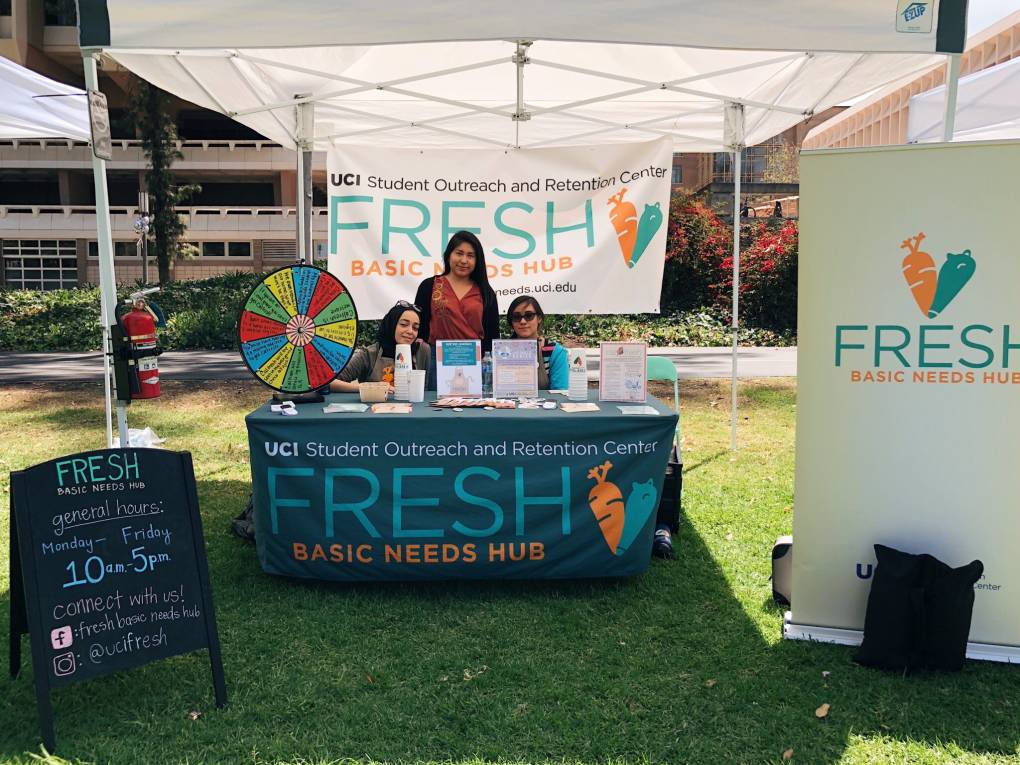
"caption": "At the University of California, Irvine, the basic needs center offers a food pantry, housing support and more to meet students' basic needs.",
"credit": "Courtesy of UCI Basic Needs Center",
"altTag": "Three young women sit and stand behind a table filled with brochures and papers next to a colorful wheel with a banner and sign that reads \"FRESH Basic Needs Hub.\"",
"description": null,
"imgSizes": {
"medium": {
"file": "https://cdn.kqed.org/wp-content/uploads/sites/10/2024/06/IMG_8447-2048x1536-1-800x600.jpg",
"width": 800,
"height": 600,
"mimeType": "image/jpeg"
},
"large": {
"file": "https://cdn.kqed.org/wp-content/uploads/sites/10/2024/06/IMG_8447-2048x1536-1-1020x765.jpg",
"width": 1020,
"height": 765,
"mimeType": "image/jpeg"
},
"thumbnail": {
"file": "https://cdn.kqed.org/wp-content/uploads/sites/10/2024/06/IMG_8447-2048x1536-1-160x120.jpg",
"width": 160,
"height": 120,
"mimeType": "image/jpeg"
},
"1536x1536": {
"file": "https://cdn.kqed.org/wp-content/uploads/sites/10/2024/06/IMG_8447-2048x1536-1-1536x1152.jpg",
"width": 1536,
"height": 1152,
"mimeType": "image/jpeg"
},
"post-thumbnail": {
"file": "https://cdn.kqed.org/wp-content/uploads/sites/10/2024/06/IMG_8447-2048x1536-1-672x372.jpg",
"width": 672,
"height": 372,
"mimeType": "image/jpeg"
},
"twentyfourteen-full-width": {
"file": "https://cdn.kqed.org/wp-content/uploads/sites/10/2024/06/IMG_8447-2048x1536-1-1038x576.jpg",
"width": 1038,
"height": 576,
"mimeType": "image/jpeg"
},
"full-width": {
"file": "https://cdn.kqed.org/wp-content/uploads/sites/10/2024/06/IMG_8447-2048x1536-1-1920x1440.jpg",
"width": 1920,
"height": 1440,
"mimeType": "image/jpeg"
},
"kqedFullSize": {
"file": "https://cdn.kqed.org/wp-content/uploads/sites/10/2024/06/IMG_8447-2048x1536-1.jpg",
"width": 2048,
"height": 1536
}
},
"isLoading": false,
"fetchFailed": false
},
"news_11988686": {
"type": "attachments",
"id": "news_11988686",
"meta": {
"index": "attachments_1716263798",
"site": "news",
"id": "11988686",
"found": true
},
"title": "050324_School-AI-San-Diego_AH_CM_17",
"publishDate": 1717433976,
"status": "inherit",
"parent": 11988681,
"modified": 1717434353,
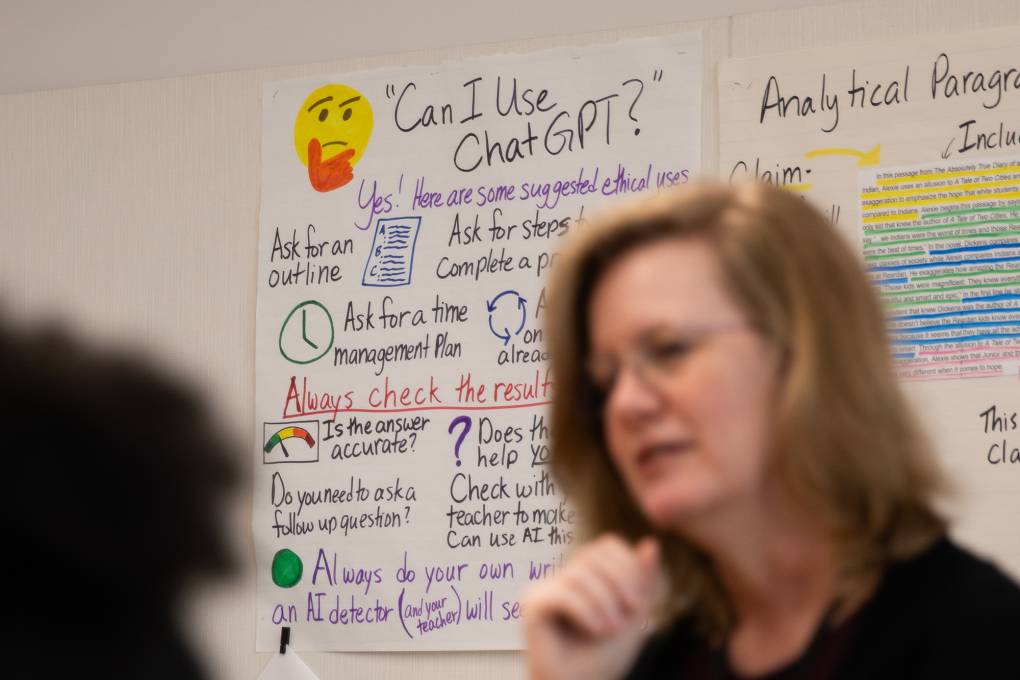
"caption": "A poster with information for students on using ChatGPT, an AI platform, in English teacher Jen Roberts' class at Point Loma High School in San Diego on May 3, 2024. ",
"credit": "Adriana Heldiz/CalMatters",
"altTag": "A sign that reads \"Can I Use ChatGPT?\" is posted on the wall behind a white woman with glasses.",
"description": null,
"imgSizes": {
"medium": {
"file": "https://cdn.kqed.org/wp-content/uploads/sites/10/2024/06/050324_School-AI-San-Diego_AH_CM_17-800x533.jpg",
"width": 800,
"height": 533,
"mimeType": "image/jpeg"
},
"large": {
"file": "https://cdn.kqed.org/wp-content/uploads/sites/10/2024/06/050324_School-AI-San-Diego_AH_CM_17-1020x680.jpg",
"width": 1020,
"height": 680,
"mimeType": "image/jpeg"
},
"thumbnail": {
"file": "https://cdn.kqed.org/wp-content/uploads/sites/10/2024/06/050324_School-AI-San-Diego_AH_CM_17-160x107.jpg",
"width": 160,
"height": 107,
"mimeType": "image/jpeg"
},
"1536x1536": {
"file": "https://cdn.kqed.org/wp-content/uploads/sites/10/2024/06/050324_School-AI-San-Diego_AH_CM_17-1536x1024.jpg",
"width": 1536,
"height": 1024,
"mimeType": "image/jpeg"
},
"post-thumbnail": {
"file": "https://cdn.kqed.org/wp-content/uploads/sites/10/2024/06/050324_School-AI-San-Diego_AH_CM_17-672x372.jpg",
"width": 672,
"height": 372,
"mimeType": "image/jpeg"
},
"twentyfourteen-full-width": {
"file": "https://cdn.kqed.org/wp-content/uploads/sites/10/2024/06/050324_School-AI-San-Diego_AH_CM_17-1038x576.jpg",
"width": 1038,
"height": 576,
"mimeType": "image/jpeg"
},
"full-width": {
"file": "https://cdn.kqed.org/wp-content/uploads/sites/10/2024/06/050324_School-AI-San-Diego_AH_CM_17-1920x1280.jpg",
"width": 1920,
"height": 1280,
"mimeType": "image/jpeg"
},
"kqedFullSize": {
"file": "https://cdn.kqed.org/wp-content/uploads/sites/10/2024/06/050324_School-AI-San-Diego_AH_CM_17.jpg",
"width": 2000,
"height": 1333
}
},
"isLoading": false,
"fetchFailed": false
},
"news_11986323": {
"type": "attachments",
"id": "news_11986323",
"meta": {
"index": "attachments_1716263798",
"site": "news",
"id": "11986323",
"found": true
},
"parent": 11986380,
"imgSizes": {
"twentyfourteen-full-width": {
"file": "https://cdn.kqed.org/wp-content/uploads/sites/10/2024/05/CEO-STORY-23-ZS-KQED-1-1038x576.jpg",
"width": 1038,
"mimeType": "image/jpeg",
"height": 576
},
"thumbnail": {
"file": "https://cdn.kqed.org/wp-content/uploads/sites/10/2024/05/CEO-STORY-23-ZS-KQED-1-160x107.jpg",
"width": 160,
"mimeType": "image/jpeg",
"height": 107
},
"post-thumbnail": {
"file": "https://cdn.kqed.org/wp-content/uploads/sites/10/2024/05/CEO-STORY-23-ZS-KQED-1-672x372.jpg",
"width": 672,
"mimeType": "image/jpeg",
"height": 372
},
"kqedFullSize": {
"file": "https://cdn.kqed.org/wp-content/uploads/sites/10/2024/05/CEO-STORY-23-ZS-KQED-1.jpg",
"width": 2000,
"height": 1333
},
"large": {
"file": "https://cdn.kqed.org/wp-content/uploads/sites/10/2024/05/CEO-STORY-23-ZS-KQED-1-1020x680.jpg",
"width": 1020,
"mimeType": "image/jpeg",
"height": 680
},
"1536x1536": {
"file": "https://cdn.kqed.org/wp-content/uploads/sites/10/2024/05/CEO-STORY-23-ZS-KQED-1-1536x1024.jpg",
"width": 1536,
"mimeType": "image/jpeg",
"height": 1024
},
"full-width": {
"file": "https://cdn.kqed.org/wp-content/uploads/sites/10/2024/05/CEO-STORY-23-ZS-KQED-1-1920x1280.jpg",
"width": 1920,
"mimeType": "image/jpeg",
"height": 1280
},
"medium": {
"file": "https://cdn.kqed.org/wp-content/uploads/sites/10/2024/05/CEO-STORY-23-ZS-KQED-1-800x533.jpg",
"width": 800,
"mimeType": "image/jpeg",
"height": 533
}
},
"publishDate": 1715796699,
"modified": 1715812870,
"caption": "Tommy Eugene Lewis III (right) and Melanie work closely together at the CEO offices on May 14, 2024.",
"description": null,
"title": "CEO STORY-23-ZS-KQED-1",
"credit": "Zaydee Sanchez for KQED",
"status": "inherit",
"altTag": "A Black man wearing a white hat, black vest and white shirt stands over a woman wearing a white shirt looking at a desktop screen in a building.",
"isLoading": false,
"fetchFailed": false
},
"news_11984781": {
"type": "attachments",
"id": "news_11984781",
"meta": {
"index": "attachments_1716263798",
"site": "news",
"id": "11984781",
"found": true
},
"parent": 11984762,
"imgSizes": {
"twentyfourteen-full-width": {
"file": "https://cdn.kqed.org/wp-content/uploads/sites/10/2024/05/AP24123441309819-1038x576.jpg",
"width": 1038,
"mimeType": "image/jpeg",
"height": 576
},
"thumbnail": {
"file": "https://cdn.kqed.org/wp-content/uploads/sites/10/2024/05/AP24123441309819-160x107.jpg",
"width": 160,
"mimeType": "image/jpeg",
"height": 107
},
"post-thumbnail": {
"file": "https://cdn.kqed.org/wp-content/uploads/sites/10/2024/05/AP24123441309819-672x372.jpg",
"width": 672,
"mimeType": "image/jpeg",
"height": 372
},
"kqedFullSize": {
"file": "https://cdn.kqed.org/wp-content/uploads/sites/10/2024/05/AP24123441309819-scaled.jpg",
"width": 2560,
"height": 1707
},
"2048x2048": {
"file": "https://cdn.kqed.org/wp-content/uploads/sites/10/2024/05/AP24123441309819-2048x1365.jpg",
"width": 2048,
"mimeType": "image/jpeg",
"height": 1365
},
"large": {
"file": "https://cdn.kqed.org/wp-content/uploads/sites/10/2024/05/AP24123441309819-1020x680.jpg",
"width": 1020,
"mimeType": "image/jpeg",
"height": 680
},
"1536x1536": {
"file": "https://cdn.kqed.org/wp-content/uploads/sites/10/2024/05/AP24123441309819-1536x1024.jpg",
"width": 1536,
"mimeType": "image/jpeg",
"height": 1024
},
"full-width": {
"file": "https://cdn.kqed.org/wp-content/uploads/sites/10/2024/05/AP24123441309819-1920x1280.jpg",
"width": 1920,
"mimeType": "image/jpeg",
"height": 1280
},
"medium": {
"file": "https://cdn.kqed.org/wp-content/uploads/sites/10/2024/05/AP24123441309819-800x533.jpg",
"width": 800,
"mimeType": "image/jpeg",
"height": 533
}
},
"publishDate": 1714671020,
"modified": 1714675849,
"caption": "Police advance on pro-Palestinian demonstrators in an encampment on the UCLA campus on Thursday, May 2, 2024, in Los Angeles. ",
"description": null,
"title": "APTOPIX Israel Palestinians Campus Protests",
"credit": "Jae C. Hong/The Associated Press",
"status": "inherit",
"altTag": "Multiple police knock over a barricade and point their weapons.",
"isLoading": false,
"fetchFailed": false
},
"news_11983856": {
"type": "attachments",
"id": "news_11983856",
"meta": {
"index": "attachments_1716263798",
"site": "news",
"id": "11983856",
"found": true
},
"parent": 11983850,
"imgSizes": {
"twentyfourteen-full-width": {
"file": "https://cdn.kqed.org/wp-content/uploads/sites/10/2024/04/042321_School_Broadband_AW_CM_07-1038x576.jpg",
"width": 1038,
"mimeType": "image/jpeg",
"height": 576
},
"thumbnail": {
"file": "https://cdn.kqed.org/wp-content/uploads/sites/10/2024/04/042321_School_Broadband_AW_CM_07-160x107.jpg",
"width": 160,
"mimeType": "image/jpeg",
"height": 107
},
"post-thumbnail": {
"file": "https://cdn.kqed.org/wp-content/uploads/sites/10/2024/04/042321_School_Broadband_AW_CM_07-672x372.jpg",
"width": 672,
"mimeType": "image/jpeg",
"height": 372
},
"kqedFullSize": {
"file": "https://cdn.kqed.org/wp-content/uploads/sites/10/2024/04/042321_School_Broadband_AW_CM_07.jpg",
"width": 2000,
"height": 1333
},
"large": {
"file": "https://cdn.kqed.org/wp-content/uploads/sites/10/2024/04/042321_School_Broadband_AW_CM_07-1020x680.jpg",
"width": 1020,
"mimeType": "image/jpeg",
"height": 680
},
"1536x1536": {
"file": "https://cdn.kqed.org/wp-content/uploads/sites/10/2024/04/042321_School_Broadband_AW_CM_07-1536x1024.jpg",
"width": 1536,
"mimeType": "image/jpeg",
"height": 1024
},
"full-width": {
"file": "https://cdn.kqed.org/wp-content/uploads/sites/10/2024/04/042321_School_Broadband_AW_CM_07-1920x1280.jpg",
"width": 1920,
"mimeType": "image/jpeg",
"height": 1280
},
"medium": {
"file": "https://cdn.kqed.org/wp-content/uploads/sites/10/2024/04/042321_School_Broadband_AW_CM_07-800x533.jpg",
"width": 800,
"mimeType": "image/jpeg",
"height": 533
}
},
"publishDate": 1713907768,
"modified": 1713907871,
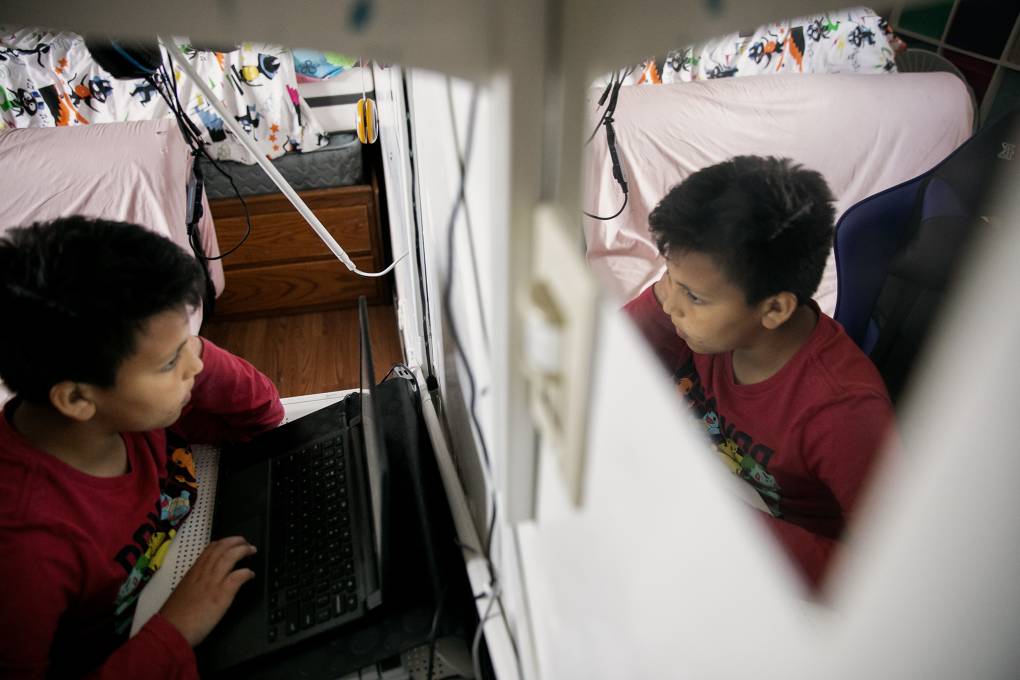
"caption": "Mario Ramirez Garcia, 10, works on schoolwork at home on April 23, 2021. ",
"description": null,
"title": "042321_School_Broadband_AW_CM_07",
"credit": "Anne Wernikoff/CalMatters",
"status": "inherit",
"altTag": "An image is seen from a mirror as a child sits down and looks at a laptop.",
"isLoading": false,
"fetchFailed": false
},
"news_11983266": {
"type": "attachments",
"id": "news_11983266",
"meta": {
"index": "attachments_1716263798",
"site": "news",
"id": "11983266",
"found": true
},
"parent": 11983257,
"imgSizes": {
"twentyfourteen-full-width": {
"file": "https://cdn.kqed.org/wp-content/uploads/sites/10/2024/04/49913407146_5eba557487_k-1038x576.jpg",
"width": 1038,
"mimeType": "image/jpeg",
"height": 576
},
"thumbnail": {
"file": "https://cdn.kqed.org/wp-content/uploads/sites/10/2024/04/49913407146_5eba557487_k-160x107.jpg",
"width": 160,
"mimeType": "image/jpeg",
"height": 107
},
"post-thumbnail": {
"file": "https://cdn.kqed.org/wp-content/uploads/sites/10/2024/04/49913407146_5eba557487_k-672x372.jpg",
"width": 672,
"mimeType": "image/jpeg",
"height": 372
},
"kqedFullSize": {
"file": "https://cdn.kqed.org/wp-content/uploads/sites/10/2024/04/49913407146_5eba557487_k.jpg",
"width": 2048,
"height": 1365
},
"large": {
"file": "https://cdn.kqed.org/wp-content/uploads/sites/10/2024/04/49913407146_5eba557487_k-1020x680.jpg",
"width": 1020,
"mimeType": "image/jpeg",
"height": 680
},
"1536x1536": {
"file": "https://cdn.kqed.org/wp-content/uploads/sites/10/2024/04/49913407146_5eba557487_k-1536x1024.jpg",
"width": 1536,
"mimeType": "image/jpeg",
"height": 1024
},
"full-width": {
"file": "https://cdn.kqed.org/wp-content/uploads/sites/10/2024/04/49913407146_5eba557487_k-1920x1280.jpg",
"width": 1920,
"mimeType": "image/jpeg",
"height": 1280
},
"medium": {
"file": "https://cdn.kqed.org/wp-content/uploads/sites/10/2024/04/49913407146_5eba557487_k-800x533.jpg",
"width": 800,
"mimeType": "image/jpeg",
"height": 533
}
},
"publishDate": 1713385250,
"modified": 1713385285,
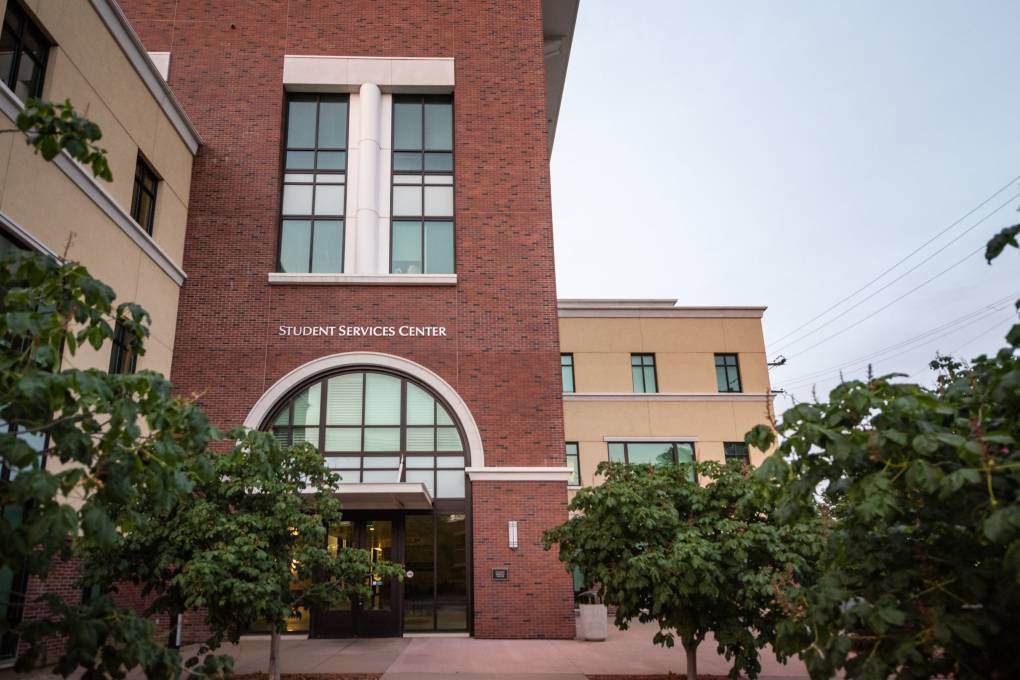
"caption": "The Student Services Center at Chico State.",
"description": null,
"title": "49913407146_5eba557487_k",
"credit": "Jason Halley/Chico State",
"status": "inherit",
"altTag": null,
"isLoading": false,
"fetchFailed": false
},
"news_11982062": {
"type": "attachments",
"id": "news_11982062",
"meta": {
"index": "attachments_1716263798",
"site": "news",
"id": "11982062",
"found": true
},
"parent": 11982060,
"imgSizes": {
"twentyfourteen-full-width": {
"file": "https://cdn.kqed.org/wp-content/uploads/sites/10/2024/04/CMNativeStudents01-1038x576.jpg",
"width": 1038,
"mimeType": "image/jpeg",
"height": 576
},
"thumbnail": {
"file": "https://cdn.kqed.org/wp-content/uploads/sites/10/2024/04/CMNativeStudents01-160x107.jpg",
"width": 160,
"mimeType": "image/jpeg",
"height": 107
},
"post-thumbnail": {
"file": "https://cdn.kqed.org/wp-content/uploads/sites/10/2024/04/CMNativeStudents01-672x372.jpg",
"width": 672,
"mimeType": "image/jpeg",
"height": 372
},
"kqedFullSize": {
"file": "https://cdn.kqed.org/wp-content/uploads/sites/10/2024/04/CMNativeStudents01.jpg",
"width": 2000,
"height": 1336
},
"large": {
"file": "https://cdn.kqed.org/wp-content/uploads/sites/10/2024/04/CMNativeStudents01-1020x681.jpg",
"width": 1020,
"mimeType": "image/jpeg",
"height": 681
},
"1536x1536": {
"file": "https://cdn.kqed.org/wp-content/uploads/sites/10/2024/04/CMNativeStudents01-1536x1026.jpg",
"width": 1536,
"mimeType": "image/jpeg",
"height": 1026
},
"full-width": {
"file": "https://cdn.kqed.org/wp-content/uploads/sites/10/2024/04/CMNativeStudents01-1920x1283.jpg",
"width": 1920,
"mimeType": "image/jpeg",
"height": 1283
},
"medium": {
"file": "https://cdn.kqed.org/wp-content/uploads/sites/10/2024/04/CMNativeStudents01-800x534.jpg",
"width": 800,
"mimeType": "image/jpeg",
"height": 534
}
},
"publishDate": 1712354910,
"modified": 1712363198,
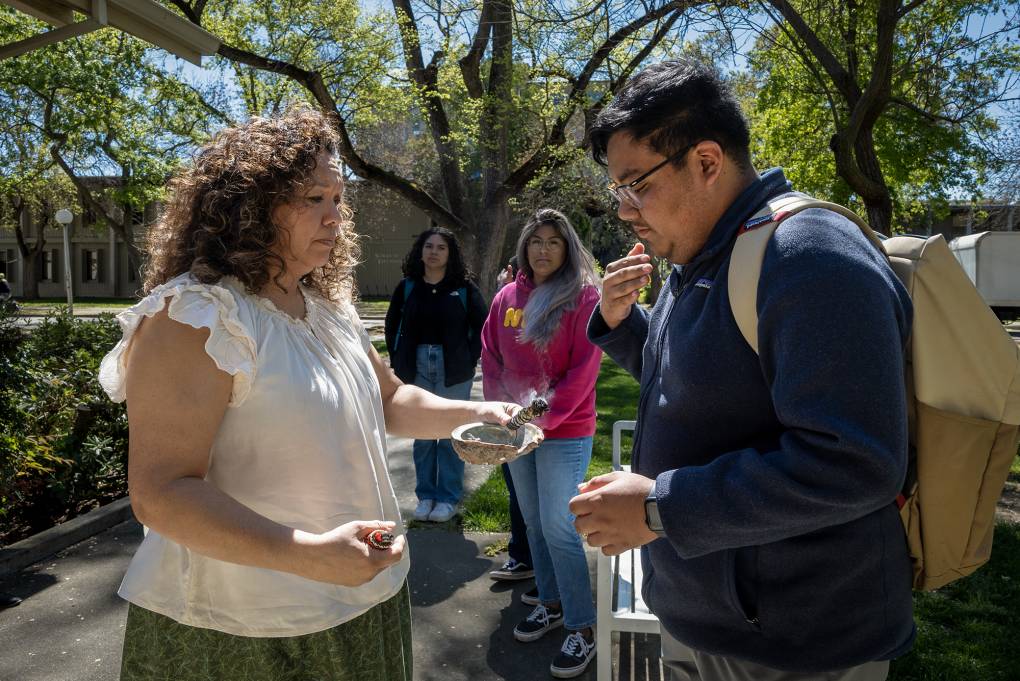
"caption": "Carlos Morales and Michelle Villegas-Frazier participate in a sage-burning ritual outside of the Native American Academic Student Success Center at UC Davis on April 1, 2024.",
"description": null,
"title": "CMNativeStudents01",
"credit": "José Luis Villegas/CalMatters",
"status": "inherit",
"altTag": "A native American woman in a white dress and a Native American man in a blue shirt and two people in the background during a ceremony.",
"isLoading": false,
"fetchFailed": false
},
"news_11981922": {
"type": "attachments",
"id": "news_11981922",
"meta": {
"index": "attachments_1716263798",
"site": "news",
"id": "11981922",
"found": true
},
"parent": 11981919,
"imgSizes": {
"twentyfourteen-full-width": {
"file": "https://cdn.kqed.org/wp-content/uploads/sites/10/2024/04/AMERICANED_SUTTON_037-2048x1365-1-1038x576.jpeg",
"width": 1038,
"mimeType": "image/jpeg",
"height": 576
},
"thumbnail": {
"file": "https://cdn.kqed.org/wp-content/uploads/sites/10/2024/04/AMERICANED_SUTTON_037-2048x1365-1-160x107.jpeg",
"width": 160,
"mimeType": "image/jpeg",
"height": 107
},
"post-thumbnail": {
"file": "https://cdn.kqed.org/wp-content/uploads/sites/10/2024/04/AMERICANED_SUTTON_037-2048x1365-1-672x372.jpeg",
"width": 672,
"mimeType": "image/jpeg",
"height": 372
},
"kqedFullSize": {
"file": "https://cdn.kqed.org/wp-content/uploads/sites/10/2024/04/AMERICANED_SUTTON_037-2048x1365-1.jpeg",
"width": 2048,
"height": 1365
},
"large": {
"file": "https://cdn.kqed.org/wp-content/uploads/sites/10/2024/04/AMERICANED_SUTTON_037-2048x1365-1-1020x680.jpeg",
"width": 1020,
"mimeType": "image/jpeg",
"height": 680
},
"1536x1536": {
"file": "https://cdn.kqed.org/wp-content/uploads/sites/10/2024/04/AMERICANED_SUTTON_037-2048x1365-1-1536x1024.jpeg",
"width": 1536,
"mimeType": "image/jpeg",
"height": 1024
},
"full-width": {
"file": "https://cdn.kqed.org/wp-content/uploads/sites/10/2024/04/AMERICANED_SUTTON_037-2048x1365-1-1920x1280.jpeg",
"width": 1920,
"mimeType": "image/jpeg",
"height": 1280
},
"medium": {
"file": "https://cdn.kqed.org/wp-content/uploads/sites/10/2024/04/AMERICANED_SUTTON_037-2048x1365-1-800x533.jpeg",
"width": 800,
"mimeType": "image/jpeg",
"height": 533
}
},
"publishDate": 1712254516,
"modified": 1712254605,
"caption": "A middle school science teacher explains a lesson on climate change. ",
"description": null,
"title": "Middle school teacher at SMART board",
"credit": "Allison Shelley for American Education",
"status": "inherit",
"altTag": "a Black woman stands in front of a screen and presents",
"isLoading": false,
"fetchFailed": false
},
"news_11978598": {
"type": "attachments",
"id": "news_11978598",
"meta": {
"index": "attachments_1716263798",
"site": "news",
"id": "11978598",
"found": true
},
"parent": 11978593,
"imgSizes": {
"twentyfourteen-full-width": {
"file": "https://cdn.kqed.org/wp-content/uploads/sites/10/2024/03/IMG_9319-2-1038x576.jpg",
"width": 1038,
"mimeType": "image/jpeg",
"height": 576
},
"thumbnail": {
"file": "https://cdn.kqed.org/wp-content/uploads/sites/10/2024/03/IMG_9319-2-160x111.jpg",
"width": 160,
"mimeType": "image/jpeg",
"height": 111
},
"post-thumbnail": {
"file": "https://cdn.kqed.org/wp-content/uploads/sites/10/2024/03/IMG_9319-2-672x372.jpg",
"width": 672,
"mimeType": "image/jpeg",
"height": 372
},
"kqedFullSize": {
"file": "https://cdn.kqed.org/wp-content/uploads/sites/10/2024/03/IMG_9319-2.jpg",
"width": 1313,
"height": 914
},
"large": {
"file": "https://cdn.kqed.org/wp-content/uploads/sites/10/2024/03/IMG_9319-2-1020x710.jpg",
"width": 1020,
"mimeType": "image/jpeg",
"height": 710
},
"medium": {
"file": "https://cdn.kqed.org/wp-content/uploads/sites/10/2024/03/IMG_9319-2-800x557.jpg",
"width": 800,
"mimeType": "image/jpeg",
"height": 557
}
},
"publishDate": 1709853672,
"modified": 1709854049,
"caption": "CSU's Young Males of Color conference in October 2023.",
"description": null,
"title": "IMG_9319-2",
"credit": "Courtesy of CSU Dominguez Hills",
"status": "inherit",
"altTag": "An aerial view of a large group of people.",
"isLoading": false,
"fetchFailed": false
},
"news_11977267": {
"type": "attachments",
"id": "news_11977267",
"meta": {
"index": "attachments_1716263798",
"site": "news",
"id": "11977267",
"found": true
},
"parent": 11977206,
"imgSizes": {
"twentyfourteen-full-width": {
"file": "https://cdn.kqed.org/wp-content/uploads/sites/10/2024/02/AP24058033387385-1038x576.jpg",
"width": 1038,
"mimeType": "image/jpeg",
"height": 576
},
"thumbnail": {
"file": "https://cdn.kqed.org/wp-content/uploads/sites/10/2024/02/AP24058033387385-160x107.jpg",
"width": 160,
"mimeType": "image/jpeg",
"height": 107
},
"post-thumbnail": {
"file": "https://cdn.kqed.org/wp-content/uploads/sites/10/2024/02/AP24058033387385-672x372.jpg",
"width": 672,
"mimeType": "image/jpeg",
"height": 372
},
"kqedFullSize": {
"file": "https://cdn.kqed.org/wp-content/uploads/sites/10/2024/02/AP24058033387385-scaled.jpg",
"width": 2560,
"height": 1708
},
"2048x2048": {
"file": "https://cdn.kqed.org/wp-content/uploads/sites/10/2024/02/AP24058033387385-2048x1366.jpg",
"width": 2048,
"mimeType": "image/jpeg",
"height": 1366
},
"large": {
"file": "https://cdn.kqed.org/wp-content/uploads/sites/10/2024/02/AP24058033387385-1020x680.jpg",
"width": 1020,
"mimeType": "image/jpeg",
"height": 680
},
"1536x1536": {
"file": "https://cdn.kqed.org/wp-content/uploads/sites/10/2024/02/AP24058033387385-1536x1025.jpg",
"width": 1536,
"mimeType": "image/jpeg",
"height": 1025
},
"full-width": {
"file": "https://cdn.kqed.org/wp-content/uploads/sites/10/2024/02/AP24058033387385-1920x1281.jpg",
"width": 1920,
"mimeType": "image/jpeg",
"height": 1281
},
"medium": {
"file": "https://cdn.kqed.org/wp-content/uploads/sites/10/2024/02/AP24058033387385-800x534.jpg",
"width": 800,
"mimeType": "image/jpeg",
"height": 534
}
},
"publishDate": 1709065555,
"modified": 1709065667,
"caption": "A phone holder hangs in a classroom at Delta High School, Friday, Feb. 23, 2024, in Delta, Utah. At the rural Utah school, there is a strict policy requiring students to check their phones at the door when entering every class. Each of the school's 30 or so classrooms has a cellphone storage unit that looks like an over-the-door shoe bag with 3 dozen smartphone-sized slots. ",
"description": null,
"title": "Education School Cellphone Bans",
"credit": "Rick Bowmer/AP Photo",
"status": "inherit",
"altTag": "Numbered slots with cellphones in them.",
"isLoading": false,
"fetchFailed": false
},
"news_11975536": {
"type": "attachments",
"id": "news_11975536",
"meta": {
"index": "attachments_1716263798",
"site": "news",
"id": "11975536",
"found": true
},
"parent": 11975534,
"imgSizes": {
"twentyfourteen-full-width": {
"file": "https://cdn.kqed.org/wp-content/uploads/sites/10/2024/02/CMFinancialAid01-1038x576.jpg",
"width": 1038,
"mimeType": "image/jpeg",
"height": 576
},
"thumbnail": {
"file": "https://cdn.kqed.org/wp-content/uploads/sites/10/2024/02/CMFinancialAid01-160x107.jpg",
"width": 160,
"mimeType": "image/jpeg",
"height": 107
},
"post-thumbnail": {
"file": "https://cdn.kqed.org/wp-content/uploads/sites/10/2024/02/CMFinancialAid01-672x372.jpg",
"width": 672,
"mimeType": "image/jpeg",
"height": 372
},
"kqedFullSize": {
"file": "https://cdn.kqed.org/wp-content/uploads/sites/10/2024/02/CMFinancialAid01.jpg",
"width": 2000,
"height": 1333
},
"large": {
"file": "https://cdn.kqed.org/wp-content/uploads/sites/10/2024/02/CMFinancialAid01-1020x680.jpg",
"width": 1020,
"mimeType": "image/jpeg",
"height": 680
},
"1536x1536": {
"file": "https://cdn.kqed.org/wp-content/uploads/sites/10/2024/02/CMFinancialAid01-1536x1024.jpg",
"width": 1536,
"mimeType": "image/jpeg",
"height": 1024
},
"full-width": {
"file": "https://cdn.kqed.org/wp-content/uploads/sites/10/2024/02/CMFinancialAid01-1920x1280.jpg",
"width": 1920,
"mimeType": "image/jpeg",
"height": 1280
},
"medium": {
"file": "https://cdn.kqed.org/wp-content/uploads/sites/10/2024/02/CMFinancialAid01-800x533.jpg",
"width": 800,
"mimeType": "image/jpeg",
"height": 533
}
},
"publishDate": 1707758498,
"modified": 1707758548,
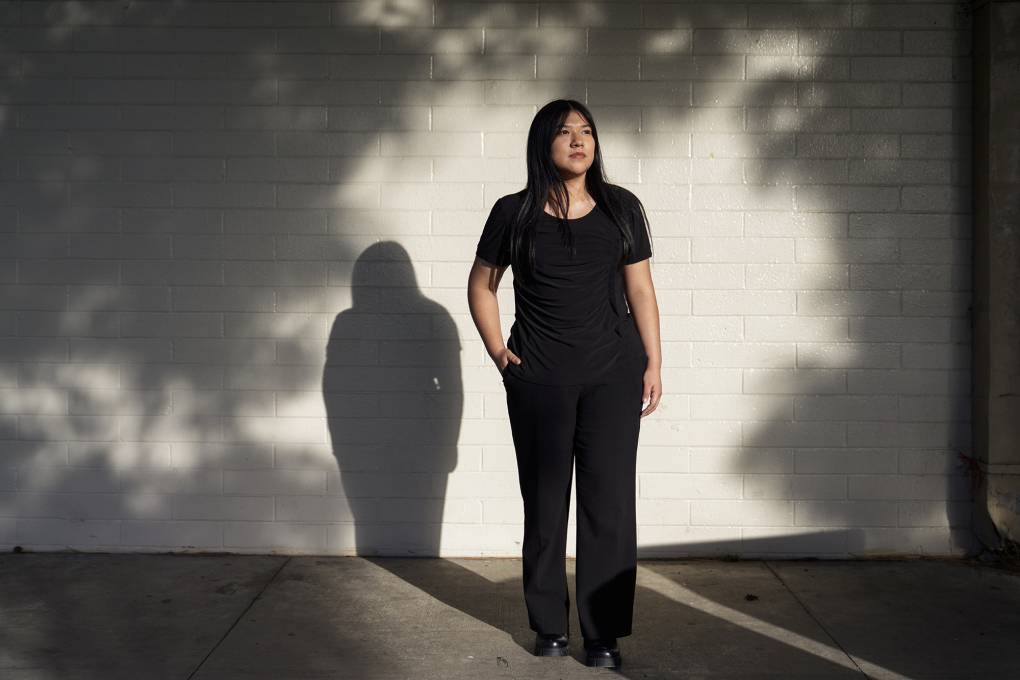
"caption": "Ashley Estrada, 18, will graduate from Diego Rivera High School in South LA in 2024. A technical error is currently blocking students whose parents don’t have a social security number from completing their FAFSA forms, and Estrada is one of the students affected. Feb. 9, 2024. ",
"description": null,
"title": "CMFinancialAid01",
"credit": "Lauren Justice/CalMatters",
"status": "inherit",
"altTag": "A woman stands by a wall.",
"isLoading": false,
"fetchFailed": false
},
"news_11972687": {
"type": "attachments",
"id": "news_11972687",
"meta": {
"index": "attachments_1716263798",
"site": "news",
"id": "11972687",
"found": true
},
"parent": 11972683,
"imgSizes": {
"twentyfourteen-full-width": {
"file": "https://cdn.kqed.org/wp-content/uploads/sites/10/2024/01/AP24010060536682-1038x576.jpg",
"width": 1038,
"mimeType": "image/jpeg",
"height": 576
},
"thumbnail": {
"file": "https://cdn.kqed.org/wp-content/uploads/sites/10/2024/01/AP24010060536682-160x107.jpg",
"width": 160,
"mimeType": "image/jpeg",
"height": 107
},
"post-thumbnail": {
"file": "https://cdn.kqed.org/wp-content/uploads/sites/10/2024/01/AP24010060536682-672x372.jpg",
"width": 672,
"mimeType": "image/jpeg",
"height": 372
},
"kqedFullSize": {
"file": "https://cdn.kqed.org/wp-content/uploads/sites/10/2024/01/AP24010060536682.jpg",
"width": 1920,
"height": 1280
},
"large": {
"file": "https://cdn.kqed.org/wp-content/uploads/sites/10/2024/01/AP24010060536682-1020x680.jpg",
"width": 1020,
"mimeType": "image/jpeg",
"height": 680
},
"1536x1536": {
"file": "https://cdn.kqed.org/wp-content/uploads/sites/10/2024/01/AP24010060536682-1536x1024.jpg",
"width": 1536,
"mimeType": "image/jpeg",
"height": 1024
},
"medium": {
"file": "https://cdn.kqed.org/wp-content/uploads/sites/10/2024/01/AP24010060536682-800x533.jpg",
"width": 800,
"mimeType": "image/jpeg",
"height": 533
}
},
"publishDate": 1705426111,
"modified": 1705435671,
"caption": "Pop Warner football players look on before an NFL preseason football game between the San Francisco 49ers and the San Diego Chargers on Friday, Sept. 4, 2009, in San Diego. The California Legislature is considering a bill that would ban tackle football for children under 12.",
"description": null,
"title": "California Youth Tackle Football",
"credit": "Denis Poroy/AP Photo",
"status": "inherit",
"altTag": "Young boys in orange football uniforms lean over a short wall.",
"isLoading": false,
"fetchFailed": false
}
},
"audioPlayerReducer": {
"postId": "stream_live",
"isPaused": true,
"isPlaying": false,
"pfsActive": false,
"pledgeModalIsOpen": true,
"playerDrawerIsOpen": false,
"liveAudioPlayStartedAt": 0,
"liveAudioPlayContext": ""
},
"authorsReducer": {
"byline_news_11989080": {
"type": "authors",
"id": "byline_news_11989080",
"meta": {
"override": true
},
"slug": "byline_news_11989080",
"name": "Betty Márquez Rosales",
"isLoading": false
},
"byline_news_11988681": {
"type": "authors",
"id": "byline_news_11988681",
"meta": {
"override": true
},
"slug": "byline_news_11988681",
"name": "Khari Johnson, CalMatters",
"isLoading": false
},
"byline_news_11984762": {
"type": "authors",
"id": "byline_news_11984762",
"meta": {
"override": true
},
"slug": "byline_news_11984762",
"name": "Atmika Iyer, CalMatters",
"isLoading": false
},
"byline_news_11983850": {
"type": "authors",
"id": "byline_news_11983850",
"meta": {
"override": true
},
"slug": "byline_news_11983850",
"name": "Lynn La\u003cbr>CalMatters\u003c/br>",
"isLoading": false
},
"byline_news_11983257": {
"type": "authors",
"id": "byline_news_11983257",
"meta": {
"override": true
},
"slug": "byline_news_11983257",
"name": "\u003ca href=\"https://edsource.org/author/asmith\">Ashley A. Smith\u003c/a>",
"isLoading": false
},
"byline_news_11982060": {
"type": "authors",
"id": "byline_news_11982060",
"meta": {
"override": true
},
"slug": "byline_news_11982060",
"name": "\u003ca href=\"https://calmatters.org/author/christopher-buchanan/\">Christopher Buchanan\u003c/a>",
"isLoading": false
},
"byline_news_11981919": {
"type": "authors",
"id": "byline_news_11981919",
"meta": {
"override": true
},
"slug": "byline_news_11981919",
"name": "\u003ca href=\"https://edsource.org/author/dlambert\">Diana Lambert\u003c/a>",
"isLoading": false
},
"byline_news_11978593": {
"type": "authors",
"id": "byline_news_11978593",
"meta": {
"override": true
},
"slug": "byline_news_11978593",
"name": "\u003ca href=\"https://edsource.org/author/asmith\">Ashley A. Smith\u003c/a>",
"isLoading": false
},
"byline_news_11977206": {
"type": "authors",
"id": "byline_news_11977206",
"meta": {
"override": true
},
"slug": "byline_news_11977206",
"name": "Jocelyn Gecker\u003cbr>The Associated Press",
"isLoading": false
},
"byline_news_11975534": {
"type": "authors",
"id": "byline_news_11975534",
"meta": {
"override": true
},
"slug": "byline_news_11975534",
"name": "\u003ca href=\"https://calmatters.org/author/mikhailzinshteyn/\">Mikhail Zinshteyn\u003c/a>",
"isLoading": false
},
"byline_news_11972683": {
"type": "authors",
"id": "byline_news_11972683",
"meta": {
"override": true
},
"slug": "byline_news_11972683",
"name": "\u003ca href=\"https://calmatters.org/author/ryan-sabalow/\">Ryan Sabalow\u003c/a>",
"isLoading": false
},
"kmizuguchi": {
"type": "authors",
"id": "11739",
"meta": {
"index": "authors_1716337520",
"id": "11739",
"found": true
},
"name": "Keith Mizuguchi",
"firstName": "Keith",
"lastName": "Mizuguchi",
"slug": "kmizuguchi",
"email": "kmizuguchi@kqed.org",
"display_author_email": false,
"staff_mastheads": [],
"title": "KQED Contributor",
"bio": null,
"avatar": "https://secure.gravatar.com/avatar/64d8a7de0723d4099b9fe4e915136103febcc20809abce228ee4415bcb237023?s=600&d=blank&r=g",
"twitter": null,
"bluesky": null,
"facebook": null,
"instagram": null,
"linkedin": null,
"sites": [
{
"site": "news",
"roles": [
"editor"
]
},
{
"site": "science",
"roles": [
"editor"
]
}
],
"headData": {
"title": "Keith Mizuguchi | KQED",
"description": "KQED Contributor",
"ogImgSrc": "https://secure.gravatar.com/avatar/64d8a7de0723d4099b9fe4e915136103febcc20809abce228ee4415bcb237023?s=600&d=blank&r=g",
"twImgSrc": "https://secure.gravatar.com/avatar/64d8a7de0723d4099b9fe4e915136103febcc20809abce228ee4415bcb237023?s=600&d=blank&r=g"
},
"isLoading": false,
"link": "/author/kmizuguchi"
}
},
"pagesReducer": {
"news_tag_students": {
"type": "terms",
"id": "news_3457",
"meta": {
"index": "terms_1716263798",
"site": "news",
"id": "3457",
"score": 8.557362
},
"name": "Students",
"slug": "students",
"taxonomy": "tag",
"description": null,
"featImg": null,
"headData": {
"title": "Students | KQED News",
"description": null,
"ogTitle": null,
"ogDescription": null,
"ogImgId": null,
"twTitle": null,
"twDescription": null,
"twImgId": null
},
"ttid": 3475,
"isLoading": false,
"title": "Students",
"pageMeta": {
"site": "news",
"WpPageTemplate": "page-topic-editorial",
"currentPage": 5
},
"blocks": [
{
"blockName": "kqed/post-list",
"attrs": {
"layout": "cardArticle2",
"query": "posts/news?tag=students",
"seeMore": false,
"paginated": true,
"page": 5
}
},
{
"blockName": "kqed/ad"
}
]
}
},
"pfsSessionReducer": {},
"postsReducer": {
"stream_live": {
"type": "live",
"id": "stream_live",
"audioUrl": "https://streams.kqed.org/kqedradio",
"title": "Live Stream",
"excerpt": "Live Stream information currently unavailable.",
"link": "/radio",
"featImg": "",
"label": {
"name": "KQED Live",
"link": "/"
}
},
"stream_kqedNewscast": {
"type": "posts",
"id": "stream_kqedNewscast",
"audioUrl": "https://www.kqed.org/.stream/anon/radio/RDnews/newscast.mp3?_=1",
"title": "KQED Newscast",
"featImg": "",
"label": {
"name": "88.5 FM",
"link": "/"
}
},
"news_11989080": {
"type": "posts",
"id": "news_11989080",
"meta": {
"index": "posts_1716263798",
"site": "news",
"id": "11989080",
"score": null,
"sort": [
1717621230000
]
},
"guestAuthors": [],
"slug": "study-reveals-low-calfresh-enrollment-among-california-college-students",
"title": "Study Reveals Low CalFresh Enrollment Among California College Students",
"publishDate": 1717621230,
"format": "standard",
"headTitle": "Study Reveals Low CalFresh Enrollment Among California College Students | KQED",
"labelTerm": {},
"content": "\u003cp>Few college students participate in the state’s CalFresh food program despite being eligible, according to a report published Tuesday by the University of California’s \u003ca class=\"external\" href=\"https://www.capolicylab.org/\" target=\"_blank\" rel=\"noopener\">California Policy Lab\u003c/a>.\u003c/p>\n\u003cp>The report, “\u003ca class=\"external\" href=\"https://www.capolicylab.org/news/new-report-finds-the-majority-of-california-college-students-who-are-eligible-for-calfresh-benefits-dont-participate/\" target=\"_blank\" rel=\"noopener\">Filling the Gap: CalFresh Eligibility Among University of California and California Community College Students\u003c/a>,” is the first to link together datasets that provide estimates on the number of California college students who are eligible for CalFresh, the state’s food benefits program, in addition to their take-up rate — the share of students who are eligible and also participate in the program.\u003c/p>\n\u003cp>The report’s authors found that CalFresh eligibility and students’ subsequent enrollment in the program depended significantly on which institution of higher learning they attended, age, housing situation, and other factors. The school they were enrolled in was often connected to the level of outreach they received, informing them of the food benefits program and whether they received a certain financial aid grant that made them eligible for CalFresh.\u003c/p>\n\u003cp>[aside postID=\"news_11978394,news_11974262\" label=\"Related Stories\"]“California, in the last few years, has been increasingly focused on this channel of potential support for college students. It’s one of the pieces that students can paste together to put together a financial package that allows them to go to college,” said Jesse Rothstein, report co-author, about the CalFresh program.\u003c/p>\n\u003cp>CalFresh, once known as food stamps, is designed to provide money for groceries for California residents, making it a significant support program for low-income students. College students are typically eligible for CalFresh if they meet the regular rules that everyone, whether a student or not, must meet, in addition to at least one of more than a dozen exemptions. Understanding the \u003ca class=\"external\" href=\"https://www.cdss.ca.gov/Portals/9/CalFresh/Students/CF6177.pdf\" target=\"_blank\" rel=\"noopener\">long list of eligibility criteria\u003c/a> specific to students has long been seen as a significant barrier for students, according to the report.\u003c/p>\n\u003cp>[ad fullwidth]\u003c/p>\n\u003cp>“But because CalFresh is run by a different agency — it’s not part of the education system — I think it’s hard for students to navigate,” said Rothstein, Carmel P. Friesen Professor of Public Policy and Economics at UC Berkeley and the faculty director of the California Policy Lab’s UC Berkeley site.\u003c/p>\n\u003cp>The UC’s California Policy Lab collected the data for the report from four institutions: California Community College Chancellor’s Office, University of California Office of the President, California Department of Social Services and California Student Aid Commission.\u003c/p>\n\u003cp>In gathering data from these four agencies, the authors developed a database connecting college enrollment numbers, monthly CalFresh participation records, and annual federal financial aid (FAFSA) details.\u003c/p>\n\u003cp>The data points to differences in eligibility and take-up rates between students in the California community colleges and the UC campuses, as well as which students actually enroll to receive the benefits if they are eligible.\u003c/p>\n\u003cp>Data from the fall of 2019, the semester immediately prior to the COVID-19 pandemic, provides one of the clearest examples. During that time, the data showed a significant discrepancy between students who were eligible for CalFresh versus those who applied to receive the food aid — and further disparities depending on whether students were enrolled in a community college or a UC.\u003c/p>\n\u003cp>They found that 19% of community college students, 31% of UC undergraduates and 6% of UC graduate students were likely eligible for CalFresh. Yet just 30% of eligible community college students, 22% of eligible UC undergraduates, and 29% of eligible UC graduate students actually enrolled to receive CalFresh benefits.\u003c/p>\n\u003cp>The authors suggest a few reasons for the discrepancies.\u003c/p>\n\u003cp>First, UC students are less likely to live at home with their parents, increasing their chances of being eligible for CalFresh.\u003c/p>\n\u003cp>Second, students in the community colleges are overall less likely to be eligible for CalFresh. This is because “the version of the Cal Grant given to UC students qualifies many of them for CalFresh eligibility, but the version given to CCC students does not,” per the report’s authors.\u003c/p>\n\u003cp>And, finally, the UC has increased outreach efforts to enroll more eligible students into basic needs programs like CalFresh. This would explain, the authors wrote, why the take-up rate among UC undergraduates has increased substantially since 2017, while the same rate among community college students has declined.\u003c/p>\n\u003cp>The authors note that they can only provide data estimates in the report because the multiple eligibility determination factors may be captured inaccurately, although errors were likely insignificant and “our estimates are a good approximation of the share of students who would be found eligible under individualized determinations.”\u003c/p>\n\u003cp>A deeper look into data from the fall of 2019 highlights important details, including:\u003c/p>\n\u003cul>\n\u003cli>The Central Coast’s UC Santa Barbara had the third-highest eligibility rate at 36% but the highest take-up rate at 37%\u003c/li>\n\u003cli>Of the community college regions statewide, the Central Valley had both the highest eligibility rate at 23% and the highest take-up rate at 38%, while the Bay Area had the lowest eligibility rate at 12% and the lowest take-up rate at 22%\u003c/li>\n\u003cli>Black and Latino students were more likely to be eligible than white or Asian peers regardless of the institution attended\u003c/li>\n\u003cli>When it came to actually enrolling in CalFresh, Black and Latino students were more likely to do so if attending a UC, but Latino students were less likely to enroll in the program if attending a community college\u003c/li>\n\u003cli>Students over the age of 23 had higher take-up rates than those 23 years and younger at both institutions\u003c/li>\n\u003c/ul>\n\u003cp>Some of those details were expected, given the history of outreach out of certain institutions. Santa Barbara County and UC Santa Barbara, for example, have long worked toward smoothing out the process for students to both determine their CalFresh eligibility and to apply for the program.\u003c/p>\n\u003cp>Other details, such as the low take-up rates in Los Angeles and the San Francisco Bay Area, highlight the potential need for additional outreach in regions with increasingly high housing and cost-of-living expenses. Among community college students in Los Angeles, just 4% of the population were both eligible and participating in CalFresh during the fall of 2019. That number is 3% during the same timeframe in the Bay Area.\u003c/p>\n\u003ch2>The development of a new dataset\u003c/h2>\n\u003cp>The report included data from millions of students who attended UC and community college campuses between the 2010-11 and 2021-22 school years. While the report’s authors were largely focused on the most recent data, they included previous years’ data that was consistent across the four agencies they had data-sharing agreements with — and this happened to take them as far back as the 2010-11 school year.\u003c/p>\n\u003cp>The bulk of the project took about four years to complete, according to Rothstein, who noted that this project took “longer than most” he’s worked on in his career. The team first needed to execute data-sharing agreements between each of the institutions included in the report and then clean it up to ensure accuracy.\u003c/p>\n\u003cp>“It’s really beyond the ability of the individual agencies to do this kind of project,” Rothstein said.“It just takes too long and requires too much collaboration between agencies.”\u003c/p>\n\u003cp>Notably missing from the institutions that shared their data was California State University, which is the nation’s largest four-year public university system.\u003c/p>\n\u003cp>The CSU “was more reluctant” to share their data, Rothstein said, and his team decided to move forward without that system’s information. He noted that his team plans to work on another edition of the report in which they hope to be able to include CSU data.\u003c/p>\n\u003cp>[ad floatright]\u003c/p>\n\u003cp>“Our hope is that by kind of developing long-term relationships with the agencies, we can build the trust that’s required to do this kind of project,” Rothstein said. “We can also build the kind of specialized knowledge of the individual data sets that makes it possible.”\u003c/p>\n\n",
"blocks": [],
"excerpt": "The report found that CalFresh eligibility and students’ enrollment in the program significantly depended on which school they attended, their age, their housing situation and other factors. ",
"status": "publish",
"parent": 0,
"modified": 1740612823,
"stats": {
"hasAudio": false,
"hasVideo": false,
"hasChartOrMap": false,
"iframeSrcs": [],
"hasGoogleForm": false,
"hasGallery": false,
"hasHearkenModule": false,
"hasPolis": false,
"paragraphCount": 27,
"wordCount": 1357
},
"headData": {
"title": "Study Reveals Low CalFresh Enrollment Among California College Students | KQED",
"description": "The report found that CalFresh eligibility and students’ enrollment in the program significantly depended on which school they attended, their age, their housing situation and other factors. ",
"ogTitle": "",
"ogDescription": "",
"ogImgId": "",
"twTitle": "",
"twDescription": "",
"twImgId": "",
"schema": {
"@context": "https://schema.org",
"@type": "NewsArticle",
"headline": "Study Reveals Low CalFresh Enrollment Among California College Students",
"datePublished": "2024-06-05T14:00:30-07:00",
"dateModified": "2025-02-26T15:33:43-08:00",
"image": "https://cdn.kqed.org/wp-content/uploads/2020/02/KQED-OG-Image@1x.png",
"isAccessibleForFree": "True",
"publisher": {
"@type": "NewsMediaOrganization",
"@id": "https://www.kqed.org/#organization",
"name": "KQED",
"logo": "https://cdn.kqed.org/wp-content/uploads/2020/02/KQED-OG-Image@1x.png",
"url": "https://www.kqed.org",
"sameAs": [
"https://www.facebook.com/KQED",
"https://twitter.com/KQED",
"https://www.instagram.com/kqed/",
"https://www.tiktok.com/@kqedofficial",
"https://www.linkedin.com/company/kqed",
"https://www.youtube.com/channel/UCeC0IOo7i1P_61zVUWbJ4nw"
]
}
}
},
"source": "EdSource",
"sourceUrl": "https://edsource.org",
"sticky": false,
"nprByline": "Betty Márquez Rosales",
"excludeFromSiteSearch": "Include",
"showOnAuthorArchivePages": "No",
"articleAge": "0",
"path": "/news/11989080/study-reveals-low-calfresh-enrollment-among-california-college-students",
"audioTrackLength": null,
"parsedContent": [
{
"type": "contentString",
"content": "\u003cdiv class=\"post-body\">\u003cp>\u003cp>Few college students participate in the state’s CalFresh food program despite being eligible, according to a report published Tuesday by the University of California’s \u003ca class=\"external\" href=\"https://www.capolicylab.org/\" target=\"_blank\" rel=\"noopener\">California Policy Lab\u003c/a>.\u003c/p>\n\u003cp>The report, “\u003ca class=\"external\" href=\"https://www.capolicylab.org/news/new-report-finds-the-majority-of-california-college-students-who-are-eligible-for-calfresh-benefits-dont-participate/\" target=\"_blank\" rel=\"noopener\">Filling the Gap: CalFresh Eligibility Among University of California and California Community College Students\u003c/a>,” is the first to link together datasets that provide estimates on the number of California college students who are eligible for CalFresh, the state’s food benefits program, in addition to their take-up rate — the share of students who are eligible and also participate in the program.\u003c/p>\n\u003cp>The report’s authors found that CalFresh eligibility and students’ subsequent enrollment in the program depended significantly on which institution of higher learning they attended, age, housing situation, and other factors. The school they were enrolled in was often connected to the level of outreach they received, informing them of the food benefits program and whether they received a certain financial aid grant that made them eligible for CalFresh.\u003c/p>\n\u003cp>\u003c/p>\u003c/div>",
"attributes": {
"named": {},
"numeric": []
}
},
{
"type": "component",
"content": "",
"name": "aside",
"attributes": {
"named": {
"postid": "news_11978394,news_11974262",
"label": "Related Stories "
},
"numeric": []
}
},
{
"type": "contentString",
"content": "\u003cdiv class=\"post-body\">\u003cp>“California, in the last few years, has been increasingly focused on this channel of potential support for college students. It’s one of the pieces that students can paste together to put together a financial package that allows them to go to college,” said Jesse Rothstein, report co-author, about the CalFresh program.\u003c/p>\n\u003cp>CalFresh, once known as food stamps, is designed to provide money for groceries for California residents, making it a significant support program for low-income students. College students are typically eligible for CalFresh if they meet the regular rules that everyone, whether a student or not, must meet, in addition to at least one of more than a dozen exemptions. Understanding the \u003ca class=\"external\" href=\"https://www.cdss.ca.gov/Portals/9/CalFresh/Students/CF6177.pdf\" target=\"_blank\" rel=\"noopener\">long list of eligibility criteria\u003c/a> specific to students has long been seen as a significant barrier for students, according to the report.\u003c/p>\n\u003cp>\u003c/p>\u003c/div>",
"attributes": {
"named": {},
"numeric": []
}
},
{
"type": "component",
"content": "",
"name": "ad",
"attributes": {
"named": {
"label": "fullwidth"
},
"numeric": [
"fullwidth"
]
}
},
{
"type": "contentString",
"content": "\u003cdiv class=\"post-body\">\u003cp>\u003c/p>\n\u003cp>“But because CalFresh is run by a different agency — it’s not part of the education system — I think it’s hard for students to navigate,” said Rothstein, Carmel P. Friesen Professor of Public Policy and Economics at UC Berkeley and the faculty director of the California Policy Lab’s UC Berkeley site.\u003c/p>\n\u003cp>The UC’s California Policy Lab collected the data for the report from four institutions: California Community College Chancellor’s Office, University of California Office of the President, California Department of Social Services and California Student Aid Commission.\u003c/p>\n\u003cp>In gathering data from these four agencies, the authors developed a database connecting college enrollment numbers, monthly CalFresh participation records, and annual federal financial aid (FAFSA) details.\u003c/p>\n\u003cp>The data points to differences in eligibility and take-up rates between students in the California community colleges and the UC campuses, as well as which students actually enroll to receive the benefits if they are eligible.\u003c/p>\n\u003cp>Data from the fall of 2019, the semester immediately prior to the COVID-19 pandemic, provides one of the clearest examples. During that time, the data showed a significant discrepancy between students who were eligible for CalFresh versus those who applied to receive the food aid — and further disparities depending on whether students were enrolled in a community college or a UC.\u003c/p>\n\u003cp>They found that 19% of community college students, 31% of UC undergraduates and 6% of UC graduate students were likely eligible for CalFresh. Yet just 30% of eligible community college students, 22% of eligible UC undergraduates, and 29% of eligible UC graduate students actually enrolled to receive CalFresh benefits.\u003c/p>\n\u003cp>The authors suggest a few reasons for the discrepancies.\u003c/p>\n\u003cp>First, UC students are less likely to live at home with their parents, increasing their chances of being eligible for CalFresh.\u003c/p>\n\u003cp>Second, students in the community colleges are overall less likely to be eligible for CalFresh. This is because “the version of the Cal Grant given to UC students qualifies many of them for CalFresh eligibility, but the version given to CCC students does not,” per the report’s authors.\u003c/p>\n\u003cp>And, finally, the UC has increased outreach efforts to enroll more eligible students into basic needs programs like CalFresh. This would explain, the authors wrote, why the take-up rate among UC undergraduates has increased substantially since 2017, while the same rate among community college students has declined.\u003c/p>\n\u003cp>The authors note that they can only provide data estimates in the report because the multiple eligibility determination factors may be captured inaccurately, although errors were likely insignificant and “our estimates are a good approximation of the share of students who would be found eligible under individualized determinations.”\u003c/p>\n\u003cp>A deeper look into data from the fall of 2019 highlights important details, including:\u003c/p>\n\u003cul>\n\u003cli>The Central Coast’s UC Santa Barbara had the third-highest eligibility rate at 36% but the highest take-up rate at 37%\u003c/li>\n\u003cli>Of the community college regions statewide, the Central Valley had both the highest eligibility rate at 23% and the highest take-up rate at 38%, while the Bay Area had the lowest eligibility rate at 12% and the lowest take-up rate at 22%\u003c/li>\n\u003cli>Black and Latino students were more likely to be eligible than white or Asian peers regardless of the institution attended\u003c/li>\n\u003cli>When it came to actually enrolling in CalFresh, Black and Latino students were more likely to do so if attending a UC, but Latino students were less likely to enroll in the program if attending a community college\u003c/li>\n\u003cli>Students over the age of 23 had higher take-up rates than those 23 years and younger at both institutions\u003c/li>\n\u003c/ul>\n\u003cp>Some of those details were expected, given the history of outreach out of certain institutions. Santa Barbara County and UC Santa Barbara, for example, have long worked toward smoothing out the process for students to both determine their CalFresh eligibility and to apply for the program.\u003c/p>\n\u003cp>Other details, such as the low take-up rates in Los Angeles and the San Francisco Bay Area, highlight the potential need for additional outreach in regions with increasingly high housing and cost-of-living expenses. Among community college students in Los Angeles, just 4% of the population were both eligible and participating in CalFresh during the fall of 2019. That number is 3% during the same timeframe in the Bay Area.\u003c/p>\n\u003ch2>The development of a new dataset\u003c/h2>\n\u003cp>The report included data from millions of students who attended UC and community college campuses between the 2010-11 and 2021-22 school years. While the report’s authors were largely focused on the most recent data, they included previous years’ data that was consistent across the four agencies they had data-sharing agreements with — and this happened to take them as far back as the 2010-11 school year.\u003c/p>\n\u003cp>The bulk of the project took about four years to complete, according to Rothstein, who noted that this project took “longer than most” he’s worked on in his career. The team first needed to execute data-sharing agreements between each of the institutions included in the report and then clean it up to ensure accuracy.\u003c/p>\n\u003cp>“It’s really beyond the ability of the individual agencies to do this kind of project,” Rothstein said.“It just takes too long and requires too much collaboration between agencies.”\u003c/p>\n\u003cp>Notably missing from the institutions that shared their data was California State University, which is the nation’s largest four-year public university system.\u003c/p>\n\u003cp>The CSU “was more reluctant” to share their data, Rothstein said, and his team decided to move forward without that system’s information. He noted that his team plans to work on another edition of the report in which they hope to be able to include CSU data.\u003c/p>\n\u003cp>\u003c/p>\u003c/div>",
"attributes": {
"named": {},
"numeric": []
}
},
{
"type": "component",
"content": "",
"name": "ad",
"attributes": {
"named": {
"label": "floatright"
},
"numeric": [
"floatright"
]
}
},
{
"type": "contentString",
"content": "\u003cdiv class=\"post-body\">\u003cp>\u003c/p>\n\u003cp>“Our hope is that by kind of developing long-term relationships with the agencies, we can build the trust that’s required to do this kind of project,” Rothstein said. “We can also build the kind of specialized knowledge of the individual data sets that makes it possible.”\u003c/p>\n\n\u003c/div>\u003c/p>",
"attributes": {
"named": {},
"numeric": []
}
}
],
"link": "/news/11989080/study-reveals-low-calfresh-enrollment-among-california-college-students",
"authors": [
"byline_news_11989080"
],
"categories": [
"news_18540",
"news_8"
],
"tags": [
"news_22578",
"news_18738",
"news_3457"
],
"featImg": "news_11989081",
"label": "source_news_11989080"
},
"news_11988681": {
"type": "posts",
"id": "news_11988681",
"meta": {
"index": "posts_1716263798",
"site": "news",
"id": "11988681",
"score": null,
"sort": [
1717441254000
]
},
"guestAuthors": [],
"slug": "california-teachers-utilize-ai-for-paper-grading-but-who-evaluates-the-ai",
"title": "California Teachers Utilize AI for Paper Grading, But Who Evaluates the AI?",
"publishDate": 1717441254,
"format": "standard",
"headTitle": "California Teachers Utilize AI for Paper Grading, But Who Evaluates the AI? | KQED",
"labelTerm": {
"term": 18481,
"site": "news"
},
"content": "\u003cp>Your children could be some of a growing number of California kids having their writing graded by software instead of a teacher.\u003c/p>\n\u003cp>California school districts are signing more contracts for artificial intelligence tools, from automated grading in San Diego to chatbots in central California, Los Angeles, and the San Francisco Bay Area.\u003c/p>\n\u003cp>English teachers say AI tools can help them grade papers faster, get students more feedback, and improve their learning experience. However, guidelines are vague, and adoption by teachers and districts is spotty.\u003c/p>\n\u003cp>The California Department of Education can’t tell you which schools use AI or how much they pay for it. The state doesn’t track AI use by school districts, said Katherine Goyette, computer science coordinator for the California Department of Education.\u003c/p>\n\u003cp>While Goyette said chatbots are the most common form of AI she’s encountered in schools, more and more California teachers are using AI tools to help grade student work. That’s consistent with surveys that have found \u003ca href=\"https://www.waltonfamilyfoundation.org/chatgpt-used-by-teachers-more-than-students-new-survey-from-walton-family-foundation-finds\">teachers use AI as often, if not more than students\u003c/a>, news that contrasts sharply with headlines about fears of students cheating with AI.\u003c/p>\n\u003cp>[ad fullwidth]\u003c/p>\n\u003cp>Teachers use AI to do things like personalize reading material, create lesson plans, and other tasks in order to \u003ca href=\"https://www.wired.com/story/teachers-are-going-all-in-on-generative-ai/\">save time and and reduce burnout\u003c/a>. A report issued last fall in response to an \u003ca href=\"https://calmatters.org/economy/technology/2024/03/california-ai-purchasing-guidelines/\">AI executive order by Gov. Gavin Newsom\u003c/a> mentions opportunities to use AI for tutoring, summarization, and personalized content generation but also labels education a risky use case. Generative AI tools have been known to create convincing but inaccurate answers to questions and use\u003ca href=\"https://www.wired.com/story/efforts-make-text-ai-less-racist-terrible/\"> toxic language\u003c/a> or imagery laden with racism or sexism.\u003c/p>\n\u003cp>California \u003ca href=\"https://www.cde.ca.gov/pd/ca/cs/aiincalifornia.asp\">issued guidance\u003c/a> for how educators should use the technology last fall, one of seven states to do so. It encourages critical analysis of text and imagery created by AI models and conversations between teachers and students about what amounts to ethical or appropriate use of AI in the classroom.\u003c/p>\n\u003cp>But no specific mention is made of how teachers should treat AI that grades assignments. Additionally, the \u003ca href=\"https://leginfo.legislature.ca.gov/faces/codes_displaySection.xhtml?sectionNum=33308.5&lawCode=EDC\">California education code\u003c/a> states that guidance from the state is “merely exemplary and that compliance with the guidelines is not mandatory.”\u003c/p>\n\u003cfigure id=\"attachment_11988689\" class=\"wp-caption aligncenter\" style=\"max-width: 1600px\">\u003ca href=\"https://cdn.kqed.org/wp-content/uploads/sites/10/2024/06/050324_School-AI-San-Diego_AH_CM_29.jpg\">\u003cimg loading=\"lazy\" decoding=\"async\" class=\"size-full wp-image-11988689\" src=\"https://cdn.kqed.org/wp-content/uploads/sites/10/2024/06/050324_School-AI-San-Diego_AH_CM_29.jpg\" alt=\"A closeup of a laptop screen.\" width=\"1600\" height=\"2000\" srcset=\"https://cdn.kqed.org/wp-content/uploads/sites/10/2024/06/050324_School-AI-San-Diego_AH_CM_29.jpg 1600w, https://cdn.kqed.org/wp-content/uploads/sites/10/2024/06/050324_School-AI-San-Diego_AH_CM_29-800x1000.jpg 800w, https://cdn.kqed.org/wp-content/uploads/sites/10/2024/06/050324_School-AI-San-Diego_AH_CM_29-1020x1275.jpg 1020w, https://cdn.kqed.org/wp-content/uploads/sites/10/2024/06/050324_School-AI-San-Diego_AH_CM_29-160x200.jpg 160w, https://cdn.kqed.org/wp-content/uploads/sites/10/2024/06/050324_School-AI-San-Diego_AH_CM_29-1229x1536.jpg 1229w\" sizes=\"(max-width: 1600px) 100vw, 1600px\">\u003c/a>\u003cfigcaption class=\"wp-caption-text\">English teacher Jen Roberts uses Writeable, an AI platform, to grade students’ work at Point Loma High School in San Diego on May 3, 2024. \u003ccite>(Adriana Heldiz/CalMatters)\u003c/cite>\u003c/figcaption>\u003c/figure>\n\u003cp>Goyette said she’s waiting to see if the California Legislature passes \u003ca href=\"https://digitaldemocracy.calmatters.org/bills/ca_202320240sb1288?slug=CA_202320240SB1288\">Senate Bill 1288\u003c/a>, which would require state Superintendent Tony Thurmond to create an AI working group to issue further guidance to local school districts on how to safely use AI. Cosponsored by Thurmond, the bill also calls for an assessment of the current state of AI in education and for the identification of forms of AI that can harm students and educators by 2026.\u003c/p>\n\u003cp>Nobody tracks what AI tools school districts are adopting or the policy they use to enforce standards, said Alix Gallagher, head of strategic partnerships at the Policy Analysis for California Education center at Stanford University. Since the state does not track curriculum that school districts adopt or software in use, it would be highly unusual for them to track AI contracts, she said.\u003c/p>\n\u003cp>[aside postID=\"news_11988031,news_11987803,mindshift_63809\" label=\"Related Stories\"]Amid AI hype, Gallagher thinks people can lose sight of the fact that the technology is just a tool and it will only be as good or problematic as the decisions of the humans using that tool, which is why she repeatedly urges investments in helping teachers understand AI tools and how to be thoughtful about their use and making space for communities are given voice about how to best meet their kid’s needs.\u003c/p>\n\u003cp>“Some people will probably make some pretty bad decisions that are not in the best interests of kids, and some other people might find ways to use maybe even the same tools to enrich student experiences,” she said.\u003c/p>\n\u003ch2>Teachers use AI to grade English papers\u003c/h2>\n\u003cp>Last summer, Jen Roberts, an English teacher at Point Loma High School in San Diego, went to a training session to learn how to use Writable, an AI tool that automates grading writing assignments and gives students feedback powered by OpenAI. For the past school year, Roberts used Writable and other AI tools in the classroom, and she said it’s been the best year yet of nearly three decades of teaching. Roberts said it has made her students better writers, not because AI did the writing for them, but because automated feedback can tell her students faster than she can how to improve, which in turn allows her to hand out more writing assignments.\u003c/p>\n\u003cp>“At this point last year, a lot of students were still struggling to write a paragraph, let alone an essay with evidence and claims and reasoning and explanation and elaboration and all of that,” Roberts said. “This year, they’re just getting there faster.”\u003c/p>\n\u003cp>Roberts feels Writable is “very accurate” when grading her students of average aptitude. But, she said, there’s a downside: It sometimes assigns high-performing students lower grades than merited and struggling students higher grades. She said she routinely checks answers when the AI grades assignments but only checks the feedback it gives students occasionally.\u003c/p>\n\u003cp>“In actual practicality, I do not look at the feedback it gives every single student,” she said. “That’s just not a great use of my time. But I do a lot of spot checking, and I see what’s going on, and if I see a student that I’m worried about get feedback, (I’m like) ‘Let me go look at what his feedback is and then go talk to him about that.’”\u003c/p>\n\u003cfigure id=\"attachment_11988687\" class=\"wp-caption aligncenter\" style=\"max-width: 2000px\">\u003ca href=\"https://cdn.kqed.org/wp-content/uploads/sites/10/2024/06/050324_School-AI-San-Diego_AH_CM_18.jpg\">\u003cimg loading=\"lazy\" decoding=\"async\" class=\"size-full wp-image-11988687\" src=\"https://cdn.kqed.org/wp-content/uploads/sites/10/2024/06/050324_School-AI-San-Diego_AH_CM_18.jpg\" alt=\"Students sit at desks with laptops in front of them in a classroom.\" width=\"2000\" height=\"1333\" srcset=\"https://cdn.kqed.org/wp-content/uploads/sites/10/2024/06/050324_School-AI-San-Diego_AH_CM_18.jpg 2000w, https://cdn.kqed.org/wp-content/uploads/sites/10/2024/06/050324_School-AI-San-Diego_AH_CM_18-800x533.jpg 800w, https://cdn.kqed.org/wp-content/uploads/sites/10/2024/06/050324_School-AI-San-Diego_AH_CM_18-1020x680.jpg 1020w, https://cdn.kqed.org/wp-content/uploads/sites/10/2024/06/050324_School-AI-San-Diego_AH_CM_18-160x107.jpg 160w, https://cdn.kqed.org/wp-content/uploads/sites/10/2024/06/050324_School-AI-San-Diego_AH_CM_18-1536x1024.jpg 1536w, https://cdn.kqed.org/wp-content/uploads/sites/10/2024/06/050324_School-AI-San-Diego_AH_CM_18-1920x1280.jpg 1920w\" sizes=\"(max-width: 2000px) 100vw, 2000px\">\u003c/a>\u003cfigcaption class=\"wp-caption-text\">Students read during Jen Roberts’ English class at Point Loma High School in San Diego on May 3, 2024. Roberts uses AI platforms for classroom exercises and grading. \u003ccite>(Adriana Heldiz/CalMatters)\u003c/cite>\u003c/figcaption>\u003c/figure>\n\u003cp>Alex Rainey teaches English to fourth graders at Chico Country Day School in northern California. She used GPT-4, a language model made by OpenAI which costs $20 a month, to grade papers and provide feedback. After uploading her grading rubric and examples of her written feedback, she used AI to grade assignments about animal defense mechanisms, allowing GPT-4 to analyze students’ grammar and sentence structure while she focused on assessing creativity.\u003c/p>\n\u003cfigure id=\"attachment_11988685\" class=\"wp-caption aligncenter\" style=\"max-width: 2000px\">\u003ca href=\"https://cdn.kqed.org/wp-content/uploads/sites/10/2024/06/050324_School-AI-San-Diego_AH_CM_12.jpg\">\u003cimg loading=\"lazy\" decoding=\"async\" class=\"size-full wp-image-11988685\" src=\"https://cdn.kqed.org/wp-content/uploads/sites/10/2024/06/050324_School-AI-San-Diego_AH_CM_12.jpg\" alt=\"A closeup of a laptop screen.\" width=\"2000\" height=\"1333\" srcset=\"https://cdn.kqed.org/wp-content/uploads/sites/10/2024/06/050324_School-AI-San-Diego_AH_CM_12.jpg 2000w, https://cdn.kqed.org/wp-content/uploads/sites/10/2024/06/050324_School-AI-San-Diego_AH_CM_12-800x533.jpg 800w, https://cdn.kqed.org/wp-content/uploads/sites/10/2024/06/050324_School-AI-San-Diego_AH_CM_12-1020x680.jpg 1020w, https://cdn.kqed.org/wp-content/uploads/sites/10/2024/06/050324_School-AI-San-Diego_AH_CM_12-160x107.jpg 160w, https://cdn.kqed.org/wp-content/uploads/sites/10/2024/06/050324_School-AI-San-Diego_AH_CM_12-1536x1024.jpg 1536w, https://cdn.kqed.org/wp-content/uploads/sites/10/2024/06/050324_School-AI-San-Diego_AH_CM_12-1920x1280.jpg 1920w\" sizes=\"(max-width: 2000px) 100vw, 2000px\">\u003c/a>\u003cfigcaption class=\"wp-caption-text\">A student uses Magic School, an AI platform, to help generate ideas for a classroom writing prompt at Point Loma High School in San Diego on May 3, 2024. \u003ccite>(Adriana Heldiz/CalMatters)\u003c/cite>\u003c/figcaption>\u003c/figure>\n\u003cp>“I feel like the feedback it gave was very similar to how I grade my kids like my brain was tapped into it,” she said.\u003c/p>\n\u003cp>Like Roberts, she found that it saves time, transforming work that took hours into less than an hour, but she also found that sometimes GPT-4 is a tougher grader than she is. She agrees that quicker feedback and the ability to dole out more writing assignments produces better writers. A teacher can assign more writing before delivering feedback, but “then kids have nothing to grow from.”\u003c/p>\n\u003cp>Rainey said her experience grading with GPT-4 left her in agreement with Roberts, that more feedback and writing more often produces better writers. She feels strongly that teachers still need to oversee grading and feedback by AI, “but I think it’s amazing. I couldn’t go backwards now.”\u003c/p>\n\u003ch2>The cost of using AI in the classroom\u003c/h2>\n\u003cp>Contracts involving artificial intelligence can be lucrative.\u003c/p>\n\u003cp>To launch a chatbot named Ed, the Los Angeles Unified School District signed a $6.2 million contract for two years with the option of renewing for three additional years. Educators in Los Angeles use magic School AI and costs $100 per teacher per year.\u003c/p>\n\u003cp>Despite repeated calls and emails over the span of roughly a month, Writable and the San Diego Unified School District declined to share pricing details with CalMatters. A district spokesperson said teachers got access to Writeable through a contract with Houghton Mifflin Harcourt for English language learners.\u003c/p>\n\u003cp>QuillBot is an AI-powered writing tool for students in grades 4-12 made by the company Quill. Quill says its tool is currently used at 1,000 schools in California and has more than 13,000 student and educator users in San Diego alone. An annual Quill Premium subscription costs $80 per teacher or $1800 per school.\u003c/p>\n\u003cp>QuillBot does not generate writing for students like ChatGPT or grade writing assignments but gives students feedback on their writing. Quill is a nonprofit that’s raised $20 million from groups like Google’s charitable foundation and the Bill and Melinda Gates Foundation over the past 10 years.\u003c/p>\n\u003cfigure id=\"attachment_11988683\" class=\"wp-caption aligncenter\" style=\"max-width: 2000px\">\u003ca href=\"https://cdn.kqed.org/wp-content/uploads/sites/10/2024/06/050324_School-AI-San-Diego_AH_CM_09.jpg\">\u003cimg loading=\"lazy\" decoding=\"async\" class=\"size-full wp-image-11988683\" src=\"https://cdn.kqed.org/wp-content/uploads/sites/10/2024/06/050324_School-AI-San-Diego_AH_CM_09.jpg\" alt=\"A white woman wearing glasses and a black seater with a a dark red shirt points at a board while students at desks with laptops look.\" width=\"2000\" height=\"1333\" srcset=\"https://cdn.kqed.org/wp-content/uploads/sites/10/2024/06/050324_School-AI-San-Diego_AH_CM_09.jpg 2000w, https://cdn.kqed.org/wp-content/uploads/sites/10/2024/06/050324_School-AI-San-Diego_AH_CM_09-800x533.jpg 800w, https://cdn.kqed.org/wp-content/uploads/sites/10/2024/06/050324_School-AI-San-Diego_AH_CM_09-1020x680.jpg 1020w, https://cdn.kqed.org/wp-content/uploads/sites/10/2024/06/050324_School-AI-San-Diego_AH_CM_09-160x107.jpg 160w, https://cdn.kqed.org/wp-content/uploads/sites/10/2024/06/050324_School-AI-San-Diego_AH_CM_09-1536x1024.jpg 1536w, https://cdn.kqed.org/wp-content/uploads/sites/10/2024/06/050324_School-AI-San-Diego_AH_CM_09-1920x1280.jpg 1920w\" sizes=\"(max-width: 2000px) 100vw, 2000px\">\u003c/a>\u003cfigcaption class=\"wp-caption-text\">English teacher Jen Roberts explains to her students how she uses Magic School, an AI platform, at Point Loma High School in San Diego on May 3, 2024. Roberts uses AI platforms for classroom exercises and grading. \u003ccite>(Adriana Heldiz/CalMatters)\u003c/cite>\u003c/figcaption>\u003c/figure>\n\u003cp>Even if a teacher or district wants to shell out for an AI tool, guidance for safe and responsible use is still getting worked out.\u003c/p>\n\u003cp>Governments are placing high-risk labels on forms of AI with the power to make critical decisions about \u003ca href=\"https://calmatters.org/economy/technology/2024/05/ca-eu-ai-regulation/\">whether a person gets a job or rents an apartment or receives government benefits\u003c/a>. California Federation of Teachers President Jeff Freitas said he hasn’t considered whether AI for grading is moderate or high risk, but “it definitely is a risk to use for grading.”\u003c/p>\n\u003cp>The California Federation of Teachers is a union with 120,000 members. Freitas told CalMatters he’s concerned about AI having a number of consequences in the classroom. He’s worried administrators may use it to justify increasing classroom sizes or adding to teacher workloads; he’s worried about climate change and the amount of energy needed to train and deploy AI models’ he’s worried about protecting students’ privacy, and he’s worried about automation bias.\u003c/p>\n\u003cp>Regulators around the world are wrestling with AI praise approaches where it is used to \u003cem>augment \u003c/em>human decision-making instead of replacing it. But it’s difficult for laws to account for automation bias and humans becoming placing too much trust in machines.\u003c/p>\n\u003cp>The American Federation of Teachers created an AI working group in October 2023 to propose guidance on how educators should use the technology or talk about it in collective bargaining contract negotiations. Freitas said those guidelines are due out in the coming weeks.\u003c/p>\n\u003cp>“We’re trying to provide guidelines for educators to not solely rely on (AI), he said. “It should be used as a tool, and you should not lose your critical analysis of what it’s producing for you.”\u003c/p>\n\u003ch2>State AI guidelines for teachers\u003c/h2>\n\u003cp>Goyette, the computer science coordinator for the education department, helped create state AI guidelines and speaks to county offices of education for in-person training on AI for educators. She also helped create an online AI training series for educators. She said the \u003ca href=\"https://www.youtube.com/watch?v=0QXvYEjGKbI\">most popular online course is about workflow and efficiency\u003c/a>, which shows teachers how to automate lesson planning and grading.\u003c/p>\n\u003cp>“Teachers have an incredibly important and tough job, and what’s most important is that they’re building relationships with their students,” she said. “There’s decades of research that speaks to the power of that, so if they can save time on mundane tasks so that they can spend more time with their students, that’s a win.”\u003c/p>\n\u003cfigure id=\"attachment_11988684\" class=\"wp-caption aligncenter\" style=\"max-width: 2000px\">\u003ca href=\"https://cdn.kqed.org/wp-content/uploads/sites/10/2024/06/050324_School-AI-San-Diego_AH_CM_11.jpg\">\u003cimg loading=\"lazy\" decoding=\"async\" class=\"size-full wp-image-11988684\" src=\"https://cdn.kqed.org/wp-content/uploads/sites/10/2024/06/050324_School-AI-San-Diego_AH_CM_11.jpg\" alt=\"A white woman wearing glasses and a black seater with a a dark red shirt stand behind students sitting at desks in a classroom. \" width=\"2000\" height=\"1333\" srcset=\"https://cdn.kqed.org/wp-content/uploads/sites/10/2024/06/050324_School-AI-San-Diego_AH_CM_11.jpg 2000w, https://cdn.kqed.org/wp-content/uploads/sites/10/2024/06/050324_School-AI-San-Diego_AH_CM_11-800x533.jpg 800w, https://cdn.kqed.org/wp-content/uploads/sites/10/2024/06/050324_School-AI-San-Diego_AH_CM_11-1020x680.jpg 1020w, https://cdn.kqed.org/wp-content/uploads/sites/10/2024/06/050324_School-AI-San-Diego_AH_CM_11-160x107.jpg 160w, https://cdn.kqed.org/wp-content/uploads/sites/10/2024/06/050324_School-AI-San-Diego_AH_CM_11-1536x1024.jpg 1536w, https://cdn.kqed.org/wp-content/uploads/sites/10/2024/06/050324_School-AI-San-Diego_AH_CM_11-1920x1280.jpg 1920w\" sizes=\"(max-width: 2000px) 100vw, 2000px\">\u003c/a>\u003cfigcaption class=\"wp-caption-text\">English teacher Jen Roberts checks on her student’s work at Point Loma High School in San Diego on May 3, 2024. Roberts uses AI platforms for classroom exercises and grading. \u003ccite>(Adriana Heldiz/CalMatters)\u003c/cite>\u003c/figcaption>\u003c/figure>\n\u003cp>Alex Kotran, chief executive of an education nonprofit that’s supported by Google and OpenAI, said they found that it’s hard to design a language model to predictably match how a teacher grades papers.\u003c/p>\n\u003cp>He spoke with teachers willing to accept a model that’s accurate 80% of the time in order to reap the reward of time saved, but he thinks it’s probably safe to say that a student or parent would want to make sure an AI model used for grading is even more accurate.\u003c/p>\n\u003cp>Kotran of the AI Education Project thinks it makes sense for school districts to adopt a policy that says teachers should be wary any time they use AI tools that can have disparate effects on student’s lives.\u003c/p>\n\u003cp>Even with such a policy, teachers can still fall victim to trusting AI without question. And even if the state kept track of AI used by school districts, there’s still the possibility that teachers will purchase technology for use on their personal computers.\u003c/p>\n\u003cp>Kotran said he routinely speaks with educators across the U.S. and is not aware of any systematic studies to verify the effectiveness and consistency of AI for grading English papers.\u003c/p>\n\u003ch3 id=\"h-when-teachers-can-t-tell-if-they-re-cheating\" class=\"wp-block-heading\">When teachers can’t tell if they’re cheating\u003c/h3>\n\u003cp>Roberts, the Point Loma High School teacher, describes herself as pro technology.\u003c/p>\n\u003cp>She \u003ca href=\"http://www.litandtech.com/\">regularly writes\u003c/a> and speaks about AI. Her experiences have led her to the opinion that grading with AI is what’s best for her students, but she didn’t arrive at that conclusion easily.\u003c/p>\n\u003cp>At first, she questioned whether using AI for grading and feedback could hurt her understanding of her students. Today, she views using AI as the cross-country coach who rides alongside student-athletes in a golf cart, like an aid that helps her assist her students better.\u003c/p>\n\u003cfigure id=\"attachment_11988688\" class=\"wp-caption aligncenter\" style=\"max-width: 2000px\">\u003ca href=\"https://cdn.kqed.org/wp-content/uploads/sites/10/2024/06/050324_School-AI-San-Diego_AH_CM_20.jpg\">\u003cimg loading=\"lazy\" decoding=\"async\" class=\"size-full wp-image-11988688\" src=\"https://cdn.kqed.org/wp-content/uploads/sites/10/2024/06/050324_School-AI-San-Diego_AH_CM_20.jpg\" alt=\"A hand rests on a laptop keyboard with a book beside it.\" width=\"2000\" height=\"1333\" srcset=\"https://cdn.kqed.org/wp-content/uploads/sites/10/2024/06/050324_School-AI-San-Diego_AH_CM_20.jpg 2000w, https://cdn.kqed.org/wp-content/uploads/sites/10/2024/06/050324_School-AI-San-Diego_AH_CM_20-800x533.jpg 800w, https://cdn.kqed.org/wp-content/uploads/sites/10/2024/06/050324_School-AI-San-Diego_AH_CM_20-1020x680.jpg 1020w, https://cdn.kqed.org/wp-content/uploads/sites/10/2024/06/050324_School-AI-San-Diego_AH_CM_20-160x107.jpg 160w, https://cdn.kqed.org/wp-content/uploads/sites/10/2024/06/050324_School-AI-San-Diego_AH_CM_20-1536x1024.jpg 1536w, https://cdn.kqed.org/wp-content/uploads/sites/10/2024/06/050324_School-AI-San-Diego_AH_CM_20-1920x1280.jpg 1920w\" sizes=\"(max-width: 2000px) 100vw, 2000px\">\u003c/a>\u003cfigcaption class=\"wp-caption-text\">A student scrolls through their laptop during class at Point Loma High School in San Diego on May 3, 2024. \u003ccite>(Adriana Heldiz/CalMatters)\u003c/cite>\u003c/figcaption>\u003c/figure>\n\u003cp>Roberts says the average high school English teacher in her district has roughly 180 students. Grading and feedback can take between five to 10 minutes per assignment, she says, so between teaching, meetings, and other duties, it can take two to three weeks to get feedback back into the hands of students unless a teacher decides to give up large chunks of their weekends. With AI, it takes Roberts a day or two.\u003c/p>\n\u003cp>Ultimately, she concluded, “If my students are growing as writers, then I don’t think I’m cheating.” She says AI reduces her fatigue, giving her more time to focus on struggling students and giving them more detailed feedback.\u003c/p>\n\u003cp>“My job is to make sure you grow and that you’re a healthy, happy, literate adult by the time you graduate from high school, and I will use any tool that helps me do that, and I’m not going to get hung up on the moral aspects of that,” she said. “My job is not to spend every Saturday reading essays. Way too many English teachers work way too many hours a week because they are grading students the old-fashioned way.”\u003c/p>\n\u003cp>Roberts also thinks AI might be a less biased grader in some instances than human teachers, who can adjust their grading for students sometimes to give them the benefit of the doubt or be punitive if they were particularly annoying in class recently.\u003c/p>\n\u003cp>She isn’t worried about students cheating with AI, a concern she characterizes as a moral panic. She points to a \u003ca href=\"https://ed.stanford.edu/news/what-do-ai-chatbots-really-mean-students-and-cheating\">Stanford University study\u003c/a> released last fall, which found that students cheated just as much before the advent of ChatGPT as they did a year after the release of the AI.\u003c/p>\n\u003cp>Goyette said she understands why students question whether some AI use by teachers is like cheating. Education department AI guidelines encourage teachers and students to use the technology more. What’s essential, Goyette said, is that teachers discuss what ethical use of AI looks like in their classroom and convey that — like using a calculator in math class — using AI is accepted or encouraged for some assignments and not others.\u003c/p>\n\u003cp>For the last assignment of the year, Robers has one final experiment to run: Edit an essay written entirely by AI. However, they must change at least 50% of the text, make it 25% longer, write their own thesis, and add quotes from classroom reading material. The idea, she said, is to prepare them for a future where AI writes the first draft and humans edit the results to fit their needs.\u003c/p>\n\u003cp>[ad floatright]\u003c/p>\n\u003cp>“It used to be you weren’t allowed to bring a calculator into the SATs, and now you’re supposed to bring your calculator, so things change,” she said. “It’s just moral panic. Things change, and people freak out, and that’s what’s happening.”\u003c/p>\n\n",
"blocks": [],
"excerpt": "California schools are using more chatbots, and teachers are using them to grade papers and give students feedback.",
"status": "publish",
"parent": 0,
"modified": 1726245067,
"stats": {
"hasAudio": false,
"hasVideo": false,
"hasChartOrMap": false,
"iframeSrcs": [],
"hasGoogleForm": false,
"hasGallery": false,
"hasHearkenModule": false,
"hasPolis": false,
"paragraphCount": 51,
"wordCount": 2836
},
"headData": {
"title": "California Teachers Utilize AI for Paper Grading, But Who Evaluates the AI? | KQED",
"description": "California schools are using more chatbots, and teachers are using them to grade papers and give students feedback.",
"ogTitle": "",
"ogDescription": "",
"ogImgId": "",
"twTitle": "",
"twDescription": "",
"twImgId": "",
"schema": {
"@context": "https://schema.org",
"@type": "NewsArticle",
"headline": "California Teachers Utilize AI for Paper Grading, But Who Evaluates the AI?",
"datePublished": "2024-06-03T12:00:54-07:00",
"dateModified": "2024-09-13T09:31:07-07:00",
"image": "https://cdn.kqed.org/wp-content/uploads/2020/02/KQED-OG-Image@1x.png",
"isAccessibleForFree": "True",
"publisher": {
"@type": "NewsMediaOrganization",
"@id": "https://www.kqed.org/#organization",
"name": "KQED",
"logo": "https://cdn.kqed.org/wp-content/uploads/2020/02/KQED-OG-Image@1x.png",
"url": "https://www.kqed.org",
"sameAs": [
"https://www.facebook.com/KQED",
"https://twitter.com/KQED",
"https://www.instagram.com/kqed/",
"https://www.tiktok.com/@kqedofficial",
"https://www.linkedin.com/company/kqed",
"https://www.youtube.com/channel/UCeC0IOo7i1P_61zVUWbJ4nw"
]
}
}
},
"sticky": false,
"nprByline": "Khari Johnson, CalMatters",
"nprStoryId": "kqed-11988681",
"excludeFromSiteSearch": "Include",
"showOnAuthorArchivePages": "No",
"articleAge": "0",
"path": "/news/11988681/california-teachers-utilize-ai-for-paper-grading-but-who-evaluates-the-ai",
"audioTrackLength": null,
"parsedContent": [
{
"type": "contentString",
"content": "\u003cdiv class=\"post-body\">\u003cp>\u003cp>Your children could be some of a growing number of California kids having their writing graded by software instead of a teacher.\u003c/p>\n\u003cp>California school districts are signing more contracts for artificial intelligence tools, from automated grading in San Diego to chatbots in central California, Los Angeles, and the San Francisco Bay Area.\u003c/p>\n\u003cp>English teachers say AI tools can help them grade papers faster, get students more feedback, and improve their learning experience. However, guidelines are vague, and adoption by teachers and districts is spotty.\u003c/p>\n\u003cp>The California Department of Education can’t tell you which schools use AI or how much they pay for it. The state doesn’t track AI use by school districts, said Katherine Goyette, computer science coordinator for the California Department of Education.\u003c/p>\n\u003cp>While Goyette said chatbots are the most common form of AI she’s encountered in schools, more and more California teachers are using AI tools to help grade student work. That’s consistent with surveys that have found \u003ca href=\"https://www.waltonfamilyfoundation.org/chatgpt-used-by-teachers-more-than-students-new-survey-from-walton-family-foundation-finds\">teachers use AI as often, if not more than students\u003c/a>, news that contrasts sharply with headlines about fears of students cheating with AI.\u003c/p>\n\u003cp>\u003c/p>\u003c/div>",
"attributes": {
"named": {},
"numeric": []
}
},
{
"type": "component",
"content": "",
"name": "ad",
"attributes": {
"named": {
"label": "fullwidth"
},
"numeric": [
"fullwidth"
]
}
},
{
"type": "contentString",
"content": "\u003cdiv class=\"post-body\">\u003cp>\u003c/p>\n\u003cp>Teachers use AI to do things like personalize reading material, create lesson plans, and other tasks in order to \u003ca href=\"https://www.wired.com/story/teachers-are-going-all-in-on-generative-ai/\">save time and and reduce burnout\u003c/a>. A report issued last fall in response to an \u003ca href=\"https://calmatters.org/economy/technology/2024/03/california-ai-purchasing-guidelines/\">AI executive order by Gov. Gavin Newsom\u003c/a> mentions opportunities to use AI for tutoring, summarization, and personalized content generation but also labels education a risky use case. Generative AI tools have been known to create convincing but inaccurate answers to questions and use\u003ca href=\"https://www.wired.com/story/efforts-make-text-ai-less-racist-terrible/\"> toxic language\u003c/a> or imagery laden with racism or sexism.\u003c/p>\n\u003cp>California \u003ca href=\"https://www.cde.ca.gov/pd/ca/cs/aiincalifornia.asp\">issued guidance\u003c/a> for how educators should use the technology last fall, one of seven states to do so. It encourages critical analysis of text and imagery created by AI models and conversations between teachers and students about what amounts to ethical or appropriate use of AI in the classroom.\u003c/p>\n\u003cp>But no specific mention is made of how teachers should treat AI that grades assignments. Additionally, the \u003ca href=\"https://leginfo.legislature.ca.gov/faces/codes_displaySection.xhtml?sectionNum=33308.5&lawCode=EDC\">California education code\u003c/a> states that guidance from the state is “merely exemplary and that compliance with the guidelines is not mandatory.”\u003c/p>\n\u003cfigure id=\"attachment_11988689\" class=\"wp-caption aligncenter\" style=\"max-width: 1600px\">\u003ca href=\"https://cdn.kqed.org/wp-content/uploads/sites/10/2024/06/050324_School-AI-San-Diego_AH_CM_29.jpg\">\u003cimg loading=\"lazy\" decoding=\"async\" class=\"size-full wp-image-11988689\" src=\"https://cdn.kqed.org/wp-content/uploads/sites/10/2024/06/050324_School-AI-San-Diego_AH_CM_29.jpg\" alt=\"A closeup of a laptop screen.\" width=\"1600\" height=\"2000\" srcset=\"https://cdn.kqed.org/wp-content/uploads/sites/10/2024/06/050324_School-AI-San-Diego_AH_CM_29.jpg 1600w, https://cdn.kqed.org/wp-content/uploads/sites/10/2024/06/050324_School-AI-San-Diego_AH_CM_29-800x1000.jpg 800w, https://cdn.kqed.org/wp-content/uploads/sites/10/2024/06/050324_School-AI-San-Diego_AH_CM_29-1020x1275.jpg 1020w, https://cdn.kqed.org/wp-content/uploads/sites/10/2024/06/050324_School-AI-San-Diego_AH_CM_29-160x200.jpg 160w, https://cdn.kqed.org/wp-content/uploads/sites/10/2024/06/050324_School-AI-San-Diego_AH_CM_29-1229x1536.jpg 1229w\" sizes=\"(max-width: 1600px) 100vw, 1600px\">\u003c/a>\u003cfigcaption class=\"wp-caption-text\">English teacher Jen Roberts uses Writeable, an AI platform, to grade students’ work at Point Loma High School in San Diego on May 3, 2024. \u003ccite>(Adriana Heldiz/CalMatters)\u003c/cite>\u003c/figcaption>\u003c/figure>\n\u003cp>Goyette said she’s waiting to see if the California Legislature passes \u003ca href=\"https://digitaldemocracy.calmatters.org/bills/ca_202320240sb1288?slug=CA_202320240SB1288\">Senate Bill 1288\u003c/a>, which would require state Superintendent Tony Thurmond to create an AI working group to issue further guidance to local school districts on how to safely use AI. Cosponsored by Thurmond, the bill also calls for an assessment of the current state of AI in education and for the identification of forms of AI that can harm students and educators by 2026.\u003c/p>\n\u003cp>Nobody tracks what AI tools school districts are adopting or the policy they use to enforce standards, said Alix Gallagher, head of strategic partnerships at the Policy Analysis for California Education center at Stanford University. Since the state does not track curriculum that school districts adopt or software in use, it would be highly unusual for them to track AI contracts, she said.\u003c/p>\n\u003cp>\u003c/p>\u003c/div>",
"attributes": {
"named": {},
"numeric": []
}
},
{
"type": "component",
"content": "",
"name": "aside",
"attributes": {
"named": {
"postid": "news_11988031,news_11987803,mindshift_63809",
"label": "Related Stories "
},
"numeric": []
}
},
{
"type": "contentString",
"content": "\u003cdiv class=\"post-body\">\u003cp>Amid AI hype, Gallagher thinks people can lose sight of the fact that the technology is just a tool and it will only be as good or problematic as the decisions of the humans using that tool, which is why she repeatedly urges investments in helping teachers understand AI tools and how to be thoughtful about their use and making space for communities are given voice about how to best meet their kid’s needs.\u003c/p>\n\u003cp>“Some people will probably make some pretty bad decisions that are not in the best interests of kids, and some other people might find ways to use maybe even the same tools to enrich student experiences,” she said.\u003c/p>\n\u003ch2>Teachers use AI to grade English papers\u003c/h2>\n\u003cp>Last summer, Jen Roberts, an English teacher at Point Loma High School in San Diego, went to a training session to learn how to use Writable, an AI tool that automates grading writing assignments and gives students feedback powered by OpenAI. For the past school year, Roberts used Writable and other AI tools in the classroom, and she said it’s been the best year yet of nearly three decades of teaching. Roberts said it has made her students better writers, not because AI did the writing for them, but because automated feedback can tell her students faster than she can how to improve, which in turn allows her to hand out more writing assignments.\u003c/p>\n\u003cp>“At this point last year, a lot of students were still struggling to write a paragraph, let alone an essay with evidence and claims and reasoning and explanation and elaboration and all of that,” Roberts said. “This year, they’re just getting there faster.”\u003c/p>\n\u003cp>Roberts feels Writable is “very accurate” when grading her students of average aptitude. But, she said, there’s a downside: It sometimes assigns high-performing students lower grades than merited and struggling students higher grades. She said she routinely checks answers when the AI grades assignments but only checks the feedback it gives students occasionally.\u003c/p>\n\u003cp>“In actual practicality, I do not look at the feedback it gives every single student,” she said. “That’s just not a great use of my time. But I do a lot of spot checking, and I see what’s going on, and if I see a student that I’m worried about get feedback, (I’m like) ‘Let me go look at what his feedback is and then go talk to him about that.’”\u003c/p>\n\u003cfigure id=\"attachment_11988687\" class=\"wp-caption aligncenter\" style=\"max-width: 2000px\">\u003ca href=\"https://cdn.kqed.org/wp-content/uploads/sites/10/2024/06/050324_School-AI-San-Diego_AH_CM_18.jpg\">\u003cimg loading=\"lazy\" decoding=\"async\" class=\"size-full wp-image-11988687\" src=\"https://cdn.kqed.org/wp-content/uploads/sites/10/2024/06/050324_School-AI-San-Diego_AH_CM_18.jpg\" alt=\"Students sit at desks with laptops in front of them in a classroom.\" width=\"2000\" height=\"1333\" srcset=\"https://cdn.kqed.org/wp-content/uploads/sites/10/2024/06/050324_School-AI-San-Diego_AH_CM_18.jpg 2000w, https://cdn.kqed.org/wp-content/uploads/sites/10/2024/06/050324_School-AI-San-Diego_AH_CM_18-800x533.jpg 800w, https://cdn.kqed.org/wp-content/uploads/sites/10/2024/06/050324_School-AI-San-Diego_AH_CM_18-1020x680.jpg 1020w, https://cdn.kqed.org/wp-content/uploads/sites/10/2024/06/050324_School-AI-San-Diego_AH_CM_18-160x107.jpg 160w, https://cdn.kqed.org/wp-content/uploads/sites/10/2024/06/050324_School-AI-San-Diego_AH_CM_18-1536x1024.jpg 1536w, https://cdn.kqed.org/wp-content/uploads/sites/10/2024/06/050324_School-AI-San-Diego_AH_CM_18-1920x1280.jpg 1920w\" sizes=\"(max-width: 2000px) 100vw, 2000px\">\u003c/a>\u003cfigcaption class=\"wp-caption-text\">Students read during Jen Roberts’ English class at Point Loma High School in San Diego on May 3, 2024. Roberts uses AI platforms for classroom exercises and grading. \u003ccite>(Adriana Heldiz/CalMatters)\u003c/cite>\u003c/figcaption>\u003c/figure>\n\u003cp>Alex Rainey teaches English to fourth graders at Chico Country Day School in northern California. She used GPT-4, a language model made by OpenAI which costs $20 a month, to grade papers and provide feedback. After uploading her grading rubric and examples of her written feedback, she used AI to grade assignments about animal defense mechanisms, allowing GPT-4 to analyze students’ grammar and sentence structure while she focused on assessing creativity.\u003c/p>\n\u003cfigure id=\"attachment_11988685\" class=\"wp-caption aligncenter\" style=\"max-width: 2000px\">\u003ca href=\"https://cdn.kqed.org/wp-content/uploads/sites/10/2024/06/050324_School-AI-San-Diego_AH_CM_12.jpg\">\u003cimg loading=\"lazy\" decoding=\"async\" class=\"size-full wp-image-11988685\" src=\"https://cdn.kqed.org/wp-content/uploads/sites/10/2024/06/050324_School-AI-San-Diego_AH_CM_12.jpg\" alt=\"A closeup of a laptop screen.\" width=\"2000\" height=\"1333\" srcset=\"https://cdn.kqed.org/wp-content/uploads/sites/10/2024/06/050324_School-AI-San-Diego_AH_CM_12.jpg 2000w, https://cdn.kqed.org/wp-content/uploads/sites/10/2024/06/050324_School-AI-San-Diego_AH_CM_12-800x533.jpg 800w, https://cdn.kqed.org/wp-content/uploads/sites/10/2024/06/050324_School-AI-San-Diego_AH_CM_12-1020x680.jpg 1020w, https://cdn.kqed.org/wp-content/uploads/sites/10/2024/06/050324_School-AI-San-Diego_AH_CM_12-160x107.jpg 160w, https://cdn.kqed.org/wp-content/uploads/sites/10/2024/06/050324_School-AI-San-Diego_AH_CM_12-1536x1024.jpg 1536w, https://cdn.kqed.org/wp-content/uploads/sites/10/2024/06/050324_School-AI-San-Diego_AH_CM_12-1920x1280.jpg 1920w\" sizes=\"(max-width: 2000px) 100vw, 2000px\">\u003c/a>\u003cfigcaption class=\"wp-caption-text\">A student uses Magic School, an AI platform, to help generate ideas for a classroom writing prompt at Point Loma High School in San Diego on May 3, 2024. \u003ccite>(Adriana Heldiz/CalMatters)\u003c/cite>\u003c/figcaption>\u003c/figure>\n\u003cp>“I feel like the feedback it gave was very similar to how I grade my kids like my brain was tapped into it,” she said.\u003c/p>\n\u003cp>Like Roberts, she found that it saves time, transforming work that took hours into less than an hour, but she also found that sometimes GPT-4 is a tougher grader than she is. She agrees that quicker feedback and the ability to dole out more writing assignments produces better writers. A teacher can assign more writing before delivering feedback, but “then kids have nothing to grow from.”\u003c/p>\n\u003cp>Rainey said her experience grading with GPT-4 left her in agreement with Roberts, that more feedback and writing more often produces better writers. She feels strongly that teachers still need to oversee grading and feedback by AI, “but I think it’s amazing. I couldn’t go backwards now.”\u003c/p>\n\u003ch2>The cost of using AI in the classroom\u003c/h2>\n\u003cp>Contracts involving artificial intelligence can be lucrative.\u003c/p>\n\u003cp>To launch a chatbot named Ed, the Los Angeles Unified School District signed a $6.2 million contract for two years with the option of renewing for three additional years. Educators in Los Angeles use magic School AI and costs $100 per teacher per year.\u003c/p>\n\u003cp>Despite repeated calls and emails over the span of roughly a month, Writable and the San Diego Unified School District declined to share pricing details with CalMatters. A district spokesperson said teachers got access to Writeable through a contract with Houghton Mifflin Harcourt for English language learners.\u003c/p>\n\u003cp>QuillBot is an AI-powered writing tool for students in grades 4-12 made by the company Quill. Quill says its tool is currently used at 1,000 schools in California and has more than 13,000 student and educator users in San Diego alone. An annual Quill Premium subscription costs $80 per teacher or $1800 per school.\u003c/p>\n\u003cp>QuillBot does not generate writing for students like ChatGPT or grade writing assignments but gives students feedback on their writing. Quill is a nonprofit that’s raised $20 million from groups like Google’s charitable foundation and the Bill and Melinda Gates Foundation over the past 10 years.\u003c/p>\n\u003cfigure id=\"attachment_11988683\" class=\"wp-caption aligncenter\" style=\"max-width: 2000px\">\u003ca href=\"https://cdn.kqed.org/wp-content/uploads/sites/10/2024/06/050324_School-AI-San-Diego_AH_CM_09.jpg\">\u003cimg loading=\"lazy\" decoding=\"async\" class=\"size-full wp-image-11988683\" src=\"https://cdn.kqed.org/wp-content/uploads/sites/10/2024/06/050324_School-AI-San-Diego_AH_CM_09.jpg\" alt=\"A white woman wearing glasses and a black seater with a a dark red shirt points at a board while students at desks with laptops look.\" width=\"2000\" height=\"1333\" srcset=\"https://cdn.kqed.org/wp-content/uploads/sites/10/2024/06/050324_School-AI-San-Diego_AH_CM_09.jpg 2000w, https://cdn.kqed.org/wp-content/uploads/sites/10/2024/06/050324_School-AI-San-Diego_AH_CM_09-800x533.jpg 800w, https://cdn.kqed.org/wp-content/uploads/sites/10/2024/06/050324_School-AI-San-Diego_AH_CM_09-1020x680.jpg 1020w, https://cdn.kqed.org/wp-content/uploads/sites/10/2024/06/050324_School-AI-San-Diego_AH_CM_09-160x107.jpg 160w, https://cdn.kqed.org/wp-content/uploads/sites/10/2024/06/050324_School-AI-San-Diego_AH_CM_09-1536x1024.jpg 1536w, https://cdn.kqed.org/wp-content/uploads/sites/10/2024/06/050324_School-AI-San-Diego_AH_CM_09-1920x1280.jpg 1920w\" sizes=\"(max-width: 2000px) 100vw, 2000px\">\u003c/a>\u003cfigcaption class=\"wp-caption-text\">English teacher Jen Roberts explains to her students how she uses Magic School, an AI platform, at Point Loma High School in San Diego on May 3, 2024. Roberts uses AI platforms for classroom exercises and grading. \u003ccite>(Adriana Heldiz/CalMatters)\u003c/cite>\u003c/figcaption>\u003c/figure>\n\u003cp>Even if a teacher or district wants to shell out for an AI tool, guidance for safe and responsible use is still getting worked out.\u003c/p>\n\u003cp>Governments are placing high-risk labels on forms of AI with the power to make critical decisions about \u003ca href=\"https://calmatters.org/economy/technology/2024/05/ca-eu-ai-regulation/\">whether a person gets a job or rents an apartment or receives government benefits\u003c/a>. California Federation of Teachers President Jeff Freitas said he hasn’t considered whether AI for grading is moderate or high risk, but “it definitely is a risk to use for grading.”\u003c/p>\n\u003cp>The California Federation of Teachers is a union with 120,000 members. Freitas told CalMatters he’s concerned about AI having a number of consequences in the classroom. He’s worried administrators may use it to justify increasing classroom sizes or adding to teacher workloads; he’s worried about climate change and the amount of energy needed to train and deploy AI models’ he’s worried about protecting students’ privacy, and he’s worried about automation bias.\u003c/p>\n\u003cp>Regulators around the world are wrestling with AI praise approaches where it is used to \u003cem>augment \u003c/em>human decision-making instead of replacing it. But it’s difficult for laws to account for automation bias and humans becoming placing too much trust in machines.\u003c/p>\n\u003cp>The American Federation of Teachers created an AI working group in October 2023 to propose guidance on how educators should use the technology or talk about it in collective bargaining contract negotiations. Freitas said those guidelines are due out in the coming weeks.\u003c/p>\n\u003cp>“We’re trying to provide guidelines for educators to not solely rely on (AI), he said. “It should be used as a tool, and you should not lose your critical analysis of what it’s producing for you.”\u003c/p>\n\u003ch2>State AI guidelines for teachers\u003c/h2>\n\u003cp>Goyette, the computer science coordinator for the education department, helped create state AI guidelines and speaks to county offices of education for in-person training on AI for educators. She also helped create an online AI training series for educators. She said the \u003ca href=\"https://www.youtube.com/watch?v=0QXvYEjGKbI\">most popular online course is about workflow and efficiency\u003c/a>, which shows teachers how to automate lesson planning and grading.\u003c/p>\n\u003cp>“Teachers have an incredibly important and tough job, and what’s most important is that they’re building relationships with their students,” she said. “There’s decades of research that speaks to the power of that, so if they can save time on mundane tasks so that they can spend more time with their students, that’s a win.”\u003c/p>\n\u003cfigure id=\"attachment_11988684\" class=\"wp-caption aligncenter\" style=\"max-width: 2000px\">\u003ca href=\"https://cdn.kqed.org/wp-content/uploads/sites/10/2024/06/050324_School-AI-San-Diego_AH_CM_11.jpg\">\u003cimg loading=\"lazy\" decoding=\"async\" class=\"size-full wp-image-11988684\" src=\"https://cdn.kqed.org/wp-content/uploads/sites/10/2024/06/050324_School-AI-San-Diego_AH_CM_11.jpg\" alt=\"A white woman wearing glasses and a black seater with a a dark red shirt stand behind students sitting at desks in a classroom. \" width=\"2000\" height=\"1333\" srcset=\"https://cdn.kqed.org/wp-content/uploads/sites/10/2024/06/050324_School-AI-San-Diego_AH_CM_11.jpg 2000w, https://cdn.kqed.org/wp-content/uploads/sites/10/2024/06/050324_School-AI-San-Diego_AH_CM_11-800x533.jpg 800w, https://cdn.kqed.org/wp-content/uploads/sites/10/2024/06/050324_School-AI-San-Diego_AH_CM_11-1020x680.jpg 1020w, https://cdn.kqed.org/wp-content/uploads/sites/10/2024/06/050324_School-AI-San-Diego_AH_CM_11-160x107.jpg 160w, https://cdn.kqed.org/wp-content/uploads/sites/10/2024/06/050324_School-AI-San-Diego_AH_CM_11-1536x1024.jpg 1536w, https://cdn.kqed.org/wp-content/uploads/sites/10/2024/06/050324_School-AI-San-Diego_AH_CM_11-1920x1280.jpg 1920w\" sizes=\"(max-width: 2000px) 100vw, 2000px\">\u003c/a>\u003cfigcaption class=\"wp-caption-text\">English teacher Jen Roberts checks on her student’s work at Point Loma High School in San Diego on May 3, 2024. Roberts uses AI platforms for classroom exercises and grading. \u003ccite>(Adriana Heldiz/CalMatters)\u003c/cite>\u003c/figcaption>\u003c/figure>\n\u003cp>Alex Kotran, chief executive of an education nonprofit that’s supported by Google and OpenAI, said they found that it’s hard to design a language model to predictably match how a teacher grades papers.\u003c/p>\n\u003cp>He spoke with teachers willing to accept a model that’s accurate 80% of the time in order to reap the reward of time saved, but he thinks it’s probably safe to say that a student or parent would want to make sure an AI model used for grading is even more accurate.\u003c/p>\n\u003cp>Kotran of the AI Education Project thinks it makes sense for school districts to adopt a policy that says teachers should be wary any time they use AI tools that can have disparate effects on student’s lives.\u003c/p>\n\u003cp>Even with such a policy, teachers can still fall victim to trusting AI without question. And even if the state kept track of AI used by school districts, there’s still the possibility that teachers will purchase technology for use on their personal computers.\u003c/p>\n\u003cp>Kotran said he routinely speaks with educators across the U.S. and is not aware of any systematic studies to verify the effectiveness and consistency of AI for grading English papers.\u003c/p>\n\u003ch3 id=\"h-when-teachers-can-t-tell-if-they-re-cheating\" class=\"wp-block-heading\">When teachers can’t tell if they’re cheating\u003c/h3>\n\u003cp>Roberts, the Point Loma High School teacher, describes herself as pro technology.\u003c/p>\n\u003cp>She \u003ca href=\"http://www.litandtech.com/\">regularly writes\u003c/a> and speaks about AI. Her experiences have led her to the opinion that grading with AI is what’s best for her students, but she didn’t arrive at that conclusion easily.\u003c/p>\n\u003cp>At first, she questioned whether using AI for grading and feedback could hurt her understanding of her students. Today, she views using AI as the cross-country coach who rides alongside student-athletes in a golf cart, like an aid that helps her assist her students better.\u003c/p>\n\u003cfigure id=\"attachment_11988688\" class=\"wp-caption aligncenter\" style=\"max-width: 2000px\">\u003ca href=\"https://cdn.kqed.org/wp-content/uploads/sites/10/2024/06/050324_School-AI-San-Diego_AH_CM_20.jpg\">\u003cimg loading=\"lazy\" decoding=\"async\" class=\"size-full wp-image-11988688\" src=\"https://cdn.kqed.org/wp-content/uploads/sites/10/2024/06/050324_School-AI-San-Diego_AH_CM_20.jpg\" alt=\"A hand rests on a laptop keyboard with a book beside it.\" width=\"2000\" height=\"1333\" srcset=\"https://cdn.kqed.org/wp-content/uploads/sites/10/2024/06/050324_School-AI-San-Diego_AH_CM_20.jpg 2000w, https://cdn.kqed.org/wp-content/uploads/sites/10/2024/06/050324_School-AI-San-Diego_AH_CM_20-800x533.jpg 800w, https://cdn.kqed.org/wp-content/uploads/sites/10/2024/06/050324_School-AI-San-Diego_AH_CM_20-1020x680.jpg 1020w, https://cdn.kqed.org/wp-content/uploads/sites/10/2024/06/050324_School-AI-San-Diego_AH_CM_20-160x107.jpg 160w, https://cdn.kqed.org/wp-content/uploads/sites/10/2024/06/050324_School-AI-San-Diego_AH_CM_20-1536x1024.jpg 1536w, https://cdn.kqed.org/wp-content/uploads/sites/10/2024/06/050324_School-AI-San-Diego_AH_CM_20-1920x1280.jpg 1920w\" sizes=\"(max-width: 2000px) 100vw, 2000px\">\u003c/a>\u003cfigcaption class=\"wp-caption-text\">A student scrolls through their laptop during class at Point Loma High School in San Diego on May 3, 2024. \u003ccite>(Adriana Heldiz/CalMatters)\u003c/cite>\u003c/figcaption>\u003c/figure>\n\u003cp>Roberts says the average high school English teacher in her district has roughly 180 students. Grading and feedback can take between five to 10 minutes per assignment, she says, so between teaching, meetings, and other duties, it can take two to three weeks to get feedback back into the hands of students unless a teacher decides to give up large chunks of their weekends. With AI, it takes Roberts a day or two.\u003c/p>\n\u003cp>Ultimately, she concluded, “If my students are growing as writers, then I don’t think I’m cheating.” She says AI reduces her fatigue, giving her more time to focus on struggling students and giving them more detailed feedback.\u003c/p>\n\u003cp>“My job is to make sure you grow and that you’re a healthy, happy, literate adult by the time you graduate from high school, and I will use any tool that helps me do that, and I’m not going to get hung up on the moral aspects of that,” she said. “My job is not to spend every Saturday reading essays. Way too many English teachers work way too many hours a week because they are grading students the old-fashioned way.”\u003c/p>\n\u003cp>Roberts also thinks AI might be a less biased grader in some instances than human teachers, who can adjust their grading for students sometimes to give them the benefit of the doubt or be punitive if they were particularly annoying in class recently.\u003c/p>\n\u003cp>She isn’t worried about students cheating with AI, a concern she characterizes as a moral panic. She points to a \u003ca href=\"https://ed.stanford.edu/news/what-do-ai-chatbots-really-mean-students-and-cheating\">Stanford University study\u003c/a> released last fall, which found that students cheated just as much before the advent of ChatGPT as they did a year after the release of the AI.\u003c/p>\n\u003cp>Goyette said she understands why students question whether some AI use by teachers is like cheating. Education department AI guidelines encourage teachers and students to use the technology more. What’s essential, Goyette said, is that teachers discuss what ethical use of AI looks like in their classroom and convey that — like using a calculator in math class — using AI is accepted or encouraged for some assignments and not others.\u003c/p>\n\u003cp>For the last assignment of the year, Robers has one final experiment to run: Edit an essay written entirely by AI. However, they must change at least 50% of the text, make it 25% longer, write their own thesis, and add quotes from classroom reading material. The idea, she said, is to prepare them for a future where AI writes the first draft and humans edit the results to fit their needs.\u003c/p>\n\u003cp>\u003c/p>\u003c/div>",
"attributes": {
"named": {},
"numeric": []
}
},
{
"type": "component",
"content": "",
"name": "ad",
"attributes": {
"named": {
"label": "floatright"
},
"numeric": [
"floatright"
]
}
},
{
"type": "contentString",
"content": "\u003cdiv class=\"post-body\">\u003cp>\u003c/p>\n\u003cp>“It used to be you weren’t allowed to bring a calculator into the SATs, and now you’re supposed to bring your calculator, so things change,” she said. “It’s just moral panic. Things change, and people freak out, and that’s what’s happening.”\u003c/p>\n\n\u003c/div>\u003c/p>",
"attributes": {
"named": {},
"numeric": []
}
}
],
"link": "/news/11988681/california-teachers-utilize-ai-for-paper-grading-but-who-evaluates-the-ai",
"authors": [
"byline_news_11988681"
],
"categories": [
"news_8"
],
"tags": [
"news_25184",
"news_30911",
"news_3457",
"news_2044"
],
"affiliates": [
"news_18481"
],
"featImg": "news_11988686",
"label": "news_18481"
},
"news_11986506": {
"type": "posts",
"id": "news_11986506",
"meta": {
"index": "posts_1716263798",
"site": "news",
"id": "11986506",
"score": null,
"sort": [
1715865019000
]
},
"guestAuthors": [],
"slug": "proposition-47-saves-state-millions-funds-rehabilitation-programs",
"title": "Proposition 47 Saves State Millions, Funds Rehabilitation Programs",
"publishDate": 1715865019,
"format": "standard",
"headTitle": "Proposition 47 Saves State Millions, Funds Rehabilitation Programs | KQED",
"labelTerm": {
"term": 72,
"site": "news"
},
"content": "\u003cp>\u003cb>Here are the morning’s top stories on Thursday, May 16, 2024:\u003c/b>\u003c/p>\n\u003cul>\n\u003cli>\u003cspan style=\"font-weight: 400;\">Chances are if you’ve heard about Proposition 47 lately, it’s likely because someone was attacking the landmark criminal justice reform. Critics blame Prop 47 for shoplifting, drug use and homelessness in the state, and are trying to roll it back with a \u003c/span>\u003ca href=\"https://www.kqed.org/news/11982070/campaign-to-roll-back-prop-47-criminal-justice-reforms-could-head-to-voters\">\u003cspan style=\"font-weight: 400;\">new initiative this fall.\u003c/span>\u003c/a>\u003cspan style=\"font-weight: 400;\"> But the law has also resulted in hundreds of millions of dollars in state savings. That money is being used to fund rehabilitative programs.\u003c/span>\u003c/li>\n\u003cli>\u003cspan style=\"font-weight: 400;\">Sonoma State University’s president has been placed on indefinite leave by California State University Chancellor Mildred \u003c/span>\u003cspan style=\"font-weight: 400;\">García for insubordination. It comes after President Mike Lee reached \u003c/span>\u003ca href=\"https://www.kqed.org/news/11984845/pro-palestinian-protests-on-california-college-campuses-what-are-students-demanding\">\u003cspan style=\"font-weight: 400;\">a divestment agreement \u003c/span>\u003c/a>\u003cspan style=\"font-weight: 400;\">this week with pro-Palestinian protesters on campus. \u003c/span>\u003cspan style=\"font-weight: 400;\"> \u003c/span>\u003cspan style=\"font-weight: 400;\"> \u003c/span>\u003c/li>\n\u003cli>\u003cspan style=\"font-weight: 400;\">California is looking for volunteers to test out a system that could change the way we pay for many of the state’s highways and other transportation needs. With the state shifting to\u003c/span>\u003ca href=\"https://www.kqed.org/news/11923540/california-poised-to-phase-out-sale-of-new-gas-powered-cars\">\u003cspan style=\"font-weight: 400;\"> an electric vehicle future\u003c/span>\u003c/a>\u003cspan style=\"font-weight: 400;\">, that means it has to rely less on the gas tax, which helps fund transportation projects.\u003c/span>\u003c/li>\n\u003cli>\u003cspan style=\"font-weight: 400;\">The union representing 48,000 graduate student teaching assistants, researchers and other student workers on University of California campuses has voted to authorize a strike. United Auto Workers Local 4811 alleges its workers’ rights have been violated due to how several UC schools handled \u003c/span>\u003ca href=\"https://www.kqed.org/news/11985741/college-commencements-face-disruption-from-pro-palestinian-protests\">\u003cspan style=\"font-weight: 400;\">pro-Palestinian demonstrations\u003c/span>\u003c/a>\u003cspan style=\"font-weight: 400;\"> and encampments on campuses.\u003c/span>\u003c/li>\n\u003c/ul>\n\u003ch2>\u003ca href=\"https://www.kqed.org/news/11986380/a-landmark-criminal-justice-reform-has-saved-california-millions-these-are-the-programs-its-funded\">\u003cb>A Landmark Criminal Justice Reform Has Saved California Millions. These Are the Programs It’s Funded\u003c/b>\u003c/a>\u003c/h2>\n\u003cp>\u003cspan style=\"font-weight: 400;\">Proposition 47, the state’s landmark criminal justice reform, has faced sharp criticism recently. Many blame the measure for shoplifting, property crime, drug use and homelessness in the state. But \u003c/span>\u003ca href=\"https://www.kqed.org/news/11975692/prop-47s-impact-on-californias-criminal-justice-system\">\u003cspan style=\"font-weight: 400;\">a KQED investigation\u003c/span>\u003c/a> \u003cspan style=\"font-weight: 400;\">found no major increase in reported shoplifting or overall theft since Prop 47 passed.\u003c/span>\u003c/p>\n\u003cp>\u003cspan style=\"font-weight: 400;\">A group led by retailers and prosecutors is trying to roll it back with \u003c/span>\u003ca href=\"https://www.kqed.org/news/11982070/campaign-to-roll-back-prop-47-criminal-justice-reforms-could-head-to-voters\">\u003cspan style=\"font-weight: 400;\">a new initiative \u003c/span>\u003c/a>\u003cspan style=\"font-weight: 400;\">this fall. \u003c/span>\u003c/p>\n\u003cp>\u003cspan style=\"font-weight: 400;\">But the law has also resulted in some $800 million in state savings, because fewer people are being sent to prison and jail for drug and low-level property crimes under the law. That money has been used to fund rehabilitative programs.\u003c/span>\u003c/p>\n\u003ch2>\u003cb>Sonoma State President Placed On Leave Over Divestment Agreement \u003c/b>\u003c/h2>\n\u003cp>\u003cspan style=\"font-weight: 400;\">Sonoma State University President Mike Lee has been placed on administrative leave for insubordination. The decision by \u003c/span>\u003ca href=\"https://www.calstate.edu/csu-system/news/Pages/chancellor-statement-sonoma-state-may-2024.aspx\">\u003cspan style=\"font-weight: 400;\">California State University Chancellor Mildred \u003c/span>\u003cspan style=\"font-weight: 400;\">García\u003c/span>\u003c/a>\u003cspan style=\"font-weight: 400;\"> comes shortly after Lee reached a deal with pro-Palestinian student protesters.\u003c/span>\u003c/p>\n\u003cp>[ad fullwidth]\u003c/p>\n\u003cp>\u003cspan style=\"font-weight: 400;\">As part of the deal, Lee committed the university to not pursuing formal collaborations with Israeli state academic or research institutions, including study abroad programs.\u003c/span>\u003c/p>\n\u003cp>\u003cspan style=\"font-weight: 400;\">But on Wednesday, Lee \u003c/span>\u003ca href=\"https://www.sonoma.edu/updates/2024/message-president-0\">\u003cspan style=\"font-weight: 400;\">sent a message to the campus\u003c/span>\u003c/a>\u003cspan style=\"font-weight: 400;\">, expressing deep regret for his decision. He said in reaching the agreement with one group of students, he marginalized other members of the student community. \u003c/span>\u003c/p>\n\u003ch2>\u003cb>California’s Shift To Electric Vehicle Future Could Impact Transportation Projects \u003c/b>\u003c/h2>\n\u003cp>\u003cspan style=\"font-weight: 400;\">California has set\u003c/span>\u003ca href=\"https://www.kqed.org/news/11923540/california-poised-to-phase-out-sale-of-new-gas-powered-cars\">\u003cspan style=\"font-weight: 400;\"> an ambitious goal\u003c/span>\u003c/a>\u003cspan style=\"font-weight: 400;\"> of \u003c/span>\u003cspan style=\"font-weight: 400;\">requiring all new cars, trucks and SUVs to run on electricity or hydrogen by 2035. The hope is that this will lead to a dramatic cut in carbon emissions and an eventual end to gasoline-powered vehicles.\u003c/span>\u003c/p>\n\u003cp>\u003cspan style=\"font-weight: 400;\">But that could also change how California pays for many of the state’s highways and transportation needs. \u003c/span>\u003c/p>\n\u003cp>\u003cspan style=\"font-weight: 400;\">State transportation projects rely on fuel taxes. So now, the state is working on alternatives. One idea is a road charge, a fee drivers would pay for every mile they drive. \u003c/span>\u003ca href=\"https://caroadcharge.com/\">\u003cspan style=\"font-weight: 400;\">The program\u003c/span>\u003c/a>\u003cspan style=\"font-weight: 400;\"> is looking to sign up 800 drivers to participate in a pilot program later this year.\u003c/span>\u003c/p>\n\u003cp>\u003cb style=\"font-size: 24px;\">Union Representing UC Student Workers Votes To Authorize Strike\u003c/b>\u003c/p>\n\u003cp>\u003cspan style=\"font-weight: 400;\">Members of United Auto Workers Local 4811, which represents 48,000 student workers and researchers across the University of California system, have authorized a strike against their employer.\u003c/span>\u003c/p>\n\u003cp>\u003cspan style=\"font-weight: 400;\">The union’s main complaint is how some UC campuses have called on police to break up \u003ca href=\"https://www.kqed.org/news/11985741/college-commencements-face-disruption-from-pro-palestinian-protests\">protests and encampments\u003c/a> supporting Palestinian rights. Some members participated in these protests and they argued that universities violated workers’ right over workplace conditions during the protests.\u003c/span>\u003c/p>\n\u003cp>\u003cspan style=\"font-weight: 400;\">The UC system says the strike is unlawful and any work stoppages would not be protected strike activity. \u003c/span>\u003c/p>\n\u003cp>\u003c/p>\n\u003cp> \u003c/p>\n\n",
"blocks": [],
"excerpt": null,
"status": "publish",
"parent": 0,
"modified": 1740612269,
"stats": {
"hasAudio": false,
"hasVideo": false,
"hasChartOrMap": false,
"iframeSrcs": [],
"hasGoogleForm": false,
"hasGallery": false,
"hasHearkenModule": false,
"hasPolis": false,
"paragraphCount": 16,
"wordCount": 700
},
"headData": {
"title": "Proposition 47 Saves State Millions, Funds Rehabilitation Programs | KQED",
"description": "Here are the morning’s top stories on Thursday, May 16, 2024: Chances are if you’ve heard about Proposition 47 lately, it’s likely because someone was attacking the landmark criminal justice reform. Critics blame Prop 47 for shoplifting, drug use and homelessness in the state, and are trying to roll it back with a new initiative this fall. But the law has also resulted in hundreds of millions of dollars in state savings. That money is being used to fund rehabilitative programs. Sonoma State University’s president has been placed on indefinite leave by California State University Chancellor Mildred García for insubordination.",
"ogTitle": "",
"ogDescription": "",
"ogImgId": "",
"twTitle": "",
"twDescription": "",
"twImgId": "",
"schema": {
"@context": "https://schema.org",
"@type": "NewsArticle",
"headline": "Proposition 47 Saves State Millions, Funds Rehabilitation Programs",
"datePublished": "2024-05-16T06:10:19-07:00",
"dateModified": "2025-02-26T15:24:29-08:00",
"image": "https://cdn.kqed.org/wp-content/uploads/2020/02/KQED-OG-Image@1x.png",
"isAccessibleForFree": "True",
"publisher": {
"@type": "NewsMediaOrganization",
"@id": "https://www.kqed.org/#organization",
"name": "KQED",
"logo": "https://cdn.kqed.org/wp-content/uploads/2020/02/KQED-OG-Image@1x.png",
"url": "https://www.kqed.org",
"sameAs": [
"https://www.facebook.com/KQED",
"https://twitter.com/KQED",
"https://www.instagram.com/kqed/",
"https://www.tiktok.com/@kqedofficial",
"https://www.linkedin.com/company/kqed",
"https://www.youtube.com/channel/UCeC0IOo7i1P_61zVUWbJ4nw"
]
}
}
},
"audioUrl": "https://www.podtrac.com/pts/redirect.mp3/chrt.fm/track/G6C7C3/traffic.megaphone.fm/KQINC8321522812.mp3?updated=1715869746",
"sticky": false,
"nprStoryId": "kqed-11986506",
"excludeFromSiteSearch": "Include",
"articleAge": "0",
"path": "/news/11986506/proposition-47-saves-state-millions-funds-rehabilitation-programs",
"audioTrackLength": null,
"parsedContent": [
{
"type": "contentString",
"content": "\u003cdiv class=\"post-body\">\u003cp>\u003cp>\u003cb>Here are the morning’s top stories on Thursday, May 16, 2024:\u003c/b>\u003c/p>\n\u003cul>\n\u003cli>\u003cspan style=\"font-weight: 400;\">Chances are if you’ve heard about Proposition 47 lately, it’s likely because someone was attacking the landmark criminal justice reform. Critics blame Prop 47 for shoplifting, drug use and homelessness in the state, and are trying to roll it back with a \u003c/span>\u003ca href=\"https://www.kqed.org/news/11982070/campaign-to-roll-back-prop-47-criminal-justice-reforms-could-head-to-voters\">\u003cspan style=\"font-weight: 400;\">new initiative this fall.\u003c/span>\u003c/a>\u003cspan style=\"font-weight: 400;\"> But the law has also resulted in hundreds of millions of dollars in state savings. That money is being used to fund rehabilitative programs.\u003c/span>\u003c/li>\n\u003cli>\u003cspan style=\"font-weight: 400;\">Sonoma State University’s president has been placed on indefinite leave by California State University Chancellor Mildred \u003c/span>\u003cspan style=\"font-weight: 400;\">García for insubordination. It comes after President Mike Lee reached \u003c/span>\u003ca href=\"https://www.kqed.org/news/11984845/pro-palestinian-protests-on-california-college-campuses-what-are-students-demanding\">\u003cspan style=\"font-weight: 400;\">a divestment agreement \u003c/span>\u003c/a>\u003cspan style=\"font-weight: 400;\">this week with pro-Palestinian protesters on campus. \u003c/span>\u003cspan style=\"font-weight: 400;\"> \u003c/span>\u003cspan style=\"font-weight: 400;\"> \u003c/span>\u003c/li>\n\u003cli>\u003cspan style=\"font-weight: 400;\">California is looking for volunteers to test out a system that could change the way we pay for many of the state’s highways and other transportation needs. With the state shifting to\u003c/span>\u003ca href=\"https://www.kqed.org/news/11923540/california-poised-to-phase-out-sale-of-new-gas-powered-cars\">\u003cspan style=\"font-weight: 400;\"> an electric vehicle future\u003c/span>\u003c/a>\u003cspan style=\"font-weight: 400;\">, that means it has to rely less on the gas tax, which helps fund transportation projects.\u003c/span>\u003c/li>\n\u003cli>\u003cspan style=\"font-weight: 400;\">The union representing 48,000 graduate student teaching assistants, researchers and other student workers on University of California campuses has voted to authorize a strike. United Auto Workers Local 4811 alleges its workers’ rights have been violated due to how several UC schools handled \u003c/span>\u003ca href=\"https://www.kqed.org/news/11985741/college-commencements-face-disruption-from-pro-palestinian-protests\">\u003cspan style=\"font-weight: 400;\">pro-Palestinian demonstrations\u003c/span>\u003c/a>\u003cspan style=\"font-weight: 400;\"> and encampments on campuses.\u003c/span>\u003c/li>\n\u003c/ul>\n\u003ch2>\u003ca href=\"https://www.kqed.org/news/11986380/a-landmark-criminal-justice-reform-has-saved-california-millions-these-are-the-programs-its-funded\">\u003cb>A Landmark Criminal Justice Reform Has Saved California Millions. These Are the Programs It’s Funded\u003c/b>\u003c/a>\u003c/h2>\n\u003cp>\u003cspan style=\"font-weight: 400;\">Proposition 47, the state’s landmark criminal justice reform, has faced sharp criticism recently. Many blame the measure for shoplifting, property crime, drug use and homelessness in the state. But \u003c/span>\u003ca href=\"https://www.kqed.org/news/11975692/prop-47s-impact-on-californias-criminal-justice-system\">\u003cspan style=\"font-weight: 400;\">a KQED investigation\u003c/span>\u003c/a> \u003cspan style=\"font-weight: 400;\">found no major increase in reported shoplifting or overall theft since Prop 47 passed.\u003c/span>\u003c/p>\n\u003cp>\u003cspan style=\"font-weight: 400;\">A group led by retailers and prosecutors is trying to roll it back with \u003c/span>\u003ca href=\"https://www.kqed.org/news/11982070/campaign-to-roll-back-prop-47-criminal-justice-reforms-could-head-to-voters\">\u003cspan style=\"font-weight: 400;\">a new initiative \u003c/span>\u003c/a>\u003cspan style=\"font-weight: 400;\">this fall. \u003c/span>\u003c/p>\n\u003cp>\u003cspan style=\"font-weight: 400;\">But the law has also resulted in some $800 million in state savings, because fewer people are being sent to prison and jail for drug and low-level property crimes under the law. That money has been used to fund rehabilitative programs.\u003c/span>\u003c/p>\n\u003ch2>\u003cb>Sonoma State President Placed On Leave Over Divestment Agreement \u003c/b>\u003c/h2>\n\u003cp>\u003cspan style=\"font-weight: 400;\">Sonoma State University President Mike Lee has been placed on administrative leave for insubordination. The decision by \u003c/span>\u003ca href=\"https://www.calstate.edu/csu-system/news/Pages/chancellor-statement-sonoma-state-may-2024.aspx\">\u003cspan style=\"font-weight: 400;\">California State University Chancellor Mildred \u003c/span>\u003cspan style=\"font-weight: 400;\">García\u003c/span>\u003c/a>\u003cspan style=\"font-weight: 400;\"> comes shortly after Lee reached a deal with pro-Palestinian student protesters.\u003c/span>\u003c/p>\n\u003cp>\u003c/p>\u003c/div>",
"attributes": {
"named": {},
"numeric": []
}
},
{
"type": "component",
"content": "",
"name": "ad",
"attributes": {
"named": {
"label": "fullwidth"
},
"numeric": [
"fullwidth"
]
}
},
{
"type": "contentString",
"content": "\u003cdiv class=\"post-body\">\u003cp>\u003c/p>\n\u003cp>\u003cspan style=\"font-weight: 400;\">As part of the deal, Lee committed the university to not pursuing formal collaborations with Israeli state academic or research institutions, including study abroad programs.\u003c/span>\u003c/p>\n\u003cp>\u003cspan style=\"font-weight: 400;\">But on Wednesday, Lee \u003c/span>\u003ca href=\"https://www.sonoma.edu/updates/2024/message-president-0\">\u003cspan style=\"font-weight: 400;\">sent a message to the campus\u003c/span>\u003c/a>\u003cspan style=\"font-weight: 400;\">, expressing deep regret for his decision. He said in reaching the agreement with one group of students, he marginalized other members of the student community. \u003c/span>\u003c/p>\n\u003ch2>\u003cb>California’s Shift To Electric Vehicle Future Could Impact Transportation Projects \u003c/b>\u003c/h2>\n\u003cp>\u003cspan style=\"font-weight: 400;\">California has set\u003c/span>\u003ca href=\"https://www.kqed.org/news/11923540/california-poised-to-phase-out-sale-of-new-gas-powered-cars\">\u003cspan style=\"font-weight: 400;\"> an ambitious goal\u003c/span>\u003c/a>\u003cspan style=\"font-weight: 400;\"> of \u003c/span>\u003cspan style=\"font-weight: 400;\">requiring all new cars, trucks and SUVs to run on electricity or hydrogen by 2035. The hope is that this will lead to a dramatic cut in carbon emissions and an eventual end to gasoline-powered vehicles.\u003c/span>\u003c/p>\n\u003cp>\u003cspan style=\"font-weight: 400;\">But that could also change how California pays for many of the state’s highways and transportation needs. \u003c/span>\u003c/p>\n\u003cp>\u003cspan style=\"font-weight: 400;\">State transportation projects rely on fuel taxes. So now, the state is working on alternatives. One idea is a road charge, a fee drivers would pay for every mile they drive. \u003c/span>\u003ca href=\"https://caroadcharge.com/\">\u003cspan style=\"font-weight: 400;\">The program\u003c/span>\u003c/a>\u003cspan style=\"font-weight: 400;\"> is looking to sign up 800 drivers to participate in a pilot program later this year.\u003c/span>\u003c/p>\n\u003cp>\u003cb style=\"font-size: 24px;\">Union Representing UC Student Workers Votes To Authorize Strike\u003c/b>\u003c/p>\n\u003cp>\u003cspan style=\"font-weight: 400;\">Members of United Auto Workers Local 4811, which represents 48,000 student workers and researchers across the University of California system, have authorized a strike against their employer.\u003c/span>\u003c/p>\n\u003cp>\u003cspan style=\"font-weight: 400;\">The union’s main complaint is how some UC campuses have called on police to break up \u003ca href=\"https://www.kqed.org/news/11985741/college-commencements-face-disruption-from-pro-palestinian-protests\">protests and encampments\u003c/a> supporting Palestinian rights. Some members participated in these protests and they argued that universities violated workers’ right over workplace conditions during the protests.\u003c/span>\u003c/p>\n\u003cp>\u003cspan style=\"font-weight: 400;\">The UC system says the strike is unlawful and any work stoppages would not be protected strike activity. \u003c/span>\u003c/p>\n\u003cp>\u003c/p>\n\u003cp> \u003c/p>\n\n\u003c/div>\u003c/p>",
"attributes": {
"named": {},
"numeric": []
}
}
],
"link": "/news/11986506/proposition-47-saves-state-millions-funds-rehabilitation-programs",
"authors": [
"11739"
],
"programs": [
"news_72"
],
"categories": [
"news_33520",
"news_34018"
],
"tags": [
"news_17626",
"news_34006",
"news_21348",
"news_19105",
"news_33333",
"news_18502",
"news_34058",
"news_2759",
"news_3457",
"news_4606"
],
"featImg": "news_11986323",
"label": "news_72"
},
"news_11984762": {
"type": "posts",
"id": "news_11984762",
"meta": {
"index": "posts_1716263798",
"site": "news",
"id": "11984762",
"score": null,
"sort": [
1714676445000
]
},
"parent": 0,
"labelTerm": {
"site": "news",
"term": 18481
},
"blocks": [],
"publishDate": 1714676445,
"format": "standard",
"title": "UC’s President had a Plan to De-Escalate Protests. How did a Night of Violence Happen at UCLA?",
"headTitle": "UC’s President had a Plan to De-Escalate Protests. How did a Night of Violence Happen at UCLA? | KQED",
"content": "\u003cp>Before dawn on Wednesday, police demolished a pro-Palestinian encampment at UCLA — using flash bangs, firing projectiles at protesters and arresting those who refused to leave. It was in stark contrast to the scene overnight Tuesday when counterprotesters had torn at barricades, thrown fireworks, and beat and pepper sprayed the protesters — and no law enforcement officers intervened or made any arrests.\u003c/p>\n\u003cp>The reason for such a mixed response from law enforcement is haphazard adherence to UC President Michael Drake’s \u003ca href=\"https://www.ucop.edu/uc-operations/systemwide-community-safety/policies-and-guidance/community-safety-plan/uc-community-safety-plan.pdf\">2021 UC Campus Safety Plan\u003c/a>.\u003c/p>\n\u003cp>Encampments at a growing number of universities across the state and nation are sparking battles between students’ free speech and campus policies against trespassing and obstructing operations. For the University of California system, the encampments at five campuses have been a test of newly implemented campus policing reforms meant to address systemic racism post-2020.\u003c/p>\n\u003cp>Drake’s safety plan states: “The University will reinforce existing guidelines that minimize police presence at protests, follow de-escalation methods in the event of violence and seek non-urgent mutual aid first from UC campuses before calling outside law enforcement agencies.”\u003c/p>\n\u003cp>The plan was designed to deter potential violence — and reduce a police role in campus protests. But now, people are questioning why law enforcement did not break up any of the physical assaults or otherwise intervene as violence escalated at the Los Angeles campus on Tuesday. According to a statement Drake released on Tuesday, there were at least 15 injuries and one hospitalization.\u003c/p>\n\u003cp>[ad fullwidth]\u003c/p>\n\u003cp>And now some are questioning the university’s decision to forcibly dismantle the protesters’ encampment this morning when they had been peaceful.\u003c/p>\n\u003cp>The UC president has ordered a review of UCLA’s “mutual aid response,” and UCLA Chancellor Gene Block has promised to “dismantle (the encampment) at the appropriate time.”\u003c/p>\n\u003cp>[aside postID=\"news_11984645,news_11984403,news_11984094\" label=\"Related Stories\"]“My office has requested a detailed accounting from the campus about what transpired in the early morning hours today,” Drake said on Tuesday. “But some confusion remains. Therefore, we are also ordering an independent external review of both UCLA’s planning and actions, and the effectiveness of the mutual aid response.”\u003c/p>\n\u003cp>UC lecturers were quick to call for Block’s resignation on Wednesday, citing the mismanagement of police and security response to the overnight violence. He had already planned to step down on July 31.\u003c/p>\n\u003cp>“Chancellor Block has refused to meet with protesters to discuss their interests; instead, he has created an environment that has escalated tensions and failed to take meaningful action to prevent the violence that occurred last night,” the UC lecturers’ statement read.\u003c/p>\n\u003cp>Counterprotesters had set off fireworks around 10:30 p.m. Tuesday and later, armed with pepper and bear spray, physically attacked those residing in the pro-Palestinian encampment. During this time, university-hired, unarmed security guards and campus public safety aides watched the scene but did not stop the attacks. By about 1:30 a.m., Los Angeles Police and the California Highway Patrol arrived after the chancellor called them to assist security guards and UC police. The officers did not break up the violence. Instead, they advanced a line every few minutes to push the counterprotesters out of the area. Some of the counterprotesters who remained, however, continued their assaults.\u003c/p>\n\u003cp>At about 4 a.m. Wednesday, a small group of student journalists for the Daily Bruin, including Christopher Buchanan, a student fellow for the CalMatters College Journalism Network, were confronted by a group of counterprotesters who began berating them. They targeted the staff’s news editor, calling her names, and blocked the journalists’ route to the Daily Bruin office. One shined a strobe light into Buchanan’s face while others attacked him as he fell to the ground.\u003c/p>\n\u003cp>“After I was struck and debilitated, I was surrounded by four to seven counterprotesters who proceeded to punch and kick my head and torso for thirty seconds to a minute,” Buchanan said. “I didn’t sustain any internal injuries, but I was badly bruised on the body and face.”\u003c/p>\n\u003cp>Buchanan said this all happened within earshot of CHP officials, who did nothing to intervene.\u003c/p>\n\u003cp>Students and government officials decried UCLA’s response to the counterprotesters’ attack. UCLA refused to provide interviews or answer questions about their policing response.\u003c/p>\n\u003cp>California Assemblymember Rick Chavez Zbur, a Democrat whose district includes UCLA, issued a statement condemning the violence against pro-Palestinian protesters.\u003c/p>\n\u003cp>“The horrific acts of violence against UCLA students and demonstrators that occurred on campus last night are abhorrent and have no place in Los Angeles or in our democracy,” Zbur said Wednesday. “No matter how strongly one may disagree with or be offended by the anti-Israel demonstrators’ messages, tactics, or goals, violence is never acceptable and those responsible must be held accountable.”\u003c/p>\n\u003cp>In the past few days, UC Irvine and UCLA declared their campus encampment protests illegal and in violation of the state education code against non-UC use of university property. Many pro-Palestinian student advocates see this position as an attempt to disrupt their advocacy.\u003c/p>\n\u003cp>In responding to the encampments, the UC, unlike some universities, had avoided an aggressive law enforcement response. The UC Campus Safety plan, however, has not been uniformly followed at each campus.\u003c/p>\n\u003cp>UC Irvine appeared to ignore the campus safety plan. When an encampment was erected on April 29, the university immediately called in the UC police department, the Orange County Sheriff’s Department, and the police forces of Irvine, Costa Mesa and Newport. Officers in riot gear barricaded the encampment entrance.\u003c/p>\n\u003cp>UC Irvine spokesperson Tom Vasich described the decision to involve five law enforcement departments as “a standard response” for situations where the campus needs support while simultaneously describing the protest as a “very peaceful environment.” He attributed the police response to potential trespassing violations from people not affiliated with the university.\u003c/p>\n\u003cp>“This isn’t a free speech issue, this is a trespassing issue,” Vasich said.\u003c/p>\n\u003cp>Sara, a UC Irvine student studying psychological sciences who only gave her first name in fear of retaliation for participating in the protest, said that at around 9 a.m. on Monday, law enforcement prevented students from entering the encampment and giving protesters water.\u003c/p>\n\u003cp>Despite police pushback, she said students and bystanders later created barricades around their encampment, allowing students to enter the area and receive supplies. “The students here all know the risks,” Sara said. “But regardless, they stood their ground and will continue to stand their ground until our demands are met.”\u003c/p>\n\u003cp>UC Irvine Chancellor Howard Gillman said in a \u003ca href=\"https://chancellor.uci.edu/communications/campus/2024/240429-campus-activity-update.php\">Monday night statement,\u003c/a> “We support the right of our community to protest,” but they hope protesters “do not insist on staying in a space that violates the law.” Gillman promised to work with students to find a different location “that is appropriate and non-disruptive.”\u003c/p>\n\u003ch3 id=\"h-how-the-uc-plan-is-supposed-to-ensure-safety\" class=\"wp-block-heading\">How the UC plan is supposed to ensure safety\u003c/h3>\n\u003cp>The UC Campus Safety Plan is being put to the test amid heightened tensions between pro-Palestinian groups calling for a ceasefire in Gaza and for the UC to financially divest from companies with ties to Israel and pro-Israel groups counterprotesting and calling the actions of those in the encampments anti-semitic.\u003c/p>\n\u003cfigure id=\"attachment_11984780\" class=\"wp-caption aligncenter\" style=\"max-width: 2000px\">\u003ca href=\"https://cdn.kqed.org/wp-content/uploads/sites/10/2024/05/042324_Berkeley-Gaza_MO_CM_20.jpg\">\u003cimg loading=\"lazy\" decoding=\"async\" class=\"size-full wp-image-11984780\" src=\"https://cdn.kqed.org/wp-content/uploads/sites/10/2024/05/042324_Berkeley-Gaza_MO_CM_20.jpg\" alt='A red and white sign two people hold says \"Our Demands 1. END THE SILENCE 2. FINANCIAL DIVESTMENT 3. ACADEMIC BOYCOTT 4. STOP THE REPRESSION\"' width=\"2000\" height=\"1333\" srcset=\"https://cdn.kqed.org/wp-content/uploads/sites/10/2024/05/042324_Berkeley-Gaza_MO_CM_20.jpg 2000w, https://cdn.kqed.org/wp-content/uploads/sites/10/2024/05/042324_Berkeley-Gaza_MO_CM_20-800x533.jpg 800w, https://cdn.kqed.org/wp-content/uploads/sites/10/2024/05/042324_Berkeley-Gaza_MO_CM_20-1020x680.jpg 1020w, https://cdn.kqed.org/wp-content/uploads/sites/10/2024/05/042324_Berkeley-Gaza_MO_CM_20-160x107.jpg 160w, https://cdn.kqed.org/wp-content/uploads/sites/10/2024/05/042324_Berkeley-Gaza_MO_CM_20-1536x1024.jpg 1536w, https://cdn.kqed.org/wp-content/uploads/sites/10/2024/05/042324_Berkeley-Gaza_MO_CM_20-1920x1280.jpg 1920w\" sizes=\"(max-width: 2000px) 100vw, 2000px\">\u003c/a>\u003cfigcaption class=\"wp-caption-text\">A sign with students’ demands at the “Free Palestine Camp” outside of Sproul Hall at UC Berkeley on April 23, 2024. \u003ccite>(Manuel Orbegozo/CalMatters)\u003c/cite>\u003c/figcaption>\u003c/figure>\n\u003cp>The UC Office of the President released a statement on April 26 rejecting demands for divestment.\u003c/p>\n\u003cp>“The University of California has consistently opposed calls for boycotts against and divestment from Israel,” the statement said. “While the University affirms the right of our community members to express diverse viewpoints, a boycott of this sort impinges on the academic freedom of our students and faculty and the unfettered exchange of ideas on our campuses.”\u003c/p>\n\u003cp>President Drake’s office refused multiple requests from CalMatters to answer questions about UC’s response to campus encampment protests.\u003c/p>\n\u003cp>The UC’s policing reforms came after the system faced several high-profile instances of excessive force in response to student advocacy on campuses. In 2011, the Occupy Wall Street \u003ca href=\"https://www.theguardian.com/us-news/2016/apr/14/university-of-california-davis-paid-consultants-2011-protests\">protests\u003c/a> at UC Davis drew international attention when peaceful activists were pepper sprayed by the university’s police department. In the end, students won a $1 million settlement from UC Davis.\u003c/p>\n\u003cp>In 2020, racial justice organizations and Black student unions at the UC’s nine undergraduate campuses led protests over the police custody murder of George Floyd and cast a light on other Black Americans killed by law enforcement officers.\u003c/p>\n\u003cfigure id=\"attachment_11984779\" class=\"wp-caption aligncenter\" style=\"max-width: 2000px\">\u003ca href=\"https://cdn.kqed.org/wp-content/uploads/sites/10/2024/05/042324_Berkeley-Gaza_MO_CM_07.jpg\">\u003cimg loading=\"lazy\" decoding=\"async\" class=\"size-full wp-image-11984779\" src=\"https://cdn.kqed.org/wp-content/uploads/sites/10/2024/05/042324_Berkeley-Gaza_MO_CM_07.jpg\" alt=\"Two multicolored signs are hung outside an academic building on a campus with tents in front of the steps.\" width=\"2000\" height=\"1333\" srcset=\"https://cdn.kqed.org/wp-content/uploads/sites/10/2024/05/042324_Berkeley-Gaza_MO_CM_07.jpg 2000w, https://cdn.kqed.org/wp-content/uploads/sites/10/2024/05/042324_Berkeley-Gaza_MO_CM_07-800x533.jpg 800w, https://cdn.kqed.org/wp-content/uploads/sites/10/2024/05/042324_Berkeley-Gaza_MO_CM_07-1020x680.jpg 1020w, https://cdn.kqed.org/wp-content/uploads/sites/10/2024/05/042324_Berkeley-Gaza_MO_CM_07-160x107.jpg 160w, https://cdn.kqed.org/wp-content/uploads/sites/10/2024/05/042324_Berkeley-Gaza_MO_CM_07-1536x1024.jpg 1536w, https://cdn.kqed.org/wp-content/uploads/sites/10/2024/05/042324_Berkeley-Gaza_MO_CM_07-1920x1280.jpg 1920w\" sizes=\"(max-width: 2000px) 100vw, 2000px\">\u003c/a>\u003cfigcaption class=\"wp-caption-text\">Students participate in the “Free Palestine Camp” demonstration outside of Sproul Hall at UC Berkeley on April 23, 2024. \u003ccite>(Manuel Orbegozo/CalMatters)\u003c/cite>\u003c/figcaption>\u003c/figure>\n\u003cp>Their activism elevated negative experiences that some students of color reported with campus police. Students and employees demonstrated against racial profiling and a lack of police transparency. Some pushed for reforms; others called for abolishing police on university campuses.\u003c/p>\n\u003cp>The 2021 safety plan instituted data dashboards, police advisory boards, mental health responders and professional accreditation for individual police departments. According to the UC’s director of community safety, Jody Stiger, all 10 campuses are expected to put the plan into action — with the final, delayed step being professional accreditation for campus law enforcement agencies — by the end of this year.\u003c/p>\n\u003cp>The UC Cops Off Campus Coalition, composed of UC students and faculty, has criticized the safety plan for not acknowledging the structural biases of police forces and only increasing the scope of policing power.\u003c/p>\n\u003cp>UC Riverside Black Studies professor and faculty coalition member Dylan Rodríguez described the Campus Safety Plan as largely reactionary. He said it is the UC’s attempt to quell a push for police abolition in the wake of the UC’s own crises and Floyd’s murder.\u003c/p>\n\u003cp>“It’s a response to a period of time in which there are deep questions, fundamental and abolitionist questions, about whether campuses should have fully armed, militarized and, sometimes, riot-gear equipped and SWAT team-trained police officers on their campuses,” Rodríguez said.\u003c/p>\n\u003cp>The stated aim of UC’s tiered response is to use several non-sworn responders in calls for emergencies that don’t require police. Relying on alternatives to police allows campuses to respond to students in crisis who require mental health support or intervention. The plan also establishes public safety officers to patrol residence halls on foot, escort students across campus at night, provide security for events and diffuse unsafe behavior.\u003c/p>\n\u003cp>In an interview with CalMatters before this week’s violence, Stiger praised the increase of unarmed security guards and guidance against a police presence at protests. Police were not called to the scene during recent labor strikes nor for earlier protests on both sides of the Gaza war.\u003c/p>\n\u003cp>“In almost a majority of those on every campus, you don’t see any police. You might see maybe one or two that are just in the area, but you don’t see a major police presence,” Stiger said.\u003c/p>\n\u003cp>Late Tuesday, the university delivered a formal letter to UCLA’s Divest Coalition declaring the encampment an unlawful assembly in violation of campus policy. Chancellor Block put out a statement that said the university removed demonstrators’ barricades blocking entrances to specific buildings and warned that students could face suspension or expulsion.\u003c/p>\n\u003cp>Campus police chiefs at UC Berkeley, UCLA and UC Irvine refused several requests for comment from CalMatters.\u003c/p>\n\u003cp>The UC Student Association — systemwide student representatives — \u003ca href=\"https://www.instagram.com/p/C6XChA5SiDk/?utm_source=ig_web_copy_link\">published\u003c/a> a statement on April 29 in solidarity with students protesting for “Free Palestine” and condemning the law enforcement response.\u003c/p>\n\u003cp>“We demand that the UC, at a minimum, allow students to exercise their freedom of speech,” the statement read. “We denounce any use of police force to silence us.”\u003c/p>\n\u003cp>\u003cem>For the record: This article was updated to reflect that Chancellor Howard Gillman’s statement promised he would work with student protesters but did not make a promise against police intervention against the student protesters.\u003c/em>\u003c/p>\n\u003cp>[ad floatright]\u003c/p>\n\u003cp>\u003cem>Sergio Olmos contributed reporting from the scene. Christopher Buc\u003c/em>\u003cem>hanan, Li Khan and Hugo Rios also contributed to this story. All three are fellows with the \u003c/em>\u003ca href=\"https://calmatters.org/category/education/higher-education/college-beat/\">\u003cstrong>\u003cem>College Journalism Network\u003c/em>\u003c/strong>\u003c/a>\u003cstrong>\u003cem>, a collaboration between CalMatters and student journalists from across California. CalMatters higher education coverage is supported by a grant from the College Futures Foundation.\u003c/em>\u003c/strong>\u003c/p>\n\n",
"stats": {
"hasVideo": false,
"hasChartOrMap": false,
"hasAudio": false,
"hasPolis": false,
"wordCount": 2128,
"hasGoogleForm": false,
"hasGallery": false,
"hasHearkenModule": false,
"iframeSrcs": [],
"paragraphCount": 47
},
"modified": 1714688293,
"excerpt": "The University of California’s campus safety plan was designed to calm protests by limiting law enforcement. Yet, as tensions grew to violence against a UCLA student encampment erected in protest over the war in Gaza, many are criticizing law enforcement’s initial lack of intervention.",
"headData": {
"twImgId": "",
"twTitle": "",
"ogTitle": "",
"ogImgId": "",
"twDescription": "",
"description": "The University of California’s campus safety plan was designed to calm protests by limiting law enforcement. Yet, as tensions grew to violence against a UCLA student encampment erected in protest over the war in Gaza, many are criticizing law enforcement’s initial lack of intervention.",
"title": "UC’s President had a Plan to De-Escalate Protests. How did a Night of Violence Happen at UCLA? | KQED",
"ogDescription": "",
"schema": {
"@context": "https://schema.org",
"@type": "NewsArticle",
"headline": "UC’s President had a Plan to De-Escalate Protests. How did a Night of Violence Happen at UCLA?",
"datePublished": "2024-05-02T12:00:45-07:00",
"dateModified": "2024-05-02T15:18:13-07:00",
"image": "https://cdn.kqed.org/wp-content/uploads/2020/02/KQED-OG-Image@1x.png",
"isAccessibleForFree": "True",
"publisher": {
"@type": "NewsMediaOrganization",
"@id": "https://www.kqed.org/#organization",
"name": "KQED",
"logo": "https://cdn.kqed.org/wp-content/uploads/2020/02/KQED-OG-Image@1x.png",
"url": "https://www.kqed.org",
"sameAs": [
"https://www.facebook.com/KQED",
"https://twitter.com/KQED",
"https://www.instagram.com/kqed/",
"https://www.tiktok.com/@kqedofficial",
"https://www.linkedin.com/company/kqed",
"https://www.youtube.com/channel/UCeC0IOo7i1P_61zVUWbJ4nw"
]
}
}
},
"guestAuthors": [],
"slug": "ucs-campus-safety-plan-under-fire-as-violence-breaks-out-at-ucla-protest",
"status": "publish",
"nprByline": "Atmika Iyer, CalMatters",
"excludeFromSiteSearch": "Include",
"sticky": false,
"showOnAuthorArchivePages": "No",
"articleAge": "0",
"nprStoryId": "kqed-11984762",
"path": "/news/11984762/ucs-campus-safety-plan-under-fire-as-violence-breaks-out-at-ucla-protest",
"audioTrackLength": null,
"parsedContent": [
{
"type": "contentString",
"content": "\u003cdiv class=\"post-body\">\u003cp>\u003cp>Before dawn on Wednesday, police demolished a pro-Palestinian encampment at UCLA — using flash bangs, firing projectiles at protesters and arresting those who refused to leave. It was in stark contrast to the scene overnight Tuesday when counterprotesters had torn at barricades, thrown fireworks, and beat and pepper sprayed the protesters — and no law enforcement officers intervened or made any arrests.\u003c/p>\n\u003cp>The reason for such a mixed response from law enforcement is haphazard adherence to UC President Michael Drake’s \u003ca href=\"https://www.ucop.edu/uc-operations/systemwide-community-safety/policies-and-guidance/community-safety-plan/uc-community-safety-plan.pdf\">2021 UC Campus Safety Plan\u003c/a>.\u003c/p>\n\u003cp>Encampments at a growing number of universities across the state and nation are sparking battles between students’ free speech and campus policies against trespassing and obstructing operations. For the University of California system, the encampments at five campuses have been a test of newly implemented campus policing reforms meant to address systemic racism post-2020.\u003c/p>\n\u003cp>Drake’s safety plan states: “The University will reinforce existing guidelines that minimize police presence at protests, follow de-escalation methods in the event of violence and seek non-urgent mutual aid first from UC campuses before calling outside law enforcement agencies.”\u003c/p>\n\u003cp>The plan was designed to deter potential violence — and reduce a police role in campus protests. But now, people are questioning why law enforcement did not break up any of the physical assaults or otherwise intervene as violence escalated at the Los Angeles campus on Tuesday. According to a statement Drake released on Tuesday, there were at least 15 injuries and one hospitalization.\u003c/p>\n\u003cp>\u003c/p>\u003c/div>",
"attributes": {
"named": {},
"numeric": []
}
},
{
"type": "component",
"content": "",
"name": "ad",
"attributes": {
"named": {
"label": "fullwidth"
},
"numeric": [
"fullwidth"
]
}
},
{
"type": "contentString",
"content": "\u003cdiv class=\"post-body\">\u003cp>\u003c/p>\n\u003cp>And now some are questioning the university’s decision to forcibly dismantle the protesters’ encampment this morning when they had been peaceful.\u003c/p>\n\u003cp>The UC president has ordered a review of UCLA’s “mutual aid response,” and UCLA Chancellor Gene Block has promised to “dismantle (the encampment) at the appropriate time.”\u003c/p>\n\u003cp>\u003c/p>\u003c/div>",
"attributes": {
"named": {},
"numeric": []
}
},
{
"type": "component",
"content": "",
"name": "aside",
"attributes": {
"named": {
"postid": "news_11984645,news_11984403,news_11984094",
"label": "Related Stories "
},
"numeric": []
}
},
{
"type": "contentString",
"content": "\u003cdiv class=\"post-body\">\u003cp>“My office has requested a detailed accounting from the campus about what transpired in the early morning hours today,” Drake said on Tuesday. “But some confusion remains. Therefore, we are also ordering an independent external review of both UCLA’s planning and actions, and the effectiveness of the mutual aid response.”\u003c/p>\n\u003cp>UC lecturers were quick to call for Block’s resignation on Wednesday, citing the mismanagement of police and security response to the overnight violence. He had already planned to step down on July 31.\u003c/p>\n\u003cp>“Chancellor Block has refused to meet with protesters to discuss their interests; instead, he has created an environment that has escalated tensions and failed to take meaningful action to prevent the violence that occurred last night,” the UC lecturers’ statement read.\u003c/p>\n\u003cp>Counterprotesters had set off fireworks around 10:30 p.m. Tuesday and later, armed with pepper and bear spray, physically attacked those residing in the pro-Palestinian encampment. During this time, university-hired, unarmed security guards and campus public safety aides watched the scene but did not stop the attacks. By about 1:30 a.m., Los Angeles Police and the California Highway Patrol arrived after the chancellor called them to assist security guards and UC police. The officers did not break up the violence. Instead, they advanced a line every few minutes to push the counterprotesters out of the area. Some of the counterprotesters who remained, however, continued their assaults.\u003c/p>\n\u003cp>At about 4 a.m. Wednesday, a small group of student journalists for the Daily Bruin, including Christopher Buchanan, a student fellow for the CalMatters College Journalism Network, were confronted by a group of counterprotesters who began berating them. They targeted the staff’s news editor, calling her names, and blocked the journalists’ route to the Daily Bruin office. One shined a strobe light into Buchanan’s face while others attacked him as he fell to the ground.\u003c/p>\n\u003cp>“After I was struck and debilitated, I was surrounded by four to seven counterprotesters who proceeded to punch and kick my head and torso for thirty seconds to a minute,” Buchanan said. “I didn’t sustain any internal injuries, but I was badly bruised on the body and face.”\u003c/p>\n\u003cp>Buchanan said this all happened within earshot of CHP officials, who did nothing to intervene.\u003c/p>\n\u003cp>Students and government officials decried UCLA’s response to the counterprotesters’ attack. UCLA refused to provide interviews or answer questions about their policing response.\u003c/p>\n\u003cp>California Assemblymember Rick Chavez Zbur, a Democrat whose district includes UCLA, issued a statement condemning the violence against pro-Palestinian protesters.\u003c/p>\n\u003cp>“The horrific acts of violence against UCLA students and demonstrators that occurred on campus last night are abhorrent and have no place in Los Angeles or in our democracy,” Zbur said Wednesday. “No matter how strongly one may disagree with or be offended by the anti-Israel demonstrators’ messages, tactics, or goals, violence is never acceptable and those responsible must be held accountable.”\u003c/p>\n\u003cp>In the past few days, UC Irvine and UCLA declared their campus encampment protests illegal and in violation of the state education code against non-UC use of university property. Many pro-Palestinian student advocates see this position as an attempt to disrupt their advocacy.\u003c/p>\n\u003cp>In responding to the encampments, the UC, unlike some universities, had avoided an aggressive law enforcement response. The UC Campus Safety plan, however, has not been uniformly followed at each campus.\u003c/p>\n\u003cp>UC Irvine appeared to ignore the campus safety plan. When an encampment was erected on April 29, the university immediately called in the UC police department, the Orange County Sheriff’s Department, and the police forces of Irvine, Costa Mesa and Newport. Officers in riot gear barricaded the encampment entrance.\u003c/p>\n\u003cp>UC Irvine spokesperson Tom Vasich described the decision to involve five law enforcement departments as “a standard response” for situations where the campus needs support while simultaneously describing the protest as a “very peaceful environment.” He attributed the police response to potential trespassing violations from people not affiliated with the university.\u003c/p>\n\u003cp>“This isn’t a free speech issue, this is a trespassing issue,” Vasich said.\u003c/p>\n\u003cp>Sara, a UC Irvine student studying psychological sciences who only gave her first name in fear of retaliation for participating in the protest, said that at around 9 a.m. on Monday, law enforcement prevented students from entering the encampment and giving protesters water.\u003c/p>\n\u003cp>Despite police pushback, she said students and bystanders later created barricades around their encampment, allowing students to enter the area and receive supplies. “The students here all know the risks,” Sara said. “But regardless, they stood their ground and will continue to stand their ground until our demands are met.”\u003c/p>\n\u003cp>UC Irvine Chancellor Howard Gillman said in a \u003ca href=\"https://chancellor.uci.edu/communications/campus/2024/240429-campus-activity-update.php\">Monday night statement,\u003c/a> “We support the right of our community to protest,” but they hope protesters “do not insist on staying in a space that violates the law.” Gillman promised to work with students to find a different location “that is appropriate and non-disruptive.”\u003c/p>\n\u003ch3 id=\"h-how-the-uc-plan-is-supposed-to-ensure-safety\" class=\"wp-block-heading\">How the UC plan is supposed to ensure safety\u003c/h3>\n\u003cp>The UC Campus Safety Plan is being put to the test amid heightened tensions between pro-Palestinian groups calling for a ceasefire in Gaza and for the UC to financially divest from companies with ties to Israel and pro-Israel groups counterprotesting and calling the actions of those in the encampments anti-semitic.\u003c/p>\n\u003cfigure id=\"attachment_11984780\" class=\"wp-caption aligncenter\" style=\"max-width: 2000px\">\u003ca href=\"https://cdn.kqed.org/wp-content/uploads/sites/10/2024/05/042324_Berkeley-Gaza_MO_CM_20.jpg\">\u003cimg loading=\"lazy\" decoding=\"async\" class=\"size-full wp-image-11984780\" src=\"https://cdn.kqed.org/wp-content/uploads/sites/10/2024/05/042324_Berkeley-Gaza_MO_CM_20.jpg\" alt='A red and white sign two people hold says \"Our Demands 1. END THE SILENCE 2. FINANCIAL DIVESTMENT 3. ACADEMIC BOYCOTT 4. STOP THE REPRESSION\"' width=\"2000\" height=\"1333\" srcset=\"https://cdn.kqed.org/wp-content/uploads/sites/10/2024/05/042324_Berkeley-Gaza_MO_CM_20.jpg 2000w, https://cdn.kqed.org/wp-content/uploads/sites/10/2024/05/042324_Berkeley-Gaza_MO_CM_20-800x533.jpg 800w, https://cdn.kqed.org/wp-content/uploads/sites/10/2024/05/042324_Berkeley-Gaza_MO_CM_20-1020x680.jpg 1020w, https://cdn.kqed.org/wp-content/uploads/sites/10/2024/05/042324_Berkeley-Gaza_MO_CM_20-160x107.jpg 160w, https://cdn.kqed.org/wp-content/uploads/sites/10/2024/05/042324_Berkeley-Gaza_MO_CM_20-1536x1024.jpg 1536w, https://cdn.kqed.org/wp-content/uploads/sites/10/2024/05/042324_Berkeley-Gaza_MO_CM_20-1920x1280.jpg 1920w\" sizes=\"(max-width: 2000px) 100vw, 2000px\">\u003c/a>\u003cfigcaption class=\"wp-caption-text\">A sign with students’ demands at the “Free Palestine Camp” outside of Sproul Hall at UC Berkeley on April 23, 2024. \u003ccite>(Manuel Orbegozo/CalMatters)\u003c/cite>\u003c/figcaption>\u003c/figure>\n\u003cp>The UC Office of the President released a statement on April 26 rejecting demands for divestment.\u003c/p>\n\u003cp>“The University of California has consistently opposed calls for boycotts against and divestment from Israel,” the statement said. “While the University affirms the right of our community members to express diverse viewpoints, a boycott of this sort impinges on the academic freedom of our students and faculty and the unfettered exchange of ideas on our campuses.”\u003c/p>\n\u003cp>President Drake’s office refused multiple requests from CalMatters to answer questions about UC’s response to campus encampment protests.\u003c/p>\n\u003cp>The UC’s policing reforms came after the system faced several high-profile instances of excessive force in response to student advocacy on campuses. In 2011, the Occupy Wall Street \u003ca href=\"https://www.theguardian.com/us-news/2016/apr/14/university-of-california-davis-paid-consultants-2011-protests\">protests\u003c/a> at UC Davis drew international attention when peaceful activists were pepper sprayed by the university’s police department. In the end, students won a $1 million settlement from UC Davis.\u003c/p>\n\u003cp>In 2020, racial justice organizations and Black student unions at the UC’s nine undergraduate campuses led protests over the police custody murder of George Floyd and cast a light on other Black Americans killed by law enforcement officers.\u003c/p>\n\u003cfigure id=\"attachment_11984779\" class=\"wp-caption aligncenter\" style=\"max-width: 2000px\">\u003ca href=\"https://cdn.kqed.org/wp-content/uploads/sites/10/2024/05/042324_Berkeley-Gaza_MO_CM_07.jpg\">\u003cimg loading=\"lazy\" decoding=\"async\" class=\"size-full wp-image-11984779\" src=\"https://cdn.kqed.org/wp-content/uploads/sites/10/2024/05/042324_Berkeley-Gaza_MO_CM_07.jpg\" alt=\"Two multicolored signs are hung outside an academic building on a campus with tents in front of the steps.\" width=\"2000\" height=\"1333\" srcset=\"https://cdn.kqed.org/wp-content/uploads/sites/10/2024/05/042324_Berkeley-Gaza_MO_CM_07.jpg 2000w, https://cdn.kqed.org/wp-content/uploads/sites/10/2024/05/042324_Berkeley-Gaza_MO_CM_07-800x533.jpg 800w, https://cdn.kqed.org/wp-content/uploads/sites/10/2024/05/042324_Berkeley-Gaza_MO_CM_07-1020x680.jpg 1020w, https://cdn.kqed.org/wp-content/uploads/sites/10/2024/05/042324_Berkeley-Gaza_MO_CM_07-160x107.jpg 160w, https://cdn.kqed.org/wp-content/uploads/sites/10/2024/05/042324_Berkeley-Gaza_MO_CM_07-1536x1024.jpg 1536w, https://cdn.kqed.org/wp-content/uploads/sites/10/2024/05/042324_Berkeley-Gaza_MO_CM_07-1920x1280.jpg 1920w\" sizes=\"(max-width: 2000px) 100vw, 2000px\">\u003c/a>\u003cfigcaption class=\"wp-caption-text\">Students participate in the “Free Palestine Camp” demonstration outside of Sproul Hall at UC Berkeley on April 23, 2024. \u003ccite>(Manuel Orbegozo/CalMatters)\u003c/cite>\u003c/figcaption>\u003c/figure>\n\u003cp>Their activism elevated negative experiences that some students of color reported with campus police. Students and employees demonstrated against racial profiling and a lack of police transparency. Some pushed for reforms; others called for abolishing police on university campuses.\u003c/p>\n\u003cp>The 2021 safety plan instituted data dashboards, police advisory boards, mental health responders and professional accreditation for individual police departments. According to the UC’s director of community safety, Jody Stiger, all 10 campuses are expected to put the plan into action — with the final, delayed step being professional accreditation for campus law enforcement agencies — by the end of this year.\u003c/p>\n\u003cp>The UC Cops Off Campus Coalition, composed of UC students and faculty, has criticized the safety plan for not acknowledging the structural biases of police forces and only increasing the scope of policing power.\u003c/p>\n\u003cp>UC Riverside Black Studies professor and faculty coalition member Dylan Rodríguez described the Campus Safety Plan as largely reactionary. He said it is the UC’s attempt to quell a push for police abolition in the wake of the UC’s own crises and Floyd’s murder.\u003c/p>\n\u003cp>“It’s a response to a period of time in which there are deep questions, fundamental and abolitionist questions, about whether campuses should have fully armed, militarized and, sometimes, riot-gear equipped and SWAT team-trained police officers on their campuses,” Rodríguez said.\u003c/p>\n\u003cp>The stated aim of UC’s tiered response is to use several non-sworn responders in calls for emergencies that don’t require police. Relying on alternatives to police allows campuses to respond to students in crisis who require mental health support or intervention. The plan also establishes public safety officers to patrol residence halls on foot, escort students across campus at night, provide security for events and diffuse unsafe behavior.\u003c/p>\n\u003cp>In an interview with CalMatters before this week’s violence, Stiger praised the increase of unarmed security guards and guidance against a police presence at protests. Police were not called to the scene during recent labor strikes nor for earlier protests on both sides of the Gaza war.\u003c/p>\n\u003cp>“In almost a majority of those on every campus, you don’t see any police. You might see maybe one or two that are just in the area, but you don’t see a major police presence,” Stiger said.\u003c/p>\n\u003cp>Late Tuesday, the university delivered a formal letter to UCLA’s Divest Coalition declaring the encampment an unlawful assembly in violation of campus policy. Chancellor Block put out a statement that said the university removed demonstrators’ barricades blocking entrances to specific buildings and warned that students could face suspension or expulsion.\u003c/p>\n\u003cp>Campus police chiefs at UC Berkeley, UCLA and UC Irvine refused several requests for comment from CalMatters.\u003c/p>\n\u003cp>The UC Student Association — systemwide student representatives — \u003ca href=\"https://www.instagram.com/p/C6XChA5SiDk/?utm_source=ig_web_copy_link\">published\u003c/a> a statement on April 29 in solidarity with students protesting for “Free Palestine” and condemning the law enforcement response.\u003c/p>\n\u003cp>“We demand that the UC, at a minimum, allow students to exercise their freedom of speech,” the statement read. “We denounce any use of police force to silence us.”\u003c/p>\n\u003cp>\u003cem>For the record: This article was updated to reflect that Chancellor Howard Gillman’s statement promised he would work with student protesters but did not make a promise against police intervention against the student protesters.\u003c/em>\u003c/p>\n\u003cp>\u003c/p>\u003c/div>",
"attributes": {
"named": {},
"numeric": []
}
},
{
"type": "component",
"content": "",
"name": "ad",
"attributes": {
"named": {
"label": "floatright"
},
"numeric": [
"floatright"
]
}
},
{
"type": "contentString",
"content": "\u003cdiv class=\"post-body\">\u003cp>\u003c/p>\n\u003cp>\u003cem>Sergio Olmos contributed reporting from the scene. Christopher Buc\u003c/em>\u003cem>hanan, Li Khan and Hugo Rios also contributed to this story. All three are fellows with the \u003c/em>\u003ca href=\"https://calmatters.org/category/education/higher-education/college-beat/\">\u003cstrong>\u003cem>College Journalism Network\u003c/em>\u003c/strong>\u003c/a>\u003cstrong>\u003cem>, a collaboration between CalMatters and student journalists from across California. CalMatters higher education coverage is supported by a grant from the College Futures Foundation.\u003c/em>\u003c/strong>\u003c/p>\n\n\u003c/div>\u003c/p>",
"attributes": {
"named": {},
"numeric": []
}
}
],
"link": "/news/11984762/ucs-campus-safety-plan-under-fire-as-violence-breaks-out-at-ucla-protest",
"authors": [
"byline_news_11984762"
],
"categories": [
"news_8"
],
"tags": [
"news_33136",
"news_27626",
"news_6631",
"news_1741",
"news_745",
"news_3457",
"news_4606"
],
"affiliates": [
"news_18481"
],
"featImg": "news_11984781",
"label": "news_18481"
},
"news_11983850": {
"type": "posts",
"id": "news_11983850",
"meta": {
"index": "posts_1716263798",
"site": "news",
"id": "11983850",
"score": null,
"sort": [
1713956456000
]
},
"guestAuthors": [],
"slug": "will-less-homework-stress-make-california-students-happier",
"title": "Will Less Homework Stress Make California Students Happier?",
"publishDate": 1713956456,
"format": "standard",
"headTitle": "Will Less Homework Stress Make California Students Happier? | KQED",
"labelTerm": {
"term": 18481,
"site": "news"
},
"content": "\u003cp>Some bills before California’s Legislature don’t come from passionate policy advocates or powerful interest groups.\u003c/p>\n\u003cp>Sometimes, the inspiration comes from a family car ride.\u003c/p>\n\u003cp>While campaigning two years ago, Assemblymember \u003ca href=\"https://digitaldemocracy.calmatters.org/legislators/pilar-schiavo-5510\">Pilar Schiavo\u003c/a>’s daughter, then 9, asked from the backseat what her mother could do if she won.\u003c/p>\n\u003cp>Schiavo answered that she’d be able to make laws. Then, her daughter Sofia asked if she could make a law banning homework.\u003c/p>\n\u003cp>“It was a kind of a joke,” the Santa Clarita Valley Democrat said in an interview, “though I’m sure she’d be happy if homework were banned.”\u003c/p>\n\u003cp>[ad fullwidth]\u003c/p>\n\u003cp>Still, the conversation got Schiavo thinking, she said. And while \u003ca href=\"https://digitaldemocracy.calmatters.org/bills/ca_202320240ab2999?slug=CA_202320240AB2999\">Assembly Bill 2999\u003c/a> — which faces its first big test on Wednesday — is far from a ban on homework, it would require school districts, county offices of education and charter schools to develop guidelines for K–12 students. It would urge schools to be more intentional about “good” or meaningful homework.\u003c/p>\n\u003cp>Among other things, the guidelines should consider students’ physical health, how long assignments take, and how effective they are. However, the bill’s main concern is mental health and when homework adds stress to students’ daily lives.\u003c/p>\n\u003cp>Homework’s impact on happiness is partly why Schiavo brought up the proposal last month during \u003ca href=\"https://calmatters.org/politics/capitol/2024/03/happiness-california-legislature/\">the first meeting of the Legislature’s select committee on happiness\u003c/a>, led by former Assembly Speaker \u003ca href=\"https://digitaldemocracy.calmatters.org/legislators/anthony-rendon-120?_gl=1*186p1dm*_ga*MTM0NTExODk4NS4xNjkwMzA5NjYy*_ga_5TKXNLE5NK*MTcxMzg1MzY3OS45MzYuMS4xNzEzODU2ODUzLjU4LjAuMA..*_ga_GNY4L81DZE*MTcxMzg1Njg1MS4xMDAzLjAuMTcxMzg1Njg1MS4wLjAuMA..\">Anthony Rendon\u003c/a>.\u003c/p>\n\u003cp>[aside postID=\"mindshift_62400,mindshift_63052\" label=\"Related Stories\"]“This feeling of loneliness and disconnection — I know when my kid is not feeling connected,” Schiavo, a member of the happiness committee, told CalMatters. “It’s when she’s alone in her room (doing homework), not playing with her cousin, not having dinner with her family.”\u003c/p>\n\u003cp>The bill analysis cites a survey of 15,000 California high schoolers from Challenge Success, a nonprofit affiliated with the Stanford Graduate School of Education. It found that 45% said homework was a major source of stress and that 52% considered most assignments to be busywork.\u003c/p>\n\u003cp>The \u003ca href=\"https://challengesuccess.org/wp-content/uploads/2021/04/Challenge-Success-Homework-White-Paper-2020.pdf\">organization also reported in 2020\u003c/a> that students with higher workloads reported “symptoms of exhaustion and lower rates of sleep” but that spending more time on homework did not necessarily lead to higher test scores.\u003c/p>\n\u003cp>Homework’s potential to also widen inequities is why Casey Cuny supports the measure. Cuny, an English and mythology teacher at Valencia High School and \u003ca href=\"https://www.cde.ca.gov/nr/ne/yr23/yr23rel81.asp\">2024’s California Teacher of the Year\u003c/a>, said language barriers, unreliable home internet, family responsibilities or other outside factors may contribute to a student falling behind on homework.\u003c/p>\n\u003cp>“I never want a kid’s grade to be low because they have divorced parents, and their book was at their dad’s house when they were spending the weekend at mom’s house,” said Cuny, who plans to attend a press conference Wednesday to promote the bill.\u003c/p>\n\u003cp>In addition, as technology makes it easier for students to cheat — using artificial technology or chat threads to lift answers, for example — Schiavo said that the educators she has spoken to indicate they’re moving towards more in-class assignments.\u003c/p>\n\u003cp>Cuny agrees that an emphasis on classwork does help to rein in cheating and allows him to give students immediate feedback. “I feel that I should teach them what I need to teach them when I’m with them in the room,” he said.\u003c/p>\n\u003cfigure id=\"attachment_11983855\" class=\"wp-caption aligncenter\" style=\"max-width: 2000px\">\u003ca href=\"https://cdn.kqed.org/wp-content/uploads/sites/10/2024/04/031224-Happiness-Committee-FG-CM-2-.jpg\">\u003cimg loading=\"lazy\" decoding=\"async\" class=\"size-full wp-image-11983855\" src=\"https://cdn.kqed.org/wp-content/uploads/sites/10/2024/04/031224-Happiness-Committee-FG-CM-2-.jpg\" alt=\"A woman sits at a table facing a woman and man seated at a larger table with microphones attached.\" width=\"2000\" height=\"1333\" srcset=\"https://cdn.kqed.org/wp-content/uploads/sites/10/2024/04/031224-Happiness-Committee-FG-CM-2-.jpg 2000w, https://cdn.kqed.org/wp-content/uploads/sites/10/2024/04/031224-Happiness-Committee-FG-CM-2--800x533.jpg 800w, https://cdn.kqed.org/wp-content/uploads/sites/10/2024/04/031224-Happiness-Committee-FG-CM-2--1020x680.jpg 1020w, https://cdn.kqed.org/wp-content/uploads/sites/10/2024/04/031224-Happiness-Committee-FG-CM-2--160x107.jpg 160w, https://cdn.kqed.org/wp-content/uploads/sites/10/2024/04/031224-Happiness-Committee-FG-CM-2--1536x1024.jpg 1536w, https://cdn.kqed.org/wp-content/uploads/sites/10/2024/04/031224-Happiness-Committee-FG-CM-2--1920x1280.jpg 1920w\" sizes=\"(max-width: 2000px) 100vw, 2000px\">\u003c/a>\u003cfigcaption class=\"wp-caption-text\">Members of the Select Committee On Happiness And Public Policy Outcomes listen to speakers during an informational hearing at the California Capitol in Sacramento on March 12, 2024. \u003ccite>(Fred Greaves/CalMatters)\u003c/cite>\u003c/figcaption>\u003c/figure>\n\u003cp>The bill said the local homework policies should have input from teachers, parents, school counselors, social workers and students; be distributed at the beginning of every school year; and be reevaluated every five years.\u003c/p>\n\u003cp>The Assembly Committee on Education is expected to hear the bill Wednesday. Schiavo said she has received bipartisan support, and so far, no official opposition or support has been listed in the bill analysis.\u003c/p>\n\u003cp>But she acknowledges that, if passed, the measure’s provision for parental input may lead to disagreements given the recent \u003ca href=\"https://calmatters.org/newsletter/culture-wars-california-schools/\">culture war disputes\u003c/a> between Democratic officials and parental rights groups backed by some Republican lawmakers. “I’m sure there will be lively (school) board meetings,” Schiavo said.\u003c/p>\n\u003cp>Nevertheless, she hopes the proposal will overhaul the discussion around homework and mental health. The bill is especially pertinent now that the state is also poised to \u003ca href=\"https://calmatters.org/health/mental-health/2023/06/mental-health-funding-2/\">cut spending on mental health services for children\u003c/a> with the passage of \u003ca href=\"https://calmatters.org/california-voter-guide-2024/prop-1-mental-health/\">Proposition 1\u003c/a>.\u003c/p>\n\u003cp>Schiavo said the mother of a student with attention-deficit/hyperactivity disorder told her that the child’s struggle to finish homework had raised issues inside the house, as well as with the school’s principal and teachers.\u003c/p>\n\u003cp>\u003c/p>\n\u003cp>“And I’m just like, it’s sixth grade!” Schaivo said. “What’s going on?”\u003c/p>\n\n",
"blocks": [],
"excerpt": "A bill from a member of the Legislature’s happiness committee would require schools to develop homework policies that consider the mental and physical strain on students.",
"status": "publish",
"parent": 0,
"modified": 1721146427,
"stats": {
"hasAudio": false,
"hasVideo": false,
"hasChartOrMap": false,
"iframeSrcs": [],
"hasGoogleForm": false,
"hasGallery": false,
"hasHearkenModule": false,
"hasPolis": false,
"paragraphCount": 23,
"wordCount": 848
},
"headData": {
"title": "Will Less Homework Stress Make California Students Happier? | KQED",
"description": "A bill from a member of the Legislature’s happiness committee would require schools to develop homework policies that consider the mental and physical strain on students.",
"ogTitle": "",
"ogDescription": "",
"ogImgId": "",
"twTitle": "",
"twDescription": "",
"twImgId": "",
"schema": {
"@context": "https://schema.org",
"@type": "NewsArticle",
"headline": "Will Less Homework Stress Make California Students Happier?",
"datePublished": "2024-04-24T04:00:56-07:00",
"dateModified": "2024-07-16T09:13:47-07:00",
"image": "https://cdn.kqed.org/wp-content/uploads/2020/02/KQED-OG-Image@1x.png",
"isAccessibleForFree": "True",
"publisher": {
"@type": "NewsMediaOrganization",
"@id": "https://www.kqed.org/#organization",
"name": "KQED",
"logo": "https://cdn.kqed.org/wp-content/uploads/2020/02/KQED-OG-Image@1x.png",
"url": "https://www.kqed.org",
"sameAs": [
"https://www.facebook.com/KQED",
"https://twitter.com/KQED",
"https://www.instagram.com/kqed/",
"https://www.tiktok.com/@kqedofficial",
"https://www.linkedin.com/company/kqed",
"https://www.youtube.com/channel/UCeC0IOo7i1P_61zVUWbJ4nw"
]
}
}
},
"sticky": false,
"nprByline": "Lynn La\u003cbr>CalMatters\u003c/br>",
"excludeFromSiteSearch": "Include",
"showOnAuthorArchivePages": "No",
"articleAge": "0",
"path": "/news/11983850/will-less-homework-stress-make-california-students-happier",
"audioTrackLength": null,
"parsedContent": [
{
"type": "contentString",
"content": "\u003cdiv class=\"post-body\">\u003cp>\u003cp>Some bills before California’s Legislature don’t come from passionate policy advocates or powerful interest groups.\u003c/p>\n\u003cp>Sometimes, the inspiration comes from a family car ride.\u003c/p>\n\u003cp>While campaigning two years ago, Assemblymember \u003ca href=\"https://digitaldemocracy.calmatters.org/legislators/pilar-schiavo-5510\">Pilar Schiavo\u003c/a>’s daughter, then 9, asked from the backseat what her mother could do if she won.\u003c/p>\n\u003cp>Schiavo answered that she’d be able to make laws. Then, her daughter Sofia asked if she could make a law banning homework.\u003c/p>\n\u003cp>“It was a kind of a joke,” the Santa Clarita Valley Democrat said in an interview, “though I’m sure she’d be happy if homework were banned.”\u003c/p>\n\u003cp>\u003c/p>\u003c/div>",
"attributes": {
"named": {},
"numeric": []
}
},
{
"type": "component",
"content": "",
"name": "ad",
"attributes": {
"named": {
"label": "fullwidth"
},
"numeric": [
"fullwidth"
]
}
},
{
"type": "contentString",
"content": "\u003cdiv class=\"post-body\">\u003cp>\u003c/p>\n\u003cp>Still, the conversation got Schiavo thinking, she said. And while \u003ca href=\"https://digitaldemocracy.calmatters.org/bills/ca_202320240ab2999?slug=CA_202320240AB2999\">Assembly Bill 2999\u003c/a> — which faces its first big test on Wednesday — is far from a ban on homework, it would require school districts, county offices of education and charter schools to develop guidelines for K–12 students. It would urge schools to be more intentional about “good” or meaningful homework.\u003c/p>\n\u003cp>Among other things, the guidelines should consider students’ physical health, how long assignments take, and how effective they are. However, the bill’s main concern is mental health and when homework adds stress to students’ daily lives.\u003c/p>\n\u003cp>Homework’s impact on happiness is partly why Schiavo brought up the proposal last month during \u003ca href=\"https://calmatters.org/politics/capitol/2024/03/happiness-california-legislature/\">the first meeting of the Legislature’s select committee on happiness\u003c/a>, led by former Assembly Speaker \u003ca href=\"https://digitaldemocracy.calmatters.org/legislators/anthony-rendon-120?_gl=1*186p1dm*_ga*MTM0NTExODk4NS4xNjkwMzA5NjYy*_ga_5TKXNLE5NK*MTcxMzg1MzY3OS45MzYuMS4xNzEzODU2ODUzLjU4LjAuMA..*_ga_GNY4L81DZE*MTcxMzg1Njg1MS4xMDAzLjAuMTcxMzg1Njg1MS4wLjAuMA..\">Anthony Rendon\u003c/a>.\u003c/p>\n\u003cp>\u003c/p>\u003c/div>",
"attributes": {
"named": {},
"numeric": []
}
},
{
"type": "component",
"content": "",
"name": "aside",
"attributes": {
"named": {
"postid": "mindshift_62400,mindshift_63052",
"label": "Related Stories "
},
"numeric": []
}
},
{
"type": "contentString",
"content": "\u003cdiv class=\"post-body\">\u003cp>“This feeling of loneliness and disconnection — I know when my kid is not feeling connected,” Schiavo, a member of the happiness committee, told CalMatters. “It’s when she’s alone in her room (doing homework), not playing with her cousin, not having dinner with her family.”\u003c/p>\n\u003cp>The bill analysis cites a survey of 15,000 California high schoolers from Challenge Success, a nonprofit affiliated with the Stanford Graduate School of Education. It found that 45% said homework was a major source of stress and that 52% considered most assignments to be busywork.\u003c/p>\n\u003cp>The \u003ca href=\"https://challengesuccess.org/wp-content/uploads/2021/04/Challenge-Success-Homework-White-Paper-2020.pdf\">organization also reported in 2020\u003c/a> that students with higher workloads reported “symptoms of exhaustion and lower rates of sleep” but that spending more time on homework did not necessarily lead to higher test scores.\u003c/p>\n\u003cp>Homework’s potential to also widen inequities is why Casey Cuny supports the measure. Cuny, an English and mythology teacher at Valencia High School and \u003ca href=\"https://www.cde.ca.gov/nr/ne/yr23/yr23rel81.asp\">2024’s California Teacher of the Year\u003c/a>, said language barriers, unreliable home internet, family responsibilities or other outside factors may contribute to a student falling behind on homework.\u003c/p>\n\u003cp>“I never want a kid’s grade to be low because they have divorced parents, and their book was at their dad’s house when they were spending the weekend at mom’s house,” said Cuny, who plans to attend a press conference Wednesday to promote the bill.\u003c/p>\n\u003cp>In addition, as technology makes it easier for students to cheat — using artificial technology or chat threads to lift answers, for example — Schiavo said that the educators she has spoken to indicate they’re moving towards more in-class assignments.\u003c/p>\n\u003cp>Cuny agrees that an emphasis on classwork does help to rein in cheating and allows him to give students immediate feedback. “I feel that I should teach them what I need to teach them when I’m with them in the room,” he said.\u003c/p>\n\u003cfigure id=\"attachment_11983855\" class=\"wp-caption aligncenter\" style=\"max-width: 2000px\">\u003ca href=\"https://cdn.kqed.org/wp-content/uploads/sites/10/2024/04/031224-Happiness-Committee-FG-CM-2-.jpg\">\u003cimg loading=\"lazy\" decoding=\"async\" class=\"size-full wp-image-11983855\" src=\"https://cdn.kqed.org/wp-content/uploads/sites/10/2024/04/031224-Happiness-Committee-FG-CM-2-.jpg\" alt=\"A woman sits at a table facing a woman and man seated at a larger table with microphones attached.\" width=\"2000\" height=\"1333\" srcset=\"https://cdn.kqed.org/wp-content/uploads/sites/10/2024/04/031224-Happiness-Committee-FG-CM-2-.jpg 2000w, https://cdn.kqed.org/wp-content/uploads/sites/10/2024/04/031224-Happiness-Committee-FG-CM-2--800x533.jpg 800w, https://cdn.kqed.org/wp-content/uploads/sites/10/2024/04/031224-Happiness-Committee-FG-CM-2--1020x680.jpg 1020w, https://cdn.kqed.org/wp-content/uploads/sites/10/2024/04/031224-Happiness-Committee-FG-CM-2--160x107.jpg 160w, https://cdn.kqed.org/wp-content/uploads/sites/10/2024/04/031224-Happiness-Committee-FG-CM-2--1536x1024.jpg 1536w, https://cdn.kqed.org/wp-content/uploads/sites/10/2024/04/031224-Happiness-Committee-FG-CM-2--1920x1280.jpg 1920w\" sizes=\"(max-width: 2000px) 100vw, 2000px\">\u003c/a>\u003cfigcaption class=\"wp-caption-text\">Members of the Select Committee On Happiness And Public Policy Outcomes listen to speakers during an informational hearing at the California Capitol in Sacramento on March 12, 2024. \u003ccite>(Fred Greaves/CalMatters)\u003c/cite>\u003c/figcaption>\u003c/figure>\n\u003cp>The bill said the local homework policies should have input from teachers, parents, school counselors, social workers and students; be distributed at the beginning of every school year; and be reevaluated every five years.\u003c/p>\n\u003cp>The Assembly Committee on Education is expected to hear the bill Wednesday. Schiavo said she has received bipartisan support, and so far, no official opposition or support has been listed in the bill analysis.\u003c/p>\n\u003cp>But she acknowledges that, if passed, the measure’s provision for parental input may lead to disagreements given the recent \u003ca href=\"https://calmatters.org/newsletter/culture-wars-california-schools/\">culture war disputes\u003c/a> between Democratic officials and parental rights groups backed by some Republican lawmakers. “I’m sure there will be lively (school) board meetings,” Schiavo said.\u003c/p>\n\u003cp>Nevertheless, she hopes the proposal will overhaul the discussion around homework and mental health. The bill is especially pertinent now that the state is also poised to \u003ca href=\"https://calmatters.org/health/mental-health/2023/06/mental-health-funding-2/\">cut spending on mental health services for children\u003c/a> with the passage of \u003ca href=\"https://calmatters.org/california-voter-guide-2024/prop-1-mental-health/\">Proposition 1\u003c/a>.\u003c/p>\n\u003cp>Schiavo said the mother of a student with attention-deficit/hyperactivity disorder told her that the child’s struggle to finish homework had raised issues inside the house, as well as with the school’s principal and teachers.\u003c/p>\n\u003cp>\u003c/p>\n\u003cp>“And I’m just like, it’s sixth grade!” Schaivo said. “What’s going on?”\u003c/p>\n\n\u003c/div>\u003c/p>",
"attributes": {
"named": {},
"numeric": []
}
}
],
"link": "/news/11983850/will-less-homework-stress-make-california-students-happier",
"authors": [
"byline_news_11983850"
],
"categories": [
"news_18540",
"news_8"
],
"tags": [
"news_18538",
"news_27626",
"news_28683",
"news_2998",
"news_3457",
"news_6387"
],
"affiliates": [
"news_18481"
],
"featImg": "news_11983856",
"label": "news_18481"
},
"news_11983257": {
"type": "posts",
"id": "news_11983257",
"meta": {
"index": "posts_1716263798",
"site": "news",
"id": "11983257",
"score": null,
"sort": [
1713388104000
]
},
"parent": 0,
"labelTerm": {},
"blocks": [],
"publishDate": 1713388104,
"format": "standard",
"title": "Amid FAFSA Mistakes and Delays, Universities Struggle to Help Students",
"headTitle": "Amid FAFSA Mistakes and Delays, Universities Struggle to Help Students | KQED",
"content": "\u003cp>Unprecedented difficulties in students applying for federal financial aid have wreaked havoc among financial aid and admissions officers across California’s colleges and universities, who are facing longer hours and more stress, sometimes while short on staff.\u003c/p>\n\u003cp>Since its initial delay last year from Oct. 1 to Dec. 31, the U.S. Department of Education’s rollout of the new Free Application for Federal Student Aid (FAFSA) form has been challenging and \u003ca href=\"https://edsource.org/2024/fafsa-delays-are-leaving-students-in-limbo-california-campuses-dont-expect-help/705350\">frustrating for students, their families\u003c/a> and the college campuses they seek to attend. For many students, financial aid plays a significant role in deciding where and if they will go to college.\u003c/p>\n\u003cp>And the resulting delays have pushed back students’ decisions.\u003c/p>\n\u003cp>Kamila Juarez, a senior at Grace Davis High in Modesto, has been accepted to all the universities she’s applied to, including Cal Poly SLO, UC Davis, UCLA and UC San Diego, but she hasn’t decided where she will go because financial aid is the biggest influence on her decision. And Juarez hasn’t heard anything yet about how much she will receive, which has created a frustrating situation.\u003c/p>\n\u003cp>“It’s kind of stressful,” she said, adding that if money were not an option, her first choice would be Cal Poly, followed by UCLA. “When I do know how much I get, I know I’ll have to decide pretty fast.”\u003c/p>\n\u003cp>Both UC and CSU systems extended the deadline for Intent to Register for fall 2024 to no earlier than May 15. A\u003ca class=\"external\" href=\"https://www.calstate.edu/attend/student-services/casper/Pages/statement-of-intent-to-register.aspx\" target=\"_blank\" rel=\"noopener\"> host of other Cal State campuses\u003c/a> extended it further to June 1 because of the delays.\u003c/p>\n\u003ch2 class=\"wp-block-heading\">Harder hit than other states\u003c/h2>\n\u003cp>California, in particular, has been hard hit in the FAFSA debacle because of the large number of “mixed-status” families, or U.S. citizens who have at least one parent without a Social Security number. Many of those students have been\u003ca href=\"https://edsource.org/updates/california-to-expand-alternative-financial-aid-application-to-students-from-mixed-status-families\"> unable to submit a FAFSA\u003c/a>. Last week, Gov. Gavin Newsom, the California Student Aid Commission and the UC and Cal State systems agreed that students could \u003ca href=\"https://edsource.org/updates/california-to-expand-alternative-financial-aid-application-to-students-from-mixed-status-families\">submit a California Dream Act \u003c/a>application in place of the FAFSA so they could at least receive priority access to state financial aid. The Dream Act is typically only available to undocumented students.\u003c/p>\n\u003cp>[aside label=\"Related Stories\" postID=\"news_11979367,news_11979072,news_11957693\"]“We do hope to get offers out (soon). It still feels like there is an equity issue between being able to send out financial aid offers that have zero problems to not being able to provide financial aid offers to students that fit in these other scenarios,” said Becki Sanchez, director of financial aid at UC Irvine. “In a sense, it makes us feel very uneasy.”\u003c/p>\n\u003cp>The situation doesn’t seem to be improving.\u003c/p>\n\u003cp>“It has been very scary, to say the least, trying to keep up with all of these changes and errors and resolutions that don’t make sense from the feds,” said Sonia Jethani, director of financial aid and scholarships at California State University, East Bay.\u003cstrong> \u003c/strong>“We’re hanging in there. We have to make sure that we’re on top of it in order to answer the students and provide support to them as much as possible. But I’ve never seen this before.”\u003c/p>\n\u003cp>Financial aid and admissions officers say that in the nearly 40 years that the FAFSA has existed, this year’s problems have been unprecedented.\u003c/p>\n\u003cp>Typically, as has been the process for decades, high school seniors and community college transfer students would begin completing the FAFSA in October to meet California’s March priority deadline for access to state aid like the Cal Grant. During that period, those students would submit applications to the colleges and universities they’re seeking admission to so they would have their offer letters by early spring. The traditional timing allowed financial aid offices to send details about grants, loans and scholarships to students around March and April, in time for them to decide on the college they plan to attend in the fall.\u003c/p>\n\u003cp>But this year’s repeated FAFSA disruptions mean colleges haven’t been able to send out aid awards, either because students have had trouble applying, the department has miscalculated some students’ aid, or colleges haven’t received any aid information from the department. Each award letter sent by colleges to their admitted students who complete a financial aid application is customized with a combination of federal, state and institutional, grants, loans and scholarships.\u003c/p>\n\u003ch2 class=\"wp-block-heading\">California extended deadline\u003c/h2>\n\u003cp>According to the National College Attainment Network’s FAFSA tracker, California is among the states that dropped the most in FAFSA completions compared to last year before the form was revised. As of April 5, completions were down 43.4%.\u003c/p>\n\u003cp>California extended its priority FAFSA application deadline to May 2.\u003c/p>\n\u003cp>\u003c!-- iframe plugin v.4.3 wordpress.org/plugins/iframe/ -->\u003cbr>\n\u003ciframe loading=\"lazy\" src=\"https://flo.uri.sh/visualisation/17523318/embed\" width=\"800\" height=\"600\" scrolling=\"yes\" class=\"iframe-class\" frameborder=\"0\">\u003c/iframe>\u003c/p>\n\u003cp>“We should have had our financial aid packages ready by now,” Jethani said. “We probably won’t be ready to send out aid notifications until the second half of this month.”\u003c/p>\n\u003cp>Financial aid officers at Cal Poly Pomona anticipate they will start sending award letters to students this week. The campus added workshops, including on Saturdays, to host informational sessions and help students complete the FAFSA. Jeanette Phillips, executive director of financial aid and scholarships for the campus, said they would also do some extra tracking and target their communications to ensure their admitted students completed the FAFSA.\u003c/p>\n\u003cp>“Like many schools, we’re a little short-staffed, but we are doing our very best,” Phillips said, adding that the delays have added work to their normal spring duties like processing summer financial aid, which “is a significantly manual process. … We still have to work with our current students. We have a number of appeals that students have submitted for financial review.”\u003c/p>\n\u003cp>Phillips said the financial aid officers would normally have plenty of time to focus and prioritize, “but now we have to double up, triple up our energy and efforts to try to handle” everything.\u003c/p>\n\u003cp>Because the Pomona campus is fielding more questions and concerns from families this year, Phillips said financial aid officers are spending about an extra 15% of their time meeting with students.\u003c/p>\n\u003cp>The federal department’s mistakes also have financial aid officers adding unique disclosures to the information they give their potential students. The department notified colleges last week that \u003ca href=\"https://edsource.org/updates/one-step-forward-two-steps-back-fafsa-troubles-continue\">they made mistakes on tax information\u003c/a> submitted by students, amounting to about 30% to 40% of unusable files.\u003c/p>\n\u003cp>“We feel like the Department of Education has basically put it on the universities to figure this out for our students,” Sanchez said. “It’s really disappointing, their response to this.”\u003c/p>\n\u003cp>[ad fullwidth]\u003c/p>\n\u003cp>Sanchez said the Irvine campus has about 30% of financial aid offers it can’t send because they need to be reprocessed by the department.\u003c/p>\n\u003cp>Jethani said the East Bay financial aid officers are providing disclosures to students within their financial aid packages that the information they receive is based on information that could change because of the various errors and mistakes from the department.\u003c/p>\n\u003cp>Some of the mistakes are due to the new formula the department is using to determine aid. In the past, the FAFSA used “expected family contribution” to calculate students’ aid, but the new form uses the \u003ca class=\"external\" href=\"https://www.usnews.com/education/best-colleges/paying-for-college/articles/fafsa-changes-what-is-the-student-aid-index\" target=\"_blank\" rel=\"noopener\">“student aid index formula\u003c/a>.” In March, the department announced a miscalculation of the student aid index, which led to further delays.\u003c/p>\n\u003cp>CSU East Bay and some other campuses have partnered with third-party vendors to help with their FAFSA “backend processing,” like verifying information because they are short on staff. The East Bay campus anticipates it will also be “triaging” and fielding various questions from students even after the fall term begins, Jethani said.\u003c/p>\n\u003cp>During a hearing on the FAFSA debacle on Capitol Hill on Wednesday, Justin Draeger, president of the National Association of Student Financial Aid Administrators, gave the department an F grade for its rollout.\u003c/p>\n\u003cp>“This really adds up to a crisis of credibility for the Department of Education,” he said. “If there was a financial aid director or even a college president that delayed financial aid on their campus for up to six months, the professional price that would be paid for that would be pretty steep.”\u003c/p>\n\u003cp>And as for those mixed-status students who are now encouraged to fill out the Dream Act application, Sanchez said her office will still try to encourage them to complete the FAFSA.\u003c/p>\n\u003cp>“These are U.S. citizens, and they are entitled to federal student aid such as the Pell Grant and student loans, federal work-study, and all those things that they are not eligible for under the (Dream Act application),” she said.\u003c/p>\n\u003ch2 class=\"wp-block-heading\">Impact on enrollments\u003c/h2>\n\u003cp>The ripple effect of this year’s FAFSA delays is expected to significantly affect campuses’ enrollments, especially those that have faced challenges encouraging students to attend.\u003c/p>\n\u003cp>[pullquote align=\"right\" size=\"medium\" citation=\"Becki Sanchez, director of financial aid, UC Irvine\"]‘We feel like the Department of Education has basically put it on the universities to figure this out for our students. It’s really disappointing, their response to this.’[/pullquote]“Universities nationwide are likely seeing enrollment downturns just like East Bay right now,” Jethani said. “We are low in enrollment, and we are low in applications, and we are low on decisions because all of these students are waiting on their financial aid to be able to decide on whether they can afford to come. This is a pretty scary time for everyone.”\u003c/p>\n\u003cp>The universities are facing pressure to maintain or raise their enrollments, but Phillips said California has an additional competitor for students to contend with an increase in the minimum wage.\u003c/p>\n\u003cp>“The decision that some students are making out of high school is, do I go get that $20-an-hour job, or do I go to school?” Phillips said.\u003c/p>\n\u003cp>About 70% of Cal Poly Pomona’s students receive some form of financial aid, which means that the delays have made it difficult for the campus to project what the fall enrollment will look like, said Jessica Wagoner, senior associate vice president of enrollment management and services.\u003c/p>\n\u003cp>The UC system, on the other hand, saw \u003ca href=\"https://edsource.org/updates/uc-sees-increase-in-applications-due-to-more-transfers\">record applications this year\u003c/a> because of an increase in students who want to transfer, and there are expectations that enrollment will continue to increase across its campuses. However, there is still concern that the FAFSA problems will particularly affect low-income and first-generation students.\u003c/p>\n\u003cp>“We’re a very popular campus, so I’m not worried about us making our big numbers,” said Dale Leaman, executive director of undergraduate admissions for UC Irvine. “The thing that concerns me the most is the students who just get so frustrated with the situation that they just give up … especially our first-generation families, where parents have not gone through this.”\u003c/p>\n\u003cp>Sanchez said families have lost a lot of trust in the department because of the poor FAFSA rollout, so the responsibility will fall on universities to rebuild that trust.\u003c/p>\n\u003cp>“My job is to make this successful in spite of things going bad,” she said. “My plan is if the Department of Education isn’t going to pull it together, we are certainly going to make sure that our students are OK, that they’re not harmed, that they start classes on time, that they don’t have to worry about these things.”\u003c/p>\n\u003cp>\u003cem>California Student Journalism Corps member Ashley Bolter contributed to this report.\u003c/em>\u003c/p>\n\u003cp>\u003ca href=\"https://edsource.org/2024/californias-universities-navigate-unprecedented-fafsa-mistakes-and-delays/709889\">\u003cem>This story originally appeared in EdSource and was updated on April 16 to include the latest information on California’s drop in completed FAFSA applications.\u003c/em>\u003c/a>\u003c/p>\n\u003cp>[ad floatright]\u003c/p>\n",
"stats": {
"hasVideo": false,
"hasChartOrMap": true,
"hasAudio": false,
"hasPolis": false,
"wordCount": 2022,
"hasGoogleForm": false,
"hasGallery": false,
"hasHearkenModule": false,
"iframeSrcs": [
"https://flo.uri.sh/visualisation/17523318/embed"
],
"paragraphCount": 44
},
"modified": 1713391846,
"excerpt": "California college and university aid and admissions officers have been trying to get students the correct information as FAFSA delays and mistakes wreak havoc on the higher education system.",
"headData": {
"twImgId": "",
"twTitle": "",
"ogTitle": "",
"ogImgId": "",
"twDescription": "",
"description": "California college and university aid and admissions officers have been trying to get students the correct information as FAFSA delays and mistakes wreak havoc on the higher education system.",
"title": "Amid FAFSA Mistakes and Delays, Universities Struggle to Help Students | KQED",
"ogDescription": "",
"schema": {
"@context": "https://schema.org",
"@type": "NewsArticle",
"headline": "Amid FAFSA Mistakes and Delays, Universities Struggle to Help Students",
"datePublished": "2024-04-17T14:08:24-07:00",
"dateModified": "2024-04-17T15:10:46-07:00",
"image": "https://cdn.kqed.org/wp-content/uploads/2020/02/KQED-OG-Image@1x.png",
"isAccessibleForFree": "True",
"publisher": {
"@type": "NewsMediaOrganization",
"@id": "https://www.kqed.org/#organization",
"name": "KQED",
"logo": "https://cdn.kqed.org/wp-content/uploads/2020/02/KQED-OG-Image@1x.png",
"url": "https://www.kqed.org",
"sameAs": [
"https://www.facebook.com/KQED",
"https://twitter.com/KQED",
"https://www.instagram.com/kqed/",
"https://www.tiktok.com/@kqedofficial",
"https://www.linkedin.com/company/kqed",
"https://www.youtube.com/channel/UCeC0IOo7i1P_61zVUWbJ4nw"
]
}
}
},
"guestAuthors": [],
"slug": "amid-fafsa-mistakes-and-delays-universities-struggle-to-help-students",
"status": "publish",
"sourceUrl": "https://edsource.org/",
"nprByline": "\u003ca href=\"https://edsource.org/author/asmith\">Ashley A. Smith\u003c/a>",
"excludeFromSiteSearch": "Include",
"sticky": false,
"source": "EdSource",
"showOnAuthorArchivePages": "No",
"articleAge": "0",
"path": "/news/11983257/amid-fafsa-mistakes-and-delays-universities-struggle-to-help-students",
"audioTrackLength": null,
"parsedContent": [
{
"type": "contentString",
"content": "\u003cdiv class=\"post-body\">\u003cp>\u003cp>Unprecedented difficulties in students applying for federal financial aid have wreaked havoc among financial aid and admissions officers across California’s colleges and universities, who are facing longer hours and more stress, sometimes while short on staff.\u003c/p>\n\u003cp>Since its initial delay last year from Oct. 1 to Dec. 31, the U.S. Department of Education’s rollout of the new Free Application for Federal Student Aid (FAFSA) form has been challenging and \u003ca href=\"https://edsource.org/2024/fafsa-delays-are-leaving-students-in-limbo-california-campuses-dont-expect-help/705350\">frustrating for students, their families\u003c/a> and the college campuses they seek to attend. For many students, financial aid plays a significant role in deciding where and if they will go to college.\u003c/p>\n\u003cp>And the resulting delays have pushed back students’ decisions.\u003c/p>\n\u003cp>Kamila Juarez, a senior at Grace Davis High in Modesto, has been accepted to all the universities she’s applied to, including Cal Poly SLO, UC Davis, UCLA and UC San Diego, but she hasn’t decided where she will go because financial aid is the biggest influence on her decision. And Juarez hasn’t heard anything yet about how much she will receive, which has created a frustrating situation.\u003c/p>\n\u003cp>“It’s kind of stressful,” she said, adding that if money were not an option, her first choice would be Cal Poly, followed by UCLA. “When I do know how much I get, I know I’ll have to decide pretty fast.”\u003c/p>\n\u003cp>Both UC and CSU systems extended the deadline for Intent to Register for fall 2024 to no earlier than May 15. A\u003ca class=\"external\" href=\"https://www.calstate.edu/attend/student-services/casper/Pages/statement-of-intent-to-register.aspx\" target=\"_blank\" rel=\"noopener\"> host of other Cal State campuses\u003c/a> extended it further to June 1 because of the delays.\u003c/p>\n\u003ch2 class=\"wp-block-heading\">Harder hit than other states\u003c/h2>\n\u003cp>California, in particular, has been hard hit in the FAFSA debacle because of the large number of “mixed-status” families, or U.S. citizens who have at least one parent without a Social Security number. Many of those students have been\u003ca href=\"https://edsource.org/updates/california-to-expand-alternative-financial-aid-application-to-students-from-mixed-status-families\"> unable to submit a FAFSA\u003c/a>. Last week, Gov. Gavin Newsom, the California Student Aid Commission and the UC and Cal State systems agreed that students could \u003ca href=\"https://edsource.org/updates/california-to-expand-alternative-financial-aid-application-to-students-from-mixed-status-families\">submit a California Dream Act \u003c/a>application in place of the FAFSA so they could at least receive priority access to state financial aid. The Dream Act is typically only available to undocumented students.\u003c/p>\n\u003cp>\u003c/p>\u003c/div>",
"attributes": {
"named": {},
"numeric": []
}
},
{
"type": "component",
"content": "",
"name": "aside",
"attributes": {
"named": {
"label": "Related Stories ",
"postid": "news_11979367,news_11979072,news_11957693"
},
"numeric": []
}
},
{
"type": "contentString",
"content": "\u003cdiv class=\"post-body\">\u003cp>“We do hope to get offers out (soon). It still feels like there is an equity issue between being able to send out financial aid offers that have zero problems to not being able to provide financial aid offers to students that fit in these other scenarios,” said Becki Sanchez, director of financial aid at UC Irvine. “In a sense, it makes us feel very uneasy.”\u003c/p>\n\u003cp>The situation doesn’t seem to be improving.\u003c/p>\n\u003cp>“It has been very scary, to say the least, trying to keep up with all of these changes and errors and resolutions that don’t make sense from the feds,” said Sonia Jethani, director of financial aid and scholarships at California State University, East Bay.\u003cstrong> \u003c/strong>“We’re hanging in there. We have to make sure that we’re on top of it in order to answer the students and provide support to them as much as possible. But I’ve never seen this before.”\u003c/p>\n\u003cp>Financial aid and admissions officers say that in the nearly 40 years that the FAFSA has existed, this year’s problems have been unprecedented.\u003c/p>\n\u003cp>Typically, as has been the process for decades, high school seniors and community college transfer students would begin completing the FAFSA in October to meet California’s March priority deadline for access to state aid like the Cal Grant. During that period, those students would submit applications to the colleges and universities they’re seeking admission to so they would have their offer letters by early spring. The traditional timing allowed financial aid offices to send details about grants, loans and scholarships to students around March and April, in time for them to decide on the college they plan to attend in the fall.\u003c/p>\n\u003cp>But this year’s repeated FAFSA disruptions mean colleges haven’t been able to send out aid awards, either because students have had trouble applying, the department has miscalculated some students’ aid, or colleges haven’t received any aid information from the department. Each award letter sent by colleges to their admitted students who complete a financial aid application is customized with a combination of federal, state and institutional, grants, loans and scholarships.\u003c/p>\n\u003ch2 class=\"wp-block-heading\">California extended deadline\u003c/h2>\n\u003cp>According to the National College Attainment Network’s FAFSA tracker, California is among the states that dropped the most in FAFSA completions compared to last year before the form was revised. As of April 5, completions were down 43.4%.\u003c/p>\n\u003cp>California extended its priority FAFSA application deadline to May 2.\u003c/p>\n\u003cp>\u003c!-- iframe plugin v.4.3 wordpress.org/plugins/iframe/ -->\u003cbr>\n\u003ciframe loading=\"lazy\" src=\"https://flo.uri.sh/visualisation/17523318/embed\" width=\"800\" height=\"600\" scrolling=\"yes\" class=\"iframe-class\" frameborder=\"0\">\u003c/iframe>\u003c/p>\n\u003cp>“We should have had our financial aid packages ready by now,” Jethani said. “We probably won’t be ready to send out aid notifications until the second half of this month.”\u003c/p>\n\u003cp>Financial aid officers at Cal Poly Pomona anticipate they will start sending award letters to students this week. The campus added workshops, including on Saturdays, to host informational sessions and help students complete the FAFSA. Jeanette Phillips, executive director of financial aid and scholarships for the campus, said they would also do some extra tracking and target their communications to ensure their admitted students completed the FAFSA.\u003c/p>\n\u003cp>“Like many schools, we’re a little short-staffed, but we are doing our very best,” Phillips said, adding that the delays have added work to their normal spring duties like processing summer financial aid, which “is a significantly manual process. … We still have to work with our current students. We have a number of appeals that students have submitted for financial review.”\u003c/p>\n\u003cp>Phillips said the financial aid officers would normally have plenty of time to focus and prioritize, “but now we have to double up, triple up our energy and efforts to try to handle” everything.\u003c/p>\n\u003cp>Because the Pomona campus is fielding more questions and concerns from families this year, Phillips said financial aid officers are spending about an extra 15% of their time meeting with students.\u003c/p>\n\u003cp>The federal department’s mistakes also have financial aid officers adding unique disclosures to the information they give their potential students. The department notified colleges last week that \u003ca href=\"https://edsource.org/updates/one-step-forward-two-steps-back-fafsa-troubles-continue\">they made mistakes on tax information\u003c/a> submitted by students, amounting to about 30% to 40% of unusable files.\u003c/p>\n\u003cp>“We feel like the Department of Education has basically put it on the universities to figure this out for our students,” Sanchez said. “It’s really disappointing, their response to this.”\u003c/p>\n\u003cp>\u003c/p>\u003c/div>",
"attributes": {
"named": {},
"numeric": []
}
},
{
"type": "component",
"content": "",
"name": "ad",
"attributes": {
"named": {
"label": "fullwidth"
},
"numeric": [
"fullwidth"
]
}
},
{
"type": "contentString",
"content": "\u003cdiv class=\"post-body\">\u003cp>\u003c/p>\n\u003cp>Sanchez said the Irvine campus has about 30% of financial aid offers it can’t send because they need to be reprocessed by the department.\u003c/p>\n\u003cp>Jethani said the East Bay financial aid officers are providing disclosures to students within their financial aid packages that the information they receive is based on information that could change because of the various errors and mistakes from the department.\u003c/p>\n\u003cp>Some of the mistakes are due to the new formula the department is using to determine aid. In the past, the FAFSA used “expected family contribution” to calculate students’ aid, but the new form uses the \u003ca class=\"external\" href=\"https://www.usnews.com/education/best-colleges/paying-for-college/articles/fafsa-changes-what-is-the-student-aid-index\" target=\"_blank\" rel=\"noopener\">“student aid index formula\u003c/a>.” In March, the department announced a miscalculation of the student aid index, which led to further delays.\u003c/p>\n\u003cp>CSU East Bay and some other campuses have partnered with third-party vendors to help with their FAFSA “backend processing,” like verifying information because they are short on staff. The East Bay campus anticipates it will also be “triaging” and fielding various questions from students even after the fall term begins, Jethani said.\u003c/p>\n\u003cp>During a hearing on the FAFSA debacle on Capitol Hill on Wednesday, Justin Draeger, president of the National Association of Student Financial Aid Administrators, gave the department an F grade for its rollout.\u003c/p>\n\u003cp>“This really adds up to a crisis of credibility for the Department of Education,” he said. “If there was a financial aid director or even a college president that delayed financial aid on their campus for up to six months, the professional price that would be paid for that would be pretty steep.”\u003c/p>\n\u003cp>And as for those mixed-status students who are now encouraged to fill out the Dream Act application, Sanchez said her office will still try to encourage them to complete the FAFSA.\u003c/p>\n\u003cp>“These are U.S. citizens, and they are entitled to federal student aid such as the Pell Grant and student loans, federal work-study, and all those things that they are not eligible for under the (Dream Act application),” she said.\u003c/p>\n\u003ch2 class=\"wp-block-heading\">Impact on enrollments\u003c/h2>\n\u003cp>The ripple effect of this year’s FAFSA delays is expected to significantly affect campuses’ enrollments, especially those that have faced challenges encouraging students to attend.\u003c/p>\n\u003cp>\u003c/p>\u003c/div>",
"attributes": {
"named": {},
"numeric": []
}
},
{
"type": "component",
"content": "‘We feel like the Department of Education has basically put it on the universities to figure this out for our students. It’s really disappointing, their response to this.’",
"name": "pullquote",
"attributes": {
"named": {
"align": "right",
"size": "medium",
"citation": "Becki Sanchez, director of financial aid, UC Irvine",
"label": ""
},
"numeric": []
}
},
{
"type": "contentString",
"content": "\u003cdiv class=\"post-body\">\u003cp>“Universities nationwide are likely seeing enrollment downturns just like East Bay right now,” Jethani said. “We are low in enrollment, and we are low in applications, and we are low on decisions because all of these students are waiting on their financial aid to be able to decide on whether they can afford to come. This is a pretty scary time for everyone.”\u003c/p>\n\u003cp>The universities are facing pressure to maintain or raise their enrollments, but Phillips said California has an additional competitor for students to contend with an increase in the minimum wage.\u003c/p>\n\u003cp>“The decision that some students are making out of high school is, do I go get that $20-an-hour job, or do I go to school?” Phillips said.\u003c/p>\n\u003cp>About 70% of Cal Poly Pomona’s students receive some form of financial aid, which means that the delays have made it difficult for the campus to project what the fall enrollment will look like, said Jessica Wagoner, senior associate vice president of enrollment management and services.\u003c/p>\n\u003cp>The UC system, on the other hand, saw \u003ca href=\"https://edsource.org/updates/uc-sees-increase-in-applications-due-to-more-transfers\">record applications this year\u003c/a> because of an increase in students who want to transfer, and there are expectations that enrollment will continue to increase across its campuses. However, there is still concern that the FAFSA problems will particularly affect low-income and first-generation students.\u003c/p>\n\u003cp>“We’re a very popular campus, so I’m not worried about us making our big numbers,” said Dale Leaman, executive director of undergraduate admissions for UC Irvine. “The thing that concerns me the most is the students who just get so frustrated with the situation that they just give up … especially our first-generation families, where parents have not gone through this.”\u003c/p>\n\u003cp>Sanchez said families have lost a lot of trust in the department because of the poor FAFSA rollout, so the responsibility will fall on universities to rebuild that trust.\u003c/p>\n\u003cp>“My job is to make this successful in spite of things going bad,” she said. “My plan is if the Department of Education isn’t going to pull it together, we are certainly going to make sure that our students are OK, that they’re not harmed, that they start classes on time, that they don’t have to worry about these things.”\u003c/p>\n\u003cp>\u003cem>California Student Journalism Corps member Ashley Bolter contributed to this report.\u003c/em>\u003c/p>\n\u003cp>\u003ca href=\"https://edsource.org/2024/californias-universities-navigate-unprecedented-fafsa-mistakes-and-delays/709889\">\u003cem>This story originally appeared in EdSource and was updated on April 16 to include the latest information on California’s drop in completed FAFSA applications.\u003c/em>\u003c/a>\u003c/p>\n\u003cp>\u003c/p>\u003c/div>",
"attributes": {
"named": {},
"numeric": []
}
},
{
"type": "component",
"content": "",
"name": "ad",
"attributes": {
"named": {
"label": "floatright"
},
"numeric": [
"floatright"
]
}
},
{
"type": "contentString",
"content": "\u003cdiv class=\"post-body\">\u003cp>\u003c/p>\n\u003c/div>\u003c/p>",
"attributes": {
"named": {},
"numeric": []
}
}
],
"link": "/news/11983257/amid-fafsa-mistakes-and-delays-universities-struggle-to-help-students",
"authors": [
"byline_news_11983257"
],
"categories": [
"news_8"
],
"tags": [
"news_33638",
"news_20013",
"news_31715",
"news_3457"
],
"featImg": "news_11983266",
"label": "source_news_11983257"
},
"news_11982060": {
"type": "posts",
"id": "news_11982060",
"meta": {
"index": "posts_1716263798",
"site": "news",
"id": "11982060",
"score": null,
"sort": [
1712401234000
]
},
"guestAuthors": [],
"slug": "native-american-students-at-ucs-get-free-tuition-heres-why-it-isnt-enough",
"title": "Native American Students at UCs Get Free Tuition. Here's Why It Isn't Enough",
"publishDate": 1712401234,
"format": "standard",
"headTitle": "Native American Students at UCs Get Free Tuition. Here’s Why It Isn’t Enough | KQED",
"labelTerm": {
"term": 18481,
"site": "news"
},
"content": "\u003cp>For high school senior Robert McConnell, an acceptance to UC Santa Cruz would all but guarantee his attendance. That’s because, as a member of a federally recognized tribe, McConnell would not have to pay tuition to pursue his dreams of studying marine biology under the \u003ca href=\"https://admission.universityofcalifornia.edu/tuition-financial-aid/types-of-aid/native-american-opportunity-plan.html\">UC Native American Opportunity Plan\u003c/a>.\u003c/p>\n\u003cp>Launched in 2021, the University of California plan offers free tuition to any member of a federal or state-recognized Native American tribe who can provide proof of membership. McConnell, a member of the Hoopa Valley Tribe in rural Northern California, said an acceptance will grant him opportunities that aren’t available in his unincorporated tribal community.\u003c/p>\n\u003cp>Over 85% of the residents in \u003ca href=\"https://data.census.gov/profile/Hoopa_CDP,_California?g=160XX00US0634540#race-and-ethnicity:~:text=Race%20and%20Ethnicity-,American%20Indian%20and%20Alaska%20Native,-2%2C678\">Hoopa\u003c/a> identify as Native American or Alaskan Native. Leaving behind \u003ca href=\"https://calmatters.org/education/k-12-education/2024/03/native-american-students-california/\">cultural and family support\u003c/a> to attend far-away institutions can be extremely difficult for Native students. The nearest UC campus to Hoopa is Davis, 200 miles away.\u003c/p>\n\u003cp>For the low-to-middle-income Native students of Hoopa, an opportunity to attend UC is invaluable. The reported monthly income for families in the small territory is just over $55,000 a year — qualifying many for federal and state tuition assistance.\u003c/p>\n\u003cp>[ad fullwidth]\u003c/p>\n\u003cp>“It’s really easy to get stuck here in Hoopa Valley, in this little community,” McConnell said. Out of the nearly 3,000 residents of Hoopa, only about \u003ca href=\"https://data.census.gov/all?q=Hoopa%20CDP,%20California&t=Educational%20Attainment\">16%\u003c/a> have a bachelor’s degree.\u003c/p>\n\u003cp>But there is a caveat in the system’s opportunity plan — funds can only go toward paying tuition, not the non-tuition-related expenses like housing and transportation that constitute \u003ca href=\"https://www.csac.ca.gov/sites/main/files/file-attachments/2023-24_student_expense_budget.pdf\">the bulk of expenses (PDF)\u003c/a> for California students. Paying out of pocket for rent in expensive areas is especially daunting for prospective students like McConnell, who must relocate to pursue his education.\u003c/p>\n\u003cp>Californians who identify as Native account for 1.7% of the population statewide, or around 660,000 people, according to 2022 \u003ca href=\"https://www.census.gov/quickfacts/fact/table/CA/RHI325222#:~:text=6.5%25-,American,-Indian%20and%20Alaska\">census data\u003c/a>. Across the UC system, 1,788 \u003ca href=\"https://www.universityofcalifornia.edu/about-us/information-center/fall-enrollment-glance#:~:text=us%20Information%20center-,Fall%20enrollment%20at%20a%20glance,-Fall%20enrollment%20at\">Native students\u003c/a> constitute 0.6% of the total student body.\u003c/p>\n\u003cp>The California State University system enrolls \u003ca href=\"https://www.calstate.edu/csu-system/about-the-csu/facts-about-the-csu/Documents/facts2024.pdf\">around half (PDF)\u003c/a> the Native students UC does, with 833 students comprising 0.2% of enrollment in Fall 2023. The California Community Colleges enrolled 6,580 Native students in 2022–2023, around 0.3% of its total student population. None of these counts include Native Hawaiian students.\u003c/p>\n\u003cp>Native students and campus administrators report that the UC is still a long way from being a place where Native students can thrive. Native high schoolers who spoke to CalMatters reported feeling hopeful about their admission, but currently enrolled Native students report that strains on their student budgets along with insufficient resources and a lack of Native faculty mentors have made their educational experience at the UC less enriching than they expected.\u003c/p>\n\u003ch2>Native American Opportunity Plan only covers tuition\u003c/h2>\n\u003cp>Cedar Schaeffer, a third-year public health major at UC Irvine and member of the Round Valley Tribe, said the plan’s limits have had a large impact on his student budget.\u003c/p>\n\u003cp>“It doesn’t cover housing. It doesn’t even cover the tech fee waiver at UC Irvine,” said Schaeffer, who grew up about 70 miles from Irvine on the Pala Band of Indians Reservation. “So there’s more than about $3,000 that I usually pay every year.”\u003c/p>\n\u003cfigure id=\"attachment_11982063\" class=\"wp-caption aligncenter\" style=\"max-width: 2000px\">\u003cimg loading=\"lazy\" decoding=\"async\" class=\"size-full wp-image-11982063\" src=\"https://cdn.kqed.org/wp-content/uploads/sites/10/2024/04/CMNativeStudents02.jpg\" alt=\"\" width=\"2000\" height=\"1335\" srcset=\"https://cdn.kqed.org/wp-content/uploads/sites/10/2024/04/CMNativeStudents02.jpg 2000w, https://cdn.kqed.org/wp-content/uploads/sites/10/2024/04/CMNativeStudents02-800x534.jpg 800w, https://cdn.kqed.org/wp-content/uploads/sites/10/2024/04/CMNativeStudents02-1020x681.jpg 1020w, https://cdn.kqed.org/wp-content/uploads/sites/10/2024/04/CMNativeStudents02-160x107.jpg 160w, https://cdn.kqed.org/wp-content/uploads/sites/10/2024/04/CMNativeStudents02-1536x1025.jpg 1536w, https://cdn.kqed.org/wp-content/uploads/sites/10/2024/04/CMNativeStudents02-1920x1282.jpg 1920w\" sizes=\"auto, (max-width: 2000px) 100vw, 2000px\">\u003cfigcaption class=\"wp-caption-text\">Cedar Schaeffer, president of the American Indian Student Association, at UC Irvine on March 28, 2024. \u003ccite>(Zaydee Sanchez/CalMatters)\u003c/cite>\u003c/figcaption>\u003c/figure>\n\u003cp>Like many other forms of financial aid, related college expenses such as housing and books are not covered by the plan. According to the California Student Aid Commission’s 2023–24 \u003ca href=\"https://www.csac.ca.gov/sites/main/files/file-attachments/2023-24_student_expense_budget.pdf\">student expense budgets (PDF)\u003c/a>, non-tuition-related costs can amount to an additional $5,000 a year for students in on-campus housing, on top of the dorm rent rates set by the campus. Non-tuition-related costs can balloon up to $27,000 for off-campus students.\u003c/p>\n\u003cp>[pullquote size=\"medium\" align=\"right\" citation=\"Cedar Schaeffer, third-year public health major, UC Irvine\"]‘It doesn’t cover housing. It doesn’t even cover the tech fee waiver at UC Irvine.’[/pullquote]The system estimated it would grant \u003ca href=\"https://admission.universityofcalifornia.edu/tuition-financial-aid/types-of-aid/native-american-opportunity-plan.html\">$2.4 million\u003c/a> in tuition assistance to Native students in the 2022–23 term funded by state and federal grants. The Public Policy Institute of California estimated the funds assisted 500 undergraduates and 160 graduate students during \u003ca href=\"https://www.ppic.org/blog/native-american-students-may-gain-better-access-to-uc-with-new-aid-program/#:~:text=The%20UC%20Native%20American%20Opportunity%20Plan%20aims%20to%20better%20support,or%20about%2044%25%20of%20the\">the first term\u003c/a>.\u003c/p>\n\u003cp>In Hoopa Valley, McConnell said the financial aid he expects to receive would already cover tuition costs, meaning he could not use the plan’s tuition waiver. To afford the cost of living 400 miles away in pricey Santa Cruz, McConnell said outside scholarship assistance will be vital.\u003c/p>\n\u003cp>Amanda Putnam, a Native American Recruitment & Outreach Specialist at UC Merced, said she doesn’t believe the current plan fully accomplishes the UC’s goal of making its campuses more accessible and affordable for Native students. She said non-tuition costs alone could dissuade many students from considering the UC.\u003c/p>\n\u003cp>“It’s daunting to have $10,000 to $15,000 to even $20,000 of housing facing them,” Putnam said. “I would say that that’s probably the biggest portion, about half the [current] students.”\u003c/p>\n\u003ch2>UCs lack Native resources and representation\u003c/h2>\n\u003cp>Even accounting for the rise in admissions, Indigenous students composed 1% of total \u003ca href=\"https://www.ucop.edu/institutional-research-academic-planning/_files/factsheets/2023/admission-table-2-1.pdf\">UC student admissions (PDF)\u003c/a> in 2022–23. Systemwide, Native-identifying \u003ca href=\"https://www.universityofcalifornia.edu/about-us/information-center/uc-workforce-diversity\">faculty and teaching assistants\u003c/a> represent about 219 of the 73,024 total at the UC, just over 0.3% as of October 2023.\u003c/p>\n\u003cp>Schaeffer himself was informed by a family member that applying to the UC could save him thousands, and UC Irvine was a more affordable option compared to his alternatives on the East Coast. But Schaeffer said that once he arrived at UC Irvine, he was appalled at the lack of Native representation on campus. Schaeffer said he was surprised at the amount of work Native student groups are expected to put in to organize events and garner additional community resources.\u003c/p>\n\u003cp>[pullquote size=\"medium\" align=\"right\" citation=\"Cedar Schaeffer, third-year public health major, UC Irvine\"]‘Representation really is a huge factor. When you don’t have your community on campus, you’re less motivated to continue on.’[/pullquote]“Representation really is a huge factor,” he said. “When you don’t have your community on campus, you’re less motivated to continue on. I know a lot of people feel unsupported on campus, and I’ve even thought about transferring to another institution.”\u003c/p>\n\u003cp>The rise in Native enrollment has shifted the focus of administrators and faculty onto providing more support for potential and current Native students, according to Pheonecia Bauerle, chair of the UC-wide Native American Advisory Council and director of Native student development at UC Berkeley.\u003c/p>\n\u003cp>“It shows the [plan] encourages more people to apply,” she said. “As we’re getting more students, I’m trying to ramp up on creating frameworks for how to understand, how to serve the students. When you have small numbers, it’s usually how it starts.”\u003c/p>\n\u003cp>Eight UCs have created spaces to foster a closer Native student community. UC Irvine and UC Merced are the only two campuses that have yet to establish a physical, on-campus resource center for Native students that is run by faculty or staff.\u003c/p>\n\u003cfigure id=\"attachment_11982082\" class=\"wp-caption aligncenter\" style=\"max-width: 2000px\">\u003cimg loading=\"lazy\" decoding=\"async\" class=\"size-full wp-image-11982082\" src=\"https://cdn.kqed.org/wp-content/uploads/sites/10/2024/04/CMNativeStudents04.jpg\" alt=\"\" width=\"2000\" height=\"1333\" srcset=\"https://cdn.kqed.org/wp-content/uploads/sites/10/2024/04/CMNativeStudents04.jpg 2000w, https://cdn.kqed.org/wp-content/uploads/sites/10/2024/04/CMNativeStudents04-800x533.jpg 800w, https://cdn.kqed.org/wp-content/uploads/sites/10/2024/04/CMNativeStudents04-1020x680.jpg 1020w, https://cdn.kqed.org/wp-content/uploads/sites/10/2024/04/CMNativeStudents04-160x107.jpg 160w, https://cdn.kqed.org/wp-content/uploads/sites/10/2024/04/CMNativeStudents04-1536x1024.jpg 1536w, https://cdn.kqed.org/wp-content/uploads/sites/10/2024/04/CMNativeStudents04-1920x1280.jpg 1920w\" sizes=\"auto, (max-width: 2000px) 100vw, 2000px\">\u003cfigcaption class=\"wp-caption-text\">Sofia (center), Carlos Morales (left) and Stormi Alejandre (right) take part in an after-Easter gathering at the Native American Academic Student Success Center at UC Davis on April 1, 2024. \u003ccite>(José Luis Villegas/CalMatters)\u003c/cite>\u003c/figcaption>\u003c/figure>\n\u003cp>Putnam, at UC Merced, said a lack of funding compared to other, more established UCs has limited the resources she’s able to offer her Native students. According to Bauerle, even the oldest UC in the system, UC Berkeley, only expanded the multicultural center to add a Native student wing when she was hired 10 years ago.\u003c/p>\n\u003cp>“We’re not at the place yet of establishing any programs or things like that,” Putnam said. “The funding just isn’t there yet. Me being able to be that one-on-one support for students has been huge.”\u003c/p>\n\u003ch2>Native students are filling gaps in programming\u003c/h2>\n\u003cp>Some students have taken action themselves to fill the void in resources and programming. On UCLA’s campus, Native student groups coordinate on-campus events with the Native American Studies department and the campus administration, but organize most of their cultural events, recruitment efforts and informational tables.\u003c/p>\n\u003cp>Maya Araujo — a fourth-year American Indian Studies major and vice president of the Native American Indigenous Student Association at UCLA — said resources are primarily offered by students.\u003c/p>\n\u003cp>“We are in contact with [administrators], but it’s kind of like nagging them,” Araujo said. “It’s kind of difficult to get resources, even from our American Indian Studies Center. … It’s mostly like us advocating for ourselves.”\u003c/p>\n\u003cp>Without student intervention, the resources for Native students on campus wouldn’t be enough, Araujo added. Even at UCLA, where the Native student population is the largest by number at the UC at \u003ca href=\"https://www.universityofcalifornia.edu/about-us/information-center/fall-enrollment-glance\">321 students\u003c/a> in Fall 2023, Araujo said there is little representation among faculty. UCLA employed 15 \u003ca href=\"https://equity.ucla.edu/workforce_diversity/\">Native faculty members\u003c/a> in Fall 2022.\u003c/p>\n\u003cp>Students at other UCs have even less communication with the administration. Christine Frazier, a fourth-year student studying ecology, behavior and evolution at UC San Diego and a member of the Cheyenne River Sioux Tribe, said students arrange most of their own events and cultural celebrations.\u003c/p>\n\u003cp>“Any Native events, whether that be Native American and/or the Intertribal Resource Center, it’s mostly Natives who go or work there,” Frazier said.\u003c/p>\n\u003ch2>Difficulties in recruiting Native students\u003c/h2>\n\u003cp>One of the reasons Frazier decided to attend UC San Diego was because of a connection she made with a member of the Intertribal Resource Center on campus during her UC application process. Upon arriving, Frazier — who now co-chairs the Native American and Indigenous Student Alliance — was shocked to find virtually no representation outside of meetings with Native student groups.\u003c/p>\n\u003cp>“We’re definitely a small number there, especially with my club,” she said. “Most of the time, I’m one of the only Indigenous or Native students in really any setting, except when I’m at these Intertribal Resource Center or Native American and Indigenous Student Association events.”\u003c/p>\n\u003cp>[pullquote size=\"medium\" align=\"right\" citation=\"Christine Frazier, fourth-year ecology, behavior and evolution major, UC San Diego\"]‘Most of the time, I’m one of the only Indigenous or Native students in really any setting …’[/pullquote]It would be difficult to attract more Native students to the UC without established student, faculty or administrative representation, Frazier said. In her four years at UC San Diego, she has only had one Native professor and rarely communicates with administrators. Currently, 0.2% of faculty members at \u003ca href=\"https://diversity.ucsd.edu/accountability/academic-personnel.html\">UC San Diego\u003c/a> are Native.\u003c/p>\n\u003cp>Each UC attracts a unique student and faculty base, which means individual campuses have to emphasize distinct recruitment efforts, Bauerle said. At UC Berkeley, Bauerle focuses her recruitment through the many Native organizations in the Bay Area, such as the \u003ca href=\"https://www.ifhurbanrez.org/\">Intertribal Friendship House in Oakland\u003c/a> — one of the first Native community centers in the state.\u003c/p>\n\u003cp>“Fewer Native students come from reservations and more are growing up in urban, suburban or rural areas,” Bauerle said. “Their experience with communities is going to look a lot different and so it means to adjust how we offer programs and meet students where they’re at.”\u003c/p>\n\u003cp>At UC Merced, Puntam said recruitment is more concentrated on reservations; she attends powwows and interacts directly with tribes like the Yokuts and Miwuk in the areas surrounding Merced to attract Native students.\u003c/p>\n\u003ch2>The UC’s plans for the future\u003c/h2>\n\u003cp>Some faculty and students point to UC Davis as a model for serving Native students. The campus has two dedicated programs: the Native American Academic Student Success Center and the Native American Retention Initiative Program.\u003c/p>\n\u003cp>Student resource centers, scholarship opportunities and community-driven events can make the difference for prospective Native students.\u003c/p>\n\u003cp>For example, McConnell said UC Davis’ \u003ca href=\"https://housing.ucdavis.edu/academics/living-learning-communities/2023-24/\">shared interest communities\u003c/a> are a primary reason for his application. Shared interest communities are living and learning spaces for certain student groups, like Native students, to congregate and explore their cultures and history. Around 390 students, most but not all Native, live together in the Yosemite dormitory at UC Davis as part of the Native shared interest community.\u003c/p>\n\u003cp>The rest of the UC campuses would like to take a more aggressive approach to Native student recruitment and tribal partnerships, though no official timelines have been set, Bauerle said. She added that each UC campus will likely be taking a unique approach that benefits its student base.\u003c/p>\n\u003cp>“Davis, a little bit at Berkeley, UCLA, San Diego, they’re partnering with tribes in different capacities, and allowing graduate students to see opportunities to do work with Indigenous communities,” Bauerle said.\u003c/p>\n\u003cfigure id=\"attachment_11982064\" class=\"wp-caption aligncenter\" style=\"max-width: 2000px\">\u003cimg loading=\"lazy\" decoding=\"async\" class=\"size-full wp-image-11982064\" src=\"https://cdn.kqed.org/wp-content/uploads/sites/10/2024/04/CMNativeStudents03.jpg\" alt=\"\" width=\"2000\" height=\"1334\" srcset=\"https://cdn.kqed.org/wp-content/uploads/sites/10/2024/04/CMNativeStudents03.jpg 2000w, https://cdn.kqed.org/wp-content/uploads/sites/10/2024/04/CMNativeStudents03-800x534.jpg 800w, https://cdn.kqed.org/wp-content/uploads/sites/10/2024/04/CMNativeStudents03-1020x680.jpg 1020w, https://cdn.kqed.org/wp-content/uploads/sites/10/2024/04/CMNativeStudents03-160x107.jpg 160w, https://cdn.kqed.org/wp-content/uploads/sites/10/2024/04/CMNativeStudents03-1536x1025.jpg 1536w, https://cdn.kqed.org/wp-content/uploads/sites/10/2024/04/CMNativeStudents03-1920x1281.jpg 1920w\" sizes=\"auto, (max-width: 2000px) 100vw, 2000px\">\u003cfigcaption class=\"wp-caption-text\">Posters of past Native American cultural events hang in the communal space at Yosemite Hall at UC Davis on April 1, 2024. \u003ccite>(José Luis Villegas/CalMatters)\u003c/cite>\u003c/figcaption>\u003c/figure>\n\u003cp>Additionally, the UC has work to do reconciling relationships with Native tribes by cataloging and returning Native ancestral remains and artifacts that campuses have in their possession. Multiple state audit reports found the UC system lacked the policies, urgency and staffing to comply with \u003ca href=\"https://calmatters.org/education/higher-education/college-beat/2023/12/california-universities-repatriation-native-artifacts/\">Native repatriation laws\u003c/a>.\u003c/p>\n\u003cp>Some progress is being made, including new policies governing repatriation the UC issued in 2021. Last October, UC Berkeley also took the first step to return 4,400 Native remains and 25,000 Native cultural artifacts to California tribes in what would be\u003ca href=\"https://www.federalregister.gov/documents/2023/10/31/2023-23975/notice-of-inventory-completion-university-of-california-berkeley-berkeley-ca\"> the largest repatriation\u003c/a> for the campus to date.\u003c/p>\n\u003cp>[aside label='More on Education' tag='education']Bauerle is advocating for universal recruitment and retention standards across the UC that cater to all Native students, regardless of their campus. “Not all campuses look the same or have the same resources that they’re able to provide,” she said.\u003c/p>\n\u003cp>Schaeffer said what he’d like to see most is for UC administrators to play a larger role in assuring that Native students have proper resources and directories for those resources on campuses.\u003c/p>\n\u003cp>“I think for the future, we really want to be able to look towards leadership on campus — the chancellor, the deans, those administration positions,” Schaeffer said. “We really want to be able to ask them for help, not have those barriers of, ‘Oh, we’re out of office,’ or, ‘I’m gonna refer you to someone else.’”\u003c/p>\n\u003cp>\u003cem>Buchanan is a fellow with the \u003c/em>\u003ca href=\"https://calmatters.org/category/education/higher-education/college-beat/\">\u003cem>College Journalism Network\u003c/em>\u003c/a>\u003cem>, a collaboration between CalMatters and student journalists from across California. CalMatters higher education coverage is supported by a grant from the College Futures Foundation.\u003c/em>\u003c/p>\n\u003cp>[ad floatright]\u003c/p>\n",
"blocks": [],
"excerpt": "UC's Native American Opportunity Plan offers free tuition to Native students in California. Still, they face challenges like budget strains, inadequate resources and faculty representation, hindering academic success.",
"status": "publish",
"parent": 0,
"modified": 1740612829,
"stats": {
"hasAudio": false,
"hasVideo": false,
"hasChartOrMap": false,
"iframeSrcs": [],
"hasGoogleForm": false,
"hasGallery": false,
"hasHearkenModule": false,
"hasPolis": false,
"paragraphCount": 49,
"wordCount": 2556
},
"headData": {
"title": "Native American Students at UCs Get Free Tuition. Here's Why It Isn't Enough | KQED",
"description": "UC's Native American Opportunity Plan offers free tuition to Native students in California. Still, they face challenges like budget strains, inadequate resources and faculty representation, hindering academic success.",
"ogTitle": "",
"ogDescription": "",
"ogImgId": "",
"twTitle": "",
"twDescription": "",
"twImgId": "",
"schema": {
"@context": "https://schema.org",
"@type": "NewsArticle",
"headline": "Native American Students at UCs Get Free Tuition. Here's Why It Isn't Enough",
"datePublished": "2024-04-06T04:00:34-07:00",
"dateModified": "2025-02-26T15:33:49-08:00",
"image": "https://cdn.kqed.org/wp-content/uploads/2020/02/KQED-OG-Image@1x.png",
"isAccessibleForFree": "True",
"publisher": {
"@type": "NewsMediaOrganization",
"@id": "https://www.kqed.org/#organization",
"name": "KQED",
"logo": "https://cdn.kqed.org/wp-content/uploads/2020/02/KQED-OG-Image@1x.png",
"url": "https://www.kqed.org",
"sameAs": [
"https://www.facebook.com/KQED",
"https://twitter.com/KQED",
"https://www.instagram.com/kqed/",
"https://www.tiktok.com/@kqedofficial",
"https://www.linkedin.com/company/kqed",
"https://www.youtube.com/channel/UCeC0IOo7i1P_61zVUWbJ4nw"
]
}
}
},
"sticky": false,
"nprByline": "\u003ca href=\"https://calmatters.org/author/christopher-buchanan/\">Christopher Buchanan\u003c/a>",
"excludeFromSiteSearch": "Include",
"showOnAuthorArchivePages": "No",
"articleAge": "0",
"path": "/news/11982060/native-american-students-at-ucs-get-free-tuition-heres-why-it-isnt-enough",
"audioTrackLength": null,
"parsedContent": [
{
"type": "contentString",
"content": "\u003cdiv class=\"post-body\">\u003cp>\u003cp>For high school senior Robert McConnell, an acceptance to UC Santa Cruz would all but guarantee his attendance. That’s because, as a member of a federally recognized tribe, McConnell would not have to pay tuition to pursue his dreams of studying marine biology under the \u003ca href=\"https://admission.universityofcalifornia.edu/tuition-financial-aid/types-of-aid/native-american-opportunity-plan.html\">UC Native American Opportunity Plan\u003c/a>.\u003c/p>\n\u003cp>Launched in 2021, the University of California plan offers free tuition to any member of a federal or state-recognized Native American tribe who can provide proof of membership. McConnell, a member of the Hoopa Valley Tribe in rural Northern California, said an acceptance will grant him opportunities that aren’t available in his unincorporated tribal community.\u003c/p>\n\u003cp>Over 85% of the residents in \u003ca href=\"https://data.census.gov/profile/Hoopa_CDP,_California?g=160XX00US0634540#race-and-ethnicity:~:text=Race%20and%20Ethnicity-,American%20Indian%20and%20Alaska%20Native,-2%2C678\">Hoopa\u003c/a> identify as Native American or Alaskan Native. Leaving behind \u003ca href=\"https://calmatters.org/education/k-12-education/2024/03/native-american-students-california/\">cultural and family support\u003c/a> to attend far-away institutions can be extremely difficult for Native students. The nearest UC campus to Hoopa is Davis, 200 miles away.\u003c/p>\n\u003cp>For the low-to-middle-income Native students of Hoopa, an opportunity to attend UC is invaluable. The reported monthly income for families in the small territory is just over $55,000 a year — qualifying many for federal and state tuition assistance.\u003c/p>\n\u003cp>\u003c/p>\u003c/div>",
"attributes": {
"named": {},
"numeric": []
}
},
{
"type": "component",
"content": "",
"name": "ad",
"attributes": {
"named": {
"label": "fullwidth"
},
"numeric": [
"fullwidth"
]
}
},
{
"type": "contentString",
"content": "\u003cdiv class=\"post-body\">\u003cp>\u003c/p>\n\u003cp>“It’s really easy to get stuck here in Hoopa Valley, in this little community,” McConnell said. Out of the nearly 3,000 residents of Hoopa, only about \u003ca href=\"https://data.census.gov/all?q=Hoopa%20CDP,%20California&t=Educational%20Attainment\">16%\u003c/a> have a bachelor’s degree.\u003c/p>\n\u003cp>But there is a caveat in the system’s opportunity plan — funds can only go toward paying tuition, not the non-tuition-related expenses like housing and transportation that constitute \u003ca href=\"https://www.csac.ca.gov/sites/main/files/file-attachments/2023-24_student_expense_budget.pdf\">the bulk of expenses (PDF)\u003c/a> for California students. Paying out of pocket for rent in expensive areas is especially daunting for prospective students like McConnell, who must relocate to pursue his education.\u003c/p>\n\u003cp>Californians who identify as Native account for 1.7% of the population statewide, or around 660,000 people, according to 2022 \u003ca href=\"https://www.census.gov/quickfacts/fact/table/CA/RHI325222#:~:text=6.5%25-,American,-Indian%20and%20Alaska\">census data\u003c/a>. Across the UC system, 1,788 \u003ca href=\"https://www.universityofcalifornia.edu/about-us/information-center/fall-enrollment-glance#:~:text=us%20Information%20center-,Fall%20enrollment%20at%20a%20glance,-Fall%20enrollment%20at\">Native students\u003c/a> constitute 0.6% of the total student body.\u003c/p>\n\u003cp>The California State University system enrolls \u003ca href=\"https://www.calstate.edu/csu-system/about-the-csu/facts-about-the-csu/Documents/facts2024.pdf\">around half (PDF)\u003c/a> the Native students UC does, with 833 students comprising 0.2% of enrollment in Fall 2023. The California Community Colleges enrolled 6,580 Native students in 2022–2023, around 0.3% of its total student population. None of these counts include Native Hawaiian students.\u003c/p>\n\u003cp>Native students and campus administrators report that the UC is still a long way from being a place where Native students can thrive. Native high schoolers who spoke to CalMatters reported feeling hopeful about their admission, but currently enrolled Native students report that strains on their student budgets along with insufficient resources and a lack of Native faculty mentors have made their educational experience at the UC less enriching than they expected.\u003c/p>\n\u003ch2>Native American Opportunity Plan only covers tuition\u003c/h2>\n\u003cp>Cedar Schaeffer, a third-year public health major at UC Irvine and member of the Round Valley Tribe, said the plan’s limits have had a large impact on his student budget.\u003c/p>\n\u003cp>“It doesn’t cover housing. It doesn’t even cover the tech fee waiver at UC Irvine,” said Schaeffer, who grew up about 70 miles from Irvine on the Pala Band of Indians Reservation. “So there’s more than about $3,000 that I usually pay every year.”\u003c/p>\n\u003cfigure id=\"attachment_11982063\" class=\"wp-caption aligncenter\" style=\"max-width: 2000px\">\u003cimg loading=\"lazy\" decoding=\"async\" class=\"size-full wp-image-11982063\" src=\"https://cdn.kqed.org/wp-content/uploads/sites/10/2024/04/CMNativeStudents02.jpg\" alt=\"\" width=\"2000\" height=\"1335\" srcset=\"https://cdn.kqed.org/wp-content/uploads/sites/10/2024/04/CMNativeStudents02.jpg 2000w, https://cdn.kqed.org/wp-content/uploads/sites/10/2024/04/CMNativeStudents02-800x534.jpg 800w, https://cdn.kqed.org/wp-content/uploads/sites/10/2024/04/CMNativeStudents02-1020x681.jpg 1020w, https://cdn.kqed.org/wp-content/uploads/sites/10/2024/04/CMNativeStudents02-160x107.jpg 160w, https://cdn.kqed.org/wp-content/uploads/sites/10/2024/04/CMNativeStudents02-1536x1025.jpg 1536w, https://cdn.kqed.org/wp-content/uploads/sites/10/2024/04/CMNativeStudents02-1920x1282.jpg 1920w\" sizes=\"auto, (max-width: 2000px) 100vw, 2000px\">\u003cfigcaption class=\"wp-caption-text\">Cedar Schaeffer, president of the American Indian Student Association, at UC Irvine on March 28, 2024. \u003ccite>(Zaydee Sanchez/CalMatters)\u003c/cite>\u003c/figcaption>\u003c/figure>\n\u003cp>Like many other forms of financial aid, related college expenses such as housing and books are not covered by the plan. According to the California Student Aid Commission’s 2023–24 \u003ca href=\"https://www.csac.ca.gov/sites/main/files/file-attachments/2023-24_student_expense_budget.pdf\">student expense budgets (PDF)\u003c/a>, non-tuition-related costs can amount to an additional $5,000 a year for students in on-campus housing, on top of the dorm rent rates set by the campus. Non-tuition-related costs can balloon up to $27,000 for off-campus students.\u003c/p>\n\u003cp>\u003c/p>\u003c/div>",
"attributes": {
"named": {},
"numeric": []
}
},
{
"type": "component",
"content": "‘It doesn’t cover housing. It doesn’t even cover the tech fee waiver at UC Irvine.’",
"name": "pullquote",
"attributes": {
"named": {
"size": "medium",
"align": "right",
"citation": "Cedar Schaeffer, third-year public health major, UC Irvine",
"label": ""
},
"numeric": []
}
},
{
"type": "contentString",
"content": "\u003cdiv class=\"post-body\">\u003cp>The system estimated it would grant \u003ca href=\"https://admission.universityofcalifornia.edu/tuition-financial-aid/types-of-aid/native-american-opportunity-plan.html\">$2.4 million\u003c/a> in tuition assistance to Native students in the 2022–23 term funded by state and federal grants. The Public Policy Institute of California estimated the funds assisted 500 undergraduates and 160 graduate students during \u003ca href=\"https://www.ppic.org/blog/native-american-students-may-gain-better-access-to-uc-with-new-aid-program/#:~:text=The%20UC%20Native%20American%20Opportunity%20Plan%20aims%20to%20better%20support,or%20about%2044%25%20of%20the\">the first term\u003c/a>.\u003c/p>\n\u003cp>In Hoopa Valley, McConnell said the financial aid he expects to receive would already cover tuition costs, meaning he could not use the plan’s tuition waiver. To afford the cost of living 400 miles away in pricey Santa Cruz, McConnell said outside scholarship assistance will be vital.\u003c/p>\n\u003cp>Amanda Putnam, a Native American Recruitment & Outreach Specialist at UC Merced, said she doesn’t believe the current plan fully accomplishes the UC’s goal of making its campuses more accessible and affordable for Native students. She said non-tuition costs alone could dissuade many students from considering the UC.\u003c/p>\n\u003cp>“It’s daunting to have $10,000 to $15,000 to even $20,000 of housing facing them,” Putnam said. “I would say that that’s probably the biggest portion, about half the [current] students.”\u003c/p>\n\u003ch2>UCs lack Native resources and representation\u003c/h2>\n\u003cp>Even accounting for the rise in admissions, Indigenous students composed 1% of total \u003ca href=\"https://www.ucop.edu/institutional-research-academic-planning/_files/factsheets/2023/admission-table-2-1.pdf\">UC student admissions (PDF)\u003c/a> in 2022–23. Systemwide, Native-identifying \u003ca href=\"https://www.universityofcalifornia.edu/about-us/information-center/uc-workforce-diversity\">faculty and teaching assistants\u003c/a> represent about 219 of the 73,024 total at the UC, just over 0.3% as of October 2023.\u003c/p>\n\u003cp>Schaeffer himself was informed by a family member that applying to the UC could save him thousands, and UC Irvine was a more affordable option compared to his alternatives on the East Coast. But Schaeffer said that once he arrived at UC Irvine, he was appalled at the lack of Native representation on campus. Schaeffer said he was surprised at the amount of work Native student groups are expected to put in to organize events and garner additional community resources.\u003c/p>\n\u003cp>\u003c/p>\u003c/div>",
"attributes": {
"named": {},
"numeric": []
}
},
{
"type": "component",
"content": "‘Representation really is a huge factor. When you don’t have your community on campus, you’re less motivated to continue on.’",
"name": "pullquote",
"attributes": {
"named": {
"size": "medium",
"align": "right",
"citation": "Cedar Schaeffer, third-year public health major, UC Irvine",
"label": ""
},
"numeric": []
}
},
{
"type": "contentString",
"content": "\u003cdiv class=\"post-body\">\u003cp>“Representation really is a huge factor,” he said. “When you don’t have your community on campus, you’re less motivated to continue on. I know a lot of people feel unsupported on campus, and I’ve even thought about transferring to another institution.”\u003c/p>\n\u003cp>The rise in Native enrollment has shifted the focus of administrators and faculty onto providing more support for potential and current Native students, according to Pheonecia Bauerle, chair of the UC-wide Native American Advisory Council and director of Native student development at UC Berkeley.\u003c/p>\n\u003cp>“It shows the [plan] encourages more people to apply,” she said. “As we’re getting more students, I’m trying to ramp up on creating frameworks for how to understand, how to serve the students. When you have small numbers, it’s usually how it starts.”\u003c/p>\n\u003cp>Eight UCs have created spaces to foster a closer Native student community. UC Irvine and UC Merced are the only two campuses that have yet to establish a physical, on-campus resource center for Native students that is run by faculty or staff.\u003c/p>\n\u003cfigure id=\"attachment_11982082\" class=\"wp-caption aligncenter\" style=\"max-width: 2000px\">\u003cimg loading=\"lazy\" decoding=\"async\" class=\"size-full wp-image-11982082\" src=\"https://cdn.kqed.org/wp-content/uploads/sites/10/2024/04/CMNativeStudents04.jpg\" alt=\"\" width=\"2000\" height=\"1333\" srcset=\"https://cdn.kqed.org/wp-content/uploads/sites/10/2024/04/CMNativeStudents04.jpg 2000w, https://cdn.kqed.org/wp-content/uploads/sites/10/2024/04/CMNativeStudents04-800x533.jpg 800w, https://cdn.kqed.org/wp-content/uploads/sites/10/2024/04/CMNativeStudents04-1020x680.jpg 1020w, https://cdn.kqed.org/wp-content/uploads/sites/10/2024/04/CMNativeStudents04-160x107.jpg 160w, https://cdn.kqed.org/wp-content/uploads/sites/10/2024/04/CMNativeStudents04-1536x1024.jpg 1536w, https://cdn.kqed.org/wp-content/uploads/sites/10/2024/04/CMNativeStudents04-1920x1280.jpg 1920w\" sizes=\"auto, (max-width: 2000px) 100vw, 2000px\">\u003cfigcaption class=\"wp-caption-text\">Sofia (center), Carlos Morales (left) and Stormi Alejandre (right) take part in an after-Easter gathering at the Native American Academic Student Success Center at UC Davis on April 1, 2024. \u003ccite>(José Luis Villegas/CalMatters)\u003c/cite>\u003c/figcaption>\u003c/figure>\n\u003cp>Putnam, at UC Merced, said a lack of funding compared to other, more established UCs has limited the resources she’s able to offer her Native students. According to Bauerle, even the oldest UC in the system, UC Berkeley, only expanded the multicultural center to add a Native student wing when she was hired 10 years ago.\u003c/p>\n\u003cp>“We’re not at the place yet of establishing any programs or things like that,” Putnam said. “The funding just isn’t there yet. Me being able to be that one-on-one support for students has been huge.”\u003c/p>\n\u003ch2>Native students are filling gaps in programming\u003c/h2>\n\u003cp>Some students have taken action themselves to fill the void in resources and programming. On UCLA’s campus, Native student groups coordinate on-campus events with the Native American Studies department and the campus administration, but organize most of their cultural events, recruitment efforts and informational tables.\u003c/p>\n\u003cp>Maya Araujo — a fourth-year American Indian Studies major and vice president of the Native American Indigenous Student Association at UCLA — said resources are primarily offered by students.\u003c/p>\n\u003cp>“We are in contact with [administrators], but it’s kind of like nagging them,” Araujo said. “It’s kind of difficult to get resources, even from our American Indian Studies Center. … It’s mostly like us advocating for ourselves.”\u003c/p>\n\u003cp>Without student intervention, the resources for Native students on campus wouldn’t be enough, Araujo added. Even at UCLA, where the Native student population is the largest by number at the UC at \u003ca href=\"https://www.universityofcalifornia.edu/about-us/information-center/fall-enrollment-glance\">321 students\u003c/a> in Fall 2023, Araujo said there is little representation among faculty. UCLA employed 15 \u003ca href=\"https://equity.ucla.edu/workforce_diversity/\">Native faculty members\u003c/a> in Fall 2022.\u003c/p>\n\u003cp>Students at other UCs have even less communication with the administration. Christine Frazier, a fourth-year student studying ecology, behavior and evolution at UC San Diego and a member of the Cheyenne River Sioux Tribe, said students arrange most of their own events and cultural celebrations.\u003c/p>\n\u003cp>“Any Native events, whether that be Native American and/or the Intertribal Resource Center, it’s mostly Natives who go or work there,” Frazier said.\u003c/p>\n\u003ch2>Difficulties in recruiting Native students\u003c/h2>\n\u003cp>One of the reasons Frazier decided to attend UC San Diego was because of a connection she made with a member of the Intertribal Resource Center on campus during her UC application process. Upon arriving, Frazier — who now co-chairs the Native American and Indigenous Student Alliance — was shocked to find virtually no representation outside of meetings with Native student groups.\u003c/p>\n\u003cp>“We’re definitely a small number there, especially with my club,” she said. “Most of the time, I’m one of the only Indigenous or Native students in really any setting, except when I’m at these Intertribal Resource Center or Native American and Indigenous Student Association events.”\u003c/p>\n\u003cp>\u003c/p>\u003c/div>",
"attributes": {
"named": {},
"numeric": []
}
},
{
"type": "component",
"content": "‘Most of the time, I’m one of the only Indigenous or Native students in really any setting …’",
"name": "pullquote",
"attributes": {
"named": {
"size": "medium",
"align": "right",
"citation": "Christine Frazier, fourth-year ecology, behavior and evolution major, UC San Diego",
"label": ""
},
"numeric": []
}
},
{
"type": "contentString",
"content": "\u003cdiv class=\"post-body\">\u003cp>It would be difficult to attract more Native students to the UC without established student, faculty or administrative representation, Frazier said. In her four years at UC San Diego, she has only had one Native professor and rarely communicates with administrators. Currently, 0.2% of faculty members at \u003ca href=\"https://diversity.ucsd.edu/accountability/academic-personnel.html\">UC San Diego\u003c/a> are Native.\u003c/p>\n\u003cp>Each UC attracts a unique student and faculty base, which means individual campuses have to emphasize distinct recruitment efforts, Bauerle said. At UC Berkeley, Bauerle focuses her recruitment through the many Native organizations in the Bay Area, such as the \u003ca href=\"https://www.ifhurbanrez.org/\">Intertribal Friendship House in Oakland\u003c/a> — one of the first Native community centers in the state.\u003c/p>\n\u003cp>“Fewer Native students come from reservations and more are growing up in urban, suburban or rural areas,” Bauerle said. “Their experience with communities is going to look a lot different and so it means to adjust how we offer programs and meet students where they’re at.”\u003c/p>\n\u003cp>At UC Merced, Puntam said recruitment is more concentrated on reservations; she attends powwows and interacts directly with tribes like the Yokuts and Miwuk in the areas surrounding Merced to attract Native students.\u003c/p>\n\u003ch2>The UC’s plans for the future\u003c/h2>\n\u003cp>Some faculty and students point to UC Davis as a model for serving Native students. The campus has two dedicated programs: the Native American Academic Student Success Center and the Native American Retention Initiative Program.\u003c/p>\n\u003cp>Student resource centers, scholarship opportunities and community-driven events can make the difference for prospective Native students.\u003c/p>\n\u003cp>For example, McConnell said UC Davis’ \u003ca href=\"https://housing.ucdavis.edu/academics/living-learning-communities/2023-24/\">shared interest communities\u003c/a> are a primary reason for his application. Shared interest communities are living and learning spaces for certain student groups, like Native students, to congregate and explore their cultures and history. Around 390 students, most but not all Native, live together in the Yosemite dormitory at UC Davis as part of the Native shared interest community.\u003c/p>\n\u003cp>The rest of the UC campuses would like to take a more aggressive approach to Native student recruitment and tribal partnerships, though no official timelines have been set, Bauerle said. She added that each UC campus will likely be taking a unique approach that benefits its student base.\u003c/p>\n\u003cp>“Davis, a little bit at Berkeley, UCLA, San Diego, they’re partnering with tribes in different capacities, and allowing graduate students to see opportunities to do work with Indigenous communities,” Bauerle said.\u003c/p>\n\u003cfigure id=\"attachment_11982064\" class=\"wp-caption aligncenter\" style=\"max-width: 2000px\">\u003cimg loading=\"lazy\" decoding=\"async\" class=\"size-full wp-image-11982064\" src=\"https://cdn.kqed.org/wp-content/uploads/sites/10/2024/04/CMNativeStudents03.jpg\" alt=\"\" width=\"2000\" height=\"1334\" srcset=\"https://cdn.kqed.org/wp-content/uploads/sites/10/2024/04/CMNativeStudents03.jpg 2000w, https://cdn.kqed.org/wp-content/uploads/sites/10/2024/04/CMNativeStudents03-800x534.jpg 800w, https://cdn.kqed.org/wp-content/uploads/sites/10/2024/04/CMNativeStudents03-1020x680.jpg 1020w, https://cdn.kqed.org/wp-content/uploads/sites/10/2024/04/CMNativeStudents03-160x107.jpg 160w, https://cdn.kqed.org/wp-content/uploads/sites/10/2024/04/CMNativeStudents03-1536x1025.jpg 1536w, https://cdn.kqed.org/wp-content/uploads/sites/10/2024/04/CMNativeStudents03-1920x1281.jpg 1920w\" sizes=\"auto, (max-width: 2000px) 100vw, 2000px\">\u003cfigcaption class=\"wp-caption-text\">Posters of past Native American cultural events hang in the communal space at Yosemite Hall at UC Davis on April 1, 2024. \u003ccite>(José Luis Villegas/CalMatters)\u003c/cite>\u003c/figcaption>\u003c/figure>\n\u003cp>Additionally, the UC has work to do reconciling relationships with Native tribes by cataloging and returning Native ancestral remains and artifacts that campuses have in their possession. Multiple state audit reports found the UC system lacked the policies, urgency and staffing to comply with \u003ca href=\"https://calmatters.org/education/higher-education/college-beat/2023/12/california-universities-repatriation-native-artifacts/\">Native repatriation laws\u003c/a>.\u003c/p>\n\u003cp>Some progress is being made, including new policies governing repatriation the UC issued in 2021. Last October, UC Berkeley also took the first step to return 4,400 Native remains and 25,000 Native cultural artifacts to California tribes in what would be\u003ca href=\"https://www.federalregister.gov/documents/2023/10/31/2023-23975/notice-of-inventory-completion-university-of-california-berkeley-berkeley-ca\"> the largest repatriation\u003c/a> for the campus to date.\u003c/p>\n\u003cp>\u003c/p>\u003c/div>",
"attributes": {
"named": {},
"numeric": []
}
},
{
"type": "component",
"content": "",
"name": "aside",
"attributes": {
"named": {
"label": "More on Education ",
"tag": "education"
},
"numeric": []
}
},
{
"type": "contentString",
"content": "\u003cdiv class=\"post-body\">\u003cp>Bauerle is advocating for universal recruitment and retention standards across the UC that cater to all Native students, regardless of their campus. “Not all campuses look the same or have the same resources that they’re able to provide,” she said.\u003c/p>\n\u003cp>Schaeffer said what he’d like to see most is for UC administrators to play a larger role in assuring that Native students have proper resources and directories for those resources on campuses.\u003c/p>\n\u003cp>“I think for the future, we really want to be able to look towards leadership on campus — the chancellor, the deans, those administration positions,” Schaeffer said. “We really want to be able to ask them for help, not have those barriers of, ‘Oh, we’re out of office,’ or, ‘I’m gonna refer you to someone else.’”\u003c/p>\n\u003cp>\u003cem>Buchanan is a fellow with the \u003c/em>\u003ca href=\"https://calmatters.org/category/education/higher-education/college-beat/\">\u003cem>College Journalism Network\u003c/em>\u003c/a>\u003cem>, a collaboration between CalMatters and student journalists from across California. CalMatters higher education coverage is supported by a grant from the College Futures Foundation.\u003c/em>\u003c/p>\n\u003cp>\u003c/p>\u003c/div>",
"attributes": {
"named": {},
"numeric": []
}
},
{
"type": "component",
"content": "",
"name": "ad",
"attributes": {
"named": {
"label": "floatright"
},
"numeric": [
"floatright"
]
}
},
{
"type": "contentString",
"content": "\u003cdiv class=\"post-body\">\u003cp>\u003c/p>\n\u003c/div>\u003c/p>",
"attributes": {
"named": {},
"numeric": []
}
}
],
"link": "/news/11982060/native-american-students-at-ucs-get-free-tuition-heres-why-it-isnt-enough",
"authors": [
"byline_news_11982060"
],
"categories": [
"news_18540",
"news_8"
],
"tags": [
"news_20013",
"news_27626",
"news_21512",
"news_1262",
"news_3457"
],
"affiliates": [
"news_18481"
],
"featImg": "news_11982062",
"label": "news_18481"
},
"news_11981919": {
"type": "posts",
"id": "news_11981919",
"meta": {
"index": "posts_1716263798",
"site": "news",
"id": "11981919",
"score": null,
"sort": [
1712264430000
]
},
"guestAuthors": [],
"slug": "california-local-districts-try-to-recruit-and-retain-more-black-teachers-is-it-working",
"title": "Why Can't California, Districts Recruit and Retain More Black Teachers?",
"publishDate": 1712264430,
"format": "standard",
"headTitle": "Why Can’t California, Districts Recruit and Retain More Black Teachers? | KQED",
"labelTerm": {},
"content": "\u003cp>Recruiting and retaining Black teachers has taken on new urgency in recent years as California lawmakers try to ease the state’s teacher shortage. The state and individual school districts have launched initiatives to recruit teachers of color, but educators and advocates say more needs to be done.\u003c/p>\n\u003cp>Hiring a diverse group of teachers helps all students, but the impact is particularly significant for students of color, who then \u003ca href=\"https://www.kqed.org/news/11971463/how-this-east-bay-school-district-improved-its-black-students-scores\">score higher on tests\u003c/a> and are more likely to graduate from college, \u003ca href=\"https://learningpolicyinstitute.org/product/diversifying-teaching-profession-report\">according to the Learning Policy Institute\u003c/a>. A recently released \u003ca href=\"https://www.aera.net/Newsroom/Study-Black-Boys-Are-Less-Likely-to-Be-Identified-for-Special-Education-When-Matched-with-Black-Teachers\">report\u003c/a> also found that Black boys are less likely to be identified for special education when they have a Black teacher.\u003c/p>\n\u003cp>In the last five years, state lawmakers have made earning a credential easier and more affordable, and have offered incentives for school staff to become teachers — all moves meant to ease the teacher shortage and help to diversify the educator workforce.\u003c/p>\n\u003cp>Despite efforts by the state and school districts, the number of Black teachers doesn’t seem to be increasing. Black teachers say that to keep them in the classroom, teacher preparation must be more affordable, pay and benefits increased, and more done to ensure they are treated with respect, supported and given opportunities to lead.\u003c/p>\n\u003cp>“Black educators specifically said that they felt like they were being pushed out of the state of California,” said Jalisa Evans, chief executive director of the Black Educator Advocates Network of a recent survey of Black teachers. “When we look at the future of Black educators for the state, it can go either way, because what Black educators are feeling right now is that they’re not welcome.”\u003c/p>\n\u003cp>[ad fullwidth]\u003c/p>\n\u003ch2>Task force offers recommendations\u003c/h2>\n\u003cp>State Superintendent of Public Instruction Tony Thurmond called diversifying the teacher workforce \u003ca href=\"https://edsource.org/2019/effort-to-increase-the-number-of-teachers-of-color-in-california-classrooms-gains-momentum/618412\">a priority\u003c/a> and established the California Department of Education Educator Diversity Advisory Group in 2021.\u003c/p>\n\u003cp>The advisory group has made several \u003ca href=\"https://www.cde.ca.gov/pd/ee/documents/dtwcouncilreportapril22.pdf\">recommendations (PDF)\u003c/a>, including beginning a public relations campaign and offering sustained funding to recruit and retain teachers of color, and providing guidance and accountability to school districts on the matter. The group also wants universities, community groups and school districts to enter into partnerships to build pathways for teachers of color.\u003c/p>\n\u003cp>[aside label=\"Related Stories\" postID=mindshift_61973,news_11958048,mindshift_58898]Since then, California has created a set of \u003ca href=\"https://www.dropbox.com/sh/twsl602cpvewo7c/AACOY6RtvFwAcHyskC25k7_ya?dl=0\">public service announcements\u003c/a> and \u003ca href=\"https://drive.google.com/file/d/1CIRWxU0o6JR6UmNbU6k4lUlAstFouDqj/view\">a video\u003c/a> to help recruit teachers and has \u003ca href=\"https://www.cde.ca.gov/fg/fr/eb/ba2023-24.asp\">invested $10 million\u003c/a> to help people of color to become school administrators, said Travis Bristol, chairman of the advisory group and an associate professor of education at UC Berkeley. Staff from county offices of education also have been meeting to share ideas on how they can support districts’ efforts to recruit and retain teachers of color, he said.\u003c/p>\n\u003cp>The state also has invested more than $350 million over the past six years to fund \u003ca href=\"https://edsource.org/2023/california-sunk-millions-into-teacher-residency-program-but-many-cant-afford-to-enroll/685984\">teacher residency programs\u003c/a>, and recently passed legislation to ensure residents are paid a minimum salary. Residents work alongside an experienced teacher-mentor for a year of clinical training while completing coursework in a university preparation program — a time commitment that often precludes them from taking a job.\u003c/p>\n\u003cp>Legislators have also proposed \u003ca href=\"https://leginfo.legislature.ca.gov/faces/billTextClient.xhtml?bill_id=202320240SB1391\">a bill\u003c/a> that would require that student teachers be paid. Completing the 600 hours of unpaid student teaching required by the state, while paying for tuition, books, supplies and living expenses, is a challenge for many Black teacher candidates.\u003c/p>\n\u003cp>Black teacher candidates typically take on much more student debt than their white counterparts, in part, because of the large racial wealth gap in the United States. \u003ca href=\"https://files.epi.org/uploads/228660.pdf\">A 2019 study (PDF)\u003c/a> by the Economic Policy Institute showed that the median white family had $184,000 in family wealth (property and cash), while the median Latino family had $38,000 and the median Black family had $23,000.\u003c/p>\n\u003ch2>Lack of data makes it difficult to know what is working\u003c/h2>\n\u003cp>It’s difficult to know if state efforts are working. California hasn’t released any data on teacher demographics since the 2018–19 school year, although the data is submitted annually by school districts. The California Department of Education (CDE) did not provide updated data or interviews requested by EdSource for this story.\u003c/p>\n\u003cp>The \u003ca href=\"https://www.ed-data.org/state/CA?_gl=1*1jpjs0a*_ga*MTgzMjkyMjEyNC4xNzEyMjUxMDEy*_ga_475QR6J62K*MTcxMjI1MzEzNC4yLjEuMTcxMjI1Mzc4OS41NS4wLjA.\">most recent data\u003c/a> from CDE shows the number of Black teachers in California declined from 4.2% in 2009 to 3.9% during the 2018–19 school year. The National Center for Education Statistics data from the 2020–21 show that Black teachers made up 3.8% of the state educator workforce.\u003c/p>\n\u003cp>Having current data is a critical first step to understanding the problem and addressing it, said Mayra Lara, director of Southern California partnerships and engagement at The Education Trust-West, an education research and advocacy organization.\u003c/p>\n\u003cp>“Let’s be clear: The California Department of Education needs to annually publish educator demographic and experience data,” Lara said. “It has failed to do so for the past four years. … Without this data, families, communities and decision-makers really are in the dark when it comes to the diversity of the educator workforce.”\u003c/p>\n\u003ch2>LA Unified losing Black teachers despite efforts\u003c/h2>\n\u003cp>While most state programs focus on recruiting and retaining all teachers of color, some California school districts have initiatives focused solely on recruiting Black teachers.\u003c/p>\n\u003cp>The state’s largest school district, Los Angeles Unified, passed \u003ca href=\"https://drive.google.com/file/d/1Ki8U010oqK0bRw0dX6z94Dgy53T0Hgda/view\">the Black Student Excellence through Educator Diversity, Preparation and Retention resolution (PDF)\u003c/a> two years ago. It required district staff to develop a strategic plan to ensure schools have Black teachers, administrators and mental health workers, and to advocate for programs that offer pathways for Black people to become teachers.\u003c/p>\n\u003cp>When the resolution was passed, in February 2022, Los Angeles Unified had 1,889 Black teachers — \u003ca href=\"https://www.lausd.org/site/handlers/filedownload.ashx?moduleinstanceid=73819&dataid=122974&FileName=IAU%20Report%202022%200506%20-%20Black%20Educators%20in%20L.A.%20Unified.pdf\">9% of its teacher workforce (PDF)\u003c/a>. The following school year, that number declined to \u003ca href=\"https://www.lausd.org/cms/lib/CA01000043/Centricity/Domain/468/2022-2023%20TDemo.pdf\">1,823 or 7.9% of district teachers (PDF)\u003c/a>. The number of Black teachers in the district has gone down each year since 2016. The district did not provide data for the current school year.\u003c/p>\n\u003cp>Robert Whitman, director of the Educational Transformation Office at Los Angeles Unified, attributed the decrease, in part, to the difficulty of attracting teachers to the district, primarily because of the area’s high cost of living.\u003c/p>\n\u003cp>“Those who are coming out of colleges now, in some cases, we find that they can make more money doing other things,” Whitman said. “And so, they may not necessarily see education as the most viable option.”\u003c/p>\n\u003cp>The underrepresentation of people of color prompted the district to create its own \u003ca href=\"https://www.lausd.org/districtinternprogram\">in-house credentialing program\u003c/a>, approved by the California Commission on Teacher Credentialing, Whitman said. The program allows classified staff, such as substitute teachers, paraprofessionals, administrative assistants and bus drivers, to become credentialed teachers while earning a salary and benefits at their original jobs.\u003c/p>\n\u003cp>Grow-your-own programs such as this, and the state’s \u003ca href=\"https://edsource.org/2020/californias-effort-to-turn-school-staff-into-teachers-starts-to-pay-off/621726\">Classified School Employee Credentialing program\u003c/a>, and a soon-to-be launched \u003ca href=\"https://edsource.org/2024/california-adding-apprenticeships-to-teacher-recruitment-toolbox/705245\">apprenticeship program\u003c/a>, are meant to diversify the educator workforce because school staff recruited from the community more closely match the demographics of the student body than traditionally trained and recruited teachers, according to research.\u003c/p>\n\u003cp>Los Angeles Unified has other initiatives to increase the number of Black educators in the district, Whitman said, including working with universities and colleges to bring Black teachers, counselors and psychiatric social workers to their campuses. The district also has programs that help school workers earn a credential for free, and channels employees completing a bachelor’s degree toward the district’s teacher-preparation program where they can begin teaching while earning their credential.\u003c/p>\n\u003cp>All new teachers at Los Angeles Unified are supported by mentors and affinity groups, which have been well received by Black teachers, who credit them with inspiring and helping them to see themselves as leaders in the district, Whitman said.\u003c/p>\n\u003ch2>Oakland has more Black teachers than students\u003c/h2>\n\u003cp>Recruiting and retaining Black teachers is an important part of the Oakland Unified three-year strategic plan, said Sarah Glasband, director of recruitment and retention for the district. To achieve its goals, the district has launched several partnerships that make an apprenticeship program, and a residency program that includes a housing subsidy, possible. A partnership with the Black Teacher Project, a nonprofit advocacy organization, offers affinity groups, workshops and seminars to support the district’s Black teachers.\u003c/p>\n\u003cp>The district also has a Classified School Employee Program funded by the state and a new high school program to train future teachers. District pathway programs have an average attrition rate of less than 10%, Glasband said.\u003c/p>\n\u003cp>This year, 21.3% of the district’s K–12 teachers are Black, compared with 20.3% of their student population, according to district data. Oakland Unified had a retention rate of about 85% for Black teachers between 2019 and 2023.\u003c/p>\n\u003ch2>Better pay, a path to leadership will help teachers stay\u003c/h2>\n\u003cp>Black teachers interviewed by EdSource and researchers say that to keep them in the classroom, more needs to be done to make teacher preparation affordable, improve pay and benefits, and ensure they are treated with respect, supported and given opportunities to lead.\u003c/p>\n\u003cp>\u003ca href=\"https://blackeducatorsadvocate.org/reports\">The Black Educator Advocates Network\u003c/a> came up with five recommendations after surveying 128 former and current Black teachers in California about what it would take to keep them in the classroom:\u003c/p>\n\u003cul>\n\u003cli>Hire more Black educators and staff.\u003c/li>\n\u003cli>Build an anti-racist, culturally responsive and inclusive school environment.\u003c/li>\n\u003cli>Create safe spaces for Black educators and students to come together.\u003c/li>\n\u003cli>Provide and require culturally responsive training for all staff.\u003c/li>\n\u003cli>Recognize, provide leadership opportunities and include Black educators in decision making.\u003c/li>\n\u003c/ul>\n\u003cp>Teachers interviewed by EdSource said paying teachers more also would make it easier for them to stay.\u003c/p>\n\u003cp>“I don’t want to say that it’s the pay that’s going to get more Black teachers,” Brooke Sims, a Stockton teacher, told EdSource. “But you get better pay, you get better health care.”\u003c/p>\n\u003cp>The average teacher salary in the state is $88,508, with the average starting pay at $51,600, according to the 2023 National Education Association report, “\u003ca href=\"https://www.nea.org/resource-library/educator-pay-and-student-spending-how-does-your-state-rank\">State of Educator Pay in America\u003c/a>.” California’s minimum living wage was $54,070 last year, according to the report.\u003c/p>\n\u003cp>State efforts, such as an \u003ca href=\"https://www.cde.ca.gov/pd/ps/nbptsprogramfaq.asp\">initiative\u003c/a> that pays teachers $5,000 annually for five years after they earn National Board Certification, will help with pay parity across school districts, Bristol said. Teachers prove through assessments and a portfolio that they meet the National Board for Professional Teaching Standards. To be eligible for the grant, teachers must work at least half of their time in a high-needs school. Teachers who qualify are also given $2,500 to cover the cost of certification.\u003c/p>\n\u003cp>This incentive will help teachers continue their education and improve their practice, said Los Angeles teacher Petrina Miller. “It’s awesome,” she said.\u003c/p>\n\u003ch2>Teacher candidates must be actively recruited\u003c/h2>\n\u003cp>Many Black college students have not considered a teaching career because they have never had a Black teacher, said Preston Jackson, who teaches physical education at California Middle School in Sacramento. Those who consider a teaching career are often deterred by the cost of teacher preparation, taking required tests and unpaid student teaching.\u003c/p>\n\u003cp>“In order to increase the number of Black teachers in schools, it has to become deliberate,” Jackson said. “You have to actively recruit and actively seek them out to bring them into the profession.”\u003c/p>\n\u003cp>Since starting in 2005, Jackson has been one of only a handful of Black teachers at his school.\u003c/p>\n\u003cp>“And for almost every single one of my kids, I’m the first Black teacher they’ve ever had,” said Jackson. “… And for some of them, I’m the first one they’ve ever seen.”\u003c/p>\n\u003ch2>Mentors are needed to help retain new teachers\u003c/h2>\n\u003cp>Mentor teachers are the key ingredient to helping new Black educators transition successfully into teaching, according to teachers interviewed by EdSource. Alicia Simba says she could have taken a job for $25,000 more annually in a Bay Area district with few Black teachers or students, but opted to take a lower salary to work in Oakland Unified.\u003c/p>\n\u003cp>[aside postID=mindshift_61254 hero='https://cdn.kqed.org/wp-content/uploads/sites/23/2023/03/mg_5379_slide-e0fcdc0a61cb5bc22b69be662b738acd7609a685-1020x680.jpg']But like many young teachers, Simba knew she wanted mentors to help her navigate her first years in the classroom. She works alongside Black teachers in Oakland Unified who have more than 20 years of teaching experience. One of her mentor teachers shared her experience of teaching on the day that Martin Luther King Jr. was shot. Other teachers told her about teaching in the 1980s during the crack cocaine epidemic.\u003c/p>\n\u003cp>“It really helps dispel some of the sort of narratives that I hear, which is that being a teacher is completely unsustainable,” Simba said. “Like, there’s no way that anyone could ever be a teacher long term, which are things that, you know, I’ve heard my friends say, and I’ve thought it myself.”\u003c/p>\n\u003cp>The most obvious way to retain Black teachers would be to make sure they are treated the same as non-Black teachers, said Brenda Walker, a Black teacher and president of the Associated Chino Teachers.\u003c/p>\n\u003cp>“If you are a district administrator, site administrator, site or colleague, parent or student, my bachelor’s degree, master’s degree, and my special education credential are just as valuable and carry as much weight, and are as respected as any other educator,” she said.\u003c/p>\n\u003cp>“However, it’s just as critical for all those groups to acknowledge and respect the unique cultural experience I bring to the table and acknowledge and respect that I’m a proud product of my ancestral history.”\u003c/p>\n\u003cp>\u003cem>\u003ca href=\"https://edsource.org/2024/state-school-districts-try-to-recruit-and-retain-black-teachers-heres-whats-keeping-them-away/708715\">This story originally appeared in EdSource\u003c/a>.\u003c/em>\u003c/p>\n\u003cp>[ad floatright]\u003c/p>\n",
"blocks": [],
"excerpt": "In the last 5 years, lawmakers have made it easier to earn a credential and more affordable in an effort to attract a more diverse teacher workforce.",
"status": "publish",
"parent": 0,
"modified": 1740612962,
"stats": {
"hasAudio": false,
"hasVideo": false,
"hasChartOrMap": false,
"iframeSrcs": [],
"hasGoogleForm": false,
"hasGallery": false,
"hasHearkenModule": false,
"hasPolis": false,
"paragraphCount": 47,
"wordCount": 2340
},
"headData": {
"title": "Why Can't California, Districts Recruit and Retain More Black Teachers? | KQED",
"description": "In the last 5 years, lawmakers have made it easier to earn a credential and more affordable in an effort to attract a more diverse teacher workforce.",
"ogTitle": "",
"ogDescription": "",
"ogImgId": "",
"twTitle": "",
"twDescription": "",
"twImgId": "",
"schema": {
"@context": "https://schema.org",
"@type": "NewsArticle",
"headline": "Why Can't California, Districts Recruit and Retain More Black Teachers?",
"datePublished": "2024-04-04T14:00:30-07:00",
"dateModified": "2025-02-26T15:36:02-08:00",
"image": "https://cdn.kqed.org/wp-content/uploads/2020/02/KQED-OG-Image@1x.png",
"isAccessibleForFree": "True",
"publisher": {
"@type": "NewsMediaOrganization",
"@id": "https://www.kqed.org/#organization",
"name": "KQED",
"logo": "https://cdn.kqed.org/wp-content/uploads/2020/02/KQED-OG-Image@1x.png",
"url": "https://www.kqed.org",
"sameAs": [
"https://www.facebook.com/KQED",
"https://twitter.com/KQED",
"https://www.instagram.com/kqed/",
"https://www.tiktok.com/@kqedofficial",
"https://www.linkedin.com/company/kqed",
"https://www.youtube.com/channel/UCeC0IOo7i1P_61zVUWbJ4nw"
]
}
}
},
"source": "EdSource",
"sourceUrl": "https://edsource.org/",
"sticky": false,
"nprByline": "\u003ca href=\"https://edsource.org/author/dlambert\">Diana Lambert\u003c/a>",
"excludeFromSiteSearch": "Include",
"showOnAuthorArchivePages": "No",
"articleAge": "0",
"path": "/news/11981919/california-local-districts-try-to-recruit-and-retain-more-black-teachers-is-it-working",
"audioTrackLength": null,
"parsedContent": [
{
"type": "contentString",
"content": "\u003cdiv class=\"post-body\">\u003cp>\u003cp>Recruiting and retaining Black teachers has taken on new urgency in recent years as California lawmakers try to ease the state’s teacher shortage. The state and individual school districts have launched initiatives to recruit teachers of color, but educators and advocates say more needs to be done.\u003c/p>\n\u003cp>Hiring a diverse group of teachers helps all students, but the impact is particularly significant for students of color, who then \u003ca href=\"https://www.kqed.org/news/11971463/how-this-east-bay-school-district-improved-its-black-students-scores\">score higher on tests\u003c/a> and are more likely to graduate from college, \u003ca href=\"https://learningpolicyinstitute.org/product/diversifying-teaching-profession-report\">according to the Learning Policy Institute\u003c/a>. A recently released \u003ca href=\"https://www.aera.net/Newsroom/Study-Black-Boys-Are-Less-Likely-to-Be-Identified-for-Special-Education-When-Matched-with-Black-Teachers\">report\u003c/a> also found that Black boys are less likely to be identified for special education when they have a Black teacher.\u003c/p>\n\u003cp>In the last five years, state lawmakers have made earning a credential easier and more affordable, and have offered incentives for school staff to become teachers — all moves meant to ease the teacher shortage and help to diversify the educator workforce.\u003c/p>\n\u003cp>Despite efforts by the state and school districts, the number of Black teachers doesn’t seem to be increasing. Black teachers say that to keep them in the classroom, teacher preparation must be more affordable, pay and benefits increased, and more done to ensure they are treated with respect, supported and given opportunities to lead.\u003c/p>\n\u003cp>“Black educators specifically said that they felt like they were being pushed out of the state of California,” said Jalisa Evans, chief executive director of the Black Educator Advocates Network of a recent survey of Black teachers. “When we look at the future of Black educators for the state, it can go either way, because what Black educators are feeling right now is that they’re not welcome.”\u003c/p>\n\u003cp>\u003c/p>\u003c/div>",
"attributes": {
"named": {},
"numeric": []
}
},
{
"type": "component",
"content": "",
"name": "ad",
"attributes": {
"named": {
"label": "fullwidth"
},
"numeric": [
"fullwidth"
]
}
},
{
"type": "contentString",
"content": "\u003cdiv class=\"post-body\">\u003cp>\u003c/p>\n\u003ch2>Task force offers recommendations\u003c/h2>\n\u003cp>State Superintendent of Public Instruction Tony Thurmond called diversifying the teacher workforce \u003ca href=\"https://edsource.org/2019/effort-to-increase-the-number-of-teachers-of-color-in-california-classrooms-gains-momentum/618412\">a priority\u003c/a> and established the California Department of Education Educator Diversity Advisory Group in 2021.\u003c/p>\n\u003cp>The advisory group has made several \u003ca href=\"https://www.cde.ca.gov/pd/ee/documents/dtwcouncilreportapril22.pdf\">recommendations (PDF)\u003c/a>, including beginning a public relations campaign and offering sustained funding to recruit and retain teachers of color, and providing guidance and accountability to school districts on the matter. The group also wants universities, community groups and school districts to enter into partnerships to build pathways for teachers of color.\u003c/p>\n\u003cp>\u003c/p>\u003c/div>",
"attributes": {
"named": {},
"numeric": []
}
},
{
"type": "component",
"content": "",
"name": "aside",
"attributes": {
"named": {
"label": "Related Stories ",
"postid": "mindshift_61973,news_11958048,mindshift_58898"
},
"numeric": []
}
},
{
"type": "contentString",
"content": "\u003cdiv class=\"post-body\">\u003cp>Since then, California has created a set of \u003ca href=\"https://www.dropbox.com/sh/twsl602cpvewo7c/AACOY6RtvFwAcHyskC25k7_ya?dl=0\">public service announcements\u003c/a> and \u003ca href=\"https://drive.google.com/file/d/1CIRWxU0o6JR6UmNbU6k4lUlAstFouDqj/view\">a video\u003c/a> to help recruit teachers and has \u003ca href=\"https://www.cde.ca.gov/fg/fr/eb/ba2023-24.asp\">invested $10 million\u003c/a> to help people of color to become school administrators, said Travis Bristol, chairman of the advisory group and an associate professor of education at UC Berkeley. Staff from county offices of education also have been meeting to share ideas on how they can support districts’ efforts to recruit and retain teachers of color, he said.\u003c/p>\n\u003cp>The state also has invested more than $350 million over the past six years to fund \u003ca href=\"https://edsource.org/2023/california-sunk-millions-into-teacher-residency-program-but-many-cant-afford-to-enroll/685984\">teacher residency programs\u003c/a>, and recently passed legislation to ensure residents are paid a minimum salary. Residents work alongside an experienced teacher-mentor for a year of clinical training while completing coursework in a university preparation program — a time commitment that often precludes them from taking a job.\u003c/p>\n\u003cp>Legislators have also proposed \u003ca href=\"https://leginfo.legislature.ca.gov/faces/billTextClient.xhtml?bill_id=202320240SB1391\">a bill\u003c/a> that would require that student teachers be paid. Completing the 600 hours of unpaid student teaching required by the state, while paying for tuition, books, supplies and living expenses, is a challenge for many Black teacher candidates.\u003c/p>\n\u003cp>Black teacher candidates typically take on much more student debt than their white counterparts, in part, because of the large racial wealth gap in the United States. \u003ca href=\"https://files.epi.org/uploads/228660.pdf\">A 2019 study (PDF)\u003c/a> by the Economic Policy Institute showed that the median white family had $184,000 in family wealth (property and cash), while the median Latino family had $38,000 and the median Black family had $23,000.\u003c/p>\n\u003ch2>Lack of data makes it difficult to know what is working\u003c/h2>\n\u003cp>It’s difficult to know if state efforts are working. California hasn’t released any data on teacher demographics since the 2018–19 school year, although the data is submitted annually by school districts. The California Department of Education (CDE) did not provide updated data or interviews requested by EdSource for this story.\u003c/p>\n\u003cp>The \u003ca href=\"https://www.ed-data.org/state/CA?_gl=1*1jpjs0a*_ga*MTgzMjkyMjEyNC4xNzEyMjUxMDEy*_ga_475QR6J62K*MTcxMjI1MzEzNC4yLjEuMTcxMjI1Mzc4OS41NS4wLjA.\">most recent data\u003c/a> from CDE shows the number of Black teachers in California declined from 4.2% in 2009 to 3.9% during the 2018–19 school year. The National Center for Education Statistics data from the 2020–21 show that Black teachers made up 3.8% of the state educator workforce.\u003c/p>\n\u003cp>Having current data is a critical first step to understanding the problem and addressing it, said Mayra Lara, director of Southern California partnerships and engagement at The Education Trust-West, an education research and advocacy organization.\u003c/p>\n\u003cp>“Let’s be clear: The California Department of Education needs to annually publish educator demographic and experience data,” Lara said. “It has failed to do so for the past four years. … Without this data, families, communities and decision-makers really are in the dark when it comes to the diversity of the educator workforce.”\u003c/p>\n\u003ch2>LA Unified losing Black teachers despite efforts\u003c/h2>\n\u003cp>While most state programs focus on recruiting and retaining all teachers of color, some California school districts have initiatives focused solely on recruiting Black teachers.\u003c/p>\n\u003cp>The state’s largest school district, Los Angeles Unified, passed \u003ca href=\"https://drive.google.com/file/d/1Ki8U010oqK0bRw0dX6z94Dgy53T0Hgda/view\">the Black Student Excellence through Educator Diversity, Preparation and Retention resolution (PDF)\u003c/a> two years ago. It required district staff to develop a strategic plan to ensure schools have Black teachers, administrators and mental health workers, and to advocate for programs that offer pathways for Black people to become teachers.\u003c/p>\n\u003cp>When the resolution was passed, in February 2022, Los Angeles Unified had 1,889 Black teachers — \u003ca href=\"https://www.lausd.org/site/handlers/filedownload.ashx?moduleinstanceid=73819&dataid=122974&FileName=IAU%20Report%202022%200506%20-%20Black%20Educators%20in%20L.A.%20Unified.pdf\">9% of its teacher workforce (PDF)\u003c/a>. The following school year, that number declined to \u003ca href=\"https://www.lausd.org/cms/lib/CA01000043/Centricity/Domain/468/2022-2023%20TDemo.pdf\">1,823 or 7.9% of district teachers (PDF)\u003c/a>. The number of Black teachers in the district has gone down each year since 2016. The district did not provide data for the current school year.\u003c/p>\n\u003cp>Robert Whitman, director of the Educational Transformation Office at Los Angeles Unified, attributed the decrease, in part, to the difficulty of attracting teachers to the district, primarily because of the area’s high cost of living.\u003c/p>\n\u003cp>“Those who are coming out of colleges now, in some cases, we find that they can make more money doing other things,” Whitman said. “And so, they may not necessarily see education as the most viable option.”\u003c/p>\n\u003cp>The underrepresentation of people of color prompted the district to create its own \u003ca href=\"https://www.lausd.org/districtinternprogram\">in-house credentialing program\u003c/a>, approved by the California Commission on Teacher Credentialing, Whitman said. The program allows classified staff, such as substitute teachers, paraprofessionals, administrative assistants and bus drivers, to become credentialed teachers while earning a salary and benefits at their original jobs.\u003c/p>\n\u003cp>Grow-your-own programs such as this, and the state’s \u003ca href=\"https://edsource.org/2020/californias-effort-to-turn-school-staff-into-teachers-starts-to-pay-off/621726\">Classified School Employee Credentialing program\u003c/a>, and a soon-to-be launched \u003ca href=\"https://edsource.org/2024/california-adding-apprenticeships-to-teacher-recruitment-toolbox/705245\">apprenticeship program\u003c/a>, are meant to diversify the educator workforce because school staff recruited from the community more closely match the demographics of the student body than traditionally trained and recruited teachers, according to research.\u003c/p>\n\u003cp>Los Angeles Unified has other initiatives to increase the number of Black educators in the district, Whitman said, including working with universities and colleges to bring Black teachers, counselors and psychiatric social workers to their campuses. The district also has programs that help school workers earn a credential for free, and channels employees completing a bachelor’s degree toward the district’s teacher-preparation program where they can begin teaching while earning their credential.\u003c/p>\n\u003cp>All new teachers at Los Angeles Unified are supported by mentors and affinity groups, which have been well received by Black teachers, who credit them with inspiring and helping them to see themselves as leaders in the district, Whitman said.\u003c/p>\n\u003ch2>Oakland has more Black teachers than students\u003c/h2>\n\u003cp>Recruiting and retaining Black teachers is an important part of the Oakland Unified three-year strategic plan, said Sarah Glasband, director of recruitment and retention for the district. To achieve its goals, the district has launched several partnerships that make an apprenticeship program, and a residency program that includes a housing subsidy, possible. A partnership with the Black Teacher Project, a nonprofit advocacy organization, offers affinity groups, workshops and seminars to support the district’s Black teachers.\u003c/p>\n\u003cp>The district also has a Classified School Employee Program funded by the state and a new high school program to train future teachers. District pathway programs have an average attrition rate of less than 10%, Glasband said.\u003c/p>\n\u003cp>This year, 21.3% of the district’s K–12 teachers are Black, compared with 20.3% of their student population, according to district data. Oakland Unified had a retention rate of about 85% for Black teachers between 2019 and 2023.\u003c/p>\n\u003ch2>Better pay, a path to leadership will help teachers stay\u003c/h2>\n\u003cp>Black teachers interviewed by EdSource and researchers say that to keep them in the classroom, more needs to be done to make teacher preparation affordable, improve pay and benefits, and ensure they are treated with respect, supported and given opportunities to lead.\u003c/p>\n\u003cp>\u003ca href=\"https://blackeducatorsadvocate.org/reports\">The Black Educator Advocates Network\u003c/a> came up with five recommendations after surveying 128 former and current Black teachers in California about what it would take to keep them in the classroom:\u003c/p>\n\u003cul>\n\u003cli>Hire more Black educators and staff.\u003c/li>\n\u003cli>Build an anti-racist, culturally responsive and inclusive school environment.\u003c/li>\n\u003cli>Create safe spaces for Black educators and students to come together.\u003c/li>\n\u003cli>Provide and require culturally responsive training for all staff.\u003c/li>\n\u003cli>Recognize, provide leadership opportunities and include Black educators in decision making.\u003c/li>\n\u003c/ul>\n\u003cp>Teachers interviewed by EdSource said paying teachers more also would make it easier for them to stay.\u003c/p>\n\u003cp>“I don’t want to say that it’s the pay that’s going to get more Black teachers,” Brooke Sims, a Stockton teacher, told EdSource. “But you get better pay, you get better health care.”\u003c/p>\n\u003cp>The average teacher salary in the state is $88,508, with the average starting pay at $51,600, according to the 2023 National Education Association report, “\u003ca href=\"https://www.nea.org/resource-library/educator-pay-and-student-spending-how-does-your-state-rank\">State of Educator Pay in America\u003c/a>.” California’s minimum living wage was $54,070 last year, according to the report.\u003c/p>\n\u003cp>State efforts, such as an \u003ca href=\"https://www.cde.ca.gov/pd/ps/nbptsprogramfaq.asp\">initiative\u003c/a> that pays teachers $5,000 annually for five years after they earn National Board Certification, will help with pay parity across school districts, Bristol said. Teachers prove through assessments and a portfolio that they meet the National Board for Professional Teaching Standards. To be eligible for the grant, teachers must work at least half of their time in a high-needs school. Teachers who qualify are also given $2,500 to cover the cost of certification.\u003c/p>\n\u003cp>This incentive will help teachers continue their education and improve their practice, said Los Angeles teacher Petrina Miller. “It’s awesome,” she said.\u003c/p>\n\u003ch2>Teacher candidates must be actively recruited\u003c/h2>\n\u003cp>Many Black college students have not considered a teaching career because they have never had a Black teacher, said Preston Jackson, who teaches physical education at California Middle School in Sacramento. Those who consider a teaching career are often deterred by the cost of teacher preparation, taking required tests and unpaid student teaching.\u003c/p>\n\u003cp>“In order to increase the number of Black teachers in schools, it has to become deliberate,” Jackson said. “You have to actively recruit and actively seek them out to bring them into the profession.”\u003c/p>\n\u003cp>Since starting in 2005, Jackson has been one of only a handful of Black teachers at his school.\u003c/p>\n\u003cp>“And for almost every single one of my kids, I’m the first Black teacher they’ve ever had,” said Jackson. “… And for some of them, I’m the first one they’ve ever seen.”\u003c/p>\n\u003ch2>Mentors are needed to help retain new teachers\u003c/h2>\n\u003cp>Mentor teachers are the key ingredient to helping new Black educators transition successfully into teaching, according to teachers interviewed by EdSource. Alicia Simba says she could have taken a job for $25,000 more annually in a Bay Area district with few Black teachers or students, but opted to take a lower salary to work in Oakland Unified.\u003c/p>\n\u003cp>\u003c/p>\u003c/div>",
"attributes": {
"named": {},
"numeric": []
}
},
{
"type": "component",
"content": "",
"name": "aside",
"attributes": {
"named": {
"postid": "mindshift_61254",
"hero": "https://cdn.kqed.org/wp-content/uploads/sites/23/2023/03/mg_5379_slide-e0fcdc0a61cb5bc22b69be662b738acd7609a685-1020x680.jpg",
"label": ""
},
"numeric": []
}
},
{
"type": "contentString",
"content": "\u003cdiv class=\"post-body\">\u003cp>But like many young teachers, Simba knew she wanted mentors to help her navigate her first years in the classroom. She works alongside Black teachers in Oakland Unified who have more than 20 years of teaching experience. One of her mentor teachers shared her experience of teaching on the day that Martin Luther King Jr. was shot. Other teachers told her about teaching in the 1980s during the crack cocaine epidemic.\u003c/p>\n\u003cp>“It really helps dispel some of the sort of narratives that I hear, which is that being a teacher is completely unsustainable,” Simba said. “Like, there’s no way that anyone could ever be a teacher long term, which are things that, you know, I’ve heard my friends say, and I’ve thought it myself.”\u003c/p>\n\u003cp>The most obvious way to retain Black teachers would be to make sure they are treated the same as non-Black teachers, said Brenda Walker, a Black teacher and president of the Associated Chino Teachers.\u003c/p>\n\u003cp>“If you are a district administrator, site administrator, site or colleague, parent or student, my bachelor’s degree, master’s degree, and my special education credential are just as valuable and carry as much weight, and are as respected as any other educator,” she said.\u003c/p>\n\u003cp>“However, it’s just as critical for all those groups to acknowledge and respect the unique cultural experience I bring to the table and acknowledge and respect that I’m a proud product of my ancestral history.”\u003c/p>\n\u003cp>\u003cem>\u003ca href=\"https://edsource.org/2024/state-school-districts-try-to-recruit-and-retain-black-teachers-heres-whats-keeping-them-away/708715\">This story originally appeared in EdSource\u003c/a>.\u003c/em>\u003c/p>\n\u003cp>\u003c/p>\u003c/div>",
"attributes": {
"named": {},
"numeric": []
}
},
{
"type": "component",
"content": "",
"name": "ad",
"attributes": {
"named": {
"label": "floatright"
},
"numeric": [
"floatright"
]
}
},
{
"type": "contentString",
"content": "\u003cdiv class=\"post-body\">\u003cp>\u003c/p>\n\u003c/div>\u003c/p>",
"attributes": {
"named": {},
"numeric": []
}
}
],
"link": "/news/11981919/california-local-districts-try-to-recruit-and-retain-more-black-teachers-is-it-working",
"authors": [
"byline_news_11981919"
],
"categories": [
"news_18540",
"news_8"
],
"tags": [
"news_20013",
"news_3457",
"news_18434",
"news_23313"
],
"affiliates": [
"news_33681"
],
"featImg": "news_11981922",
"label": "source_news_11981919"
},
"news_11978593": {
"type": "posts",
"id": "news_11978593",
"meta": {
"index": "posts_1716263798",
"site": "news",
"id": "11978593",
"score": null,
"sort": [
1709911819000
]
},
"guestAuthors": [],
"slug": "csu-campuses-implement-new-strategies-to-empower-men-of-color",
"title": "CSU Campuses Implement New Strategies to Empower Men of Color",
"publishDate": 1709911819,
"format": "standard",
"headTitle": "CSU Campuses Implement New Strategies to Empower Men of Color | KQED",
"labelTerm": {},
"content": "\u003cp>Last year, Cal State campuses received some sobering details about the growing gaps in graduation rates between students of color and their white counterparts. Instead of decreasing, the graduation equity gaps between Black, Latino and Native or Indigenous students have been increasing.\u003c/p>\n\u003cp>However, some campuses are targeting new funding and strategies to specifically target students of color that will help increase graduation, persistence and retention.\u003c/p>\n\u003cp>CSU’s Young Males of Color Consortium, which is housed at Cal State Dominguez Hills, received $3.2 million from a group of organizations, including Ballmer Group, College Futures Foundation, ECMC Foundation and Ichigo Foundation, to create new programs that support men of color on Cal State campuses. Sixteen CSU campuses and their neighboring community colleges will deploy those programs to improve transfer, retention and graduation rates for up to 800 students. The partnered universities and colleges will start working with up to 40 young men each to pilot the new strategies.\u003c/p>\n\u003cp>The consortium, which started in 2017, has the goal of working across campuses to share information and data and find solutions to help CSU’s Black and brown men.\u003c/p>\n\u003cp>The main challenge the consortium realized it needed to tackle was “institutional complacency” because many campuses failed to have the right data on students of color or limited their investment in improving their academic performance, said William Franklin, vice president of student affairs for the Dominguez Hills campus.\u003c/p>\n\u003cp>Last year, during CSU’s Graduation Initiative 2025 event, new data revealed that the graduation gap between Black, Latino and Native American students and their peers increased by 1 point to a 13% difference. The 2023 six-year graduation rate for Black students, for example, is at 47% but 62% for all students.\u003c/p>\n\u003cp>The rates on the Dominguez Hills campus, for example, are lower for Black and Latino men. The six-year rate for Black men is 36.4% and 38.9% for Latino men on the campus. Data for Native American and Native Hawaiian or Pacific Islander students was unavailable.[aside postID=\"news_11973267,news_11973199,news_11976347\" label=\"Related Stories\"]“We need to hire full-time folks, and we need to really give them training,” Franklin said. “We need to begin to connect with our institutional research office and understand our data better. It doesn’t necessarily mean we need more money, but we do need to spend the money that we have differently in order to ensure that those male-of-color programs get the kind of support they need.”\u003c/p>\n\u003cp>With the new funding, the campuses will work together to assess and evaluate instructors and staff while also providing professional development opportunities. The campuses would also work with their community college partners to better assist them in transferring more Black and brown students to the universities.\u003c/p>\n\u003cp>Members of the consortium have already visited other universities outside of California that have seen success in improving graduation rates for Black and Latino students, such as Georgia State University, Urban Prep Academies in Chicago and the University of Texas at Austin, Franklin said.\u003c/p>\n\u003cp>And while they’re unsure which strategies will work best for Cal State students, figuring it out is part of the funding.\u003c/p>\n\u003cp>“Our funders have also given us an opportunity to take the funding they’ve given us to provide it as seed money for campuses to put some innovative programs and strategies in place,” Franklin said. “Fail fast or succeed fast, and learn what they need to do in order to scale those things that work.”\u003c/p>\n\u003ch2>Black Honors College\u003c/h2>\n\u003cp>Sacramento State is also trying something new to help not only the Black students on its campuses but across the system.\u003c/p>\n\u003cp>This fall, the university will debut the country’s first Black Honors College. Sac State has one of the CSU’s largest populations of Black students and low graduation rates. The six-year rate for all Black students is about 45%.\u003c/p>\n\u003cp>“We’re the No. 1 institution serving Black students, and we’re in the bottom third when it comes to graduation rates,” Sac State President Luke Wood said. “Our 75-year history has shown that what we’re doing is not working. I don’t just speak about that from the perspective of being president here, but I was a student here at Sac State. I got my bachelor’s degree here. I got my master’s degree here, and many of the people who are my contemporaries never graduated because the institution is not designed to support Black students.”\u003c/p>\n\u003cp>Sac State officials also looked outside of California for solutions, particularly at historically Black colleges and universities where graduation rates are much higher.\u003c/p>\n\u003cp>“We’re creating an institution within the institution so students have a standalone experience with their own curriculum, their own faculty, their staff, their space,” Wood said.\u003c/p>\n\u003cp>[ad fullwidth]\u003c/p>\n\u003cp>The college would be open to students of all majors, but the first two years of the curriculum would have an African-American focus. For example, political science or statistics classes would uniquely focus on Black politics, issues and community.\u003c/p>\n\u003cp>Wood said the idea is based on research showing that creating a “family-like environment” and offering a curriculum relevant to students’ lives and experiences improves their academic success.\u003c/p>\n\u003cp>The new college will have 6,000 square feet of dedicated space with its own faculty, dean, counselors, academic advisers, support staff and outreach. However, the ultimate goal is to see more Black Honors Colleges appear statewide and nationally, despite the conservative attacks on diversity, equity and inclusion happening in other states.\u003c/p>\n\u003cp>But Wood anticipates more Black Honors Colleges appearing on community college campuses, some of which have already contacted Sac State for guidance or information, with the potential to establish a transfer relationship with the university.\u003c/p>\n\u003cp>“We’re going to grow this Honors College pretty extensively,” he said. “Our goal right now is 500 or 600, but when we can get more resources, our goal is to get to a thousand students.”\u003c/p>\n\u003cp>\u003cem>NOTE: EdSource receives funding from several foundations, including the College Futures Foundation and ECMC Foundation. EdSource maintains sole editorial control over the content of its coverage.\u003c/em>\u003c/p>\n\u003cp>\u003ca href=\"https://edsource.org/2024/csu-campuses-focus-on-new-strategies-to-help-students-of-color/707174\">\u003cem>This story originally appeared in EdSource.\u003c/em>\u003c/a>\u003c/p>\n\u003cp>\u003c/p>\n",
"blocks": [],
"excerpt": "CSU’s Males of Color Consortium received $3.2 million to help Black and Latino men statewide while Sacramento State is debuting the first Black Honors College.",
"status": "publish",
"parent": 0,
"modified": 1740612969,
"stats": {
"hasAudio": false,
"hasVideo": false,
"hasChartOrMap": false,
"iframeSrcs": [],
"hasGoogleForm": false,
"hasGallery": false,
"hasHearkenModule": false,
"hasPolis": false,
"paragraphCount": 25,
"wordCount": 1061
},
"headData": {
"title": "CSU Campuses Implement New Strategies to Empower Men of Color | KQED",
"description": "CSU’s Males of Color Consortium received $3.2 million to help Black and Latino men statewide while Sacramento State is debuting the first Black Honors College.",
"ogTitle": "",
"ogDescription": "",
"ogImgId": "",
"twTitle": "",
"twDescription": "",
"twImgId": "",
"schema": {
"@context": "https://schema.org",
"@type": "NewsArticle",
"headline": "CSU Campuses Implement New Strategies to Empower Men of Color",
"datePublished": "2024-03-08T07:30:19-08:00",
"dateModified": "2025-02-26T15:36:09-08:00",
"image": "https://cdn.kqed.org/wp-content/uploads/2020/02/KQED-OG-Image@1x.png",
"isAccessibleForFree": "True",
"publisher": {
"@type": "NewsMediaOrganization",
"@id": "https://www.kqed.org/#organization",
"name": "KQED",
"logo": "https://cdn.kqed.org/wp-content/uploads/2020/02/KQED-OG-Image@1x.png",
"url": "https://www.kqed.org",
"sameAs": [
"https://www.facebook.com/KQED",
"https://twitter.com/KQED",
"https://www.instagram.com/kqed/",
"https://www.tiktok.com/@kqedofficial",
"https://www.linkedin.com/company/kqed",
"https://www.youtube.com/channel/UCeC0IOo7i1P_61zVUWbJ4nw"
]
}
}
},
"source": "EdSource",
"sourceUrl": "https://edsource.org",
"sticky": false,
"nprByline": "\u003ca href=\"https://edsource.org/author/asmith\">Ashley A. Smith\u003c/a>",
"excludeFromSiteSearch": "Include",
"showOnAuthorArchivePages": "No",
"articleAge": "0",
"path": "/news/11978593/csu-campuses-implement-new-strategies-to-empower-men-of-color",
"audioTrackLength": null,
"parsedContent": [
{
"type": "contentString",
"content": "\u003cdiv class=\"post-body\">\u003cp>\u003cp>Last year, Cal State campuses received some sobering details about the growing gaps in graduation rates between students of color and their white counterparts. Instead of decreasing, the graduation equity gaps between Black, Latino and Native or Indigenous students have been increasing.\u003c/p>\n\u003cp>However, some campuses are targeting new funding and strategies to specifically target students of color that will help increase graduation, persistence and retention.\u003c/p>\n\u003cp>CSU’s Young Males of Color Consortium, which is housed at Cal State Dominguez Hills, received $3.2 million from a group of organizations, including Ballmer Group, College Futures Foundation, ECMC Foundation and Ichigo Foundation, to create new programs that support men of color on Cal State campuses. Sixteen CSU campuses and their neighboring community colleges will deploy those programs to improve transfer, retention and graduation rates for up to 800 students. The partnered universities and colleges will start working with up to 40 young men each to pilot the new strategies.\u003c/p>\n\u003cp>The consortium, which started in 2017, has the goal of working across campuses to share information and data and find solutions to help CSU’s Black and brown men.\u003c/p>\n\u003cp>The main challenge the consortium realized it needed to tackle was “institutional complacency” because many campuses failed to have the right data on students of color or limited their investment in improving their academic performance, said William Franklin, vice president of student affairs for the Dominguez Hills campus.\u003c/p>\n\u003cp>Last year, during CSU’s Graduation Initiative 2025 event, new data revealed that the graduation gap between Black, Latino and Native American students and their peers increased by 1 point to a 13% difference. The 2023 six-year graduation rate for Black students, for example, is at 47% but 62% for all students.\u003c/p>\n\u003cp>The rates on the Dominguez Hills campus, for example, are lower for Black and Latino men. The six-year rate for Black men is 36.4% and 38.9% for Latino men on the campus. Data for Native American and Native Hawaiian or Pacific Islander students was unavailable.\u003c/p>\u003c/div>",
"attributes": {
"named": {},
"numeric": []
}
},
{
"type": "component",
"content": "",
"name": "aside",
"attributes": {
"named": {
"postid": "news_11973267,news_11973199,news_11976347",
"label": "Related Stories "
},
"numeric": []
}
},
{
"type": "contentString",
"content": "\u003cdiv class=\"post-body\">\u003cp>“We need to hire full-time folks, and we need to really give them training,” Franklin said. “We need to begin to connect with our institutional research office and understand our data better. It doesn’t necessarily mean we need more money, but we do need to spend the money that we have differently in order to ensure that those male-of-color programs get the kind of support they need.”\u003c/p>\n\u003cp>With the new funding, the campuses will work together to assess and evaluate instructors and staff while also providing professional development opportunities. The campuses would also work with their community college partners to better assist them in transferring more Black and brown students to the universities.\u003c/p>\n\u003cp>Members of the consortium have already visited other universities outside of California that have seen success in improving graduation rates for Black and Latino students, such as Georgia State University, Urban Prep Academies in Chicago and the University of Texas at Austin, Franklin said.\u003c/p>\n\u003cp>And while they’re unsure which strategies will work best for Cal State students, figuring it out is part of the funding.\u003c/p>\n\u003cp>“Our funders have also given us an opportunity to take the funding they’ve given us to provide it as seed money for campuses to put some innovative programs and strategies in place,” Franklin said. “Fail fast or succeed fast, and learn what they need to do in order to scale those things that work.”\u003c/p>\n\u003ch2>Black Honors College\u003c/h2>\n\u003cp>Sacramento State is also trying something new to help not only the Black students on its campuses but across the system.\u003c/p>\n\u003cp>This fall, the university will debut the country’s first Black Honors College. Sac State has one of the CSU’s largest populations of Black students and low graduation rates. The six-year rate for all Black students is about 45%.\u003c/p>\n\u003cp>“We’re the No. 1 institution serving Black students, and we’re in the bottom third when it comes to graduation rates,” Sac State President Luke Wood said. “Our 75-year history has shown that what we’re doing is not working. I don’t just speak about that from the perspective of being president here, but I was a student here at Sac State. I got my bachelor’s degree here. I got my master’s degree here, and many of the people who are my contemporaries never graduated because the institution is not designed to support Black students.”\u003c/p>\n\u003cp>Sac State officials also looked outside of California for solutions, particularly at historically Black colleges and universities where graduation rates are much higher.\u003c/p>\n\u003cp>“We’re creating an institution within the institution so students have a standalone experience with their own curriculum, their own faculty, their staff, their space,” Wood said.\u003c/p>\n\u003cp>\u003c/p>\u003c/div>",
"attributes": {
"named": {},
"numeric": []
}
},
{
"type": "component",
"content": "",
"name": "ad",
"attributes": {
"named": {
"label": "fullwidth"
},
"numeric": [
"fullwidth"
]
}
},
{
"type": "contentString",
"content": "\u003cdiv class=\"post-body\">\u003cp>\u003c/p>\n\u003cp>The college would be open to students of all majors, but the first two years of the curriculum would have an African-American focus. For example, political science or statistics classes would uniquely focus on Black politics, issues and community.\u003c/p>\n\u003cp>Wood said the idea is based on research showing that creating a “family-like environment” and offering a curriculum relevant to students’ lives and experiences improves their academic success.\u003c/p>\n\u003cp>The new college will have 6,000 square feet of dedicated space with its own faculty, dean, counselors, academic advisers, support staff and outreach. However, the ultimate goal is to see more Black Honors Colleges appear statewide and nationally, despite the conservative attacks on diversity, equity and inclusion happening in other states.\u003c/p>\n\u003cp>But Wood anticipates more Black Honors Colleges appearing on community college campuses, some of which have already contacted Sac State for guidance or information, with the potential to establish a transfer relationship with the university.\u003c/p>\n\u003cp>“We’re going to grow this Honors College pretty extensively,” he said. “Our goal right now is 500 or 600, but when we can get more resources, our goal is to get to a thousand students.”\u003c/p>\n\u003cp>\u003cem>NOTE: EdSource receives funding from several foundations, including the College Futures Foundation and ECMC Foundation. EdSource maintains sole editorial control over the content of its coverage.\u003c/em>\u003c/p>\n\u003cp>\u003ca href=\"https://edsource.org/2024/csu-campuses-focus-on-new-strategies-to-help-students-of-color/707174\">\u003cem>This story originally appeared in EdSource.\u003c/em>\u003c/a>\u003c/p>\n\u003cp>\u003c/p>\n\u003c/div>\u003c/p>",
"attributes": {
"named": {},
"numeric": []
}
}
],
"link": "/news/11978593/csu-campuses-implement-new-strategies-to-empower-men-of-color",
"authors": [
"byline_news_11978593"
],
"categories": [
"news_18540",
"news_8"
],
"tags": [
"news_20652",
"news_18738",
"news_20013",
"news_3457"
],
"featImg": "news_11978598",
"label": "source_news_11978593"
},
"news_11977206": {
"type": "posts",
"id": "news_11977206",
"meta": {
"index": "posts_1716263798",
"site": "news",
"id": "11977206",
"score": null,
"sort": [
1709134259000
]
},
"parent": 0,
"labelTerm": {
"site": "news"
},
"blocks": [],
"publishDate": 1709134259,
"format": "standard",
"title": "Teachers, Legislators Struggle to Ban 'Out of Control' Phone Use in Schools",
"headTitle": "Teachers, Legislators Struggle to Ban ‘Out of Control’ Phone Use in Schools | KQED",
"content": "\u003cp>In California, a high school teacher complains that students watch Netflix on their phones during class. In Maryland, a chemistry teacher says students use gambling apps to place bets during the school day.\u003c/p>\n\u003cp>Around the country, educators say students routinely send Snapchat messages in class, listen to music and shop online, among countless other examples of how smartphones distract from teaching and learning.\u003c/p>\n\u003cp>The hold that \u003ca href=\"https://apnews.com/article/data-privacy-regulation-facebook-instagram-social-media-798dbfa6004da3a2aa2c36031369a909\">phones have on adolescents\u003c/a> in America today is well-documented, but teachers say parents are often not aware of the extent to which students use them inside the classroom. And increasingly, educators and experts are speaking with one voice on the question of how to handle it: Ban phones during classes.\u003c/p>\n\u003cp>[ad fullwidth]\u003c/p>\n\u003cp>“Students used to have an understanding that you aren’t supposed to be on your phone in class. Those days are gone,” said James Granger, who requires students in his science classes at a Los Angeles-area high school to place their phones in “a cellphone cubby” with numbered slots. “The only solution that works is to physically remove the cellphone from the student.”\u003c/p>\n\u003cp>Most schools already have rules regulating student phone use, but they are enforced sporadically. A growing number of leaders at the state and federal levels have begun endorsing school cellphone bans and suggesting new ways to curb access to the devices.\u003c/p>\n\u003cp>[pullquote align=\"right\" size=\"medium\" citation=\"James Granger, high school science teacher\"]‘Students used to have an understanding that you aren’t supposed to be on your phone in class. Those days are gone.’[/pullquote]The latest state intervention came in Utah, where Gov. Spencer Cox, a Republican, last month urged all school districts and the state Board of Education to remove cellphones from classrooms. He cited studies that show learning improves, distractions are decreased and students are more likely to talk to each other if phones are taken away.\u003c/p>\n\u003cp>“We just need a space for six or seven hours a day where kids are not tethered to these devices,” Cox told reporters this month. He said his initiative, which is not binding, is part of a legislative push to protect kids in Utah from \u003ca href=\"https://apnews.com/article/senators-parents-social-media-regulation-199b50df19e0dc11f1fc9e5b33e2b8c5\">the harms of social media\u003c/a>.\u003c/p>\n\u003cp>Last year, \u003ca href=\"https://apnews.com/article/social-media-florida-government-2a11f9a4e9256eae341a3d54c439c5af\">Florida\u003c/a> became the first state to crack down on phones in school. A law that took effect in July requires all Florida public schools to ban student cellphone use during class time and block access to social media on district Wi-Fi. Some districts, including Orange County Public Schools, went further and banned phones the entire school day.\u003c/p>\n\u003cp>\u003ca href=\"http://webserver1.lsb.state.ok.us/cf_pdf/2023-24%20INT/SB/SB1314%20INT.PDF\">Oklahoma\u003c/a>, \u003ca href=\"https://legislature.vermont.gov/Documents/2024/Docs/BILLS/S-0284/S-0284%20As%20Introduced.pdf\">Vermont\u003c/a> and \u003ca href=\"https://kslegislature.org/li/b2023_24/measures/documents/hb2641_00_0000.pdf\">Kansas\u003c/a> have also recently introduced what is becoming known as “phone-free schools” legislation.\u003c/p>\n\u003cp>And two U.S. senators — Tom Cotton, an Arkansas Republican, and Tim Kaine, a Virginia Democrat — introduced legislation in December requiring a federal study on the effects of cellphone use in schools on \u003ca href=\"https://apnews.com/article/mental-health-crisis-schools-768fed6a4e71d694ec0694c627d8fdca\">students’ mental health\u003c/a> and academic performance. Theirs is one of several bipartisan alliances calling for stiffer rules for social media companies and greater online safety for kids.\u003c/p>\n\u003cp>Nationally, 77% of U.S. schools say they prohibit cellphones at school for non-academic use, according to the National Center for Education Statistics.\u003c/p>\n\u003cp>But that number is misleading. It does not mean students are following those bans or all those schools are enforcing them.\u003c/p>\n\u003cp>Just ask teachers.\u003c/p>\n\u003cfigure id=\"attachment_11977269\" class=\"wp-caption alignnone\" style=\"max-width: 2560px\">\u003cimg loading=\"lazy\" decoding=\"async\" class=\"size-full wp-image-11977269\" src=\"https://cdn.kqed.org/wp-content/uploads/sites/10/2024/02/AP24058033487838-scaled.jpg\" alt=\"\" width=\"2560\" height=\"1707\" srcset=\"https://cdn.kqed.org/wp-content/uploads/sites/10/2024/02/AP24058033487838-scaled.jpg 2560w, https://cdn.kqed.org/wp-content/uploads/sites/10/2024/02/AP24058033487838-800x533.jpg 800w, https://cdn.kqed.org/wp-content/uploads/sites/10/2024/02/AP24058033487838-1020x680.jpg 1020w, https://cdn.kqed.org/wp-content/uploads/sites/10/2024/02/AP24058033487838-160x107.jpg 160w, https://cdn.kqed.org/wp-content/uploads/sites/10/2024/02/AP24058033487838-1536x1024.jpg 1536w, https://cdn.kqed.org/wp-content/uploads/sites/10/2024/02/AP24058033487838-2048x1366.jpg 2048w, https://cdn.kqed.org/wp-content/uploads/sites/10/2024/02/AP24058033487838-1920x1280.jpg 1920w\" sizes=\"(max-width: 2560px) 100vw, 2560px\">\u003cfigcaption class=\"wp-caption-text\">A sign is shown over a phone holder in a classroom at Delta High School, Friday, Feb. 23, 2024, in Delta, Utah. \u003ccite>(Rick Bowmer/AP Photo)\u003c/cite>\u003c/figcaption>\u003c/figure>\n\u003cp>“Cellphone use is out of control. By that, I mean that I cannot control it, even in my own classroom,” said Patrick Truman, who teaches at a Maryland high school that forbids student use of cellphones during class. It is up to each teacher to enforce the policy, so Truman bought a 36-slot caddy for storing student phones. Still, every day, students hide phones in their laps or under books as they play video games and check social media.\u003c/p>\n\u003cp>Tired of being the phone police, he has come to a reluctant conclusion: “Students who are on their phones are at least quiet. They are not a behavior issue.”\u003c/p>\n\u003cp>A study last year from Common Sense Media found that 97% of kids use their phones during school hours and that kids say school cellphone policies vary — often from one classroom to another — and aren’t always enforced.\u003c/p>\n\u003cp>For a school cellphone ban to work, educators and experts say the school administration must be the one to enforce it and not leave that task to teachers. The Phone-Free Schools Movement, an advocacy group formed last year by concerned mothers, says policies that allow students to keep phones in their backpacks, as many schools do, are ineffective.\u003c/p>\n\u003cp>“If the bookbag is on the floor next to them, it’s buzzing and distracting, and they have the temptation to want to check it,” said Kim Whitman, a co-founder of the group, which advises schools to require phones to be turned off and locked away all day.\u003c/p>\n\u003cp>[pullquote align=\"right\" size=\"medium\" citation=\"Jared Christensen, vice principal, Delta High School in Utah\"]‘At first, it was a battle. But it has been so worth it. Students are more attentive and engaged during class time. Teachers are able to teach without competing with cellphones. And student learning has increased’[/pullquote]Some students say such policies take away their autonomy and cut off their main mode of communication with family and friends. Pushback also has come from \u003ca href=\"https://apnews.com/article/technology-health-business-education-e45811998c1b1e4046ade2dbba46fd1e\">parents who fear being cut off from their kids\u003c/a> if there is a school emergency. Whitman advises schools to make exceptions for students with special educational and medical needs and to inform parents on expert guidance that phones can be a dangerous distraction for students during an emergency.\u003c/p>\n\u003cp>Jaden Willoughey, 14, shares the concern about being out of contact with his parents if there’s a crisis. But he also sees the upsides of turning in his phone at school.\u003c/p>\n\u003cp>At Delta High School in rural Utah, where Jaden is a freshman, students are required to check their phones at the door when entering every class. Each of the school’s 30 or so classrooms has a cellphone storage unit that looks like an over-the-door shoe bag with three dozen smartphone-sized slots.\u003c/p>\n\u003cp>“It helps you focus on your work, and it’s easier to pay attention in class,” Jaden said.\u003c/p>\n\u003cp>A classmate, Mackenzie Stanworth, 14, said it would be hard to ignore her phone if it was within reach. It’s a relief, she said, to “take a break from the screen and the social life on your phone and actually talk to people in person.”\u003c/p>\n\u003cp>It took a few years to tweak the cellphone policy and find a system that worked, said Jared Christensen, the school’s vice principal.\u003c/p>\n\u003cp>“At first, it was a battle. But it has been so worth it,” he said. “Students are more attentive and engaged during class time. Teachers are able to teach without competing with cellphones. And student learning has increased,” he said, citing test scores that are at or above state averages for the first time in years. “I can’t definitively say it’s because of this policy. But I know it’s helping.”\u003c/p>\n\u003cp>The next battle will be against earbuds and smartwatches, he said. Even with phones stashed in pouches, students get caught listening to music on air pods hidden under their hair or hoodies. “We haven’t included earbuds in our policy yet. But we’re almost there.”\u003c/p>\n\u003cp>\u003cem>AP Reporter Hannah Schoenbaum in Salt Lake City, Utah, contributed to this report.\u003c/em>\u003c/p>\n\u003cp>[ad floatright]\u003c/p>\n",
"stats": {
"hasVideo": false,
"hasChartOrMap": false,
"hasAudio": false,
"hasPolis": false,
"wordCount": 1325,
"hasGoogleForm": false,
"hasGallery": false,
"hasHearkenModule": false,
"iframeSrcs": [],
"paragraphCount": 29
},
"modified": 1709076432,
"excerpt": "The scene in classrooms around the country is similar: Kids are on their phones, even when school rules forbid it. Should schools ban them?",
"headData": {
"twImgId": "",
"twTitle": "",
"ogTitle": "",
"ogImgId": "",
"twDescription": "",
"description": "The scene in classrooms around the country is similar: Kids are on their phones, even when school rules forbid it. Should schools ban them?",
"title": "Teachers, Legislators Struggle to Ban 'Out of Control' Phone Use in Schools | KQED",
"ogDescription": "",
"schema": {
"@context": "https://schema.org",
"@type": "NewsArticle",
"headline": "Teachers, Legislators Struggle to Ban 'Out of Control' Phone Use in Schools",
"datePublished": "2024-02-28T07:30:59-08:00",
"dateModified": "2024-02-27T15:27:12-08:00",
"image": "https://cdn.kqed.org/wp-content/uploads/2020/02/KQED-OG-Image@1x.png",
"isAccessibleForFree": "True",
"publisher": {
"@type": "NewsMediaOrganization",
"@id": "https://www.kqed.org/#organization",
"name": "KQED",
"logo": "https://cdn.kqed.org/wp-content/uploads/2020/02/KQED-OG-Image@1x.png",
"url": "https://www.kqed.org",
"sameAs": [
"https://www.facebook.com/KQED",
"https://twitter.com/KQED",
"https://www.instagram.com/kqed/",
"https://www.tiktok.com/@kqedofficial",
"https://www.linkedin.com/company/kqed",
"https://www.youtube.com/channel/UCeC0IOo7i1P_61zVUWbJ4nw"
]
}
}
},
"guestAuthors": [],
"slug": "kids-are-using-phones-in-class-even-when-its-against-the-rules-should-schools-ban-them-all-day",
"status": "publish",
"nprByline": "Jocelyn Gecker\u003cbr>The Associated Press",
"excludeFromSiteSearch": "Include",
"sticky": false,
"showOnAuthorArchivePages": "No",
"articleAge": "0",
"path": "/news/11977206/kids-are-using-phones-in-class-even-when-its-against-the-rules-should-schools-ban-them-all-day",
"audioTrackLength": null,
"parsedContent": [
{
"type": "contentString",
"content": "\u003cdiv class=\"post-body\">\u003cp>\u003cp>In California, a high school teacher complains that students watch Netflix on their phones during class. In Maryland, a chemistry teacher says students use gambling apps to place bets during the school day.\u003c/p>\n\u003cp>Around the country, educators say students routinely send Snapchat messages in class, listen to music and shop online, among countless other examples of how smartphones distract from teaching and learning.\u003c/p>\n\u003cp>The hold that \u003ca href=\"https://apnews.com/article/data-privacy-regulation-facebook-instagram-social-media-798dbfa6004da3a2aa2c36031369a909\">phones have on adolescents\u003c/a> in America today is well-documented, but teachers say parents are often not aware of the extent to which students use them inside the classroom. And increasingly, educators and experts are speaking with one voice on the question of how to handle it: Ban phones during classes.\u003c/p>\n\u003cp>\u003c/p>\u003c/div>",
"attributes": {
"named": {},
"numeric": []
}
},
{
"type": "component",
"content": "",
"name": "ad",
"attributes": {
"named": {
"label": "fullwidth"
},
"numeric": [
"fullwidth"
]
}
},
{
"type": "contentString",
"content": "\u003cdiv class=\"post-body\">\u003cp>\u003c/p>\n\u003cp>“Students used to have an understanding that you aren’t supposed to be on your phone in class. Those days are gone,” said James Granger, who requires students in his science classes at a Los Angeles-area high school to place their phones in “a cellphone cubby” with numbered slots. “The only solution that works is to physically remove the cellphone from the student.”\u003c/p>\n\u003cp>Most schools already have rules regulating student phone use, but they are enforced sporadically. A growing number of leaders at the state and federal levels have begun endorsing school cellphone bans and suggesting new ways to curb access to the devices.\u003c/p>\n\u003cp>\u003c/p>\u003c/div>",
"attributes": {
"named": {},
"numeric": []
}
},
{
"type": "component",
"content": "‘Students used to have an understanding that you aren’t supposed to be on your phone in class. Those days are gone.’",
"name": "pullquote",
"attributes": {
"named": {
"align": "right",
"size": "medium",
"citation": "James Granger, high school science teacher",
"label": ""
},
"numeric": []
}
},
{
"type": "contentString",
"content": "\u003cdiv class=\"post-body\">\u003cp>The latest state intervention came in Utah, where Gov. Spencer Cox, a Republican, last month urged all school districts and the state Board of Education to remove cellphones from classrooms. He cited studies that show learning improves, distractions are decreased and students are more likely to talk to each other if phones are taken away.\u003c/p>\n\u003cp>“We just need a space for six or seven hours a day where kids are not tethered to these devices,” Cox told reporters this month. He said his initiative, which is not binding, is part of a legislative push to protect kids in Utah from \u003ca href=\"https://apnews.com/article/senators-parents-social-media-regulation-199b50df19e0dc11f1fc9e5b33e2b8c5\">the harms of social media\u003c/a>.\u003c/p>\n\u003cp>Last year, \u003ca href=\"https://apnews.com/article/social-media-florida-government-2a11f9a4e9256eae341a3d54c439c5af\">Florida\u003c/a> became the first state to crack down on phones in school. A law that took effect in July requires all Florida public schools to ban student cellphone use during class time and block access to social media on district Wi-Fi. Some districts, including Orange County Public Schools, went further and banned phones the entire school day.\u003c/p>\n\u003cp>\u003ca href=\"http://webserver1.lsb.state.ok.us/cf_pdf/2023-24%20INT/SB/SB1314%20INT.PDF\">Oklahoma\u003c/a>, \u003ca href=\"https://legislature.vermont.gov/Documents/2024/Docs/BILLS/S-0284/S-0284%20As%20Introduced.pdf\">Vermont\u003c/a> and \u003ca href=\"https://kslegislature.org/li/b2023_24/measures/documents/hb2641_00_0000.pdf\">Kansas\u003c/a> have also recently introduced what is becoming known as “phone-free schools” legislation.\u003c/p>\n\u003cp>And two U.S. senators — Tom Cotton, an Arkansas Republican, and Tim Kaine, a Virginia Democrat — introduced legislation in December requiring a federal study on the effects of cellphone use in schools on \u003ca href=\"https://apnews.com/article/mental-health-crisis-schools-768fed6a4e71d694ec0694c627d8fdca\">students’ mental health\u003c/a> and academic performance. Theirs is one of several bipartisan alliances calling for stiffer rules for social media companies and greater online safety for kids.\u003c/p>\n\u003cp>Nationally, 77% of U.S. schools say they prohibit cellphones at school for non-academic use, according to the National Center for Education Statistics.\u003c/p>\n\u003cp>But that number is misleading. It does not mean students are following those bans or all those schools are enforcing them.\u003c/p>\n\u003cp>Just ask teachers.\u003c/p>\n\u003cfigure id=\"attachment_11977269\" class=\"wp-caption alignnone\" style=\"max-width: 2560px\">\u003cimg loading=\"lazy\" decoding=\"async\" class=\"size-full wp-image-11977269\" src=\"https://cdn.kqed.org/wp-content/uploads/sites/10/2024/02/AP24058033487838-scaled.jpg\" alt=\"\" width=\"2560\" height=\"1707\" srcset=\"https://cdn.kqed.org/wp-content/uploads/sites/10/2024/02/AP24058033487838-scaled.jpg 2560w, https://cdn.kqed.org/wp-content/uploads/sites/10/2024/02/AP24058033487838-800x533.jpg 800w, https://cdn.kqed.org/wp-content/uploads/sites/10/2024/02/AP24058033487838-1020x680.jpg 1020w, https://cdn.kqed.org/wp-content/uploads/sites/10/2024/02/AP24058033487838-160x107.jpg 160w, https://cdn.kqed.org/wp-content/uploads/sites/10/2024/02/AP24058033487838-1536x1024.jpg 1536w, https://cdn.kqed.org/wp-content/uploads/sites/10/2024/02/AP24058033487838-2048x1366.jpg 2048w, https://cdn.kqed.org/wp-content/uploads/sites/10/2024/02/AP24058033487838-1920x1280.jpg 1920w\" sizes=\"(max-width: 2560px) 100vw, 2560px\">\u003cfigcaption class=\"wp-caption-text\">A sign is shown over a phone holder in a classroom at Delta High School, Friday, Feb. 23, 2024, in Delta, Utah. \u003ccite>(Rick Bowmer/AP Photo)\u003c/cite>\u003c/figcaption>\u003c/figure>\n\u003cp>“Cellphone use is out of control. By that, I mean that I cannot control it, even in my own classroom,” said Patrick Truman, who teaches at a Maryland high school that forbids student use of cellphones during class. It is up to each teacher to enforce the policy, so Truman bought a 36-slot caddy for storing student phones. Still, every day, students hide phones in their laps or under books as they play video games and check social media.\u003c/p>\n\u003cp>Tired of being the phone police, he has come to a reluctant conclusion: “Students who are on their phones are at least quiet. They are not a behavior issue.”\u003c/p>\n\u003cp>A study last year from Common Sense Media found that 97% of kids use their phones during school hours and that kids say school cellphone policies vary — often from one classroom to another — and aren’t always enforced.\u003c/p>\n\u003cp>For a school cellphone ban to work, educators and experts say the school administration must be the one to enforce it and not leave that task to teachers. The Phone-Free Schools Movement, an advocacy group formed last year by concerned mothers, says policies that allow students to keep phones in their backpacks, as many schools do, are ineffective.\u003c/p>\n\u003cp>“If the bookbag is on the floor next to them, it’s buzzing and distracting, and they have the temptation to want to check it,” said Kim Whitman, a co-founder of the group, which advises schools to require phones to be turned off and locked away all day.\u003c/p>\n\u003cp>\u003c/p>\u003c/div>",
"attributes": {
"named": {},
"numeric": []
}
},
{
"type": "component",
"content": "‘At first, it was a battle. But it has been so worth it. Students are more attentive and engaged during class time. Teachers are able to teach without competing with cellphones. And student learning has increased’",
"name": "pullquote",
"attributes": {
"named": {
"align": "right",
"size": "medium",
"citation": "Jared Christensen, vice principal, Delta High School in Utah",
"label": ""
},
"numeric": []
}
},
{
"type": "contentString",
"content": "\u003cdiv class=\"post-body\">\u003cp>Some students say such policies take away their autonomy and cut off their main mode of communication with family and friends. Pushback also has come from \u003ca href=\"https://apnews.com/article/technology-health-business-education-e45811998c1b1e4046ade2dbba46fd1e\">parents who fear being cut off from their kids\u003c/a> if there is a school emergency. Whitman advises schools to make exceptions for students with special educational and medical needs and to inform parents on expert guidance that phones can be a dangerous distraction for students during an emergency.\u003c/p>\n\u003cp>Jaden Willoughey, 14, shares the concern about being out of contact with his parents if there’s a crisis. But he also sees the upsides of turning in his phone at school.\u003c/p>\n\u003cp>At Delta High School in rural Utah, where Jaden is a freshman, students are required to check their phones at the door when entering every class. Each of the school’s 30 or so classrooms has a cellphone storage unit that looks like an over-the-door shoe bag with three dozen smartphone-sized slots.\u003c/p>\n\u003cp>“It helps you focus on your work, and it’s easier to pay attention in class,” Jaden said.\u003c/p>\n\u003cp>A classmate, Mackenzie Stanworth, 14, said it would be hard to ignore her phone if it was within reach. It’s a relief, she said, to “take a break from the screen and the social life on your phone and actually talk to people in person.”\u003c/p>\n\u003cp>It took a few years to tweak the cellphone policy and find a system that worked, said Jared Christensen, the school’s vice principal.\u003c/p>\n\u003cp>“At first, it was a battle. But it has been so worth it,” he said. “Students are more attentive and engaged during class time. Teachers are able to teach without competing with cellphones. And student learning has increased,” he said, citing test scores that are at or above state averages for the first time in years. “I can’t definitively say it’s because of this policy. But I know it’s helping.”\u003c/p>\n\u003cp>The next battle will be against earbuds and smartwatches, he said. Even with phones stashed in pouches, students get caught listening to music on air pods hidden under their hair or hoodies. “We haven’t included earbuds in our policy yet. But we’re almost there.”\u003c/p>\n\u003cp>\u003cem>AP Reporter Hannah Schoenbaum in Salt Lake City, Utah, contributed to this report.\u003c/em>\u003c/p>\n\u003cp>\u003c/p>\u003c/div>",
"attributes": {
"named": {},
"numeric": []
}
},
{
"type": "component",
"content": "",
"name": "ad",
"attributes": {
"named": {
"label": "floatright"
},
"numeric": [
"floatright"
]
}
},
{
"type": "contentString",
"content": "\u003cdiv class=\"post-body\">\u003cp>\u003c/p>\n\u003c/div>\u003c/p>",
"attributes": {
"named": {},
"numeric": []
}
}
],
"link": "/news/11977206/kids-are-using-phones-in-class-even-when-its-against-the-rules-should-schools-ban-them-all-day",
"authors": [
"byline_news_11977206"
],
"categories": [
"news_8"
],
"tags": [
"news_2958",
"news_20013",
"news_27626",
"news_17996",
"news_22602",
"news_4950",
"news_3457"
],
"featImg": "news_11977267",
"label": "news"
},
"news_11975534": {
"type": "posts",
"id": "news_11975534",
"meta": {
"index": "posts_1716263798",
"site": "news",
"id": "11975534",
"score": null,
"sort": [
1707768023000
]
},
"guestAuthors": [],
"slug": "california-students-panic-after-new-financial-aid-application-blocks-them",
"title": "California Students Panic After New Financial Aid Application Blocks Them",
"publishDate": 1707768023,
"format": "standard",
"headTitle": "California Students Panic After New Financial Aid Application Blocks Them | KQED",
"labelTerm": {},
"content": "\u003cp>A technical glitch is blocking students who are U.S. citizens — but whose parents aren’t — from completing their federal financial aid applications, and the problem is causing panic in California.\u003c/p>\n\u003cp>For many of these college applicants, it’s a crisis not only preventing them from applying for federal grants and loans but also from applying for free tuition at the University of California and California State University or partial tuition waivers at private colleges in the state. [pullquote size=\"medium\" align=\"right\" citation=\"Ashley Estrada, high school senior, Diego Rivera Learning Complex in south Los Angeles\"]‘I don’t know who to call. Because I already talked to all the adults around me and everyone’s just telling me to wait, and they don’t have an answer for me.’[/pullquote]The deadline for that state aid is April 2 for new students, a date set by \u003ca href=\"https://leginfo.legislature.ca.gov/faces/billNavClient.xhtml?bill_id=202320240SB117#:~:text=SEC.%2022.,financial%20aid%20programs\">California law\u003c/a> that only the Legislature and Gov. Gavin Newsom can change.\u003c/p>\n\u003cp>“It makes me feel worried,” said Ashley Estrada, a high school senior at Diego Rivera Learning Complex in south Los Angeles. Estrada is a citizen, while both her parents are undocumented. She has a high GPA and aspires to attend UC Berkeley, UCLA, Dartmouth or another elite campus.\u003c/p>\n\u003cp>“I don’t know who to call,” said Estrada, whose parents earn little money. “Because I already talked to all the adults around me and everyone’s just telling me to wait, and they don’t have an answer for me.”\u003c/p>\n\u003cp>She has attended financial aid workshops but cannot complete the Free Application for Federal Student Aid, better known as FAFSA. She called the customer support line listed on the application, but the call disconnected, she said.\u003c/p>\n\u003cp>When parents without Social Security numbers try to fill out the application on behalf of their children, they get \u003ca href=\"https://fsapartners.ed.gov/knowledge-center/topics/fafsa-simplification-information/2024-25-fafsa-issue-alerts#:~:text=PARENT%20WITH%20NO%20SSN%20UNABLE%20TO%20START%20FAFSA%20FORM%20FOR%20STUDENT%20OR%20CONTRIBUTE%20TO%20AN%20EXISTING%20FORM\">an error message\u003c/a> that blocks them from continuing. Without the parental information, students cannot complete the FAFSA. California State University’s director of financial aid, Noelia Gonzalez, wrote in an email that U.S. Department of Education officials told the university that they “expect to have a fix prior to April 2.”\u003c/p>\n\u003cp>[ad fullwidth]\u003c/p>\n\u003cp>An Education Department spokesperson wouldn’t comment on the record about the matter.\u003cstrong> \u003c/strong>\u003c/p>\n\u003cp>The problem is new and emerged this year. Federal law only requires that the student applying for federal aid be a citizen or have \u003ca href=\"https://studentaid.gov/understand-aid/eligibility/requirements/non-us-citizens\">permanent status\u003c/a>, but in most cases, that aid is calculated based on parents’ or a \u003ca href=\"https://fsapartners.ed.gov/knowledge-center/topics/fafsa-simplification-information/2024-25-fafsa-issue-alerts#:~:text=UNABLE%20TO%20ADD%20SPOUSE%20OR%20OTHER%20PARENT%20AS%20NON%2DREQUIRED%20CONTRIBUTOR%20IF%20SPOUSE%20OR%20OTHER%20PARENT%20DOES%20NOT%20HAVE%20SSN%20(Added%20Feb.%202%2C%202024)\">spouse’s\u003c/a> income information.\u003c/p>\n\u003ch2>The scale of the financial aid application fiasco\u003c/h2>\n\u003cp>Likely tens of thousands of California students are unable to complete the FAFSA because their parents aren’t citizens. Still, a firm number is impossible to calculate, said Jake Brymner, a deputy director with the California Student Aid Commission, the agency that oversees the state’s $3.4 billion financial aid program. He noted that last year, 108,000 students in California didn’t include their parents’ Social Security numbers in their FAFSA applications. That could be because the parents lacked one or they didn’t want to provide their numbers. [pullquote size=\"medium\" align=\"right\" citation=\"Jose Aguilar, financial aid director, UC Riverside\"]‘This is a major concern for the financial aid community across the country.’[/pullquote]“I am from a low-income area, and most of our parents are undocumented,” Estrada said. “I’m upset that we’re going through this.”\u003c/p>\n\u003cp>The typical low-income student caught in the federal technology imbroglio stands to lose as much as $14,000 in-state tuition waivers known as the \u003ca href=\"https://calmatters.org/education/higher-education/2023/10/cal-grant-2/\">Cal Grant\u003c/a> and $7,400 through the federal Pell Grant, plus the ability to borrow subsidized loans and other tools to afford college. Also on the line is a \u003ca href=\"https://calmatters.org/education/higher-education/2023/07/middle-class-scholarship-california/\">state scholarship worth up to several thousand dollars\u003c/a> that also has an April 2 deadline.\u003c/p>\n\u003cp>“This is a major concern for the financial aid community across the country,” said Jose Aguilar, the financial aid director for UC Riverside.\u003c/p>\n\u003ch2>Possible state grant fix\u003c/h2>\n\u003cp>While state policymakers cannot do anything about students locked out of federal aid, the state’s Student Aid Commission is considering a workaround for accessing state grants and scholarships. The idea is to permit affected students to complete the state financial aid application reserved for undocumented students and other noncitizens who aren’t eligible for federal support. That form is called the \u003ca href=\"https://calmatters.org/education/higher-education/2023/12/undocumented-students-california/\">California Dream Act Application\u003c/a>, one that tens of thousands of undocumented students already use. The commission \u003ca href=\"https://www.csac.ca.gov/sites/main/files/file-attachments/california_dream_act_application_1.pdf?1698767919\">does not share information\u003c/a> in the Dream Act application with the federal government or with immigration authorities.\u003c/p>\n\u003cp>The aid commission is conferring with state universities about this proposal. But that fix will “create a lot of confusion for these students,” said Aguilar. He worries that if the students whose parents don’t have Social Security numbers complete the Dream Act application, they won’t realize they’ll also have to submit the FAFSA when the Biden administration fixes the problem. [aside label='More on Education' tag='education'] “In many cases, these students might end up not receiving the full aid they are eligible for,” he said.\u003c/p>\n\u003cp>Both he and Cal State’s systemwide director of financial aid, Gonzalez, said the state should extend the deadline for the Cal Grant. Aguilar added that the Student Aid Commission could also identify students who missed the Cal Grant deadline because their parents aren’t citizens and allow them to submit an appeal.\u003c/p>\n\u003cp>Gonzales didn’t weigh in on whether it’s a good idea to open the Dream Act application to citizens whose parents aren’t. But if that happens, she would want the Student Aid Commission to contact those students to “submit a FAFSA as soon as the process is available.”\u003c/p>\n\u003ch2>Enrollment worries\u003c/h2>\n\u003cp>While some wealthy private colleges can probably provide students with financial aid packages to make up for any loss in federal or state support, most students rely on public dollars to afford their education.\u003c/p>\n\u003cp>Students who start school this fall will have until June 30, 2025, to submit their FAFSA applications for the 2024–25 academic year. By then, the federal government is likely to find a solution, said Cal State’s Gonzalez. Some in the California financial aid community fear that if these mixed-status students don’t get their federal aid processed by the time school starts, they won’t enroll.\u003c/p>\n\u003cp>“That is a concern,” said Aguilar of UC Riverside. “Our staff will be trained to be sensitive to this student population, encouraging them to complete the FAFSA.” [pullquote size=\"medium\" align=\"right\" citation=\"Erica Rosales, director, College Match\"]‘I don’t believe there is enough information out there to help the thousands of students who need that support in the class of 2024.’[/pullquote]If no fix emerges before students enroll this fall, Aguilar plans to temporarily cover the loss of the Pell Grant with UC’s internal aid. The university will give students deadlines to complete the FAFSA once the problems with it are fixed. If students don’t complete the FAFSA, they will be stuck with a bill equal to the amount of Pell money UC Riverside provided.\u003c/p>\n\u003cp>To him, a larger issue “is that these students will lose out on federal work-study and federal student subsidized loans” for 2024–25 if they cannot complete their FAFSA by the start of the fall term, he said. While his office can backfill a Pell Grant temporarily, he cannot do that with loans, which students with slightly higher parental incomes rely on to pay for housing and other expenses.\u003c/p>\n\u003cp>“I don’t believe there is enough information out there to help the thousands of students who need that support in the class of 2024,” said Erica Rosales, who runs College Match, a program that identifies low-income high school students with high GPAs in the Los Angeles area and prepares them to apply for the nation’s top colleges. Estrada, the Los Angeles student, is a College Match member.\u003c/p>\n\u003cp>Marcos Montes is a policy director for the Southern California College Attainment Network, an umbrella group of nonprofits. He was helping a student and her undocumented mother apply for FAFSA, to no avail. The student grew frustrated that she may not qualify for any financial aid.\u003c/p>\n\u003cp>Montes tried to instill hope. “I just had to relay my message that this is a temporary problem,” he said. His message to that family was, “Don’t give up on those thousands of dollars of financial aid that you’re eligible for.”\u003c/p>\n\u003ch2>Other FAFSA problems\u003c/h2>\n\u003cp>The current problem is the result of changes that the U.S. Department of Education made to FAFSA late last year to simplify it for parents and students. But the overhauled form, a response to \u003ca href=\"https://studentaid.gov/help-center/answers/article/fafsa-simplification-act\">recent\u003c/a> federal \u003ca href=\"https://studentaid.gov/sites/default/files/future-act-fact-sheet.pdf\">laws\u003c/a>, has wreaked havoc on a wider scale for different reasons, causing headaches for the Biden administration and colleges.\u003c/p>\n\u003cp>The new FAFSA debuted months later than the application start date in past years. Colleges will only start receiving students’ financial aid information from the Education Department in March, also months later than normal. That’ll create a huge bottleneck for colleges that have to analyze the financial information of thousands of admitted students and then send them individualized financial aid packages by late spring. The department is \u003ca href=\"https://www.insidehighered.com/news/government/student-aid-policy/2024/02/06/after-fafsa-backlash-ed-has-plan-help-colleges\">spending tens of millions of dollars\u003c/a> to assist colleges in processing the applications.\u003c/p>\n\u003cfigure id=\"attachment_11975540\" class=\"wp-caption aligncenter\" style=\"max-width: 2000px\">\u003cimg loading=\"lazy\" decoding=\"async\" class=\"size-full wp-image-11975540\" src=\"https://cdn.kqed.org/wp-content/uploads/sites/10/2024/02/CMFinancialAid02.jpg\" alt=\"A closeup shot of a financial aid flyer.\" width=\"2000\" height=\"1333\" srcset=\"https://cdn.kqed.org/wp-content/uploads/sites/10/2024/02/CMFinancialAid02.jpg 2000w, https://cdn.kqed.org/wp-content/uploads/sites/10/2024/02/CMFinancialAid02-800x533.jpg 800w, https://cdn.kqed.org/wp-content/uploads/sites/10/2024/02/CMFinancialAid02-1020x680.jpg 1020w, https://cdn.kqed.org/wp-content/uploads/sites/10/2024/02/CMFinancialAid02-160x107.jpg 160w, https://cdn.kqed.org/wp-content/uploads/sites/10/2024/02/CMFinancialAid02-1536x1024.jpg 1536w, https://cdn.kqed.org/wp-content/uploads/sites/10/2024/02/CMFinancialAid02-1920x1280.jpg 1920w\" sizes=\"auto, (max-width: 2000px) 100vw, 2000px\">\u003cfigcaption class=\"wp-caption-text\">FAFSA fact sheets are displayed at College Information Day at UC Berkeley in Berkeley on Oct. 14, 2023. \u003ccite>(Juliana Yamada/CalMatters)\u003c/cite>\u003c/figcaption>\u003c/figure>\n\u003cp>Typically, students must commit to enrolling at a school by May 1, but the delay in getting students’ financial aid information to colleges is forcing many campuses to push back that deadline. Students, too, will be in a rush to compare financial aid award letters under a compressed schedule, a time typically reserved for calling campuses and seeking clarification before they pick the school they’ll attend.\u003c/p>\n\u003cp>The \u003ca href=\"https://www.universityofcalifornia.edu/press-room/university-california-extends-commitment-deadline-first-year-students\">UC\u003c/a> and \u003ca href=\"https://www.calstate.edu/csu-system/news/Pages/CSU-Extends-Intent-to-Register-Deadline-Due-to-Federal-Aid-Processing-Delays.aspx\">Cal States\u003c/a> will now allow students to confirm their enrollment by May 15, and some Cal States may push back the deadline even more. By then, students like Estrada hope to know what their financial aid packages will be.\u003c/p>\n\u003cp>“I want students that are going through the same experience as me to know that if we speak up, maybe we’ll get an answer,” Estrada said. The answer she seeks? “We’re gonna get the aid, you know, we’re gonna go to college.”\u003c/p>\n\u003cp>[ad floatright]\u003c/p>\n",
"blocks": [],
"excerpt": "When parents without Social Security numbers try to fill out the aid application on behalf of their children, they are blocked from continuing. Federal officials are offering no information about when the problem will be fixed.",
"status": "publish",
"parent": 0,
"modified": 1740612837,
"stats": {
"hasAudio": false,
"hasVideo": false,
"hasChartOrMap": false,
"iframeSrcs": [],
"hasGoogleForm": false,
"hasGallery": false,
"hasHearkenModule": false,
"hasPolis": false,
"paragraphCount": 29,
"wordCount": 1844
},
"headData": {
"title": "California Students Panic After New Financial Aid Application Blocks Them | KQED",
"description": "When parents without Social Security numbers try to fill out the aid application on behalf of their children, they are blocked from continuing. Federal officials are offering no information about when the problem will be fixed.",
"ogTitle": "",
"ogDescription": "",
"ogImgId": "",
"twTitle": "",
"twDescription": "",
"twImgId": "",
"schema": {
"@context": "https://schema.org",
"@type": "NewsArticle",
"headline": "California Students Panic After New Financial Aid Application Blocks Them",
"datePublished": "2024-02-12T12:00:23-08:00",
"dateModified": "2025-02-26T15:33:57-08:00",
"image": "https://cdn.kqed.org/wp-content/uploads/2020/02/KQED-OG-Image@1x.png",
"isAccessibleForFree": "True",
"publisher": {
"@type": "NewsMediaOrganization",
"@id": "https://www.kqed.org/#organization",
"name": "KQED",
"logo": "https://cdn.kqed.org/wp-content/uploads/2020/02/KQED-OG-Image@1x.png",
"url": "https://www.kqed.org",
"sameAs": [
"https://www.facebook.com/KQED",
"https://twitter.com/KQED",
"https://www.instagram.com/kqed/",
"https://www.tiktok.com/@kqedofficial",
"https://www.linkedin.com/company/kqed",
"https://www.youtube.com/channel/UCeC0IOo7i1P_61zVUWbJ4nw"
]
}
}
},
"source": "CalMatters",
"sourceUrl": "https://calmatters.org/",
"sticky": false,
"nprByline": "\u003ca href=\"https://calmatters.org/author/mikhailzinshteyn/\">Mikhail Zinshteyn\u003c/a>",
"excludeFromSiteSearch": "Include",
"showOnAuthorArchivePages": "No",
"articleAge": "0",
"path": "/news/11975534/california-students-panic-after-new-financial-aid-application-blocks-them",
"audioTrackLength": null,
"parsedContent": [
{
"type": "contentString",
"content": "\u003cdiv class=\"post-body\">\u003cp>\u003cp>A technical glitch is blocking students who are U.S. citizens — but whose parents aren’t — from completing their federal financial aid applications, and the problem is causing panic in California.\u003c/p>\n\u003cp>For many of these college applicants, it’s a crisis not only preventing them from applying for federal grants and loans but also from applying for free tuition at the University of California and California State University or partial tuition waivers at private colleges in the state. \u003c/p>\u003c/div>",
"attributes": {
"named": {},
"numeric": []
}
},
{
"type": "component",
"content": "‘I don’t know who to call. Because I already talked to all the adults around me and everyone’s just telling me to wait, and they don’t have an answer for me.’",
"name": "pullquote",
"attributes": {
"named": {
"size": "medium",
"align": "right",
"citation": "Ashley Estrada, high school senior, Diego Rivera Learning Complex in south Los Angeles",
"label": ""
},
"numeric": []
}
},
{
"type": "contentString",
"content": "\u003cdiv class=\"post-body\">\u003cp>The deadline for that state aid is April 2 for new students, a date set by \u003ca href=\"https://leginfo.legislature.ca.gov/faces/billNavClient.xhtml?bill_id=202320240SB117#:~:text=SEC.%2022.,financial%20aid%20programs\">California law\u003c/a> that only the Legislature and Gov. Gavin Newsom can change.\u003c/p>\n\u003cp>“It makes me feel worried,” said Ashley Estrada, a high school senior at Diego Rivera Learning Complex in south Los Angeles. Estrada is a citizen, while both her parents are undocumented. She has a high GPA and aspires to attend UC Berkeley, UCLA, Dartmouth or another elite campus.\u003c/p>\n\u003cp>“I don’t know who to call,” said Estrada, whose parents earn little money. “Because I already talked to all the adults around me and everyone’s just telling me to wait, and they don’t have an answer for me.”\u003c/p>\n\u003cp>She has attended financial aid workshops but cannot complete the Free Application for Federal Student Aid, better known as FAFSA. She called the customer support line listed on the application, but the call disconnected, she said.\u003c/p>\n\u003cp>When parents without Social Security numbers try to fill out the application on behalf of their children, they get \u003ca href=\"https://fsapartners.ed.gov/knowledge-center/topics/fafsa-simplification-information/2024-25-fafsa-issue-alerts#:~:text=PARENT%20WITH%20NO%20SSN%20UNABLE%20TO%20START%20FAFSA%20FORM%20FOR%20STUDENT%20OR%20CONTRIBUTE%20TO%20AN%20EXISTING%20FORM\">an error message\u003c/a> that blocks them from continuing. Without the parental information, students cannot complete the FAFSA. California State University’s director of financial aid, Noelia Gonzalez, wrote in an email that U.S. Department of Education officials told the university that they “expect to have a fix prior to April 2.”\u003c/p>\n\u003cp>\u003c/p>\u003c/div>",
"attributes": {
"named": {},
"numeric": []
}
},
{
"type": "component",
"content": "",
"name": "ad",
"attributes": {
"named": {
"label": "fullwidth"
},
"numeric": [
"fullwidth"
]
}
},
{
"type": "contentString",
"content": "\u003cdiv class=\"post-body\">\u003cp>\u003c/p>\n\u003cp>An Education Department spokesperson wouldn’t comment on the record about the matter.\u003cstrong> \u003c/strong>\u003c/p>\n\u003cp>The problem is new and emerged this year. Federal law only requires that the student applying for federal aid be a citizen or have \u003ca href=\"https://studentaid.gov/understand-aid/eligibility/requirements/non-us-citizens\">permanent status\u003c/a>, but in most cases, that aid is calculated based on parents’ or a \u003ca href=\"https://fsapartners.ed.gov/knowledge-center/topics/fafsa-simplification-information/2024-25-fafsa-issue-alerts#:~:text=UNABLE%20TO%20ADD%20SPOUSE%20OR%20OTHER%20PARENT%20AS%20NON%2DREQUIRED%20CONTRIBUTOR%20IF%20SPOUSE%20OR%20OTHER%20PARENT%20DOES%20NOT%20HAVE%20SSN%20(Added%20Feb.%202%2C%202024)\">spouse’s\u003c/a> income information.\u003c/p>\n\u003ch2>The scale of the financial aid application fiasco\u003c/h2>\n\u003cp>Likely tens of thousands of California students are unable to complete the FAFSA because their parents aren’t citizens. Still, a firm number is impossible to calculate, said Jake Brymner, a deputy director with the California Student Aid Commission, the agency that oversees the state’s $3.4 billion financial aid program. He noted that last year, 108,000 students in California didn’t include their parents’ Social Security numbers in their FAFSA applications. That could be because the parents lacked one or they didn’t want to provide their numbers. \u003c/p>\u003c/div>",
"attributes": {
"named": {},
"numeric": []
}
},
{
"type": "component",
"content": "‘This is a major concern for the financial aid community across the country.’",
"name": "pullquote",
"attributes": {
"named": {
"size": "medium",
"align": "right",
"citation": "Jose Aguilar, financial aid director, UC Riverside",
"label": ""
},
"numeric": []
}
},
{
"type": "contentString",
"content": "\u003cdiv class=\"post-body\">\u003cp>“I am from a low-income area, and most of our parents are undocumented,” Estrada said. “I’m upset that we’re going through this.”\u003c/p>\n\u003cp>The typical low-income student caught in the federal technology imbroglio stands to lose as much as $14,000 in-state tuition waivers known as the \u003ca href=\"https://calmatters.org/education/higher-education/2023/10/cal-grant-2/\">Cal Grant\u003c/a> and $7,400 through the federal Pell Grant, plus the ability to borrow subsidized loans and other tools to afford college. Also on the line is a \u003ca href=\"https://calmatters.org/education/higher-education/2023/07/middle-class-scholarship-california/\">state scholarship worth up to several thousand dollars\u003c/a> that also has an April 2 deadline.\u003c/p>\n\u003cp>“This is a major concern for the financial aid community across the country,” said Jose Aguilar, the financial aid director for UC Riverside.\u003c/p>\n\u003ch2>Possible state grant fix\u003c/h2>\n\u003cp>While state policymakers cannot do anything about students locked out of federal aid, the state’s Student Aid Commission is considering a workaround for accessing state grants and scholarships. The idea is to permit affected students to complete the state financial aid application reserved for undocumented students and other noncitizens who aren’t eligible for federal support. That form is called the \u003ca href=\"https://calmatters.org/education/higher-education/2023/12/undocumented-students-california/\">California Dream Act Application\u003c/a>, one that tens of thousands of undocumented students already use. The commission \u003ca href=\"https://www.csac.ca.gov/sites/main/files/file-attachments/california_dream_act_application_1.pdf?1698767919\">does not share information\u003c/a> in the Dream Act application with the federal government or with immigration authorities.\u003c/p>\n\u003cp>The aid commission is conferring with state universities about this proposal. But that fix will “create a lot of confusion for these students,” said Aguilar. He worries that if the students whose parents don’t have Social Security numbers complete the Dream Act application, they won’t realize they’ll also have to submit the FAFSA when the Biden administration fixes the problem. \u003c/p>\u003c/div>",
"attributes": {
"named": {},
"numeric": []
}
},
{
"type": "component",
"content": "",
"name": "aside",
"attributes": {
"named": {
"label": "More on Education ",
"tag": "education"
},
"numeric": []
}
},
{
"type": "contentString",
"content": "\u003cdiv class=\"post-body\">\u003cp> “In many cases, these students might end up not receiving the full aid they are eligible for,” he said.\u003c/p>\n\u003cp>Both he and Cal State’s systemwide director of financial aid, Gonzalez, said the state should extend the deadline for the Cal Grant. Aguilar added that the Student Aid Commission could also identify students who missed the Cal Grant deadline because their parents aren’t citizens and allow them to submit an appeal.\u003c/p>\n\u003cp>Gonzales didn’t weigh in on whether it’s a good idea to open the Dream Act application to citizens whose parents aren’t. But if that happens, she would want the Student Aid Commission to contact those students to “submit a FAFSA as soon as the process is available.”\u003c/p>\n\u003ch2>Enrollment worries\u003c/h2>\n\u003cp>While some wealthy private colleges can probably provide students with financial aid packages to make up for any loss in federal or state support, most students rely on public dollars to afford their education.\u003c/p>\n\u003cp>Students who start school this fall will have until June 30, 2025, to submit their FAFSA applications for the 2024–25 academic year. By then, the federal government is likely to find a solution, said Cal State’s Gonzalez. Some in the California financial aid community fear that if these mixed-status students don’t get their federal aid processed by the time school starts, they won’t enroll.\u003c/p>\n\u003cp>“That is a concern,” said Aguilar of UC Riverside. “Our staff will be trained to be sensitive to this student population, encouraging them to complete the FAFSA.” \u003c/p>\u003c/div>",
"attributes": {
"named": {},
"numeric": []
}
},
{
"type": "component",
"content": "‘I don’t believe there is enough information out there to help the thousands of students who need that support in the class of 2024.’",
"name": "pullquote",
"attributes": {
"named": {
"size": "medium",
"align": "right",
"citation": "Erica Rosales, director, College Match",
"label": ""
},
"numeric": []
}
},
{
"type": "contentString",
"content": "\u003cdiv class=\"post-body\">\u003cp>If no fix emerges before students enroll this fall, Aguilar plans to temporarily cover the loss of the Pell Grant with UC’s internal aid. The university will give students deadlines to complete the FAFSA once the problems with it are fixed. If students don’t complete the FAFSA, they will be stuck with a bill equal to the amount of Pell money UC Riverside provided.\u003c/p>\n\u003cp>To him, a larger issue “is that these students will lose out on federal work-study and federal student subsidized loans” for 2024–25 if they cannot complete their FAFSA by the start of the fall term, he said. While his office can backfill a Pell Grant temporarily, he cannot do that with loans, which students with slightly higher parental incomes rely on to pay for housing and other expenses.\u003c/p>\n\u003cp>“I don’t believe there is enough information out there to help the thousands of students who need that support in the class of 2024,” said Erica Rosales, who runs College Match, a program that identifies low-income high school students with high GPAs in the Los Angeles area and prepares them to apply for the nation’s top colleges. Estrada, the Los Angeles student, is a College Match member.\u003c/p>\n\u003cp>Marcos Montes is a policy director for the Southern California College Attainment Network, an umbrella group of nonprofits. He was helping a student and her undocumented mother apply for FAFSA, to no avail. The student grew frustrated that she may not qualify for any financial aid.\u003c/p>\n\u003cp>Montes tried to instill hope. “I just had to relay my message that this is a temporary problem,” he said. His message to that family was, “Don’t give up on those thousands of dollars of financial aid that you’re eligible for.”\u003c/p>\n\u003ch2>Other FAFSA problems\u003c/h2>\n\u003cp>The current problem is the result of changes that the U.S. Department of Education made to FAFSA late last year to simplify it for parents and students. But the overhauled form, a response to \u003ca href=\"https://studentaid.gov/help-center/answers/article/fafsa-simplification-act\">recent\u003c/a> federal \u003ca href=\"https://studentaid.gov/sites/default/files/future-act-fact-sheet.pdf\">laws\u003c/a>, has wreaked havoc on a wider scale for different reasons, causing headaches for the Biden administration and colleges.\u003c/p>\n\u003cp>The new FAFSA debuted months later than the application start date in past years. Colleges will only start receiving students’ financial aid information from the Education Department in March, also months later than normal. That’ll create a huge bottleneck for colleges that have to analyze the financial information of thousands of admitted students and then send them individualized financial aid packages by late spring. The department is \u003ca href=\"https://www.insidehighered.com/news/government/student-aid-policy/2024/02/06/after-fafsa-backlash-ed-has-plan-help-colleges\">spending tens of millions of dollars\u003c/a> to assist colleges in processing the applications.\u003c/p>\n\u003cfigure id=\"attachment_11975540\" class=\"wp-caption aligncenter\" style=\"max-width: 2000px\">\u003cimg loading=\"lazy\" decoding=\"async\" class=\"size-full wp-image-11975540\" src=\"https://cdn.kqed.org/wp-content/uploads/sites/10/2024/02/CMFinancialAid02.jpg\" alt=\"A closeup shot of a financial aid flyer.\" width=\"2000\" height=\"1333\" srcset=\"https://cdn.kqed.org/wp-content/uploads/sites/10/2024/02/CMFinancialAid02.jpg 2000w, https://cdn.kqed.org/wp-content/uploads/sites/10/2024/02/CMFinancialAid02-800x533.jpg 800w, https://cdn.kqed.org/wp-content/uploads/sites/10/2024/02/CMFinancialAid02-1020x680.jpg 1020w, https://cdn.kqed.org/wp-content/uploads/sites/10/2024/02/CMFinancialAid02-160x107.jpg 160w, https://cdn.kqed.org/wp-content/uploads/sites/10/2024/02/CMFinancialAid02-1536x1024.jpg 1536w, https://cdn.kqed.org/wp-content/uploads/sites/10/2024/02/CMFinancialAid02-1920x1280.jpg 1920w\" sizes=\"auto, (max-width: 2000px) 100vw, 2000px\">\u003cfigcaption class=\"wp-caption-text\">FAFSA fact sheets are displayed at College Information Day at UC Berkeley in Berkeley on Oct. 14, 2023. \u003ccite>(Juliana Yamada/CalMatters)\u003c/cite>\u003c/figcaption>\u003c/figure>\n\u003cp>Typically, students must commit to enrolling at a school by May 1, but the delay in getting students’ financial aid information to colleges is forcing many campuses to push back that deadline. Students, too, will be in a rush to compare financial aid award letters under a compressed schedule, a time typically reserved for calling campuses and seeking clarification before they pick the school they’ll attend.\u003c/p>\n\u003cp>The \u003ca href=\"https://www.universityofcalifornia.edu/press-room/university-california-extends-commitment-deadline-first-year-students\">UC\u003c/a> and \u003ca href=\"https://www.calstate.edu/csu-system/news/Pages/CSU-Extends-Intent-to-Register-Deadline-Due-to-Federal-Aid-Processing-Delays.aspx\">Cal States\u003c/a> will now allow students to confirm their enrollment by May 15, and some Cal States may push back the deadline even more. By then, students like Estrada hope to know what their financial aid packages will be.\u003c/p>\n\u003cp>“I want students that are going through the same experience as me to know that if we speak up, maybe we’ll get an answer,” Estrada said. The answer she seeks? “We’re gonna get the aid, you know, we’re gonna go to college.”\u003c/p>\n\u003cp>\u003c/p>\u003c/div>",
"attributes": {
"named": {},
"numeric": []
}
},
{
"type": "component",
"content": "",
"name": "ad",
"attributes": {
"named": {
"label": "floatright"
},
"numeric": [
"floatright"
]
}
},
{
"type": "contentString",
"content": "\u003cdiv class=\"post-body\">\u003cp>\u003c/p>\n\u003c/div>\u003c/p>",
"attributes": {
"named": {},
"numeric": []
}
}
],
"link": "/news/11975534/california-students-panic-after-new-financial-aid-application-blocks-them",
"authors": [
"byline_news_11975534"
],
"categories": [
"news_18540",
"news_8"
],
"tags": [
"news_20013",
"news_27626",
"news_22697",
"news_3457"
],
"affiliates": [
"news_18481"
],
"featImg": "news_11975536",
"label": "source_news_11975534"
},
"news_11972683": {
"type": "posts",
"id": "news_11972683",
"meta": {
"index": "posts_1716263798",
"site": "news",
"id": "11972683",
"score": null,
"sort": [
1705431656000
]
},
"guestAuthors": [],
"slug": "california-assembly-faces-deadline-to-decide-fate-of-youth-tackle-football-ban",
"title": "California Assembly Faces Deadline to Decide Fate of Youth Tackle Football Ban",
"publishDate": 1705431656,
"format": "standard",
"headTitle": "California Assembly Faces Deadline to Decide Fate of Youth Tackle Football Ban | KQED",
"labelTerm": {},
"content": "\u003cp>Anaheim Assemblymember Avelino Valencia is a former tight end for Cal State San José who tried out for the NFL. Before entering politics, he was a community college football coach.\u003c/p>\n\u003cp>“The benefit that football has had in particular to my life, I cannot put a monetary amount on it,” he told his colleagues on the Assembly Arts, Entertainment, Sports and Tourism Committee.[pullquote size=\"medium\" align=\"right\" citation=\"Anaheim Assemblymember Avelino Valencia\"]‘It’s because it is a very dangerous and violent sport. There’s no ifs, ands or buts about that.’[/pullquote]So it was painful for Valencia to throw his support behind \u003ca href=\"https://leginfo.legislature.ca.gov/faces/billNavClient.xhtml?bill_id=202320240AB734\">a bill\u003c/a> headed for the Assembly floor that would make California the first state to set a minimum age for tackle football — banning the sport for children under 12. But he said the evidence that the repeated brain trauma football players endure game after game is too clear.\u003c/p>\n\u003cp>“It’s because it is a very dangerous and violent sport,” he said, his broad shoulders filling his suit jacket like a set of football pads. “There’s no ifs, ands or buts about that.”\u003c/p>\n\u003cp>The committee’s 5–2 party-line vote from Valencia and his fellow Democrats last week to advance the bill set in motion what’s likely to be one of the more emotionally charged issues California lawmakers will consider in 2024 as they wade into yet another contentious debate over parental rights.\u003c/p>\n\u003cp>[ad fullwidth]\u003c/p>\n\u003cp>This time, instead of \u003ca href=\"https://calmatters.org/newsletters/whatmatters/2023/02/california-vaccine-requirement/\">vaccine requirements\u003c/a> or \u003ca href=\"https://calmatters.org/education/higher-education/2021/12/transgender-students-california-deadnaming/\">LGBTQ policies\u003c/a> at public schools, they’re debating the future of the country’s most popular sport, one that has \u003ca href=\"https://www.nih.gov/news-events/nih-research-matters/how-football-raises-risk-chronic-traumatic-encephalopathy\">a documented history\u003c/a> of its players getting debilitating brain disease from repeated blows to the head.\u003c/p>\n\u003cp>Several high-profile examples of former players — most notably \u003ca href=\"https://www.latimes.com/sports/la-xpm-2013-jan-10-la-sp-sn-junior-seau-brain-20130110-story.html\">the suicide of legendary NFL linebacker Junior Seau, \u003c/a>who suffered from a degenerative brain disease — have prompted the NFL down to youth leagues to try to make tackling safer.\u003c/p>\n\u003cp>Researchers say tackle football is still dangerous despite the changes to the game. For instance, Boston University published \u003ca href=\"https://www.bu.edu/articles/2023/study-tackle-football-at-young-age-raises-risk-for-brain-decline-later/\">research last yea\u003c/a>r finding that players who’ve spent more than 11 years in the sport have an increased likelihood of brain trauma, leading to poor impulse control and thinking problems.\u003c/p>\n\u003cp>But there’s no guarantee Sacramento Democratic Assemblymember Kevin McCarty’s bill will advance beyond the Assembly, even in a Legislature that’s not shy about citing medical research to make decisions that outrage parental-rights groups and become “nanny state” fodder for national conservative media.[aside label='More Stories on California Law' tag='california-law']\u003ca href=\"https://leginfo.legislature.ca.gov/faces/billNavClient.xhtml?bill_id=202320240AB734\">Assembly Bill 734\u003c/a> would phase in a ban, first prohibiting children under 6 from playing tackle football starting in 2025 and working up to bar those younger than 12 by 2029. It must pass on the Assembly floor by the end of the month if it will eventually make its way through the state Senate to Gov. Gavin Newsom’s desk. Newsom hasn’t indicated whether he’d sign the bill.\u003c/p>\n\u003cp>A handful of \u003ca href=\"https://www.washingtonpost.com/sports/2024/01/10/california-tackle-football-ban/\">other state legislatures\u003c/a> have debated similar youth tackle football bans. None have passed. A similar version of the bill \u003ca href=\"https://leginfo.legislature.ca.gov/faces/billTextClient.xhtml?bill_id=201720180AB2108\">in 2018\u003c/a> failed in California to even get out of committee. The bill still has a long way to go in the state Legislature.\u003c/p>\n\u003cp>Dozens of young athletes and their parents lined up in football jerseys to oppose the bill at a hearing last Wednesday. Groups, including the California Coalition of Save Youth Football, \u003ca href=\"https://www.facebook.com/groups/saveyouthfootballcalifornia/\">whose private Facebook group has nearly 7,000 members\u003c/a>, have promised to keep up the pressure.\u003c/p>\n\u003cp>Sacramento Sheriff and former State Assemblymember, Jim Cooper, testified in opposition to the bill and pointed out that the sport keeps kids off the street, out of gangs and offers immeasurable life lessons.\u003c/p>\n\u003cp>“For some adolescents, youth tackle football serves as their sole source of structure, offering positive role models and guiding them toward a positive and productive path,” Cooper said. “… I understand the pivotal role youth activities play in keeping children away from the streets and from gangs.”\u003c/p>\n\u003cp>Already, the issue has taken on a partisan tone. A representative for Moms for Liberty, \u003ca href=\"https://apnews.com/article/moms-for-liberty-2024-election-republican-candidates-f46500e0e17761a7e6a3c02b61a3d229\">an influential group among conservatives\u003c/a> known for seeking to ban textbooks that reference gender identity and academic discussions about systemic racism, was among those who testified in opposition last week.\u003c/p>\n\u003cp>“Huddle up California. Protect your parental rights. Stand up to Big Government,” the California Youth Football Alliance \u003ca href=\"https://www.facebook.com/cayfalliance/posts/pfbid032xkjjzxSKCKaisrDnbyc2sak9bVVNm9h5YFaaQxFCUWZTiCfFWL83ejqT3XHACfEl\">wrote on its Facebook page earlier this month\u003c/a>, urging followers to contact McCarty’s office.\u003c/p>\n\u003ch2>Youth tackle football fans cite race, community ties\u003c/h2>\n\u003cp>But youth tackle football is different from other parental rights debates that are more easily framed as a Republican-Democrat dichotomy.\u003c/p>\n\u003cp>As they weigh the bill, liberal lawmakers will consider more arguments from the likes of Sheriff Cooper, a Black former Democratic Assemblymember from Elk Grove, who worries that banning youth tackle football would take away an outlet for young children in Black communities who might otherwise find their way into trouble.[pullquote size=\"medium\" align=\"right\" citation=\"Assemblymember Tom Lackey\"]‘If we ban this sport, we take away the opportunity and many opportunities from children to grow – not only as an athlete — but as a self-actualized adult who knows when they have the capabilities to overcome an obstacle and achieve success further.’[/pullquote]“Notably, Black male children engage in youth tackle football at higher rates than any other race,” Cooper told the committee last week in his sheriff’s uniform. “To my knowledge, there’s been no pressure to limit participation in lacrosse, soccer or ice hockey, which all have concussion rates similar to youth tackle football but are prevalent in more affluent and exclusive communities.”\u003c/p>\n\u003cp>Lawmakers, he said, have already passed legislation \u003ca href=\"https://www.mercurynews.com/2019/08/01/california-law-to-limit-youth-football-practices/\">he authored in 2019 \u003c/a>that limited full-contact youth football practices to no more than 30 minutes per day, two days a week. That bill \u003ca href=\"https://www.cayfa.org/blog\">had support from the California Youth Football Alliance\u003c/a>.\u003c/p>\n\u003cp>Lawmakers also will have to weigh their own experiences with the sport. Assemblymember Tom Lackey, one of the Republicans on the sports and tourism committee, told his colleagues last week that he’s “participated in flag football and … participated in tackle football. They’re different.”\u003c/p>\n\u003cp>“If we ban this sport, we take away the opportunity and many opportunities from children to grow – not only as an athlete — but as a self-actualized adult who knows when they have the capabilities to overcome an obstacle and achieve success further,” said Lackey, a former California Highway Patrol sergeant from Palmdale. “We take away a lifelong passion for the love of the game.”\u003c/p>\n\u003ch2>Experts warn of dangers of tackling\u003c/h2>\n\u003cp>McCarty, the bill’s author and a former Pop Warner youth football player himself said wanting to restrict young kids from tackling each other won’t negate their love for football, a sport that he said has been part of his family for as long as he can remember.\u003c/p>\n\u003cp>“I’m not anti-football. I love football,” McCarty said. “Two things can be true. You can love football and love our kids and try to protect our kids at the same time.”\u003c/p>\n\u003cp>The experts McCarty brought in to testify in support of his bill included pediatric neurologist Dr. Stella Legarda, president of the California Neurology Society, which sponsored the bill. The group spent $17,983 on lobbying last year on this bill and others, \u003ca href=\"https://cal-access.sos.ca.gov/Lobbying/Employers/Detail.aspx?id=1354175&view=activity\">according to the latest reports filed with the California Secretary of State.\u003c/a>\u003c/p>\n\u003cp>She pointed out that the NFL has been having its players shed their pads and helmets to play flag football in its signature exhibition game, the Pro Bowl. [pullquote size=\"medium\" align=\"right\" citation=\"Assemblymember Kevin McCarty\"]‘I’m not anti-football. I love football. Two things can be true. You can love football and love our kids and try to protect our kids at the same time.’[/pullquote]“When the NFL takes measures to protect its players by playing flag football in the Pro Bowl, it is not just safeguarding its multimillion investments,” Legarda told the committee. “It delivers the clear message that impact injuries and cumulative head trauma are perilous and should be minimized.”\u003c/p>\n\u003cp>Assemblymember Valencia, the former football player, told CalMatters in an interview that the bill and the concerns about the health of California’s youth football players were very much on his mind last year as he stood on the sidelines of his alma mater, San José State, during its game with its rival, Cal State Fresno.\u003c/p>\n\u003cp>He said he was struck by “how violent and damaging” the sport he played is. He couldn’t imagine taking those sorts of hits at the speeds the players were moving, now, as a 35-year-old man.\u003c/p>\n\u003cp>Valencia said young kids can play flag football and still learn the skills they’ll need to play tackle football when they’re older — without risking brain damage.\u003c/p>\n\u003cp>“Drills, becoming more athletic, agility, speed, that makes you a better football player,” he said. “But tackling? That comes secondhand. You can figure that out in a very short period of time.”\u003c/p>\n\u003cp>\u003cem>KQED’s \u003ca href=\"https://www.kqed.org/author/adembosky\">April Dembosky\u003c/a> contributed reporting to this story.\u003c/em>\u003c/p>\n\u003cp>[ad floatright]\u003c/p>\n",
"blocks": [],
"excerpt": "The Assembly has until the end of January to decide whether to set a minimum age for tackle football — banning the sport for children under 12 to protect them from brain trauma.",
"status": "publish",
"parent": 0,
"modified": 1721107724,
"stats": {
"hasAudio": false,
"hasVideo": false,
"hasChartOrMap": false,
"iframeSrcs": [],
"hasGoogleForm": false,
"hasGallery": false,
"hasHearkenModule": false,
"hasPolis": false,
"paragraphCount": 30,
"wordCount": 1620
},
"headData": {
"title": "California Assembly Faces Deadline to Decide Fate of Youth Tackle Football Ban | KQED",
"description": "The Assembly has until the end of January to decide whether to set a minimum age for tackle football — banning the sport for children under 12 to protect them from brain trauma.",
"ogTitle": "",
"ogDescription": "",
"ogImgId": "",
"twTitle": "",
"twDescription": "",
"twImgId": "",
"schema": {
"@context": "https://schema.org",
"@type": "NewsArticle",
"headline": "California Assembly Faces Deadline to Decide Fate of Youth Tackle Football Ban",
"datePublished": "2024-01-16T11:00:56-08:00",
"dateModified": "2024-07-15T22:28:44-07:00",
"image": "https://cdn.kqed.org/wp-content/uploads/2020/02/KQED-OG-Image@1x.png",
"isAccessibleForFree": "True",
"publisher": {
"@type": "NewsMediaOrganization",
"@id": "https://www.kqed.org/#organization",
"name": "KQED",
"logo": "https://cdn.kqed.org/wp-content/uploads/2020/02/KQED-OG-Image@1x.png",
"url": "https://www.kqed.org",
"sameAs": [
"https://www.facebook.com/KQED",
"https://twitter.com/KQED",
"https://www.instagram.com/kqed/",
"https://www.tiktok.com/@kqedofficial",
"https://www.linkedin.com/company/kqed",
"https://www.youtube.com/channel/UCeC0IOo7i1P_61zVUWbJ4nw"
]
}
}
},
"source": "CalMatters",
"sourceUrl": "https://calmatters.org/",
"sticky": false,
"nprByline": "\u003ca href=\"https://calmatters.org/author/ryan-sabalow/\">Ryan Sabalow\u003c/a>",
"excludeFromSiteSearch": "Include",
"showOnAuthorArchivePages": "No",
"articleAge": "0",
"path": "/news/11972683/california-assembly-faces-deadline-to-decide-fate-of-youth-tackle-football-ban",
"audioTrackLength": null,
"parsedContent": [
{
"type": "contentString",
"content": "\u003cdiv class=\"post-body\">\u003cp>\u003cp>Anaheim Assemblymember Avelino Valencia is a former tight end for Cal State San José who tried out for the NFL. Before entering politics, he was a community college football coach.\u003c/p>\n\u003cp>“The benefit that football has had in particular to my life, I cannot put a monetary amount on it,” he told his colleagues on the Assembly Arts, Entertainment, Sports and Tourism Committee.\u003c/p>\u003c/div>",
"attributes": {
"named": {},
"numeric": []
}
},
{
"type": "component",
"content": "‘It’s because it is a very dangerous and violent sport. There’s no ifs, ands or buts about that.’",
"name": "pullquote",
"attributes": {
"named": {
"size": "medium",
"align": "right",
"citation": "Anaheim Assemblymember Avelino Valencia",
"label": ""
},
"numeric": []
}
},
{
"type": "contentString",
"content": "\u003cdiv class=\"post-body\">\u003cp>So it was painful for Valencia to throw his support behind \u003ca href=\"https://leginfo.legislature.ca.gov/faces/billNavClient.xhtml?bill_id=202320240AB734\">a bill\u003c/a> headed for the Assembly floor that would make California the first state to set a minimum age for tackle football — banning the sport for children under 12. But he said the evidence that the repeated brain trauma football players endure game after game is too clear.\u003c/p>\n\u003cp>“It’s because it is a very dangerous and violent sport,” he said, his broad shoulders filling his suit jacket like a set of football pads. “There’s no ifs, ands or buts about that.”\u003c/p>\n\u003cp>The committee’s 5–2 party-line vote from Valencia and his fellow Democrats last week to advance the bill set in motion what’s likely to be one of the more emotionally charged issues California lawmakers will consider in 2024 as they wade into yet another contentious debate over parental rights.\u003c/p>\n\u003cp>\u003c/p>\u003c/div>",
"attributes": {
"named": {},
"numeric": []
}
},
{
"type": "component",
"content": "",
"name": "ad",
"attributes": {
"named": {
"label": "fullwidth"
},
"numeric": [
"fullwidth"
]
}
},
{
"type": "contentString",
"content": "\u003cdiv class=\"post-body\">\u003cp>\u003c/p>\n\u003cp>This time, instead of \u003ca href=\"https://calmatters.org/newsletters/whatmatters/2023/02/california-vaccine-requirement/\">vaccine requirements\u003c/a> or \u003ca href=\"https://calmatters.org/education/higher-education/2021/12/transgender-students-california-deadnaming/\">LGBTQ policies\u003c/a> at public schools, they’re debating the future of the country’s most popular sport, one that has \u003ca href=\"https://www.nih.gov/news-events/nih-research-matters/how-football-raises-risk-chronic-traumatic-encephalopathy\">a documented history\u003c/a> of its players getting debilitating brain disease from repeated blows to the head.\u003c/p>\n\u003cp>Several high-profile examples of former players — most notably \u003ca href=\"https://www.latimes.com/sports/la-xpm-2013-jan-10-la-sp-sn-junior-seau-brain-20130110-story.html\">the suicide of legendary NFL linebacker Junior Seau, \u003c/a>who suffered from a degenerative brain disease — have prompted the NFL down to youth leagues to try to make tackling safer.\u003c/p>\n\u003cp>Researchers say tackle football is still dangerous despite the changes to the game. For instance, Boston University published \u003ca href=\"https://www.bu.edu/articles/2023/study-tackle-football-at-young-age-raises-risk-for-brain-decline-later/\">research last yea\u003c/a>r finding that players who’ve spent more than 11 years in the sport have an increased likelihood of brain trauma, leading to poor impulse control and thinking problems.\u003c/p>\n\u003cp>But there’s no guarantee Sacramento Democratic Assemblymember Kevin McCarty’s bill will advance beyond the Assembly, even in a Legislature that’s not shy about citing medical research to make decisions that outrage parental-rights groups and become “nanny state” fodder for national conservative media.\u003c/p>\u003c/div>",
"attributes": {
"named": {},
"numeric": []
}
},
{
"type": "component",
"content": "",
"name": "aside",
"attributes": {
"named": {
"label": "More Stories on California Law ",
"tag": "california-law"
},
"numeric": []
}
},
{
"type": "contentString",
"content": "\u003cdiv class=\"post-body\">\u003cp>\u003ca href=\"https://leginfo.legislature.ca.gov/faces/billNavClient.xhtml?bill_id=202320240AB734\">Assembly Bill 734\u003c/a> would phase in a ban, first prohibiting children under 6 from playing tackle football starting in 2025 and working up to bar those younger than 12 by 2029. It must pass on the Assembly floor by the end of the month if it will eventually make its way through the state Senate to Gov. Gavin Newsom’s desk. Newsom hasn’t indicated whether he’d sign the bill.\u003c/p>\n\u003cp>A handful of \u003ca href=\"https://www.washingtonpost.com/sports/2024/01/10/california-tackle-football-ban/\">other state legislatures\u003c/a> have debated similar youth tackle football bans. None have passed. A similar version of the bill \u003ca href=\"https://leginfo.legislature.ca.gov/faces/billTextClient.xhtml?bill_id=201720180AB2108\">in 2018\u003c/a> failed in California to even get out of committee. The bill still has a long way to go in the state Legislature.\u003c/p>\n\u003cp>Dozens of young athletes and their parents lined up in football jerseys to oppose the bill at a hearing last Wednesday. Groups, including the California Coalition of Save Youth Football, \u003ca href=\"https://www.facebook.com/groups/saveyouthfootballcalifornia/\">whose private Facebook group has nearly 7,000 members\u003c/a>, have promised to keep up the pressure.\u003c/p>\n\u003cp>Sacramento Sheriff and former State Assemblymember, Jim Cooper, testified in opposition to the bill and pointed out that the sport keeps kids off the street, out of gangs and offers immeasurable life lessons.\u003c/p>\n\u003cp>“For some adolescents, youth tackle football serves as their sole source of structure, offering positive role models and guiding them toward a positive and productive path,” Cooper said. “… I understand the pivotal role youth activities play in keeping children away from the streets and from gangs.”\u003c/p>\n\u003cp>Already, the issue has taken on a partisan tone. A representative for Moms for Liberty, \u003ca href=\"https://apnews.com/article/moms-for-liberty-2024-election-republican-candidates-f46500e0e17761a7e6a3c02b61a3d229\">an influential group among conservatives\u003c/a> known for seeking to ban textbooks that reference gender identity and academic discussions about systemic racism, was among those who testified in opposition last week.\u003c/p>\n\u003cp>“Huddle up California. Protect your parental rights. Stand up to Big Government,” the California Youth Football Alliance \u003ca href=\"https://www.facebook.com/cayfalliance/posts/pfbid032xkjjzxSKCKaisrDnbyc2sak9bVVNm9h5YFaaQxFCUWZTiCfFWL83ejqT3XHACfEl\">wrote on its Facebook page earlier this month\u003c/a>, urging followers to contact McCarty’s office.\u003c/p>\n\u003ch2>Youth tackle football fans cite race, community ties\u003c/h2>\n\u003cp>But youth tackle football is different from other parental rights debates that are more easily framed as a Republican-Democrat dichotomy.\u003c/p>\n\u003cp>As they weigh the bill, liberal lawmakers will consider more arguments from the likes of Sheriff Cooper, a Black former Democratic Assemblymember from Elk Grove, who worries that banning youth tackle football would take away an outlet for young children in Black communities who might otherwise find their way into trouble.\u003c/p>\u003c/div>",
"attributes": {
"named": {},
"numeric": []
}
},
{
"type": "component",
"content": "‘If we ban this sport, we take away the opportunity and many opportunities from children to grow – not only as an athlete — but as a self-actualized adult who knows when they have the capabilities to overcome an obstacle and achieve success further.’",
"name": "pullquote",
"attributes": {
"named": {
"size": "medium",
"align": "right",
"citation": "Assemblymember Tom Lackey",
"label": ""
},
"numeric": []
}
},
{
"type": "contentString",
"content": "\u003cdiv class=\"post-body\">\u003cp>“Notably, Black male children engage in youth tackle football at higher rates than any other race,” Cooper told the committee last week in his sheriff’s uniform. “To my knowledge, there’s been no pressure to limit participation in lacrosse, soccer or ice hockey, which all have concussion rates similar to youth tackle football but are prevalent in more affluent and exclusive communities.”\u003c/p>\n\u003cp>Lawmakers, he said, have already passed legislation \u003ca href=\"https://www.mercurynews.com/2019/08/01/california-law-to-limit-youth-football-practices/\">he authored in 2019 \u003c/a>that limited full-contact youth football practices to no more than 30 minutes per day, two days a week. That bill \u003ca href=\"https://www.cayfa.org/blog\">had support from the California Youth Football Alliance\u003c/a>.\u003c/p>\n\u003cp>Lawmakers also will have to weigh their own experiences with the sport. Assemblymember Tom Lackey, one of the Republicans on the sports and tourism committee, told his colleagues last week that he’s “participated in flag football and … participated in tackle football. They’re different.”\u003c/p>\n\u003cp>“If we ban this sport, we take away the opportunity and many opportunities from children to grow – not only as an athlete — but as a self-actualized adult who knows when they have the capabilities to overcome an obstacle and achieve success further,” said Lackey, a former California Highway Patrol sergeant from Palmdale. “We take away a lifelong passion for the love of the game.”\u003c/p>\n\u003ch2>Experts warn of dangers of tackling\u003c/h2>\n\u003cp>McCarty, the bill’s author and a former Pop Warner youth football player himself said wanting to restrict young kids from tackling each other won’t negate their love for football, a sport that he said has been part of his family for as long as he can remember.\u003c/p>\n\u003cp>“I’m not anti-football. I love football,” McCarty said. “Two things can be true. You can love football and love our kids and try to protect our kids at the same time.”\u003c/p>\n\u003cp>The experts McCarty brought in to testify in support of his bill included pediatric neurologist Dr. Stella Legarda, president of the California Neurology Society, which sponsored the bill. The group spent $17,983 on lobbying last year on this bill and others, \u003ca href=\"https://cal-access.sos.ca.gov/Lobbying/Employers/Detail.aspx?id=1354175&view=activity\">according to the latest reports filed with the California Secretary of State.\u003c/a>\u003c/p>\n\u003cp>She pointed out that the NFL has been having its players shed their pads and helmets to play flag football in its signature exhibition game, the Pro Bowl. \u003c/p>\u003c/div>",
"attributes": {
"named": {},
"numeric": []
}
},
{
"type": "component",
"content": "‘I’m not anti-football. I love football. Two things can be true. You can love football and love our kids and try to protect our kids at the same time.’",
"name": "pullquote",
"attributes": {
"named": {
"size": "medium",
"align": "right",
"citation": "Assemblymember Kevin McCarty",
"label": ""
},
"numeric": []
}
},
{
"type": "contentString",
"content": "\u003cdiv class=\"post-body\">\u003cp>“When the NFL takes measures to protect its players by playing flag football in the Pro Bowl, it is not just safeguarding its multimillion investments,” Legarda told the committee. “It delivers the clear message that impact injuries and cumulative head trauma are perilous and should be minimized.”\u003c/p>\n\u003cp>Assemblymember Valencia, the former football player, told CalMatters in an interview that the bill and the concerns about the health of California’s youth football players were very much on his mind last year as he stood on the sidelines of his alma mater, San José State, during its game with its rival, Cal State Fresno.\u003c/p>\n\u003cp>He said he was struck by “how violent and damaging” the sport he played is. He couldn’t imagine taking those sorts of hits at the speeds the players were moving, now, as a 35-year-old man.\u003c/p>\n\u003cp>Valencia said young kids can play flag football and still learn the skills they’ll need to play tackle football when they’re older — without risking brain damage.\u003c/p>\n\u003cp>“Drills, becoming more athletic, agility, speed, that makes you a better football player,” he said. “But tackling? That comes secondhand. You can figure that out in a very short period of time.”\u003c/p>\n\u003cp>\u003cem>KQED’s \u003ca href=\"https://www.kqed.org/author/adembosky\">April Dembosky\u003c/a> contributed reporting to this story.\u003c/em>\u003c/p>\n\u003cp>\u003c/p>\u003c/div>",
"attributes": {
"named": {},
"numeric": []
}
},
{
"type": "component",
"content": "",
"name": "ad",
"attributes": {
"named": {
"label": "floatright"
},
"numeric": [
"floatright"
]
}
},
{
"type": "contentString",
"content": "\u003cdiv class=\"post-body\">\u003cp>\u003c/p>\n\u003c/div>\u003c/p>",
"attributes": {
"named": {},
"numeric": []
}
}
],
"link": "/news/11972683/california-assembly-faces-deadline-to-decide-fate-of-youth-tackle-football-ban",
"authors": [
"byline_news_11972683"
],
"categories": [
"news_457",
"news_8",
"news_356",
"news_10"
],
"tags": [
"news_27626",
"news_28199",
"news_2231",
"news_17762",
"news_29184",
"news_3187",
"news_34078",
"news_3457",
"news_98"
],
"affiliates": [
"news_18481"
],
"featImg": "news_11972687",
"label": "source_news_11972683"
}
},
"podcastsReducer": {
"isFetching": false,
"fetchFailed": false,
"hasFetched": false,
"podcasts": {}
},
"radioProgramsReducer": {
"isFetching": false,
"fetchFailed": false,
"hasFetched": false,
"radioPrograms": {}
},
"radioSearchSegmentsReducer": {},
"programsReducer": {
"all-things-considered": {
"id": "all-things-considered",
"title": "All Things Considered",
"info": "Every weekday, \u003cem>All Things Considered\u003c/em> hosts Robert Siegel, Audie Cornish, Ari Shapiro, and Kelly McEvers present the program's trademark mix of news, interviews, commentaries, reviews, and offbeat features. Michel Martin hosts on the weekends.",
"airtime": "MON-FRI 1pm-2pm, 4:30pm-6:30pm\u003cbr />SAT-SUN 5pm-6pm",
"imageSrc": "https://cdn.kqed.org/wp-content/uploads/2024/04/All-Things-Considered-Podcast-Tile-360x360-1.jpg",
"officialWebsiteLink": "https://www.npr.org/programs/all-things-considered/",
"meta": {
"site": "news",
"source": "npr"
},
"link": "/radio/program/all-things-considered"
},
"american-suburb-podcast": {
"id": "american-suburb-podcast",
"title": "American Suburb: The Podcast",
"tagline": "The flip side of gentrification, told through one town",
"info": "Gentrification is changing cities across America, forcing people from neighborhoods they have long called home. Call them the displaced. Now those priced out of the Bay Area are looking for a better life in an unlikely place. American Suburb follows this migration to one California town along the Delta, 45 miles from San Francisco. But is this once sleepy suburb ready for them?",
"imageSrc": "https://cdn.kqed.org/wp-content/uploads/2024/04/American-Suburb-Podcast-Tile-703x703-1.jpg",
"officialWebsiteLink": "/news/series/american-suburb-podcast",
"meta": {
"site": "news",
"source": "kqed",
"order": 19
},
"link": "/news/series/american-suburb-podcast/",
"subscribe": {
"npr": "https://rpb3r.app.goo.gl/RBrW",
"apple": "https://itunes.apple.com/WebObjects/MZStore.woa/wa/viewPodcast?mt=2&id=1287748328",
"tuneIn": "https://tunein.com/radio/American-Suburb-p1086805/",
"rss": "https://ww2.kqed.org/news/series/american-suburb-podcast/feed/podcast",
"google": "https://podcasts.google.com/feed/aHR0cHM6Ly9mZWVkcy5tZWdhcGhvbmUuZm0vS1FJTkMzMDExODgxNjA5"
}
},
"baycurious": {
"id": "baycurious",
"title": "Bay Curious",
"tagline": "Exploring the Bay Area, one question at a time",
"info": "KQED’s new podcast, Bay Curious, gets to the bottom of the mysteries — both profound and peculiar — that give the Bay Area its unique identity. And we’ll do it with your help! You ask the questions. You decide what Bay Curious investigates. And you join us on the journey to find the answers.",
"imageSrc": "https://cdn.kqed.org/wp-content/uploads/2024/04/Bay-Curious-Podcast-Tile-703x703-1.jpg",
"imageAlt": "KQED Bay Curious",
"officialWebsiteLink": "/news/series/baycurious",
"meta": {
"site": "news",
"source": "kqed",
"order": 3
},
"link": "/podcasts/baycurious",
"subscribe": {
"apple": "https://podcasts.apple.com/us/podcast/bay-curious/id1172473406",
"npr": "https://www.npr.org/podcasts/500557090/bay-curious",
"rss": "https://ww2.kqed.org/news/category/bay-curious-podcast/feed/podcast",
"amazon": "https://music.amazon.com/podcasts/9a90d476-aa04-455d-9a4c-0871ed6216d4/bay-curious",
"stitcher": "https://www.stitcher.com/podcast/kqed/bay-curious",
"spotify": "https://open.spotify.com/show/6O76IdmhixfijmhTZLIJ8k"
}
},
"bbc-world-service": {
"id": "bbc-world-service",
"title": "BBC World Service",
"info": "The day's top stories from BBC News compiled twice daily in the week, once at weekends.",
"airtime": "MON-FRI 9pm-10pm, TUE-FRI 1am-2am",
"imageSrc": "https://cdn.kqed.org/wp-content/uploads/2024/04/BBC-World-Service-Podcast-Tile-360x360-1.jpg",
"officialWebsiteLink": "https://www.bbc.co.uk/sounds/play/live:bbc_world_service",
"meta": {
"site": "news",
"source": "BBC World Service"
},
"link": "/radio/program/bbc-world-service",
"subscribe": {
"apple": "https://itunes.apple.com/us/podcast/global-news-podcast/id135067274?mt=2",
"tuneIn": "https://tunein.com/radio/BBC-World-Service-p455581/",
"rss": "https://podcasts.files.bbci.co.uk/p02nq0gn.rss"
}
},
"californiareport": {
"id": "californiareport",
"title": "The California Report",
"tagline": "California, day by day",
"info": "KQED’s statewide radio news program providing daily coverage of issues, trends and public policy decisions.",
"imageSrc": "https://cdn.kqed.org/wp-content/uploads/2024/04/The-California-Report-Podcast-Tile-703x703-1.jpg",
"imageAlt": "KQED The California Report",
"officialWebsiteLink": "/californiareport",
"meta": {
"site": "news",
"source": "kqed",
"order": 8
},
"link": "/californiareport",
"subscribe": {
"apple": "https://podcasts.apple.com/us/podcast/kqeds-the-california-report/id79681292",
"amazon": "https://music.amazon.com/podcasts/26099305-72af-4542-9dde-ac1807fe36d5/kqed-s-the-california-report",
"npr": "https://www.npr.org/podcasts/432285393/the-california-report",
"stitcher": "https://www.stitcher.com/podcast/kqedfm-kqeds-the-california-report-podcast-8838",
"rss": "https://ww2.kqed.org/news/tag/tcram/feed/podcast"
}
},
"californiareportmagazine": {
"id": "californiareportmagazine",
"title": "The California Report Magazine",
"tagline": "Your state, your stories",
"info": "Every week, The California Report Magazine takes you on a road trip for the ears: to visit the places and meet the people who make California unique. The in-depth storytelling podcast from the California Report.",
"airtime": "FRI 4:30pm-5pm, 6:30pm-7pm, 11pm-11:30pm",
"imageSrc": "https://cdn.kqed.org/wp-content/uploads/2024/04/The-California-Report-Magazine-Podcast-Tile-703x703-1.jpg",
"imageAlt": "KQED The California Report Magazine",
"officialWebsiteLink": "/californiareportmagazine",
"meta": {
"site": "news",
"source": "kqed",
"order": 10
},
"link": "/californiareportmagazine",
"subscribe": {
"apple": "https://podcasts.apple.com/us/podcast/the-california-report-magazine/id1314750545",
"google": "https://podcasts.google.com/feed/aHR0cHM6Ly9mZWVkcy5tZWdhcGhvbmUuZm0vS1FJTkM3NjkwNjk1OTAz",
"npr": "https://www.npr.org/podcasts/564733126/the-california-report-magazine",
"stitcher": "https://www.stitcher.com/podcast/kqed/the-california-report-magazine",
"rss": "https://ww2.kqed.org/news/tag/tcrmag/feed/podcast"
}
},
"city-arts": {
"id": "city-arts",
"title": "City Arts & Lectures",
"info": "A one-hour radio program to hear celebrated writers, artists and thinkers address contemporary ideas and values, often discussing the creative process. Please note: tapes or transcripts are not available",
"imageSrc": "https://ww2.kqed.org/radio/wp-content/uploads/sites/50/2018/05/cityartsandlecture-300x300.jpg",
"officialWebsiteLink": "https://www.cityarts.net/",
"airtime": "SUN 1pm-2pm, TUE 10pm, WED 1am",
"meta": {
"site": "news",
"source": "City Arts & Lectures"
},
"link": "https://www.cityarts.net",
"subscribe": {
"tuneIn": "https://tunein.com/radio/City-Arts-and-Lectures-p692/",
"rss": "https://www.cityarts.net/feed/"
}
},
"closealltabs": {
"id": "closealltabs",
"title": "Close All Tabs",
"tagline": "Your irreverent guide to the trends redefining our world",
"info": "Close All Tabs breaks down how digital culture shapes our world through thoughtful insights and irreverent humor.",
"imageSrc": "https://cdn.kqed.org/wp-content/uploads/2025/02/CAT_2_Tile-scaled.jpg",
"imageAlt": "KQED Close All Tabs",
"officialWebsiteLink": "/podcasts/closealltabs",
"meta": {
"site": "news",
"source": "kqed",
"order": 1
},
"link": "/podcasts/closealltabs",
"subscribe": {
"apple": "https://podcasts.apple.com/us/podcast/close-all-tabs/id214663465",
"rss": "https://feeds.megaphone.fm/KQINC6993880386",
"amazon": "https://music.amazon.com/podcasts/92d9d4ac-67a3-4eed-b10a-fb45d45b1ef2/close-all-tabs",
"spotify": "https://open.spotify.com/show/6LAJFHnGK1pYXYzv6SIol6?si=deb0cae19813417c"
}
},
"code-switch-life-kit": {
"id": "code-switch-life-kit",
"title": "Code Switch / Life Kit",
"info": "\u003cem>Code Switch\u003c/em>, which listeners will hear in the first part of the hour, has fearless and much-needed conversations about race. Hosted by journalists of color, the show tackles the subject of race head-on, exploring how it impacts every part of society — from politics and pop culture to history, sports and more.\u003cbr />\u003cbr />\u003cem>Life Kit\u003c/em>, which will be in the second part of the hour, guides you through spaces and feelings no one prepares you for — from finances to mental health, from workplace microaggressions to imposter syndrome, from relationships to parenting. The show features experts with real world experience and shares their knowledge. Because everyone needs a little help being human.\u003cbr />\u003cbr />\u003ca href=\"https://www.npr.org/podcasts/510312/codeswitch\">\u003cem>Code Switch\u003c/em> offical site and podcast\u003c/a>\u003cbr />\u003ca href=\"https://www.npr.org/lifekit\">\u003cem>Life Kit\u003c/em> offical site and podcast\u003c/a>\u003cbr />",
"airtime": "SUN 9pm-10pm",
"imageSrc": "https://cdn.kqed.org/wp-content/uploads/2024/04/Code-Switch-Life-Kit-Podcast-Tile-360x360-1.jpg",
"meta": {
"site": "radio",
"source": "npr"
},
"link": "/radio/program/code-switch-life-kit",
"subscribe": {
"apple": "https://podcasts.apple.com/podcast/1112190608?mt=2&at=11l79Y&ct=nprdirectory",
"google": "https://podcasts.google.com/feed/aHR0cHM6Ly93d3cubnByLm9yZy9yc3MvcG9kY2FzdC5waHA_aWQ9NTEwMzEy",
"spotify": "https://open.spotify.com/show/3bExJ9JQpkwNhoHvaIIuyV",
"rss": "https://feeds.npr.org/510312/podcast.xml"
}
},
"commonwealth-club": {
"id": "commonwealth-club",
"title": "Commonwealth Club of California Podcast",
"info": "The Commonwealth Club of California is the nation's oldest and largest public affairs forum. As a non-partisan forum, The Club brings to the public airwaves diverse viewpoints on important topics. The Club's weekly radio broadcast - the oldest in the U.S., dating back to 1924 - is carried across the nation on public radio stations and is now podcasting. Our website archive features audio of our recent programs, as well as selected speeches from our long and distinguished history. This podcast feed is usually updated twice a week and is always un-edited.",
"airtime": "THU 10pm, FRI 1am",
"imageSrc": "https://cdn.kqed.org/wp-content/uploads/2024/04/Commonwealth-Club-Podcast-Tile-360x360-1.jpg",
"officialWebsiteLink": "https://www.commonwealthclub.org/podcasts",
"meta": {
"site": "news",
"source": "Commonwealth Club of California"
},
"link": "/radio/program/commonwealth-club",
"subscribe": {
"apple": "https://itunes.apple.com/us/podcast/commonwealth-club-of-california-podcast/id976334034?mt=2",
"google": "https://podcasts.google.com/feed/aHR0cDovL3d3dy5jb21tb253ZWFsdGhjbHViLm9yZy9hdWRpby9wb2RjYXN0L3dlZWtseS54bWw",
"tuneIn": "https://tunein.com/radio/Commonwealth-Club-of-California-p1060/"
}
},
"forum": {
"id": "forum",
"title": "Forum",
"tagline": "The conversation starts here",
"info": "KQED’s live call-in program discussing local, state, national and international issues, as well as in-depth interviews.",
"airtime": "MON-FRI 9am-11am, 10pm-11pm",
"imageSrc": "https://cdn.kqed.org/wp-content/uploads/2024/04/Forum-Podcast-Tile-703x703-1.jpg",
"imageAlt": "KQED Forum with Mina Kim and Alexis Madrigal",
"officialWebsiteLink": "/forum",
"meta": {
"site": "news",
"source": "kqed",
"order": 9
},
"link": "/forum",
"subscribe": {
"apple": "https://podcasts.apple.com/us/podcast/kqeds-forum/id73329719",
"google": "https://podcasts.google.com/feed/aHR0cHM6Ly9mZWVkcy5tZWdhcGhvbmUuZm0vS1FJTkM5NTU3MzgxNjMz",
"npr": "https://www.npr.org/podcasts/432307980/forum",
"stitcher": "https://www.stitcher.com/podcast/kqedfm-kqeds-forum-podcast",
"rss": "https://feeds.megaphone.fm/KQINC9557381633"
}
},
"freakonomics-radio": {
"id": "freakonomics-radio",
"title": "Freakonomics Radio",
"info": "Freakonomics Radio is a one-hour award-winning podcast and public-radio project hosted by Stephen Dubner, with co-author Steve Levitt as a regular guest. It is produced in partnership with WNYC.",
"imageSrc": "https://ww2.kqed.org/news/wp-content/uploads/sites/10/2018/05/freakonomicsRadio.png",
"officialWebsiteLink": "http://freakonomics.com/",
"airtime": "SUN 1am-2am, SAT 3pm-4pm",
"meta": {
"site": "radio",
"source": "WNYC"
},
"link": "/radio/program/freakonomics-radio",
"subscribe": {
"npr": "https://rpb3r.app.goo.gl/4s8b",
"apple": "https://itunes.apple.com/us/podcast/freakonomics-radio/id354668519",
"tuneIn": "https://tunein.com/podcasts/WNYC-Podcasts/Freakonomics-Radio-p272293/",
"rss": "https://feeds.feedburner.com/freakonomicsradio"
}
},
"fresh-air": {
"id": "fresh-air",
"title": "Fresh Air",
"info": "Hosted by Terry Gross, \u003cem>Fresh Air from WHYY\u003c/em> is the Peabody Award-winning weekday magazine of contemporary arts and issues. One of public radio's most popular programs, Fresh Air features intimate conversations with today's biggest luminaries.",
"airtime": "MON-FRI 7pm-8pm",
"imageSrc": "https://cdn.kqed.org/wp-content/uploads/2024/04/Fresh-Air-Podcast-Tile-360x360-1.jpg",
"officialWebsiteLink": "https://www.npr.org/programs/fresh-air/",
"meta": {
"site": "radio",
"source": "npr"
},
"link": "/radio/program/fresh-air",
"subscribe": {
"npr": "https://rpb3r.app.goo.gl/4s8b",
"apple": "https://itunes.apple.com/WebObjects/MZStore.woa/wa/viewPodcast?s=143441&mt=2&id=214089682&at=11l79Y&ct=nprdirectory",
"tuneIn": "https://tunein.com/radio/Fresh-Air-p17/",
"rss": "https://feeds.npr.org/381444908/podcast.xml"
}
},
"here-and-now": {
"id": "here-and-now",
"title": "Here & Now",
"info": "A live production of NPR and WBUR Boston, in collaboration with stations across the country, Here & Now reflects the fluid world of news as it's happening in the middle of the day, with timely, in-depth news, interviews and conversation. Hosted by Robin Young, Jeremy Hobson and Tonya Mosley.",
"airtime": "MON-THU 11am-12pm",
"imageSrc": "https://cdn.kqed.org/wp-content/uploads/2024/04/Here-And-Now-Podcast-Tile-360x360-1.jpg",
"officialWebsiteLink": "http://www.wbur.org/hereandnow",
"meta": {
"site": "news",
"source": "npr"
},
"link": "/radio/program/here-and-now",
"subsdcribe": {
"apple": "https://itunes.apple.com/WebObjects/MZStore.woa/wa/viewPodcast?mt=2&id=426698661",
"tuneIn": "https://tunein.com/radio/Here--Now-p211/",
"rss": "https://feeds.npr.org/510051/podcast.xml"
}
},
"hidden-brain": {
"id": "hidden-brain",
"title": "Hidden Brain",
"info": "Shankar Vedantam uses science and storytelling to reveal the unconscious patterns that drive human behavior, shape our choices and direct our relationships.",
"imageSrc": "https://ww2.kqed.org/radio/wp-content/uploads/sites/50/2018/05/hiddenbrain.jpg",
"officialWebsiteLink": "https://www.npr.org/series/423302056/hidden-brain",
"airtime": "SUN 7pm-8pm",
"meta": {
"site": "news",
"source": "NPR"
},
"link": "/radio/program/hidden-brain",
"subscribe": {
"apple": "https://itunes.apple.com/us/podcast/hidden-brain/id1028908750?mt=2",
"tuneIn": "https://tunein.com/podcasts/Science-Podcasts/Hidden-Brain-p787503/",
"rss": "https://feeds.npr.org/510308/podcast.xml"
}
},
"how-i-built-this": {
"id": "how-i-built-this",
"title": "How I Built This with Guy Raz",
"info": "Guy Raz dives into the stories behind some of the world's best known companies. How I Built This weaves a narrative journey about innovators, entrepreneurs and idealists—and the movements they built.",
"imageSrc": "https://ww2.kqed.org/news/wp-content/uploads/sites/10/2018/05/howIBuiltThis.png",
"officialWebsiteLink": "https://www.npr.org/podcasts/510313/how-i-built-this",
"airtime": "SUN 7:30pm-8pm",
"meta": {
"site": "news",
"source": "npr"
},
"link": "/radio/program/how-i-built-this",
"subscribe": {
"npr": "https://rpb3r.app.goo.gl/3zxy",
"apple": "https://itunes.apple.com/us/podcast/how-i-built-this-with-guy-raz/id1150510297?mt=2",
"tuneIn": "https://tunein.com/podcasts/Arts--Culture-Podcasts/How-I-Built-This-p910896/",
"rss": "https://feeds.npr.org/510313/podcast.xml"
}
},
"hyphenacion": {
"id": "hyphenacion",
"title": "Hyphenación",
"tagline": "Where conversation and cultura meet",
"info": "What kind of no sabo word is Hyphenación? For us, it’s about living within a hyphenation. Like being a third-gen Mexican-American from the Texas border now living that Bay Area Chicano life. Like Xorje! Each week we bring together a couple of hyphenated Latinos to talk all about personal life choices: family, careers, relationships, belonging … everything is on the table. ",
"imageSrc": "https://cdn.kqed.org/wp-content/uploads/2025/03/Hyphenacion_FinalAssets_PodcastTile.png",
"imageAlt": "KQED Hyphenación",
"officialWebsiteLink": "/podcasts/hyphenacion",
"meta": {
"site": "news",
"source": "kqed",
"order": 15
},
"link": "/podcasts/hyphenacion",
"subscribe": {
"apple": "https://podcasts.apple.com/us/podcast/hyphenaci%C3%B3n/id1191591838",
"spotify": "https://open.spotify.com/show/2p3Fifq96nw9BPcmFdIq0o?si=39209f7b25774f38",
"youtube": "https://www.youtube.com/c/kqedarts",
"amazon": "https://music.amazon.com/podcasts/6c3dd23c-93fb-4aab-97ba-1725fa6315f1/hyphenaci%C3%B3n",
"rss": "https://feeds.megaphone.fm/KQINC2275451163"
}
},
"jerrybrown": {
"id": "jerrybrown",
"title": "The Political Mind of Jerry Brown",
"tagline": "Lessons from a lifetime in politics",
"info": "The Political Mind of Jerry Brown brings listeners the wisdom of the former Governor, Mayor, and presidential candidate. Scott Shafer interviewed Brown for more than 40 hours, covering the former governor's life and half-century in the political game – and Brown has some lessons he'd like to share. ",
"imageSrc": "https://cdn.kqed.org/wp-content/uploads/2024/04/The-Political-Mind-of-Jerry-Brown-Podcast-Tile-703x703-1.jpg",
"imageAlt": "KQED The Political Mind of Jerry Brown",
"officialWebsiteLink": "/podcasts/jerrybrown",
"meta": {
"site": "news",
"source": "kqed",
"order": 18
},
"link": "/podcasts/jerrybrown",
"subscribe": {
"npr": "https://www.npr.org/podcasts/790253322/the-political-mind-of-jerry-brown",
"apple": "https://itunes.apple.com/us/podcast/id1492194549",
"rss": "https://ww2.kqed.org/news/series/jerrybrown/feed/podcast/",
"tuneIn": "http://tun.in/pjGcK",
"stitcher": "https://www.stitcher.com/podcast/kqed/the-political-mind-of-jerry-brown",
"spotify": "https://open.spotify.com/show/54C1dmuyFyKMFttY6X2j6r?si=K8SgRCoISNK6ZbjpXrX5-w",
"amazon": "https://music.amazon.com/podcasts/44420f75-3b0e-4301-ab3b-16da6b09e543/the-political-mind-of-jerry-brown"
}
},
"latino-usa": {
"id": "latino-usa",
"title": "Latino USA",
"airtime": "MON 1am-2am, SUN 6pm-7pm",
"info": "Latino USA, the radio journal of news and culture, is the only national, English-language radio program produced from a Latino perspective.",
"imageSrc": "https://ww2.kqed.org/radio/wp-content/uploads/sites/50/2018/04/latinoUsa.jpg",
"officialWebsiteLink": "http://latinousa.org/",
"meta": {
"site": "news",
"source": "npr"
},
"link": "/radio/program/latino-usa",
"subscribe": {
"npr": "https://rpb3r.app.goo.gl/xtTd",
"apple": "https://itunes.apple.com/WebObjects/MZStore.woa/wa/viewPodcast?s=143441&mt=2&id=79681317&at=11l79Y&ct=nprdirectory",
"tuneIn": "https://tunein.com/radio/Latino-USA-p621/",
"rss": "https://feeds.npr.org/510016/podcast.xml"
}
},
"marketplace": {
"id": "marketplace",
"title": "Marketplace",
"info": "Our flagship program, helmed by Kai Ryssdal, examines what the day in money delivered, through stories, conversations, newsworthy numbers and more. Updated Monday through Friday at about 3:30 p.m. PT.",
"airtime": "MON-FRI 4pm-4:30pm, MON-WED 6:30pm-7pm",
"imageSrc": "https://cdn.kqed.org/wp-content/uploads/2024/04/Marketplace-Podcast-Tile-360x360-1.jpg",
"officialWebsiteLink": "https://www.marketplace.org/",
"meta": {
"site": "news",
"source": "American Public Media"
},
"link": "/radio/program/marketplace",
"subscribe": {
"apple": "https://itunes.apple.com/WebObjects/MZStore.woa/wa/viewPodcast?s=143441&mt=2&id=201853034&at=11l79Y&ct=nprdirectory",
"tuneIn": "https://tunein.com/radio/APM-Marketplace-p88/",
"rss": "https://feeds.publicradio.org/public_feeds/marketplace-pm/rss/rss"
}
},
"masters-of-scale": {
"id": "masters-of-scale",
"title": "Masters of Scale",
"info": "Masters of Scale is an original podcast in which LinkedIn co-founder and Greylock Partner Reid Hoffman sets out to describe and prove theories that explain how great entrepreneurs take their companies from zero to a gazillion in ingenious fashion.",
"airtime": "Every other Wednesday June 12 through October 16 at 8pm (repeats Thursdays at 2am)",
"imageSrc": "https://cdn.kqed.org/wp-content/uploads/2024/04/Masters-of-Scale-Podcast-Tile-360x360-1.jpg",
"officialWebsiteLink": "https://mastersofscale.com/",
"meta": {
"site": "radio",
"source": "WaitWhat"
},
"link": "/radio/program/masters-of-scale",
"subscribe": {
"apple": "http://mastersofscale.app.link/",
"rss": "https://rss.art19.com/masters-of-scale"
}
},
"mindshift": {
"id": "mindshift",
"title": "MindShift",
"tagline": "A podcast about the future of learning and how we raise our kids",
"info": "The MindShift podcast explores the innovations in education that are shaping how kids learn. Hosts Ki Sung and Katrina Schwartz introduce listeners to educators, researchers, parents and students who are developing effective ways to improve how kids learn. We cover topics like how fed-up administrators are developing surprising tactics to deal with classroom disruptions; how listening to podcasts are helping kids develop reading skills; the consequences of overparenting; and why interdisciplinary learning can engage students on all ends of the traditional achievement spectrum. This podcast is part of the MindShift education site, a division of KQED News. KQED is an NPR/PBS member station based in San Francisco. You can also visit the MindShift website for episodes and supplemental blog posts or tweet us \u003ca href=\"https://twitter.com/MindShiftKQED\">@MindShiftKQED\u003c/a> or visit us at \u003ca href=\"/mindshift\">MindShift.KQED.org\u003c/a>",
"imageSrc": "https://cdn.kqed.org/wp-content/uploads/2024/04/Mindshift-Podcast-Tile-703x703-1.jpg",
"imageAlt": "KQED MindShift: How We Will Learn",
"officialWebsiteLink": "/mindshift/",
"meta": {
"site": "news",
"source": "kqed",
"order": 12
},
"link": "/podcasts/mindshift",
"subscribe": {
"apple": "https://podcasts.apple.com/us/podcast/mindshift-podcast/id1078765985",
"google": "https://podcasts.google.com/feed/aHR0cHM6Ly9mZWVkcy5tZWdhcGhvbmUuZm0vS1FJTkM1NzY0NjAwNDI5",
"npr": "https://www.npr.org/podcasts/464615685/mind-shift-podcast",
"stitcher": "https://www.stitcher.com/podcast/kqed/stories-teachers-share",
"spotify": "https://open.spotify.com/show/0MxSpNYZKNprFLCl7eEtyx"
}
},
"morning-edition": {
"id": "morning-edition",
"title": "Morning Edition",
"info": "\u003cem>Morning Edition\u003c/em> takes listeners around the country and the world with multi-faceted stories and commentaries every weekday. Hosts Steve Inskeep, David Greene and Rachel Martin bring you the latest breaking news and features to prepare you for the day.",
"airtime": "MON-FRI 3am-9am",
"imageSrc": "https://cdn.kqed.org/wp-content/uploads/2024/04/Morning-Edition-Podcast-Tile-360x360-1.jpg",
"officialWebsiteLink": "https://www.npr.org/programs/morning-edition/",
"meta": {
"site": "news",
"source": "npr"
},
"link": "/radio/program/morning-edition"
},
"onourwatch": {
"id": "onourwatch",
"title": "On Our Watch",
"tagline": "Deeply-reported investigative journalism",
"info": "For decades, the process for how police police themselves has been inconsistent – if not opaque. In some states, like California, these proceedings were completely hidden. After a new police transparency law unsealed scores of internal affairs files, our reporters set out to examine these cases and the shadow world of police discipline. On Our Watch brings listeners into the rooms where officers are questioned and witnesses are interrogated to find out who this system is really protecting. Is it the officers, or the public they've sworn to serve?",
"imageSrc": "https://cdn.kqed.org/wp-content/uploads/2024/04/On-Our-Watch-Podcast-Tile-703x703-1.jpg",
"imageAlt": "On Our Watch from NPR and KQED",
"officialWebsiteLink": "/podcasts/onourwatch",
"meta": {
"site": "news",
"source": "kqed",
"order": 11
},
"link": "/podcasts/onourwatch",
"subscribe": {
"apple": "https://podcasts.apple.com/podcast/id1567098962",
"google": "https://podcasts.google.com/feed/aHR0cHM6Ly9mZWVkcy5ucHIub3JnLzUxMDM2MC9wb2RjYXN0LnhtbD9zYz1nb29nbGVwb2RjYXN0cw",
"npr": "https://rpb3r.app.goo.gl/onourwatch",
"spotify": "https://open.spotify.com/show/0OLWoyizopu6tY1XiuX70x",
"tuneIn": "https://tunein.com/radio/On-Our-Watch-p1436229/",
"stitcher": "https://www.stitcher.com/show/on-our-watch",
"rss": "https://feeds.npr.org/510360/podcast.xml"
}
},
"on-the-media": {
"id": "on-the-media",
"title": "On The Media",
"info": "Our weekly podcast explores how the media 'sausage' is made, casts an incisive eye on fluctuations in the marketplace of ideas, and examines threats to the freedom of information and expression in America and abroad. For one hour a week, the show tries to lift the veil from the process of \"making media,\" especially news media, because it's through that lens that we see the world and the world sees us",
"airtime": "SUN 2pm-3pm, MON 12am-1am",
"imageSrc": "https://ww2.kqed.org/radio/wp-content/uploads/sites/50/2018/04/onTheMedia.png",
"officialWebsiteLink": "https://www.wnycstudios.org/shows/otm",
"meta": {
"site": "news",
"source": "wnyc"
},
"link": "/radio/program/on-the-media",
"subscribe": {
"apple": "https://itunes.apple.com/us/podcast/on-the-media/id73330715?mt=2",
"tuneIn": "https://tunein.com/radio/On-the-Media-p69/",
"rss": "http://feeds.wnyc.org/onthemedia"
}
},
"pbs-newshour": {
"id": "pbs-newshour",
"title": "PBS NewsHour",
"info": "Analysis, background reports and updates from the PBS NewsHour putting today's news in context.",
"airtime": "MON-FRI 3pm-4pm",
"imageSrc": "https://cdn.kqed.org/wp-content/uploads/2024/04/PBS-News-Hour-Podcast-Tile-360x360-1.jpg",
"officialWebsiteLink": "https://www.pbs.org/newshour/",
"meta": {
"site": "news",
"source": "pbs"
},
"link": "/radio/program/pbs-newshour",
"subscribe": {
"apple": "https://itunes.apple.com/us/podcast/pbs-newshour-full-show/id394432287?mt=2",
"tuneIn": "https://tunein.com/radio/PBS-NewsHour---Full-Show-p425698/",
"rss": "https://www.pbs.org/newshour/feeds/rss/podcasts/show"
}
},
"perspectives": {
"id": "perspectives",
"title": "Perspectives",
"tagline": "KQED's series of daily listener commentaries since 1991",
"info": "KQED's series of daily listener commentaries since 1991.",
"imageSrc": "https://cdn.kqed.org/wp-content/uploads/2025/01/Perspectives_Tile_Final.jpg",
"imageAlt": "KQED Perspectives",
"officialWebsiteLink": "/perspectives/",
"meta": {
"site": "radio",
"source": "kqed",
"order": 14
},
"link": "/perspectives",
"subscribe": {
"apple": "https://podcasts.apple.com/us/podcast/id73801135",
"npr": "https://www.npr.org/podcasts/432309616/perspectives",
"rss": "https://ww2.kqed.org/perspectives/category/perspectives/feed/",
"google": "https://podcasts.google.com/feed/aHR0cHM6Ly93dzIua3FlZC5vcmcvcGVyc3BlY3RpdmVzL2NhdGVnb3J5L3BlcnNwZWN0aXZlcy9mZWVkLw"
}
},
"planet-money": {
"id": "planet-money",
"title": "Planet Money",
"info": "The economy explained. Imagine you could call up a friend and say, Meet me at the bar and tell me what's going on with the economy. Now imagine that's actually a fun evening.",
"airtime": "SUN 3pm-4pm",
"imageSrc": "https://ww2.kqed.org/radio/wp-content/uploads/sites/50/2018/04/planetmoney.jpg",
"officialWebsiteLink": "https://www.npr.org/sections/money/",
"meta": {
"site": "news",
"source": "npr"
},
"link": "/radio/program/planet-money",
"subscribe": {
"npr": "https://rpb3r.app.goo.gl/M4f5",
"apple": "https://itunes.apple.com/us/podcast/planet-money/id290783428?mt=2",
"tuneIn": "https://tunein.com/podcasts/Business--Economics-Podcasts/Planet-Money-p164680/",
"rss": "https://feeds.npr.org/510289/podcast.xml"
}
},
"politicalbreakdown": {
"id": "politicalbreakdown",
"title": "Political Breakdown",
"tagline": "Politics from a personal perspective",
"info": "Political Breakdown is a new series that explores the political intersection of California and the nation. Each week hosts Scott Shafer and Marisa Lagos are joined with a new special guest to unpack politics -- with personality — and offer an insider’s glimpse at how politics happens.",
"airtime": "THU 6:30pm-7pm",
"imageSrc": "https://cdn.kqed.org/wp-content/uploads/2024/04/Political-Breakdown-2024-Podcast-Tile-703x703-1.jpg",
"imageAlt": "KQED Political Breakdown",
"officialWebsiteLink": "/podcasts/politicalbreakdown",
"meta": {
"site": "radio",
"source": "kqed",
"order": 5
},
"link": "/podcasts/politicalbreakdown",
"subscribe": {
"apple": "https://podcasts.apple.com/us/podcast/political-breakdown/id1327641087",
"amazon": "https://music.amazon.com/podcasts/e0c2d153-ad36-4c8d-901d-f1da6a724824/political-breakdown",
"npr": "https://www.npr.org/podcasts/572155894/political-breakdown",
"stitcher": "https://www.stitcher.com/podcast/kqed/political-breakdown",
"spotify": "https://open.spotify.com/show/07RVyIjIdk2WDuVehvBMoN",
"rss": "https://ww2.kqed.org/news/tag/political-breakdown/feed/podcast"
}
},
"possible": {
"id": "possible",
"title": "Possible",
"info": "Possible is hosted by entrepreneur Reid Hoffman and writer Aria Finger. Together in Possible, Hoffman and Finger lead enlightening discussions about building a brighter collective future. The show features interviews with visionary guests like Trevor Noah, Sam Altman and Janette Sadik-Khan. Possible paints an optimistic portrait of the world we can create through science, policy, business, art and our shared humanity. It asks: What if everything goes right for once? How can we get there? Each episode also includes a short fiction story generated by advanced AI GPT-4, serving as a thought-provoking springboard to speculate how humanity could leverage technology for good.",
"airtime": "SUN 2pm",
"imageSrc": "https://cdn.kqed.org/wp-content/uploads/2024/04/Possible-Podcast-Tile-360x360-1.jpg",
"officialWebsiteLink": "https://www.possible.fm/",
"meta": {
"site": "news",
"source": "Possible"
},
"link": "/radio/program/possible",
"subscribe": {
"apple": "https://podcasts.apple.com/us/podcast/possible/id1677184070",
"spotify": "https://open.spotify.com/show/730YpdUSNlMyPQwNnyjp4k"
}
},
"pri-the-world": {
"id": "pri-the-world",
"title": "PRI's The World: Latest Edition",
"info": "Each weekday, host Marco Werman and his team of producers bring you the world's most interesting stories in an hour of radio that reminds us just how small our planet really is.",
"airtime": "MON-FRI 2pm-3pm",
"imageSrc": "https://cdn.kqed.org/wp-content/uploads/2024/04/The-World-Podcast-Tile-360x360-1.jpg",
"officialWebsiteLink": "https://www.pri.org/programs/the-world",
"meta": {
"site": "news",
"source": "PRI"
},
"link": "/radio/program/pri-the-world",
"subscribe": {
"apple": "https://itunes.apple.com/us/podcast/pris-the-world-latest-edition/id278196007?mt=2",
"tuneIn": "https://tunein.com/podcasts/News--Politics-Podcasts/PRIs-The-World-p24/",
"rss": "http://feeds.feedburner.com/pri/theworld"
}
},
"radiolab": {
"id": "radiolab",
"title": "Radiolab",
"info": "A two-time Peabody Award-winner, Radiolab is an investigation told through sounds and stories, and centered around one big idea. In the Radiolab world, information sounds like music and science and culture collide. Hosted by Jad Abumrad and Robert Krulwich, the show is designed for listeners who demand skepticism, but appreciate wonder. WNYC Studios is the producer of other leading podcasts including Freakonomics Radio, Death, Sex & Money, On the Media and many more.",
"airtime": "SUN 12am-1am, SAT 2pm-3pm",
"imageSrc": "https://ww2.kqed.org/radio/wp-content/uploads/sites/50/2018/04/radiolab1400.png",
"officialWebsiteLink": "https://www.wnycstudios.org/shows/radiolab/",
"meta": {
"site": "science",
"source": "WNYC"
},
"link": "/radio/program/radiolab",
"subscribe": {
"apple": "https://itunes.apple.com/us/podcast/radiolab/id152249110?mt=2",
"tuneIn": "https://tunein.com/radio/RadioLab-p68032/",
"rss": "https://feeds.wnyc.org/radiolab"
}
},
"reveal": {
"id": "reveal",
"title": "Reveal",
"info": "Created by The Center for Investigative Reporting and PRX, Reveal is public radios first one-hour weekly radio show and podcast dedicated to investigative reporting. Credible, fact based and without a partisan agenda, Reveal combines the power and artistry of driveway moment storytelling with data-rich reporting on critically important issues. The result is stories that inform and inspire, arming our listeners with information to right injustices, hold the powerful accountable and improve lives.Reveal is hosted by Al Letson and showcases the award-winning work of CIR and newsrooms large and small across the nation. In a radio and podcast market crowded with choices, Reveal focuses on important and often surprising stories that illuminate the world for our listeners.",
"airtime": "SAT 4pm-5pm",
"imageSrc": "https://ww2.kqed.org/radio/wp-content/uploads/sites/50/2018/04/reveal300px.png",
"officialWebsiteLink": "https://www.revealnews.org/episodes/",
"meta": {
"site": "news",
"source": "npr"
},
"link": "/radio/program/reveal",
"subscribe": {
"apple": "https://itunes.apple.com/us/podcast/reveal/id886009669",
"tuneIn": "https://tunein.com/radio/Reveal-p679597/",
"rss": "http://feeds.revealradio.org/revealpodcast"
}
},
"rightnowish": {
"id": "rightnowish",
"title": "Rightnowish",
"tagline": "Art is where you find it",
"info": "Rightnowish digs into life in the Bay Area right now… ish. Journalist Pendarvis Harshaw takes us to galleries painted on the sides of liquor stores in West Oakland. We'll dance in warehouses in the Bayview, make smoothies with kids in South Berkeley, and listen to classical music in a 1984 Cutlass Supreme in Richmond. Every week, Pen talks to movers and shakers about how the Bay Area shapes what they create, and how they shape the place we call home.",
"imageSrc": "https://cdn.kqed.org/wp-content/uploads/2024/04/Rightnowish-Podcast-Tile-500x500-1.jpg",
"imageAlt": "KQED Rightnowish with Pendarvis Harshaw",
"officialWebsiteLink": "/podcasts/rightnowish",
"meta": {
"site": "arts",
"source": "kqed",
"order": 16
},
"link": "/podcasts/rightnowish",
"subscribe": {
"npr": "https://www.npr.org/podcasts/721590300/rightnowish",
"rss": "https://ww2.kqed.org/arts/programs/rightnowish/feed/podcast",
"apple": "https://podcasts.apple.com/us/podcast/rightnowish/id1482187648",
"stitcher": "https://www.stitcher.com/podcast/kqed/rightnowish",
"google": "https://podcasts.google.com/feed/aHR0cHM6Ly9mZWVkcy5tZWdhcGhvbmUuZm0vS1FJTkMxMjU5MTY3NDc4",
"spotify": "https://open.spotify.com/show/7kEJuafTzTVan7B78ttz1I"
}
},
"science-friday": {
"id": "science-friday",
"title": "Science Friday",
"info": "Science Friday is a weekly science talk show, broadcast live over public radio stations nationwide. Each week, the show focuses on science topics that are in the news and tries to bring an educated, balanced discussion to bear on the scientific issues at hand. Panels of expert guests join host Ira Flatow, a veteran science journalist, to discuss science and to take questions from listeners during the call-in portion of the program.",
"airtime": "FRI 11am-1pm",
"imageSrc": "https://cdn.kqed.org/wp-content/uploads/2024/04/Science-Friday-Podcast-Tile-360x360-1.jpg",
"officialWebsiteLink": "https://www.wnycstudios.org/shows/science-friday",
"meta": {
"site": "news",
"source": "npr"
},
"link": "/radio/program/science-friday",
"subscribe": {
"apple": "https://itunes.apple.com/WebObjects/MZStore.woa/wa/viewPodcast?s=143441&mt=2&id=73329284&at=11l79Y&ct=nprdirectory",
"tuneIn": "https://tunein.com/radio/Science-Friday-p394/",
"rss": "http://feeds.wnyc.org/science-friday"
}
},
"snap-judgment": {
"id": "snap-judgment",
"title": "Snap Judgment",
"tagline": "Real stories with killer beats",
"info": "The Snap Judgment radio show and podcast mixes real stories with killer beats to produce cinematic, dramatic radio. Snap's musical brand of storytelling dares listeners to see the world through the eyes of another. This is storytelling... with a BEAT!! Snap first aired on public radio stations nationwide in July 2010. Today, Snap Judgment airs on over 450 public radio stations and is brought to the airwaves by KQED & PRX.",
"airtime": "SAT 1pm-2pm, 9pm-10pm",
"imageSrc": "https://cdn.kqed.org/wp-content/uploads/2024/05/Snap-Judgment-Podcast-Tile-703x703-1.jpg",
"imageAlt": "KQED Snap Judgment",
"officialWebsiteLink": "https://snapjudgment.org",
"meta": {
"site": "arts",
"source": "kqed",
"order": 4
},
"link": "https://snapjudgment.org",
"subscribe": {
"apple": "https://podcasts.apple.com/us/podcast/snap-judgment/id283657561",
"npr": "https://www.npr.org/podcasts/449018144/snap-judgment",
"stitcher": "https://www.pandora.com/podcast/snap-judgment/PC:241?source=stitcher-sunset",
"spotify": "https://open.spotify.com/show/3Cct7ZWmxHNAtLgBTqjC5v",
"rss": "https://snap.feed.snapjudgment.org/"
}
},
"soldout": {
"id": "soldout",
"title": "SOLD OUT: Rethinking Housing in America",
"tagline": "A new future for housing",
"info": "Sold Out: Rethinking Housing in America",
"imageSrc": "https://cdn.kqed.org/wp-content/uploads/2024/04/Sold-Out-Podcast-Tile-703x703-1.jpg",
"imageAlt": "KQED Sold Out: Rethinking Housing in America",
"officialWebsiteLink": "/podcasts/soldout",
"meta": {
"site": "news",
"source": "kqed",
"order": 13
},
"link": "/podcasts/soldout",
"subscribe": {
"npr": "https://www.npr.org/podcasts/911586047/s-o-l-d-o-u-t-a-new-future-for-housing",
"apple": "https://podcasts.apple.com/us/podcast/introducing-sold-out-rethinking-housing-in-america/id1531354937",
"rss": "https://feeds.megaphone.fm/soldout",
"spotify": "https://open.spotify.com/show/38dTBSk2ISFoPiyYNoKn1X",
"stitcher": "https://www.stitcher.com/podcast/kqed/sold-out-rethinking-housing-in-america",
"tunein": "https://tunein.com/radio/SOLD-OUT-Rethinking-Housing-in-America-p1365871/"
}
},
"spooked": {
"id": "spooked",
"title": "Spooked",
"tagline": "True-life supernatural stories",
"info": "",
"imageSrc": "https://cdn.kqed.org/wp-content/uploads/2024/10/Spooked-Podcast-Tile-703x703-1.jpg",
"imageAlt": "KQED Spooked",
"officialWebsiteLink": "https://spookedpodcast.org/",
"meta": {
"site": "news",
"source": "kqed",
"order": 7
},
"link": "https://spookedpodcast.org/",
"subscribe": {
"apple": "https://podcasts.apple.com/us/podcast/spooked/id1279361017",
"npr": "https://www.npr.org/podcasts/549547848/snap-judgment-presents-spooked",
"spotify": "https://open.spotify.com/show/76571Rfl3m7PLJQZKQIGCT",
"rss": "https://feeds.simplecast.com/TBotaapn"
}
},
"tech-nation": {
"id": "tech-nation",
"title": "Tech Nation Radio Podcast",
"info": "Tech Nation is a weekly public radio program, hosted by Dr. Moira Gunn. Founded in 1993, it has grown from a simple interview show to a multi-faceted production, featuring conversations with noted technology and science leaders, and a weekly science and technology-related commentary.",
"airtime": "FRI 10pm",
"imageSrc": "https://cdn.kqed.org/wp-content/uploads/2024/04/Tech-Nation-Radio-Podcast-Tile-360x360-1.jpg",
"officialWebsiteLink": "http://technation.podomatic.com/",
"meta": {
"site": "science",
"source": "Tech Nation Media"
},
"link": "/radio/program/tech-nation",
"subscribe": {
"rss": "https://technation.podomatic.com/rss2.xml"
}
},
"ted-radio-hour": {
"id": "ted-radio-hour",
"title": "TED Radio Hour",
"info": "The TED Radio Hour is a journey through fascinating ideas, astonishing inventions, fresh approaches to old problems, and new ways to think and create.",
"airtime": "SUN 3pm-4pm, SAT 10pm-11pm",
"imageSrc": "https://ww2.kqed.org/radio/wp-content/uploads/sites/50/2018/04/tedRadioHour.jpg",
"officialWebsiteLink": "https://www.npr.org/programs/ted-radio-hour/?showDate=2018-06-22",
"meta": {
"site": "news",
"source": "npr"
},
"link": "/radio/program/ted-radio-hour",
"subscribe": {
"npr": "https://rpb3r.app.goo.gl/8vsS",
"apple": "https://itunes.apple.com/WebObjects/MZStore.woa/wa/viewPodcast?s=143441&mt=2&id=523121474&at=11l79Y&ct=nprdirectory",
"tuneIn": "https://tunein.com/radio/TED-Radio-Hour-p418021/",
"rss": "https://feeds.npr.org/510298/podcast.xml"
}
},
"thebay": {
"id": "thebay",
"title": "The Bay",
"tagline": "Local news to keep you rooted",
"info": "Host Devin Katayama walks you through the biggest story of the day with reporters and newsmakers.",
"imageSrc": "https://cdn.kqed.org/wp-content/uploads/2024/04/The-Bay-Podcast-Tile-703x703-1.jpg",
"imageAlt": "KQED The Bay",
"officialWebsiteLink": "/podcasts/thebay",
"meta": {
"site": "radio",
"source": "kqed",
"order": 2
},
"link": "/podcasts/thebay",
"subscribe": {
"apple": "https://podcasts.apple.com/us/podcast/the-bay/id1350043452",
"amazon": "https://music.amazon.com/podcasts/d800ea4c-7a2c-42f2-b861-edaf78a5db0b/the-bay",
"npr": "https://www.npr.org/podcasts/586725995/the-bay",
"stitcher": "https://www.stitcher.com/podcast/kqed/the-bay",
"spotify": "https://open.spotify.com/show/4BIKBKIujizLHlIlBNaAqQ",
"rss": "https://feeds.megaphone.fm/KQINC8259786327"
}
},
"thelatest": {
"id": "thelatest",
"title": "The Latest",
"tagline": "Trusted local news in real time",
"info": "",
"imageSrc": "https://cdn.kqed.org/wp-content/uploads/2025/05/The-Latest-2025-Podcast-Tile-703x703-1.jpg",
"imageAlt": "KQED The Latest",
"officialWebsiteLink": "/thelatest",
"meta": {
"site": "news",
"source": "kqed",
"order": 6
},
"link": "/thelatest",
"subscribe": {
"apple": "https://podcasts.apple.com/us/podcast/the-latest-from-kqed/id1197721799",
"npr": "https://www.npr.org/podcasts/1257949365/the-latest-from-k-q-e-d",
"spotify": "https://open.spotify.com/show/5KIIXMgM9GTi5AepwOYvIZ?si=bd3053fec7244dba",
"rss": "https://feeds.megaphone.fm/KQINC9137121918"
}
},
"theleap": {
"id": "theleap",
"title": "The Leap",
"tagline": "What if you closed your eyes, and jumped?",
"info": "Stories about people making dramatic, risky changes, told by award-winning public radio reporter Judy Campbell.",
"imageSrc": "https://cdn.kqed.org/wp-content/uploads/2024/04/The-Leap-Podcast-Tile-703x703-1.jpg",
"imageAlt": "KQED The Leap",
"officialWebsiteLink": "/podcasts/theleap",
"meta": {
"site": "news",
"source": "kqed",
"order": 17
},
"link": "/podcasts/theleap",
"subscribe": {
"apple": "https://podcasts.apple.com/us/podcast/the-leap/id1046668171",
"npr": "https://www.npr.org/podcasts/447248267/the-leap",
"stitcher": "https://www.stitcher.com/podcast/kqed/the-leap",
"spotify": "https://open.spotify.com/show/3sSlVHHzU0ytLwuGs1SD1U",
"rss": "https://ww2.kqed.org/news/programs/the-leap/feed/podcast"
}
},
"the-moth-radio-hour": {
"id": "the-moth-radio-hour",
"title": "The Moth Radio Hour",
"info": "Since its launch in 1997, The Moth has presented thousands of true stories, told live and without notes, to standing-room-only crowds worldwide. Moth storytellers stand alone, under a spotlight, with only a microphone and a roomful of strangers. The storyteller and the audience embark on a high-wire act of shared experience which is both terrifying and exhilarating. Since 2008, The Moth podcast has featured many of our favorite stories told live on Moth stages around the country. For information on all of our programs and live events, visit themoth.org.",
"airtime": "SAT 8pm-9pm and SUN 11am-12pm",
"imageSrc": "https://ww2.kqed.org/radio/wp-content/uploads/sites/50/2018/04/theMoth.jpg",
"officialWebsiteLink": "https://themoth.org/",
"meta": {
"site": "arts",
"source": "prx"
},
"link": "/radio/program/the-moth-radio-hour",
"subscribe": {
"apple": "https://itunes.apple.com/us/podcast/the-moth-podcast/id275699983?mt=2",
"tuneIn": "https://tunein.com/radio/The-Moth-p273888/",
"rss": "http://feeds.themoth.org/themothpodcast"
}
},
"the-new-yorker-radio-hour": {
"id": "the-new-yorker-radio-hour",
"title": "The New Yorker Radio Hour",
"info": "The New Yorker Radio Hour is a weekly program presented by the magazine's editor, David Remnick, and produced by WNYC Studios and The New Yorker. Each episode features a diverse mix of interviews, profiles, storytelling, and an occasional burst of humor inspired by the magazine, and shaped by its writers, artists, and editors. This isn't a radio version of a magazine, but something all its own, reflecting the rich possibilities of audio storytelling and conversation. Theme music for the show was composed and performed by Merrill Garbus of tUnE-YArDs.",
"airtime": "SAT 10am-11am",
"imageSrc": "https://cdn.kqed.org/wp-content/uploads/2024/04/The-New-Yorker-Podcast-Tile-360x360-1.jpg",
"officialWebsiteLink": "https://www.wnycstudios.org/shows/tnyradiohour",
"meta": {
"site": "arts",
"source": "WNYC"
},
"link": "/radio/program/the-new-yorker-radio-hour",
"subscribe": {
"apple": "https://itunes.apple.com/us/podcast/id1050430296",
"tuneIn": "https://tunein.com/podcasts/WNYC-Podcasts/New-Yorker-Radio-Hour-p803804/",
"rss": "https://feeds.feedburner.com/newyorkerradiohour"
}
},
"the-sam-sanders-show": {
"id": "the-sam-sanders-show",
"title": "The Sam Sanders Show",
"info": "One of public radio's most dynamic voices, Sam Sanders helped launch The NPR Politics Podcast and hosted NPR's hit show It's Been A Minute. Now, the award-winning host returns with something brand new, The Sam Sanders Show. Every week, Sam Sanders and friends dig into the culture that shapes our lives: what's driving the biggest trends, how artists really think, and even the memes you can't stop scrolling past. Sam is beloved for his way of unpacking the world and bringing you up close to fresh currents and engaging conversations. The Sam Sanders Show is smart, funny and always a good time.",
"airtime": "FRI 12-1pm AND SAT 11am-12pm",
"imageSrc": "https://cdn.kqed.org/wp-content/uploads/2025/11/The-Sam-Sanders-Show-Podcast-Tile-400x400-1.jpg",
"officialWebsiteLink": "https://www.kcrw.com/shows/the-sam-sanders-show/latest",
"meta": {
"site": "arts",
"source": "KCRW"
},
"link": "https://www.kcrw.com/shows/the-sam-sanders-show/latest",
"subscribe": {
"rss": "https://feed.cdnstream1.com/zjb/feed/download/ac/28/59/ac28594c-e1d0-4231-8728-61865cdc80e8.xml"
}
},
"the-splendid-table": {
"id": "the-splendid-table",
"title": "The Splendid Table",
"info": "\u003cem>The Splendid Table\u003c/em> hosts our nation's conversations about cooking, sustainability and food culture.",
"imageSrc": "https://cdn.kqed.org/wp-content/uploads/2024/04/The-Splendid-Table-Podcast-Tile-360x360-1.jpg",
"officialWebsiteLink": "https://www.splendidtable.org/",
"airtime": "SUN 10-11 pm",
"meta": {
"site": "radio",
"source": "npr"
},
"link": "/radio/program/the-splendid-table"
},
"this-american-life": {
"id": "this-american-life",
"title": "This American Life",
"info": "This American Life is a weekly public radio show, heard by 2.2 million people on more than 500 stations. Another 2.5 million people download the weekly podcast. It is hosted by Ira Glass, produced in collaboration with Chicago Public Media, delivered to stations by PRX The Public Radio Exchange, and has won all of the major broadcasting awards.",
"airtime": "SAT 12pm-1pm, 7pm-8pm",
"imageSrc": "https://ww2.kqed.org/radio/wp-content/uploads/sites/50/2018/04/thisAmericanLife.png",
"officialWebsiteLink": "https://www.thisamericanlife.org/",
"meta": {
"site": "news",
"source": "wbez"
},
"link": "/radio/program/this-american-life",
"subscribe": {
"apple": "https://itunes.apple.com/WebObjects/MZStore.woa/wa/viewPodcast?s=143441&mt=2&id=201671138&at=11l79Y&ct=nprdirectory",
"rss": "https://www.thisamericanlife.org/podcast/rss.xml"
}
},
"tinydeskradio": {
"id": "tinydeskradio",
"title": "Tiny Desk Radio",
"info": "We're bringing the best of Tiny Desk to the airwaves, only on public radio.",
"airtime": "SUN 8pm and SAT 9pm",
"imageSrc": "https://cdn.kqed.org/wp-content/uploads/2025/04/300x300-For-Member-Station-Logo-Tiny-Desk-Radio-@2x.png",
"officialWebsiteLink": "https://www.npr.org/series/g-s1-52030/tiny-desk-radio",
"meta": {
"site": "news",
"source": "npr"
},
"link": "/radio/program/tinydeskradio",
"subscribe": {
"rss": "https://feeds.npr.org/g-s1-52030/rss.xml"
}
},
"wait-wait-dont-tell-me": {
"id": "wait-wait-dont-tell-me",
"title": "Wait Wait... Don't Tell Me!",
"info": "Peter Sagal and Bill Kurtis host the weekly NPR News quiz show alongside some of the best and brightest news and entertainment personalities.",
"airtime": "SUN 10am-11am, SAT 11am-12pm, SAT 6pm-7pm",
"imageSrc": "https://cdn.kqed.org/wp-content/uploads/2024/04/Wait-Wait-Podcast-Tile-300x300-1.jpg",
"officialWebsiteLink": "https://www.npr.org/programs/wait-wait-dont-tell-me/",
"meta": {
"site": "news",
"source": "npr"
},
"link": "/radio/program/wait-wait-dont-tell-me",
"subscribe": {
"npr": "https://rpb3r.app.goo.gl/Xogv",
"apple": "https://itunes.apple.com/WebObjects/MZStore.woa/wa/viewPodcast?s=143441&mt=2&id=121493804&at=11l79Y&ct=nprdirectory",
"tuneIn": "https://tunein.com/radio/Wait-Wait-Dont-Tell-Me-p46/",
"rss": "https://feeds.npr.org/344098539/podcast.xml"
}
},
"weekend-edition-saturday": {
"id": "weekend-edition-saturday",
"title": "Weekend Edition Saturday",
"info": "Weekend Edition Saturday wraps up the week's news and offers a mix of analysis and features on a wide range of topics, including arts, sports, entertainment, and human interest stories. The two-hour program is hosted by NPR's Peabody Award-winning Scott Simon.",
"airtime": "SAT 5am-10am",
"imageSrc": "https://cdn.kqed.org/wp-content/uploads/2024/04/Weekend-Edition-Podcast-Tile-360x360-1.jpg",
"officialWebsiteLink": "https://www.npr.org/programs/weekend-edition-saturday/",
"meta": {
"site": "news",
"source": "npr"
},
"link": "/radio/program/weekend-edition-saturday"
},
"weekend-edition-sunday": {
"id": "weekend-edition-sunday",
"title": "Weekend Edition Sunday",
"info": "Weekend Edition Sunday features interviews with newsmakers, artists, scientists, politicians, musicians, writers, theologians and historians. The program has covered news events from Nelson Mandela's 1990 release from a South African prison to the capture of Saddam Hussein.",
"airtime": "SUN 5am-10am",
"imageSrc": "https://cdn.kqed.org/wp-content/uploads/2024/04/Weekend-Edition-Podcast-Tile-360x360-1.jpg",
"officialWebsiteLink": "https://www.npr.org/programs/weekend-edition-sunday/",
"meta": {
"site": "news",
"source": "npr"
},
"link": "/radio/program/weekend-edition-sunday"
}
},
"racesReducer": {},
"racesGenElectionReducer": {},
"racesGenElection2026Reducer": {},
"radioSchedulesReducer": {},
"listsReducer": {
"posts/news?tag=students": {
"isFetching": false,
"latestQuery": {
"from": 48,
"size": 12
},
"vitalsOnly": false,
"totalRequested": 12,
"isLoading": false,
"isLoadingMore": true,
"total": {
"value": 114,
"relation": "eq"
},
"items": [
"news_11989080",
"news_11988681",
"news_11986506",
"news_11984762",
"news_11983850",
"news_11983257",
"news_11982060",
"news_11981919",
"news_11978593",
"news_11977206",
"news_11975534",
"news_11972683"
],
"complete": true
}
},
"recallGuideReducer": {
"intros": {},
"policy": {},
"candidates": {}
},
"savedArticleReducer": {
"articles": [],
"status": {}
},
"newslettersReducer": {
"isFetching": false,
"fetchFailed": false,
"hasFetched": false,
"newsletters": {},
"isSubscribing": false,
"isUnsubscribing": false,
"subscribedNewsletters": {}
},
"termsReducer": {
"about": {
"name": "About",
"type": "terms",
"id": "about",
"slug": "about",
"link": "/about",
"taxonomy": "site"
},
"arts": {
"name": "Arts & Culture",
"grouping": [
"arts",
"pop",
"trulyca"
],
"description": "KQED Arts provides daily in-depth coverage of the Bay Area's music, art, film, performing arts, literature and arts news, as well as cultural commentary and criticism.",
"type": "terms",
"id": "arts",
"slug": "arts",
"link": "/arts",
"taxonomy": "site"
},
"artschool": {
"name": "Art School",
"parent": "arts",
"type": "terms",
"id": "artschool",
"slug": "artschool",
"link": "/artschool",
"taxonomy": "site"
},
"bayareabites": {
"name": "KQED food",
"grouping": [
"food",
"bayareabites",
"checkplease"
],
"parent": "food",
"type": "terms",
"id": "bayareabites",
"slug": "bayareabites",
"link": "/food",
"taxonomy": "site"
},
"bayareahiphop": {
"name": "Bay Area Hiphop",
"type": "terms",
"id": "bayareahiphop",
"slug": "bayareahiphop",
"link": "/bayareahiphop",
"taxonomy": "site"
},
"campaign21": {
"name": "Campaign 21",
"type": "terms",
"id": "campaign21",
"slug": "campaign21",
"link": "/campaign21",
"taxonomy": "site"
},
"careers": {
"name": "Careers",
"type": "terms",
"id": "careers",
"slug": "careers",
"link": "/careers",
"taxonomy": "site"
},
"checkplease": {
"name": "KQED food",
"grouping": [
"food",
"bayareabites",
"checkplease"
],
"parent": "food",
"type": "terms",
"id": "checkplease",
"slug": "checkplease",
"link": "/food",
"taxonomy": "site"
},
"education": {
"name": "Education",
"grouping": [
"education"
],
"type": "terms",
"id": "education",
"slug": "education",
"link": "/education",
"taxonomy": "site"
},
"elections": {
"name": "Elections",
"type": "terms",
"id": "elections",
"slug": "elections",
"link": "/elections",
"taxonomy": "site"
},
"events": {
"name": "Events",
"type": "terms",
"id": "events",
"slug": "events",
"link": "/events",
"taxonomy": "site"
},
"event": {
"name": "Event",
"alias": "events",
"type": "terms",
"id": "event",
"slug": "event",
"link": "/event",
"taxonomy": "site"
},
"filmschoolshorts": {
"name": "Film School Shorts",
"type": "terms",
"id": "filmschoolshorts",
"slug": "filmschoolshorts",
"link": "/filmschoolshorts",
"taxonomy": "site"
},
"food": {
"name": "KQED food",
"grouping": [
"food",
"bayareabites",
"checkplease"
],
"type": "terms",
"id": "food",
"slug": "food",
"link": "/food",
"taxonomy": "site"
},
"forum": {
"name": "Forum",
"relatedContentQuery": "posts/forum?",
"parent": "news",
"type": "terms",
"id": "forum",
"slug": "forum",
"link": "/forum",
"taxonomy": "site"
},
"futureofyou": {
"name": "Future of You",
"grouping": [
"science",
"futureofyou"
],
"parent": "science",
"type": "terms",
"id": "futureofyou",
"slug": "futureofyou",
"link": "/futureofyou",
"taxonomy": "site"
},
"jpepinheart": {
"name": "KQED food",
"relatedContentQuery": "posts/food,bayareabites,checkplease",
"parent": "food",
"type": "terms",
"id": "jpepinheart",
"slug": "jpepinheart",
"link": "/food",
"taxonomy": "site"
},
"liveblog": {
"name": "Live Blog",
"type": "terms",
"id": "liveblog",
"slug": "liveblog",
"link": "/liveblog",
"taxonomy": "site"
},
"livetv": {
"name": "Live TV",
"parent": "tv",
"type": "terms",
"id": "livetv",
"slug": "livetv",
"link": "/livetv",
"taxonomy": "site"
},
"lowdown": {
"name": "The Lowdown",
"relatedContentQuery": "posts/lowdown?",
"parent": "news",
"type": "terms",
"id": "lowdown",
"slug": "lowdown",
"link": "/lowdown",
"taxonomy": "site"
},
"mindshift": {
"name": "Mindshift",
"parent": "news",
"description": "MindShift explores the future of education by highlighting the innovative – and sometimes counterintuitive – ways educators and parents are helping all children succeed.",
"type": "terms",
"id": "mindshift",
"slug": "mindshift",
"link": "/mindshift",
"taxonomy": "site"
},
"news": {
"name": "News",
"grouping": [
"news",
"forum"
],
"type": "terms",
"id": "news",
"slug": "news",
"link": "/news",
"taxonomy": "site"
},
"newsletters": {
"name": "newsletters",
"type": "terms",
"id": "newsletters",
"slug": "newsletters",
"link": "/newsletters",
"taxonomy": "site"
},
"perspectives": {
"name": "Perspectives",
"parent": "radio",
"type": "terms",
"id": "perspectives",
"slug": "perspectives",
"link": "/perspectives",
"taxonomy": "site"
},
"podcasts": {
"name": "Podcasts",
"type": "terms",
"id": "podcasts",
"slug": "podcasts",
"link": "/podcasts",
"taxonomy": "site"
},
"pop": {
"name": "Pop",
"parent": "arts",
"type": "terms",
"id": "pop",
"slug": "pop",
"link": "/pop",
"taxonomy": "site"
},
"pressroom": {
"name": "Pressroom",
"type": "terms",
"id": "pressroom",
"slug": "pressroom",
"link": "/pressroom",
"taxonomy": "site"
},
"quest": {
"name": "Quest",
"parent": "science",
"type": "terms",
"id": "quest",
"slug": "quest",
"link": "/quest",
"taxonomy": "site"
},
"radio": {
"name": "Radio",
"grouping": [
"forum",
"perspectives"
],
"description": "Listen to KQED Public Radio – home of Forum and The California Report – on 88.5 FM in San Francisco, 89.3 FM in Sacramento, 88.3 FM in Santa Rosa and 88.1 FM in Martinez.",
"type": "terms",
"id": "radio",
"slug": "radio",
"link": "/radio",
"taxonomy": "site"
},
"root": {
"name": "KQED",
"image": "https://ww2.kqed.org/app/uploads/2020/02/KQED-OG-Image@1x.png",
"imageWidth": 1200,
"imageHeight": 630,
"headData": {
"title": "KQED | News, Radio, Podcasts, TV | Public Media for Northern California",
"description": "KQED provides public radio, television, and independent reporting on issues that matter to the Bay Area. We’re the NPR and PBS member station for Northern California."
},
"type": "terms",
"id": "root",
"slug": "root",
"link": "/root",
"taxonomy": "site"
},
"science": {
"name": "Science",
"grouping": [
"science",
"futureofyou"
],
"description": "KQED Science brings you award-winning science and environment coverage from the Bay Area and beyond.",
"type": "terms",
"id": "science",
"slug": "science",
"link": "/science",
"taxonomy": "site"
},
"stateofhealth": {
"name": "State of Health",
"parent": "science",
"type": "terms",
"id": "stateofhealth",
"slug": "stateofhealth",
"link": "/stateofhealth",
"taxonomy": "site"
},
"support": {
"name": "Support",
"type": "terms",
"id": "support",
"slug": "support",
"link": "/support",
"taxonomy": "site"
},
"thedolist": {
"name": "The Do List",
"parent": "arts",
"type": "terms",
"id": "thedolist",
"slug": "thedolist",
"link": "/thedolist",
"taxonomy": "site"
},
"trulyca": {
"name": "Truly CA",
"grouping": [
"arts",
"pop",
"trulyca"
],
"parent": "arts",
"type": "terms",
"id": "trulyca",
"slug": "trulyca",
"link": "/trulyca",
"taxonomy": "site"
},
"tv": {
"name": "TV",
"type": "terms",
"id": "tv",
"slug": "tv",
"link": "/tv",
"taxonomy": "site"
},
"voterguide": {
"name": "Voter Guide",
"parent": "elections",
"alias": "elections",
"type": "terms",
"id": "voterguide",
"slug": "voterguide",
"link": "/voterguide",
"taxonomy": "site"
},
"guiaelectoral": {
"name": "Guia Electoral",
"parent": "elections",
"alias": "elections",
"type": "terms",
"id": "guiaelectoral",
"slug": "guiaelectoral",
"link": "/guiaelectoral",
"taxonomy": "site"
},
"news_tag_students": {
"isLoading": true
},
"news_3457": {
"type": "terms",
"id": "news_3457",
"meta": {
"index": "terms_1716263798",
"site": "news",
"id": "3457",
"found": true
},
"relationships": {},
"name": "Students",
"slug": "students",
"taxonomy": "tag",
"description": null,
"featImg": null,
"headData": {
"title": "Students | KQED News",
"description": null,
"ogTitle": null,
"ogDescription": null,
"ogImgId": null,
"twTitle": null,
"twDescription": null,
"twImgId": null
},
"ttid": 3475,
"isLoading": false,
"link": "/news/tag/students"
},
"source_news_11989080": {
"type": "terms",
"id": "source_news_11989080",
"meta": {
"override": true
},
"name": "EdSource",
"link": "https://edsource.org",
"isLoading": false
},
"source_news_11983257": {
"type": "terms",
"id": "source_news_11983257",
"meta": {
"override": true
},
"name": "EdSource",
"link": "https://edsource.org/",
"isLoading": false
},
"source_news_11981919": {
"type": "terms",
"id": "source_news_11981919",
"meta": {
"override": true
},
"name": "EdSource",
"link": "https://edsource.org/",
"isLoading": false
},
"source_news_11978593": {
"type": "terms",
"id": "source_news_11978593",
"meta": {
"override": true
},
"name": "EdSource",
"link": "https://edsource.org",
"isLoading": false
},
"source_news_11975534": {
"type": "terms",
"id": "source_news_11975534",
"meta": {
"override": true
},
"name": "CalMatters",
"link": "https://calmatters.org/",
"isLoading": false
},
"source_news_11972683": {
"type": "terms",
"id": "source_news_11972683",
"meta": {
"override": true
},
"name": "CalMatters",
"link": "https://calmatters.org/",
"isLoading": false
},
"news_18540": {
"type": "terms",
"id": "news_18540",
"meta": {
"index": "terms_1716263798",
"site": "news",
"id": "18540",
"found": true
},
"relationships": {},
"featImg": null,
"name": "Education",
"description": null,
"taxonomy": "category",
"headData": {
"twImgId": null,
"twTitle": null,
"ogTitle": null,
"ogImgId": null,
"twDescription": null,
"description": null,
"title": "Education Archives | KQED News",
"ogDescription": null
},
"ttid": 2595,
"slug": "education",
"isLoading": false,
"link": "/news/category/education"
},
"news_8": {
"type": "terms",
"id": "news_8",
"meta": {
"index": "terms_1716263798",
"site": "news",
"id": "8",
"found": true
},
"relationships": {},
"featImg": null,
"name": "News",
"description": null,
"taxonomy": "category",
"headData": {
"twImgId": null,
"twTitle": null,
"ogTitle": null,
"ogImgId": null,
"twDescription": null,
"description": null,
"title": "News Archives | KQED News",
"ogDescription": null
},
"ttid": 8,
"slug": "news",
"isLoading": false,
"link": "/news/category/news"
},
"news_22578": {
"type": "terms",
"id": "news_22578",
"meta": {
"index": "terms_1716263798",
"site": "news",
"id": "22578",
"found": true
},
"relationships": {},
"featImg": null,
"name": "CalFresh",
"description": null,
"taxonomy": "tag",
"headData": {
"twImgId": null,
"twTitle": null,
"ogTitle": null,
"ogImgId": null,
"twDescription": null,
"description": null,
"title": "CalFresh Archives | KQED News",
"ogDescription": null
},
"ttid": 22595,
"slug": "calfresh",
"isLoading": false,
"link": "/news/tag/calfresh"
},
"news_18738": {
"type": "terms",
"id": "news_18738",
"meta": {
"index": "terms_1716263798",
"site": "news",
"id": "18738",
"found": true
},
"relationships": {},
"featImg": null,
"name": "CSU",
"description": null,
"taxonomy": "tag",
"headData": {
"twImgId": null,
"twTitle": null,
"ogTitle": null,
"ogImgId": null,
"twDescription": null,
"description": null,
"title": "CSU Archives | KQED News",
"ogDescription": null
},
"ttid": 18755,
"slug": "csu",
"isLoading": false,
"link": "/news/tag/csu"
},
"news_33746": {
"type": "terms",
"id": "news_33746",
"meta": {
"index": "terms_1716263798",
"site": "news",
"id": "33746",
"found": true
},
"relationships": {},
"featImg": null,
"name": "Education",
"description": null,
"taxonomy": "interest",
"headData": {
"twImgId": null,
"twTitle": null,
"ogTitle": null,
"ogImgId": null,
"twDescription": null,
"description": null,
"title": "Education Archives | KQED News",
"ogDescription": null
},
"ttid": 33763,
"slug": "education",
"isLoading": false,
"link": "/news/interest/education"
},
"news_25184": {
"type": "terms",
"id": "news_25184",
"meta": {
"index": "terms_1716263798",
"site": "news",
"id": "25184",
"found": true
},
"relationships": {},
"featImg": null,
"name": "AI",
"description": null,
"taxonomy": "tag",
"headData": {
"twImgId": null,
"twTitle": null,
"ogTitle": null,
"ogImgId": null,
"twDescription": null,
"description": null,
"title": "AI Archives | KQED News",
"ogDescription": null
},
"ttid": 25201,
"slug": "ai",
"isLoading": false,
"link": "/news/tag/ai"
},
"news_30911": {
"type": "terms",
"id": "news_30911",
"meta": {
"index": "terms_1716263798",
"site": "news",
"id": "30911",
"found": true
},
"relationships": {},
"featImg": null,
"name": "california schools",
"description": null,
"taxonomy": "tag",
"headData": {
"twImgId": null,
"twTitle": null,
"ogTitle": null,
"ogImgId": null,
"twDescription": null,
"description": null,
"title": "california schools Archives | KQED News",
"ogDescription": null
},
"ttid": 30928,
"slug": "california-schools",
"isLoading": false,
"link": "/news/tag/california-schools"
},
"news_2044": {
"type": "terms",
"id": "news_2044",
"meta": {
"index": "terms_1716263798",
"site": "news",
"id": "2044",
"found": true
},
"relationships": {},
"featImg": null,
"name": "teachers",
"description": null,
"taxonomy": "tag",
"headData": {
"twImgId": null,
"twTitle": null,
"ogTitle": null,
"ogImgId": null,
"twDescription": null,
"description": null,
"title": "teachers Archives | KQED News",
"ogDescription": null
},
"ttid": 2059,
"slug": "teachers",
"isLoading": false,
"link": "/news/tag/teachers"
},
"news_18481": {
"type": "terms",
"id": "news_18481",
"meta": {
"index": "terms_1716263798",
"site": "news",
"id": "18481",
"found": true
},
"relationships": {},
"featImg": null,
"name": "CALmatters",
"description": null,
"taxonomy": "affiliate",
"headData": {
"twImgId": null,
"twTitle": null,
"ogTitle": null,
"ogImgId": null,
"twDescription": null,
"description": null,
"title": "CALmatters Archives | KQED Arts",
"ogDescription": null
},
"ttid": 18515,
"slug": "calmatters",
"isLoading": false,
"link": "/news/affiliate/calmatters"
},
"news_33732": {
"type": "terms",
"id": "news_33732",
"meta": {
"index": "terms_1716263798",
"site": "news",
"id": "33732",
"found": true
},
"relationships": {},
"featImg": null,
"name": "Technology",
"description": null,
"taxonomy": "interest",
"headData": {
"twImgId": null,
"twTitle": null,
"ogTitle": null,
"ogImgId": null,
"twDescription": null,
"description": null,
"title": "Technology Archives | KQED News",
"ogDescription": null
},
"ttid": 33749,
"slug": "technology",
"isLoading": false,
"link": "/news/interest/technology"
},
"news_72": {
"type": "terms",
"id": "news_72",
"meta": {
"index": "terms_1716263798",
"site": "news",
"id": "72",
"found": true
},
"relationships": {},
"featImg": "https://ww2.kqed.org/app/uploads/sites/10/2014/10/TCR-2-Logo-Web-Banners-03.png",
"name": "The California Report",
"description": null,
"taxonomy": "program",
"headData": {
"twImgId": null,
"twTitle": null,
"ogTitle": null,
"ogImgId": null,
"twDescription": null,
"description": null,
"title": "The California Report Archives | KQED News",
"ogDescription": null
},
"ttid": 6969,
"slug": "the-california-report",
"isLoading": false,
"link": "/news/program/the-california-report"
},
"news_33520": {
"type": "terms",
"id": "news_33520",
"meta": {
"index": "terms_1716263798",
"site": "news",
"id": "33520",
"found": true
},
"relationships": {},
"featImg": null,
"name": "Podcast",
"description": null,
"taxonomy": "category",
"headData": {
"twImgId": null,
"twTitle": null,
"ogTitle": null,
"ogImgId": null,
"twDescription": null,
"description": null,
"title": "Podcast Archives | KQED News",
"ogDescription": null
},
"ttid": 33537,
"slug": "podcast",
"isLoading": false,
"link": "/news/category/podcast"
},
"news_34018": {
"type": "terms",
"id": "news_34018",
"meta": {
"index": "terms_1716263798",
"site": "news",
"id": "34018",
"found": true
},
"relationships": {},
"featImg": null,
"name": "tcr",
"description": null,
"taxonomy": "category",
"headData": {
"twImgId": null,
"twTitle": null,
"ogTitle": null,
"ogImgId": null,
"twDescription": null,
"description": null,
"title": "tcr Archives | KQED News",
"ogDescription": null
},
"ttid": 34035,
"slug": "tcr",
"isLoading": false,
"link": "/news/category/tcr"
},
"news_17626": {
"type": "terms",
"id": "news_17626",
"meta": {
"index": "terms_1716263798",
"site": "news",
"id": "17626",
"found": true
},
"relationships": {},
"featImg": null,
"name": "crime",
"description": null,
"taxonomy": "tag",
"headData": {
"twImgId": null,
"twTitle": null,
"ogTitle": null,
"ogImgId": null,
"twDescription": null,
"description": null,
"title": "crime Archives | KQED News",
"ogDescription": null
},
"ttid": 17660,
"slug": "crime",
"isLoading": false,
"link": "/news/tag/crime"
},
"news_34006": {
"type": "terms",
"id": "news_34006",
"meta": {
"index": "terms_1716263798",
"site": "news",
"id": "34006",
"found": true
},
"relationships": {},
"name": "divestment",
"slug": "divestment",
"taxonomy": "tag",
"description": null,
"featImg": null,
"headData": {
"title": "divestment | KQED News",
"description": null,
"ogTitle": null,
"ogDescription": null,
"ogImgId": null,
"twTitle": null,
"twDescription": null,
"twImgId": null,
"metaRobotsNoIndex": "noindex"
},
"ttid": 34023,
"isLoading": false,
"link": "/news/tag/divestment"
},
"news_21348": {
"type": "terms",
"id": "news_21348",
"meta": {
"index": "terms_1716263798",
"site": "news",
"id": "21348",
"found": true
},
"relationships": {},
"featImg": null,
"name": "electric vehicles;",
"description": null,
"taxonomy": "tag",
"headData": {
"twImgId": null,
"twTitle": null,
"ogTitle": null,
"ogImgId": null,
"twDescription": null,
"description": null,
"title": "electric vehicles; Archives | KQED News",
"ogDescription": null
},
"ttid": 21365,
"slug": "electric-vehicles",
"isLoading": false,
"link": "/news/tag/electric-vehicles"
},
"news_19105": {
"type": "terms",
"id": "news_19105",
"meta": {
"index": "terms_1716263798",
"site": "news",
"id": "19105",
"found": true
},
"relationships": {},
"featImg": null,
"name": "gas tax",
"description": null,
"taxonomy": "tag",
"headData": {
"twImgId": null,
"twTitle": null,
"ogTitle": null,
"ogImgId": null,
"twDescription": null,
"description": null,
"title": "gas tax Archives | KQED News",
"ogDescription": null
},
"ttid": 19122,
"slug": "gas-tax",
"isLoading": false,
"link": "/news/tag/gas-tax"
},
"news_33333": {
"type": "terms",
"id": "news_33333",
"meta": {
"index": "terms_1716263798",
"site": "news",
"id": "33333",
"found": true
},
"relationships": {},
"featImg": null,
"name": "Israel-Hamas War",
"description": null,
"taxonomy": "tag",
"headData": {
"twImgId": null,
"twTitle": null,
"ogTitle": null,
"ogImgId": null,
"twDescription": null,
"description": null,
"title": "Israel-Hamas War Archives | KQED News",
"ogDescription": null
},
"ttid": 33350,
"slug": "israel-hamas-war",
"isLoading": false,
"link": "/news/tag/israel-hamas-war"
},
"news_18502": {
"type": "terms",
"id": "news_18502",
"meta": {
"index": "terms_1716263798",
"site": "news",
"id": "18502",
"found": true
},
"relationships": {},
"featImg": null,
"name": "Proposition 47",
"description": null,
"taxonomy": "tag",
"headData": {
"twImgId": null,
"twTitle": null,
"ogTitle": null,
"ogImgId": null,
"twDescription": null,
"description": null,
"title": "Proposition 47 Archives | KQED News",
"ogDescription": null
},
"ttid": 18536,
"slug": "proposition-47",
"isLoading": false,
"link": "/news/tag/proposition-47"
},
"news_34058": {
"type": "terms",
"id": "news_34058",
"meta": {
"index": "terms_1716263798",
"site": "news",
"id": "34058",
"found": true
},
"relationships": {},
"featImg": null,
"name": "Sonoma State",
"description": null,
"taxonomy": "tag",
"headData": {
"twImgId": null,
"twTitle": null,
"ogTitle": null,
"ogImgId": null,
"twDescription": null,
"description": null,
"title": "Sonoma State Archives | KQED News",
"ogDescription": null
},
"ttid": 34075,
"slug": "sonoma-state",
"isLoading": false,
"link": "/news/tag/sonoma-state"
},
"news_2759": {
"type": "terms",
"id": "news_2759",
"meta": {
"index": "terms_1716263798",
"site": "news",
"id": "2759",
"found": true
},
"relationships": {},
"featImg": null,
"name": "Strike",
"description": null,
"taxonomy": "tag",
"headData": {
"twImgId": null,
"twTitle": null,
"ogTitle": null,
"ogImgId": null,
"twDescription": null,
"description": null,
"title": "Strike Archives | KQED News",
"ogDescription": null
},
"ttid": 2777,
"slug": "strike",
"isLoading": false,
"link": "/news/tag/strike"
},
"news_4606": {
"type": "terms",
"id": "news_4606",
"meta": {
"index": "terms_1716263798",
"site": "news",
"id": "4606",
"found": true
},
"relationships": {},
"featImg": null,
"name": "UC system",
"description": null,
"taxonomy": "tag",
"headData": {
"twImgId": null,
"twTitle": null,
"ogTitle": null,
"ogImgId": null,
"twDescription": null,
"description": null,
"title": "UC system Archives | KQED News",
"ogDescription": null
},
"ttid": 4625,
"slug": "uc-system",
"isLoading": false,
"link": "/news/tag/uc-system"
},
"news_33136": {
"type": "terms",
"id": "news_33136",
"meta": {
"index": "terms_1716263798",
"site": "news",
"id": "33136",
"found": true
},
"relationships": {},
"featImg": null,
"name": "california police",
"description": null,
"taxonomy": "tag",
"headData": {
"twImgId": null,
"twTitle": null,
"ogTitle": null,
"ogImgId": null,
"twDescription": null,
"description": null,
"title": "california police Archives | KQED News",
"ogDescription": null
},
"ttid": 33153,
"slug": "california-police",
"isLoading": false,
"link": "/news/tag/california-police"
},
"news_27626": {
"type": "terms",
"id": "news_27626",
"meta": {
"index": "terms_1716263798",
"site": "news",
"id": "27626",
"found": true
},
"relationships": {},
"featImg": null,
"name": "featured-news",
"description": null,
"taxonomy": "tag",
"headData": {
"twImgId": null,
"twTitle": null,
"ogTitle": null,
"ogImgId": null,
"twDescription": null,
"description": null,
"title": "featured-news Archives | KQED News",
"ogDescription": null
},
"ttid": 27643,
"slug": "featured-news",
"isLoading": false,
"link": "/news/tag/featured-news"
},
"news_6631": {
"type": "terms",
"id": "news_6631",
"meta": {
"index": "terms_1716263798",
"site": "news",
"id": "6631",
"found": true
},
"relationships": {},
"featImg": null,
"name": "Gaza",
"description": null,
"taxonomy": "tag",
"headData": {
"twImgId": null,
"twTitle": null,
"ogTitle": null,
"ogImgId": null,
"twDescription": null,
"description": null,
"title": "Gaza Archives | KQED News",
"ogDescription": null
},
"ttid": 6655,
"slug": "gaza",
"isLoading": false,
"link": "/news/tag/gaza"
},
"news_1741": {
"type": "terms",
"id": "news_1741",
"meta": {
"index": "terms_1716263798",
"site": "news",
"id": "1741",
"found": true
},
"relationships": {},
"featImg": null,
"name": "Israel",
"description": null,
"taxonomy": "tag",
"headData": {
"twImgId": null,
"twTitle": null,
"ogTitle": null,
"ogImgId": null,
"twDescription": null,
"description": null,
"title": "Israel Archives | KQED News",
"ogDescription": null
},
"ttid": 1753,
"slug": "israel",
"isLoading": false,
"link": "/news/tag/israel"
},
"news_745": {
"type": "terms",
"id": "news_745",
"meta": {
"index": "terms_1716263798",
"site": "news",
"id": "745",
"found": true
},
"relationships": {},
"featImg": null,
"name": "protests",
"description": null,
"taxonomy": "tag",
"headData": {
"twImgId": null,
"twTitle": null,
"ogTitle": null,
"ogImgId": null,
"twDescription": null,
"description": null,
"title": "protests Archives | KQED News",
"ogDescription": null
},
"ttid": 754,
"slug": "protests",
"isLoading": false,
"link": "/news/tag/protests"
},
"news_18538": {
"type": "terms",
"id": "news_18538",
"meta": {
"index": "terms_1716263798",
"site": "news",
"id": "18538",
"found": true
},
"relationships": {},
"featImg": null,
"name": "California",
"description": null,
"taxonomy": "tag",
"headData": {
"twImgId": null,
"twTitle": null,
"ogTitle": null,
"ogImgId": null,
"twDescription": null,
"description": null,
"title": "California Archives | KQED News",
"ogDescription": null
},
"ttid": 31,
"slug": "california",
"isLoading": false,
"link": "/news/tag/california"
},
"news_28683": {
"type": "terms",
"id": "news_28683",
"meta": {
"index": "terms_1716263798",
"site": "news",
"id": "28683",
"found": true
},
"relationships": {},
"name": "happiness",
"slug": "happiness",
"taxonomy": "tag",
"description": null,
"featImg": null,
"headData": {
"title": "happiness | KQED News",
"description": null,
"ogTitle": null,
"ogDescription": null,
"ogImgId": null,
"twTitle": null,
"twDescription": null,
"twImgId": null,
"metaRobotsNoIndex": "noindex"
},
"ttid": 28700,
"isLoading": false,
"link": "/news/tag/happiness"
},
"news_2998": {
"type": "terms",
"id": "news_2998",
"meta": {
"index": "terms_1716263798",
"site": "news",
"id": "2998",
"found": true
},
"relationships": {},
"featImg": null,
"name": "schools",
"description": null,
"taxonomy": "tag",
"headData": {
"twImgId": null,
"twTitle": null,
"ogTitle": null,
"ogImgId": null,
"twDescription": null,
"description": null,
"title": "schools Archives | KQED News",
"ogDescription": null
},
"ttid": 3016,
"slug": "schools",
"isLoading": false,
"link": "/news/tag/schools"
},
"news_6387": {
"type": "terms",
"id": "news_6387",
"meta": {
"index": "terms_1716263798",
"site": "news",
"id": "6387",
"found": true
},
"relationships": {},
"featImg": null,
"name": "work",
"description": null,
"taxonomy": "tag",
"headData": {
"twImgId": null,
"twTitle": null,
"ogTitle": null,
"ogImgId": null,
"twDescription": null,
"description": null,
"title": "work Archives | KQED News",
"ogDescription": null
},
"ttid": 6411,
"slug": "work",
"isLoading": false,
"link": "/news/tag/work"
},
"news_33638": {
"type": "terms",
"id": "news_33638",
"meta": {
"index": "terms_1716263798",
"site": "news",
"id": "33638",
"found": true
},
"relationships": {},
"featImg": null,
"name": "california colleges",
"description": null,
"taxonomy": "tag",
"headData": {
"twImgId": null,
"twTitle": null,
"ogTitle": null,
"ogImgId": null,
"twDescription": null,
"description": null,
"title": "california colleges Archives | KQED News",
"ogDescription": null
},
"ttid": 33655,
"slug": "california-colleges",
"isLoading": false,
"link": "/news/tag/california-colleges"
},
"news_20013": {
"type": "terms",
"id": "news_20013",
"meta": {
"index": "terms_1716263798",
"site": "news",
"id": "20013",
"found": true
},
"relationships": {},
"featImg": null,
"name": "education",
"description": null,
"taxonomy": "tag",
"headData": {
"twImgId": null,
"twTitle": null,
"ogTitle": null,
"ogImgId": null,
"twDescription": null,
"description": null,
"title": "education Archives | KQED News",
"ogDescription": null
},
"ttid": 20030,
"slug": "education",
"isLoading": false,
"link": "/news/tag/education"
},
"news_31715": {
"type": "terms",
"id": "news_31715",
"meta": {
"index": "terms_1716263798",
"site": "news",
"id": "31715",
"found": true
},
"relationships": {},
"featImg": null,
"name": "FAFSA",
"description": null,
"taxonomy": "tag",
"headData": {
"twImgId": null,
"twTitle": null,
"ogTitle": null,
"ogImgId": null,
"twDescription": null,
"description": null,
"title": "FAFSA Archives | KQED News",
"ogDescription": null
},
"ttid": 31732,
"slug": "fafsa",
"isLoading": false,
"link": "/news/tag/fafsa"
},
"news_33733": {
"type": "terms",
"id": "news_33733",
"meta": {
"index": "terms_1716263798",
"site": "news",
"id": "33733",
"found": true
},
"relationships": {},
"featImg": null,
"name": "News",
"description": null,
"taxonomy": "interest",
"headData": {
"twImgId": null,
"twTitle": null,
"ogTitle": null,
"ogImgId": null,
"twDescription": null,
"description": null,
"title": "News Archives | KQED News",
"ogDescription": null
},
"ttid": 33750,
"slug": "news",
"isLoading": false,
"link": "/news/interest/news"
},
"news_21512": {
"type": "terms",
"id": "news_21512",
"meta": {
"index": "terms_1716263798",
"site": "news",
"id": "21512",
"found": true
},
"relationships": {},
"featImg": null,
"name": "Native American",
"description": null,
"taxonomy": "tag",
"headData": {
"twImgId": null,
"twTitle": null,
"ogTitle": null,
"ogImgId": null,
"twDescription": null,
"description": null,
"title": "Native American Archives | KQED News",
"ogDescription": null
},
"ttid": 21529,
"slug": "native-american",
"isLoading": false,
"link": "/news/tag/native-american"
},
"news_1262": {
"type": "terms",
"id": "news_1262",
"meta": {
"index": "terms_1716263798",
"site": "news",
"id": "1262",
"found": true
},
"relationships": {},
"featImg": null,
"name": "native americans",
"description": null,
"taxonomy": "tag",
"headData": {
"twImgId": null,
"twTitle": null,
"ogTitle": null,
"ogImgId": null,
"twDescription": null,
"description": null,
"title": "native americans Archives | KQED News",
"ogDescription": null
},
"ttid": 1274,
"slug": "native-americans",
"isLoading": false,
"link": "/news/tag/native-americans"
},
"news_18434": {
"type": "terms",
"id": "news_18434",
"meta": {
"index": "terms_1716263798",
"site": "news",
"id": "18434",
"found": true
},
"relationships": {},
"featImg": null,
"name": "teacher shortage",
"description": null,
"taxonomy": "tag",
"headData": {
"twImgId": null,
"twTitle": null,
"ogTitle": null,
"ogImgId": null,
"twDescription": null,
"description": null,
"title": "teacher shortage Archives | KQED News",
"ogDescription": null
},
"ttid": 18468,
"slug": "teacher-shortage",
"isLoading": false,
"link": "/news/tag/teacher-shortage"
},
"news_23313": {
"type": "terms",
"id": "news_23313",
"meta": {
"index": "terms_1716263798",
"site": "news",
"id": "23313",
"found": true
},
"relationships": {},
"featImg": null,
"name": "Tony Thurmond",
"description": null,
"taxonomy": "tag",
"headData": {
"twImgId": null,
"twTitle": null,
"ogTitle": null,
"ogImgId": null,
"twDescription": null,
"description": null,
"title": "Tony Thurmond Archives | KQED News",
"ogDescription": null
},
"ttid": 23330,
"slug": "tony-thurmond",
"isLoading": false,
"link": "/news/tag/tony-thurmond"
},
"news_33681": {
"type": "terms",
"id": "news_33681",
"meta": {
"index": "terms_1716263798",
"site": "news",
"id": "33681",
"found": true
},
"relationships": {},
"featImg": null,
"name": "EdSource",
"description": null,
"taxonomy": "affiliate",
"headData": {
"twImgId": null,
"twTitle": null,
"ogTitle": null,
"ogImgId": null,
"twDescription": null,
"description": null,
"title": "EdSource Archives | KQED News",
"ogDescription": null
},
"ttid": 33698,
"slug": "edsource",
"isLoading": false,
"link": "/news/affiliate/edsource"
},
"news_20652": {
"type": "terms",
"id": "news_20652",
"meta": {
"index": "terms_1716263798",
"site": "news",
"id": "20652",
"found": true
},
"relationships": {},
"featImg": null,
"name": "community college",
"description": null,
"taxonomy": "tag",
"headData": {
"twImgId": null,
"twTitle": null,
"ogTitle": null,
"ogImgId": null,
"twDescription": null,
"description": null,
"title": "community college Archives | KQED News",
"ogDescription": null
},
"ttid": 20669,
"slug": "community-college",
"isLoading": false,
"link": "/news/tag/community-college"
},
"news_2958": {
"type": "terms",
"id": "news_2958",
"meta": {
"index": "terms_1716263798",
"site": "news",
"id": "2958",
"found": true
},
"relationships": {},
"featImg": null,
"name": "cell phones",
"description": null,
"taxonomy": "tag",
"headData": {
"twImgId": null,
"twTitle": null,
"ogTitle": null,
"ogImgId": null,
"twDescription": null,
"description": null,
"title": "cell phones Archives | KQED News",
"ogDescription": null
},
"ttid": 2976,
"slug": "cell-phones",
"isLoading": false,
"link": "/news/tag/cell-phones"
},
"news_17996": {
"type": "terms",
"id": "news_17996",
"meta": {
"index": "terms_1716263798",
"site": "news",
"id": "17996",
"found": true
},
"relationships": {},
"featImg": null,
"name": "News",
"description": null,
"taxonomy": "tag",
"headData": {
"twImgId": null,
"twTitle": null,
"ogTitle": null,
"ogImgId": null,
"twDescription": null,
"description": null,
"title": "News Archives | KQED News",
"ogDescription": null
},
"ttid": 18030,
"slug": "news",
"isLoading": false,
"link": "/news/tag/news"
},
"news_22602": {
"type": "terms",
"id": "news_22602",
"meta": {
"index": "terms_1716263798",
"site": "news",
"id": "22602",
"found": true
},
"relationships": {},
"featImg": null,
"name": "school",
"description": null,
"taxonomy": "tag",
"headData": {
"twImgId": null,
"twTitle": null,
"ogTitle": null,
"ogImgId": null,
"twDescription": null,
"description": null,
"title": "school Archives | KQED News",
"ogDescription": null
},
"ttid": 22619,
"slug": "school",
"isLoading": false,
"link": "/news/tag/school"
},
"news_4950": {
"type": "terms",
"id": "news_4950",
"meta": {
"index": "terms_1716263798",
"site": "news",
"id": "4950",
"found": true
},
"relationships": {},
"featImg": null,
"name": "smartphones",
"description": null,
"taxonomy": "tag",
"headData": {
"twImgId": null,
"twTitle": null,
"ogTitle": null,
"ogImgId": null,
"twDescription": null,
"description": null,
"title": "smartphones Archives | KQED News",
"ogDescription": null
},
"ttid": 4969,
"slug": "smartphones",
"isLoading": false,
"link": "/news/tag/smartphones"
},
"news_22697": {
"type": "terms",
"id": "news_22697",
"meta": {
"index": "terms_1716263798",
"site": "news",
"id": "22697",
"found": true
},
"relationships": {},
"featImg": null,
"name": "financial aid",
"description": null,
"taxonomy": "tag",
"headData": {
"twImgId": null,
"twTitle": null,
"ogTitle": null,
"ogImgId": null,
"twDescription": null,
"description": null,
"title": "financial aid Archives | KQED News",
"ogDescription": null
},
"ttid": 22714,
"slug": "financial-aid",
"isLoading": false,
"link": "/news/tag/financial-aid"
},
"news_457": {
"type": "terms",
"id": "news_457",
"meta": {
"index": "terms_1716263798",
"site": "news",
"id": "457",
"found": true
},
"relationships": {},
"featImg": null,
"name": "Health",
"description": null,
"taxonomy": "category",
"headData": {
"twImgId": null,
"twTitle": null,
"ogTitle": null,
"ogImgId": null,
"twDescription": null,
"description": null,
"title": "Health Archives | KQED News",
"ogDescription": null
},
"ttid": 16998,
"slug": "health",
"isLoading": false,
"link": "/news/category/health"
},
"news_356": {
"type": "terms",
"id": "news_356",
"meta": {
"index": "terms_1716263798",
"site": "news",
"id": "356",
"found": true
},
"relationships": {},
"featImg": null,
"name": "Science",
"description": null,
"taxonomy": "category",
"headData": {
"twImgId": null,
"twTitle": null,
"ogTitle": null,
"ogImgId": null,
"twDescription": null,
"description": null,
"title": "Science Archives | KQED News",
"ogDescription": null
},
"ttid": 364,
"slug": "science",
"isLoading": false,
"link": "/news/category/science"
},
"news_10": {
"type": "terms",
"id": "news_10",
"meta": {
"index": "terms_1716263798",
"site": "news",
"id": "10",
"found": true
},
"relationships": {},
"featImg": null,
"name": "Sports",
"description": null,
"taxonomy": "category",
"headData": {
"twImgId": null,
"twTitle": null,
"ogTitle": null,
"ogImgId": null,
"twDescription": null,
"description": null,
"title": "Sports Archives | KQED News",
"ogDescription": null
},
"ttid": 10,
"slug": "sports",
"isLoading": false,
"link": "/news/category/sports"
},
"news_28199": {
"type": "terms",
"id": "news_28199",
"meta": {
"index": "terms_1716263798",
"site": "news",
"id": "28199",
"found": true
},
"relationships": {},
"featImg": null,
"name": "featured-science",
"description": null,
"taxonomy": "tag",
"headData": {
"twImgId": null,
"twTitle": null,
"ogTitle": null,
"ogImgId": null,
"twDescription": null,
"description": null,
"title": "featured-science Archives | KQED News",
"ogDescription": null
},
"ttid": 28216,
"slug": "featured-science",
"isLoading": false,
"link": "/news/tag/featured-science"
},
"news_2231": {
"type": "terms",
"id": "news_2231",
"meta": {
"index": "terms_1716263798",
"site": "news",
"id": "2231",
"found": true
},
"relationships": {},
"featImg": null,
"name": "Football",
"description": null,
"taxonomy": "tag",
"headData": {
"twImgId": null,
"twTitle": null,
"ogTitle": null,
"ogImgId": null,
"twDescription": null,
"description": null,
"title": "Football Archives | KQED News",
"ogDescription": null
},
"ttid": 2246,
"slug": "football",
"isLoading": false,
"link": "/news/tag/football"
},
"news_17762": {
"type": "terms",
"id": "news_17762",
"meta": {
"index": "terms_1716263798",
"site": "news",
"id": "17762",
"found": true
},
"relationships": {},
"featImg": null,
"name": "kids",
"description": null,
"taxonomy": "tag",
"headData": {
"twImgId": null,
"twTitle": null,
"ogTitle": null,
"ogImgId": null,
"twDescription": null,
"description": null,
"title": "kids Archives | KQED News",
"ogDescription": null
},
"ttid": 17796,
"slug": "kids",
"isLoading": false,
"link": "/news/tag/kids"
},
"news_29184": {
"type": "terms",
"id": "news_29184",
"meta": {
"index": "terms_1716263798",
"site": "news",
"id": "29184",
"found": true
},
"relationships": {},
"name": "school sports",
"slug": "school-sports",
"taxonomy": "tag",
"description": null,
"featImg": null,
"headData": {
"title": "school sports | KQED News",
"description": null,
"ogTitle": null,
"ogDescription": null,
"ogImgId": null,
"twTitle": null,
"twDescription": null,
"twImgId": null,
"metaRobotsNoIndex": "noindex"
},
"ttid": 29201,
"isLoading": false,
"link": "/news/tag/school-sports"
},
"news_3187": {
"type": "terms",
"id": "news_3187",
"meta": {
"index": "terms_1716263798",
"site": "news",
"id": "3187",
"found": true
},
"relationships": {},
"featImg": null,
"name": "science",
"description": null,
"taxonomy": "tag",
"headData": {
"twImgId": null,
"twTitle": null,
"ogTitle": null,
"ogImgId": null,
"twDescription": null,
"description": null,
"title": "science Archives | KQED News",
"ogDescription": null
},
"ttid": 3205,
"slug": "science-2",
"isLoading": false,
"link": "/news/tag/science-2"
},
"news_34078": {
"type": "terms",
"id": "news_34078",
"meta": {
"index": "terms_1716263798",
"site": "news",
"id": "34078",
"found": true
},
"relationships": {},
"featImg": null,
"name": "sports",
"description": null,
"taxonomy": "tag",
"headData": {
"twImgId": null,
"twTitle": null,
"ogTitle": null,
"ogImgId": null,
"twDescription": null,
"description": null,
"title": "sports Archives | KQED News",
"ogDescription": null
},
"ttid": 34095,
"slug": "sports",
"isLoading": false,
"link": "/news/tag/sports"
},
"news_98": {
"type": "terms",
"id": "news_98",
"meta": {
"index": "terms_1716263798",
"site": "news",
"id": "98",
"found": true
},
"relationships": {},
"featImg": null,
"name": "Youth",
"description": null,
"taxonomy": "tag",
"headData": {
"twImgId": null,
"twTitle": null,
"ogTitle": null,
"ogImgId": null,
"twDescription": null,
"description": null,
"title": "Youth Archives | KQED News",
"ogDescription": null
},
"ttid": 101,
"slug": "youth",
"isLoading": false,
"link": "/news/tag/youth"
}
},
"userPermissionsReducer": {
"wpLoggedIn": false
},
"eventsReducer": {},
"fssReducer": {},
"tvDailyScheduleReducer": {},
"tvWeeklyScheduleReducer": {},
"tvPrimetimeScheduleReducer": {},
"tvMonthlyScheduleReducer": {},
"userAccountReducer": {
"user": {
"email": null,
"emailStatus": "EMAIL_UNVALIDATED",
"loggedStatus": "LOGGED_OUT",
"loggingChecked": false,
"articles": [],
"firstName": null,
"lastName": null,
"phoneNumber": null,
"fetchingMembership": false,
"membershipError": false,
"memberships": [
{
"id": null,
"startDate": null,
"firstName": null,
"lastName": null,
"familyNumber": null,
"memberNumber": null,
"memberSince": null,
"expirationDate": null,
"pfsEligible": false,
"isSustaining": false,
"membershipLevel": "Prospect",
"membershipStatus": "Non Member",
"lastGiftDate": null,
"renewalDate": null,
"lastDonationAmount": null
}
]
},
"authModal": {
"isOpen": false,
"view": "LANDING_VIEW"
},
"error": null
},
"youthMediaReducer": {},
"checkPleaseReducer": {
"filterData": {
"region": {
"key": "Restaurant Region",
"filters": [
"Any Region"
]
},
"cuisine": {
"key": "Restaurant Cuisine",
"filters": [
"Any Cuisine"
]
}
},
"restaurantDataById": {},
"restaurantIdsSorted": [],
"error": null
},
"userAgentReducer": {
"userAgent": "Mozilla/5.0 AppleWebKit/537.36 (KHTML, like Gecko; compatible; ClaudeBot/1.0; +claudebot@anthropic.com)",
"isBot": true
},
"requestOutcomesReducer": {
"notFound": []
}
}