window.__IS_SSR__=true
window.__INITIAL_STATE__={
"attachmentsReducer": {
"audio_0": {
"type": "attachments",
"id": "audio_0",
"imgSizes": {
"kqedFullSize": {
"file": "https://ww2.kqed.org/news/wp-content/themes/KQED-unified/img/audio_bgs/background0.jpg"
}
}
},
"audio_1": {
"type": "attachments",
"id": "audio_1",
"imgSizes": {
"kqedFullSize": {
"file": "https://ww2.kqed.org/news/wp-content/themes/KQED-unified/img/audio_bgs/background1.jpg"
}
}
},
"audio_2": {
"type": "attachments",
"id": "audio_2",
"imgSizes": {
"kqedFullSize": {
"file": "https://ww2.kqed.org/news/wp-content/themes/KQED-unified/img/audio_bgs/background2.jpg"
}
}
},
"audio_3": {
"type": "attachments",
"id": "audio_3",
"imgSizes": {
"kqedFullSize": {
"file": "https://ww2.kqed.org/news/wp-content/themes/KQED-unified/img/audio_bgs/background3.jpg"
}
}
},
"audio_4": {
"type": "attachments",
"id": "audio_4",
"imgSizes": {
"kqedFullSize": {
"file": "https://ww2.kqed.org/news/wp-content/themes/KQED-unified/img/audio_bgs/background4.jpg"
}
}
},
"placeholder": {
"type": "attachments",
"id": "placeholder",
"imgSizes": {
"thumbnail": {
"file": "https://cdn.kqed.org/wp-content/uploads/2024/12/KQED-Default-Image-816638274-2000x1333-1-160x107.jpg",
"width": 160,
"height": 107,
"mimeType": "image/jpeg"
},
"medium": {
"file": "https://cdn.kqed.org/wp-content/uploads/2024/12/KQED-Default-Image-816638274-2000x1333-1-800x533.jpg",
"width": 800,
"height": 533,
"mimeType": "image/jpeg"
},
"medium_large": {
"file": "https://cdn.kqed.org/wp-content/uploads/2024/12/KQED-Default-Image-816638274-2000x1333-1-768x512.jpg",
"width": 768,
"height": 512,
"mimeType": "image/jpeg"
},
"large": {
"file": "https://cdn.kqed.org/wp-content/uploads/2024/12/KQED-Default-Image-816638274-2000x1333-1-1020x680.jpg",
"width": 1020,
"height": 680,
"mimeType": "image/jpeg"
},
"1536x1536": {
"file": "https://cdn.kqed.org/wp-content/uploads/2024/12/KQED-Default-Image-816638274-2000x1333-1-1536x1024.jpg",
"width": 1536,
"height": 1024,
"mimeType": "image/jpeg"
},
"fd-lrg": {
"file": "https://cdn.kqed.org/wp-content/uploads/2024/12/KQED-Default-Image-816638274-2000x1333-1-1536x1024.jpg",
"width": 1536,
"height": 1024,
"mimeType": "image/jpeg"
},
"fd-med": {
"file": "https://cdn.kqed.org/wp-content/uploads/2024/12/KQED-Default-Image-816638274-2000x1333-1-1020x680.jpg",
"width": 1020,
"height": 680,
"mimeType": "image/jpeg"
},
"fd-sm": {
"file": "https://cdn.kqed.org/wp-content/uploads/2024/12/KQED-Default-Image-816638274-2000x1333-1-800x533.jpg",
"width": 800,
"height": 533,
"mimeType": "image/jpeg"
},
"post-thumbnail": {
"file": "https://cdn.kqed.org/wp-content/uploads/2024/12/KQED-Default-Image-816638274-2000x1333-1-672x372.jpg",
"width": 672,
"height": 372,
"mimeType": "image/jpeg"
},
"twentyfourteen-full-width": {
"file": "https://cdn.kqed.org/wp-content/uploads/2024/12/KQED-Default-Image-816638274-2000x1333-1-1038x576.jpg",
"width": 1038,
"height": 576,
"mimeType": "image/jpeg"
},
"xxsmall": {
"file": "https://cdn.kqed.org/wp-content/uploads/2024/12/KQED-Default-Image-816638274-2000x1333-1-160x107.jpg",
"width": 160,
"height": 107,
"mimeType": "image/jpeg"
},
"xsmall": {
"file": "https://cdn.kqed.org/wp-content/uploads/2024/12/KQED-Default-Image-816638274-2000x1333-1-672x372.jpg",
"width": 672,
"height": 372,
"mimeType": "image/jpeg"
},
"small": {
"file": "https://cdn.kqed.org/wp-content/uploads/2024/12/KQED-Default-Image-816638274-2000x1333-1-672x372.jpg",
"width": 672,
"height": 372,
"mimeType": "image/jpeg"
},
"xlarge": {
"file": "https://cdn.kqed.org/wp-content/uploads/2024/12/KQED-Default-Image-816638274-2000x1333-1-1020x680.jpg",
"width": 1020,
"height": 680,
"mimeType": "image/jpeg"
},
"full-width": {
"file": "https://cdn.kqed.org/wp-content/uploads/2024/12/KQED-Default-Image-816638274-2000x1333-1-1920x1280.jpg",
"width": 1920,
"height": 1280,
"mimeType": "image/jpeg"
},
"guest-author-32": {
"file": "https://cdn.kqed.org/wp-content/uploads/2025/01/KQED-Default-Image-816638274-1333x1333-1-160x160.jpg",
"width": 32,
"height": 32,
"mimeType": "image/jpeg"
},
"guest-author-50": {
"file": "https://cdn.kqed.org/wp-content/uploads/2025/01/KQED-Default-Image-816638274-1333x1333-1-160x160.jpg",
"width": 50,
"height": 50,
"mimeType": "image/jpeg"
},
"guest-author-64": {
"file": "https://cdn.kqed.org/wp-content/uploads/2025/01/KQED-Default-Image-816638274-1333x1333-1-160x160.jpg",
"width": 64,
"height": 64,
"mimeType": "image/jpeg"
},
"guest-author-96": {
"file": "https://cdn.kqed.org/wp-content/uploads/2025/01/KQED-Default-Image-816638274-1333x1333-1-160x160.jpg",
"width": 96,
"height": 96,
"mimeType": "image/jpeg"
},
"guest-author-128": {
"file": "https://cdn.kqed.org/wp-content/uploads/2025/01/KQED-Default-Image-816638274-1333x1333-1-160x160.jpg",
"width": 128,
"height": 128,
"mimeType": "image/jpeg"
},
"detail": {
"file": "https://cdn.kqed.org/wp-content/uploads/2025/01/KQED-Default-Image-816638274-1333x1333-1-160x160.jpg",
"width": 160,
"height": 160,
"mimeType": "image/jpeg"
},
"kqedFullSize": {
"file": "https://cdn.kqed.org/wp-content/uploads/2024/12/KQED-Default-Image-816638274-2000x1333-1.jpg",
"width": 2000,
"height": 1333
}
}
},
"news_11803666": {
"type": "attachments",
"id": "news_11803666",
"meta": {
"index": "attachments_1716263798",
"site": "news",
"id": "11803666",
"found": true
},
"parent": 11803648,
"imgSizes": {
"apple_news_ca_landscape_5_5": {
"file": "https://ww2.kqed.org/app/uploads/sites/10/2020/02/RS41592_LATINO-BUSINESS-OWNERS-photo-2-qut-1044x783.jpg",
"width": 1044,
"mimeType": "image/jpeg",
"height": 783
},
"apple_news_ca_square_4_0": {
"file": "https://ww2.kqed.org/app/uploads/sites/10/2020/02/RS41592_LATINO-BUSINESS-OWNERS-photo-2-qut-470x470.jpg",
"width": 470,
"mimeType": "image/jpeg",
"height": 470
},
"twentyfourteen-full-width": {
"file": "https://ww2.kqed.org/app/uploads/sites/10/2020/02/RS41592_LATINO-BUSINESS-OWNERS-photo-2-qut-1038x576.jpg",
"width": 1038,
"mimeType": "image/jpeg",
"height": 576
},
"thumbnail": {
"file": "https://ww2.kqed.org/app/uploads/sites/10/2020/02/RS41592_LATINO-BUSINESS-OWNERS-photo-2-qut-160x110.jpg",
"width": 160,
"mimeType": "image/jpeg",
"height": 110
},
"post-thumbnail": {
"file": "https://ww2.kqed.org/app/uploads/sites/10/2020/02/RS41592_LATINO-BUSINESS-OWNERS-photo-2-qut-672x372.jpg",
"width": 672,
"mimeType": "image/jpeg",
"height": 372
},
"kqedFullSize": {
"file": "https://ww2.kqed.org/app/uploads/sites/10/2020/02/RS41592_LATINO-BUSINESS-OWNERS-photo-2-qut.jpg",
"width": 1920,
"height": 1319
},
"apple_news_ca_landscape_4_7": {
"file": "https://ww2.kqed.org/app/uploads/sites/10/2020/02/RS41592_LATINO-BUSINESS-OWNERS-photo-2-qut-632x474.jpg",
"width": 632,
"mimeType": "image/jpeg",
"height": 474
},
"large": {
"file": "https://ww2.kqed.org/app/uploads/sites/10/2020/02/RS41592_LATINO-BUSINESS-OWNERS-photo-2-qut-1020x701.jpg",
"width": 1020,
"mimeType": "image/jpeg",
"height": 701
},
"apple_news_ca_landscape_4_0": {
"file": "https://ww2.kqed.org/app/uploads/sites/10/2020/02/RS41592_LATINO-BUSINESS-OWNERS-photo-2-qut-536x402.jpg",
"width": 536,
"mimeType": "image/jpeg",
"height": 402
},
"apple_news_ca_portrait_12_9": {
"file": "https://ww2.kqed.org/app/uploads/sites/10/2020/02/RS41592_LATINO-BUSINESS-OWNERS-photo-2-qut-1122x1319.jpg",
"width": 1122,
"mimeType": "image/jpeg",
"height": 1319
},
"medium": {
"file": "https://ww2.kqed.org/app/uploads/sites/10/2020/02/RS41592_LATINO-BUSINESS-OWNERS-photo-2-qut-800x550.jpg",
"width": 800,
"mimeType": "image/jpeg",
"height": 550
},
"apple_news_ca_portrait_4_0": {
"file": "https://ww2.kqed.org/app/uploads/sites/10/2020/02/RS41592_LATINO-BUSINESS-OWNERS-photo-2-qut-354x472.jpg",
"width": 354,
"mimeType": "image/jpeg",
"height": 472
},
"apple_news_ca_portrait_9_7": {
"file": "https://ww2.kqed.org/app/uploads/sites/10/2020/02/RS41592_LATINO-BUSINESS-OWNERS-photo-2-qut-840x1120.jpg",
"width": 840,
"mimeType": "image/jpeg",
"height": 1120
},
"apple_news_ca_landscape_12_9": {
"file": "https://ww2.kqed.org/app/uploads/sites/10/2020/02/RS41592_LATINO-BUSINESS-OWNERS-photo-2-qut-1832x1319.jpg",
"width": 1832,
"mimeType": "image/jpeg",
"height": 1319
},
"apple_news_ca_square_9_7": {
"file": "https://ww2.kqed.org/app/uploads/sites/10/2020/02/RS41592_LATINO-BUSINESS-OWNERS-photo-2-qut-1104x1104.jpg",
"width": 1104,
"mimeType": "image/jpeg",
"height": 1104
},
"apple_news_ca_portrait_4_7": {
"file": "https://ww2.kqed.org/app/uploads/sites/10/2020/02/RS41592_LATINO-BUSINESS-OWNERS-photo-2-qut-414x552.jpg",
"width": 414,
"mimeType": "image/jpeg",
"height": 552
},
"apple_news_ca_square_12_9": {
"file": "https://ww2.kqed.org/app/uploads/sites/10/2020/02/RS41592_LATINO-BUSINESS-OWNERS-photo-2-qut-1472x1319.jpg",
"width": 1472,
"mimeType": "image/jpeg",
"height": 1319
},
"apple_news_ca_portrait_5_5": {
"file": "https://ww2.kqed.org/app/uploads/sites/10/2020/02/RS41592_LATINO-BUSINESS-OWNERS-photo-2-qut-687x916.jpg",
"width": 687,
"mimeType": "image/jpeg",
"height": 916
},
"full-width": {
"file": "https://ww2.kqed.org/app/uploads/sites/10/2020/02/RS41592_LATINO-BUSINESS-OWNERS-photo-2-qut-1920x1319.jpg",
"width": 1920,
"mimeType": "image/jpeg",
"height": 1319
},
"apple_news_ca_square_4_7": {
"file": "https://ww2.kqed.org/app/uploads/sites/10/2020/02/RS41592_LATINO-BUSINESS-OWNERS-photo-2-qut-550x550.jpg",
"width": 550,
"mimeType": "image/jpeg",
"height": 550
},
"apple_news_ca_landscape_9_7": {
"file": "https://ww2.kqed.org/app/uploads/sites/10/2020/02/RS41592_LATINO-BUSINESS-OWNERS-photo-2-qut-1376x1032.jpg",
"width": 1376,
"mimeType": "image/jpeg",
"height": 1032
},
"apple_news_ca_square_5_5": {
"file": "https://ww2.kqed.org/app/uploads/sites/10/2020/02/RS41592_LATINO-BUSINESS-OWNERS-photo-2-qut-912x912.jpg",
"width": 912,
"mimeType": "image/jpeg",
"height": 912
}
},
"publishDate": 1582756134,
"modified": 1582765738,
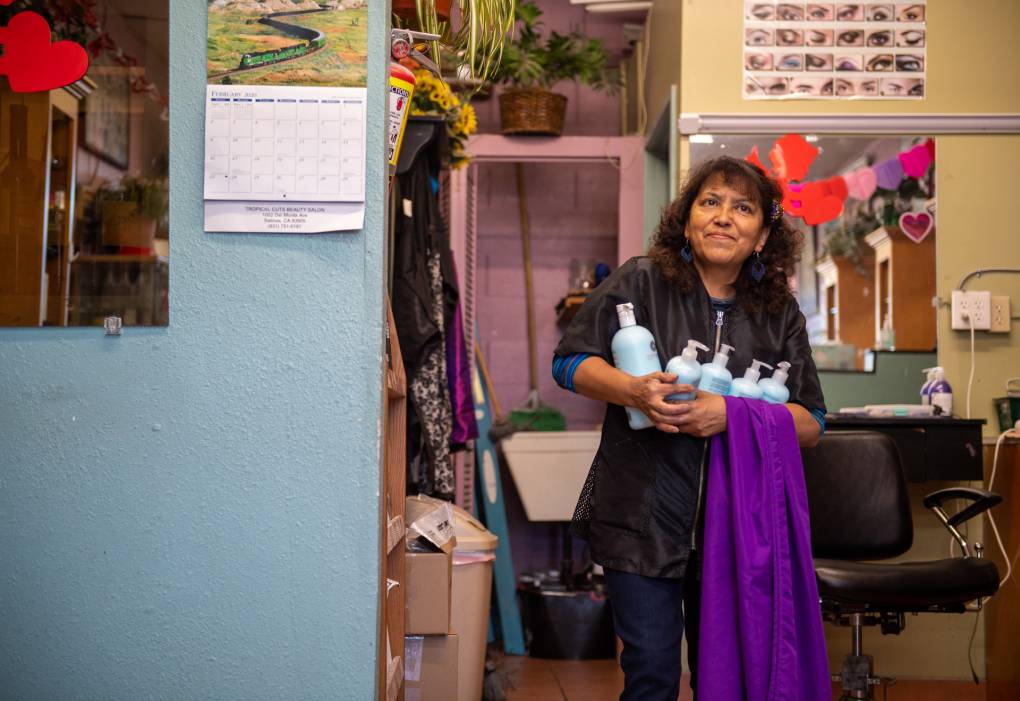
"caption": "Fausta Ibarra, 59, owner of Tropical Cuts Beauty Salon in Salinas carries shampoo and conditioner bottles to the front of the store.",
"description": null,
"title": "RS41592_LATINO BUSINESS OWNERS photo 2-qut",
"credit": "Kate Cimini/The Salinas Californian",
"status": "inherit",
"isLoading": false,
"fetchFailed": false
},
"news_11798439": {
"type": "attachments",
"id": "news_11798439",
"meta": {
"index": "attachments_1716263798",
"site": "news",
"id": "11798439",
"found": true
},
"parent": 11798339,
"imgSizes": {
"apple_news_ca_landscape_5_5": {
"file": "https://ww2.kqed.org/app/uploads/sites/10/2020/01/RS40975_GettyImages-460472174-qut-1044x783.jpg",
"width": 1044,
"mimeType": "image/jpeg",
"height": 783
},
"apple_news_ca_square_4_0": {
"file": "https://ww2.kqed.org/app/uploads/sites/10/2020/01/RS40975_GettyImages-460472174-qut-470x470.jpg",
"width": 470,
"mimeType": "image/jpeg",
"height": 470
},
"twentyfourteen-full-width": {
"file": "https://ww2.kqed.org/app/uploads/sites/10/2020/01/RS40975_GettyImages-460472174-qut-1038x576.jpg",
"width": 1038,
"mimeType": "image/jpeg",
"height": 576
},
"thumbnail": {
"file": "https://ww2.kqed.org/app/uploads/sites/10/2020/01/RS40975_GettyImages-460472174-qut-160x111.jpg",
"width": 160,
"mimeType": "image/jpeg",
"height": 111
},
"post-thumbnail": {
"file": "https://ww2.kqed.org/app/uploads/sites/10/2020/01/RS40975_GettyImages-460472174-qut-672x372.jpg",
"width": 672,
"mimeType": "image/jpeg",
"height": 372
},
"kqedFullSize": {
"file": "https://ww2.kqed.org/app/uploads/sites/10/2020/01/RS40975_GettyImages-460472174-qut.jpg",
"width": 1920,
"height": 1330
},
"apple_news_ca_landscape_4_7": {
"file": "https://ww2.kqed.org/app/uploads/sites/10/2020/01/RS40975_GettyImages-460472174-qut-632x474.jpg",
"width": 632,
"mimeType": "image/jpeg",
"height": 474
},
"large": {
"file": "https://ww2.kqed.org/app/uploads/sites/10/2020/01/RS40975_GettyImages-460472174-qut-1020x707.jpg",
"width": 1020,
"mimeType": "image/jpeg",
"height": 707
},
"apple_news_ca_landscape_4_0": {
"file": "https://ww2.kqed.org/app/uploads/sites/10/2020/01/RS40975_GettyImages-460472174-qut-536x402.jpg",
"width": 536,
"mimeType": "image/jpeg",
"height": 402
},
"apple_news_ca_portrait_12_9": {
"file": "https://ww2.kqed.org/app/uploads/sites/10/2020/01/RS40975_GettyImages-460472174-qut-1122x1330.jpg",
"width": 1122,
"mimeType": "image/jpeg",
"height": 1330
},
"medium": {
"file": "https://ww2.kqed.org/app/uploads/sites/10/2020/01/RS40975_GettyImages-460472174-qut-800x554.jpg",
"width": 800,
"mimeType": "image/jpeg",
"height": 554
},
"apple_news_ca_portrait_4_0": {
"file": "https://ww2.kqed.org/app/uploads/sites/10/2020/01/RS40975_GettyImages-460472174-qut-354x472.jpg",
"width": 354,
"mimeType": "image/jpeg",
"height": 472
},
"apple_news_ca_portrait_9_7": {
"file": "https://ww2.kqed.org/app/uploads/sites/10/2020/01/RS40975_GettyImages-460472174-qut-840x1120.jpg",
"width": 840,
"mimeType": "image/jpeg",
"height": 1120
},
"apple_news_ca_landscape_12_9": {
"file": "https://ww2.kqed.org/app/uploads/sites/10/2020/01/RS40975_GettyImages-460472174-qut-1832x1330.jpg",
"width": 1832,
"mimeType": "image/jpeg",
"height": 1330
},
"apple_news_ca_square_9_7": {
"file": "https://ww2.kqed.org/app/uploads/sites/10/2020/01/RS40975_GettyImages-460472174-qut-1104x1104.jpg",
"width": 1104,
"mimeType": "image/jpeg",
"height": 1104
},
"apple_news_ca_portrait_4_7": {
"file": "https://ww2.kqed.org/app/uploads/sites/10/2020/01/RS40975_GettyImages-460472174-qut-414x552.jpg",
"width": 414,
"mimeType": "image/jpeg",
"height": 552
},
"apple_news_ca_square_12_9": {
"file": "https://ww2.kqed.org/app/uploads/sites/10/2020/01/RS40975_GettyImages-460472174-qut-1472x1330.jpg",
"width": 1472,
"mimeType": "image/jpeg",
"height": 1330
},
"apple_news_ca_portrait_5_5": {
"file": "https://ww2.kqed.org/app/uploads/sites/10/2020/01/RS40975_GettyImages-460472174-qut-687x916.jpg",
"width": 687,
"mimeType": "image/jpeg",
"height": 916
},
"full-width": {
"file": "https://ww2.kqed.org/app/uploads/sites/10/2020/01/RS40975_GettyImages-460472174-qut-1920x1330.jpg",
"width": 1920,
"mimeType": "image/jpeg",
"height": 1330
},
"apple_news_ca_square_4_7": {
"file": "https://ww2.kqed.org/app/uploads/sites/10/2020/01/RS40975_GettyImages-460472174-qut-550x550.jpg",
"width": 550,
"mimeType": "image/jpeg",
"height": 550
},
"apple_news_ca_landscape_9_7": {
"file": "https://ww2.kqed.org/app/uploads/sites/10/2020/01/RS40975_GettyImages-460472174-qut-1376x1032.jpg",
"width": 1376,
"mimeType": "image/jpeg",
"height": 1032
},
"apple_news_ca_square_5_5": {
"file": "https://ww2.kqed.org/app/uploads/sites/10/2020/01/RS40975_GettyImages-460472174-qut-912x912.jpg",
"width": 912,
"mimeType": "image/jpeg",
"height": 912
}
},
"publishDate": 1580227483,
"modified": 1580227663,
"caption": "Basketball star Kobe Bryant was killed Sunday morning in a helicopter crash in the Los Angeles suburb along with his 13-year-old daughter, Gianna, and seven others.",
"description": null,
"title": "Los Angeles Lakers v Minnesota Timberwolves",
"credit": "Hannah Foslien/Getty Images",
"status": "inherit",
"isLoading": false,
"fetchFailed": false
},
"news_11796740": {
"type": "attachments",
"id": "news_11796740",
"meta": {
"index": "attachments_1716263798",
"site": "news",
"id": "11796740",
"found": true
},
"parent": 11796609,
"imgSizes": {
"apple_news_ca_landscape_5_5": {
"file": "https://ww2.kqed.org/app/uploads/sites/10/2020/01/RS40761_GettyImages-51419417-qut-1044x783.jpg",
"width": 1044,
"mimeType": "image/jpeg",
"height": 783
},
"apple_news_ca_square_4_0": {
"file": "https://ww2.kqed.org/app/uploads/sites/10/2020/01/RS40761_GettyImages-51419417-qut-470x470.jpg",
"width": 470,
"mimeType": "image/jpeg",
"height": 470
},
"twentyfourteen-full-width": {
"file": "https://ww2.kqed.org/app/uploads/sites/10/2020/01/RS40761_GettyImages-51419417-qut-1038x576.jpg",
"width": 1038,
"mimeType": "image/jpeg",
"height": 576
},
"thumbnail": {
"file": "https://ww2.kqed.org/app/uploads/sites/10/2020/01/RS40761_GettyImages-51419417-qut-160x119.jpg",
"width": 160,
"mimeType": "image/jpeg",
"height": 119
},
"post-thumbnail": {
"file": "https://ww2.kqed.org/app/uploads/sites/10/2020/01/RS40761_GettyImages-51419417-qut-672x372.jpg",
"width": 672,
"mimeType": "image/jpeg",
"height": 372
},
"kqedFullSize": {
"file": "https://ww2.kqed.org/app/uploads/sites/10/2020/01/RS40761_GettyImages-51419417-qut.jpg",
"width": 1920,
"height": 1433
},
"apple_news_ca_landscape_4_7": {
"file": "https://ww2.kqed.org/app/uploads/sites/10/2020/01/RS40761_GettyImages-51419417-qut-632x474.jpg",
"width": 632,
"mimeType": "image/jpeg",
"height": 474
},
"large": {
"file": "https://ww2.kqed.org/app/uploads/sites/10/2020/01/RS40761_GettyImages-51419417-qut-1020x761.jpg",
"width": 1020,
"mimeType": "image/jpeg",
"height": 761
},
"apple_news_ca_landscape_4_0": {
"file": "https://ww2.kqed.org/app/uploads/sites/10/2020/01/RS40761_GettyImages-51419417-qut-536x402.jpg",
"width": 536,
"mimeType": "image/jpeg",
"height": 402
},
"apple_news_ca_portrait_12_9": {
"file": "https://ww2.kqed.org/app/uploads/sites/10/2020/01/RS40761_GettyImages-51419417-qut-1122x1433.jpg",
"width": 1122,
"mimeType": "image/jpeg",
"height": 1433
},
"medium": {
"file": "https://ww2.kqed.org/app/uploads/sites/10/2020/01/RS40761_GettyImages-51419417-qut-800x597.jpg",
"width": 800,
"mimeType": "image/jpeg",
"height": 597
},
"apple_news_ca_portrait_4_0": {
"file": "https://ww2.kqed.org/app/uploads/sites/10/2020/01/RS40761_GettyImages-51419417-qut-354x472.jpg",
"width": 354,
"mimeType": "image/jpeg",
"height": 472
},
"apple_news_ca_portrait_9_7": {
"file": "https://ww2.kqed.org/app/uploads/sites/10/2020/01/RS40761_GettyImages-51419417-qut-840x1120.jpg",
"width": 840,
"mimeType": "image/jpeg",
"height": 1120
},
"apple_news_ca_landscape_12_9": {
"file": "https://ww2.kqed.org/app/uploads/sites/10/2020/01/RS40761_GettyImages-51419417-qut-1832x1374.jpg",
"width": 1832,
"mimeType": "image/jpeg",
"height": 1374
},
"apple_news_ca_square_9_7": {
"file": "https://ww2.kqed.org/app/uploads/sites/10/2020/01/RS40761_GettyImages-51419417-qut-1104x1104.jpg",
"width": 1104,
"mimeType": "image/jpeg",
"height": 1104
},
"apple_news_ca_portrait_4_7": {
"file": "https://ww2.kqed.org/app/uploads/sites/10/2020/01/RS40761_GettyImages-51419417-qut-414x552.jpg",
"width": 414,
"mimeType": "image/jpeg",
"height": 552
},
"apple_news_ca_square_12_9": {
"file": "https://ww2.kqed.org/app/uploads/sites/10/2020/01/RS40761_GettyImages-51419417-qut-1472x1433.jpg",
"width": 1472,
"mimeType": "image/jpeg",
"height": 1433
},
"apple_news_ca_portrait_5_5": {
"file": "https://ww2.kqed.org/app/uploads/sites/10/2020/01/RS40761_GettyImages-51419417-qut-687x916.jpg",
"width": 687,
"mimeType": "image/jpeg",
"height": 916
},
"full-width": {
"file": "https://ww2.kqed.org/app/uploads/sites/10/2020/01/RS40761_GettyImages-51419417-qut-1920x1433.jpg",
"width": 1920,
"mimeType": "image/jpeg",
"height": 1433
},
"apple_news_ca_square_4_7": {
"file": "https://ww2.kqed.org/app/uploads/sites/10/2020/01/RS40761_GettyImages-51419417-qut-550x550.jpg",
"width": 550,
"mimeType": "image/jpeg",
"height": 550
},
"apple_news_ca_landscape_9_7": {
"file": "https://ww2.kqed.org/app/uploads/sites/10/2020/01/RS40761_GettyImages-51419417-qut-1376x1032.jpg",
"width": 1376,
"mimeType": "image/jpeg",
"height": 1032
},
"apple_news_ca_square_5_5": {
"file": "https://ww2.kqed.org/app/uploads/sites/10/2020/01/RS40761_GettyImages-51419417-qut-912x912.jpg",
"width": 912,
"mimeType": "image/jpeg",
"height": 912
}
},
"publishDate": 1579298906,
"modified": 1579308506,
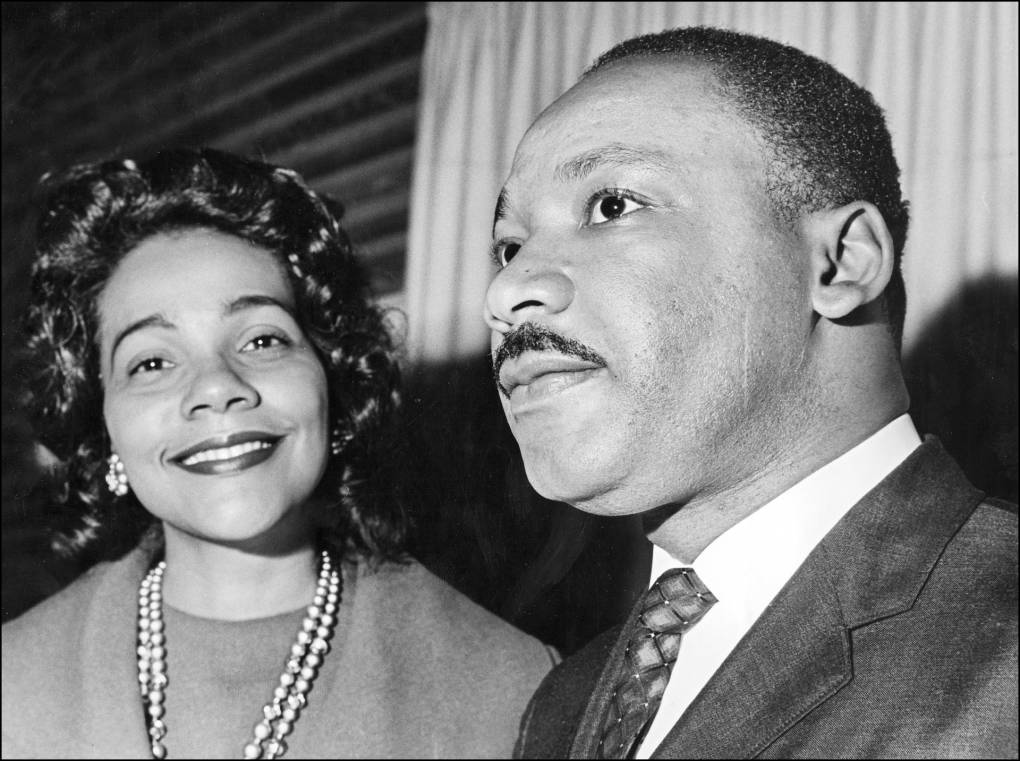
"caption": "Martin Luther King Jr. was deeply troubled by the Vietnam War for years, but the \"Beyond Vietnam\" speech was his first major policy statement on the issue. His wife, Coretta Scott King, on the other hand, critiqued the war publicly for years before her husband did.",
"description": "Dr. Martin Luther King Jr. was deeply troubled by the Vietnam War for years, but the \"Beyond Vietnam\" speech was his first major policy statement on the issue. His wife, Coretta Scott King, on the other hand, critiqued the war publicly for years before her husband did.",
"title": "Coretta Scott King and her husband Martin Luther King Jr.",
"credit": "AFP via Getty Images",
"status": "inherit",
"isLoading": false,
"fetchFailed": false
},
"news_11782708": {
"type": "attachments",
"id": "news_11782708",
"meta": {
"index": "attachments_1716263798",
"site": "news",
"id": "11782708",
"found": true
},
"title": "Stanford University College Terrace Neighborhood",
"publishDate": 1572017698,
"status": "inherit",
"parent": 11781771,
"modified": 1778171580,
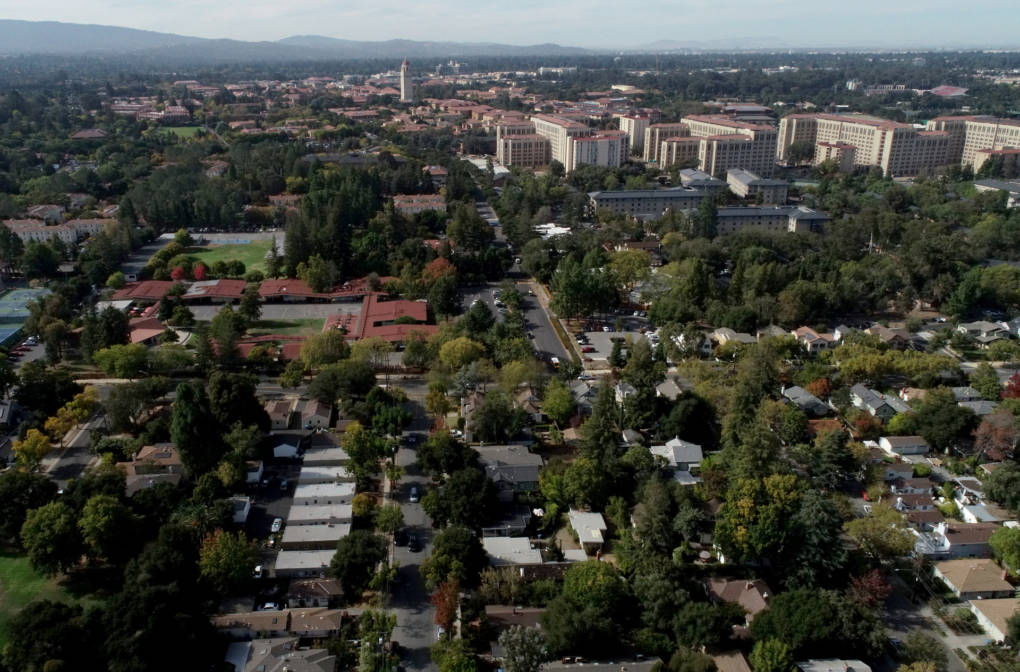
"caption": "Stanford's campus spans 8,180 acres in San Mateo and Santa Clara counties and is one of the largest in the country.",
"credit": "Courtesy of Jane Tyska/Bay Area News Group",
"altTag": "Stanford's campus spans 8,180 acres in San Mateo and Santa Clara counties and is one of the largest in the country",
"description": "Stanford's campus spans 8,180 acres in San Mateo and Santa Clara counties and is one of the largest in the country",
"imgSizes": {
"thumbnail": {
"file": "https://cdn.kqed.org/wp-content/uploads/sites/10/2019/10/RS39801_StandfordEdit006-qut-160x105.jpg",
"width": 160,
"height": 105,
"mimeType": "image/jpeg"
},
"medium": {
"file": "https://cdn.kqed.org/wp-content/uploads/sites/10/2019/10/RS39801_StandfordEdit006-qut-800x527.jpg",
"width": 800,
"height": 527,
"mimeType": "image/jpeg"
},
"large": {
"file": "https://cdn.kqed.org/wp-content/uploads/sites/10/2019/10/RS39801_StandfordEdit006-qut-1020x672.jpg",
"width": 1020,
"height": 672,
"mimeType": "image/jpeg"
},
"complete_open_graph": {
"file": "https://cdn.kqed.org/wp-content/uploads/sites/10/2019/10/RS39801_StandfordEdit006-qut-1200x791.jpg",
"width": 1200,
"height": 791,
"mimeType": "image/jpeg"
},
"post-thumbnail": {
"file": "https://cdn.kqed.org/wp-content/uploads/sites/10/2019/10/RS39801_StandfordEdit006-qut-672x372.jpg",
"width": 672,
"height": 372,
"mimeType": "image/jpeg"
},
"twentyfourteen-full-width": {
"file": "https://cdn.kqed.org/wp-content/uploads/sites/10/2019/10/RS39801_StandfordEdit006-qut-1038x576.jpg",
"width": 1038,
"height": 576,
"mimeType": "image/jpeg"
},
"full-width": {
"file": "https://cdn.kqed.org/wp-content/uploads/sites/10/2019/10/RS39801_StandfordEdit006-qut-1920x1265.jpg",
"width": 1920,
"height": 1265,
"mimeType": "image/jpeg"
},
"apple_news_ca_landscape_12_9": {
"file": "https://cdn.kqed.org/wp-content/uploads/sites/10/2019/10/RS39801_StandfordEdit006-qut-1832x1265.jpg",
"width": 1832,
"height": 1265,
"mimeType": "image/jpeg"
},
"apple_news_ca_landscape_9_7": {
"file": "https://cdn.kqed.org/wp-content/uploads/sites/10/2019/10/RS39801_StandfordEdit006-qut-1376x1032.jpg",
"width": 1376,
"height": 1032,
"mimeType": "image/jpeg"
},
"apple_news_ca_landscape_5_5": {
"file": "https://cdn.kqed.org/wp-content/uploads/sites/10/2019/10/RS39801_StandfordEdit006-qut-1044x783.jpg",
"width": 1044,
"height": 783,
"mimeType": "image/jpeg"
},
"apple_news_ca_landscape_4_7": {
"file": "https://cdn.kqed.org/wp-content/uploads/sites/10/2019/10/RS39801_StandfordEdit006-qut-632x474.jpg",
"width": 632,
"height": 474,
"mimeType": "image/jpeg"
},
"apple_news_ca_landscape_4_0": {
"file": "https://cdn.kqed.org/wp-content/uploads/sites/10/2019/10/RS39801_StandfordEdit006-qut-536x402.jpg",
"width": 536,
"height": 402,
"mimeType": "image/jpeg"
},
"apple_news_ca_portrait_12_9": {
"file": "https://cdn.kqed.org/wp-content/uploads/sites/10/2019/10/RS39801_StandfordEdit006-qut-1122x1265.jpg",
"width": 1122,
"height": 1265,
"mimeType": "image/jpeg"
},
"apple_news_ca_portrait_9_7": {
"file": "https://cdn.kqed.org/wp-content/uploads/sites/10/2019/10/RS39801_StandfordEdit006-qut-840x1120.jpg",
"width": 840,
"height": 1120,
"mimeType": "image/jpeg"
},
"apple_news_ca_portrait_5_5": {
"file": "https://cdn.kqed.org/wp-content/uploads/sites/10/2019/10/RS39801_StandfordEdit006-qut-687x916.jpg",
"width": 687,
"height": 916,
"mimeType": "image/jpeg"
},
"apple_news_ca_portrait_4_7": {
"file": "https://cdn.kqed.org/wp-content/uploads/sites/10/2019/10/RS39801_StandfordEdit006-qut-414x552.jpg",
"width": 414,
"height": 552,
"mimeType": "image/jpeg"
},
"apple_news_ca_portrait_4_0": {
"file": "https://cdn.kqed.org/wp-content/uploads/sites/10/2019/10/RS39801_StandfordEdit006-qut-354x472.jpg",
"width": 354,
"height": 472,
"mimeType": "image/jpeg"
},
"apple_news_ca_square_12_9": {
"file": "https://cdn.kqed.org/wp-content/uploads/sites/10/2019/10/RS39801_StandfordEdit006-qut-1472x1265.jpg",
"width": 1472,
"height": 1265,
"mimeType": "image/jpeg"
},
"apple_news_ca_square_9_7": {
"file": "https://cdn.kqed.org/wp-content/uploads/sites/10/2019/10/RS39801_StandfordEdit006-qut-1104x1104.jpg",
"width": 1104,
"height": 1104,
"mimeType": "image/jpeg"
},
"apple_news_ca_square_5_5": {
"file": "https://cdn.kqed.org/wp-content/uploads/sites/10/2019/10/RS39801_StandfordEdit006-qut-912x912.jpg",
"width": 912,
"height": 912,
"mimeType": "image/jpeg"
},
"apple_news_ca_square_4_7": {
"file": "https://cdn.kqed.org/wp-content/uploads/sites/10/2019/10/RS39801_StandfordEdit006-qut-550x550.jpg",
"width": 550,
"height": 550,
"mimeType": "image/jpeg"
},
"apple_news_ca_square_4_0": {
"file": "https://cdn.kqed.org/wp-content/uploads/sites/10/2019/10/RS39801_StandfordEdit006-qut-470x470.jpg",
"width": 470,
"height": 470,
"mimeType": "image/jpeg"
},
"kqedFullSize": {
"file": "https://cdn.kqed.org/wp-content/uploads/sites/10/2019/10/RS39801_StandfordEdit006-qut.jpg",
"width": 1920,
"height": 1265
}
},
"isLoading": false,
"fetchFailed": false
},
"news_11784717": {
"type": "attachments",
"id": "news_11784717",
"meta": {
"index": "attachments_1716263798",
"site": "news",
"id": "11784717",
"found": true
},
"parent": 11784669,
"imgSizes": {
"apple_news_ca_landscape_5_5": {
"file": "https://ww2.kqed.org/app/uploads/sites/10/2019/11/RS36462_IMG_8789-qut-1044x783.jpg",
"width": 1044,
"mimeType": "image/jpeg",
"height": 783
},
"apple_news_ca_square_4_0": {
"file": "https://ww2.kqed.org/app/uploads/sites/10/2019/11/RS36462_IMG_8789-qut-470x470.jpg",
"width": 470,
"mimeType": "image/jpeg",
"height": 470
},
"twentyfourteen-full-width": {
"file": "https://ww2.kqed.org/app/uploads/sites/10/2019/11/RS36462_IMG_8789-qut-1038x576.jpg",
"width": 1038,
"mimeType": "image/jpeg",
"height": 576
},
"thumbnail": {
"file": "https://ww2.kqed.org/app/uploads/sites/10/2019/11/RS36462_IMG_8789-qut-160x101.jpg",
"width": 160,
"mimeType": "image/jpeg",
"height": 101
},
"post-thumbnail": {
"file": "https://ww2.kqed.org/app/uploads/sites/10/2019/11/RS36462_IMG_8789-qut-672x372.jpg",
"width": 672,
"mimeType": "image/jpeg",
"height": 372
},
"kqedFullSize": {
"file": "https://ww2.kqed.org/app/uploads/sites/10/2019/11/RS36462_IMG_8789-qut.jpg",
"width": 1920,
"height": 1212
},
"apple_news_ca_landscape_4_7": {
"file": "https://ww2.kqed.org/app/uploads/sites/10/2019/11/RS36462_IMG_8789-qut-632x474.jpg",
"width": 632,
"mimeType": "image/jpeg",
"height": 474
},
"large": {
"file": "https://ww2.kqed.org/app/uploads/sites/10/2019/11/RS36462_IMG_8789-qut-1020x644.jpg",
"width": 1020,
"mimeType": "image/jpeg",
"height": 644
},
"complete_open_graph": {
"file": "https://ww2.kqed.org/app/uploads/sites/10/2019/11/RS36462_IMG_8789-qut-1200x758.jpg",
"width": 1200,
"mimeType": "image/jpeg",
"height": 758
},
"apple_news_ca_landscape_4_0": {
"file": "https://ww2.kqed.org/app/uploads/sites/10/2019/11/RS36462_IMG_8789-qut-536x402.jpg",
"width": 536,
"mimeType": "image/jpeg",
"height": 402
},
"apple_news_ca_portrait_12_9": {
"file": "https://ww2.kqed.org/app/uploads/sites/10/2019/11/RS36462_IMG_8789-qut-1122x1212.jpg",
"width": 1122,
"mimeType": "image/jpeg",
"height": 1212
},
"medium": {
"file": "https://ww2.kqed.org/app/uploads/sites/10/2019/11/RS36462_IMG_8789-qut-800x505.jpg",
"width": 800,
"mimeType": "image/jpeg",
"height": 505
},
"apple_news_ca_portrait_4_0": {
"file": "https://ww2.kqed.org/app/uploads/sites/10/2019/11/RS36462_IMG_8789-qut-354x472.jpg",
"width": 354,
"mimeType": "image/jpeg",
"height": 472
},
"apple_news_ca_portrait_9_7": {
"file": "https://ww2.kqed.org/app/uploads/sites/10/2019/11/RS36462_IMG_8789-qut-840x1120.jpg",
"width": 840,
"mimeType": "image/jpeg",
"height": 1120
},
"apple_news_ca_landscape_12_9": {
"file": "https://ww2.kqed.org/app/uploads/sites/10/2019/11/RS36462_IMG_8789-qut-1832x1212.jpg",
"width": 1832,
"mimeType": "image/jpeg",
"height": 1212
},
"apple_news_ca_square_9_7": {
"file": "https://ww2.kqed.org/app/uploads/sites/10/2019/11/RS36462_IMG_8789-qut-1104x1104.jpg",
"width": 1104,
"mimeType": "image/jpeg",
"height": 1104
},
"apple_news_ca_portrait_4_7": {
"file": "https://ww2.kqed.org/app/uploads/sites/10/2019/11/RS36462_IMG_8789-qut-414x552.jpg",
"width": 414,
"mimeType": "image/jpeg",
"height": 552
},
"apple_news_ca_square_12_9": {
"file": "https://ww2.kqed.org/app/uploads/sites/10/2019/11/RS36462_IMG_8789-qut-1472x1212.jpg",
"width": 1472,
"mimeType": "image/jpeg",
"height": 1212
},
"apple_news_ca_portrait_5_5": {
"file": "https://ww2.kqed.org/app/uploads/sites/10/2019/11/RS36462_IMG_8789-qut-687x916.jpg",
"width": 687,
"mimeType": "image/jpeg",
"height": 916
},
"full-width": {
"file": "https://ww2.kqed.org/app/uploads/sites/10/2019/11/RS36462_IMG_8789-qut-1920x1212.jpg",
"width": 1920,
"mimeType": "image/jpeg",
"height": 1212
},
"apple_news_ca_square_4_7": {
"file": "https://ww2.kqed.org/app/uploads/sites/10/2019/11/RS36462_IMG_8789-qut-550x550.jpg",
"width": 550,
"mimeType": "image/jpeg",
"height": 550
},
"apple_news_ca_landscape_9_7": {
"file": "https://ww2.kqed.org/app/uploads/sites/10/2019/11/RS36462_IMG_8789-qut-1376x1032.jpg",
"width": 1376,
"mimeType": "image/jpeg",
"height": 1032
},
"apple_news_ca_square_5_5": {
"file": "https://ww2.kqed.org/app/uploads/sites/10/2019/11/RS36462_IMG_8789-qut-912x912.jpg",
"width": 912,
"mimeType": "image/jpeg",
"height": 912
}
},
"publishDate": 1572845321,
"modified": 1572994736,
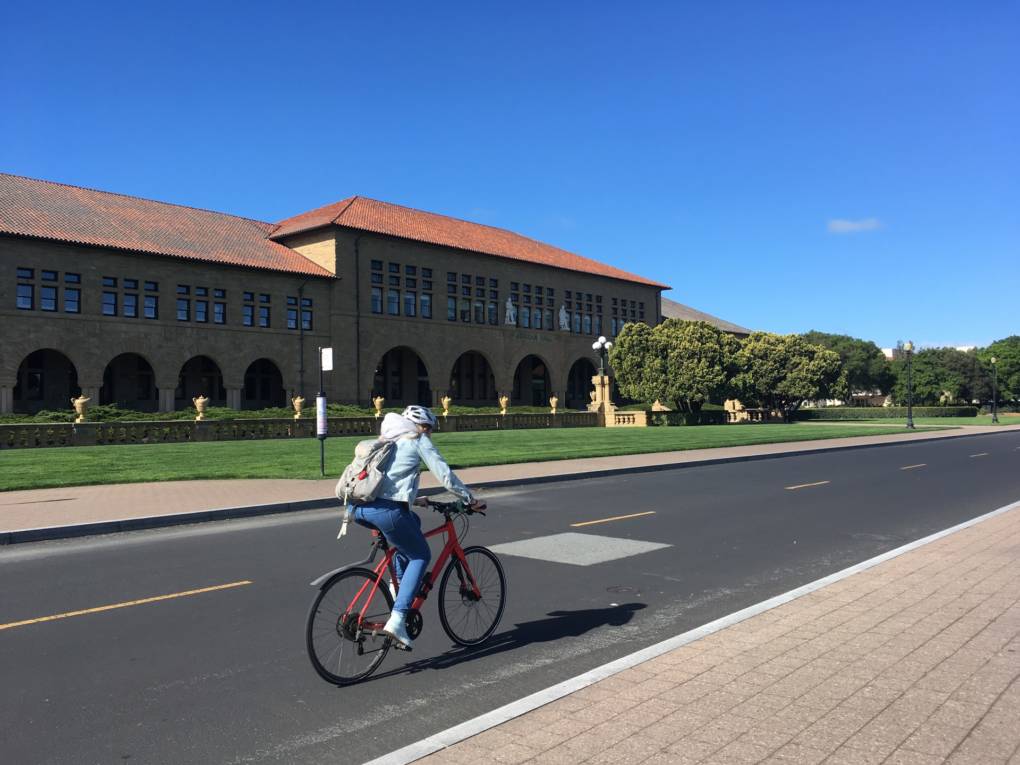
"caption": "The Quad is the center of Stanford's bucolic campus. The communities around Stanford are increasingly calling on the university to do more about housing, traffic and school funding in the region.",
"description": "The \"Quad\" is the center of Stanford's bucolic campus. The communities around Stanford are increasingly calling on the university to do more about housing, traffic and school funding in the region.",
"title": "RS36462_IMG_8789-qut",
"credit": "Rachael Myrow/KQED",
"status": "inherit",
"isLoading": false,
"fetchFailed": false
},
"news_11781773": {
"type": "attachments",
"id": "news_11781773",
"meta": {
"index": "attachments_1716263798",
"site": "news",
"id": "11781773",
"found": true
},
"parent": 11781771,
"imgSizes": {
"apple_news_ca_landscape_5_5": {
"file": "https://ww2.kqed.org/app/uploads/sites/10/2019/10/RS36468_IMG_8798-qut-1044x783.jpg",
"width": 1044,
"mimeType": "image/jpeg",
"height": 783
},
"apple_news_ca_square_4_0": {
"file": "https://ww2.kqed.org/app/uploads/sites/10/2019/10/RS36468_IMG_8798-qut-470x470.jpg",
"width": 470,
"mimeType": "image/jpeg",
"height": 470
},
"twentyfourteen-full-width": {
"file": "https://ww2.kqed.org/app/uploads/sites/10/2019/10/RS36468_IMG_8798-qut-1038x576.jpg",
"width": 1038,
"mimeType": "image/jpeg",
"height": 576
},
"thumbnail": {
"file": "https://ww2.kqed.org/app/uploads/sites/10/2019/10/RS36468_IMG_8798-qut-160x120.jpg",
"width": 160,
"mimeType": "image/jpeg",
"height": 120
},
"post-thumbnail": {
"file": "https://ww2.kqed.org/app/uploads/sites/10/2019/10/RS36468_IMG_8798-qut-672x372.jpg",
"width": 672,
"mimeType": "image/jpeg",
"height": 372
},
"kqedFullSize": {
"file": "https://ww2.kqed.org/app/uploads/sites/10/2019/10/RS36468_IMG_8798-qut.jpg",
"width": 1920,
"height": 1440
},
"apple_news_ca_landscape_4_7": {
"file": "https://ww2.kqed.org/app/uploads/sites/10/2019/10/RS36468_IMG_8798-qut-632x474.jpg",
"width": 632,
"mimeType": "image/jpeg",
"height": 474
},
"large": {
"file": "https://ww2.kqed.org/app/uploads/sites/10/2019/10/RS36468_IMG_8798-qut-1020x765.jpg",
"width": 1020,
"mimeType": "image/jpeg",
"height": 765
},
"complete_open_graph": {
"file": "https://ww2.kqed.org/app/uploads/sites/10/2019/10/RS36468_IMG_8798-qut-1200x900.jpg",
"width": 1200,
"mimeType": "image/jpeg",
"height": 900
},
"apple_news_ca_landscape_4_0": {
"file": "https://ww2.kqed.org/app/uploads/sites/10/2019/10/RS36468_IMG_8798-qut-536x402.jpg",
"width": 536,
"mimeType": "image/jpeg",
"height": 402
},
"apple_news_ca_portrait_12_9": {
"file": "https://ww2.kqed.org/app/uploads/sites/10/2019/10/RS36468_IMG_8798-qut-1122x1440.jpg",
"width": 1122,
"mimeType": "image/jpeg",
"height": 1440
},
"medium": {
"file": "https://ww2.kqed.org/app/uploads/sites/10/2019/10/RS36468_IMG_8798-qut-800x600.jpg",
"width": 800,
"mimeType": "image/jpeg",
"height": 600
},
"apple_news_ca_portrait_4_0": {
"file": "https://ww2.kqed.org/app/uploads/sites/10/2019/10/RS36468_IMG_8798-qut-354x472.jpg",
"width": 354,
"mimeType": "image/jpeg",
"height": 472
},
"apple_news_ca_portrait_9_7": {
"file": "https://ww2.kqed.org/app/uploads/sites/10/2019/10/RS36468_IMG_8798-qut-840x1120.jpg",
"width": 840,
"mimeType": "image/jpeg",
"height": 1120
},
"apple_news_ca_landscape_12_9": {
"file": "https://ww2.kqed.org/app/uploads/sites/10/2019/10/RS36468_IMG_8798-qut-1832x1374.jpg",
"width": 1832,
"mimeType": "image/jpeg",
"height": 1374
},
"apple_news_ca_square_9_7": {
"file": "https://ww2.kqed.org/app/uploads/sites/10/2019/10/RS36468_IMG_8798-qut-1104x1104.jpg",
"width": 1104,
"mimeType": "image/jpeg",
"height": 1104
},
"apple_news_ca_portrait_4_7": {
"file": "https://ww2.kqed.org/app/uploads/sites/10/2019/10/RS36468_IMG_8798-qut-414x552.jpg",
"width": 414,
"mimeType": "image/jpeg",
"height": 552
},
"apple_news_ca_square_12_9": {
"file": "https://ww2.kqed.org/app/uploads/sites/10/2019/10/RS36468_IMG_8798-qut-1472x1440.jpg",
"width": 1472,
"mimeType": "image/jpeg",
"height": 1440
},
"apple_news_ca_portrait_5_5": {
"file": "https://ww2.kqed.org/app/uploads/sites/10/2019/10/RS36468_IMG_8798-qut-687x916.jpg",
"width": 687,
"mimeType": "image/jpeg",
"height": 916
},
"full-width": {
"file": "https://ww2.kqed.org/app/uploads/sites/10/2019/10/RS36468_IMG_8798-qut-1920x1440.jpg",
"width": 1920,
"mimeType": "image/jpeg",
"height": 1440
},
"apple_news_ca_square_4_7": {
"file": "https://ww2.kqed.org/app/uploads/sites/10/2019/10/RS36468_IMG_8798-qut-550x550.jpg",
"width": 550,
"mimeType": "image/jpeg",
"height": 550
},
"apple_news_ca_landscape_9_7": {
"file": "https://ww2.kqed.org/app/uploads/sites/10/2019/10/RS36468_IMG_8798-qut-1376x1032.jpg",
"width": 1376,
"mimeType": "image/jpeg",
"height": 1032
},
"apple_news_ca_square_5_5": {
"file": "https://ww2.kqed.org/app/uploads/sites/10/2019/10/RS36468_IMG_8798-qut-912x912.jpg",
"width": 912,
"mimeType": "image/jpeg",
"height": 912
}
},
"publishDate": 1571771507,
"modified": 1572301327,
"caption": "On campus and off, the value of Stanford’s real estate empire tops $19.7 billion, as of 2018.",
"description": "On campus and off, the value of Stanford’s real estate empire tops $19.7 billion dollars, as of 2018.",
"title": "Stanford-University-Quad",
"credit": "Rachael Myrow/KQED",
"status": "inherit",
"isLoading": false,
"fetchFailed": false
},
"news_11766806": {
"type": "attachments",
"id": "news_11766806",
"meta": {
"index": "attachments_1716263798",
"site": "news",
"id": "11766806",
"found": true
},
"parent": 11766803,
"imgSizes": {
"apple_news_ca_landscape_5_5": {
"file": "https://ww2.kqed.org/app/uploads/sites/10/2019/08/RS38477_Photo-Aug-08-11-36-06-AM-qut-1044x783.jpg",
"width": 1044,
"mimeType": "image/jpeg",
"height": 783
},
"apple_news_ca_square_4_0": {
"file": "https://ww2.kqed.org/app/uploads/sites/10/2019/08/RS38477_Photo-Aug-08-11-36-06-AM-qut-470x470.jpg",
"width": 470,
"mimeType": "image/jpeg",
"height": 470
},
"twentyfourteen-full-width": {
"file": "https://ww2.kqed.org/app/uploads/sites/10/2019/08/RS38477_Photo-Aug-08-11-36-06-AM-qut-1038x576.jpg",
"width": 1038,
"mimeType": "image/jpeg",
"height": 576
},
"thumbnail": {
"file": "https://ww2.kqed.org/app/uploads/sites/10/2019/08/RS38477_Photo-Aug-08-11-36-06-AM-qut-160x108.jpg",
"width": 160,
"mimeType": "image/jpeg",
"height": 108
},
"post-thumbnail": {
"file": "https://ww2.kqed.org/app/uploads/sites/10/2019/08/RS38477_Photo-Aug-08-11-36-06-AM-qut-672x372.jpg",
"width": 672,
"mimeType": "image/jpeg",
"height": 372
},
"kqedFullSize": {
"file": "https://ww2.kqed.org/app/uploads/sites/10/2019/08/RS38477_Photo-Aug-08-11-36-06-AM-qut.jpg",
"width": 1920,
"height": 1299
},
"apple_news_ca_landscape_4_7": {
"file": "https://ww2.kqed.org/app/uploads/sites/10/2019/08/RS38477_Photo-Aug-08-11-36-06-AM-qut-632x474.jpg",
"width": 632,
"mimeType": "image/jpeg",
"height": 474
},
"large": {
"file": "https://ww2.kqed.org/app/uploads/sites/10/2019/08/RS38477_Photo-Aug-08-11-36-06-AM-qut-1020x690.jpg",
"width": 1020,
"mimeType": "image/jpeg",
"height": 690
},
"complete_open_graph": {
"file": "https://ww2.kqed.org/app/uploads/sites/10/2019/08/RS38477_Photo-Aug-08-11-36-06-AM-qut-1200x812.jpg",
"width": 1200,
"mimeType": "image/jpeg",
"height": 812
},
"apple_news_ca_landscape_4_0": {
"file": "https://ww2.kqed.org/app/uploads/sites/10/2019/08/RS38477_Photo-Aug-08-11-36-06-AM-qut-536x402.jpg",
"width": 536,
"mimeType": "image/jpeg",
"height": 402
},
"apple_news_ca_portrait_12_9": {
"file": "https://ww2.kqed.org/app/uploads/sites/10/2019/08/RS38477_Photo-Aug-08-11-36-06-AM-qut-1122x1299.jpg",
"width": 1122,
"mimeType": "image/jpeg",
"height": 1299
},
"medium": {
"file": "https://ww2.kqed.org/app/uploads/sites/10/2019/08/RS38477_Photo-Aug-08-11-36-06-AM-qut-800x541.jpg",
"width": 800,
"mimeType": "image/jpeg",
"height": 541
},
"apple_news_ca_portrait_4_0": {
"file": "https://ww2.kqed.org/app/uploads/sites/10/2019/08/RS38477_Photo-Aug-08-11-36-06-AM-qut-354x472.jpg",
"width": 354,
"mimeType": "image/jpeg",
"height": 472
},
"apple_news_ca_portrait_9_7": {
"file": "https://ww2.kqed.org/app/uploads/sites/10/2019/08/RS38477_Photo-Aug-08-11-36-06-AM-qut-840x1120.jpg",
"width": 840,
"mimeType": "image/jpeg",
"height": 1120
},
"apple_news_ca_landscape_12_9": {
"file": "https://ww2.kqed.org/app/uploads/sites/10/2019/08/RS38477_Photo-Aug-08-11-36-06-AM-qut-1832x1299.jpg",
"width": 1832,
"mimeType": "image/jpeg",
"height": 1299
},
"apple_news_ca_square_9_7": {
"file": "https://ww2.kqed.org/app/uploads/sites/10/2019/08/RS38477_Photo-Aug-08-11-36-06-AM-qut-1104x1104.jpg",
"width": 1104,
"mimeType": "image/jpeg",
"height": 1104
},
"apple_news_ca_portrait_4_7": {
"file": "https://ww2.kqed.org/app/uploads/sites/10/2019/08/RS38477_Photo-Aug-08-11-36-06-AM-qut-414x552.jpg",
"width": 414,
"mimeType": "image/jpeg",
"height": 552
},
"apple_news_ca_square_12_9": {
"file": "https://ww2.kqed.org/app/uploads/sites/10/2019/08/RS38477_Photo-Aug-08-11-36-06-AM-qut-1472x1299.jpg",
"width": 1472,
"mimeType": "image/jpeg",
"height": 1299
},
"apple_news_ca_portrait_5_5": {
"file": "https://ww2.kqed.org/app/uploads/sites/10/2019/08/RS38477_Photo-Aug-08-11-36-06-AM-qut-687x916.jpg",
"width": 687,
"mimeType": "image/jpeg",
"height": 916
},
"full-width": {
"file": "https://ww2.kqed.org/app/uploads/sites/10/2019/08/RS38477_Photo-Aug-08-11-36-06-AM-qut-1920x1299.jpg",
"width": 1920,
"mimeType": "image/jpeg",
"height": 1299
},
"apple_news_ca_square_4_7": {
"file": "https://ww2.kqed.org/app/uploads/sites/10/2019/08/RS38477_Photo-Aug-08-11-36-06-AM-qut-550x550.jpg",
"width": 550,
"mimeType": "image/jpeg",
"height": 550
},
"apple_news_ca_landscape_9_7": {
"file": "https://ww2.kqed.org/app/uploads/sites/10/2019/08/RS38477_Photo-Aug-08-11-36-06-AM-qut-1376x1032.jpg",
"width": 1376,
"mimeType": "image/jpeg",
"height": 1032
},
"apple_news_ca_square_5_5": {
"file": "https://ww2.kqed.org/app/uploads/sites/10/2019/08/RS38477_Photo-Aug-08-11-36-06-AM-qut-912x912.jpg",
"width": 912,
"mimeType": "image/jpeg",
"height": 912
}
},
"publishDate": 1565449761,
"modified": 1565449822,
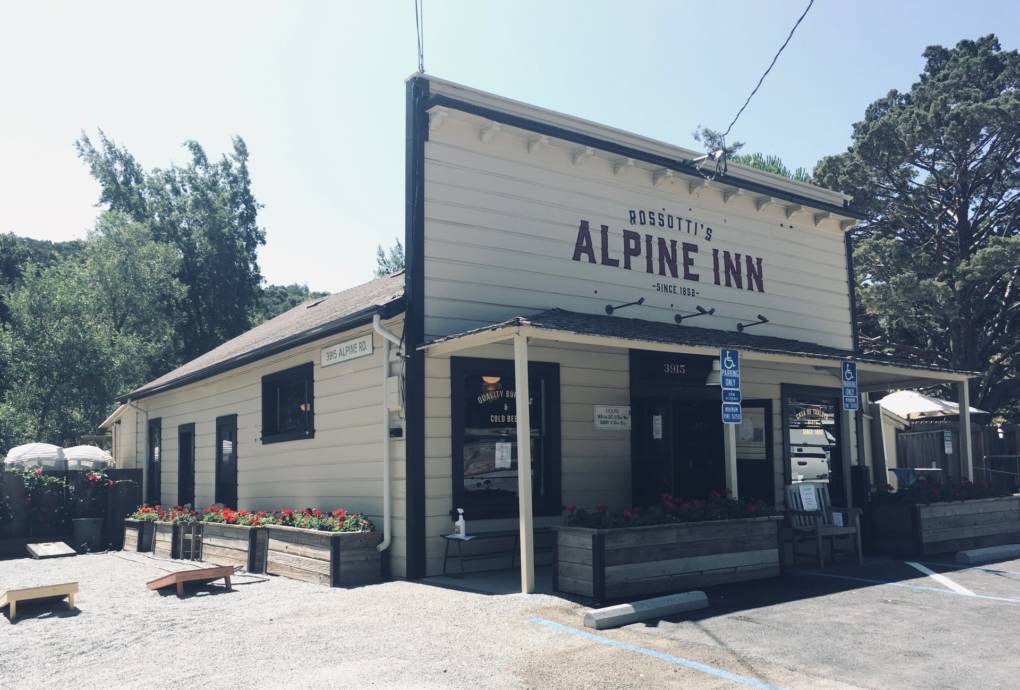
"caption": "\"What you do see is very similar. What you don’t see is very different,” says Lori Hunter of the newest ownership group to run Rossotti's Alpine Inn, the historic roadhouse in Portola Valley.",
"description": "\"What you do see is very similar. What you don’t see is very different,” says Lori Hunter of the newest ownership group to run Rossotti's Alpine Inn, the historic roadhouse in Portola Valley.",
"title": "RS38477_Photo Aug 08, 11 36 06 AM-qut",
"credit": "Rachael Myrow/KQED",
"status": "inherit",
"isLoading": false,
"fetchFailed": false
},
"news_11758436": {
"type": "attachments",
"id": "news_11758436",
"meta": {
"index": "attachments_1716263798",
"site": "news",
"id": "11758436",
"found": true
},
"parent": 11758431,
"imgSizes": {
"apple_news_ca_landscape_5_5": {
"file": "https://ww2.kqed.org/app/uploads/sites/10/2019/06/GettyImages-1135398416-1044x783.jpg",
"width": 1044,
"mimeType": "image/jpeg",
"height": 783
},
"apple_news_ca_square_4_0": {
"file": "https://ww2.kqed.org/app/uploads/sites/10/2019/06/GettyImages-1135398416-470x470.jpg",
"width": 470,
"mimeType": "image/jpeg",
"height": 470
},
"twentyfourteen-full-width": {
"file": "https://ww2.kqed.org/app/uploads/sites/10/2019/06/GettyImages-1135398416-1038x576.jpg",
"width": 1038,
"mimeType": "image/jpeg",
"height": 576
},
"thumbnail": {
"file": "https://ww2.kqed.org/app/uploads/sites/10/2019/06/GettyImages-1135398416-160x108.jpg",
"width": 160,
"mimeType": "image/jpeg",
"height": 108
},
"post-thumbnail": {
"file": "https://ww2.kqed.org/app/uploads/sites/10/2019/06/GettyImages-1135398416-672x372.jpg",
"width": 672,
"mimeType": "image/jpeg",
"height": 372
},
"kqedFullSize": {
"file": "https://ww2.kqed.org/app/uploads/sites/10/2019/06/GettyImages-1135398416-e1561955415213.jpg",
"width": 1920,
"height": 1293
},
"apple_news_ca_landscape_4_7": {
"file": "https://ww2.kqed.org/app/uploads/sites/10/2019/06/GettyImages-1135398416-632x474.jpg",
"width": 632,
"mimeType": "image/jpeg",
"height": 474
},
"large": {
"file": "https://ww2.kqed.org/app/uploads/sites/10/2019/06/GettyImages-1135398416-1020x687.jpg",
"width": 1020,
"mimeType": "image/jpeg",
"height": 687
},
"complete_open_graph": {
"file": "https://ww2.kqed.org/app/uploads/sites/10/2019/06/GettyImages-1135398416-1200x808.jpg",
"width": 1200,
"mimeType": "image/jpeg",
"height": 808
},
"apple_news_ca_landscape_4_0": {
"file": "https://ww2.kqed.org/app/uploads/sites/10/2019/06/GettyImages-1135398416-536x402.jpg",
"width": 536,
"mimeType": "image/jpeg",
"height": 402
},
"apple_news_ca_portrait_12_9": {
"file": "https://ww2.kqed.org/app/uploads/sites/10/2019/06/GettyImages-1135398416-1122x1496.jpg",
"width": 1122,
"mimeType": "image/jpeg",
"height": 1496
},
"medium": {
"file": "https://ww2.kqed.org/app/uploads/sites/10/2019/06/GettyImages-1135398416-800x539.jpg",
"width": 800,
"mimeType": "image/jpeg",
"height": 539
},
"apple_news_ca_portrait_4_0": {
"file": "https://ww2.kqed.org/app/uploads/sites/10/2019/06/GettyImages-1135398416-354x472.jpg",
"width": 354,
"mimeType": "image/jpeg",
"height": 472
},
"apple_news_ca_portrait_9_7": {
"file": "https://ww2.kqed.org/app/uploads/sites/10/2019/06/GettyImages-1135398416-840x1120.jpg",
"width": 840,
"mimeType": "image/jpeg",
"height": 1120
},
"apple_news_ca_landscape_12_9": {
"file": "https://ww2.kqed.org/app/uploads/sites/10/2019/06/GettyImages-1135398416-1832x1374.jpg",
"width": 1832,
"mimeType": "image/jpeg",
"height": 1374
},
"apple_news_ca_square_9_7": {
"file": "https://ww2.kqed.org/app/uploads/sites/10/2019/06/GettyImages-1135398416-1104x1104.jpg",
"width": 1104,
"mimeType": "image/jpeg",
"height": 1104
},
"apple_news_ca_portrait_4_7": {
"file": "https://ww2.kqed.org/app/uploads/sites/10/2019/06/GettyImages-1135398416-414x552.jpg",
"width": 414,
"mimeType": "image/jpeg",
"height": 552
},
"apple_news_ca_square_12_9": {
"file": "https://ww2.kqed.org/app/uploads/sites/10/2019/06/GettyImages-1135398416-1472x1472.jpg",
"width": 1472,
"mimeType": "image/jpeg",
"height": 1472
},
"apple_news_ca_portrait_5_5": {
"file": "https://ww2.kqed.org/app/uploads/sites/10/2019/06/GettyImages-1135398416-687x916.jpg",
"width": 687,
"mimeType": "image/jpeg",
"height": 916
},
"full-width": {
"file": "https://ww2.kqed.org/app/uploads/sites/10/2019/06/GettyImages-1135398416-1920x1292.jpg",
"width": 1920,
"mimeType": "image/jpeg",
"height": 1292
},
"apple_news_ca_square_4_7": {
"file": "https://ww2.kqed.org/app/uploads/sites/10/2019/06/GettyImages-1135398416-550x550.jpg",
"width": 550,
"mimeType": "image/jpeg",
"height": 550
},
"apple_news_ca_landscape_9_7": {
"file": "https://ww2.kqed.org/app/uploads/sites/10/2019/06/GettyImages-1135398416-1376x1032.jpg",
"width": 1376,
"mimeType": "image/jpeg",
"height": 1032
},
"apple_news_ca_square_5_5": {
"file": "https://ww2.kqed.org/app/uploads/sites/10/2019/06/GettyImages-1135398416-912x912.jpg",
"width": 912,
"mimeType": "image/jpeg",
"height": 912
}
},
"publishDate": 1561955365,
"modified": 1561955468,
"caption": "Cyclists ride by Hoover Tower on the Stanford University campus on March 12, 2019.",
"description": null,
"title": "More Than 30 People Charged In Elite College Entry Bribery Scheme",
"credit": "Justin Sullivan/Getty Images",
"status": "inherit",
"isLoading": false,
"fetchFailed": false
},
"news_11754151": {
"type": "attachments",
"id": "news_11754151",
"meta": {
"index": "attachments_1716263798",
"site": "news",
"id": "11754151",
"found": true
},
"parent": 11754150,
"imgSizes": {
"apple_news_ca_landscape_5_5": {
"file": "https://ww2.kqed.org/app/uploads/sites/10/2019/06/gettyimages-1130091294_wide-d154ac107fb4b531de28a43f701f3400cdcc8a01-1044x783.jpg",
"width": 1044,
"mimeType": "image/jpeg",
"height": 783
},
"apple_news_ca_square_4_0": {
"file": "https://ww2.kqed.org/app/uploads/sites/10/2019/06/gettyimages-1130091294_wide-d154ac107fb4b531de28a43f701f3400cdcc8a01-470x470.jpg",
"width": 470,
"mimeType": "image/jpeg",
"height": 470
},
"twentyfourteen-full-width": {
"file": "https://ww2.kqed.org/app/uploads/sites/10/2019/06/gettyimages-1130091294_wide-d154ac107fb4b531de28a43f701f3400cdcc8a01-1038x576.jpg",
"width": 1038,
"mimeType": "image/jpeg",
"height": 576
},
"thumbnail": {
"file": "https://ww2.kqed.org/app/uploads/sites/10/2019/06/gettyimages-1130091294_wide-d154ac107fb4b531de28a43f701f3400cdcc8a01-160x90.jpg",
"width": 160,
"mimeType": "image/jpeg",
"height": 90
},
"post-thumbnail": {
"file": "https://ww2.kqed.org/app/uploads/sites/10/2019/06/gettyimages-1130091294_wide-d154ac107fb4b531de28a43f701f3400cdcc8a01-672x372.jpg",
"width": 672,
"mimeType": "image/jpeg",
"height": 372
},
"kqedFullSize": {
"file": "https://ww2.kqed.org/app/uploads/sites/10/2019/06/gettyimages-1130091294_wide-d154ac107fb4b531de28a43f701f3400cdcc8a01-e1560361491151.jpg",
"width": 1920,
"height": 1080
},
"apple_news_ca_landscape_4_7": {
"file": "https://ww2.kqed.org/app/uploads/sites/10/2019/06/gettyimages-1130091294_wide-d154ac107fb4b531de28a43f701f3400cdcc8a01-632x474.jpg",
"width": 632,
"mimeType": "image/jpeg",
"height": 474
},
"large": {
"file": "https://ww2.kqed.org/app/uploads/sites/10/2019/06/gettyimages-1130091294_wide-d154ac107fb4b531de28a43f701f3400cdcc8a01-1020x574.jpg",
"width": 1020,
"mimeType": "image/jpeg",
"height": 574
},
"complete_open_graph": {
"file": "https://ww2.kqed.org/app/uploads/sites/10/2019/06/gettyimages-1130091294_wide-d154ac107fb4b531de28a43f701f3400cdcc8a01-1200x675.jpg",
"width": 1200,
"mimeType": "image/jpeg",
"height": 675
},
"apple_news_ca_landscape_4_0": {
"file": "https://ww2.kqed.org/app/uploads/sites/10/2019/06/gettyimages-1130091294_wide-d154ac107fb4b531de28a43f701f3400cdcc8a01-536x402.jpg",
"width": 536,
"mimeType": "image/jpeg",
"height": 402
},
"apple_news_ca_portrait_12_9": {
"file": "https://ww2.kqed.org/app/uploads/sites/10/2019/06/gettyimages-1130091294_wide-d154ac107fb4b531de28a43f701f3400cdcc8a01-1122x1496.jpg",
"width": 1122,
"mimeType": "image/jpeg",
"height": 1496
},
"medium": {
"file": "https://ww2.kqed.org/app/uploads/sites/10/2019/06/gettyimages-1130091294_wide-d154ac107fb4b531de28a43f701f3400cdcc8a01-800x450.jpg",
"width": 800,
"mimeType": "image/jpeg",
"height": 450
},
"apple_news_ca_portrait_4_0": {
"file": "https://ww2.kqed.org/app/uploads/sites/10/2019/06/gettyimages-1130091294_wide-d154ac107fb4b531de28a43f701f3400cdcc8a01-354x472.jpg",
"width": 354,
"mimeType": "image/jpeg",
"height": 472
},
"apple_news_ca_portrait_9_7": {
"file": "https://ww2.kqed.org/app/uploads/sites/10/2019/06/gettyimages-1130091294_wide-d154ac107fb4b531de28a43f701f3400cdcc8a01-840x1120.jpg",
"width": 840,
"mimeType": "image/jpeg",
"height": 1120
},
"apple_news_ca_landscape_12_9": {
"file": "https://ww2.kqed.org/app/uploads/sites/10/2019/06/gettyimages-1130091294_wide-d154ac107fb4b531de28a43f701f3400cdcc8a01-1832x1374.jpg",
"width": 1832,
"mimeType": "image/jpeg",
"height": 1374
},
"apple_news_ca_square_9_7": {
"file": "https://ww2.kqed.org/app/uploads/sites/10/2019/06/gettyimages-1130091294_wide-d154ac107fb4b531de28a43f701f3400cdcc8a01-1104x1104.jpg",
"width": 1104,
"mimeType": "image/jpeg",
"height": 1104
},
"apple_news_ca_portrait_4_7": {
"file": "https://ww2.kqed.org/app/uploads/sites/10/2019/06/gettyimages-1130091294_wide-d154ac107fb4b531de28a43f701f3400cdcc8a01-414x552.jpg",
"width": 414,
"mimeType": "image/jpeg",
"height": 552
},
"apple_news_ca_square_12_9": {
"file": "https://ww2.kqed.org/app/uploads/sites/10/2019/06/gettyimages-1130091294_wide-d154ac107fb4b531de28a43f701f3400cdcc8a01-1472x1472.jpg",
"width": 1472,
"mimeType": "image/jpeg",
"height": 1472
},
"apple_news_ca_portrait_5_5": {
"file": "https://ww2.kqed.org/app/uploads/sites/10/2019/06/gettyimages-1130091294_wide-d154ac107fb4b531de28a43f701f3400cdcc8a01-687x916.jpg",
"width": 687,
"mimeType": "image/jpeg",
"height": 916
},
"full-width": {
"file": "https://ww2.kqed.org/app/uploads/sites/10/2019/06/gettyimages-1130091294_wide-d154ac107fb4b531de28a43f701f3400cdcc8a01-1920x1080.jpg",
"width": 1920,
"mimeType": "image/jpeg",
"height": 1080
},
"apple_news_ca_square_4_7": {
"file": "https://ww2.kqed.org/app/uploads/sites/10/2019/06/gettyimages-1130091294_wide-d154ac107fb4b531de28a43f701f3400cdcc8a01-550x550.jpg",
"width": 550,
"mimeType": "image/jpeg",
"height": 550
},
"apple_news_ca_landscape_9_7": {
"file": "https://ww2.kqed.org/app/uploads/sites/10/2019/06/gettyimages-1130091294_wide-d154ac107fb4b531de28a43f701f3400cdcc8a01-1376x1032.jpg",
"width": 1376,
"mimeType": "image/jpeg",
"height": 1032
},
"apple_news_ca_square_5_5": {
"file": "https://ww2.kqed.org/app/uploads/sites/10/2019/06/gettyimages-1130091294_wide-d154ac107fb4b531de28a43f701f3400cdcc8a01-912x912.jpg",
"width": 912,
"mimeType": "image/jpeg",
"height": 912
}
},
"publishDate": 1560361415,
"modified": 1560375773,
"caption": "Former Stanford University sailing coach John Vandemoer outside Boston federal court in March.",
"description": "Former Stanford University sailing coach John Vandemoer outside Boston federal court in March.",
"title": "Former Stanford University sailing coach John Vandemoer outside Boston federal court in March.",
"credit": "Scott Eisen/Getty Images ",
"status": "inherit",
"isLoading": false,
"fetchFailed": false
},
"news_11735741": {
"type": "attachments",
"id": "news_11735741",
"meta": {
"index": "attachments_1716263798",
"site": "news",
"id": "11735741",
"found": true
},
"parent": 11735298,
"imgSizes": {
"apple_news_ca_square_4_0": {
"file": "https://ww2.kqed.org/app/uploads/sites/10/2019/03/RS36248_University-Avenue-1930s-qut-470x407.jpg",
"width": 470,
"mimeType": "image/jpeg",
"height": 407
},
"thumbnail": {
"file": "https://ww2.kqed.org/app/uploads/sites/10/2019/03/RS36248_University-Avenue-1930s-qut-160x115.jpg",
"width": 160,
"mimeType": "image/jpeg",
"height": 115
},
"post-thumbnail": {
"file": "https://ww2.kqed.org/app/uploads/sites/10/2019/03/RS36248_University-Avenue-1930s-qut-564x372.jpg",
"width": 564,
"mimeType": "image/jpeg",
"height": 372
},
"kqedFullSize": {
"file": "https://ww2.kqed.org/app/uploads/sites/10/2019/03/RS36248_University-Avenue-1930s-qut.jpg",
"width": 564,
"height": 407
},
"guest-author-50": {
"file": "https://ww2.kqed.org/app/uploads/sites/10/2019/03/RS36248_University-Avenue-1930s-qut-50x50.jpg",
"width": 50,
"mimeType": "image/jpeg",
"height": 50
},
"guest-author-96": {
"file": "https://ww2.kqed.org/app/uploads/sites/10/2019/03/RS36248_University-Avenue-1930s-qut-96x96.jpg",
"width": 96,
"mimeType": "image/jpeg",
"height": 96
},
"apple_news_ca_landscape_4_0": {
"file": "https://ww2.kqed.org/app/uploads/sites/10/2019/03/RS36248_University-Avenue-1930s-qut-536x402.jpg",
"width": 536,
"mimeType": "image/jpeg",
"height": 402
},
"guest-author-64": {
"file": "https://ww2.kqed.org/app/uploads/sites/10/2019/03/RS36248_University-Avenue-1930s-qut-64x64.jpg",
"width": 64,
"mimeType": "image/jpeg",
"height": 64
},
"guest-author-32": {
"file": "https://ww2.kqed.org/app/uploads/sites/10/2019/03/RS36248_University-Avenue-1930s-qut-32x32.jpg",
"width": 32,
"mimeType": "image/jpeg",
"height": 32
},
"apple_news_ca_portrait_4_0": {
"file": "https://ww2.kqed.org/app/uploads/sites/10/2019/03/RS36248_University-Avenue-1930s-qut-354x407.jpg",
"width": 354,
"mimeType": "image/jpeg",
"height": 407
},
"apple_news_ca_portrait_4_7": {
"file": "https://ww2.kqed.org/app/uploads/sites/10/2019/03/RS36248_University-Avenue-1930s-qut-414x407.jpg",
"width": 414,
"mimeType": "image/jpeg",
"height": 407
},
"apple_news_ca_square_4_7": {
"file": "https://ww2.kqed.org/app/uploads/sites/10/2019/03/RS36248_University-Avenue-1930s-qut-550x407.jpg",
"width": 550,
"mimeType": "image/jpeg",
"height": 407
},
"guest-author-128": {
"file": "https://ww2.kqed.org/app/uploads/sites/10/2019/03/RS36248_University-Avenue-1930s-qut-128x128.jpg",
"width": 128,
"mimeType": "image/jpeg",
"height": 128
}
},
"publishDate": 1553664876,
"modified": 1553665101,
"caption": "Downtown Palo Alto along University Avenue in the early 1930s. Even before Prohibition, there would be no liquor you could buy along this main drag.",
"description": "Downtown Palo Alto along University Avenue in the early 1930s. Even before Prohibition, there would be no liquor you could buy along this main drag.",
"title": "RS36248_University Avenue 1930s-qut",
"credit": "Courtesy of Palo Alto Historical Association",
"status": "inherit",
"isLoading": false,
"fetchFailed": false
},
"news_11733409": {
"type": "attachments",
"id": "news_11733409",
"meta": {
"index": "attachments_1716263798",
"site": "news",
"id": "11733409",
"found": true
},
"parent": 11733407,
"imgSizes": {
"twentyfourteen-full-width": {
"file": "https://ww2.kqed.org/app/uploads/sites/10/2019/03/RS13836_applewatch-1038x576.jpg",
"width": 1038,
"mimeType": "image/jpeg",
"height": 576
},
"thumbnail": {
"file": "https://ww2.kqed.org/app/uploads/sites/10/2019/03/RS13836_applewatch-160x113.jpg",
"width": 160,
"mimeType": "image/jpeg",
"height": 113
},
"post-thumbnail": {
"file": "https://ww2.kqed.org/app/uploads/sites/10/2019/03/RS13836_applewatch-672x372.jpg",
"width": 672,
"mimeType": "image/jpeg",
"height": 372
},
"kqedFullSize": {
"file": "https://ww2.kqed.org/app/uploads/sites/10/2019/03/RS13836_applewatch-e1552757699442.jpg",
"width": 1920,
"height": 1350
},
"large": {
"file": "https://ww2.kqed.org/app/uploads/sites/10/2019/03/RS13836_applewatch-1020x717.jpg",
"width": 1020,
"mimeType": "image/jpeg",
"height": 717
},
"complete_open_graph": {
"file": "https://ww2.kqed.org/app/uploads/sites/10/2019/03/RS13836_applewatch-1200x844.jpg",
"width": 1200,
"mimeType": "image/jpeg",
"height": 844
},
"guest-author-50": {
"file": "https://ww2.kqed.org/app/uploads/sites/10/2019/03/RS13836_applewatch-50x50.jpg",
"width": 50,
"mimeType": "image/jpeg",
"height": 50
},
"guest-author-96": {
"file": "https://ww2.kqed.org/app/uploads/sites/10/2019/03/RS13836_applewatch-96x96.jpg",
"width": 96,
"mimeType": "image/jpeg",
"height": 96
},
"medium": {
"file": "https://ww2.kqed.org/app/uploads/sites/10/2019/03/RS13836_applewatch-800x563.jpg",
"width": 800,
"mimeType": "image/jpeg",
"height": 563
},
"guest-author-64": {
"file": "https://ww2.kqed.org/app/uploads/sites/10/2019/03/RS13836_applewatch-64x64.jpg",
"width": 64,
"mimeType": "image/jpeg",
"height": 64
},
"guest-author-32": {
"file": "https://ww2.kqed.org/app/uploads/sites/10/2019/03/RS13836_applewatch-32x32.jpg",
"width": 32,
"mimeType": "image/jpeg",
"height": 32
},
"full-width": {
"file": "https://ww2.kqed.org/app/uploads/sites/10/2019/03/RS13836_applewatch-1920x1350.jpg",
"width": 1920,
"mimeType": "image/jpeg",
"height": 1350
},
"guest-author-128": {
"file": "https://ww2.kqed.org/app/uploads/sites/10/2019/03/RS13836_applewatch-128x128.jpg",
"width": 128,
"mimeType": "image/jpeg",
"height": 128
}
},
"publishDate": 1552757662,
"modified": 1552759640,
"caption": "The Apple Watch uses an that app analyzes pulse rate data. If it detects enough variation from beat to beat over a 48-hour period, the app sends a warning of an irregular heart rhythm. ",
"description": null,
"title": "Apple Unveils iPhone 6",
"credit": "Photo by Justin Sullivan/Getty Images",
"status": "inherit",
"isLoading": false,
"fetchFailed": false
}
},
"audioPlayerReducer": {
"postId": "stream_live",
"isPaused": true,
"isPlaying": false,
"pfsActive": false,
"pledgeModalIsOpen": true,
"playerDrawerIsOpen": false,
"liveAudioPlayStartedAt": 0,
"liveAudioPlayContext": ""
},
"authorsReducer": {
"byline_news_11803648": {
"type": "authors",
"id": "byline_news_11803648",
"meta": {
"override": true
},
"slug": "byline_news_11803648",
"name": "Kate Cimini",
"isLoading": false
},
"byline_news_11754150": {
"type": "authors",
"id": "byline_news_11754150",
"meta": {
"override": true
},
"slug": "byline_news_11754150",
"name": "Tovia Smith",
"isLoading": false
},
"byline_news_11733407": {
"type": "authors",
"id": "byline_news_11733407",
"meta": {
"override": true
},
"slug": "byline_news_11733407",
"name": "Lauran Neergaard, Associated Press",
"isLoading": false
},
"minakim": {
"type": "authors",
"id": "243",
"meta": {
"index": "authors_1716337520",
"id": "243",
"found": true
},
"name": "Mina Kim",
"firstName": "Mina",
"lastName": "Kim",
"slug": "minakim",
"email": "mkim@kqed.org",
"display_author_email": false,
"staff_mastheads": [
"news"
],
"title": "Host, Forum",
"bio": "Mina Kim is host of the 10 a.m. statewide hour of Forum; a live daily talk show for curious Californians on issues that matter to the state and nation, with a particular emphasis on race and equity.\r\n\r\nBefore joining the Forum team, Mina was KQED’s evening news anchor, and health reporter for The California Report. Her award-winning work has included natural disasters in Napa and gun violence in Oakland. Mina grew up in St. John’s, Newfoundland.",
"avatar": "https://secure.gravatar.com/avatar/145ce657a2d08cb86d93686beb958982?s=600&d=blank&r=g",
"twitter": "mkimreporter",
"facebook": null,
"instagram": null,
"linkedin": null,
"sites": [
{
"site": "news",
"roles": [
"contributor"
]
},
{
"site": "stateofhealth",
"roles": [
"author"
]
},
{
"site": "forum",
"roles": [
"editor"
]
}
],
"headData": {
"title": "Mina Kim | KQED",
"description": "Host, Forum",
"ogImgSrc": "https://secure.gravatar.com/avatar/145ce657a2d08cb86d93686beb958982?s=600&d=blank&r=g",
"twImgSrc": "https://secure.gravatar.com/avatar/145ce657a2d08cb86d93686beb958982?s=600&d=blank&r=g"
},
"isLoading": false,
"link": "/author/minakim"
},
"rachael-myrow": {
"type": "authors",
"id": "251",
"meta": {
"index": "authors_1716337520",
"id": "251",
"found": true
},
"name": "Rachael Myrow",
"firstName": "Rachael",
"lastName": "Myrow",
"slug": "rachael-myrow",
"email": "rmyrow@kqed.org",
"display_author_email": true,
"staff_mastheads": [
"news"
],
"title": "Senior Editor of KQED's Silicon Valley News Desk",
"bio": "• I write and edit stories about how Silicon Valley power and policies shape everyday life in California. I’m also passionate about making Bay Area history and culture more accessible to a broad public. • I’ve been a journalist for most of my life, starting in high school with The Franklin Press in Los Angeles, where I grew up. While earning my first degree in English at UC Berkeley, I got my start in public radio at KALX-FM. After completing a second degree in journalism at Cal, I landed my first professional job at Marketplace, then moved on to KPCC (now LAist), and then KQED, where I hosted The California Report for more than seven years. • My reporting has appeared on NPR, The World, WBUR’s \u003ci>Here & Now\u003c/i>, and the BBC. I also guest host for KQED’s \u003ci>Forum\u003c/i>, as well as the Commonwealth Club in San Francisco. • I speak periodically on media, democracy and technology issues, and do voiceover work for documentaries and educational video projects. • Outside of the studio, you'll find me hiking Bay Area trails and whipping up Insta-ready meals in my kitchen. • I do not accept gifts, money, or favors from anyone connected to my reporting, I don't pay people for information, and I do not support or donate to political causes. • I strive to treat the people I report on with fairness, honesty, and respect. I also recognize there are often multiple sides to a story and work to verify information through multiple sources and documentation. If I get something wrong, I correct it.",
"avatar": "https://secure.gravatar.com/avatar/3ed8a3c5f26025e4a805ba634cda8cd764906b97438a6d9ce216b044e340da4e?s=600&d=blank&r=g",
"twitter": "rachaelmyrow",
"bluesky": null,
"facebook": null,
"instagram": null,
"linkedin": "https://www.linkedin.com/in/rachaelmyrow/",
"sites": [
{
"site": "arts",
"roles": [
"administrator"
]
},
{
"site": "news",
"roles": [
"edit_others_posts",
"editor"
]
},
{
"site": "futureofyou",
"roles": [
"editor"
]
},
{
"site": "bayareabites",
"roles": [
"editor"
]
},
{
"site": "stateofhealth",
"roles": [
"editor"
]
},
{
"site": "science",
"roles": [
"editor"
]
},
{
"site": "food",
"roles": [
"editor"
]
},
{
"site": "forum",
"roles": [
"editor"
]
},
{
"site": "liveblog",
"roles": [
"author"
]
}
],
"headData": {
"title": "Rachael Myrow | KQED",
"description": "Senior Editor of KQED's Silicon Valley News Desk",
"ogImgSrc": "https://secure.gravatar.com/avatar/3ed8a3c5f26025e4a805ba634cda8cd764906b97438a6d9ce216b044e340da4e?s=600&d=blank&r=g",
"twImgSrc": "https://secure.gravatar.com/avatar/3ed8a3c5f26025e4a805ba634cda8cd764906b97438a6d9ce216b044e340da4e?s=600&d=blank&r=g"
},
"isLoading": false,
"link": "/author/rachael-myrow"
},
"matthewgreen": {
"type": "authors",
"id": "1263",
"meta": {
"index": "authors_1716337520",
"id": "1263",
"found": true
},
"name": "Matthew Green",
"firstName": "Matthew",
"lastName": "Green",
"slug": "matthewgreen",
"email": "mgreen@kqed.org",
"display_author_email": false,
"staff_mastheads": [],
"title": "KQED Editor/Reporter",
"bio": "Matthew Green is a digital media producer for KQED News. He previously produced \u003ca href=\"http://www.kqed.org/lowdown\">The Lowdown\u003c/a>, KQED’s multimedia news education blog. Matthew's written for numerous Bay Area publications, including the Oakland Tribune and San Francisco Chronicle. He also taught journalism classes at Fremont High School in East Oakland.\r\n\r\nEmail: mgreen@kqed.org; Twitter: @MGreenKQED",
"avatar": "https://secure.gravatar.com/avatar/3bf498d1267ca02c8494f33d8cfc575e?s=600&d=blank&r=g",
"twitter": "MGreenKQED",
"facebook": null,
"instagram": null,
"linkedin": null,
"sites": [
{
"site": "news",
"roles": []
},
{
"site": "lowdown",
"roles": []
},
{
"site": "science",
"roles": []
},
{
"site": "education",
"roles": []
},
{
"site": "quest",
"roles": []
},
{
"site": "liveblog",
"roles": []
}
],
"headData": {
"title": "Matthew Green | KQED",
"description": "KQED Editor/Reporter",
"ogImgSrc": "https://secure.gravatar.com/avatar/3bf498d1267ca02c8494f33d8cfc575e?s=600&d=blank&r=g",
"twImgSrc": "https://secure.gravatar.com/avatar/3bf498d1267ca02c8494f33d8cfc575e?s=600&d=blank&r=g"
},
"isLoading": false,
"link": "/author/matthewgreen"
},
"markfiore": {
"type": "authors",
"id": "3236",
"meta": {
"index": "authors_1716337520",
"id": "3236",
"found": true
},
"name": "Mark Fiore",
"firstName": "Mark",
"lastName": "Fiore",
"slug": "markfiore",
"email": "mark@markfiore.com",
"display_author_email": false,
"staff_mastheads": [
"news"
],
"title": "KQED News Cartoonist",
"bio": "\u003ca href=\"http://www.MarkFiore.com\">MarkFiore.com\u003c/a> | \u003ca href=\"https://twitter.com/markfiore\">Follow on Twitter\u003c/a> | \u003ca href=\"https://www.facebook.com/pages/Mark-Fiore-Animated-Political-Cartoons/94451707396?ref=bookmarks\">Facebook\u003c/a> | \u003ca href=\"mailto:mark@markfiore.com\">email\u003c/a>\r\n\r\nPulitzer Prize-winner, Mark Fiore, who the Wall Street Journal has called “the undisputed guru of the form,” creates animated political cartoons in San Francisco, where his work has been featured regularly on the San Francisco Chronicle’s web site, SFGate.com. His work has appeared on Newsweek.com, Slate.com, CBSNews.com, MotherJones.com, DailyKos.com and NPR’s web site. Fiore’s political animation has appeared on CNN, Frontline, Bill Moyers Journal, Salon.com and cable and broadcast outlets across the globe.\r\n\r\nBeginning his professional life by drawing traditional political cartoons for newspapers, Fiore’s work appeared in publications ranging from the Washington Post to the Los Angeles Times. In the late 1990s, he began to experiment with animating political cartoons and, after a short stint at the San Jose Mercury News as their staff cartoonist, Fiore devoted all his energies to animation.\r\nGrowing up in California, Fiore also spent a good portion of his life in the backwoods of Idaho. It was this combination that shaped him politically. Mark majored in political science at Colorado College, where, in a perfect send-off for a cartoonist, he received his diploma in 1991 as commencement speaker Dick Cheney smiled approvingly.\r\nMark Fiore was awarded the Pulitzer Prize for political cartooning in 2010, a Robert F. Kennedy Journalism Award in 2004 and has twice received an Online Journalism Award for commentary from the Online News Association (2002, 2008). Fiore has received two awards for his work in new media from the National Cartoonists Society (2001, 2002), and in 2006 received The James Madison Freedom of Information Award from The Society of Professional Journalists.",
"avatar": "https://secure.gravatar.com/avatar/fc4e2a612b15b67bad0c6f0e1db4ca9b?s=600&d=blank&r=g",
"twitter": "MarkFiore",
"facebook": null,
"instagram": "https://www.instagram.com/markfiore/?hl=en",
"linkedin": null,
"sites": [
{
"site": "arts",
"roles": [
"contributor"
]
},
{
"site": "news",
"roles": [
"editor"
]
},
{
"site": "futureofyou",
"roles": [
"editor"
]
},
{
"site": "science",
"roles": [
"editor"
]
}
],
"headData": {
"title": "Mark Fiore | KQED",
"description": "KQED News Cartoonist",
"ogImgSrc": "https://secure.gravatar.com/avatar/fc4e2a612b15b67bad0c6f0e1db4ca9b?s=600&d=blank&r=g",
"twImgSrc": "https://secure.gravatar.com/avatar/fc4e2a612b15b67bad0c6f0e1db4ca9b?s=600&d=blank&r=g"
},
"isLoading": false,
"link": "/author/markfiore"
},
"dkatayama": {
"type": "authors",
"id": "7240",
"meta": {
"index": "authors_1716337520",
"id": "7240",
"found": true
},
"name": "Devin Katayama",
"firstName": "Devin",
"lastName": "Katayama",
"slug": "dkatayama",
"email": "dkatayama@kqed.org",
"display_author_email": true,
"staff_mastheads": [
"news"
],
"title": "Editor of Talent and Development",
"bio": "Devin Katayama is former Editor of Talent and Development for KQED. He supported our internship program and on-call staff by looking for equitable opportunities to improve the newsroom.\r\n\r\nHe previously hosted The Bay and American Suburb podcasts from KQED News. Prior to returning to the Bay Area in 2015, Devin was the education reporter for WFPL in Louisville and worked as a producer with radio stations in Chicago and Portland, OR. His work has appeared on NPR’s \u003cem>Morning Edition, All Things Considered, The Takeaway\u003c/em> and \u003cem>Here and Now.\u003c/em>\r\n\r\nDevin earned his MA in Journalism from Columbia College Chicago, where he was a Follett Fellow and the recipient of the 2011 Studs Terkel Community Media Workshop Scholarship for his story on Chicago's homeless youth. He won WBUR's 2014 Daniel Schorr award and a regional RTNDA Edward R. Murrow Award for his documentary \"At Risk\" that looked at issues facing some of Louisville's students. Devin has also received numerous local awards from the Associated Press and the Society of Professional Journalists.",
"avatar": "https://secure.gravatar.com/avatar/d0d2978a31002fb2de107921a8e18405?s=600&d=blank&r=g",
"twitter": "RadioDevin",
"facebook": null,
"instagram": null,
"linkedin": null,
"sites": [
{
"site": "arts",
"roles": []
},
{
"site": "news",
"roles": [
"author"
]
},
{
"site": "stateofhealth",
"roles": [
"author"
]
},
{
"site": "forum",
"roles": [
"editor"
]
},
{
"site": "perspectives",
"roles": [
"editor"
]
}
],
"headData": {
"title": "Devin Katayama | KQED",
"description": "Editor of Talent and Development",
"ogImgSrc": "https://secure.gravatar.com/avatar/d0d2978a31002fb2de107921a8e18405?s=600&d=blank&r=g",
"twImgSrc": "https://secure.gravatar.com/avatar/d0d2978a31002fb2de107921a8e18405?s=600&d=blank&r=g"
},
"isLoading": false,
"link": "/author/dkatayama"
},
"rlevi": {
"type": "authors",
"id": "11260",
"meta": {
"index": "authors_1716337520",
"id": "11260",
"found": true
},
"name": "Ryan Levi",
"firstName": "Ryan",
"lastName": "Levi",
"slug": "rlevi",
"email": "rlevi@KQED.org",
"display_author_email": false,
"staff_mastheads": [],
"title": "KQED Contributor",
"bio": "Ryan Levi was a reporter and podcast producer at KQED News from 2016-2019. He worked on \u003ca href=\"https://www.kqed.org/news/series/baycurious\">Bay Curious\u003c/a>, \u003ca href=\"https://www.kqed.org/news/tag/the-bay/\">The Bay, \u003c/a>and \u003ca href=\"https://podcasts.apple.com/us/podcast/the-california-report-magazine/id1314750545\">The California Report Magazine\u003c/a>, as well as hosting and producing the weekly \u003ca href=\"https://www.kqed.org/news/program/qedup/\">Q'ed Up podcast. \u003c/a>He also helped inaugurate KQED's weekend news coverage in 2017 as one of two original digital producers. Ryan holds degrees in multimedia journalism and Spanish from the University of Missouri.",
"avatar": "https://secure.gravatar.com/avatar/4cb2ddd028ac8807d1adf09609c5555d?s=600&d=blank&r=g",
"twitter": "ryan_levi",
"facebook": null,
"instagram": null,
"linkedin": null,
"sites": [
{
"site": "arts",
"roles": [
"editor"
]
},
{
"site": "news",
"roles": [
"subscriber"
]
},
{
"site": "stateofhealth",
"roles": [
"editor"
]
},
{
"site": "science",
"roles": [
"editor"
]
},
{
"site": "forum",
"roles": [
"administrator"
]
},
{
"site": "perspectives",
"roles": [
"administrator"
]
}
],
"headData": {
"title": "Ryan Levi | KQED",
"description": "KQED Contributor",
"ogImgSrc": "https://secure.gravatar.com/avatar/4cb2ddd028ac8807d1adf09609c5555d?s=600&d=blank&r=g",
"twImgSrc": "https://secure.gravatar.com/avatar/4cb2ddd028ac8807d1adf09609c5555d?s=600&d=blank&r=g"
},
"isLoading": false,
"link": "/author/rlevi"
},
"lsarah": {
"type": "authors",
"id": "11626",
"meta": {
"index": "authors_1716337520",
"id": "11626",
"found": true
},
"name": "Lakshmi Sarah",
"firstName": "Lakshmi",
"lastName": "Sarah",
"slug": "lsarah",
"email": "lsarah@kqed.org",
"display_author_email": false,
"staff_mastheads": [],
"title": "Digital Producer",
"bio": "Lakshmi Sarah is an educator, author and journalist with a focus on innovative storytelling. She has worked with newspapers, radio and magazines from Ahmedabad, India to Los Angeles, California. She has written and produced for Die Zeit, Global Voices, AJ+, KQED, Fusion Media Group and the New York Times.",
"avatar": "https://secure.gravatar.com/avatar/652dcaecd8b28826fc17a8b2d6bb4e93?s=600&d=blank&r=g",
"twitter": "lakitalki",
"facebook": null,
"instagram": "https://www.instagram.com/laki.talki/",
"linkedin": "https://www.linkedin.com/in/lakisarah/",
"sites": [
{
"site": "arts",
"roles": []
},
{
"site": "news",
"roles": []
},
{
"site": "bayareabites",
"roles": []
},
{
"site": "science",
"roles": []
}
],
"headData": {
"title": "Lakshmi Sarah | KQED",
"description": "Digital Producer",
"ogImgSrc": "https://secure.gravatar.com/avatar/652dcaecd8b28826fc17a8b2d6bb4e93?s=600&d=blank&r=g",
"twImgSrc": "https://secure.gravatar.com/avatar/652dcaecd8b28826fc17a8b2d6bb4e93?s=600&d=blank&r=g"
},
"isLoading": false,
"link": "/author/lsarah"
}
},
"pagesReducer": {
"news_tag_stanford": {
"type": "terms",
"id": "news_178",
"meta": {
"index": "terms_1716263798",
"site": "news",
"id": "178",
"score": 8.367239
},
"featImg": null,
"name": "Stanford",
"description": null,
"taxonomy": "tag",
"headData": {
"twImgId": null,
"twTitle": null,
"ogTitle": null,
"ogImgId": null,
"twDescription": null,
"description": null,
"title": "Stanford Archives | KQED News",
"ogDescription": null
},
"ttid": 185,
"slug": "stanford",
"isLoading": false,
"title": "Stanford",
"pageMeta": {
"site": "news",
"WpPageTemplate": "page-topic-editorial",
"currentPage": 6
},
"blocks": [
{
"blockName": "kqed/post-list",
"attrs": {
"layout": "cardArticle2",
"query": "posts/news?tag=stanford",
"seeMore": false,
"paginated": true,
"page": 6
}
},
{
"blockName": "kqed/ad"
}
]
}
},
"pfsSessionReducer": {},
"postsReducer": {
"stream_live": {
"type": "live",
"id": "stream_live",
"audioUrl": "https://streams.kqed.org/kqedradio",
"title": "Live Stream",
"excerpt": "Live Stream information currently unavailable.",
"link": "/radio",
"featImg": "",
"label": {
"name": "KQED Live",
"link": "/"
}
},
"stream_kqedNewscast": {
"type": "posts",
"id": "stream_kqedNewscast",
"audioUrl": "https://www.kqed.org/.stream/anon/radio/RDnews/newscast.mp3?_=1",
"title": "KQED Newscast",
"featImg": "",
"label": {
"name": "88.5 FM",
"link": "/"
}
},
"news_11803648": {
"type": "posts",
"id": "news_11803648",
"meta": {
"index": "posts_1716263798",
"site": "news",
"id": "11803648",
"score": null,
"sort": [
1582808428000
]
},
"guestAuthors": [],
"slug": "latino-small-business-owners-are-the-fastest-growing-group-of-entrepreneurs-in-the-us",
"title": "Latino Small Business Owners are the Fastest-Growing Group of Entrepreneurs in the US",
"publishDate": 1582808428,
"format": "standard",
"headTitle": "Latino Small Business Owners are the Fastest-Growing Group of Entrepreneurs in the US | KQED",
"labelTerm": {},
"content": "\u003cp>On the weekends, Salinas food truck owner Orlando Osornio, 30, and his wife, Denise, sell mile-high tortas filled with California fusion-inspired ingredients: hot Cheetos, bacon, mango-habañero sauce, or pineapple. Some come for the birria torta or the chicken-bacon-alfredo torta.\u003c/p>\n\u003cp>A line of customers winds its way around the side of his tent as meat sizzles on the grills. On the other side of the mesh, Osornio and his crew pack and stack toasted buns as fast as they can.\u003c/p>\n\u003cp>Two years ago, when Osornio, who is Mexican American, was contemplating launching Tortas Al 100, he knew one thing: He didn’t want to apply for a loan. Osornio had racked up “about $30,000” in credit card debt as a teenager and when life smacked him in the face in his early 20s, he got serious about paying it down and fixing his credit score.\u003c/p>\n\u003cfigure id=\"attachment_11803667\" class=\"wp-caption alignnone\" style=\"max-width: 800px\">\u003cimg loading=\"lazy\" decoding=\"async\" class=\"size-medium wp-image-11803667\" src=\"https://ww2.kqed.org/app/uploads/sites/10/2020/02/RS41591_LATINO-BUSINESS-OWNERS-photo-1-qut-800x572.jpg\" alt=\"\" width=\"800\" height=\"572\" srcset=\"https://cdn.kqed.org/wp-content/uploads/sites/10/2020/02/RS41591_LATINO-BUSINESS-OWNERS-photo-1-qut-800x572.jpg 800w, https://cdn.kqed.org/wp-content/uploads/sites/10/2020/02/RS41591_LATINO-BUSINESS-OWNERS-photo-1-qut-160x114.jpg 160w, https://cdn.kqed.org/wp-content/uploads/sites/10/2020/02/RS41591_LATINO-BUSINESS-OWNERS-photo-1-qut-1020x729.jpg 1020w, https://cdn.kqed.org/wp-content/uploads/sites/10/2020/02/RS41591_LATINO-BUSINESS-OWNERS-photo-1-qut.jpg 1920w\" sizes=\"(max-width: 800px) 100vw, 800px\">\u003cfigcaption class=\"wp-caption-text\">Orlando Osornio owns Tortas Al 100 in Salinas. \u003ccite>(Kate Cimini/The Salinas Californian)\u003c/cite>\u003c/figcaption>\u003c/figure>\n\u003cp>That experience, he said, was what prompted him to forgo applying for a small business loan. Instead, Osornio estimated he and his wife spent at least $50,000 of their salaries on the burgeoning business, including food, four grills, a tent and more during its first year of operation.\u003c/p>\n\u003cp>Latino small business owners like Osornio are the fastest-growing group of entrepreneurs in the U.S., even as they battle systemic racism that has resulted in lower incomes and loan rates. Over the past 10 years, the number of Latino business owners grew 34%, compared to 1% for all business owners in the United States, according to a recent study from Stanford University. And more Latinos than ever are applying for small business loans to launch or grow their operations.\u003c/p>\n\u003ch3>Becoming an Economic Force\u003c/h3>\n\u003cp>The growing success of Latino small business owners comes as Latinos are increasingly becoming an economic force in the U.S. The same Stanford study found Latino-owned businesses contributed about $500 billion to the economy in annual sales.\u003c/p>\n\u003cp>A 2019 report to Congress based on data from 2017 found almost 60 million Latinos in the United States already account for $2.3 trillion in economic activity in total, which on its own would rank as the eighth largest economy in the world. And Latinos are projected to make up 30% of the U.S. population by 2020, meaning the group’s contributions are likely to grow.\u003c/p>\n\u003cp>Latino-owned businesses employ more than 3 million people, the 2019 State of Latino Entrepreneurship report by the Stanford Latino Entrepreneurship Initiative (SLEI), a Stanford University research initiative centered around Latinos in business, found. All told, Latino-owned businesses account for about 4% of U.S. business revenues and 5.5% of U.S. employment.\u003c/p>\n\u003cp>However, Latino-owned companies remain smaller than white-owned firms, averaging only $1.2 million in revenue compared with $2.3 million brought in by a white-owned company.\u003c/p>\n\u003cp>That is a problem, said Jerry Porras, a professor of organizational behavior and change emeritus at Stanford Business School, co-founder of the Latino Business Action Network, a nonprofit out of Stanford University focused on empowering Latino business owners, and co-director of SLEI.\u003c/p>\n\u003cp>“I think that there’s really a positive story when you look at Latino businesses across the country,” said Porras. “The number is smaller as a base but its growing very rapidly. Latinos are oriented towards starting businesses and are doing it at a significant rate.”\u003c/p>\n\u003cp>If Latino-owned employer firms were given the same chances, Porras said, they would generate an additional $4 billion in revenue and 1 million jobs.\u003c/p>\n\u003ch3>Younger Than Other Entrepreneurs\u003c/h3>\n\u003cp>Across the U.S., Latinos are represented in all the major industry sectors, owning businesses in manufacturing, education, health services, finance, construction and more.\u003c/p>\n\u003cp>Latino business owners tend to be younger than non-Latino business owners. Roughly 33% of Latino entrepreneurs are younger than 45, compared to just 22% of non-Latino entrepreneurs.\u003c/p>\n\u003cp>For every 100,000 Latino adults in the United States, on average 510 became entrepreneurs each month in 2018.\u003c/p>\n\u003cp>However, research by the \u003ca href=\"https://drum.lib.umd.edu/bitstream/handle/1903/24590/racialwealthgapbrief.pdf?sequence=1\" target=\"_blank\" rel=\"noopener noreferrer\">Institute on Assets and Social Policy\u003c/a>, an institute that studies economic opportunities for people of color, evidences that historic disenfranchisement of people of color has led to those very people having less generational wealth than white people.\u003c/p>\n\u003cp>Furthermore, policies that favor the affluent have continued to widen the gap, particularly between white families and black or Latino families.\u003c/p>\n\u003cp>While the income gap between blacks and whites closed somewhat between 1970 to 2016, \u003ca href=\"https://www.pewresearch.org/fact-tank/2019/11/11/who-is-hispanic/\" target=\"_blank\" rel=\"noopener noreferrer\">Hispanics\u003c/a> fell even further behind at all income levels, the \u003ca href=\"https://www.pewresearch.org/fact-tank/2018/07/12/key-findings-on-the-rise-in-income-inequality-within-americas-racial-and-ethnic-groups/\" target=\"_blank\" rel=\"noopener noreferrer\">Pew Research Center think tank\u003c/a> found in 2018. Even top-earning Hispanics earned only 65% as much as whites in 2016, down from 74% in 1970.\u003c/p>\n\u003cp>Latinos, on average, continue to make lower salaries than white people, research out of Stanford showed.\u003c/p>\n\u003cp>In the end, this combination means Latinos typically have lower credit scores, which, in turn, can mean higher interest rates or being turned down for loans.\u003c/p>\n\u003cp>According to a report submitted to the \u003ca href=\"https://financialservices.house.gov/uploadedfiles/hhrg-116-ba00-wstate-brownj-20190226.pdf\" target=\"_blank\" rel=\"noopener noreferrer\">U.S. House Financial Services Committee in 2019\u003c/a> by UnidosUS, a nonpartisan think tank focused on the Hispanic community, banks originally had loan officers who determined the “trustworthiness” of a loan applicant. As such, people of color were often discriminated against.\u003c/p>\n\u003cp>In the following decades, banks lost their loan officers to the war effort, and soon invented credit scores as a stand-in. However, these, too, had their issues as they were built on longstanding disparities and have resulted in communities of color, young adults, people with low income and immigrants having disproportionately low credit scores.\u003c/p>\n\u003cp>According to the \u003ca href=\"https://www.gsb.stanford.edu/sites/gsb/files/publication-pdf/slei-report-2018-latino-owned-businesses-shinging-light-national-trends.pdf\" target=\"_blank\" rel=\"noopener noreferrer\">2017 Small Business Credit Study\u003c/a> by the Federal Reserve Banks, of applicants denied credit, 45% of Latino applicants were denied for insufficient credit history and 37% were denied for having too low a credit score. (Applicants could choose more than one response.) In comparison, white applicants were turned away at rates of 33% and 26% for the same reasons.\u003c/p>\n\u003cp>“I think the Latino story in some ways follows the story of why black families have less wealth than white people today,” said Urban Institute research fellow Steven Brown. “There is a lack of the same kind of resources that help build wealth.\u003c/p>\n\u003cp>Brown cited restricted access to homeownership under policies such as “redlining” as a primary way Latinos were kept from building generational wealth. For decades, black and Latino neighborhoods were unfairly deemed too risky for loans and mortgages through redlining. That left people in those neighborhoods reliant on speculators or private sales.\u003c/p>\n\u003cp>“When Latinos have been able to buy homes, they have historically been relegated to neighborhoods where the homes didn’t have as much value so they’re unable to build as much wealth and pass it on,” said Brown.\u003c/p>\n\u003cp>In more recent years, as Latinos have become more prominent in U.S. culture, their economic standing is also rising.\u003c/p>\n\u003cp>A \u003ca href=\"https://www.biz2credit.com/research-reports/latino-small-business-study-2019\" target=\"_blank\" rel=\"noopener noreferrer\">2019 study\u003c/a> of 61,000 small-business loan applications submitted to Biz2Credit’s online marketplace found that the number of credit applications from Latino-owned businesses rose 23% from 2018 to 2019.\u003c/p>\n\u003ch3>Outpacing US Economy\u003c/h3>\n\u003cp>And over the last year, Latino-owned businesses reported an average revenue growth of 14%, outpacing the growth of the U.S. economy, the Stanford report showed.\u003c/p>\n\u003cp>While revenues climbed, though, the average credit scores of Latino business owners dipped to 588 from 594 last year, according to Biz2Credit.\u003c/p>\n\u003cp>According to Biz2Credit’s CEO, Rohit Arora, that could indicate business owners are using personal credit cards to fund their business growth if their companies did not qualify for loans. Furthermore, cost management can be difficult for young businesses, which may factor into the dip in scores.\u003c/p>\n\u003cp>“When credit scores are less than 600, it is hard to get traditional bank loans,” Arora said in the report his firm released.\u003c/p>\n\u003cp>Porras said the lack of credit can force Latino business owners to make riskier financial decisions, such as relying on personal credit cards to grow their business, or taking out a loan on their accounts receivable.\u003c/p>\n\u003cp>“By and large, I think Latinos are very unsuccessful in securing loans from the more professional sources,” said Porras. “It’s the smaller ones that are hurting the most,” added Porras, referencing business size.\u003c/p>\n\u003cp>In other cases, Latino borrowers may be less trusting of financial institutions as a whole, based either on past experiences or a general understanding of systemic racism by lending institutions.\u003c/p>\n\u003cp>“Latinos have to pay more for interest,” said Fausta Ibarra, 59, who owns her own hair salon, Tropical Cuts, in Salinas, California. “We have to pay more for everything.”\u003c/p>\n\u003cp>Ibarra, who calls herself a “cien por ciento,” or 100%, Mexican woman, herself had poor credit, after issues with a house she and her sisters bought together in the early 1990s. When she applied for a loan in 1993 to open her hair salon, a brightly lit salon tucked into a small strip mall in Salinas, Washington Mutual Bank denied the loan. (The bank collapsed in 2008 during the financial crisis.)\u003c/p>\n\u003cp>She ended up borrowing nearly $30,000 from friends, family and coworkers, slowly paying them back one by one.\u003c/p>\n\u003cp>Later, when Ibarra tried to purchase a home in 1996, her low credit still held her back. There was, however, another way, the realtor told her. Ibarra ended up paying more than the house was on the market for, and she had to borrow from friends and family so she could put down a deposit of $10,000, twice what she was prepared to pay out of pocket. Ibarra felt taken advantage of.\u003c/p>\n\u003cp>“Los Latinos tienen que ganarse el pan cada día,” said Ibarra in her native Spanish. “Yo sí pienso que los Latinos pueden contribuir más si nos dan la oportunidad para sacar adelante a nuestros hijos. Yo pienso que todos tenemos las ganas de progresar pero no se nos dan las facilidades que se les da a una persona ciudadana de aquí.”\u003c/p>\n\u003cp>That translates in English to: “Latinos have to start all over again, every day,” said Ibarra. “I do think that Latinos can contribute more to this country if they give us the same opportunity to better ourselves and our children. I think we all want to progress, but they don’t give us the same tools they give someone who was born here.”\u003c/p>\n\u003cp>Today, black people and Latinos continue to be routinely denied conventional mortgage loans at rates far higher than their white counterparts, according to Home Mortgage Disclosure Act records \u003ca href=\"https://www.revealnews.org/article/for-people-of-color-banks-are-shutting-the-door-to-homeownership/\" target=\"_blank\" rel=\"noopener noreferrer\">analyzed by Reveal\u003c/a> for The Center for Investigative Reporting in 2018.\u003c/p>\n\u003cp>The analysis showed black applicants were turned away at significantly higher rates than whites in 48 cities, and Latinos in 25, even when controlling for loan size, neighborhood and income.\u003c/p>\n\u003cp>In other instances, black or Latino applicants were steered toward higher-cost, riskier loans.\u003c/p>\n\u003cp>Bank of America, for example, agreed to a $335 million payout to the Justice Department on behalf of its mortgage lender, Countrywide. Prior to Bank of America’s purchase of the lending institution, Countrywide purposely charged more than 200,000 black and Latino borrowers more for their mortgage loans than white borrowers with similar qualifications between 2004 and 2008.\u003c/p>\n\u003cp>The lender advised those borrowers of color to take out risky sub-prime loans, even when they qualified for prime loans, or simply charged them higher rates.\u003c/p>\n\u003cp>Other lending institutions, such as Wells Fargo, have had similar claims levied against them.\u003c/p>\n\u003ch3>Latinos Turn to Friends, Family for Seed Money\u003c/h3>\n\u003cp>According to the 2019 Stanford report, Latinos get loans from local banks at a much higher rate than they do from national banks.\u003c/p>\n\u003cp>However, local banks are disappearing across the United States and in California, thanks to what some say are more onerous federal regulations, potentially leaving Latinos out in the cold. According to data provided by the Federal Deposit Insurance Corporation (FDIC), as of Dec. 31, 2001, 8,080 FDIC-insured community banks existed in the country. By Dec. 31, 2018, 5,406 remained.\u003c/p>\n\u003cp>“The local banks are tied to the community more tightly,” said Porras. “If the community has more Latino businesses, the relationships are built up and they grow. National banks lag behind there because local banks work harder to network with the businesses in their communities.\u003c/p>\n\u003cp>When local banks are not available, instead of applying to larger loan institutions, many Latinos turn to friends, family and crowdfunding for seed money.\u003c/p>\n\u003cfigure id=\"attachment_11803669\" class=\"wp-caption alignnone\" style=\"max-width: 800px\">\u003cimg loading=\"lazy\" decoding=\"async\" class=\"size-medium wp-image-11803669\" src=\"https://ww2.kqed.org/app/uploads/sites/10/2020/02/RS41593_LATINO-BUSINESS-OWNERS-photo-3-qut-800x533.jpg\" alt=\"\" width=\"800\" height=\"533\" srcset=\"https://cdn.kqed.org/wp-content/uploads/sites/10/2020/02/RS41593_LATINO-BUSINESS-OWNERS-photo-3-qut-800x533.jpg 800w, https://cdn.kqed.org/wp-content/uploads/sites/10/2020/02/RS41593_LATINO-BUSINESS-OWNERS-photo-3-qut-160x107.jpg 160w, https://cdn.kqed.org/wp-content/uploads/sites/10/2020/02/RS41593_LATINO-BUSINESS-OWNERS-photo-3-qut-1020x680.jpg 1020w, https://cdn.kqed.org/wp-content/uploads/sites/10/2020/02/RS41593_LATINO-BUSINESS-OWNERS-photo-3-qut.jpg 1920w\" sizes=\"(max-width: 800px) 100vw, 800px\">\u003cfigcaption class=\"wp-caption-text\">Brew-N-Krew co-owners Marlene and Steven Garcia serve customers at Steinbeck’s Home Brew Fest. \u003ccite>(Kate Cimini/The Salinas Californian)\u003c/cite>\u003c/figcaption>\u003c/figure>\n\u003cp>In Salinas, a small city surrounded by rich agricultural land, U.S. Census Bureau data shows 78.7% of the some-156,000 residents are Hispanic or Latino. While the city’s agricultural industry thrives financially, thanks to the tens of thousands of Latino farmworkers that flow in and out of Salinas every year, the average farmworker takes home just $17,500 a year, according to the U.S. Department of Labor. More than 17% of its residents live in poverty.\u003c/p>\n\u003cp>Still, Latino entrepreneurship is evident in Salinas. Latino-owned restaurants, barbershops, grocery stores, showrooms like this \u003ca href=\"https://www.craftsmenind.com/mobile-showroom-trailer-truck\">\u003cstrong>trailer mobile showroom\u003c/strong>\u003c/a> and more have risen out of the landscape all over town, tucked into plazas and surrounding big box stores. Nearly 30% of all businesses in Monterey County, where Salinas rests, are owned by Hispanic or Latino people, per data provided by the Monterey County Workforce Development Board from the 2012 American Community Survey.\u003c/p>\n\u003cp>Marlene Garcia, 29, is the proprietor of a homebrew operation turned commercial brewery that will open in Salinas in the spring. She borrowed $210,000 from her mother to start up her operation.\u003c/p>\n\u003cp>Salinas’s downtown is just three blocks long, but Garcia’s brewery, Brew & Krew, will open on the 100 block of Main Street, near four other Latino-owned businesses that have opened (or re-opened under new ownership) in the last two years. The growth is notable on a side of town that is inhabited primarily by white residents.\u003c/p>\n\u003cp>“I am honestly so thankful for my parents, both of them,” said Garcia, reminiscing about her parents’ insistence that she help with the family businesses.\u003c/p>\n\u003cp>Her parents, Graciela and Gildardo, worked in fields after immigrating to the U.S. from Guanajuato, Mexico. Every month or so, they would go to Los Angeles, five hours away, to stock up on Mexican candy, piñatas and cassette tapes, Garcia said. Then, they would turn around and sell them at the Santa Cruz weekend flea market in central California, dragging their children with them.\u003c/p>\n\u003cp>It was there that Garcia learned the dedication it took to run a business, even as she told her parents she never wanted to own her own operation.\u003c/p>\n\u003cp>“Growing up, my entire life, we would go to the flea market,” said Garcia. “We’d wake up super early, drive to Santa Cruz, and work. I remember telling my parents, ‘I don’t want this, I don’t want to go into business.’ ”\u003c/p>\n\u003cp>“Now that I’m older, I appreciate everything they did. I see why they did that.”\u003c/p>\n\u003cp>The Garcias opened another stand in another flea market, then a taquería. Finally, they sold all their businesses and took out their first loan of $80,000 to open a liquor store in Gilroy. They named the store La Flor de Jalisco.\u003c/p>\n\u003cp>[aside tag=\"latino\" label=\"More Related Stories\"]\u003c/p>\n\u003cp>When Garcia wanted to open her own brewery, her mother became her silent business partner.\u003c/p>\n\u003cp>“Because of them, because of the way they saved, because they saved, a lot of the money that has been invested came from my mom,” said Garcia.\u003c/p>\n\u003cp>Garcia is in the process of applying for her first loan — a Small Business Administration loan for $480,000 to open her business. She credits her mother’s help in allowing her to not rack up debt and interest rates.\u003c/p>\n\u003cp>Although the space is still unfinished, Garcia has big plans for her small brewery. She wants large, stainless steel canisters in the back, behind a large pane of glass, so brew enthusiasts can watch the brewers at work as they sip on suds.\u003c/p>\n\u003cp>She hopes to connect with other business owners in the area to cross-promote, whether it be with the cinema next door or the sandwich shop across the street.\u003c/p>\n\u003cp>“Hispanic parents are never excited to hand out money,” Garcia said, laughing. “But she believed in it, she saw that people really do like beer. If she wouldn’t seen that reaction, it would have been harder to convince her.”\u003c/p>\n\u003cfigure id=\"attachment_11803671\" class=\"wp-caption alignnone\" style=\"max-width: 800px\">\u003cimg loading=\"lazy\" decoding=\"async\" class=\"size-medium wp-image-11803671\" src=\"https://ww2.kqed.org/app/uploads/sites/10/2020/02/RS41594_LATINO-BUSINESS-OWNERS-photo-4-qut-800x567.jpg\" alt=\"\" width=\"800\" height=\"567\" srcset=\"https://cdn.kqed.org/wp-content/uploads/sites/10/2020/02/RS41594_LATINO-BUSINESS-OWNERS-photo-4-qut-800x567.jpg 800w, https://cdn.kqed.org/wp-content/uploads/sites/10/2020/02/RS41594_LATINO-BUSINESS-OWNERS-photo-4-qut-160x113.jpg 160w, https://cdn.kqed.org/wp-content/uploads/sites/10/2020/02/RS41594_LATINO-BUSINESS-OWNERS-photo-4-qut-1020x723.jpg 1020w, https://cdn.kqed.org/wp-content/uploads/sites/10/2020/02/RS41594_LATINO-BUSINESS-OWNERS-photo-4-qut.jpg 1920w\" sizes=\"(max-width: 800px) 100vw, 800px\">\u003cfigcaption class=\"wp-caption-text\">Osornio, owner of Tortas Al 100, closes the back of his cargo trailer. \u003ccite>(Kate Cimini/The Salinas Californian)\u003c/cite>\u003c/figcaption>\u003c/figure>\n\u003ch3>‘Puro cash’\u003c/h3>\n\u003cp>Osornio’s family has a saying whenever they have to pay for something. “Puro cash,” they repeat, laughing, or pure cash in English.\u003c/p>\n\u003cp>The joke is based on Osornio’s father. Years ago, when he was purchasing a car for his wife, the salesman asked him if he wanted to finance.\u003c/p>\n\u003cp>“No,” said Osornio the elder. “Puro cash.”\u003c/p>\n\u003cp>Despite the financial savvy his father displayed, Orsonio said his parents rarely talked money management with him. All he recalls was being told credit cards were for emergencies only, a lesson that, like many teenagers, he immediately disregarded as soon as he got one of his own.\u003c/p>\n\u003cp>The experience of wiggling out from under a pile of debt taught Osornio that he wanted applying for a loan to be “a last resort.”\u003c/p>\n\u003cp>Years later, Osornio has managed to build such a successful business with his unique torta recipes that he routinely fields offers from locals to invest in or outright purchase his business — and his recipes — from him.\u003c/p>\n\u003cp>And that, advocates have said, is the hidden silver lining for Latino entrepreneurs: even more untapped potential.\u003c/p>\n\u003cp>According to a 2017 \u003ca href=\"http://research.newamericaneconomy.org/wp-content/uploads/sites/2/2017/12/Hispanic_V5.pdf\" target=\"_blank\" rel=\"noopener noreferrer\">New American Economy report\u003c/a> on the power of Hispanics in the U.S., Hispanic entrepreneurs own a large chunk of transportation and warehouse businesses, laying claim to more than 20% of the industry in 2012. They also owned about 12% of the country’s construction firms.\u003c/p>\n\u003cp>Advocates say that, given a chance, Latinos could grow their portion of the economy even further. However, the “opportunity gap” between Latinos and their white, business-owning\u003cbr>\ncounterparts is wide.\u003c/p>\n\u003cp>“Wealth is the missing ingredient in the Latino community,” said Porras. “If we could add more wealth, people would consume more and grow the economy. How do we get more wealth? Grow businesses.”\u003c/p>\n\u003cp>“It’s a synergystic process,” said Porras. “In the long term, it will benefit the whole country.”\u003c/p>\n\u003cp>All Latinos need, Porras said, is a chance.\u003c/p>\n\u003cp>\u003cem>Kate Cimini is a multimedia journalist for The Californian. This article is part of \u003ca href=\"https://calmatters.org/divide/\" target=\"_blank\" rel=\"noopener noreferrer\">The California Divide\u003c/a>, a collaboration among newsrooms examining income inequity and economic survival in California.\u003c/em>\u003c/p>\n\u003cp>[ad fullwidth]\u003c/p>\n\u003cp>[ad floatright]\u003c/p>\n",
"blocks": [],
"excerpt": "Latino small business owners are the fastest-growing group of entrepreneurs in the U.S., even as they battle systemic racism resulting in lower incomes and loan rates.",
"status": "publish",
"parent": 0,
"modified": 1721151905,
"stats": {
"hasAudio": false,
"hasVideo": false,
"hasChartOrMap": false,
"iframeSrcs": [],
"hasGoogleForm": false,
"hasGallery": false,
"hasHearkenModule": false,
"hasPolis": false,
"paragraphCount": 83,
"wordCount": 3244
},
"headData": {
"title": "Latino Small Business Owners are the Fastest-Growing Group of Entrepreneurs in the US | KQED",
"description": "Latino small business owners are the fastest-growing group of entrepreneurs in the U.S., even as they battle systemic racism resulting in lower incomes and loan rates.",
"ogTitle": "",
"ogDescription": "",
"ogImgId": "",
"twTitle": "",
"twDescription": "",
"twImgId": "",
"schema": {
"@context": "https://schema.org",
"@type": "NewsArticle",
"headline": "Latino Small Business Owners are the Fastest-Growing Group of Entrepreneurs in the US",
"datePublished": "2020-02-27T05:00:28-08:00",
"dateModified": "2024-07-16T10:45:05-07:00",
"image": "https://cdn.kqed.org/wp-content/uploads/2020/02/KQED-OG-Image@1x.png",
"isAccessibleForFree": "True",
"publisher": {
"@type": "NewsMediaOrganization",
"@id": "https://www.kqed.org/#organization",
"name": "KQED",
"logo": "https://cdn.kqed.org/wp-content/uploads/2020/02/KQED-OG-Image@1x.png",
"url": "https://www.kqed.org",
"sameAs": [
"https://www.facebook.com/KQED",
"https://twitter.com/KQED",
"https://www.instagram.com/kqed/",
"https://www.tiktok.com/@kqedofficial",
"https://www.linkedin.com/company/kqed",
"https://www.youtube.com/channel/UCeC0IOo7i1P_61zVUWbJ4nw"
]
}
}
},
"source": "CalMatters",
"sourceUrl": "https://calmatters.org/",
"sticky": false,
"nprByline": "Kate Cimini",
"excludeFromSiteSearch": "Include",
"showOnAuthorArchivePages": "No",
"path": "/news/11803648/latino-small-business-owners-are-the-fastest-growing-group-of-entrepreneurs-in-the-us",
"audioTrackLength": null,
"parsedContent": [
{
"type": "contentString",
"content": "\u003cdiv class=\"post-body\">\u003cp>\u003cp>On the weekends, Salinas food truck owner Orlando Osornio, 30, and his wife, Denise, sell mile-high tortas filled with California fusion-inspired ingredients: hot Cheetos, bacon, mango-habañero sauce, or pineapple. Some come for the birria torta or the chicken-bacon-alfredo torta.\u003c/p>\n\u003cp>A line of customers winds its way around the side of his tent as meat sizzles on the grills. On the other side of the mesh, Osornio and his crew pack and stack toasted buns as fast as they can.\u003c/p>\n\u003cp>Two years ago, when Osornio, who is Mexican American, was contemplating launching Tortas Al 100, he knew one thing: He didn’t want to apply for a loan. Osornio had racked up “about $30,000” in credit card debt as a teenager and when life smacked him in the face in his early 20s, he got serious about paying it down and fixing his credit score.\u003c/p>\n\u003cfigure id=\"attachment_11803667\" class=\"wp-caption alignnone\" style=\"max-width: 800px\">\u003cimg loading=\"lazy\" decoding=\"async\" class=\"size-medium wp-image-11803667\" src=\"https://ww2.kqed.org/app/uploads/sites/10/2020/02/RS41591_LATINO-BUSINESS-OWNERS-photo-1-qut-800x572.jpg\" alt=\"\" width=\"800\" height=\"572\" srcset=\"https://cdn.kqed.org/wp-content/uploads/sites/10/2020/02/RS41591_LATINO-BUSINESS-OWNERS-photo-1-qut-800x572.jpg 800w, https://cdn.kqed.org/wp-content/uploads/sites/10/2020/02/RS41591_LATINO-BUSINESS-OWNERS-photo-1-qut-160x114.jpg 160w, https://cdn.kqed.org/wp-content/uploads/sites/10/2020/02/RS41591_LATINO-BUSINESS-OWNERS-photo-1-qut-1020x729.jpg 1020w, https://cdn.kqed.org/wp-content/uploads/sites/10/2020/02/RS41591_LATINO-BUSINESS-OWNERS-photo-1-qut.jpg 1920w\" sizes=\"(max-width: 800px) 100vw, 800px\">\u003cfigcaption class=\"wp-caption-text\">Orlando Osornio owns Tortas Al 100 in Salinas. \u003ccite>(Kate Cimini/The Salinas Californian)\u003c/cite>\u003c/figcaption>\u003c/figure>\n\u003cp>That experience, he said, was what prompted him to forgo applying for a small business loan. Instead, Osornio estimated he and his wife spent at least $50,000 of their salaries on the burgeoning business, including food, four grills, a tent and more during its first year of operation.\u003c/p>\n\u003cp>Latino small business owners like Osornio are the fastest-growing group of entrepreneurs in the U.S., even as they battle systemic racism that has resulted in lower incomes and loan rates. Over the past 10 years, the number of Latino business owners grew 34%, compared to 1% for all business owners in the United States, according to a recent study from Stanford University. And more Latinos than ever are applying for small business loans to launch or grow their operations.\u003c/p>\n\u003ch3>Becoming an Economic Force\u003c/h3>\n\u003cp>The growing success of Latino small business owners comes as Latinos are increasingly becoming an economic force in the U.S. The same Stanford study found Latino-owned businesses contributed about $500 billion to the economy in annual sales.\u003c/p>\n\u003cp>A 2019 report to Congress based on data from 2017 found almost 60 million Latinos in the United States already account for $2.3 trillion in economic activity in total, which on its own would rank as the eighth largest economy in the world. And Latinos are projected to make up 30% of the U.S. population by 2020, meaning the group’s contributions are likely to grow.\u003c/p>\n\u003cp>Latino-owned businesses employ more than 3 million people, the 2019 State of Latino Entrepreneurship report by the Stanford Latino Entrepreneurship Initiative (SLEI), a Stanford University research initiative centered around Latinos in business, found. All told, Latino-owned businesses account for about 4% of U.S. business revenues and 5.5% of U.S. employment.\u003c/p>\n\u003cp>However, Latino-owned companies remain smaller than white-owned firms, averaging only $1.2 million in revenue compared with $2.3 million brought in by a white-owned company.\u003c/p>\n\u003cp>That is a problem, said Jerry Porras, a professor of organizational behavior and change emeritus at Stanford Business School, co-founder of the Latino Business Action Network, a nonprofit out of Stanford University focused on empowering Latino business owners, and co-director of SLEI.\u003c/p>\n\u003cp>“I think that there’s really a positive story when you look at Latino businesses across the country,” said Porras. “The number is smaller as a base but its growing very rapidly. Latinos are oriented towards starting businesses and are doing it at a significant rate.”\u003c/p>\n\u003cp>If Latino-owned employer firms were given the same chances, Porras said, they would generate an additional $4 billion in revenue and 1 million jobs.\u003c/p>\n\u003ch3>Younger Than Other Entrepreneurs\u003c/h3>\n\u003cp>Across the U.S., Latinos are represented in all the major industry sectors, owning businesses in manufacturing, education, health services, finance, construction and more.\u003c/p>\n\u003cp>Latino business owners tend to be younger than non-Latino business owners. Roughly 33% of Latino entrepreneurs are younger than 45, compared to just 22% of non-Latino entrepreneurs.\u003c/p>\n\u003cp>For every 100,000 Latino adults in the United States, on average 510 became entrepreneurs each month in 2018.\u003c/p>\n\u003cp>However, research by the \u003ca href=\"https://drum.lib.umd.edu/bitstream/handle/1903/24590/racialwealthgapbrief.pdf?sequence=1\" target=\"_blank\" rel=\"noopener noreferrer\">Institute on Assets and Social Policy\u003c/a>, an institute that studies economic opportunities for people of color, evidences that historic disenfranchisement of people of color has led to those very people having less generational wealth than white people.\u003c/p>\n\u003cp>Furthermore, policies that favor the affluent have continued to widen the gap, particularly between white families and black or Latino families.\u003c/p>\n\u003cp>While the income gap between blacks and whites closed somewhat between 1970 to 2016, \u003ca href=\"https://www.pewresearch.org/fact-tank/2019/11/11/who-is-hispanic/\" target=\"_blank\" rel=\"noopener noreferrer\">Hispanics\u003c/a> fell even further behind at all income levels, the \u003ca href=\"https://www.pewresearch.org/fact-tank/2018/07/12/key-findings-on-the-rise-in-income-inequality-within-americas-racial-and-ethnic-groups/\" target=\"_blank\" rel=\"noopener noreferrer\">Pew Research Center think tank\u003c/a> found in 2018. Even top-earning Hispanics earned only 65% as much as whites in 2016, down from 74% in 1970.\u003c/p>\n\u003cp>Latinos, on average, continue to make lower salaries than white people, research out of Stanford showed.\u003c/p>\n\u003cp>In the end, this combination means Latinos typically have lower credit scores, which, in turn, can mean higher interest rates or being turned down for loans.\u003c/p>\n\u003cp>According to a report submitted to the \u003ca href=\"https://financialservices.house.gov/uploadedfiles/hhrg-116-ba00-wstate-brownj-20190226.pdf\" target=\"_blank\" rel=\"noopener noreferrer\">U.S. House Financial Services Committee in 2019\u003c/a> by UnidosUS, a nonpartisan think tank focused on the Hispanic community, banks originally had loan officers who determined the “trustworthiness” of a loan applicant. As such, people of color were often discriminated against.\u003c/p>\n\u003cp>In the following decades, banks lost their loan officers to the war effort, and soon invented credit scores as a stand-in. However, these, too, had their issues as they were built on longstanding disparities and have resulted in communities of color, young adults, people with low income and immigrants having disproportionately low credit scores.\u003c/p>\n\u003cp>According to the \u003ca href=\"https://www.gsb.stanford.edu/sites/gsb/files/publication-pdf/slei-report-2018-latino-owned-businesses-shinging-light-national-trends.pdf\" target=\"_blank\" rel=\"noopener noreferrer\">2017 Small Business Credit Study\u003c/a> by the Federal Reserve Banks, of applicants denied credit, 45% of Latino applicants were denied for insufficient credit history and 37% were denied for having too low a credit score. (Applicants could choose more than one response.) In comparison, white applicants were turned away at rates of 33% and 26% for the same reasons.\u003c/p>\n\u003cp>“I think the Latino story in some ways follows the story of why black families have less wealth than white people today,” said Urban Institute research fellow Steven Brown. “There is a lack of the same kind of resources that help build wealth.\u003c/p>\n\u003cp>Brown cited restricted access to homeownership under policies such as “redlining” as a primary way Latinos were kept from building generational wealth. For decades, black and Latino neighborhoods were unfairly deemed too risky for loans and mortgages through redlining. That left people in those neighborhoods reliant on speculators or private sales.\u003c/p>\n\u003cp>“When Latinos have been able to buy homes, they have historically been relegated to neighborhoods where the homes didn’t have as much value so they’re unable to build as much wealth and pass it on,” said Brown.\u003c/p>\n\u003cp>In more recent years, as Latinos have become more prominent in U.S. culture, their economic standing is also rising.\u003c/p>\n\u003cp>A \u003ca href=\"https://www.biz2credit.com/research-reports/latino-small-business-study-2019\" target=\"_blank\" rel=\"noopener noreferrer\">2019 study\u003c/a> of 61,000 small-business loan applications submitted to Biz2Credit’s online marketplace found that the number of credit applications from Latino-owned businesses rose 23% from 2018 to 2019.\u003c/p>\n\u003ch3>Outpacing US Economy\u003c/h3>\n\u003cp>And over the last year, Latino-owned businesses reported an average revenue growth of 14%, outpacing the growth of the U.S. economy, the Stanford report showed.\u003c/p>\n\u003cp>While revenues climbed, though, the average credit scores of Latino business owners dipped to 588 from 594 last year, according to Biz2Credit.\u003c/p>\n\u003cp>According to Biz2Credit’s CEO, Rohit Arora, that could indicate business owners are using personal credit cards to fund their business growth if their companies did not qualify for loans. Furthermore, cost management can be difficult for young businesses, which may factor into the dip in scores.\u003c/p>\n\u003cp>“When credit scores are less than 600, it is hard to get traditional bank loans,” Arora said in the report his firm released.\u003c/p>\n\u003cp>Porras said the lack of credit can force Latino business owners to make riskier financial decisions, such as relying on personal credit cards to grow their business, or taking out a loan on their accounts receivable.\u003c/p>\n\u003cp>“By and large, I think Latinos are very unsuccessful in securing loans from the more professional sources,” said Porras. “It’s the smaller ones that are hurting the most,” added Porras, referencing business size.\u003c/p>\n\u003cp>In other cases, Latino borrowers may be less trusting of financial institutions as a whole, based either on past experiences or a general understanding of systemic racism by lending institutions.\u003c/p>\n\u003cp>“Latinos have to pay more for interest,” said Fausta Ibarra, 59, who owns her own hair salon, Tropical Cuts, in Salinas, California. “We have to pay more for everything.”\u003c/p>\n\u003cp>Ibarra, who calls herself a “cien por ciento,” or 100%, Mexican woman, herself had poor credit, after issues with a house she and her sisters bought together in the early 1990s. When she applied for a loan in 1993 to open her hair salon, a brightly lit salon tucked into a small strip mall in Salinas, Washington Mutual Bank denied the loan. (The bank collapsed in 2008 during the financial crisis.)\u003c/p>\n\u003cp>She ended up borrowing nearly $30,000 from friends, family and coworkers, slowly paying them back one by one.\u003c/p>\n\u003cp>Later, when Ibarra tried to purchase a home in 1996, her low credit still held her back. There was, however, another way, the realtor told her. Ibarra ended up paying more than the house was on the market for, and she had to borrow from friends and family so she could put down a deposit of $10,000, twice what she was prepared to pay out of pocket. Ibarra felt taken advantage of.\u003c/p>\n\u003cp>“Los Latinos tienen que ganarse el pan cada día,” said Ibarra in her native Spanish. “Yo sí pienso que los Latinos pueden contribuir más si nos dan la oportunidad para sacar adelante a nuestros hijos. Yo pienso que todos tenemos las ganas de progresar pero no se nos dan las facilidades que se les da a una persona ciudadana de aquí.”\u003c/p>\n\u003cp>That translates in English to: “Latinos have to start all over again, every day,” said Ibarra. “I do think that Latinos can contribute more to this country if they give us the same opportunity to better ourselves and our children. I think we all want to progress, but they don’t give us the same tools they give someone who was born here.”\u003c/p>\n\u003cp>Today, black people and Latinos continue to be routinely denied conventional mortgage loans at rates far higher than their white counterparts, according to Home Mortgage Disclosure Act records \u003ca href=\"https://www.revealnews.org/article/for-people-of-color-banks-are-shutting-the-door-to-homeownership/\" target=\"_blank\" rel=\"noopener noreferrer\">analyzed by Reveal\u003c/a> for The Center for Investigative Reporting in 2018.\u003c/p>\n\u003cp>The analysis showed black applicants were turned away at significantly higher rates than whites in 48 cities, and Latinos in 25, even when controlling for loan size, neighborhood and income.\u003c/p>\n\u003cp>In other instances, black or Latino applicants were steered toward higher-cost, riskier loans.\u003c/p>\n\u003cp>Bank of America, for example, agreed to a $335 million payout to the Justice Department on behalf of its mortgage lender, Countrywide. Prior to Bank of America’s purchase of the lending institution, Countrywide purposely charged more than 200,000 black and Latino borrowers more for their mortgage loans than white borrowers with similar qualifications between 2004 and 2008.\u003c/p>\n\u003cp>The lender advised those borrowers of color to take out risky sub-prime loans, even when they qualified for prime loans, or simply charged them higher rates.\u003c/p>\n\u003cp>Other lending institutions, such as Wells Fargo, have had similar claims levied against them.\u003c/p>\n\u003ch3>Latinos Turn to Friends, Family for Seed Money\u003c/h3>\n\u003cp>According to the 2019 Stanford report, Latinos get loans from local banks at a much higher rate than they do from national banks.\u003c/p>\n\u003cp>However, local banks are disappearing across the United States and in California, thanks to what some say are more onerous federal regulations, potentially leaving Latinos out in the cold. According to data provided by the Federal Deposit Insurance Corporation (FDIC), as of Dec. 31, 2001, 8,080 FDIC-insured community banks existed in the country. By Dec. 31, 2018, 5,406 remained.\u003c/p>\n\u003cp>“The local banks are tied to the community more tightly,” said Porras. “If the community has more Latino businesses, the relationships are built up and they grow. National banks lag behind there because local banks work harder to network with the businesses in their communities.\u003c/p>\n\u003cp>When local banks are not available, instead of applying to larger loan institutions, many Latinos turn to friends, family and crowdfunding for seed money.\u003c/p>\n\u003cfigure id=\"attachment_11803669\" class=\"wp-caption alignnone\" style=\"max-width: 800px\">\u003cimg loading=\"lazy\" decoding=\"async\" class=\"size-medium wp-image-11803669\" src=\"https://ww2.kqed.org/app/uploads/sites/10/2020/02/RS41593_LATINO-BUSINESS-OWNERS-photo-3-qut-800x533.jpg\" alt=\"\" width=\"800\" height=\"533\" srcset=\"https://cdn.kqed.org/wp-content/uploads/sites/10/2020/02/RS41593_LATINO-BUSINESS-OWNERS-photo-3-qut-800x533.jpg 800w, https://cdn.kqed.org/wp-content/uploads/sites/10/2020/02/RS41593_LATINO-BUSINESS-OWNERS-photo-3-qut-160x107.jpg 160w, https://cdn.kqed.org/wp-content/uploads/sites/10/2020/02/RS41593_LATINO-BUSINESS-OWNERS-photo-3-qut-1020x680.jpg 1020w, https://cdn.kqed.org/wp-content/uploads/sites/10/2020/02/RS41593_LATINO-BUSINESS-OWNERS-photo-3-qut.jpg 1920w\" sizes=\"(max-width: 800px) 100vw, 800px\">\u003cfigcaption class=\"wp-caption-text\">Brew-N-Krew co-owners Marlene and Steven Garcia serve customers at Steinbeck’s Home Brew Fest. \u003ccite>(Kate Cimini/The Salinas Californian)\u003c/cite>\u003c/figcaption>\u003c/figure>\n\u003cp>In Salinas, a small city surrounded by rich agricultural land, U.S. Census Bureau data shows 78.7% of the some-156,000 residents are Hispanic or Latino. While the city’s agricultural industry thrives financially, thanks to the tens of thousands of Latino farmworkers that flow in and out of Salinas every year, the average farmworker takes home just $17,500 a year, according to the U.S. Department of Labor. More than 17% of its residents live in poverty.\u003c/p>\n\u003cp>Still, Latino entrepreneurship is evident in Salinas. Latino-owned restaurants, barbershops, grocery stores, showrooms like this \u003ca href=\"https://www.craftsmenind.com/mobile-showroom-trailer-truck\">\u003cstrong>trailer mobile showroom\u003c/strong>\u003c/a> and more have risen out of the landscape all over town, tucked into plazas and surrounding big box stores. Nearly 30% of all businesses in Monterey County, where Salinas rests, are owned by Hispanic or Latino people, per data provided by the Monterey County Workforce Development Board from the 2012 American Community Survey.\u003c/p>\n\u003cp>Marlene Garcia, 29, is the proprietor of a homebrew operation turned commercial brewery that will open in Salinas in the spring. She borrowed $210,000 from her mother to start up her operation.\u003c/p>\n\u003cp>Salinas’s downtown is just three blocks long, but Garcia’s brewery, Brew & Krew, will open on the 100 block of Main Street, near four other Latino-owned businesses that have opened (or re-opened under new ownership) in the last two years. The growth is notable on a side of town that is inhabited primarily by white residents.\u003c/p>\n\u003cp>“I am honestly so thankful for my parents, both of them,” said Garcia, reminiscing about her parents’ insistence that she help with the family businesses.\u003c/p>\n\u003cp>Her parents, Graciela and Gildardo, worked in fields after immigrating to the U.S. from Guanajuato, Mexico. Every month or so, they would go to Los Angeles, five hours away, to stock up on Mexican candy, piñatas and cassette tapes, Garcia said. Then, they would turn around and sell them at the Santa Cruz weekend flea market in central California, dragging their children with them.\u003c/p>\n\u003cp>It was there that Garcia learned the dedication it took to run a business, even as she told her parents she never wanted to own her own operation.\u003c/p>\n\u003cp>“Growing up, my entire life, we would go to the flea market,” said Garcia. “We’d wake up super early, drive to Santa Cruz, and work. I remember telling my parents, ‘I don’t want this, I don’t want to go into business.’ ”\u003c/p>\n\u003cp>“Now that I’m older, I appreciate everything they did. I see why they did that.”\u003c/p>\n\u003cp>The Garcias opened another stand in another flea market, then a taquería. Finally, they sold all their businesses and took out their first loan of $80,000 to open a liquor store in Gilroy. They named the store La Flor de Jalisco.\u003c/p>\n\u003cp>\u003c/p>\u003c/div>",
"attributes": {
"named": {},
"numeric": []
}
},
{
"type": "component",
"content": "",
"name": "aside",
"attributes": {
"named": {
"tag": "latino",
"label": "More Related Stories "
},
"numeric": []
}
},
{
"type": "contentString",
"content": "\u003cdiv class=\"post-body\">\u003cp>\u003c/p>\n\u003cp>When Garcia wanted to open her own brewery, her mother became her silent business partner.\u003c/p>\n\u003cp>“Because of them, because of the way they saved, because they saved, a lot of the money that has been invested came from my mom,” said Garcia.\u003c/p>\n\u003cp>Garcia is in the process of applying for her first loan — a Small Business Administration loan for $480,000 to open her business. She credits her mother’s help in allowing her to not rack up debt and interest rates.\u003c/p>\n\u003cp>Although the space is still unfinished, Garcia has big plans for her small brewery. She wants large, stainless steel canisters in the back, behind a large pane of glass, so brew enthusiasts can watch the brewers at work as they sip on suds.\u003c/p>\n\u003cp>She hopes to connect with other business owners in the area to cross-promote, whether it be with the cinema next door or the sandwich shop across the street.\u003c/p>\n\u003cp>“Hispanic parents are never excited to hand out money,” Garcia said, laughing. “But she believed in it, she saw that people really do like beer. If she wouldn’t seen that reaction, it would have been harder to convince her.”\u003c/p>\n\u003cfigure id=\"attachment_11803671\" class=\"wp-caption alignnone\" style=\"max-width: 800px\">\u003cimg loading=\"lazy\" decoding=\"async\" class=\"size-medium wp-image-11803671\" src=\"https://ww2.kqed.org/app/uploads/sites/10/2020/02/RS41594_LATINO-BUSINESS-OWNERS-photo-4-qut-800x567.jpg\" alt=\"\" width=\"800\" height=\"567\" srcset=\"https://cdn.kqed.org/wp-content/uploads/sites/10/2020/02/RS41594_LATINO-BUSINESS-OWNERS-photo-4-qut-800x567.jpg 800w, https://cdn.kqed.org/wp-content/uploads/sites/10/2020/02/RS41594_LATINO-BUSINESS-OWNERS-photo-4-qut-160x113.jpg 160w, https://cdn.kqed.org/wp-content/uploads/sites/10/2020/02/RS41594_LATINO-BUSINESS-OWNERS-photo-4-qut-1020x723.jpg 1020w, https://cdn.kqed.org/wp-content/uploads/sites/10/2020/02/RS41594_LATINO-BUSINESS-OWNERS-photo-4-qut.jpg 1920w\" sizes=\"(max-width: 800px) 100vw, 800px\">\u003cfigcaption class=\"wp-caption-text\">Osornio, owner of Tortas Al 100, closes the back of his cargo trailer. \u003ccite>(Kate Cimini/The Salinas Californian)\u003c/cite>\u003c/figcaption>\u003c/figure>\n\u003ch3>‘Puro cash’\u003c/h3>\n\u003cp>Osornio’s family has a saying whenever they have to pay for something. “Puro cash,” they repeat, laughing, or pure cash in English.\u003c/p>\n\u003cp>The joke is based on Osornio’s father. Years ago, when he was purchasing a car for his wife, the salesman asked him if he wanted to finance.\u003c/p>\n\u003cp>“No,” said Osornio the elder. “Puro cash.”\u003c/p>\n\u003cp>Despite the financial savvy his father displayed, Orsonio said his parents rarely talked money management with him. All he recalls was being told credit cards were for emergencies only, a lesson that, like many teenagers, he immediately disregarded as soon as he got one of his own.\u003c/p>\n\u003cp>The experience of wiggling out from under a pile of debt taught Osornio that he wanted applying for a loan to be “a last resort.”\u003c/p>\n\u003cp>Years later, Osornio has managed to build such a successful business with his unique torta recipes that he routinely fields offers from locals to invest in or outright purchase his business — and his recipes — from him.\u003c/p>\n\u003cp>And that, advocates have said, is the hidden silver lining for Latino entrepreneurs: even more untapped potential.\u003c/p>\n\u003cp>According to a 2017 \u003ca href=\"http://research.newamericaneconomy.org/wp-content/uploads/sites/2/2017/12/Hispanic_V5.pdf\" target=\"_blank\" rel=\"noopener noreferrer\">New American Economy report\u003c/a> on the power of Hispanics in the U.S., Hispanic entrepreneurs own a large chunk of transportation and warehouse businesses, laying claim to more than 20% of the industry in 2012. They also owned about 12% of the country’s construction firms.\u003c/p>\n\u003cp>Advocates say that, given a chance, Latinos could grow their portion of the economy even further. However, the “opportunity gap” between Latinos and their white, business-owning\u003cbr>\ncounterparts is wide.\u003c/p>\n\u003cp>“Wealth is the missing ingredient in the Latino community,” said Porras. “If we could add more wealth, people would consume more and grow the economy. How do we get more wealth? Grow businesses.”\u003c/p>\n\u003cp>“It’s a synergystic process,” said Porras. “In the long term, it will benefit the whole country.”\u003c/p>\n\u003cp>All Latinos need, Porras said, is a chance.\u003c/p>\n\u003cp>\u003cem>Kate Cimini is a multimedia journalist for The Californian. This article is part of \u003ca href=\"https://calmatters.org/divide/\" target=\"_blank\" rel=\"noopener noreferrer\">The California Divide\u003c/a>, a collaboration among newsrooms examining income inequity and economic survival in California.\u003c/em>\u003c/p>\n\u003cp>\u003c/p>\u003c/div>",
"attributes": {
"named": {},
"numeric": []
}
},
{
"type": "component",
"content": "",
"name": "ad",
"attributes": {
"named": {
"label": "fullwidth"
},
"numeric": [
"fullwidth"
]
}
},
{
"type": "contentString",
"content": "\u003cdiv class=\"post-body\">\u003cp>\u003c/p>\n\u003cp>\u003c/p>\u003c/div>",
"attributes": {
"named": {},
"numeric": []
}
},
{
"type": "component",
"content": "",
"name": "ad",
"attributes": {
"named": {
"label": "floatright"
},
"numeric": [
"floatright"
]
}
},
{
"type": "contentString",
"content": "\u003cdiv class=\"post-body\">\u003cp>\u003c/p>\n\u003c/div>\u003c/p>",
"attributes": {
"named": {},
"numeric": []
}
}
],
"link": "/news/11803648/latino-small-business-owners-are-the-fastest-growing-group-of-entrepreneurs-in-the-us",
"authors": [
"byline_news_11803648"
],
"categories": [
"news_1758",
"news_8"
],
"tags": [
"news_17611",
"news_20605",
"news_4889",
"news_178"
],
"featImg": "news_11803666",
"label": "source_news_11803648"
},
"news_11798339": {
"type": "posts",
"id": "news_11798339",
"meta": {
"index": "posts_1716263798",
"site": "news",
"id": "11798339",
"score": null,
"sort": [
1580257500000
]
},
"guestAuthors": [],
"slug": "stanford-coach-remembers-kobe-bryants-commitment-to-womens-basketball",
"title": "Stanford Coach Remembers Kobe Bryant's Commitment to Women's Basketball",
"publishDate": 1580257500,
"format": "audio",
"headTitle": "Stanford Coach Remembers Kobe Bryant’s Commitment to Women’s Basketball | KQED",
"labelTerm": {
"term": 72,
"site": "news"
},
"content": "\u003cp>For Stanford women’s basketball coach Tara VanDerveer, Kobe Bryant was not only an NBA superstar who transformed the game, he was also a staunch supporter of women’s basketball.\u003c/p>\n\u003cp>Bryant’s daughter, Gianna, who was among the nine passengers killed in the Jan. 26 helicopter crash near Los Angeles, was already a known entity: a 13-year-old rising basketball star who planned to carry on her father’s legacy, with dreams of playing in the WNBA. She, along with Kobe and two other teammates, were headed to a youth basketball tournament that day.\u003c/p>\n\u003cp>https://twitter.com/UConnWBB/status/1221551301970055173?s=20\u003c/p>\n\u003cp>“I just think it’s very sad for his family and for all of basketball to lose someone that was so talented,” VanDerveer told KQED’s Mina Kim.\u003c/p>\n\u003cp>VanDerveer said Bryant, who had four daughters, genuinely enjoyed women’s basketball. “When you have someone that is an icon in professional basketball, and they are interested in women’s basketball … he definitely brings positive attention to the game,” she said.\u003c/p>\n\u003cp>[ad fullwidth]\u003c/p>\n\u003cp>https://twitter.com/StanfordWBB/status/1221569734384029698\u003c/p>\n\u003cp>Just last week, Bryant made headlines by calling for women to someday be allowed to compete in the NBA, alongside men.\u003c/p>\n\u003cp>“I think there are a couple of players who could play in the NBA right now, honestly,” the Los Angeles Lakers legend said in an interview with \u003ca href=\"https://www.cnn.com/2020/01/22/sport/kobe-bryant-women-nba-spt-intl/index.html\" target=\"_blank\" rel=\"noopener noreferrer\">CNN\u003c/a>, listing WNBA stars Diana Taurasi, Maya Moore and Elena Delle Donne as fit for the task. “There’s a lot of players with a lot of skill that could do it,” he said.\u003c/p>\n\u003cp>VanDerveer said her players might remember Bryant best for his incredible work ethic. “I think it inspired a lot of young players to work really hard and be in the gym and to hone your craft,” she said.\u003c/p>\n\u003cp>Before one of their games last season against UCLA, VanDerveer said the team received a motivational phone call from Bryant, who offered his advice on staying focused.\u003c/p>\n\u003cp>“You’ll hit true brilliance when you play really, really hard and you also have the tactics to go along with it,” \u003ca href=\"https://soundcloud.com/kevindanna/kobe-bryant-talking-to\" target=\"_blank\" rel=\"noopener noreferrer\">Bryant told the team\u003c/a>.\u003c/p>\n\u003cp>https://twitter.com/StanfordWBB/status/1221569734384029698\u003c/p>\n\u003cp>Despite his decorated career, Bryant leaves behind a complex legacy, one that VanDerveer called an indelible “part of his history.” In 2003, he was charged with assaulting a 19-year-old women who worked at a Colorado resort where he was staying. He insisted the two had consensual sex, and the charge was eventually dropped when the women declined to testify in a trial. The woman later filed a civil suit against Bryant that was settled out of court.\u003c/p>\n\u003cp>[aside label=\"related coverage\" tag=\"kobe-bryant\"]“I would never condone that, I don’t respect a man that would do that. It was settled. I wasn’t in the room. I don’t know exactly what happened,” VanDerveer said. “But I guess my experience with him was related to women’s basketball and his support of women’s basketball.”\u003c/p>\n\u003cp>On Sunday, as details of Bryant’s death were still emerging, VanDerveer’s team was busy giving the Utah Utes a serious drubbing, \u003ca href=\"https://www.paloaltoonline.com/news/2020/01/26/a-celebration-a-womens-basketball-victory-and-sadness\" target=\"_blank\" rel=\"noopener noreferrer\">defeating them 82-49\u003c/a>.\u003c/p>\n\u003cp>“Our team is happy about our success, but very saddened by the news,” VanDerveer said during the post-game press conference. “It enforces to our team how much we love each other, how much we take care of each other and in the big picture there are things much more important than a basketball game.”\u003c/p>\n\u003cp>\u003c/p>\n\u003cp>\u003cem>The Associated Press contributed to this report.\u003c/em>\u003c/p>\n\n",
"blocks": [],
"excerpt": "Stanford women's basketball coach Tara VanDerveer remembers Kobe Bryant's work ethic and support for women in the game. ",
"status": "publish",
"parent": 0,
"modified": 1721155463,
"stats": {
"hasAudio": false,
"hasVideo": false,
"hasChartOrMap": false,
"iframeSrcs": [],
"hasGoogleForm": false,
"hasGallery": false,
"hasHearkenModule": false,
"hasPolis": false,
"paragraphCount": 16,
"wordCount": 627
},
"headData": {
"title": "Stanford Coach Remembers Kobe Bryant's Commitment to Women's Basketball | KQED",
"description": "Stanford women's basketball coach Tara VanDerveer remembers Kobe Bryant's work ethic and support for women in the game. ",
"ogTitle": "",
"ogDescription": "",
"ogImgId": "",
"twTitle": "",
"twDescription": "",
"twImgId": "",
"schema": {
"@context": "https://schema.org",
"@type": "NewsArticle",
"headline": "Stanford Coach Remembers Kobe Bryant's Commitment to Women's Basketball",
"datePublished": "2020-01-28T16:25:00-08:00",
"dateModified": "2024-07-16T11:44:23-07:00",
"image": "https://cdn.kqed.org/wp-content/uploads/2020/02/KQED-OG-Image@1x.png",
"isAccessibleForFree": "True",
"publisher": {
"@type": "NewsMediaOrganization",
"@id": "https://www.kqed.org/#organization",
"name": "KQED",
"logo": "https://cdn.kqed.org/wp-content/uploads/2020/02/KQED-OG-Image@1x.png",
"url": "https://www.kqed.org",
"sameAs": [
"https://www.facebook.com/KQED",
"https://twitter.com/KQED",
"https://www.instagram.com/kqed/",
"https://www.tiktok.com/@kqedofficial",
"https://www.linkedin.com/company/kqed",
"https://www.youtube.com/channel/UCeC0IOo7i1P_61zVUWbJ4nw"
]
}
}
},
"audioUrl": "https://www.kqed.org/.stream/anon/radio/RDnews/2020/01/2wayKobeWomensBasketball.mp3",
"sticky": false,
"audioTrackLength": 280,
"path": "/news/11798339/stanford-coach-remembers-kobe-bryants-commitment-to-womens-basketball",
"audioDuration": 276000,
"parsedContent": [
{
"type": "contentString",
"content": "\u003cdiv class=\"post-body\">\u003cp>\u003cp>For Stanford women’s basketball coach Tara VanDerveer, Kobe Bryant was not only an NBA superstar who transformed the game, he was also a staunch supporter of women’s basketball.\u003c/p>\n\u003cp>Bryant’s daughter, Gianna, who was among the nine passengers killed in the Jan. 26 helicopter crash near Los Angeles, was already a known entity: a 13-year-old rising basketball star who planned to carry on her father’s legacy, with dreams of playing in the WNBA. She, along with Kobe and two other teammates, were headed to a youth basketball tournament that day.\u003c/p>\u003c/p>\u003c/div>",
"attributes": {
"named": {},
"numeric": []
}
},
{
"type": "component",
"content": "",
"name": "singleTwitterStatus",
"attributes": {
"named": {
"id": "1221551301970055173"
},
"numeric": []
}
},
{
"type": "contentString",
"content": "\u003cdiv class=\"post-body\">\u003cp>\n\u003cp>“I just think it’s very sad for his family and for all of basketball to lose someone that was so talented,” VanDerveer told KQED’s Mina Kim.\u003c/p>\n\u003cp>VanDerveer said Bryant, who had four daughters, genuinely enjoyed women’s basketball. “When you have someone that is an icon in professional basketball, and they are interested in women’s basketball … he definitely brings positive attention to the game,” she said.\u003c/p>\n\u003cp>\u003c/p>\u003c/div>",
"attributes": {
"named": {},
"numeric": []
}
},
{
"type": "component",
"content": "",
"name": "ad",
"attributes": {
"named": {
"label": "fullwidth"
},
"numeric": [
"fullwidth"
]
}
},
{
"type": "contentString",
"content": "\u003cdiv class=\"post-body\">\u003cp>\u003c/p>\u003c/p>\u003c/div>",
"attributes": {
"named": {},
"numeric": []
}
},
{
"type": "component",
"content": "",
"name": "singleTwitterStatus",
"attributes": {
"named": {
"id": "1221569734384029698"
},
"numeric": []
}
},
{
"type": "contentString",
"content": "\u003cdiv class=\"post-body\">\u003cp>\n\u003cp>Just last week, Bryant made headlines by calling for women to someday be allowed to compete in the NBA, alongside men.\u003c/p>\n\u003cp>“I think there are a couple of players who could play in the NBA right now, honestly,” the Los Angeles Lakers legend said in an interview with \u003ca href=\"https://www.cnn.com/2020/01/22/sport/kobe-bryant-women-nba-spt-intl/index.html\" target=\"_blank\" rel=\"noopener noreferrer\">CNN\u003c/a>, listing WNBA stars Diana Taurasi, Maya Moore and Elena Delle Donne as fit for the task. “There’s a lot of players with a lot of skill that could do it,” he said.\u003c/p>\n\u003cp>VanDerveer said her players might remember Bryant best for his incredible work ethic. “I think it inspired a lot of young players to work really hard and be in the gym and to hone your craft,” she said.\u003c/p>\n\u003cp>Before one of their games last season against UCLA, VanDerveer said the team received a motivational phone call from Bryant, who offered his advice on staying focused.\u003c/p>\n\u003cp>“You’ll hit true brilliance when you play really, really hard and you also have the tactics to go along with it,” \u003ca href=\"https://soundcloud.com/kevindanna/kobe-bryant-talking-to\" target=\"_blank\" rel=\"noopener noreferrer\">Bryant told the team\u003c/a>.\u003c/p>\u003c/p>\u003c/div>",
"attributes": {
"named": {},
"numeric": []
}
},
{
"type": "component",
"content": "",
"name": "singleTwitterStatus",
"attributes": {
"named": {
"id": "1221569734384029698"
},
"numeric": []
}
},
{
"type": "contentString",
"content": "\u003cdiv class=\"post-body\">\u003cp>\n\u003cp>Despite his decorated career, Bryant leaves behind a complex legacy, one that VanDerveer called an indelible “part of his history.” In 2003, he was charged with assaulting a 19-year-old women who worked at a Colorado resort where he was staying. He insisted the two had consensual sex, and the charge was eventually dropped when the women declined to testify in a trial. The woman later filed a civil suit against Bryant that was settled out of court.\u003c/p>\n\u003cp>\u003c/p>\u003c/div>",
"attributes": {
"named": {},
"numeric": []
}
},
{
"type": "component",
"content": "",
"name": "aside",
"attributes": {
"named": {
"label": "related coverage ",
"tag": "kobe-bryant"
},
"numeric": []
}
},
{
"type": "contentString",
"content": "\u003cdiv class=\"post-body\">\u003cp>“I would never condone that, I don’t respect a man that would do that. It was settled. I wasn’t in the room. I don’t know exactly what happened,” VanDerveer said. “But I guess my experience with him was related to women’s basketball and his support of women’s basketball.”\u003c/p>\n\u003cp>On Sunday, as details of Bryant’s death were still emerging, VanDerveer’s team was busy giving the Utah Utes a serious drubbing, \u003ca href=\"https://www.paloaltoonline.com/news/2020/01/26/a-celebration-a-womens-basketball-victory-and-sadness\" target=\"_blank\" rel=\"noopener noreferrer\">defeating them 82-49\u003c/a>.\u003c/p>\n\u003cp>“Our team is happy about our success, but very saddened by the news,” VanDerveer said during the post-game press conference. “It enforces to our team how much we love each other, how much we take care of each other and in the big picture there are things much more important than a basketball game.”\u003c/p>\n\u003cp>\u003c/p>\n\u003cp>\u003cem>The Associated Press contributed to this report.\u003c/em>\u003c/p>\n\n\u003c/div>\u003c/p>",
"attributes": {
"named": {},
"numeric": []
}
}
],
"link": "/news/11798339/stanford-coach-remembers-kobe-bryants-commitment-to-womens-basketball",
"authors": [
"11626",
"243"
],
"programs": [
"news_72"
],
"categories": [
"news_8",
"news_10"
],
"tags": [
"news_178",
"news_516",
"news_17041"
],
"featImg": "news_11798439",
"label": "news_72"
},
"news_11796609": {
"type": "posts",
"id": "news_11796609",
"meta": {
"index": "posts_1716263798",
"site": "news",
"id": "11796609",
"score": null,
"sort": [
1579304451000
]
},
"parent": 0,
"labelTerm": {
"site": "news",
"term": 72
},
"blocks": [],
"publishDate": 1579304451,
"format": "standard",
"disqusTitle": "When Martin Luther King Jr. Spoke Out Against the Vietnam War",
"title": "When Martin Luther King Jr. Spoke Out Against the Vietnam War",
"headTitle": "The California Report | KQED News",
"content": "\u003cp>\u003cem>\"Why are you speaking about the war, Dr. King? Why are you joining the voices of dissent? Peace and civil rights don’t mix, they say. Aren’t you hurting the cause of your people, they ask.\" — Dr. Martin Luther King Jr.\u003c/em>\u003c/p>\n\u003cp>Stanford’s \u003ca href=\"https://kinginstitute.stanford.edu\" target=\"_blank\" rel=\"noopener noreferrer\">Martin Luther King, Jr. Research and Education Institute\u003c/a> is marking this coming Martin Luther King Jr. Day with a newly released recording of the most controversial speech he ever gave — against the war in Vietnam.\u003c/p>\n\u003cp>[pullquote size='medium' align='right' citation='Dr. Martin Luther King Jr.']'We were taking the black, young men who had been crippled by our society and sending them 8,000 miles away to guarantee liberties in Southeast Asia which they had not found in southwest Georgia and East Harlem.'[/pullquote] For years, historians had to muddle through a \u003ca href=\"http://okra.stanford.edu/media/audio/1967_04_04_beyond_vietnam.mp3\" target=\"_blank\" rel=\"noopener noreferrer\">recording\u003c/a> probably made too far away from the pulpit where the civil rights leader spoke. But then the \u003ca href=\"https://www.trcnyc.org\" target=\"_blank\" rel=\"noopener noreferrer\">Riverside Church\u003c/a> in New York City digitized their audio archives, and found\u003ca href=\"https://kinginstitute.stanford.edu/news/never-released-recordings-dr-king-riverside-church-1961-1967\" target=\"_blank\" rel=\"noopener noreferrer\"> six clean recordings\u003c/a> of various speeches King gave at the church from 1961 to 1967.\u003c/p>\n\u003cp>The other five recordings include: “Paul’s Letter to American Christians,” “The Dimensions of a Complete Life,” “A Knock at Midnight,” “The Man Who Was a Fool,” and “Transformed Nonconformist.”\u003c/p>\n\u003ch2>A Speech That Took a Stand\u003c/h2>\n\u003cp>But arguably “Beyond Vietnam” was the most famous, and widely denounced, since it came before the Tet Offensive and the massacre at My Lai — which turned public opinion in the U.S. broadly against the war.\u003c/p>\n\u003cp>King, who anticipated those concerns and addressed them preemptively in his speech, didn't see the cause of civil rights as separate from the cause of peace — for a few reasons.\u003c/p>\n\u003cp>First, it was clear to him, (and ultimately \u003ca href=\"https://www.vietnamwar50th.com/assets/1/7/African_Americans_in_the_Vietnam_War.pdf\" target=\"_blank\" rel=\"noopener noreferrer\">proven\u003c/a> by research) that African American men were dying at disproportionate rates to defend a country that wasn’t doing right by them at home.\u003c/p>\n\u003cblockquote>\u003cp>We were taking the black, young men who had been crippled by our society and sending them 8,000 miles away to guarantee liberties in Southeast Asia which they had not found in southwest Georgia and East Harlem. So, we have been repeatedly faced with the cruel irony of watching Negro and white boys on TV screens as they kill and die together for a nation that has been unable to seat them together in the same schools. So, we watch them in brutal solidarity burning the huts of a poor village, but we realize that they would hardly live on the same block in Chicago.\u003c/p>\u003c/blockquote>\n\u003cp>King also remarked on the way the nation's budget for war abroad gutted its budget at home for struggling Americans.\u003c/p>\n\u003cblockquote>\u003cp>It seemed as if there was a real promise of hope for the poor, both black and white, through the poverty program. There were experiments, hopes, new beginnings. Then came the buildup in Vietnam, and I watched this program broken and eviscerated as if it were some idle political plaything of a society gone mad on war. And I knew that America would never invest the necessary funds or energies in rehabilitation of its poor so long as adventures like Vietnam continued to draw men and skills and money like some demonic, destructive suction tube. So, I was increasingly compelled to see the war as an enemy of the poor and to attack it as such.\u003c/p>\u003c/blockquote>\n\u003cp>But King’s concerns ranged far beyond Vietnam. Speaking with what he called “the fierce urgency of now,” he decried \"a deeper malady within the American spirit.\" Specifically, he saw a series of presidential administrations embroiling themselves in armed conflicts across the globe for the wrong reason, which he defined as corporate profit at the expense of human life.\u003c/p>\n\u003cp>\"When machines and computers, profit motives and property rights, are considered more important than people, the giant triplets of racism, extreme materialism and militarism are incapable of being conquered,\" he said.\u003c/p>\n\u003cp>Clayborne Carson, who directs the Stanford Institute, said: \"He was concerned less about the war itself. More about what it said about our priorities.\"\u003c/p>\n\u003cp>\"I think he’s telling us if those resources could be devoted to making American society more just, more democratic, that would mean so much more to the security of the United States than anything that we could do abroad,\" he added.\u003c/p>\n\u003cfigure id=\"attachment_11719450\" class=\"wp-caption aligncenter\" style=\"max-width: 1186px\">\u003cimg class=\"size-full wp-image-11719450\" src=\"https://ww2.kqed.org/app/uploads/sites/10/2019/01/e0e81fb2-screen-shot-2019-01-15-at-8.46.17-pm.png\" alt=\"Martin Luther King Jr. at Stanford on April 14, 1967. The University is now home to the Martin Luther King, Jr. Research and Education Institute, which has released recently discovered recordings of his speeches at Riverside Church in New York City.\" width=\"1186\" height=\"672\" srcset=\"https://ww2.kqed.org/app/uploads/sites/10/2019/01/e0e81fb2-screen-shot-2019-01-15-at-8.46.17-pm.png 1186w, https://ww2.kqed.org/app/uploads/sites/10/2019/01/e0e81fb2-screen-shot-2019-01-15-at-8.46.17-pm-160x91.png 160w, https://ww2.kqed.org/app/uploads/sites/10/2019/01/e0e81fb2-screen-shot-2019-01-15-at-8.46.17-pm-800x453.png 800w, https://ww2.kqed.org/app/uploads/sites/10/2019/01/e0e81fb2-screen-shot-2019-01-15-at-8.46.17-pm-1020x578.png 1020w\" sizes=\"(max-width: 1186px) 100vw, 1186px\">\u003cfigcaption class=\"wp-caption-text\">Martin Luther King Jr. \u003ca href=\"https://www.kqed.org/news/11719386/remembering-martin-luther-king-jr-s-fight-against-poverty-and-the-vietnam-war\" target=\"_blank\" rel=\"noopener noreferrer\">at Stanford\u003c/a> on April 14, 1967. The university is now home to the Martin Luther King, Jr. Research and Education Institute, which has released recently discovered recordings of his speeches at Riverside Church in New York City. \u003ccite>(Courtesy of Stanford University Libraries)\u003c/cite>\u003c/figcaption>\u003c/figure>\n\u003ch2>Negative Reaction, Even From His Allies\u003c/h2>\n\u003cp>In an editorial titled “\u003ca href=\"https://www.nytimes.com/1967/04/07/archives/dr-kings-error.html\" target=\"_blank\" rel=\"noopener noreferrer\">Dr. King’s Error,\u003c/a>” The New York Times wrote, “There are no simple or easy answers to the war in Vietnam or to racial injustice in this country.”\u003c/p>\n\u003cp>The Times, like other papers, took issue with King's fusing of the two problems.\u003c/p>\n\u003cp>[pullquote size='medium' align='right' citation='Clayborne Carson, director of Stanford’s Martin Luther King, Jr. Research and Education Institute']'He was concerned less about the war itself. More about what it said about our priorities.'[/pullquote]\"By drawing them together, Dr. King has done a disservice to both. The moral issues in Vietnam are less clear-cut than he suggests; the political strategy of uniting the peace movement and the civil rights movement could very well be disastrous for both causes,\" the Times wrote.\u003c/p>\n\u003cp>King was also attacked by civil rights groups, including the \u003ca href=\"https://www.nytimes.com/1967/04/11/archives/naacp-decries-stand-of-dr-king-on-vietnam-calls-it-a-serious.html\" target=\"_blank\" rel=\"noopener noreferrer\">NAACP.\u003c/a> As reported by The New York Times, the organization's 60-member board voted unanimously to issue a resolution condemning the speech, calling it \"a serious tactical mistake.\"\u003c/p>\n\u003cp>[aside tag='martin-luther-king-jr' label='More Coverage']\"We are, of course, for a just peace. But there already exist dedicated organizations whose No. 1 task is to work for peace, just as our No. 1 job is to work for civil rights,\" the group said.\u003c/p>\n\u003cp>\"They felt he was doing harm to the movement,\" Carson said.\u003c/p>\n\u003cp>But it should have come as no surprise to King's allies that he was deeply troubled by the Vietnam War: He made multiple casual comments in the two years previous to \"Beyond Vietnam.\" His wife, Coretta Scott King, also spoke publicly against the war and was active in \u003ca href=\"https://kinginstitute.stanford.edu/encyclopedia/king-coretta-scott\" target=\"_blank\" rel=\"noopener noreferrer\">Women's Strike for Peace\u003c/a>.\u003c/p>\n\u003cp>\"To some degree, he was a latecomer,\" Carson said.\u003c/p>\n\u003cp>What prompted King to finally \"come out\" about his feelings towards the war? A photo essay in \u003ca href=\"https://ratical.org/ratville/JFK/ChildrenOfVietnam.html\" target=\"_blank\" rel=\"noopener noreferrer\">Ramparts Extra\u003c/a> magazine in early 1967, according to Carson. \"He realized at that point that he just had to speak out — simply seeing what napalm does to children.\"\u003c/p>\n\u003cp>[ad fullwidth]\u003c/p>\n\u003cp>[ad floatright]\u003c/p>\n",
"disqusIdentifier": "11796609 https://ww2.kqed.org/news/?p=11796609",
"disqusUrl": "https://ww2.kqed.org/news/2020/01/17/when-martin-luther-king-jr-spoke-out-against-the-vietnam-war/",
"stats": {
"hasVideo": false,
"hasChartOrMap": false,
"hasAudio": false,
"hasPolis": false,
"wordCount": 1153,
"hasGoogleForm": false,
"hasGallery": false,
"hasHearkenModule": false,
"iframeSrcs": [],
"paragraphCount": 25
},
"modified": 1641913296,
"excerpt": "The Martin Luther King, Jr. Research and Education Institute at Stanford University has released recently discovered recordings of his speeches at Riverside Church.",
"headData": {
"twImgId": "",
"twTitle": "",
"ogTitle": "",
"ogImgId": "",
"twDescription": "",
"description": "The Martin Luther King, Jr. Research and Education Institute at Stanford University has released recently discovered recordings of his speeches at Riverside Church.",
"title": "When Martin Luther King Jr. Spoke Out Against the Vietnam War | KQED",
"ogDescription": "",
"schema": {
"@context": "https://schema.org",
"@type": "NewsArticle",
"headline": "When Martin Luther King Jr. Spoke Out Against the Vietnam War",
"datePublished": "2020-01-17T15:40:51-08:00",
"dateModified": "2022-01-11T07:01:36-08:00",
"image": "https://cdn.kqed.org/wp-content/uploads/2020/02/KQED-OG-Image@1x.png",
"isAccessibleForFree": "True",
"publisher": {
"@type": "NewsMediaOrganization",
"@id": "https://www.kqed.org/#organization",
"name": "KQED",
"logo": "https://cdn.kqed.org/wp-content/uploads/2020/02/KQED-OG-Image@1x.png",
"url": "https://www.kqed.org",
"sameAs": [
"https://www.facebook.com/KQED",
"https://twitter.com/KQED",
"https://www.instagram.com/kqed/",
"https://www.tiktok.com/@kqedofficial",
"https://www.linkedin.com/company/kqed",
"https://www.youtube.com/channel/UCeC0IOo7i1P_61zVUWbJ4nw"
]
}
}
},
"guestAuthors": [],
"slug": "when-martin-luther-king-jr-spoke-out-against-the-vietnam-war",
"status": "publish",
"audioUrl": "https://www.kqed.org/.stream/anon/radio/RDnews/2020/01/MyrowMLKVietnamSpeech.mp3",
"excludeFromSiteSearch": "Include",
"audioTrackLength": 161,
"path": "/news/11796609/when-martin-luther-king-jr-spoke-out-against-the-vietnam-war",
"audioDuration": 161000,
"parsedContent": [
{
"type": "contentString",
"content": "\u003cdiv class=\"post-body\">\u003cp>\u003cp>\u003cem>\"Why are you speaking about the war, Dr. King? Why are you joining the voices of dissent? Peace and civil rights don’t mix, they say. Aren’t you hurting the cause of your people, they ask.\" — Dr. Martin Luther King Jr.\u003c/em>\u003c/p>\n\u003cp>Stanford’s \u003ca href=\"https://kinginstitute.stanford.edu\" target=\"_blank\" rel=\"noopener noreferrer\">Martin Luther King, Jr. Research and Education Institute\u003c/a> is marking this coming Martin Luther King Jr. Day with a newly released recording of the most controversial speech he ever gave — against the war in Vietnam.\u003c/p>\n\u003cp>\u003c/p>\u003c/div>",
"attributes": {
"named": {},
"numeric": []
}
},
{
"type": "component",
"content": "'We were taking the black, young men who had been crippled by our society and sending them 8,000 miles away to guarantee liberties in Southeast Asia which they had not found in southwest Georgia and East Harlem.'",
"name": "pullquote",
"attributes": {
"named": {
"size": "medium",
"align": "right",
"citation": "Dr. Martin Luther King Jr.",
"label": ""
},
"numeric": []
}
},
{
"type": "contentString",
"content": "\u003cdiv class=\"post-body\">\u003cp> For years, historians had to muddle through a \u003ca href=\"http://okra.stanford.edu/media/audio/1967_04_04_beyond_vietnam.mp3\" target=\"_blank\" rel=\"noopener noreferrer\">recording\u003c/a> probably made too far away from the pulpit where the civil rights leader spoke. But then the \u003ca href=\"https://www.trcnyc.org\" target=\"_blank\" rel=\"noopener noreferrer\">Riverside Church\u003c/a> in New York City digitized their audio archives, and found\u003ca href=\"https://kinginstitute.stanford.edu/news/never-released-recordings-dr-king-riverside-church-1961-1967\" target=\"_blank\" rel=\"noopener noreferrer\"> six clean recordings\u003c/a> of various speeches King gave at the church from 1961 to 1967.\u003c/p>\n\u003cp>The other five recordings include: “Paul’s Letter to American Christians,” “The Dimensions of a Complete Life,” “A Knock at Midnight,” “The Man Who Was a Fool,” and “Transformed Nonconformist.”\u003c/p>\n\u003ch2>A Speech That Took a Stand\u003c/h2>\n\u003cp>But arguably “Beyond Vietnam” was the most famous, and widely denounced, since it came before the Tet Offensive and the massacre at My Lai — which turned public opinion in the U.S. broadly against the war.\u003c/p>\n\u003cp>King, who anticipated those concerns and addressed them preemptively in his speech, didn't see the cause of civil rights as separate from the cause of peace — for a few reasons.\u003c/p>\n\u003cp>First, it was clear to him, (and ultimately \u003ca href=\"https://www.vietnamwar50th.com/assets/1/7/African_Americans_in_the_Vietnam_War.pdf\" target=\"_blank\" rel=\"noopener noreferrer\">proven\u003c/a> by research) that African American men were dying at disproportionate rates to defend a country that wasn’t doing right by them at home.\u003c/p>\n\u003cblockquote>\u003cp>We were taking the black, young men who had been crippled by our society and sending them 8,000 miles away to guarantee liberties in Southeast Asia which they had not found in southwest Georgia and East Harlem. So, we have been repeatedly faced with the cruel irony of watching Negro and white boys on TV screens as they kill and die together for a nation that has been unable to seat them together in the same schools. So, we watch them in brutal solidarity burning the huts of a poor village, but we realize that they would hardly live on the same block in Chicago.\u003c/p>\u003c/blockquote>\n\u003cp>King also remarked on the way the nation's budget for war abroad gutted its budget at home for struggling Americans.\u003c/p>\n\u003cblockquote>\u003cp>It seemed as if there was a real promise of hope for the poor, both black and white, through the poverty program. There were experiments, hopes, new beginnings. Then came the buildup in Vietnam, and I watched this program broken and eviscerated as if it were some idle political plaything of a society gone mad on war. And I knew that America would never invest the necessary funds or energies in rehabilitation of its poor so long as adventures like Vietnam continued to draw men and skills and money like some demonic, destructive suction tube. So, I was increasingly compelled to see the war as an enemy of the poor and to attack it as such.\u003c/p>\u003c/blockquote>\n\u003cp>But King’s concerns ranged far beyond Vietnam. Speaking with what he called “the fierce urgency of now,” he decried \"a deeper malady within the American spirit.\" Specifically, he saw a series of presidential administrations embroiling themselves in armed conflicts across the globe for the wrong reason, which he defined as corporate profit at the expense of human life.\u003c/p>\n\u003cp>\"When machines and computers, profit motives and property rights, are considered more important than people, the giant triplets of racism, extreme materialism and militarism are incapable of being conquered,\" he said.\u003c/p>\n\u003cp>Clayborne Carson, who directs the Stanford Institute, said: \"He was concerned less about the war itself. More about what it said about our priorities.\"\u003c/p>\n\u003cp>\"I think he’s telling us if those resources could be devoted to making American society more just, more democratic, that would mean so much more to the security of the United States than anything that we could do abroad,\" he added.\u003c/p>\n\u003cfigure id=\"attachment_11719450\" class=\"wp-caption aligncenter\" style=\"max-width: 1186px\">\u003cimg class=\"size-full wp-image-11719450\" src=\"https://ww2.kqed.org/app/uploads/sites/10/2019/01/e0e81fb2-screen-shot-2019-01-15-at-8.46.17-pm.png\" alt=\"Martin Luther King Jr. at Stanford on April 14, 1967. The University is now home to the Martin Luther King, Jr. Research and Education Institute, which has released recently discovered recordings of his speeches at Riverside Church in New York City.\" width=\"1186\" height=\"672\" srcset=\"https://ww2.kqed.org/app/uploads/sites/10/2019/01/e0e81fb2-screen-shot-2019-01-15-at-8.46.17-pm.png 1186w, https://ww2.kqed.org/app/uploads/sites/10/2019/01/e0e81fb2-screen-shot-2019-01-15-at-8.46.17-pm-160x91.png 160w, https://ww2.kqed.org/app/uploads/sites/10/2019/01/e0e81fb2-screen-shot-2019-01-15-at-8.46.17-pm-800x453.png 800w, https://ww2.kqed.org/app/uploads/sites/10/2019/01/e0e81fb2-screen-shot-2019-01-15-at-8.46.17-pm-1020x578.png 1020w\" sizes=\"(max-width: 1186px) 100vw, 1186px\">\u003cfigcaption class=\"wp-caption-text\">Martin Luther King Jr. \u003ca href=\"https://www.kqed.org/news/11719386/remembering-martin-luther-king-jr-s-fight-against-poverty-and-the-vietnam-war\" target=\"_blank\" rel=\"noopener noreferrer\">at Stanford\u003c/a> on April 14, 1967. The university is now home to the Martin Luther King, Jr. Research and Education Institute, which has released recently discovered recordings of his speeches at Riverside Church in New York City. \u003ccite>(Courtesy of Stanford University Libraries)\u003c/cite>\u003c/figcaption>\u003c/figure>\n\u003ch2>Negative Reaction, Even From His Allies\u003c/h2>\n\u003cp>In an editorial titled “\u003ca href=\"https://www.nytimes.com/1967/04/07/archives/dr-kings-error.html\" target=\"_blank\" rel=\"noopener noreferrer\">Dr. King’s Error,\u003c/a>” The New York Times wrote, “There are no simple or easy answers to the war in Vietnam or to racial injustice in this country.”\u003c/p>\n\u003cp>The Times, like other papers, took issue with King's fusing of the two problems.\u003c/p>\n\u003cp>\u003c/p>\u003c/div>",
"attributes": {
"named": {},
"numeric": []
}
},
{
"type": "component",
"content": "'He was concerned less about the war itself. More about what it said about our priorities.'",
"name": "pullquote",
"attributes": {
"named": {
"size": "medium",
"align": "right",
"citation": "Clayborne Carson, director of Stanford’s Martin Luther King, Jr. Research and Education Institute",
"label": ""
},
"numeric": []
}
},
{
"type": "contentString",
"content": "\u003cdiv class=\"post-body\">\u003cp>\"By drawing them together, Dr. King has done a disservice to both. The moral issues in Vietnam are less clear-cut than he suggests; the political strategy of uniting the peace movement and the civil rights movement could very well be disastrous for both causes,\" the Times wrote.\u003c/p>\n\u003cp>King was also attacked by civil rights groups, including the \u003ca href=\"https://www.nytimes.com/1967/04/11/archives/naacp-decries-stand-of-dr-king-on-vietnam-calls-it-a-serious.html\" target=\"_blank\" rel=\"noopener noreferrer\">NAACP.\u003c/a> As reported by The New York Times, the organization's 60-member board voted unanimously to issue a resolution condemning the speech, calling it \"a serious tactical mistake.\"\u003c/p>\n\u003cp>\u003c/p>\u003c/div>",
"attributes": {
"named": {},
"numeric": []
}
},
{
"type": "component",
"content": "",
"name": "aside",
"attributes": {
"named": {
"tag": "martin-luther-king-jr",
"label": "More Coverage "
},
"numeric": []
}
},
{
"type": "contentString",
"content": "\u003cdiv class=\"post-body\">\u003cp>\"We are, of course, for a just peace. But there already exist dedicated organizations whose No. 1 task is to work for peace, just as our No. 1 job is to work for civil rights,\" the group said.\u003c/p>\n\u003cp>\"They felt he was doing harm to the movement,\" Carson said.\u003c/p>\n\u003cp>But it should have come as no surprise to King's allies that he was deeply troubled by the Vietnam War: He made multiple casual comments in the two years previous to \"Beyond Vietnam.\" His wife, Coretta Scott King, also spoke publicly against the war and was active in \u003ca href=\"https://kinginstitute.stanford.edu/encyclopedia/king-coretta-scott\" target=\"_blank\" rel=\"noopener noreferrer\">Women's Strike for Peace\u003c/a>.\u003c/p>\n\u003cp>\"To some degree, he was a latecomer,\" Carson said.\u003c/p>\n\u003cp>What prompted King to finally \"come out\" about his feelings towards the war? A photo essay in \u003ca href=\"https://ratical.org/ratville/JFK/ChildrenOfVietnam.html\" target=\"_blank\" rel=\"noopener noreferrer\">Ramparts Extra\u003c/a> magazine in early 1967, according to Carson. \"He realized at that point that he just had to speak out — simply seeing what napalm does to children.\"\u003c/p>\n\u003cp>\u003c/p>\u003c/div>",
"attributes": {
"named": {},
"numeric": []
}
},
{
"type": "component",
"content": "",
"name": "ad",
"attributes": {
"named": {
"label": "fullwidth"
},
"numeric": [
"fullwidth"
]
}
},
{
"type": "contentString",
"content": "\u003cdiv class=\"post-body\">\u003cp>\u003c/p>\n\u003cp>\u003c/p>\u003c/div>",
"attributes": {
"named": {},
"numeric": []
}
},
{
"type": "component",
"content": "",
"name": "ad",
"attributes": {
"named": {
"label": "floatright"
},
"numeric": [
"floatright"
]
}
},
{
"type": "contentString",
"content": "\u003cdiv class=\"post-body\">\u003cp>\u003c/p>\n\u003c/div>\u003c/p>",
"attributes": {
"named": {},
"numeric": []
}
}
],
"link": "/news/11796609/when-martin-luther-king-jr-spoke-out-against-the-vietnam-war",
"authors": [
"251"
],
"programs": [
"news_72"
],
"categories": [
"news_223",
"news_18540",
"news_8"
],
"tags": [
"news_4750",
"news_20013",
"news_20755",
"news_22841",
"news_2011",
"news_178",
"news_5067"
],
"featImg": "news_11796740",
"label": "news_72"
},
"news_11789651": {
"type": "posts",
"id": "news_11789651",
"meta": {
"index": "posts_1716263798",
"site": "news",
"id": "11789651",
"score": null,
"sort": [
1575507288000
]
},
"parent": 0,
"labelTerm": {
"site": "news",
"term": 18515
},
"blocks": [],
"publishDate": 1575507288,
"format": "standard",
"disqusTitle": "A Local Professor's Day in the Hot Seat",
"title": "A Local Professor's Day in the Hot Seat",
"headTitle": "Mark Fiore: Drawn to the Bay | KQED News",
"content": "\u003cp>One of four legal scholars testifying at \u003ca href=\"http://bit.ly/2PjzhhM\" target=\"_blank\" rel=\"noopener noreferrer\">Wednesday's impeachment hearing\u003c/a> was Stanford professor Pamela Karlan, who said President Trump's actions \"constituted an abuse of power.\"\u003c/p>\n\u003cp>The House Judiciary Committee hearing became much more than an academic look into removing a president who committed \"high crimes and misdemeanors.\"\u003c/p>\n\u003cp>Karlan listed Trump's impeachable offenses during the hearing, and sparred with Republican committee members on several occasions.\u003c/p>\n\u003cp>Following the hearing, it seems that the conservative Twitterverse is more focused on the Stanford professor's wordplay involving the president's son, Barron, than on a president who sought foreign election interference (again).\u003c/p>\n\u003cp>It should be noted that there was plenty of other \"Bay Area in the House\" during the hearing, ranging from South Bay Democratic Rep. Zoe Lofgren to Republican Rep. Tom McClintock, who represents a good chunk of the Sierra foothills.\u003c/p>\n\u003cp>[ad fullwidth]\u003c/p>\n\u003cp>\u003c/p>\n",
"disqusIdentifier": "11789651 https://ww2.kqed.org/news/?p=11789651",
"disqusUrl": "https://ww2.kqed.org/news/2019/12/04/a-local-professors-day-in-the-hot-seat/",
"stats": {
"hasVideo": false,
"hasChartOrMap": false,
"hasAudio": false,
"hasPolis": false,
"wordCount": 143,
"hasGoogleForm": false,
"hasGallery": false,
"hasHearkenModule": false,
"iframeSrcs": [],
"paragraphCount": 7
},
"modified": 1575509865,
"excerpt": "One of the witnesses at Wednesday's impeachment hearing was Stanford professor Pamela Karlan, who said President Trump's actions 'constituted an abuse of power.'",
"headData": {
"twImgId": "",
"twTitle": "",
"ogTitle": "",
"ogImgId": "",
"twDescription": "",
"description": "One of the witnesses at Wednesday's impeachment hearing was Stanford professor Pamela Karlan, who said President Trump's actions 'constituted an abuse of power.'",
"title": "A Local Professor's Day in the Hot Seat | KQED",
"ogDescription": "",
"schema": {
"@context": "https://schema.org",
"@type": "NewsArticle",
"headline": "A Local Professor's Day in the Hot Seat",
"datePublished": "2019-12-04T16:54:48-08:00",
"dateModified": "2019-12-04T17:37:45-08:00",
"image": "https://cdn.kqed.org/wp-content/uploads/2020/02/KQED-OG-Image@1x.png",
"isAccessibleForFree": "True",
"publisher": {
"@type": "NewsMediaOrganization",
"@id": "https://www.kqed.org/#organization",
"name": "KQED",
"logo": "https://cdn.kqed.org/wp-content/uploads/2020/02/KQED-OG-Image@1x.png",
"url": "https://www.kqed.org",
"sameAs": [
"https://www.facebook.com/KQED",
"https://twitter.com/KQED",
"https://www.instagram.com/kqed/",
"https://www.tiktok.com/@kqedofficial",
"https://www.linkedin.com/company/kqed",
"https://www.youtube.com/channel/UCeC0IOo7i1P_61zVUWbJ4nw"
]
}
}
},
"guestAuthors": [],
"slug": "a-local-professors-day-in-the-hot-seat",
"status": "publish",
"path": "/news/11789651/a-local-professors-day-in-the-hot-seat",
"audioTrackLength": null,
"parsedContent": [
{
"type": "contentString",
"content": "\u003cdiv class=\"post-body\">\u003cp>\u003cp>One of four legal scholars testifying at \u003ca href=\"http://bit.ly/2PjzhhM\" target=\"_blank\" rel=\"noopener noreferrer\">Wednesday's impeachment hearing\u003c/a> was Stanford professor Pamela Karlan, who said President Trump's actions \"constituted an abuse of power.\"\u003c/p>\n\u003cp>The House Judiciary Committee hearing became much more than an academic look into removing a president who committed \"high crimes and misdemeanors.\"\u003c/p>\n\u003cp>Karlan listed Trump's impeachable offenses during the hearing, and sparred with Republican committee members on several occasions.\u003c/p>\n\u003cp>Following the hearing, it seems that the conservative Twitterverse is more focused on the Stanford professor's wordplay involving the president's son, Barron, than on a president who sought foreign election interference (again).\u003c/p>\n\u003cp>It should be noted that there was plenty of other \"Bay Area in the House\" during the hearing, ranging from South Bay Democratic Rep. Zoe Lofgren to Republican Rep. Tom McClintock, who represents a good chunk of the Sierra foothills.\u003c/p>\n\u003cp>\u003c/p>\u003c/div>",
"attributes": {
"named": {},
"numeric": []
}
},
{
"type": "component",
"content": "",
"name": "ad",
"attributes": {
"named": {
"label": "fullwidth"
},
"numeric": [
"fullwidth"
]
}
},
{
"type": "contentString",
"content": "\u003cdiv class=\"post-body\">\u003cp>\u003c/p>\n\u003cp>\u003c/p>\n\u003c/div>\u003c/p>",
"attributes": {
"named": {},
"numeric": []
}
}
],
"link": "/news/11789651/a-local-professors-day-in-the-hot-seat",
"authors": [
"3236"
],
"series": [
"news_18515"
],
"categories": [
"news_18540",
"news_6188",
"news_8",
"news_13"
],
"tags": [
"news_1323",
"news_21116",
"news_27014",
"news_20949",
"news_178",
"news_1928"
],
"featImg": "news_11789661",
"label": "news_18515"
},
"news_11785654": {
"type": "posts",
"id": "news_11785654",
"meta": {
"index": "posts_1716263798",
"site": "news",
"id": "11785654",
"score": null,
"sort": [
1573210818000
]
},
"guestAuthors": [],
"slug": "who-owns-silicon-valley",
"title": "Who Owns Silicon Valley?",
"publishDate": 1573210818,
"format": "audio",
"headTitle": "Who Owns Silicon Valley? | KQED",
"labelTerm": {},
"content": "\u003cp>Stanford has more property value than Apple, Google and Intel combined. And right now in the Bay Area, everyone is watching how these big property owners choose to use their land. So what role should companies who aren’t in the development business play in this moment?\u003c/p>\n\u003cp>Guest: \u003ca href=\"https://twitter.com/rachaelmyrow?ref_src=twsrc%5Egoogle%7Ctwcamp%5Eserp%7Ctwgr%5Eauthor\">Rachael Myrow\u003c/a>, Senior Editor of KQED’s Silicon Valley Desk\u003c/p>\n\u003cfigure id=\"attachment_11782840\" class=\"wp-caption aligncenter\" style=\"max-width: 640px\">\u003cimg loading=\"lazy\" decoding=\"async\" class=\"size-large wp-image-11782840\" src=\"https://ww2.kqed.org/news/wp-content/uploads/sites/10/2019/10/Copy-of-WhoOwnsSiliconValley_ppt2-1020x574.jpg\" alt='\"Who Owns Silicon Valley?\" is a multi-newsroom investigative project involving Reveal from The Center for Investigative Reporting, The Mercury News, NBC Bay Area, Renaissance Journalism, and Telemundo 48 Área de la BahíaTelemundo.' width=\"640\" height=\"360\" srcset=\"https://cdn.kqed.org/wp-content/uploads/sites/10/2019/10/Copy-of-WhoOwnsSiliconValley_ppt2-1020x574.jpg 1020w, https://cdn.kqed.org/wp-content/uploads/sites/10/2019/10/Copy-of-WhoOwnsSiliconValley_ppt2-160x90.jpg 160w, https://cdn.kqed.org/wp-content/uploads/sites/10/2019/10/Copy-of-WhoOwnsSiliconValley_ppt2-800x450.jpg 800w, https://cdn.kqed.org/wp-content/uploads/sites/10/2019/10/Copy-of-WhoOwnsSiliconValley_ppt2-1200x675.jpg 1200w, https://cdn.kqed.org/wp-content/uploads/sites/10/2019/10/Copy-of-WhoOwnsSiliconValley_ppt2.jpg 1920w\" sizes=\"(max-width: 640px) 100vw, 640px\">\u003cfigcaption class=\"wp-caption-text\">“Who Owns Silicon Valley?” is a multi-newsroom investigative project involving Reveal from The Center for Investigative Reporting, The Mercury News, NBC Bay Area, Renaissance Journalism, and Telemundo 48 Área de la BahíaTelemundo.\u003c/figcaption>\u003c/figure>\n\u003cp>“Who Owns Silicon Valley?” is a multi-newsroom investigative project involving \u003ca href=\"https://www.revealnews.org/local/labs/\" target=\"_blank\" rel=\"noopener\">Reveal from The Center for Investigative Reporting\u003c/a>, \u003ca href=\"https://www.mercurynews.com/\" target=\"_blank\" rel=\"noopener noreferrer\">The Mercury News\u003c/a>,\u003ca href=\"https://www.nbcbayarea.com/\" target=\"_blank\" rel=\"noopener noreferrer\"> NBC Bay Area\u003c/a>,\u003ca href=\"https://renjournalism.org/\" target=\"_blank\" rel=\"noopener noreferrer\"> Renaissance Journalism\u003c/a> and\u003ca href=\"https://www.telemundoareadelabahia.com/\" target=\"_blank\" rel=\"noopener noreferrer\"> Telemundo 48 Área de la BahíaTelemundo\u003c/a> and KQED.\u003c/p>\n\u003cp>\u003ci>Subscribe to \u003c/i>\u003ca href=\"https://www.kqed.org/news/tag/the-bay\">\u003ci>The Bay\u003c/i>\u003c/a>\u003ci> to hear more local Bay Area stories like this one. New episodes are released Monday, Wednesday and Friday at 3 a.m. Find The Bay on \u003c/i>\u003ca href=\"https://podcasts.apple.com/us/podcast/the-bay/id1350043452?mt=2\">\u003ci>Apple Podcasts\u003c/i>\u003c/a>\u003ci>, \u003c/i>\u003ca href=\"https://open.spotify.com/show/4BIKBKIujizLHlIlBNaAqQ\">\u003ci>Spotify\u003c/i>\u003c/a>\u003ci>, \u003c/i>\u003ca href=\"https://www.stitcher.com/podcast/kqed/the-bay\">\u003ci>Stitcher\u003c/i>\u003c/a>\u003ci>, NPR One or via \u003c/i>\u003ca href=\"https://www.amazon.com/KQED-The-Bay-Flash-Briefing/dp/B07H6YYV23\">\u003ci>Alexa\u003c/i>\u003c/a>\u003ci>.\u003c/i>\u003c/p>\n\u003cp>[ad fullwidth]\u003c/p>\u003cp>\u003c/p>\n",
"blocks": [],
"excerpt": null,
"status": "publish",
"parent": 0,
"modified": 1729028757,
"stats": {
"hasAudio": false,
"hasVideo": false,
"hasChartOrMap": false,
"iframeSrcs": [],
"hasGoogleForm": false,
"hasGallery": false,
"hasHearkenModule": false,
"hasPolis": false,
"paragraphCount": 6,
"wordCount": 193
},
"headData": {
"title": "Who Owns Silicon Valley? | KQED",
"description": "Stanford has more property value than Apple, Google and Intel combined. And right now in the Bay Area, everyone is watching how these big property owners choose to use their land. So what role should companies who aren’t in the development business play in this moment? Guest: Rachael Myrow, Senior Editor of KQED’s Silicon Valley Desk “Who Owns Silicon Valley?” is a multi-newsroom investigative project involving Reveal from The Center for Investigative Reporting, The Mercury News, NBC Bay Area, Renaissance Journalism and Telemundo 48 Área de la BahíaTelemundo and KQED. Subscribe to The Bay to hear more local Bay Area stories like this one. New episodes are released Monday,",
"ogTitle": "",
"ogDescription": "",
"ogImgId": "",
"twTitle": "",
"twDescription": "",
"twImgId": "",
"schema": {
"@context": "https://schema.org",
"@type": "NewsArticle",
"headline": "Who Owns Silicon Valley?",
"datePublished": "2019-11-08T03:00:18-08:00",
"dateModified": "2024-10-15T14:45:57-07:00",
"image": "https://cdn.kqed.org/wp-content/uploads/2020/02/KQED-OG-Image@1x.png",
"isAccessibleForFree": "True",
"publisher": {
"@type": "NewsMediaOrganization",
"@id": "https://www.kqed.org/#organization",
"name": "KQED",
"logo": "https://cdn.kqed.org/wp-content/uploads/2020/02/KQED-OG-Image@1x.png",
"url": "https://www.kqed.org",
"sameAs": [
"https://www.facebook.com/KQED",
"https://twitter.com/KQED",
"https://www.instagram.com/kqed/",
"https://www.tiktok.com/@kqedofficial",
"https://www.linkedin.com/company/kqed",
"https://www.youtube.com/channel/UCeC0IOo7i1P_61zVUWbJ4nw"
]
}
}
},
"source": "The Bay",
"sourceUrl": "https://www.kqed.org/news/tag/the-bay/",
"audioUrl": "https://www.kqed.org/.stream/anon/radio/thebay/2019/11/Stanfordmixdown.mp3",
"sticky": false,
"audioTrackLength": 854,
"path": "/news/11785654/who-owns-silicon-valley",
"parsedContent": [
{
"type": "contentString",
"content": "\u003cdiv class=\"post-body\">\u003cp>\u003cp>Stanford has more property value than Apple, Google and Intel combined. And right now in the Bay Area, everyone is watching how these big property owners choose to use their land. So what role should companies who aren’t in the development business play in this moment?\u003c/p>\n\u003cp>Guest: \u003ca href=\"https://twitter.com/rachaelmyrow?ref_src=twsrc%5Egoogle%7Ctwcamp%5Eserp%7Ctwgr%5Eauthor\">Rachael Myrow\u003c/a>, Senior Editor of KQED’s Silicon Valley Desk\u003c/p>\n\u003cfigure id=\"attachment_11782840\" class=\"wp-caption aligncenter\" style=\"max-width: 640px\">\u003cimg loading=\"lazy\" decoding=\"async\" class=\"size-large wp-image-11782840\" src=\"https://ww2.kqed.org/news/wp-content/uploads/sites/10/2019/10/Copy-of-WhoOwnsSiliconValley_ppt2-1020x574.jpg\" alt='\"Who Owns Silicon Valley?\" is a multi-newsroom investigative project involving Reveal from The Center for Investigative Reporting, The Mercury News, NBC Bay Area, Renaissance Journalism, and Telemundo 48 Área de la BahíaTelemundo.' width=\"640\" height=\"360\" srcset=\"https://cdn.kqed.org/wp-content/uploads/sites/10/2019/10/Copy-of-WhoOwnsSiliconValley_ppt2-1020x574.jpg 1020w, https://cdn.kqed.org/wp-content/uploads/sites/10/2019/10/Copy-of-WhoOwnsSiliconValley_ppt2-160x90.jpg 160w, https://cdn.kqed.org/wp-content/uploads/sites/10/2019/10/Copy-of-WhoOwnsSiliconValley_ppt2-800x450.jpg 800w, https://cdn.kqed.org/wp-content/uploads/sites/10/2019/10/Copy-of-WhoOwnsSiliconValley_ppt2-1200x675.jpg 1200w, https://cdn.kqed.org/wp-content/uploads/sites/10/2019/10/Copy-of-WhoOwnsSiliconValley_ppt2.jpg 1920w\" sizes=\"(max-width: 640px) 100vw, 640px\">\u003cfigcaption class=\"wp-caption-text\">“Who Owns Silicon Valley?” is a multi-newsroom investigative project involving Reveal from The Center for Investigative Reporting, The Mercury News, NBC Bay Area, Renaissance Journalism, and Telemundo 48 Área de la BahíaTelemundo.\u003c/figcaption>\u003c/figure>\n\u003cp>“Who Owns Silicon Valley?” is a multi-newsroom investigative project involving \u003ca href=\"https://www.revealnews.org/local/labs/\" target=\"_blank\" rel=\"noopener\">Reveal from The Center for Investigative Reporting\u003c/a>, \u003ca href=\"https://www.mercurynews.com/\" target=\"_blank\" rel=\"noopener noreferrer\">The Mercury News\u003c/a>,\u003ca href=\"https://www.nbcbayarea.com/\" target=\"_blank\" rel=\"noopener noreferrer\"> NBC Bay Area\u003c/a>,\u003ca href=\"https://renjournalism.org/\" target=\"_blank\" rel=\"noopener noreferrer\"> Renaissance Journalism\u003c/a> and\u003ca href=\"https://www.telemundoareadelabahia.com/\" target=\"_blank\" rel=\"noopener noreferrer\"> Telemundo 48 Área de la BahíaTelemundo\u003c/a> and KQED.\u003c/p>\n\u003cp>\u003ci>Subscribe to \u003c/i>\u003ca href=\"https://www.kqed.org/news/tag/the-bay\">\u003ci>The Bay\u003c/i>\u003c/a>\u003ci> to hear more local Bay Area stories like this one. New episodes are released Monday, Wednesday and Friday at 3 a.m. Find The Bay on \u003c/i>\u003ca href=\"https://podcasts.apple.com/us/podcast/the-bay/id1350043452?mt=2\">\u003ci>Apple Podcasts\u003c/i>\u003c/a>\u003ci>, \u003c/i>\u003ca href=\"https://open.spotify.com/show/4BIKBKIujizLHlIlBNaAqQ\">\u003ci>Spotify\u003c/i>\u003c/a>\u003ci>, \u003c/i>\u003ca href=\"https://www.stitcher.com/podcast/kqed/the-bay\">\u003ci>Stitcher\u003c/i>\u003c/a>\u003ci>, NPR One or via \u003c/i>\u003ca href=\"https://www.amazon.com/KQED-The-Bay-Flash-Briefing/dp/B07H6YYV23\">\u003ci>Alexa\u003c/i>\u003c/a>\u003ci>.\u003c/i>\u003c/p>\n\u003cp>\u003c/p>\u003c/div>",
"attributes": {
"named": {},
"numeric": []
}
},
{
"type": "component",
"content": "",
"name": "ad",
"attributes": {
"named": {
"label": "fullwidth"
},
"numeric": [
"fullwidth"
]
}
},
{
"type": "contentString",
"content": "\u003cdiv class=\"post-body\">\u003cp>\u003c/p>\u003cp>\u003c/p>\n\u003c/div>\u003c/p>",
"attributes": {
"named": {},
"numeric": []
}
}
],
"link": "/news/11785654/who-owns-silicon-valley",
"authors": [
"7240",
"251"
],
"programs": [
"news_28779"
],
"categories": [
"news_8",
"news_33520",
"news_248"
],
"tags": [
"news_178",
"news_1631",
"news_22598"
],
"featImg": "news_11782708",
"label": "source_news_11785654"
},
"news_11784669": {
"type": "posts",
"id": "news_11784669",
"meta": {
"index": "posts_1716263798",
"site": "news",
"id": "11784669",
"score": null,
"sort": [
1572962452000
]
},
"guestAuthors": [],
"slug": "what-now-for-stanfords-ambitious-plans-for-growth",
"title": "What Now for Stanford's Ambitious Plans for Growth?",
"publishDate": 1572962452,
"format": "audio",
"headTitle": "What Now for Stanford’s Ambitious Plans for Growth? | KQED",
"labelTerm": {
"site": "news"
},
"content": "\u003cp>After three years of back-and-forth with Santa Clara County, Stanford University pulled a shocker last week by dropping its bid to build another 3.5 million square feet of academic facilities and student housing over the next 15 years. What happened?\u003c/p>\n\u003cp>In a \u003ca href=\"https://news.stanford.edu/2019/11/01/stanford-withdraws-general-use-permit-application/\" target=\"_blank\" rel=\"noopener\">statement\u003c/a> explaining their decision to pull out of applying for what’s called a general use permit, Stanford officials wrote that “feasibility” was a big issue and obliquely referenced a tug of war with county supervisors over how to mitigate the consequences of future growth.\u003c/p>\n\u003cp>“While we are stepping back from this permit process, we will be launching a new phase of engagement with our local communities,” the statement said. “We hope to gain deeper mutual understanding of the challenges facing our region, how Stanford can best enhance its contribution to addressing those challenges, and what the implications are for our longer-term campus development.”\u003c/p>\n\u003cp>At the heart of this conflict is the impact Stanford’s size has on the region. Increasingly, surrounding communities are asking whether the university should do more to address its role in Silicon Valley’s housing crisis.\u003c/p>\n\u003cp>[pullquote size=\"medium\" align=\"right\" citation=\"Amulya Yerrapotu, Stanford student\"]“The question here today is not whether Stanford is a good school. It’s about who gets to reap the benefit of development and who has to bear the costs.”[/pullquote]\u003c/p>\n\u003cp>As part of a multi-newsroom investigative project involving \u003ca href=\"https://www.revealnews.org/local/labs/\" target=\"_blank\" rel=\"noopener\">Reveal from The Center for Investigative Reporting\u003c/a>, \u003ca href=\"https://www.mercurynews.com/\" target=\"_blank\" rel=\"noopener noreferrer\">The Mercury News\u003c/a>,\u003ca href=\"https://www.nbcbayarea.com/\" target=\"_blank\" rel=\"noopener noreferrer\"> NBC Bay Area\u003c/a>,\u003ca href=\"https://renjournalism.org/\" target=\"_blank\" rel=\"noopener noreferrer\"> Renaissance Journalism\u003c/a> and\u003ca href=\"https://www.telemundoareadelabahia.com/\" target=\"_blank\" rel=\"noopener noreferrer\"> Telemundo 48 Área de la BahíaTelemundo\u003c/a>, KQED analyzed county assessor office records from 2018\u003cem> \u003c/em>to identify the largest landowners in Santa Clara County.\u003c/p>\n\u003cp>Stanford was far and away at the top of the list in terms of property value. More than that, the \u003ca href=\"https://www.kqed.org/news/11781771/how-stanford-became-the-largest-landowner-in-silicon-valley\">value of the university’s holdings\u003c/a> was greater than those of Google, Apple and Intel combined last year. The data reflects not only Stanford’s standing as one of the world’s top universities, but also as a \u003ca href=\"https://42floors.com/for-lease/us/ca/roseville/stanford\" target=\"_blank\" rel=\"noopener\">commercial\u003c/a> and \u003ca href=\"https://scrl.stanford.edu\" target=\"_blank\" rel=\"noopener\">residential\u003c/a> landlord and employer.\u003c/p>\n\u003cfigure id=\"attachment_11784686\" class=\"wp-caption aligncenter\" style=\"max-width: 1648px\">\u003cimg loading=\"lazy\" decoding=\"async\" class=\"wp-image-11784686 size-full\" src=\"https://ww2.kqed.org/news/wp-content/uploads/sites/10/2019/11/RS40074_Survey-top-10-final-qut.jpg\" alt=\"A multi-newsroom investigation called "Who Owns Silicon Valley?" dug into Santa Clara County assessor's office records for 2018 and found Stanford University dominates the region. It's one of the top land holders in the county, and top in terms of property value.\" width=\"1648\" height=\"1382\" srcset=\"https://cdn.kqed.org/wp-content/uploads/sites/10/2019/11/RS40074_Survey-top-10-final-qut.jpg 1648w, https://cdn.kqed.org/wp-content/uploads/sites/10/2019/11/RS40074_Survey-top-10-final-qut-160x134.jpg 160w, https://cdn.kqed.org/wp-content/uploads/sites/10/2019/11/RS40074_Survey-top-10-final-qut-800x671.jpg 800w, https://cdn.kqed.org/wp-content/uploads/sites/10/2019/11/RS40074_Survey-top-10-final-qut-1020x855.jpg 1020w, https://cdn.kqed.org/wp-content/uploads/sites/10/2019/11/RS40074_Survey-top-10-final-qut-1200x1006.jpg 1200w\" sizes=\"(max-width: 1648px) 100vw, 1648px\">\u003cfigcaption class=\"wp-caption-text\">A multi-newsroom investigation called “Who Owns Silicon Valley?” dug into Santa Clara County assessor’s office records for 2018 and found Stanford University dominates the region. It’s one of the top land holders in the county, and top in terms of property value. \u003ccite>(Courtesy of Bay Area News Group)\u003c/cite>\u003c/figcaption>\u003c/figure>\n\u003cp>“The general use permit is a special case. It’s unique, in fact, in Santa Clara County planning,” said Santa Clara County Supervisor Joe Simitian, who led the county’s negotiations with Stanford. “It’s an opportunity for the university to plan longer term, over a 15-20 year horizon. But the challenge is always going to be the same with any developer out there. The applicant always wants what they want, and they want to give up as little as possible to get it.”\u003c/p>\n\u003cp>Perhaps 20 years ago, when the last general use permit was approved, 3.5 million square feet and 9,610 more faculty, staff and students would not have caused much of a stir in Santa Clara County offices. But times have changed, and the 9,610 comes on top of a Stanford community numbering near 34,000 people, including undergraduates, graduate students, postdoctoral scholars, faculty and staff.\u003c/p>\n\u003cp>[aside label=\"Who Owns Silicon Valley?\" tag=\"who-owns-silicon-valley\"]\u003c/p>\n\u003cp>That makes Stanford as big as some of the tech titans of Silicon Valley, and like those major employers, Stanford finds itself engaged now in a new public conversation about its physical footprint in the region.\u003c/p>\n\u003cp>In June, the county’s planning commission unanimously voted to recommend that the supervisors approve Stanford’s application, but if and only if Stanford agreed to certain changes. One of their top demands would have been a requirement that Stanford \u003ca href=\"https://d3n8a8pro7vhmx.cloudfront.net/countyofsantaclara/pages/16/attachments/original/1558655720/Attachment_F_General_Use_Permit_Conditions_of_Approval.pdf?1558655720\" target=\"_blank\" rel=\"noopener\">quadruple the amount of housing\u003c/a> it was originally proposing to build.\u003c/p>\n\u003cp>That’s one example of the “full mitigation” county officials were demanding, insisting the university offset all of its expected impacts to local housing, traffic and schools.\u003c/p>\n\u003cp>So, for instance, at a recent public meeting in Palo Alto, Stanford senior Amulya Yerrapotu spoke on behalf of \u003ca href=\"https://scope2035.weebly.com\" target=\"_blank\" rel=\"noopener\">SCOPE 2035,\u003c/a> a student group lobbying Stanford to house more of its own service workers and other staff. “The question here today is not whether Stanford is a good school,” Yerrapotu said. “It’s about who gets to reap the benefit of development and who has to bear the costs.”\u003c/p>\n\u003cp>In its press release last week — Stanford declined to comment beyond that — officials said they’d come around to delivering all of the housing the county asked for. But that followed months of back- and-forth, including a well-publicized \u003ca href=\"https://www.kqed.org/news/11757024/stanford-wants-to-expand-and-hopes-4-7-billion-in-mitigations-will-help\" target=\"_blank\" rel=\"noopener\">counterproposal\u003c/a> and at least two lawsuits brought by Stanford, \u003ca href=\"https://padailypost.com/wp-content/uploads/2019/10/stanford-dismiss-2.pdf\" target=\"_blank\" rel=\"noopener\">one\u003c/a> of which was thrown out.\u003c/p>\n\u003cp>As for traffic mitigations stipulated by the county, Stanford concluded in its press release they were simply unfeasible.\u003cbr>\n[ad fullwidth]\u003c/p>\n\u003ch2>\u003cb class=\"\">Stanford’s Footprint in Silicon Valley\u003c/b>\u003c/h2>\n\u003cp>“I’m writing a book about the 1960s,” said Lenny Siegel, former Mountain View mayor turned housing advocate. “I dug out a flyer about how Palo Alto had more than twice as many jobs as employed residents.”\u003c/p>\n\u003cp>Today is a different story. Off campus, the region around Stanford has grown crowded in the last half-century. Nobody blames Stanford entirely for today’s housing crisis, but Stanford does get a lot of the credit for launching Silicon Valley back in the 1950s.\u003c/p>\n\u003cp>Boom after Silicon Valley boom has packed the Peninsula with people, creating traffic jams and a housing crisis the likes of which California has never seen before.\u003c/p>\n\u003cp>Silicon Valley’s tech boom has \u003ca href=\"https://www.urbandisplacement.org/map/sf\" target=\"_blank\" rel=\"noopener\">displaced\u003c/a> many of those making less money, but that doesn’t necessarily mean they’ve stopped working in the region. They just have to \u003ca href=\"https://www.kqed.org/news/10467044/long-commute-to-silicon-valley-increasingly-the-norm-for-many\" target=\"_blank\" rel=\"noopener\">commute\u003c/a> from farther and farther away. That includes Stanford workers.\u003c/p>\n\u003cfigure id=\"attachment_11784718\" class=\"wp-caption aligncenter\" style=\"max-width: 1920px\">\u003cimg loading=\"lazy\" decoding=\"async\" class=\"wp-image-11784718 size-full\" src=\"https://ww2.kqed.org/news/wp-content/uploads/sites/10/2019/11/RS40078_Photo-Oct-29-8-55-31-AM-qut.jpg\" alt=\"El Camino Real, on the border of the Stanford University campus, has been home for years to an ever shifting collection of RVs where construction workers and local homeless people live — a reflection of the local housing crisis.\" width=\"1920\" height=\"1440\" srcset=\"https://cdn.kqed.org/wp-content/uploads/sites/10/2019/11/RS40078_Photo-Oct-29-8-55-31-AM-qut.jpg 1920w, https://cdn.kqed.org/wp-content/uploads/sites/10/2019/11/RS40078_Photo-Oct-29-8-55-31-AM-qut-160x120.jpg 160w, https://cdn.kqed.org/wp-content/uploads/sites/10/2019/11/RS40078_Photo-Oct-29-8-55-31-AM-qut-800x600.jpg 800w, https://cdn.kqed.org/wp-content/uploads/sites/10/2019/11/RS40078_Photo-Oct-29-8-55-31-AM-qut-1020x765.jpg 1020w, https://cdn.kqed.org/wp-content/uploads/sites/10/2019/11/RS40078_Photo-Oct-29-8-55-31-AM-qut-1200x900.jpg 1200w, https://cdn.kqed.org/wp-content/uploads/sites/10/2019/11/RS40078_Photo-Oct-29-8-55-31-AM-qut-1832x1374.jpg 1832w, https://cdn.kqed.org/wp-content/uploads/sites/10/2019/11/RS40078_Photo-Oct-29-8-55-31-AM-qut-1376x1032.jpg 1376w, https://cdn.kqed.org/wp-content/uploads/sites/10/2019/11/RS40078_Photo-Oct-29-8-55-31-AM-qut-1044x783.jpg 1044w, https://cdn.kqed.org/wp-content/uploads/sites/10/2019/11/RS40078_Photo-Oct-29-8-55-31-AM-qut-632x474.jpg 632w, https://cdn.kqed.org/wp-content/uploads/sites/10/2019/11/RS40078_Photo-Oct-29-8-55-31-AM-qut-536x402.jpg 536w\" sizes=\"(max-width: 1920px) 100vw, 1920px\">\u003cfigcaption class=\"wp-caption-text\">El Camino Real, on the border of the Stanford University campus, has been home for years to an ever-shifting collection of RVs where construction workers and local homeless people live — a reflection of the local housing crisis. \u003ccite>(Rachael Myrow/KQED)\u003c/cite>\u003c/figcaption>\u003c/figure>\n\u003cp>Visit the Stanford campus on any given day, and there are several construction sites going. Stanford maintains a\u003ca href=\"http://maps.stanford.edu/construction/\" target=\"_blank\" rel=\"noopener\"> website\u003c/a> with a map of what’s happening where. The last general use permit, approved in 2000 and effective until 2020, allows the university to build about 200,000 square feet per year on land within Santa Clara County’s borders.\u003c/p>\n\u003cp>The university has also been expanding in San Mateo County in recent years, especially in \u003ca href=\"https://redwoodcity.stanford.edu\" target=\"_blank\" rel=\"noopener\">Redwood City\u003c/a>. San Mateo County officials have watched with \u003ca href=\"https://cmo.smcgov.org/stanford-expansion-only-benefits-stanford\" target=\"_blank\" rel=\"noopener\">interest\u003c/a> over the last three years, as their counterparts in Santa Clara County bargained hard with the university.\u003c/p>\n\u003cp>“It’s worth noting that in the 128-year history of Stanford University, the university has never had an application denied by Santa Clara County,” Simitian said. “If you’re batting 1,000 over the course of more than a century, you ought to feel pretty good about how well you’re being treated.”\u003c/p>\n\u003cp>A couple of weeks ago, Simitian suggested it would be up to Stanford officials to decide if they want to accept the county’s terms or walk away. It looks like they’ve decided to walk away, at least for the time being.\u003c/p>\n\u003cp>\u003cem>\u003cimg loading=\"lazy\" decoding=\"async\" class=\"alignnone wp-image-11782840 size-medium\" src=\"https://ww2.kqed.org/news/wp-content/uploads/sites/10/2019/10/Copy-of-WhoOwnsSiliconValley_ppt2-800x450.jpg\" alt='\"Who Owns Silicon Valley?\" is a multi-newsroom investigative project involving Reveal from The Center for Investigative Reporting, The Mercury News, NBC Bay Area, Renaissance Journalism and Telemundo 48 Área de la BahíaTelemundo.' width=\"800\" height=\"450\" srcset=\"https://cdn.kqed.org/wp-content/uploads/sites/10/2019/10/Copy-of-WhoOwnsSiliconValley_ppt2-800x450.jpg 800w, https://cdn.kqed.org/wp-content/uploads/sites/10/2019/10/Copy-of-WhoOwnsSiliconValley_ppt2-160x90.jpg 160w, https://cdn.kqed.org/wp-content/uploads/sites/10/2019/10/Copy-of-WhoOwnsSiliconValley_ppt2-1020x574.jpg 1020w, https://cdn.kqed.org/wp-content/uploads/sites/10/2019/10/Copy-of-WhoOwnsSiliconValley_ppt2-1200x675.jpg 1200w, https://cdn.kqed.org/wp-content/uploads/sites/10/2019/10/Copy-of-WhoOwnsSiliconValley_ppt2.jpg 1920w\" sizes=\"(max-width: 800px) 100vw, 800px\">“Who Owns Silicon Valley?” is a multi-newsroom investigative project involving \u003ca href=\"https://www.revealnews.org/local/labs/\" target=\"_blank\" rel=\"noopener\">Reveal from The Center for Investigative Reporting\u003c/a>, \u003ca href=\"https://www.mercurynews.com/\" target=\"_blank\" rel=\"noopener noreferrer\">The Mercury News\u003c/a>,\u003ca href=\"https://www.nbcbayarea.com/\" target=\"_blank\" rel=\"noopener noreferrer\"> NBC Bay Area\u003c/a>,\u003ca href=\"https://renjournalism.org/\" target=\"_blank\" rel=\"noopener noreferrer\"> Renaissance Journalism\u003c/a> and\u003ca href=\"https://www.telemundoareadelabahia.com/\" target=\"_blank\" rel=\"noopener noreferrer\"> Telemundo 48 Área de la BahíaTelemundo\u003c/a> and KQED.\u003c/em>\u003c/p>\n\u003cp>[ad floatright]\u003c/p>\n",
"blocks": [],
"excerpt": "The university abruptly withdrew its application to build another 3.5 million square feet of academic facilities and student housing over the next 15 years.",
"status": "publish",
"parent": 0,
"modified": 1729028761,
"stats": {
"hasAudio": false,
"hasVideo": false,
"hasChartOrMap": false,
"iframeSrcs": [],
"hasGoogleForm": false,
"hasGallery": false,
"hasHearkenModule": false,
"hasPolis": false,
"paragraphCount": 26,
"wordCount": 1337
},
"headData": {
"title": "What Now for Stanford's Ambitious Plans for Growth? | KQED",
"description": "The university abruptly withdrew its application to build another 3.5 million square feet of academic facilities and student housing over the next 15 years.",
"ogTitle": "",
"ogDescription": "",
"ogImgId": "",
"twTitle": "",
"twDescription": "",
"twImgId": "",
"schema": {
"@context": "https://schema.org",
"@type": "NewsArticle",
"headline": "What Now for Stanford's Ambitious Plans for Growth?",
"datePublished": "2019-11-05T06:00:52-08:00",
"dateModified": "2024-10-15T14:46:01-07:00",
"image": "https://cdn.kqed.org/wp-content/uploads/2020/02/KQED-OG-Image@1x.png",
"isAccessibleForFree": "True",
"publisher": {
"@type": "NewsMediaOrganization",
"@id": "https://www.kqed.org/#organization",
"name": "KQED",
"logo": "https://cdn.kqed.org/wp-content/uploads/2020/02/KQED-OG-Image@1x.png",
"url": "https://www.kqed.org",
"sameAs": [
"https://www.facebook.com/KQED",
"https://twitter.com/KQED",
"https://www.instagram.com/kqed/",
"https://www.tiktok.com/@kqedofficial",
"https://www.linkedin.com/company/kqed",
"https://www.youtube.com/channel/UCeC0IOo7i1P_61zVUWbJ4nw"
]
}
}
},
"audioUrl": "https://www.kqed.org/.stream/anon/radio/RDnews/2019/11/MyrowStanfordGUP.mp3",
"sticky": false,
"audioTrackLength": 442,
"path": "/news/11784669/what-now-for-stanfords-ambitious-plans-for-growth",
"parsedContent": [
{
"type": "contentString",
"content": "\u003cdiv class=\"post-body\">\u003cp>\u003cp>After three years of back-and-forth with Santa Clara County, Stanford University pulled a shocker last week by dropping its bid to build another 3.5 million square feet of academic facilities and student housing over the next 15 years. What happened?\u003c/p>\n\u003cp>In a \u003ca href=\"https://news.stanford.edu/2019/11/01/stanford-withdraws-general-use-permit-application/\" target=\"_blank\" rel=\"noopener\">statement\u003c/a> explaining their decision to pull out of applying for what’s called a general use permit, Stanford officials wrote that “feasibility” was a big issue and obliquely referenced a tug of war with county supervisors over how to mitigate the consequences of future growth.\u003c/p>\n\u003cp>“While we are stepping back from this permit process, we will be launching a new phase of engagement with our local communities,” the statement said. “We hope to gain deeper mutual understanding of the challenges facing our region, how Stanford can best enhance its contribution to addressing those challenges, and what the implications are for our longer-term campus development.”\u003c/p>\n\u003cp>At the heart of this conflict is the impact Stanford’s size has on the region. Increasingly, surrounding communities are asking whether the university should do more to address its role in Silicon Valley’s housing crisis.\u003c/p>\n\u003cp>\u003c/p>\u003c/div>",
"attributes": {
"named": {},
"numeric": []
}
},
{
"type": "component",
"content": "“The question here today is not whether Stanford is a good school. It’s about who gets to reap the benefit of development and who has to bear the costs.”",
"name": "pullquote",
"attributes": {
"named": {
"size": "medium",
"align": "right",
"citation": "Amulya Yerrapotu, Stanford student",
"label": ""
},
"numeric": []
}
},
{
"type": "contentString",
"content": "\u003cdiv class=\"post-body\">\u003cp>\u003c/p>\n\u003cp>As part of a multi-newsroom investigative project involving \u003ca href=\"https://www.revealnews.org/local/labs/\" target=\"_blank\" rel=\"noopener\">Reveal from The Center for Investigative Reporting\u003c/a>, \u003ca href=\"https://www.mercurynews.com/\" target=\"_blank\" rel=\"noopener noreferrer\">The Mercury News\u003c/a>,\u003ca href=\"https://www.nbcbayarea.com/\" target=\"_blank\" rel=\"noopener noreferrer\"> NBC Bay Area\u003c/a>,\u003ca href=\"https://renjournalism.org/\" target=\"_blank\" rel=\"noopener noreferrer\"> Renaissance Journalism\u003c/a> and\u003ca href=\"https://www.telemundoareadelabahia.com/\" target=\"_blank\" rel=\"noopener noreferrer\"> Telemundo 48 Área de la BahíaTelemundo\u003c/a>, KQED analyzed county assessor office records from 2018\u003cem> \u003c/em>to identify the largest landowners in Santa Clara County.\u003c/p>\n\u003cp>Stanford was far and away at the top of the list in terms of property value. More than that, the \u003ca href=\"https://www.kqed.org/news/11781771/how-stanford-became-the-largest-landowner-in-silicon-valley\">value of the university’s holdings\u003c/a> was greater than those of Google, Apple and Intel combined last year. The data reflects not only Stanford’s standing as one of the world’s top universities, but also as a \u003ca href=\"https://42floors.com/for-lease/us/ca/roseville/stanford\" target=\"_blank\" rel=\"noopener\">commercial\u003c/a> and \u003ca href=\"https://scrl.stanford.edu\" target=\"_blank\" rel=\"noopener\">residential\u003c/a> landlord and employer.\u003c/p>\n\u003cfigure id=\"attachment_11784686\" class=\"wp-caption aligncenter\" style=\"max-width: 1648px\">\u003cimg loading=\"lazy\" decoding=\"async\" class=\"wp-image-11784686 size-full\" src=\"https://ww2.kqed.org/news/wp-content/uploads/sites/10/2019/11/RS40074_Survey-top-10-final-qut.jpg\" alt=\"A multi-newsroom investigation called "Who Owns Silicon Valley?" dug into Santa Clara County assessor's office records for 2018 and found Stanford University dominates the region. It's one of the top land holders in the county, and top in terms of property value.\" width=\"1648\" height=\"1382\" srcset=\"https://cdn.kqed.org/wp-content/uploads/sites/10/2019/11/RS40074_Survey-top-10-final-qut.jpg 1648w, https://cdn.kqed.org/wp-content/uploads/sites/10/2019/11/RS40074_Survey-top-10-final-qut-160x134.jpg 160w, https://cdn.kqed.org/wp-content/uploads/sites/10/2019/11/RS40074_Survey-top-10-final-qut-800x671.jpg 800w, https://cdn.kqed.org/wp-content/uploads/sites/10/2019/11/RS40074_Survey-top-10-final-qut-1020x855.jpg 1020w, https://cdn.kqed.org/wp-content/uploads/sites/10/2019/11/RS40074_Survey-top-10-final-qut-1200x1006.jpg 1200w\" sizes=\"(max-width: 1648px) 100vw, 1648px\">\u003cfigcaption class=\"wp-caption-text\">A multi-newsroom investigation called “Who Owns Silicon Valley?” dug into Santa Clara County assessor’s office records for 2018 and found Stanford University dominates the region. It’s one of the top land holders in the county, and top in terms of property value. \u003ccite>(Courtesy of Bay Area News Group)\u003c/cite>\u003c/figcaption>\u003c/figure>\n\u003cp>“The general use permit is a special case. It’s unique, in fact, in Santa Clara County planning,” said Santa Clara County Supervisor Joe Simitian, who led the county’s negotiations with Stanford. “It’s an opportunity for the university to plan longer term, over a 15-20 year horizon. But the challenge is always going to be the same with any developer out there. The applicant always wants what they want, and they want to give up as little as possible to get it.”\u003c/p>\n\u003cp>Perhaps 20 years ago, when the last general use permit was approved, 3.5 million square feet and 9,610 more faculty, staff and students would not have caused much of a stir in Santa Clara County offices. But times have changed, and the 9,610 comes on top of a Stanford community numbering near 34,000 people, including undergraduates, graduate students, postdoctoral scholars, faculty and staff.\u003c/p>\n\u003cp>\u003c/p>\u003c/div>",
"attributes": {
"named": {},
"numeric": []
}
},
{
"type": "component",
"content": "",
"name": "aside",
"attributes": {
"named": {
"label": "Who Owns Silicon Valley? ",
"tag": "who-owns-silicon-valley"
},
"numeric": []
}
},
{
"type": "contentString",
"content": "\u003cdiv class=\"post-body\">\u003cp>\u003c/p>\n\u003cp>That makes Stanford as big as some of the tech titans of Silicon Valley, and like those major employers, Stanford finds itself engaged now in a new public conversation about its physical footprint in the region.\u003c/p>\n\u003cp>In June, the county’s planning commission unanimously voted to recommend that the supervisors approve Stanford’s application, but if and only if Stanford agreed to certain changes. One of their top demands would have been a requirement that Stanford \u003ca href=\"https://d3n8a8pro7vhmx.cloudfront.net/countyofsantaclara/pages/16/attachments/original/1558655720/Attachment_F_General_Use_Permit_Conditions_of_Approval.pdf?1558655720\" target=\"_blank\" rel=\"noopener\">quadruple the amount of housing\u003c/a> it was originally proposing to build.\u003c/p>\n\u003cp>That’s one example of the “full mitigation” county officials were demanding, insisting the university offset all of its expected impacts to local housing, traffic and schools.\u003c/p>\n\u003cp>So, for instance, at a recent public meeting in Palo Alto, Stanford senior Amulya Yerrapotu spoke on behalf of \u003ca href=\"https://scope2035.weebly.com\" target=\"_blank\" rel=\"noopener\">SCOPE 2035,\u003c/a> a student group lobbying Stanford to house more of its own service workers and other staff. “The question here today is not whether Stanford is a good school,” Yerrapotu said. “It’s about who gets to reap the benefit of development and who has to bear the costs.”\u003c/p>\n\u003cp>In its press release last week — Stanford declined to comment beyond that — officials said they’d come around to delivering all of the housing the county asked for. But that followed months of back- and-forth, including a well-publicized \u003ca href=\"https://www.kqed.org/news/11757024/stanford-wants-to-expand-and-hopes-4-7-billion-in-mitigations-will-help\" target=\"_blank\" rel=\"noopener\">counterproposal\u003c/a> and at least two lawsuits brought by Stanford, \u003ca href=\"https://padailypost.com/wp-content/uploads/2019/10/stanford-dismiss-2.pdf\" target=\"_blank\" rel=\"noopener\">one\u003c/a> of which was thrown out.\u003c/p>\n\u003cp>As for traffic mitigations stipulated by the county, Stanford concluded in its press release they were simply unfeasible.\u003cbr>\n\u003c/p>\u003c/div>",
"attributes": {
"named": {},
"numeric": []
}
},
{
"type": "component",
"content": "",
"name": "ad",
"attributes": {
"named": {
"label": "fullwidth"
},
"numeric": [
"fullwidth"
]
}
},
{
"type": "contentString",
"content": "\u003cdiv class=\"post-body\">\u003cp>\u003c/p>\n\u003ch2>\u003cb class=\"\">Stanford’s Footprint in Silicon Valley\u003c/b>\u003c/h2>\n\u003cp>“I’m writing a book about the 1960s,” said Lenny Siegel, former Mountain View mayor turned housing advocate. “I dug out a flyer about how Palo Alto had more than twice as many jobs as employed residents.”\u003c/p>\n\u003cp>Today is a different story. Off campus, the region around Stanford has grown crowded in the last half-century. Nobody blames Stanford entirely for today’s housing crisis, but Stanford does get a lot of the credit for launching Silicon Valley back in the 1950s.\u003c/p>\n\u003cp>Boom after Silicon Valley boom has packed the Peninsula with people, creating traffic jams and a housing crisis the likes of which California has never seen before.\u003c/p>\n\u003cp>Silicon Valley’s tech boom has \u003ca href=\"https://www.urbandisplacement.org/map/sf\" target=\"_blank\" rel=\"noopener\">displaced\u003c/a> many of those making less money, but that doesn’t necessarily mean they’ve stopped working in the region. They just have to \u003ca href=\"https://www.kqed.org/news/10467044/long-commute-to-silicon-valley-increasingly-the-norm-for-many\" target=\"_blank\" rel=\"noopener\">commute\u003c/a> from farther and farther away. That includes Stanford workers.\u003c/p>\n\u003cfigure id=\"attachment_11784718\" class=\"wp-caption aligncenter\" style=\"max-width: 1920px\">\u003cimg loading=\"lazy\" decoding=\"async\" class=\"wp-image-11784718 size-full\" src=\"https://ww2.kqed.org/news/wp-content/uploads/sites/10/2019/11/RS40078_Photo-Oct-29-8-55-31-AM-qut.jpg\" alt=\"El Camino Real, on the border of the Stanford University campus, has been home for years to an ever shifting collection of RVs where construction workers and local homeless people live — a reflection of the local housing crisis.\" width=\"1920\" height=\"1440\" srcset=\"https://cdn.kqed.org/wp-content/uploads/sites/10/2019/11/RS40078_Photo-Oct-29-8-55-31-AM-qut.jpg 1920w, https://cdn.kqed.org/wp-content/uploads/sites/10/2019/11/RS40078_Photo-Oct-29-8-55-31-AM-qut-160x120.jpg 160w, https://cdn.kqed.org/wp-content/uploads/sites/10/2019/11/RS40078_Photo-Oct-29-8-55-31-AM-qut-800x600.jpg 800w, https://cdn.kqed.org/wp-content/uploads/sites/10/2019/11/RS40078_Photo-Oct-29-8-55-31-AM-qut-1020x765.jpg 1020w, https://cdn.kqed.org/wp-content/uploads/sites/10/2019/11/RS40078_Photo-Oct-29-8-55-31-AM-qut-1200x900.jpg 1200w, https://cdn.kqed.org/wp-content/uploads/sites/10/2019/11/RS40078_Photo-Oct-29-8-55-31-AM-qut-1832x1374.jpg 1832w, https://cdn.kqed.org/wp-content/uploads/sites/10/2019/11/RS40078_Photo-Oct-29-8-55-31-AM-qut-1376x1032.jpg 1376w, https://cdn.kqed.org/wp-content/uploads/sites/10/2019/11/RS40078_Photo-Oct-29-8-55-31-AM-qut-1044x783.jpg 1044w, https://cdn.kqed.org/wp-content/uploads/sites/10/2019/11/RS40078_Photo-Oct-29-8-55-31-AM-qut-632x474.jpg 632w, https://cdn.kqed.org/wp-content/uploads/sites/10/2019/11/RS40078_Photo-Oct-29-8-55-31-AM-qut-536x402.jpg 536w\" sizes=\"(max-width: 1920px) 100vw, 1920px\">\u003cfigcaption class=\"wp-caption-text\">El Camino Real, on the border of the Stanford University campus, has been home for years to an ever-shifting collection of RVs where construction workers and local homeless people live — a reflection of the local housing crisis. \u003ccite>(Rachael Myrow/KQED)\u003c/cite>\u003c/figcaption>\u003c/figure>\n\u003cp>Visit the Stanford campus on any given day, and there are several construction sites going. Stanford maintains a\u003ca href=\"http://maps.stanford.edu/construction/\" target=\"_blank\" rel=\"noopener\"> website\u003c/a> with a map of what’s happening where. The last general use permit, approved in 2000 and effective until 2020, allows the university to build about 200,000 square feet per year on land within Santa Clara County’s borders.\u003c/p>\n\u003cp>The university has also been expanding in San Mateo County in recent years, especially in \u003ca href=\"https://redwoodcity.stanford.edu\" target=\"_blank\" rel=\"noopener\">Redwood City\u003c/a>. San Mateo County officials have watched with \u003ca href=\"https://cmo.smcgov.org/stanford-expansion-only-benefits-stanford\" target=\"_blank\" rel=\"noopener\">interest\u003c/a> over the last three years, as their counterparts in Santa Clara County bargained hard with the university.\u003c/p>\n\u003cp>“It’s worth noting that in the 128-year history of Stanford University, the university has never had an application denied by Santa Clara County,” Simitian said. “If you’re batting 1,000 over the course of more than a century, you ought to feel pretty good about how well you’re being treated.”\u003c/p>\n\u003cp>A couple of weeks ago, Simitian suggested it would be up to Stanford officials to decide if they want to accept the county’s terms or walk away. It looks like they’ve decided to walk away, at least for the time being.\u003c/p>\n\u003cp>\u003cem>\u003cimg loading=\"lazy\" decoding=\"async\" class=\"alignnone wp-image-11782840 size-medium\" src=\"https://ww2.kqed.org/news/wp-content/uploads/sites/10/2019/10/Copy-of-WhoOwnsSiliconValley_ppt2-800x450.jpg\" alt='\"Who Owns Silicon Valley?\" is a multi-newsroom investigative project involving Reveal from The Center for Investigative Reporting, The Mercury News, NBC Bay Area, Renaissance Journalism and Telemundo 48 Área de la BahíaTelemundo.' width=\"800\" height=\"450\" srcset=\"https://cdn.kqed.org/wp-content/uploads/sites/10/2019/10/Copy-of-WhoOwnsSiliconValley_ppt2-800x450.jpg 800w, https://cdn.kqed.org/wp-content/uploads/sites/10/2019/10/Copy-of-WhoOwnsSiliconValley_ppt2-160x90.jpg 160w, https://cdn.kqed.org/wp-content/uploads/sites/10/2019/10/Copy-of-WhoOwnsSiliconValley_ppt2-1020x574.jpg 1020w, https://cdn.kqed.org/wp-content/uploads/sites/10/2019/10/Copy-of-WhoOwnsSiliconValley_ppt2-1200x675.jpg 1200w, https://cdn.kqed.org/wp-content/uploads/sites/10/2019/10/Copy-of-WhoOwnsSiliconValley_ppt2.jpg 1920w\" sizes=\"(max-width: 800px) 100vw, 800px\">“Who Owns Silicon Valley?” is a multi-newsroom investigative project involving \u003ca href=\"https://www.revealnews.org/local/labs/\" target=\"_blank\" rel=\"noopener\">Reveal from The Center for Investigative Reporting\u003c/a>, \u003ca href=\"https://www.mercurynews.com/\" target=\"_blank\" rel=\"noopener noreferrer\">The Mercury News\u003c/a>,\u003ca href=\"https://www.nbcbayarea.com/\" target=\"_blank\" rel=\"noopener noreferrer\"> NBC Bay Area\u003c/a>,\u003ca href=\"https://renjournalism.org/\" target=\"_blank\" rel=\"noopener noreferrer\"> Renaissance Journalism\u003c/a> and\u003ca href=\"https://www.telemundoareadelabahia.com/\" target=\"_blank\" rel=\"noopener noreferrer\"> Telemundo 48 Área de la BahíaTelemundo\u003c/a> and KQED.\u003c/em>\u003c/p>\n\u003cp>\u003c/p>\u003c/div>",
"attributes": {
"named": {},
"numeric": []
}
},
{
"type": "component",
"content": "",
"name": "ad",
"attributes": {
"named": {
"label": "floatright"
},
"numeric": [
"floatright"
]
}
},
{
"type": "contentString",
"content": "\u003cdiv class=\"post-body\">\u003cp>\u003c/p>\n\u003c/div>\u003c/p>",
"attributes": {
"named": {},
"numeric": []
}
}
],
"link": "/news/11784669/what-now-for-stanfords-ambitious-plans-for-growth",
"authors": [
"251"
],
"categories": [
"news_1758",
"news_6266",
"news_8",
"news_248"
],
"tags": [
"news_24805",
"news_21358",
"news_2011",
"news_18188",
"news_26777",
"news_178",
"news_1631"
],
"featImg": "news_11784717",
"label": "news"
},
"news_11781771": {
"type": "posts",
"id": "news_11781771",
"meta": {
"index": "posts_1716263798",
"site": "news",
"id": "11781771",
"score": null,
"sort": [
1572876020000
]
},
"guestAuthors": [],
"slug": "how-stanford-became-the-largest-landowner-in-silicon-valley",
"title": "How Stanford Came to Dominate the Landscape in Silicon Valley",
"publishDate": 1572876020,
"format": "standard",
"headTitle": "How Stanford Came to Dominate the Landscape in Silicon Valley | KQED",
"labelTerm": {
"term": 72,
"site": "news"
},
"content": "\u003cp>The Leland Stanford Junior University is as beautiful as it is big: replete with huge palm trees, Romanesque-inspired sandstone buildings, concert halls, art galleries and a football stadium that seats 50,000 people. But in the midst of a housing crisis some say Stanford helped create, locals are asking if the university is doing enough to house those it employs.\u003c/p>\n\u003cp>As part of a multi-newsroom investigative project involving \u003ca href=\"https://www.revealnews.org/local/labs/\" target=\"_blank\" rel=\"noopener noreferrer\">Reveal from The Center for Investigative Reporting\u003c/a>, \u003ca href=\"https://www.mercurynews.com/\" target=\"_blank\" rel=\"noopener noreferrer\">The Mercury News\u003c/a>,\u003ca href=\"https://www.nbcbayarea.com/\" target=\"_blank\" rel=\"noopener noreferrer\"> NBC Bay Area\u003c/a>,\u003ca href=\"https://renjournalism.org/\" target=\"_blank\" rel=\"noopener noreferrer\"> Renaissance Journalism\u003c/a> and\u003ca href=\"https://www.telemundoareadelabahia.com/\" target=\"_blank\" rel=\"noopener noreferrer\"> Telemundo 48 Área de la BahíaTelemundo\u003c/a>, we analyzed county assessor office records from 2018\u003cem> \u003c/em>to identify the largest landowners in Santa Clara County.\u003c/p>\n\u003cp>At the top of the list in terms of property value: Stanford. The value of the university’s holdings is greater than those of Google, Apple and Intel combined.\u003c/p>\n\u003cp>[aside label=\"Who Owns Silicon Valley?\" tag=\"who-owns-silicon-valley\"]\u003c/p>\n\u003cp>On campus and off, the value of Stanford’s real estate empire tops $19.7 billion, as of 2018. That’s probably an undercount because Proposition 13, California’s landmark property tax law from the 1970s, has held down the reported value of a lot of Stanford’s properties.\u003c/p>\n\u003cp>“You can drive for miles and still be on Stanford land. I mean, it’s got a golf course. It’s got a nature preserve. The Stanford Linear Accelerator is operated by the federal government, but it’s on Stanford land,” said Steve Staiger, a historian with the \u003ca href=\"http://www.pahistory.org\" target=\"_blank\" rel=\"noopener noreferrer\">Palo Alto Historical Association\u003c/a>.\u003c/p>\n\u003cp>In recent years, as the region’s housing crisis has metastasized, a growing number of community voices are asking whether Stanford’s size comes attached to a greater responsibility to house its faculty and staff. “Stanford certainly has, in many people’s eyes, a responsibility to do their fair share,” Staiger said. “Now, what they think is their fair share and how that’s being handled? It’s different than others because they have space on their lands for housing.”\u003c/p>\n\u003cfigure id=\"attachment_11782709\" class=\"wp-caption aligncenter\" style=\"max-width: 3081px\">\u003cimg loading=\"lazy\" decoding=\"async\" class=\"wp-image-11782709 size-full\" src=\"https://ww2.kqed.org/news/wp-content/uploads/sites/10/2019/10/PC0001_B1_F44_I002.jpeg\" alt=\"Leland, Jane and Leland Jr. Stanford in Paris c. 1881-1883.\" width=\"3081\" height=\"3838\" srcset=\"https://cdn.kqed.org/wp-content/uploads/sites/10/2019/10/PC0001_B1_F44_I002.jpeg 3081w, https://cdn.kqed.org/wp-content/uploads/sites/10/2019/10/PC0001_B1_F44_I002-160x199.jpeg 160w, https://cdn.kqed.org/wp-content/uploads/sites/10/2019/10/PC0001_B1_F44_I002-800x997.jpeg 800w, https://cdn.kqed.org/wp-content/uploads/sites/10/2019/10/PC0001_B1_F44_I002-1020x1271.jpeg 1020w, https://cdn.kqed.org/wp-content/uploads/sites/10/2019/10/PC0001_B1_F44_I002-963x1200.jpeg 963w, https://cdn.kqed.org/wp-content/uploads/sites/10/2019/10/PC0001_B1_F44_I002-1920x2392.jpeg 1920w\" sizes=\"(max-width: 3081px) 100vw, 3081px\">\u003cfigcaption class=\"wp-caption-text\">Leland, Jane and Leland Stanford Jr. in Paris c. 1881-1883. \u003ccite>((Courtesy of Stanford University Archives))\u003c/cite>\u003c/figcaption>\u003c/figure>\n\u003ch2>How Stanford Came to Be So Big\u003c/h2>\n\u003cp>Stanford has one of the largest campuses in the country and sits on roughly 8,180 acres straddling the border of two counties. UC Davis, for comparison’s sake, is just 5,300 acres.\u003c/p>\n\u003cp>As every visitor who takes a campus tour learns, the university was founded by a grieving father who dedicated the school to his son.\u003c/p>\n\u003cp>Amasa Leland Stanford was one of the “Big Four,” a group of California merchants who banded together to build the western portion of America’s first transcontinental railroad, the Central Pacific, with generous support from state and federal governments.\u003c/p>\n\u003cp>Stanford lived lavishly off the profits of his railroad. He joined an exclusive coterie of ultra-wealthy people and owned both a mansion on Nob Hill in San Francisco and a country estate south of the city. He grew grapes and raised horses on a stretch of land that grew to rival the rancheras of the Spanish colonial era.\u003c/p>\n\u003cp>He might have faded into history if not for a tragedy that struck the family in 1884 when his 15-year-old son, Leland Jr., died of typhoid fever while touring Italy.\u003c/p>\n\u003cp>With no heir to pass on all their wealth to, the grief-stricken parents decided to launch a university. In 1885, they donated their land to a new school — with the unusual stipulation that it could never be sold.\u003c/p>\n\u003cfigure id=\"attachment_11781793\" class=\"wp-caption aligncenter\" style=\"max-width: 1920px\">\u003cimg loading=\"lazy\" decoding=\"async\" class=\"wp-image-11781793 size-full\" src=\"https://ww2.kqed.org/news/wp-content/uploads/sites/10/2019/10/RS36464_IMG_8792-qut.jpg\" alt=\"The Hoover Tower on Stanford University campus houses the Hoover Institution Library and Archives, which were founded by Herbert Hoover before he became President of the United States.\" width=\"1920\" height=\"1439\" srcset=\"https://cdn.kqed.org/wp-content/uploads/sites/10/2019/10/RS36464_IMG_8792-qut.jpg 1920w, https://cdn.kqed.org/wp-content/uploads/sites/10/2019/10/RS36464_IMG_8792-qut-160x120.jpg 160w, https://cdn.kqed.org/wp-content/uploads/sites/10/2019/10/RS36464_IMG_8792-qut-800x600.jpg 800w, https://cdn.kqed.org/wp-content/uploads/sites/10/2019/10/RS36464_IMG_8792-qut-1020x764.jpg 1020w, https://cdn.kqed.org/wp-content/uploads/sites/10/2019/10/RS36464_IMG_8792-qut-1200x899.jpg 1200w, https://cdn.kqed.org/wp-content/uploads/sites/10/2019/10/RS36464_IMG_8792-qut-1832x1374.jpg 1832w, https://cdn.kqed.org/wp-content/uploads/sites/10/2019/10/RS36464_IMG_8792-qut-1376x1032.jpg 1376w, https://cdn.kqed.org/wp-content/uploads/sites/10/2019/10/RS36464_IMG_8792-qut-1044x783.jpg 1044w, https://cdn.kqed.org/wp-content/uploads/sites/10/2019/10/RS36464_IMG_8792-qut-632x474.jpg 632w, https://cdn.kqed.org/wp-content/uploads/sites/10/2019/10/RS36464_IMG_8792-qut-536x402.jpg 536w\" sizes=\"(max-width: 1920px) 100vw, 1920px\">\u003cfigcaption class=\"wp-caption-text\">The Hoover Tower on Stanford University campus houses the Hoover Institution Library and Archives, which were founded by Herbert Hoover before he became president of the United States.\u003c/figcaption>\u003c/figure>\n\u003cp>[ad fullwidth]\u003c/p>\n\u003ch2>Land Rich, Cash Poor\u003c/h2>\n\u003cp>For decades following, this edict guaranteed Stanford would be land rich in an area many considered the boonies. To this day, one of Stanford’s nicknames is “The Farm.”\u003c/p>\n\u003cp>It wasn’t until the 1950s that Stanford officials devised a plan to lease out land they couldn’t sell.\u003c/p>\n\u003cp>“\u003ca href=\"https://www.simon.com/mall/stanford-shopping-center\" target=\"_blank\" rel=\"noopener noreferrer\">[Stanford] Shopping Center\u003c/a> is on leased land,” said Staiger. “The \u003ca href=\"https://stanfordresearchpark.com\" target=\"_blank\" rel=\"noopener noreferrer\">[Stanford] Research Park\u003c/a> is on leased land.” The leasing deals allow Stanford to generate income without selling the land, which they’re prohibited from doing by the 1885 founding grant.\u003c/p>\n\u003cp>Then a man named Fred Terman helped launch what we now call Silicon Valley, first as an electrical engineering professor and then as provost at Stanford. Terman was one of the first to encourage tech talent and businesses to stay close to campus rather than seek fame and fortune elsewhere.\u003c/p>\n\u003cp>“I would say the university made a major contribution to the companies here,” Terman said in a 1969 interview. “But then, the companies made a major contribution to those parts of the university that contributed to these companies. So we all grew up together, really.”\u003c/p>\n\u003cp>Today, Stanford boasts an \u003ca href=\"https://news.stanford.edu/press-releases/2019/10/02/stanford-releasereturn-endowment/\" target=\"_blank\" rel=\"noopener noreferrer\">endowment of $27.7 billion\u003c/a>, which puts it near the top in the U.S., behind Harvard and Yale.\u003c/p>\n\u003cp>[youtube https://www.youtube.com/watch?v=Jwk2Y4mi87w]\u003c/p>\n\u003cp>[pullquote size='medium' align='right' citation='Steve Staiger, a historian with the Palo Alto Historical Association']‘Stanford certainly has, in many people’s eyes, a responsibility to do their fair share. Now: what they think is their fair share and how that’s being handled? It’s different than others because they have space on their lands for housing.’[/pullquote]\u003c/p>\n\u003cp>With the help of Hewlett-Packard, Cisco, PayPal, Google, Yahoo, Netflix and others, the center of gravity for tech companies gradually shifted from the East Coast to the West Coast.\u003c/p>\n\u003cp>Year after year, Silicon Valley companies draw in tens of thousands of software engineers, lawyers and other professionals. Not all of them make huge salaries, but in recent years, the economic influx has displaced thousands of people who do not work in tech, forcing them to leave the Bay Area. A quick search on the real estate platform Zillow reveals the median home price in Palo Alto is $2,833,400.\u003c/p>\n\u003ch2>The Housing Crisis\u003c/h2>\n\u003cp>“You can see people living in vehicles on the streets,” said Lenny Siegel, former mayor of Mountain View. “School districts are losing teachers. It’s gotten worse because we’ve had this unprecedented employment growth and very little housing development.”\u003c/p>\n\u003cp>The \u003ca href=\"https://stanfordresearchpark.com\" target=\"_blank\" rel=\"noopener noreferrer\">Stanford Research Park\u003c/a> is home to more than 150 different companies and their 23,000 employees. The university itself directly employs about 13,028 staff members, plus another 2,240 faculty members as of 2018.\u003c/p>\n\u003cp>“We had faculty housing on campus from the very beginning, to provide an opportunity for faculty to be close to the education and research mission of the institution,” said Martin Shell, Stanford’s vice president and chief external relations officer. “And we think that we’ve been following in that tradition for the last 125 years.”\u003c/p>\n\u003cfigure id=\"attachment_11782708\" class=\"wp-caption alignnone\" style=\"max-width: 800px\">\u003cimg loading=\"lazy\" decoding=\"async\" class=\"size-medium wp-image-11782708\" src=\"https://ww2.kqed.org/news/wp-content/uploads/sites/10/2019/10/RS39801_StandfordEdit006-qut-800x527.jpg\" alt=\"Stanford's campus spans 8,180 acres in San Mateo and Santa Clara counties and is one of the largest in the country\" width=\"800\" height=\"527\" srcset=\"https://cdn.kqed.org/wp-content/uploads/sites/10/2019/10/RS39801_StandfordEdit006-qut-800x527.jpg 800w, https://cdn.kqed.org/wp-content/uploads/sites/10/2019/10/RS39801_StandfordEdit006-qut-160x105.jpg 160w, https://cdn.kqed.org/wp-content/uploads/sites/10/2019/10/RS39801_StandfordEdit006-qut-1020x672.jpg 1020w, https://cdn.kqed.org/wp-content/uploads/sites/10/2019/10/RS39801_StandfordEdit006-qut-1200x791.jpg 1200w, https://cdn.kqed.org/wp-content/uploads/sites/10/2019/10/RS39801_StandfordEdit006-qut.jpg 1920w\" sizes=\"(max-width: 800px) 100vw, 800px\">\u003cfigcaption class=\"wp-caption-text\">Stanford’s campus spans 8,180 acres in San Mateo and Santa Clara counties and is one of the largest in the country. \u003ccite>(Courtesy of Jane Tyska/Bay Area News Group)\u003c/cite>\u003c/figcaption>\u003c/figure>\n\u003cp>“They [Stanford University] are the major employer on the Mid-Peninsula both for the university faculty and staff, but more importantly perhaps, numerically, is the \u003ca href=\"https://stanfordhealthcare.org\" target=\"_blank\" rel=\"noopener noreferrer\">Medical Center\u003c/a>. It’s a huge employer, so big that now they have a separate plant out in Redwood City that thousands of people are working at,” historian Staiger said.\u003c/p>\n\u003cp>Stanford officials told our investigative reporting team they plan to build about 1,300 housing units and more than 2,400 beds for graduate students, at an estimated cost of more than $1 billion.\u003c/p>\n\u003cp>“We did that for many reasons, not the least of which was our graduate students were increasingly having a challenge to find a place to live in close proximity where they could afford to live here,” said Shell.\u003c/p>\n\u003cp>When an apartment complex in the works, the expanded \u003ca href=\"https://newgradhousing.stanford.edu\" target=\"_blank\" rel=\"noopener noreferrer\">Escondido Village Graduate Residences,\u003c/a> opens in about a year, Stanford will house more than 75 percent of its graduate students on its campus. The university already houses all of its undergraduates on campus.\u003c/p>\n\u003cp>Some may ask why building more housing is Stanford’s problem when Mountain View, Palo Alto and other nearby cities also haven’t kept pace with growing demand over the last half-century. Or, for that matter, whether it’s a problem for tech companies in the region to solve.\u003c/p>\n\u003cp>In recent months, tech titans like \u003ca href=\"https://www.kqed.org/news/11755545/google-pledges-1-billion-to-help-fight-bay-area-housing-crisis-it-helped-create\" target=\"_blank\" rel=\"noopener noreferrer\">Google\u003c/a> and Facebook have announced major initiatives to help build housing for their employees and others, providing a combination of cash and land as incentives and asking local municipalities to help shape their housing plans.\u003c/p>\n\u003cp>That shift in the public conversation is putting Stanford in the spotlight for a growing number of local politicians and housing advocates. “Stanford has more land than the city of Mountain View,” said Siegel. “Yeah, they’re a big institution and they do a lot, but they need to do more.”\u003c/p>\n\u003ch2>Expanding Real Estate Empire\u003c/h2>\n\u003cp>Stanford leases homes to faculty at prices well below market rates — it’s one of the ways Stanford attracts top academic talent from around the world that might not otherwise move to the region.\u003c/p>\n\u003cp>[pullquote size='medium' align='right' citation='Pria Graves, College Terrace Residents Association']‘Probably most of Silicon Valley wouldn’t exist without Stanford. On the other hand, there are definite downsides.’[/pullquote]\u003c/p>\n\u003cp>For decades, the university’s concerns about housing affordability have focused largely on faculty, as opposed to staff — or the communities that neighbor Stanford. A university-led \u003ca href=\"https://news.stanford.edu/2019/05/20/affordability-task-force-digging-needs-various-communities/\" target=\"_blank\" rel=\"noopener noreferrer\">Affordability Task Force\u003c/a> is expected to deliver recommendations later this year that expand Stanford’s definition of constituents.\u003c/p>\n\u003cp>But in the meantime, Stanford has been busy expanding its residential real estate portfolio off-campus. For example, in just the last five years, the university has bought more than 30 properties in a neighborhood near the campus called College Terrace.\u003c/p>\n\u003cp>Pria Graves, a retired software engineer from Palo Alto, has lived in College Terrace for 34 years. She’s the \u003ca href=\"https://www.collegeterrace.org\" target=\"_blank\" rel=\"noopener noreferrer\">College Terrace Residents Association’s\u003c/a> “Stanford observer.” She argues that Stanford’s choice to absorb properties off-campus to secure housing for its employees is drying up the pool of available housing for others in the community. That, she says, drives local housing prices past already stratospheric levels.\u003c/p>\n\u003cp>What does Graves say to those who argue her neighborhood wouldn’t be as nice as it is without Stanford, or might not even exist without Stanford? “Oh it probably wouldn’t. Probably most of Silicon Valley wouldn’t exist without Stanford,” Graves admits. “On the other hand, there are definite downsides.”\u003c/p>\n\u003cp>Those downsides are at the center of a contentious battle with Santa Clara County supervisors. After three years of back and forth over Stanford’s proposed plans to build another 3.5 million square feet in the coming years, the university abruptly withdrew its application last week.\u003c/p>\n\u003cp>In a \u003ca href=\"https://news.stanford.edu/2019/11/01/stanford-withdraws-general-use-permit-application/\" target=\"_blank\" rel=\"noopener noreferrer\">statement\u003c/a>, the university acknowledged “obstacles on the path to a successful permit” and committed to “a new phase of engagement and dialogue with its neighbors and surrounding communities.”\u003c/p>\n\u003cp>\u003cimg loading=\"lazy\" decoding=\"async\" class=\"alignnone wp-image-11782840 size-medium\" src=\"https://ww2.kqed.org/news/wp-content/uploads/sites/10/2019/10/Copy-of-WhoOwnsSiliconValley_ppt2-800x450.jpg\" alt='\"Who Owns Silicon Valley?\" is a multi-newsroom investigative project involving Reveal from The Center for Investigative Reporting, The Mercury News, NBC Bay Area, Renaissance Journalism and Telemundo 48 Área de la BahíaTelemundo.' width=\"800\" height=\"450\" srcset=\"https://cdn.kqed.org/wp-content/uploads/sites/10/2019/10/Copy-of-WhoOwnsSiliconValley_ppt2-800x450.jpg 800w, https://cdn.kqed.org/wp-content/uploads/sites/10/2019/10/Copy-of-WhoOwnsSiliconValley_ppt2-160x90.jpg 160w, https://cdn.kqed.org/wp-content/uploads/sites/10/2019/10/Copy-of-WhoOwnsSiliconValley_ppt2-1020x574.jpg 1020w, https://cdn.kqed.org/wp-content/uploads/sites/10/2019/10/Copy-of-WhoOwnsSiliconValley_ppt2-1200x675.jpg 1200w, https://cdn.kqed.org/wp-content/uploads/sites/10/2019/10/Copy-of-WhoOwnsSiliconValley_ppt2.jpg 1920w\" sizes=\"(max-width: 800px) 100vw, 800px\">\u003c/p>\n\u003cp>\u003cem>“Who Owns Silicon Valley?” is a multi-newsroom investigative project involving \u003ca href=\"https://www.revealnews.org/local/labs/\" target=\"_blank\" rel=\"noopener noreferrer\">Reveal from The Center for Investigative Reporting\u003c/a>, \u003ca href=\"https://www.mercurynews.com/\" target=\"_blank\" rel=\"noopener noreferrer\">The Mercury News\u003c/a>,\u003ca href=\"https://www.nbcbayarea.com/\" target=\"_blank\" rel=\"noopener noreferrer\"> NBC Bay Area\u003c/a>,\u003ca href=\"https://renjournalism.org/\" target=\"_blank\" rel=\"noopener noreferrer\"> Renaissance Journalism\u003c/a> and\u003ca href=\"https://www.telemundoareadelabahia.com/\" target=\"_blank\" rel=\"noopener noreferrer\"> Telemundo 48 Área de la BahíaTelemundo\u003c/a> and KQED.\u003c/em>\u003c/p>\n\u003cp>[ad floatright]\u003c/p>\n",
"blocks": [],
"excerpt": "The value of Stanford’s real estate empire is greater than the holdings of Google, Apple and Cisco combined.\r\n",
"status": "publish",
"parent": 0,
"modified": 1729028768,
"stats": {
"hasAudio": false,
"hasVideo": true,
"hasChartOrMap": false,
"iframeSrcs": [],
"hasGoogleForm": false,
"hasGallery": false,
"hasHearkenModule": false,
"hasPolis": false,
"paragraphCount": 45,
"wordCount": 1984
},
"headData": {
"title": "How Stanford Came to Dominate the Landscape in Silicon Valley | KQED",
"description": "The value of Stanford’s real estate empire is greater than the holdings of Google, Apple and Cisco combined.\r\n",
"ogTitle": "",
"ogDescription": "",
"ogImgId": "",
"twTitle": "",
"twDescription": "",
"twImgId": "",
"schema": {
"@context": "https://schema.org",
"@type": "NewsArticle",
"headline": "How Stanford Came to Dominate the Landscape in Silicon Valley",
"datePublished": "2019-11-04T06:00:20-08:00",
"dateModified": "2024-10-15T14:46:08-07:00",
"image": "https://cdn.kqed.org/wp-content/uploads/2020/02/KQED-OG-Image@1x.png",
"isAccessibleForFree": "True",
"publisher": {
"@type": "NewsMediaOrganization",
"@id": "https://www.kqed.org/#organization",
"name": "KQED",
"logo": "https://cdn.kqed.org/wp-content/uploads/2020/02/KQED-OG-Image@1x.png",
"url": "https://www.kqed.org",
"sameAs": [
"https://www.facebook.com/KQED",
"https://twitter.com/KQED",
"https://www.instagram.com/kqed/",
"https://www.tiktok.com/@kqedofficial",
"https://www.linkedin.com/company/kqed",
"https://www.youtube.com/channel/UCeC0IOo7i1P_61zVUWbJ4nw"
]
}
}
},
"sticky": false,
"path": "/news/11781771/how-stanford-became-the-largest-landowner-in-silicon-valley",
"audioTrackLength": null,
"parsedContent": [
{
"type": "contentString",
"content": "\u003cdiv class=\"post-body\">\u003cp>\u003cp>The Leland Stanford Junior University is as beautiful as it is big: replete with huge palm trees, Romanesque-inspired sandstone buildings, concert halls, art galleries and a football stadium that seats 50,000 people. But in the midst of a housing crisis some say Stanford helped create, locals are asking if the university is doing enough to house those it employs.\u003c/p>\n\u003cp>As part of a multi-newsroom investigative project involving \u003ca href=\"https://www.revealnews.org/local/labs/\" target=\"_blank\" rel=\"noopener noreferrer\">Reveal from The Center for Investigative Reporting\u003c/a>, \u003ca href=\"https://www.mercurynews.com/\" target=\"_blank\" rel=\"noopener noreferrer\">The Mercury News\u003c/a>,\u003ca href=\"https://www.nbcbayarea.com/\" target=\"_blank\" rel=\"noopener noreferrer\"> NBC Bay Area\u003c/a>,\u003ca href=\"https://renjournalism.org/\" target=\"_blank\" rel=\"noopener noreferrer\"> Renaissance Journalism\u003c/a> and\u003ca href=\"https://www.telemundoareadelabahia.com/\" target=\"_blank\" rel=\"noopener noreferrer\"> Telemundo 48 Área de la BahíaTelemundo\u003c/a>, we analyzed county assessor office records from 2018\u003cem> \u003c/em>to identify the largest landowners in Santa Clara County.\u003c/p>\n\u003cp>At the top of the list in terms of property value: Stanford. The value of the university’s holdings is greater than those of Google, Apple and Intel combined.\u003c/p>\n\u003cp>\u003c/p>\u003c/div>",
"attributes": {
"named": {},
"numeric": []
}
},
{
"type": "component",
"content": "",
"name": "aside",
"attributes": {
"named": {
"label": "Who Owns Silicon Valley? ",
"tag": "who-owns-silicon-valley"
},
"numeric": []
}
},
{
"type": "contentString",
"content": "\u003cdiv class=\"post-body\">\u003cp>\u003c/p>\n\u003cp>On campus and off, the value of Stanford’s real estate empire tops $19.7 billion, as of 2018. That’s probably an undercount because Proposition 13, California’s landmark property tax law from the 1970s, has held down the reported value of a lot of Stanford’s properties.\u003c/p>\n\u003cp>“You can drive for miles and still be on Stanford land. I mean, it’s got a golf course. It’s got a nature preserve. The Stanford Linear Accelerator is operated by the federal government, but it’s on Stanford land,” said Steve Staiger, a historian with the \u003ca href=\"http://www.pahistory.org\" target=\"_blank\" rel=\"noopener noreferrer\">Palo Alto Historical Association\u003c/a>.\u003c/p>\n\u003cp>In recent years, as the region’s housing crisis has metastasized, a growing number of community voices are asking whether Stanford’s size comes attached to a greater responsibility to house its faculty and staff. “Stanford certainly has, in many people’s eyes, a responsibility to do their fair share,” Staiger said. “Now, what they think is their fair share and how that’s being handled? It’s different than others because they have space on their lands for housing.”\u003c/p>\n\u003cfigure id=\"attachment_11782709\" class=\"wp-caption aligncenter\" style=\"max-width: 3081px\">\u003cimg loading=\"lazy\" decoding=\"async\" class=\"wp-image-11782709 size-full\" src=\"https://ww2.kqed.org/news/wp-content/uploads/sites/10/2019/10/PC0001_B1_F44_I002.jpeg\" alt=\"Leland, Jane and Leland Jr. Stanford in Paris c. 1881-1883.\" width=\"3081\" height=\"3838\" srcset=\"https://cdn.kqed.org/wp-content/uploads/sites/10/2019/10/PC0001_B1_F44_I002.jpeg 3081w, https://cdn.kqed.org/wp-content/uploads/sites/10/2019/10/PC0001_B1_F44_I002-160x199.jpeg 160w, https://cdn.kqed.org/wp-content/uploads/sites/10/2019/10/PC0001_B1_F44_I002-800x997.jpeg 800w, https://cdn.kqed.org/wp-content/uploads/sites/10/2019/10/PC0001_B1_F44_I002-1020x1271.jpeg 1020w, https://cdn.kqed.org/wp-content/uploads/sites/10/2019/10/PC0001_B1_F44_I002-963x1200.jpeg 963w, https://cdn.kqed.org/wp-content/uploads/sites/10/2019/10/PC0001_B1_F44_I002-1920x2392.jpeg 1920w\" sizes=\"(max-width: 3081px) 100vw, 3081px\">\u003cfigcaption class=\"wp-caption-text\">Leland, Jane and Leland Stanford Jr. in Paris c. 1881-1883. \u003ccite>((Courtesy of Stanford University Archives))\u003c/cite>\u003c/figcaption>\u003c/figure>\n\u003ch2>How Stanford Came to Be So Big\u003c/h2>\n\u003cp>Stanford has one of the largest campuses in the country and sits on roughly 8,180 acres straddling the border of two counties. UC Davis, for comparison’s sake, is just 5,300 acres.\u003c/p>\n\u003cp>As every visitor who takes a campus tour learns, the university was founded by a grieving father who dedicated the school to his son.\u003c/p>\n\u003cp>Amasa Leland Stanford was one of the “Big Four,” a group of California merchants who banded together to build the western portion of America’s first transcontinental railroad, the Central Pacific, with generous support from state and federal governments.\u003c/p>\n\u003cp>Stanford lived lavishly off the profits of his railroad. He joined an exclusive coterie of ultra-wealthy people and owned both a mansion on Nob Hill in San Francisco and a country estate south of the city. He grew grapes and raised horses on a stretch of land that grew to rival the rancheras of the Spanish colonial era.\u003c/p>\n\u003cp>He might have faded into history if not for a tragedy that struck the family in 1884 when his 15-year-old son, Leland Jr., died of typhoid fever while touring Italy.\u003c/p>\n\u003cp>With no heir to pass on all their wealth to, the grief-stricken parents decided to launch a university. In 1885, they donated their land to a new school — with the unusual stipulation that it could never be sold.\u003c/p>\n\u003cfigure id=\"attachment_11781793\" class=\"wp-caption aligncenter\" style=\"max-width: 1920px\">\u003cimg loading=\"lazy\" decoding=\"async\" class=\"wp-image-11781793 size-full\" src=\"https://ww2.kqed.org/news/wp-content/uploads/sites/10/2019/10/RS36464_IMG_8792-qut.jpg\" alt=\"The Hoover Tower on Stanford University campus houses the Hoover Institution Library and Archives, which were founded by Herbert Hoover before he became President of the United States.\" width=\"1920\" height=\"1439\" srcset=\"https://cdn.kqed.org/wp-content/uploads/sites/10/2019/10/RS36464_IMG_8792-qut.jpg 1920w, https://cdn.kqed.org/wp-content/uploads/sites/10/2019/10/RS36464_IMG_8792-qut-160x120.jpg 160w, https://cdn.kqed.org/wp-content/uploads/sites/10/2019/10/RS36464_IMG_8792-qut-800x600.jpg 800w, https://cdn.kqed.org/wp-content/uploads/sites/10/2019/10/RS36464_IMG_8792-qut-1020x764.jpg 1020w, https://cdn.kqed.org/wp-content/uploads/sites/10/2019/10/RS36464_IMG_8792-qut-1200x899.jpg 1200w, https://cdn.kqed.org/wp-content/uploads/sites/10/2019/10/RS36464_IMG_8792-qut-1832x1374.jpg 1832w, https://cdn.kqed.org/wp-content/uploads/sites/10/2019/10/RS36464_IMG_8792-qut-1376x1032.jpg 1376w, https://cdn.kqed.org/wp-content/uploads/sites/10/2019/10/RS36464_IMG_8792-qut-1044x783.jpg 1044w, https://cdn.kqed.org/wp-content/uploads/sites/10/2019/10/RS36464_IMG_8792-qut-632x474.jpg 632w, https://cdn.kqed.org/wp-content/uploads/sites/10/2019/10/RS36464_IMG_8792-qut-536x402.jpg 536w\" sizes=\"(max-width: 1920px) 100vw, 1920px\">\u003cfigcaption class=\"wp-caption-text\">The Hoover Tower on Stanford University campus houses the Hoover Institution Library and Archives, which were founded by Herbert Hoover before he became president of the United States.\u003c/figcaption>\u003c/figure>\n\u003cp>\u003c/p>\u003c/div>",
"attributes": {
"named": {},
"numeric": []
}
},
{
"type": "component",
"content": "",
"name": "ad",
"attributes": {
"named": {
"label": "fullwidth"
},
"numeric": [
"fullwidth"
]
}
},
{
"type": "contentString",
"content": "\u003cdiv class=\"post-body\">\u003cp>\u003c/p>\n\u003ch2>Land Rich, Cash Poor\u003c/h2>\n\u003cp>For decades following, this edict guaranteed Stanford would be land rich in an area many considered the boonies. To this day, one of Stanford’s nicknames is “The Farm.”\u003c/p>\n\u003cp>It wasn’t until the 1950s that Stanford officials devised a plan to lease out land they couldn’t sell.\u003c/p>\n\u003cp>“\u003ca href=\"https://www.simon.com/mall/stanford-shopping-center\" target=\"_blank\" rel=\"noopener noreferrer\">[Stanford] Shopping Center\u003c/a> is on leased land,” said Staiger. “The \u003ca href=\"https://stanfordresearchpark.com\" target=\"_blank\" rel=\"noopener noreferrer\">[Stanford] Research Park\u003c/a> is on leased land.” The leasing deals allow Stanford to generate income without selling the land, which they’re prohibited from doing by the 1885 founding grant.\u003c/p>\n\u003cp>Then a man named Fred Terman helped launch what we now call Silicon Valley, first as an electrical engineering professor and then as provost at Stanford. Terman was one of the first to encourage tech talent and businesses to stay close to campus rather than seek fame and fortune elsewhere.\u003c/p>\n\u003cp>“I would say the university made a major contribution to the companies here,” Terman said in a 1969 interview. “But then, the companies made a major contribution to those parts of the university that contributed to these companies. So we all grew up together, really.”\u003c/p>\n\u003cp>Today, Stanford boasts an \u003ca href=\"https://news.stanford.edu/press-releases/2019/10/02/stanford-releasereturn-endowment/\" target=\"_blank\" rel=\"noopener noreferrer\">endowment of $27.7 billion\u003c/a>, which puts it near the top in the U.S., behind Harvard and Yale.\u003c/p>\n\u003cp>\u003c/p>\u003cp>\u003cspan class='utils-parseShortcode-shortcodes-__youtubeShortcode__embedYoutube'>\n \u003cspan class='utils-parseShortcode-shortcodes-__youtubeShortcode__embedYoutubeInside'>\n \u003ciframe\n loading='lazy'\n class='utils-parseShortcode-shortcodes-__youtubeShortcode__youtubePlayer'\n type='text/html'\n src='//www.youtube.com/embed/Jwk2Y4mi87w'\n title='//www.youtube.com/embed/Jwk2Y4mi87w'\n allowfullscreen='true'\n style='border:0;'>\u003c/iframe>\n \u003c/span>\n \u003c/span>\u003c/p>\u003cp>\u003c/p>\n\u003cp>\u003c/p>\u003c/div>",
"attributes": {
"named": {},
"numeric": []
}
},
{
"type": "component",
"content": "‘Stanford certainly has, in many people’s eyes, a responsibility to do their fair share. Now: what they think is their fair share and how that’s being handled? It’s different than others because they have space on their lands for housing.’",
"name": "pullquote",
"attributes": {
"named": {
"size": "medium",
"align": "right",
"citation": "Steve Staiger, a historian with the Palo Alto Historical Association",
"label": ""
},
"numeric": []
}
},
{
"type": "contentString",
"content": "\u003cdiv class=\"post-body\">\u003cp>\u003c/p>\n\u003cp>With the help of Hewlett-Packard, Cisco, PayPal, Google, Yahoo, Netflix and others, the center of gravity for tech companies gradually shifted from the East Coast to the West Coast.\u003c/p>\n\u003cp>Year after year, Silicon Valley companies draw in tens of thousands of software engineers, lawyers and other professionals. Not all of them make huge salaries, but in recent years, the economic influx has displaced thousands of people who do not work in tech, forcing them to leave the Bay Area. A quick search on the real estate platform Zillow reveals the median home price in Palo Alto is $2,833,400.\u003c/p>\n\u003ch2>The Housing Crisis\u003c/h2>\n\u003cp>“You can see people living in vehicles on the streets,” said Lenny Siegel, former mayor of Mountain View. “School districts are losing teachers. It’s gotten worse because we’ve had this unprecedented employment growth and very little housing development.”\u003c/p>\n\u003cp>The \u003ca href=\"https://stanfordresearchpark.com\" target=\"_blank\" rel=\"noopener noreferrer\">Stanford Research Park\u003c/a> is home to more than 150 different companies and their 23,000 employees. The university itself directly employs about 13,028 staff members, plus another 2,240 faculty members as of 2018.\u003c/p>\n\u003cp>“We had faculty housing on campus from the very beginning, to provide an opportunity for faculty to be close to the education and research mission of the institution,” said Martin Shell, Stanford’s vice president and chief external relations officer. “And we think that we’ve been following in that tradition for the last 125 years.”\u003c/p>\n\u003cfigure id=\"attachment_11782708\" class=\"wp-caption alignnone\" style=\"max-width: 800px\">\u003cimg loading=\"lazy\" decoding=\"async\" class=\"size-medium wp-image-11782708\" src=\"https://ww2.kqed.org/news/wp-content/uploads/sites/10/2019/10/RS39801_StandfordEdit006-qut-800x527.jpg\" alt=\"Stanford's campus spans 8,180 acres in San Mateo and Santa Clara counties and is one of the largest in the country\" width=\"800\" height=\"527\" srcset=\"https://cdn.kqed.org/wp-content/uploads/sites/10/2019/10/RS39801_StandfordEdit006-qut-800x527.jpg 800w, https://cdn.kqed.org/wp-content/uploads/sites/10/2019/10/RS39801_StandfordEdit006-qut-160x105.jpg 160w, https://cdn.kqed.org/wp-content/uploads/sites/10/2019/10/RS39801_StandfordEdit006-qut-1020x672.jpg 1020w, https://cdn.kqed.org/wp-content/uploads/sites/10/2019/10/RS39801_StandfordEdit006-qut-1200x791.jpg 1200w, https://cdn.kqed.org/wp-content/uploads/sites/10/2019/10/RS39801_StandfordEdit006-qut.jpg 1920w\" sizes=\"(max-width: 800px) 100vw, 800px\">\u003cfigcaption class=\"wp-caption-text\">Stanford’s campus spans 8,180 acres in San Mateo and Santa Clara counties and is one of the largest in the country. \u003ccite>(Courtesy of Jane Tyska/Bay Area News Group)\u003c/cite>\u003c/figcaption>\u003c/figure>\n\u003cp>“They [Stanford University] are the major employer on the Mid-Peninsula both for the university faculty and staff, but more importantly perhaps, numerically, is the \u003ca href=\"https://stanfordhealthcare.org\" target=\"_blank\" rel=\"noopener noreferrer\">Medical Center\u003c/a>. It’s a huge employer, so big that now they have a separate plant out in Redwood City that thousands of people are working at,” historian Staiger said.\u003c/p>\n\u003cp>Stanford officials told our investigative reporting team they plan to build about 1,300 housing units and more than 2,400 beds for graduate students, at an estimated cost of more than $1 billion.\u003c/p>\n\u003cp>“We did that for many reasons, not the least of which was our graduate students were increasingly having a challenge to find a place to live in close proximity where they could afford to live here,” said Shell.\u003c/p>\n\u003cp>When an apartment complex in the works, the expanded \u003ca href=\"https://newgradhousing.stanford.edu\" target=\"_blank\" rel=\"noopener noreferrer\">Escondido Village Graduate Residences,\u003c/a> opens in about a year, Stanford will house more than 75 percent of its graduate students on its campus. The university already houses all of its undergraduates on campus.\u003c/p>\n\u003cp>Some may ask why building more housing is Stanford’s problem when Mountain View, Palo Alto and other nearby cities also haven’t kept pace with growing demand over the last half-century. Or, for that matter, whether it’s a problem for tech companies in the region to solve.\u003c/p>\n\u003cp>In recent months, tech titans like \u003ca href=\"https://www.kqed.org/news/11755545/google-pledges-1-billion-to-help-fight-bay-area-housing-crisis-it-helped-create\" target=\"_blank\" rel=\"noopener noreferrer\">Google\u003c/a> and Facebook have announced major initiatives to help build housing for their employees and others, providing a combination of cash and land as incentives and asking local municipalities to help shape their housing plans.\u003c/p>\n\u003cp>That shift in the public conversation is putting Stanford in the spotlight for a growing number of local politicians and housing advocates. “Stanford has more land than the city of Mountain View,” said Siegel. “Yeah, they’re a big institution and they do a lot, but they need to do more.”\u003c/p>\n\u003ch2>Expanding Real Estate Empire\u003c/h2>\n\u003cp>Stanford leases homes to faculty at prices well below market rates — it’s one of the ways Stanford attracts top academic talent from around the world that might not otherwise move to the region.\u003c/p>\n\u003cp>\u003c/p>\u003c/div>",
"attributes": {
"named": {},
"numeric": []
}
},
{
"type": "component",
"content": "‘Probably most of Silicon Valley wouldn’t exist without Stanford. On the other hand, there are definite downsides.’",
"name": "pullquote",
"attributes": {
"named": {
"size": "medium",
"align": "right",
"citation": "Pria Graves, College Terrace Residents Association",
"label": ""
},
"numeric": []
}
},
{
"type": "contentString",
"content": "\u003cdiv class=\"post-body\">\u003cp>\u003c/p>\n\u003cp>For decades, the university’s concerns about housing affordability have focused largely on faculty, as opposed to staff — or the communities that neighbor Stanford. A university-led \u003ca href=\"https://news.stanford.edu/2019/05/20/affordability-task-force-digging-needs-various-communities/\" target=\"_blank\" rel=\"noopener noreferrer\">Affordability Task Force\u003c/a> is expected to deliver recommendations later this year that expand Stanford’s definition of constituents.\u003c/p>\n\u003cp>But in the meantime, Stanford has been busy expanding its residential real estate portfolio off-campus. For example, in just the last five years, the university has bought more than 30 properties in a neighborhood near the campus called College Terrace.\u003c/p>\n\u003cp>Pria Graves, a retired software engineer from Palo Alto, has lived in College Terrace for 34 years. She’s the \u003ca href=\"https://www.collegeterrace.org\" target=\"_blank\" rel=\"noopener noreferrer\">College Terrace Residents Association’s\u003c/a> “Stanford observer.” She argues that Stanford’s choice to absorb properties off-campus to secure housing for its employees is drying up the pool of available housing for others in the community. That, she says, drives local housing prices past already stratospheric levels.\u003c/p>\n\u003cp>What does Graves say to those who argue her neighborhood wouldn’t be as nice as it is without Stanford, or might not even exist without Stanford? “Oh it probably wouldn’t. Probably most of Silicon Valley wouldn’t exist without Stanford,” Graves admits. “On the other hand, there are definite downsides.”\u003c/p>\n\u003cp>Those downsides are at the center of a contentious battle with Santa Clara County supervisors. After three years of back and forth over Stanford’s proposed plans to build another 3.5 million square feet in the coming years, the university abruptly withdrew its application last week.\u003c/p>\n\u003cp>In a \u003ca href=\"https://news.stanford.edu/2019/11/01/stanford-withdraws-general-use-permit-application/\" target=\"_blank\" rel=\"noopener noreferrer\">statement\u003c/a>, the university acknowledged “obstacles on the path to a successful permit” and committed to “a new phase of engagement and dialogue with its neighbors and surrounding communities.”\u003c/p>\n\u003cp>\u003cimg loading=\"lazy\" decoding=\"async\" class=\"alignnone wp-image-11782840 size-medium\" src=\"https://ww2.kqed.org/news/wp-content/uploads/sites/10/2019/10/Copy-of-WhoOwnsSiliconValley_ppt2-800x450.jpg\" alt='\"Who Owns Silicon Valley?\" is a multi-newsroom investigative project involving Reveal from The Center for Investigative Reporting, The Mercury News, NBC Bay Area, Renaissance Journalism and Telemundo 48 Área de la BahíaTelemundo.' width=\"800\" height=\"450\" srcset=\"https://cdn.kqed.org/wp-content/uploads/sites/10/2019/10/Copy-of-WhoOwnsSiliconValley_ppt2-800x450.jpg 800w, https://cdn.kqed.org/wp-content/uploads/sites/10/2019/10/Copy-of-WhoOwnsSiliconValley_ppt2-160x90.jpg 160w, https://cdn.kqed.org/wp-content/uploads/sites/10/2019/10/Copy-of-WhoOwnsSiliconValley_ppt2-1020x574.jpg 1020w, https://cdn.kqed.org/wp-content/uploads/sites/10/2019/10/Copy-of-WhoOwnsSiliconValley_ppt2-1200x675.jpg 1200w, https://cdn.kqed.org/wp-content/uploads/sites/10/2019/10/Copy-of-WhoOwnsSiliconValley_ppt2.jpg 1920w\" sizes=\"(max-width: 800px) 100vw, 800px\">\u003c/p>\n\u003cp>\u003cem>“Who Owns Silicon Valley?” is a multi-newsroom investigative project involving \u003ca href=\"https://www.revealnews.org/local/labs/\" target=\"_blank\" rel=\"noopener noreferrer\">Reveal from The Center for Investigative Reporting\u003c/a>, \u003ca href=\"https://www.mercurynews.com/\" target=\"_blank\" rel=\"noopener noreferrer\">The Mercury News\u003c/a>,\u003ca href=\"https://www.nbcbayarea.com/\" target=\"_blank\" rel=\"noopener noreferrer\"> NBC Bay Area\u003c/a>,\u003ca href=\"https://renjournalism.org/\" target=\"_blank\" rel=\"noopener noreferrer\"> Renaissance Journalism\u003c/a> and\u003ca href=\"https://www.telemundoareadelabahia.com/\" target=\"_blank\" rel=\"noopener noreferrer\"> Telemundo 48 Área de la BahíaTelemundo\u003c/a> and KQED.\u003c/em>\u003c/p>\n\u003cp>\u003c/p>\u003c/div>",
"attributes": {
"named": {},
"numeric": []
}
},
{
"type": "component",
"content": "",
"name": "ad",
"attributes": {
"named": {
"label": "floatright"
},
"numeric": [
"floatright"
]
}
},
{
"type": "contentString",
"content": "\u003cdiv class=\"post-body\">\u003cp>\u003c/p>\n\u003c/div>\u003c/p>",
"attributes": {
"named": {},
"numeric": []
}
}
],
"link": "/news/11781771/how-stanford-became-the-largest-landowner-in-silicon-valley",
"authors": [
"251"
],
"programs": [
"news_72"
],
"categories": [
"news_1758",
"news_6266",
"news_8",
"news_33520",
"news_248"
],
"tags": [
"news_1702",
"news_22973",
"news_19542",
"news_93",
"news_450",
"news_727",
"news_2011",
"news_17867",
"news_178",
"news_1631",
"news_351"
],
"featImg": "news_11781773",
"label": "news_72"
},
"news_11766803": {
"type": "posts",
"id": "news_11766803",
"meta": {
"index": "posts_1716263798",
"site": "news",
"id": "11766803",
"score": null,
"sort": [
1565462216000
]
},
"guestAuthors": [],
"slug": "historic-portola-valley-watering-hole-reopens-refurbished-to-survive-next-167-years",
"title": "Historic Portola Valley Watering Hole Reopens, Refurbished to Survive Next 167 Years",
"publishDate": 1565462216,
"format": "audio",
"headTitle": "Historic Portola Valley Watering Hole Reopens, Refurbished to Survive Next 167 Years | KQED",
"labelTerm": {},
"content": "\u003cp>One of the oldest continually operating roadhouses in California reopened Friday under new management. \u003ca href=\"https://www.alpineinnpv.com/\" target=\"_blank\" rel=\"noopener\">Rossotti’s Alpine Inn\u003c/a>, or “Zot’s,” as it’s called today, faces the 21st century with a fresh coat of paint, new guts and an open view of Los Trancos Creek in the back garden.\u003c/p>\n\u003cp>Lori Hunter, leading the latest group of investors to own this joint, has lived in the neighborhood for 26 years. There’s no denying Portola Valley is today one of the \u003ca href=\"https://www.forbes.com/sites/andrewdepietro/2018/07/31/housing-1998-2018-most-expensive-zip-codes/#6bb0725a1aea\" target=\"_blank\" rel=\"noopener\">wealthiest \u003c/a>zip codes in the United States, but locals have historically patronized the Alpine Inn because of its appealing modesty.\u003c/p>\n\u003cp>Hunter insists she has no intention of ruining this establishment’s fine reputation by appealing to hipsters. She says she wants Alpine Inn to continue to be what it has been for her. “Just a casual place that you can sit around and talk as long as you want, and not be dressed up!”\u003c/p>\n\u003cp>That said, the new owners did have to bring the kitchen and other things up to code. “We ended up having to redo all the appliances, everything about where the food’s prepared and where the beer lives. What you do see is very similar. What you don’t see is very different.”\u003c/p>\n\u003cp>Helping her with the retrofit is Greg St. Claire, who runs the San Carlos-based \u003ca href=\"http://www.avenir-rg.com/ARG/\" target=\"_blank\" rel=\"noopener\">Avenir Restaurant Group\u003c/a>, which owns three Peninsula restaurants: Town in San Carlos, Milagros in Redwood City, and Nola in Palo Alto.\u003c/p>\n\u003cfigure id=\"attachment_11766808\" class=\"wp-caption aligncenter\" style=\"max-width: 1920px\">\u003cimg loading=\"lazy\" decoding=\"async\" class=\"size-full wp-image-11766808\" src=\"https://ww2.kqed.org/news/wp-content/uploads/sites/10/2019/08/RS38481_Photo-Aug-08-11-00-47-AM-3-qut.jpg\" alt=\"A fence and moldy shack behind the Alpine Inn were cleared to make way for a bucolic view of Los Trancos Creek. The new outdoor dining area, expands the restaurant's capacity to 300 people. \" width=\"1920\" height=\"1440\" srcset=\"https://cdn.kqed.org/wp-content/uploads/sites/10/2019/08/RS38481_Photo-Aug-08-11-00-47-AM-3-qut.jpg 1920w, https://cdn.kqed.org/wp-content/uploads/sites/10/2019/08/RS38481_Photo-Aug-08-11-00-47-AM-3-qut-160x120.jpg 160w, https://cdn.kqed.org/wp-content/uploads/sites/10/2019/08/RS38481_Photo-Aug-08-11-00-47-AM-3-qut-800x600.jpg 800w, https://cdn.kqed.org/wp-content/uploads/sites/10/2019/08/RS38481_Photo-Aug-08-11-00-47-AM-3-qut-1020x765.jpg 1020w, https://cdn.kqed.org/wp-content/uploads/sites/10/2019/08/RS38481_Photo-Aug-08-11-00-47-AM-3-qut-1200x900.jpg 1200w, https://cdn.kqed.org/wp-content/uploads/sites/10/2019/08/RS38481_Photo-Aug-08-11-00-47-AM-3-qut-1832x1374.jpg 1832w, https://cdn.kqed.org/wp-content/uploads/sites/10/2019/08/RS38481_Photo-Aug-08-11-00-47-AM-3-qut-1376x1032.jpg 1376w, https://cdn.kqed.org/wp-content/uploads/sites/10/2019/08/RS38481_Photo-Aug-08-11-00-47-AM-3-qut-1044x783.jpg 1044w, https://cdn.kqed.org/wp-content/uploads/sites/10/2019/08/RS38481_Photo-Aug-08-11-00-47-AM-3-qut-632x474.jpg 632w, https://cdn.kqed.org/wp-content/uploads/sites/10/2019/08/RS38481_Photo-Aug-08-11-00-47-AM-3-qut-536x402.jpg 536w\" sizes=\"(max-width: 1920px) 100vw, 1920px\">\u003cfigcaption class=\"wp-caption-text\">A fence and moldy shack behind the Alpine Inn were cleared to make way for a bucolic view of Los Trancos Creek. The new outdoor dining area, expands the restaurant’s capacity to 300 people. \u003ccite>(Rachael Myrow/KQED)\u003c/cite>\u003c/figcaption>\u003c/figure>\n\u003cp>St. Claire grew up in Portola Valley. “I’ve done a lot of restaurants before, but there is definitely something magical about this place. It’s generations and generations of people who’ve been coming here,” he said.\u003c/p>\n\u003cp>Hunter added, “My dad came here. Greg’s dad came here. We have people who brought pictures from their dad’s dad in 1917 that are up on the wall now. It just feels really good to keep it going.”\u003c/p>\n\u003cp>So they kept the drunken wood carvings and photos from previous owners, as well as photos from neighborhood regulars who’ve been stopping in during the remodel to make sure it doesn’t mess with the spirit of the place.\u003c/p>\n\u003ch2>A little history with your beer and burger\u003c/h2>\n\u003cp>Casa De Tableta, as it was first known, has drawn people looking for cheap booze and warm conversation since 1852, when Mexican Californios flocked here.\u003c/p>\n\u003cp>“As far as we know, it started with a gift or a wager,” says Portola Valley historian Nancy Lund. “Somehow (former San Jose Mayor) Felix Buelna got the land, and built the roadhouse, and kept it for awhile.” Buelna picked a good spot, at the intersection of the old Arrastradero leading to \u003ca href=\"https://www.kqed.org/news/11621122/el-camino-not-so-real-the-true-story-of-the-ancient-road\" target=\"_blank\" rel=\"noopener\">Mission Santa Clara\u003c/a> and the Old Spanish Trail (Alpine Road).\u003c/p>\n\u003cfigure id=\"attachment_11766809\" class=\"wp-caption aligncenter\" style=\"max-width: 1652px\">\u003cimg loading=\"lazy\" decoding=\"async\" class=\"size-full wp-image-11766809\" src=\"https://ww2.kqed.org/news/wp-content/uploads/sites/10/2019/08/RS38478_CAS-006c1p_TIF_MSTR-qut.jpg\" alt=\"The earliest known photo of Casa de Tableta, c. 1880 - 1890s. By 1868, Felix Buelna had sold the property to William Stanton. Buelna’s grandson believes that his grandfather lost all of his property in a rigged poker game at the Searsville Saloon. Pictured here is barkeeper Rodriguez “Jo” Crovello with Stanton in front of the inn, then called “Black Chapete’s.”\" width=\"1652\" height=\"2048\" srcset=\"https://cdn.kqed.org/wp-content/uploads/sites/10/2019/08/RS38478_CAS-006c1p_TIF_MSTR-qut.jpg 1652w, https://cdn.kqed.org/wp-content/uploads/sites/10/2019/08/RS38478_CAS-006c1p_TIF_MSTR-qut-160x198.jpg 160w, https://cdn.kqed.org/wp-content/uploads/sites/10/2019/08/RS38478_CAS-006c1p_TIF_MSTR-qut-800x992.jpg 800w, https://cdn.kqed.org/wp-content/uploads/sites/10/2019/08/RS38478_CAS-006c1p_TIF_MSTR-qut-1020x1264.jpg 1020w, https://cdn.kqed.org/wp-content/uploads/sites/10/2019/08/RS38478_CAS-006c1p_TIF_MSTR-qut-968x1200.jpg 968w, https://cdn.kqed.org/wp-content/uploads/sites/10/2019/08/RS38478_CAS-006c1p_TIF_MSTR-qut-1920x2380.jpg 1920w\" sizes=\"(max-width: 1652px) 100vw, 1652px\">\u003cfigcaption class=\"wp-caption-text\">The earliest known photo of Casa de Tableta, c. 1880 – 1890s. By 1868, Felix Buelna had sold the property to William Stanton. Buelna’s grandson believes that his grandfather lost all of his property in a rigged poker game at the Searsville Saloon. Pictured here is barkeeper Rodriguez “Jo” Crovello with Stanton in front of the inn, then called “Black Chapete’s.” \u003ccite>(Courtesy of the Portola Valley Historic Resources Committee)\u003c/cite>\u003c/figcaption>\u003c/figure>\n\u003cp>As the years passed, this spot proved advantageous in ways Buelna could never have foreseen. Stanford opened in 1891, and with it, efforts by the administration to shut down purveyors of alcohol in the near vicinity.\u003c/p>\n\u003cp>\u003ca href=\"https://www.kqed.org/news/11735298/how-stanfords-desire-for-a-booze-free-town-gave-birth-to-palo-alto\" target=\"_blank\" rel=\"noopener\">Mayfield\u003c/a>’s 23 saloons closed in 1905, and in 1909, a new law barred liquor sales within one and a half miles of the campus, closing 14 more saloons in Menlo Park. The Wunder, as the roadhouse was called by then, sat outside the law’s jurisdiction, much to the dismay of David Starr Jordan, the university’s first president, who described The Wunder as “unusually vile, even for a roadhouse … and a disgrace to San Mateo County.”\u003c/p>\n\u003cp>Naturally, the young students at Stanford loved the joint. Later, the young soldiers did, too, especially given a five mile dry zone imposed around Menlo Park’s \u003ca href=\"https://www.kqed.org/news/11705654/wwi-and-the-peninsulas-forgotten-contribution-to-the-war-effort\" target=\"_blank\" rel=\"noopener\">Camp Fremont\u003c/a> during World War I.\u003c/p>\n\u003cp>As local real estate agent Virginia Bacon Wrote for \u003ca href=\"http://www.pv.beaucamera.com/alpine-inn-zots-rossottis-casa-de-tableta/\" target=\"_blank\" rel=\"noopener\">\u003cem>Portola Valley, Past and Present\u003c/em>\u003c/a>, stories of the bar’s role in bootleg operations during Prohibition “are as varied as they are impossible to confirm.” However, today’s owners can confirm there was a basement under the tavern, accessed by a hatch, where period “product” was stored.\u003c/p>\n\u003cp>There were also apparently rooms for rent by the hour at some point in the past. “Somebody told us that was the story,” Hunter said.\u003c/p>\n\u003cfigure id=\"attachment_11766814\" class=\"wp-caption aligncenter\" style=\"max-width: 1920px\">\u003cimg loading=\"lazy\" decoding=\"async\" class=\"size-full wp-image-11766814\" src=\"https://ww2.kqed.org/news/wp-content/uploads/sites/10/2019/08/RS38483_Rossottis-Beer-Garden-qut.jpg\" alt=\"When Prohibition ended in 1933, Enrico Rossotti got the lease, then purchased the property and ran what was then called E. Rossotti's Beer Garden until 1956. With the addition of burgers and similar grill food, it became a local hotspot for Stanford fans year-round, but especially during football season.\" width=\"1920\" height=\"1395\" srcset=\"https://cdn.kqed.org/wp-content/uploads/sites/10/2019/08/RS38483_Rossottis-Beer-Garden-qut.jpg 1920w, https://cdn.kqed.org/wp-content/uploads/sites/10/2019/08/RS38483_Rossottis-Beer-Garden-qut-160x116.jpg 160w, https://cdn.kqed.org/wp-content/uploads/sites/10/2019/08/RS38483_Rossottis-Beer-Garden-qut-800x581.jpg 800w, https://cdn.kqed.org/wp-content/uploads/sites/10/2019/08/RS38483_Rossottis-Beer-Garden-qut-1020x741.jpg 1020w, https://cdn.kqed.org/wp-content/uploads/sites/10/2019/08/RS38483_Rossottis-Beer-Garden-qut-1200x872.jpg 1200w\" sizes=\"(max-width: 1920px) 100vw, 1920px\">\u003cfigcaption class=\"wp-caption-text\">When Prohibition ended in 1933, Enrico Rossotti got the lease, then purchased the property and ran what was then called E. Rossotti’s Beer Garden until 1956. With the addition of burgers and similar grill food, it became a local hotspot for Stanford fans year-round, but especially during football season. \u003ccite>(Courtesy of Courtesy of Rossotti's Alpine Inn)\u003c/cite>\u003c/figcaption>\u003c/figure>\n\u003cp>Over 167 years, there have been many names for the little building: Casa De Tableta, Fernando’s, Philpot’s, Stanton’s Saloon, Black Chapete’s, The Wunder, and Schenkel’s Picnic Park.\u003c/p>\n\u003cp>Enter Enrico Rossotti, who took over the lease and then purchased the property in 1940. Although he only owned his beer garden for eight years, the old place is still known by his name, or “Zot’s.” The owners who took it over from Rossotti in 1959 gave the place its current name, Alpine Inn.\u003c/p>\n\u003cp>So it was the rude little building that became a local institution, a \u003ca href=\"https://noehill.com/sanmateo/cal0825.asp\" target=\"_blank\" rel=\"noopener\">California Registered Landmark\u003c/a> also on the \u003ca href=\"https://npgallery.nps.gov/AssetDetail/NRIS/73000447\" target=\"_blank\" rel=\"noopener\">National Register of Historic Places\u003c/a>. Once a watering hole for thirsty horsemen passing through, the roadhouse has survived by welcoming changing demographics over multiple generations.\u003c/p>\n\u003cp>“Well, it’s everybody now,” said Lund. “Motorcyclists, kids, equestrians, soccer teams after games, everyone.”\u003c/p>\n\u003cp>[ad fullwidth]\u003c/p>\n\u003cp>\u003c/p>\n",
"blocks": [],
"excerpt": "It took the new owners of the Alpine Inn in Portola Valley six months to clean up, retrofit and reopen the historic beer garden.",
"status": "publish",
"parent": 0,
"modified": 1721154535,
"stats": {
"hasAudio": false,
"hasVideo": false,
"hasChartOrMap": false,
"iframeSrcs": [],
"hasGoogleForm": false,
"hasGallery": false,
"hasHearkenModule": false,
"hasPolis": false,
"paragraphCount": 21,
"wordCount": 1073
},
"headData": {
"title": "Historic Portola Valley Watering Hole Reopens, Refurbished to Survive Next 167 Years | KQED",
"description": "It took the new owners of the Alpine Inn in Portola Valley six months to clean up, retrofit and reopen the historic beer garden.",
"ogTitle": "",
"ogDescription": "",
"ogImgId": "",
"twTitle": "",
"twDescription": "",
"twImgId": "",
"schema": {
"@context": "https://schema.org",
"@type": "NewsArticle",
"headline": "Historic Portola Valley Watering Hole Reopens, Refurbished to Survive Next 167 Years",
"datePublished": "2019-08-10T11:36:56-07:00",
"dateModified": "2024-07-16T11:28:55-07:00",
"image": "https://cdn.kqed.org/wp-content/uploads/2020/02/KQED-OG-Image@1x.png",
"isAccessibleForFree": "True",
"publisher": {
"@type": "NewsMediaOrganization",
"@id": "https://www.kqed.org/#organization",
"name": "KQED",
"logo": "https://cdn.kqed.org/wp-content/uploads/2020/02/KQED-OG-Image@1x.png",
"url": "https://www.kqed.org",
"sameAs": [
"https://www.facebook.com/KQED",
"https://twitter.com/KQED",
"https://www.instagram.com/kqed/",
"https://www.tiktok.com/@kqedofficial",
"https://www.linkedin.com/company/kqed",
"https://www.youtube.com/channel/UCeC0IOo7i1P_61zVUWbJ4nw"
]
}
}
},
"source": "Food",
"sourceUrl": "https://www.kqed.org/food",
"audioUrl": "https://www.kqed.org/.stream/anon/radio/RDnews/2019/08/MyrowAlpineInn.mp3",
"sticky": false,
"audioTrackLength": 110,
"path": "/news/11766803/historic-portola-valley-watering-hole-reopens-refurbished-to-survive-next-167-years",
"parsedContent": [
{
"type": "contentString",
"content": "\u003cdiv class=\"post-body\">\u003cp>\u003cp>One of the oldest continually operating roadhouses in California reopened Friday under new management. \u003ca href=\"https://www.alpineinnpv.com/\" target=\"_blank\" rel=\"noopener\">Rossotti’s Alpine Inn\u003c/a>, or “Zot’s,” as it’s called today, faces the 21st century with a fresh coat of paint, new guts and an open view of Los Trancos Creek in the back garden.\u003c/p>\n\u003cp>Lori Hunter, leading the latest group of investors to own this joint, has lived in the neighborhood for 26 years. There’s no denying Portola Valley is today one of the \u003ca href=\"https://www.forbes.com/sites/andrewdepietro/2018/07/31/housing-1998-2018-most-expensive-zip-codes/#6bb0725a1aea\" target=\"_blank\" rel=\"noopener\">wealthiest \u003c/a>zip codes in the United States, but locals have historically patronized the Alpine Inn because of its appealing modesty.\u003c/p>\n\u003cp>Hunter insists she has no intention of ruining this establishment’s fine reputation by appealing to hipsters. She says she wants Alpine Inn to continue to be what it has been for her. “Just a casual place that you can sit around and talk as long as you want, and not be dressed up!”\u003c/p>\n\u003cp>That said, the new owners did have to bring the kitchen and other things up to code. “We ended up having to redo all the appliances, everything about where the food’s prepared and where the beer lives. What you do see is very similar. What you don’t see is very different.”\u003c/p>\n\u003cp>Helping her with the retrofit is Greg St. Claire, who runs the San Carlos-based \u003ca href=\"http://www.avenir-rg.com/ARG/\" target=\"_blank\" rel=\"noopener\">Avenir Restaurant Group\u003c/a>, which owns three Peninsula restaurants: Town in San Carlos, Milagros in Redwood City, and Nola in Palo Alto.\u003c/p>\n\u003cfigure id=\"attachment_11766808\" class=\"wp-caption aligncenter\" style=\"max-width: 1920px\">\u003cimg loading=\"lazy\" decoding=\"async\" class=\"size-full wp-image-11766808\" src=\"https://ww2.kqed.org/news/wp-content/uploads/sites/10/2019/08/RS38481_Photo-Aug-08-11-00-47-AM-3-qut.jpg\" alt=\"A fence and moldy shack behind the Alpine Inn were cleared to make way for a bucolic view of Los Trancos Creek. The new outdoor dining area, expands the restaurant's capacity to 300 people. \" width=\"1920\" height=\"1440\" srcset=\"https://cdn.kqed.org/wp-content/uploads/sites/10/2019/08/RS38481_Photo-Aug-08-11-00-47-AM-3-qut.jpg 1920w, https://cdn.kqed.org/wp-content/uploads/sites/10/2019/08/RS38481_Photo-Aug-08-11-00-47-AM-3-qut-160x120.jpg 160w, https://cdn.kqed.org/wp-content/uploads/sites/10/2019/08/RS38481_Photo-Aug-08-11-00-47-AM-3-qut-800x600.jpg 800w, https://cdn.kqed.org/wp-content/uploads/sites/10/2019/08/RS38481_Photo-Aug-08-11-00-47-AM-3-qut-1020x765.jpg 1020w, https://cdn.kqed.org/wp-content/uploads/sites/10/2019/08/RS38481_Photo-Aug-08-11-00-47-AM-3-qut-1200x900.jpg 1200w, https://cdn.kqed.org/wp-content/uploads/sites/10/2019/08/RS38481_Photo-Aug-08-11-00-47-AM-3-qut-1832x1374.jpg 1832w, https://cdn.kqed.org/wp-content/uploads/sites/10/2019/08/RS38481_Photo-Aug-08-11-00-47-AM-3-qut-1376x1032.jpg 1376w, https://cdn.kqed.org/wp-content/uploads/sites/10/2019/08/RS38481_Photo-Aug-08-11-00-47-AM-3-qut-1044x783.jpg 1044w, https://cdn.kqed.org/wp-content/uploads/sites/10/2019/08/RS38481_Photo-Aug-08-11-00-47-AM-3-qut-632x474.jpg 632w, https://cdn.kqed.org/wp-content/uploads/sites/10/2019/08/RS38481_Photo-Aug-08-11-00-47-AM-3-qut-536x402.jpg 536w\" sizes=\"(max-width: 1920px) 100vw, 1920px\">\u003cfigcaption class=\"wp-caption-text\">A fence and moldy shack behind the Alpine Inn were cleared to make way for a bucolic view of Los Trancos Creek. The new outdoor dining area, expands the restaurant’s capacity to 300 people. \u003ccite>(Rachael Myrow/KQED)\u003c/cite>\u003c/figcaption>\u003c/figure>\n\u003cp>St. Claire grew up in Portola Valley. “I’ve done a lot of restaurants before, but there is definitely something magical about this place. It’s generations and generations of people who’ve been coming here,” he said.\u003c/p>\n\u003cp>Hunter added, “My dad came here. Greg’s dad came here. We have people who brought pictures from their dad’s dad in 1917 that are up on the wall now. It just feels really good to keep it going.”\u003c/p>\n\u003cp>So they kept the drunken wood carvings and photos from previous owners, as well as photos from neighborhood regulars who’ve been stopping in during the remodel to make sure it doesn’t mess with the spirit of the place.\u003c/p>\n\u003ch2>A little history with your beer and burger\u003c/h2>\n\u003cp>Casa De Tableta, as it was first known, has drawn people looking for cheap booze and warm conversation since 1852, when Mexican Californios flocked here.\u003c/p>\n\u003cp>“As far as we know, it started with a gift or a wager,” says Portola Valley historian Nancy Lund. “Somehow (former San Jose Mayor) Felix Buelna got the land, and built the roadhouse, and kept it for awhile.” Buelna picked a good spot, at the intersection of the old Arrastradero leading to \u003ca href=\"https://www.kqed.org/news/11621122/el-camino-not-so-real-the-true-story-of-the-ancient-road\" target=\"_blank\" rel=\"noopener\">Mission Santa Clara\u003c/a> and the Old Spanish Trail (Alpine Road).\u003c/p>\n\u003cfigure id=\"attachment_11766809\" class=\"wp-caption aligncenter\" style=\"max-width: 1652px\">\u003cimg loading=\"lazy\" decoding=\"async\" class=\"size-full wp-image-11766809\" src=\"https://ww2.kqed.org/news/wp-content/uploads/sites/10/2019/08/RS38478_CAS-006c1p_TIF_MSTR-qut.jpg\" alt=\"The earliest known photo of Casa de Tableta, c. 1880 - 1890s. By 1868, Felix Buelna had sold the property to William Stanton. Buelna’s grandson believes that his grandfather lost all of his property in a rigged poker game at the Searsville Saloon. Pictured here is barkeeper Rodriguez “Jo” Crovello with Stanton in front of the inn, then called “Black Chapete’s.”\" width=\"1652\" height=\"2048\" srcset=\"https://cdn.kqed.org/wp-content/uploads/sites/10/2019/08/RS38478_CAS-006c1p_TIF_MSTR-qut.jpg 1652w, https://cdn.kqed.org/wp-content/uploads/sites/10/2019/08/RS38478_CAS-006c1p_TIF_MSTR-qut-160x198.jpg 160w, https://cdn.kqed.org/wp-content/uploads/sites/10/2019/08/RS38478_CAS-006c1p_TIF_MSTR-qut-800x992.jpg 800w, https://cdn.kqed.org/wp-content/uploads/sites/10/2019/08/RS38478_CAS-006c1p_TIF_MSTR-qut-1020x1264.jpg 1020w, https://cdn.kqed.org/wp-content/uploads/sites/10/2019/08/RS38478_CAS-006c1p_TIF_MSTR-qut-968x1200.jpg 968w, https://cdn.kqed.org/wp-content/uploads/sites/10/2019/08/RS38478_CAS-006c1p_TIF_MSTR-qut-1920x2380.jpg 1920w\" sizes=\"(max-width: 1652px) 100vw, 1652px\">\u003cfigcaption class=\"wp-caption-text\">The earliest known photo of Casa de Tableta, c. 1880 – 1890s. By 1868, Felix Buelna had sold the property to William Stanton. Buelna’s grandson believes that his grandfather lost all of his property in a rigged poker game at the Searsville Saloon. Pictured here is barkeeper Rodriguez “Jo” Crovello with Stanton in front of the inn, then called “Black Chapete’s.” \u003ccite>(Courtesy of the Portola Valley Historic Resources Committee)\u003c/cite>\u003c/figcaption>\u003c/figure>\n\u003cp>As the years passed, this spot proved advantageous in ways Buelna could never have foreseen. Stanford opened in 1891, and with it, efforts by the administration to shut down purveyors of alcohol in the near vicinity.\u003c/p>\n\u003cp>\u003ca href=\"https://www.kqed.org/news/11735298/how-stanfords-desire-for-a-booze-free-town-gave-birth-to-palo-alto\" target=\"_blank\" rel=\"noopener\">Mayfield\u003c/a>’s 23 saloons closed in 1905, and in 1909, a new law barred liquor sales within one and a half miles of the campus, closing 14 more saloons in Menlo Park. The Wunder, as the roadhouse was called by then, sat outside the law’s jurisdiction, much to the dismay of David Starr Jordan, the university’s first president, who described The Wunder as “unusually vile, even for a roadhouse … and a disgrace to San Mateo County.”\u003c/p>\n\u003cp>Naturally, the young students at Stanford loved the joint. Later, the young soldiers did, too, especially given a five mile dry zone imposed around Menlo Park’s \u003ca href=\"https://www.kqed.org/news/11705654/wwi-and-the-peninsulas-forgotten-contribution-to-the-war-effort\" target=\"_blank\" rel=\"noopener\">Camp Fremont\u003c/a> during World War I.\u003c/p>\n\u003cp>As local real estate agent Virginia Bacon Wrote for \u003ca href=\"http://www.pv.beaucamera.com/alpine-inn-zots-rossottis-casa-de-tableta/\" target=\"_blank\" rel=\"noopener\">\u003cem>Portola Valley, Past and Present\u003c/em>\u003c/a>, stories of the bar’s role in bootleg operations during Prohibition “are as varied as they are impossible to confirm.” However, today’s owners can confirm there was a basement under the tavern, accessed by a hatch, where period “product” was stored.\u003c/p>\n\u003cp>There were also apparently rooms for rent by the hour at some point in the past. “Somebody told us that was the story,” Hunter said.\u003c/p>\n\u003cfigure id=\"attachment_11766814\" class=\"wp-caption aligncenter\" style=\"max-width: 1920px\">\u003cimg loading=\"lazy\" decoding=\"async\" class=\"size-full wp-image-11766814\" src=\"https://ww2.kqed.org/news/wp-content/uploads/sites/10/2019/08/RS38483_Rossottis-Beer-Garden-qut.jpg\" alt=\"When Prohibition ended in 1933, Enrico Rossotti got the lease, then purchased the property and ran what was then called E. Rossotti's Beer Garden until 1956. With the addition of burgers and similar grill food, it became a local hotspot for Stanford fans year-round, but especially during football season.\" width=\"1920\" height=\"1395\" srcset=\"https://cdn.kqed.org/wp-content/uploads/sites/10/2019/08/RS38483_Rossottis-Beer-Garden-qut.jpg 1920w, https://cdn.kqed.org/wp-content/uploads/sites/10/2019/08/RS38483_Rossottis-Beer-Garden-qut-160x116.jpg 160w, https://cdn.kqed.org/wp-content/uploads/sites/10/2019/08/RS38483_Rossottis-Beer-Garden-qut-800x581.jpg 800w, https://cdn.kqed.org/wp-content/uploads/sites/10/2019/08/RS38483_Rossottis-Beer-Garden-qut-1020x741.jpg 1020w, https://cdn.kqed.org/wp-content/uploads/sites/10/2019/08/RS38483_Rossottis-Beer-Garden-qut-1200x872.jpg 1200w\" sizes=\"(max-width: 1920px) 100vw, 1920px\">\u003cfigcaption class=\"wp-caption-text\">When Prohibition ended in 1933, Enrico Rossotti got the lease, then purchased the property and ran what was then called E. Rossotti’s Beer Garden until 1956. With the addition of burgers and similar grill food, it became a local hotspot for Stanford fans year-round, but especially during football season. \u003ccite>(Courtesy of Courtesy of Rossotti's Alpine Inn)\u003c/cite>\u003c/figcaption>\u003c/figure>\n\u003cp>Over 167 years, there have been many names for the little building: Casa De Tableta, Fernando’s, Philpot’s, Stanton’s Saloon, Black Chapete’s, The Wunder, and Schenkel’s Picnic Park.\u003c/p>\n\u003cp>Enter Enrico Rossotti, who took over the lease and then purchased the property in 1940. Although he only owned his beer garden for eight years, the old place is still known by his name, or “Zot’s.” The owners who took it over from Rossotti in 1959 gave the place its current name, Alpine Inn.\u003c/p>\n\u003cp>So it was the rude little building that became a local institution, a \u003ca href=\"https://noehill.com/sanmateo/cal0825.asp\" target=\"_blank\" rel=\"noopener\">California Registered Landmark\u003c/a> also on the \u003ca href=\"https://npgallery.nps.gov/AssetDetail/NRIS/73000447\" target=\"_blank\" rel=\"noopener\">National Register of Historic Places\u003c/a>. Once a watering hole for thirsty horsemen passing through, the roadhouse has survived by welcoming changing demographics over multiple generations.\u003c/p>\n\u003cp>“Well, it’s everybody now,” said Lund. “Motorcyclists, kids, equestrians, soccer teams after games, everyone.”\u003c/p>\n\u003cp>\u003c/p>\u003c/div>",
"attributes": {
"named": {},
"numeric": []
}
},
{
"type": "component",
"content": "",
"name": "ad",
"attributes": {
"named": {
"label": "fullwidth"
},
"numeric": [
"fullwidth"
]
}
},
{
"type": "contentString",
"content": "\u003cdiv class=\"post-body\">\u003cp>\u003c/p>\n\u003cp>\u003c/p>\n\u003c/div>\u003c/p>",
"attributes": {
"named": {},
"numeric": []
}
}
],
"link": "/news/11766803/historic-portola-valley-watering-hole-reopens-refurbished-to-survive-next-167-years",
"authors": [
"251"
],
"categories": [
"news_223",
"news_24114",
"news_8"
],
"tags": [
"news_480",
"news_26051",
"news_2011",
"news_178"
],
"featImg": "news_11766806",
"label": "source_news_11766803"
},
"news_11758431": {
"type": "posts",
"id": "news_11758431",
"meta": {
"index": "posts_1716263798",
"site": "news",
"id": "11758431",
"score": null,
"sort": [
1563544837000
]
},
"guestAuthors": [],
"slug": "the-most-affordable-university-in-the-bay-area-is-stanford",
"title": "The Most Affordable University in the Bay Area Is ... Stanford?",
"publishDate": 1563544837,
"format": "standard",
"headTitle": "The Most Affordable University in the Bay Area Is … Stanford? | KQED",
"labelTerm": {
"site": "news"
},
"content": "\u003cp>Depends on how you look at it.\u003c/p>\n\u003cp>Based on \u003ca href=\"https://nces.ed.gov/collegenavigator/?s=CA&zc=94709&zd=50&of=3&ic=1\" target=\"_blank\" rel=\"noopener\">sticker price\u003c/a>, Stanford is definitely one of the most expensive universities in the Bay Area. One year at the prestigious university costs almost $53,000. Compare that to any one of the California State University schools in the Bay Area, where all four years of tuition, for in-state attendees, comes to just over $30,000.\u003c/p>\n\u003cp>[aside label=\"related coverage\" tag=\"student-debt\"]\u003c/p>\n\u003cp>Yet, according to a \u003ca href=\"https://www.mercurynews.com/2019/06/14/why-stanford-may-be-the-most-affordable-university-in-the-bay-area/\" target=\"_blank\" rel=\"noopener\">recent analysis by the Bay Area News Group\u003c/a> of \u003ca href=\"https://collegescorecard.ed.gov/\" target=\"_blank\" rel=\"noopener\">federal loan data\u003c/a> from the 2016-17 academic year, students who graduated from Stanford with a bachelor’s degree had the lowest average debt, compared to graduates at any other four-year college or university in the Bay Area. The average federal loan debt among graduates there came to roughly $13,800, thousands of dollars less than several nearby public universities with significantly lower tuition rates.\u003c/p>\n\u003cp>Graduates of nearby San Jose State University, for example, had an average debt burden of about $17,700.\u003c/p>\n\u003cp>What’s more, fewer than 20% of Stanford graduates enter the real world with any loan burden whatsoever.\u003c/p>\n\u003cp>And that’s where Stanford’s $26.5 billion endowment comes into play.\u003c/p>\n\u003cp>“Ten years ago, we stopped expecting students to borrow as part of their financial aid package,” explained Karen Cooper, Stanford’s financial aid director. “We realized that lo and behold, people from low-income backgrounds weren’t applying because the sticker price was so scary.”\u003c/p>\n\u003cp>Today, Stanford covers full tuition for any students whose parents make less than $125,000. And students whose families make less than $65,000 get a free ride and also have their room and board covered, Cooper said. In both cases, she added, those students have to work during the academic year and contribute $5,000.\u003c/p>\n\u003cp>Only a minuscule percentage of applicants to Stanford are actually admitted, Cooper noted. And among the select few that are, most don’t have to worry about how they’ll pay for it.\u003c/p>\n\u003cp>“No students, regardless of income, are expected to borrow,” she said. But for those who do, she added, “we took loans out of the equation.”\u003c/p>\n\u003cp>And therein lies the obvious irony: The average debt burden at Stanford and other highly selective, well-endowed private elite universities is substantially lower than it is at schools that typically serve much larger populations of lower-income students. In other words, debt is often higher at universities that on the face of it seem more affordable.\u003c/p>\n\u003cp>\u003c!-- iframe plugin v.4.3 wordpress.org/plugins/iframe/ -->\u003cbr>\n\u003ciframe loading=\"lazy\" src=\"https://e.infogram.com/07eb23d1-2baf-49e6-985a-7f5b0f4639ee?src=embed\" title=\"Student Debt\" width=\"800\" height=\"688\" scrolling=\"no\" frameborder=\"0\" style=\"border:none;\" allowfullscreen=\"allowfullscreen\" class=\"iframe-class\">\u003c/iframe>\u003c/p>\n\u003cp>Today, total U.S. student loan debt is nearly \u003ca href=\"http://www.federalreserve.gov/releases/g19/HIST/cc_hist_memo_levels.html\" target=\"_blank\" rel=\"noopener\">$1.6 trillion\u003c/a>, more than four times what it was a decade ago, far outpacing total U.S. credit card debt. Nationally, about 65% of college seniors who graduated from public and private nonprofit colleges in 2017 had some student loan debt, owing an average of about $28,650, according to \u003ca href=\"http://ticas.org/posd/map-state-data-2015#\" target=\"_blank\" rel=\"noopener\">The Institute for College Access and Success\u003c/a>.\u003c/p>\n\u003cp>KQED’s Ryan Levi spoke last month to \u003ca href=\"https://www.mercurynews.com/author/leonardo-castaneda/\" target=\"_blank\" rel=\"noopener\">Leonardo Castañeda\u003c/a>, who covers demographics and income inequality for the Bay Area News Group, and first reported the Stanford story.\u003c/p>\n\u003cp>\u003cem>The interview below has been lightly edited for length and clarity. \u003c/em>\u003c/p>\n\u003cp>\u003cstrong>Ryan Levi\u003c/strong>: Can you start by telling me how you reached what, on its face, might seem like a pretty surprising conclusion?\u003c/p>\n\u003cp>\u003cstrong>Leonardo Castañeda\u003c/strong>: Yeah, it is surprising. One of the requirements that the Department of Education has is, they want to know for each major and each university, how many students graduated with loans and how much the average loan was for those students. When you can bring all of that together and look at the Bay Area, Stanford actually has the lowest average for their students. They also have very few students who take out loans, which is kind of part of this process.\u003c/p>\n\u003cp>\u003cstrong>RL:\u003c/strong> And how much are we talking about? What kind of loan debt are these students leaving with on average?\u003c/p>\n\u003cp>\u003cstrong>LC\u003c/strong>: On average they’re leaving with about $14,000. UC Berkeley is the next closest one. The CSUs, San Francisco State, San Jose State, CSU East Bay, are pretty close — they range from about $15,000 to about $17,000 on average. So not a massive difference, but $3,000 can go a long way before or after college, and that’s [just] the average.\u003c/p>\n\u003cp>\u003cstrong>RL\u003c/strong>: And so, is this simply a case of private schools being able to give out more financial aid, outweighing their often higher attendance costs?\u003c/p>\n\u003cp>\u003cstrong>LC\u003c/strong>: Absolutely. That’s a huge part of it. Stanford has a $26.5 billion endowment. So that gives them a lot of latitude to subsidize a lot of their students. They also have a lot of students who don’t need any financial aid, who are able to pay out of pocket. A CSU might serve a more lower-income, broader base of students. So [Stanford] has the resources, they have the donors, they have that infrastructure to give it a lot more money than a state school does.\u003c/p>\n\u003cp>\u003cstrong>RL\u003c/strong>: Now, you look specifically at federal student loan debt. Is there any way to know if this conclusion holds true when you factor in private loans?\u003c/p>\n\u003cp>\u003cstrong>LC\u003c/strong>: What we found is that it is pretty close. About $20,000 is the average for the most recent graduating class [at Stanford], and that’s about the same as the CSUs. It is much lower than most other private schools where the average, including non-federally subsidized private loans, is about $25,000 to $27,000. So even if you take into account those non-federal loans, it is still very, very low.\u003c/p>\n\u003cp>\u003cstrong>RL\u003c/strong>: And has this always been the case at Stanford?\u003c/p>\n\u003cp>\u003cstrong>LC\u003c/strong>: This is actually a conscious decision that Stanford made for the 2008-09 school year, where they said, “OK, let’s reimagine how we present this package. Let’s take loans out of the equation. How much can parents pay? We’ll cover the rest.” So since then, they’ve seen about two-thirds of their students graduate without any loans at all. That number is down to about 19 percent. And the average has stayed about flat.\u003c/p>\n\u003cp>[ad fullwidth]\u003c/p>\n\u003cp>\u003c/p>\n",
"blocks": [],
"excerpt": "An analysis of federal loan data shows that Stanford University students graduate with the lowest average federal loan debt of any Bay Area four-year university. ",
"status": "publish",
"parent": 0,
"modified": 1740612641,
"stats": {
"hasAudio": false,
"hasVideo": false,
"hasChartOrMap": true,
"iframeSrcs": [
"https://e.infogram.com/07eb23d1-2baf-49e6-985a-7f5b0f4639ee"
],
"hasGoogleForm": false,
"hasGallery": false,
"hasHearkenModule": false,
"hasPolis": false,
"paragraphCount": 28,
"wordCount": 1064
},
"headData": {
"title": "The Most Affordable University in the Bay Area Is ... Stanford? | KQED",
"description": "An analysis of federal loan data shows that Stanford University students graduate with the lowest average federal loan debt of any Bay Area four-year university. ",
"ogTitle": "",
"ogDescription": "",
"ogImgId": "",
"twTitle": "",
"twDescription": "",
"twImgId": "",
"schema": {
"@context": "https://schema.org",
"@type": "NewsArticle",
"headline": "The Most Affordable University in the Bay Area Is ... Stanford?",
"datePublished": "2019-07-19T07:00:37-07:00",
"dateModified": "2025-02-26T15:30:41-08:00",
"image": "https://cdn.kqed.org/wp-content/uploads/2020/02/KQED-OG-Image@1x.png",
"isAccessibleForFree": "True",
"publisher": {
"@type": "NewsMediaOrganization",
"@id": "https://www.kqed.org/#organization",
"name": "KQED",
"logo": "https://cdn.kqed.org/wp-content/uploads/2020/02/KQED-OG-Image@1x.png",
"url": "https://www.kqed.org",
"sameAs": [
"https://www.facebook.com/KQED",
"https://twitter.com/KQED",
"https://www.instagram.com/kqed/",
"https://www.tiktok.com/@kqedofficial",
"https://www.linkedin.com/company/kqed",
"https://www.youtube.com/channel/UCeC0IOo7i1P_61zVUWbJ4nw"
]
}
}
},
"audioUrl": "https://ww2.kqed.org/news/wp-content/uploads/sites/10/2019/07/2019-6-16-local-535-PM-AudioTrimmer.com-2.mp3",
"sticky": false,
"audioTrackLength": 235,
"path": "/news/11758431/the-most-affordable-university-in-the-bay-area-is-stanford",
"audioDuration": 218000,
"parsedContent": [
{
"type": "contentString",
"content": "\u003cdiv class=\"post-body\">\u003cp>\u003cp>Depends on how you look at it.\u003c/p>\n\u003cp>Based on \u003ca href=\"https://nces.ed.gov/collegenavigator/?s=CA&zc=94709&zd=50&of=3&ic=1\" target=\"_blank\" rel=\"noopener\">sticker price\u003c/a>, Stanford is definitely one of the most expensive universities in the Bay Area. One year at the prestigious university costs almost $53,000. Compare that to any one of the California State University schools in the Bay Area, where all four years of tuition, for in-state attendees, comes to just over $30,000.\u003c/p>\n\u003cp>\u003c/p>\u003c/div>",
"attributes": {
"named": {},
"numeric": []
}
},
{
"type": "component",
"content": "",
"name": "aside",
"attributes": {
"named": {
"label": "related coverage ",
"tag": "student-debt"
},
"numeric": []
}
},
{
"type": "contentString",
"content": "\u003cdiv class=\"post-body\">\u003cp>\u003c/p>\n\u003cp>Yet, according to a \u003ca href=\"https://www.mercurynews.com/2019/06/14/why-stanford-may-be-the-most-affordable-university-in-the-bay-area/\" target=\"_blank\" rel=\"noopener\">recent analysis by the Bay Area News Group\u003c/a> of \u003ca href=\"https://collegescorecard.ed.gov/\" target=\"_blank\" rel=\"noopener\">federal loan data\u003c/a> from the 2016-17 academic year, students who graduated from Stanford with a bachelor’s degree had the lowest average debt, compared to graduates at any other four-year college or university in the Bay Area. The average federal loan debt among graduates there came to roughly $13,800, thousands of dollars less than several nearby public universities with significantly lower tuition rates.\u003c/p>\n\u003cp>Graduates of nearby San Jose State University, for example, had an average debt burden of about $17,700.\u003c/p>\n\u003cp>What’s more, fewer than 20% of Stanford graduates enter the real world with any loan burden whatsoever.\u003c/p>\n\u003cp>And that’s where Stanford’s $26.5 billion endowment comes into play.\u003c/p>\n\u003cp>“Ten years ago, we stopped expecting students to borrow as part of their financial aid package,” explained Karen Cooper, Stanford’s financial aid director. “We realized that lo and behold, people from low-income backgrounds weren’t applying because the sticker price was so scary.”\u003c/p>\n\u003cp>Today, Stanford covers full tuition for any students whose parents make less than $125,000. And students whose families make less than $65,000 get a free ride and also have their room and board covered, Cooper said. In both cases, she added, those students have to work during the academic year and contribute $5,000.\u003c/p>\n\u003cp>Only a minuscule percentage of applicants to Stanford are actually admitted, Cooper noted. And among the select few that are, most don’t have to worry about how they’ll pay for it.\u003c/p>\n\u003cp>“No students, regardless of income, are expected to borrow,” she said. But for those who do, she added, “we took loans out of the equation.”\u003c/p>\n\u003cp>And therein lies the obvious irony: The average debt burden at Stanford and other highly selective, well-endowed private elite universities is substantially lower than it is at schools that typically serve much larger populations of lower-income students. In other words, debt is often higher at universities that on the face of it seem more affordable.\u003c/p>\n\u003cp>\u003c!-- iframe plugin v.4.3 wordpress.org/plugins/iframe/ -->\u003cbr>\n\u003ciframe loading=\"lazy\" src=\"https://e.infogram.com/07eb23d1-2baf-49e6-985a-7f5b0f4639ee?src=embed\" title=\"Student Debt\" width=\"800\" height=\"688\" scrolling=\"no\" frameborder=\"0\" style=\"border:none;\" allowfullscreen=\"allowfullscreen\" class=\"iframe-class\">\u003c/iframe>\u003c/p>\n\u003cp>Today, total U.S. student loan debt is nearly \u003ca href=\"http://www.federalreserve.gov/releases/g19/HIST/cc_hist_memo_levels.html\" target=\"_blank\" rel=\"noopener\">$1.6 trillion\u003c/a>, more than four times what it was a decade ago, far outpacing total U.S. credit card debt. Nationally, about 65% of college seniors who graduated from public and private nonprofit colleges in 2017 had some student loan debt, owing an average of about $28,650, according to \u003ca href=\"http://ticas.org/posd/map-state-data-2015#\" target=\"_blank\" rel=\"noopener\">The Institute for College Access and Success\u003c/a>.\u003c/p>\n\u003cp>KQED’s Ryan Levi spoke last month to \u003ca href=\"https://www.mercurynews.com/author/leonardo-castaneda/\" target=\"_blank\" rel=\"noopener\">Leonardo Castañeda\u003c/a>, who covers demographics and income inequality for the Bay Area News Group, and first reported the Stanford story.\u003c/p>\n\u003cp>\u003cem>The interview below has been lightly edited for length and clarity. \u003c/em>\u003c/p>\n\u003cp>\u003cstrong>Ryan Levi\u003c/strong>: Can you start by telling me how you reached what, on its face, might seem like a pretty surprising conclusion?\u003c/p>\n\u003cp>\u003cstrong>Leonardo Castañeda\u003c/strong>: Yeah, it is surprising. One of the requirements that the Department of Education has is, they want to know for each major and each university, how many students graduated with loans and how much the average loan was for those students. When you can bring all of that together and look at the Bay Area, Stanford actually has the lowest average for their students. They also have very few students who take out loans, which is kind of part of this process.\u003c/p>\n\u003cp>\u003cstrong>RL:\u003c/strong> And how much are we talking about? What kind of loan debt are these students leaving with on average?\u003c/p>\n\u003cp>\u003cstrong>LC\u003c/strong>: On average they’re leaving with about $14,000. UC Berkeley is the next closest one. The CSUs, San Francisco State, San Jose State, CSU East Bay, are pretty close — they range from about $15,000 to about $17,000 on average. So not a massive difference, but $3,000 can go a long way before or after college, and that’s [just] the average.\u003c/p>\n\u003cp>\u003cstrong>RL\u003c/strong>: And so, is this simply a case of private schools being able to give out more financial aid, outweighing their often higher attendance costs?\u003c/p>\n\u003cp>\u003cstrong>LC\u003c/strong>: Absolutely. That’s a huge part of it. Stanford has a $26.5 billion endowment. So that gives them a lot of latitude to subsidize a lot of their students. They also have a lot of students who don’t need any financial aid, who are able to pay out of pocket. A CSU might serve a more lower-income, broader base of students. So [Stanford] has the resources, they have the donors, they have that infrastructure to give it a lot more money than a state school does.\u003c/p>\n\u003cp>\u003cstrong>RL\u003c/strong>: Now, you look specifically at federal student loan debt. Is there any way to know if this conclusion holds true when you factor in private loans?\u003c/p>\n\u003cp>\u003cstrong>LC\u003c/strong>: What we found is that it is pretty close. About $20,000 is the average for the most recent graduating class [at Stanford], and that’s about the same as the CSUs. It is much lower than most other private schools where the average, including non-federally subsidized private loans, is about $25,000 to $27,000. So even if you take into account those non-federal loans, it is still very, very low.\u003c/p>\n\u003cp>\u003cstrong>RL\u003c/strong>: And has this always been the case at Stanford?\u003c/p>\n\u003cp>\u003cstrong>LC\u003c/strong>: This is actually a conscious decision that Stanford made for the 2008-09 school year, where they said, “OK, let’s reimagine how we present this package. Let’s take loans out of the equation. How much can parents pay? We’ll cover the rest.” So since then, they’ve seen about two-thirds of their students graduate without any loans at all. That number is down to about 19 percent. And the average has stayed about flat.\u003c/p>\n\u003cp>\u003c/p>\u003c/div>",
"attributes": {
"named": {},
"numeric": []
}
},
{
"type": "component",
"content": "",
"name": "ad",
"attributes": {
"named": {
"label": "fullwidth"
},
"numeric": [
"fullwidth"
]
}
},
{
"type": "contentString",
"content": "\u003cdiv class=\"post-body\">\u003cp>\u003c/p>\n\u003cp>\u003c/p>\n\u003c/div>\u003c/p>",
"attributes": {
"named": {},
"numeric": []
}
}
],
"link": "/news/11758431/the-most-affordable-university-in-the-bay-area-is-stanford",
"authors": [
"1263"
],
"categories": [
"news_18540",
"news_8"
],
"tags": [
"news_18738",
"news_19542",
"news_178",
"news_25523",
"news_17597"
],
"featImg": "news_11758436",
"label": "news"
},
"news_11754150": {
"type": "posts",
"id": "news_11754150",
"meta": {
"index": "posts_1716263798",
"site": "news",
"id": "11754150",
"score": null,
"sort": [
1560372300000
]
},
"parent": 0,
"labelTerm": {},
"blocks": [],
"publishDate": 1560372300,
"format": "standard",
"disqusTitle": "Former Stanford Coach Will Not Serve Prison Time for Admissions Scandal",
"title": "Former Stanford Coach Will Not Serve Prison Time for Admissions Scandal",
"headTitle": "The California Report | KQED News",
"content": "\u003cp>\u003cstrong>Updated at 1:46 p.m.\u003c/strong>\u003c/p>\n\u003cp>Former Stanford University sailing coach John Vandemoer will not face prison time after pleading guilty to accepting bribes as part of a sweeping college admissions scandal that grabbed national headlines and shocked the U.S. higher education system.\u003c/p>\n\u003cp>At a federal court in Boston on Wednesday, U.S. District Judge Rya Zobel sentenced him to one day in prison, which is deemed served. He was also sentenced to two years of supervised release, with the first six months in home confinement, and was ordered to pay a $10,000 fine.\u003c/p>\n\u003cp>[aside postID='news_11733790' label=''Just the Tip of the Iceberg': Stanford Students React in Wake of Admissions Scandal' hero=\"https://ww2.kqed.org/news/wp-content/uploads/sites/10/2019/03/RS35917__M6A0102-qut-3.jpg\" heroLink=\"https://www.kqed.org/news/11733790/just-the-tip-of-the-iceberg-stanford-students-react-in-wake-of-admissions-scandal\" target=\"_blank\"]\u003c/p>\n\u003cp>In March, Vandemoer pleaded guilty to a single count of racketeering conspiracy.\u003c/p>\n\u003cp>This is the first sentence handed down in connection with the scam. Prosecutors had asked for a \"meaningful\" sentence of 13 months in prison and one year of supervised release to rebuild faith in what they call a \"rigged\" system.\u003c/p>\n\u003cp>Vandemoer's lawyers argued that he should be sentenced to probation. \"There is simply no way incarceration is necessary to deter Mr. Vandemoer from ever doing this, or anything like this, again,\" they wrote in a sentencing memorandum.\u003c/p>\n\u003cp>In Vandemoer's case, he has admitted to accepting payments to the sailing program of $110,000 and $500,000 for agreeing to help try to secure admission for two students. In one of those cases, prosecutors say, he was not able to actually designate the student as a recruit due to a timing snafu. Separately, the scheme's mastermind also mailed him a check for $160,000 that they agreed would count toward a \"future student.\"\u003c/p>\n\u003cp>Coaches like Vandemoer were the key to the so-called side door that many students around the nation illicitly slipped through to get into elite colleges. Coaches on the take would use their special slots meant for star recruits and instead sell them. Often that meant admitting students purporting to be champion athletes in sports they never even actually played; in some cases, photos were staged or doctored to make them look like competitors.\u003c/p>\n\u003cp>[pullquote size='medium' align='right' citation='Patrick Cotter, a former federal prosecutor']'You will never be able to truly calculate the harm done when people learn that it's a rigged game.'[/pullquote]\u003c/p>\n\u003cp>Vandemoer \"not only deceived and defrauded\" Stanford, prosecutors wrote in their sentencing memorandum, \"but also validated a national cynicism over college admissions by helping wealthy and unscrupulous applicants enjoy an unjust advantage over those who lack deep pockets or are simply unwilling to cheat to get ahead.\"\u003c/p>\n\u003cp>\"You will never be able to truly calculate the harm done when people learn that it's a rigged game,\" said attorney Patrick Cotter, a former federal prosecutor who is not involved in the case. \"That's a terrible crime on society. We'll never know how many kids gave up trying to get into good schools saying to themselves 'I'm not going to make the effort because some rich kid is just going to buy his way in ahead of me. So why bother?'\u003c/p>\n\u003cp>\"\"You know, if it was put up to a vote the public would probably send all these people to jail for 20 years,\" Cotter added.\u003c/p>\n\u003cp>[ad fullwidth]\u003c/p>\n\u003cp>Vandemoer's lawyers, however, are seeking leniency for the 41-year-old father of a 1-year-old and a 3-year-old. In their sentencing memorandum, defense attorneys describe Vandemoer as \"fundamentally a decent family man\" who \"dearly regrets\" his \"terrible mistake\" and has \"worked hard to make amends.\" They also argue he's \"perhaps the least culpable\" of all 50 defendants engulfed in this scandal since he never pocketed any money for himself — it all went to the sailing team to pay for uniforms, equipment and an assistant coach.\u003c/p>\n\u003cp>\"Vandemoer's intent, while misguided, was to help the sailing program he loved,\" his lawyers wrote. And besides, they added, no student ever actually got into Stanford because of Vandemoer. Two students opted to go elsewhere and the third student, who was too late to be recruited, applied and got in through the normal process, but was kicked out this year, after Stanford learned that her resume contained false information.\u003c/p>\n\u003cp>Vandemoer's lawyers have also sent the judge some 30 letters from family, friends and supporters, including former students and colleagues, extolling Vandemoer's character.\u003c/p>\n\u003cp>[aside tag='college-admissions-scandal' label='The College Admissions Scandal']\u003c/p>\n\u003cp>\"Honesty and integrity were more important [to Vandemoer] than victory,\" wrote one parent.\u003c/p>\n\u003cp>\"He's known as a straight shooter; one who adheres to the rules closely,\" said an attorney who has worked with Vandemoer in community sailing.\u003c/p>\n\u003cp>But many across the nation have been outraged as prosecutors \u003ca href=\"https://www.npr.org/2019/03/12/702539140/u-s-accuses-actresses-others-of-fraud-in-wide-college-admissions-scandal\">revealed the brazen scam\u003c/a> that also involved cheating on students' SAT and ACT entrance exams. The government has amassed a mountain of damning evidence, including emails, wiretapped phone conversations and financial records, implicating coaches, parents, middlemen, test proctors and test takers.\u003c/p>\n\u003cp>The mastermind, Rick Singer, has pleaded guilty to racketeering conspiracy, money laundering conspiracy, conspiracy to defraud the United States, and obstruction of justice. That could mean 65 years in prison. But Singer is hoping his sentence will be much lighter because he has been cooperating with the government to build cases against others.\u003c/p>\n\u003cp>More than a dozen parents have already pleaded guilty, including actress Felicity Huffman, who expressed \"deep regret and shame.\"\u003c/p>\n\u003cp>Another, New York attorney Gordon Caplan, choked up publicly when he said he was \"really sorry to my daughter who I love more than anything in the world, who knew nothing about this\" and also to \"all the other kids who are in the college admissions process and to all the parents who are helping them and supporting them.\"\u003c/p>\n\u003cp>But nearly 20 parents, including actress Lori Loughlin, are fighting the charges. Attorney Martin Weinberg represents two defendants who have pleaded not guilty and say they're looking forward to a trial to prove they did nothing wrong.\u003c/p>\n\u003cp>\"Donations that are made on an everyday basis by parents of students to universities, we contend were not bribes, but were instead donations,\" Weinberg said.\u003c/p>\n\u003cp>Meanwhile, Stanford said it wants nothing to do with the money Vandemoer brought in because of the scheme, no matter what anyone calls it. The school said it considers the money tainted and is planning to redirect it \"for the public good.\" The school did not weigh in on how much time Vandemoer deserved for a sentence.\u003c/p>\n\u003cdiv class=\"fullattribution\">Copyright 2019 NPR. To see more, visit \u003ca href=\"https://www.npr.org\" target=\"_blank\" rel=\"noopener\">NPR.org\u003c/a>.\u003cimg src=\"https://www.google-analytics.com/__utm.gif?utmac=UA-5828686-4&utmdt=Former+Stanford+Coach+Will+Not+Serve+Prison+Time+For+Admissions+Scandal&utme=8(APIKey)9(MDAxOTAwOTE4MDEyMTkxMDAzNjczZDljZA004)\">\u003c/div>\n\u003cp>[ad floatright]\u003c/p>\n",
"disqusIdentifier": "11754150 https://ww2.kqed.org/news/?p=11754150",
"disqusUrl": "https://ww2.kqed.org/news/2019/06/12/former-stanford-sailing-coach-to-be-sentenced-in-college-admissions-scandal/",
"stats": {
"hasVideo": false,
"hasChartOrMap": false,
"hasAudio": false,
"hasPolis": false,
"wordCount": 1136,
"hasGoogleForm": false,
"hasGallery": false,
"hasHearkenModule": false,
"iframeSrcs": [],
"paragraphCount": 28
},
"modified": 1560376123,
"excerpt": "John Vandemoer, who pleaded guilty to racketeering conspiracy, is the first to be sentenced in the scandal. Prosecutors had called for a 'meaningful' sentence to rebuild faith in the system.",
"headData": {
"twImgId": "",
"twTitle": "",
"ogTitle": "",
"ogImgId": "",
"twDescription": "",
"description": "John Vandemoer, who pleaded guilty to racketeering conspiracy, is the first to be sentenced in the scandal. Prosecutors had called for a 'meaningful' sentence to rebuild faith in the system.",
"title": "Former Stanford Coach Will Not Serve Prison Time for Admissions Scandal | KQED",
"ogDescription": "",
"schema": {
"@context": "https://schema.org",
"@type": "NewsArticle",
"headline": "Former Stanford Coach Will Not Serve Prison Time for Admissions Scandal",
"datePublished": "2019-06-12T13:45:00-07:00",
"dateModified": "2019-06-12T14:48:43-07:00",
"image": "https://cdn.kqed.org/wp-content/uploads/2020/02/KQED-OG-Image@1x.png",
"isAccessibleForFree": "True",
"publisher": {
"@type": "NewsMediaOrganization",
"@id": "https://www.kqed.org/#organization",
"name": "KQED",
"logo": "https://cdn.kqed.org/wp-content/uploads/2020/02/KQED-OG-Image@1x.png",
"url": "https://www.kqed.org",
"sameAs": [
"https://www.facebook.com/KQED",
"https://twitter.com/KQED",
"https://www.instagram.com/kqed/",
"https://www.tiktok.com/@kqedofficial",
"https://www.linkedin.com/company/kqed",
"https://www.youtube.com/channel/UCeC0IOo7i1P_61zVUWbJ4nw"
]
}
}
},
"guestAuthors": [],
"slug": "former-stanford-sailing-coach-to-be-sentenced-in-college-admissions-scandal",
"status": "publish",
"nprApiLink": "http://api.npr.org/query?id=731927867&apiKey=MDAxOTAwOTE4MDEyMTkxMDAzNjczZDljZA004",
"nprStoryDate": "Wed, 12 Jun 2019 05:02:00 -0400",
"nprLastModifiedDate": "Wed, 12 Jun 2019 16:47:45 -0400",
"nprHtmlLink": "https://www.npr.org/2019/06/12/731927867/sailing-coach-will-be-first-person-sentenced-in-college-admissions-scandal?ft=nprml&f=731927867",
"nprAudio": "https://ondemand.npr.org/anon.npr-mp3/npr/me/2019/06/20190612_me_sailing_coach_will_be_first_person_sentenced_in_college_admissions_scandal.mp3?orgId=1&topicId=1003&d=220&p=3&story=731927867&ft=nprml&f=731927867",
"nprImageAgency": "Getty Images",
"source": "NPR",
"nprAudioM3u": "http://api.npr.org/m3u/1731927868-24da6b.m3u?orgId=1&topicId=1003&d=220&p=3&story=731927867&ft=nprml&f=731927867",
"nprStoryId": "731927867",
"sourceUrl": "https://www.npr.org/",
"nprByline": "Tovia Smith",
"audioTrackLength": 220,
"nprImageCredit": "Scott Eisen",
"nprRetrievedStory": "1",
"nprPubDate": "Wed, 12 Jun 2019 16:47:00 -0400",
"path": "/news/11754150/former-stanford-sailing-coach-to-be-sentenced-in-college-admissions-scandal",
"audioUrl": "https://ondemand.npr.org/anon.npr-mp3/npr/me/2019/06/20190612_me_sailing_coach_will_be_first_person_sentenced_in_college_admissions_scandal.mp3?orgId=1&topicId=1003&d=220&p=3&story=731927867&ft=nprml&f=731927867",
"parsedContent": [
{
"type": "contentString",
"content": "\u003cdiv class=\"post-body\">\u003cp>\u003cp>\u003cstrong>Updated at 1:46 p.m.\u003c/strong>\u003c/p>\n\u003cp>Former Stanford University sailing coach John Vandemoer will not face prison time after pleading guilty to accepting bribes as part of a sweeping college admissions scandal that grabbed national headlines and shocked the U.S. higher education system.\u003c/p>\n\u003cp>At a federal court in Boston on Wednesday, U.S. District Judge Rya Zobel sentenced him to one day in prison, which is deemed served. He was also sentenced to two years of supervised release, with the first six months in home confinement, and was ordered to pay a $10,000 fine.\u003c/p>\n\u003cp>\u003c/p>\u003c/div>",
"attributes": {
"named": {},
"numeric": []
}
},
{
"type": "component",
"content": "",
"name": "aside",
"attributes": {
"named": {
"postid": "news_11733790",
"hero": "https://ww2.kqed.org/news/wp-content/uploads/sites/10/2019/03/RS35917__M6A0102-qut-3.jpg",
"herolink": "https://www.kqed.org/news/11733790/just-the-tip-of-the-iceberg-stanford-students-react-in-wake-of-admissions-scandal",
"target": "_blank",
"label": "label=''Just the Tip of the Iceberg': Stanford Students React in Wake of Admissions Scandal'"
},
"numeric": [
"label=''Just",
"the",
"Tip",
"of",
"the",
"Iceberg':",
"Stanford",
"Students",
"React",
"in",
"Wake",
"of",
"Admissions",
"Scandal'"
]
}
},
{
"type": "contentString",
"content": "\u003cdiv class=\"post-body\">\u003cp>\u003c/p>\n\u003cp>In March, Vandemoer pleaded guilty to a single count of racketeering conspiracy.\u003c/p>\n\u003cp>This is the first sentence handed down in connection with the scam. Prosecutors had asked for a \"meaningful\" sentence of 13 months in prison and one year of supervised release to rebuild faith in what they call a \"rigged\" system.\u003c/p>\n\u003cp>Vandemoer's lawyers argued that he should be sentenced to probation. \"There is simply no way incarceration is necessary to deter Mr. Vandemoer from ever doing this, or anything like this, again,\" they wrote in a sentencing memorandum.\u003c/p>\n\u003cp>In Vandemoer's case, he has admitted to accepting payments to the sailing program of $110,000 and $500,000 for agreeing to help try to secure admission for two students. In one of those cases, prosecutors say, he was not able to actually designate the student as a recruit due to a timing snafu. Separately, the scheme's mastermind also mailed him a check for $160,000 that they agreed would count toward a \"future student.\"\u003c/p>\n\u003cp>Coaches like Vandemoer were the key to the so-called side door that many students around the nation illicitly slipped through to get into elite colleges. Coaches on the take would use their special slots meant for star recruits and instead sell them. Often that meant admitting students purporting to be champion athletes in sports they never even actually played; in some cases, photos were staged or doctored to make them look like competitors.\u003c/p>\n\u003cp>\u003c/p>\u003c/div>",
"attributes": {
"named": {},
"numeric": []
}
},
{
"type": "component",
"content": "'You will never be able to truly calculate the harm done when people learn that it's a rigged game.'",
"name": "pullquote",
"attributes": {
"named": {
"size": "medium",
"align": "right",
"citation": "Patrick Cotter, a former federal prosecutor",
"label": ""
},
"numeric": []
}
},
{
"type": "contentString",
"content": "\u003cdiv class=\"post-body\">\u003cp>\u003c/p>\n\u003cp>Vandemoer \"not only deceived and defrauded\" Stanford, prosecutors wrote in their sentencing memorandum, \"but also validated a national cynicism over college admissions by helping wealthy and unscrupulous applicants enjoy an unjust advantage over those who lack deep pockets or are simply unwilling to cheat to get ahead.\"\u003c/p>\n\u003cp>\"You will never be able to truly calculate the harm done when people learn that it's a rigged game,\" said attorney Patrick Cotter, a former federal prosecutor who is not involved in the case. \"That's a terrible crime on society. We'll never know how many kids gave up trying to get into good schools saying to themselves 'I'm not going to make the effort because some rich kid is just going to buy his way in ahead of me. So why bother?'\u003c/p>\n\u003cp>\"\"You know, if it was put up to a vote the public would probably send all these people to jail for 20 years,\" Cotter added.\u003c/p>\n\u003cp>\u003c/p>\u003c/div>",
"attributes": {
"named": {},
"numeric": []
}
},
{
"type": "component",
"content": "",
"name": "ad",
"attributes": {
"named": {
"label": "fullwidth"
},
"numeric": [
"fullwidth"
]
}
},
{
"type": "contentString",
"content": "\u003cdiv class=\"post-body\">\u003cp>\u003c/p>\n\u003cp>Vandemoer's lawyers, however, are seeking leniency for the 41-year-old father of a 1-year-old and a 3-year-old. In their sentencing memorandum, defense attorneys describe Vandemoer as \"fundamentally a decent family man\" who \"dearly regrets\" his \"terrible mistake\" and has \"worked hard to make amends.\" They also argue he's \"perhaps the least culpable\" of all 50 defendants engulfed in this scandal since he never pocketed any money for himself — it all went to the sailing team to pay for uniforms, equipment and an assistant coach.\u003c/p>\n\u003cp>\"Vandemoer's intent, while misguided, was to help the sailing program he loved,\" his lawyers wrote. And besides, they added, no student ever actually got into Stanford because of Vandemoer. Two students opted to go elsewhere and the third student, who was too late to be recruited, applied and got in through the normal process, but was kicked out this year, after Stanford learned that her resume contained false information.\u003c/p>\n\u003cp>Vandemoer's lawyers have also sent the judge some 30 letters from family, friends and supporters, including former students and colleagues, extolling Vandemoer's character.\u003c/p>\n\u003cp>\u003c/p>\u003c/div>",
"attributes": {
"named": {},
"numeric": []
}
},
{
"type": "component",
"content": "",
"name": "aside",
"attributes": {
"named": {
"tag": "college-admissions-scandal",
"label": "The College Admissions Scandal "
},
"numeric": []
}
},
{
"type": "contentString",
"content": "\u003cdiv class=\"post-body\">\u003cp>\u003c/p>\n\u003cp>\"Honesty and integrity were more important [to Vandemoer] than victory,\" wrote one parent.\u003c/p>\n\u003cp>\"He's known as a straight shooter; one who adheres to the rules closely,\" said an attorney who has worked with Vandemoer in community sailing.\u003c/p>\n\u003cp>But many across the nation have been outraged as prosecutors \u003ca href=\"https://www.npr.org/2019/03/12/702539140/u-s-accuses-actresses-others-of-fraud-in-wide-college-admissions-scandal\">revealed the brazen scam\u003c/a> that also involved cheating on students' SAT and ACT entrance exams. The government has amassed a mountain of damning evidence, including emails, wiretapped phone conversations and financial records, implicating coaches, parents, middlemen, test proctors and test takers.\u003c/p>\n\u003cp>The mastermind, Rick Singer, has pleaded guilty to racketeering conspiracy, money laundering conspiracy, conspiracy to defraud the United States, and obstruction of justice. That could mean 65 years in prison. But Singer is hoping his sentence will be much lighter because he has been cooperating with the government to build cases against others.\u003c/p>\n\u003cp>More than a dozen parents have already pleaded guilty, including actress Felicity Huffman, who expressed \"deep regret and shame.\"\u003c/p>\n\u003cp>Another, New York attorney Gordon Caplan, choked up publicly when he said he was \"really sorry to my daughter who I love more than anything in the world, who knew nothing about this\" and also to \"all the other kids who are in the college admissions process and to all the parents who are helping them and supporting them.\"\u003c/p>\n\u003cp>But nearly 20 parents, including actress Lori Loughlin, are fighting the charges. Attorney Martin Weinberg represents two defendants who have pleaded not guilty and say they're looking forward to a trial to prove they did nothing wrong.\u003c/p>\n\u003cp>\"Donations that are made on an everyday basis by parents of students to universities, we contend were not bribes, but were instead donations,\" Weinberg said.\u003c/p>\n\u003cp>Meanwhile, Stanford said it wants nothing to do with the money Vandemoer brought in because of the scheme, no matter what anyone calls it. The school said it considers the money tainted and is planning to redirect it \"for the public good.\" The school did not weigh in on how much time Vandemoer deserved for a sentence.\u003c/p>\n\u003cdiv class=\"fullattribution\">Copyright 2019 NPR. To see more, visit \u003ca href=\"https://www.npr.org\" target=\"_blank\" rel=\"noopener\">NPR.org\u003c/a>.\u003cimg src=\"https://www.google-analytics.com/__utm.gif?utmac=UA-5828686-4&utmdt=Former+Stanford+Coach+Will+Not+Serve+Prison+Time+For+Admissions+Scandal&utme=8(APIKey)9(MDAxOTAwOTE4MDEyMTkxMDAzNjczZDljZA004)\">\u003c/div>\n\u003cp>\u003c/p>\u003c/div>",
"attributes": {
"named": {},
"numeric": []
}
},
{
"type": "component",
"content": "",
"name": "ad",
"attributes": {
"named": {
"label": "floatright"
},
"numeric": [
"floatright"
]
}
},
{
"type": "contentString",
"content": "\u003cdiv class=\"post-body\">\u003cp>\u003c/p>\n\u003c/div>\u003c/p>",
"attributes": {
"named": {},
"numeric": []
}
}
],
"link": "/news/11754150/former-stanford-sailing-coach-to-be-sentenced-in-college-admissions-scandal",
"authors": [
"byline_news_11754150"
],
"programs": [
"news_72"
],
"categories": [
"news_18540",
"news_6188",
"news_8",
"news_10"
],
"tags": [
"news_25197",
"news_178",
"news_1928"
],
"featImg": "news_11754151",
"label": "source_news_11754150"
},
"news_11735298": {
"type": "posts",
"id": "news_11735298",
"meta": {
"index": "posts_1716263798",
"site": "news",
"id": "11735298",
"score": null,
"sort": [
1553767233000
]
},
"guestAuthors": [],
"slug": "how-stanfords-desire-for-a-booze-free-town-gave-birth-to-palo-alto",
"title": "How Stanford's Desire for a Booze-Free Town Gave Birth to Palo Alto",
"publishDate": 1553767233,
"format": "standard",
"headTitle": "How Stanford’s Desire for a Booze-Free Town Gave Birth to Palo Alto | KQED",
"labelTerm": {},
"content": "\u003cp>When you think about a college town, chances are good the abundance of alcohol springs to mind. But Palo Alto owes its entire existence to the want of a college town \u003cem>without\u003c/em> booze.\u003c/p>\n\u003cp>It’s also why Palo Alto has two downtown-like districts: the “official” downtown along University Avenue that leads into Stanford University, and California Avenue a few miles to the south.\u003c/p>\n\u003cp>“Palo Alto has two separate downtowns because it was originally two separate towns,” said Steve Staiger, the historian for the Palo Alto Historical Association.\u003c/p>\n\u003cp>[ad fullwidth]\u003c/p>\n\u003ch3>Mayfield, California\u003c/h3>\n\u003cp>Before there was Palo Alto, there was Mayfield.\u003c/p>\n\u003cp>Founded in the 1850s, it was one of several small communities interspersed among the rural farmland of the 19th century Peninsula.\u003c/p>\n\u003cfigure id=\"attachment_11735747\" class=\"wp-caption alignright\" style=\"max-width: 597px\">\u003cimg loading=\"lazy\" decoding=\"async\" class=\"wp-image-11735747 size-full\" src=\"https://ww2.kqed.org/news/wp-content/uploads/sites/10/2019/03/RS36243_Mayfield-Bank-and-Post-Office-qut.jpg\" alt=\"The corner of Main and Lincoln in Mayfield (present-day El Camino Real and California Avenue) in 1908. This is the intersection where Leland Stanford met the leaders of Mayfield in 1886 to see if they would close their saloons.\" width=\"597\" height=\"329\" srcset=\"https://cdn.kqed.org/wp-content/uploads/sites/10/2019/03/RS36243_Mayfield-Bank-and-Post-Office-qut.jpg 597w, https://cdn.kqed.org/wp-content/uploads/sites/10/2019/03/RS36243_Mayfield-Bank-and-Post-Office-qut-160x88.jpg 160w\" sizes=\"(max-width: 597px) 100vw, 597px\">\u003cfigcaption class=\"wp-caption-text\">The corner of Main and Lincoln in Mayfield (present-day El Camino Real and California Avenue) in 1908. This is the intersection where Leland Stanford met the leaders of Mayfield in 1886 to see if they would close their saloons. \u003ccite>(Courtesy of Palo Alto Historical Association)\u003c/cite>\u003c/figcaption>\u003c/figure>\n\u003cp>“There was a small downtown of general stores, blacksmiths, saloons and lumberyards that served the farming community that surrounded it,” said Laura Jones, Stanford archaeologist and president of the Stanford Historical Society.\u003c/p>\n\u003cp>That small downtown was present-day California Avenue, or Lincoln Street as it was then known. And in 1886, when Leland and Jane Stanford were looking for a college town to support the new university they were building nearby, they turned to Mayfield.\u003c/p>\n\u003cp>There was just one condition: Mayfield would have to go dry, ending the sale of liquor within the community.\u003c/p>\n\u003cfigure id=\"attachment_11735897\" class=\"wp-caption alignright\" style=\"max-width: 596px\">\u003cimg loading=\"lazy\" decoding=\"async\" src=\"https://ww2.kqed.org/news/wp-content/uploads/sites/10/2019/03/getimage-6.jpeg\" alt=\"Mayfield's Main Street in 1902.\" width=\"596\" height=\"363\" class=\"size-full wp-image-11735897\" srcset=\"https://cdn.kqed.org/wp-content/uploads/sites/10/2019/03/getimage-6.jpeg 596w, https://cdn.kqed.org/wp-content/uploads/sites/10/2019/03/getimage-6-160x97.jpeg 160w\" sizes=\"(max-width: 596px) 100vw, 596px\">\u003cfigcaption class=\"wp-caption-text\">Mayfield’s Main Street in 1902. \u003ccite>(Courtesy of Palo Alto Historical Association)\u003c/cite>\u003c/figcaption>\u003c/figure>\n\u003cp>This was during the heart of the Temperance Movement, and the Stanfords knew that associating their school with an alcohol-free town would be enticing to many of the parents of prospective students. (The Stanfords themselves had no issues with alcohol production. They owned the\u003ca href=\"https://www.newclairvauxvineyard.com/about-us\" target=\"_blank\" rel=\"noopener\"> world’s largest winery\u003c/a> just north of Chico, and they even operated a winery on Stanford’s campus for a time.)\u003c/p>\n\u003cp>Going dry was going to be a hard sell in Mayfield, though, because much of the community’s economy was built on the back of its 13 saloons and two breweries.\u003c/p>\n\u003cp>“This is a place where the population of predominantly single men would come off the farms or the ranches or the sawmills on Friday, come to town and spend their week’s wages drinking,” Staiger said.\u003c/p>\n\u003cp>In the end, Mayfield’s leaders decided that booze was more profitable than books and rejected the Stanfords’ offer.\u003c/p>\n\u003cp>But the couple quickly turned to Plan B. If Mayfield wouldn’t become their dry college town, they would create their own.\u003c/p>\n\u003ch3>The Birth of Palo Alto\u003c/h3>\n\u003cfigure id=\"attachment_11735751\" class=\"wp-caption aligncenter\" style=\"max-width: 800px\">\u003cimg loading=\"lazy\" decoding=\"async\" class=\"size-medium wp-image-11735751\" src=\"https://ww2.kqed.org/news/wp-content/uploads/sites/10/2019/03/Early-Palo-Alto-1896-800x390.jpeg\" alt=\"Palo Alto in 1896.\" width=\"800\" height=\"390\" srcset=\"https://cdn.kqed.org/wp-content/uploads/sites/10/2019/03/Early-Palo-Alto-1896.jpeg 800w, https://cdn.kqed.org/wp-content/uploads/sites/10/2019/03/Early-Palo-Alto-1896-160x78.jpeg 160w\" sizes=\"(max-width: 800px) 100vw, 800px\">\u003cfigcaption class=\"wp-caption-text\">Palo Alto in 1896. \u003ccite>(Courtesy of Palo Alto Historical Association)\u003c/cite>\u003c/figcaption>\u003c/figure>\n\u003cp>The Stanfords asked Timothy Hopkins, one of Leland Stanford’s friends and colleagues in the railroad industry, to buy 700 acres of farmland a few miles north of Mayfield and start selling lots.\u003c/p>\n\u003cp>“If you bought one of the lots from Timothy Hopkins, you were not allowed to sell liquor on it,” Jones said. “And if you did the property reverted to Timothy Hopkins. And so they established a dry town, which is now what we think of as Palo Alto.”\u003c/p>\n\u003cp>(Due to a combination of local bans, nationwide Prohibition and a state law restricting the sale of liquor near college campuses, you couldn’t legally buy a drink on University Avenue — Palo Alto’s original downtown — \u003ca href=\"http://www.paloaltohistory.org/liquor-in-palo-alto.php\" target=\"_blank\" rel=\"noopener\">until 1971\u003c/a>.)\u003c/p>\n\u003cp>The two towns coexisted for a few decades. Stanford University opened in 1891 with Palo Alto as its dry college town, attracting mostly transplants from the East Coast and Midwest. Mayfield, on the other hand, remained a blue-collar town that offered cheaper housing to Stanford students and, of course, a steady supply of alcohol.\u003c/p>\n\u003cfigure id=\"attachment_11735761\" class=\"wp-caption alignright\" style=\"max-width: 800px\">\u003cimg loading=\"lazy\" decoding=\"async\" class=\"size-medium wp-image-11735761\" src=\"https://ww2.kqed.org/news/wp-content/uploads/sites/10/2019/03/RS36251_The_San_Francisco_Examiner_Mon__Jan_2__1905_-1-qut-800x1079.jpg\" alt=\"A Jan. 2, 1905, San Francisco Examiner item commiserating with the drinkers of Stanford that nearby Mayfield could no longer provide their libations.\" width=\"800\" height=\"1079\" srcset=\"https://cdn.kqed.org/wp-content/uploads/sites/10/2019/03/RS36251_The_San_Francisco_Examiner_Mon__Jan_2__1905_-1-qut-800x1079.jpg 800w, https://cdn.kqed.org/wp-content/uploads/sites/10/2019/03/RS36251_The_San_Francisco_Examiner_Mon__Jan_2__1905_-1-qut-160x216.jpg 160w, https://cdn.kqed.org/wp-content/uploads/sites/10/2019/03/RS36251_The_San_Francisco_Examiner_Mon__Jan_2__1905_-1-qut-1020x1376.jpg 1020w, https://cdn.kqed.org/wp-content/uploads/sites/10/2019/03/RS36251_The_San_Francisco_Examiner_Mon__Jan_2__1905_-1-qut-890x1200.jpg 890w, https://cdn.kqed.org/wp-content/uploads/sites/10/2019/03/RS36251_The_San_Francisco_Examiner_Mon__Jan_2__1905_-1-qut-1920x2590.jpg 1920w, https://cdn.kqed.org/wp-content/uploads/sites/10/2019/03/RS36251_The_San_Francisco_Examiner_Mon__Jan_2__1905_-1-qut.jpg 1518w\" sizes=\"(max-width: 800px) 100vw, 800px\">\u003cfigcaption class=\"wp-caption-text\">A Jan. 2, 1905, San Francisco Examiner item commiserating with the drinkers of Stanford that nearby Mayfield could no longer provide their libations. \u003ccite>(Newspapers.com)\u003c/cite>\u003c/figcaption>\u003c/figure>\n\u003cp>Mayfield was such a popular destination for Stanford students and faculty that the president of the university reportedly closed the gate on the road leading to Mayfield in hopes of preventing students from making the libatious pilgrimage.\u003c/p>\n\u003cp>But the steady stream of customers from Stanford wasn’t enough to keep Mayfield afloat. The farmhands and lumber workers who had kept the saloons filled were increasingly being replaced by young families who were less interested in a community built around alcohol.\u003c/p>\n\u003cp>When Mayfield officially incorporated itself as a town at the beginning of the 20th century, one of the first things the new town’s elected leaders did was follow Palo Alto’s lead and close down its saloons.\u003c/p>\n\u003cp>“They realized their old economic model was no longer viable,” Staiger said.\u003c/p>\n\u003cp>But a dry Mayfield turned out to be just a poorer, less impressive version of Palo Alto, which was continuing to grow in size and success.\u003c/p>\n\u003cp>In 1925, the residents of Mayfield voted to merge with Palo Alto, and on July 6 Mayfield officially ceased to exist. Palo Alto already had a Lincoln Street, so they rechristened Mayfield’s downtown as California Avenue.\u003c/p>\n\u003cfigure id=\"attachment_11736071\" class=\"wp-caption aligncenter\" style=\"max-width: 800px\">\u003cimg loading=\"lazy\" decoding=\"async\" src=\"https://ww2.kqed.org/news/wp-content/uploads/sites/10/2019/03/University-Avenue-800x499.jpeg\" alt=\"University Avenue in Palo Alto after 1906.\" width=\"800\" height=\"499\" class=\"size-medium wp-image-11736071\" srcset=\"https://cdn.kqed.org/wp-content/uploads/sites/10/2019/03/University-Avenue.jpeg 800w, https://cdn.kqed.org/wp-content/uploads/sites/10/2019/03/University-Avenue-160x100.jpeg 160w\" sizes=\"(max-width: 800px) 100vw, 800px\">\u003cfigcaption class=\"wp-caption-text\">University Avenue in Palo Alto after 1906. \u003ccite>(Courtesy of Palo Alto Historical Association)\u003c/cite>\u003c/figcaption>\u003c/figure>\n\u003cfigure id=\"attachment_11736072\" class=\"wp-caption aligncenter\" style=\"max-width: 800px\">\u003cimg loading=\"lazy\" decoding=\"async\" src=\"https://ww2.kqed.org/news/wp-content/uploads/sites/10/2019/03/Main-Street-Mayfield-800x553.jpeg\" alt=\"Main Street (present-day El Camino Real) in Mayfield in about 1909.\" width=\"800\" height=\"553\" class=\"size-medium wp-image-11736072\" srcset=\"https://cdn.kqed.org/wp-content/uploads/sites/10/2019/03/Main-Street-Mayfield.jpeg 800w, https://cdn.kqed.org/wp-content/uploads/sites/10/2019/03/Main-Street-Mayfield-160x111.jpeg 160w\" sizes=\"(max-width: 800px) 100vw, 800px\">\u003cfigcaption class=\"wp-caption-text\">Main Street (present-day El Camino Real) in Mayfield in about 1909. \u003ccite>(Courtesy of Palo Alto Historical Association)\u003c/cite>\u003c/figcaption>\u003c/figure>\n\u003cp>The Palo Alto government did its best to scrub its new addition of the name Mayfield, renaming everything South Palo Alto. But Staiger said that the people who lived in Mayfield never lost their sense of where they were truly from.\u003c/p>\n\u003cp>“There was a woman on our board who grew up in Mayfield for the first five years of her life, and she had lived in the neighborhood ever since,” Staiger said. “She was not a Palo Altan in her mind. She was a Mayfieldian.”\u003c/p>\n\u003cfigure id=\"attachment_11736067\" class=\"wp-caption aligncenter\" style=\"max-width: 800px\">\u003cimg loading=\"lazy\" decoding=\"async\" src=\"https://ww2.kqed.org/news/wp-content/uploads/sites/10/2019/03/RS36264_IMG_2985-6-qut-800x533.jpg\" alt=\"University Avenue in Palo Alto on March 27, 2019. You could not legally buy a drink on this street until 1971.\" width=\"800\" height=\"533\" class=\"size-medium wp-image-11736067\" srcset=\"https://cdn.kqed.org/wp-content/uploads/sites/10/2019/03/RS36264_IMG_2985-6-qut-800x533.jpg 800w, https://cdn.kqed.org/wp-content/uploads/sites/10/2019/03/RS36264_IMG_2985-6-qut-160x107.jpg 160w, https://cdn.kqed.org/wp-content/uploads/sites/10/2019/03/RS36264_IMG_2985-6-qut-1020x680.jpg 1020w, https://cdn.kqed.org/wp-content/uploads/sites/10/2019/03/RS36264_IMG_2985-6-qut-1200x800.jpg 1200w, https://cdn.kqed.org/wp-content/uploads/sites/10/2019/03/RS36264_IMG_2985-6-qut.jpg 1920w\" sizes=\"(max-width: 800px) 100vw, 800px\">\u003cfigcaption class=\"wp-caption-text\">University Avenue in Palo Alto on March 27, 2019. You could not legally buy a drink on this street until 1971. \u003ccite>(Sruti Mamidanna/KQED)\u003c/cite>\u003c/figcaption>\u003c/figure>\n\u003cfigure id=\"attachment_11736068\" class=\"wp-caption aligncenter\" style=\"max-width: 800px\">\u003cimg loading=\"lazy\" decoding=\"async\" src=\"https://ww2.kqed.org/news/wp-content/uploads/sites/10/2019/03/RS36260_IMG_2906-2-qut-800x533.jpg\" alt=\"California Avenue in Palo Alto on March 27, 2019, at the intersection with El Camino Real, where Leland Stanford met with Mayfield leaders in 1886.\" width=\"800\" height=\"533\" class=\"size-medium wp-image-11736068\" srcset=\"https://cdn.kqed.org/wp-content/uploads/sites/10/2019/03/RS36260_IMG_2906-2-qut-800x533.jpg 800w, https://cdn.kqed.org/wp-content/uploads/sites/10/2019/03/RS36260_IMG_2906-2-qut-160x107.jpg 160w, https://cdn.kqed.org/wp-content/uploads/sites/10/2019/03/RS36260_IMG_2906-2-qut-1020x680.jpg 1020w, https://cdn.kqed.org/wp-content/uploads/sites/10/2019/03/RS36260_IMG_2906-2-qut-1200x800.jpg 1200w, https://cdn.kqed.org/wp-content/uploads/sites/10/2019/03/RS36260_IMG_2906-2-qut.jpg 1920w\" sizes=\"(max-width: 800px) 100vw, 800px\">\u003cfigcaption class=\"wp-caption-text\">California Avenue in Palo Alto on March 27, 2019, at the intersection with El Camino Real, where Leland Stanford met with Mayfield leaders in 1886. \u003ccite>(Sruti Mamidanna/KQED)\u003c/cite>\u003c/figcaption>\u003c/figure>\n\u003cp>[baycuriousquestion]\u003c/p>\n\u003cp>\u003c/p>\n",
"blocks": [],
"excerpt": "Palo Alto wasn't the first choice to be Stanford University's college town.",
"status": "publish",
"parent": 0,
"modified": 1721154540,
"stats": {
"hasAudio": false,
"hasVideo": false,
"hasChartOrMap": false,
"iframeSrcs": [],
"hasGoogleForm": false,
"hasGallery": false,
"hasHearkenModule": true,
"hasPolis": false,
"paragraphCount": 28,
"wordCount": 1059
},
"headData": {
"title": "How Stanford's Desire for a Booze-Free Town Gave Birth to Palo Alto | KQED",
"description": "Palo Alto wasn't the first choice to be Stanford University's college town.",
"ogTitle": "",
"ogDescription": "",
"ogImgId": "",
"twTitle": "",
"twDescription": "",
"twImgId": "",
"schema": {
"@context": "https://schema.org",
"@type": "NewsArticle",
"headline": "How Stanford's Desire for a Booze-Free Town Gave Birth to Palo Alto",
"datePublished": "2019-03-28T03:00:33-07:00",
"dateModified": "2024-07-16T11:29:00-07:00",
"image": "https://cdn.kqed.org/wp-content/uploads/2020/02/KQED-OG-Image@1x.png",
"isAccessibleForFree": "True",
"publisher": {
"@type": "NewsMediaOrganization",
"@id": "https://www.kqed.org/#organization",
"name": "KQED",
"logo": "https://cdn.kqed.org/wp-content/uploads/2020/02/KQED-OG-Image@1x.png",
"url": "https://www.kqed.org",
"sameAs": [
"https://www.facebook.com/KQED",
"https://twitter.com/KQED",
"https://www.instagram.com/kqed/",
"https://www.tiktok.com/@kqedofficial",
"https://www.linkedin.com/company/kqed",
"https://www.youtube.com/channel/UCeC0IOo7i1P_61zVUWbJ4nw"
]
}
}
},
"source": "Bay Curious",
"sourceUrl": "https://www.kqed.org/news/series/baycurious",
"sticky": false,
"audioTrackLength": 895,
"path": "/news/11735298/how-stanfords-desire-for-a-booze-free-town-gave-birth-to-palo-alto",
"parsedContent": [
{
"type": "contentString",
"content": "\u003cdiv class=\"post-body\">\u003cp>\u003cp>When you think about a college town, chances are good the abundance of alcohol springs to mind. But Palo Alto owes its entire existence to the want of a college town \u003cem>without\u003c/em> booze.\u003c/p>\n\u003cp>It’s also why Palo Alto has two downtown-like districts: the “official” downtown along University Avenue that leads into Stanford University, and California Avenue a few miles to the south.\u003c/p>\n\u003cp>“Palo Alto has two separate downtowns because it was originally two separate towns,” said Steve Staiger, the historian for the Palo Alto Historical Association.\u003c/p>\n\u003cp>\u003c/p>\u003c/div>",
"attributes": {
"named": {},
"numeric": []
}
},
{
"type": "component",
"content": "",
"name": "ad",
"attributes": {
"named": {
"label": "fullwidth"
},
"numeric": [
"fullwidth"
]
}
},
{
"type": "contentString",
"content": "\u003cdiv class=\"post-body\">\u003cp>\u003c/p>\n\u003ch3>Mayfield, California\u003c/h3>\n\u003cp>Before there was Palo Alto, there was Mayfield.\u003c/p>\n\u003cp>Founded in the 1850s, it was one of several small communities interspersed among the rural farmland of the 19th century Peninsula.\u003c/p>\n\u003cfigure id=\"attachment_11735747\" class=\"wp-caption alignright\" style=\"max-width: 597px\">\u003cimg loading=\"lazy\" decoding=\"async\" class=\"wp-image-11735747 size-full\" src=\"https://ww2.kqed.org/news/wp-content/uploads/sites/10/2019/03/RS36243_Mayfield-Bank-and-Post-Office-qut.jpg\" alt=\"The corner of Main and Lincoln in Mayfield (present-day El Camino Real and California Avenue) in 1908. This is the intersection where Leland Stanford met the leaders of Mayfield in 1886 to see if they would close their saloons.\" width=\"597\" height=\"329\" srcset=\"https://cdn.kqed.org/wp-content/uploads/sites/10/2019/03/RS36243_Mayfield-Bank-and-Post-Office-qut.jpg 597w, https://cdn.kqed.org/wp-content/uploads/sites/10/2019/03/RS36243_Mayfield-Bank-and-Post-Office-qut-160x88.jpg 160w\" sizes=\"(max-width: 597px) 100vw, 597px\">\u003cfigcaption class=\"wp-caption-text\">The corner of Main and Lincoln in Mayfield (present-day El Camino Real and California Avenue) in 1908. This is the intersection where Leland Stanford met the leaders of Mayfield in 1886 to see if they would close their saloons. \u003ccite>(Courtesy of Palo Alto Historical Association)\u003c/cite>\u003c/figcaption>\u003c/figure>\n\u003cp>“There was a small downtown of general stores, blacksmiths, saloons and lumberyards that served the farming community that surrounded it,” said Laura Jones, Stanford archaeologist and president of the Stanford Historical Society.\u003c/p>\n\u003cp>That small downtown was present-day California Avenue, or Lincoln Street as it was then known. And in 1886, when Leland and Jane Stanford were looking for a college town to support the new university they were building nearby, they turned to Mayfield.\u003c/p>\n\u003cp>There was just one condition: Mayfield would have to go dry, ending the sale of liquor within the community.\u003c/p>\n\u003cfigure id=\"attachment_11735897\" class=\"wp-caption alignright\" style=\"max-width: 596px\">\u003cimg loading=\"lazy\" decoding=\"async\" src=\"https://ww2.kqed.org/news/wp-content/uploads/sites/10/2019/03/getimage-6.jpeg\" alt=\"Mayfield's Main Street in 1902.\" width=\"596\" height=\"363\" class=\"size-full wp-image-11735897\" srcset=\"https://cdn.kqed.org/wp-content/uploads/sites/10/2019/03/getimage-6.jpeg 596w, https://cdn.kqed.org/wp-content/uploads/sites/10/2019/03/getimage-6-160x97.jpeg 160w\" sizes=\"(max-width: 596px) 100vw, 596px\">\u003cfigcaption class=\"wp-caption-text\">Mayfield’s Main Street in 1902. \u003ccite>(Courtesy of Palo Alto Historical Association)\u003c/cite>\u003c/figcaption>\u003c/figure>\n\u003cp>This was during the heart of the Temperance Movement, and the Stanfords knew that associating their school with an alcohol-free town would be enticing to many of the parents of prospective students. (The Stanfords themselves had no issues with alcohol production. They owned the\u003ca href=\"https://www.newclairvauxvineyard.com/about-us\" target=\"_blank\" rel=\"noopener\"> world’s largest winery\u003c/a> just north of Chico, and they even operated a winery on Stanford’s campus for a time.)\u003c/p>\n\u003cp>Going dry was going to be a hard sell in Mayfield, though, because much of the community’s economy was built on the back of its 13 saloons and two breweries.\u003c/p>\n\u003cp>“This is a place where the population of predominantly single men would come off the farms or the ranches or the sawmills on Friday, come to town and spend their week’s wages drinking,” Staiger said.\u003c/p>\n\u003cp>In the end, Mayfield’s leaders decided that booze was more profitable than books and rejected the Stanfords’ offer.\u003c/p>\n\u003cp>But the couple quickly turned to Plan B. If Mayfield wouldn’t become their dry college town, they would create their own.\u003c/p>\n\u003ch3>The Birth of Palo Alto\u003c/h3>\n\u003cfigure id=\"attachment_11735751\" class=\"wp-caption aligncenter\" style=\"max-width: 800px\">\u003cimg loading=\"lazy\" decoding=\"async\" class=\"size-medium wp-image-11735751\" src=\"https://ww2.kqed.org/news/wp-content/uploads/sites/10/2019/03/Early-Palo-Alto-1896-800x390.jpeg\" alt=\"Palo Alto in 1896.\" width=\"800\" height=\"390\" srcset=\"https://cdn.kqed.org/wp-content/uploads/sites/10/2019/03/Early-Palo-Alto-1896.jpeg 800w, https://cdn.kqed.org/wp-content/uploads/sites/10/2019/03/Early-Palo-Alto-1896-160x78.jpeg 160w\" sizes=\"(max-width: 800px) 100vw, 800px\">\u003cfigcaption class=\"wp-caption-text\">Palo Alto in 1896. \u003ccite>(Courtesy of Palo Alto Historical Association)\u003c/cite>\u003c/figcaption>\u003c/figure>\n\u003cp>The Stanfords asked Timothy Hopkins, one of Leland Stanford’s friends and colleagues in the railroad industry, to buy 700 acres of farmland a few miles north of Mayfield and start selling lots.\u003c/p>\n\u003cp>“If you bought one of the lots from Timothy Hopkins, you were not allowed to sell liquor on it,” Jones said. “And if you did the property reverted to Timothy Hopkins. And so they established a dry town, which is now what we think of as Palo Alto.”\u003c/p>\n\u003cp>(Due to a combination of local bans, nationwide Prohibition and a state law restricting the sale of liquor near college campuses, you couldn’t legally buy a drink on University Avenue — Palo Alto’s original downtown — \u003ca href=\"http://www.paloaltohistory.org/liquor-in-palo-alto.php\" target=\"_blank\" rel=\"noopener\">until 1971\u003c/a>.)\u003c/p>\n\u003cp>The two towns coexisted for a few decades. Stanford University opened in 1891 with Palo Alto as its dry college town, attracting mostly transplants from the East Coast and Midwest. Mayfield, on the other hand, remained a blue-collar town that offered cheaper housing to Stanford students and, of course, a steady supply of alcohol.\u003c/p>\n\u003cfigure id=\"attachment_11735761\" class=\"wp-caption alignright\" style=\"max-width: 800px\">\u003cimg loading=\"lazy\" decoding=\"async\" class=\"size-medium wp-image-11735761\" src=\"https://ww2.kqed.org/news/wp-content/uploads/sites/10/2019/03/RS36251_The_San_Francisco_Examiner_Mon__Jan_2__1905_-1-qut-800x1079.jpg\" alt=\"A Jan. 2, 1905, San Francisco Examiner item commiserating with the drinkers of Stanford that nearby Mayfield could no longer provide their libations.\" width=\"800\" height=\"1079\" srcset=\"https://cdn.kqed.org/wp-content/uploads/sites/10/2019/03/RS36251_The_San_Francisco_Examiner_Mon__Jan_2__1905_-1-qut-800x1079.jpg 800w, https://cdn.kqed.org/wp-content/uploads/sites/10/2019/03/RS36251_The_San_Francisco_Examiner_Mon__Jan_2__1905_-1-qut-160x216.jpg 160w, https://cdn.kqed.org/wp-content/uploads/sites/10/2019/03/RS36251_The_San_Francisco_Examiner_Mon__Jan_2__1905_-1-qut-1020x1376.jpg 1020w, https://cdn.kqed.org/wp-content/uploads/sites/10/2019/03/RS36251_The_San_Francisco_Examiner_Mon__Jan_2__1905_-1-qut-890x1200.jpg 890w, https://cdn.kqed.org/wp-content/uploads/sites/10/2019/03/RS36251_The_San_Francisco_Examiner_Mon__Jan_2__1905_-1-qut-1920x2590.jpg 1920w, https://cdn.kqed.org/wp-content/uploads/sites/10/2019/03/RS36251_The_San_Francisco_Examiner_Mon__Jan_2__1905_-1-qut.jpg 1518w\" sizes=\"(max-width: 800px) 100vw, 800px\">\u003cfigcaption class=\"wp-caption-text\">A Jan. 2, 1905, San Francisco Examiner item commiserating with the drinkers of Stanford that nearby Mayfield could no longer provide their libations. \u003ccite>(Newspapers.com)\u003c/cite>\u003c/figcaption>\u003c/figure>\n\u003cp>Mayfield was such a popular destination for Stanford students and faculty that the president of the university reportedly closed the gate on the road leading to Mayfield in hopes of preventing students from making the libatious pilgrimage.\u003c/p>\n\u003cp>But the steady stream of customers from Stanford wasn’t enough to keep Mayfield afloat. The farmhands and lumber workers who had kept the saloons filled were increasingly being replaced by young families who were less interested in a community built around alcohol.\u003c/p>\n\u003cp>When Mayfield officially incorporated itself as a town at the beginning of the 20th century, one of the first things the new town’s elected leaders did was follow Palo Alto’s lead and close down its saloons.\u003c/p>\n\u003cp>“They realized their old economic model was no longer viable,” Staiger said.\u003c/p>\n\u003cp>But a dry Mayfield turned out to be just a poorer, less impressive version of Palo Alto, which was continuing to grow in size and success.\u003c/p>\n\u003cp>In 1925, the residents of Mayfield voted to merge with Palo Alto, and on July 6 Mayfield officially ceased to exist. Palo Alto already had a Lincoln Street, so they rechristened Mayfield’s downtown as California Avenue.\u003c/p>\n\u003cfigure id=\"attachment_11736071\" class=\"wp-caption aligncenter\" style=\"max-width: 800px\">\u003cimg loading=\"lazy\" decoding=\"async\" src=\"https://ww2.kqed.org/news/wp-content/uploads/sites/10/2019/03/University-Avenue-800x499.jpeg\" alt=\"University Avenue in Palo Alto after 1906.\" width=\"800\" height=\"499\" class=\"size-medium wp-image-11736071\" srcset=\"https://cdn.kqed.org/wp-content/uploads/sites/10/2019/03/University-Avenue.jpeg 800w, https://cdn.kqed.org/wp-content/uploads/sites/10/2019/03/University-Avenue-160x100.jpeg 160w\" sizes=\"(max-width: 800px) 100vw, 800px\">\u003cfigcaption class=\"wp-caption-text\">University Avenue in Palo Alto after 1906. \u003ccite>(Courtesy of Palo Alto Historical Association)\u003c/cite>\u003c/figcaption>\u003c/figure>\n\u003cfigure id=\"attachment_11736072\" class=\"wp-caption aligncenter\" style=\"max-width: 800px\">\u003cimg loading=\"lazy\" decoding=\"async\" src=\"https://ww2.kqed.org/news/wp-content/uploads/sites/10/2019/03/Main-Street-Mayfield-800x553.jpeg\" alt=\"Main Street (present-day El Camino Real) in Mayfield in about 1909.\" width=\"800\" height=\"553\" class=\"size-medium wp-image-11736072\" srcset=\"https://cdn.kqed.org/wp-content/uploads/sites/10/2019/03/Main-Street-Mayfield.jpeg 800w, https://cdn.kqed.org/wp-content/uploads/sites/10/2019/03/Main-Street-Mayfield-160x111.jpeg 160w\" sizes=\"(max-width: 800px) 100vw, 800px\">\u003cfigcaption class=\"wp-caption-text\">Main Street (present-day El Camino Real) in Mayfield in about 1909. \u003ccite>(Courtesy of Palo Alto Historical Association)\u003c/cite>\u003c/figcaption>\u003c/figure>\n\u003cp>The Palo Alto government did its best to scrub its new addition of the name Mayfield, renaming everything South Palo Alto. But Staiger said that the people who lived in Mayfield never lost their sense of where they were truly from.\u003c/p>\n\u003cp>“There was a woman on our board who grew up in Mayfield for the first five years of her life, and she had lived in the neighborhood ever since,” Staiger said. “She was not a Palo Altan in her mind. She was a Mayfieldian.”\u003c/p>\n\u003cfigure id=\"attachment_11736067\" class=\"wp-caption aligncenter\" style=\"max-width: 800px\">\u003cimg loading=\"lazy\" decoding=\"async\" src=\"https://ww2.kqed.org/news/wp-content/uploads/sites/10/2019/03/RS36264_IMG_2985-6-qut-800x533.jpg\" alt=\"University Avenue in Palo Alto on March 27, 2019. You could not legally buy a drink on this street until 1971.\" width=\"800\" height=\"533\" class=\"size-medium wp-image-11736067\" srcset=\"https://cdn.kqed.org/wp-content/uploads/sites/10/2019/03/RS36264_IMG_2985-6-qut-800x533.jpg 800w, https://cdn.kqed.org/wp-content/uploads/sites/10/2019/03/RS36264_IMG_2985-6-qut-160x107.jpg 160w, https://cdn.kqed.org/wp-content/uploads/sites/10/2019/03/RS36264_IMG_2985-6-qut-1020x680.jpg 1020w, https://cdn.kqed.org/wp-content/uploads/sites/10/2019/03/RS36264_IMG_2985-6-qut-1200x800.jpg 1200w, https://cdn.kqed.org/wp-content/uploads/sites/10/2019/03/RS36264_IMG_2985-6-qut.jpg 1920w\" sizes=\"(max-width: 800px) 100vw, 800px\">\u003cfigcaption class=\"wp-caption-text\">University Avenue in Palo Alto on March 27, 2019. You could not legally buy a drink on this street until 1971. \u003ccite>(Sruti Mamidanna/KQED)\u003c/cite>\u003c/figcaption>\u003c/figure>\n\u003cfigure id=\"attachment_11736068\" class=\"wp-caption aligncenter\" style=\"max-width: 800px\">\u003cimg loading=\"lazy\" decoding=\"async\" src=\"https://ww2.kqed.org/news/wp-content/uploads/sites/10/2019/03/RS36260_IMG_2906-2-qut-800x533.jpg\" alt=\"California Avenue in Palo Alto on March 27, 2019, at the intersection with El Camino Real, where Leland Stanford met with Mayfield leaders in 1886.\" width=\"800\" height=\"533\" class=\"size-medium wp-image-11736068\" srcset=\"https://cdn.kqed.org/wp-content/uploads/sites/10/2019/03/RS36260_IMG_2906-2-qut-800x533.jpg 800w, https://cdn.kqed.org/wp-content/uploads/sites/10/2019/03/RS36260_IMG_2906-2-qut-160x107.jpg 160w, https://cdn.kqed.org/wp-content/uploads/sites/10/2019/03/RS36260_IMG_2906-2-qut-1020x680.jpg 1020w, https://cdn.kqed.org/wp-content/uploads/sites/10/2019/03/RS36260_IMG_2906-2-qut-1200x800.jpg 1200w, https://cdn.kqed.org/wp-content/uploads/sites/10/2019/03/RS36260_IMG_2906-2-qut.jpg 1920w\" sizes=\"(max-width: 800px) 100vw, 800px\">\u003cfigcaption class=\"wp-caption-text\">California Avenue in Palo Alto on March 27, 2019, at the intersection with El Camino Real, where Leland Stanford met with Mayfield leaders in 1886. \u003ccite>(Sruti Mamidanna/KQED)\u003c/cite>\u003c/figcaption>\u003c/figure>\n\u003cp>\u003c/p>\u003c/div>",
"attributes": {
"named": {},
"numeric": []
}
},
{
"type": "component",
"content": "",
"name": "baycuriousquestion",
"attributes": {
"named": {
"label": ""
},
"numeric": []
}
},
{
"type": "contentString",
"content": "\u003cdiv class=\"post-body\">\u003cp>\u003c/p>\n\u003cp>\u003c/p>\n\u003c/div>\u003c/p>",
"attributes": {
"named": {},
"numeric": []
}
}
],
"link": "/news/11735298/how-stanfords-desire-for-a-booze-free-town-gave-birth-to-palo-alto",
"authors": [
"11260"
],
"programs": [
"news_33523"
],
"series": [
"news_17986"
],
"categories": [
"news_8",
"news_33520"
],
"tags": [
"news_20353",
"news_20397",
"news_803",
"news_178",
"news_1928"
],
"featImg": "news_11735741",
"label": "source_news_11735298"
},
"news_11733407": {
"type": "posts",
"id": "news_11733407",
"meta": {
"index": "posts_1716263798",
"site": "news",
"id": "11733407",
"score": null,
"sort": [
1552759685000
]
},
"parent": 0,
"labelTerm": {},
"blocks": [],
"publishDate": 1552759685,
"format": "standard",
"disqusTitle": "Stanford University Research Suggests Apple Watch Could Spot Irregular Heart Rhythm",
"title": "Stanford University Research Suggests Apple Watch Could Spot Irregular Heart Rhythm",
"headTitle": "KQED News",
"content": "\u003cp>A huge study suggests the Apple Watch can detect a worrisome irregular heartbeat at least sometimes — but experts say more work is needed to tell if using wearable technology to screen for heart problems really helps.\u003c/p>\n\u003cp>More than 419,000 Apple Watch users signed up for the unusual study, making it the largest ever to explore screening seemingly healthy people for atrial fibrillation, a condition that if untreated eventually can trigger strokes.\u003c/p>\n\u003cp>Stanford University researchers reported Saturday that the watch didn't panic flocks of people, warning just half a percent of participants — about 2,100 — that they might have a problem.\u003c/p>\n\u003cp>But even among those flagged, \"it's not perfect,\" cautioned Dr. Richard Kovacs of the American College of Cardiology, who wasn't involved with the study.\u003c/p>\n\u003cp>People who received an alert were supposed to consult a study doctor via telemedicine and then wear an EKG patch measuring cardiac activity for the next week to determine the watch's accuracy.\u003c/p>\n\u003cp>[ad fullwidth]\u003c/p>\n\u003cp>Some skipped the virtual check-up to consult their own doctors; overall, about 57 percent sought medical attention.\u003c/p>\n\u003cp>Among those who got EKG monitoring through the study, a third had atrial fibrillation, according to preliminary results being presented at an American College of Cardiology conference in New Orleans.\u003c/p>\n\u003cp>A-fib tends to come and go, and a week of monitoring might have missed some cases, said Stanford lead researcher Dr. Mintu Turakhia. But if the watch detected another irregular heartbeat while someone was wearing the EKG patch, 84 percent of the time it really was a-fib, he said.\u003c/p>\n\u003cp>\"This study we believe provides very encouraging evidence that a device, the Apple Watch, can be used to detect a-fib and to point out to people when additional monitoring or testing may be needed,\" said Dr. Lloyd Minor, Stanford's dean of medicine.\u003c/p>\n\u003cp>Other cardiac experts said the study, which was funded by Apple, suggests screening with wearable technology might be technically feasible eventually, but needs lots more research.\u003c/p>\n\u003cp>\"I would not advise this to the overall general population,\" said Dr. Valentin Fuster, director of Mount Sinai Heart in New York and a former American Heart Association president, who wasn't involved with the study. Instead, he'd like to see it tested in seniors with risk factors like high blood pressure.\u003c/p>\n\u003cp>[aside postID=\"arts_13852882\" label=\"More on Apple\"]\u003c/p>\n\u003ch2>What is atrial fibrillation?\u003c/h2>\n\u003cp>A-fib occurs when the heart's top chambers, called the atria, get out of sync with the bottom chambers' pumping action. Sometimes patients feel a flutter or a racing heart but many times they're not aware of an episode.\u003c/p>\n\u003cp>Sometimes the heart gets back into rhythm on its own. Other patients get an electric shock to get back into rhythm, or are prescribed blood thinners to counter the stroke-causing blood clots that untreated a-fib can spur. A-fib causes 130,000 deaths and 750,000 hospitalizations a year in the U.S.\u003c/p>\n\u003ch2>How do doctors check for it?\u003c/h2>\n\u003cp>A-fib is most common in older adults, and other risks include high blood pressure or a family history of arrhythmia. But routine screening isn't recommended for people without symptoms.\u003c/p>\n\u003cp>Studies haven't yet proved that early detection from screening would prevent enough strokes to outweigh risks from unnecessary testing or overtreatment.\u003c/p>\n\u003ch2>How does the Apple Watch check for it?\u003c/h2>\n\u003cp>A mobile app uses the optical sensor on certain versions of the watch to analyze pulse rate data. If it detects enough variation from beat to beat over a 48-hour period, the user receives a warning of an irregular heart rhythm.\u003c/p>\n\u003cp>The latest version of the Apple Watch also allows wearers to push a button to take an EKG and share the reading with doctors. Saturday's study didn't include watches with that capability.\u003c/p>\n\u003ch2>Does the new study show mass screening is a good idea?\u003c/h2>\n\u003cp>No. The study was designed to tell how the watch compared to a week of standard EKG monitoring — not if the wearer's health improved because the screening uncovered the arrhythmia.\u003c/p>\n\u003cp>To prove if detecting a-fib early lowers risk of stroke would require years of study.\u003c/p>\n\u003cp>And since the study didn't have a comparison group getting routine EKGs, there's no way to know if the watch missed heartbeat problems, giving a false sense of security, Kovacs said.\u003c/p>\n\u003cp>\u003c/p>\n\u003cp>The puzzling low numbers of alarms might be because most participants were young or middle-aged, not the seniors who are most at risk for a-fib, he said.\u003c/p>\n\n",
"disqusIdentifier": "11733407 https://ww2.kqed.org/news/?p=11733407",
"disqusUrl": "https://ww2.kqed.org/news/2019/03/16/stanford-university-research-suggests-apple-watch-could-spot-irregular-heart-rhythm/",
"stats": {
"hasVideo": false,
"hasChartOrMap": false,
"hasAudio": false,
"hasPolis": false,
"wordCount": 759,
"hasGoogleForm": false,
"hasGallery": false,
"hasHearkenModule": false,
"iframeSrcs": [],
"paragraphCount": 24
},
"modified": 1552762322,
"excerpt": "The study, which was funded by Apple, was designed to tell how the watch compared to a week of standard EKG monitoring",
"headData": {
"twImgId": "",
"twTitle": "",
"ogTitle": "",
"ogImgId": "",
"twDescription": "",
"description": "The study, which was funded by Apple, was designed to tell how the watch compared to a week of standard EKG monitoring",
"title": "Stanford University Research Suggests Apple Watch Could Spot Irregular Heart Rhythm | KQED",
"ogDescription": "",
"schema": {
"@context": "https://schema.org",
"@type": "NewsArticle",
"headline": "Stanford University Research Suggests Apple Watch Could Spot Irregular Heart Rhythm",
"datePublished": "2019-03-16T11:08:05-07:00",
"dateModified": "2019-03-16T11:52:02-07:00",
"image": "https://cdn.kqed.org/wp-content/uploads/2020/02/KQED-OG-Image@1x.png",
"isAccessibleForFree": "True",
"publisher": {
"@type": "NewsMediaOrganization",
"@id": "https://www.kqed.org/#organization",
"name": "KQED",
"logo": "https://cdn.kqed.org/wp-content/uploads/2020/02/KQED-OG-Image@1x.png",
"url": "https://www.kqed.org",
"sameAs": [
"https://www.facebook.com/KQED",
"https://twitter.com/KQED",
"https://www.instagram.com/kqed/",
"https://www.tiktok.com/@kqedofficial",
"https://www.linkedin.com/company/kqed",
"https://www.youtube.com/channel/UCeC0IOo7i1P_61zVUWbJ4nw"
]
}
}
},
"guestAuthors": [],
"slug": "stanford-university-research-suggests-apple-watch-could-spot-irregular-heart-rhythm",
"status": "publish",
"nprByline": "Lauran Neergaard, Associated Press",
"source": "Associated Press",
"path": "/news/11733407/stanford-university-research-suggests-apple-watch-could-spot-irregular-heart-rhythm",
"audioTrackLength": null,
"parsedContent": [
{
"type": "contentString",
"content": "\u003cdiv class=\"post-body\">\u003cp>\u003cp>A huge study suggests the Apple Watch can detect a worrisome irregular heartbeat at least sometimes — but experts say more work is needed to tell if using wearable technology to screen for heart problems really helps.\u003c/p>\n\u003cp>More than 419,000 Apple Watch users signed up for the unusual study, making it the largest ever to explore screening seemingly healthy people for atrial fibrillation, a condition that if untreated eventually can trigger strokes.\u003c/p>\n\u003cp>Stanford University researchers reported Saturday that the watch didn't panic flocks of people, warning just half a percent of participants — about 2,100 — that they might have a problem.\u003c/p>\n\u003cp>But even among those flagged, \"it's not perfect,\" cautioned Dr. Richard Kovacs of the American College of Cardiology, who wasn't involved with the study.\u003c/p>\n\u003cp>People who received an alert were supposed to consult a study doctor via telemedicine and then wear an EKG patch measuring cardiac activity for the next week to determine the watch's accuracy.\u003c/p>\n\u003cp>\u003c/p>\u003c/div>",
"attributes": {
"named": {},
"numeric": []
}
},
{
"type": "component",
"content": "",
"name": "ad",
"attributes": {
"named": {
"label": "fullwidth"
},
"numeric": [
"fullwidth"
]
}
},
{
"type": "contentString",
"content": "\u003cdiv class=\"post-body\">\u003cp>\u003c/p>\n\u003cp>Some skipped the virtual check-up to consult their own doctors; overall, about 57 percent sought medical attention.\u003c/p>\n\u003cp>Among those who got EKG monitoring through the study, a third had atrial fibrillation, according to preliminary results being presented at an American College of Cardiology conference in New Orleans.\u003c/p>\n\u003cp>A-fib tends to come and go, and a week of monitoring might have missed some cases, said Stanford lead researcher Dr. Mintu Turakhia. But if the watch detected another irregular heartbeat while someone was wearing the EKG patch, 84 percent of the time it really was a-fib, he said.\u003c/p>\n\u003cp>\"This study we believe provides very encouraging evidence that a device, the Apple Watch, can be used to detect a-fib and to point out to people when additional monitoring or testing may be needed,\" said Dr. Lloyd Minor, Stanford's dean of medicine.\u003c/p>\n\u003cp>Other cardiac experts said the study, which was funded by Apple, suggests screening with wearable technology might be technically feasible eventually, but needs lots more research.\u003c/p>\n\u003cp>\"I would not advise this to the overall general population,\" said Dr. Valentin Fuster, director of Mount Sinai Heart in New York and a former American Heart Association president, who wasn't involved with the study. Instead, he'd like to see it tested in seniors with risk factors like high blood pressure.\u003c/p>\n\u003cp>\u003c/p>\u003c/div>",
"attributes": {
"named": {},
"numeric": []
}
},
{
"type": "component",
"content": "",
"name": "aside",
"attributes": {
"named": {
"postid": "arts_13852882",
"label": "More on Apple "
},
"numeric": []
}
},
{
"type": "contentString",
"content": "\u003cdiv class=\"post-body\">\u003cp>\u003c/p>\n\u003ch2>What is atrial fibrillation?\u003c/h2>\n\u003cp>A-fib occurs when the heart's top chambers, called the atria, get out of sync with the bottom chambers' pumping action. Sometimes patients feel a flutter or a racing heart but many times they're not aware of an episode.\u003c/p>\n\u003cp>Sometimes the heart gets back into rhythm on its own. Other patients get an electric shock to get back into rhythm, or are prescribed blood thinners to counter the stroke-causing blood clots that untreated a-fib can spur. A-fib causes 130,000 deaths and 750,000 hospitalizations a year in the U.S.\u003c/p>\n\u003ch2>How do doctors check for it?\u003c/h2>\n\u003cp>A-fib is most common in older adults, and other risks include high blood pressure or a family history of arrhythmia. But routine screening isn't recommended for people without symptoms.\u003c/p>\n\u003cp>Studies haven't yet proved that early detection from screening would prevent enough strokes to outweigh risks from unnecessary testing or overtreatment.\u003c/p>\n\u003ch2>How does the Apple Watch check for it?\u003c/h2>\n\u003cp>A mobile app uses the optical sensor on certain versions of the watch to analyze pulse rate data. If it detects enough variation from beat to beat over a 48-hour period, the user receives a warning of an irregular heart rhythm.\u003c/p>\n\u003cp>The latest version of the Apple Watch also allows wearers to push a button to take an EKG and share the reading with doctors. Saturday's study didn't include watches with that capability.\u003c/p>\n\u003ch2>Does the new study show mass screening is a good idea?\u003c/h2>\n\u003cp>No. The study was designed to tell how the watch compared to a week of standard EKG monitoring — not if the wearer's health improved because the screening uncovered the arrhythmia.\u003c/p>\n\u003cp>To prove if detecting a-fib early lowers risk of stroke would require years of study.\u003c/p>\n\u003cp>And since the study didn't have a comparison group getting routine EKGs, there's no way to know if the watch missed heartbeat problems, giving a false sense of security, Kovacs said.\u003c/p>\n\u003cp>\u003c/p>\n\u003cp>The puzzling low numbers of alarms might be because most participants were young or middle-aged, not the seniors who are most at risk for a-fib, he said.\u003c/p>\n\n\u003c/div>\u003c/p>",
"attributes": {
"named": {},
"numeric": []
}
}
],
"link": "/news/11733407/stanford-university-research-suggests-apple-watch-could-spot-irregular-heart-rhythm",
"authors": [
"byline_news_11733407"
],
"categories": [
"news_8",
"news_248"
],
"tags": [
"news_19182",
"news_178"
],
"featImg": "news_11733409",
"label": "source_news_11733407"
}
},
"podcastsReducer": {
"isFetching": false,
"fetchFailed": false,
"hasFetched": false,
"podcasts": {}
},
"radioProgramsReducer": {
"isFetching": false,
"fetchFailed": false,
"hasFetched": false,
"radioPrograms": {}
},
"radioSearchSegmentsReducer": {},
"programsReducer": {
"all-things-considered": {
"id": "all-things-considered",
"title": "All Things Considered",
"info": "Every weekday, \u003cem>All Things Considered\u003c/em> hosts Robert Siegel, Audie Cornish, Ari Shapiro, and Kelly McEvers present the program's trademark mix of news, interviews, commentaries, reviews, and offbeat features. Michel Martin hosts on the weekends.",
"airtime": "MON-FRI 1pm-2pm, 4:30pm-6:30pm\u003cbr />SAT-SUN 5pm-6pm",
"imageSrc": "https://cdn.kqed.org/wp-content/uploads/2024/04/All-Things-Considered-Podcast-Tile-360x360-1.jpg",
"officialWebsiteLink": "https://www.npr.org/programs/all-things-considered/",
"meta": {
"site": "news",
"source": "npr"
},
"link": "/radio/program/all-things-considered"
},
"american-suburb-podcast": {
"id": "american-suburb-podcast",
"title": "American Suburb: The Podcast",
"tagline": "The flip side of gentrification, told through one town",
"info": "Gentrification is changing cities across America, forcing people from neighborhoods they have long called home. Call them the displaced. Now those priced out of the Bay Area are looking for a better life in an unlikely place. American Suburb follows this migration to one California town along the Delta, 45 miles from San Francisco. But is this once sleepy suburb ready for them?",
"imageSrc": "https://cdn.kqed.org/wp-content/uploads/2024/04/American-Suburb-Podcast-Tile-703x703-1.jpg",
"officialWebsiteLink": "/news/series/american-suburb-podcast",
"meta": {
"site": "news",
"source": "kqed",
"order": 19
},
"link": "/news/series/american-suburb-podcast/",
"subscribe": {
"npr": "https://rpb3r.app.goo.gl/RBrW",
"apple": "https://itunes.apple.com/WebObjects/MZStore.woa/wa/viewPodcast?mt=2&id=1287748328",
"tuneIn": "https://tunein.com/radio/American-Suburb-p1086805/",
"rss": "https://ww2.kqed.org/news/series/american-suburb-podcast/feed/podcast",
"google": "https://podcasts.google.com/feed/aHR0cHM6Ly9mZWVkcy5tZWdhcGhvbmUuZm0vS1FJTkMzMDExODgxNjA5"
}
},
"baycurious": {
"id": "baycurious",
"title": "Bay Curious",
"tagline": "Exploring the Bay Area, one question at a time",
"info": "KQED’s new podcast, Bay Curious, gets to the bottom of the mysteries — both profound and peculiar — that give the Bay Area its unique identity. And we’ll do it with your help! You ask the questions. You decide what Bay Curious investigates. And you join us on the journey to find the answers.",
"imageSrc": "https://cdn.kqed.org/wp-content/uploads/2024/04/Bay-Curious-Podcast-Tile-703x703-1.jpg",
"imageAlt": "KQED Bay Curious",
"officialWebsiteLink": "/news/series/baycurious",
"meta": {
"site": "news",
"source": "kqed",
"order": 3
},
"link": "/podcasts/baycurious",
"subscribe": {
"apple": "https://podcasts.apple.com/us/podcast/bay-curious/id1172473406",
"npr": "https://www.npr.org/podcasts/500557090/bay-curious",
"rss": "https://ww2.kqed.org/news/category/bay-curious-podcast/feed/podcast",
"amazon": "https://music.amazon.com/podcasts/9a90d476-aa04-455d-9a4c-0871ed6216d4/bay-curious",
"stitcher": "https://www.stitcher.com/podcast/kqed/bay-curious",
"spotify": "https://open.spotify.com/show/6O76IdmhixfijmhTZLIJ8k"
}
},
"bbc-world-service": {
"id": "bbc-world-service",
"title": "BBC World Service",
"info": "The day's top stories from BBC News compiled twice daily in the week, once at weekends.",
"airtime": "MON-FRI 9pm-10pm, TUE-FRI 1am-2am",
"imageSrc": "https://cdn.kqed.org/wp-content/uploads/2024/04/BBC-World-Service-Podcast-Tile-360x360-1.jpg",
"officialWebsiteLink": "https://www.bbc.co.uk/sounds/play/live:bbc_world_service",
"meta": {
"site": "news",
"source": "BBC World Service"
},
"link": "/radio/program/bbc-world-service",
"subscribe": {
"apple": "https://itunes.apple.com/us/podcast/global-news-podcast/id135067274?mt=2",
"tuneIn": "https://tunein.com/radio/BBC-World-Service-p455581/",
"rss": "https://podcasts.files.bbci.co.uk/p02nq0gn.rss"
}
},
"californiareport": {
"id": "californiareport",
"title": "The California Report",
"tagline": "California, day by day",
"info": "KQED’s statewide radio news program providing daily coverage of issues, trends and public policy decisions.",
"imageSrc": "https://cdn.kqed.org/wp-content/uploads/2024/04/The-California-Report-Podcast-Tile-703x703-1.jpg",
"imageAlt": "KQED The California Report",
"officialWebsiteLink": "/californiareport",
"meta": {
"site": "news",
"source": "kqed",
"order": 8
},
"link": "/californiareport",
"subscribe": {
"apple": "https://podcasts.apple.com/us/podcast/kqeds-the-california-report/id79681292",
"amazon": "https://music.amazon.com/podcasts/26099305-72af-4542-9dde-ac1807fe36d5/kqed-s-the-california-report",
"npr": "https://www.npr.org/podcasts/432285393/the-california-report",
"stitcher": "https://www.stitcher.com/podcast/kqedfm-kqeds-the-california-report-podcast-8838",
"rss": "https://ww2.kqed.org/news/tag/tcram/feed/podcast"
}
},
"californiareportmagazine": {
"id": "californiareportmagazine",
"title": "The California Report Magazine",
"tagline": "Your state, your stories",
"info": "Every week, The California Report Magazine takes you on a road trip for the ears: to visit the places and meet the people who make California unique. The in-depth storytelling podcast from the California Report.",
"airtime": "FRI 4:30pm-5pm, 6:30pm-7pm, 11pm-11:30pm",
"imageSrc": "https://cdn.kqed.org/wp-content/uploads/2024/04/The-California-Report-Magazine-Podcast-Tile-703x703-1.jpg",
"imageAlt": "KQED The California Report Magazine",
"officialWebsiteLink": "/californiareportmagazine",
"meta": {
"site": "news",
"source": "kqed",
"order": 10
},
"link": "/californiareportmagazine",
"subscribe": {
"apple": "https://podcasts.apple.com/us/podcast/the-california-report-magazine/id1314750545",
"google": "https://podcasts.google.com/feed/aHR0cHM6Ly9mZWVkcy5tZWdhcGhvbmUuZm0vS1FJTkM3NjkwNjk1OTAz",
"npr": "https://www.npr.org/podcasts/564733126/the-california-report-magazine",
"stitcher": "https://www.stitcher.com/podcast/kqed/the-california-report-magazine",
"rss": "https://ww2.kqed.org/news/tag/tcrmag/feed/podcast"
}
},
"city-arts": {
"id": "city-arts",
"title": "City Arts & Lectures",
"info": "A one-hour radio program to hear celebrated writers, artists and thinkers address contemporary ideas and values, often discussing the creative process. Please note: tapes or transcripts are not available",
"imageSrc": "https://ww2.kqed.org/radio/wp-content/uploads/sites/50/2018/05/cityartsandlecture-300x300.jpg",
"officialWebsiteLink": "https://www.cityarts.net/",
"airtime": "SUN 1pm-2pm, TUE 10pm, WED 1am",
"meta": {
"site": "news",
"source": "City Arts & Lectures"
},
"link": "https://www.cityarts.net",
"subscribe": {
"tuneIn": "https://tunein.com/radio/City-Arts-and-Lectures-p692/",
"rss": "https://www.cityarts.net/feed/"
}
},
"closealltabs": {
"id": "closealltabs",
"title": "Close All Tabs",
"tagline": "Your irreverent guide to the trends redefining our world",
"info": "Close All Tabs breaks down how digital culture shapes our world through thoughtful insights and irreverent humor.",
"imageSrc": "https://cdn.kqed.org/wp-content/uploads/2025/02/CAT_2_Tile-scaled.jpg",
"imageAlt": "KQED Close All Tabs",
"officialWebsiteLink": "/podcasts/closealltabs",
"meta": {
"site": "news",
"source": "kqed",
"order": 1
},
"link": "/podcasts/closealltabs",
"subscribe": {
"apple": "https://podcasts.apple.com/us/podcast/close-all-tabs/id214663465",
"rss": "https://feeds.megaphone.fm/KQINC6993880386",
"amazon": "https://music.amazon.com/podcasts/92d9d4ac-67a3-4eed-b10a-fb45d45b1ef2/close-all-tabs",
"spotify": "https://open.spotify.com/show/6LAJFHnGK1pYXYzv6SIol6?si=deb0cae19813417c"
}
},
"code-switch-life-kit": {
"id": "code-switch-life-kit",
"title": "Code Switch / Life Kit",
"info": "\u003cem>Code Switch\u003c/em>, which listeners will hear in the first part of the hour, has fearless and much-needed conversations about race. Hosted by journalists of color, the show tackles the subject of race head-on, exploring how it impacts every part of society — from politics and pop culture to history, sports and more.\u003cbr />\u003cbr />\u003cem>Life Kit\u003c/em>, which will be in the second part of the hour, guides you through spaces and feelings no one prepares you for — from finances to mental health, from workplace microaggressions to imposter syndrome, from relationships to parenting. The show features experts with real world experience and shares their knowledge. Because everyone needs a little help being human.\u003cbr />\u003cbr />\u003ca href=\"https://www.npr.org/podcasts/510312/codeswitch\">\u003cem>Code Switch\u003c/em> offical site and podcast\u003c/a>\u003cbr />\u003ca href=\"https://www.npr.org/lifekit\">\u003cem>Life Kit\u003c/em> offical site and podcast\u003c/a>\u003cbr />",
"airtime": "SUN 9pm-10pm",
"imageSrc": "https://cdn.kqed.org/wp-content/uploads/2024/04/Code-Switch-Life-Kit-Podcast-Tile-360x360-1.jpg",
"meta": {
"site": "radio",
"source": "npr"
},
"link": "/radio/program/code-switch-life-kit",
"subscribe": {
"apple": "https://podcasts.apple.com/podcast/1112190608?mt=2&at=11l79Y&ct=nprdirectory",
"google": "https://podcasts.google.com/feed/aHR0cHM6Ly93d3cubnByLm9yZy9yc3MvcG9kY2FzdC5waHA_aWQ9NTEwMzEy",
"spotify": "https://open.spotify.com/show/3bExJ9JQpkwNhoHvaIIuyV",
"rss": "https://feeds.npr.org/510312/podcast.xml"
}
},
"commonwealth-club": {
"id": "commonwealth-club",
"title": "Commonwealth Club of California Podcast",
"info": "The Commonwealth Club of California is the nation's oldest and largest public affairs forum. As a non-partisan forum, The Club brings to the public airwaves diverse viewpoints on important topics. The Club's weekly radio broadcast - the oldest in the U.S., dating back to 1924 - is carried across the nation on public radio stations and is now podcasting. Our website archive features audio of our recent programs, as well as selected speeches from our long and distinguished history. This podcast feed is usually updated twice a week and is always un-edited.",
"airtime": "THU 10pm, FRI 1am",
"imageSrc": "https://cdn.kqed.org/wp-content/uploads/2024/04/Commonwealth-Club-Podcast-Tile-360x360-1.jpg",
"officialWebsiteLink": "https://www.commonwealthclub.org/podcasts",
"meta": {
"site": "news",
"source": "Commonwealth Club of California"
},
"link": "/radio/program/commonwealth-club",
"subscribe": {
"apple": "https://itunes.apple.com/us/podcast/commonwealth-club-of-california-podcast/id976334034?mt=2",
"google": "https://podcasts.google.com/feed/aHR0cDovL3d3dy5jb21tb253ZWFsdGhjbHViLm9yZy9hdWRpby9wb2RjYXN0L3dlZWtseS54bWw",
"tuneIn": "https://tunein.com/radio/Commonwealth-Club-of-California-p1060/"
}
},
"forum": {
"id": "forum",
"title": "Forum",
"tagline": "The conversation starts here",
"info": "KQED’s live call-in program discussing local, state, national and international issues, as well as in-depth interviews.",
"airtime": "MON-FRI 9am-11am, 10pm-11pm",
"imageSrc": "https://cdn.kqed.org/wp-content/uploads/2024/04/Forum-Podcast-Tile-703x703-1.jpg",
"imageAlt": "KQED Forum with Mina Kim and Alexis Madrigal",
"officialWebsiteLink": "/forum",
"meta": {
"site": "news",
"source": "kqed",
"order": 9
},
"link": "/forum",
"subscribe": {
"apple": "https://podcasts.apple.com/us/podcast/kqeds-forum/id73329719",
"google": "https://podcasts.google.com/feed/aHR0cHM6Ly9mZWVkcy5tZWdhcGhvbmUuZm0vS1FJTkM5NTU3MzgxNjMz",
"npr": "https://www.npr.org/podcasts/432307980/forum",
"stitcher": "https://www.stitcher.com/podcast/kqedfm-kqeds-forum-podcast",
"rss": "https://feeds.megaphone.fm/KQINC9557381633"
}
},
"freakonomics-radio": {
"id": "freakonomics-radio",
"title": "Freakonomics Radio",
"info": "Freakonomics Radio is a one-hour award-winning podcast and public-radio project hosted by Stephen Dubner, with co-author Steve Levitt as a regular guest. It is produced in partnership with WNYC.",
"imageSrc": "https://ww2.kqed.org/news/wp-content/uploads/sites/10/2018/05/freakonomicsRadio.png",
"officialWebsiteLink": "http://freakonomics.com/",
"airtime": "SUN 1am-2am, SAT 3pm-4pm",
"meta": {
"site": "radio",
"source": "WNYC"
},
"link": "/radio/program/freakonomics-radio",
"subscribe": {
"npr": "https://rpb3r.app.goo.gl/4s8b",
"apple": "https://itunes.apple.com/us/podcast/freakonomics-radio/id354668519",
"tuneIn": "https://tunein.com/podcasts/WNYC-Podcasts/Freakonomics-Radio-p272293/",
"rss": "https://feeds.feedburner.com/freakonomicsradio"
}
},
"fresh-air": {
"id": "fresh-air",
"title": "Fresh Air",
"info": "Hosted by Terry Gross, \u003cem>Fresh Air from WHYY\u003c/em> is the Peabody Award-winning weekday magazine of contemporary arts and issues. One of public radio's most popular programs, Fresh Air features intimate conversations with today's biggest luminaries.",
"airtime": "MON-FRI 7pm-8pm",
"imageSrc": "https://cdn.kqed.org/wp-content/uploads/2024/04/Fresh-Air-Podcast-Tile-360x360-1.jpg",
"officialWebsiteLink": "https://www.npr.org/programs/fresh-air/",
"meta": {
"site": "radio",
"source": "npr"
},
"link": "/radio/program/fresh-air",
"subscribe": {
"npr": "https://rpb3r.app.goo.gl/4s8b",
"apple": "https://itunes.apple.com/WebObjects/MZStore.woa/wa/viewPodcast?s=143441&mt=2&id=214089682&at=11l79Y&ct=nprdirectory",
"tuneIn": "https://tunein.com/radio/Fresh-Air-p17/",
"rss": "https://feeds.npr.org/381444908/podcast.xml"
}
},
"here-and-now": {
"id": "here-and-now",
"title": "Here & Now",
"info": "A live production of NPR and WBUR Boston, in collaboration with stations across the country, Here & Now reflects the fluid world of news as it's happening in the middle of the day, with timely, in-depth news, interviews and conversation. Hosted by Robin Young, Jeremy Hobson and Tonya Mosley.",
"airtime": "MON-THU 11am-12pm",
"imageSrc": "https://cdn.kqed.org/wp-content/uploads/2024/04/Here-And-Now-Podcast-Tile-360x360-1.jpg",
"officialWebsiteLink": "http://www.wbur.org/hereandnow",
"meta": {
"site": "news",
"source": "npr"
},
"link": "/radio/program/here-and-now",
"subsdcribe": {
"apple": "https://itunes.apple.com/WebObjects/MZStore.woa/wa/viewPodcast?mt=2&id=426698661",
"tuneIn": "https://tunein.com/radio/Here--Now-p211/",
"rss": "https://feeds.npr.org/510051/podcast.xml"
}
},
"hidden-brain": {
"id": "hidden-brain",
"title": "Hidden Brain",
"info": "Shankar Vedantam uses science and storytelling to reveal the unconscious patterns that drive human behavior, shape our choices and direct our relationships.",
"imageSrc": "https://ww2.kqed.org/radio/wp-content/uploads/sites/50/2018/05/hiddenbrain.jpg",
"officialWebsiteLink": "https://www.npr.org/series/423302056/hidden-brain",
"airtime": "SUN 7pm-8pm",
"meta": {
"site": "news",
"source": "NPR"
},
"link": "/radio/program/hidden-brain",
"subscribe": {
"apple": "https://itunes.apple.com/us/podcast/hidden-brain/id1028908750?mt=2",
"tuneIn": "https://tunein.com/podcasts/Science-Podcasts/Hidden-Brain-p787503/",
"rss": "https://feeds.npr.org/510308/podcast.xml"
}
},
"how-i-built-this": {
"id": "how-i-built-this",
"title": "How I Built This with Guy Raz",
"info": "Guy Raz dives into the stories behind some of the world's best known companies. How I Built This weaves a narrative journey about innovators, entrepreneurs and idealists—and the movements they built.",
"imageSrc": "https://ww2.kqed.org/news/wp-content/uploads/sites/10/2018/05/howIBuiltThis.png",
"officialWebsiteLink": "https://www.npr.org/podcasts/510313/how-i-built-this",
"airtime": "SUN 7:30pm-8pm",
"meta": {
"site": "news",
"source": "npr"
},
"link": "/radio/program/how-i-built-this",
"subscribe": {
"npr": "https://rpb3r.app.goo.gl/3zxy",
"apple": "https://itunes.apple.com/us/podcast/how-i-built-this-with-guy-raz/id1150510297?mt=2",
"tuneIn": "https://tunein.com/podcasts/Arts--Culture-Podcasts/How-I-Built-This-p910896/",
"rss": "https://feeds.npr.org/510313/podcast.xml"
}
},
"hyphenacion": {
"id": "hyphenacion",
"title": "Hyphenación",
"tagline": "Where conversation and cultura meet",
"info": "What kind of no sabo word is Hyphenación? For us, it’s about living within a hyphenation. Like being a third-gen Mexican-American from the Texas border now living that Bay Area Chicano life. Like Xorje! Each week we bring together a couple of hyphenated Latinos to talk all about personal life choices: family, careers, relationships, belonging … everything is on the table. ",
"imageSrc": "https://cdn.kqed.org/wp-content/uploads/2025/03/Hyphenacion_FinalAssets_PodcastTile.png",
"imageAlt": "KQED Hyphenación",
"officialWebsiteLink": "/podcasts/hyphenacion",
"meta": {
"site": "news",
"source": "kqed",
"order": 15
},
"link": "/podcasts/hyphenacion",
"subscribe": {
"apple": "https://podcasts.apple.com/us/podcast/hyphenaci%C3%B3n/id1191591838",
"spotify": "https://open.spotify.com/show/2p3Fifq96nw9BPcmFdIq0o?si=39209f7b25774f38",
"youtube": "https://www.youtube.com/c/kqedarts",
"amazon": "https://music.amazon.com/podcasts/6c3dd23c-93fb-4aab-97ba-1725fa6315f1/hyphenaci%C3%B3n",
"rss": "https://feeds.megaphone.fm/KQINC2275451163"
}
},
"jerrybrown": {
"id": "jerrybrown",
"title": "The Political Mind of Jerry Brown",
"tagline": "Lessons from a lifetime in politics",
"info": "The Political Mind of Jerry Brown brings listeners the wisdom of the former Governor, Mayor, and presidential candidate. Scott Shafer interviewed Brown for more than 40 hours, covering the former governor's life and half-century in the political game – and Brown has some lessons he'd like to share. ",
"imageSrc": "https://cdn.kqed.org/wp-content/uploads/2024/04/The-Political-Mind-of-Jerry-Brown-Podcast-Tile-703x703-1.jpg",
"imageAlt": "KQED The Political Mind of Jerry Brown",
"officialWebsiteLink": "/podcasts/jerrybrown",
"meta": {
"site": "news",
"source": "kqed",
"order": 18
},
"link": "/podcasts/jerrybrown",
"subscribe": {
"npr": "https://www.npr.org/podcasts/790253322/the-political-mind-of-jerry-brown",
"apple": "https://itunes.apple.com/us/podcast/id1492194549",
"rss": "https://ww2.kqed.org/news/series/jerrybrown/feed/podcast/",
"tuneIn": "http://tun.in/pjGcK",
"stitcher": "https://www.stitcher.com/podcast/kqed/the-political-mind-of-jerry-brown",
"spotify": "https://open.spotify.com/show/54C1dmuyFyKMFttY6X2j6r?si=K8SgRCoISNK6ZbjpXrX5-w",
"amazon": "https://music.amazon.com/podcasts/44420f75-3b0e-4301-ab3b-16da6b09e543/the-political-mind-of-jerry-brown"
}
},
"latino-usa": {
"id": "latino-usa",
"title": "Latino USA",
"airtime": "MON 1am-2am, SUN 6pm-7pm",
"info": "Latino USA, the radio journal of news and culture, is the only national, English-language radio program produced from a Latino perspective.",
"imageSrc": "https://ww2.kqed.org/radio/wp-content/uploads/sites/50/2018/04/latinoUsa.jpg",
"officialWebsiteLink": "http://latinousa.org/",
"meta": {
"site": "news",
"source": "npr"
},
"link": "/radio/program/latino-usa",
"subscribe": {
"npr": "https://rpb3r.app.goo.gl/xtTd",
"apple": "https://itunes.apple.com/WebObjects/MZStore.woa/wa/viewPodcast?s=143441&mt=2&id=79681317&at=11l79Y&ct=nprdirectory",
"tuneIn": "https://tunein.com/radio/Latino-USA-p621/",
"rss": "https://feeds.npr.org/510016/podcast.xml"
}
},
"marketplace": {
"id": "marketplace",
"title": "Marketplace",
"info": "Our flagship program, helmed by Kai Ryssdal, examines what the day in money delivered, through stories, conversations, newsworthy numbers and more. Updated Monday through Friday at about 3:30 p.m. PT.",
"airtime": "MON-FRI 4pm-4:30pm, MON-WED 6:30pm-7pm",
"imageSrc": "https://cdn.kqed.org/wp-content/uploads/2024/04/Marketplace-Podcast-Tile-360x360-1.jpg",
"officialWebsiteLink": "https://www.marketplace.org/",
"meta": {
"site": "news",
"source": "American Public Media"
},
"link": "/radio/program/marketplace",
"subscribe": {
"apple": "https://itunes.apple.com/WebObjects/MZStore.woa/wa/viewPodcast?s=143441&mt=2&id=201853034&at=11l79Y&ct=nprdirectory",
"tuneIn": "https://tunein.com/radio/APM-Marketplace-p88/",
"rss": "https://feeds.publicradio.org/public_feeds/marketplace-pm/rss/rss"
}
},
"masters-of-scale": {
"id": "masters-of-scale",
"title": "Masters of Scale",
"info": "Masters of Scale is an original podcast in which LinkedIn co-founder and Greylock Partner Reid Hoffman sets out to describe and prove theories that explain how great entrepreneurs take their companies from zero to a gazillion in ingenious fashion.",
"airtime": "Every other Wednesday June 12 through October 16 at 8pm (repeats Thursdays at 2am)",
"imageSrc": "https://cdn.kqed.org/wp-content/uploads/2024/04/Masters-of-Scale-Podcast-Tile-360x360-1.jpg",
"officialWebsiteLink": "https://mastersofscale.com/",
"meta": {
"site": "radio",
"source": "WaitWhat"
},
"link": "/radio/program/masters-of-scale",
"subscribe": {
"apple": "http://mastersofscale.app.link/",
"rss": "https://rss.art19.com/masters-of-scale"
}
},
"mindshift": {
"id": "mindshift",
"title": "MindShift",
"tagline": "A podcast about the future of learning and how we raise our kids",
"info": "The MindShift podcast explores the innovations in education that are shaping how kids learn. Hosts Ki Sung and Katrina Schwartz introduce listeners to educators, researchers, parents and students who are developing effective ways to improve how kids learn. We cover topics like how fed-up administrators are developing surprising tactics to deal with classroom disruptions; how listening to podcasts are helping kids develop reading skills; the consequences of overparenting; and why interdisciplinary learning can engage students on all ends of the traditional achievement spectrum. This podcast is part of the MindShift education site, a division of KQED News. KQED is an NPR/PBS member station based in San Francisco. You can also visit the MindShift website for episodes and supplemental blog posts or tweet us \u003ca href=\"https://twitter.com/MindShiftKQED\">@MindShiftKQED\u003c/a> or visit us at \u003ca href=\"/mindshift\">MindShift.KQED.org\u003c/a>",
"imageSrc": "https://cdn.kqed.org/wp-content/uploads/2024/04/Mindshift-Podcast-Tile-703x703-1.jpg",
"imageAlt": "KQED MindShift: How We Will Learn",
"officialWebsiteLink": "/mindshift/",
"meta": {
"site": "news",
"source": "kqed",
"order": 12
},
"link": "/podcasts/mindshift",
"subscribe": {
"apple": "https://podcasts.apple.com/us/podcast/mindshift-podcast/id1078765985",
"google": "https://podcasts.google.com/feed/aHR0cHM6Ly9mZWVkcy5tZWdhcGhvbmUuZm0vS1FJTkM1NzY0NjAwNDI5",
"npr": "https://www.npr.org/podcasts/464615685/mind-shift-podcast",
"stitcher": "https://www.stitcher.com/podcast/kqed/stories-teachers-share",
"spotify": "https://open.spotify.com/show/0MxSpNYZKNprFLCl7eEtyx"
}
},
"morning-edition": {
"id": "morning-edition",
"title": "Morning Edition",
"info": "\u003cem>Morning Edition\u003c/em> takes listeners around the country and the world with multi-faceted stories and commentaries every weekday. Hosts Steve Inskeep, David Greene and Rachel Martin bring you the latest breaking news and features to prepare you for the day.",
"airtime": "MON-FRI 3am-9am",
"imageSrc": "https://cdn.kqed.org/wp-content/uploads/2024/04/Morning-Edition-Podcast-Tile-360x360-1.jpg",
"officialWebsiteLink": "https://www.npr.org/programs/morning-edition/",
"meta": {
"site": "news",
"source": "npr"
},
"link": "/radio/program/morning-edition"
},
"onourwatch": {
"id": "onourwatch",
"title": "On Our Watch",
"tagline": "Deeply-reported investigative journalism",
"info": "For decades, the process for how police police themselves has been inconsistent – if not opaque. In some states, like California, these proceedings were completely hidden. After a new police transparency law unsealed scores of internal affairs files, our reporters set out to examine these cases and the shadow world of police discipline. On Our Watch brings listeners into the rooms where officers are questioned and witnesses are interrogated to find out who this system is really protecting. Is it the officers, or the public they've sworn to serve?",
"imageSrc": "https://cdn.kqed.org/wp-content/uploads/2024/04/On-Our-Watch-Podcast-Tile-703x703-1.jpg",
"imageAlt": "On Our Watch from NPR and KQED",
"officialWebsiteLink": "/podcasts/onourwatch",
"meta": {
"site": "news",
"source": "kqed",
"order": 11
},
"link": "/podcasts/onourwatch",
"subscribe": {
"apple": "https://podcasts.apple.com/podcast/id1567098962",
"google": "https://podcasts.google.com/feed/aHR0cHM6Ly9mZWVkcy5ucHIub3JnLzUxMDM2MC9wb2RjYXN0LnhtbD9zYz1nb29nbGVwb2RjYXN0cw",
"npr": "https://rpb3r.app.goo.gl/onourwatch",
"spotify": "https://open.spotify.com/show/0OLWoyizopu6tY1XiuX70x",
"tuneIn": "https://tunein.com/radio/On-Our-Watch-p1436229/",
"stitcher": "https://www.stitcher.com/show/on-our-watch",
"rss": "https://feeds.npr.org/510360/podcast.xml"
}
},
"on-the-media": {
"id": "on-the-media",
"title": "On The Media",
"info": "Our weekly podcast explores how the media 'sausage' is made, casts an incisive eye on fluctuations in the marketplace of ideas, and examines threats to the freedom of information and expression in America and abroad. For one hour a week, the show tries to lift the veil from the process of \"making media,\" especially news media, because it's through that lens that we see the world and the world sees us",
"airtime": "SUN 2pm-3pm, MON 12am-1am",
"imageSrc": "https://ww2.kqed.org/radio/wp-content/uploads/sites/50/2018/04/onTheMedia.png",
"officialWebsiteLink": "https://www.wnycstudios.org/shows/otm",
"meta": {
"site": "news",
"source": "wnyc"
},
"link": "/radio/program/on-the-media",
"subscribe": {
"apple": "https://itunes.apple.com/us/podcast/on-the-media/id73330715?mt=2",
"tuneIn": "https://tunein.com/radio/On-the-Media-p69/",
"rss": "http://feeds.wnyc.org/onthemedia"
}
},
"pbs-newshour": {
"id": "pbs-newshour",
"title": "PBS NewsHour",
"info": "Analysis, background reports and updates from the PBS NewsHour putting today's news in context.",
"airtime": "MON-FRI 3pm-4pm",
"imageSrc": "https://cdn.kqed.org/wp-content/uploads/2024/04/PBS-News-Hour-Podcast-Tile-360x360-1.jpg",
"officialWebsiteLink": "https://www.pbs.org/newshour/",
"meta": {
"site": "news",
"source": "pbs"
},
"link": "/radio/program/pbs-newshour",
"subscribe": {
"apple": "https://itunes.apple.com/us/podcast/pbs-newshour-full-show/id394432287?mt=2",
"tuneIn": "https://tunein.com/radio/PBS-NewsHour---Full-Show-p425698/",
"rss": "https://www.pbs.org/newshour/feeds/rss/podcasts/show"
}
},
"perspectives": {
"id": "perspectives",
"title": "Perspectives",
"tagline": "KQED's series of daily listener commentaries since 1991",
"info": "KQED's series of daily listener commentaries since 1991.",
"imageSrc": "https://cdn.kqed.org/wp-content/uploads/2025/01/Perspectives_Tile_Final.jpg",
"imageAlt": "KQED Perspectives",
"officialWebsiteLink": "/perspectives/",
"meta": {
"site": "radio",
"source": "kqed",
"order": 14
},
"link": "/perspectives",
"subscribe": {
"apple": "https://podcasts.apple.com/us/podcast/id73801135",
"npr": "https://www.npr.org/podcasts/432309616/perspectives",
"rss": "https://ww2.kqed.org/perspectives/category/perspectives/feed/",
"google": "https://podcasts.google.com/feed/aHR0cHM6Ly93dzIua3FlZC5vcmcvcGVyc3BlY3RpdmVzL2NhdGVnb3J5L3BlcnNwZWN0aXZlcy9mZWVkLw"
}
},
"planet-money": {
"id": "planet-money",
"title": "Planet Money",
"info": "The economy explained. Imagine you could call up a friend and say, Meet me at the bar and tell me what's going on with the economy. Now imagine that's actually a fun evening.",
"airtime": "SUN 3pm-4pm",
"imageSrc": "https://ww2.kqed.org/radio/wp-content/uploads/sites/50/2018/04/planetmoney.jpg",
"officialWebsiteLink": "https://www.npr.org/sections/money/",
"meta": {
"site": "news",
"source": "npr"
},
"link": "/radio/program/planet-money",
"subscribe": {
"npr": "https://rpb3r.app.goo.gl/M4f5",
"apple": "https://itunes.apple.com/us/podcast/planet-money/id290783428?mt=2",
"tuneIn": "https://tunein.com/podcasts/Business--Economics-Podcasts/Planet-Money-p164680/",
"rss": "https://feeds.npr.org/510289/podcast.xml"
}
},
"politicalbreakdown": {
"id": "politicalbreakdown",
"title": "Political Breakdown",
"tagline": "Politics from a personal perspective",
"info": "Political Breakdown is a new series that explores the political intersection of California and the nation. Each week hosts Scott Shafer and Marisa Lagos are joined with a new special guest to unpack politics -- with personality — and offer an insider’s glimpse at how politics happens.",
"airtime": "THU 6:30pm-7pm",
"imageSrc": "https://cdn.kqed.org/wp-content/uploads/2024/04/Political-Breakdown-2024-Podcast-Tile-703x703-1.jpg",
"imageAlt": "KQED Political Breakdown",
"officialWebsiteLink": "/podcasts/politicalbreakdown",
"meta": {
"site": "radio",
"source": "kqed",
"order": 5
},
"link": "/podcasts/politicalbreakdown",
"subscribe": {
"apple": "https://podcasts.apple.com/us/podcast/political-breakdown/id1327641087",
"amazon": "https://music.amazon.com/podcasts/e0c2d153-ad36-4c8d-901d-f1da6a724824/political-breakdown",
"npr": "https://www.npr.org/podcasts/572155894/political-breakdown",
"stitcher": "https://www.stitcher.com/podcast/kqed/political-breakdown",
"spotify": "https://open.spotify.com/show/07RVyIjIdk2WDuVehvBMoN",
"rss": "https://ww2.kqed.org/news/tag/political-breakdown/feed/podcast"
}
},
"possible": {
"id": "possible",
"title": "Possible",
"info": "Possible is hosted by entrepreneur Reid Hoffman and writer Aria Finger. Together in Possible, Hoffman and Finger lead enlightening discussions about building a brighter collective future. The show features interviews with visionary guests like Trevor Noah, Sam Altman and Janette Sadik-Khan. Possible paints an optimistic portrait of the world we can create through science, policy, business, art and our shared humanity. It asks: What if everything goes right for once? How can we get there? Each episode also includes a short fiction story generated by advanced AI GPT-4, serving as a thought-provoking springboard to speculate how humanity could leverage technology for good.",
"airtime": "SUN 2pm",
"imageSrc": "https://cdn.kqed.org/wp-content/uploads/2024/04/Possible-Podcast-Tile-360x360-1.jpg",
"officialWebsiteLink": "https://www.possible.fm/",
"meta": {
"site": "news",
"source": "Possible"
},
"link": "/radio/program/possible",
"subscribe": {
"apple": "https://podcasts.apple.com/us/podcast/possible/id1677184070",
"spotify": "https://open.spotify.com/show/730YpdUSNlMyPQwNnyjp4k"
}
},
"pri-the-world": {
"id": "pri-the-world",
"title": "PRI's The World: Latest Edition",
"info": "Each weekday, host Marco Werman and his team of producers bring you the world's most interesting stories in an hour of radio that reminds us just how small our planet really is.",
"airtime": "MON-FRI 2pm-3pm",
"imageSrc": "https://cdn.kqed.org/wp-content/uploads/2024/04/The-World-Podcast-Tile-360x360-1.jpg",
"officialWebsiteLink": "https://www.pri.org/programs/the-world",
"meta": {
"site": "news",
"source": "PRI"
},
"link": "/radio/program/pri-the-world",
"subscribe": {
"apple": "https://itunes.apple.com/us/podcast/pris-the-world-latest-edition/id278196007?mt=2",
"tuneIn": "https://tunein.com/podcasts/News--Politics-Podcasts/PRIs-The-World-p24/",
"rss": "http://feeds.feedburner.com/pri/theworld"
}
},
"radiolab": {
"id": "radiolab",
"title": "Radiolab",
"info": "A two-time Peabody Award-winner, Radiolab is an investigation told through sounds and stories, and centered around one big idea. In the Radiolab world, information sounds like music and science and culture collide. Hosted by Jad Abumrad and Robert Krulwich, the show is designed for listeners who demand skepticism, but appreciate wonder. WNYC Studios is the producer of other leading podcasts including Freakonomics Radio, Death, Sex & Money, On the Media and many more.",
"airtime": "SUN 12am-1am, SAT 2pm-3pm",
"imageSrc": "https://ww2.kqed.org/radio/wp-content/uploads/sites/50/2018/04/radiolab1400.png",
"officialWebsiteLink": "https://www.wnycstudios.org/shows/radiolab/",
"meta": {
"site": "science",
"source": "WNYC"
},
"link": "/radio/program/radiolab",
"subscribe": {
"apple": "https://itunes.apple.com/us/podcast/radiolab/id152249110?mt=2",
"tuneIn": "https://tunein.com/radio/RadioLab-p68032/",
"rss": "https://feeds.wnyc.org/radiolab"
}
},
"reveal": {
"id": "reveal",
"title": "Reveal",
"info": "Created by The Center for Investigative Reporting and PRX, Reveal is public radios first one-hour weekly radio show and podcast dedicated to investigative reporting. Credible, fact based and without a partisan agenda, Reveal combines the power and artistry of driveway moment storytelling with data-rich reporting on critically important issues. The result is stories that inform and inspire, arming our listeners with information to right injustices, hold the powerful accountable and improve lives.Reveal is hosted by Al Letson and showcases the award-winning work of CIR and newsrooms large and small across the nation. In a radio and podcast market crowded with choices, Reveal focuses on important and often surprising stories that illuminate the world for our listeners.",
"airtime": "SAT 4pm-5pm",
"imageSrc": "https://ww2.kqed.org/radio/wp-content/uploads/sites/50/2018/04/reveal300px.png",
"officialWebsiteLink": "https://www.revealnews.org/episodes/",
"meta": {
"site": "news",
"source": "npr"
},
"link": "/radio/program/reveal",
"subscribe": {
"apple": "https://itunes.apple.com/us/podcast/reveal/id886009669",
"tuneIn": "https://tunein.com/radio/Reveal-p679597/",
"rss": "http://feeds.revealradio.org/revealpodcast"
}
},
"rightnowish": {
"id": "rightnowish",
"title": "Rightnowish",
"tagline": "Art is where you find it",
"info": "Rightnowish digs into life in the Bay Area right now… ish. Journalist Pendarvis Harshaw takes us to galleries painted on the sides of liquor stores in West Oakland. We'll dance in warehouses in the Bayview, make smoothies with kids in South Berkeley, and listen to classical music in a 1984 Cutlass Supreme in Richmond. Every week, Pen talks to movers and shakers about how the Bay Area shapes what they create, and how they shape the place we call home.",
"imageSrc": "https://cdn.kqed.org/wp-content/uploads/2024/04/Rightnowish-Podcast-Tile-500x500-1.jpg",
"imageAlt": "KQED Rightnowish with Pendarvis Harshaw",
"officialWebsiteLink": "/podcasts/rightnowish",
"meta": {
"site": "arts",
"source": "kqed",
"order": 16
},
"link": "/podcasts/rightnowish",
"subscribe": {
"npr": "https://www.npr.org/podcasts/721590300/rightnowish",
"rss": "https://ww2.kqed.org/arts/programs/rightnowish/feed/podcast",
"apple": "https://podcasts.apple.com/us/podcast/rightnowish/id1482187648",
"stitcher": "https://www.stitcher.com/podcast/kqed/rightnowish",
"google": "https://podcasts.google.com/feed/aHR0cHM6Ly9mZWVkcy5tZWdhcGhvbmUuZm0vS1FJTkMxMjU5MTY3NDc4",
"spotify": "https://open.spotify.com/show/7kEJuafTzTVan7B78ttz1I"
}
},
"science-friday": {
"id": "science-friday",
"title": "Science Friday",
"info": "Science Friday is a weekly science talk show, broadcast live over public radio stations nationwide. Each week, the show focuses on science topics that are in the news and tries to bring an educated, balanced discussion to bear on the scientific issues at hand. Panels of expert guests join host Ira Flatow, a veteran science journalist, to discuss science and to take questions from listeners during the call-in portion of the program.",
"airtime": "FRI 11am-1pm",
"imageSrc": "https://cdn.kqed.org/wp-content/uploads/2024/04/Science-Friday-Podcast-Tile-360x360-1.jpg",
"officialWebsiteLink": "https://www.wnycstudios.org/shows/science-friday",
"meta": {
"site": "news",
"source": "npr"
},
"link": "/radio/program/science-friday",
"subscribe": {
"apple": "https://itunes.apple.com/WebObjects/MZStore.woa/wa/viewPodcast?s=143441&mt=2&id=73329284&at=11l79Y&ct=nprdirectory",
"tuneIn": "https://tunein.com/radio/Science-Friday-p394/",
"rss": "http://feeds.wnyc.org/science-friday"
}
},
"snap-judgment": {
"id": "snap-judgment",
"title": "Snap Judgment",
"tagline": "Real stories with killer beats",
"info": "The Snap Judgment radio show and podcast mixes real stories with killer beats to produce cinematic, dramatic radio. Snap's musical brand of storytelling dares listeners to see the world through the eyes of another. This is storytelling... with a BEAT!! Snap first aired on public radio stations nationwide in July 2010. Today, Snap Judgment airs on over 450 public radio stations and is brought to the airwaves by KQED & PRX.",
"airtime": "SAT 1pm-2pm, 9pm-10pm",
"imageSrc": "https://cdn.kqed.org/wp-content/uploads/2024/05/Snap-Judgment-Podcast-Tile-703x703-1.jpg",
"imageAlt": "KQED Snap Judgment",
"officialWebsiteLink": "https://snapjudgment.org",
"meta": {
"site": "arts",
"source": "kqed",
"order": 4
},
"link": "https://snapjudgment.org",
"subscribe": {
"apple": "https://podcasts.apple.com/us/podcast/snap-judgment/id283657561",
"npr": "https://www.npr.org/podcasts/449018144/snap-judgment",
"stitcher": "https://www.pandora.com/podcast/snap-judgment/PC:241?source=stitcher-sunset",
"spotify": "https://open.spotify.com/show/3Cct7ZWmxHNAtLgBTqjC5v",
"rss": "https://snap.feed.snapjudgment.org/"
}
},
"soldout": {
"id": "soldout",
"title": "SOLD OUT: Rethinking Housing in America",
"tagline": "A new future for housing",
"info": "Sold Out: Rethinking Housing in America",
"imageSrc": "https://cdn.kqed.org/wp-content/uploads/2024/04/Sold-Out-Podcast-Tile-703x703-1.jpg",
"imageAlt": "KQED Sold Out: Rethinking Housing in America",
"officialWebsiteLink": "/podcasts/soldout",
"meta": {
"site": "news",
"source": "kqed",
"order": 13
},
"link": "/podcasts/soldout",
"subscribe": {
"npr": "https://www.npr.org/podcasts/911586047/s-o-l-d-o-u-t-a-new-future-for-housing",
"apple": "https://podcasts.apple.com/us/podcast/introducing-sold-out-rethinking-housing-in-america/id1531354937",
"rss": "https://feeds.megaphone.fm/soldout",
"spotify": "https://open.spotify.com/show/38dTBSk2ISFoPiyYNoKn1X",
"stitcher": "https://www.stitcher.com/podcast/kqed/sold-out-rethinking-housing-in-america",
"tunein": "https://tunein.com/radio/SOLD-OUT-Rethinking-Housing-in-America-p1365871/"
}
},
"spooked": {
"id": "spooked",
"title": "Spooked",
"tagline": "True-life supernatural stories",
"info": "",
"imageSrc": "https://cdn.kqed.org/wp-content/uploads/2024/10/Spooked-Podcast-Tile-703x703-1.jpg",
"imageAlt": "KQED Spooked",
"officialWebsiteLink": "https://spookedpodcast.org/",
"meta": {
"site": "news",
"source": "kqed",
"order": 7
},
"link": "https://spookedpodcast.org/",
"subscribe": {
"apple": "https://podcasts.apple.com/us/podcast/spooked/id1279361017",
"npr": "https://www.npr.org/podcasts/549547848/snap-judgment-presents-spooked",
"spotify": "https://open.spotify.com/show/76571Rfl3m7PLJQZKQIGCT",
"rss": "https://feeds.simplecast.com/TBotaapn"
}
},
"tech-nation": {
"id": "tech-nation",
"title": "Tech Nation Radio Podcast",
"info": "Tech Nation is a weekly public radio program, hosted by Dr. Moira Gunn. Founded in 1993, it has grown from a simple interview show to a multi-faceted production, featuring conversations with noted technology and science leaders, and a weekly science and technology-related commentary.",
"airtime": "FRI 10pm",
"imageSrc": "https://cdn.kqed.org/wp-content/uploads/2024/04/Tech-Nation-Radio-Podcast-Tile-360x360-1.jpg",
"officialWebsiteLink": "http://technation.podomatic.com/",
"meta": {
"site": "science",
"source": "Tech Nation Media"
},
"link": "/radio/program/tech-nation",
"subscribe": {
"rss": "https://technation.podomatic.com/rss2.xml"
}
},
"ted-radio-hour": {
"id": "ted-radio-hour",
"title": "TED Radio Hour",
"info": "The TED Radio Hour is a journey through fascinating ideas, astonishing inventions, fresh approaches to old problems, and new ways to think and create.",
"airtime": "SUN 3pm-4pm, SAT 10pm-11pm",
"imageSrc": "https://ww2.kqed.org/radio/wp-content/uploads/sites/50/2018/04/tedRadioHour.jpg",
"officialWebsiteLink": "https://www.npr.org/programs/ted-radio-hour/?showDate=2018-06-22",
"meta": {
"site": "news",
"source": "npr"
},
"link": "/radio/program/ted-radio-hour",
"subscribe": {
"npr": "https://rpb3r.app.goo.gl/8vsS",
"apple": "https://itunes.apple.com/WebObjects/MZStore.woa/wa/viewPodcast?s=143441&mt=2&id=523121474&at=11l79Y&ct=nprdirectory",
"tuneIn": "https://tunein.com/radio/TED-Radio-Hour-p418021/",
"rss": "https://feeds.npr.org/510298/podcast.xml"
}
},
"thebay": {
"id": "thebay",
"title": "The Bay",
"tagline": "Local news to keep you rooted",
"info": "Host Devin Katayama walks you through the biggest story of the day with reporters and newsmakers.",
"imageSrc": "https://cdn.kqed.org/wp-content/uploads/2024/04/The-Bay-Podcast-Tile-703x703-1.jpg",
"imageAlt": "KQED The Bay",
"officialWebsiteLink": "/podcasts/thebay",
"meta": {
"site": "radio",
"source": "kqed",
"order": 2
},
"link": "/podcasts/thebay",
"subscribe": {
"apple": "https://podcasts.apple.com/us/podcast/the-bay/id1350043452",
"amazon": "https://music.amazon.com/podcasts/d800ea4c-7a2c-42f2-b861-edaf78a5db0b/the-bay",
"npr": "https://www.npr.org/podcasts/586725995/the-bay",
"stitcher": "https://www.stitcher.com/podcast/kqed/the-bay",
"spotify": "https://open.spotify.com/show/4BIKBKIujizLHlIlBNaAqQ",
"rss": "https://feeds.megaphone.fm/KQINC8259786327"
}
},
"thelatest": {
"id": "thelatest",
"title": "The Latest",
"tagline": "Trusted local news in real time",
"info": "",
"imageSrc": "https://cdn.kqed.org/wp-content/uploads/2025/05/The-Latest-2025-Podcast-Tile-703x703-1.jpg",
"imageAlt": "KQED The Latest",
"officialWebsiteLink": "/thelatest",
"meta": {
"site": "news",
"source": "kqed",
"order": 6
},
"link": "/thelatest",
"subscribe": {
"apple": "https://podcasts.apple.com/us/podcast/the-latest-from-kqed/id1197721799",
"npr": "https://www.npr.org/podcasts/1257949365/the-latest-from-k-q-e-d",
"spotify": "https://open.spotify.com/show/5KIIXMgM9GTi5AepwOYvIZ?si=bd3053fec7244dba",
"rss": "https://feeds.megaphone.fm/KQINC9137121918"
}
},
"theleap": {
"id": "theleap",
"title": "The Leap",
"tagline": "What if you closed your eyes, and jumped?",
"info": "Stories about people making dramatic, risky changes, told by award-winning public radio reporter Judy Campbell.",
"imageSrc": "https://cdn.kqed.org/wp-content/uploads/2024/04/The-Leap-Podcast-Tile-703x703-1.jpg",
"imageAlt": "KQED The Leap",
"officialWebsiteLink": "/podcasts/theleap",
"meta": {
"site": "news",
"source": "kqed",
"order": 17
},
"link": "/podcasts/theleap",
"subscribe": {
"apple": "https://podcasts.apple.com/us/podcast/the-leap/id1046668171",
"npr": "https://www.npr.org/podcasts/447248267/the-leap",
"stitcher": "https://www.stitcher.com/podcast/kqed/the-leap",
"spotify": "https://open.spotify.com/show/3sSlVHHzU0ytLwuGs1SD1U",
"rss": "https://ww2.kqed.org/news/programs/the-leap/feed/podcast"
}
},
"the-moth-radio-hour": {
"id": "the-moth-radio-hour",
"title": "The Moth Radio Hour",
"info": "Since its launch in 1997, The Moth has presented thousands of true stories, told live and without notes, to standing-room-only crowds worldwide. Moth storytellers stand alone, under a spotlight, with only a microphone and a roomful of strangers. The storyteller and the audience embark on a high-wire act of shared experience which is both terrifying and exhilarating. Since 2008, The Moth podcast has featured many of our favorite stories told live on Moth stages around the country. For information on all of our programs and live events, visit themoth.org.",
"airtime": "SAT 8pm-9pm and SUN 11am-12pm",
"imageSrc": "https://ww2.kqed.org/radio/wp-content/uploads/sites/50/2018/04/theMoth.jpg",
"officialWebsiteLink": "https://themoth.org/",
"meta": {
"site": "arts",
"source": "prx"
},
"link": "/radio/program/the-moth-radio-hour",
"subscribe": {
"apple": "https://itunes.apple.com/us/podcast/the-moth-podcast/id275699983?mt=2",
"tuneIn": "https://tunein.com/radio/The-Moth-p273888/",
"rss": "http://feeds.themoth.org/themothpodcast"
}
},
"the-new-yorker-radio-hour": {
"id": "the-new-yorker-radio-hour",
"title": "The New Yorker Radio Hour",
"info": "The New Yorker Radio Hour is a weekly program presented by the magazine's editor, David Remnick, and produced by WNYC Studios and The New Yorker. Each episode features a diverse mix of interviews, profiles, storytelling, and an occasional burst of humor inspired by the magazine, and shaped by its writers, artists, and editors. This isn't a radio version of a magazine, but something all its own, reflecting the rich possibilities of audio storytelling and conversation. Theme music for the show was composed and performed by Merrill Garbus of tUnE-YArDs.",
"airtime": "SAT 10am-11am",
"imageSrc": "https://cdn.kqed.org/wp-content/uploads/2024/04/The-New-Yorker-Podcast-Tile-360x360-1.jpg",
"officialWebsiteLink": "https://www.wnycstudios.org/shows/tnyradiohour",
"meta": {
"site": "arts",
"source": "WNYC"
},
"link": "/radio/program/the-new-yorker-radio-hour",
"subscribe": {
"apple": "https://itunes.apple.com/us/podcast/id1050430296",
"tuneIn": "https://tunein.com/podcasts/WNYC-Podcasts/New-Yorker-Radio-Hour-p803804/",
"rss": "https://feeds.feedburner.com/newyorkerradiohour"
}
},
"the-sam-sanders-show": {
"id": "the-sam-sanders-show",
"title": "The Sam Sanders Show",
"info": "One of public radio's most dynamic voices, Sam Sanders helped launch The NPR Politics Podcast and hosted NPR's hit show It's Been A Minute. Now, the award-winning host returns with something brand new, The Sam Sanders Show. Every week, Sam Sanders and friends dig into the culture that shapes our lives: what's driving the biggest trends, how artists really think, and even the memes you can't stop scrolling past. Sam is beloved for his way of unpacking the world and bringing you up close to fresh currents and engaging conversations. The Sam Sanders Show is smart, funny and always a good time.",
"airtime": "FRI 12-1pm AND SAT 11am-12pm",
"imageSrc": "https://cdn.kqed.org/wp-content/uploads/2025/11/The-Sam-Sanders-Show-Podcast-Tile-400x400-1.jpg",
"officialWebsiteLink": "https://www.kcrw.com/shows/the-sam-sanders-show/latest",
"meta": {
"site": "arts",
"source": "KCRW"
},
"link": "https://www.kcrw.com/shows/the-sam-sanders-show/latest",
"subscribe": {
"rss": "https://feed.cdnstream1.com/zjb/feed/download/ac/28/59/ac28594c-e1d0-4231-8728-61865cdc80e8.xml"
}
},
"the-splendid-table": {
"id": "the-splendid-table",
"title": "The Splendid Table",
"info": "\u003cem>The Splendid Table\u003c/em> hosts our nation's conversations about cooking, sustainability and food culture.",
"imageSrc": "https://cdn.kqed.org/wp-content/uploads/2024/04/The-Splendid-Table-Podcast-Tile-360x360-1.jpg",
"officialWebsiteLink": "https://www.splendidtable.org/",
"airtime": "SUN 10-11 pm",
"meta": {
"site": "radio",
"source": "npr"
},
"link": "/radio/program/the-splendid-table"
},
"this-american-life": {
"id": "this-american-life",
"title": "This American Life",
"info": "This American Life is a weekly public radio show, heard by 2.2 million people on more than 500 stations. Another 2.5 million people download the weekly podcast. It is hosted by Ira Glass, produced in collaboration with Chicago Public Media, delivered to stations by PRX The Public Radio Exchange, and has won all of the major broadcasting awards.",
"airtime": "SAT 12pm-1pm, 7pm-8pm",
"imageSrc": "https://ww2.kqed.org/radio/wp-content/uploads/sites/50/2018/04/thisAmericanLife.png",
"officialWebsiteLink": "https://www.thisamericanlife.org/",
"meta": {
"site": "news",
"source": "wbez"
},
"link": "/radio/program/this-american-life",
"subscribe": {
"apple": "https://itunes.apple.com/WebObjects/MZStore.woa/wa/viewPodcast?s=143441&mt=2&id=201671138&at=11l79Y&ct=nprdirectory",
"rss": "https://www.thisamericanlife.org/podcast/rss.xml"
}
},
"tinydeskradio": {
"id": "tinydeskradio",
"title": "Tiny Desk Radio",
"info": "We're bringing the best of Tiny Desk to the airwaves, only on public radio.",
"airtime": "SUN 8pm and SAT 9pm",
"imageSrc": "https://cdn.kqed.org/wp-content/uploads/2025/04/300x300-For-Member-Station-Logo-Tiny-Desk-Radio-@2x.png",
"officialWebsiteLink": "https://www.npr.org/series/g-s1-52030/tiny-desk-radio",
"meta": {
"site": "news",
"source": "npr"
},
"link": "/radio/program/tinydeskradio",
"subscribe": {
"rss": "https://feeds.npr.org/g-s1-52030/rss.xml"
}
},
"wait-wait-dont-tell-me": {
"id": "wait-wait-dont-tell-me",
"title": "Wait Wait... Don't Tell Me!",
"info": "Peter Sagal and Bill Kurtis host the weekly NPR News quiz show alongside some of the best and brightest news and entertainment personalities.",
"airtime": "SUN 10am-11am, SAT 11am-12pm, SAT 6pm-7pm",
"imageSrc": "https://cdn.kqed.org/wp-content/uploads/2024/04/Wait-Wait-Podcast-Tile-300x300-1.jpg",
"officialWebsiteLink": "https://www.npr.org/programs/wait-wait-dont-tell-me/",
"meta": {
"site": "news",
"source": "npr"
},
"link": "/radio/program/wait-wait-dont-tell-me",
"subscribe": {
"npr": "https://rpb3r.app.goo.gl/Xogv",
"apple": "https://itunes.apple.com/WebObjects/MZStore.woa/wa/viewPodcast?s=143441&mt=2&id=121493804&at=11l79Y&ct=nprdirectory",
"tuneIn": "https://tunein.com/radio/Wait-Wait-Dont-Tell-Me-p46/",
"rss": "https://feeds.npr.org/344098539/podcast.xml"
}
},
"weekend-edition-saturday": {
"id": "weekend-edition-saturday",
"title": "Weekend Edition Saturday",
"info": "Weekend Edition Saturday wraps up the week's news and offers a mix of analysis and features on a wide range of topics, including arts, sports, entertainment, and human interest stories. The two-hour program is hosted by NPR's Peabody Award-winning Scott Simon.",
"airtime": "SAT 5am-10am",
"imageSrc": "https://cdn.kqed.org/wp-content/uploads/2024/04/Weekend-Edition-Podcast-Tile-360x360-1.jpg",
"officialWebsiteLink": "https://www.npr.org/programs/weekend-edition-saturday/",
"meta": {
"site": "news",
"source": "npr"
},
"link": "/radio/program/weekend-edition-saturday"
},
"weekend-edition-sunday": {
"id": "weekend-edition-sunday",
"title": "Weekend Edition Sunday",
"info": "Weekend Edition Sunday features interviews with newsmakers, artists, scientists, politicians, musicians, writers, theologians and historians. The program has covered news events from Nelson Mandela's 1990 release from a South African prison to the capture of Saddam Hussein.",
"airtime": "SUN 5am-10am",
"imageSrc": "https://cdn.kqed.org/wp-content/uploads/2024/04/Weekend-Edition-Podcast-Tile-360x360-1.jpg",
"officialWebsiteLink": "https://www.npr.org/programs/weekend-edition-sunday/",
"meta": {
"site": "news",
"source": "npr"
},
"link": "/radio/program/weekend-edition-sunday"
}
},
"racesReducer": {},
"racesGenElectionReducer": {},
"racesGenElection2026Reducer": {},
"racesGenElection2026PresidentialReducer": {},
"radioSchedulesReducer": {},
"listsReducer": {
"posts/news?tag=stanford": {
"isFetching": false,
"latestQuery": {
"from": 60,
"size": 12
},
"vitalsOnly": false,
"totalRequested": 12,
"isLoading": false,
"isLoadingMore": true,
"total": {
"value": 134,
"relation": "eq"
},
"items": [
"news_11803648",
"news_11798339",
"news_11796609",
"news_11789651",
"news_11785654",
"news_11784669",
"news_11781771",
"news_11766803",
"news_11758431",
"news_11754150",
"news_11735298",
"news_11733407"
],
"complete": true
}
},
"recallGuideReducer": {
"intros": {},
"policy": {},
"candidates": {}
},
"savedArticleReducer": {
"articles": [],
"status": {}
},
"newslettersReducer": {
"isFetching": false,
"fetchFailed": false,
"hasFetched": false,
"newsletters": {},
"isSubscribing": false,
"isUnsubscribing": false,
"subscribedNewsletters": {}
},
"termsReducer": {
"about": {
"name": "About",
"type": "terms",
"id": "about",
"slug": "about",
"link": "/about",
"taxonomy": "site"
},
"arts": {
"name": "Arts & Culture",
"grouping": [
"arts",
"pop",
"trulyca"
],
"description": "KQED Arts provides daily in-depth coverage of the Bay Area's music, art, film, performing arts, literature and arts news, as well as cultural commentary and criticism.",
"type": "terms",
"id": "arts",
"slug": "arts",
"link": "/arts",
"taxonomy": "site"
},
"artschool": {
"name": "Art School",
"parent": "arts",
"type": "terms",
"id": "artschool",
"slug": "artschool",
"link": "/artschool",
"taxonomy": "site"
},
"bayareabites": {
"name": "KQED food",
"grouping": [
"food",
"bayareabites",
"checkplease"
],
"parent": "food",
"type": "terms",
"id": "bayareabites",
"slug": "bayareabites",
"link": "/food",
"taxonomy": "site"
},
"bayareahiphop": {
"name": "Bay Area Hiphop",
"type": "terms",
"id": "bayareahiphop",
"slug": "bayareahiphop",
"link": "/bayareahiphop",
"taxonomy": "site"
},
"campaign21": {
"name": "Campaign 21",
"type": "terms",
"id": "campaign21",
"slug": "campaign21",
"link": "/campaign21",
"taxonomy": "site"
},
"careers": {
"name": "Careers",
"type": "terms",
"id": "careers",
"slug": "careers",
"link": "/careers",
"taxonomy": "site"
},
"checkplease": {
"name": "KQED food",
"grouping": [
"food",
"bayareabites",
"checkplease"
],
"parent": "food",
"type": "terms",
"id": "checkplease",
"slug": "checkplease",
"link": "/food",
"taxonomy": "site"
},
"education": {
"name": "Education",
"grouping": [
"education"
],
"type": "terms",
"id": "education",
"slug": "education",
"link": "/education",
"taxonomy": "site"
},
"elections": {
"name": "Elections",
"type": "terms",
"id": "elections",
"slug": "elections",
"link": "/elections",
"taxonomy": "site"
},
"events": {
"name": "Events",
"type": "terms",
"id": "events",
"slug": "events",
"link": "/events",
"taxonomy": "site"
},
"event": {
"name": "Event",
"alias": "events",
"type": "terms",
"id": "event",
"slug": "event",
"link": "/event",
"taxonomy": "site"
},
"filmschoolshorts": {
"name": "Film School Shorts",
"type": "terms",
"id": "filmschoolshorts",
"slug": "filmschoolshorts",
"link": "/filmschoolshorts",
"taxonomy": "site"
},
"food": {
"name": "KQED food",
"grouping": [
"food",
"bayareabites",
"checkplease"
],
"type": "terms",
"id": "food",
"slug": "food",
"link": "/food",
"taxonomy": "site"
},
"forum": {
"name": "Forum",
"relatedContentQuery": "posts/forum?",
"parent": "news",
"type": "terms",
"id": "forum",
"slug": "forum",
"link": "/forum",
"taxonomy": "site"
},
"futureofyou": {
"name": "Future of You",
"grouping": [
"science",
"futureofyou"
],
"parent": "science",
"type": "terms",
"id": "futureofyou",
"slug": "futureofyou",
"link": "/futureofyou",
"taxonomy": "site"
},
"jpepinheart": {
"name": "KQED food",
"relatedContentQuery": "posts/food,bayareabites,checkplease",
"parent": "food",
"type": "terms",
"id": "jpepinheart",
"slug": "jpepinheart",
"link": "/food",
"taxonomy": "site"
},
"liveblog": {
"name": "Live Blog",
"type": "terms",
"id": "liveblog",
"slug": "liveblog",
"link": "/liveblog",
"taxonomy": "site"
},
"livetv": {
"name": "Live TV",
"parent": "tv",
"type": "terms",
"id": "livetv",
"slug": "livetv",
"link": "/livetv",
"taxonomy": "site"
},
"lowdown": {
"name": "The Lowdown",
"relatedContentQuery": "posts/lowdown?",
"parent": "news",
"type": "terms",
"id": "lowdown",
"slug": "lowdown",
"link": "/lowdown",
"taxonomy": "site"
},
"mindshift": {
"name": "Mindshift",
"parent": "news",
"description": "MindShift explores the future of education by highlighting the innovative – and sometimes counterintuitive – ways educators and parents are helping all children succeed.",
"type": "terms",
"id": "mindshift",
"slug": "mindshift",
"link": "/mindshift",
"taxonomy": "site"
},
"news": {
"name": "News",
"grouping": [
"news",
"forum"
],
"type": "terms",
"id": "news",
"slug": "news",
"link": "/news",
"taxonomy": "site"
},
"newsletters": {
"name": "newsletters",
"type": "terms",
"id": "newsletters",
"slug": "newsletters",
"link": "/newsletters",
"taxonomy": "site"
},
"perspectives": {
"name": "Perspectives",
"parent": "radio",
"type": "terms",
"id": "perspectives",
"slug": "perspectives",
"link": "/perspectives",
"taxonomy": "site"
},
"podcasts": {
"name": "Podcasts",
"type": "terms",
"id": "podcasts",
"slug": "podcasts",
"link": "/podcasts",
"taxonomy": "site"
},
"pop": {
"name": "Pop",
"parent": "arts",
"type": "terms",
"id": "pop",
"slug": "pop",
"link": "/pop",
"taxonomy": "site"
},
"pressroom": {
"name": "Pressroom",
"type": "terms",
"id": "pressroom",
"slug": "pressroom",
"link": "/pressroom",
"taxonomy": "site"
},
"quest": {
"name": "Quest",
"parent": "science",
"type": "terms",
"id": "quest",
"slug": "quest",
"link": "/quest",
"taxonomy": "site"
},
"radio": {
"name": "Radio",
"grouping": [
"forum",
"perspectives"
],
"description": "Listen to KQED Public Radio – home of Forum and The California Report – on 88.5 FM in San Francisco, 89.3 FM in Sacramento, 88.3 FM in Santa Rosa and 88.1 FM in Martinez.",
"type": "terms",
"id": "radio",
"slug": "radio",
"link": "/radio",
"taxonomy": "site"
},
"root": {
"name": "KQED",
"image": "https://ww2.kqed.org/app/uploads/2020/02/KQED-OG-Image@1x.png",
"imageWidth": 1200,
"imageHeight": 630,
"headData": {
"title": "KQED | News, Radio, Podcasts, TV | Public Media for Northern California",
"description": "KQED provides public radio, television, and independent reporting on issues that matter to the Bay Area. We’re the NPR and PBS member station for Northern California."
},
"type": "terms",
"id": "root",
"slug": "root",
"link": "/root",
"taxonomy": "site"
},
"science": {
"name": "Science",
"grouping": [
"science",
"futureofyou"
],
"description": "KQED Science brings you award-winning science and environment coverage from the Bay Area and beyond.",
"type": "terms",
"id": "science",
"slug": "science",
"link": "/science",
"taxonomy": "site"
},
"stateofhealth": {
"name": "State of Health",
"parent": "science",
"type": "terms",
"id": "stateofhealth",
"slug": "stateofhealth",
"link": "/stateofhealth",
"taxonomy": "site"
},
"support": {
"name": "Support",
"type": "terms",
"id": "support",
"slug": "support",
"link": "/support",
"taxonomy": "site"
},
"thedolist": {
"name": "The Do List",
"parent": "arts",
"type": "terms",
"id": "thedolist",
"slug": "thedolist",
"link": "/thedolist",
"taxonomy": "site"
},
"trulyca": {
"name": "Truly CA",
"grouping": [
"arts",
"pop",
"trulyca"
],
"parent": "arts",
"type": "terms",
"id": "trulyca",
"slug": "trulyca",
"link": "/trulyca",
"taxonomy": "site"
},
"tv": {
"name": "TV",
"type": "terms",
"id": "tv",
"slug": "tv",
"link": "/tv",
"taxonomy": "site"
},
"voterguide": {
"name": "Voter Guide",
"parent": "elections",
"alias": "elections",
"type": "terms",
"id": "voterguide",
"slug": "voterguide",
"link": "/voterguide",
"taxonomy": "site"
},
"guiaelectoral": {
"name": "Guia Electoral",
"parent": "elections",
"alias": "elections",
"type": "terms",
"id": "guiaelectoral",
"slug": "guiaelectoral",
"link": "/guiaelectoral",
"taxonomy": "site"
},
"news_tag_stanford": {
"isLoading": true
},
"news_178": {
"type": "terms",
"id": "news_178",
"meta": {
"index": "terms_1716263798",
"site": "news",
"id": "178",
"found": true
},
"relationships": {},
"featImg": null,
"name": "Stanford",
"description": null,
"taxonomy": "tag",
"headData": {
"twImgId": null,
"twTitle": null,
"ogTitle": null,
"ogImgId": null,
"twDescription": null,
"description": null,
"title": "Stanford Archives | KQED News",
"ogDescription": null
},
"ttid": 185,
"slug": "stanford",
"isLoading": false,
"link": "/news/tag/stanford"
},
"source_news_11803648": {
"type": "terms",
"id": "source_news_11803648",
"meta": {
"override": true
},
"name": "CalMatters",
"link": "https://calmatters.org/",
"isLoading": false
},
"source_news_11785654": {
"type": "terms",
"id": "source_news_11785654",
"meta": {
"override": true
},
"name": "The Bay",
"link": "https://www.kqed.org/news/tag/the-bay/",
"isLoading": false
},
"source_news_11766803": {
"type": "terms",
"id": "source_news_11766803",
"meta": {
"override": true
},
"name": "Food",
"link": "https://www.kqed.org/food",
"isLoading": false
},
"source_news_11754150": {
"type": "terms",
"id": "source_news_11754150",
"meta": {
"override": true
},
"name": "NPR",
"link": "https://www.npr.org/",
"isLoading": false
},
"source_news_11735298": {
"type": "terms",
"id": "source_news_11735298",
"meta": {
"override": true
},
"name": "Bay Curious",
"link": "https://www.kqed.org/news/series/baycurious",
"isLoading": false
},
"source_news_11733407": {
"type": "terms",
"id": "source_news_11733407",
"meta": {
"override": true
},
"name": "Associated Press",
"isLoading": false
},
"news_1758": {
"type": "terms",
"id": "news_1758",
"meta": {
"index": "terms_1716263798",
"site": "news",
"id": "1758",
"found": true
},
"relationships": {},
"featImg": null,
"name": "Economy",
"description": null,
"taxonomy": "category",
"headData": {
"twImgId": null,
"twTitle": null,
"ogTitle": null,
"ogImgId": null,
"twDescription": null,
"description": "Full coverage of the economy",
"title": "Economy Archives | KQED News",
"ogDescription": null
},
"ttid": 2648,
"slug": "economy",
"isLoading": false,
"link": "/news/category/economy"
},
"news_8": {
"type": "terms",
"id": "news_8",
"meta": {
"index": "terms_1716263798",
"site": "news",
"id": "8",
"found": true
},
"relationships": {},
"featImg": null,
"name": "News",
"description": null,
"taxonomy": "category",
"headData": {
"twImgId": null,
"twTitle": null,
"ogTitle": null,
"ogImgId": null,
"twDescription": null,
"description": null,
"title": "News Archives | KQED News",
"ogDescription": null
},
"ttid": 8,
"slug": "news",
"isLoading": false,
"link": "/news/category/news"
},
"news_17611": {
"type": "terms",
"id": "news_17611",
"meta": {
"index": "terms_1716263798",
"site": "news",
"id": "17611",
"found": true
},
"relationships": {},
"featImg": null,
"name": "business",
"description": null,
"taxonomy": "tag",
"headData": {
"twImgId": null,
"twTitle": null,
"ogTitle": null,
"ogImgId": null,
"twDescription": null,
"description": null,
"title": "business Archives | KQED News",
"ogDescription": null
},
"ttid": 17645,
"slug": "business",
"isLoading": false,
"link": "/news/tag/business"
},
"news_20605": {
"type": "terms",
"id": "news_20605",
"meta": {
"index": "terms_1716263798",
"site": "news",
"id": "20605",
"found": true
},
"relationships": {},
"featImg": null,
"name": "Latino",
"description": null,
"taxonomy": "tag",
"headData": {
"twImgId": null,
"twTitle": null,
"ogTitle": null,
"ogImgId": null,
"twDescription": null,
"description": null,
"title": "Latino Archives | KQED News",
"ogDescription": null
},
"ttid": 20622,
"slug": "latino",
"isLoading": false,
"link": "/news/tag/latino"
},
"news_4889": {
"type": "terms",
"id": "news_4889",
"meta": {
"index": "terms_1716263798",
"site": "news",
"id": "4889",
"found": true
},
"relationships": {},
"featImg": null,
"name": "Salinas",
"description": null,
"taxonomy": "tag",
"headData": {
"twImgId": null,
"twTitle": null,
"ogTitle": null,
"ogImgId": null,
"twDescription": null,
"description": null,
"title": "Salinas Archives | KQED News",
"ogDescription": null
},
"ttid": 4908,
"slug": "salinas",
"isLoading": false,
"link": "/news/tag/salinas"
},
"news_72": {
"type": "terms",
"id": "news_72",
"meta": {
"index": "terms_1716263798",
"site": "news",
"id": "72",
"found": true
},
"relationships": {},
"featImg": "https://ww2.kqed.org/app/uploads/sites/10/2014/10/TCR-2-Logo-Web-Banners-03.png",
"name": "The California Report",
"description": null,
"taxonomy": "program",
"headData": {
"twImgId": null,
"twTitle": null,
"ogTitle": null,
"ogImgId": null,
"twDescription": null,
"description": null,
"title": "The California Report Archives | KQED News",
"ogDescription": null
},
"ttid": 6969,
"slug": "the-california-report",
"isLoading": false,
"link": "/news/program/the-california-report"
},
"news_10": {
"type": "terms",
"id": "news_10",
"meta": {
"index": "terms_1716263798",
"site": "news",
"id": "10",
"found": true
},
"relationships": {},
"featImg": null,
"name": "Sports",
"description": null,
"taxonomy": "category",
"headData": {
"twImgId": null,
"twTitle": null,
"ogTitle": null,
"ogImgId": null,
"twDescription": null,
"description": null,
"title": "Sports Archives | KQED News",
"ogDescription": null
},
"ttid": 10,
"slug": "sports",
"isLoading": false,
"link": "/news/category/sports"
},
"news_516": {
"type": "terms",
"id": "news_516",
"meta": {
"index": "terms_1716263798",
"site": "news",
"id": "516",
"found": true
},
"relationships": {},
"featImg": null,
"name": "Stanford women's basketball",
"description": null,
"taxonomy": "tag",
"headData": {
"twImgId": null,
"twTitle": null,
"ogTitle": null,
"ogImgId": null,
"twDescription": null,
"description": null,
"title": "Stanford women's basketball Archives | KQED News",
"ogDescription": null
},
"ttid": 525,
"slug": "stanford-womens-basketball",
"isLoading": false,
"link": "/news/tag/stanford-womens-basketball"
},
"news_17041": {
"type": "terms",
"id": "news_17041",
"meta": {
"index": "terms_1716263798",
"site": "news",
"id": "17041",
"found": true
},
"relationships": {},
"featImg": null,
"name": "the-california-report-featured",
"description": null,
"taxonomy": "tag",
"headData": {
"twImgId": null,
"twTitle": null,
"ogTitle": null,
"ogImgId": null,
"twDescription": null,
"description": null,
"title": "the-california-report-featured Archives | KQED News",
"ogDescription": null
},
"ttid": 17067,
"slug": "the-california-report-featured",
"isLoading": false,
"link": "/news/tag/the-california-report-featured"
},
"news_223": {
"type": "terms",
"id": "news_223",
"meta": {
"index": "terms_1716263798",
"site": "news",
"id": "223",
"found": true
},
"relationships": {},
"featImg": null,
"name": "Arts and Culture",
"description": null,
"taxonomy": "category",
"headData": {
"twImgId": null,
"twTitle": null,
"ogTitle": null,
"ogImgId": null,
"twDescription": null,
"description": null,
"title": "Arts and Culture Archives | KQED News",
"ogDescription": null
},
"ttid": 231,
"slug": "arts-and-culture",
"isLoading": false,
"link": "/news/category/arts-and-culture"
},
"news_18540": {
"type": "terms",
"id": "news_18540",
"meta": {
"index": "terms_1716263798",
"site": "news",
"id": "18540",
"found": true
},
"relationships": {},
"featImg": null,
"name": "Education",
"description": null,
"taxonomy": "category",
"headData": {
"twImgId": null,
"twTitle": null,
"ogTitle": null,
"ogImgId": null,
"twDescription": null,
"description": null,
"title": "Education Archives | KQED News",
"ogDescription": null
},
"ttid": 2595,
"slug": "education",
"isLoading": false,
"link": "/news/category/education"
},
"news_4750": {
"type": "terms",
"id": "news_4750",
"meta": {
"index": "terms_1716263798",
"site": "news",
"id": "4750",
"found": true
},
"relationships": {},
"featImg": null,
"name": "civil rights",
"description": null,
"taxonomy": "tag",
"headData": {
"twImgId": null,
"twTitle": null,
"ogTitle": null,
"ogImgId": null,
"twDescription": null,
"description": null,
"title": "civil rights Archives | KQED News",
"ogDescription": null
},
"ttid": 4769,
"slug": "civil-rights",
"isLoading": false,
"link": "/news/tag/civil-rights"
},
"news_20013": {
"type": "terms",
"id": "news_20013",
"meta": {
"index": "terms_1716263798",
"site": "news",
"id": "20013",
"found": true
},
"relationships": {},
"featImg": null,
"name": "education",
"description": null,
"taxonomy": "tag",
"headData": {
"twImgId": null,
"twTitle": null,
"ogTitle": null,
"ogImgId": null,
"twDescription": null,
"description": null,
"title": "education Archives | KQED News",
"ogDescription": null
},
"ttid": 20030,
"slug": "education",
"isLoading": false,
"link": "/news/tag/education"
},
"news_20755": {
"type": "terms",
"id": "news_20755",
"meta": {
"index": "terms_1716263798",
"site": "news",
"id": "20755",
"found": true
},
"relationships": {},
"featImg": null,
"name": "Martin Luther King Jr.",
"description": null,
"taxonomy": "tag",
"headData": {
"twImgId": null,
"twTitle": null,
"ogTitle": null,
"ogImgId": null,
"twDescription": null,
"description": null,
"title": "Martin Luther King Jr. Archives | KQED News",
"ogDescription": null
},
"ttid": 20772,
"slug": "martin-luther-king-jr",
"isLoading": false,
"link": "/news/tag/martin-luther-king-jr"
},
"news_22841": {
"type": "terms",
"id": "news_22841",
"meta": {
"index": "terms_1716263798",
"site": "news",
"id": "22841",
"found": true
},
"relationships": {},
"featImg": null,
"name": "NAACP",
"description": null,
"taxonomy": "tag",
"headData": {
"twImgId": null,
"twTitle": null,
"ogTitle": null,
"ogImgId": null,
"twDescription": null,
"description": null,
"title": "NAACP Archives | KQED News",
"ogDescription": null
},
"ttid": 22858,
"slug": "naacp",
"isLoading": false,
"link": "/news/tag/naacp"
},
"news_2011": {
"type": "terms",
"id": "news_2011",
"meta": {
"index": "terms_1716263798",
"site": "news",
"id": "2011",
"found": true
},
"relationships": {},
"featImg": null,
"name": "Rachael Myrow",
"description": null,
"taxonomy": "tag",
"headData": {
"twImgId": null,
"twTitle": null,
"ogTitle": null,
"ogImgId": null,
"twDescription": null,
"description": null,
"title": "Rachael Myrow Archives | KQED News",
"ogDescription": null
},
"ttid": 2026,
"slug": "rachael-myrow-2",
"isLoading": false,
"link": "/news/tag/rachael-myrow-2"
},
"news_5067": {
"type": "terms",
"id": "news_5067",
"meta": {
"index": "terms_1716263798",
"site": "news",
"id": "5067",
"found": true
},
"relationships": {},
"featImg": null,
"name": "Vietnam War",
"description": null,
"taxonomy": "tag",
"headData": {
"twImgId": null,
"twTitle": null,
"ogTitle": null,
"ogImgId": null,
"twDescription": null,
"description": null,
"title": "Vietnam War Archives | KQED News",
"ogDescription": null
},
"ttid": 5088,
"slug": "vietnam-war",
"isLoading": false,
"link": "/news/tag/vietnam-war"
},
"news_18515": {
"type": "terms",
"id": "news_18515",
"meta": {
"index": "terms_1716263798",
"site": "news",
"id": "18515",
"found": true
},
"relationships": {},
"featImg": "https://ww2.kqed.org/app/uploads/sites/10/2015/09/DrawnBayHeader.jpg",
"name": "Mark Fiore: Drawn to the Bay",
"description": "\"Mark Fiore: Drawn to the Bay\" is a look at the Bay Area through the eyes of a longtime local cartoonist. Sometimes current, sometimes quirky, always interesting and engaging, you can find Drawn to the Bay here and on KQED’s Facebook, Twitter and Instagram feeds Monday through Friday. Mark Fiore is a Pulitzer Prize-winning political animator and cartoonist who hatched in California before the Intertubes were even invented.\r\n",
"taxonomy": "series",
"headData": {
"twImgId": null,
"twTitle": null,
"ogTitle": null,
"ogImgId": null,
"twDescription": null,
"description": "\"Mark Fiore: Drawn to the Bay\" is a look at the Bay Area through the eyes of a longtime local cartoonist. Sometimes current, sometimes quirky, always interesting and engaging, you can find Drawn to the Bay here and on KQED’s Facebook, Twitter and Instagram feeds Monday through Friday. Mark Fiore is a Pulitzer Prize-winning political animator and cartoonist who hatched in California before the Intertubes were even invented.",
"title": "Mark Fiore: Drawn to the Bay Archives | KQED News",
"ogDescription": null
},
"ttid": 18549,
"slug": "mark-fiore-drawn-to-the-bay",
"isLoading": false,
"link": "/news/series/mark-fiore-drawn-to-the-bay"
},
"news_6188": {
"type": "terms",
"id": "news_6188",
"meta": {
"index": "terms_1716263798",
"site": "news",
"id": "6188",
"found": true
},
"relationships": {},
"featImg": null,
"name": "Law and Justice",
"description": null,
"taxonomy": "category",
"headData": {
"twImgId": null,
"twTitle": null,
"ogTitle": null,
"ogImgId": null,
"twDescription": null,
"description": null,
"title": "Law and Justice Archives | KQED News",
"ogDescription": null
},
"ttid": 6212,
"slug": "law-and-justice",
"isLoading": false,
"link": "/news/category/law-and-justice"
},
"news_13": {
"type": "terms",
"id": "news_13",
"meta": {
"index": "terms_1716263798",
"site": "news",
"id": "13",
"found": true
},
"relationships": {},
"name": "Politics",
"slug": "politics",
"taxonomy": "category",
"description": null,
"featImg": null,
"headData": {
"title": "Politics | KQED News",
"description": null,
"ogTitle": null,
"ogDescription": null,
"ogImgId": null,
"twTitle": null,
"twDescription": null,
"twImgId": null
},
"ttid": 13,
"isLoading": false,
"link": "/news/category/politics"
},
"news_1323": {
"type": "terms",
"id": "news_1323",
"meta": {
"index": "terms_1716263798",
"site": "news",
"id": "1323",
"found": true
},
"relationships": {},
"featImg": null,
"name": "Donald Trump",
"description": null,
"taxonomy": "tag",
"headData": {
"twImgId": null,
"twTitle": null,
"ogTitle": null,
"ogImgId": null,
"twDescription": null,
"description": null,
"title": "Donald Trump Archives | KQED News",
"ogDescription": null
},
"ttid": 1335,
"slug": "donald-trump",
"isLoading": false,
"link": "/news/tag/donald-trump"
},
"news_21116": {
"type": "terms",
"id": "news_21116",
"meta": {
"index": "terms_1716263798",
"site": "news",
"id": "21116",
"found": true
},
"relationships": {},
"featImg": null,
"name": "impeachment",
"description": null,
"taxonomy": "tag",
"headData": {
"twImgId": null,
"twTitle": null,
"ogTitle": null,
"ogImgId": null,
"twDescription": null,
"description": null,
"title": "impeachment Archives | KQED News",
"ogDescription": null
},
"ttid": 21133,
"slug": "impeachment",
"isLoading": false,
"link": "/news/tag/impeachment"
},
"news_27014": {
"type": "terms",
"id": "news_27014",
"meta": {
"index": "terms_1716263798",
"site": "news",
"id": "27014",
"found": true
},
"relationships": {},
"featImg": null,
"name": "impeachment hearings",
"description": null,
"taxonomy": "tag",
"headData": {
"twImgId": null,
"twTitle": null,
"ogTitle": null,
"ogImgId": null,
"twDescription": null,
"description": null,
"title": "impeachment hearings Archives | KQED News",
"ogDescription": null
},
"ttid": 27031,
"slug": "impeachment-hearings",
"isLoading": false,
"link": "/news/tag/impeachment-hearings"
},
"news_20949": {
"type": "terms",
"id": "news_20949",
"meta": {
"index": "terms_1716263798",
"site": "news",
"id": "20949",
"found": true
},
"relationships": {},
"featImg": null,
"name": "mark-fiore-drawn-to-the-bay-featured",
"description": null,
"taxonomy": "tag",
"headData": {
"twImgId": null,
"twTitle": null,
"ogTitle": null,
"ogImgId": null,
"twDescription": null,
"description": null,
"title": "mark-fiore-drawn-to-the-bay-featured Archives | KQED News",
"ogDescription": null
},
"ttid": 20966,
"slug": "mark-fiore-drawn-to-the-bay-featured",
"isLoading": false,
"link": "/news/tag/mark-fiore-drawn-to-the-bay-featured"
},
"news_1928": {
"type": "terms",
"id": "news_1928",
"meta": {
"index": "terms_1716263798",
"site": "news",
"id": "1928",
"found": true
},
"relationships": {},
"featImg": null,
"name": "Stanford University",
"description": null,
"taxonomy": "tag",
"headData": {
"twImgId": null,
"twTitle": null,
"ogTitle": null,
"ogImgId": null,
"twDescription": null,
"description": null,
"title": "Stanford University Archives | KQED News",
"ogDescription": null
},
"ttid": 1943,
"slug": "stanford-university",
"isLoading": false,
"link": "/news/tag/stanford-university"
},
"news_28779": {
"type": "terms",
"id": "news_28779",
"meta": {
"index": "terms_1716263798",
"site": "news",
"id": "28779",
"found": true
},
"relationships": {},
"featImg": null,
"name": "The Bay",
"description": null,
"taxonomy": "program",
"headData": {
"twImgId": null,
"twTitle": null,
"ogTitle": null,
"ogImgId": null,
"twDescription": null,
"description": "The Bay is a daily news and culture program from KQED that covers the latest headlines, trends, and stories that matter to the Bay Area.",
"title": "The Bay Area Archives | KQED",
"ogDescription": null
},
"ttid": 28796,
"slug": "the-bay",
"isLoading": false,
"link": "/news/program/the-bay"
},
"news_33520": {
"type": "terms",
"id": "news_33520",
"meta": {
"index": "terms_1716263798",
"site": "news",
"id": "33520",
"found": true
},
"relationships": {},
"featImg": null,
"name": "Podcast",
"description": null,
"taxonomy": "category",
"headData": {
"twImgId": null,
"twTitle": null,
"ogTitle": null,
"ogImgId": null,
"twDescription": null,
"description": null,
"title": "Podcast Archives | KQED News",
"ogDescription": null
},
"ttid": 33537,
"slug": "podcast",
"isLoading": false,
"link": "/news/category/podcast"
},
"news_248": {
"type": "terms",
"id": "news_248",
"meta": {
"index": "terms_1716263798",
"site": "news",
"id": "248",
"found": true
},
"relationships": {},
"featImg": null,
"name": "Technology",
"description": null,
"taxonomy": "category",
"headData": {
"twImgId": null,
"twTitle": null,
"ogTitle": null,
"ogImgId": null,
"twDescription": null,
"description": null,
"title": "Technology Archives | KQED News",
"ogDescription": null
},
"ttid": 256,
"slug": "technology",
"isLoading": false,
"link": "/news/category/technology"
},
"news_1631": {
"type": "terms",
"id": "news_1631",
"meta": {
"index": "terms_1716263798",
"site": "news",
"id": "1631",
"found": true
},
"relationships": {},
"name": "Technology",
"slug": "technology",
"taxonomy": "tag",
"description": null,
"featImg": null,
"headData": {
"title": "Technology | KQED News",
"description": null,
"ogTitle": null,
"ogDescription": null,
"ogImgId": null,
"twTitle": null,
"twDescription": null,
"twImgId": null
},
"ttid": 1643,
"isLoading": false,
"link": "/news/tag/technology"
},
"news_22598": {
"type": "terms",
"id": "news_22598",
"meta": {
"index": "terms_1716263798",
"site": "news",
"id": "22598",
"found": true
},
"relationships": {},
"featImg": null,
"name": "The Bay",
"description": "\u003cimg class=\"alignnone size-medium wp-image-11638190\" src=\"https://ww2.kqed.org/news/wp-content/uploads/sites/10/2018/02/TheBay_1200x6301.png\" alt=\"\" />\r\n\u003cbr/>\r\n\r\nEvery good story starts local. So that’s where we start. \u003ci>The Bay\u003c/i> is storytelling for daily news. KQED host Devin Katayama talks with reporters to help us make sense of what’s happening in the Bay Area. One story. One conversation. One idea.\r\n\r\n\u003cstrong>Subscribe to The Bay:\u003c/strong>\r\n\r\n\u003ca href=\"https://itunes.apple.com/us/podcast/the-bay/id1350043452?mt=2\">\u003cimg src=\"https://ww2.kqed.org/news/wp-content/uploads/sites/10/2018/01/Listen_on_Apple_Podcasts_sRGB_US-e1515635079510.png\" />\u003c/a>",
"taxonomy": "tag",
"headData": {
"twImgId": null,
"twTitle": null,
"ogTitle": null,
"ogImgId": null,
"twDescription": null,
"description": "Every good story starts local. So that’s where we start. The Bay is storytelling for daily news. KQED host Devin Katayama talks with reporters to help us make sense of what’s happening in the Bay Area. One story. One conversation. One idea. Subscribe to The Bay:",
"title": "The Bay Archives | KQED News",
"ogDescription": null
},
"ttid": 22615,
"slug": "the-bay",
"isLoading": false,
"link": "/news/tag/the-bay"
},
"news_6266": {
"type": "terms",
"id": "news_6266",
"meta": {
"index": "terms_1716263798",
"site": "news",
"id": "6266",
"found": true
},
"relationships": {},
"featImg": null,
"name": "Housing",
"description": null,
"taxonomy": "category",
"headData": {
"twImgId": null,
"twTitle": null,
"ogTitle": null,
"ogImgId": null,
"twDescription": null,
"description": null,
"title": "Housing Archives | KQED News",
"ogDescription": null
},
"ttid": 6290,
"slug": "housing",
"isLoading": false,
"link": "/news/category/housing"
},
"news_24805": {
"type": "terms",
"id": "news_24805",
"meta": {
"index": "terms_1716263798",
"site": "news",
"id": "24805",
"found": true
},
"relationships": {},
"featImg": null,
"name": "affordable housing crisis",
"description": null,
"taxonomy": "tag",
"headData": {
"twImgId": null,
"twTitle": null,
"ogTitle": null,
"ogImgId": null,
"twDescription": null,
"description": null,
"title": "affordable housing crisis Archives | KQED News",
"ogDescription": null
},
"ttid": 24822,
"slug": "affordable-housing-crisis",
"isLoading": false,
"link": "/news/tag/affordable-housing-crisis"
},
"news_21358": {
"type": "terms",
"id": "news_21358",
"meta": {
"index": "terms_1716263798",
"site": "news",
"id": "21358",
"found": true
},
"relationships": {},
"featImg": null,
"name": "housing crisis",
"description": null,
"taxonomy": "tag",
"headData": {
"twImgId": null,
"twTitle": null,
"ogTitle": null,
"ogImgId": null,
"twDescription": null,
"description": null,
"title": "housing crisis Archives | KQED News",
"ogDescription": null
},
"ttid": 21375,
"slug": "housing-crisis",
"isLoading": false,
"link": "/news/tag/housing-crisis"
},
"news_18188": {
"type": "terms",
"id": "news_18188",
"meta": {
"index": "terms_1716263798",
"site": "news",
"id": "18188",
"found": true
},
"relationships": {},
"featImg": null,
"name": "Santa Clara County",
"description": null,
"taxonomy": "tag",
"headData": {
"twImgId": null,
"twTitle": null,
"ogTitle": null,
"ogImgId": null,
"twDescription": null,
"description": null,
"title": "Santa Clara County Archives | KQED News",
"ogDescription": null
},
"ttid": 18222,
"slug": "santa-clara-county",
"isLoading": false,
"link": "/news/tag/santa-clara-county"
},
"news_26777": {
"type": "terms",
"id": "news_26777",
"meta": {
"index": "terms_1716263798",
"site": "news",
"id": "26777",
"found": true
},
"relationships": {},
"featImg": null,
"name": "SEG_B",
"description": null,
"taxonomy": "tag",
"headData": {
"twImgId": null,
"twTitle": null,
"ogTitle": null,
"ogImgId": null,
"twDescription": null,
"description": null,
"title": "SEG_B Archives | KQED News",
"ogDescription": null
},
"ttid": 26794,
"slug": "seg_b",
"isLoading": false,
"link": "/news/tag/seg_b"
},
"news_1702": {
"type": "terms",
"id": "news_1702",
"meta": {
"index": "terms_1716263798",
"site": "news",
"id": "1702",
"found": true
},
"relationships": {},
"featImg": null,
"name": "Cisco",
"description": null,
"taxonomy": "tag",
"headData": {
"twImgId": null,
"twTitle": null,
"ogTitle": null,
"ogImgId": null,
"twDescription": null,
"description": null,
"title": "Cisco Archives | KQED News",
"ogDescription": null
},
"ttid": 1714,
"slug": "cisco",
"isLoading": false,
"link": "/news/tag/cisco"
},
"news_22973": {
"type": "terms",
"id": "news_22973",
"meta": {
"index": "terms_1716263798",
"site": "news",
"id": "22973",
"found": true
},
"relationships": {},
"featImg": null,
"name": "culture",
"description": null,
"taxonomy": "tag",
"headData": {
"twImgId": null,
"twTitle": null,
"ogTitle": null,
"ogImgId": null,
"twDescription": null,
"description": null,
"title": "culture Archives | KQED News",
"ogDescription": null
},
"ttid": 22990,
"slug": "culture",
"isLoading": false,
"link": "/news/tag/culture"
},
"news_19542": {
"type": "terms",
"id": "news_19542",
"meta": {
"index": "terms_1716263798",
"site": "news",
"id": "19542",
"found": true
},
"relationships": {},
"featImg": null,
"name": "featured",
"description": null,
"taxonomy": "tag",
"headData": {
"twImgId": null,
"twTitle": null,
"ogTitle": null,
"ogImgId": null,
"twDescription": null,
"description": null,
"title": "featured Archives | KQED News",
"ogDescription": null
},
"ttid": 19559,
"slug": "featured",
"isLoading": false,
"link": "/news/tag/featured"
},
"news_93": {
"type": "terms",
"id": "news_93",
"meta": {
"index": "terms_1716263798",
"site": "news",
"id": "93",
"found": true
},
"relationships": {},
"featImg": null,
"name": "Google",
"description": null,
"taxonomy": "tag",
"headData": {
"twImgId": null,
"twTitle": null,
"ogTitle": null,
"ogImgId": null,
"twDescription": null,
"description": null,
"title": "Google Archives | KQED News",
"ogDescription": null
},
"ttid": 96,
"slug": "google",
"isLoading": false,
"link": "/news/tag/google"
},
"news_450": {
"type": "terms",
"id": "news_450",
"meta": {
"index": "terms_1716263798",
"site": "news",
"id": "450",
"found": true
},
"relationships": {},
"featImg": null,
"name": "Hewlett Packard",
"description": null,
"taxonomy": "tag",
"headData": {
"twImgId": null,
"twTitle": null,
"ogTitle": null,
"ogImgId": null,
"twDescription": null,
"description": null,
"title": "Hewlett Packard Archives | KQED News",
"ogDescription": null
},
"ttid": 459,
"slug": "hewlett-packard",
"isLoading": false,
"link": "/news/tag/hewlett-packard"
},
"news_727": {
"type": "terms",
"id": "news_727",
"meta": {
"index": "terms_1716263798",
"site": "news",
"id": "727",
"found": true
},
"relationships": {},
"featImg": null,
"name": "Netflix",
"description": null,
"taxonomy": "tag",
"headData": {
"twImgId": null,
"twTitle": null,
"ogTitle": null,
"ogImgId": null,
"twDescription": null,
"description": null,
"title": "Netflix Archives | KQED News",
"ogDescription": null
},
"ttid": 736,
"slug": "netflix",
"isLoading": false,
"link": "/news/tag/netflix"
},
"news_17867": {
"type": "terms",
"id": "news_17867",
"meta": {
"index": "terms_1716263798",
"site": "news",
"id": "17867",
"found": true
},
"relationships": {},
"featImg": null,
"name": "Redwood City",
"description": null,
"taxonomy": "tag",
"headData": {
"twImgId": null,
"twTitle": null,
"ogTitle": null,
"ogImgId": null,
"twDescription": null,
"description": null,
"title": "Redwood City Archives | KQED News",
"ogDescription": null
},
"ttid": 17901,
"slug": "redwood-city",
"isLoading": false,
"link": "/news/tag/redwood-city"
},
"news_351": {
"type": "terms",
"id": "news_351",
"meta": {
"index": "terms_1716263798",
"site": "news",
"id": "351",
"found": true
},
"relationships": {},
"featImg": null,
"name": "Yahoo!",
"description": null,
"taxonomy": "tag",
"headData": {
"twImgId": null,
"twTitle": null,
"ogTitle": null,
"ogImgId": null,
"twDescription": null,
"description": null,
"title": "Yahoo! Archives | KQED News",
"ogDescription": null
},
"ttid": 359,
"slug": "yahoo",
"isLoading": false,
"link": "/news/tag/yahoo"
},
"news_24114": {
"type": "terms",
"id": "news_24114",
"meta": {
"index": "terms_1716263798",
"site": "news",
"id": "24114",
"found": true
},
"relationships": {},
"featImg": null,
"name": "Food",
"description": null,
"taxonomy": "category",
"headData": {
"twImgId": null,
"twTitle": null,
"ogTitle": null,
"ogImgId": null,
"twDescription": null,
"description": null,
"title": "Food Archives | KQED News",
"ogDescription": null
},
"ttid": 24131,
"slug": "food",
"isLoading": false,
"link": "/news/category/food"
},
"news_480": {
"type": "terms",
"id": "news_480",
"meta": {
"index": "terms_1716263798",
"site": "news",
"id": "480",
"found": true
},
"relationships": {},
"featImg": null,
"name": "Menlo Park",
"description": null,
"taxonomy": "tag",
"headData": {
"twImgId": null,
"twTitle": null,
"ogTitle": null,
"ogImgId": null,
"twDescription": null,
"description": null,
"title": "Menlo Park Archives | KQED News",
"ogDescription": null
},
"ttid": 489,
"slug": "menlo-park",
"isLoading": false,
"link": "/news/tag/menlo-park"
},
"news_26051": {
"type": "terms",
"id": "news_26051",
"meta": {
"index": "terms_1716263798",
"site": "news",
"id": "26051",
"found": true
},
"relationships": {},
"name": "Portola Valley",
"slug": "portola-valley",
"taxonomy": "tag",
"description": null,
"featImg": null,
"headData": {
"title": "Portola Valley | KQED News",
"description": null,
"ogTitle": null,
"ogDescription": null,
"ogImgId": null,
"twTitle": null,
"twDescription": null,
"twImgId": null,
"metaRobotsNoIndex": "noindex"
},
"ttid": 26068,
"isLoading": false,
"link": "/news/tag/portola-valley"
},
"news_18738": {
"type": "terms",
"id": "news_18738",
"meta": {
"index": "terms_1716263798",
"site": "news",
"id": "18738",
"found": true
},
"relationships": {},
"featImg": null,
"name": "CSU",
"description": null,
"taxonomy": "tag",
"headData": {
"twImgId": null,
"twTitle": null,
"ogTitle": null,
"ogImgId": null,
"twDescription": null,
"description": null,
"title": "CSU Archives | KQED News",
"ogDescription": null
},
"ttid": 18755,
"slug": "csu",
"isLoading": false,
"link": "/news/tag/csu"
},
"news_25523": {
"type": "terms",
"id": "news_25523",
"meta": {
"index": "terms_1716263798",
"site": "news",
"id": "25523",
"found": true
},
"relationships": {},
"featImg": null,
"name": "student loans",
"description": null,
"taxonomy": "tag",
"headData": {
"twImgId": null,
"twTitle": null,
"ogTitle": null,
"ogImgId": null,
"twDescription": null,
"description": null,
"title": "student loans Archives | KQED News",
"ogDescription": null
},
"ttid": 25540,
"slug": "student-loans",
"isLoading": false,
"link": "/news/tag/student-loans"
},
"news_17597": {
"type": "terms",
"id": "news_17597",
"meta": {
"index": "terms_1716263798",
"site": "news",
"id": "17597",
"found": true
},
"relationships": {},
"featImg": null,
"name": "UC Berkeley",
"description": null,
"taxonomy": "tag",
"headData": {
"twImgId": null,
"twTitle": null,
"ogTitle": null,
"ogImgId": null,
"twDescription": null,
"description": null,
"title": "UC Berkeley Archives | KQED News",
"ogDescription": null
},
"ttid": 17631,
"slug": "uc-berkeley",
"isLoading": false,
"link": "/news/tag/uc-berkeley"
},
"news_25197": {
"type": "terms",
"id": "news_25197",
"meta": {
"index": "terms_1716263798",
"site": "news",
"id": "25197",
"found": true
},
"relationships": {},
"featImg": null,
"name": "college admissions scandal",
"description": null,
"taxonomy": "tag",
"headData": {
"twImgId": null,
"twTitle": null,
"ogTitle": null,
"ogImgId": null,
"twDescription": null,
"description": null,
"title": "college admissions scandal Archives | KQED News",
"ogDescription": null
},
"ttid": 25214,
"slug": "college-admissions-scandal",
"isLoading": false,
"link": "/news/tag/college-admissions-scandal"
},
"news_33523": {
"type": "terms",
"id": "news_33523",
"meta": {
"index": "terms_1716263798",
"site": "news",
"id": "33523",
"found": true
},
"relationships": {},
"featImg": null,
"name": "Bay Curious",
"description": null,
"taxonomy": "program",
"headData": {
"twImgId": null,
"twTitle": null,
"ogTitle": null,
"ogImgId": null,
"twDescription": null,
"description": null,
"title": "Bay Curious Archives | KQED News",
"ogDescription": null
},
"ttid": 33540,
"slug": "bay-curious",
"isLoading": false,
"link": "/news/program/bay-curious"
},
"news_17986": {
"type": "terms",
"id": "news_17986",
"meta": {
"index": "terms_1716263798",
"site": "news",
"id": "17986",
"found": true
},
"relationships": {},
"featImg": "https://ww2.kqed.org/app/uploads/sites/10/2016/11/BayCuriousLogoFinal01-e1493662037229.png",
"name": "Bay Curious",
"description": "\u003ch2>A podcast exploring the Bay Area one question at a time\u003c/h2>\r\n\r\n\u003caside>\r\n\u003cdiv style=\"width: 100%; padding-right: 20px;\">\r\n\r\nKQED’s \u003cstrong>Bay Curious\u003c/strong> gets to the bottom of the mysteries — both profound and peculiar — that give the Bay Area its unique identity. And we’ll do it with your help! You ask the questions. You decide what Bay Curious investigates. And you join us on the journey to find the answers.\r\n\u003cbr />\r\n\u003cspan class=\"alignleft\">\u003ca href=\"https://itunes.apple.com/us/podcast/id1172473406\">\u003cimg width=\"75px\" src=\"https://ww2.kqed.org/news/wp-content/uploads/sites/10/2016/11/DownloadOniTunes_100x100.png\">\u003c/a> \u003ca href=\"https://goo.gl/app/playmusic?ibi=com.google.PlayMusic&isi=691797987&ius=googleplaymusic&link=https://play.google.com/music/m/Ipi2mc5aqfen4nr2daayiziiyuy?t%3DBay_Curious\">\u003cimg width=\"75px\" src=\"https://ww2.kqed.org/news/wp-content/uploads/sites/10/2016/11/Google_Play_100x100.png\">\u003c/a>\u003c/span>\u003c/div>\r\n\u003c/aside> \r\n\u003ch2>What's your question?\u003c/h2>\r\n\u003cdiv id=\"huxq6\" class=\"curiosity-module\" data-pym-src=\"//modules.wearehearken.com/kqed/curiosity_modules/133\">\u003c/div>\r\n\u003cscript src=\"//assets.wearehearken.com/production/thirdparty/p.m.js\">\u003c/script>\r\n\u003ch2>Bay Curious monthly newsletter\u003c/h2>\r\nWe're launching it soon! \u003ca href=\"https://docs.google.com/forms/d/e/1FAIpQLSdEtzbyNbSQkRHCCAkKhoGiAl3Bd0zWxhk0ZseJ1KH_o_ZDjQ/viewform\" target=\"_blank\">Sign up\u003c/a> so you don't miss it when it drops.\r\n",
"taxonomy": "series",
"headData": {
"twImgId": null,
"twTitle": null,
"ogTitle": null,
"ogImgId": null,
"twDescription": null,
"description": "A podcast exploring the Bay Area one question at a time KQED’s Bay Curious gets to the bottom of the mysteries — both profound and peculiar — that give the Bay Area its unique identity. And we’ll do it with your help! You ask the questions. You decide what Bay Curious investigates. And you join us on the journey to find the answers. What's your question? Bay Curious monthly newsletter We're launching it soon! Sign up so you don't miss it when it drops.",
"title": "Bay Curious Archives | KQED News",
"ogDescription": null
},
"ttid": 18020,
"slug": "baycurious",
"isLoading": false,
"link": "/news/series/baycurious"
},
"news_20353": {
"type": "terms",
"id": "news_20353",
"meta": {
"index": "terms_1716263798",
"site": "news",
"id": "20353",
"found": true
},
"relationships": {},
"name": "alcohol",
"slug": "alcohol",
"taxonomy": "tag",
"description": null,
"featImg": null,
"headData": {
"title": "alcohol | KQED News",
"description": null,
"ogTitle": null,
"ogDescription": null,
"ogImgId": null,
"twTitle": null,
"twDescription": null,
"twImgId": null,
"metaRobotsNoIndex": "noindex"
},
"ttid": 20370,
"isLoading": false,
"link": "/news/tag/alcohol"
},
"news_20397": {
"type": "terms",
"id": "news_20397",
"meta": {
"index": "terms_1716263798",
"site": "news",
"id": "20397",
"found": true
},
"relationships": {},
"featImg": null,
"name": "California history",
"description": null,
"taxonomy": "tag",
"headData": {
"twImgId": null,
"twTitle": null,
"ogTitle": null,
"ogImgId": null,
"twDescription": null,
"description": null,
"title": "California history Archives | KQED News",
"ogDescription": null
},
"ttid": 20414,
"slug": "california-history",
"isLoading": false,
"link": "/news/tag/california-history"
},
"news_803": {
"type": "terms",
"id": "news_803",
"meta": {
"index": "terms_1716263798",
"site": "news",
"id": "803",
"found": true
},
"relationships": {},
"featImg": null,
"name": "Palo Alto",
"description": null,
"taxonomy": "tag",
"headData": {
"twImgId": null,
"twTitle": null,
"ogTitle": null,
"ogImgId": null,
"twDescription": null,
"description": null,
"title": "Palo Alto Archives | KQED News",
"ogDescription": null
},
"ttid": 813,
"slug": "palo-alto",
"isLoading": false,
"link": "/news/tag/palo-alto"
},
"news_19182": {
"type": "terms",
"id": "news_19182",
"meta": {
"index": "terms_1716263798",
"site": "news",
"id": "19182",
"found": true
},
"relationships": {},
"featImg": null,
"name": "Apple",
"description": null,
"taxonomy": "tag",
"headData": {
"twImgId": null,
"twTitle": null,
"ogTitle": null,
"ogImgId": null,
"twDescription": null,
"description": null,
"title": "Apple Archives | KQED News",
"ogDescription": null
},
"ttid": 19199,
"slug": "apple",
"isLoading": false,
"link": "/news/tag/apple"
}
},
"userPermissionsReducer": {
"wpLoggedIn": false
},
"eventsReducer": {},
"fssReducer": {},
"tvDailyScheduleReducer": {},
"tvWeeklyScheduleReducer": {},
"tvPrimetimeScheduleReducer": {},
"tvMonthlyScheduleReducer": {},
"userAccountReducer": {
"user": {
"email": null,
"emailStatus": "EMAIL_UNVALIDATED",
"loggedStatus": "LOGGED_OUT",
"loggingChecked": false,
"articles": [],
"firstName": null,
"lastName": null,
"phoneNumber": null,
"fetchingMembership": false,
"membershipError": false,
"memberships": [
{
"id": null,
"startDate": null,
"firstName": null,
"lastName": null,
"familyNumber": null,
"memberNumber": null,
"memberSince": null,
"expirationDate": null,
"pfsEligible": false,
"isSustaining": false,
"membershipLevel": "Prospect",
"membershipStatus": "Non Member",
"lastGiftDate": null,
"renewalDate": null,
"lastDonationAmount": null
}
]
},
"authModal": {
"isOpen": false,
"view": "LANDING_VIEW"
},
"error": null
},
"youthMediaReducer": {},
"checkPleaseReducer": {
"filterData": {
"region": {
"key": "Restaurant Region",
"filters": [
"Any Region"
]
},
"cuisine": {
"key": "Restaurant Cuisine",
"filters": [
"Any Cuisine"
]
}
},
"restaurantDataById": {},
"restaurantIdsSorted": [],
"error": null
},
"userAgentReducer": {
"userAgent": "Mozilla/5.0 AppleWebKit/537.36 (KHTML, like Gecko; compatible; ClaudeBot/1.0; +claudebot@anthropic.com)",
"isBot": true
},
"requestOutcomesReducer": {
"notFound": []
}
}