window.__IS_SSR__=true
window.__INITIAL_STATE__={
"attachmentsReducer": {
"audio_0": {
"type": "attachments",
"id": "audio_0",
"imgSizes": {
"kqedFullSize": {
"file": "https://ww2.kqed.org/news/wp-content/themes/KQED-unified/img/audio_bgs/background0.jpg"
}
}
},
"audio_1": {
"type": "attachments",
"id": "audio_1",
"imgSizes": {
"kqedFullSize": {
"file": "https://ww2.kqed.org/news/wp-content/themes/KQED-unified/img/audio_bgs/background1.jpg"
}
}
},
"audio_2": {
"type": "attachments",
"id": "audio_2",
"imgSizes": {
"kqedFullSize": {
"file": "https://ww2.kqed.org/news/wp-content/themes/KQED-unified/img/audio_bgs/background2.jpg"
}
}
},
"audio_3": {
"type": "attachments",
"id": "audio_3",
"imgSizes": {
"kqedFullSize": {
"file": "https://ww2.kqed.org/news/wp-content/themes/KQED-unified/img/audio_bgs/background3.jpg"
}
}
},
"audio_4": {
"type": "attachments",
"id": "audio_4",
"imgSizes": {
"kqedFullSize": {
"file": "https://ww2.kqed.org/news/wp-content/themes/KQED-unified/img/audio_bgs/background4.jpg"
}
}
},
"placeholder": {
"type": "attachments",
"id": "placeholder",
"imgSizes": {
"thumbnail": {
"file": "https://cdn.kqed.org/wp-content/uploads/2024/12/KQED-Default-Image-816638274-2000x1333-1-160x107.jpg",
"width": 160,
"height": 107,
"mimeType": "image/jpeg"
},
"medium": {
"file": "https://cdn.kqed.org/wp-content/uploads/2024/12/KQED-Default-Image-816638274-2000x1333-1-800x533.jpg",
"width": 800,
"height": 533,
"mimeType": "image/jpeg"
},
"medium_large": {
"file": "https://cdn.kqed.org/wp-content/uploads/2024/12/KQED-Default-Image-816638274-2000x1333-1-768x512.jpg",
"width": 768,
"height": 512,
"mimeType": "image/jpeg"
},
"large": {
"file": "https://cdn.kqed.org/wp-content/uploads/2024/12/KQED-Default-Image-816638274-2000x1333-1-1020x680.jpg",
"width": 1020,
"height": 680,
"mimeType": "image/jpeg"
},
"1536x1536": {
"file": "https://cdn.kqed.org/wp-content/uploads/2024/12/KQED-Default-Image-816638274-2000x1333-1-1536x1024.jpg",
"width": 1536,
"height": 1024,
"mimeType": "image/jpeg"
},
"fd-lrg": {
"file": "https://cdn.kqed.org/wp-content/uploads/2024/12/KQED-Default-Image-816638274-2000x1333-1-1536x1024.jpg",
"width": 1536,
"height": 1024,
"mimeType": "image/jpeg"
},
"fd-med": {
"file": "https://cdn.kqed.org/wp-content/uploads/2024/12/KQED-Default-Image-816638274-2000x1333-1-1020x680.jpg",
"width": 1020,
"height": 680,
"mimeType": "image/jpeg"
},
"fd-sm": {
"file": "https://cdn.kqed.org/wp-content/uploads/2024/12/KQED-Default-Image-816638274-2000x1333-1-800x533.jpg",
"width": 800,
"height": 533,
"mimeType": "image/jpeg"
},
"post-thumbnail": {
"file": "https://cdn.kqed.org/wp-content/uploads/2024/12/KQED-Default-Image-816638274-2000x1333-1-672x372.jpg",
"width": 672,
"height": 372,
"mimeType": "image/jpeg"
},
"twentyfourteen-full-width": {
"file": "https://cdn.kqed.org/wp-content/uploads/2024/12/KQED-Default-Image-816638274-2000x1333-1-1038x576.jpg",
"width": 1038,
"height": 576,
"mimeType": "image/jpeg"
},
"xxsmall": {
"file": "https://cdn.kqed.org/wp-content/uploads/2024/12/KQED-Default-Image-816638274-2000x1333-1-160x107.jpg",
"width": 160,
"height": 107,
"mimeType": "image/jpeg"
},
"xsmall": {
"file": "https://cdn.kqed.org/wp-content/uploads/2024/12/KQED-Default-Image-816638274-2000x1333-1-672x372.jpg",
"width": 672,
"height": 372,
"mimeType": "image/jpeg"
},
"small": {
"file": "https://cdn.kqed.org/wp-content/uploads/2024/12/KQED-Default-Image-816638274-2000x1333-1-672x372.jpg",
"width": 672,
"height": 372,
"mimeType": "image/jpeg"
},
"xlarge": {
"file": "https://cdn.kqed.org/wp-content/uploads/2024/12/KQED-Default-Image-816638274-2000x1333-1-1020x680.jpg",
"width": 1020,
"height": 680,
"mimeType": "image/jpeg"
},
"full-width": {
"file": "https://cdn.kqed.org/wp-content/uploads/2024/12/KQED-Default-Image-816638274-2000x1333-1-1920x1280.jpg",
"width": 1920,
"height": 1280,
"mimeType": "image/jpeg"
},
"guest-author-32": {
"file": "https://cdn.kqed.org/wp-content/uploads/2025/01/KQED-Default-Image-816638274-1333x1333-1-160x160.jpg",
"width": 32,
"height": 32,
"mimeType": "image/jpeg"
},
"guest-author-50": {
"file": "https://cdn.kqed.org/wp-content/uploads/2025/01/KQED-Default-Image-816638274-1333x1333-1-160x160.jpg",
"width": 50,
"height": 50,
"mimeType": "image/jpeg"
},
"guest-author-64": {
"file": "https://cdn.kqed.org/wp-content/uploads/2025/01/KQED-Default-Image-816638274-1333x1333-1-160x160.jpg",
"width": 64,
"height": 64,
"mimeType": "image/jpeg"
},
"guest-author-96": {
"file": "https://cdn.kqed.org/wp-content/uploads/2025/01/KQED-Default-Image-816638274-1333x1333-1-160x160.jpg",
"width": 96,
"height": 96,
"mimeType": "image/jpeg"
},
"guest-author-128": {
"file": "https://cdn.kqed.org/wp-content/uploads/2025/01/KQED-Default-Image-816638274-1333x1333-1-160x160.jpg",
"width": 128,
"height": 128,
"mimeType": "image/jpeg"
},
"detail": {
"file": "https://cdn.kqed.org/wp-content/uploads/2025/01/KQED-Default-Image-816638274-1333x1333-1-160x160.jpg",
"width": 160,
"height": 160,
"mimeType": "image/jpeg"
},
"kqedFullSize": {
"file": "https://cdn.kqed.org/wp-content/uploads/2024/12/KQED-Default-Image-816638274-2000x1333-1.jpg",
"width": 2000,
"height": 1333
}
}
},
"news_11732929": {
"type": "attachments",
"id": "news_11732929",
"meta": {
"index": "attachments_1716263798",
"site": "news",
"id": "11732929",
"found": true
},
"parent": 11732835,
"imgSizes": {
"twentyfourteen-full-width": {
"file": "https://ww2.kqed.org/app/uploads/sites/10/2019/03/GettyImages-1135386368-1038x576.jpg",
"width": 1038,
"mimeType": "image/jpeg",
"height": 576
},
"thumbnail": {
"file": "https://ww2.kqed.org/app/uploads/sites/10/2019/03/GettyImages-1135386368-160x106.jpg",
"width": 160,
"mimeType": "image/jpeg",
"height": 106
},
"post-thumbnail": {
"file": "https://ww2.kqed.org/app/uploads/sites/10/2019/03/GettyImages-1135386368-672x372.jpg",
"width": 672,
"mimeType": "image/jpeg",
"height": 372
},
"kqedFullSize": {
"file": "https://ww2.kqed.org/app/uploads/sites/10/2019/03/GettyImages-1135386368-e1552589629977.jpg",
"width": 1920,
"height": 1278
},
"large": {
"file": "https://ww2.kqed.org/app/uploads/sites/10/2019/03/GettyImages-1135386368-1020x679.jpg",
"width": 1020,
"mimeType": "image/jpeg",
"height": 679
},
"complete_open_graph": {
"file": "https://ww2.kqed.org/app/uploads/sites/10/2019/03/GettyImages-1135386368-1200x799.jpg",
"width": 1200,
"mimeType": "image/jpeg",
"height": 799
},
"guest-author-50": {
"file": "https://ww2.kqed.org/app/uploads/sites/10/2019/03/GettyImages-1135386368-50x50.jpg",
"width": 50,
"mimeType": "image/jpeg",
"height": 50
},
"guest-author-96": {
"file": "https://ww2.kqed.org/app/uploads/sites/10/2019/03/GettyImages-1135386368-96x96.jpg",
"width": 96,
"mimeType": "image/jpeg",
"height": 96
},
"medium": {
"file": "https://ww2.kqed.org/app/uploads/sites/10/2019/03/GettyImages-1135386368-800x532.jpg",
"width": 800,
"mimeType": "image/jpeg",
"height": 532
},
"guest-author-64": {
"file": "https://ww2.kqed.org/app/uploads/sites/10/2019/03/GettyImages-1135386368-64x64.jpg",
"width": 64,
"mimeType": "image/jpeg",
"height": 64
},
"guest-author-32": {
"file": "https://ww2.kqed.org/app/uploads/sites/10/2019/03/GettyImages-1135386368-32x32.jpg",
"width": 32,
"mimeType": "image/jpeg",
"height": 32
},
"full-width": {
"file": "https://ww2.kqed.org/app/uploads/sites/10/2019/03/GettyImages-1135386368-1920x1278.jpg",
"width": 1920,
"mimeType": "image/jpeg",
"height": 1278
},
"guest-author-128": {
"file": "https://ww2.kqed.org/app/uploads/sites/10/2019/03/GettyImages-1135386368-128x128.jpg",
"width": 128,
"mimeType": "image/jpeg",
"height": 128
}
},
"publishDate": 1552589542,
"modified": 1552601592,
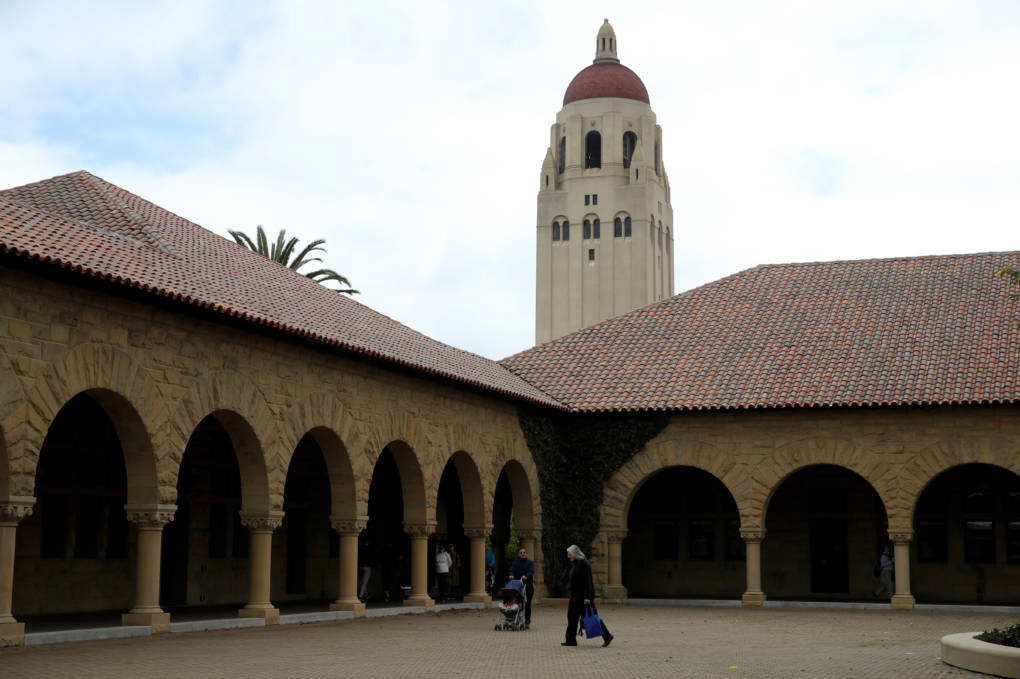
"caption": "People walk by Hoover Tower on the Stanford University campus on March 12, 2019. Fifty people, including actresses Lori Loughlin and Felicity Huffman, have been charged in a widespread elite college admission bribery scheme. Parents, ACT and SAT administrators and coaches at universities including Stanford, Georgetown, Yale and the University of Southern California have been charged.",
"description": null,
"title": "More Than 30 People Charged In Elite College Entry Bribery Scheme",
"credit": "Justin Sullivan/Getty Images",
"status": "inherit",
"isLoading": false,
"fetchFailed": false
},
"news_11732477": {
"type": "attachments",
"id": "news_11732477",
"meta": {
"index": "attachments_1716263798",
"site": "news",
"id": "11732477",
"found": true
},
"parent": 11732473,
"imgSizes": {
"twentyfourteen-full-width": {
"file": "https://ww2.kqed.org/app/uploads/sites/10/2019/03/stayinschool_031219_final-1038x576.jpg",
"width": 1038,
"mimeType": "image/jpeg",
"height": 576
},
"thumbnail": {
"file": "https://ww2.kqed.org/app/uploads/sites/10/2019/03/stayinschool_031219_final-160x113.jpg",
"width": 160,
"mimeType": "image/jpeg",
"height": 113
},
"post-thumbnail": {
"file": "https://ww2.kqed.org/app/uploads/sites/10/2019/03/stayinschool_031219_final-672x372.jpg",
"width": 672,
"mimeType": "image/jpeg",
"height": 372
},
"kqedFullSize": {
"file": "https://ww2.kqed.org/app/uploads/sites/10/2019/03/stayinschool_031219_final.jpg",
"width": 1920,
"height": 1355
},
"large": {
"file": "https://ww2.kqed.org/app/uploads/sites/10/2019/03/stayinschool_031219_final-1020x720.jpg",
"width": 1020,
"mimeType": "image/jpeg",
"height": 720
},
"complete_open_graph": {
"file": "https://ww2.kqed.org/app/uploads/sites/10/2019/03/stayinschool_031219_final-1200x847.jpg",
"width": 1200,
"mimeType": "image/jpeg",
"height": 847
},
"guest-author-50": {
"file": "https://ww2.kqed.org/app/uploads/sites/10/2019/03/stayinschool_031219_final-50x50.jpg",
"width": 50,
"mimeType": "image/jpeg",
"height": 50
},
"guest-author-96": {
"file": "https://ww2.kqed.org/app/uploads/sites/10/2019/03/stayinschool_031219_final-96x96.jpg",
"width": 96,
"mimeType": "image/jpeg",
"height": 96
},
"medium": {
"file": "https://ww2.kqed.org/app/uploads/sites/10/2019/03/stayinschool_031219_final-800x565.jpg",
"width": 800,
"mimeType": "image/jpeg",
"height": 565
},
"guest-author-64": {
"file": "https://ww2.kqed.org/app/uploads/sites/10/2019/03/stayinschool_031219_final-64x64.jpg",
"width": 64,
"mimeType": "image/jpeg",
"height": 64
},
"guest-author-32": {
"file": "https://ww2.kqed.org/app/uploads/sites/10/2019/03/stayinschool_031219_final-32x32.jpg",
"width": 32,
"mimeType": "image/jpeg",
"height": 32
},
"full-width": {
"file": "https://ww2.kqed.org/app/uploads/sites/10/2019/03/stayinschool_031219_final-1920x1355.jpg",
"width": 1920,
"mimeType": "image/jpeg",
"height": 1355
},
"guest-author-128": {
"file": "https://ww2.kqed.org/app/uploads/sites/10/2019/03/stayinschool_031219_final-128x128.jpg",
"width": 128,
"mimeType": "image/jpeg",
"height": 128
}
},
"publishDate": 1552428842,
"modified": 1552535501,
"caption": null,
"description": null,
"title": "stayinschool_031219_final",
"credit": "Mark Fiore/KQED",
"status": "inherit",
"isLoading": false,
"fetchFailed": false
},
"news_11709283": {
"type": "attachments",
"id": "news_11709283",
"meta": {
"index": "attachments_1716263798",
"site": "news",
"id": "11709283",
"found": true
},
"parent": 11708879,
"imgSizes": {
"twentyfourteen-full-width": {
"file": "https://ww2.kqed.org/app/uploads/sites/10/2018/11/MarisolNecochea-1-800x576.jpg",
"width": 800,
"mimeType": "image/jpeg",
"height": 576
},
"thumbnail": {
"file": "https://ww2.kqed.org/app/uploads/sites/10/2018/11/MarisolNecochea-1-160x126.jpg",
"width": 160,
"mimeType": "image/jpeg",
"height": 126
},
"post-thumbnail": {
"file": "https://ww2.kqed.org/app/uploads/sites/10/2018/11/MarisolNecochea-1-672x372.jpg",
"width": 672,
"mimeType": "image/jpeg",
"height": 372
},
"kqedFullSize": {
"file": "https://ww2.kqed.org/app/uploads/sites/10/2018/11/MarisolNecochea-1.jpg",
"width": 800,
"height": 630
},
"guest-author-50": {
"file": "https://ww2.kqed.org/app/uploads/sites/10/2018/11/MarisolNecochea-1-50x50.jpg",
"width": 50,
"mimeType": "image/jpeg",
"height": 50
},
"guest-author-96": {
"file": "https://ww2.kqed.org/app/uploads/sites/10/2018/11/MarisolNecochea-1-96x96.jpg",
"width": 96,
"mimeType": "image/jpeg",
"height": 96
},
"medium": {
"file": "https://ww2.kqed.org/app/uploads/sites/10/2018/11/MarisolNecochea-1-800x630.jpg",
"width": 800,
"mimeType": "image/jpeg",
"height": 630
},
"guest-author-64": {
"file": "https://ww2.kqed.org/app/uploads/sites/10/2018/11/MarisolNecochea-1-64x64.jpg",
"width": 64,
"mimeType": "image/jpeg",
"height": 64
},
"detail": {
"file": "https://ww2.kqed.org/app/uploads/sites/10/2018/11/MarisolNecochea-1-150x150.jpg",
"width": 150,
"mimeType": "image/jpeg",
"height": 150
},
"guest-author-32": {
"file": "https://ww2.kqed.org/app/uploads/sites/10/2018/11/MarisolNecochea-1-32x32.jpg",
"width": 32,
"mimeType": "image/jpeg",
"height": 32
},
"guest-author-128": {
"file": "https://ww2.kqed.org/app/uploads/sites/10/2018/11/MarisolNecochea-1-128x128.jpg",
"width": 128,
"mimeType": "image/jpeg",
"height": 128
}
},
"publishDate": 1543612801,
"modified": 1544567723,
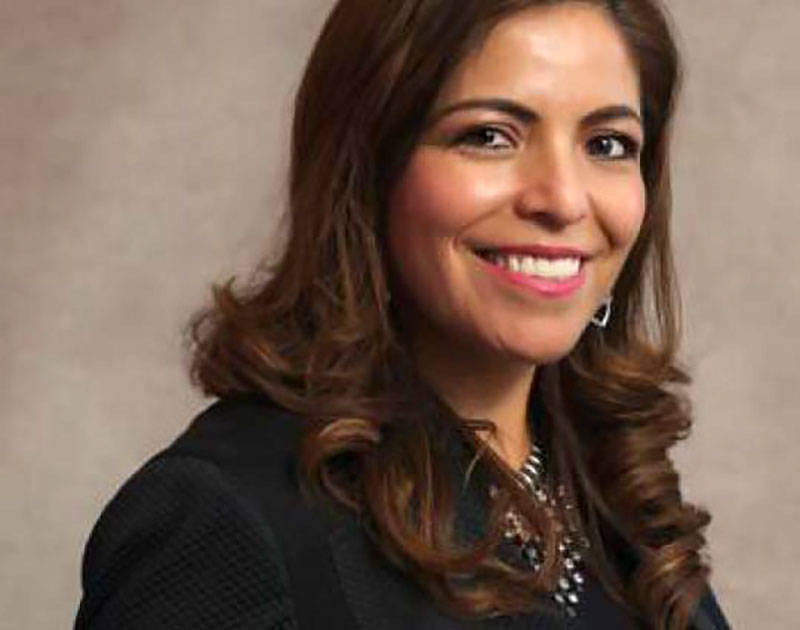
"caption": "Marisol Necochea's staff photo for Stanford University.",
"description": "Marisol Necochea's staff photo for Stanford University.",
"title": "MarisolNecochea",
"credit": "Courtesy Marisol Necochea/Stanford",
"status": "inherit",
"isLoading": false,
"fetchFailed": false
},
"news_11709626": {
"type": "attachments",
"id": "news_11709626",
"meta": {
"index": "attachments_1716263798",
"site": "news",
"id": "11709626",
"found": true
},
"parent": 11709613,
"imgSizes": {
"twentyfourteen-full-width": {
"file": "https://ww2.kqed.org/app/uploads/sites/10/2018/12/IMG_3771-e1543790185912-1038x576.jpg",
"width": 1038,
"mimeType": "image/jpeg",
"height": 576
},
"thumbnail": {
"file": "https://ww2.kqed.org/app/uploads/sites/10/2018/12/IMG_3771-e1543790185912-160x120.jpg",
"width": 160,
"mimeType": "image/jpeg",
"height": 120
},
"post-thumbnail": {
"file": "https://ww2.kqed.org/app/uploads/sites/10/2018/12/IMG_3771-e1543790185912-672x372.jpg",
"width": 672,
"mimeType": "image/jpeg",
"height": 372
},
"kqedFullSize": {
"file": "https://ww2.kqed.org/app/uploads/sites/10/2018/12/IMG_3771-e1543790185912.jpg",
"width": 1920,
"height": 1440
},
"large": {
"file": "https://ww2.kqed.org/app/uploads/sites/10/2018/12/IMG_3771-e1543790185912-1020x765.jpg",
"width": 1020,
"mimeType": "image/jpeg",
"height": 765
},
"complete_open_graph": {
"file": "https://ww2.kqed.org/app/uploads/sites/10/2018/12/IMG_3771-e1543790185912-1200x900.jpg",
"width": 1200,
"mimeType": "image/jpeg",
"height": 900
},
"guest-author-50": {
"file": "https://ww2.kqed.org/app/uploads/sites/10/2018/12/IMG_3771-e1543790185912-50x50.jpg",
"width": 50,
"mimeType": "image/jpeg",
"height": 50
},
"guest-author-96": {
"file": "https://ww2.kqed.org/app/uploads/sites/10/2018/12/IMG_3771-e1543790185912-96x96.jpg",
"width": 96,
"mimeType": "image/jpeg",
"height": 96
},
"medium": {
"file": "https://ww2.kqed.org/app/uploads/sites/10/2018/12/IMG_3771-e1543790185912-800x600.jpg",
"width": 800,
"mimeType": "image/jpeg",
"height": 600
},
"guest-author-64": {
"file": "https://ww2.kqed.org/app/uploads/sites/10/2018/12/IMG_3771-e1543790185912-64x64.jpg",
"width": 64,
"mimeType": "image/jpeg",
"height": 64
},
"guest-author-32": {
"file": "https://ww2.kqed.org/app/uploads/sites/10/2018/12/IMG_3771-e1543790185912-32x32.jpg",
"width": 32,
"mimeType": "image/jpeg",
"height": 32
},
"full-width": {
"file": "https://ww2.kqed.org/app/uploads/sites/10/2018/12/IMG_3771-e1543790185912-1920x1440.jpg",
"width": 1920,
"mimeType": "image/jpeg",
"height": 1440
},
"detail": {
"file": "https://ww2.kqed.org/app/uploads/sites/10/2018/12/IMG_3771-e1543790185912-150x150.jpg",
"width": 150,
"mimeType": "image/jpeg",
"height": 150
},
"guest-author-128": {
"file": "https://ww2.kqed.org/app/uploads/sites/10/2018/12/IMG_3771-e1543790185912-128x128.jpg",
"width": 128,
"mimeType": "image/jpeg",
"height": 128
}
},
"publishDate": 1543710121,
"modified": 1543713067,
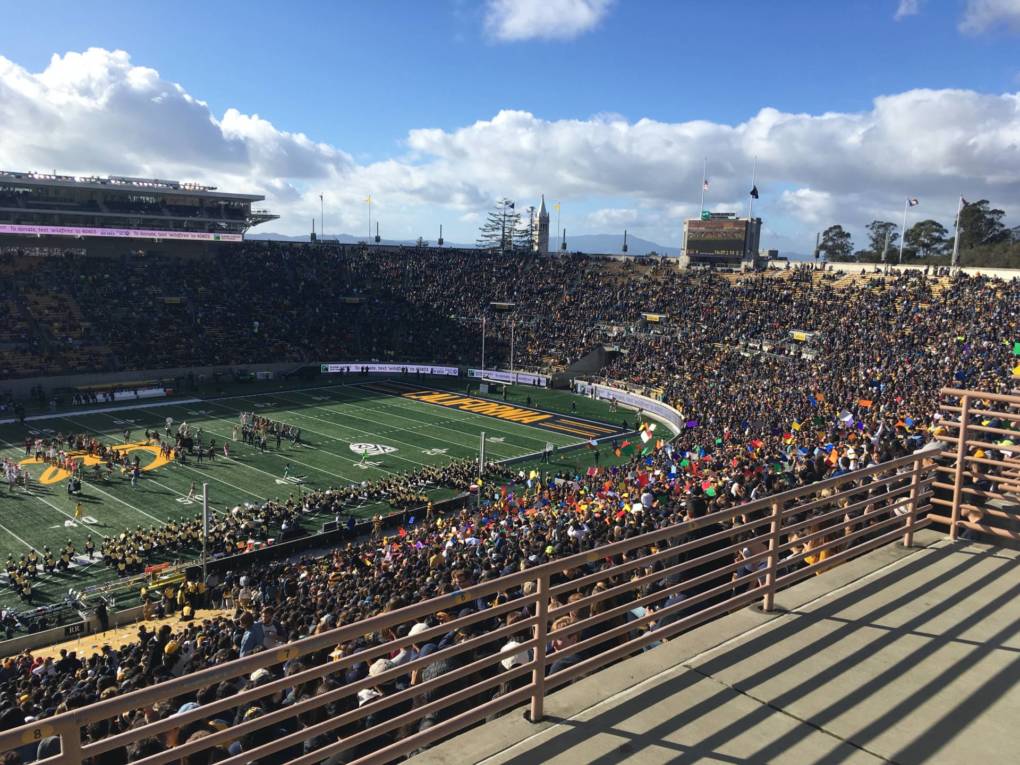
"caption": "UC Berkleey's student section throws colored cards in the air while the Stanford bands played.",
"description": "UC Berkleey's student section throws colored cards in the air while the Stanford bands played.",
"title": "IMG_3771",
"credit": "Caroline Champlin/KQED",
"status": "inherit",
"isLoading": false,
"fetchFailed": false
},
"news_11705663": {
"type": "attachments",
"id": "news_11705663",
"meta": {
"index": "attachments_1716263798",
"site": "news",
"id": "11705663",
"found": true
},
"parent": 11705654,
"imgSizes": {
"twentyfourteen-full-width": {
"file": "https://ww2.kqed.org/app/uploads/sites/10/2018/11/RS33832_Screen-Shot-2018-11-10-at-12.33.38-PM-qut-1038x576.jpg",
"width": 1038,
"mimeType": "image/jpeg",
"height": 576
},
"thumbnail": {
"file": "https://ww2.kqed.org/app/uploads/sites/10/2018/11/RS33832_Screen-Shot-2018-11-10-at-12.33.38-PM-qut-160x102.jpg",
"width": 160,
"mimeType": "image/jpeg",
"height": 102
},
"post-thumbnail": {
"file": "https://ww2.kqed.org/app/uploads/sites/10/2018/11/RS33832_Screen-Shot-2018-11-10-at-12.33.38-PM-qut-672x372.jpg",
"width": 672,
"mimeType": "image/jpeg",
"height": 372
},
"kqedFullSize": {
"file": "https://ww2.kqed.org/app/uploads/sites/10/2018/11/RS33832_Screen-Shot-2018-11-10-at-12.33.38-PM-qut.jpg",
"width": 1920,
"height": 1225
},
"large": {
"file": "https://ww2.kqed.org/app/uploads/sites/10/2018/11/RS33832_Screen-Shot-2018-11-10-at-12.33.38-PM-qut-1020x651.jpg",
"width": 1020,
"mimeType": "image/jpeg",
"height": 651
},
"complete_open_graph": {
"file": "https://ww2.kqed.org/app/uploads/sites/10/2018/11/RS33832_Screen-Shot-2018-11-10-at-12.33.38-PM-qut-1200x766.jpg",
"width": 1200,
"mimeType": "image/jpeg",
"height": 766
},
"guest-author-50": {
"file": "https://ww2.kqed.org/app/uploads/sites/10/2018/11/RS33832_Screen-Shot-2018-11-10-at-12.33.38-PM-qut-50x50.jpg",
"width": 50,
"mimeType": "image/jpeg",
"height": 50
},
"guest-author-96": {
"file": "https://ww2.kqed.org/app/uploads/sites/10/2018/11/RS33832_Screen-Shot-2018-11-10-at-12.33.38-PM-qut-96x96.jpg",
"width": 96,
"mimeType": "image/jpeg",
"height": 96
},
"medium": {
"file": "https://ww2.kqed.org/app/uploads/sites/10/2018/11/RS33832_Screen-Shot-2018-11-10-at-12.33.38-PM-qut-800x510.jpg",
"width": 800,
"mimeType": "image/jpeg",
"height": 510
},
"guest-author-64": {
"file": "https://ww2.kqed.org/app/uploads/sites/10/2018/11/RS33832_Screen-Shot-2018-11-10-at-12.33.38-PM-qut-64x64.jpg",
"width": 64,
"mimeType": "image/jpeg",
"height": 64
},
"guest-author-32": {
"file": "https://ww2.kqed.org/app/uploads/sites/10/2018/11/RS33832_Screen-Shot-2018-11-10-at-12.33.38-PM-qut-32x32.jpg",
"width": 32,
"mimeType": "image/jpeg",
"height": 32
},
"full-width": {
"file": "https://ww2.kqed.org/app/uploads/sites/10/2018/11/RS33832_Screen-Shot-2018-11-10-at-12.33.38-PM-qut-1920x1225.jpg",
"width": 1920,
"mimeType": "image/jpeg",
"height": 1225
},
"detail": {
"file": "https://ww2.kqed.org/app/uploads/sites/10/2018/11/RS33832_Screen-Shot-2018-11-10-at-12.33.38-PM-qut-150x150.jpg",
"width": 150,
"mimeType": "image/jpeg",
"height": 150
},
"guest-author-128": {
"file": "https://ww2.kqed.org/app/uploads/sites/10/2018/11/RS33832_Screen-Shot-2018-11-10-at-12.33.38-PM-qut-128x128.jpg",
"width": 128,
"mimeType": "image/jpeg",
"height": 128
}
},
"publishDate": 1541952737,
"modified": 1541957621,
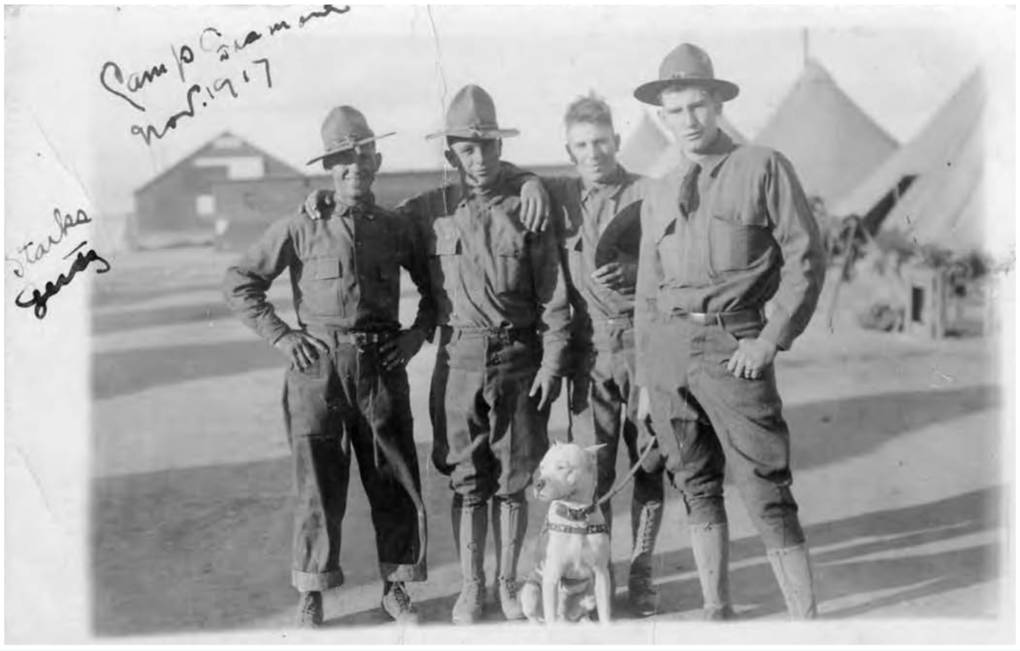
"caption": "Soldiers in training at Camp Fremont, a World War I Army cantonment located, in part, on land the U.S. War Department leased from Stanford University.",
"description": "Soldiers in training at Camp Fremont, a World War I Army cantonment located, in part, on land the U.S. War Department leased from Stanford University.",
"title": "RS33832_Screen Shot 2018-11-10 at 12.33.38 PM-qut",
"credit": "Courtesy of Bob Swanson",
"status": "inherit",
"isLoading": false,
"fetchFailed": false
},
"futureofyou_442681": {
"type": "attachments",
"id": "futureofyou_442681",
"meta": {
"index": "attachments_1716263798",
"site": "futureofyou",
"id": "442681",
"found": true
},
"parent": 442639,
"imgSizes": {
"small": {
"file": "https://ww2.kqed.org/app/uploads/sites/13/2018/06/picture_057-520x347.jpg",
"width": 520,
"mimeType": "image/jpeg",
"height": 347
},
"thumbnail": {
"file": "https://ww2.kqed.org/app/uploads/sites/13/2018/06/picture_057-160x107.jpg",
"width": 160,
"mimeType": "image/jpeg",
"height": 107
},
"post-thumbnail": {
"file": "https://ww2.kqed.org/app/uploads/sites/13/2018/06/picture_057-640x372.jpg",
"width": 640,
"mimeType": "image/jpeg",
"height": 372
},
"xsmall": {
"file": "https://ww2.kqed.org/app/uploads/sites/13/2018/06/picture_057-375x250.jpg",
"width": 375,
"mimeType": "image/jpeg",
"height": 250
},
"kqedFullSize": {
"file": "https://ww2.kqed.org/app/uploads/sites/13/2018/06/picture_057.jpg",
"width": 640,
"height": 427
},
"guest-author-50": {
"file": "https://ww2.kqed.org/app/uploads/sites/13/2018/06/picture_057-50x50.jpg",
"width": 50,
"mimeType": "image/jpeg",
"height": 50
},
"guest-author-96": {
"file": "https://ww2.kqed.org/app/uploads/sites/13/2018/06/picture_057-96x96.jpg",
"width": 96,
"mimeType": "image/jpeg",
"height": 96
},
"guest-author-64": {
"file": "https://ww2.kqed.org/app/uploads/sites/13/2018/06/picture_057-64x64.jpg",
"width": 64,
"mimeType": "image/jpeg",
"height": 64
},
"detail": {
"file": "https://ww2.kqed.org/app/uploads/sites/13/2018/06/picture_057-150x150.jpg",
"width": 150,
"mimeType": "image/jpeg",
"height": 150
},
"guest-author-32": {
"file": "https://ww2.kqed.org/app/uploads/sites/13/2018/06/picture_057-32x32.jpg",
"width": 32,
"mimeType": "image/jpeg",
"height": 32
},
"guest-author-128": {
"file": "https://ww2.kqed.org/app/uploads/sites/13/2018/06/picture_057-128x128.jpg",
"width": 128,
"mimeType": "image/jpeg",
"height": 128
},
"xxsmall": {
"file": "https://ww2.kqed.org/app/uploads/sites/13/2018/06/picture_057-240x160.jpg",
"width": 240,
"mimeType": "image/jpeg",
"height": 160
}
},
"publishDate": 1528933675,
"modified": 1528933716,
"caption": null,
"description": null,
"title": "picture_057",
"credit": "Stanford University/ Deisseroth Lab",
"status": "inherit",
"isLoading": false,
"fetchFailed": false
},
"futureofyou_442044": {
"type": "attachments",
"id": "futureofyou_442044",
"meta": {
"index": "attachments_1716263798",
"site": "futureofyou",
"id": "442044",
"found": true
},
"parent": 442039,
"imgSizes": {
"small": {
"file": "https://ww2.kqed.org/app/uploads/sites/13/2018/05/iStock-669294168-520x347.jpg",
"width": 520,
"mimeType": "image/jpeg",
"height": 347
},
"twentyfourteen-full-width": {
"file": "https://ww2.kqed.org/app/uploads/sites/13/2018/05/iStock-669294168-1038x576.jpg",
"width": 1038,
"mimeType": "image/jpeg",
"height": 576
},
"thumbnail": {
"file": "https://ww2.kqed.org/app/uploads/sites/13/2018/05/iStock-669294168-160x107.jpg",
"width": 160,
"mimeType": "image/jpeg",
"height": 107
},
"fd-sm": {
"file": "https://ww2.kqed.org/app/uploads/sites/13/2018/05/iStock-669294168-960x640.jpg",
"width": 960,
"mimeType": "image/jpeg",
"height": 640
},
"post-thumbnail": {
"file": "https://ww2.kqed.org/app/uploads/sites/13/2018/05/iStock-669294168-672x372.jpg",
"width": 672,
"mimeType": "image/jpeg",
"height": 372
},
"xsmall": {
"file": "https://ww2.kqed.org/app/uploads/sites/13/2018/05/iStock-669294168-375x250.jpg",
"width": 375,
"mimeType": "image/jpeg",
"height": 250
},
"kqedFullSize": {
"file": "https://ww2.kqed.org/app/uploads/sites/13/2018/05/iStock-669294168.jpg",
"width": 5265,
"height": 3511
},
"large": {
"file": "https://ww2.kqed.org/app/uploads/sites/13/2018/05/iStock-669294168-1020x680.jpg",
"width": 1020,
"mimeType": "image/jpeg",
"height": 680
},
"xlarge": {
"file": "https://ww2.kqed.org/app/uploads/sites/13/2018/05/iStock-669294168-1180x787.jpg",
"width": 1180,
"mimeType": "image/jpeg",
"height": 787
},
"complete_open_graph": {
"file": "https://ww2.kqed.org/app/uploads/sites/13/2018/05/iStock-669294168-1200x800.jpg",
"width": 1200,
"mimeType": "image/jpeg",
"height": 800
},
"guest-author-50": {
"file": "https://ww2.kqed.org/app/uploads/sites/13/2018/05/iStock-669294168-50x50.jpg",
"width": 50,
"mimeType": "image/jpeg",
"height": 50
},
"guest-author-96": {
"file": "https://ww2.kqed.org/app/uploads/sites/13/2018/05/iStock-669294168-96x96.jpg",
"width": 96,
"mimeType": "image/jpeg",
"height": 96
},
"medium": {
"file": "https://ww2.kqed.org/app/uploads/sites/13/2018/05/iStock-669294168-800x533.jpg",
"width": 800,
"mimeType": "image/jpeg",
"height": 533
},
"guest-author-64": {
"file": "https://ww2.kqed.org/app/uploads/sites/13/2018/05/iStock-669294168-64x64.jpg",
"width": 64,
"mimeType": "image/jpeg",
"height": 64
},
"guest-author-32": {
"file": "https://ww2.kqed.org/app/uploads/sites/13/2018/05/iStock-669294168-32x32.jpg",
"width": 32,
"mimeType": "image/jpeg",
"height": 32
},
"fd-lrg": {
"file": "https://ww2.kqed.org/app/uploads/sites/13/2018/05/iStock-669294168-1920x1280.jpg",
"width": 1920,
"mimeType": "image/jpeg",
"height": 1280
},
"fd-med": {
"file": "https://ww2.kqed.org/app/uploads/sites/13/2018/05/iStock-669294168-1180x787.jpg",
"width": 1180,
"mimeType": "image/jpeg",
"height": 787
},
"full-width": {
"file": "https://ww2.kqed.org/app/uploads/sites/13/2018/05/iStock-669294168-1920x1280.jpg",
"width": 1920,
"mimeType": "image/jpeg",
"height": 1280
},
"detail": {
"file": "https://ww2.kqed.org/app/uploads/sites/13/2018/05/iStock-669294168-150x150.jpg",
"width": 150,
"mimeType": "image/jpeg",
"height": 150
},
"medium_large": {
"file": "https://ww2.kqed.org/app/uploads/sites/13/2018/05/iStock-669294168-768x512.jpg",
"width": 768,
"mimeType": "image/jpeg",
"height": 512
},
"guest-author-128": {
"file": "https://ww2.kqed.org/app/uploads/sites/13/2018/05/iStock-669294168-128x128.jpg",
"width": 128,
"mimeType": "image/jpeg",
"height": 128
},
"xxsmall": {
"file": "https://ww2.kqed.org/app/uploads/sites/13/2018/05/iStock-669294168-240x160.jpg",
"width": 240,
"mimeType": "image/jpeg",
"height": 160
}
},
"publishDate": 1527193950,
"modified": 1527194575,
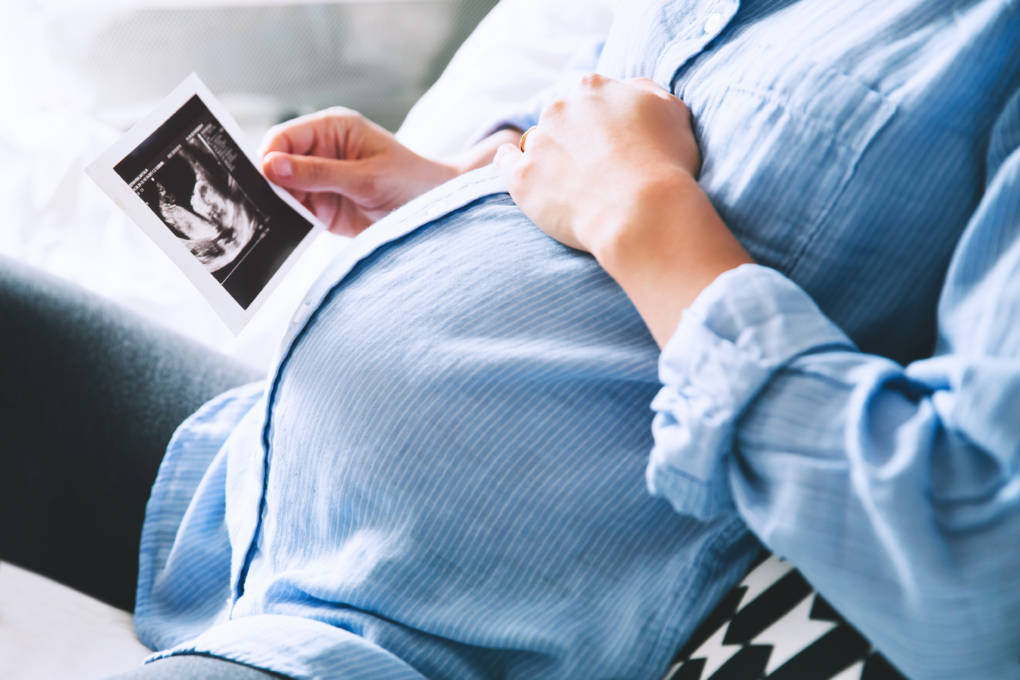
"caption": "Researchers say a new test for pregnant women is more than 80 percent accurate in predicting preterm births, the leading cause of death for children under 5 in the United States.",
"description": null,
"title": "Beautiful pregnant woman at home.",
"credit": "iStock",
"status": "inherit",
"isLoading": false,
"fetchFailed": false
},
"news_11663627": {
"type": "attachments",
"id": "news_11663627",
"meta": {
"index": "attachments_1716263798",
"site": "news",
"id": "11663627",
"found": true
},
"parent": 11663625,
"imgSizes": {
"small": {
"file": "https://ww2.kqed.org/app/uploads/sites/10/2018/04/Persky-1920x1309-520x355.jpg",
"width": 520,
"mimeType": "image/jpeg",
"height": 355
},
"twentyfourteen-full-width": {
"file": "https://ww2.kqed.org/app/uploads/sites/10/2018/04/Persky-1920x1309-1038x576.jpg",
"width": 1038,
"mimeType": "image/jpeg",
"height": 576
},
"thumbnail": {
"file": "https://ww2.kqed.org/app/uploads/sites/10/2018/04/Persky-1920x1309-160x109.jpg",
"width": 160,
"mimeType": "image/jpeg",
"height": 109
},
"fd-sm": {
"file": "https://ww2.kqed.org/app/uploads/sites/10/2018/04/Persky-1920x1309-960x655.jpg",
"width": 960,
"mimeType": "image/jpeg",
"height": 655
},
"post-thumbnail": {
"file": "https://ww2.kqed.org/app/uploads/sites/10/2018/04/Persky-1920x1309-672x372.jpg",
"width": 672,
"mimeType": "image/jpeg",
"height": 372
},
"xsmall": {
"file": "https://ww2.kqed.org/app/uploads/sites/10/2018/04/Persky-1920x1309-375x256.jpg",
"width": 375,
"mimeType": "image/jpeg",
"height": 256
},
"kqedFullSize": {
"file": "https://ww2.kqed.org/app/uploads/sites/10/2018/04/Persky-1920x1309.jpg",
"width": 1920,
"height": 1309
},
"large": {
"file": "https://ww2.kqed.org/app/uploads/sites/10/2018/04/Persky-1920x1309-1020x695.jpg",
"width": 1020,
"mimeType": "image/jpeg",
"height": 695
},
"xlarge": {
"file": "https://ww2.kqed.org/app/uploads/sites/10/2018/04/Persky-1920x1309-1180x804.jpg",
"width": 1180,
"mimeType": "image/jpeg",
"height": 804
},
"complete_open_graph": {
"file": "https://ww2.kqed.org/app/uploads/sites/10/2018/04/Persky-1920x1309-1200x818.jpg",
"width": 1200,
"mimeType": "image/jpeg",
"height": 818
},
"guest-author-50": {
"file": "https://ww2.kqed.org/app/uploads/sites/10/2018/04/Persky-1920x1309-50x50.jpg",
"width": 50,
"mimeType": "image/jpeg",
"height": 50
},
"guest-author-96": {
"file": "https://ww2.kqed.org/app/uploads/sites/10/2018/04/Persky-1920x1309-96x96.jpg",
"width": 96,
"mimeType": "image/jpeg",
"height": 96
},
"medium": {
"file": "https://ww2.kqed.org/app/uploads/sites/10/2018/04/Persky-1920x1309-800x545.jpg",
"width": 800,
"mimeType": "image/jpeg",
"height": 545
},
"guest-author-64": {
"file": "https://ww2.kqed.org/app/uploads/sites/10/2018/04/Persky-1920x1309-64x64.jpg",
"width": 64,
"mimeType": "image/jpeg",
"height": 64
},
"guest-author-32": {
"file": "https://ww2.kqed.org/app/uploads/sites/10/2018/04/Persky-1920x1309-32x32.jpg",
"width": 32,
"mimeType": "image/jpeg",
"height": 32
},
"fd-lrg": {
"file": "https://ww2.kqed.org/app/uploads/sites/10/2018/04/Persky-1920x1309-1920x1309.jpg",
"width": 1920,
"mimeType": "image/jpeg",
"height": 1309
},
"fd-med": {
"file": "https://ww2.kqed.org/app/uploads/sites/10/2018/04/Persky-1920x1309-1180x804.jpg",
"width": 1180,
"mimeType": "image/jpeg",
"height": 804
},
"full-width": {
"file": "https://ww2.kqed.org/app/uploads/sites/10/2018/04/Persky-1920x1309-1920x1309.jpg",
"width": 1920,
"mimeType": "image/jpeg",
"height": 1309
},
"detail": {
"file": "https://ww2.kqed.org/app/uploads/sites/10/2018/04/Persky-1920x1309-150x150.jpg",
"width": 150,
"mimeType": "image/jpeg",
"height": 150
},
"guest-author-128": {
"file": "https://ww2.kqed.org/app/uploads/sites/10/2018/04/Persky-1920x1309-128x128.jpg",
"width": 128,
"mimeType": "image/jpeg",
"height": 128
},
"xxsmall": {
"file": "https://ww2.kqed.org/app/uploads/sites/10/2018/04/Persky-1920x1309-240x164.jpg",
"width": 240,
"mimeType": "image/jpeg",
"height": 164
}
},
"publishDate": 1524248491,
"modified": 1524248528,
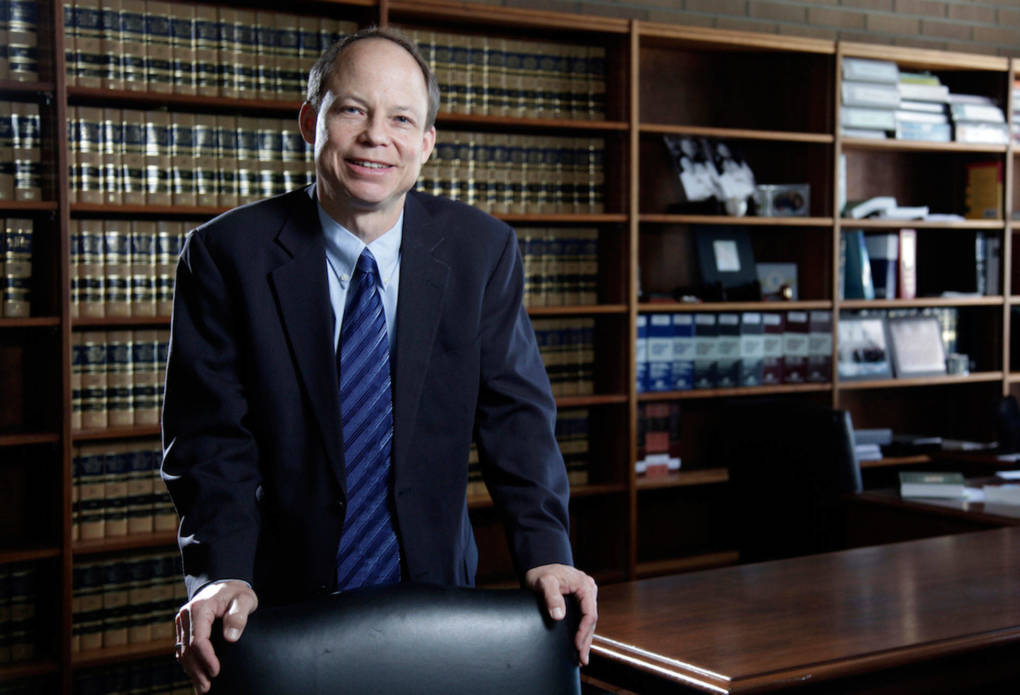
"caption": "Santa Clara County Judge Aaron Persky faces a potential recall after he sentenced an ex-Stanford University swimmer to six months in jail for sexually assaulting an unconscious woman.",
"description": "Santa Clara County Judge Aaron Persky faces a potential recall after he sentenced an ex-Stanford University swimmer to six months in jail for sexually assaulting an unconscious woman.",
"title": "Persky-1920x1309",
"credit": "Jason Doiy/The Recorder",
"status": "inherit",
"isLoading": false,
"fetchFailed": false
},
"news_11661015": {
"type": "attachments",
"id": "news_11661015",
"meta": {
"index": "attachments_1716263798",
"site": "news",
"id": "11661015",
"found": true
},
"parent": 11660878,
"imgSizes": {
"small": {
"file": "https://ww2.kqed.org/app/uploads/sites/10/2018/04/IMG_5906-520x346.jpg",
"width": 520,
"mimeType": "image/jpeg",
"height": 346
},
"twentyfourteen-full-width": {
"file": "https://ww2.kqed.org/app/uploads/sites/10/2018/04/IMG_5906-1038x576.jpg",
"width": 1038,
"mimeType": "image/jpeg",
"height": 576
},
"thumbnail": {
"file": "https://ww2.kqed.org/app/uploads/sites/10/2018/04/IMG_5906-160x106.jpg",
"width": 160,
"mimeType": "image/jpeg",
"height": 106
},
"fd-sm": {
"file": "https://ww2.kqed.org/app/uploads/sites/10/2018/04/IMG_5906-960x638.jpg",
"width": 960,
"mimeType": "image/jpeg",
"height": 638
},
"post-thumbnail": {
"file": "https://ww2.kqed.org/app/uploads/sites/10/2018/04/IMG_5906-672x372.jpg",
"width": 672,
"mimeType": "image/jpeg",
"height": 372
},
"xsmall": {
"file": "https://ww2.kqed.org/app/uploads/sites/10/2018/04/IMG_5906-375x249.jpg",
"width": 375,
"mimeType": "image/jpeg",
"height": 249
},
"kqedFullSize": {
"file": "https://ww2.kqed.org/app/uploads/sites/10/2018/04/IMG_5906-e1523379313976.jpg",
"width": 1920,
"height": 1276
},
"large": {
"file": "https://ww2.kqed.org/app/uploads/sites/10/2018/04/IMG_5906-1020x678.jpg",
"width": 1020,
"mimeType": "image/jpeg",
"height": 678
},
"xlarge": {
"file": "https://ww2.kqed.org/app/uploads/sites/10/2018/04/IMG_5906-1180x784.jpg",
"width": 1180,
"mimeType": "image/jpeg",
"height": 784
},
"guest-author-50": {
"file": "https://ww2.kqed.org/app/uploads/sites/10/2018/04/IMG_5906-50x50.jpg",
"width": 50,
"mimeType": "image/jpeg",
"height": 50
},
"guest-author-96": {
"file": "https://ww2.kqed.org/app/uploads/sites/10/2018/04/IMG_5906-96x96.jpg",
"width": 96,
"mimeType": "image/jpeg",
"height": 96
},
"medium": {
"file": "https://ww2.kqed.org/app/uploads/sites/10/2018/04/IMG_5906-800x532.jpg",
"width": 800,
"mimeType": "image/jpeg",
"height": 532
},
"guest-author-64": {
"file": "https://ww2.kqed.org/app/uploads/sites/10/2018/04/IMG_5906-64x64.jpg",
"width": 64,
"mimeType": "image/jpeg",
"height": 64
},
"guest-author-32": {
"file": "https://ww2.kqed.org/app/uploads/sites/10/2018/04/IMG_5906-32x32.jpg",
"width": 32,
"mimeType": "image/jpeg",
"height": 32
},
"fd-lrg": {
"file": "https://ww2.kqed.org/app/uploads/sites/10/2018/04/IMG_5906-1920x1276.jpg",
"width": 1920,
"mimeType": "image/jpeg",
"height": 1276
},
"fd-med": {
"file": "https://ww2.kqed.org/app/uploads/sites/10/2018/04/IMG_5906-1180x784.jpg",
"width": 1180,
"mimeType": "image/jpeg",
"height": 784
},
"full-width": {
"file": "https://ww2.kqed.org/app/uploads/sites/10/2018/04/IMG_5906-1920x1276.jpg",
"width": 1920,
"mimeType": "image/jpeg",
"height": 1276
},
"detail": {
"file": "https://ww2.kqed.org/app/uploads/sites/10/2018/04/IMG_5906-150x150.jpg",
"width": 150,
"mimeType": "image/jpeg",
"height": 150
},
"guest-author-128": {
"file": "https://ww2.kqed.org/app/uploads/sites/10/2018/04/IMG_5906-128x128.jpg",
"width": 128,
"mimeType": "image/jpeg",
"height": 128
},
"xxsmall": {
"file": "https://ww2.kqed.org/app/uploads/sites/10/2018/04/IMG_5906-240x160.jpg",
"width": 240,
"mimeType": "image/jpeg",
"height": 160
}
},
"publishDate": 1523335483,
"modified": 1523395814,
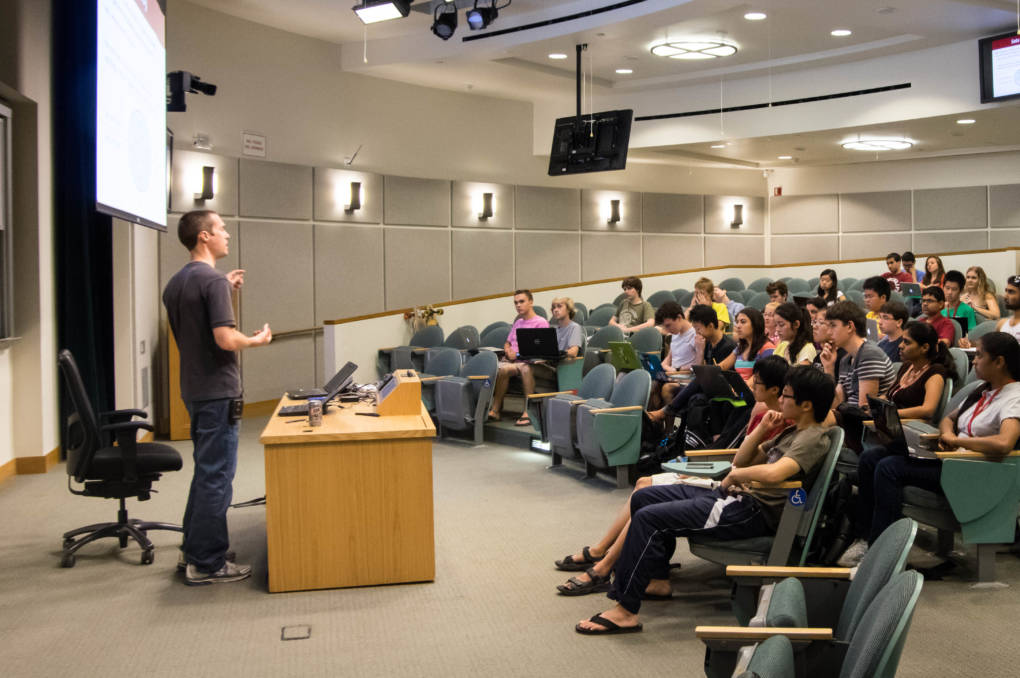
"caption": "A Stanford University computer science course in 2014.",
"description": "A Stanford University Computer Science course in 2014.",
"title": "IMG_5906",
"credit": "Nathan Staffa/The Stanford Daily",
"status": "inherit",
"isLoading": false,
"fetchFailed": false
},
"news_11656505": {
"type": "attachments",
"id": "news_11656505",
"meta": {
"index": "attachments_1716263798",
"site": "news",
"id": "11656505",
"found": true
},
"parent": 11656379,
"imgSizes": {
"small": {
"file": "https://ww2.kqed.org/app/uploads/sites/10/2018/03/30460237920_8376a44255_o-520x347.jpg",
"width": 520,
"mimeType": "image/jpeg",
"height": 347
},
"twentyfourteen-full-width": {
"file": "https://ww2.kqed.org/app/uploads/sites/10/2018/03/30460237920_8376a44255_o-1038x576.jpg",
"width": 1038,
"mimeType": "image/jpeg",
"height": 576
},
"thumbnail": {
"file": "https://ww2.kqed.org/app/uploads/sites/10/2018/03/30460237920_8376a44255_o-160x107.jpg",
"width": 160,
"mimeType": "image/jpeg",
"height": 107
},
"fd-sm": {
"file": "https://ww2.kqed.org/app/uploads/sites/10/2018/03/30460237920_8376a44255_o-960x640.jpg",
"width": 960,
"mimeType": "image/jpeg",
"height": 640
},
"post-thumbnail": {
"file": "https://ww2.kqed.org/app/uploads/sites/10/2018/03/30460237920_8376a44255_o-672x372.jpg",
"width": 672,
"mimeType": "image/jpeg",
"height": 372
},
"xsmall": {
"file": "https://ww2.kqed.org/app/uploads/sites/10/2018/03/30460237920_8376a44255_o-375x250.jpg",
"width": 375,
"mimeType": "image/jpeg",
"height": 250
},
"kqedFullSize": {
"file": "https://ww2.kqed.org/app/uploads/sites/10/2018/03/30460237920_8376a44255_o.jpg",
"width": 1920,
"height": 1280
},
"large": {
"file": "https://ww2.kqed.org/app/uploads/sites/10/2018/03/30460237920_8376a44255_o-1020x680.jpg",
"width": 1020,
"mimeType": "image/jpeg",
"height": 680
},
"xlarge": {
"file": "https://ww2.kqed.org/app/uploads/sites/10/2018/03/30460237920_8376a44255_o-1180x787.jpg",
"width": 1180,
"mimeType": "image/jpeg",
"height": 787
},
"guest-author-50": {
"file": "https://ww2.kqed.org/app/uploads/sites/10/2018/03/30460237920_8376a44255_o-50x50.jpg",
"width": 50,
"mimeType": "image/jpeg",
"height": 50
},
"guest-author-96": {
"file": "https://ww2.kqed.org/app/uploads/sites/10/2018/03/30460237920_8376a44255_o-96x96.jpg",
"width": 96,
"mimeType": "image/jpeg",
"height": 96
},
"medium": {
"file": "https://ww2.kqed.org/app/uploads/sites/10/2018/03/30460237920_8376a44255_o-800x533.jpg",
"width": 800,
"mimeType": "image/jpeg",
"height": 533
},
"guest-author-64": {
"file": "https://ww2.kqed.org/app/uploads/sites/10/2018/03/30460237920_8376a44255_o-64x64.jpg",
"width": 64,
"mimeType": "image/jpeg",
"height": 64
},
"guest-author-32": {
"file": "https://ww2.kqed.org/app/uploads/sites/10/2018/03/30460237920_8376a44255_o-32x32.jpg",
"width": 32,
"mimeType": "image/jpeg",
"height": 32
},
"fd-lrg": {
"file": "https://ww2.kqed.org/app/uploads/sites/10/2018/03/30460237920_8376a44255_o-1920x1280.jpg",
"width": 1920,
"mimeType": "image/jpeg",
"height": 1280
},
"fd-med": {
"file": "https://ww2.kqed.org/app/uploads/sites/10/2018/03/30460237920_8376a44255_o-1180x787.jpg",
"width": 1180,
"mimeType": "image/jpeg",
"height": 787
},
"full-width": {
"file": "https://ww2.kqed.org/app/uploads/sites/10/2018/03/30460237920_8376a44255_o-1920x1280.jpg",
"width": 1920,
"mimeType": "image/jpeg",
"height": 1280
},
"detail": {
"file": "https://ww2.kqed.org/app/uploads/sites/10/2018/03/30460237920_8376a44255_o-150x150.jpg",
"width": 150,
"mimeType": "image/jpeg",
"height": 150
},
"guest-author-128": {
"file": "https://ww2.kqed.org/app/uploads/sites/10/2018/03/30460237920_8376a44255_o-128x128.jpg",
"width": 128,
"mimeType": "image/jpeg",
"height": 128
},
"xxsmall": {
"file": "https://ww2.kqed.org/app/uploads/sites/10/2018/03/30460237920_8376a44255_o-240x160.jpg",
"width": 240,
"mimeType": "image/jpeg",
"height": 160
}
},
"publishDate": 1521405370,
"modified": 1521408177,
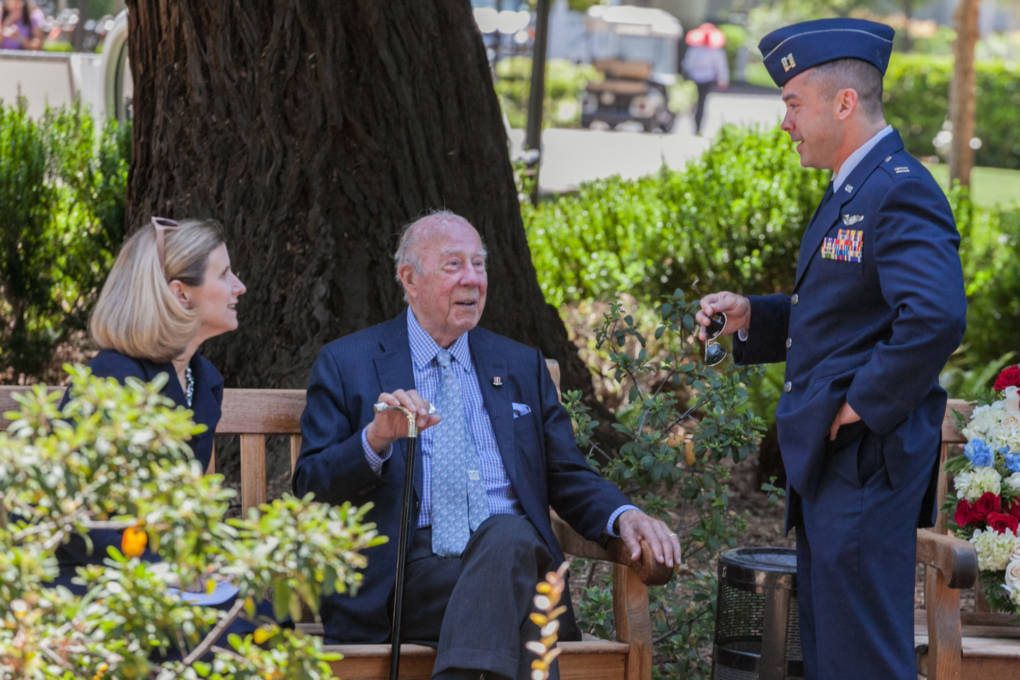
"caption": "Christopher \"Tripp\" Zanetis (right) talks with former U.S. Secretary of State George P. Schultz (center) and Stanford Law School Dean M. Elizabeth Magill during a rededication ceremony at Stanford Law School to honor the school's students and graduates killed during World War II on Thursday, May 27, 2016. Zanetis helped spearhead the effort to rededicate the plaque to the World War II veterans.",
"description": "Christopher \"Tripp\" Zanetis (right) talks with former U.S. Secretary of State George P. Schultz (center) and Stanford Law School Dean M. Elizabeth Magill during a rededication ceremony at Stanford Law School to honor the school's students and graduates killed during World War II on Thursday, May 27, 2016. Zanetis helped spearhead the effort to rededicate the plaque to the World War II veterans.",
"title": "SLS Veterans Rededication",
"credit": "Courtesy of Stanford Law School",
"status": "inherit",
"isLoading": false,
"fetchFailed": false
},
"news_11647991": {
"type": "attachments",
"id": "news_11647991",
"meta": {
"index": "attachments_1716263798",
"site": "news",
"id": "11647991",
"found": true
},
"parent": 11647976,
"imgSizes": {
"small": {
"file": "https://ww2.kqed.org/app/uploads/sites/10/2018/02/Canepa-e1517784445212-520x390.jpg",
"width": 520,
"mimeType": "image/jpeg",
"height": 390
},
"twentyfourteen-full-width": {
"file": "https://ww2.kqed.org/app/uploads/sites/10/2018/02/Canepa-e1517784445212-1038x576.jpg",
"width": 1038,
"mimeType": "image/jpeg",
"height": 576
},
"thumbnail": {
"file": "https://ww2.kqed.org/app/uploads/sites/10/2018/02/Canepa-e1517784445212-160x120.jpg",
"width": 160,
"mimeType": "image/jpeg",
"height": 120
},
"fd-sm": {
"file": "https://ww2.kqed.org/app/uploads/sites/10/2018/02/Canepa-e1517784445212-960x720.jpg",
"width": 960,
"mimeType": "image/jpeg",
"height": 720
},
"post-thumbnail": {
"file": "https://ww2.kqed.org/app/uploads/sites/10/2018/02/Canepa-e1517784445212-672x372.jpg",
"width": 672,
"mimeType": "image/jpeg",
"height": 372
},
"xsmall": {
"file": "https://ww2.kqed.org/app/uploads/sites/10/2018/02/Canepa-e1517784445212-375x281.jpg",
"width": 375,
"mimeType": "image/jpeg",
"height": 281
},
"kqedFullSize": {
"file": "https://ww2.kqed.org/app/uploads/sites/10/2018/02/Canepa-e1517784445212.jpg",
"width": 4032,
"height": 3024
},
"large": {
"file": "https://ww2.kqed.org/app/uploads/sites/10/2018/02/Canepa-e1517784445212-1020x765.jpg",
"width": 1020,
"mimeType": "image/jpeg",
"height": 765
},
"xlarge": {
"file": "https://ww2.kqed.org/app/uploads/sites/10/2018/02/Canepa-e1517784445212-1180x885.jpg",
"width": 1180,
"mimeType": "image/jpeg",
"height": 885
},
"guest-author-50": {
"file": "https://ww2.kqed.org/app/uploads/sites/10/2018/02/Canepa-e1517784445212-50x50.jpg",
"width": 50,
"mimeType": "image/jpeg",
"height": 50
},
"guest-author-96": {
"file": "https://ww2.kqed.org/app/uploads/sites/10/2018/02/Canepa-e1517784445212-96x96.jpg",
"width": 96,
"mimeType": "image/jpeg",
"height": 96
},
"medium": {
"file": "https://ww2.kqed.org/app/uploads/sites/10/2018/02/Canepa-e1517784445212-800x600.jpg",
"width": 800,
"mimeType": "image/jpeg",
"height": 600
},
"guest-author-64": {
"file": "https://ww2.kqed.org/app/uploads/sites/10/2018/02/Canepa-e1517784445212-64x64.jpg",
"width": 64,
"mimeType": "image/jpeg",
"height": 64
},
"guest-author-32": {
"file": "https://ww2.kqed.org/app/uploads/sites/10/2018/02/Canepa-e1517784445212-32x32.jpg",
"width": 32,
"mimeType": "image/jpeg",
"height": 32
},
"fd-lrg": {
"file": "https://ww2.kqed.org/app/uploads/sites/10/2018/02/Canepa-e1517784445212-1920x1440.jpg",
"width": 1920,
"mimeType": "image/jpeg",
"height": 1440
},
"fd-med": {
"file": "https://ww2.kqed.org/app/uploads/sites/10/2018/02/Canepa-e1517784445212-1180x885.jpg",
"width": 1180,
"mimeType": "image/jpeg",
"height": 885
},
"full-width": {
"file": "https://ww2.kqed.org/app/uploads/sites/10/2018/02/Canepa-e1517784445212-1920x1440.jpg",
"width": 1920,
"mimeType": "image/jpeg",
"height": 1440
},
"detail": {
"file": "https://ww2.kqed.org/app/uploads/sites/10/2018/02/Canepa-e1517784445212-150x150.jpg",
"width": 150,
"mimeType": "image/jpeg",
"height": 150
},
"guest-author-128": {
"file": "https://ww2.kqed.org/app/uploads/sites/10/2018/02/Canepa-e1517784445212-128x128.jpg",
"width": 128,
"mimeType": "image/jpeg",
"height": 128
},
"xxsmall": {
"file": "https://ww2.kqed.org/app/uploads/sites/10/2018/02/Canepa-e1517784445212-240x180.jpg",
"width": 240,
"mimeType": "image/jpeg",
"height": 180
}
},
"publishDate": 1517784424,
"modified": 1517874986,
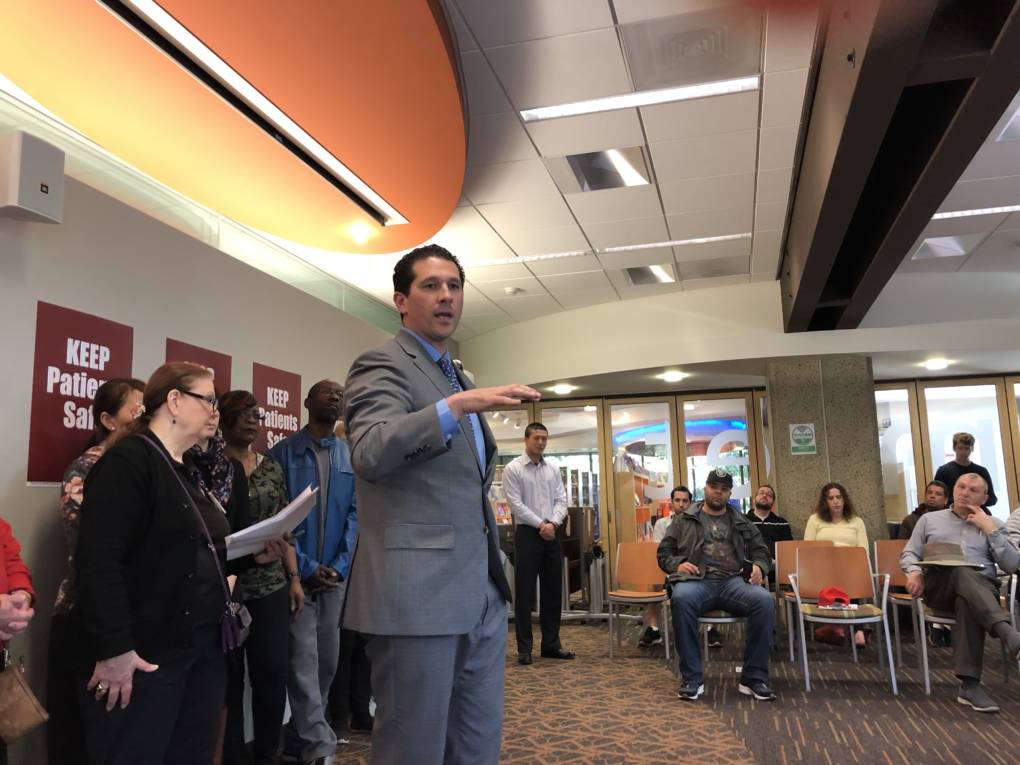
"caption": "San Mateo County Supervisor David Canepa at the launch of a signature-gathering campaign for a health care pricing initiative in Palo Alto on Feb. 3, 2018.",
"description": "San Mateo County Supervisor David Canepa at the launch of signature gathering campaign for a health care pricing initiative in Palo Alto on February 3, 2018.",
"title": "Canepa",
"credit": "Guy Marzorati/KQED",
"status": "inherit",
"isLoading": false,
"fetchFailed": false
},
"news_11621756": {
"type": "attachments",
"id": "news_11621756",
"meta": {
"index": "attachments_1716263798",
"site": "news",
"id": "11621756",
"found": true
},
"parent": 11621751,
"imgSizes": {
"small": {
"file": "https://ww2.kqed.org/app/uploads/sites/10/2017/10/RS27208_Wusu-qut-520x522.jpg",
"width": 520,
"mimeType": "image/jpeg",
"height": 522
},
"twentyfourteen-full-width": {
"file": "https://ww2.kqed.org/app/uploads/sites/10/2017/10/RS27208_Wusu-qut-1038x576.jpg",
"width": 1038,
"mimeType": "image/jpeg",
"height": 576
},
"thumbnail": {
"file": "https://ww2.kqed.org/app/uploads/sites/10/2017/10/RS27208_Wusu-qut-160x161.jpg",
"width": 160,
"mimeType": "image/jpeg",
"height": 161
},
"fd-sm": {
"file": "https://ww2.kqed.org/app/uploads/sites/10/2017/10/RS27208_Wusu-qut-960x963.jpg",
"width": 960,
"mimeType": "image/jpeg",
"height": 963
},
"post-thumbnail": {
"file": "https://ww2.kqed.org/app/uploads/sites/10/2017/10/RS27208_Wusu-qut-672x372.jpg",
"width": 672,
"mimeType": "image/jpeg",
"height": 372
},
"xsmall": {
"file": "https://ww2.kqed.org/app/uploads/sites/10/2017/10/RS27208_Wusu-qut-375x376.jpg",
"width": 375,
"mimeType": "image/jpeg",
"height": 376
},
"kqedFullSize": {
"file": "https://ww2.kqed.org/app/uploads/sites/10/2017/10/RS27208_Wusu-qut.jpg",
"width": 1920,
"height": 1926
},
"large": {
"file": "https://ww2.kqed.org/app/uploads/sites/10/2017/10/RS27208_Wusu-qut-1020x1023.jpg",
"width": 1020,
"mimeType": "image/jpeg",
"height": 1023
},
"xlarge": {
"file": "https://ww2.kqed.org/app/uploads/sites/10/2017/10/RS27208_Wusu-qut-1180x1184.jpg",
"width": 1180,
"mimeType": "image/jpeg",
"height": 1184
},
"guest-author-50": {
"file": "https://ww2.kqed.org/app/uploads/sites/10/2017/10/RS27208_Wusu-qut-50x50.jpg",
"width": 50,
"mimeType": "image/jpeg",
"height": 50
},
"guest-author-96": {
"file": "https://ww2.kqed.org/app/uploads/sites/10/2017/10/RS27208_Wusu-qut-96x96.jpg",
"width": 96,
"mimeType": "image/jpeg",
"height": 96
},
"medium": {
"file": "https://ww2.kqed.org/app/uploads/sites/10/2017/10/RS27208_Wusu-qut-800x803.jpg",
"width": 800,
"mimeType": "image/jpeg",
"height": 803
},
"guest-author-64": {
"file": "https://ww2.kqed.org/app/uploads/sites/10/2017/10/RS27208_Wusu-qut-64x64.jpg",
"width": 64,
"mimeType": "image/jpeg",
"height": 64
},
"guest-author-32": {
"file": "https://ww2.kqed.org/app/uploads/sites/10/2017/10/RS27208_Wusu-qut-32x32.jpg",
"width": 32,
"mimeType": "image/jpeg",
"height": 32
},
"fd-lrg": {
"file": "https://ww2.kqed.org/app/uploads/sites/10/2017/10/RS27208_Wusu-qut-1920x1926.jpg",
"width": 1920,
"mimeType": "image/jpeg",
"height": 1926
},
"fd-med": {
"file": "https://ww2.kqed.org/app/uploads/sites/10/2017/10/RS27208_Wusu-qut-1180x1184.jpg",
"width": 1180,
"mimeType": "image/jpeg",
"height": 1184
},
"full-width": {
"file": "https://ww2.kqed.org/app/uploads/sites/10/2017/10/RS27208_Wusu-qut-1920x1926.jpg",
"width": 1920,
"mimeType": "image/jpeg",
"height": 1926
},
"detail": {
"file": "https://ww2.kqed.org/app/uploads/sites/10/2017/10/RS27208_Wusu-qut-150x150.jpg",
"width": 150,
"mimeType": "image/jpeg",
"height": 150
},
"guest-author-128": {
"file": "https://ww2.kqed.org/app/uploads/sites/10/2017/10/RS27208_Wusu-qut-128x128.jpg",
"width": 128,
"mimeType": "image/jpeg",
"height": 128
},
"xxsmall": {
"file": "https://ww2.kqed.org/app/uploads/sites/10/2017/10/RS27208_Wusu-qut-240x241.jpg",
"width": 240,
"mimeType": "image/jpeg",
"height": 241
}
},
"publishDate": 1507502520,
"modified": 1507502634,
"caption": "Kaiori, Timi and Maria Wusu.",
"description": "Kaiori, Timi and Maria Wusu.",
"title": "Wusu",
"credit": "Photo courtesy of Timi Wusu.",
"status": "inherit",
"isLoading": false,
"fetchFailed": false
}
},
"audioPlayerReducer": {
"postId": "stream_live",
"isPaused": true,
"isPlaying": false,
"pfsActive": false,
"pledgeModalIsOpen": true,
"playerDrawerIsOpen": false,
"liveAudioPlayStartedAt": 0,
"liveAudioPlayContext": ""
},
"authorsReducer": {
"byline_news_11663625": {
"type": "authors",
"id": "byline_news_11663625",
"meta": {
"override": true
},
"slug": "byline_news_11663625",
"name": "Associated Press",
"isLoading": false
},
"byline_news_11621751": {
"type": "authors",
"id": "byline_news_11621751",
"meta": {
"override": true
},
"slug": "byline_news_11621751",
"name": "\u003cstrong>\u003ca href=\"https://twitter.com/lizgannes\">Liz Gannes\u003c/a>\u003c/strong>",
"isLoading": false
},
"gmarzorati": {
"type": "authors",
"id": "227",
"meta": {
"index": "authors_1716337520",
"id": "227",
"found": true
},
"name": "Guy Marzorati",
"firstName": "Guy",
"lastName": "Marzorati",
"slug": "gmarzorati",
"email": "gmarzorati@KQED.org",
"display_author_email": true,
"staff_mastheads": [
"news"
],
"title": "Correspondent",
"bio": "Guy Marzorati is a correspondent on KQED's California Politics and Government Desk, based in San Jose. A graduate of Santa Clara University, Guy joined KQED in 2013. He reports on state and local politics and produces KQED's digital voter guide.",
"avatar": "https://secure.gravatar.com/avatar/e7038b8dbfd55b104369b76b1cd0b9de?s=600&d=blank&r=g",
"twitter": "guymarzorati",
"facebook": null,
"instagram": null,
"linkedin": null,
"sites": [
{
"site": "",
"roles": [
"editor"
]
},
{
"site": "news",
"roles": [
"editor"
]
},
{
"site": "science",
"roles": [
"editor"
]
},
{
"site": "forum",
"roles": [
"editor"
]
},
{
"site": "elections",
"roles": [
"editor"
]
},
{
"site": "liveblog",
"roles": [
"editor"
]
}
],
"headData": {
"title": "Guy Marzorati | KQED",
"description": "Correspondent",
"ogImgSrc": "https://secure.gravatar.com/avatar/e7038b8dbfd55b104369b76b1cd0b9de?s=600&d=blank&r=g",
"twImgSrc": "https://secure.gravatar.com/avatar/e7038b8dbfd55b104369b76b1cd0b9de?s=600&d=blank&r=g"
},
"isLoading": false,
"link": "/author/gmarzorati"
},
"rachael-myrow": {
"type": "authors",
"id": "251",
"meta": {
"index": "authors_1716337520",
"id": "251",
"found": true
},
"name": "Rachael Myrow",
"firstName": "Rachael",
"lastName": "Myrow",
"slug": "rachael-myrow",
"email": "rmyrow@kqed.org",
"display_author_email": true,
"staff_mastheads": [
"news"
],
"title": "Senior Editor of KQED's Silicon Valley News Desk",
"bio": "• I write and edit stories about how Silicon Valley power and policies shape everyday life in California. I’m also passionate about making Bay Area history and culture more accessible to a broad public. • I’ve been a journalist for most of my life, starting in high school with The Franklin Press in Los Angeles, where I grew up. While earning my first degree in English at UC Berkeley, I got my start in public radio at KALX-FM. After completing a second degree in journalism at Cal, I landed my first professional job at Marketplace, then moved on to KPCC (now LAist), and then KQED, where I hosted The California Report for more than seven years. • My reporting has appeared on NPR, The World, WBUR’s \u003ci>Here & Now\u003c/i>, and the BBC. I also guest host for KQED’s \u003ci>Forum\u003c/i>, as well as the Commonwealth Club in San Francisco. • I speak periodically on media, democracy and technology issues, and do voiceover work for documentaries and educational video projects. • Outside of the studio, you'll find me hiking Bay Area trails and whipping up Insta-ready meals in my kitchen. • I do not accept gifts, money, or favors from anyone connected to my reporting, I don't pay people for information, and I do not support or donate to political causes. • I strive to treat the people I report on with fairness, honesty, and respect. I also recognize there are often multiple sides to a story and work to verify information through multiple sources and documentation. If I get something wrong, I correct it.",
"avatar": "https://secure.gravatar.com/avatar/3ed8a3c5f26025e4a805ba634cda8cd764906b97438a6d9ce216b044e340da4e?s=600&d=blank&r=g",
"twitter": "rachaelmyrow",
"bluesky": null,
"facebook": null,
"instagram": null,
"linkedin": "https://www.linkedin.com/in/rachaelmyrow/",
"sites": [
{
"site": "arts",
"roles": [
"administrator"
]
},
{
"site": "news",
"roles": [
"edit_others_posts",
"editor"
]
},
{
"site": "futureofyou",
"roles": [
"editor"
]
},
{
"site": "bayareabites",
"roles": [
"editor"
]
},
{
"site": "stateofhealth",
"roles": [
"editor"
]
},
{
"site": "science",
"roles": [
"editor"
]
},
{
"site": "food",
"roles": [
"editor"
]
},
{
"site": "forum",
"roles": [
"editor"
]
},
{
"site": "liveblog",
"roles": [
"author"
]
}
],
"headData": {
"title": "Rachael Myrow | KQED",
"description": "Senior Editor of KQED's Silicon Valley News Desk",
"ogImgSrc": "https://secure.gravatar.com/avatar/3ed8a3c5f26025e4a805ba634cda8cd764906b97438a6d9ce216b044e340da4e?s=600&d=blank&r=g",
"twImgSrc": "https://secure.gravatar.com/avatar/3ed8a3c5f26025e4a805ba634cda8cd764906b97438a6d9ce216b044e340da4e?s=600&d=blank&r=g"
},
"isLoading": false,
"link": "/author/rachael-myrow"
},
"markfiore": {
"type": "authors",
"id": "3236",
"meta": {
"index": "authors_1716337520",
"id": "3236",
"found": true
},
"name": "Mark Fiore",
"firstName": "Mark",
"lastName": "Fiore",
"slug": "markfiore",
"email": "mark@markfiore.com",
"display_author_email": false,
"staff_mastheads": [
"news"
],
"title": "KQED News Cartoonist",
"bio": "\u003ca href=\"http://www.MarkFiore.com\">MarkFiore.com\u003c/a> | \u003ca href=\"https://twitter.com/markfiore\">Follow on Twitter\u003c/a> | \u003ca href=\"https://www.facebook.com/pages/Mark-Fiore-Animated-Political-Cartoons/94451707396?ref=bookmarks\">Facebook\u003c/a> | \u003ca href=\"mailto:mark@markfiore.com\">email\u003c/a>\r\n\r\nPulitzer Prize-winner, Mark Fiore, who the Wall Street Journal has called “the undisputed guru of the form,” creates animated political cartoons in San Francisco, where his work has been featured regularly on the San Francisco Chronicle’s web site, SFGate.com. His work has appeared on Newsweek.com, Slate.com, CBSNews.com, MotherJones.com, DailyKos.com and NPR’s web site. Fiore’s political animation has appeared on CNN, Frontline, Bill Moyers Journal, Salon.com and cable and broadcast outlets across the globe.\r\n\r\nBeginning his professional life by drawing traditional political cartoons for newspapers, Fiore’s work appeared in publications ranging from the Washington Post to the Los Angeles Times. In the late 1990s, he began to experiment with animating political cartoons and, after a short stint at the San Jose Mercury News as their staff cartoonist, Fiore devoted all his energies to animation.\r\nGrowing up in California, Fiore also spent a good portion of his life in the backwoods of Idaho. It was this combination that shaped him politically. Mark majored in political science at Colorado College, where, in a perfect send-off for a cartoonist, he received his diploma in 1991 as commencement speaker Dick Cheney smiled approvingly.\r\nMark Fiore was awarded the Pulitzer Prize for political cartooning in 2010, a Robert F. Kennedy Journalism Award in 2004 and has twice received an Online Journalism Award for commentary from the Online News Association (2002, 2008). Fiore has received two awards for his work in new media from the National Cartoonists Society (2001, 2002), and in 2006 received The James Madison Freedom of Information Award from The Society of Professional Journalists.",
"avatar": "https://secure.gravatar.com/avatar/fc4e2a612b15b67bad0c6f0e1db4ca9b?s=600&d=blank&r=g",
"twitter": "MarkFiore",
"facebook": null,
"instagram": "https://www.instagram.com/markfiore/?hl=en",
"linkedin": null,
"sites": [
{
"site": "arts",
"roles": [
"contributor"
]
},
{
"site": "news",
"roles": [
"editor"
]
},
{
"site": "futureofyou",
"roles": [
"editor"
]
},
{
"site": "science",
"roles": [
"editor"
]
}
],
"headData": {
"title": "Mark Fiore | KQED",
"description": "KQED News Cartoonist",
"ogImgSrc": "https://secure.gravatar.com/avatar/fc4e2a612b15b67bad0c6f0e1db4ca9b?s=600&d=blank&r=g",
"twImgSrc": "https://secure.gravatar.com/avatar/fc4e2a612b15b67bad0c6f0e1db4ca9b?s=600&d=blank&r=g"
},
"isLoading": false,
"link": "/author/markfiore"
},
"vrancano": {
"type": "authors",
"id": "11276",
"meta": {
"index": "authors_1716337520",
"id": "11276",
"found": true
},
"name": "Vanessa Rancaño",
"firstName": "Vanessa",
"lastName": "Rancaño",
"slug": "vrancano",
"email": "vrancano@kqed.org",
"display_author_email": false,
"staff_mastheads": [
"news"
],
"title": "Reporter",
"bio": "Vanessa Rancaño is a features reporter for KQED. She’s also covered homelessness and education for the station and reported from the Central Valley. Her work has aired across public radio, from flagship national news shows to longform narrative podcasts. Before taking up a mic, she worked as a freelance print journalist. She’s been recognized with a number of national and regional awards. Vanessa grew up in California's Central Valley. She's a former NPR Kroc Fellow, and a graduate of the UC Berkeley Graduate School of Journalism.",
"avatar": "https://secure.gravatar.com/avatar/b3a383dfb0e7ee1c17568f2cf067904ab654d6e3de9743fc661f3c788ade1bed?s=600&d=blank&r=g",
"twitter": "vanessarancano",
"bluesky": null,
"facebook": null,
"instagram": null,
"linkedin": null,
"sites": [
{
"site": "arts",
"roles": [
"editor"
]
},
{
"site": "news",
"roles": [
"editor"
]
},
{
"site": "liveblog",
"roles": [
"contributor"
]
}
],
"headData": {
"title": "Vanessa Rancaño | KQED",
"description": "Reporter",
"ogImgSrc": "https://secure.gravatar.com/avatar/b3a383dfb0e7ee1c17568f2cf067904ab654d6e3de9743fc661f3c788ade1bed?s=600&d=blank&r=g",
"twImgSrc": "https://secure.gravatar.com/avatar/b3a383dfb0e7ee1c17568f2cf067904ab654d6e3de9743fc661f3c788ade1bed?s=600&d=blank&r=g"
},
"isLoading": false,
"link": "/author/vrancano"
},
"bhernandez": {
"type": "authors",
"id": "11359",
"meta": {
"index": "authors_1716337520",
"id": "11359",
"found": true
},
"name": "Bianca Hernandez",
"firstName": "Bianca",
"lastName": "Hernandez",
"slug": "bhernandez",
"email": "bhernandez@kqed.org",
"display_author_email": false,
"staff_mastheads": [],
"title": "KQED Contributor",
"bio": "Bianca Hernandez is a former Interactive Producer for KQED. She has produced at KGPE, KSEE24 and Sierra Magazine. In 2011 she received an undergraduate degree in Journalism and Anthropology from CSU, Chico . She earned a Master's from the University of Southern California in 2013, where she completed a documentary on teenage farmworkers. She is an avid Jane Austen fan and takes lightsaber combat class for fun.",
"avatar": "https://secure.gravatar.com/avatar/75b3424851e2f9fa131f2cb6a051aeac?s=600&d=blank&r=g",
"twitter": "bookhoarding",
"facebook": null,
"instagram": null,
"linkedin": null,
"sites": [
{
"site": "arts",
"roles": []
},
{
"site": "news",
"roles": []
},
{
"site": "science",
"roles": []
},
{
"site": "forum",
"roles": []
}
],
"headData": {
"title": "Bianca Hernandez | KQED",
"description": "KQED Contributor",
"ogImgSrc": "https://secure.gravatar.com/avatar/75b3424851e2f9fa131f2cb6a051aeac?s=600&d=blank&r=g",
"twImgSrc": "https://secure.gravatar.com/avatar/75b3424851e2f9fa131f2cb6a051aeac?s=600&d=blank&r=g"
},
"isLoading": false,
"link": "/author/bhernandez"
},
"cchamplin": {
"type": "authors",
"id": "11408",
"meta": {
"index": "authors_1716337520",
"id": "11408",
"found": true
},
"name": "Caroline Champlin",
"firstName": null,
"lastName": null,
"slug": "cchamplin",
"email": "cchamplin@kqed.org",
"display_author_email": false,
"staff_mastheads": [],
"title": null,
"bio": null,
"avatar": "https://secure.gravatar.com/avatar/78d8654d3fedda8393a51d63c1042215?s=600&d=blank&r=g",
"twitter": null,
"facebook": null,
"instagram": null,
"linkedin": null,
"sites": [
{
"site": "news",
"roles": [
"author",
"edit_others_posts"
]
}
],
"headData": {
"title": "Caroline Champlin | KQED",
"description": null,
"ogImgSrc": "https://secure.gravatar.com/avatar/78d8654d3fedda8393a51d63c1042215?s=600&d=blank&r=g",
"twImgSrc": "https://secure.gravatar.com/avatar/78d8654d3fedda8393a51d63c1042215?s=600&d=blank&r=g"
},
"isLoading": false,
"link": "/author/cchamplin"
},
"aahmed": {
"type": "authors",
"id": "11428",
"meta": {
"index": "authors_1716337520",
"id": "11428",
"found": true
},
"name": "Amel Ahmed",
"firstName": "Amel",
"lastName": "Ahmed",
"slug": "aahmed",
"email": "aahmed@kqed.org",
"display_author_email": false,
"staff_mastheads": [],
"title": "KQED Contributor",
"bio": "Amel Ahmed is a reporter for KQED. Prior to joining KQED, Amel worked at Al Jazeera America, Al Jazeera English, Democracy Now! and Punched Productions. She also helped produce \u003cem>Changing Face of Harlem\u003c/em>, a documentary that tracked gentrification in Harlem over a period of ten years. She is a 2013 graduate of Brooklyn Law School and is currently researching war on terror prosecutions for an upcoming book.",
"avatar": "https://secure.gravatar.com/avatar/c8b48ebc98e770640f3013c470d23f3e?s=600&d=blank&r=g",
"twitter": "amelscript",
"facebook": null,
"instagram": null,
"linkedin": null,
"sites": [
{
"site": "futureofyou",
"roles": []
},
{
"site": "science",
"roles": []
}
],
"headData": {
"title": "Amel Ahmed | KQED",
"description": "KQED Contributor",
"ogImgSrc": "https://secure.gravatar.com/avatar/c8b48ebc98e770640f3013c470d23f3e?s=600&d=blank&r=g",
"twImgSrc": "https://secure.gravatar.com/avatar/c8b48ebc98e770640f3013c470d23f3e?s=600&d=blank&r=g"
},
"isLoading": false,
"link": "/author/aahmed"
},
"hmckenney": {
"type": "authors",
"id": "11560",
"meta": {
"index": "authors_1716337520",
"id": "11560",
"found": true
},
"name": "Hope McKenney",
"firstName": "Hope",
"lastName": "McKenney",
"slug": "hmckenney",
"email": "hmckenney@kqed.org",
"display_author_email": false,
"staff_mastheads": [],
"title": null,
"bio": null,
"avatar": "https://secure.gravatar.com/avatar/e1ad0a80c4d64be4937a42a5d59d53df?s=600&d=blank&r=g",
"twitter": null,
"facebook": null,
"instagram": null,
"linkedin": null,
"sites": [
{
"site": "news",
"roles": [
"author"
]
}
],
"headData": {
"title": "Hope McKenney | KQED",
"description": null,
"ogImgSrc": "https://secure.gravatar.com/avatar/e1ad0a80c4d64be4937a42a5d59d53df?s=600&d=blank&r=g",
"twImgSrc": "https://secure.gravatar.com/avatar/e1ad0a80c4d64be4937a42a5d59d53df?s=600&d=blank&r=g"
},
"isLoading": false,
"link": "/author/hmckenney"
},
"ynagano": {
"type": "authors",
"id": "11562",
"meta": {
"index": "authors_1716337520",
"id": "11562",
"found": true
},
"name": "Yuri Nagano",
"firstName": "Yuri",
"lastName": "Nagano",
"slug": "ynagano",
"email": "ynagano@kqed.org",
"display_author_email": false,
"staff_mastheads": [],
"title": "KQED Contributor",
"bio": null,
"avatar": "https://secure.gravatar.com/avatar/f23362e6301f8bd9cf29d6f31c28426d?s=600&d=blank&r=g",
"twitter": null,
"facebook": null,
"instagram": null,
"linkedin": null,
"sites": [
{
"site": "news",
"roles": [
"create_posts",
"subscriber"
]
}
],
"headData": {
"title": "Yuri Nagano | KQED",
"description": "KQED Contributor",
"ogImgSrc": "https://secure.gravatar.com/avatar/f23362e6301f8bd9cf29d6f31c28426d?s=600&d=blank&r=g",
"twImgSrc": "https://secure.gravatar.com/avatar/f23362e6301f8bd9cf29d6f31c28426d?s=600&d=blank&r=g"
},
"isLoading": false,
"link": "/author/ynagano"
}
},
"pagesReducer": {
"news_tag_stanford": {
"type": "terms",
"id": "news_178",
"meta": {
"index": "terms_1716263798",
"site": "news",
"id": "178",
"score": 8.367239
},
"featImg": null,
"name": "Stanford",
"description": null,
"taxonomy": "tag",
"headData": {
"twImgId": null,
"twTitle": null,
"ogTitle": null,
"ogImgId": null,
"twDescription": null,
"description": null,
"title": "Stanford Archives | KQED News",
"ogDescription": null
},
"ttid": 185,
"slug": "stanford",
"isLoading": false,
"title": "Stanford",
"pageMeta": {
"site": "news",
"WpPageTemplate": "page-topic-editorial",
"currentPage": 7
},
"blocks": [
{
"blockName": "kqed/post-list",
"attrs": {
"layout": "cardArticle2",
"query": "posts/news?tag=stanford",
"seeMore": false,
"paginated": true,
"page": 7
}
},
{
"blockName": "kqed/ad"
}
]
}
},
"pfsSessionReducer": {},
"postsReducer": {
"stream_live": {
"type": "live",
"id": "stream_live",
"audioUrl": "https://streams.kqed.org/kqedradio",
"title": "Live Stream",
"excerpt": "Live Stream information currently unavailable.",
"link": "/radio",
"featImg": "",
"label": {
"name": "KQED Live",
"link": "/"
}
},
"stream_kqedNewscast": {
"type": "posts",
"id": "stream_kqedNewscast",
"audioUrl": "https://www.kqed.org/.stream/anon/radio/RDnews/newscast.mp3?_=1",
"title": "KQED Newscast",
"featImg": "",
"label": {
"name": "88.5 FM",
"link": "/"
}
},
"news_11732835": {
"type": "posts",
"id": "news_11732835",
"meta": {
"index": "posts_1716263798",
"site": "news",
"id": "11732835",
"score": null,
"sort": [
1552606287000
]
},
"guestAuthors": [],
"slug": "surprised-not-really-bay-area-educators-react-to-college-admissions-scandal",
"title": "Surprised? Not Really. Bay Area Educators React to College Admissions Scandal",
"publishDate": 1552606287,
"format": "audio",
"headTitle": "Surprised? Not Really. Bay Area Educators React to College Admissions Scandal | KQED",
"labelTerm": {
"site": "news"
},
"content": "\u003cp>You don’t need to have a student in high school to be buzzing about the Justice Department \u003ca href=\"https://www.kqed.org/arts/13852765/u-s-accuses-actresses-others-of-fraud-in-massive-college-admissions-scandal\" target=\"_blank\" rel=\"noopener\">charging 50 people\u003c/a> — many of them parents and many of them local — in what prosecutors call a multimillion-dollar scheme to game the admissions process at some of the nation’s top schools.\u003c/p>\n\u003cp>The scandal is the latest proof many wealthy parents pull all strings possible to get their children into elite schools.\u003c/p>\n\u003cp>[aside label=\"The College Admissions Bribery Scandal\" tag=\"college-admissions-scandal\"]\u003c/p>\n\u003cp>“This has been happening for decades. It’s been part of the admissions process for as long as it’s been around,” said \u003ca href=\"https://www.insight-education.net/counselors/purvi-mody/\" target=\"_blank\" rel=\"noopener\">Purvi Mody\u003c/a> of Cupertino, who’s been a college adviser for 20 years and is currently with Insight Education. Not that she’s condoning anything illegal. “Most people have found loopholes and very legal ways of influencing the admissions process.”\u003c/p>\n\u003cp>It’s perfectly legal for parents to buy homes in good school districts, pay for tutors and line up impressive internships. Really wealthy parents can win over schools by building a dorm, endowing an academic chair and so on.\u003c/p>\n\u003cp>While those expensive strategies still raise questions of equity and access in higher education, at least the money goes to the good of the wider school community, Mody pointed out.\u003c/p>\n\u003cp>“So there is a larger organizational impact,” she said, as opposed to parents sending tens of thousands of dollars into the pockets of con artists.\u003c/p>\n\u003cp>[ad fullwidth]\u003c/p>\n\u003cp>Mody predicted university admissions offices, already skeptical of academic and extracurricular resume padding on the part of students, will now vet claims of sports prowess as well. She added dryly that it’s easy enough to check applicants’ Instagram feeds for evidence. “Wait a minute! You don’t play soccer! You haven’t mentioned one thing about soccer in 10 years!”\u003c/p>\n\u003cp>On the campus of Stanford, one of the elite universities that features in this week’s criminal indictments, you don’t have to travel far to see ambitious construction projects and other evidence of a school that gets a lot of love from a lot of wealthy people.\u003c/p>\n\u003cp>This is the way a university stays on top of the game, said \u003ca href=\"https://ed.stanford.edu/faculty/aantonio\" target=\"_blank\" rel=\"noopener\">Anthony Lising Antonio\u003c/a>, an associate professor at Stanford, who focuses on access and equity in education. “We have to have shiny buildings. We have to have award-winning faculty. We have to have competitive sports teams. Those things cost a lot of money.”\u003c/p>\n\u003cp>[youtube https://www.youtube.com/watch?v=KJUOGKvyRPE]\u003c/p>\n\u003cp>Antonio says it may be counterintuitive, but children who go to wealthy school districts in places like Silicon Valley really are facing more intense competition trying to get into elite universities. That’s because there are only so many students from each school that will succeed.\u003c/p>\n\u003cp>Elite schools admit single-digit percentages of the thousands of students that apply each year. The more prestigious the school, the more it can afford to be picky and to select for diversity of all kinds. No university wants to pack its student body with lots of kids from the same ZIP code.\u003c/p>\n\u003cp>“It’s hand-to-hand combat, right? To get into Stanford. You know, Palo Alto High School might send two students or so, in a given year, to Harvard,” Antonio said.\u003c/p>\n\u003cp>He said that admissions offices play into the rising competition by looking for students who boast increasingly impossible achievements. “There is no end in that scenario,” Antonio said. “It keeps ramping up.”\u003c/p>\n\u003cp>Shirley Tokheim, head of the English Department at Palo Alto High School, wrote, “While yes, it does seem especially egregious in its own way, the surfacing of this scandal actually brings to light more about how the college game is just that — a game. A game that the wealthy play very well to set their children up for competitive colleges.”\u003c/p>\n\u003cp>She added, “I’ve seen for the past decade freaked-out parents who would do anything — anything — to make sure their students have all the advantages. I’ve seen parents who bully teachers over grades, parents who micromanage their students through course selections, teacher selections, etc. So I understand the insanity — I experience and hear about it regularly. It’s all based on fear.”\u003c/p>\n\u003cp>All of which profoundly depresses Jo Boaler, professor of mathematics education at Stanford and faculty director of the math education website \u003ca href=\"https://www.youcubed.org\" target=\"_blank\" rel=\"noopener\">YouCubed\u003c/a>. “Chasing grades, and APs, and thinking that is the most important thing. And then they don’t develop a love of learning. And for some of those students, they get to these very prestigious places, and they stop and ask themselves, ‘Why am I here? What am I doing?’ ”\u003c/p>\n\u003cp>She wants her daughters — one in middle school, one in high school — to feel free to follow their passions, even though they live in a region famous for ambitious parents who want their kids to do as well as they did, or better.\u003c/p>\n\u003cp>“I hope that this is a moment where we can all stop and talk to our children and try and dispel these ideas that the only route to success and happiness is through these elite colleges,” Boaler said. “I think it’s a really insidious myth.”\u003c/p>\n\u003cp>The scandal, she said, is a teaching moment for all of us.\u003c/p>\n\u003cp>\u003c/p>\n",
"blocks": [],
"excerpt": "The Justice Department charged 50 people — many of them parents and many of them local — in what prosecutors call a multimillion-dollar scheme to game the admissions process at some of the nation’s top schools.",
"status": "publish",
"parent": 0,
"modified": 1729028957,
"stats": {
"hasAudio": false,
"hasVideo": true,
"hasChartOrMap": false,
"iframeSrcs": [],
"hasGoogleForm": false,
"hasGallery": false,
"hasHearkenModule": false,
"hasPolis": false,
"paragraphCount": 23,
"wordCount": 931
},
"headData": {
"title": "Surprised? Not Really. Bay Area Educators React to College Admissions Scandal | KQED",
"description": "The Justice Department charged 50 people — many of them parents and many of them local — in what prosecutors call a multimillion-dollar scheme to game the admissions process at some of the nation’s top schools.",
"ogTitle": "",
"ogDescription": "",
"ogImgId": "",
"twTitle": "",
"twDescription": "",
"twImgId": "",
"schema": {
"@context": "https://schema.org",
"@type": "NewsArticle",
"headline": "Surprised? Not Really. Bay Area Educators React to College Admissions Scandal",
"datePublished": "2019-03-14T16:31:27-07:00",
"dateModified": "2024-10-15T14:49:17-07:00",
"image": "https://cdn.kqed.org/wp-content/uploads/2020/02/KQED-OG-Image@1x.png",
"isAccessibleForFree": "True",
"publisher": {
"@type": "NewsMediaOrganization",
"@id": "https://www.kqed.org/#organization",
"name": "KQED",
"logo": "https://cdn.kqed.org/wp-content/uploads/2020/02/KQED-OG-Image@1x.png",
"url": "https://www.kqed.org",
"sameAs": [
"https://www.facebook.com/KQED",
"https://twitter.com/KQED",
"https://www.instagram.com/kqed/",
"https://www.tiktok.com/@kqedofficial",
"https://www.linkedin.com/company/kqed",
"https://www.youtube.com/channel/UCeC0IOo7i1P_61zVUWbJ4nw"
]
}
}
},
"audioUrl": "https://www.kqed.org/.stream/anon/radio/RDnews/2019/03/MyrowCollegeAdmissions.mp3",
"sticky": false,
"audioTrackLength": 231,
"path": "/news/11732835/surprised-not-really-bay-area-educators-react-to-college-admissions-scandal",
"parsedContent": [
{
"type": "contentString",
"content": "\u003cdiv class=\"post-body\">\u003cp>\u003cp>You don’t need to have a student in high school to be buzzing about the Justice Department \u003ca href=\"https://www.kqed.org/arts/13852765/u-s-accuses-actresses-others-of-fraud-in-massive-college-admissions-scandal\" target=\"_blank\" rel=\"noopener\">charging 50 people\u003c/a> — many of them parents and many of them local — in what prosecutors call a multimillion-dollar scheme to game the admissions process at some of the nation’s top schools.\u003c/p>\n\u003cp>The scandal is the latest proof many wealthy parents pull all strings possible to get their children into elite schools.\u003c/p>\n\u003cp>\u003c/p>\u003c/div>",
"attributes": {
"named": {},
"numeric": []
}
},
{
"type": "component",
"content": "",
"name": "aside",
"attributes": {
"named": {
"label": "The College Admissions Bribery Scandal ",
"tag": "college-admissions-scandal"
},
"numeric": []
}
},
{
"type": "contentString",
"content": "\u003cdiv class=\"post-body\">\u003cp>\u003c/p>\n\u003cp>“This has been happening for decades. It’s been part of the admissions process for as long as it’s been around,” said \u003ca href=\"https://www.insight-education.net/counselors/purvi-mody/\" target=\"_blank\" rel=\"noopener\">Purvi Mody\u003c/a> of Cupertino, who’s been a college adviser for 20 years and is currently with Insight Education. Not that she’s condoning anything illegal. “Most people have found loopholes and very legal ways of influencing the admissions process.”\u003c/p>\n\u003cp>It’s perfectly legal for parents to buy homes in good school districts, pay for tutors and line up impressive internships. Really wealthy parents can win over schools by building a dorm, endowing an academic chair and so on.\u003c/p>\n\u003cp>While those expensive strategies still raise questions of equity and access in higher education, at least the money goes to the good of the wider school community, Mody pointed out.\u003c/p>\n\u003cp>“So there is a larger organizational impact,” she said, as opposed to parents sending tens of thousands of dollars into the pockets of con artists.\u003c/p>\n\u003cp>\u003c/p>\u003c/div>",
"attributes": {
"named": {},
"numeric": []
}
},
{
"type": "component",
"content": "",
"name": "ad",
"attributes": {
"named": {
"label": "fullwidth"
},
"numeric": [
"fullwidth"
]
}
},
{
"type": "contentString",
"content": "\u003cdiv class=\"post-body\">\u003cp>\u003c/p>\n\u003cp>Mody predicted university admissions offices, already skeptical of academic and extracurricular resume padding on the part of students, will now vet claims of sports prowess as well. She added dryly that it’s easy enough to check applicants’ Instagram feeds for evidence. “Wait a minute! You don’t play soccer! You haven’t mentioned one thing about soccer in 10 years!”\u003c/p>\n\u003cp>On the campus of Stanford, one of the elite universities that features in this week’s criminal indictments, you don’t have to travel far to see ambitious construction projects and other evidence of a school that gets a lot of love from a lot of wealthy people.\u003c/p>\n\u003cp>This is the way a university stays on top of the game, said \u003ca href=\"https://ed.stanford.edu/faculty/aantonio\" target=\"_blank\" rel=\"noopener\">Anthony Lising Antonio\u003c/a>, an associate professor at Stanford, who focuses on access and equity in education. “We have to have shiny buildings. We have to have award-winning faculty. We have to have competitive sports teams. Those things cost a lot of money.”\u003c/p>\n\u003cp>\u003c/p>\u003cp>\u003cspan class='utils-parseShortcode-shortcodes-__youtubeShortcode__embedYoutube'>\n \u003cspan class='utils-parseShortcode-shortcodes-__youtubeShortcode__embedYoutubeInside'>\n \u003ciframe\n loading='lazy'\n class='utils-parseShortcode-shortcodes-__youtubeShortcode__youtubePlayer'\n type='text/html'\n src='//www.youtube.com/embed/KJUOGKvyRPE'\n title='//www.youtube.com/embed/KJUOGKvyRPE'\n allowfullscreen='true'\n style='border:0;'>\u003c/iframe>\n \u003c/span>\n \u003c/span>\u003c/p>\u003cp>\u003c/p>\n\u003cp>Antonio says it may be counterintuitive, but children who go to wealthy school districts in places like Silicon Valley really are facing more intense competition trying to get into elite universities. That’s because there are only so many students from each school that will succeed.\u003c/p>\n\u003cp>Elite schools admit single-digit percentages of the thousands of students that apply each year. The more prestigious the school, the more it can afford to be picky and to select for diversity of all kinds. No university wants to pack its student body with lots of kids from the same ZIP code.\u003c/p>\n\u003cp>“It’s hand-to-hand combat, right? To get into Stanford. You know, Palo Alto High School might send two students or so, in a given year, to Harvard,” Antonio said.\u003c/p>\n\u003cp>He said that admissions offices play into the rising competition by looking for students who boast increasingly impossible achievements. “There is no end in that scenario,” Antonio said. “It keeps ramping up.”\u003c/p>\n\u003cp>Shirley Tokheim, head of the English Department at Palo Alto High School, wrote, “While yes, it does seem especially egregious in its own way, the surfacing of this scandal actually brings to light more about how the college game is just that — a game. A game that the wealthy play very well to set their children up for competitive colleges.”\u003c/p>\n\u003cp>She added, “I’ve seen for the past decade freaked-out parents who would do anything — anything — to make sure their students have all the advantages. I’ve seen parents who bully teachers over grades, parents who micromanage their students through course selections, teacher selections, etc. So I understand the insanity — I experience and hear about it regularly. It’s all based on fear.”\u003c/p>\n\u003cp>All of which profoundly depresses Jo Boaler, professor of mathematics education at Stanford and faculty director of the math education website \u003ca href=\"https://www.youcubed.org\" target=\"_blank\" rel=\"noopener\">YouCubed\u003c/a>. “Chasing grades, and APs, and thinking that is the most important thing. And then they don’t develop a love of learning. And for some of those students, they get to these very prestigious places, and they stop and ask themselves, ‘Why am I here? What am I doing?’ ”\u003c/p>\n\u003cp>She wants her daughters — one in middle school, one in high school — to feel free to follow their passions, even though they live in a region famous for ambitious parents who want their kids to do as well as they did, or better.\u003c/p>\n\u003cp>“I hope that this is a moment where we can all stop and talk to our children and try and dispel these ideas that the only route to success and happiness is through these elite colleges,” Boaler said. “I think it’s a really insidious myth.”\u003c/p>\n\u003cp>The scandal, she said, is a teaching moment for all of us.\u003c/p>\n\u003cp>\u003c/p>\n\u003c/div>\u003c/p>",
"attributes": {
"named": {},
"numeric": []
}
}
],
"link": "/news/11732835/surprised-not-really-bay-area-educators-react-to-college-admissions-scandal",
"authors": [
"251"
],
"categories": [
"news_18540",
"news_6188",
"news_8",
"news_248"
],
"tags": [
"news_22809",
"news_25197",
"news_19542",
"news_4843",
"news_2240",
"news_803",
"news_2011",
"news_178",
"news_1631"
],
"featImg": "news_11732929",
"label": "news"
},
"news_11732473": {
"type": "posts",
"id": "news_11732473",
"meta": {
"index": "posts_1716263798",
"site": "news",
"id": "11732473",
"score": null,
"sort": [
1552430369000
]
},
"guestAuthors": [],
"slug": "racketeering-101",
"title": "Racketeering 101",
"publishDate": 1552430369,
"format": "standard",
"headTitle": "Racketeering 101 | KQED",
"labelTerm": {
"term": 18515,
"site": "news"
},
"content": "\u003cp>Bribery, racketeering and big bucks were revealed as federal officials charged scores of people in a\u003ca href=\"http://bit.ly/fiorecollegebribes\" target=\"_blank\" rel=\"noopener\"> college admissions scandal\u003c/a> that includes some Bay Area parents.\u003c/p>\n\u003cp>My jaw hit the floor when I read the \u003ca href=\"https://int.nyt.com/data/documenthelper/656-college-admissions-and-testing/a01f87291e255a5f7c80/optimized/full.pdf#page=1\" target=\"_blank\" rel=\"noopener\">racketeering indictment,\u003c/a> the dollar amounts parents shelled out to guarantee their kids a spot at a good college are astounding.\u003c/p>\n\u003cp>I’m not sure if it counts as a bribe, but I was lucky enough to beg my way into college (Colorado College) with my cartoons.\u003c/p>\n\u003cp>As a B-plus-ish student who was encouraged to play the sad position of scorekeeper when I tried out for my high school soccer team, cartoons were the only way I could catch the eye of the college admissions office.\u003c/p>\n\u003cp>[ad fullwidth]\u003c/p>\u003cp>\u003c/p>\n",
"blocks": [],
"excerpt": "Bribery, racketeering and big bucks were revealed as federal officials charged scores of people in a college admissions scandal that includes some Bay Area parents.",
"status": "publish",
"parent": 0,
"modified": 1721120109,
"stats": {
"hasAudio": false,
"hasVideo": false,
"hasChartOrMap": false,
"iframeSrcs": [],
"hasGoogleForm": false,
"hasGallery": false,
"hasHearkenModule": false,
"hasPolis": false,
"paragraphCount": 6,
"wordCount": 124
},
"headData": {
"title": "Racketeering 101 | KQED",
"description": "Bribery, racketeering and big bucks were revealed as federal officials charged scores of people in a college admissions scandal that includes some Bay Area parents.",
"ogTitle": "",
"ogDescription": "",
"ogImgId": "",
"twTitle": "",
"twDescription": "",
"twImgId": "",
"schema": {
"@context": "https://schema.org",
"@type": "NewsArticle",
"headline": "Racketeering 101",
"datePublished": "2019-03-12T15:39:29-07:00",
"dateModified": "2024-07-16T01:55:09-07:00",
"image": "https://cdn.kqed.org/wp-content/uploads/2020/02/KQED-OG-Image@1x.png",
"isAccessibleForFree": "True",
"publisher": {
"@type": "NewsMediaOrganization",
"@id": "https://www.kqed.org/#organization",
"name": "KQED",
"logo": "https://cdn.kqed.org/wp-content/uploads/2020/02/KQED-OG-Image@1x.png",
"url": "https://www.kqed.org",
"sameAs": [
"https://www.facebook.com/KQED",
"https://twitter.com/KQED",
"https://www.instagram.com/kqed/",
"https://www.tiktok.com/@kqedofficial",
"https://www.linkedin.com/company/kqed",
"https://www.youtube.com/channel/UCeC0IOo7i1P_61zVUWbJ4nw"
]
}
}
},
"sticky": false,
"path": "/news/11732473/racketeering-101",
"audioTrackLength": null,
"parsedContent": [
{
"type": "contentString",
"content": "\u003cdiv class=\"post-body\">\u003cp>\u003cp>Bribery, racketeering and big bucks were revealed as federal officials charged scores of people in a\u003ca href=\"http://bit.ly/fiorecollegebribes\" target=\"_blank\" rel=\"noopener\"> college admissions scandal\u003c/a> that includes some Bay Area parents.\u003c/p>\n\u003cp>My jaw hit the floor when I read the \u003ca href=\"https://int.nyt.com/data/documenthelper/656-college-admissions-and-testing/a01f87291e255a5f7c80/optimized/full.pdf#page=1\" target=\"_blank\" rel=\"noopener\">racketeering indictment,\u003c/a> the dollar amounts parents shelled out to guarantee their kids a spot at a good college are astounding.\u003c/p>\n\u003cp>I’m not sure if it counts as a bribe, but I was lucky enough to beg my way into college (Colorado College) with my cartoons.\u003c/p>\n\u003cp>As a B-plus-ish student who was encouraged to play the sad position of scorekeeper when I tried out for my high school soccer team, cartoons were the only way I could catch the eye of the college admissions office.\u003c/p>\n\u003cp>\u003c/p>\u003c/div>",
"attributes": {
"named": {},
"numeric": []
}
},
{
"type": "component",
"content": "",
"name": "ad",
"attributes": {
"named": {
"label": "fullwidth"
},
"numeric": [
"fullwidth"
]
}
},
{
"type": "contentString",
"content": "\u003cdiv class=\"post-body\">\u003cp>\u003c/p>\u003cp>\u003c/p>\n\u003c/div>\u003c/p>",
"attributes": {
"named": {},
"numeric": []
}
}
],
"link": "/news/11732473/racketeering-101",
"authors": [
"3236"
],
"series": [
"news_18515"
],
"categories": [
"news_18540",
"news_6188",
"news_8"
],
"tags": [
"news_22809",
"news_25197",
"news_17725",
"news_20949",
"news_178",
"news_2792",
"news_23345"
],
"featImg": "news_11732477",
"label": "news_18515"
},
"news_11708879": {
"type": "posts",
"id": "news_11708879",
"meta": {
"index": "posts_1716263798",
"site": "news",
"id": "11708879",
"score": null,
"sort": [
1544565607000
]
},
"parent": 0,
"labelTerm": {
"site": "news",
"term": 72
},
"blocks": [],
"publishDate": 1544565607,
"format": "audio",
"disqusTitle": "Prohibited From Speaking Quechua as Child, Peruvian Woman Now Professor of Quechua at Stanford",
"title": "Prohibited From Speaking Quechua as Child, Peruvian Woman Now Professor of Quechua at Stanford",
"headTitle": "The California Report | KQED News",
"content": "\u003cp>Growing up in the mountains of southern Peru, Marisol Necochea learned early on that being native is seen as inferior — and speaking Quechua is a sure sign of that.\u003c/p>\n\u003cp>Quechua, or Runa Simi — \"language of the people\" — is an indigenous language spoken throughout the Andean region of South America. Today, Quechua is still spoken by about 8 million people, primarily in Peru, Bolivia and Ecuador. Some say Quechua was born from the musical sounds of nature: thunder, running water, wind and bird calls.\u003c/p>\n\u003caside class=\"pullquote alignright\">\u003cstrong>\"Cuando nosotros éramos niños, no querían que aprendiéramos el quechua.\"\u003c/strong> When we were children, they didn’t want us to learn Quechua. \u003ccite> Marisol Necochea\u003c/cite>\u003c/aside>\n\u003cp>The central Andes has been identified by linguists as a “hot spot” for language endangerment. However, the region also shows linguistically resilient areas, where indigenous peoples have maintained their languages and their cultures despite colonial attempts to eradicate them.\u003c/p>\n\u003cp>Although indigenous people still make up between 46 and 62 percent of the population in Peru and Bolivia, speakers of the ancient language of the Inca Empire are still discriminated against.\u003c/p>\n\u003cp>Because of the social stigma, many parents no longer teach their children indigenous languages out of a fear of discrimination and a desire to assimilate.\u003c/p>\n\u003cfigure id=\"attachment_11708898\" class=\"wp-caption aligncenter\" style=\"max-width: 800px\">\u003cimg src=\"https://ww2.kqed.org/news/wp-content/uploads/sites/10/2018/11/IMG_8290-800x600.jpg\" alt=\"Marisol Necochea (L) sits with her parents, sister and brother-in-law in Santa Clara.\" width=\"800\" height=\"600\" class=\"size-medium wp-image-11708898\">\u003cfigcaption class=\"wp-caption-text\">Marisol Necochea (L) sits with her parents, sister and brother-in-law in Santa Clara. \u003ccite>(Hope McKenney/KQED)\u003c/cite>\u003c/figcaption>\u003c/figure>\n\u003cp>[ad fullwidth]\u003c/p>\n\u003cp>This is what happened to Marisol Necochea, who was born in the 1970s in the region of Apurímac, which means “where the gods speak.\" Her parents — a farmer and a shopkeeper — spoke Spanish and Quechua, but didn’t allow Necochea or her 10 siblings to learn Quechua.\u003c/p>\n\u003caside class=\"pullquote alignright\">\u003cstrong>'No eran mis abuelos propios, sino que nosotros pensábamos que eran nuestros abuelitos, porque así los queríamos y así nos querían ellos también.' \u003c/strong>They weren’t my actual grandparents, but we thought they were our grandparents because we loved them like they were and they loved us as well.\u003ccite> Marisol Necochea\u003c/cite>\u003c/aside>\n\u003cp>“When we were children, they didn’t want us to learn Quechua,” Necochea said, speaking to me in Spanish. “They didn’t want us to speak Quechua. They always told us, in many moments, don’t speak Quechua because you’re going to confuse your Spanish.”\u003c/p>\n\u003cp>Even in school, the children were physically punished if they were caught speaking the language. But against the wishes of her parents and teachers, Necochea learned the language from the elders in her small town.\u003c/p>\n\u003cp>“We learned Quechua from the grandparents in our town who came to help my mother. They spoke more Quechua than Spanish,” Necochea said, talking about the elder Peruvian women who helped take care of her and her siblings. “And they weren’t my actual grandparents, but we thought they were our grandparents because we loved them like they were and they loved us as well.”\u003c/p>\n\u003cp>Necochea moved to the Bay Area 17 years ago to join family members. She worked as a Spanish tutor and saleswoman until five years ago, when she became the Quechua language professor at Stanford University.\u003c/p>\n\u003caside class=\"pullquote alignright\">\u003cstrong>'Gracias a dios aprendí el quechua, porque gracias a ese estoy ahora en Stanford enseñando a los alumnos de esta generación y me da mucha, mucha felicidad hacerlo eso.'\u003c/strong> Thank God I learned Quechua. It’s because of that that I am now at Stanford teaching students of this generation, and it makes me incredibly happy to do that.\u003ccite> Marisol Necochea\u003c/cite>\u003c/aside>\n\u003cp>The language that opened this door for her is incredibly rich, Necochea said. It allows her to communicate certain feelings she can't express in Spanish or English, and it has a specific tense to talk about dreams and altered states.\u003c/p>\n\u003cp>“Thank God I learned Quechua. It’s because of that that I am now at Stanford teaching students of this generation, and it makes me incredibly happy to do that,\" she says.\u003c/p>\n\u003cp>Now, Necochea's parents visit every few years, and she openly speaks Quechua with them. They feel proud that their daughter is a professor at one of the most prestigious universities in the United States.\u003c/p>\n\u003cp>When Necochea and her parents say farewell to each other after these visits, they exchange a common Quechua send-off:\u003c/p>\n\u003cp>“Tupananchiskama. Hasta nuestro próximo encuentro. See you next time.”\u003c/p>\n\u003cp>\u003c/p>\n",
"disqusIdentifier": "11708879 https://ww2.kqed.org/news/?p=11708879",
"disqusUrl": "https://ww2.kqed.org/news/2018/12/11/prohibited-from-speaking-quechua-as-child-peruvian-woman-now-professor-of-quechua-at-stanford/",
"stats": {
"hasVideo": false,
"hasChartOrMap": false,
"hasAudio": false,
"hasPolis": false,
"wordCount": 760,
"hasGoogleForm": false,
"hasGallery": false,
"hasHearkenModule": false,
"iframeSrcs": [],
"paragraphCount": 17
},
"modified": 1544567805,
"excerpt": "Many parents no longer teach their children indigenous languages out of a fear of discrimination and a desire to assimilate.",
"headData": {
"twImgId": "",
"twTitle": "",
"ogTitle": "",
"ogImgId": "",
"twDescription": "",
"description": "Many parents no longer teach their children indigenous languages out of a fear of discrimination and a desire to assimilate.",
"title": "Prohibited From Speaking Quechua as Child, Peruvian Woman Now Professor of Quechua at Stanford | KQED",
"ogDescription": "",
"schema": {
"@context": "https://schema.org",
"@type": "NewsArticle",
"headline": "Prohibited From Speaking Quechua as Child, Peruvian Woman Now Professor of Quechua at Stanford",
"datePublished": "2018-12-11T14:00:07-08:00",
"dateModified": "2018-12-11T14:36:45-08:00",
"image": "https://cdn.kqed.org/wp-content/uploads/2020/02/KQED-OG-Image@1x.png",
"isAccessibleForFree": "True",
"publisher": {
"@type": "NewsMediaOrganization",
"@id": "https://www.kqed.org/#organization",
"name": "KQED",
"logo": "https://cdn.kqed.org/wp-content/uploads/2020/02/KQED-OG-Image@1x.png",
"url": "https://www.kqed.org",
"sameAs": [
"https://www.facebook.com/KQED",
"https://twitter.com/KQED",
"https://www.instagram.com/kqed/",
"https://www.tiktok.com/@kqedofficial",
"https://www.linkedin.com/company/kqed",
"https://www.youtube.com/channel/UCeC0IOo7i1P_61zVUWbJ4nw"
]
}
}
},
"guestAuthors": [],
"slug": "prohibited-from-speaking-quechua-as-child-peruvian-woman-now-professor-of-quechua-at-stanford",
"status": "publish",
"audioUrl": "https://www.kqed.org/.stream/anon/radio/tcr/2018/12/TCRAM20181211McKenneyQuechua.mp3",
"audioTrackLength": 158,
"path": "/news/11708879/prohibited-from-speaking-quechua-as-child-peruvian-woman-now-professor-of-quechua-at-stanford",
"audioDuration": 157000,
"parsedContent": [
{
"type": "contentString",
"content": "\u003cdiv class=\"post-body\">\u003cp>\u003cp>Growing up in the mountains of southern Peru, Marisol Necochea learned early on that being native is seen as inferior — and speaking Quechua is a sure sign of that.\u003c/p>\n\u003cp>Quechua, or Runa Simi — \"language of the people\" — is an indigenous language spoken throughout the Andean region of South America. Today, Quechua is still spoken by about 8 million people, primarily in Peru, Bolivia and Ecuador. Some say Quechua was born from the musical sounds of nature: thunder, running water, wind and bird calls.\u003c/p>\n\u003caside class=\"pullquote alignright\">\u003cstrong>\"Cuando nosotros éramos niños, no querían que aprendiéramos el quechua.\"\u003c/strong> When we were children, they didn’t want us to learn Quechua. \u003ccite> Marisol Necochea\u003c/cite>\u003c/aside>\n\u003cp>The central Andes has been identified by linguists as a “hot spot” for language endangerment. However, the region also shows linguistically resilient areas, where indigenous peoples have maintained their languages and their cultures despite colonial attempts to eradicate them.\u003c/p>\n\u003cp>Although indigenous people still make up between 46 and 62 percent of the population in Peru and Bolivia, speakers of the ancient language of the Inca Empire are still discriminated against.\u003c/p>\n\u003cp>Because of the social stigma, many parents no longer teach their children indigenous languages out of a fear of discrimination and a desire to assimilate.\u003c/p>\n\u003cfigure id=\"attachment_11708898\" class=\"wp-caption aligncenter\" style=\"max-width: 800px\">\u003cimg src=\"https://ww2.kqed.org/news/wp-content/uploads/sites/10/2018/11/IMG_8290-800x600.jpg\" alt=\"Marisol Necochea (L) sits with her parents, sister and brother-in-law in Santa Clara.\" width=\"800\" height=\"600\" class=\"size-medium wp-image-11708898\">\u003cfigcaption class=\"wp-caption-text\">Marisol Necochea (L) sits with her parents, sister and brother-in-law in Santa Clara. \u003ccite>(Hope McKenney/KQED)\u003c/cite>\u003c/figcaption>\u003c/figure>\n\u003cp>\u003c/p>\u003c/div>",
"attributes": {
"named": {},
"numeric": []
}
},
{
"type": "component",
"content": "",
"name": "ad",
"attributes": {
"named": {
"label": "fullwidth"
},
"numeric": [
"fullwidth"
]
}
},
{
"type": "contentString",
"content": "\u003cdiv class=\"post-body\">\u003cp>\u003c/p>\n\u003cp>This is what happened to Marisol Necochea, who was born in the 1970s in the region of Apurímac, which means “where the gods speak.\" Her parents — a farmer and a shopkeeper — spoke Spanish and Quechua, but didn’t allow Necochea or her 10 siblings to learn Quechua.\u003c/p>\n\u003caside class=\"pullquote alignright\">\u003cstrong>'No eran mis abuelos propios, sino que nosotros pensábamos que eran nuestros abuelitos, porque así los queríamos y así nos querían ellos también.' \u003c/strong>They weren’t my actual grandparents, but we thought they were our grandparents because we loved them like they were and they loved us as well.\u003ccite> Marisol Necochea\u003c/cite>\u003c/aside>\n\u003cp>“When we were children, they didn’t want us to learn Quechua,” Necochea said, speaking to me in Spanish. “They didn’t want us to speak Quechua. They always told us, in many moments, don’t speak Quechua because you’re going to confuse your Spanish.”\u003c/p>\n\u003cp>Even in school, the children were physically punished if they were caught speaking the language. But against the wishes of her parents and teachers, Necochea learned the language from the elders in her small town.\u003c/p>\n\u003cp>“We learned Quechua from the grandparents in our town who came to help my mother. They spoke more Quechua than Spanish,” Necochea said, talking about the elder Peruvian women who helped take care of her and her siblings. “And they weren’t my actual grandparents, but we thought they were our grandparents because we loved them like they were and they loved us as well.”\u003c/p>\n\u003cp>Necochea moved to the Bay Area 17 years ago to join family members. She worked as a Spanish tutor and saleswoman until five years ago, when she became the Quechua language professor at Stanford University.\u003c/p>\n\u003caside class=\"pullquote alignright\">\u003cstrong>'Gracias a dios aprendí el quechua, porque gracias a ese estoy ahora en Stanford enseñando a los alumnos de esta generación y me da mucha, mucha felicidad hacerlo eso.'\u003c/strong> Thank God I learned Quechua. It’s because of that that I am now at Stanford teaching students of this generation, and it makes me incredibly happy to do that.\u003ccite> Marisol Necochea\u003c/cite>\u003c/aside>\n\u003cp>The language that opened this door for her is incredibly rich, Necochea said. It allows her to communicate certain feelings she can't express in Spanish or English, and it has a specific tense to talk about dreams and altered states.\u003c/p>\n\u003cp>“Thank God I learned Quechua. It’s because of that that I am now at Stanford teaching students of this generation, and it makes me incredibly happy to do that,\" she says.\u003c/p>\n\u003cp>Now, Necochea's parents visit every few years, and she openly speaks Quechua with them. They feel proud that their daughter is a professor at one of the most prestigious universities in the United States.\u003c/p>\n\u003cp>When Necochea and her parents say farewell to each other after these visits, they exchange a common Quechua send-off:\u003c/p>\n\u003cp>“Tupananchiskama. Hasta nuestro próximo encuentro. See you next time.”\u003c/p>\n\u003cp>\u003c/p>\n\u003c/div>\u003c/p>",
"attributes": {
"named": {},
"numeric": []
}
}
],
"link": "/news/11708879/prohibited-from-speaking-quechua-as-child-peruvian-woman-now-professor-of-quechua-at-stanford",
"authors": [
"11560"
],
"programs": [
"news_72"
],
"categories": [
"news_18540",
"news_8"
],
"tags": [
"news_178"
],
"featImg": "news_11709283",
"label": "news_72"
},
"news_11709613": {
"type": "posts",
"id": "news_11709613",
"meta": {
"index": "posts_1716263798",
"site": "news",
"id": "11709613",
"score": null,
"sort": [
1543714597000
]
},
"guestAuthors": [],
"slug": "photos-big-game-draws-cal-and-stanford-fans-to-california-memorial-stadium",
"title": "PHOTOS: Big Game Draws Cal and Stanford Fans to California Memorial Stadium",
"publishDate": 1543714597,
"format": "image",
"headTitle": "PHOTOS: Big Game Draws Cal and Stanford Fans to California Memorial Stadium | KQED",
"labelTerm": {
"site": "news"
},
"content": "\u003cp>On Saturday, the college football game between University of California, Berkeley and Stanford drew a crowd to California Memorial Stadium in Berkeley. \u003c/p>\n\u003cp>The Big Game, as it’s referred to by fans of the rival schools, was postponed two weeks ago due to heavy smoke from the Camp Fire in Butte County. It was the first time the game has been postponed in 55 years. \u003c/p>\n\u003cp>Stanford beat Cal for the ninth straight time. The final score was 23-13.\u003c/p>\n\u003cfigure id=\"attachment_11709617\" class=\"wp-caption alignnone\" style=\"max-width: 800px\">\u003cimg loading=\"lazy\" decoding=\"async\" src=\"https://ww2.kqed.org/news/wp-content/uploads/sites/10/2018/12/IMG_3778-800x600.jpg\" alt=\"\" width=\"800\" height=\"600\" class=\"size-medium wp-image-11709617\" srcset=\"https://cdn.kqed.org/wp-content/uploads/sites/10/2018/12/IMG_3778-800x600.jpg 800w, https://cdn.kqed.org/wp-content/uploads/sites/10/2018/12/IMG_3778-160x120.jpg 160w, https://cdn.kqed.org/wp-content/uploads/sites/10/2018/12/IMG_3778-1020x765.jpg 1020w, https://cdn.kqed.org/wp-content/uploads/sites/10/2018/12/IMG_3778-1200x900.jpg 1200w, https://cdn.kqed.org/wp-content/uploads/sites/10/2018/12/IMG_3778-1920x1440.jpg 1920w\" sizes=\"(max-width: 800px) 100vw, 800px\">\u003cfigcaption class=\"wp-caption-text\">Michelle Melen and Todd Defilippi took a bus to Berkeley from Mountain View for the Big Game. Defilippi says he was a Stanford “fan of the season” in 2012. \u003ccite>(Caroline Champlin/KQED)\u003c/cite>\u003c/figcaption>\u003c/figure>\n\u003cfigure id=\"attachment_11709618\" class=\"wp-caption alignnone\" style=\"max-width: 800px\">\u003cimg loading=\"lazy\" decoding=\"async\" src=\"https://ww2.kqed.org/news/wp-content/uploads/sites/10/2018/12/IMG_3759-1-800x600.jpg\" alt=\"\" width=\"800\" height=\"600\" class=\"size-medium wp-image-11709618\" srcset=\"https://cdn.kqed.org/wp-content/uploads/sites/10/2018/12/IMG_3759-1-800x600.jpg 800w, https://cdn.kqed.org/wp-content/uploads/sites/10/2018/12/IMG_3759-1-160x120.jpg 160w, https://cdn.kqed.org/wp-content/uploads/sites/10/2018/12/IMG_3759-1-1020x765.jpg 1020w, https://cdn.kqed.org/wp-content/uploads/sites/10/2018/12/IMG_3759-1-1200x900.jpg 1200w, https://cdn.kqed.org/wp-content/uploads/sites/10/2018/12/IMG_3759-1-1920x1440.jpg 1920w\" sizes=\"(max-width: 800px) 100vw, 800px\">\u003cfigcaption class=\"wp-caption-text\">UC Berkeley cheerleaders led the student section in chants during the second quarter. \u003ccite>(Caroline Champlin/KQED)\u003c/cite>\u003c/figcaption>\u003c/figure>\n\u003cfigure id=\"attachment_11709620\" class=\"wp-caption alignnone\" style=\"max-width: 800px\">\u003cimg loading=\"lazy\" decoding=\"async\" src=\"https://ww2.kqed.org/news/wp-content/uploads/sites/10/2018/12/IMG_3676-800x600.jpg\" alt=\"\" width=\"800\" height=\"600\" class=\"size-medium wp-image-11709620\" srcset=\"https://cdn.kqed.org/wp-content/uploads/sites/10/2018/12/IMG_3676-800x600.jpg 800w, https://cdn.kqed.org/wp-content/uploads/sites/10/2018/12/IMG_3676-160x120.jpg 160w, https://cdn.kqed.org/wp-content/uploads/sites/10/2018/12/IMG_3676-1020x765.jpg 1020w, https://cdn.kqed.org/wp-content/uploads/sites/10/2018/12/IMG_3676-1200x900.jpg 1200w, https://cdn.kqed.org/wp-content/uploads/sites/10/2018/12/IMG_3676-1920x1440.jpg 1920w\" sizes=\"(max-width: 800px) 100vw, 800px\">\u003cfigcaption class=\"wp-caption-text\">UC Berkeley cheerleaders and rally committee members participate in the traditional “march up” to California Memorial Stadium. \u003ccite>(Caroline Champlin/KQED)\u003c/cite>\u003c/figcaption>\u003c/figure>\n\u003cfigure id=\"attachment_11709622\" class=\"wp-caption alignnone\" style=\"max-width: 800px\">\u003cimg loading=\"lazy\" decoding=\"async\" src=\"https://ww2.kqed.org/news/wp-content/uploads/sites/10/2018/12/IMG_3624-800x600.jpg\" alt=\"\" width=\"800\" height=\"600\" class=\"size-medium wp-image-11709622\" srcset=\"https://cdn.kqed.org/wp-content/uploads/sites/10/2018/12/IMG_3624-800x600.jpg 800w, https://cdn.kqed.org/wp-content/uploads/sites/10/2018/12/IMG_3624-160x120.jpg 160w, https://cdn.kqed.org/wp-content/uploads/sites/10/2018/12/IMG_3624-1020x765.jpg 1020w, https://cdn.kqed.org/wp-content/uploads/sites/10/2018/12/IMG_3624-1200x900.jpg 1200w, https://cdn.kqed.org/wp-content/uploads/sites/10/2018/12/IMG_3624-1920x1440.jpg 1920w\" sizes=\"(max-width: 800px) 100vw, 800px\">\u003cfigcaption class=\"wp-caption-text\">Eric Lutkin (center) gathered with Stanford compatriots in Sproul Plaza. \u003ccite>(Caroline Champlin/KQED)\u003c/cite>\u003c/figcaption>\u003c/figure>\n\u003cfigure id=\"attachment_11709624\" class=\"wp-caption alignnone\" style=\"max-width: 800px\">\u003cimg loading=\"lazy\" decoding=\"async\" src=\"https://ww2.kqed.org/news/wp-content/uploads/sites/10/2018/12/IMG_3579-800x600.jpg\" alt=\"\" width=\"800\" height=\"600\" class=\"size-medium wp-image-11709624\" srcset=\"https://cdn.kqed.org/wp-content/uploads/sites/10/2018/12/IMG_3579-800x600.jpg 800w, https://cdn.kqed.org/wp-content/uploads/sites/10/2018/12/IMG_3579-160x120.jpg 160w, https://cdn.kqed.org/wp-content/uploads/sites/10/2018/12/IMG_3579-1020x765.jpg 1020w, https://cdn.kqed.org/wp-content/uploads/sites/10/2018/12/IMG_3579-1200x900.jpg 1200w, https://cdn.kqed.org/wp-content/uploads/sites/10/2018/12/IMG_3579-1920x1440.jpg 1920w\" sizes=\"(max-width: 800px) 100vw, 800px\">\u003cfigcaption class=\"wp-caption-text\">Former UC Berkeley football players from 1976 to 1989 convene before the Big Game. \u003ccite>(Caroline Champlin/KQED)\u003c/cite>\u003c/figcaption>\u003c/figure>\n\u003cfigure id=\"attachment_11709630\" class=\"wp-caption alignnone\" style=\"max-width: 800px\">\u003cimg loading=\"lazy\" decoding=\"async\" src=\"https://ww2.kqed.org/news/wp-content/uploads/sites/10/2018/12/FullSizeRender-2-800x600.jpg\" alt=\"\" width=\"800\" height=\"600\" class=\"size-medium wp-image-11709630\" srcset=\"https://cdn.kqed.org/wp-content/uploads/sites/10/2018/12/FullSizeRender-2-800x600.jpg 800w, https://cdn.kqed.org/wp-content/uploads/sites/10/2018/12/FullSizeRender-2-160x120.jpg 160w, https://cdn.kqed.org/wp-content/uploads/sites/10/2018/12/FullSizeRender-2-1020x765.jpg 1020w, https://cdn.kqed.org/wp-content/uploads/sites/10/2018/12/FullSizeRender-2-1200x900.jpg 1200w, https://cdn.kqed.org/wp-content/uploads/sites/10/2018/12/FullSizeRender-2-1920x1440.jpg 1920w, https://cdn.kqed.org/wp-content/uploads/sites/10/2018/12/FullSizeRender-2-1180x885.jpg 1180w, https://cdn.kqed.org/wp-content/uploads/sites/10/2018/12/FullSizeRender-2-960x720.jpg 960w, https://cdn.kqed.org/wp-content/uploads/sites/10/2018/12/FullSizeRender-2-240x180.jpg 240w, https://cdn.kqed.org/wp-content/uploads/sites/10/2018/12/FullSizeRender-2-375x281.jpg 375w, https://cdn.kqed.org/wp-content/uploads/sites/10/2018/12/FullSizeRender-2-520x390.jpg 520w\" sizes=\"(max-width: 800px) 100vw, 800px\">\u003cfigcaption class=\"wp-caption-text\">Mark Klaver of Elk Grove cooked up burritos to pair with local wine. He came with his friends from Sonoma. \u003ccite>(Caroline Champlin/KQED)\u003c/cite>\u003c/figcaption>\u003c/figure>\n\u003cp>[ad fullwidth]\u003c/p>\u003cp>\u003c/p>\n",
"blocks": [],
"excerpt": "The college football game between UC Berkeley and Stanford drew a crowd to the East Bay this weekend. The Big Game was postponed two weeks ago due to heavy smoke from the Camp Fire in Butte County. ",
"status": "publish",
"parent": 0,
"modified": 1721102896,
"stats": {
"hasAudio": false,
"hasVideo": false,
"hasChartOrMap": false,
"iframeSrcs": [],
"hasGoogleForm": false,
"hasGallery": false,
"hasHearkenModule": false,
"hasPolis": false,
"paragraphCount": 5,
"wordCount": 207
},
"headData": {
"title": "PHOTOS: Big Game Draws Cal and Stanford Fans to California Memorial Stadium | KQED",
"description": "The college football game between UC Berkeley and Stanford drew a crowd to the East Bay this weekend. The Big Game was postponed two weeks ago due to heavy smoke from the Camp Fire in Butte County. ",
"ogTitle": "",
"ogDescription": "",
"ogImgId": "",
"twTitle": "",
"twDescription": "",
"twImgId": "",
"schema": {
"@context": "https://schema.org",
"@type": "NewsArticle",
"headline": "PHOTOS: Big Game Draws Cal and Stanford Fans to California Memorial Stadium",
"datePublished": "2018-12-01T17:36:37-08:00",
"dateModified": "2024-07-15T21:08:16-07:00",
"image": "https://cdn.kqed.org/wp-content/uploads/2020/02/KQED-OG-Image@1x.png",
"isAccessibleForFree": "True",
"publisher": {
"@type": "NewsMediaOrganization",
"@id": "https://www.kqed.org/#organization",
"name": "KQED",
"logo": "https://cdn.kqed.org/wp-content/uploads/2020/02/KQED-OG-Image@1x.png",
"url": "https://www.kqed.org",
"sameAs": [
"https://www.facebook.com/KQED",
"https://twitter.com/KQED",
"https://www.instagram.com/kqed/",
"https://www.tiktok.com/@kqedofficial",
"https://www.linkedin.com/company/kqed",
"https://www.youtube.com/channel/UCeC0IOo7i1P_61zVUWbJ4nw"
]
}
}
},
"audioUrl": "https://www.kqed.org/.stream/anon/radio/RDnews/2018/12/CarolineBigGame.mp3",
"sticky": false,
"audioTrackLength": 112,
"path": "/news/11709613/photos-big-game-draws-cal-and-stanford-fans-to-california-memorial-stadium",
"parsedContent": [
{
"type": "contentString",
"content": "\u003cdiv class=\"post-body\">\u003cp>\u003cp>On Saturday, the college football game between University of California, Berkeley and Stanford drew a crowd to California Memorial Stadium in Berkeley. \u003c/p>\n\u003cp>The Big Game, as it’s referred to by fans of the rival schools, was postponed two weeks ago due to heavy smoke from the Camp Fire in Butte County. It was the first time the game has been postponed in 55 years. \u003c/p>\n\u003cp>Stanford beat Cal for the ninth straight time. The final score was 23-13.\u003c/p>\n\u003cfigure id=\"attachment_11709617\" class=\"wp-caption alignnone\" style=\"max-width: 800px\">\u003cimg loading=\"lazy\" decoding=\"async\" src=\"https://ww2.kqed.org/news/wp-content/uploads/sites/10/2018/12/IMG_3778-800x600.jpg\" alt=\"\" width=\"800\" height=\"600\" class=\"size-medium wp-image-11709617\" srcset=\"https://cdn.kqed.org/wp-content/uploads/sites/10/2018/12/IMG_3778-800x600.jpg 800w, https://cdn.kqed.org/wp-content/uploads/sites/10/2018/12/IMG_3778-160x120.jpg 160w, https://cdn.kqed.org/wp-content/uploads/sites/10/2018/12/IMG_3778-1020x765.jpg 1020w, https://cdn.kqed.org/wp-content/uploads/sites/10/2018/12/IMG_3778-1200x900.jpg 1200w, https://cdn.kqed.org/wp-content/uploads/sites/10/2018/12/IMG_3778-1920x1440.jpg 1920w\" sizes=\"(max-width: 800px) 100vw, 800px\">\u003cfigcaption class=\"wp-caption-text\">Michelle Melen and Todd Defilippi took a bus to Berkeley from Mountain View for the Big Game. Defilippi says he was a Stanford “fan of the season” in 2012. \u003ccite>(Caroline Champlin/KQED)\u003c/cite>\u003c/figcaption>\u003c/figure>\n\u003cfigure id=\"attachment_11709618\" class=\"wp-caption alignnone\" style=\"max-width: 800px\">\u003cimg loading=\"lazy\" decoding=\"async\" src=\"https://ww2.kqed.org/news/wp-content/uploads/sites/10/2018/12/IMG_3759-1-800x600.jpg\" alt=\"\" width=\"800\" height=\"600\" class=\"size-medium wp-image-11709618\" srcset=\"https://cdn.kqed.org/wp-content/uploads/sites/10/2018/12/IMG_3759-1-800x600.jpg 800w, https://cdn.kqed.org/wp-content/uploads/sites/10/2018/12/IMG_3759-1-160x120.jpg 160w, https://cdn.kqed.org/wp-content/uploads/sites/10/2018/12/IMG_3759-1-1020x765.jpg 1020w, https://cdn.kqed.org/wp-content/uploads/sites/10/2018/12/IMG_3759-1-1200x900.jpg 1200w, https://cdn.kqed.org/wp-content/uploads/sites/10/2018/12/IMG_3759-1-1920x1440.jpg 1920w\" sizes=\"(max-width: 800px) 100vw, 800px\">\u003cfigcaption class=\"wp-caption-text\">UC Berkeley cheerleaders led the student section in chants during the second quarter. \u003ccite>(Caroline Champlin/KQED)\u003c/cite>\u003c/figcaption>\u003c/figure>\n\u003cfigure id=\"attachment_11709620\" class=\"wp-caption alignnone\" style=\"max-width: 800px\">\u003cimg loading=\"lazy\" decoding=\"async\" src=\"https://ww2.kqed.org/news/wp-content/uploads/sites/10/2018/12/IMG_3676-800x600.jpg\" alt=\"\" width=\"800\" height=\"600\" class=\"size-medium wp-image-11709620\" srcset=\"https://cdn.kqed.org/wp-content/uploads/sites/10/2018/12/IMG_3676-800x600.jpg 800w, https://cdn.kqed.org/wp-content/uploads/sites/10/2018/12/IMG_3676-160x120.jpg 160w, https://cdn.kqed.org/wp-content/uploads/sites/10/2018/12/IMG_3676-1020x765.jpg 1020w, https://cdn.kqed.org/wp-content/uploads/sites/10/2018/12/IMG_3676-1200x900.jpg 1200w, https://cdn.kqed.org/wp-content/uploads/sites/10/2018/12/IMG_3676-1920x1440.jpg 1920w\" sizes=\"(max-width: 800px) 100vw, 800px\">\u003cfigcaption class=\"wp-caption-text\">UC Berkeley cheerleaders and rally committee members participate in the traditional “march up” to California Memorial Stadium. \u003ccite>(Caroline Champlin/KQED)\u003c/cite>\u003c/figcaption>\u003c/figure>\n\u003cfigure id=\"attachment_11709622\" class=\"wp-caption alignnone\" style=\"max-width: 800px\">\u003cimg loading=\"lazy\" decoding=\"async\" src=\"https://ww2.kqed.org/news/wp-content/uploads/sites/10/2018/12/IMG_3624-800x600.jpg\" alt=\"\" width=\"800\" height=\"600\" class=\"size-medium wp-image-11709622\" srcset=\"https://cdn.kqed.org/wp-content/uploads/sites/10/2018/12/IMG_3624-800x600.jpg 800w, https://cdn.kqed.org/wp-content/uploads/sites/10/2018/12/IMG_3624-160x120.jpg 160w, https://cdn.kqed.org/wp-content/uploads/sites/10/2018/12/IMG_3624-1020x765.jpg 1020w, https://cdn.kqed.org/wp-content/uploads/sites/10/2018/12/IMG_3624-1200x900.jpg 1200w, https://cdn.kqed.org/wp-content/uploads/sites/10/2018/12/IMG_3624-1920x1440.jpg 1920w\" sizes=\"(max-width: 800px) 100vw, 800px\">\u003cfigcaption class=\"wp-caption-text\">Eric Lutkin (center) gathered with Stanford compatriots in Sproul Plaza. \u003ccite>(Caroline Champlin/KQED)\u003c/cite>\u003c/figcaption>\u003c/figure>\n\u003cfigure id=\"attachment_11709624\" class=\"wp-caption alignnone\" style=\"max-width: 800px\">\u003cimg loading=\"lazy\" decoding=\"async\" src=\"https://ww2.kqed.org/news/wp-content/uploads/sites/10/2018/12/IMG_3579-800x600.jpg\" alt=\"\" width=\"800\" height=\"600\" class=\"size-medium wp-image-11709624\" srcset=\"https://cdn.kqed.org/wp-content/uploads/sites/10/2018/12/IMG_3579-800x600.jpg 800w, https://cdn.kqed.org/wp-content/uploads/sites/10/2018/12/IMG_3579-160x120.jpg 160w, https://cdn.kqed.org/wp-content/uploads/sites/10/2018/12/IMG_3579-1020x765.jpg 1020w, https://cdn.kqed.org/wp-content/uploads/sites/10/2018/12/IMG_3579-1200x900.jpg 1200w, https://cdn.kqed.org/wp-content/uploads/sites/10/2018/12/IMG_3579-1920x1440.jpg 1920w\" sizes=\"(max-width: 800px) 100vw, 800px\">\u003cfigcaption class=\"wp-caption-text\">Former UC Berkeley football players from 1976 to 1989 convene before the Big Game. \u003ccite>(Caroline Champlin/KQED)\u003c/cite>\u003c/figcaption>\u003c/figure>\n\u003cfigure id=\"attachment_11709630\" class=\"wp-caption alignnone\" style=\"max-width: 800px\">\u003cimg loading=\"lazy\" decoding=\"async\" src=\"https://ww2.kqed.org/news/wp-content/uploads/sites/10/2018/12/FullSizeRender-2-800x600.jpg\" alt=\"\" width=\"800\" height=\"600\" class=\"size-medium wp-image-11709630\" srcset=\"https://cdn.kqed.org/wp-content/uploads/sites/10/2018/12/FullSizeRender-2-800x600.jpg 800w, https://cdn.kqed.org/wp-content/uploads/sites/10/2018/12/FullSizeRender-2-160x120.jpg 160w, https://cdn.kqed.org/wp-content/uploads/sites/10/2018/12/FullSizeRender-2-1020x765.jpg 1020w, https://cdn.kqed.org/wp-content/uploads/sites/10/2018/12/FullSizeRender-2-1200x900.jpg 1200w, https://cdn.kqed.org/wp-content/uploads/sites/10/2018/12/FullSizeRender-2-1920x1440.jpg 1920w, https://cdn.kqed.org/wp-content/uploads/sites/10/2018/12/FullSizeRender-2-1180x885.jpg 1180w, https://cdn.kqed.org/wp-content/uploads/sites/10/2018/12/FullSizeRender-2-960x720.jpg 960w, https://cdn.kqed.org/wp-content/uploads/sites/10/2018/12/FullSizeRender-2-240x180.jpg 240w, https://cdn.kqed.org/wp-content/uploads/sites/10/2018/12/FullSizeRender-2-375x281.jpg 375w, https://cdn.kqed.org/wp-content/uploads/sites/10/2018/12/FullSizeRender-2-520x390.jpg 520w\" sizes=\"(max-width: 800px) 100vw, 800px\">\u003cfigcaption class=\"wp-caption-text\">Mark Klaver of Elk Grove cooked up burritos to pair with local wine. He came with his friends from Sonoma. \u003ccite>(Caroline Champlin/KQED)\u003c/cite>\u003c/figcaption>\u003c/figure>\n\u003cp>\u003c/p>\u003c/div>",
"attributes": {
"named": {},
"numeric": []
}
},
{
"type": "component",
"content": "",
"name": "ad",
"attributes": {
"named": {
"label": "fullwidth"
},
"numeric": [
"fullwidth"
]
}
},
{
"type": "contentString",
"content": "\u003cdiv class=\"post-body\">\u003cp>\u003c/p>\u003cp>\u003c/p>\n\u003c/div>\u003c/p>",
"attributes": {
"named": {},
"numeric": []
}
}
],
"link": "/news/11709613/photos-big-game-draws-cal-and-stanford-fans-to-california-memorial-stadium",
"authors": [
"11408",
"11562"
],
"categories": [
"news_8",
"news_10"
],
"tags": [
"news_2085",
"news_6163",
"news_2231",
"news_178",
"news_17597"
],
"featImg": "news_11709626",
"label": "news"
},
"news_11705654": {
"type": "posts",
"id": "news_11705654",
"meta": {
"index": "posts_1716263798",
"site": "news",
"id": "11705654",
"score": null,
"sort": [
1541961134000
]
},
"guestAuthors": [],
"slug": "wwi-and-the-peninsulas-forgotten-contribution-to-the-war-effort",
"title": "WWI and the Peninsula's Forgotten Contribution to the War Effort",
"publishDate": 1541961134,
"format": "standard",
"headTitle": "WWI and the Peninsula’s Forgotten Contribution to the War Effort | KQED",
"labelTerm": {
"site": "news"
},
"content": "\u003cp>One hundred years ago today, World War I ended. It was a global war, with profound impacts even for those who didn’t participate. But here in California, where we did play a part, the history has faded and there aren’t many people left who experienced what happened here during the Great War.\u003c/p>\n\u003cp>It likely comes as a complete surprise for most Bay Area locals to learn Northern California’s U.S. Army training camp was based in what we now know as Menlo Park. It certainly did to this Menlo Park resident, even though I live three blocks away from a park established to memorialize what was called “Camp Fremont.”\u003c/p>\n\u003cp>“That’s curious,” I thought. “Why is this park here named after the 19th century California explorer \u003ca href=\"https://www.history.com/this-day-in-history/fremont-appointed-governor-of-california\" target=\"_blank\" rel=\"noopener\">John C. Fremont\u003c/a>?”\u003c/p>\n\u003cp>“It gets in the news every once in a while,” said Jym Clendenin of the \u003ca href=\"http://inmenlo.com/category/menlo-park-historical-association/\" target=\"_blank\" rel=\"noopener\">Menlo Park Historical Association\u003c/a>, which is hosting an \u003ca href=\"https://www.facebook.com/events/652899825161427/\" target=\"_blank\" rel=\"noopener\">Armistice Celebration\u003c/a> Sunday morning in the park. “Somebody’ll be digging in the backyard and find some crazy thing that relates to the camp. In fact, over on Stanford grounds, they found an unexploded artillery piece not too long ago.”\u003c/p>\n\u003cfigure id=\"attachment_11705664\" class=\"wp-caption aligncenter\" style=\"max-width: 1920px\">\u003cimg loading=\"lazy\" decoding=\"async\" src=\"https://ww2.kqed.org/news/wp-content/uploads/sites/10/2018/11/RS33835_MISC-011p_TIF_MSTR-qut.jpg\" alt=\"\" width=\"1920\" height=\"1332\" class=\"size-full wp-image-11705664\" srcset=\"https://cdn.kqed.org/wp-content/uploads/sites/10/2018/11/RS33835_MISC-011p_TIF_MSTR-qut.jpg 1920w, https://cdn.kqed.org/wp-content/uploads/sites/10/2018/11/RS33835_MISC-011p_TIF_MSTR-qut-160x111.jpg 160w, https://cdn.kqed.org/wp-content/uploads/sites/10/2018/11/RS33835_MISC-011p_TIF_MSTR-qut-800x555.jpg 800w, https://cdn.kqed.org/wp-content/uploads/sites/10/2018/11/RS33835_MISC-011p_TIF_MSTR-qut-1020x708.jpg 1020w, https://cdn.kqed.org/wp-content/uploads/sites/10/2018/11/RS33835_MISC-011p_TIF_MSTR-qut-1200x833.jpg 1200w\" sizes=\"(max-width: 1920px) 100vw, 1920px\">\u003cfigcaption class=\"wp-caption-text\">Camp Fremont troops engage in mobile artillery practice, near what is now The Dish. The guns are aimed toward Foothills Park and Portola Valley, where 75mm shells were unearthed as recently as November 2010. \u003ccite>(Courtesy of the Portola Valley Historical Society)\u003c/cite>\u003c/figcaption>\u003c/figure>\n\u003ch2>Rolling Hills Like Those in France\u003c/h2>\n\u003cp>Let’s dial the clock back to April of 1917, when the U.S. joined World War I nearly three years after hostilities officially began. At the time, only 2,300 or so people lived in this unincorporated area. The community consisted of a couple hotels, a few bars and other businesses, largely clustered around a Southern Pacific train station.\u003c/p>\n\u003cp>[ad fullwidth]\u003c/p>\n\u003cp>Stanford University, then as now, was the primary landowner in the area. When the federal government starting casting about for 32 training camp locations nationwide, the campus put itself forward for duty, and also rent money. Camp Fremont leased 68,000 acres – including 7,000 acres at Stanford – between San Carlos to the north and Los Altos to the south.\u003c/p>\n\u003cp>Located conveniently near San Francisco, the rolling hills of the Peninsula seemed an excellent choice for artillery practice. Military officials thought the geography was not too different from what the soldiers might encounter in France. The camp was named after John Fremont, (so I wasn’t that far off), and construction began in earnest in the fall of 1917. Numerous Stanford students and faculty enlisted.\u003c/p>\n\u003cp>By January of 1918, more than 28,000 men of the Eighth Division were installed on this sprawling base that also included parts of what now know as Portola Valley. Nick Skrabo, a young boy during World War I, wrote of his memories of that time, vignettes later donated to the town archives:\u003c/p>\n\u003cdiv class=\"page\" title=\"Page 1\">\n\u003cdiv class=\"layoutArea\">\n\u003cdiv class=\"column\">\n\u003cblockquote>\u003cp>We had seen great columns of soldiers tramp past our school, four abreast and stretching from Harry Hallett’s [846 Portola Road] to W. Jelich’s place. There were many horses and mules pulling artillery. They went to the Skyline Road to practice. From there they fired artillery shells to the near top of the Tea Garden Ranch [near Los Trancos Woods] 4 or 5 miles away. Sometimes they had the band with them. As they approached the school, the teacher would dismiss us for a few minutes while they played some army songs.\u003c/p>\u003c/blockquote>\n\u003c/div>\n\u003c/div>\n\u003c/div>\n\u003cfigure id=\"attachment_11705665\" class=\"wp-caption aligncenter\" style=\"max-width: 800px\">\u003cimg loading=\"lazy\" decoding=\"async\" class=\"size-medium wp-image-11705665\" src=\"https://ww2.kqed.org/news/wp-content/uploads/sites/10/2018/11/RS33834_Photo-Nov-10-2-24-45-PM-qut-800x686.jpg\" alt=\"The Menlo Park Historical Association recently installed signage in Fremont Park to explain the history. This map details how the nucleus of the camp was laid out.\" width=\"800\" height=\"686\" srcset=\"https://cdn.kqed.org/wp-content/uploads/sites/10/2018/11/RS33834_Photo-Nov-10-2-24-45-PM-qut-800x686.jpg 800w, https://cdn.kqed.org/wp-content/uploads/sites/10/2018/11/RS33834_Photo-Nov-10-2-24-45-PM-qut-160x137.jpg 160w, https://cdn.kqed.org/wp-content/uploads/sites/10/2018/11/RS33834_Photo-Nov-10-2-24-45-PM-qut-1020x874.jpg 1020w, https://cdn.kqed.org/wp-content/uploads/sites/10/2018/11/RS33834_Photo-Nov-10-2-24-45-PM-qut-1200x1029.jpg 1200w, https://cdn.kqed.org/wp-content/uploads/sites/10/2018/11/RS33834_Photo-Nov-10-2-24-45-PM-qut.jpg 1920w\" sizes=\"(max-width: 800px) 100vw, 800px\">\u003cfigcaption class=\"wp-caption-text\">The Menlo Park Historical Association recently installed signage in Fremont Park to explain the history. This map details how the nucleus of the camp was laid out. \u003ccite>(Rachael Myrow/KQED)\u003c/cite>\u003c/figcaption>\u003c/figure>\n\u003cp>The preeminent history of this period, by all accounts, belongs to local historian Barbara Wilcox. In her book, \u003ca href=\"https://www.amazon.com/World-War-Army-Training-Francisco/dp/1467118915\" target=\"_blank\" rel=\"noopener\">“World War I Army Training by San Francisco Bay: The Story of Camp Fremont,”\u003c/a> Wilcox writes community elders were worried about the possibility of thousands of “lusty” young men corrupting local young ladies: “Many Stanford women resented the university’s harsh — and, as it turned out, futile — new rules, imposed to keep them away from the soldiers.”\u003c/p>\n\u003cp>For most soldiers, that kind of “action” would have been the extent of their wartime engagement. Given how late the U.S. entered the war — and how far away California was from the front lines in Europe — most of the men trained here never saw combat. The real killer in Menlo Park was the infamous \u003ca href=\"http://history.amedd.army.mil/booksdocs/wwi/1918flu/ARSG1919/ARSG1919Extractsflu.htm#K1.%20CAMP%20FREMONT%20DIVISION%20SURGEON%E2%80%99S%20REPORT.\" target=\"_blank\" rel=\"noopener\">influenza epidemic\u003c/a> of 1918, the so-called “Spanish flu,” that hit the San Francisco Bay Area in late September.\u003c/p>\n\u003cp>Over the course of six weeks, 2,418 patients suffering from respiratory diseases were admitted to the base hospital. Hundreds more with relatively mild cases were cared for in camp infirmaries. Of the 408 related cases of pneumonia reported, 147 soldiers died.\u003c/p>\n\u003cfigure id=\"attachment_11705667\" class=\"wp-caption aligncenter\" style=\"max-width: 1920px\">\u003cimg loading=\"lazy\" decoding=\"async\" src=\"https://ww2.kqed.org/news/wp-content/uploads/sites/10/2018/11/RS33836_1920px-The_Illustration_of_The_Siberian_War_No._16._The_Japanese_Army_Occupied_Vragaeschensk-qut.jpg\" alt='From \"The Illustration of The Siberian War.\" This image is titled, \"No. 16. The Japanese Army Occupied Vragaeschensk.\"' width=\"1920\" height=\"1361\" class=\"size-full wp-image-11705667\" srcset=\"https://cdn.kqed.org/wp-content/uploads/sites/10/2018/11/RS33836_1920px-The_Illustration_of_The_Siberian_War_No._16._The_Japanese_Army_Occupied_Vragaeschensk-qut.jpg 1920w, https://cdn.kqed.org/wp-content/uploads/sites/10/2018/11/RS33836_1920px-The_Illustration_of_The_Siberian_War_No._16._The_Japanese_Army_Occupied_Vragaeschensk-qut-160x113.jpg 160w, https://cdn.kqed.org/wp-content/uploads/sites/10/2018/11/RS33836_1920px-The_Illustration_of_The_Siberian_War_No._16._The_Japanese_Army_Occupied_Vragaeschensk-qut-800x567.jpg 800w, https://cdn.kqed.org/wp-content/uploads/sites/10/2018/11/RS33836_1920px-The_Illustration_of_The_Siberian_War_No._16._The_Japanese_Army_Occupied_Vragaeschensk-qut-1020x723.jpg 1020w, https://cdn.kqed.org/wp-content/uploads/sites/10/2018/11/RS33836_1920px-The_Illustration_of_The_Siberian_War_No._16._The_Japanese_Army_Occupied_Vragaeschensk-qut-1200x851.jpg 1200w, https://cdn.kqed.org/wp-content/uploads/sites/10/2018/11/RS33836_1920px-The_Illustration_of_The_Siberian_War_No._16._The_Japanese_Army_Occupied_Vragaeschensk-qut-1180x836.jpg 1180w, https://cdn.kqed.org/wp-content/uploads/sites/10/2018/11/RS33836_1920px-The_Illustration_of_The_Siberian_War_No._16._The_Japanese_Army_Occupied_Vragaeschensk-qut-960x681.jpg 960w, https://cdn.kqed.org/wp-content/uploads/sites/10/2018/11/RS33836_1920px-The_Illustration_of_The_Siberian_War_No._16._The_Japanese_Army_Occupied_Vragaeschensk-qut-240x170.jpg 240w, https://cdn.kqed.org/wp-content/uploads/sites/10/2018/11/RS33836_1920px-The_Illustration_of_The_Siberian_War_No._16._The_Japanese_Army_Occupied_Vragaeschensk-qut-375x266.jpg 375w, https://cdn.kqed.org/wp-content/uploads/sites/10/2018/11/RS33836_1920px-The_Illustration_of_The_Siberian_War_No._16._The_Japanese_Army_Occupied_Vragaeschensk-qut-520x369.jpg 520w\" sizes=\"(max-width: 1920px) 100vw, 1920px\">\u003cfigcaption class=\"wp-caption-text\">From “The Illustration of The Siberian War.” This image is titled, “No. 16. The Japanese Army Occupied Vragaeschensk.” \u003ccite>(Courtesy of Wikipedia Commons)\u003c/cite>\u003c/figcaption>\u003c/figure>\n\u003ch2>The Siberian Sojourn\u003c/h2>\n\u003cp>Camp Fremont did send soldiers abroad to Russia. Roughly 5,000 soldiers were posted in Siberia, following the Bolshevik Revolution.\u003c/p>\n\u003cp>“One of the original reasons to send U.S. troops was to open another front for the Germans, but the troops arrived and stayed well past the end of World War I,” said Andrew Postovoit, who wrote his master’s thesis at Stanford about the American soldiers’ experience in Russia from 1918-1920.\u003c/p>\n\u003cp>“The official reason President Woodrow Wilson gave to the troops was to maintain stability by protecting the local railroad,” Postovoit said. Given the “Red Scare” at the time, soldiers would have likely also presumed they were there to bolster the armies of the White movement against the Bolshevik Red Army.\u003c/p>\n\u003cp>Postovoit gives a hat tip to philatelist named \u003ca href=\"https://edithfaulstich.wordpress.com/page/3/\" target=\"_blank\" rel=\"noopener\">Edith Faulstich\u003c/a>, who took an interest in this chapter of history and wrote a book, now out of print, called “The Siberian Sojourn.”\u003c/p>\n\u003cp>In truth, the U.S. was more concerned about its ostensible ally Japan than it was about Moscow. Initially, the Imperial Japanese Army planned to send more than 70,000 troops to occupy Siberia, a plan scaled back because of opposition from the United States.\u003c/p>\n\u003cp>This helps to explain why soldiers were not relieved of their Siberian duties until 1920, long after World War I ended in late 1918.\u003c/p>\n\u003cfigure id=\"attachment_11705668\" class=\"wp-caption aligncenter\" style=\"max-width: 800px\">\u003cimg loading=\"lazy\" decoding=\"async\" class=\"size-medium wp-image-11705668\" src=\"https://ww2.kqed.org/news/wp-content/uploads/sites/10/2018/11/RS33833_Photo-Nov-10-2-32-53-PM-qut-800x600.jpg\" alt=\"Little remains besides this pocket park in downtown Menlo Park to remind locals of Camp Fremont, where more than 28,000 U.S. Army soldiers were trained during WWI.\" width=\"800\" height=\"600\" srcset=\"https://cdn.kqed.org/wp-content/uploads/sites/10/2018/11/RS33833_Photo-Nov-10-2-32-53-PM-qut-800x600.jpg 800w, https://cdn.kqed.org/wp-content/uploads/sites/10/2018/11/RS33833_Photo-Nov-10-2-32-53-PM-qut-160x120.jpg 160w, https://cdn.kqed.org/wp-content/uploads/sites/10/2018/11/RS33833_Photo-Nov-10-2-32-53-PM-qut-1020x765.jpg 1020w, https://cdn.kqed.org/wp-content/uploads/sites/10/2018/11/RS33833_Photo-Nov-10-2-32-53-PM-qut-1200x900.jpg 1200w, https://cdn.kqed.org/wp-content/uploads/sites/10/2018/11/RS33833_Photo-Nov-10-2-32-53-PM-qut.jpg 1920w\" sizes=\"(max-width: 800px) 100vw, 800px\">\u003cfigcaption class=\"wp-caption-text\">Little remains besides this pocket park in downtown Menlo Park to remind locals of Camp Fremont, where more than 28,000 U.S. Army soldiers were trained during WWI. \u003ccite>(Rachael Myrow/KQED)\u003c/cite>\u003c/figcaption>\u003c/figure>\n\u003cp>As for Camp Fremont, the buildings were packed up or auctioned off, and by April 1920, only a handful of landmarks remained to remind locals of what happened here during those war years.\u003c/p>\n\u003cp>[ad floatright]\u003c/p>\n\u003cp>But as Wilcox wrote in an \u003ca href=\"http://www.worldwar1.com/tripwire/pdf/campfremont.pdf\" target=\"_blank\" rel=\"noopener\">essay for the Stanford Historical Society\u003c/a>, “In many ways, Camp Fremont brought the larger world, in all its complexity, to Stanford’s doorstep and augured the university’s growing role in national and global affairs.”\u003c/p>\n\n",
"blocks": [],
"excerpt": "One hundred years ago today, World War I ended. Here in California the history has faded, but there are still remnants of the past. ",
"status": "publish",
"parent": 0,
"modified": 1729029037,
"stats": {
"hasAudio": false,
"hasVideo": false,
"hasChartOrMap": false,
"iframeSrcs": [],
"hasGoogleForm": false,
"hasGallery": false,
"hasHearkenModule": false,
"hasPolis": false,
"paragraphCount": 22,
"wordCount": 1221
},
"headData": {
"title": "WWI and the Peninsula's Forgotten Contribution to the War Effort | KQED",
"description": "One hundred years ago today, World War I ended. Here in California the history has faded, but there are still remnants of the past. ",
"ogTitle": "",
"ogDescription": "",
"ogImgId": "",
"twTitle": "",
"twDescription": "",
"twImgId": "",
"schema": {
"@context": "https://schema.org",
"@type": "NewsArticle",
"headline": "WWI and the Peninsula's Forgotten Contribution to the War Effort",
"datePublished": "2018-11-11T10:32:14-08:00",
"dateModified": "2024-10-15T14:50:37-07:00",
"image": "https://cdn.kqed.org/wp-content/uploads/2020/02/KQED-OG-Image@1x.png",
"isAccessibleForFree": "True",
"publisher": {
"@type": "NewsMediaOrganization",
"@id": "https://www.kqed.org/#organization",
"name": "KQED",
"logo": "https://cdn.kqed.org/wp-content/uploads/2020/02/KQED-OG-Image@1x.png",
"url": "https://www.kqed.org",
"sameAs": [
"https://www.facebook.com/KQED",
"https://twitter.com/KQED",
"https://www.instagram.com/kqed/",
"https://www.tiktok.com/@kqedofficial",
"https://www.linkedin.com/company/kqed",
"https://www.youtube.com/channel/UCeC0IOo7i1P_61zVUWbJ4nw"
]
}
}
},
"sticky": false,
"path": "/news/11705654/wwi-and-the-peninsulas-forgotten-contribution-to-the-war-effort",
"audioTrackLength": null,
"parsedContent": [
{
"type": "contentString",
"content": "\u003cdiv class=\"post-body\">\u003cp>\u003cp>One hundred years ago today, World War I ended. It was a global war, with profound impacts even for those who didn’t participate. But here in California, where we did play a part, the history has faded and there aren’t many people left who experienced what happened here during the Great War.\u003c/p>\n\u003cp>It likely comes as a complete surprise for most Bay Area locals to learn Northern California’s U.S. Army training camp was based in what we now know as Menlo Park. It certainly did to this Menlo Park resident, even though I live three blocks away from a park established to memorialize what was called “Camp Fremont.”\u003c/p>\n\u003cp>“That’s curious,” I thought. “Why is this park here named after the 19th century California explorer \u003ca href=\"https://www.history.com/this-day-in-history/fremont-appointed-governor-of-california\" target=\"_blank\" rel=\"noopener\">John C. Fremont\u003c/a>?”\u003c/p>\n\u003cp>“It gets in the news every once in a while,” said Jym Clendenin of the \u003ca href=\"http://inmenlo.com/category/menlo-park-historical-association/\" target=\"_blank\" rel=\"noopener\">Menlo Park Historical Association\u003c/a>, which is hosting an \u003ca href=\"https://www.facebook.com/events/652899825161427/\" target=\"_blank\" rel=\"noopener\">Armistice Celebration\u003c/a> Sunday morning in the park. “Somebody’ll be digging in the backyard and find some crazy thing that relates to the camp. In fact, over on Stanford grounds, they found an unexploded artillery piece not too long ago.”\u003c/p>\n\u003cfigure id=\"attachment_11705664\" class=\"wp-caption aligncenter\" style=\"max-width: 1920px\">\u003cimg loading=\"lazy\" decoding=\"async\" src=\"https://ww2.kqed.org/news/wp-content/uploads/sites/10/2018/11/RS33835_MISC-011p_TIF_MSTR-qut.jpg\" alt=\"\" width=\"1920\" height=\"1332\" class=\"size-full wp-image-11705664\" srcset=\"https://cdn.kqed.org/wp-content/uploads/sites/10/2018/11/RS33835_MISC-011p_TIF_MSTR-qut.jpg 1920w, https://cdn.kqed.org/wp-content/uploads/sites/10/2018/11/RS33835_MISC-011p_TIF_MSTR-qut-160x111.jpg 160w, https://cdn.kqed.org/wp-content/uploads/sites/10/2018/11/RS33835_MISC-011p_TIF_MSTR-qut-800x555.jpg 800w, https://cdn.kqed.org/wp-content/uploads/sites/10/2018/11/RS33835_MISC-011p_TIF_MSTR-qut-1020x708.jpg 1020w, https://cdn.kqed.org/wp-content/uploads/sites/10/2018/11/RS33835_MISC-011p_TIF_MSTR-qut-1200x833.jpg 1200w\" sizes=\"(max-width: 1920px) 100vw, 1920px\">\u003cfigcaption class=\"wp-caption-text\">Camp Fremont troops engage in mobile artillery practice, near what is now The Dish. The guns are aimed toward Foothills Park and Portola Valley, where 75mm shells were unearthed as recently as November 2010. \u003ccite>(Courtesy of the Portola Valley Historical Society)\u003c/cite>\u003c/figcaption>\u003c/figure>\n\u003ch2>Rolling Hills Like Those in France\u003c/h2>\n\u003cp>Let’s dial the clock back to April of 1917, when the U.S. joined World War I nearly three years after hostilities officially began. At the time, only 2,300 or so people lived in this unincorporated area. The community consisted of a couple hotels, a few bars and other businesses, largely clustered around a Southern Pacific train station.\u003c/p>\n\u003cp>\u003c/p>\u003c/div>",
"attributes": {
"named": {},
"numeric": []
}
},
{
"type": "component",
"content": "",
"name": "ad",
"attributes": {
"named": {
"label": "fullwidth"
},
"numeric": [
"fullwidth"
]
}
},
{
"type": "contentString",
"content": "\u003cdiv class=\"post-body\">\u003cp>\u003c/p>\n\u003cp>Stanford University, then as now, was the primary landowner in the area. When the federal government starting casting about for 32 training camp locations nationwide, the campus put itself forward for duty, and also rent money. Camp Fremont leased 68,000 acres – including 7,000 acres at Stanford – between San Carlos to the north and Los Altos to the south.\u003c/p>\n\u003cp>Located conveniently near San Francisco, the rolling hills of the Peninsula seemed an excellent choice for artillery practice. Military officials thought the geography was not too different from what the soldiers might encounter in France. The camp was named after John Fremont, (so I wasn’t that far off), and construction began in earnest in the fall of 1917. Numerous Stanford students and faculty enlisted.\u003c/p>\n\u003cp>By January of 1918, more than 28,000 men of the Eighth Division were installed on this sprawling base that also included parts of what now know as Portola Valley. Nick Skrabo, a young boy during World War I, wrote of his memories of that time, vignettes later donated to the town archives:\u003c/p>\n\u003cdiv class=\"page\" title=\"Page 1\">\n\u003cdiv class=\"layoutArea\">\n\u003cdiv class=\"column\">\n\u003cblockquote>\u003cp>We had seen great columns of soldiers tramp past our school, four abreast and stretching from Harry Hallett’s [846 Portola Road] to W. Jelich’s place. There were many horses and mules pulling artillery. They went to the Skyline Road to practice. From there they fired artillery shells to the near top of the Tea Garden Ranch [near Los Trancos Woods] 4 or 5 miles away. Sometimes they had the band with them. As they approached the school, the teacher would dismiss us for a few minutes while they played some army songs.\u003c/p>\u003c/blockquote>\n\u003c/div>\n\u003c/div>\n\u003c/div>\n\u003cfigure id=\"attachment_11705665\" class=\"wp-caption aligncenter\" style=\"max-width: 800px\">\u003cimg loading=\"lazy\" decoding=\"async\" class=\"size-medium wp-image-11705665\" src=\"https://ww2.kqed.org/news/wp-content/uploads/sites/10/2018/11/RS33834_Photo-Nov-10-2-24-45-PM-qut-800x686.jpg\" alt=\"The Menlo Park Historical Association recently installed signage in Fremont Park to explain the history. This map details how the nucleus of the camp was laid out.\" width=\"800\" height=\"686\" srcset=\"https://cdn.kqed.org/wp-content/uploads/sites/10/2018/11/RS33834_Photo-Nov-10-2-24-45-PM-qut-800x686.jpg 800w, https://cdn.kqed.org/wp-content/uploads/sites/10/2018/11/RS33834_Photo-Nov-10-2-24-45-PM-qut-160x137.jpg 160w, https://cdn.kqed.org/wp-content/uploads/sites/10/2018/11/RS33834_Photo-Nov-10-2-24-45-PM-qut-1020x874.jpg 1020w, https://cdn.kqed.org/wp-content/uploads/sites/10/2018/11/RS33834_Photo-Nov-10-2-24-45-PM-qut-1200x1029.jpg 1200w, https://cdn.kqed.org/wp-content/uploads/sites/10/2018/11/RS33834_Photo-Nov-10-2-24-45-PM-qut.jpg 1920w\" sizes=\"(max-width: 800px) 100vw, 800px\">\u003cfigcaption class=\"wp-caption-text\">The Menlo Park Historical Association recently installed signage in Fremont Park to explain the history. This map details how the nucleus of the camp was laid out. \u003ccite>(Rachael Myrow/KQED)\u003c/cite>\u003c/figcaption>\u003c/figure>\n\u003cp>The preeminent history of this period, by all accounts, belongs to local historian Barbara Wilcox. In her book, \u003ca href=\"https://www.amazon.com/World-War-Army-Training-Francisco/dp/1467118915\" target=\"_blank\" rel=\"noopener\">“World War I Army Training by San Francisco Bay: The Story of Camp Fremont,”\u003c/a> Wilcox writes community elders were worried about the possibility of thousands of “lusty” young men corrupting local young ladies: “Many Stanford women resented the university’s harsh — and, as it turned out, futile — new rules, imposed to keep them away from the soldiers.”\u003c/p>\n\u003cp>For most soldiers, that kind of “action” would have been the extent of their wartime engagement. Given how late the U.S. entered the war — and how far away California was from the front lines in Europe — most of the men trained here never saw combat. The real killer in Menlo Park was the infamous \u003ca href=\"http://history.amedd.army.mil/booksdocs/wwi/1918flu/ARSG1919/ARSG1919Extractsflu.htm#K1.%20CAMP%20FREMONT%20DIVISION%20SURGEON%E2%80%99S%20REPORT.\" target=\"_blank\" rel=\"noopener\">influenza epidemic\u003c/a> of 1918, the so-called “Spanish flu,” that hit the San Francisco Bay Area in late September.\u003c/p>\n\u003cp>Over the course of six weeks, 2,418 patients suffering from respiratory diseases were admitted to the base hospital. Hundreds more with relatively mild cases were cared for in camp infirmaries. Of the 408 related cases of pneumonia reported, 147 soldiers died.\u003c/p>\n\u003cfigure id=\"attachment_11705667\" class=\"wp-caption aligncenter\" style=\"max-width: 1920px\">\u003cimg loading=\"lazy\" decoding=\"async\" src=\"https://ww2.kqed.org/news/wp-content/uploads/sites/10/2018/11/RS33836_1920px-The_Illustration_of_The_Siberian_War_No._16._The_Japanese_Army_Occupied_Vragaeschensk-qut.jpg\" alt='From \"The Illustration of The Siberian War.\" This image is titled, \"No. 16. The Japanese Army Occupied Vragaeschensk.\"' width=\"1920\" height=\"1361\" class=\"size-full wp-image-11705667\" srcset=\"https://cdn.kqed.org/wp-content/uploads/sites/10/2018/11/RS33836_1920px-The_Illustration_of_The_Siberian_War_No._16._The_Japanese_Army_Occupied_Vragaeschensk-qut.jpg 1920w, https://cdn.kqed.org/wp-content/uploads/sites/10/2018/11/RS33836_1920px-The_Illustration_of_The_Siberian_War_No._16._The_Japanese_Army_Occupied_Vragaeschensk-qut-160x113.jpg 160w, https://cdn.kqed.org/wp-content/uploads/sites/10/2018/11/RS33836_1920px-The_Illustration_of_The_Siberian_War_No._16._The_Japanese_Army_Occupied_Vragaeschensk-qut-800x567.jpg 800w, https://cdn.kqed.org/wp-content/uploads/sites/10/2018/11/RS33836_1920px-The_Illustration_of_The_Siberian_War_No._16._The_Japanese_Army_Occupied_Vragaeschensk-qut-1020x723.jpg 1020w, https://cdn.kqed.org/wp-content/uploads/sites/10/2018/11/RS33836_1920px-The_Illustration_of_The_Siberian_War_No._16._The_Japanese_Army_Occupied_Vragaeschensk-qut-1200x851.jpg 1200w, https://cdn.kqed.org/wp-content/uploads/sites/10/2018/11/RS33836_1920px-The_Illustration_of_The_Siberian_War_No._16._The_Japanese_Army_Occupied_Vragaeschensk-qut-1180x836.jpg 1180w, https://cdn.kqed.org/wp-content/uploads/sites/10/2018/11/RS33836_1920px-The_Illustration_of_The_Siberian_War_No._16._The_Japanese_Army_Occupied_Vragaeschensk-qut-960x681.jpg 960w, https://cdn.kqed.org/wp-content/uploads/sites/10/2018/11/RS33836_1920px-The_Illustration_of_The_Siberian_War_No._16._The_Japanese_Army_Occupied_Vragaeschensk-qut-240x170.jpg 240w, https://cdn.kqed.org/wp-content/uploads/sites/10/2018/11/RS33836_1920px-The_Illustration_of_The_Siberian_War_No._16._The_Japanese_Army_Occupied_Vragaeschensk-qut-375x266.jpg 375w, https://cdn.kqed.org/wp-content/uploads/sites/10/2018/11/RS33836_1920px-The_Illustration_of_The_Siberian_War_No._16._The_Japanese_Army_Occupied_Vragaeschensk-qut-520x369.jpg 520w\" sizes=\"(max-width: 1920px) 100vw, 1920px\">\u003cfigcaption class=\"wp-caption-text\">From “The Illustration of The Siberian War.” This image is titled, “No. 16. The Japanese Army Occupied Vragaeschensk.” \u003ccite>(Courtesy of Wikipedia Commons)\u003c/cite>\u003c/figcaption>\u003c/figure>\n\u003ch2>The Siberian Sojourn\u003c/h2>\n\u003cp>Camp Fremont did send soldiers abroad to Russia. Roughly 5,000 soldiers were posted in Siberia, following the Bolshevik Revolution.\u003c/p>\n\u003cp>“One of the original reasons to send U.S. troops was to open another front for the Germans, but the troops arrived and stayed well past the end of World War I,” said Andrew Postovoit, who wrote his master’s thesis at Stanford about the American soldiers’ experience in Russia from 1918-1920.\u003c/p>\n\u003cp>“The official reason President Woodrow Wilson gave to the troops was to maintain stability by protecting the local railroad,” Postovoit said. Given the “Red Scare” at the time, soldiers would have likely also presumed they were there to bolster the armies of the White movement against the Bolshevik Red Army.\u003c/p>\n\u003cp>Postovoit gives a hat tip to philatelist named \u003ca href=\"https://edithfaulstich.wordpress.com/page/3/\" target=\"_blank\" rel=\"noopener\">Edith Faulstich\u003c/a>, who took an interest in this chapter of history and wrote a book, now out of print, called “The Siberian Sojourn.”\u003c/p>\n\u003cp>In truth, the U.S. was more concerned about its ostensible ally Japan than it was about Moscow. Initially, the Imperial Japanese Army planned to send more than 70,000 troops to occupy Siberia, a plan scaled back because of opposition from the United States.\u003c/p>\n\u003cp>This helps to explain why soldiers were not relieved of their Siberian duties until 1920, long after World War I ended in late 1918.\u003c/p>\n\u003cfigure id=\"attachment_11705668\" class=\"wp-caption aligncenter\" style=\"max-width: 800px\">\u003cimg loading=\"lazy\" decoding=\"async\" class=\"size-medium wp-image-11705668\" src=\"https://ww2.kqed.org/news/wp-content/uploads/sites/10/2018/11/RS33833_Photo-Nov-10-2-32-53-PM-qut-800x600.jpg\" alt=\"Little remains besides this pocket park in downtown Menlo Park to remind locals of Camp Fremont, where more than 28,000 U.S. Army soldiers were trained during WWI.\" width=\"800\" height=\"600\" srcset=\"https://cdn.kqed.org/wp-content/uploads/sites/10/2018/11/RS33833_Photo-Nov-10-2-32-53-PM-qut-800x600.jpg 800w, https://cdn.kqed.org/wp-content/uploads/sites/10/2018/11/RS33833_Photo-Nov-10-2-32-53-PM-qut-160x120.jpg 160w, https://cdn.kqed.org/wp-content/uploads/sites/10/2018/11/RS33833_Photo-Nov-10-2-32-53-PM-qut-1020x765.jpg 1020w, https://cdn.kqed.org/wp-content/uploads/sites/10/2018/11/RS33833_Photo-Nov-10-2-32-53-PM-qut-1200x900.jpg 1200w, https://cdn.kqed.org/wp-content/uploads/sites/10/2018/11/RS33833_Photo-Nov-10-2-32-53-PM-qut.jpg 1920w\" sizes=\"(max-width: 800px) 100vw, 800px\">\u003cfigcaption class=\"wp-caption-text\">Little remains besides this pocket park in downtown Menlo Park to remind locals of Camp Fremont, where more than 28,000 U.S. Army soldiers were trained during WWI. \u003ccite>(Rachael Myrow/KQED)\u003c/cite>\u003c/figcaption>\u003c/figure>\n\u003cp>As for Camp Fremont, the buildings were packed up or auctioned off, and by April 1920, only a handful of landmarks remained to remind locals of what happened here during those war years.\u003c/p>\n\u003cp>\u003c/p>\u003c/div>",
"attributes": {
"named": {},
"numeric": []
}
},
{
"type": "component",
"content": "",
"name": "ad",
"attributes": {
"named": {
"label": "floatright"
},
"numeric": [
"floatright"
]
}
},
{
"type": "contentString",
"content": "\u003cdiv class=\"post-body\">\u003cp>\u003c/p>\n\u003cp>But as Wilcox wrote in an \u003ca href=\"http://www.worldwar1.com/tripwire/pdf/campfremont.pdf\" target=\"_blank\" rel=\"noopener\">essay for the Stanford Historical Society\u003c/a>, “In many ways, Camp Fremont brought the larger world, in all its complexity, to Stanford’s doorstep and augured the university’s growing role in national and global affairs.”\u003c/p>\n\n\u003c/div>\u003c/p>",
"attributes": {
"named": {},
"numeric": []
}
}
],
"link": "/news/11705654/wwi-and-the-peninsulas-forgotten-contribution-to-the-war-effort",
"authors": [
"251"
],
"categories": [
"news_8",
"news_248"
],
"tags": [
"news_480",
"news_2011",
"news_178",
"news_23379",
"news_23395",
"news_1631"
],
"featImg": "news_11705663",
"label": "news"
},
"futureofyou_442639": {
"type": "posts",
"id": "futureofyou_442639",
"meta": {
"index": "posts_1716263798",
"site": "futureofyou",
"id": "442639",
"score": null,
"sort": [
1529044228000
]
},
"parent": 0,
"labelTerm": {},
"blocks": [],
"publishDate": 1529044228,
"format": "standard",
"disqusTitle": "Stanford Pioneer in Brain Research Wins Prestigious Kyoto Prize",
"title": "Stanford Pioneer in Brain Research Wins Prestigious Kyoto Prize",
"headTitle": "KQED Future of You | KQED Science",
"content": "\u003cp>Karl Deisseroth, a Stanford University professor of bioengineering and psychiatry, has been awarded an international prize worth more than $900,000 for his work in illuminating brain activity with light. The exact amount of the prize was 100 million yen.\u003c/p>\n\u003caside class=\"pullquote alignright\">'Karl has created a revolutionary technology that has broadened our understanding of brain disorders and may one day yield treatments to the millions with these disorders.'\u003ccite>Lloyd Minor, Stanford School of Medicine\u003c/cite>\u003c/aside>\n\u003cp>Deisseroth is receiving the 2018 \u003ca href=\"https://www.kyotoprize.org/en/\" target=\"_blank\" rel=\"noopener\">Kyoto Prize\u003c/a> for advanced technology. Awards are also granted for basic sciences, and arts and philosophy. Some of its recipients have gone on to win the Nobel Prize.\u003c/p>\n\u003cp>\u003ca href=\"https://web.stanford.edu/group/dlab/about_pi.html\" target=\"_blank\" rel=\"noopener\">Deisseroth,\u003c/a> the youngest person to ever receive the prize, is being honored for developing \u003ca href=\"http://web.stanford.edu/group/dlab/optogenetics/\">optogenetics\u003c/a>, a technology that uses light-sensitive proteins to manipulate brain cell activity. The method allows scientists to glean more information about brain disorders and to probe how the nervous system works.\u003c/p>\n\u003cp>\"It is humbling to see all the distinguished people who have won the Kyoto Prize, and to be listed with them. It is wonderful to see pure basic science discoveries recognized in this way,\" said Deisseroth.\u003c/p>\n\u003cp>The technique developed by Deisseroth and his team manipulates cellular activity by delivering a pulse of light to a particular cell through an optical fiber that has been implanted in the animal’s brain. The method yields information on how brain cells give rise to sensations, memories and actions.\u003c/p>\n\u003cfigure id=\"attachment_442697\" class=\"wp-caption alignright\" style=\"max-width: 480px\">\u003cimg class=\"size-full wp-image-442697\" src=\"https://ww2.kqed.org/futureofyou/wp-content/uploads/sites/13/2018/06/image01.jpg\" alt=\"\" width=\"480\" height=\"360\" srcset=\"https://ww2.kqed.org/app/uploads/sites/13/2018/06/image01.jpg 480w, https://ww2.kqed.org/app/uploads/sites/13/2018/06/image01-160x120.jpg 160w, https://ww2.kqed.org/app/uploads/sites/13/2018/06/image01-240x180.jpg 240w, https://ww2.kqed.org/app/uploads/sites/13/2018/06/image01-375x281.jpg 375w\" sizes=\"(max-width: 480px) 100vw, 480px\">\u003cfigcaption class=\"wp-caption-text\">The Kyoto prize medal. \u003ccite>(Inamori Foundation)\u003c/cite>\u003c/figcaption>\u003c/figure>\n\u003cp>“A brilliant and innovative investigator, Karl has created a revolutionary technology that has broadened our understanding of brain disorders and may one day yield treatments to the millions with these disorders,” said Dr. Lloyd Minor, dean of the \u003ca href=\"http://med.stanford.edu/\" target=\"_blank\" rel=\"noopener\">Stanford School of Medicine\u003c/a>, in a statement. “His receipt of the Kyoto Prize is inordinately well-deserved and the product of his unmatched scientific vision.\"\u003c/p>\n\u003cp>[ad fullwidth]\u003c/p>\n\u003cp>Deisseroth has said his research\u003ca href=\"https://www.scientificamerican.com/article/optogenetics-controlling/\" target=\"_blank\" rel=\"noopener\"> was motivated by\u003c/a> a desire to better understand psychiatric disorders, the leading cause of years of life lost to death or disability.\u003c/p>\n\u003cp>Deisseroth’s research, developed between 2004 and 2009, is used by laboratories around the world.\u003c/p>\n\u003cp>\"Thousands of laboratories around the world have used optogenetics to satisfy their own curiosity about the natural world, and to test ideas in a broad range of systems and species,\" he said. \"Many people are also studying brain diseases, and optogenetics-guided clinical trials have already started with some success, bringing a new kind of hope to people affected by these diseases such as substance dependence and depression.\"\u003c/p>\n\u003cp>\u003ciframe width=\"640\" height=\"360\" src=\"https://www.youtube.com/embed/CE6uNFFZ0qc?feature=oembed\" frameborder=\"0\" allow=\"accelerometer; autoplay; encrypted-media; gyroscope; picture-in-picture\" allowfullscreen>\u003c/iframe>\u003c/p>\n\u003cp>What makes optogenetics so groundbreaking is its level of precision in controlling defined activity within specific cells, according to I-Han Chou, senior editor at the journal \"Nature\".[contextly_sidebar id=\"08EVHeybNXS0fTuglKI55A1KVy7EFUpl\"]\u003c/p>\n\u003cp>\"If you imagine the brain as this city, up until now we have been looking at it as if from space,\" Chou\u003ca href=\"https://www.weforum.org/agenda/2016/10/what-is-optogenetics/\" target=\"_blank\" rel=\"noopener\"> told the\u003c/a> World Economic Forum site. \"We haven't had the tools to do anything beyond seeing what the whole city block is doing. What you actually want to know is what the individual components of the city are, what the people are doing, and what's the information being transported from one part of the city to another.\"\u003c/p>\n\u003cp>The technique could transform how neurological disorders such as Parkinson's disease are treated.\u003c/p>\n\u003cp>\"When things go wrong with the brain it is just so devastating. One of the hopes for optogenetics is that if it can work in humans, it might be used as a tool for restoring brain function,\" Chou added.\u003c/p>\n\u003cp>\u003c/p>\n\u003cp> \u003c/p>\n\n",
"disqusIdentifier": "442639 https://ww2.kqed.org/futureofyou/?p=442639",
"disqusUrl": "https://ww2.kqed.org/futureofyou/2018/06/14/stanford-optogenetics-pioneer-wins-kyoto-prize/",
"stats": {
"hasVideo": true,
"hasChartOrMap": false,
"hasAudio": false,
"hasPolis": false,
"wordCount": 600,
"hasGoogleForm": false,
"hasGallery": false,
"hasHearkenModule": false,
"iframeSrcs": [],
"paragraphCount": 16
},
"modified": 1529091009,
"excerpt": "Karl Deisseroth, the Stanford University professor who developed a groundbreaking method for probing how brain cells behave and communicate, is the recipient of the 2018 Kyoto Prize for advanced technology. ",
"headData": {
"twImgId": "",
"twTitle": "",
"ogTitle": "",
"ogImgId": "",
"twDescription": "",
"description": "Karl Deisseroth, the Stanford University professor who developed a groundbreaking method for probing how brain cells behave and communicate, is the recipient of the 2018 Kyoto Prize for advanced technology. ",
"title": "Stanford Pioneer in Brain Research Wins Prestigious Kyoto Prize | KQED",
"ogDescription": "",
"schema": {
"@context": "https://schema.org",
"@type": "Article",
"headline": "Stanford Pioneer in Brain Research Wins Prestigious Kyoto Prize",
"datePublished": "2018-06-14T23:30:28-07:00",
"dateModified": "2018-06-15T12:30:09-07:00",
"image": "https://cdn.kqed.org/wp-content/uploads/2020/02/KQED-OG-Image@1x.png"
}
},
"guestAuthors": [],
"slug": "stanford-optogenetics-pioneer-wins-kyoto-prize",
"status": "publish",
"source": "Health",
"path": "/futureofyou/442639/stanford-optogenetics-pioneer-wins-kyoto-prize",
"audioTrackLength": null,
"parsedContent": [
{
"type": "contentString",
"content": "\u003cdiv class=\"post-body\">\u003cp>\u003cp>Karl Deisseroth, a Stanford University professor of bioengineering and psychiatry, has been awarded an international prize worth more than $900,000 for his work in illuminating brain activity with light. The exact amount of the prize was 100 million yen.\u003c/p>\n\u003caside class=\"pullquote alignright\">'Karl has created a revolutionary technology that has broadened our understanding of brain disorders and may one day yield treatments to the millions with these disorders.'\u003ccite>Lloyd Minor, Stanford School of Medicine\u003c/cite>\u003c/aside>\n\u003cp>Deisseroth is receiving the 2018 \u003ca href=\"https://www.kyotoprize.org/en/\" target=\"_blank\" rel=\"noopener\">Kyoto Prize\u003c/a> for advanced technology. Awards are also granted for basic sciences, and arts and philosophy. Some of its recipients have gone on to win the Nobel Prize.\u003c/p>\n\u003cp>\u003ca href=\"https://web.stanford.edu/group/dlab/about_pi.html\" target=\"_blank\" rel=\"noopener\">Deisseroth,\u003c/a> the youngest person to ever receive the prize, is being honored for developing \u003ca href=\"http://web.stanford.edu/group/dlab/optogenetics/\">optogenetics\u003c/a>, a technology that uses light-sensitive proteins to manipulate brain cell activity. The method allows scientists to glean more information about brain disorders and to probe how the nervous system works.\u003c/p>\n\u003cp>\"It is humbling to see all the distinguished people who have won the Kyoto Prize, and to be listed with them. It is wonderful to see pure basic science discoveries recognized in this way,\" said Deisseroth.\u003c/p>\n\u003cp>The technique developed by Deisseroth and his team manipulates cellular activity by delivering a pulse of light to a particular cell through an optical fiber that has been implanted in the animal’s brain. The method yields information on how brain cells give rise to sensations, memories and actions.\u003c/p>\n\u003cfigure id=\"attachment_442697\" class=\"wp-caption alignright\" style=\"max-width: 480px\">\u003cimg class=\"size-full wp-image-442697\" src=\"https://ww2.kqed.org/futureofyou/wp-content/uploads/sites/13/2018/06/image01.jpg\" alt=\"\" width=\"480\" height=\"360\" srcset=\"https://ww2.kqed.org/app/uploads/sites/13/2018/06/image01.jpg 480w, https://ww2.kqed.org/app/uploads/sites/13/2018/06/image01-160x120.jpg 160w, https://ww2.kqed.org/app/uploads/sites/13/2018/06/image01-240x180.jpg 240w, https://ww2.kqed.org/app/uploads/sites/13/2018/06/image01-375x281.jpg 375w\" sizes=\"(max-width: 480px) 100vw, 480px\">\u003cfigcaption class=\"wp-caption-text\">The Kyoto prize medal. \u003ccite>(Inamori Foundation)\u003c/cite>\u003c/figcaption>\u003c/figure>\n\u003cp>“A brilliant and innovative investigator, Karl has created a revolutionary technology that has broadened our understanding of brain disorders and may one day yield treatments to the millions with these disorders,” said Dr. Lloyd Minor, dean of the \u003ca href=\"http://med.stanford.edu/\" target=\"_blank\" rel=\"noopener\">Stanford School of Medicine\u003c/a>, in a statement. “His receipt of the Kyoto Prize is inordinately well-deserved and the product of his unmatched scientific vision.\"\u003c/p>\n\u003cp>\u003c/p>\u003c/div>",
"attributes": {
"named": {},
"numeric": []
}
},
{
"type": "component",
"content": "",
"name": "ad",
"attributes": {
"named": {
"label": "fullwidth"
},
"numeric": [
"fullwidth"
]
}
},
{
"type": "contentString",
"content": "\u003cdiv class=\"post-body\">\u003cp>\u003c/p>\n\u003cp>Deisseroth has said his research\u003ca href=\"https://www.scientificamerican.com/article/optogenetics-controlling/\" target=\"_blank\" rel=\"noopener\"> was motivated by\u003c/a> a desire to better understand psychiatric disorders, the leading cause of years of life lost to death or disability.\u003c/p>\n\u003cp>Deisseroth’s research, developed between 2004 and 2009, is used by laboratories around the world.\u003c/p>\n\u003cp>\"Thousands of laboratories around the world have used optogenetics to satisfy their own curiosity about the natural world, and to test ideas in a broad range of systems and species,\" he said. \"Many people are also studying brain diseases, and optogenetics-guided clinical trials have already started with some success, bringing a new kind of hope to people affected by these diseases such as substance dependence and depression.\"\u003c/p>\n\u003cp>\u003ciframe width=\"640\" height=\"360\" src=\"https://www.youtube.com/embed/CE6uNFFZ0qc?feature=oembed\" frameborder=\"0\" allow=\"accelerometer; autoplay; encrypted-media; gyroscope; picture-in-picture\" allowfullscreen>\u003c/iframe>\u003c/p>\n\u003cp>What makes optogenetics so groundbreaking is its level of precision in controlling defined activity within specific cells, according to I-Han Chou, senior editor at the journal \"Nature\".\u003c/p>\u003cp>\u003c/p>\u003cp>\u003c/p>\n\u003cp>\"If you imagine the brain as this city, up until now we have been looking at it as if from space,\" Chou\u003ca href=\"https://www.weforum.org/agenda/2016/10/what-is-optogenetics/\" target=\"_blank\" rel=\"noopener\"> told the\u003c/a> World Economic Forum site. \"We haven't had the tools to do anything beyond seeing what the whole city block is doing. What you actually want to know is what the individual components of the city are, what the people are doing, and what's the information being transported from one part of the city to another.\"\u003c/p>\n\u003cp>The technique could transform how neurological disorders such as Parkinson's disease are treated.\u003c/p>\n\u003cp>\"When things go wrong with the brain it is just so devastating. One of the hopes for optogenetics is that if it can work in humans, it might be used as a tool for restoring brain function,\" Chou added.\u003c/p>\n\u003cp>\u003c/p>\n\u003cp> \u003c/p>\n\n\u003c/div>\u003c/p>",
"attributes": {
"named": {},
"numeric": []
}
}
],
"link": "/futureofyou/442639/stanford-optogenetics-pioneer-wins-kyoto-prize",
"authors": [
"11428"
],
"categories": [
"futureofyou_1062",
"futureofyou_1",
"futureofyou_73",
"futureofyou_1061",
"futureofyou_1064"
],
"tags": [
"futureofyou_56",
"futureofyou_155",
"futureofyou_80",
"futureofyou_1150",
"futureofyou_35"
],
"collections": [
"futureofyou_1093",
"futureofyou_1096",
"futureofyou_1094"
],
"featImg": "futureofyou_442681",
"label": "source_futureofyou_442639"
},
"futureofyou_442039": {
"type": "posts",
"id": "futureofyou_442039",
"meta": {
"index": "posts_1716263798",
"site": "futureofyou",
"id": "442039",
"score": null,
"sort": [
1528822825000
]
},
"parent": 0,
"labelTerm": {
"site": "futureofyou"
},
"blocks": [],
"publishDate": 1528822825,
"format": "standard",
"disqusTitle": "New Blood Tests Promise to Better Predict Early Labor",
"title": "New Blood Tests Promise to Better Predict Early Labor",
"headTitle": "KQED Future of You | KQED Science",
"content": "\u003cp>Two new blood tests promise pregnant women an easier, more affordable way of predicting their risk for an premature delivery. The blood tests, developed by\u003ca href=\"http://med.stanford.edu/\" target=\"_blank\" rel=\"noopener\"> Stanford University School of Medicine\u003c/a> and \u003ca href=\"https://www.ucsf.edu/\" target=\"_blank\" rel=\"noopener\">UC San Francisco\u003c/a>, look for specific biomarkers in the mother's bloodstream.[contextly_sidebar id=\"A9EcAExSSebnSiay0So2km8e4YnmN7OM\"]\u003c/p>\n\u003cp>Preterm delivery, which occurs when a baby is born before the 37th week of pregnancy, is the leading cause of death for children under 5 in the United States.\u003c/p>\n\u003cp>The \u003ca href=\"http://science.sciencemag.org/content/360/6393/1133\" target=\"_blank\" rel=\"noopener\">Stanford-led study\u003c/a>, predicts the risk of preterm birth using fetal RNA found in the mother's blood, while the \u003ca href=\"https://www.nature.com/articles/s41372-018-0112-0\" target=\"_blank\" rel=\"noopener\">UCSF study\u003c/a> focuses on inflammation markers.\u003c/p>\n\u003cp>There is currently one blood test on the market that screens for preterm risk, but it comes with serious limitations, according to \u003ca href=\"https://profiles.ucsf.edu/laura.jelliffe-pawlowski\" target=\"_blank\" rel=\"noopener\">Laura Jelliffe-Pawlowski\u003c/a>, co-author of the UCSF study and director of the \u003ca href=\"https://pretermbirth.ucsf.edu/\" target=\"_blank\" rel=\"noopener\">UCSF California Preterm Birth Initiative\u003c/a>. The costly test screens only for spontaneous preterm births. About three quarters of preterm births occur spontaneously while 25 percent are induced due to medical complications.\u003c/p>\n\u003caside class=\"pullquote alignright\">'We want to make sure that we're developing something that has the potential to help all women, including those most in need.’\u003ccite>Laura Jelliffe-Pawlowski, UCSF \u003c/cite>\u003c/aside>\n\u003cp>But for practitioners like \u003ca href=\"https://www.ucsfhealth.org/juan.gonzalez-velez\" target=\"_blank\" rel=\"noopener\">Dr. Juan Gonzalez\u003c/a>, a perinatologist at UCSF Medical Center, knowing whether a pregnancy is high-risk is not all that helpful without being able to adequately treat the problem.\u003c/p>\n\u003cp>[ad fullwidth]\u003c/p>\n\u003cp>\"A patient can have a positive result but we need to know which intervention is the right intervention. This is a great finding but now we need those next steps, which are studies that focus on interventions. That's the part we don’t really know.\"\u003c/p>\n\u003cp>\u003ca href=\"https://www.mayoclinic.org/biographies/butler-tobah-yvonne-s-m-d/bio-20113896\" target=\"_blank\" rel=\"noopener\">Dr. Yvonne Butler Tobah\u003c/a>, a Mayo obstetrician, called the developments \"groundbreaking\" but warned that further research is required before it can be instituted clinically.\u003c/p>\n\u003cp>\u003cstrong>Causes of Preterm Birth\u003c/strong>\u003c/p>\n\u003cp>The causes of pre-term birth are not well understood, but doctors look for certain traits associated with the risk, according to\u003c/p>\n\u003cp>\"So we know things like hypertension and diabetes are associated with preterm birth,\" says Jelliffe-Pawlowski. \"And also the kinds of things that the test picks up, like inflammation, is associated with preterm birth.\"[contextly_sidebar id=\"CpQ3Oc4MfPMthrebKJEmSP9wVqLfobiI\"]\u003c/p>\n\u003cp>The UCSF study also looked at income and age of the pregnant women, two factors that exert an independent influence on bodily inflammation and placenta function, according to Jelliffe-Pawlowski. Mothers over the age of 34 are found to be at higher risk of inflammation levels.\u003c/p>\n\u003cp>An underlying infection, exposure to environmental toxins, stress, or chronic ailments like diabetes, can all trigger an inflammatory response in pregnant women, a condition that has potential to induce an early pregnancy.\u003c/p>\n\u003cp>A subset of women who test positive for preterm risk have a severe pregnancy complication called preeclampsia. The potentially fatal condition is characterized by high blood pressure and organ failure in the mother.\u003c/p>\n\u003cp>\u003cb>Treatments are Limited\u003c/b>\u003c/p>\n\u003cp>Current medical treatments are typically limited to cases of preeclampsia, and involve taking aspirin, which Jelliffe-Pawlowski says reduces the occurrence of preeclampsia by up to 30 percent.\u003c/p>\n\u003cp>For women with a prior history of preterm delivery, there is a progesterone supplement that is currently offered to decrease the risk, according to Tobah.\u003c/p>\n\u003cp>\"Prior preterm birth confers about a two fold increased risk,\" she said.\u003c/p>\n\u003cp>But outside of this limited category of high-risk pregnancies, there isn't much doctors can recommend in the way of decreasing preterm risk -- outside of bed rest, according to Gonzalez.\u003c/p>\n\u003cp>And preeclampsia comprises just 15 percent of all preterm births, making preventative care for the great majority of preterm cases all the more urgent, says Gonzalez.\u003c/p>\n\u003cp>\"Before doctors start running these tests, we really need to know what are we going to tell these women besides, 'You’re at risk,'\" he says.[contextly_sidebar id=\"FTcRs64SRm7xpizZAGK2uc0iQv1HNynr\"]\u003c/p>\n\u003cp>But for the researchers involved in both studies, affordability and accessibility played an important role in the tests' development.\u003c/p>\n\u003cp>\"While the current available treatments are not great, I do think they have some effect,\" says co-author \u003ca href=\"https://profiles.stanford.edu/mads-melbye\" target=\"_blank\" rel=\"noopener\">Mads Melbye\u003c/a>, a professor in medical epidemiology at the University of Copenhagen, Denmark. \"For instance, if you know a woman is likely to deliver a preterm baby, you would likely refer her to a specialized hospital. And certainly the knowledge alone is important.\"\u003c/p>\n\u003cp>For Jelliffe-Pawlowski, helping pregnant women in disadvantaged communities was a huge motivator for developing the test.\u003c/p>\n\u003cp>\"What we hear from women in the community, particularly black and Latina women, is what's really important to them, is knowing their risk,\" says Jelliffe-Pawlowski. \"It's not necessary that we fix it, but there's an opportunity to communicate risk with women so they can be taken care of appropriately.\"\u003c/p>\n\u003cp>And Melbye says accurate tests are important, since inaccurate estimates can lead to unnecessary treatments such as the induction of labor or Cesarean sections.\u003c/p>\n\u003cp>\u003cstrong>Measuring Risk Through RNA\u003c/strong>\u003c/p>\n\u003cp>The Stanford-led study, published last week in the journal Science, measured cell-free fetal RNA in the mothers' bloodstream to determine the due date and preterm risk.\u003c/p>\n\u003cp>The researchers compared the blood results of women who had healthy pregnancies with those found to be at high risk for preterm delivery. They accurately predicted six of eight preterm cases and wrongly classified only one of 26 full-term cases.\u003c/p>\n\u003cp>But the Stanford test is a pilot study based on a limited number of women.[contextly_sidebar id=\"RsEfYdBoZW1b667qNhE5ZxykfR7kWICL\"]\u003c/p>\n\u003cp>\"The next step will be to apply the findings to large clinical trials,\" says Melbye. \"The study is just the first in a series of studies that allows us to look at the different outcomes of pregnancy. The hope is that it will lead to healthier and safer pregnancies.\"\u003c/p>\n\u003cp>\u003cstrong>Measuring Risk Through Inflammation\u003c/strong>\u003c/p>\n\u003cp>The UCSF test focused on 63 biomarkers in the mother's bloodstream related to inflammation and placenta function. From there, researchers narrowed the test down to 25 biomarkers that together help to predict the chances of an early pregnancy.\u003c/p>\n\u003cp>The study, published in the May issue of \u003ca href=\"https://www.nature.com/articles/s41372-018-0112-0\">\u003ci>Journal of Perinatology\u003c/i>\u003c/a>, is more than 80 percent accurate in predicting preterm births in women who are between 15 and 20 weeks pregnant.\u003c/p>\n\u003cp>In cases of high risk pregnancies, the test was nearly 90 percent accurate.[contextly_sidebar id=\"7E5bGDPvRlmxjV4ypvKH5ngagVo4ise4\"]\u003c/p>\n\u003cp>The UCSF test, which took five years to develop, is based on ten years of research by Jelliffe-Pawlowski's team. Researchers took blood samples from 400 women during their second trimester.\u003c/p>\n\u003cp>Researchers hope their blood tests will lead to better preventative treatments for women found to be at high risk of preterm birth.\u003c/p>\n\u003cp>[ad floatright]\u003c/p>\n\u003cp>\"We want to make sure that we're developing something that has the potential to help all women, including those most in need,\" says Jelliffe-Pawlowski.\u003c/p>\n\n",
"disqusIdentifier": "442039 https://ww2.kqed.org/futureofyou/?p=442039",
"disqusUrl": "https://ww2.kqed.org/futureofyou/2018/06/12/new-blood-tests-promise-to-better-predict-early-labor/",
"stats": {
"hasVideo": false,
"hasChartOrMap": false,
"hasAudio": false,
"hasPolis": false,
"wordCount": 1144,
"hasGoogleForm": false,
"hasGallery": false,
"hasHearkenModule": false,
"iframeSrcs": [],
"paragraphCount": 39
},
"modified": 1528505692,
"excerpt": "There is currently one blood test on the market that screens for preterm risk, but it comes with serious limitations. Now, two new tests hold the promise that pregnant women will have an easier, more affordable way.",
"headData": {
"twImgId": "",
"twTitle": "",
"ogTitle": "",
"ogImgId": "",
"twDescription": "",
"description": "There is currently one blood test on the market that screens for preterm risk, but it comes with serious limitations. Now, two new tests hold the promise that pregnant women will have an easier, more affordable way.",
"title": "New Blood Tests Promise to Better Predict Early Labor | KQED",
"ogDescription": "",
"schema": {
"@context": "https://schema.org",
"@type": "Article",
"headline": "New Blood Tests Promise to Better Predict Early Labor",
"datePublished": "2018-06-12T10:00:25-07:00",
"dateModified": "2018-06-08T17:54:52-07:00",
"image": "https://cdn.kqed.org/wp-content/uploads/2020/02/KQED-OG-Image@1x.png"
}
},
"guestAuthors": [],
"slug": "new-blood-tests-promise-to-better-predict-early-labor",
"status": "publish",
"path": "/futureofyou/442039/new-blood-tests-promise-to-better-predict-early-labor",
"audioTrackLength": null,
"parsedContent": [
{
"type": "contentString",
"content": "\u003cdiv class=\"post-body\">\u003cp>\u003cp>Two new blood tests promise pregnant women an easier, more affordable way of predicting their risk for an premature delivery. The blood tests, developed by\u003ca href=\"http://med.stanford.edu/\" target=\"_blank\" rel=\"noopener\"> Stanford University School of Medicine\u003c/a> and \u003ca href=\"https://www.ucsf.edu/\" target=\"_blank\" rel=\"noopener\">UC San Francisco\u003c/a>, look for specific biomarkers in the mother's bloodstream.\u003c/p>\u003cp>\u003c/p>\u003cp>\u003c/p>\n\u003cp>Preterm delivery, which occurs when a baby is born before the 37th week of pregnancy, is the leading cause of death for children under 5 in the United States.\u003c/p>\n\u003cp>The \u003ca href=\"http://science.sciencemag.org/content/360/6393/1133\" target=\"_blank\" rel=\"noopener\">Stanford-led study\u003c/a>, predicts the risk of preterm birth using fetal RNA found in the mother's blood, while the \u003ca href=\"https://www.nature.com/articles/s41372-018-0112-0\" target=\"_blank\" rel=\"noopener\">UCSF study\u003c/a> focuses on inflammation markers.\u003c/p>\n\u003cp>There is currently one blood test on the market that screens for preterm risk, but it comes with serious limitations, according to \u003ca href=\"https://profiles.ucsf.edu/laura.jelliffe-pawlowski\" target=\"_blank\" rel=\"noopener\">Laura Jelliffe-Pawlowski\u003c/a>, co-author of the UCSF study and director of the \u003ca href=\"https://pretermbirth.ucsf.edu/\" target=\"_blank\" rel=\"noopener\">UCSF California Preterm Birth Initiative\u003c/a>. The costly test screens only for spontaneous preterm births. About three quarters of preterm births occur spontaneously while 25 percent are induced due to medical complications.\u003c/p>\n\u003caside class=\"pullquote alignright\">'We want to make sure that we're developing something that has the potential to help all women, including those most in need.’\u003ccite>Laura Jelliffe-Pawlowski, UCSF \u003c/cite>\u003c/aside>\n\u003cp>But for practitioners like \u003ca href=\"https://www.ucsfhealth.org/juan.gonzalez-velez\" target=\"_blank\" rel=\"noopener\">Dr. Juan Gonzalez\u003c/a>, a perinatologist at UCSF Medical Center, knowing whether a pregnancy is high-risk is not all that helpful without being able to adequately treat the problem.\u003c/p>\n\u003cp>\u003c/p>\u003c/div>",
"attributes": {
"named": {},
"numeric": []
}
},
{
"type": "component",
"content": "",
"name": "ad",
"attributes": {
"named": {
"label": "fullwidth"
},
"numeric": [
"fullwidth"
]
}
},
{
"type": "contentString",
"content": "\u003cdiv class=\"post-body\">\u003cp>\u003c/p>\n\u003cp>\"A patient can have a positive result but we need to know which intervention is the right intervention. This is a great finding but now we need those next steps, which are studies that focus on interventions. That's the part we don’t really know.\"\u003c/p>\n\u003cp>\u003ca href=\"https://www.mayoclinic.org/biographies/butler-tobah-yvonne-s-m-d/bio-20113896\" target=\"_blank\" rel=\"noopener\">Dr. Yvonne Butler Tobah\u003c/a>, a Mayo obstetrician, called the developments \"groundbreaking\" but warned that further research is required before it can be instituted clinically.\u003c/p>\n\u003cp>\u003cstrong>Causes of Preterm Birth\u003c/strong>\u003c/p>\n\u003cp>The causes of pre-term birth are not well understood, but doctors look for certain traits associated with the risk, according to\u003c/p>\n\u003cp>\"So we know things like hypertension and diabetes are associated with preterm birth,\" says Jelliffe-Pawlowski. \"And also the kinds of things that the test picks up, like inflammation, is associated with preterm birth.\"\u003c/p>\u003cp>\u003c/p>\u003cp>\u003c/p>\n\u003cp>The UCSF study also looked at income and age of the pregnant women, two factors that exert an independent influence on bodily inflammation and placenta function, according to Jelliffe-Pawlowski. Mothers over the age of 34 are found to be at higher risk of inflammation levels.\u003c/p>\n\u003cp>An underlying infection, exposure to environmental toxins, stress, or chronic ailments like diabetes, can all trigger an inflammatory response in pregnant women, a condition that has potential to induce an early pregnancy.\u003c/p>\n\u003cp>A subset of women who test positive for preterm risk have a severe pregnancy complication called preeclampsia. The potentially fatal condition is characterized by high blood pressure and organ failure in the mother.\u003c/p>\n\u003cp>\u003cb>Treatments are Limited\u003c/b>\u003c/p>\n\u003cp>Current medical treatments are typically limited to cases of preeclampsia, and involve taking aspirin, which Jelliffe-Pawlowski says reduces the occurrence of preeclampsia by up to 30 percent.\u003c/p>\n\u003cp>For women with a prior history of preterm delivery, there is a progesterone supplement that is currently offered to decrease the risk, according to Tobah.\u003c/p>\n\u003cp>\"Prior preterm birth confers about a two fold increased risk,\" she said.\u003c/p>\n\u003cp>But outside of this limited category of high-risk pregnancies, there isn't much doctors can recommend in the way of decreasing preterm risk -- outside of bed rest, according to Gonzalez.\u003c/p>\n\u003cp>And preeclampsia comprises just 15 percent of all preterm births, making preventative care for the great majority of preterm cases all the more urgent, says Gonzalez.\u003c/p>\n\u003cp>\"Before doctors start running these tests, we really need to know what are we going to tell these women besides, 'You’re at risk,'\" he says.\u003c/p>\u003cp>\u003c/p>\u003cp>\u003c/p>\n\u003cp>But for the researchers involved in both studies, affordability and accessibility played an important role in the tests' development.\u003c/p>\n\u003cp>\"While the current available treatments are not great, I do think they have some effect,\" says co-author \u003ca href=\"https://profiles.stanford.edu/mads-melbye\" target=\"_blank\" rel=\"noopener\">Mads Melbye\u003c/a>, a professor in medical epidemiology at the University of Copenhagen, Denmark. \"For instance, if you know a woman is likely to deliver a preterm baby, you would likely refer her to a specialized hospital. And certainly the knowledge alone is important.\"\u003c/p>\n\u003cp>For Jelliffe-Pawlowski, helping pregnant women in disadvantaged communities was a huge motivator for developing the test.\u003c/p>\n\u003cp>\"What we hear from women in the community, particularly black and Latina women, is what's really important to them, is knowing their risk,\" says Jelliffe-Pawlowski. \"It's not necessary that we fix it, but there's an opportunity to communicate risk with women so they can be taken care of appropriately.\"\u003c/p>\n\u003cp>And Melbye says accurate tests are important, since inaccurate estimates can lead to unnecessary treatments such as the induction of labor or Cesarean sections.\u003c/p>\n\u003cp>\u003cstrong>Measuring Risk Through RNA\u003c/strong>\u003c/p>\n\u003cp>The Stanford-led study, published last week in the journal Science, measured cell-free fetal RNA in the mothers' bloodstream to determine the due date and preterm risk.\u003c/p>\n\u003cp>The researchers compared the blood results of women who had healthy pregnancies with those found to be at high risk for preterm delivery. They accurately predicted six of eight preterm cases and wrongly classified only one of 26 full-term cases.\u003c/p>\n\u003cp>But the Stanford test is a pilot study based on a limited number of women.\u003c/p>\u003cp>\u003c/p>\u003cp>\u003c/p>\n\u003cp>\"The next step will be to apply the findings to large clinical trials,\" says Melbye. \"The study is just the first in a series of studies that allows us to look at the different outcomes of pregnancy. The hope is that it will lead to healthier and safer pregnancies.\"\u003c/p>\n\u003cp>\u003cstrong>Measuring Risk Through Inflammation\u003c/strong>\u003c/p>\n\u003cp>The UCSF test focused on 63 biomarkers in the mother's bloodstream related to inflammation and placenta function. From there, researchers narrowed the test down to 25 biomarkers that together help to predict the chances of an early pregnancy.\u003c/p>\n\u003cp>The study, published in the May issue of \u003ca href=\"https://www.nature.com/articles/s41372-018-0112-0\">\u003ci>Journal of Perinatology\u003c/i>\u003c/a>, is more than 80 percent accurate in predicting preterm births in women who are between 15 and 20 weeks pregnant.\u003c/p>\n\u003cp>In cases of high risk pregnancies, the test was nearly 90 percent accurate.\u003c/p>\u003cp>\u003c/p>\u003cp>\u003c/p>\n\u003cp>The UCSF test, which took five years to develop, is based on ten years of research by Jelliffe-Pawlowski's team. Researchers took blood samples from 400 women during their second trimester.\u003c/p>\n\u003cp>Researchers hope their blood tests will lead to better preventative treatments for women found to be at high risk of preterm birth.\u003c/p>\n\u003cp>\u003c/p>\u003c/div>",
"attributes": {
"named": {},
"numeric": []
}
},
{
"type": "component",
"content": "",
"name": "ad",
"attributes": {
"named": {
"label": "floatright"
},
"numeric": [
"floatright"
]
}
},
{
"type": "contentString",
"content": "\u003cdiv class=\"post-body\">\u003cp>\u003c/p>\n\u003cp>\"We want to make sure that we're developing something that has the potential to help all women, including those most in need,\" says Jelliffe-Pawlowski.\u003c/p>\n\n\u003c/div>\u003c/p>",
"attributes": {
"named": {},
"numeric": []
}
}
],
"link": "/futureofyou/442039/new-blood-tests-promise-to-better-predict-early-labor",
"authors": [
"11428"
],
"categories": [
"futureofyou_1060",
"futureofyou_73"
],
"tags": [
"futureofyou_221",
"futureofyou_1283",
"futureofyou_164",
"futureofyou_520"
],
"featImg": "futureofyou_442044",
"label": "futureofyou"
},
"news_11663625": {
"type": "posts",
"id": "news_11663625",
"meta": {
"index": "posts_1716263798",
"site": "news",
"id": "11663625",
"score": null,
"sort": [
1524248879000
]
},
"parent": 0,
"labelTerm": {},
"blocks": [],
"publishDate": 1524248879,
"format": "standard",
"disqusTitle": "Judge in Stanford Rape Case Says His Recall Won't Aid Change",
"title": "Judge in Stanford Rape Case Says His Recall Won't Aid Change",
"headTitle": "The California Report | KQED News",
"content": "\u003cp>A judge who faces a \u003ca href=\"https://www.kqed.org/news/11648372/recall-of-judge-aaron-persky-approved-for-santa-clara-ballot\" rel=\"noopener\" target=\"_blank\">recall vote\u003c/a> over his handling of a \u003ca href=\"https://ww2.kqed.org/news/2016/06/07/sentence-in-stanford-sexual-assault-case-sparks-outrage/\" rel=\"noopener\" target=\"_blank\">sexual assault case involving a Stanford University swimmer\u003c/a> said he supports the movement to improve the way sexual assault victims are treated but ousting him won't help the cause.\u003c/p>\n\u003cp>Santa Clara County Superior Court Judge Aaron Persky spoke for the first time against \u003ca href=\"https://www.kqed.org/news/11643965/recall-of-judge-in-brock-turner-case-headed-for-june-ballot\" rel=\"noopener\" target=\"_blank\">efforts to recall him\u003c/a> in an interview Thursday with the editorial board of the Mercury News in San Jose.\u003c/p>\n\u003cp>\"There is an underlying deep frustration among actual victims of sexual assault and women in general about the criminal justice system not taking sexual assault and domestic violence seriously,\" Persky said.\u003c/p>\n\u003cp>\"But when you take this opportunity and you steer it in the direction that they've steered it, that's where there's a problem,\" he added.\u003c/p>\n\u003cp>Persky stood by his sentencing decision and said judges cannot bend to political pressure.\u003c/p>\n\u003cp>[ad fullwidth]\u003c/p>\n\u003cp>\"When the case came out and there's the social media outrage, my personal opinion was that I can take the heat, I signed on to this job, I promised to essentially ignore public opinion,\" he said.\u003c/p>\n\u003cp>Persky drew criticism after he sentenced former Stanford swimmer Brock Turner in 2016 to six months in jail for sexually assaulting a woman who had passed out behind a trash bin.\u003c/p>\n\u003cp>The sentence ignited debate over judicial treatment of sexual assault victims and soon after, critics started work to have a recall vote against him on the June 5 ballot.\u003c/p>\n\u003cp>Opponents of the recall argue it would threaten judicial independence.\u003c/p>\n\u003cp>Stanford law professor Michele Dauber, who spearheaded the recall effort, said she has faith in the rest of the judges throughout the state to reasonably apply the law — even after a possible recall.\u003c/p>\n\u003cp>\"I have more faith in judicial integrity than that perspective suggests,\" she said in a separate interview with the editorial board.\u003c/p>\n\u003cp>Persky reiterated that a righteous movement has been hijacked to attack him as a target.\u003c/p>\n\u003cp>\"Recall proponents have said something to the extent of, 'We're putting rape culture on trial.' So now I am the face of rape culture,\" he said. \"So you have to ask yourself, am I really the face of rape culture?\"\u003c/p>\n\u003cp>___\u003c/p>\n\u003cp>\u003c/p>\n\u003cp>Information from: San Jose \u003ca href=\"http://www.mercurynews.com\" rel=\"noopener\" target=\"_blank\">Mercury News\u003c/a>\u003c/p>\n\n",
"disqusIdentifier": "11663625 https://ww2.kqed.org/news/?p=11663625",
"disqusUrl": "https://ww2.kqed.org/news/2018/04/20/judge-in-stanford-rape-case-says-his-recall-wont-aid-change/",
"stats": {
"hasVideo": false,
"hasChartOrMap": false,
"hasAudio": false,
"hasPolis": false,
"wordCount": 374,
"hasGoogleForm": false,
"hasGallery": false,
"hasHearkenModule": false,
"iframeSrcs": [],
"paragraphCount": 17
},
"modified": 1524248879,
"excerpt": "The judge who faces a recall vote over his handling of a sexual assault case said he supports the movement to improve the way sexual assault victims are treated but ousting him won't help the cause.",
"headData": {
"twImgId": "",
"twTitle": "",
"ogTitle": "",
"ogImgId": "",
"twDescription": "",
"description": "The judge who faces a recall vote over his handling of a sexual assault case said he supports the movement to improve the way sexual assault victims are treated but ousting him won't help the cause.",
"title": "Judge in Stanford Rape Case Says His Recall Won't Aid Change | KQED",
"ogDescription": "",
"schema": {
"@context": "https://schema.org",
"@type": "NewsArticle",
"headline": "Judge in Stanford Rape Case Says His Recall Won't Aid Change",
"datePublished": "2018-04-20T11:27:59-07:00",
"dateModified": "2018-04-20T11:27:59-07:00",
"image": "https://cdn.kqed.org/wp-content/uploads/2020/02/KQED-OG-Image@1x.png",
"isAccessibleForFree": "True",
"publisher": {
"@type": "NewsMediaOrganization",
"@id": "https://www.kqed.org/#organization",
"name": "KQED",
"logo": "https://cdn.kqed.org/wp-content/uploads/2020/02/KQED-OG-Image@1x.png",
"url": "https://www.kqed.org",
"sameAs": [
"https://www.facebook.com/KQED",
"https://twitter.com/KQED",
"https://www.instagram.com/kqed/",
"https://www.tiktok.com/@kqedofficial",
"https://www.linkedin.com/company/kqed",
"https://www.youtube.com/channel/UCeC0IOo7i1P_61zVUWbJ4nw"
]
}
}
},
"guestAuthors": [],
"slug": "judge-in-stanford-rape-case-says-his-recall-wont-aid-change",
"status": "publish",
"nprByline": "Associated Press",
"source": "Associated Press",
"path": "/news/11663625/judge-in-stanford-rape-case-says-his-recall-wont-aid-change",
"audioTrackLength": null,
"parsedContent": [
{
"type": "contentString",
"content": "\u003cdiv class=\"post-body\">\u003cp>\u003cp>A judge who faces a \u003ca href=\"https://www.kqed.org/news/11648372/recall-of-judge-aaron-persky-approved-for-santa-clara-ballot\" rel=\"noopener\" target=\"_blank\">recall vote\u003c/a> over his handling of a \u003ca href=\"https://ww2.kqed.org/news/2016/06/07/sentence-in-stanford-sexual-assault-case-sparks-outrage/\" rel=\"noopener\" target=\"_blank\">sexual assault case involving a Stanford University swimmer\u003c/a> said he supports the movement to improve the way sexual assault victims are treated but ousting him won't help the cause.\u003c/p>\n\u003cp>Santa Clara County Superior Court Judge Aaron Persky spoke for the first time against \u003ca href=\"https://www.kqed.org/news/11643965/recall-of-judge-in-brock-turner-case-headed-for-june-ballot\" rel=\"noopener\" target=\"_blank\">efforts to recall him\u003c/a> in an interview Thursday with the editorial board of the Mercury News in San Jose.\u003c/p>\n\u003cp>\"There is an underlying deep frustration among actual victims of sexual assault and women in general about the criminal justice system not taking sexual assault and domestic violence seriously,\" Persky said.\u003c/p>\n\u003cp>\"But when you take this opportunity and you steer it in the direction that they've steered it, that's where there's a problem,\" he added.\u003c/p>\n\u003cp>Persky stood by his sentencing decision and said judges cannot bend to political pressure.\u003c/p>\n\u003cp>\u003c/p>\u003c/div>",
"attributes": {
"named": {},
"numeric": []
}
},
{
"type": "component",
"content": "",
"name": "ad",
"attributes": {
"named": {
"label": "fullwidth"
},
"numeric": [
"fullwidth"
]
}
},
{
"type": "contentString",
"content": "\u003cdiv class=\"post-body\">\u003cp>\u003c/p>\n\u003cp>\"When the case came out and there's the social media outrage, my personal opinion was that I can take the heat, I signed on to this job, I promised to essentially ignore public opinion,\" he said.\u003c/p>\n\u003cp>Persky drew criticism after he sentenced former Stanford swimmer Brock Turner in 2016 to six months in jail for sexually assaulting a woman who had passed out behind a trash bin.\u003c/p>\n\u003cp>The sentence ignited debate over judicial treatment of sexual assault victims and soon after, critics started work to have a recall vote against him on the June 5 ballot.\u003c/p>\n\u003cp>Opponents of the recall argue it would threaten judicial independence.\u003c/p>\n\u003cp>Stanford law professor Michele Dauber, who spearheaded the recall effort, said she has faith in the rest of the judges throughout the state to reasonably apply the law — even after a possible recall.\u003c/p>\n\u003cp>\"I have more faith in judicial integrity than that perspective suggests,\" she said in a separate interview with the editorial board.\u003c/p>\n\u003cp>Persky reiterated that a righteous movement has been hijacked to attack him as a target.\u003c/p>\n\u003cp>\"Recall proponents have said something to the extent of, 'We're putting rape culture on trial.' So now I am the face of rape culture,\" he said. \"So you have to ask yourself, am I really the face of rape culture?\"\u003c/p>\n\u003cp>___\u003c/p>\n\u003cp>\u003c/p>\n\u003cp>Information from: San Jose \u003ca href=\"http://www.mercurynews.com\" rel=\"noopener\" target=\"_blank\">Mercury News\u003c/a>\u003c/p>\n\n\u003c/div>\u003c/p>",
"attributes": {
"named": {},
"numeric": []
}
}
],
"link": "/news/11663625/judge-in-stanford-rape-case-says-his-recall-wont-aid-change",
"authors": [
"byline_news_11663625"
],
"programs": [
"news_72"
],
"categories": [
"news_6188",
"news_8"
],
"tags": [
"news_19544",
"news_19543",
"news_21509",
"news_1749",
"news_178",
"news_17286"
],
"featImg": "news_11663627",
"label": "source_news_11663625"
},
"news_11660878": {
"type": "posts",
"id": "news_11660878",
"meta": {
"index": "posts_1716263798",
"site": "news",
"id": "11660878",
"score": null,
"sort": [
1523379686000
]
},
"guestAuthors": [],
"slug": "practice-safe-cs-a-push-to-give-computer-science-class-a-moral-compass",
"title": "Practice Safe CS: A Push to Give Computer Science Class a Moral Compass",
"publishDate": 1523379686,
"format": "audio",
"headTitle": "Practice Safe CS: A Push to Give Computer Science Class a Moral Compass | KQED",
"labelTerm": {
"term": 72,
"site": "news"
},
"content": "\u003cp>Facebook CEO Mark Zuckerberg’s \u003ca href=\"https://www.kqed.org/news/11659835\" target=\"_blank\" rel=\"noopener\">testimony on Capitol Hill\u003c/a> this week is only the latest focal point in a national conversation about the perils of technology.\u003c/p>\n\u003cp>As the ethical questions surrounding technology become unavoidable, three Stanford professors are thinking about the kind of ethics education that future engineers will need.\u003c/p>\n\u003ch2>Pushing the boundaries of students’ thinking\u003c/h2>\n\u003cp>On a Tuesday afternoon at the Stanford campus, the professors are sitting around a table crowded with laptops and papers. Mehran Sahami, a computer science professor famous on campus for getting Mark Zuckerberg to \u003ca href=\"https://www.theatlantic.com/education/archive/2014/02/the-joy-of-teaching-computer-science-in-the-age-of-facebook/283879/\" target=\"_blank\" rel=\"noopener\">visit his class\u003c/a> a few years in a row, is at the head of the table. Next to him sits political science professor Rob Reich, infamous for lectures that force students to think critically about their own ethical choices.\u003c/p>\n\u003cfigure id=\"attachment_11661017\" class=\"wp-caption alignnone\" style=\"max-width: 800px\">\u003cimg loading=\"lazy\" decoding=\"async\" class=\"wp-image-11661017 size-medium\" src=\"https://ww2.kqed.org/news/wp-content/uploads/sites/10/2018/04/Sahami-teaching-800x376.jpeg\" alt=\"\" width=\"800\" height=\"376\" srcset=\"https://cdn.kqed.org/wp-content/uploads/sites/10/2018/04/Sahami-teaching-800x376.jpeg 800w, https://cdn.kqed.org/wp-content/uploads/sites/10/2018/04/Sahami-teaching-160x75.jpeg 160w, https://cdn.kqed.org/wp-content/uploads/sites/10/2018/04/Sahami-teaching-1020x480.jpeg 1020w, https://cdn.kqed.org/wp-content/uploads/sites/10/2018/04/Sahami-teaching-1180x555.jpeg 1180w, https://cdn.kqed.org/wp-content/uploads/sites/10/2018/04/Sahami-teaching-960x452.jpeg 960w, https://cdn.kqed.org/wp-content/uploads/sites/10/2018/04/Sahami-teaching-240x113.jpeg 240w, https://cdn.kqed.org/wp-content/uploads/sites/10/2018/04/Sahami-teaching-375x176.jpeg 375w, https://cdn.kqed.org/wp-content/uploads/sites/10/2018/04/Sahami-teaching-520x245.jpeg 520w, https://cdn.kqed.org/wp-content/uploads/sites/10/2018/04/Sahami-teaching.jpeg 1700w\" sizes=\"(max-width: 800px) 100vw, 800px\">\u003cfigcaption class=\"wp-caption-text\">Stanford University computer science professor Mehran Sahami teaching a course. Courtesy: The Stanford Daily \u003ccite>(The Stanford Daily)\u003c/cite>\u003c/figcaption>\u003c/figure>\n\u003cp>Together with political science professor Jeremy Weinstein, they’re creating a new computer science ethics course. It’s an idea they’ve talked about for years, but now feel they can’t put off any longer.\u003c/p>\n\u003cp>“I’m tired of having engineers figure stuff out on our behalf,” Reich says. “Allowing ourselves to inhabit a world where engineers are increasingly deciding our future, without the engineers being aware of the ethical responsibilities and considerations of the very technologies they’re pioneering, is a world that I don’t think any of us wants to live in.”\u003c/p>\n\u003cp>[ad fullwidth]\u003c/p>\n\u003cp>The professors will be developing the curriculum for the class over the next few months. On this day they’re hashing out a unit about data collection and privacy.\u003c/p>\n\u003cp>Research assistant Michael Dworsky gets them started with a case study. “Facebook has been using facial recognition for a while,” says the fourth-year student, who’s planning to take a job with the social media giant after he graduates.\u003c/p>\n\u003cp>He explains Facebook is developing technologies that can identify users by clothing, posture or gait; others allow advertisers to target people \u003ca href=\"https://patents.google.com/patent/US20150242679\" target=\"_blank\" rel=\"noopener\">based on their facial expressions\u003c/a>.\u003c/p>\n\u003cp>The professors start riffing about the different issues this brings up. Sahami points out that this case study raises questions about when \u003ca href=\"https://www.wsj.com/articles/consumer-groups-file-ftc-complaint-against-facebook-1523025141\" target=\"_blank\" rel=\"noopener\">public information becomes private.\u003c/a>\u003c/p>\n\u003cp>“If I’m at a supermarket and I’m in line to buy something, the people around me can see what I’m buying in that one basket and I probably don’t care,” Sahami says. “But if I just take that information now aggregated over my shopping lifetime, there is data that I probably would have a reasonable belief to be private.”\u003c/p>\n\u003cp>Then Reich jumps in: “I’m imagining that part of my task in this section will be to remind students that privacy was a value worth caring about in the first place.”\u003c/p>\n\u003cp>Sahami says this kind of interdisciplinary collaboration between computer science and other disciplines is rare. There have been CS ethics courses since he was a student at Stanford some 30 years ago, but he says the courses haven’t always kept pace with innovation. The courses usually focus on philosophy or public policy, with a touch of tech, or the engineering side of things with a hint of ethics. The professors hope this class bring the disciplines together.\u003c/p>\n\u003cp>“We just want to push the boundaries of students’ thinking,” Sahami says.\u003c/p>\n\u003ch2>Students Rise Up\u003c/h2>\n\u003cp>Across campus, a handful of Stanford undergrads are sitting around a dorm lounge, thinking about all this, too. They meet a couple of times a month and try to figure out how to give computer science a moral compass.\u003c/p>\n\u003cp>Senior Sawyer Birnbaum helped start the group. He explains that at Stanford, CS students are required to meet a “\u003ca href=\"https://ughb.stanford.edu/courses-and-planning/approved-courses/technology-society-courses-2017-18\" target=\"_blank\" rel=\"noopener\">Technology in Society\u003c/a>” requirement, but it’s really broad.\u003c/p>\n\u003cp>“Probably by far the majority of CS students at Stanford go through their four years here without like really taking any classes that actually force them to think about ethical questions or engage in that kind of ethical analysis,” he says.\u003c/p>\n\u003cfigure id=\"attachment_11660982\" class=\"wp-caption alignright\" style=\"max-width: 800px\">\u003cimg loading=\"lazy\" decoding=\"async\" class=\"wp-image-11660982 size-medium\" src=\"https://ww2.kqed.org/news/wp-content/uploads/sites/10/2018/04/CS-ethics-discussion1-e1523321015751-800x535.jpg\" alt=\"\" width=\"800\" height=\"535\" srcset=\"https://cdn.kqed.org/wp-content/uploads/sites/10/2018/04/CS-ethics-discussion1-e1523321015751-800x535.jpg 800w, https://cdn.kqed.org/wp-content/uploads/sites/10/2018/04/CS-ethics-discussion1-e1523321015751-160x107.jpg 160w, https://cdn.kqed.org/wp-content/uploads/sites/10/2018/04/CS-ethics-discussion1-e1523321015751-1020x682.jpg 1020w, https://cdn.kqed.org/wp-content/uploads/sites/10/2018/04/CS-ethics-discussion1-e1523321015751-1180x789.jpg 1180w, https://cdn.kqed.org/wp-content/uploads/sites/10/2018/04/CS-ethics-discussion1-e1523321015751-960x642.jpg 960w, https://cdn.kqed.org/wp-content/uploads/sites/10/2018/04/CS-ethics-discussion1-e1523321015751-240x161.jpg 240w, https://cdn.kqed.org/wp-content/uploads/sites/10/2018/04/CS-ethics-discussion1-e1523321015751-375x251.jpg 375w, https://cdn.kqed.org/wp-content/uploads/sites/10/2018/04/CS-ethics-discussion1-e1523321015751-520x348.jpg 520w, https://cdn.kqed.org/wp-content/uploads/sites/10/2018/04/CS-ethics-discussion1-e1523321015751.jpg 1843w\" sizes=\"(max-width: 800px) 100vw, 800px\">\u003cfigcaption class=\"wp-caption-text\">Stanford students Sawyer Birnbaum, Andrew Lesh and Axelle Talma talk ethics and CS. \u003ccite>(Vanessa Rancaño/KQED)\u003c/cite>\u003c/figcaption>\u003c/figure>\n\u003cp>The students float different ways to address that, including putting in place more stringent requirements and creating ethics courses tailored to specific fields within computer science, but they spend most of the time talking about the need for interdisciplinary instruction.\u003c/p>\n\u003cp>Student Noah Arthurs says he became frustrated by what he saw as a trade-school mindset in his computer science classes. “They were so industry-oriented,” he says. “You’re just learning skills.”\u003c/p>\n\u003cp>He says the CS department lacked the kind of intellectual rigor he found in other departments. He came to see it as an extension of the tech industry, rather than an academic discipline.\u003c/p>\n\u003cp>“The professors will always tell you, ‘You’re learning the algorithm that Facebook uses to do facial recognition, or you’re learning the algorithm that Google uses to tell you search results,’ ” he says. “So it’s like there’s always this looming industry that everything is pointing you towards.”\u003c/p>\n\u003cp>Biology majors can consider a career in bioethics, he points out, so why not a similar specialty for computer science students? He wants to see some option for CS students, aside from working as an engineer at one of the big Silicon Valley firms or launching a startup.\u003c/p>\n\u003cp>For his part, Reich believes there’s support for interdisciplinary collaboration. He says the computer science faculty he knows don’t want Stanford University to become a technical university.\u003c/p>\n\u003cp>“They want the liberal arts tradition to remain at Stanford,” he says. “So as nearly 50 percent of the undergraduate body is majoring in computer science, the computer science faculty themselves want to ensure that (those students) have a broad education.”\u003c/p>\n\u003cp>The new course takes a step in that direction, Reich says, but it’s only a piece of what’s needed.\u003c/p>\n\u003cp>“Sometimes I dream of the possibility that we could develop an interdisciplinary major,” he says. Or at the least a concentration for people who are interested in the intersection of ethics, public policy and engineering, “rather than deciding that the engineers do what they do, the ethicists do what they do, and the public policy people can catch up to where the engineers are a decade from now.”\u003c/p>\n\u003cp>[ad floatright]\u003c/p>\n\u003cp>The professors are hoping to roll out the class in January. One title they’re considering? Practice Safe CS.\u003c/p>\n\n",
"blocks": [],
"excerpt": "With the perils of tech in plain view, professors and students reckon with the future of CS education. ",
"status": "publish",
"parent": 0,
"modified": 1729029274,
"stats": {
"hasAudio": false,
"hasVideo": false,
"hasChartOrMap": false,
"iframeSrcs": [],
"hasGoogleForm": false,
"hasGallery": false,
"hasHearkenModule": false,
"hasPolis": false,
"paragraphCount": 28,
"wordCount": 1131
},
"headData": {
"title": "Practice Safe CS: A Push to Give Computer Science Class a Moral Compass | KQED",
"description": "With the perils of tech in plain view, professors and students reckon with the future of CS education. ",
"ogTitle": "",
"ogDescription": "",
"ogImgId": "",
"twTitle": "",
"twDescription": "",
"twImgId": "",
"schema": {
"@context": "https://schema.org",
"@type": "NewsArticle",
"headline": "Practice Safe CS: A Push to Give Computer Science Class a Moral Compass",
"datePublished": "2018-04-10T10:01:26-07:00",
"dateModified": "2024-10-15T14:54:34-07:00",
"image": "https://cdn.kqed.org/wp-content/uploads/2020/02/KQED-OG-Image@1x.png",
"isAccessibleForFree": "True",
"publisher": {
"@type": "NewsMediaOrganization",
"@id": "https://www.kqed.org/#organization",
"name": "KQED",
"logo": "https://cdn.kqed.org/wp-content/uploads/2020/02/KQED-OG-Image@1x.png",
"url": "https://www.kqed.org",
"sameAs": [
"https://www.facebook.com/KQED",
"https://twitter.com/KQED",
"https://www.instagram.com/kqed/",
"https://www.tiktok.com/@kqedofficial",
"https://www.linkedin.com/company/kqed",
"https://www.youtube.com/channel/UCeC0IOo7i1P_61zVUWbJ4nw"
]
}
}
},
"audioUrl": "https://www.kqed.org/.stream/anon/radio/RDnews/2018/04/RancanoCSEthics.mp3",
"sticky": false,
"path": "/news/11660878/practice-safe-cs-a-push-to-give-computer-science-class-a-moral-compass",
"audioTrackLength": null,
"parsedContent": [
{
"type": "contentString",
"content": "\u003cdiv class=\"post-body\">\u003cp>\u003cp>Facebook CEO Mark Zuckerberg’s \u003ca href=\"https://www.kqed.org/news/11659835\" target=\"_blank\" rel=\"noopener\">testimony on Capitol Hill\u003c/a> this week is only the latest focal point in a national conversation about the perils of technology.\u003c/p>\n\u003cp>As the ethical questions surrounding technology become unavoidable, three Stanford professors are thinking about the kind of ethics education that future engineers will need.\u003c/p>\n\u003ch2>Pushing the boundaries of students’ thinking\u003c/h2>\n\u003cp>On a Tuesday afternoon at the Stanford campus, the professors are sitting around a table crowded with laptops and papers. Mehran Sahami, a computer science professor famous on campus for getting Mark Zuckerberg to \u003ca href=\"https://www.theatlantic.com/education/archive/2014/02/the-joy-of-teaching-computer-science-in-the-age-of-facebook/283879/\" target=\"_blank\" rel=\"noopener\">visit his class\u003c/a> a few years in a row, is at the head of the table. Next to him sits political science professor Rob Reich, infamous for lectures that force students to think critically about their own ethical choices.\u003c/p>\n\u003cfigure id=\"attachment_11661017\" class=\"wp-caption alignnone\" style=\"max-width: 800px\">\u003cimg loading=\"lazy\" decoding=\"async\" class=\"wp-image-11661017 size-medium\" src=\"https://ww2.kqed.org/news/wp-content/uploads/sites/10/2018/04/Sahami-teaching-800x376.jpeg\" alt=\"\" width=\"800\" height=\"376\" srcset=\"https://cdn.kqed.org/wp-content/uploads/sites/10/2018/04/Sahami-teaching-800x376.jpeg 800w, https://cdn.kqed.org/wp-content/uploads/sites/10/2018/04/Sahami-teaching-160x75.jpeg 160w, https://cdn.kqed.org/wp-content/uploads/sites/10/2018/04/Sahami-teaching-1020x480.jpeg 1020w, https://cdn.kqed.org/wp-content/uploads/sites/10/2018/04/Sahami-teaching-1180x555.jpeg 1180w, https://cdn.kqed.org/wp-content/uploads/sites/10/2018/04/Sahami-teaching-960x452.jpeg 960w, https://cdn.kqed.org/wp-content/uploads/sites/10/2018/04/Sahami-teaching-240x113.jpeg 240w, https://cdn.kqed.org/wp-content/uploads/sites/10/2018/04/Sahami-teaching-375x176.jpeg 375w, https://cdn.kqed.org/wp-content/uploads/sites/10/2018/04/Sahami-teaching-520x245.jpeg 520w, https://cdn.kqed.org/wp-content/uploads/sites/10/2018/04/Sahami-teaching.jpeg 1700w\" sizes=\"(max-width: 800px) 100vw, 800px\">\u003cfigcaption class=\"wp-caption-text\">Stanford University computer science professor Mehran Sahami teaching a course. Courtesy: The Stanford Daily \u003ccite>(The Stanford Daily)\u003c/cite>\u003c/figcaption>\u003c/figure>\n\u003cp>Together with political science professor Jeremy Weinstein, they’re creating a new computer science ethics course. It’s an idea they’ve talked about for years, but now feel they can’t put off any longer.\u003c/p>\n\u003cp>“I’m tired of having engineers figure stuff out on our behalf,” Reich says. “Allowing ourselves to inhabit a world where engineers are increasingly deciding our future, without the engineers being aware of the ethical responsibilities and considerations of the very technologies they’re pioneering, is a world that I don’t think any of us wants to live in.”\u003c/p>\n\u003cp>\u003c/p>\u003c/div>",
"attributes": {
"named": {},
"numeric": []
}
},
{
"type": "component",
"content": "",
"name": "ad",
"attributes": {
"named": {
"label": "fullwidth"
},
"numeric": [
"fullwidth"
]
}
},
{
"type": "contentString",
"content": "\u003cdiv class=\"post-body\">\u003cp>\u003c/p>\n\u003cp>The professors will be developing the curriculum for the class over the next few months. On this day they’re hashing out a unit about data collection and privacy.\u003c/p>\n\u003cp>Research assistant Michael Dworsky gets them started with a case study. “Facebook has been using facial recognition for a while,” says the fourth-year student, who’s planning to take a job with the social media giant after he graduates.\u003c/p>\n\u003cp>He explains Facebook is developing technologies that can identify users by clothing, posture or gait; others allow advertisers to target people \u003ca href=\"https://patents.google.com/patent/US20150242679\" target=\"_blank\" rel=\"noopener\">based on their facial expressions\u003c/a>.\u003c/p>\n\u003cp>The professors start riffing about the different issues this brings up. Sahami points out that this case study raises questions about when \u003ca href=\"https://www.wsj.com/articles/consumer-groups-file-ftc-complaint-against-facebook-1523025141\" target=\"_blank\" rel=\"noopener\">public information becomes private.\u003c/a>\u003c/p>\n\u003cp>“If I’m at a supermarket and I’m in line to buy something, the people around me can see what I’m buying in that one basket and I probably don’t care,” Sahami says. “But if I just take that information now aggregated over my shopping lifetime, there is data that I probably would have a reasonable belief to be private.”\u003c/p>\n\u003cp>Then Reich jumps in: “I’m imagining that part of my task in this section will be to remind students that privacy was a value worth caring about in the first place.”\u003c/p>\n\u003cp>Sahami says this kind of interdisciplinary collaboration between computer science and other disciplines is rare. There have been CS ethics courses since he was a student at Stanford some 30 years ago, but he says the courses haven’t always kept pace with innovation. The courses usually focus on philosophy or public policy, with a touch of tech, or the engineering side of things with a hint of ethics. The professors hope this class bring the disciplines together.\u003c/p>\n\u003cp>“We just want to push the boundaries of students’ thinking,” Sahami says.\u003c/p>\n\u003ch2>Students Rise Up\u003c/h2>\n\u003cp>Across campus, a handful of Stanford undergrads are sitting around a dorm lounge, thinking about all this, too. They meet a couple of times a month and try to figure out how to give computer science a moral compass.\u003c/p>\n\u003cp>Senior Sawyer Birnbaum helped start the group. He explains that at Stanford, CS students are required to meet a “\u003ca href=\"https://ughb.stanford.edu/courses-and-planning/approved-courses/technology-society-courses-2017-18\" target=\"_blank\" rel=\"noopener\">Technology in Society\u003c/a>” requirement, but it’s really broad.\u003c/p>\n\u003cp>“Probably by far the majority of CS students at Stanford go through their four years here without like really taking any classes that actually force them to think about ethical questions or engage in that kind of ethical analysis,” he says.\u003c/p>\n\u003cfigure id=\"attachment_11660982\" class=\"wp-caption alignright\" style=\"max-width: 800px\">\u003cimg loading=\"lazy\" decoding=\"async\" class=\"wp-image-11660982 size-medium\" src=\"https://ww2.kqed.org/news/wp-content/uploads/sites/10/2018/04/CS-ethics-discussion1-e1523321015751-800x535.jpg\" alt=\"\" width=\"800\" height=\"535\" srcset=\"https://cdn.kqed.org/wp-content/uploads/sites/10/2018/04/CS-ethics-discussion1-e1523321015751-800x535.jpg 800w, https://cdn.kqed.org/wp-content/uploads/sites/10/2018/04/CS-ethics-discussion1-e1523321015751-160x107.jpg 160w, https://cdn.kqed.org/wp-content/uploads/sites/10/2018/04/CS-ethics-discussion1-e1523321015751-1020x682.jpg 1020w, https://cdn.kqed.org/wp-content/uploads/sites/10/2018/04/CS-ethics-discussion1-e1523321015751-1180x789.jpg 1180w, https://cdn.kqed.org/wp-content/uploads/sites/10/2018/04/CS-ethics-discussion1-e1523321015751-960x642.jpg 960w, https://cdn.kqed.org/wp-content/uploads/sites/10/2018/04/CS-ethics-discussion1-e1523321015751-240x161.jpg 240w, https://cdn.kqed.org/wp-content/uploads/sites/10/2018/04/CS-ethics-discussion1-e1523321015751-375x251.jpg 375w, https://cdn.kqed.org/wp-content/uploads/sites/10/2018/04/CS-ethics-discussion1-e1523321015751-520x348.jpg 520w, https://cdn.kqed.org/wp-content/uploads/sites/10/2018/04/CS-ethics-discussion1-e1523321015751.jpg 1843w\" sizes=\"(max-width: 800px) 100vw, 800px\">\u003cfigcaption class=\"wp-caption-text\">Stanford students Sawyer Birnbaum, Andrew Lesh and Axelle Talma talk ethics and CS. \u003ccite>(Vanessa Rancaño/KQED)\u003c/cite>\u003c/figcaption>\u003c/figure>\n\u003cp>The students float different ways to address that, including putting in place more stringent requirements and creating ethics courses tailored to specific fields within computer science, but they spend most of the time talking about the need for interdisciplinary instruction.\u003c/p>\n\u003cp>Student Noah Arthurs says he became frustrated by what he saw as a trade-school mindset in his computer science classes. “They were so industry-oriented,” he says. “You’re just learning skills.”\u003c/p>\n\u003cp>He says the CS department lacked the kind of intellectual rigor he found in other departments. He came to see it as an extension of the tech industry, rather than an academic discipline.\u003c/p>\n\u003cp>“The professors will always tell you, ‘You’re learning the algorithm that Facebook uses to do facial recognition, or you’re learning the algorithm that Google uses to tell you search results,’ ” he says. “So it’s like there’s always this looming industry that everything is pointing you towards.”\u003c/p>\n\u003cp>Biology majors can consider a career in bioethics, he points out, so why not a similar specialty for computer science students? He wants to see some option for CS students, aside from working as an engineer at one of the big Silicon Valley firms or launching a startup.\u003c/p>\n\u003cp>For his part, Reich believes there’s support for interdisciplinary collaboration. He says the computer science faculty he knows don’t want Stanford University to become a technical university.\u003c/p>\n\u003cp>“They want the liberal arts tradition to remain at Stanford,” he says. “So as nearly 50 percent of the undergraduate body is majoring in computer science, the computer science faculty themselves want to ensure that (those students) have a broad education.”\u003c/p>\n\u003cp>The new course takes a step in that direction, Reich says, but it’s only a piece of what’s needed.\u003c/p>\n\u003cp>“Sometimes I dream of the possibility that we could develop an interdisciplinary major,” he says. Or at the least a concentration for people who are interested in the intersection of ethics, public policy and engineering, “rather than deciding that the engineers do what they do, the ethicists do what they do, and the public policy people can catch up to where the engineers are a decade from now.”\u003c/p>\n\u003cp>\u003c/p>\u003c/div>",
"attributes": {
"named": {},
"numeric": []
}
},
{
"type": "component",
"content": "",
"name": "ad",
"attributes": {
"named": {
"label": "floatright"
},
"numeric": [
"floatright"
]
}
},
{
"type": "contentString",
"content": "\u003cdiv class=\"post-body\">\u003cp>\u003c/p>\n\u003cp>The professors are hoping to roll out the class in January. One title they’re considering? Practice Safe CS.\u003c/p>\n\n\u003c/div>\u003c/p>",
"attributes": {
"named": {},
"numeric": []
}
}
],
"link": "/news/11660878/practice-safe-cs-a-push-to-give-computer-science-class-a-moral-compass",
"authors": [
"11276"
],
"programs": [
"news_72"
],
"categories": [
"news_34167",
"news_18540",
"news_8",
"news_33520",
"news_248"
],
"tags": [
"news_17725",
"news_178",
"news_1631"
],
"featImg": "news_11661015",
"label": "news_72"
},
"news_11656379": {
"type": "posts",
"id": "news_11656379",
"meta": {
"index": "posts_1716263798",
"site": "news",
"id": "11656379",
"score": null,
"sort": [
1521407425000
]
},
"parent": 0,
"labelTerm": {
"site": "news"
},
"blocks": [],
"publishDate": 1521407425,
"format": "standard",
"disqusTitle": "Stanford Law Graduate Killed in Helicopter Crash in Iraq",
"title": "Stanford Law Graduate Killed in Helicopter Crash in Iraq",
"headTitle": "KQED News",
"content": "\u003cp>A graduate of Stanford Law School was one of seven members of the U.S. military killed aboard a helicopter that crashed in Iraq this week.\u003c/p>\n\u003cp>Christopher \"Tripp\" Zanetis, who graduated from Stanford Law School in 2017, was serving with the New York Air National Guard when the helicopter he was on crashed near the Syrian border on Thursday.\u003c/p>\n\u003cp>The Pentagon said the crash did not appear to be the result of enemy activity and is under investigation.\u003c/p>\n\u003cp>\"This tragedy reminds us of the risks our men and women face every day in service of our nations. We are thinking of the loved ones of these service members today,\" said U.S. Army Brig. Gen. Jonathan P. Braga, director of operations in the fight against the Islamic State extremist group in Iraq and Syria.\u003c/p>\n\u003cp>\"He never went by Christopher,\" said Duncan Pickard, a former Stanford classmate and roommate of Zanetis.\u003c/p>\n\u003cp>[ad fullwidth]\u003c/p>\n\u003cp>Zanetis lived in New York before coming to California for law school. He attended New York University for his undergraduate education and joined the New York City Fire Department (FDNY) after the attacks of September 11, 2001. He had returned to New York to work in the litigation department of law firm \u003ca href=\"https://www.debevoise.com/trippzanetis?tab=biography\" target=\"_blank\" rel=\"noopener\">Debevoise & Plimpton\u003c/a>.\u003c/p>\n\u003cfigure id=\"attachment_11656474\" class=\"wp-caption alignright\" style=\"max-width: 400px\">\u003cimg class=\"size-full wp-image-11656474\" src=\"https://ww2.kqed.org/news/wp-content/uploads/sites/10/2018/03/Christopher-Zanetis.jpg\" alt='Christopher \"Tripp\" Zanetis was a Fire Marshall with FDNY.' width=\"400\" height=\"500\" srcset=\"https://ww2.kqed.org/app/uploads/sites/10/2018/03/Christopher-Zanetis.jpg 400w, https://ww2.kqed.org/app/uploads/sites/10/2018/03/Christopher-Zanetis-160x200.jpg 160w, https://ww2.kqed.org/app/uploads/sites/10/2018/03/Christopher-Zanetis-240x300.jpg 240w, https://ww2.kqed.org/app/uploads/sites/10/2018/03/Christopher-Zanetis-375x469.jpg 375w\" sizes=\"(max-width: 400px) 100vw, 400px\">\u003cfigcaption class=\"wp-caption-text\">Christopher \"Tripp\" Zanetis was a Fire Marshall with FDNY. \u003ccite>(Courtesy of FDNY)\u003c/cite>\u003c/figcaption>\u003c/figure>\n\u003cp>\"He was living three blocks from Ground Zero on September 11, 2001, and he volunteered at the towers’ site until midnight the day of the events,\" wrote Michelle Wilde Anderson, one of Zanetis' professors at Stanford, \u003ca href=\"https://law.stanford.edu/stanford-lawyer/articles/knock-elbows-tribute-tripp-zanetis/\" target=\"_blank\" rel=\"noopener\">in a tribute\u003c/a> to the graduate. \"One of few civilians who went towards the towers that night, he made himself useful to medical and rescue personnel.\"\u003c/p>\n\u003cp>Pickard says Zanetis' appreciation of working for New York City's fire department spilled over into international trips he took.\u003c/p>\n\u003cp>\"When we would pass a municipal fire station in one of the cities we were visiting he would always want to go and talk to the firefighters,\" Pickard said.\u003c/p>\n\u003cp>Zanetis had been on leave from his position as a fire marshall for FDNY when the crash happened. \u003ca href=\"http://www1.nyc.gov/site/fdny/news/fa1918/fdny-the-line-duty-death-lieutenant-christopher-j-raguso-fire-marshal#/0\" target=\"_blank\" rel=\"noopener\">Another member of FDNY\u003c/a> also died in the crash, Lt. Christopher Raguso. They were \"truly two of New York City's bravest,\" said New York City Mayor Bill de Blasio.\u003c/p>\n\u003cp>\"He often talked about how it was a dream to be at Stanford. That he never thought that someone like him could get in,\" Pickard said. \"Which to me sounded ridiculous because he was one of the smartest and most accomplished in our class.\"\u003c/p>\n\u003cfigure id=\"attachment_11656506\" class=\"wp-caption aligncenter\" style=\"max-width: 1920px\">\u003cimg class=\"size-full wp-image-11656506\" src=\"https://ww2.kqed.org/news/wp-content/uploads/sites/10/2018/03/30760940545_65c0be9ae1_o.jpg\" alt='Christopher \"Tripp\" Zanetis speaks during a ceremony to honor Stanford Law School students and graduates who served in World War II. ' width=\"1920\" height=\"1280\" srcset=\"https://ww2.kqed.org/app/uploads/sites/10/2018/03/30760940545_65c0be9ae1_o.jpg 1920w, https://ww2.kqed.org/app/uploads/sites/10/2018/03/30760940545_65c0be9ae1_o-160x107.jpg 160w, https://ww2.kqed.org/app/uploads/sites/10/2018/03/30760940545_65c0be9ae1_o-800x533.jpg 800w, https://ww2.kqed.org/app/uploads/sites/10/2018/03/30760940545_65c0be9ae1_o-1020x680.jpg 1020w, https://ww2.kqed.org/app/uploads/sites/10/2018/03/30760940545_65c0be9ae1_o-1180x787.jpg 1180w, https://ww2.kqed.org/app/uploads/sites/10/2018/03/30760940545_65c0be9ae1_o-960x640.jpg 960w, https://ww2.kqed.org/app/uploads/sites/10/2018/03/30760940545_65c0be9ae1_o-240x160.jpg 240w, https://ww2.kqed.org/app/uploads/sites/10/2018/03/30760940545_65c0be9ae1_o-375x250.jpg 375w, https://ww2.kqed.org/app/uploads/sites/10/2018/03/30760940545_65c0be9ae1_o-520x347.jpg 520w\" sizes=\"(max-width: 1920px) 100vw, 1920px\">\u003cfigcaption class=\"wp-caption-text\">Christopher \"Tripp\" Zanetis speaks during a ceremony to honor Stanford Law School students and graduates who served in World War II. \u003ccite>(Courtesy of Stanford Law School)\u003c/cite>\u003c/figcaption>\u003c/figure>\n\u003cp>At Stanford, Zanetis was a \u003ca href=\"https://www.justsecurity.org/54054/remembering-tripp-zanetis/\" target=\"_blank\" rel=\"noopener\">leader in the school's veterans and LGBT communities\u003c/a>, according to classmate Benjamin Haas.\u003c/p>\n\u003cblockquote>\u003cp>For all three years he was in law school, he was involved in the annual SLS musical, a satirical show that always proves to be one of the most memorable events of the year. He produced it in 2016 and 2017, and as one of the stars in 2016, he gave a dazzling performance that left me in awe. Carson White, my classmate who worked closely with him as a fellow star and producer, fondly remembers his leadership and his creativity in crafting jokes for the script. \"Plus, he danced in heels so much better than I could have,” she said of the role Tripp played in drag. Anybody in attendance that year will never forget his enthusiasm and talent.\u003c/p>\u003c/blockquote>\n\u003cp>While in California, Zanetis maintained his affiliation with the National Guard, spending weekends doing flight training or helping with rescue missions out into the Pacific with his unit.\u003c/p>\n\u003cp>Anderson wrote that Zanetis, \"With hardwiring for public service, the sweet energy of a puppy, and a brilliant, curious mind, Tripp was making a life that would make a difference.\"\u003c/p>\n\u003cp>https://twitter.com/realDonaldTrump/status/974656757187440640\u003c/p>\n\u003cp>On Friday, President Donald Trump offered his thoughts and prayers on Twitter for the families of service members killed, saying he was thinking of the \"brave troops,\" and adding that \"their sacrifice in service to our country will never be forgotten.\"\u003c/p>\n\u003cp>\u003c/p>\n\u003cp>\u003cem>The Associated Press contributed reporting to this story. \u003c/em>\u003c/p>\n\n",
"disqusIdentifier": "11656379 https://ww2.kqed.org/news/?p=11656379",
"disqusUrl": "https://ww2.kqed.org/news/2018/03/18/stanford-law-graduate-killed-in-helicopter-crash-in-iraq/",
"stats": {
"hasVideo": false,
"hasChartOrMap": false,
"hasAudio": false,
"hasPolis": false,
"wordCount": 703,
"hasGoogleForm": false,
"hasGallery": false,
"hasHearkenModule": false,
"iframeSrcs": [],
"paragraphCount": 19
},
"modified": 1521483008,
"excerpt": "Christopher \"Tripp\" Zanetis said it was \"a dream to be at Stanford.\" ",
"headData": {
"twImgId": "",
"twTitle": "",
"ogTitle": "",
"ogImgId": "",
"twDescription": "",
"description": "Christopher "Tripp" Zanetis said it was "a dream to be at Stanford." ",
"title": "Stanford Law Graduate Killed in Helicopter Crash in Iraq | KQED",
"ogDescription": "",
"schema": {
"@context": "https://schema.org",
"@type": "NewsArticle",
"headline": "Stanford Law Graduate Killed in Helicopter Crash in Iraq",
"datePublished": "2018-03-18T14:10:25-07:00",
"dateModified": "2018-03-19T11:10:08-07:00",
"image": "https://cdn.kqed.org/wp-content/uploads/2020/02/KQED-OG-Image@1x.png",
"isAccessibleForFree": "True",
"publisher": {
"@type": "NewsMediaOrganization",
"@id": "https://www.kqed.org/#organization",
"name": "KQED",
"logo": "https://cdn.kqed.org/wp-content/uploads/2020/02/KQED-OG-Image@1x.png",
"url": "https://www.kqed.org",
"sameAs": [
"https://www.facebook.com/KQED",
"https://twitter.com/KQED",
"https://www.instagram.com/kqed/",
"https://www.tiktok.com/@kqedofficial",
"https://www.linkedin.com/company/kqed",
"https://www.youtube.com/channel/UCeC0IOo7i1P_61zVUWbJ4nw"
]
}
}
},
"guestAuthors": [],
"slug": "stanford-law-graduate-killed-in-helicopter-crash-in-iraq",
"status": "publish",
"path": "/news/11656379/stanford-law-graduate-killed-in-helicopter-crash-in-iraq",
"audioTrackLength": null,
"parsedContent": [
{
"type": "contentString",
"content": "\u003cdiv class=\"post-body\">\u003cp>\u003cp>A graduate of Stanford Law School was one of seven members of the U.S. military killed aboard a helicopter that crashed in Iraq this week.\u003c/p>\n\u003cp>Christopher \"Tripp\" Zanetis, who graduated from Stanford Law School in 2017, was serving with the New York Air National Guard when the helicopter he was on crashed near the Syrian border on Thursday.\u003c/p>\n\u003cp>The Pentagon said the crash did not appear to be the result of enemy activity and is under investigation.\u003c/p>\n\u003cp>\"This tragedy reminds us of the risks our men and women face every day in service of our nations. We are thinking of the loved ones of these service members today,\" said U.S. Army Brig. Gen. Jonathan P. Braga, director of operations in the fight against the Islamic State extremist group in Iraq and Syria.\u003c/p>\n\u003cp>\"He never went by Christopher,\" said Duncan Pickard, a former Stanford classmate and roommate of Zanetis.\u003c/p>\n\u003cp>\u003c/p>\u003c/div>",
"attributes": {
"named": {},
"numeric": []
}
},
{
"type": "component",
"content": "",
"name": "ad",
"attributes": {
"named": {
"label": "fullwidth"
},
"numeric": [
"fullwidth"
]
}
},
{
"type": "contentString",
"content": "\u003cdiv class=\"post-body\">\u003cp>\u003c/p>\n\u003cp>Zanetis lived in New York before coming to California for law school. He attended New York University for his undergraduate education and joined the New York City Fire Department (FDNY) after the attacks of September 11, 2001. He had returned to New York to work in the litigation department of law firm \u003ca href=\"https://www.debevoise.com/trippzanetis?tab=biography\" target=\"_blank\" rel=\"noopener\">Debevoise & Plimpton\u003c/a>.\u003c/p>\n\u003cfigure id=\"attachment_11656474\" class=\"wp-caption alignright\" style=\"max-width: 400px\">\u003cimg class=\"size-full wp-image-11656474\" src=\"https://ww2.kqed.org/news/wp-content/uploads/sites/10/2018/03/Christopher-Zanetis.jpg\" alt='Christopher \"Tripp\" Zanetis was a Fire Marshall with FDNY.' width=\"400\" height=\"500\" srcset=\"https://ww2.kqed.org/app/uploads/sites/10/2018/03/Christopher-Zanetis.jpg 400w, https://ww2.kqed.org/app/uploads/sites/10/2018/03/Christopher-Zanetis-160x200.jpg 160w, https://ww2.kqed.org/app/uploads/sites/10/2018/03/Christopher-Zanetis-240x300.jpg 240w, https://ww2.kqed.org/app/uploads/sites/10/2018/03/Christopher-Zanetis-375x469.jpg 375w\" sizes=\"(max-width: 400px) 100vw, 400px\">\u003cfigcaption class=\"wp-caption-text\">Christopher \"Tripp\" Zanetis was a Fire Marshall with FDNY. \u003ccite>(Courtesy of FDNY)\u003c/cite>\u003c/figcaption>\u003c/figure>\n\u003cp>\"He was living three blocks from Ground Zero on September 11, 2001, and he volunteered at the towers’ site until midnight the day of the events,\" wrote Michelle Wilde Anderson, one of Zanetis' professors at Stanford, \u003ca href=\"https://law.stanford.edu/stanford-lawyer/articles/knock-elbows-tribute-tripp-zanetis/\" target=\"_blank\" rel=\"noopener\">in a tribute\u003c/a> to the graduate. \"One of few civilians who went towards the towers that night, he made himself useful to medical and rescue personnel.\"\u003c/p>\n\u003cp>Pickard says Zanetis' appreciation of working for New York City's fire department spilled over into international trips he took.\u003c/p>\n\u003cp>\"When we would pass a municipal fire station in one of the cities we were visiting he would always want to go and talk to the firefighters,\" Pickard said.\u003c/p>\n\u003cp>Zanetis had been on leave from his position as a fire marshall for FDNY when the crash happened. \u003ca href=\"http://www1.nyc.gov/site/fdny/news/fa1918/fdny-the-line-duty-death-lieutenant-christopher-j-raguso-fire-marshal#/0\" target=\"_blank\" rel=\"noopener\">Another member of FDNY\u003c/a> also died in the crash, Lt. Christopher Raguso. They were \"truly two of New York City's bravest,\" said New York City Mayor Bill de Blasio.\u003c/p>\n\u003cp>\"He often talked about how it was a dream to be at Stanford. That he never thought that someone like him could get in,\" Pickard said. \"Which to me sounded ridiculous because he was one of the smartest and most accomplished in our class.\"\u003c/p>\n\u003cfigure id=\"attachment_11656506\" class=\"wp-caption aligncenter\" style=\"max-width: 1920px\">\u003cimg class=\"size-full wp-image-11656506\" src=\"https://ww2.kqed.org/news/wp-content/uploads/sites/10/2018/03/30760940545_65c0be9ae1_o.jpg\" alt='Christopher \"Tripp\" Zanetis speaks during a ceremony to honor Stanford Law School students and graduates who served in World War II. ' width=\"1920\" height=\"1280\" srcset=\"https://ww2.kqed.org/app/uploads/sites/10/2018/03/30760940545_65c0be9ae1_o.jpg 1920w, https://ww2.kqed.org/app/uploads/sites/10/2018/03/30760940545_65c0be9ae1_o-160x107.jpg 160w, https://ww2.kqed.org/app/uploads/sites/10/2018/03/30760940545_65c0be9ae1_o-800x533.jpg 800w, https://ww2.kqed.org/app/uploads/sites/10/2018/03/30760940545_65c0be9ae1_o-1020x680.jpg 1020w, https://ww2.kqed.org/app/uploads/sites/10/2018/03/30760940545_65c0be9ae1_o-1180x787.jpg 1180w, https://ww2.kqed.org/app/uploads/sites/10/2018/03/30760940545_65c0be9ae1_o-960x640.jpg 960w, https://ww2.kqed.org/app/uploads/sites/10/2018/03/30760940545_65c0be9ae1_o-240x160.jpg 240w, https://ww2.kqed.org/app/uploads/sites/10/2018/03/30760940545_65c0be9ae1_o-375x250.jpg 375w, https://ww2.kqed.org/app/uploads/sites/10/2018/03/30760940545_65c0be9ae1_o-520x347.jpg 520w\" sizes=\"(max-width: 1920px) 100vw, 1920px\">\u003cfigcaption class=\"wp-caption-text\">Christopher \"Tripp\" Zanetis speaks during a ceremony to honor Stanford Law School students and graduates who served in World War II. \u003ccite>(Courtesy of Stanford Law School)\u003c/cite>\u003c/figcaption>\u003c/figure>\n\u003cp>At Stanford, Zanetis was a \u003ca href=\"https://www.justsecurity.org/54054/remembering-tripp-zanetis/\" target=\"_blank\" rel=\"noopener\">leader in the school's veterans and LGBT communities\u003c/a>, according to classmate Benjamin Haas.\u003c/p>\n\u003cblockquote>\u003cp>For all three years he was in law school, he was involved in the annual SLS musical, a satirical show that always proves to be one of the most memorable events of the year. He produced it in 2016 and 2017, and as one of the stars in 2016, he gave a dazzling performance that left me in awe. Carson White, my classmate who worked closely with him as a fellow star and producer, fondly remembers his leadership and his creativity in crafting jokes for the script. \"Plus, he danced in heels so much better than I could have,” she said of the role Tripp played in drag. Anybody in attendance that year will never forget his enthusiasm and talent.\u003c/p>\u003c/blockquote>\n\u003cp>While in California, Zanetis maintained his affiliation with the National Guard, spending weekends doing flight training or helping with rescue missions out into the Pacific with his unit.\u003c/p>\n\u003cp>Anderson wrote that Zanetis, \"With hardwiring for public service, the sweet energy of a puppy, and a brilliant, curious mind, Tripp was making a life that would make a difference.\"\u003c/p>\u003c/p>\u003c/div>",
"attributes": {
"named": {},
"numeric": []
}
},
{
"type": "component",
"content": "",
"name": "singleTwitterStatus",
"attributes": {
"named": {
"id": "974656757187440640"
},
"numeric": []
}
},
{
"type": "contentString",
"content": "\u003cdiv class=\"post-body\">\u003cp>\n\u003cp>On Friday, President Donald Trump offered his thoughts and prayers on Twitter for the families of service members killed, saying he was thinking of the \"brave troops,\" and adding that \"their sacrifice in service to our country will never be forgotten.\"\u003c/p>\n\u003cp>\u003c/p>\n\u003cp>\u003cem>The Associated Press contributed reporting to this story. \u003c/em>\u003c/p>\n\n\u003c/div>\u003c/p>",
"attributes": {
"named": {},
"numeric": []
}
}
],
"link": "/news/11656379/stanford-law-graduate-killed-in-helicopter-crash-in-iraq",
"authors": [
"11359"
],
"categories": [
"news_8"
],
"tags": [
"news_21653",
"news_19542",
"news_79",
"news_178"
],
"featImg": "news_11656505",
"label": "news"
},
"news_11647976": {
"type": "posts",
"id": "news_11647976",
"meta": {
"index": "posts_1716263798",
"site": "news",
"id": "11647976",
"score": null,
"sort": [
1517817687000
]
},
"guestAuthors": [],
"slug": "ballot-measure-campaign-takes-aim-at-stanford-health-care",
"title": "Ballot Measure Campaign Takes Aim at Stanford Health Care",
"publishDate": 1517817687,
"format": "audio",
"headTitle": "Ballot Measure Campaign Takes Aim at Stanford Health Care | KQED",
"labelTerm": {
"term": 72,
"site": "news"
},
"content": "\u003cp>The union representing thousands of Bay Area health care workers is launching a signature-gathering campaign this week in four Bay Area cities with the goal of qualifying ballot initiatives that would force Stanford Health Care facilities to lower costs or invest more money in care.\u003c/p>\n\u003cp>The Service Employees International Union-United Healthcare Workers West has filed ballot measures for the November election in Palo Alto, Pleasanton, Redwood City and Livermore, all home to Stanford Health Care facilities. The union said a fifth measure in Emeryville has been challenged by the city in court.\u003c/p>\n\u003cp>The measures are being billed as a way to control the costs of hospital visits, which can result in patients being charged widely different amounts for the same type of procedure.\u003c/p>\n\u003cp>“What you actually pay for your care may be substantially lower or different,” said Gerald Kominski, director of the UCLA Center for Health Policy Research.\u003c/p>\n\u003cp>The ballot measures would create a formula that sets a baseline cost for each procedure. Stanford (or any other hospital in the cities) would have to refund patients for any cost more than 15 percent greater than the baseline.\u003c/p>\n\u003cp>[ad fullwidth]\u003c/p>\n\u003cp>“I think it’s a bold measure on the part of the unions to basically force the hospitals to be more transparent about the relationship between their underlying actual costs and their billed prices,” Kominski added.\u003c/p>\n\u003cp>At a signature-gathering kickoff event in Palo Alto on Saturday, supporters of the measures said they want to make sure that Stanford is not simply hoarding its profits.\u003c/p>\n\u003cp>“There are workers who are saying, ‘Look, you’re making a huge amount of revenue. So where is that money going to help with patient care? Where is that money going for new technology? Are you reinvesting that?’ ” said San Mateo County Supervisor David Canepa. “What they’re clearly saying is, ‘Stanford, you’re not doing that right now.’ ”\u003c/p>\n\u003cp>The way the ballot measures are written, however, does not guarantee that patients will be paying less at the hospital.\u003c/p>\n\u003cp>Key to the measures is the baseline cost, defined as the sum of “the reasonable cost of direct patient care” and improvements to health care technologies.\u003c/p>\n\u003cp>“I think the heart of the controversy is who determines what’s reasonable,” said Kristof Stremikis, director of market analysis and insight with the California Health Care Foundation. “What goes into that calculation?”\u003c/p>\n\u003cp>The initiatives would require the cities to implement and enforce the law on their local hospitals.\u003c/p>\n\u003cp>Stanford Health Care declined a request for an interview, but said in a statement, “Local initiatives such as these would impose substantial and burdensome administrative and related costs for the cities affected.”\u003c/p>\n\u003cp>Under the ballot language, an investment in staff wages or training would drive up the “reasonable cost” baseline, thus allowing a hospital to raise prices on the consumer without reaching the 15 percent threshold.\u003c/p>\n\u003cp>Supporters of the measure say that they’d be pleased with either reduced costs or more investment in workers and technology.\u003c/p>\n\u003cp>“I feel as a hospital worker, I’m also an advocate for the patients that we take care of. By bringing the costs down for the patients, we’re advocating for them,” said Linda Cornell, a union member and secretary at Stanford Hospital. “Also, trying to get the hospital to maybe hire more folks so that we do an adequate job.”\u003c/p>\n\u003cp>Cornell said a lack of staffing is at the heart of the \u003ca href=\"https://paloaltoonline.com/news/2017/07/11/union-claims-high-infection-rates-in-stanford-hospital-dispute\" target=\"_blank\" rel=\"noopener\">high infection rates\u003c/a> that union members say still exist at Stanford Medical Center.\u003c/p>\n\u003cp>SEIU-UHW officials are confident that the measures will qualify for local ballots in the November election.\u003c/p>\n\u003cp>It remains to be seen whether the union will push the initiatives all the way to Election Day. The SEIU has been criticized in the past for using the initiative process as a negotiating tool.\u003c/p>\n\u003cp>\u003c/p>\n\u003cp>In 2014, a similar measure qualified for the statewide ballot, only to be \u003ca href=\"https://ww2.kqed.org/stateofhealth/2014/05/06/seiu-teams-up-with-california-hospitals-drops-ballot-initiatives/\" target=\"_blank\" rel=\"noopener\">removed\u003c/a> when the union and the California Hospital Association reached an agreement.\u003c/p>\n\n",
"blocks": [],
"excerpt": "SEIU-UHW has filed ballot measures for the November election in Palo Alto, Pleasanton, Redwood City and Livermore, all home to Stanford Health Care facilities. ",
"status": "publish",
"parent": 0,
"modified": 1726009158,
"stats": {
"hasAudio": false,
"hasVideo": false,
"hasChartOrMap": false,
"iframeSrcs": [],
"hasGoogleForm": false,
"hasGallery": false,
"hasHearkenModule": false,
"hasPolis": false,
"paragraphCount": 22,
"wordCount": 694
},
"headData": {
"title": "Ballot Measure Campaign Takes Aim at Stanford Health Care | KQED",
"description": "SEIU-UHW has filed ballot measures for the November election in Palo Alto, Pleasanton, Redwood City and Livermore, all home to Stanford Health Care facilities. ",
"ogTitle": "",
"ogDescription": "",
"ogImgId": "",
"twTitle": "",
"twDescription": "",
"twImgId": "",
"schema": {
"@context": "https://schema.org",
"@type": "NewsArticle",
"headline": "Ballot Measure Campaign Takes Aim at Stanford Health Care",
"datePublished": "2018-02-05T00:01:27-08:00",
"dateModified": "2024-09-10T15:59:18-07:00",
"image": "https://cdn.kqed.org/wp-content/uploads/2020/02/KQED-OG-Image@1x.png",
"isAccessibleForFree": "True",
"publisher": {
"@type": "NewsMediaOrganization",
"@id": "https://www.kqed.org/#organization",
"name": "KQED",
"logo": "https://cdn.kqed.org/wp-content/uploads/2020/02/KQED-OG-Image@1x.png",
"url": "https://www.kqed.org",
"sameAs": [
"https://www.facebook.com/KQED",
"https://twitter.com/KQED",
"https://www.instagram.com/kqed/",
"https://www.tiktok.com/@kqedofficial",
"https://www.linkedin.com/company/kqed",
"https://www.youtube.com/channel/UCeC0IOo7i1P_61zVUWbJ4nw"
]
}
}
},
"audioUrl": "https://www.kqed.org/.stream/anon/radio/RDnews/2018/02/MarzoratiHospitalInitiatives.mp3",
"sticky": false,
"audioTrackLength": 166,
"path": "/news/11647976/ballot-measure-campaign-takes-aim-at-stanford-health-care",
"parsedContent": [
{
"type": "contentString",
"content": "\u003cdiv class=\"post-body\">\u003cp>\u003cp>The union representing thousands of Bay Area health care workers is launching a signature-gathering campaign this week in four Bay Area cities with the goal of qualifying ballot initiatives that would force Stanford Health Care facilities to lower costs or invest more money in care.\u003c/p>\n\u003cp>The Service Employees International Union-United Healthcare Workers West has filed ballot measures for the November election in Palo Alto, Pleasanton, Redwood City and Livermore, all home to Stanford Health Care facilities. The union said a fifth measure in Emeryville has been challenged by the city in court.\u003c/p>\n\u003cp>The measures are being billed as a way to control the costs of hospital visits, which can result in patients being charged widely different amounts for the same type of procedure.\u003c/p>\n\u003cp>“What you actually pay for your care may be substantially lower or different,” said Gerald Kominski, director of the UCLA Center for Health Policy Research.\u003c/p>\n\u003cp>The ballot measures would create a formula that sets a baseline cost for each procedure. Stanford (or any other hospital in the cities) would have to refund patients for any cost more than 15 percent greater than the baseline.\u003c/p>\n\u003cp>\u003c/p>\u003c/div>",
"attributes": {
"named": {},
"numeric": []
}
},
{
"type": "component",
"content": "",
"name": "ad",
"attributes": {
"named": {
"label": "fullwidth"
},
"numeric": [
"fullwidth"
]
}
},
{
"type": "contentString",
"content": "\u003cdiv class=\"post-body\">\u003cp>\u003c/p>\n\u003cp>“I think it’s a bold measure on the part of the unions to basically force the hospitals to be more transparent about the relationship between their underlying actual costs and their billed prices,” Kominski added.\u003c/p>\n\u003cp>At a signature-gathering kickoff event in Palo Alto on Saturday, supporters of the measures said they want to make sure that Stanford is not simply hoarding its profits.\u003c/p>\n\u003cp>“There are workers who are saying, ‘Look, you’re making a huge amount of revenue. So where is that money going to help with patient care? Where is that money going for new technology? Are you reinvesting that?’ ” said San Mateo County Supervisor David Canepa. “What they’re clearly saying is, ‘Stanford, you’re not doing that right now.’ ”\u003c/p>\n\u003cp>The way the ballot measures are written, however, does not guarantee that patients will be paying less at the hospital.\u003c/p>\n\u003cp>Key to the measures is the baseline cost, defined as the sum of “the reasonable cost of direct patient care” and improvements to health care technologies.\u003c/p>\n\u003cp>“I think the heart of the controversy is who determines what’s reasonable,” said Kristof Stremikis, director of market analysis and insight with the California Health Care Foundation. “What goes into that calculation?”\u003c/p>\n\u003cp>The initiatives would require the cities to implement and enforce the law on their local hospitals.\u003c/p>\n\u003cp>Stanford Health Care declined a request for an interview, but said in a statement, “Local initiatives such as these would impose substantial and burdensome administrative and related costs for the cities affected.”\u003c/p>\n\u003cp>Under the ballot language, an investment in staff wages or training would drive up the “reasonable cost” baseline, thus allowing a hospital to raise prices on the consumer without reaching the 15 percent threshold.\u003c/p>\n\u003cp>Supporters of the measure say that they’d be pleased with either reduced costs or more investment in workers and technology.\u003c/p>\n\u003cp>“I feel as a hospital worker, I’m also an advocate for the patients that we take care of. By bringing the costs down for the patients, we’re advocating for them,” said Linda Cornell, a union member and secretary at Stanford Hospital. “Also, trying to get the hospital to maybe hire more folks so that we do an adequate job.”\u003c/p>\n\u003cp>Cornell said a lack of staffing is at the heart of the \u003ca href=\"https://paloaltoonline.com/news/2017/07/11/union-claims-high-infection-rates-in-stanford-hospital-dispute\" target=\"_blank\" rel=\"noopener\">high infection rates\u003c/a> that union members say still exist at Stanford Medical Center.\u003c/p>\n\u003cp>SEIU-UHW officials are confident that the measures will qualify for local ballots in the November election.\u003c/p>\n\u003cp>It remains to be seen whether the union will push the initiatives all the way to Election Day. The SEIU has been criticized in the past for using the initiative process as a negotiating tool.\u003c/p>\n\u003cp>\u003c/p>\n\u003cp>In 2014, a similar measure qualified for the statewide ballot, only to be \u003ca href=\"https://ww2.kqed.org/stateofhealth/2014/05/06/seiu-teams-up-with-california-hospitals-drops-ballot-initiatives/\" target=\"_blank\" rel=\"noopener\">removed\u003c/a> when the union and the California Hospital Association reached an agreement.\u003c/p>\n\n\u003c/div>\u003c/p>",
"attributes": {
"named": {},
"numeric": []
}
}
],
"link": "/news/11647976/ballot-measure-campaign-takes-aim-at-stanford-health-care",
"authors": [
"227"
],
"programs": [
"news_6944",
"news_72"
],
"categories": [
"news_457",
"news_8",
"news_13"
],
"tags": [
"news_20191",
"news_18543",
"news_804",
"news_24446",
"news_803",
"news_22503",
"news_17867",
"news_178"
],
"featImg": "news_11647991",
"label": "news_72"
},
"news_11621751": {
"type": "posts",
"id": "news_11621751",
"meta": {
"index": "posts_1716263798",
"site": "news",
"id": "11621751",
"score": null,
"sort": [
1507640495000
]
},
"parent": 0,
"labelTerm": {
"site": "news",
"term": 72
},
"blocks": [],
"publishDate": 1507640495,
"format": "audio",
"disqusTitle": "How DACA Helped This Future Stanford Football Doctor",
"title": "How DACA Helped This Future Stanford Football Doctor",
"headTitle": "The California Report | KQED News",
"content": "\u003cp>Roughly 800,000 people who were brought to the U.S. illegally as children have been able to study and work in the country legally because of the Deferred Action for Childhood Arrivals program -- or DACA. They are often described as \"coming out from the shadows.\" But in many cases, these undocumented kids were never in the shadows to begin with.\u003c/p>\n\u003cp>Timi Wusu -- everyone calls him Wusu -- has a huge personality. Last year on the day his daughter was born, he filmed a shot-for-shot remake of that opening scene from \"The Lion King,\" where they hold up the baby Simba and sing the \"Circle of Life.\" All the nurses and doctors were dancing along beneath his daughter. The video went viral.\u003c/p>\n\u003cp>https://www.youtube.com/watch?v=9NAbkr3fa0M\u003c/p>\n\u003cp>I grew up with Wusu in Palo Alto. We weren’t friends, but in high school he was the kind of standout guy everyone knew. He was the star of the football team and super smart. He went to Stanford, made the football team there and played briefly in the NFL.\u003c/p>\n\u003cp>Then in 2008, Wusu was offered a deal to play football in Canada.\u003c/p>\n\u003cp>[ad fullwidth]\u003c/p>\n\u003cp>He soon learned that wasn't an option.\u003c/p>\n\u003cp>\"I called my dad and said, 'Hey, I haven't ever seen my passport -- I'm sure it’s expired.' He said, 'Let me get back to you.' The next day we met up in person, and he let me know why I couldn't go. He basically said, 'If you leave the country you may not be able to come back.' \"\u003c/p>\n\u003cp>That's because Wusu was born in Nigeria, not the Unites States, as his parents had led him to believe. They entered the country on a visitor visa when he was 3 and stayed illegally.\u003c/p>\n\u003cp>It wasn't until he was 23 that Wusu found out he was undocumented.\u003c/p>\n\u003cp>But there was a saving grace. Her name was Maria. She and Wusu met at Stanford and sparks flew. She went on to medical school in Chicago, and when Wusu visited on her birthday and proposed, she accepted.\u003c/p>\n\u003cp>Then at breakfast the next day, he told her he had some other news.\u003c/p>\n\u003cp>\"So he said, ‘Remember how I thought I would go to Canada to play football?’ \" Maria Wusu recalls. \"He said, ‘Well it turns out I can't go to Canada. I can't leave the country because, guess what. I'm not a citizen.’ I was like, 'Are you marrying me for a green card?' And he said, ‘No that's the awesome thing. I decided I wanted to marry you, and then I found out that I wasn’t a citizen!’ which kind of goes with his positive outlook on everything.\"\u003c/p>\n\u003cp>Wusu joined Maria in medical school, and after they got married he applied for permanent status based on her citizenship.\u003c/p>\n\u003cp>On March 15, 2013, medical students across the country found out where they’d been accepted to do their residencies. Wusu was on his way to Harvard, and Maria would be across the Charles River at Boston University.\u003c/p>\n\u003cp>\"And then I remember the next morning waking up and there was some mail that we needed to go through. And there was a letter from USCIS -- immigration services,\" Maria says. \"We opened it and it said that our petition to file for citizenship had been denied. Wusu was now in the country illegally and he needed to leave the country immediately. And I remember reading that letter at the kitchen table, and just breaking down and crying and not knowing what to do.\"\u003c/p>\n\u003cp>Because Wusu had represented himself as a U.S. citizen -- because he thought he was a U.S. citizen -- the government said he couldn't stay here legally, marriage or no marriage. For once in his life, it was hard to keep a positive attitude.\u003c/p>\n\u003cp>\"There's just been roadblocks at every stage,\" he says. \"It's like I couldn't have done anything better or tried to achieve more -- proven that this is my home, and that I'm here to work and be a positive contributor to society. And so you're like, 'OK, well like I guess America really doesn't want me.' \"\u003c/p>\n\u003cp>But there was one last hope. The Obama administration had just implemented the Deferred Action for Childhood Arrivals policy. DACA allowed Wusu to complete medical school and start his residency.\u003c/p>\n\u003cp>After President Trump was elected, Wusu decided to reapply for a green card. He hired a lawyer who represents people like him, who unknowingly claimed citizenship falsely. This summer, Wusu got his green card.\u003c/p>\n\u003cp>Wusu says getting his green card initially felt like a relief. But that relief soon turned to frustration that he'd had to jump through so many hoops to be allowed to continue his schooling and work.\u003c/p>\n\u003cp>“That kind of sucked,\" he says. \"Was that really necessary to make me feel completely unwelcome, when all I’ve been trying to do all this time is be a positive light in society?”\u003c/p>\n\u003cp>In a role reversal, this time it’s Maria who’s seeing the bright side -- that they could help other people with their story.\u003c/p>\n\u003cp>\"We both graduated from Stanford,\" she says. \"We both have graduate degrees, have financial resources, and still there were so many barriers to the process. We've spent tens of thousands of dollars. We've misfiled our own paperwork. He's had a lapse in his work permit. So to us, at this point, it's almost unimaginable that people that haven't had all of the privileges that we've had could navigate this system with any chance of being successful.\"\u003c/p>\n\u003cp>Next year, the Wusus will be moving back to Palo Alto. He’s accepted a sports medicine fellowship at Stanford.\u003c/p>\n\u003cp>\"Yeah, I'm coming back,\" he says. \"I’ll be taking care of the football team. It’s like a full circle.\"\u003c/p>\n\u003cp>Or, you might say, the circle of life.\u003c/p>\n\u003cp>\u003c/p>\n\u003cp>\u003cem>Liz Gannes is a reporter with our partner \u003ca href=\"https://60db.co/\" target=\"_blank\" rel=\"noopener\">60db\u003c/a>, a personalized audio service and app.\u003c/em>\u003c/p>\n\n",
"disqusIdentifier": "11621751 https://ww2.kqed.org/news/?p=11621751",
"disqusUrl": "https://ww2.kqed.org/news/2017/10/10/how-daca-helped-this-future-stanford-football-doctor/",
"stats": {
"hasVideo": true,
"hasChartOrMap": false,
"hasAudio": false,
"hasPolis": false,
"wordCount": 1031,
"hasGoogleForm": false,
"hasGallery": false,
"hasHearkenModule": false,
"iframeSrcs": [],
"paragraphCount": 28
},
"modified": 1507691703,
"excerpt": "Timi Wusu thought he was born in America. Until his dad told him he was an undocumented immigrant from Nigeria.",
"headData": {
"twImgId": "",
"twTitle": "",
"ogTitle": "",
"ogImgId": "",
"twDescription": "",
"description": "Timi Wusu thought he was born in America. Until his dad told him he was an undocumented immigrant from Nigeria.",
"title": "How DACA Helped This Future Stanford Football Doctor | KQED",
"ogDescription": "",
"schema": {
"@context": "https://schema.org",
"@type": "NewsArticle",
"headline": "How DACA Helped This Future Stanford Football Doctor",
"datePublished": "2017-10-10T06:01:35-07:00",
"dateModified": "2017-10-10T20:15:03-07:00",
"image": "https://cdn.kqed.org/wp-content/uploads/2020/02/KQED-OG-Image@1x.png",
"isAccessibleForFree": "True",
"publisher": {
"@type": "NewsMediaOrganization",
"@id": "https://www.kqed.org/#organization",
"name": "KQED",
"logo": "https://cdn.kqed.org/wp-content/uploads/2020/02/KQED-OG-Image@1x.png",
"url": "https://www.kqed.org",
"sameAs": [
"https://www.facebook.com/KQED",
"https://twitter.com/KQED",
"https://www.instagram.com/kqed/",
"https://www.tiktok.com/@kqedofficial",
"https://www.linkedin.com/company/kqed",
"https://www.youtube.com/channel/UCeC0IOo7i1P_61zVUWbJ4nw"
]
}
}
},
"guestAuthors": [],
"slug": "how-daca-helped-this-future-stanford-football-doctor",
"status": "publish",
"audioUrl": "https://www.kqed.org/.stream/anon/radio/RDnews/2017/10/GannesDACADoctor.mp3",
"nprByline": "\u003cstrong>\u003ca href=\"https://twitter.com/lizgannes\">Liz Gannes\u003c/a>\u003c/strong>",
"path": "/news/11621751/how-daca-helped-this-future-stanford-football-doctor",
"audioDuration": 350000,
"audioTrackLength": null,
"parsedContent": [
{
"type": "contentString",
"content": "\u003cdiv class=\"post-body\">\u003cp>\u003cp>Roughly 800,000 people who were brought to the U.S. illegally as children have been able to study and work in the country legally because of the Deferred Action for Childhood Arrivals program -- or DACA. They are often described as \"coming out from the shadows.\" But in many cases, these undocumented kids were never in the shadows to begin with.\u003c/p>\n\u003cp>Timi Wusu -- everyone calls him Wusu -- has a huge personality. Last year on the day his daughter was born, he filmed a shot-for-shot remake of that opening scene from \"The Lion King,\" where they hold up the baby Simba and sing the \"Circle of Life.\" All the nurses and doctors were dancing along beneath his daughter. The video went viral.\u003c/p>\u003c/p>\u003cp>\u003cspan class='utils-parseShortcode-shortcodes-__youtubeShortcode__embedYoutube'>\n \u003cspan class='utils-parseShortcode-shortcodes-__youtubeShortcode__embedYoutubeInside'>\n \u003ciframe\n loading='lazy'\n class='utils-parseShortcode-shortcodes-__youtubeShortcode__youtubePlayer'\n type='text/html'\n src='//www.youtube.com/embed/9NAbkr3fa0M'\n title='//www.youtube.com/embed/9NAbkr3fa0M'\n allowfullscreen='true'\n style='border:0;'>\u003c/iframe>\n \u003c/span>\n \u003c/span>\u003c/p>\u003cp>\u003cp>I grew up with Wusu in Palo Alto. We weren’t friends, but in high school he was the kind of standout guy everyone knew. He was the star of the football team and super smart. He went to Stanford, made the football team there and played briefly in the NFL.\u003c/p>\n\u003cp>Then in 2008, Wusu was offered a deal to play football in Canada.\u003c/p>\n\u003cp>\u003c/p>\u003c/div>",
"attributes": {
"named": {},
"numeric": []
}
},
{
"type": "component",
"content": "",
"name": "ad",
"attributes": {
"named": {
"label": "fullwidth"
},
"numeric": [
"fullwidth"
]
}
},
{
"type": "contentString",
"content": "\u003cdiv class=\"post-body\">\u003cp>\u003c/p>\n\u003cp>He soon learned that wasn't an option.\u003c/p>\n\u003cp>\"I called my dad and said, 'Hey, I haven't ever seen my passport -- I'm sure it’s expired.' He said, 'Let me get back to you.' The next day we met up in person, and he let me know why I couldn't go. He basically said, 'If you leave the country you may not be able to come back.' \"\u003c/p>\n\u003cp>That's because Wusu was born in Nigeria, not the Unites States, as his parents had led him to believe. They entered the country on a visitor visa when he was 3 and stayed illegally.\u003c/p>\n\u003cp>It wasn't until he was 23 that Wusu found out he was undocumented.\u003c/p>\n\u003cp>But there was a saving grace. Her name was Maria. She and Wusu met at Stanford and sparks flew. She went on to medical school in Chicago, and when Wusu visited on her birthday and proposed, she accepted.\u003c/p>\n\u003cp>Then at breakfast the next day, he told her he had some other news.\u003c/p>\n\u003cp>\"So he said, ‘Remember how I thought I would go to Canada to play football?’ \" Maria Wusu recalls. \"He said, ‘Well it turns out I can't go to Canada. I can't leave the country because, guess what. I'm not a citizen.’ I was like, 'Are you marrying me for a green card?' And he said, ‘No that's the awesome thing. I decided I wanted to marry you, and then I found out that I wasn’t a citizen!’ which kind of goes with his positive outlook on everything.\"\u003c/p>\n\u003cp>Wusu joined Maria in medical school, and after they got married he applied for permanent status based on her citizenship.\u003c/p>\n\u003cp>On March 15, 2013, medical students across the country found out where they’d been accepted to do their residencies. Wusu was on his way to Harvard, and Maria would be across the Charles River at Boston University.\u003c/p>\n\u003cp>\"And then I remember the next morning waking up and there was some mail that we needed to go through. And there was a letter from USCIS -- immigration services,\" Maria says. \"We opened it and it said that our petition to file for citizenship had been denied. Wusu was now in the country illegally and he needed to leave the country immediately. And I remember reading that letter at the kitchen table, and just breaking down and crying and not knowing what to do.\"\u003c/p>\n\u003cp>Because Wusu had represented himself as a U.S. citizen -- because he thought he was a U.S. citizen -- the government said he couldn't stay here legally, marriage or no marriage. For once in his life, it was hard to keep a positive attitude.\u003c/p>\n\u003cp>\"There's just been roadblocks at every stage,\" he says. \"It's like I couldn't have done anything better or tried to achieve more -- proven that this is my home, and that I'm here to work and be a positive contributor to society. And so you're like, 'OK, well like I guess America really doesn't want me.' \"\u003c/p>\n\u003cp>But there was one last hope. The Obama administration had just implemented the Deferred Action for Childhood Arrivals policy. DACA allowed Wusu to complete medical school and start his residency.\u003c/p>\n\u003cp>After President Trump was elected, Wusu decided to reapply for a green card. He hired a lawyer who represents people like him, who unknowingly claimed citizenship falsely. This summer, Wusu got his green card.\u003c/p>\n\u003cp>Wusu says getting his green card initially felt like a relief. But that relief soon turned to frustration that he'd had to jump through so many hoops to be allowed to continue his schooling and work.\u003c/p>\n\u003cp>“That kind of sucked,\" he says. \"Was that really necessary to make me feel completely unwelcome, when all I’ve been trying to do all this time is be a positive light in society?”\u003c/p>\n\u003cp>In a role reversal, this time it’s Maria who’s seeing the bright side -- that they could help other people with their story.\u003c/p>\n\u003cp>\"We both graduated from Stanford,\" she says. \"We both have graduate degrees, have financial resources, and still there were so many barriers to the process. We've spent tens of thousands of dollars. We've misfiled our own paperwork. He's had a lapse in his work permit. So to us, at this point, it's almost unimaginable that people that haven't had all of the privileges that we've had could navigate this system with any chance of being successful.\"\u003c/p>\n\u003cp>Next year, the Wusus will be moving back to Palo Alto. He’s accepted a sports medicine fellowship at Stanford.\u003c/p>\n\u003cp>\"Yeah, I'm coming back,\" he says. \"I’ll be taking care of the football team. It’s like a full circle.\"\u003c/p>\n\u003cp>Or, you might say, the circle of life.\u003c/p>\n\u003cp>\u003c/p>\n\u003cp>\u003cem>Liz Gannes is a reporter with our partner \u003ca href=\"https://60db.co/\" target=\"_blank\" rel=\"noopener\">60db\u003c/a>, a personalized audio service and app.\u003c/em>\u003c/p>\n\n\u003c/div>\u003c/p>",
"attributes": {
"named": {},
"numeric": []
}
}
],
"link": "/news/11621751/how-daca-helped-this-future-stanford-football-doctor",
"authors": [
"byline_news_11621751"
],
"programs": [
"news_6944",
"news_72"
],
"categories": [
"news_457",
"news_1169",
"news_8",
"news_13",
"news_10"
],
"tags": [
"news_20226",
"news_178"
],
"featImg": "news_11621756",
"label": "news_72"
}
},
"podcastsReducer": {
"isFetching": false,
"fetchFailed": false,
"hasFetched": false,
"podcasts": {}
},
"radioProgramsReducer": {
"isFetching": false,
"fetchFailed": false,
"hasFetched": false,
"radioPrograms": {}
},
"radioSearchSegmentsReducer": {},
"programsReducer": {
"all-things-considered": {
"id": "all-things-considered",
"title": "All Things Considered",
"info": "Every weekday, \u003cem>All Things Considered\u003c/em> hosts Robert Siegel, Audie Cornish, Ari Shapiro, and Kelly McEvers present the program's trademark mix of news, interviews, commentaries, reviews, and offbeat features. Michel Martin hosts on the weekends.",
"airtime": "MON-FRI 1pm-2pm, 4:30pm-6:30pm\u003cbr />SAT-SUN 5pm-6pm",
"imageSrc": "https://cdn.kqed.org/wp-content/uploads/2024/04/All-Things-Considered-Podcast-Tile-360x360-1.jpg",
"officialWebsiteLink": "https://www.npr.org/programs/all-things-considered/",
"meta": {
"site": "news",
"source": "npr"
},
"link": "/radio/program/all-things-considered"
},
"american-suburb-podcast": {
"id": "american-suburb-podcast",
"title": "American Suburb: The Podcast",
"tagline": "The flip side of gentrification, told through one town",
"info": "Gentrification is changing cities across America, forcing people from neighborhoods they have long called home. Call them the displaced. Now those priced out of the Bay Area are looking for a better life in an unlikely place. American Suburb follows this migration to one California town along the Delta, 45 miles from San Francisco. But is this once sleepy suburb ready for them?",
"imageSrc": "https://cdn.kqed.org/wp-content/uploads/2024/04/American-Suburb-Podcast-Tile-703x703-1.jpg",
"officialWebsiteLink": "/news/series/american-suburb-podcast",
"meta": {
"site": "news",
"source": "kqed",
"order": 19
},
"link": "/news/series/american-suburb-podcast/",
"subscribe": {
"npr": "https://rpb3r.app.goo.gl/RBrW",
"apple": "https://itunes.apple.com/WebObjects/MZStore.woa/wa/viewPodcast?mt=2&id=1287748328",
"tuneIn": "https://tunein.com/radio/American-Suburb-p1086805/",
"rss": "https://ww2.kqed.org/news/series/american-suburb-podcast/feed/podcast",
"google": "https://podcasts.google.com/feed/aHR0cHM6Ly9mZWVkcy5tZWdhcGhvbmUuZm0vS1FJTkMzMDExODgxNjA5"
}
},
"baycurious": {
"id": "baycurious",
"title": "Bay Curious",
"tagline": "Exploring the Bay Area, one question at a time",
"info": "KQED’s new podcast, Bay Curious, gets to the bottom of the mysteries — both profound and peculiar — that give the Bay Area its unique identity. And we’ll do it with your help! You ask the questions. You decide what Bay Curious investigates. And you join us on the journey to find the answers.",
"imageSrc": "https://cdn.kqed.org/wp-content/uploads/2024/04/Bay-Curious-Podcast-Tile-703x703-1.jpg",
"imageAlt": "KQED Bay Curious",
"officialWebsiteLink": "/news/series/baycurious",
"meta": {
"site": "news",
"source": "kqed",
"order": 3
},
"link": "/podcasts/baycurious",
"subscribe": {
"apple": "https://podcasts.apple.com/us/podcast/bay-curious/id1172473406",
"npr": "https://www.npr.org/podcasts/500557090/bay-curious",
"rss": "https://ww2.kqed.org/news/category/bay-curious-podcast/feed/podcast",
"amazon": "https://music.amazon.com/podcasts/9a90d476-aa04-455d-9a4c-0871ed6216d4/bay-curious",
"stitcher": "https://www.stitcher.com/podcast/kqed/bay-curious",
"spotify": "https://open.spotify.com/show/6O76IdmhixfijmhTZLIJ8k"
}
},
"bbc-world-service": {
"id": "bbc-world-service",
"title": "BBC World Service",
"info": "The day's top stories from BBC News compiled twice daily in the week, once at weekends.",
"airtime": "MON-FRI 9pm-10pm, TUE-FRI 1am-2am",
"imageSrc": "https://cdn.kqed.org/wp-content/uploads/2024/04/BBC-World-Service-Podcast-Tile-360x360-1.jpg",
"officialWebsiteLink": "https://www.bbc.co.uk/sounds/play/live:bbc_world_service",
"meta": {
"site": "news",
"source": "BBC World Service"
},
"link": "/radio/program/bbc-world-service",
"subscribe": {
"apple": "https://itunes.apple.com/us/podcast/global-news-podcast/id135067274?mt=2",
"tuneIn": "https://tunein.com/radio/BBC-World-Service-p455581/",
"rss": "https://podcasts.files.bbci.co.uk/p02nq0gn.rss"
}
},
"californiareport": {
"id": "californiareport",
"title": "The California Report",
"tagline": "California, day by day",
"info": "KQED’s statewide radio news program providing daily coverage of issues, trends and public policy decisions.",
"imageSrc": "https://cdn.kqed.org/wp-content/uploads/2024/04/The-California-Report-Podcast-Tile-703x703-1.jpg",
"imageAlt": "KQED The California Report",
"officialWebsiteLink": "/californiareport",
"meta": {
"site": "news",
"source": "kqed",
"order": 8
},
"link": "/californiareport",
"subscribe": {
"apple": "https://podcasts.apple.com/us/podcast/kqeds-the-california-report/id79681292",
"amazon": "https://music.amazon.com/podcasts/26099305-72af-4542-9dde-ac1807fe36d5/kqed-s-the-california-report",
"npr": "https://www.npr.org/podcasts/432285393/the-california-report",
"stitcher": "https://www.stitcher.com/podcast/kqedfm-kqeds-the-california-report-podcast-8838",
"rss": "https://ww2.kqed.org/news/tag/tcram/feed/podcast"
}
},
"californiareportmagazine": {
"id": "californiareportmagazine",
"title": "The California Report Magazine",
"tagline": "Your state, your stories",
"info": "Every week, The California Report Magazine takes you on a road trip for the ears: to visit the places and meet the people who make California unique. The in-depth storytelling podcast from the California Report.",
"airtime": "FRI 4:30pm-5pm, 6:30pm-7pm, 11pm-11:30pm",
"imageSrc": "https://cdn.kqed.org/wp-content/uploads/2024/04/The-California-Report-Magazine-Podcast-Tile-703x703-1.jpg",
"imageAlt": "KQED The California Report Magazine",
"officialWebsiteLink": "/californiareportmagazine",
"meta": {
"site": "news",
"source": "kqed",
"order": 10
},
"link": "/californiareportmagazine",
"subscribe": {
"apple": "https://podcasts.apple.com/us/podcast/the-california-report-magazine/id1314750545",
"google": "https://podcasts.google.com/feed/aHR0cHM6Ly9mZWVkcy5tZWdhcGhvbmUuZm0vS1FJTkM3NjkwNjk1OTAz",
"npr": "https://www.npr.org/podcasts/564733126/the-california-report-magazine",
"stitcher": "https://www.stitcher.com/podcast/kqed/the-california-report-magazine",
"rss": "https://ww2.kqed.org/news/tag/tcrmag/feed/podcast"
}
},
"city-arts": {
"id": "city-arts",
"title": "City Arts & Lectures",
"info": "A one-hour radio program to hear celebrated writers, artists and thinkers address contemporary ideas and values, often discussing the creative process. Please note: tapes or transcripts are not available",
"imageSrc": "https://ww2.kqed.org/radio/wp-content/uploads/sites/50/2018/05/cityartsandlecture-300x300.jpg",
"officialWebsiteLink": "https://www.cityarts.net/",
"airtime": "SUN 1pm-2pm, TUE 10pm, WED 1am",
"meta": {
"site": "news",
"source": "City Arts & Lectures"
},
"link": "https://www.cityarts.net",
"subscribe": {
"tuneIn": "https://tunein.com/radio/City-Arts-and-Lectures-p692/",
"rss": "https://www.cityarts.net/feed/"
}
},
"closealltabs": {
"id": "closealltabs",
"title": "Close All Tabs",
"tagline": "Your irreverent guide to the trends redefining our world",
"info": "Close All Tabs breaks down how digital culture shapes our world through thoughtful insights and irreverent humor.",
"imageSrc": "https://cdn.kqed.org/wp-content/uploads/2025/02/CAT_2_Tile-scaled.jpg",
"imageAlt": "KQED Close All Tabs",
"officialWebsiteLink": "/podcasts/closealltabs",
"meta": {
"site": "news",
"source": "kqed",
"order": 1
},
"link": "/podcasts/closealltabs",
"subscribe": {
"apple": "https://podcasts.apple.com/us/podcast/close-all-tabs/id214663465",
"rss": "https://feeds.megaphone.fm/KQINC6993880386",
"amazon": "https://music.amazon.com/podcasts/92d9d4ac-67a3-4eed-b10a-fb45d45b1ef2/close-all-tabs",
"spotify": "https://open.spotify.com/show/6LAJFHnGK1pYXYzv6SIol6?si=deb0cae19813417c"
}
},
"code-switch-life-kit": {
"id": "code-switch-life-kit",
"title": "Code Switch / Life Kit",
"info": "\u003cem>Code Switch\u003c/em>, which listeners will hear in the first part of the hour, has fearless and much-needed conversations about race. Hosted by journalists of color, the show tackles the subject of race head-on, exploring how it impacts every part of society — from politics and pop culture to history, sports and more.\u003cbr />\u003cbr />\u003cem>Life Kit\u003c/em>, which will be in the second part of the hour, guides you through spaces and feelings no one prepares you for — from finances to mental health, from workplace microaggressions to imposter syndrome, from relationships to parenting. The show features experts with real world experience and shares their knowledge. Because everyone needs a little help being human.\u003cbr />\u003cbr />\u003ca href=\"https://www.npr.org/podcasts/510312/codeswitch\">\u003cem>Code Switch\u003c/em> offical site and podcast\u003c/a>\u003cbr />\u003ca href=\"https://www.npr.org/lifekit\">\u003cem>Life Kit\u003c/em> offical site and podcast\u003c/a>\u003cbr />",
"airtime": "SUN 9pm-10pm",
"imageSrc": "https://cdn.kqed.org/wp-content/uploads/2024/04/Code-Switch-Life-Kit-Podcast-Tile-360x360-1.jpg",
"meta": {
"site": "radio",
"source": "npr"
},
"link": "/radio/program/code-switch-life-kit",
"subscribe": {
"apple": "https://podcasts.apple.com/podcast/1112190608?mt=2&at=11l79Y&ct=nprdirectory",
"google": "https://podcasts.google.com/feed/aHR0cHM6Ly93d3cubnByLm9yZy9yc3MvcG9kY2FzdC5waHA_aWQ9NTEwMzEy",
"spotify": "https://open.spotify.com/show/3bExJ9JQpkwNhoHvaIIuyV",
"rss": "https://feeds.npr.org/510312/podcast.xml"
}
},
"commonwealth-club": {
"id": "commonwealth-club",
"title": "Commonwealth Club of California Podcast",
"info": "The Commonwealth Club of California is the nation's oldest and largest public affairs forum. As a non-partisan forum, The Club brings to the public airwaves diverse viewpoints on important topics. The Club's weekly radio broadcast - the oldest in the U.S., dating back to 1924 - is carried across the nation on public radio stations and is now podcasting. Our website archive features audio of our recent programs, as well as selected speeches from our long and distinguished history. This podcast feed is usually updated twice a week and is always un-edited.",
"airtime": "THU 10pm, FRI 1am",
"imageSrc": "https://cdn.kqed.org/wp-content/uploads/2024/04/Commonwealth-Club-Podcast-Tile-360x360-1.jpg",
"officialWebsiteLink": "https://www.commonwealthclub.org/podcasts",
"meta": {
"site": "news",
"source": "Commonwealth Club of California"
},
"link": "/radio/program/commonwealth-club",
"subscribe": {
"apple": "https://itunes.apple.com/us/podcast/commonwealth-club-of-california-podcast/id976334034?mt=2",
"google": "https://podcasts.google.com/feed/aHR0cDovL3d3dy5jb21tb253ZWFsdGhjbHViLm9yZy9hdWRpby9wb2RjYXN0L3dlZWtseS54bWw",
"tuneIn": "https://tunein.com/radio/Commonwealth-Club-of-California-p1060/"
}
},
"forum": {
"id": "forum",
"title": "Forum",
"tagline": "The conversation starts here",
"info": "KQED’s live call-in program discussing local, state, national and international issues, as well as in-depth interviews.",
"airtime": "MON-FRI 9am-11am, 10pm-11pm",
"imageSrc": "https://cdn.kqed.org/wp-content/uploads/2024/04/Forum-Podcast-Tile-703x703-1.jpg",
"imageAlt": "KQED Forum with Mina Kim and Alexis Madrigal",
"officialWebsiteLink": "/forum",
"meta": {
"site": "news",
"source": "kqed",
"order": 9
},
"link": "/forum",
"subscribe": {
"apple": "https://podcasts.apple.com/us/podcast/kqeds-forum/id73329719",
"google": "https://podcasts.google.com/feed/aHR0cHM6Ly9mZWVkcy5tZWdhcGhvbmUuZm0vS1FJTkM5NTU3MzgxNjMz",
"npr": "https://www.npr.org/podcasts/432307980/forum",
"stitcher": "https://www.stitcher.com/podcast/kqedfm-kqeds-forum-podcast",
"rss": "https://feeds.megaphone.fm/KQINC9557381633"
}
},
"freakonomics-radio": {
"id": "freakonomics-radio",
"title": "Freakonomics Radio",
"info": "Freakonomics Radio is a one-hour award-winning podcast and public-radio project hosted by Stephen Dubner, with co-author Steve Levitt as a regular guest. It is produced in partnership with WNYC.",
"imageSrc": "https://ww2.kqed.org/news/wp-content/uploads/sites/10/2018/05/freakonomicsRadio.png",
"officialWebsiteLink": "http://freakonomics.com/",
"airtime": "SUN 1am-2am, SAT 3pm-4pm",
"meta": {
"site": "radio",
"source": "WNYC"
},
"link": "/radio/program/freakonomics-radio",
"subscribe": {
"npr": "https://rpb3r.app.goo.gl/4s8b",
"apple": "https://itunes.apple.com/us/podcast/freakonomics-radio/id354668519",
"tuneIn": "https://tunein.com/podcasts/WNYC-Podcasts/Freakonomics-Radio-p272293/",
"rss": "https://feeds.feedburner.com/freakonomicsradio"
}
},
"fresh-air": {
"id": "fresh-air",
"title": "Fresh Air",
"info": "Hosted by Terry Gross, \u003cem>Fresh Air from WHYY\u003c/em> is the Peabody Award-winning weekday magazine of contemporary arts and issues. One of public radio's most popular programs, Fresh Air features intimate conversations with today's biggest luminaries.",
"airtime": "MON-FRI 7pm-8pm",
"imageSrc": "https://cdn.kqed.org/wp-content/uploads/2024/04/Fresh-Air-Podcast-Tile-360x360-1.jpg",
"officialWebsiteLink": "https://www.npr.org/programs/fresh-air/",
"meta": {
"site": "radio",
"source": "npr"
},
"link": "/radio/program/fresh-air",
"subscribe": {
"npr": "https://rpb3r.app.goo.gl/4s8b",
"apple": "https://itunes.apple.com/WebObjects/MZStore.woa/wa/viewPodcast?s=143441&mt=2&id=214089682&at=11l79Y&ct=nprdirectory",
"tuneIn": "https://tunein.com/radio/Fresh-Air-p17/",
"rss": "https://feeds.npr.org/381444908/podcast.xml"
}
},
"here-and-now": {
"id": "here-and-now",
"title": "Here & Now",
"info": "A live production of NPR and WBUR Boston, in collaboration with stations across the country, Here & Now reflects the fluid world of news as it's happening in the middle of the day, with timely, in-depth news, interviews and conversation. Hosted by Robin Young, Jeremy Hobson and Tonya Mosley.",
"airtime": "MON-THU 11am-12pm",
"imageSrc": "https://cdn.kqed.org/wp-content/uploads/2024/04/Here-And-Now-Podcast-Tile-360x360-1.jpg",
"officialWebsiteLink": "http://www.wbur.org/hereandnow",
"meta": {
"site": "news",
"source": "npr"
},
"link": "/radio/program/here-and-now",
"subsdcribe": {
"apple": "https://itunes.apple.com/WebObjects/MZStore.woa/wa/viewPodcast?mt=2&id=426698661",
"tuneIn": "https://tunein.com/radio/Here--Now-p211/",
"rss": "https://feeds.npr.org/510051/podcast.xml"
}
},
"hidden-brain": {
"id": "hidden-brain",
"title": "Hidden Brain",
"info": "Shankar Vedantam uses science and storytelling to reveal the unconscious patterns that drive human behavior, shape our choices and direct our relationships.",
"imageSrc": "https://ww2.kqed.org/radio/wp-content/uploads/sites/50/2018/05/hiddenbrain.jpg",
"officialWebsiteLink": "https://www.npr.org/series/423302056/hidden-brain",
"airtime": "SUN 7pm-8pm",
"meta": {
"site": "news",
"source": "NPR"
},
"link": "/radio/program/hidden-brain",
"subscribe": {
"apple": "https://itunes.apple.com/us/podcast/hidden-brain/id1028908750?mt=2",
"tuneIn": "https://tunein.com/podcasts/Science-Podcasts/Hidden-Brain-p787503/",
"rss": "https://feeds.npr.org/510308/podcast.xml"
}
},
"how-i-built-this": {
"id": "how-i-built-this",
"title": "How I Built This with Guy Raz",
"info": "Guy Raz dives into the stories behind some of the world's best known companies. How I Built This weaves a narrative journey about innovators, entrepreneurs and idealists—and the movements they built.",
"imageSrc": "https://ww2.kqed.org/news/wp-content/uploads/sites/10/2018/05/howIBuiltThis.png",
"officialWebsiteLink": "https://www.npr.org/podcasts/510313/how-i-built-this",
"airtime": "SUN 7:30pm-8pm",
"meta": {
"site": "news",
"source": "npr"
},
"link": "/radio/program/how-i-built-this",
"subscribe": {
"npr": "https://rpb3r.app.goo.gl/3zxy",
"apple": "https://itunes.apple.com/us/podcast/how-i-built-this-with-guy-raz/id1150510297?mt=2",
"tuneIn": "https://tunein.com/podcasts/Arts--Culture-Podcasts/How-I-Built-This-p910896/",
"rss": "https://feeds.npr.org/510313/podcast.xml"
}
},
"hyphenacion": {
"id": "hyphenacion",
"title": "Hyphenación",
"tagline": "Where conversation and cultura meet",
"info": "What kind of no sabo word is Hyphenación? For us, it’s about living within a hyphenation. Like being a third-gen Mexican-American from the Texas border now living that Bay Area Chicano life. Like Xorje! Each week we bring together a couple of hyphenated Latinos to talk all about personal life choices: family, careers, relationships, belonging … everything is on the table. ",
"imageSrc": "https://cdn.kqed.org/wp-content/uploads/2025/03/Hyphenacion_FinalAssets_PodcastTile.png",
"imageAlt": "KQED Hyphenación",
"officialWebsiteLink": "/podcasts/hyphenacion",
"meta": {
"site": "news",
"source": "kqed",
"order": 15
},
"link": "/podcasts/hyphenacion",
"subscribe": {
"apple": "https://podcasts.apple.com/us/podcast/hyphenaci%C3%B3n/id1191591838",
"spotify": "https://open.spotify.com/show/2p3Fifq96nw9BPcmFdIq0o?si=39209f7b25774f38",
"youtube": "https://www.youtube.com/c/kqedarts",
"amazon": "https://music.amazon.com/podcasts/6c3dd23c-93fb-4aab-97ba-1725fa6315f1/hyphenaci%C3%B3n",
"rss": "https://feeds.megaphone.fm/KQINC2275451163"
}
},
"jerrybrown": {
"id": "jerrybrown",
"title": "The Political Mind of Jerry Brown",
"tagline": "Lessons from a lifetime in politics",
"info": "The Political Mind of Jerry Brown brings listeners the wisdom of the former Governor, Mayor, and presidential candidate. Scott Shafer interviewed Brown for more than 40 hours, covering the former governor's life and half-century in the political game – and Brown has some lessons he'd like to share. ",
"imageSrc": "https://cdn.kqed.org/wp-content/uploads/2024/04/The-Political-Mind-of-Jerry-Brown-Podcast-Tile-703x703-1.jpg",
"imageAlt": "KQED The Political Mind of Jerry Brown",
"officialWebsiteLink": "/podcasts/jerrybrown",
"meta": {
"site": "news",
"source": "kqed",
"order": 18
},
"link": "/podcasts/jerrybrown",
"subscribe": {
"npr": "https://www.npr.org/podcasts/790253322/the-political-mind-of-jerry-brown",
"apple": "https://itunes.apple.com/us/podcast/id1492194549",
"rss": "https://ww2.kqed.org/news/series/jerrybrown/feed/podcast/",
"tuneIn": "http://tun.in/pjGcK",
"stitcher": "https://www.stitcher.com/podcast/kqed/the-political-mind-of-jerry-brown",
"spotify": "https://open.spotify.com/show/54C1dmuyFyKMFttY6X2j6r?si=K8SgRCoISNK6ZbjpXrX5-w",
"amazon": "https://music.amazon.com/podcasts/44420f75-3b0e-4301-ab3b-16da6b09e543/the-political-mind-of-jerry-brown"
}
},
"latino-usa": {
"id": "latino-usa",
"title": "Latino USA",
"airtime": "MON 1am-2am, SUN 6pm-7pm",
"info": "Latino USA, the radio journal of news and culture, is the only national, English-language radio program produced from a Latino perspective.",
"imageSrc": "https://ww2.kqed.org/radio/wp-content/uploads/sites/50/2018/04/latinoUsa.jpg",
"officialWebsiteLink": "http://latinousa.org/",
"meta": {
"site": "news",
"source": "npr"
},
"link": "/radio/program/latino-usa",
"subscribe": {
"npr": "https://rpb3r.app.goo.gl/xtTd",
"apple": "https://itunes.apple.com/WebObjects/MZStore.woa/wa/viewPodcast?s=143441&mt=2&id=79681317&at=11l79Y&ct=nprdirectory",
"tuneIn": "https://tunein.com/radio/Latino-USA-p621/",
"rss": "https://feeds.npr.org/510016/podcast.xml"
}
},
"marketplace": {
"id": "marketplace",
"title": "Marketplace",
"info": "Our flagship program, helmed by Kai Ryssdal, examines what the day in money delivered, through stories, conversations, newsworthy numbers and more. Updated Monday through Friday at about 3:30 p.m. PT.",
"airtime": "MON-FRI 4pm-4:30pm, MON-WED 6:30pm-7pm",
"imageSrc": "https://cdn.kqed.org/wp-content/uploads/2024/04/Marketplace-Podcast-Tile-360x360-1.jpg",
"officialWebsiteLink": "https://www.marketplace.org/",
"meta": {
"site": "news",
"source": "American Public Media"
},
"link": "/radio/program/marketplace",
"subscribe": {
"apple": "https://itunes.apple.com/WebObjects/MZStore.woa/wa/viewPodcast?s=143441&mt=2&id=201853034&at=11l79Y&ct=nprdirectory",
"tuneIn": "https://tunein.com/radio/APM-Marketplace-p88/",
"rss": "https://feeds.publicradio.org/public_feeds/marketplace-pm/rss/rss"
}
},
"masters-of-scale": {
"id": "masters-of-scale",
"title": "Masters of Scale",
"info": "Masters of Scale is an original podcast in which LinkedIn co-founder and Greylock Partner Reid Hoffman sets out to describe and prove theories that explain how great entrepreneurs take their companies from zero to a gazillion in ingenious fashion.",
"airtime": "Every other Wednesday June 12 through October 16 at 8pm (repeats Thursdays at 2am)",
"imageSrc": "https://cdn.kqed.org/wp-content/uploads/2024/04/Masters-of-Scale-Podcast-Tile-360x360-1.jpg",
"officialWebsiteLink": "https://mastersofscale.com/",
"meta": {
"site": "radio",
"source": "WaitWhat"
},
"link": "/radio/program/masters-of-scale",
"subscribe": {
"apple": "http://mastersofscale.app.link/",
"rss": "https://rss.art19.com/masters-of-scale"
}
},
"mindshift": {
"id": "mindshift",
"title": "MindShift",
"tagline": "A podcast about the future of learning and how we raise our kids",
"info": "The MindShift podcast explores the innovations in education that are shaping how kids learn. Hosts Ki Sung and Katrina Schwartz introduce listeners to educators, researchers, parents and students who are developing effective ways to improve how kids learn. We cover topics like how fed-up administrators are developing surprising tactics to deal with classroom disruptions; how listening to podcasts are helping kids develop reading skills; the consequences of overparenting; and why interdisciplinary learning can engage students on all ends of the traditional achievement spectrum. This podcast is part of the MindShift education site, a division of KQED News. KQED is an NPR/PBS member station based in San Francisco. You can also visit the MindShift website for episodes and supplemental blog posts or tweet us \u003ca href=\"https://twitter.com/MindShiftKQED\">@MindShiftKQED\u003c/a> or visit us at \u003ca href=\"/mindshift\">MindShift.KQED.org\u003c/a>",
"imageSrc": "https://cdn.kqed.org/wp-content/uploads/2024/04/Mindshift-Podcast-Tile-703x703-1.jpg",
"imageAlt": "KQED MindShift: How We Will Learn",
"officialWebsiteLink": "/mindshift/",
"meta": {
"site": "news",
"source": "kqed",
"order": 12
},
"link": "/podcasts/mindshift",
"subscribe": {
"apple": "https://podcasts.apple.com/us/podcast/mindshift-podcast/id1078765985",
"google": "https://podcasts.google.com/feed/aHR0cHM6Ly9mZWVkcy5tZWdhcGhvbmUuZm0vS1FJTkM1NzY0NjAwNDI5",
"npr": "https://www.npr.org/podcasts/464615685/mind-shift-podcast",
"stitcher": "https://www.stitcher.com/podcast/kqed/stories-teachers-share",
"spotify": "https://open.spotify.com/show/0MxSpNYZKNprFLCl7eEtyx"
}
},
"morning-edition": {
"id": "morning-edition",
"title": "Morning Edition",
"info": "\u003cem>Morning Edition\u003c/em> takes listeners around the country and the world with multi-faceted stories and commentaries every weekday. Hosts Steve Inskeep, David Greene and Rachel Martin bring you the latest breaking news and features to prepare you for the day.",
"airtime": "MON-FRI 3am-9am",
"imageSrc": "https://cdn.kqed.org/wp-content/uploads/2024/04/Morning-Edition-Podcast-Tile-360x360-1.jpg",
"officialWebsiteLink": "https://www.npr.org/programs/morning-edition/",
"meta": {
"site": "news",
"source": "npr"
},
"link": "/radio/program/morning-edition"
},
"onourwatch": {
"id": "onourwatch",
"title": "On Our Watch",
"tagline": "Deeply-reported investigative journalism",
"info": "For decades, the process for how police police themselves has been inconsistent – if not opaque. In some states, like California, these proceedings were completely hidden. After a new police transparency law unsealed scores of internal affairs files, our reporters set out to examine these cases and the shadow world of police discipline. On Our Watch brings listeners into the rooms where officers are questioned and witnesses are interrogated to find out who this system is really protecting. Is it the officers, or the public they've sworn to serve?",
"imageSrc": "https://cdn.kqed.org/wp-content/uploads/2024/04/On-Our-Watch-Podcast-Tile-703x703-1.jpg",
"imageAlt": "On Our Watch from NPR and KQED",
"officialWebsiteLink": "/podcasts/onourwatch",
"meta": {
"site": "news",
"source": "kqed",
"order": 11
},
"link": "/podcasts/onourwatch",
"subscribe": {
"apple": "https://podcasts.apple.com/podcast/id1567098962",
"google": "https://podcasts.google.com/feed/aHR0cHM6Ly9mZWVkcy5ucHIub3JnLzUxMDM2MC9wb2RjYXN0LnhtbD9zYz1nb29nbGVwb2RjYXN0cw",
"npr": "https://rpb3r.app.goo.gl/onourwatch",
"spotify": "https://open.spotify.com/show/0OLWoyizopu6tY1XiuX70x",
"tuneIn": "https://tunein.com/radio/On-Our-Watch-p1436229/",
"stitcher": "https://www.stitcher.com/show/on-our-watch",
"rss": "https://feeds.npr.org/510360/podcast.xml"
}
},
"on-the-media": {
"id": "on-the-media",
"title": "On The Media",
"info": "Our weekly podcast explores how the media 'sausage' is made, casts an incisive eye on fluctuations in the marketplace of ideas, and examines threats to the freedom of information and expression in America and abroad. For one hour a week, the show tries to lift the veil from the process of \"making media,\" especially news media, because it's through that lens that we see the world and the world sees us",
"airtime": "SUN 2pm-3pm, MON 12am-1am",
"imageSrc": "https://ww2.kqed.org/radio/wp-content/uploads/sites/50/2018/04/onTheMedia.png",
"officialWebsiteLink": "https://www.wnycstudios.org/shows/otm",
"meta": {
"site": "news",
"source": "wnyc"
},
"link": "/radio/program/on-the-media",
"subscribe": {
"apple": "https://itunes.apple.com/us/podcast/on-the-media/id73330715?mt=2",
"tuneIn": "https://tunein.com/radio/On-the-Media-p69/",
"rss": "http://feeds.wnyc.org/onthemedia"
}
},
"pbs-newshour": {
"id": "pbs-newshour",
"title": "PBS NewsHour",
"info": "Analysis, background reports and updates from the PBS NewsHour putting today's news in context.",
"airtime": "MON-FRI 3pm-4pm",
"imageSrc": "https://cdn.kqed.org/wp-content/uploads/2024/04/PBS-News-Hour-Podcast-Tile-360x360-1.jpg",
"officialWebsiteLink": "https://www.pbs.org/newshour/",
"meta": {
"site": "news",
"source": "pbs"
},
"link": "/radio/program/pbs-newshour",
"subscribe": {
"apple": "https://itunes.apple.com/us/podcast/pbs-newshour-full-show/id394432287?mt=2",
"tuneIn": "https://tunein.com/radio/PBS-NewsHour---Full-Show-p425698/",
"rss": "https://www.pbs.org/newshour/feeds/rss/podcasts/show"
}
},
"perspectives": {
"id": "perspectives",
"title": "Perspectives",
"tagline": "KQED's series of daily listener commentaries since 1991",
"info": "KQED's series of daily listener commentaries since 1991.",
"imageSrc": "https://cdn.kqed.org/wp-content/uploads/2025/01/Perspectives_Tile_Final.jpg",
"imageAlt": "KQED Perspectives",
"officialWebsiteLink": "/perspectives/",
"meta": {
"site": "radio",
"source": "kqed",
"order": 14
},
"link": "/perspectives",
"subscribe": {
"apple": "https://podcasts.apple.com/us/podcast/id73801135",
"npr": "https://www.npr.org/podcasts/432309616/perspectives",
"rss": "https://ww2.kqed.org/perspectives/category/perspectives/feed/",
"google": "https://podcasts.google.com/feed/aHR0cHM6Ly93dzIua3FlZC5vcmcvcGVyc3BlY3RpdmVzL2NhdGVnb3J5L3BlcnNwZWN0aXZlcy9mZWVkLw"
}
},
"planet-money": {
"id": "planet-money",
"title": "Planet Money",
"info": "The economy explained. Imagine you could call up a friend and say, Meet me at the bar and tell me what's going on with the economy. Now imagine that's actually a fun evening.",
"airtime": "SUN 3pm-4pm",
"imageSrc": "https://ww2.kqed.org/radio/wp-content/uploads/sites/50/2018/04/planetmoney.jpg",
"officialWebsiteLink": "https://www.npr.org/sections/money/",
"meta": {
"site": "news",
"source": "npr"
},
"link": "/radio/program/planet-money",
"subscribe": {
"npr": "https://rpb3r.app.goo.gl/M4f5",
"apple": "https://itunes.apple.com/us/podcast/planet-money/id290783428?mt=2",
"tuneIn": "https://tunein.com/podcasts/Business--Economics-Podcasts/Planet-Money-p164680/",
"rss": "https://feeds.npr.org/510289/podcast.xml"
}
},
"politicalbreakdown": {
"id": "politicalbreakdown",
"title": "Political Breakdown",
"tagline": "Politics from a personal perspective",
"info": "Political Breakdown is a new series that explores the political intersection of California and the nation. Each week hosts Scott Shafer and Marisa Lagos are joined with a new special guest to unpack politics -- with personality — and offer an insider’s glimpse at how politics happens.",
"airtime": "THU 6:30pm-7pm",
"imageSrc": "https://cdn.kqed.org/wp-content/uploads/2024/04/Political-Breakdown-2024-Podcast-Tile-703x703-1.jpg",
"imageAlt": "KQED Political Breakdown",
"officialWebsiteLink": "/podcasts/politicalbreakdown",
"meta": {
"site": "radio",
"source": "kqed",
"order": 5
},
"link": "/podcasts/politicalbreakdown",
"subscribe": {
"apple": "https://podcasts.apple.com/us/podcast/political-breakdown/id1327641087",
"amazon": "https://music.amazon.com/podcasts/e0c2d153-ad36-4c8d-901d-f1da6a724824/political-breakdown",
"npr": "https://www.npr.org/podcasts/572155894/political-breakdown",
"stitcher": "https://www.stitcher.com/podcast/kqed/political-breakdown",
"spotify": "https://open.spotify.com/show/07RVyIjIdk2WDuVehvBMoN",
"rss": "https://ww2.kqed.org/news/tag/political-breakdown/feed/podcast"
}
},
"possible": {
"id": "possible",
"title": "Possible",
"info": "Possible is hosted by entrepreneur Reid Hoffman and writer Aria Finger. Together in Possible, Hoffman and Finger lead enlightening discussions about building a brighter collective future. The show features interviews with visionary guests like Trevor Noah, Sam Altman and Janette Sadik-Khan. Possible paints an optimistic portrait of the world we can create through science, policy, business, art and our shared humanity. It asks: What if everything goes right for once? How can we get there? Each episode also includes a short fiction story generated by advanced AI GPT-4, serving as a thought-provoking springboard to speculate how humanity could leverage technology for good.",
"airtime": "SUN 2pm",
"imageSrc": "https://cdn.kqed.org/wp-content/uploads/2024/04/Possible-Podcast-Tile-360x360-1.jpg",
"officialWebsiteLink": "https://www.possible.fm/",
"meta": {
"site": "news",
"source": "Possible"
},
"link": "/radio/program/possible",
"subscribe": {
"apple": "https://podcasts.apple.com/us/podcast/possible/id1677184070",
"spotify": "https://open.spotify.com/show/730YpdUSNlMyPQwNnyjp4k"
}
},
"pri-the-world": {
"id": "pri-the-world",
"title": "PRI's The World: Latest Edition",
"info": "Each weekday, host Marco Werman and his team of producers bring you the world's most interesting stories in an hour of radio that reminds us just how small our planet really is.",
"airtime": "MON-FRI 2pm-3pm",
"imageSrc": "https://cdn.kqed.org/wp-content/uploads/2024/04/The-World-Podcast-Tile-360x360-1.jpg",
"officialWebsiteLink": "https://www.pri.org/programs/the-world",
"meta": {
"site": "news",
"source": "PRI"
},
"link": "/radio/program/pri-the-world",
"subscribe": {
"apple": "https://itunes.apple.com/us/podcast/pris-the-world-latest-edition/id278196007?mt=2",
"tuneIn": "https://tunein.com/podcasts/News--Politics-Podcasts/PRIs-The-World-p24/",
"rss": "http://feeds.feedburner.com/pri/theworld"
}
},
"radiolab": {
"id": "radiolab",
"title": "Radiolab",
"info": "A two-time Peabody Award-winner, Radiolab is an investigation told through sounds and stories, and centered around one big idea. In the Radiolab world, information sounds like music and science and culture collide. Hosted by Jad Abumrad and Robert Krulwich, the show is designed for listeners who demand skepticism, but appreciate wonder. WNYC Studios is the producer of other leading podcasts including Freakonomics Radio, Death, Sex & Money, On the Media and many more.",
"airtime": "SUN 12am-1am, SAT 2pm-3pm",
"imageSrc": "https://ww2.kqed.org/radio/wp-content/uploads/sites/50/2018/04/radiolab1400.png",
"officialWebsiteLink": "https://www.wnycstudios.org/shows/radiolab/",
"meta": {
"site": "science",
"source": "WNYC"
},
"link": "/radio/program/radiolab",
"subscribe": {
"apple": "https://itunes.apple.com/us/podcast/radiolab/id152249110?mt=2",
"tuneIn": "https://tunein.com/radio/RadioLab-p68032/",
"rss": "https://feeds.wnyc.org/radiolab"
}
},
"reveal": {
"id": "reveal",
"title": "Reveal",
"info": "Created by The Center for Investigative Reporting and PRX, Reveal is public radios first one-hour weekly radio show and podcast dedicated to investigative reporting. Credible, fact based and without a partisan agenda, Reveal combines the power and artistry of driveway moment storytelling with data-rich reporting on critically important issues. The result is stories that inform and inspire, arming our listeners with information to right injustices, hold the powerful accountable and improve lives.Reveal is hosted by Al Letson and showcases the award-winning work of CIR and newsrooms large and small across the nation. In a radio and podcast market crowded with choices, Reveal focuses on important and often surprising stories that illuminate the world for our listeners.",
"airtime": "SAT 4pm-5pm",
"imageSrc": "https://ww2.kqed.org/radio/wp-content/uploads/sites/50/2018/04/reveal300px.png",
"officialWebsiteLink": "https://www.revealnews.org/episodes/",
"meta": {
"site": "news",
"source": "npr"
},
"link": "/radio/program/reveal",
"subscribe": {
"apple": "https://itunes.apple.com/us/podcast/reveal/id886009669",
"tuneIn": "https://tunein.com/radio/Reveal-p679597/",
"rss": "http://feeds.revealradio.org/revealpodcast"
}
},
"rightnowish": {
"id": "rightnowish",
"title": "Rightnowish",
"tagline": "Art is where you find it",
"info": "Rightnowish digs into life in the Bay Area right now… ish. Journalist Pendarvis Harshaw takes us to galleries painted on the sides of liquor stores in West Oakland. We'll dance in warehouses in the Bayview, make smoothies with kids in South Berkeley, and listen to classical music in a 1984 Cutlass Supreme in Richmond. Every week, Pen talks to movers and shakers about how the Bay Area shapes what they create, and how they shape the place we call home.",
"imageSrc": "https://cdn.kqed.org/wp-content/uploads/2024/04/Rightnowish-Podcast-Tile-500x500-1.jpg",
"imageAlt": "KQED Rightnowish with Pendarvis Harshaw",
"officialWebsiteLink": "/podcasts/rightnowish",
"meta": {
"site": "arts",
"source": "kqed",
"order": 16
},
"link": "/podcasts/rightnowish",
"subscribe": {
"npr": "https://www.npr.org/podcasts/721590300/rightnowish",
"rss": "https://ww2.kqed.org/arts/programs/rightnowish/feed/podcast",
"apple": "https://podcasts.apple.com/us/podcast/rightnowish/id1482187648",
"stitcher": "https://www.stitcher.com/podcast/kqed/rightnowish",
"google": "https://podcasts.google.com/feed/aHR0cHM6Ly9mZWVkcy5tZWdhcGhvbmUuZm0vS1FJTkMxMjU5MTY3NDc4",
"spotify": "https://open.spotify.com/show/7kEJuafTzTVan7B78ttz1I"
}
},
"science-friday": {
"id": "science-friday",
"title": "Science Friday",
"info": "Science Friday is a weekly science talk show, broadcast live over public radio stations nationwide. Each week, the show focuses on science topics that are in the news and tries to bring an educated, balanced discussion to bear on the scientific issues at hand. Panels of expert guests join host Ira Flatow, a veteran science journalist, to discuss science and to take questions from listeners during the call-in portion of the program.",
"airtime": "FRI 11am-1pm",
"imageSrc": "https://cdn.kqed.org/wp-content/uploads/2024/04/Science-Friday-Podcast-Tile-360x360-1.jpg",
"officialWebsiteLink": "https://www.wnycstudios.org/shows/science-friday",
"meta": {
"site": "news",
"source": "npr"
},
"link": "/radio/program/science-friday",
"subscribe": {
"apple": "https://itunes.apple.com/WebObjects/MZStore.woa/wa/viewPodcast?s=143441&mt=2&id=73329284&at=11l79Y&ct=nprdirectory",
"tuneIn": "https://tunein.com/radio/Science-Friday-p394/",
"rss": "http://feeds.wnyc.org/science-friday"
}
},
"snap-judgment": {
"id": "snap-judgment",
"title": "Snap Judgment",
"tagline": "Real stories with killer beats",
"info": "The Snap Judgment radio show and podcast mixes real stories with killer beats to produce cinematic, dramatic radio. Snap's musical brand of storytelling dares listeners to see the world through the eyes of another. This is storytelling... with a BEAT!! Snap first aired on public radio stations nationwide in July 2010. Today, Snap Judgment airs on over 450 public radio stations and is brought to the airwaves by KQED & PRX.",
"airtime": "SAT 1pm-2pm, 9pm-10pm",
"imageSrc": "https://cdn.kqed.org/wp-content/uploads/2024/05/Snap-Judgment-Podcast-Tile-703x703-1.jpg",
"imageAlt": "KQED Snap Judgment",
"officialWebsiteLink": "https://snapjudgment.org",
"meta": {
"site": "arts",
"source": "kqed",
"order": 4
},
"link": "https://snapjudgment.org",
"subscribe": {
"apple": "https://podcasts.apple.com/us/podcast/snap-judgment/id283657561",
"npr": "https://www.npr.org/podcasts/449018144/snap-judgment",
"stitcher": "https://www.pandora.com/podcast/snap-judgment/PC:241?source=stitcher-sunset",
"spotify": "https://open.spotify.com/show/3Cct7ZWmxHNAtLgBTqjC5v",
"rss": "https://snap.feed.snapjudgment.org/"
}
},
"soldout": {
"id": "soldout",
"title": "SOLD OUT: Rethinking Housing in America",
"tagline": "A new future for housing",
"info": "Sold Out: Rethinking Housing in America",
"imageSrc": "https://cdn.kqed.org/wp-content/uploads/2024/04/Sold-Out-Podcast-Tile-703x703-1.jpg",
"imageAlt": "KQED Sold Out: Rethinking Housing in America",
"officialWebsiteLink": "/podcasts/soldout",
"meta": {
"site": "news",
"source": "kqed",
"order": 13
},
"link": "/podcasts/soldout",
"subscribe": {
"npr": "https://www.npr.org/podcasts/911586047/s-o-l-d-o-u-t-a-new-future-for-housing",
"apple": "https://podcasts.apple.com/us/podcast/introducing-sold-out-rethinking-housing-in-america/id1531354937",
"rss": "https://feeds.megaphone.fm/soldout",
"spotify": "https://open.spotify.com/show/38dTBSk2ISFoPiyYNoKn1X",
"stitcher": "https://www.stitcher.com/podcast/kqed/sold-out-rethinking-housing-in-america",
"tunein": "https://tunein.com/radio/SOLD-OUT-Rethinking-Housing-in-America-p1365871/"
}
},
"spooked": {
"id": "spooked",
"title": "Spooked",
"tagline": "True-life supernatural stories",
"info": "",
"imageSrc": "https://cdn.kqed.org/wp-content/uploads/2024/10/Spooked-Podcast-Tile-703x703-1.jpg",
"imageAlt": "KQED Spooked",
"officialWebsiteLink": "https://spookedpodcast.org/",
"meta": {
"site": "news",
"source": "kqed",
"order": 7
},
"link": "https://spookedpodcast.org/",
"subscribe": {
"apple": "https://podcasts.apple.com/us/podcast/spooked/id1279361017",
"npr": "https://www.npr.org/podcasts/549547848/snap-judgment-presents-spooked",
"spotify": "https://open.spotify.com/show/76571Rfl3m7PLJQZKQIGCT",
"rss": "https://feeds.simplecast.com/TBotaapn"
}
},
"tech-nation": {
"id": "tech-nation",
"title": "Tech Nation Radio Podcast",
"info": "Tech Nation is a weekly public radio program, hosted by Dr. Moira Gunn. Founded in 1993, it has grown from a simple interview show to a multi-faceted production, featuring conversations with noted technology and science leaders, and a weekly science and technology-related commentary.",
"airtime": "FRI 10pm",
"imageSrc": "https://cdn.kqed.org/wp-content/uploads/2024/04/Tech-Nation-Radio-Podcast-Tile-360x360-1.jpg",
"officialWebsiteLink": "http://technation.podomatic.com/",
"meta": {
"site": "science",
"source": "Tech Nation Media"
},
"link": "/radio/program/tech-nation",
"subscribe": {
"rss": "https://technation.podomatic.com/rss2.xml"
}
},
"ted-radio-hour": {
"id": "ted-radio-hour",
"title": "TED Radio Hour",
"info": "The TED Radio Hour is a journey through fascinating ideas, astonishing inventions, fresh approaches to old problems, and new ways to think and create.",
"airtime": "SUN 3pm-4pm, SAT 10pm-11pm",
"imageSrc": "https://ww2.kqed.org/radio/wp-content/uploads/sites/50/2018/04/tedRadioHour.jpg",
"officialWebsiteLink": "https://www.npr.org/programs/ted-radio-hour/?showDate=2018-06-22",
"meta": {
"site": "news",
"source": "npr"
},
"link": "/radio/program/ted-radio-hour",
"subscribe": {
"npr": "https://rpb3r.app.goo.gl/8vsS",
"apple": "https://itunes.apple.com/WebObjects/MZStore.woa/wa/viewPodcast?s=143441&mt=2&id=523121474&at=11l79Y&ct=nprdirectory",
"tuneIn": "https://tunein.com/radio/TED-Radio-Hour-p418021/",
"rss": "https://feeds.npr.org/510298/podcast.xml"
}
},
"thebay": {
"id": "thebay",
"title": "The Bay",
"tagline": "Local news to keep you rooted",
"info": "Host Devin Katayama walks you through the biggest story of the day with reporters and newsmakers.",
"imageSrc": "https://cdn.kqed.org/wp-content/uploads/2024/04/The-Bay-Podcast-Tile-703x703-1.jpg",
"imageAlt": "KQED The Bay",
"officialWebsiteLink": "/podcasts/thebay",
"meta": {
"site": "radio",
"source": "kqed",
"order": 2
},
"link": "/podcasts/thebay",
"subscribe": {
"apple": "https://podcasts.apple.com/us/podcast/the-bay/id1350043452",
"amazon": "https://music.amazon.com/podcasts/d800ea4c-7a2c-42f2-b861-edaf78a5db0b/the-bay",
"npr": "https://www.npr.org/podcasts/586725995/the-bay",
"stitcher": "https://www.stitcher.com/podcast/kqed/the-bay",
"spotify": "https://open.spotify.com/show/4BIKBKIujizLHlIlBNaAqQ",
"rss": "https://feeds.megaphone.fm/KQINC8259786327"
}
},
"thelatest": {
"id": "thelatest",
"title": "The Latest",
"tagline": "Trusted local news in real time",
"info": "",
"imageSrc": "https://cdn.kqed.org/wp-content/uploads/2025/05/The-Latest-2025-Podcast-Tile-703x703-1.jpg",
"imageAlt": "KQED The Latest",
"officialWebsiteLink": "/thelatest",
"meta": {
"site": "news",
"source": "kqed",
"order": 6
},
"link": "/thelatest",
"subscribe": {
"apple": "https://podcasts.apple.com/us/podcast/the-latest-from-kqed/id1197721799",
"npr": "https://www.npr.org/podcasts/1257949365/the-latest-from-k-q-e-d",
"spotify": "https://open.spotify.com/show/5KIIXMgM9GTi5AepwOYvIZ?si=bd3053fec7244dba",
"rss": "https://feeds.megaphone.fm/KQINC9137121918"
}
},
"theleap": {
"id": "theleap",
"title": "The Leap",
"tagline": "What if you closed your eyes, and jumped?",
"info": "Stories about people making dramatic, risky changes, told by award-winning public radio reporter Judy Campbell.",
"imageSrc": "https://cdn.kqed.org/wp-content/uploads/2024/04/The-Leap-Podcast-Tile-703x703-1.jpg",
"imageAlt": "KQED The Leap",
"officialWebsiteLink": "/podcasts/theleap",
"meta": {
"site": "news",
"source": "kqed",
"order": 17
},
"link": "/podcasts/theleap",
"subscribe": {
"apple": "https://podcasts.apple.com/us/podcast/the-leap/id1046668171",
"npr": "https://www.npr.org/podcasts/447248267/the-leap",
"stitcher": "https://www.stitcher.com/podcast/kqed/the-leap",
"spotify": "https://open.spotify.com/show/3sSlVHHzU0ytLwuGs1SD1U",
"rss": "https://ww2.kqed.org/news/programs/the-leap/feed/podcast"
}
},
"the-moth-radio-hour": {
"id": "the-moth-radio-hour",
"title": "The Moth Radio Hour",
"info": "Since its launch in 1997, The Moth has presented thousands of true stories, told live and without notes, to standing-room-only crowds worldwide. Moth storytellers stand alone, under a spotlight, with only a microphone and a roomful of strangers. The storyteller and the audience embark on a high-wire act of shared experience which is both terrifying and exhilarating. Since 2008, The Moth podcast has featured many of our favorite stories told live on Moth stages around the country. For information on all of our programs and live events, visit themoth.org.",
"airtime": "SAT 8pm-9pm and SUN 11am-12pm",
"imageSrc": "https://ww2.kqed.org/radio/wp-content/uploads/sites/50/2018/04/theMoth.jpg",
"officialWebsiteLink": "https://themoth.org/",
"meta": {
"site": "arts",
"source": "prx"
},
"link": "/radio/program/the-moth-radio-hour",
"subscribe": {
"apple": "https://itunes.apple.com/us/podcast/the-moth-podcast/id275699983?mt=2",
"tuneIn": "https://tunein.com/radio/The-Moth-p273888/",
"rss": "http://feeds.themoth.org/themothpodcast"
}
},
"the-new-yorker-radio-hour": {
"id": "the-new-yorker-radio-hour",
"title": "The New Yorker Radio Hour",
"info": "The New Yorker Radio Hour is a weekly program presented by the magazine's editor, David Remnick, and produced by WNYC Studios and The New Yorker. Each episode features a diverse mix of interviews, profiles, storytelling, and an occasional burst of humor inspired by the magazine, and shaped by its writers, artists, and editors. This isn't a radio version of a magazine, but something all its own, reflecting the rich possibilities of audio storytelling and conversation. Theme music for the show was composed and performed by Merrill Garbus of tUnE-YArDs.",
"airtime": "SAT 10am-11am",
"imageSrc": "https://cdn.kqed.org/wp-content/uploads/2024/04/The-New-Yorker-Podcast-Tile-360x360-1.jpg",
"officialWebsiteLink": "https://www.wnycstudios.org/shows/tnyradiohour",
"meta": {
"site": "arts",
"source": "WNYC"
},
"link": "/radio/program/the-new-yorker-radio-hour",
"subscribe": {
"apple": "https://itunes.apple.com/us/podcast/id1050430296",
"tuneIn": "https://tunein.com/podcasts/WNYC-Podcasts/New-Yorker-Radio-Hour-p803804/",
"rss": "https://feeds.feedburner.com/newyorkerradiohour"
}
},
"the-sam-sanders-show": {
"id": "the-sam-sanders-show",
"title": "The Sam Sanders Show",
"info": "One of public radio's most dynamic voices, Sam Sanders helped launch The NPR Politics Podcast and hosted NPR's hit show It's Been A Minute. Now, the award-winning host returns with something brand new, The Sam Sanders Show. Every week, Sam Sanders and friends dig into the culture that shapes our lives: what's driving the biggest trends, how artists really think, and even the memes you can't stop scrolling past. Sam is beloved for his way of unpacking the world and bringing you up close to fresh currents and engaging conversations. The Sam Sanders Show is smart, funny and always a good time.",
"airtime": "FRI 12-1pm AND SAT 11am-12pm",
"imageSrc": "https://cdn.kqed.org/wp-content/uploads/2025/11/The-Sam-Sanders-Show-Podcast-Tile-400x400-1.jpg",
"officialWebsiteLink": "https://www.kcrw.com/shows/the-sam-sanders-show/latest",
"meta": {
"site": "arts",
"source": "KCRW"
},
"link": "https://www.kcrw.com/shows/the-sam-sanders-show/latest",
"subscribe": {
"rss": "https://feed.cdnstream1.com/zjb/feed/download/ac/28/59/ac28594c-e1d0-4231-8728-61865cdc80e8.xml"
}
},
"the-splendid-table": {
"id": "the-splendid-table",
"title": "The Splendid Table",
"info": "\u003cem>The Splendid Table\u003c/em> hosts our nation's conversations about cooking, sustainability and food culture.",
"imageSrc": "https://cdn.kqed.org/wp-content/uploads/2024/04/The-Splendid-Table-Podcast-Tile-360x360-1.jpg",
"officialWebsiteLink": "https://www.splendidtable.org/",
"airtime": "SUN 10-11 pm",
"meta": {
"site": "radio",
"source": "npr"
},
"link": "/radio/program/the-splendid-table"
},
"this-american-life": {
"id": "this-american-life",
"title": "This American Life",
"info": "This American Life is a weekly public radio show, heard by 2.2 million people on more than 500 stations. Another 2.5 million people download the weekly podcast. It is hosted by Ira Glass, produced in collaboration with Chicago Public Media, delivered to stations by PRX The Public Radio Exchange, and has won all of the major broadcasting awards.",
"airtime": "SAT 12pm-1pm, 7pm-8pm",
"imageSrc": "https://ww2.kqed.org/radio/wp-content/uploads/sites/50/2018/04/thisAmericanLife.png",
"officialWebsiteLink": "https://www.thisamericanlife.org/",
"meta": {
"site": "news",
"source": "wbez"
},
"link": "/radio/program/this-american-life",
"subscribe": {
"apple": "https://itunes.apple.com/WebObjects/MZStore.woa/wa/viewPodcast?s=143441&mt=2&id=201671138&at=11l79Y&ct=nprdirectory",
"rss": "https://www.thisamericanlife.org/podcast/rss.xml"
}
},
"tinydeskradio": {
"id": "tinydeskradio",
"title": "Tiny Desk Radio",
"info": "We're bringing the best of Tiny Desk to the airwaves, only on public radio.",
"airtime": "SUN 8pm and SAT 9pm",
"imageSrc": "https://cdn.kqed.org/wp-content/uploads/2025/04/300x300-For-Member-Station-Logo-Tiny-Desk-Radio-@2x.png",
"officialWebsiteLink": "https://www.npr.org/series/g-s1-52030/tiny-desk-radio",
"meta": {
"site": "news",
"source": "npr"
},
"link": "/radio/program/tinydeskradio",
"subscribe": {
"rss": "https://feeds.npr.org/g-s1-52030/rss.xml"
}
},
"wait-wait-dont-tell-me": {
"id": "wait-wait-dont-tell-me",
"title": "Wait Wait... Don't Tell Me!",
"info": "Peter Sagal and Bill Kurtis host the weekly NPR News quiz show alongside some of the best and brightest news and entertainment personalities.",
"airtime": "SUN 10am-11am, SAT 11am-12pm, SAT 6pm-7pm",
"imageSrc": "https://cdn.kqed.org/wp-content/uploads/2024/04/Wait-Wait-Podcast-Tile-300x300-1.jpg",
"officialWebsiteLink": "https://www.npr.org/programs/wait-wait-dont-tell-me/",
"meta": {
"site": "news",
"source": "npr"
},
"link": "/radio/program/wait-wait-dont-tell-me",
"subscribe": {
"npr": "https://rpb3r.app.goo.gl/Xogv",
"apple": "https://itunes.apple.com/WebObjects/MZStore.woa/wa/viewPodcast?s=143441&mt=2&id=121493804&at=11l79Y&ct=nprdirectory",
"tuneIn": "https://tunein.com/radio/Wait-Wait-Dont-Tell-Me-p46/",
"rss": "https://feeds.npr.org/344098539/podcast.xml"
}
},
"weekend-edition-saturday": {
"id": "weekend-edition-saturday",
"title": "Weekend Edition Saturday",
"info": "Weekend Edition Saturday wraps up the week's news and offers a mix of analysis and features on a wide range of topics, including arts, sports, entertainment, and human interest stories. The two-hour program is hosted by NPR's Peabody Award-winning Scott Simon.",
"airtime": "SAT 5am-10am",
"imageSrc": "https://cdn.kqed.org/wp-content/uploads/2024/04/Weekend-Edition-Podcast-Tile-360x360-1.jpg",
"officialWebsiteLink": "https://www.npr.org/programs/weekend-edition-saturday/",
"meta": {
"site": "news",
"source": "npr"
},
"link": "/radio/program/weekend-edition-saturday"
},
"weekend-edition-sunday": {
"id": "weekend-edition-sunday",
"title": "Weekend Edition Sunday",
"info": "Weekend Edition Sunday features interviews with newsmakers, artists, scientists, politicians, musicians, writers, theologians and historians. The program has covered news events from Nelson Mandela's 1990 release from a South African prison to the capture of Saddam Hussein.",
"airtime": "SUN 5am-10am",
"imageSrc": "https://cdn.kqed.org/wp-content/uploads/2024/04/Weekend-Edition-Podcast-Tile-360x360-1.jpg",
"officialWebsiteLink": "https://www.npr.org/programs/weekend-edition-sunday/",
"meta": {
"site": "news",
"source": "npr"
},
"link": "/radio/program/weekend-edition-sunday"
}
},
"racesReducer": {},
"racesGenElectionReducer": {},
"racesGenElection2026Reducer": {},
"racesGenElection2026PresidentialReducer": {},
"radioSchedulesReducer": {},
"listsReducer": {
"posts/news?tag=stanford": {
"isFetching": false,
"latestQuery": {
"from": 72,
"size": 12
},
"vitalsOnly": false,
"totalRequested": 12,
"isLoading": false,
"isLoadingMore": true,
"total": {
"value": 134,
"relation": "eq"
},
"items": [
"news_11732835",
"news_11732473",
"news_11708879",
"news_11709613",
"news_11705654",
"futureofyou_442639",
"futureofyou_442039",
"news_11663625",
"news_11660878",
"news_11656379",
"news_11647976",
"news_11621751"
],
"complete": true
}
},
"recallGuideReducer": {
"intros": {},
"policy": {},
"candidates": {}
},
"savedArticleReducer": {
"articles": [],
"status": {}
},
"newslettersReducer": {
"isFetching": false,
"fetchFailed": false,
"hasFetched": false,
"newsletters": {},
"isSubscribing": false,
"isUnsubscribing": false,
"subscribedNewsletters": {}
},
"termsReducer": {
"about": {
"name": "About",
"type": "terms",
"id": "about",
"slug": "about",
"link": "/about",
"taxonomy": "site"
},
"arts": {
"name": "Arts & Culture",
"grouping": [
"arts",
"pop",
"trulyca"
],
"description": "KQED Arts provides daily in-depth coverage of the Bay Area's music, art, film, performing arts, literature and arts news, as well as cultural commentary and criticism.",
"type": "terms",
"id": "arts",
"slug": "arts",
"link": "/arts",
"taxonomy": "site"
},
"artschool": {
"name": "Art School",
"parent": "arts",
"type": "terms",
"id": "artschool",
"slug": "artschool",
"link": "/artschool",
"taxonomy": "site"
},
"bayareabites": {
"name": "KQED food",
"grouping": [
"food",
"bayareabites",
"checkplease"
],
"parent": "food",
"type": "terms",
"id": "bayareabites",
"slug": "bayareabites",
"link": "/food",
"taxonomy": "site"
},
"bayareahiphop": {
"name": "Bay Area Hiphop",
"type": "terms",
"id": "bayareahiphop",
"slug": "bayareahiphop",
"link": "/bayareahiphop",
"taxonomy": "site"
},
"campaign21": {
"name": "Campaign 21",
"type": "terms",
"id": "campaign21",
"slug": "campaign21",
"link": "/campaign21",
"taxonomy": "site"
},
"careers": {
"name": "Careers",
"type": "terms",
"id": "careers",
"slug": "careers",
"link": "/careers",
"taxonomy": "site"
},
"checkplease": {
"name": "KQED food",
"grouping": [
"food",
"bayareabites",
"checkplease"
],
"parent": "food",
"type": "terms",
"id": "checkplease",
"slug": "checkplease",
"link": "/food",
"taxonomy": "site"
},
"education": {
"name": "Education",
"grouping": [
"education"
],
"type": "terms",
"id": "education",
"slug": "education",
"link": "/education",
"taxonomy": "site"
},
"elections": {
"name": "Elections",
"type": "terms",
"id": "elections",
"slug": "elections",
"link": "/elections",
"taxonomy": "site"
},
"events": {
"name": "Events",
"type": "terms",
"id": "events",
"slug": "events",
"link": "/events",
"taxonomy": "site"
},
"event": {
"name": "Event",
"alias": "events",
"type": "terms",
"id": "event",
"slug": "event",
"link": "/event",
"taxonomy": "site"
},
"filmschoolshorts": {
"name": "Film School Shorts",
"type": "terms",
"id": "filmschoolshorts",
"slug": "filmschoolshorts",
"link": "/filmschoolshorts",
"taxonomy": "site"
},
"food": {
"name": "KQED food",
"grouping": [
"food",
"bayareabites",
"checkplease"
],
"type": "terms",
"id": "food",
"slug": "food",
"link": "/food",
"taxonomy": "site"
},
"forum": {
"name": "Forum",
"relatedContentQuery": "posts/forum?",
"parent": "news",
"type": "terms",
"id": "forum",
"slug": "forum",
"link": "/forum",
"taxonomy": "site"
},
"futureofyou": {
"name": "Future of You",
"grouping": [
"science",
"futureofyou"
],
"parent": "science",
"type": "terms",
"id": "futureofyou",
"slug": "futureofyou",
"link": "/futureofyou",
"taxonomy": "site"
},
"jpepinheart": {
"name": "KQED food",
"relatedContentQuery": "posts/food,bayareabites,checkplease",
"parent": "food",
"type": "terms",
"id": "jpepinheart",
"slug": "jpepinheart",
"link": "/food",
"taxonomy": "site"
},
"liveblog": {
"name": "Live Blog",
"type": "terms",
"id": "liveblog",
"slug": "liveblog",
"link": "/liveblog",
"taxonomy": "site"
},
"livetv": {
"name": "Live TV",
"parent": "tv",
"type": "terms",
"id": "livetv",
"slug": "livetv",
"link": "/livetv",
"taxonomy": "site"
},
"lowdown": {
"name": "The Lowdown",
"relatedContentQuery": "posts/lowdown?",
"parent": "news",
"type": "terms",
"id": "lowdown",
"slug": "lowdown",
"link": "/lowdown",
"taxonomy": "site"
},
"mindshift": {
"name": "Mindshift",
"parent": "news",
"description": "MindShift explores the future of education by highlighting the innovative – and sometimes counterintuitive – ways educators and parents are helping all children succeed.",
"type": "terms",
"id": "mindshift",
"slug": "mindshift",
"link": "/mindshift",
"taxonomy": "site"
},
"news": {
"name": "News",
"grouping": [
"news",
"forum"
],
"type": "terms",
"id": "news",
"slug": "news",
"link": "/news",
"taxonomy": "site"
},
"newsletters": {
"name": "newsletters",
"type": "terms",
"id": "newsletters",
"slug": "newsletters",
"link": "/newsletters",
"taxonomy": "site"
},
"perspectives": {
"name": "Perspectives",
"parent": "radio",
"type": "terms",
"id": "perspectives",
"slug": "perspectives",
"link": "/perspectives",
"taxonomy": "site"
},
"podcasts": {
"name": "Podcasts",
"type": "terms",
"id": "podcasts",
"slug": "podcasts",
"link": "/podcasts",
"taxonomy": "site"
},
"pop": {
"name": "Pop",
"parent": "arts",
"type": "terms",
"id": "pop",
"slug": "pop",
"link": "/pop",
"taxonomy": "site"
},
"pressroom": {
"name": "Pressroom",
"type": "terms",
"id": "pressroom",
"slug": "pressroom",
"link": "/pressroom",
"taxonomy": "site"
},
"quest": {
"name": "Quest",
"parent": "science",
"type": "terms",
"id": "quest",
"slug": "quest",
"link": "/quest",
"taxonomy": "site"
},
"radio": {
"name": "Radio",
"grouping": [
"forum",
"perspectives"
],
"description": "Listen to KQED Public Radio – home of Forum and The California Report – on 88.5 FM in San Francisco, 89.3 FM in Sacramento, 88.3 FM in Santa Rosa and 88.1 FM in Martinez.",
"type": "terms",
"id": "radio",
"slug": "radio",
"link": "/radio",
"taxonomy": "site"
},
"root": {
"name": "KQED",
"image": "https://ww2.kqed.org/app/uploads/2020/02/KQED-OG-Image@1x.png",
"imageWidth": 1200,
"imageHeight": 630,
"headData": {
"title": "KQED | News, Radio, Podcasts, TV | Public Media for Northern California",
"description": "KQED provides public radio, television, and independent reporting on issues that matter to the Bay Area. We’re the NPR and PBS member station for Northern California."
},
"type": "terms",
"id": "root",
"slug": "root",
"link": "/root",
"taxonomy": "site"
},
"science": {
"name": "Science",
"grouping": [
"science",
"futureofyou"
],
"description": "KQED Science brings you award-winning science and environment coverage from the Bay Area and beyond.",
"type": "terms",
"id": "science",
"slug": "science",
"link": "/science",
"taxonomy": "site"
},
"stateofhealth": {
"name": "State of Health",
"parent": "science",
"type": "terms",
"id": "stateofhealth",
"slug": "stateofhealth",
"link": "/stateofhealth",
"taxonomy": "site"
},
"support": {
"name": "Support",
"type": "terms",
"id": "support",
"slug": "support",
"link": "/support",
"taxonomy": "site"
},
"thedolist": {
"name": "The Do List",
"parent": "arts",
"type": "terms",
"id": "thedolist",
"slug": "thedolist",
"link": "/thedolist",
"taxonomy": "site"
},
"trulyca": {
"name": "Truly CA",
"grouping": [
"arts",
"pop",
"trulyca"
],
"parent": "arts",
"type": "terms",
"id": "trulyca",
"slug": "trulyca",
"link": "/trulyca",
"taxonomy": "site"
},
"tv": {
"name": "TV",
"type": "terms",
"id": "tv",
"slug": "tv",
"link": "/tv",
"taxonomy": "site"
},
"voterguide": {
"name": "Voter Guide",
"parent": "elections",
"alias": "elections",
"type": "terms",
"id": "voterguide",
"slug": "voterguide",
"link": "/voterguide",
"taxonomy": "site"
},
"guiaelectoral": {
"name": "Guia Electoral",
"parent": "elections",
"alias": "elections",
"type": "terms",
"id": "guiaelectoral",
"slug": "guiaelectoral",
"link": "/guiaelectoral",
"taxonomy": "site"
},
"news_tag_stanford": {
"isLoading": true
},
"news_178": {
"type": "terms",
"id": "news_178",
"meta": {
"index": "terms_1716263798",
"site": "news",
"id": "178",
"found": true
},
"relationships": {},
"featImg": null,
"name": "Stanford",
"description": null,
"taxonomy": "tag",
"headData": {
"twImgId": null,
"twTitle": null,
"ogTitle": null,
"ogImgId": null,
"twDescription": null,
"description": null,
"title": "Stanford Archives | KQED News",
"ogDescription": null
},
"ttid": 185,
"slug": "stanford",
"isLoading": false,
"link": "/news/tag/stanford"
},
"source_futureofyou_442639": {
"type": "terms",
"id": "source_futureofyou_442639",
"meta": {
"override": true
},
"name": "Health",
"isLoading": false
},
"source_news_11663625": {
"type": "terms",
"id": "source_news_11663625",
"meta": {
"override": true
},
"name": "Associated Press",
"isLoading": false
},
"news_18540": {
"type": "terms",
"id": "news_18540",
"meta": {
"index": "terms_1716263798",
"site": "news",
"id": "18540",
"found": true
},
"relationships": {},
"featImg": null,
"name": "Education",
"description": null,
"taxonomy": "category",
"headData": {
"twImgId": null,
"twTitle": null,
"ogTitle": null,
"ogImgId": null,
"twDescription": null,
"description": null,
"title": "Education Archives | KQED News",
"ogDescription": null
},
"ttid": 2595,
"slug": "education",
"isLoading": false,
"link": "/news/category/education"
},
"news_6188": {
"type": "terms",
"id": "news_6188",
"meta": {
"index": "terms_1716263798",
"site": "news",
"id": "6188",
"found": true
},
"relationships": {},
"featImg": null,
"name": "Law and Justice",
"description": null,
"taxonomy": "category",
"headData": {
"twImgId": null,
"twTitle": null,
"ogTitle": null,
"ogImgId": null,
"twDescription": null,
"description": null,
"title": "Law and Justice Archives | KQED News",
"ogDescription": null
},
"ttid": 6212,
"slug": "law-and-justice",
"isLoading": false,
"link": "/news/category/law-and-justice"
},
"news_8": {
"type": "terms",
"id": "news_8",
"meta": {
"index": "terms_1716263798",
"site": "news",
"id": "8",
"found": true
},
"relationships": {},
"featImg": null,
"name": "News",
"description": null,
"taxonomy": "category",
"headData": {
"twImgId": null,
"twTitle": null,
"ogTitle": null,
"ogImgId": null,
"twDescription": null,
"description": null,
"title": "News Archives | KQED News",
"ogDescription": null
},
"ttid": 8,
"slug": "news",
"isLoading": false,
"link": "/news/category/news"
},
"news_248": {
"type": "terms",
"id": "news_248",
"meta": {
"index": "terms_1716263798",
"site": "news",
"id": "248",
"found": true
},
"relationships": {},
"featImg": null,
"name": "Technology",
"description": null,
"taxonomy": "category",
"headData": {
"twImgId": null,
"twTitle": null,
"ogTitle": null,
"ogImgId": null,
"twDescription": null,
"description": null,
"title": "Technology Archives | KQED News",
"ogDescription": null
},
"ttid": 256,
"slug": "technology",
"isLoading": false,
"link": "/news/category/technology"
},
"news_22809": {
"type": "terms",
"id": "news_22809",
"meta": {
"index": "terms_1716263798",
"site": "news",
"id": "22809",
"found": true
},
"relationships": {},
"featImg": null,
"name": "college admissions",
"description": null,
"taxonomy": "tag",
"headData": {
"twImgId": null,
"twTitle": null,
"ogTitle": null,
"ogImgId": null,
"twDescription": null,
"description": null,
"title": "college admissions Archives | KQED News",
"ogDescription": null
},
"ttid": 22826,
"slug": "college-admissions",
"isLoading": false,
"link": "/news/tag/college-admissions"
},
"news_25197": {
"type": "terms",
"id": "news_25197",
"meta": {
"index": "terms_1716263798",
"site": "news",
"id": "25197",
"found": true
},
"relationships": {},
"featImg": null,
"name": "college admissions scandal",
"description": null,
"taxonomy": "tag",
"headData": {
"twImgId": null,
"twTitle": null,
"ogTitle": null,
"ogImgId": null,
"twDescription": null,
"description": null,
"title": "college admissions scandal Archives | KQED News",
"ogDescription": null
},
"ttid": 25214,
"slug": "college-admissions-scandal",
"isLoading": false,
"link": "/news/tag/college-admissions-scandal"
},
"news_19542": {
"type": "terms",
"id": "news_19542",
"meta": {
"index": "terms_1716263798",
"site": "news",
"id": "19542",
"found": true
},
"relationships": {},
"featImg": null,
"name": "featured",
"description": null,
"taxonomy": "tag",
"headData": {
"twImgId": null,
"twTitle": null,
"ogTitle": null,
"ogImgId": null,
"twDescription": null,
"description": null,
"title": "featured Archives | KQED News",
"ogDescription": null
},
"ttid": 19559,
"slug": "featured",
"isLoading": false,
"link": "/news/tag/featured"
},
"news_4843": {
"type": "terms",
"id": "news_4843",
"meta": {
"index": "terms_1716263798",
"site": "news",
"id": "4843",
"found": true
},
"relationships": {},
"featImg": null,
"name": "higher education",
"description": null,
"taxonomy": "tag",
"headData": {
"twImgId": null,
"twTitle": null,
"ogTitle": null,
"ogImgId": null,
"twDescription": null,
"description": null,
"title": "higher education Archives | KQED News",
"ogDescription": null
},
"ttid": 4862,
"slug": "higher-education",
"isLoading": false,
"link": "/news/tag/higher-education"
},
"news_2240": {
"type": "terms",
"id": "news_2240",
"meta": {
"index": "terms_1716263798",
"site": "news",
"id": "2240",
"found": true
},
"relationships": {},
"featImg": null,
"name": "Justice Department",
"description": null,
"taxonomy": "tag",
"headData": {
"twImgId": null,
"twTitle": null,
"ogTitle": null,
"ogImgId": null,
"twDescription": null,
"description": null,
"title": "Justice Department Archives | KQED News",
"ogDescription": null
},
"ttid": 2255,
"slug": "justice-department",
"isLoading": false,
"link": "/news/tag/justice-department"
},
"news_803": {
"type": "terms",
"id": "news_803",
"meta": {
"index": "terms_1716263798",
"site": "news",
"id": "803",
"found": true
},
"relationships": {},
"featImg": null,
"name": "Palo Alto",
"description": null,
"taxonomy": "tag",
"headData": {
"twImgId": null,
"twTitle": null,
"ogTitle": null,
"ogImgId": null,
"twDescription": null,
"description": null,
"title": "Palo Alto Archives | KQED News",
"ogDescription": null
},
"ttid": 813,
"slug": "palo-alto",
"isLoading": false,
"link": "/news/tag/palo-alto"
},
"news_2011": {
"type": "terms",
"id": "news_2011",
"meta": {
"index": "terms_1716263798",
"site": "news",
"id": "2011",
"found": true
},
"relationships": {},
"featImg": null,
"name": "Rachael Myrow",
"description": null,
"taxonomy": "tag",
"headData": {
"twImgId": null,
"twTitle": null,
"ogTitle": null,
"ogImgId": null,
"twDescription": null,
"description": null,
"title": "Rachael Myrow Archives | KQED News",
"ogDescription": null
},
"ttid": 2026,
"slug": "rachael-myrow-2",
"isLoading": false,
"link": "/news/tag/rachael-myrow-2"
},
"news_1631": {
"type": "terms",
"id": "news_1631",
"meta": {
"index": "terms_1716263798",
"site": "news",
"id": "1631",
"found": true
},
"relationships": {},
"name": "Technology",
"slug": "technology",
"taxonomy": "tag",
"description": null,
"featImg": null,
"headData": {
"title": "Technology | KQED News",
"description": null,
"ogTitle": null,
"ogDescription": null,
"ogImgId": null,
"twTitle": null,
"twDescription": null,
"twImgId": null
},
"ttid": 1643,
"isLoading": false,
"link": "/news/tag/technology"
},
"news_18515": {
"type": "terms",
"id": "news_18515",
"meta": {
"index": "terms_1716263798",
"site": "news",
"id": "18515",
"found": true
},
"relationships": {},
"featImg": "https://ww2.kqed.org/app/uploads/sites/10/2015/09/DrawnBayHeader.jpg",
"name": "Mark Fiore: Drawn to the Bay",
"description": "\"Mark Fiore: Drawn to the Bay\" is a look at the Bay Area through the eyes of a longtime local cartoonist. Sometimes current, sometimes quirky, always interesting and engaging, you can find Drawn to the Bay here and on KQED’s Facebook, Twitter and Instagram feeds Monday through Friday. Mark Fiore is a Pulitzer Prize-winning political animator and cartoonist who hatched in California before the Intertubes were even invented.\r\n",
"taxonomy": "series",
"headData": {
"twImgId": null,
"twTitle": null,
"ogTitle": null,
"ogImgId": null,
"twDescription": null,
"description": "\"Mark Fiore: Drawn to the Bay\" is a look at the Bay Area through the eyes of a longtime local cartoonist. Sometimes current, sometimes quirky, always interesting and engaging, you can find Drawn to the Bay here and on KQED’s Facebook, Twitter and Instagram feeds Monday through Friday. Mark Fiore is a Pulitzer Prize-winning political animator and cartoonist who hatched in California before the Intertubes were even invented.",
"title": "Mark Fiore: Drawn to the Bay Archives | KQED News",
"ogDescription": null
},
"ttid": 18549,
"slug": "mark-fiore-drawn-to-the-bay",
"isLoading": false,
"link": "/news/series/mark-fiore-drawn-to-the-bay"
},
"news_17725": {
"type": "terms",
"id": "news_17725",
"meta": {
"index": "terms_1716263798",
"site": "news",
"id": "17725",
"found": true
},
"relationships": {},
"featImg": null,
"name": "criminal justice",
"description": null,
"taxonomy": "tag",
"headData": {
"twImgId": null,
"twTitle": null,
"ogTitle": null,
"ogImgId": null,
"twDescription": null,
"description": null,
"title": "criminal justice Archives | KQED News",
"ogDescription": null
},
"ttid": 17759,
"slug": "criminal-justice",
"isLoading": false,
"link": "/news/tag/criminal-justice"
},
"news_20949": {
"type": "terms",
"id": "news_20949",
"meta": {
"index": "terms_1716263798",
"site": "news",
"id": "20949",
"found": true
},
"relationships": {},
"featImg": null,
"name": "mark-fiore-drawn-to-the-bay-featured",
"description": null,
"taxonomy": "tag",
"headData": {
"twImgId": null,
"twTitle": null,
"ogTitle": null,
"ogImgId": null,
"twDescription": null,
"description": null,
"title": "mark-fiore-drawn-to-the-bay-featured Archives | KQED News",
"ogDescription": null
},
"ttid": 20966,
"slug": "mark-fiore-drawn-to-the-bay-featured",
"isLoading": false,
"link": "/news/tag/mark-fiore-drawn-to-the-bay-featured"
},
"news_2792": {
"type": "terms",
"id": "news_2792",
"meta": {
"index": "terms_1716263798",
"site": "news",
"id": "2792",
"found": true
},
"relationships": {},
"featImg": null,
"name": "UCLA",
"description": null,
"taxonomy": "tag",
"headData": {
"twImgId": null,
"twTitle": null,
"ogTitle": null,
"ogImgId": null,
"twDescription": null,
"description": null,
"title": "UCLA Archives | KQED News",
"ogDescription": null
},
"ttid": 2810,
"slug": "ucla",
"isLoading": false,
"link": "/news/tag/ucla"
},
"news_23345": {
"type": "terms",
"id": "news_23345",
"meta": {
"index": "terms_1716263798",
"site": "news",
"id": "23345",
"found": true
},
"relationships": {},
"featImg": null,
"name": "USC",
"description": null,
"taxonomy": "tag",
"headData": {
"twImgId": null,
"twTitle": null,
"ogTitle": null,
"ogImgId": null,
"twDescription": null,
"description": null,
"title": "USC Archives | KQED News",
"ogDescription": null
},
"ttid": 23362,
"slug": "usc",
"isLoading": false,
"link": "/news/tag/usc"
},
"news_72": {
"type": "terms",
"id": "news_72",
"meta": {
"index": "terms_1716263798",
"site": "news",
"id": "72",
"found": true
},
"relationships": {},
"featImg": "https://ww2.kqed.org/app/uploads/sites/10/2014/10/TCR-2-Logo-Web-Banners-03.png",
"name": "The California Report",
"description": null,
"taxonomy": "program",
"headData": {
"twImgId": null,
"twTitle": null,
"ogTitle": null,
"ogImgId": null,
"twDescription": null,
"description": null,
"title": "The California Report Archives | KQED News",
"ogDescription": null
},
"ttid": 6969,
"slug": "the-california-report",
"isLoading": false,
"link": "/news/program/the-california-report"
},
"news_10": {
"type": "terms",
"id": "news_10",
"meta": {
"index": "terms_1716263798",
"site": "news",
"id": "10",
"found": true
},
"relationships": {},
"featImg": null,
"name": "Sports",
"description": null,
"taxonomy": "category",
"headData": {
"twImgId": null,
"twTitle": null,
"ogTitle": null,
"ogImgId": null,
"twDescription": null,
"description": null,
"title": "Sports Archives | KQED News",
"ogDescription": null
},
"ttid": 10,
"slug": "sports",
"isLoading": false,
"link": "/news/category/sports"
},
"news_2085": {
"type": "terms",
"id": "news_2085",
"meta": {
"index": "terms_1716263798",
"site": "news",
"id": "2085",
"found": true
},
"relationships": {},
"name": "Big Game",
"slug": "big-game",
"taxonomy": "tag",
"description": null,
"featImg": null,
"headData": {
"title": "Big Game | KQED News",
"description": null,
"ogTitle": null,
"ogDescription": null,
"ogImgId": null,
"twTitle": null,
"twDescription": null,
"twImgId": null,
"metaRobotsNoIndex": "noindex"
},
"ttid": 2100,
"isLoading": false,
"link": "/news/tag/big-game"
},
"news_6163": {
"type": "terms",
"id": "news_6163",
"meta": {
"index": "terms_1716263798",
"site": "news",
"id": "6163",
"found": true
},
"relationships": {},
"featImg": null,
"name": "cal football",
"description": null,
"taxonomy": "tag",
"headData": {
"twImgId": null,
"twTitle": null,
"ogTitle": null,
"ogImgId": null,
"twDescription": null,
"description": null,
"title": "cal football Archives | KQED News",
"ogDescription": null
},
"ttid": 6187,
"slug": "cal-football",
"isLoading": false,
"link": "/news/tag/cal-football"
},
"news_2231": {
"type": "terms",
"id": "news_2231",
"meta": {
"index": "terms_1716263798",
"site": "news",
"id": "2231",
"found": true
},
"relationships": {},
"featImg": null,
"name": "Football",
"description": null,
"taxonomy": "tag",
"headData": {
"twImgId": null,
"twTitle": null,
"ogTitle": null,
"ogImgId": null,
"twDescription": null,
"description": null,
"title": "Football Archives | KQED News",
"ogDescription": null
},
"ttid": 2246,
"slug": "football",
"isLoading": false,
"link": "/news/tag/football"
},
"news_17597": {
"type": "terms",
"id": "news_17597",
"meta": {
"index": "terms_1716263798",
"site": "news",
"id": "17597",
"found": true
},
"relationships": {},
"featImg": null,
"name": "UC Berkeley",
"description": null,
"taxonomy": "tag",
"headData": {
"twImgId": null,
"twTitle": null,
"ogTitle": null,
"ogImgId": null,
"twDescription": null,
"description": null,
"title": "UC Berkeley Archives | KQED News",
"ogDescription": null
},
"ttid": 17631,
"slug": "uc-berkeley",
"isLoading": false,
"link": "/news/tag/uc-berkeley"
},
"news_480": {
"type": "terms",
"id": "news_480",
"meta": {
"index": "terms_1716263798",
"site": "news",
"id": "480",
"found": true
},
"relationships": {},
"featImg": null,
"name": "Menlo Park",
"description": null,
"taxonomy": "tag",
"headData": {
"twImgId": null,
"twTitle": null,
"ogTitle": null,
"ogImgId": null,
"twDescription": null,
"description": null,
"title": "Menlo Park Archives | KQED News",
"ogDescription": null
},
"ttid": 489,
"slug": "menlo-park",
"isLoading": false,
"link": "/news/tag/menlo-park"
},
"news_23379": {
"type": "terms",
"id": "news_23379",
"meta": {
"index": "terms_1716263798",
"site": "news",
"id": "23379",
"found": true
},
"relationships": {},
"featImg": null,
"name": "svculture",
"description": null,
"taxonomy": "tag",
"headData": {
"twImgId": null,
"twTitle": null,
"ogTitle": null,
"ogImgId": null,
"twDescription": null,
"description": null,
"title": "svculture Archives | KQED News",
"ogDescription": null
},
"ttid": 23396,
"slug": "svculture",
"isLoading": false,
"link": "/news/tag/svculture"
},
"news_23395": {
"type": "terms",
"id": "news_23395",
"meta": {
"index": "terms_1716263798",
"site": "news",
"id": "23395",
"found": true
},
"relationships": {},
"featImg": null,
"name": "SVfeature",
"description": null,
"taxonomy": "tag",
"headData": {
"twImgId": null,
"twTitle": null,
"ogTitle": null,
"ogImgId": null,
"twDescription": null,
"description": null,
"title": "SVfeature Archives | KQED News",
"ogDescription": null
},
"ttid": 23412,
"slug": "svfeature",
"isLoading": false,
"link": "/news/tag/svfeature"
},
"futureofyou_1062": {
"type": "terms",
"id": "futureofyou_1062",
"meta": {
"index": "terms_1716263798",
"site": "futureofyou",
"id": "1062",
"found": true
},
"relationships": {},
"featImg": null,
"name": "Hope/Hype",
"description": null,
"taxonomy": "category",
"headData": {
"twImgId": null,
"twTitle": null,
"ogTitle": null,
"ogImgId": null,
"twDescription": null,
"description": null,
"title": "Hope/Hype Archives | KQED Arts",
"ogDescription": null
},
"ttid": 1062,
"slug": "hopehype",
"isLoading": false,
"link": "/futureofyou/category/hopehype"
},
"futureofyou_1": {
"type": "terms",
"id": "futureofyou_1",
"meta": {
"index": "terms_1716263798",
"site": "futureofyou",
"id": "1",
"found": true
},
"relationships": {},
"featImg": null,
"name": "KQED Future Of You",
"description": null,
"taxonomy": "category",
"headData": {
"twImgId": null,
"twTitle": null,
"ogTitle": null,
"ogImgId": null,
"twDescription": null,
"description": null,
"title": "KQED Future Of You Archives | KQED Arts",
"ogDescription": null
},
"ttid": 1,
"slug": "future-of-you",
"isLoading": false,
"link": "/futureofyou/category/future-of-you"
},
"futureofyou_73": {
"type": "terms",
"id": "futureofyou_73",
"meta": {
"index": "terms_1716263798",
"site": "futureofyou",
"id": "73",
"found": true
},
"relationships": {},
"featImg": null,
"name": "KQED News",
"description": null,
"taxonomy": "category",
"headData": {
"twImgId": null,
"twTitle": null,
"ogTitle": null,
"ogImgId": null,
"twDescription": null,
"description": null,
"title": "KQED News Archives | KQED Arts",
"ogDescription": null
},
"ttid": 73,
"slug": "kqed-news",
"isLoading": false,
"link": "/futureofyou/category/kqed-news"
},
"futureofyou_1061": {
"type": "terms",
"id": "futureofyou_1061",
"meta": {
"index": "terms_1716263798",
"site": "futureofyou",
"id": "1061",
"found": true
},
"relationships": {},
"featImg": null,
"name": "Your Brain on Tech",
"description": null,
"taxonomy": "category",
"headData": {
"twImgId": null,
"twTitle": null,
"ogTitle": null,
"ogImgId": null,
"twDescription": null,
"description": null,
"title": "Your Brain on Tech Archives | KQED Arts",
"ogDescription": null
},
"ttid": 1061,
"slug": "your-brain-on-tech",
"isLoading": false,
"link": "/futureofyou/category/your-brain-on-tech"
},
"futureofyou_1064": {
"type": "terms",
"id": "futureofyou_1064",
"meta": {
"index": "terms_1716263798",
"site": "futureofyou",
"id": "1064",
"found": true
},
"relationships": {},
"featImg": null,
"name": "Your Genes",
"description": null,
"taxonomy": "category",
"headData": {
"twImgId": null,
"twTitle": null,
"ogTitle": null,
"ogImgId": null,
"twDescription": null,
"description": null,
"title": "Your Genes Archives | KQED Arts",
"ogDescription": null
},
"ttid": 1064,
"slug": "your-genes",
"isLoading": false,
"link": "/futureofyou/category/your-genes"
},
"futureofyou_56": {
"type": "terms",
"id": "futureofyou_56",
"meta": {
"index": "terms_1716263798",
"site": "futureofyou",
"id": "56",
"found": true
},
"relationships": {},
"featImg": null,
"name": "brain",
"description": null,
"taxonomy": "tag",
"headData": {
"twImgId": null,
"twTitle": null,
"ogTitle": null,
"ogImgId": null,
"twDescription": null,
"description": null,
"title": "brain Archives | KQED Arts",
"ogDescription": null
},
"ttid": 56,
"slug": "brain",
"isLoading": false,
"link": "/futureofyou/tag/brain"
},
"futureofyou_155": {
"type": "terms",
"id": "futureofyou_155",
"meta": {
"index": "terms_1716263798",
"site": "futureofyou",
"id": "155",
"found": true
},
"relationships": {},
"featImg": null,
"name": "genetic engineering",
"description": null,
"taxonomy": "tag",
"headData": {
"twImgId": null,
"twTitle": null,
"ogTitle": null,
"ogImgId": null,
"twDescription": null,
"description": null,
"title": "genetic engineering Archives | KQED Arts",
"ogDescription": null
},
"ttid": 155,
"slug": "genetic-engineering",
"isLoading": false,
"link": "/futureofyou/tag/genetic-engineering"
},
"futureofyou_80": {
"type": "terms",
"id": "futureofyou_80",
"meta": {
"index": "terms_1716263798",
"site": "futureofyou",
"id": "80",
"found": true
},
"relationships": {},
"featImg": null,
"name": "kqedscience",
"description": null,
"taxonomy": "tag",
"headData": {
"twImgId": null,
"twTitle": null,
"ogTitle": null,
"ogImgId": null,
"twDescription": null,
"description": null,
"title": "kqedscience Archives | KQED Arts",
"ogDescription": null
},
"ttid": 80,
"slug": "kqedscience",
"isLoading": false,
"link": "/futureofyou/tag/kqedscience"
},
"futureofyou_1150": {
"type": "terms",
"id": "futureofyou_1150",
"meta": {
"index": "terms_1716263798",
"site": "futureofyou",
"id": "1150",
"found": true
},
"relationships": {},
"featImg": null,
"name": "optogenetics",
"description": null,
"taxonomy": "tag",
"headData": {
"twImgId": null,
"twTitle": null,
"ogTitle": null,
"ogImgId": null,
"twDescription": null,
"description": null,
"title": "optogenetics Archives | KQED Arts",
"ogDescription": null
},
"ttid": 1150,
"slug": "optogenetics",
"isLoading": false,
"link": "/futureofyou/tag/optogenetics"
},
"futureofyou_35": {
"type": "terms",
"id": "futureofyou_35",
"meta": {
"index": "terms_1716263798",
"site": "futureofyou",
"id": "35",
"found": true
},
"relationships": {},
"featImg": null,
"name": "technology",
"description": null,
"taxonomy": "tag",
"headData": {
"twImgId": null,
"twTitle": null,
"ogTitle": null,
"ogImgId": null,
"twDescription": null,
"description": null,
"title": "technology Archives | KQED Arts",
"ogDescription": null
},
"ttid": 35,
"slug": "technology",
"isLoading": false,
"link": "/futureofyou/tag/technology"
},
"futureofyou_1093": {
"type": "terms",
"id": "futureofyou_1093",
"meta": {
"index": "terms_1716263798",
"site": "futureofyou",
"id": "1093",
"found": true
},
"relationships": {},
"featImg": null,
"name": "DIY Health",
"description": null,
"taxonomy": "collection",
"headData": {
"twImgId": null,
"twTitle": null,
"ogTitle": null,
"ogImgId": null,
"twDescription": null,
"description": null,
"title": "DIY Health Archives | KQED Arts",
"ogDescription": null
},
"ttid": 1093,
"slug": "diy-health",
"isLoading": false,
"link": "/futureofyou/collection/diy-health"
},
"futureofyou_1096": {
"type": "terms",
"id": "futureofyou_1096",
"meta": {
"index": "terms_1716263798",
"site": "futureofyou",
"id": "1096",
"found": true
},
"relationships": {},
"featImg": null,
"name": "Your Brain on Tech",
"description": null,
"taxonomy": "collection",
"headData": {
"twImgId": null,
"twTitle": null,
"ogTitle": null,
"ogImgId": null,
"twDescription": null,
"description": null,
"title": "Your Brain on Tech Archives | KQED Arts",
"ogDescription": null
},
"ttid": 1096,
"slug": "your-brain-on-tech",
"isLoading": false,
"link": "/futureofyou/collection/your-brain-on-tech"
},
"futureofyou_1094": {
"type": "terms",
"id": "futureofyou_1094",
"meta": {
"index": "terms_1716263798",
"site": "futureofyou",
"id": "1094",
"found": true
},
"relationships": {},
"featImg": null,
"name": "Your Genes",
"description": null,
"taxonomy": "collection",
"headData": {
"twImgId": null,
"twTitle": null,
"ogTitle": null,
"ogImgId": null,
"twDescription": null,
"description": null,
"title": "Your Genes Archives | KQED Arts",
"ogDescription": null
},
"ttid": 1094,
"slug": "your-genes",
"isLoading": false,
"link": "/futureofyou/collection/your-genes"
},
"futureofyou_1060": {
"type": "terms",
"id": "futureofyou_1060",
"meta": {
"index": "terms_1716263798",
"site": "futureofyou",
"id": "1060",
"found": true
},
"relationships": {},
"featImg": null,
"name": "DIY Health",
"description": null,
"taxonomy": "category",
"headData": {
"twImgId": null,
"twTitle": null,
"ogTitle": null,
"ogImgId": null,
"twDescription": null,
"description": null,
"title": "DIY Health Archives | KQED Arts",
"ogDescription": null
},
"ttid": 1060,
"slug": "diy-health",
"isLoading": false,
"link": "/futureofyou/category/diy-health"
},
"futureofyou_221": {
"type": "terms",
"id": "futureofyou_221",
"meta": {
"index": "terms_1716263798",
"site": "futureofyou",
"id": "221",
"found": true
},
"relationships": {},
"featImg": null,
"name": "baby",
"description": null,
"taxonomy": "tag",
"headData": {
"twImgId": null,
"twTitle": null,
"ogTitle": null,
"ogImgId": null,
"twDescription": null,
"description": null,
"title": "baby Archives | KQED Arts",
"ogDescription": null
},
"ttid": 221,
"slug": "baby",
"isLoading": false,
"link": "/futureofyou/tag/baby"
},
"futureofyou_1283": {
"type": "terms",
"id": "futureofyou_1283",
"meta": {
"index": "terms_1716263798",
"site": "futureofyou",
"id": "1283",
"found": true
},
"relationships": {},
"featImg": null,
"name": "blood pressure",
"description": null,
"taxonomy": "tag",
"headData": {
"twImgId": null,
"twTitle": null,
"ogTitle": null,
"ogImgId": null,
"twDescription": null,
"description": null,
"title": "blood pressure Archives | KQED Arts",
"ogDescription": null
},
"ttid": 1283,
"slug": "blood-pressure",
"isLoading": false,
"link": "/futureofyou/tag/blood-pressure"
},
"futureofyou_164": {
"type": "terms",
"id": "futureofyou_164",
"meta": {
"index": "terms_1716263798",
"site": "futureofyou",
"id": "164",
"found": true
},
"relationships": {},
"featImg": null,
"name": "blood tests",
"description": null,
"taxonomy": "tag",
"headData": {
"twImgId": null,
"twTitle": null,
"ogTitle": null,
"ogImgId": null,
"twDescription": null,
"description": null,
"title": "blood tests Archives | KQED Arts",
"ogDescription": null
},
"ttid": 164,
"slug": "blood-tests",
"isLoading": false,
"link": "/futureofyou/tag/blood-tests"
},
"futureofyou_520": {
"type": "terms",
"id": "futureofyou_520",
"meta": {
"index": "terms_1716263798",
"site": "futureofyou",
"id": "520",
"found": true
},
"relationships": {},
"featImg": null,
"name": "pregnancy",
"description": null,
"taxonomy": "tag",
"headData": {
"twImgId": null,
"twTitle": null,
"ogTitle": null,
"ogImgId": null,
"twDescription": null,
"description": null,
"title": "pregnancy Archives | KQED Arts",
"ogDescription": null
},
"ttid": 520,
"slug": "pregnancy",
"isLoading": false,
"link": "/futureofyou/tag/pregnancy"
},
"news_19544": {
"type": "terms",
"id": "news_19544",
"meta": {
"index": "terms_1716263798",
"site": "news",
"id": "19544",
"found": true
},
"relationships": {},
"featImg": null,
"name": "Aaron Persky",
"description": null,
"taxonomy": "tag",
"headData": {
"twImgId": null,
"twTitle": null,
"ogTitle": null,
"ogImgId": null,
"twDescription": null,
"description": null,
"title": "Aaron Persky Archives | KQED News",
"ogDescription": null
},
"ttid": 19561,
"slug": "aaron-persky",
"isLoading": false,
"link": "/news/tag/aaron-persky"
},
"news_19543": {
"type": "terms",
"id": "news_19543",
"meta": {
"index": "terms_1716263798",
"site": "news",
"id": "19543",
"found": true
},
"relationships": {},
"featImg": null,
"name": "Brock Turner",
"description": null,
"taxonomy": "tag",
"headData": {
"twImgId": null,
"twTitle": null,
"ogTitle": null,
"ogImgId": null,
"twDescription": null,
"description": null,
"title": "Brock Turner Archives | KQED News",
"ogDescription": null
},
"ttid": 19560,
"slug": "brock-turner",
"isLoading": false,
"link": "/news/tag/brock-turner"
},
"news_21509": {
"type": "terms",
"id": "news_21509",
"meta": {
"index": "terms_1716263798",
"site": "news",
"id": "21509",
"found": true
},
"relationships": {},
"featImg": null,
"name": "recall",
"description": null,
"taxonomy": "tag",
"headData": {
"twImgId": null,
"twTitle": null,
"ogTitle": null,
"ogImgId": null,
"twDescription": null,
"description": null,
"title": "recall Archives | KQED News",
"ogDescription": null
},
"ttid": 21526,
"slug": "recall",
"isLoading": false,
"link": "/news/tag/recall"
},
"news_1749": {
"type": "terms",
"id": "news_1749",
"meta": {
"index": "terms_1716263798",
"site": "news",
"id": "1749",
"found": true
},
"relationships": {},
"featImg": null,
"name": "Santa Clara",
"description": null,
"taxonomy": "tag",
"headData": {
"twImgId": null,
"twTitle": null,
"ogTitle": null,
"ogImgId": null,
"twDescription": null,
"description": null,
"title": "Santa Clara Archives | KQED News",
"ogDescription": null
},
"ttid": 1761,
"slug": "santa-clara",
"isLoading": false,
"link": "/news/tag/santa-clara"
},
"news_17286": {
"type": "terms",
"id": "news_17286",
"meta": {
"index": "terms_1716263798",
"site": "news",
"id": "17286",
"found": true
},
"relationships": {},
"featImg": null,
"name": "tcr",
"description": null,
"taxonomy": "tag",
"headData": {
"twImgId": null,
"twTitle": null,
"ogTitle": null,
"ogImgId": null,
"twDescription": null,
"description": null,
"title": "tcr Archives | KQED News",
"ogDescription": null
},
"ttid": 17318,
"slug": "tcr",
"isLoading": false,
"link": "/news/tag/tcr"
},
"news_34167": {
"type": "terms",
"id": "news_34167",
"meta": {
"index": "terms_1716263798",
"site": "news",
"id": "34167",
"found": true
},
"relationships": {},
"name": "Criminal Justice",
"slug": "criminal-justice",
"taxonomy": "category",
"description": null,
"featImg": null,
"headData": {
"title": "Criminal Justice Archives | KQED News",
"description": null,
"ogTitle": null,
"ogDescription": null,
"ogImgId": null,
"twTitle": null,
"twDescription": null,
"twImgId": null
},
"ttid": 34184,
"isLoading": false,
"link": "/news/category/criminal-justice"
},
"news_33520": {
"type": "terms",
"id": "news_33520",
"meta": {
"index": "terms_1716263798",
"site": "news",
"id": "33520",
"found": true
},
"relationships": {},
"featImg": null,
"name": "Podcast",
"description": null,
"taxonomy": "category",
"headData": {
"twImgId": null,
"twTitle": null,
"ogTitle": null,
"ogImgId": null,
"twDescription": null,
"description": null,
"title": "Podcast Archives | KQED News",
"ogDescription": null
},
"ttid": 33537,
"slug": "podcast",
"isLoading": false,
"link": "/news/category/podcast"
},
"news_21653": {
"type": "terms",
"id": "news_21653",
"meta": {
"index": "terms_1716263798",
"site": "news",
"id": "21653",
"found": true
},
"relationships": {},
"featImg": null,
"name": "Air Force",
"description": null,
"taxonomy": "tag",
"headData": {
"twImgId": null,
"twTitle": null,
"ogTitle": null,
"ogImgId": null,
"twDescription": null,
"description": null,
"title": "Air Force Archives | KQED News",
"ogDescription": null
},
"ttid": 21670,
"slug": "air-force",
"isLoading": false,
"link": "/news/tag/air-force"
},
"news_79": {
"type": "terms",
"id": "news_79",
"meta": {
"index": "terms_1716263798",
"site": "news",
"id": "79",
"found": true
},
"relationships": {},
"featImg": null,
"name": "National Guard",
"description": null,
"taxonomy": "tag",
"headData": {
"twImgId": null,
"twTitle": null,
"ogTitle": null,
"ogImgId": null,
"twDescription": null,
"description": null,
"title": "National Guard Archives | KQED News",
"ogDescription": null
},
"ttid": 80,
"slug": "national-guard",
"isLoading": false,
"link": "/news/tag/national-guard"
},
"news_6944": {
"type": "terms",
"id": "news_6944",
"meta": {
"index": "terms_1716263798",
"site": "news",
"id": "6944",
"found": true
},
"relationships": {},
"featImg": "https://ww2.kqed.org/app/uploads/sites/10/2014/10/News-Fix-Logo-Web-Banners-04.png",
"name": "News Fix",
"description": null,
"taxonomy": "program",
"headData": {
"twImgId": null,
"twTitle": null,
"ogTitle": null,
"ogImgId": null,
"twDescription": null,
"description": "The News Fix is a daily news podcast from KQED that breaks down the latest headlines and provides in-depth analysis of the stories that matter to the Bay Area.",
"title": "News Fix - Daily Dose of Bay Area News | KQED",
"ogDescription": null
},
"ttid": 6968,
"slug": "news-fix",
"isLoading": false,
"link": "/news/program/news-fix"
},
"news_457": {
"type": "terms",
"id": "news_457",
"meta": {
"index": "terms_1716263798",
"site": "news",
"id": "457",
"found": true
},
"relationships": {},
"featImg": null,
"name": "Health",
"description": null,
"taxonomy": "category",
"headData": {
"twImgId": null,
"twTitle": null,
"ogTitle": null,
"ogImgId": null,
"twDescription": null,
"description": null,
"title": "Health Archives | KQED News",
"ogDescription": null
},
"ttid": 16998,
"slug": "health",
"isLoading": false,
"link": "/news/category/health"
},
"news_13": {
"type": "terms",
"id": "news_13",
"meta": {
"index": "terms_1716263798",
"site": "news",
"id": "13",
"found": true
},
"relationships": {},
"name": "Politics",
"slug": "politics",
"taxonomy": "category",
"description": null,
"featImg": null,
"headData": {
"title": "Politics | KQED News",
"description": null,
"ogTitle": null,
"ogDescription": null,
"ogImgId": null,
"twTitle": null,
"twDescription": null,
"twImgId": null
},
"ttid": 13,
"isLoading": false,
"link": "/news/category/politics"
},
"news_20191": {
"type": "terms",
"id": "news_20191",
"meta": {
"index": "terms_1716263798",
"site": "news",
"id": "20191",
"found": true
},
"relationships": {},
"featImg": null,
"name": "election 2018",
"description": null,
"taxonomy": "tag",
"headData": {
"twImgId": null,
"twTitle": null,
"ogTitle": null,
"ogImgId": null,
"twDescription": null,
"description": null,
"title": "election 2018 Archives | KQED News",
"ogDescription": null
},
"ttid": 20208,
"slug": "election-2018",
"isLoading": false,
"link": "/news/tag/election-2018"
},
"news_18543": {
"type": "terms",
"id": "news_18543",
"meta": {
"index": "terms_1716263798",
"site": "news",
"id": "18543",
"found": true
},
"relationships": {},
"featImg": null,
"name": "Health",
"description": null,
"taxonomy": "tag",
"headData": {
"twImgId": null,
"twTitle": null,
"ogTitle": null,
"ogImgId": null,
"twDescription": null,
"description": null,
"title": "Health Archives | KQED News",
"ogDescription": null
},
"ttid": 466,
"slug": "health",
"isLoading": false,
"link": "/news/tag/health"
},
"news_804": {
"type": "terms",
"id": "news_804",
"meta": {
"index": "terms_1716263798",
"site": "news",
"id": "804",
"found": true
},
"relationships": {},
"featImg": null,
"name": "Livermore",
"description": null,
"taxonomy": "tag",
"headData": {
"twImgId": null,
"twTitle": null,
"ogTitle": null,
"ogImgId": null,
"twDescription": null,
"description": null,
"title": "Livermore Archives | KQED News",
"ogDescription": null
},
"ttid": 814,
"slug": "livermore",
"isLoading": false,
"link": "/news/tag/livermore"
},
"news_24446": {
"type": "terms",
"id": "news_24446",
"meta": {
"index": "terms_1716263798",
"site": "news",
"id": "24446",
"found": true
},
"relationships": {},
"featImg": null,
"name": "local 2018",
"description": null,
"taxonomy": "tag",
"headData": {
"twImgId": null,
"twTitle": null,
"ogTitle": null,
"ogImgId": null,
"twDescription": null,
"description": null,
"title": "local 2018 Archives | KQED News",
"ogDescription": null
},
"ttid": 24463,
"slug": "local-2018",
"isLoading": false,
"link": "/news/tag/local-2018"
},
"news_22503": {
"type": "terms",
"id": "news_22503",
"meta": {
"index": "terms_1716263798",
"site": "news",
"id": "22503",
"found": true
},
"relationships": {},
"name": "Pleasanton",
"slug": "pleasanton",
"taxonomy": "tag",
"description": null,
"featImg": null,
"headData": {
"title": "Pleasanton | KQED News",
"description": null,
"ogTitle": null,
"ogDescription": null,
"ogImgId": null,
"twTitle": null,
"twDescription": null,
"twImgId": null,
"metaRobotsNoIndex": "noindex"
},
"ttid": 22520,
"isLoading": false,
"link": "/news/tag/pleasanton"
},
"news_17867": {
"type": "terms",
"id": "news_17867",
"meta": {
"index": "terms_1716263798",
"site": "news",
"id": "17867",
"found": true
},
"relationships": {},
"featImg": null,
"name": "Redwood City",
"description": null,
"taxonomy": "tag",
"headData": {
"twImgId": null,
"twTitle": null,
"ogTitle": null,
"ogImgId": null,
"twDescription": null,
"description": null,
"title": "Redwood City Archives | KQED News",
"ogDescription": null
},
"ttid": 17901,
"slug": "redwood-city",
"isLoading": false,
"link": "/news/tag/redwood-city"
},
"news_1169": {
"type": "terms",
"id": "news_1169",
"meta": {
"index": "terms_1716263798",
"site": "news",
"id": "1169",
"found": true
},
"relationships": {},
"featImg": null,
"name": "Immigration",
"description": null,
"taxonomy": "category",
"headData": {
"twImgId": null,
"twTitle": null,
"ogTitle": null,
"ogImgId": null,
"twDescription": null,
"description": null,
"title": "Immigration Archives | KQED News",
"ogDescription": null
},
"ttid": 1180,
"slug": "immigration",
"isLoading": false,
"link": "/news/category/immigration"
},
"news_20226": {
"type": "terms",
"id": "news_20226",
"meta": {
"index": "terms_1716263798",
"site": "news",
"id": "20226",
"found": true
},
"relationships": {},
"featImg": null,
"name": "DACA",
"description": null,
"taxonomy": "tag",
"headData": {
"twImgId": null,
"twTitle": null,
"ogTitle": null,
"ogImgId": null,
"twDescription": null,
"description": null,
"title": "DACA Archives | KQED News",
"ogDescription": null
},
"ttid": 20243,
"slug": "daca",
"isLoading": false,
"link": "/news/tag/daca"
}
},
"userPermissionsReducer": {
"wpLoggedIn": false
},
"eventsReducer": {},
"fssReducer": {},
"tvDailyScheduleReducer": {},
"tvWeeklyScheduleReducer": {},
"tvPrimetimeScheduleReducer": {},
"tvMonthlyScheduleReducer": {},
"userAccountReducer": {
"user": {
"email": null,
"emailStatus": "EMAIL_UNVALIDATED",
"loggedStatus": "LOGGED_OUT",
"loggingChecked": false,
"articles": [],
"firstName": null,
"lastName": null,
"phoneNumber": null,
"fetchingMembership": false,
"membershipError": false,
"memberships": [
{
"id": null,
"startDate": null,
"firstName": null,
"lastName": null,
"familyNumber": null,
"memberNumber": null,
"memberSince": null,
"expirationDate": null,
"pfsEligible": false,
"isSustaining": false,
"membershipLevel": "Prospect",
"membershipStatus": "Non Member",
"lastGiftDate": null,
"renewalDate": null,
"lastDonationAmount": null
}
]
},
"authModal": {
"isOpen": false,
"view": "LANDING_VIEW"
},
"error": null
},
"youthMediaReducer": {},
"checkPleaseReducer": {
"filterData": {
"region": {
"key": "Restaurant Region",
"filters": [
"Any Region"
]
},
"cuisine": {
"key": "Restaurant Cuisine",
"filters": [
"Any Cuisine"
]
}
},
"restaurantDataById": {},
"restaurantIdsSorted": [],
"error": null
},
"userAgentReducer": {
"userAgent": "Mozilla/5.0 AppleWebKit/537.36 (KHTML, like Gecko; compatible; ClaudeBot/1.0; +claudebot@anthropic.com)",
"isBot": true
},
"requestOutcomesReducer": {
"notFound": []
}
}