window.__IS_SSR__=true
window.__INITIAL_STATE__={
"attachmentsReducer": {
"audio_0": {
"type": "attachments",
"id": "audio_0",
"imgSizes": {
"kqedFullSize": {
"file": "https://ww2.kqed.org/news/wp-content/themes/KQED-unified/img/audio_bgs/background0.jpg"
}
}
},
"audio_1": {
"type": "attachments",
"id": "audio_1",
"imgSizes": {
"kqedFullSize": {
"file": "https://ww2.kqed.org/news/wp-content/themes/KQED-unified/img/audio_bgs/background1.jpg"
}
}
},
"audio_2": {
"type": "attachments",
"id": "audio_2",
"imgSizes": {
"kqedFullSize": {
"file": "https://ww2.kqed.org/news/wp-content/themes/KQED-unified/img/audio_bgs/background2.jpg"
}
}
},
"audio_3": {
"type": "attachments",
"id": "audio_3",
"imgSizes": {
"kqedFullSize": {
"file": "https://ww2.kqed.org/news/wp-content/themes/KQED-unified/img/audio_bgs/background3.jpg"
}
}
},
"audio_4": {
"type": "attachments",
"id": "audio_4",
"imgSizes": {
"kqedFullSize": {
"file": "https://ww2.kqed.org/news/wp-content/themes/KQED-unified/img/audio_bgs/background4.jpg"
}
}
},
"placeholder": {
"type": "attachments",
"id": "placeholder",
"imgSizes": {
"thumbnail": {
"file": "https://cdn.kqed.org/wp-content/uploads/2024/12/KQED-Default-Image-816638274-2000x1333-1-160x107.jpg",
"width": 160,
"height": 107,
"mimeType": "image/jpeg"
},
"medium": {
"file": "https://cdn.kqed.org/wp-content/uploads/2024/12/KQED-Default-Image-816638274-2000x1333-1-800x533.jpg",
"width": 800,
"height": 533,
"mimeType": "image/jpeg"
},
"medium_large": {
"file": "https://cdn.kqed.org/wp-content/uploads/2024/12/KQED-Default-Image-816638274-2000x1333-1-768x512.jpg",
"width": 768,
"height": 512,
"mimeType": "image/jpeg"
},
"large": {
"file": "https://cdn.kqed.org/wp-content/uploads/2024/12/KQED-Default-Image-816638274-2000x1333-1-1020x680.jpg",
"width": 1020,
"height": 680,
"mimeType": "image/jpeg"
},
"1536x1536": {
"file": "https://cdn.kqed.org/wp-content/uploads/2024/12/KQED-Default-Image-816638274-2000x1333-1-1536x1024.jpg",
"width": 1536,
"height": 1024,
"mimeType": "image/jpeg"
},
"fd-lrg": {
"file": "https://cdn.kqed.org/wp-content/uploads/2024/12/KQED-Default-Image-816638274-2000x1333-1-1536x1024.jpg",
"width": 1536,
"height": 1024,
"mimeType": "image/jpeg"
},
"fd-med": {
"file": "https://cdn.kqed.org/wp-content/uploads/2024/12/KQED-Default-Image-816638274-2000x1333-1-1020x680.jpg",
"width": 1020,
"height": 680,
"mimeType": "image/jpeg"
},
"fd-sm": {
"file": "https://cdn.kqed.org/wp-content/uploads/2024/12/KQED-Default-Image-816638274-2000x1333-1-800x533.jpg",
"width": 800,
"height": 533,
"mimeType": "image/jpeg"
},
"post-thumbnail": {
"file": "https://cdn.kqed.org/wp-content/uploads/2024/12/KQED-Default-Image-816638274-2000x1333-1-672x372.jpg",
"width": 672,
"height": 372,
"mimeType": "image/jpeg"
},
"twentyfourteen-full-width": {
"file": "https://cdn.kqed.org/wp-content/uploads/2024/12/KQED-Default-Image-816638274-2000x1333-1-1038x576.jpg",
"width": 1038,
"height": 576,
"mimeType": "image/jpeg"
},
"xxsmall": {
"file": "https://cdn.kqed.org/wp-content/uploads/2024/12/KQED-Default-Image-816638274-2000x1333-1-160x107.jpg",
"width": 160,
"height": 107,
"mimeType": "image/jpeg"
},
"xsmall": {
"file": "https://cdn.kqed.org/wp-content/uploads/2024/12/KQED-Default-Image-816638274-2000x1333-1-672x372.jpg",
"width": 672,
"height": 372,
"mimeType": "image/jpeg"
},
"small": {
"file": "https://cdn.kqed.org/wp-content/uploads/2024/12/KQED-Default-Image-816638274-2000x1333-1-672x372.jpg",
"width": 672,
"height": 372,
"mimeType": "image/jpeg"
},
"xlarge": {
"file": "https://cdn.kqed.org/wp-content/uploads/2024/12/KQED-Default-Image-816638274-2000x1333-1-1020x680.jpg",
"width": 1020,
"height": 680,
"mimeType": "image/jpeg"
},
"full-width": {
"file": "https://cdn.kqed.org/wp-content/uploads/2024/12/KQED-Default-Image-816638274-2000x1333-1-1920x1280.jpg",
"width": 1920,
"height": 1280,
"mimeType": "image/jpeg"
},
"guest-author-32": {
"file": "https://cdn.kqed.org/wp-content/uploads/2025/01/KQED-Default-Image-816638274-1333x1333-1-160x160.jpg",
"width": 32,
"height": 32,
"mimeType": "image/jpeg"
},
"guest-author-50": {
"file": "https://cdn.kqed.org/wp-content/uploads/2025/01/KQED-Default-Image-816638274-1333x1333-1-160x160.jpg",
"width": 50,
"height": 50,
"mimeType": "image/jpeg"
},
"guest-author-64": {
"file": "https://cdn.kqed.org/wp-content/uploads/2025/01/KQED-Default-Image-816638274-1333x1333-1-160x160.jpg",
"width": 64,
"height": 64,
"mimeType": "image/jpeg"
},
"guest-author-96": {
"file": "https://cdn.kqed.org/wp-content/uploads/2025/01/KQED-Default-Image-816638274-1333x1333-1-160x160.jpg",
"width": 96,
"height": 96,
"mimeType": "image/jpeg"
},
"guest-author-128": {
"file": "https://cdn.kqed.org/wp-content/uploads/2025/01/KQED-Default-Image-816638274-1333x1333-1-160x160.jpg",
"width": 128,
"height": 128,
"mimeType": "image/jpeg"
},
"detail": {
"file": "https://cdn.kqed.org/wp-content/uploads/2025/01/KQED-Default-Image-816638274-1333x1333-1-160x160.jpg",
"width": 160,
"height": 160,
"mimeType": "image/jpeg"
},
"kqedFullSize": {
"file": "https://cdn.kqed.org/wp-content/uploads/2024/12/KQED-Default-Image-816638274-2000x1333-1.jpg",
"width": 2000,
"height": 1333
}
}
},
"news_11754127": {
"type": "attachments",
"id": "news_11754127",
"meta": {
"index": "attachments_1716263798",
"site": "news",
"id": "11754127",
"found": true
},
"parent": 11753793,
"imgSizes": {
"apple_news_ca_landscape_5_5": {
"file": "https://ww2.kqed.org/app/uploads/sites/10/2019/06/RS37674_IMG_0786-qut-1044x783.jpg",
"width": 1044,
"mimeType": "image/jpeg",
"height": 783
},
"apple_news_ca_square_4_0": {
"file": "https://ww2.kqed.org/app/uploads/sites/10/2019/06/RS37674_IMG_0786-qut-470x470.jpg",
"width": 470,
"mimeType": "image/jpeg",
"height": 470
},
"twentyfourteen-full-width": {
"file": "https://ww2.kqed.org/app/uploads/sites/10/2019/06/RS37674_IMG_0786-qut-1038x576.jpg",
"width": 1038,
"mimeType": "image/jpeg",
"height": 576
},
"thumbnail": {
"file": "https://ww2.kqed.org/app/uploads/sites/10/2019/06/RS37674_IMG_0786-qut-160x120.jpg",
"width": 160,
"mimeType": "image/jpeg",
"height": 120
},
"post-thumbnail": {
"file": "https://ww2.kqed.org/app/uploads/sites/10/2019/06/RS37674_IMG_0786-qut-672x372.jpg",
"width": 672,
"mimeType": "image/jpeg",
"height": 372
},
"kqedFullSize": {
"file": "https://ww2.kqed.org/app/uploads/sites/10/2019/06/RS37674_IMG_0786-qut.jpg",
"width": 1920,
"height": 1440
},
"apple_news_ca_landscape_4_7": {
"file": "https://ww2.kqed.org/app/uploads/sites/10/2019/06/RS37674_IMG_0786-qut-632x474.jpg",
"width": 632,
"mimeType": "image/jpeg",
"height": 474
},
"large": {
"file": "https://ww2.kqed.org/app/uploads/sites/10/2019/06/RS37674_IMG_0786-qut-1020x765.jpg",
"width": 1020,
"mimeType": "image/jpeg",
"height": 765
},
"complete_open_graph": {
"file": "https://ww2.kqed.org/app/uploads/sites/10/2019/06/RS37674_IMG_0786-qut-1200x900.jpg",
"width": 1200,
"mimeType": "image/jpeg",
"height": 900
},
"apple_news_ca_landscape_4_0": {
"file": "https://ww2.kqed.org/app/uploads/sites/10/2019/06/RS37674_IMG_0786-qut-536x402.jpg",
"width": 536,
"mimeType": "image/jpeg",
"height": 402
},
"apple_news_ca_portrait_12_9": {
"file": "https://ww2.kqed.org/app/uploads/sites/10/2019/06/RS37674_IMG_0786-qut-1122x1440.jpg",
"width": 1122,
"mimeType": "image/jpeg",
"height": 1440
},
"medium": {
"file": "https://ww2.kqed.org/app/uploads/sites/10/2019/06/RS37674_IMG_0786-qut-800x600.jpg",
"width": 800,
"mimeType": "image/jpeg",
"height": 600
},
"apple_news_ca_portrait_4_0": {
"file": "https://ww2.kqed.org/app/uploads/sites/10/2019/06/RS37674_IMG_0786-qut-354x472.jpg",
"width": 354,
"mimeType": "image/jpeg",
"height": 472
},
"apple_news_ca_portrait_9_7": {
"file": "https://ww2.kqed.org/app/uploads/sites/10/2019/06/RS37674_IMG_0786-qut-840x1120.jpg",
"width": 840,
"mimeType": "image/jpeg",
"height": 1120
},
"apple_news_ca_landscape_12_9": {
"file": "https://ww2.kqed.org/app/uploads/sites/10/2019/06/RS37674_IMG_0786-qut-1832x1374.jpg",
"width": 1832,
"mimeType": "image/jpeg",
"height": 1374
},
"apple_news_ca_square_9_7": {
"file": "https://ww2.kqed.org/app/uploads/sites/10/2019/06/RS37674_IMG_0786-qut-1104x1104.jpg",
"width": 1104,
"mimeType": "image/jpeg",
"height": 1104
},
"apple_news_ca_portrait_4_7": {
"file": "https://ww2.kqed.org/app/uploads/sites/10/2019/06/RS37674_IMG_0786-qut-414x552.jpg",
"width": 414,
"mimeType": "image/jpeg",
"height": 552
},
"apple_news_ca_square_12_9": {
"file": "https://ww2.kqed.org/app/uploads/sites/10/2019/06/RS37674_IMG_0786-qut-1472x1440.jpg",
"width": 1472,
"mimeType": "image/jpeg",
"height": 1440
},
"apple_news_ca_portrait_5_5": {
"file": "https://ww2.kqed.org/app/uploads/sites/10/2019/06/RS37674_IMG_0786-qut-687x916.jpg",
"width": 687,
"mimeType": "image/jpeg",
"height": 916
},
"full-width": {
"file": "https://ww2.kqed.org/app/uploads/sites/10/2019/06/RS37674_IMG_0786-qut-1920x1440.jpg",
"width": 1920,
"mimeType": "image/jpeg",
"height": 1440
},
"apple_news_ca_square_4_7": {
"file": "https://ww2.kqed.org/app/uploads/sites/10/2019/06/RS37674_IMG_0786-qut-550x550.jpg",
"width": 550,
"mimeType": "image/jpeg",
"height": 550
},
"apple_news_ca_landscape_9_7": {
"file": "https://ww2.kqed.org/app/uploads/sites/10/2019/06/RS37674_IMG_0786-qut-1376x1032.jpg",
"width": 1376,
"mimeType": "image/jpeg",
"height": 1032
},
"apple_news_ca_square_5_5": {
"file": "https://ww2.kqed.org/app/uploads/sites/10/2019/06/RS37674_IMG_0786-qut-912x912.jpg",
"width": 912,
"mimeType": "image/jpeg",
"height": 912
}
},
"publishDate": 1560356813,
"modified": 1560357564,
"caption": "San Jose's Burnett Middle School is named after Peter Burnett, California's first governor. But his racist policies have led the school to change its name.",
"description": "San Jose's Burnett Middle School is named after Peter Burnett, California's first governor. But his racist policies have led the school to change its name.",
"title": "RS37674_IMG_0786-qut",
"credit": "Ryan Levi/KQED",
"status": "inherit",
"isLoading": false,
"fetchFailed": false
},
"news_11753286": {
"type": "attachments",
"id": "news_11753286",
"meta": {
"index": "attachments_1716263798",
"site": "news",
"id": "11753286",
"found": true
},
"parent": 11752778,
"imgSizes": {
"apple_news_ca_landscape_5_5": {
"file": "https://ww2.kqed.org/app/uploads/sites/10/2019/06/Julio-Navarrete-Butterfly-1044x783.jpg",
"width": 1044,
"mimeType": "image/jpeg",
"height": 783
},
"apple_news_ca_square_4_0": {
"file": "https://ww2.kqed.org/app/uploads/sites/10/2019/06/Julio-Navarrete-Butterfly-470x470.jpg",
"width": 470,
"mimeType": "image/jpeg",
"height": 470
},
"twentyfourteen-full-width": {
"file": "https://ww2.kqed.org/app/uploads/sites/10/2019/06/Julio-Navarrete-Butterfly-1038x576.jpg",
"width": 1038,
"mimeType": "image/jpeg",
"height": 576
},
"thumbnail": {
"file": "https://ww2.kqed.org/app/uploads/sites/10/2019/06/Julio-Navarrete-Butterfly-160x108.jpg",
"width": 160,
"mimeType": "image/jpeg",
"height": 108
},
"post-thumbnail": {
"file": "https://ww2.kqed.org/app/uploads/sites/10/2019/06/Julio-Navarrete-Butterfly-672x372.jpg",
"width": 672,
"mimeType": "image/jpeg",
"height": 372
},
"kqedFullSize": {
"file": "https://ww2.kqed.org/app/uploads/sites/10/2019/06/Julio-Navarrete-Butterfly.jpg",
"width": 1920,
"height": 1292
},
"apple_news_ca_landscape_4_7": {
"file": "https://ww2.kqed.org/app/uploads/sites/10/2019/06/Julio-Navarrete-Butterfly-632x474.jpg",
"width": 632,
"mimeType": "image/jpeg",
"height": 474
},
"large": {
"file": "https://ww2.kqed.org/app/uploads/sites/10/2019/06/Julio-Navarrete-Butterfly-1020x686.jpg",
"width": 1020,
"mimeType": "image/jpeg",
"height": 686
},
"complete_open_graph": {
"file": "https://ww2.kqed.org/app/uploads/sites/10/2019/06/Julio-Navarrete-Butterfly-1200x808.jpg",
"width": 1200,
"mimeType": "image/jpeg",
"height": 808
},
"apple_news_ca_landscape_4_0": {
"file": "https://ww2.kqed.org/app/uploads/sites/10/2019/06/Julio-Navarrete-Butterfly-536x402.jpg",
"width": 536,
"mimeType": "image/jpeg",
"height": 402
},
"apple_news_ca_portrait_12_9": {
"file": "https://ww2.kqed.org/app/uploads/sites/10/2019/06/Julio-Navarrete-Butterfly-1122x1292.jpg",
"width": 1122,
"mimeType": "image/jpeg",
"height": 1292
},
"medium": {
"file": "https://ww2.kqed.org/app/uploads/sites/10/2019/06/Julio-Navarrete-Butterfly-800x538.jpg",
"width": 800,
"mimeType": "image/jpeg",
"height": 538
},
"apple_news_ca_portrait_4_0": {
"file": "https://ww2.kqed.org/app/uploads/sites/10/2019/06/Julio-Navarrete-Butterfly-354x472.jpg",
"width": 354,
"mimeType": "image/jpeg",
"height": 472
},
"apple_news_ca_portrait_9_7": {
"file": "https://ww2.kqed.org/app/uploads/sites/10/2019/06/Julio-Navarrete-Butterfly-840x1120.jpg",
"width": 840,
"mimeType": "image/jpeg",
"height": 1120
},
"apple_news_ca_landscape_12_9": {
"file": "https://ww2.kqed.org/app/uploads/sites/10/2019/06/Julio-Navarrete-Butterfly-1832x1292.jpg",
"width": 1832,
"mimeType": "image/jpeg",
"height": 1292
},
"apple_news_ca_square_9_7": {
"file": "https://ww2.kqed.org/app/uploads/sites/10/2019/06/Julio-Navarrete-Butterfly-1104x1104.jpg",
"width": 1104,
"mimeType": "image/jpeg",
"height": 1104
},
"apple_news_ca_portrait_4_7": {
"file": "https://ww2.kqed.org/app/uploads/sites/10/2019/06/Julio-Navarrete-Butterfly-414x552.jpg",
"width": 414,
"mimeType": "image/jpeg",
"height": 552
},
"apple_news_ca_square_12_9": {
"file": "https://ww2.kqed.org/app/uploads/sites/10/2019/06/Julio-Navarrete-Butterfly-1472x1292.jpg",
"width": 1472,
"mimeType": "image/jpeg",
"height": 1292
},
"apple_news_ca_portrait_5_5": {
"file": "https://ww2.kqed.org/app/uploads/sites/10/2019/06/Julio-Navarrete-Butterfly-687x916.jpg",
"width": 687,
"mimeType": "image/jpeg",
"height": 916
},
"full-width": {
"file": "https://ww2.kqed.org/app/uploads/sites/10/2019/06/Julio-Navarrete-Butterfly-1920x1292.jpg",
"width": 1920,
"mimeType": "image/jpeg",
"height": 1292
},
"apple_news_ca_square_4_7": {
"file": "https://ww2.kqed.org/app/uploads/sites/10/2019/06/Julio-Navarrete-Butterfly-550x550.jpg",
"width": 550,
"mimeType": "image/jpeg",
"height": 550
},
"apple_news_ca_landscape_9_7": {
"file": "https://ww2.kqed.org/app/uploads/sites/10/2019/06/Julio-Navarrete-Butterfly-1376x1032.jpg",
"width": 1376,
"mimeType": "image/jpeg",
"height": 1032
},
"apple_news_ca_square_5_5": {
"file": "https://ww2.kqed.org/app/uploads/sites/10/2019/06/Julio-Navarrete-Butterfly-912x912.jpg",
"width": 912,
"mimeType": "image/jpeg",
"height": 912
}
},
"publishDate": 1559947609,
"modified": 1559947709,
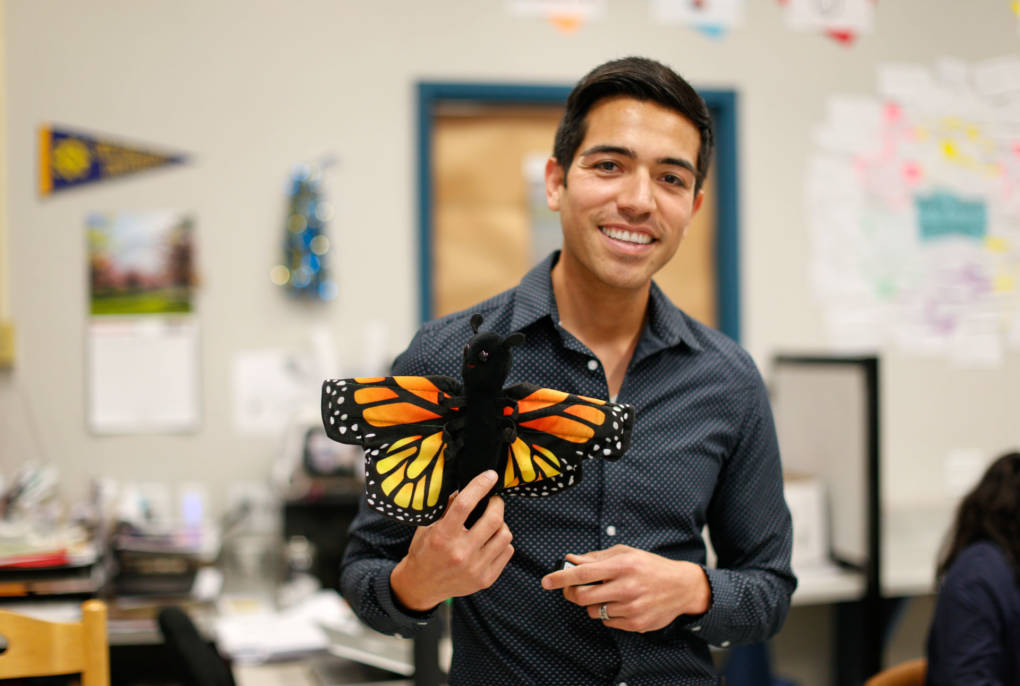
"caption": "Spanish teacher Julio Navarrete shows “la mariposa,” a monarch butterfly doll he uses to encourage students to speak more Spanish while in the classroom.",
"description": "Spanish teacher Julio Navarrete shows “la mariposa,” a monarch butterfly doll he uses to encourage students to speak more Spanish while in the classroom.",
"title": "Julio-Navarrete-Butterfly",
"credit": "Sruti Mamidanna/KQED",
"status": "inherit",
"isLoading": false,
"fetchFailed": false
},
"news_11727992": {
"type": "attachments",
"id": "news_11727992",
"meta": {
"index": "attachments_1716263798",
"site": "news",
"id": "11727992",
"found": true
},
"parent": 11727986,
"imgSizes": {
"twentyfourteen-full-width": {
"file": "https://ww2.kqed.org/app/uploads/sites/10/2019/02/IMG_1351-1038x576.jpg",
"width": 1038,
"mimeType": "image/jpeg",
"height": 576
},
"thumbnail": {
"file": "https://ww2.kqed.org/app/uploads/sites/10/2019/02/IMG_1351-160x120.jpg",
"width": 160,
"mimeType": "image/jpeg",
"height": 120
},
"post-thumbnail": {
"file": "https://ww2.kqed.org/app/uploads/sites/10/2019/02/IMG_1351-672x372.jpg",
"width": 672,
"mimeType": "image/jpeg",
"height": 372
},
"kqedFullSize": {
"file": "https://ww2.kqed.org/app/uploads/sites/10/2019/02/IMG_1351.jpg",
"width": 2048,
"height": 1536
},
"large": {
"file": "https://ww2.kqed.org/app/uploads/sites/10/2019/02/IMG_1351-1020x765.jpg",
"width": 1020,
"mimeType": "image/jpeg",
"height": 765
},
"complete_open_graph": {
"file": "https://ww2.kqed.org/app/uploads/sites/10/2019/02/IMG_1351-1200x900.jpg",
"width": 1200,
"mimeType": "image/jpeg",
"height": 900
},
"guest-author-50": {
"file": "https://ww2.kqed.org/app/uploads/sites/10/2019/02/IMG_1351-50x50.jpg",
"width": 50,
"mimeType": "image/jpeg",
"height": 50
},
"guest-author-96": {
"file": "https://ww2.kqed.org/app/uploads/sites/10/2019/02/IMG_1351-96x96.jpg",
"width": 96,
"mimeType": "image/jpeg",
"height": 96
},
"medium": {
"file": "https://ww2.kqed.org/app/uploads/sites/10/2019/02/IMG_1351-800x600.jpg",
"width": 800,
"mimeType": "image/jpeg",
"height": 600
},
"guest-author-64": {
"file": "https://ww2.kqed.org/app/uploads/sites/10/2019/02/IMG_1351-64x64.jpg",
"width": 64,
"mimeType": "image/jpeg",
"height": 64
},
"guest-author-32": {
"file": "https://ww2.kqed.org/app/uploads/sites/10/2019/02/IMG_1351-32x32.jpg",
"width": 32,
"mimeType": "image/jpeg",
"height": 32
},
"full-width": {
"file": "https://ww2.kqed.org/app/uploads/sites/10/2019/02/IMG_1351-1920x1440.jpg",
"width": 1920,
"mimeType": "image/jpeg",
"height": 1440
},
"detail": {
"file": "https://ww2.kqed.org/app/uploads/sites/10/2019/02/IMG_1351-150x150.jpg",
"width": 150,
"mimeType": "image/jpeg",
"height": 150
},
"guest-author-128": {
"file": "https://ww2.kqed.org/app/uploads/sites/10/2019/02/IMG_1351-128x128.jpg",
"width": 128,
"mimeType": "image/jpeg",
"height": 128
}
},
"publishDate": 1550800644,
"modified": 1550800686,
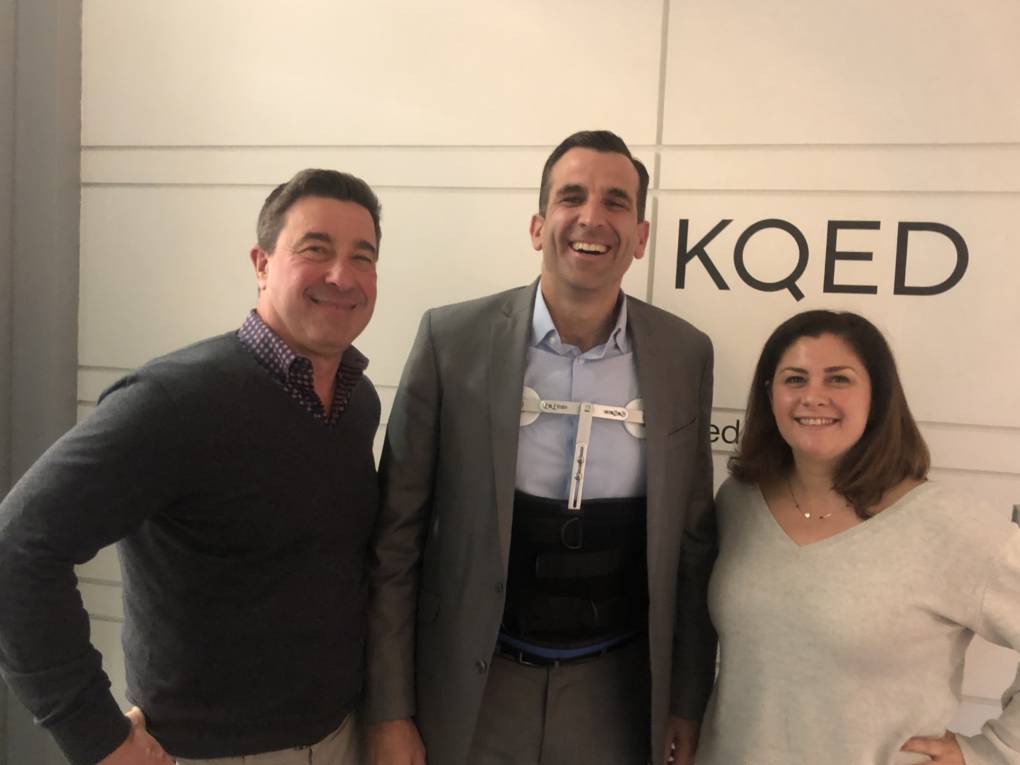
"caption": "San Jose mayor Sam Liccardo, with Political Breakdown hosts Scott Shafer and Marisa Lagos. ",
"description": null,
"title": "IMG_1351",
"credit": "Guy Marzorati/KQED",
"status": "inherit",
"isLoading": false,
"fetchFailed": false
},
"news_11727389": {
"type": "attachments",
"id": "news_11727389",
"meta": {
"index": "attachments_1716263798",
"site": "news",
"id": "11727389",
"found": true
},
"parent": 11727357,
"imgSizes": {
"twentyfourteen-full-width": {
"file": "https://ww2.kqed.org/app/uploads/sites/10/2019/02/GettyImages-157926585-1038x576.jpg",
"width": 1038,
"mimeType": "image/jpeg",
"height": 576
},
"thumbnail": {
"file": "https://ww2.kqed.org/app/uploads/sites/10/2019/02/GettyImages-157926585-160x107.jpg",
"width": 160,
"mimeType": "image/jpeg",
"height": 107
},
"post-thumbnail": {
"file": "https://ww2.kqed.org/app/uploads/sites/10/2019/02/GettyImages-157926585-672x372.jpg",
"width": 672,
"mimeType": "image/jpeg",
"height": 372
},
"kqedFullSize": {
"file": "https://ww2.kqed.org/app/uploads/sites/10/2019/02/GettyImages-157926585.jpg",
"width": 2048,
"height": 1371
},
"large": {
"file": "https://ww2.kqed.org/app/uploads/sites/10/2019/02/GettyImages-157926585-1020x683.jpg",
"width": 1020,
"mimeType": "image/jpeg",
"height": 683
},
"complete_open_graph": {
"file": "https://ww2.kqed.org/app/uploads/sites/10/2019/02/GettyImages-157926585-1200x804.jpg",
"width": 1200,
"mimeType": "image/jpeg",
"height": 804
},
"guest-author-50": {
"file": "https://ww2.kqed.org/app/uploads/sites/10/2019/02/GettyImages-157926585-50x50.jpg",
"width": 50,
"mimeType": "image/jpeg",
"height": 50
},
"guest-author-96": {
"file": "https://ww2.kqed.org/app/uploads/sites/10/2019/02/GettyImages-157926585-96x96.jpg",
"width": 96,
"mimeType": "image/jpeg",
"height": 96
},
"medium": {
"file": "https://ww2.kqed.org/app/uploads/sites/10/2019/02/GettyImages-157926585-800x536.jpg",
"width": 800,
"mimeType": "image/jpeg",
"height": 536
},
"guest-author-64": {
"file": "https://ww2.kqed.org/app/uploads/sites/10/2019/02/GettyImages-157926585-64x64.jpg",
"width": 64,
"mimeType": "image/jpeg",
"height": 64
},
"guest-author-32": {
"file": "https://ww2.kqed.org/app/uploads/sites/10/2019/02/GettyImages-157926585-32x32.jpg",
"width": 32,
"mimeType": "image/jpeg",
"height": 32
},
"full-width": {
"file": "https://ww2.kqed.org/app/uploads/sites/10/2019/02/GettyImages-157926585-1920x1286.jpg",
"width": 1920,
"mimeType": "image/jpeg",
"height": 1286
},
"detail": {
"file": "https://ww2.kqed.org/app/uploads/sites/10/2019/02/GettyImages-157926585-150x150.jpg",
"width": 150,
"mimeType": "image/jpeg",
"height": 150
},
"guest-author-128": {
"file": "https://ww2.kqed.org/app/uploads/sites/10/2019/02/GettyImages-157926585-128x128.jpg",
"width": 128,
"mimeType": "image/jpeg",
"height": 128
}
},
"publishDate": 1550629919,
"modified": 1550629960,
"caption": "Gun stores would be required to record all transactions under the proposed regulations.",
"description": "Gun stores would be required to record all transactions under the proposed regulations.",
"title": "Firearms Maker Smith And Wesson Reports Almost 50 Percent Increase In Sales Revenue",
"credit": "Kevork Djansezian/Getty Images",
"status": "inherit",
"isLoading": false,
"fetchFailed": false
},
"news_11726712": {
"type": "attachments",
"id": "news_11726712",
"meta": {
"index": "attachments_1716263798",
"site": "news",
"id": "11726712",
"found": true
},
"parent": 11726676,
"imgSizes": {
"twentyfourteen-full-width": {
"file": "https://ww2.kqed.org/app/uploads/sites/10/2019/02/GoogleSign-1038x576.jpg",
"width": 1038,
"mimeType": "image/jpeg",
"height": 576
},
"thumbnail": {
"file": "https://ww2.kqed.org/app/uploads/sites/10/2019/02/GoogleSign-160x105.jpg",
"width": 160,
"mimeType": "image/jpeg",
"height": 105
},
"post-thumbnail": {
"file": "https://ww2.kqed.org/app/uploads/sites/10/2019/02/GoogleSign-672x372.jpg",
"width": 672,
"mimeType": "image/jpeg",
"height": 372
},
"kqedFullSize": {
"file": "https://ww2.kqed.org/app/uploads/sites/10/2019/02/GoogleSign.jpg",
"width": 1920,
"height": 1263
},
"large": {
"file": "https://ww2.kqed.org/app/uploads/sites/10/2019/02/GoogleSign-1020x671.jpg",
"width": 1020,
"mimeType": "image/jpeg",
"height": 671
},
"complete_open_graph": {
"file": "https://ww2.kqed.org/app/uploads/sites/10/2019/02/GoogleSign-1200x789.jpg",
"width": 1200,
"mimeType": "image/jpeg",
"height": 789
},
"guest-author-50": {
"file": "https://ww2.kqed.org/app/uploads/sites/10/2019/02/GoogleSign-50x50.jpg",
"width": 50,
"mimeType": "image/jpeg",
"height": 50
},
"guest-author-96": {
"file": "https://ww2.kqed.org/app/uploads/sites/10/2019/02/GoogleSign-96x96.jpg",
"width": 96,
"mimeType": "image/jpeg",
"height": 96
},
"medium": {
"file": "https://ww2.kqed.org/app/uploads/sites/10/2019/02/GoogleSign-800x526.jpg",
"width": 800,
"mimeType": "image/jpeg",
"height": 526
},
"guest-author-64": {
"file": "https://ww2.kqed.org/app/uploads/sites/10/2019/02/GoogleSign-64x64.jpg",
"width": 64,
"mimeType": "image/jpeg",
"height": 64
},
"guest-author-32": {
"file": "https://ww2.kqed.org/app/uploads/sites/10/2019/02/GoogleSign-32x32.jpg",
"width": 32,
"mimeType": "image/jpeg",
"height": 32
},
"full-width": {
"file": "https://ww2.kqed.org/app/uploads/sites/10/2019/02/GoogleSign-1920x1263.jpg",
"width": 1920,
"mimeType": "image/jpeg",
"height": 1263
},
"detail": {
"file": "https://ww2.kqed.org/app/uploads/sites/10/2019/02/GoogleSign-150x150.jpg",
"width": 150,
"mimeType": "image/jpeg",
"height": 150
},
"guest-author-128": {
"file": "https://ww2.kqed.org/app/uploads/sites/10/2019/02/GoogleSign-128x128.jpg",
"width": 128,
"mimeType": "image/jpeg",
"height": 128
}
},
"publishDate": 1550270224,
"modified": 1568050438,
"caption": "A sign is posted outside Google headquarters in Mountain View. The tech giant is planning to build a campus in San Jose.",
"description": "A sign is posted outside Google headquarters in Mountain View. The tech giant is planning to build a campus in San Jose.",
"title": "GoogleSign",
"credit": "Josh Edelson/AFP/Getty Images",
"status": "inherit",
"isLoading": false,
"fetchFailed": false
},
"news_11723635": {
"type": "attachments",
"id": "news_11723635",
"meta": {
"index": "attachments_1716263798",
"site": "news",
"id": "11723635",
"found": true
},
"parent": 11723569,
"imgSizes": {
"twentyfourteen-full-width": {
"file": "https://ww2.kqed.org/app/uploads/sites/10/2019/02/Boringtunnel_-2-1038x576.jpg",
"width": 1038,
"mimeType": "image/jpeg",
"height": 576
},
"thumbnail": {
"file": "https://ww2.kqed.org/app/uploads/sites/10/2019/02/Boringtunnel_-2-160x107.jpg",
"width": 160,
"mimeType": "image/jpeg",
"height": 107
},
"post-thumbnail": {
"file": "https://ww2.kqed.org/app/uploads/sites/10/2019/02/Boringtunnel_-2-672x372.jpg",
"width": 672,
"mimeType": "image/jpeg",
"height": 372
},
"kqedFullSize": {
"file": "https://ww2.kqed.org/app/uploads/sites/10/2019/02/Boringtunnel_-2-e1549407758817.jpg",
"width": 1920,
"height": 1280
},
"large": {
"file": "https://ww2.kqed.org/app/uploads/sites/10/2019/02/Boringtunnel_-2-1020x680.jpg",
"width": 1020,
"mimeType": "image/jpeg",
"height": 680
},
"complete_open_graph": {
"file": "https://ww2.kqed.org/app/uploads/sites/10/2019/02/Boringtunnel_-2-1200x800.jpg",
"width": 1200,
"mimeType": "image/jpeg",
"height": 800
},
"guest-author-50": {
"file": "https://ww2.kqed.org/app/uploads/sites/10/2019/02/Boringtunnel_-2-50x50.jpg",
"width": 50,
"mimeType": "image/jpeg",
"height": 50
},
"guest-author-96": {
"file": "https://ww2.kqed.org/app/uploads/sites/10/2019/02/Boringtunnel_-2-96x96.jpg",
"width": 96,
"mimeType": "image/jpeg",
"height": 96
},
"medium": {
"file": "https://ww2.kqed.org/app/uploads/sites/10/2019/02/Boringtunnel_-2-800x533.jpg",
"width": 800,
"mimeType": "image/jpeg",
"height": 533
},
"guest-author-64": {
"file": "https://ww2.kqed.org/app/uploads/sites/10/2019/02/Boringtunnel_-2-64x64.jpg",
"width": 64,
"mimeType": "image/jpeg",
"height": 64
},
"guest-author-32": {
"file": "https://ww2.kqed.org/app/uploads/sites/10/2019/02/Boringtunnel_-2-32x32.jpg",
"width": 32,
"mimeType": "image/jpeg",
"height": 32
},
"full-width": {
"file": "https://ww2.kqed.org/app/uploads/sites/10/2019/02/Boringtunnel_-2-1920x1280.jpg",
"width": 1920,
"mimeType": "image/jpeg",
"height": 1280
},
"detail": {
"file": "https://ww2.kqed.org/app/uploads/sites/10/2019/02/Boringtunnel_-2-150x150.jpg",
"width": 150,
"mimeType": "image/jpeg",
"height": 150
},
"guest-author-128": {
"file": "https://ww2.kqed.org/app/uploads/sites/10/2019/02/Boringtunnel_-2-128x128.jpg",
"width": 128,
"mimeType": "image/jpeg",
"height": 128
}
},
"publishDate": 1549407694,
"modified": 1549407751,
"caption": "A Tesla Model X moves through The Boring Company's test tunnel in the Los Angeles surburb of Hawthorne.",
"description": null,
"title": "Boring Company Tunnel",
"credit": "The Boring Company",
"status": "inherit",
"isLoading": false,
"fetchFailed": false
},
"news_11723381": {
"type": "attachments",
"id": "news_11723381",
"meta": {
"index": "attachments_1716263798",
"site": "news",
"id": "11723381",
"found": true
},
"parent": 11723268,
"imgSizes": {
"thumbnail": {
"file": "https://ww2.kqed.org/app/uploads/sites/10/2019/02/67e331_eab4d73496c2473f9957aefb8a8fe1a9mv2_d_4000_2304_s_2-160x89.jpg",
"width": 160,
"mimeType": "image/jpeg",
"height": 89
},
"post-thumbnail": {
"file": "https://ww2.kqed.org/app/uploads/sites/10/2019/02/67e331_eab4d73496c2473f9957aefb8a8fe1a9mv2_d_4000_2304_s_2-672x372.jpg",
"width": 672,
"mimeType": "image/jpeg",
"height": 372
},
"kqedFullSize": {
"file": "https://ww2.kqed.org/app/uploads/sites/10/2019/02/67e331_eab4d73496c2473f9957aefb8a8fe1a9mv2_d_4000_2304_s_2.jpg",
"width": 940,
"height": 520
},
"guest-author-50": {
"file": "https://ww2.kqed.org/app/uploads/sites/10/2019/02/67e331_eab4d73496c2473f9957aefb8a8fe1a9mv2_d_4000_2304_s_2-50x50.jpg",
"width": 50,
"mimeType": "image/jpeg",
"height": 50
},
"guest-author-96": {
"file": "https://ww2.kqed.org/app/uploads/sites/10/2019/02/67e331_eab4d73496c2473f9957aefb8a8fe1a9mv2_d_4000_2304_s_2-96x96.jpg",
"width": 96,
"mimeType": "image/jpeg",
"height": 96
},
"medium": {
"file": "https://ww2.kqed.org/app/uploads/sites/10/2019/02/67e331_eab4d73496c2473f9957aefb8a8fe1a9mv2_d_4000_2304_s_2-800x443.jpg",
"width": 800,
"mimeType": "image/jpeg",
"height": 443
},
"guest-author-64": {
"file": "https://ww2.kqed.org/app/uploads/sites/10/2019/02/67e331_eab4d73496c2473f9957aefb8a8fe1a9mv2_d_4000_2304_s_2-64x64.jpg",
"width": 64,
"mimeType": "image/jpeg",
"height": 64
},
"detail": {
"file": "https://ww2.kqed.org/app/uploads/sites/10/2019/02/67e331_eab4d73496c2473f9957aefb8a8fe1a9mv2_d_4000_2304_s_2-150x150.jpg",
"width": 150,
"mimeType": "image/jpeg",
"height": 150
},
"guest-author-32": {
"file": "https://ww2.kqed.org/app/uploads/sites/10/2019/02/67e331_eab4d73496c2473f9957aefb8a8fe1a9mv2_d_4000_2304_s_2-32x32.jpg",
"width": 32,
"mimeType": "image/jpeg",
"height": 32
},
"guest-author-128": {
"file": "https://ww2.kqed.org/app/uploads/sites/10/2019/02/67e331_eab4d73496c2473f9957aefb8a8fe1a9mv2_d_4000_2304_s_2-128x128.jpg",
"width": 128,
"mimeType": "image/jpeg",
"height": 128
}
},
"publishDate": 1549324816,
"modified": 1549326218,
"caption": "First Community Housing proposed to build The Roosevelt Park Apartments — 80 units of multifamily housing in downtown San Jose.",
"description": null,
"title": "67e331_eab4d73496c2473f9957aefb8a8fe1a9~mv2_d_4000_2304_s_2",
"credit": "Courtesy of First Community Housing",
"status": "inherit",
"isLoading": false,
"fetchFailed": false
},
"news_11711687": {
"type": "attachments",
"id": "news_11711687",
"meta": {
"index": "attachments_1716263798",
"site": "news",
"id": "11711687",
"found": true
},
"parent": 11711613,
"imgSizes": {
"twentyfourteen-full-width": {
"file": "https://ww2.kqed.org/app/uploads/sites/10/2018/12/tiny3-e1544567809738-1038x576.jpg",
"width": 1038,
"mimeType": "image/jpeg",
"height": 576
},
"thumbnail": {
"file": "https://ww2.kqed.org/app/uploads/sites/10/2018/12/tiny3-e1544567809738-160x120.jpg",
"width": 160,
"mimeType": "image/jpeg",
"height": 120
},
"post-thumbnail": {
"file": "https://ww2.kqed.org/app/uploads/sites/10/2018/12/tiny3-e1544567809738-672x372.jpg",
"width": 672,
"mimeType": "image/jpeg",
"height": 372
},
"kqedFullSize": {
"file": "https://ww2.kqed.org/app/uploads/sites/10/2018/12/tiny3-e1544567809738.jpg",
"width": 1920,
"height": 1440
},
"large": {
"file": "https://ww2.kqed.org/app/uploads/sites/10/2018/12/tiny3-e1544567809738-1020x765.jpg",
"width": 1020,
"mimeType": "image/jpeg",
"height": 765
},
"complete_open_graph": {
"file": "https://ww2.kqed.org/app/uploads/sites/10/2018/12/tiny3-e1544567809738-1200x900.jpg",
"width": 1200,
"mimeType": "image/jpeg",
"height": 900
},
"guest-author-50": {
"file": "https://ww2.kqed.org/app/uploads/sites/10/2018/12/tiny3-e1544567809738-50x50.jpg",
"width": 50,
"mimeType": "image/jpeg",
"height": 50
},
"guest-author-96": {
"file": "https://ww2.kqed.org/app/uploads/sites/10/2018/12/tiny3-e1544567809738-96x96.jpg",
"width": 96,
"mimeType": "image/jpeg",
"height": 96
},
"medium": {
"file": "https://ww2.kqed.org/app/uploads/sites/10/2018/12/tiny3-e1544567809738-800x600.jpg",
"width": 800,
"mimeType": "image/jpeg",
"height": 600
},
"guest-author-64": {
"file": "https://ww2.kqed.org/app/uploads/sites/10/2018/12/tiny3-e1544567809738-64x64.jpg",
"width": 64,
"mimeType": "image/jpeg",
"height": 64
},
"guest-author-32": {
"file": "https://ww2.kqed.org/app/uploads/sites/10/2018/12/tiny3-e1544567809738-32x32.jpg",
"width": 32,
"mimeType": "image/jpeg",
"height": 32
},
"full-width": {
"file": "https://ww2.kqed.org/app/uploads/sites/10/2018/12/tiny3-e1544567809738-1920x1440.jpg",
"width": 1920,
"mimeType": "image/jpeg",
"height": 1440
},
"detail": {
"file": "https://ww2.kqed.org/app/uploads/sites/10/2018/12/tiny3-e1544567809738-150x150.jpg",
"width": 150,
"mimeType": "image/jpeg",
"height": 150
},
"guest-author-128": {
"file": "https://ww2.kqed.org/app/uploads/sites/10/2018/12/tiny3-e1544567809738-128x128.jpg",
"width": 128,
"mimeType": "image/jpeg",
"height": 128
}
},
"publishDate": 1544562959,
"modified": 1544570353,
"caption": "A tiny home prototype, unveiled Monday in San Jose. ",
"description": null,
"title": "tiny3",
"credit": "Peter Jon Shuler/KQED",
"status": "inherit",
"isLoading": false,
"fetchFailed": false
},
"news_11710278": {
"type": "attachments",
"id": "news_11710278",
"meta": {
"index": "attachments_1716263798",
"site": "news",
"id": "11710278",
"found": true
},
"parent": 11710256,
"imgSizes": {
"twentyfourteen-full-width": {
"file": "https://ww2.kqed.org/app/uploads/sites/10/2018/12/welcometo_120518_final-1038x576.jpg",
"width": 1038,
"mimeType": "image/jpeg",
"height": 576
},
"thumbnail": {
"file": "https://ww2.kqed.org/app/uploads/sites/10/2018/12/welcometo_120518_final-160x102.jpg",
"width": 160,
"mimeType": "image/jpeg",
"height": 102
},
"post-thumbnail": {
"file": "https://ww2.kqed.org/app/uploads/sites/10/2018/12/welcometo_120518_final-672x372.jpg",
"width": 672,
"mimeType": "image/jpeg",
"height": 372
},
"kqedFullSize": {
"file": "https://ww2.kqed.org/app/uploads/sites/10/2018/12/welcometo_120518_final.jpg",
"width": 1920,
"height": 1222
},
"large": {
"file": "https://ww2.kqed.org/app/uploads/sites/10/2018/12/welcometo_120518_final-1020x649.jpg",
"width": 1020,
"mimeType": "image/jpeg",
"height": 649
},
"complete_open_graph": {
"file": "https://ww2.kqed.org/app/uploads/sites/10/2018/12/welcometo_120518_final-1200x764.jpg",
"width": 1200,
"mimeType": "image/jpeg",
"height": 764
},
"guest-author-50": {
"file": "https://ww2.kqed.org/app/uploads/sites/10/2018/12/welcometo_120518_final-50x50.jpg",
"width": 50,
"mimeType": "image/jpeg",
"height": 50
},
"guest-author-96": {
"file": "https://ww2.kqed.org/app/uploads/sites/10/2018/12/welcometo_120518_final-96x96.jpg",
"width": 96,
"mimeType": "image/jpeg",
"height": 96
},
"medium": {
"file": "https://ww2.kqed.org/app/uploads/sites/10/2018/12/welcometo_120518_final-800x509.jpg",
"width": 800,
"mimeType": "image/jpeg",
"height": 509
},
"guest-author-64": {
"file": "https://ww2.kqed.org/app/uploads/sites/10/2018/12/welcometo_120518_final-64x64.jpg",
"width": 64,
"mimeType": "image/jpeg",
"height": 64
},
"guest-author-32": {
"file": "https://ww2.kqed.org/app/uploads/sites/10/2018/12/welcometo_120518_final-32x32.jpg",
"width": 32,
"mimeType": "image/jpeg",
"height": 32
},
"full-width": {
"file": "https://ww2.kqed.org/app/uploads/sites/10/2018/12/welcometo_120518_final-1920x1222.jpg",
"width": 1920,
"mimeType": "image/jpeg",
"height": 1222
},
"detail": {
"file": "https://ww2.kqed.org/app/uploads/sites/10/2018/12/welcometo_120518_final-150x150.jpg",
"width": 150,
"mimeType": "image/jpeg",
"height": 150
},
"guest-author-128": {
"file": "https://ww2.kqed.org/app/uploads/sites/10/2018/12/welcometo_120518_final-128x128.jpg",
"width": 128,
"mimeType": "image/jpeg",
"height": 128
}
},
"publishDate": 1544048500,
"modified": 1544048521,
"caption": null,
"description": null,
"title": "welcometo_120518_final",
"credit": null,
"status": "inherit",
"isLoading": false,
"fetchFailed": false
},
"news_11647955": {
"type": "attachments",
"id": "news_11647955",
"meta": {
"index": "attachments_1716263798",
"site": "news",
"id": "11647955",
"found": true
},
"parent": 11647949,
"imgSizes": {
"small": {
"file": "https://ww2.kqed.org/app/uploads/sites/10/2018/02/RS378_Google_082411-520x328.jpg",
"width": 520,
"mimeType": "image/jpeg",
"height": 328
},
"twentyfourteen-full-width": {
"file": "https://ww2.kqed.org/app/uploads/sites/10/2018/02/RS378_Google_082411-1038x576.jpg",
"width": 1038,
"mimeType": "image/jpeg",
"height": 576
},
"thumbnail": {
"file": "https://ww2.kqed.org/app/uploads/sites/10/2018/02/RS378_Google_082411-160x101.jpg",
"width": 160,
"mimeType": "image/jpeg",
"height": 101
},
"fd-sm": {
"file": "https://ww2.kqed.org/app/uploads/sites/10/2018/02/RS378_Google_082411-960x605.jpg",
"width": 960,
"mimeType": "image/jpeg",
"height": 605
},
"post-thumbnail": {
"file": "https://ww2.kqed.org/app/uploads/sites/10/2018/02/RS378_Google_082411-672x372.jpg",
"width": 672,
"mimeType": "image/jpeg",
"height": 372
},
"xsmall": {
"file": "https://ww2.kqed.org/app/uploads/sites/10/2018/02/RS378_Google_082411-375x236.jpg",
"width": 375,
"mimeType": "image/jpeg",
"height": 236
},
"kqedFullSize": {
"file": "https://ww2.kqed.org/app/uploads/sites/10/2018/02/RS378_Google_082411-e1517774760266.jpg",
"width": 1920,
"height": 1210
},
"large": {
"file": "https://ww2.kqed.org/app/uploads/sites/10/2018/02/RS378_Google_082411-1020x643.jpg",
"width": 1020,
"mimeType": "image/jpeg",
"height": 643
},
"xlarge": {
"file": "https://ww2.kqed.org/app/uploads/sites/10/2018/02/RS378_Google_082411-1180x744.jpg",
"width": 1180,
"mimeType": "image/jpeg",
"height": 744
},
"guest-author-50": {
"file": "https://ww2.kqed.org/app/uploads/sites/10/2018/02/RS378_Google_082411-50x50.jpg",
"width": 50,
"mimeType": "image/jpeg",
"height": 50
},
"guest-author-96": {
"file": "https://ww2.kqed.org/app/uploads/sites/10/2018/02/RS378_Google_082411-96x96.jpg",
"width": 96,
"mimeType": "image/jpeg",
"height": 96
},
"medium": {
"file": "https://ww2.kqed.org/app/uploads/sites/10/2018/02/RS378_Google_082411-800x504.jpg",
"width": 800,
"mimeType": "image/jpeg",
"height": 504
},
"guest-author-64": {
"file": "https://ww2.kqed.org/app/uploads/sites/10/2018/02/RS378_Google_082411-64x64.jpg",
"width": 64,
"mimeType": "image/jpeg",
"height": 64
},
"guest-author-32": {
"file": "https://ww2.kqed.org/app/uploads/sites/10/2018/02/RS378_Google_082411-32x32.jpg",
"width": 32,
"mimeType": "image/jpeg",
"height": 32
},
"fd-lrg": {
"file": "https://ww2.kqed.org/app/uploads/sites/10/2018/02/RS378_Google_082411-1920x1210.jpg",
"width": 1920,
"mimeType": "image/jpeg",
"height": 1210
},
"fd-med": {
"file": "https://ww2.kqed.org/app/uploads/sites/10/2018/02/RS378_Google_082411-1180x744.jpg",
"width": 1180,
"mimeType": "image/jpeg",
"height": 744
},
"full-width": {
"file": "https://ww2.kqed.org/app/uploads/sites/10/2018/02/RS378_Google_082411-1920x1210.jpg",
"width": 1920,
"mimeType": "image/jpeg",
"height": 1210
},
"detail": {
"file": "https://ww2.kqed.org/app/uploads/sites/10/2018/02/RS378_Google_082411-150x150.jpg",
"width": 150,
"mimeType": "image/jpeg",
"height": 150
},
"guest-author-128": {
"file": "https://ww2.kqed.org/app/uploads/sites/10/2018/02/RS378_Google_082411-128x128.jpg",
"width": 128,
"mimeType": "image/jpeg",
"height": 128
},
"xxsmall": {
"file": "https://ww2.kqed.org/app/uploads/sites/10/2018/02/RS378_Google_082411-240x151.jpg",
"width": 240,
"mimeType": "image/jpeg",
"height": 151
}
},
"publishDate": 1517774732,
"modified": 1544051856,
"caption": "The San Jose City Council Wednesday gave Google the green light to purchase several large parcels of land on the edge of downtown, west of Highway 87, for more than $100 million. ",
"description": null,
"title": "Google Announces Quarterly Earnings",
"credit": "Justin Sullivan/Getty Images",
"status": "inherit",
"isLoading": false,
"fetchFailed": false
},
"news_11687185": {
"type": "attachments",
"id": "news_11687185",
"meta": {
"index": "attachments_1716263798",
"site": "news",
"id": "11687185",
"found": true
},
"parent": 11686772,
"imgSizes": {
"small": {
"file": "https://ww2.kqed.org/app/uploads/sites/10/2018/08/AfifaPlay-520x375.jpg",
"width": 520,
"mimeType": "image/jpeg",
"height": 375
},
"twentyfourteen-full-width": {
"file": "https://ww2.kqed.org/app/uploads/sites/10/2018/08/AfifaPlay-1038x576.jpg",
"width": 1038,
"mimeType": "image/jpeg",
"height": 576
},
"thumbnail": {
"file": "https://ww2.kqed.org/app/uploads/sites/10/2018/08/AfifaPlay-160x115.jpg",
"width": 160,
"mimeType": "image/jpeg",
"height": 115
},
"fd-sm": {
"file": "https://ww2.kqed.org/app/uploads/sites/10/2018/08/AfifaPlay-960x692.jpg",
"width": 960,
"mimeType": "image/jpeg",
"height": 692
},
"post-thumbnail": {
"file": "https://ww2.kqed.org/app/uploads/sites/10/2018/08/AfifaPlay-672x372.jpg",
"width": 672,
"mimeType": "image/jpeg",
"height": 372
},
"xsmall": {
"file": "https://ww2.kqed.org/app/uploads/sites/10/2018/08/AfifaPlay-375x270.jpg",
"width": 375,
"mimeType": "image/jpeg",
"height": 270
},
"kqedFullSize": {
"file": "https://ww2.kqed.org/app/uploads/sites/10/2018/08/AfifaPlay.jpg",
"width": 3980,
"height": 2867
},
"large": {
"file": "https://ww2.kqed.org/app/uploads/sites/10/2018/08/AfifaPlay-1020x735.jpg",
"width": 1020,
"mimeType": "image/jpeg",
"height": 735
},
"xlarge": {
"file": "https://ww2.kqed.org/app/uploads/sites/10/2018/08/AfifaPlay-1180x850.jpg",
"width": 1180,
"mimeType": "image/jpeg",
"height": 850
},
"complete_open_graph": {
"file": "https://ww2.kqed.org/app/uploads/sites/10/2018/08/AfifaPlay-1200x864.jpg",
"width": 1200,
"mimeType": "image/jpeg",
"height": 864
},
"guest-author-50": {
"file": "https://ww2.kqed.org/app/uploads/sites/10/2018/08/AfifaPlay-50x50.jpg",
"width": 50,
"mimeType": "image/jpeg",
"height": 50
},
"guest-author-96": {
"file": "https://ww2.kqed.org/app/uploads/sites/10/2018/08/AfifaPlay-96x96.jpg",
"width": 96,
"mimeType": "image/jpeg",
"height": 96
},
"medium": {
"file": "https://ww2.kqed.org/app/uploads/sites/10/2018/08/AfifaPlay-800x576.jpg",
"width": 800,
"mimeType": "image/jpeg",
"height": 576
},
"guest-author-64": {
"file": "https://ww2.kqed.org/app/uploads/sites/10/2018/08/AfifaPlay-64x64.jpg",
"width": 64,
"mimeType": "image/jpeg",
"height": 64
},
"guest-author-32": {
"file": "https://ww2.kqed.org/app/uploads/sites/10/2018/08/AfifaPlay-32x32.jpg",
"width": 32,
"mimeType": "image/jpeg",
"height": 32
},
"fd-lrg": {
"file": "https://ww2.kqed.org/app/uploads/sites/10/2018/08/AfifaPlay-1920x1383.jpg",
"width": 1920,
"mimeType": "image/jpeg",
"height": 1383
},
"fd-med": {
"file": "https://ww2.kqed.org/app/uploads/sites/10/2018/08/AfifaPlay-1180x850.jpg",
"width": 1180,
"mimeType": "image/jpeg",
"height": 850
},
"full-width": {
"file": "https://ww2.kqed.org/app/uploads/sites/10/2018/08/AfifaPlay-1920x1383.jpg",
"width": 1920,
"mimeType": "image/jpeg",
"height": 1383
},
"detail": {
"file": "https://ww2.kqed.org/app/uploads/sites/10/2018/08/AfifaPlay-150x150.jpg",
"width": 150,
"mimeType": "image/jpeg",
"height": 150
},
"guest-author-128": {
"file": "https://ww2.kqed.org/app/uploads/sites/10/2018/08/AfifaPlay-128x128.jpg",
"width": 128,
"mimeType": "image/jpeg",
"height": 128
},
"xxsmall": {
"file": "https://ww2.kqed.org/app/uploads/sites/10/2018/08/AfifaPlay-240x173.jpg",
"width": 240,
"mimeType": "image/jpeg",
"height": 173
}
},
"publishDate": 1534393554,
"modified": 1534457519,
"caption": "Afifa Tawil is an organizer of pickup ultimate games in the South Bay. Here she eyes opportunities to pass the Frisbee. ",
"description": "Afifa Tawil is an organizer of pickup ultimate games in the South Bay. Here she eyes opportunities to pass the Frisbee. ",
"title": "AfifaPlay",
"credit": "Olivia Allen-Price/KQED",
"status": "inherit",
"isLoading": false,
"fetchFailed": false
}
},
"audioPlayerReducer": {
"postId": "stream_live",
"isPaused": true,
"isPlaying": false,
"pfsActive": false,
"pledgeModalIsOpen": true,
"playerDrawerIsOpen": false,
"liveAudioPlayStartedAt": 0,
"liveAudioPlayContext": ""
},
"authorsReducer": {
"byline_news_11726676": {
"type": "authors",
"id": "byline_news_11726676",
"meta": {
"override": true
},
"slug": "byline_news_11726676",
"name": "\u003cstrong>\u003ca href=\"https://www.npr.org/people/297147616/jasmine-garsd\">Jasmine Garsd\u003c/a>\u003c/strong>",
"isLoading": false
},
"danbrekke": {
"type": "authors",
"id": "222",
"meta": {
"index": "authors_1716337520",
"id": "222",
"found": true
},
"name": "Dan Brekke",
"firstName": "Dan",
"lastName": "Brekke",
"slug": "danbrekke",
"email": "dbrekke@kqed.org",
"display_author_email": true,
"staff_mastheads": [
"news",
"science"
],
"title": "KQED Editor and Reporter",
"bio": "Dan Brekke is a reporter and editor for KQED News, responsible for coverage of topics ranging from California water issues to the Bay Area's transportation challenges. In a newsroom career that began in Chicago in 1972, Dan has worked for \u003cem>The San Francisco Examiner,\u003c/em> Wired and TechTV and has been published in The New York Times, The New York Times Magazine, Business 2.0, Salon and elsewhere.\r\n\r\nSince joining KQED in 2007, Dan has reported, edited and produced both radio and online features and breaking news pieces. He has shared as both editor and reporter in four Society of Professional Journalists Norcal Excellence in Journalism awards and one Edward R. Murrow regional award. He was chosen for a spring 2017 residency at the Mesa Refuge to advance his research on California salmon.\r\n\r\nEmail Dan at: \u003ca href=\"mailto:dbrekke@kqed.org\">dbrekke@kqed.org\u003c/a>\r\n\r\n\u003cstrong>Twitter:\u003c/strong> \u003ca href=\"https://twitter.com/danbrekke\" rel=\"noopener noreferrer\">twitter.com/danbrekke\u003c/a>\r\n\u003cstrong>Facebook:\u003c/strong> \u003ca href=\"https://www.facebook.com/danbrekke\" rel=\"noopener noreferrer\">www.facebook.com/danbrekke\u003c/a>\r\n\u003cstrong>LinkedIn:\u003c/strong> \u003ca href=\"https://www.linkedin.com/in/danbrekke\" rel=\"noopener noreferrer\">www.linkedin.com/in/danbrekke\u003c/a>",
"avatar": "https://secure.gravatar.com/avatar/c8126230345efca3f7aa89b1a402be45?s=600&d=mm&r=g",
"twitter": "danbrekke",
"facebook": null,
"instagram": "https://www.instagram.com/dan.brekke/",
"linkedin": "https://www.linkedin.com/in/danbrekke/",
"sites": [
{
"site": "news",
"roles": [
"administrator",
"create_posts"
]
},
{
"site": "stateofhealth",
"roles": [
"editor"
]
},
{
"site": "science",
"roles": [
"editor"
]
},
{
"site": "quest",
"roles": [
"contributor"
]
},
{
"site": "food",
"roles": [
"contributor"
]
},
{
"site": "forum",
"roles": [
"contributor"
]
},
{
"site": "liveblog",
"roles": [
"editor"
]
}
],
"headData": {
"title": "Dan Brekke | KQED",
"description": "KQED Editor and Reporter",
"ogImgSrc": "https://secure.gravatar.com/avatar/c8126230345efca3f7aa89b1a402be45?s=600&d=mm&r=g",
"twImgSrc": "https://secure.gravatar.com/avatar/c8126230345efca3f7aa89b1a402be45?s=600&d=mm&r=g"
},
"isLoading": false,
"link": "/author/danbrekke"
},
"petejonshuler": {
"type": "authors",
"id": "248",
"meta": {
"index": "authors_1716337520",
"id": "248",
"found": true
},
"name": "Peter Jon Shuler",
"firstName": "Peter",
"lastName": "Jon Shuler",
"slug": "petejonshuler",
"email": "pshuler@kqed.org",
"display_author_email": false,
"staff_mastheads": [
"news"
],
"title": "KQED Contributor",
"bio": null,
"avatar": "https://secure.gravatar.com/avatar/4bcbeaf7cf49fec98284db283a33a47b?s=600&d=blank&r=g",
"twitter": null,
"facebook": null,
"instagram": null,
"linkedin": null,
"sites": [
{
"site": "news",
"roles": [
"contributor"
]
}
],
"headData": {
"title": "Peter Jon Shuler | KQED",
"description": "KQED Contributor",
"ogImgSrc": "https://secure.gravatar.com/avatar/4bcbeaf7cf49fec98284db283a33a47b?s=600&d=blank&r=g",
"twImgSrc": "https://secure.gravatar.com/avatar/4bcbeaf7cf49fec98284db283a33a47b?s=600&d=blank&r=g"
},
"isLoading": false,
"link": "/author/petejonshuler"
},
"rachael-myrow": {
"type": "authors",
"id": "251",
"meta": {
"index": "authors_1716337520",
"id": "251",
"found": true
},
"name": "Rachael Myrow",
"firstName": "Rachael",
"lastName": "Myrow",
"slug": "rachael-myrow",
"email": "rmyrow@kqed.org",
"display_author_email": true,
"staff_mastheads": [
"news"
],
"title": "Senior Editor of KQED's Silicon Valley News Desk",
"bio": "• I write and edit stories about how Silicon Valley power and policies shape everyday life in California. I’m also passionate about making Bay Area history and culture more accessible to a broad public. • I’ve been a journalist for most of my life, starting in high school with The Franklin Press in Los Angeles, where I grew up. While earning my first degree in English at UC Berkeley, I got my start in public radio at KALX-FM. After completing a second degree in journalism at Cal, I landed my first professional job at Marketplace, then moved on to KPCC (now LAist), and then KQED, where I hosted The California Report for more than seven years. • My reporting has appeared on NPR, The World, WBUR’s \u003ci>Here & Now\u003c/i>, and the BBC. I also guest host for KQED’s \u003ci>Forum\u003c/i>, as well as the Commonwealth Club in San Francisco. • I speak periodically on media, democracy and technology issues, and do voiceover work for documentaries and educational video projects. • Outside of the studio, you'll find me hiking Bay Area trails and whipping up Insta-ready meals in my kitchen. • I do not accept gifts, money, or favors from anyone connected to my reporting, I don't pay people for information, and I do not support or donate to political causes. • I strive to treat the people I report on with fairness, honesty, and respect. I also recognize there are often multiple sides to a story and work to verify information through multiple sources and documentation. If I get something wrong, I correct it.",
"avatar": "https://secure.gravatar.com/avatar/3ed8a3c5f26025e4a805ba634cda8cd764906b97438a6d9ce216b044e340da4e?s=600&d=blank&r=g",
"twitter": "rachaelmyrow",
"bluesky": null,
"facebook": null,
"instagram": null,
"linkedin": "https://www.linkedin.com/in/rachaelmyrow/",
"sites": [
{
"site": "arts",
"roles": [
"administrator"
]
},
{
"site": "news",
"roles": [
"edit_others_posts",
"editor"
]
},
{
"site": "futureofyou",
"roles": [
"editor"
]
},
{
"site": "bayareabites",
"roles": [
"editor"
]
},
{
"site": "stateofhealth",
"roles": [
"editor"
]
},
{
"site": "science",
"roles": [
"editor"
]
},
{
"site": "food",
"roles": [
"editor"
]
},
{
"site": "forum",
"roles": [
"editor"
]
},
{
"site": "liveblog",
"roles": [
"author"
]
}
],
"headData": {
"title": "Rachael Myrow | KQED",
"description": "Senior Editor of KQED's Silicon Valley News Desk",
"ogImgSrc": "https://secure.gravatar.com/avatar/3ed8a3c5f26025e4a805ba634cda8cd764906b97438a6d9ce216b044e340da4e?s=600&d=blank&r=g",
"twImgSrc": "https://secure.gravatar.com/avatar/3ed8a3c5f26025e4a805ba634cda8cd764906b97438a6d9ce216b044e340da4e?s=600&d=blank&r=g"
},
"isLoading": false,
"link": "/author/rachael-myrow"
},
"scottshafer": {
"type": "authors",
"id": "255",
"meta": {
"index": "authors_1716337520",
"id": "255",
"found": true
},
"name": "Scott Shafer",
"firstName": "Scott",
"lastName": "Shafer",
"slug": "scottshafer",
"email": "sshafer@kqed.org",
"display_author_email": false,
"staff_mastheads": [
"news"
],
"title": "KQED Contributor",
"bio": "Scott Shafer is a senior editor with the KQED Politics and Government desk. He is co-host of Political Breakdown, the award-winning radio show and podcast with a personal take on the world of politics. Scott came to KQED in 1998 to host the statewide\u003cem> California Report\u003c/em>. Prior to that he had extended stints in politics and government\u003cem>.\u003c/em> He uses that inside experience at KQED in his, reporting, hosting and analysis for the politics desk. Scott collaborated \u003cem>Political Breakdown a\u003c/em>nd on \u003cem>The Political Mind of Jerry Brown, \u003c/em>an eight-part series about the life and extraordinary political career of the former governor. For fun, he plays water polo with the San Francisco Tsunami.",
"avatar": "https://secure.gravatar.com/avatar/a62ebae45b79d7aed1a39a0e3bf68104?s=600&d=blank&r=g",
"twitter": "scottshafer",
"bluesky": null,
"facebook": null,
"instagram": null,
"linkedin": null,
"sites": [
{
"site": "news",
"roles": [
"editor"
]
},
{
"site": "stateofhealth",
"roles": [
"author"
]
},
{
"site": "science",
"roles": [
"author"
]
},
{
"site": "forum",
"roles": [
"subscriber"
]
},
{
"site": "liveblog",
"roles": [
"author"
]
}
],
"headData": {
"title": "Scott Shafer | KQED",
"description": "KQED Contributor",
"ogImgSrc": "https://secure.gravatar.com/avatar/a62ebae45b79d7aed1a39a0e3bf68104?s=600&d=blank&r=g",
"twImgSrc": "https://secure.gravatar.com/avatar/a62ebae45b79d7aed1a39a0e3bf68104?s=600&d=blank&r=g"
},
"isLoading": false,
"link": "/author/scottshafer"
},
"matthewgreen": {
"type": "authors",
"id": "1263",
"meta": {
"index": "authors_1716337520",
"id": "1263",
"found": true
},
"name": "Matthew Green",
"firstName": "Matthew",
"lastName": "Green",
"slug": "matthewgreen",
"email": "mgreen@kqed.org",
"display_author_email": false,
"staff_mastheads": [],
"title": "KQED Editor/Reporter",
"bio": "Matthew Green is a digital media producer for KQED News. He previously produced \u003ca href=\"http://www.kqed.org/lowdown\">The Lowdown\u003c/a>, KQED’s multimedia news education blog. Matthew's written for numerous Bay Area publications, including the Oakland Tribune and San Francisco Chronicle. He also taught journalism classes at Fremont High School in East Oakland.\r\n\r\nEmail: mgreen@kqed.org; Twitter: @MGreenKQED",
"avatar": "https://secure.gravatar.com/avatar/3bf498d1267ca02c8494f33d8cfc575e?s=600&d=blank&r=g",
"twitter": "MGreenKQED",
"facebook": null,
"instagram": null,
"linkedin": null,
"sites": [
{
"site": "news",
"roles": []
},
{
"site": "lowdown",
"roles": []
},
{
"site": "science",
"roles": []
},
{
"site": "education",
"roles": []
},
{
"site": "quest",
"roles": []
},
{
"site": "liveblog",
"roles": []
}
],
"headData": {
"title": "Matthew Green | KQED",
"description": "KQED Editor/Reporter",
"ogImgSrc": "https://secure.gravatar.com/avatar/3bf498d1267ca02c8494f33d8cfc575e?s=600&d=blank&r=g",
"twImgSrc": "https://secure.gravatar.com/avatar/3bf498d1267ca02c8494f33d8cfc575e?s=600&d=blank&r=g"
},
"isLoading": false,
"link": "/author/matthewgreen"
},
"peterjonshuler": {
"type": "authors",
"id": "1329",
"meta": {
"index": "authors_1716337520",
"id": "1329",
"found": true
},
"name": "Peter Jon Shuler",
"firstName": "Peter Jon",
"lastName": "Shuler",
"slug": "peterjonshuler",
"email": "pshuler@kqed.org",
"display_author_email": false,
"staff_mastheads": [],
"title": null,
"bio": "Peter is a general assignment reporter covering Northern California news for KQED’s daily radio newscasts. He reports on a wide range of stories from current court cases to San Jose city hall.\r\n\r\nSince joining KQED in 1990, Peter has covered everything from the beginnings of the World Wide Web to the dot-com bust, from preserving Silicon Valley's open space to the preservation of historic Valley landmarks.\r\n\r\nPeter caught the radio bug at WAUS-FM while still a student at Andrews University in his home town of Berrien Springs, MI. He did local news and hosted a classical music program. Since then, he has pursued a variety of assignments, including production work at WBAI in New York and broadcasting to the English language community of Geneva, Switzerland via Radio 74. Email: \u003ca href=\"mailto:pshuler@kqed.org\">pshuler@kqed.org\u003c/a>",
"avatar": "https://secure.gravatar.com/avatar/4bcbeaf7cf49fec98284db283a33a47b?s=600&d=blank&r=g",
"twitter": null,
"facebook": null,
"instagram": null,
"linkedin": null,
"sites": [
{
"site": "news",
"roles": [
"contributor"
]
}
],
"headData": {
"title": "Peter Jon Shuler | KQED",
"description": null,
"ogImgSrc": "https://secure.gravatar.com/avatar/4bcbeaf7cf49fec98284db283a33a47b?s=600&d=blank&r=g",
"twImgSrc": "https://secure.gravatar.com/avatar/4bcbeaf7cf49fec98284db283a33a47b?s=600&d=blank&r=g"
},
"isLoading": false,
"link": "/author/peterjonshuler"
},
"shossaini": {
"type": "authors",
"id": "3214",
"meta": {
"index": "authors_1716337520",
"id": "3214",
"found": true
},
"name": "Sara Hossaini",
"firstName": "Sara",
"lastName": "Hossaini",
"slug": "shossaini",
"email": "shossaini@kqed.org",
"display_author_email": true,
"staff_mastheads": [
"news"
],
"title": "KQED Reporter",
"bio": "Sara Hossaini came to general assignment reporting at KQED in 2013 after two winters reporting at Wyoming Public Radio. She holds a bachelor's degree in broadcast journalism from the University of Nebraska-Lincoln. Her radio romance began after a bitter breakup with documentary film (Ok, maybe it's still complicated). Her first simultaneous jobs in San Francisco were as Associate Producer on a PBS film series through the Center for Asian American Media and as a butler. She likes to trot, plot and make things with her hands.",
"avatar": "https://secure.gravatar.com/avatar/060e9f56b9554e17942e89f413242774?s=600&d=blank&r=g",
"twitter": "mshossaini",
"facebook": null,
"instagram": null,
"linkedin": null,
"sites": [
{
"site": "news",
"roles": [
"author"
]
},
{
"site": "stateofhealth",
"roles": [
"author"
]
}
],
"headData": {
"title": "Sara Hossaini | KQED",
"description": "KQED Reporter",
"ogImgSrc": "https://secure.gravatar.com/avatar/060e9f56b9554e17942e89f413242774?s=600&d=blank&r=g",
"twImgSrc": "https://secure.gravatar.com/avatar/060e9f56b9554e17942e89f413242774?s=600&d=blank&r=g"
},
"isLoading": false,
"link": "/author/shossaini"
},
"markfiore": {
"type": "authors",
"id": "3236",
"meta": {
"index": "authors_1716337520",
"id": "3236",
"found": true
},
"name": "Mark Fiore",
"firstName": "Mark",
"lastName": "Fiore",
"slug": "markfiore",
"email": "mark@markfiore.com",
"display_author_email": false,
"staff_mastheads": [
"news"
],
"title": "KQED News Cartoonist",
"bio": "\u003ca href=\"http://www.MarkFiore.com\">MarkFiore.com\u003c/a> | \u003ca href=\"https://twitter.com/markfiore\">Follow on Twitter\u003c/a> | \u003ca href=\"https://www.facebook.com/pages/Mark-Fiore-Animated-Political-Cartoons/94451707396?ref=bookmarks\">Facebook\u003c/a> | \u003ca href=\"mailto:mark@markfiore.com\">email\u003c/a>\r\n\r\nPulitzer Prize-winner, Mark Fiore, who the Wall Street Journal has called “the undisputed guru of the form,” creates animated political cartoons in San Francisco, where his work has been featured regularly on the San Francisco Chronicle’s web site, SFGate.com. His work has appeared on Newsweek.com, Slate.com, CBSNews.com, MotherJones.com, DailyKos.com and NPR’s web site. Fiore’s political animation has appeared on CNN, Frontline, Bill Moyers Journal, Salon.com and cable and broadcast outlets across the globe.\r\n\r\nBeginning his professional life by drawing traditional political cartoons for newspapers, Fiore’s work appeared in publications ranging from the Washington Post to the Los Angeles Times. In the late 1990s, he began to experiment with animating political cartoons and, after a short stint at the San Jose Mercury News as their staff cartoonist, Fiore devoted all his energies to animation.\r\nGrowing up in California, Fiore also spent a good portion of his life in the backwoods of Idaho. It was this combination that shaped him politically. Mark majored in political science at Colorado College, where, in a perfect send-off for a cartoonist, he received his diploma in 1991 as commencement speaker Dick Cheney smiled approvingly.\r\nMark Fiore was awarded the Pulitzer Prize for political cartooning in 2010, a Robert F. Kennedy Journalism Award in 2004 and has twice received an Online Journalism Award for commentary from the Online News Association (2002, 2008). Fiore has received two awards for his work in new media from the National Cartoonists Society (2001, 2002), and in 2006 received The James Madison Freedom of Information Award from The Society of Professional Journalists.",
"avatar": "https://secure.gravatar.com/avatar/fc4e2a612b15b67bad0c6f0e1db4ca9b?s=600&d=blank&r=g",
"twitter": "MarkFiore",
"facebook": null,
"instagram": "https://www.instagram.com/markfiore/?hl=en",
"linkedin": null,
"sites": [
{
"site": "arts",
"roles": [
"contributor"
]
},
{
"site": "news",
"roles": [
"editor"
]
},
{
"site": "futureofyou",
"roles": [
"editor"
]
},
{
"site": "science",
"roles": [
"editor"
]
}
],
"headData": {
"title": "Mark Fiore | KQED",
"description": "KQED News Cartoonist",
"ogImgSrc": "https://secure.gravatar.com/avatar/fc4e2a612b15b67bad0c6f0e1db4ca9b?s=600&d=blank&r=g",
"twImgSrc": "https://secure.gravatar.com/avatar/fc4e2a612b15b67bad0c6f0e1db4ca9b?s=600&d=blank&r=g"
},
"isLoading": false,
"link": "/author/markfiore"
},
"mlagos": {
"type": "authors",
"id": "3239",
"meta": {
"index": "authors_1716337520",
"id": "3239",
"found": true
},
"name": "Marisa Lagos",
"firstName": "Marisa",
"lastName": "Lagos",
"slug": "mlagos",
"email": "mlagos@kqed.org",
"display_author_email": false,
"staff_mastheads": [
"news"
],
"title": "KQED Contributor",
"bio": "Marisa Lagos is a correspondent for KQED’s California Politics and Government Desk and co-hosts the award-winning show and podcast, Political Breakdown. At KQED, Lagos also conducts reporting, analysis and investigations into state, local and national politics for radio, TV, online and onstage. In 2022, she and co-host, Scott Shafer, moderated the only gubernatorial debate in California. In 2020, the \u003ci>Washington Post\u003c/i> named her one of the top political journalists in California; she was nominated for a Peabody and won several other awards for her work investigating the 2017 California wildfires. She has worked at the \u003ci>San Francisco Chronicle\u003c/i>, \u003ci>San Francisco Examiner\u003c/i> and \u003ci>Los Angeles Times\u003c/i>. A UC Santa Barbara graduate, she lives in San Francisco with her two sons and husband.",
"avatar": "https://secure.gravatar.com/avatar/a261a0d3696fc066871ef96b85b5e7d2?s=600&d=blank&r=g",
"twitter": "@mlagos",
"facebook": null,
"instagram": null,
"linkedin": null,
"sites": [
{
"site": "arts",
"roles": [
"author"
]
},
{
"site": "news",
"roles": [
"editor"
]
},
{
"site": "science",
"roles": [
"editor"
]
},
{
"site": "forum",
"roles": [
"author"
]
},
{
"site": "liveblog",
"roles": [
"author"
]
}
],
"headData": {
"title": "Marisa Lagos | KQED",
"description": "KQED Contributor",
"ogImgSrc": "https://secure.gravatar.com/avatar/a261a0d3696fc066871ef96b85b5e7d2?s=600&d=blank&r=g",
"twImgSrc": "https://secure.gravatar.com/avatar/a261a0d3696fc066871ef96b85b5e7d2?s=600&d=blank&r=g"
},
"isLoading": false,
"link": "/author/mlagos"
},
"fjhabvala": {
"type": "authors",
"id": "8659",
"meta": {
"index": "authors_1716337520",
"id": "8659",
"found": true
},
"name": "Farida Jhabvala Romero",
"firstName": "Farida",
"lastName": "Jhabvala Romero",
"slug": "fjhabvala",
"email": "fjhabvala@kqed.org",
"display_author_email": true,
"staff_mastheads": [
"news"
],
"title": "KQED Contributor",
"bio": "Farida Jhabvala Romero is a Labor Correspondent for KQED. She previously covered immigration. Farida was \u003ca href=\"https://www.ccnma.org/2022-most-influential-latina-journalists\">named\u003c/a> one of the 10 Most Influential Latina Journalists in California in 2022 by the California Chicano News Media Association. Her work has won awards from the Society of Professional Journalists (Northern California), as well as a national and regional Edward M. Murrow Award for the collaborative reporting projects “Dangerous Air” and “Graying California.” Before joining KQED, Farida worked as a producer at Radio Bilingüe, a national public radio network. Farida earned her master’s degree in journalism from Stanford University.",
"avatar": "https://secure.gravatar.com/avatar/f9f022d4e2609741874222a1e9d41f48fea74011aa7c615eef91d9a50c944ebe?s=600&d=blank&r=g",
"twitter": "FaridaJhabvala",
"bluesky": null,
"facebook": null,
"instagram": null,
"linkedin": "https://www.linkedin.com/in/faridajhabvala/",
"sites": [
{
"site": "news",
"roles": [
"editor"
]
},
{
"site": "stateofhealth",
"roles": [
"author"
]
},
{
"site": "liveblog",
"roles": [
"author"
]
}
],
"headData": {
"title": "Farida Jhabvala Romero | KQED",
"description": "KQED Contributor",
"ogImgSrc": "https://secure.gravatar.com/avatar/f9f022d4e2609741874222a1e9d41f48fea74011aa7c615eef91d9a50c944ebe?s=600&d=blank&r=g",
"twImgSrc": "https://secure.gravatar.com/avatar/f9f022d4e2609741874222a1e9d41f48fea74011aa7c615eef91d9a50c944ebe?s=600&d=blank&r=g"
},
"isLoading": false,
"link": "/author/fjhabvala"
},
"rlevi": {
"type": "authors",
"id": "11260",
"meta": {
"index": "authors_1716337520",
"id": "11260",
"found": true
},
"name": "Ryan Levi",
"firstName": "Ryan",
"lastName": "Levi",
"slug": "rlevi",
"email": "rlevi@KQED.org",
"display_author_email": false,
"staff_mastheads": [],
"title": "KQED Contributor",
"bio": "Ryan Levi was a reporter and podcast producer at KQED News from 2016-2019. He worked on \u003ca href=\"https://www.kqed.org/news/series/baycurious\">Bay Curious\u003c/a>, \u003ca href=\"https://www.kqed.org/news/tag/the-bay/\">The Bay, \u003c/a>and \u003ca href=\"https://podcasts.apple.com/us/podcast/the-california-report-magazine/id1314750545\">The California Report Magazine\u003c/a>, as well as hosting and producing the weekly \u003ca href=\"https://www.kqed.org/news/program/qedup/\">Q'ed Up podcast. \u003c/a>He also helped inaugurate KQED's weekend news coverage in 2017 as one of two original digital producers. Ryan holds degrees in multimedia journalism and Spanish from the University of Missouri.",
"avatar": "https://secure.gravatar.com/avatar/4cb2ddd028ac8807d1adf09609c5555d?s=600&d=blank&r=g",
"twitter": "ryan_levi",
"facebook": null,
"instagram": null,
"linkedin": null,
"sites": [
{
"site": "arts",
"roles": [
"editor"
]
},
{
"site": "news",
"roles": [
"subscriber"
]
},
{
"site": "stateofhealth",
"roles": [
"editor"
]
},
{
"site": "science",
"roles": [
"editor"
]
},
{
"site": "forum",
"roles": [
"administrator"
]
},
{
"site": "perspectives",
"roles": [
"administrator"
]
}
],
"headData": {
"title": "Ryan Levi | KQED",
"description": "KQED Contributor",
"ogImgSrc": "https://secure.gravatar.com/avatar/4cb2ddd028ac8807d1adf09609c5555d?s=600&d=blank&r=g",
"twImgSrc": "https://secure.gravatar.com/avatar/4cb2ddd028ac8807d1adf09609c5555d?s=600&d=blank&r=g"
},
"isLoading": false,
"link": "/author/rlevi"
},
"ktandy": {
"type": "authors",
"id": "11545",
"meta": {
"index": "authors_1716337520",
"id": "11545",
"found": true
},
"name": "Katie Tandy",
"firstName": "Katie",
"lastName": "Tandy",
"slug": "ktandy",
"email": "ktandy@kqed.org",
"display_author_email": false,
"staff_mastheads": [],
"title": "KQED Contributor",
"bio": "Katie Tandy is the co-founding editor of\u003ca href=\"http://www.theestablishment.co\"> The Establishment,\u003c/a> an online news+culture publication which champions the voices and stories of those who have been marginalized by mainstream media.\r\nShe is a former on-call interactive producer for KQED.",
"avatar": "https://secure.gravatar.com/avatar/1f877a62bab50d75c8bbef40e4ebe7f6?s=600&d=blank&r=g",
"twitter": null,
"facebook": null,
"instagram": null,
"linkedin": null,
"sites": [
{
"site": "news",
"roles": [
"subscriber"
]
}
],
"headData": {
"title": "Katie Tandy | KQED",
"description": "KQED Contributor",
"ogImgSrc": "https://secure.gravatar.com/avatar/1f877a62bab50d75c8bbef40e4ebe7f6?s=600&d=blank&r=g",
"twImgSrc": "https://secure.gravatar.com/avatar/1f877a62bab50d75c8bbef40e4ebe7f6?s=600&d=blank&r=g"
},
"isLoading": false,
"link": "/author/ktandy"
}
},
"pagesReducer": {
"news_tag_san-jose": {
"type": "terms",
"id": "news_18541",
"meta": {
"index": "terms_1716263798",
"site": "news",
"id": "18541",
"score": 8.005292
},
"featImg": null,
"name": "San Jose",
"description": null,
"taxonomy": "tag",
"headData": {
"twImgId": null,
"twTitle": null,
"ogTitle": null,
"ogImgId": null,
"twDescription": null,
"description": null,
"title": "San Jose Archives | KQED News",
"ogDescription": null
},
"ttid": 91,
"slug": "san-jose",
"isLoading": false,
"title": "San Jose",
"pageMeta": {
"site": "news",
"WpPageTemplate": "page-topic-editorial",
"currentPage": 35
},
"blocks": [
{
"blockName": "kqed/post-list",
"attrs": {
"layout": "cardArticle2",
"query": "posts/news?tag=san-jose",
"seeMore": false,
"paginated": true,
"page": 35
}
},
{
"blockName": "kqed/ad"
}
]
}
},
"pfsSessionReducer": {},
"postsReducer": {
"stream_live": {
"type": "live",
"id": "stream_live",
"audioUrl": "https://streams.kqed.org/kqedradio",
"title": "Live Stream",
"excerpt": "Live Stream information currently unavailable.",
"link": "/radio",
"featImg": "",
"label": {
"name": "KQED Live",
"link": "/"
}
},
"stream_kqedNewscast": {
"type": "posts",
"id": "stream_kqedNewscast",
"audioUrl": "https://www.kqed.org/.stream/anon/radio/RDnews/newscast.mp3?_=1",
"title": "KQED Newscast",
"featImg": "",
"label": {
"name": "88.5 FM",
"link": "/"
}
},
"news_11753793": {
"type": "posts",
"id": "news_11753793",
"meta": {
"index": "posts_1716263798",
"site": "news",
"id": "11753793",
"score": null,
"sort": [
1560427279000
]
},
"parent": 0,
"labelTerm": {
"site": "news",
"term": 72
},
"blocks": [],
"publishDate": 1560427279,
"format": "audio",
"disqusTitle": "California's First Governor Was Racist. San Jose School Will Join Others in Removing His Name",
"title": "California's First Governor Was Racist. San Jose School Will Join Others in Removing His Name",
"headTitle": "The California Report | KQED News",
"content": "\u003cp>You might think that the first U.S. governor of California would be a household name in the state he helped usher into being.\u003c/p>\n\u003cp>But not many people know much about Peter Burnett, and those who do aren't exactly singing his praises as a founding father.\u003c/p>\n\u003cp>\"It felt like we had our own Confederate monument in the name of our school,\" said Cap Wilhelm-Safian, an eighth-grade teacher at Burnett Middle School in San Jose.\u003c/p>\n\u003cp>For the last year, Wilhelm-Safian has been leading the charge to rename the school because of Burnett's racist views.\u003c/p>\n\u003ch3>'An Embarrassment'\u003c/h3>\n\u003cp>\"Peter Burnett had this fantasy that the West Coast — Oregon and Washington and what is now California — should be all white,\" said Gregory Nokes, who published a biography of Burnett in 2018.\u003c/p>\n\u003cp>[ad fullwidth]\u003c/p>\n\u003cp>Born into a slaveholding family in Tennessee in 1807, Burnett moved to Missouri (where he became a lawyer and defended Mormon leader Joseph Smith) before leading the first major wagon train to Oregon in 1843.\u003c/p>\n\u003cfigure id=\"attachment_11754129\" class=\"wp-caption alignright\" style=\"max-width: 800px\">\u003cimg class=\"size-medium wp-image-11754129\" src=\"https://ww2.kqed.org/news/wp-content/uploads/sites/10/2019/06/RS37676_Peter-Burnett-qut-800x1124.jpg\" alt=\"Peter Burnett was only California's governor for a little more than a year, and he spent much of that time focused on racist and unfulfilled policies.\" width=\"800\" height=\"1124\" srcset=\"https://ww2.kqed.org/app/uploads/sites/10/2019/06/RS37676_Peter-Burnett-qut.jpg 800w, https://ww2.kqed.org/app/uploads/sites/10/2019/06/RS37676_Peter-Burnett-qut-160x225.jpg 160w\" sizes=\"(max-width: 800px) 100vw, 800px\">\u003cfigcaption class=\"wp-caption-text\">Peter Burnett was California's governor for only a little more than a year, and he spent much of that time focused on racist and unfulfilled policies.\u003c/figcaption>\u003c/figure>\n\u003cp>The following year, he wrote an amendment to Oregon's anti-slavery law, which excluded free blacks and allowed residents to keep slaves in the territory for three years before they would be freed and forced to leave.\u003c/p>\n\u003cp>\"There was a lot of anti-black, a lot of racist sentiment in the West in those days, but he was an extreme position,\" Nokes said. \"He was pushing the envelope on that much more than other people were comfortable with.\"\u003c/p>\n\u003cp>When gold was found in 1848, Burnett fled south to California, and in 1849 he was elected the state's first U.S. governor.\u003c/p>\n\u003cp>\"In his very first address to the California Legislature, he said it was a matter of first priority that the Legislature enact an exclusion law against African Americans,\" Nokes said.\u003c/p>\n\u003cp>Nokes said that Burnett's racism, which also extended to the Chinese and Native Americans, made him an ineffective governor. He resigned after a little more than a year in office, a move that was celebrated in the California press.\u003c/p>\n\u003cp>He was appointed to the California Supreme Court, where he ordered an escaped slave from Mississippi to \u003ca href=\"https://www.blackpast.org/aaw/vignette_aahw_people/archy-lee-case-1858/\" target=\"_blank\" rel=\"noopener\">return to his master,\u003c/a> even though he was in the free state of California. He eventually became a successful banker in San Francisco before dying in relative obscurity in 1875 and being mostly forgotten by history.\u003c/p>\n\u003cp>\"I think he was kind of an embarrassment to California history, as he had been earlier in Oregon history, and it was easier just to kind of ignore him,\" Nokes said.\u003c/p>\n\u003ch3>Changing a Name\u003c/h3>\n\u003cfigure id=\"attachment_11754128\" class=\"wp-caption aligncenter\" style=\"max-width: 800px\">\u003cimg class=\"size-medium wp-image-11754128\" src=\"https://ww2.kqed.org/news/wp-content/uploads/sites/10/2019/06/RS37675_IMG_0792-qut-800x600.jpg\" alt=\"Students, staff and administrators say Burnett and his racist views don't align with the values of the school today.\" width=\"800\" height=\"600\" srcset=\"https://ww2.kqed.org/app/uploads/sites/10/2019/06/RS37675_IMG_0792-qut-800x600.jpg 800w, https://ww2.kqed.org/app/uploads/sites/10/2019/06/RS37675_IMG_0792-qut-160x120.jpg 160w, https://ww2.kqed.org/app/uploads/sites/10/2019/06/RS37675_IMG_0792-qut-1020x765.jpg 1020w, https://ww2.kqed.org/app/uploads/sites/10/2019/06/RS37675_IMG_0792-qut-1200x900.jpg 1200w, https://ww2.kqed.org/app/uploads/sites/10/2019/06/RS37675_IMG_0792-qut.jpg 1920w, https://ww2.kqed.org/app/uploads/sites/10/2019/06/RS37675_IMG_0792-qut-1832x1374.jpg 1832w, https://ww2.kqed.org/app/uploads/sites/10/2019/06/RS37675_IMG_0792-qut-1376x1032.jpg 1376w, https://ww2.kqed.org/app/uploads/sites/10/2019/06/RS37675_IMG_0792-qut-1044x783.jpg 1044w, https://ww2.kqed.org/app/uploads/sites/10/2019/06/RS37675_IMG_0792-qut-632x474.jpg 632w, https://ww2.kqed.org/app/uploads/sites/10/2019/06/RS37675_IMG_0792-qut-536x402.jpg 536w\" sizes=\"(max-width: 800px) 100vw, 800px\">\u003cfigcaption class=\"wp-caption-text\">Students, staff and administrators say Peter Burnett and his racist views don't align with the values of the school today. \u003ccite>(Ryan Levi/KQED)\u003c/cite>\u003c/figcaption>\u003c/figure>\n\u003cp>For Wilhelm-Safian, Burnett's racist record doesn't match with the values and demographics of Burnett Middle School, which opened in 1931. The school is 80% Hispanic or Latino, and only 5% white. It's also a part of the International Baccalaureate program, which promotes an international education and open-mindedness.\u003c/p>\n\u003cp>With the encouragement of others, he began investigating the name change last fall, and then wrote a \u003ca href=\"https://www.facebook.com/SanJoseUnified/photos/a.143104429218619/1027860220743031/?type=1&theater\" target=\"_blank\" rel=\"noopener\">letter\u003c/a> to the community describing Burnett's views and advocating for replacing the school's name.\u003c/p>\n\u003cfigure id=\"attachment_11754126\" class=\"wp-caption alignright\" style=\"max-width: 800px\">\u003cimg class=\"size-medium wp-image-11754126\" src=\"https://ww2.kqed.org/news/wp-content/uploads/sites/10/2019/06/RS37673_IMG_0796-qut-800x600.jpg\" alt=\"Cap Wilhelm-Safian leads a discussion with his 8th grade history class at Burnett Middle School about changing the school's name. Students have learned about Burnett's history and discussed the name change throughout the year.\" width=\"800\" height=\"600\" srcset=\"https://ww2.kqed.org/app/uploads/sites/10/2019/06/RS37673_IMG_0796-qut-800x600.jpg 800w, https://ww2.kqed.org/app/uploads/sites/10/2019/06/RS37673_IMG_0796-qut-160x120.jpg 160w, https://ww2.kqed.org/app/uploads/sites/10/2019/06/RS37673_IMG_0796-qut-1020x765.jpg 1020w, https://ww2.kqed.org/app/uploads/sites/10/2019/06/RS37673_IMG_0796-qut-1200x900.jpg 1200w, https://ww2.kqed.org/app/uploads/sites/10/2019/06/RS37673_IMG_0796-qut.jpg 1920w, https://ww2.kqed.org/app/uploads/sites/10/2019/06/RS37673_IMG_0796-qut-1832x1374.jpg 1832w, https://ww2.kqed.org/app/uploads/sites/10/2019/06/RS37673_IMG_0796-qut-1376x1032.jpg 1376w, https://ww2.kqed.org/app/uploads/sites/10/2019/06/RS37673_IMG_0796-qut-1044x783.jpg 1044w, https://ww2.kqed.org/app/uploads/sites/10/2019/06/RS37673_IMG_0796-qut-632x474.jpg 632w, https://ww2.kqed.org/app/uploads/sites/10/2019/06/RS37673_IMG_0796-qut-536x402.jpg 536w\" sizes=\"(max-width: 800px) 100vw, 800px\">\u003cfigcaption class=\"wp-caption-text\">Cap Wilhelm-Safian leads a discussion with his eighth-grade history class at Burnett Middle School about changing the school's name. Students have learned about Burnett's history and discussed the name change throughout the year. \u003ccite>(Ryan Levi/KQED)\u003c/cite>\u003c/figcaption>\u003c/figure>\n\u003cp>\"I didn't necessarily feel it was going to happen or not,\" he said. \"I wanted to broach that idea to the community, whether this was a name we really wanted to continue having on the front of our school.\"\u003c/p>\n\u003cp>Wilhelm-Safian and other teachers worked Burnett's history and the name change into their lesson plans throughout the year. He said some wanted to keep the old name because they associated it with positive school memories or relatives who had gone to the school. But an overwhelming majority of students, staff and parents supported changing the name.\u003c/p>\n\u003cp>\"We have a lot of different cultures in (our school), and it didn't make sense that we were named after someone who was really racist and tried to do a lot of bad things to people because they were different,\" said Ethan Narimatsujayne, a seventh-grader who was part of the name change committee that whittled down more than 500 nominations to \u003ca href=\"https://sanjosespotlight.com/here-are-the-finalists-for-burnett-middle-schools-new-name/\" target=\"_blank\" rel=\"noopener\">seven finalists,\u003c/a> which were opened to a school and community vote in May.\u003c/p>\n\u003cp>On June 13, the school board decided to rename the school Ohlone Middle School. The other top vote-getters were San Jose and Sofia Mendoza, an education reformer who organized student walkouts and worked with Cesar Chavez.\u003c/p>\n\u003ch3>Not the Only Burnett in Town\u003c/h3>\n\u003cfigure id=\"attachment_11754125\" class=\"wp-caption aligncenter\" style=\"max-width: 800px\">\u003cimg class=\"size-medium wp-image-11754125\" src=\"https://ww2.kqed.org/news/wp-content/uploads/sites/10/2019/06/RS37672_IMG_0836-qut-800x600.jpg\" alt=\"Burnett Avenue in San Francisco's Twin Peaks neighborhood is also named for the state's racist first governor.\" width=\"800\" height=\"600\" srcset=\"https://ww2.kqed.org/app/uploads/sites/10/2019/06/RS37672_IMG_0836-qut-800x600.jpg 800w, https://ww2.kqed.org/app/uploads/sites/10/2019/06/RS37672_IMG_0836-qut-160x120.jpg 160w, https://ww2.kqed.org/app/uploads/sites/10/2019/06/RS37672_IMG_0836-qut-1020x765.jpg 1020w, https://ww2.kqed.org/app/uploads/sites/10/2019/06/RS37672_IMG_0836-qut-1200x900.jpg 1200w, https://ww2.kqed.org/app/uploads/sites/10/2019/06/RS37672_IMG_0836-qut.jpg 1920w, https://ww2.kqed.org/app/uploads/sites/10/2019/06/RS37672_IMG_0836-qut-1832x1374.jpg 1832w, https://ww2.kqed.org/app/uploads/sites/10/2019/06/RS37672_IMG_0836-qut-1376x1032.jpg 1376w, https://ww2.kqed.org/app/uploads/sites/10/2019/06/RS37672_IMG_0836-qut-1044x783.jpg 1044w, https://ww2.kqed.org/app/uploads/sites/10/2019/06/RS37672_IMG_0836-qut-632x474.jpg 632w, https://ww2.kqed.org/app/uploads/sites/10/2019/06/RS37672_IMG_0836-qut-536x402.jpg 536w\" sizes=\"(max-width: 800px) 100vw, 800px\">\u003cfigcaption class=\"wp-caption-text\">Burnett Avenue in San Francisco's Twin Peaks neighborhood is also named for the state's racist first governor. \u003ccite>(Ryan Levi/KQED)\u003c/cite>\u003c/figcaption>\u003c/figure>\n\u003cp>Burnett Middle School is just the latest California school to try to disassociate from Peter Burnett and his racist views. \u003ca href=\"https://www.presstelegram.com/2014/09/02/long-beach-school-board-renames-two-schools-after-minority-women/\" target=\"_blank\" rel=\"noopener\">Burnett Elementary\u003c/a> in Long Beach and the \u003ca href=\"http://www.sfusd.edu/en/news/current-news/2011/04/burnett-child-development-center-to-be-renamed-leola-m.-havard-early-education-school.html\" target=\"_blank\" rel=\"noopener\">Burnett Child Development Center\u003c/a> in San Francisco's Bayview district both changed their names to honor black women in recent years.\u003c/p>\n\u003cp>San Francisco's Burnett Avenue in the Twin Peaks neighborhood is also named for the former governor. None of the residents KQED spoke with knew about their street's namesake, but once told, almost all of them said they didn't think Burnett belonged.\u003c/p>\n\u003cp>\"They should probably definitely change that name,\" said Grace Goodman. \"I've lived here for 27 years, and I had no idea. That's not cool.\"\u003c/p>\n\u003cp>David Jeter used to live in a transitional housing program for veterans on Burnett Avenue, which helped him get off the streets.\u003c/p>\n\u003cp>\"I have memories here,\" he said, \"and now when I think about what you just told me about naming of the street, I think it's time to change the name.\"\u003c/p>\n\u003cp>A spokesman for Supervisor Rafael Mandelman, whose district includes Burnett Avenue, said he would be open to renaming the street with community input.\u003c/p>\n\u003cp>\u003c/p>\n\u003cp>\u003cem>This post has been updated.\u003c/em>\u003c/p>\n\n",
"disqusIdentifier": "11753793 https://ww2.kqed.org/news/?p=11753793",
"disqusUrl": "https://ww2.kqed.org/news/2019/06/13/californias-first-governor-was-racist-san-jose-school-will-join-others-in-removing-his-name/",
"stats": {
"hasVideo": false,
"hasChartOrMap": false,
"hasAudio": false,
"hasPolis": false,
"wordCount": 1045,
"hasGoogleForm": false,
"hasGallery": false,
"hasHearkenModule": false,
"iframeSrcs": [],
"paragraphCount": 28
},
"modified": 1560540406,
"excerpt": "Burnett Middle School is the latest to try to disassociate from Peter Burnett and his racist views after a school in Long Beach and a child development center in San Francisco both changed their names to honor black women.",
"headData": {
"twImgId": "",
"twTitle": "",
"ogTitle": "",
"ogImgId": "",
"twDescription": "",
"description": "Burnett Middle School is the latest to try to disassociate from Peter Burnett and his racist views after a school in Long Beach and a child development center in San Francisco both changed their names to honor black women.",
"title": "California's First Governor Was Racist. San Jose School Will Join Others in Removing His Name | KQED",
"ogDescription": "",
"schema": {
"@context": "https://schema.org",
"@type": "NewsArticle",
"headline": "California's First Governor Was Racist. San Jose School Will Join Others in Removing His Name",
"datePublished": "2019-06-13T05:01:19-07:00",
"dateModified": "2019-06-14T12:26:46-07:00",
"image": "https://cdn.kqed.org/wp-content/uploads/2020/02/KQED-OG-Image@1x.png",
"isAccessibleForFree": "True",
"publisher": {
"@type": "NewsMediaOrganization",
"@id": "https://www.kqed.org/#organization",
"name": "KQED",
"logo": "https://cdn.kqed.org/wp-content/uploads/2020/02/KQED-OG-Image@1x.png",
"url": "https://www.kqed.org",
"sameAs": [
"https://www.facebook.com/KQED",
"https://twitter.com/KQED",
"https://www.instagram.com/kqed/",
"https://www.tiktok.com/@kqedofficial",
"https://www.linkedin.com/company/kqed",
"https://www.youtube.com/channel/UCeC0IOo7i1P_61zVUWbJ4nw"
]
}
}
},
"guestAuthors": [],
"slug": "californias-first-governor-was-racist-san-jose-school-will-join-others-in-removing-his-name",
"status": "publish",
"audioUrl": "https://www.kqed.org/.stream/anon/radio/RDnews/2019/06/LeviBurnettNameChange.mp3",
"audioTrackLength": 211,
"path": "/news/11753793/californias-first-governor-was-racist-san-jose-school-will-join-others-in-removing-his-name",
"audioDuration": 211000,
"parsedContent": [
{
"type": "contentString",
"content": "\u003cdiv class=\"post-body\">\u003cp>\u003cp>You might think that the first U.S. governor of California would be a household name in the state he helped usher into being.\u003c/p>\n\u003cp>But not many people know much about Peter Burnett, and those who do aren't exactly singing his praises as a founding father.\u003c/p>\n\u003cp>\"It felt like we had our own Confederate monument in the name of our school,\" said Cap Wilhelm-Safian, an eighth-grade teacher at Burnett Middle School in San Jose.\u003c/p>\n\u003cp>For the last year, Wilhelm-Safian has been leading the charge to rename the school because of Burnett's racist views.\u003c/p>\n\u003ch3>'An Embarrassment'\u003c/h3>\n\u003cp>\"Peter Burnett had this fantasy that the West Coast — Oregon and Washington and what is now California — should be all white,\" said Gregory Nokes, who published a biography of Burnett in 2018.\u003c/p>\n\u003cp>\u003c/p>\u003c/div>",
"attributes": {
"named": {},
"numeric": []
}
},
{
"type": "component",
"content": "",
"name": "ad",
"attributes": {
"named": {
"label": "fullwidth"
},
"numeric": [
"fullwidth"
]
}
},
{
"type": "contentString",
"content": "\u003cdiv class=\"post-body\">\u003cp>\u003c/p>\n\u003cp>Born into a slaveholding family in Tennessee in 1807, Burnett moved to Missouri (where he became a lawyer and defended Mormon leader Joseph Smith) before leading the first major wagon train to Oregon in 1843.\u003c/p>\n\u003cfigure id=\"attachment_11754129\" class=\"wp-caption alignright\" style=\"max-width: 800px\">\u003cimg class=\"size-medium wp-image-11754129\" src=\"https://ww2.kqed.org/news/wp-content/uploads/sites/10/2019/06/RS37676_Peter-Burnett-qut-800x1124.jpg\" alt=\"Peter Burnett was only California's governor for a little more than a year, and he spent much of that time focused on racist and unfulfilled policies.\" width=\"800\" height=\"1124\" srcset=\"https://ww2.kqed.org/app/uploads/sites/10/2019/06/RS37676_Peter-Burnett-qut.jpg 800w, https://ww2.kqed.org/app/uploads/sites/10/2019/06/RS37676_Peter-Burnett-qut-160x225.jpg 160w\" sizes=\"(max-width: 800px) 100vw, 800px\">\u003cfigcaption class=\"wp-caption-text\">Peter Burnett was California's governor for only a little more than a year, and he spent much of that time focused on racist and unfulfilled policies.\u003c/figcaption>\u003c/figure>\n\u003cp>The following year, he wrote an amendment to Oregon's anti-slavery law, which excluded free blacks and allowed residents to keep slaves in the territory for three years before they would be freed and forced to leave.\u003c/p>\n\u003cp>\"There was a lot of anti-black, a lot of racist sentiment in the West in those days, but he was an extreme position,\" Nokes said. \"He was pushing the envelope on that much more than other people were comfortable with.\"\u003c/p>\n\u003cp>When gold was found in 1848, Burnett fled south to California, and in 1849 he was elected the state's first U.S. governor.\u003c/p>\n\u003cp>\"In his very first address to the California Legislature, he said it was a matter of first priority that the Legislature enact an exclusion law against African Americans,\" Nokes said.\u003c/p>\n\u003cp>Nokes said that Burnett's racism, which also extended to the Chinese and Native Americans, made him an ineffective governor. He resigned after a little more than a year in office, a move that was celebrated in the California press.\u003c/p>\n\u003cp>He was appointed to the California Supreme Court, where he ordered an escaped slave from Mississippi to \u003ca href=\"https://www.blackpast.org/aaw/vignette_aahw_people/archy-lee-case-1858/\" target=\"_blank\" rel=\"noopener\">return to his master,\u003c/a> even though he was in the free state of California. He eventually became a successful banker in San Francisco before dying in relative obscurity in 1875 and being mostly forgotten by history.\u003c/p>\n\u003cp>\"I think he was kind of an embarrassment to California history, as he had been earlier in Oregon history, and it was easier just to kind of ignore him,\" Nokes said.\u003c/p>\n\u003ch3>Changing a Name\u003c/h3>\n\u003cfigure id=\"attachment_11754128\" class=\"wp-caption aligncenter\" style=\"max-width: 800px\">\u003cimg class=\"size-medium wp-image-11754128\" src=\"https://ww2.kqed.org/news/wp-content/uploads/sites/10/2019/06/RS37675_IMG_0792-qut-800x600.jpg\" alt=\"Students, staff and administrators say Burnett and his racist views don't align with the values of the school today.\" width=\"800\" height=\"600\" srcset=\"https://ww2.kqed.org/app/uploads/sites/10/2019/06/RS37675_IMG_0792-qut-800x600.jpg 800w, https://ww2.kqed.org/app/uploads/sites/10/2019/06/RS37675_IMG_0792-qut-160x120.jpg 160w, https://ww2.kqed.org/app/uploads/sites/10/2019/06/RS37675_IMG_0792-qut-1020x765.jpg 1020w, https://ww2.kqed.org/app/uploads/sites/10/2019/06/RS37675_IMG_0792-qut-1200x900.jpg 1200w, https://ww2.kqed.org/app/uploads/sites/10/2019/06/RS37675_IMG_0792-qut.jpg 1920w, https://ww2.kqed.org/app/uploads/sites/10/2019/06/RS37675_IMG_0792-qut-1832x1374.jpg 1832w, https://ww2.kqed.org/app/uploads/sites/10/2019/06/RS37675_IMG_0792-qut-1376x1032.jpg 1376w, https://ww2.kqed.org/app/uploads/sites/10/2019/06/RS37675_IMG_0792-qut-1044x783.jpg 1044w, https://ww2.kqed.org/app/uploads/sites/10/2019/06/RS37675_IMG_0792-qut-632x474.jpg 632w, https://ww2.kqed.org/app/uploads/sites/10/2019/06/RS37675_IMG_0792-qut-536x402.jpg 536w\" sizes=\"(max-width: 800px) 100vw, 800px\">\u003cfigcaption class=\"wp-caption-text\">Students, staff and administrators say Peter Burnett and his racist views don't align with the values of the school today. \u003ccite>(Ryan Levi/KQED)\u003c/cite>\u003c/figcaption>\u003c/figure>\n\u003cp>For Wilhelm-Safian, Burnett's racist record doesn't match with the values and demographics of Burnett Middle School, which opened in 1931. The school is 80% Hispanic or Latino, and only 5% white. It's also a part of the International Baccalaureate program, which promotes an international education and open-mindedness.\u003c/p>\n\u003cp>With the encouragement of others, he began investigating the name change last fall, and then wrote a \u003ca href=\"https://www.facebook.com/SanJoseUnified/photos/a.143104429218619/1027860220743031/?type=1&theater\" target=\"_blank\" rel=\"noopener\">letter\u003c/a> to the community describing Burnett's views and advocating for replacing the school's name.\u003c/p>\n\u003cfigure id=\"attachment_11754126\" class=\"wp-caption alignright\" style=\"max-width: 800px\">\u003cimg class=\"size-medium wp-image-11754126\" src=\"https://ww2.kqed.org/news/wp-content/uploads/sites/10/2019/06/RS37673_IMG_0796-qut-800x600.jpg\" alt=\"Cap Wilhelm-Safian leads a discussion with his 8th grade history class at Burnett Middle School about changing the school's name. Students have learned about Burnett's history and discussed the name change throughout the year.\" width=\"800\" height=\"600\" srcset=\"https://ww2.kqed.org/app/uploads/sites/10/2019/06/RS37673_IMG_0796-qut-800x600.jpg 800w, https://ww2.kqed.org/app/uploads/sites/10/2019/06/RS37673_IMG_0796-qut-160x120.jpg 160w, https://ww2.kqed.org/app/uploads/sites/10/2019/06/RS37673_IMG_0796-qut-1020x765.jpg 1020w, https://ww2.kqed.org/app/uploads/sites/10/2019/06/RS37673_IMG_0796-qut-1200x900.jpg 1200w, https://ww2.kqed.org/app/uploads/sites/10/2019/06/RS37673_IMG_0796-qut.jpg 1920w, https://ww2.kqed.org/app/uploads/sites/10/2019/06/RS37673_IMG_0796-qut-1832x1374.jpg 1832w, https://ww2.kqed.org/app/uploads/sites/10/2019/06/RS37673_IMG_0796-qut-1376x1032.jpg 1376w, https://ww2.kqed.org/app/uploads/sites/10/2019/06/RS37673_IMG_0796-qut-1044x783.jpg 1044w, https://ww2.kqed.org/app/uploads/sites/10/2019/06/RS37673_IMG_0796-qut-632x474.jpg 632w, https://ww2.kqed.org/app/uploads/sites/10/2019/06/RS37673_IMG_0796-qut-536x402.jpg 536w\" sizes=\"(max-width: 800px) 100vw, 800px\">\u003cfigcaption class=\"wp-caption-text\">Cap Wilhelm-Safian leads a discussion with his eighth-grade history class at Burnett Middle School about changing the school's name. Students have learned about Burnett's history and discussed the name change throughout the year. \u003ccite>(Ryan Levi/KQED)\u003c/cite>\u003c/figcaption>\u003c/figure>\n\u003cp>\"I didn't necessarily feel it was going to happen or not,\" he said. \"I wanted to broach that idea to the community, whether this was a name we really wanted to continue having on the front of our school.\"\u003c/p>\n\u003cp>Wilhelm-Safian and other teachers worked Burnett's history and the name change into their lesson plans throughout the year. He said some wanted to keep the old name because they associated it with positive school memories or relatives who had gone to the school. But an overwhelming majority of students, staff and parents supported changing the name.\u003c/p>\n\u003cp>\"We have a lot of different cultures in (our school), and it didn't make sense that we were named after someone who was really racist and tried to do a lot of bad things to people because they were different,\" said Ethan Narimatsujayne, a seventh-grader who was part of the name change committee that whittled down more than 500 nominations to \u003ca href=\"https://sanjosespotlight.com/here-are-the-finalists-for-burnett-middle-schools-new-name/\" target=\"_blank\" rel=\"noopener\">seven finalists,\u003c/a> which were opened to a school and community vote in May.\u003c/p>\n\u003cp>On June 13, the school board decided to rename the school Ohlone Middle School. The other top vote-getters were San Jose and Sofia Mendoza, an education reformer who organized student walkouts and worked with Cesar Chavez.\u003c/p>\n\u003ch3>Not the Only Burnett in Town\u003c/h3>\n\u003cfigure id=\"attachment_11754125\" class=\"wp-caption aligncenter\" style=\"max-width: 800px\">\u003cimg class=\"size-medium wp-image-11754125\" src=\"https://ww2.kqed.org/news/wp-content/uploads/sites/10/2019/06/RS37672_IMG_0836-qut-800x600.jpg\" alt=\"Burnett Avenue in San Francisco's Twin Peaks neighborhood is also named for the state's racist first governor.\" width=\"800\" height=\"600\" srcset=\"https://ww2.kqed.org/app/uploads/sites/10/2019/06/RS37672_IMG_0836-qut-800x600.jpg 800w, https://ww2.kqed.org/app/uploads/sites/10/2019/06/RS37672_IMG_0836-qut-160x120.jpg 160w, https://ww2.kqed.org/app/uploads/sites/10/2019/06/RS37672_IMG_0836-qut-1020x765.jpg 1020w, https://ww2.kqed.org/app/uploads/sites/10/2019/06/RS37672_IMG_0836-qut-1200x900.jpg 1200w, https://ww2.kqed.org/app/uploads/sites/10/2019/06/RS37672_IMG_0836-qut.jpg 1920w, https://ww2.kqed.org/app/uploads/sites/10/2019/06/RS37672_IMG_0836-qut-1832x1374.jpg 1832w, https://ww2.kqed.org/app/uploads/sites/10/2019/06/RS37672_IMG_0836-qut-1376x1032.jpg 1376w, https://ww2.kqed.org/app/uploads/sites/10/2019/06/RS37672_IMG_0836-qut-1044x783.jpg 1044w, https://ww2.kqed.org/app/uploads/sites/10/2019/06/RS37672_IMG_0836-qut-632x474.jpg 632w, https://ww2.kqed.org/app/uploads/sites/10/2019/06/RS37672_IMG_0836-qut-536x402.jpg 536w\" sizes=\"(max-width: 800px) 100vw, 800px\">\u003cfigcaption class=\"wp-caption-text\">Burnett Avenue in San Francisco's Twin Peaks neighborhood is also named for the state's racist first governor. \u003ccite>(Ryan Levi/KQED)\u003c/cite>\u003c/figcaption>\u003c/figure>\n\u003cp>Burnett Middle School is just the latest California school to try to disassociate from Peter Burnett and his racist views. \u003ca href=\"https://www.presstelegram.com/2014/09/02/long-beach-school-board-renames-two-schools-after-minority-women/\" target=\"_blank\" rel=\"noopener\">Burnett Elementary\u003c/a> in Long Beach and the \u003ca href=\"http://www.sfusd.edu/en/news/current-news/2011/04/burnett-child-development-center-to-be-renamed-leola-m.-havard-early-education-school.html\" target=\"_blank\" rel=\"noopener\">Burnett Child Development Center\u003c/a> in San Francisco's Bayview district both changed their names to honor black women in recent years.\u003c/p>\n\u003cp>San Francisco's Burnett Avenue in the Twin Peaks neighborhood is also named for the former governor. None of the residents KQED spoke with knew about their street's namesake, but once told, almost all of them said they didn't think Burnett belonged.\u003c/p>\n\u003cp>\"They should probably definitely change that name,\" said Grace Goodman. \"I've lived here for 27 years, and I had no idea. That's not cool.\"\u003c/p>\n\u003cp>David Jeter used to live in a transitional housing program for veterans on Burnett Avenue, which helped him get off the streets.\u003c/p>\n\u003cp>\"I have memories here,\" he said, \"and now when I think about what you just told me about naming of the street, I think it's time to change the name.\"\u003c/p>\n\u003cp>A spokesman for Supervisor Rafael Mandelman, whose district includes Burnett Avenue, said he would be open to renaming the street with community input.\u003c/p>\n\u003cp>\u003c/p>\n\u003cp>\u003cem>This post has been updated.\u003c/em>\u003c/p>\n\n\u003c/div>\u003c/p>",
"attributes": {
"named": {},
"numeric": []
}
}
],
"link": "/news/11753793/californias-first-governor-was-racist-san-jose-school-will-join-others-in-removing-his-name",
"authors": [
"11260"
],
"programs": [
"news_72"
],
"categories": [
"news_18540",
"news_8"
],
"tags": [
"news_19216",
"news_18541",
"news_17041"
],
"featImg": "news_11754127",
"label": "news_72"
},
"news_11752778": {
"type": "posts",
"id": "news_11752778",
"meta": {
"index": "posts_1716263798",
"site": "news",
"id": "11752778",
"score": null,
"sort": [
1559954116000
]
},
"parent": 0,
"labelTerm": {
"site": "news",
"term": 72
},
"blocks": [],
"publishDate": 1559954116,
"format": "audio",
"disqusTitle": "He Went From Undocumented Student to Teacher of the Year, Blazing a Path for Others",
"title": "He Went From Undocumented Student to Teacher of the Year, Blazing a Path for Others",
"headTitle": "The California Dream | The California Report | KQED News",
"content": "\u003cp>[dropcap]D[/dropcap]afne, a high school senior in San Jose, is one of a small fraction of California's estimated \u003ca href=\"https://www.migrationpolicy.org/news/nearly-100000-unauthorized-immigrants-graduate-high-school-every-year-new-mpi-analysis-finds\">27,000 undocumented students\u003c/a> graduating from high schools and enrolling in four-year colleges this year. Barred from federal financial aid and facing the gnawing uncertainty she’ll ever be able to legally work in the U.S. even after earning a degree, Dafne, 17, knows firsthand the hurdles undocumented students face to succeed in higher education.\u003c/p>\n\u003cp>[pullquote size=“medium” align=”right” citation=\"Julio Navarrete, American High School teacher of the year\"]'I tell [my students] that nobody can take away their education regardless of whether or not in the future they’ll be able to work. Education is our freedom.'[/pullquote]\u003c/p>\n\u003cp>The basketball player and cheerleader was 8 years old when her parents brought her from Mexico to San Jose. KQED is not using her full name to protect her identity.\u003c/p>\n\u003cp>In middle school, she realized why her mother wouldn’t let her go on a school trip to visit the Capitol or why she couldn’t get a job at fast-food chains like her friends. She said she felt ashamed and limited by her immigration status.\u003c/p>\n\u003cp>But now she’s trying to break free. She will attend UC Davis in the fall.\u003c/p>\n\u003cp>“I think, for me, college is my ticket. It's a ticket for me to do something greater, to be something else than just my status,” said Dafne, who hopes U.S. immigration laws will change so she can work as a high school teacher one day.\u003c/p>\n\u003cfigure id=\"attachment_11752872\" class=\"wp-caption aligncenter\" style=\"max-width: 800px\">\u003cimg src=\"https://ww2.kqed.org/news/wp-content/uploads/sites/10/2019/06/Dafne-Classmates-800x514.jpg\" alt=\"Dafne looks at a wall with images of classmates who've been admitted to college on May 23, 2019.\" width=\"800\" height=\"514\" class=\"size-medium wp-image-11752872\" srcset=\"https://ww2.kqed.org/app/uploads/sites/10/2019/06/Dafne-Classmates-800x514.jpg 800w, https://ww2.kqed.org/app/uploads/sites/10/2019/06/Dafne-Classmates-160x103.jpg 160w, https://ww2.kqed.org/app/uploads/sites/10/2019/06/Dafne-Classmates-1020x656.jpg 1020w, https://ww2.kqed.org/app/uploads/sites/10/2019/06/Dafne-Classmates-1200x771.jpg 1200w, https://ww2.kqed.org/app/uploads/sites/10/2019/06/Dafne-Classmates.jpg 1920w\" sizes=\"(max-width: 800px) 100vw, 800px\">\u003cfigcaption class=\"wp-caption-text\">Dafne looks at a wall with images of classmates who've been admitted to college on May 23, 2019. \u003ccite>(Farida Jhabvala Romero/KQED)\u003c/cite>\u003c/figcaption>\u003c/figure>\n\u003cp>[audio src=\"https://www.kqed.org/.stream/anon/radio/tcr/2019/06/RomeroTeacheroftheyear190618.mp3\" Image=\"\" Title=\"Undocumented Students Graduating from High School\"]\u003c/p>\n\u003ch3>From Undocumented Student to Teacher of the Year\u003c/h3>\n\u003cp>Eighteen years ago, another local undocumented high school graduate contemplated the same prospect as Dafne. Julio Navarrete also dreamed of becoming a high school teacher, but wasn’t sure he could be legally employed.\u003c/p>\n\u003cp>Now 34, Navarrete has been named “Teacher of the Year” at American High School, the largest in Fremont.\u003c/p>\n\u003cp>Six years ago, he won political asylum in the U.S. and a life-changing work permit. By then Navarrete had earned a master’s degree in education and a teaching certificate at The National Hispanic University in San Jose.\u003c/p>\n\u003cp>“Every day I wake up feeling grateful,” said Navarrete, in his fourth year as a Spanish teacher at American High. “Just the fact that I'm able to step into a high school classroom and be with my students and teach and be part of this community. That's all I could ever ask for.”\u003c/p>\n\u003cfigure id=\"attachment_11753326\" class=\"wp-caption aligncenter\" style=\"max-width: 800px\">\u003cimg class=\"size-medium wp-image-11753326\" src=\"https://ww2.kqed.org/news/wp-content/uploads/sites/10/2019/06/Julio-Navarrete-Teaching-800x608.jpg\" alt=\"Julio Navarrete in his classroom at American High School. Through tutoring his peers throughout his own high school and college days, Navarette says he grew a passion for teaching.\" width=\"800\" height=\"608\" srcset=\"https://ww2.kqed.org/app/uploads/sites/10/2019/06/Julio-Navarrete-Teaching-800x608.jpg 800w, https://ww2.kqed.org/app/uploads/sites/10/2019/06/Julio-Navarrete-Teaching-160x122.jpg 160w, https://ww2.kqed.org/app/uploads/sites/10/2019/06/Julio-Navarrete-Teaching-1020x776.jpg 1020w, https://ww2.kqed.org/app/uploads/sites/10/2019/06/Julio-Navarrete-Teaching-1200x913.jpg 1200w, https://ww2.kqed.org/app/uploads/sites/10/2019/06/Julio-Navarrete-Teaching.jpg 1920w\" sizes=\"(max-width: 800px) 100vw, 800px\">\u003cfigcaption class=\"wp-caption-text\">Julio Navarrete in his classroom at American High School. Through tutoring his peers throughout his own high school and college days, Navarette says he grew a passion for teaching. \u003ccite>(Sruti Mamidanna/KQED)\u003c/cite>\u003c/figcaption>\u003c/figure>\n\u003cp>Dafne and Navarrete are at different points of their strikingly similar paths. They were born in Puerto Vallarta and grew up in east San Jose. Their parents worked hard to barely scrape out a living.\u003c/p>\n\u003cp>They navigated college applications without the Obama-era program that allows nearly 200,000 unauthorized young immigrants in California to temporarily work and be protected from deportation. Deferred Action for Childhood Arrivals has been closed to new applicants and tied up in the courts after the Trump administration took steps to end it.\u003c/p>\n\u003cp>[aside postID=news_11752482]\u003c/p>\n\u003cp>As more undocumented students graduate from high school without DACA, Navarrete said he encourages students in his classroom to pursue their aspirations.\u003c/p>\n\u003cp>“I tell them that nobody can take away their education regardless of whether or not in the future they’ll be able to work,” said Navarrete. “Education is our freedom, and we need to educate ourselves. And, when they finish university, maybe things will be different.”\u003c/p>\n\u003cp>That’s the leap of faith Dafne has taken.\u003c/p>\n\u003cp>“I am full of hope,” she said. “That’s all I have right now to keep myself sane and motivated.”\u003c/p>\n\u003cp>[ad fullwidth]\u003c/p>\n\u003cp>For Navarrete, the path to teaching had roadblocks that once seemed insurmountable. After graduating from college, he felt depressed about his inability to legally work. He even considered moving back to Mexico, a country where he fears persecution because of his sexual orientation, he said.\u003c/p>\n\u003cp>Out of desperation, he took a teaching job at a charter school but was forced to resign mid-year, he said, after administrators found out he didn’t have proper work authorization.\u003c/p>\n\u003cp>“Living in hiding is so difficult,” said Navarrete. “I really empathize with anybody who cannot be open about their identity, whichever part of the identity that may be, because it's really a source of anxiety and stress.”\u003c/p>\n\u003cp>[pullquote size=“medium” align=”right” citation=\"Steve Musto, American High School principal\"]'He shows uncommon dedication to his students, to his school and to the community. We are just very lucky to have him.'[/pullquote]\u003c/p>\n\u003cp>What he regretted most, he said, was hiding his immigration status from students and colleagues.\u003c/p>\n\u003cp>“It was a disservice,” said Navarrete. “I think when we share each other's stories truthfully we just have so much to learn from each other.”\u003c/p>\n\u003cp>Coworkers and students at American High School know Navarrete’s story.\u003c/p>\n\u003cp>“He’s extremely uplifting and honestly, it makes the school a better place,” said sophomore Nadin Souki, 15. “It's crazy because like he's been through so much so you wouldn't expect him to be this awesome at what he's doing. And on top of that, like, making it genuinely not lame to learn Spanish.”\u003c/p>\n\u003cp>Educators nominated Navarette for the “Teacher of the Year” award, said Steve Musto, principal at American High, which has more than 2,400 students.\u003c/p>\n\u003cp>“He shows uncommon dedication to his students, to his school and to the community,” said Musto. “We are just very lucky to have him.”\u003c/p>\n\u003cfigure id=\"attachment_11753330\" class=\"wp-caption aligncenter\" style=\"max-width: 800px\">\u003cimg class=\"size-medium wp-image-11753330\" src=\"https://ww2.kqed.org/news/wp-content/uploads/sites/10/2019/06/Principal-Musto-800x578.jpg\" alt=\"American High School Principal Steven Musto says Navarrete's care for his students and active involvement in school activities has been a very positive influence in the school.\" width=\"800\" height=\"578\" srcset=\"https://ww2.kqed.org/app/uploads/sites/10/2019/06/Principal-Musto-800x578.jpg 800w, https://ww2.kqed.org/app/uploads/sites/10/2019/06/Principal-Musto-160x116.jpg 160w, https://ww2.kqed.org/app/uploads/sites/10/2019/06/Principal-Musto-1020x736.jpg 1020w, https://ww2.kqed.org/app/uploads/sites/10/2019/06/Principal-Musto-1200x866.jpg 1200w, https://ww2.kqed.org/app/uploads/sites/10/2019/06/Principal-Musto.jpg 1920w\" sizes=\"(max-width: 800px) 100vw, 800px\">\u003cfigcaption class=\"wp-caption-text\">American High School Principal Steven Musto says Navarrete's care for his students and active involvement in school activities has been a very positive influence in the school. \u003ccite>(Sruti Mamidanna/KQED)\u003c/cite>\u003c/figcaption>\u003c/figure>\n\u003cp>While Navarrete was able to fix his immigration status and work to fulfill his potential, many other undocumented high school graduates in California are being confined to the underground economy under current policies, said experts.\u003c/p>\n\u003cp>All children in the U.S. have the right to a K-12 education, but it’s “another universe” after they graduate from high school, said Kent Wong, who directs the Labor Center at UCLA.\u003c/p>\n\u003cp>[aside label=\"Related Coverage\" tag=\"undocumented-immigrants\"]\u003c/p>\n\u003cp>“Unfortunately for undocumented students when they graduate from high school their world flips upside down,” said Wong. “No longer are they treated as other students. They're barred from federal financial aid, they're barred from legally working, and they're forced into the underground economy and to a life of poverty.”\u003c/p>\n\u003cp>Thwarting the potential of thousands of young people who can’t legally work and have systemic hurdles to higher education hurts California and the nation, said Wong.\u003c/p>\n\u003cp>“We are stripping the contributions that these young people would make as teachers, as nurses, as social workers, as small business people, who could make immense contributions to our society if we were able to fix this broken immigration system,” he said.\u003c/p>\n\u003cp>While Congress considers a proposal that would open a path to citizenship for up to 2.5 million immigrants, including those eligible to DACA, California has taken steps to expand access to higher education.\u003c/p>\n\u003cp>The state offers undocumented residents in-state tuition and financial aid. But school counselors and educators around the state say some students are discouraged from pursuing higher education.\u003c/p>\n\u003cp>“Some of them would say ‘No, I’m going to start working with my parents,’ or ‘Why am I going to be in classes or think of college when there’s nothing for me after?’” said Diana Camilo, co-director of the Department of Counseling and School Psychology at San Diego State University.\u003c/p>\n\u003cfigure id=\"attachment_11753332\" class=\"wp-caption aligncenter\" style=\"max-width: 800px\">\u003cimg class=\"size-medium wp-image-11753332\" src=\"https://ww2.kqed.org/news/wp-content/uploads/sites/10/2019/06/Teacher-Julio-Navarrete-800x540.jpg\" alt=\"Teacher Julio Navarrete passes assignments back to students who are encouraged to speak only in Spanish in class to improve their skills.\" width=\"800\" height=\"540\" srcset=\"https://ww2.kqed.org/app/uploads/sites/10/2019/06/Teacher-Julio-Navarrete-800x540.jpg 800w, https://ww2.kqed.org/app/uploads/sites/10/2019/06/Teacher-Julio-Navarrete-160x108.jpg 160w, https://ww2.kqed.org/app/uploads/sites/10/2019/06/Teacher-Julio-Navarrete-1020x688.jpg 1020w, https://ww2.kqed.org/app/uploads/sites/10/2019/06/Teacher-Julio-Navarrete-1200x809.jpg 1200w, https://ww2.kqed.org/app/uploads/sites/10/2019/06/Teacher-Julio-Navarrete.jpg 1920w\" sizes=\"(max-width: 800px) 100vw, 800px\">\u003cfigcaption class=\"wp-caption-text\">Teacher Julio Navarrete passes assignments back to students who are encouraged to speak only in Spanish in class to improve their skills. \u003ccite>(Sruti Mamidanna/KQED)\u003c/cite>\u003c/figcaption>\u003c/figure>\n\u003cp>For Dafne, the first in her family to attend a four-year university, a big motivation to get a college degree is helping her parents out, she said.\u003c/p>\n\u003cp>Last year, her family shared their house with 12 other relatives who couldn’t afford other housing, she said. On Sunday mornings, Dafne and her dad, a gardener, would drive from their east San Jose neighborhood to the wealthier, tree lined streets in Los Gatos to look at big houses.\u003c/p>\n\u003cp>Sitting in her father’s black truck, with gardening tools stored on the back, the pair would point to homes they’d like to live in, at least two stories high with manicured gardens, she said.\u003c/p>\n\u003cp>“My dad's always like ‘One of these days we're gonna have a house like that,’” said Dafne. “We have that image in our minds like, this is the American dream, you know, owning a house. So one of the things I want to do is provide for them.”\u003c/p>\n\u003cp>\u003cem>\u003ca href=\"https://www.kqed.org/news/series/californiadream/\" target=\"_blank\" rel=\"noopener\">The California Dream series\u003c/a> is a statewide media collaboration of CALmatters, KPBS, KPCC, KQED and Capital Public Radio with support from the Corporation for Public Broadcasting, the James Irvine Foundation and the College Futures Foundation.\u003c/em>\u003c/p>\n\u003cp>\u003cimg class=\"aligncenter size-full wp-image-11660142\" src=\"https://ww2.kqed.org/news/wp-content/uploads/sites/10/2018/04/CADreamBanner.jpg\" alt=\"\" width=\"1867\" height=\"512\" srcset=\"https://ww2.kqed.org/app/uploads/sites/10/2018/04/CADreamBanner.jpg 1867w, https://ww2.kqed.org/app/uploads/sites/10/2018/04/CADreamBanner-160x44.jpg 160w, https://ww2.kqed.org/app/uploads/sites/10/2018/04/CADreamBanner-800x219.jpg 800w, https://ww2.kqed.org/app/uploads/sites/10/2018/04/CADreamBanner-1020x280.jpg 1020w, https://ww2.kqed.org/app/uploads/sites/10/2018/04/CADreamBanner-1180x324.jpg 1180w, https://ww2.kqed.org/app/uploads/sites/10/2018/04/CADreamBanner-960x263.jpg 960w, https://ww2.kqed.org/app/uploads/sites/10/2018/04/CADreamBanner-240x66.jpg 240w, https://ww2.kqed.org/app/uploads/sites/10/2018/04/CADreamBanner-375x103.jpg 375w, https://ww2.kqed.org/app/uploads/sites/10/2018/04/CADreamBanner-520x143.jpg 520w\" sizes=\"(max-width: 1867px) 100vw, 1867px\">\u003c/p>\n\u003cp>[ad floatright]\u003c/p>\n",
"disqusIdentifier": "11752778 https://ww2.kqed.org/news/?p=11752778",
"disqusUrl": "https://ww2.kqed.org/news/2019/06/07/he-went-from-undocumented-student-to-teacher-of-the-year-inspiring-another-to-follow-his-lead/",
"stats": {
"hasVideo": false,
"hasChartOrMap": false,
"hasAudio": true,
"hasPolis": false,
"wordCount": 1647,
"hasGoogleForm": false,
"hasGallery": false,
"hasHearkenModule": false,
"iframeSrcs": [],
"paragraphCount": 44
},
"modified": 1560884153,
"excerpt": "About 27,000 undocumented high school students will graduate in California this year. Like American High School Teacher of the Year Julio Navarrete once did, they face uncertain futures.",
"headData": {
"twImgId": "",
"twTitle": "",
"ogTitle": "",
"ogImgId": "",
"twDescription": "",
"description": "About 27,000 undocumented high school students will graduate in California this year. Like American High School Teacher of the Year Julio Navarrete once did, they face uncertain futures.",
"title": "He Went From Undocumented Student to Teacher of the Year, Blazing a Path for Others | KQED",
"ogDescription": "",
"schema": {
"@context": "https://schema.org",
"@type": "NewsArticle",
"headline": "He Went From Undocumented Student to Teacher of the Year, Blazing a Path for Others",
"datePublished": "2019-06-07T17:35:16-07:00",
"dateModified": "2019-06-18T11:55:53-07:00",
"image": "https://cdn.kqed.org/wp-content/uploads/2020/02/KQED-OG-Image@1x.png",
"isAccessibleForFree": "True",
"publisher": {
"@type": "NewsMediaOrganization",
"@id": "https://www.kqed.org/#organization",
"name": "KQED",
"logo": "https://cdn.kqed.org/wp-content/uploads/2020/02/KQED-OG-Image@1x.png",
"url": "https://www.kqed.org",
"sameAs": [
"https://www.facebook.com/KQED",
"https://twitter.com/KQED",
"https://www.instagram.com/kqed/",
"https://www.tiktok.com/@kqedofficial",
"https://www.linkedin.com/company/kqed",
"https://www.youtube.com/channel/UCeC0IOo7i1P_61zVUWbJ4nw"
]
}
}
},
"guestAuthors": [],
"slug": "he-went-from-undocumented-student-to-teacher-of-the-year-inspiring-another-to-follow-his-lead",
"status": "publish",
"audioUrl": "https://www.kqed.org/.stream/anon/radio/RDnews/2019/05/RomeroTeacherOfTheYear.mp3",
"audioTrackLength": 240,
"path": "/news/11752778/he-went-from-undocumented-student-to-teacher-of-the-year-inspiring-another-to-follow-his-lead",
"audioDuration": 240000,
"parsedContent": [
{
"type": "contentString",
"content": "\u003cdiv class=\"post-body\">\u003cp>\u003cp>\u003c/p>\u003cp>\u003cspan class=\"utils-parseShortcode-shortcodes-__dropcapShortcode__dropcap\">D\u003c/span>\u003c/p>\u003cp>afne, a high school senior in San Jose, is one of a small fraction of California's estimated \u003ca href=\"https://www.migrationpolicy.org/news/nearly-100000-unauthorized-immigrants-graduate-high-school-every-year-new-mpi-analysis-finds\">27,000 undocumented students\u003c/a> graduating from high schools and enrolling in four-year colleges this year. Barred from federal financial aid and facing the gnawing uncertainty she’ll ever be able to legally work in the U.S. even after earning a degree, Dafne, 17, knows firsthand the hurdles undocumented students face to succeed in higher education.\u003c/p>\n\u003cp>\u003c/p>\u003c/div>",
"attributes": {
"named": {},
"numeric": []
}
},
{
"type": "component",
"content": "'I tell [my students] that nobody can take away their education regardless of whether or not in the future they’ll be able to work. Education is our freedom.'",
"name": "pullquote",
"attributes": {
"named": {
"size": "“medium”",
"align": "”right”",
"citation": "Julio Navarrete, American High School teacher of the year",
"label": ""
},
"numeric": []
}
},
{
"type": "contentString",
"content": "\u003cdiv class=\"post-body\">\u003cp>\u003c/p>\n\u003cp>The basketball player and cheerleader was 8 years old when her parents brought her from Mexico to San Jose. KQED is not using her full name to protect her identity.\u003c/p>\n\u003cp>In middle school, she realized why her mother wouldn’t let her go on a school trip to visit the Capitol or why she couldn’t get a job at fast-food chains like her friends. She said she felt ashamed and limited by her immigration status.\u003c/p>\n\u003cp>But now she’s trying to break free. She will attend UC Davis in the fall.\u003c/p>\n\u003cp>“I think, for me, college is my ticket. It's a ticket for me to do something greater, to be something else than just my status,” said Dafne, who hopes U.S. immigration laws will change so she can work as a high school teacher one day.\u003c/p>\n\u003cfigure id=\"attachment_11752872\" class=\"wp-caption aligncenter\" style=\"max-width: 800px\">\u003cimg src=\"https://ww2.kqed.org/news/wp-content/uploads/sites/10/2019/06/Dafne-Classmates-800x514.jpg\" alt=\"Dafne looks at a wall with images of classmates who've been admitted to college on May 23, 2019.\" width=\"800\" height=\"514\" class=\"size-medium wp-image-11752872\" srcset=\"https://ww2.kqed.org/app/uploads/sites/10/2019/06/Dafne-Classmates-800x514.jpg 800w, https://ww2.kqed.org/app/uploads/sites/10/2019/06/Dafne-Classmates-160x103.jpg 160w, https://ww2.kqed.org/app/uploads/sites/10/2019/06/Dafne-Classmates-1020x656.jpg 1020w, https://ww2.kqed.org/app/uploads/sites/10/2019/06/Dafne-Classmates-1200x771.jpg 1200w, https://ww2.kqed.org/app/uploads/sites/10/2019/06/Dafne-Classmates.jpg 1920w\" sizes=\"(max-width: 800px) 100vw, 800px\">\u003cfigcaption class=\"wp-caption-text\">Dafne looks at a wall with images of classmates who've been admitted to college on May 23, 2019. \u003ccite>(Farida Jhabvala Romero/KQED)\u003c/cite>\u003c/figcaption>\u003c/figure>\n\u003cp>\u003c/p>\u003c/div>",
"attributes": {
"named": {},
"numeric": []
}
},
{
"type": "component",
"content": "",
"name": "audio",
"attributes": {
"named": {
"src": "https://www.kqed.org/.stream/anon/radio/tcr/2019/06/RomeroTeacheroftheyear190618.mp3",
"image": "",
"title": "Undocumented Students Graduating from High School",
"label": ""
},
"numeric": []
}
},
{
"type": "contentString",
"content": "\u003cdiv class=\"post-body\">\u003cp>\u003c/p>\n\u003ch3>From Undocumented Student to Teacher of the Year\u003c/h3>\n\u003cp>Eighteen years ago, another local undocumented high school graduate contemplated the same prospect as Dafne. Julio Navarrete also dreamed of becoming a high school teacher, but wasn’t sure he could be legally employed.\u003c/p>\n\u003cp>Now 34, Navarrete has been named “Teacher of the Year” at American High School, the largest in Fremont.\u003c/p>\n\u003cp>Six years ago, he won political asylum in the U.S. and a life-changing work permit. By then Navarrete had earned a master’s degree in education and a teaching certificate at The National Hispanic University in San Jose.\u003c/p>\n\u003cp>“Every day I wake up feeling grateful,” said Navarrete, in his fourth year as a Spanish teacher at American High. “Just the fact that I'm able to step into a high school classroom and be with my students and teach and be part of this community. That's all I could ever ask for.”\u003c/p>\n\u003cfigure id=\"attachment_11753326\" class=\"wp-caption aligncenter\" style=\"max-width: 800px\">\u003cimg class=\"size-medium wp-image-11753326\" src=\"https://ww2.kqed.org/news/wp-content/uploads/sites/10/2019/06/Julio-Navarrete-Teaching-800x608.jpg\" alt=\"Julio Navarrete in his classroom at American High School. Through tutoring his peers throughout his own high school and college days, Navarette says he grew a passion for teaching.\" width=\"800\" height=\"608\" srcset=\"https://ww2.kqed.org/app/uploads/sites/10/2019/06/Julio-Navarrete-Teaching-800x608.jpg 800w, https://ww2.kqed.org/app/uploads/sites/10/2019/06/Julio-Navarrete-Teaching-160x122.jpg 160w, https://ww2.kqed.org/app/uploads/sites/10/2019/06/Julio-Navarrete-Teaching-1020x776.jpg 1020w, https://ww2.kqed.org/app/uploads/sites/10/2019/06/Julio-Navarrete-Teaching-1200x913.jpg 1200w, https://ww2.kqed.org/app/uploads/sites/10/2019/06/Julio-Navarrete-Teaching.jpg 1920w\" sizes=\"(max-width: 800px) 100vw, 800px\">\u003cfigcaption class=\"wp-caption-text\">Julio Navarrete in his classroom at American High School. Through tutoring his peers throughout his own high school and college days, Navarette says he grew a passion for teaching. \u003ccite>(Sruti Mamidanna/KQED)\u003c/cite>\u003c/figcaption>\u003c/figure>\n\u003cp>Dafne and Navarrete are at different points of their strikingly similar paths. They were born in Puerto Vallarta and grew up in east San Jose. Their parents worked hard to barely scrape out a living.\u003c/p>\n\u003cp>They navigated college applications without the Obama-era program that allows nearly 200,000 unauthorized young immigrants in California to temporarily work and be protected from deportation. Deferred Action for Childhood Arrivals has been closed to new applicants and tied up in the courts after the Trump administration took steps to end it.\u003c/p>\n\u003cp>\u003c/p>\u003c/div>",
"attributes": {
"named": {},
"numeric": []
}
},
{
"type": "component",
"content": "",
"name": "aside",
"attributes": {
"named": {
"postid": "news_11752482",
"label": ""
},
"numeric": []
}
},
{
"type": "contentString",
"content": "\u003cdiv class=\"post-body\">\u003cp>\u003c/p>\n\u003cp>As more undocumented students graduate from high school without DACA, Navarrete said he encourages students in his classroom to pursue their aspirations.\u003c/p>\n\u003cp>“I tell them that nobody can take away their education regardless of whether or not in the future they’ll be able to work,” said Navarrete. “Education is our freedom, and we need to educate ourselves. And, when they finish university, maybe things will be different.”\u003c/p>\n\u003cp>That’s the leap of faith Dafne has taken.\u003c/p>\n\u003cp>“I am full of hope,” she said. “That’s all I have right now to keep myself sane and motivated.”\u003c/p>\n\u003cp>\u003c/p>\u003c/div>",
"attributes": {
"named": {},
"numeric": []
}
},
{
"type": "component",
"content": "",
"name": "ad",
"attributes": {
"named": {
"label": "fullwidth"
},
"numeric": [
"fullwidth"
]
}
},
{
"type": "contentString",
"content": "\u003cdiv class=\"post-body\">\u003cp>\u003c/p>\n\u003cp>For Navarrete, the path to teaching had roadblocks that once seemed insurmountable. After graduating from college, he felt depressed about his inability to legally work. He even considered moving back to Mexico, a country where he fears persecution because of his sexual orientation, he said.\u003c/p>\n\u003cp>Out of desperation, he took a teaching job at a charter school but was forced to resign mid-year, he said, after administrators found out he didn’t have proper work authorization.\u003c/p>\n\u003cp>“Living in hiding is so difficult,” said Navarrete. “I really empathize with anybody who cannot be open about their identity, whichever part of the identity that may be, because it's really a source of anxiety and stress.”\u003c/p>\n\u003cp>\u003c/p>\u003c/div>",
"attributes": {
"named": {},
"numeric": []
}
},
{
"type": "component",
"content": "'He shows uncommon dedication to his students, to his school and to the community. We are just very lucky to have him.'",
"name": "pullquote",
"attributes": {
"named": {
"size": "“medium”",
"align": "”right”",
"citation": "Steve Musto, American High School principal",
"label": ""
},
"numeric": []
}
},
{
"type": "contentString",
"content": "\u003cdiv class=\"post-body\">\u003cp>\u003c/p>\n\u003cp>What he regretted most, he said, was hiding his immigration status from students and colleagues.\u003c/p>\n\u003cp>“It was a disservice,” said Navarrete. “I think when we share each other's stories truthfully we just have so much to learn from each other.”\u003c/p>\n\u003cp>Coworkers and students at American High School know Navarrete’s story.\u003c/p>\n\u003cp>“He’s extremely uplifting and honestly, it makes the school a better place,” said sophomore Nadin Souki, 15. “It's crazy because like he's been through so much so you wouldn't expect him to be this awesome at what he's doing. And on top of that, like, making it genuinely not lame to learn Spanish.”\u003c/p>\n\u003cp>Educators nominated Navarette for the “Teacher of the Year” award, said Steve Musto, principal at American High, which has more than 2,400 students.\u003c/p>\n\u003cp>“He shows uncommon dedication to his students, to his school and to the community,” said Musto. “We are just very lucky to have him.”\u003c/p>\n\u003cfigure id=\"attachment_11753330\" class=\"wp-caption aligncenter\" style=\"max-width: 800px\">\u003cimg class=\"size-medium wp-image-11753330\" src=\"https://ww2.kqed.org/news/wp-content/uploads/sites/10/2019/06/Principal-Musto-800x578.jpg\" alt=\"American High School Principal Steven Musto says Navarrete's care for his students and active involvement in school activities has been a very positive influence in the school.\" width=\"800\" height=\"578\" srcset=\"https://ww2.kqed.org/app/uploads/sites/10/2019/06/Principal-Musto-800x578.jpg 800w, https://ww2.kqed.org/app/uploads/sites/10/2019/06/Principal-Musto-160x116.jpg 160w, https://ww2.kqed.org/app/uploads/sites/10/2019/06/Principal-Musto-1020x736.jpg 1020w, https://ww2.kqed.org/app/uploads/sites/10/2019/06/Principal-Musto-1200x866.jpg 1200w, https://ww2.kqed.org/app/uploads/sites/10/2019/06/Principal-Musto.jpg 1920w\" sizes=\"(max-width: 800px) 100vw, 800px\">\u003cfigcaption class=\"wp-caption-text\">American High School Principal Steven Musto says Navarrete's care for his students and active involvement in school activities has been a very positive influence in the school. \u003ccite>(Sruti Mamidanna/KQED)\u003c/cite>\u003c/figcaption>\u003c/figure>\n\u003cp>While Navarrete was able to fix his immigration status and work to fulfill his potential, many other undocumented high school graduates in California are being confined to the underground economy under current policies, said experts.\u003c/p>\n\u003cp>All children in the U.S. have the right to a K-12 education, but it’s “another universe” after they graduate from high school, said Kent Wong, who directs the Labor Center at UCLA.\u003c/p>\n\u003cp>\u003c/p>\u003c/div>",
"attributes": {
"named": {},
"numeric": []
}
},
{
"type": "component",
"content": "",
"name": "aside",
"attributes": {
"named": {
"label": "Related Coverage ",
"tag": "undocumented-immigrants"
},
"numeric": []
}
},
{
"type": "contentString",
"content": "\u003cdiv class=\"post-body\">\u003cp>\u003c/p>\n\u003cp>“Unfortunately for undocumented students when they graduate from high school their world flips upside down,” said Wong. “No longer are they treated as other students. They're barred from federal financial aid, they're barred from legally working, and they're forced into the underground economy and to a life of poverty.”\u003c/p>\n\u003cp>Thwarting the potential of thousands of young people who can’t legally work and have systemic hurdles to higher education hurts California and the nation, said Wong.\u003c/p>\n\u003cp>“We are stripping the contributions that these young people would make as teachers, as nurses, as social workers, as small business people, who could make immense contributions to our society if we were able to fix this broken immigration system,” he said.\u003c/p>\n\u003cp>While Congress considers a proposal that would open a path to citizenship for up to 2.5 million immigrants, including those eligible to DACA, California has taken steps to expand access to higher education.\u003c/p>\n\u003cp>The state offers undocumented residents in-state tuition and financial aid. But school counselors and educators around the state say some students are discouraged from pursuing higher education.\u003c/p>\n\u003cp>“Some of them would say ‘No, I’m going to start working with my parents,’ or ‘Why am I going to be in classes or think of college when there’s nothing for me after?’” said Diana Camilo, co-director of the Department of Counseling and School Psychology at San Diego State University.\u003c/p>\n\u003cfigure id=\"attachment_11753332\" class=\"wp-caption aligncenter\" style=\"max-width: 800px\">\u003cimg class=\"size-medium wp-image-11753332\" src=\"https://ww2.kqed.org/news/wp-content/uploads/sites/10/2019/06/Teacher-Julio-Navarrete-800x540.jpg\" alt=\"Teacher Julio Navarrete passes assignments back to students who are encouraged to speak only in Spanish in class to improve their skills.\" width=\"800\" height=\"540\" srcset=\"https://ww2.kqed.org/app/uploads/sites/10/2019/06/Teacher-Julio-Navarrete-800x540.jpg 800w, https://ww2.kqed.org/app/uploads/sites/10/2019/06/Teacher-Julio-Navarrete-160x108.jpg 160w, https://ww2.kqed.org/app/uploads/sites/10/2019/06/Teacher-Julio-Navarrete-1020x688.jpg 1020w, https://ww2.kqed.org/app/uploads/sites/10/2019/06/Teacher-Julio-Navarrete-1200x809.jpg 1200w, https://ww2.kqed.org/app/uploads/sites/10/2019/06/Teacher-Julio-Navarrete.jpg 1920w\" sizes=\"(max-width: 800px) 100vw, 800px\">\u003cfigcaption class=\"wp-caption-text\">Teacher Julio Navarrete passes assignments back to students who are encouraged to speak only in Spanish in class to improve their skills. \u003ccite>(Sruti Mamidanna/KQED)\u003c/cite>\u003c/figcaption>\u003c/figure>\n\u003cp>For Dafne, the first in her family to attend a four-year university, a big motivation to get a college degree is helping her parents out, she said.\u003c/p>\n\u003cp>Last year, her family shared their house with 12 other relatives who couldn’t afford other housing, she said. On Sunday mornings, Dafne and her dad, a gardener, would drive from their east San Jose neighborhood to the wealthier, tree lined streets in Los Gatos to look at big houses.\u003c/p>\n\u003cp>Sitting in her father’s black truck, with gardening tools stored on the back, the pair would point to homes they’d like to live in, at least two stories high with manicured gardens, she said.\u003c/p>\n\u003cp>“My dad's always like ‘One of these days we're gonna have a house like that,’” said Dafne. “We have that image in our minds like, this is the American dream, you know, owning a house. So one of the things I want to do is provide for them.”\u003c/p>\n\u003cp>\u003cem>\u003ca href=\"https://www.kqed.org/news/series/californiadream/\" target=\"_blank\" rel=\"noopener\">The California Dream series\u003c/a> is a statewide media collaboration of CALmatters, KPBS, KPCC, KQED and Capital Public Radio with support from the Corporation for Public Broadcasting, the James Irvine Foundation and the College Futures Foundation.\u003c/em>\u003c/p>\n\u003cp>\u003cimg class=\"aligncenter size-full wp-image-11660142\" src=\"https://ww2.kqed.org/news/wp-content/uploads/sites/10/2018/04/CADreamBanner.jpg\" alt=\"\" width=\"1867\" height=\"512\" srcset=\"https://ww2.kqed.org/app/uploads/sites/10/2018/04/CADreamBanner.jpg 1867w, https://ww2.kqed.org/app/uploads/sites/10/2018/04/CADreamBanner-160x44.jpg 160w, https://ww2.kqed.org/app/uploads/sites/10/2018/04/CADreamBanner-800x219.jpg 800w, https://ww2.kqed.org/app/uploads/sites/10/2018/04/CADreamBanner-1020x280.jpg 1020w, https://ww2.kqed.org/app/uploads/sites/10/2018/04/CADreamBanner-1180x324.jpg 1180w, https://ww2.kqed.org/app/uploads/sites/10/2018/04/CADreamBanner-960x263.jpg 960w, https://ww2.kqed.org/app/uploads/sites/10/2018/04/CADreamBanner-240x66.jpg 240w, https://ww2.kqed.org/app/uploads/sites/10/2018/04/CADreamBanner-375x103.jpg 375w, https://ww2.kqed.org/app/uploads/sites/10/2018/04/CADreamBanner-520x143.jpg 520w\" sizes=\"(max-width: 1867px) 100vw, 1867px\">\u003c/p>\n\u003cp>\u003c/p>\u003c/div>",
"attributes": {
"named": {},
"numeric": []
}
},
{
"type": "component",
"content": "",
"name": "ad",
"attributes": {
"named": {
"label": "floatright"
},
"numeric": [
"floatright"
]
}
},
{
"type": "contentString",
"content": "\u003cdiv class=\"post-body\">\u003cp>\u003c/p>\n\u003c/div>\u003c/p>",
"attributes": {
"named": {},
"numeric": []
}
}
],
"link": "/news/11752778/he-went-from-undocumented-student-to-teacher-of-the-year-inspiring-another-to-follow-his-lead",
"authors": [
"8659"
],
"programs": [
"news_72"
],
"series": [
"news_21879"
],
"categories": [
"news_18540",
"news_1169",
"news_6188",
"news_8",
"news_13"
],
"tags": [
"news_66",
"news_4922",
"news_18541",
"news_4398",
"news_17041",
"news_244"
],
"featImg": "news_11753286",
"label": "news_72"
},
"news_11727986": {
"type": "posts",
"id": "news_11727986",
"meta": {
"index": "posts_1716263798",
"site": "news",
"id": "11727986",
"score": null,
"sort": [
1550802687000
]
},
"parent": 0,
"labelTerm": {
"site": "news",
"term": 33544
},
"blocks": [],
"publishDate": 1550802687,
"format": "audio",
"title": "Sam Liccardo on His Early California Roots, Bringing Google to San Jose, and High-Speed Rail",
"headTitle": "Sam Liccardo on His Early California Roots, Bringing Google to San Jose, and High-Speed Rail | KQED",
"content": "\u003cp>Political Breakdown from San Jose! President Trump jumps into the controversy over California’s high-speed rail system, and Marisa and Scott preview the weekend’s California Republican convention (0:30). Then, San Jose mayor Sam Liccardo discusses his recovery from a serious bike accident, his roots to early California, his (very) brief stint in private law practice, Google’s planned move to San Jose, and why the city doesn’t export more elected officials (6:13).\u003c/p>\n\u003cp>[ad fullwidth]\u003c/p>\u003cp>\u003c/p>\n",
"stats": {
"hasVideo": false,
"hasChartOrMap": false,
"hasAudio": false,
"hasPolis": false,
"wordCount": 82,
"hasGoogleForm": false,
"hasGallery": false,
"hasHearkenModule": false,
"iframeSrcs": [],
"paragraphCount": 3
},
"modified": 1700876313,
"excerpt": null,
"headData": {
"twImgId": "",
"twTitle": "",
"ogTitle": "",
"ogImgId": "",
"twDescription": "",
"description": "Political Breakdown from San Jose! President Trump jumps into the controversy over California's high-speed rail system, and Marisa and Scott preview the weekend's California Republican convention (0:30). Then, San Jose mayor Sam Liccardo discusses his recovery from a serious bike accident, his roots to early California, his (very) brief stint in private law practice, Google's",
"title": "Sam Liccardo on His Early California Roots, Bringing Google to San Jose, and High-Speed Rail | KQED",
"ogDescription": "",
"schema": {
"@context": "https://schema.org",
"@type": "NewsArticle",
"headline": "Sam Liccardo on His Early California Roots, Bringing Google to San Jose, and High-Speed Rail",
"datePublished": "2019-02-21T18:31:27-08:00",
"dateModified": "2023-11-24T17:38:33-08:00",
"image": "https://cdn.kqed.org/wp-content/uploads/2020/02/KQED-OG-Image@1x.png",
"isAccessibleForFree": "True",
"publisher": {
"@type": "NewsMediaOrganization",
"@id": "https://www.kqed.org/#organization",
"name": "KQED",
"logo": "https://cdn.kqed.org/wp-content/uploads/2020/02/KQED-OG-Image@1x.png",
"url": "https://www.kqed.org",
"sameAs": [
"https://www.facebook.com/KQED",
"https://twitter.com/KQED",
"https://www.instagram.com/kqed/",
"https://www.tiktok.com/@kqedofficial",
"https://www.linkedin.com/company/kqed",
"https://www.youtube.com/channel/UCeC0IOo7i1P_61zVUWbJ4nw"
]
}
}
},
"guestAuthors": [],
"slug": "sam-liccardo-on-his-early-california-roots-bringing-google-to-san-jose-and-high-speed-rail",
"status": "publish",
"audioUrl": "https://www.kqed.org/.stream/anon/radio/politicalbreakdown/2019/02/PoliticalBreakdown0221.mp3",
"audioTrackLength": 1717,
"path": "/news/11727986/sam-liccardo-on-his-early-california-roots-bringing-google-to-san-jose-and-high-speed-rail",
"audioDuration": 1735000,
"parsedContent": [
{
"type": "contentString",
"content": "\u003cdiv class=\"post-body\">\u003cp>\u003cp>Political Breakdown from San Jose! President Trump jumps into the controversy over California’s high-speed rail system, and Marisa and Scott preview the weekend’s California Republican convention (0:30). Then, San Jose mayor Sam Liccardo discusses his recovery from a serious bike accident, his roots to early California, his (very) brief stint in private law practice, Google’s planned move to San Jose, and why the city doesn’t export more elected officials (6:13).\u003c/p>\n\u003cp>\u003c/p>\u003c/div>",
"attributes": {
"named": {},
"numeric": []
}
},
{
"type": "component",
"content": "",
"name": "ad",
"attributes": {
"named": {
"label": "fullwidth"
},
"numeric": [
"fullwidth"
]
}
},
{
"type": "contentString",
"content": "\u003cdiv class=\"post-body\">\u003cp>\u003c/p>\u003cp>\u003c/p>\n\u003c/div>\u003c/p>",
"attributes": {
"named": {},
"numeric": []
}
}
],
"link": "/news/11727986/sam-liccardo-on-his-early-california-roots-bringing-google-to-san-jose-and-high-speed-rail",
"authors": [
"3239",
"255"
],
"programs": [
"news_33544"
],
"categories": [
"news_8",
"news_33520"
],
"tags": [
"news_20290",
"news_22235",
"news_6413",
"news_18541"
],
"featImg": "news_11727992",
"label": "news_33544"
},
"news_11727357": {
"type": "posts",
"id": "news_11727357",
"meta": {
"index": "posts_1716263798",
"site": "news",
"id": "11727357",
"score": null,
"sort": [
1550631091000
]
},
"parent": 0,
"labelTerm": {
"site": "news"
},
"blocks": [],
"publishDate": 1550631091,
"format": "standard",
"disqusTitle": "San Jose Proposes New Gun Safety Measures",
"title": "San Jose Proposes New Gun Safety Measures",
"headTitle": "KQED News",
"content": "\u003cp>San Jose Mayor Sam Liccardo introduced Tuesday \u003ca href=\"https://ww2.kqed.org/news/wp-content/uploads/sites/10/2019/02/Memorandum-1.pdf\" target=\"_blank\" rel=\"noopener\">a proposed series of gun safety measures\u003c/a> he said would crack down on a rise in gun violence.\u003c/p>\n\u003cp>The measures include a number of requirements for licensed vendors:\u003c/p>\n\u003cul>\n\u003cli>All gun stores would have to make and keep video and audio recordings of every firearm or ammunition transaction.\u003c/li>\n\u003cli>All gun store staff would be trained to question potential purchasers, on the audio recording, in compliance with a checklist provided by the San Jose Police Department in an attempt to cut down on \"straw purchases.\"\u003c/li>\n\u003cli>An annual inventory check would be required and any missing firearms or ammunition would have to be reported to the police.\u003c/li>\n\u003cli>Stores would need to display information on suicide prevention.\u003c/li>\n\u003c/ul>\n\u003cp>The regulations would also prohibit the sale of any guns or ammunition within or from a residence.\u003c/p>\n\u003cp>Liccardo said much of this is aimed at preventing \"straw purchases,\" in which a customer buys a gun for somebody else.\u003c/p>\n\u003cp>\"Every gun that enters a community, even if it's through the black market, at one point started with a retail sale. And so if we can do something at that point, we can have an impact,\" he said.\u003c/p>\n\u003cp>[ad fullwidth]\u003c/p>\n\u003cp>Between 2001 and 2015, he said there were 363,000 guns legally sold in Santa Clara County, but many are \"being purchased by people other than the ones who ultimately intend to carry and use the guns.\"\u003c/p>\n\u003cp>Both Liccardo and San Jose Police Chief Eddie Garcia noted that existing laws stop felons and those with criminal records from buying guns, but often gangs will use someone who is allowed to legally purchase a firearm to serve as a \"straw purchaser.\" Under this proposal, gun store employees would be required to ask a checklist of questions, developed by the police and city attorney, in an effort to determine what the gun would be used for, who it's for and how it would be stored — all recorded on video and audio.\u003c/p>\n\u003cp>\"It will give us another tool to help ensure that legally sold firearms are not falling into the hands of those who are prohibited from possessing them,\" said Garcia.\u003c/p>\n\u003cp>But the Big Brother aspect of recording all interactions concerns some.\u003c/p>\n\u003cp>\"You know these proposed laws are unconstitutional. They're burdensome and quite frankly they're irrational,\" said Craig DeLuz, with the Firearms Policy Coalition. He said the recording requirement is also a violation of free speech and privacy laws, which means other civil rights groups will also take issue with the surveillance cameras.\u003c/p>\n\u003cp>He said if San Jose passes these regulations, then gun rights advocates will sue.\u003c/p>\n\u003cp>\"This is simply virtue-signaling politicians, who have absolutely no respect for the Constitution or the right to keep and bear arms,\" he said\u003c/p>\n\u003cp>\u003c/p>\n\u003cp>The proposal also includes plans to update licensing requirements to include 3-D-printed firearms.\u003c/p>\n\n",
"disqusIdentifier": "11727357 https://ww2.kqed.org/news/?p=11727357",
"disqusUrl": "https://ww2.kqed.org/news/2019/02/19/san-jose-proposes-new-gun-safety-measures/",
"stats": {
"hasVideo": false,
"hasChartOrMap": false,
"hasAudio": false,
"hasPolis": false,
"wordCount": 476,
"hasGoogleForm": false,
"hasGallery": false,
"hasHearkenModule": false,
"iframeSrcs": [],
"paragraphCount": 15
},
"modified": 1550713949,
"excerpt": "The proposed regulations attempt to crack down on 'straw purchases,' in which a customer legally buys a gun intended for someone else.",
"headData": {
"twImgId": "",
"twTitle": "",
"ogTitle": "",
"ogImgId": "",
"twDescription": "",
"description": "The proposed regulations attempt to crack down on 'straw purchases,' in which a customer legally buys a gun intended for someone else.",
"title": "San Jose Proposes New Gun Safety Measures | KQED",
"ogDescription": "",
"schema": {
"@context": "https://schema.org",
"@type": "NewsArticle",
"headline": "San Jose Proposes New Gun Safety Measures",
"datePublished": "2019-02-19T18:51:31-08:00",
"dateModified": "2019-02-20T17:52:29-08:00",
"image": "https://cdn.kqed.org/wp-content/uploads/2020/02/KQED-OG-Image@1x.png",
"isAccessibleForFree": "True",
"publisher": {
"@type": "NewsMediaOrganization",
"@id": "https://www.kqed.org/#organization",
"name": "KQED",
"logo": "https://cdn.kqed.org/wp-content/uploads/2020/02/KQED-OG-Image@1x.png",
"url": "https://www.kqed.org",
"sameAs": [
"https://www.facebook.com/KQED",
"https://twitter.com/KQED",
"https://www.instagram.com/kqed/",
"https://www.tiktok.com/@kqedofficial",
"https://www.linkedin.com/company/kqed",
"https://www.youtube.com/channel/UCeC0IOo7i1P_61zVUWbJ4nw"
]
}
}
},
"guestAuthors": [],
"slug": "san-jose-proposes-new-gun-safety-measures",
"status": "publish",
"path": "/news/11727357/san-jose-proposes-new-gun-safety-measures",
"audioTrackLength": null,
"parsedContent": [
{
"type": "contentString",
"content": "\u003cdiv class=\"post-body\">\u003cp>\u003cp>San Jose Mayor Sam Liccardo introduced Tuesday \u003ca href=\"https://ww2.kqed.org/news/wp-content/uploads/sites/10/2019/02/Memorandum-1.pdf\" target=\"_blank\" rel=\"noopener\">a proposed series of gun safety measures\u003c/a> he said would crack down on a rise in gun violence.\u003c/p>\n\u003cp>The measures include a number of requirements for licensed vendors:\u003c/p>\n\u003cul>\n\u003cli>All gun stores would have to make and keep video and audio recordings of every firearm or ammunition transaction.\u003c/li>\n\u003cli>All gun store staff would be trained to question potential purchasers, on the audio recording, in compliance with a checklist provided by the San Jose Police Department in an attempt to cut down on \"straw purchases.\"\u003c/li>\n\u003cli>An annual inventory check would be required and any missing firearms or ammunition would have to be reported to the police.\u003c/li>\n\u003cli>Stores would need to display information on suicide prevention.\u003c/li>\n\u003c/ul>\n\u003cp>The regulations would also prohibit the sale of any guns or ammunition within or from a residence.\u003c/p>\n\u003cp>Liccardo said much of this is aimed at preventing \"straw purchases,\" in which a customer buys a gun for somebody else.\u003c/p>\n\u003cp>\"Every gun that enters a community, even if it's through the black market, at one point started with a retail sale. And so if we can do something at that point, we can have an impact,\" he said.\u003c/p>\n\u003cp>\u003c/p>\u003c/div>",
"attributes": {
"named": {},
"numeric": []
}
},
{
"type": "component",
"content": "",
"name": "ad",
"attributes": {
"named": {
"label": "fullwidth"
},
"numeric": [
"fullwidth"
]
}
},
{
"type": "contentString",
"content": "\u003cdiv class=\"post-body\">\u003cp>\u003c/p>\n\u003cp>Between 2001 and 2015, he said there were 363,000 guns legally sold in Santa Clara County, but many are \"being purchased by people other than the ones who ultimately intend to carry and use the guns.\"\u003c/p>\n\u003cp>Both Liccardo and San Jose Police Chief Eddie Garcia noted that existing laws stop felons and those with criminal records from buying guns, but often gangs will use someone who is allowed to legally purchase a firearm to serve as a \"straw purchaser.\" Under this proposal, gun store employees would be required to ask a checklist of questions, developed by the police and city attorney, in an effort to determine what the gun would be used for, who it's for and how it would be stored — all recorded on video and audio.\u003c/p>\n\u003cp>\"It will give us another tool to help ensure that legally sold firearms are not falling into the hands of those who are prohibited from possessing them,\" said Garcia.\u003c/p>\n\u003cp>But the Big Brother aspect of recording all interactions concerns some.\u003c/p>\n\u003cp>\"You know these proposed laws are unconstitutional. They're burdensome and quite frankly they're irrational,\" said Craig DeLuz, with the Firearms Policy Coalition. He said the recording requirement is also a violation of free speech and privacy laws, which means other civil rights groups will also take issue with the surveillance cameras.\u003c/p>\n\u003cp>He said if San Jose passes these regulations, then gun rights advocates will sue.\u003c/p>\n\u003cp>\"This is simply virtue-signaling politicians, who have absolutely no respect for the Constitution or the right to keep and bear arms,\" he said\u003c/p>\n\u003cp>\u003c/p>\n\u003cp>The proposal also includes plans to update licensing requirements to include 3-D-printed firearms.\u003c/p>\n\n\u003c/div>\u003c/p>",
"attributes": {
"named": {},
"numeric": []
}
}
],
"link": "/news/11727357/san-jose-proposes-new-gun-safety-measures",
"authors": [
"248"
],
"categories": [
"news_6188",
"news_8",
"news_13"
],
"tags": [
"news_2795",
"news_24228",
"news_6413",
"news_18541"
],
"featImg": "news_11727389",
"label": "news"
},
"news_11726676": {
"type": "posts",
"id": "news_11726676",
"meta": {
"index": "posts_1716263798",
"site": "news",
"id": "11726676",
"score": null,
"sort": [
1550270801000
]
},
"guestAuthors": [],
"slug": "as-amazon-drops-nyc-plans-san-jose-looks-smart-for-not-offering-incentives",
"title": "As Amazon Drops NYC Plans, San Jose Looks Smart for Not Offering Incentives",
"publishDate": 1550270801,
"format": "standard",
"headTitle": "As Amazon Drops NYC Plans, San Jose Looks Smart for Not Offering Incentives | KQED",
"labelTerm": {},
"content": "\u003cp>A mayor from a Bay Area city that tried to land big tech companies might be starting to look pretty smart after Amazon canceled its plans for a New York City headquarters. Activists and local politicians said New York had given up too much for too little.\u003c/p>\n\u003cp>But it doesn’t have to be that way, according to San Jose Mayor Sam Liccardo, who refused to offer Amazon and another tech giant, Google, any incentives to locate in his city.\u003c/p>\n\u003cp>Amazon’s decision to \u003ca href=\"https://www.npr.org/2019/02/14/694740118/amazon-drops-plans-for-new-york-headquarters\">back out\u003c/a> of the \u003ca href=\"https://www.kqed.org/news/11713070/google-commences-1b-expansion-in-new-york-city\" target=\"_blank\" rel=\"noopener\">New York City plan\u003c/a> followed opposition from activists and local politicians over the hefty tax breaks and incentives the company would’ve gotten when it moved in.\u003c/p>\n\u003caside class=\"pullquote alignright\">‘If you’re offering incentives, those are dollars you could use to be building out transit, to … supporting an ecosystem of talent development.’\u003ccite>San Jose Mayor Sam Liccardo\u003c/cite>\u003c/aside>\n\u003cp>As big tech companies expand nationwide, cities continue to grapple with how to make sure they are benefiting. San Jose is one example.\u003c/p>\n\u003cp>Last year, when Amazon was looking for a city \u003ca href=\"https://www.npr.org/sections/alltechconsidered/2017/09/18/551773552/cities-try-convincing-amazon-they-re-ready-for-its-new-headquarters\">to house its second headquarters\u003c/a>, Liccardo threw San Jose’s hat in the ring. But unlike the various cities that promised generous tax incentives, San Jose offered Amazon no money.\u003c/p>\n\u003cp>[ad fullwidth]\u003c/p>\n\u003cp>“If you’re offering incentives, those are dollars you could use to be building out transit, to … supporting an ecosystem of talent development,” Liccardo says.\u003c/p>\n\u003cp>When Amazon ultimately picked New York for one of its new campuses, many activists said it made no sense for one of the world’s wealthiest companies to get gig tax breaks and other incentives. It caused such a local outrage, \u003ca href=\"https://www.npr.org/2019/02/14/694740118/amazon-drops-plans-for-new-york-headquarters\">Amazon announced it was pulling out\u003c/a>.\u003c/p>\n\u003cp>“The lesson for cities really ought to be, don’t take the bait. And don’t even offer the bait,” Liccardo says.\u003c/p>\n\u003caside class=\"alignright\">\n\u003ch3>\u003ca href=\"https://www.kqed.org/news/11710256/the-google-land-rush\">The Google Land Rush\u003c/a>\u003c/h3>\n\u003cfigure>\u003ca href=\"https://www.kqed.org/news/11710256/the-google-land-rush\">\u003cimg decoding=\"async\" src=\"https://ww2.kqed.org/wp-content/uploads/sites/10/2018/12/welcometo_120518_final-1020x649.jpg\" alt=\"\">\u003c/a>\u003c/figure>\n\u003c/aside>\n\u003cp>Which is not to say he doesn’t want Big Tech headquartered in San Jose — Adobe, Cisco and eBay are based there.\u003c/p>\n\u003cp>“We’re the only major city in the United States that actually has a smaller daytime population than nighttime population,” Liccardo says. “And, as a result, our residents spend a lot of time commuting. We’re right up there with the worst cities in commutes and obviously it drives up the housing costs. And so we get the worst of both worlds.”\u003c/p>\n\u003cfigure id=\"attachment_11726713\" class=\"wp-caption alignright\" style=\"max-width: 800px\">\u003cimg loading=\"lazy\" decoding=\"async\" src=\"https://ww2.kqed.org/news/wp-content/uploads/sites/10/2019/02/ap_454227697688_enl-ab56b9778e011bcd7ad96d8c9cba597df4712bef-s1400-800x1117.jpg\" alt=\"San Jose Mayor Sam Liccardo.\" width=\"800\" height=\"1117\" class=\"size-medium wp-image-11726713\" srcset=\"https://cdn.kqed.org/wp-content/uploads/sites/10/2019/02/ap_454227697688_enl-ab56b9778e011bcd7ad96d8c9cba597df4712bef-s1400-800x1117.jpg 800w, https://cdn.kqed.org/wp-content/uploads/sites/10/2019/02/ap_454227697688_enl-ab56b9778e011bcd7ad96d8c9cba597df4712bef-s1400-160x223.jpg 160w, https://cdn.kqed.org/wp-content/uploads/sites/10/2019/02/ap_454227697688_enl-ab56b9778e011bcd7ad96d8c9cba597df4712bef-s1400-1020x1424.jpg 1020w, https://cdn.kqed.org/wp-content/uploads/sites/10/2019/02/ap_454227697688_enl-ab56b9778e011bcd7ad96d8c9cba597df4712bef-s1400-860x1200.jpg 860w, https://cdn.kqed.org/wp-content/uploads/sites/10/2019/02/ap_454227697688_enl-ab56b9778e011bcd7ad96d8c9cba597df4712bef-s1400.jpg 1400w\" sizes=\"auto, (max-width: 800px) 100vw, 800px\">\u003cfigcaption class=\"wp-caption-text\">San Jose Mayor Sam Liccardo. \u003ccite>(Tony Avelar/Invision/AP)\u003c/cite>\u003c/figcaption>\u003c/figure>\n\u003cp>Liccardo says when he was approached by Google, which was interested in building a campus in San Jose, the company didn’t ask for incentives and his government didn’t offer any. Rather, the mayor says the city is requiring that 25 percent of the housing built around the campus be rent-restricted and affordable. Like most of the Bay Area, the cost of living in San Jose has skyrocketed, largely driven by the tech boom.\u003c/p>\n\u003cp>Google, which is headquartered nearby Mountain View, is projected to bring \u003ca href=\"https://www.mercurynews.com/2018/11/28/google-village-could-bring-24000-jobs-to-downtown-san-jose-study/\">tens of thousands of jobs\u003c/a> to San Jose. And Liccardo says the company agreed to fees on development to help fund affordable housing.\u003c/p>\n\u003cp>Google is planning to develop as much as 8 million square feet in downtown San Jose. The city lacks the allure of San Francisco or neighboring Palo Alto, so it’s not hard to see why some are so excited to develop it.\u003c/p>\n\u003cp>But plenty of locals and activists are not happy with Google moving in.\u003c/p>\n\u003cp>Jeff Buchanan, the policy director at Working Partnerships USA, a community labor coalition, says that even if San Jose isn’t offering big tax breaks, that doesn’t mean Google’s move will be good for the city.\u003c/p>\n\u003cp>“Maybe we’re not offering billions in tax rebates,” he says. “But we’re offering really valuable public land in an area where prices are going through the roof. Google is just on the beneficial side of things going their way, without having to give anything back.”\u003c/p>\n\u003cp>Like many activists in the various cities where tech is expanding, Buchanan has questions about the details: How exactly is housing going to be kept affordable? And, of all those jobs coming to town, how many will go to locals?\u003c/p>\n\u003caside class=\"alignright\">\n\u003ch3>\u003ca href=\"https://www.kqed.org/news/11723268/details-emerge-on-san-joses-100-million-pledge-to-build-more-affordable-housing\">Details Emerge on San Jose’s $100 Million Pledge to Build More Affordable Housing\u003c/a>\u003c/h3>\n\u003cfigure>\u003ca href=\"https://www.kqed.org/news/11723268/details-emerge-on-san-joses-100-million-pledge-to-build-more-affordable-housing\">\u003cimg decoding=\"async\" src=\"https://ww2.kqed.org/wp-content/uploads/sites/10/2019/02/67e331_eab4d73496c2473f9957aefb8a8fe1a9mv2_d_4000_2304_s_2.jpg\" alt=\"\">\u003c/a>\u003c/figure>\n\u003c/aside>\n\u003cp>“When you look at Google’s workforce,” Buchanan says, “only about \u003ca href=\"https://diversity.google/annual-report/\">7 percent\u003c/a> are either Latino or African-American. You look at the population of San Jose, and it just looks incredibly different than who it is that Google is actually hiring.”\u003c/p>\n\u003cp>Expensive housing has been a problem for people like Joseph Chavez. A few years ago, it was so bad that his family — like so many others — had to leave San Jose.\u003c/p>\n\u003cp>“The prices are so outrageous, we’ve got to move to the Central Valley to actually have affordable homes,” he explains. “So with Google coming here, it might be a bad idea. Rent’s going to go sky high.”\u003c/p>\n\u003cp>But Chavez works in construction, and he’s hoping to work on the new San Jose Google site. “More jobs means more opportunities. More opportunity means everybody gets to eat. If it pays well, you might be able to make it,” he says.\u003c/p>\n\u003cp>\u003c/p>\n\u003cp>Whether he’ll be able to make it in San Jose after the Google campus gets built, that’s an open question.\u003c/p>\n\u003cdiv class=\"fullattribution\">Copyright 2019 NPR. To see more, visit \u003ca href=\"https://www.npr.org\">https://www.npr.org\u003c/a>.\u003cimg decoding=\"async\" src=\"https://www.google-analytics.com/__utm.gif?utmac=UA-5828686-4&utmdt=This+City+Told+Amazon+And+Google%3A+No+Incentives+For+You&utme=8(APIKey)9(MDAxOTAwOTE4MDEyMTkxMDAzNjczZDljZA004)\">\u003c/div>\n\n",
"blocks": [],
"excerpt": "Amazon canceled plans for a New York City HQ after meeting stiff opposition over big tax breaks and other incentives. San Jose's mayor refused to offer similar incentives but landed Google anyway.",
"status": "publish",
"parent": 0,
"modified": 1740180637,
"stats": {
"hasAudio": false,
"hasVideo": false,
"hasChartOrMap": false,
"iframeSrcs": [],
"hasGoogleForm": false,
"hasGallery": false,
"hasHearkenModule": false,
"hasPolis": false,
"paragraphCount": 24,
"wordCount": 947
},
"headData": {
"title": "As Amazon Drops NYC Plans, San Jose Looks Smart for Not Offering Incentives | KQED",
"description": "Amazon canceled plans for a New York City HQ after meeting stiff opposition over big tax breaks and other incentives. San Jose's mayor refused to offer similar incentives but landed Google anyway.",
"ogTitle": "",
"ogDescription": "",
"ogImgId": "",
"twTitle": "",
"twDescription": "",
"twImgId": "",
"schema": {
"@context": "https://schema.org",
"@type": "NewsArticle",
"headline": "As Amazon Drops NYC Plans, San Jose Looks Smart for Not Offering Incentives",
"datePublished": "2019-02-15T14:46:41-08:00",
"dateModified": "2025-02-21T15:30:37-08:00",
"image": "https://cdn.kqed.org/wp-content/uploads/2020/02/KQED-OG-Image@1x.png",
"isAccessibleForFree": "True",
"publisher": {
"@type": "NewsMediaOrganization",
"@id": "https://www.kqed.org/#organization",
"name": "KQED",
"logo": "https://cdn.kqed.org/wp-content/uploads/2020/02/KQED-OG-Image@1x.png",
"url": "https://www.kqed.org",
"sameAs": [
"https://www.facebook.com/KQED",
"https://twitter.com/KQED",
"https://www.instagram.com/kqed/",
"https://www.tiktok.com/@kqedofficial",
"https://www.linkedin.com/company/kqed",
"https://www.youtube.com/channel/UCeC0IOo7i1P_61zVUWbJ4nw"
]
}
}
},
"source": "NPR",
"sourceUrl": "https://www.npr.org",
"sticky": false,
"nprImageCredit": "Marcio Jose Sanchez",
"nprByline": "\u003cstrong>\u003ca href=\"https://www.npr.org/people/297147616/jasmine-garsd\">Jasmine Garsd\u003c/a>\u003c/strong>",
"nprImageAgency": "AP",
"nprStoryId": "695156096",
"nprApiLink": "http://api.npr.org/query?id=695156096&apiKey=MDAxOTAwOTE4MDEyMTkxMDAzNjczZDljZA004",
"nprHtmlLink": "https://www.npr.org/2019/02/15/695156096/this-city-told-amazon-and-google-no-incentives-for-you?ft=nprml&f=695156096",
"nprRetrievedStory": "1",
"nprPubDate": "Fri, 15 Feb 2019 15:34:00 -0500",
"nprStoryDate": "Fri, 15 Feb 2019 15:25:23 -0500",
"nprLastModifiedDate": "Fri, 15 Feb 2019 15:34:41 -0500",
"path": "/news/11726676/as-amazon-drops-nyc-plans-san-jose-looks-smart-for-not-offering-incentives",
"audioTrackLength": null,
"parsedContent": [
{
"type": "contentString",
"content": "\u003cdiv class=\"post-body\">\u003cp>\u003cp>A mayor from a Bay Area city that tried to land big tech companies might be starting to look pretty smart after Amazon canceled its plans for a New York City headquarters. Activists and local politicians said New York had given up too much for too little.\u003c/p>\n\u003cp>But it doesn’t have to be that way, according to San Jose Mayor Sam Liccardo, who refused to offer Amazon and another tech giant, Google, any incentives to locate in his city.\u003c/p>\n\u003cp>Amazon’s decision to \u003ca href=\"https://www.npr.org/2019/02/14/694740118/amazon-drops-plans-for-new-york-headquarters\">back out\u003c/a> of the \u003ca href=\"https://www.kqed.org/news/11713070/google-commences-1b-expansion-in-new-york-city\" target=\"_blank\" rel=\"noopener\">New York City plan\u003c/a> followed opposition from activists and local politicians over the hefty tax breaks and incentives the company would’ve gotten when it moved in.\u003c/p>\n\u003caside class=\"pullquote alignright\">‘If you’re offering incentives, those are dollars you could use to be building out transit, to … supporting an ecosystem of talent development.’\u003ccite>San Jose Mayor Sam Liccardo\u003c/cite>\u003c/aside>\n\u003cp>As big tech companies expand nationwide, cities continue to grapple with how to make sure they are benefiting. San Jose is one example.\u003c/p>\n\u003cp>Last year, when Amazon was looking for a city \u003ca href=\"https://www.npr.org/sections/alltechconsidered/2017/09/18/551773552/cities-try-convincing-amazon-they-re-ready-for-its-new-headquarters\">to house its second headquarters\u003c/a>, Liccardo threw San Jose’s hat in the ring. But unlike the various cities that promised generous tax incentives, San Jose offered Amazon no money.\u003c/p>\n\u003cp>\u003c/p>\u003c/div>",
"attributes": {
"named": {},
"numeric": []
}
},
{
"type": "component",
"content": "",
"name": "ad",
"attributes": {
"named": {
"label": "fullwidth"
},
"numeric": [
"fullwidth"
]
}
},
{
"type": "contentString",
"content": "\u003cdiv class=\"post-body\">\u003cp>\u003c/p>\n\u003cp>“If you’re offering incentives, those are dollars you could use to be building out transit, to … supporting an ecosystem of talent development,” Liccardo says.\u003c/p>\n\u003cp>When Amazon ultimately picked New York for one of its new campuses, many activists said it made no sense for one of the world’s wealthiest companies to get gig tax breaks and other incentives. It caused such a local outrage, \u003ca href=\"https://www.npr.org/2019/02/14/694740118/amazon-drops-plans-for-new-york-headquarters\">Amazon announced it was pulling out\u003c/a>.\u003c/p>\n\u003cp>“The lesson for cities really ought to be, don’t take the bait. And don’t even offer the bait,” Liccardo says.\u003c/p>\n\u003caside class=\"alignright\">\n\u003ch3>\u003ca href=\"https://www.kqed.org/news/11710256/the-google-land-rush\">The Google Land Rush\u003c/a>\u003c/h3>\n\u003cfigure>\u003ca href=\"https://www.kqed.org/news/11710256/the-google-land-rush\">\u003cimg decoding=\"async\" src=\"https://ww2.kqed.org/wp-content/uploads/sites/10/2018/12/welcometo_120518_final-1020x649.jpg\" alt=\"\">\u003c/a>\u003c/figure>\n\u003c/aside>\n\u003cp>Which is not to say he doesn’t want Big Tech headquartered in San Jose — Adobe, Cisco and eBay are based there.\u003c/p>\n\u003cp>“We’re the only major city in the United States that actually has a smaller daytime population than nighttime population,” Liccardo says. “And, as a result, our residents spend a lot of time commuting. We’re right up there with the worst cities in commutes and obviously it drives up the housing costs. And so we get the worst of both worlds.”\u003c/p>\n\u003cfigure id=\"attachment_11726713\" class=\"wp-caption alignright\" style=\"max-width: 800px\">\u003cimg loading=\"lazy\" decoding=\"async\" src=\"https://ww2.kqed.org/news/wp-content/uploads/sites/10/2019/02/ap_454227697688_enl-ab56b9778e011bcd7ad96d8c9cba597df4712bef-s1400-800x1117.jpg\" alt=\"San Jose Mayor Sam Liccardo.\" width=\"800\" height=\"1117\" class=\"size-medium wp-image-11726713\" srcset=\"https://cdn.kqed.org/wp-content/uploads/sites/10/2019/02/ap_454227697688_enl-ab56b9778e011bcd7ad96d8c9cba597df4712bef-s1400-800x1117.jpg 800w, https://cdn.kqed.org/wp-content/uploads/sites/10/2019/02/ap_454227697688_enl-ab56b9778e011bcd7ad96d8c9cba597df4712bef-s1400-160x223.jpg 160w, https://cdn.kqed.org/wp-content/uploads/sites/10/2019/02/ap_454227697688_enl-ab56b9778e011bcd7ad96d8c9cba597df4712bef-s1400-1020x1424.jpg 1020w, https://cdn.kqed.org/wp-content/uploads/sites/10/2019/02/ap_454227697688_enl-ab56b9778e011bcd7ad96d8c9cba597df4712bef-s1400-860x1200.jpg 860w, https://cdn.kqed.org/wp-content/uploads/sites/10/2019/02/ap_454227697688_enl-ab56b9778e011bcd7ad96d8c9cba597df4712bef-s1400.jpg 1400w\" sizes=\"auto, (max-width: 800px) 100vw, 800px\">\u003cfigcaption class=\"wp-caption-text\">San Jose Mayor Sam Liccardo. \u003ccite>(Tony Avelar/Invision/AP)\u003c/cite>\u003c/figcaption>\u003c/figure>\n\u003cp>Liccardo says when he was approached by Google, which was interested in building a campus in San Jose, the company didn’t ask for incentives and his government didn’t offer any. Rather, the mayor says the city is requiring that 25 percent of the housing built around the campus be rent-restricted and affordable. Like most of the Bay Area, the cost of living in San Jose has skyrocketed, largely driven by the tech boom.\u003c/p>\n\u003cp>Google, which is headquartered nearby Mountain View, is projected to bring \u003ca href=\"https://www.mercurynews.com/2018/11/28/google-village-could-bring-24000-jobs-to-downtown-san-jose-study/\">tens of thousands of jobs\u003c/a> to San Jose. And Liccardo says the company agreed to fees on development to help fund affordable housing.\u003c/p>\n\u003cp>Google is planning to develop as much as 8 million square feet in downtown San Jose. The city lacks the allure of San Francisco or neighboring Palo Alto, so it’s not hard to see why some are so excited to develop it.\u003c/p>\n\u003cp>But plenty of locals and activists are not happy with Google moving in.\u003c/p>\n\u003cp>Jeff Buchanan, the policy director at Working Partnerships USA, a community labor coalition, says that even if San Jose isn’t offering big tax breaks, that doesn’t mean Google’s move will be good for the city.\u003c/p>\n\u003cp>“Maybe we’re not offering billions in tax rebates,” he says. “But we’re offering really valuable public land in an area where prices are going through the roof. Google is just on the beneficial side of things going their way, without having to give anything back.”\u003c/p>\n\u003cp>Like many activists in the various cities where tech is expanding, Buchanan has questions about the details: How exactly is housing going to be kept affordable? And, of all those jobs coming to town, how many will go to locals?\u003c/p>\n\u003caside class=\"alignright\">\n\u003ch3>\u003ca href=\"https://www.kqed.org/news/11723268/details-emerge-on-san-joses-100-million-pledge-to-build-more-affordable-housing\">Details Emerge on San Jose’s $100 Million Pledge to Build More Affordable Housing\u003c/a>\u003c/h3>\n\u003cfigure>\u003ca href=\"https://www.kqed.org/news/11723268/details-emerge-on-san-joses-100-million-pledge-to-build-more-affordable-housing\">\u003cimg decoding=\"async\" src=\"https://ww2.kqed.org/wp-content/uploads/sites/10/2019/02/67e331_eab4d73496c2473f9957aefb8a8fe1a9mv2_d_4000_2304_s_2.jpg\" alt=\"\">\u003c/a>\u003c/figure>\n\u003c/aside>\n\u003cp>“When you look at Google’s workforce,” Buchanan says, “only about \u003ca href=\"https://diversity.google/annual-report/\">7 percent\u003c/a> are either Latino or African-American. You look at the population of San Jose, and it just looks incredibly different than who it is that Google is actually hiring.”\u003c/p>\n\u003cp>Expensive housing has been a problem for people like Joseph Chavez. A few years ago, it was so bad that his family — like so many others — had to leave San Jose.\u003c/p>\n\u003cp>“The prices are so outrageous, we’ve got to move to the Central Valley to actually have affordable homes,” he explains. “So with Google coming here, it might be a bad idea. Rent’s going to go sky high.”\u003c/p>\n\u003cp>But Chavez works in construction, and he’s hoping to work on the new San Jose Google site. “More jobs means more opportunities. More opportunity means everybody gets to eat. If it pays well, you might be able to make it,” he says.\u003c/p>\n\u003cp>\u003c/p>\n\u003cp>Whether he’ll be able to make it in San Jose after the Google campus gets built, that’s an open question.\u003c/p>\n\u003cdiv class=\"fullattribution\">Copyright 2019 NPR. To see more, visit \u003ca href=\"https://www.npr.org\">https://www.npr.org\u003c/a>.\u003cimg decoding=\"async\" src=\"https://www.google-analytics.com/__utm.gif?utmac=UA-5828686-4&utmdt=This+City+Told+Amazon+And+Google%3A+No+Incentives+For+You&utme=8(APIKey)9(MDAxOTAwOTE4MDEyMTkxMDAzNjczZDljZA004)\">\u003c/div>\n\n\u003c/div>\u003c/p>",
"attributes": {
"named": {},
"numeric": []
}
}
],
"link": "/news/11726676/as-amazon-drops-nyc-plans-san-jose-looks-smart-for-not-offering-incentives",
"authors": [
"byline_news_11726676"
],
"programs": [
"news_72"
],
"categories": [
"news_1758",
"news_6266",
"news_8",
"news_33520",
"news_248"
],
"tags": [
"news_1611",
"news_93",
"news_6413",
"news_18541",
"news_1631"
],
"affiliates": [
"news_253"
],
"featImg": "news_11726712",
"label": "source_news_11726676"
},
"news_11723569": {
"type": "posts",
"id": "news_11723569",
"meta": {
"index": "posts_1716263798",
"site": "news",
"id": "11723569",
"score": null,
"sort": [
1549408383000
]
},
"guestAuthors": [],
"slug": "liccardo-san-jose-exploring-airport-tunnel-with-elon-musk-spinoff",
"title": "Liccardo: San Jose Exploring Airport Tunnel With Elon Musk Spinoff",
"publishDate": 1549408383,
"format": "standard",
"headTitle": "Liccardo: San Jose Exploring Airport Tunnel With Elon Musk Spinoff | KQED",
"labelTerm": {
"term": 72,
"site": "news"
},
"content": "\u003cp>San Jose Mayor Sam Liccardo says he’s been in talks with an Elon Musk subsidiary about the possibility of building a tunnel to link the city’s airport to its main transit terminal — a project he sees as vital to the city’s transportation system for decades to come. \u003c/p>\n\u003cp>In a memo to the San Jose City Council released Tuesday, Liccardo said he reached out 18 months ago to The Boring Company, the Tesla founder’s tunnel-construction firm, about the potential for boring a tunnel between San Jose International Airport and the Diridon Station area 2 miles away. \u003c/p>\n\u003cp>Liccardo said such a tunnel could serve a long list of the city’s transportation goals. The project would provide better access to the nation’s fastest-growing airport, he said, and be an important step in turning Diridon into the region’s “Grand Central Station” for the next century. \u003c/p>\n\u003cp>“If we’re building this station not just for the next few years but for the next several generations, we want a station that will be able to grow with the city,” Liccardo said Tuesday at a media briefing before a City Council meeting. \u003c/p>\n\u003cp>The mayor said he initiated conversations with Musk’s tunneling firm because he’s looking for cheaper alternatives for building a connection between downtown and the airport. Prior projections for an airport-downtown rail line have estimated the project would cost $800 million — a figure Liccardo said was likely too low. \u003c/p>\n\u003cp>[ad fullwidth]\u003c/p>\n\u003cp>The mayor said that he hopes to get buy-in from councilmembers to allow city staff to begin a more formal exploration of the concept. And though he mentioned only Musk’s company by name, he said this was a chance for the city to entertain ideas from a range of firms developing new transportation technology, including autonomous vehicles. \u003c/p>\n\u003cp>“This is an opportunity for us to move forward with an exploration of some of those other technologies and really offer companies throughout the globe a chance to show off what they can do in the heart of Silicon Valley,” Liccardo said. \u003c/p>\n\u003cp>The mayor added that one of the city’s aims in opening discussions with The Boring Company is to assess whether the technology the firm is promoting “is real or not.” \u003c/p>\n\u003cp>The company is “still in what you might call experimental stages,” Liccardo said. “They don’t yet have a transit system. They’re merely boring tunnels. I know they have one (in Southern California) which is promising, but by no means does that a transit system make.” \u003c/p>\n\u003cp>Musk and The Boring Company have \u003ca href=\"https://www.boringcompany.com/faq/\" rel=\"noopener\" target=\"_blank\">touted\u003c/a> their tunnel construction approach as much faster and much less expensive than conventional tunnels.\u003c/p>\n\u003cp>But as Liccardo suggested, the biggest question surrounding that vision is whether the The Boring Company — a project Musk said he dreamed up because he was fed up with L.A. traffic — can deliver. \u003c/p>\n\u003cp>The company has promised to dramatically speed up the construction of tunnels and cut their expense — using industry-standard technology, they can cost $1 billion a mile or more — by both developing new technology and adopting a new approach to the tunneling challenge. \u003c/p>\n\u003cp>The company’s proposed tunnels — like its 1.4-mile test bore in the Los Angeles suburb of Hawthorne — are less than half the diameter of a “standard” 28-foot tunnel. That in itself could dramatically reduce tunneling costs. \u003c/p>\n\u003cp>The firm is also devising more powerful, electrically driven tunneling machines that speed up construction by simultaneously boring ahead and building tunnel walls. \u003c/p>\n\u003cp>Once tunnels are completed and ready for use, the company envisions a system its calling “Loop.” It would employ electric vehicles called skates to carry either individual cars — Teslas, of course — or pods that could carry eight to 16 people. The company envisions skates that would be lowered from street level, then traveling through tunnels at up to 150 mph before rising back to the street at the end of the line. \u003c/p>\n\u003cp>Loop systems have been proposed for \u003ca href=\"https://www.boringcompany.com/dugout/\" rel=\"noopener\" target=\"_blank\">Los Angeles\u003c/a>, \u003ca href=\"https://www.boringcompany.com/chicago/\" rel=\"noopener\" target=\"_blank\">Chicago\u003c/a> and the \u003ca href=\"https://www.boringcompany.com/eastcoast/\" rel=\"noopener\" target=\"_blank\">Washington, D.C. area\u003c/a>.\u003c/p>\n\u003cp>But how close are they to arriving in any of those places, let alone downtown San Jose?\u003c/p>\n\u003cp>On one level, the company practically vows to alter the fabric of reality with its futuristic vision of ending, or at least escaping, surface traffic gridlock. \u003c/p>\n\u003cp>On the other hand, all it really has to show the public so far is \u003ca href=\"https://www.theverge.com/2018/12/19/18148061/boring-tunnel-test-drive-hawthorne-tesla-elon-musk\" rel=\"noopener\" target=\"_blank\">a 40 mph ride in a Tesla Model X through a bumpy test tunnel\u003c/a> tricked out with garish (i.e., futuristic) lighting. \u003c/p>\n\u003cp>Of course, seeing is believing. The company’s currently planned Los Angeles Loop project involves a short run from a stop on the L.A. Metro’s Red Line to Dodger Stadium (the exact alignment hasn’t been decided yet). \u003c/p>\n\u003cp>An official with the Dodgers said last summer the new system, dubbed the Dugout Loop, would be ready “in time for the 2020 season.” \u003c/p>\n\u003cp>San Jose, with its increasing congestion, will be watching. \u003c/p>\n\u003cp>\u003c/p>\n\u003cp>“Certainly our city isn’t going to get any less crowded, and God’s not creating any more land,” Liccardo said Tuesday. “So it is likely that if there’s going to be a viable (downtown-airport) connection, it’s going to be underground.”\u003c/p>\n\n",
"blocks": [],
"excerpt": "Mayor Liccardo says the city has approached the Musk-founded tunneling firm, The Boring Company, to explore the feasibility of low-cost tunnel between downtown and air terminals. ",
"status": "publish",
"parent": 0,
"modified": 1721116488,
"stats": {
"hasAudio": false,
"hasVideo": false,
"hasChartOrMap": false,
"iframeSrcs": [],
"hasGoogleForm": false,
"hasGallery": false,
"hasHearkenModule": false,
"hasPolis": false,
"paragraphCount": 25,
"wordCount": 924
},
"headData": {
"title": "Liccardo: San Jose Exploring Airport Tunnel With Elon Musk Spinoff | KQED",
"description": "Mayor Liccardo says the city has approached the Musk-founded tunneling firm, The Boring Company, to explore the feasibility of low-cost tunnel between downtown and air terminals. ",
"ogTitle": "",
"ogDescription": "",
"ogImgId": "",
"twTitle": "",
"twDescription": "",
"twImgId": "",
"schema": {
"@context": "https://schema.org",
"@type": "NewsArticle",
"headline": "Liccardo: San Jose Exploring Airport Tunnel With Elon Musk Spinoff",
"datePublished": "2019-02-05T15:13:03-08:00",
"dateModified": "2024-07-16T00:54:48-07:00",
"image": "https://cdn.kqed.org/wp-content/uploads/2020/02/KQED-OG-Image@1x.png",
"isAccessibleForFree": "True",
"publisher": {
"@type": "NewsMediaOrganization",
"@id": "https://www.kqed.org/#organization",
"name": "KQED",
"logo": "https://cdn.kqed.org/wp-content/uploads/2020/02/KQED-OG-Image@1x.png",
"url": "https://www.kqed.org",
"sameAs": [
"https://www.facebook.com/KQED",
"https://twitter.com/KQED",
"https://www.instagram.com/kqed/",
"https://www.tiktok.com/@kqedofficial",
"https://www.linkedin.com/company/kqed",
"https://www.youtube.com/channel/UCeC0IOo7i1P_61zVUWbJ4nw"
]
}
}
},
"sticky": false,
"path": "/news/11723569/liccardo-san-jose-exploring-airport-tunnel-with-elon-musk-spinoff",
"audioTrackLength": null,
"parsedContent": [
{
"type": "contentString",
"content": "\u003cdiv class=\"post-body\">\u003cp>\u003cp>San Jose Mayor Sam Liccardo says he’s been in talks with an Elon Musk subsidiary about the possibility of building a tunnel to link the city’s airport to its main transit terminal — a project he sees as vital to the city’s transportation system for decades to come. \u003c/p>\n\u003cp>In a memo to the San Jose City Council released Tuesday, Liccardo said he reached out 18 months ago to The Boring Company, the Tesla founder’s tunnel-construction firm, about the potential for boring a tunnel between San Jose International Airport and the Diridon Station area 2 miles away. \u003c/p>\n\u003cp>Liccardo said such a tunnel could serve a long list of the city’s transportation goals. The project would provide better access to the nation’s fastest-growing airport, he said, and be an important step in turning Diridon into the region’s “Grand Central Station” for the next century. \u003c/p>\n\u003cp>“If we’re building this station not just for the next few years but for the next several generations, we want a station that will be able to grow with the city,” Liccardo said Tuesday at a media briefing before a City Council meeting. \u003c/p>\n\u003cp>The mayor said he initiated conversations with Musk’s tunneling firm because he’s looking for cheaper alternatives for building a connection between downtown and the airport. Prior projections for an airport-downtown rail line have estimated the project would cost $800 million — a figure Liccardo said was likely too low. \u003c/p>\n\u003cp>\u003c/p>\u003c/div>",
"attributes": {
"named": {},
"numeric": []
}
},
{
"type": "component",
"content": "",
"name": "ad",
"attributes": {
"named": {
"label": "fullwidth"
},
"numeric": [
"fullwidth"
]
}
},
{
"type": "contentString",
"content": "\u003cdiv class=\"post-body\">\u003cp>\u003c/p>\n\u003cp>The mayor said that he hopes to get buy-in from councilmembers to allow city staff to begin a more formal exploration of the concept. And though he mentioned only Musk’s company by name, he said this was a chance for the city to entertain ideas from a range of firms developing new transportation technology, including autonomous vehicles. \u003c/p>\n\u003cp>“This is an opportunity for us to move forward with an exploration of some of those other technologies and really offer companies throughout the globe a chance to show off what they can do in the heart of Silicon Valley,” Liccardo said. \u003c/p>\n\u003cp>The mayor added that one of the city’s aims in opening discussions with The Boring Company is to assess whether the technology the firm is promoting “is real or not.” \u003c/p>\n\u003cp>The company is “still in what you might call experimental stages,” Liccardo said. “They don’t yet have a transit system. They’re merely boring tunnels. I know they have one (in Southern California) which is promising, but by no means does that a transit system make.” \u003c/p>\n\u003cp>Musk and The Boring Company have \u003ca href=\"https://www.boringcompany.com/faq/\" rel=\"noopener\" target=\"_blank\">touted\u003c/a> their tunnel construction approach as much faster and much less expensive than conventional tunnels.\u003c/p>\n\u003cp>But as Liccardo suggested, the biggest question surrounding that vision is whether the The Boring Company — a project Musk said he dreamed up because he was fed up with L.A. traffic — can deliver. \u003c/p>\n\u003cp>The company has promised to dramatically speed up the construction of tunnels and cut their expense — using industry-standard technology, they can cost $1 billion a mile or more — by both developing new technology and adopting a new approach to the tunneling challenge. \u003c/p>\n\u003cp>The company’s proposed tunnels — like its 1.4-mile test bore in the Los Angeles suburb of Hawthorne — are less than half the diameter of a “standard” 28-foot tunnel. That in itself could dramatically reduce tunneling costs. \u003c/p>\n\u003cp>The firm is also devising more powerful, electrically driven tunneling machines that speed up construction by simultaneously boring ahead and building tunnel walls. \u003c/p>\n\u003cp>Once tunnels are completed and ready for use, the company envisions a system its calling “Loop.” It would employ electric vehicles called skates to carry either individual cars — Teslas, of course — or pods that could carry eight to 16 people. The company envisions skates that would be lowered from street level, then traveling through tunnels at up to 150 mph before rising back to the street at the end of the line. \u003c/p>\n\u003cp>Loop systems have been proposed for \u003ca href=\"https://www.boringcompany.com/dugout/\" rel=\"noopener\" target=\"_blank\">Los Angeles\u003c/a>, \u003ca href=\"https://www.boringcompany.com/chicago/\" rel=\"noopener\" target=\"_blank\">Chicago\u003c/a> and the \u003ca href=\"https://www.boringcompany.com/eastcoast/\" rel=\"noopener\" target=\"_blank\">Washington, D.C. area\u003c/a>.\u003c/p>\n\u003cp>But how close are they to arriving in any of those places, let alone downtown San Jose?\u003c/p>\n\u003cp>On one level, the company practically vows to alter the fabric of reality with its futuristic vision of ending, or at least escaping, surface traffic gridlock. \u003c/p>\n\u003cp>On the other hand, all it really has to show the public so far is \u003ca href=\"https://www.theverge.com/2018/12/19/18148061/boring-tunnel-test-drive-hawthorne-tesla-elon-musk\" rel=\"noopener\" target=\"_blank\">a 40 mph ride in a Tesla Model X through a bumpy test tunnel\u003c/a> tricked out with garish (i.e., futuristic) lighting. \u003c/p>\n\u003cp>Of course, seeing is believing. The company’s currently planned Los Angeles Loop project involves a short run from a stop on the L.A. Metro’s Red Line to Dodger Stadium (the exact alignment hasn’t been decided yet). \u003c/p>\n\u003cp>An official with the Dodgers said last summer the new system, dubbed the Dugout Loop, would be ready “in time for the 2020 season.” \u003c/p>\n\u003cp>San Jose, with its increasing congestion, will be watching. \u003c/p>\n\u003cp>\u003c/p>\n\u003cp>“Certainly our city isn’t going to get any less crowded, and God’s not creating any more land,” Liccardo said Tuesday. “So it is likely that if there’s going to be a viable (downtown-airport) connection, it’s going to be underground.”\u003c/p>\n\n\u003c/div>\u003c/p>",
"attributes": {
"named": {},
"numeric": []
}
}
],
"link": "/news/11723569/liccardo-san-jose-exploring-airport-tunnel-with-elon-musk-spinoff",
"authors": [
"222"
],
"programs": [
"news_72"
],
"categories": [
"news_8",
"news_356",
"news_248",
"news_1397"
],
"tags": [
"news_3897",
"news_6413",
"news_18541",
"news_2684",
"news_20517"
],
"featImg": "news_11723635",
"label": "news_72"
},
"news_11723268": {
"type": "posts",
"id": "news_11723268",
"meta": {
"index": "posts_1716263798",
"site": "news",
"id": "11723268",
"score": null,
"sort": [
1549327276000
]
},
"guestAuthors": [],
"slug": "details-emerge-on-san-joses-100-million-pledge-to-build-more-affordable-housing",
"title": "Details Emerge on San Jose's $100 Million Pledge to Build More Affordable Housing",
"publishDate": 1549327276,
"format": "audio",
"headTitle": "Details Emerge on San Jose’s $100 Million Pledge to Build More Affordable Housing | KQED",
"labelTerm": {
"term": 72,
"site": "news"
},
"content": "\u003cp>The city of San Jose has \u003ca href=\"https://files.constantcontact.com/7a210436601/3d250fd4-b4e7-4c02-856a-54c63286c524.pdf\" target=\"_blank\" rel=\"noopener\">announced details\u003c/a> for how it plans to spend $100 million on affordable housing. Providing that the City Council approves them, 11 proposed developments promise to add 1,144 apartments to San Jose’s housing inventory.\u003c/p>\n\u003caside class=\"alignright\">\n\u003ch3>\u003ca href=\"https://www.kqed.org/news/11719212/despite-strong-opposition-bay-area-officials-endorse-ambitious-regional-affordable-housing-plan\">Despite Opposition, Bay Area Officials Endorse Ambitious Affordable Housing Plan\u003c/a>\u003c/h3>\n\u003cfigure>\u003ca href=\"https://www.kqed.org/news/11719212/despite-strong-opposition-bay-area-officials-endorse-ambitious-regional-affordable-housing-plan\">\u003cimg decoding=\"async\" src=\"https://ww2.kqed.org/wp-content/uploads/sites/10/2018/12/RS9650_9303339141_3f3db8e6d2_o-e1544831315188-1020x680.jpg\" alt=\"\">\u003c/a>\u003c/figure>\n\u003c/aside>\n\u003cp>Roughly half of the funding comes from loan repayments from previous affordable housing projects; the other half from inclusionary housing fees that market rate developers are required to pay.\u003c/p>\n\u003cp>“All those are going to be low-, very low-, or extremely low-income units,” said San Jose Mayor Sam Liccardo, who anticipates trying to get voters to pass an affordable housing bond again in 2020.\u003c/p>\n\u003cp>“We came very close in the last election to passing a half a billion dollar bond,” he said. \u003ca href=\"https://results.enr.clarityelections.com/CA/Santa_Clara/92418/Web02.222611/#/\" target=\"_blank\" rel=\"noopener\">Sixty-four percent was close\u003c/a>, but not the two thirds required to pass that bond last November.\u003c/p>\n\u003cp>Even if all the affordable housing announced today gets built, San Jose will still be just 20 percent of the way to meeting its goal of 10,000 affordable units by 2022.\u003c/p>\n\u003cp>[ad fullwidth]\u003c/p>\n\u003cp>“This is a very challenging crisis we’re in, and it’s going to take many years to get out of it,” Liccardo said.\u003c/p>\n\u003cp>Liccardo has talked personally with Gov. Gavin Newsom, who has made housing one of his top priorities.\u003c/p>\n\u003cp>“I’m thrilled that we’ve got a governor who gets it about the challenge about the magnitude of the crisis and about the need to go big, if we’re going to be able to tackle this problem in a significant way,” Liccardo said.\u003c/p>\n\u003cp>Teachers, nurses, firefighters — even some tech workers — struggle to find affordable housing in San Jose, despite the fact it has a bigger geographic footprint than most cities in the Bay Area.\u003c/p>\n\u003cfigure id=\"attachment_11723329\" class=\"wp-caption alignright\" style=\"max-width: 800px\">\u003cimg loading=\"lazy\" decoding=\"async\" class=\"size-medium wp-image-11723329\" src=\"https://ww2.kqed.org/news/wp-content/uploads/sites/10/2019/02/RS35112_IMG_4514-qut-800x600.jpg\" alt=\"San Jose Mayor Sam Liccardo, who's still in a body brace after an SUV hit him while he was cycling in the city January 1, 2019. \" width=\"800\" height=\"600\" srcset=\"https://cdn.kqed.org/wp-content/uploads/sites/10/2019/02/RS35112_IMG_4514-qut-800x600.jpg 800w, https://cdn.kqed.org/wp-content/uploads/sites/10/2019/02/RS35112_IMG_4514-qut-160x120.jpg 160w, https://cdn.kqed.org/wp-content/uploads/sites/10/2019/02/RS35112_IMG_4514-qut-1020x766.jpg 1020w, https://cdn.kqed.org/wp-content/uploads/sites/10/2019/02/RS35112_IMG_4514-qut-1200x901.jpg 1200w, https://cdn.kqed.org/wp-content/uploads/sites/10/2019/02/RS35112_IMG_4514-qut.jpg 1920w\" sizes=\"(max-width: 800px) 100vw, 800px\">\u003cfigcaption class=\"wp-caption-text\">San Jose Mayor Sam Liccardo, who’s still in a body brace after an SUV hit him while he was cycling in the city January 1, 2019. \u003ccite>(Rachael Myrow/KQED)\u003c/cite>\u003c/figcaption>\u003c/figure>\n\u003cp>According to the Committee to House the Bay Area, a group promoting a \u003ca title=\"Read the CASA plan\" href=\"https://mtc.ca.gov/sites/default/files/CASA_Compact.pdf\" target=\"_blank\" rel=\"nofollow noopener\">regional plan\u003c/a> to address the crisis, this region has added 722,000 jobs since 2010, but only created 106,000 new units of housing.\u003c/p>\n\u003caside class=\"pullquote alignright\">‘I’m the first to recognize what we have is a multibillion dollar problem, and $10 million here and there isn’t going to solve it, but every bit helps.’\u003ccite> San Jose Mayor Sam Liccardo, \u003c/cite>\u003c/aside>\n\u003cp>Liccardo is also looking to philanthropic and corporate support, like the recent pledge from the \u003ca href=\"https://chanzuckerberg.com/story/a-new-housing-partnership-for-the-bays-future/\" target=\"_blank\" rel=\"noopener\">Chan Zuckerberg Initiative\u003c/a>. The Partnership for the Bay’s Future — which the Chan Zuckerberg Initiative is starting in conjunction with the \u003ca href=\"https://sff.org\" target=\"_blank\" rel=\"noopener\">San Francisco Foundation\u003c/a>, the \u003ca href=\"https://www.fordfoundation.org\" target=\"_blank\" rel=\"noopener\">Ford Foundation\u003c/a> and other groups — will seek to bolster affordable housing through a new $500 million investment fund. Facebook and Genentech are among the companies making contributions.\u003c/p>\n\u003cp>Though some may criticize Silicon Valley tech and biotech companies for only recently starting to spend big to help solve a problem they helped create, Liccardo said, “The more the merrier. I’m the first to recognize what we have is a multibillion dollar problem, and $10 million here and there isn’t going to solve it, but every bit helps.”\u003c/p>\n\u003cp>Much of the affordable housing is destined for downtown San Jose along transit corridors.\u003c/p>\n\u003cp>\u003c/p>\n\u003cp>“What we have today is a testament to many years of very bad planning,” Liccardo said. “We’re now tasked with retrofitting this city that has really been built for automobiles into a city built for people.”\u003c/p>\n\n",
"blocks": [],
"excerpt": "San Jose has added more residents than jobs during the recent economic expansion, and the city is trying to expand affording housing options. ",
"status": "publish",
"parent": 0,
"modified": 1729028994,
"stats": {
"hasAudio": false,
"hasVideo": false,
"hasChartOrMap": false,
"iframeSrcs": [],
"hasGoogleForm": false,
"hasGallery": false,
"hasHearkenModule": false,
"hasPolis": false,
"paragraphCount": 16,
"wordCount": 620
},
"headData": {
"title": "Details Emerge on San Jose's $100 Million Pledge to Build More Affordable Housing | KQED",
"description": "San Jose has added more residents than jobs during the recent economic expansion, and the city is trying to expand affording housing options. ",
"ogTitle": "",
"ogDescription": "",
"ogImgId": "",
"twTitle": "",
"twDescription": "",
"twImgId": "",
"schema": {
"@context": "https://schema.org",
"@type": "NewsArticle",
"headline": "Details Emerge on San Jose's $100 Million Pledge to Build More Affordable Housing",
"datePublished": "2019-02-04T16:41:16-08:00",
"dateModified": "2024-10-15T14:49:54-07:00",
"image": "https://cdn.kqed.org/wp-content/uploads/2020/02/KQED-OG-Image@1x.png",
"isAccessibleForFree": "True",
"publisher": {
"@type": "NewsMediaOrganization",
"@id": "https://www.kqed.org/#organization",
"name": "KQED",
"logo": "https://cdn.kqed.org/wp-content/uploads/2020/02/KQED-OG-Image@1x.png",
"url": "https://www.kqed.org",
"sameAs": [
"https://www.facebook.com/KQED",
"https://twitter.com/KQED",
"https://www.instagram.com/kqed/",
"https://www.tiktok.com/@kqedofficial",
"https://www.linkedin.com/company/kqed",
"https://www.youtube.com/channel/UCeC0IOo7i1P_61zVUWbJ4nw"
]
}
}
},
"audioUrl": "https://www.kqed.org/.stream/anon/radio/RDnews/2019/02/MyrowSJHousingLiccardo.mp3",
"sticky": false,
"audioTrackLength": 198,
"path": "/news/11723268/details-emerge-on-san-joses-100-million-pledge-to-build-more-affordable-housing",
"parsedContent": [
{
"type": "contentString",
"content": "\u003cdiv class=\"post-body\">\u003cp>\u003cp>The city of San Jose has \u003ca href=\"https://files.constantcontact.com/7a210436601/3d250fd4-b4e7-4c02-856a-54c63286c524.pdf\" target=\"_blank\" rel=\"noopener\">announced details\u003c/a> for how it plans to spend $100 million on affordable housing. Providing that the City Council approves them, 11 proposed developments promise to add 1,144 apartments to San Jose’s housing inventory.\u003c/p>\n\u003caside class=\"alignright\">\n\u003ch3>\u003ca href=\"https://www.kqed.org/news/11719212/despite-strong-opposition-bay-area-officials-endorse-ambitious-regional-affordable-housing-plan\">Despite Opposition, Bay Area Officials Endorse Ambitious Affordable Housing Plan\u003c/a>\u003c/h3>\n\u003cfigure>\u003ca href=\"https://www.kqed.org/news/11719212/despite-strong-opposition-bay-area-officials-endorse-ambitious-regional-affordable-housing-plan\">\u003cimg decoding=\"async\" src=\"https://ww2.kqed.org/wp-content/uploads/sites/10/2018/12/RS9650_9303339141_3f3db8e6d2_o-e1544831315188-1020x680.jpg\" alt=\"\">\u003c/a>\u003c/figure>\n\u003c/aside>\n\u003cp>Roughly half of the funding comes from loan repayments from previous affordable housing projects; the other half from inclusionary housing fees that market rate developers are required to pay.\u003c/p>\n\u003cp>“All those are going to be low-, very low-, or extremely low-income units,” said San Jose Mayor Sam Liccardo, who anticipates trying to get voters to pass an affordable housing bond again in 2020.\u003c/p>\n\u003cp>“We came very close in the last election to passing a half a billion dollar bond,” he said. \u003ca href=\"https://results.enr.clarityelections.com/CA/Santa_Clara/92418/Web02.222611/#/\" target=\"_blank\" rel=\"noopener\">Sixty-four percent was close\u003c/a>, but not the two thirds required to pass that bond last November.\u003c/p>\n\u003cp>Even if all the affordable housing announced today gets built, San Jose will still be just 20 percent of the way to meeting its goal of 10,000 affordable units by 2022.\u003c/p>\n\u003cp>\u003c/p>\u003c/div>",
"attributes": {
"named": {},
"numeric": []
}
},
{
"type": "component",
"content": "",
"name": "ad",
"attributes": {
"named": {
"label": "fullwidth"
},
"numeric": [
"fullwidth"
]
}
},
{
"type": "contentString",
"content": "\u003cdiv class=\"post-body\">\u003cp>\u003c/p>\n\u003cp>“This is a very challenging crisis we’re in, and it’s going to take many years to get out of it,” Liccardo said.\u003c/p>\n\u003cp>Liccardo has talked personally with Gov. Gavin Newsom, who has made housing one of his top priorities.\u003c/p>\n\u003cp>“I’m thrilled that we’ve got a governor who gets it about the challenge about the magnitude of the crisis and about the need to go big, if we’re going to be able to tackle this problem in a significant way,” Liccardo said.\u003c/p>\n\u003cp>Teachers, nurses, firefighters — even some tech workers — struggle to find affordable housing in San Jose, despite the fact it has a bigger geographic footprint than most cities in the Bay Area.\u003c/p>\n\u003cfigure id=\"attachment_11723329\" class=\"wp-caption alignright\" style=\"max-width: 800px\">\u003cimg loading=\"lazy\" decoding=\"async\" class=\"size-medium wp-image-11723329\" src=\"https://ww2.kqed.org/news/wp-content/uploads/sites/10/2019/02/RS35112_IMG_4514-qut-800x600.jpg\" alt=\"San Jose Mayor Sam Liccardo, who's still in a body brace after an SUV hit him while he was cycling in the city January 1, 2019. \" width=\"800\" height=\"600\" srcset=\"https://cdn.kqed.org/wp-content/uploads/sites/10/2019/02/RS35112_IMG_4514-qut-800x600.jpg 800w, https://cdn.kqed.org/wp-content/uploads/sites/10/2019/02/RS35112_IMG_4514-qut-160x120.jpg 160w, https://cdn.kqed.org/wp-content/uploads/sites/10/2019/02/RS35112_IMG_4514-qut-1020x766.jpg 1020w, https://cdn.kqed.org/wp-content/uploads/sites/10/2019/02/RS35112_IMG_4514-qut-1200x901.jpg 1200w, https://cdn.kqed.org/wp-content/uploads/sites/10/2019/02/RS35112_IMG_4514-qut.jpg 1920w\" sizes=\"(max-width: 800px) 100vw, 800px\">\u003cfigcaption class=\"wp-caption-text\">San Jose Mayor Sam Liccardo, who’s still in a body brace after an SUV hit him while he was cycling in the city January 1, 2019. \u003ccite>(Rachael Myrow/KQED)\u003c/cite>\u003c/figcaption>\u003c/figure>\n\u003cp>According to the Committee to House the Bay Area, a group promoting a \u003ca title=\"Read the CASA plan\" href=\"https://mtc.ca.gov/sites/default/files/CASA_Compact.pdf\" target=\"_blank\" rel=\"nofollow noopener\">regional plan\u003c/a> to address the crisis, this region has added 722,000 jobs since 2010, but only created 106,000 new units of housing.\u003c/p>\n\u003caside class=\"pullquote alignright\">‘I’m the first to recognize what we have is a multibillion dollar problem, and $10 million here and there isn’t going to solve it, but every bit helps.’\u003ccite> San Jose Mayor Sam Liccardo, \u003c/cite>\u003c/aside>\n\u003cp>Liccardo is also looking to philanthropic and corporate support, like the recent pledge from the \u003ca href=\"https://chanzuckerberg.com/story/a-new-housing-partnership-for-the-bays-future/\" target=\"_blank\" rel=\"noopener\">Chan Zuckerberg Initiative\u003c/a>. The Partnership for the Bay’s Future — which the Chan Zuckerberg Initiative is starting in conjunction with the \u003ca href=\"https://sff.org\" target=\"_blank\" rel=\"noopener\">San Francisco Foundation\u003c/a>, the \u003ca href=\"https://www.fordfoundation.org\" target=\"_blank\" rel=\"noopener\">Ford Foundation\u003c/a> and other groups — will seek to bolster affordable housing through a new $500 million investment fund. Facebook and Genentech are among the companies making contributions.\u003c/p>\n\u003cp>Though some may criticize Silicon Valley tech and biotech companies for only recently starting to spend big to help solve a problem they helped create, Liccardo said, “The more the merrier. I’m the first to recognize what we have is a multibillion dollar problem, and $10 million here and there isn’t going to solve it, but every bit helps.”\u003c/p>\n\u003cp>Much of the affordable housing is destined for downtown San Jose along transit corridors.\u003c/p>\n\u003cp>\u003c/p>\n\u003cp>“What we have today is a testament to many years of very bad planning,” Liccardo said. “We’re now tasked with retrofitting this city that has really been built for automobiles into a city built for people.”\u003c/p>\n\n\u003c/div>\u003c/p>",
"attributes": {
"named": {},
"numeric": []
}
}
],
"link": "/news/11723268/details-emerge-on-san-joses-100-million-pledge-to-build-more-affordable-housing",
"authors": [
"251"
],
"programs": [
"news_72"
],
"categories": [
"news_1758",
"news_6266",
"news_8",
"news_33520",
"news_248"
],
"tags": [
"news_3921",
"news_24805",
"news_1775",
"news_2011",
"news_18541",
"news_1631"
],
"featImg": "news_11723381",
"label": "news_72"
},
"news_11711613": {
"type": "posts",
"id": "news_11711613",
"meta": {
"index": "posts_1716263798",
"site": "news",
"id": "11711613",
"score": null,
"sort": [
1544568359000
]
},
"parent": 0,
"labelTerm": {
"site": "news",
"term": 72
},
"blocks": [],
"publishDate": 1544568359,
"format": "audio",
"disqusTitle": "San Jose Unveils Tiny Home Prototype for Homeless Residents",
"title": "San Jose Unveils Tiny Home Prototype for Homeless Residents",
"headTitle": "The California Report | KQED News",
"content": "\u003cp>San Jose officials have unveiled a prototype of a tiny home they hope will provide transitional housing for homeless people by next summer.\u003c/p>\n\u003cp>The tidy white compact structure, which will be on \u003ca href=\"http://www.sanjoseca.gov/DocumentCenter/View/81689\" target=\"_blank\" rel=\"noopener\">display outside City Hall\u003c/a> through Wednesday, is the first of 80 units that would make up two proposed tiny home villages intended to help homeless residents get back on their feet and into permanent housing.\u003c/p>\n\u003cp>Next week, the City Council will vote on whether to approve the locations and funding for the project.\u003c/p>\n\u003cp>“This has been a long time coming,” Mayor Sam Liccardo said at the unveiling ceremony on Monday.\u003c/p>\n\u003cp>On any given night there are about 4,350 homeless people in San Jose, according to the most recent \u003ca href=\"https://www.sanjoseca.gov/DocumentCenter/View/70076\" target=\"_blank\" rel=\"noopener\">point-in-time census\u003c/a>.\u003c/p>\n\u003cp>[ad fullwidth]\u003c/p>\n\u003cp>\"That’s really the critical path that will allow us to move forward,\" said Jacky Morales-Ferrand, San Jose's housing director. \"It’s going to take some level of courage, as the mayor said, in order to get this over the goal line. The challenge has been: Where do we put these types of facilities in an urban environment like a city that’s practically built out?\"\u003c/p>\n\u003cp>If approved, the villages will be set up like a \"hub and spoke\" and include a large community center with kitchens, restrooms, showers and meeting rooms, said Janice Jensen, head of Habitat for Humanity East Bay-Silicon Valley, the project developer.\u003c/p>\n\u003cp>Each home would have 80 square feet of interior space — with slightly larger cabins available for people with mobility issues — and include a locking door, one twin bed, storage space and heating and air-conditioning units.\u003c/p>\n\u003cp>The villages would be operated by HomeFirst, a nonprofit homeless services provider, which would provide a range of health and financial services to residents, as well as round-the-clock security.\u003c/p>\n\u003cfigure id=\"attachment_11711685\" class=\"wp-caption aligncenter\" style=\"max-width: 800px\">\u003cimg class=\"wp-image-11711685 size-medium\" src=\"https://ww2.kqed.org/news/wp-content/uploads/sites/10/2018/12/tiny1-800x600.jpg\" alt=\"\" width=\"800\" height=\"600\" srcset=\"https://ww2.kqed.org/app/uploads/sites/10/2018/12/tiny1-800x600.jpg 800w, https://ww2.kqed.org/app/uploads/sites/10/2018/12/tiny1-160x120.jpg 160w, https://ww2.kqed.org/app/uploads/sites/10/2018/12/tiny1-1020x765.jpg 1020w, https://ww2.kqed.org/app/uploads/sites/10/2018/12/tiny1-1200x900.jpg 1200w, https://ww2.kqed.org/app/uploads/sites/10/2018/12/tiny1-1920x1440.jpg 1920w\" sizes=\"(max-width: 800px) 100vw, 800px\">\u003cfigcaption class=\"wp-caption-text\">The cabin is the first of 80 that are planned for two proposed communities intended to help homeless people get back on their feet and into permanent housing. \u003ccite>(Peter Jon Shuler/KQED)\u003c/cite>\u003c/figcaption>\u003c/figure>\n\u003cp>But project organizers note that while the tiny home model is an important step in providing safe, secure housing for a vulnerable population, it should not be considered an end goal.\u003c/p>\n\u003cp>\u003c/p>\n\u003cp>\"If we can make this work, this could be a solution we can move faster,\" said Morales-Ferrand. \"But I don’t want to lose sight that ultimately what we really want to be doing is building more affordable housing, more permanent supportive housing. That’s how we end homelessness.\"\u003c/p>\n\n",
"disqusIdentifier": "11711613 https://ww2.kqed.org/news/?p=11711613",
"disqusUrl": "https://ww2.kqed.org/news/2018/12/11/san-jose-officials-unveil-tiny-home-prototype-for-homeless-residents/",
"stats": {
"hasVideo": false,
"hasChartOrMap": false,
"hasAudio": false,
"hasPolis": false,
"wordCount": 431,
"hasGoogleForm": false,
"hasGallery": false,
"hasHearkenModule": false,
"iframeSrcs": [],
"paragraphCount": 13
},
"modified": 1544572119,
"excerpt": "If approved, the project would include two 'villages' with a total of 80 units of transitional housing.",
"headData": {
"twImgId": "",
"twTitle": "",
"ogTitle": "",
"ogImgId": "",
"twDescription": "",
"description": "If approved, the project would include two 'villages' with a total of 80 units of transitional housing.",
"title": "San Jose Unveils Tiny Home Prototype for Homeless Residents | KQED",
"ogDescription": "",
"schema": {
"@context": "https://schema.org",
"@type": "NewsArticle",
"headline": "San Jose Unveils Tiny Home Prototype for Homeless Residents",
"datePublished": "2018-12-11T14:45:59-08:00",
"dateModified": "2018-12-11T15:48:39-08:00",
"image": "https://cdn.kqed.org/wp-content/uploads/2020/02/KQED-OG-Image@1x.png",
"isAccessibleForFree": "True",
"publisher": {
"@type": "NewsMediaOrganization",
"@id": "https://www.kqed.org/#organization",
"name": "KQED",
"logo": "https://cdn.kqed.org/wp-content/uploads/2020/02/KQED-OG-Image@1x.png",
"url": "https://www.kqed.org",
"sameAs": [
"https://www.facebook.com/KQED",
"https://twitter.com/KQED",
"https://www.instagram.com/kqed/",
"https://www.tiktok.com/@kqedofficial",
"https://www.linkedin.com/company/kqed",
"https://www.youtube.com/channel/UCeC0IOo7i1P_61zVUWbJ4nw"
]
}
}
},
"guestAuthors": [],
"slug": "san-jose-officials-unveil-tiny-home-prototype-for-homeless-residents",
"status": "publish",
"audioUrl": "https://www.kqed.org/.stream/anon/radio/RDnews/2018/12/ShulerSJTinyHomes.mp3",
"audioTrackLength": 71,
"path": "/news/11711613/san-jose-officials-unveil-tiny-home-prototype-for-homeless-residents",
"audioDuration": 58000,
"parsedContent": [
{
"type": "contentString",
"content": "\u003cdiv class=\"post-body\">\u003cp>\u003cp>San Jose officials have unveiled a prototype of a tiny home they hope will provide transitional housing for homeless people by next summer.\u003c/p>\n\u003cp>The tidy white compact structure, which will be on \u003ca href=\"http://www.sanjoseca.gov/DocumentCenter/View/81689\" target=\"_blank\" rel=\"noopener\">display outside City Hall\u003c/a> through Wednesday, is the first of 80 units that would make up two proposed tiny home villages intended to help homeless residents get back on their feet and into permanent housing.\u003c/p>\n\u003cp>Next week, the City Council will vote on whether to approve the locations and funding for the project.\u003c/p>\n\u003cp>“This has been a long time coming,” Mayor Sam Liccardo said at the unveiling ceremony on Monday.\u003c/p>\n\u003cp>On any given night there are about 4,350 homeless people in San Jose, according to the most recent \u003ca href=\"https://www.sanjoseca.gov/DocumentCenter/View/70076\" target=\"_blank\" rel=\"noopener\">point-in-time census\u003c/a>.\u003c/p>\n\u003cp>\u003c/p>\u003c/div>",
"attributes": {
"named": {},
"numeric": []
}
},
{
"type": "component",
"content": "",
"name": "ad",
"attributes": {
"named": {
"label": "fullwidth"
},
"numeric": [
"fullwidth"
]
}
},
{
"type": "contentString",
"content": "\u003cdiv class=\"post-body\">\u003cp>\u003c/p>\n\u003cp>\"That’s really the critical path that will allow us to move forward,\" said Jacky Morales-Ferrand, San Jose's housing director. \"It’s going to take some level of courage, as the mayor said, in order to get this over the goal line. The challenge has been: Where do we put these types of facilities in an urban environment like a city that’s practically built out?\"\u003c/p>\n\u003cp>If approved, the villages will be set up like a \"hub and spoke\" and include a large community center with kitchens, restrooms, showers and meeting rooms, said Janice Jensen, head of Habitat for Humanity East Bay-Silicon Valley, the project developer.\u003c/p>\n\u003cp>Each home would have 80 square feet of interior space — with slightly larger cabins available for people with mobility issues — and include a locking door, one twin bed, storage space and heating and air-conditioning units.\u003c/p>\n\u003cp>The villages would be operated by HomeFirst, a nonprofit homeless services provider, which would provide a range of health and financial services to residents, as well as round-the-clock security.\u003c/p>\n\u003cfigure id=\"attachment_11711685\" class=\"wp-caption aligncenter\" style=\"max-width: 800px\">\u003cimg class=\"wp-image-11711685 size-medium\" src=\"https://ww2.kqed.org/news/wp-content/uploads/sites/10/2018/12/tiny1-800x600.jpg\" alt=\"\" width=\"800\" height=\"600\" srcset=\"https://ww2.kqed.org/app/uploads/sites/10/2018/12/tiny1-800x600.jpg 800w, https://ww2.kqed.org/app/uploads/sites/10/2018/12/tiny1-160x120.jpg 160w, https://ww2.kqed.org/app/uploads/sites/10/2018/12/tiny1-1020x765.jpg 1020w, https://ww2.kqed.org/app/uploads/sites/10/2018/12/tiny1-1200x900.jpg 1200w, https://ww2.kqed.org/app/uploads/sites/10/2018/12/tiny1-1920x1440.jpg 1920w\" sizes=\"(max-width: 800px) 100vw, 800px\">\u003cfigcaption class=\"wp-caption-text\">The cabin is the first of 80 that are planned for two proposed communities intended to help homeless people get back on their feet and into permanent housing. \u003ccite>(Peter Jon Shuler/KQED)\u003c/cite>\u003c/figcaption>\u003c/figure>\n\u003cp>But project organizers note that while the tiny home model is an important step in providing safe, secure housing for a vulnerable population, it should not be considered an end goal.\u003c/p>\n\u003cp>\u003c/p>\n\u003cp>\"If we can make this work, this could be a solution we can move faster,\" said Morales-Ferrand. \"But I don’t want to lose sight that ultimately what we really want to be doing is building more affordable housing, more permanent supportive housing. That’s how we end homelessness.\"\u003c/p>\n\n\u003c/div>\u003c/p>",
"attributes": {
"named": {},
"numeric": []
}
}
],
"link": "/news/11711613/san-jose-officials-unveil-tiny-home-prototype-for-homeless-residents",
"authors": [
"11545",
"248"
],
"programs": [
"news_72"
],
"categories": [
"news_1758",
"news_19906",
"news_6266",
"news_8"
],
"tags": [
"news_4020",
"news_1585",
"news_6413",
"news_18541",
"news_22864"
],
"featImg": "news_11711687",
"label": "news_72"
},
"news_11710256": {
"type": "posts",
"id": "news_11710256",
"meta": {
"index": "posts_1716263798",
"site": "news",
"id": "11710256",
"score": null,
"sort": [
1544049358000
]
},
"guestAuthors": [],
"slug": "the-google-land-rush",
"title": "The Google Land Rush",
"publishDate": 1544049358,
"format": "standard",
"headTitle": "The Google Land Rush | KQED",
"labelTerm": {
"term": 18515,
"site": "news"
},
"content": "\u003cp>The San Jose City Council \u003ca href=\"http://bit.ly/fioregooglesanjose\" target=\"_blank\" rel=\"noopener\">approved a $100 million sale\u003c/a> of public land to Google as the tech giant continues to expand its Silicon Valley footprint.\u003c/p>\n\u003cp>This deal comes on the heels of Google’s purchase of a sprawling Mountain View office park for $1 billion (yes, billion) just last month.\u003c/p>\n\u003cp>According to the Bay Area News Group, the amount Google is spending to buy property in Mountain View, Sunnyvale and San Jose over the past two years is around \u003ca href=\"https://www.mercurynews.com/2018/11/26/billion-dollar-deal-google-pays-1-billion-for-huge-mountain-view-business-park/\" target=\"_blank\" rel=\"noopener\">$3 billion dollars\u003c/a>.\u003c/p>\n\u003cp>[ad fullwidth]\u003c/p>\u003cp>\u003c/p>\n",
"blocks": [],
"excerpt": "The San Jose City Council approved a $100 million sale of public land to Google as the tech giant continues to expand its Silicon Valley footprint.",
"status": "publish",
"parent": 0,
"modified": 1729029020,
"stats": {
"hasAudio": false,
"hasVideo": false,
"hasChartOrMap": false,
"iframeSrcs": [],
"hasGoogleForm": false,
"hasGallery": false,
"hasHearkenModule": false,
"hasPolis": false,
"paragraphCount": 5,
"wordCount": 86
},
"headData": {
"title": "The Google Land Rush | KQED",
"description": "The San Jose City Council approved a $100 million sale of public land to Google as the tech giant continues to expand its Silicon Valley footprint.",
"ogTitle": "",
"ogDescription": "",
"ogImgId": "",
"twTitle": "",
"twDescription": "",
"twImgId": "",
"schema": {
"@context": "https://schema.org",
"@type": "NewsArticle",
"headline": "The Google Land Rush",
"datePublished": "2018-12-05T14:35:58-08:00",
"dateModified": "2024-10-15T14:50:20-07:00",
"image": "https://cdn.kqed.org/wp-content/uploads/2020/02/KQED-OG-Image@1x.png",
"isAccessibleForFree": "True",
"publisher": {
"@type": "NewsMediaOrganization",
"@id": "https://www.kqed.org/#organization",
"name": "KQED",
"logo": "https://cdn.kqed.org/wp-content/uploads/2020/02/KQED-OG-Image@1x.png",
"url": "https://www.kqed.org",
"sameAs": [
"https://www.facebook.com/KQED",
"https://twitter.com/KQED",
"https://www.instagram.com/kqed/",
"https://www.tiktok.com/@kqedofficial",
"https://www.linkedin.com/company/kqed",
"https://www.youtube.com/channel/UCeC0IOo7i1P_61zVUWbJ4nw"
]
}
}
},
"sticky": false,
"path": "/news/11710256/the-google-land-rush",
"audioTrackLength": null,
"parsedContent": [
{
"type": "contentString",
"content": "\u003cdiv class=\"post-body\">\u003cp>\u003cp>The San Jose City Council \u003ca href=\"http://bit.ly/fioregooglesanjose\" target=\"_blank\" rel=\"noopener\">approved a $100 million sale\u003c/a> of public land to Google as the tech giant continues to expand its Silicon Valley footprint.\u003c/p>\n\u003cp>This deal comes on the heels of Google’s purchase of a sprawling Mountain View office park for $1 billion (yes, billion) just last month.\u003c/p>\n\u003cp>According to the Bay Area News Group, the amount Google is spending to buy property in Mountain View, Sunnyvale and San Jose over the past two years is around \u003ca href=\"https://www.mercurynews.com/2018/11/26/billion-dollar-deal-google-pays-1-billion-for-huge-mountain-view-business-park/\" target=\"_blank\" rel=\"noopener\">$3 billion dollars\u003c/a>.\u003c/p>\n\u003cp>\u003c/p>\u003c/div>",
"attributes": {
"named": {},
"numeric": []
}
},
{
"type": "component",
"content": "",
"name": "ad",
"attributes": {
"named": {
"label": "fullwidth"
},
"numeric": [
"fullwidth"
]
}
},
{
"type": "contentString",
"content": "\u003cdiv class=\"post-body\">\u003cp>\u003c/p>\u003cp>\u003c/p>\n\u003c/div>\u003c/p>",
"attributes": {
"named": {},
"numeric": []
}
}
],
"link": "/news/11710256/the-google-land-rush",
"authors": [
"3236"
],
"series": [
"news_18515"
],
"categories": [
"news_1758",
"news_6266",
"news_8",
"news_248"
],
"tags": [
"news_3921",
"news_24027",
"news_93",
"news_20949",
"news_638",
"news_18541",
"news_1631"
],
"featImg": "news_11710278",
"label": "news_18515"
},
"news_11709962": {
"type": "posts",
"id": "news_11709962",
"meta": {
"index": "posts_1716263798",
"site": "news",
"id": "11709962",
"score": null,
"sort": [
1544040168000
]
},
"guestAuthors": [],
"slug": "despite-fierce-opposition-san-jose-city-council-unanimously-approves-major-public-land-sale-to-google",
"title": "Despite Fierce Opposition, San Jose Approves Major Public Land Sale to Google",
"publishDate": 1544040168,
"format": "standard",
"headTitle": "Despite Fierce Opposition, San Jose Approves Major Public Land Sale to Google | KQED",
"labelTerm": {
"term": 72,
"site": "news"
},
"content": "\u003cp>After more than 10 hours of raucous debate, disrupted by angry protests and a handful of arrests, the San Jose City Council early Wednesday unanimously approved the sale of $110 million of public land to Google.\u003c/p>\n\u003cp>The controversial vote, which drew fierce opposition from some community groups, allows the tech giant to move forward with its plans to develop more than 21 acres of land on several city-owned parcels near Diridon Station on the outskirts of downtown, where Google wants to create a transit-oriented complex of offices, homes, shops, restaurants and parks. The project is expected to bring more than 20,000 jobs by 2035, which would make Google the city’s largest private employer.\u003c/p>\n\u003caside class=\"alignright\">\n\u003c!-- iframe plugin v.4.3 wordpress.org/plugins/iframe/ -->\u003cbr>\n\u003ciframe loading=\"lazy\" width=\"100%\" frameborder=\"0\" src=\"https://www.google.com/maps/d/u/0/embed?mid=1z5Ij3m5oMiJbVDCFzcEC7g_CeG9kdji7\" height=\"500\" scrolling=\"yes\" class=\"iframe-class\">\u003c/iframe>\u003cbr>\n\u003cspan style=\"font-size: small\">\u003cem>Original map created by the Bay Area News Group\u003c/em>\u003c/span>\u003c/aside>\n\u003cp>San Jose Mayor Sam Liccardo, a strong advocate for the sale, said it was an important step in helping to “revitalize many dark corners of our downtown. Calling Google a “model community partner,” he said the deal will directly benefit residents. He also emphasized that the city is not offering the company any subsidies for the project.\u003c/p>\n\u003cp>“This is not the city of San Jose being subservient to anybody else,” Liccardo said at the City Council meeting, noting that all development plans were still years off and subject to city approval. “These are two parties that are fairly negotiating a deal that is good for both.”\u003c/p>\n\u003cp>Liccardo and several council members are also proposing that a quarter of the area’s new housing units be affordable. But housing advocates fear the development will cause prices to soar, further deepening San Jose’s already dire housing crisis and displacing more vulnerable residents.\u003c/p>\n\u003cp>Sandy Perry, president of the Affordable Housing Network of Santa Clara County, was among a handful of activists who had been holding a multiple-day fast in front of City Hall to protest the deal.\u003c/p>\n\u003cp>“The affordable housing situation has gotten worse and worse and worse,” Perry said. “And the main reason it’s gotten worse is ’cause of this unbridled expansion of the tech companies.”\u003c/p>\n\u003cp>Google will initially spend about $110 million to purchase land that was previously owned by the city and the Successor Agency to the San Jose Redevelopment Agency. The company could, however, ultimately spend upward of $220 million if it decides to also buy parking lots near the SAP Center. The land is near a large public storage complex that the company and its development partner, \u003ca href=\"https://www.mercurynews.com/2018/02/15/google-buys-big-downtown-san-jose-storage-complex-village-purchases-resume/\" target=\"_blank\" rel=\"noopener\">purchased\u003c/a> for $32 million in February.\u003c/p>\n\u003cp>Just last month, Google also \u003ca href=\"https://www.mercurynews.com/2018/11/26/billion-dollar-deal-google-pays-1-billion-for-huge-mountain-view-business-park/\" target=\"_blank\" rel=\"noopener\">bought a $1 billion office park\u003c/a> in Mountain View.\u003c/p>\n\u003cp>[ad fullwidth]\u003c/p>\n\u003cp>\u003c/p>\n",
"blocks": [],
"excerpt": "The proposed complex, on the outskirts of the city's downtown, would include housing, shops, offices and parks.",
"status": "publish",
"parent": 0,
"modified": 1729029023,
"stats": {
"hasAudio": false,
"hasVideo": false,
"hasChartOrMap": true,
"iframeSrcs": [
"https://www.google.com/maps/d/u/0/embed"
],
"hasGoogleForm": false,
"hasGallery": false,
"hasHearkenModule": false,
"hasPolis": false,
"paragraphCount": 11,
"wordCount": 451
},
"headData": {
"title": "Despite Fierce Opposition, San Jose Approves Major Public Land Sale to Google | KQED",
"description": "The proposed complex, on the outskirts of the city's downtown, would include housing, shops, offices and parks.",
"ogTitle": "",
"ogDescription": "",
"ogImgId": "",
"twTitle": "",
"twDescription": "",
"twImgId": "",
"schema": {
"@context": "https://schema.org",
"@type": "NewsArticle",
"headline": "Despite Fierce Opposition, San Jose Approves Major Public Land Sale to Google",
"datePublished": "2018-12-05T12:02:48-08:00",
"dateModified": "2024-10-15T14:50:23-07:00",
"image": "https://cdn.kqed.org/wp-content/uploads/2020/02/KQED-OG-Image@1x.png",
"isAccessibleForFree": "True",
"publisher": {
"@type": "NewsMediaOrganization",
"@id": "https://www.kqed.org/#organization",
"name": "KQED",
"logo": "https://cdn.kqed.org/wp-content/uploads/2020/02/KQED-OG-Image@1x.png",
"url": "https://www.kqed.org",
"sameAs": [
"https://www.facebook.com/KQED",
"https://twitter.com/KQED",
"https://www.instagram.com/kqed/",
"https://www.tiktok.com/@kqedofficial",
"https://www.linkedin.com/company/kqed",
"https://www.youtube.com/channel/UCeC0IOo7i1P_61zVUWbJ4nw"
]
}
}
},
"sticky": false,
"path": "/news/11709962/despite-fierce-opposition-san-jose-city-council-unanimously-approves-major-public-land-sale-to-google",
"audioTrackLength": null,
"parsedContent": [
{
"type": "contentString",
"content": "\u003cdiv class=\"post-body\">\u003cp>\u003cp>After more than 10 hours of raucous debate, disrupted by angry protests and a handful of arrests, the San Jose City Council early Wednesday unanimously approved the sale of $110 million of public land to Google.\u003c/p>\n\u003cp>The controversial vote, which drew fierce opposition from some community groups, allows the tech giant to move forward with its plans to develop more than 21 acres of land on several city-owned parcels near Diridon Station on the outskirts of downtown, where Google wants to create a transit-oriented complex of offices, homes, shops, restaurants and parks. The project is expected to bring more than 20,000 jobs by 2035, which would make Google the city’s largest private employer.\u003c/p>\n\u003caside class=\"alignright\">\n\u003c!-- iframe plugin v.4.3 wordpress.org/plugins/iframe/ -->\u003cbr>\n\u003ciframe loading=\"lazy\" width=\"100%\" frameborder=\"0\" src=\"https://www.google.com/maps/d/u/0/embed?mid=1z5Ij3m5oMiJbVDCFzcEC7g_CeG9kdji7\" height=\"500\" scrolling=\"yes\" class=\"iframe-class\">\u003c/iframe>\u003cbr>\n\u003cspan style=\"font-size: small\">\u003cem>Original map created by the Bay Area News Group\u003c/em>\u003c/span>\u003c/aside>\n\u003cp>San Jose Mayor Sam Liccardo, a strong advocate for the sale, said it was an important step in helping to “revitalize many dark corners of our downtown. Calling Google a “model community partner,” he said the deal will directly benefit residents. He also emphasized that the city is not offering the company any subsidies for the project.\u003c/p>\n\u003cp>“This is not the city of San Jose being subservient to anybody else,” Liccardo said at the City Council meeting, noting that all development plans were still years off and subject to city approval. “These are two parties that are fairly negotiating a deal that is good for both.”\u003c/p>\n\u003cp>Liccardo and several council members are also proposing that a quarter of the area’s new housing units be affordable. But housing advocates fear the development will cause prices to soar, further deepening San Jose’s already dire housing crisis and displacing more vulnerable residents.\u003c/p>\n\u003cp>Sandy Perry, president of the Affordable Housing Network of Santa Clara County, was among a handful of activists who had been holding a multiple-day fast in front of City Hall to protest the deal.\u003c/p>\n\u003cp>“The affordable housing situation has gotten worse and worse and worse,” Perry said. “And the main reason it’s gotten worse is ’cause of this unbridled expansion of the tech companies.”\u003c/p>\n\u003cp>Google will initially spend about $110 million to purchase land that was previously owned by the city and the Successor Agency to the San Jose Redevelopment Agency. The company could, however, ultimately spend upward of $220 million if it decides to also buy parking lots near the SAP Center. The land is near a large public storage complex that the company and its development partner, \u003ca href=\"https://www.mercurynews.com/2018/02/15/google-buys-big-downtown-san-jose-storage-complex-village-purchases-resume/\" target=\"_blank\" rel=\"noopener\">purchased\u003c/a> for $32 million in February.\u003c/p>\n\u003cp>Just last month, Google also \u003ca href=\"https://www.mercurynews.com/2018/11/26/billion-dollar-deal-google-pays-1-billion-for-huge-mountain-view-business-park/\" target=\"_blank\" rel=\"noopener\">bought a $1 billion office park\u003c/a> in Mountain View.\u003c/p>\n\u003cp>\u003c/p>\u003c/div>",
"attributes": {
"named": {},
"numeric": []
}
},
{
"type": "component",
"content": "",
"name": "ad",
"attributes": {
"named": {
"label": "fullwidth"
},
"numeric": [
"fullwidth"
]
}
},
{
"type": "contentString",
"content": "\u003cdiv class=\"post-body\">\u003cp>\u003c/p>\n\u003cp>\u003c/p>\n\u003c/div>\u003c/p>",
"attributes": {
"named": {},
"numeric": []
}
}
],
"link": "/news/11709962/despite-fierce-opposition-san-jose-city-council-unanimously-approves-major-public-land-sale-to-google",
"authors": [
"1263",
"1329"
],
"programs": [
"news_72"
],
"categories": [
"news_1758",
"news_6266",
"news_8",
"news_33520",
"news_248"
],
"tags": [
"news_19542",
"news_93",
"news_18541",
"news_1631"
],
"featImg": "news_11647955",
"label": "news_72"
},
"news_11692888": {
"type": "posts",
"id": "news_11692888",
"meta": {
"index": "posts_1716263798",
"site": "news",
"id": "11692888",
"score": null,
"sort": [
1537315325000
]
},
"parent": 0,
"labelTerm": {
"site": "news",
"term": 6944
},
"blocks": [],
"publishDate": 1537315325,
"format": "standard",
"disqusTitle": "East San Jose Community Members Express Frustration Over Mural Removal",
"title": "East San Jose Community Members Express Frustration Over Mural Removal",
"headTitle": "News Fix | KQED News",
"content": "\u003cp>On Sunday, members of San Jose's Chicano community gathered on the East Side to express frustration and call for action after one of the city's oldest murals was painted over under cover of darkness late last month.\u003c/p>\n\u003cp>For three decades, \"Mural de la Raza\" decorated the wall of 2048 Story Road, a former Payless shoe store, with epic scenes from Aztec history, Chicano legends like Cesar Chavez and local sports heroes.\u003c/p>\n\u003cp>A view of the mural as it looked before being painted over:\u003c/p>\n\u003cp>\u003c!-- iframe plugin v.4.3 wordpress.org/plugins/iframe/ -->\u003cbr>\n\u003ciframe src=\"https://www.facebook.com/plugins/post.php?href=https%3A%2F%2Fwww.facebook.com%2Fphoto.php%3Ffbid%3D2154938024794810%26set%3Da.1512542262367726%26type%3D3&width=500\" width=\"500\" height=\"286\" style=\"border:none;overflow:hidden\" scrolling=\"no\" frameborder=\"0\" allowtransparency=\"true\" allow=\"encrypted-media\" class=\"iframe-class\">\u003c/iframe>\u003c/p>\n\u003cp>Artist Jose Meza Velasquez created the mural in 1985 with the help of local youth. He says he could not have predicted how important the piece would become to the area.\u003c/p>\n\u003cp>[ad fullwidth]\u003c/p>\n\u003cp>\"We, as artists, paint the work and we never know what will happen later on,\" says Meza Velasquez.\u003c/p>\n\u003cp>The building changed hands several times over the years, and it was recently sold once again. Jose Valle, a community organizer with local advocacy organization \u003ca href=\"https://www.siliconvalleydebug.org/\" target=\"_blank\" rel=\"noopener\">Silicon Valley De-Bug\u003c/a>, says that despite his organization's efforts to preserve the mural, one morning it was gone.\u003c/p>\n\u003cp>That is, almost all of it. Workers initially left the Virgin of Guadalupe, but she was eventually painted over, too.\u003c/p>\n\u003cp>\"I guess the first round of workers didn't have the heart to finish the job,\" says Valle.\u003c/p>\n\u003cp>The mural was painted over with a solid gray layer of paint, but the wall is now tagged with graffiti. Some of the new messages reflect the mural's original themes of unity and pride.\u003c/p>\n\u003cp>\"This says, 'Down for My Raza,' so that's a message right there,\" says Valle. \"The youth are angry, they're hurt.\"\u003c/p>\n\u003cfigure id=\"attachment_11692882\" class=\"wp-caption alignright\" style=\"max-width: 640px\">\u003cimg class=\"size-large wp-image-11692882\" src=\"https://ww2.kqed.org/news/wp-content/uploads/sites/10/2018/09/IMG_6801-1020x680.jpg\" alt=\"\" width=\"640\" height=\"427\">\u003cfigcaption class=\"wp-caption-text\">Jose Meza Velasquez addresses a crowd near the spot where his mural, \"Mural de La Raza,\" stood for 33 years until it was painted over late last month.\u003c/figcaption>\u003c/figure>\n\u003cp>For Valle and others that grew up here, there's a sense that they are the ones getting painted over amid the pressures of gentrification and divisive political rhetoric on the national stage.\u003c/p>\n\u003cp>\"I'm gonna be honest. Chicano studies is something that unfortunately a lot of us don't get to learn,\" says Valle. \"The only way for someone like me to know my culture and my history is murals like this.\"\u003c/p>\n\u003cp>Valle is asking the city to either help restore the mural or to help organize a similar art project.\u003c/p>\n\u003cp>The day after the mural was painted over, Magdalena Carrasco, San Jose's vice mayor, \u003ca href=\"https://www.facebook.com/VM.MagdalenaCarrasco/posts/2154938238128122?__tn__=C-R\" target=\"_blank\" rel=\"noopener\">posted a message on Facebook\u003c/a> saying that she was working with a coalition of community members to restore the mural in some way.\u003c/p>\n\u003cp>We \"will be working with the community to strategize a solution to restore the mural and or preserve the space. We hope the new property owner is willing to collaborate with us on this opportunity,\" Carrasco wrote.\u003c/p>\n\u003cp>\u003c/p>\n\u003cp>Artist Meza Velazquez says he's also exploring legal action over the destruction of his work.\u003c/p>\n\n",
"disqusIdentifier": "11692888 https://ww2.kqed.org/news/?p=11692888",
"disqusUrl": "https://ww2.kqed.org/news/2018/09/18/east-san-jose-community-members-express-frustration-over-mural-removal/",
"stats": {
"hasVideo": false,
"hasChartOrMap": false,
"hasAudio": false,
"hasPolis": false,
"wordCount": 495,
"hasGoogleForm": false,
"hasGallery": false,
"hasHearkenModule": false,
"iframeSrcs": [],
"paragraphCount": 19
},
"modified": 1537315554,
"excerpt": "\"Mural de la Raza\", a mural painted in 1985 in East San Jose, was painted over in August. Community members gathered over the weekend to express frustration.",
"headData": {
"twImgId": "",
"twTitle": "",
"ogTitle": "",
"ogImgId": "",
"twDescription": "",
"description": ""Mural de la Raza", a mural painted in 1985 in East San Jose, was painted over in August. Community members gathered over the weekend to express frustration.",
"title": "East San Jose Community Members Express Frustration Over Mural Removal | KQED",
"ogDescription": "",
"schema": {
"@context": "https://schema.org",
"@type": "NewsArticle",
"headline": "East San Jose Community Members Express Frustration Over Mural Removal",
"datePublished": "2018-09-18T17:02:05-07:00",
"dateModified": "2018-09-18T17:05:54-07:00",
"image": "https://cdn.kqed.org/wp-content/uploads/2020/02/KQED-OG-Image@1x.png",
"isAccessibleForFree": "True",
"publisher": {
"@type": "NewsMediaOrganization",
"@id": "https://www.kqed.org/#organization",
"name": "KQED",
"logo": "https://cdn.kqed.org/wp-content/uploads/2020/02/KQED-OG-Image@1x.png",
"url": "https://www.kqed.org",
"sameAs": [
"https://www.facebook.com/KQED",
"https://twitter.com/KQED",
"https://www.instagram.com/kqed/",
"https://www.tiktok.com/@kqedofficial",
"https://www.linkedin.com/company/kqed",
"https://www.youtube.com/channel/UCeC0IOo7i1P_61zVUWbJ4nw"
]
}
}
},
"guestAuthors": [],
"slug": "east-san-jose-community-members-express-frustration-over-mural-removal",
"status": "publish",
"path": "/news/11692888/east-san-jose-community-members-express-frustration-over-mural-removal",
"audioTrackLength": null,
"parsedContent": [
{
"type": "contentString",
"content": "\u003cdiv class=\"post-body\">\u003cp>\u003cp>On Sunday, members of San Jose's Chicano community gathered on the East Side to express frustration and call for action after one of the city's oldest murals was painted over under cover of darkness late last month.\u003c/p>\n\u003cp>For three decades, \"Mural de la Raza\" decorated the wall of 2048 Story Road, a former Payless shoe store, with epic scenes from Aztec history, Chicano legends like Cesar Chavez and local sports heroes.\u003c/p>\n\u003cp>A view of the mural as it looked before being painted over:\u003c/p>\n\u003cp>\u003c!-- iframe plugin v.4.3 wordpress.org/plugins/iframe/ -->\u003cbr>\n\u003ciframe src=\"https://www.facebook.com/plugins/post.php?href=https%3A%2F%2Fwww.facebook.com%2Fphoto.php%3Ffbid%3D2154938024794810%26set%3Da.1512542262367726%26type%3D3&width=500\" width=\"500\" height=\"286\" style=\"border:none;overflow:hidden\" scrolling=\"no\" frameborder=\"0\" allowtransparency=\"true\" allow=\"encrypted-media\" class=\"iframe-class\">\u003c/iframe>\u003c/p>\n\u003cp>Artist Jose Meza Velasquez created the mural in 1985 with the help of local youth. He says he could not have predicted how important the piece would become to the area.\u003c/p>\n\u003cp>\u003c/p>\u003c/div>",
"attributes": {
"named": {},
"numeric": []
}
},
{
"type": "component",
"content": "",
"name": "ad",
"attributes": {
"named": {
"label": "fullwidth"
},
"numeric": [
"fullwidth"
]
}
},
{
"type": "contentString",
"content": "\u003cdiv class=\"post-body\">\u003cp>\u003c/p>\n\u003cp>\"We, as artists, paint the work and we never know what will happen later on,\" says Meza Velasquez.\u003c/p>\n\u003cp>The building changed hands several times over the years, and it was recently sold once again. Jose Valle, a community organizer with local advocacy organization \u003ca href=\"https://www.siliconvalleydebug.org/\" target=\"_blank\" rel=\"noopener\">Silicon Valley De-Bug\u003c/a>, says that despite his organization's efforts to preserve the mural, one morning it was gone.\u003c/p>\n\u003cp>That is, almost all of it. Workers initially left the Virgin of Guadalupe, but she was eventually painted over, too.\u003c/p>\n\u003cp>\"I guess the first round of workers didn't have the heart to finish the job,\" says Valle.\u003c/p>\n\u003cp>The mural was painted over with a solid gray layer of paint, but the wall is now tagged with graffiti. Some of the new messages reflect the mural's original themes of unity and pride.\u003c/p>\n\u003cp>\"This says, 'Down for My Raza,' so that's a message right there,\" says Valle. \"The youth are angry, they're hurt.\"\u003c/p>\n\u003cfigure id=\"attachment_11692882\" class=\"wp-caption alignright\" style=\"max-width: 640px\">\u003cimg class=\"size-large wp-image-11692882\" src=\"https://ww2.kqed.org/news/wp-content/uploads/sites/10/2018/09/IMG_6801-1020x680.jpg\" alt=\"\" width=\"640\" height=\"427\">\u003cfigcaption class=\"wp-caption-text\">Jose Meza Velasquez addresses a crowd near the spot where his mural, \"Mural de La Raza,\" stood for 33 years until it was painted over late last month.\u003c/figcaption>\u003c/figure>\n\u003cp>For Valle and others that grew up here, there's a sense that they are the ones getting painted over amid the pressures of gentrification and divisive political rhetoric on the national stage.\u003c/p>\n\u003cp>\"I'm gonna be honest. Chicano studies is something that unfortunately a lot of us don't get to learn,\" says Valle. \"The only way for someone like me to know my culture and my history is murals like this.\"\u003c/p>\n\u003cp>Valle is asking the city to either help restore the mural or to help organize a similar art project.\u003c/p>\n\u003cp>The day after the mural was painted over, Magdalena Carrasco, San Jose's vice mayor, \u003ca href=\"https://www.facebook.com/VM.MagdalenaCarrasco/posts/2154938238128122?__tn__=C-R\" target=\"_blank\" rel=\"noopener\">posted a message on Facebook\u003c/a> saying that she was working with a coalition of community members to restore the mural in some way.\u003c/p>\n\u003cp>We \"will be working with the community to strategize a solution to restore the mural and or preserve the space. We hope the new property owner is willing to collaborate with us on this opportunity,\" Carrasco wrote.\u003c/p>\n\u003cp>\u003c/p>\n\u003cp>Artist Meza Velazquez says he's also exploring legal action over the destruction of his work.\u003c/p>\n\n\u003c/div>\u003c/p>",
"attributes": {
"named": {},
"numeric": []
}
}
],
"link": "/news/11692888/east-san-jose-community-members-express-frustration-over-mural-removal",
"authors": [
"3214"
],
"programs": [
"news_6944"
],
"categories": [
"news_223",
"news_8"
],
"tags": [
"news_1247",
"news_18541"
],
"label": "news_6944"
},
"news_11686772": {
"type": "posts",
"id": "news_11686772",
"meta": {
"index": "posts_1716263798",
"site": "news",
"id": "11686772",
"score": null,
"sort": [
1534413616000
]
},
"guestAuthors": [],
"slug": "is-ultimate-frisbee-the-golf-of-silicon-valley",
"title": "Is Ultimate Frisbee the Golf of Silicon Valley?",
"publishDate": 1534413616,
"format": "image",
"headTitle": "Is Ultimate Frisbee the Golf of Silicon Valley? | KQED",
"labelTerm": {},
"content": "\u003cp>Going way back, Americans trying to move up the corporate ladder have played golf — or at least, pretended to. But in Silicon Valley … well, people in Silicon Valley like to “think different.”\u003c/p>\n\u003cp>Can you name a sport played by the people who founded companies like Google, WhatsApp, SolarCity and Women Who Code?\u003c/p>\n\u003cp>The answer is ultimate Frisbee. (Or “ultimate flying disc” or simply “ultimate,” as Frisbee is a registered trademark.)\u003c/p>\n\u003cp>[baycuriouspodcastinfo]\u003c/p>\n\u003cp>Afifa Tawil of San Jose helps organize regular ultimate games \u003ca href=\"https://www.facebook.com/groups/MondayNightPickupUltimate/about/\" target=\"_blank\" rel=\"noopener noreferrer\">Monday\u003c/a> and \u003ca href=\"https://www.facebook.com/groups/418268218215319/about/\" target=\"_blank\" rel=\"noopener noreferrer\">Wednesday\u003c/a> nights at Encinal Park in Sunnyvale. What she wants to know from Bay Curious: \u003cem>Why\u003c/em> does it seem like a lot of start-up execs play ultimate Frisbee and use that to network with venture capitalists?\u003c/p>\n\u003ch2>A little backstory\u003c/h2>\n\u003cp>There’s no question ultimate is popular in Silicon Valley. You might be surprised to discover it started in \u003ca href=\"http://www.wfdf.org/history-stats/history-of-ultimate\" target=\"_blank\" rel=\"noopener noreferrer\">New Jersey\u003c/a> rather than California. But California has a natural affinity for ultimate. In any given week, \u003ca href=\"http://pickupultimate.com\" target=\"_blank\" rel=\"noopener noreferrer\">pickupultimate.com\u003c/a> lists a couple dozen games on the Peninsula and in the South Bay.\u003c/p>\n\u003caside class=\"alignright\">\u003cstrong>What is Ultimate Frisbee?\u003c/strong>\u003cbr>\n\u003ca href=\"https://en.wikipedia.org/wiki/Ultimate_(sport)#Rules\" target=\"_blank\" rel=\"noopener noreferrer\">Ultimate\u003c/a> is the team sport version of Frisbee — and shares similarities with basketball, football and handball.\u003c/aside>\n\u003cp>We went to check out one of Tawil’s games to get the lay of the land. Encinal Park is your basic neighborhood park, with green grass, a baseball diamond and picnic tables. It’s also within walking distance of corporate complexes for the likes of Apple, LinkedIn and Synopsis.\u003c/p>\n\u003cp>[ad fullwidth]\u003c/p>\n\u003cp>You see a lot of people who are well into their Silicon Valley careers playing alongside young up-and-comers.\u003c/p>\n\u003cp>But if we were hoping to break into the gilded set in Tawil’s group, we were disappointed. She did introduce me though to Andrew Zill, a chemist who works for Thermofisher Scientific. He is also owner and manager of the \u003ca href=\"https://theaudl.com/spiders\" target=\"_blank\" rel=\"noopener noreferrer\">San Jose Spiders\u003c/a>.\u003c/p>\n\u003cp>That’s a semi-professional ultimate team that plays in the \u003ca href=\"https://theaudl.com\" target=\"_blank\" rel=\"noopener noreferrer\">American Ultimate Disc League\u003c/a> along with other teams like the \u003ca href=\"http://theaudl.com/flamethrowers\" target=\"_blank\" rel=\"noopener noreferrer\">San Francisco Flamethrowers\u003c/a>.\u003c/p>\n\u003cp>[youtube https://www.youtube.com/watch?v=y4rq4Or4fY4]\u003c/p>\n\u003cp>I asked Zill if people approach him on or near the field, hoping to rub shoulders with someone rich and powerful, and got a big laugh.\u003c/p>\n\u003cp>“I don’t think that’s necessarily people’s goal. I think it just happens,” he says. “People mostly play for fun. I think that’s for the best because you actually make a real friendly relationship with somebody.”\u003c/p>\n\u003cp>Zill introduced me to \u003ca href=\"https://lsvp.com/team/peter-nieh/\" target=\"_blank\" rel=\"noopener noreferrer\">Peter Nieh\u003c/a>, an ultimate-playing venture capitalist who figures he may have missed a chance to invest early in Google because he was unaware he was playing with Google co-founder \u003ca href=\"https://www.forbes.com/profile/sergey-brin/\" target=\"_blank\" rel=\"noopener noreferrer\">Sergey Brin\u003c/a>, who is on a variety of Forbes’ lists because he’s, well, rich and powerful.\u003c/p>\n\u003cp>Years passed, and Nieh attended a party at one of the world’s top ranked venture capital firms, \u003ca href=\"https://www.kleinerperkins.com\" target=\"_blank\" rel=\"noopener noreferrer\">Kleiner Perkins\u003c/a>. It was the the kind of party where you look at everybody thinking “Do I know you? Should I know you?” Nieh spotted that guy he plays ultimate with — and lo and behold, it was Brin.\u003c/p>\n\u003cp>“Even though he didn’t seem to want to talk to people, I probably should have reached out to him!” Nieh says, laughing.\u003c/p>\n\u003cp>“Another time, I was standing on the line of seven players before you kick off for the first point,” he says. “I’m just fumbling around with the Frisbee, and I turn it over, and it says ‘\u003ca href=\"https://www.forbes.com/profile/brian-acton/#636048295cfc\" target=\"_blank\" rel=\"noopener noreferrer\">Brian Acton\u003c/a>.’ You know, one of the co-founders of Whatsapp. I said to the guy next to me, ‘I didn’t know Brian Acton plays ultimate.’ The guy next to me says ‘Oh. He does play ultimate. He’s me.'”\u003c/p>\n\u003ch2>Why ultimate?\u003c/h2>\n\u003cp>In other parts of the business world, people schmooze on the golf course. It has a long history serving as a field of opportunity for business people trying to sidle up to a boss.\u003c/p>\n\u003cp>https://youtu.be/uKE1FwjcCE8\u003c/p>\n\u003cp>Perhaps nobody in Silicon Valley has four hours to play 18 holes or even two hours to play nine. The average ultimate game lasts an hour and a half. But it’s also true most people in the Valley went to college, and ultimate is a popular college sport.\u003c/p>\n\u003cp>Ultimate players can be very competitive, despite the fact much is made of the “spirit of the game,” a principle in ultimate that more or less means good sportsmanship. The ideal ultimate player resolves disagreements with opponents as she would with a friend, honest and amicable in both victory and defeat.\u003c/p>\n\u003cfigure id=\"attachment_11686845\" class=\"wp-caption aligncenter\" style=\"max-width: 800px\">\u003cimg loading=\"lazy\" decoding=\"async\" class=\"size-medium wp-image-11686845\" src=\"https://ww2.kqed.org/news/wp-content/uploads/sites/10/2018/08/Screen-Shot-2018-08-14-at-8.38.24-AM-800x485.png\" alt=\"Venture capitalist Peter Nieh's profile on the website for Lightspeed Venture Partners.\" width=\"800\" height=\"485\" srcset=\"https://cdn.kqed.org/wp-content/uploads/sites/10/2018/08/Screen-Shot-2018-08-14-at-8.38.24-AM-800x485.png 800w, https://cdn.kqed.org/wp-content/uploads/sites/10/2018/08/Screen-Shot-2018-08-14-at-8.38.24-AM-160x97.png 160w, https://cdn.kqed.org/wp-content/uploads/sites/10/2018/08/Screen-Shot-2018-08-14-at-8.38.24-AM-1020x618.png 1020w, https://cdn.kqed.org/wp-content/uploads/sites/10/2018/08/Screen-Shot-2018-08-14-at-8.38.24-AM-1200x728.png 1200w, https://cdn.kqed.org/wp-content/uploads/sites/10/2018/08/Screen-Shot-2018-08-14-at-8.38.24-AM-1920x1164.png 1920w, https://cdn.kqed.org/wp-content/uploads/sites/10/2018/08/Screen-Shot-2018-08-14-at-8.38.24-AM-1180x715.png 1180w, https://cdn.kqed.org/wp-content/uploads/sites/10/2018/08/Screen-Shot-2018-08-14-at-8.38.24-AM-960x582.png 960w, https://cdn.kqed.org/wp-content/uploads/sites/10/2018/08/Screen-Shot-2018-08-14-at-8.38.24-AM-240x146.png 240w, https://cdn.kqed.org/wp-content/uploads/sites/10/2018/08/Screen-Shot-2018-08-14-at-8.38.24-AM-375x227.png 375w, https://cdn.kqed.org/wp-content/uploads/sites/10/2018/08/Screen-Shot-2018-08-14-at-8.38.24-AM-520x315.png 520w\" sizes=\"(max-width: 800px) 100vw, 800px\">\u003cfigcaption class=\"wp-caption-text\">Venture capitalist Peter Nieh’s profile on the website for Lightspeed Venture Partners. \u003ccite>(Photo: Courtesy of Lightspeed Venture Partners)\u003c/cite>\u003c/figcaption>\u003c/figure>\n\u003cp>Nieh says, “There’s that whole sort of thrill of winning together as a team, which you get to do when you’re in a start-up. The game is also very dynamic. It’s fast paced. There’s infinite avenues and dimensions to learn. So I think that all lends itself to people who are inclined to always be learning — doing it with a lot of energy and passion.”\u003c/p>\n\u003cp>If someone wants to sidle up to Nieh because of his fund, Lightspeed Venture Partners, he’s says he’s more than game to talk. In fact, Lightspeed sponsored in the San Jose Spiders to raise its profile with would-be entrepreneurs in Silicon Valley.\u003c/p>\n\u003cp>“It’s a blurred line between your professional life and your personal life. You know, some of my closest friends are people I do business with. It’s part of the job, and if you’re not of that mindset, you probably shouldn’t be a VC,” Nieh says.\u003c/p>\n\u003cp>So if Tawil wants to launch a start-up, she’s playing the right game. Although she might want to switch to a pickup game playing near where more VCs live: on the Peninsula, rather than in the South Bay.\u003c/p>\n\u003ch2>Or she might want to take up cycling\u003c/h2>\n\u003cp>There are a lot of \u003ca href=\"https://peopleforbikes.org/blog/doing-business-on-bikes-in-silicon-valley/\" target=\"_blank\" rel=\"noopener noreferrer\">\u003ci>very important \u003c/i>\u003cem>people\u003c/em>\u003c/a> who cycle in packs, especially on the Peninsula. There’s even an acronym for them: MAMIL, short for “middle-aged men in lycra.”\u003c/p>\n\u003cp>But cycling is an expensive hobby, if you want to ride with VCs. A bike that will impress the boss costs several thousand dollars. For example, consider the \u003ca href=\"https://www.cervelo.com/en/triathlon/p-series/p5x?model=21576d41-bd59-46ce-8a91-0eb2bad9d54e\" target=\"_blank\" rel=\"noopener noreferrer\">Cervélo P5x eTap\u003c/a> bike, yours for $15,000.\u003c/p>\n\u003cfigure id=\"attachment_11686843\" class=\"wp-caption aligncenter\" style=\"max-width: 800px\">\u003cimg loading=\"lazy\" decoding=\"async\" class=\"size-medium wp-image-11686843\" src=\"https://ww2.kqed.org/news/wp-content/uploads/sites/10/2018/08/RS32296_Screen-Shot-2018-08-14-at-8.18.48-AM-qut-800x527.jpg\" alt='\"From aerodynamically integrated storage and stress-free packing to unprecedented micro- and macro-adjustability, the P5X focuses on a singular goal: Helping triathletes achieve their personal best,\" writes Cervélo on its web site.' width=\"800\" height=\"527\" srcset=\"https://cdn.kqed.org/wp-content/uploads/sites/10/2018/08/RS32296_Screen-Shot-2018-08-14-at-8.18.48-AM-qut-800x527.jpg 800w, https://cdn.kqed.org/wp-content/uploads/sites/10/2018/08/RS32296_Screen-Shot-2018-08-14-at-8.18.48-AM-qut-160x105.jpg 160w, https://cdn.kqed.org/wp-content/uploads/sites/10/2018/08/RS32296_Screen-Shot-2018-08-14-at-8.18.48-AM-qut-1020x672.jpg 1020w, https://cdn.kqed.org/wp-content/uploads/sites/10/2018/08/RS32296_Screen-Shot-2018-08-14-at-8.18.48-AM-qut-1200x790.jpg 1200w, https://cdn.kqed.org/wp-content/uploads/sites/10/2018/08/RS32296_Screen-Shot-2018-08-14-at-8.18.48-AM-qut.jpg 1920w, https://cdn.kqed.org/wp-content/uploads/sites/10/2018/08/RS32296_Screen-Shot-2018-08-14-at-8.18.48-AM-qut-1180x777.jpg 1180w, https://cdn.kqed.org/wp-content/uploads/sites/10/2018/08/RS32296_Screen-Shot-2018-08-14-at-8.18.48-AM-qut-960x632.jpg 960w, https://cdn.kqed.org/wp-content/uploads/sites/10/2018/08/RS32296_Screen-Shot-2018-08-14-at-8.18.48-AM-qut-240x158.jpg 240w, https://cdn.kqed.org/wp-content/uploads/sites/10/2018/08/RS32296_Screen-Shot-2018-08-14-at-8.18.48-AM-qut-375x247.jpg 375w, https://cdn.kqed.org/wp-content/uploads/sites/10/2018/08/RS32296_Screen-Shot-2018-08-14-at-8.18.48-AM-qut-520x342.jpg 520w\" sizes=\"(max-width: 800px) 100vw, 800px\">\u003cfigcaption class=\"wp-caption-text\">“From aerodynamically integrated storage and stress-free packing to unprecedented micro- and macro-adjustability, the P5X focuses on a singular goal: Helping triathletes achieve their personal best,” writes Cervélo on its web site. \u003ccite>(Photo: Courtesy of Cervélo)\u003c/cite>\u003c/figcaption>\u003c/figure>\n\u003cp>Also, you do take your life in your hands riding on those curvaceous roads alongside all those Teslas, McLarens and Prii. Much cheaper to try ultimate. All you need is a pair of soccer cleats and a game attitude.\u003c/p>\n\u003cp>[ad floatright]\u003c/p>\n\u003cp>[baycuriousquestion]\u003c/p>\n\n",
"blocks": [],
"excerpt": "Why does it seem like a lot of start-up execs play ultimate frisbee and use that to network with VCs?",
"status": "publish",
"parent": 0,
"modified": 1729029158,
"stats": {
"hasAudio": false,
"hasVideo": true,
"hasChartOrMap": false,
"iframeSrcs": [],
"hasGoogleForm": false,
"hasGallery": false,
"hasHearkenModule": true,
"hasPolis": false,
"paragraphCount": 30,
"wordCount": 1216
},
"headData": {
"title": "Is Ultimate Frisbee the Golf of Silicon Valley? | KQED",
"description": "Why does it seem like a lot of start-up execs play ultimate frisbee and use that to network with VCs?",
"ogTitle": "",
"ogDescription": "",
"ogImgId": "",
"twTitle": "",
"twDescription": "",
"twImgId": "",
"schema": {
"@context": "https://schema.org",
"@type": "NewsArticle",
"headline": "Is Ultimate Frisbee the Golf of Silicon Valley?",
"datePublished": "2018-08-16T03:00:16-07:00",
"dateModified": "2024-10-15T14:52:38-07:00",
"image": "https://cdn.kqed.org/wp-content/uploads/2020/02/KQED-OG-Image@1x.png",
"isAccessibleForFree": "True",
"publisher": {
"@type": "NewsMediaOrganization",
"@id": "https://www.kqed.org/#organization",
"name": "KQED",
"logo": "https://cdn.kqed.org/wp-content/uploads/2020/02/KQED-OG-Image@1x.png",
"url": "https://www.kqed.org",
"sameAs": [
"https://www.facebook.com/KQED",
"https://twitter.com/KQED",
"https://www.instagram.com/kqed/",
"https://www.tiktok.com/@kqedofficial",
"https://www.linkedin.com/company/kqed",
"https://www.youtube.com/channel/UCeC0IOo7i1P_61zVUWbJ4nw"
]
}
}
},
"source": "Bay Curious",
"sourceUrl": "https://www.kqed.org/news/series/baycurious",
"audioUrl": "https://www.kqed.org/.stream/anon/radio/new-bay-curious/2018/08/UltimateFrisbee.mp3",
"sticky": false,
"audioTrackLength": 563,
"path": "/news/11686772/is-ultimate-frisbee-the-golf-of-silicon-valley",
"parsedContent": [
{
"type": "contentString",
"content": "\u003cdiv class=\"post-body\">\u003cp>\u003cp>Going way back, Americans trying to move up the corporate ladder have played golf — or at least, pretended to. But in Silicon Valley … well, people in Silicon Valley like to “think different.”\u003c/p>\n\u003cp>Can you name a sport played by the people who founded companies like Google, WhatsApp, SolarCity and Women Who Code?\u003c/p>\n\u003cp>The answer is ultimate Frisbee. (Or “ultimate flying disc” or simply “ultimate,” as Frisbee is a registered trademark.)\u003c/p>\n\u003cp>\u003c/p>\u003cp>\u003caside class=\"alignleft utils-parseShortcode-shortcodes-__bayCuriousPodcastShortcode__bayCurious\">\u003cimg src=https://cdn.kqed.org/wp-content/uploads/2023/02/bayCuriousLogo.png alt=\"Bay Curious Podcast\" loading=\"lazy\" />\n \u003ca href=\"/news/series/baycurious\">Bay Curious\u003c/a> is a podcast that answers your questions about the Bay Area.\n Subscribe on \u003ca href=\"https://itunes.apple.com/us/podcast/bay-curious/id1172473406\" target=\"_blank\" rel=\"noopener noreferrer\">Apple Podcasts\u003c/a>,\n \u003ca href=\"http://www.npr.org/podcasts/500557090/bay-curious\" target=\"_blank\" rel=\"noopener noreferrer\">NPR One\u003c/a> or your favorite podcast platform.\u003c/aside>\u003c/p>\u003cp>\u003c/p>\n\u003cp>Afifa Tawil of San Jose helps organize regular ultimate games \u003ca href=\"https://www.facebook.com/groups/MondayNightPickupUltimate/about/\" target=\"_blank\" rel=\"noopener noreferrer\">Monday\u003c/a> and \u003ca href=\"https://www.facebook.com/groups/418268218215319/about/\" target=\"_blank\" rel=\"noopener noreferrer\">Wednesday\u003c/a> nights at Encinal Park in Sunnyvale. What she wants to know from Bay Curious: \u003cem>Why\u003c/em> does it seem like a lot of start-up execs play ultimate Frisbee and use that to network with venture capitalists?\u003c/p>\n\u003ch2>A little backstory\u003c/h2>\n\u003cp>There’s no question ultimate is popular in Silicon Valley. You might be surprised to discover it started in \u003ca href=\"http://www.wfdf.org/history-stats/history-of-ultimate\" target=\"_blank\" rel=\"noopener noreferrer\">New Jersey\u003c/a> rather than California. But California has a natural affinity for ultimate. In any given week, \u003ca href=\"http://pickupultimate.com\" target=\"_blank\" rel=\"noopener noreferrer\">pickupultimate.com\u003c/a> lists a couple dozen games on the Peninsula and in the South Bay.\u003c/p>\n\u003caside class=\"alignright\">\u003cstrong>What is Ultimate Frisbee?\u003c/strong>\u003cbr>\n\u003ca href=\"https://en.wikipedia.org/wiki/Ultimate_(sport)#Rules\" target=\"_blank\" rel=\"noopener noreferrer\">Ultimate\u003c/a> is the team sport version of Frisbee — and shares similarities with basketball, football and handball.\u003c/aside>\n\u003cp>We went to check out one of Tawil’s games to get the lay of the land. Encinal Park is your basic neighborhood park, with green grass, a baseball diamond and picnic tables. It’s also within walking distance of corporate complexes for the likes of Apple, LinkedIn and Synopsis.\u003c/p>\n\u003cp>\u003c/p>\u003c/div>",
"attributes": {
"named": {},
"numeric": []
}
},
{
"type": "component",
"content": "",
"name": "ad",
"attributes": {
"named": {
"label": "fullwidth"
},
"numeric": [
"fullwidth"
]
}
},
{
"type": "contentString",
"content": "\u003cdiv class=\"post-body\">\u003cp>\u003c/p>\n\u003cp>You see a lot of people who are well into their Silicon Valley careers playing alongside young up-and-comers.\u003c/p>\n\u003cp>But if we were hoping to break into the gilded set in Tawil’s group, we were disappointed. She did introduce me though to Andrew Zill, a chemist who works for Thermofisher Scientific. He is also owner and manager of the \u003ca href=\"https://theaudl.com/spiders\" target=\"_blank\" rel=\"noopener noreferrer\">San Jose Spiders\u003c/a>.\u003c/p>\n\u003cp>That’s a semi-professional ultimate team that plays in the \u003ca href=\"https://theaudl.com\" target=\"_blank\" rel=\"noopener noreferrer\">American Ultimate Disc League\u003c/a> along with other teams like the \u003ca href=\"http://theaudl.com/flamethrowers\" target=\"_blank\" rel=\"noopener noreferrer\">San Francisco Flamethrowers\u003c/a>.\u003c/p>\n\u003cp>\u003c/p>\u003cp>\u003cspan class='utils-parseShortcode-shortcodes-__youtubeShortcode__embedYoutube'>\n \u003cspan class='utils-parseShortcode-shortcodes-__youtubeShortcode__embedYoutubeInside'>\n \u003ciframe\n loading='lazy'\n class='utils-parseShortcode-shortcodes-__youtubeShortcode__youtubePlayer'\n type='text/html'\n src='//www.youtube.com/embed/y4rq4Or4fY4'\n title='//www.youtube.com/embed/y4rq4Or4fY4'\n allowfullscreen='true'\n style='border:0;'>\u003c/iframe>\n \u003c/span>\n \u003c/span>\u003c/p>\u003cp>\u003c/p>\n\u003cp>I asked Zill if people approach him on or near the field, hoping to rub shoulders with someone rich and powerful, and got a big laugh.\u003c/p>\n\u003cp>“I don’t think that’s necessarily people’s goal. I think it just happens,” he says. “People mostly play for fun. I think that’s for the best because you actually make a real friendly relationship with somebody.”\u003c/p>\n\u003cp>Zill introduced me to \u003ca href=\"https://lsvp.com/team/peter-nieh/\" target=\"_blank\" rel=\"noopener noreferrer\">Peter Nieh\u003c/a>, an ultimate-playing venture capitalist who figures he may have missed a chance to invest early in Google because he was unaware he was playing with Google co-founder \u003ca href=\"https://www.forbes.com/profile/sergey-brin/\" target=\"_blank\" rel=\"noopener noreferrer\">Sergey Brin\u003c/a>, who is on a variety of Forbes’ lists because he’s, well, rich and powerful.\u003c/p>\n\u003cp>Years passed, and Nieh attended a party at one of the world’s top ranked venture capital firms, \u003ca href=\"https://www.kleinerperkins.com\" target=\"_blank\" rel=\"noopener noreferrer\">Kleiner Perkins\u003c/a>. It was the the kind of party where you look at everybody thinking “Do I know you? Should I know you?” Nieh spotted that guy he plays ultimate with — and lo and behold, it was Brin.\u003c/p>\n\u003cp>“Even though he didn’t seem to want to talk to people, I probably should have reached out to him!” Nieh says, laughing.\u003c/p>\n\u003cp>“Another time, I was standing on the line of seven players before you kick off for the first point,” he says. “I’m just fumbling around with the Frisbee, and I turn it over, and it says ‘\u003ca href=\"https://www.forbes.com/profile/brian-acton/#636048295cfc\" target=\"_blank\" rel=\"noopener noreferrer\">Brian Acton\u003c/a>.’ You know, one of the co-founders of Whatsapp. I said to the guy next to me, ‘I didn’t know Brian Acton plays ultimate.’ The guy next to me says ‘Oh. He does play ultimate. He’s me.'”\u003c/p>\n\u003ch2>Why ultimate?\u003c/h2>\n\u003cp>In other parts of the business world, people schmooze on the golf course. It has a long history serving as a field of opportunity for business people trying to sidle up to a boss.\u003c/p>\u003c/p>\u003cp>\u003cspan class='utils-parseShortcode-shortcodes-__youtubeShortcode__embedYoutube'>\n \u003cspan class='utils-parseShortcode-shortcodes-__youtubeShortcode__embedYoutubeInside'>\n \u003ciframe\n loading='lazy'\n class='utils-parseShortcode-shortcodes-__youtubeShortcode__youtubePlayer'\n type='text/html'\n src='//www.youtube.com/embed/uKE1FwjcCE8'\n title='//www.youtube.com/embed/uKE1FwjcCE8'\n allowfullscreen='true'\n style='border:0;'>\u003c/iframe>\n \u003c/span>\n \u003c/span>\u003c/p>\u003cp>\u003cp>Perhaps nobody in Silicon Valley has four hours to play 18 holes or even two hours to play nine. The average ultimate game lasts an hour and a half. But it’s also true most people in the Valley went to college, and ultimate is a popular college sport.\u003c/p>\n\u003cp>Ultimate players can be very competitive, despite the fact much is made of the “spirit of the game,” a principle in ultimate that more or less means good sportsmanship. The ideal ultimate player resolves disagreements with opponents as she would with a friend, honest and amicable in both victory and defeat.\u003c/p>\n\u003cfigure id=\"attachment_11686845\" class=\"wp-caption aligncenter\" style=\"max-width: 800px\">\u003cimg loading=\"lazy\" decoding=\"async\" class=\"size-medium wp-image-11686845\" src=\"https://ww2.kqed.org/news/wp-content/uploads/sites/10/2018/08/Screen-Shot-2018-08-14-at-8.38.24-AM-800x485.png\" alt=\"Venture capitalist Peter Nieh's profile on the website for Lightspeed Venture Partners.\" width=\"800\" height=\"485\" srcset=\"https://cdn.kqed.org/wp-content/uploads/sites/10/2018/08/Screen-Shot-2018-08-14-at-8.38.24-AM-800x485.png 800w, https://cdn.kqed.org/wp-content/uploads/sites/10/2018/08/Screen-Shot-2018-08-14-at-8.38.24-AM-160x97.png 160w, https://cdn.kqed.org/wp-content/uploads/sites/10/2018/08/Screen-Shot-2018-08-14-at-8.38.24-AM-1020x618.png 1020w, https://cdn.kqed.org/wp-content/uploads/sites/10/2018/08/Screen-Shot-2018-08-14-at-8.38.24-AM-1200x728.png 1200w, https://cdn.kqed.org/wp-content/uploads/sites/10/2018/08/Screen-Shot-2018-08-14-at-8.38.24-AM-1920x1164.png 1920w, https://cdn.kqed.org/wp-content/uploads/sites/10/2018/08/Screen-Shot-2018-08-14-at-8.38.24-AM-1180x715.png 1180w, https://cdn.kqed.org/wp-content/uploads/sites/10/2018/08/Screen-Shot-2018-08-14-at-8.38.24-AM-960x582.png 960w, https://cdn.kqed.org/wp-content/uploads/sites/10/2018/08/Screen-Shot-2018-08-14-at-8.38.24-AM-240x146.png 240w, https://cdn.kqed.org/wp-content/uploads/sites/10/2018/08/Screen-Shot-2018-08-14-at-8.38.24-AM-375x227.png 375w, https://cdn.kqed.org/wp-content/uploads/sites/10/2018/08/Screen-Shot-2018-08-14-at-8.38.24-AM-520x315.png 520w\" sizes=\"(max-width: 800px) 100vw, 800px\">\u003cfigcaption class=\"wp-caption-text\">Venture capitalist Peter Nieh’s profile on the website for Lightspeed Venture Partners. \u003ccite>(Photo: Courtesy of Lightspeed Venture Partners)\u003c/cite>\u003c/figcaption>\u003c/figure>\n\u003cp>Nieh says, “There’s that whole sort of thrill of winning together as a team, which you get to do when you’re in a start-up. The game is also very dynamic. It’s fast paced. There’s infinite avenues and dimensions to learn. So I think that all lends itself to people who are inclined to always be learning — doing it with a lot of energy and passion.”\u003c/p>\n\u003cp>If someone wants to sidle up to Nieh because of his fund, Lightspeed Venture Partners, he’s says he’s more than game to talk. In fact, Lightspeed sponsored in the San Jose Spiders to raise its profile with would-be entrepreneurs in Silicon Valley.\u003c/p>\n\u003cp>“It’s a blurred line between your professional life and your personal life. You know, some of my closest friends are people I do business with. It’s part of the job, and if you’re not of that mindset, you probably shouldn’t be a VC,” Nieh says.\u003c/p>\n\u003cp>So if Tawil wants to launch a start-up, she’s playing the right game. Although she might want to switch to a pickup game playing near where more VCs live: on the Peninsula, rather than in the South Bay.\u003c/p>\n\u003ch2>Or she might want to take up cycling\u003c/h2>\n\u003cp>There are a lot of \u003ca href=\"https://peopleforbikes.org/blog/doing-business-on-bikes-in-silicon-valley/\" target=\"_blank\" rel=\"noopener noreferrer\">\u003ci>very important \u003c/i>\u003cem>people\u003c/em>\u003c/a> who cycle in packs, especially on the Peninsula. There’s even an acronym for them: MAMIL, short for “middle-aged men in lycra.”\u003c/p>\n\u003cp>But cycling is an expensive hobby, if you want to ride with VCs. A bike that will impress the boss costs several thousand dollars. For example, consider the \u003ca href=\"https://www.cervelo.com/en/triathlon/p-series/p5x?model=21576d41-bd59-46ce-8a91-0eb2bad9d54e\" target=\"_blank\" rel=\"noopener noreferrer\">Cervélo P5x eTap\u003c/a> bike, yours for $15,000.\u003c/p>\n\u003cfigure id=\"attachment_11686843\" class=\"wp-caption aligncenter\" style=\"max-width: 800px\">\u003cimg loading=\"lazy\" decoding=\"async\" class=\"size-medium wp-image-11686843\" src=\"https://ww2.kqed.org/news/wp-content/uploads/sites/10/2018/08/RS32296_Screen-Shot-2018-08-14-at-8.18.48-AM-qut-800x527.jpg\" alt='\"From aerodynamically integrated storage and stress-free packing to unprecedented micro- and macro-adjustability, the P5X focuses on a singular goal: Helping triathletes achieve their personal best,\" writes Cervélo on its web site.' width=\"800\" height=\"527\" srcset=\"https://cdn.kqed.org/wp-content/uploads/sites/10/2018/08/RS32296_Screen-Shot-2018-08-14-at-8.18.48-AM-qut-800x527.jpg 800w, https://cdn.kqed.org/wp-content/uploads/sites/10/2018/08/RS32296_Screen-Shot-2018-08-14-at-8.18.48-AM-qut-160x105.jpg 160w, https://cdn.kqed.org/wp-content/uploads/sites/10/2018/08/RS32296_Screen-Shot-2018-08-14-at-8.18.48-AM-qut-1020x672.jpg 1020w, https://cdn.kqed.org/wp-content/uploads/sites/10/2018/08/RS32296_Screen-Shot-2018-08-14-at-8.18.48-AM-qut-1200x790.jpg 1200w, https://cdn.kqed.org/wp-content/uploads/sites/10/2018/08/RS32296_Screen-Shot-2018-08-14-at-8.18.48-AM-qut.jpg 1920w, https://cdn.kqed.org/wp-content/uploads/sites/10/2018/08/RS32296_Screen-Shot-2018-08-14-at-8.18.48-AM-qut-1180x777.jpg 1180w, https://cdn.kqed.org/wp-content/uploads/sites/10/2018/08/RS32296_Screen-Shot-2018-08-14-at-8.18.48-AM-qut-960x632.jpg 960w, https://cdn.kqed.org/wp-content/uploads/sites/10/2018/08/RS32296_Screen-Shot-2018-08-14-at-8.18.48-AM-qut-240x158.jpg 240w, https://cdn.kqed.org/wp-content/uploads/sites/10/2018/08/RS32296_Screen-Shot-2018-08-14-at-8.18.48-AM-qut-375x247.jpg 375w, https://cdn.kqed.org/wp-content/uploads/sites/10/2018/08/RS32296_Screen-Shot-2018-08-14-at-8.18.48-AM-qut-520x342.jpg 520w\" sizes=\"(max-width: 800px) 100vw, 800px\">\u003cfigcaption class=\"wp-caption-text\">“From aerodynamically integrated storage and stress-free packing to unprecedented micro- and macro-adjustability, the P5X focuses on a singular goal: Helping triathletes achieve their personal best,” writes Cervélo on its web site. \u003ccite>(Photo: Courtesy of Cervélo)\u003c/cite>\u003c/figcaption>\u003c/figure>\n\u003cp>Also, you do take your life in your hands riding on those curvaceous roads alongside all those Teslas, McLarens and Prii. Much cheaper to try ultimate. All you need is a pair of soccer cleats and a game attitude.\u003c/p>\n\u003cp>\u003c/p>\u003c/div>",
"attributes": {
"named": {},
"numeric": []
}
},
{
"type": "component",
"content": "",
"name": "ad",
"attributes": {
"named": {
"label": "floatright"
},
"numeric": [
"floatright"
]
}
},
{
"type": "contentString",
"content": "\u003cdiv class=\"post-body\">\u003cp>\u003c/p>\n\u003cp>\u003c/p>\u003c/div>",
"attributes": {
"named": {},
"numeric": []
}
},
{
"type": "component",
"content": "",
"name": "baycuriousquestion",
"attributes": {
"named": {
"label": ""
},
"numeric": []
}
},
{
"type": "contentString",
"content": "\u003cdiv class=\"post-body\">\u003cp>\u003c/p>\n\n\u003c/div>\u003c/p>",
"attributes": {
"named": {},
"numeric": []
}
}
],
"link": "/news/11686772/is-ultimate-frisbee-the-golf-of-silicon-valley",
"authors": [
"251"
],
"programs": [
"news_28779",
"news_34552",
"news_33523"
],
"series": [
"news_17986"
],
"categories": [
"news_223",
"news_8",
"news_33520",
"news_10",
"news_248"
],
"tags": [
"news_18555",
"news_2011",
"news_18541",
"news_23930",
"news_23379",
"news_1631"
],
"featImg": "news_11687185",
"label": "source_news_11686772"
}
},
"podcastsReducer": {
"isFetching": false,
"fetchFailed": false,
"hasFetched": false,
"podcasts": {}
},
"radioProgramsReducer": {
"isFetching": false,
"fetchFailed": false,
"hasFetched": false,
"radioPrograms": {}
},
"radioSearchSegmentsReducer": {},
"programsReducer": {
"all-things-considered": {
"id": "all-things-considered",
"title": "All Things Considered",
"info": "Every weekday, \u003cem>All Things Considered\u003c/em> hosts Robert Siegel, Audie Cornish, Ari Shapiro, and Kelly McEvers present the program's trademark mix of news, interviews, commentaries, reviews, and offbeat features. Michel Martin hosts on the weekends.",
"airtime": "MON-FRI 1pm-2pm, 4:30pm-6:30pm\u003cbr />SAT-SUN 5pm-6pm",
"imageSrc": "https://cdn.kqed.org/wp-content/uploads/2024/04/All-Things-Considered-Podcast-Tile-360x360-1.jpg",
"officialWebsiteLink": "https://www.npr.org/programs/all-things-considered/",
"meta": {
"site": "news",
"source": "npr"
},
"link": "/radio/program/all-things-considered"
},
"american-suburb-podcast": {
"id": "american-suburb-podcast",
"title": "American Suburb: The Podcast",
"tagline": "The flip side of gentrification, told through one town",
"info": "Gentrification is changing cities across America, forcing people from neighborhoods they have long called home. Call them the displaced. Now those priced out of the Bay Area are looking for a better life in an unlikely place. American Suburb follows this migration to one California town along the Delta, 45 miles from San Francisco. But is this once sleepy suburb ready for them?",
"imageSrc": "https://cdn.kqed.org/wp-content/uploads/2024/04/American-Suburb-Podcast-Tile-703x703-1.jpg",
"officialWebsiteLink": "/news/series/american-suburb-podcast",
"meta": {
"site": "news",
"source": "kqed",
"order": 19
},
"link": "/news/series/american-suburb-podcast/",
"subscribe": {
"npr": "https://rpb3r.app.goo.gl/RBrW",
"apple": "https://itunes.apple.com/WebObjects/MZStore.woa/wa/viewPodcast?mt=2&id=1287748328",
"tuneIn": "https://tunein.com/radio/American-Suburb-p1086805/",
"rss": "https://ww2.kqed.org/news/series/american-suburb-podcast/feed/podcast",
"google": "https://podcasts.google.com/feed/aHR0cHM6Ly9mZWVkcy5tZWdhcGhvbmUuZm0vS1FJTkMzMDExODgxNjA5"
}
},
"baycurious": {
"id": "baycurious",
"title": "Bay Curious",
"tagline": "Exploring the Bay Area, one question at a time",
"info": "KQED’s new podcast, Bay Curious, gets to the bottom of the mysteries — both profound and peculiar — that give the Bay Area its unique identity. And we’ll do it with your help! You ask the questions. You decide what Bay Curious investigates. And you join us on the journey to find the answers.",
"imageSrc": "https://cdn.kqed.org/wp-content/uploads/2024/04/Bay-Curious-Podcast-Tile-703x703-1.jpg",
"imageAlt": "KQED Bay Curious",
"officialWebsiteLink": "/news/series/baycurious",
"meta": {
"site": "news",
"source": "kqed",
"order": 3
},
"link": "/podcasts/baycurious",
"subscribe": {
"apple": "https://podcasts.apple.com/us/podcast/bay-curious/id1172473406",
"npr": "https://www.npr.org/podcasts/500557090/bay-curious",
"rss": "https://ww2.kqed.org/news/category/bay-curious-podcast/feed/podcast",
"amazon": "https://music.amazon.com/podcasts/9a90d476-aa04-455d-9a4c-0871ed6216d4/bay-curious",
"stitcher": "https://www.stitcher.com/podcast/kqed/bay-curious",
"spotify": "https://open.spotify.com/show/6O76IdmhixfijmhTZLIJ8k"
}
},
"bbc-world-service": {
"id": "bbc-world-service",
"title": "BBC World Service",
"info": "The day's top stories from BBC News compiled twice daily in the week, once at weekends.",
"airtime": "MON-FRI 9pm-10pm, TUE-FRI 1am-2am",
"imageSrc": "https://cdn.kqed.org/wp-content/uploads/2024/04/BBC-World-Service-Podcast-Tile-360x360-1.jpg",
"officialWebsiteLink": "https://www.bbc.co.uk/sounds/play/live:bbc_world_service",
"meta": {
"site": "news",
"source": "BBC World Service"
},
"link": "/radio/program/bbc-world-service",
"subscribe": {
"apple": "https://itunes.apple.com/us/podcast/global-news-podcast/id135067274?mt=2",
"tuneIn": "https://tunein.com/radio/BBC-World-Service-p455581/",
"rss": "https://podcasts.files.bbci.co.uk/p02nq0gn.rss"
}
},
"californiareport": {
"id": "californiareport",
"title": "The California Report",
"tagline": "California, day by day",
"info": "KQED’s statewide radio news program providing daily coverage of issues, trends and public policy decisions.",
"imageSrc": "https://cdn.kqed.org/wp-content/uploads/2024/04/The-California-Report-Podcast-Tile-703x703-1.jpg",
"imageAlt": "KQED The California Report",
"officialWebsiteLink": "/californiareport",
"meta": {
"site": "news",
"source": "kqed",
"order": 8
},
"link": "/californiareport",
"subscribe": {
"apple": "https://podcasts.apple.com/us/podcast/kqeds-the-california-report/id79681292",
"amazon": "https://music.amazon.com/podcasts/26099305-72af-4542-9dde-ac1807fe36d5/kqed-s-the-california-report",
"npr": "https://www.npr.org/podcasts/432285393/the-california-report",
"stitcher": "https://www.stitcher.com/podcast/kqedfm-kqeds-the-california-report-podcast-8838",
"rss": "https://ww2.kqed.org/news/tag/tcram/feed/podcast"
}
},
"californiareportmagazine": {
"id": "californiareportmagazine",
"title": "The California Report Magazine",
"tagline": "Your state, your stories",
"info": "Every week, The California Report Magazine takes you on a road trip for the ears: to visit the places and meet the people who make California unique. The in-depth storytelling podcast from the California Report.",
"airtime": "FRI 4:30pm-5pm, 6:30pm-7pm, 11pm-11:30pm",
"imageSrc": "https://cdn.kqed.org/wp-content/uploads/2024/04/The-California-Report-Magazine-Podcast-Tile-703x703-1.jpg",
"imageAlt": "KQED The California Report Magazine",
"officialWebsiteLink": "/californiareportmagazine",
"meta": {
"site": "news",
"source": "kqed",
"order": 10
},
"link": "/californiareportmagazine",
"subscribe": {
"apple": "https://podcasts.apple.com/us/podcast/the-california-report-magazine/id1314750545",
"google": "https://podcasts.google.com/feed/aHR0cHM6Ly9mZWVkcy5tZWdhcGhvbmUuZm0vS1FJTkM3NjkwNjk1OTAz",
"npr": "https://www.npr.org/podcasts/564733126/the-california-report-magazine",
"stitcher": "https://www.stitcher.com/podcast/kqed/the-california-report-magazine",
"rss": "https://ww2.kqed.org/news/tag/tcrmag/feed/podcast"
}
},
"city-arts": {
"id": "city-arts",
"title": "City Arts & Lectures",
"info": "A one-hour radio program to hear celebrated writers, artists and thinkers address contemporary ideas and values, often discussing the creative process. Please note: tapes or transcripts are not available",
"imageSrc": "https://ww2.kqed.org/radio/wp-content/uploads/sites/50/2018/05/cityartsandlecture-300x300.jpg",
"officialWebsiteLink": "https://www.cityarts.net/",
"airtime": "SUN 1pm-2pm, TUE 10pm, WED 1am",
"meta": {
"site": "news",
"source": "City Arts & Lectures"
},
"link": "https://www.cityarts.net",
"subscribe": {
"tuneIn": "https://tunein.com/radio/City-Arts-and-Lectures-p692/",
"rss": "https://www.cityarts.net/feed/"
}
},
"closealltabs": {
"id": "closealltabs",
"title": "Close All Tabs",
"tagline": "Your irreverent guide to the trends redefining our world",
"info": "Close All Tabs breaks down how digital culture shapes our world through thoughtful insights and irreverent humor.",
"imageSrc": "https://cdn.kqed.org/wp-content/uploads/2025/02/CAT_2_Tile-scaled.jpg",
"imageAlt": "KQED Close All Tabs",
"officialWebsiteLink": "/podcasts/closealltabs",
"meta": {
"site": "news",
"source": "kqed",
"order": 1
},
"link": "/podcasts/closealltabs",
"subscribe": {
"apple": "https://podcasts.apple.com/us/podcast/close-all-tabs/id214663465",
"rss": "https://feeds.megaphone.fm/KQINC6993880386",
"amazon": "https://music.amazon.com/podcasts/92d9d4ac-67a3-4eed-b10a-fb45d45b1ef2/close-all-tabs",
"spotify": "https://open.spotify.com/show/6LAJFHnGK1pYXYzv6SIol6?si=deb0cae19813417c"
}
},
"code-switch-life-kit": {
"id": "code-switch-life-kit",
"title": "Code Switch / Life Kit",
"info": "\u003cem>Code Switch\u003c/em>, which listeners will hear in the first part of the hour, has fearless and much-needed conversations about race. Hosted by journalists of color, the show tackles the subject of race head-on, exploring how it impacts every part of society — from politics and pop culture to history, sports and more.\u003cbr />\u003cbr />\u003cem>Life Kit\u003c/em>, which will be in the second part of the hour, guides you through spaces and feelings no one prepares you for — from finances to mental health, from workplace microaggressions to imposter syndrome, from relationships to parenting. The show features experts with real world experience and shares their knowledge. Because everyone needs a little help being human.\u003cbr />\u003cbr />\u003ca href=\"https://www.npr.org/podcasts/510312/codeswitch\">\u003cem>Code Switch\u003c/em> offical site and podcast\u003c/a>\u003cbr />\u003ca href=\"https://www.npr.org/lifekit\">\u003cem>Life Kit\u003c/em> offical site and podcast\u003c/a>\u003cbr />",
"airtime": "SUN 9pm-10pm",
"imageSrc": "https://cdn.kqed.org/wp-content/uploads/2024/04/Code-Switch-Life-Kit-Podcast-Tile-360x360-1.jpg",
"meta": {
"site": "radio",
"source": "npr"
},
"link": "/radio/program/code-switch-life-kit",
"subscribe": {
"apple": "https://podcasts.apple.com/podcast/1112190608?mt=2&at=11l79Y&ct=nprdirectory",
"google": "https://podcasts.google.com/feed/aHR0cHM6Ly93d3cubnByLm9yZy9yc3MvcG9kY2FzdC5waHA_aWQ9NTEwMzEy",
"spotify": "https://open.spotify.com/show/3bExJ9JQpkwNhoHvaIIuyV",
"rss": "https://feeds.npr.org/510312/podcast.xml"
}
},
"commonwealth-club": {
"id": "commonwealth-club",
"title": "Commonwealth Club of California Podcast",
"info": "The Commonwealth Club of California is the nation's oldest and largest public affairs forum. As a non-partisan forum, The Club brings to the public airwaves diverse viewpoints on important topics. The Club's weekly radio broadcast - the oldest in the U.S., dating back to 1924 - is carried across the nation on public radio stations and is now podcasting. Our website archive features audio of our recent programs, as well as selected speeches from our long and distinguished history. This podcast feed is usually updated twice a week and is always un-edited.",
"airtime": "THU 10pm, FRI 1am",
"imageSrc": "https://cdn.kqed.org/wp-content/uploads/2024/04/Commonwealth-Club-Podcast-Tile-360x360-1.jpg",
"officialWebsiteLink": "https://www.commonwealthclub.org/podcasts",
"meta": {
"site": "news",
"source": "Commonwealth Club of California"
},
"link": "/radio/program/commonwealth-club",
"subscribe": {
"apple": "https://itunes.apple.com/us/podcast/commonwealth-club-of-california-podcast/id976334034?mt=2",
"google": "https://podcasts.google.com/feed/aHR0cDovL3d3dy5jb21tb253ZWFsdGhjbHViLm9yZy9hdWRpby9wb2RjYXN0L3dlZWtseS54bWw",
"tuneIn": "https://tunein.com/radio/Commonwealth-Club-of-California-p1060/"
}
},
"forum": {
"id": "forum",
"title": "Forum",
"tagline": "The conversation starts here",
"info": "KQED’s live call-in program discussing local, state, national and international issues, as well as in-depth interviews.",
"airtime": "MON-FRI 9am-11am, 10pm-11pm",
"imageSrc": "https://cdn.kqed.org/wp-content/uploads/2024/04/Forum-Podcast-Tile-703x703-1.jpg",
"imageAlt": "KQED Forum with Mina Kim and Alexis Madrigal",
"officialWebsiteLink": "/forum",
"meta": {
"site": "news",
"source": "kqed",
"order": 9
},
"link": "/forum",
"subscribe": {
"apple": "https://podcasts.apple.com/us/podcast/kqeds-forum/id73329719",
"google": "https://podcasts.google.com/feed/aHR0cHM6Ly9mZWVkcy5tZWdhcGhvbmUuZm0vS1FJTkM5NTU3MzgxNjMz",
"npr": "https://www.npr.org/podcasts/432307980/forum",
"stitcher": "https://www.stitcher.com/podcast/kqedfm-kqeds-forum-podcast",
"rss": "https://feeds.megaphone.fm/KQINC9557381633"
}
},
"freakonomics-radio": {
"id": "freakonomics-radio",
"title": "Freakonomics Radio",
"info": "Freakonomics Radio is a one-hour award-winning podcast and public-radio project hosted by Stephen Dubner, with co-author Steve Levitt as a regular guest. It is produced in partnership with WNYC.",
"imageSrc": "https://ww2.kqed.org/news/wp-content/uploads/sites/10/2018/05/freakonomicsRadio.png",
"officialWebsiteLink": "http://freakonomics.com/",
"airtime": "SUN 1am-2am, SAT 3pm-4pm",
"meta": {
"site": "radio",
"source": "WNYC"
},
"link": "/radio/program/freakonomics-radio",
"subscribe": {
"npr": "https://rpb3r.app.goo.gl/4s8b",
"apple": "https://itunes.apple.com/us/podcast/freakonomics-radio/id354668519",
"tuneIn": "https://tunein.com/podcasts/WNYC-Podcasts/Freakonomics-Radio-p272293/",
"rss": "https://feeds.feedburner.com/freakonomicsradio"
}
},
"fresh-air": {
"id": "fresh-air",
"title": "Fresh Air",
"info": "Hosted by Terry Gross, \u003cem>Fresh Air from WHYY\u003c/em> is the Peabody Award-winning weekday magazine of contemporary arts and issues. One of public radio's most popular programs, Fresh Air features intimate conversations with today's biggest luminaries.",
"airtime": "MON-FRI 7pm-8pm",
"imageSrc": "https://cdn.kqed.org/wp-content/uploads/2024/04/Fresh-Air-Podcast-Tile-360x360-1.jpg",
"officialWebsiteLink": "https://www.npr.org/programs/fresh-air/",
"meta": {
"site": "radio",
"source": "npr"
},
"link": "/radio/program/fresh-air",
"subscribe": {
"npr": "https://rpb3r.app.goo.gl/4s8b",
"apple": "https://itunes.apple.com/WebObjects/MZStore.woa/wa/viewPodcast?s=143441&mt=2&id=214089682&at=11l79Y&ct=nprdirectory",
"tuneIn": "https://tunein.com/radio/Fresh-Air-p17/",
"rss": "https://feeds.npr.org/381444908/podcast.xml"
}
},
"here-and-now": {
"id": "here-and-now",
"title": "Here & Now",
"info": "A live production of NPR and WBUR Boston, in collaboration with stations across the country, Here & Now reflects the fluid world of news as it's happening in the middle of the day, with timely, in-depth news, interviews and conversation. Hosted by Robin Young, Jeremy Hobson and Tonya Mosley.",
"airtime": "MON-THU 11am-12pm",
"imageSrc": "https://cdn.kqed.org/wp-content/uploads/2024/04/Here-And-Now-Podcast-Tile-360x360-1.jpg",
"officialWebsiteLink": "http://www.wbur.org/hereandnow",
"meta": {
"site": "news",
"source": "npr"
},
"link": "/radio/program/here-and-now",
"subsdcribe": {
"apple": "https://itunes.apple.com/WebObjects/MZStore.woa/wa/viewPodcast?mt=2&id=426698661",
"tuneIn": "https://tunein.com/radio/Here--Now-p211/",
"rss": "https://feeds.npr.org/510051/podcast.xml"
}
},
"hidden-brain": {
"id": "hidden-brain",
"title": "Hidden Brain",
"info": "Shankar Vedantam uses science and storytelling to reveal the unconscious patterns that drive human behavior, shape our choices and direct our relationships.",
"imageSrc": "https://ww2.kqed.org/radio/wp-content/uploads/sites/50/2018/05/hiddenbrain.jpg",
"officialWebsiteLink": "https://www.npr.org/series/423302056/hidden-brain",
"airtime": "SUN 7pm-8pm",
"meta": {
"site": "news",
"source": "NPR"
},
"link": "/radio/program/hidden-brain",
"subscribe": {
"apple": "https://itunes.apple.com/us/podcast/hidden-brain/id1028908750?mt=2",
"tuneIn": "https://tunein.com/podcasts/Science-Podcasts/Hidden-Brain-p787503/",
"rss": "https://feeds.npr.org/510308/podcast.xml"
}
},
"how-i-built-this": {
"id": "how-i-built-this",
"title": "How I Built This with Guy Raz",
"info": "Guy Raz dives into the stories behind some of the world's best known companies. How I Built This weaves a narrative journey about innovators, entrepreneurs and idealists—and the movements they built.",
"imageSrc": "https://ww2.kqed.org/news/wp-content/uploads/sites/10/2018/05/howIBuiltThis.png",
"officialWebsiteLink": "https://www.npr.org/podcasts/510313/how-i-built-this",
"airtime": "SUN 7:30pm-8pm",
"meta": {
"site": "news",
"source": "npr"
},
"link": "/radio/program/how-i-built-this",
"subscribe": {
"npr": "https://rpb3r.app.goo.gl/3zxy",
"apple": "https://itunes.apple.com/us/podcast/how-i-built-this-with-guy-raz/id1150510297?mt=2",
"tuneIn": "https://tunein.com/podcasts/Arts--Culture-Podcasts/How-I-Built-This-p910896/",
"rss": "https://feeds.npr.org/510313/podcast.xml"
}
},
"hyphenacion": {
"id": "hyphenacion",
"title": "Hyphenación",
"tagline": "Where conversation and cultura meet",
"info": "What kind of no sabo word is Hyphenación? For us, it’s about living within a hyphenation. Like being a third-gen Mexican-American from the Texas border now living that Bay Area Chicano life. Like Xorje! Each week we bring together a couple of hyphenated Latinos to talk all about personal life choices: family, careers, relationships, belonging … everything is on the table. ",
"imageSrc": "https://cdn.kqed.org/wp-content/uploads/2025/03/Hyphenacion_FinalAssets_PodcastTile.png",
"imageAlt": "KQED Hyphenación",
"officialWebsiteLink": "/podcasts/hyphenacion",
"meta": {
"site": "news",
"source": "kqed",
"order": 15
},
"link": "/podcasts/hyphenacion",
"subscribe": {
"apple": "https://podcasts.apple.com/us/podcast/hyphenaci%C3%B3n/id1191591838",
"spotify": "https://open.spotify.com/show/2p3Fifq96nw9BPcmFdIq0o?si=39209f7b25774f38",
"youtube": "https://www.youtube.com/c/kqedarts",
"amazon": "https://music.amazon.com/podcasts/6c3dd23c-93fb-4aab-97ba-1725fa6315f1/hyphenaci%C3%B3n",
"rss": "https://feeds.megaphone.fm/KQINC2275451163"
}
},
"jerrybrown": {
"id": "jerrybrown",
"title": "The Political Mind of Jerry Brown",
"tagline": "Lessons from a lifetime in politics",
"info": "The Political Mind of Jerry Brown brings listeners the wisdom of the former Governor, Mayor, and presidential candidate. Scott Shafer interviewed Brown for more than 40 hours, covering the former governor's life and half-century in the political game – and Brown has some lessons he'd like to share. ",
"imageSrc": "https://cdn.kqed.org/wp-content/uploads/2024/04/The-Political-Mind-of-Jerry-Brown-Podcast-Tile-703x703-1.jpg",
"imageAlt": "KQED The Political Mind of Jerry Brown",
"officialWebsiteLink": "/podcasts/jerrybrown",
"meta": {
"site": "news",
"source": "kqed",
"order": 18
},
"link": "/podcasts/jerrybrown",
"subscribe": {
"npr": "https://www.npr.org/podcasts/790253322/the-political-mind-of-jerry-brown",
"apple": "https://itunes.apple.com/us/podcast/id1492194549",
"rss": "https://ww2.kqed.org/news/series/jerrybrown/feed/podcast/",
"tuneIn": "http://tun.in/pjGcK",
"stitcher": "https://www.stitcher.com/podcast/kqed/the-political-mind-of-jerry-brown",
"spotify": "https://open.spotify.com/show/54C1dmuyFyKMFttY6X2j6r?si=K8SgRCoISNK6ZbjpXrX5-w",
"amazon": "https://music.amazon.com/podcasts/44420f75-3b0e-4301-ab3b-16da6b09e543/the-political-mind-of-jerry-brown"
}
},
"latino-usa": {
"id": "latino-usa",
"title": "Latino USA",
"airtime": "MON 1am-2am, SUN 6pm-7pm",
"info": "Latino USA, the radio journal of news and culture, is the only national, English-language radio program produced from a Latino perspective.",
"imageSrc": "https://ww2.kqed.org/radio/wp-content/uploads/sites/50/2018/04/latinoUsa.jpg",
"officialWebsiteLink": "http://latinousa.org/",
"meta": {
"site": "news",
"source": "npr"
},
"link": "/radio/program/latino-usa",
"subscribe": {
"npr": "https://rpb3r.app.goo.gl/xtTd",
"apple": "https://itunes.apple.com/WebObjects/MZStore.woa/wa/viewPodcast?s=143441&mt=2&id=79681317&at=11l79Y&ct=nprdirectory",
"tuneIn": "https://tunein.com/radio/Latino-USA-p621/",
"rss": "https://feeds.npr.org/510016/podcast.xml"
}
},
"marketplace": {
"id": "marketplace",
"title": "Marketplace",
"info": "Our flagship program, helmed by Kai Ryssdal, examines what the day in money delivered, through stories, conversations, newsworthy numbers and more. Updated Monday through Friday at about 3:30 p.m. PT.",
"airtime": "MON-FRI 4pm-4:30pm, MON-WED 6:30pm-7pm",
"imageSrc": "https://cdn.kqed.org/wp-content/uploads/2024/04/Marketplace-Podcast-Tile-360x360-1.jpg",
"officialWebsiteLink": "https://www.marketplace.org/",
"meta": {
"site": "news",
"source": "American Public Media"
},
"link": "/radio/program/marketplace",
"subscribe": {
"apple": "https://itunes.apple.com/WebObjects/MZStore.woa/wa/viewPodcast?s=143441&mt=2&id=201853034&at=11l79Y&ct=nprdirectory",
"tuneIn": "https://tunein.com/radio/APM-Marketplace-p88/",
"rss": "https://feeds.publicradio.org/public_feeds/marketplace-pm/rss/rss"
}
},
"masters-of-scale": {
"id": "masters-of-scale",
"title": "Masters of Scale",
"info": "Masters of Scale is an original podcast in which LinkedIn co-founder and Greylock Partner Reid Hoffman sets out to describe and prove theories that explain how great entrepreneurs take their companies from zero to a gazillion in ingenious fashion.",
"airtime": "Every other Wednesday June 12 through October 16 at 8pm (repeats Thursdays at 2am)",
"imageSrc": "https://cdn.kqed.org/wp-content/uploads/2024/04/Masters-of-Scale-Podcast-Tile-360x360-1.jpg",
"officialWebsiteLink": "https://mastersofscale.com/",
"meta": {
"site": "radio",
"source": "WaitWhat"
},
"link": "/radio/program/masters-of-scale",
"subscribe": {
"apple": "http://mastersofscale.app.link/",
"rss": "https://rss.art19.com/masters-of-scale"
}
},
"mindshift": {
"id": "mindshift",
"title": "MindShift",
"tagline": "A podcast about the future of learning and how we raise our kids",
"info": "The MindShift podcast explores the innovations in education that are shaping how kids learn. Hosts Ki Sung and Katrina Schwartz introduce listeners to educators, researchers, parents and students who are developing effective ways to improve how kids learn. We cover topics like how fed-up administrators are developing surprising tactics to deal with classroom disruptions; how listening to podcasts are helping kids develop reading skills; the consequences of overparenting; and why interdisciplinary learning can engage students on all ends of the traditional achievement spectrum. This podcast is part of the MindShift education site, a division of KQED News. KQED is an NPR/PBS member station based in San Francisco. You can also visit the MindShift website for episodes and supplemental blog posts or tweet us \u003ca href=\"https://twitter.com/MindShiftKQED\">@MindShiftKQED\u003c/a> or visit us at \u003ca href=\"/mindshift\">MindShift.KQED.org\u003c/a>",
"imageSrc": "https://cdn.kqed.org/wp-content/uploads/2024/04/Mindshift-Podcast-Tile-703x703-1.jpg",
"imageAlt": "KQED MindShift: How We Will Learn",
"officialWebsiteLink": "/mindshift/",
"meta": {
"site": "news",
"source": "kqed",
"order": 12
},
"link": "/podcasts/mindshift",
"subscribe": {
"apple": "https://podcasts.apple.com/us/podcast/mindshift-podcast/id1078765985",
"google": "https://podcasts.google.com/feed/aHR0cHM6Ly9mZWVkcy5tZWdhcGhvbmUuZm0vS1FJTkM1NzY0NjAwNDI5",
"npr": "https://www.npr.org/podcasts/464615685/mind-shift-podcast",
"stitcher": "https://www.stitcher.com/podcast/kqed/stories-teachers-share",
"spotify": "https://open.spotify.com/show/0MxSpNYZKNprFLCl7eEtyx"
}
},
"morning-edition": {
"id": "morning-edition",
"title": "Morning Edition",
"info": "\u003cem>Morning Edition\u003c/em> takes listeners around the country and the world with multi-faceted stories and commentaries every weekday. Hosts Steve Inskeep, David Greene and Rachel Martin bring you the latest breaking news and features to prepare you for the day.",
"airtime": "MON-FRI 3am-9am",
"imageSrc": "https://cdn.kqed.org/wp-content/uploads/2024/04/Morning-Edition-Podcast-Tile-360x360-1.jpg",
"officialWebsiteLink": "https://www.npr.org/programs/morning-edition/",
"meta": {
"site": "news",
"source": "npr"
},
"link": "/radio/program/morning-edition"
},
"onourwatch": {
"id": "onourwatch",
"title": "On Our Watch",
"tagline": "Deeply-reported investigative journalism",
"info": "For decades, the process for how police police themselves has been inconsistent – if not opaque. In some states, like California, these proceedings were completely hidden. After a new police transparency law unsealed scores of internal affairs files, our reporters set out to examine these cases and the shadow world of police discipline. On Our Watch brings listeners into the rooms where officers are questioned and witnesses are interrogated to find out who this system is really protecting. Is it the officers, or the public they've sworn to serve?",
"imageSrc": "https://cdn.kqed.org/wp-content/uploads/2024/04/On-Our-Watch-Podcast-Tile-703x703-1.jpg",
"imageAlt": "On Our Watch from NPR and KQED",
"officialWebsiteLink": "/podcasts/onourwatch",
"meta": {
"site": "news",
"source": "kqed",
"order": 11
},
"link": "/podcasts/onourwatch",
"subscribe": {
"apple": "https://podcasts.apple.com/podcast/id1567098962",
"google": "https://podcasts.google.com/feed/aHR0cHM6Ly9mZWVkcy5ucHIub3JnLzUxMDM2MC9wb2RjYXN0LnhtbD9zYz1nb29nbGVwb2RjYXN0cw",
"npr": "https://rpb3r.app.goo.gl/onourwatch",
"spotify": "https://open.spotify.com/show/0OLWoyizopu6tY1XiuX70x",
"tuneIn": "https://tunein.com/radio/On-Our-Watch-p1436229/",
"stitcher": "https://www.stitcher.com/show/on-our-watch",
"rss": "https://feeds.npr.org/510360/podcast.xml"
}
},
"on-the-media": {
"id": "on-the-media",
"title": "On The Media",
"info": "Our weekly podcast explores how the media 'sausage' is made, casts an incisive eye on fluctuations in the marketplace of ideas, and examines threats to the freedom of information and expression in America and abroad. For one hour a week, the show tries to lift the veil from the process of \"making media,\" especially news media, because it's through that lens that we see the world and the world sees us",
"airtime": "SUN 2pm-3pm, MON 12am-1am",
"imageSrc": "https://ww2.kqed.org/radio/wp-content/uploads/sites/50/2018/04/onTheMedia.png",
"officialWebsiteLink": "https://www.wnycstudios.org/shows/otm",
"meta": {
"site": "news",
"source": "wnyc"
},
"link": "/radio/program/on-the-media",
"subscribe": {
"apple": "https://itunes.apple.com/us/podcast/on-the-media/id73330715?mt=2",
"tuneIn": "https://tunein.com/radio/On-the-Media-p69/",
"rss": "http://feeds.wnyc.org/onthemedia"
}
},
"pbs-newshour": {
"id": "pbs-newshour",
"title": "PBS NewsHour",
"info": "Analysis, background reports and updates from the PBS NewsHour putting today's news in context.",
"airtime": "MON-FRI 3pm-4pm",
"imageSrc": "https://cdn.kqed.org/wp-content/uploads/2024/04/PBS-News-Hour-Podcast-Tile-360x360-1.jpg",
"officialWebsiteLink": "https://www.pbs.org/newshour/",
"meta": {
"site": "news",
"source": "pbs"
},
"link": "/radio/program/pbs-newshour",
"subscribe": {
"apple": "https://itunes.apple.com/us/podcast/pbs-newshour-full-show/id394432287?mt=2",
"tuneIn": "https://tunein.com/radio/PBS-NewsHour---Full-Show-p425698/",
"rss": "https://www.pbs.org/newshour/feeds/rss/podcasts/show"
}
},
"perspectives": {
"id": "perspectives",
"title": "Perspectives",
"tagline": "KQED's series of daily listener commentaries since 1991",
"info": "KQED's series of daily listener commentaries since 1991.",
"imageSrc": "https://cdn.kqed.org/wp-content/uploads/2025/01/Perspectives_Tile_Final.jpg",
"imageAlt": "KQED Perspectives",
"officialWebsiteLink": "/perspectives/",
"meta": {
"site": "radio",
"source": "kqed",
"order": 14
},
"link": "/perspectives",
"subscribe": {
"apple": "https://podcasts.apple.com/us/podcast/id73801135",
"npr": "https://www.npr.org/podcasts/432309616/perspectives",
"rss": "https://ww2.kqed.org/perspectives/category/perspectives/feed/",
"google": "https://podcasts.google.com/feed/aHR0cHM6Ly93dzIua3FlZC5vcmcvcGVyc3BlY3RpdmVzL2NhdGVnb3J5L3BlcnNwZWN0aXZlcy9mZWVkLw"
}
},
"planet-money": {
"id": "planet-money",
"title": "Planet Money",
"info": "The economy explained. Imagine you could call up a friend and say, Meet me at the bar and tell me what's going on with the economy. Now imagine that's actually a fun evening.",
"airtime": "SUN 3pm-4pm",
"imageSrc": "https://ww2.kqed.org/radio/wp-content/uploads/sites/50/2018/04/planetmoney.jpg",
"officialWebsiteLink": "https://www.npr.org/sections/money/",
"meta": {
"site": "news",
"source": "npr"
},
"link": "/radio/program/planet-money",
"subscribe": {
"npr": "https://rpb3r.app.goo.gl/M4f5",
"apple": "https://itunes.apple.com/us/podcast/planet-money/id290783428?mt=2",
"tuneIn": "https://tunein.com/podcasts/Business--Economics-Podcasts/Planet-Money-p164680/",
"rss": "https://feeds.npr.org/510289/podcast.xml"
}
},
"politicalbreakdown": {
"id": "politicalbreakdown",
"title": "Political Breakdown",
"tagline": "Politics from a personal perspective",
"info": "Political Breakdown is a new series that explores the political intersection of California and the nation. Each week hosts Scott Shafer and Marisa Lagos are joined with a new special guest to unpack politics -- with personality — and offer an insider’s glimpse at how politics happens.",
"airtime": "THU 6:30pm-7pm",
"imageSrc": "https://cdn.kqed.org/wp-content/uploads/2024/04/Political-Breakdown-2024-Podcast-Tile-703x703-1.jpg",
"imageAlt": "KQED Political Breakdown",
"officialWebsiteLink": "/podcasts/politicalbreakdown",
"meta": {
"site": "radio",
"source": "kqed",
"order": 5
},
"link": "/podcasts/politicalbreakdown",
"subscribe": {
"apple": "https://podcasts.apple.com/us/podcast/political-breakdown/id1327641087",
"amazon": "https://music.amazon.com/podcasts/e0c2d153-ad36-4c8d-901d-f1da6a724824/political-breakdown",
"npr": "https://www.npr.org/podcasts/572155894/political-breakdown",
"stitcher": "https://www.stitcher.com/podcast/kqed/political-breakdown",
"spotify": "https://open.spotify.com/show/07RVyIjIdk2WDuVehvBMoN",
"rss": "https://ww2.kqed.org/news/tag/political-breakdown/feed/podcast"
}
},
"possible": {
"id": "possible",
"title": "Possible",
"info": "Possible is hosted by entrepreneur Reid Hoffman and writer Aria Finger. Together in Possible, Hoffman and Finger lead enlightening discussions about building a brighter collective future. The show features interviews with visionary guests like Trevor Noah, Sam Altman and Janette Sadik-Khan. Possible paints an optimistic portrait of the world we can create through science, policy, business, art and our shared humanity. It asks: What if everything goes right for once? How can we get there? Each episode also includes a short fiction story generated by advanced AI GPT-4, serving as a thought-provoking springboard to speculate how humanity could leverage technology for good.",
"airtime": "SUN 2pm",
"imageSrc": "https://cdn.kqed.org/wp-content/uploads/2024/04/Possible-Podcast-Tile-360x360-1.jpg",
"officialWebsiteLink": "https://www.possible.fm/",
"meta": {
"site": "news",
"source": "Possible"
},
"link": "/radio/program/possible",
"subscribe": {
"apple": "https://podcasts.apple.com/us/podcast/possible/id1677184070",
"spotify": "https://open.spotify.com/show/730YpdUSNlMyPQwNnyjp4k"
}
},
"pri-the-world": {
"id": "pri-the-world",
"title": "PRI's The World: Latest Edition",
"info": "Each weekday, host Marco Werman and his team of producers bring you the world's most interesting stories in an hour of radio that reminds us just how small our planet really is.",
"airtime": "MON-FRI 2pm-3pm",
"imageSrc": "https://cdn.kqed.org/wp-content/uploads/2024/04/The-World-Podcast-Tile-360x360-1.jpg",
"officialWebsiteLink": "https://www.pri.org/programs/the-world",
"meta": {
"site": "news",
"source": "PRI"
},
"link": "/radio/program/pri-the-world",
"subscribe": {
"apple": "https://itunes.apple.com/us/podcast/pris-the-world-latest-edition/id278196007?mt=2",
"tuneIn": "https://tunein.com/podcasts/News--Politics-Podcasts/PRIs-The-World-p24/",
"rss": "http://feeds.feedburner.com/pri/theworld"
}
},
"radiolab": {
"id": "radiolab",
"title": "Radiolab",
"info": "A two-time Peabody Award-winner, Radiolab is an investigation told through sounds and stories, and centered around one big idea. In the Radiolab world, information sounds like music and science and culture collide. Hosted by Jad Abumrad and Robert Krulwich, the show is designed for listeners who demand skepticism, but appreciate wonder. WNYC Studios is the producer of other leading podcasts including Freakonomics Radio, Death, Sex & Money, On the Media and many more.",
"airtime": "SUN 12am-1am, SAT 2pm-3pm",
"imageSrc": "https://ww2.kqed.org/radio/wp-content/uploads/sites/50/2018/04/radiolab1400.png",
"officialWebsiteLink": "https://www.wnycstudios.org/shows/radiolab/",
"meta": {
"site": "science",
"source": "WNYC"
},
"link": "/radio/program/radiolab",
"subscribe": {
"apple": "https://itunes.apple.com/us/podcast/radiolab/id152249110?mt=2",
"tuneIn": "https://tunein.com/radio/RadioLab-p68032/",
"rss": "https://feeds.wnyc.org/radiolab"
}
},
"reveal": {
"id": "reveal",
"title": "Reveal",
"info": "Created by The Center for Investigative Reporting and PRX, Reveal is public radios first one-hour weekly radio show and podcast dedicated to investigative reporting. Credible, fact based and without a partisan agenda, Reveal combines the power and artistry of driveway moment storytelling with data-rich reporting on critically important issues. The result is stories that inform and inspire, arming our listeners with information to right injustices, hold the powerful accountable and improve lives.Reveal is hosted by Al Letson and showcases the award-winning work of CIR and newsrooms large and small across the nation. In a radio and podcast market crowded with choices, Reveal focuses on important and often surprising stories that illuminate the world for our listeners.",
"airtime": "SAT 4pm-5pm",
"imageSrc": "https://ww2.kqed.org/radio/wp-content/uploads/sites/50/2018/04/reveal300px.png",
"officialWebsiteLink": "https://www.revealnews.org/episodes/",
"meta": {
"site": "news",
"source": "npr"
},
"link": "/radio/program/reveal",
"subscribe": {
"apple": "https://itunes.apple.com/us/podcast/reveal/id886009669",
"tuneIn": "https://tunein.com/radio/Reveal-p679597/",
"rss": "http://feeds.revealradio.org/revealpodcast"
}
},
"rightnowish": {
"id": "rightnowish",
"title": "Rightnowish",
"tagline": "Art is where you find it",
"info": "Rightnowish digs into life in the Bay Area right now… ish. Journalist Pendarvis Harshaw takes us to galleries painted on the sides of liquor stores in West Oakland. We'll dance in warehouses in the Bayview, make smoothies with kids in South Berkeley, and listen to classical music in a 1984 Cutlass Supreme in Richmond. Every week, Pen talks to movers and shakers about how the Bay Area shapes what they create, and how they shape the place we call home.",
"imageSrc": "https://cdn.kqed.org/wp-content/uploads/2024/04/Rightnowish-Podcast-Tile-500x500-1.jpg",
"imageAlt": "KQED Rightnowish with Pendarvis Harshaw",
"officialWebsiteLink": "/podcasts/rightnowish",
"meta": {
"site": "arts",
"source": "kqed",
"order": 16
},
"link": "/podcasts/rightnowish",
"subscribe": {
"npr": "https://www.npr.org/podcasts/721590300/rightnowish",
"rss": "https://ww2.kqed.org/arts/programs/rightnowish/feed/podcast",
"apple": "https://podcasts.apple.com/us/podcast/rightnowish/id1482187648",
"stitcher": "https://www.stitcher.com/podcast/kqed/rightnowish",
"google": "https://podcasts.google.com/feed/aHR0cHM6Ly9mZWVkcy5tZWdhcGhvbmUuZm0vS1FJTkMxMjU5MTY3NDc4",
"spotify": "https://open.spotify.com/show/7kEJuafTzTVan7B78ttz1I"
}
},
"science-friday": {
"id": "science-friday",
"title": "Science Friday",
"info": "Science Friday is a weekly science talk show, broadcast live over public radio stations nationwide. Each week, the show focuses on science topics that are in the news and tries to bring an educated, balanced discussion to bear on the scientific issues at hand. Panels of expert guests join host Ira Flatow, a veteran science journalist, to discuss science and to take questions from listeners during the call-in portion of the program.",
"airtime": "FRI 11am-1pm",
"imageSrc": "https://cdn.kqed.org/wp-content/uploads/2024/04/Science-Friday-Podcast-Tile-360x360-1.jpg",
"officialWebsiteLink": "https://www.wnycstudios.org/shows/science-friday",
"meta": {
"site": "news",
"source": "npr"
},
"link": "/radio/program/science-friday",
"subscribe": {
"apple": "https://itunes.apple.com/WebObjects/MZStore.woa/wa/viewPodcast?s=143441&mt=2&id=73329284&at=11l79Y&ct=nprdirectory",
"tuneIn": "https://tunein.com/radio/Science-Friday-p394/",
"rss": "http://feeds.wnyc.org/science-friday"
}
},
"snap-judgment": {
"id": "snap-judgment",
"title": "Snap Judgment",
"tagline": "Real stories with killer beats",
"info": "The Snap Judgment radio show and podcast mixes real stories with killer beats to produce cinematic, dramatic radio. Snap's musical brand of storytelling dares listeners to see the world through the eyes of another. This is storytelling... with a BEAT!! Snap first aired on public radio stations nationwide in July 2010. Today, Snap Judgment airs on over 450 public radio stations and is brought to the airwaves by KQED & PRX.",
"airtime": "SAT 1pm-2pm, 9pm-10pm",
"imageSrc": "https://cdn.kqed.org/wp-content/uploads/2024/05/Snap-Judgment-Podcast-Tile-703x703-1.jpg",
"imageAlt": "KQED Snap Judgment",
"officialWebsiteLink": "https://snapjudgment.org",
"meta": {
"site": "arts",
"source": "kqed",
"order": 4
},
"link": "https://snapjudgment.org",
"subscribe": {
"apple": "https://podcasts.apple.com/us/podcast/snap-judgment/id283657561",
"npr": "https://www.npr.org/podcasts/449018144/snap-judgment",
"stitcher": "https://www.pandora.com/podcast/snap-judgment/PC:241?source=stitcher-sunset",
"spotify": "https://open.spotify.com/show/3Cct7ZWmxHNAtLgBTqjC5v",
"rss": "https://snap.feed.snapjudgment.org/"
}
},
"soldout": {
"id": "soldout",
"title": "SOLD OUT: Rethinking Housing in America",
"tagline": "A new future for housing",
"info": "Sold Out: Rethinking Housing in America",
"imageSrc": "https://cdn.kqed.org/wp-content/uploads/2024/04/Sold-Out-Podcast-Tile-703x703-1.jpg",
"imageAlt": "KQED Sold Out: Rethinking Housing in America",
"officialWebsiteLink": "/podcasts/soldout",
"meta": {
"site": "news",
"source": "kqed",
"order": 13
},
"link": "/podcasts/soldout",
"subscribe": {
"npr": "https://www.npr.org/podcasts/911586047/s-o-l-d-o-u-t-a-new-future-for-housing",
"apple": "https://podcasts.apple.com/us/podcast/introducing-sold-out-rethinking-housing-in-america/id1531354937",
"rss": "https://feeds.megaphone.fm/soldout",
"spotify": "https://open.spotify.com/show/38dTBSk2ISFoPiyYNoKn1X",
"stitcher": "https://www.stitcher.com/podcast/kqed/sold-out-rethinking-housing-in-america",
"tunein": "https://tunein.com/radio/SOLD-OUT-Rethinking-Housing-in-America-p1365871/"
}
},
"spooked": {
"id": "spooked",
"title": "Spooked",
"tagline": "True-life supernatural stories",
"info": "",
"imageSrc": "https://cdn.kqed.org/wp-content/uploads/2024/10/Spooked-Podcast-Tile-703x703-1.jpg",
"imageAlt": "KQED Spooked",
"officialWebsiteLink": "https://spookedpodcast.org/",
"meta": {
"site": "news",
"source": "kqed",
"order": 7
},
"link": "https://spookedpodcast.org/",
"subscribe": {
"apple": "https://podcasts.apple.com/us/podcast/spooked/id1279361017",
"npr": "https://www.npr.org/podcasts/549547848/snap-judgment-presents-spooked",
"spotify": "https://open.spotify.com/show/76571Rfl3m7PLJQZKQIGCT",
"rss": "https://feeds.simplecast.com/TBotaapn"
}
},
"tech-nation": {
"id": "tech-nation",
"title": "Tech Nation Radio Podcast",
"info": "Tech Nation is a weekly public radio program, hosted by Dr. Moira Gunn. Founded in 1993, it has grown from a simple interview show to a multi-faceted production, featuring conversations with noted technology and science leaders, and a weekly science and technology-related commentary.",
"airtime": "FRI 10pm",
"imageSrc": "https://cdn.kqed.org/wp-content/uploads/2024/04/Tech-Nation-Radio-Podcast-Tile-360x360-1.jpg",
"officialWebsiteLink": "http://technation.podomatic.com/",
"meta": {
"site": "science",
"source": "Tech Nation Media"
},
"link": "/radio/program/tech-nation",
"subscribe": {
"rss": "https://technation.podomatic.com/rss2.xml"
}
},
"ted-radio-hour": {
"id": "ted-radio-hour",
"title": "TED Radio Hour",
"info": "The TED Radio Hour is a journey through fascinating ideas, astonishing inventions, fresh approaches to old problems, and new ways to think and create.",
"airtime": "SUN 3pm-4pm, SAT 10pm-11pm",
"imageSrc": "https://ww2.kqed.org/radio/wp-content/uploads/sites/50/2018/04/tedRadioHour.jpg",
"officialWebsiteLink": "https://www.npr.org/programs/ted-radio-hour/?showDate=2018-06-22",
"meta": {
"site": "news",
"source": "npr"
},
"link": "/radio/program/ted-radio-hour",
"subscribe": {
"npr": "https://rpb3r.app.goo.gl/8vsS",
"apple": "https://itunes.apple.com/WebObjects/MZStore.woa/wa/viewPodcast?s=143441&mt=2&id=523121474&at=11l79Y&ct=nprdirectory",
"tuneIn": "https://tunein.com/radio/TED-Radio-Hour-p418021/",
"rss": "https://feeds.npr.org/510298/podcast.xml"
}
},
"thebay": {
"id": "thebay",
"title": "The Bay",
"tagline": "Local news to keep you rooted",
"info": "Host Devin Katayama walks you through the biggest story of the day with reporters and newsmakers.",
"imageSrc": "https://cdn.kqed.org/wp-content/uploads/2024/04/The-Bay-Podcast-Tile-703x703-1.jpg",
"imageAlt": "KQED The Bay",
"officialWebsiteLink": "/podcasts/thebay",
"meta": {
"site": "radio",
"source": "kqed",
"order": 2
},
"link": "/podcasts/thebay",
"subscribe": {
"apple": "https://podcasts.apple.com/us/podcast/the-bay/id1350043452",
"amazon": "https://music.amazon.com/podcasts/d800ea4c-7a2c-42f2-b861-edaf78a5db0b/the-bay",
"npr": "https://www.npr.org/podcasts/586725995/the-bay",
"stitcher": "https://www.stitcher.com/podcast/kqed/the-bay",
"spotify": "https://open.spotify.com/show/4BIKBKIujizLHlIlBNaAqQ",
"rss": "https://feeds.megaphone.fm/KQINC8259786327"
}
},
"thelatest": {
"id": "thelatest",
"title": "The Latest",
"tagline": "Trusted local news in real time",
"info": "",
"imageSrc": "https://cdn.kqed.org/wp-content/uploads/2025/05/The-Latest-2025-Podcast-Tile-703x703-1.jpg",
"imageAlt": "KQED The Latest",
"officialWebsiteLink": "/thelatest",
"meta": {
"site": "news",
"source": "kqed",
"order": 6
},
"link": "/thelatest",
"subscribe": {
"apple": "https://podcasts.apple.com/us/podcast/the-latest-from-kqed/id1197721799",
"npr": "https://www.npr.org/podcasts/1257949365/the-latest-from-k-q-e-d",
"spotify": "https://open.spotify.com/show/5KIIXMgM9GTi5AepwOYvIZ?si=bd3053fec7244dba",
"rss": "https://feeds.megaphone.fm/KQINC9137121918"
}
},
"theleap": {
"id": "theleap",
"title": "The Leap",
"tagline": "What if you closed your eyes, and jumped?",
"info": "Stories about people making dramatic, risky changes, told by award-winning public radio reporter Judy Campbell.",
"imageSrc": "https://cdn.kqed.org/wp-content/uploads/2024/04/The-Leap-Podcast-Tile-703x703-1.jpg",
"imageAlt": "KQED The Leap",
"officialWebsiteLink": "/podcasts/theleap",
"meta": {
"site": "news",
"source": "kqed",
"order": 17
},
"link": "/podcasts/theleap",
"subscribe": {
"apple": "https://podcasts.apple.com/us/podcast/the-leap/id1046668171",
"npr": "https://www.npr.org/podcasts/447248267/the-leap",
"stitcher": "https://www.stitcher.com/podcast/kqed/the-leap",
"spotify": "https://open.spotify.com/show/3sSlVHHzU0ytLwuGs1SD1U",
"rss": "https://ww2.kqed.org/news/programs/the-leap/feed/podcast"
}
},
"the-moth-radio-hour": {
"id": "the-moth-radio-hour",
"title": "The Moth Radio Hour",
"info": "Since its launch in 1997, The Moth has presented thousands of true stories, told live and without notes, to standing-room-only crowds worldwide. Moth storytellers stand alone, under a spotlight, with only a microphone and a roomful of strangers. The storyteller and the audience embark on a high-wire act of shared experience which is both terrifying and exhilarating. Since 2008, The Moth podcast has featured many of our favorite stories told live on Moth stages around the country. For information on all of our programs and live events, visit themoth.org.",
"airtime": "SAT 8pm-9pm and SUN 11am-12pm",
"imageSrc": "https://ww2.kqed.org/radio/wp-content/uploads/sites/50/2018/04/theMoth.jpg",
"officialWebsiteLink": "https://themoth.org/",
"meta": {
"site": "arts",
"source": "prx"
},
"link": "/radio/program/the-moth-radio-hour",
"subscribe": {
"apple": "https://itunes.apple.com/us/podcast/the-moth-podcast/id275699983?mt=2",
"tuneIn": "https://tunein.com/radio/The-Moth-p273888/",
"rss": "http://feeds.themoth.org/themothpodcast"
}
},
"the-new-yorker-radio-hour": {
"id": "the-new-yorker-radio-hour",
"title": "The New Yorker Radio Hour",
"info": "The New Yorker Radio Hour is a weekly program presented by the magazine's editor, David Remnick, and produced by WNYC Studios and The New Yorker. Each episode features a diverse mix of interviews, profiles, storytelling, and an occasional burst of humor inspired by the magazine, and shaped by its writers, artists, and editors. This isn't a radio version of a magazine, but something all its own, reflecting the rich possibilities of audio storytelling and conversation. Theme music for the show was composed and performed by Merrill Garbus of tUnE-YArDs.",
"airtime": "SAT 10am-11am",
"imageSrc": "https://cdn.kqed.org/wp-content/uploads/2024/04/The-New-Yorker-Podcast-Tile-360x360-1.jpg",
"officialWebsiteLink": "https://www.wnycstudios.org/shows/tnyradiohour",
"meta": {
"site": "arts",
"source": "WNYC"
},
"link": "/radio/program/the-new-yorker-radio-hour",
"subscribe": {
"apple": "https://itunes.apple.com/us/podcast/id1050430296",
"tuneIn": "https://tunein.com/podcasts/WNYC-Podcasts/New-Yorker-Radio-Hour-p803804/",
"rss": "https://feeds.feedburner.com/newyorkerradiohour"
}
},
"the-sam-sanders-show": {
"id": "the-sam-sanders-show",
"title": "The Sam Sanders Show",
"info": "One of public radio's most dynamic voices, Sam Sanders helped launch The NPR Politics Podcast and hosted NPR's hit show It's Been A Minute. Now, the award-winning host returns with something brand new, The Sam Sanders Show. Every week, Sam Sanders and friends dig into the culture that shapes our lives: what's driving the biggest trends, how artists really think, and even the memes you can't stop scrolling past. Sam is beloved for his way of unpacking the world and bringing you up close to fresh currents and engaging conversations. The Sam Sanders Show is smart, funny and always a good time.",
"airtime": "FRI 12-1pm AND SAT 11am-12pm",
"imageSrc": "https://cdn.kqed.org/wp-content/uploads/2025/11/The-Sam-Sanders-Show-Podcast-Tile-400x400-1.jpg",
"officialWebsiteLink": "https://www.kcrw.com/shows/the-sam-sanders-show/latest",
"meta": {
"site": "arts",
"source": "KCRW"
},
"link": "https://www.kcrw.com/shows/the-sam-sanders-show/latest",
"subscribe": {
"rss": "https://feed.cdnstream1.com/zjb/feed/download/ac/28/59/ac28594c-e1d0-4231-8728-61865cdc80e8.xml"
}
},
"the-splendid-table": {
"id": "the-splendid-table",
"title": "The Splendid Table",
"info": "\u003cem>The Splendid Table\u003c/em> hosts our nation's conversations about cooking, sustainability and food culture.",
"imageSrc": "https://cdn.kqed.org/wp-content/uploads/2024/04/The-Splendid-Table-Podcast-Tile-360x360-1.jpg",
"officialWebsiteLink": "https://www.splendidtable.org/",
"airtime": "SUN 10-11 pm",
"meta": {
"site": "radio",
"source": "npr"
},
"link": "/radio/program/the-splendid-table"
},
"this-american-life": {
"id": "this-american-life",
"title": "This American Life",
"info": "This American Life is a weekly public radio show, heard by 2.2 million people on more than 500 stations. Another 2.5 million people download the weekly podcast. It is hosted by Ira Glass, produced in collaboration with Chicago Public Media, delivered to stations by PRX The Public Radio Exchange, and has won all of the major broadcasting awards.",
"airtime": "SAT 12pm-1pm, 7pm-8pm",
"imageSrc": "https://ww2.kqed.org/radio/wp-content/uploads/sites/50/2018/04/thisAmericanLife.png",
"officialWebsiteLink": "https://www.thisamericanlife.org/",
"meta": {
"site": "news",
"source": "wbez"
},
"link": "/radio/program/this-american-life",
"subscribe": {
"apple": "https://itunes.apple.com/WebObjects/MZStore.woa/wa/viewPodcast?s=143441&mt=2&id=201671138&at=11l79Y&ct=nprdirectory",
"rss": "https://www.thisamericanlife.org/podcast/rss.xml"
}
},
"tinydeskradio": {
"id": "tinydeskradio",
"title": "Tiny Desk Radio",
"info": "We're bringing the best of Tiny Desk to the airwaves, only on public radio.",
"airtime": "SUN 8pm and SAT 9pm",
"imageSrc": "https://cdn.kqed.org/wp-content/uploads/2025/04/300x300-For-Member-Station-Logo-Tiny-Desk-Radio-@2x.png",
"officialWebsiteLink": "https://www.npr.org/series/g-s1-52030/tiny-desk-radio",
"meta": {
"site": "news",
"source": "npr"
},
"link": "/radio/program/tinydeskradio",
"subscribe": {
"rss": "https://feeds.npr.org/g-s1-52030/rss.xml"
}
},
"wait-wait-dont-tell-me": {
"id": "wait-wait-dont-tell-me",
"title": "Wait Wait... Don't Tell Me!",
"info": "Peter Sagal and Bill Kurtis host the weekly NPR News quiz show alongside some of the best and brightest news and entertainment personalities.",
"airtime": "SUN 10am-11am, SAT 11am-12pm, SAT 6pm-7pm",
"imageSrc": "https://cdn.kqed.org/wp-content/uploads/2024/04/Wait-Wait-Podcast-Tile-300x300-1.jpg",
"officialWebsiteLink": "https://www.npr.org/programs/wait-wait-dont-tell-me/",
"meta": {
"site": "news",
"source": "npr"
},
"link": "/radio/program/wait-wait-dont-tell-me",
"subscribe": {
"npr": "https://rpb3r.app.goo.gl/Xogv",
"apple": "https://itunes.apple.com/WebObjects/MZStore.woa/wa/viewPodcast?s=143441&mt=2&id=121493804&at=11l79Y&ct=nprdirectory",
"tuneIn": "https://tunein.com/radio/Wait-Wait-Dont-Tell-Me-p46/",
"rss": "https://feeds.npr.org/344098539/podcast.xml"
}
},
"weekend-edition-saturday": {
"id": "weekend-edition-saturday",
"title": "Weekend Edition Saturday",
"info": "Weekend Edition Saturday wraps up the week's news and offers a mix of analysis and features on a wide range of topics, including arts, sports, entertainment, and human interest stories. The two-hour program is hosted by NPR's Peabody Award-winning Scott Simon.",
"airtime": "SAT 5am-10am",
"imageSrc": "https://cdn.kqed.org/wp-content/uploads/2024/04/Weekend-Edition-Podcast-Tile-360x360-1.jpg",
"officialWebsiteLink": "https://www.npr.org/programs/weekend-edition-saturday/",
"meta": {
"site": "news",
"source": "npr"
},
"link": "/radio/program/weekend-edition-saturday"
},
"weekend-edition-sunday": {
"id": "weekend-edition-sunday",
"title": "Weekend Edition Sunday",
"info": "Weekend Edition Sunday features interviews with newsmakers, artists, scientists, politicians, musicians, writers, theologians and historians. The program has covered news events from Nelson Mandela's 1990 release from a South African prison to the capture of Saddam Hussein.",
"airtime": "SUN 5am-10am",
"imageSrc": "https://cdn.kqed.org/wp-content/uploads/2024/04/Weekend-Edition-Podcast-Tile-360x360-1.jpg",
"officialWebsiteLink": "https://www.npr.org/programs/weekend-edition-sunday/",
"meta": {
"site": "news",
"source": "npr"
},
"link": "/radio/program/weekend-edition-sunday"
}
},
"racesReducer": {},
"racesGenElectionReducer": {},
"racesGenElection2026Reducer": {},
"radioSchedulesReducer": {},
"listsReducer": {
"posts/news?tag=san-jose": {
"isFetching": false,
"latestQuery": {
"from": 408,
"size": 12
},
"vitalsOnly": false,
"totalRequested": 12,
"isLoading": false,
"isLoadingMore": true,
"total": {
"value": 687,
"relation": "eq"
},
"items": [
"news_11753793",
"news_11752778",
"news_11727986",
"news_11727357",
"news_11726676",
"news_11723569",
"news_11723268",
"news_11711613",
"news_11710256",
"news_11709962",
"news_11692888",
"news_11686772"
],
"complete": true
}
},
"recallGuideReducer": {
"intros": {},
"policy": {},
"candidates": {}
},
"savedArticleReducer": {
"articles": [],
"status": {}
},
"newslettersReducer": {
"isFetching": false,
"fetchFailed": false,
"hasFetched": false,
"newsletters": {},
"isSubscribing": false,
"isUnsubscribing": false,
"subscribedNewsletters": {}
},
"termsReducer": {
"about": {
"name": "About",
"type": "terms",
"id": "about",
"slug": "about",
"link": "/about",
"taxonomy": "site"
},
"arts": {
"name": "Arts & Culture",
"grouping": [
"arts",
"pop",
"trulyca"
],
"description": "KQED Arts provides daily in-depth coverage of the Bay Area's music, art, film, performing arts, literature and arts news, as well as cultural commentary and criticism.",
"type": "terms",
"id": "arts",
"slug": "arts",
"link": "/arts",
"taxonomy": "site"
},
"artschool": {
"name": "Art School",
"parent": "arts",
"type": "terms",
"id": "artschool",
"slug": "artschool",
"link": "/artschool",
"taxonomy": "site"
},
"bayareabites": {
"name": "KQED food",
"grouping": [
"food",
"bayareabites",
"checkplease"
],
"parent": "food",
"type": "terms",
"id": "bayareabites",
"slug": "bayareabites",
"link": "/food",
"taxonomy": "site"
},
"bayareahiphop": {
"name": "Bay Area Hiphop",
"type": "terms",
"id": "bayareahiphop",
"slug": "bayareahiphop",
"link": "/bayareahiphop",
"taxonomy": "site"
},
"campaign21": {
"name": "Campaign 21",
"type": "terms",
"id": "campaign21",
"slug": "campaign21",
"link": "/campaign21",
"taxonomy": "site"
},
"careers": {
"name": "Careers",
"type": "terms",
"id": "careers",
"slug": "careers",
"link": "/careers",
"taxonomy": "site"
},
"checkplease": {
"name": "KQED food",
"grouping": [
"food",
"bayareabites",
"checkplease"
],
"parent": "food",
"type": "terms",
"id": "checkplease",
"slug": "checkplease",
"link": "/food",
"taxonomy": "site"
},
"education": {
"name": "Education",
"grouping": [
"education"
],
"type": "terms",
"id": "education",
"slug": "education",
"link": "/education",
"taxonomy": "site"
},
"elections": {
"name": "Elections",
"type": "terms",
"id": "elections",
"slug": "elections",
"link": "/elections",
"taxonomy": "site"
},
"events": {
"name": "Events",
"type": "terms",
"id": "events",
"slug": "events",
"link": "/events",
"taxonomy": "site"
},
"event": {
"name": "Event",
"alias": "events",
"type": "terms",
"id": "event",
"slug": "event",
"link": "/event",
"taxonomy": "site"
},
"filmschoolshorts": {
"name": "Film School Shorts",
"type": "terms",
"id": "filmschoolshorts",
"slug": "filmschoolshorts",
"link": "/filmschoolshorts",
"taxonomy": "site"
},
"food": {
"name": "KQED food",
"grouping": [
"food",
"bayareabites",
"checkplease"
],
"type": "terms",
"id": "food",
"slug": "food",
"link": "/food",
"taxonomy": "site"
},
"forum": {
"name": "Forum",
"relatedContentQuery": "posts/forum?",
"parent": "news",
"type": "terms",
"id": "forum",
"slug": "forum",
"link": "/forum",
"taxonomy": "site"
},
"futureofyou": {
"name": "Future of You",
"grouping": [
"science",
"futureofyou"
],
"parent": "science",
"type": "terms",
"id": "futureofyou",
"slug": "futureofyou",
"link": "/futureofyou",
"taxonomy": "site"
},
"jpepinheart": {
"name": "KQED food",
"relatedContentQuery": "posts/food,bayareabites,checkplease",
"parent": "food",
"type": "terms",
"id": "jpepinheart",
"slug": "jpepinheart",
"link": "/food",
"taxonomy": "site"
},
"liveblog": {
"name": "Live Blog",
"type": "terms",
"id": "liveblog",
"slug": "liveblog",
"link": "/liveblog",
"taxonomy": "site"
},
"livetv": {
"name": "Live TV",
"parent": "tv",
"type": "terms",
"id": "livetv",
"slug": "livetv",
"link": "/livetv",
"taxonomy": "site"
},
"lowdown": {
"name": "The Lowdown",
"relatedContentQuery": "posts/lowdown?",
"parent": "news",
"type": "terms",
"id": "lowdown",
"slug": "lowdown",
"link": "/lowdown",
"taxonomy": "site"
},
"mindshift": {
"name": "Mindshift",
"parent": "news",
"description": "MindShift explores the future of education by highlighting the innovative – and sometimes counterintuitive – ways educators and parents are helping all children succeed.",
"type": "terms",
"id": "mindshift",
"slug": "mindshift",
"link": "/mindshift",
"taxonomy": "site"
},
"news": {
"name": "News",
"grouping": [
"news",
"forum"
],
"type": "terms",
"id": "news",
"slug": "news",
"link": "/news",
"taxonomy": "site"
},
"newsletters": {
"name": "newsletters",
"type": "terms",
"id": "newsletters",
"slug": "newsletters",
"link": "/newsletters",
"taxonomy": "site"
},
"perspectives": {
"name": "Perspectives",
"parent": "radio",
"type": "terms",
"id": "perspectives",
"slug": "perspectives",
"link": "/perspectives",
"taxonomy": "site"
},
"podcasts": {
"name": "Podcasts",
"type": "terms",
"id": "podcasts",
"slug": "podcasts",
"link": "/podcasts",
"taxonomy": "site"
},
"pop": {
"name": "Pop",
"parent": "arts",
"type": "terms",
"id": "pop",
"slug": "pop",
"link": "/pop",
"taxonomy": "site"
},
"pressroom": {
"name": "Pressroom",
"type": "terms",
"id": "pressroom",
"slug": "pressroom",
"link": "/pressroom",
"taxonomy": "site"
},
"quest": {
"name": "Quest",
"parent": "science",
"type": "terms",
"id": "quest",
"slug": "quest",
"link": "/quest",
"taxonomy": "site"
},
"radio": {
"name": "Radio",
"grouping": [
"forum",
"perspectives"
],
"description": "Listen to KQED Public Radio – home of Forum and The California Report – on 88.5 FM in San Francisco, 89.3 FM in Sacramento, 88.3 FM in Santa Rosa and 88.1 FM in Martinez.",
"type": "terms",
"id": "radio",
"slug": "radio",
"link": "/radio",
"taxonomy": "site"
},
"root": {
"name": "KQED",
"image": "https://ww2.kqed.org/app/uploads/2020/02/KQED-OG-Image@1x.png",
"imageWidth": 1200,
"imageHeight": 630,
"headData": {
"title": "KQED | News, Radio, Podcasts, TV | Public Media for Northern California",
"description": "KQED provides public radio, television, and independent reporting on issues that matter to the Bay Area. We’re the NPR and PBS member station for Northern California."
},
"type": "terms",
"id": "root",
"slug": "root",
"link": "/root",
"taxonomy": "site"
},
"science": {
"name": "Science",
"grouping": [
"science",
"futureofyou"
],
"description": "KQED Science brings you award-winning science and environment coverage from the Bay Area and beyond.",
"type": "terms",
"id": "science",
"slug": "science",
"link": "/science",
"taxonomy": "site"
},
"stateofhealth": {
"name": "State of Health",
"parent": "science",
"type": "terms",
"id": "stateofhealth",
"slug": "stateofhealth",
"link": "/stateofhealth",
"taxonomy": "site"
},
"support": {
"name": "Support",
"type": "terms",
"id": "support",
"slug": "support",
"link": "/support",
"taxonomy": "site"
},
"thedolist": {
"name": "The Do List",
"parent": "arts",
"type": "terms",
"id": "thedolist",
"slug": "thedolist",
"link": "/thedolist",
"taxonomy": "site"
},
"trulyca": {
"name": "Truly CA",
"grouping": [
"arts",
"pop",
"trulyca"
],
"parent": "arts",
"type": "terms",
"id": "trulyca",
"slug": "trulyca",
"link": "/trulyca",
"taxonomy": "site"
},
"tv": {
"name": "TV",
"type": "terms",
"id": "tv",
"slug": "tv",
"link": "/tv",
"taxonomy": "site"
},
"voterguide": {
"name": "Voter Guide",
"parent": "elections",
"alias": "elections",
"type": "terms",
"id": "voterguide",
"slug": "voterguide",
"link": "/voterguide",
"taxonomy": "site"
},
"guiaelectoral": {
"name": "Guia Electoral",
"parent": "elections",
"alias": "elections",
"type": "terms",
"id": "guiaelectoral",
"slug": "guiaelectoral",
"link": "/guiaelectoral",
"taxonomy": "site"
},
"news_tag_san-jose": {
"isLoading": true
},
"news_18541": {
"type": "terms",
"id": "news_18541",
"meta": {
"index": "terms_1716263798",
"site": "news",
"id": "18541",
"found": true
},
"relationships": {},
"featImg": null,
"name": "San Jose",
"description": null,
"taxonomy": "tag",
"headData": {
"twImgId": null,
"twTitle": null,
"ogTitle": null,
"ogImgId": null,
"twDescription": null,
"description": null,
"title": "San Jose Archives | KQED News",
"ogDescription": null
},
"ttid": 91,
"slug": "san-jose",
"isLoading": false,
"link": "/news/tag/san-jose"
},
"source_news_11726676": {
"type": "terms",
"id": "source_news_11726676",
"meta": {
"override": true
},
"name": "NPR",
"link": "https://www.npr.org",
"isLoading": false
},
"source_news_11686772": {
"type": "terms",
"id": "source_news_11686772",
"meta": {
"override": true
},
"name": "Bay Curious",
"link": "https://www.kqed.org/news/series/baycurious",
"isLoading": false
},
"news_72": {
"type": "terms",
"id": "news_72",
"meta": {
"index": "terms_1716263798",
"site": "news",
"id": "72",
"found": true
},
"relationships": {},
"featImg": "https://ww2.kqed.org/app/uploads/sites/10/2014/10/TCR-2-Logo-Web-Banners-03.png",
"name": "The California Report",
"description": null,
"taxonomy": "program",
"headData": {
"twImgId": null,
"twTitle": null,
"ogTitle": null,
"ogImgId": null,
"twDescription": null,
"description": null,
"title": "The California Report Archives | KQED News",
"ogDescription": null
},
"ttid": 6969,
"slug": "the-california-report",
"isLoading": false,
"link": "/news/program/the-california-report"
},
"news_18540": {
"type": "terms",
"id": "news_18540",
"meta": {
"index": "terms_1716263798",
"site": "news",
"id": "18540",
"found": true
},
"relationships": {},
"featImg": null,
"name": "Education",
"description": null,
"taxonomy": "category",
"headData": {
"twImgId": null,
"twTitle": null,
"ogTitle": null,
"ogImgId": null,
"twDescription": null,
"description": null,
"title": "Education Archives | KQED News",
"ogDescription": null
},
"ttid": 2595,
"slug": "education",
"isLoading": false,
"link": "/news/category/education"
},
"news_8": {
"type": "terms",
"id": "news_8",
"meta": {
"index": "terms_1716263798",
"site": "news",
"id": "8",
"found": true
},
"relationships": {},
"featImg": null,
"name": "News",
"description": null,
"taxonomy": "category",
"headData": {
"twImgId": null,
"twTitle": null,
"ogTitle": null,
"ogImgId": null,
"twDescription": null,
"description": null,
"title": "News Archives | KQED News",
"ogDescription": null
},
"ttid": 8,
"slug": "news",
"isLoading": false,
"link": "/news/category/news"
},
"news_19216": {
"type": "terms",
"id": "news_19216",
"meta": {
"index": "terms_1716263798",
"site": "news",
"id": "19216",
"found": true
},
"relationships": {},
"featImg": null,
"name": "racism",
"description": null,
"taxonomy": "tag",
"headData": {
"twImgId": null,
"twTitle": null,
"ogTitle": null,
"ogImgId": null,
"twDescription": null,
"description": null,
"title": "racism Archives | KQED News",
"ogDescription": null
},
"ttid": 19233,
"slug": "racism",
"isLoading": false,
"link": "/news/tag/racism"
},
"news_17041": {
"type": "terms",
"id": "news_17041",
"meta": {
"index": "terms_1716263798",
"site": "news",
"id": "17041",
"found": true
},
"relationships": {},
"featImg": null,
"name": "the-california-report-featured",
"description": null,
"taxonomy": "tag",
"headData": {
"twImgId": null,
"twTitle": null,
"ogTitle": null,
"ogImgId": null,
"twDescription": null,
"description": null,
"title": "the-california-report-featured Archives | KQED News",
"ogDescription": null
},
"ttid": 17067,
"slug": "the-california-report-featured",
"isLoading": false,
"link": "/news/tag/the-california-report-featured"
},
"news_21879": {
"type": "terms",
"id": "news_21879",
"meta": {
"index": "terms_1716263798",
"site": "news",
"id": "21879",
"found": true
},
"relationships": {},
"featImg": "https://ww2.kqed.org/app/uploads/sites/10/2017/10/interstate-1920x1080-tight-crop.jpg",
"name": "The California Dream",
"description": "\u003ch1>The California Dream\u003c/h1>\r\nYou became a Californian because someone in your family believed in a dream. A strong public education. The promise of a job. The weather. (Ahhh, the weather.) In its long history, the California Dream has meant different things to different people. Today, the state’s identity is in marked contrast to the rest of the country. The dream may still be alive, but it’s challenged at every corner.\r\n\r\nWhat does it mean today?\r\n\r\nKQED and mission-driven media organizations around the state will explore the California Dream starting this year. Reporters and producers will tell the personal stories and discuss the ideas that make up the history, future and current state of the California Dream.\r\n\r\nIs the dream still attainable for most people who live here? \u003ca href=\"https://www.kqed.org/news/11671006/what-was-your-familys-california-dream\">\u003cstrong>Tell us your California Dream story\u003c/strong>\u003c/a>.\r\n\r\n\u003ca href=\"https://www.kqed.org/news/11671006/what-was-your-familys-california-dream\">\u003cimg class=\"aligncenter size-medium wp-image-11660152\" src=\"https://ww2.kqed.org/news/wp-content/uploads/sites/10/2018/04/CADreamBanner-1-800x219.jpg\" alt=\"\" width=\"800\" height=\"219\" />\u003c/a>",
"taxonomy": "series",
"headData": {
"twImgId": null,
"twTitle": null,
"ogTitle": null,
"ogImgId": null,
"twDescription": null,
"description": "The California Dream You became a Californian because someone in your family believed in a dream. A strong public education. The promise of a job. The weather. (Ahhh, the weather.) In its long history, the California Dream has meant different things to different people. Today, the state’s identity is in marked contrast to the rest of the country. The dream may still be alive, but it’s challenged at every corner. What does it mean today? KQED and mission-driven media organizations around the state will explore the California Dream starting this year. Reporters and producers will tell the personal stories and discuss the ideas that make up the history, future and current state of the California Dream. Is the dream still attainable for most people who live here? Tell us your California Dream story.",
"title": "The California Dream Archives | KQED News",
"ogDescription": null
},
"ttid": 21896,
"slug": "californiadream",
"isLoading": false,
"link": "/news/series/californiadream"
},
"news_1169": {
"type": "terms",
"id": "news_1169",
"meta": {
"index": "terms_1716263798",
"site": "news",
"id": "1169",
"found": true
},
"relationships": {},
"featImg": null,
"name": "Immigration",
"description": null,
"taxonomy": "category",
"headData": {
"twImgId": null,
"twTitle": null,
"ogTitle": null,
"ogImgId": null,
"twDescription": null,
"description": null,
"title": "Immigration Archives | KQED News",
"ogDescription": null
},
"ttid": 1180,
"slug": "immigration",
"isLoading": false,
"link": "/news/category/immigration"
},
"news_6188": {
"type": "terms",
"id": "news_6188",
"meta": {
"index": "terms_1716263798",
"site": "news",
"id": "6188",
"found": true
},
"relationships": {},
"featImg": null,
"name": "Law and Justice",
"description": null,
"taxonomy": "category",
"headData": {
"twImgId": null,
"twTitle": null,
"ogTitle": null,
"ogImgId": null,
"twDescription": null,
"description": null,
"title": "Law and Justice Archives | KQED News",
"ogDescription": null
},
"ttid": 6212,
"slug": "law-and-justice",
"isLoading": false,
"link": "/news/category/law-and-justice"
},
"news_13": {
"type": "terms",
"id": "news_13",
"meta": {
"index": "terms_1716263798",
"site": "news",
"id": "13",
"found": true
},
"relationships": {},
"name": "Politics",
"slug": "politics",
"taxonomy": "category",
"description": null,
"featImg": null,
"headData": {
"title": "Politics | KQED News",
"description": null,
"ogTitle": null,
"ogDescription": null,
"ogImgId": null,
"twTitle": null,
"twDescription": null,
"twImgId": null
},
"ttid": 13,
"isLoading": false,
"link": "/news/category/politics"
},
"news_66": {
"type": "terms",
"id": "news_66",
"meta": {
"index": "terms_1716263798",
"site": "news",
"id": "66",
"found": true
},
"relationships": {},
"featImg": null,
"name": "Fremont",
"description": null,
"taxonomy": "tag",
"headData": {
"twImgId": null,
"twTitle": null,
"ogTitle": null,
"ogImgId": null,
"twDescription": null,
"description": null,
"title": "Fremont Archives | KQED News",
"ogDescription": null
},
"ttid": 67,
"slug": "fremont",
"isLoading": false,
"link": "/news/tag/fremont"
},
"news_4922": {
"type": "terms",
"id": "news_4922",
"meta": {
"index": "terms_1716263798",
"site": "news",
"id": "4922",
"found": true
},
"relationships": {},
"featImg": null,
"name": "high school",
"description": null,
"taxonomy": "tag",
"headData": {
"twImgId": null,
"twTitle": null,
"ogTitle": null,
"ogImgId": null,
"twDescription": null,
"description": null,
"title": "high school Archives | KQED News",
"ogDescription": null
},
"ttid": 4941,
"slug": "high-school",
"isLoading": false,
"link": "/news/tag/high-school"
},
"news_4398": {
"type": "terms",
"id": "news_4398",
"meta": {
"index": "terms_1716263798",
"site": "news",
"id": "4398",
"found": true
},
"relationships": {},
"featImg": null,
"name": "Teaching",
"description": null,
"taxonomy": "tag",
"headData": {
"twImgId": null,
"twTitle": null,
"ogTitle": null,
"ogImgId": null,
"twDescription": null,
"description": null,
"title": "Teaching Archives | KQED News",
"ogDescription": null
},
"ttid": 4417,
"slug": "teaching",
"isLoading": false,
"link": "/news/tag/teaching"
},
"news_244": {
"type": "terms",
"id": "news_244",
"meta": {
"index": "terms_1716263798",
"site": "news",
"id": "244",
"found": true
},
"relationships": {},
"featImg": null,
"name": "undocumented immigrants",
"description": null,
"taxonomy": "tag",
"headData": {
"twImgId": null,
"twTitle": null,
"ogTitle": null,
"ogImgId": null,
"twDescription": null,
"description": null,
"title": "undocumented immigrants Archives | KQED News",
"ogDescription": null
},
"ttid": 252,
"slug": "undocumented-immigrants",
"isLoading": false,
"link": "/news/tag/undocumented-immigrants"
},
"news_33544": {
"type": "terms",
"id": "news_33544",
"meta": {
"index": "terms_1716263798",
"site": "news",
"id": "33544",
"found": true
},
"relationships": {},
"featImg": null,
"name": "Political Breakdown",
"description": null,
"taxonomy": "program",
"headData": {
"twImgId": null,
"twTitle": null,
"ogTitle": null,
"ogImgId": null,
"twDescription": null,
"description": null,
"title": "Political Breakdown Archives | KQED News",
"ogDescription": null
},
"ttid": 33561,
"slug": "political-breakdown",
"isLoading": false,
"link": "/news/program/political-breakdown"
},
"news_33520": {
"type": "terms",
"id": "news_33520",
"meta": {
"index": "terms_1716263798",
"site": "news",
"id": "33520",
"found": true
},
"relationships": {},
"featImg": null,
"name": "Podcast",
"description": null,
"taxonomy": "category",
"headData": {
"twImgId": null,
"twTitle": null,
"ogTitle": null,
"ogImgId": null,
"twDescription": null,
"description": null,
"title": "Podcast Archives | KQED News",
"ogDescription": null
},
"ttid": 33537,
"slug": "podcast",
"isLoading": false,
"link": "/news/category/podcast"
},
"news_20290": {
"type": "terms",
"id": "news_20290",
"meta": {
"index": "terms_1716263798",
"site": "news",
"id": "20290",
"found": true
},
"relationships": {},
"featImg": null,
"name": "California High-Speed Rail",
"description": null,
"taxonomy": "tag",
"headData": {
"twImgId": null,
"twTitle": null,
"ogTitle": null,
"ogImgId": null,
"twDescription": null,
"description": null,
"title": "California High-Speed Rail Archives | KQED News",
"ogDescription": null
},
"ttid": 20307,
"slug": "california-high-speed-rail",
"isLoading": false,
"link": "/news/tag/california-high-speed-rail"
},
"news_22235": {
"type": "terms",
"id": "news_22235",
"meta": {
"index": "terms_1716263798",
"site": "news",
"id": "22235",
"found": true
},
"relationships": {},
"featImg": null,
"name": "Political Breakdown",
"description": "\u003cimg class=\"alignnone size-medium wp-image-11638190\" src=\"https://ww2.kqed.org/news/wp-content/uploads/sites/10/2018/01/PB-for-FB-links.png\" alt=\"\" />\r\n\r\nJoin hosts\u003cstrong> Scott Shafer\u003c/strong> and \u003cstrong>Marisa Lagos\u003c/strong> as they unpack the week in politics with a California perspective. Featuring interviews with reporters and other insiders involved in the craft of politics—including elected officials, candidates, pollsters, campaign managers, fundraisers, and other political players—\u003ci>Political Breakdown \u003c/i>pulls back the curtain to offer an insider’s glimpse at how politics works today.\r\n\r\n\u003ca href=\"https://itunes.apple.com/us/podcast/political-breakdown/id1327641087?mt=2\">\u003cimg src=\"https://ww2.kqed.org/news/wp-content/uploads/sites/10/2018/01/Listen_on_Apple_Podcasts_sRGB_US-e1515635079510.png\" />\u003c/a>",
"taxonomy": "tag",
"headData": {
"twImgId": null,
"twTitle": null,
"ogTitle": null,
"ogImgId": null,
"twDescription": null,
"description": "Join hosts Scott Shafer and Marisa Lagos as they unpack the week in politics with a California perspective. Featuring interviews with reporters and other insiders involved in the craft of politics—including elected officials, candidates, pollsters, campaign managers, fundraisers, and other political players—Political Breakdown pulls back the curtain to offer an insider’s glimpse at how politics works today.",
"title": "Political Breakdown Archives | KQED News",
"ogDescription": null
},
"ttid": 22252,
"slug": "political-breakdown",
"isLoading": false,
"link": "/news/tag/political-breakdown"
},
"news_6413": {
"type": "terms",
"id": "news_6413",
"meta": {
"index": "terms_1716263798",
"site": "news",
"id": "6413",
"found": true
},
"relationships": {},
"featImg": null,
"name": "Sam Liccardo",
"description": null,
"taxonomy": "tag",
"headData": {
"twImgId": null,
"twTitle": null,
"ogTitle": null,
"ogImgId": null,
"twDescription": null,
"description": null,
"title": "Sam Liccardo Archives | KQED News",
"ogDescription": null
},
"ttid": 6437,
"slug": "sam-liccardo",
"isLoading": false,
"link": "/news/tag/sam-liccardo"
},
"news_2795": {
"type": "terms",
"id": "news_2795",
"meta": {
"index": "terms_1716263798",
"site": "news",
"id": "2795",
"found": true
},
"relationships": {},
"featImg": null,
"name": "gun control",
"description": null,
"taxonomy": "tag",
"headData": {
"twImgId": null,
"twTitle": null,
"ogTitle": null,
"ogImgId": null,
"twDescription": null,
"description": null,
"title": "gun control Archives | KQED News",
"ogDescription": null
},
"ttid": 2813,
"slug": "gun-control",
"isLoading": false,
"link": "/news/tag/gun-control"
},
"news_24228": {
"type": "terms",
"id": "news_24228",
"meta": {
"index": "terms_1716263798",
"site": "news",
"id": "24228",
"found": true
},
"relationships": {},
"featImg": null,
"name": "Gun Safety",
"description": null,
"taxonomy": "tag",
"headData": {
"twImgId": null,
"twTitle": null,
"ogTitle": null,
"ogImgId": null,
"twDescription": null,
"description": null,
"title": "Gun Safety Archives | KQED News",
"ogDescription": null
},
"ttid": 24245,
"slug": "gun-safety",
"isLoading": false,
"link": "/news/tag/gun-safety"
},
"news_1758": {
"type": "terms",
"id": "news_1758",
"meta": {
"index": "terms_1716263798",
"site": "news",
"id": "1758",
"found": true
},
"relationships": {},
"featImg": null,
"name": "Economy",
"description": null,
"taxonomy": "category",
"headData": {
"twImgId": null,
"twTitle": null,
"ogTitle": null,
"ogImgId": null,
"twDescription": null,
"description": "Full coverage of the economy",
"title": "Economy Archives | KQED News",
"ogDescription": null
},
"ttid": 2648,
"slug": "economy",
"isLoading": false,
"link": "/news/category/economy"
},
"news_6266": {
"type": "terms",
"id": "news_6266",
"meta": {
"index": "terms_1716263798",
"site": "news",
"id": "6266",
"found": true
},
"relationships": {},
"featImg": null,
"name": "Housing",
"description": null,
"taxonomy": "category",
"headData": {
"twImgId": null,
"twTitle": null,
"ogTitle": null,
"ogImgId": null,
"twDescription": null,
"description": null,
"title": "Housing Archives | KQED News",
"ogDescription": null
},
"ttid": 6290,
"slug": "housing",
"isLoading": false,
"link": "/news/category/housing"
},
"news_248": {
"type": "terms",
"id": "news_248",
"meta": {
"index": "terms_1716263798",
"site": "news",
"id": "248",
"found": true
},
"relationships": {},
"featImg": null,
"name": "Technology",
"description": null,
"taxonomy": "category",
"headData": {
"twImgId": null,
"twTitle": null,
"ogTitle": null,
"ogImgId": null,
"twDescription": null,
"description": null,
"title": "Technology Archives | KQED News",
"ogDescription": null
},
"ttid": 256,
"slug": "technology",
"isLoading": false,
"link": "/news/category/technology"
},
"news_1611": {
"type": "terms",
"id": "news_1611",
"meta": {
"index": "terms_1716263798",
"site": "news",
"id": "1611",
"found": true
},
"relationships": {},
"featImg": null,
"name": "Amazon",
"description": null,
"taxonomy": "tag",
"headData": {
"twImgId": null,
"twTitle": null,
"ogTitle": null,
"ogImgId": null,
"twDescription": null,
"description": null,
"title": "Amazon Archives | KQED News",
"ogDescription": null
},
"ttid": 1623,
"slug": "amazon",
"isLoading": false,
"link": "/news/tag/amazon"
},
"news_93": {
"type": "terms",
"id": "news_93",
"meta": {
"index": "terms_1716263798",
"site": "news",
"id": "93",
"found": true
},
"relationships": {},
"featImg": null,
"name": "Google",
"description": null,
"taxonomy": "tag",
"headData": {
"twImgId": null,
"twTitle": null,
"ogTitle": null,
"ogImgId": null,
"twDescription": null,
"description": null,
"title": "Google Archives | KQED News",
"ogDescription": null
},
"ttid": 96,
"slug": "google",
"isLoading": false,
"link": "/news/tag/google"
},
"news_1631": {
"type": "terms",
"id": "news_1631",
"meta": {
"index": "terms_1716263798",
"site": "news",
"id": "1631",
"found": true
},
"relationships": {},
"name": "Technology",
"slug": "technology",
"taxonomy": "tag",
"description": null,
"featImg": null,
"headData": {
"title": "Technology | KQED News",
"description": null,
"ogTitle": null,
"ogDescription": null,
"ogImgId": null,
"twTitle": null,
"twDescription": null,
"twImgId": null
},
"ttid": 1643,
"isLoading": false,
"link": "/news/tag/technology"
},
"news_253": {
"type": "terms",
"id": "news_253",
"meta": {
"index": "terms_1716263798",
"site": "news",
"id": "253",
"found": true
},
"relationships": {},
"featImg": null,
"name": "NPR",
"description": null,
"taxonomy": "affiliate",
"headData": {
"twImgId": null,
"twTitle": null,
"ogTitle": null,
"ogImgId": null,
"twDescription": null,
"description": "KQED is the NPR station for the Bay Area, providing award-winning news, programming, and community engagement.",
"title": "NPR Archives - Get the Latest News and Reports from California | KQED",
"ogDescription": null
},
"ttid": 7083,
"slug": "npr",
"isLoading": false,
"link": "/news/affiliate/npr"
},
"news_356": {
"type": "terms",
"id": "news_356",
"meta": {
"index": "terms_1716263798",
"site": "news",
"id": "356",
"found": true
},
"relationships": {},
"featImg": null,
"name": "Science",
"description": null,
"taxonomy": "category",
"headData": {
"twImgId": null,
"twTitle": null,
"ogTitle": null,
"ogImgId": null,
"twDescription": null,
"description": null,
"title": "Science Archives | KQED News",
"ogDescription": null
},
"ttid": 364,
"slug": "science",
"isLoading": false,
"link": "/news/category/science"
},
"news_1397": {
"type": "terms",
"id": "news_1397",
"meta": {
"index": "terms_1716263798",
"site": "news",
"id": "1397",
"found": true
},
"relationships": {},
"featImg": null,
"name": "Transportation",
"description": null,
"taxonomy": "category",
"headData": {
"twImgId": null,
"twTitle": null,
"ogTitle": null,
"ogImgId": null,
"twDescription": null,
"description": null,
"title": "Transportation Archives | KQED News",
"ogDescription": null
},
"ttid": 1409,
"slug": "transportation",
"isLoading": false,
"link": "/news/category/transportation"
},
"news_3897": {
"type": "terms",
"id": "news_3897",
"meta": {
"index": "terms_1716263798",
"site": "news",
"id": "3897",
"found": true
},
"relationships": {},
"featImg": null,
"name": "Elon Musk",
"description": null,
"taxonomy": "tag",
"headData": {
"twImgId": null,
"twTitle": null,
"ogTitle": null,
"ogImgId": null,
"twDescription": null,
"description": null,
"title": "Elon Musk Archives | KQED News",
"ogDescription": null
},
"ttid": 3916,
"slug": "elon-musk",
"isLoading": false,
"link": "/news/tag/elon-musk"
},
"news_2684": {
"type": "terms",
"id": "news_2684",
"meta": {
"index": "terms_1716263798",
"site": "news",
"id": "2684",
"found": true
},
"relationships": {},
"featImg": null,
"name": "transit",
"description": null,
"taxonomy": "tag",
"headData": {
"twImgId": null,
"twTitle": null,
"ogTitle": null,
"ogImgId": null,
"twDescription": null,
"description": null,
"title": "transit Archives | KQED News",
"ogDescription": null
},
"ttid": 2701,
"slug": "transit",
"isLoading": false,
"link": "/news/tag/transit"
},
"news_20517": {
"type": "terms",
"id": "news_20517",
"meta": {
"index": "terms_1716263798",
"site": "news",
"id": "20517",
"found": true
},
"relationships": {},
"featImg": null,
"name": "transportation",
"description": null,
"taxonomy": "tag",
"headData": {
"twImgId": null,
"twTitle": null,
"ogTitle": null,
"ogImgId": null,
"twDescription": null,
"description": null,
"title": "transportation Archives | KQED News",
"ogDescription": null
},
"ttid": 20534,
"slug": "transportation",
"isLoading": false,
"link": "/news/tag/transportation"
},
"news_3921": {
"type": "terms",
"id": "news_3921",
"meta": {
"index": "terms_1716263798",
"site": "news",
"id": "3921",
"found": true
},
"relationships": {},
"featImg": null,
"name": "affordable housing",
"description": null,
"taxonomy": "tag",
"headData": {
"twImgId": null,
"twTitle": null,
"ogTitle": null,
"ogImgId": null,
"twDescription": null,
"description": null,
"title": "affordable housing Archives | KQED News",
"ogDescription": null
},
"ttid": 3940,
"slug": "affordable-housing",
"isLoading": false,
"link": "/news/tag/affordable-housing"
},
"news_24805": {
"type": "terms",
"id": "news_24805",
"meta": {
"index": "terms_1716263798",
"site": "news",
"id": "24805",
"found": true
},
"relationships": {},
"featImg": null,
"name": "affordable housing crisis",
"description": null,
"taxonomy": "tag",
"headData": {
"twImgId": null,
"twTitle": null,
"ogTitle": null,
"ogImgId": null,
"twDescription": null,
"description": null,
"title": "affordable housing crisis Archives | KQED News",
"ogDescription": null
},
"ttid": 24822,
"slug": "affordable-housing-crisis",
"isLoading": false,
"link": "/news/tag/affordable-housing-crisis"
},
"news_1775": {
"type": "terms",
"id": "news_1775",
"meta": {
"index": "terms_1716263798",
"site": "news",
"id": "1775",
"found": true
},
"relationships": {},
"featImg": null,
"name": "housing",
"description": null,
"taxonomy": "tag",
"headData": {
"twImgId": null,
"twTitle": null,
"ogTitle": null,
"ogImgId": null,
"twDescription": null,
"description": null,
"title": "housing Archives | KQED News",
"ogDescription": null
},
"ttid": 1790,
"slug": "housing",
"isLoading": false,
"link": "/news/tag/housing"
},
"news_2011": {
"type": "terms",
"id": "news_2011",
"meta": {
"index": "terms_1716263798",
"site": "news",
"id": "2011",
"found": true
},
"relationships": {},
"featImg": null,
"name": "Rachael Myrow",
"description": null,
"taxonomy": "tag",
"headData": {
"twImgId": null,
"twTitle": null,
"ogTitle": null,
"ogImgId": null,
"twDescription": null,
"description": null,
"title": "Rachael Myrow Archives | KQED News",
"ogDescription": null
},
"ttid": 2026,
"slug": "rachael-myrow-2",
"isLoading": false,
"link": "/news/tag/rachael-myrow-2"
},
"news_19906": {
"type": "terms",
"id": "news_19906",
"meta": {
"index": "terms_1716263798",
"site": "news",
"id": "19906",
"found": true
},
"relationships": {},
"featImg": null,
"name": "Environment",
"description": null,
"taxonomy": "category",
"headData": {
"twImgId": null,
"twTitle": null,
"ogTitle": null,
"ogImgId": null,
"twDescription": null,
"description": null,
"title": "Environment Archives | KQED News",
"ogDescription": null
},
"ttid": 19923,
"slug": "environment",
"isLoading": false,
"link": "/news/category/environment"
},
"news_4020": {
"type": "terms",
"id": "news_4020",
"meta": {
"index": "terms_1716263798",
"site": "news",
"id": "4020",
"found": true
},
"relationships": {},
"name": "Homelessness",
"slug": "homelessness",
"taxonomy": "tag",
"description": null,
"featImg": null,
"headData": {
"title": "Homelessness | KQED News",
"description": null,
"ogTitle": null,
"ogDescription": null,
"ogImgId": null,
"twTitle": null,
"twDescription": null,
"twImgId": null,
"metaRobotsNoIndex": "index"
},
"ttid": 4039,
"isLoading": false,
"link": "/news/tag/homelessness"
},
"news_1585": {
"type": "terms",
"id": "news_1585",
"meta": {
"index": "terms_1716263798",
"site": "news",
"id": "1585",
"found": true
},
"relationships": {},
"featImg": null,
"name": "poverty",
"description": null,
"taxonomy": "tag",
"headData": {
"twImgId": null,
"twTitle": null,
"ogTitle": null,
"ogImgId": null,
"twDescription": null,
"description": null,
"title": "poverty Archives | KQED News",
"ogDescription": null
},
"ttid": 1597,
"slug": "poverty",
"isLoading": false,
"link": "/news/tag/poverty"
},
"news_22864": {
"type": "terms",
"id": "news_22864",
"meta": {
"index": "terms_1716263798",
"site": "news",
"id": "22864",
"found": true
},
"relationships": {},
"featImg": null,
"name": "Tiny Homes",
"description": null,
"taxonomy": "tag",
"headData": {
"twImgId": null,
"twTitle": null,
"ogTitle": null,
"ogImgId": null,
"twDescription": null,
"description": null,
"title": "Tiny Homes Archives | KQED News",
"ogDescription": null
},
"ttid": 22881,
"slug": "tiny-homes",
"isLoading": false,
"link": "/news/tag/tiny-homes"
},
"news_18515": {
"type": "terms",
"id": "news_18515",
"meta": {
"index": "terms_1716263798",
"site": "news",
"id": "18515",
"found": true
},
"relationships": {},
"featImg": "https://ww2.kqed.org/app/uploads/sites/10/2015/09/DrawnBayHeader.jpg",
"name": "Mark Fiore: Drawn to the Bay",
"description": "\"Mark Fiore: Drawn to the Bay\" is a look at the Bay Area through the eyes of a longtime local cartoonist. Sometimes current, sometimes quirky, always interesting and engaging, you can find Drawn to the Bay here and on KQED’s Facebook, Twitter and Instagram feeds Monday through Friday. Mark Fiore is a Pulitzer Prize-winning political animator and cartoonist who hatched in California before the Intertubes were even invented.\r\n",
"taxonomy": "series",
"headData": {
"twImgId": null,
"twTitle": null,
"ogTitle": null,
"ogImgId": null,
"twDescription": null,
"description": "\"Mark Fiore: Drawn to the Bay\" is a look at the Bay Area through the eyes of a longtime local cartoonist. Sometimes current, sometimes quirky, always interesting and engaging, you can find Drawn to the Bay here and on KQED’s Facebook, Twitter and Instagram feeds Monday through Friday. Mark Fiore is a Pulitzer Prize-winning political animator and cartoonist who hatched in California before the Intertubes were even invented.",
"title": "Mark Fiore: Drawn to the Bay Archives | KQED News",
"ogDescription": null
},
"ttid": 18549,
"slug": "mark-fiore-drawn-to-the-bay",
"isLoading": false,
"link": "/news/series/mark-fiore-drawn-to-the-bay"
},
"news_24027": {
"type": "terms",
"id": "news_24027",
"meta": {
"index": "terms_1716263798",
"site": "news",
"id": "24027",
"found": true
},
"relationships": {},
"featImg": null,
"name": "Alphabet",
"description": null,
"taxonomy": "tag",
"headData": {
"twImgId": null,
"twTitle": null,
"ogTitle": null,
"ogImgId": null,
"twDescription": null,
"description": null,
"title": "Alphabet Archives | KQED News",
"ogDescription": null
},
"ttid": 24044,
"slug": "alphabet",
"isLoading": false,
"link": "/news/tag/alphabet"
},
"news_20949": {
"type": "terms",
"id": "news_20949",
"meta": {
"index": "terms_1716263798",
"site": "news",
"id": "20949",
"found": true
},
"relationships": {},
"featImg": null,
"name": "mark-fiore-drawn-to-the-bay-featured",
"description": null,
"taxonomy": "tag",
"headData": {
"twImgId": null,
"twTitle": null,
"ogTitle": null,
"ogImgId": null,
"twDescription": null,
"description": null,
"title": "mark-fiore-drawn-to-the-bay-featured Archives | KQED News",
"ogDescription": null
},
"ttid": 20966,
"slug": "mark-fiore-drawn-to-the-bay-featured",
"isLoading": false,
"link": "/news/tag/mark-fiore-drawn-to-the-bay-featured"
},
"news_638": {
"type": "terms",
"id": "news_638",
"meta": {
"index": "terms_1716263798",
"site": "news",
"id": "638",
"found": true
},
"relationships": {},
"featImg": null,
"name": "Mountain View",
"description": null,
"taxonomy": "tag",
"headData": {
"twImgId": null,
"twTitle": null,
"ogTitle": null,
"ogImgId": null,
"twDescription": null,
"description": null,
"title": "Mountain View Archives | KQED News",
"ogDescription": null
},
"ttid": 647,
"slug": "mountain-view",
"isLoading": false,
"link": "/news/tag/mountain-view"
},
"news_19542": {
"type": "terms",
"id": "news_19542",
"meta": {
"index": "terms_1716263798",
"site": "news",
"id": "19542",
"found": true
},
"relationships": {},
"featImg": null,
"name": "featured",
"description": null,
"taxonomy": "tag",
"headData": {
"twImgId": null,
"twTitle": null,
"ogTitle": null,
"ogImgId": null,
"twDescription": null,
"description": null,
"title": "featured Archives | KQED News",
"ogDescription": null
},
"ttid": 19559,
"slug": "featured",
"isLoading": false,
"link": "/news/tag/featured"
},
"news_6944": {
"type": "terms",
"id": "news_6944",
"meta": {
"index": "terms_1716263798",
"site": "news",
"id": "6944",
"found": true
},
"relationships": {},
"featImg": "https://ww2.kqed.org/app/uploads/sites/10/2014/10/News-Fix-Logo-Web-Banners-04.png",
"name": "News Fix",
"description": null,
"taxonomy": "program",
"headData": {
"twImgId": null,
"twTitle": null,
"ogTitle": null,
"ogImgId": null,
"twDescription": null,
"description": "The News Fix is a daily news podcast from KQED that breaks down the latest headlines and provides in-depth analysis of the stories that matter to the Bay Area.",
"title": "News Fix - Daily Dose of Bay Area News | KQED",
"ogDescription": null
},
"ttid": 6968,
"slug": "news-fix",
"isLoading": false,
"link": "/news/program/news-fix"
},
"news_223": {
"type": "terms",
"id": "news_223",
"meta": {
"index": "terms_1716263798",
"site": "news",
"id": "223",
"found": true
},
"relationships": {},
"featImg": null,
"name": "Arts and Culture",
"description": null,
"taxonomy": "category",
"headData": {
"twImgId": null,
"twTitle": null,
"ogTitle": null,
"ogImgId": null,
"twDescription": null,
"description": null,
"title": "Arts and Culture Archives | KQED News",
"ogDescription": null
},
"ttid": 231,
"slug": "arts-and-culture",
"isLoading": false,
"link": "/news/category/arts-and-culture"
},
"news_1247": {
"type": "terms",
"id": "news_1247",
"meta": {
"index": "terms_1716263798",
"site": "news",
"id": "1247",
"found": true
},
"relationships": {},
"featImg": null,
"name": "mural",
"description": null,
"taxonomy": "tag",
"headData": {
"twImgId": null,
"twTitle": null,
"ogTitle": null,
"ogImgId": null,
"twDescription": null,
"description": null,
"title": "mural Archives | KQED News",
"ogDescription": null
},
"ttid": 1259,
"slug": "mural",
"isLoading": false,
"link": "/news/tag/mural"
},
"news_28779": {
"type": "terms",
"id": "news_28779",
"meta": {
"index": "terms_1716263798",
"site": "news",
"id": "28779",
"found": true
},
"relationships": {},
"featImg": null,
"name": "The Bay",
"description": null,
"taxonomy": "program",
"headData": {
"twImgId": null,
"twTitle": null,
"ogTitle": null,
"ogImgId": null,
"twDescription": null,
"description": "The Bay is a daily news and culture program from KQED that covers the latest headlines, trends, and stories that matter to the Bay Area.",
"title": "The Bay Area Archives | KQED",
"ogDescription": null
},
"ttid": 28796,
"slug": "the-bay",
"isLoading": false,
"link": "/news/program/the-bay"
},
"news_34552": {
"type": "terms",
"id": "news_34552",
"meta": {
"index": "terms_1716263798",
"site": "news",
"id": "34552",
"found": true
},
"relationships": {},
"name": "baycurious",
"slug": "baycurious",
"taxonomy": "program",
"description": null,
"featImg": null,
"headData": {
"title": "baycurious | KQED News",
"description": null,
"ogTitle": null,
"ogDescription": null,
"ogImgId": null,
"twTitle": null,
"twDescription": null,
"twImgId": null
},
"ttid": 34569,
"isLoading": false,
"link": "/news/program/baycurious"
},
"news_33523": {
"type": "terms",
"id": "news_33523",
"meta": {
"index": "terms_1716263798",
"site": "news",
"id": "33523",
"found": true
},
"relationships": {},
"featImg": null,
"name": "Bay Curious",
"description": null,
"taxonomy": "program",
"headData": {
"twImgId": null,
"twTitle": null,
"ogTitle": null,
"ogImgId": null,
"twDescription": null,
"description": null,
"title": "Bay Curious Archives | KQED News",
"ogDescription": null
},
"ttid": 33540,
"slug": "bay-curious",
"isLoading": false,
"link": "/news/program/bay-curious"
},
"news_17986": {
"type": "terms",
"id": "news_17986",
"meta": {
"index": "terms_1716263798",
"site": "news",
"id": "17986",
"found": true
},
"relationships": {},
"featImg": "https://ww2.kqed.org/app/uploads/sites/10/2016/11/BayCuriousLogoFinal01-e1493662037229.png",
"name": "Bay Curious",
"description": "\u003ch2>A podcast exploring the Bay Area one question at a time\u003c/h2>\r\n\r\n\u003caside>\r\n\u003cdiv style=\"width: 100%; padding-right: 20px;\">\r\n\r\nKQED’s \u003cstrong>Bay Curious\u003c/strong> gets to the bottom of the mysteries — both profound and peculiar — that give the Bay Area its unique identity. And we’ll do it with your help! You ask the questions. You decide what Bay Curious investigates. And you join us on the journey to find the answers.\r\n\u003cbr />\r\n\u003cspan class=\"alignleft\">\u003ca href=\"https://itunes.apple.com/us/podcast/id1172473406\">\u003cimg width=\"75px\" src=\"https://ww2.kqed.org/news/wp-content/uploads/sites/10/2016/11/DownloadOniTunes_100x100.png\">\u003c/a> \u003ca href=\"https://goo.gl/app/playmusic?ibi=com.google.PlayMusic&isi=691797987&ius=googleplaymusic&link=https://play.google.com/music/m/Ipi2mc5aqfen4nr2daayiziiyuy?t%3DBay_Curious\">\u003cimg width=\"75px\" src=\"https://ww2.kqed.org/news/wp-content/uploads/sites/10/2016/11/Google_Play_100x100.png\">\u003c/a>\u003c/span>\u003c/div>\r\n\u003c/aside> \r\n\u003ch2>What's your question?\u003c/h2>\r\n\u003cdiv id=\"huxq6\" class=\"curiosity-module\" data-pym-src=\"//modules.wearehearken.com/kqed/curiosity_modules/133\">\u003c/div>\r\n\u003cscript src=\"//assets.wearehearken.com/production/thirdparty/p.m.js\">\u003c/script>\r\n\u003ch2>Bay Curious monthly newsletter\u003c/h2>\r\nWe're launching it soon! \u003ca href=\"https://docs.google.com/forms/d/e/1FAIpQLSdEtzbyNbSQkRHCCAkKhoGiAl3Bd0zWxhk0ZseJ1KH_o_ZDjQ/viewform\" target=\"_blank\">Sign up\u003c/a> so you don't miss it when it drops.\r\n",
"taxonomy": "series",
"headData": {
"twImgId": null,
"twTitle": null,
"ogTitle": null,
"ogImgId": null,
"twDescription": null,
"description": "A podcast exploring the Bay Area one question at a time KQED’s Bay Curious gets to the bottom of the mysteries — both profound and peculiar — that give the Bay Area its unique identity. And we’ll do it with your help! You ask the questions. You decide what Bay Curious investigates. And you join us on the journey to find the answers. What's your question? Bay Curious monthly newsletter We're launching it soon! Sign up so you don't miss it when it drops.",
"title": "Bay Curious Archives | KQED News",
"ogDescription": null
},
"ttid": 18020,
"slug": "baycurious",
"isLoading": false,
"link": "/news/series/baycurious"
},
"news_10": {
"type": "terms",
"id": "news_10",
"meta": {
"index": "terms_1716263798",
"site": "news",
"id": "10",
"found": true
},
"relationships": {},
"featImg": null,
"name": "Sports",
"description": null,
"taxonomy": "category",
"headData": {
"twImgId": null,
"twTitle": null,
"ogTitle": null,
"ogImgId": null,
"twDescription": null,
"description": null,
"title": "Sports Archives | KQED News",
"ogDescription": null
},
"ttid": 10,
"slug": "sports",
"isLoading": false,
"link": "/news/category/sports"
},
"news_18555": {
"type": "terms",
"id": "news_18555",
"meta": {
"index": "terms_1716263798",
"site": "news",
"id": "18555",
"found": true
},
"relationships": {},
"featImg": null,
"name": "cycling",
"description": null,
"taxonomy": "tag",
"headData": {
"twImgId": null,
"twTitle": null,
"ogTitle": null,
"ogImgId": null,
"twDescription": null,
"description": null,
"title": "cycling Archives | KQED News",
"ogDescription": null
},
"ttid": 18572,
"slug": "cycling",
"isLoading": false,
"link": "/news/tag/cycling"
},
"news_23930": {
"type": "terms",
"id": "news_23930",
"meta": {
"index": "terms_1716263798",
"site": "news",
"id": "23930",
"found": true
},
"relationships": {},
"featImg": null,
"name": "Sunnyvale",
"description": null,
"taxonomy": "tag",
"headData": {
"twImgId": null,
"twTitle": null,
"ogTitle": null,
"ogImgId": null,
"twDescription": null,
"description": null,
"title": "Sunnyvale Archives | KQED News",
"ogDescription": null
},
"ttid": 23947,
"slug": "sunnyvale",
"isLoading": false,
"link": "/news/tag/sunnyvale"
},
"news_23379": {
"type": "terms",
"id": "news_23379",
"meta": {
"index": "terms_1716263798",
"site": "news",
"id": "23379",
"found": true
},
"relationships": {},
"featImg": null,
"name": "svculture",
"description": null,
"taxonomy": "tag",
"headData": {
"twImgId": null,
"twTitle": null,
"ogTitle": null,
"ogImgId": null,
"twDescription": null,
"description": null,
"title": "svculture Archives | KQED News",
"ogDescription": null
},
"ttid": 23396,
"slug": "svculture",
"isLoading": false,
"link": "/news/tag/svculture"
}
},
"userPermissionsReducer": {
"wpLoggedIn": false
},
"eventsReducer": {},
"fssReducer": {},
"tvDailyScheduleReducer": {},
"tvWeeklyScheduleReducer": {},
"tvPrimetimeScheduleReducer": {},
"tvMonthlyScheduleReducer": {},
"userAccountReducer": {
"user": {
"email": null,
"emailStatus": "EMAIL_UNVALIDATED",
"loggedStatus": "LOGGED_OUT",
"loggingChecked": false,
"articles": [],
"firstName": null,
"lastName": null,
"phoneNumber": null,
"fetchingMembership": false,
"membershipError": false,
"memberships": [
{
"id": null,
"startDate": null,
"firstName": null,
"lastName": null,
"familyNumber": null,
"memberNumber": null,
"memberSince": null,
"expirationDate": null,
"pfsEligible": false,
"isSustaining": false,
"membershipLevel": "Prospect",
"membershipStatus": "Non Member",
"lastGiftDate": null,
"renewalDate": null,
"lastDonationAmount": null
}
]
},
"authModal": {
"isOpen": false,
"view": "LANDING_VIEW"
},
"error": null
},
"youthMediaReducer": {},
"checkPleaseReducer": {
"filterData": {
"region": {
"key": "Restaurant Region",
"filters": [
"Any Region"
]
},
"cuisine": {
"key": "Restaurant Cuisine",
"filters": [
"Any Cuisine"
]
}
},
"restaurantDataById": {},
"restaurantIdsSorted": [],
"error": null
},
"userAgentReducer": {
"userAgent": "Mozilla/5.0 AppleWebKit/537.36 (KHTML, like Gecko; compatible; ClaudeBot/1.0; +claudebot@anthropic.com)",
"isBot": true
},
"requestOutcomesReducer": {
"notFound": []
}
}